


Skip to content
Ghee rice
Featured recipe

Ghee rice

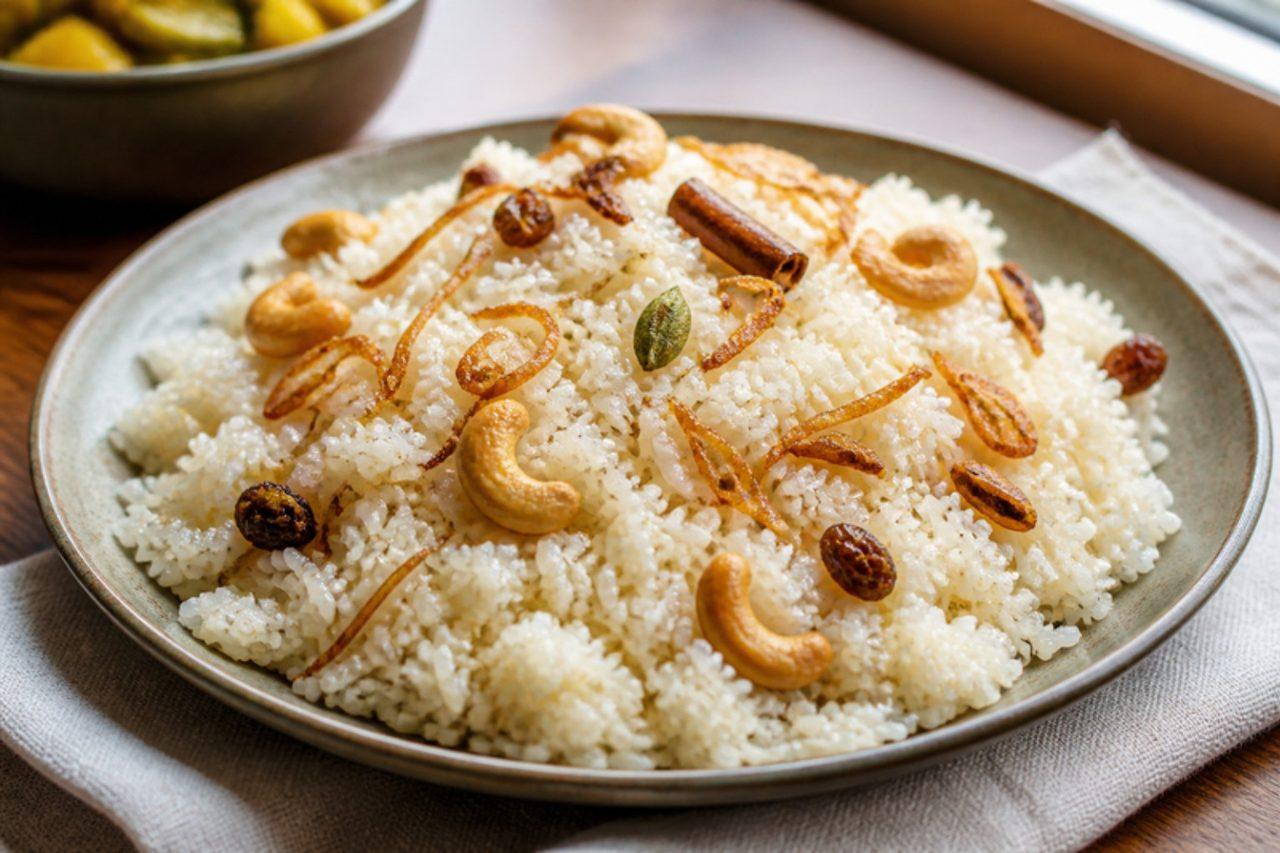
Ghee rice with cashews and raisins

Neychoru, or ghee rice, comes from the Malabar coast of Kerala and the coastal towns of Karnataka, where it is cooked for Friday lunches, weddings and Eid tables alongside chicken or vegetable curries. Short, fragrant kaima (jeerakasala) rice is fried in ghee with whole spices, cooked until each grain is separate, and topped with crisp fried onions, cashews and plump raisins. The mistake to avoid is stirring the rice once the water goes in, which breaks the delicate grains and makes it mushy; cover it and leave it alone. Chef's tip: if you can't find kaima rice, basmati works, but cut the water by a few spoonfuls. It is not a 30-minute dish once the rice has been rinsed, drained and rested, so start it before the curry.

Read more 0 views

What to eat today?

Around the world

Today's trip: Persian

A new country every day, from every cuisine on the site.

Persian

Shir berenj

Rose water rice pudding 70 minMore from Persian (181) →

This week's collection

Kid-friendly dinners
750 recipes · a new collection every Monday

Coming up

All occasions →

Latest recipes

YukjeonEgg-battered fried beef

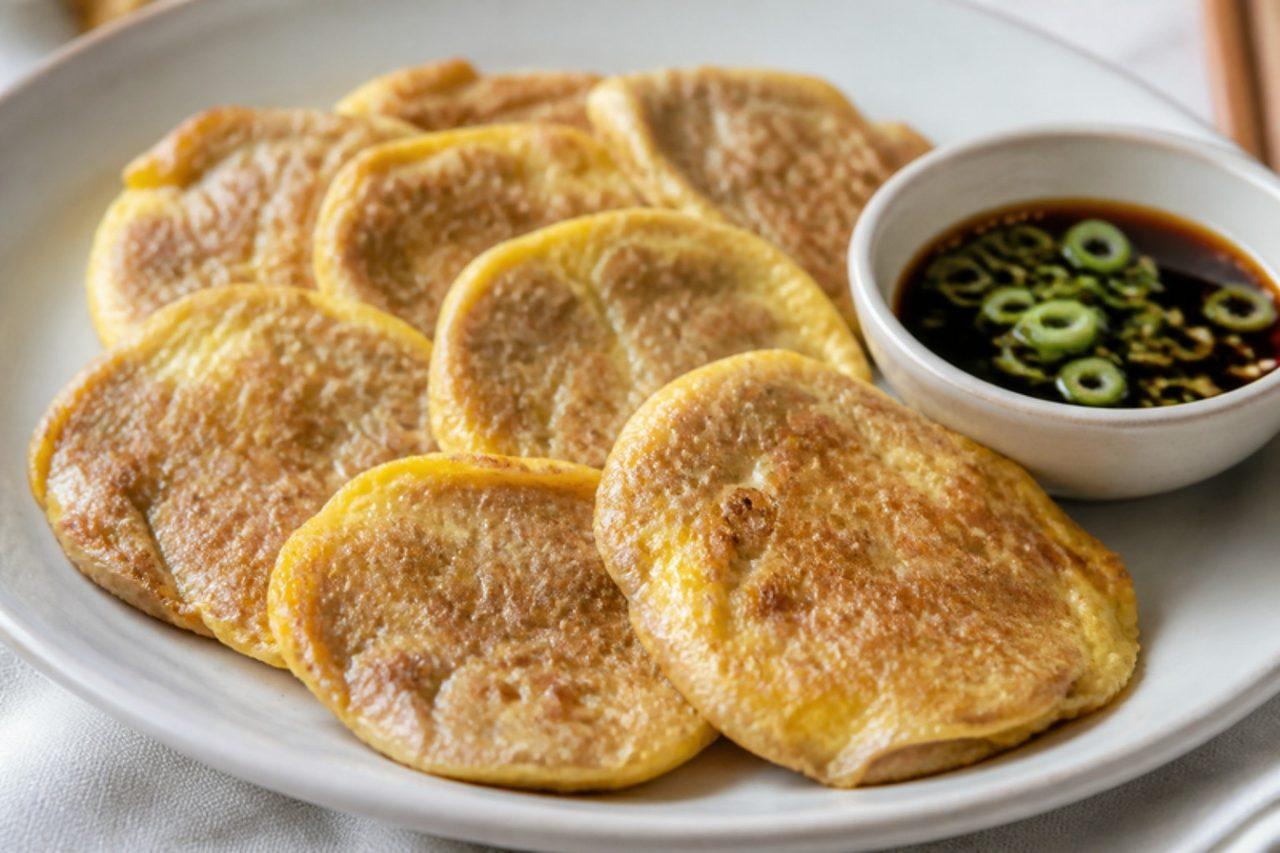
In Gwangju, yukjeon is a restaurant meal in its own right: the server sits by a hot plate at your table and fries slice after slice of egg-coated beef, handing them over while they're still sizzling. Elsewhere in Korea it's more often a festive pancake, made for Chuseok and Lunar New Year along with other jeon. The beef is cut very thin, so it cooks in the time it takes the egg to set. Gwangju places serve it with a sharp salad of finely shredded spring onion and a little salt and sesame oil for dipping. Chef's tip: half-freeze the beef for 40 minutes before slicing; firm meat is easy to cut into slices 2 to 3 mm thick.

25 minKoreanMeat
by KrazyBadal 0 views

VigorónYuca, pork crackling and cabbage salad

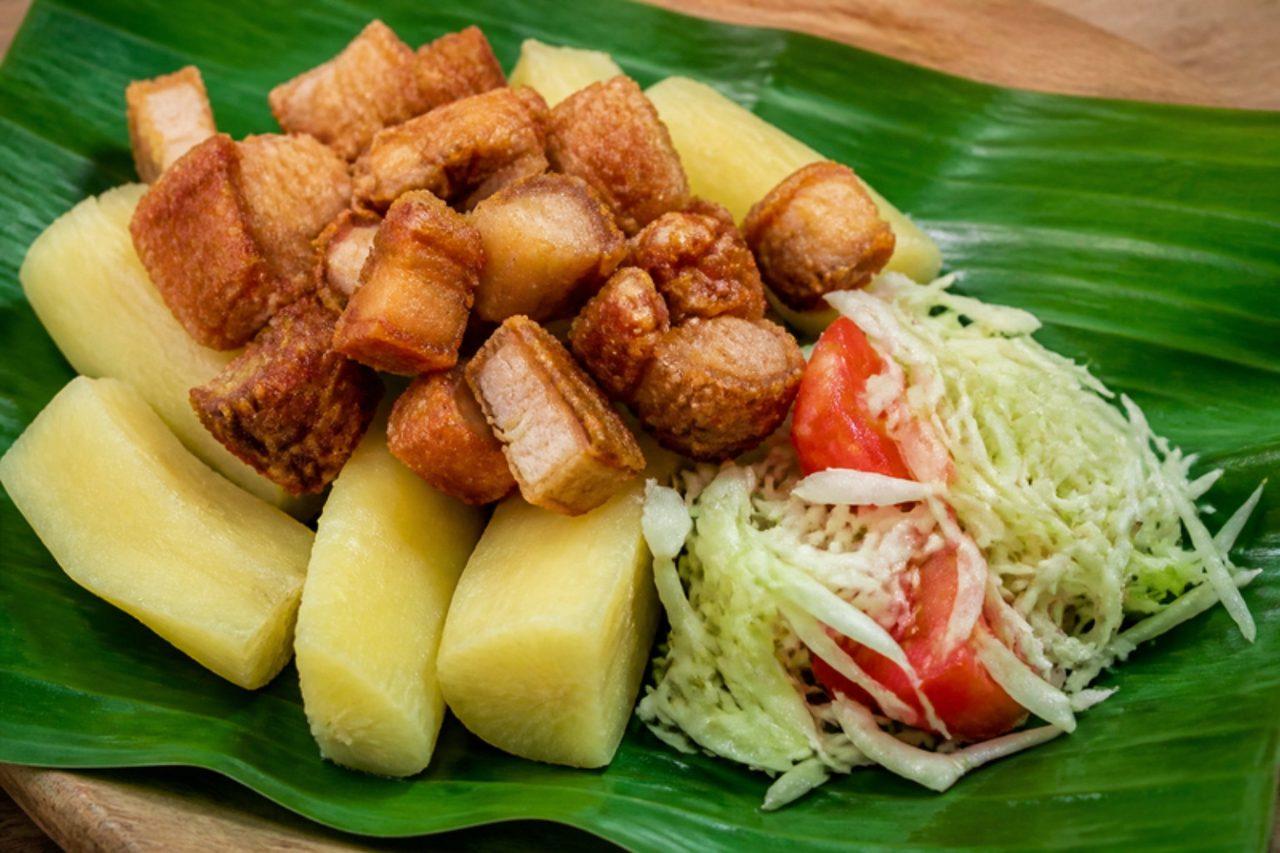
Vigorón was born in the 1910s in the colonial city of Granada, Nicaragua, where it is still sold from stalls around the Parque Central, wrapped in banana leaf: boiled yuca topped with crisp pork crackling (chicharrón) and a tangy cabbage and tomato salad. This dish contains pork. It is street food, eaten at any hour with your fingers. The mistake is serving dry yuca; boil it until tender and slightly split, then keep it in its warm water until serving. Chef's tip: make the cabbage salad an hour ahead so the vinegar softens it.

by KrazyBadal 0 views

Rava dosaCrisp semolina crêpes

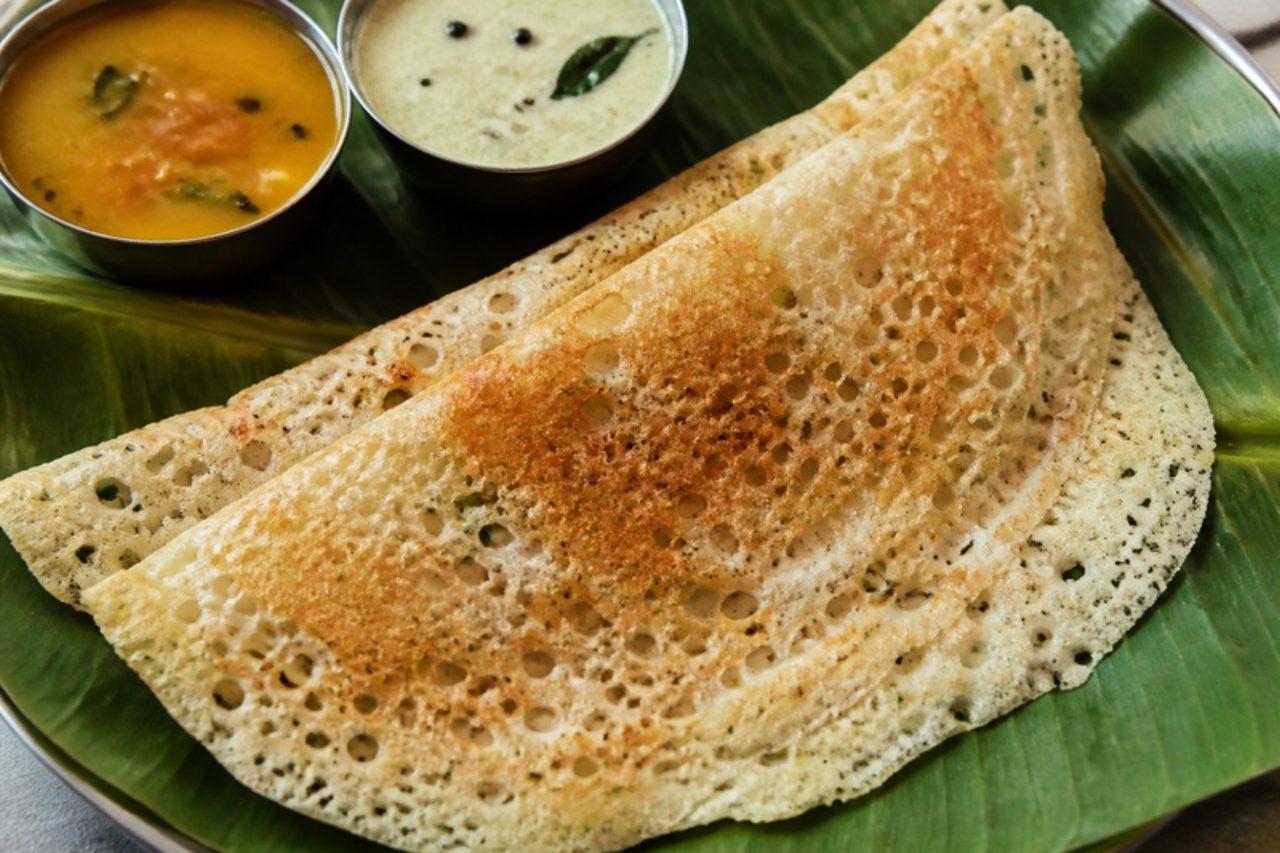
Rava dosa is the instant dosa of Karnataka's Udupi restaurants: a thin, pourable batter of semolina and rice flour, studded with cumin, cracked pepper, ginger and curry leaves, poured onto a very hot griddle so it sets into a crisp, holey lace. There's no soaking or fermenting, so it's the dosa to make when the craving strikes. Serve straight from the pan with coconut chutney and sambar. Because it contains semolina it's not gluten free. Chef's tip: the batter must be watery, thinner than single cream; pour it from a height onto the pan instead of spreading it, and stir the bowl before every dosa because the semolina sinks.

by KrazyBadal 0 views

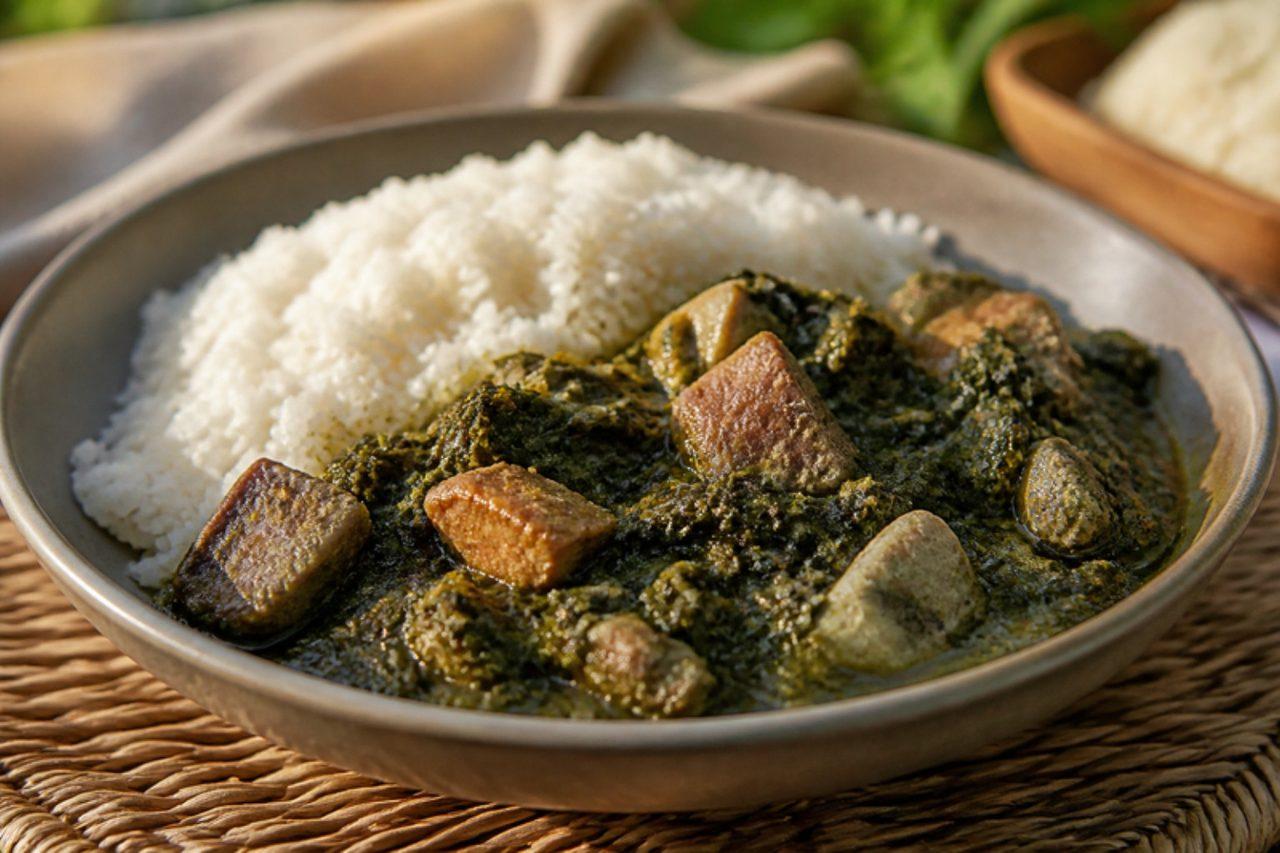
Ravitoto with porkPounded cassava leaves with pork

Ravitoto sy henakisoa, cassava leaves with pork, is a favourite of the Malagasy highlands around Antananarivo and is served at family Sunday lunches with a mound of white rice. This dish contains pork. The cassava leaves are pounded to a dark green paste and simmered for a long time with fatty pork, garlic and ginger until rich and soft, often finished with coconut milk. The mistake is undercooking the cassava leaves: they must cook for at least an hour to be safe and lose their bitterness, so don't cut it short. Chef's tip: frozen pounded cassava leaves (sold as ravitoto, pondu or saka saka) save a lot of work.

120 minMalagasyMeatGluten free
by KrazyBadal 0 views

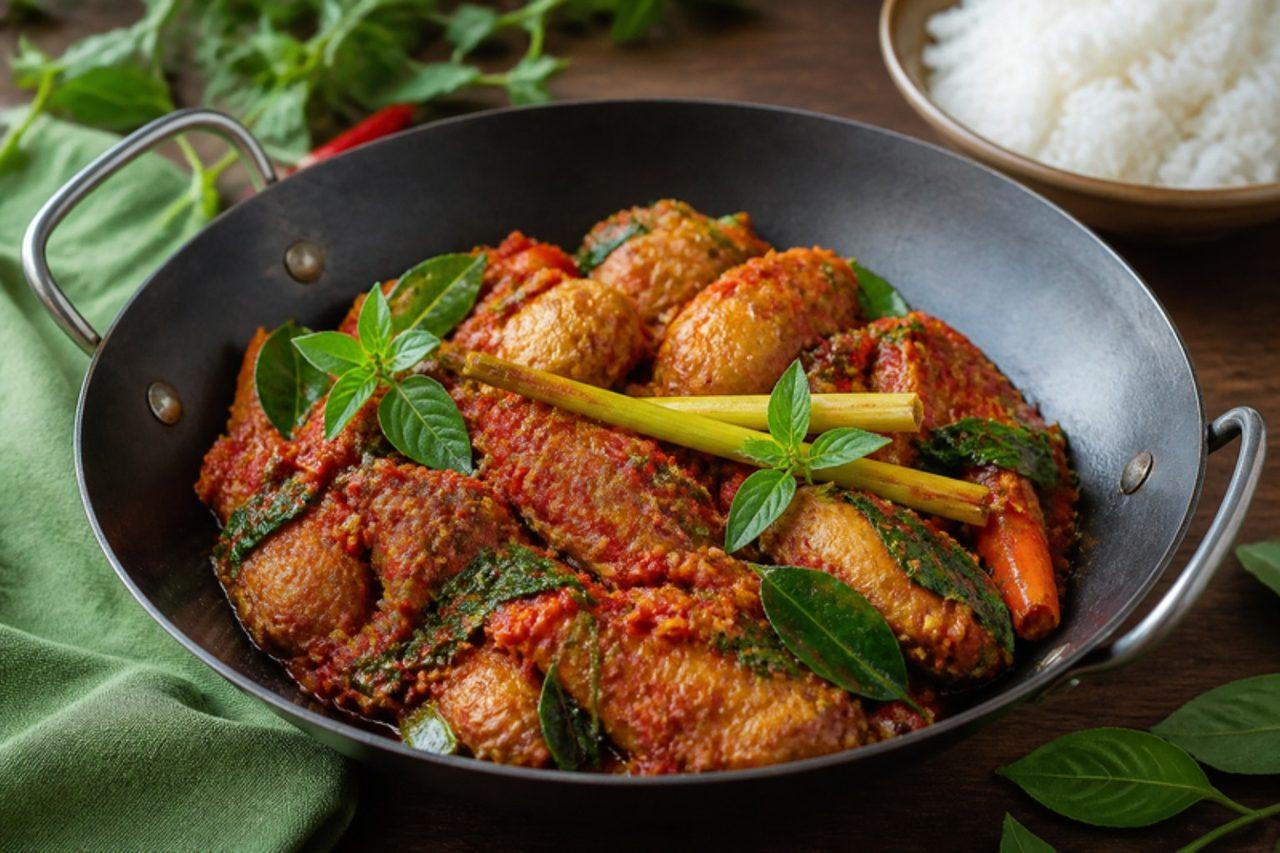
Ayam rica-ricaChicken in fresh chilli paste

Rica means chilli in the Manado dialect, and North Sulawesi cooks are not shy with it. Ayam rica-rica turns up at Minahasa family parties and church gatherings, a heap of chicken pieces coated in a coarse, scarlet paste of fresh chillies, shallots and ginger, finished with tomato, spring onion and a fistful of lemon basil. It's hot, bright and fresh rather than deep and stewed, with a sticky sauce that clings to the meat. Serve it with lots of steamed rice and a cooling cucumber salad. Chef's tip: blend the paste coarse, with as little water as possible; a wet, smooth paste steams instead of frying and never gets that glossy, toasty edge.

by KrazyBadal 0 views

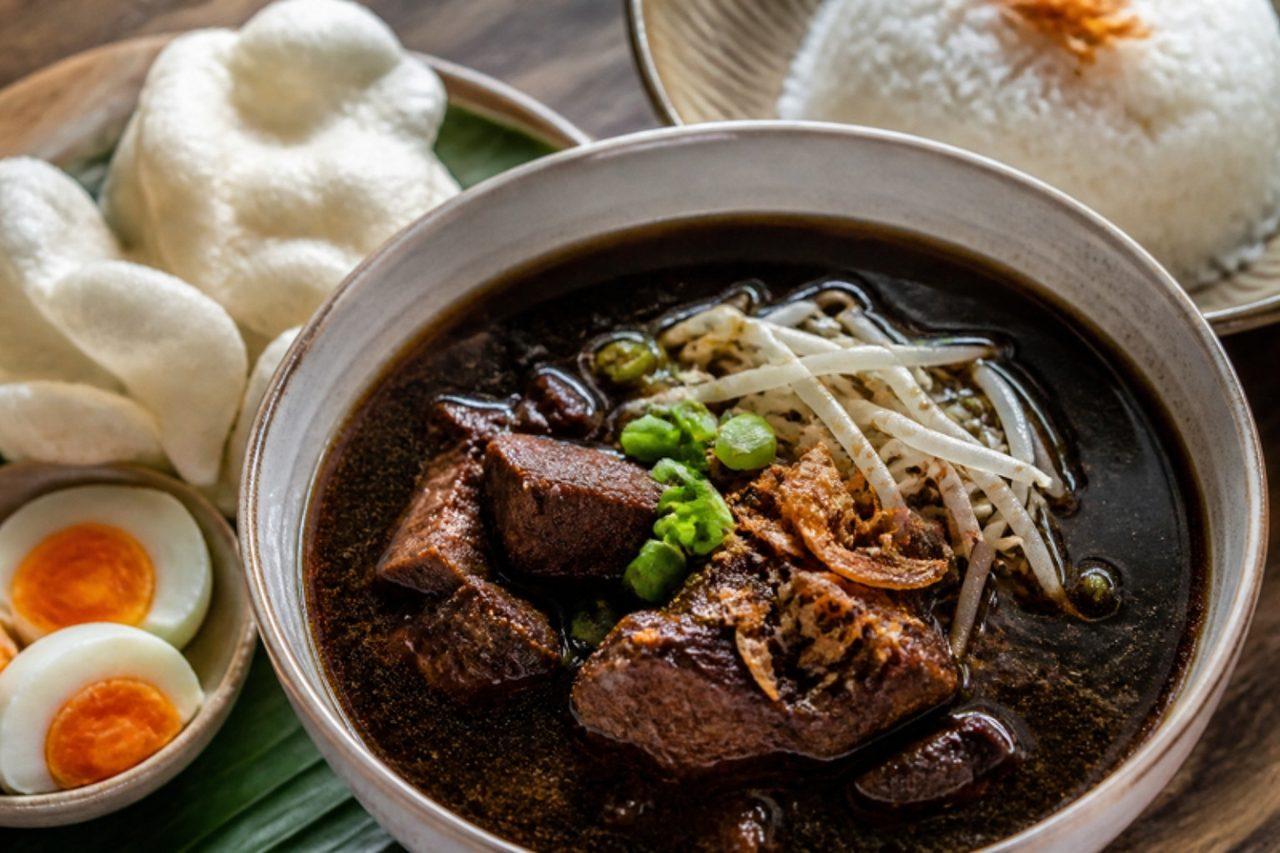
RawonBlack beef soup

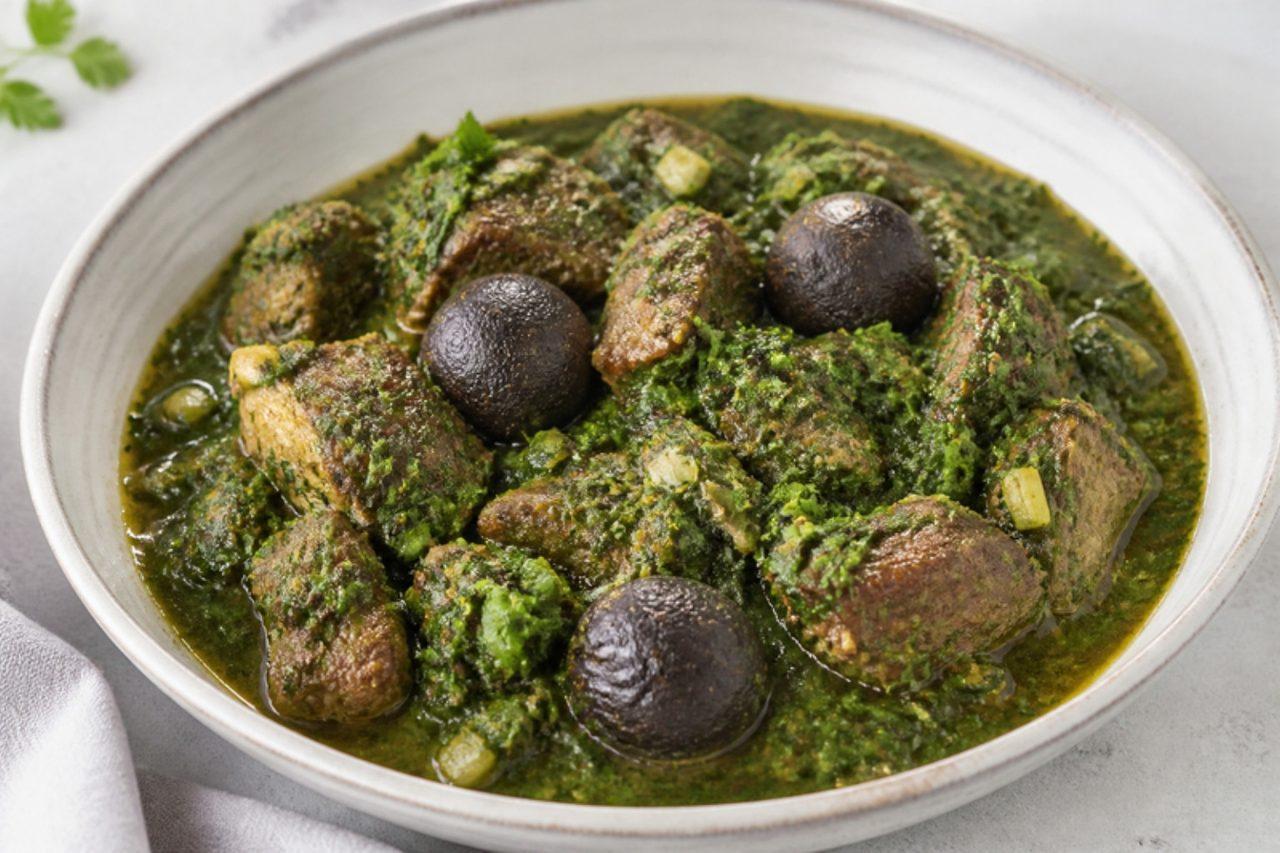
Nothing else on the table looks like rawon: a beef soup as dark as strong coffee, served in Surabaya from breakfast through to the late-night warungs that stay open after the football. Its colour and flavour come from keluak (kluwek), the fermented kernel of a tropical tree nut, which tastes earthy and faintly bitter, somewhere between black olive, cocoa and mushroom. Tender beef cubes swim in the broth, and it's served with rice, short crunchy bean sprouts, a salted duck egg and prawn crackers for crunch. Raw keluak contains a natural poison and is only safe after long processing, so always buy ready-prepared kluwek nuts from an Asian grocer. Chef's tip: crack one nut first and taste a crumb; good flesh is moist, black and smells chocolatey, while sour or dry, pale flesh should be thrown away.

by KrazyBadal 0 views

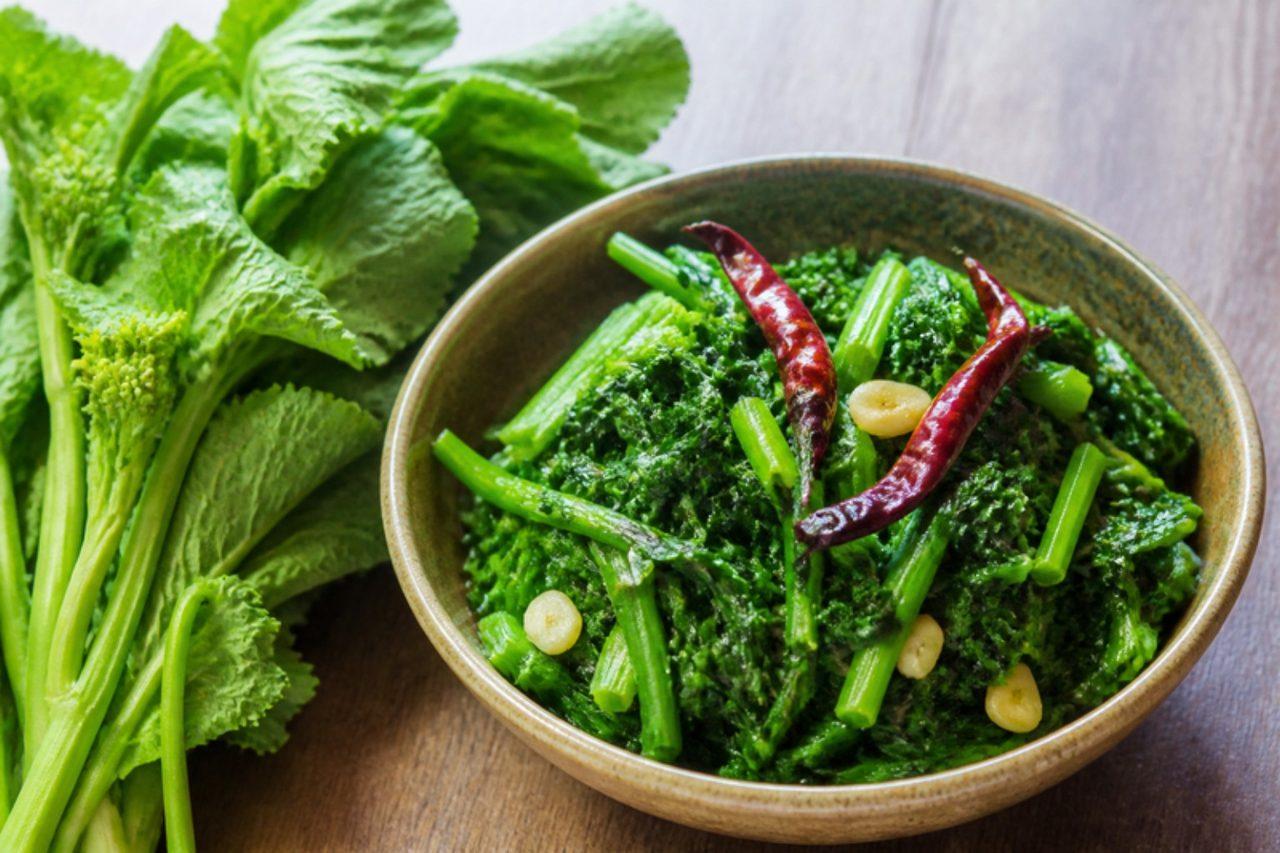
Saag (rayo ko saag)Mustard greens stir-fry

Ask for saag anywhere in Nepal and you will get the leafy part of the dal bhat plate: a tangle of greens, most often rayo (a broad-leafed mustard green), fried fast in mustard oil with garlic and a dried chilli until just wilted. It is nothing like the slow-cooked, puréed sarson ka saag of Punjab. Nepali saag keeps its bright colour, a little bite in the stems and a pleasant bitterness. It grows in every kitchen garden from the Terai to the hills and is on the table most days from autumn to spring. Spinach, chard or Chinese mustard greens all work the same way. The common mistake is to cover the pan, which stews the leaves to a grey mush; keep the heat high and the lid off. Chef's tip: add the stems a minute before the leaves so both are done at the same moment.

by KrazyBadal 0 views

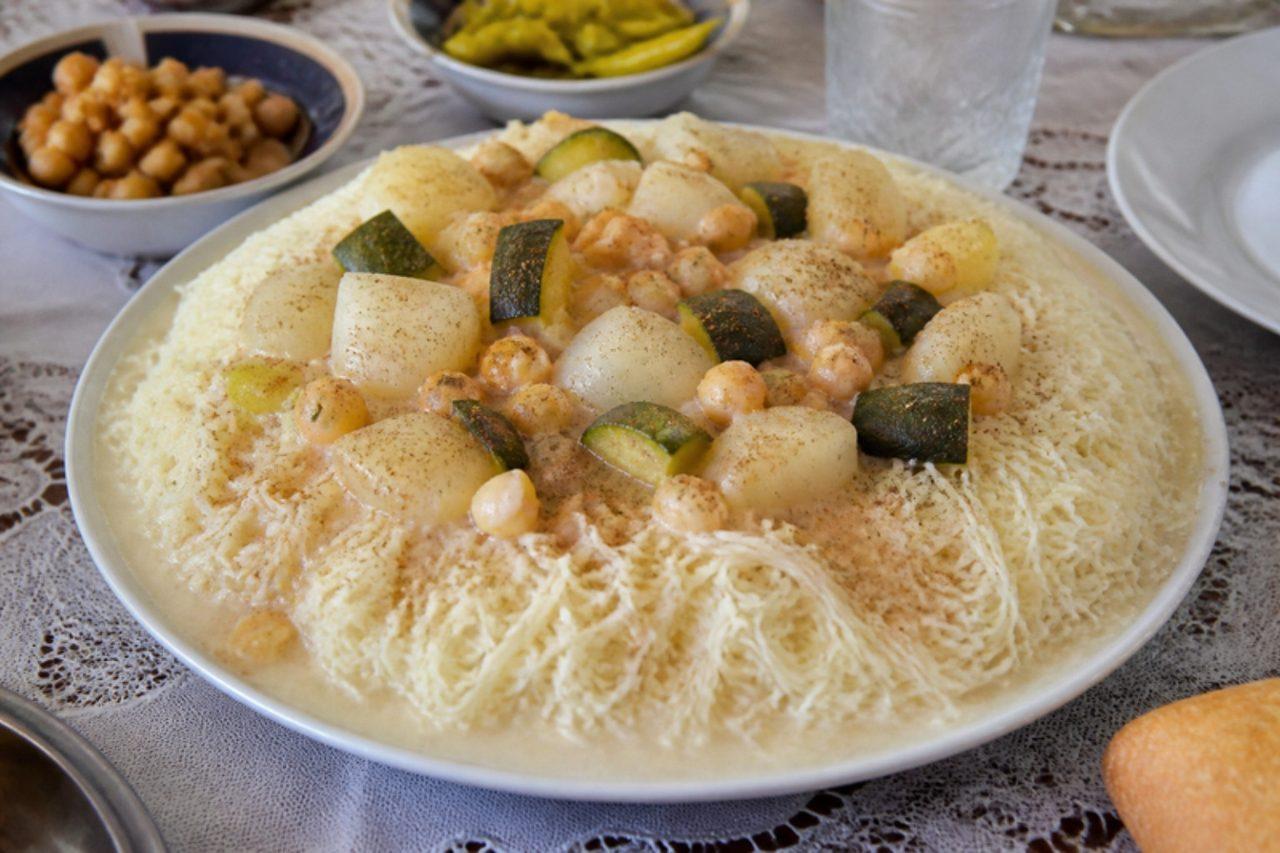
Rechta with vegetable sauceNoodles in turnip and chickpea broth

Rechta is the dish of Algiers and Blida for Mouloud, Ashura and the first day of the new year: thin, square-cut fresh noodles steamed in a couscoussier like couscous, then drenched in a pale, cinnamon-scented white sauce of turnips, courgette and chickpeas. It is usually made with chicken; this vegetable version keeps the gentle, peppery broth. Dried rechta is sold in North African shops; very thin dried egg-free noodles work too. Chef's tip: steam the noodles twice and rub them with oil in between, so they stay separate and silky.

by KrazyBadal 0 views

Red redBean stew in palm oil

Red red is Ghanaian chop-bar comfort food, eaten at lunchtime from Kumasi to Cape Coast, and it gets its name from its two reds: the bean stew glowing with palm oil and the fried ripe plantain served alongside. Black-eyed beans simmer in a tomato and onion sauce until creamy, then a sprinkle of gari on top adds crunch. It is often made with smoked fish or momoni; this meat-free version uses smoked paprika for the same savoury edge. Chef's tip: choose plantains with mostly black skins; they fry up sweet and caramelised, the perfect partner for the salty stew.

by KrazyBadal 0 views

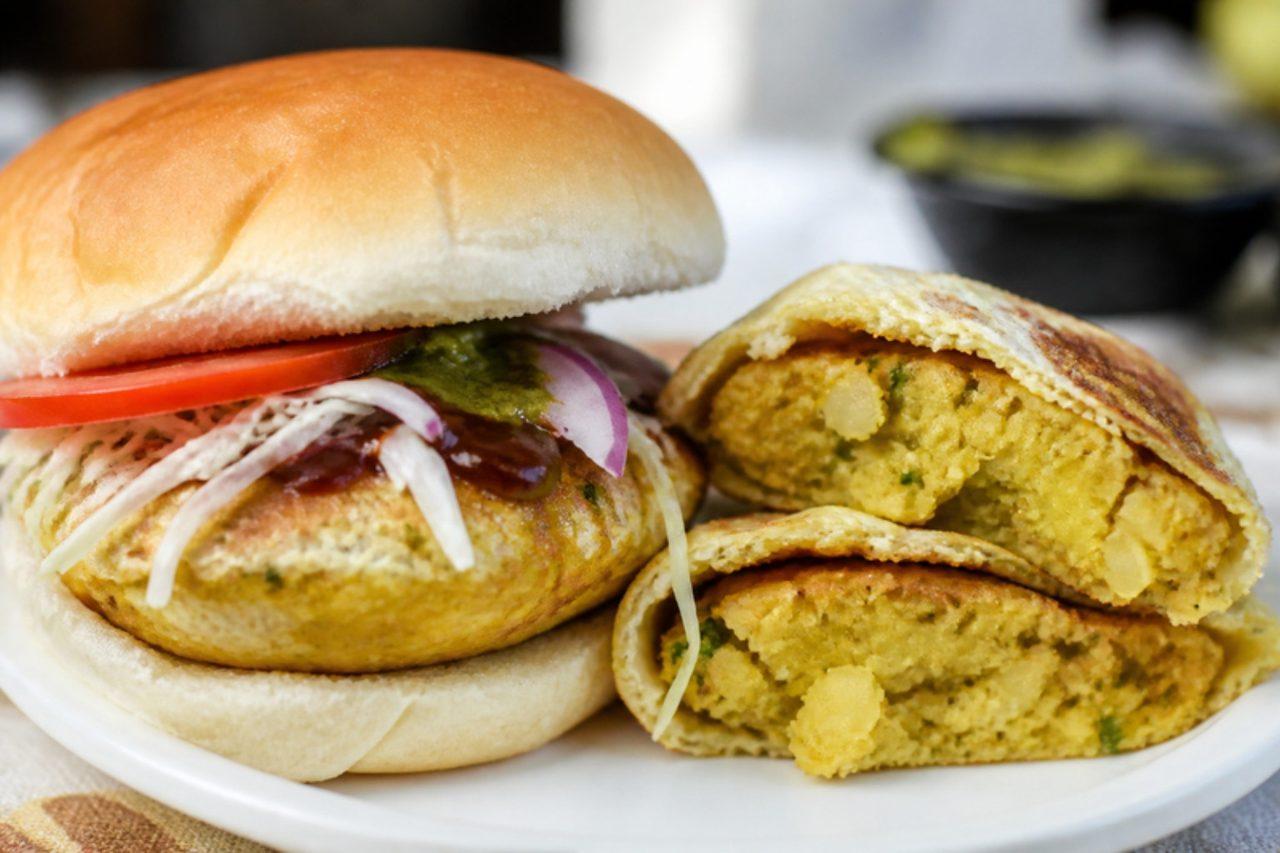
Bun kebabSpiced lentil and potato patty in a bun

Bun kebab is Karachi's own street burger, sold from carts on Burns Road and outside colleges from late afternoon into the night, each one fried to order on a huge flat tawa. The vegetarian version is the oldest: a soft patty of chana dal and potato spiced with cumin and chilli, dipped in beaten egg so it gets a lacy, golden coat, then tucked into a buttered bun with tangy tamarind chutney, green chutney, onion rings and shredded cabbage. It is messy, cheap and loved by children and grown-ups alike. Most people make the mixture too wet, and the patties fall apart in the egg; mash the dal and potato while dry and steamy, not with their cooking water. Chef's tip: toast the buns cut side down on the same tawa after the patties, so they pick up the spiced egg and butter.

by KrazyBadal 0 views

Rellenitos de plátanoPlantain dumplings with sweet beans

Rellenitos surprise everyone who hasn't grown up in Guatemala: soft, sweet plantain dough wrapped around a filling of black beans cooked down with chocolate, cinnamon and sugar, then fried and rolled in sugar. They're sold in panaderías and at fairs, and made at home for afternoon coffee and Christmas. The beans taste nothing like a savoury dish; think of a fudgy chocolate paste. Chef's tip: mash the plantains while hot and chill the dough for 20 minutes; cold dough wraps cleanly without sticking to your hands.

by KrazyBadal 0 views

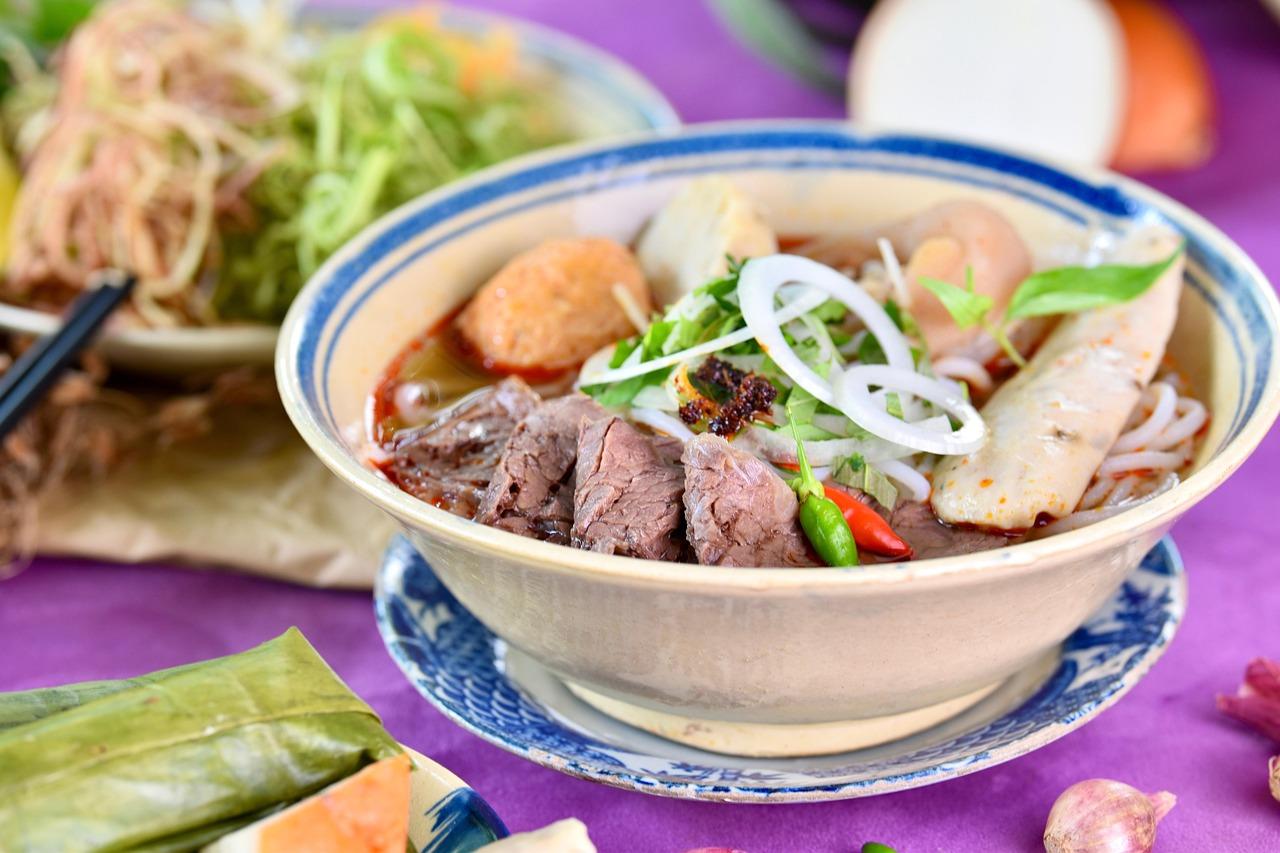
Bun bo HueSpicy beef noodle soup

Huế, once the seat of Vietnam's emperors, is known for food that is spicier and bolder than in the north or south, and this soup is the city's breakfast. Compared with pho it is louder in every way: the broth smells of lemongrass and fermented shrimp, it glows red with chilli oil, and the noodles are thick and round. Beef shank and slices of pork hock go in every bowl, often with pork roll, and it comes with a plate of mint, banana blossom and bean sprouts. Locals add pig's blood cubes too, which we leave out here. Chef's tip: bruise the lemongrass stalks hard with a rolling pin before they go in, so their oils flood the broth.

by KrazyBadal 0 views

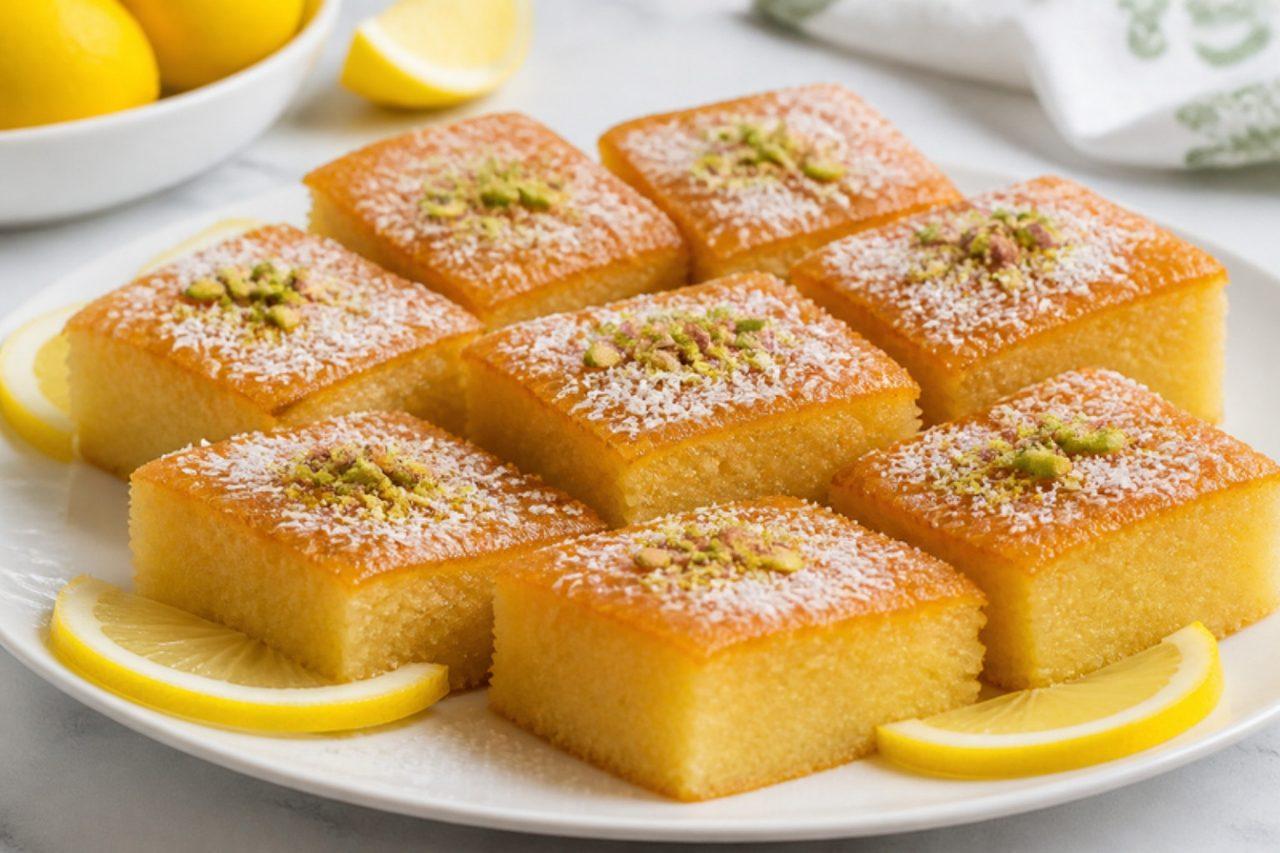
RevaniSemolina cake in lemon syrup

Revani is the syrup cake you meet in Turkish pastry shops and on home tea tables, especially at bayram visits, when trays of it are cut into diamonds and handed round with çay. Unlike a dense eggless semolina bake, it is a light, airy sponge of whisked eggs, semolina and a little flour, which drinks in cold lemon syrup straight from the oven until it is moist right through yet still holds a clean cut. It sweetens with sugar syrup rather than icing and is often finished with desiccated coconut or crushed pistachios. Serve it at room temperature or chilled, with tea or a spoon of kaymak or thick cream. Chef's tip: pour cool syrup over the hot cake (or hot over cool), never hot on hot; that contrast lets the sponge soak up syrup without collapsing into mush.

by KrazyBadal 0 views

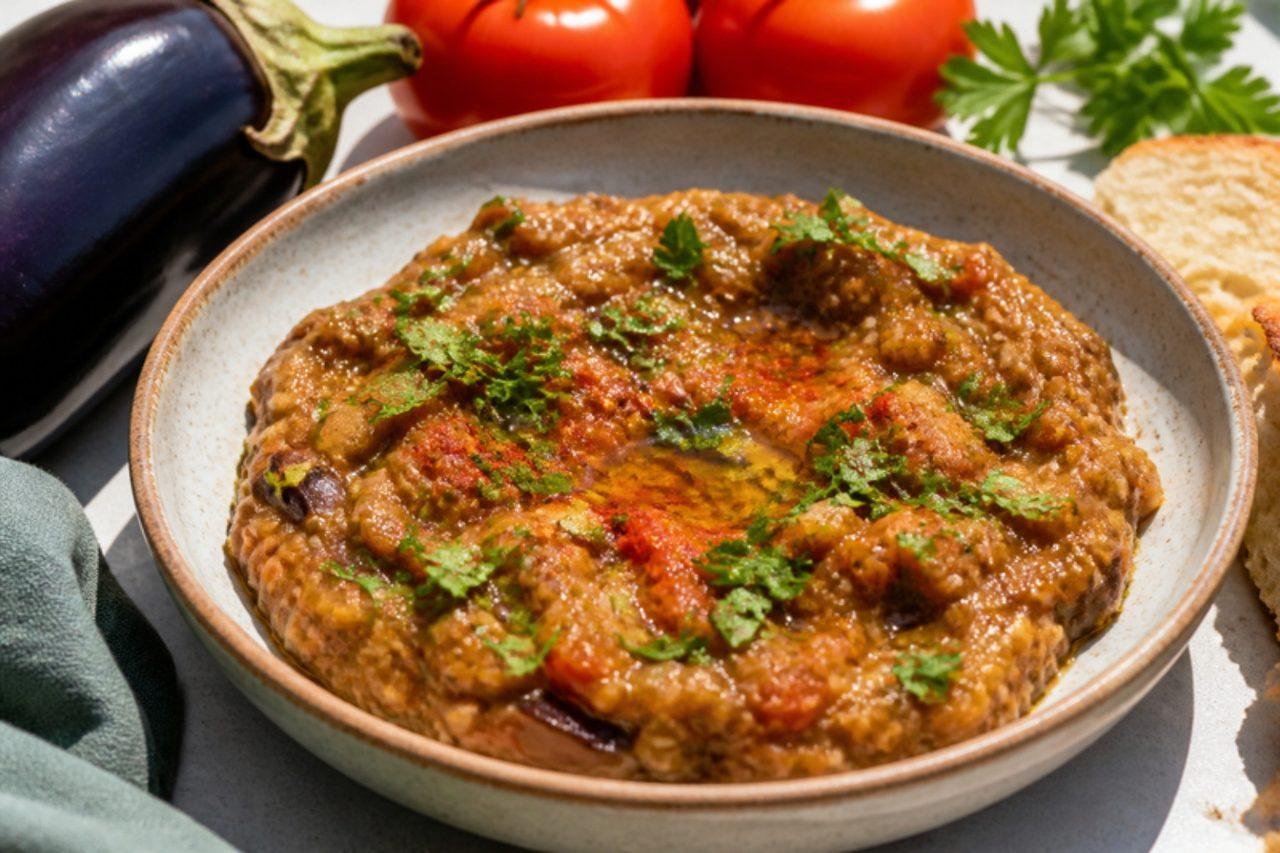
ZaaloukAubergine and tomato salad

Zaalouk is one of the cooked salads that open almost every Moroccan meal, from Fez to Essaouira, set out in small dishes with taktouka and carrot salad and scooped up with bread. Aubergine and tomato are cooked down together with garlic, cumin and paprika until they become a soft, spoonable relish, sharpened at the end with lemon and olive oil. It tastes even better the next day, so many cooks make a big batch. Chef's tip: char the aubergine over a gas flame or under the grill first if you can; the smoky skin flavour gives the best zaalouk.

by KrazyBadal 0 views

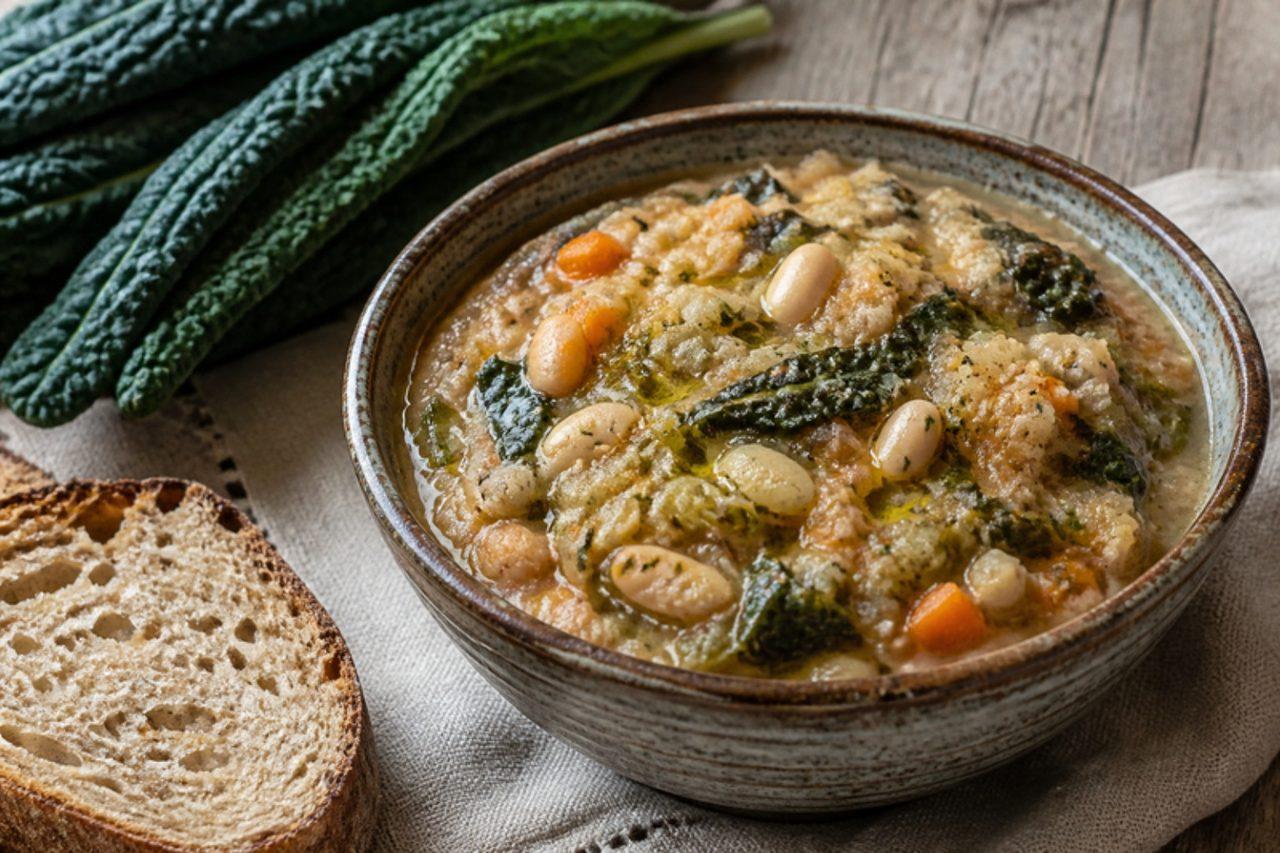
RibollitaBread and bean soup

Ribollita means 'reboiled': a Tuscan peasant soup of cannellini beans, cavolo nero and other vegetables, layered with stale bread and heated again the next day until thick enough to eat with a fork. Florentines eat it through the cold months, when cavolo nero is sweetest after the first frosts, finished with a green thread of new-season olive oil. Make it a day ahead, because the reboil is the point. Chef's tip: when reheating, let the bottom catch very slightly before stirring; that toasty edge is what Tuscans love about day-two ribollita.

by KrazyBadal 0 views

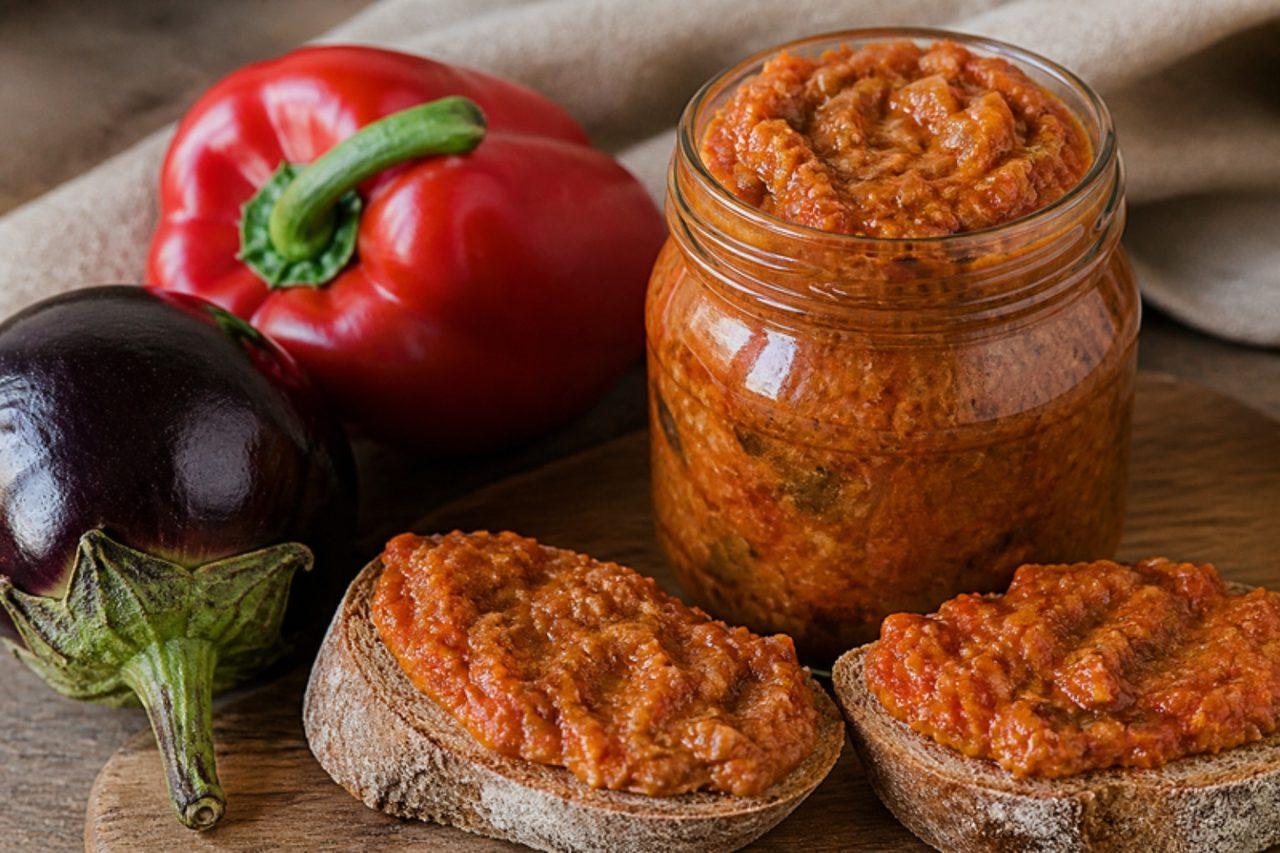
ZacuscăRoasted aubergine and pepper spread

Zacuscă is the autumn preserve of Moldavia and Transylvania: in Iași and the villages around it, families spend a September weekend charring aubergines and red peppers over a grill and slowly frying them down with onion and tomato into a thick, chunky spread. The jars go into the cellar and come out all winter, spread on bread or eaten with mămăligă during the Orthodox fasts. It is coarser and more oniony than smooth Balkan ajvar, with bay and a long, jammy cook. Chef's tip: let the onions go fully soft and sweet before adding anything else; rushing them leaves a sharp, raw edge that the long cook never removes.

by KrazyBadal 0 views

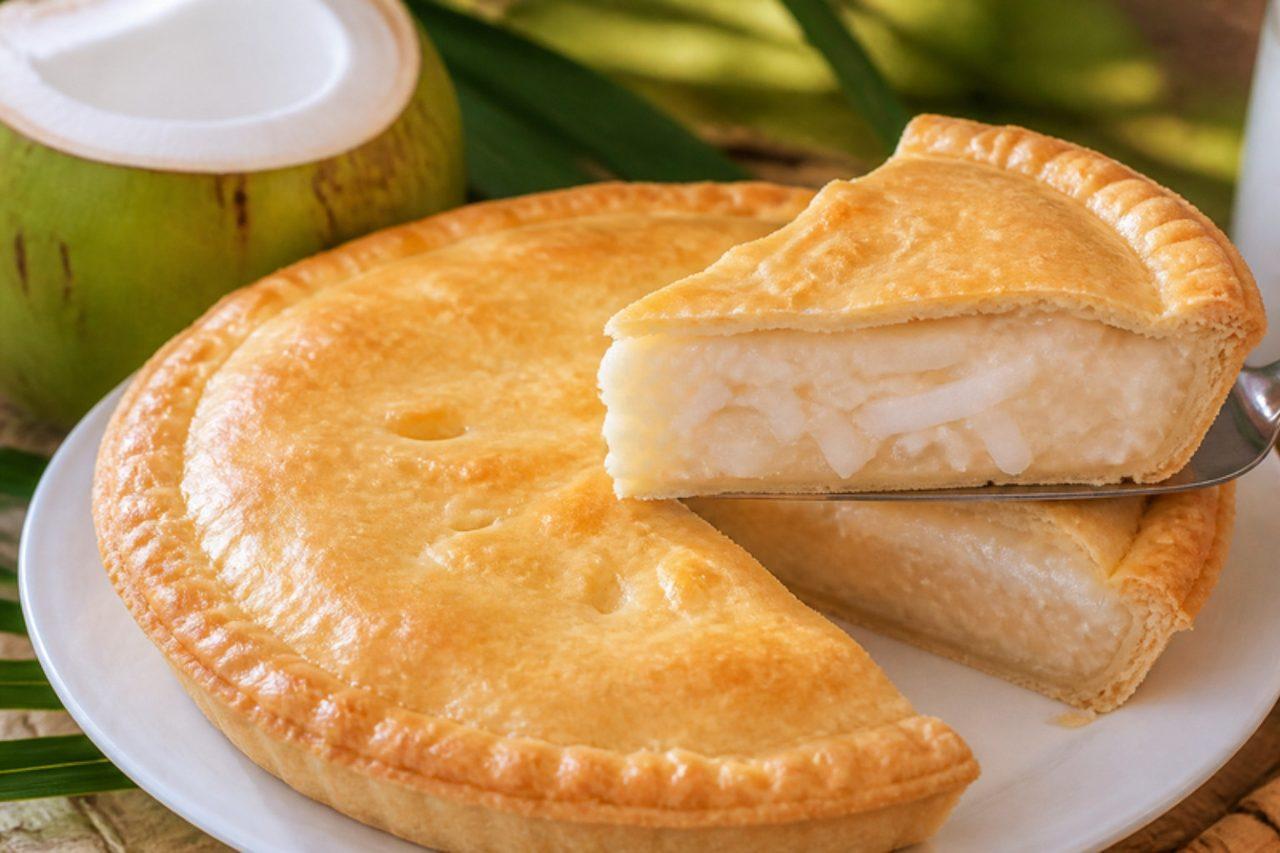
Buko pieYoung coconut pie

Drive the old highway through Los Baños and Calauan in Laguna and roadside shops sell buko pie in white boxes by the stack, warm from the oven. The filling is tender strips of young coconut set in a creamy custard made with the coconut's own water and milk, sealed in a short, buttery crust. It is a pasalubong, a gift you bring back for people at home. Chef's tip: use only the soft, spoonable flesh of young coconuts; hard mature coconut turns the filling chewy.

by KrazyBadal 0 views

Turkish tea (çay)Strong black tea

Nowhere in Turkey is far from a glass of çay. Tea from the slopes of Rize on the Black Sea coast is brewed in a stacked double teapot, the çaydanlık, and poured into small tulip-shaped glasses all day long: at breakfast with simit and cheese, in shops when you haggle, after every meal. The strong brew sits in the top pot and each glass is diluted to taste with hot water from the bottom, so one person drinks it dark (koyu) and another light (açık). It should be clear, the colour of a ruby or rabbit's blood (tavşan kanı), never cloudy. Serve it with sugar cubes on the side, not milk. Chef's tip: steam the dry leaves in the top pot for a few minutes before adding any water; the warm leaves open up and give a rounder, deeper colour.

by KrazyBadal 0 views

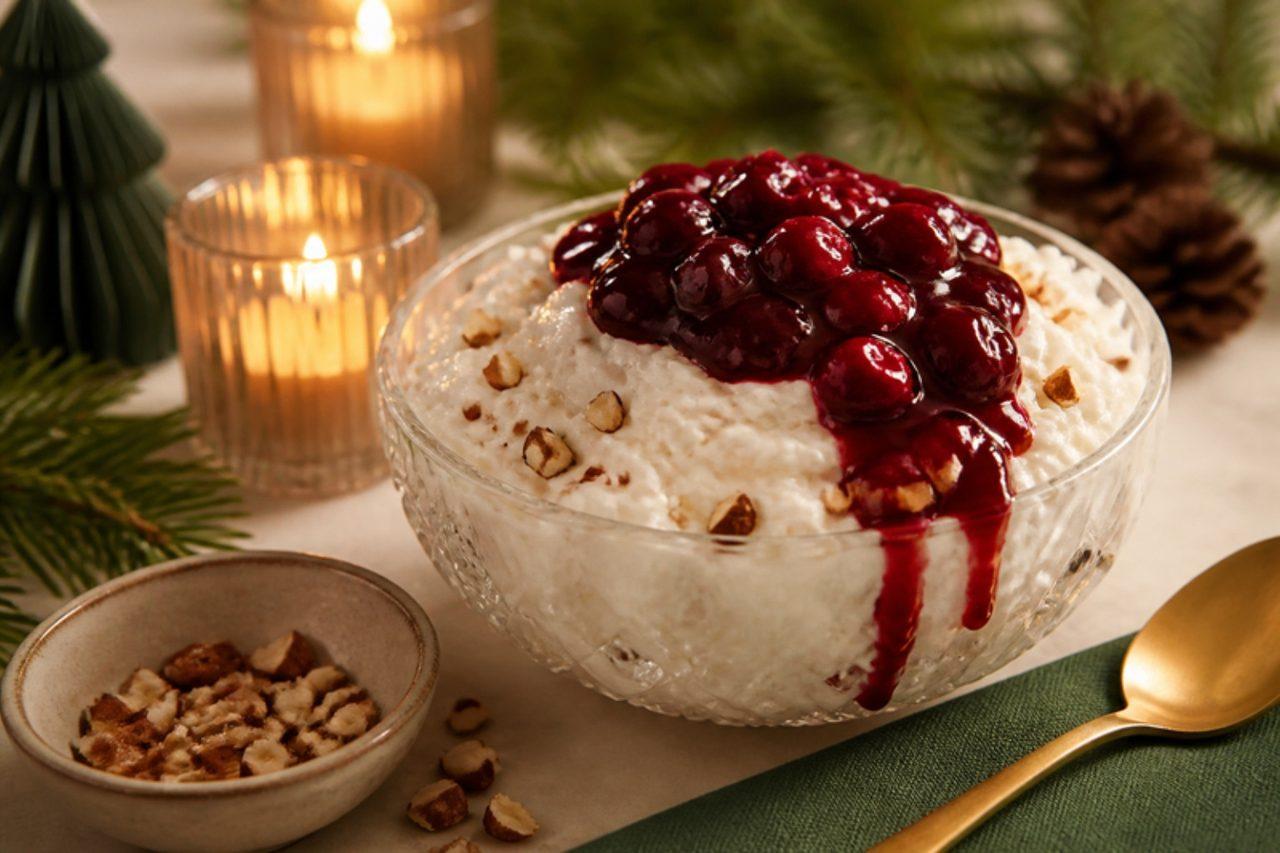
RisalamandeRice pudding with cherry sauce

On Christmas Eve, almost every Danish family ends dinner with risalamande, a cold vanilla rice pudding lightened with whipped cream and chopped almonds and served with a hot cherry sauce poured over the top. Hidden somewhere in the bowl is one whole almond, and whoever finds it wins the mandelgave, the almond prize, usually a marzipan pig. Some finders keep the almond in their cheek until everyone has eaten far too much. The rice base, risengrød, is often cooked on 23 December, eaten warm with butter and cinnamon, and the leftovers become risalamande the next night. Chef's tip: let the rice pudding cool completely before folding in the cream; warm rice melts the whipped cream and the pudding turns heavy instead of airy.

by KrazyBadal 0 views

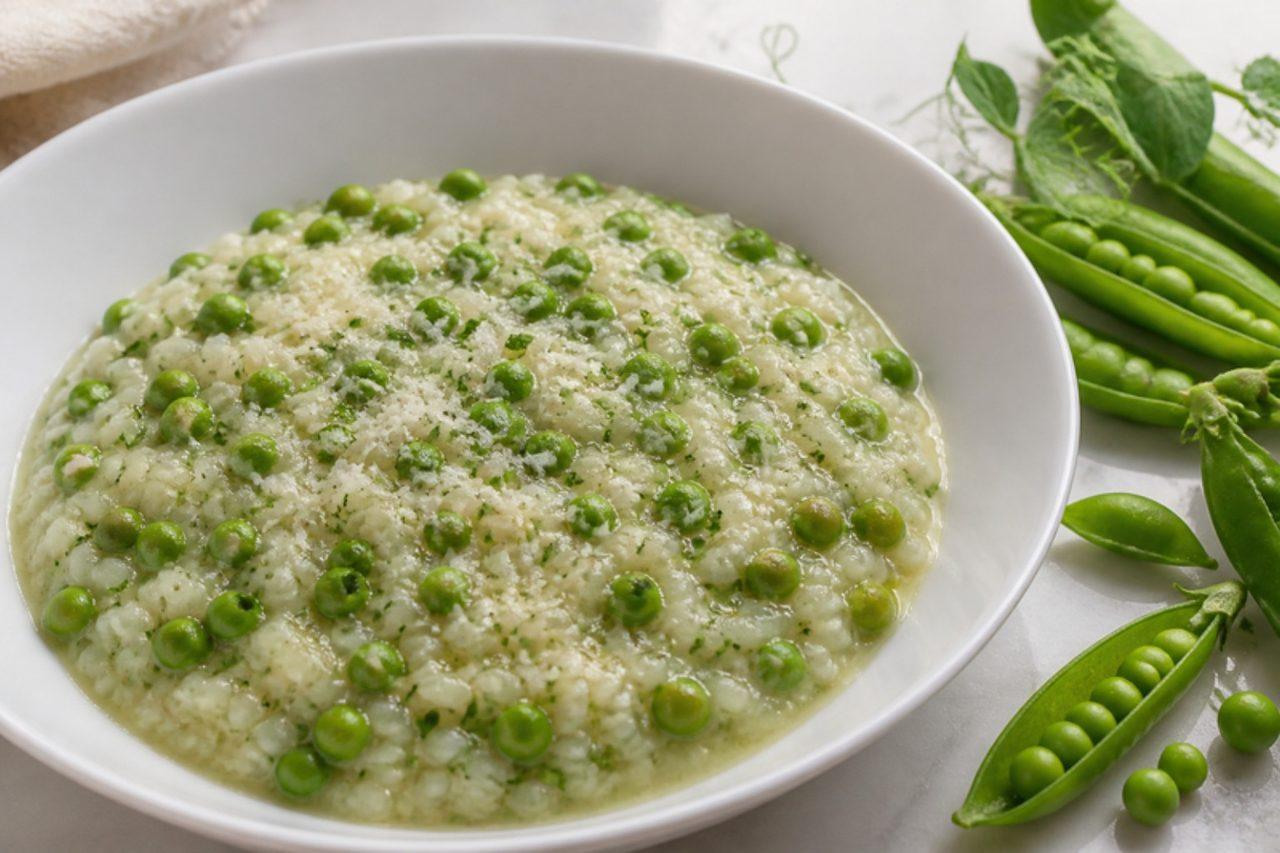
Risi e bisiRice and peas

Risi e bisi was once served to the Doge of Venice every 25 April, the feast of Saint Mark, when the first tender peas arrived from the lagoon islands. It sits between a soup and a risotto: thicker than a minestra, looser than risotto, eaten with a spoon. Venetians make a quick broth from the empty pods, which gives a sweet, grassy flavour no stock cube can match; pancetta often goes in, but this version keeps it vegetarian with parsley and butter. Chef's tip: when podding fresh peas, keep the pods; simmered for 20 minutes they make the whole dish taste of spring.

by KrazyBadal 0 views

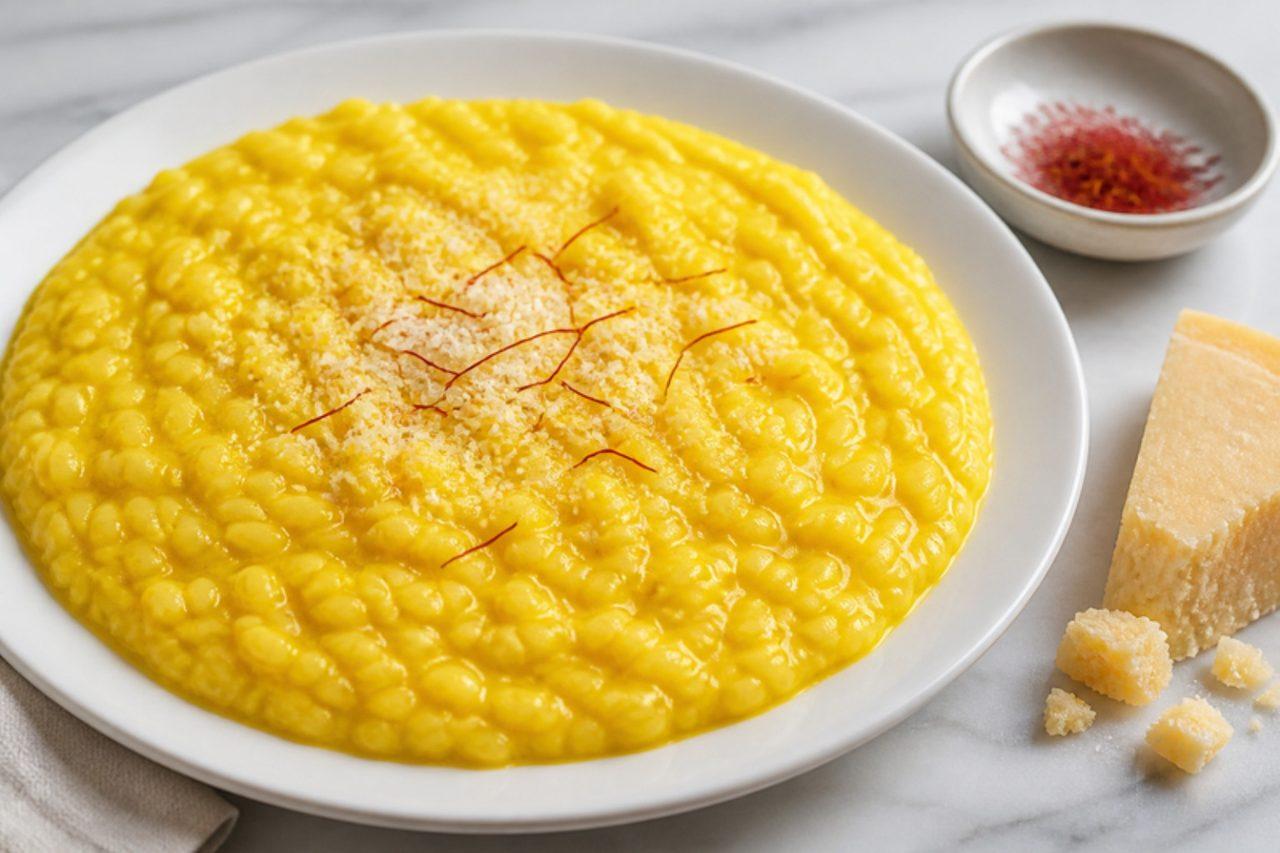
Risotto alla milaneseSaffron risotto

Risotto alla milanese is the saffron risotto of Milan, served on its own as a first course or beside ossobuco on Sunday tables, and a legend says it was first made in 1574 by a glass-painter's apprentice working on the Duomo who coloured rice with saffron. Milanese cooks use beef marrow and meat broth; here a well-flavoured vegetable stock keeps it vegetarian, with butter and hard cheese for richness. It should be all'onda: loose enough to ripple like a wave when you shake the plate. Chef's tip: keep the stock at a bare simmer beside the rice; cold stock stops the cooking and makes the grains chalky.

by KrazyBadal 0 views

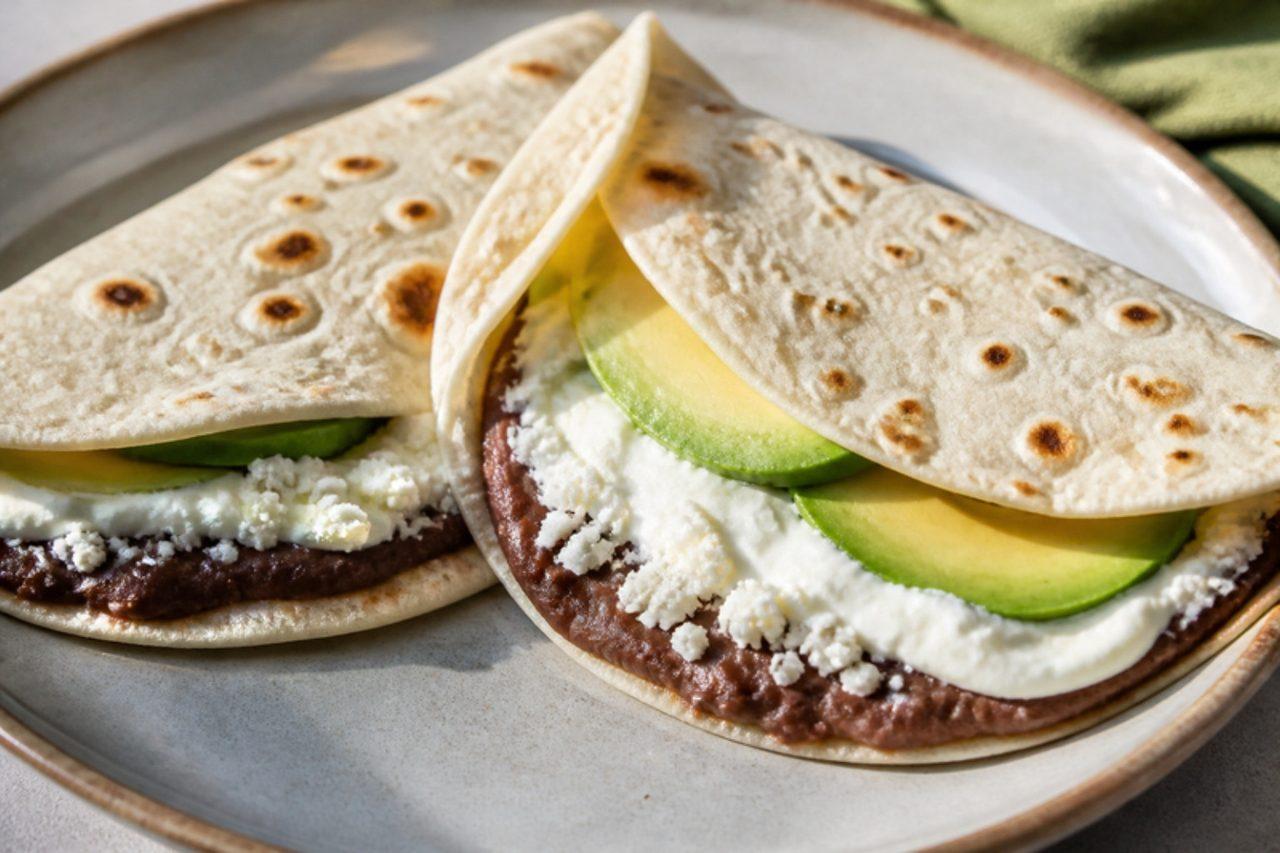
BaleadasFolded tortillas with beans and cheese

Baleadas are what Hondurans grab for breakfast on the way to work, from street stands in San Pedro Sula to the beaches of La Ceiba on the north coast. A thick, soft flour tortilla, warm from the comal, is spread with refried red beans, sprinkled with dry salty cheese and a spoon of mantequilla (sour cream), then folded in half. A 'baleada sencilla' stops there; add avocado, scrambled egg or fried plantain for a fuller one. Chef's tip: rest the dough balls a full 30 minutes; relaxed dough stretches thin by hand and puffs on the pan instead of shrinking back.

by KrazyBadal 0 views

TuronFried banana spring rolls

Turon is the afternoon snack sold by vendors on every Filipino street corner, school gate and jeepney stop around three o'clock, often next to banana cue on bamboo skewers. A slice of saba banana and a strip of ripe jackfruit are rolled in a thin spring roll wrapper with brown sugar, then fried in oil that has more brown sugar sprinkled in it, so each roll comes out wrapped in a crackly, glassy caramel shell. It is eaten hot with your fingers, when the banana inside has turned soft and sticky. Saba is a short, firm cooking banana; ripe plantain is the closest substitute. Chef's tip: roll them tightly with no air pockets, or the caramel blows holes in the wrapper.

by KrazyBadal 0 views

Rocoto rellenoStuffed rocoto peppers

Rocoto relleno is the pride of Arequipa's picanterías: fiery rocoto peppers stuffed with a sweet-savoury filling, topped with cheese and baked over sliced potato in an egg and milk custard. The traditional filling is minced beef; this vegetarian version uses mushrooms and lentils fried with ají panca, cumin, peanuts, raisins, olives and boiled egg, which gives the same rich, spiced, slightly sweet bite. The peppers are first blanched several times in fresh water with sugar and vinegar to tame their heat, which is the real skill of the dish. If you can't find rocotos, use small red bell peppers and add a little habanero to the filling. Chef's tip: taste a sliver of rocoto after the second blanching; stop when it is hot but pleasant, and blanch once more if it still burns.

by KrazyBadal 0 views

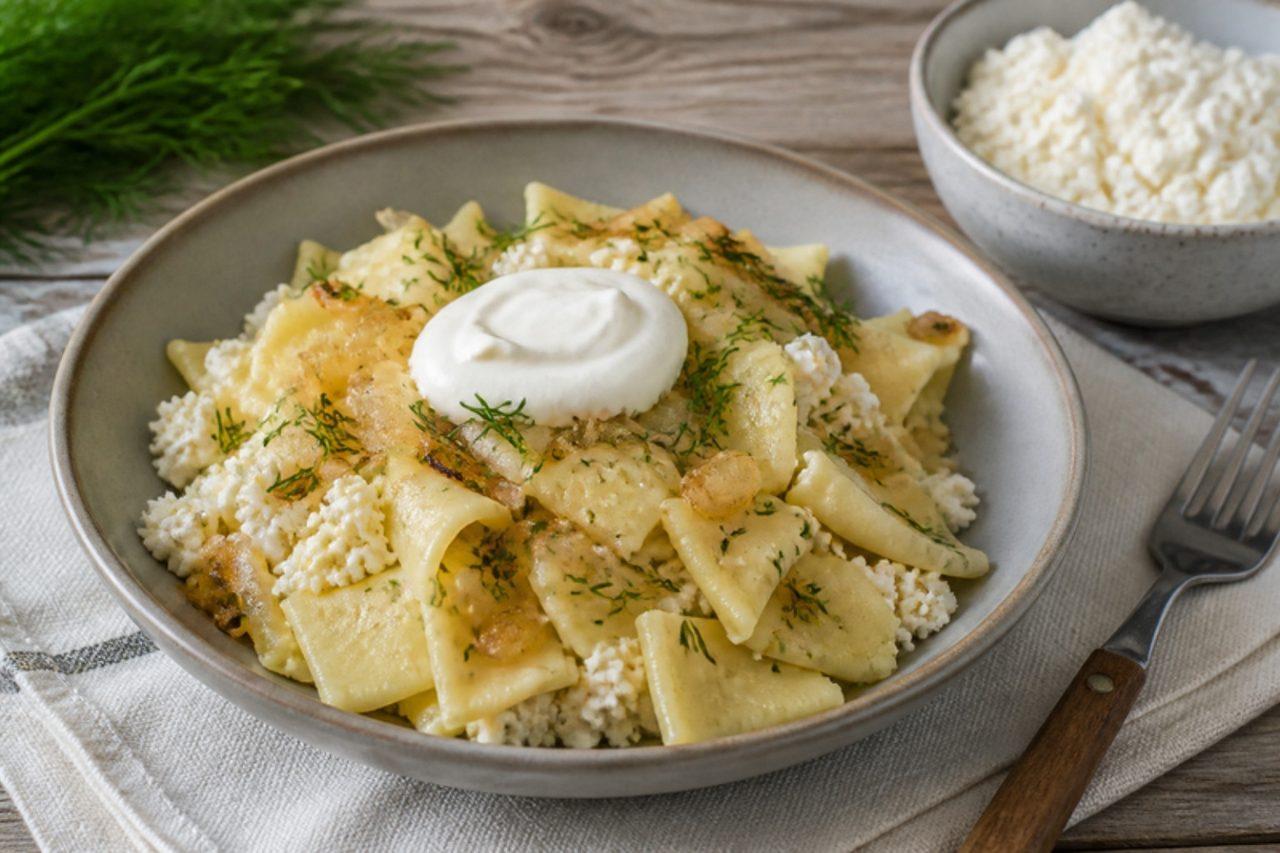
Túrós csuszaPasta with curd cheese

Túrós csusza is a simple dish of wide pasta squares tossed with crumbly túró curd cheese and sour cream, loved across Hungary and especially in the Danube villages, where it is served as a filling main after a bowl of fish soup. At home it is a Friday or end-of-the-month supper made from what is in the fridge. Traditionally it is topped with crisp pork crackling; here, fried onions and a little smoked paprika give the same crunch and savouriness. The flavour is mild, tangy and comforting. Chef's tip: toss the cheese into the pasta while it is still steaming so the túró warms through, but serve the sour cream cold on top for contrast.

by KrazyBadal 0 views

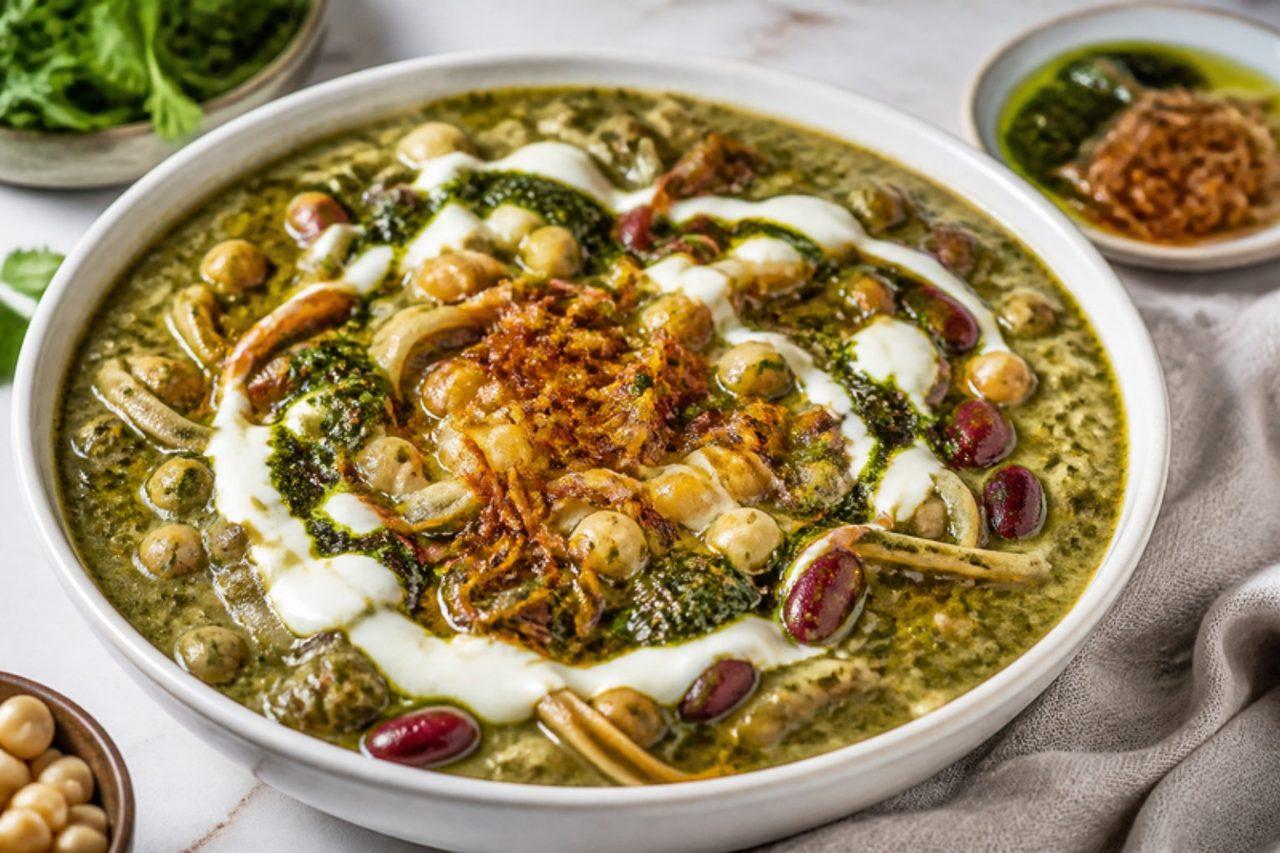
Ash reshtehNoodle, bean and herb soup

Ash reshteh is the thick soup Iranians cook in big pots in the days before Nowruz and for Sizdah Bedar, the spring picnic day, when the noodles (reshteh) are said to help you grasp the threads of good luck for the coming year. Chickpeas, beans and lentils are simmered with a mountain of green herbs and spinach, thickened with flat noodles and finished at the table with tangy kashk, crisp onions and a sizzling swirl of mint oil. It is a meal in a bowl, hearty and herby. Kashk is usually made without rennet, but check the label; strained yogurt is a good substitute. Chef's tip: add the noodles only once the beans are soft, and stir often after that, because they thicken the pot and it can catch on the bottom.

120 minPersianSoups
by KrazyBadal 0 views

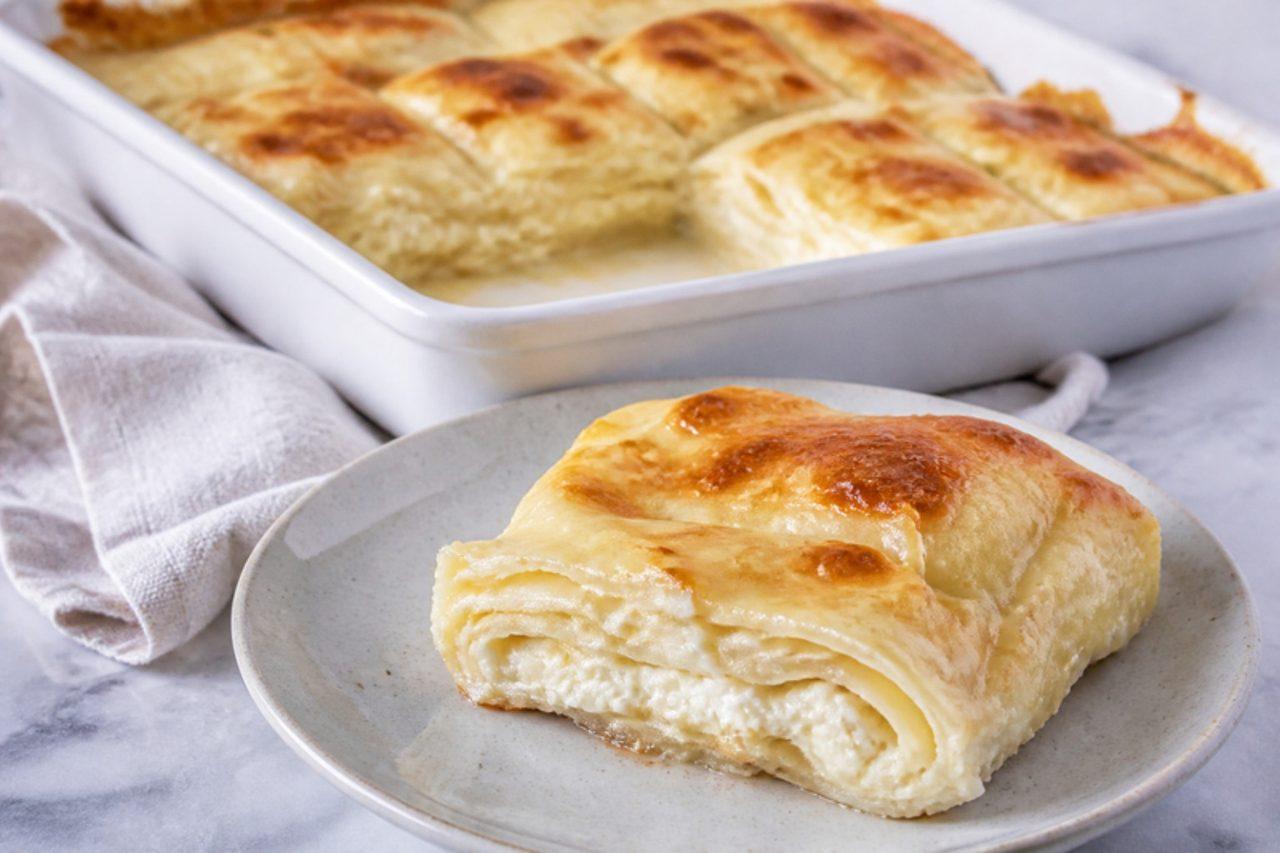
Zagorski štrukliBaked cheese dough rolls

In Hrvatsko Zagorje, the green hill country north of Zagreb, štrukli are Sunday food: paper-thin dough is spread with fresh cow's cheese, rolled up, pinched into pieces with the edge of a plate, then boiled and finished in the oven under a blanket of cream. Zagreb restaurants serve them as a starter or a main, blistered golden on top and soft and custardy inside. The dough is stretched by hand over a tablecloth, which is easier than it sounds once it has rested. Chef's tip: squeeze the cheese if it is wet; a runny filling soaks the thin dough and makes the rolls tear when they boil.

by KrazyBadal 0 views

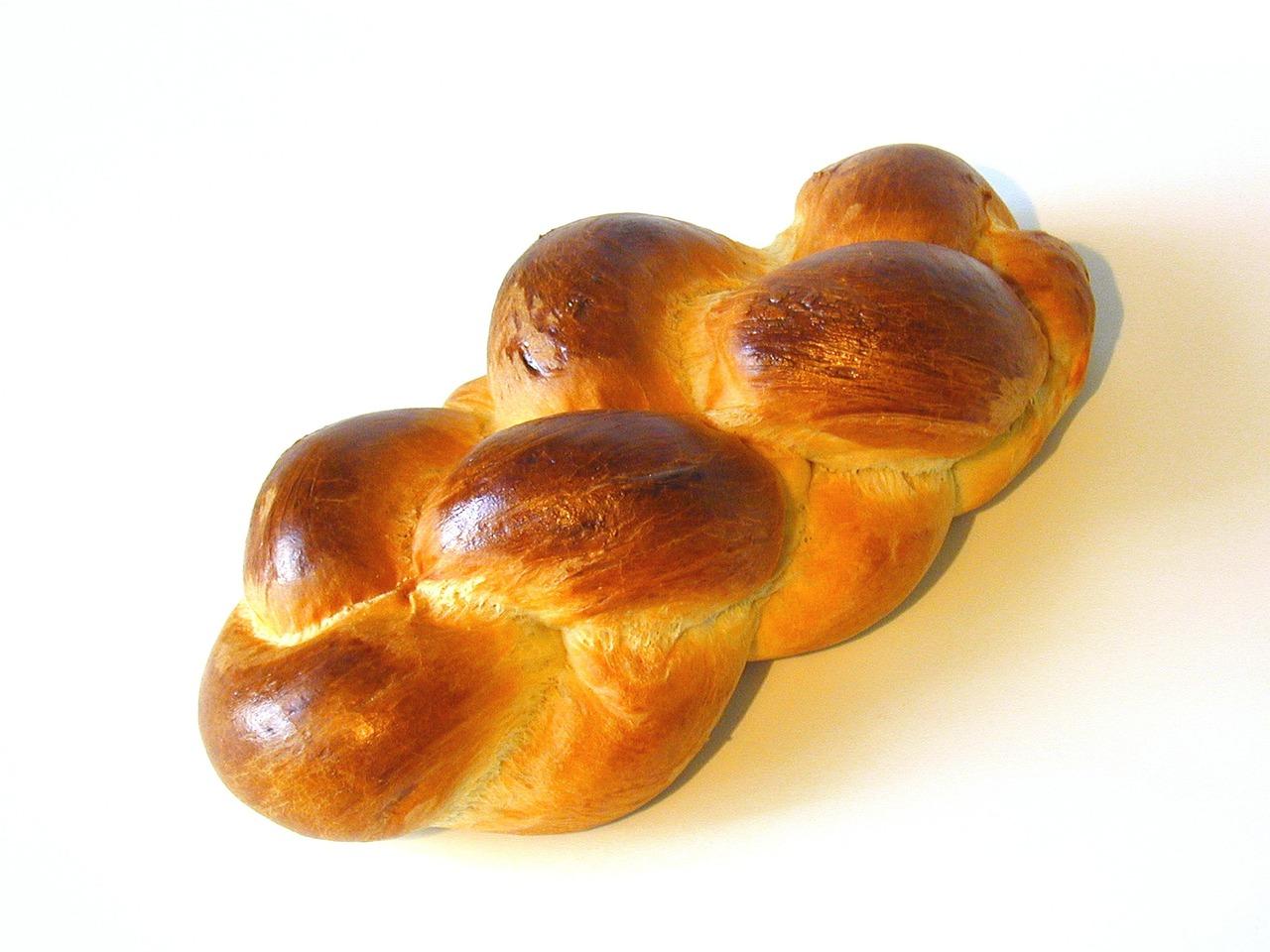
ZopfPlaited butter bread

In German-speaking Switzerland the Sunday breakfast table is not complete without a Zopf (Züpfe in Bern): a shiny, plaited white loaf made with milk and plenty of butter, sliced thick and spread with more butter and jam or honey. Bakeries from Bern to St Gallen bake them on Saturday nights, and many families plait their own on Sunday morning. The crumb is soft, light and faintly sweet from the butter, not the sugar, and the egg-yolk glaze gives a deep brown, glossy crust. Leftovers make excellent French toast (Fotzelschnitte). Chef's tip: let the shaped plait rest in a cool place for 15 minutes before glazing and baking; the strands hold their shape and the pattern stays crisp.

by KrazyBadal 0 views

Rooh Afza sherbetRose syrup drink

During Ramadan almost every household in Pakistan breaks the fast at sunset with a jug of this bright red sherbet on the table, from Karachi apartments to village courtyards in Punjab. It is made with the herbal rose syrup sold as Rooh Afza (any rose sherbet syrup works), stirred into ice-cold water with a squeeze of lemon and a spoonful of swollen basil seeds (tukh malanga) that are said to cool the body after a long, hot day without water. Some families make it with cold milk instead, which turns it pink and creamy. The mistake people make is adding the basil seeds dry; they clump into hard lumps, so soak them first. Chef's tip: chill the water and syrup well before mixing so you need less ice and the sherbet does not taste watered down.

by KrazyBadal 0 views

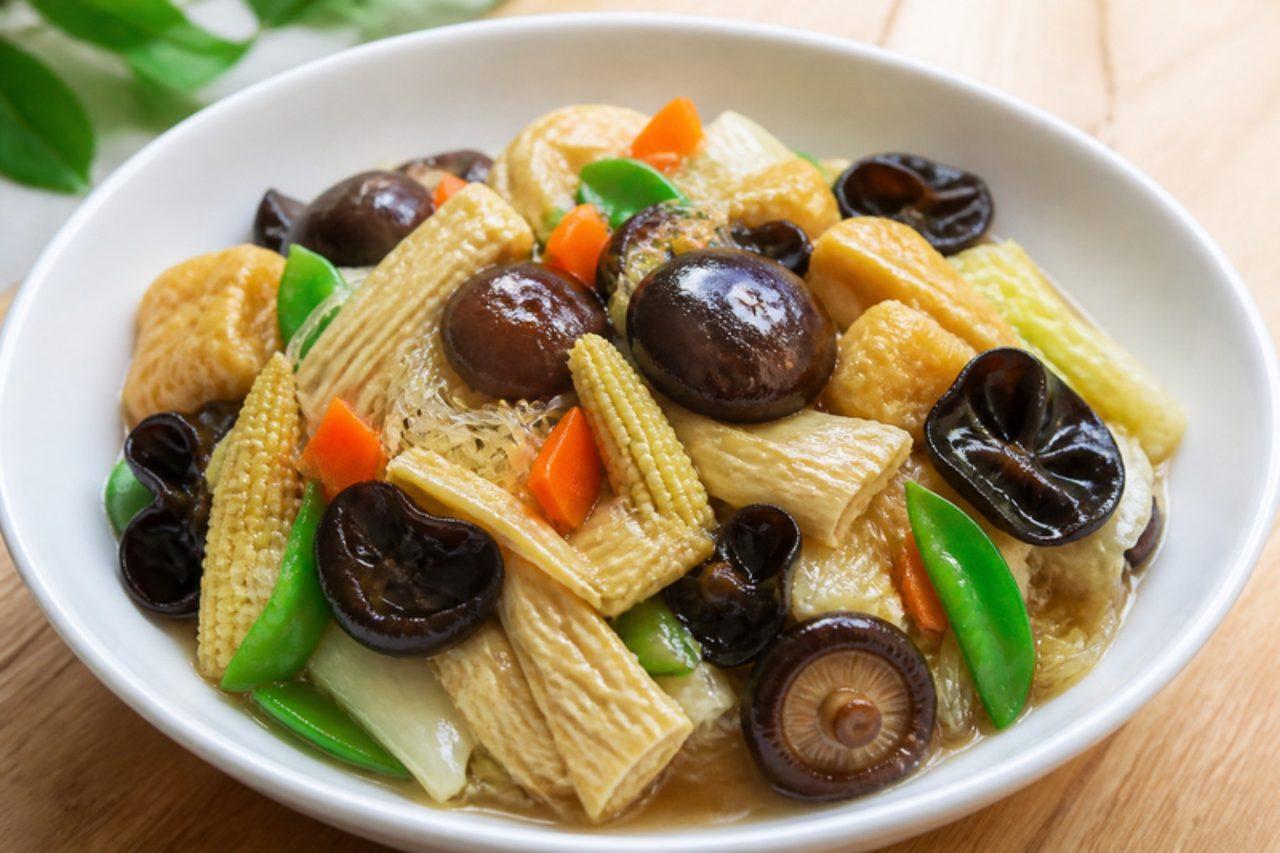
Buddha's delight (luohan zhai)Braised mushrooms, tofu and vegetables

Luohan zhai is the vegetarian dish of Chinese Buddhist temples, and many families cook it on the first day of the Lunar New Year, when eating meat is traditionally avoided. Recipes vary from house to house, but most combine dried shiitake, wood ear fungus, tofu puffs, tofu skin, napa cabbage and glass noodles, braised in one pot in a light, savoury sauce. It's light, colourful and full of different textures. Chef's tip: keep the shiitake soaking water; strained, it makes the base of the sauce and gives far more flavour than stock.

by KrazyBadal 0 views

Ropa viejaShredded beef stew

Ropa vieja means 'old clothes', after the ragged strands the beef falls into, and it is the dish Cubans name first when asked about home cooking. Families in Havana and Camagüey make a big pot on a weekend: flank steak is simmered until soft, pulled into threads and then stewed again in a sofrito of peppers, onion, tomato, cumin and green olives. It is eaten with white rice, black beans and fried ripe plantain, and it tastes even better reheated the next day. The common mistake is cutting the beef across the grain before cooking; leave it whole so it shreds into long strands. Chef's tip: keep the cooking liquid from the first simmer and use it instead of water in the sauce, because it carries most of the beefy flavour.

190 minCubanMeatGluten free
by KrazyBadal 0 views

Ayam pongtehChicken and potato braise

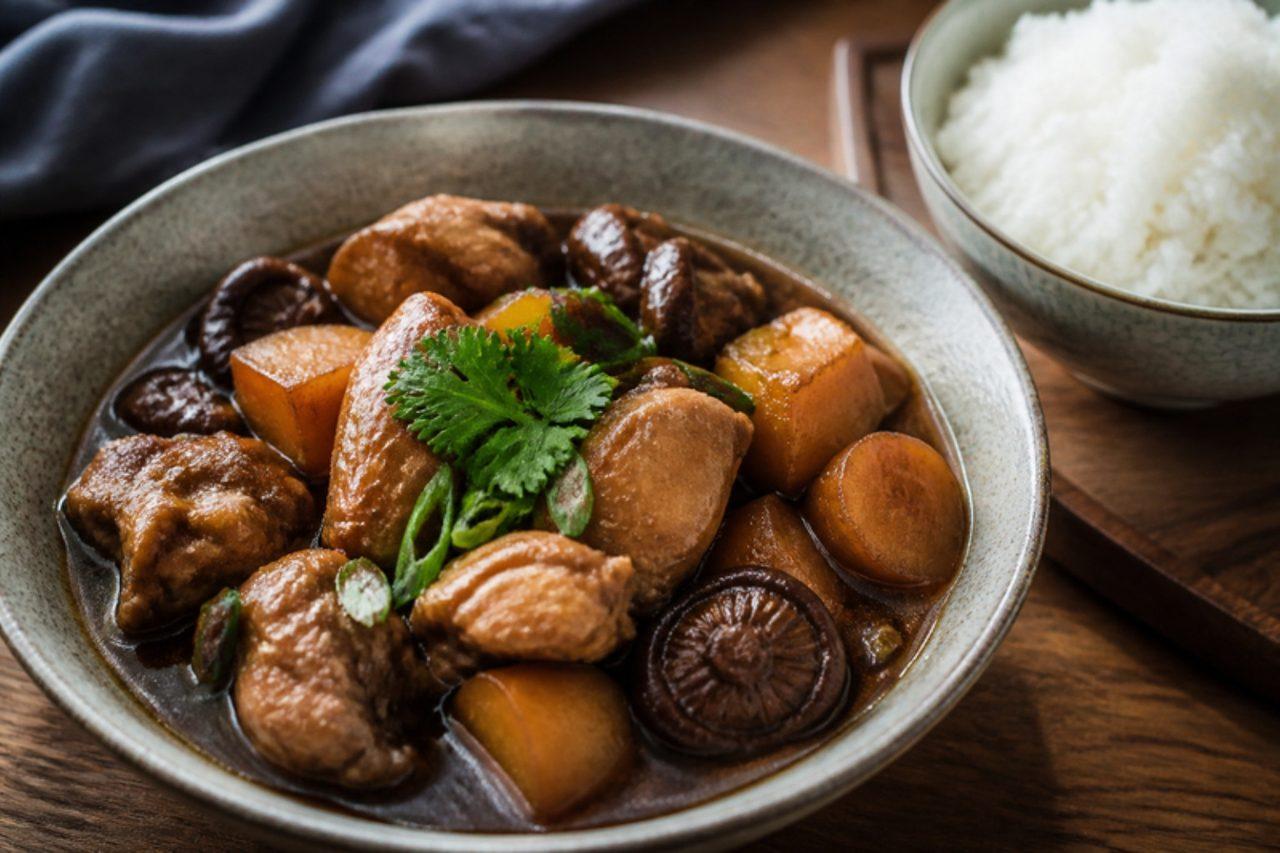
Melaka's Peranakan (Nyonya) kitchens cook ayam pongteh for family dinners and for the Chinese New Year reunion table: a dark, gentle braise of chicken and potatoes that has no chilli at all. Its savour comes from taucheo, salted fermented soybeans, fried with a lot of shallots and garlic, sweetened with palm sugar and coloured with dark soy. The gravy is thin, glossy and moreish, and the potatoes drink it up until they are soft enough to crush with a spoon. Spoon it over plain rice with sambal belacan on the side for anyone who wants heat. Chef's tip: pound the shallots rather than blending them to a purée; slightly coarse shallots melt into the gravy and give it body.

by KrazyBadal 0 views

Budbud kabogMillet in coconut milk

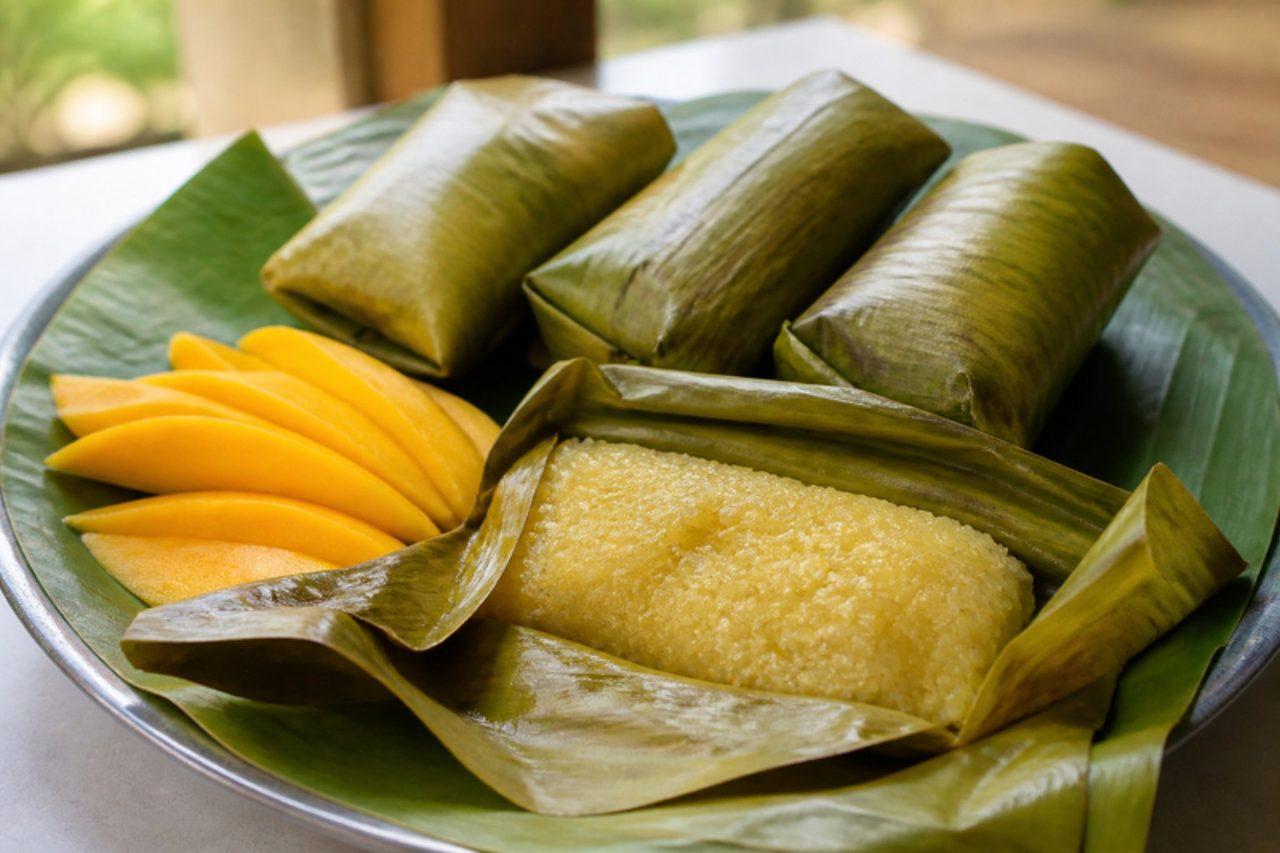
Budbud is the Visayan name for sticky rice rolls steamed in banana leaf, and the famous kabog version from Tanjay, Negros Oriental, uses millet instead of rice. The millet is cooked thick in coconut milk and sugar, rolled into banana leaves and steamed until it sets into a soft, slightly grainy log. In Dumaguete it is breakfast with ripe mango and a cup of tablea hot chocolate. Chef's tip: wilt the banana leaves briefly over a flame or in hot water so they fold without splitting.

by KrazyBadal 0 views

RöstiPotato cake

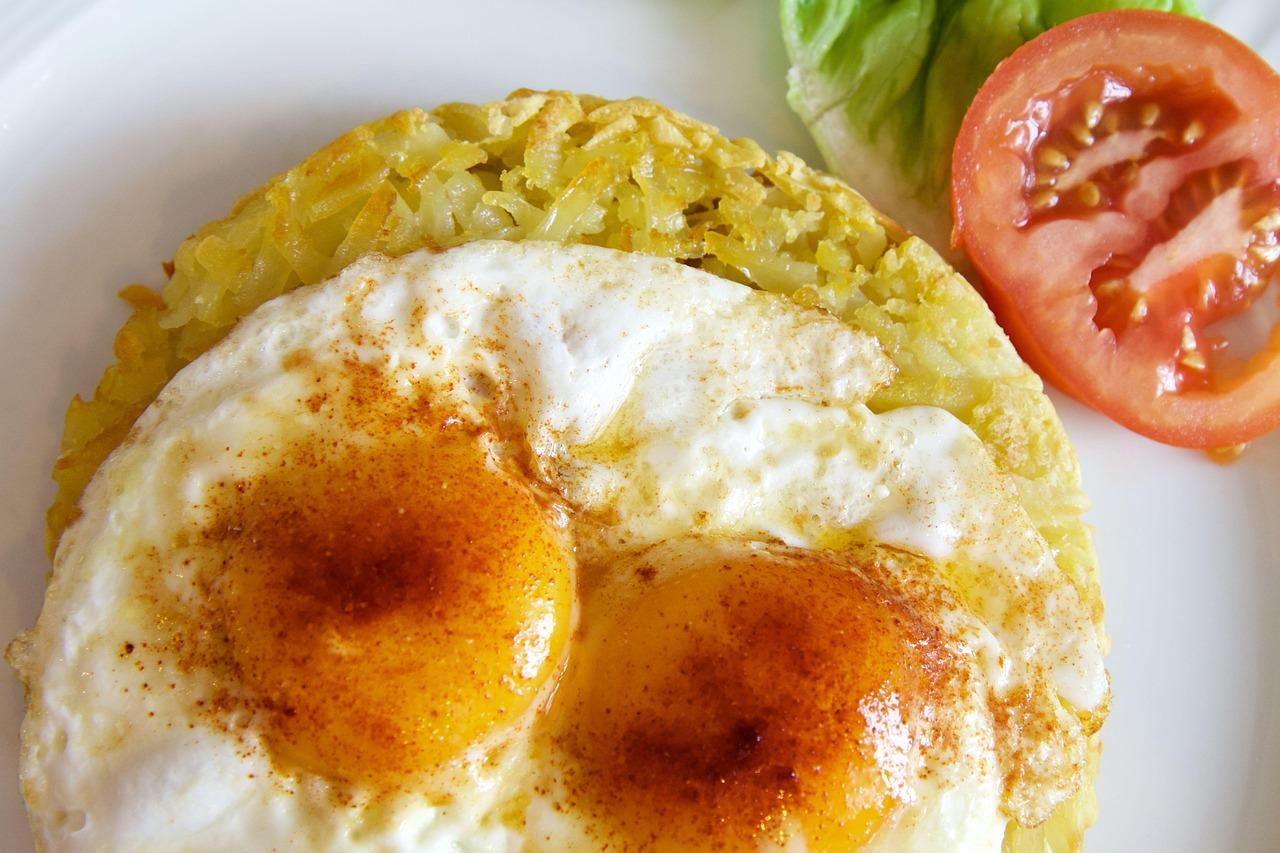
Rösti was once the farmer's breakfast in the canton of Bern, fried in the morning from potatoes boiled the night before, and it is still the plate Bernese families make on a Sunday or eat with a fried egg for supper. It is so tied to German-speaking Switzerland that the language border with the French-speaking west is jokingly called the Röstigraben, the rösti ditch. Coarsely grated, cold, parboiled potato is pressed into a hot pan of butter and left alone until the underside turns a deep, crunchy gold, while the inside stays soft. Serve it with fried eggs and a tomato salad, with melted cheese on top, or next to mushrooms in cream. Chef's tip: parboil the potatoes a day ahead and chill them overnight; cold, firm potato grates into clean strands that stay separate and crisp.

60 minSwissSidesGluten free
by KrazyBadal 0 views

BalaleetSweet vermicelli with omelette

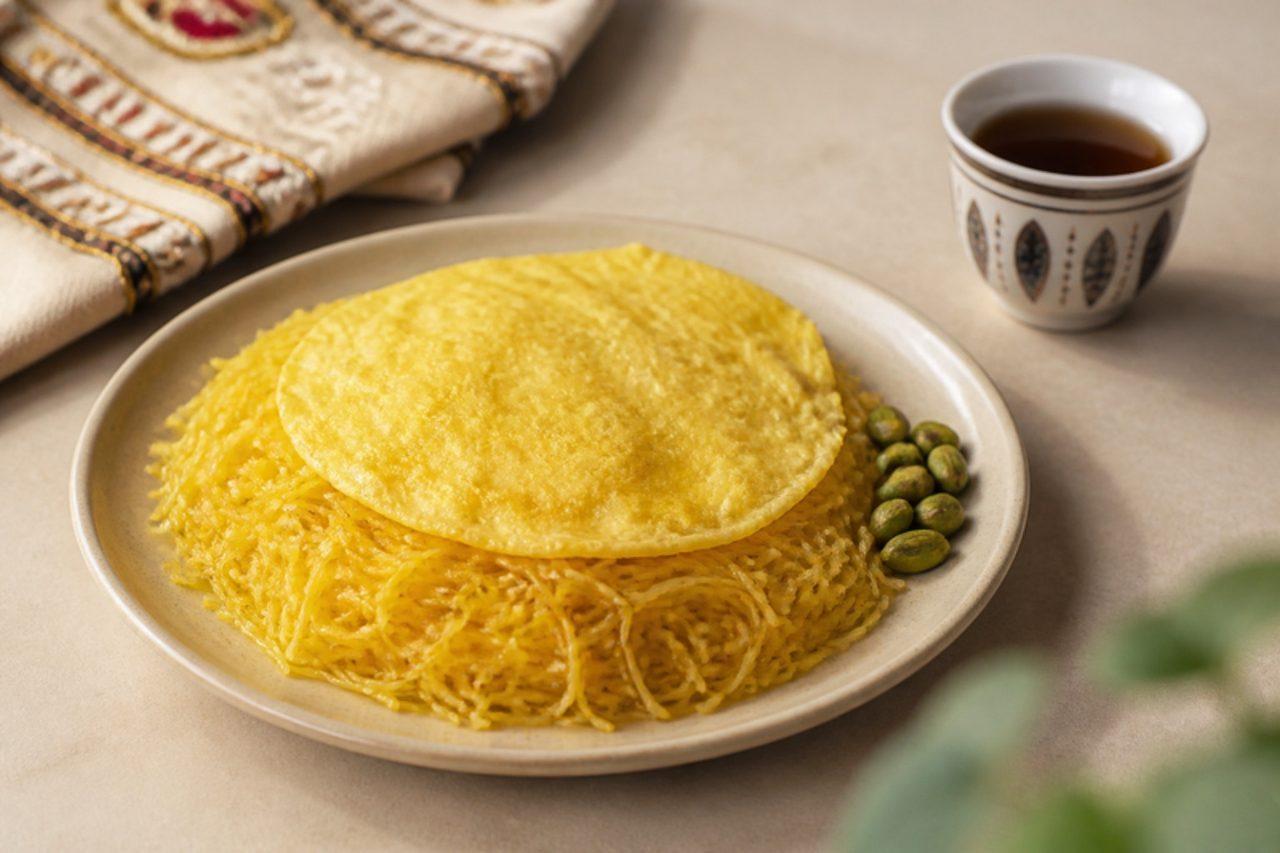
Sweet noodles for breakfast surprise visitors, but in the UAE and Qatar balaleet is the dish of Eid mornings and lazy weekend brunches. Fine vermicelli is toasted in butter, then steamed with sugar, saffron, cardamom and rose water until soft and glossy, and finally capped with a thin, salty-edged omelette. The contrast of sweet, fragrant noodles and savoury egg is the whole point, so serve them together in one wedge. Chef's tip: toast the vermicelli until it is the colour of a biscuit; pale noodles taste flat and floury.

by KrazyBadal 0 views

RotkohlBraised red cabbage

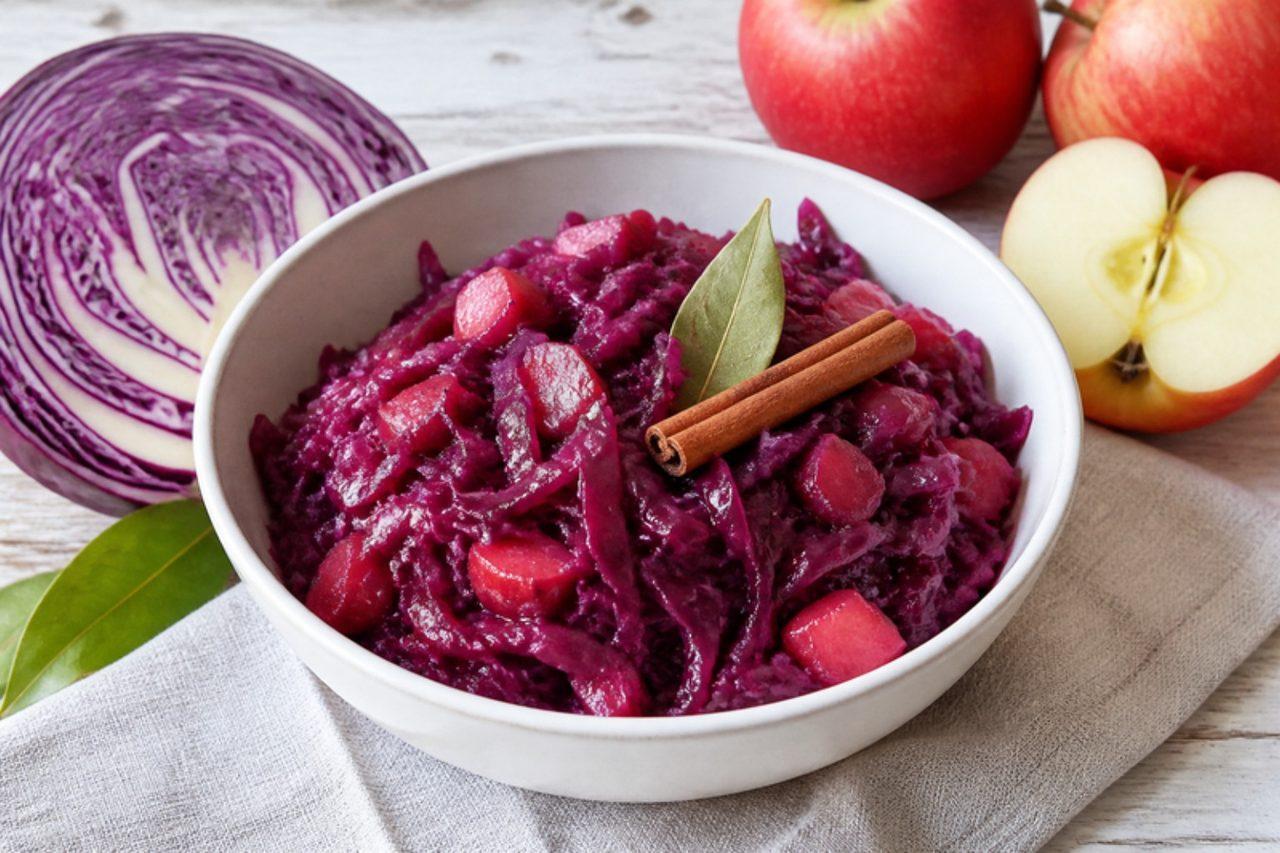
Rotkohl, called Blaukraut in Bavaria and Austria, is the purple braised cabbage that sits next to dumplings and potatoes on German plates from autumn to Christmas. Red cabbage is cooked slowly with apple, onion, vinegar, bay and clove until meltingly soft, sweet-sour and glossy, a deep wine-red because the acid keeps the colour bright. Traditionally it's started in goose fat or lard; oil works perfectly and keeps it vegan. It's one of those dishes that is better the next day, so families make a big pot before Christmas. Chef's tip: add the vinegar at the start, not the end; without acid the cabbage turns an unappetising blue-grey as it cooks.

by KrazyBadal 0 views

Rou jia moSpiced pork flatbread sandwich

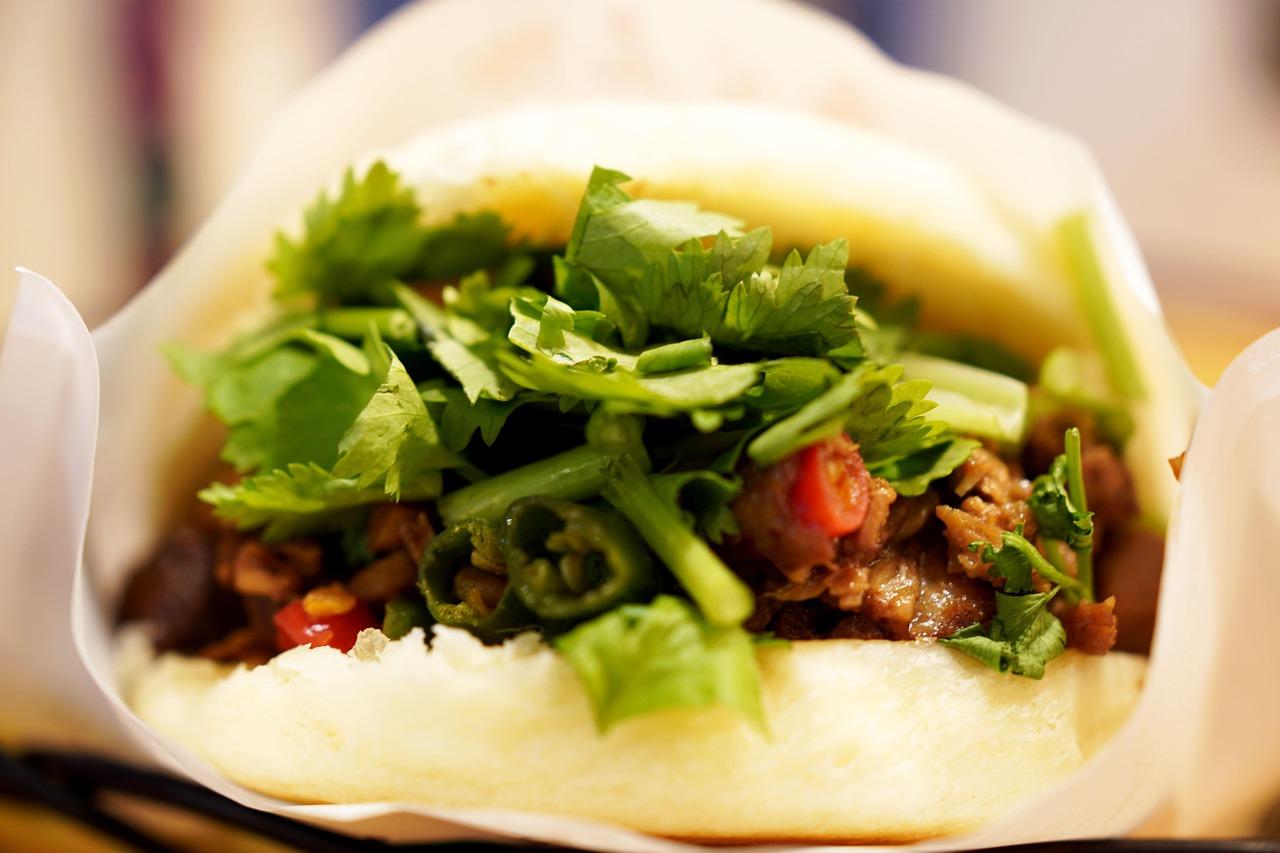
Walk through Xi'an's Muslim Quarter or any Shaanxi bus station and you will see cooks chopping steaming braised pork on thick wooden blocks and stuffing it into split, griddle-crisped buns. The bread, called baijimo, has a crackly shell with an 'iron ring' edge, a 'tiger-back' top and a spiral 'chrysanthemum heart' inside; the pork is slow-cooked in a soy broth with a dozen warm spices until it falls apart. Chopped with green chilli and coriander and moistened with the braising juices, it makes one of the world's oldest sandwiches. Eat it hot in the hand, with cold liangpi noodles or a bowl of soup alongside. Chef's tip: keep the braising liquid as a master stock in the freezer; the next batch of pork tastes even better.

by KrazyBadal 0 views

RougailleSpiced tomato sauce with eggs

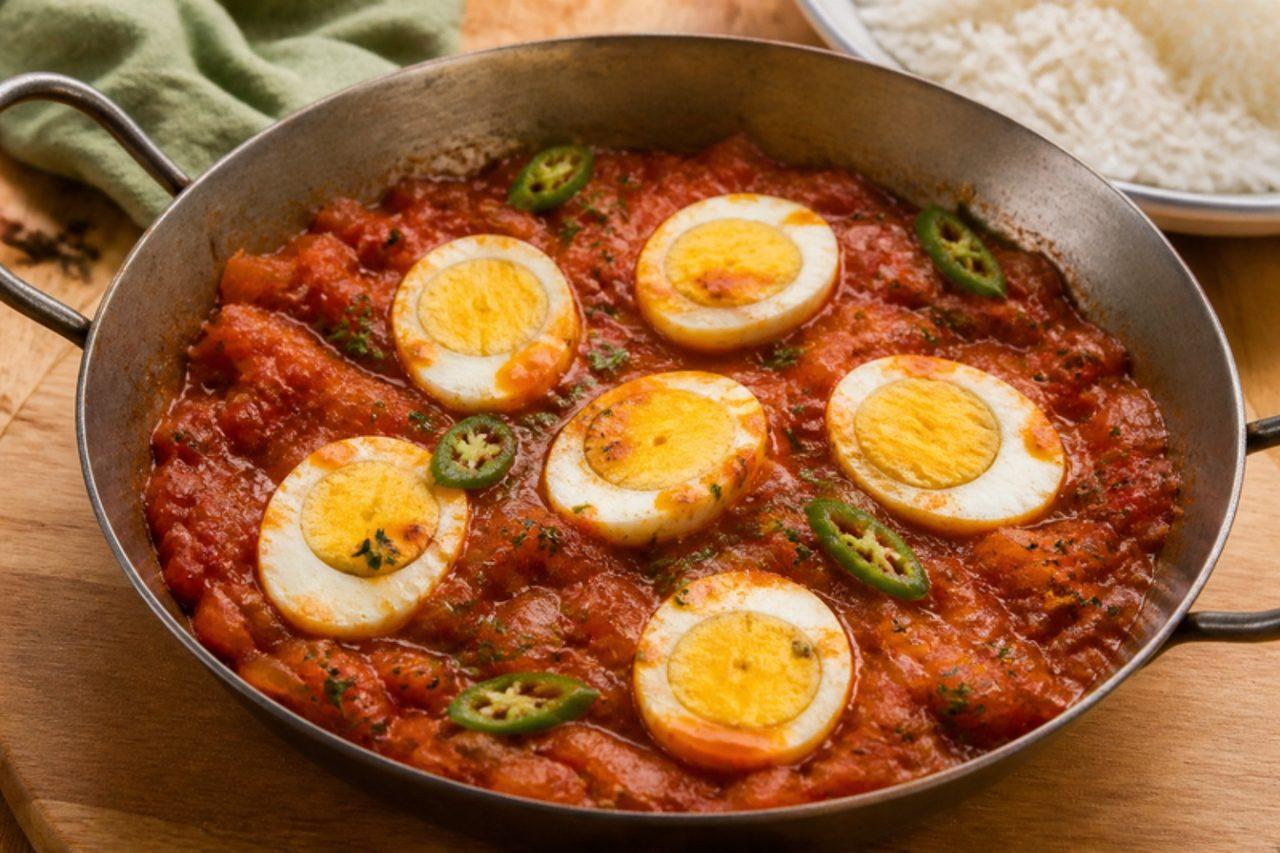
Rougaille is the Creole tomato sauce at the heart of Mauritian home cooking, made in every kitchen from Port Louis to Mahébourg and also in the Seychelles and Réunion. Tomatoes are cooked down with onion, garlic, ginger, thyme and chilli until thick, and then something is simmered in it: sausages, salted fish, or, in many homes on a weeknight, hard-boiled eggs. Serve with rice, lentils (dholl) and chatini. Chef's tip: cook the tomatoes until the oil separates at the edges; watery rougaille tastes thin.

by KrazyBadal 0 views

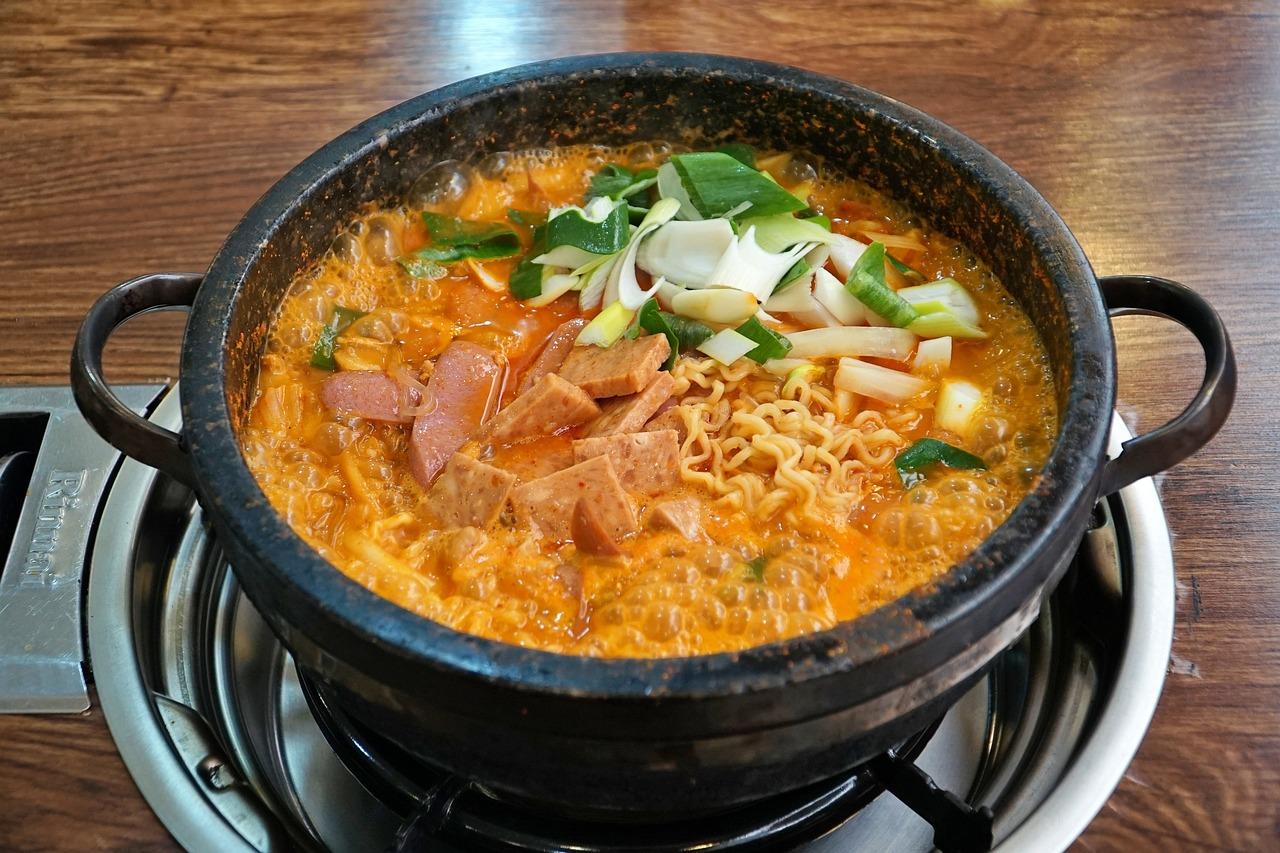
Budae jjigaeSausage and noodle stew

Budae jjigae grew up in Uijeongbu, north of Seoul, in the hard years after the Korean War, when surplus tinned meat and sausages from the nearby US army base were cooked with kimchi and chilli. The town still has a whole street of restaurants serving it. It is a sharing dish: a wide pan goes on a gas burner in the middle of the table, and friends fish out sausages and noodles as it bubbles. Chef's tip: arrange everything in neat piles in the pan before the stock goes in, so each person can see what they are reaching for.

by KrazyBadal 0 views

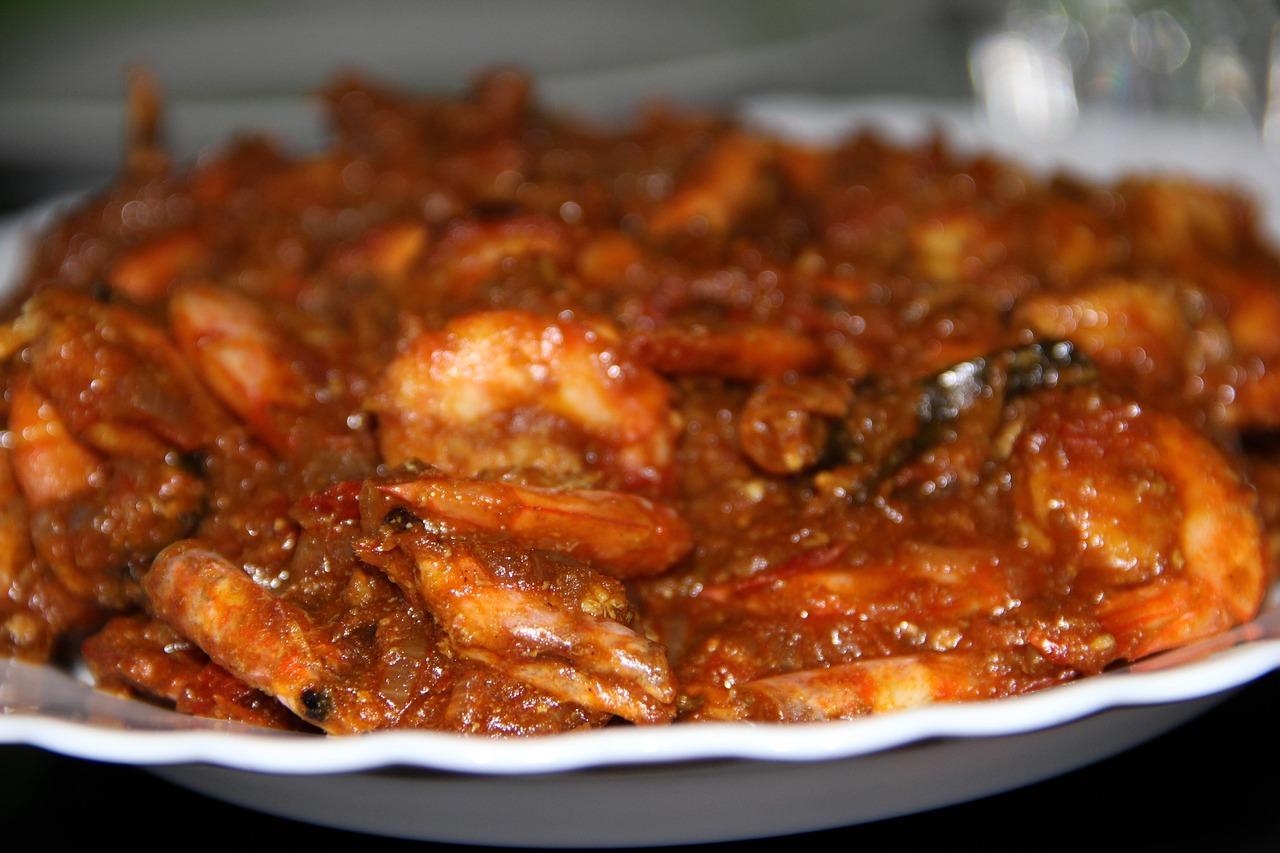
Royyala iguruThick prawn curry

Along the coastal Andhra delta, where the Godavari meets the sea near Kakinada and Bhimavaram, prawns come in fresh every morning and often end up as iguru. The word means cooked down: the onion-chilli masala is reduced until it clings to the prawns, with only a spoonful of sauce left in the pan. It goes onto hot rice with ghee, alongside sambar or pappu, and is a favourite in Telugu homes on weekends. Chef's tip: cook the masala fully first and add the prawns only for the last few minutes, so they stay plump.

40 minIndianFishGluten freeSpicy
by KrazyBadal 0 views

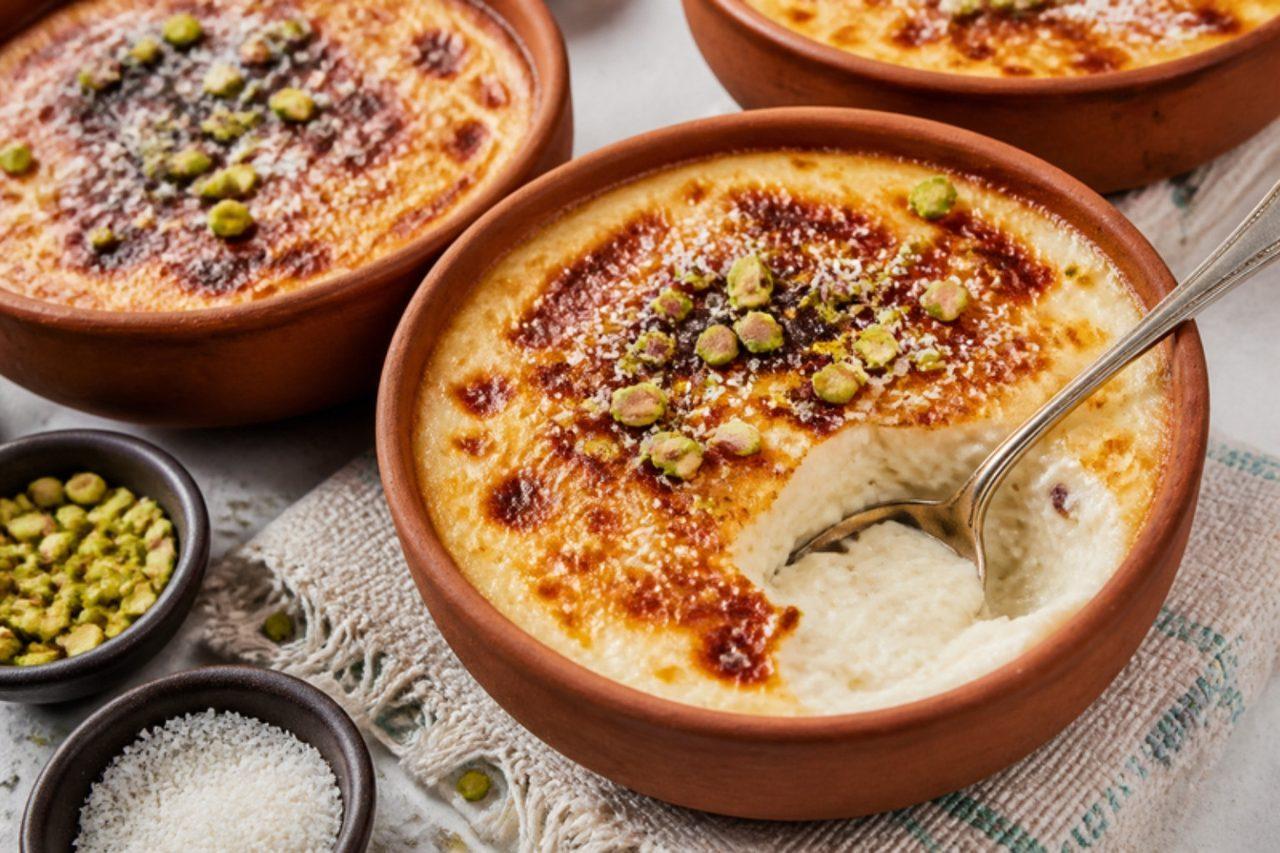
Roz bel labanRice pudding

Roz bel laban (rice with milk) is the pudding of Egyptian homes and dessert shops alike, sold in clay pots and little foil cups across Cairo and eaten all year, especially in the evenings of Ramadan. It is made with short Egyptian rice cooked slowly in milk, thickened with a little cornflour so it sets creamy and spoonable, and scented with vanilla or orange blossom water. This is the roz bel laban fel forn version, finished in a very hot oven so the top blisters with brown spots, the way the Cairo dessert shops sell it. Serve it cold, scattered with pistachios or coconut. Chef's tip: stir the cornflour into cold milk before adding it; dropped straight into the hot pot it turns into lumps you can't whisk out.

by KrazyBadal 0 views

RugbrødDark rye loaf

In Denmark rugbrød is not a speciality but the daily bread: a dark, dense, slightly sour loaf of rye flour, cracked rye kernels and seeds, baked in a tin and sliced thin for every smørrebrød lunch. Bakeries in Aarhus and Copenhagen sell it by the brick, and many households keep a jar of rye sourdough starter in the fridge just for it. The dough is more of a thick porridge than a dough; you spoon it into the tin rather than shape it. It needs patience: a long sour, a long bake and a full day of resting before it is cut. Chef's tip: wait at least 12 hours, ideally 24, before slicing; the crumb is still setting as it cools and cut early it will be gummy.

by KrazyBadal 0 views

RugelachCream cheese cinnamon crescents

Rugelach came from the Jewish bakeries of Eastern Europe, and today they are piled high on trays in Jerusalem's Machane Yehuda market and in every New York deli bakery, eaten with coffee on Friday or packed for a Hanukkah visit. The American-style dough made with cream cheese and butter bakes up tender and flaky, and each wedge is rolled up around a filling of brown sugar, cinnamon, chopped walnuts and raisins into a small crescent. Chef's tip: chop the walnuts and raisins finely; big pieces tear the thin dough as you roll it.

by KrazyBadal 0 views

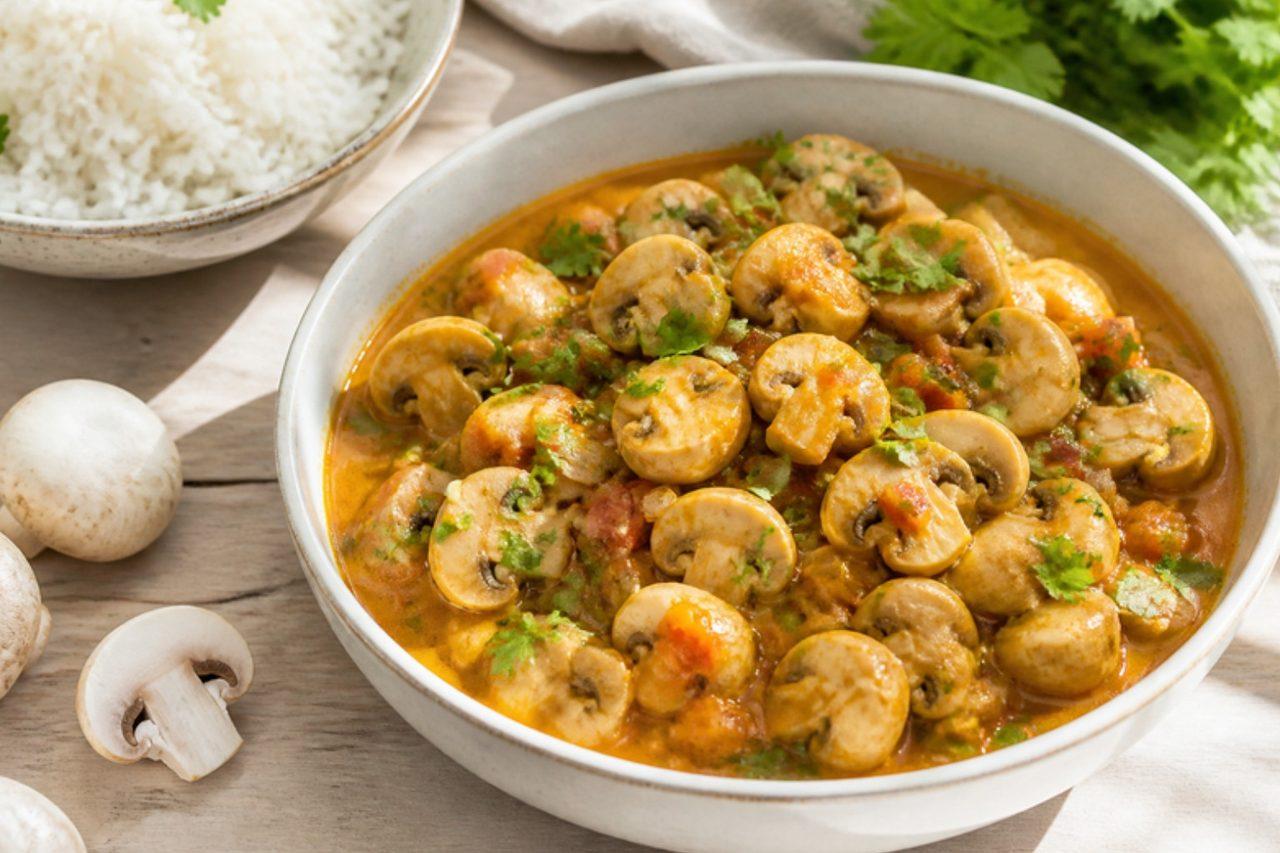
Rugra curryPuffball mushroom curry

Rugra are small, round underground mushrooms that push up under sal trees in Jharkhand's forests after the first monsoon rains. Tribal villagers dig them out and sell them by the basket in Ranchi markets for a few short weeks, and families cook them into a dark, spicy curry with onion, tomato and mustard oil. They have a firm skin and a meaty, earthy bite. Outside Jharkhand, small whole button or chestnut mushrooms make a fine version. Chef's tip: rugra come caked in soil, so soak and scrub them several times, then halve one to check the inside is white; grey or black ones are past their best.

by KrazyBadal 0 views

Rujak buahFruit salad with tamarind dip

Across Java, rujak buah is the afternoon snack that office workers share from a paper cone: crisp green mango, jicama, pineapple and cucumber dragged through a dark, sticky sauce of palm sugar, tamarind and crushed chilli. Hawkers usually add shrimp paste; many make a version without, which is what this is, with a few roasted peanuts for body. The mix of sour fruit and hot, sweet sauce wakes you up on a humid day. Chef's tip: chill the fruit but keep the sauce at room temperature, so it stays loose enough to cling.

by KrazyBadal 0 views

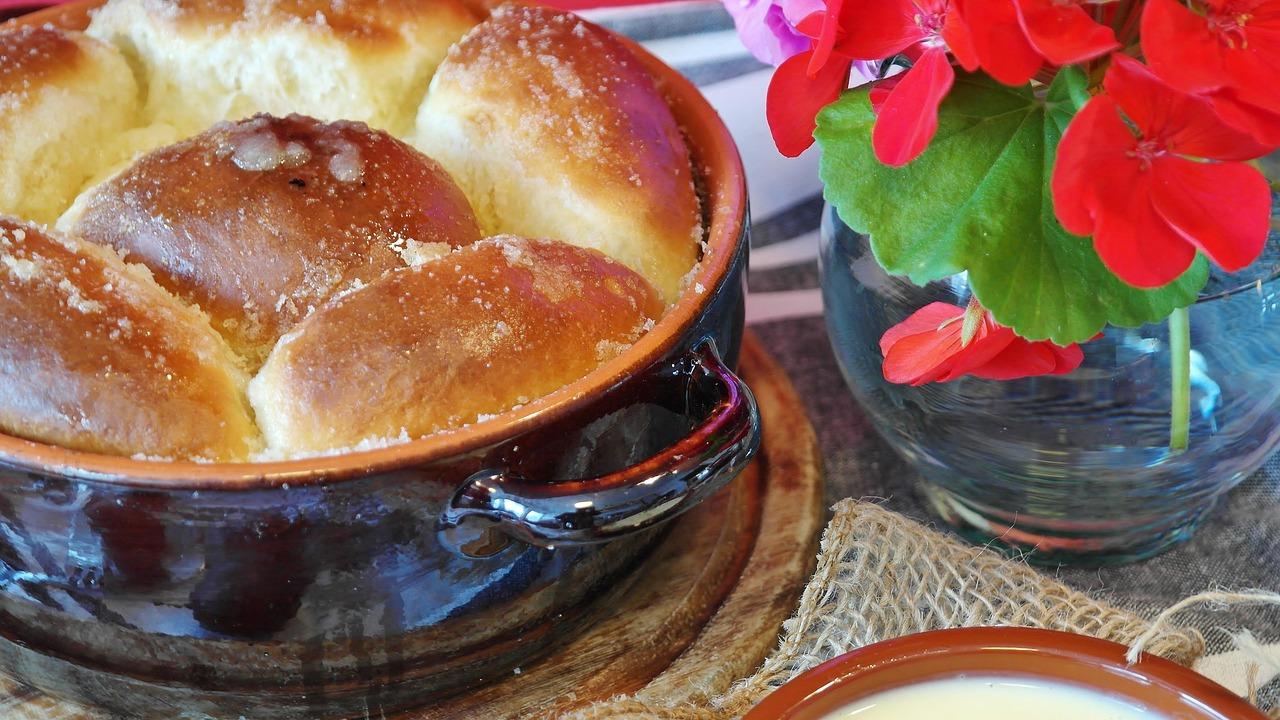
BuchtyFilled baked yeast buns

Buchty are the soft, pillowy yeast buns that Czech grandmothers bake in a roasting tin on Saturday, filled with povidla (plum butter), jam or sweet quark and packed so close that they rise into each other and have to be torn apart. They are the Czech answer to a cinnamon bun: eaten warm with milky coffee, packed for train journeys and school trips, and famous from the fairy tale in which the hero sets off with a bag of his mother's buchty. Unlike open koláče, the filling is sealed inside. Chef's tip: brush the sides of each bun with melted butter before you pack them in, so they pull apart cleanly with soft, shiny walls.

by KrazyBadal 0 views

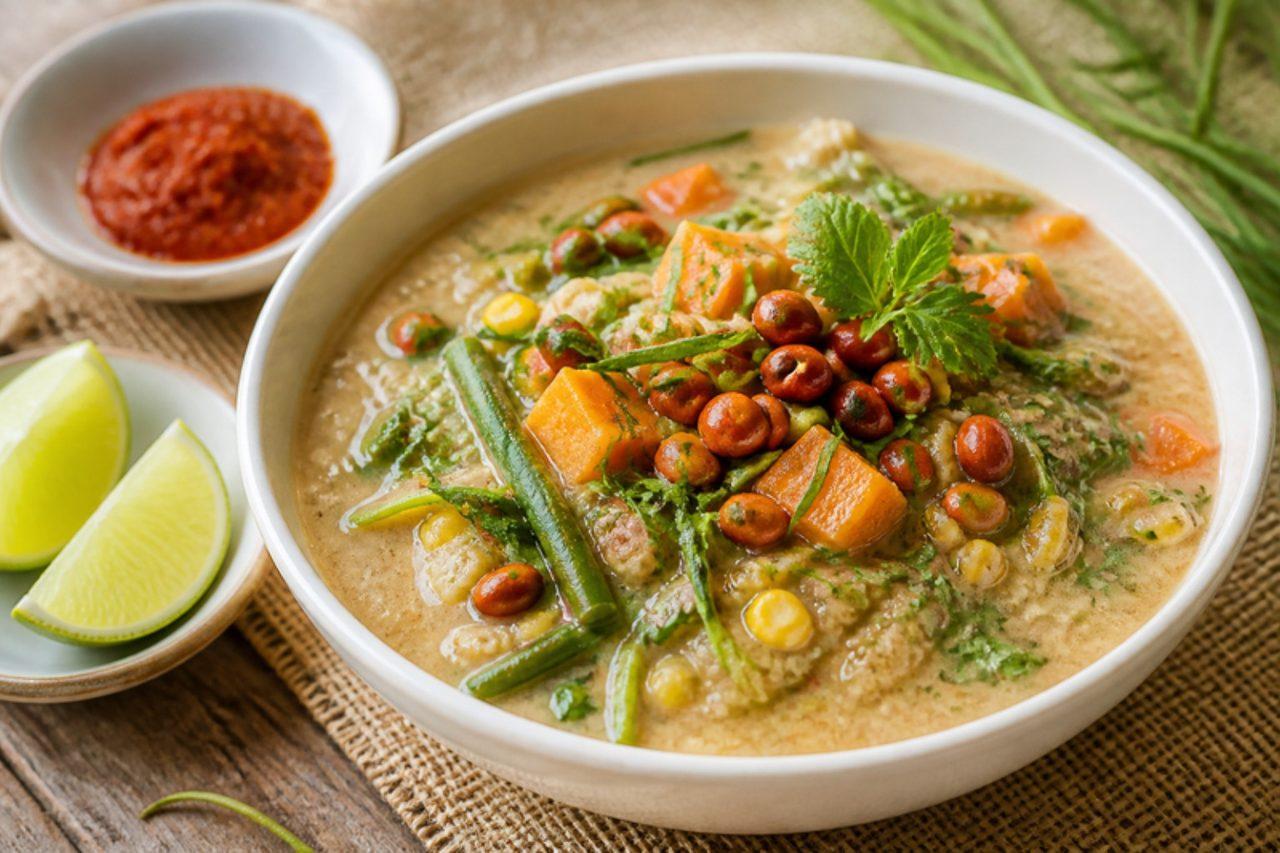
Bubur pedasHerby toasted rice porridge

Bubur pedas comes from the Malay kitchens of Sambas in West Kalimantan and is a Ramadan favourite for breaking the fast. Raw rice and coconut are dry-roasted and ground, then cooked into a thick, savoury porridge with sweet potato, long beans, ferns, water spinach and lots of kesum leaf, the herb that gives its peppery smell. Despite the name, it is spiced rather than very hot; chilli goes on at the table. Many cooks add dried anchovies; this version tops it with fried peanuts instead. Chef's tip: roast the rice and coconut slowly until deep golden; that toastiness is the flavour of the dish.

by KrazyBadal 0 views

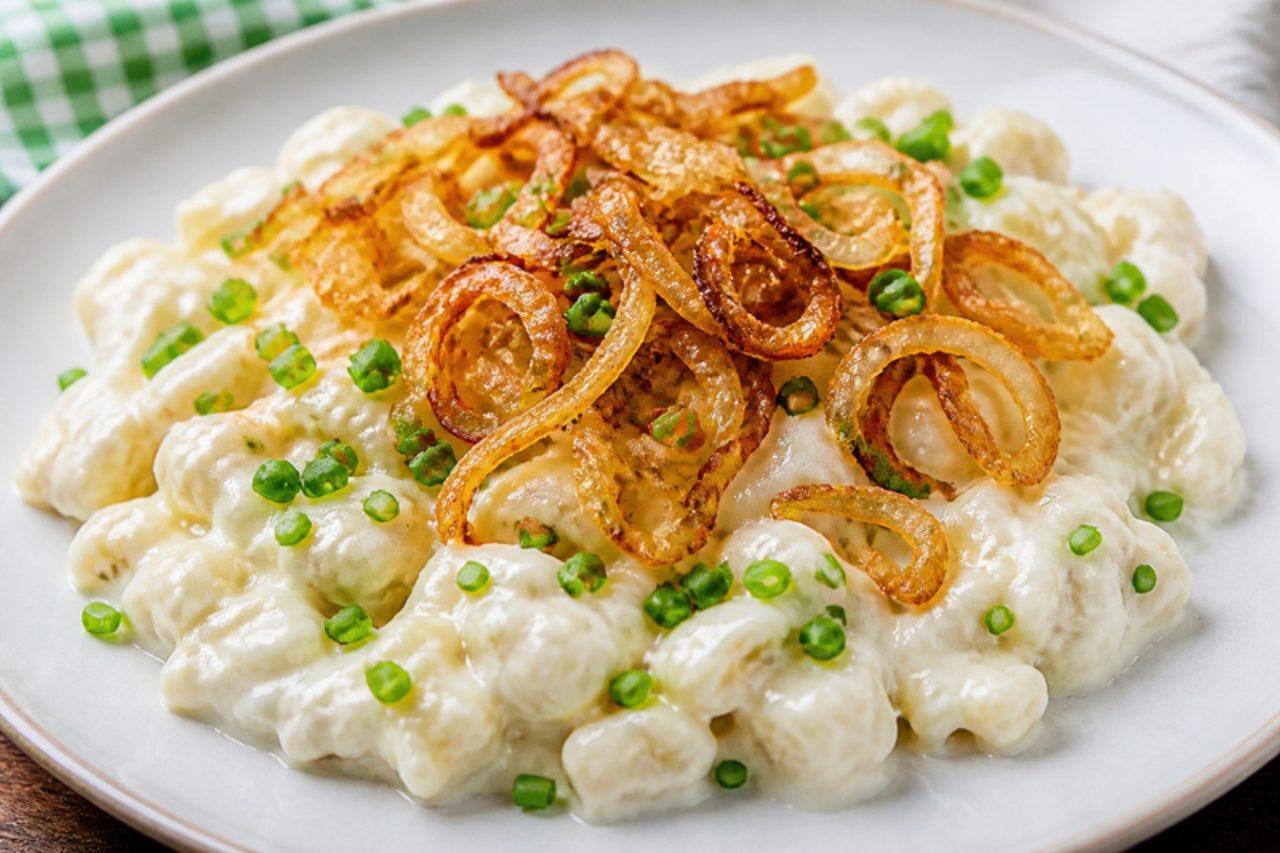
Bryndzové haluškyPotato dumplings with sheep's cheese

Bryndzové halušky is Slovakia's national dish, cooked in every koliba (timber shepherd's restaurant) in the Liptov and Orava valleys and fought over each summer at the halušky-eating contest in Turecká. Little grated-potato dumplings are tossed while hot with bryndza, a tangy, spreadable sheep's cheese, and finished with a sour milk drink called žinčica. The traditional topping is crisp smoked bacon; here golden fried onions bring the same savoury crunch, and meat-eaters can add bacon on their own plates. Chef's tip: grate the potatoes at the last moment and work fast; grated potato left standing turns grey and watery and the dumplings go heavy.

by KrazyBadal 0 views

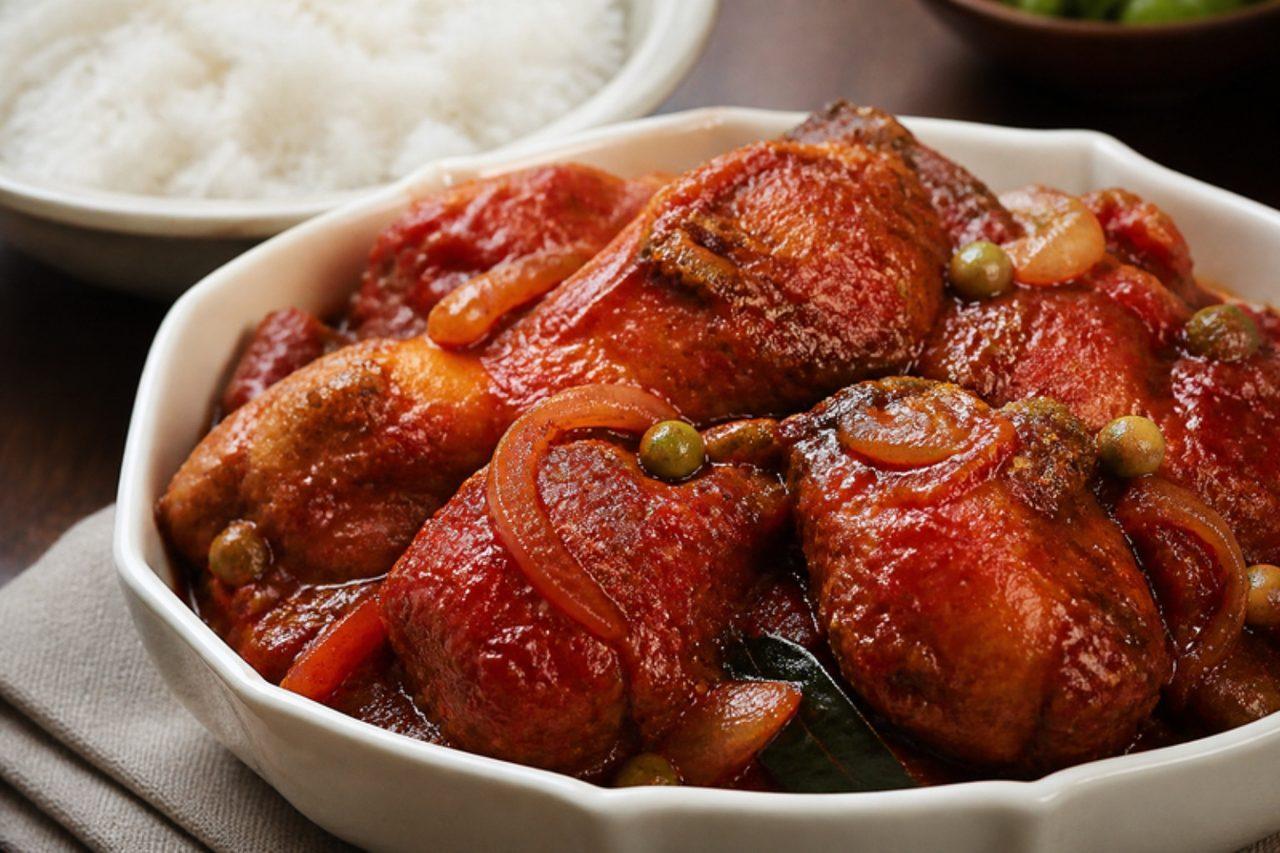
Ayam masak merahChicken in tomato chilli sauce

Red-cooked chicken turns up at almost every Malay kenduri (wedding feast) and Hari Raya open house across Malaysia, ladled out of huge pots beside nasi minyak or plain rice. The chicken pieces are fried first so the skin firms up, then simmered in a brick-red sauce of blended dried chillies, tomato and onion that tastes sweet first, then hot, then tangy. Cinnamon, star anise and cloves give it a warm, almost festive smell, and a splash of coconut milk at the end rounds off the edges. Serve it with steamed rice, cucumber slices and a spoon of acar (pickled vegetables). Chef's tip: fry the chilli paste until it darkens and the oil seeps out (pecah minyak) before any tomato goes in; raw paste makes the sauce taste harsh and bitter.

by KrazyBadal 0 views

Bubble tea with brown sugar pearlsMilk tea with tapioca pearls

Pearl milk tea (zhen zhu nai cha) was born in Taichung, Taiwan, in the 1980s and has since spread to tea shops in every Chinese city. Strong black tea is shaken with milk and ice over dark, chewy tapioca pearls soaked in brown sugar syrup. Store-bought quick-cook pearls make it easy at home; kids love the big straws. Chef's tip: cook the pearls right before serving; after a couple of hours they go hard, and they can't be revived in the fridge.

by KrazyBadal 0 views

Ayam betutuSpiced slow-braised chicken

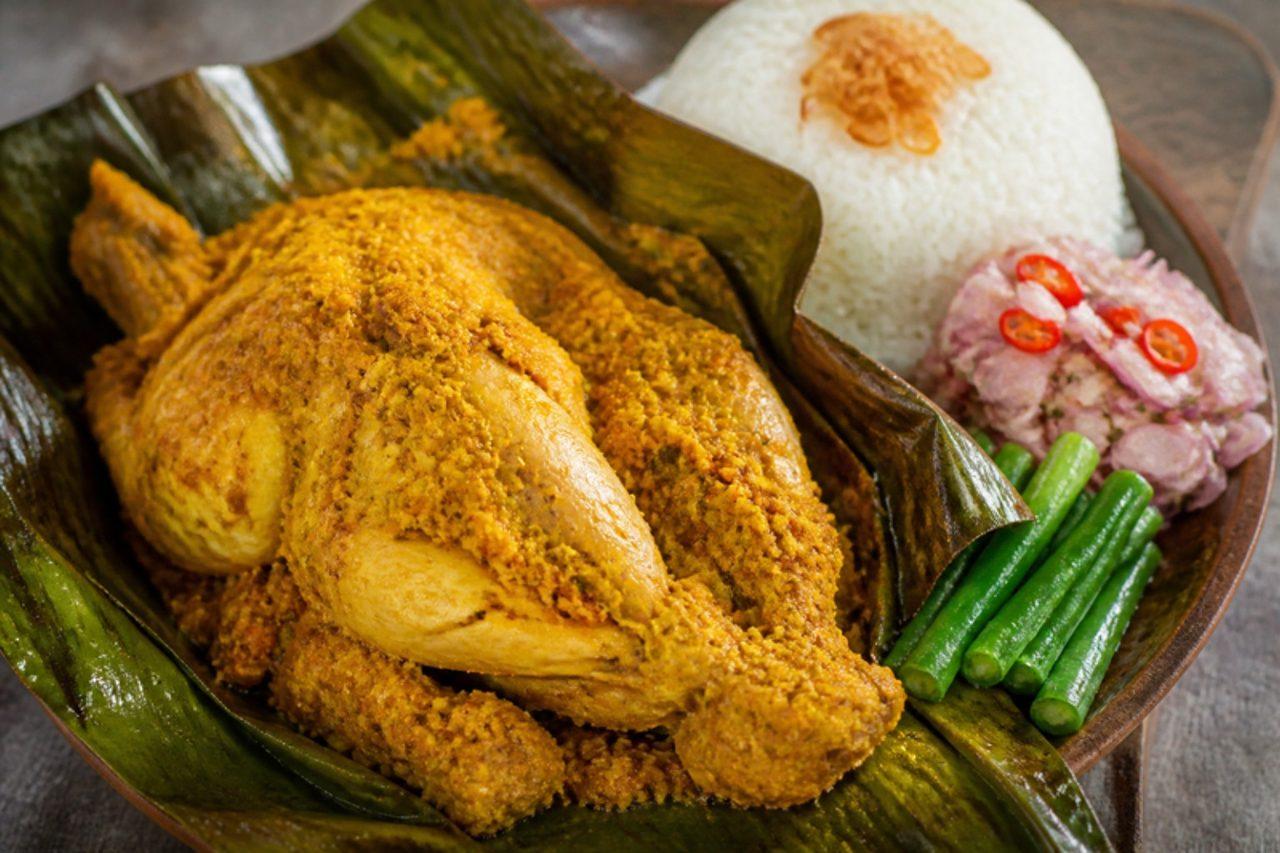
Drive through west Bali to the ferry port of Gilimanuk and the roadside warungs all sell the same thing: ayam betutu, chicken cooked so long in spice paste that it slumps off the bone into a fiery, turmeric-orange gravy. The paste is base genep, Bali's master seasoning of shallots, garlic, galangal, aromatic ginger, turmeric, chillies, candlenuts and shrimp paste, and it is rubbed inside and out before the bird braises gently in a covered pot. Expect deep heat, a little bitterness from the greens tucked inside and a rich, almost buttery sauce. Pile it on steamed rice with water spinach or a raw sambal matah to cut through. Chef's tip: braise it the day before; the paste mellows overnight and the chicken reheats beautifully.

by KrazyBadal 0 views

SabichAubergine and egg pita

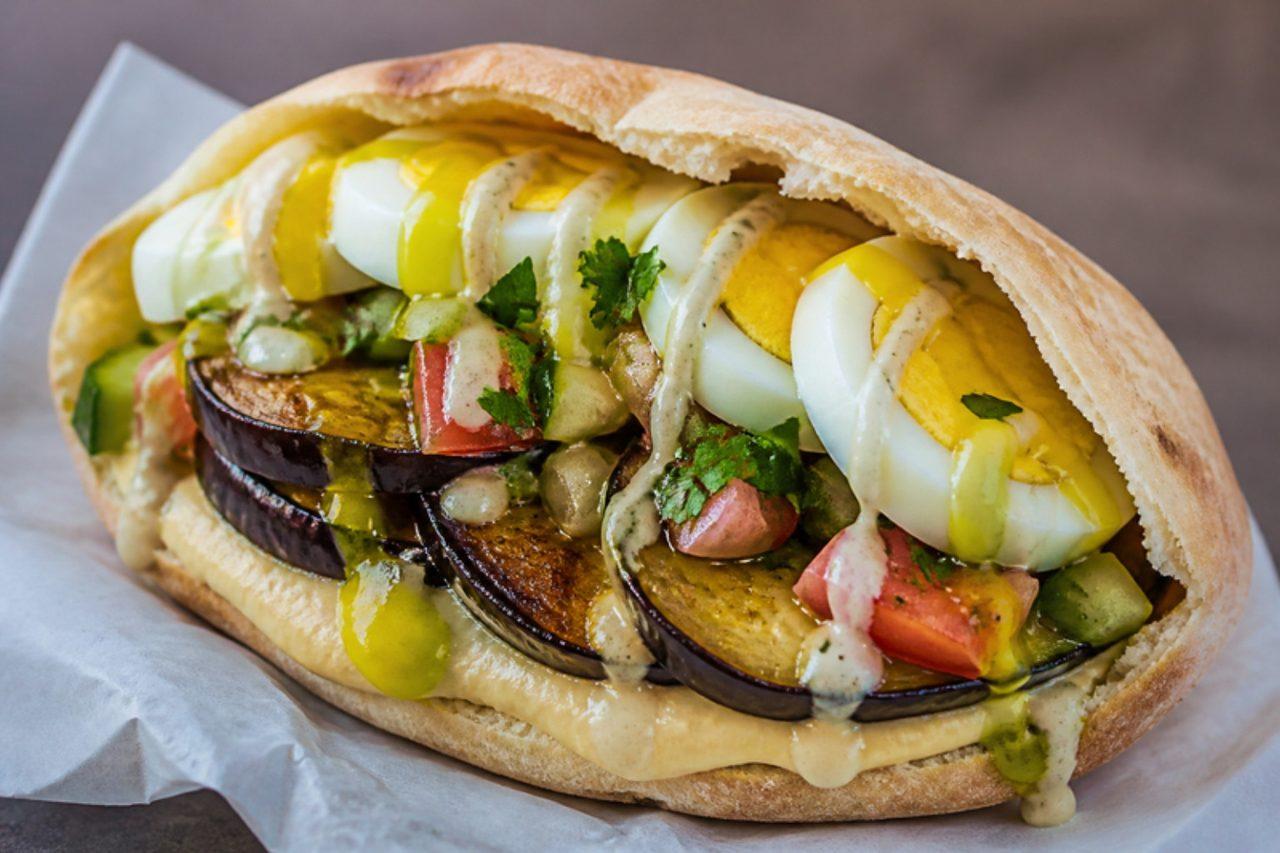
Sabich came to Israel with Iraqi Jews, who ate fried aubergine and hard-boiled eggs on Saturday mornings when no cooking was allowed. In Ramat Gan in the 1950s someone stuffed it all into a pita, and today it is street food all over Tel Aviv: crisp-edged aubergine, sliced egg, hummus, tahini, chopped salad and a spoonful of tangy amba mango pickle, with zhug for heat. It is messy, rich and best eaten standing up with a paper napkin. Chef's tip: salt the aubergine and dry it well before frying; it soaks up far less oil and comes out creamy instead of greasy.

by KrazyBadal 0 views

Sabzi poloGreen herb rice

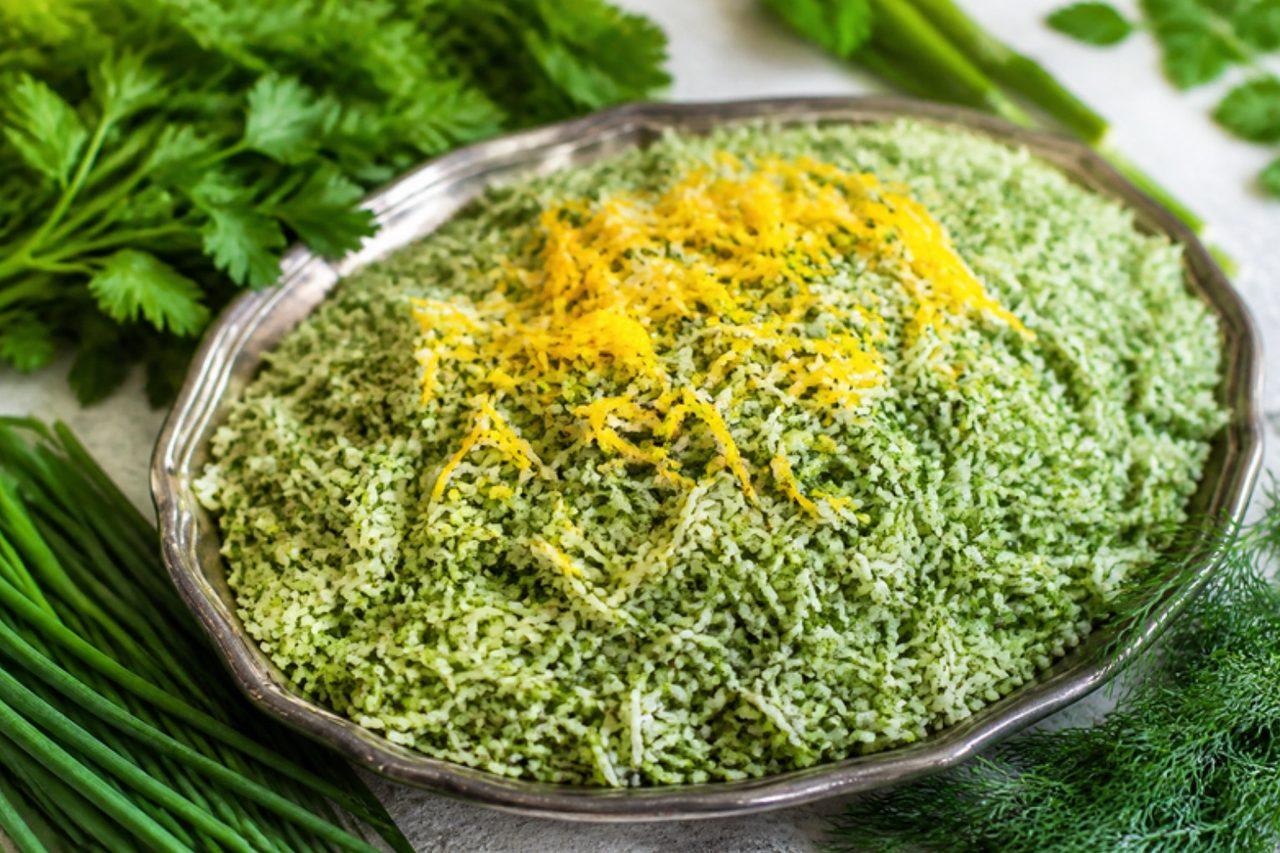
Sabzi polo is the rice of Nowruz, the Persian New Year on the spring equinox, when families across Iran sit down on the first evening to a mound of rice speckled green with dill, parsley, coriander and chives. Fresh green herbs stand for renewal, and the dish is traditionally paired with fish on the New Year table; a vegetarian house serves it with kuku sabzi, the herb omelette, fried eggs or a bowl of yogurt. The rice tastes bright and grassy, with a gentle garlic note and a golden lavash crust underneath. Chef's tip: chop the herbs the day before and spread them on a tray to dry slightly; damp herbs make the rice heavy and clumpy.

by KrazyBadal 0 views

Sabzi qovurmaLamb with fresh herbs

Sabzi qovurma is a home dish across Azerbaijan, made especially in spring when the markets of Ganja and Baku are full of bundles of green herbs. Pieces of lamb are fried until golden, then cooked with masses of chopped coriander, dill, spinach, spring onion and leek, sharpened by dried black lime or sour plums. It is served with plain plov rice or bread and a bowl of yogurt. The trap is adding wet herbs straight to the pan; they stew rather than fry and the dish goes flat and grassy. Chef's tip: dry the herbs well and fry them on their own until they darken before they join the meat.

by KrazyBadal 0 views

Sadza with beef stewMaize porridge with beef stew

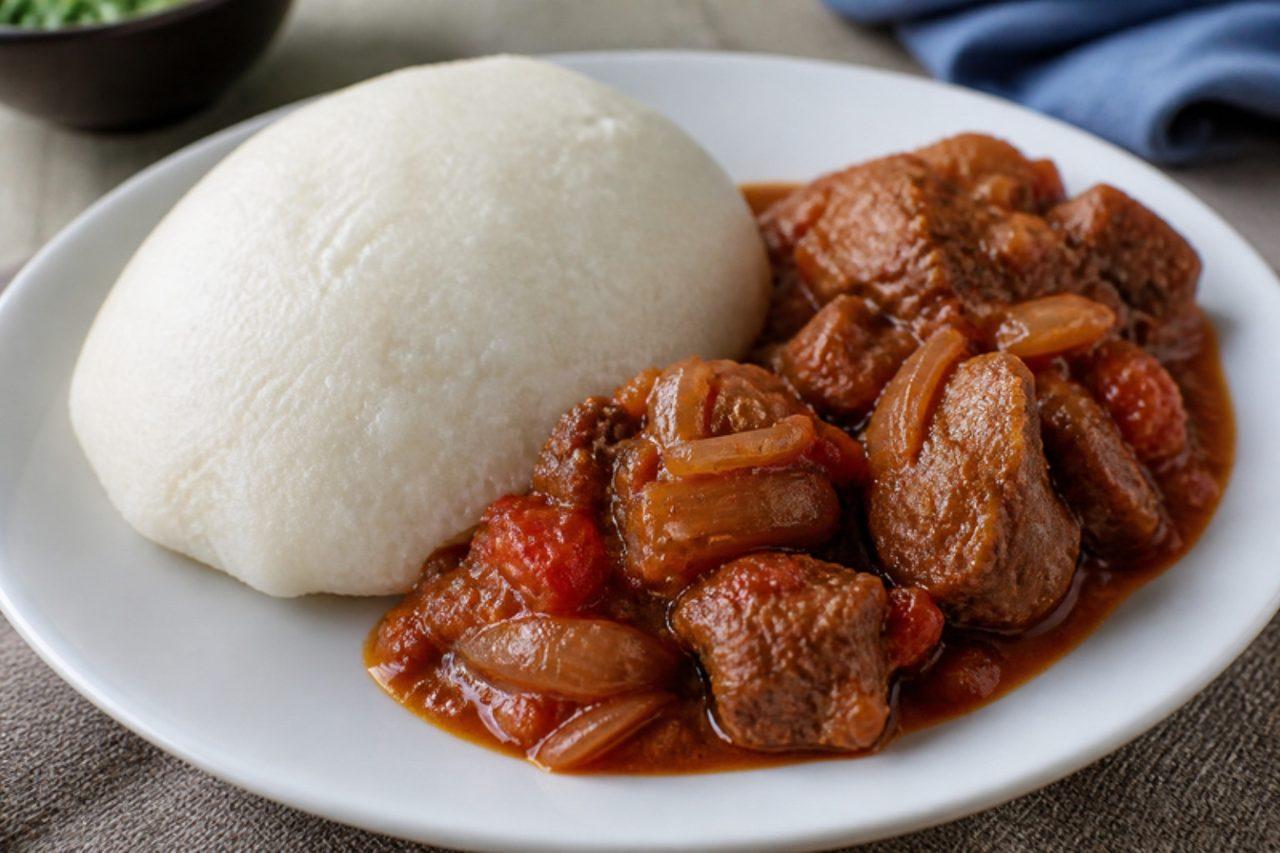
Sadza ne nyama, sadza with meat, is the meal most Zimbabweans would call home: a stiff, smooth porridge of white maize meal shaped into rounds with a wooden spoon, served with a beef stew and a side of greens such as covo or rape. Families in Harare and Bulawayo eat it at lunch or supper, rolling a little sadza into a ball in the right hand and dipping it in the gravy. The mistake is adding all the maize meal at once, which makes lumps; stir in a paste first, then add the rest gradually. Chef's tip: let the porridge "rest and cook" under a lid for a few minutes between additions so the meal tastes cooked, not raw.

by KrazyBadal 0 views

Safed maasMutton in white gravy

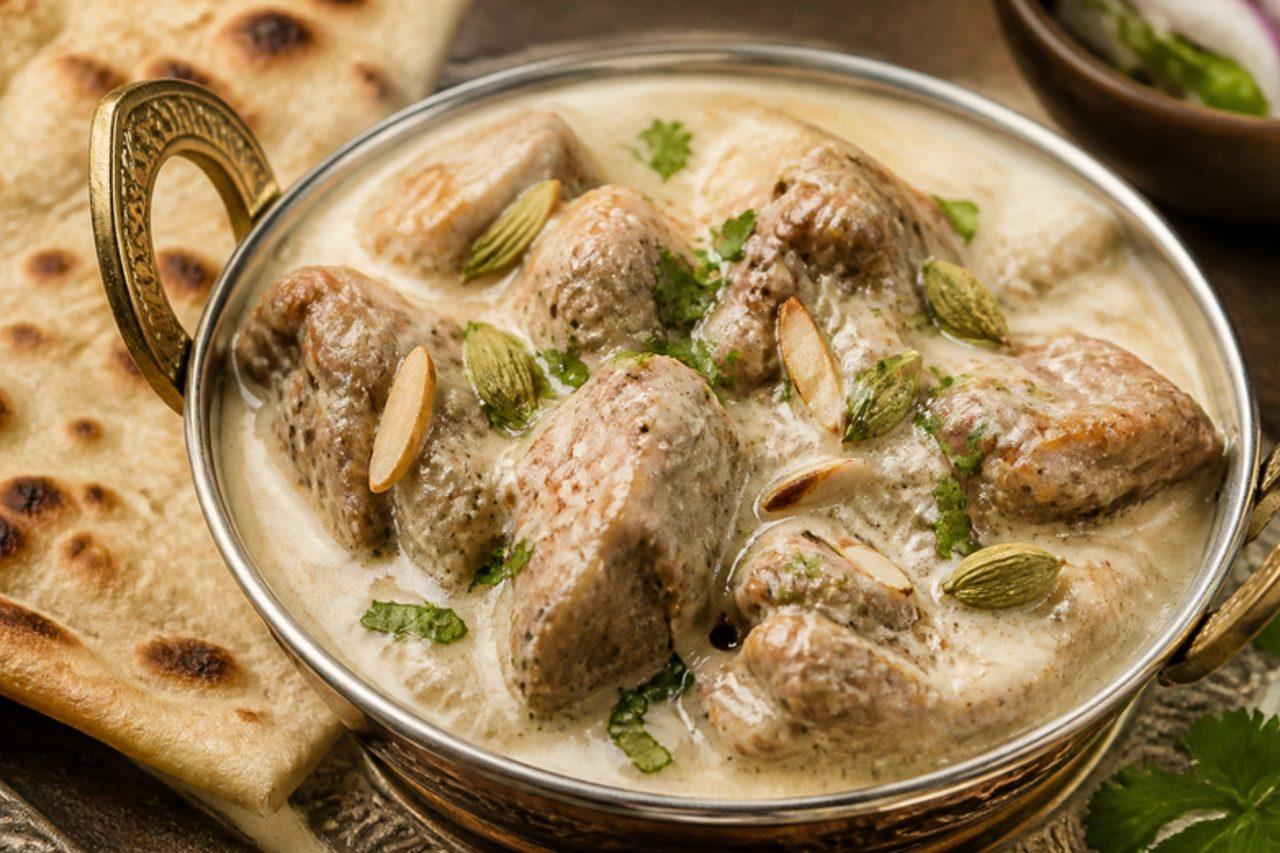
Safed maas is the quiet sibling of fiery laal maas, created in the palace kitchens of Rajasthan's princely states such as Jaipur and Udaipur, where cooks prized dishes that looked as refined as they tasted. There is no turmeric, no red chilli and no browning: the mutton is cooked white with yogurt, a paste of cashews and almonds, cream and white pepper, scented with cardamom and kewra. Its heat is gentle and comes from white pepper and a few green chillies. It's served at weddings and festive dinners with soft rotis or saffron pulao. Chef's tip: keep the heat low from start to finish; the moment the meat or the spices brown, the gravy turns beige and loses that ivory look.

125 minIndianMeatGluten free
by KrazyBadal 0 views

SaganakiPan-fried cheese

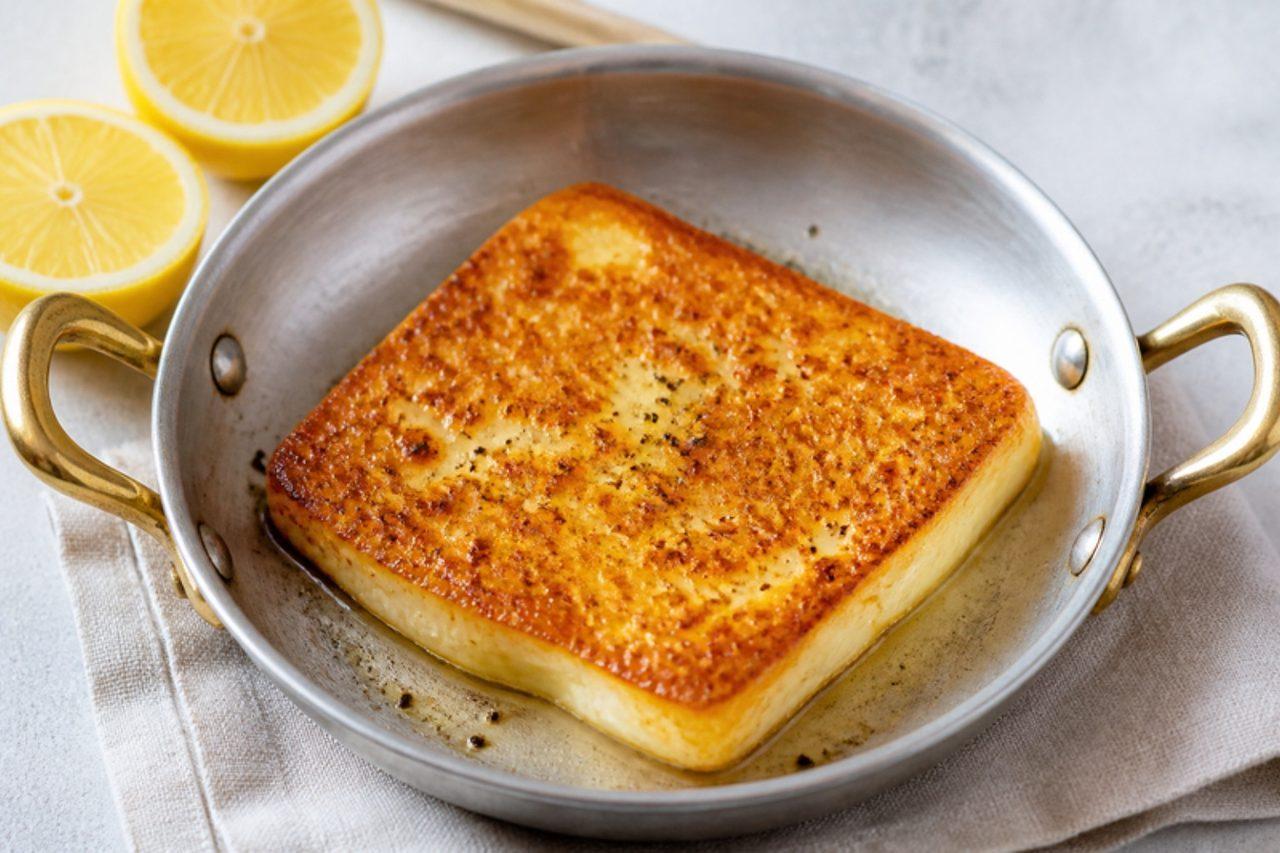
Saganaki takes its name from the small two-handled pan it's cooked in. A thick slice of hard sheep's-milk cheese, usually kefalograviera or kefalotyri, is dusted with flour and fried until it has a crisp, golden crust and a soft, stretchy middle, then splashed with lemon. In Greek tavernas it arrives sizzling at the start of the meal, to share with bread, salad and a cold drink. Traditional Greek hard cheeses are often made with animal rennet, so use a vegetarian alternative such as a vegetarian graviera or halloumi. We dust it with rice flour so it is gluten free. Chef's tip: chill the cheese and get the pan properly hot before it goes in; a lukewarm pan is the common mistake and the cheese melts into a puddle before it crisps.

by KrazyBadal 0 views

Sago gula MelakaSago pudding with palm sugar

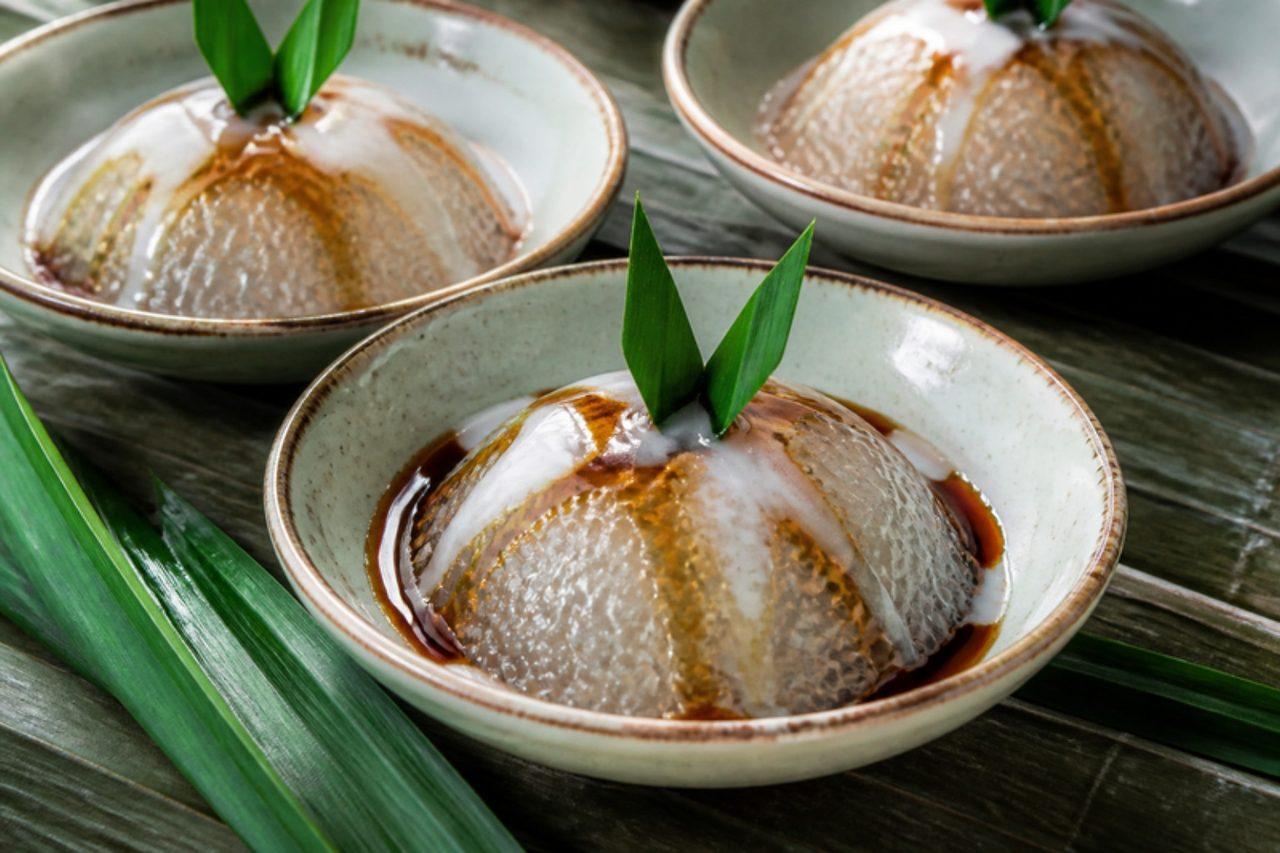
This cool, wobbly pudding is named after the dark palm sugar made from coconut-flower sap around Melaka, and it's on the menu at Peranakan restaurants there and at many a Malaysian dinner party. Little domes of clear sago pearls are chilled until set, then turned out and drowned in salted coconut milk and smoky gula Melaka syrup. The pearls are soft and bouncy, the sauces rich and caramel-dark, and it can all be made the day before. Chef's tip: pour the sago into the water only once it's at a full rolling boil, and stir straight away; tepid water turns it into a gluey lump.

by KrazyBadal 0 views

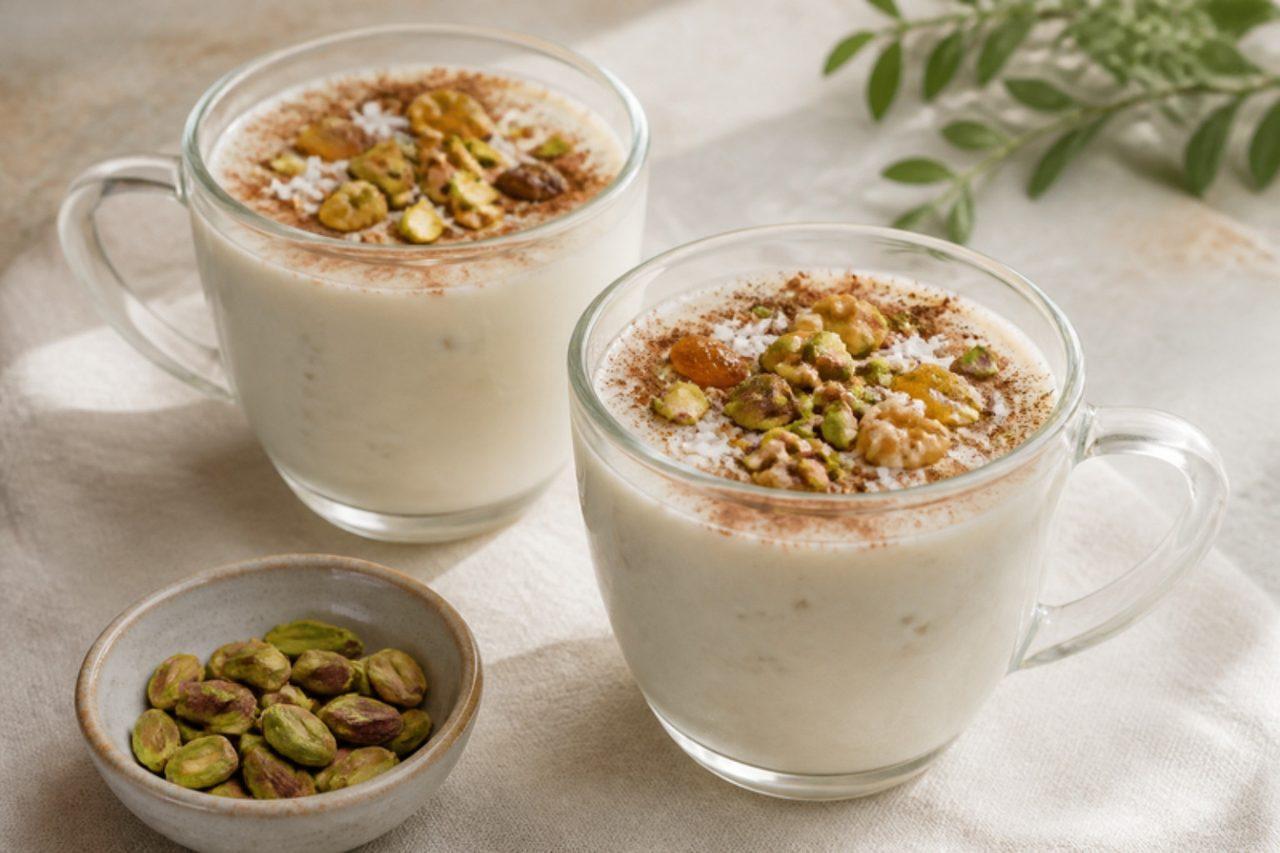
SahlabWarm milk drink

Sahlab is what Cairo drinks on a cold winter evening: a thick, sweet, steaming glass of milk sold in cafés and from street carts, topped with cinnamon, coconut, chopped nuts and a few raisins, and eaten as much with a spoon as drunk. The original thickener is powdered orchid root, which is now rare and protected, so most Egyptian households and many cafés use cornflour or a ready-made sahlab mix instead, as here. Chef's tip: keep whisking from the moment the thickened milk goes in until it boils; stop for a minute and it catches on the bottom of the pan and tastes scorched.

by KrazyBadal 0 views

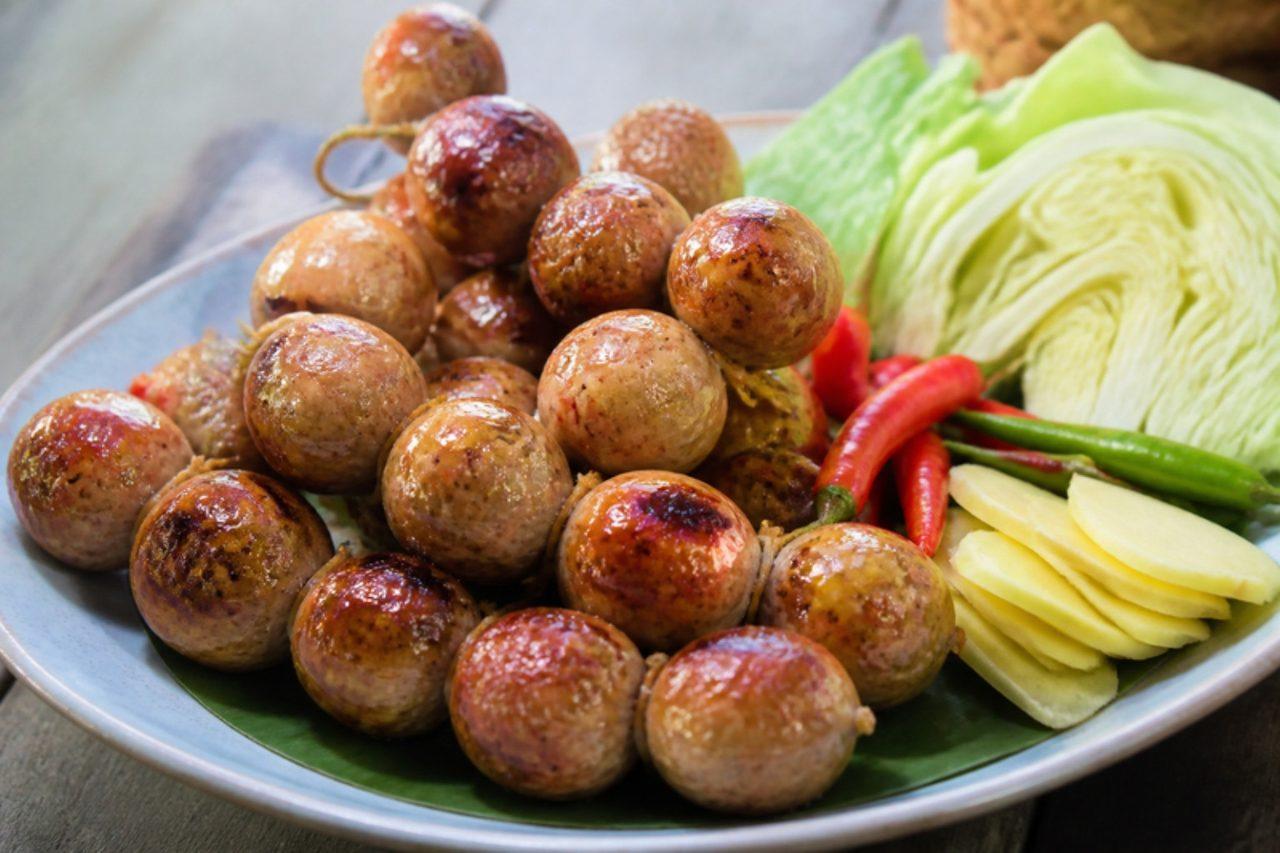
Sai krok IsanSour pork and rice sausage

Strung in little round links and grilled at night markets from Khon Kaen to Udon Thani, these garlicky sausages are tangy from fermentation, with soft rice grains in a juicy pork filling. Vendors serve them with fresh ginger slices, bird's eye chillies, raw cabbage and roasted peanuts, and every bite is a mix of sour, salty, hot and crunchy. Traditionally they are left at room temperature for two or three days to sour; that is a real food-safety risk at home without controlled cultures and curing salts, so this version cures in the fridge instead. Expect a milder tang than street-stall sai krok; a squeeze of lime at the table makes up the difference. Chef's tip: use day-old cooked rice that went into the fridge quickly; freshly cooked warm rice turns the filling mushy and keeps it in the danger zone.

65 minThaiMeatGluten free
by KrazyBadal 0 views

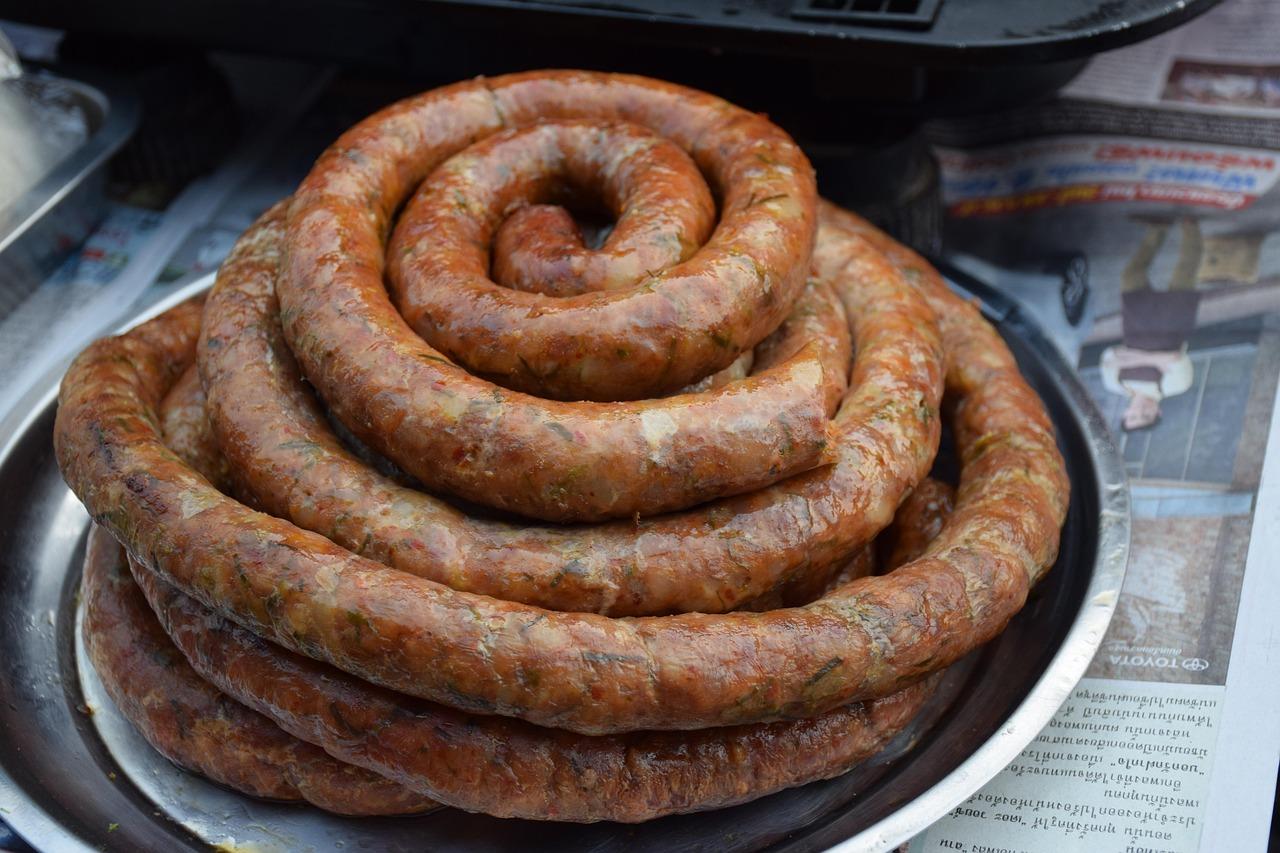
Sai ouaHerby grilled pork sausage

Walk through Chiang Mai's Warorot market and you will smell sai oua before you see it: long coils of sausage smoking over charcoal, flecked green with lime leaf and orange with chilli paste. The meat is coarse and juicy, the flavour loud with lemongrass, galangal and turmeric, and Northern Thais eat it in thick slices with sticky rice, raw cabbage, nam prik noom and a few slices of fresh ginger. If you have no casings or sausage stuffer, the same mixture makes excellent flat patties. Chef's tip: fry a teaspoon of the mixture before you stuff anything and taste it; this is your only chance to fix the salt and chilli.

90 minThaiMeatGluten freeSpicy
by KrazyBadal 0 views

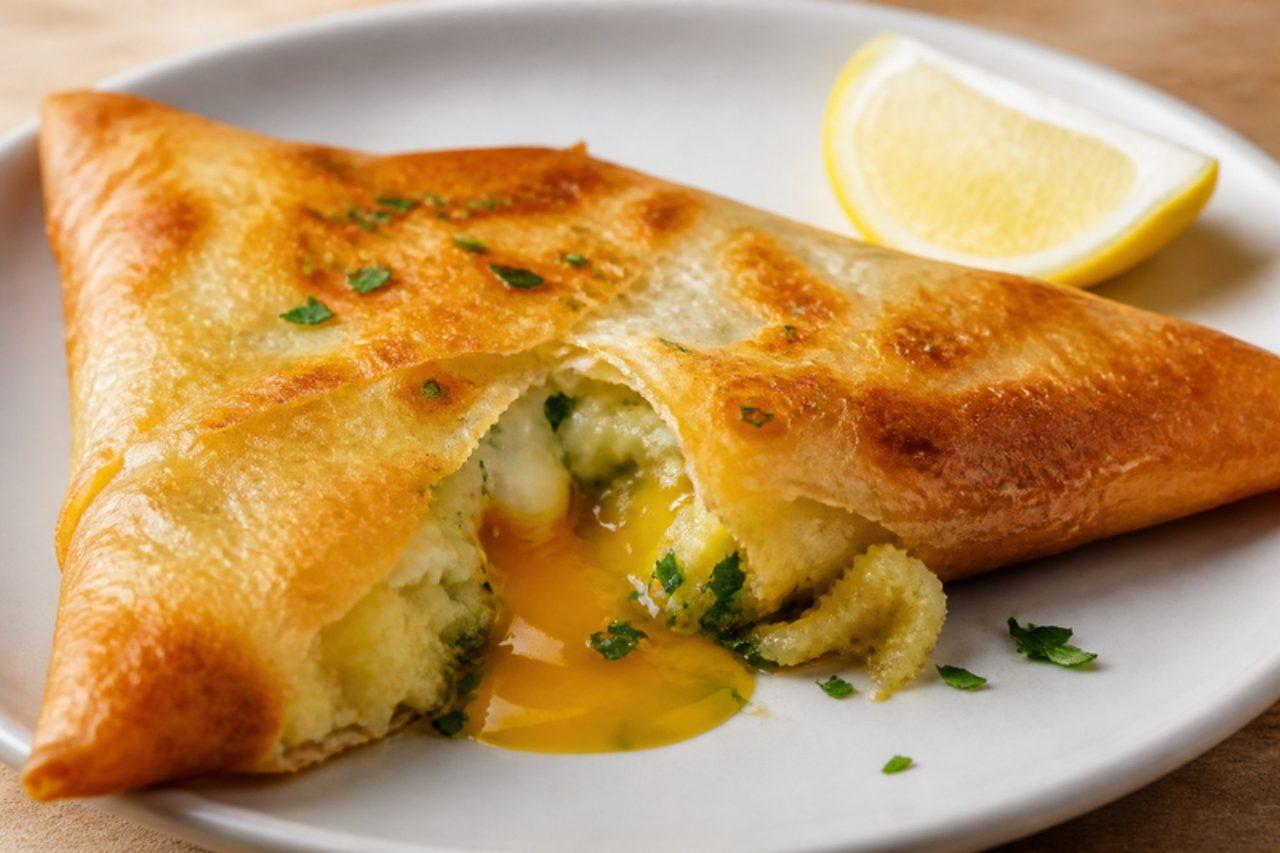
Brik à l'œufFried egg pastry triangle

Brik is Tunisia's crackling street and Ramadan snack: a sheet of paper-thin malsouka pastry folded around a raw egg, mashed potato, parsley and capers, and fried for a minute until the shell shatters and the yolk is still runny. In Tunis and La Goulette it is eaten by hand, held by the corners and bitten carefully to avoid egg on the chin. The classic filling adds tuna; this version keeps it vegetarian with a little cheese. It is different from Moroccan briouats, which are small rolled parcels baked or fried with a cooked filling. Chef's tip: have the oil hot and ready before cracking the egg onto the pastry; once the egg sits, it soaks through the sheet.

by KrazyBadal 0 views

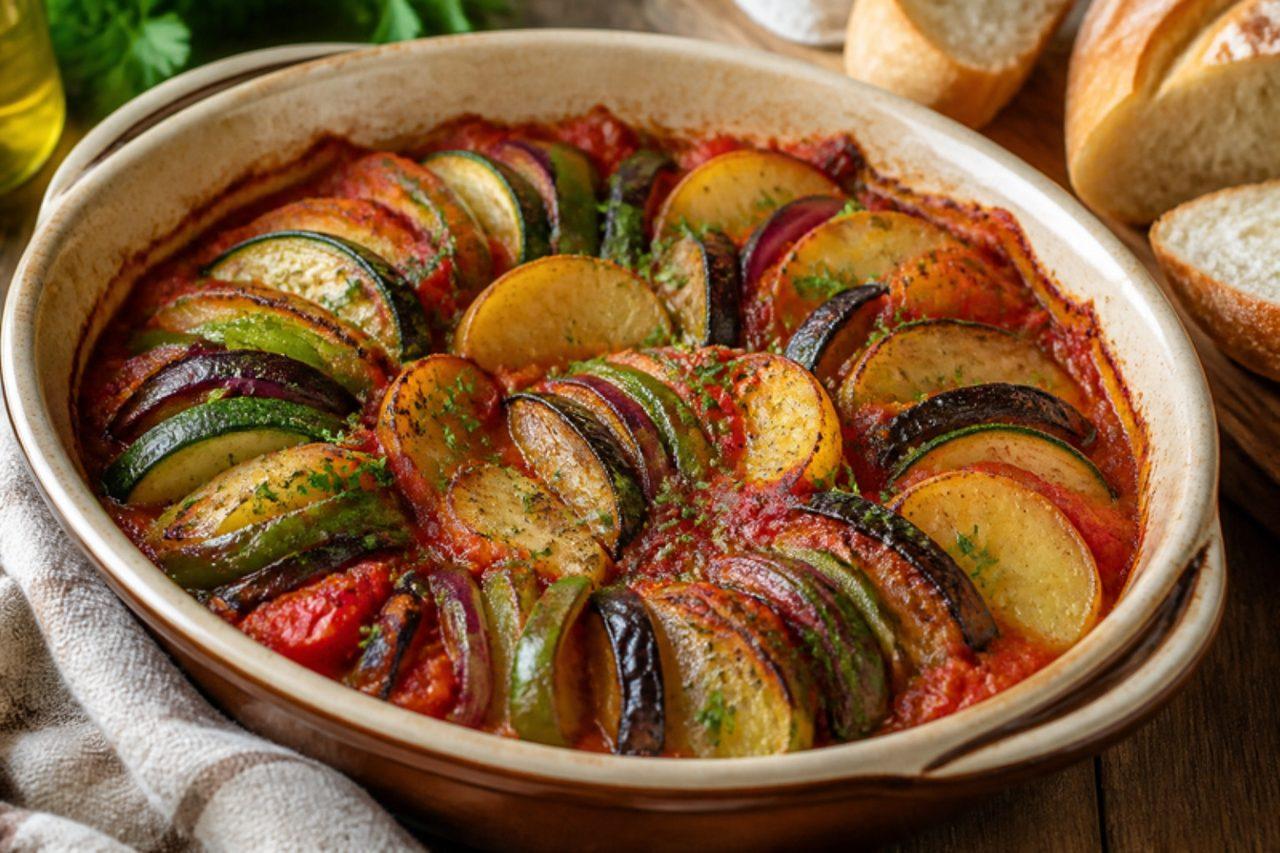
BriamRoasted summer vegetables

Briam is what Greek home cooks put in the oven on a hot afternoon when the garden is full of courgettes: potatoes, courgettes, aubergine, peppers and onions tumbled with grated tomato, garlic and oregano, then roasted slowly until soft and caramelised at the edges. It is one of the ladera, dishes cooked in olive oil and eaten as a main course, usually at room temperature with feta and bread. It tastes better the next day, when the flavours have settled. Chef's tip: cut the potatoes thinner than everything else so they cook in the same time; same-size chunks are the common mistake that leaves you with hard potatoes and mushy courgettes.

by KrazyBadal 0 views

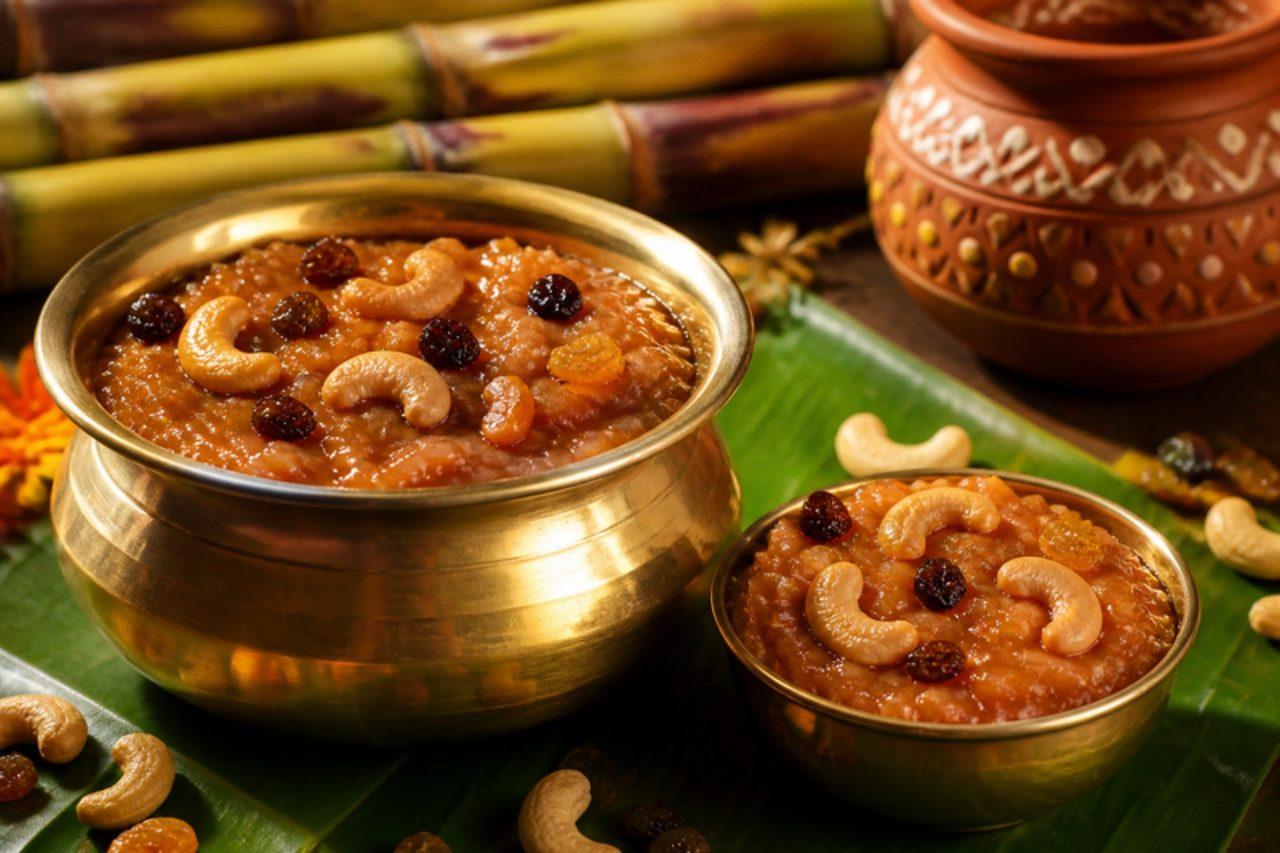
Sakkarai pongalSweet rice and moong dal

On the morning of Thai Pongal in mid-January, families across Tamil Nadu cook new-harvest rice in a clay pot in the courtyard and wait for the milk to bubble over: 'pongalo pongal!'. That pot becomes sakkarai pongal, a sticky, golden-brown sweet of rice and moong dal cooked soft, then simmered with melted jaggery and finished with lots of ghee, cardamom, edible camphor and cashews and raisins fried golden. It's also the classic prasadam at Vishnu temples. It's the sweet twin of the peppery ven pongal. Chef's tip: dry-roast the moong dal until it smells nutty before cooking; it adds a toasty depth that plain boiled dal can't give.

by KrazyBadal 0 views

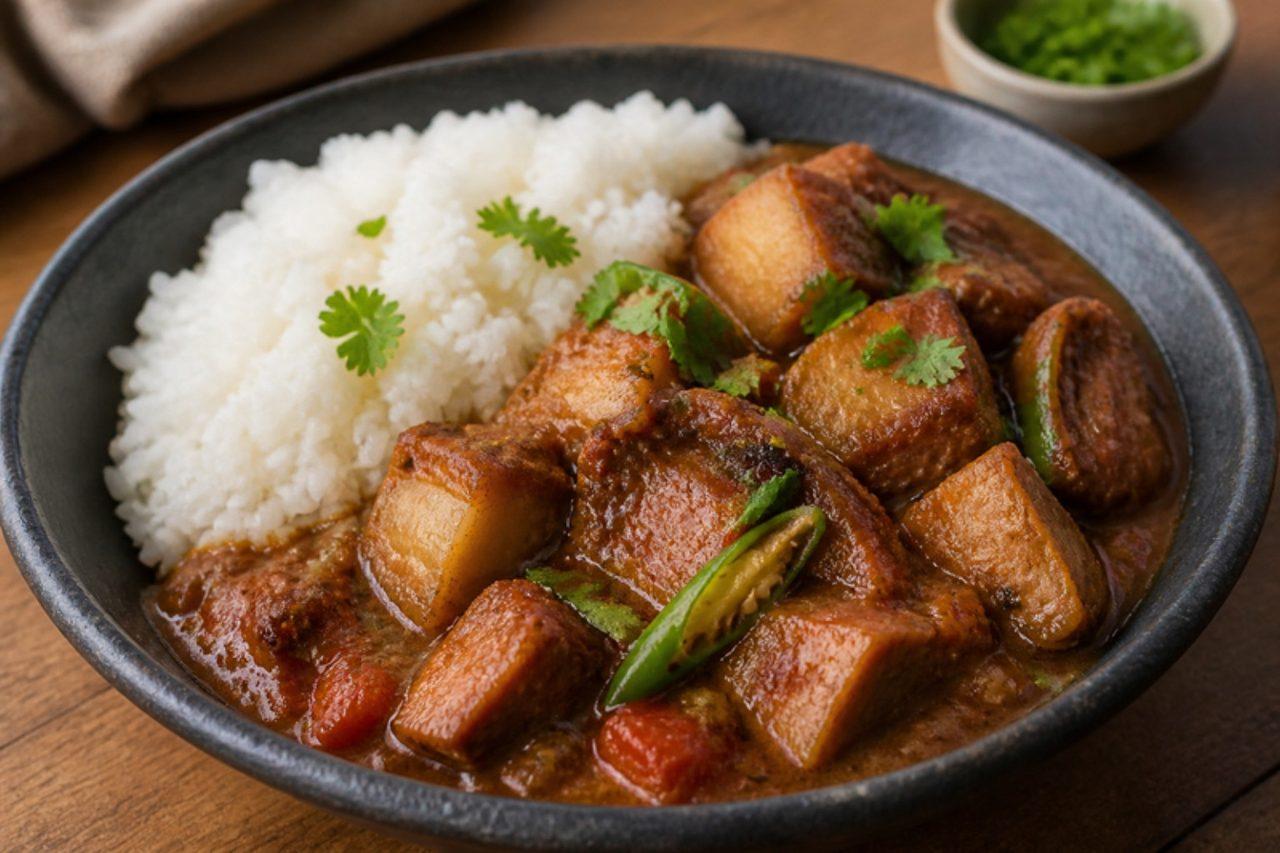
Axone porkPork with fermented soybean

Axone, called akhuni in the Sumi Naga language, is soybean fermented in banana leaves until it is pungent and deeply savoury, and pork cooked with it is a signature of the Sumi people of Zunheboto in Nagaland. The smell is strong while it cooks, but the finished curry tastes rich, earthy and meaty, sharpened by tomato and chilli. Serve with rice and a green vegetable. Chef's tip: open a window and warn the household; axone is famously smelly in the pan and wonderful on the plate.

75 minIndianMeatGluten freeSpicy
by KrazyBadal 0 views

KvassFermented rye bread drink

Before the cola era, kvass was Russia's everyday thirst-quencher, sold every summer from yellow barrel trailers on Moscow street corners and poured into glass mugs. At home it is brewed from dried rye bread, sugar and a pinch of yeast, fermented for a day or two until it tastes malty, a little sour and gently fizzy, and only about 1% alcohol. It is drunk ice cold and is also the broth for okroshka. Chef's tip: toast the bread until really dark, almost burnt at the edges; that is where kvass gets its deep colour and its toasted, malty taste.

by KrazyBadal 0 views

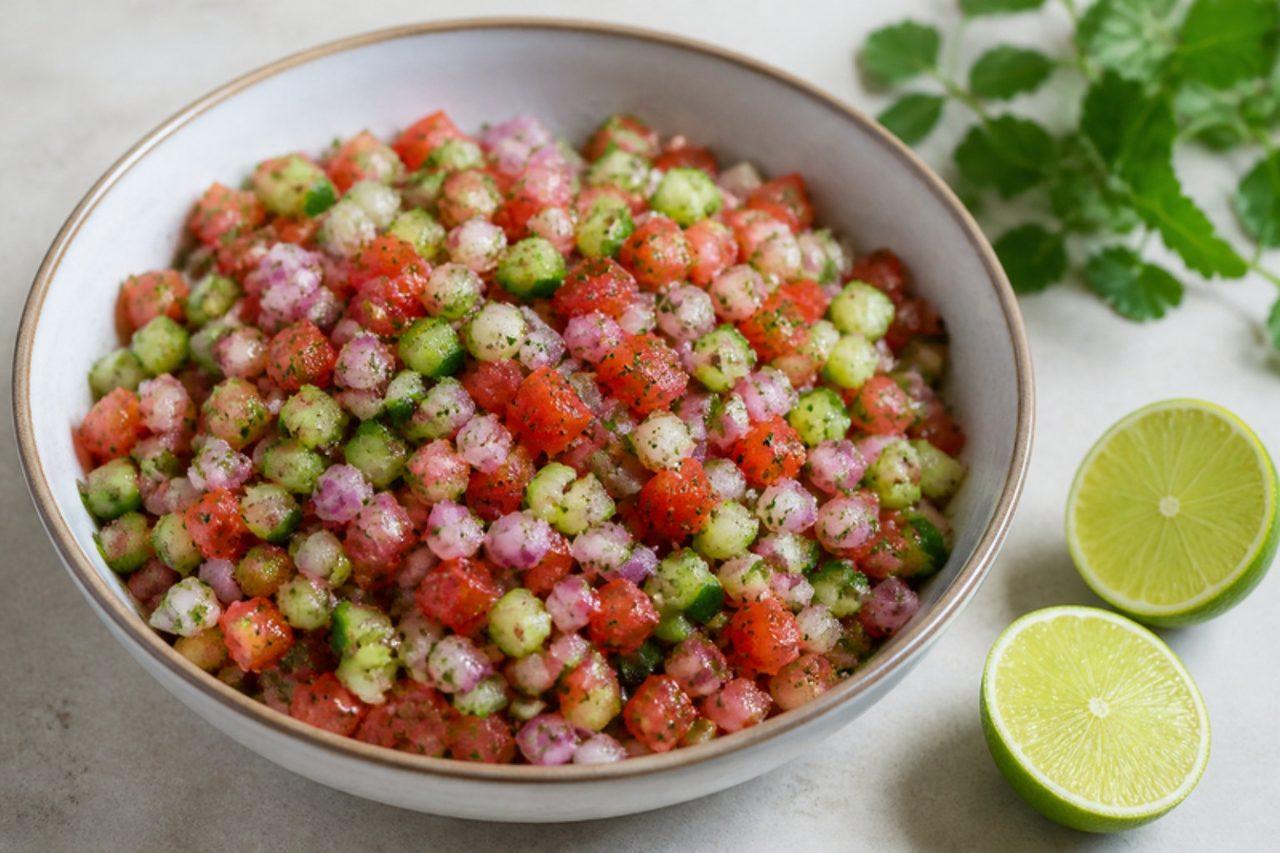
Salad shiraziTomato, cucumber and onion salad

Salad shirazi is named after Shiraz, the city of gardens in Fars province, and it is the salad served with almost every Persian rice and kebab meal. Tomato, cucumber and onion are cut into tiny, even dice and dressed simply with lime juice (or sour grape verjuice, ab-ghooreh, in Shiraz itself), dried mint and a little oil. There are no peppers or herbs to muddy it: it is crunchy, sharp and cold, and is spooned onto rice as a relish. Chef's tip: dice everything as small as a pea; the tiny cubes are what make it taste like Shirazi rather than a chopped salad.

by KrazyBadal 0 views

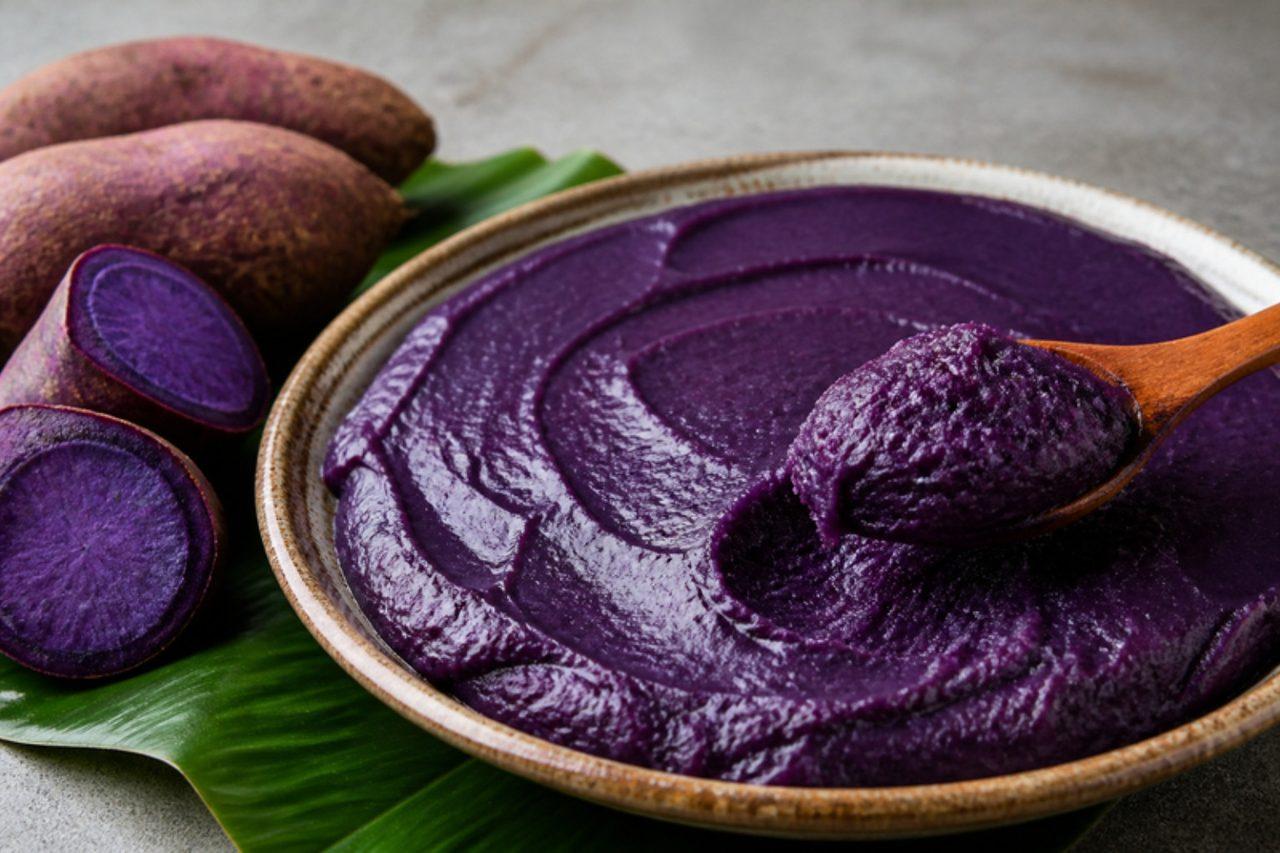
Ube halayaPurple yam jam

Ube halaya is a thick, deep purple jam made from purple yam, slowly stirred with coconut milk, condensed milk and butter until it pulls away from the pan. Bohol, where ube grows in abundance and the province holds a festival for it every January, claims it, and in Baguio jars of it are bought as pasalubong (gifts) to take home. It appears at Christmas and fiestas, spread on bread, eaten by the spoonful, packed into halo-halo or shaped in moulds and topped with latik or grated cheese. Real ube has a gentle, nutty, vanilla-like flavour; purple sweet potato is not the same. Chef's tip: frozen grated ube from Asian grocers works perfectly and saves an hour of peeling and grating.

by KrazyBadal 0 views

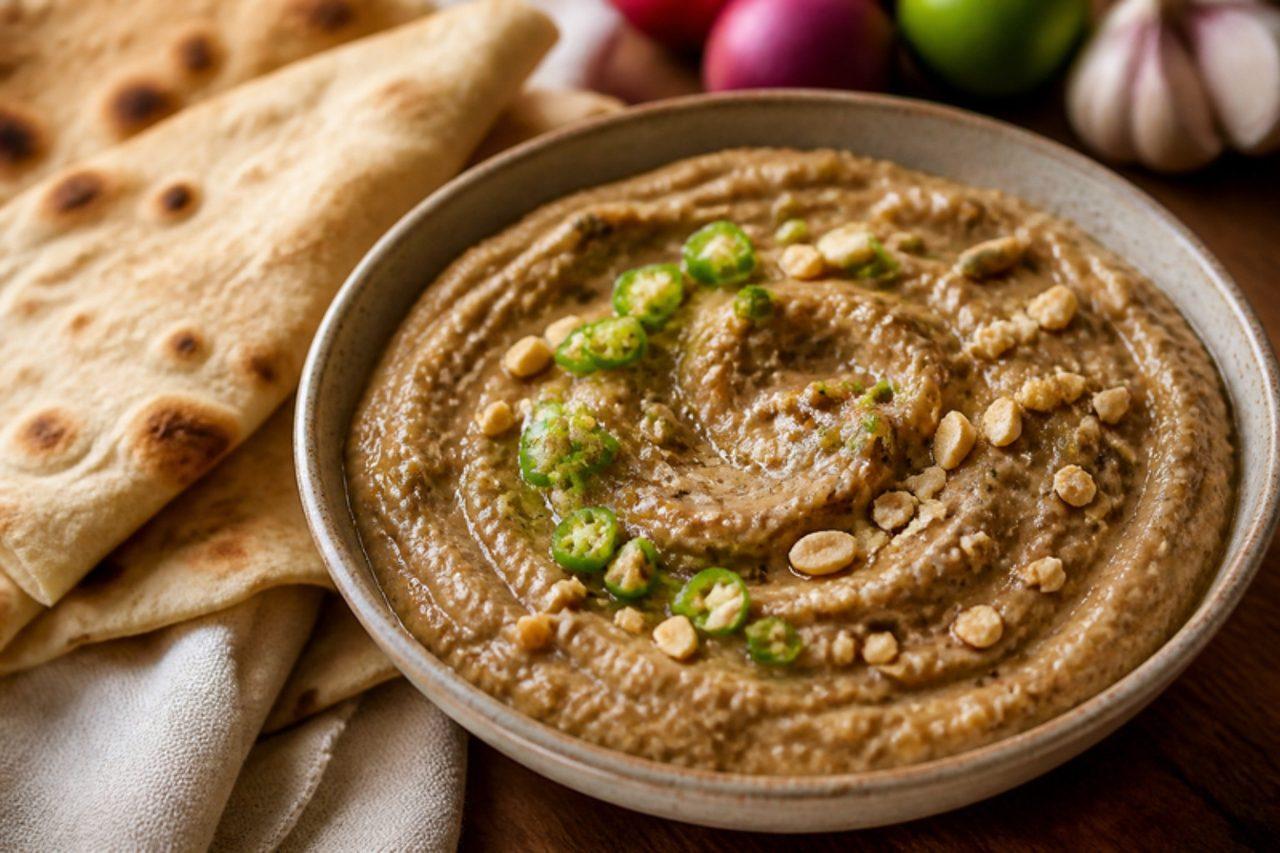
Salata aswadAubergine and peanut butter salad

Salata aswad, the 'black salad', is a Khartoum favourite: aubergine fried until almost black and collapsing, then mashed with peanut butter, garlic, lime and a little chilli into a rich, smoky spread. It is served at Ramadan iftars and family lunches with kisra or bread, next to ful and fresh tomato salad. The peanut is what makes it Sudanese rather than a Levantine aubergine dip. Chef's tip: salt the aubergine and squeeze it dry before frying; it absorbs far less oil.

by KrazyBadal 0 views

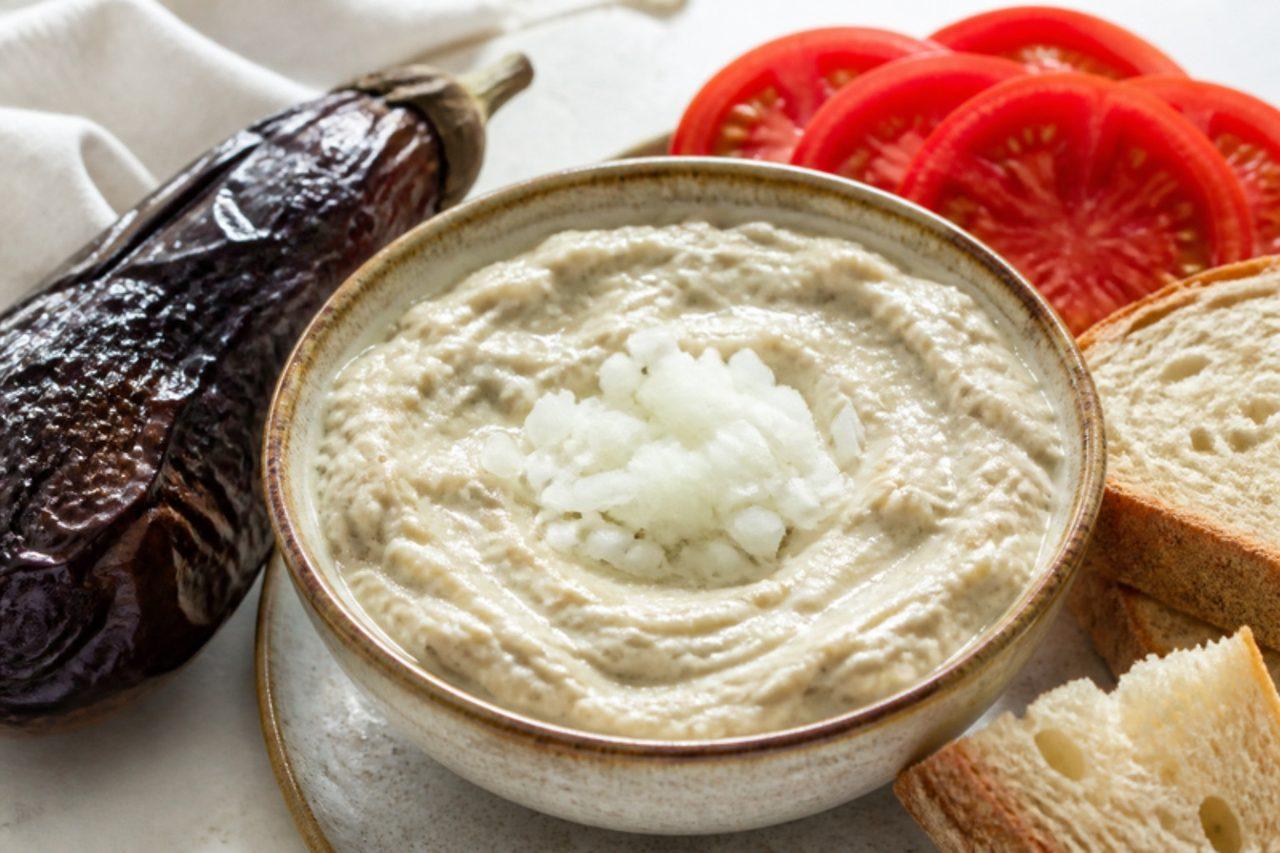
Salată de vineteSmoky aubergine salad

Salată de vinete is on every Romanian table from Bucharest to Brașov in late summer, when market stalls are piled with aubergines and every balcony grill is busy charring them. The smoky flesh is chopped with a wooden knife and beaten with sunflower oil into a pale, fluffy spread, almost like a mayonnaise, then finished with sharp raw onion. There is no tahini or yogurt, which sets it apart from baba ganoush. It is eaten on toasted bread with sliced tomatoes for supper or as a meze before grilled vegetables. Chef's tip: drain the cooked aubergine well; leaving in the brown juices is the usual mistake and makes the salad bitter and watery.

by KrazyBadal 0 views

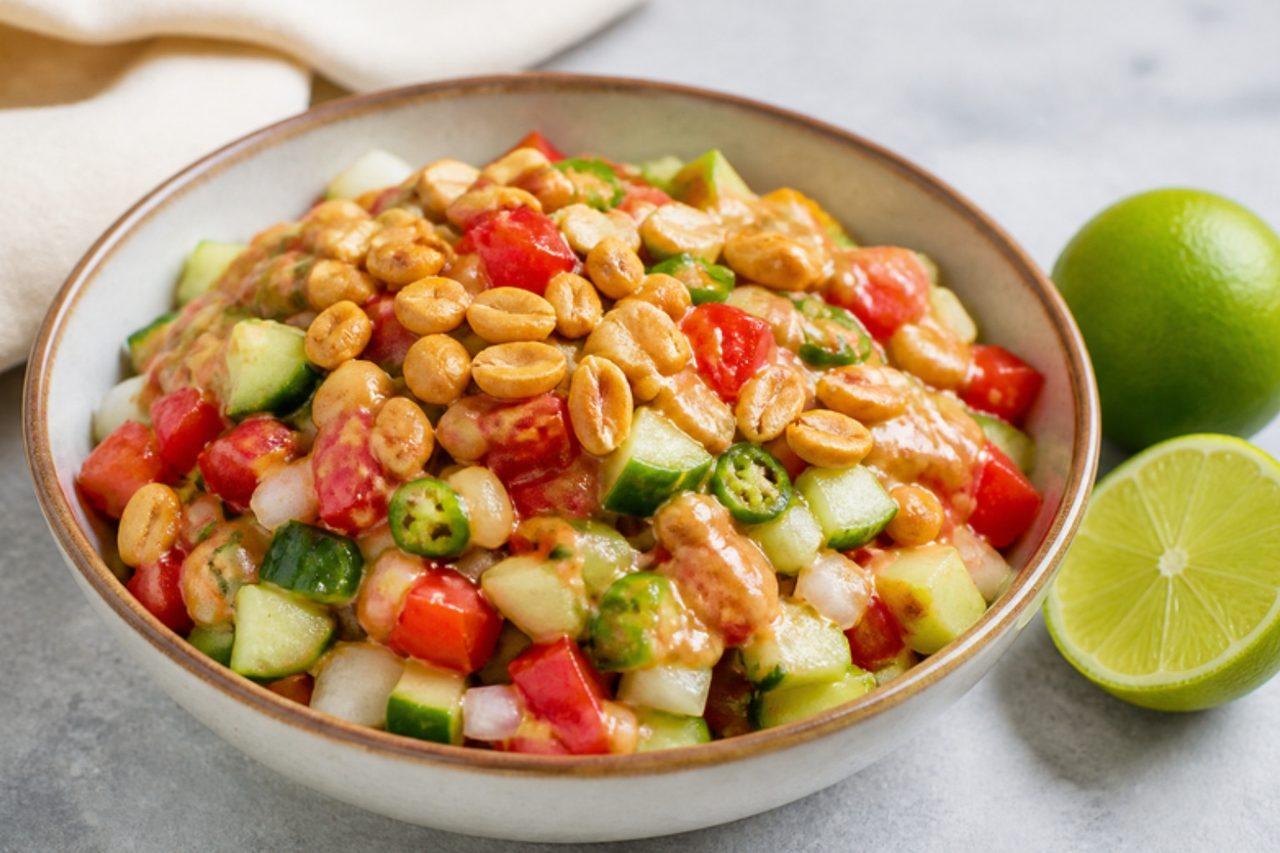
Salatat daquaTomato salad with peanut dressing

Daqua is the Sudanese name for peanut paste, and this everyday salad of tomato, cucumber, onion and green chilli dressed in thinned peanut butter and lime sits on the table at almost every meal in Omdurman and Khartoum, especially in the hot months. It is cooling, crunchy and creamy at once, and is eaten with ful medames, kisra or grilled food. Chef's tip: thin the peanut butter with water and lime before adding it to the vegetables; dolloped straight in, it clumps and never coats them.

by KrazyBadal 0 views

BourekasFeta and potato pastry triangles

Bourekas are what Israelis grab from the bakery on a Friday morning or bring to a family gathering: puff pastry shapes with savoury fillings, shiny with egg and dotted with sesame. The tradition came from Sephardi Jews of Turkey and the Balkans, but in Israel it settled into puff pastry, with the shape telling you the filling at a glance (triangles for cheese, rectangles for potato in many bakeries). This version fills triangles with feta and ricotta and rectangles with herby mashed potato, and goes with a hard-boiled egg, pickles and grated tomato. Chef's tip: keep the pastry cold right up to the oven; warm puff pastry won't rise into flaky layers.

by KrazyBadal 0 views

Showing 72 of 10,569 recipes

Show more recipes

Page 945 of 1,175