


Skip to content
Tsakhdon
Featured recipe

Tsakhdon

Garlic sour cream sauce

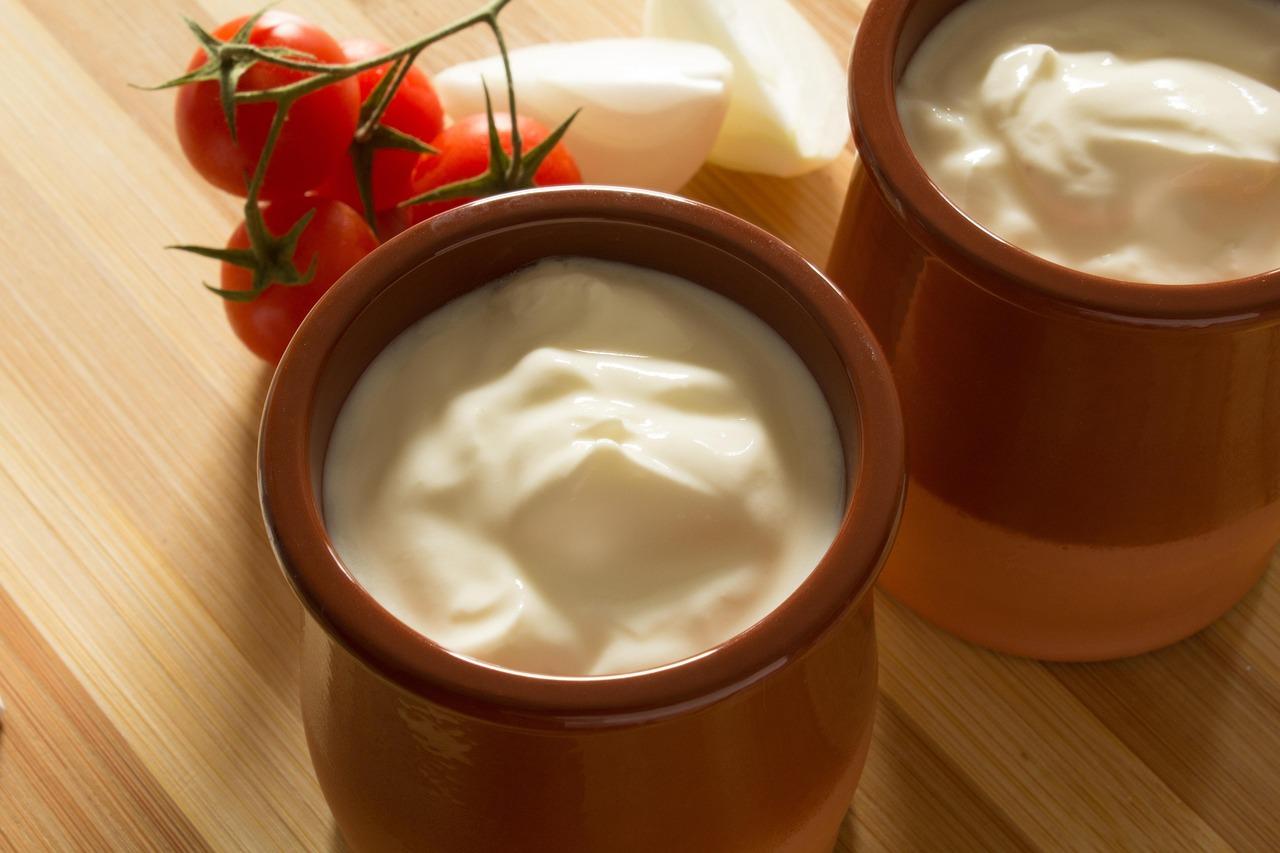
Ossetian tables in Vladikavkaz and the mountain villages of North Ossetia nearly always carry a bowl of tsakhdon, the thick, garlicky sour cream that goes with three-pie feasts, boiled beef, potatoes and anything grilled. It is cool, tangy and sharp with raw garlic, flecked green with dill, coriander and a little mint, and some families add a pinch of crushed red pepper. Garlic pounded with salt gives a smoother, sweeter heat than chopped garlic, so take the extra minute with a mortar. The usual slip is serving it the moment it is mixed; ten minutes in the fridge lets the garlic soften and spread through the cream. Use full-fat sour cream, as low-fat versions turn runny. Chef's tip: thin it with a spoon or two of cold water or kefir if you want it pourable over hot potatoes rather than spoonable beside pies.

Read more 0 views

What to eat today?

Around the world

Today's trip: Persian

A new country every day, from every cuisine on the site.

This week's collection

Kid-friendly dinners
739 recipes · a new collection every Monday

Coming up

All occasions →

Latest recipes

AnarsaRice and jaggery sesame cakes

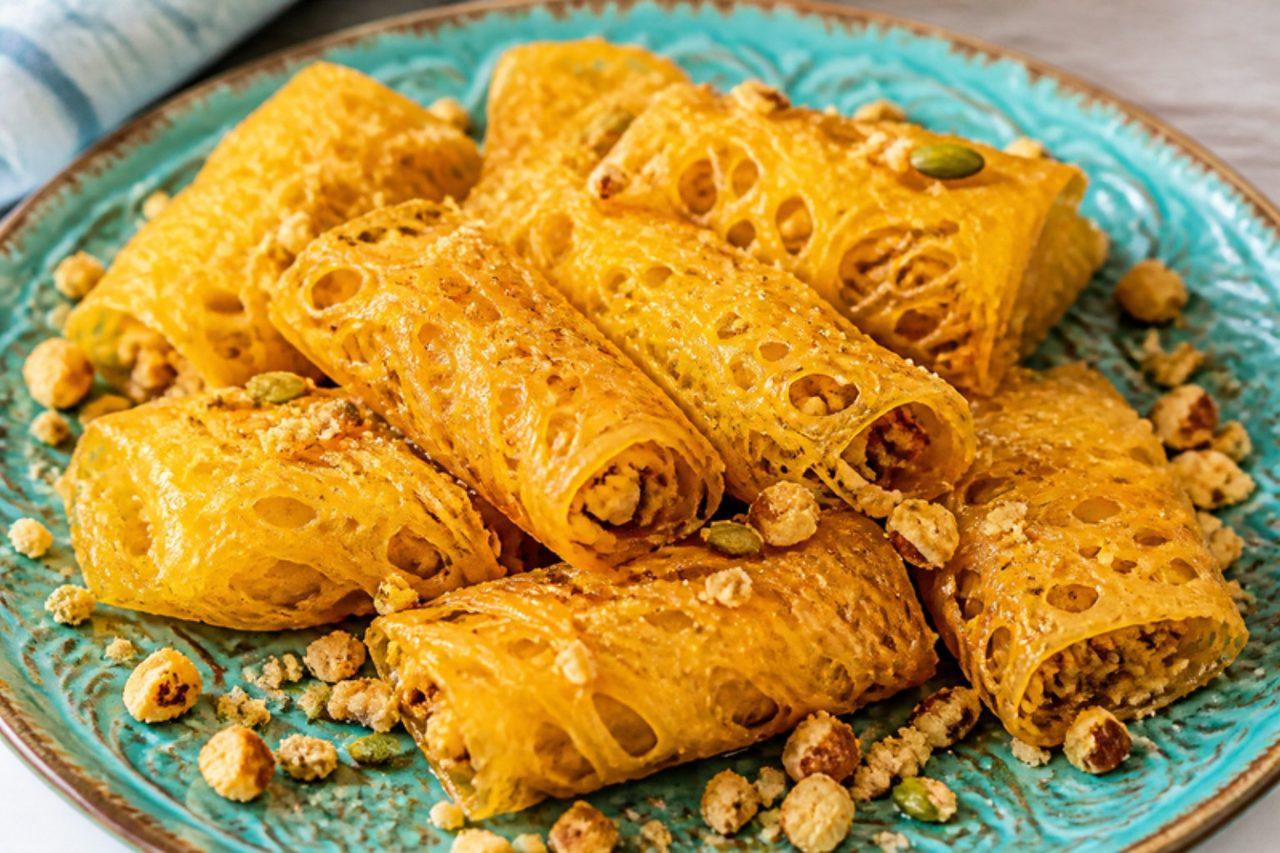
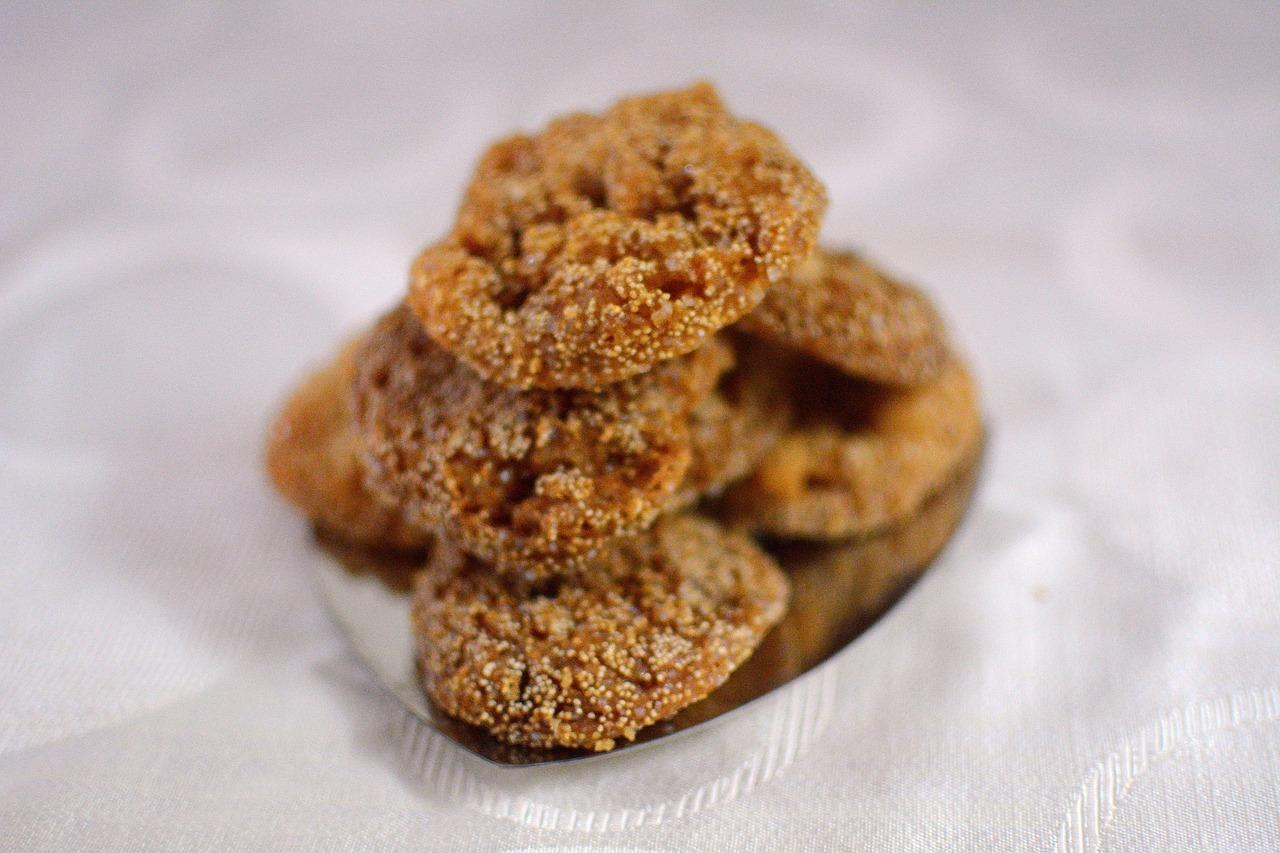
Anarsa is a sweet of patience. In Bihar and eastern Uttar Pradesh, women start soaking rice three days before Teej or Diwali, changing the water every day, then pound it into a damp flour, bind it with jaggery and leave the dough to mellow overnight. Fried with the sesame side up, each disc puffs into a lacy, honeycombed top with a crisp edge and a chewy middle. They are stacked in brass plates for guests and offered at home shrines. Chef's tip: fry one test anarsa before the batch; if it spreads and dissolves, knead in a spoonful of rice flour, and if it cracks, add a few drops of milk or water.

by KrazyBadal 0 views

Bai sach chroukGrilled pork over rice

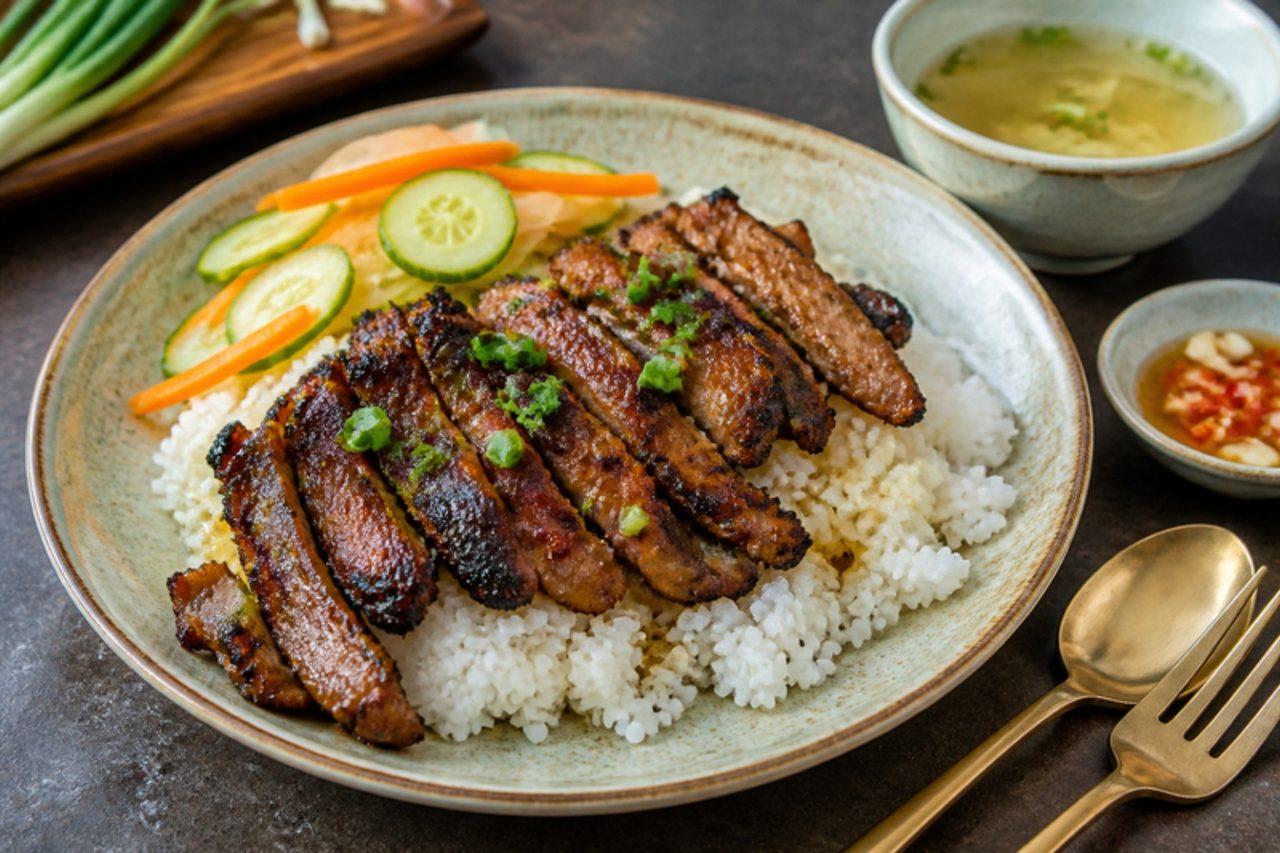
Bai sach chrouk, 'rice with pork', is the classic Cambodian street breakfast, grilled over charcoal on pavements in Phnom Penh and Siem Reap in the early morning and eaten before work and school. It is a pork dish: thin slices of pork are marinated overnight in coconut milk, garlic and palm sugar, then grilled until caramelised and smoky and served on broken rice with quick-pickled cucumber and carrot and a small bowl of clear broth. Chef's tip: slice the pork thinly, about 5 mm; it marinates faster and chars before it dries out.

by KrazyBadal 0 views

Hortobágyi palacsintaPaprika chicken pancakes

Named after the Hortobágy puszta, Hungary's great grassland in the east, these savoury pancakes are a favourite starter in Hungarian restaurants and a clever family meal. Thin palacsinta are filled with finely chopped paprika chicken, folded into parcels, and baked in the paprika-soured cream sauce until bubbling. Chef's tip: chop the cooked chicken very finely or pulse it briefly; a fine filling makes neat, tight parcels.

by KrazyBadal 0 views

HortopitaWild greens pie

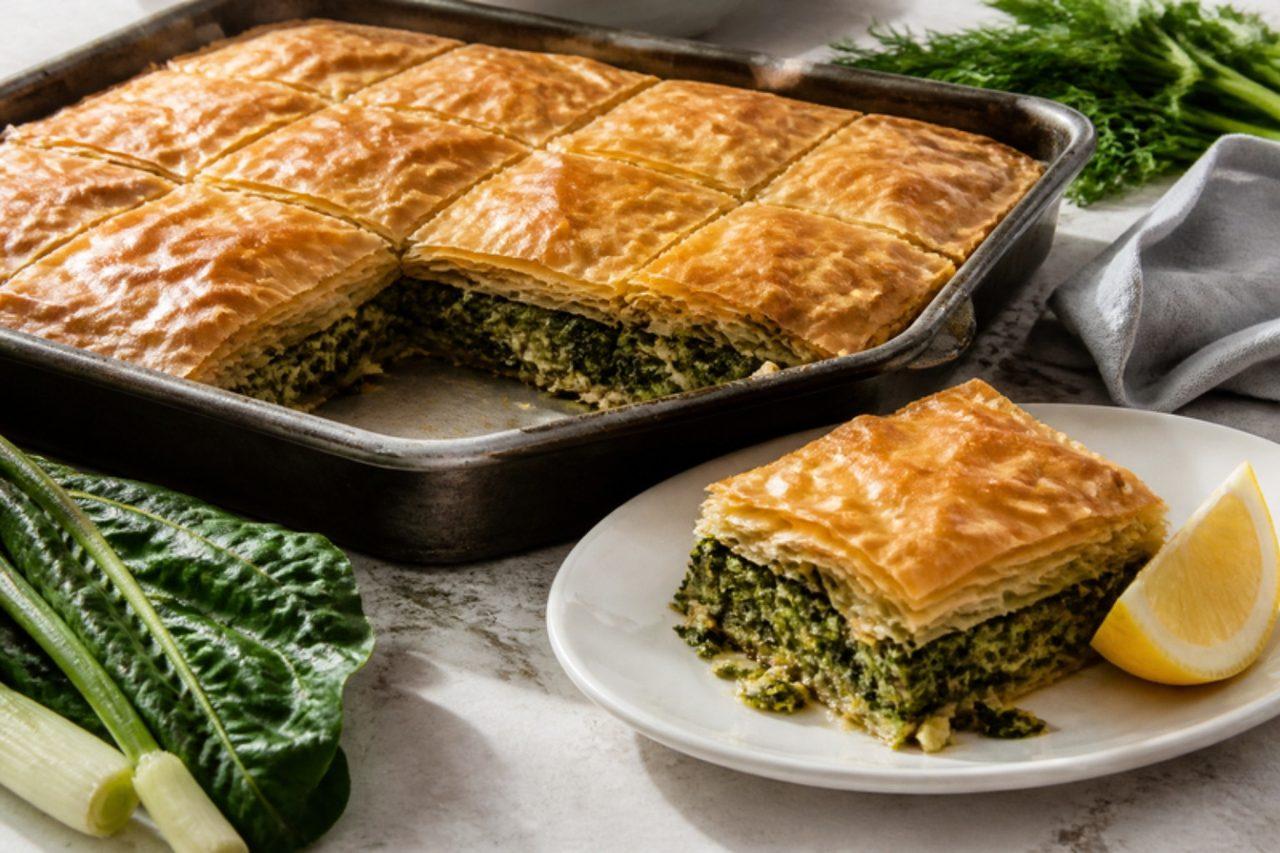
In the villages of Crete and the mountains of Epirus, hortopita is what cooks make from whatever greens are growing on the hillsides: wild fennel, sorrel, poppy leaves, nettles and chard. Many families bake it during Lent, when cheese and eggs are put aside, so the filling relies on olive oil, leeks and a big handful of herbs for flavour. It is earthy, a little bitter and very fresh. This version uses easy-to-buy chard, spinach, fennel fronds and leeks, with a spoonful of rice to soak up the juices. Serve warm or cold with olives and a glass of something cold. Most shop fillo is made without butter or egg, but check the label to keep it vegan. Chef's tip: salt the chopped greens and leave them for 20 minutes before squeezing; skipping this is the most common mistake, and it makes hortopita watery.

by KrazyBadal 0 views

BakabanaFried plantain fritters

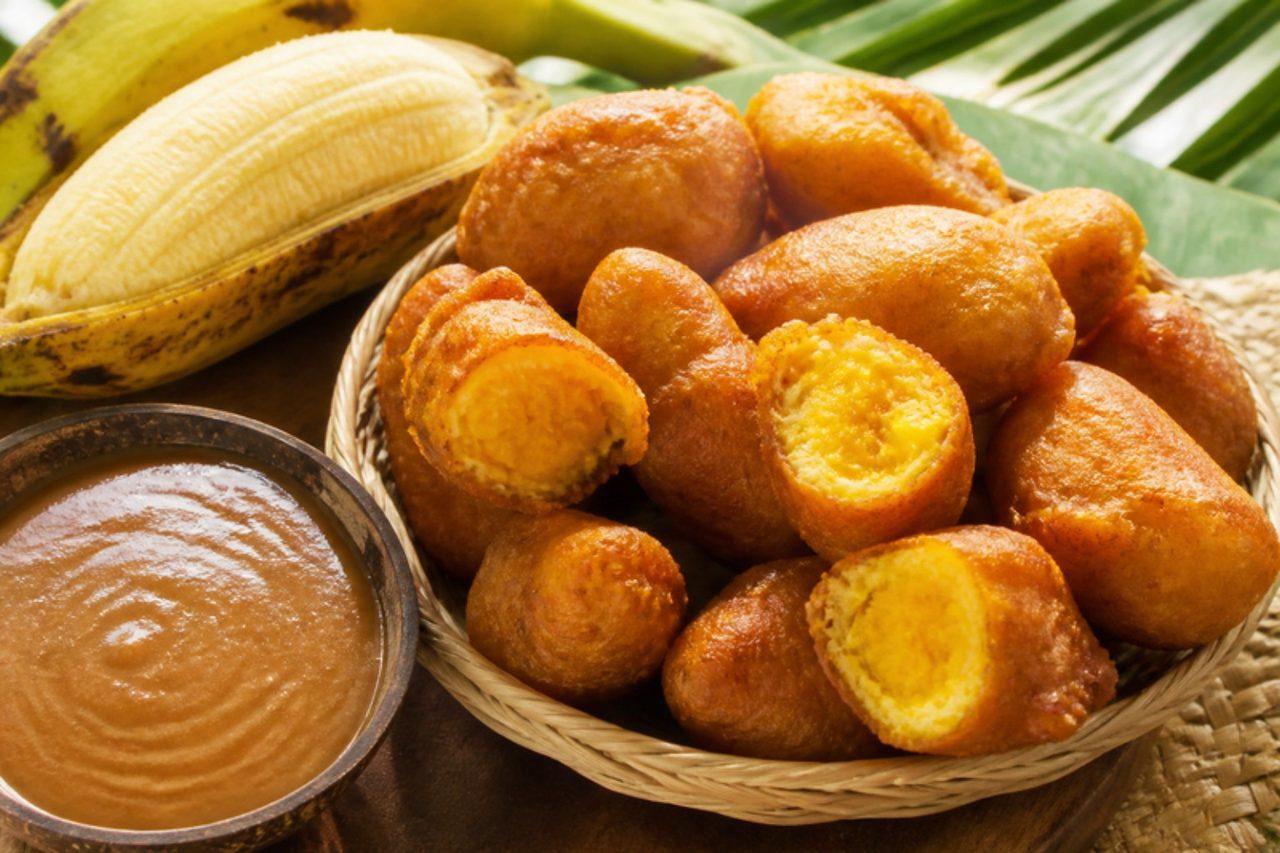
Bakabana are Suriname's favourite snack: long slices of ripe plantain dipped in a light batter and fried until crisp outside and custard-soft within. In Paramaribo they're sold from warung stalls (the Javanese-Surinamese snack bars), and in Dutch cities with Surinamese communities, always with a spicy peanut sauce on the side for dipping. The sweet fruit, crisp shell and salty-hot sauce make them hard to stop eating. Chef's tip: pick plantains that are yellow with lots of black spots but still firm; fully black and soft ones fall apart in the batter.

by KrazyBadal 0 views

Houskové knedlíkyBread dumpling loaf

Houskové knedlíky are the sliced bread dumplings that sit beside almost every sauce in a Prague pub, from mushroom svíčková-style cream sauces to sweet-sour dill gravy. Unlike the round German Semmelknödel, these are a soft yeast dough rolled into a log with crisp cubes of stale roll inside, simmered whole, then cut into thick, spongy slices that drink up gravy. Czech grandmothers still slice them with a length of thread rather than a knife, which keeps the crumb open instead of squashing it. Chef's tip: cut the cooked loaf with a piece of cotton thread wrapped around it and pulled tight; a knife presses the slices into dense, gluey discs.

55 minCzechSides
by KrazyBadal 0 views

MakowiecPoppy seed roll

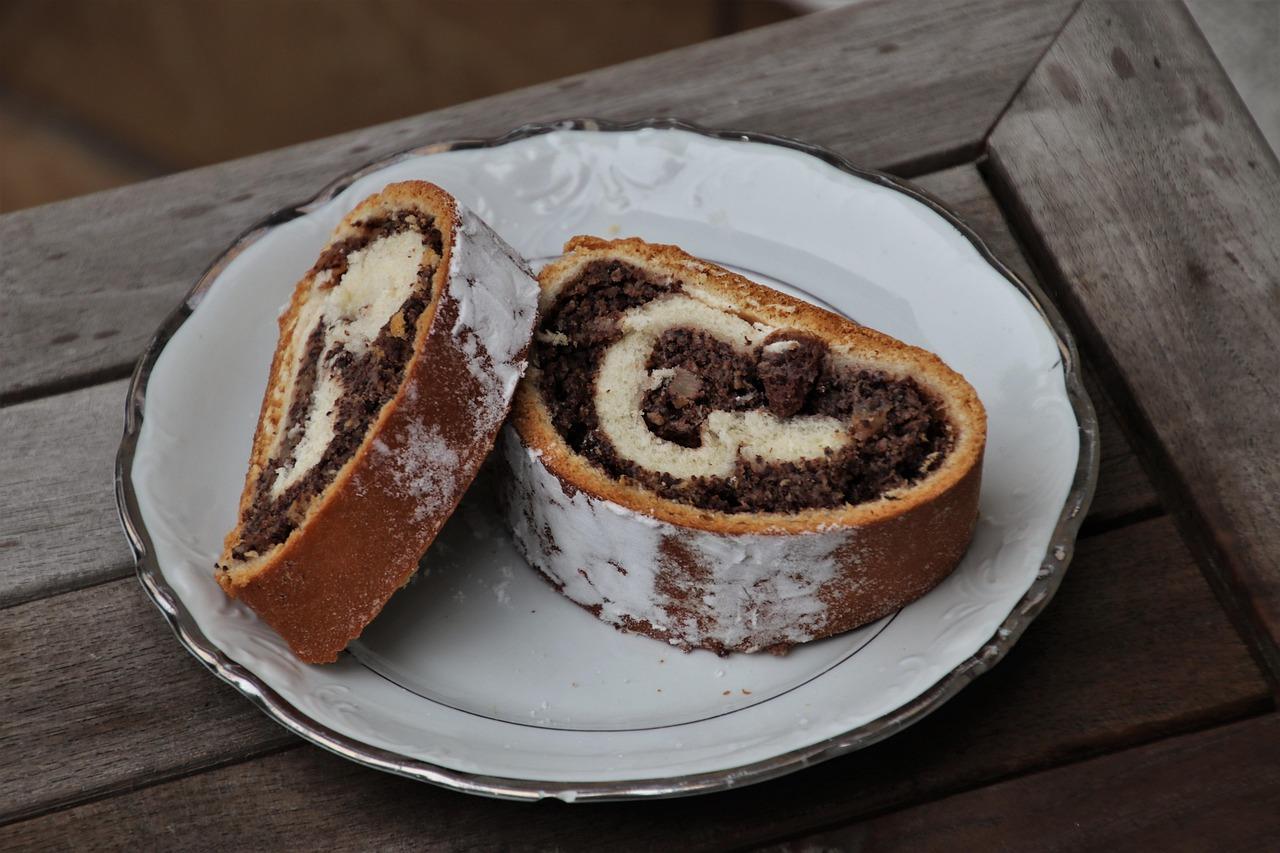
Makowiec is the poppy seed roll that sits on almost every Polish Christmas Eve and Easter table; in Silesia and Lesser Poland poppy seeds stand for plenty in the year ahead. A soft, buttery yeast dough is rolled around a thick, black, honey-sweet filling of ground poppy seeds with raisins, walnuts and candied orange peel, then baked and glazed so each slice shows a tight spiral. It takes time, but the process is calm and the roll keeps for days. Chef's tip: grind the soaked poppy seeds two or three times, until they look grey and pasty; whole or once-ground seeds give a gritty filling that falls out of the slices.

135 minPolishBaking
by KrazyBadal 0 views

MakroudhDate-filled semolina pastries

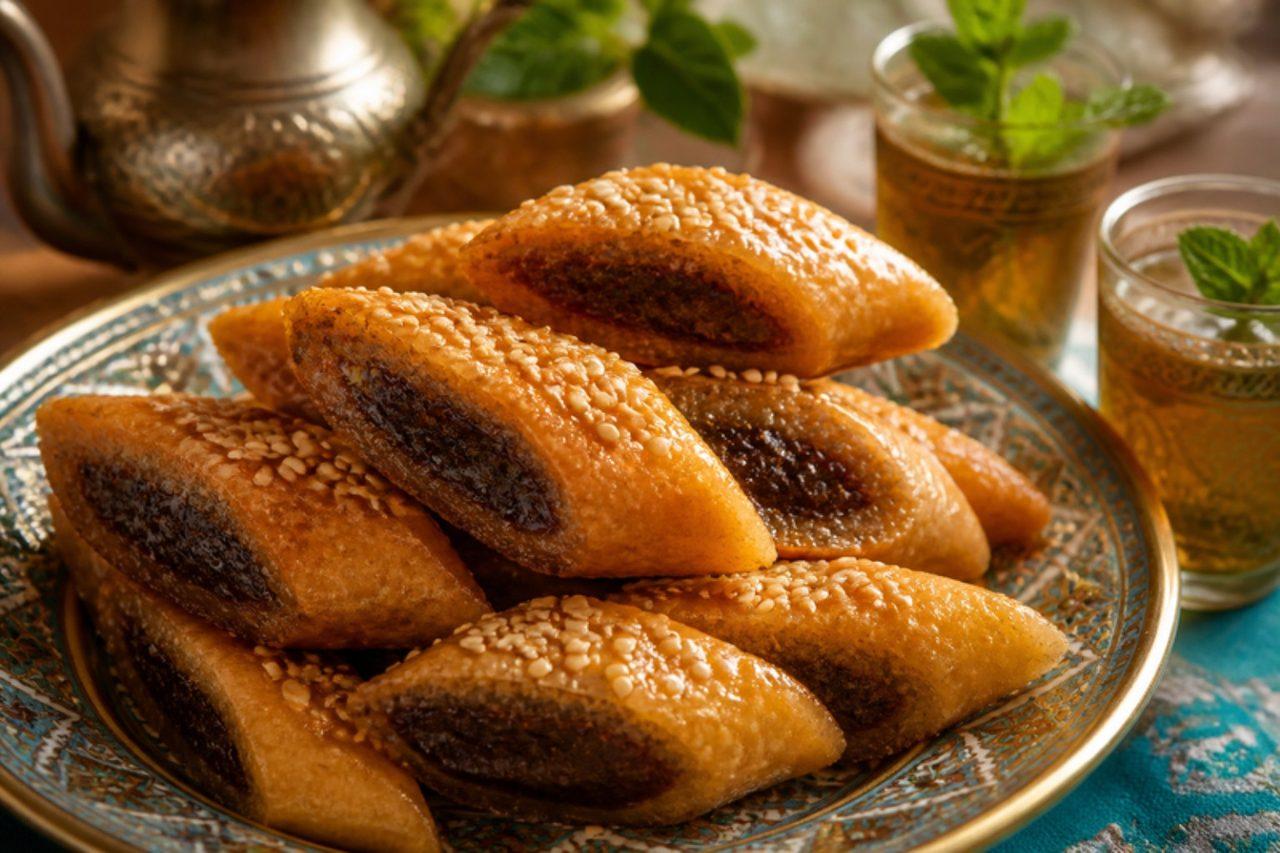
Makroudh is the sweet that Kairouan is famous for; the old holy city in central Tunisia sells it in boxes from shops around the medina, and it is made at home for Eid and weddings across the country. A soft dough of semolina and olive oil is wrapped around a roll of date paste scented with cinnamon and orange blossom, cut into diamonds, fried and dipped in syrup. Chef's tip: rest the semolina dough for an hour after mixing; the grains need time to drink the oil and water, or the makroudh cracks in the oil.

by KrazyBadal 0 views

Makrout el louzIced almond diamonds

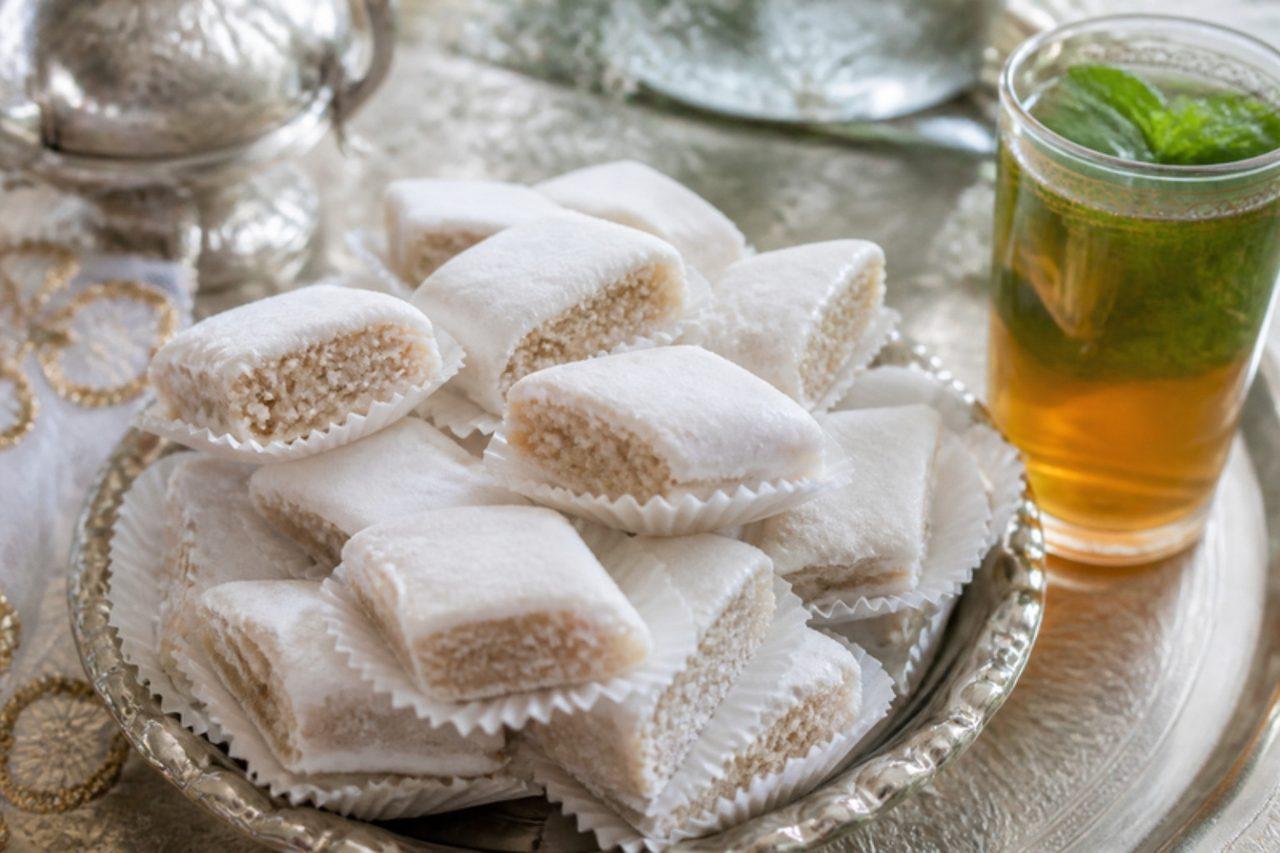
Makrout el louz are the elegant almond sweets of Algiers and Constantine, piled on silver trays for weddings, Eid and engagement visits. Unlike fried, date-filled makroudh, they are baked: a paste of ground almonds, sugar, egg and lemon zest is cut into diamonds, baked pale, then dipped in a light syrup and rolled in icing sugar so they look frosted. Chef's tip: bake them only until firm and barely coloured underneath; brown edges harden and stop the syrup soaking in.

by KrazyBadal 0 views

Hu tieuPork and prawn noodle soup

Hủ tiếu came to southern Vietnam with Teochew Chinese and Cambodian influences, and in Saigon it's as everyday as pho, sold from street carts at dawn and again late into the night. The broth is light and clear, sweet from pork bones, daikon and dried shrimp, and the bowl is loaded with sliced pork, minced pork, prawns and often quail eggs. Clear, chewy noodles and a spoon of crispy garlic oil set it apart. Many people order it khô, dry, with the noodles tossed in sauce and the soup on the side. Chef's tip: toast the dried squid over a flame before it goes in the pot; it gives the broth a sweet, savoury depth that's hard to place.

by KrazyBadal 0 views

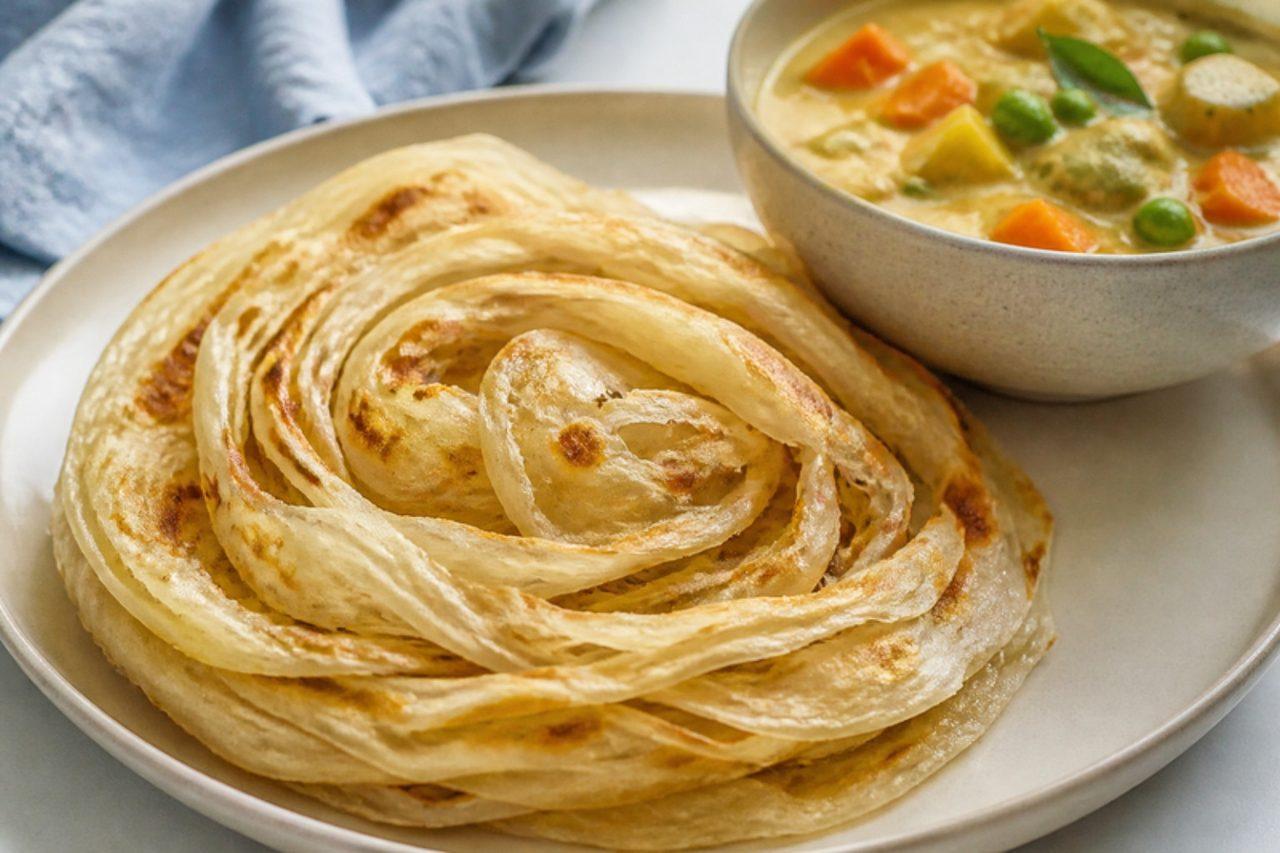
Malabar parottaLayered flatbread

Malabar parotta came from the hotels and tea stalls of Malabar in north Kerala and is now made all over the state, where parotta men slap and stretch dough on oiled marble counters late into the night. The soft dough is stretched paper-thin, pleated, coiled like a snail and griddled, then clapped between the hands so the layers pull apart into flaky ribbons. Eat it torn into vegetable kurma or a spicy black chickpea curry. Chef's tip: give the dough its full rest; well-rested dough stretches thin without tearing, which makes the layers.

by KrazyBadal 0 views

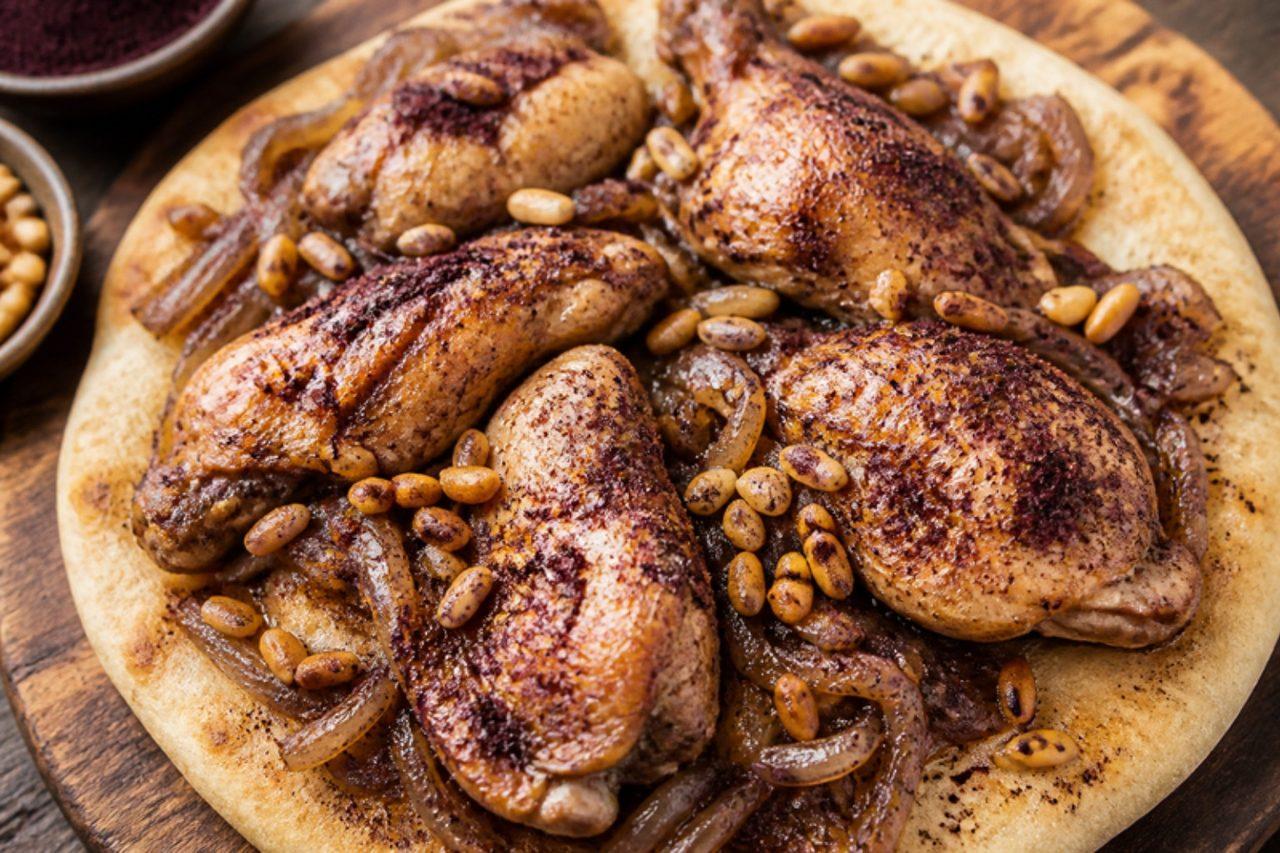
MusakhanSumac chicken on flatbread

Musakhan is the dish Palestinian families in the villages around Jenin and Tulkarem make in late autumn, when the olives have been pressed and the first green, peppery oil comes home from the mill. Mounds of onion are cooked slowly in that oil with plenty of sumac, piled onto taboon bread with roast chicken and baked until the bread's edges crisp and its middle soaks up the purple-red juices. It is eaten with your hands, shared from one big tray, with yogurt and a chopped salad. Chef's tip: use more oil than feels right; the bread is meant to drink it, and a dry musakhan misses the point.

by KrazyBadal 0 views

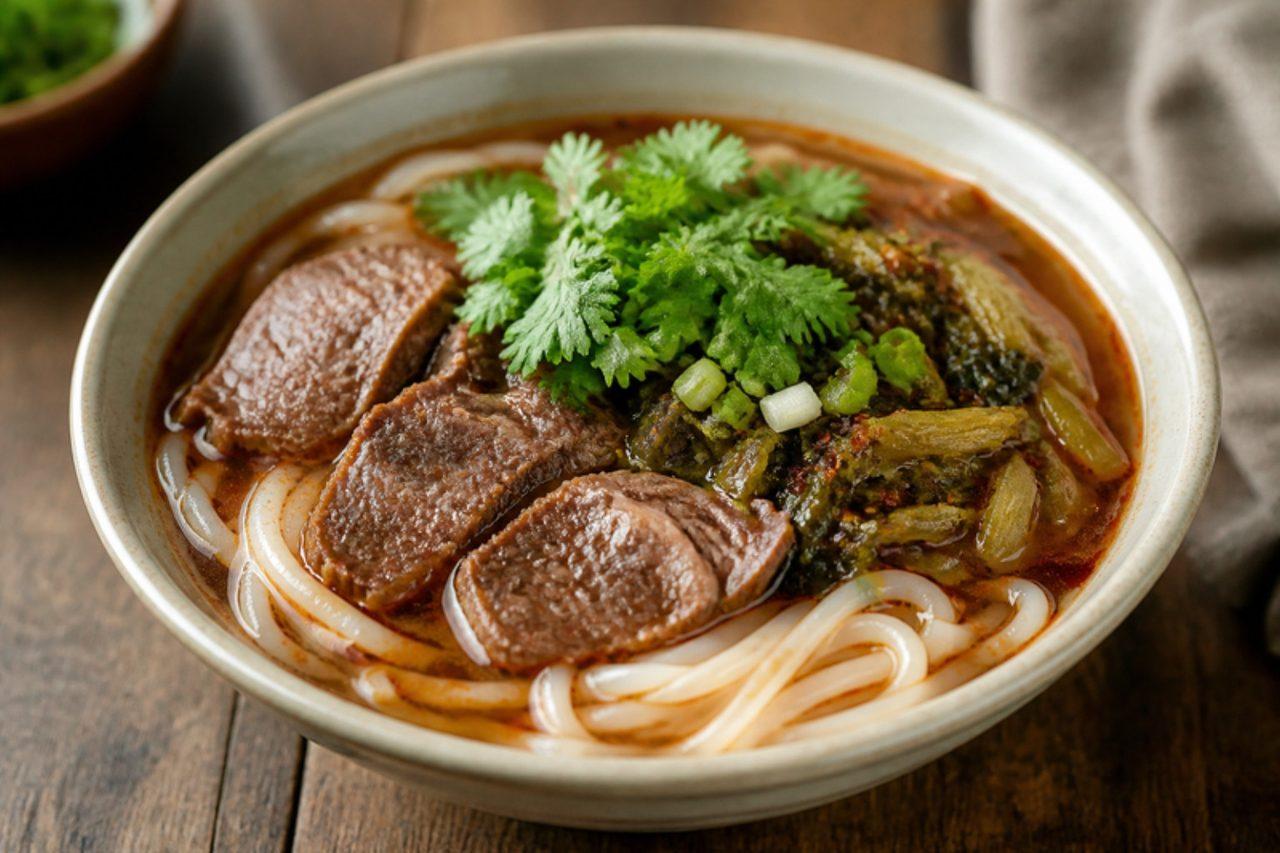
Huaxi beef noodlesBeef rice noodle soup

Breakfast in Guiyang means a steaming bowl of rice noodles at a counter, and the version from the Huaxi district on the city's southern edge is the one people queue for. Silky noodles sit in a clear, deeply beefy broth under slices of slow-cooked shin, and each diner finishes the bowl at the table from pots of tangy pickled mustard greens, toasted chilli and fresh herbs, so it is sour, spicy and savoury exactly to taste. The broth is light enough for the morning but rich in flavour. Serve it as a whole meal; a few extra pickles on the side are all it needs. Chef's tip: blanch the beef and rinse it before the long simmer; skipping this is the common mistake that leaves the broth cloudy and scummy.

by KrazyBadal 0 views

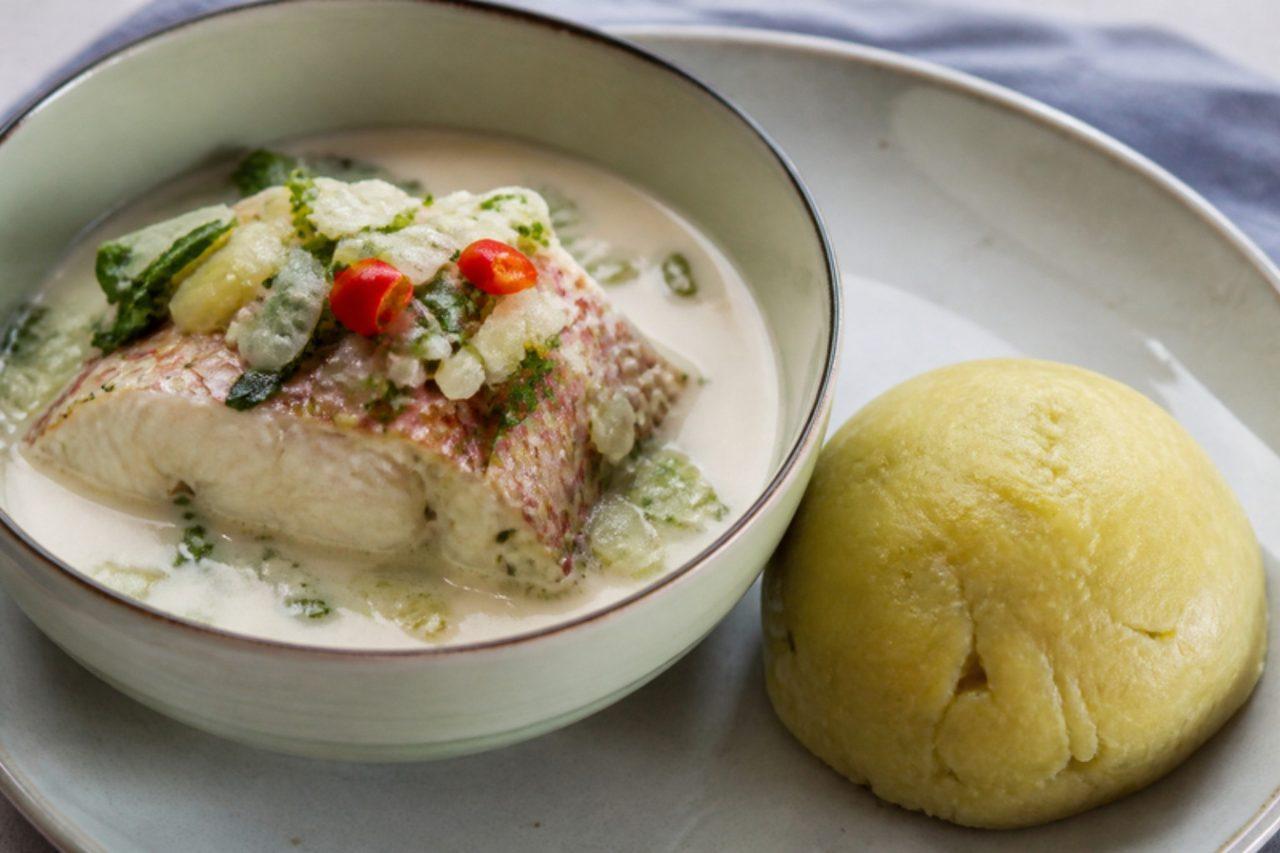
HudutFish in coconut broth with plantain

Hudut is the heart of Garifuna cooking on the Caribbean coast of Honduras, in towns such as Trujillo and La Ceiba, and in Belize and Guatemala's Livingston: whole fish or fish steaks simmered in a coconut broth (sere) with garlic, onion and herbs, served with a pounded mash of green and ripe plantains (fufu) that is dipped into the soup. The mistake is mashing only green plantain, which is heavy; a mix of green and a few ripe ones gives a slightly sweet, smooth mash. Chef's tip: fry the fish briefly before it goes into the broth so it holds its shape.

by KrazyBadal 0 views

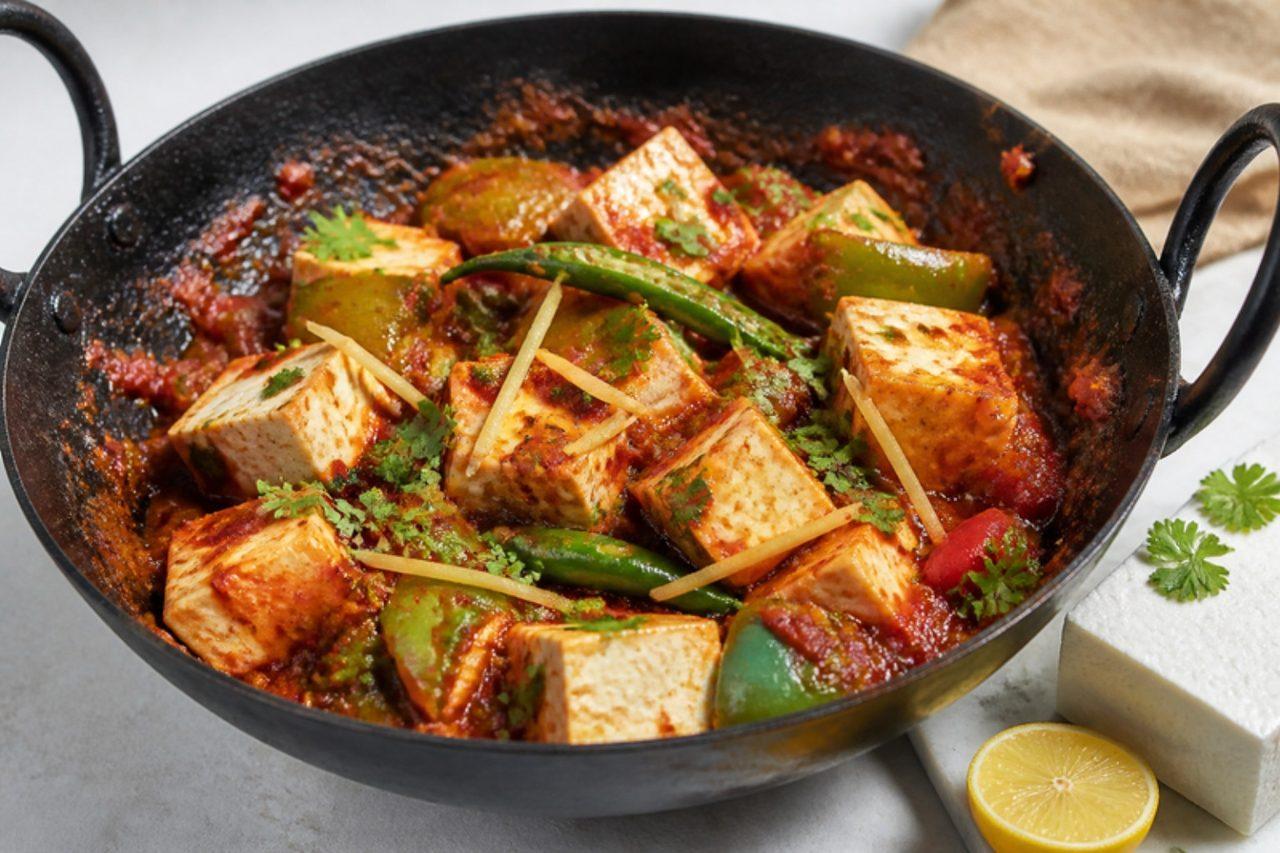
Paneer karahiPaneer in tomato and chilli gravy

Karahi is named after the heavy round-bottomed wok it is cooked and served in, and the roadside dhabas of Lahore and the Grand Trunk Road through Punjab are where it is at its loudest: a cook working three pans at once over a roaring flame, late at night, for tables of friends tearing naan. The Pakistani style is lean on spice and big on tomato, garlic, ginger, green chilli and crushed black pepper, with no onion and no cream, so the masala tastes bright and sharp rather than rich. Paneer takes the place of meat here and only needs warming through. The usual mistake is pouring in water to make more gravy; a karahi gets its sauce only from tomatoes cooked down until the oil comes back out. Chef's tip: crush the coriander seeds and black pepper yourself just before cooking; the coarse, fresh crunch is what makes it taste like a dhaba karahi.

by KrazyBadal 0 views

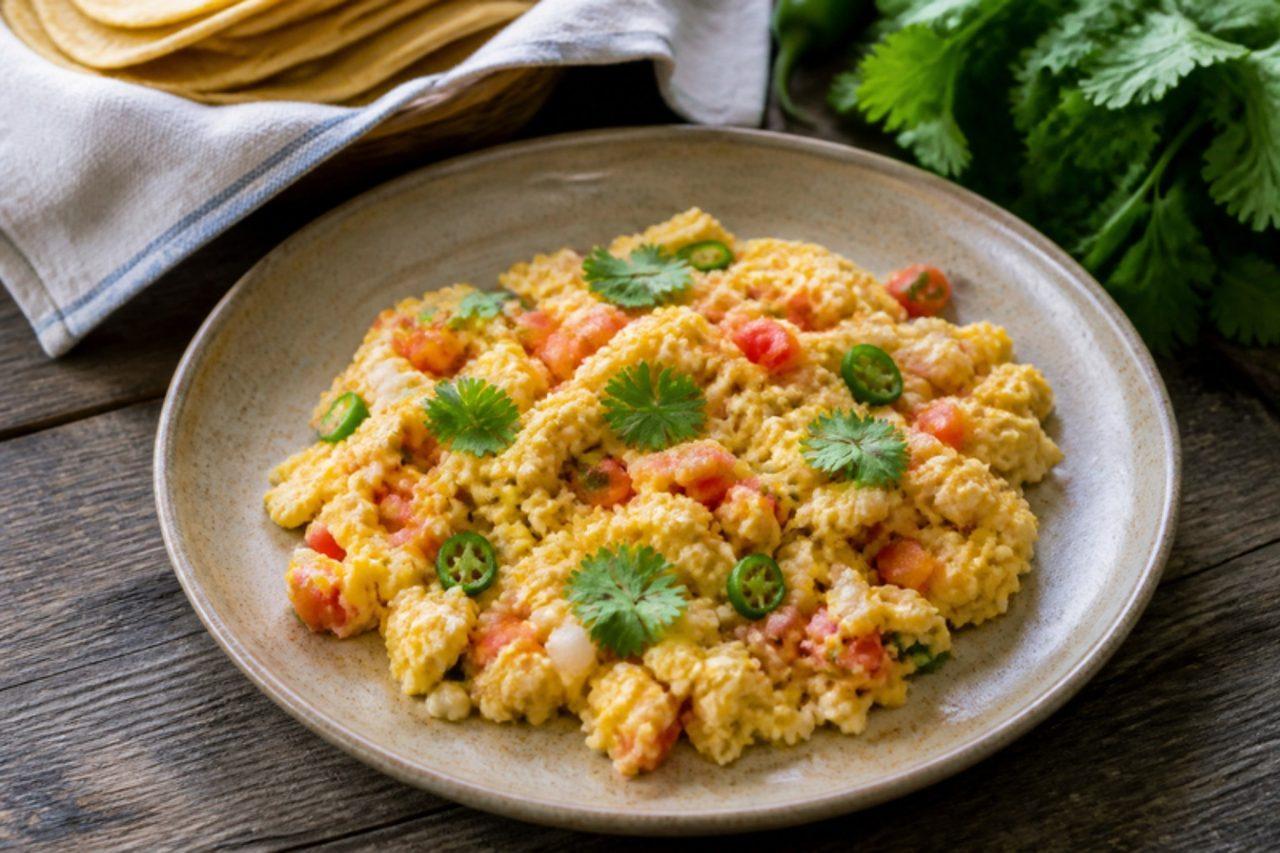
Huevos a la mexicanaScrambled eggs with tomato and chilli

Huevos a la mexicana is the everyday scrambled egg breakfast cooked in homes and fondas all over Mexico, named because its red tomato, white onion and green chilli match the colours of the Mexican flag. The vegetables are cooked just long enough to soften and release their juices, then the eggs are stirred through gently into soft, juicy curds with a fresh chilli kick. Serve with warm corn tortillas and refried beans, and make tacos at the table. Chef's tip: take the pan off the heat while the eggs still look a little wet; they keep cooking on the plate.

by KrazyBadal 0 views

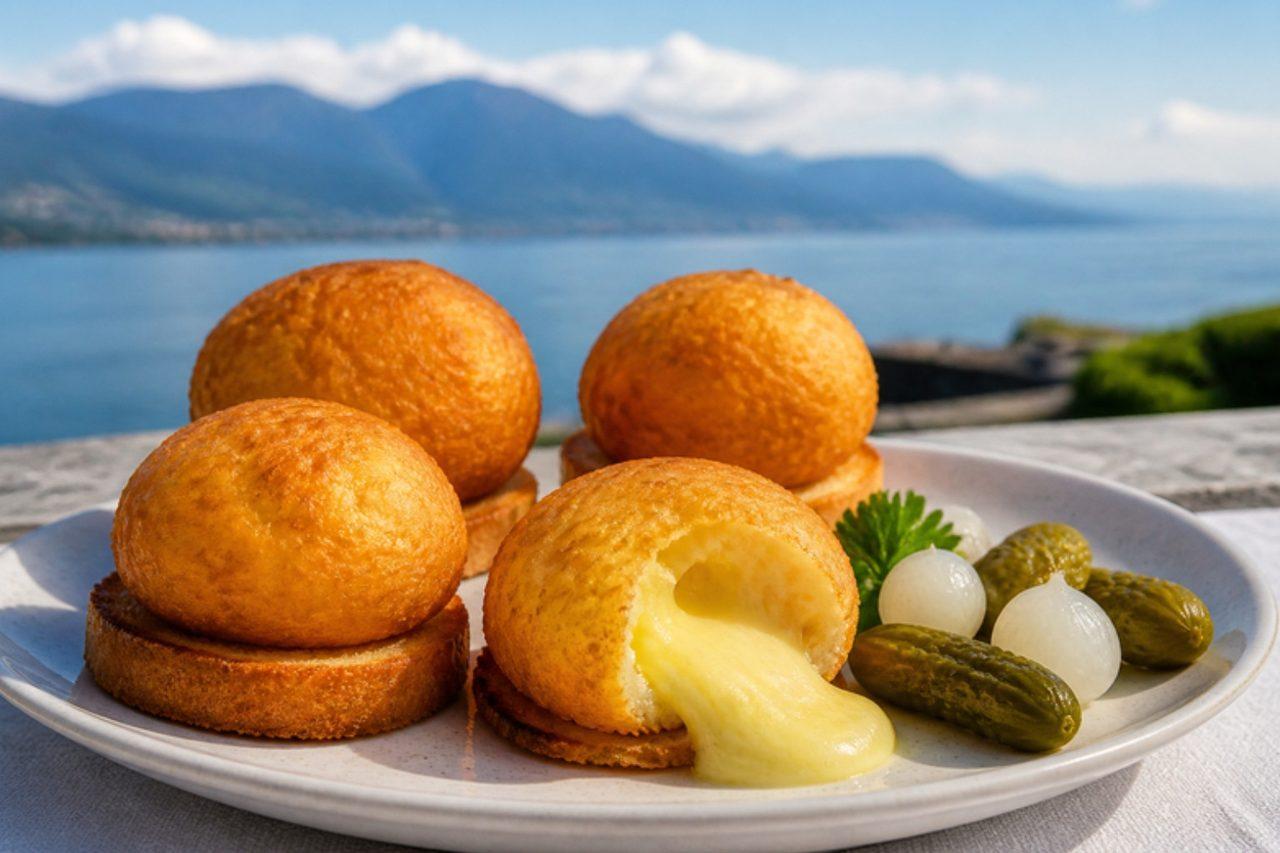
MalakoffCheese fritters

In the wine villages of La Côte above Lake Geneva, especially Vinzel, Bursins and Luins, a malakoff is a dome of Gruyère bound with egg and white wine, set on a round of bread and deep-fried until puffed and golden. The name is said to come from Swiss soldiers who fought at the siege of the Malakoff fort in the Crimean War and brought a taste for cheese fritters home. Locals eat them at village festivals and in pinte-style wine taverns with a glass of chilled Chasselas, cornichons and pickled onions. The crust shatters to a molten, gently stringy inside that tastes of wine and nutmeg. Use Gruyère made with vegetarian rennet. Chef's tip: press the cheese mixture firmly into a tall dome over the bread and chill it for 20 minutes before frying; it holds its shape in the hot oil instead of spreading.

by KrazyBadal 0 views

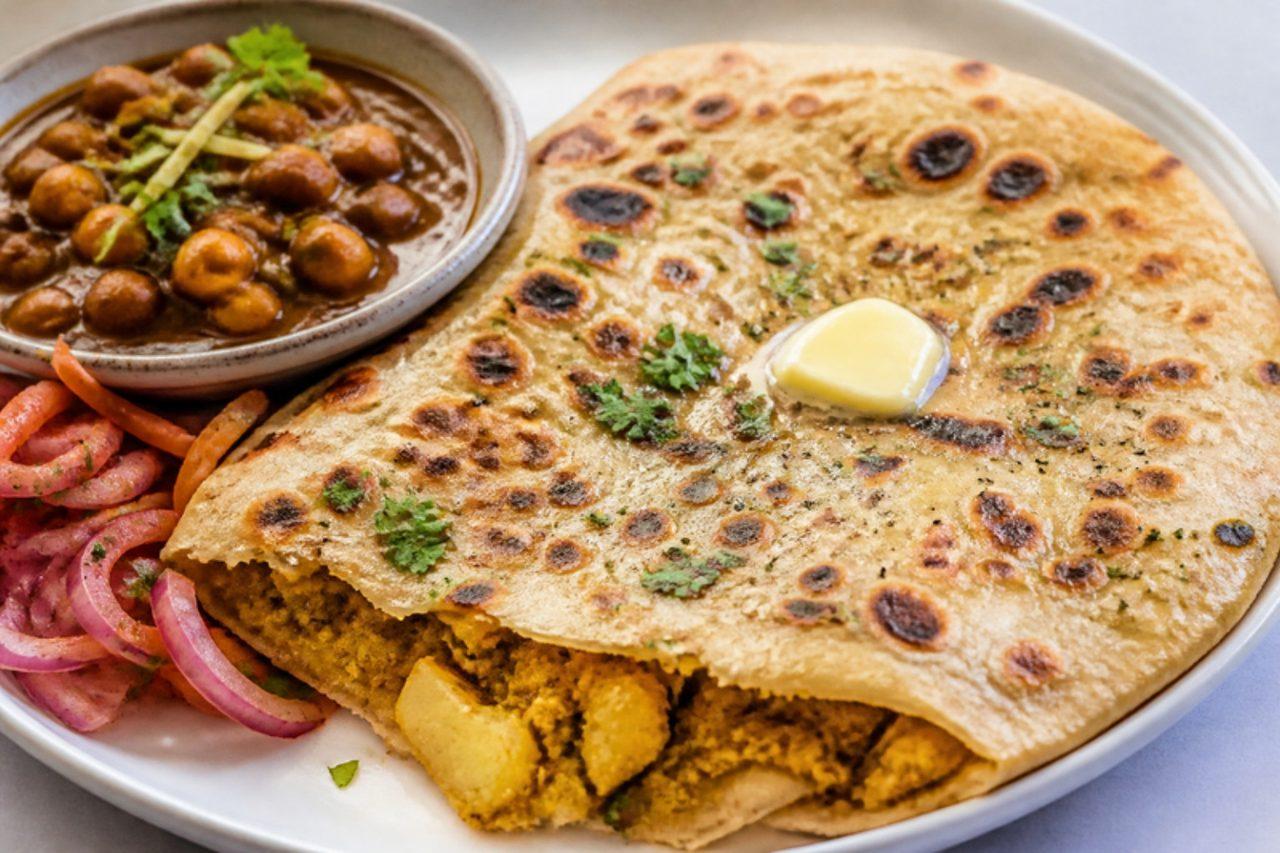
Amritsari kulchaStuffed flatbreads

Amritsari kulcha is the pride of Amritsar's dhabas in Punjab: a layered, leavened flatbread stuffed with potato, onion and sour pomegranate seed, slapped onto the wall of a tandoor and smothered in butter the moment it comes out. The outside shatters into crisp, flaky layers while the inside stays soft and steamy. In Amritsar it comes with a bowl of chole, a tangy onion-tamarind chutney and a glass of lassi. At home a very hot oven and a heavy tray stand in for the tandoor. Chef's tip: keep the filling dry and cool, with the onion squeezed of its juice, or the kulcha will tear and steam instead of turning crisp.

by KrazyBadal 0 views

Nagasaki castellaHoney sponge cake

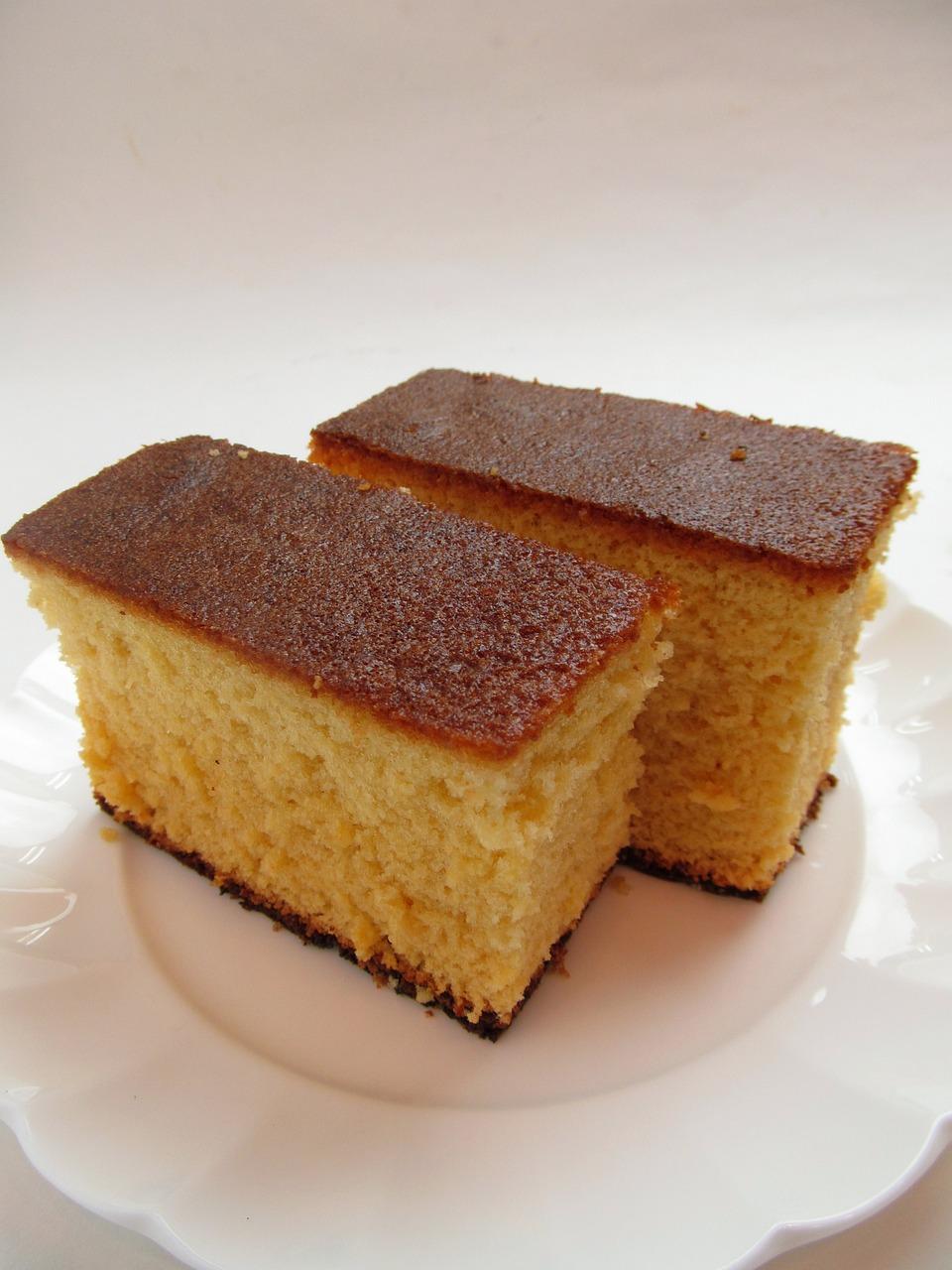
Castella arrived in Nagasaki with Portuguese traders in the 16th century, when the port was Japan's only window to Europe, and the name probably comes from 'pão de Castela', bread from Castile. Over 400 years Nagasaki's bakers turned it into something their own: a tall, fine-crumbed sponge made only of eggs, sugar, flour and honey, with a dark, sticky top and a layer of crunchy zarame sugar crystals at the bottom. It's still sold in long wooden boxes at old shops near the harbour and given as a formal gift. Cut it into neat slices and serve with green tea. Chef's tip: wrap the cake in cling film while still warm and rest it overnight. Its moist, springy texture develops as it rests.

by KrazyBadal 0 views

Huevos rancherosFried eggs on tortillas

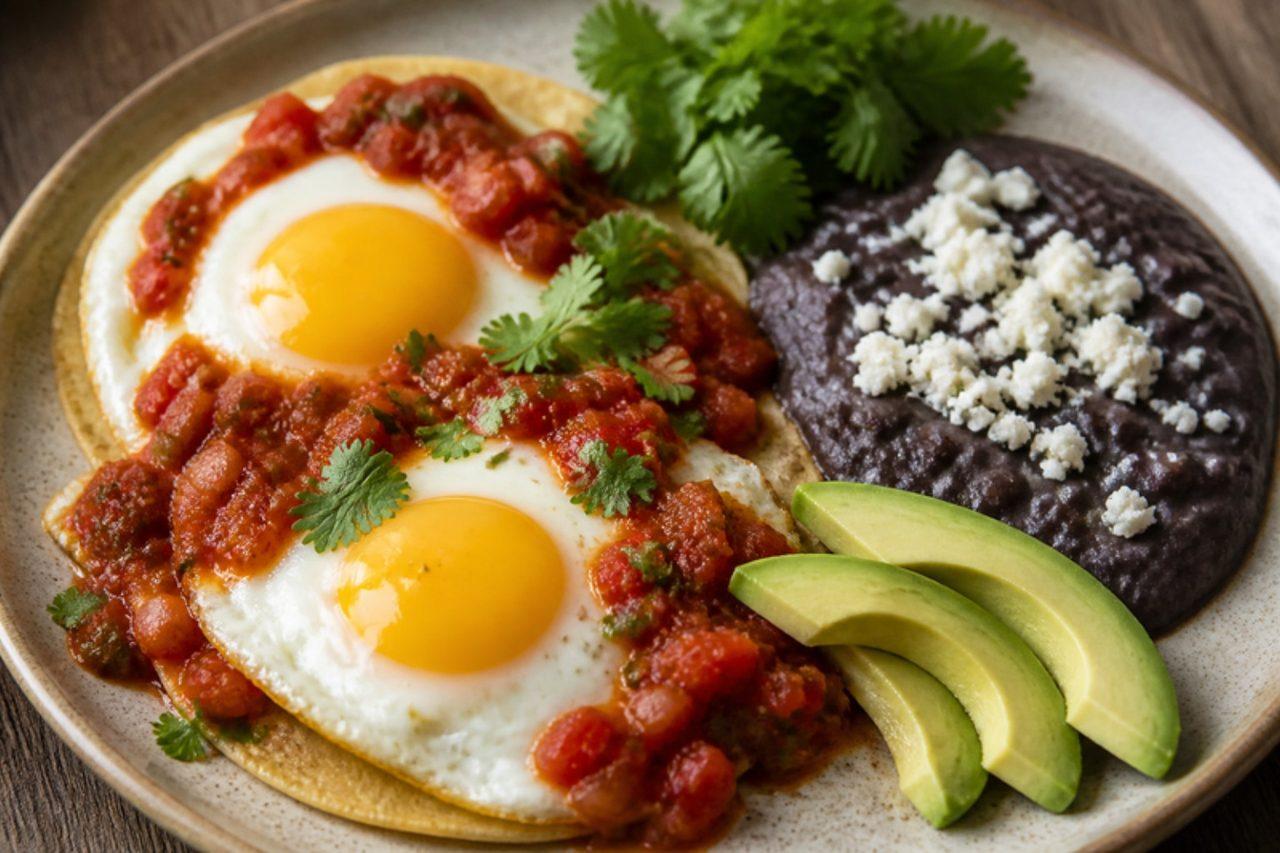
Huevos rancheros, 'ranch-style eggs', is the big country breakfast eaten all over Mexico: corn tortillas briefly fried in oil, topped with fried eggs and drowned in salsa ranchera, a warm, chunky sauce of charred tomatoes and serrano chillies, with refried beans on the side. The runny yolks mix with the spicy tomato sauce and the soft tortilla soaks it all up. Serve with avocado and coffee. Choose queso fresco made with vegetarian rennet. Chef's tip: fry the tortillas only for a few seconds a side; you want them pliable with crisp edges, not hard like tostadas, so you can cut them with a fork.

by KrazyBadal 0 views

ChamponSeafood noodle soup

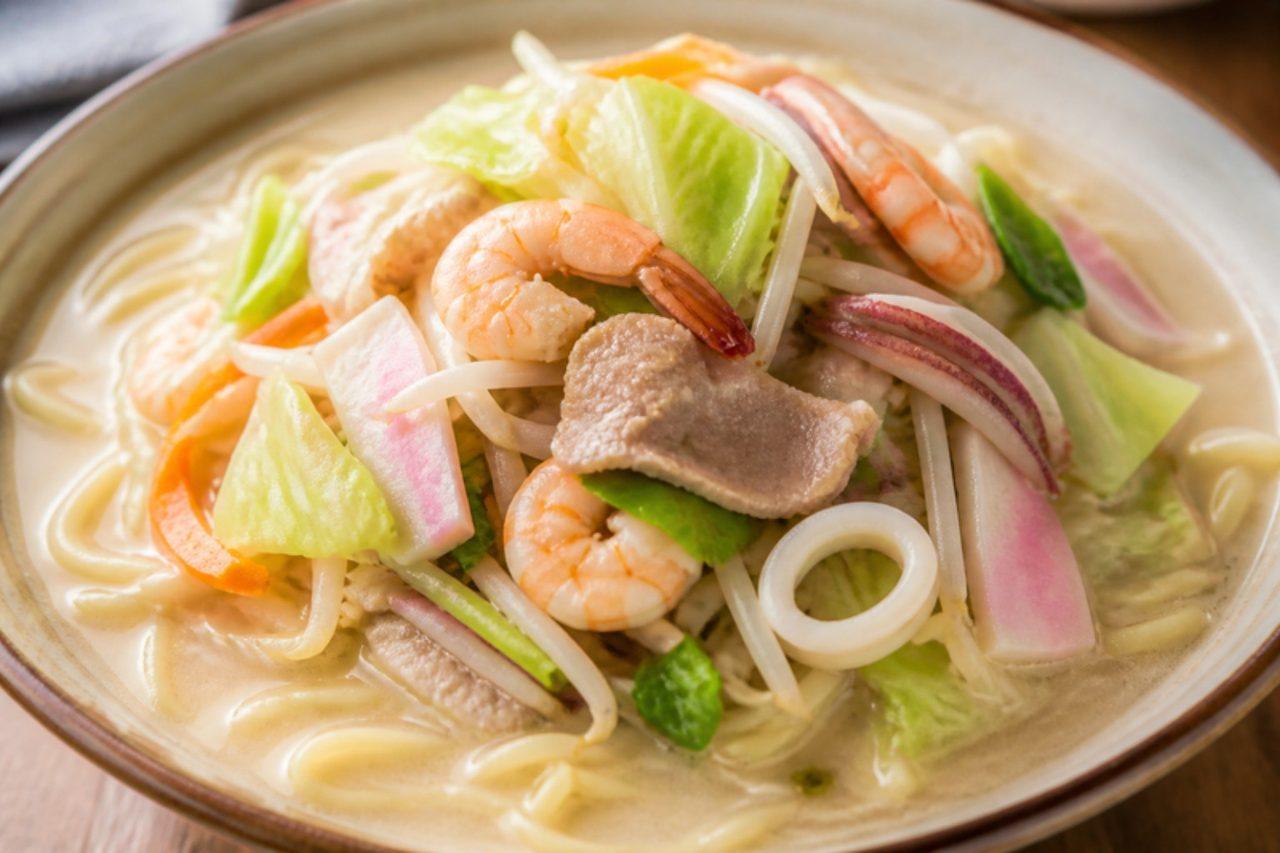
Champon belongs to Nagasaki, the port that stayed open to Chinese and Dutch traders for centuries. It was created there at the end of the 19th century by a Chinese restaurant owner who wanted a cheap, filling meal for Chinese students, and the city's Chinatown still serves it in huge bowls. Pork, squid, prawns, fishcake and a pile of cabbage are fried in one wok, then the stock goes in and the thick noodles cook right in the soup. Restaurants make the cloudy broth from long-boiled pork and chicken bones; at home a little milk gives the same mellow, creamy look. Chef's tip: fry everything over the highest heat in small batches; the slight scorch on the cabbage and pork is what flavours the soup.

by KrazyBadal 0 views

Humita en chalaSteamed corn and squash parcels

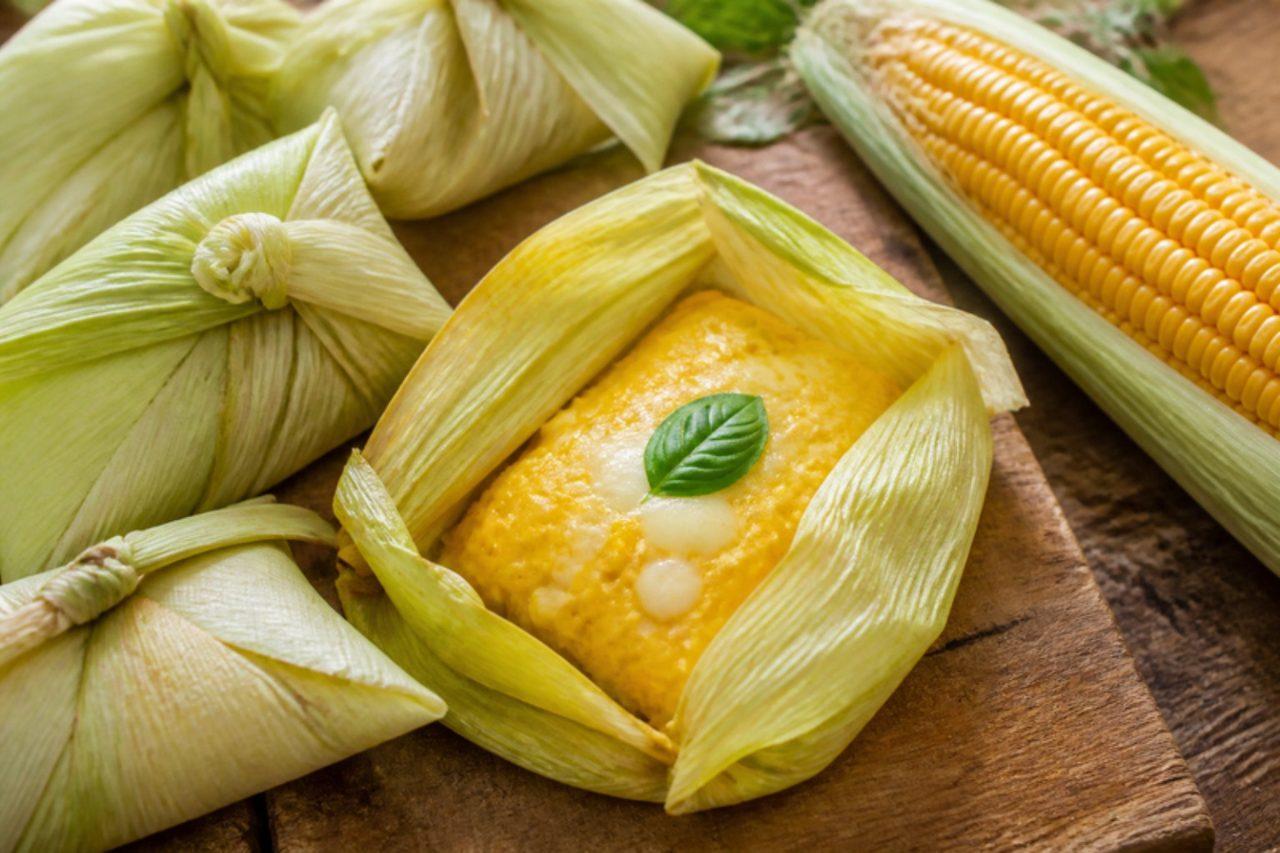
In Salta, Jujuy and Tucumán in Argentina's Andean northwest, humitas are made in late summer when the corn is young and milky. Fresh kernels are grated off the cob and cooked with onion, red pepper, squash and a little sweet paprika, then bound with cheese, wrapped in the fresh green husks (chala), tied with strips of husk and simmered. They come out soft, sweet and savoury, like a delicate corn pudding. Chef's tip: grate the corn on a box grater; it releases the milky juice that sets the humita, which cut kernels never will.

by KrazyBadal 0 views

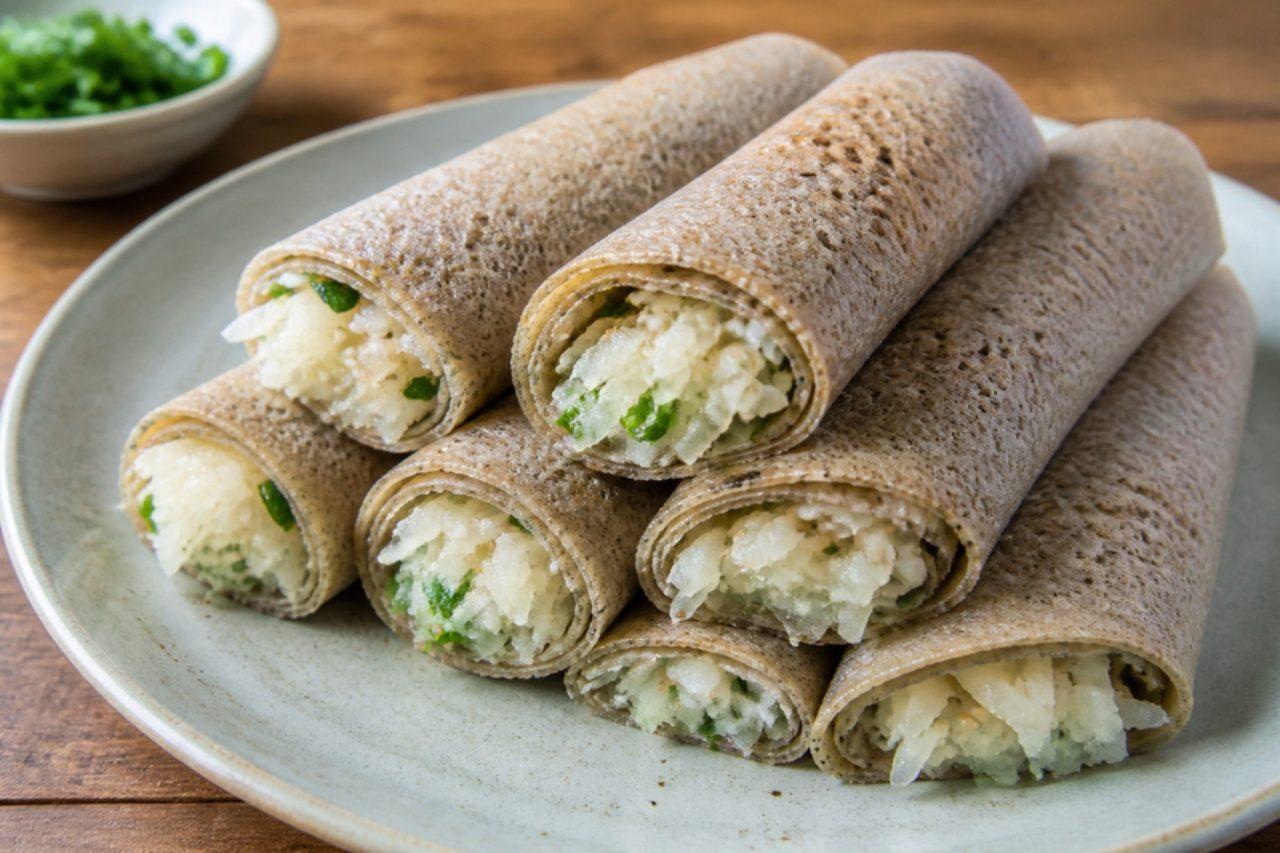
BingtteokBuckwheat crepe rolls with radish

Bingtteok (빙떡) comes from Jeju island, where volcanic soil grew buckwheat and radish better than rice. Thin, almost translucent buckwheat crêpes are rolled around a filling of blanched radish seasoned only with salt, sesame and spring onion. The flavour is gentle and nutty, and it was traditionally brought to funerals, weddings and village gatherings, sometimes with a cup of makgeolli. Today you find it at Jeju's Dongmun and Seogwipo markets beside more fiery snacks. Chef's tip: pour a little batter and swirl the pan fast, or spread it with the back of a ladle; bingtteok crêpes should be so thin you can almost see through them.

by KrazyBadal 0 views

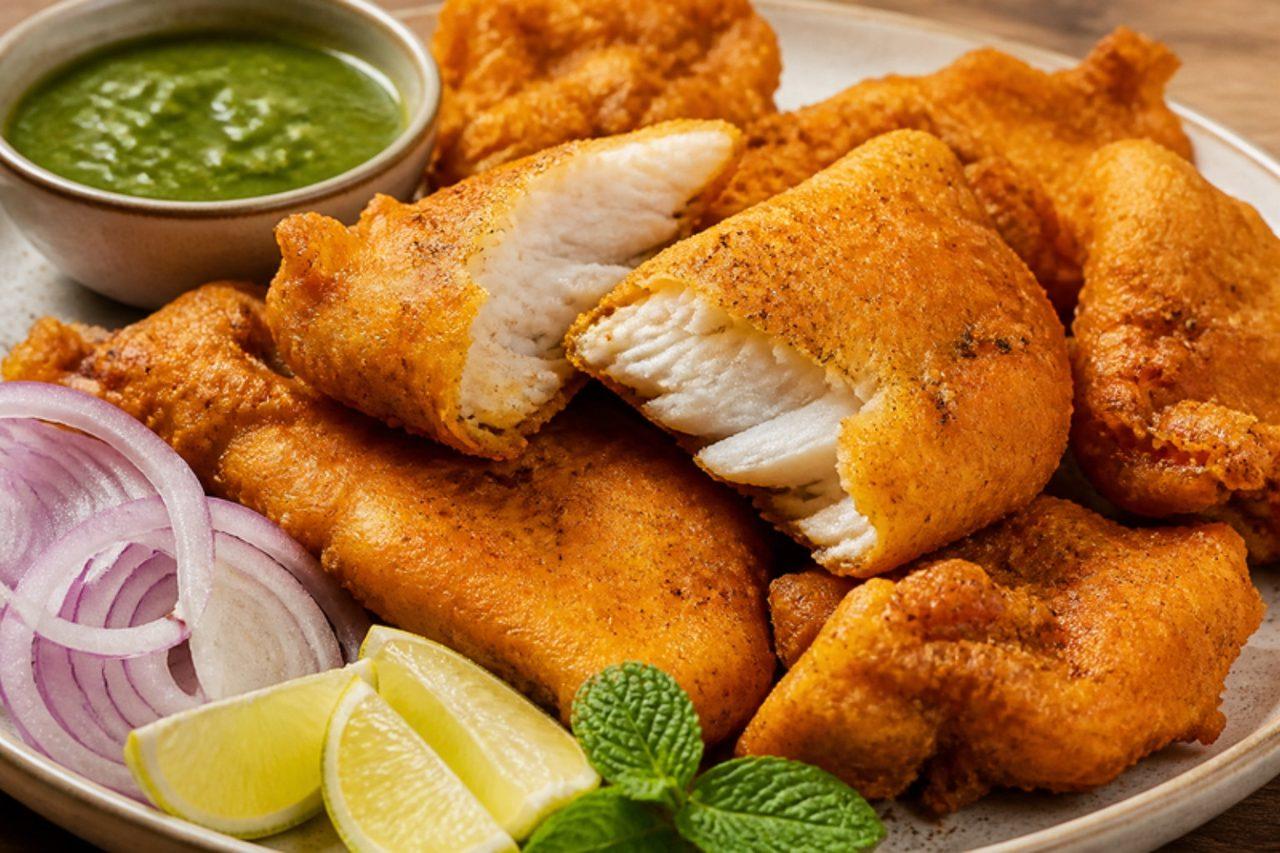
Amritsari fishCrisp fried fish

On winter evenings in Amritsar, roadside stalls near the old city fry river fish in huge karahis and sell it by weight, hot and crisp, sprinkled with chaat masala and lemon. The batter is made from gram flour rather than wheat and is fragrant with ajwain (carom seeds), which Punjabis say makes fried food easier to digest. It is a snack or starter, eaten with mint chutney and sliced onions; at home it is the treat that comes out when guests arrive. Use any firm white fish: singhara is traditional, but cod, haddock, basa or tilapia all work. Chef's tip: a little rice flour in the batter is what keeps it crisp for longer after frying.

45 minIndianFishGluten freeSpicy
by KrazyBadal 0 views

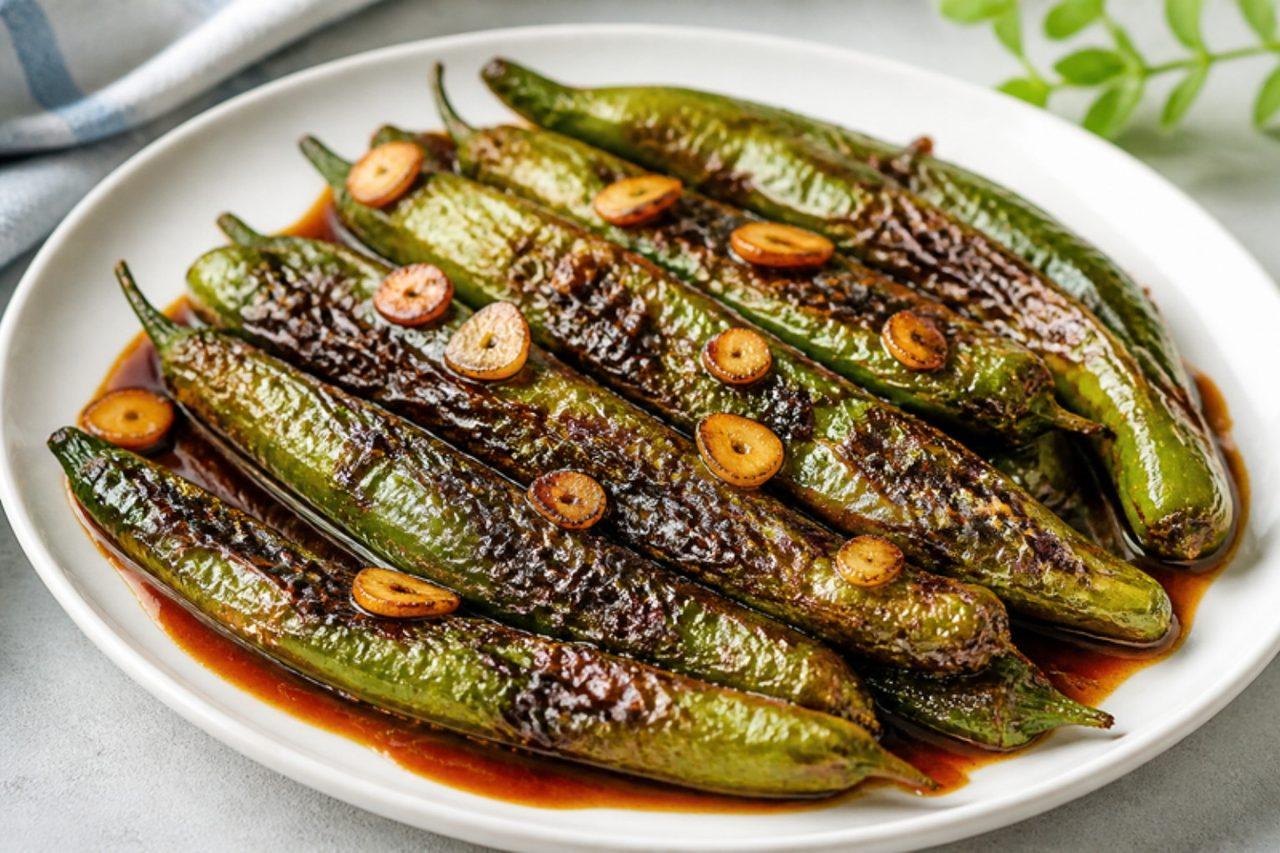
Hunan tiger-skin peppersBlistered green chillies in sweet-sour glaze

Hu pi jian jiao, 'tiger-skin peppers', is everyday home cooking in Hunan, the province famous for loving chilli even more than Sichuan does. Long green peppers are pressed into a hot, dry wok until their skins blacken in stripes like a tiger's coat, then glazed with soy, black vinegar and a touch of sugar. In Changsha it's eaten with plenty of rice, which tames the heat. Chef's tip: press the peppers flat with a spatula as they cook so the whole skin touches the iron and blisters evenly.

by KrazyBadal 0 views

Hünkar beğendiLamb on smoked aubergine purée

Hünkar beğendi is a dish from the Ottoman palace kitchens of Istanbul; its name means 'the sultan was pleased', and a well-known story links it to a royal banquet of the 1860s. Today it is a special Sunday or guest dish in Istanbul homes and old-style lokanta restaurants. Tender chunks of lamb are braised slowly with tomato and peppers, then spooned over beğendi, a silky purée of fire-charred aubergine whisked into a light cheese sauce. The smoky, creamy base against the rich stew is the whole point. Chef's tip: char the aubergines directly over a gas flame until the skins are black and collapsing; the oven alone won't give that smoky flavour.

150 minTurkishMeat
by KrazyBadal 0 views

Moravské koláčeFilled yeast buns

In the villages of South Moravia and Wallachia, nobody gets married without a mountain of koláče: small round yeast buns with a deep hollow filled with sweetened poppy seed, vanilla quark or povidla (thick plum butter), each crowned with buttery posypka crumble. Relatives bake hundreds for the wedding and send guests home with boxes of them, and they turn up again at village fairs (pouť) and Sunday coffee. Chef's tip: press the hollow deep and wide just before filling; the dough rises again in the oven, and a shallow dip pushes the filling over the edge.

by KrazyBadal 0 views

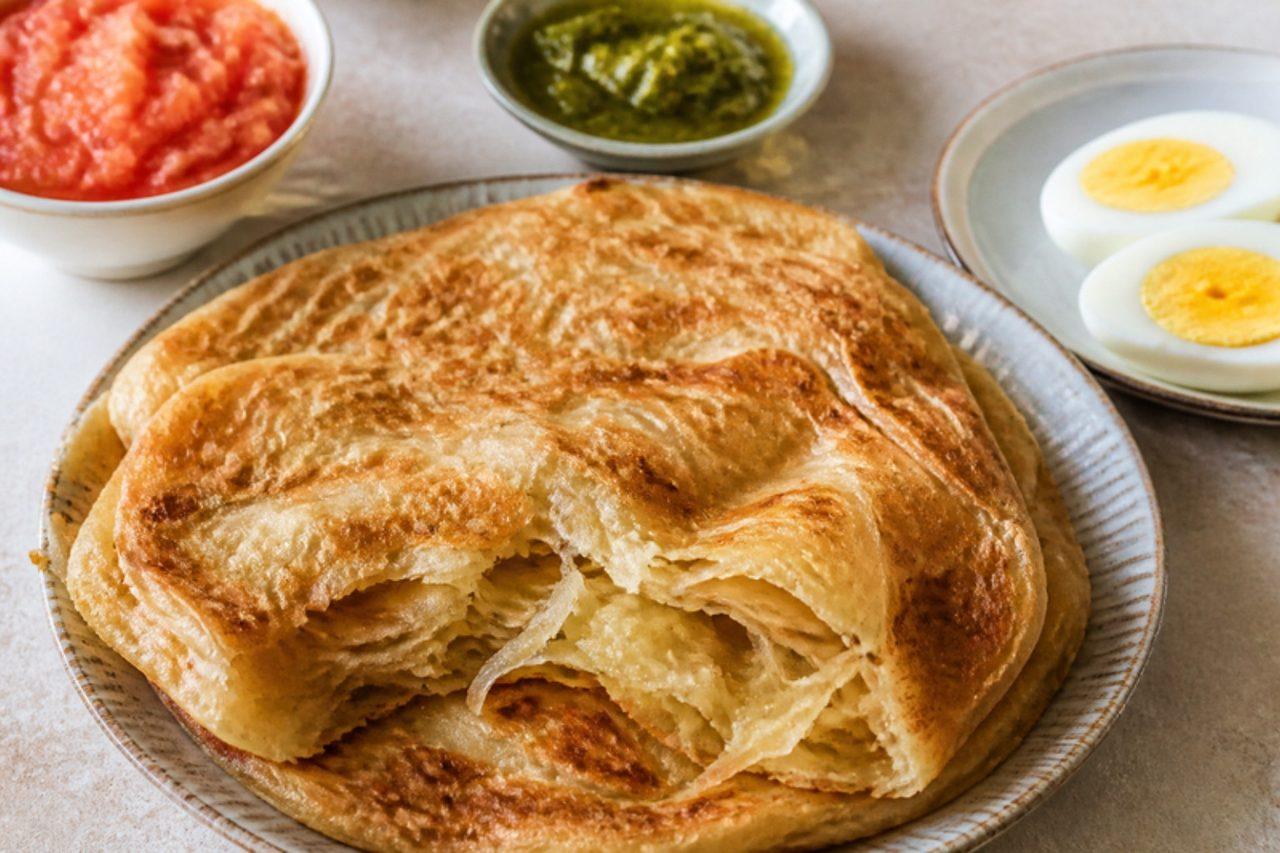
MalawachFlaky fried flatbread

Malawach is the Yemenite Jewish flatbread that turned into an Israeli freezer staple: round, buttery layers fried in a pan until they shatter, eaten for breakfast or a late supper with sweet-sour grated tomato, zhug and a hard-boiled egg. In Israel almost everyone buys the frozen rounds from the supermarket and fries them in minutes, the way this recipe does; the dough is the same rolled, butter-layered dough as jachnun, just fried instead of baked. Some families sprinkle sugar or drizzle honey for a sweet version. Chef's tip: fry the frozen rounds straight from the freezer; thawed ones turn sticky and lose their layers.

by KrazyBadal 0 views

BagnetCrispy fried pork belly

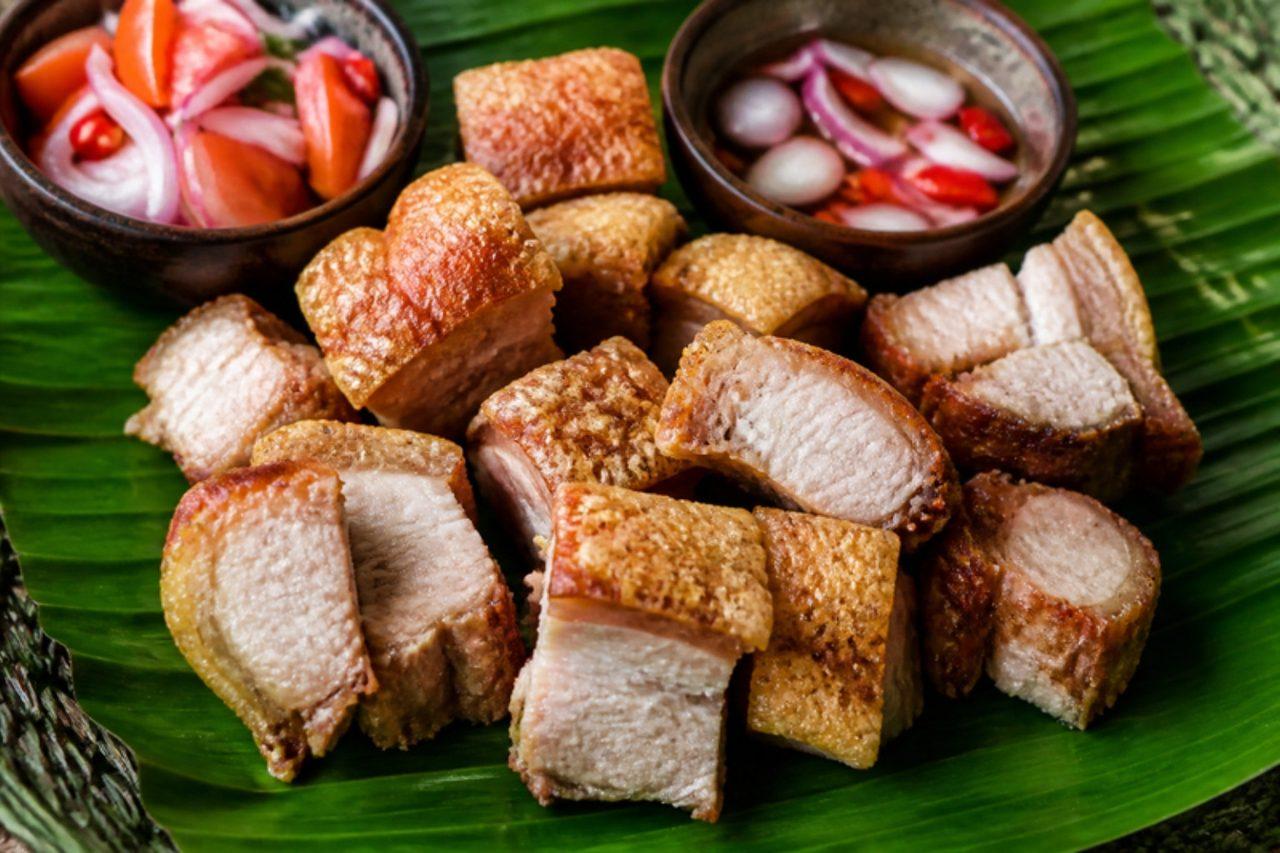
Up in Ilocos Norte and Ilocos Sur, in towns like Vigan and Batac, bagnet hangs in market stalls in golden slabs: pork belly that has been boiled, dried and deep-fried so the rind is puffed and crunchy all the way through. Ilocanos chop it into rice bowls, add it to pinakbet and dinengdeng, or eat it with sukang Iloco, the region's dark sugarcane vinegar. It is richer and crunchier than lechon kawali because it is fried twice. A tomato and onion salad with a little shrimp paste cuts the fat. Chef's tip: the second fry, in hotter oil after a rest, is what makes the rind bubble; skip it and you get chewy skin.

150 minFilipinoMeatGluten free
by KrazyBadal 0 views

HutspotCarrot, onion and potato mash

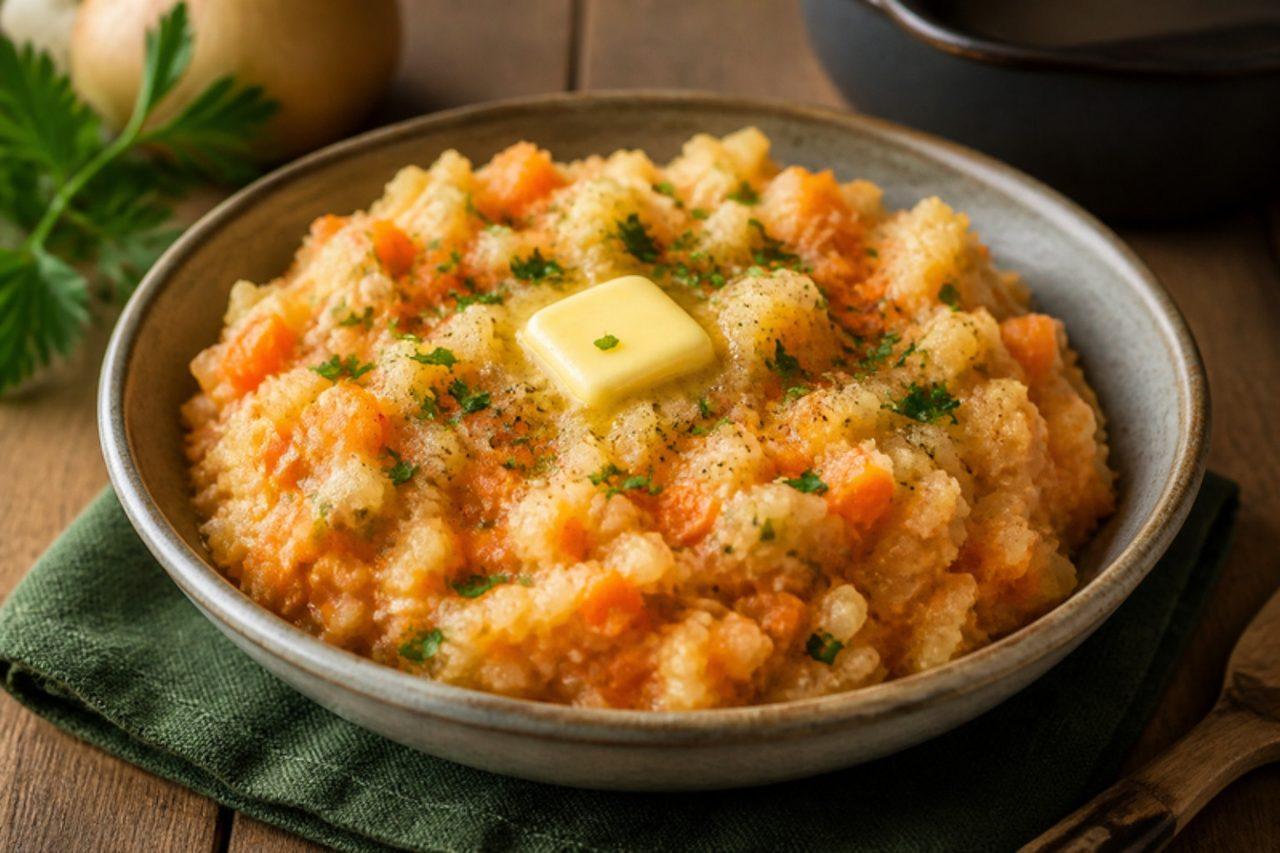
Every year on 3 October the city of Leiden celebrates Leidens Ontzet, the end of the Spanish siege of 1574, and the whole town eats hutspot. The story goes that a hungry boy found a pot of stewed root vegetables left behind in the abandoned Spanish camp. Today it is a rough, orange mash of winter carrots, onions and potatoes boiled together in one pot, then stamped coarsely with butter. In the rest of the Netherlands it turns up all autumn and winter as a weekday supper. It is traditionally served with slow-braised beef (klapstuk); here it goes with a fried egg or a spoon of piccalilli, which suits it just as well. Chef's tip: layer the vegetables with the potatoes on top and the carrots at the bottom, in just enough water to reach the potatoes; the potatoes steam, the carrots soak up the flavour of the onions, and nothing turns watery.

by KrazyBadal 0 views

Hyderabadi Irani chaiCreamy milk tea

Irani chai came to Hyderabad with Persian migrants who opened cafés across the old city, and it is now the city's signature drink, poured at all hours in places around the Charminar, often with Osmania biscuits or a bun maska. Unlike masala chai, it has no spices: strong tea is brewed slowly in a sealed pot (dum), while full-fat milk is simmered separately with a little khoa until thick and creamy. The two are mixed only in the cup, giving a rich, mellow, slightly sweet tea. Chef's tip: seal the tea pot lid with a little dough or foil, as the cafés do, so the brew steeps without losing steam or strength.

by KrazyBadal 0 views

Amritsari aloo wadiyanPotato and lentil dumpling curry

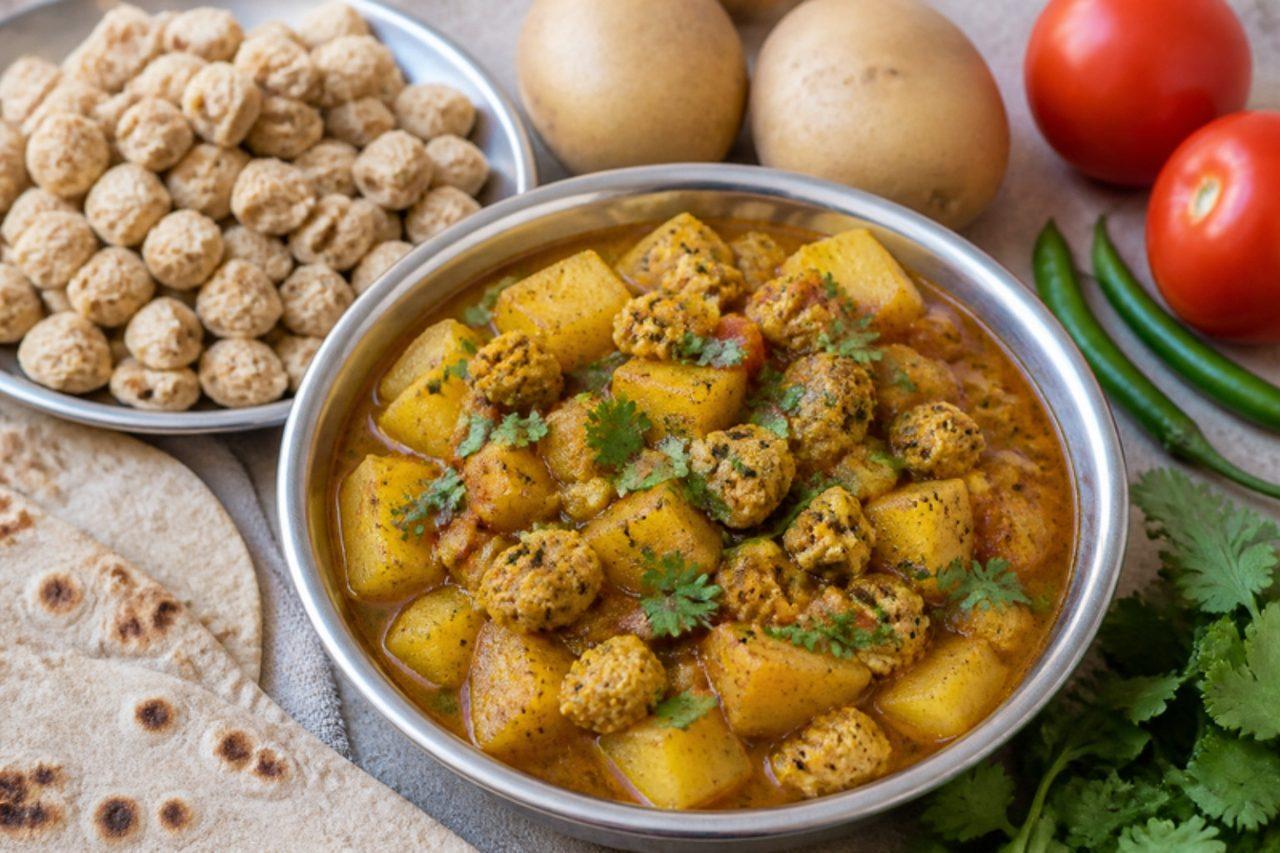
Every winter, rooftops in Amritsar's old city are covered with trays of wadiyan: little cones of spiced urad-dal paste studded with black pepper and dried in the sun until rock hard. Punjabi homes break them into chunks, fry them until they smell nutty, and simmer them with potatoes in a mustard-oil gravy. The wadiyan soften into chewy, spicy, almost meaty pieces, and the potatoes soak up their pepper. It is everyday comfort food, eaten with hot phulkas or rice and a raw onion on the side. Chef's tip: wadiyan are already salted and spiced, so add salt only at the end, after tasting.

by KrazyBadal 0 views

Hyderabadi khatti dalTangy tamarind dal

Khatti dal, 'sour dal', is the everyday dal of Hyderabad's old city, cooked in Muslim and Telugu homes alike and ladled over plain rice with a fried papad and a dry vegetable on the side. Toor dal is cooked with tomato and green chilli, mashed smooth, soured with tamarind and finished with a sizzling bagaar of garlic, dried red chillies, cumin and curry leaves. It is thinner and sharper than a north Indian dal, and on Fridays it often sits next to a biryani as the comforting partner. Chef's tip: let the garlic in the bagaar turn properly golden before pouring it over; pale garlic tastes raw and harsh in a sour dal.

by KrazyBadal 0 views

Hyderabadi lukhmiSpiced filled pastries

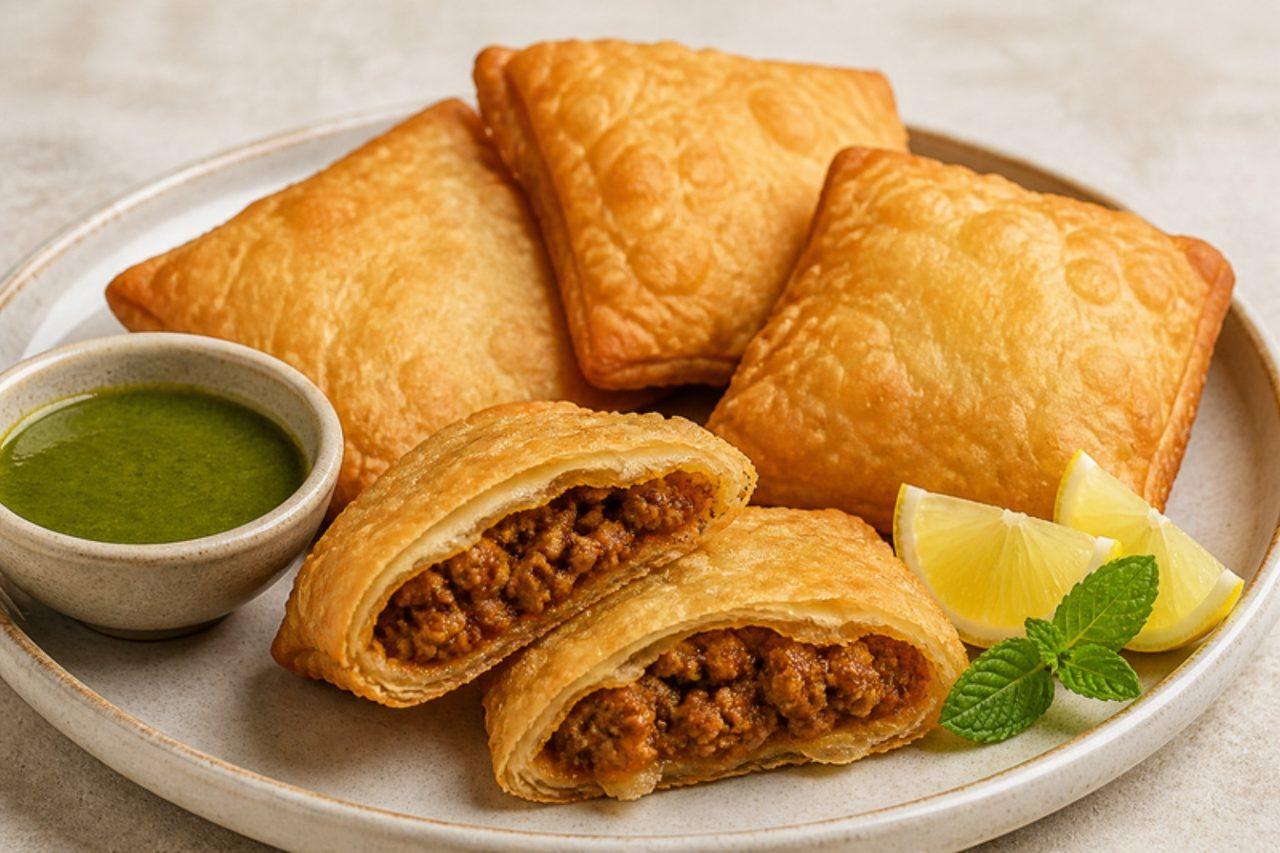
Lukhmi are Hyderabad's answer to the samosa: flat, square, crisp little pastries with a filling of spiced mutton keema, fork-crimped at the edges. In the Deccani homes of the old city they are a fixture of wedding dinners and the evening iftar table in Ramadan, and a plate of them often arrives with Irani chai at the city's old cafés. They can be shaped a day ahead and fried just before guests come. Chef's tip: cook the keema until completely dry and let it cool fully; a damp or warm filling makes the pastry burst in the oil.

by KrazyBadal 0 views

Arroz doceRice pudding

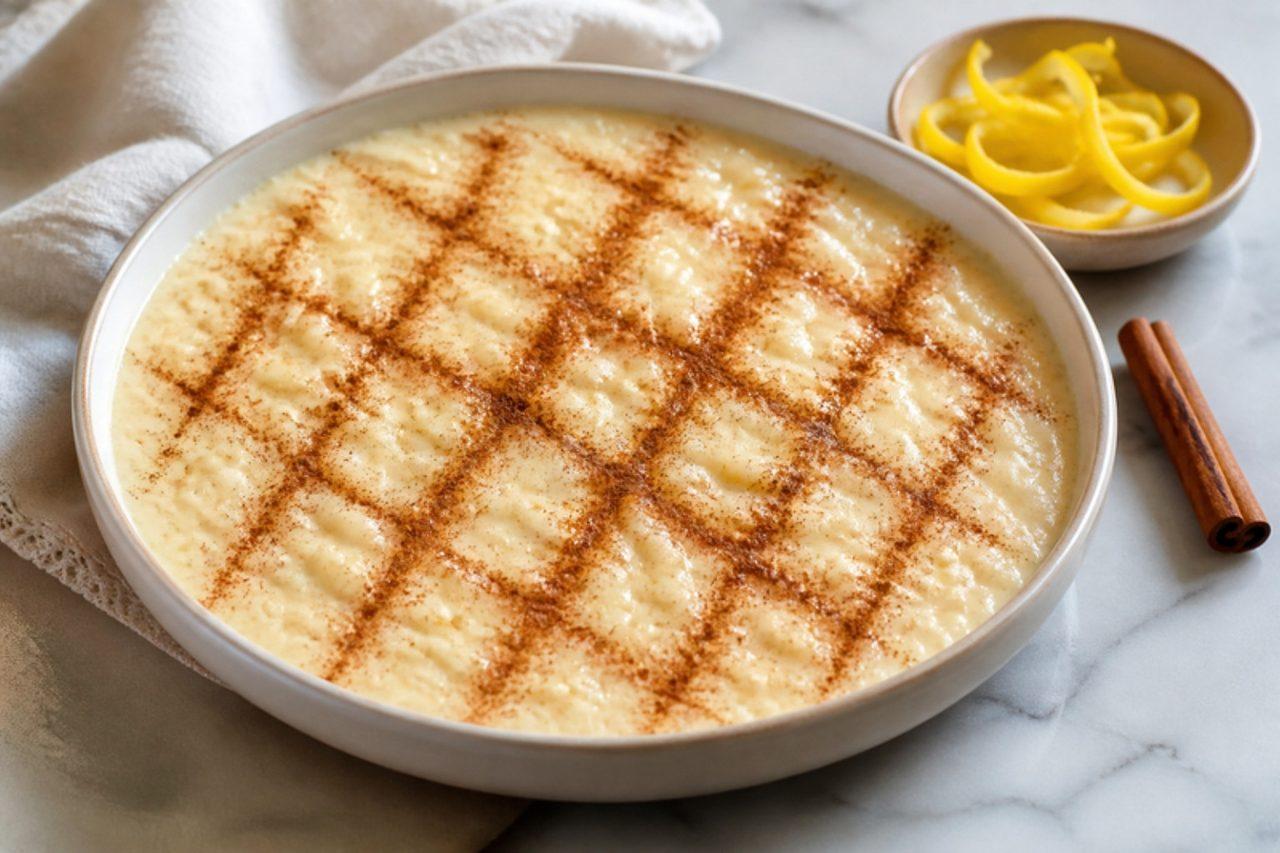
Arroz doce is set out on every Portuguese table at Christmas, at weddings and at the summer romarias (village saints' festivals) of the Minho, poured into wide, shallow platters and dusted with cinnamon in lattices, initials or little hearts. Short-grain carolino rice is first boiled in water with lemon peel and cinnamon, then simmered slowly in milk and sugar, and finally thickened off the heat with egg yolks, which turns it pale gold and custardy; that last step is what sets it apart from Spanish or Mexican rice puddings. It is eaten cold or at room temperature, by the spoonful straight from the platter. Chef's tip: cook the rice in water first until it has swollen, and only then add the milk; starting in milk scorches easily and leaves the grains firm in the middle.

by KrazyBadal 0 views

Pastel mandi'oCassava turnovers with beef

Pastel mandi'o are the golden half-moons sold at bus stations and street stalls all over Paraguay, especially in Asunción and around Holy Week: a soft dough of cooked cassava (mandi'o in Guaraní) and a little corn flour, wrapped round minced beef with onion, pepper, boiled egg and cumin, then fried. The mistake is a wet cassava dough that sticks and tears; drain the cassava well and add starch until it is smooth and pliable. Chef's tip: shape them between two sheets of cling film, which stops the soft dough sticking to the worktop.

by KrazyBadal 0 views

JadohTurmeric rice with pork

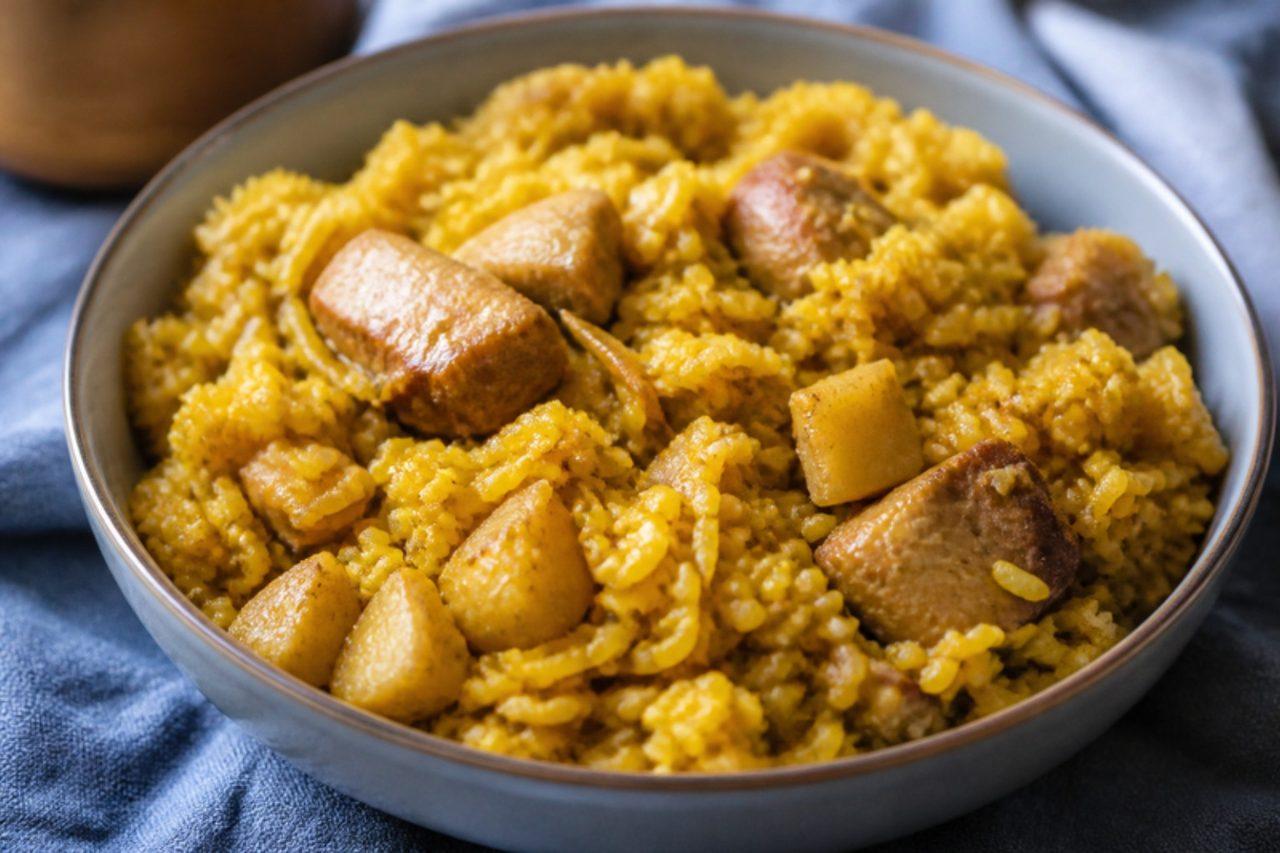
Walk through Police Bazaar in Shillong in the morning and you will find small jadoh stalls serving bright yellow rice cooked with pork, ginger and plenty of local Lakadong turmeric. For Khasi families it is breakfast, lunch and festival food all at once, usually eaten with a pork side such as doh khlieh and a sharp chutney. Village versions add pork blood or offal; this home version keeps to pork shoulder. Chef's tip: let the rice rest, covered, for ten minutes after cooking; the grains firm up and stop being sticky.

by KrazyBadal 0 views

Assida zgougouAleppo pine seed pudding

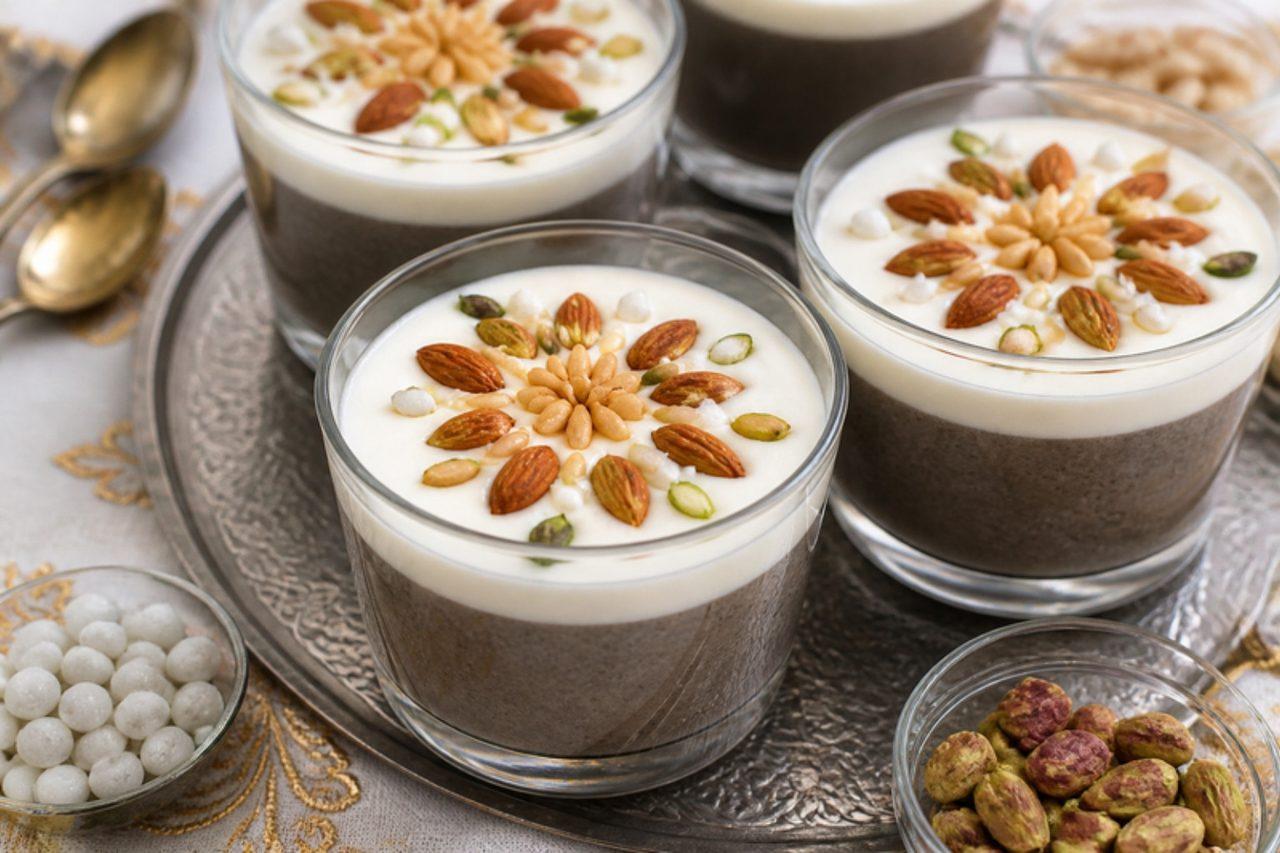
Assida zgougou is made in Tunisian homes once a year, for the Mouled (the Prophet's birthday): a dark, nutty pudding of Aleppo pine seeds (zgougou) cooked with flour and sugar, topped with a pale vanilla custard and decorated with almonds, pistachios, pine nuts and sugared almonds. Families make dozens of glasses to share with neighbours. Zgougou is sold in Tunisian and North African grocers; ground hazelnuts are a stand-in, though the taste is different. Chef's tip: strain the zgougou liquid through muslin twice; any grit ruins the smooth texture.

by KrazyBadal 0 views

Asperges à la flamandeWhite asparagus with egg and butter

In May and June, white asparagus from Mechelen and the sandy fields around Limburg arrive in Belgian markets, and asperges à la flamande (asperges op Vlaamse wijze) is the way to eat them. The pale spears are peeled and cooked until tender, then covered with a warm sauce of melted butter, chopped hard-boiled egg, parsley and nutmeg that is half sauce and half garnish. It is served as a starter in Flemish restaurants all through the short asparagus season, sometimes with a slice of ham alongside; here it stays meat-free. Chef's tip: peel the spears from just below the tip all the way down with a swivel peeler; white asparagus has a thick, bitter skin, and missing even a strip leaves woody threads.

by KrazyBadal 0 views

IkameshiRice-stuffed squid

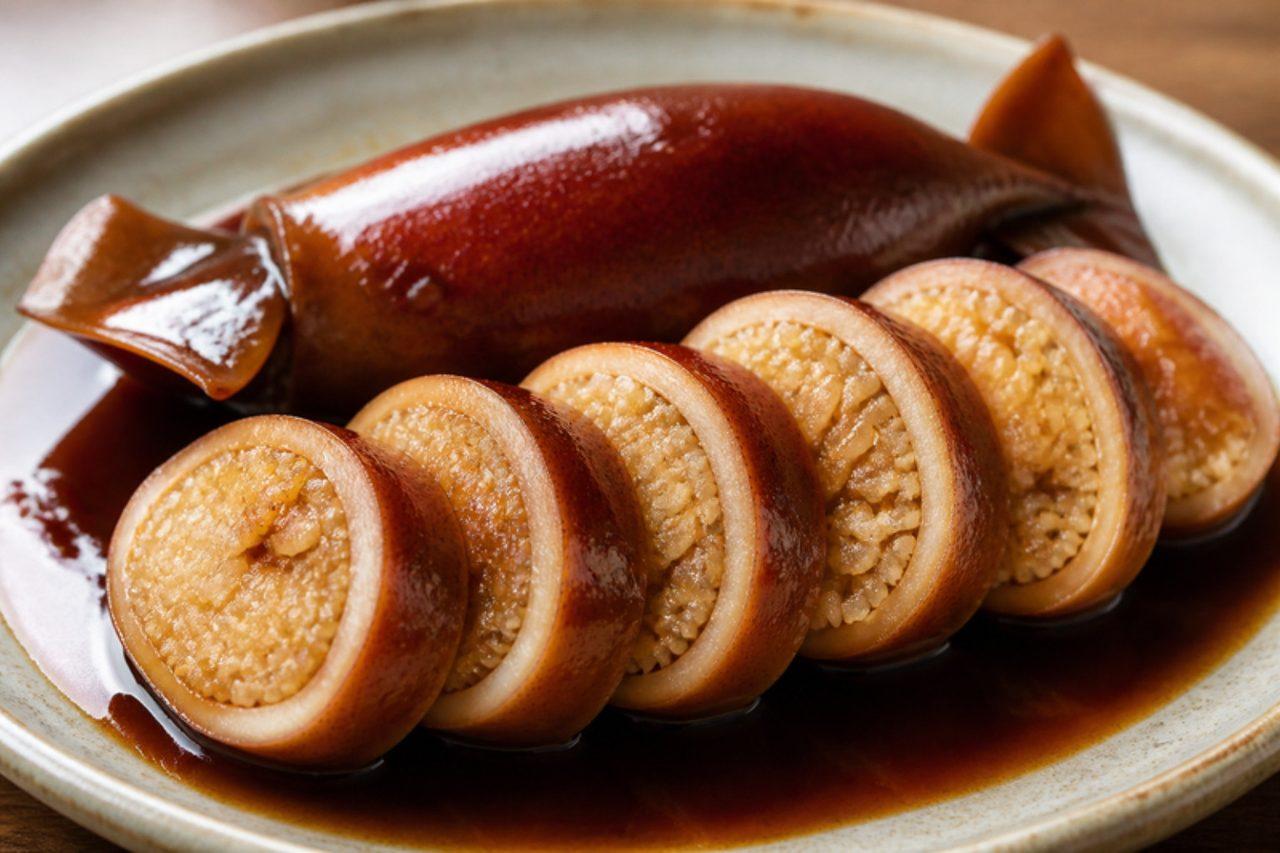
At Mori, a small fishing town on the railway north of Hakodate, ikameshi has been sold as a station lunchbox since the war years, when rice was scarce and squid was plentiful. It is still one of Japan's best-known station bentos and a star of the regional food fairs that department stores hold all over the country. Small squid are stuffed with soaked glutinous rice, pinned shut and simmered in a sweet soy sauce until the rice swells into a sticky, savoury filling. Slice them into rounds to serve warm or at room temperature. Chef's tip: use small squid with bodies about 15 cm long, as larger ones need longer cooking and turn rubbery before they soften again.

by KrazyBadal 0 views

Ikan bakarGrilled fish with sambal

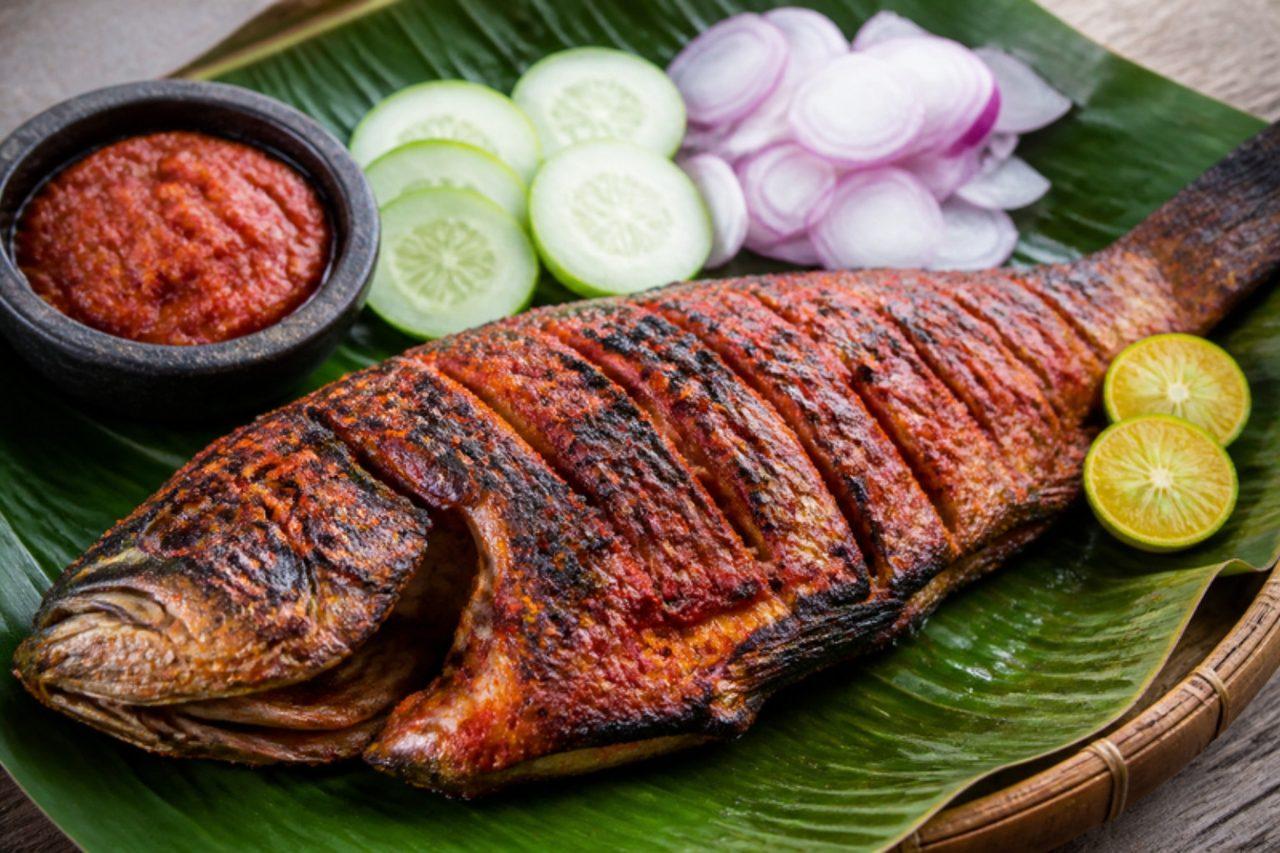
Night markets and seaside stalls from Port Dickson to Kuantan announce ikan bakar by smell long before you see the charcoal: whole fish or stingray wings smeared with red sambal, laid on banana leaf and grilled until the leaf blackens and the paste caramelises onto the flesh. The leaf keeps the fish moist and lends a faint tea-like smokiness, while the sambal brings shrimp-paste depth, tamarind sourness and steady heat. It is eaten with the fingers, with plain rice, cucumber and a sharp dip called air asam made from tamarind, chillies and shallots. Chef's tip: score the fish right down to the bone so the sambal seeps into the cuts and the thickest part cooks at the same pace as the tail.

by KrazyBadal 0 views

Pastel tres lechesThree milks cake

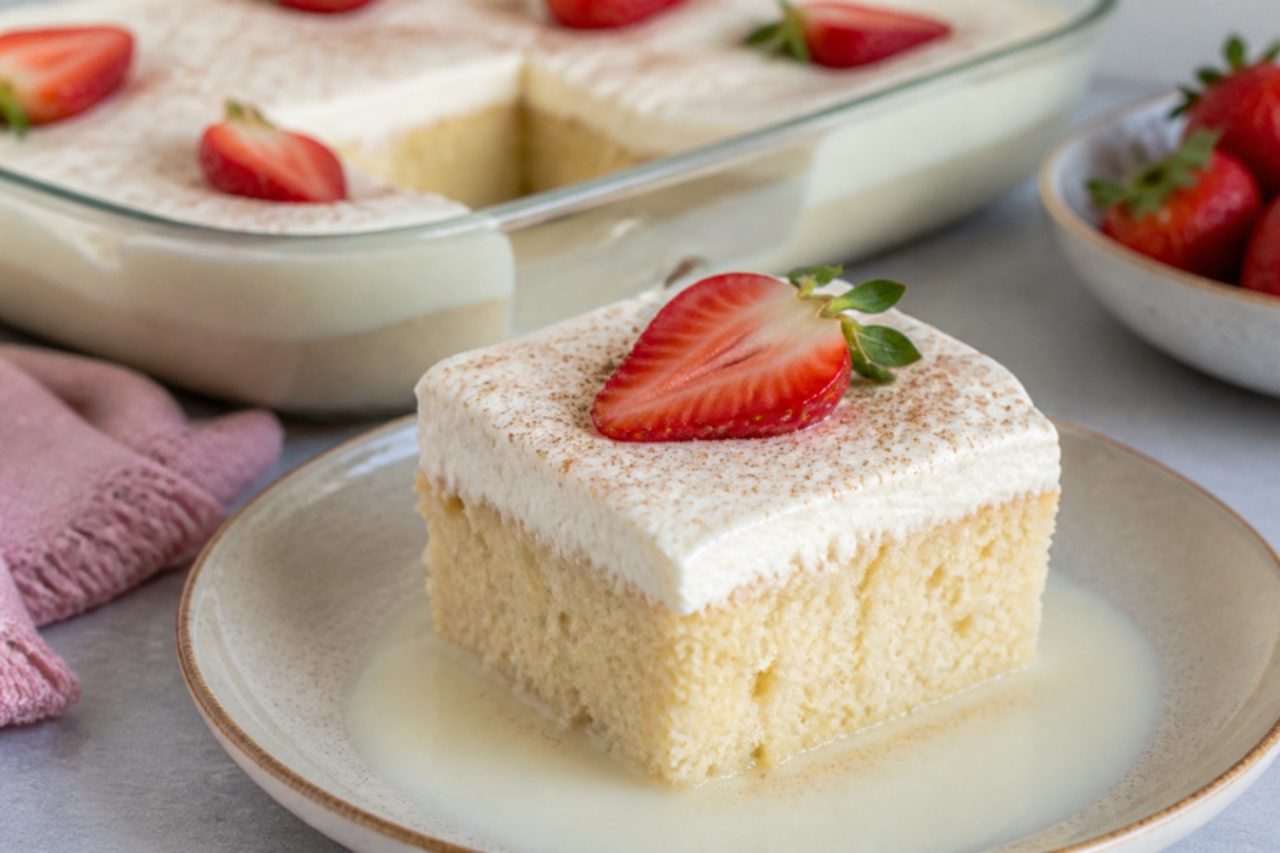
Pastel de tres leches is the birthday and celebration cake of Mexico and much of Latin America: a light, airy sponge drenched in a mixture of three milks (evaporated milk, sweetened condensed milk and cream) until it is soaked through but still holds its shape, then topped with whipped cream. It is cold, milky and sweet, and every bakery from Mexico City to Guadalajara sells it by the slice. The sponge is made with whisked eggs for lightness, so it drinks up the milk without collapsing. Chef's tip: let the cake soak in the fridge for at least 4 hours, ideally overnight; the milk needs time to work its way into the centre and the cake slices far more neatly when cold.

by KrazyBadal 0 views

Nam prik noomRoasted green chilli dip

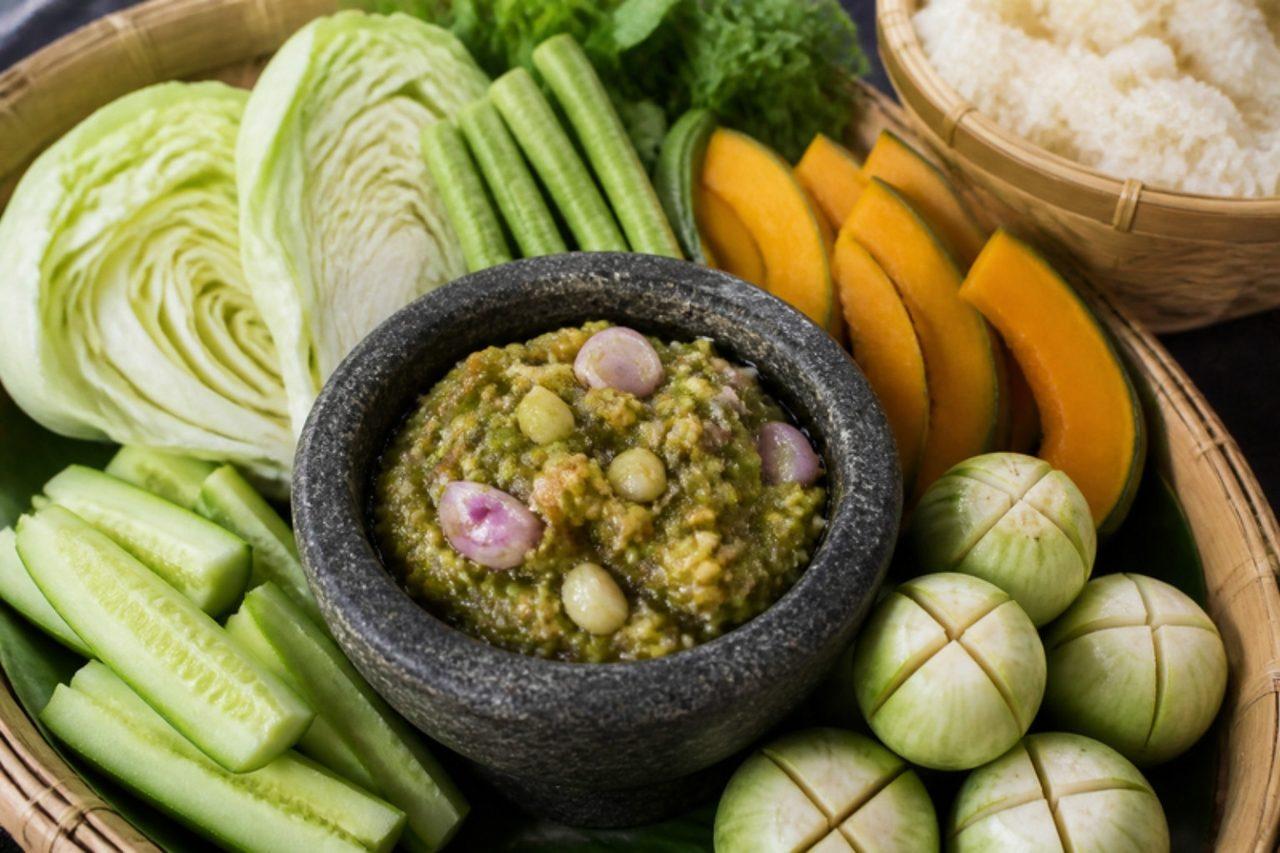
Nam prik noom is the relish Chiang Mai is proud of: long green chillies, shallots and garlic charred over coals until blistered and soft, then pounded into a rough, smoky, gently hot dip. At Warorot Market and the morning markets of the north it is sold by the bagful next to crunchy pork rinds and baskets of steamed vegetables, and it sits on almost every Lanna family table with sticky rice. Most versions are salted with fish sauce or pla ra; this one uses salt and a dash of soy, and the smokiness carries it just as well. Eat it with blanched cabbage, long beans, cucumber and sticky rice. Chef's tip: roast the vegetables until their skins are black in patches and they collapse when pressed; undercooked chillies taste raw and sharp.

by KrazyBadal 0 views

Ilocos empanadaCrisp rice-flour turnovers

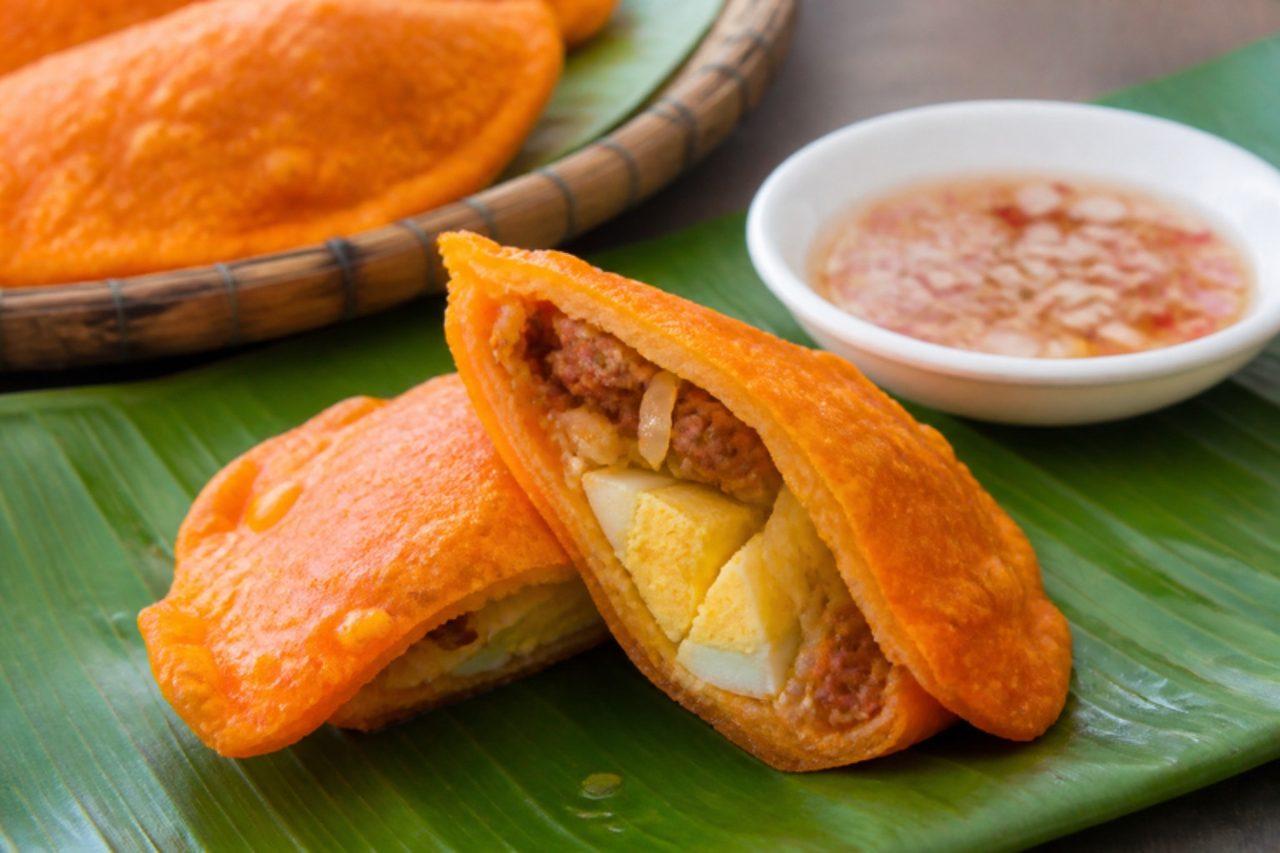
In Batac and Vigan, in the Ilocos region, empanada is not a baked pastry but a big, crunchy, bright-orange turnover fried to order at night markets and by the plaza. The thin rice-flour crust gets its colour from annatto, and inside goes shredded green papaya, mung bean sprouts, crumbled Vigan longganisa (a garlicky pork sausage) and a whole egg. Vendors fold it in seconds and slide it into hot oil, then hand it over with a little bowl of spiced sugarcane vinegar to pour in with every bite. It is a pork snack for evenings out. Chef's tip: roll the dough very thin on a banana leaf or baking paper; the leaf lets you flip the dough over the filling without tearing it.

by KrazyBadal 0 views

Imeruli khachapuriRound cheese-filled bread

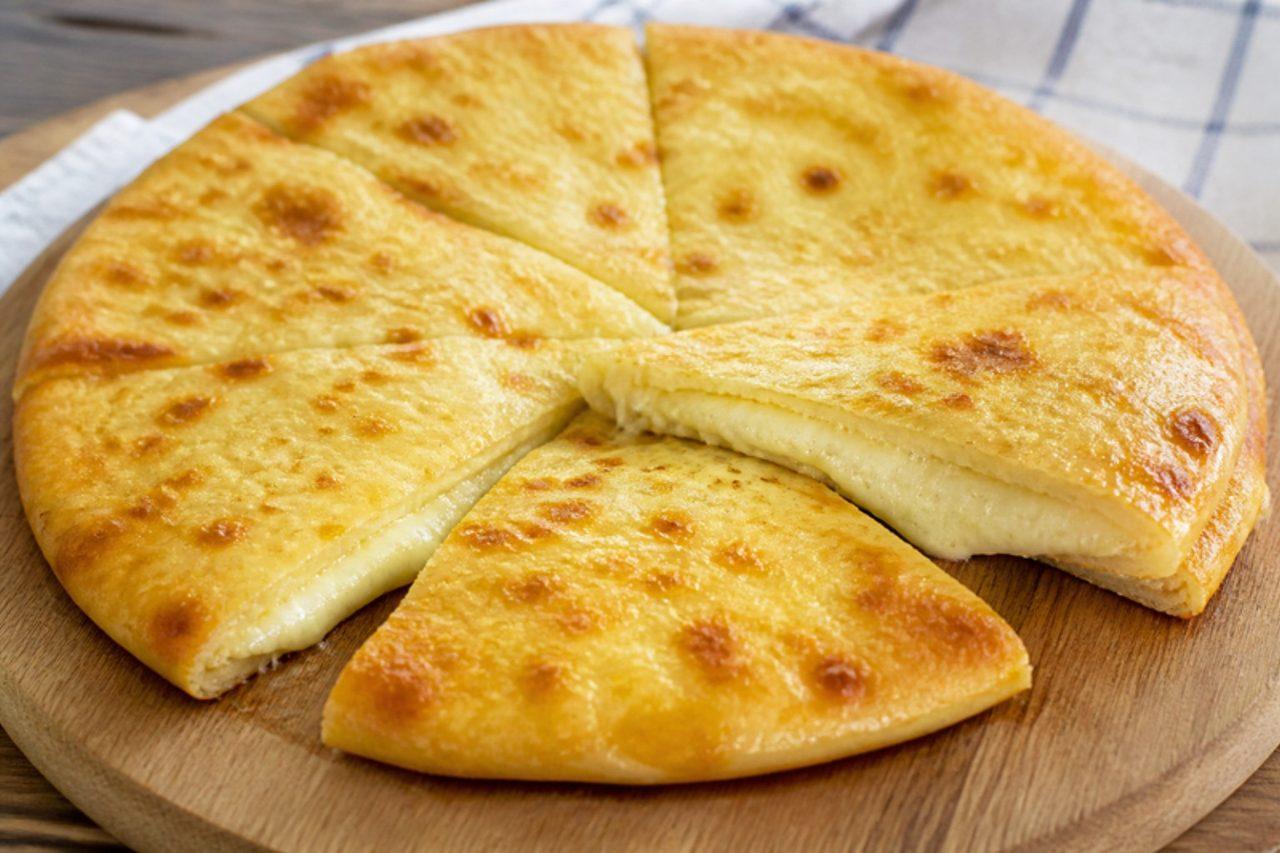
In Imereti, the region around Kutaisi in western Georgia, this flat round cheese bread is everyday food, and it is the one most families make at home: a tender, quick dough leavened with matsoni (Georgian yogurt) and soda, wrapped around a cheese ball and cooked in a dry frying pan. It is cut into wedges like a pizza and set on the table for breakfast, for a feast, or packed for a long car journey. Georgian imeruli and sulguni cheeses are hard to find outside Georgia, so this uses mozzarella with feta for the salty tang. Choose cheeses labelled vegetarian (microbial rennet). Children love it plain, still warm. A common mistake is rolling it out with heavy pressure, which tears the thin dough so the cheese leaks and burns in the pan. Chef's tip: press it out gently with your fingertips from the centre outwards, and if a small hole appears, pinch a scrap of dough over it before it reaches the pan.

by KrazyBadal 0 views

Nam prik ongTomato and pork chilli dip

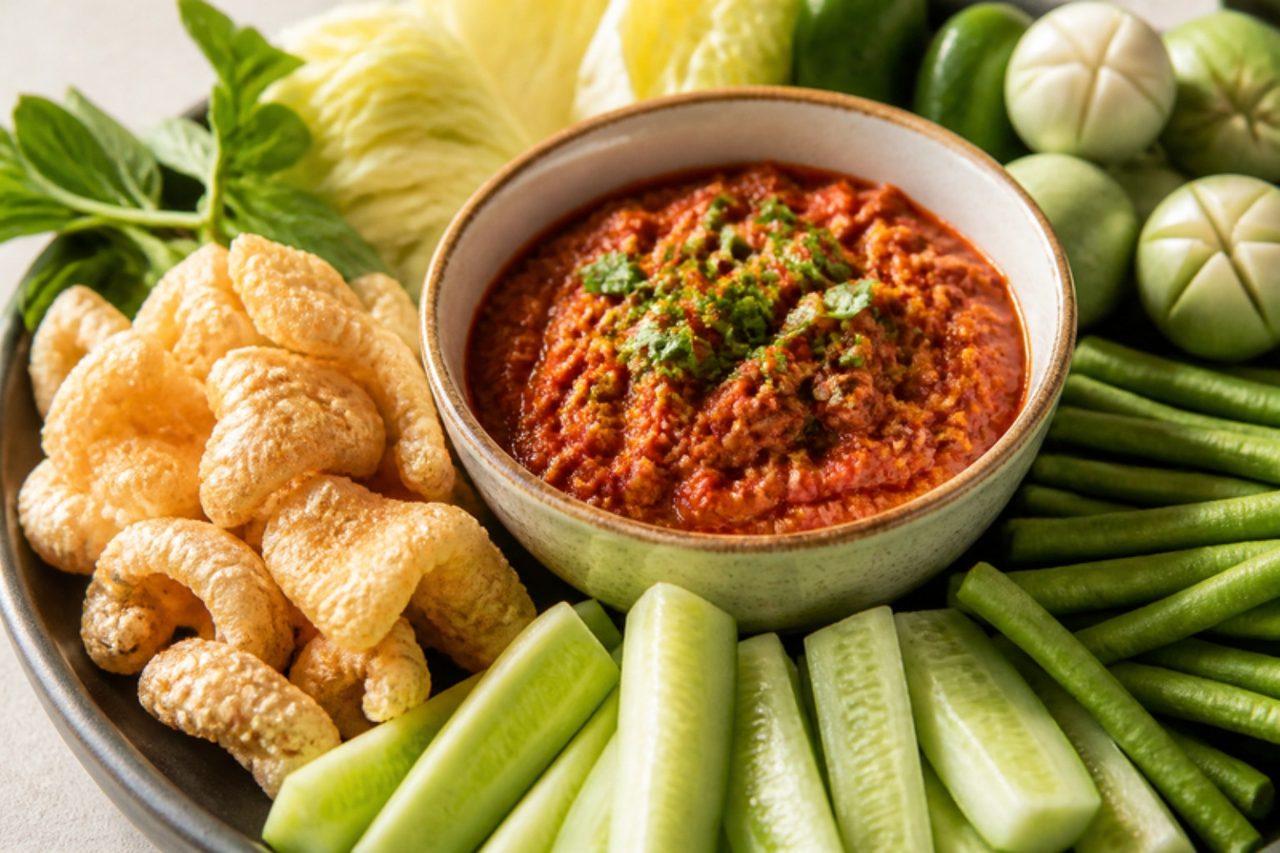
Every khantoke dinner in Chiang Mai sets out a bowl of this brick-red relish beside the sticky rice baskets, and morning markets sell it by the scoop in little plastic bags. It sits somewhere between a chunky meat sauce and a dip: sweet-sour from slow-cooked cherry tomatoes, savoury from shrimp paste and pork, with a gentle chilli warmth rather than a blast. Scoop it up with cucumber, blanched long beans, cabbage wedges and crisp pork crackling, or press a ball of sticky rice into it. Chef's tip: fry the pounded paste in the oil until it darkens and smells toasty before the pork goes in; that is where the deep, roasted flavour comes from.

by KrazyBadal 0 views

Imo kenpiCandied sweet potato sticks

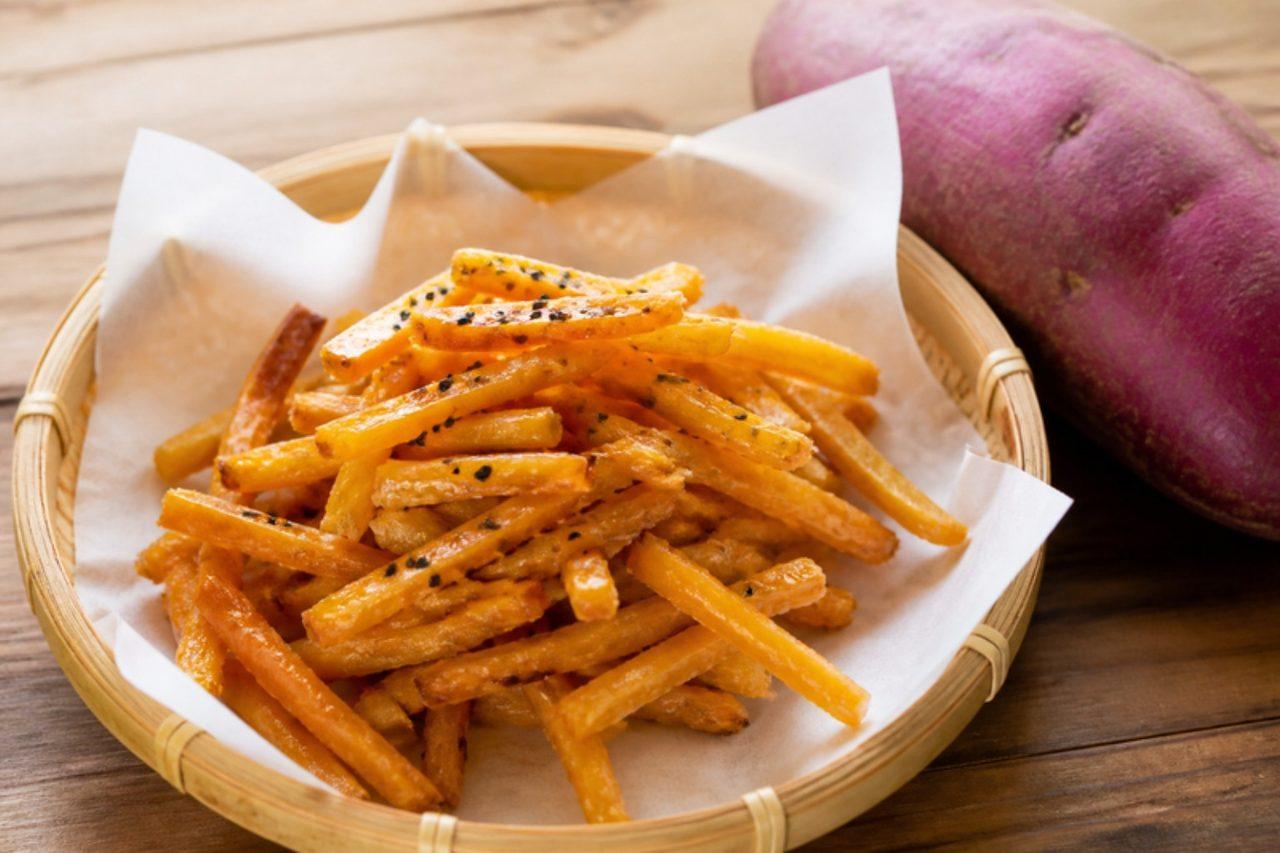
Kagoshima, at Kyushu's southern tip, is Japan's sweet potato heartland. The crop is so closely tied to the region that the Japanese word for sweet potato, satsuma-imo, means 'Satsuma potato', after the old name of Kagoshima. Imo kenpi are its simplest snack: thin batons of sweet potato fried until crisp, then tossed in a syrup that sets into a glassy shell. Kids grab them from bags at the corner shop, and grandparents make them at home with the autumn harvest. They are crunchy, sweet and a little salty. Chef's tip: fry the potato twice, slowly first, then hot. That drives out the water and gives a snap that lasts for days.

by KrazyBadal 0 views

Asmara pasta al sugoSpaghetti in berbere tomato sauce

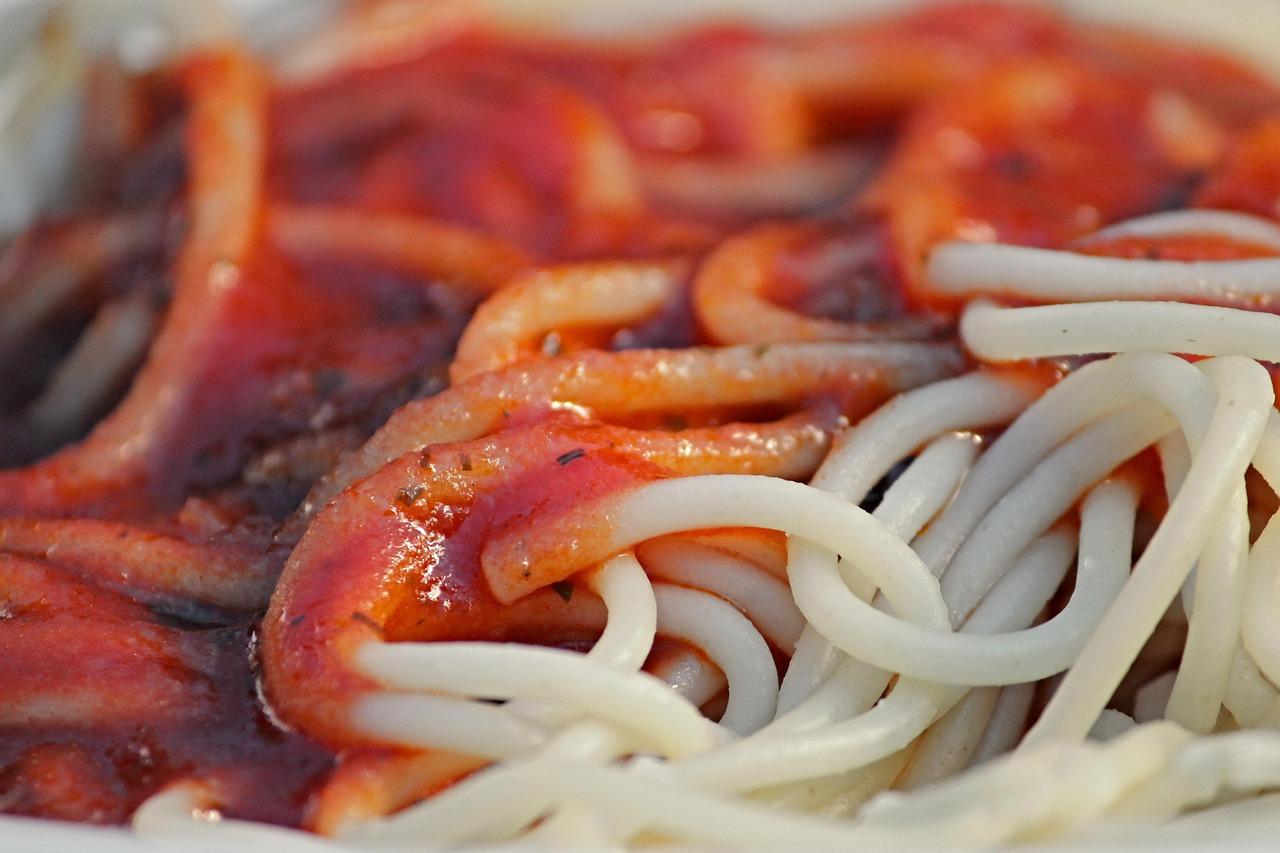
Pasta is part of everyday life in Asmara, a legacy of the Italian years, and in Eritrean homes and cafés 'pasta al sugo' means spaghetti in a slow tomato sauce warmed with berbere, garlic and plenty of onion. It is eaten on weekdays and after church on Sundays, often with a banana or a green chilli on the side. The usual sauce has minced beef; this one uses finely chopped mushrooms and carrot for the same body. Chef's tip: cook the onions and berbere slowly before the tomato goes in; raw berbere tastes dusty.

by KrazyBadal 0 views

Indori shikanjiThick chilled milk drink

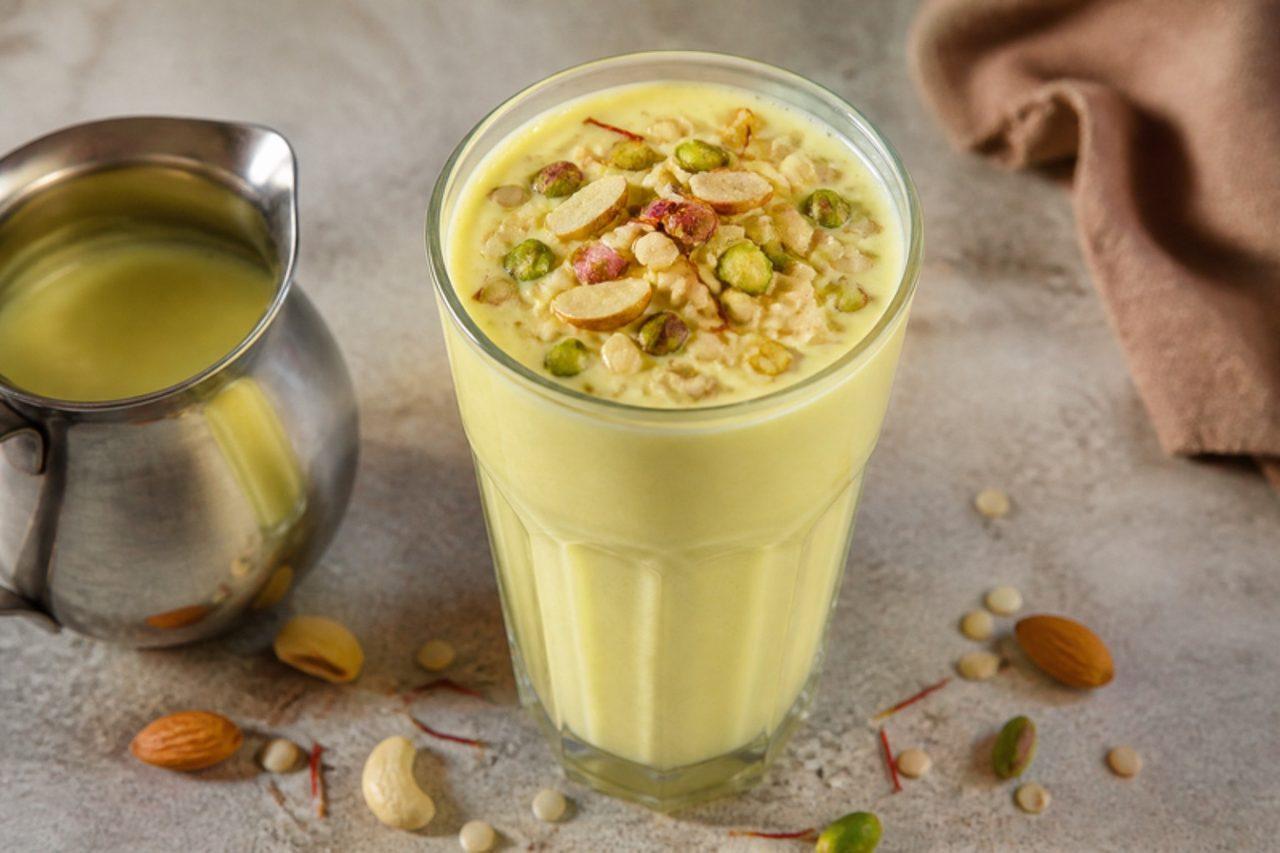
Anyone who orders shikanji in Indore expecting lemonade gets a surprise: here it is a spoonably thick drink of slow-reduced milk, saffron and cardamom, with a gentle tang from thick yogurt and plenty of chopped dry fruit. It is a late-night treat at Sarafa and Chhappan Dukan, poured from steel jugs into glasses after a round of savoury snacks. Think of it as somewhere between a lassi and a cold rabri. Chef's tip: the milk must be completely cold before the yogurt goes in, or the drink splits into grainy curds.

by KrazyBadal 0 views

Nam tok neuaGrilled beef salad

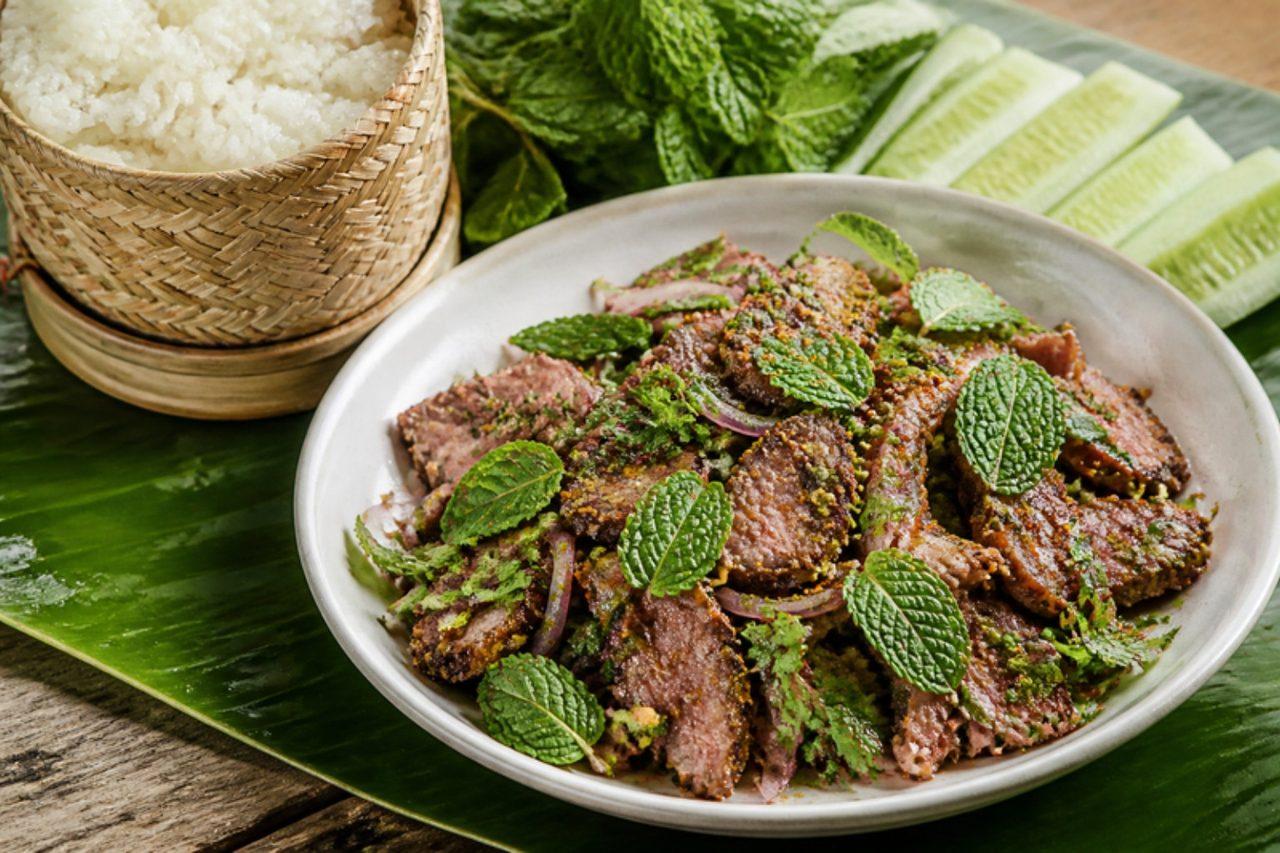
The name means 'waterfall', after the juices that drip from the beef onto the coals, and this salad is what Isan drinking spots and family barbecues serve when there is good meat on the grill. Smoky slices of pink steak are tossed while still warm with lime, fish sauce, chilli flakes, shallots and mint, then dusted with toasted rice powder for crunch. The meat soaks up the dressing like a sponge, so every bite is juicy, sour and hot. Pile it on a plate with sticky rice, cabbage, cucumber and long beans. Chef's tip: choose a steak with some marbling, such as sirloin or rump; very lean cuts turn dry and chewy once sliced thin.

30 minThaiSaladsGluten freeSpicy
by KrazyBadal 0 views

InjeraTeff flatbread

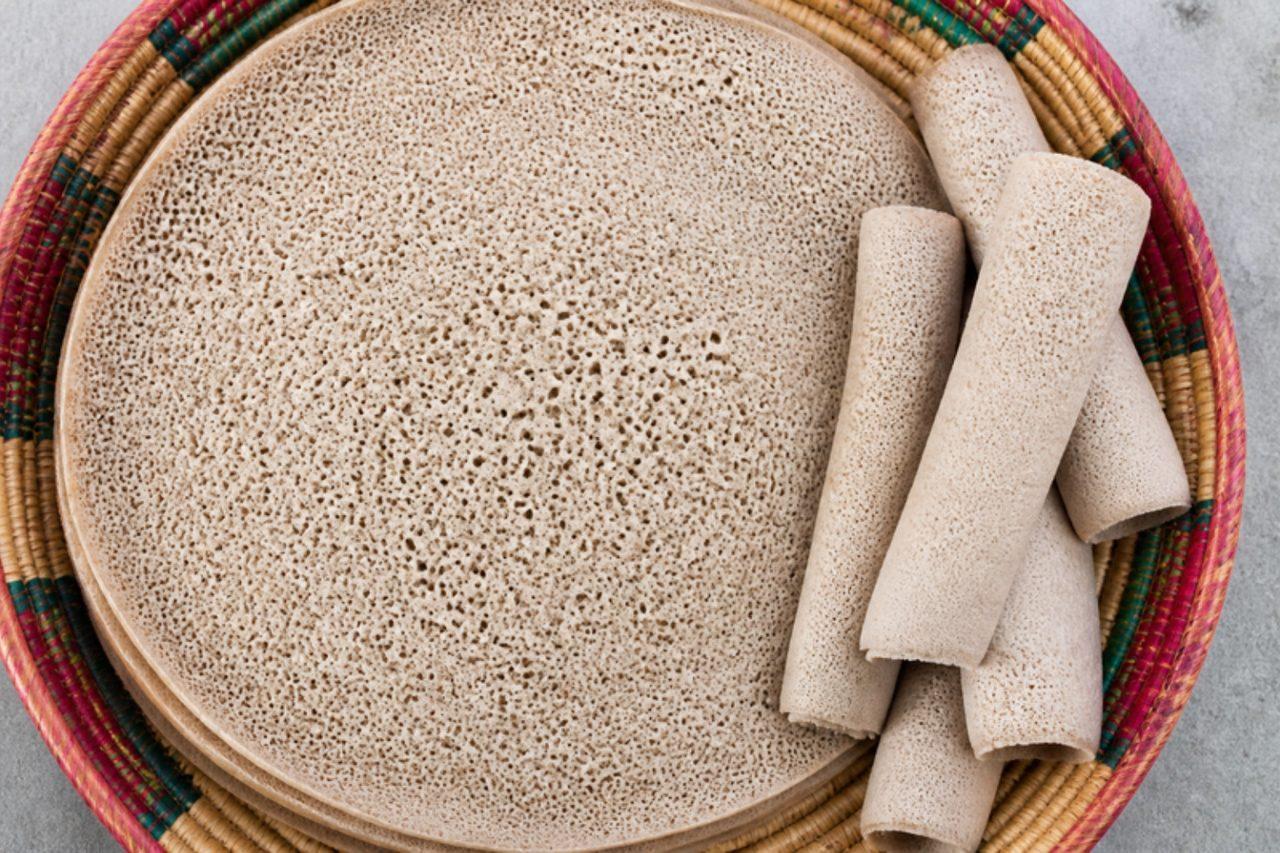
Injera is the bread, plate and spoon of the Ethiopian and Eritrean highlands: a wide, pale, sour flatbread made from teff, a tiny grain grown on the plateaus around Gondar, Gojjam and Shewa. A simple batter of teff and water is left to ferment for two or three days until it bubbles and smells pleasantly sour, then poured onto a hot griddle and steamed under a lid until its top is covered in little 'eyes'. It is eaten at every meal, with stews spooned on top and torn pieces used to pick them up. This home version uses 100% teff, so it is naturally gluten free. Chef's tip: keep the starter somewhere warm (around 24°C); in a cold kitchen it barely sours and the injera turns out flat and bland.

by KrazyBadal 0 views

Bisi bele bathSpiced rice and lentil one-pot

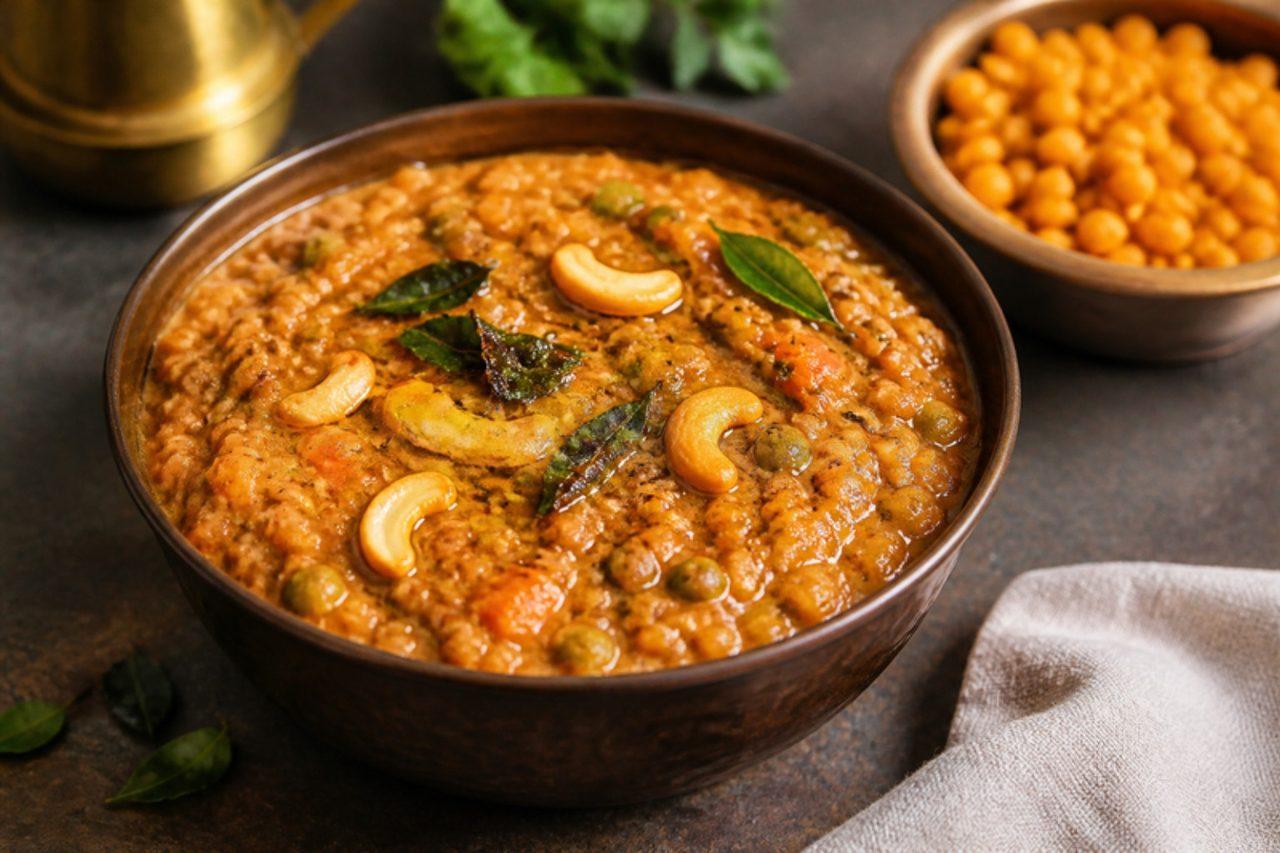
Bisi bele bath means 'hot lentil rice' in Kannada, and it's Karnataka's great comfort dish, served in temples, weddings and Bengaluru tiffin rooms. Rice and toor dal are cooked soft with vegetables, then simmered with tamarind, jaggery and a freshly roasted spice powder of lentils, coriander seed, chilli, cinnamon and coconut until it's thick, glossy and spoonable. A generous ghee tempering with cashews and curry leaves goes over the top. Eat it piping hot with crisp potato chips or boondi raita. Chef's tip: make it looser than you think; it thickens fast as it stands, and the right texture is soft and flowing, like a thick porridge.

by KrazyBadal 0 views

BissaraSplit fava bean soup

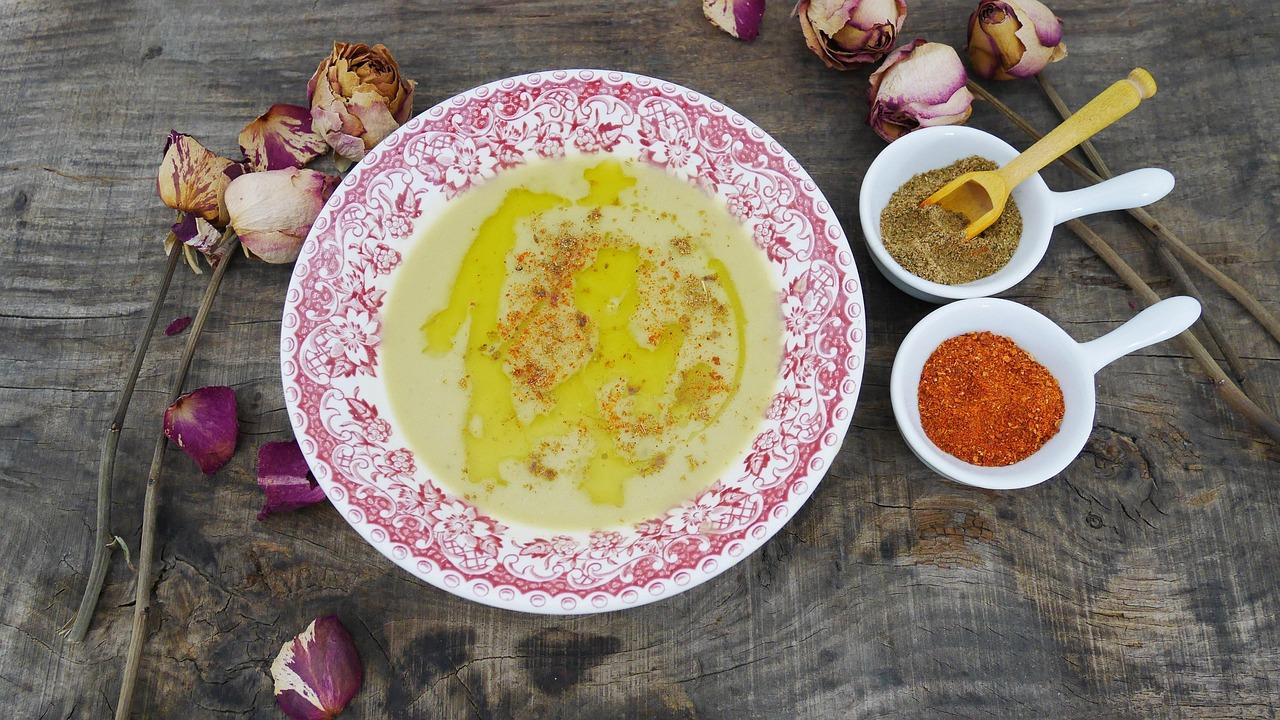
Bissara is the cold-morning soup of northern Morocco: in Tangier, Tétouan and Chefchaouen you see it ladled out from big pots at street stalls before work, and it is a favourite to break the fast in winter Ramadans. Dried split broad beans are simmered with garlic until they fall apart and blended into a thick, pale purée, then finished at the table with olive oil, cumin and paprika. Eat it piping hot with crusty bread; leftover bissara thickens into a dip you can spread on toast. Chef's tip: be generous with the final olive oil, it is not a garnish but part of the dish.

by KrazyBadal 0 views

Malvani kombdi vadeChicken curry with puffed bread

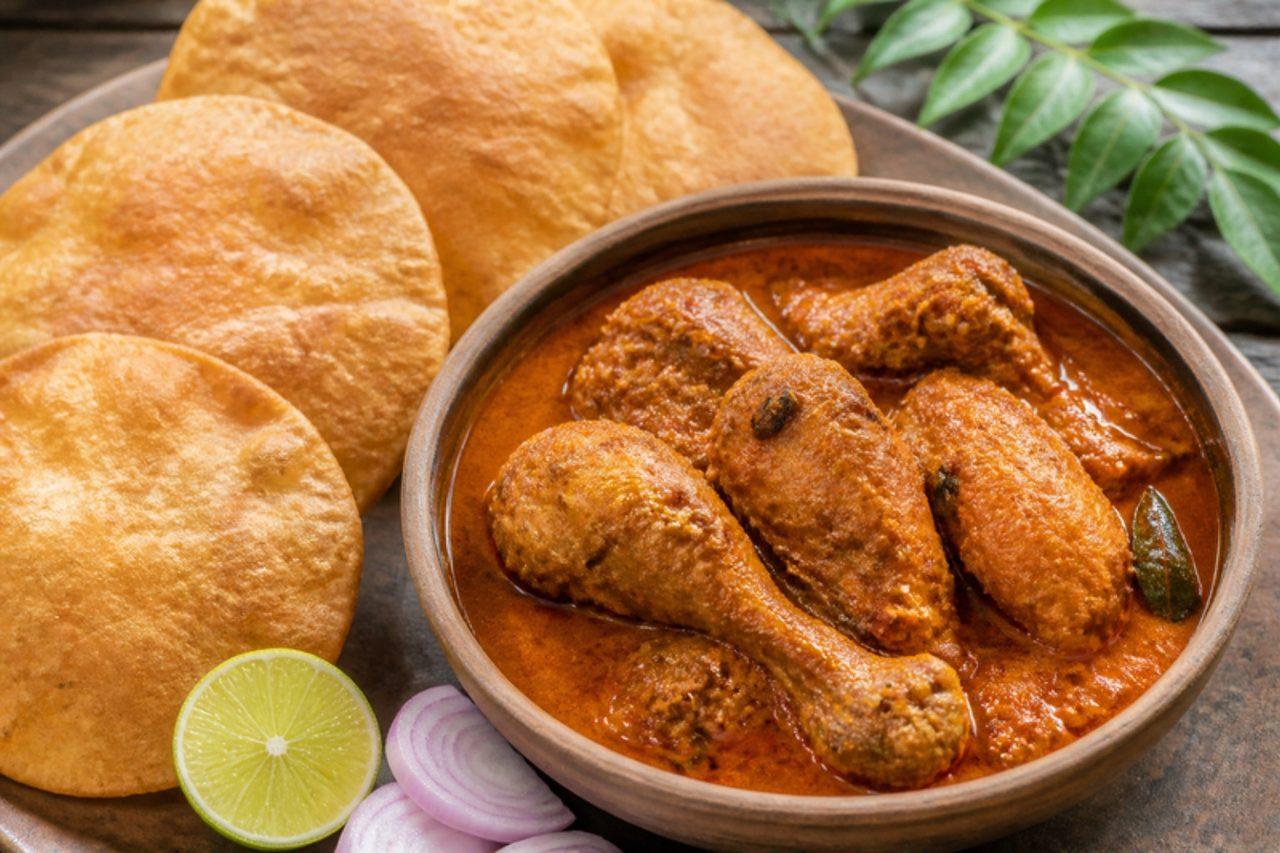
Along the Malvan coast of Sindhudurg, kombdi vade is what families cook for a festive Sunday or for guests arriving by the morning bus from Mumbai. Kombdi is chicken, simmered in a gravy of roasted coconut and Malvani masala; vade are rice-flour breads fragrant with fennel that puff like balloons in hot oil. You tear the vade, dunk them in the curry and finish with a squeeze of lime and raw onion. Chef's tip: pat the vade on an oiled sheet of plastic or banana leaf rather than rolling them, and slide them into the oil straight away; thin, even discs puff best.

by KrazyBadal 0 views

Showing 54 of 9,812 recipes

Show more recipes

Page 947 of 1,091