Skip to content
Yaki onigiri
Featured recipe

Yaki onigiri

Grilled rice balls

Yaki onigiri (焼きおにぎり) are rice balls grilled until they form a crisp, toasty crust, then brushed with soy sauce glaze. They are eaten all over Japan, at izakaya, at barbecues and from the freezer section, as a snack or with miso soup. The inside stays soft and steamy while the outside crackles. Best eaten hot, straight from the pan. Chef's tip: let the shaped rice balls dry for 10 minutes before they go in the pan. A drier surface forms a better crust and won't stick, and the glaze goes on only at the end so it doesn't burn.

Read more 2 views

What to eat today?

Around the world

Today's trip: Persian

A new country every day, from every cuisine on the site.

Persian

Shir berenj

Rose water rice pudding 70 minMore from Persian (181) →

This week's collection

Kid-friendly dinners
756 recipes · a new collection every Monday

Coming up

All occasions →

Latest recipes

KhuraBuckwheat pancakes

Khura are the buckwheat pancakes of the Monpa people of Tawang and West Kameng, high in Arunachal Pradesh, where buckwheat grows better than wheat. A thick, egg-enriched batter of buckwheat flour is cooked into soft, spongy pancakes for breakfast, eaten with butter tea, chilli-cheese chutney (chamin) or vegetable curry. They are earthy, slightly sour and filling on a cold morning. Chef's tip: let the batter stand for 20 minutes; buckwheat absorbs water slowly and the pancakes hold together much better.

by KrazyBadal 0 views
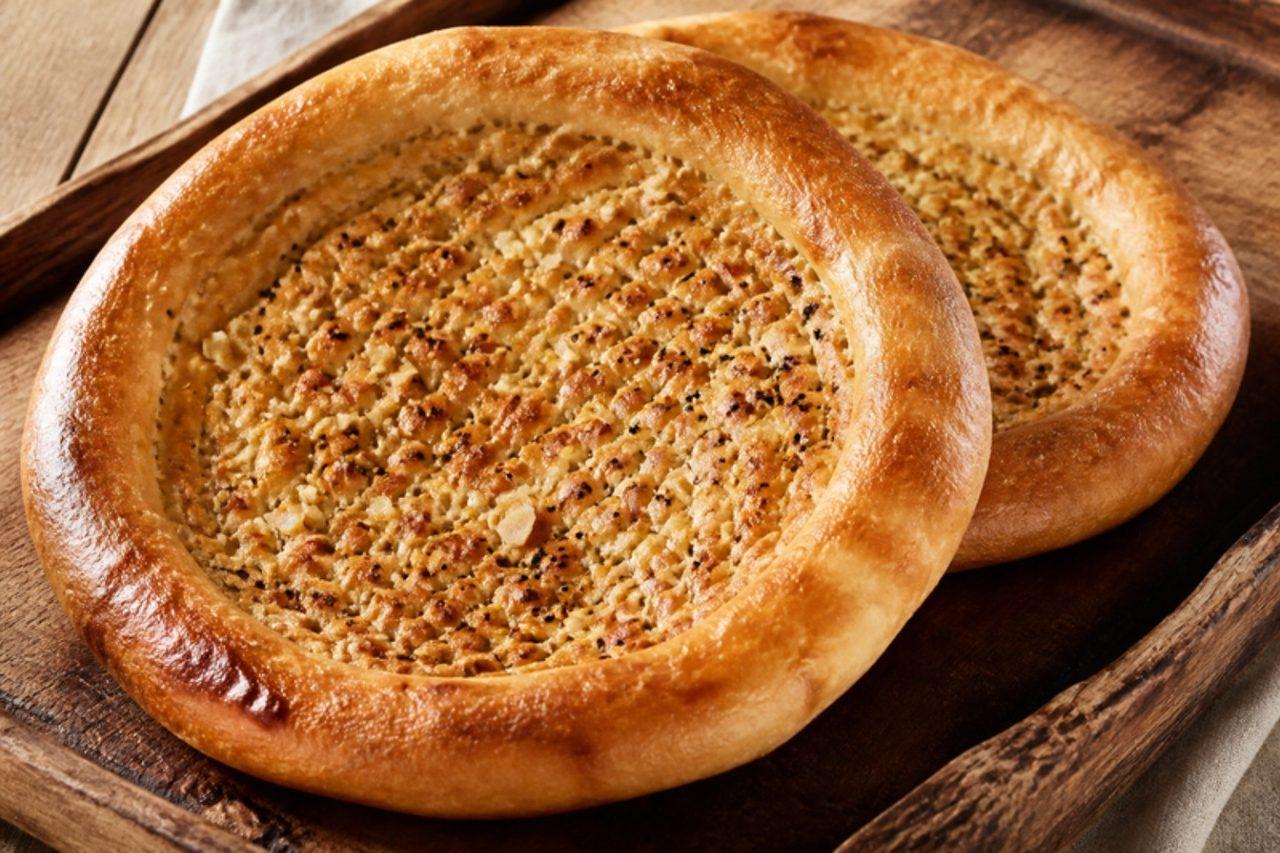
Xinjiang onion nangOnion flatbread

Across Xinjiang, from Kashgar's bazaars to Urumqi's backstreets, bakers slap rounds of dough onto the walls of clay tandoors and pull them out a few minutes later, golden and stamped with patterns. The centre is pressed thin and crisp while the rim stays soft and chewy, and the onion version is scattered with cumin and sesame. Nang keeps for days and is eaten with tea, kebabs and salads. Chef's tip: get your oven and tray as hot as they'll go; nang bakes quickly in fierce heat.

by KrazyBadal 0 views

Garadu chaatFried yam chaat

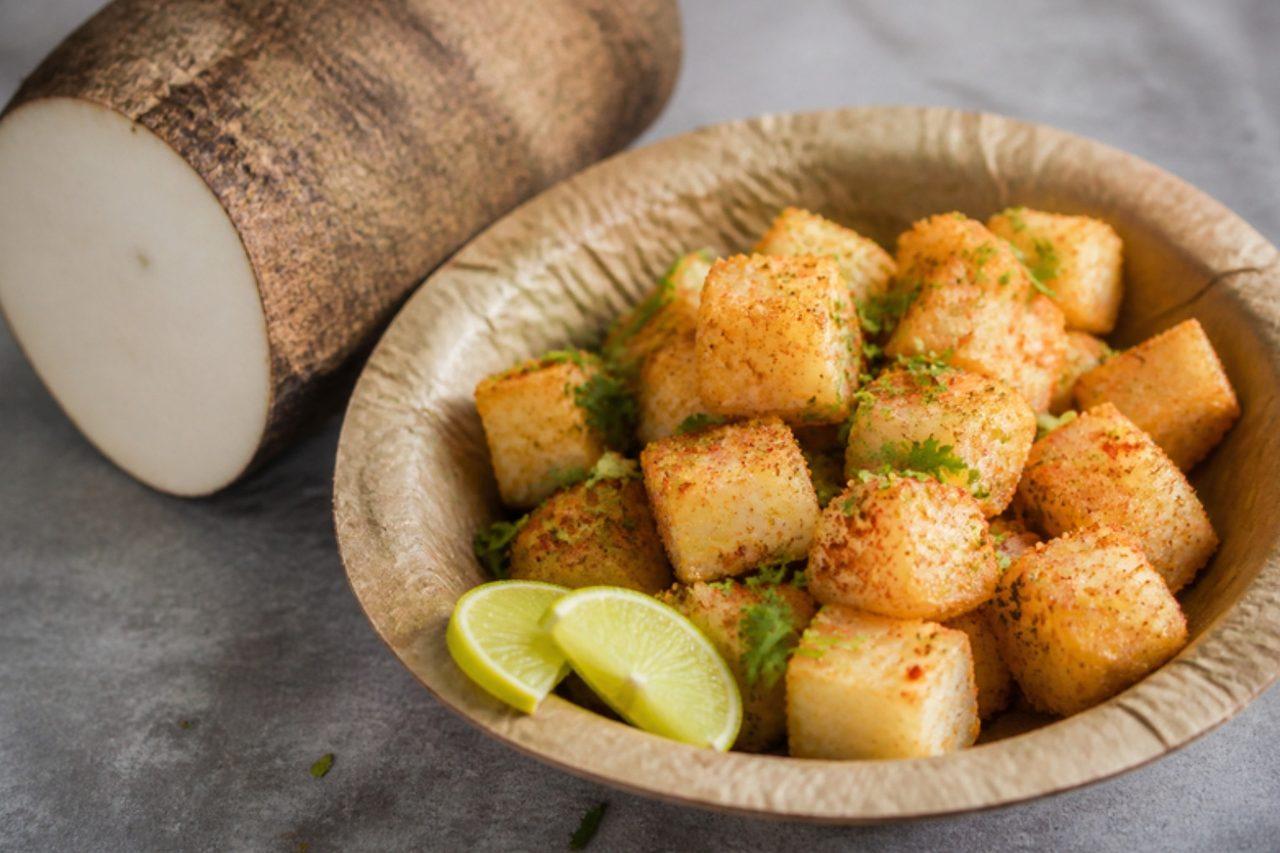
When the nights turn cold in Indore, the stalls of Sarafa Bazaar pile their woks with garadu, a starchy, slightly sticky yam that only appears from November to February. It is boiled, fried until the edges crunch, then shaken with a punchy masala of roasted cumin, black salt and chilli and finished with lime. People eat it standing up from a leaf bowl, often as the savoury stop between jalebi and rabri. Garadu can be hard to find outside Madhya Pradesh; purple yam or white yam from an Asian or African grocer is the closest match, and taro (arbi) works in a pinch. Chef's tip: boil the cubes only until a knife meets slight resistance, then let them steam dry completely, because wet yam spits in the oil and never crisps.

by KrazyBadal 0 views

Khua klingDry-fried spicy minced pork

Ask for this at a rice-and-curry shop in Phuket or Hat Yai and it comes as a small, dark heap beside your rice, smelling of lime leaf and black pepper and hot enough to bring tears. There is no sauce at all: minced pork or beef is fried with a turmeric-heavy southern paste until every crumb is dry, separate and coated in spice. The heat is fierce, so it is always eaten with jasmine rice, sliced cucumber, raw long beans and herbs to cool the mouth. It also keeps well for a couple of days and is excellent cold in a lunchbox. Chef's tip: keep stirring and pressing the meat against the hot wok at the end; the name means 'roll and roast', and that last dry-frying is what makes it.

25 minThaiMeatGluten freeSpicy
by KrazyBadal 0 views

Khorkhog-style lambHot stone-style lamb

Khorkhog is the feast of the Mongolian countryside, cooked when a herding family welcomes guests: a sheep is cut into pieces and sealed into a milk churn with hot river stones, onion, carrot and potato, and the churn is set over the fire until the meat is tender and smoky. Guests pass the hot, greasy stones from hand to hand for good health. This home version cooks the lamb in a heavy sealed casserole in the oven, which gives the same tender meat and rich juices; please don't heat stones in a kitchen pot, which is dangerous. The mistake is adding water: the lamb steams in its own juice with only a little liquid. Chef's tip: use lamb on the bone, such as neck or shoulder, for the deepest flavour.

by KrazyBadal 0 views

KhobzRound semolina bread

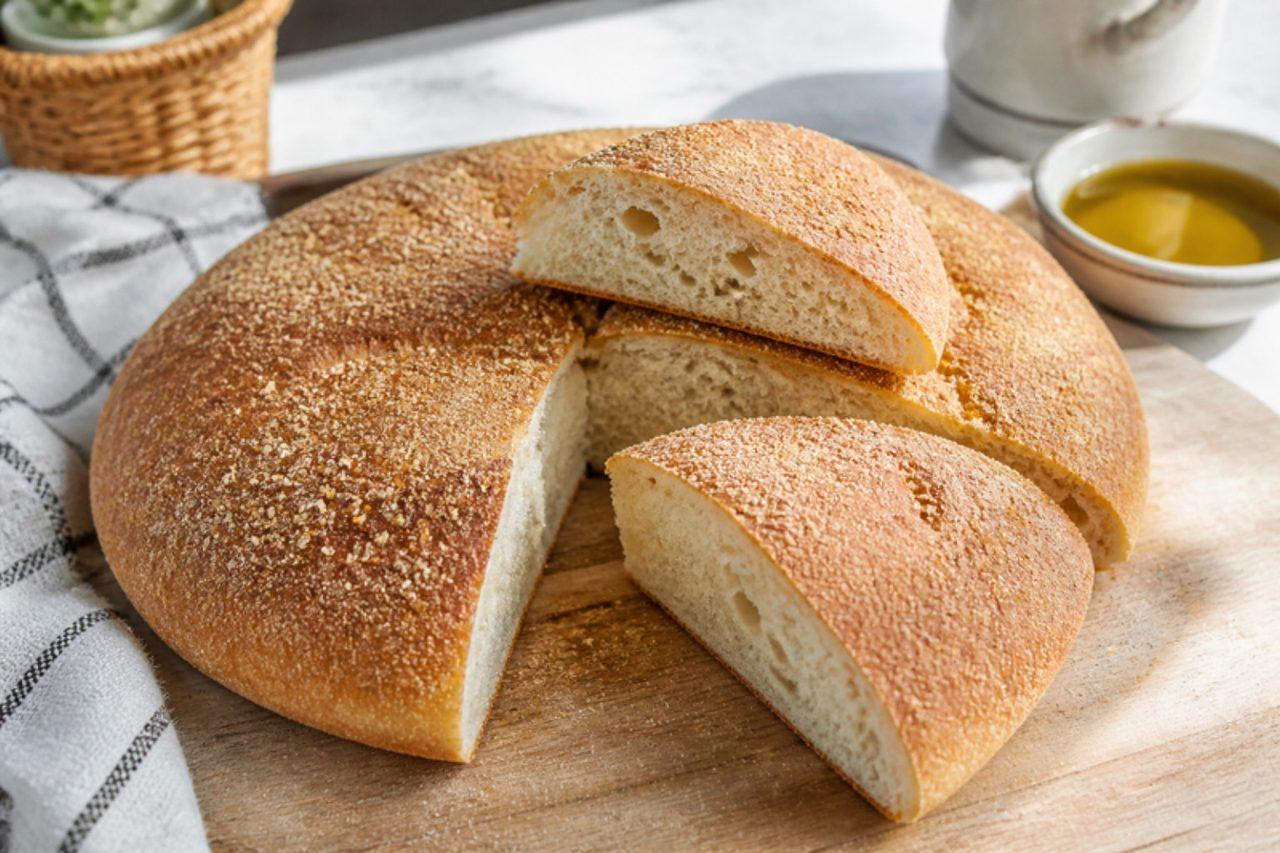
Khobz is the round, flat loaf that sits on every Moroccan table, used instead of cutlery to scoop up tagine and salads. In the older quarters of Fez and Marrakech families still shape their dough at home and carry it on wooden boards to the neighbourhood wood-fired oven, the ferran; at home it bakes perfectly on a hot tray. The semolina and wholemeal give it a slightly nutty taste and a soft, chewy crumb with a thin crust. It keeps for a day wrapped in a cloth and is wonderful toasted. Chef's tip: prick the top all over before baking so it rises evenly and stays flat instead of puffing like a pitta.

by KrazyBadal 0 views

Gansu jiangshui noodlesNoodles in tangy fermented vegetable broth

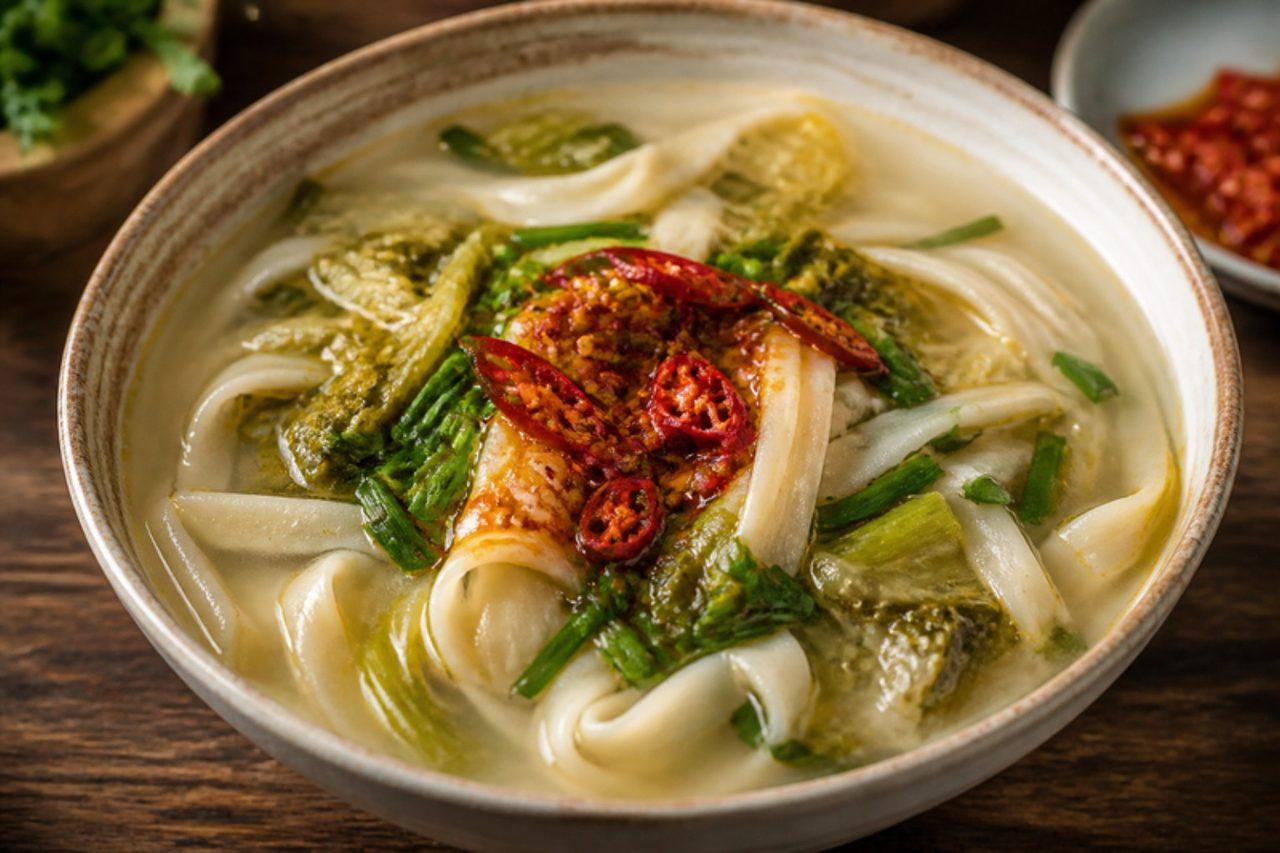
Tianshui and other towns in Gansu keep a crock of jiangshui going all summer: a pale, sour liquid made by fermenting greens in starchy noodle water. It is heated with chilli, Sichuan pepper and garlic chives and poured over hand-cut noodles, a cooling, refreshing bowl that people say beats the heat. The ferment takes 3–4 days in a warm kitchen, then keeps going for weeks if you top it up. Chef's tip: a spoonful of sauerkraut brine jump-starts the first batch, so it sours cleanly instead of growing off-flavours.

by KrazyBadal 0 views

Telur baladoFried eggs in chilli sambal

Telur balado is a fixture of the nasi Padang counter and of West Sumatran home cooking: hard-boiled eggs fried until their whites blister and turn golden, then smothered in balado, the coarse red sambal of chilli, shallot and tomato that the Minangkabau cook with almost everything. The fried skin of the eggs grips the sauce, and the sambal is bright and fresh rather than long-cooked. It's a cheap, quick weekday lunch with rice and greens, and it travels well in lunch boxes. Chef's tip: grind the balado coarse, not smooth — the Padang version should look rough and glossy, with visible flecks of chilli skin.

by KrazyBadal 0 views

KhatkhatemMixed vegetable and dal stew

Khatkhatem is the vegetable stew Goan Hindu families cook for Ganesh Chaturthi and wedding feasts, when onion and garlic are kept out of the kitchen. It takes whatever the monsoon garden gives: pumpkin, sweet potato, raw banana, corn on the cob, drumsticks, yam and the long Goan cucumber, simmered with a little toor dal in a ground paste of coconut, red chillies and coriander seeds. The flavour comes from tirphal, a dried berry from the Western Ghats with a woody, citrusy, slightly numbing bite. Serve it with rice and a crisp papad as part of the festive spread. Chef's tip: add the vegetables in stages, hardest first; khatkhatem should have every vegetable tender but whole, not a mush.

by KrazyBadal 0 views

TemblequeCoconut milk pudding

Tembleque gets its name from the way it shivers (tiembla) when you set it on the table, and in Puerto Rico it is the dessert of the Christmas season, from the parrandas of December through to the Three Kings in January. It's nothing more than coconut milk, sugar and cornflour cooked into a silky custard, poured into a mould and chilled until it holds its shape. It is cool, pure white, lightly sweet and tastes completely of coconut, with a blush of cinnamon on top. Chef's tip: use full-fat tinned coconut milk; light coconut milk sets thin and tastes watery.

by KrazyBadal 0 views

Tempe mendoanBattered fried tempeh

Mendoan comes from Banyumas in Central Java, and in Purwokerto it's sold by the stack at every roadside stall, eaten warm with a raw bird's eye chilli bitten between mouthfuls or dunked in sweet soy. The name comes from the Banyumas word mendo, meaning half-cooked: the batter is deliberately fried only until set and pale, so it stays soft and bendy rather than crisp. Make it with thin, wide tempeh slices so each one is mostly batter and herbs. Chef's tip: fry for barely a minute a side in very hot oil and pull the slices out while they're still pale gold and floppy — that limp, tender texture is the whole point.

by KrazyBadal 0 views

Tempe orekSweet crisp tempeh

Across Java, tempe orek is the side dish every household keeps in a tub: crisp sticks of tempeh fried and then tossed in a sweet-salty glaze of kecap manis, palm sugar, garlic and chilli. It goes into lunch boxes with plain rice, onto nasi campur plates, and lasts several days without losing its chew, which is why student boarding houses and office canteens rely on it. Some cooks add peanuts or green beans; this version stays classic. Chef's tip: fry the tempeh sticks properly crisp before glazing and keep the glaze to a thick syrup, so the tempeh stays crunchy rather than going soft.

by KrazyBadal 0 views

Khasta kachori with aloo sabziFlaky urad dal pastries with potato curry

In the lanes of Old Delhi, breakfast often means a leaf plate of khasta kachori broken into a hot, thin potato curry, with a dollop of pickle and a cup of chai. The kachoris are large and flat with a peppery filling of coarsely ground urad dal, fried slowly until they blister and puff, and the aloo sabzi is fiery with chilli and sharp with tomato and dried mango. It's a weekend dish, filling enough to last until lunch. Chef's tip: break the boiled potatoes by hand rather than chopping them; the rough edges melt into the gravy and thicken it naturally.

by KrazyBadal 0 views

Guriltai shulMutton noodle soup

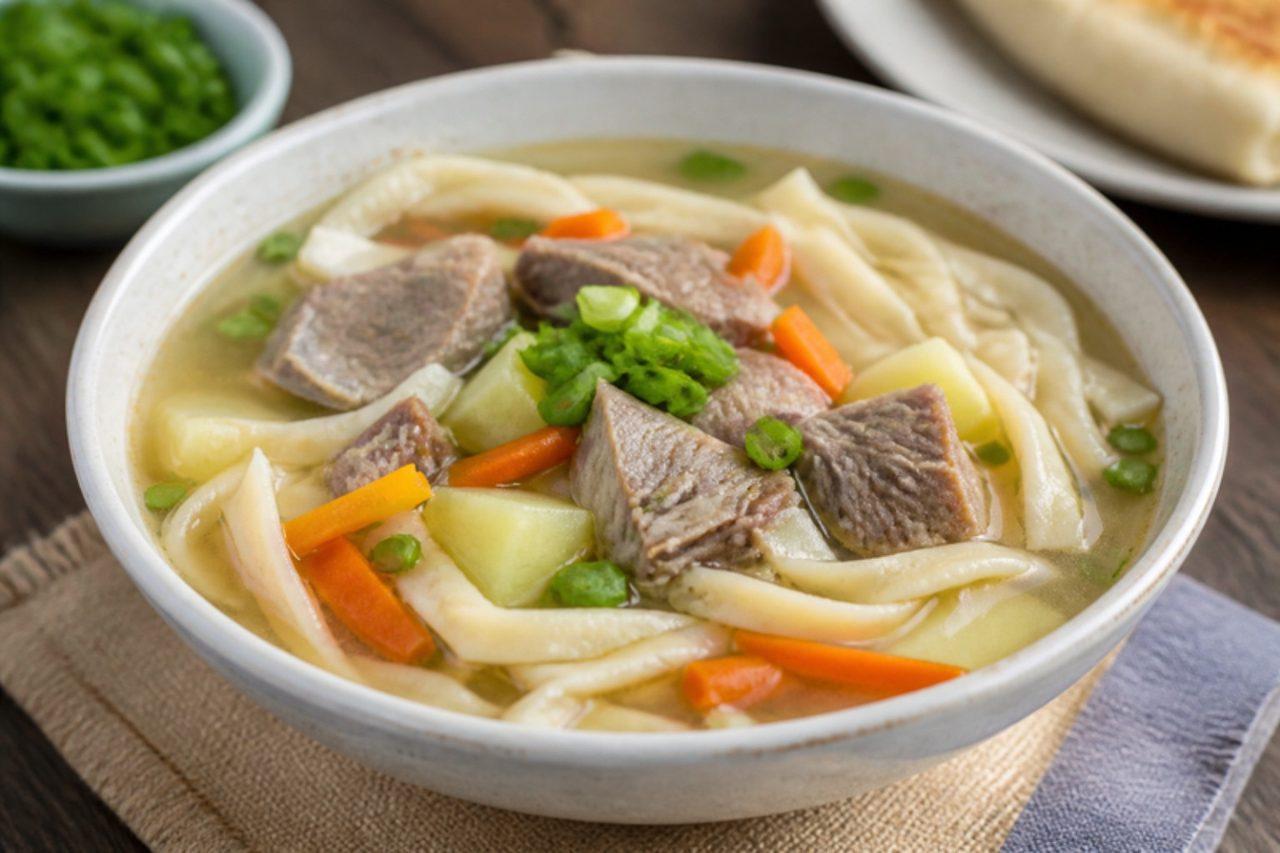
Guriltai shul is the soup Mongolians eat almost daily in winter, from Ulaanbaatar canteens to herders' gers: strips of mutton simmered with onion, carrot and potato, and thick hand-cut noodles cooked in the broth. It is simple, warming and filling in temperatures that drop far below freezing. The mistake is cooking the noodles too long, so they swell and turn the soup stodgy; they need only 6–8 minutes. Chef's tip: rest the noodle dough well so it rolls thin without springing back.

by KrazyBadal 0 views

KhashBeef foot broth

Khash is a winter ritual in Armenia: friends gather in the early morning between November and March, often at the weekend, to share bowls of plain broth made from beef feet that have cooked all night. Everyone seasons their own bowl at the table with crushed garlic and salt, crumbles dried lavash into it and eats with radishes, pickles and fresh herbs. The broth is rich, sticky with gelatine and deliberately unseasoned in the pot. Skimping on the cleaning and soaking is the classic error; it leaves the broth grey and smelling of the farmyard instead of clean and milky-white. Chef's tip: ask the butcher to clean the feet and saw them into pieces for you.

by KrazyBadal 0 views

TequeñosFried cheese sticks

Tequeños are said to come from Los Teques, the town in the hills outside Caracas, and they are the party food of Venezuela: no birthday, wedding or office celebration is without a tray of these crisp pastry fingers wrapped around salty white cheese. The dough is spiralled around the cheese, then fried so the pastry is crunchy and the cheese just starts to melt. Serve with guasacaca (avocado sauce) or a sweet chilli dip. Use a cheese made with vegetarian rennet. Chef's tip: overlap each spiral of dough slightly and seal the ends well, or the cheese escapes into the oil.

by KrazyBadal 0 views

KharRaw papaya and lentil dish

Every traditional Assamese lunch begins with khar, a mouthful of it mixed into the first ball of rice to settle the stomach. The defining ingredient is khar itself, an alkaline liquid filtered from the ash of dried bhim kol (seeded banana) peels; it gives the dish its soft, slightly soapy, earthy taste. Raw papaya and a handful of lentils are cooked in it with mustard oil, garlic and green chilli until silky. At home in Guwahati or Jorhat it is made several times a week. Chef's tip: outside Assam, use a small pinch of bicarbonate of soda in place of khar; too much tastes metallic, so start with ⅛ tsp.

by KrazyBadal 0 views

Khao poon with tofu and vegetablesCoconut curry noodle soup

Khao poon is celebration food in Laos, ladled out at weddings, baci ceremonies and big family gatherings, and sold at morning markets in Vientiane by women with huge steaming pots. Fine round rice noodles sit under a spicy, red-tinged broth of coconut milk, lemongrass and galangal, and everyone adds their own shredded cabbage, banana blossom, beansprouts, mint and lime. The usual chicken or fish is swapped for golden fried tofu and bamboo shoots. Chef's tip: fry the red chilli paste in the coconut cream until oil seeps out in red drops on the surface; that's when the colour and heat are fully released.

by KrazyBadal 0 views

ThiakryMillet couscous with sweet yogurt

Thiakry, called dégué in Mali and Burkina Faso, is the creamy dessert of Senegalese weddings, naming ceremonies and Tabaski: pellets of steamed millet stirred into sweetened yoghurt and soft fromage frais, scented with vanilla and nutmeg and served cold. Ready-made millet granules (arraw or sankhal) are sold in African grocers, which makes it a 15-minute job. Raisins and a little coconut are common in Dakar. Chef's tip: steam or soak the millet fully before it meets the yoghurt; undercooked grains stay hard and gritty in the cold.

by KrazyBadal 0 views

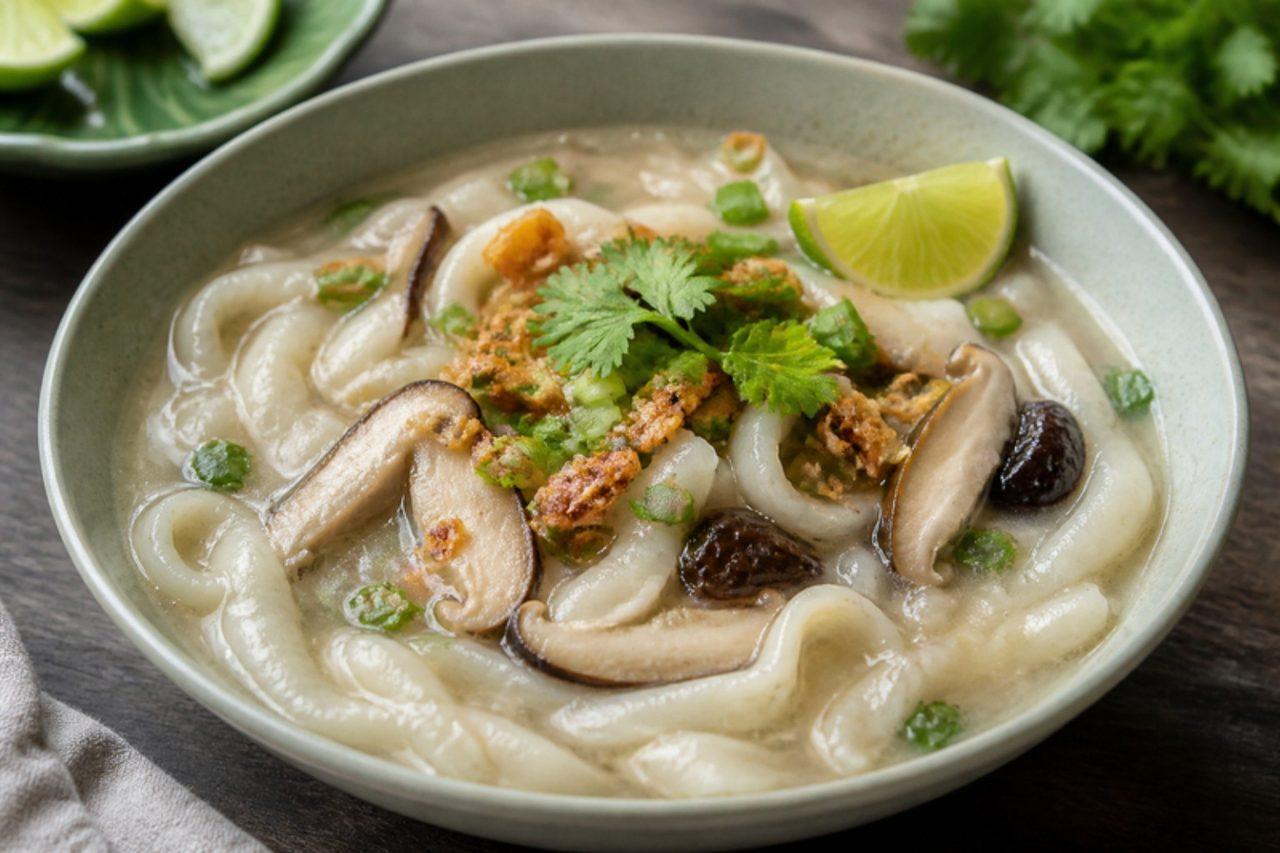
Khao piak sen with mushroom brothRice noodles in mushroom broth

Khao piak sen is the soup Laotians crave on a cool morning or when they feel unwell, and roadside shops in Vientiane and Luang Prabang sell it from dawn. The noodles are cut by hand from a soft rice and tapioca dough and cooked straight in the broth, so their starch turns the soup thick, slippery and comforting. Instead of the usual chicken stock, this version builds a deep broth from dried shiitake, charred onion and ginger, and finishes it with crisp fried garlic, spring onion and coriander. Chef's tip: dust the cut noodles well with tapioca starch and keep them apart; they stick together into a clump in seconds if left in a pile.

75 minLaoSoupsVeganGluten free
by KrazyBadal 0 views

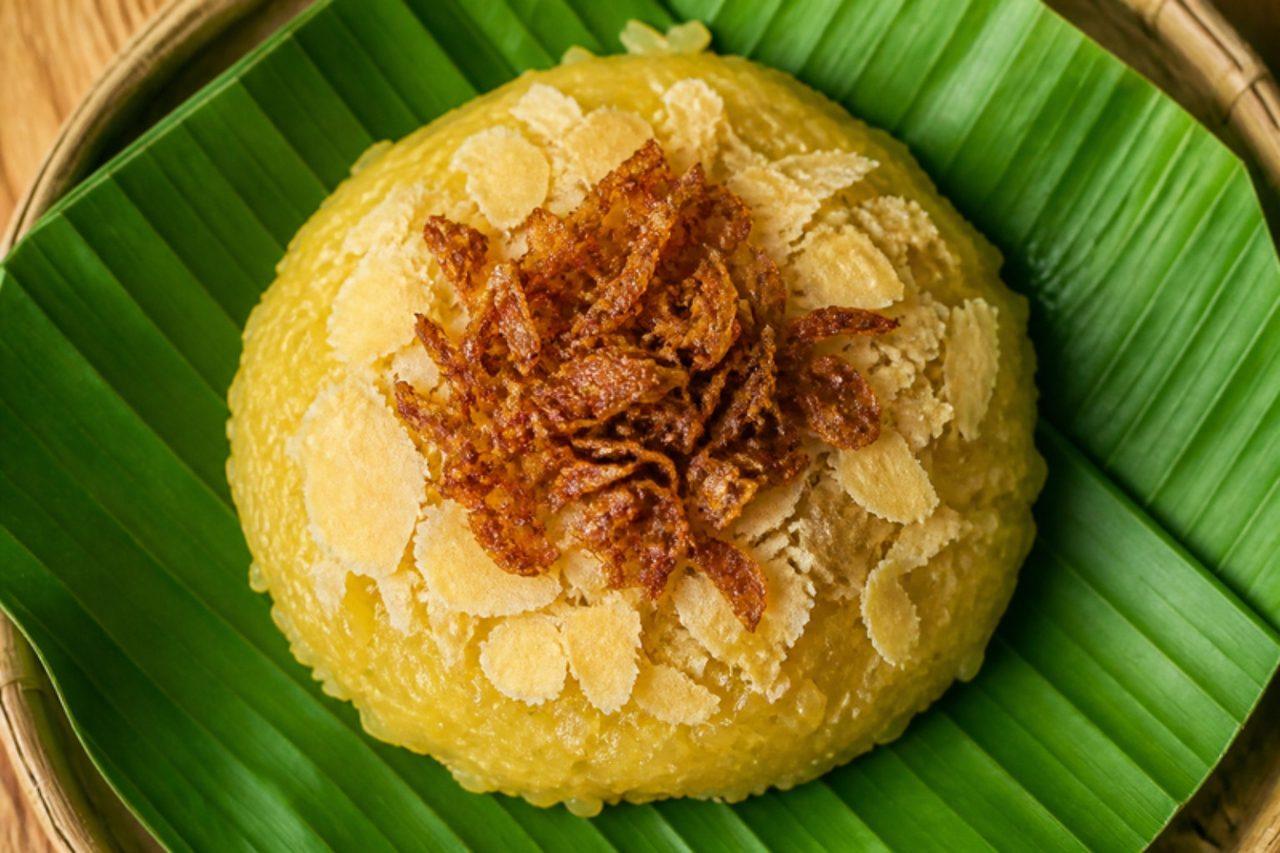
Xoi xeoSticky rice with mung bean

Xôi xéo is a Hanoi breakfast sold before dawn from baskets on the pavement, wrapped in a lotus or banana leaf for people to eat on the way to work. Turmeric-tinted glutinous rice is steamed until chewy, then topped with thin shavings cut from a firm ball of cooked mung bean (the 'xéo' is the slanting cut) and a spoonful of crunchy fried shallots with their fragrant oil. Street sellers often use pork fat for the shallots; frying them in vegetable oil keeps it vegan and still rich. Chef's tip: squeeze the mung bean paste into a tight ball while it is warm and let it cool before shaving; a loose ball crumbles instead of slicing into ribbons.

by KrazyBadal 0 views

Terong baladoFried aubergine in chilli sambal

Balado is the Minangkabau way of smothering fried food in a coarse, shiny red chilli sambal, and in West Sumatra the aubergine version is a daily home dish as much as a restaurant one. The aubergine is fried until soft and creamy inside, then folded into a sambal of red chillies, shallots and tomato cooked down until sweet. Serve it at room temperature with rice and fried tofu. Chef's tip: grind the chillies coarsely rather than to a purée; Padang cooks want flecks of skin and seed in a balado.

by KrazyBadal 0 views

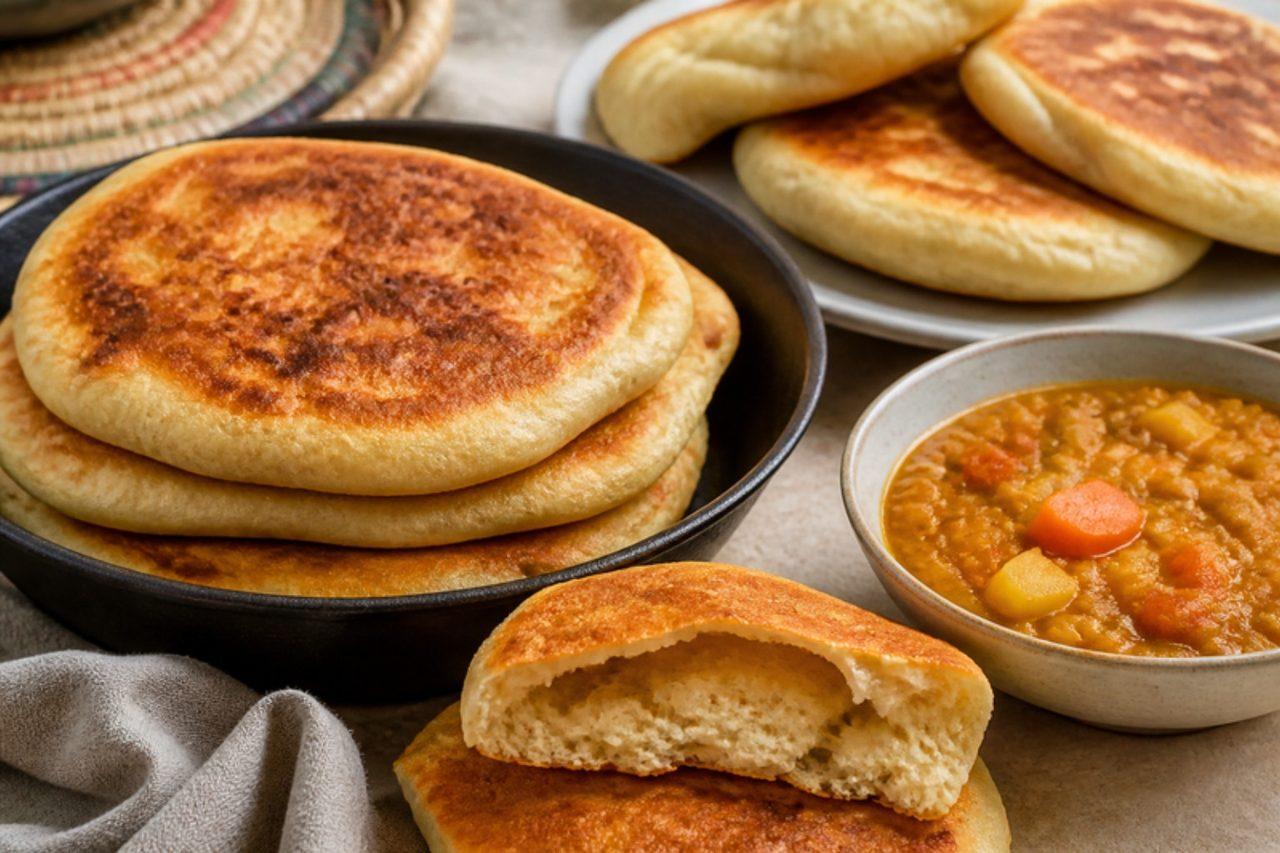
GurasaThick wheat flatbread

Gurasa is a thick, soft, round wheat bread from Sudan, especially the north and west (Darfur and Kordofan), cooked in a covered pan rather than an oven. It is torn and eaten with mullah, ful or salata aswad, and for breakfast with sugar and a little oil or butter. The dough is a loose, yeasted batter, closer to a giant crumpet than a flatbread. Chef's tip: cook it covered over a low heat; a hot open pan burns the base before the thick centre cooks.

by KrazyBadal 0 views

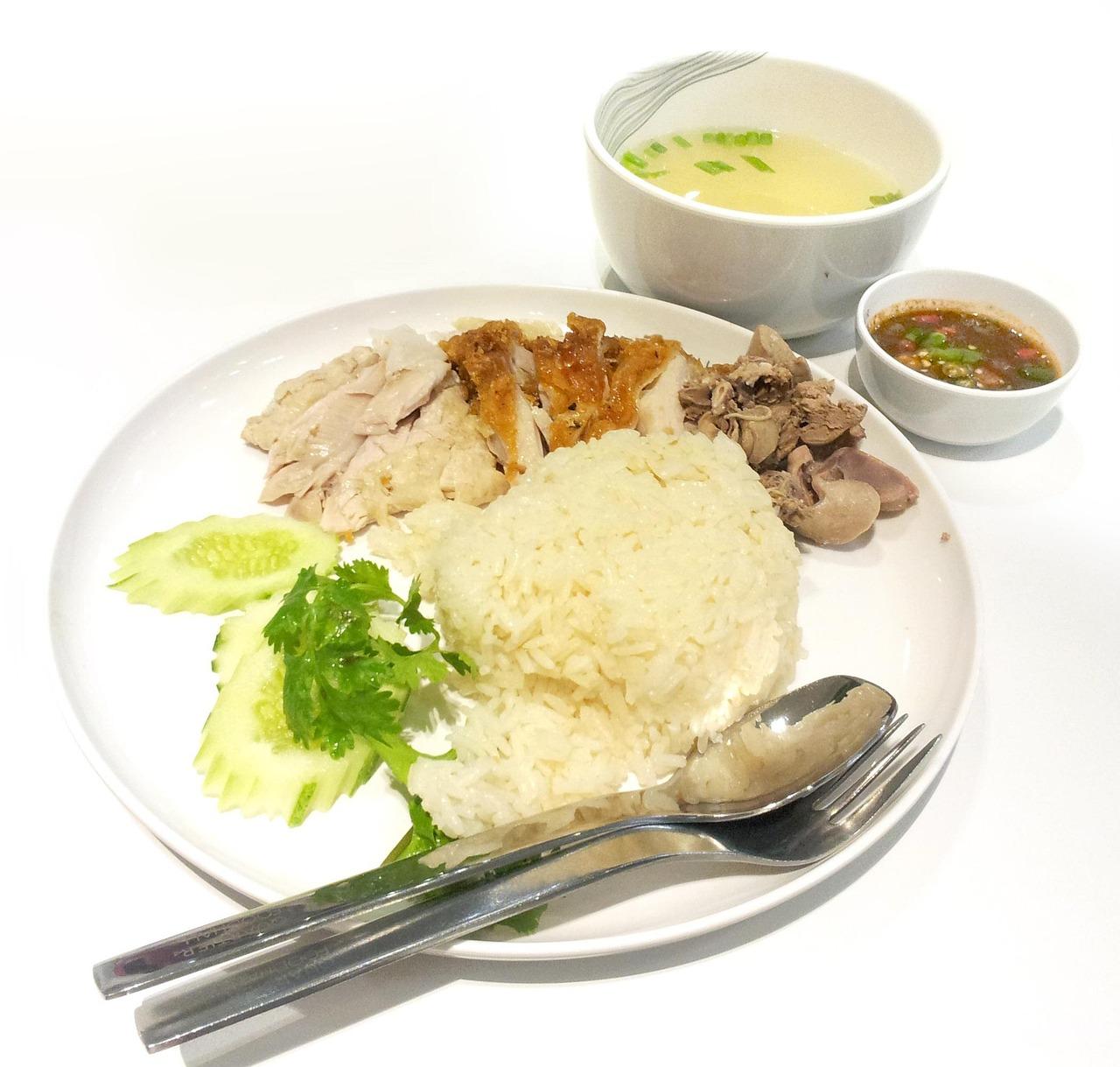
Khao man gaiChicken and ginger rice

Around Pratunam market in Bangkok, the khao man gai stalls are easy to spot: a queue, pale poached chickens hanging in a glass cabinet, and a cook slicing with a cleaver at speed. Like its Hainanese ancestor, the dish pairs silky chicken with rice cooked in the bird's fat and broth, but the Thai plate stands apart for its sauce, a punchy mix of fermented soybeans (tao jiao), ginger, garlic, chilli and vinegar, and for the little bowl of clear broth with winter melon served on the side. Bangkok eats it for breakfast, lunch or a late supper, always with cucumber slices and coriander. Chef's tip: plunge the cooked chicken into iced water for 10 minutes; the skin firms to a jelly-like snap and the meat stays juicy.

by KrazyBadal 0 views

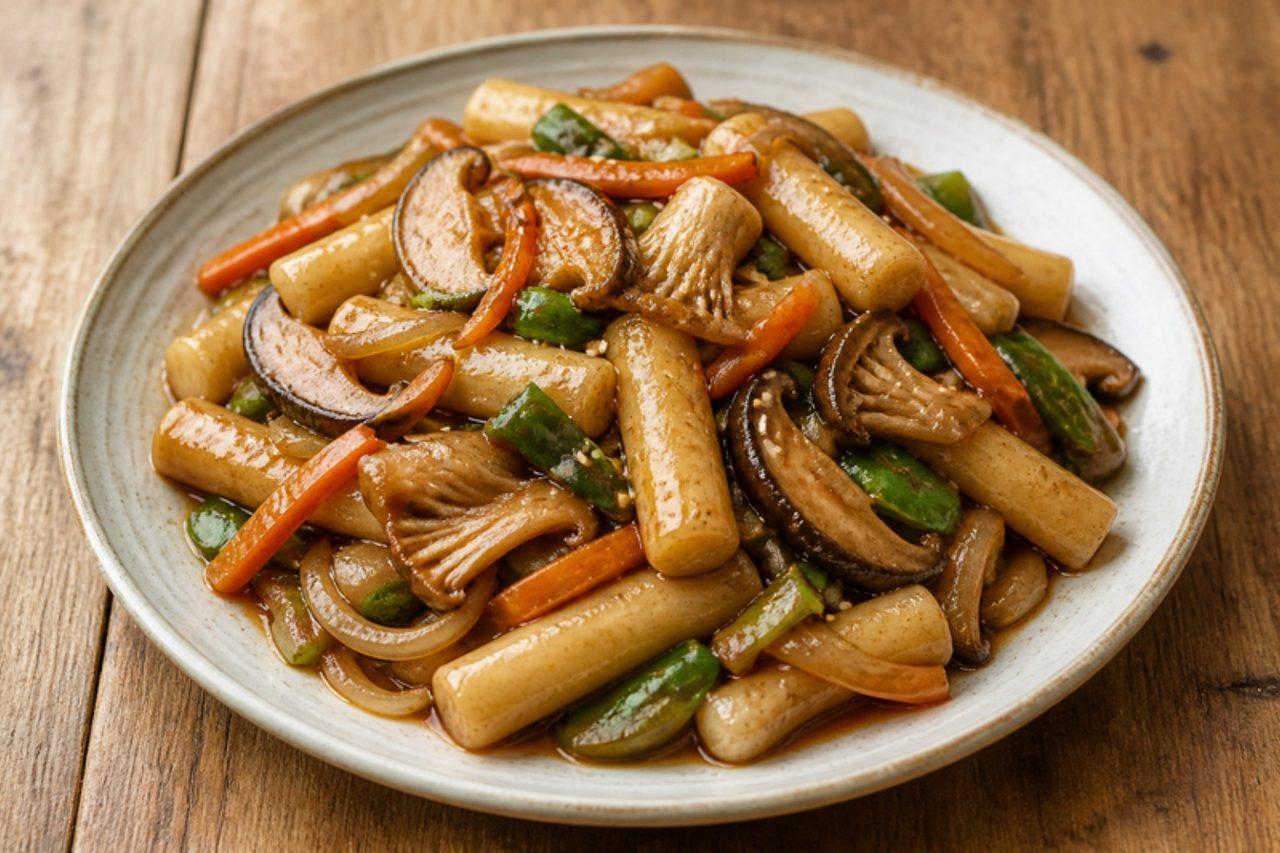
Gungjung tteokbokkiSoy rice cakes with mushrooms

Long before red gochujang tteokbokki took over Seoul's street stalls, the Joseon palace kitchens served gungjung tteokbokki (궁중떡볶이): chewy cylinders of rice cake tossed in a glossy soy and sesame glaze with mushrooms, peppers and onion. It is mild, savoury-sweet and fragrant with toasted sesame, which makes it the version Korean parents cook for children and for anyone who can't take heat. The court recipe used beef; shiitake and oyster mushrooms carry the same savoury depth here. Eat it warm as a snack or alongside rice and kimchi. Chef's tip: soften the rice cakes in hot water before they meet the pan, or the outsides scorch while the centres stay hard.

by KrazyBadal 0 views

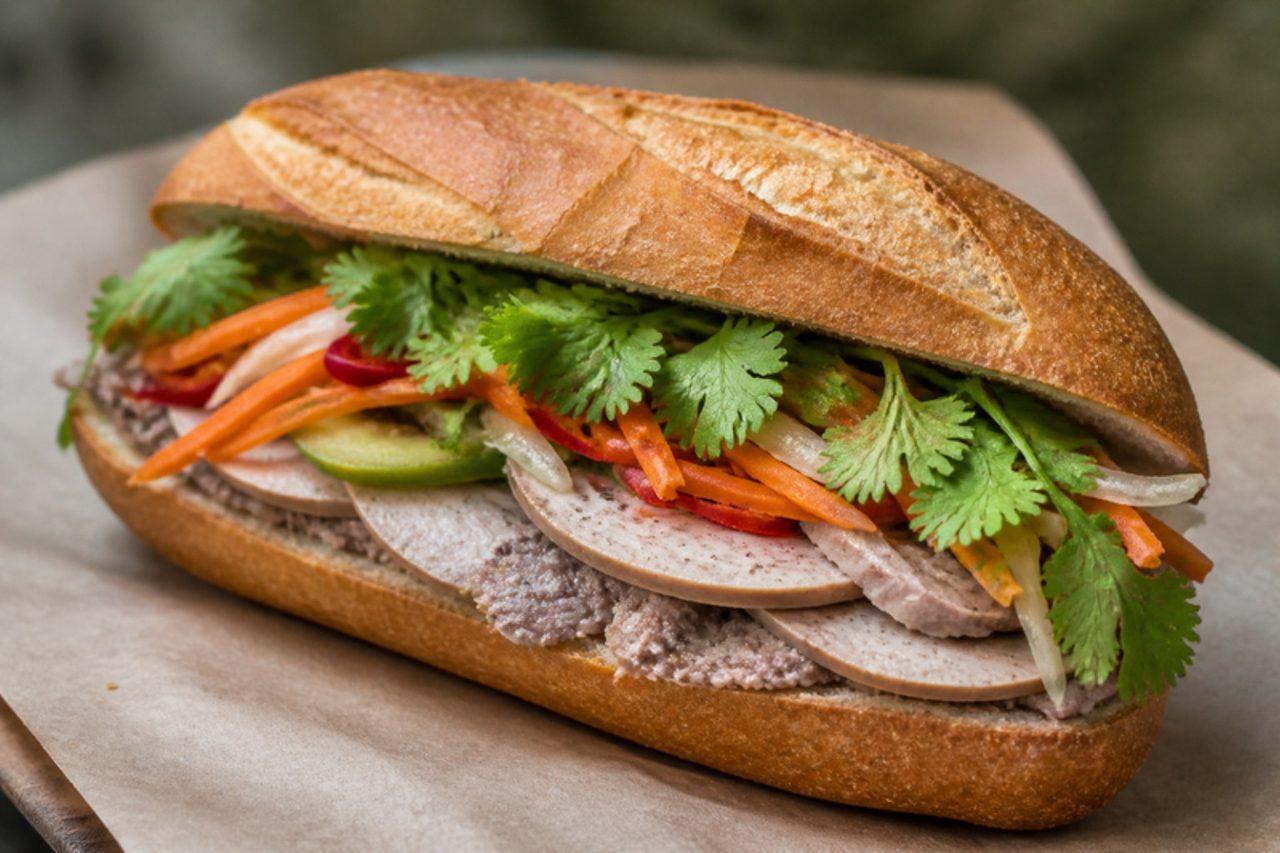
Khao jee pâtéBaguette sandwich with pâté

Khao jee pâté is the breakfast sandwich of Vientiane, sold from glass-fronted carts on street corners since the French era left Laos its love of baguettes. It is a pork sandwich: a crisp, light baguette is warmed over charcoal, spread with pork liver pâté and filled with Lao-style cold cuts (pork sausage or ham), pickled papaya or carrot, cucumber, herbs, chilli sauce and a splash of Maggi-style seasoning. Pregnant people should avoid pâté because of listeria risk. Chef's tip: warm the bread until the crust crackles; a soft baguette makes a soggy sandwich.

by KrazyBadal 0 views

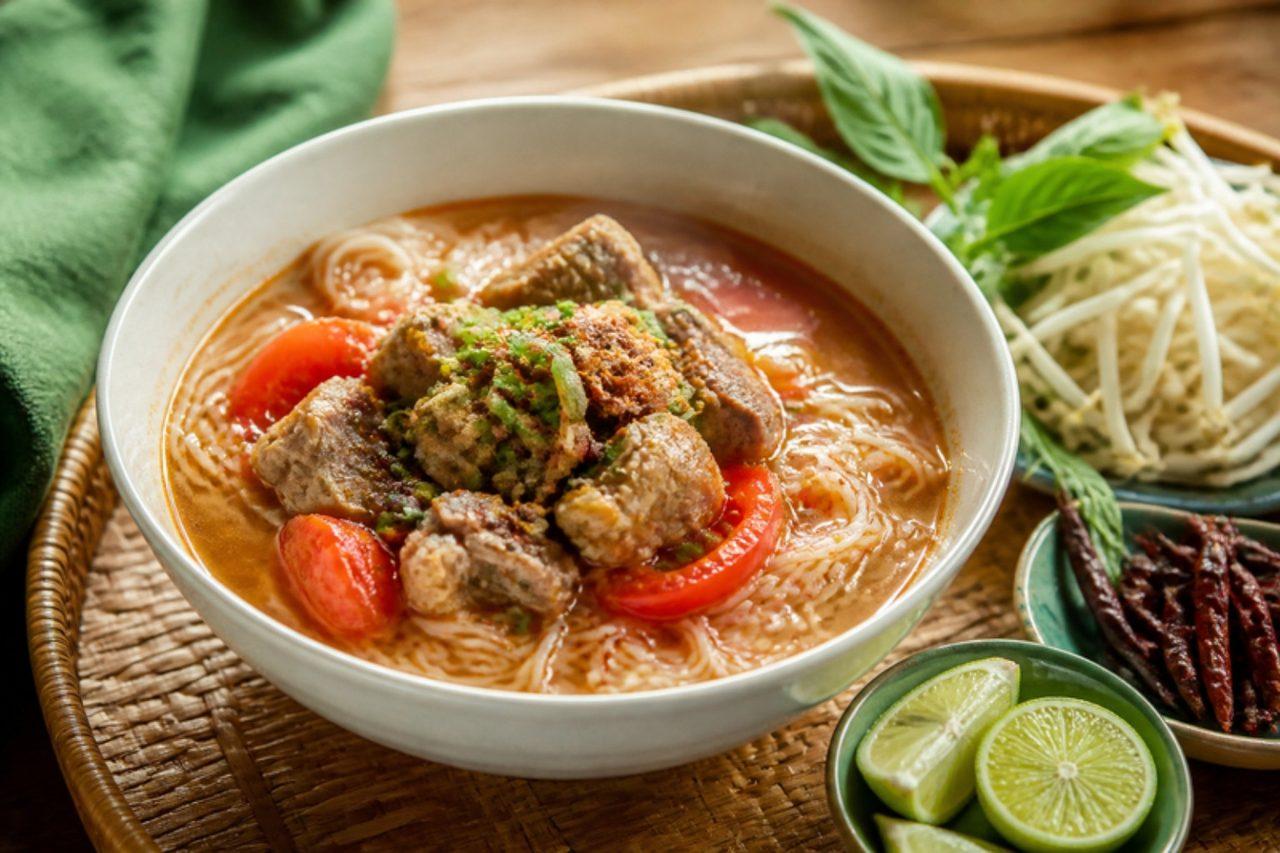
Khanom jeen nam ngiaoRice noodles in spicy pork broth

Breakfast stalls from Chiang Rai to Mae Sai ladle this tangy red broth over soft rice noodles from dawn until it sells out, usually before noon. The soup is light but full-flavoured: pork ribs give body, cherry tomatoes give a fresh sourness, and dried cotton-tree flowers (dok ngiao) add a faint floral, earthy chew. Each diner finishes their bowl at the table with bean sprouts, shredded cabbage, crispy garlic and lime. Cubes of cooked pig's blood are traditional; they are optional here and left out by default. Chef's tip: blanch the ribs and throw that first water away, so the finished broth stays clear and clean-tasting.

90 minThaiSoups
by KrazyBadal 0 views

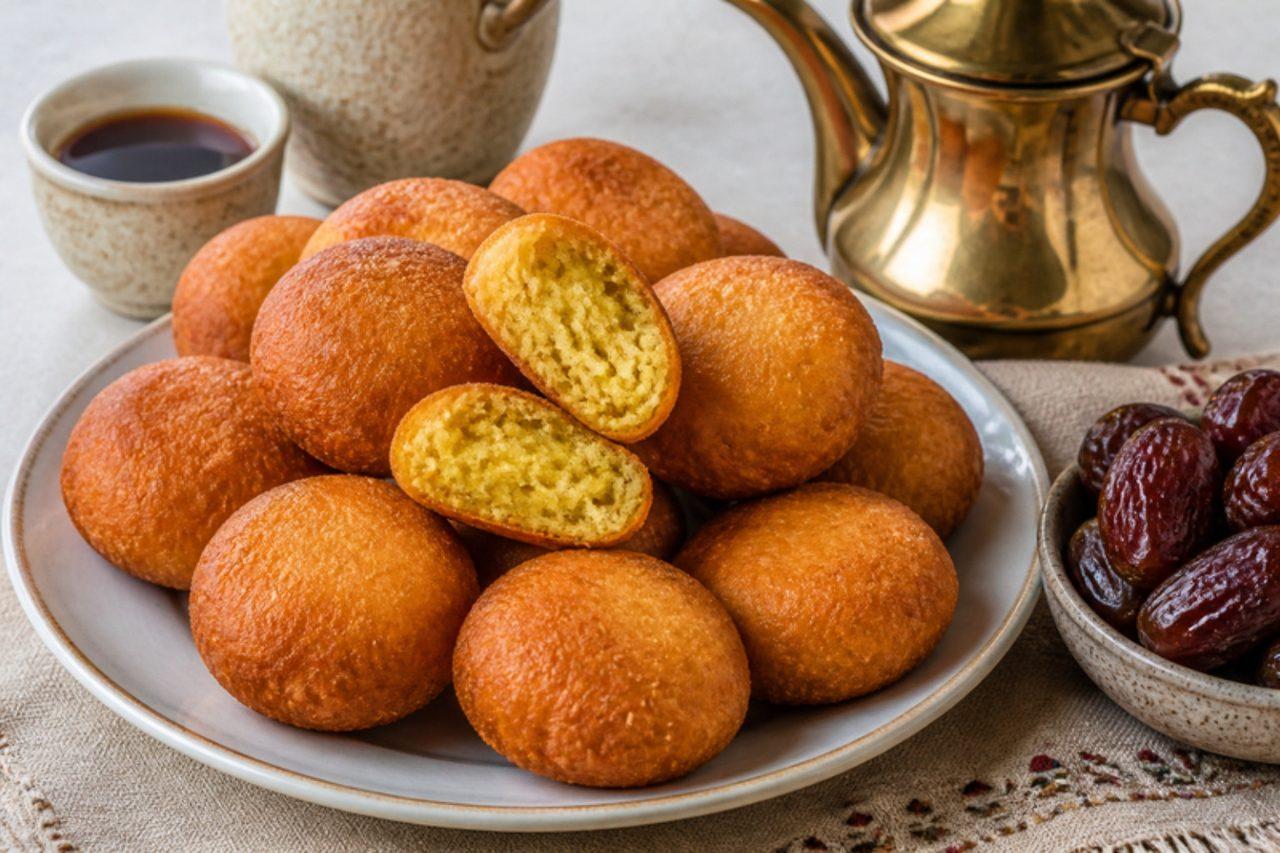
KhanfarooshSaffron rice-flour cakes

Khanfaroosh are an old Emirati sweet, made by grandmothers in Ras Al Khaimah and Fujairah and served with Arabic coffee when guests arrive, at weddings and during Eid. A rice-flour batter rich with eggs, saffron, cardamom and rose water is shallow-fried in small rounds that puff up, golden-brown with a lacy edge and a soft, spongy middle. They are less sweet than they look and best eaten warm from the pan. Chef's tip: let the batter rest for 30 minutes so the rice flour softens; unrested batter fries up gritty.

by KrazyBadal 0 views

ThalipeethMultigrain flatbread

Thalipeeth is a rustic Maharashtrian flatbread made from bhajani, a flour of roasted grains and lentils. The dough is soft and sticky with onion, green chilli and coriander, and is patted out by hand straight onto the pan, with holes poked in it so the oil can crisp it from both sides. It comes off the tawa crunchy at the edges and soft in the middle, smoky with cumin and coriander seed. Eat it hot for breakfast with thick yogurt, white butter or a garlic and peanut chutney, or with lemon pickle. Chef's tip: pat the dough out on a damp cloth or wet baking paper and flip it straight onto the pan; it's too soft to roll, and wet hands keep it from sticking.

by KrazyBadal 0 views

KhandviGram flour yogurt rolls

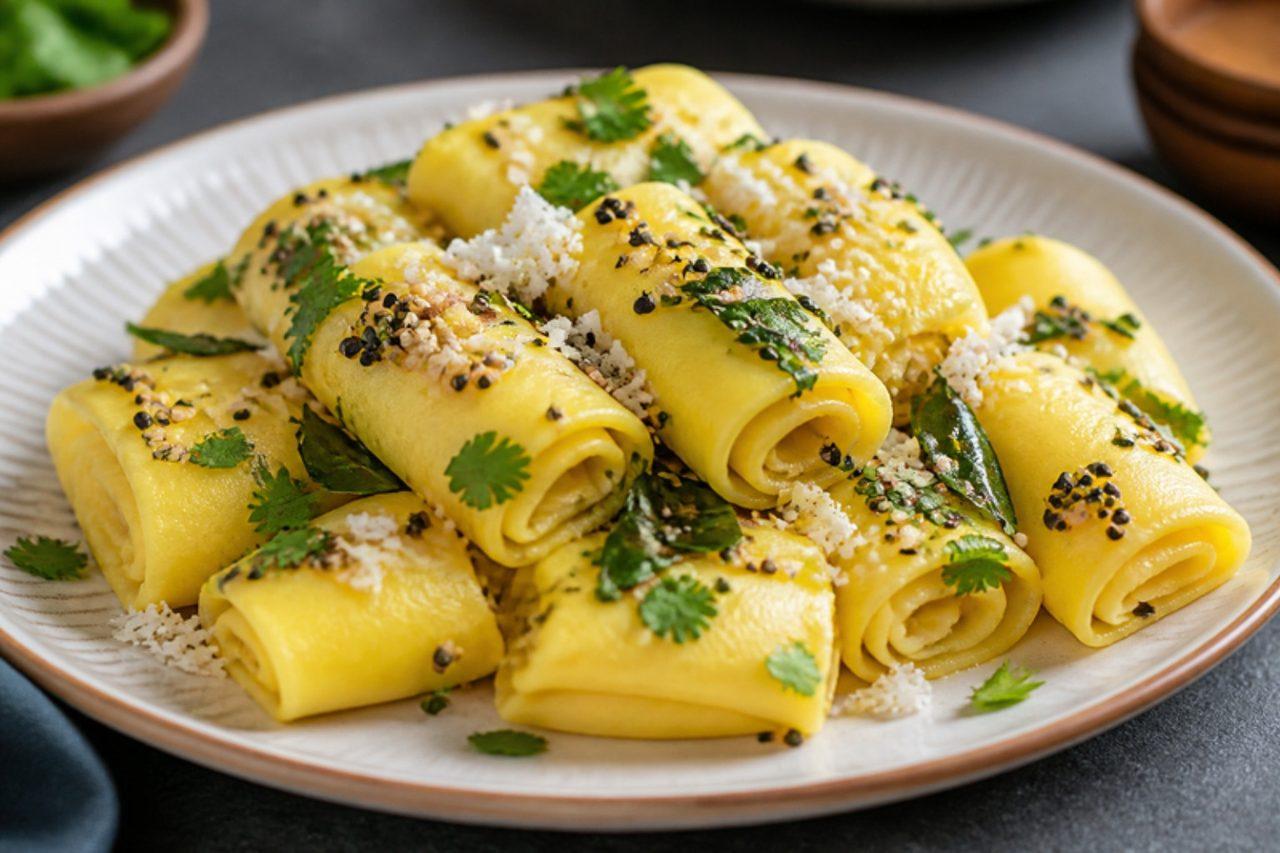
Khandvi are delicate, melt-in-the-mouth rolls from Gujarat, made by cooking gram flour with sour buttermilk until thick, spreading it paper-thin while hot and rolling it up. They're finished with a sizzling tempering of mustard seeds, sesame and curry leaves, plus fresh coconut and coriander. They're soft, tangy and gently spiced, and a favourite at Gujarati weddings and tea-time. They look tricky, but once you know when the batter is cooked, they're quick. Chef's tip: keep a plate by the stove and test the batter often; when a spoonful spread thin on the plate sets in 30 seconds and peels off in one piece, it's ready, and not a minute before.

by KrazyBadal 0 views

Thayir sadamCurd rice

No Tamil meal is really finished without thayir sadam. It's the last course on a banana-leaf lunch, the comfort food packed for train journeys and school tiffins, and the prasadam handed out in some Tamil Nadu temples. Soft, mashed rice is mixed with cool yogurt and a splash of milk, seasoned with ginger, green chilli and curry leaves popped in hot oil, then dotted with pomegranate, grated carrot or green grapes. It's eaten slightly cool with a spoonful of pickle or a fried vathal on the side. Chef's tip: mix a little milk in with the yogurt; it keeps the rice creamy and stops it turning sour if you pack it for lunch several hours ahead.

by KrazyBadal 0 views

ThekuaWheat and jaggery cookies

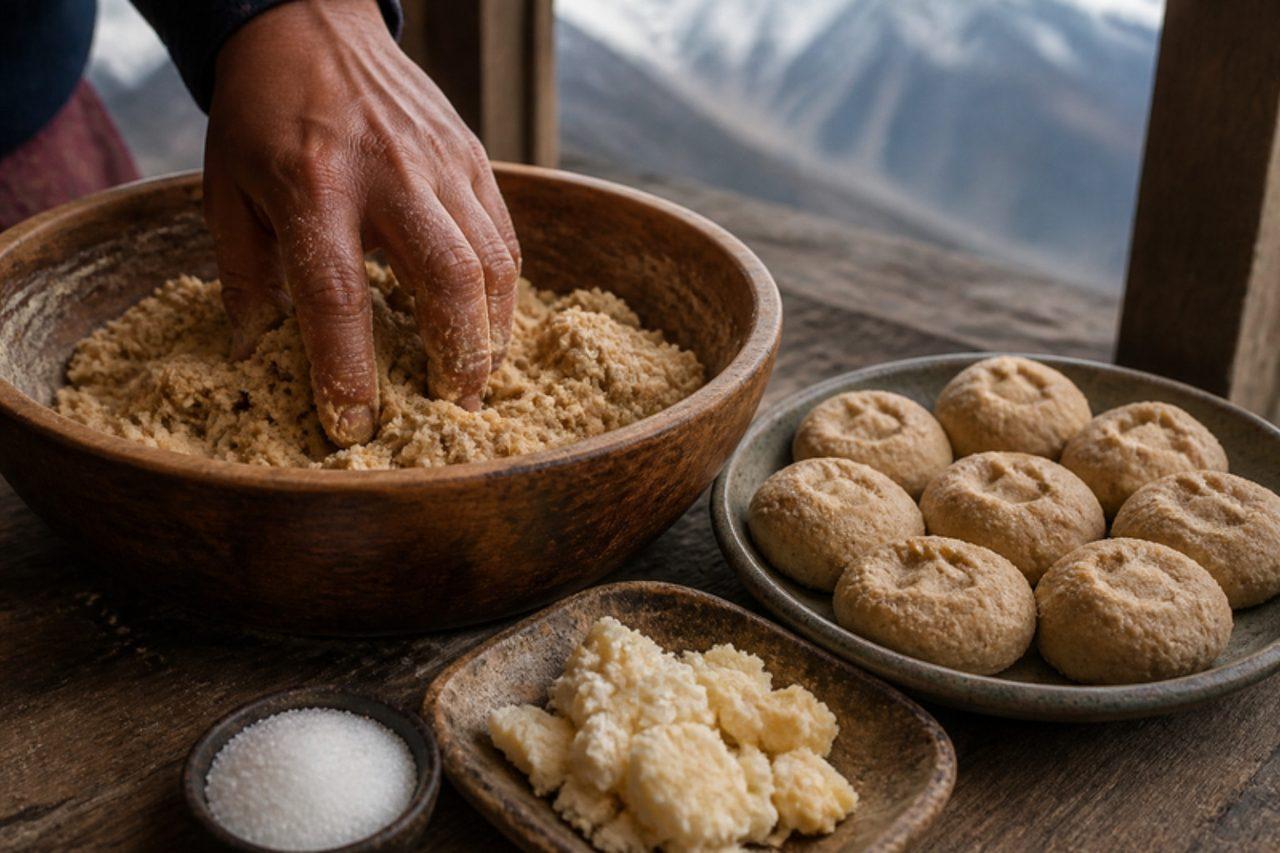
During Chhath Puja, when families across Bihar stand in rivers and ponds to make offerings to the setting and rising sun, thekua fill the bamboo baskets carried to the ghats. Women make them at home in the days before, pressing jaggery-sweetened wheat dough into carved wooden moulds (sancha) and frying them in ghee until dark and crunchy. Outside the festival they are the snack Bihari students take back to hostels in the city, because they keep for weeks. Chef's tip: the dough must be stiff, and the frying slow; soft dough loses the pattern and hot oil leaves them pale and soft inside.

by KrazyBadal 0 views

ThethriGram flour twists

No Teeja in Chhattisgarh passes without a tin of thethri: knotted and twisted pieces of gram-flour dough, seasoned with ajwain and chilli and fried slowly until they shatter when you bite. Married daughters coming home for the festival are sent back with them, alongside the sweet khurmi, and they keep for weeks. Each family has its favourite shape, from simple knots to little spirals and braided rings. Chef's tip: fry on a medium-low flame and be patient; thethri fried hot puff up and brown outside but stay soft and chewy inside.

by KrazyBadal 0 views

KhambirLeavened wholewheat bread

Khambir is the everyday bread of Ladakh: a thick, round wholewheat loaf with a dent pressed into the middle, browned on a griddle and finished in the heat of the kitchen stove. In homes in Leh and Kargil it appears at breakfast, torn into chunks and dipped into salty butter tea, or spread with apricot jam made from the region's dried apricots. The crust is chewy and toasty, the inside dense and slightly sour. Bakers in Leh's old town still sell it warm in the mornings. Chef's tip: let the dough rise until truly doubled; under-risen khambir is heavy and gummy in the middle.

by KrazyBadal 0 views

ThieboudienneFish and rice in tomato broth

Ceebu jën, "rice and fish" in Wolof, is the dish Saint-Louis claims as its own and the whole of Senegal cooks for the big Friday or Sunday lunch, served on one wide platter that the family eats from together. Thick fish steaks are stuffed with a green paste of parsley, garlic and chilli, browned, then simmered in a deep tomato broth with whole cassava, carrot, cabbage and aubergine; the broken rice then soaks up that same broth until it turns orange and fragrant. The prized part is the xoon, the crust that forms at the bottom of the pot, which is shared out at the end. The usual mistake is leaving the fish in the pot while the rice cooks, so it falls apart; lift it out with the vegetables and keep it warm. Chef's tip: rinse the broken rice three times and steam it briefly before it goes into the broth, so the grains stay separate instead of turning to porridge.

by KrazyBadal 0 views

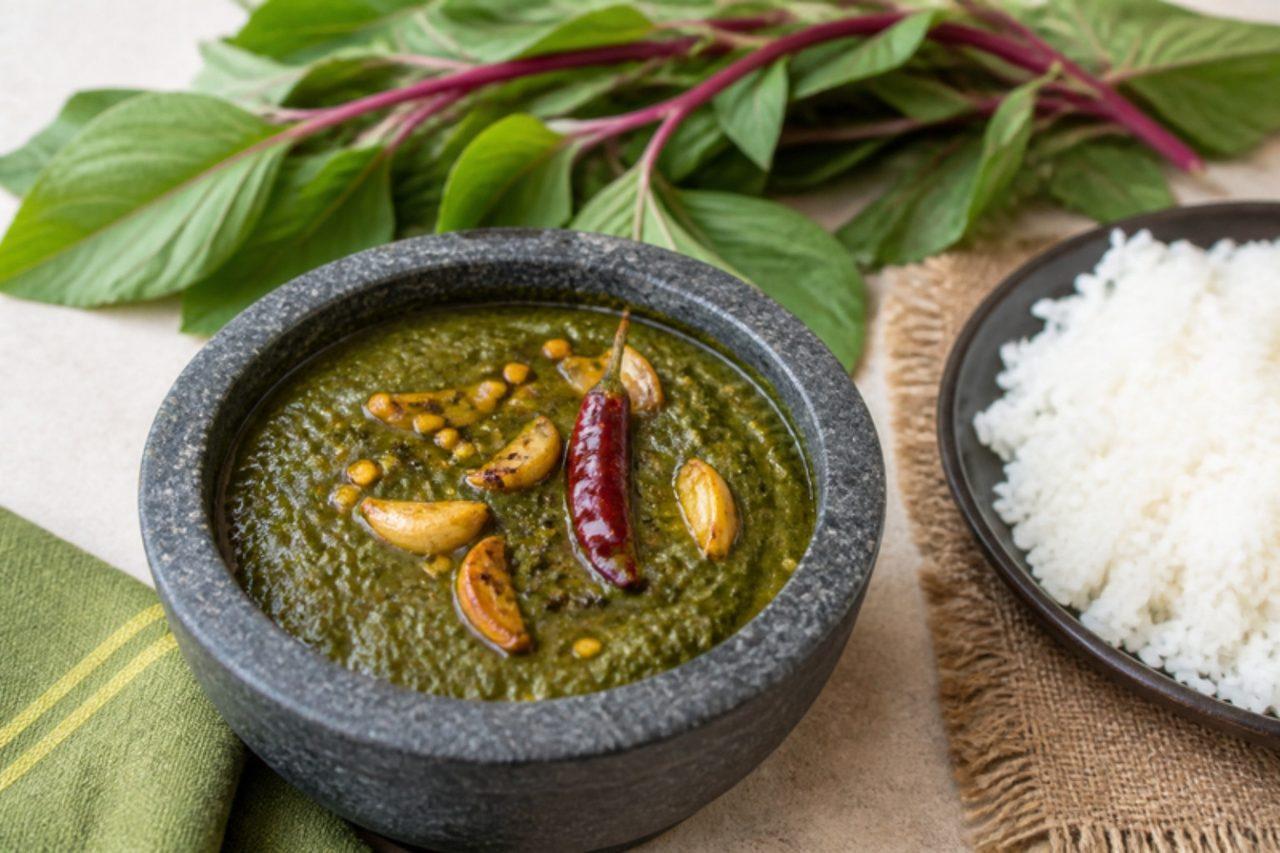
Gundruk ko jholSour fermented greens soup

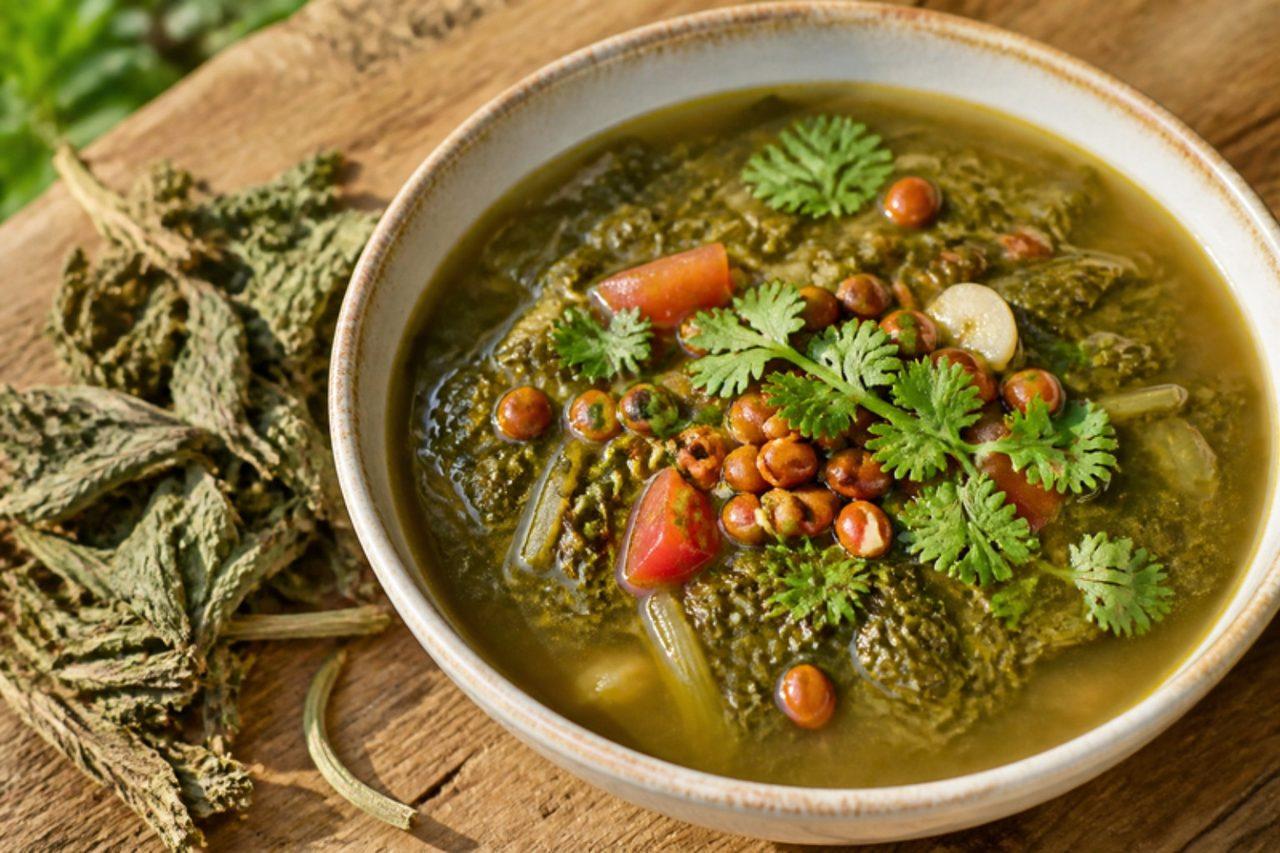
In the terraced hill villages between Pokhara and Ilam, families pack mustard, radish and cauliflower leaves into clay pots after the autumn harvest, let them ferment for a week or two and then sun-dry them into gundruk. That dark, tangy leaf is the store cupboard of the winter months, and its most common use is this thin, sour soup (jhol), served on the side of dal bhat or with dhido, the stiff buckwheat or millet porridge of the hills. It tastes a little like a smoky, vinegary green tea and is light, warming and very cheap. A handful of roasted soybeans (bhatmas) is often thrown in for crunch. The mistake is to cook gundruk without soaking it first, which leaves it gritty and too sour. Chef's tip: squeeze the soaked leaves hard and fry them in the oil until they crackle before you add water; that frying gives the soup its toasty depth.

by KrazyBadal 0 views

Key watSpicy beef stew

Ask for key wat at a restaurant in Addis Ababa and you get a bowl of tender beef drowned in a sauce so red it gives the dish its name: key means red in Amharic. It is everyday celebration food, cooked for Sunday lunch, weddings and the end of a fast, and it shares the slow-cooked onion base of doro wat but with chunks of beef and a sharper, more peppery heat. The sauce should be thick and glossy, with a layer of red oil on top. Spoon it over injera with a cooling plate of greens or lentils beside it. Chef's tip: cut the beef into small, even 2 cm cubes so it soaks up the sauce and becomes tender in under an hour and a half.

by KrazyBadal 0 views

ŻurekSour rye soup with sausage

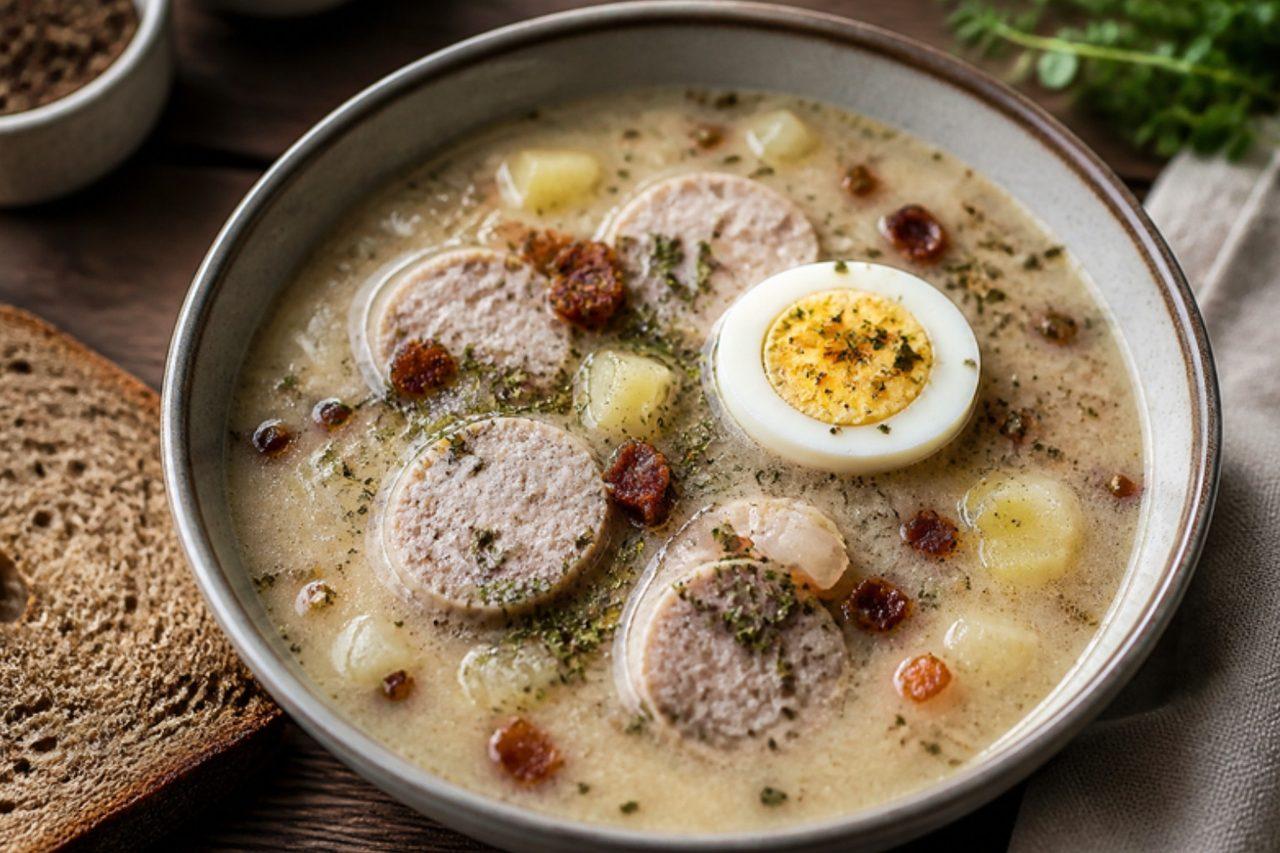
Żurek is the soup of Polish Easter, served in homes from Kraków to Gdańsk on Easter Sunday morning, and in highland Zakopane restaurants it comes in a hollowed-out bread loaf all year. Its tang comes from zakwas, a fermented rye-flour starter, simmered with marjoram, garlic and stock. This version contains pork: white sausage (biała kiełbasa) and smoked bacon, plus halved hard-boiled eggs. Chef's tip: shake the jar of zakwas before you pour it in; the flour settles and the soup will be thin without it.

by KrazyBadal 0 views

Gundel palacsintaWalnut pancakes with chocolate sauce

Gundel palacsinta is the festive pancake of Budapest, named after the Gundel restaurant by City Park, where it became the showpiece dessert of the mid-twentieth century. Thin Hungarian pancakes are filled with a rum-scented walnut and raisin paste, folded into triangles and drowned in a dark chocolate sauce, sometimes flamed at the table. Everyday palacsinta at home are simpler, rolled with apricot jam, cocoa sugar or sweet túró; this is the version for name days, Christmas and guests. Chef's tip: rest the batter for 30 minutes; the pancakes become thinner and more elastic and stop tearing when you fold them. Common mistake: overfilling, which makes the triangles burst open.

by KrazyBadal 0 views

GulyáslevesBeef goulash soup

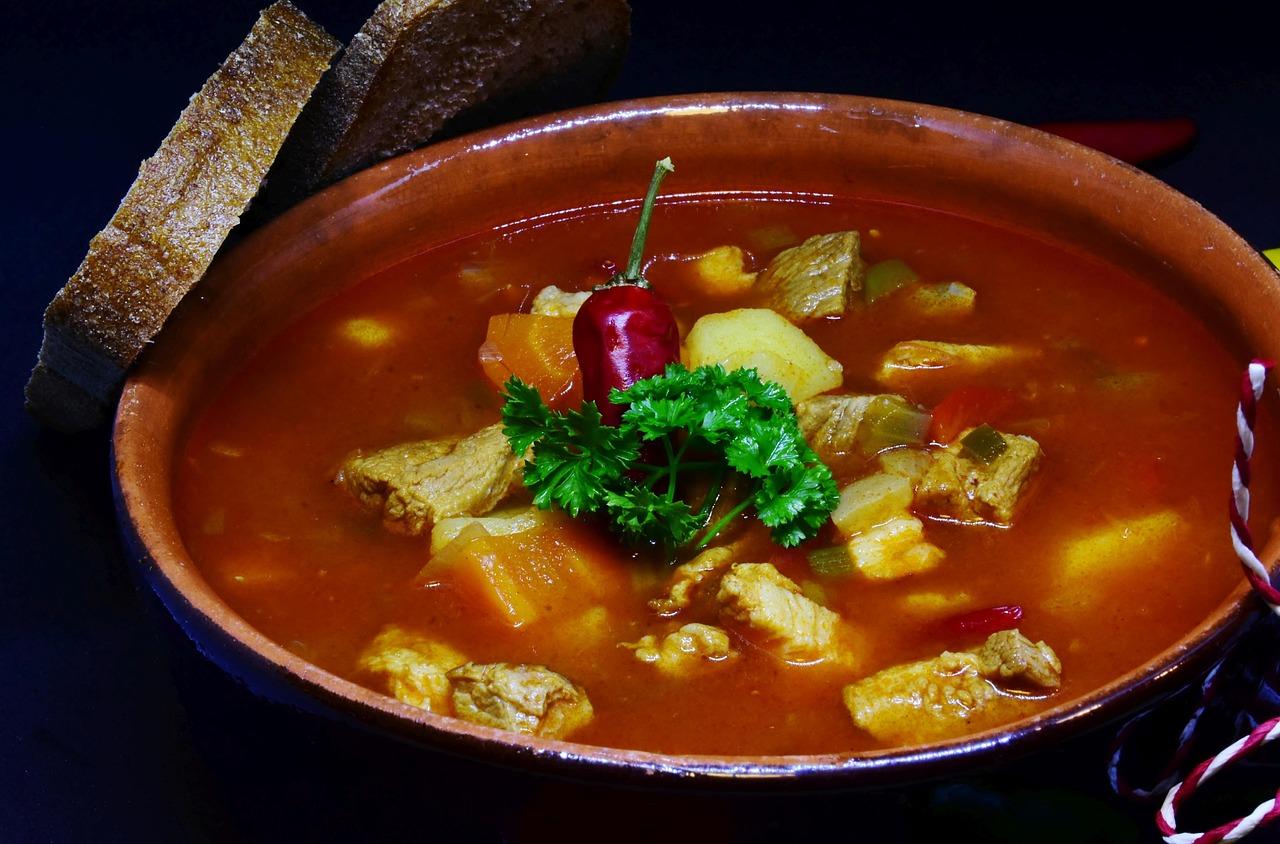
Real Hungarian goulash is a soup, gulyásleves, born in the cattle herders' kettles of the Great Plain and still cooked over open fires at summer festivals and in every csárda (country inn) between Budapest and Debrecen. Beef shin or chuck simmers with lots of onion, sweet paprika, caraway and green pepper until tender, then potatoes and carrots go in. It is brothy, rich red and gently spicy, eaten with fresh bread. Chef's tip: take the pot off the heat before adding the paprika; it burns in seconds in hot fat and turns bitter.

by KrazyBadal 0 views

ThukpaHimalayan noodle soup

Thukpa is the warming noodle soup of the Himalayas, eaten in Sikkim, Ladakh and the Tibetan settlements of the hills on cold evenings. A gingery, garlicky broth is cooked with carrot, cabbage and tomato, then wheat noodles and spinach go straight into the pot. It's light yet filling, savoury with soy and pepper and as spicy as you like with chilli on the side. Serve in deep bowls with a squeeze of lemon. Chef's tip: cook the noodles in the soup only just before serving; left standing, they keep drinking up the broth and turn soft.

by KrazyBadal 0 views

Timatim salataTomato and onion salad

Timatim salata is the cool, crunchy salad served alongside the stews of an Ethiopian meal, from roadside restaurants in Tigray to home tables in Addis Ababa. Ripe tomatoes, red onion and green chilli are dressed with lemon juice and oil, and the salad is left to stand so the juices mingle; mixed with torn injera it becomes timatim fitfit. Chef's tip: salt the tomatoes only a few minutes before serving, or they release so much liquid the salad turns soupy.

by KrazyBadal 0 views

Tian provençalBaked layered summer vegetables

A tian is named after the shallow earthenware dish Provençal cooks use to bake vegetables, and the most famous version lines up thin slices of courgette, aubergine, tomato and onion in tight rows like roof tiles. In Provence it's a Sunday side for the whole family and a light supper with a green salad in summer. The vegetables roast in their own juices with olive oil, garlic and thyme until soft, sweet and lightly browned on top. Unlike ratatouille, nothing is fried first, so it is lighter and more delicate. Chef's tip: choose vegetables of the same width and slice them all 3–4 mm thick; uneven slices are the common mistake and cook unevenly, some raw, some collapsed.

by KrazyBadal 0 views

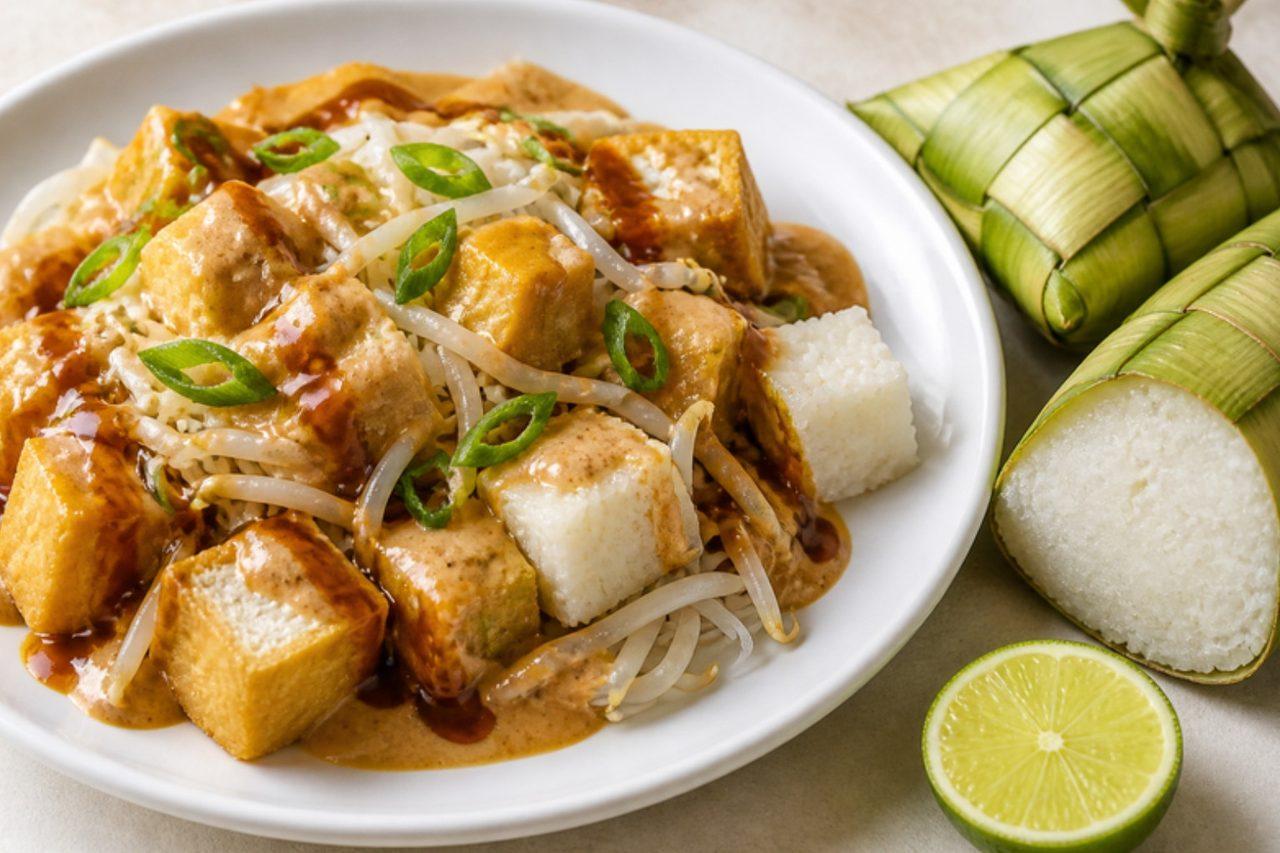
KetoprakTofu and noodles in peanut sauce

Ketoprak is a Jakarta cart dish, made to order: the seller grinds peanuts, garlic and chilli in a wide stone mortar, loosens them with water and sweet soy, then tips fried tofu, rice cake, rice vermicelli and bean sprouts on top. It is a cousin of gado-gado but simpler, with no egg-and-greens platter, and the raw-garlic sauce is the whole point. Eat it at lunch with plenty of crackers. Chef's tip: grind the garlic with the hot fried peanuts so the garlic mellows slightly; a raw paste made with cold nuts is harsh.

by KrazyBadal 0 views

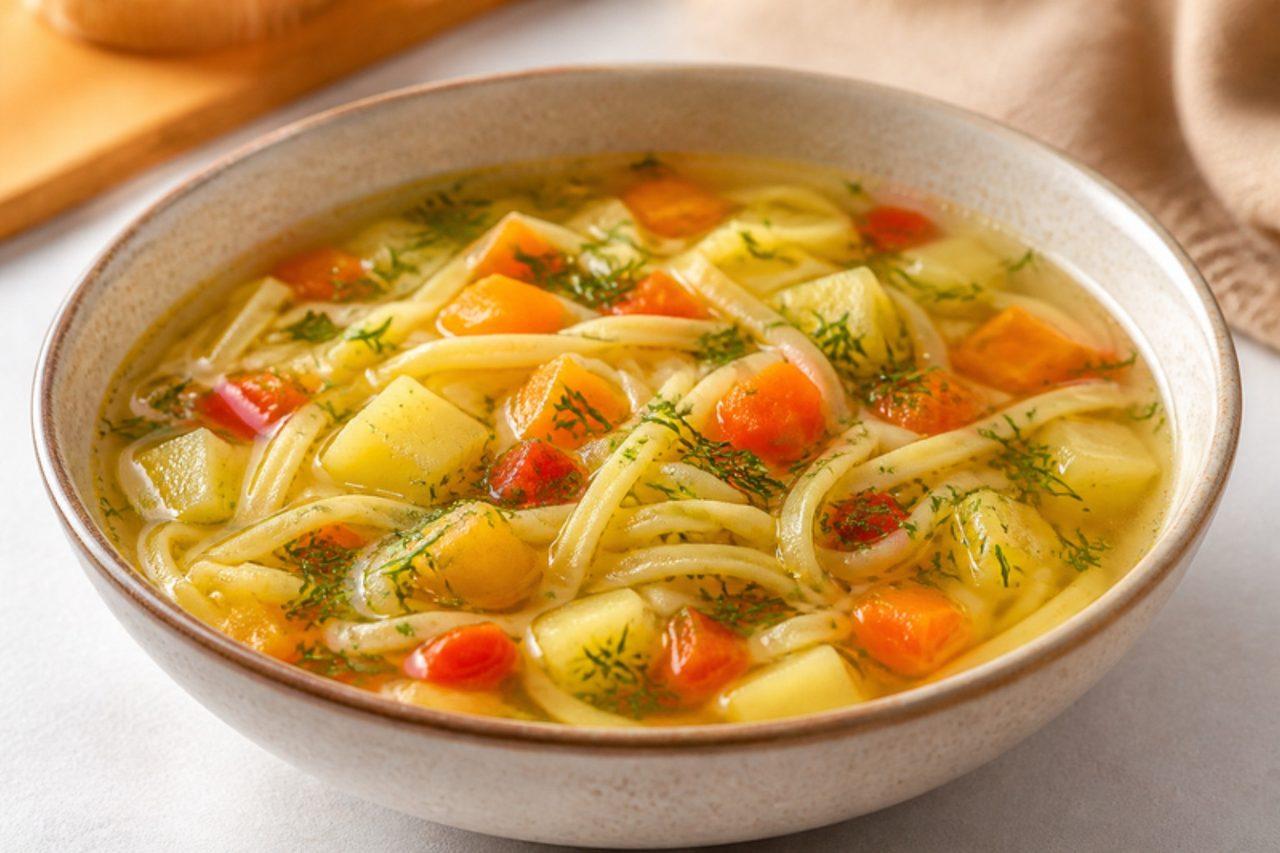
KespeEgg noodles in vegetable broth

Kespe is the plainest and most comforting of Kazakh soups: home-made egg noodles, cut thin with a knife, simmered in broth with potato, carrot and onion. The name comes from 'kesu', to cut. Grandmothers in villages around Karaganda and Pavlodar make it on winter evenings and for anyone feeling unwell, and in Kyrgyzstan the same soup goes by the same name. It is usually cooked in mutton broth; this version uses a well-browned vegetable broth. Chef's tip: dry the cut noodles for 20 minutes before cooking; they hold their shape and don't cloud the broth.

by KrazyBadal 0 views

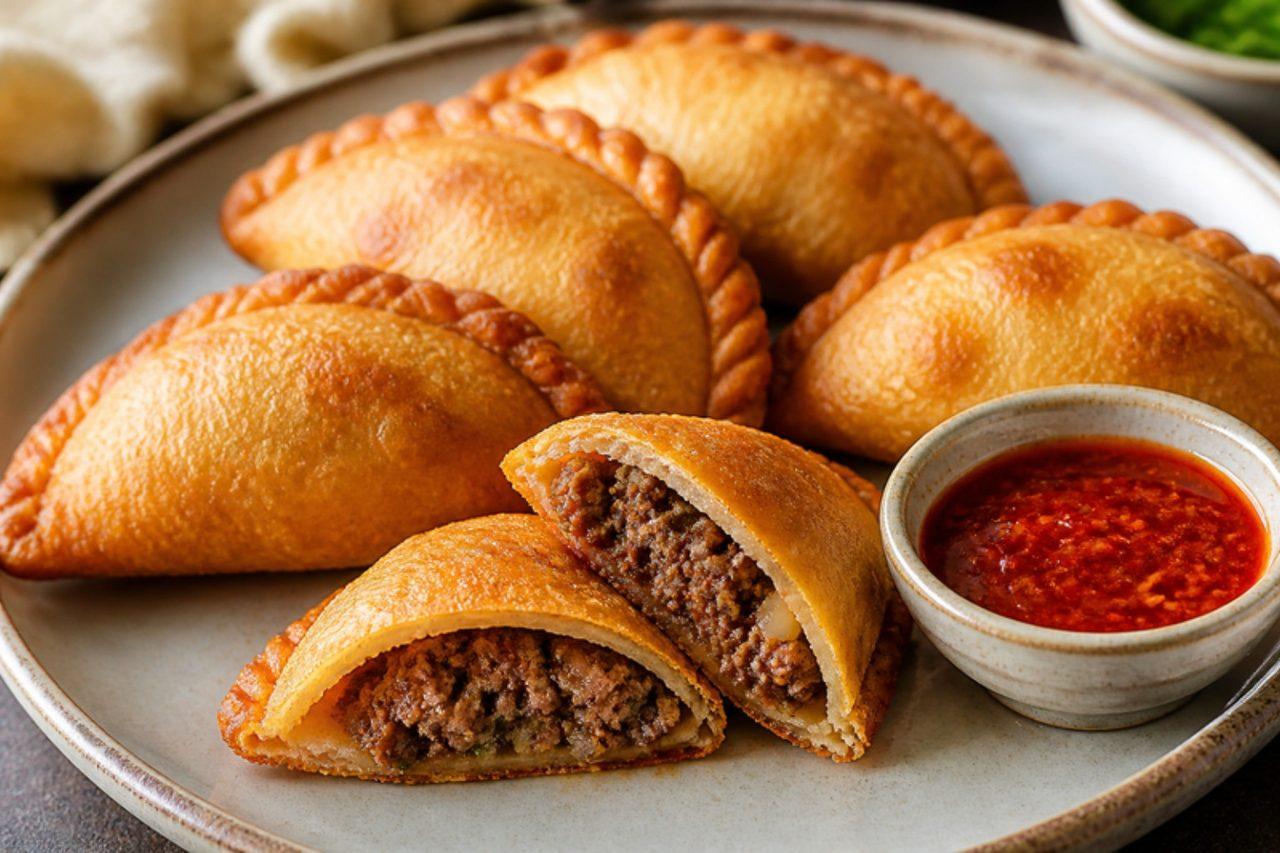
ShabhaleyFried beef pastries

Tibetan families in Lhasa and across the plateau make these crisp, half-moon or disc-shaped pies for Losar, the Tibetan New Year, and for gatherings with friends; Tibetan cafés in exile communities sell them by the plate too. The name means meat bread, and the filling of minced beef with onion, ginger, coriander and a pinch of Sichuan pepper stays juicy inside a thin, crackly crust. They are hearty, savoury and lightly numbing, never fiery. Serve them hot with a tomato chilli sauce (sepen) and a cup of butter tea or black tea. Chef's tip: keep the oil at 170 °C; hotter and the pastry browns before the meat inside is cooked.

by KrazyBadal 0 views

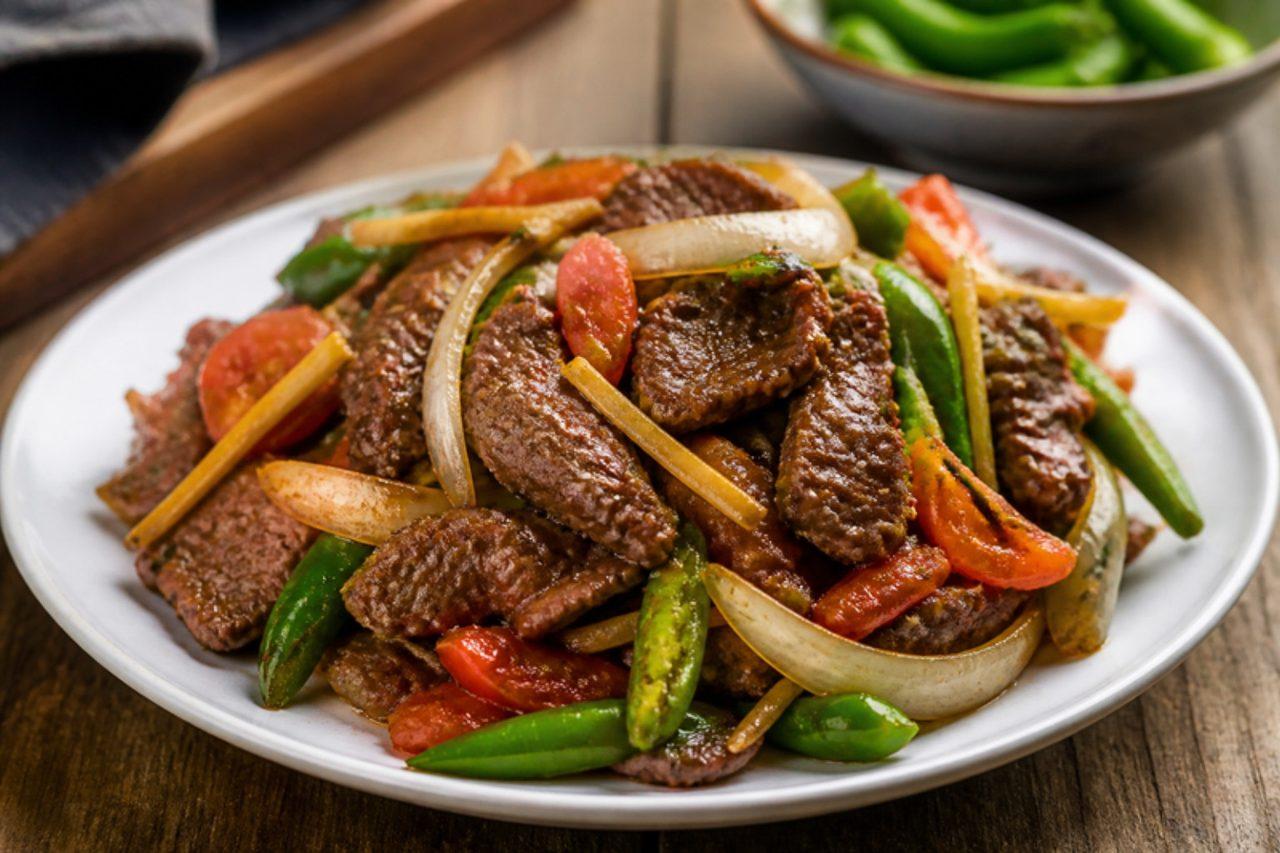
ShaptaStir-fried yak with chillies

Herding families on the Tibetan plateau traditionally cook yak meat this way, and today shapta is a favourite at Tibetan restaurants from Lhasa to Kathmandu and Delhi. Thin slices of meat are seared with onion, green chillies and tomato, and seasoned with ginger, garlic and timur (Sichuan pepper), which gives a gentle tingle. Lean and full of flavour, it comes out savoury, slightly smoky and pleasantly hot. Serve it with tingmo (steamed bread), rice or flatbread, and a simple radish salad. Chef's tip: yak is very lean, so slice it thin and cook it fast; beef sirloin or rump is the easiest substitute.

by KrazyBadal 0 views

Tibetan tingmoSteamed twisted buns

Tingmo are the everyday bread of Tibet: plain steamed buns made by stretching and twisting oiled strips of dough into a knot, so they open into soft, pull-apart layers. Families in Lhasa and Tibetan communities in Nepal and India eat them with spicy vegetable stews, dal and chilli sauce, tearing off pieces to mop up the sauce. The dough is simple; the twist takes a little practice. Chef's tip: once the steaming time is up, turn off the heat and wait 3 minutes before lifting the lid, so the buns don't collapse.

by KrazyBadal 0 views

TsampaRoasted barley flour with butter tea

Tsampa, roasted highland barley flour, has been the staple food of the Tibetan plateau for centuries. Every morning, families in Lhasa and in nomad tents put a handful in a bowl, pour in butter tea, add a knob of butter and knead it with their fingers into small, nutty balls called pak. It's filling, quick and easy to carry. Barley flour is easy to find; toast it in a dry pan if it isn't already roasted. Chef's tip: add the tea a little at a time; you want a dough like firm marzipan, not a paste.

by KrazyBadal 0 views

Keropok lekorFried fish sausages

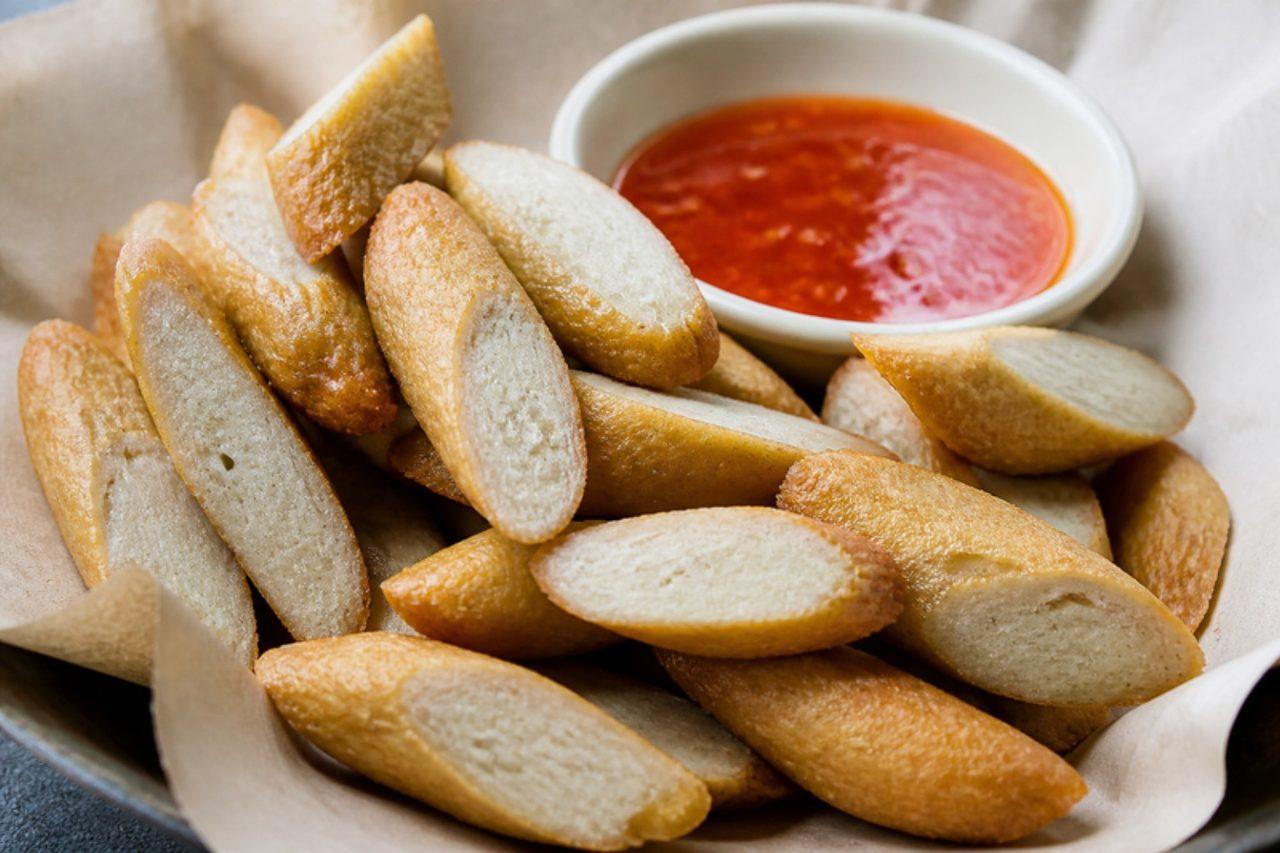
Along the beach road from Kuala Terengganu to Marang, roadside huts sell keropok lekor in paper bags, still hot from the wok. These are long, grey-white sausages of fish and sago starch, boiled until they float and then sliced and fried, so the outside puffs and crisps while the inside stays dense, bouncy and tasting clearly of the sea. Locals dip them in a sweet, garlicky chilli sauce and eat them with tea in the late afternoon. They freeze well after boiling, ready to fry any time. Chef's tip: knead the fish with ice-cold water; keeping the dough cold is what gives the springy bite.

by KrazyBadal 0 views

Gulai nangkaYoung jackfruit curry

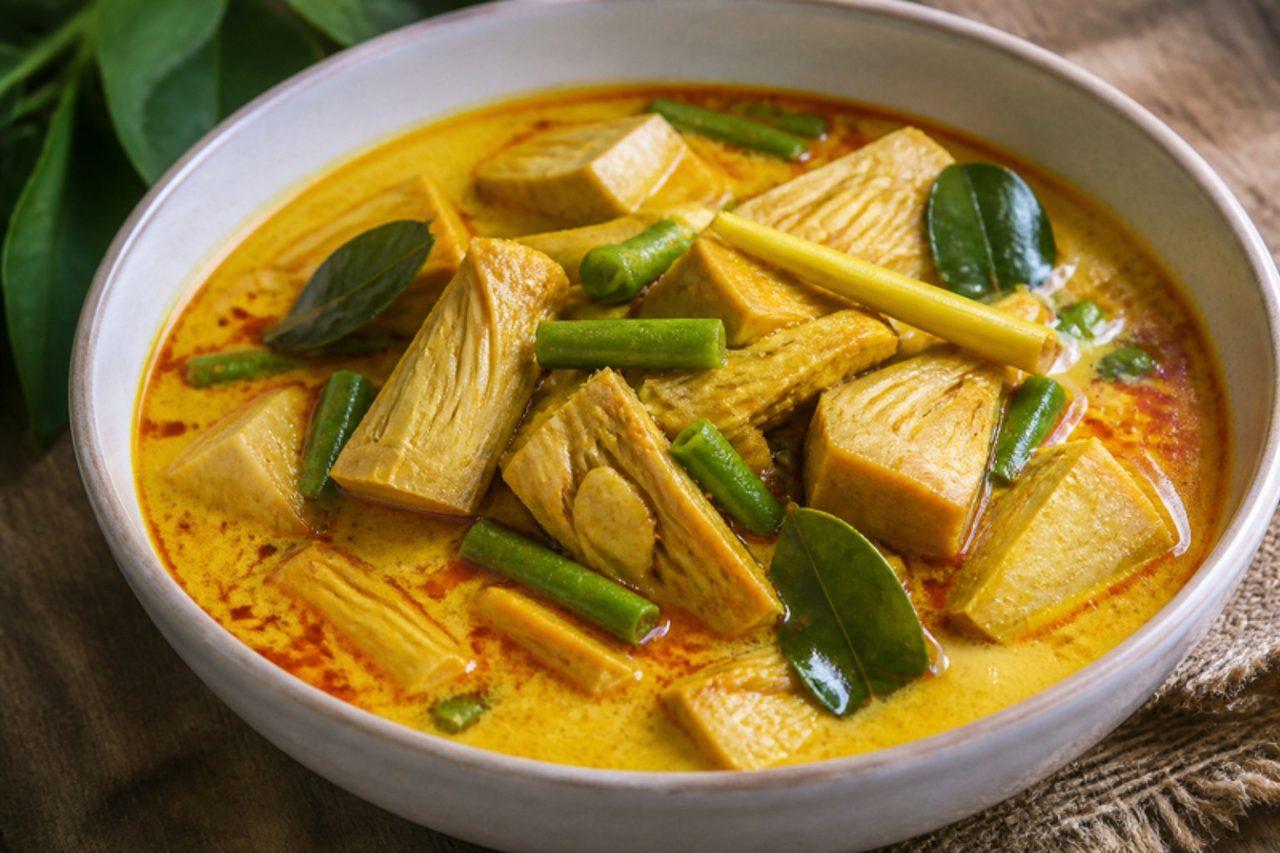
In a nasi Padang restaurant, where dozens of dishes are stacked in the window and brought to the table on small plates, gulai nangka is the bright yellow one that gets spooned over rice to moisten everything else. Young jackfruit and long beans simmer in a thin, golden coconut sauce with turmeric, chilli and lemongrass until the jackfruit is tender and full of sauce. It's lighter and saucier than rendang and cooks in under an hour, so Padang households make it on ordinary weekdays. Chef's tip: stir the pot almost constantly for the first few minutes after the coconut milk goes in — Padang cooks say it keeps the gulai smooth and stops it splitting.

by KrazyBadal 0 views

Gulai daun singkongCassava leaves in coconut gravy

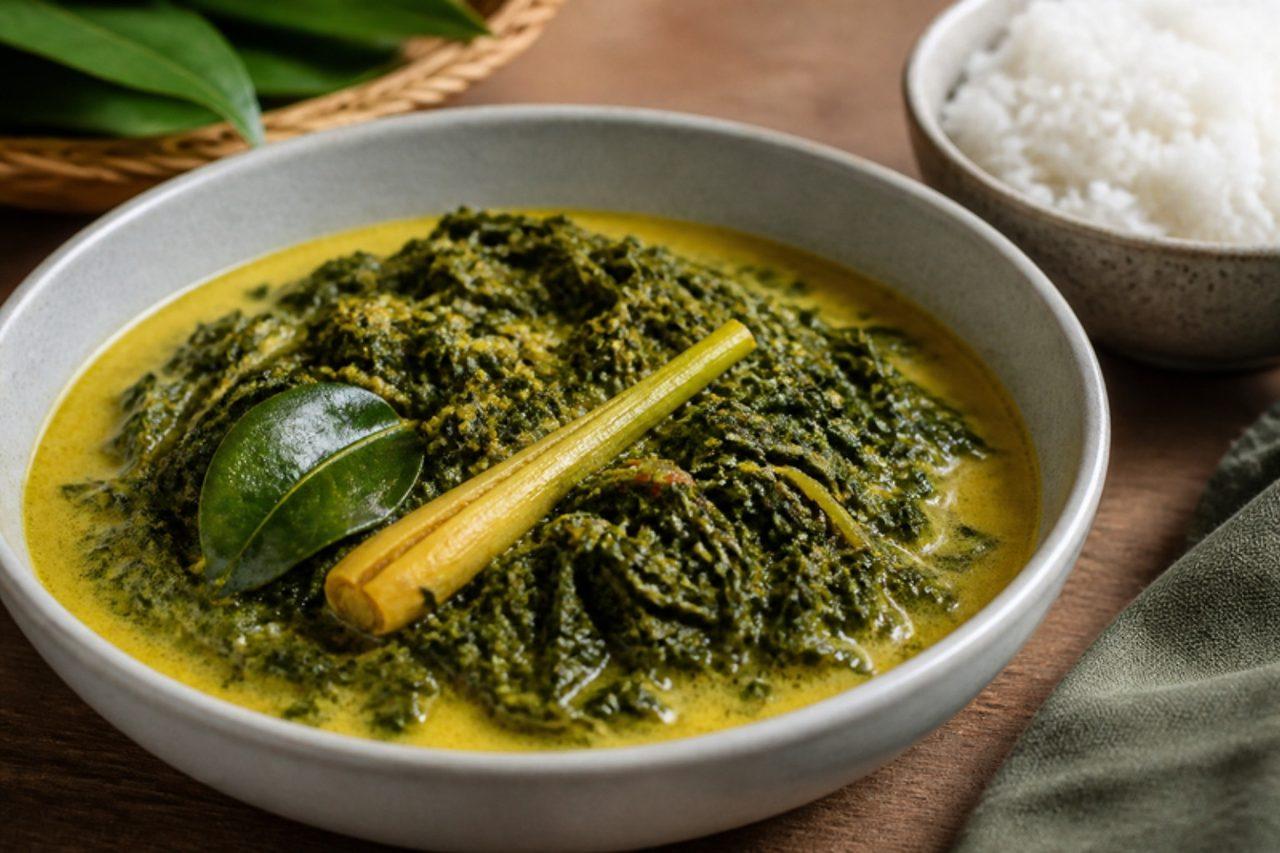
No Padang restaurant in West Sumatra is complete without a dish of gulai daun singkong: dark cassava leaves simmered until silky in a yellow coconut gravy fragrant with lemongrass, turmeric leaf and galangal. It is the cooling green on a table of rich, fiery plates, ladled over rice with sambal hijau. Restaurants sometimes add dried anchovies; this version doesn't. Frozen cassava leaves from Asian shops work well; kale is the best stand-in. Chef's tip: squeeze the boiled leaves hard before adding them, or the gravy goes thin and grassy.

by KrazyBadal 0 views

Kerala meen currySour red fish curry

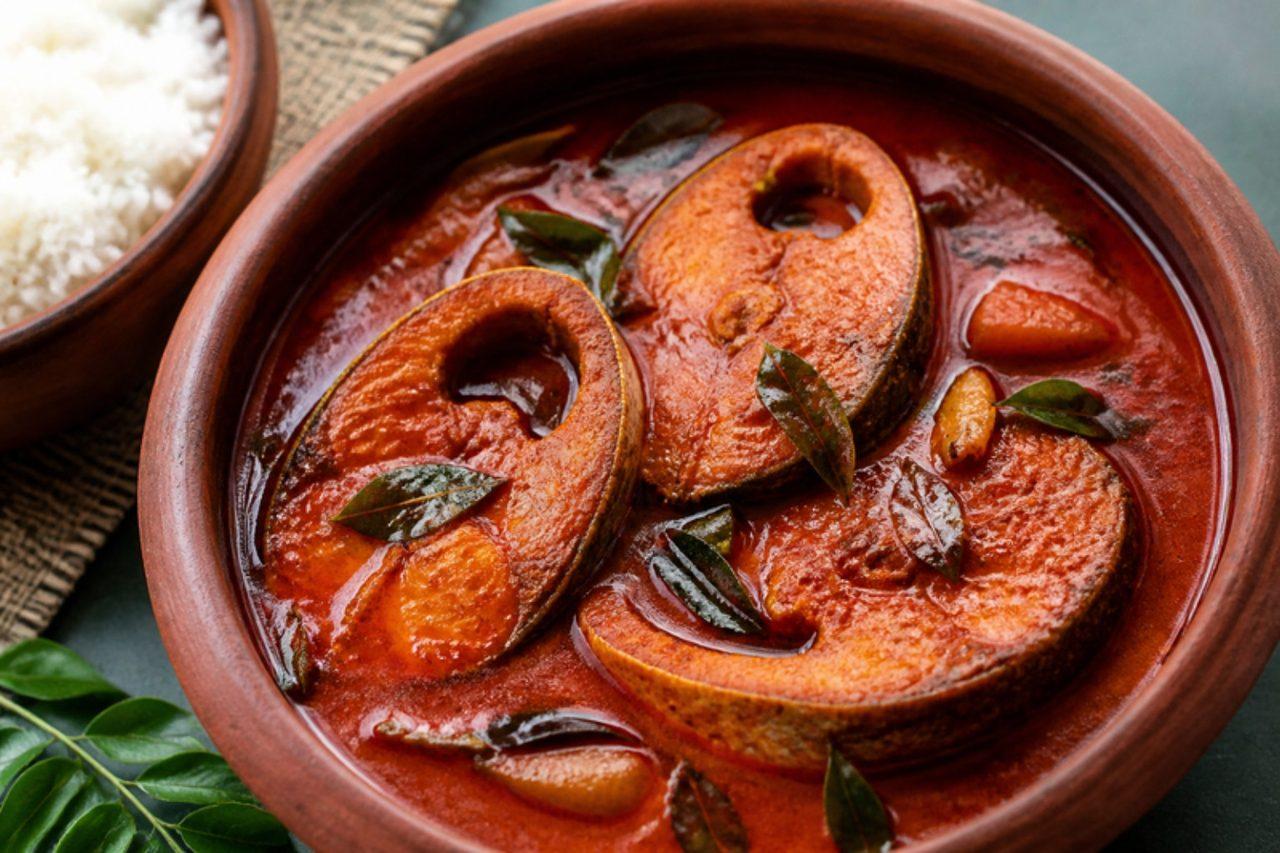
Down the southern backwater districts of Travancore, around Kottayam and Alappuzha, the everyday fish curry has no coconut at all: just a brick-red gravy of chilli, shallots and coconut oil, made sour and smoky with kudampuli (Malabar tamarind). It is traditionally made in a clay pot (manchatti) and left to sit, because it tastes better hours later or the next morning, when the fish has soaked up the sourness. Kingfish, sardines and mackerel are the usual choices; eat it with boiled red Kerala rice or tapioca. Chef's tip: once the fish is in, never use a spoon — hold the pot with a cloth and swirl it so the sauce coats the pieces without breaking them.

45 minIndianFishGluten freeSpicy
by KrazyBadal 0 views

Kerak telorSticky rice and egg omelette

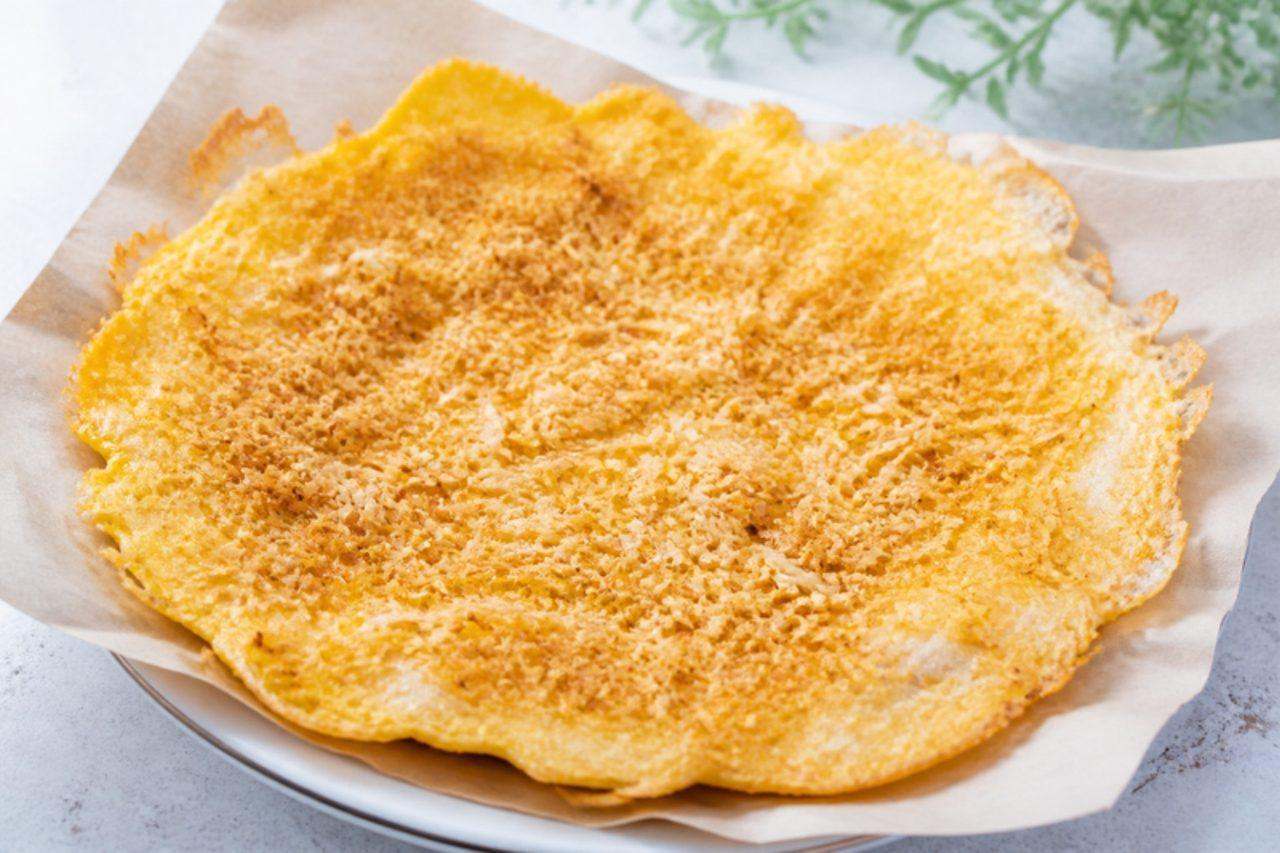
Kerak telor is the Betawi snack of Jakarta, cooked over charcoal by vendors at the Jakarta Fair and around Monas: a little soaked sticky rice is cooked in a tiny wok, an egg cracked on top, then the wok is turned upside down over the coals so the bottom forms a crust. It is finished with serundeng, a spiced toasted coconut, and fried shallots. Vendors usually add dried shrimp to the coconut; this version doesn't. Chef's tip: soak the sticky rice overnight; half-soaked grains stay hard in the middle.

by KrazyBadal 0 views

Tikil gomenCabbage, carrot and potato stew

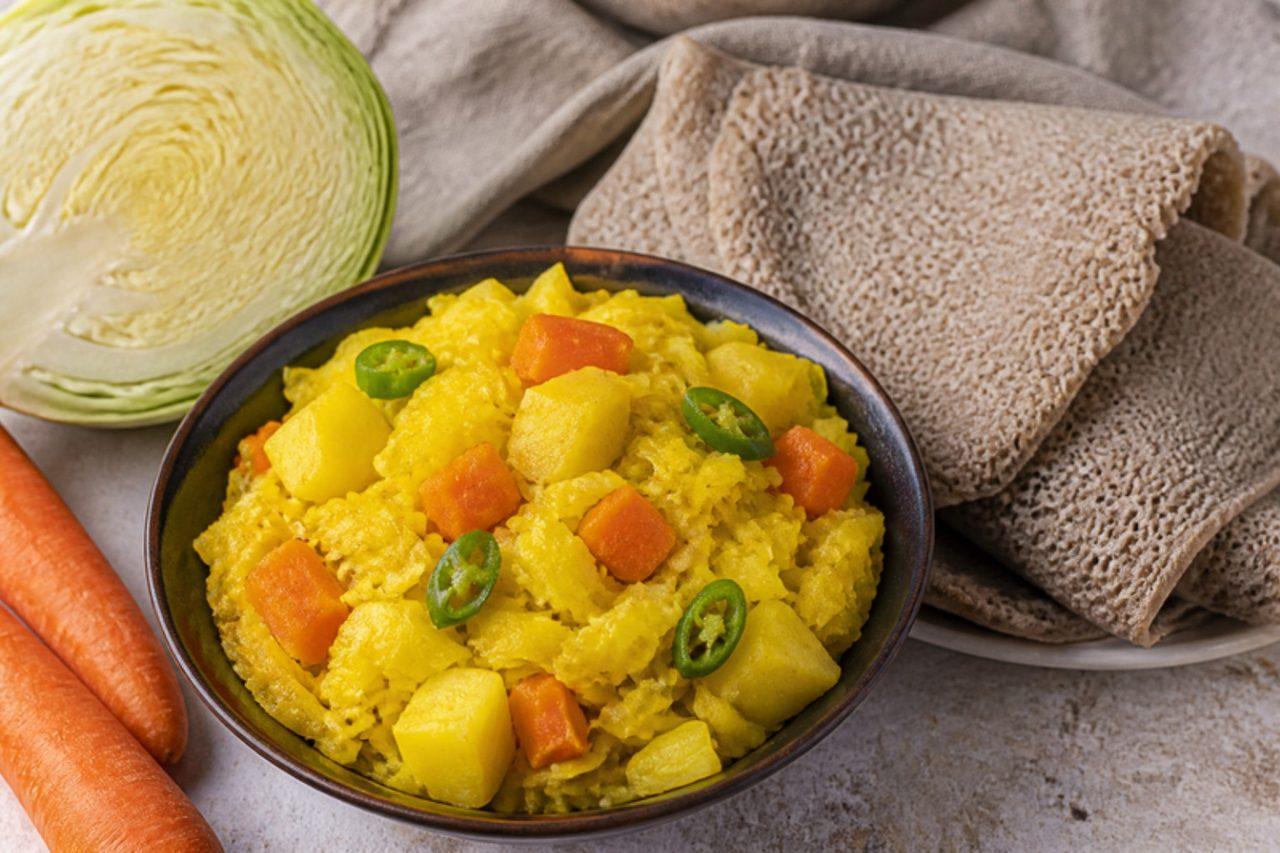
Tikil gomen means 'cabbage stew', and it is the mild, golden side on almost every beyaynetu fasting platter in Addis Ababa and Bahir Dar. White cabbage, carrots and potatoes are cooked slowly with onion, garlic, ginger and turmeric until soft and sweet, with no chilli heat apart from a few strips of green pepper. Children love it, and it balances the spicy red wats beautifully. Chef's tip: let the cabbage cook down until it is sweet and slightly caramelised at the edges; that is where all the flavour comes from.

by KrazyBadal 0 views

Yangrou paomoLamb soup with flatbread

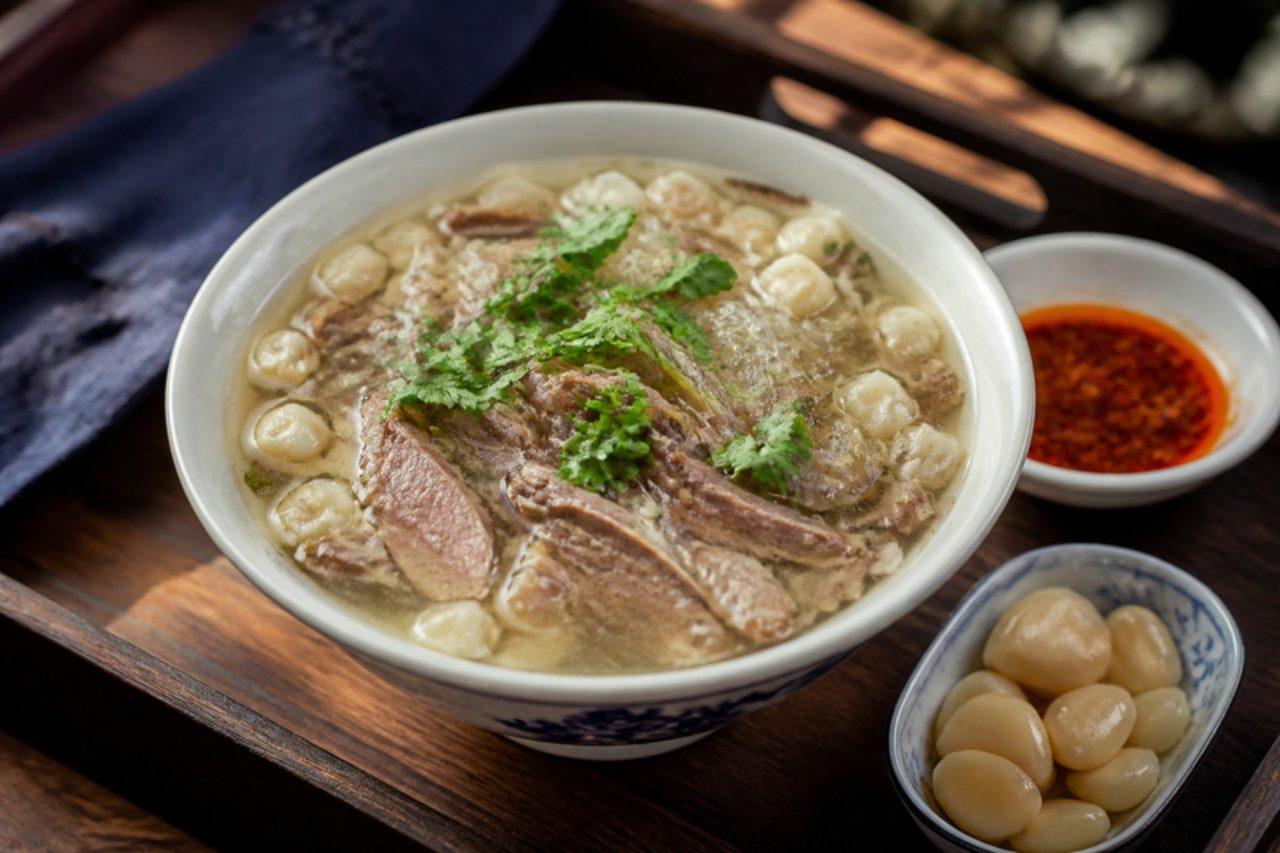
Order this soup in one of the old Hui restaurants around Xi'an's Drum Tower and you are handed a dense, barely leavened flatbread and expected to tear it yourself into pea-sized crumbs while you chat; the kitchen then cooks it in rich lamb broth until each crumb is soft yet still chewy. Slices of tender lamb, glass noodles and wood ear mushrooms go in too, and the bowl comes with sweet pickled garlic and chilli sauce on the side. It is a soothing, filling soup, especially on Xi'an's freezing winter mornings. Expect a deep, clean lamb flavour scented with warm spices. Chef's tip: tear the bread small, no bigger than a soybean; big lumps stay doughy in the middle.

180 minChineseSoups
by KrazyBadal 0 views

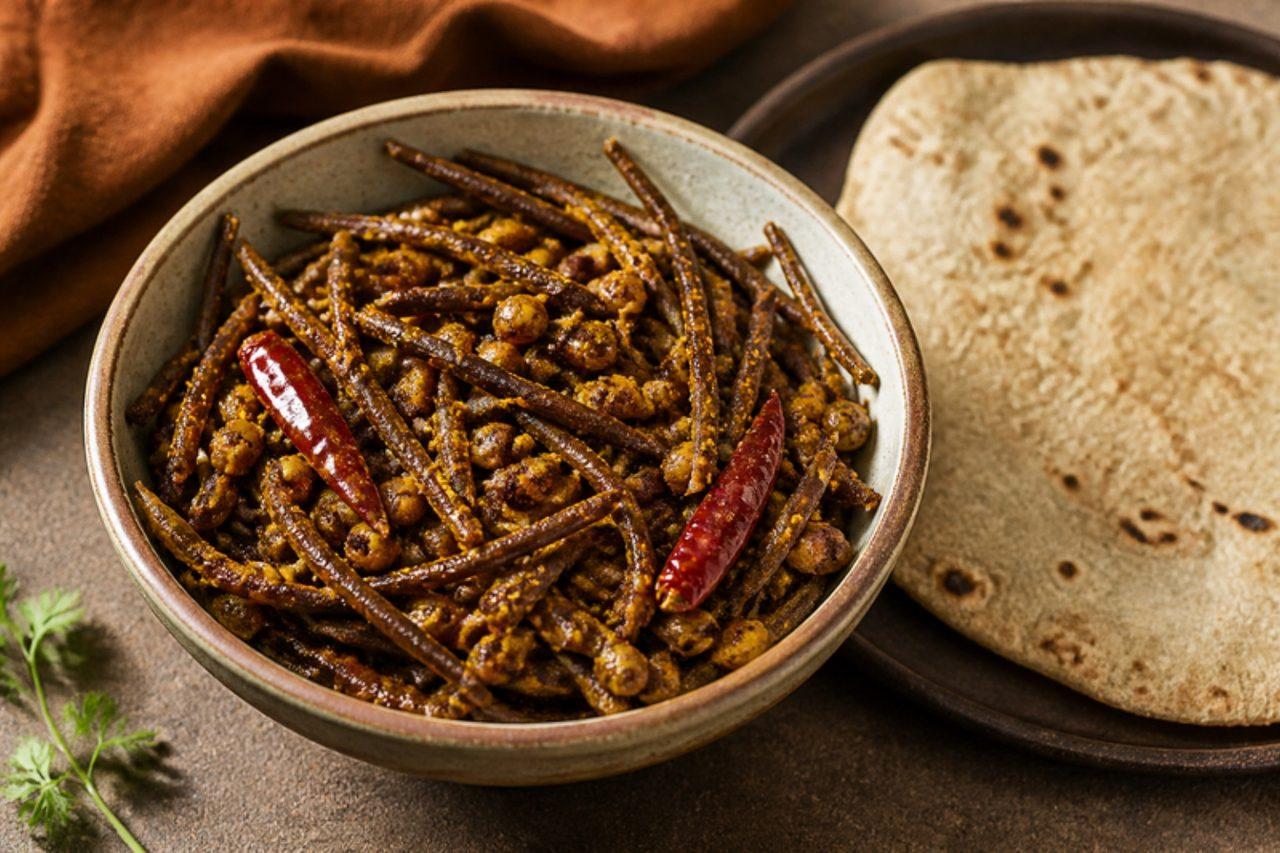
Ker sangriDesert berries and beans

Ker sangri is a true desert dish from the Thar in Rajasthan: ker are small, sour wild caper berries and sangri are the thin, chewy bean pods of the khejri tree, both picked in summer and sun-dried to last the year. Soaked, boiled and fried in plenty of mustard oil with chilli, mango powder and coriander, they become tangy, earthy and almost pickle-like. It keeps for days, which is why it travelled with camel herders. Serve with bajra roti or puri, or as a side to dal baati. Chef's tip: taste a ker berry after boiling; if it is still very bitter, boil it again in fresh water before frying.

by KrazyBadal 0 views

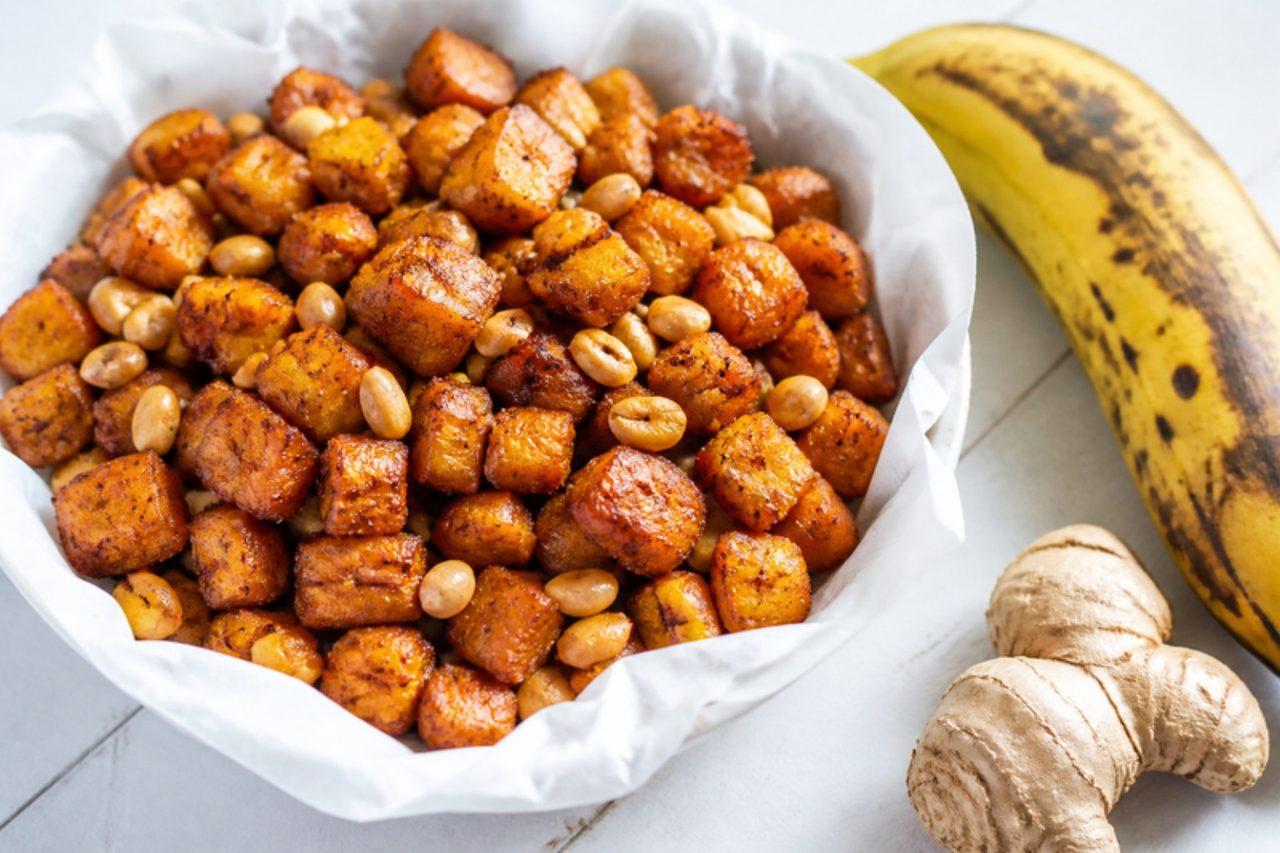
KeleweleSpiced fried plantain

Kelewele is what Accra smells like after dark: ripe plantain cubes tossed in a paste of ginger, onion, chilli and spice, then fried at roadside stalls lit by lamps and sold in paper cones. It is eaten as an evening snack, often with a handful of roasted peanuts, or as a side with red red. The outside caramelises while the spices turn toasty, so every piece is sweet, hot and spicy at once. Chef's tip: use plantains that are yellow with lots of black spots; fully black ones collapse in the oil and green ones never turn sweet.

by KrazyBadal 1 views

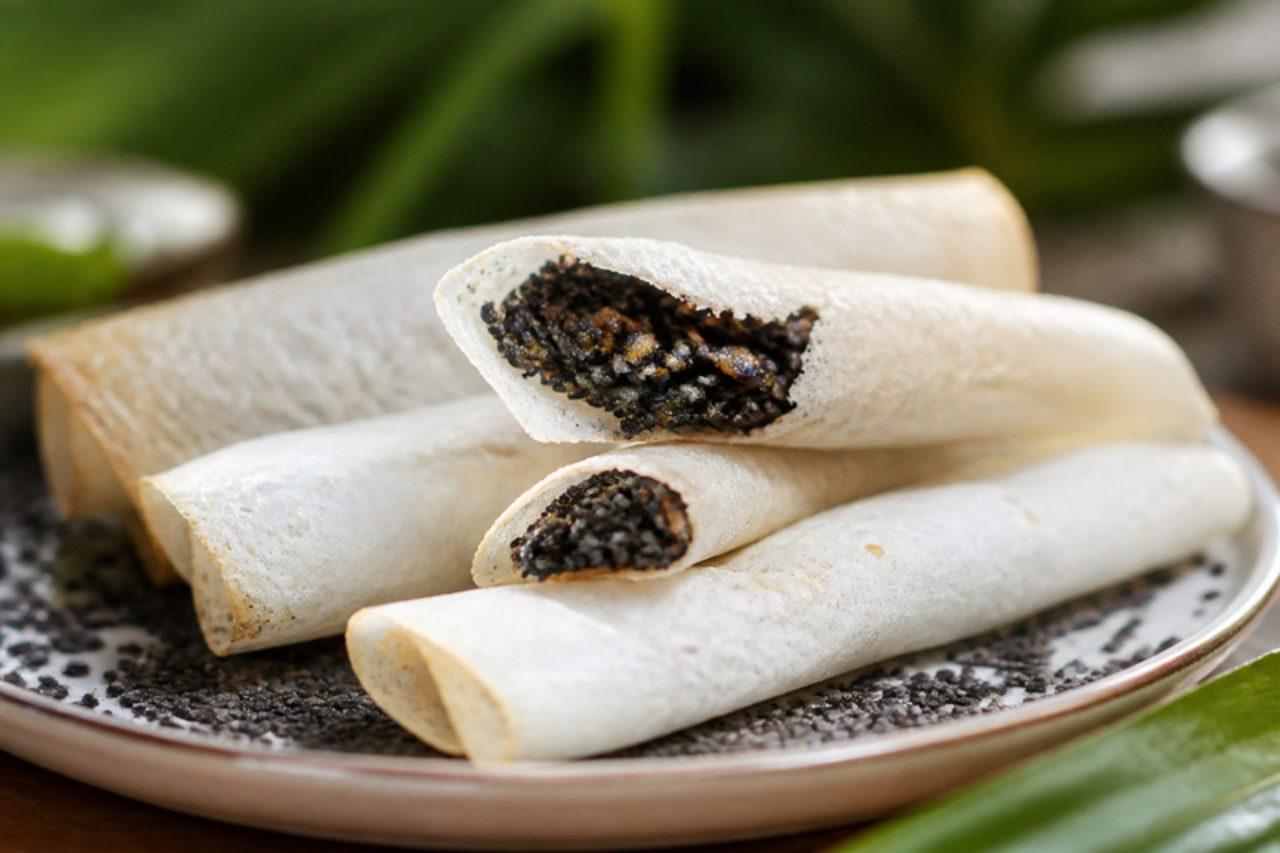
Til pithaSesame rice rolls

Til pitha is the essential sweet of Magh Bihu, the January harvest festival, when Assamese homes stay up late around the fire, frying and toasting. Fresh flour of soaked bora (sticky) rice is spread thin on a hot pan into a round, filled with roasted black sesame and jaggery and rolled into a cigar while still soft; it crisps as it cools. Tins of til pitha are carried to every house visited during Bihu. Chef's tip: the flour must be freshly ground from soaked sticky rice and still slightly damp; dry shop rice flour won't fuse into a sheet.

by KrazyBadal 0 views

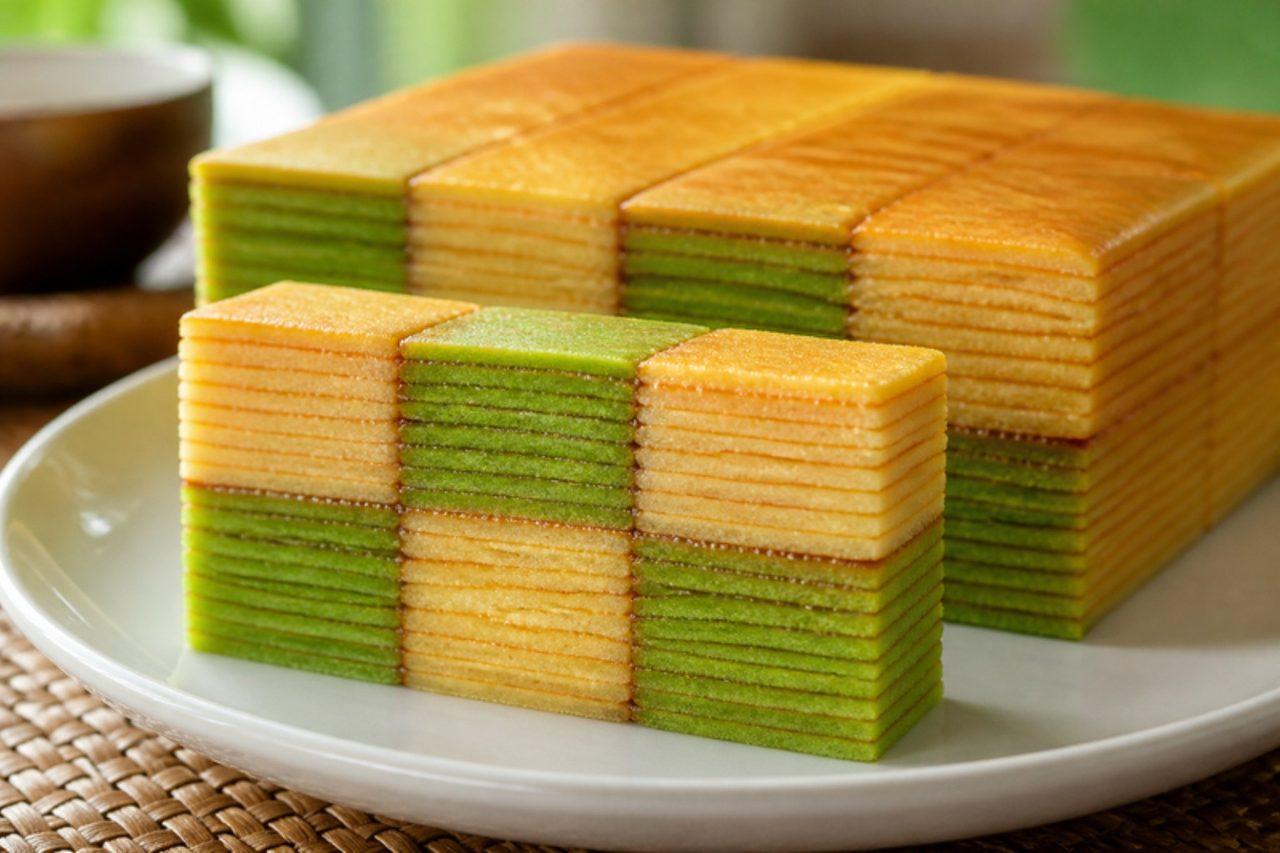
Kek lapis SarawakLayer cake

In Kuching, kek lapis Sarawak is baked for Hari Raya, Christmas and Gawai, and every family gives boxes of it away. Unlike Indonesia's spiced lapis legit, Sarawak cakes are sweet, dense and buttery, often made with condensed milk, and famous for their bright geometric patterns. Many layers are grilled one by one, then the cake is cut into strips and glued back together with jam to make the design. This is the beginner's chequerboard in plain and pandan green. Chef's tip: spread each layer thin and even with the back of a spoon; uneven layers make the pattern crooked.

by KrazyBadal 0 views

Keerai masiyalMashed greens

Keerai masiyal is the plain, green, buttery-soft mash Tamil mothers make with whatever keerai the market has that morning: arai keerai, siru keerai, amaranth or plain spinach. The leaves are cooked with shallots, garlic and green chilli and then mashed, traditionally with a wooden mathu, until smooth but still a little textured, then finished with a cumin tempering. It's eaten mixed into hot rice with a spoon of ghee or sesame oil, next to sambar or rasam, and it's a favourite first food for toddlers. Chef's tip: cook the greens uncovered; covering them traps the gases that turn the leaves dull olive instead of bright green.

by KrazyBadal 0 views

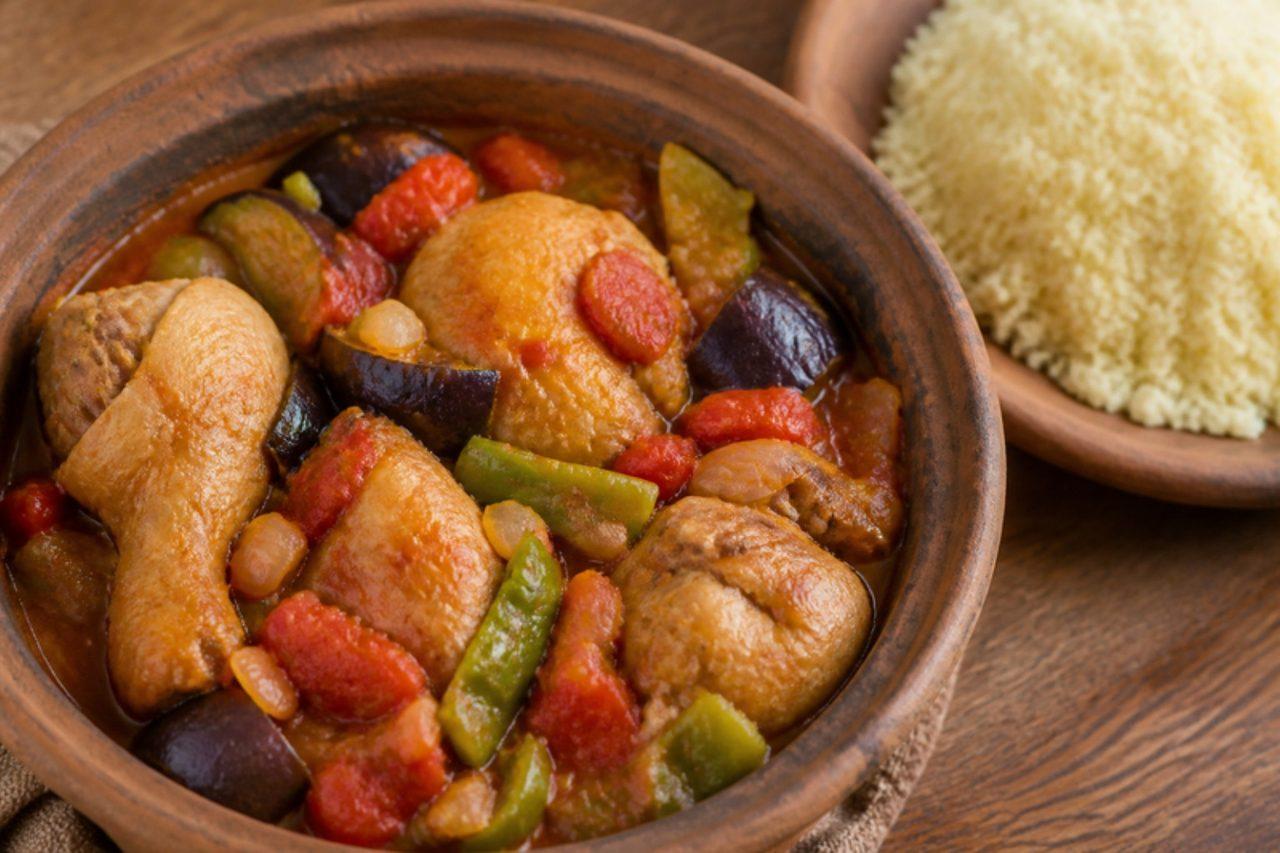
KedjenouPot-steamed chicken

Kedjenou comes from the Baoulé people of central Côte d'Ivoire, who cooked it in a sealed clay canari set in the embers and shook the pot instead of stirring it; today it is a weekend favourite in Abidjan's maquis, served with attiéké or rice. Chicken, tomato, onion, aubergine, ginger and chilli go into the pot with no water at all, and the vegetables release enough juice to make a light, intense sauce. The mistake is lifting the lid to stir: the steam escapes and the pot can burn, so seal it well and shake it instead. Chef's tip: a heavy casserole with a sheet of foil pressed under the lid works just like the clay pot.

by KrazyBadal 0 views

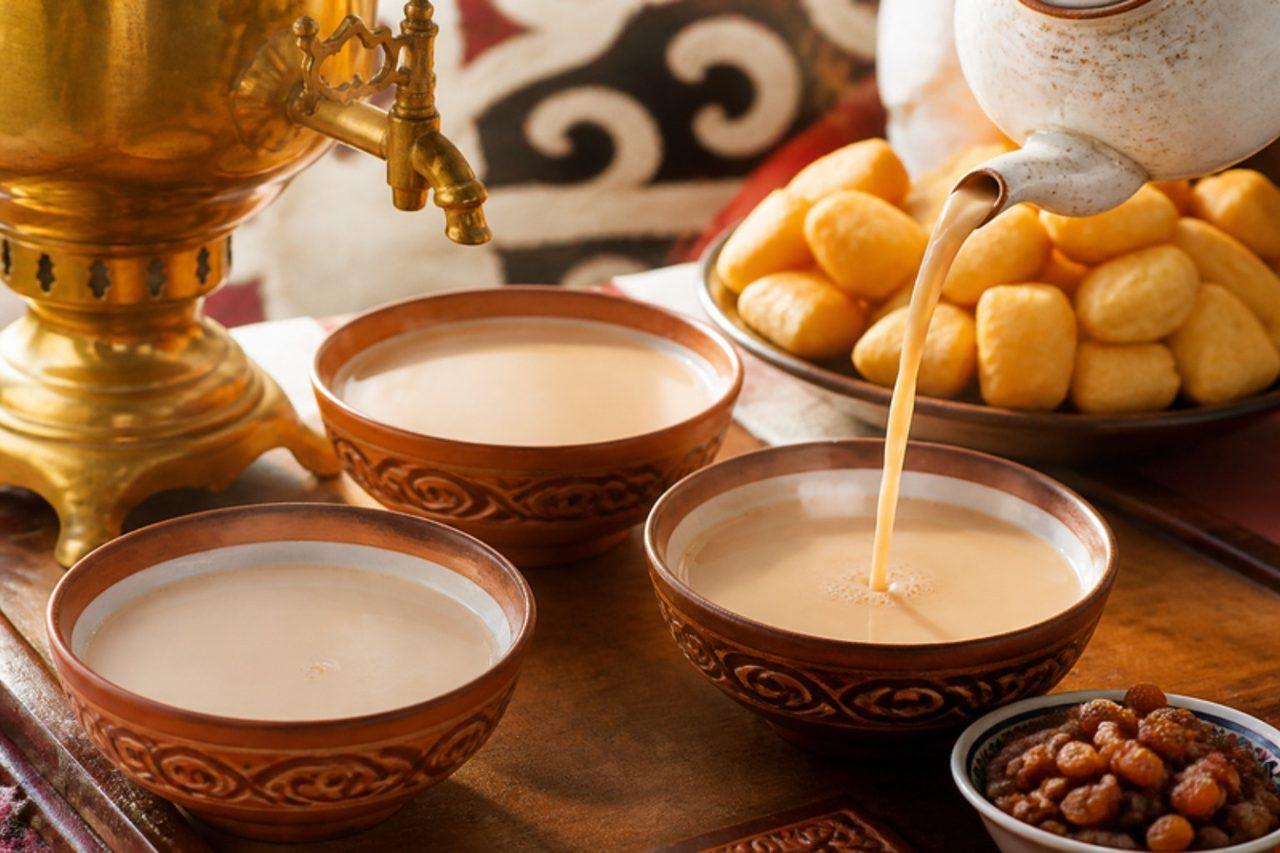
Kazakh milk teaBlack tea with hot milk

Kazakhs drink more tea per person than almost anyone, and at home it is always sut shai: strong black tea, often brewed from Kenyan or Indian leaves, poured into a wide cup (kese) with hot milk or a spoon of cream. The host keeps the cups barely half full and refills them again and again, and a guest turns the cup upside down when they've had enough. In winter in Astana a pinch of salt or a knob of butter may go in. It accompanies baursak, shelpek and every meal. Chef's tip: heat the milk until it just steams and add it to the cup first; scalded, boiled milk gives the tea a cooked taste.

by KrazyBadal 0 views

Showing 63 of 10,569 recipes

Show more recipes

Page 976 of 1,175