


Skip to content
Sun-dried tomato and olive tapenade
Featured recipe

Sun-dried tomato and olive tapenade

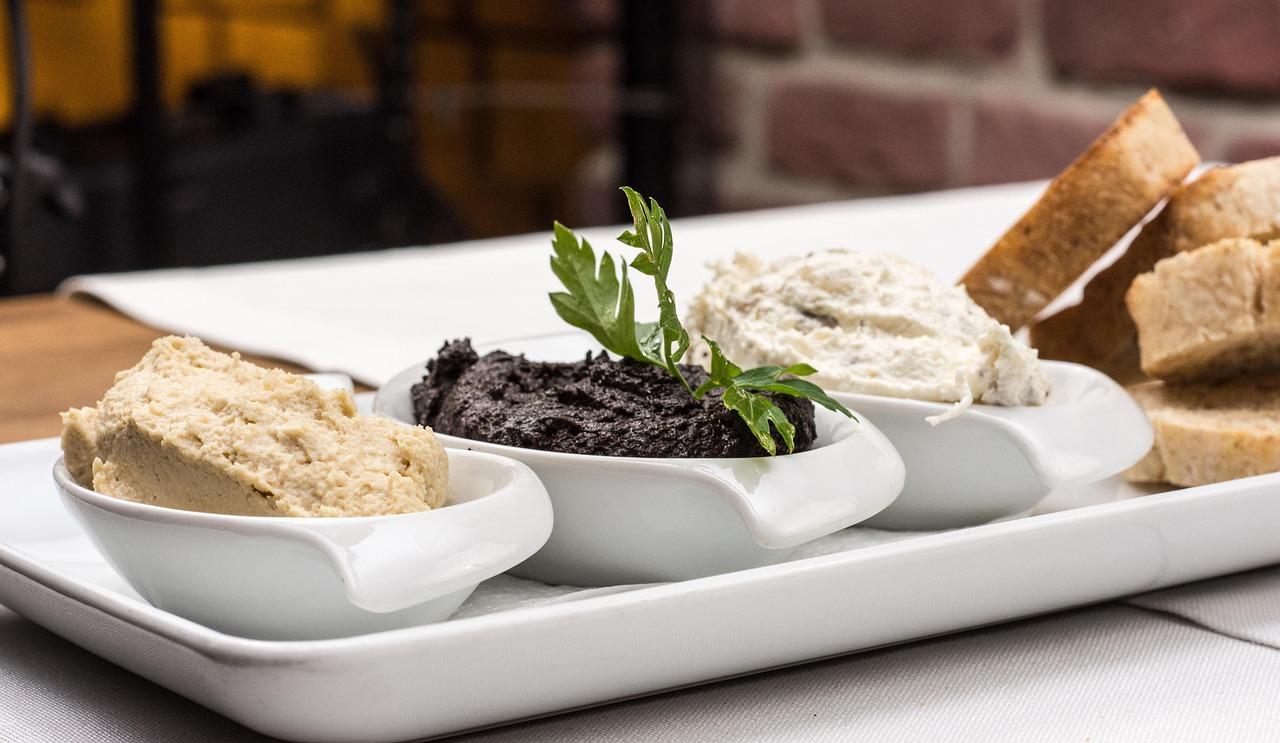
A rich, tangy paste of sun-dried tomatoes, black olives and toasted pecans, sharpened with red wine vinegar and herbs. Toss it through hot pasta for an instant supper, spread it on toast or crackers, or serve it as a dip.

Read more 0 views

What to eat today?

Around the world

Today's trip: Peruvian

A new country every day, from every cuisine on the site.

Peruvian

Tacacho

Mashed roasted green plantain balls 35 minMore from Peruvian (111) →

This week's collection

Kid-friendly dinners
772 recipes · a new collection every Monday

Coming up

All occasions →

Latest recipes

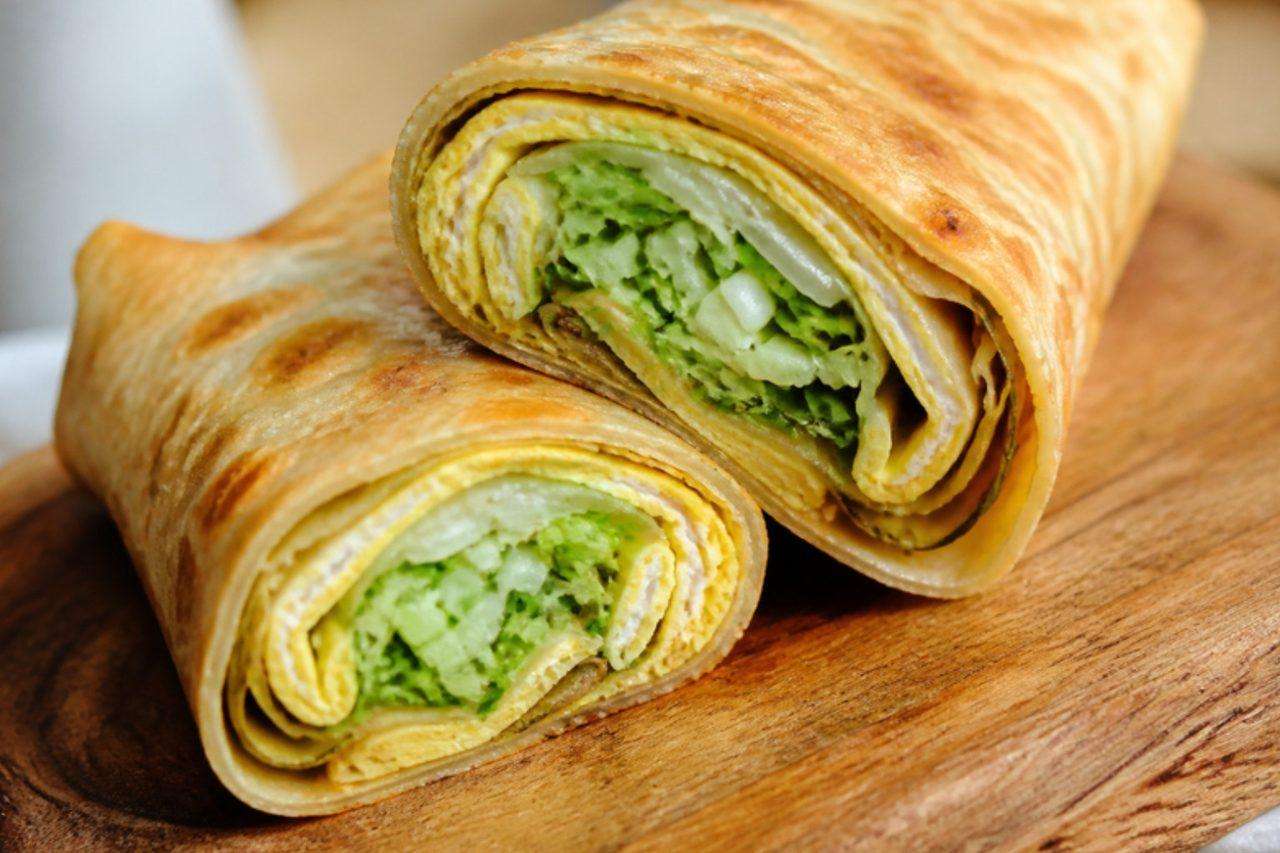
RolexOmelette chapati roll

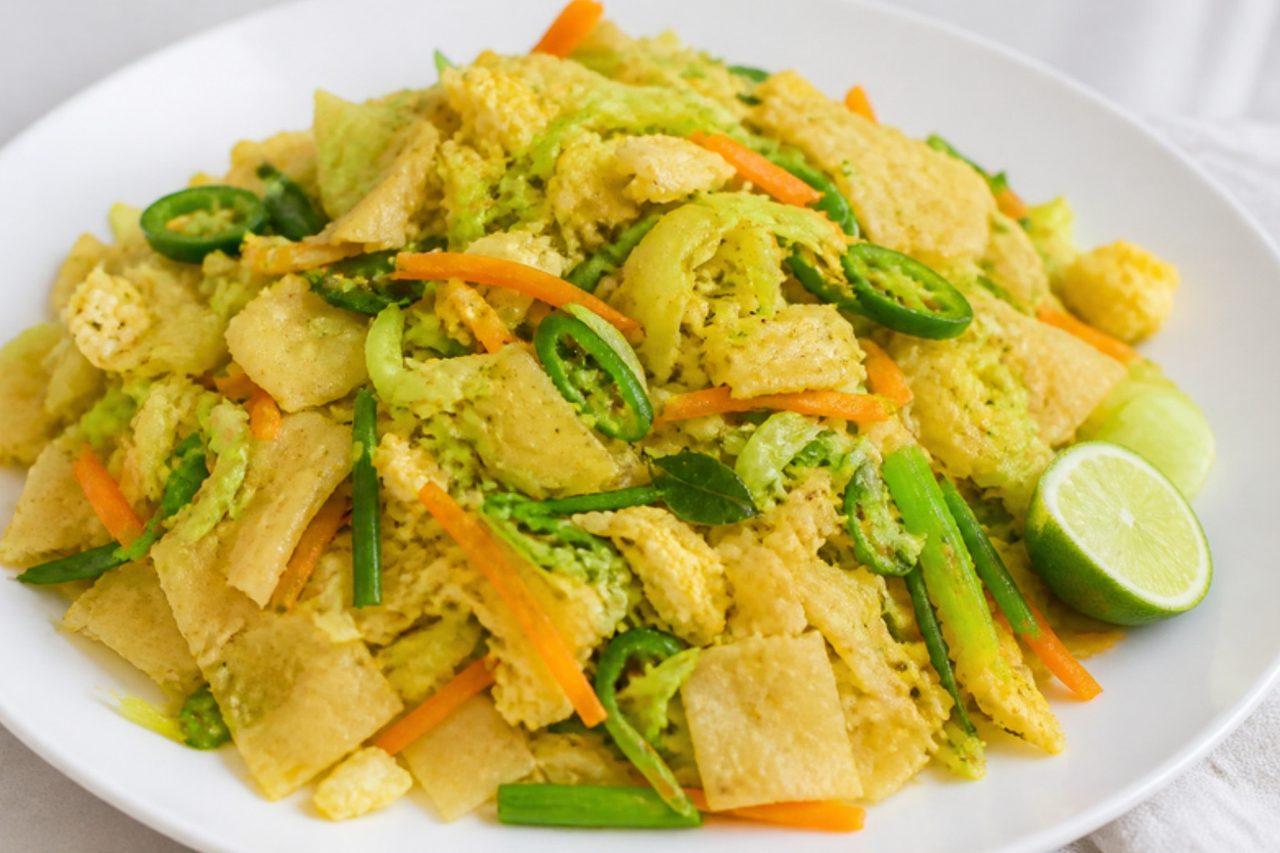
The rolex is Uganda's most famous street food, its name a play on 'rolled eggs': at stalls all over Kampala, and now the whole country, a vendor beats eggs with shredded cabbage, tomato and onion, fries a thin omelette, lays a fresh chapati on top and rolls the two together. It is breakfast, lunch and late-night food. Unlike the Mombasa coast egg chapati, nothing is folded inside raw pastry: the omelette and a soft, ready-cooked chapati are rolled together. Chef's tip: cook the omelette thin and wide, the size of the chapati, so every bite has egg.

by KrazyBadal 0 views
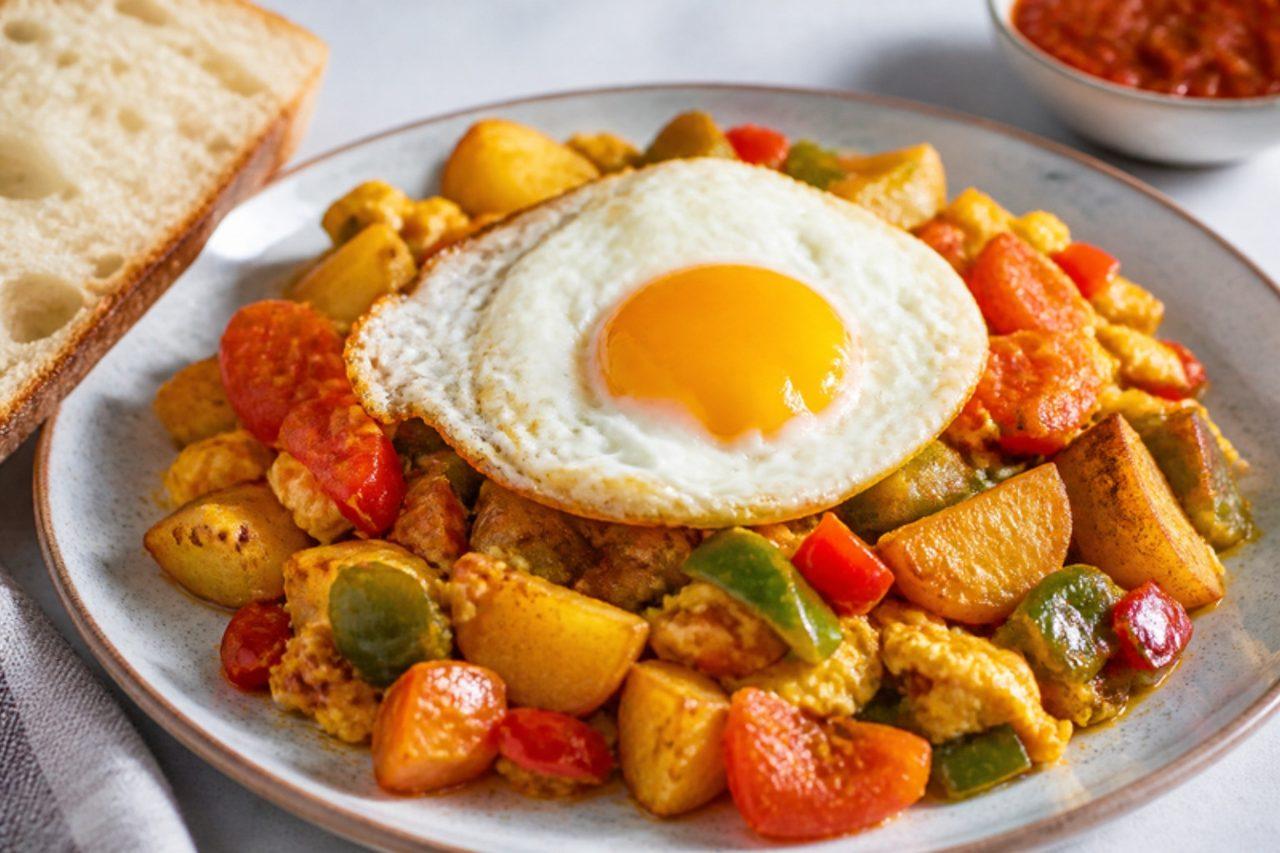
KaftejiFried vegetables with egg

Kafteji is a Tunis sandwich-shop classic: fried peppers, tomato, squash and potato chopped together on a board with a cleaver, mixed with harissa and fried eggs, and eaten from a plate or stuffed into a baguette at lunchtime. Stalls near Bab Souika and the central market make it to order, and the sound of the chopping is part of the show. Chef's tip: fry each vegetable separately; they cook at different speeds, and crowding them makes everything greasy and soft.

by KrazyBadal 0 views

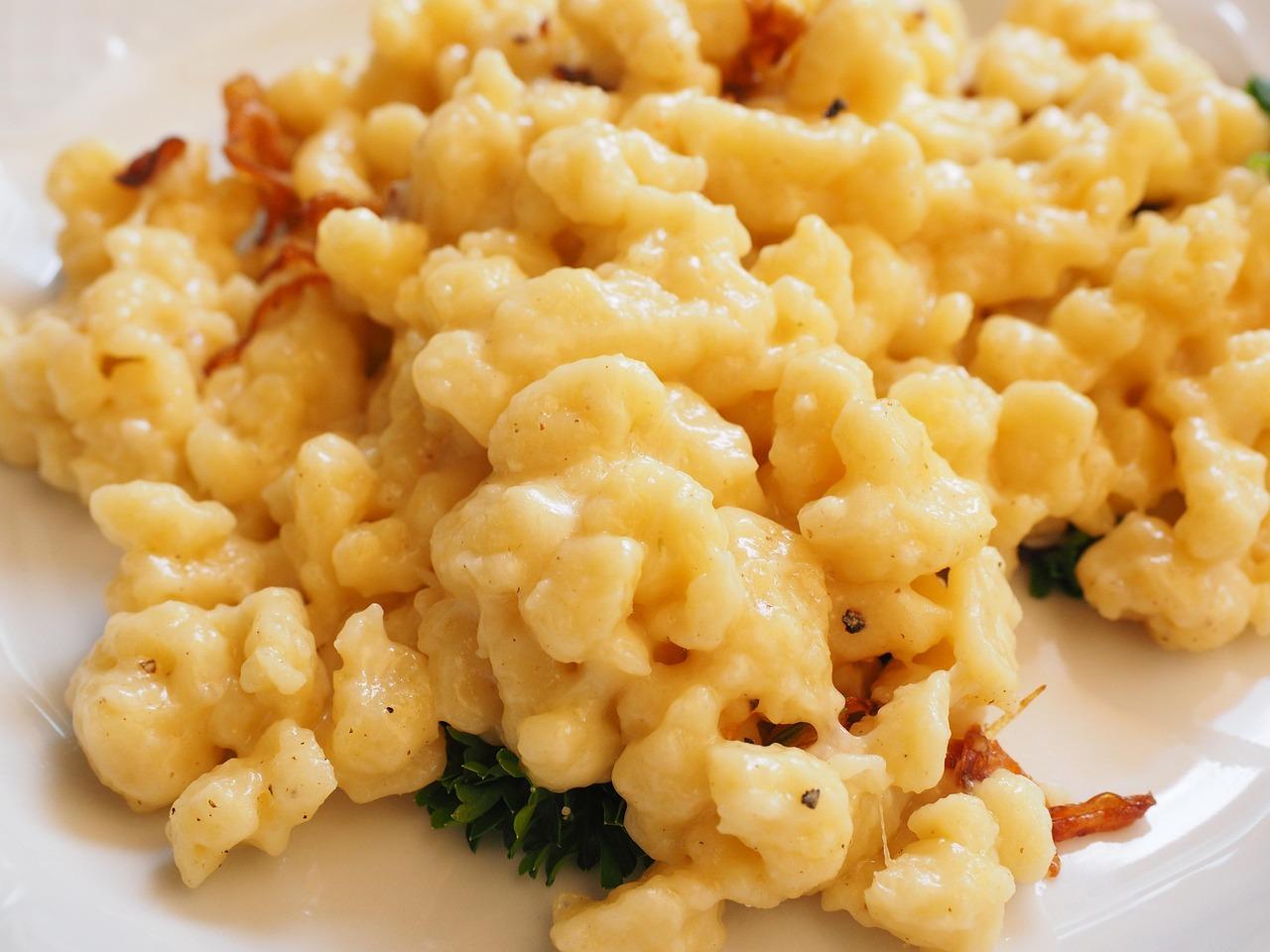
KäsespätzleCheese egg noodles

Käsespätzle is the cheese-and-noodle dish of Swabia and the Allgäu in the far south of Germany, served in mountain huts after a day's walking or skiing and in every village inn from Stuttgart to Oberstdorf. Freshly made spätzle, soft, irregular egg noodles, are layered hot with grated Bergkäse or Emmental until the cheese melts into long strings, then crowned with onions fried slowly until brown and sweet. A green salad with a sharp vinegar dressing is the classic partner. Use cheese made with vegetarian rennet; many mountain cheeses use animal rennet, so check the label. Chef's tip: layer the spätzle and cheese while both are piping hot, straight from the pot, so the cheese melts in the gaps instead of sitting on top in a rubbery sheet.

by KrazyBadal 0 views

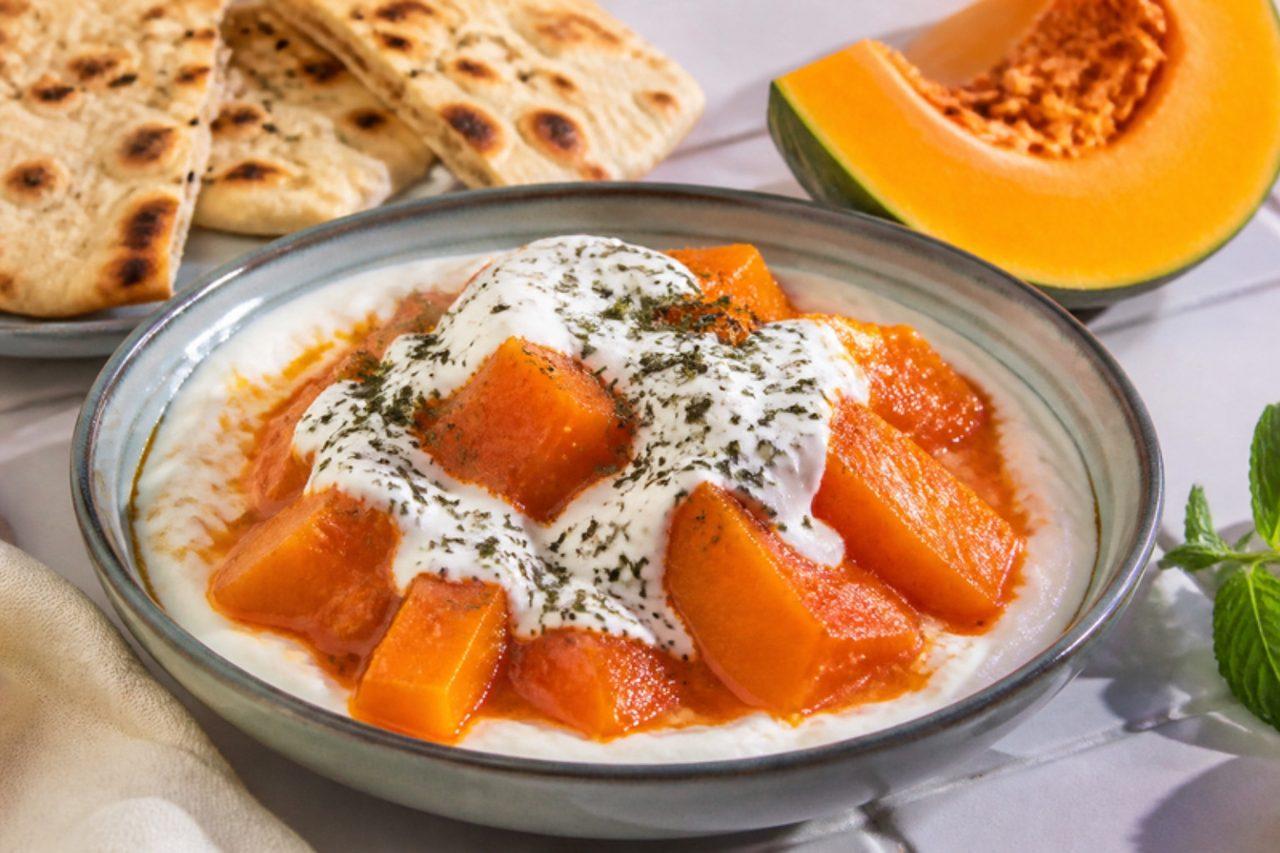
Kadu boraniBraised pumpkin with garlic yogurt

Kadu borani is the dish that wins over people who think they don't like pumpkin. In Afghan homes, especially in autumn around Kabul and Kandahar when the big orange squashes come in, wedges of pumpkin are browned, then braised with tomato, a little sugar and warm spices until sticky and caramelised, and served on garlic yoghurt with dried mint. The mix of sweet, savoury and sour is the point. Eat it with naan or as part of a spread with rice. Chef's tip: use a dense, deep-orange pumpkin or butternut squash; watery pumpkins fall apart and turn bland.

by KrazyBadal 0 views

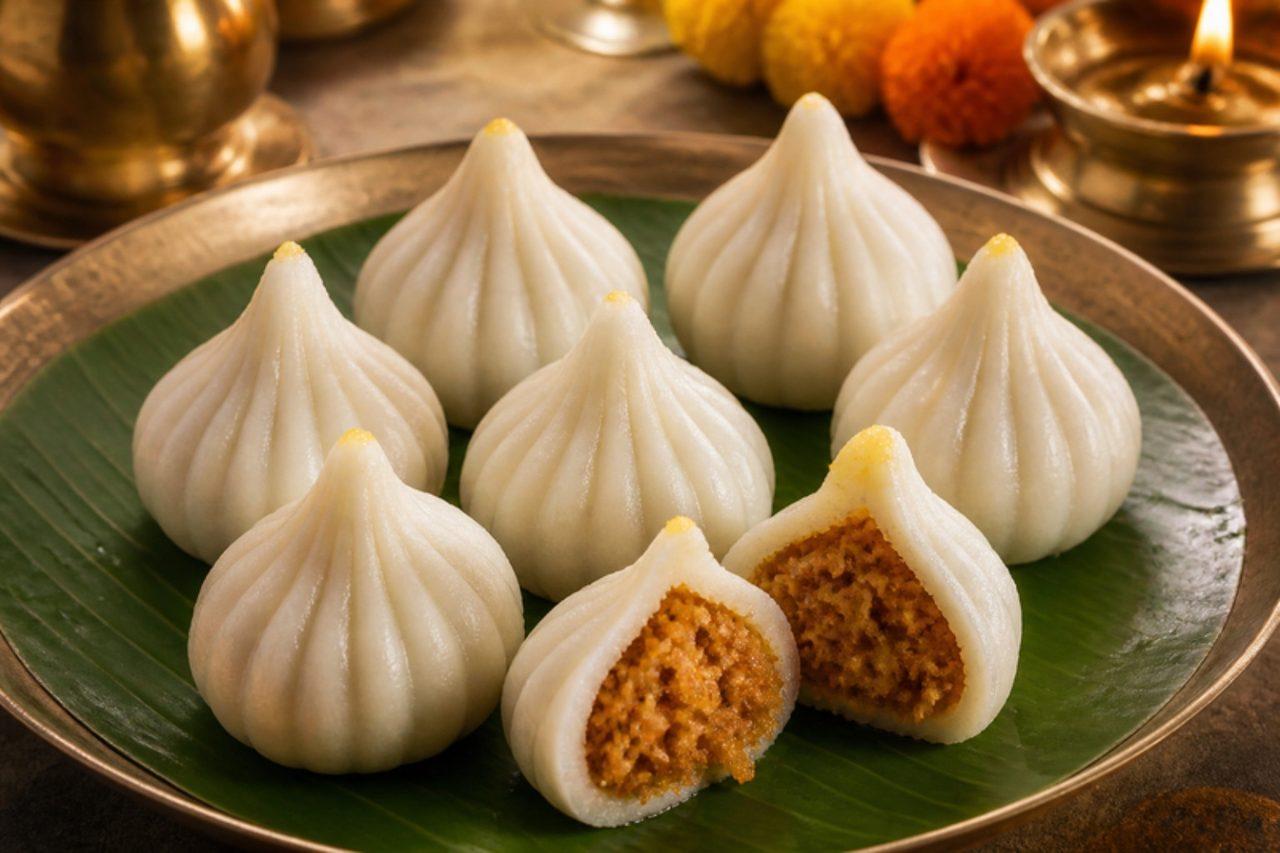
Ukadiche modakSteamed coconut and jaggery dumplings

On the first day of Ganesh Chaturthi, kitchens all along the Konkan coast and in Pune and Mumbai fill with steam as families shape ukadiche modak, the pleated dumplings said to be Ganpati's favourite sweet. A soft, translucent shell of rice flour cooked in water (the ukad) wraps a filling of fresh coconut and jaggery scented with cardamom and nutmeg. Twenty-one modak are offered to the deity, and the rest are eaten warm with a spoon of ghee poured into a little hole poked in the top. The pleating takes practice, so make a few extra and don't worry if the first ones are lumpy. Chef's tip: knead the ukad while it is still hot, with your palm oiled and dipped in cold water; a dough left to cool turns crumbly and cracks when you pleat it.

by KrazyBadal 0 views

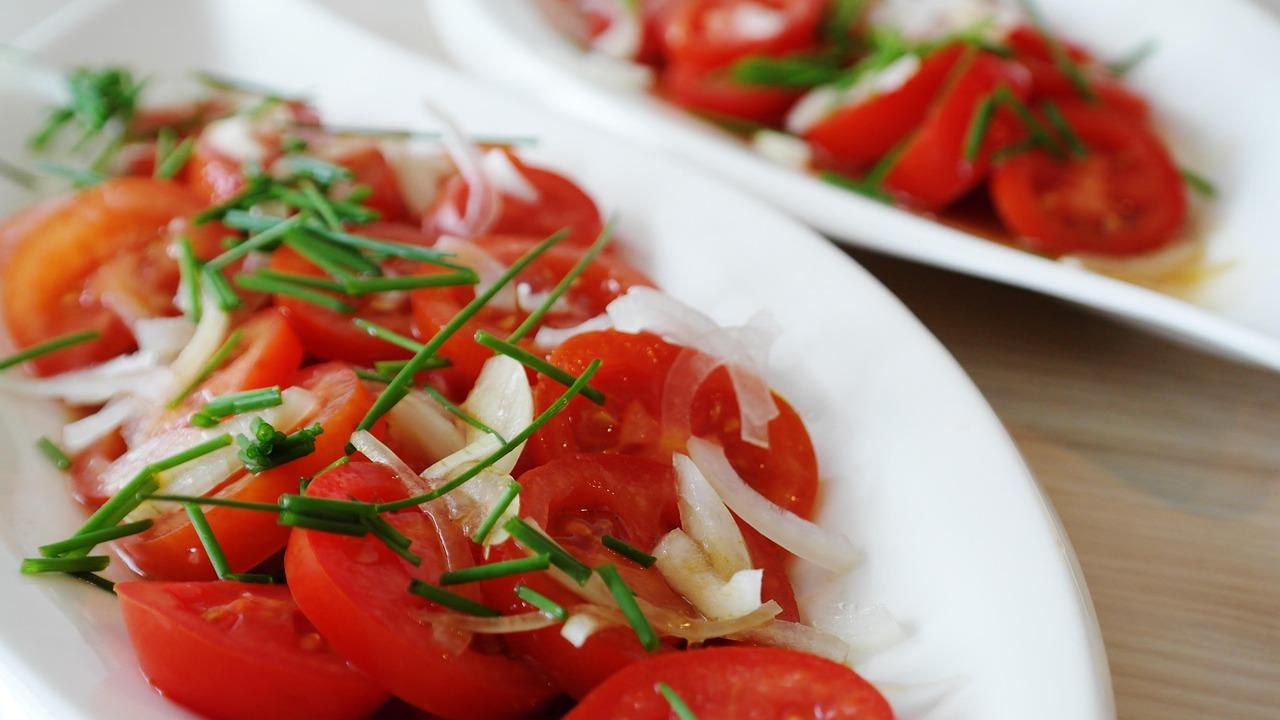
KachumbariTomato and onion salad

Kachumbari is the raw salad that goes with nearly everything in Kenya and Tanzania: nyama choma grills in Nairobi, pilau on the Swahili coast, chips mayai at roadside stalls and ugali at home. It is simply ripe tomato and red onion cut small, with coriander, chilli and lime, and sometimes cucumber or avocado. Chef's tip: soak the sliced onion in salted water for ten minutes; it takes away the harsh bite without losing the crunch.

by KrazyBadal 0 views

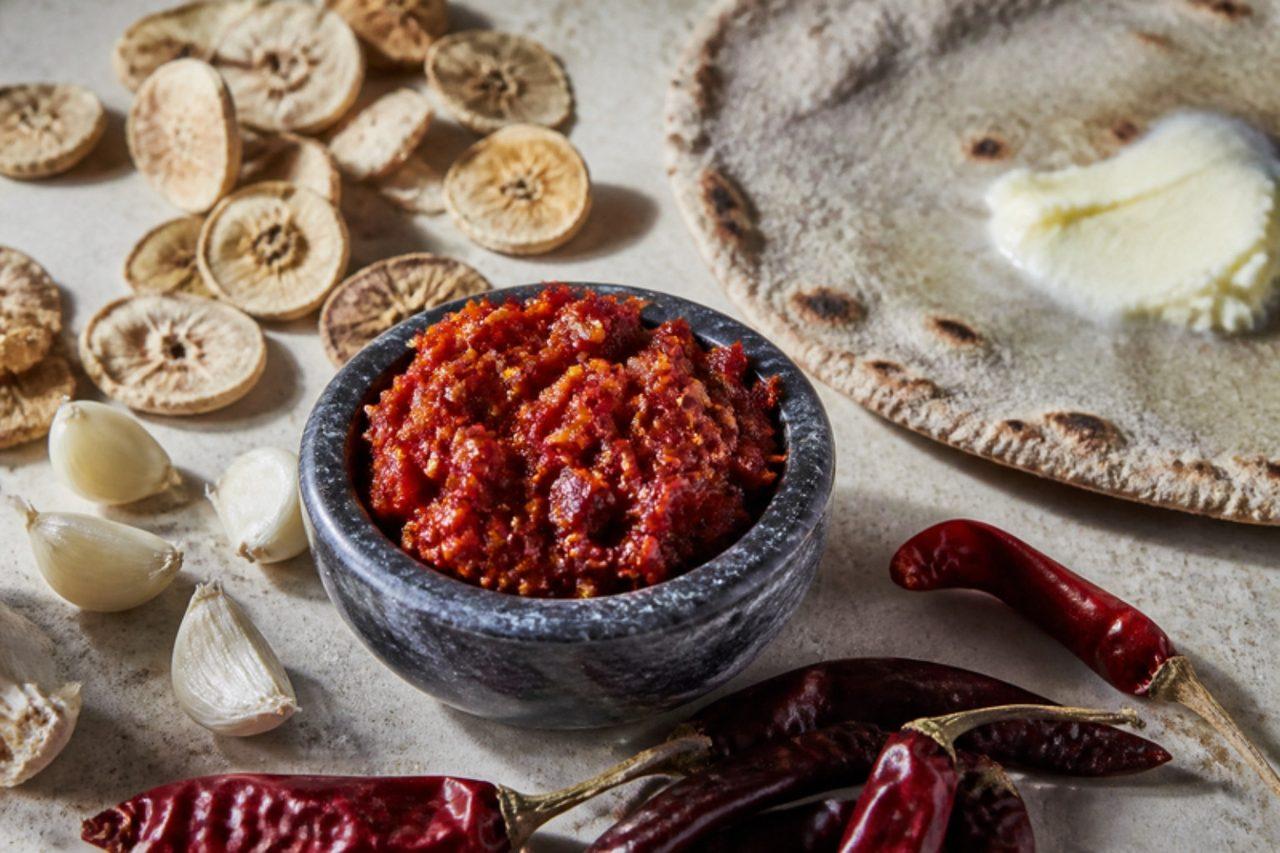
Kachri ki chutneyWild melon and chilli chutney

Kachri is a small wild melon that grows on its own in the sandy fields of southern Haryana and western Rajasthan. Sliced and sun-dried, it keeps for a year and has a sharp, sour taste that farmers' families grind with garlic and red chilli into this fiery chutney. A spoonful goes with bajra roti and white butter on a winter afternoon, or with dal and rice when there is nothing else in the house. Dried kachri and kachri powder are sold in Indian grocers. Chef's tip: taste a piece of dried kachri first; occasionally one batch is bitter, and that bitterness will ruin the whole jar.

by KrazyBadal 0 views

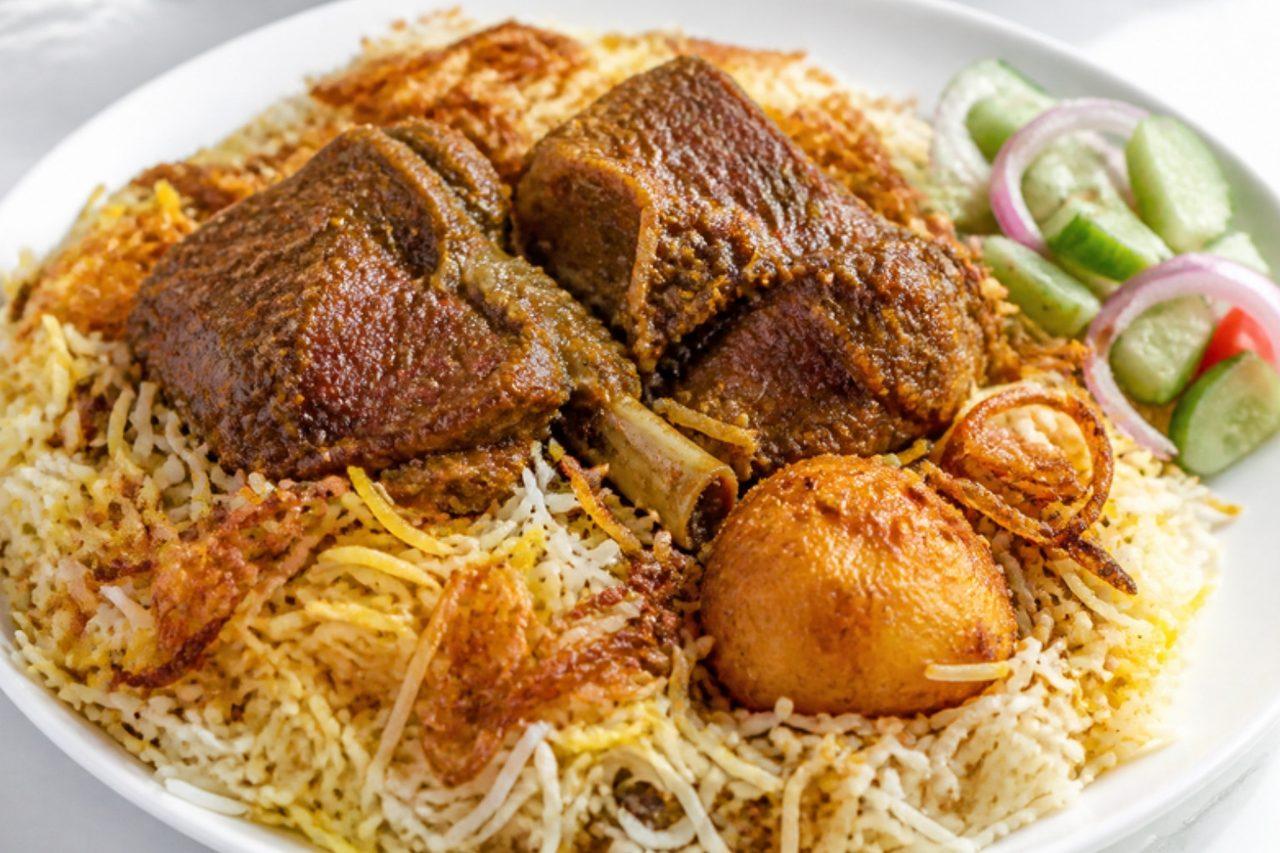
Kacchi biryaniRaw-marinated mutton biryani

Kacchi biryani is the wedding dish of Old Dhaka: at every Bangladeshi biye the huge copper pots come out, and the lanes around Nazira Bazar are famous for it. 'Kacchi' means raw: the mutton goes into the pot uncooked, marinated in yogurt and spices, under a layer of half-cooked aromatic rice and fried potatoes, and everything steams together for over an hour so the meat juices cook the rice. Serve it with borhani, the spiced yogurt drink, and a salad of sliced cucumber and onion. The common mistake is under-marinating or using lean meat cut too large; small pieces of shoulder with some fat, marinated overnight in the fridge, cook through in time. Chef's tip: seal the lid with a rope of dough; if no steam escapes, the meat at the bottom becomes tender without you ever opening the pot.

by KrazyBadal 0 views

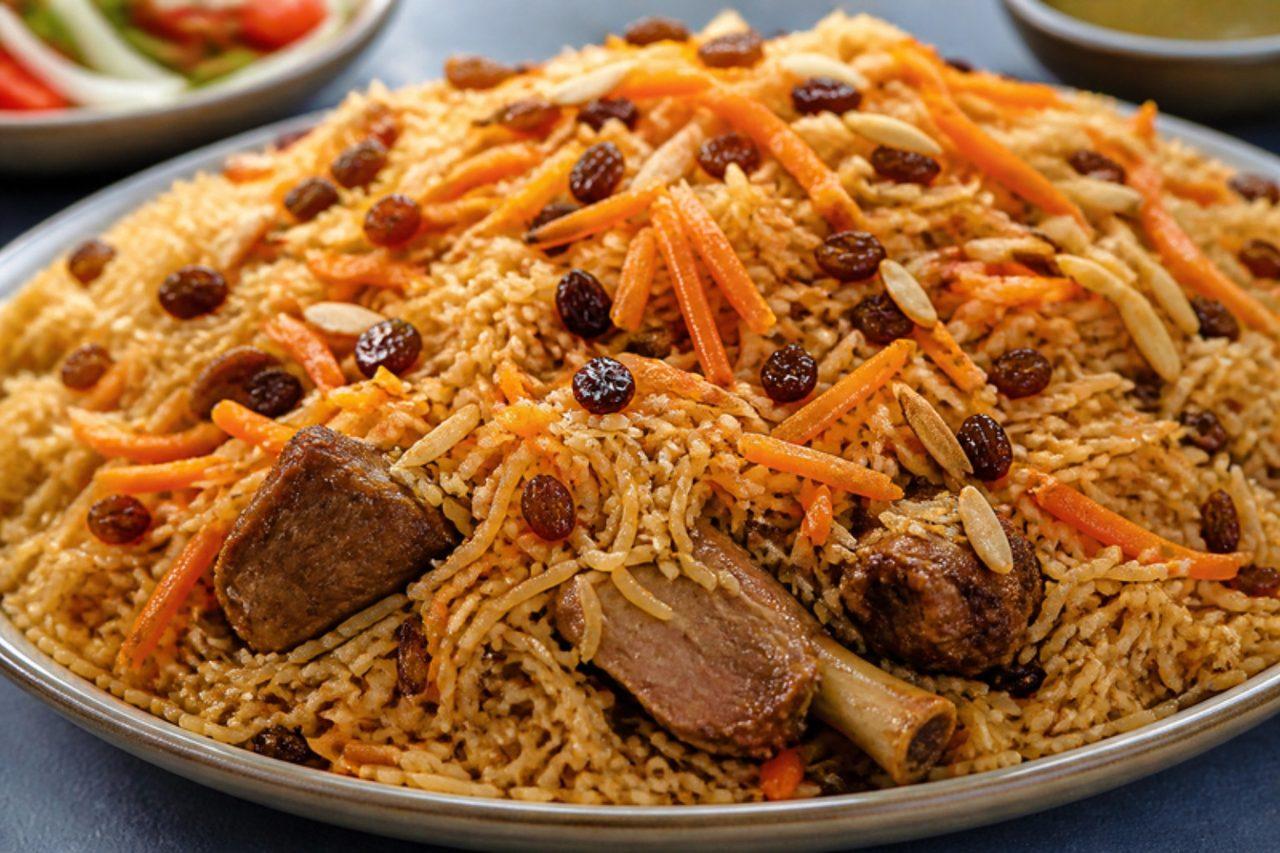
Kabuli pulaoLamb pilaf with carrots and raisins

Kabuli pulao crossed the Khyber Pass from Afghanistan and is now part of everyday cooking in Peshawar and across Khyber Pakhtunkhwa, where it is the dish of honour for guests and the centre of Eid tables. Lamb on the bone is simmered into a rich stock, then rice is cooked in that stock and the meat is buried in the middle so it stays soft. On top go strips of carrot and raisins, glazed in a little sugar, and toasted almonds. It isn't spicy, just warm with cumin and cardamom. Chef's tip: caramelise a spoon of sugar in the oil before adding the stock; it gives the rice its traditional golden-brown colour.

by KrazyBadal 0 views

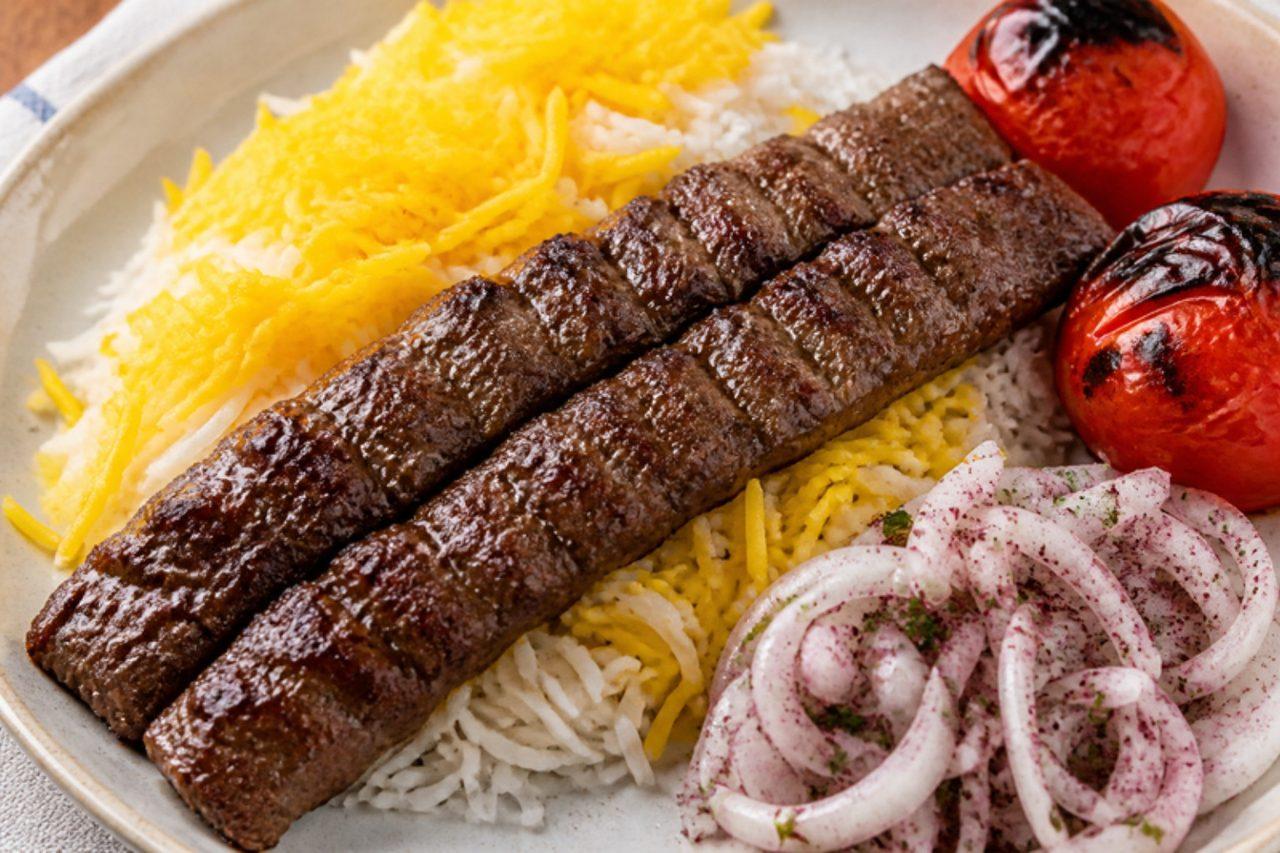
Kabab koobidehMinced lamb kebabs

Koobideh is the kebab of Tehran's bazaar lunch houses and roadside chelo-kababis, laid on a hill of buttered rice with a raw egg yolk or a slab of butter melting into the grains. The name means 'pounded': minced lamb is kneaded with grated onion until it turns sticky and pale, then pressed by hand along wide, flat skewers and grilled hard over coals. It comes out juicy and onion-sweet, with little ridges from your fingers. Eat it with charred tomatoes, raw onion, fresh herbs and lavash on the side. Chef's tip: squeeze every drop of juice out of the grated onion; wet mince slips straight off the skewer.

by KrazyBadal 0 views

Umibudo saladSea grapes salad

Umibudo, 'sea grapes', is a seaweed farmed in the warm, clear waters around Okinawa and Miyako island. Its tiny green beads burst in the mouth with a salty, oceanic pop, which is why Okinawans also call it green caviar. It's served as a starter in island izakaya, often next to a cold Orion beer, either plain with a dish of citrus soy or piled on a simple salad. Look for it vacuum-packed in salt at Japanese grocers; it keeps for weeks unopened. Chef's tip: dress the salad, not the sea grapes. Pour the dressing on the greens and dip the sea grapes as you eat, because vinegar and soy make the beads shrivel within minutes.

by KrazyBadal 0 views

KaassouffléFried Gouda in breadcrumbs

Despite the French-sounding name, a Dutch kaassoufflé has nothing to do with a baked soufflé. It is a snack-bar classic, fried in the frituur of every cafetaria from Groningen to Maastricht: a rectangle of thin pastry wrapped around a slab of young Gouda, coated in breadcrumbs and deep-fried until the cheese inside goes molten. It is the vegetarian's answer to the kroket, eaten at lunch or on the way home from football, with a squeeze of mayonnaise or sweet chilli sauce. Chef's tip: chill the filled, breaded pockets for at least 30 minutes before frying; cold pastry and cheese stay sealed in the hot oil, while warm ones burst and leak.

by KrazyBadal 0 views

Jus de bouyeBaobab fruit drink

Bouye is the Wolof name for the powdery white pulp of the baobab fruit, and jus de bouye is the thick, creamy-tart drink sold in reused bottles from coolers all over Dakar and served at every family celebration. It tastes like sherbet with a hint of pear. Most cooks now use baobab powder, which is sold in health shops as well as African grocers. Sweetened condensed milk is optional but common. Chef's tip: whisk the powder into a little water first to make a smooth paste; poured straight into a jug it forms lumps that never dissolve.

by KrazyBadal 0 views

Jukut urabGreens with spiced coconut

Jukut urab turns up on almost every Balinese rice plate and at temple-day feasts: blanched long beans, greens and bean sprouts tossed with freshly grated coconut that has been fried with a little bumbu of shallot, chilli, kencur and lime leaf. It is bright, crunchy and only gently hot, the fresh side dish that balances heavier ones. Many cooks add shrimp paste to the bumbu; this one leaves it out. Chef's tip: toss the vegetables and coconut only just before serving, or the coconut draws out water and the dish turns soggy.

by KrazyBadal 0 views

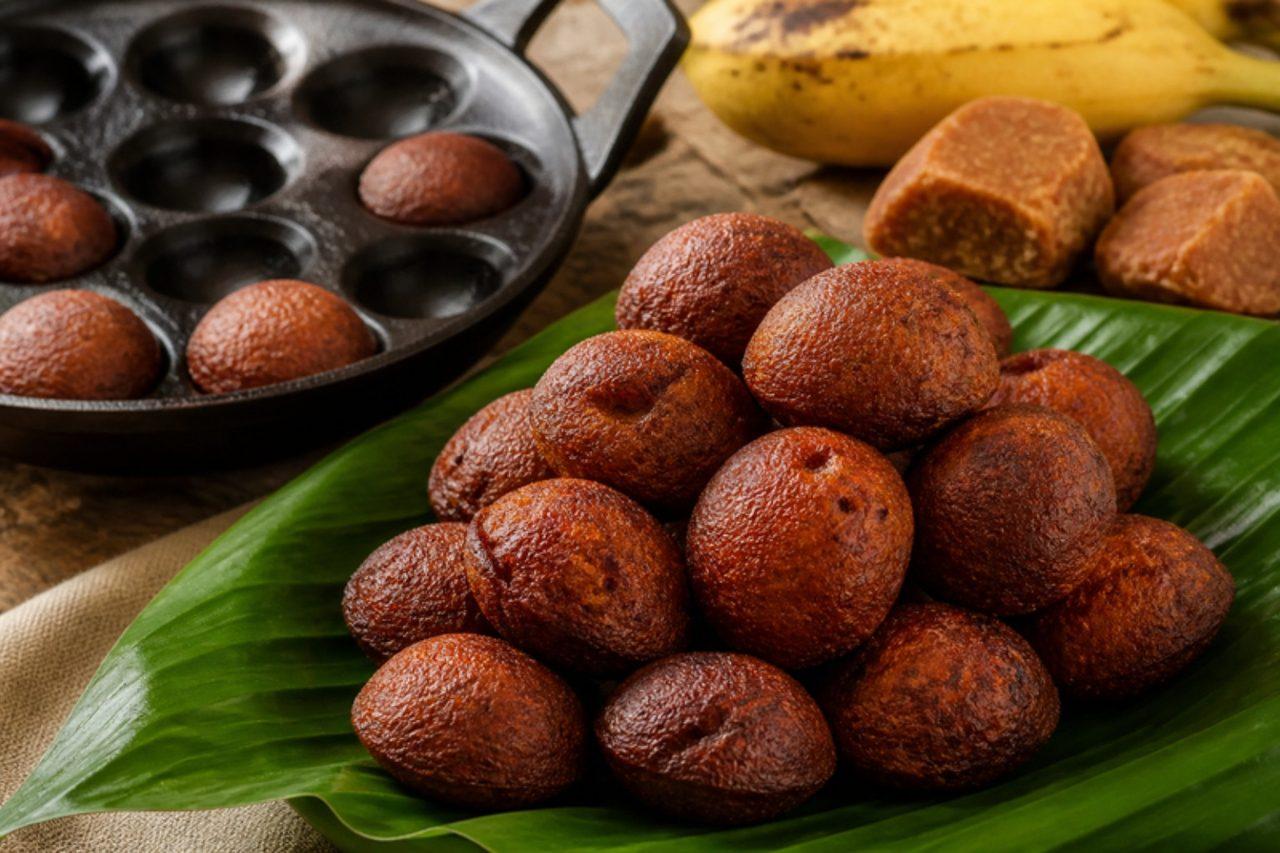
UnniyappamBanana and rice fritters

Unniyappam are small, round sweet dumplings that Kerala families make for Vishu and Karthika, and they are a well-known temple offering at Guruvayur and Sabarimala. A batter of ground rice, ripe banana and jaggery, studded with ghee-fried coconut bits and sesame, is fried in the round hollows of an unniyappa chatti until crisp and dark brown outside and soft and spongy in the middle. They keep for a couple of days in a tin and are perfect with tea. Chef's tip: let the batter rest for an hour; it softens and puffs a little, giving lighter unniyappam.

by KrazyBadal 0 views

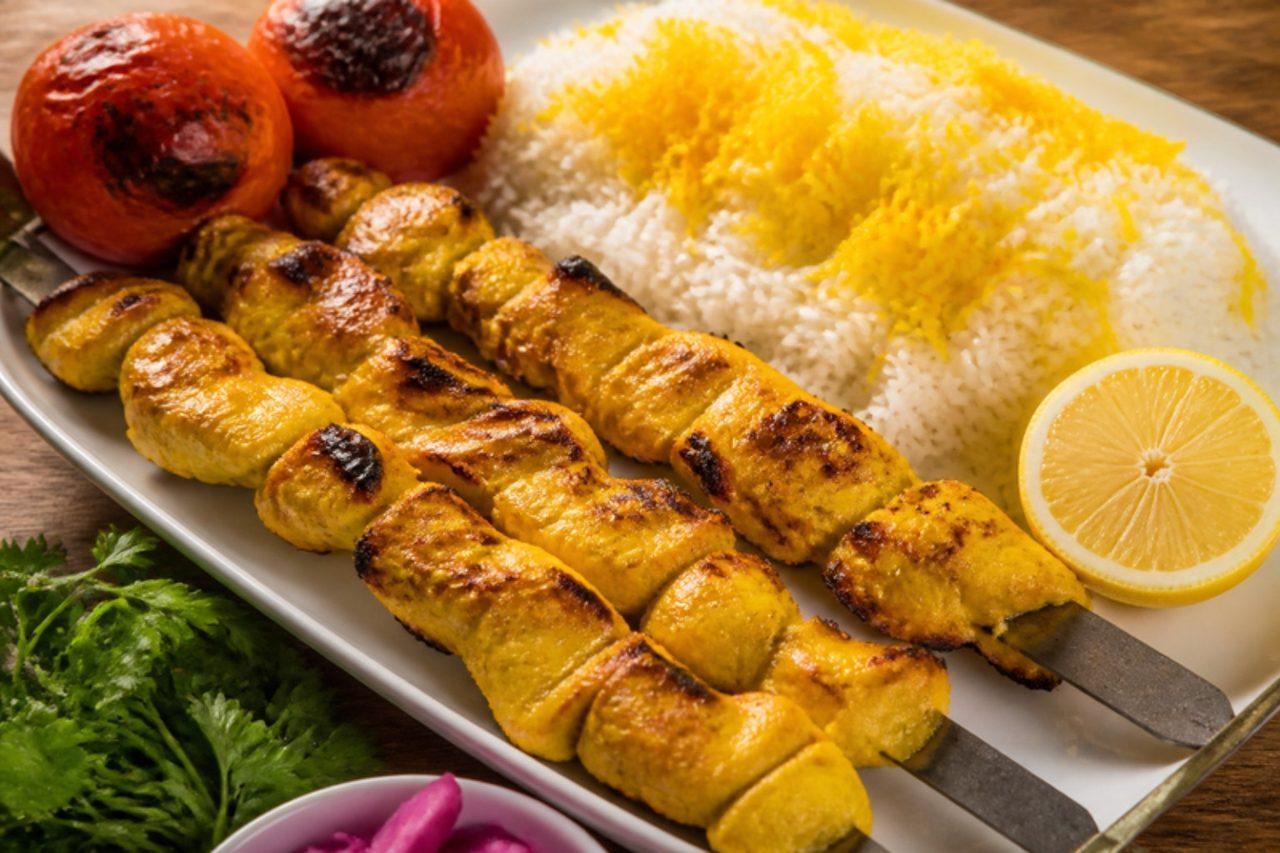
Joojeh kababSaffron chicken skewers

Joojeh kabab is what fills Tehran's parks on Sizdah Bedar, the thirteenth day of Nowruz, when families picnic outdoors and grills smoke under the plane trees; it is just as common on restaurant platters beside koobideh. Chunks of chicken soak overnight in yogurt, grated onion, lemon and bloomed saffron, then cook fast over high heat so the edges char while the middle stays juicy and golden-orange. Serve with buttery chelow rice, grilled tomatoes and a pinch of sumac. Chef's tip: grind the saffron threads with a pinch of sugar before steeping them in hot water; you get twice the colour from the same few threads.

by KrazyBadal 0 views

JolpanFlattened rice with curd and jaggery

Jolpan is how Assam starts the morning of Magh Bihu and Bohag Bihu, and how guests are welcomed in villages all year: a bowl of chira (flattened rice), muri, or sticky bora saul, served with thick curd, yellow jaggery or gur, and sometimes cream. It is not cooked so much as assembled, and every family has its own order: soak the chira, top with doi, crumble in gur. Variants such as komal saul (a soft rice that needs only soaking) are also jolpan. Chef's tip: rinse the chira quickly and drain it at once; a long soak turns it to paste.

by KrazyBadal 0 views

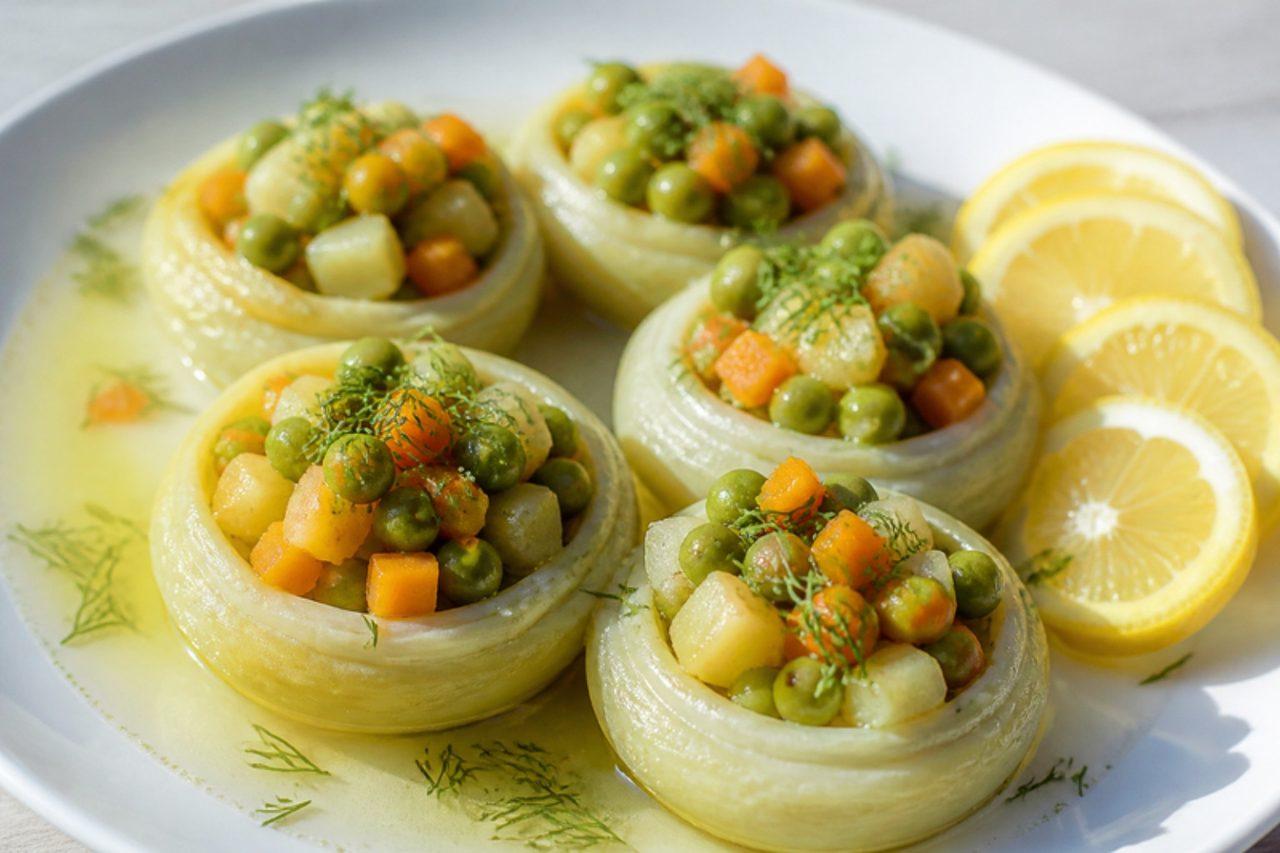
Zeytinyağlı enginarArtichokes braised with peas

In spring, when globe artichokes pile up on stalls in İzmir and Urla, market sellers trim them on the spot into pale hearts kept in lemon water, and families take them home to make zeytinyağlı enginar. The hearts are braised cup-side up with small onions, carrots, potato and peas in olive oil and lemon, then served cold with a shower of dill, often as the first course of a spring dinner. The classic mistake is leaving trimmed artichokes in the air: they turn grey within minutes. Chef's tip: rub every cut surface with lemon as you go and drop the hearts straight into water with lemon juice and a spoonful of flour, which keeps them pale and cream-coloured.

by KrazyBadal 0 views

Jolada rotti with ennegaiSorghum flatbread with stuffed aubergine

Across Hubballi, Dharwad, Vijayapura and the dry plains of north Karnataka, a meal means jolada rotti: thin, crisp sorghum flatbreads slapped out by hand, often by the hundred and stored in cloth to eat with everything. Their best-loved partner is ennegai, which means 'oil vegetable': small brinjals slit and stuffed with roasted peanuts, sesame, dry coconut and spices, then cooked slowly in plenty of oil until they collapse into a thick, nutty gravy. It is wedding food, field food and Sunday food, with raw onion, a wedge of lemon and spicy chutney powder on the side. Chef's tip: use boiling water for the jowar dough; it gelatinises the flour slightly, so the rotti holds together without any wheat.

by KrazyBadal 0 views

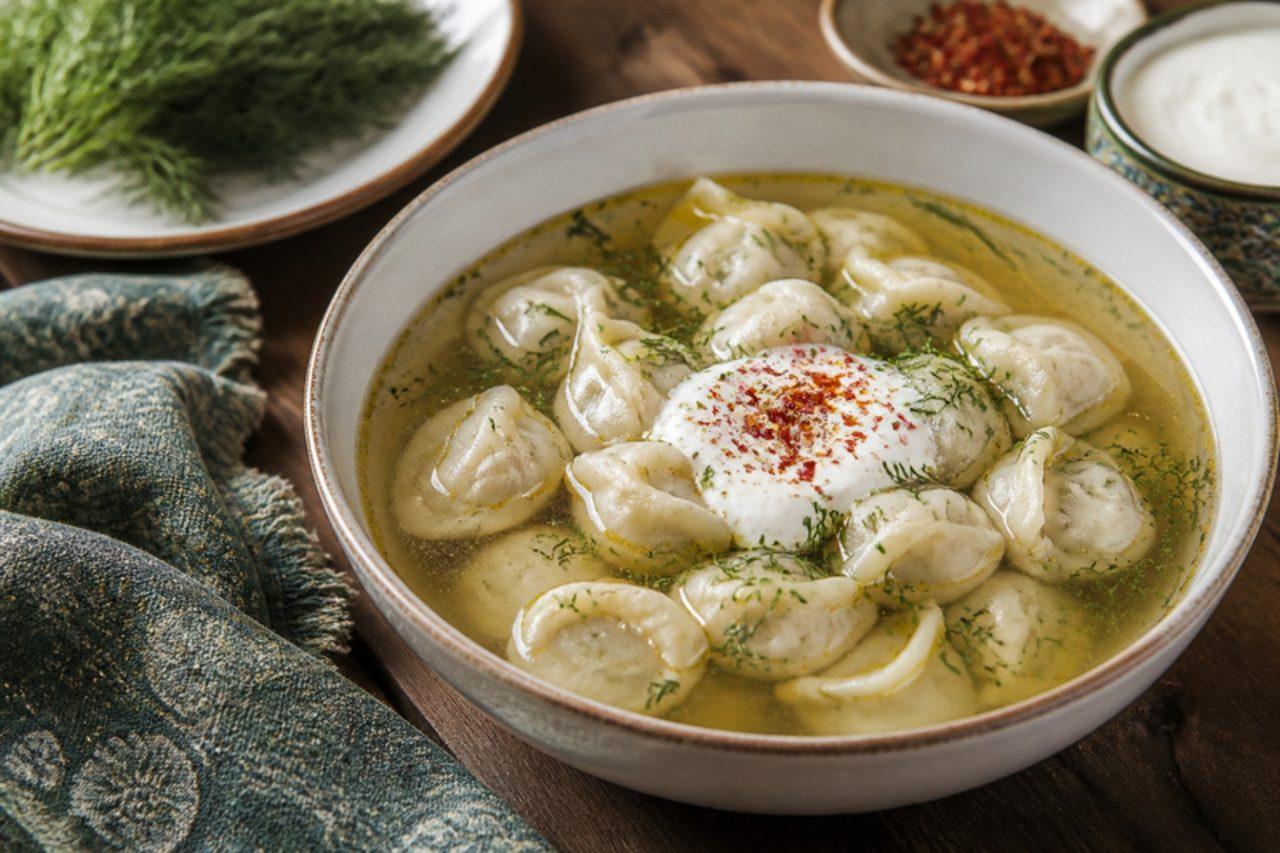
Uzbek chuchvaraTiny dumplings in dill broth

In Tashkent, chuchvara is the little cousin of manti: dumplings no bigger than a thumbnail, folded around a peppery lamb-and-beef filling and dropped into clear meat broth. Families make them in big batches on a slow weekend, freeze trays of them, and eat bowls through the winter with a spoonful of suzma (strained yogurt) or sour cream and lots of dill. The dough is thin and firm, the filling juicy with grated onion, and the broth light enough to drink. Many home cooks roll the dough too thick, which turns the dumplings stodgy; aim for a sheet you can just see the board through. Chef's tip: freeze the shaped dumplings on a floured tray before bagging them, so they stay separate and cook straight from frozen.

105 minUzbekSoups
by KrazyBadal 0 views

UzvarDried fruit drink

Uzvar is the dark, smoky-sweet drink brewed from dried apples, pears and plums that closes the Holy Supper on Ukrainian Christmas Eve, Sviat Vechir, where it is one of the twelve meatless dishes alongside kutia. In villages across Podillia and the Carpathians the fruit is dried in the oven or over smoke in autumn, which gives uzvar its distinctive campfire note; market stalls sell ready-mixed bags in December. It is drunk warm in winter and chilled in summer, and is naturally vegan when sweetened with sugar instead of honey. Chef's tip: simmer gently, then let it steep for several hours; common mistake is boiling it hard, which turns the fruit to mush and the drink cloudy.

by KrazyBadal 0 views

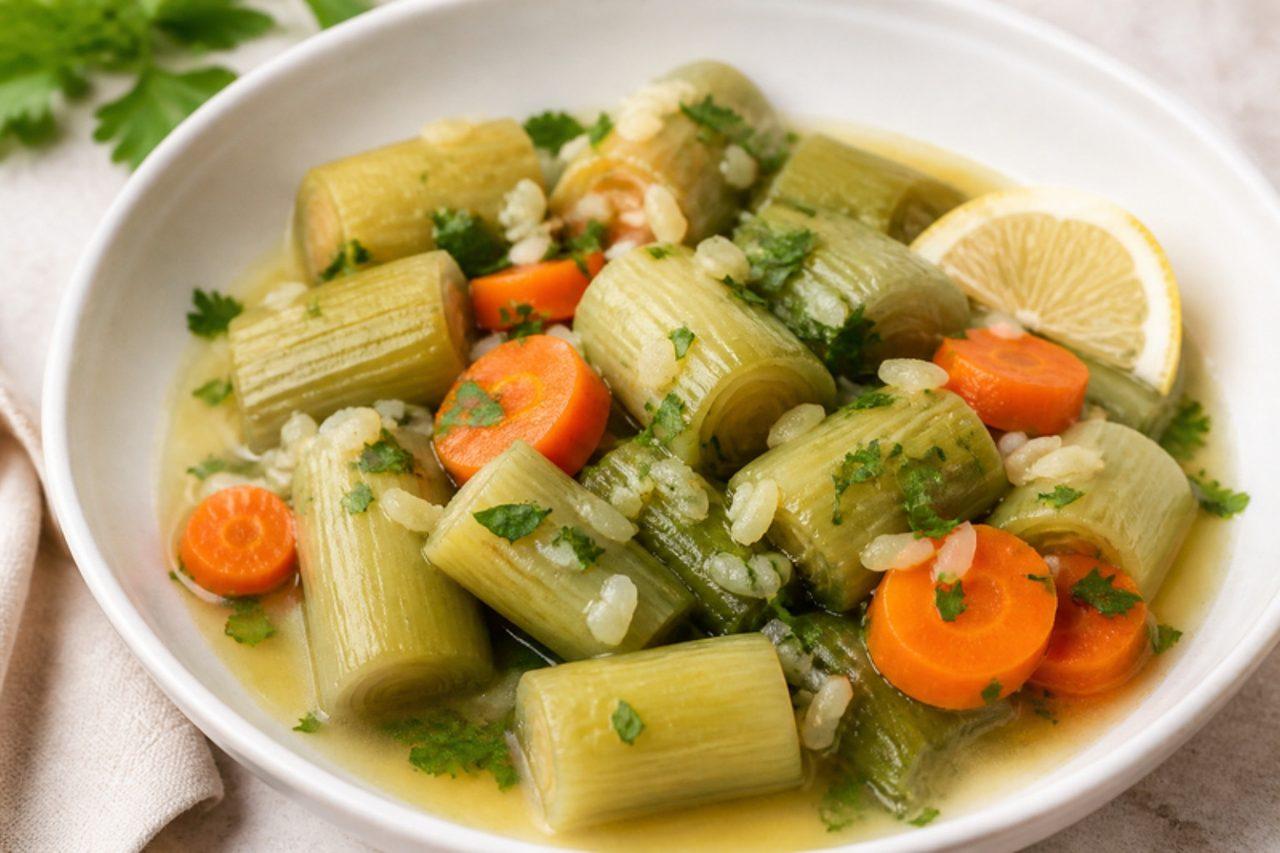
Zeytinyağlı pırasaLeeks braised in olive oil

Winter in Istanbul brings fat leeks to every neighbourhood market, and zeytinyağlı pırasa is how many households use them: chunks of leek and carrot stewed gently in olive oil with a handful of rice to thicken the juices, finished with lemon. It is served at room temperature on the side of a winter table, or as a light lunch with bread and white cheese, and grandmothers often say it is better the second day. The usual mistake is skipping a proper wash: grit hides between the layers and ruins the whole pot. Chef's tip: cut the leeks on a slant into thick pieces and keep them whole rather than separating the rings, so they hold their shape through the slow braise.

by KrazyBadal 0 views

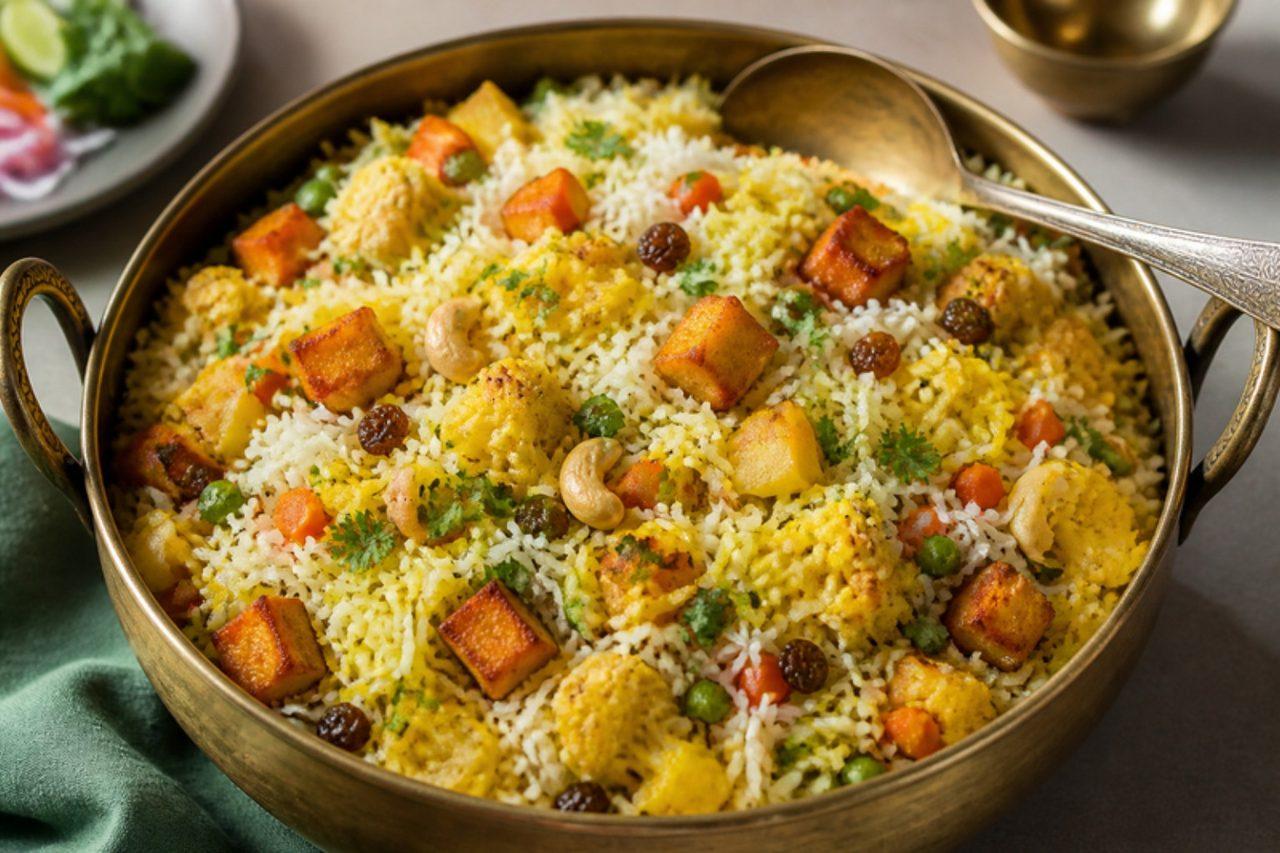
Jodhpuri kabuliLayered vegetable rice

Jodhpuri kabuli is a celebration rice from Marwar that has nothing to do with chickpeas; the name refers to its rich, layered style. Rice is stacked with vegetables simmered in spiced yogurt and milk, crisp fried bread cubes, cashews, raisins and saffron, then steamed under a lid so the bread absorbs the juices while the top stays crunchy. Jodhpur families cook it for weddings and festive lunches, and it is eaten on its own with raita or kadhi. A common mistake is layering the bread at the bottom, where it becomes soggy; it belongs in the middle and on top. Chef's tip: cook the rice only until it still has a firm bite, because it will finish cooking during the dum.

by KrazyBadal 0 views

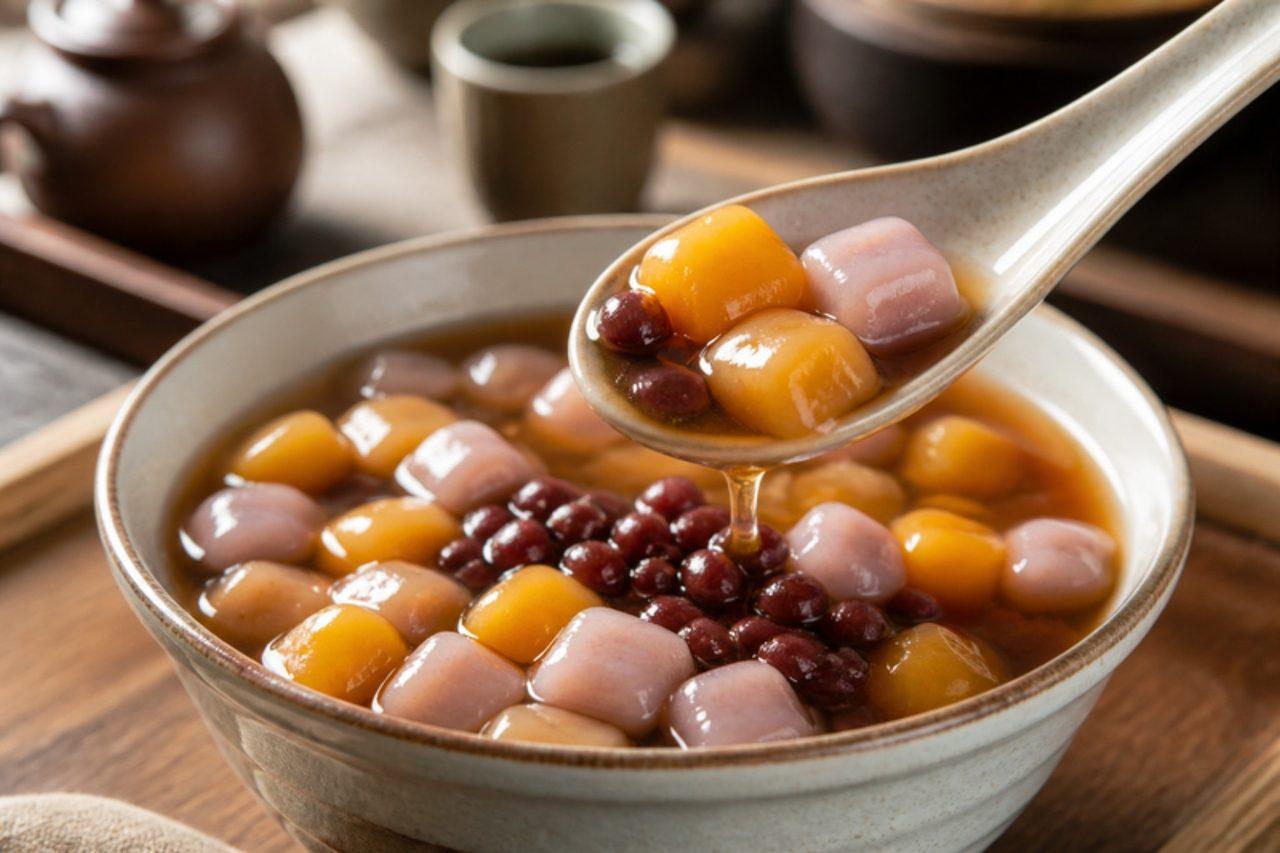
Jiufen taro ballsTaro balls in syrup

Jiufen, the old gold-mining town clinging to the hills above Taiwan's northeast coast, is famous for bowls of chewy purple taro and orange sweet potato balls, eaten in steep teahouses with a view of the sea. Shops serve them hot in a light sugar syrup in winter and over shaved ice in summer, often with mung beans or red beans. They are just steamed root vegetables kneaded with tapioca starch, so they're naturally gluten free and have a bouncy, QQ chew Taiwanese people love. Chef's tip: knead the starch into the vegetables while they are still hot; the heat partly cooks the starch and makes the dough smooth and pliable.

by KrazyBadal 0 views

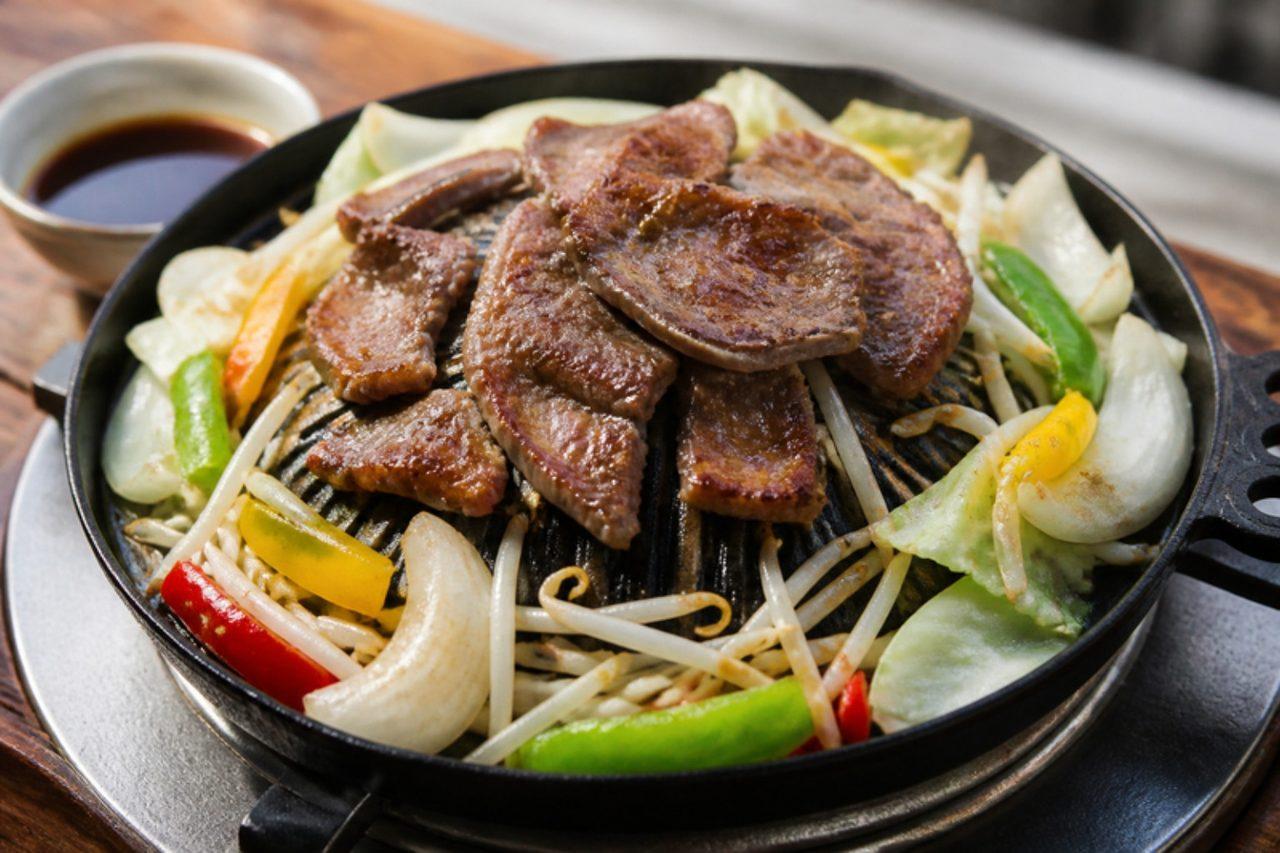
JingisukanGrilled lamb and vegetables

When the cherry trees bloom in Sapporo in early May, parks fill with groups grilling lamb on ridged, dome-shaped pans, and the city's beer halls serve it all year. Named after Genghis Khan, the dish grew up after Hokkaido began raising sheep for wool in the early 20th century. In the Sapporo style, plain lamb is seared on the hump of the pan while bean sprouts, onion and pumpkin cook on the rim in the dripping juices, and everything is dipped in a fruity soy sauce. No domed pan? A heavy frying pan or flat griddle works well. Chef's tip: grease the pan with a piece of lamb fat rather than oil, as it gives the vegetables a rich, meaty flavour.

by KrazyBadal 0 views

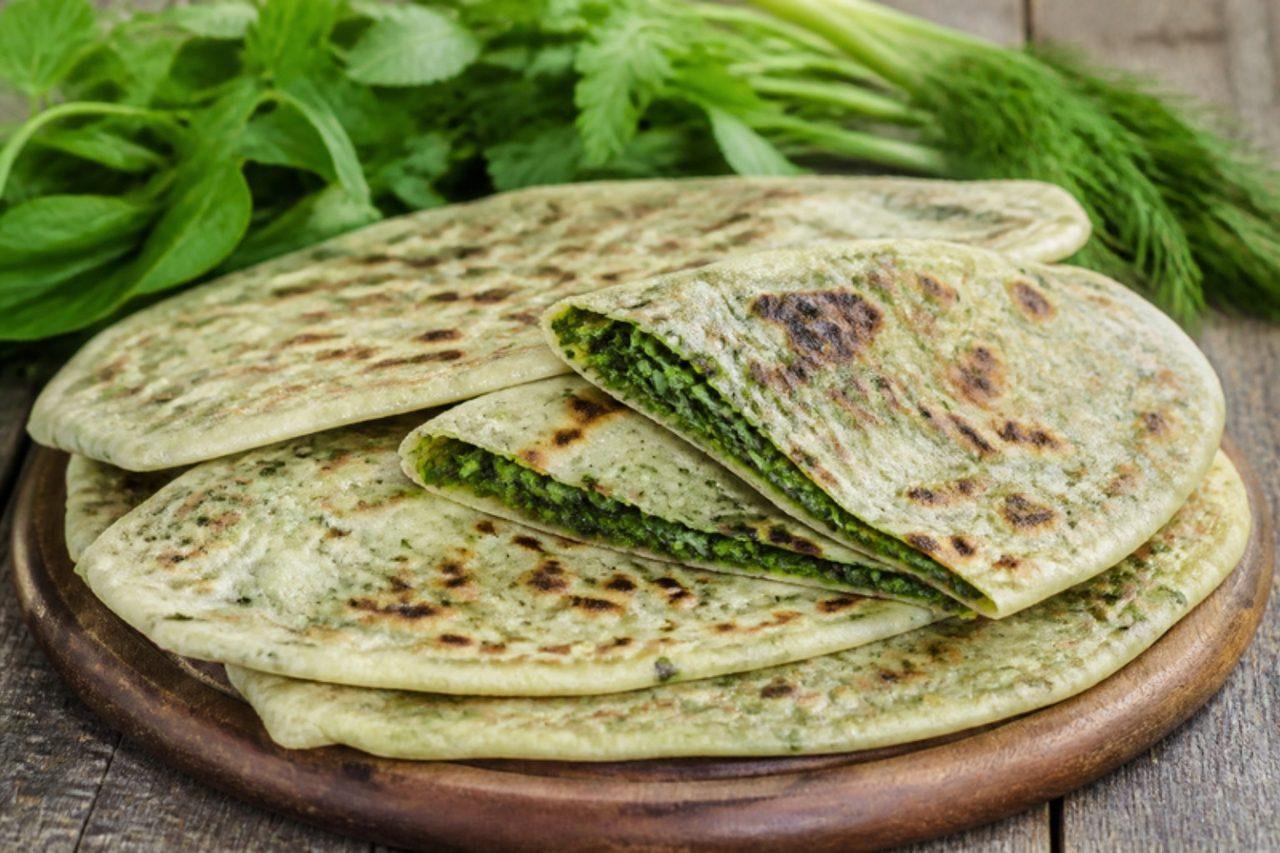
Jingalov hatsWild greens flatbread

Jingalov hats comes from Artsakh (Nagorno-Karabakh), where women in Stepanakert markets would roll the dough around armfuls of greens and cook the flat parcels on a hot saj in front of the queue. The filling is nothing but herbs and leaves, ten to twenty kinds when spring greens are at their best: sorrel, spinach, dill, coriander, spring onion, beet leaves, mint and nettle, wilted with oil and salt. The bread is eaten hot from the griddle at Easter and through Lent, folded in half and dripping with green juices. Displaced families now sell it in Yerevan, where it has become a street-food symbol of home. Chef's tip: mix at least six different greens and keep some sharp ones such as sorrel or lemon juice in the mix; with spinach alone the filling tastes flat.

by KrazyBadal 0 views

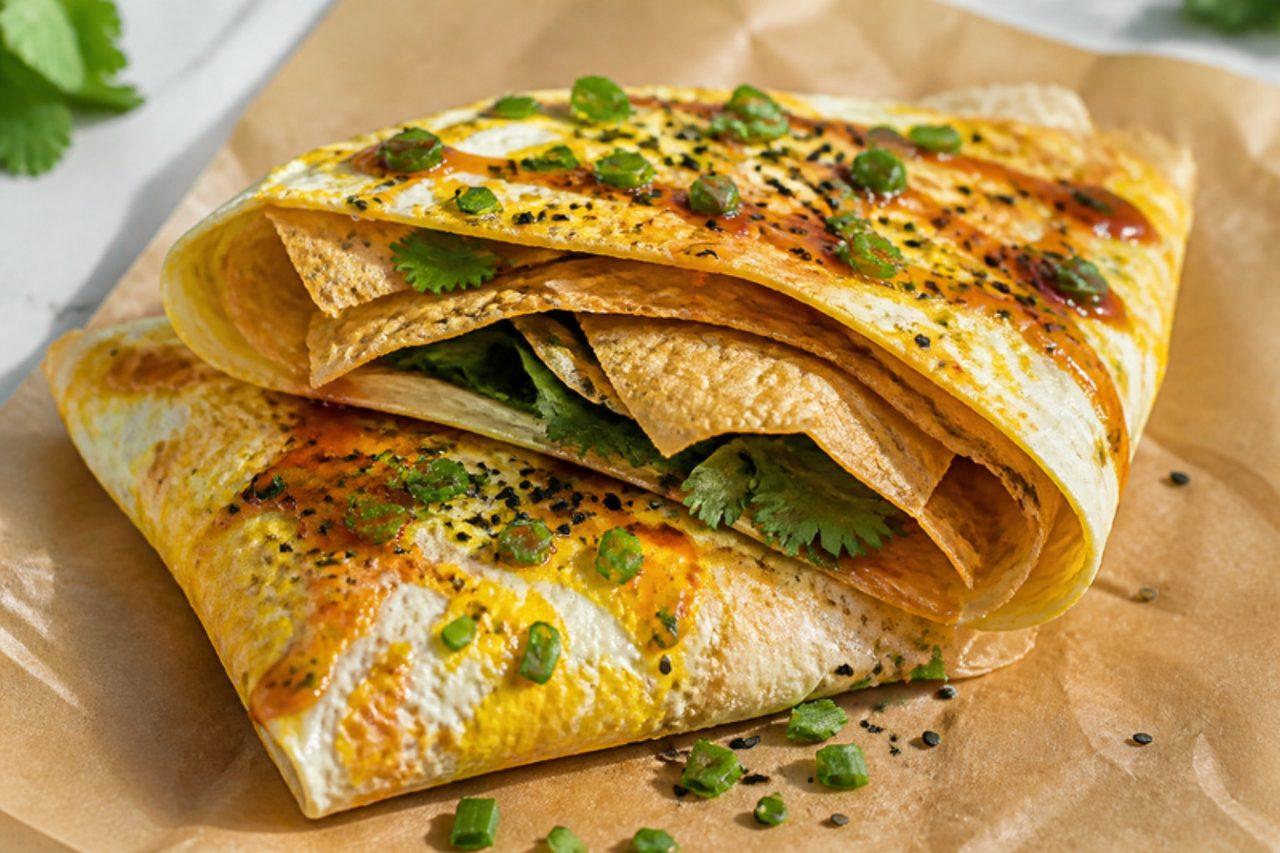
JianbingSavoury egg crêpe

Jianbing guozi began in Tianjin and is now Beijing's favourite breakfast on the go: a crêpe spread on a round griddle, cracked over with egg, brushed with sauces and folded round a crunchy fried cracker. Vendors make one in two minutes; at home a large non-stick pan works. The batter mixes mung bean and wheat flour for a tender, slightly nutty pancake. Chef's tip: spread the batter thin and fast while the pan is hot, then lower the heat before adding the egg so the crêpe stays pliable.

by KrazyBadal 0 views

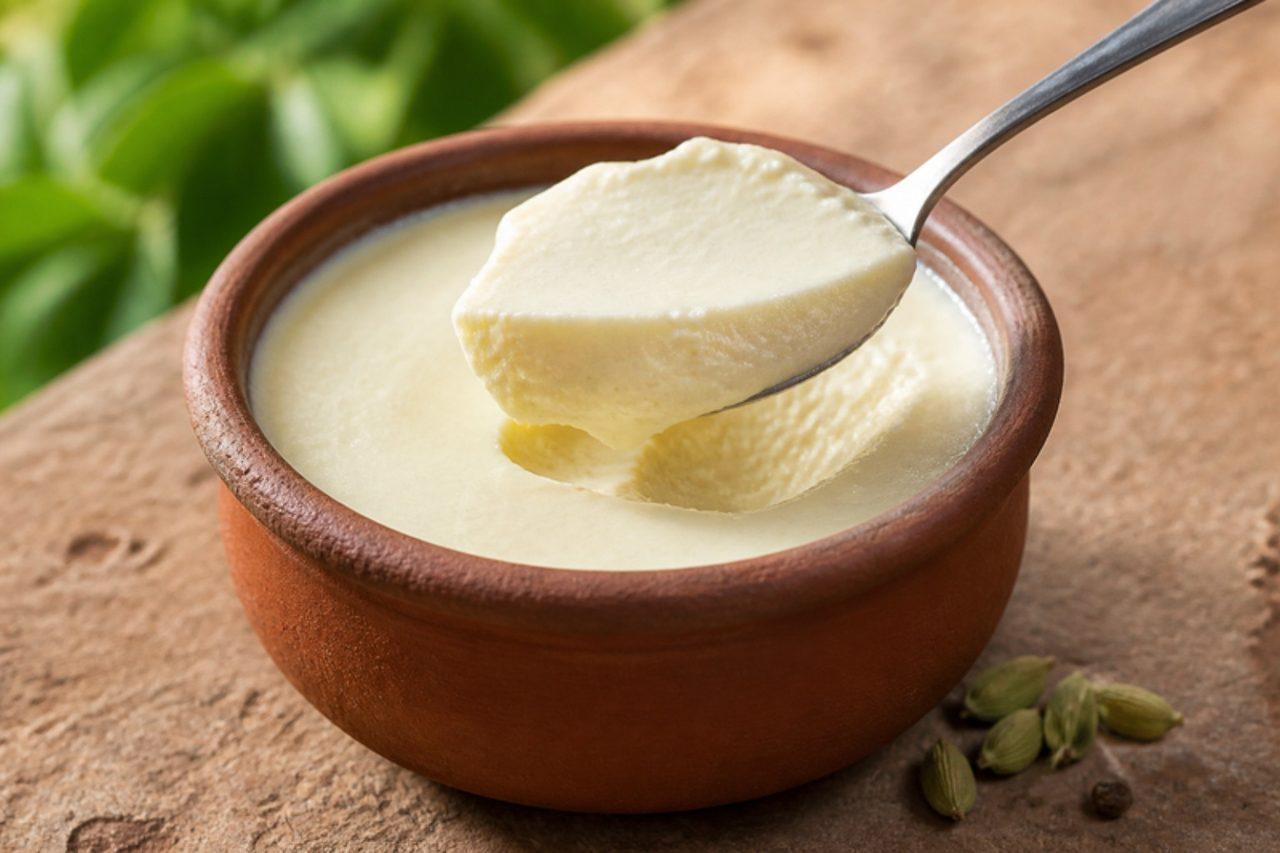
Juju dhauThick sweet curd

Juju dhau means king of curds in the Newar language, and it belongs to Bhaktapur, the old brick-and-temple city east of Kathmandu, where it is sold in round clay bowls from shops around Durbar Square and taken home by the stack. Full-fat milk, traditionally buffalo milk, is boiled down by a third until it is rich and faintly caramel, sweetened, then set overnight in unglazed clay pots that soak up the whey, leaving a custard-thick, creamy yogurt with a pale golden skin. No wedding, festival or important meal in the Valley ends without it, and it is eaten on its own with a small spoon. People often rush the reduction, and the yogurt then sets thin and sour. Chef's tip: if you don't have clay pots, set it in ceramic ramekins and pour off any whey after setting; and keep it warm and undisturbed, wrapped in a blanket, so it sets in one smooth layer.

by KrazyBadal 0 views

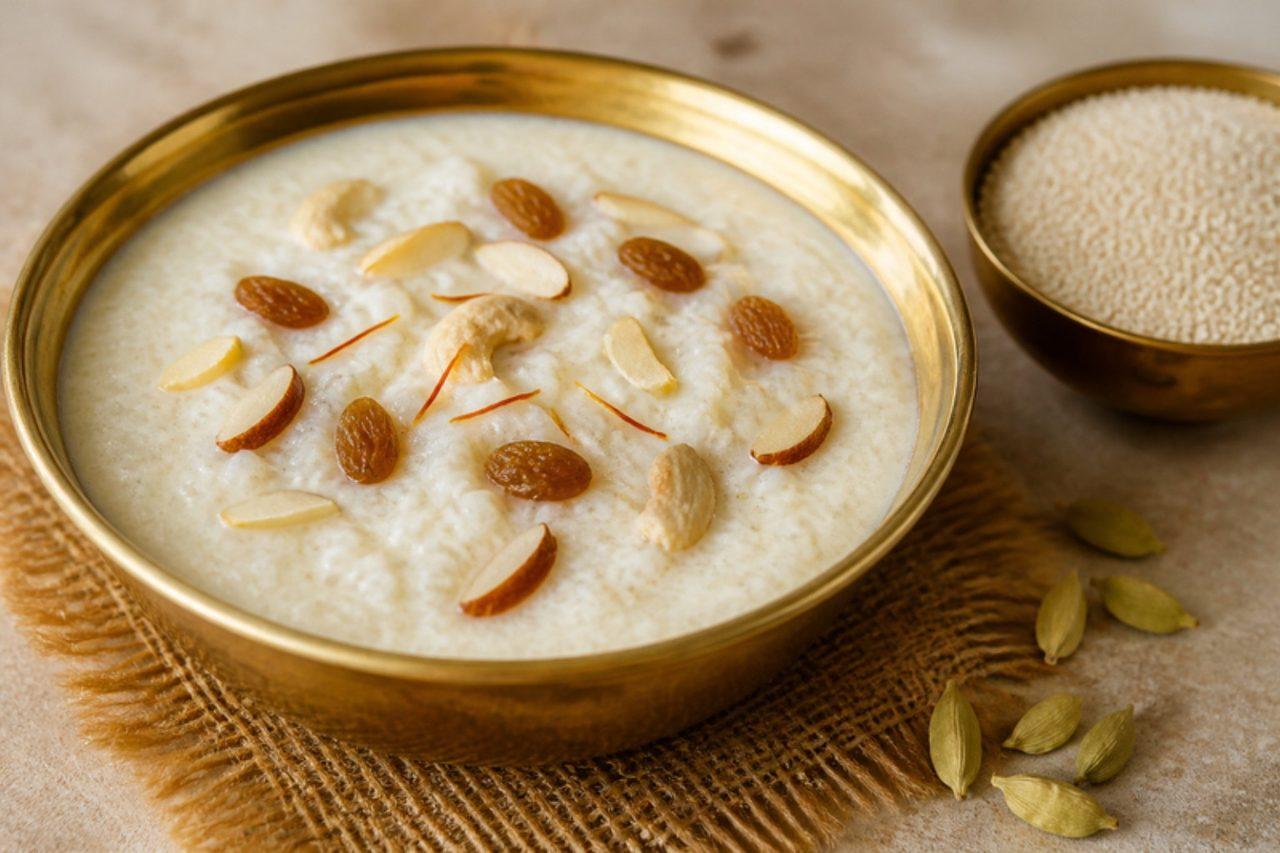
Jhangora ki kheerBarnyard millet pudding

Jhangora is barnyard millet, a hardy grain that grows on the high fields of Garhwal and Kumaon, and this kheer is how most hill families turn it into something special. It cooks faster than rice kheer and ends up softer and silkier, with a light, nutty taste. Because millet isn't a cereal grain, it's eaten on Navratri and Ekadashi fasts, when you'll find bowls of it at temples and in homes from Rishikesh to Chamoli. It is just as good chilled the next day. Chef's tip: soak the millet for 20 minutes before cooking; it softens evenly and you won't be left with hard little grains in the pudding.

by KrazyBadal 0 views

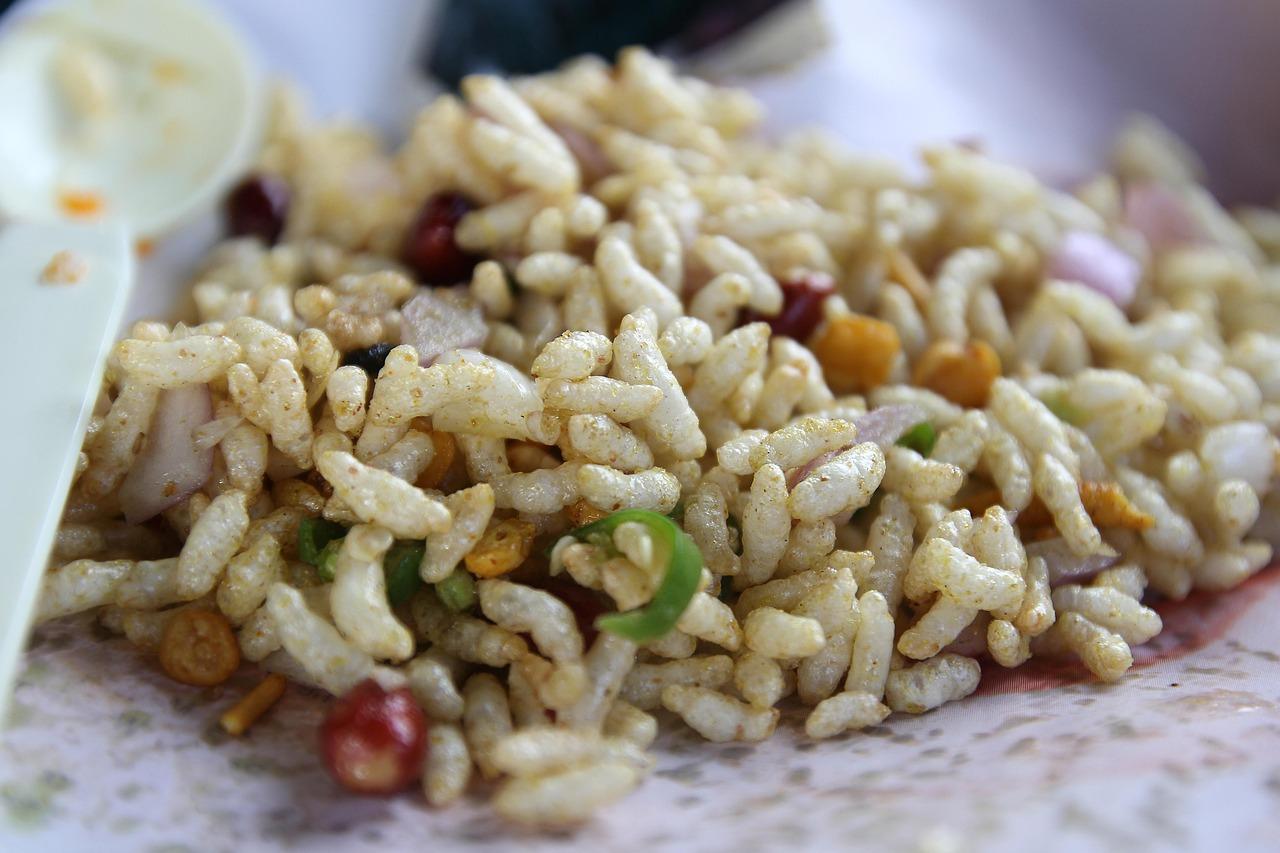
JhalmuriSpiced puffed rice

Jhalmuri is the snack Kolkata eats on the move: outside Howrah station, along the Maidan, on suburban local trains, where a vendor tosses puffed rice in a tin with raw mustard oil, chopped onion, cucumber, green chilli and a fistful of chanachur, then tips it into a cone of newspaper. The sharp, nose-tingling mustard oil is what separates it from Mumbai's bhel; there is no sweet chutney at all, only salt, lime and heat. Eat it the minute it is mixed, while it still crackles. Chef's tip: warm the puffed rice in a dry pan for a couple of minutes first; even fresh muri crisps up noticeably.

by KrazyBadal 0 views

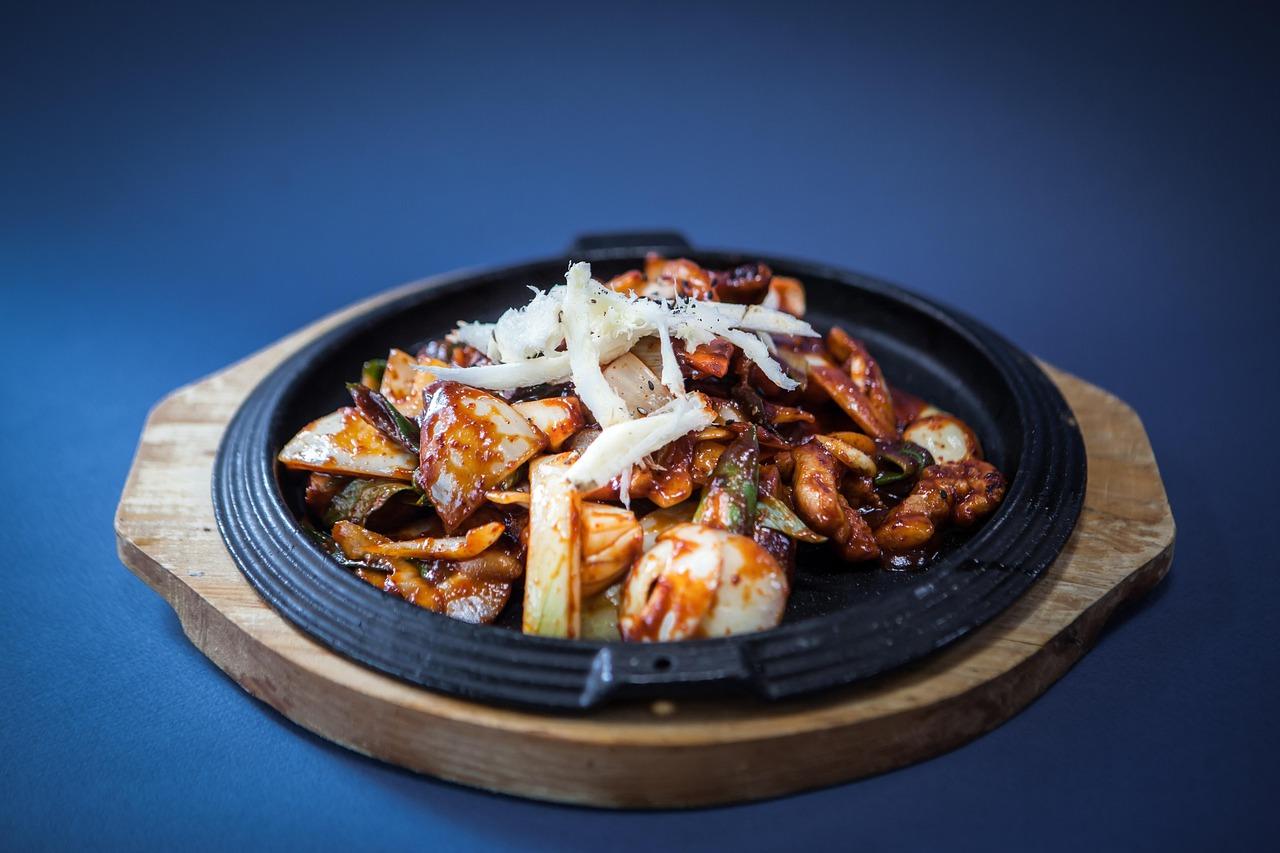
Jeyuk bokkeumSpicy stir-fried pork

Jeyuk bokkeum is the backbone of the Korean lunch: almost every baekban (set-meal) restaurant near offices and building sites serves it with rice, soup and little side dishes, and it is just as common at home on weeknights. Thin slices of pork are fried hard in a sauce of gochujang, chilli flakes, garlic and ginger until the edges catch and caramelise. Eat it over rice, or wrap a piece in a lettuce leaf with a slice of raw garlic. Chef's tip: fry the pork on its own first until the fat runs, then add the sauce; you get smoky, sticky edges instead of boiled meat.

25 minKoreanMeatSpicy
by KrazyBadal 0 views

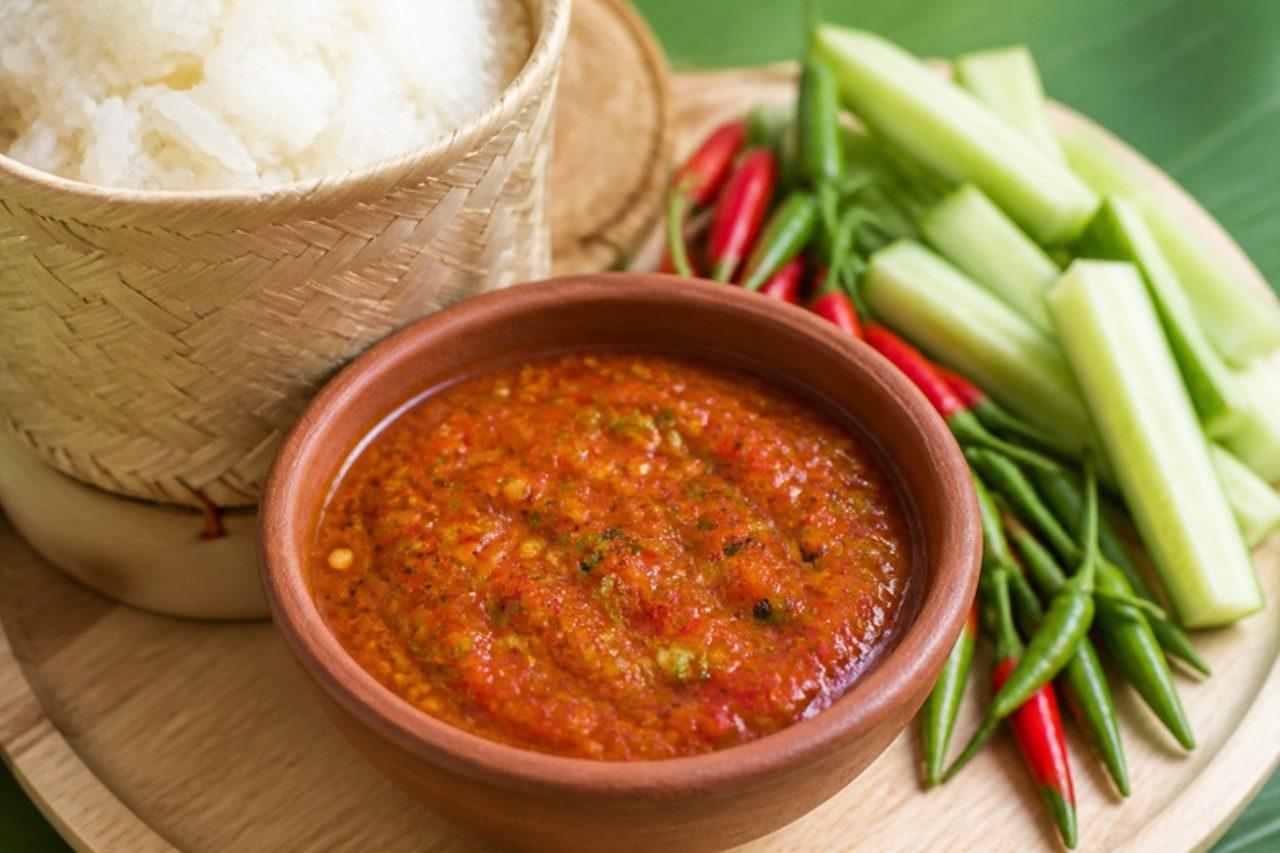
Jeow mak lenRoasted tomato and chilli dip

No Lao meal is complete without a jeow, a pounded dip eaten by pinching a ball of sticky rice and dragging it through. Jeow mak len, made from tomatoes charred over the coals until their skins split, is the everyday one from Vientiane to the villages of the north, smoky, garlicky and as hot as you dare. It's served alongside grilled vegetables, raw cucumber and long beans, and keeps well for a few days. Chef's tip: grill everything until it is genuinely blackened in patches; the burnt bits are the flavour, so don't peel all the skin away.

by KrazyBadal 0 views

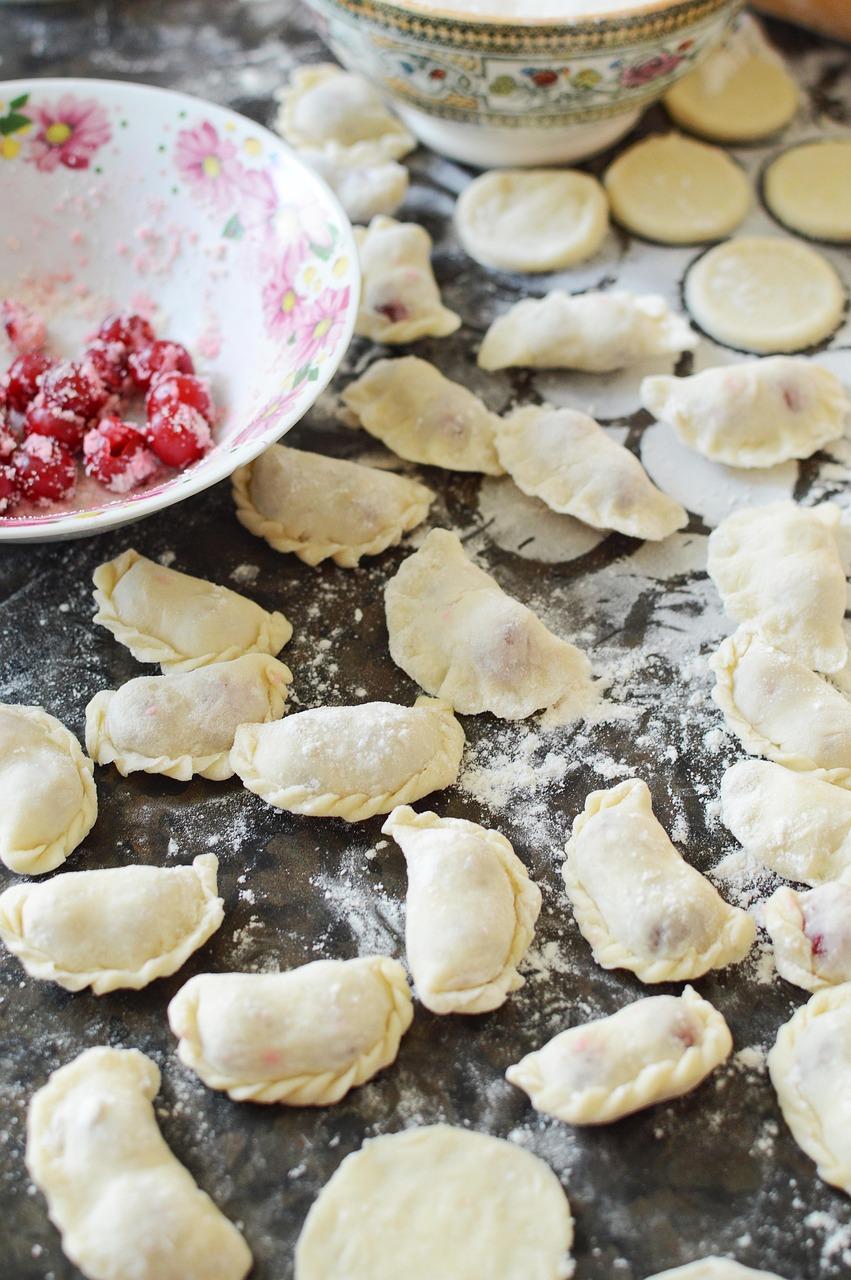
Varenyky with cherriesSour cherry dumplings

In late June, when the sour-cherry trees in every yard from Vinnytsia to Cherkasy turn red, Ukrainian families sit around the kitchen table pitting cherries for varenyky. These sweet dumplings are boiled, piled into a bowl and drenched in a syrup made from the cherry juice, a taste of summer holidays at grandmother's. The dough here is the simple water and oil kind, so the recipe is vegan; most Ukrainians also add a spoon of sour cream, which you are welcome to do if you are not cooking vegan. Chef's tip: sugar the cherries in a sieve and let the juice drain before filling, then put a pinch of sugar on each portion only as you seal it, so the dough stays dry at the edges.

by KrazyBadal 0 views

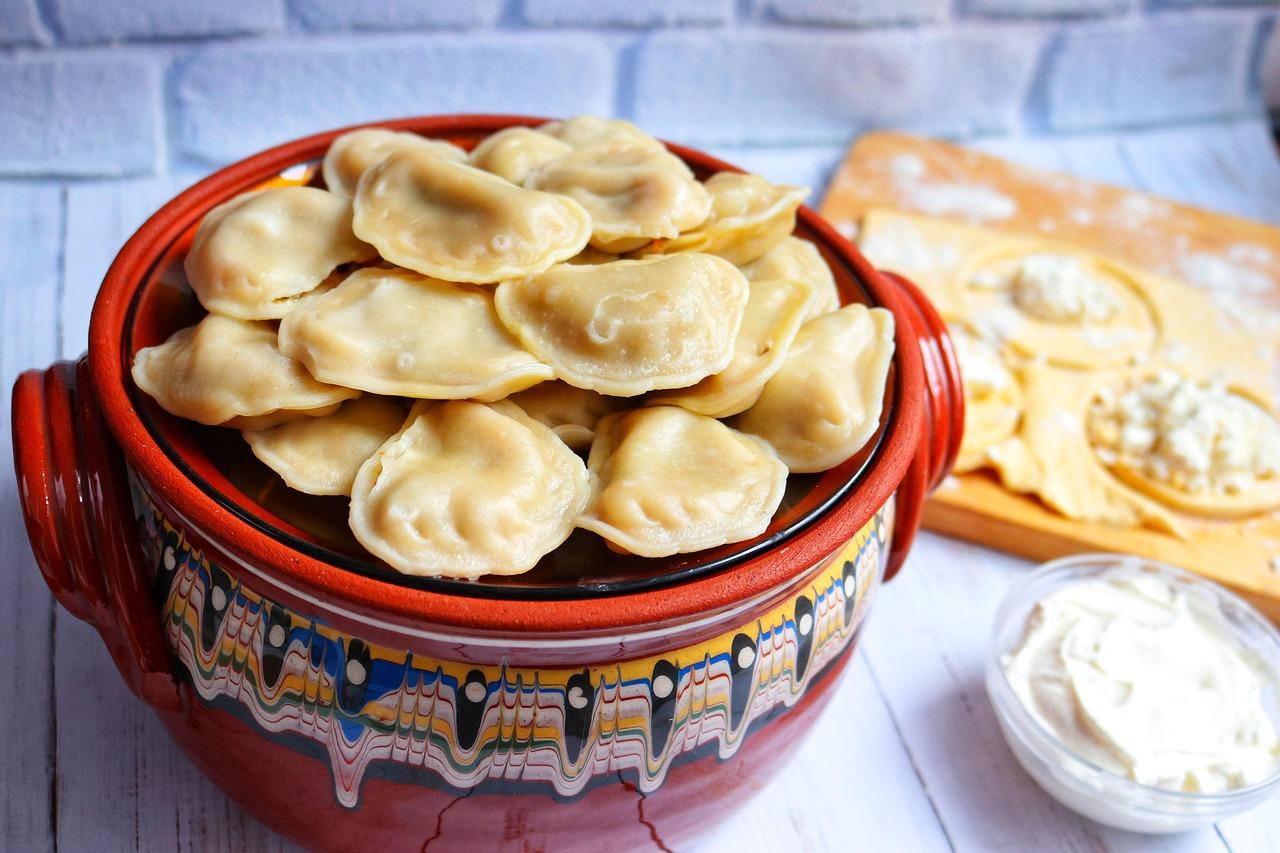
Varenyky with potatoPotato dumplings

Varenyky with potato are the everyday dumplings of central Ukraine, the ones Gogol's Poltava characters dream about and the ones that fill freezers in Kyiv flats before every holiday. Unlike Polish pierogi ruskie, these have no curd cheese: the filling is simply mashed potato beaten with plenty of onion fried in sunflower oil, so they are vegan and appear on the meatless Holy Supper table on Christmas Eve. They are boiled, then tossed in more golden onion and eaten with dill. Chef's tip: let the filling cool completely before you fill the dough; warm mash steams the dough from inside and the dumplings tear in the pot.

by KrazyBadal 0 views

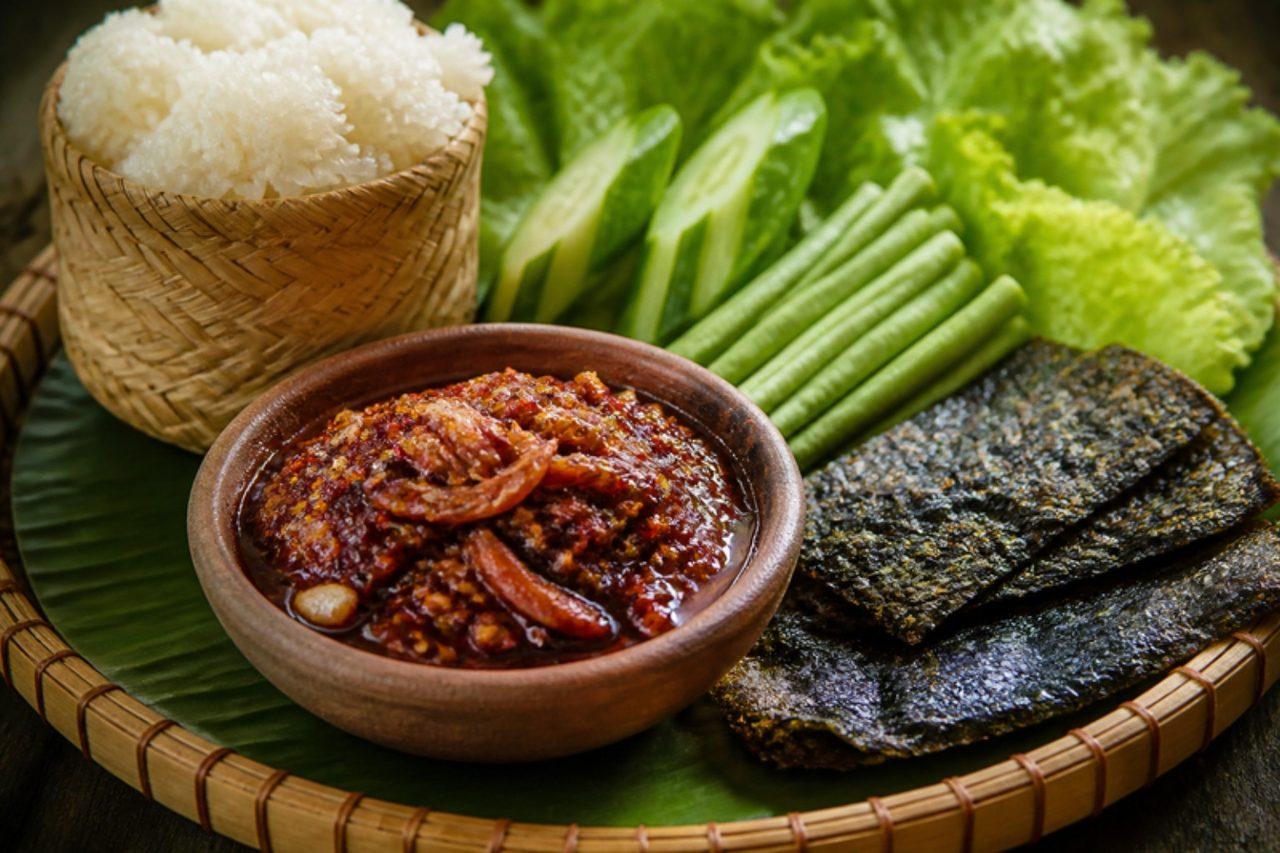
Jeow bongSweet-hot chilli paste with pork skin

Jeow bong is the famous chilli relish of Luang Prabang, the old royal capital, sold in little jars at its night market and eaten with sticky rice, crisp river-weed sheets and fresh vegetables at almost every Lao meal. Dried chillies, roasted garlic, shallot and galangal are pounded with palm sugar and fish sauce into a sticky, smoky, sweet-hot jam. This version contains pork: traditionally it includes thin strips of dried buffalo skin, and here it uses cooked pork skin for the same chewy texture. Chef's tip: roast the aromatics until truly blackened in spots; that char gives jeow bong its smoky depth.

by KrazyBadal 0 views

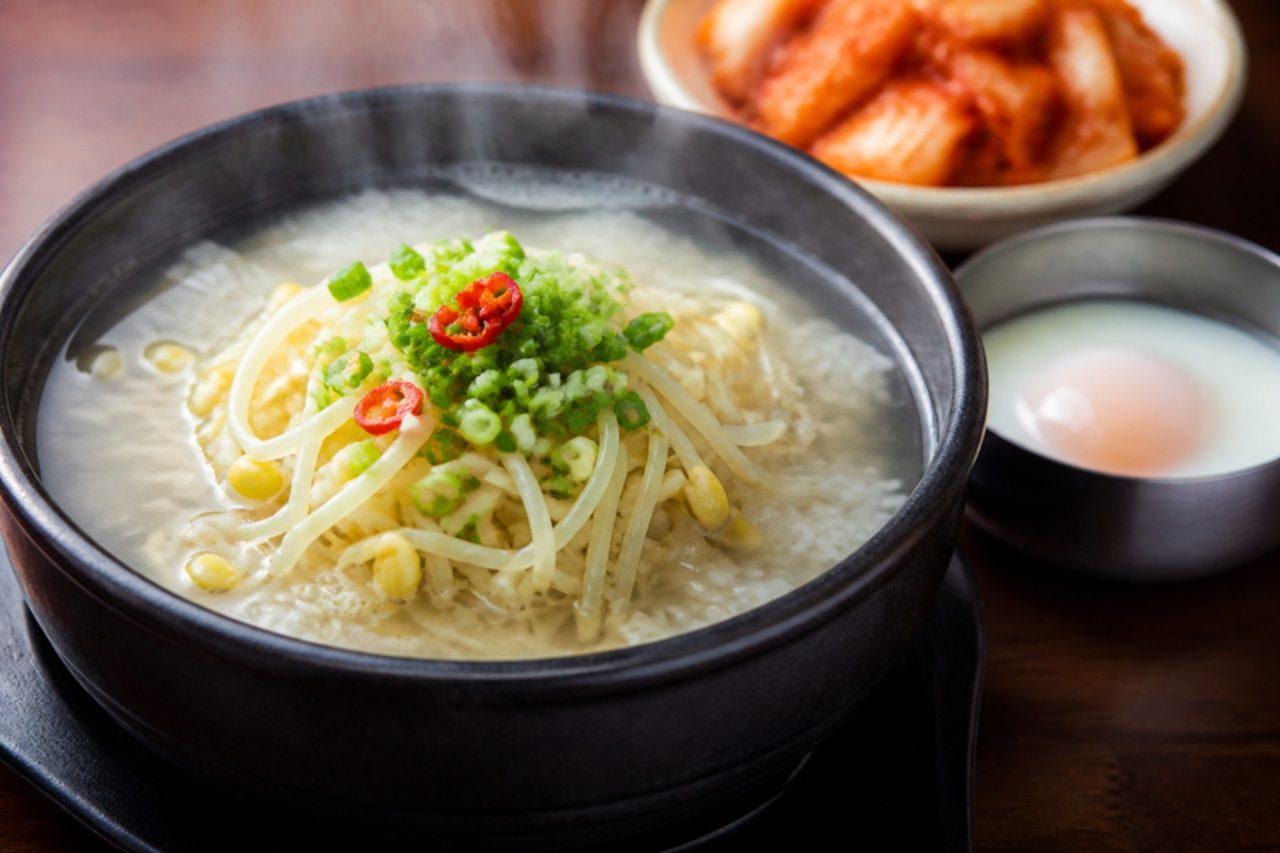
Jeonju kongnamul gukbapBean sprout rice soup

Jeonju, the North Jeolla city known for bibimbap, starts its day with kongnamul gukbap (콩나물국밥): a scalding clay bowl of clear soybean-sprout broth over rice, sharp with garlic and chilli, served before dawn to market traders and, famously, to anyone with a hangover. Many Jeonju shops bring a half-cooked egg in a separate cup, which you season with a little broth and crumbled seaweed and slurp first. The usual broth is anchovy based, with salted shrimp at the table; here it is kelp, shiitake and soup soy sauce. Chef's tip: keep the lid on while the sprouts cook and don't open it until they are done; lifting it early is said to give them a raw, grassy smell.

by KrazyBadal 0 views

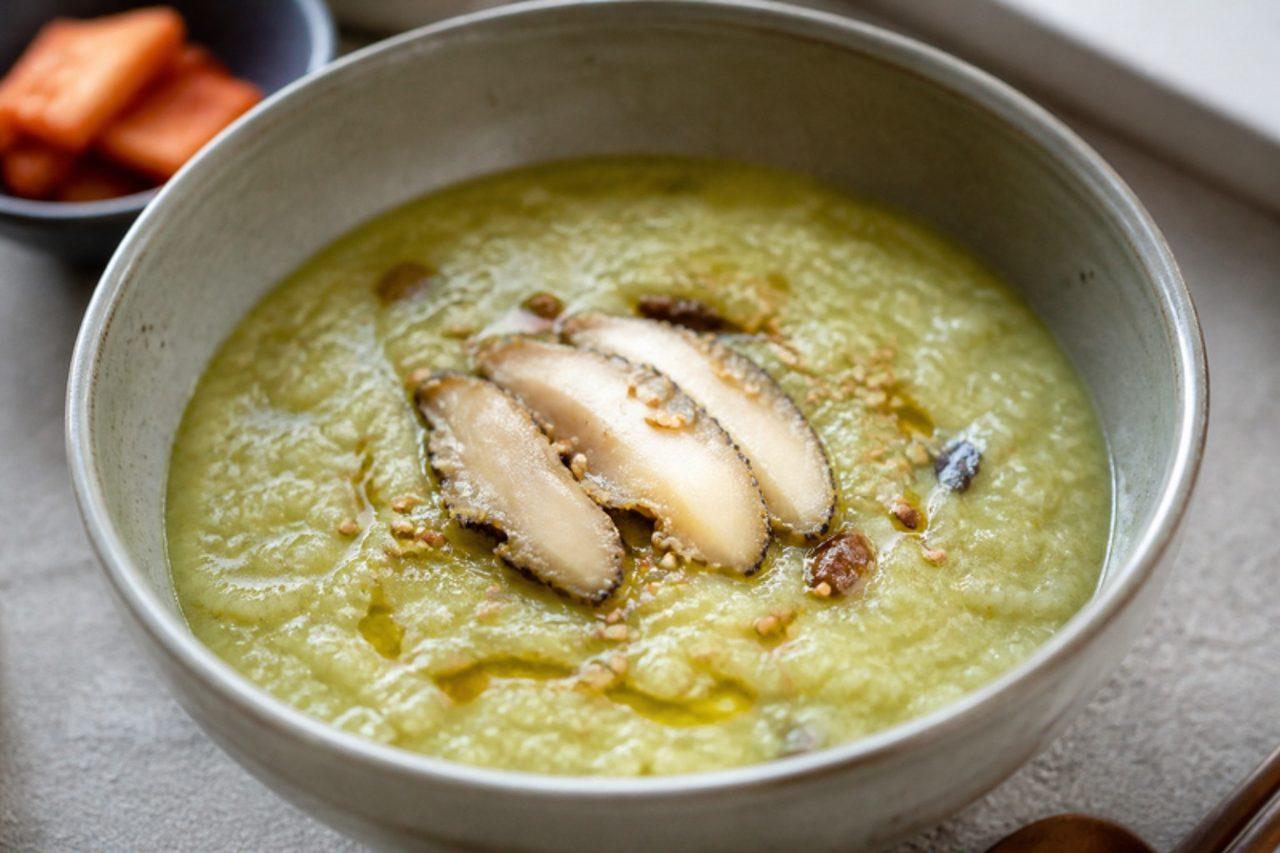
Jeonbok jukAbalone rice porridge

Jeju's haenyeo, the island's women free-divers, have gathered abalone from its rocky coast for generations, and porridge made with it is a favourite breakfast on the island. Restaurants near the harbours and many hotel breakfast tables offer it, often a soft green-grey from the abalone guts cooked into the rice. It's gentle, warming food, also cooked for anyone who is unwell or tired. Frozen cleaned abalone works well; the porridge is just paler without the guts. Chef's tip: toast the soaked rice in sesame oil with the abalone until the grains turn translucent at the edges before adding any water; it gives the porridge its nutty flavour.

by KrazyBadal 0 views

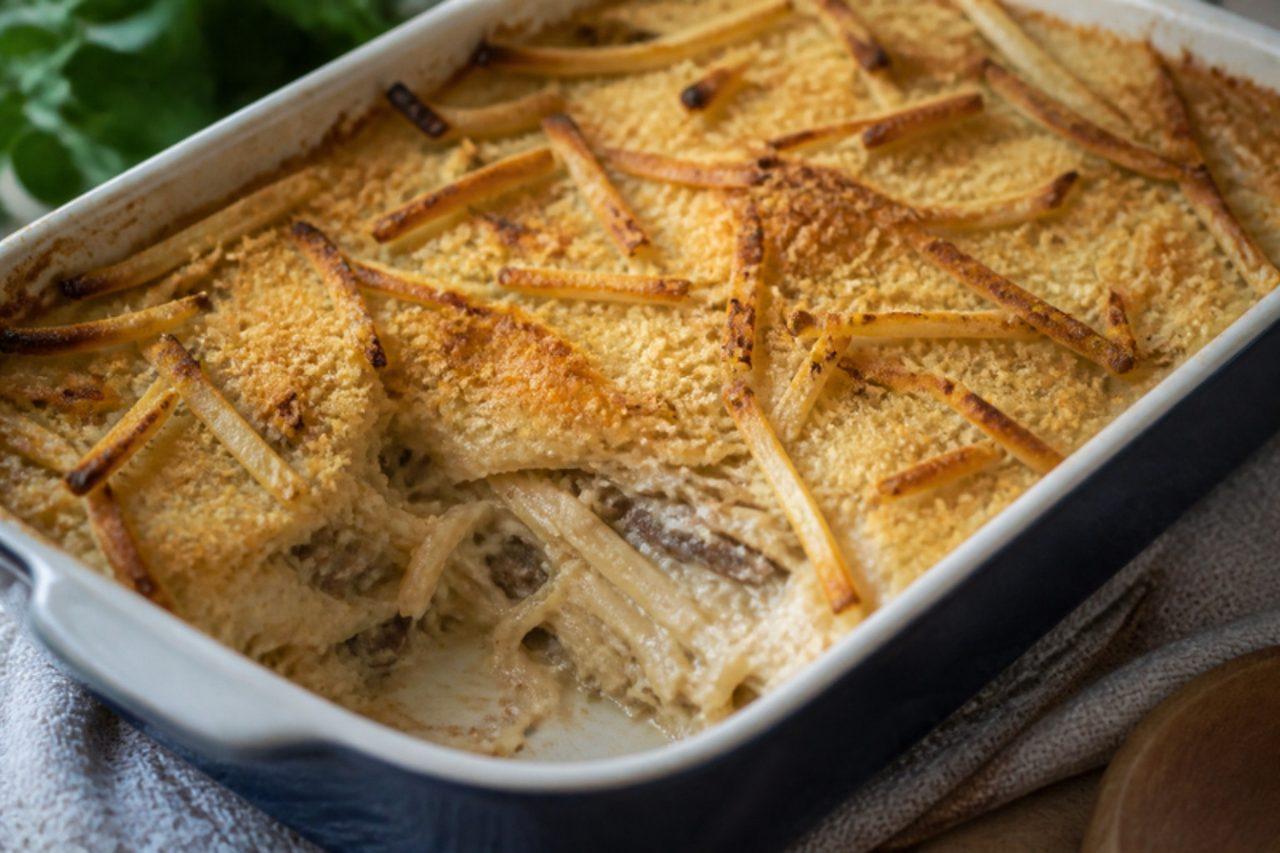
Jansson's temptationPotato, onion and sprat gratin

No Swedish Christmas table, from Gothenburg to Luleå, is complete without a dish of Janssons frestelse, and it often comes back at Easter and midsummer too. Matchsticks of potato and soft onion are baked in cream with Swedish-style spiced sprats (labelled ansjovis in Sweden), which melt into the sauce and season it with a salty, sweet-spiced depth rather than a fishy taste. It is rich, so a spoonful sits beside ham, meatballs and pickled herring rather than being a main course on its own. Many people go wrong by buying Mediterranean salted anchovies; they are far saltier and the gratin turns harsh, so look for the sweet-cured sprats in Scandinavian shops. Chef's tip: cut the potatoes into thin sticks rather than slices; the starch on their many edges thickens the cream as it bakes.

by KrazyBadal 0 views

Zeytinyağlı taze fasulyeGreen beans braised in olive oil

Along the Aegean coast, from İzmir down to Bodrum, summer lunch often begins with a plate of flat green beans that have been stewed in olive oil and tomato until they are silky, then left to cool to room temperature. It belongs to the zeytinyağlı family: vegetables cooked in olive oil, with no meat, and eaten cold or barely warm with bread to mop up the orange-red juices. Home cooks make a big pan in the morning and serve it over two or three days, because it tastes better after a night in the fridge. The most common mistake is rushing it on a high flame: the beans stay squeaky and the oil never turns glossy. Chef's tip: lay the beans on top of the onions and tomatoes without stirring, cover tightly and let the steam do the work; stirring breaks the beans and turns the sauce muddy.

by KrazyBadal 0 views

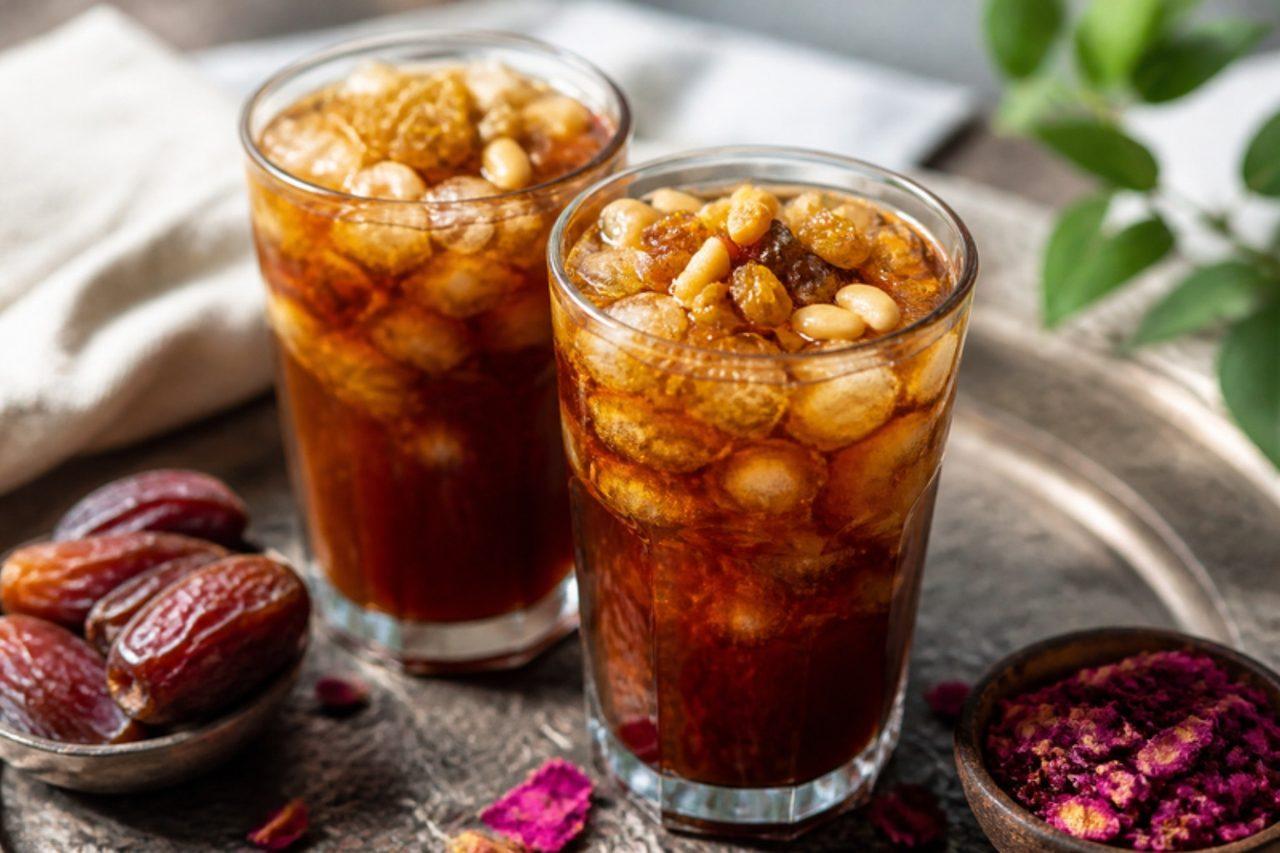
JallabDate and grape molasses drink

During Ramadan in Beirut and Sidon, street sellers ladle jallab from big glass jars at sunset, and families keep a bottle of the dark syrup in the fridge all summer. Made from date and grape molasses with a hint of rose water, it tastes of caramel and dried fruit, and it is served over crushed ice with a spoon for the pine nuts and golden raisins floating on top. Bottled jallab gets its smoky edge from incense smoke; this home version skips that and is made straight from the two molasses. Chef's tip: soak the raisins in the drink for five minutes before serving so they plump up and sink less.

by KrazyBadal 0 views

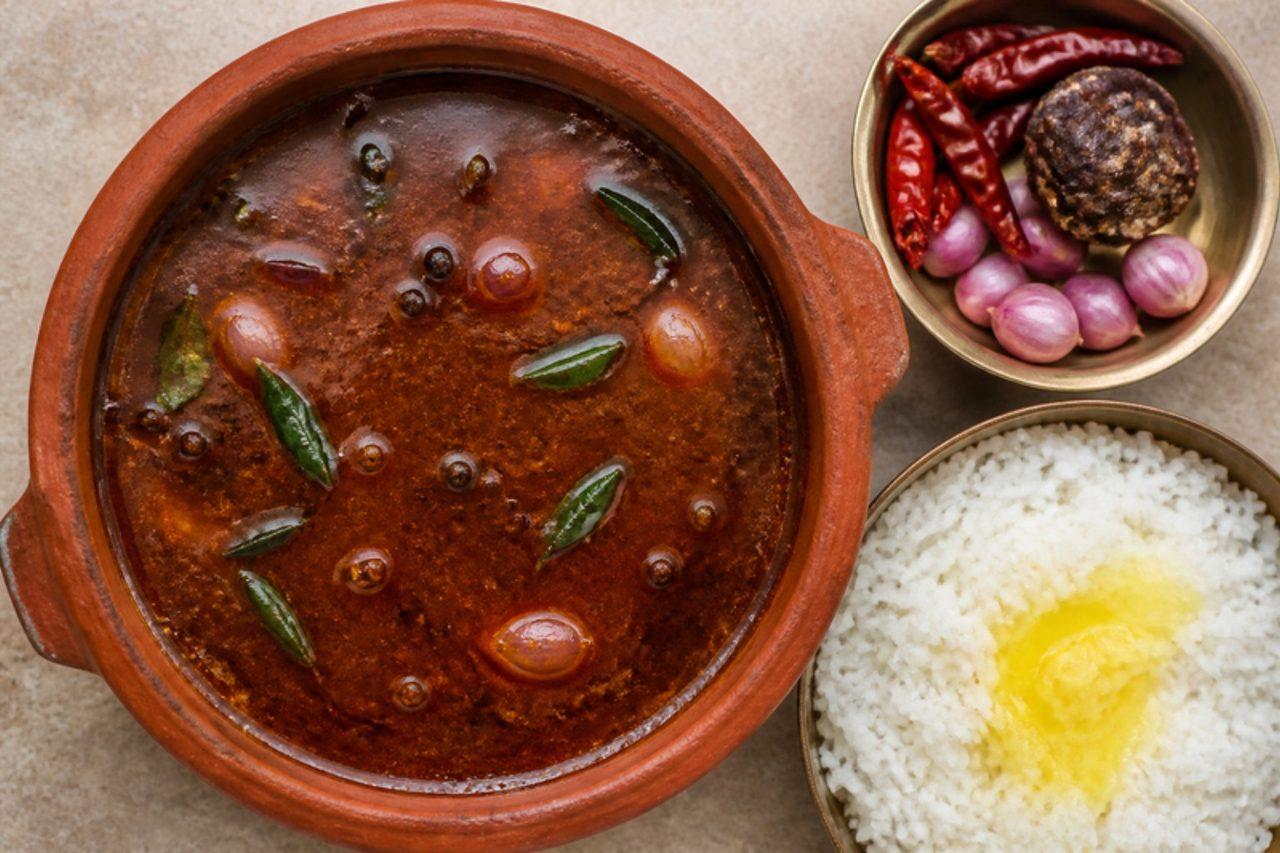
Vatha kuzhambuTamarind gravy with dried berries

Vatha kuzhambu is what a Tamil kitchen cooks when the vegetable basket is empty: tamarind, sambar powder and a handful of sun-dried sundakkai or manathakkali berries fried crisp in sesame oil. It simmers down to a glossy, almost black gravy that is sour, a little bitter, hot and faintly sweet, and it keeps for days, so it travels in tiffin carriers and turns up at Brahmin home lunches all over Thanjavur and Chennai. Mix a spoonful into hot rice with a little sesame oil, and eat it with a plain poriyal or appalam to calm the heat. Chef's tip: fry the dried berries in the oil first and lift them out the moment they puff and darken; added at the end they stay crisp and bitter-nutty instead of turning leathery.

by KrazyBadal 0 views

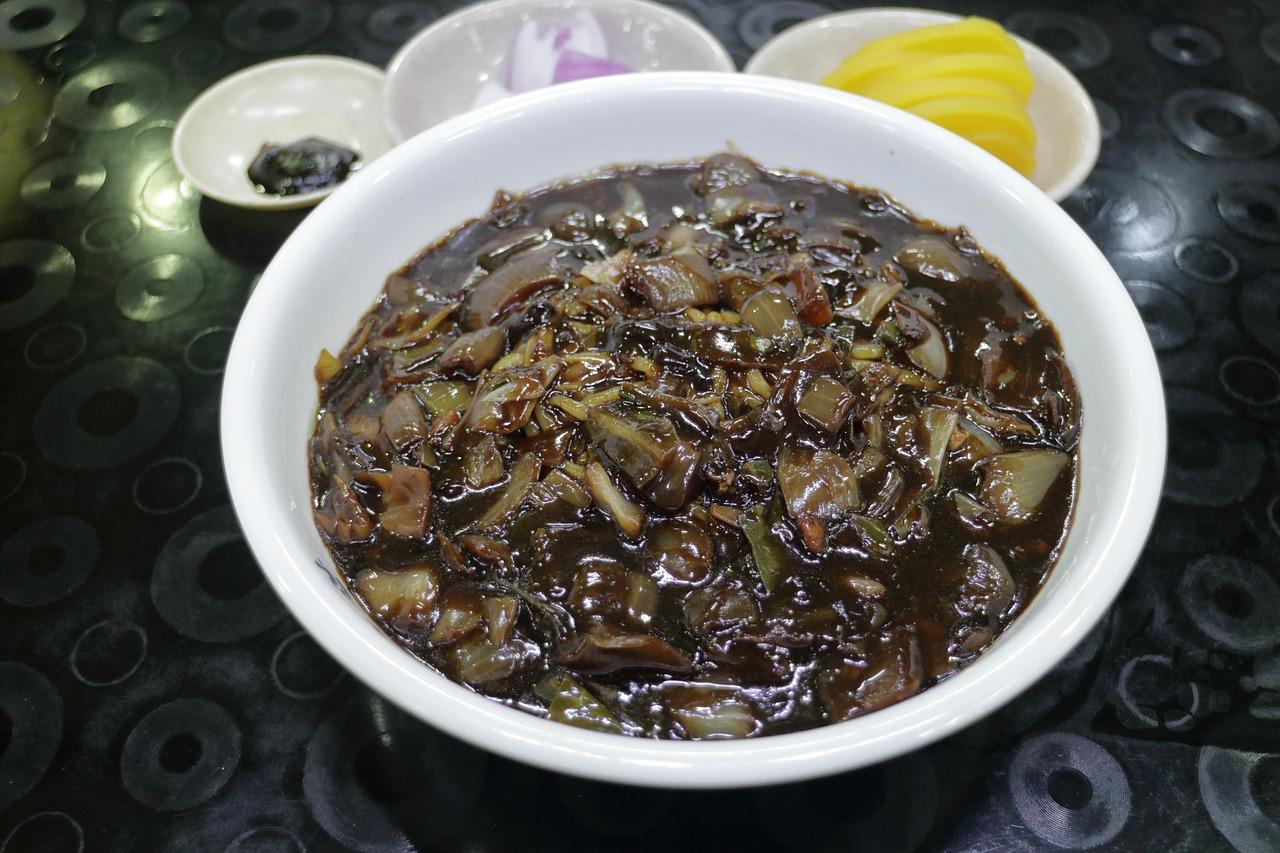
JajangmyeonBlack bean noodles

Jajangmyeon was first served by Chinese cooks in Incheon's Chinatown, by the port, and the old restaurant building there is now a museum about the dish. Today it is the most ordered takeaway in Korea, delivered in minutes by scooter on moving day, and eaten by singles on Black Day, 14 April. The sauce is built on chunjang, a thick, salty black-bean paste, fried with diced pork, onion, courgette and potato until it shines. Chef's tip: cut the pork and all the vegetables into the same 1.5 cm dice so they cook evenly and every forkful gets a bit of each.

by KrazyBadal 0 views

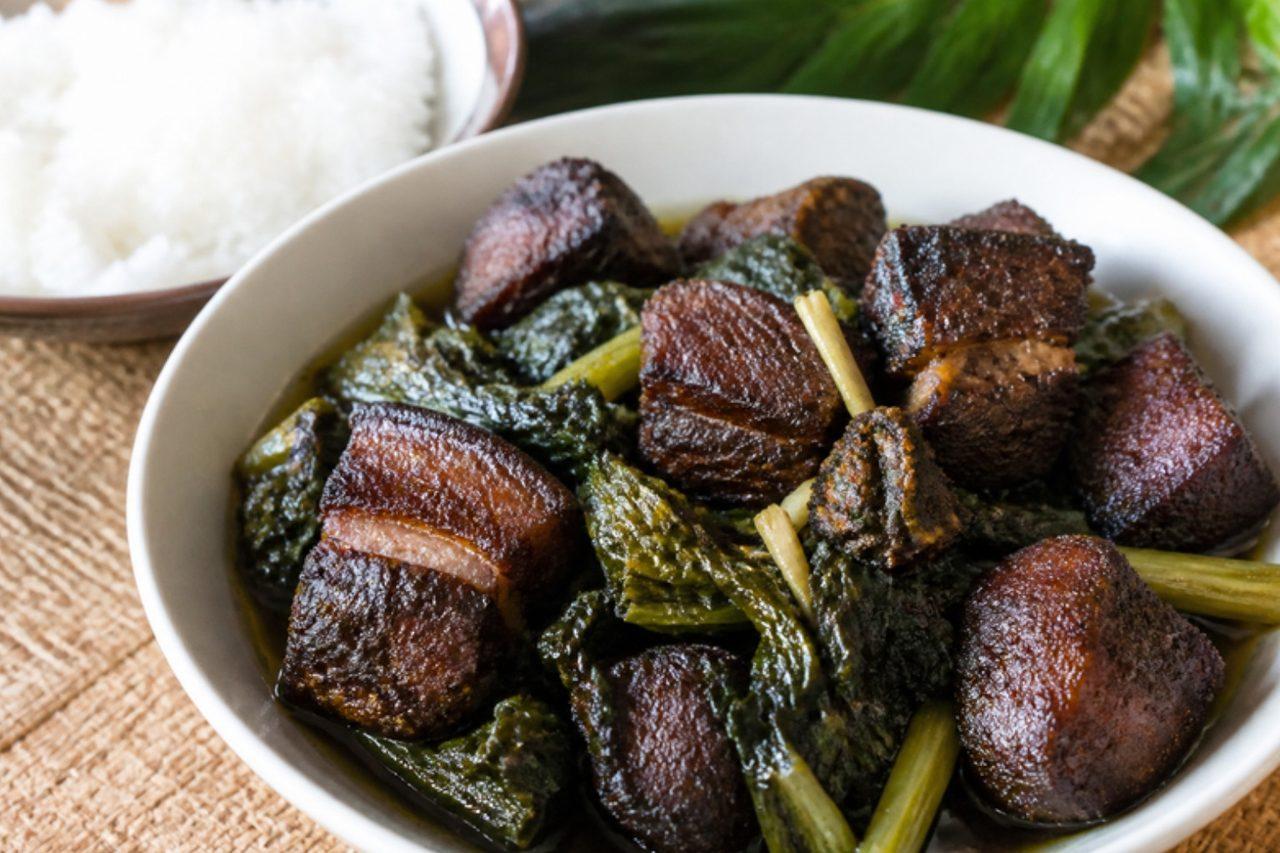
Vawksa repSmoked pork with mustard greens

Mizo cooking in Aizawl and the hill villages of Mizoram is simple and clean, with few spices and lots of greens, and vawksa rep shows it at its best. Smoked pork (vawksa rep) is simmered until soft, then mustard greens (antam) go in and soak up its smoky, fatty broth. It is an everyday lunch with rice, and some families add a little bai (bamboo shoot) or chilli. Chef's tip: keep the stems and leaves of the greens separate; the stems need a few minutes longer.

70 minIndianMeatGluten free
by KrazyBadal 0 views

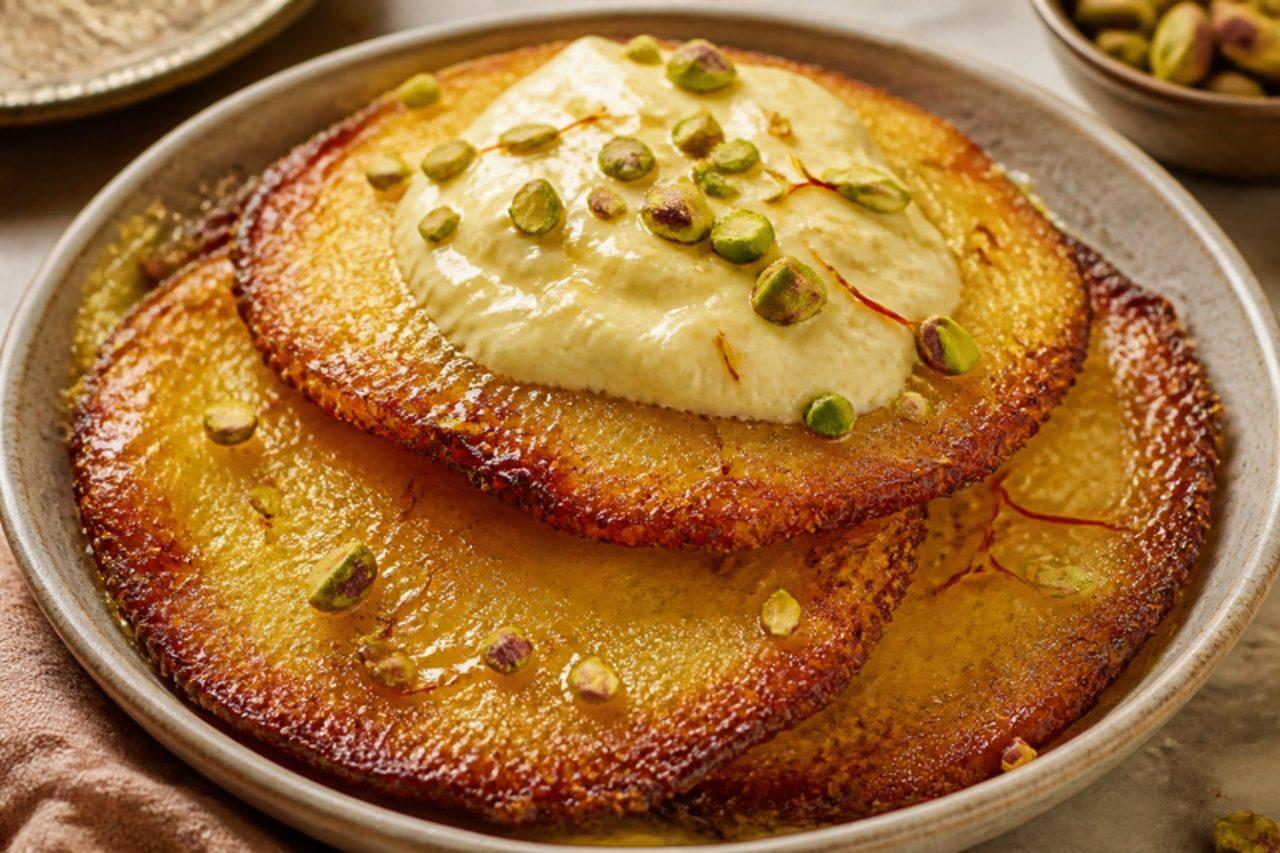
Jaipuri malpuaSweet fried pancakes in syrup

Jaipur's old-city sweet shops fry malpua in wide pans of ghee from winter through Holi and Teej, and serve them stacked in a bowl with thick rabri. The batter is made with milk, a little khoya and crushed fennel, so each pancake turns soft and spongy in the middle with crisp, lacy brown edges, then soaks up a saffron-cardamom syrup. Some families also make them as an offering on Holi morning. The usual mistake is skipping the rest: unrested batter spreads unevenly and stays flat and chewy. Chef's tip: pour the batter into the centre of the pan from close above so it spreads by itself; this is how the lacy edges form.

by KrazyBadal 0 views

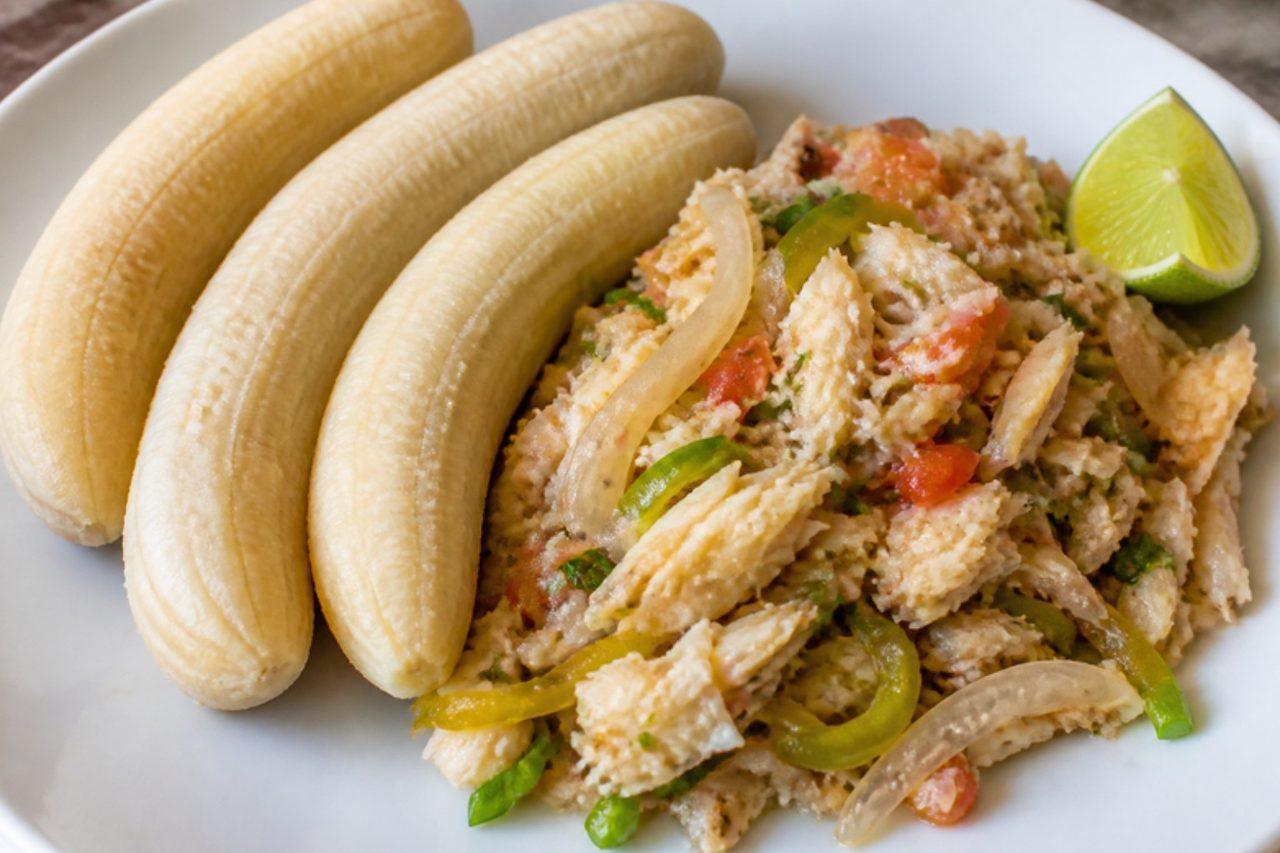
Green fig and saltfishGreen bananas with salt cod

In St Lucia green bananas are called figs, and green fig and saltfish is the national dish: a Saturday lunch in Castries homes and the plate served everywhere on Jounen Kwéyòl, the island's Creole Day in October. The bananas are boiled until tender and mild, a little like potato, and served with salt cod sautéed with onion, sweet pepper, tomato, thyme and hot pepper. Add sliced avocado or cucumber on the side. The most common mistake is not soaking the saltfish long enough, which leaves the whole plate far too salty; taste a flake before you cook it. Chef's tip: rub oil on your hands (or wear gloves) before peeling the green bananas; the sap stains skin black.

by KrazyBadal 0 views

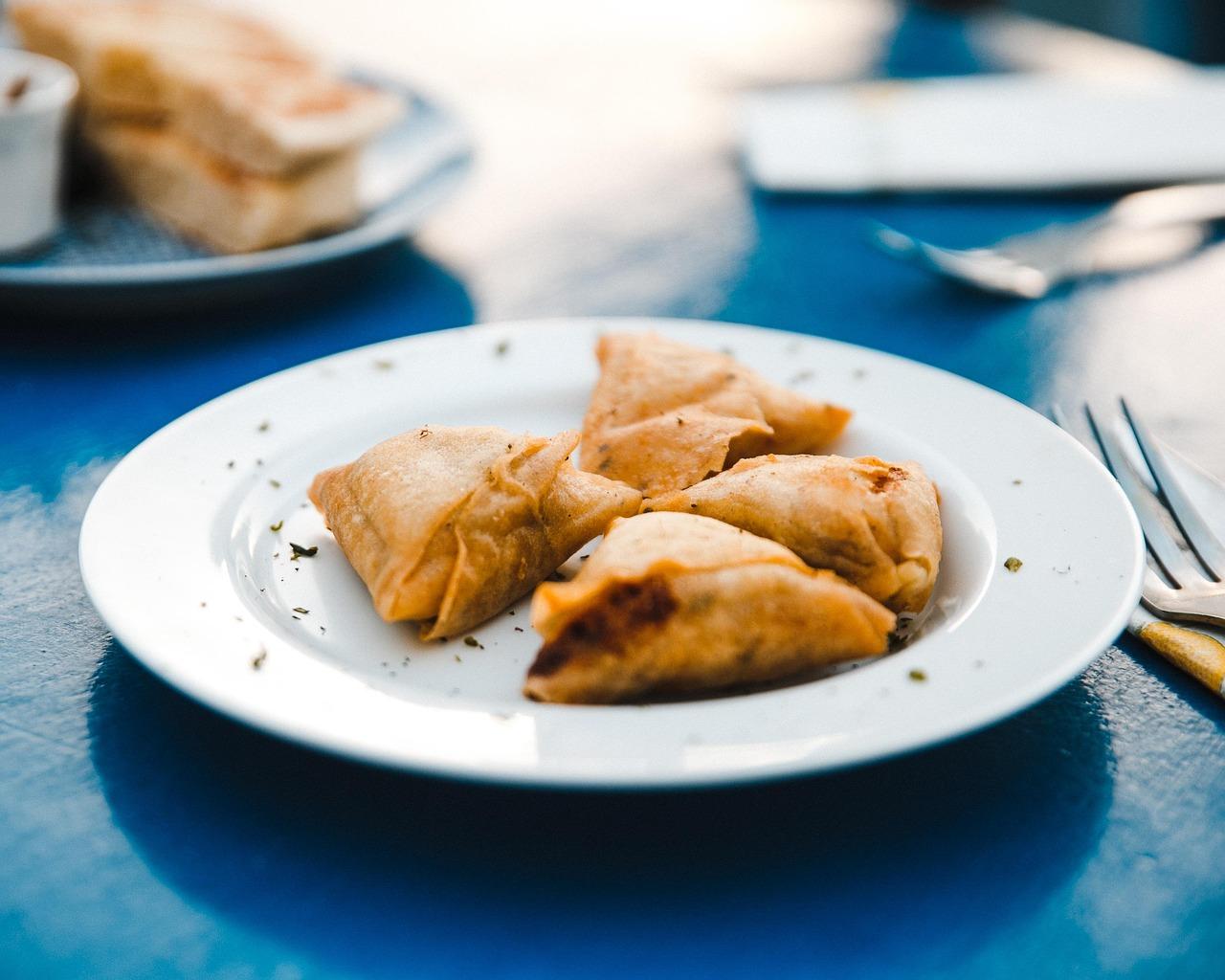
Vegetable briouatsSpiced vegetable pastry triangles

Briouats are the small, crunchy pastry triangles served at Moroccan weddings and at the iftar table during Ramadan, especially in Rabat and Fez where women make hundreds ahead and freeze them. The wrapper is warqa, a paper-thin pastry, though filo works well at home. Savoury briouats are often filled with meat or seafood; this vegetarian filling of potato, carrot, peas, spices and cheese is popular in family kitchens and loved by children. Bake or fry them and serve hot with a dipping saucer of harissa. Chef's tip: let the filling cool completely before wrapping; hot filling makes the pastry soggy and it splits in the oven.

by KrazyBadal 0 views

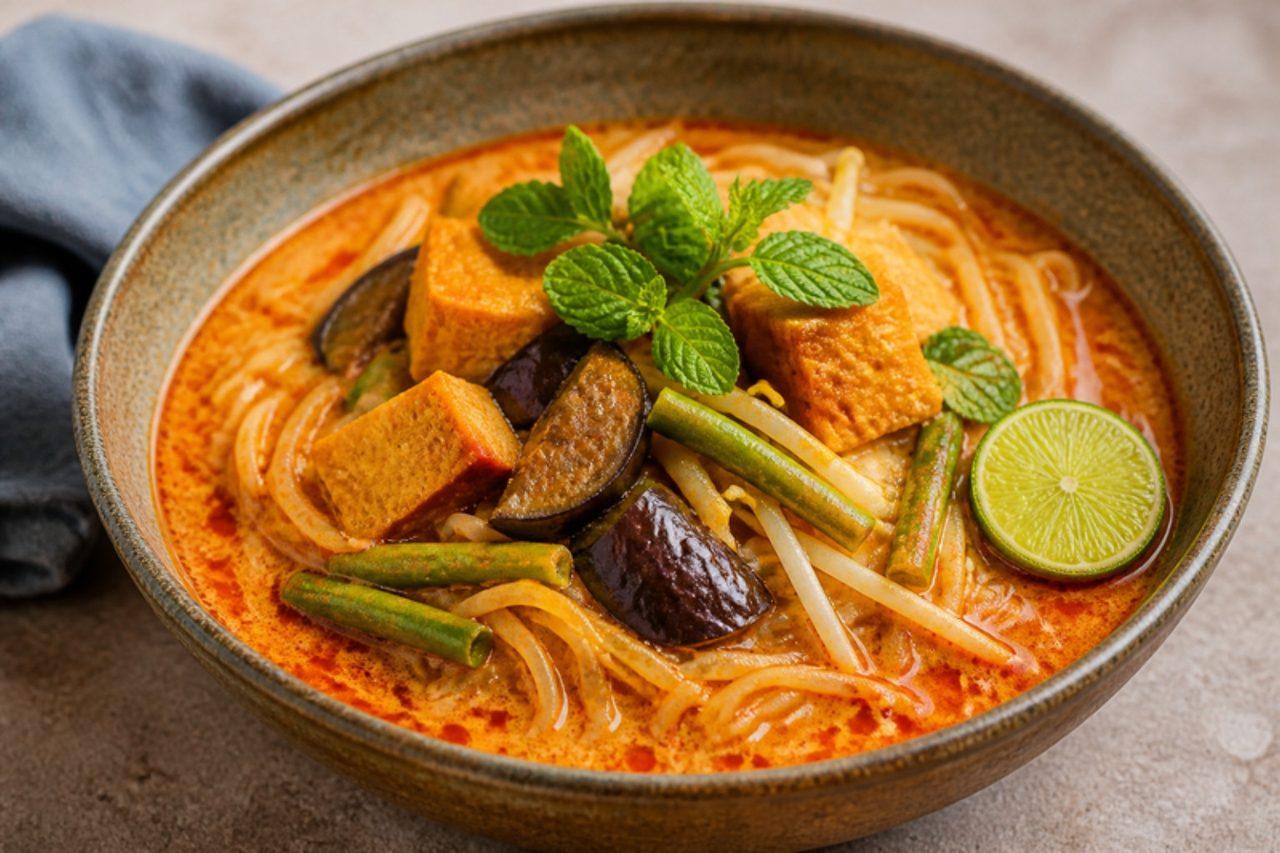
Vegetable curry laksaCoconut curry noodle soup

Curry laksa, or curry mee, is the coconut-rich laksa of Kuala Lumpur and the west coast, a hawker breakfast as often as a lunch, ladled from huge pots into bowls of noodles. The broth is a fried spice paste of chillies, lemongrass, galangal and candlenuts loosened with coconut milk, so it's spicy, creamy and fragrant at once. Stalls top it with chicken, cockles or prawns; ours is all vegetable: tofu puffs that soak up the soup like sponges, soft aubergine, long beans, crunchy bean sprouts and mint. Chef's tip: once the coconut milk goes in, keep it at a gentle simmer; a rolling boil splits it and leaves the broth greasy and grainy.

by KrazyBadal 0 views

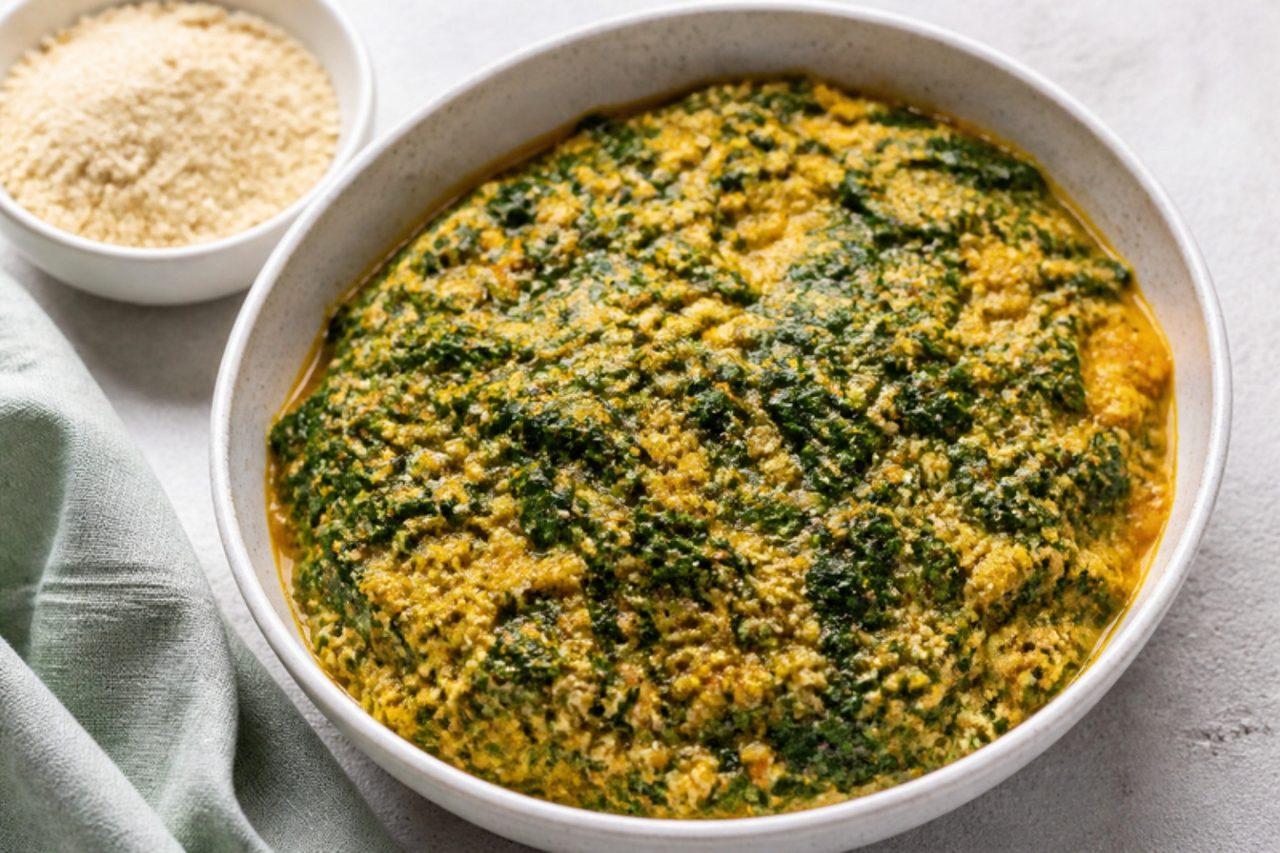
Vegetable egusi soupMelon seed soup

Egusi soup is cooked right across Nigeria, from Igbo kitchens in Enugu to Yoruba homes in Abeokuta, and it is the soup most people mean when they say 'swallow and soup'. Ground egusi (the protein-rich seeds of a wild melon) is fried and simmered in a pepper and palm-oil base until it forms soft, savoury curds, then finished with greens. It is eaten by hand with pounded yam, eba or fufu. The usual meats, stockfish and crayfish are left out here; mushrooms, iru and vegetable stock do the work. Chef's tip: let the egusi paste sit in the hot sauce without stirring for 5 minutes so it sets into fluffy curds before you break it up.

by KrazyBadal 0 views

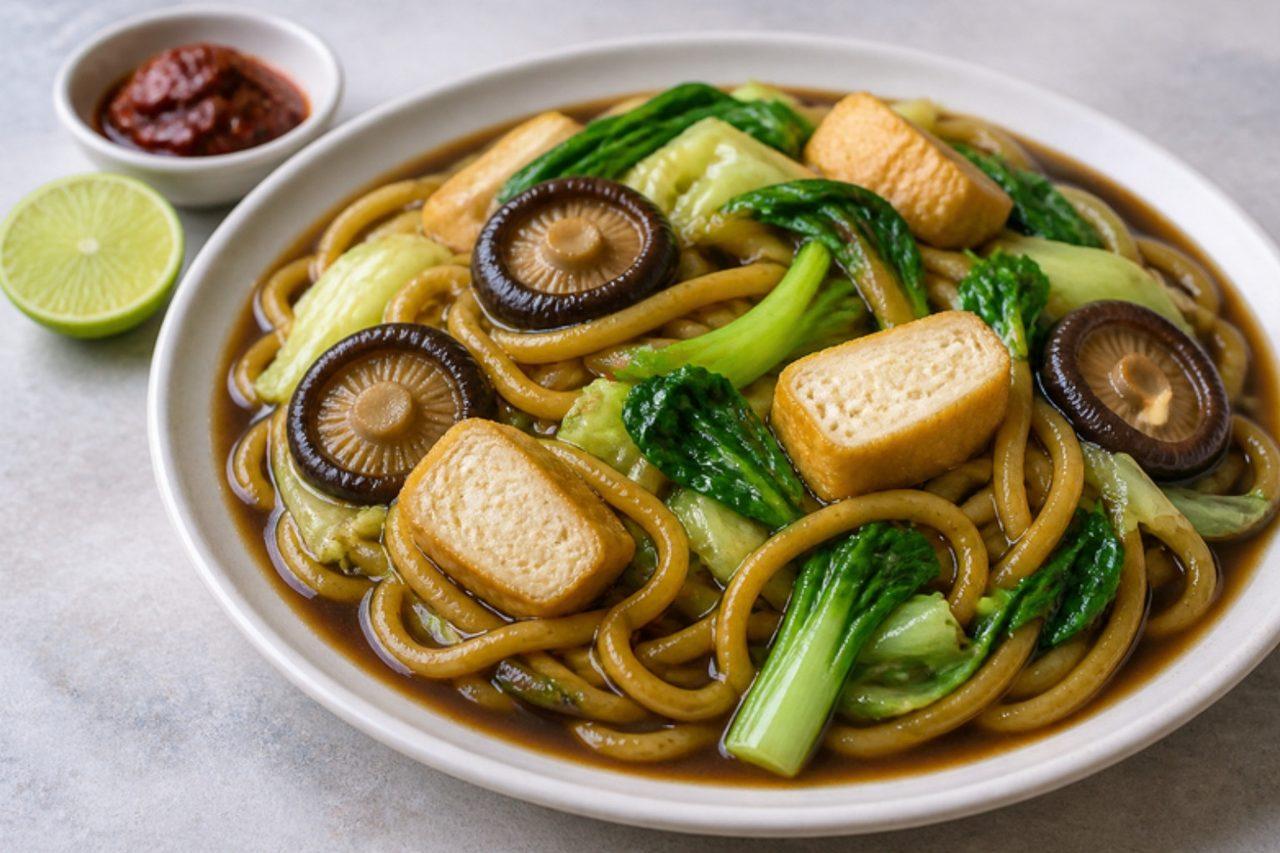
Vegetable Hokkien meeBraised black noodles with vegetables

In Kuala Lumpur, Hokkien mee means thick yellow noodles braised in a dark, caramel-sweet soy sauce until they turn almost black, a late-night hawker dish that Petaling Street and Jalan Alor stalls still cook over roaring flames long after midnight. The originals carry pork, prawns and crisp lard; ours uses meaty shiitake, tofu puffs that drink up the sauce, cabbage and choy sum, with fried shallots for the crunch the lard would give. It's smoky, salty-sweet and very slurpable. Chef's tip: let the noodles braise until the sauce has thickened and clings to every strand, with only a spoonful left in the wok.

by KrazyBadal 0 views

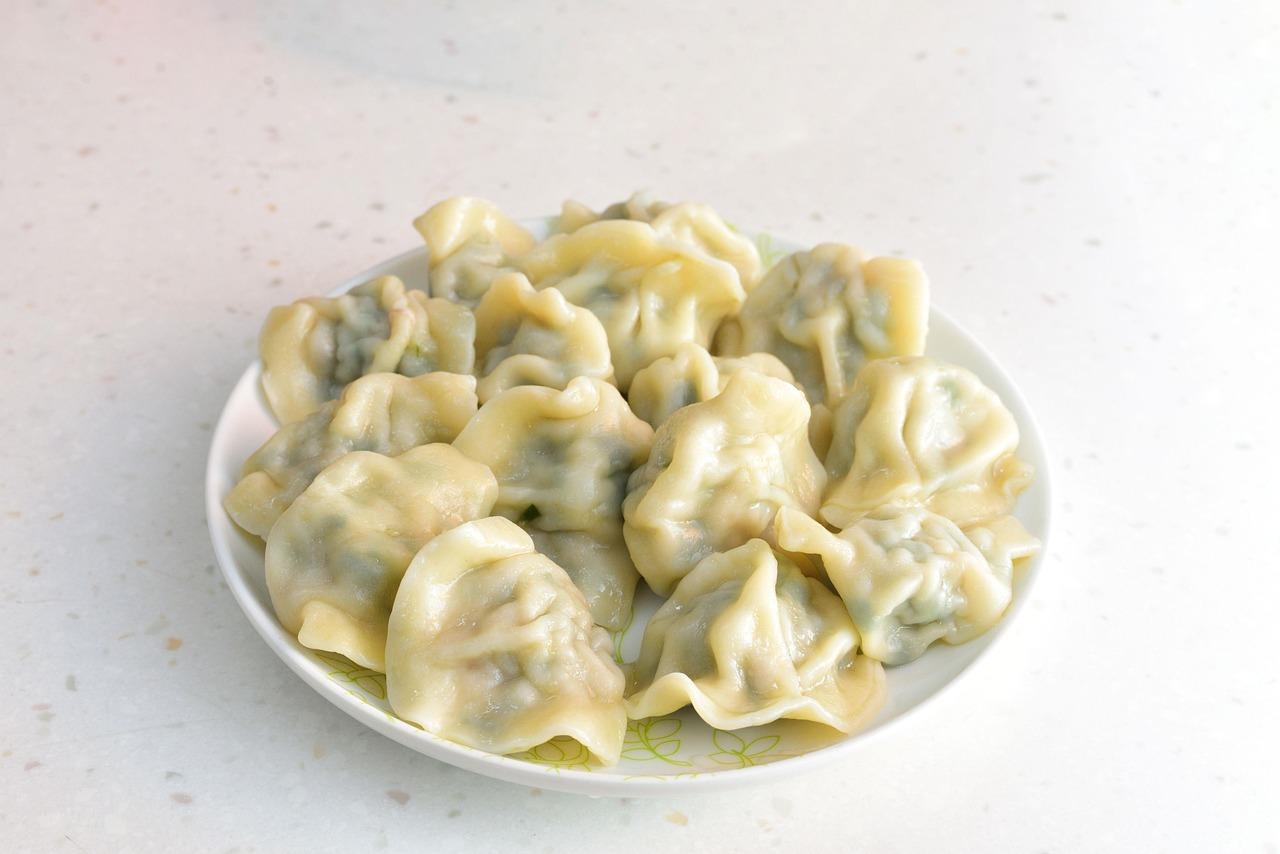
Egg and chive jiaoziEgg and chive dumplings

In northern China, from Shandong to Dongbei, families sit round the table on Chinese New Year's Eve and fold jiaozi together to eat at midnight. Jiu cai ji dan, egg and garlic chive, is the classic meat-free filling: soft scrambled egg, bright green chives and a few glass noodles to soak up the juices. Boil them and serve with black vinegar and chilli oil, or pan-fry the leftovers the next day. Chef's tip: stir a spoonful of oil into the chopped chives before adding the salt; the oil seals in their juice so the filling doesn't go watery.

by KrazyBadal 0 views

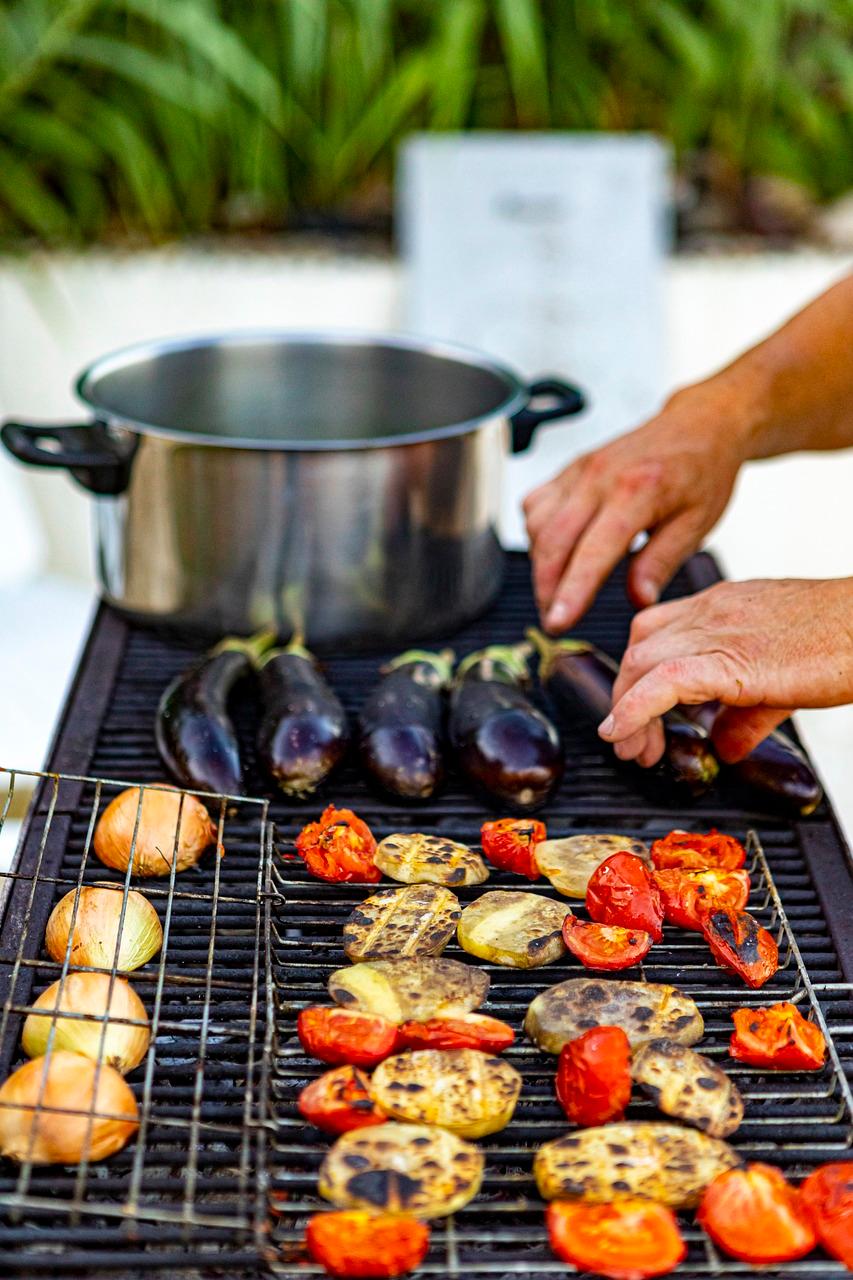
Vegetable khorovatsGrilled aubergine, peppers and tomatoes

No Armenian summer weekend at the dacha passes without a khorovats, the charcoal grill fired up in the garden from Dilijan to Lake Sevan. Alongside the skewers, whole aubergines, peppers and tomatoes are grilled until black and collapsing, then peeled and chopped with raw onion, garlic and herbs into a smoky, juicy salad. Served on its own with lavash, salty cheese and pickles, it makes a full meal, and it is one of the dishes that Armenians say tastes of summer itself. It works on a barbecue or straight on a gas flame. Chef's tip: grill the vegetables whole, without oil and without cutting them; the skins burn and peel away, while the flesh steams inside and soaks up the smoke.

by KrazyBadal 0 views

Vegetable kottu rotiChopped roti stir-fried with vegetables

After dark in Colombo you hear kottu before you see it: the rhythmic clang of two steel blades chopping roti on a hot flat-top at every street stall from Pettah to Wellawatte. Shredded godamba roti is stir-fried with leeks, carrot, cabbage, onion, chilli and egg, then moistened with a spoonful of spicy curry gravy so it's soft, smoky and messy in the best way. Stalls usually ladle on chicken curry gravy; we make a quick vegetable curry sauce instead, and the egg keeps it vegetarian rather than vegan. Leftover parathas or frozen flaky flatbreads stand in well for godamba roti. The common mistake is overcrowding a small pan, which steams everything; cook in two batches if your pan is under 30 cm. Chef's tip: chop the roti into strips while it is still slightly warm, then let it dry for 10 minutes so it fries rather than turns mushy.

by KrazyBadal 0 views

Vegetable kushikatsuBreaded vegetable skewers

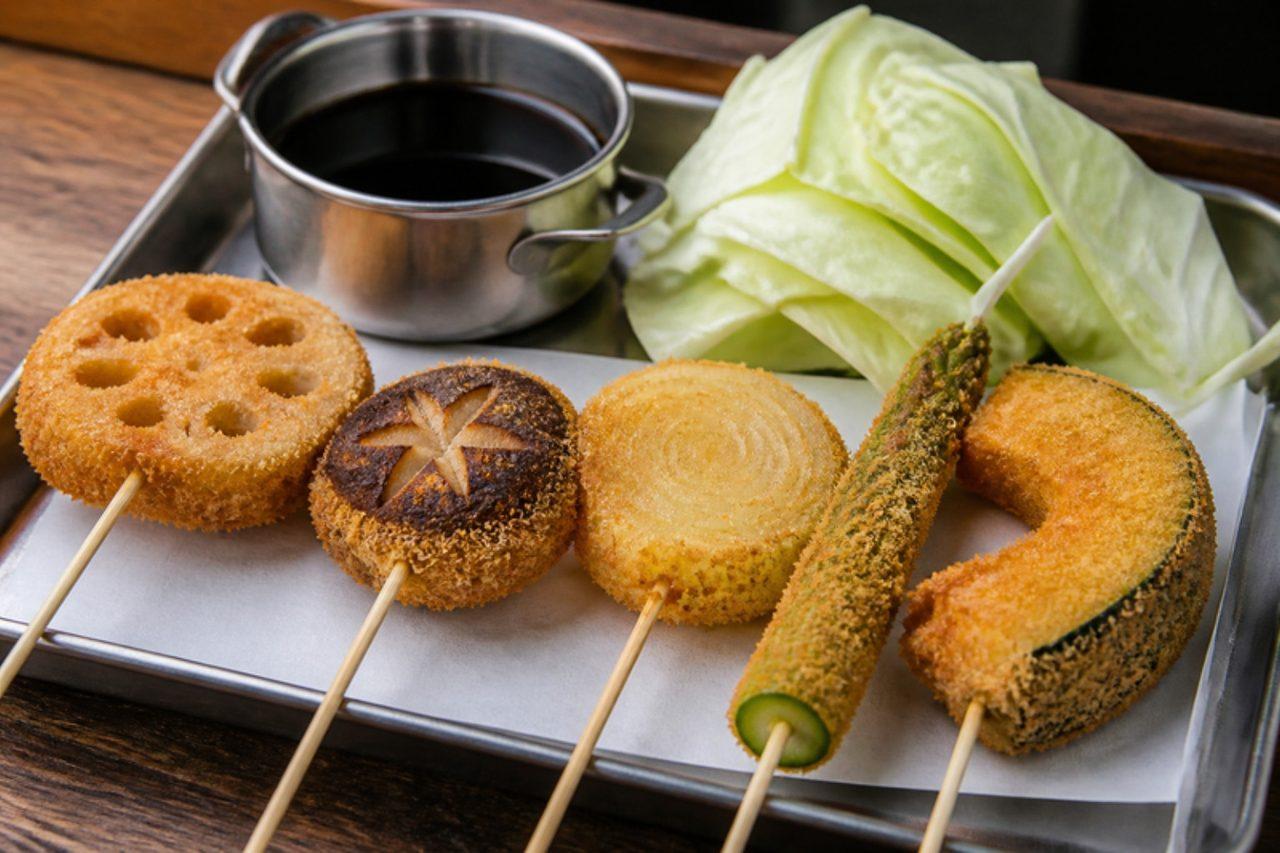
Kushikatsu belongs to Shinsekai, the neon-lit old entertainment district at the foot of Osaka's Tsutenkaku tower. Since the 1920s, labourers have stood at its counters eating skewers fried to order, dunked in a shared steel pot of thin, fruity sauce. The famous house rule, 'no double dipping', is printed on signs everywhere. Vegetables are as popular as meat there: lotus root, shiitake, onion, asparagus and, a local favourite, chewy mochi and cheese. Have a plate of raw cabbage leaves on the side; they're free at every shop and used to scoop extra sauce. Chef's tip: use fine panko, or blitz ordinary panko briefly. Fine crumbs give the thin, crunchy jacket that Osaka shops are known for.

by KrazyBadal 0 views

Vegetable lagmanHand-pulled noodles with vegetables

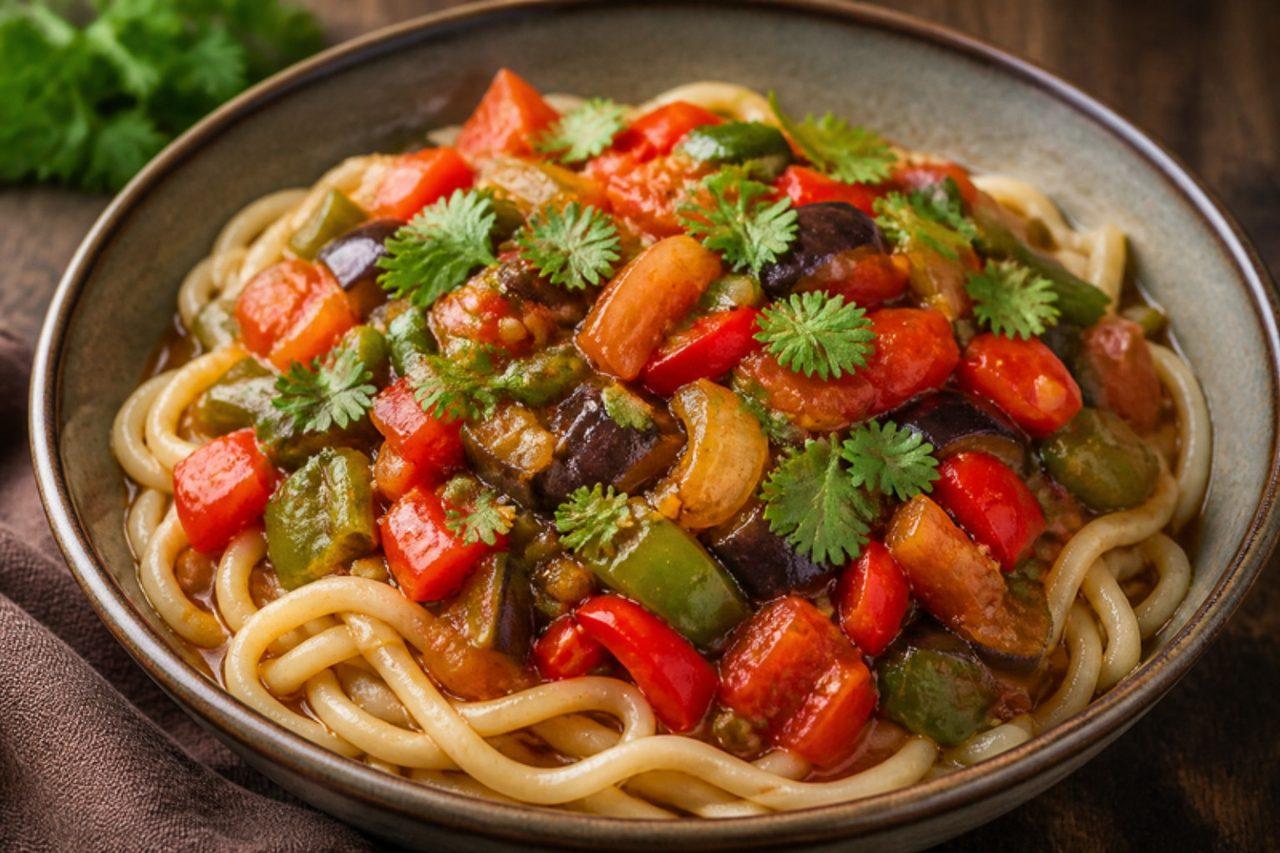
Lagman came to the Ferghana Valley with Uyghur and Dungan cooks, and in Andijan and Namangan it is still made the old way: a soft dough oiled, rested and pulled by hand into long, springy noodles, then topped with a stew of peppers, radish, green beans and tomato called vadja. Ferghana lagman is usually 'dry' (quwurma), the sauce thick enough to cling, rather than a soup. Locals eat it at lunchtime from noodle houses near the bazaar, with a dash of vinegar and chilli oil at the table. This version uses only vegetables. Chef's tip: oil the dough ropes generously and let them rest a full 30 minutes; well-rested dough stretches to arm's length without snapping.

by KrazyBadal 0 views

Showing 54 of 10,569 recipes

Show more recipes

Page 989 of 1,175