


Skip to content
Ose oji
Featured recipe

Ose oji

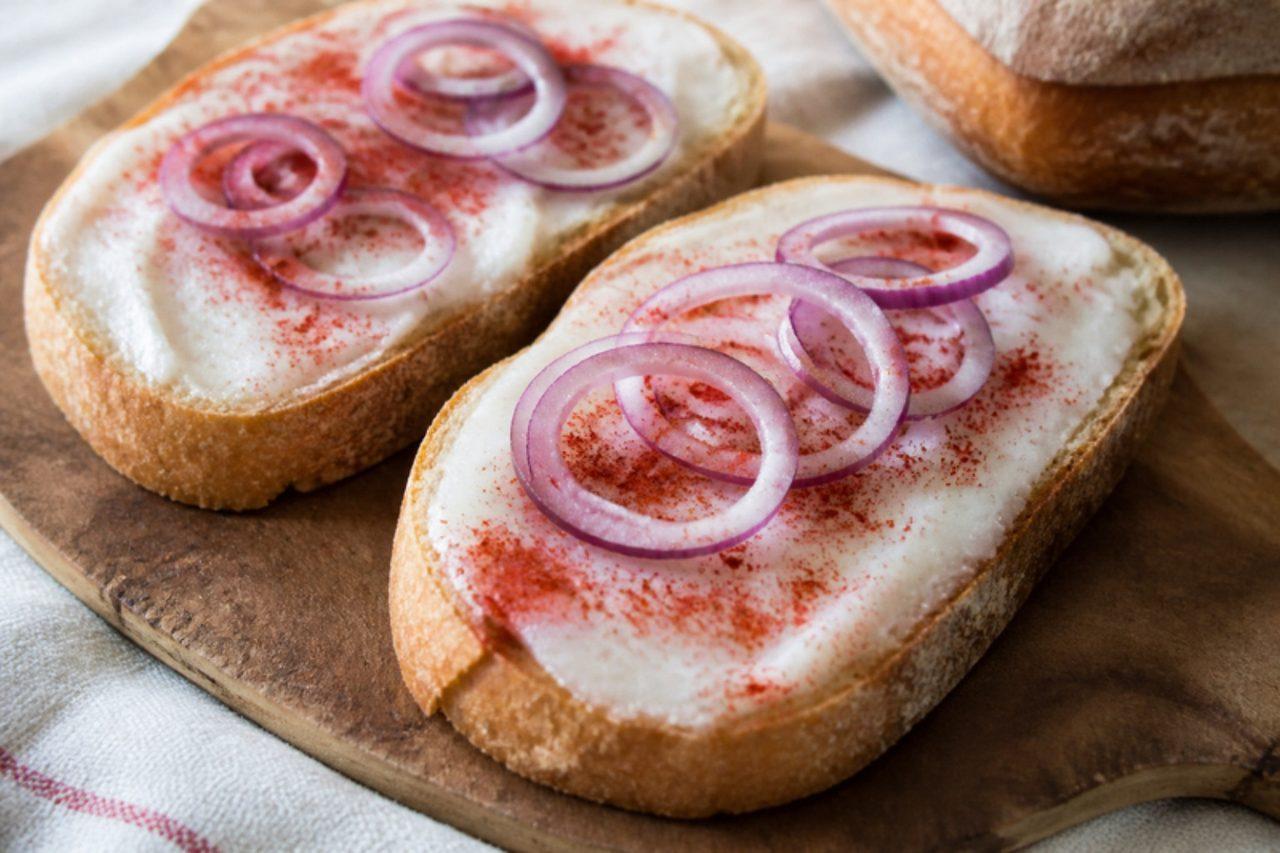
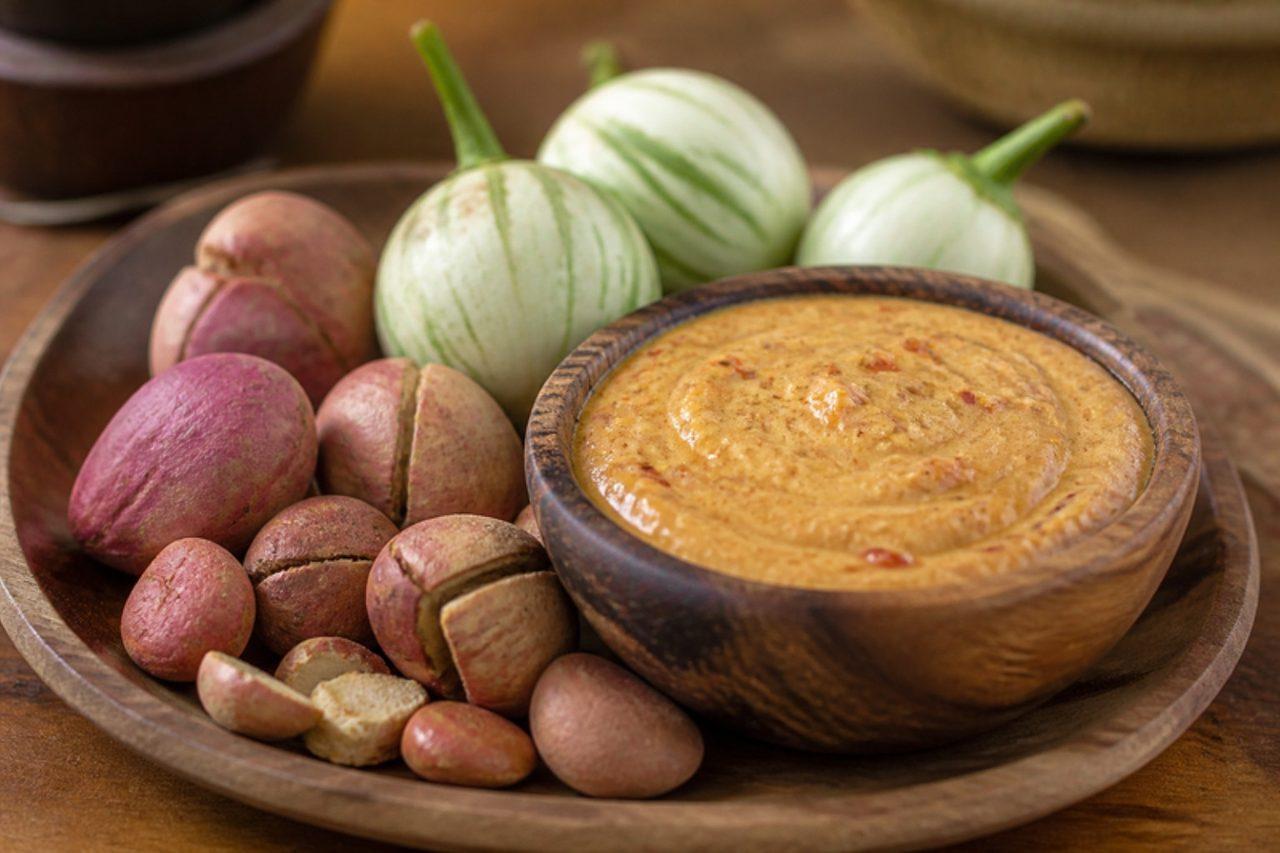
In Igbo homes from Enugu to Owerri a guest is welcomed with kola nut, and the kola is never served alone: beside it sits a saucer of ose oji, peanut butter mashed with ground dried pepper and a little salt, sometimes with uda or ginger. Elders break the kola, pray, and everyone dips. It is equally good with crunchy garden eggs (small white African aubergines) or cucumber. Contains peanut. Kola nut is a strong caffeine stimulant, so it is for adults only, not for children or pregnant women; serve the garden eggs to everyone else. The mistake is making the paste runny with water: it should be thick enough to cling to a slice without dripping, so loosen with oil instead. Chef's tip: toast the dried pepper in a dry pan for 30 seconds before grinding; the smoky heat is what makes ose oji taste right.

Read more 0 views

What to eat today?

Around the world

Today's trip: Peruvian

A new country every day, from every cuisine on the site.

Peruvian

Tacacho

Mashed roasted green plantain balls 35 minMore from Peruvian (111) →

This week's collection

Kid-friendly dinners
772 recipes · a new collection every Monday

Coming up

All occasions →

Latest recipes

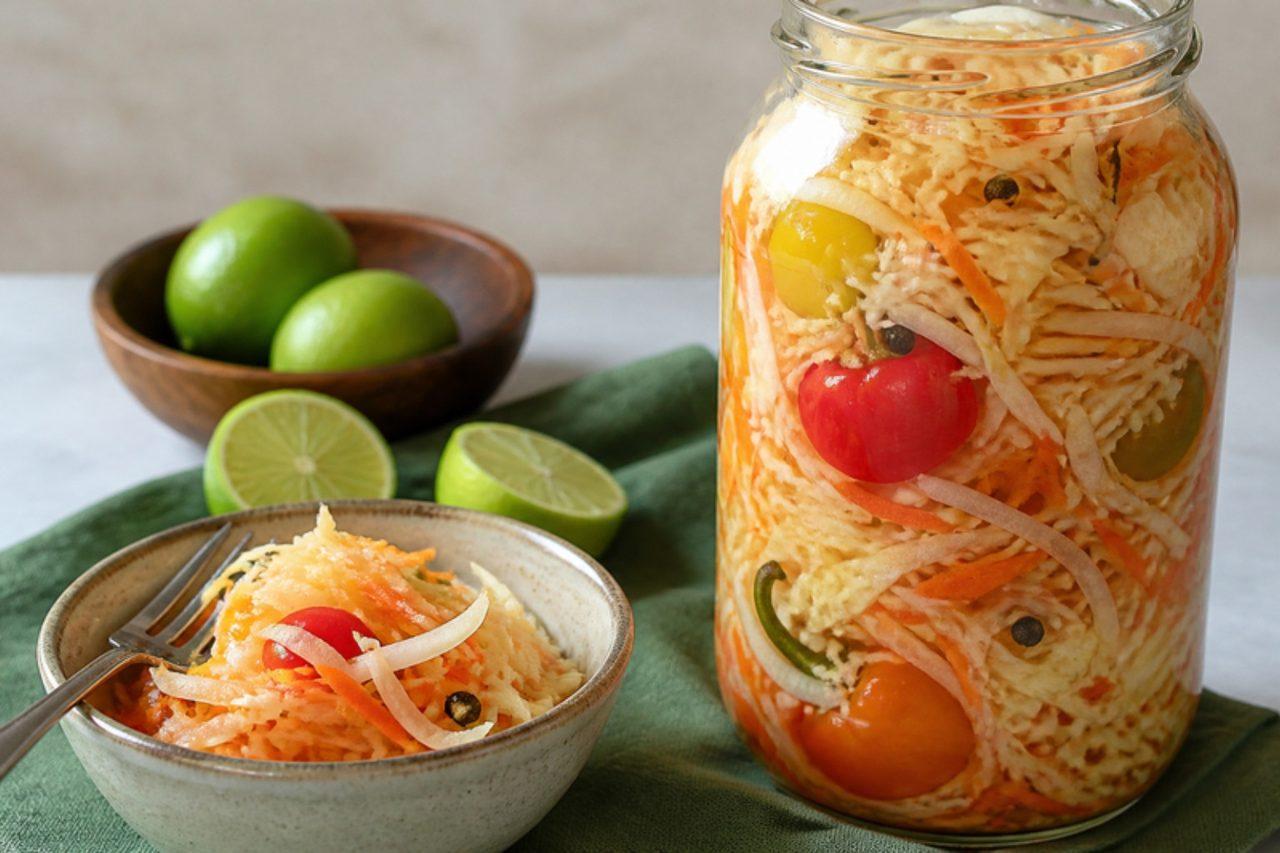
PiklizSpicy pickled cabbage

Pikliz is the fiery slaw-pickle that sits on every Haitian table, in a big glass jar in the middle, and no plate of fried food in Haiti is served without it: it's spooned over fried plantain (bannann peze), fritters and rice. Shredded cabbage, carrot, onion and peppers are packed with hot scotch bonnets, cloves and peppercorns, then drowned in vinegar and lime. After a few days it is crunchy, sour and properly hot, and the vinegar itself becomes a hot sauce you sprinkle over everything. Chef's tip: slice the scotch bonnets thinly rather than leaving them whole; the heat spreads evenly through the jar and every forkful has a kick.

by KrazyBadal 0 views

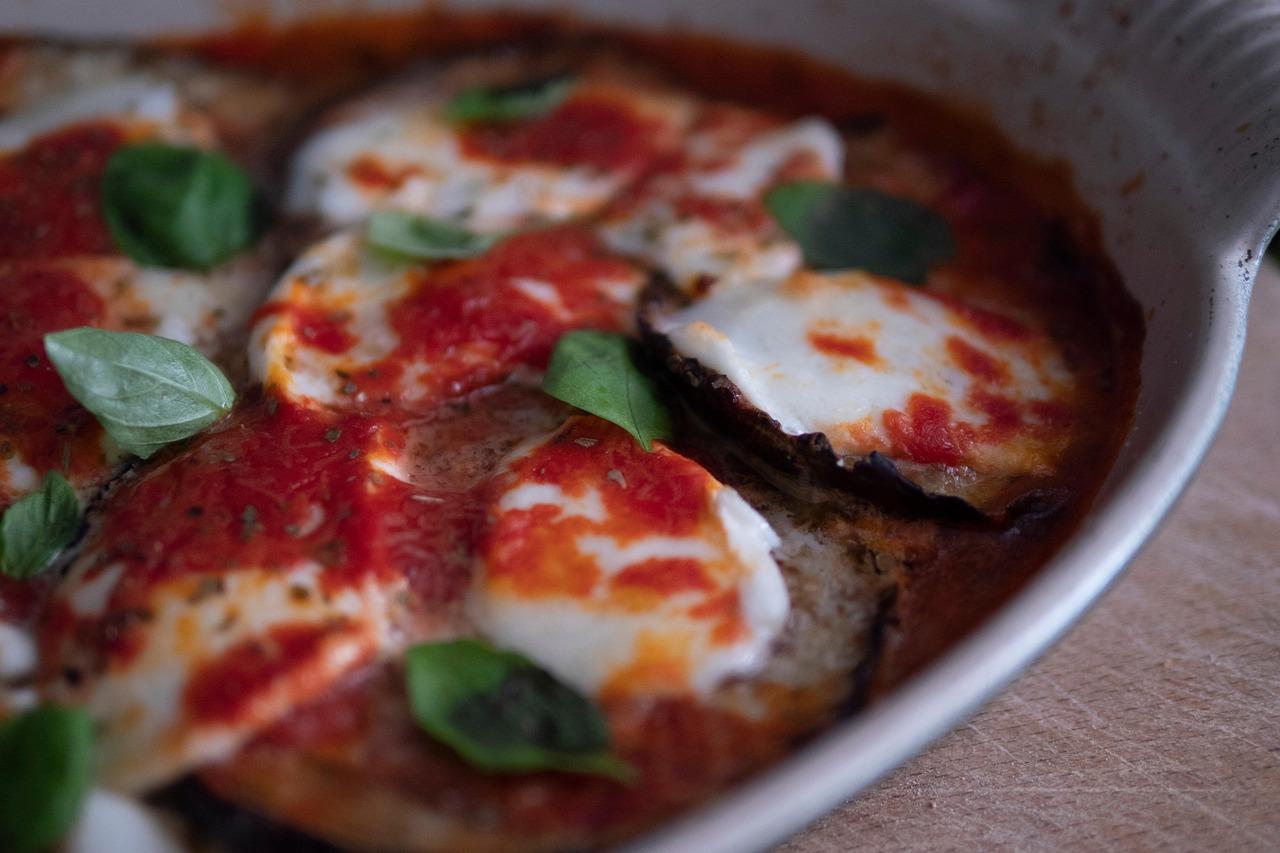
Parmigiana di melanzaneBaked aubergine with tomato and mozzarella

Parmigiana di melanzane is Campania's big summer bake, made when aubergines are cheap and glossy and served for Sunday lunch or carried in a tin to the beach. Fried slices of aubergine are layered with a quick basil tomato sauce, fior di latte and grated hard cheese, then baked until the edges bubble and darken. It is better warm than piping hot, and better still the next day, cut into neat squares. Chef's tip: salt the slices and press them for 30 minutes before frying; they drink less oil and the layers stay distinct instead of watery.

by KrazyBadal 0 views

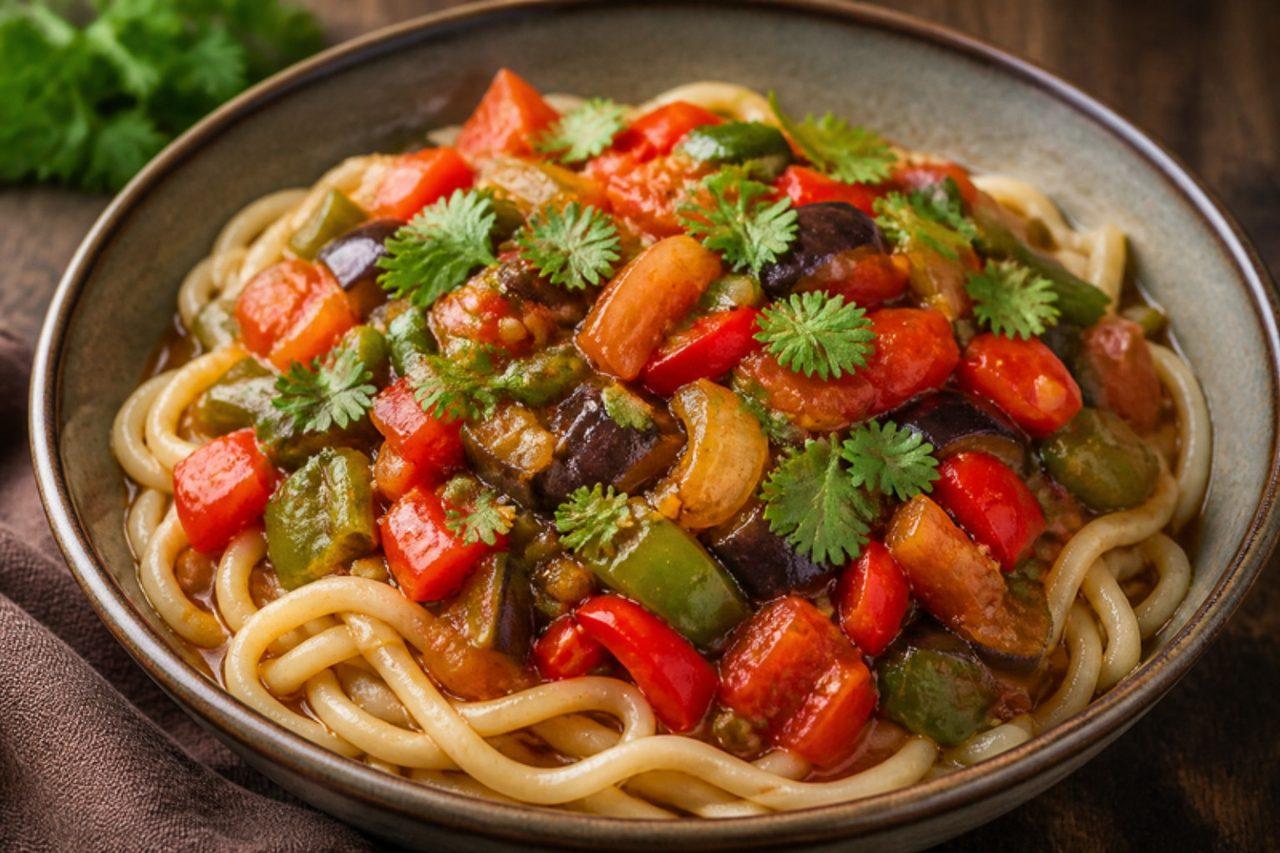
Vegetable lagmanHand-pulled noodles with vegetables

Lagman came to the Ferghana Valley with Uyghur and Dungan cooks, and in Andijan and Namangan it is still made the old way: a soft dough oiled, rested and pulled by hand into long, springy noodles, then topped with a stew of peppers, radish, green beans and tomato called vadja. Ferghana lagman is usually 'dry' (quwurma), the sauce thick enough to cling, rather than a soup. Locals eat it at lunchtime from noodle houses near the bazaar, with a dash of vinegar and chilli oil at the table. This version uses only vegetables. Chef's tip: oil the dough ropes generously and let them rest a full 30 minutes; well-rested dough stretches to arm's length without snapping.

by KrazyBadal 0 views

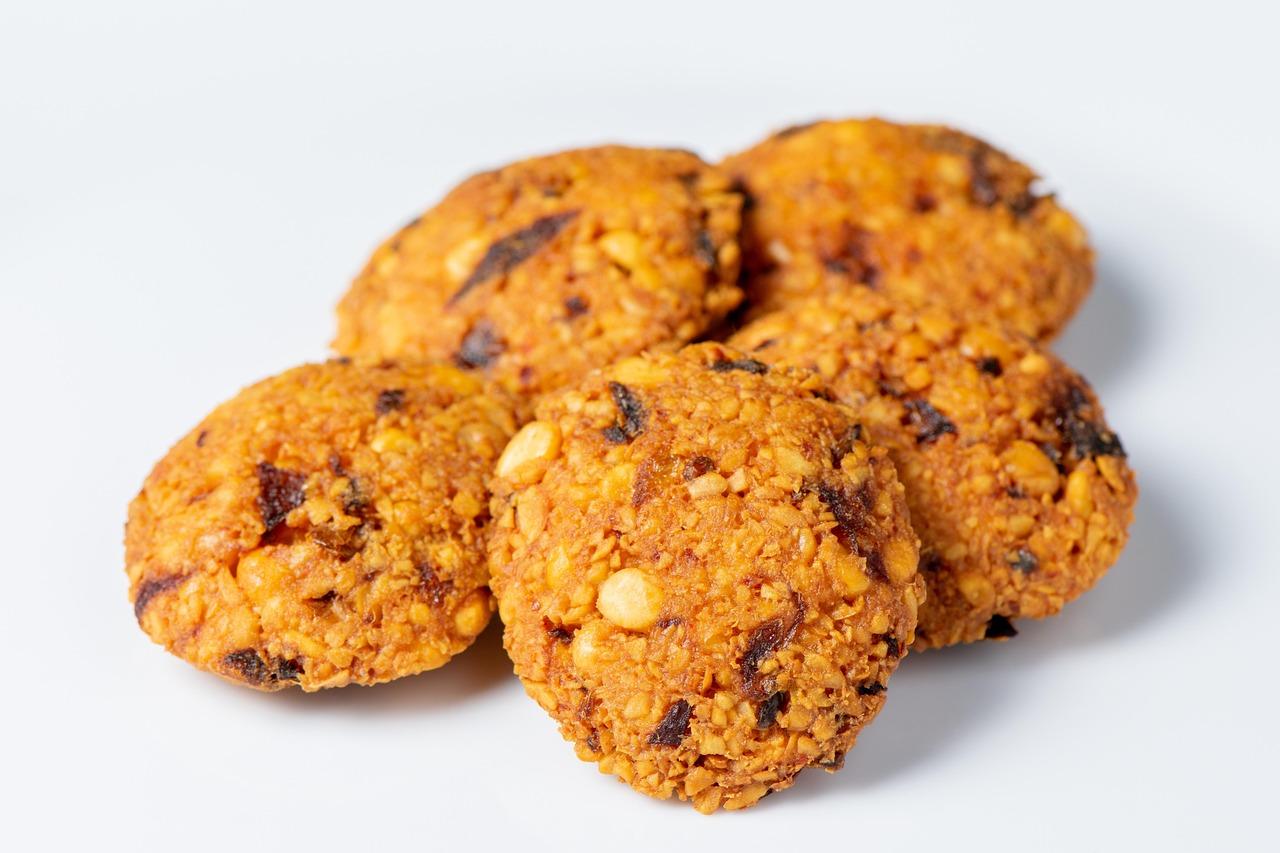
Parippu vadaiCrunchy split pea fritters

Parippu vadai are the crunchy, lumpy fritters sold from glass boxes on Sri Lankan trains and from carts along Colombo's Galle Face Green at sunset, often with a couple of fried prawns pressed on top; ours are the plain vegetarian kind, which are just as common. Soaked yellow split peas (kadala parippu) are coarsely ground with green chilli, onion, curry leaves and fennel, shaped into flat discs and deep-fried until craggy and golden, crisp outside and nubbly within. Eat them hot with a cup of plain tea or a spoonful of seeni sambol. They're different from South Indian medu vada, which are made with smooth black lentil batter. The common mistake is grinding the lentils to a smooth paste; leave plenty of whole and half peas for the crunch. Chef's tip: hold back about a quarter of the soaked peas and stir them in whole after grinding.

by KrazyBadal 0 views

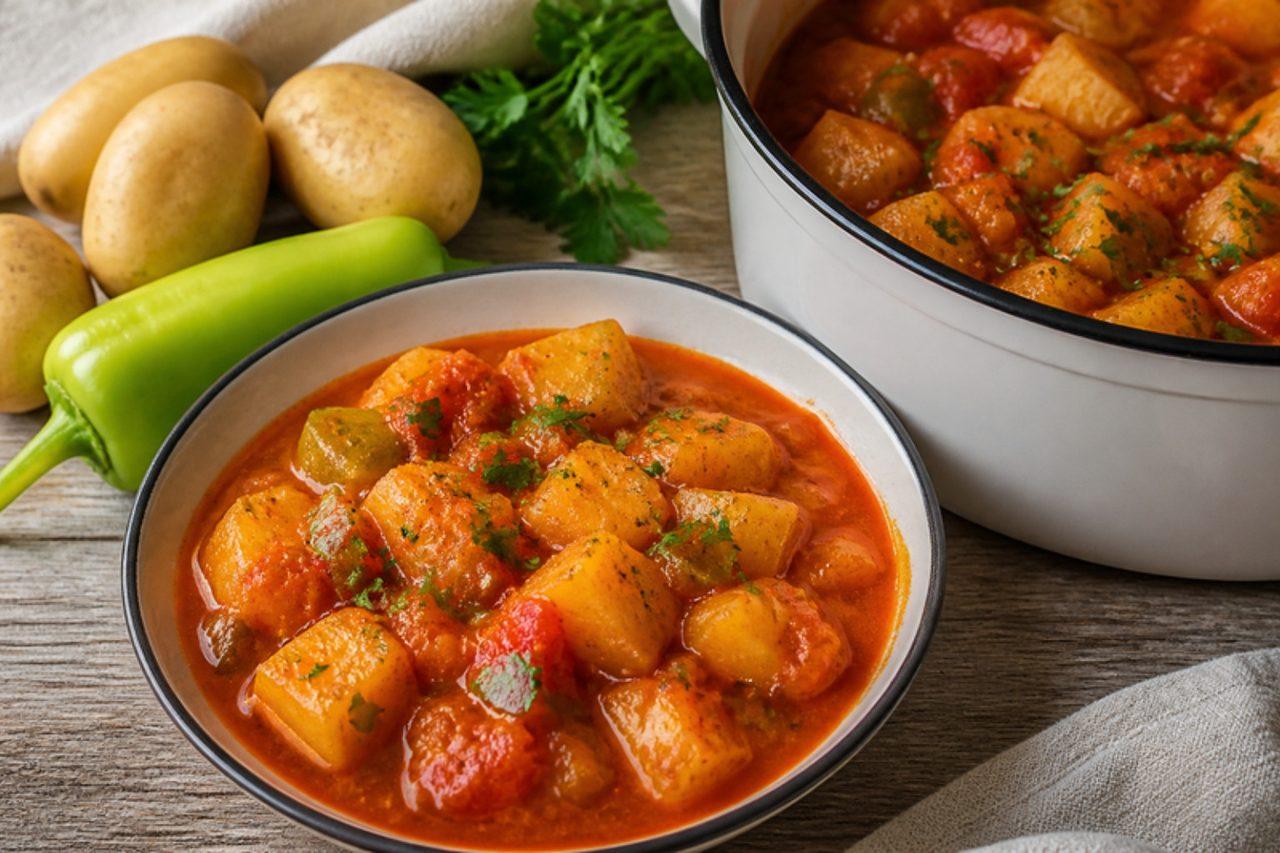
Paprikás krumpliPaprika potato stew

Paprikás krumpli is a thrifty potato stew that every Hungarian student learns to cook, and it turns up at school dinners, on autumn weekdays and in cauldrons at village harvest festivals. Potatoes simmer in an onion and paprika base with pepper and tomato until they start to break and thicken their own sauce. Most versions add sliced smoked sausage; this vegan one swaps it for a pinch of smoked paprika and caraway, which give the same savoury depth. Serve in bowls with crusty bread and a pickled cucumber or a spoon of pickled peppers on the side. Chef's tip: cut the potatoes unevenly on purpose; the smaller pieces melt and thicken the sauce while the bigger ones stay whole.

by KrazyBadal 0 views

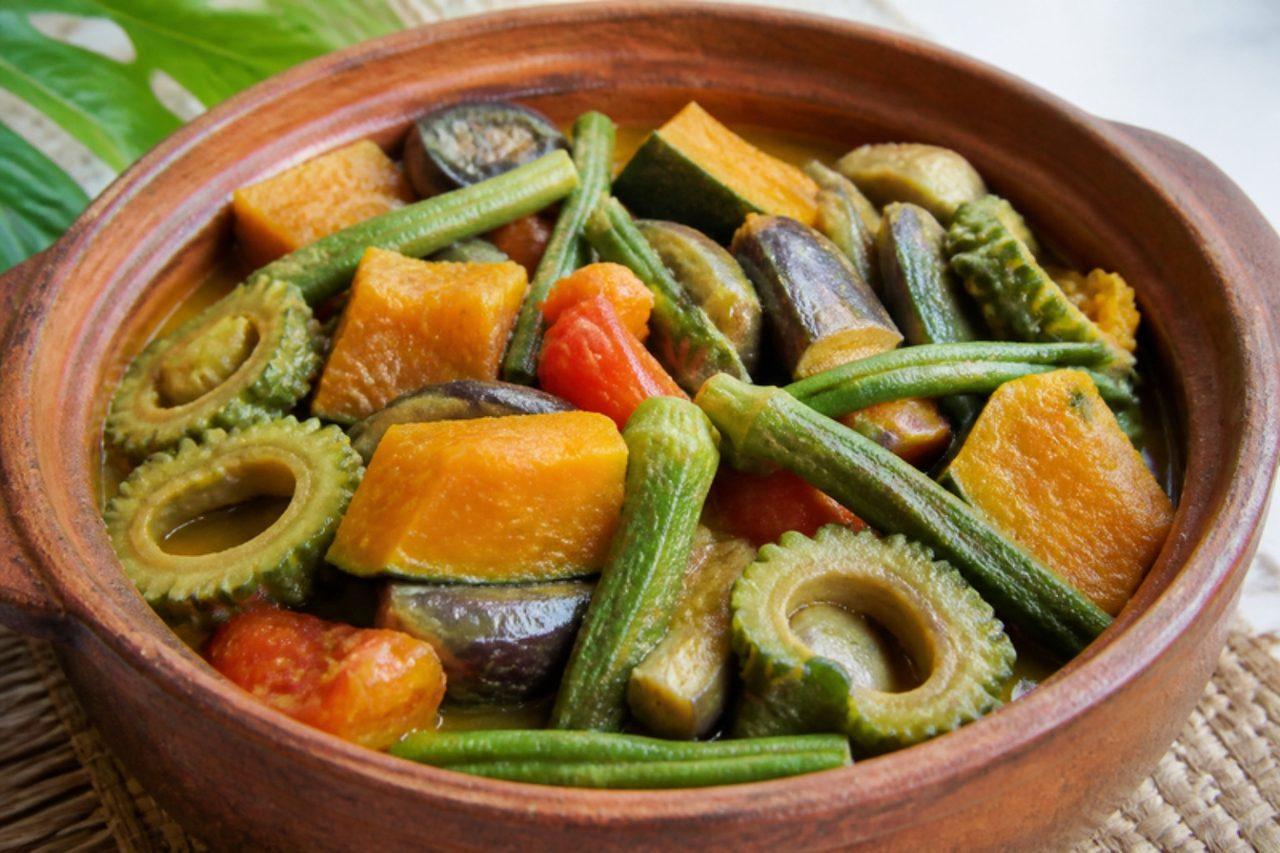
PinakbetMixed vegetable stew

Pinakbet comes from the Ilocos region in the far north-west of Luzon, where families cook whatever grows behind the house: bitter melon, small aubergines, okra, yard-long beans and tomatoes, simmered with very little water until the vegetables shrink and wrinkle (the name comes from the Ilocano for 'shrivelled'). Ilocanos season it with fermented fish paste; here white miso gives the same savoury, salty depth without any fish, and a little squash (more common in the Tagalog version) adds sweetness. It is an everyday lunch dish, eaten with rice and often a spoonful of extra miso on the side. Chef's tip: choose small, firm bitter melon and don't scrape out every bit of the pith; a little bitterness is the point.

by KrazyBadal 0 views

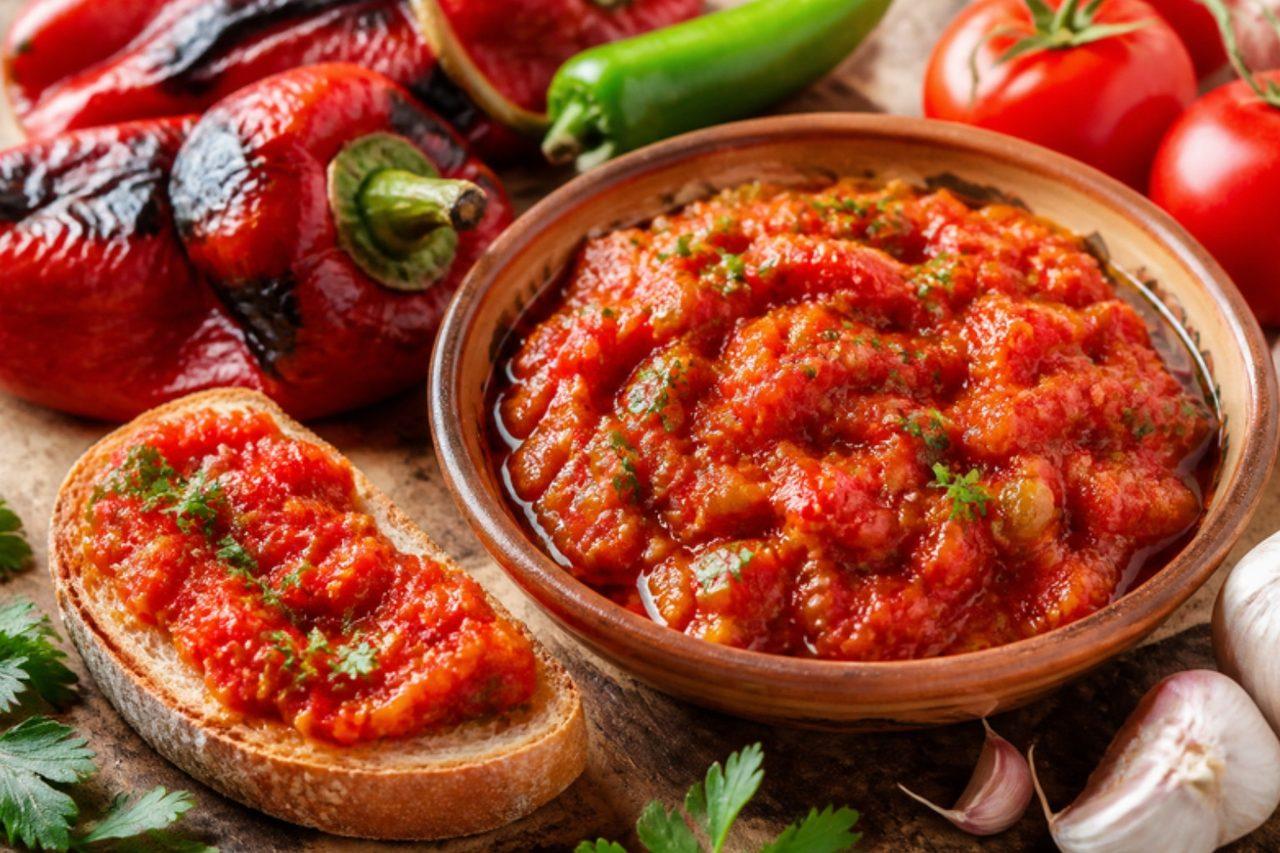
PindjurRoasted pepper and aubergine relish

Where ajvar is the patient winter preserve, pindjur is its quick summer cousin, made in Macedonian and Bosnian kitchens in July and August when tomatoes are at their ripest. Roasted peppers and aubergine are chopped rather than ground, then simmered briefly with fresh tomatoes and plenty of garlic, so it stays chunky, juicy and bright. It is eaten warm or at room temperature, scooped up with bread and a slab of white cheese, as part of a mezze spread in Ohrid or Mostar. Chef's tip: chop everything with a knife instead of a blender; a puréed pindjur loses the texture that sets it apart from ajvar.

by KrazyBadal 0 views

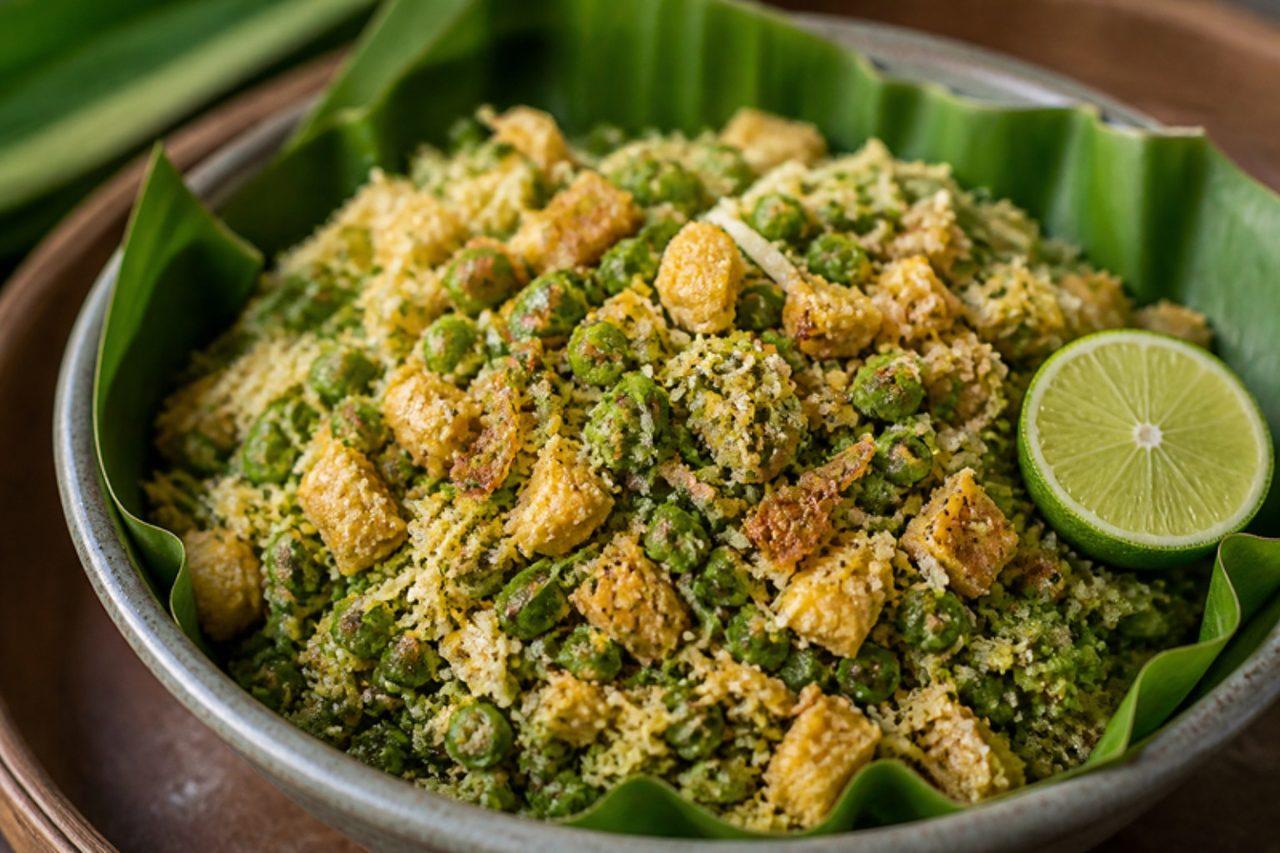
Vegetable lawarBean and toasted coconut salad

Lawar is the dish of Balinese ceremonies: before a temple festival or a family rite, the men of the banjar gather at dawn to chop and mix it by hand in huge quantities. Many versions include meat, but lawar kacang, made with long beans, is common at home and at Balinese warungs, and it shows off base genep, the island's master spice paste of shallot, garlic, galangal, kencur, turmeric and chilli. Mixed with toasted grated coconut, it's crunchy, fragrant, sour and hot, and is eaten with rice the day it's made. Chef's tip: mix the lawar just before serving and with your hands, squeezing gently, so the spice paste works into the beans; made too early, it goes watery and dull.

by KrazyBadal 0 views

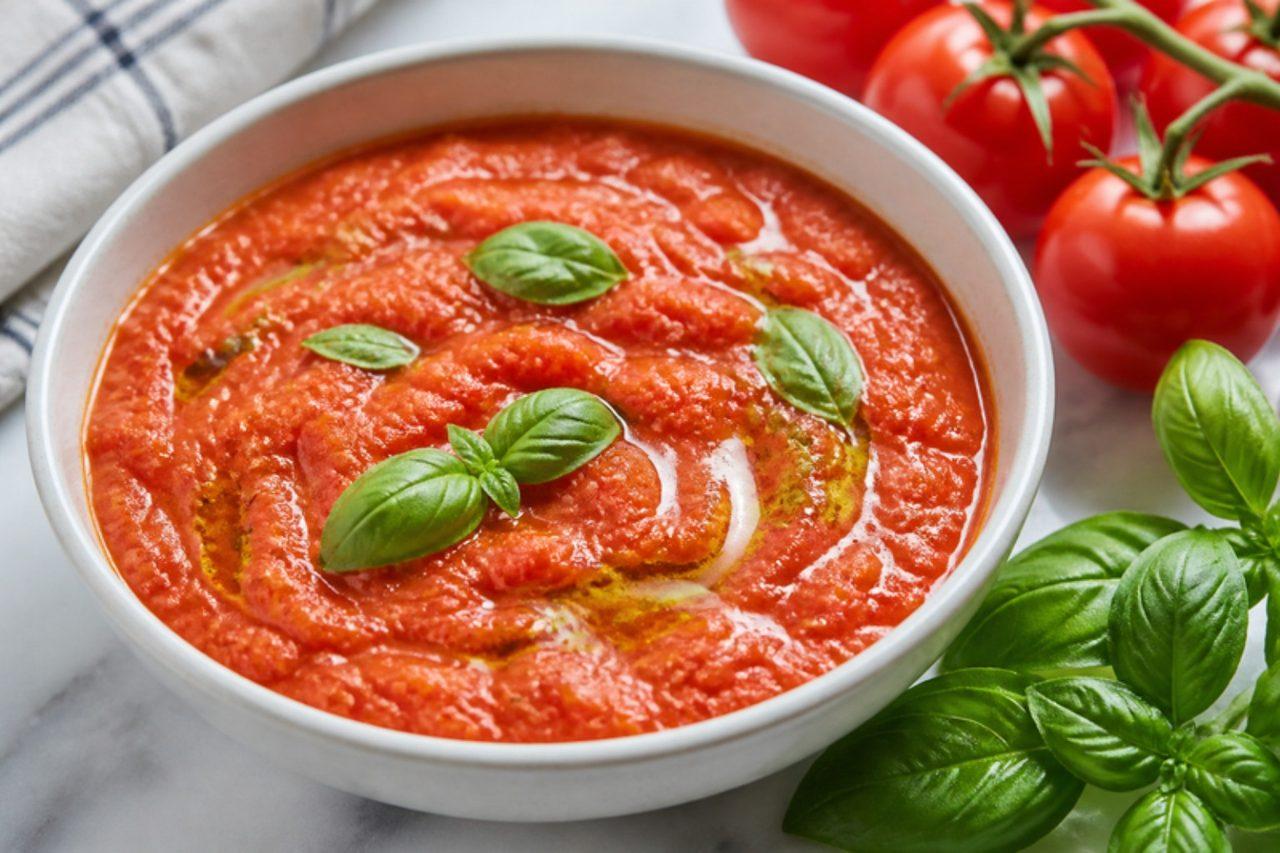
Pappa al pomodoroTomato and bread soup

Pappa al pomodoro is what Florentine grandmothers make in July and August, when tomatoes are almost too ripe and yesterday's unsalted Tuscan bread is going hard. Bread, tomatoes, garlic and basil are cooked together and beaten into a soft, spoonable porridge (pappa means mush, the word for baby food). It is eaten warm, at room temperature or even cold on hot days, never piping hot. Chef's tip: stir it hard with a whisk at the end; it breaks the bread down into a velvety texture without a blender.

by KrazyBadal 0 views

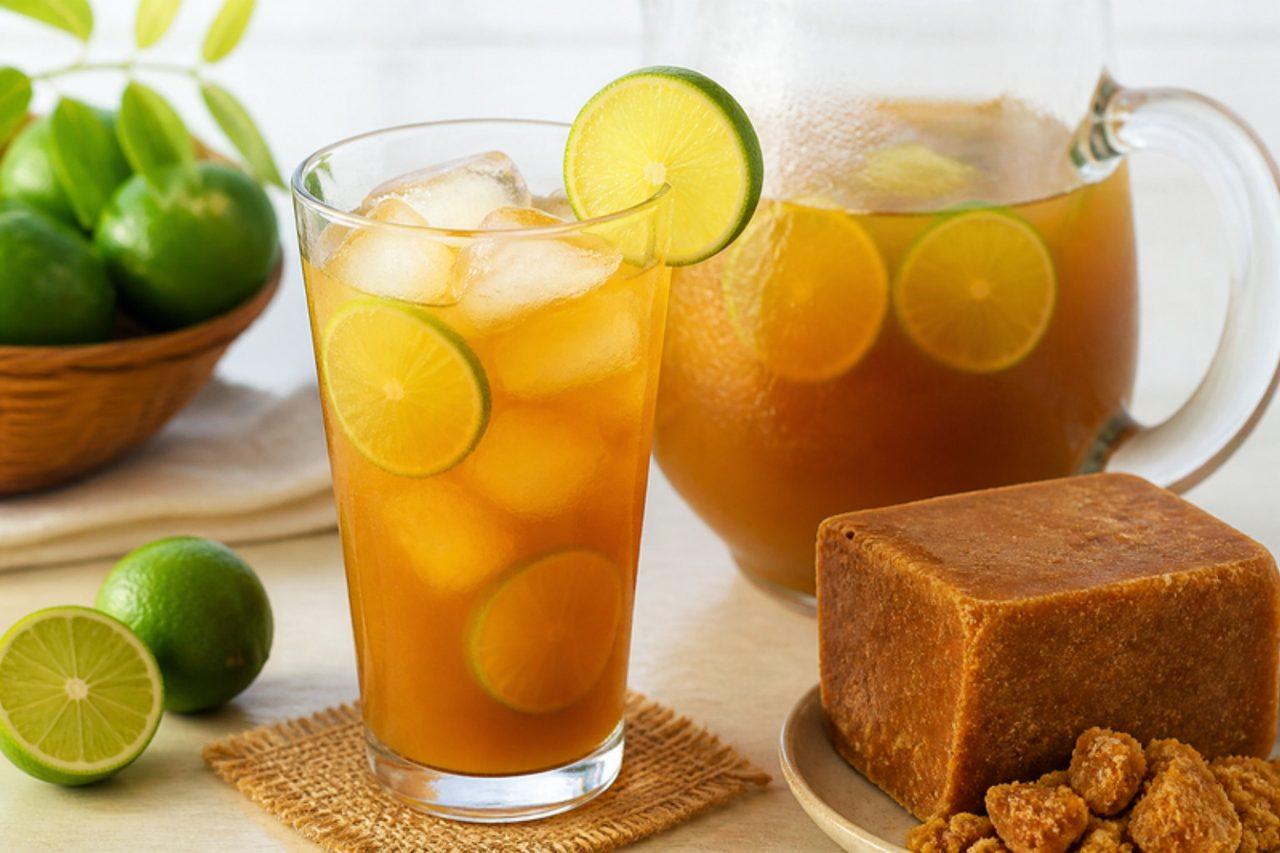
Papelón con limónIced panela and lime drink

Papelón con limón is the cold drink of Venezuela, served in jugs alongside arepas, empanadas and every Sunday lunch, and sold by the glass from street stalls in the heat of Maracaibo and the plains. Papelón is the Venezuelan name for panela, the dark block of unrefined cane sugar; melted into water and mixed with lots of fresh lime, it tastes like a caramel-scented lemonade. The hot Colombian cousin is aguapanela. Chef's tip: dissolve the papelón in warm water first, then chill; it never fully dissolves in cold water and leaves grains at the bottom.

by KrazyBadal 0 views

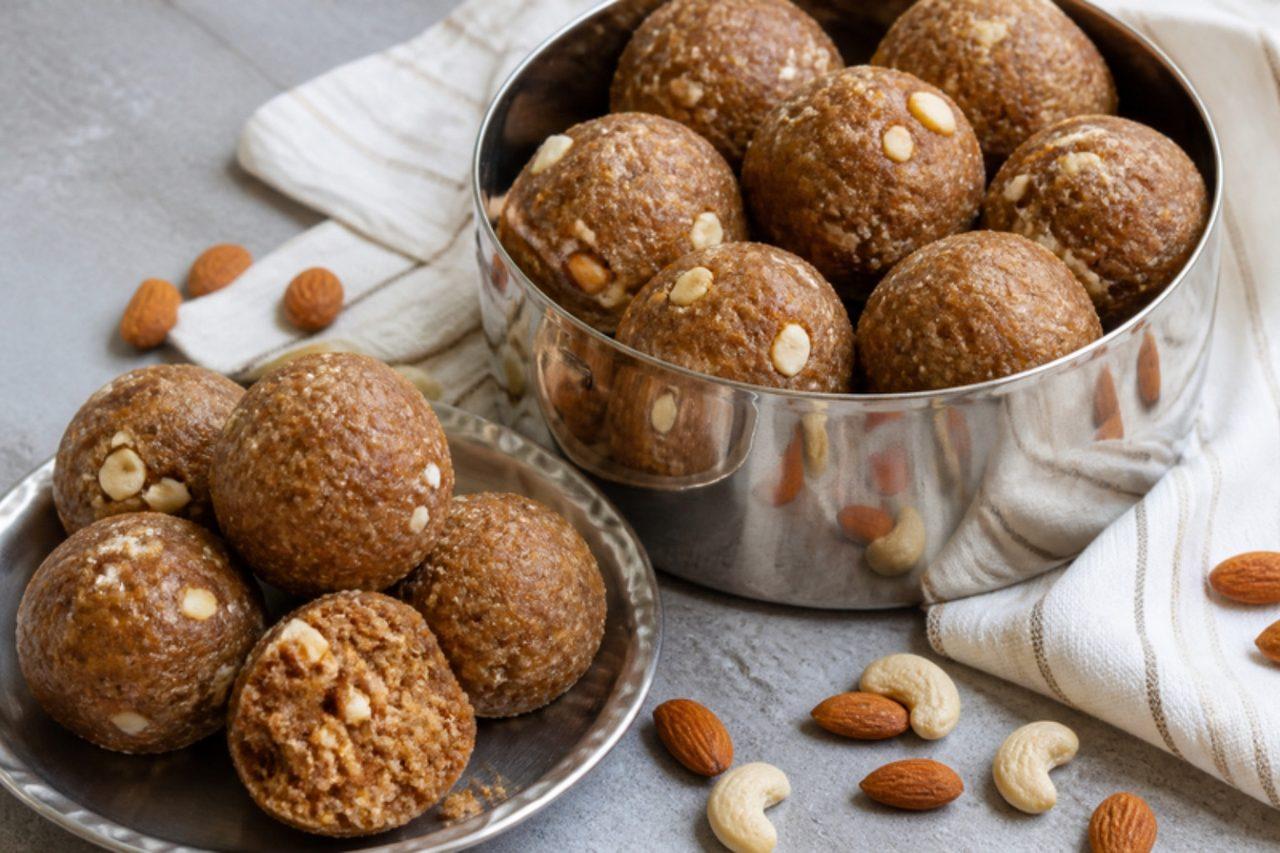
PinniGhee wheat flour sweets

When the fog settles over Punjab in December, kitchens fill with the smell of wheat flour roasting slowly in ghee: pinni season has started. These dense, crumbly balls of roasted atta, jaggery, almonds and fried edible gum are made in big batches for Lohri, packed into tins for relatives and given to new mothers for strength. One pinni with a glass of hot milk is a classic winter breakfast. Chef's tip: let the roasted flour cool until just warm before adding the jaggery; if it is hot, the jaggery melts and the pinni set hard as stone.

by KrazyBadal 0 views

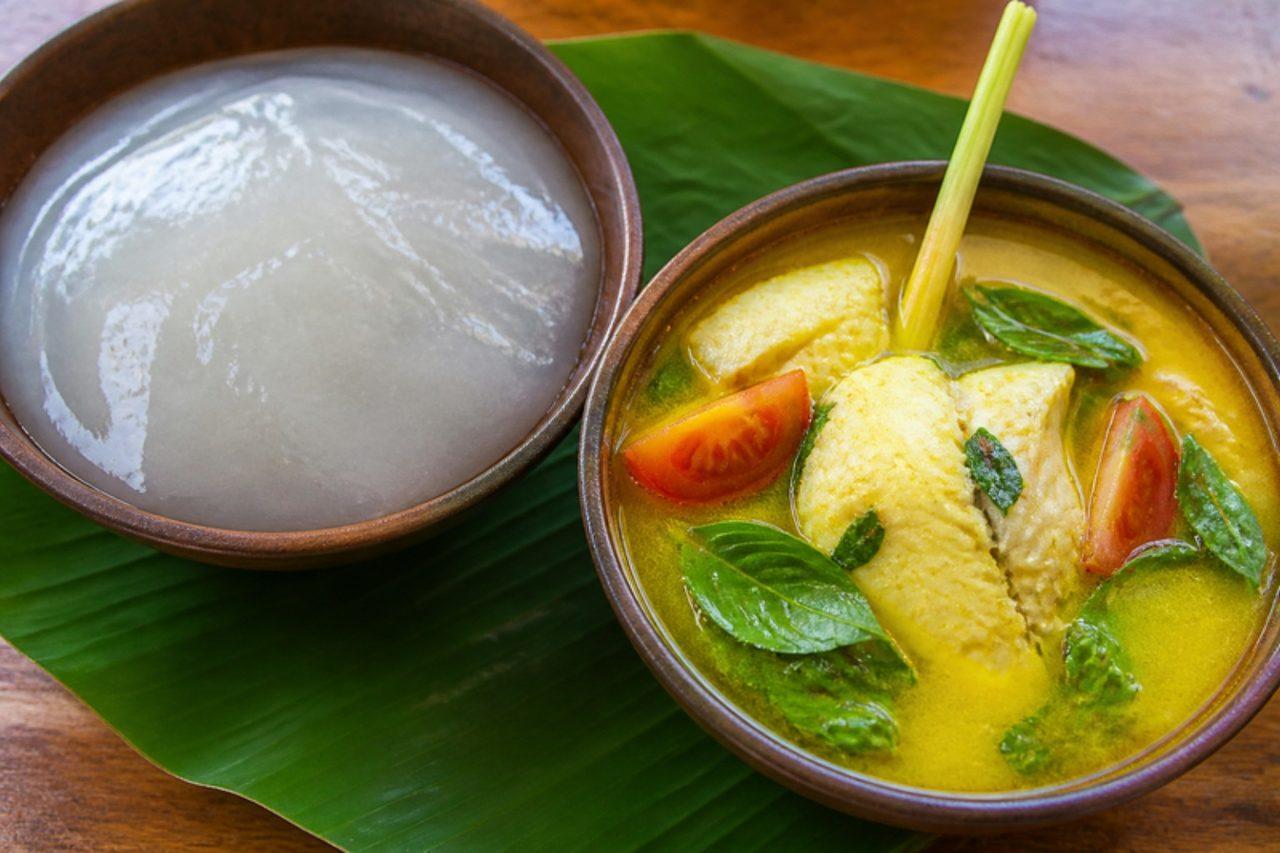
Papeda with ikan kuah kuningSago porridge with fish soup

In Ambon, Jayapura and the islands between, the everyday staple isn't rice but papeda: sago starch stirred with boiling water into a translucent, glue-like porridge. It has almost no taste of its own, which is the point; it's eaten with ikan kuah kuning, a sharp, yellow fish soup bright with turmeric, lime and lemon basil. Families twirl the papeda out of the pot on two sticks, drop it into a bowl and ladle the soup over, then slurp it down without chewing. The texture is surprising the first time: slippery, soft and soothing next to the hot, sour broth. Chef's tip: the water must be at a full rolling boil when it hits the sago, or the papeda stays white and lumpy instead of turning clear.

by KrazyBadal 0 views

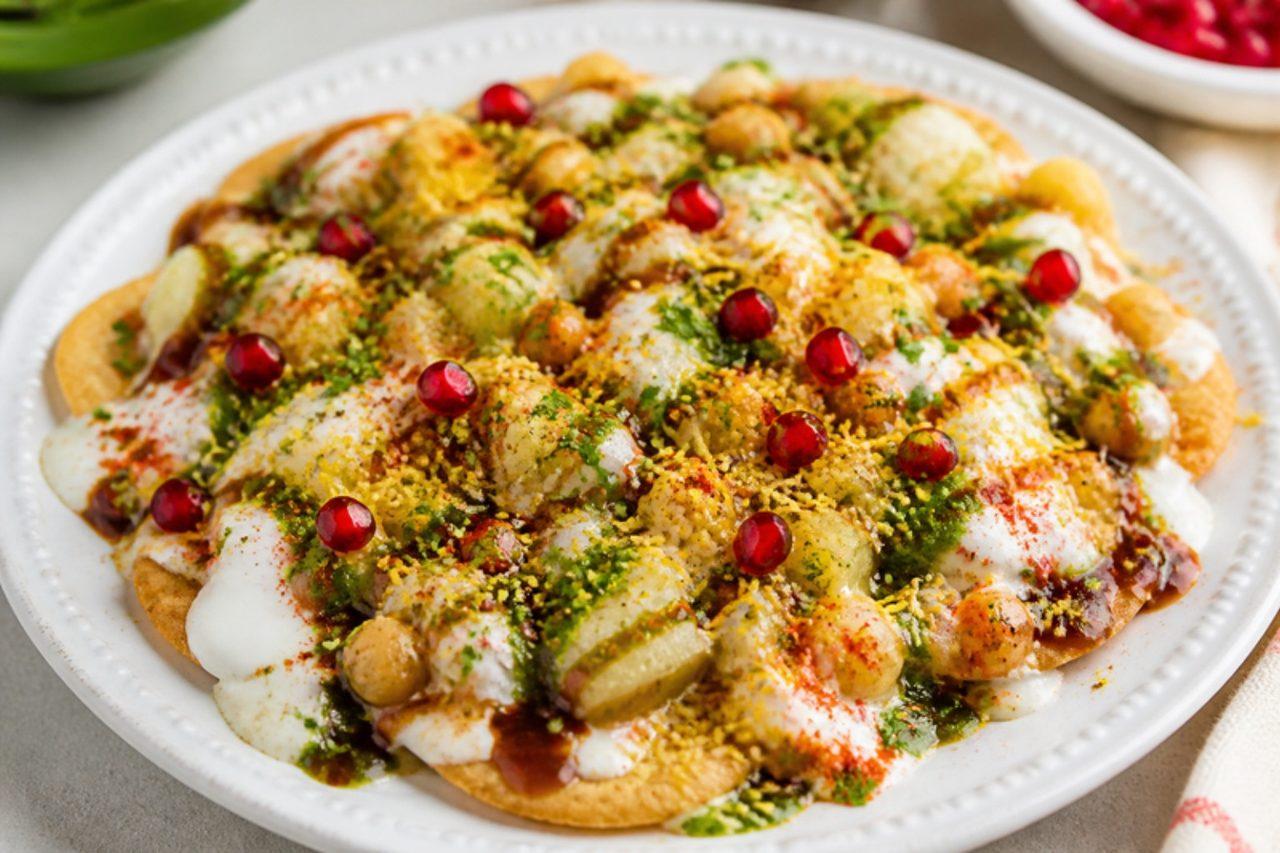
Papdi chaatCrisp wafers with potato and chickpeas

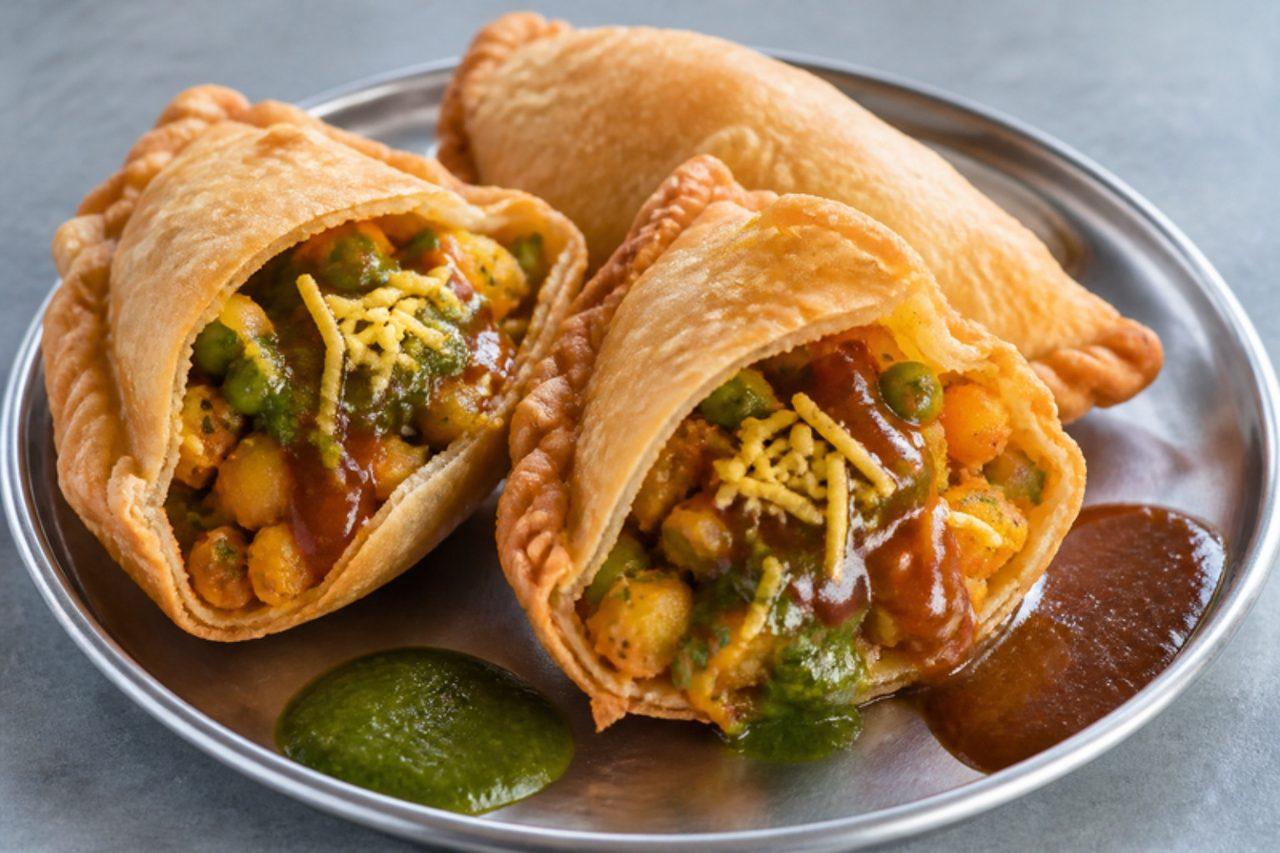
Papdi chaat is the plate Delhi orders without thinking about it, from the stalls outside Bengali Market to wedding buffets. Small, flaky wheat wafers called papdi are laid flat, topped with potato and chickpeas, drowned in sweetened yogurt and streaked with tamarind and green chutney, so you get crunch and creaminess in the same spoonful. Homemade papdi, crisp with ajwain, are far better than shop ones and keep for a week in a tin, though bought papdi will do on a busy day. Chef's tip: rub the oil into the flour until it holds together when squeezed; that shortening is what makes the papdi flaky rather than hard.

by KrazyBadal 0 views

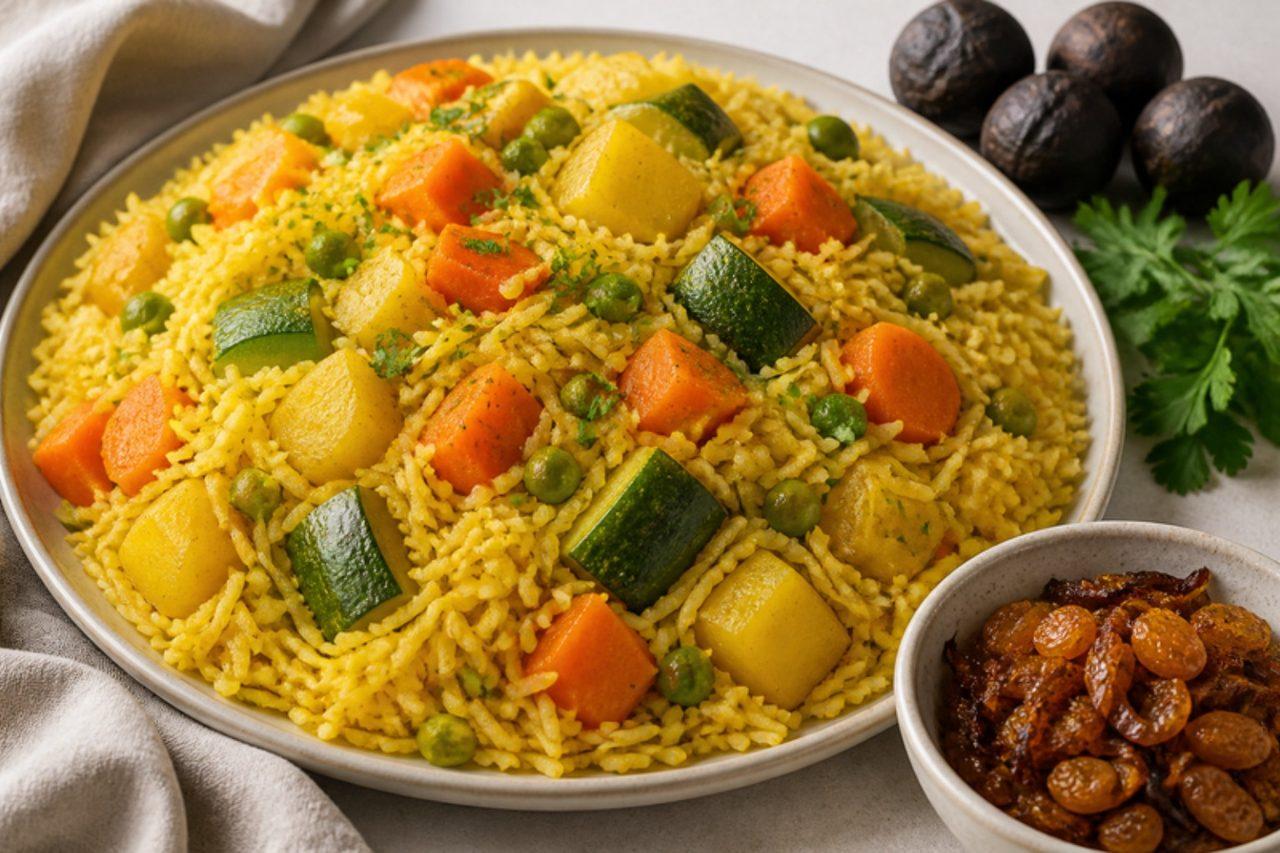
Vegetable machboosSpiced rice with vegetables

In Bahrain and Kuwait machboos is the rice dish of the home kitchen: deeper yellow than Saudi kabsa, with more turmeric, more dried lime and a last splash of rose water that perfumes the whole pot. Families cook it for the big midday meal, especially on Fridays and through Ramadan, and pile it high on a round metal tray. Here potatoes, cauliflower and peppers take the place of chicken, and the rice is crowned with hashu, soft caramelised onions with raisins and a pinch of black lime powder. Chef's tip: brown the potatoes and cauliflower before the rice goes in; their golden edges give the meaty depth the chicken usually brings.

by KrazyBadal 0 views

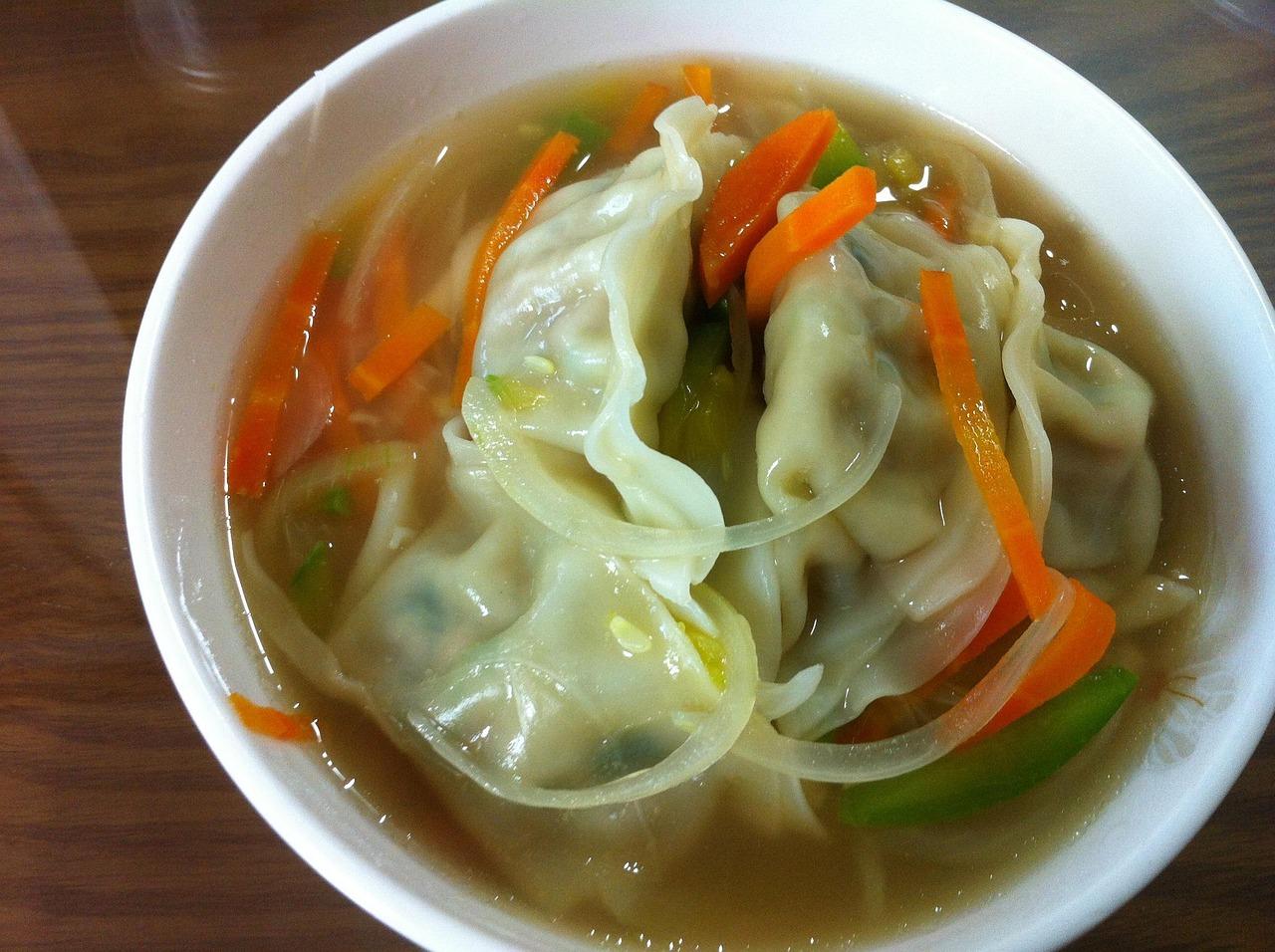
Vegetable mandu-gukVegetable dumpling soup

In Seoul and the surrounding Gyeonggi province, the first meal of Seollal (Lunar New Year) is often mandu-guk (만두국): plump dumplings and coin-shaped rice cakes floating in clear broth, finished with ribbons of yellow and white egg and strips of toasted laver. The northern half of the peninsula has always favoured dumplings over rice cake soup, and Seoul families tend to combine the two. These mandu are filled with tofu, glass noodles, cabbage, mushrooms and chives, and the broth is a kelp and shiitake stock instead of beef. Fold the dumplings a day ahead and the soup comes together in 15 minutes. Chef's tip: squeeze the tofu and cabbage hard in a cloth; a wet filling turns the wrappers soggy and the dumplings split in the pot.

by KrazyBadal 0 views

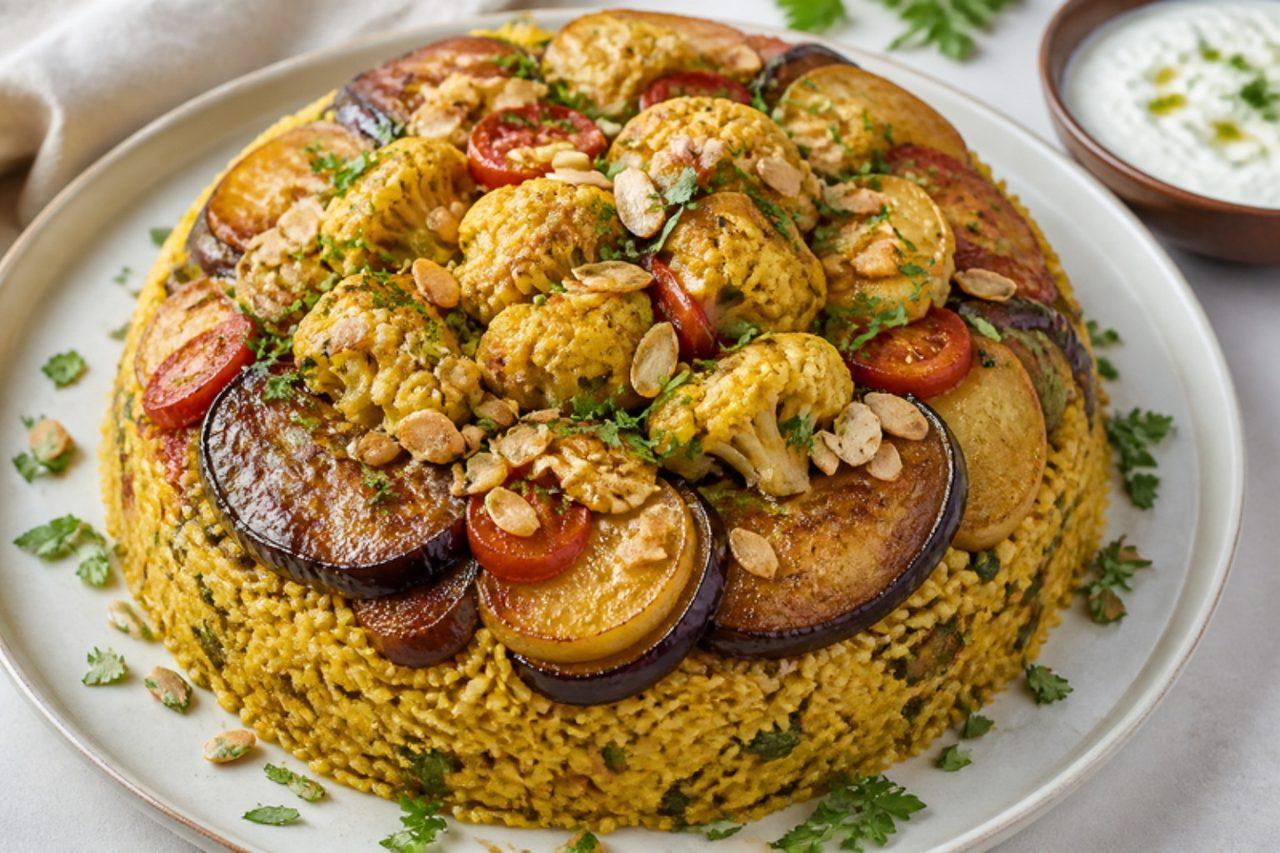
Vegetable maqlubaUpside-down rice and vegetables

Maqluba means 'upside down', and in Palestinian homes from Jerusalem to Nablus the moment the big pot is flipped onto a tray at a Friday family lunch is greeted with clapping. Under the pot comes a golden cake of fried aubergine, cauliflower and potato with spiced rice packed between them. It is also cooked across Lebanon, Jordan and Syria. This meat-free version uses vegetable stock and is served with a cucumber and tomato salad or a bowl of yogurt for those who eat dairy. Chef's tip: once the pot is turned over, wait five minutes before lifting it so the layers settle and the tower holds.

by KrazyBadal 0 views

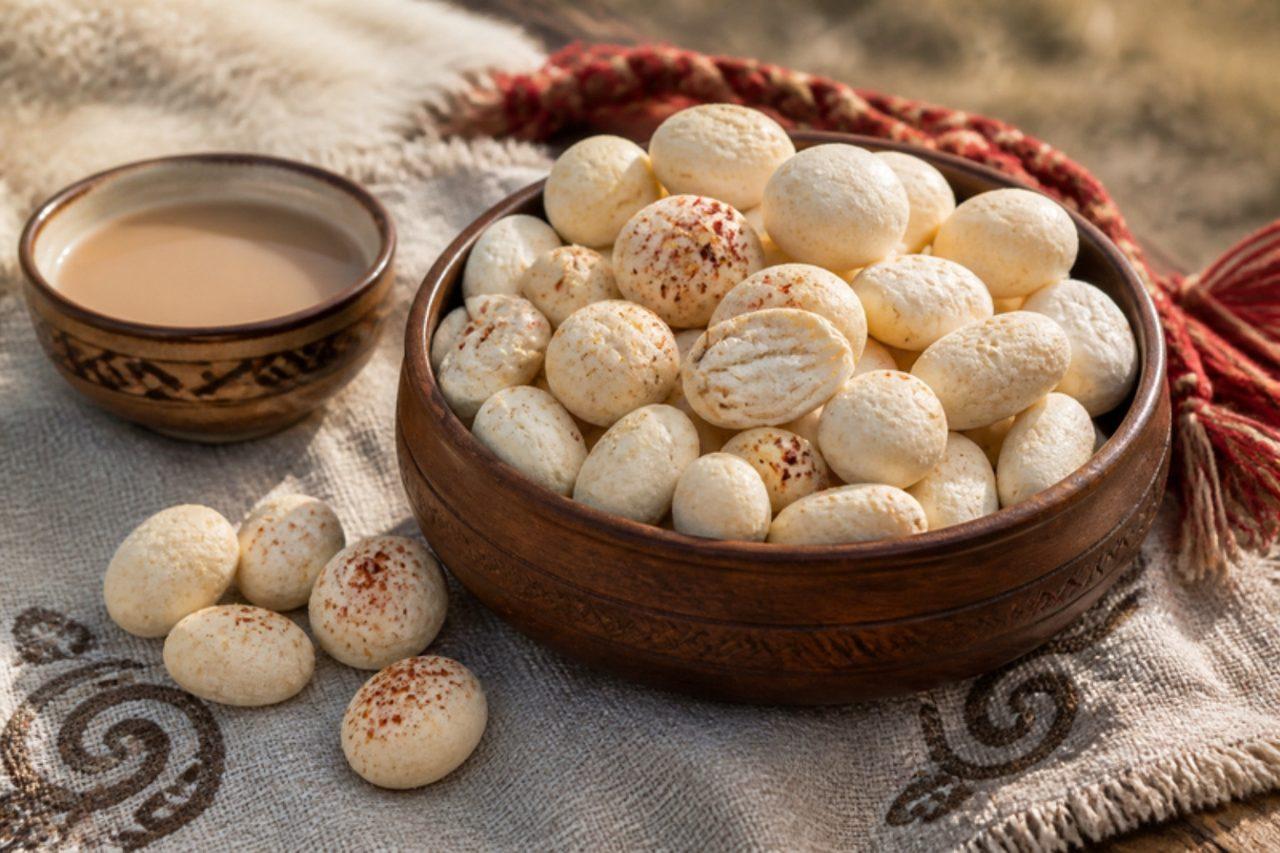
KurtDried salted yogurt balls

Kurt is the snack of the steppe: thick, salted yogurt pressed into balls and dried until rock-hard, so it keeps for months in a saddlebag. Herders in Kazakhstan and Kyrgyzstan make it in summer, when the animals give the most milk, and dry it on reed mats in the sun. Children suck on it like a sweet, adults crumble it into soups, or dissolve it in hot water to make a sour drink. Bazaars from Shymkent to Bishkek sell it in white, smoked and red-pepper versions. Chef's tip: drain the yogurt until it's as firm as cream cheese; if it's still wet the balls crack and turn mouldy before they dry.

by KrazyBadal 0 views

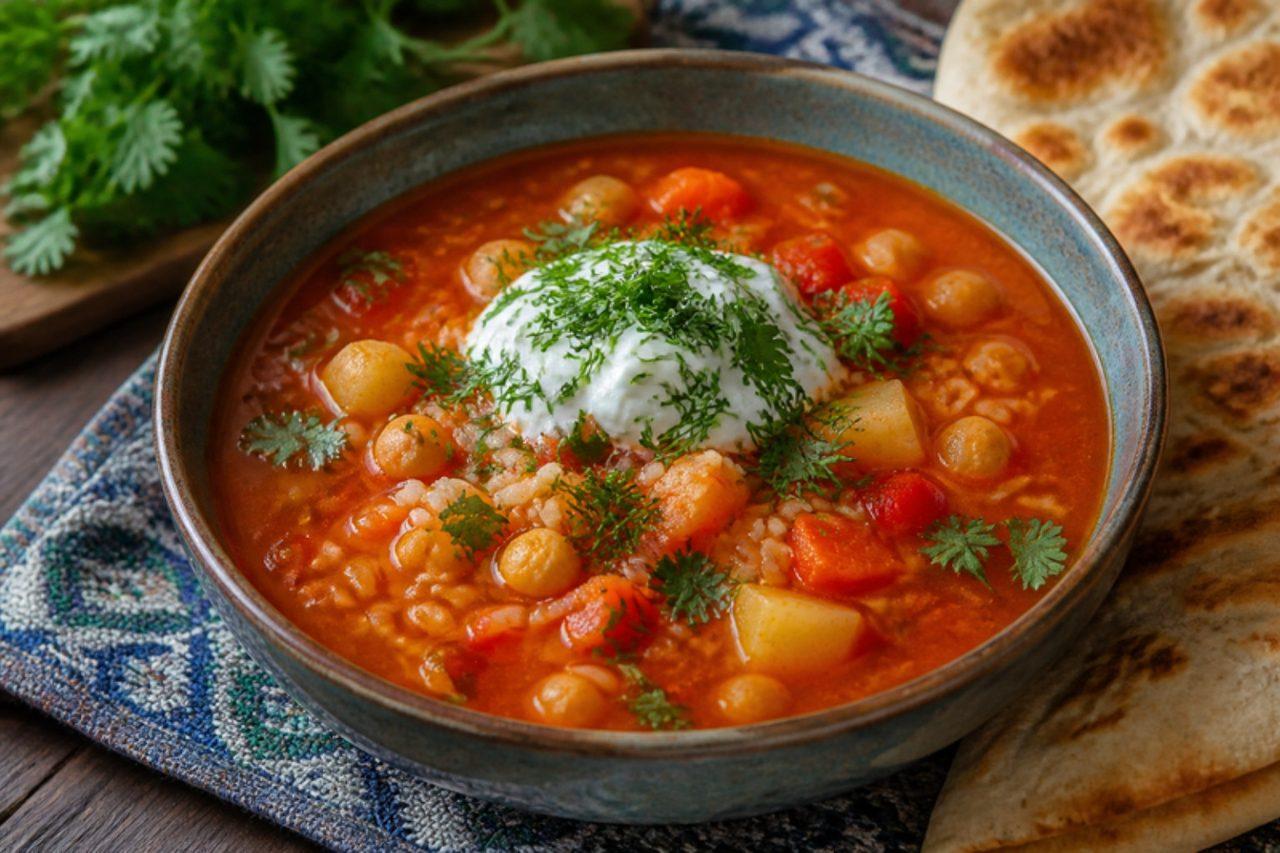
Vegetable mastavaVegetable and rice soup

Mastava is the soup Uzbek mothers make on a cold weeknight: rice simmered in a tomato-red broth with carrot, potato, pepper and chickpeas, finished at the table with a spoon of thick suzma or sour cream and a handful of herbs. It is eaten all over the country but is especially loved in Tashkent households in late autumn. The base is fried first, like plov, so the soup tastes rich even without meat; this version uses vegetables and chickpeas only. Chef's tip: fry the tomato paste in the oil until it turns brick-red before adding water — that is where the depth comes from.

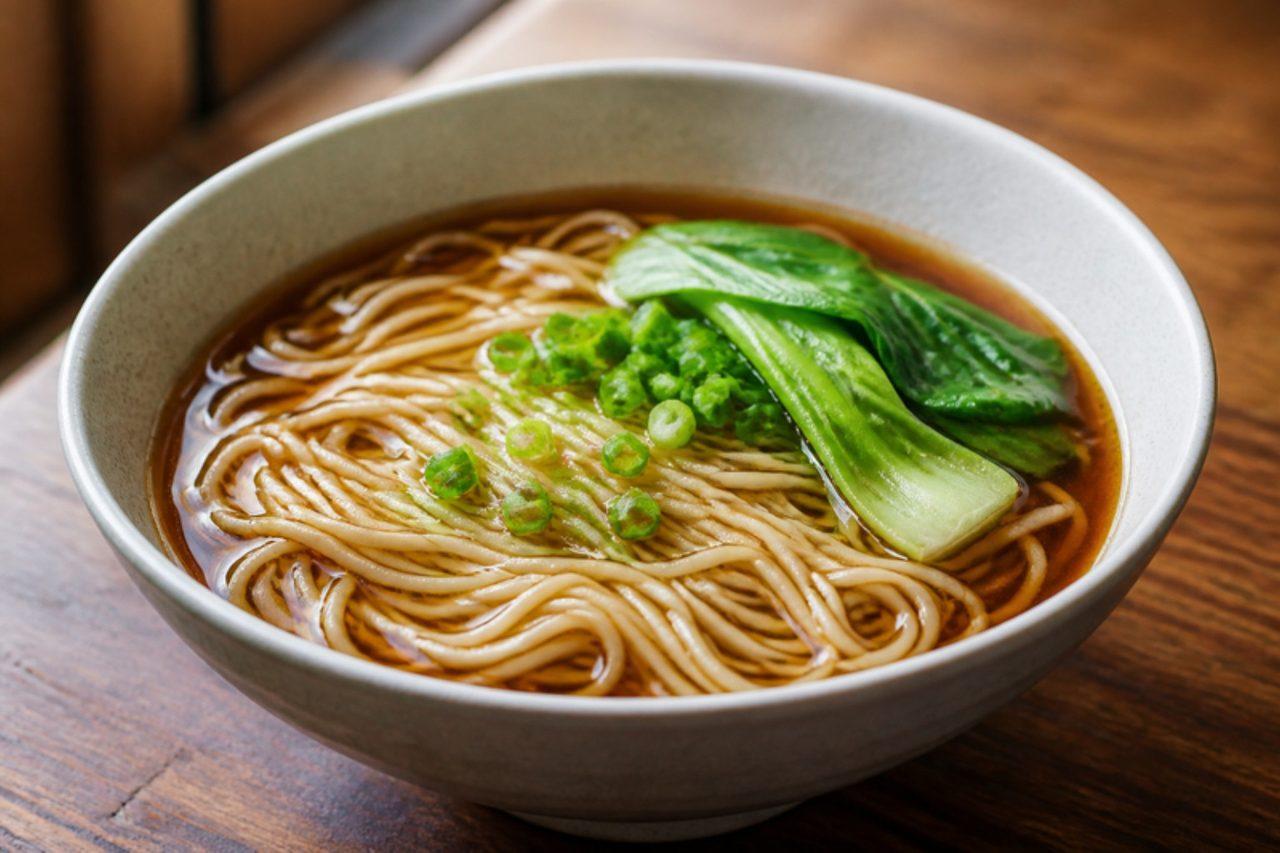
55 minUzbekSoupsGluten free
by KrazyBadal 0 views

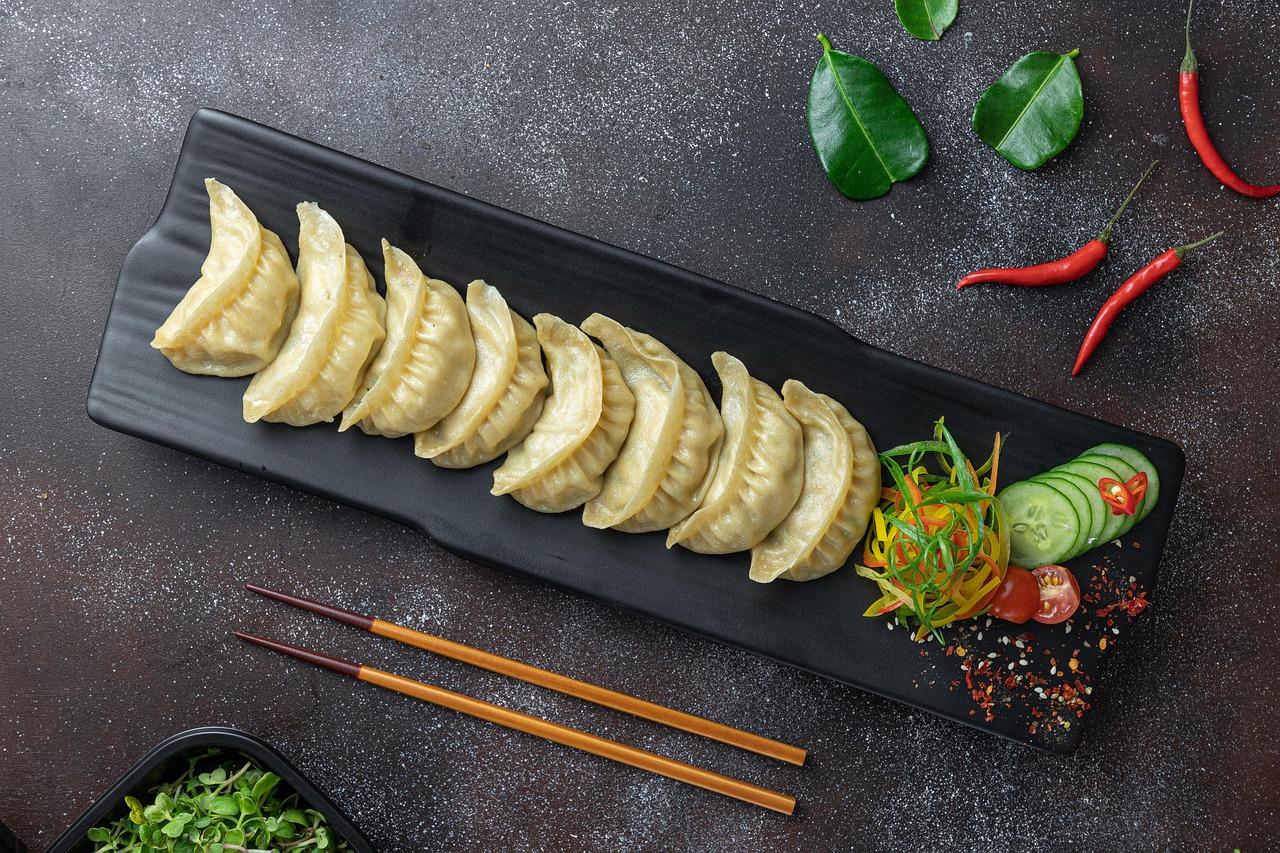
Vegetable momosSteamed vegetable dumplings

Momos came to Sikkim and the Darjeeling hills with Tibetan settlers and are now the snack of the whole Himalayan Northeast, steamed in tall stacked steamers at every street corner. Thin, soft wrappers hold a juicy filling of cabbage, carrot, onion and tofu with plenty of ginger, garlic and spring onion. They are dipped in a hot, garlicky tomato and red chilli achar. Serve straight from the steamer, with a bowl of clear soup if you like. Chef's tip: salt the chopped cabbage and squeeze out its water before mixing the filling; it keeps the wrappers from turning soggy and tearing.

by KrazyBadal 0 views

PapanașiFried cheese doughnuts

Papanași are the dessert Romanians order after almost any restaurant meal, from the old town of Bucharest to the mountain chalets of Sinaia and Bran. A soft dough of fresh cheese, egg and semolina is shaped into a ring with a little ball on top, fried until puffed and golden, then crowned with cold smântână and sour cherry or blueberry jam. Warm, tangy and very rich, one is a full dessert. Chef's tip: use dry, crumbly cheese and drain it if it's wet; a common mistake is a sloppy dough that soaks up oil and falls apart, so add flour only until it just stops sticking.

by KrazyBadal 0 views

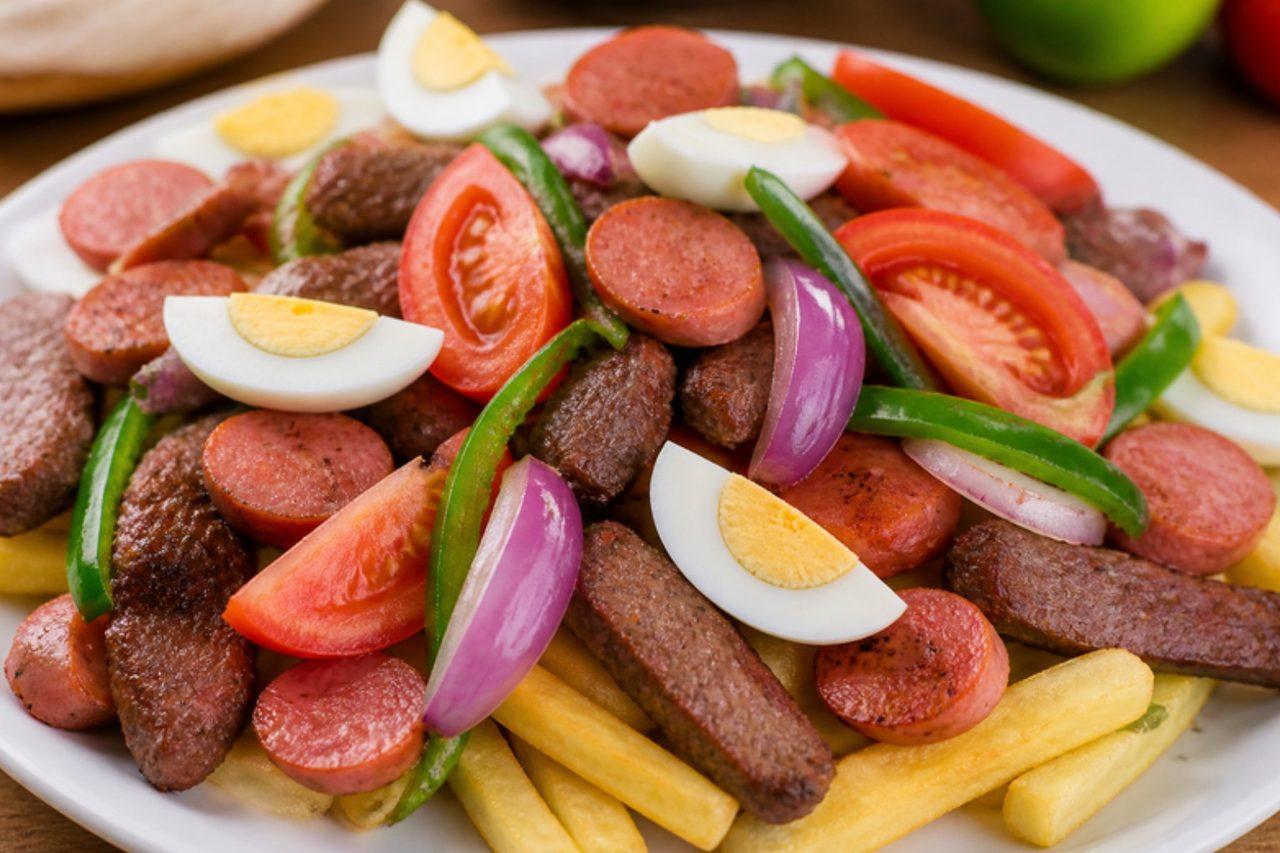
Pique machoBeef and sausage platter with chips

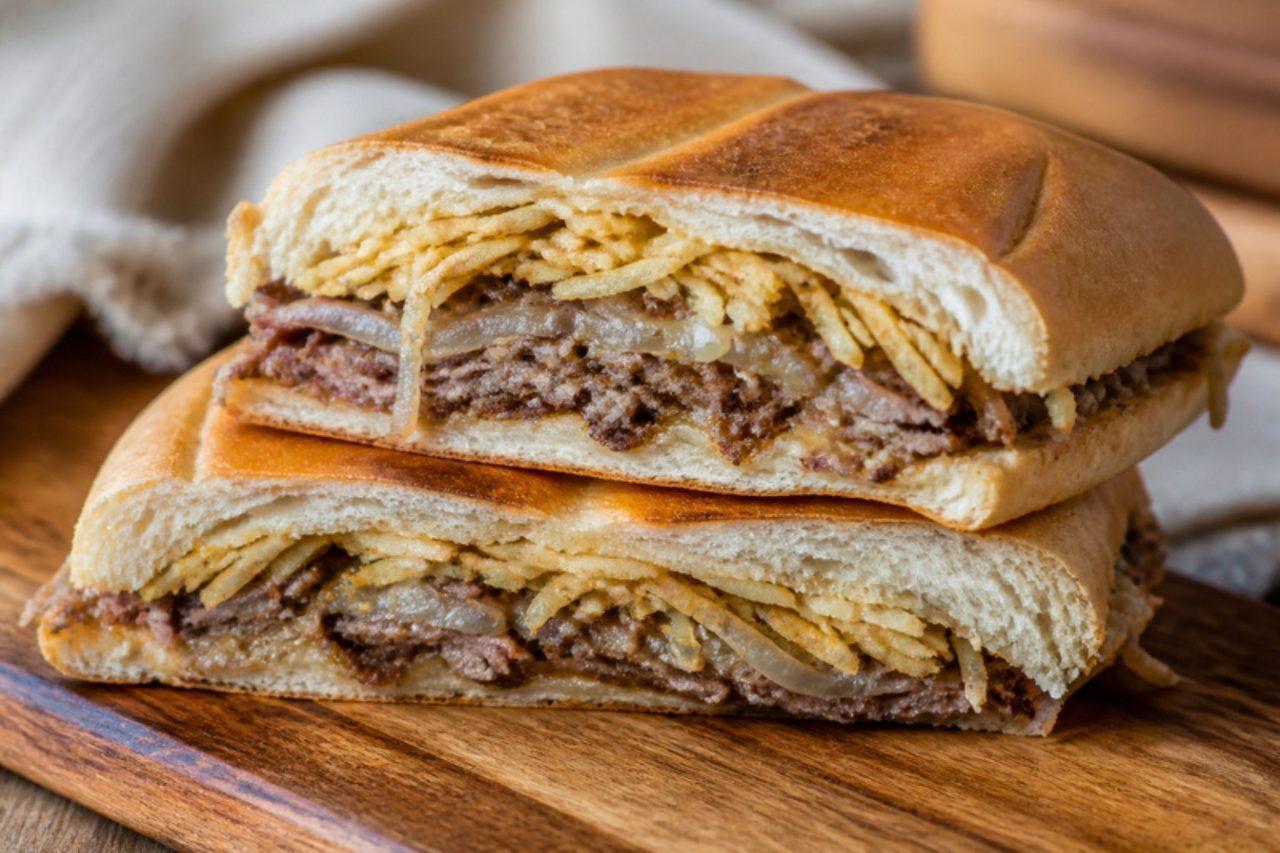
Pique macho was invented in Cochabamba, legend says late one night when hungry customers asked for whatever was left, and it remains the sharing plate Bolivians order with friends: a pile of chips topped with beef strips and sausage cooked in a peppery sauce, with onion, tomato, locoto chillies and boiled eggs on top. The name roughly means "if it stings, you're a man", for the hot locoto. This recipe can include beer in the sauce; for an alcohol-free version use beef stock. The mistake is letting the chips sit under the sauce, so they go soggy; assemble right before serving. Chef's tip: oven chips work fine and leave the hob free for the meat.

65 minAndeanMeatGluten freeSpicy
by KrazyBadal 0 views

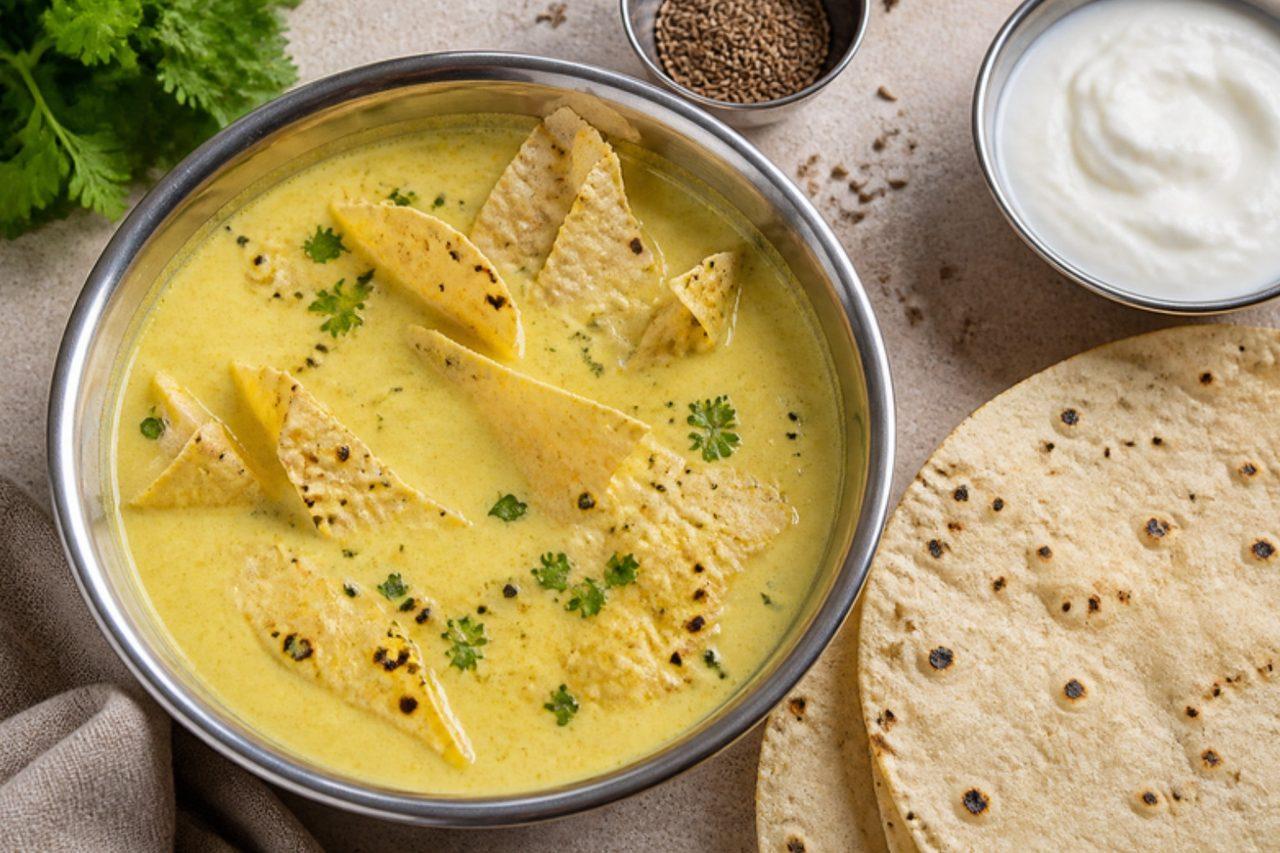
Papad ki sabziPapad curry

Papad ki sabzi comes from Rajasthan's dry interior, where fresh vegetables were scarce and pantries relied on sun-dried staples. Roasted papads are broken into a hot, spiced yogurt gravy at the last minute, so they soften but keep a little chew. Marwari households still make it on days when the vegetable basket is empty, eating it with bajra roti or phulka and a little ghee. Because it's ready in minutes, it's also a favourite for unexpected guests. The common mistake is adding the papads too early: they swell and turn to mush. Chef's tip: go easy on the salt, because papads are already well salted; season after tasting with the papad in.

by KrazyBadal 0 views

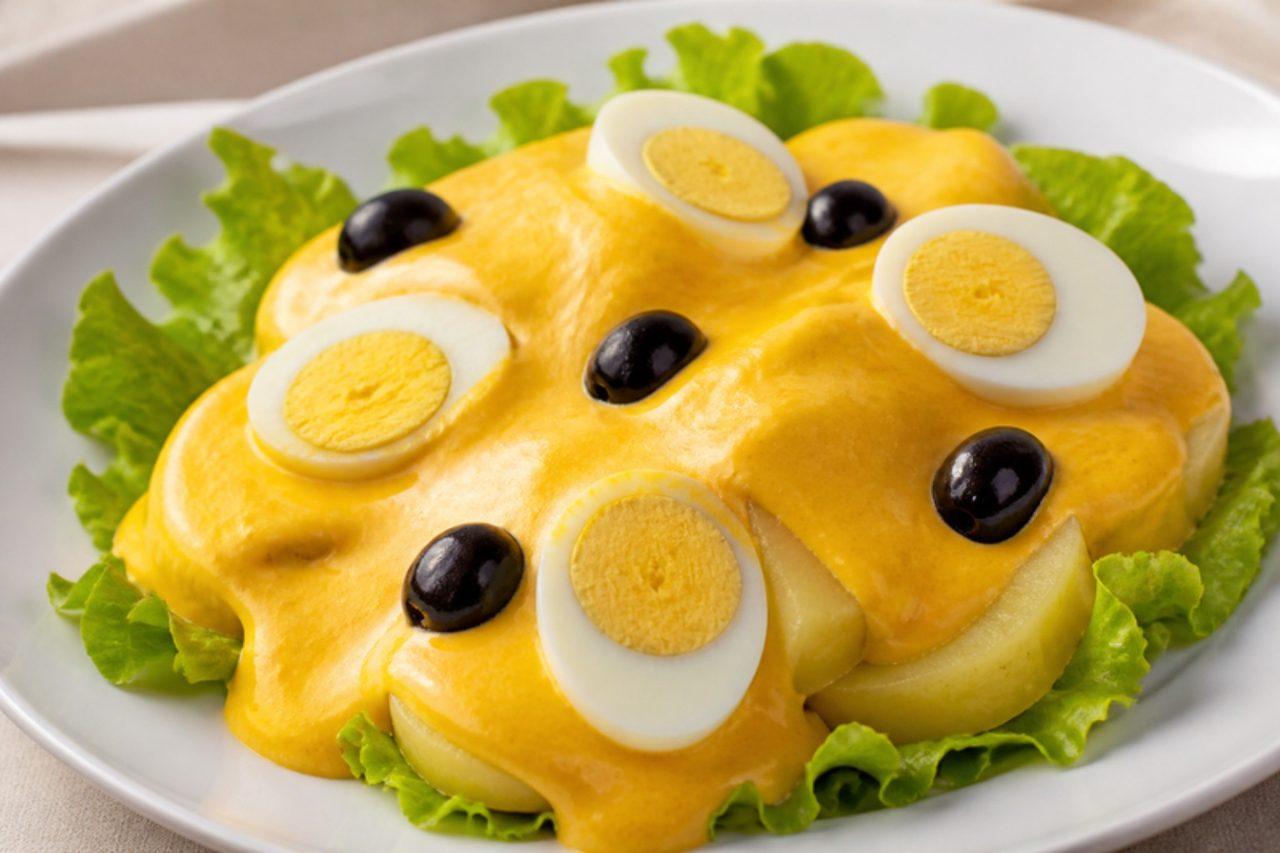
Papa a la huancaínaPotatoes in spicy cheese sauce

Papa a la huancaína is named after Huancayo in Peru's central Andes, but it is eaten everywhere, from Lima's set-lunch counters to Sunday family tables. Thick slices of cold boiled potato are blanketed in huancaína sauce, a silky, mildly hot sauce of ají amarillo, fresh cheese and evaporated milk, then finished with boiled egg and black olives. It is served cold as a starter, and the sauce is also the favourite dip for boiled corn and fried yuca. Use a queso fresco made with vegetarian rennet if you want it fully vegetarian (or a mild feta rinsed of salt). Chef's tip: fry the chillies, onion and garlic before blending; this takes off their raw edge and gives the sauce its rounded, sweet heat.

by KrazyBadal 0 views

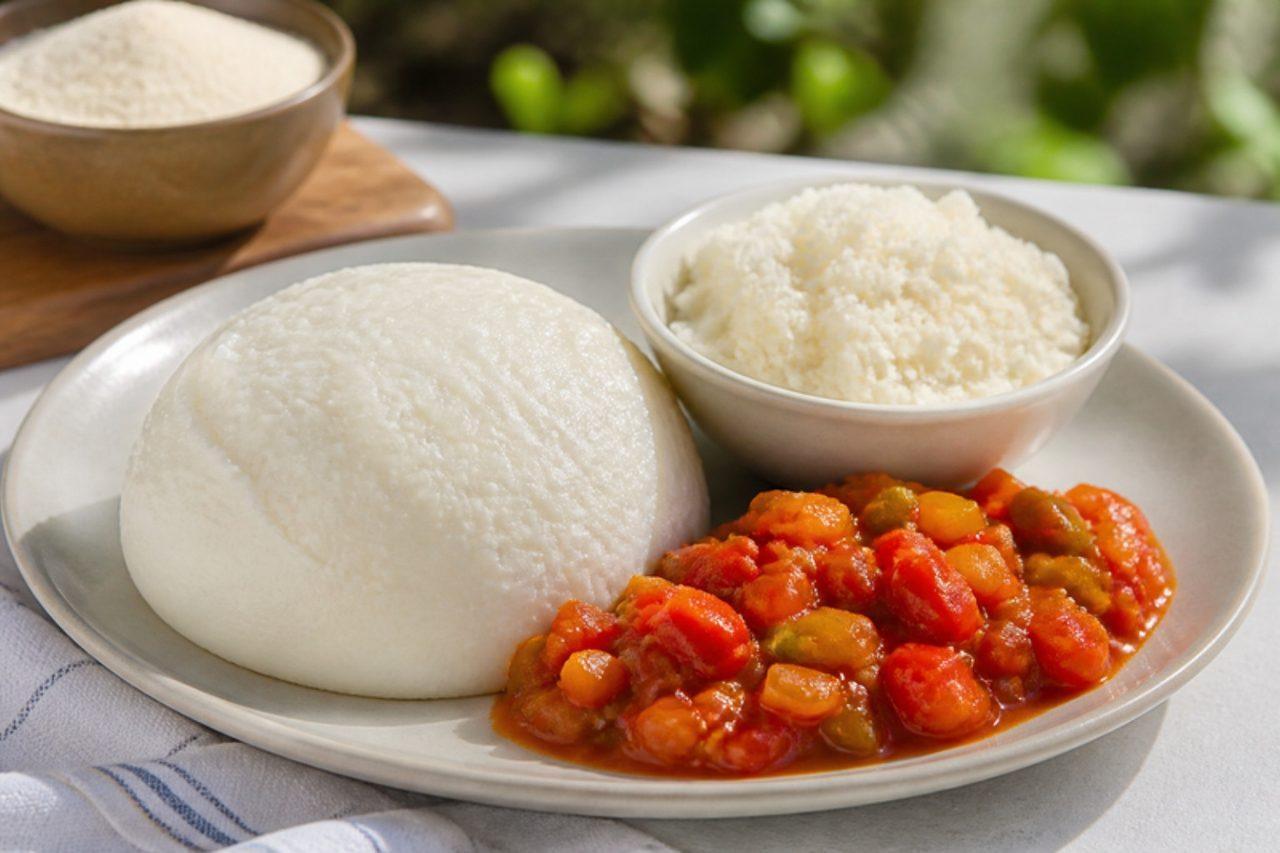
Pap (stywe pap and krummelpap)Maize porridge

Pap is the everyday staple of South Africa, eaten in Soweto kitchens and Limpopo villages at almost every evening meal, and in a three-legged pot at every braai. It is plain white maize meal cooked in water, in two main styles: stywe pap (stiff pap), smooth enough to roll into balls and dip into relish, and krummelpap (crumbly pap), steamed into dry, fluffy crumbs. Both are eaten with chakalaka or a tomato-and-onion sauce. Chef's tip: wet the meal to a paste before it hits the boiling water, or you'll be fighting lumps for the next 20 minutes.

by KrazyBadal 0 views

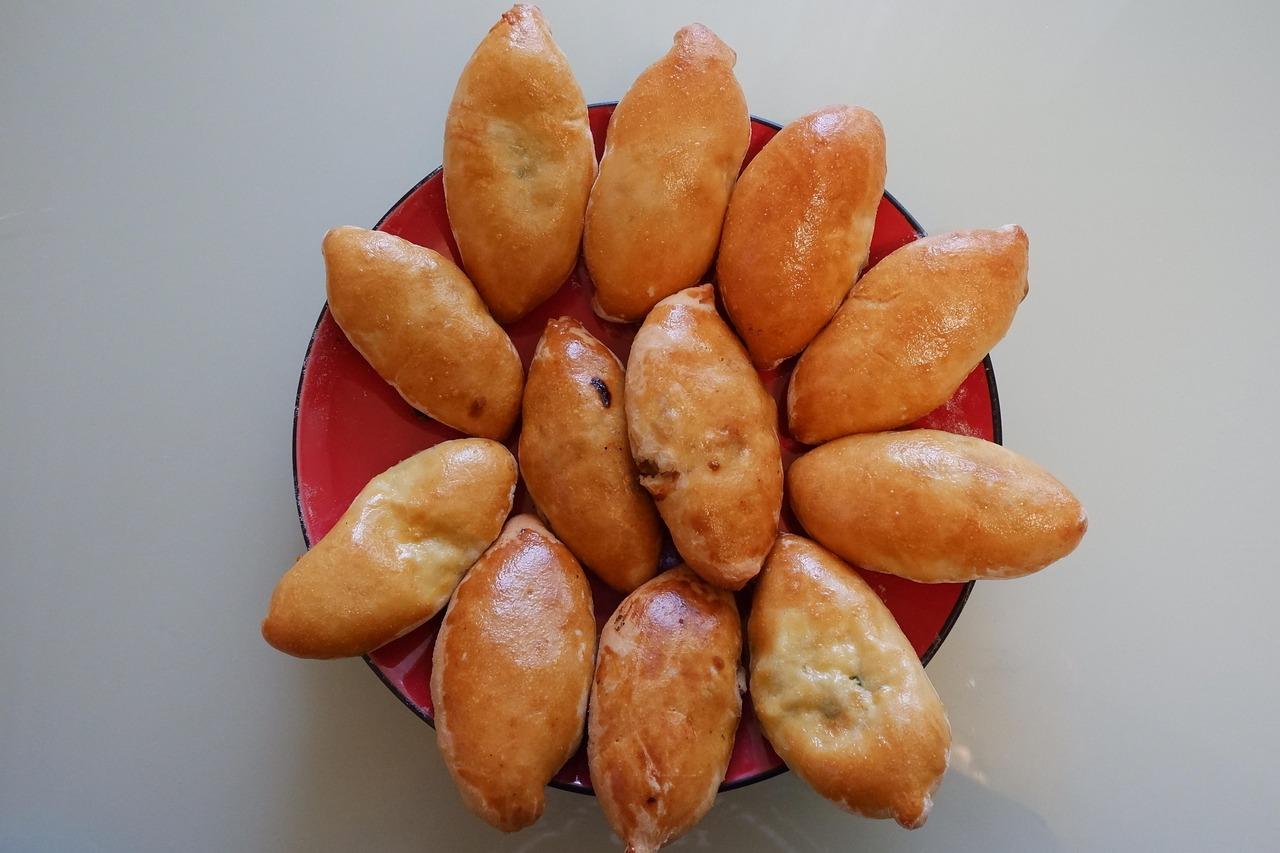
PirozhkiBaked filled buns

Pirozhki, little oval pies of soft yeast dough, are what a Russian babushka has waiting on the kitchen table when the grandchildren arrive, and what used to be sold warm from steel carts at Moscow metro stations. They are eaten with a bowl of soup, packed for the train, or simply grabbed from the plate all afternoon. Fillings change with the season; the two most loved meatless ones are buttery cabbage with chopped egg and creamy mashed potato with fried onion and dill. Chef's tip: let the fillings cool completely before shaping; warm filling softens the dough and the buns tear and leak.

by KrazyBadal 0 views

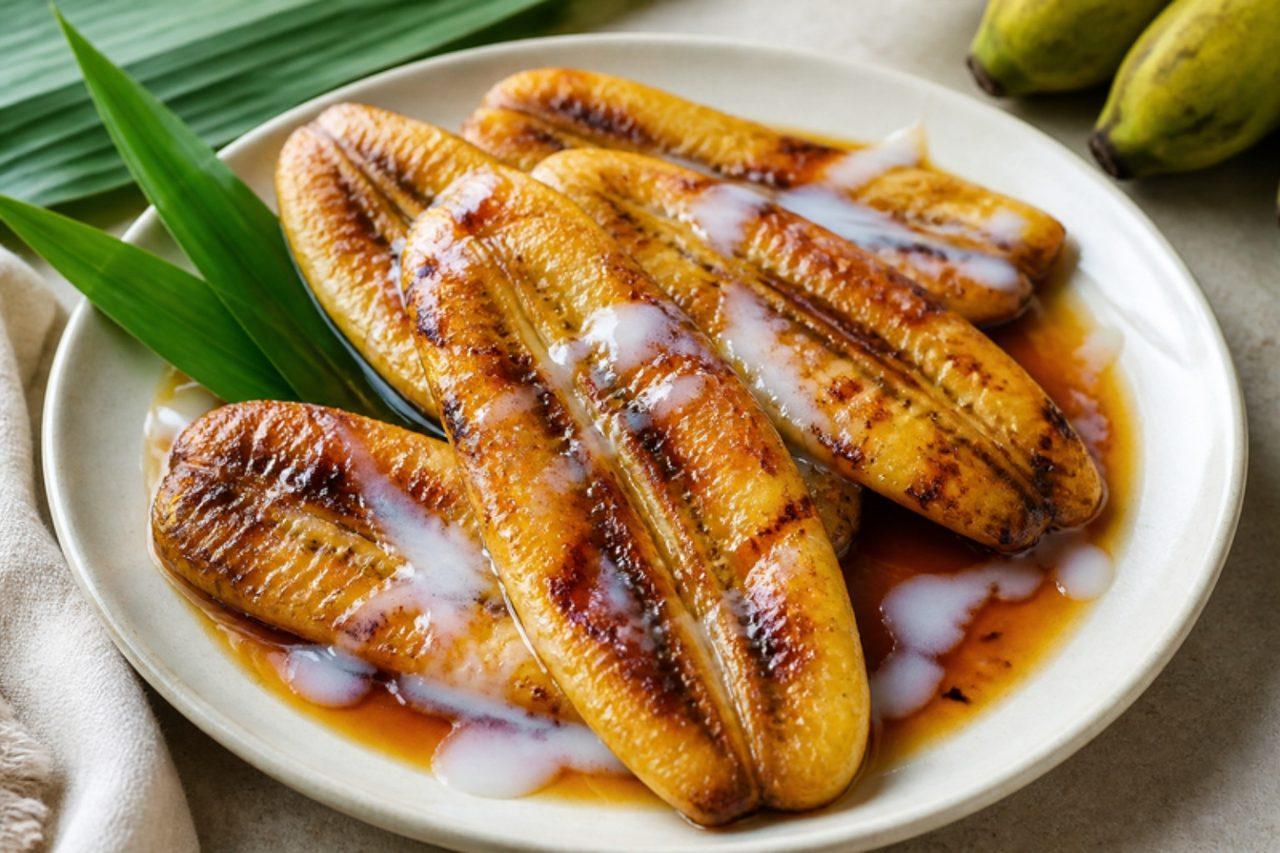
Pisang epeGrilled pressed bananas

Along Losari Beach in Makassar, South Sulawesi, evening stalls grill firm bananas over coals, press them flat between two boards, grill them again and drown them in palm-sugar syrup. Epe means pressed. The bananas turn smoky and dense, almost like baked plantain, and the syrup is often flavoured with pandan, durian or chocolate; this is the pandan version. Chef's tip: use bananas that are just ripe and still firm, or plantains just turning yellow; soft bananas fall apart when you press them.

by KrazyBadal 0 views

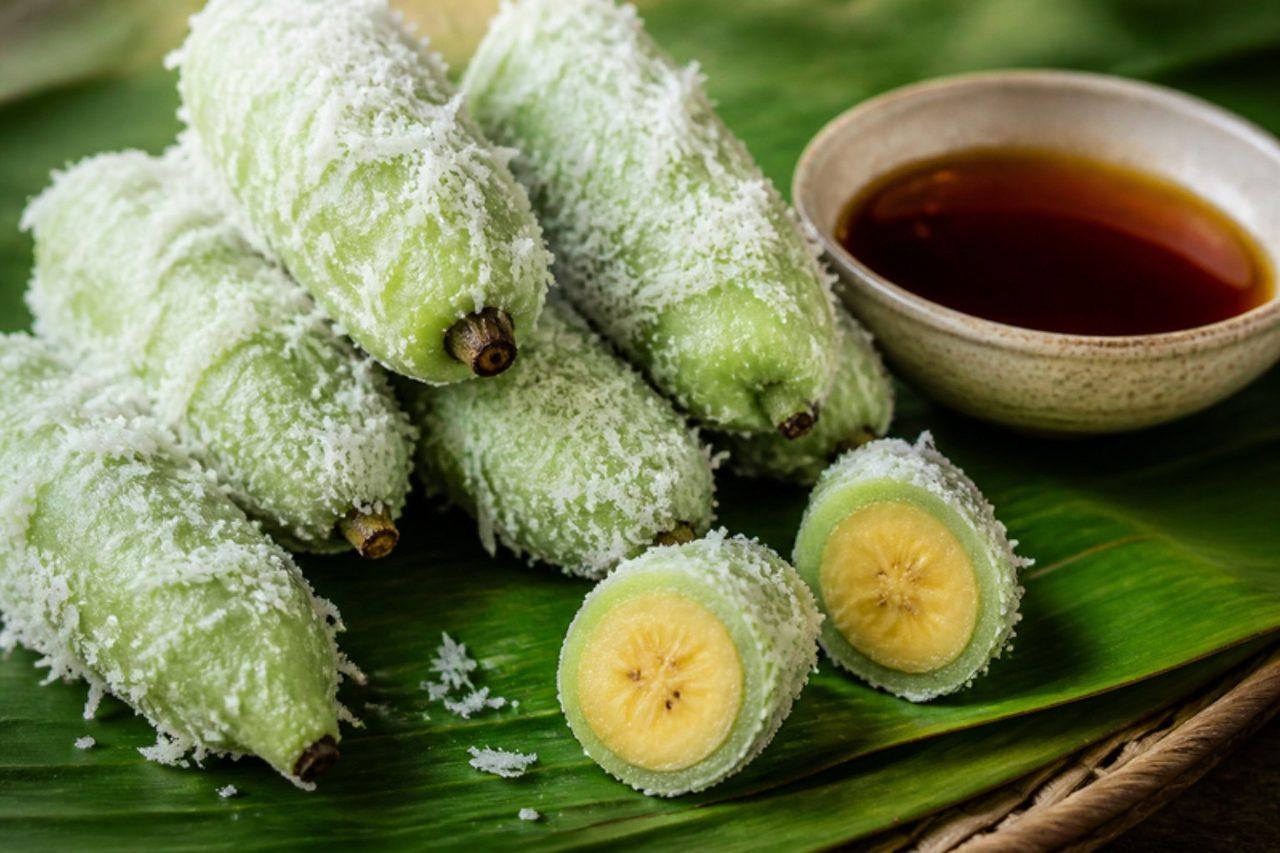
Pisang raiBananas in rice-flour batter

Pisang rai is a Balinese market sweet, wrapped in banana leaf and sold alongside klepon and lak-lak in the early morning. Small ripe bananas are coated in a thick rice-flour batter and dropped into boiling water rather than oil, so they come out soft, chewy and pale, ready to be rolled in salted grated coconut and drizzled with palm-sugar syrup. Some cooks colour the batter green with pandan. Chef's tip: the bananas are done when they float and the batter turns translucent at the edges; another minute firms the coating without making it gluey.

by KrazyBadal 0 views

Pão de ló de OvarMolten-centred sponge cake

Pão de ló is Portugal's oldest sponge cake, made with nothing but eggs, sugar and a little flour, and every region claims its own. In Ovar, a town on the lagoon coast south of Porto, it is baked only briefly, so a thin golden crust hides a centre of barely set, glossy egg cream that oozes when cut. It is the cake for Easter, when godparents give it to their godchildren, and it is sold all year at the town's bakeries wrapped in the paper it was baked in. Eat it at room temperature with a spoon, on its own or with a glass of port. Chef's tip: whisk the eggs and sugar for a full 12–15 minutes until the mixture is very thick and white; that air is the only thing that lifts the cake.

by KrazyBadal 0 views

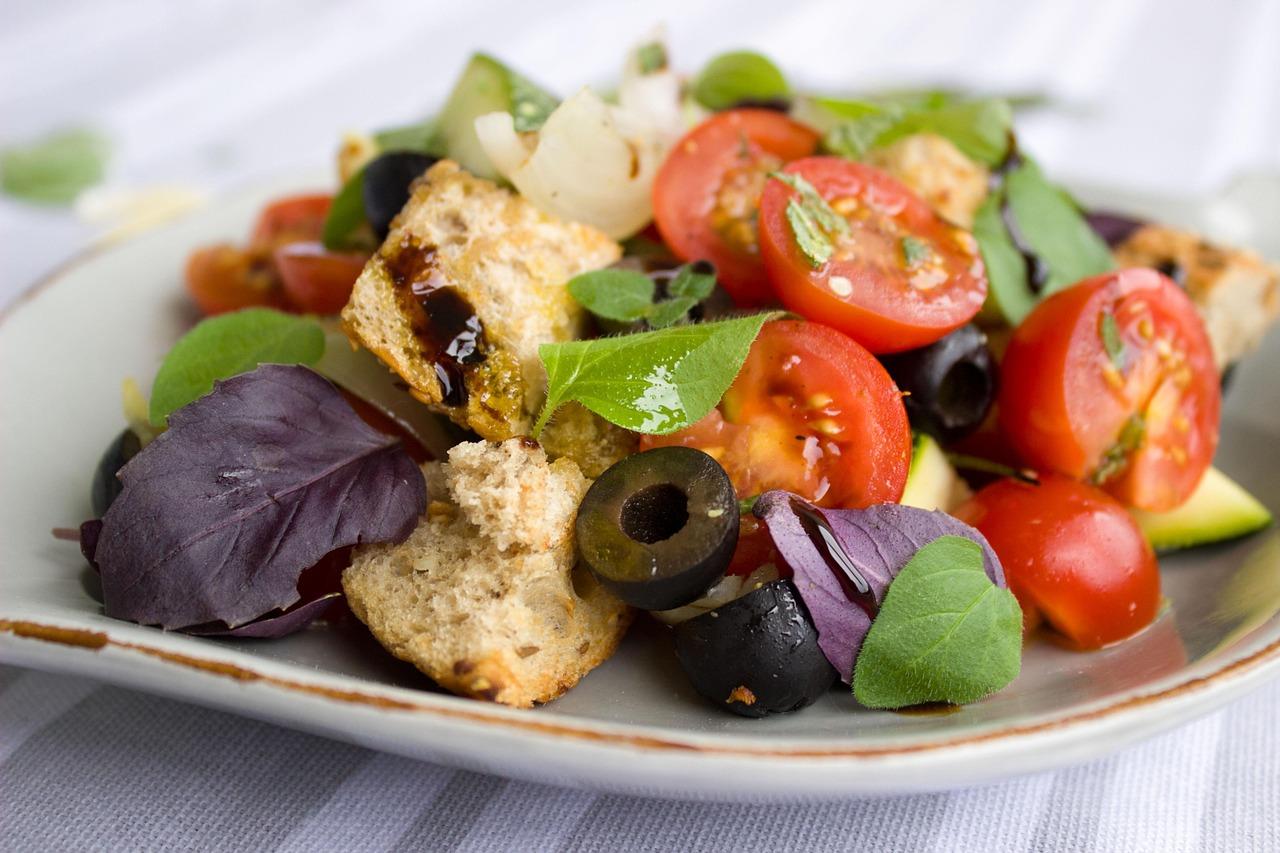
PanzanellaTomato and bread salad

Panzanella is how Tuscans eat old bread in summer: hard, unsalted loaf soaked in water, squeezed and crumbled with juicy tomatoes, cucumber, red onion and basil, then dressed with vinegar and plenty of olive oil. In Florence and the Maremma it is a cool lunch for the hottest days, and every family argues about cucumber. Make it 30 minutes before eating so the bread drinks the tomato juice but keeps some bite. Chef's tip: salt the tomatoes first and let them weep in a bowl; that juice becomes the dressing.

by KrazyBadal 0 views

Panqueques con dulce de lecheCrêpes with dulce de leche

In Argentina and Uruguay, panqueques are not fluffy American pancakes but thin crêpes, and the classic way to eat them is rolled around dulce de leche, often as the dessert at a neighbourhood parrilla or on a rainy Sunday afternoon at home. Some restaurants sprinkle them with sugar and caramelise the top with a hot iron; at home a dusting of sugar is enough. Chef's tip: rest the batter for 20 minutes so the flour relaxes and the crêpes come out thin and tender rather than rubbery.

by KrazyBadal 0 views

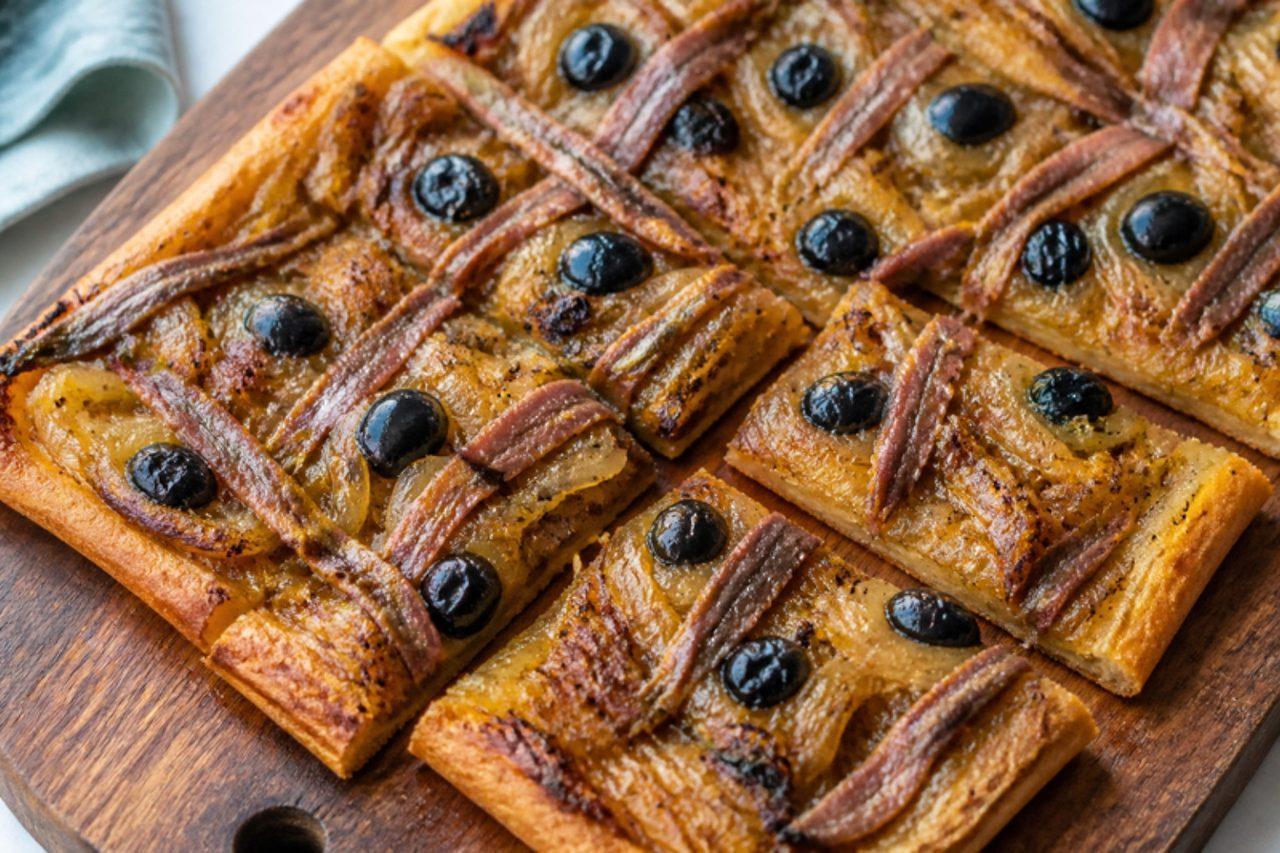
PissaladièreOnion and anchovy tart

In the old town of Nice, pissaladière is sold by the square from bakeries and market stalls, a lunchtime slice or something to nibble with a drink before dinner. A thin bread dough is spread thickly with onions cooked down for almost an hour until soft and sweet, then crossed with salted anchovies and dotted with small black Niçoise olives. It is just as good at room temperature as warm. Chef's tip: cook the onions low and slow without letting them brown; they should be pale gold and jammy, not caramelised.

120 minFrenchBaking
by KrazyBadal 0 views

PannenkoekenDutch dinner pancakes

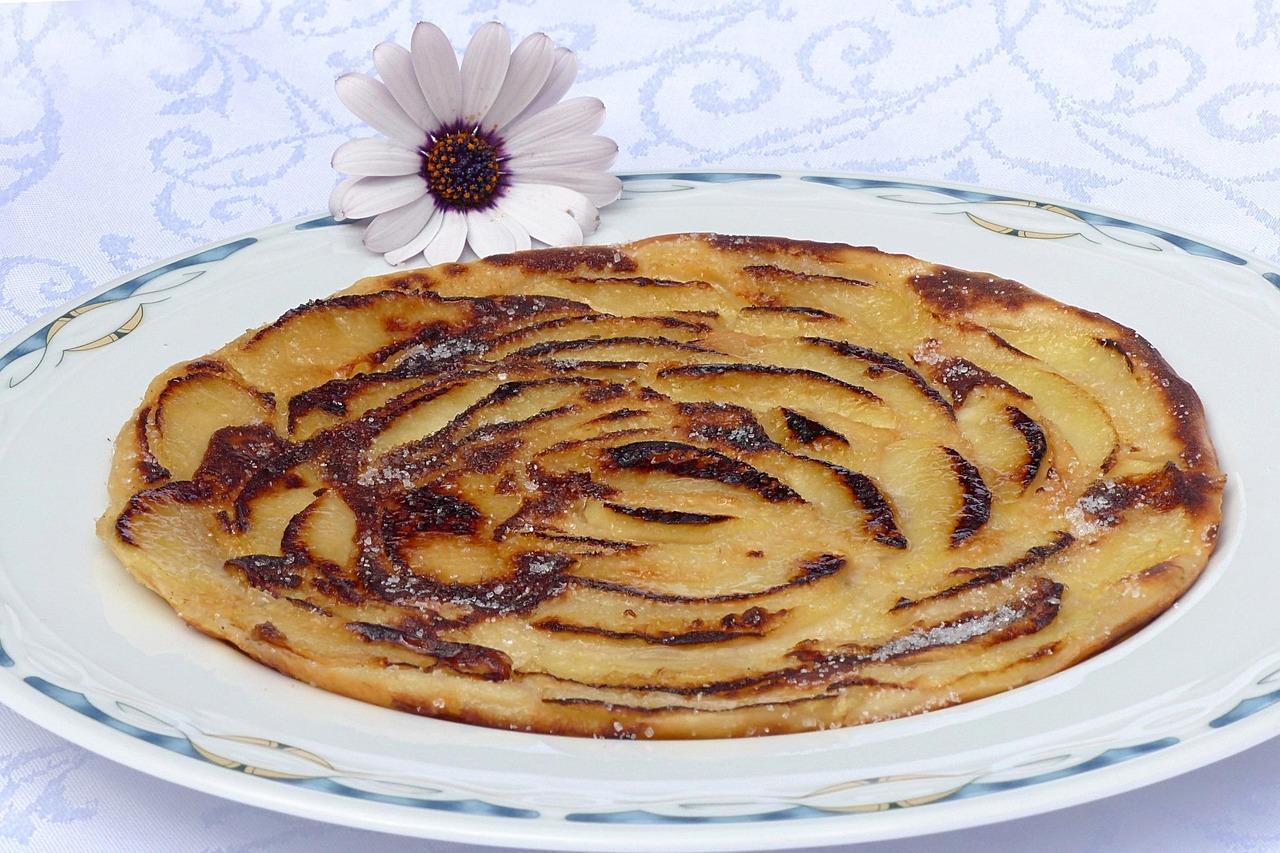
Dutch pannenkoeken are a meal, not a dessert: plate-sized, thicker than a French crêpe, and eaten for dinner with whatever has been baked straight into the batter. A pannenkoekenhuis in Amsterdam or by the dunes in Zeeland will offer dozens of fillings, but at home the favourites are apple (appel), young Gouda (kaas), or the two together, all finished with a thread of dark syrup (stroop). Kids eat them rolled up by hand. Chef's tip: lay the apple slices or cheese in the pan first and pour the batter over them, not the other way round; the fruit caramelises against the hot pan and the cheese becomes a crisp golden lace.

by KrazyBadal 0 views

PanipopoSweet rolls in coconut sauce

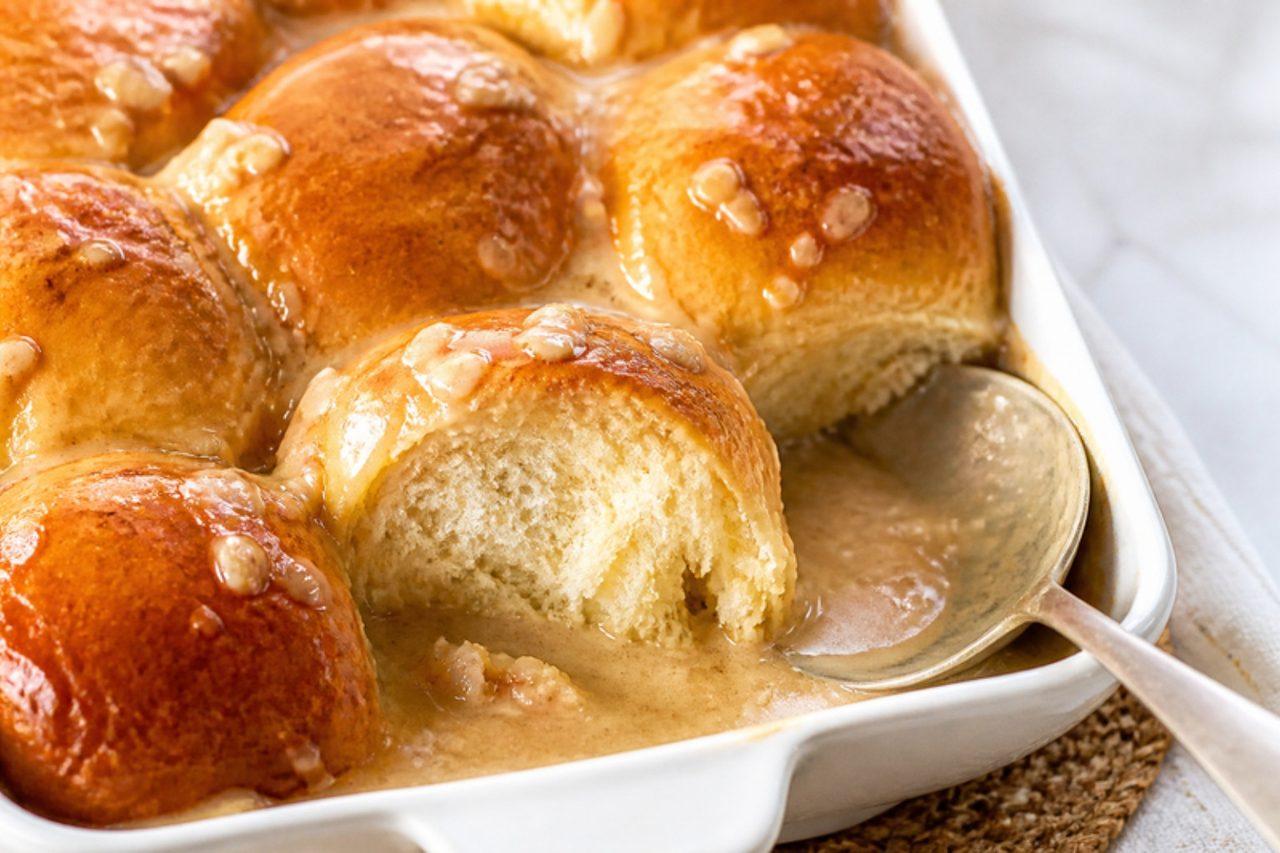
Panipopo (from 'pani', bun, and 'popo', coconut) are soft, sweet bread rolls baked sitting in a pool of coconut milk and sugar, which bubbles into a sticky, caramel-coloured sauce around them. Samoan families bake them for Sunday lunch, fundraisers and church gatherings, and they've spread to Samoan communities in Auckland and Hawaii. Served warm with the sauce spooned over, they're somewhere between a cinnamon roll and a pudding. Chef's tip: pour the coconut sauce around the rolls just before baking, not hours ahead, or the bottoms go soggy instead of sticky.

by KrazyBadal 0 views

Vegetable romazavaMixed greens and ginger broth

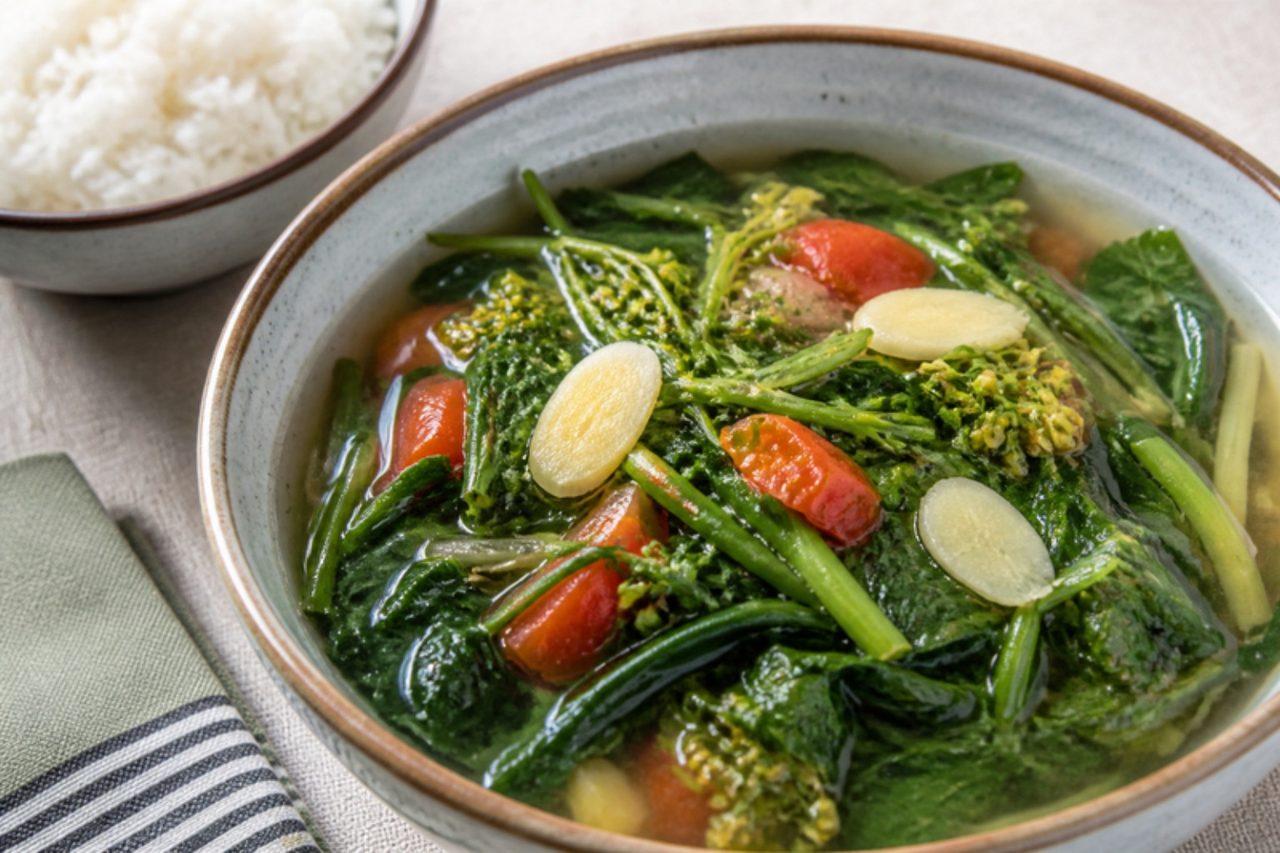
Romazava is often called the national dish of Madagascar: a light, gingery broth of several kinds of leafy greens (brèdes) and tomato, ladled over a big plate of rice. In Antananarivo it usually includes zebu beef; this vegetable version keeps the essential leaves, especially brèdes mafana (paracress), whose flowers and leaves make the mouth tingle. Spinach, watercress and mustard greens work well outside Madagascar. Chef's tip: add the greens in order of toughness and stop as soon as they are tender; romazava should taste fresh and green, not stewed.

by KrazyBadal 0 views

Pithla with jowar bhakriGram flour curry with sorghum flatbread

In villages across the Deccan plateau of Maharashtra, pithla bhakri is what a farmer's family eats when the pantry is low and the day is long: a pan of gram flour simmered with garlic, green chilli and onion until it sets to a soft, spoonable curry, with thick jowar bhakri patted out by hand and a raw onion on the side. It became a symbol of rural Maharashtra, served at roadside stalls near Sinhagad fort to trekkers and at political rallies alike. Zunka, the dry version, uses the same flavours but is stirred until crumbly. Serve with thecha or a wedge of lemon. Chef's tip: whisk the gram flour into cold water before it meets the pan; that one step is the whole secret to a lump-free pithla.

by KrazyBadal 0 views

Dhokar dalnaLentil cakes in gravy

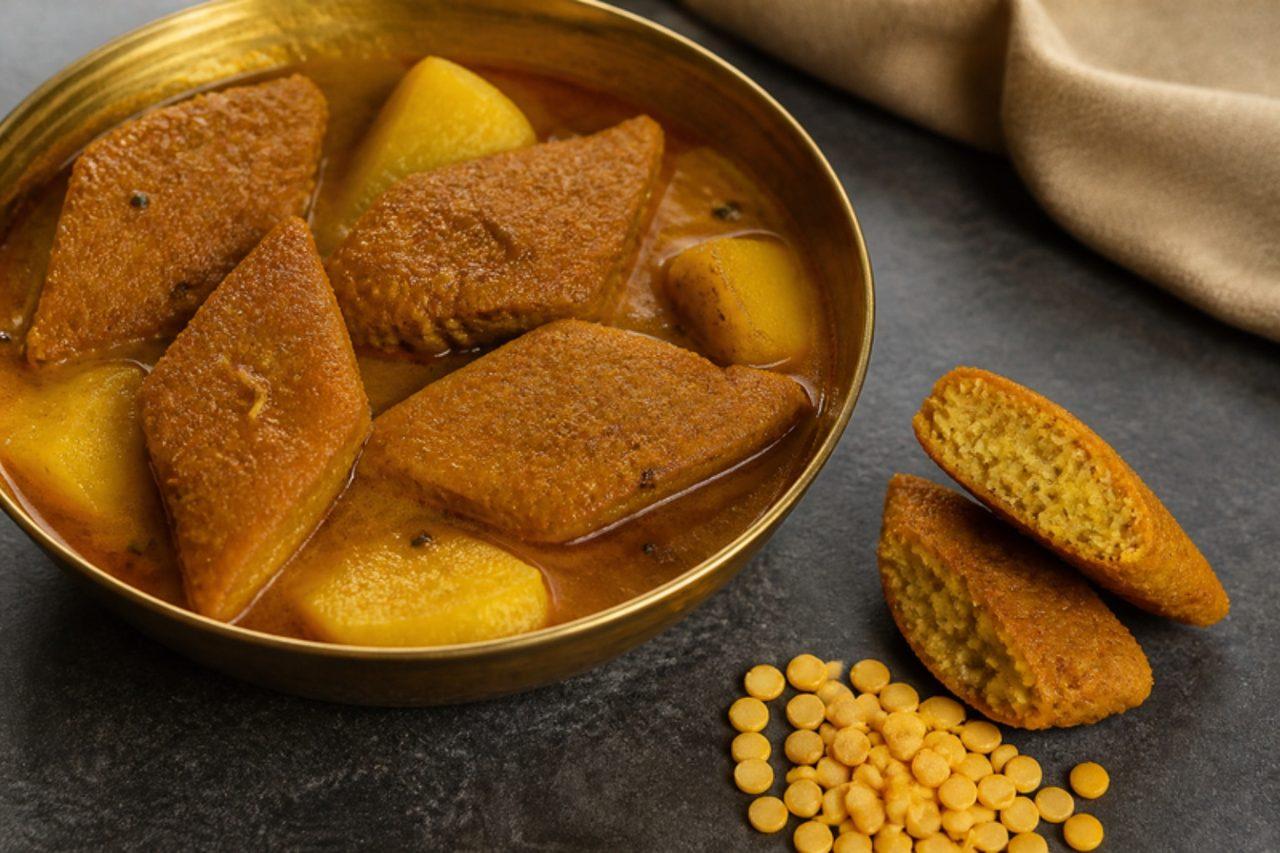
Dhokar dalna comes from the Bengali niramish (vegetarian) kitchen of widows and temple cooks, and it is still cooked in Kolkata homes for festive lunches and Saraswati Puja. Soaked chana dal is ground, cooked with ginger and asafoetida into a thick paste, set in a tray and cut into diamonds, which are fried and then dropped into a thin, fragrant gravy just before serving. The dhoka soak up the sauce like a sponge. Chef's tip: cook the dal paste until it leaves the sides of the pan in one mass; if it is too soft, the diamonds break in the gravy.

by KrazyBadal 0 views

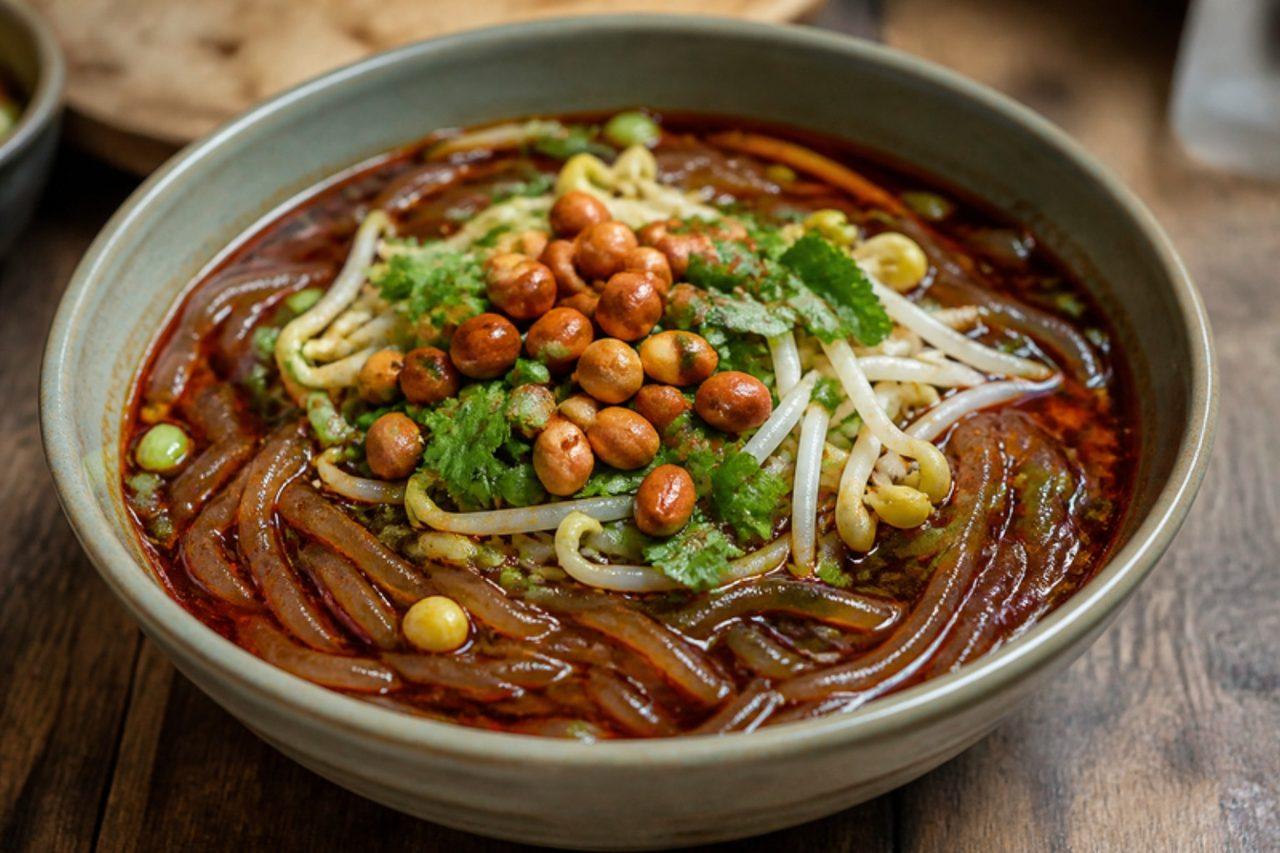
Suan la fenHot and sour sweet potato noodles

Chongqing's hot and sour noodles are made from sweet potato starch, so they are chewy, bouncy and almost clear. They come in a broth that is sharp with black vinegar and red with chilli, topped with fried peanuts or soybeans and a spoonful of pickled greens. Students live on it, and it's a favourite late-night snack across the south-west. Plan for the 30-minute soak for the dried noodles. Chef's tip: add the vinegar to the bowl, not the pan; boiled vinegar loses the sharp edge that makes this dish.

by KrazyBadal 0 views

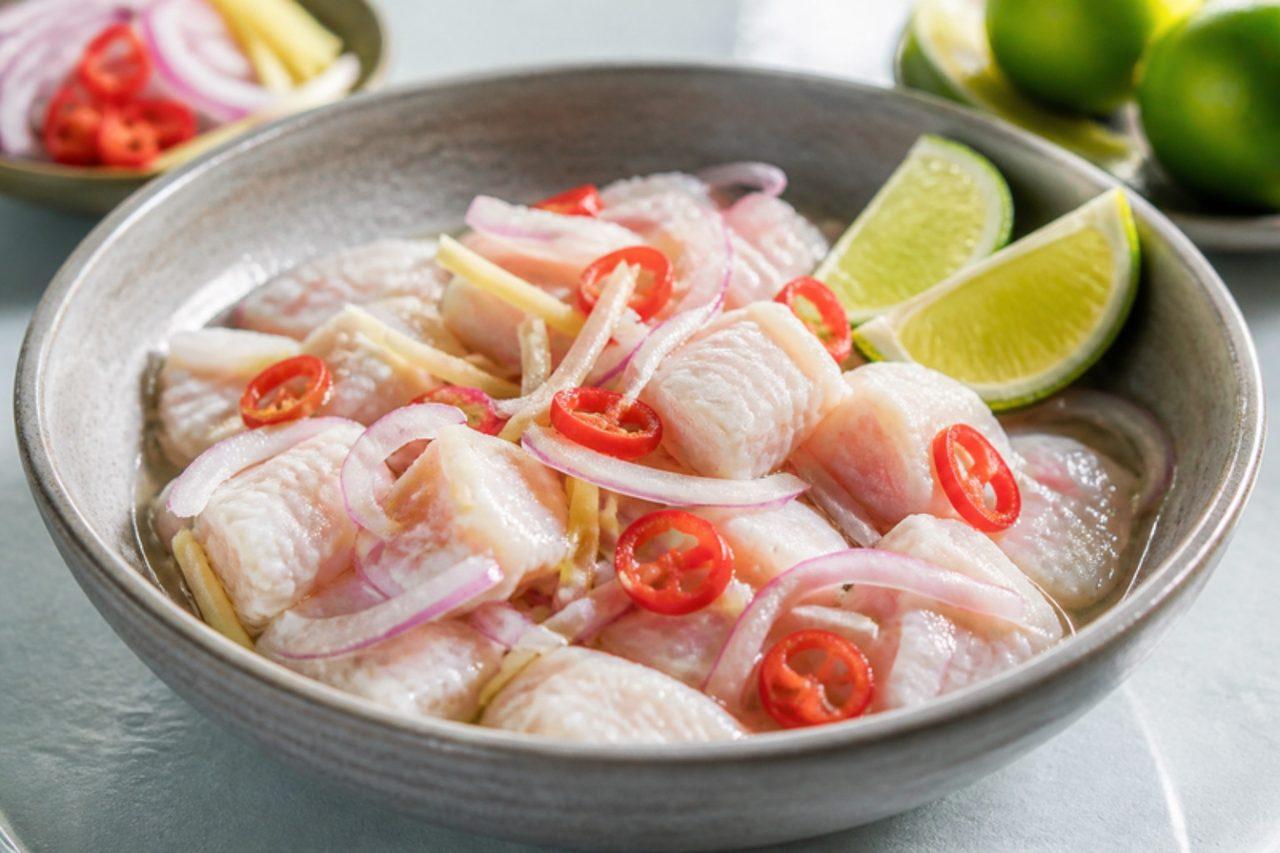
HinavaRaw fish salad with lime

Hinava is the dish Kadazandusun families set out at Kaamatan, Sabah's harvest festival in May, and on weekend tables in Kota Kinabalu and Penampang. Strips of raw mackerel are soaked in sour lime juice, then tossed with sliced shallots, ginger, red chilli and grated seed of bambangan, a wild mango, which adds a musky tang. The result is sharp, clean and crunchy, with firm, pearly fish. Eat it as a starter or alongside rice and grilled meat. Chef's tip: slice the fish very thinly and evenly so the lime firms each strip the same way, and season with salt only at the end.

by KrazyBadal 0 views

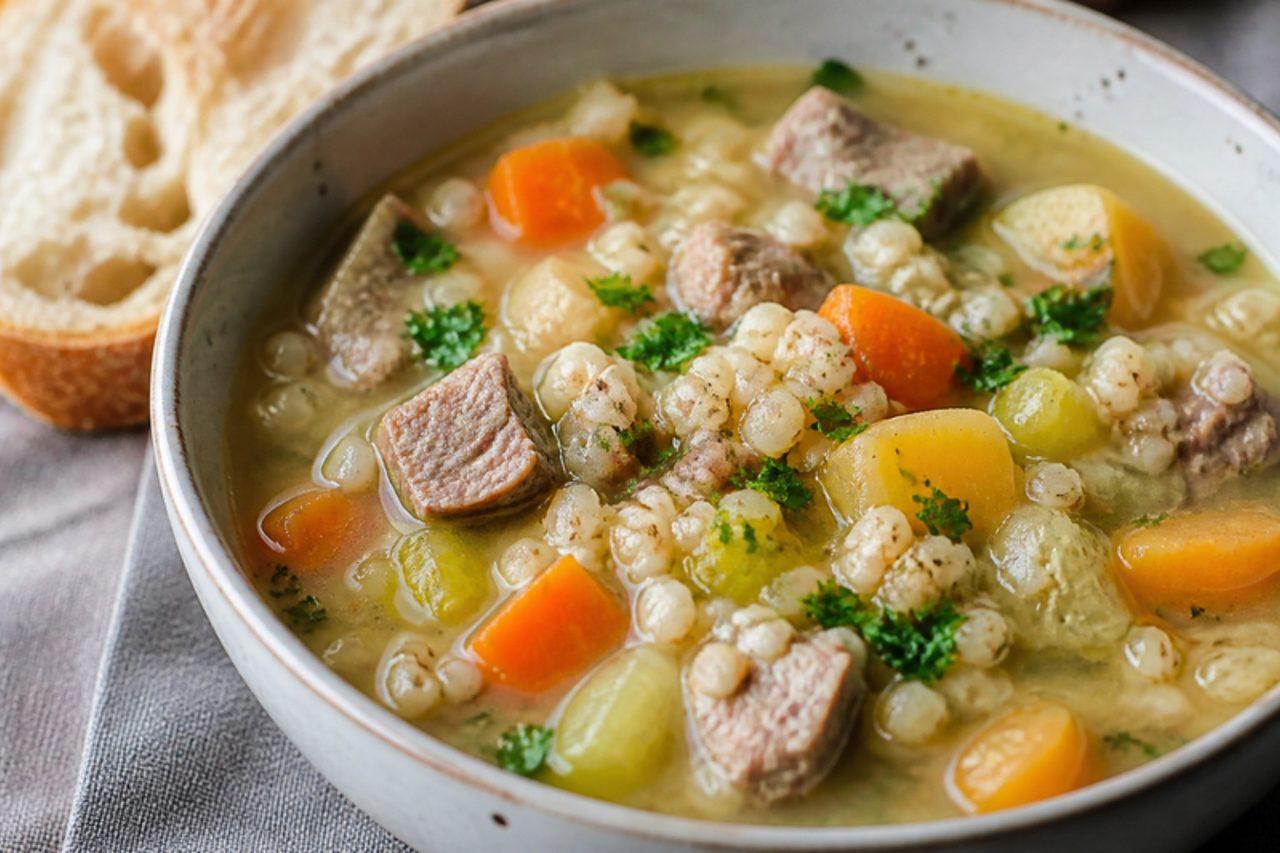
Scotch broth

Every Scottish granny has her own Scotch broth, the thick winter soup that simmers on stoves from the Borders to the Highlands and is often served on Burns Night. Lamb neck on the bone makes a rich stock with pearl barley, dried peas, leek, carrot, turnip and cabbage, and the meat is shredded back into the pot. It is a whole meal with crusty bread. Chef's tip: make it a day ahead; the barley keeps thickening it, and you can lift the solid fat off the top once chilled.

140 minBritishSoups
by KrazyBadal 0 views

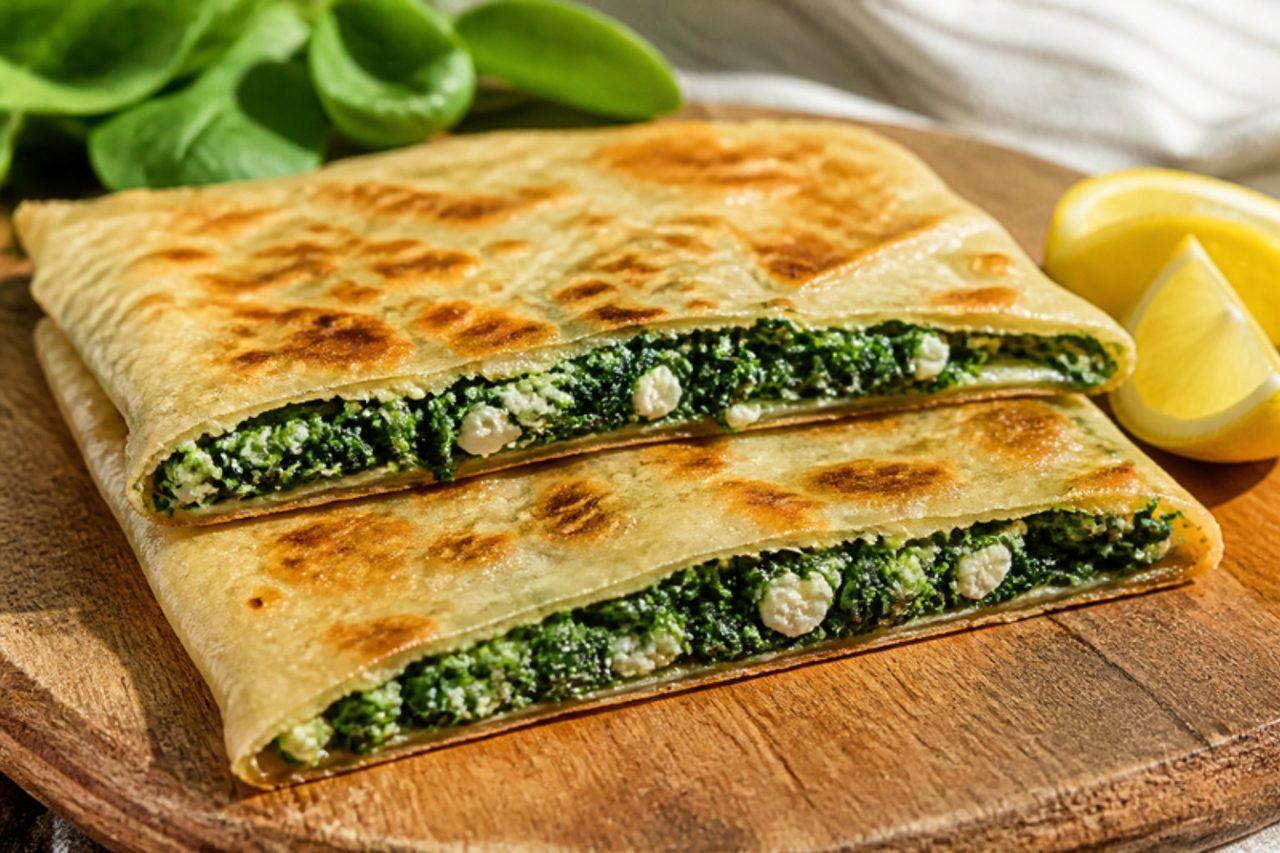
Gözleme with spinach and feta

On roadsides and at weekly village markets across central Anatolia, women sit cross-legged by a domed iron griddle (saç), rolling dough paper-thin with a long thin rolling pin (oklava), filling it and cooking it to order. This is gözleme: a soft, blistered parcel of unleavened dough wrapped round spinach and salty white cheese, brushed with butter as it comes off the heat. Eat it hot, folded in paper, with a glass of ayran. A big frying pan or flat griddle at home does the job. Chef's tip: roll the dough so thin you can almost see the worktop through it; thick gözleme tastes doughy and the filling stays cold.

by KrazyBadal 0 views

Dharwad pedaCaramelised milk sweets

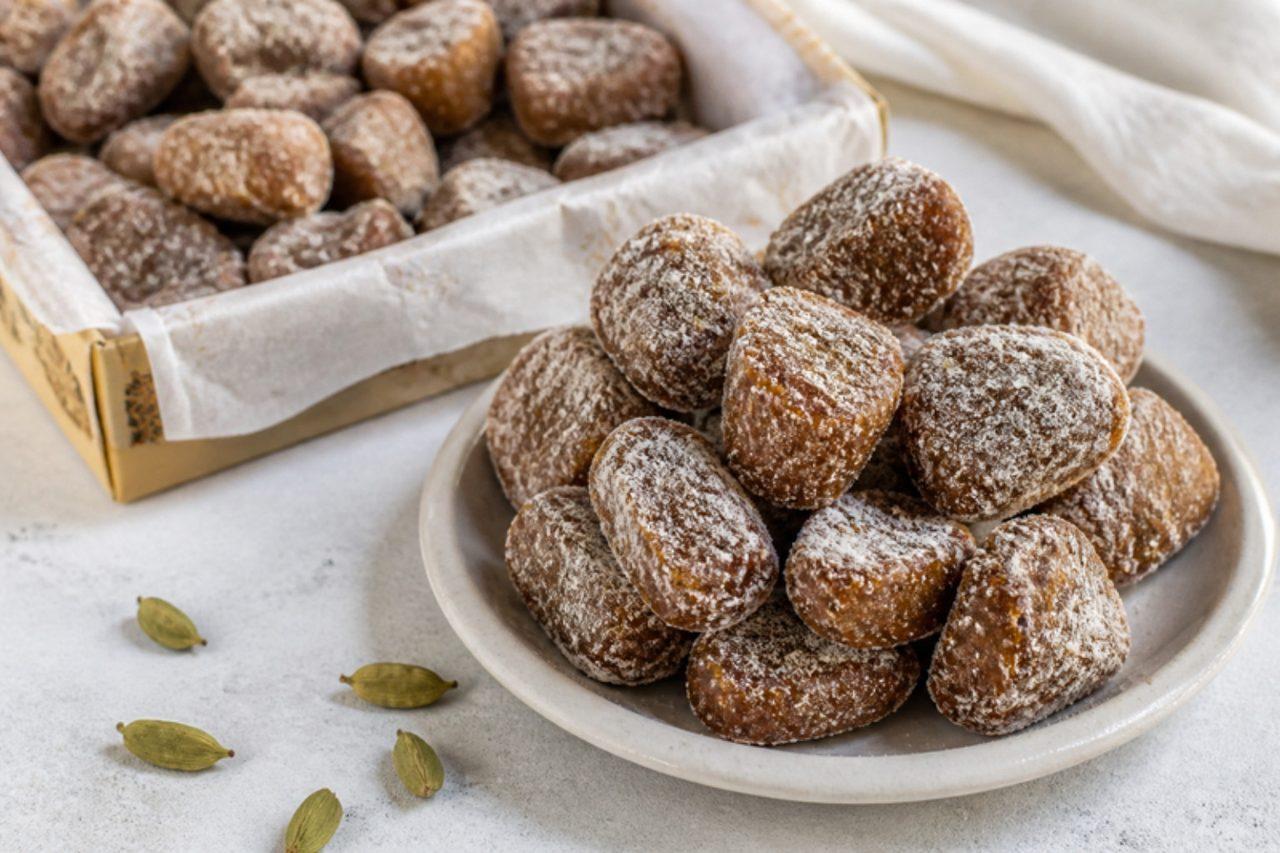
Dharwad peda has been made in this north Karnataka town for well over a century, first by families who came from Uttar Pradesh, and it now carries a geographical indication tag. Unlike pale, smooth pedas elsewhere, it is cooked slowly until the milk solids caramelise to a deep brown and a grainy, almost crumbly texture, then rolled in powdered sugar. Pilgrims and travellers carry boxes home from Dharwad and Hubballi, and families buy it for weddings and exam results. Chef's tip: let the cooked mixture cool for ten minutes before you add the sugar for rolling; added while too hot, the sugar melts and the pedas go sticky.

by KrazyBadal 0 views

Delhi-style fruit chaatSpiced fruit chaat

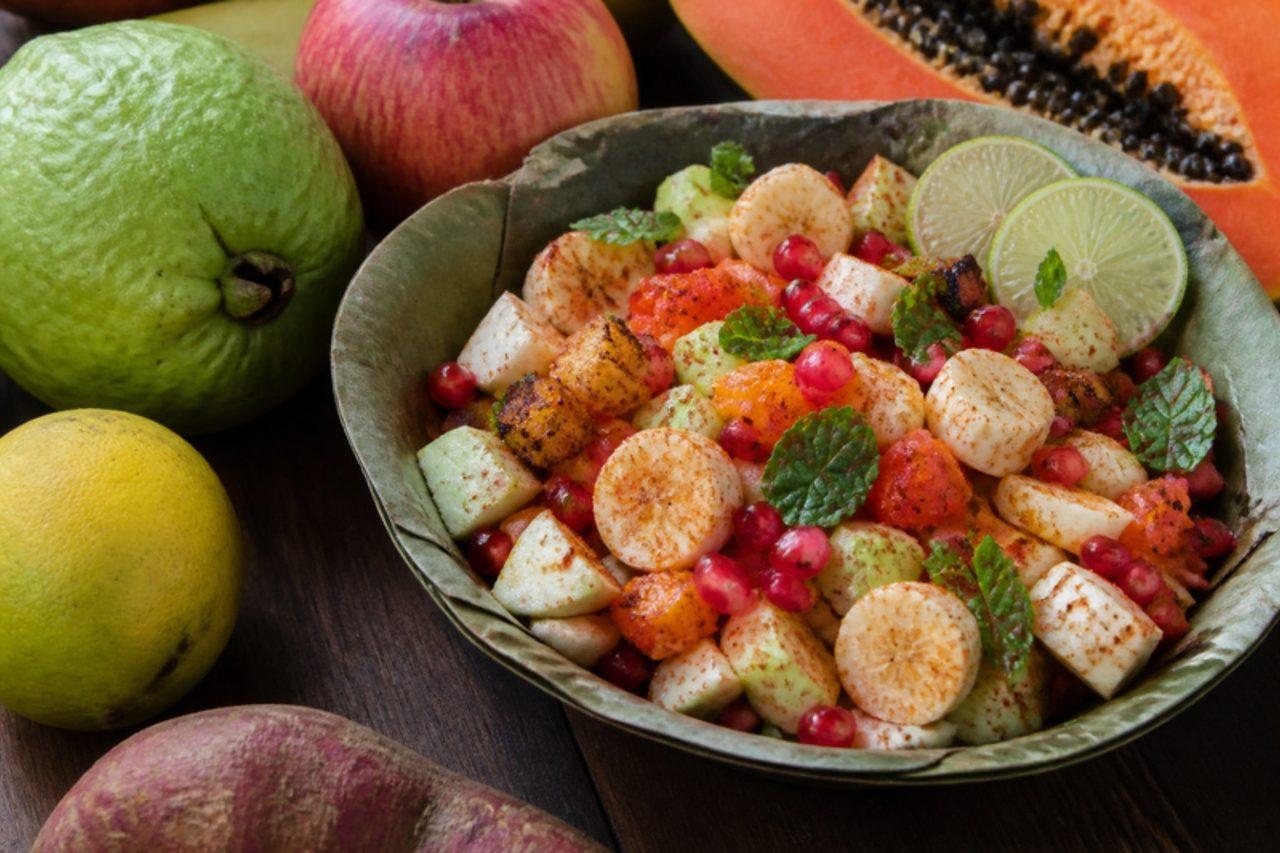
Delhi's fruit chaat wallahs set up their carts in the afternoons with towers of guava, papaya, apples and bananas, plus roasted sweet potato, and chop whatever you point at into a leaf bowl. Then comes the part that makes it chaat rather than fruit salad: a big shake of tangy chaat masala, black salt and roasted cumin, a squeeze of lime, sometimes a pinch of chilli. It's a refreshing mid-afternoon snack in summer, and a regular sight on Ramzan iftar spreads too. The salt and spice make sweet fruit taste even sweeter. Chef's tip: season it just before eating; once the salt goes on, the fruit starts weeping juice and goes soft within 15 minutes.

by KrazyBadal 0 views

Delhi chole kulcheChickpeas with kulcha bread

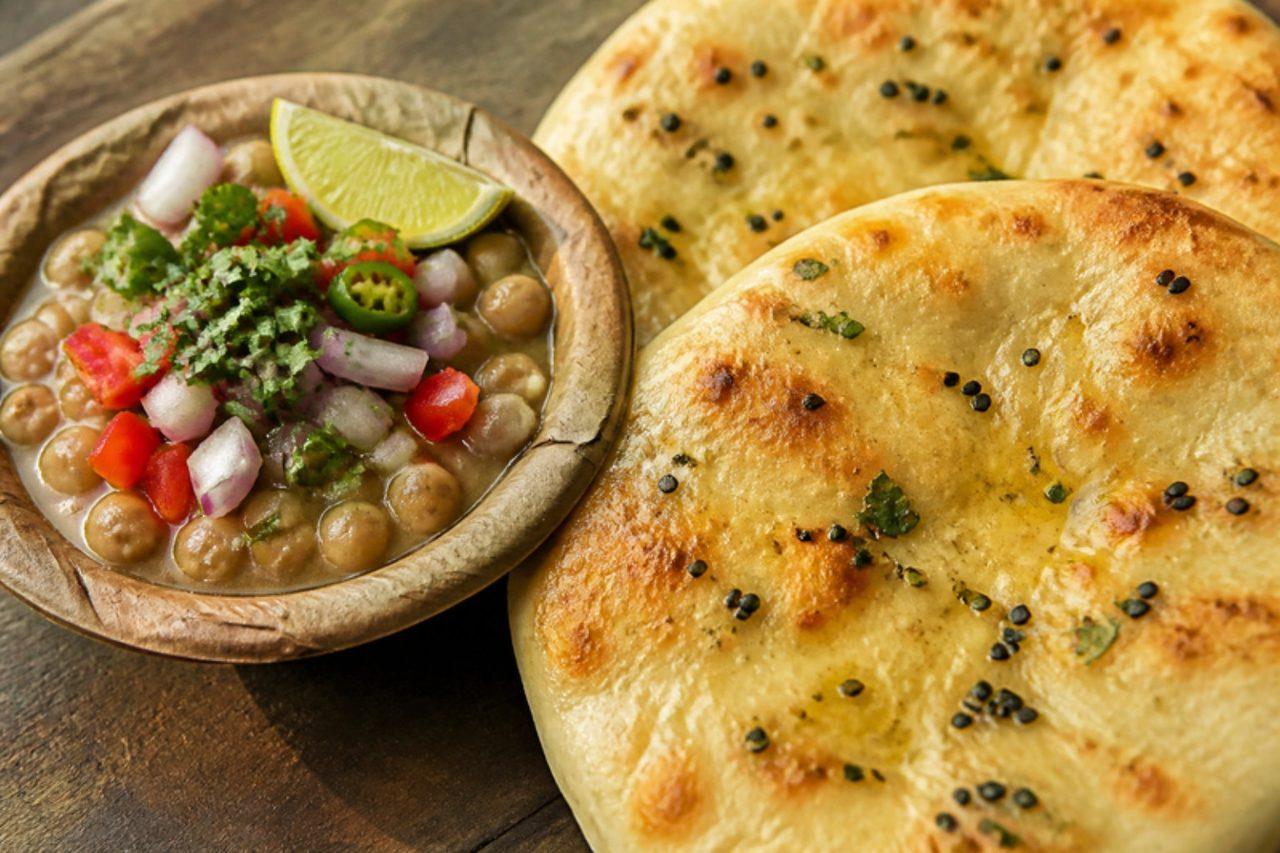
Walk through any Delhi office district at lunchtime and you'll find a cart with a huge brass pot of pale white peas and a stack of soft kulchas warming on a tawa. Delhiites call it chole kulche even though it's made with dried white peas (safed matar) rather than chickpeas. The vendor scoops the peas onto a leaf plate, piles on raw onion, tomato, green chilli and ginger, squeezes lime over and dusts it with a sour, smoky masala. It's tangy, fresh and filling, and very different from the rich, stuffed Amritsari kulcha. Chef's tip: mash a ladleful of the cooked peas back into the pot; it thickens the liquid so the toppings and masala cling instead of sliding off.

by KrazyBadal 0 views

DehroriFried rice and curd dumplings

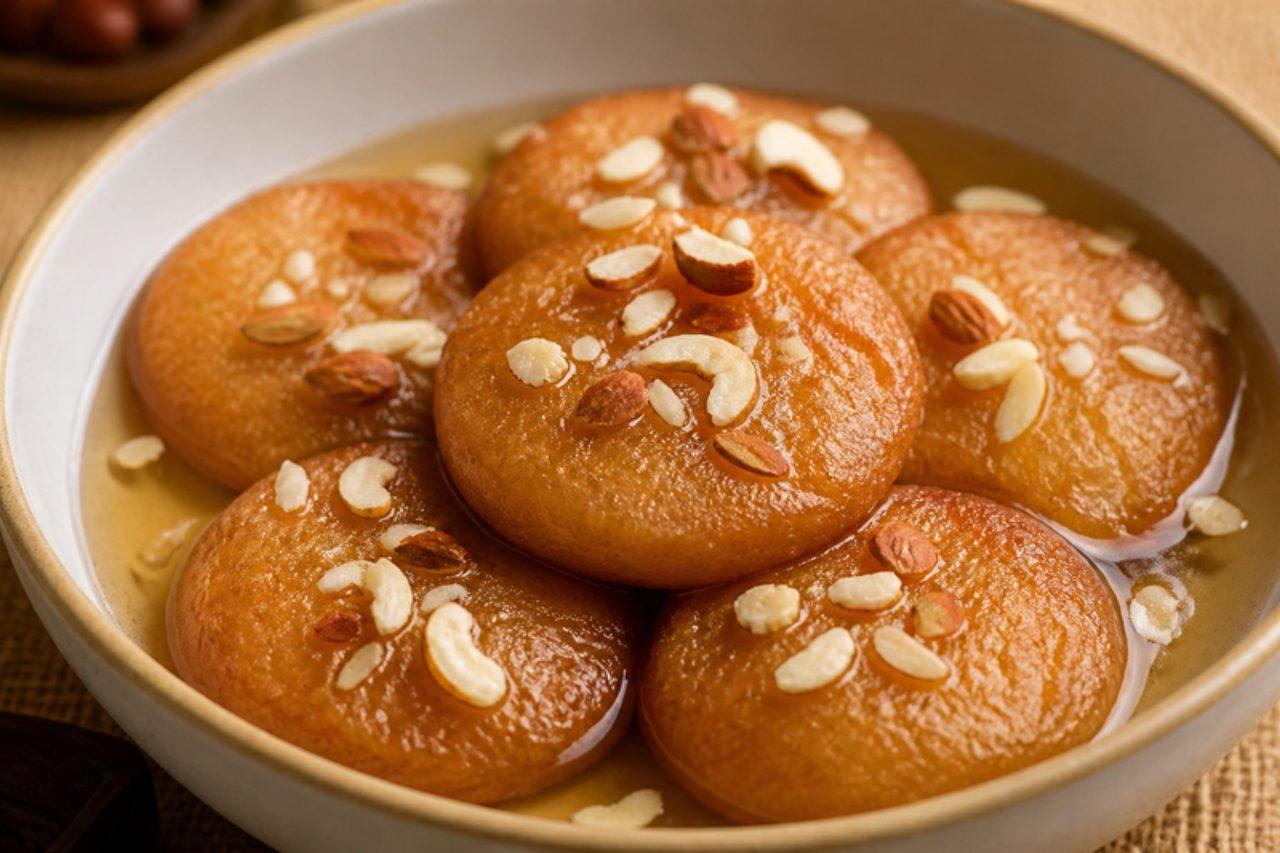
Dehrori is the sweet Chhattisgarhi families make for Diwali, Holi and weddings, and it tastes like no other syrup sweet: soaked rice is ground coarse, left to sour gently with curd, then fried in ghee and dropped into cardamom syrup. The fermentation gives it a faint tang and a light, spongy crumb under a crisp shell, a little like a rustic cousin of rasbhari or gulab jamun. Grandmothers judge the batch by how well the dumplings hold their shape in the syrup. Chef's tip: grind the rice to the texture of fine semolina, not a smooth paste; that grain is what keeps dehrori light.

by KrazyBadal 0 views

Davanagere benne dosaButter dosa

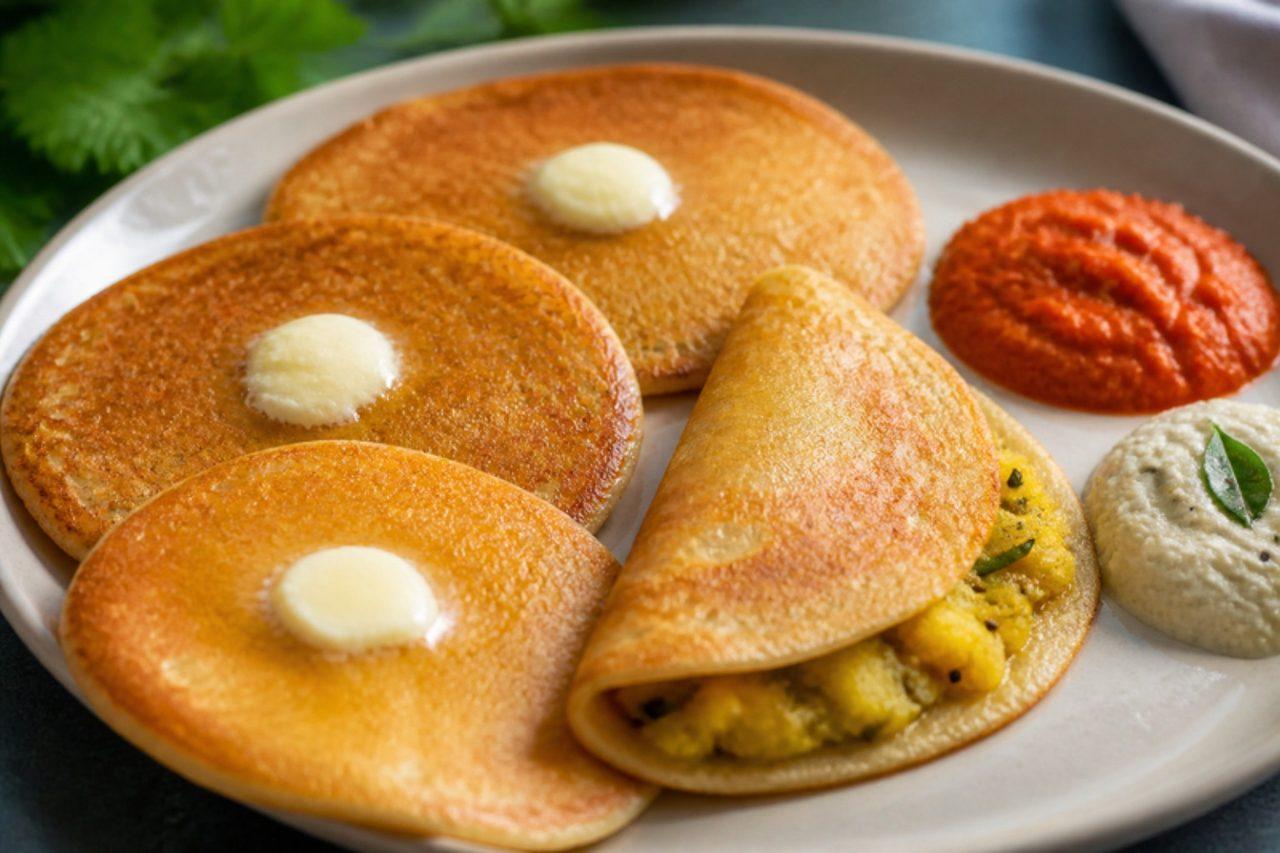
Davanagere, a cotton-market town in central Karnataka, is famous for one thing above all: benne dosa, small, thick dosas cooked on a huge iron griddle with a generous lump of white butter melting over each one. The batter includes puffed rice (mandakki), which makes the inside soft and spongy while the base turns crisp and deep golden. In the town's busy dosa halls they arrive two at a time with a thin coconut chutney and a spoonful of potato palya tucked inside. It is breakfast, but many people eat it as an evening snack too. Chef's tip: use proper unsalted white butter if you can find it, and add it in two goes, half when the batter goes on and half just before folding, so the edges fry in butter rather than burn.

by KrazyBadal 0 views

Showing 45 of 10,569 recipes

Show more recipes

Page 1,000 of 1,175