Skip to content
WhatToEat.Today

Vegetarian Indian dinners

Dal, sabzi, curries and rice dishes for a meat-free Indian dinner. (880 recipes)

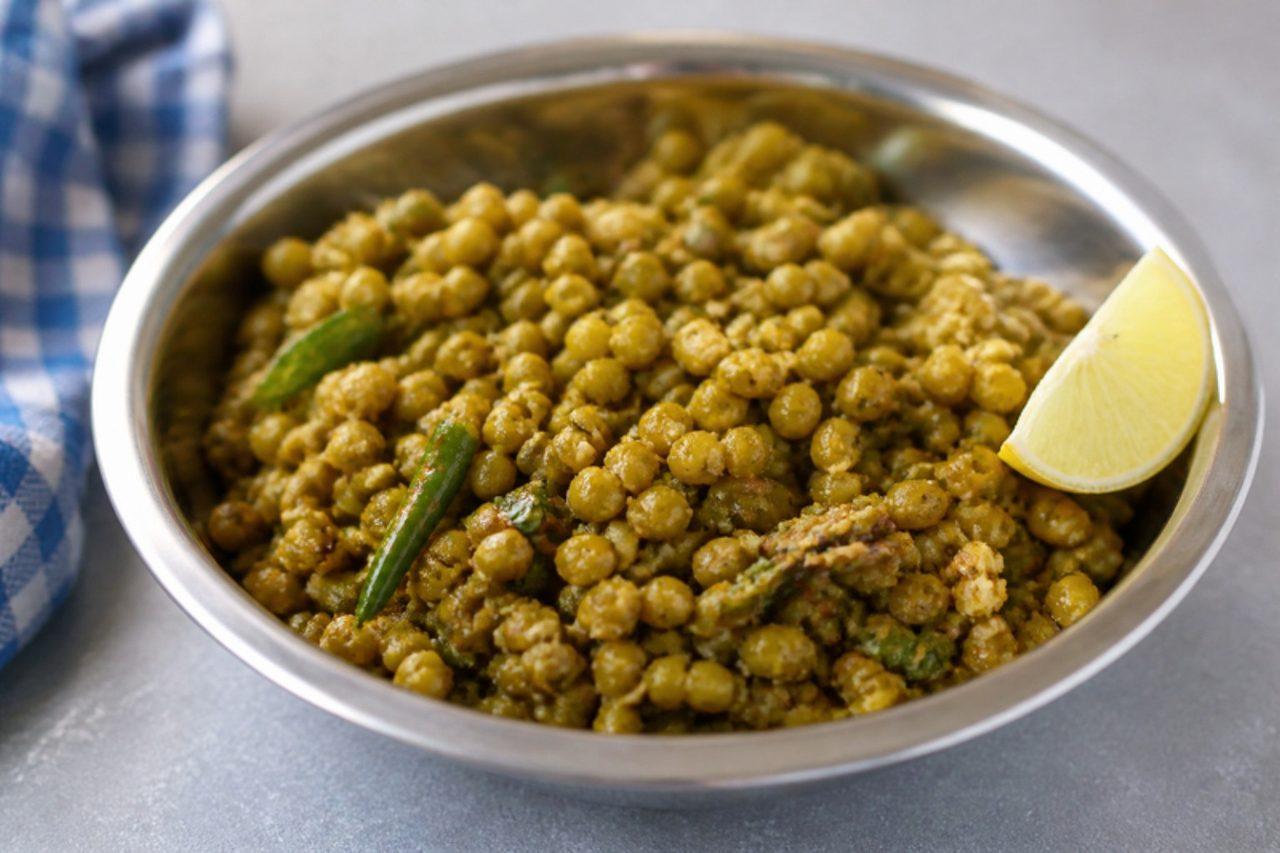
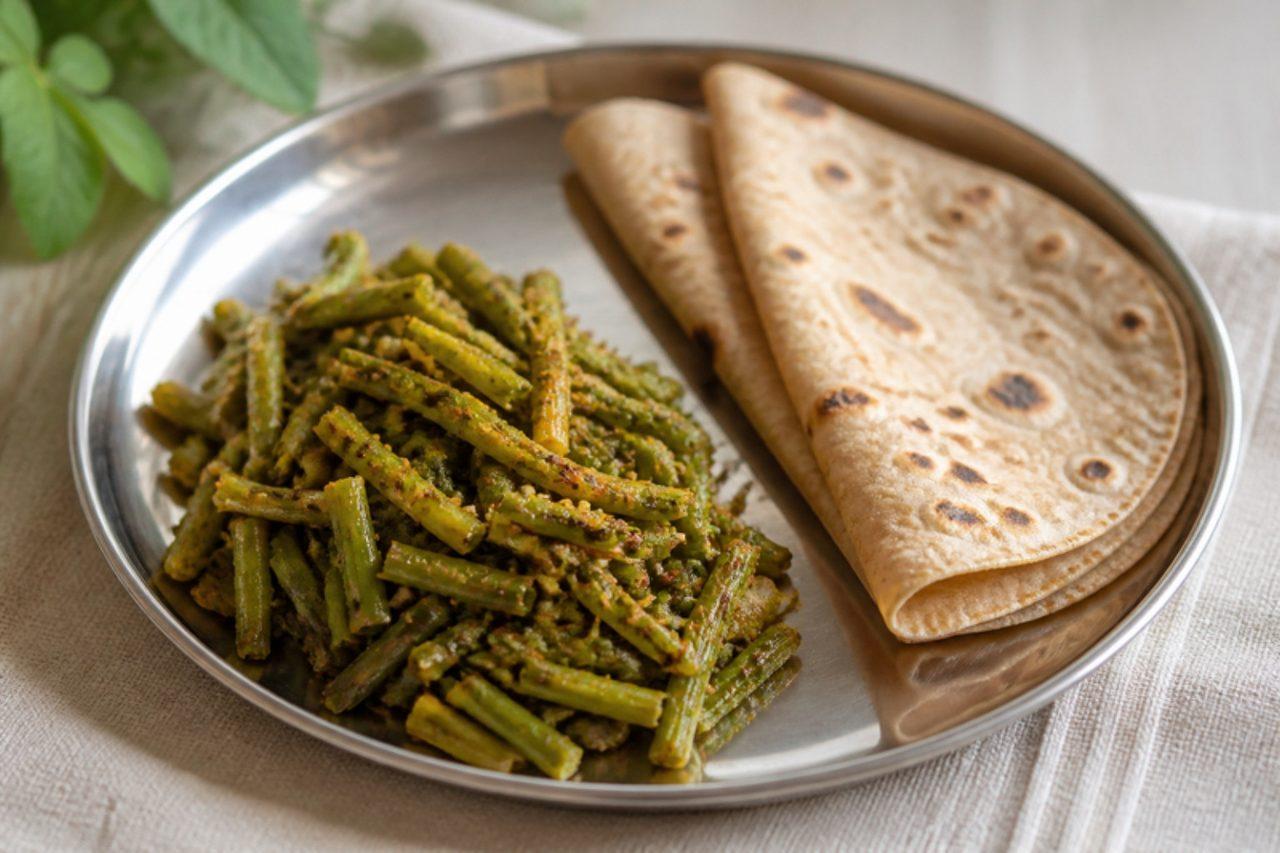
Guvar nu shaakCluster beans with garlic and jaggery

Guvar (cluster beans) is everyday Gujarati shaak, cooked in Kathiawad and Ahmedabad homes most weeks with bajra rotla or rotli and a bowl of khadhi. The flat, slightly bitter beans are steamed in their pan with ajwain and garlic, then balanced the Gujarati way with a little jaggery and a squeeze of lemon, so every mouthful is gently sweet, sour and spicy. The mistake to avoid is using old, thick guvar; the pods should snap cleanly, and tough ones stay stringy however long you cook them. Chef's tip: a pinch of bicarbonate of soda in the cooking water is an old trick for keeping guvar green, but it is not needed if you keep the lid off at the end. Most hing contains wheat, so buy a gluten-free one if needed.

by KrazyBadal 0 views
Bhindi do pyazaOkra with onions

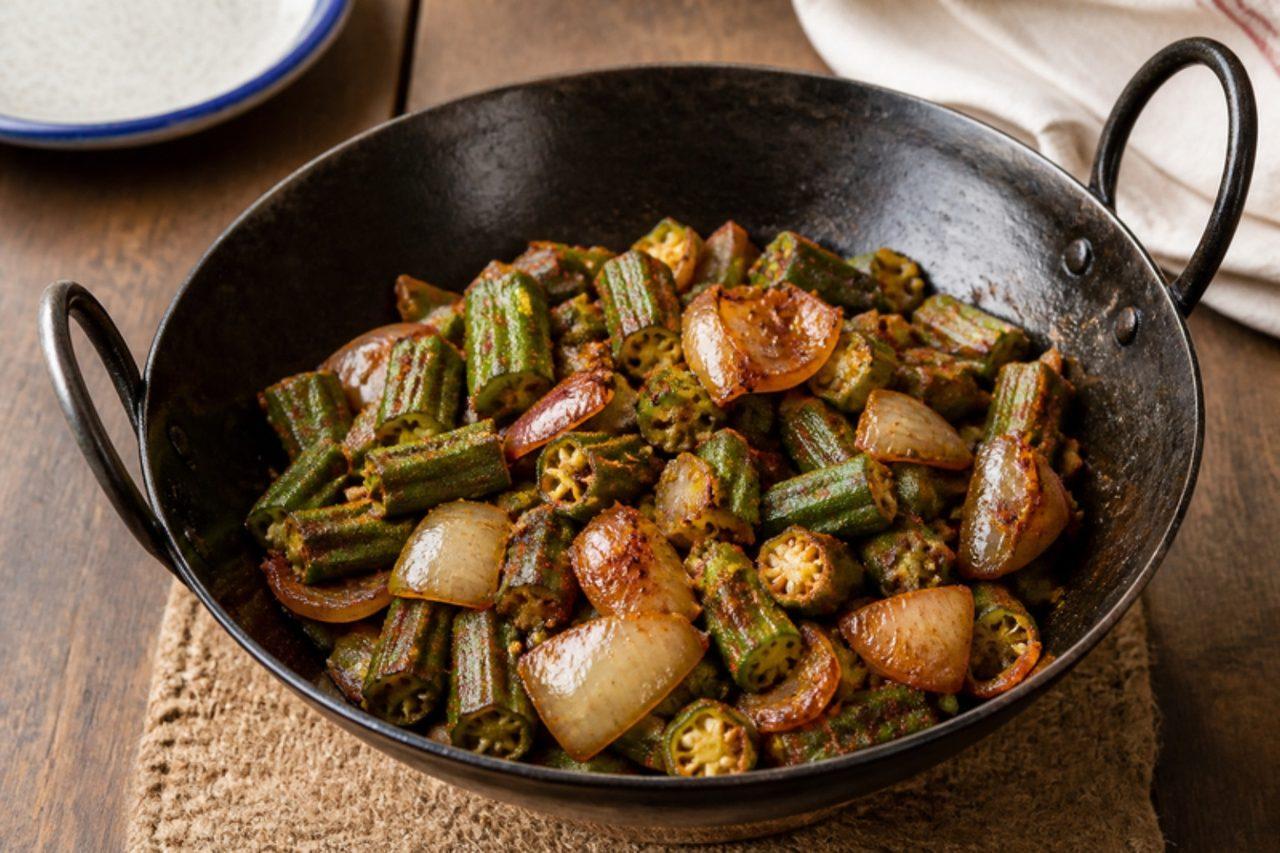
Bhindi do pyaza is the summer okra dish of North Indian dhabas and home kitchens, made in the hot months when ladyfinger is tender and cheap. 'Do pyaza' means two lots of onion: one fried soft into the masala and one added in chunky petals near the end so it stays sweet and slightly crunchy against the okra. The classic mistake is washing the okra and cutting it while it is still wet, which turns the whole pan slimy; dry every pod completely before you slice it. Chef's tip: add the salt only once the okra is nearly cooked, because salt draws out moisture and makes it sticky.

by KrazyBadal 0 views
Mushroom matarMushroom and pea curry

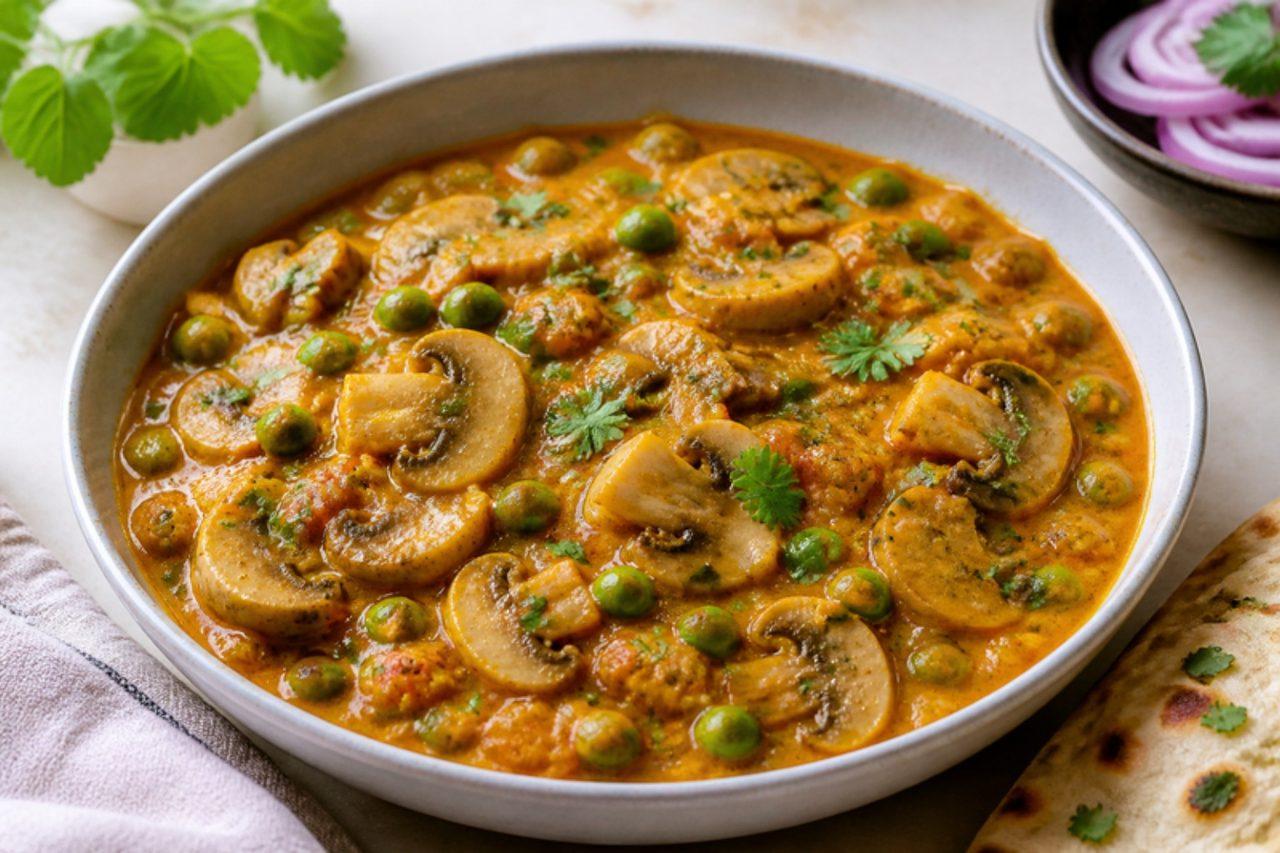
Across North India, from Delhi flats to Lucknow kitchens, mushroom matar has become the weeknight cousin of matar paneer: quick to cook, meaty in texture without any meat, and good with rotis or jeera rice. Button mushrooms and sweet green peas sit in a medium-thick onion-tomato gravy warmed with ginger, garlic and garam masala. The common mistake is adding the mushrooms to a wet masala, where they boil and turn rubbery; sear them first in a hot pan until they brown, and their juices go into the sauce rather than drowning it. Chef's tip: frozen peas are perfect here and need only the last 4 minutes, so they stay bright green.

by KrazyBadal 0 views
Veg Hakka noodlesVegetable stir-fried noodles

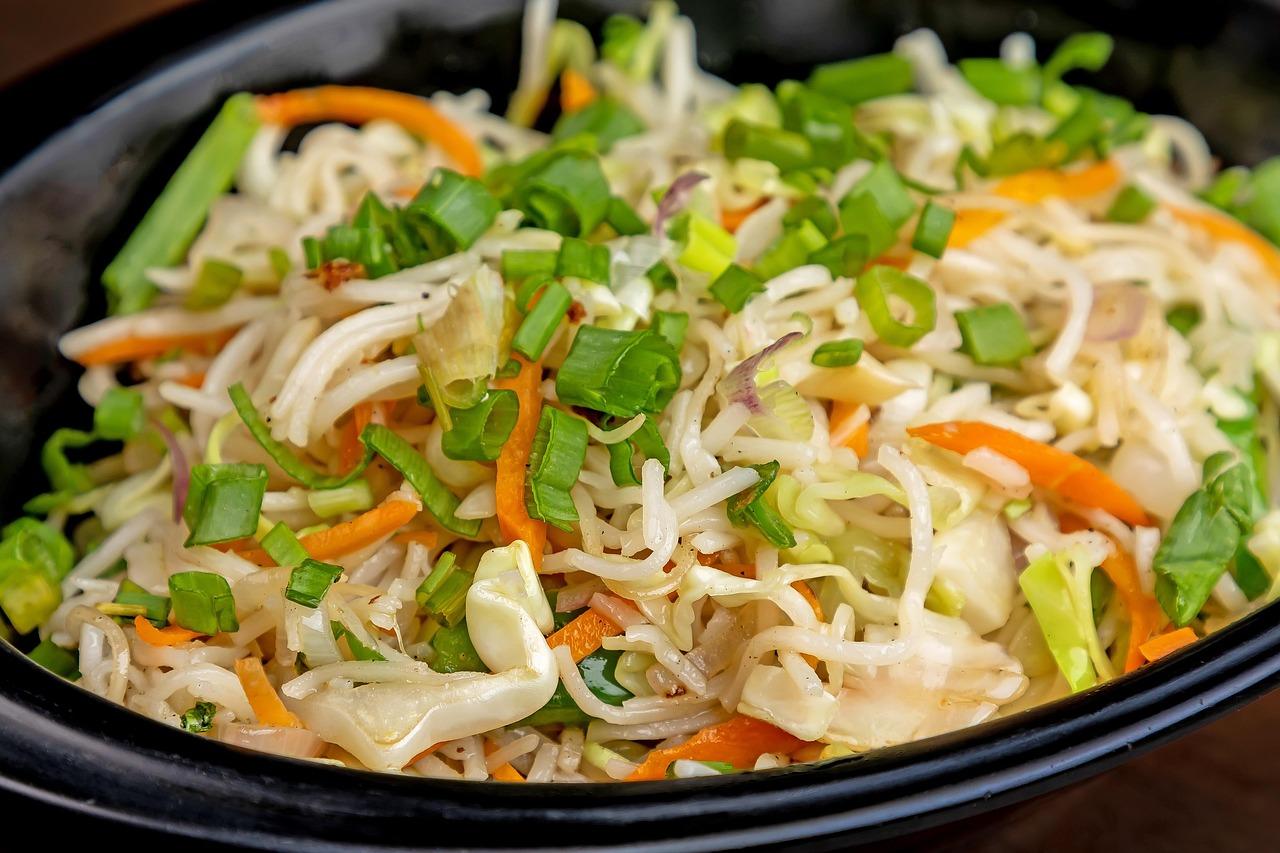
Hakka noodles are the street and restaurant staple of Kolkata's Chinese community, now sold from carts in every Indian city for a cheap evening meal and loved by children everywhere. Thin noodles are boiled, cooled, then tossed over the highest heat with shredded cabbage, carrot, peppers and spring onion, seasoned with soy, vinegar and white pepper. The mistake that ruins them is a crowded, lukewarm pan: the vegetables sweat and the noodles clump into a damp heap, so cook in a very hot wok and do two batches if yours is small. Chef's tip: toss the boiled noodles with a teaspoon of oil as soon as they are drained; they won't stick while you chop. Check the noodle packet: many Hakka noodles contain egg, so buy egg-free ones for a vegan dish.

by KrazyBadal 0 views
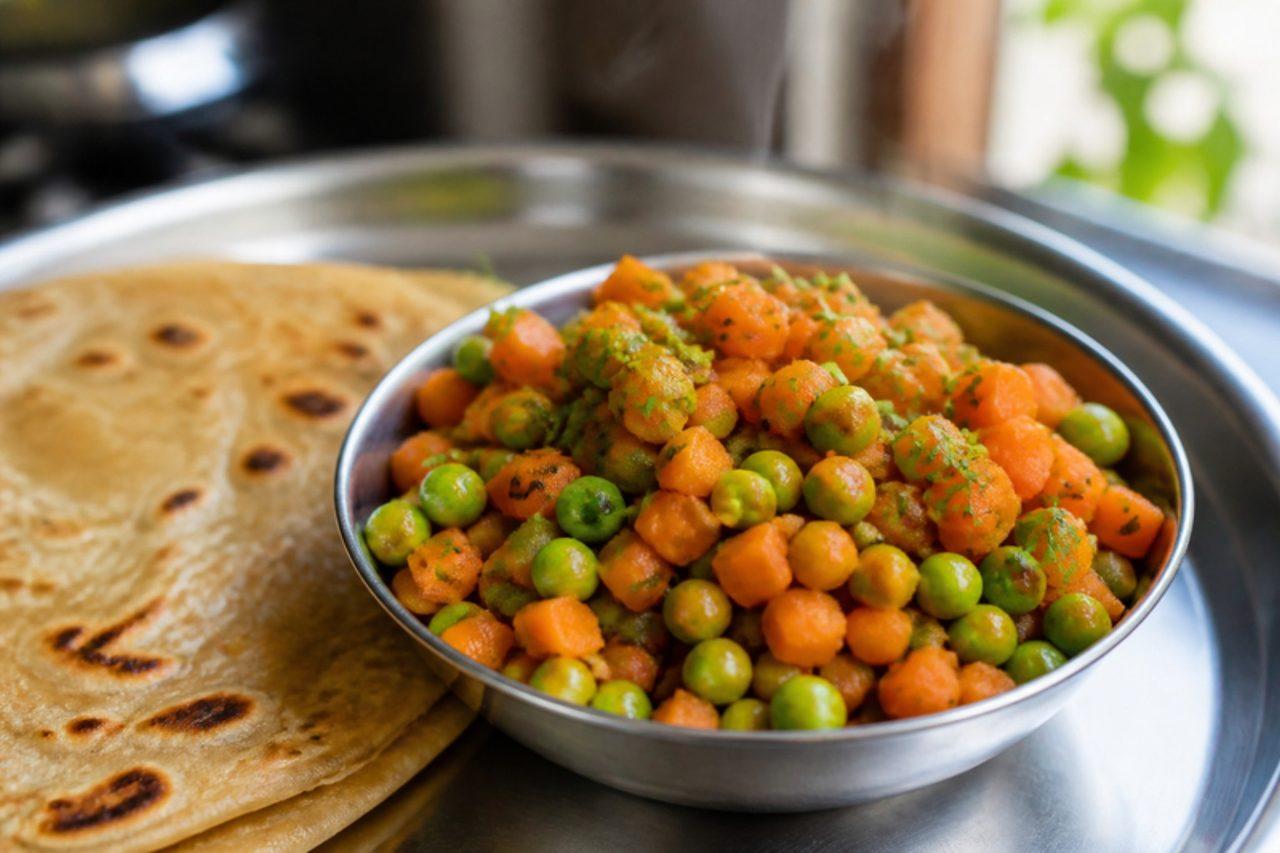
Dahi bhindiOkra in yogurt gravy

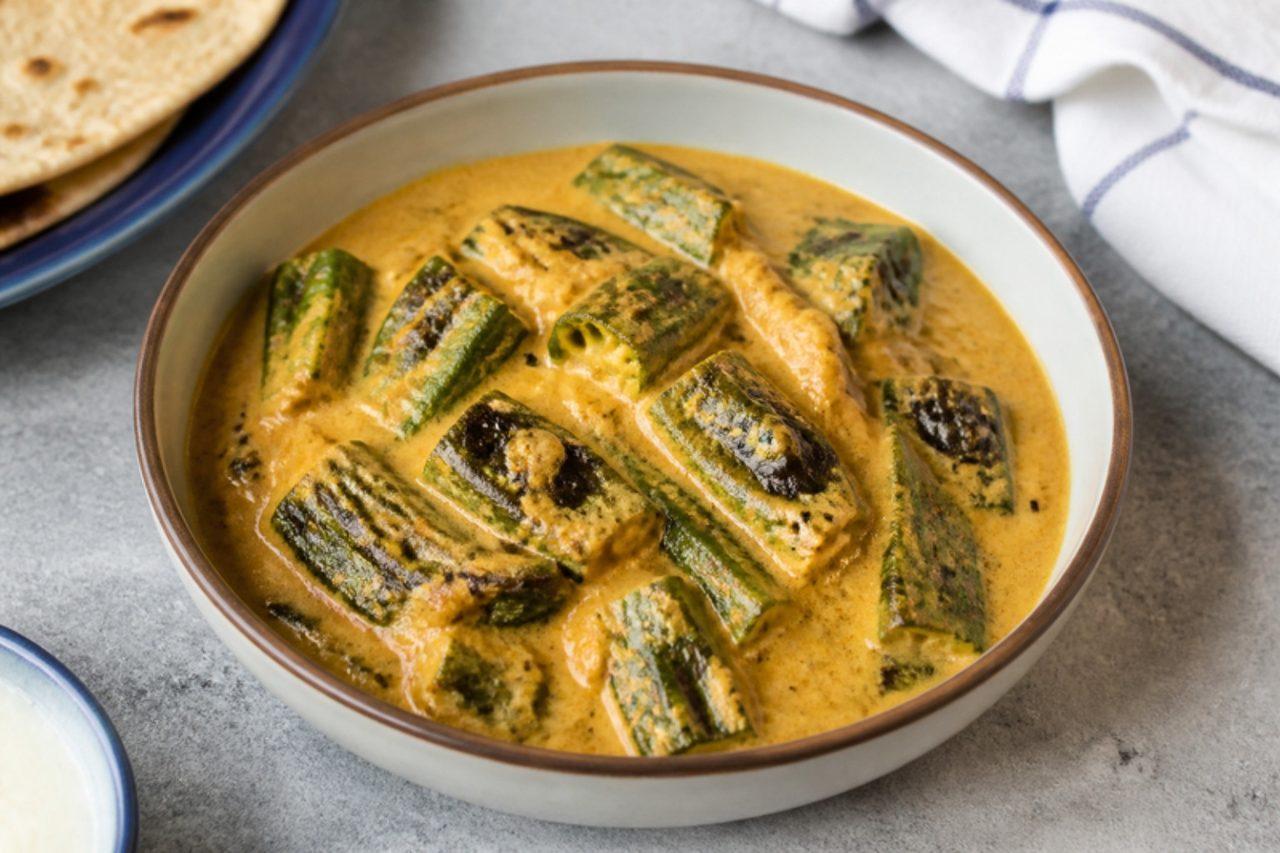
Dahi bhindi is how North Indian and Rajasthani cooks turn a plate of okra into a saucy curry for summer evenings, when the heat calls for something sour and cooling. The okra is fried first until it loses its stickiness, then folded into a thin yogurt gravy flavoured with fennel, cumin and a little chilli, good with rotis or plain rice. The usual mistake is pouring in the yogurt over a high flame, which curdles it; whisk it with the spices first, turn the heat right down, and stir until it simmers. Chef's tip: a pinch of crushed fennel seeds in the tempering brings out the sweetness of the okra.

by KrazyBadal 0 views
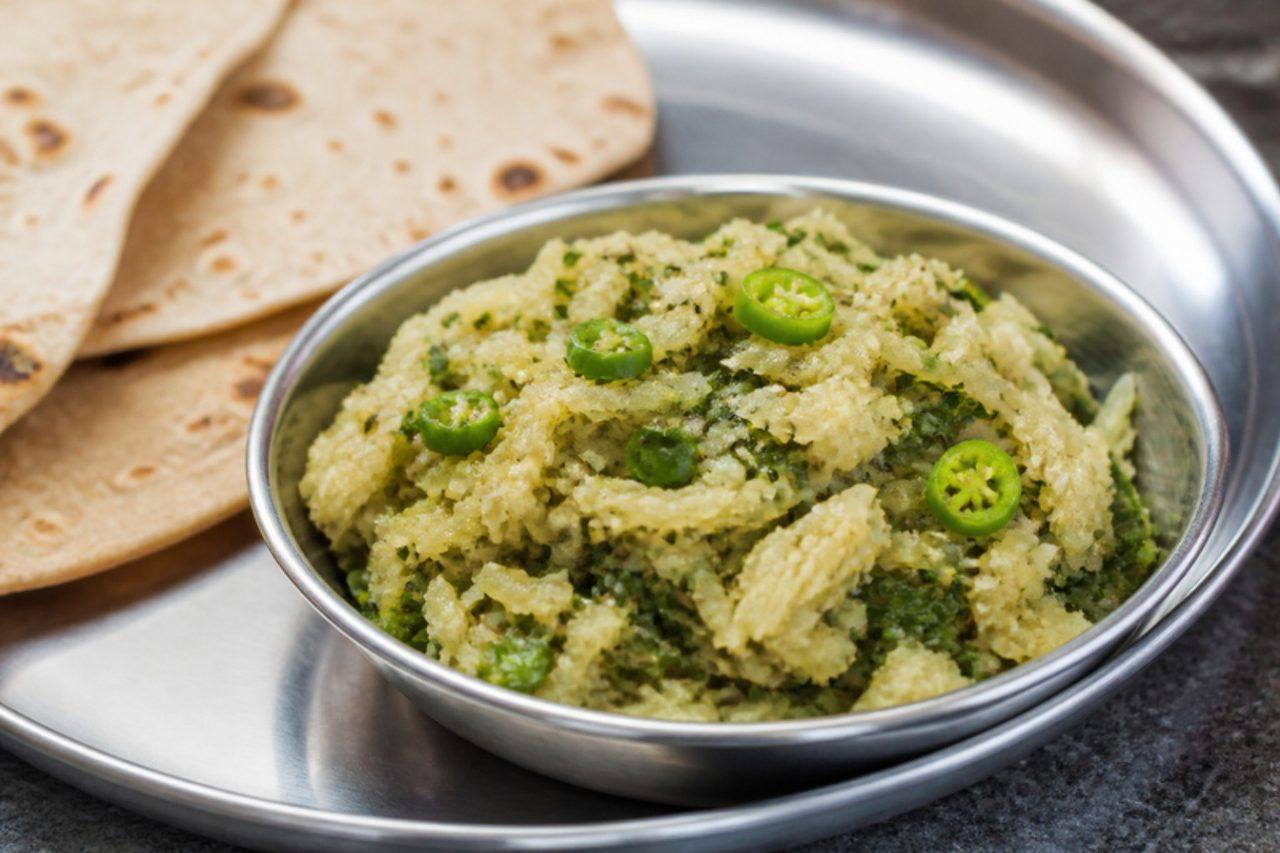
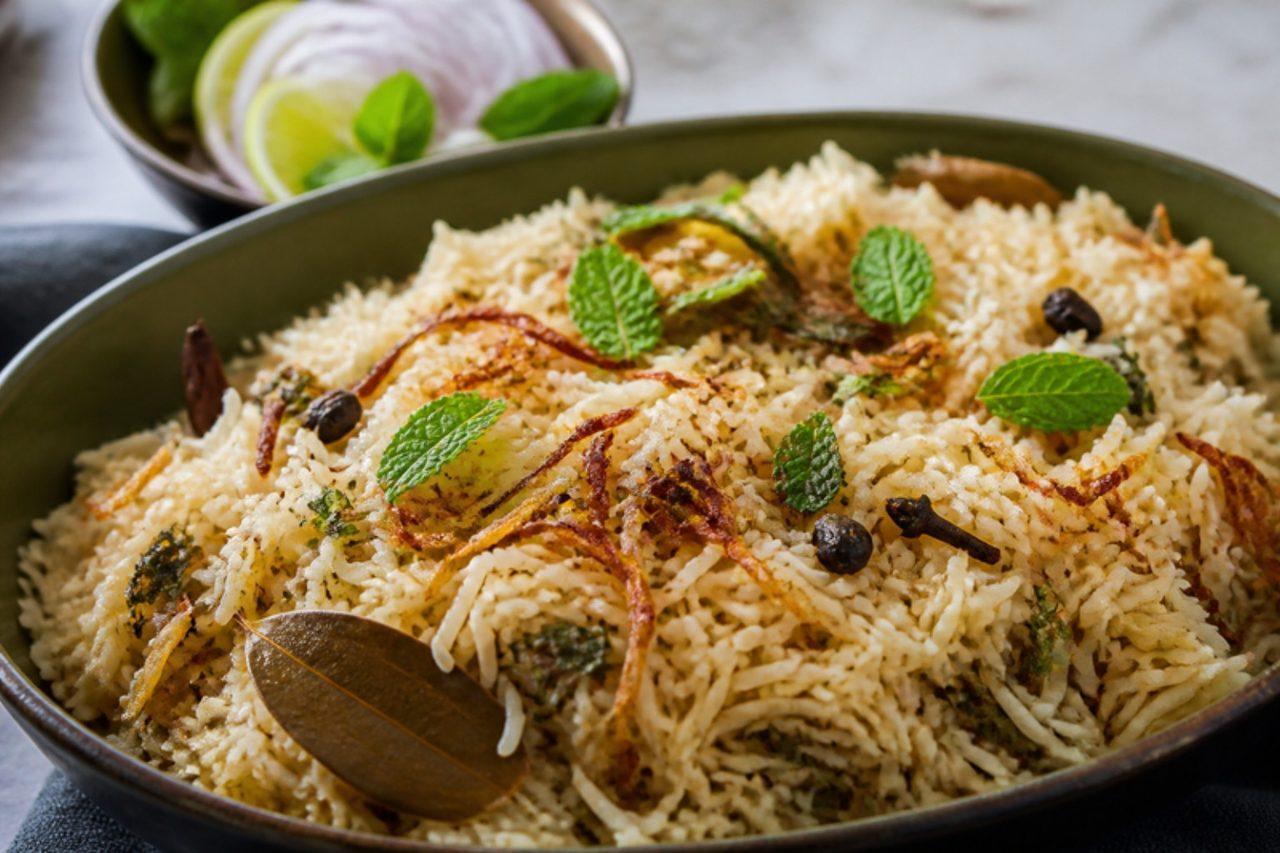
Sweetcorn pulao

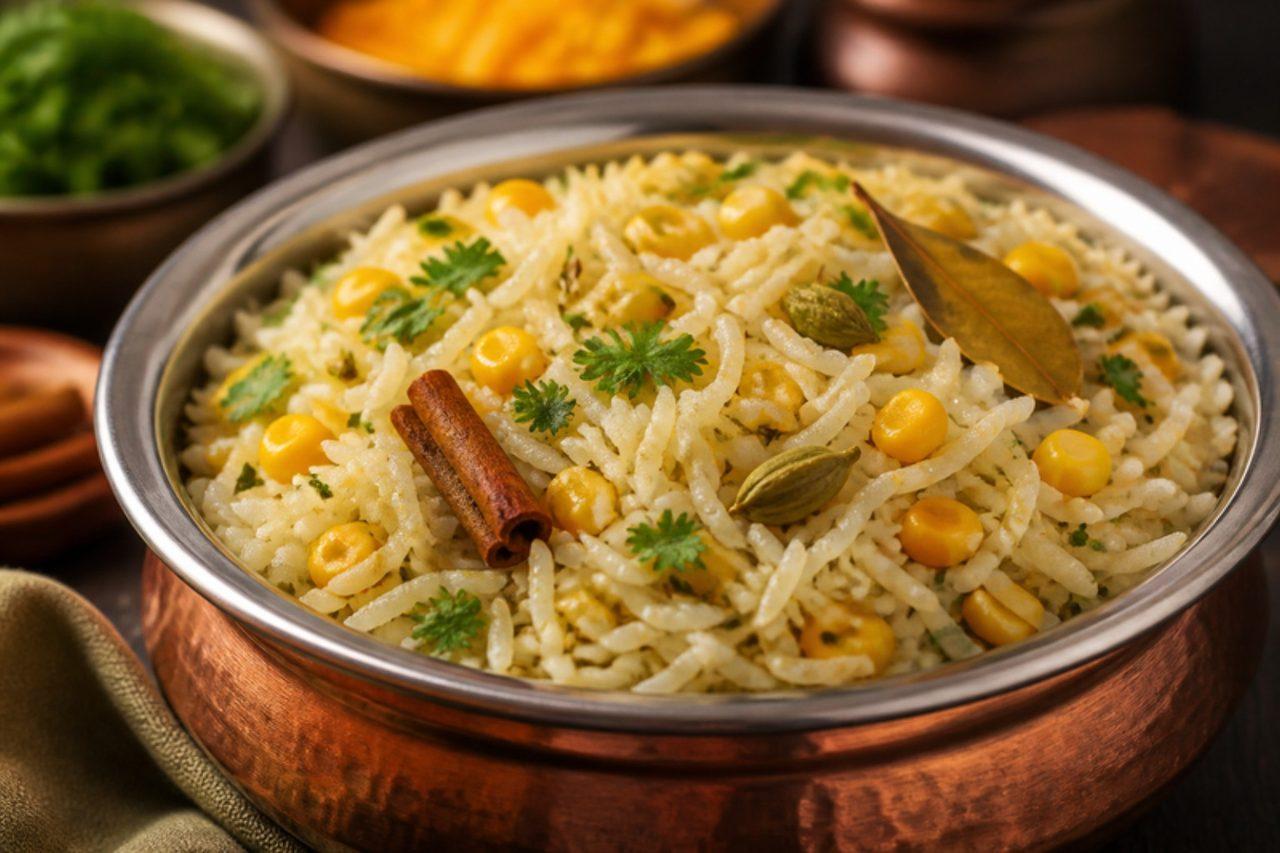
Sweetcorn pulao is a modern city favourite in India, from Pune to Delhi, cooked on school nights and packed into the next day's tiffin: fluffy basmati with juicy corn, gently perfumed with cumin, bay and cardamom, mild enough for the youngest at the table. Serve it with raita or a simple dal. It contains milk (ghee); use oil for a dairy-free version. Chef's tip: once the lid is on, don't stir; stirring breaks the grains and makes the pulao sticky.

by KrazyBadal 0 views
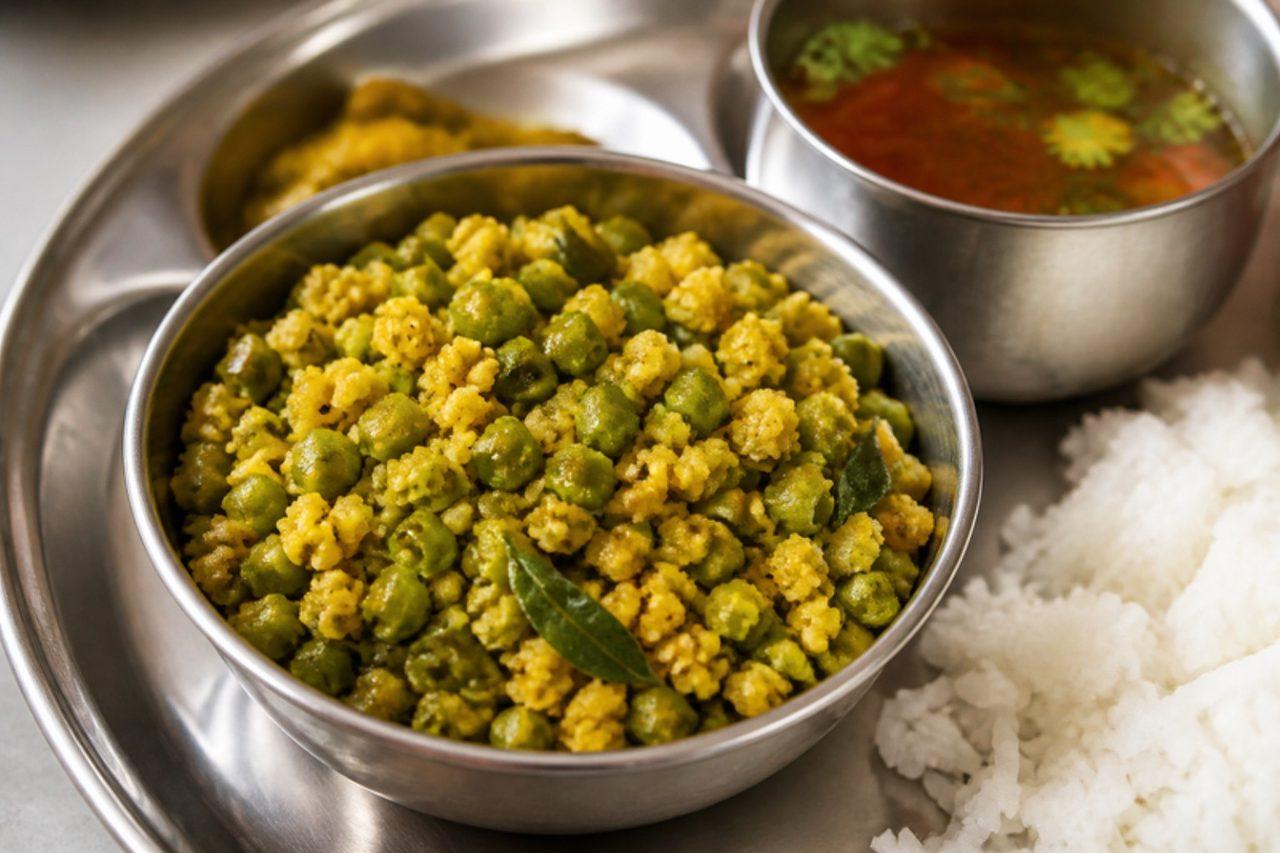
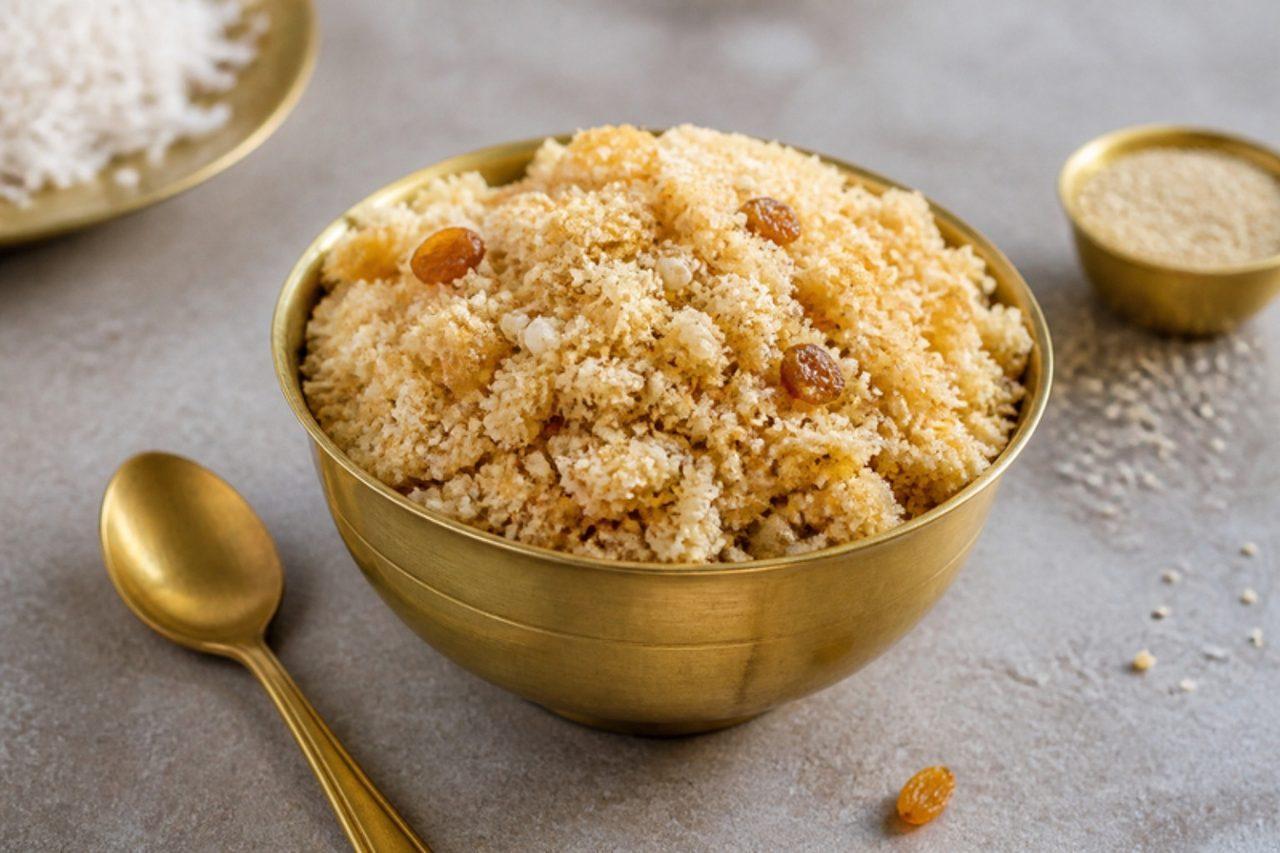
DilkhushCoconut and candied fruit stuffed bread

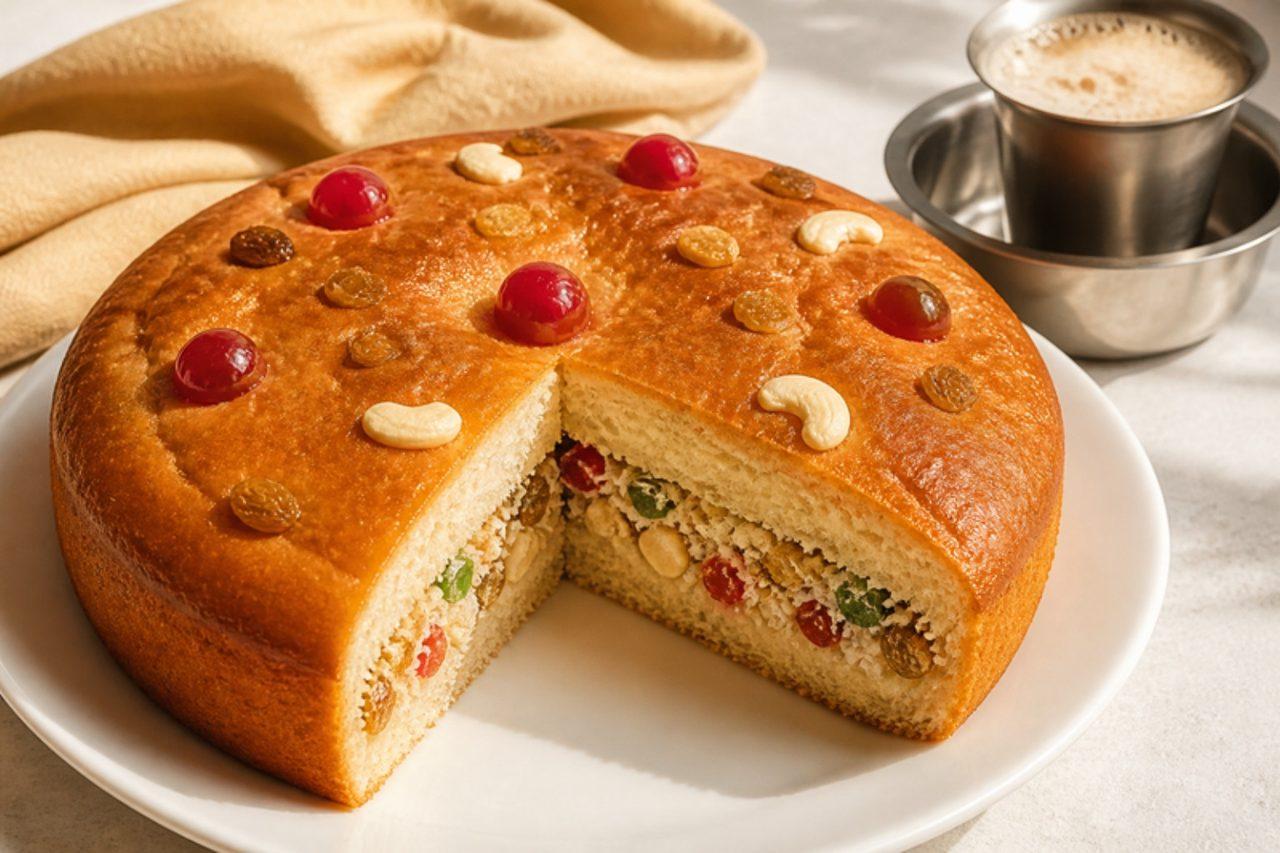
Teatime at an Iyengar bakery in Bengaluru or Mangaluru means dilkhush ("happy heart") stacked in wedges beside the khara buns: a soft, sweet bread round with a thick layer of grated coconut, sugar, tutti-frutti and cashews baked inside it. The dough in these bakeries is usually eggless, so the crumb is light and milky rather than rich, and the filling stays moist and chewy. Eat a wedge with a small glass of filter coffee or masala chai, or pack it for a school snack. The usual mistake is to pile the filling to the very edge; leave a clear 2 cm rim or the seal splits and the coconut toasts black on the tray. Chef's tip: squeeze a little milk into dry desiccated coconut before mixing the filling, so it tastes closer to fresh coconut and does not steal moisture from the bread.

by KrazyBadal 0 views
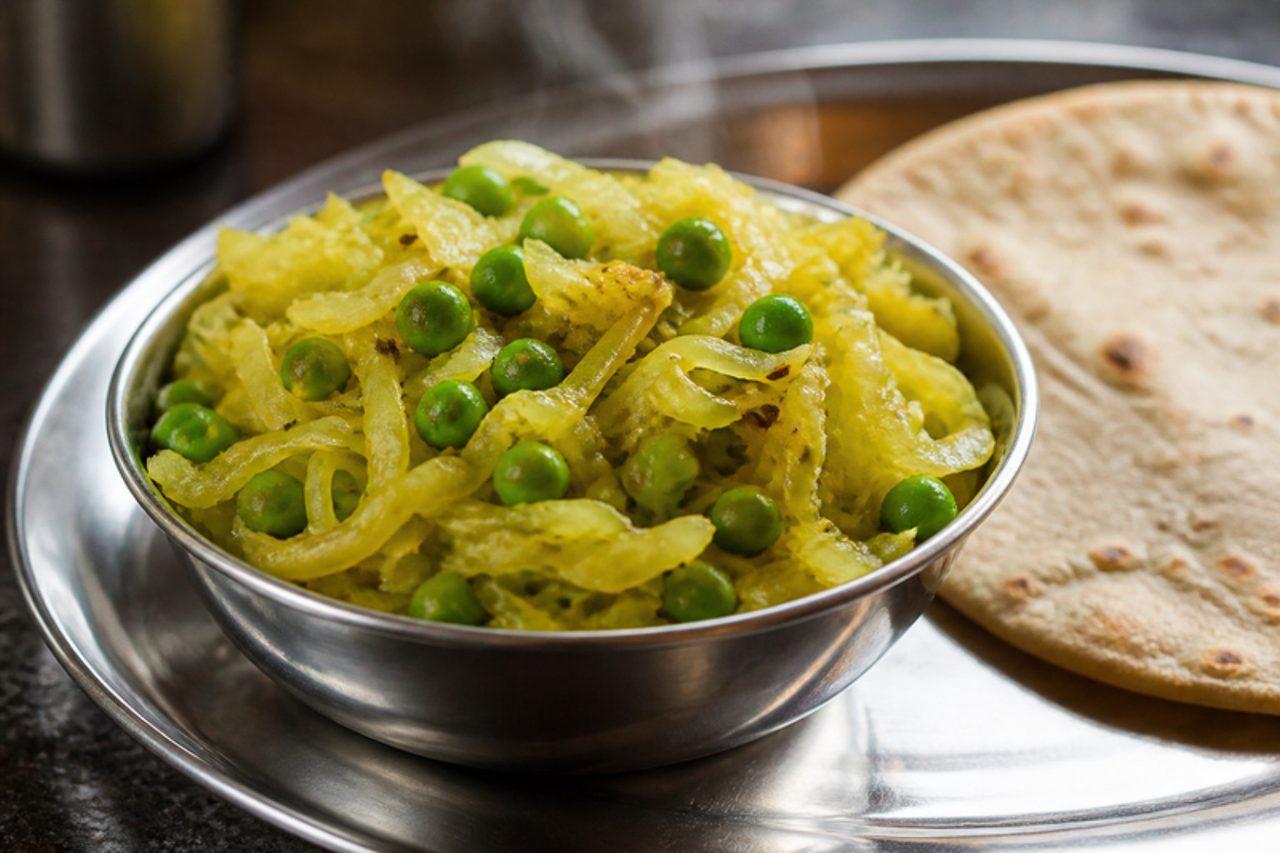
Brun pavHard-crusted bakery bun

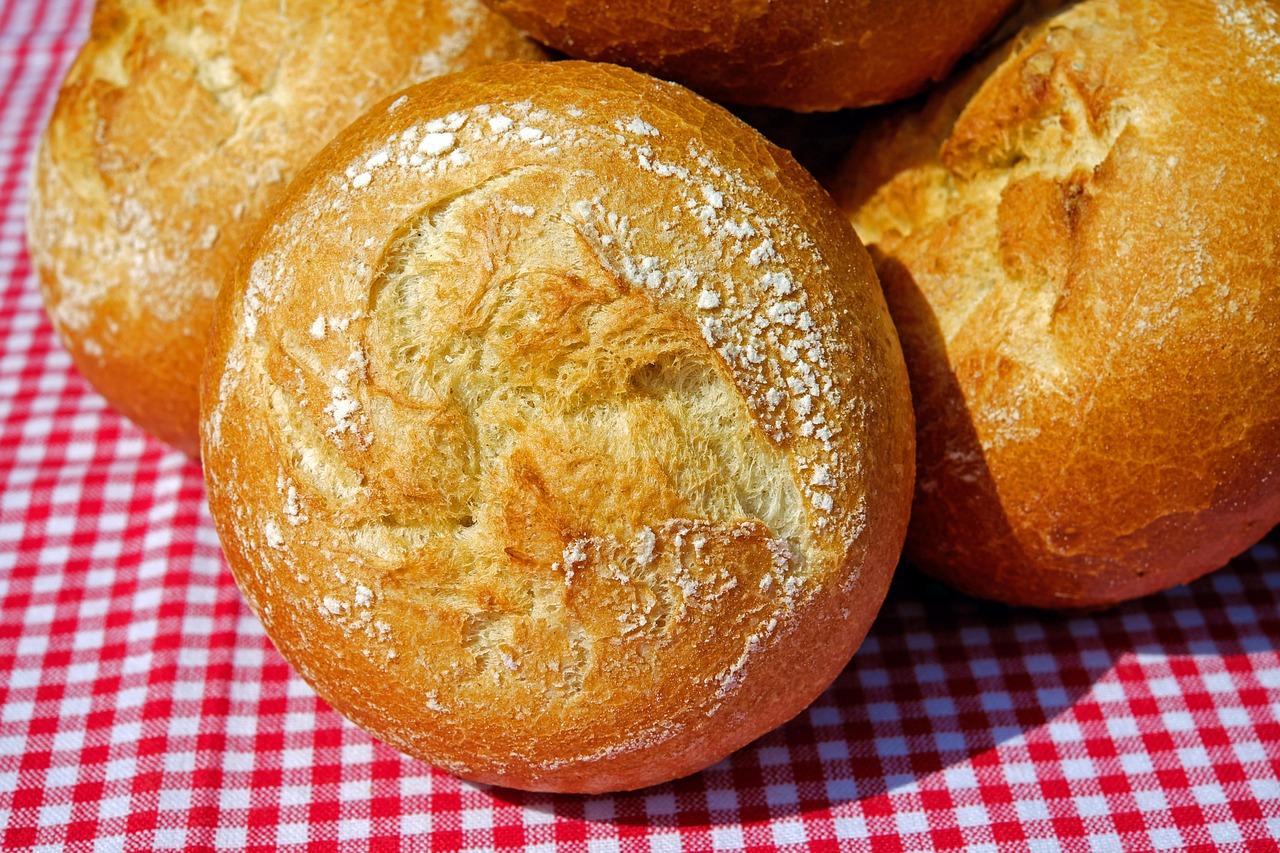
Order brun maska at one of Mumbai's old Irani cafés, under the bentwood chairs and slow ceiling fans, and a waiter brings a hard, round bun split and spread thickly with butter, next to a cup of sweet Irani chai. Brun is the opposite of soft ladi pav: its floury top crackles, the crust is thick enough to knock on, and the inside is dense and chewy, made to be dunked until it softens. The bread itself is just flour, water, yeast and salt, so it is vegan; add the butter (or a vegan spread) only when serving. A long, fairly slow bake gives the crust; pulling it out when it is merely golden is the mistake that leaves you with an ordinary roll. Chef's tip: a day-old brun is even better for dunking, so bake a batch ahead and split and toast them lightly before buttering.

by KrazyBadal 0 views
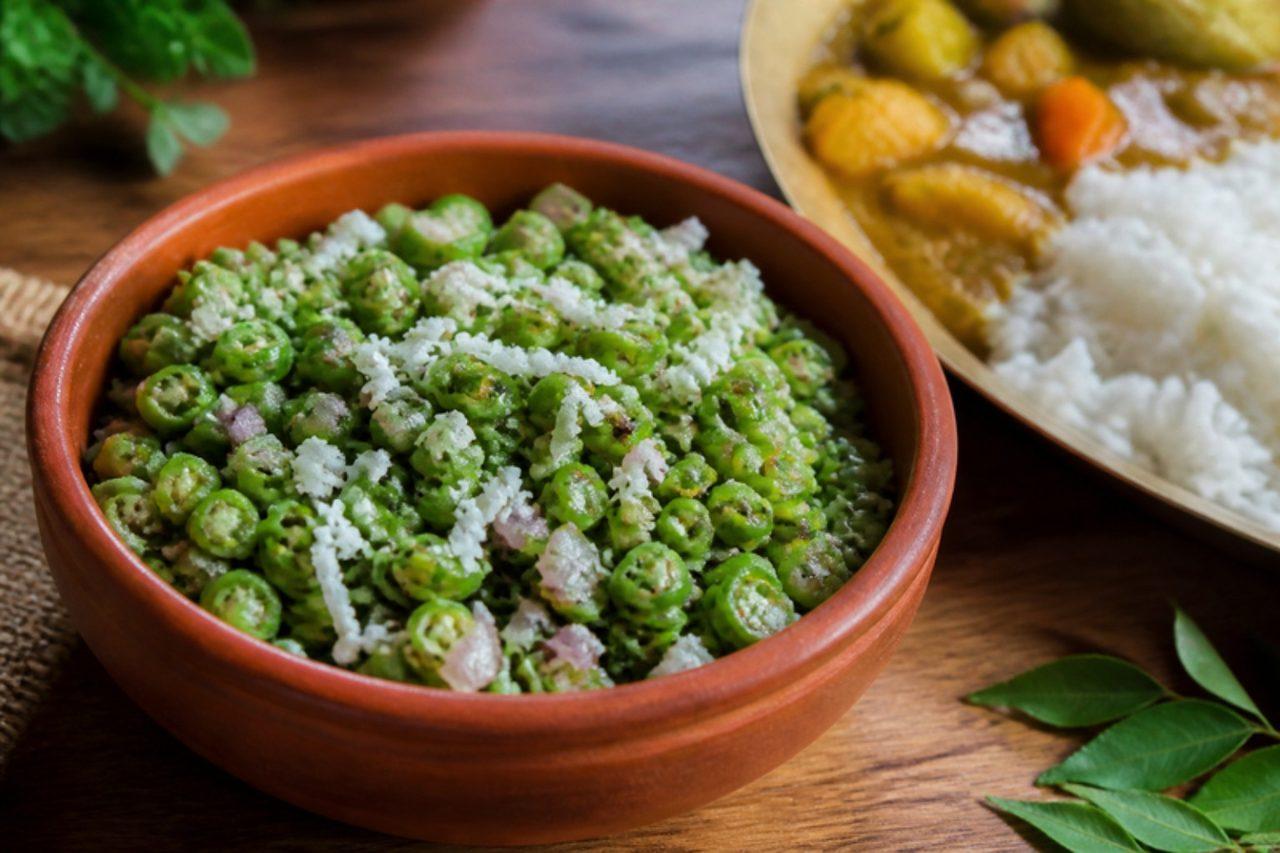
Khoba rotiThick pinched wholewheat flatbread

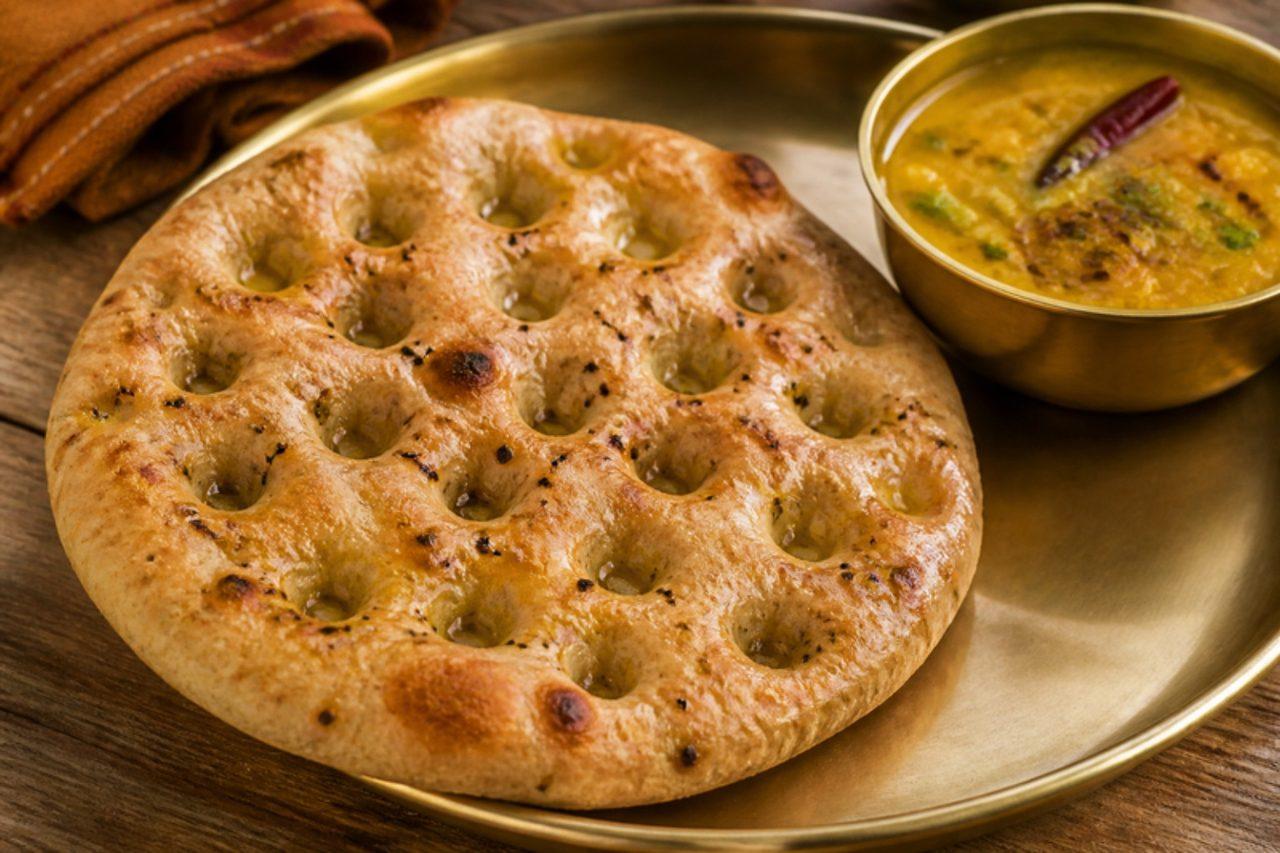
Pinched by hand into rows of tiny craters, khoba roti is the festive everyday bread of Rajasthan's Marwar and Mewar homes, made when guests come or for a Sunday thali. It is thick, almost a centimetre, with a crisp, toasty crust and a soft, chewy middle, and every hollow on top becomes a little cup for melted ghee. Serve it with panchmel dal, ker sangri, gatte ki sabzi or a fiery garlic chutney. The commonest mistake is a hot tawa: the outside chars while the thick centre stays doughy, so keep the flame low and be patient. Chef's tip: dip your thumb and finger in water between pinches; damp fingertips lift the dough into crisp ridges without tearing it.

by KrazyBadal 0 views
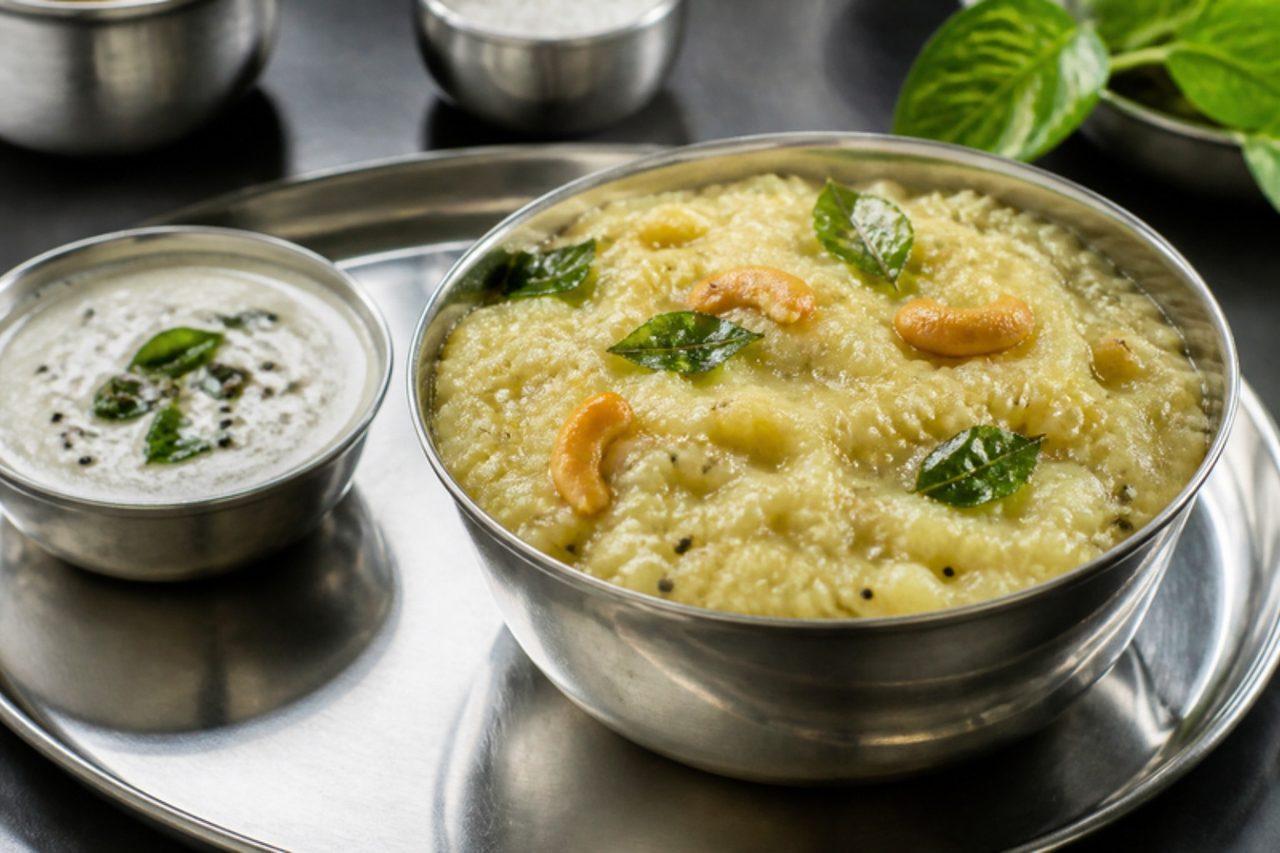
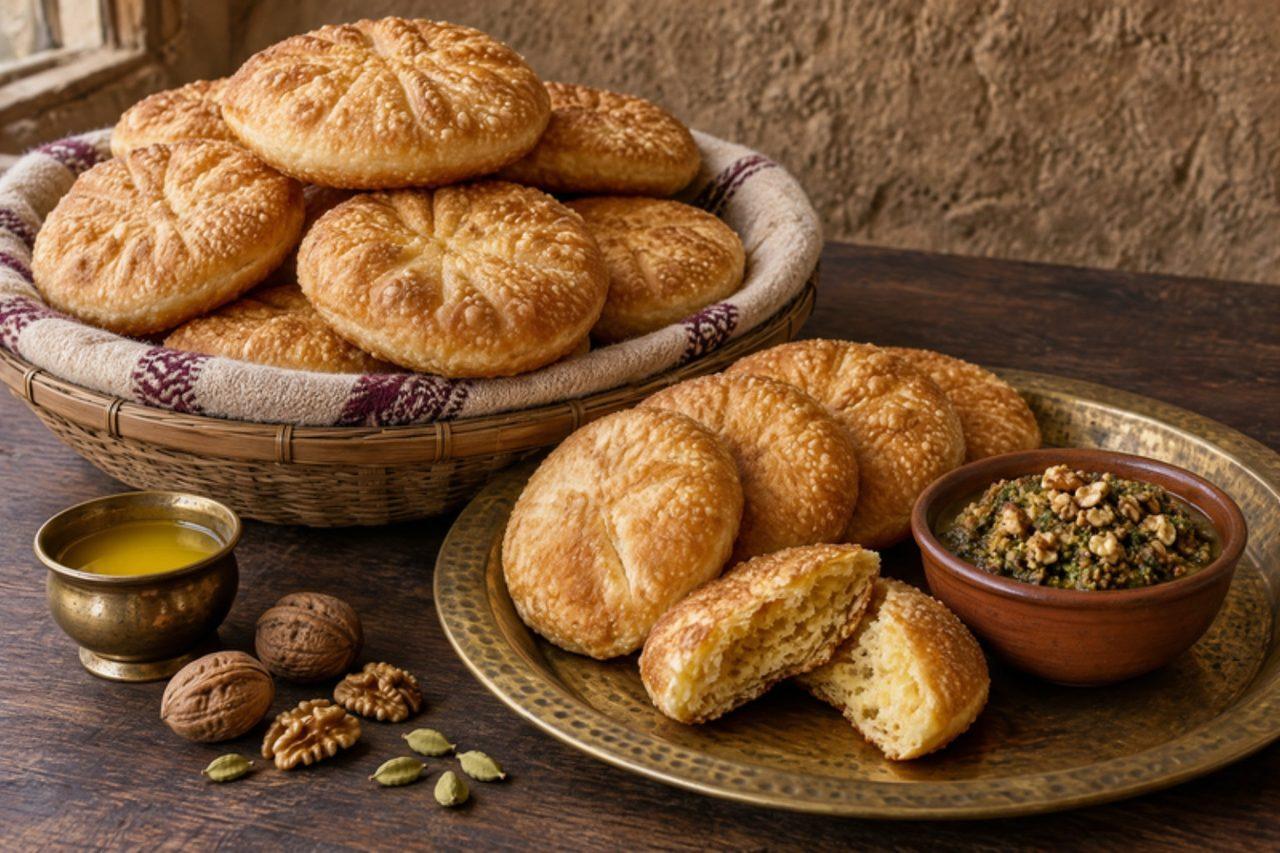
TsochvoruSesame bread rings

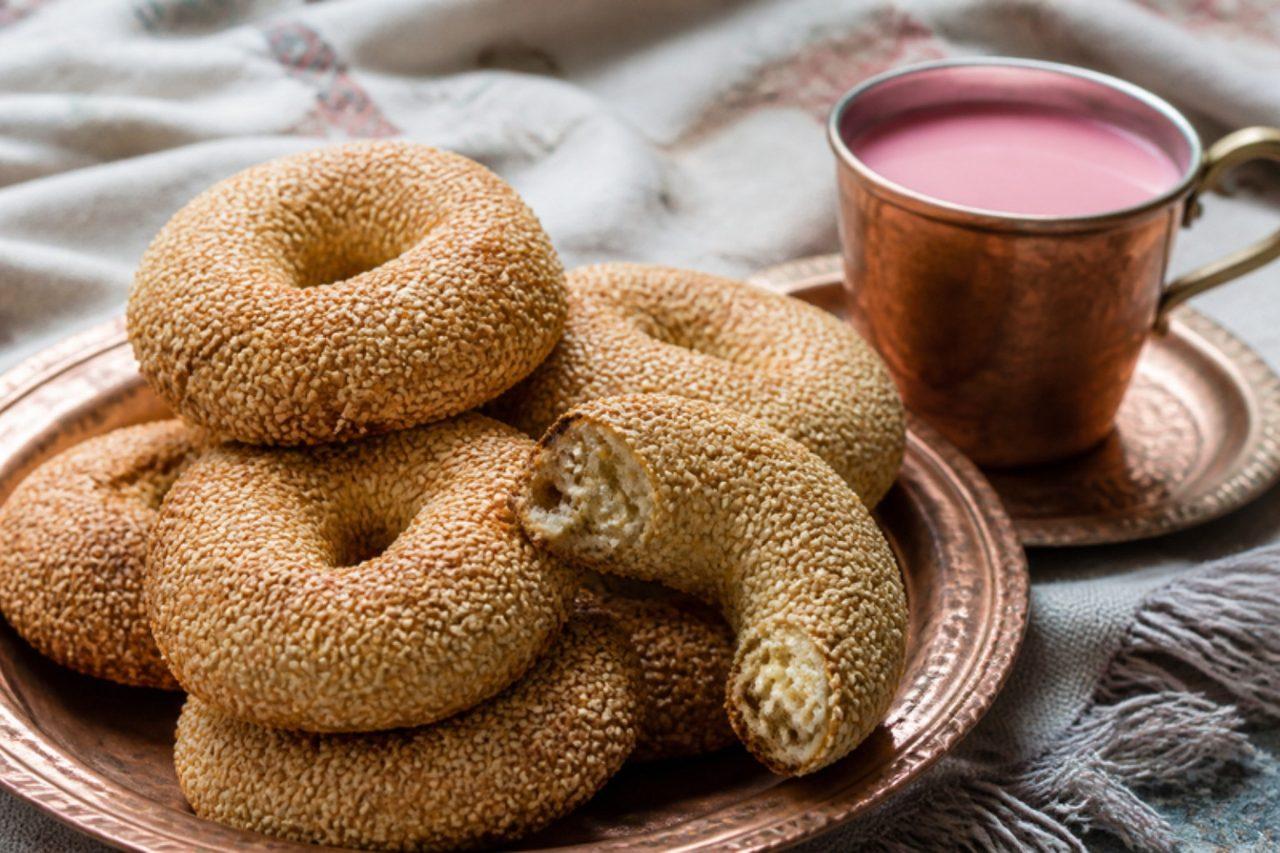
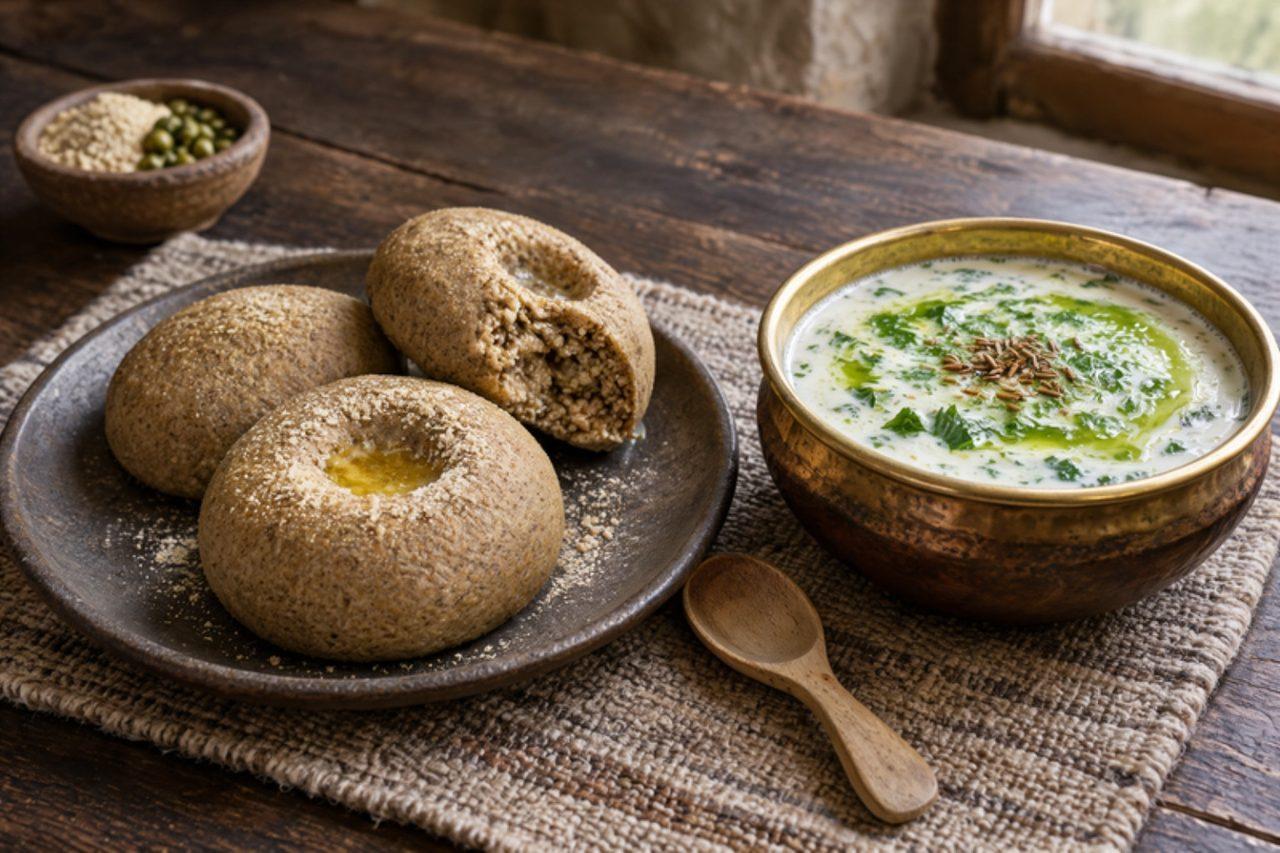
Long before office hours, Srinagar's kandur bakers pull trays of tsochvoru from their clay ovens, and by seven a paper bag of them is on most breakfast cloths in the Valley. They are small, bagel-like rings, a little crisp outside and close-textured inside, covered in toasted sesame and faintly rich from milk and ghee. Kashmiris break them into pink, salty noon chai, or eat them with butter alongside kahwa in the afternoon. Unlike bagels they are not boiled, so they stay lighter and crunchier. Sesame sliding off in the oven is the usual disappointment; the dough must be brushed with milk and pressed into the seeds, not just sprinkled. Chef's tip: press each ring top-down into a plate of sesame, then poke the hole a second time just before baking, because it shrinks as the dough proves.

by KrazyBadal 0 views
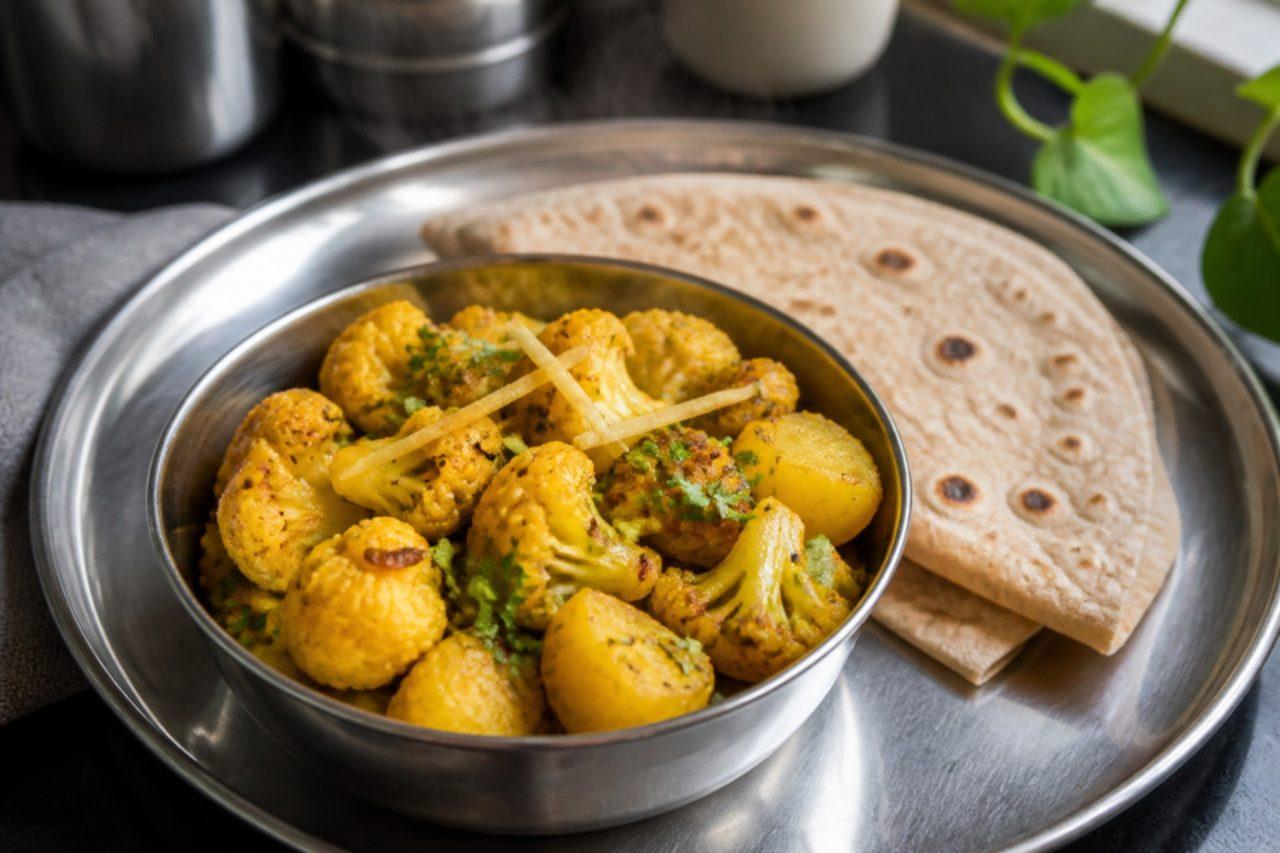
Chur chur naanCrushed flaky stuffed naan

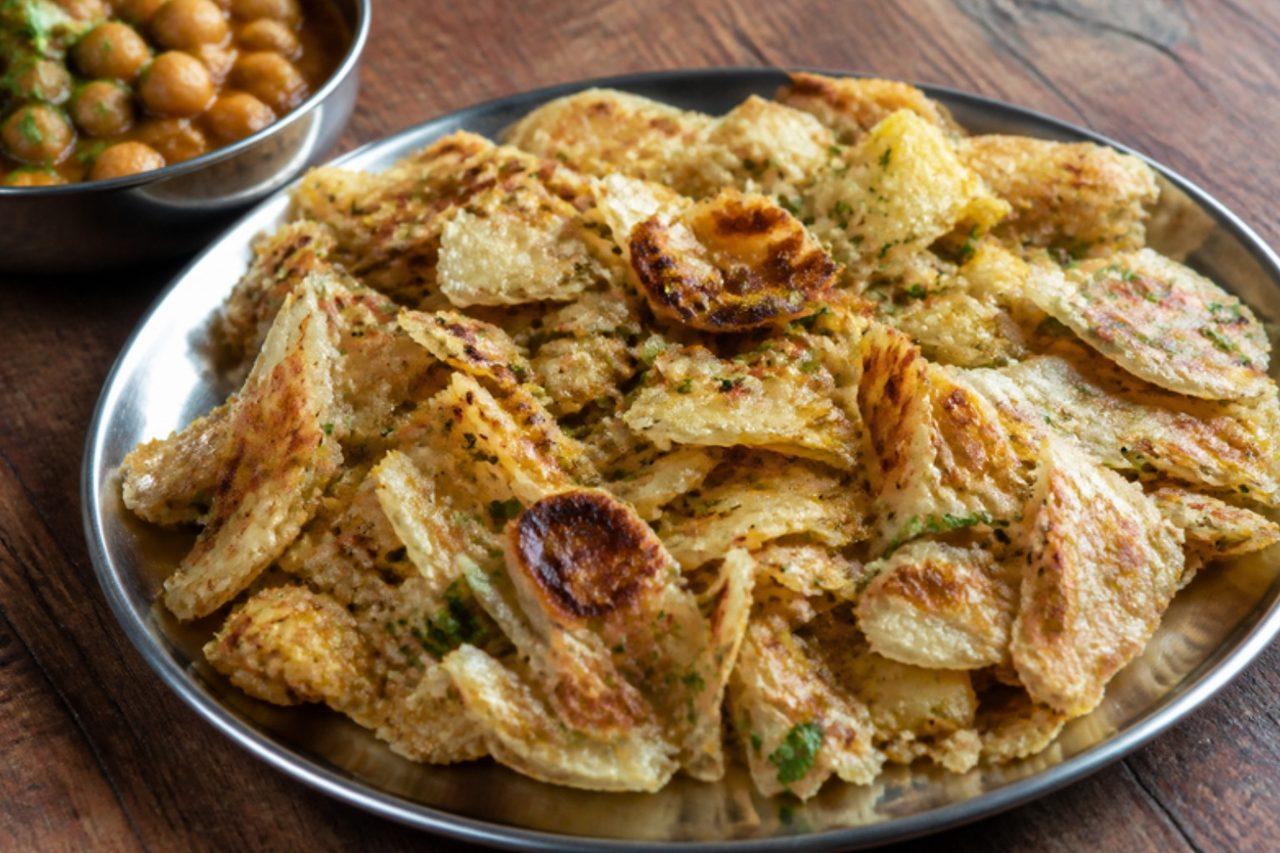
Amritsar's dhabas around the Golden Temple are famous for this one: a layered, potato-and-paneer stuffed naan that the cook slaps out of the tandoor and then crushes between both palms (chur chur means crumbled) so the flaky layers break apart and soak up a spoonful of ghee. It arrives crisp at the edges, soft and buttery inside, with spiced filling showing through the cracks, and is eaten for lunch with chole, a bowl of dal makhani and a glass of lassi. At home a very hot oven and a preheated tray stand in for the tandoor. The usual slip is skipping the ghee between the coils; without it the dough fuses and there are no layers to crush. Chef's tip: crush the naan the moment it leaves the oven, wrapped in a clean tea towel so your hands are protected; once it cools it cracks instead of flaking.

by KrazyBadal 0 views
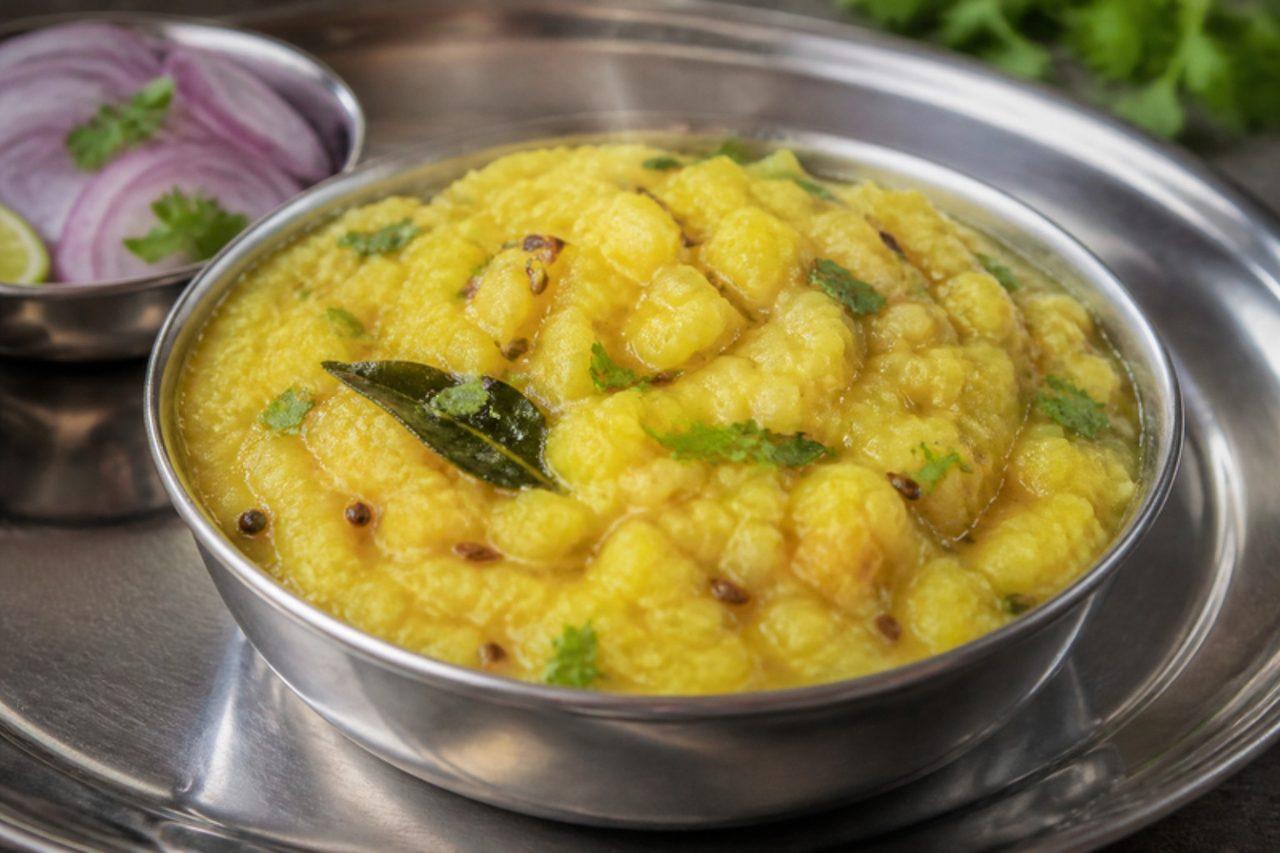
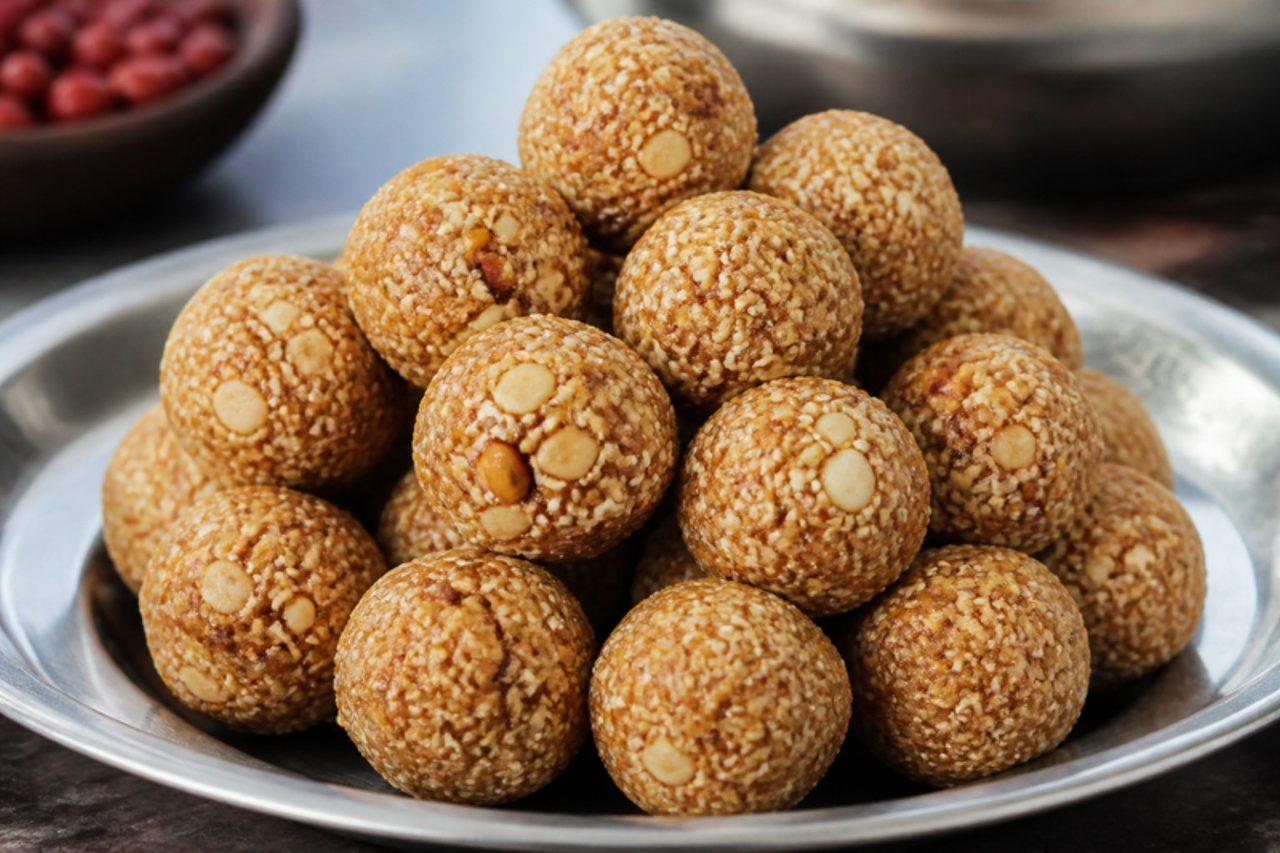
Ragi laddooFinger millet jaggery balls

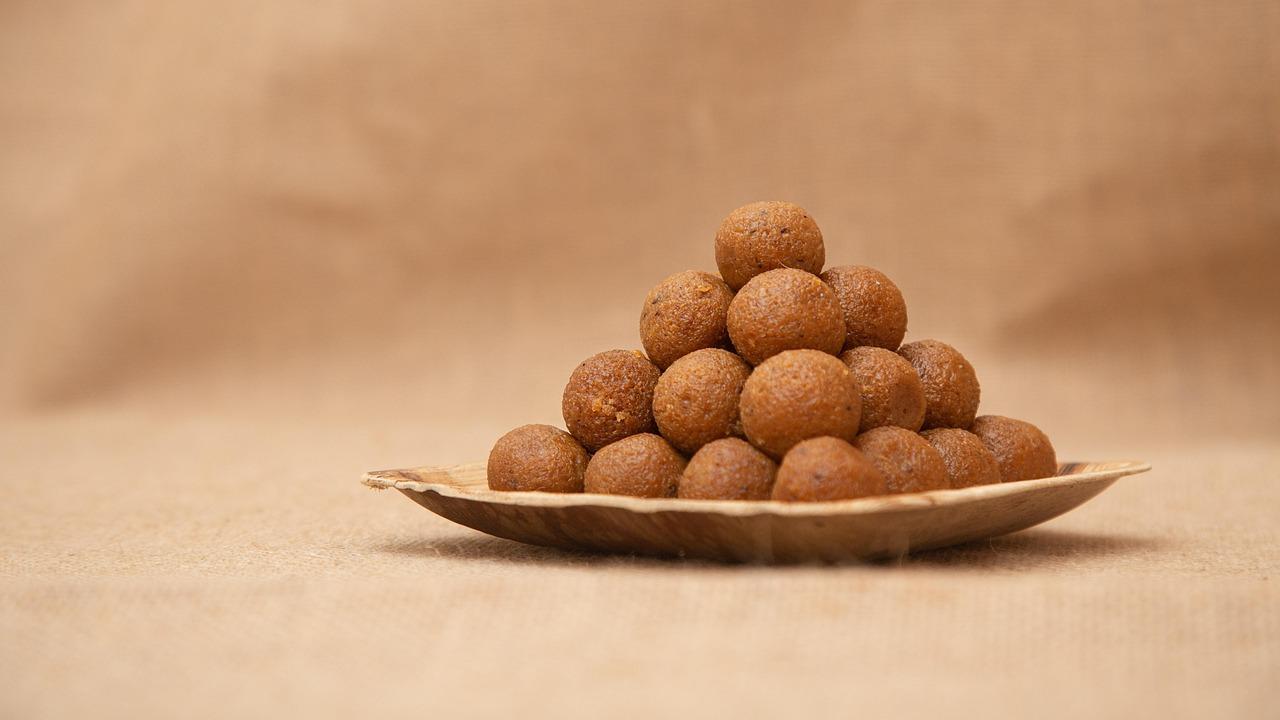
In Karnataka, ragi (finger millet) is everyday food, and mothers roll ragi laddoos to keep in a tin for after-school snacks and school sports days, because they are filling and keep well. The flour is roasted in ghee until it smells like toasted biscuits, then bound with melted jaggery and sesame into dark, fudgy balls. Jaggery is still sugar, so these are a treat, kept small. They contain milk (ghee) and sesame. Chef's tip: roast the flour slowly until it darkens a shade and smells nutty; under-roasted ragi tastes raw and floury.

by KrazyBadal 0 views
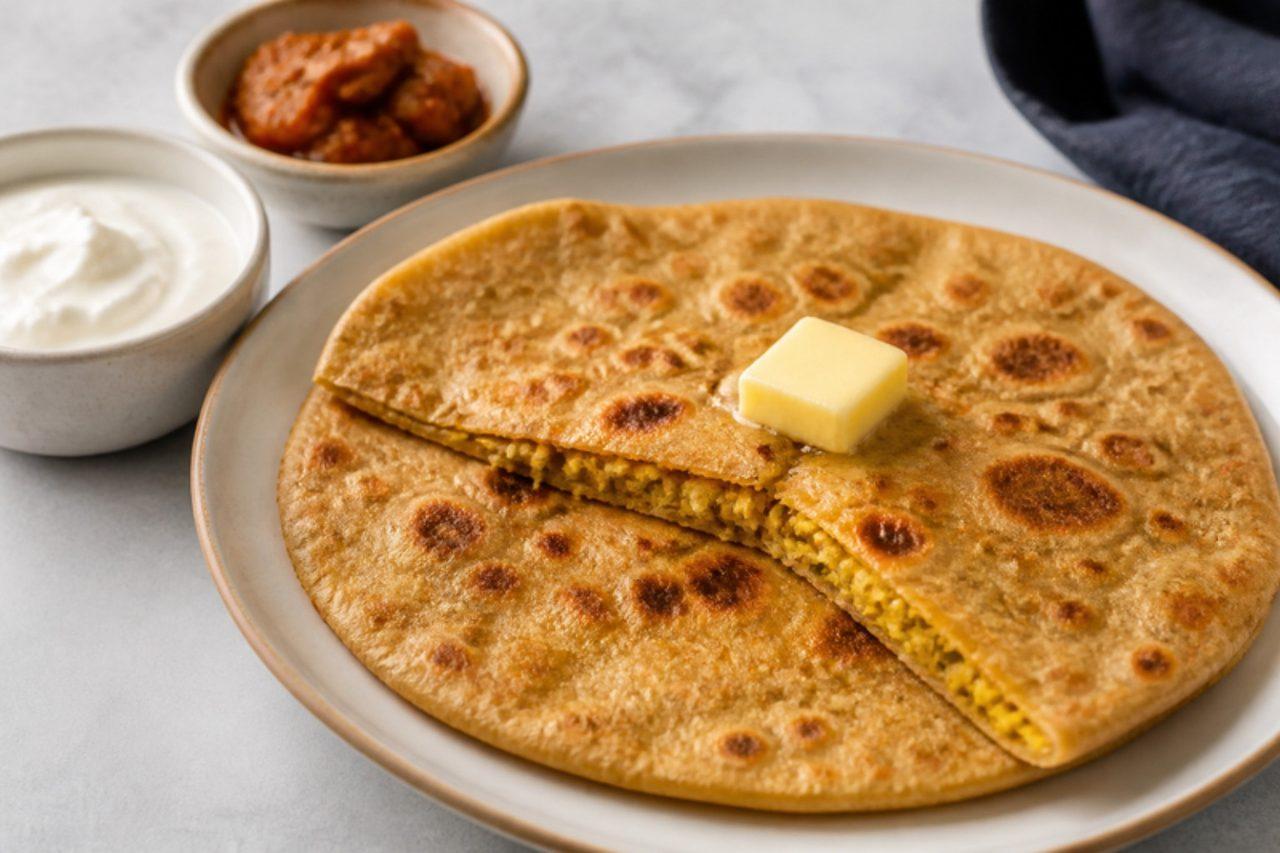
Dal paratha

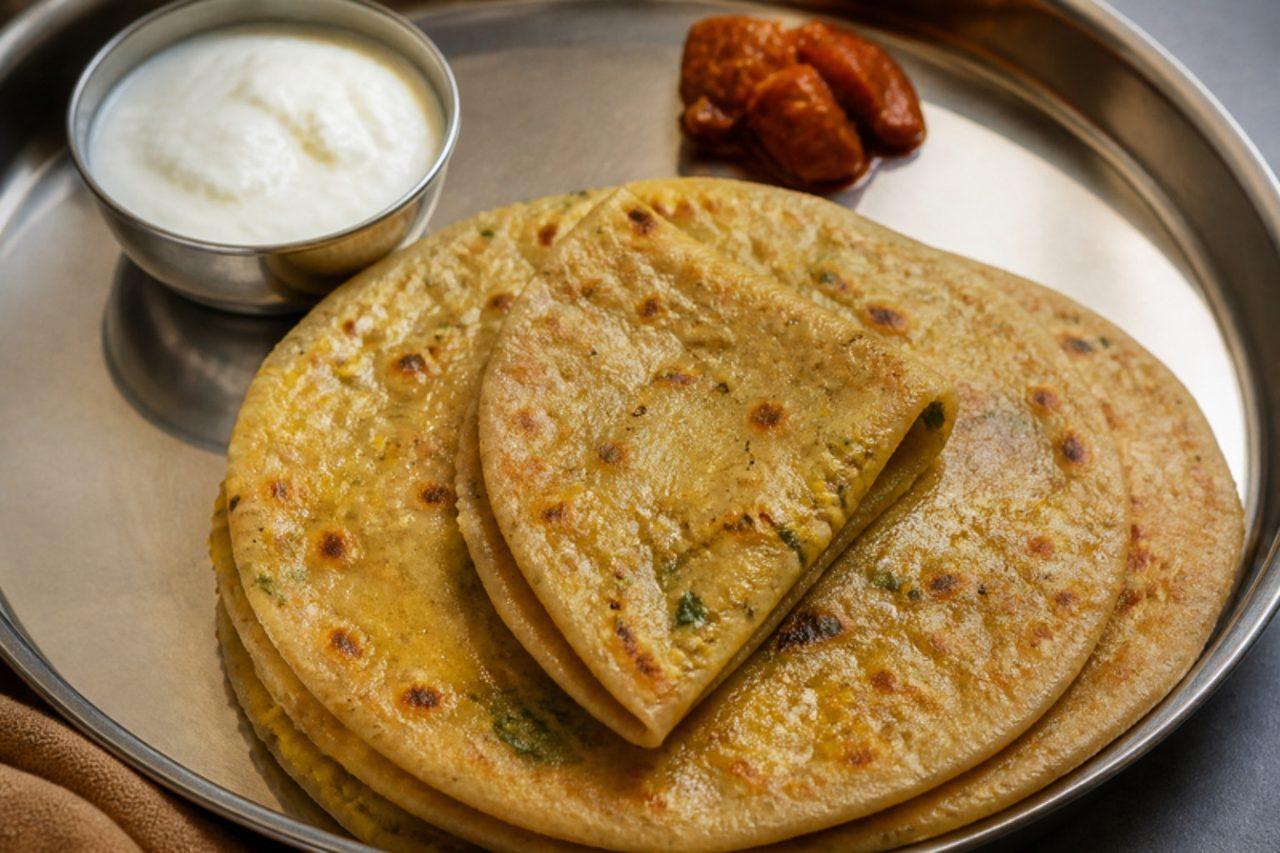
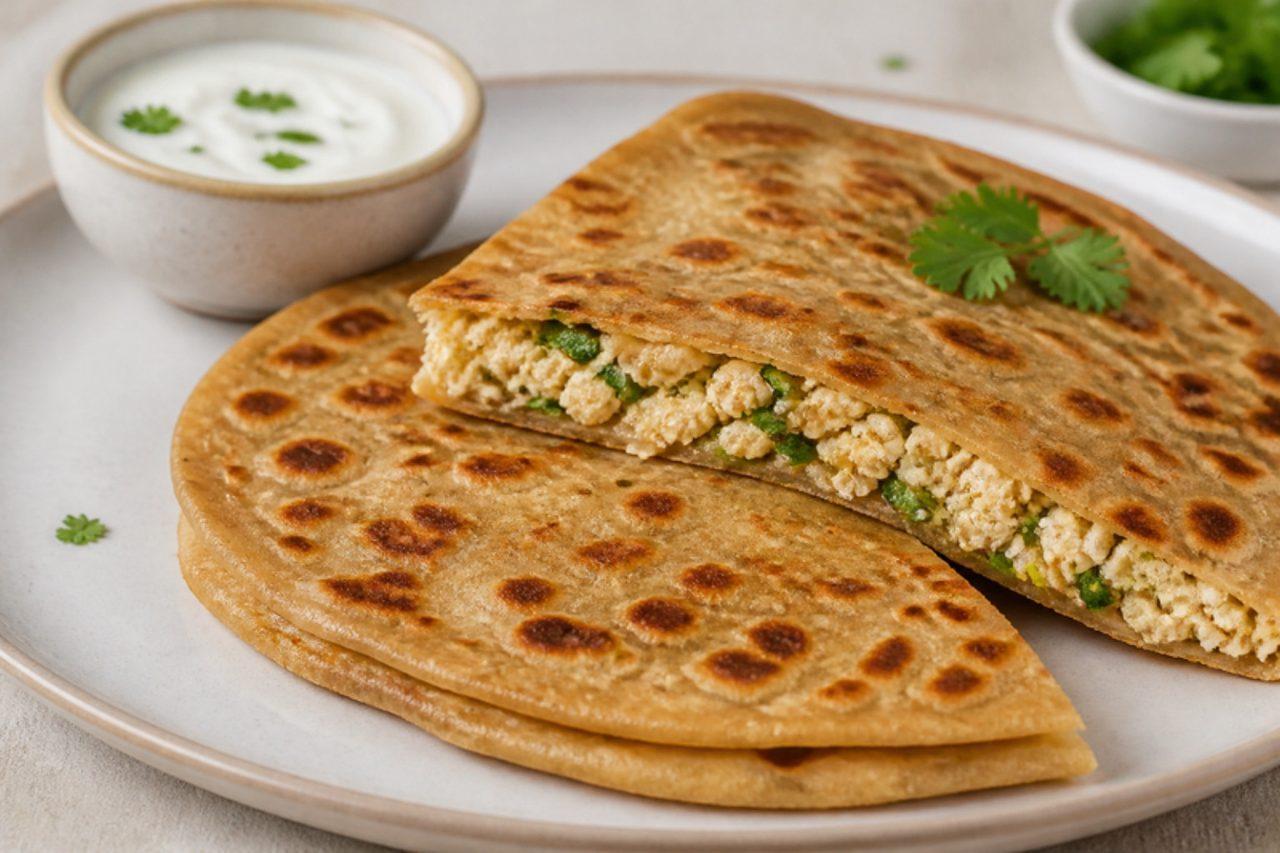
In north Indian kitchens, last night's thick dal rarely goes to waste: the next morning it is kneaded into wholewheat flour with ajwain and coriander and rolled into soft, savoury parathas for breakfast and the school tiffin. They are golden-flecked, faintly spiced and filling, and taste good cold with yoghurt or pickle. They contain gluten (wheat) and milk (ghee); use oil to make them dairy free. Chef's tip: add the dal before any water; it is often all the liquid the dough needs.

by KrazyBadal 0 views
Ghee-shakkar roti roll

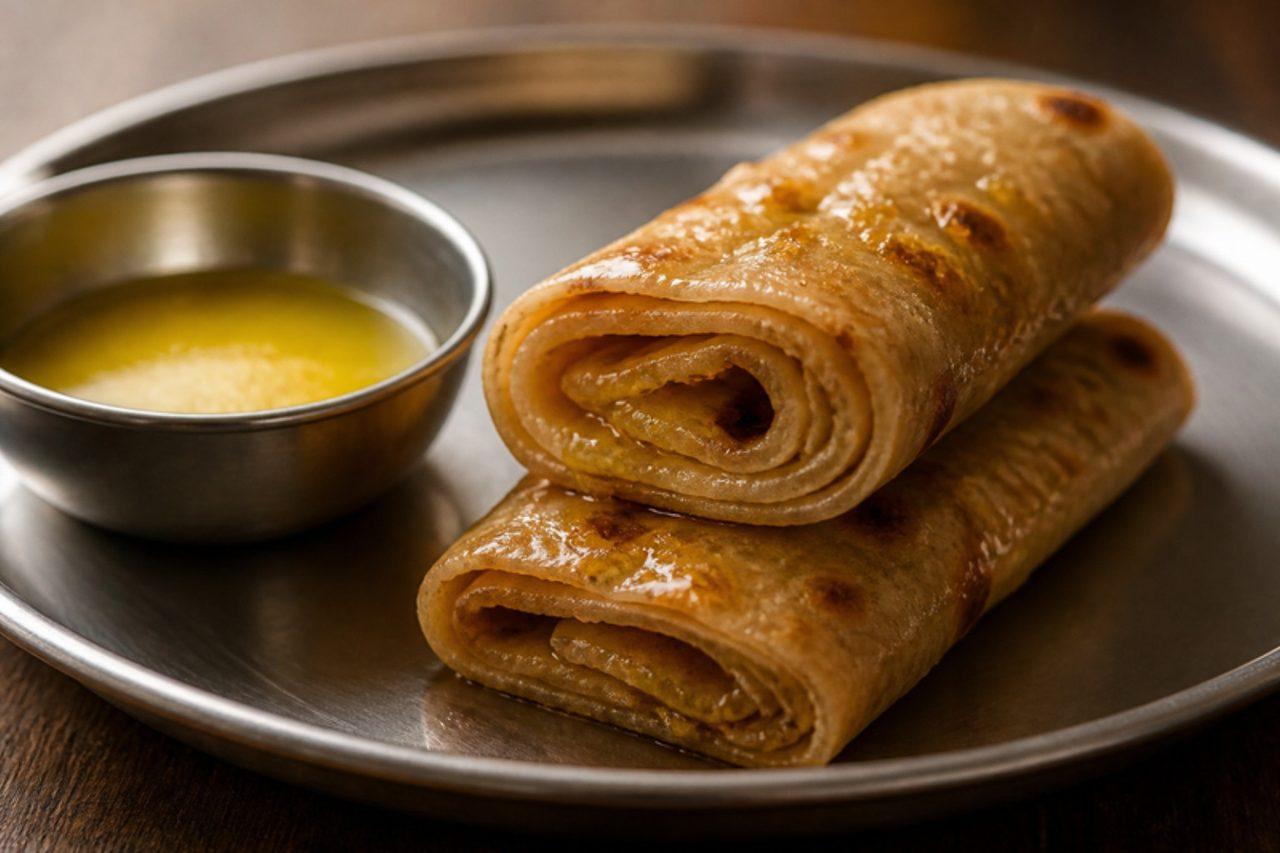
Ask anyone who grew up in north India about school tiffin and the ghee-shakkar roti comes up: a soft, warm chapati brushed with ghee, sprinkled with a little sugar or jaggery powder and rolled like a cigar, made by a parent in the rush before the school bus. It is sweet, buttery and wheaty, and still tastes good cold at the morning break. It contains milk (ghee) and gluten (wheat). Chef's tip: use jaggery powder and a light hand; a teaspoon per roti is plenty, and the ghee carries the flavour.

by KrazyBadal 0 views
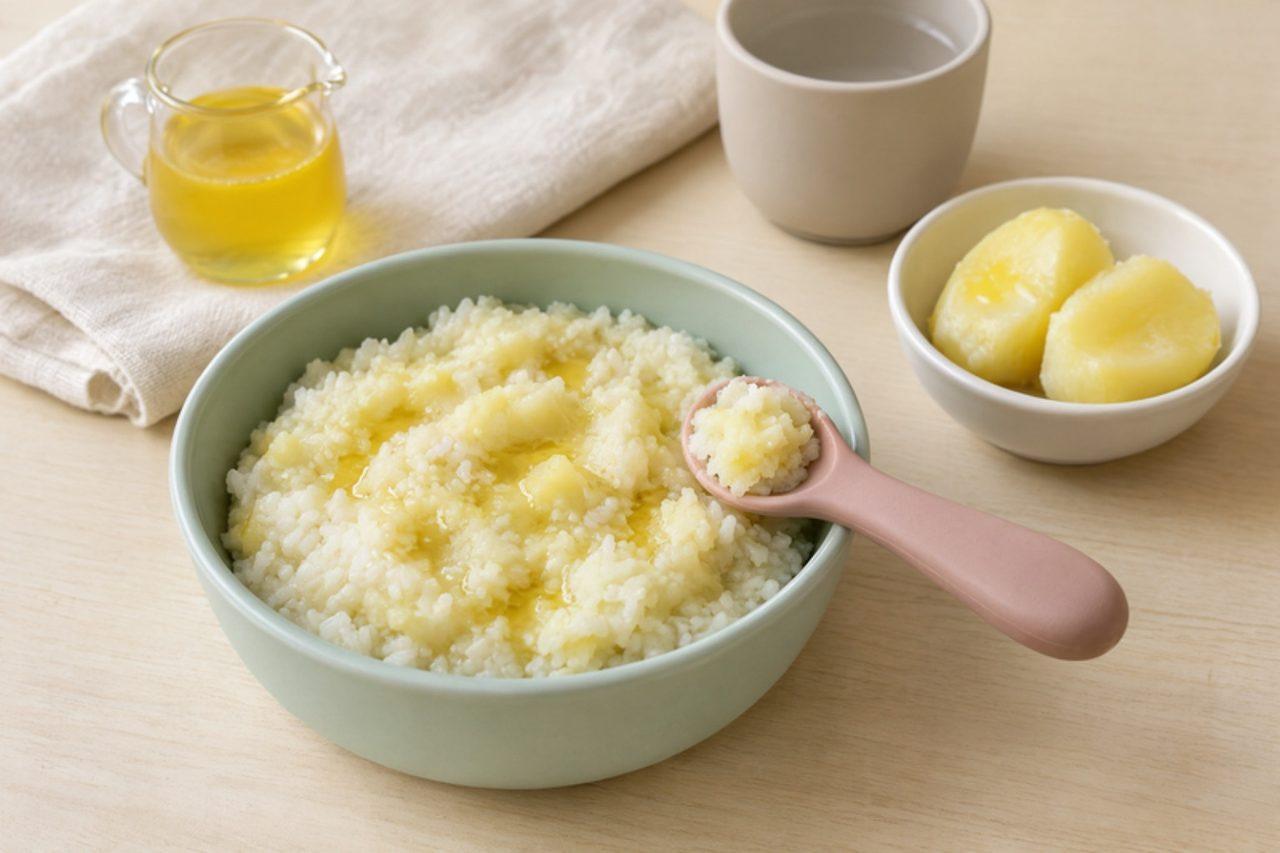
Moong dal water for babies

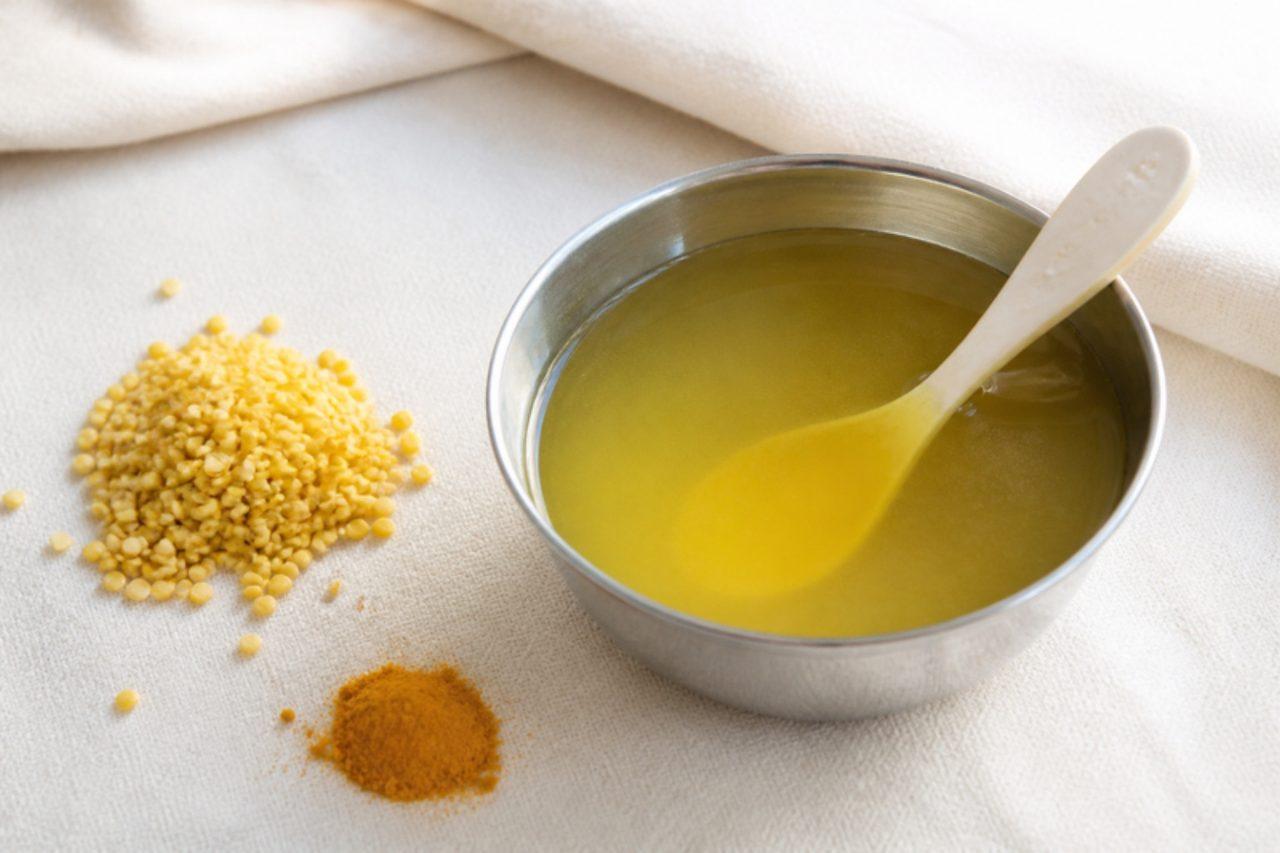
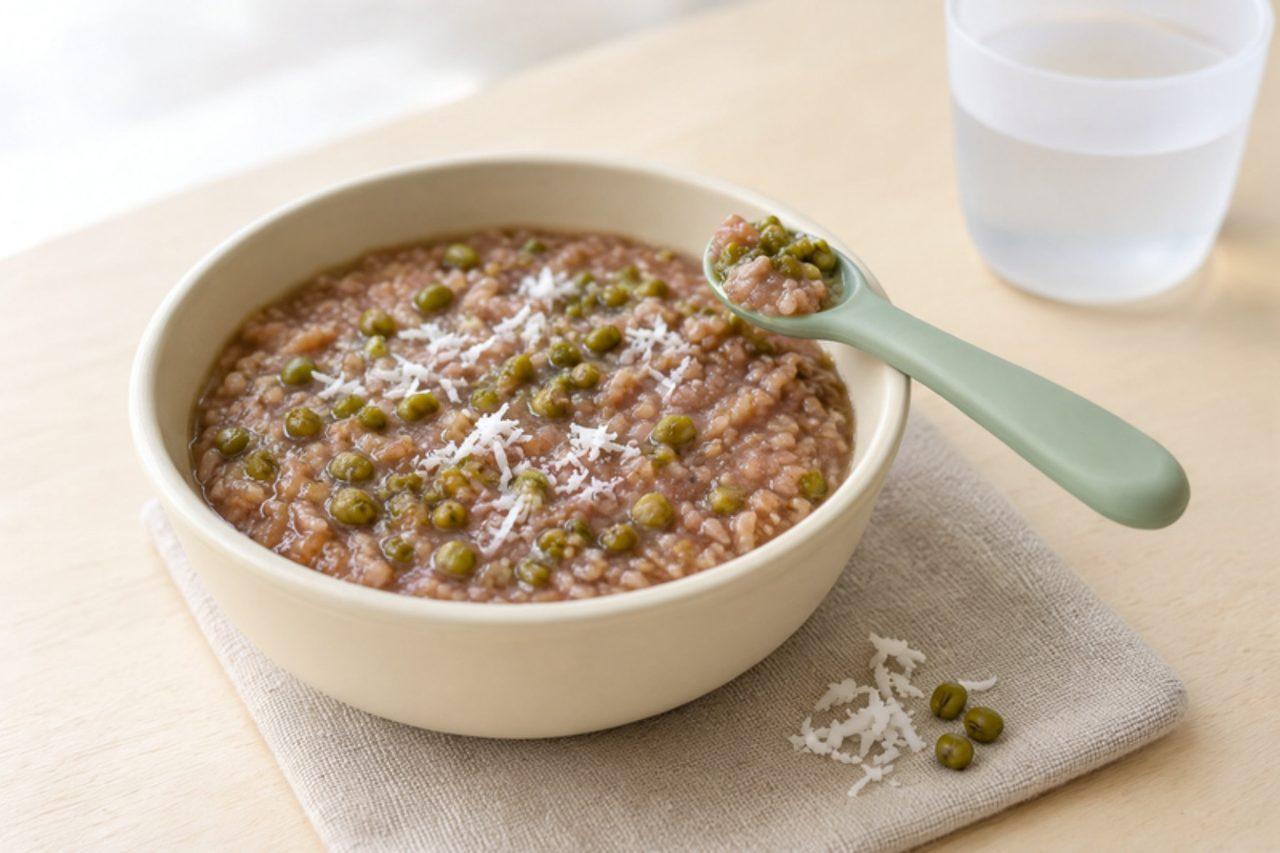
In North Indian homes, moong dal ka pani is often the first thing other than milk a baby tastes, spooned from a steel katori at lunchtime while the family eats dal-chawal. Split yellow moong is cooked until it falls apart with a pinch of turmeric, then the thin top liquid is strained off; over the following weeks more of the soft dal is mashed in. It tastes mild and slightly sweet. It is free of the common allergens (milk, egg, gluten, peanut, tree nuts, soya, sesame, fish). Chef's tip: a drop of ghee can be added once your baby is used to dairy, but keep it plain at first.

by KrazyBadal 0 views
Vegetable frankie

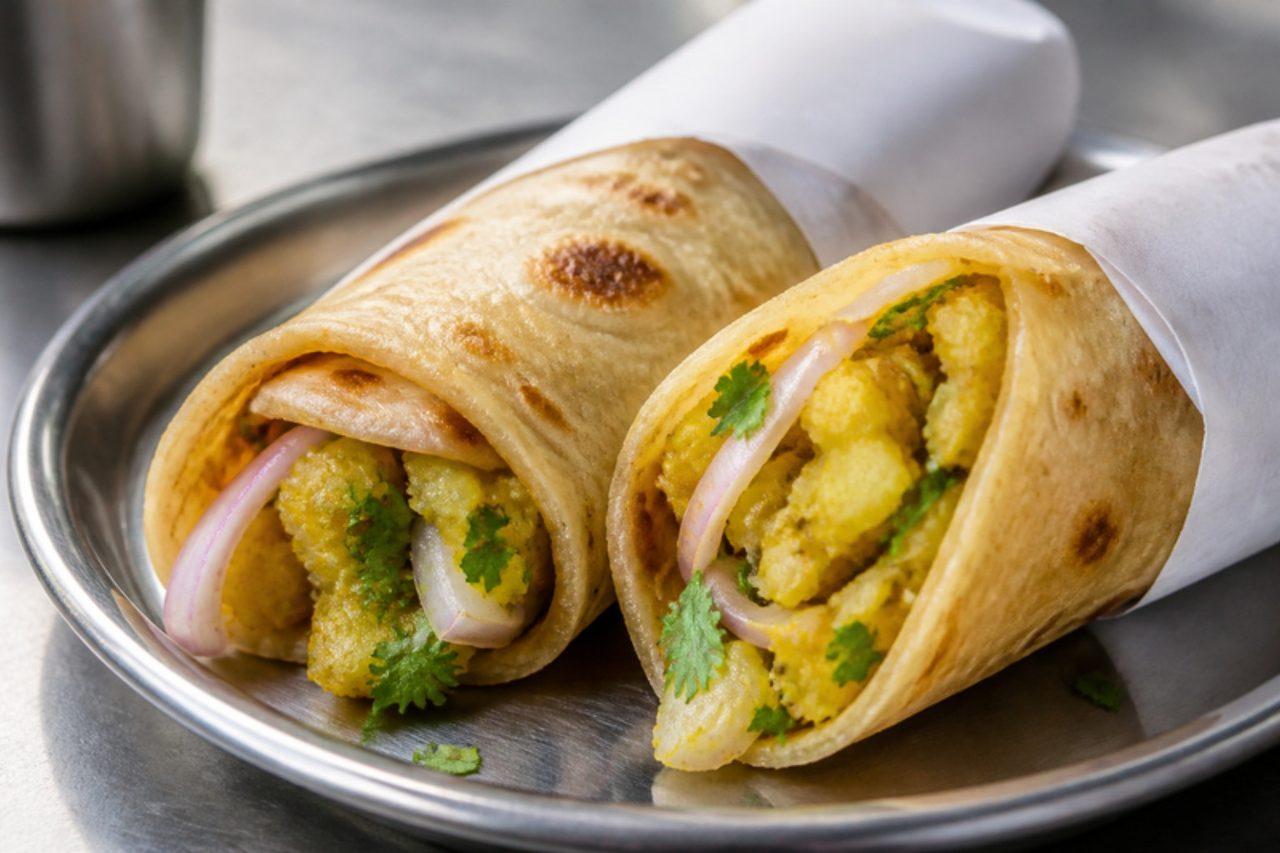
The frankie was born on the streets of Mumbai and soon moved into the city's tiffin boxes: a soft flour roti wrapped around a spiced potato filling, sprinkled with a tangy chaat-masala vinegar and raw onion, then rolled in paper. Children eat it for lunch and after school, and parents tone down the chilli. This version is vegan; it contains gluten (wheat flour). Chef's tip: just a few drops of the masala water per roll; it should taste tangy, not make the roti soggy.

by KrazyBadal 0 views
Kakdi koshimbirCucumber peanut salad

Koshimbir is the cool, crunchy salad that sits on the left side of a Marathi thali in Pune and Nashik, eaten at lunch with varan-bhaat and served at every festival meal. This one is grated or finely chopped cucumber mixed with crushed roasted peanuts, green chilli and a little yogurt, then finished with a fizz of mustard seeds and asafoetida in hot oil. A portion is about 110 kcal. The common mistake is not squeezing the cucumber, which makes the salad watery within minutes; press out the juice (and drink it). Chef's tip: add the crushed peanuts at the last moment so they stay crunchy, and use a pinch of sugar only if your yogurt is very sour.

by KrazyBadal 0 views
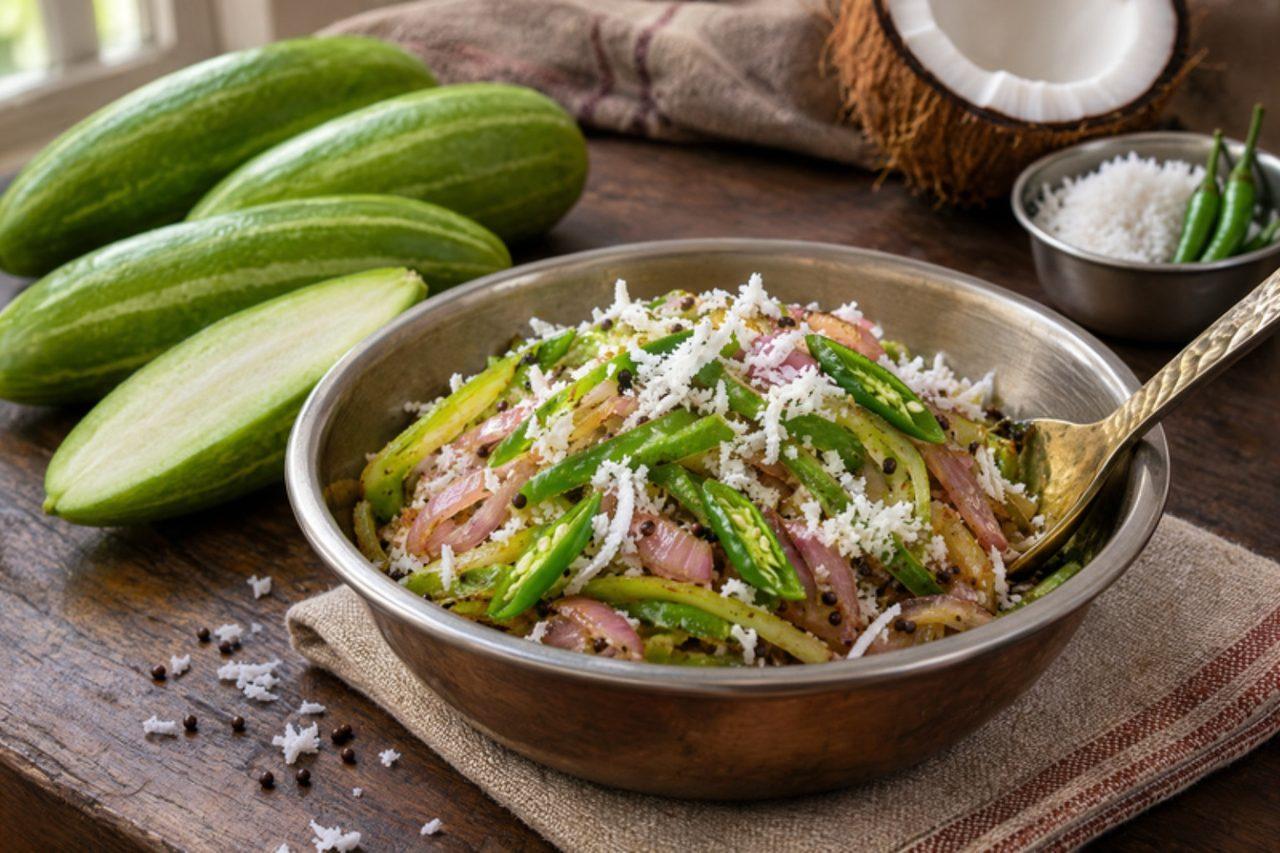
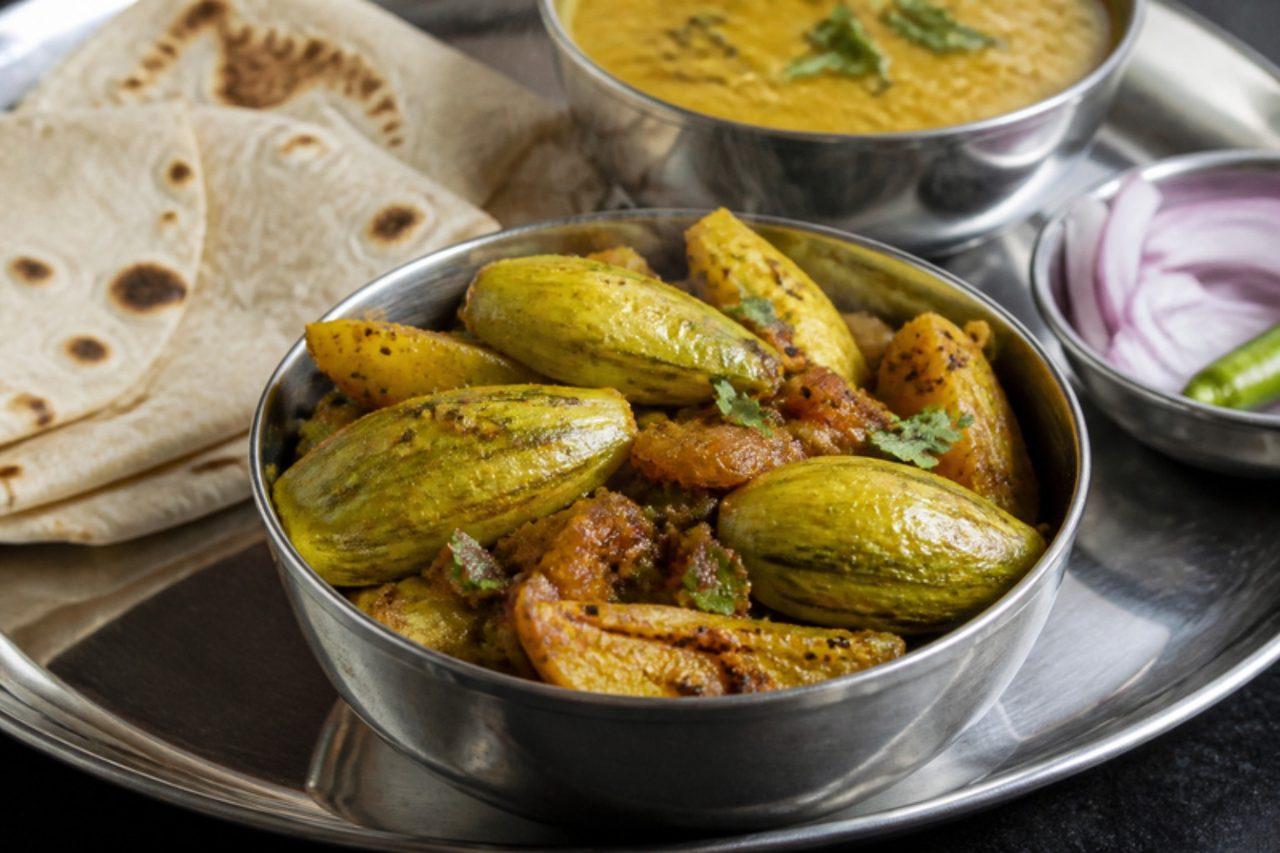
Parwal ki sabziPointed gourd and potato curry

Parwal, the small striped pointed gourd, is the summer vegetable of Patna, Varanasi and the Bhojpuri belt, and parwal-aloo is what fills the plate beside dal, rice and roti through the monsoon months. Lightly scraped gourds are halved and cooked with potato, onion, turmeric and a little garam masala until tender and golden in spots. A portion is about 140 kcal. The common mistake is peeling the parwal completely; just scrape off the rough outer skin so the halves keep their green colour and do not fall apart. Chef's tip: choose firm, bright green parwal with soft seeds; if the seeds are hard and red, scoop them out before cooking.

by KrazyBadal 0 views
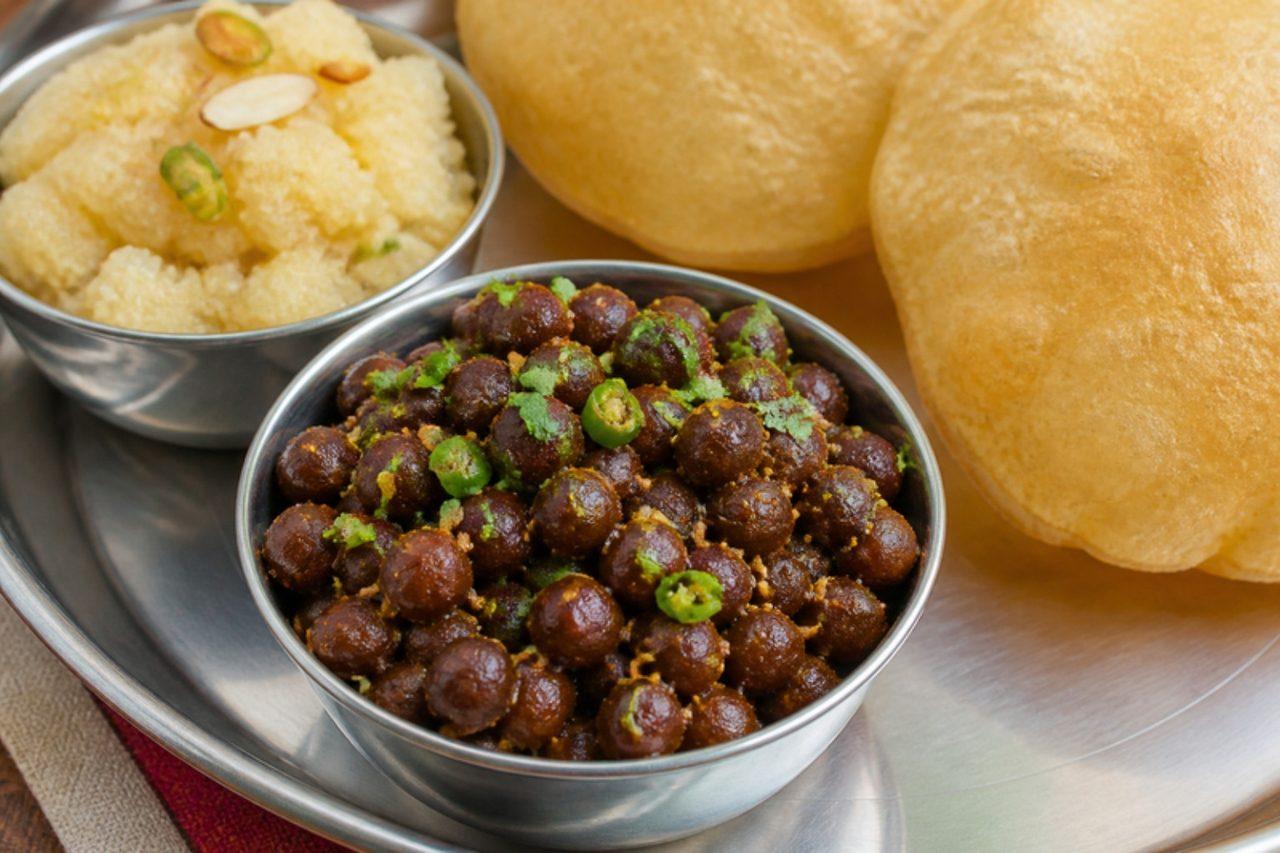
Sukhe kale chaneDry black chickpeas

On Ashtami, the eighth day of Navratri, homes in Delhi, Punjab and Uttar Pradesh invite young girls for kanjak puja and feed them puri, sooji halwa and these dry black chickpeas, cooked without onion or garlic. The kala chana are boiled until tender and then tossed in a hot, dry masala of cumin, coriander, amchur and green chilli until every chickpea is coated and the edges catch slightly. Outside festivals they make a protein-rich side or a snack with a squeeze of lemon. A portion is about 240 kcal. Soak the chickpeas overnight first. The common mistake is undercooking them: black chickpeas need longer than white, and should squash easily between two fingers. Chef's tip: keep 3 tablespoons of the cooking water and add it with the spices; it helps the masala cling to each chickpea.

by KrazyBadal 0 views
Gajar matarCarrot and pea stir-fry

Come December, the carts in Delhi and Lucknow are full of long red Delhi carrots and pods of fresh peas, and gajar matar becomes the everyday sabzi of the season, packed into tiffins with paratha or eaten with dal and rice. Diced carrot and peas are cooked with cumin, a little ginger and dry spices until just tender and sweet. Children tend to like it for its colour and mild taste. A portion is about 120 kcal. The usual mistake is cutting the carrot too big, so the peas go wrinkly before the carrot is cooked; dice it to the size of a pea. Chef's tip: if you can find the red winter carrots, use them; they are sweeter and juicier than orange ones, so you need no sugar at all.

by KrazyBadal 0 views
Mooli ki sabziRadish stir-fry

In Punjab and western Uttar Pradesh, radishes are bought with their leafy tops in the winter months, and nothing is wasted: the root is grated and the greens chopped, and both are cooked down with ajwain and green chilli into a soft, slightly sweet sabzi. It is eaten with makki or wheat roti and a spoon of white butter for those who are not counting, and it is very light without it. A portion is about 80 kcal. The usual mistake is skipping the squeeze: grated radish holds a lot of sharp-tasting water, so press it out first, or the sabzi turns soupy and bitter. Chef's tip: ajwain is the classic partner for radish; it softens the pungency and helps digestion, so don't leave it out.

by KrazyBadal 0 views
Paruppu usiliGreen beans with crumbled lentils

Paruppu usili is a Tamil Brahmin speciality, the dry dish that sits beside more kuzhambu or rasam on a Thanjavur lunch leaf at weddings and at home: chana and toor dal are soaked, ground coarsely with red chilli, steamed into a cake, crumbled, then fried with finely chopped green beans until the crumbs turn golden and crisp in places. The result is nutty, spicy and full of protein. A portion is about 220 kcal. The dals soak for 1 hour first (not counted in the times). The mistake most people make is grinding the dal to a smooth paste; it should be coarse like semolina, or the usili turns into lumps instead of crumbs. Chef's tip: steam the ground dal before frying, rather than frying it raw; it crumbles perfectly and needs far less oil.

by KrazyBadal 0 views
Patta gobhi matarCabbage and pea stir-fry

This is one of the plainest and most loved dishes of North Indian home cooking, made in Kanpur, Dehradun and Delhi on any weeknight when the fridge holds half a cabbage: finely shredded cabbage and green peas cooked fast with cumin, green chilli and turmeric until just wilted, still with some crunch. It goes into lunch boxes with ajwain parathas or onto the dinner thali with dal. A portion is about 110 kcal. The most common mistake is covering it for too long, which makes the cabbage watery and gives it a sulphur smell; cook it mostly uncovered on a fairly high heat. Chef's tip: shred the cabbage as finely as you can with a sharp knife; thin ribbons cook in five minutes and soak up the spices evenly.

by KrazyBadal 0 views
Beans foogathGreen beans with coconut
Foogath is the everyday vegetable of Goan Catholic homes in Margao and Panjim, a dry stir-fry of finely chopped beans, cabbage or gourd with onion, green chilli and plenty of freshly scraped coconut, eaten on the side of fish curry rice at Sunday lunch or with plain rice and dal at a weekday supper. It is mild, sweet and fresh-tasting. A portion is about 120 kcal. The common mistake is cooking the beans too long in a covered pan, which turns them khaki; cook them quickly and keep them bright green. Chef's tip: chop the beans very fine, almost into small rounds; that is the Goan way, and it lets them cook in a few minutes.

by KrazyBadal 0 views
Varagu pongalKodo millet pongal

Ven pongal, the peppery rice and dal porridge, is the Sunday breakfast of Tamil Nadu and the prasadam handed out at temples; in Chennai homes that have turned to millets, kodo millet (varagu) now often takes the rice's place. It cooks into the same soft, creamy mass with yellow moong dal, scented with crushed black pepper, cumin, ginger and curry leaves fried in a modest spoon of ghee, and is eaten with coconut chutney and sambar. A portion is about 280 kcal, far less ghee than the temple version. The mistake people make is serving it too thick; pongal firms up fast as it cools, so make it looser than you think. Chef's tip: crush the peppercorns coarsely in a mortar rather than grinding them fine; you want little bursts of heat in each spoonful.

by KrazyBadal 0 views
Aloo gobi

In winter, when the Punjab markets are piled with tight white cauliflowers, aloo gobi is on the table in Amritsar and Ludhiana homes several times a week, folded into hot phulkas for lunch boxes or eaten with dal and rice at night. This is the dry home version, not the oily dhaba one: florets and potato cubes cooked covered in their own steam with cumin, ginger, turmeric and green chilli, then uncovered so the edges brown a little. A portion is about 175 kcal. The most common mistake is adding water, which boils the cauliflower to mush; the lid and a low heat do the work. Chef's tip: cut the potatoes smaller than the florets so they cook in the same time, and don't stir too often, or the florets break.

by KrazyBadal 0 views
Moong dal khichdiRice and moong dal porridge

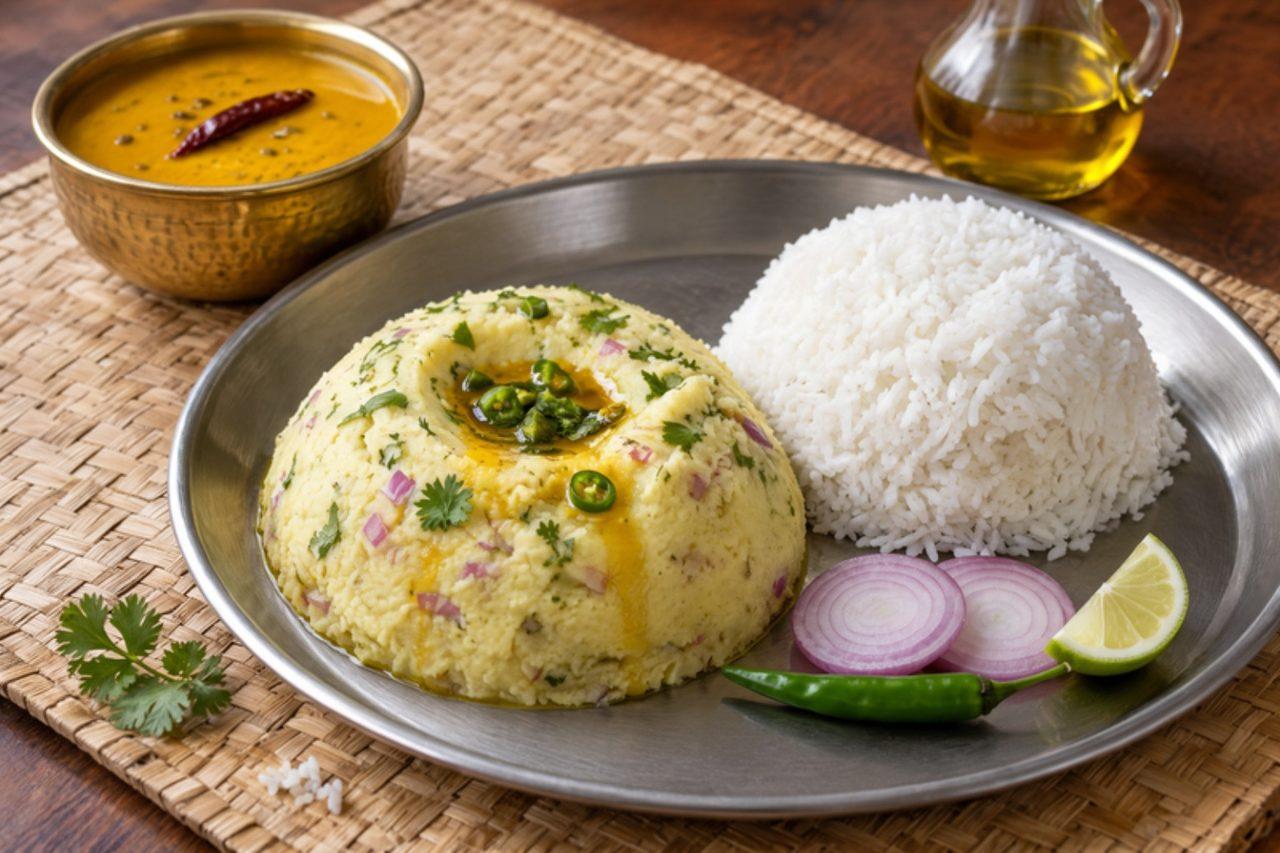
When someone in a Gujarati or Rajasthani home is under the weather, has just come back from a long trip, or simply wants a light supper on a Monday, the pressure cooker comes out for plain moong dal khichdi. Rice and split yellow moong cook together with turmeric until they collapse into a soft, spoonable porridge, and a small tempering of ghee, cumin and asafoetida is poured over at the end. It is eaten with yogurt, papad and a pickle, and it is gentle enough for toddlers over one year. A portion is about 290 kcal. The most common mistake is too little water, which leaves a stiff, dry khichdi; it should be loose enough to settle flat in the bowl. Chef's tip: dry-roast the dal for two minutes before adding water; it gives a nutty smell that plain boiled dal never has.

by KrazyBadal 0 views
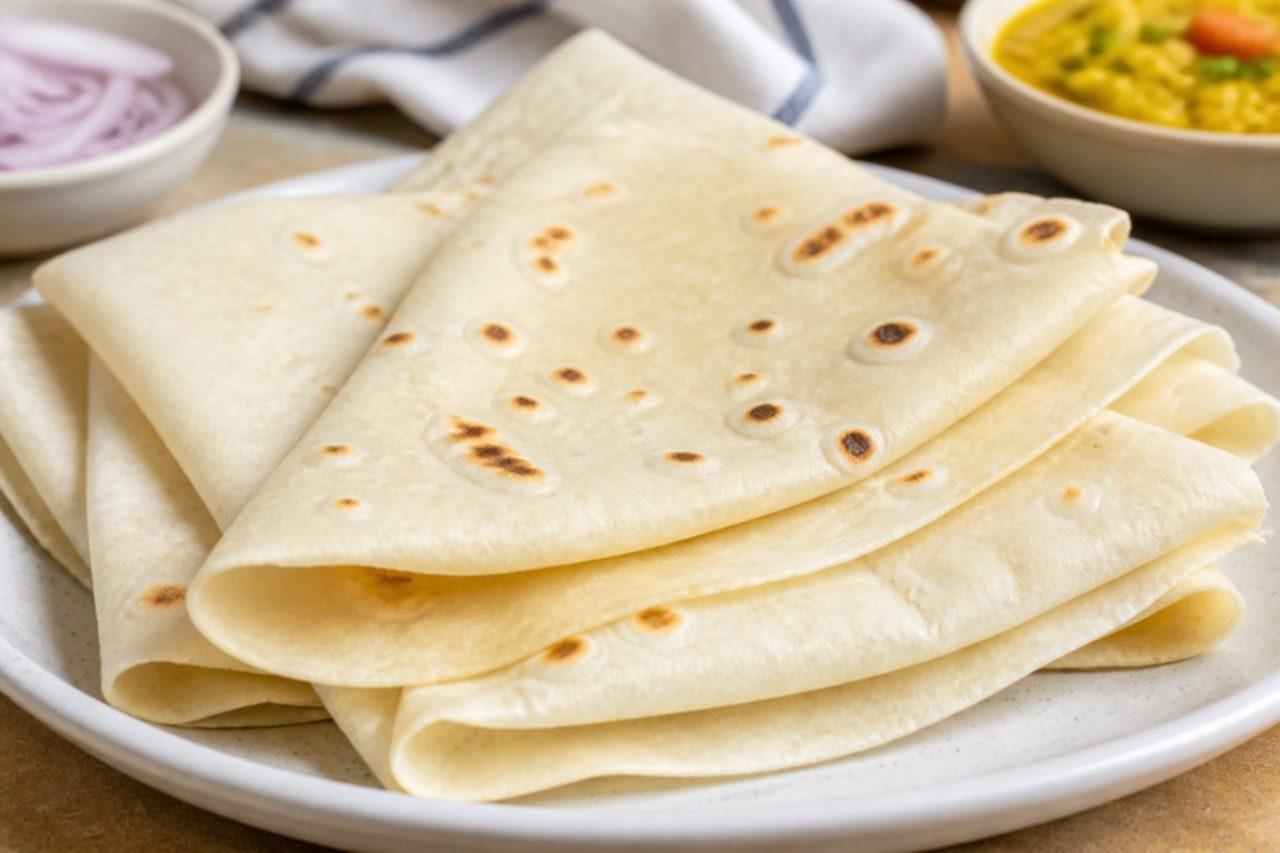
ChorchoriMixed vegetable stir-fry

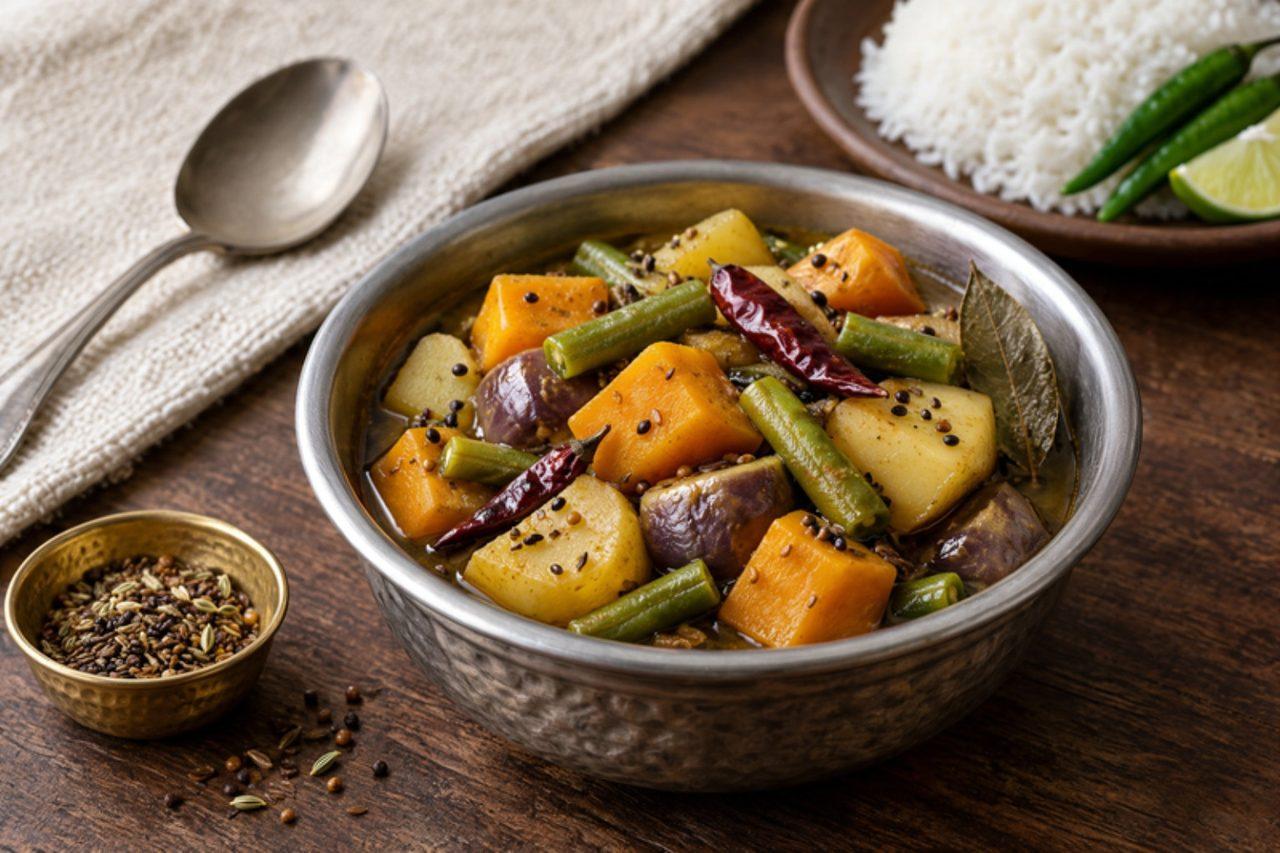
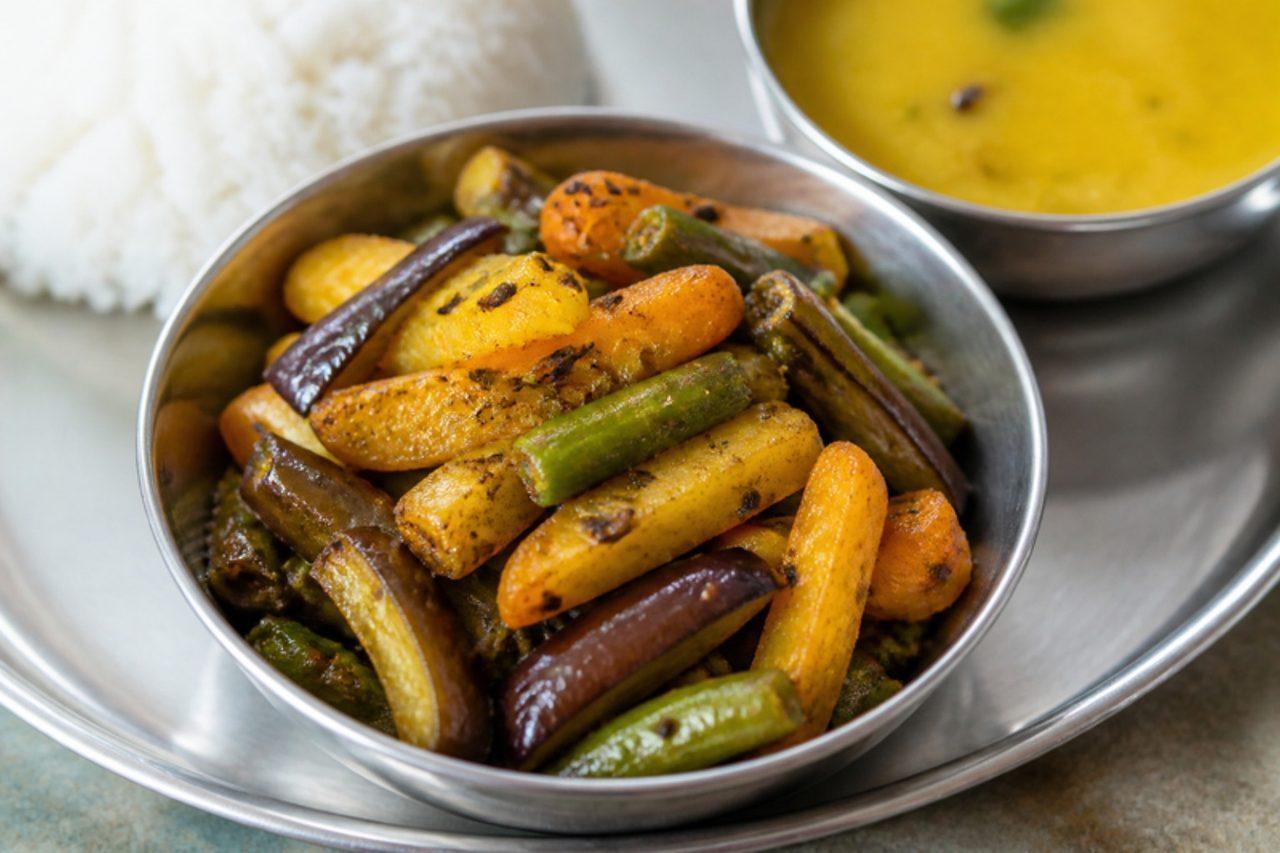
Chorchori is the thrifty everyday dish of Kolkata kitchens, where whatever vegetables are in the basket, pumpkin, potato, aubergine, radish, beans, are cut into sticks and cooked down slowly with panch phoron and mustard oil until the pan is dry and the bottom catches a little. Bengalis love that slightly caramelised scrape at the bottom of the pan. It is eaten with rice and dal at lunch. A portion is about 150 kcal. The usual mistake is stirring too much, which breaks the vegetables into mush; once the lid is on, leave it and just shake the pan. Chef's tip: add a teaspoon of mustard paste or a pinch of sugar at the end, as many Bengali homes do; it rounds out the flavour.

by KrazyBadal 0 views
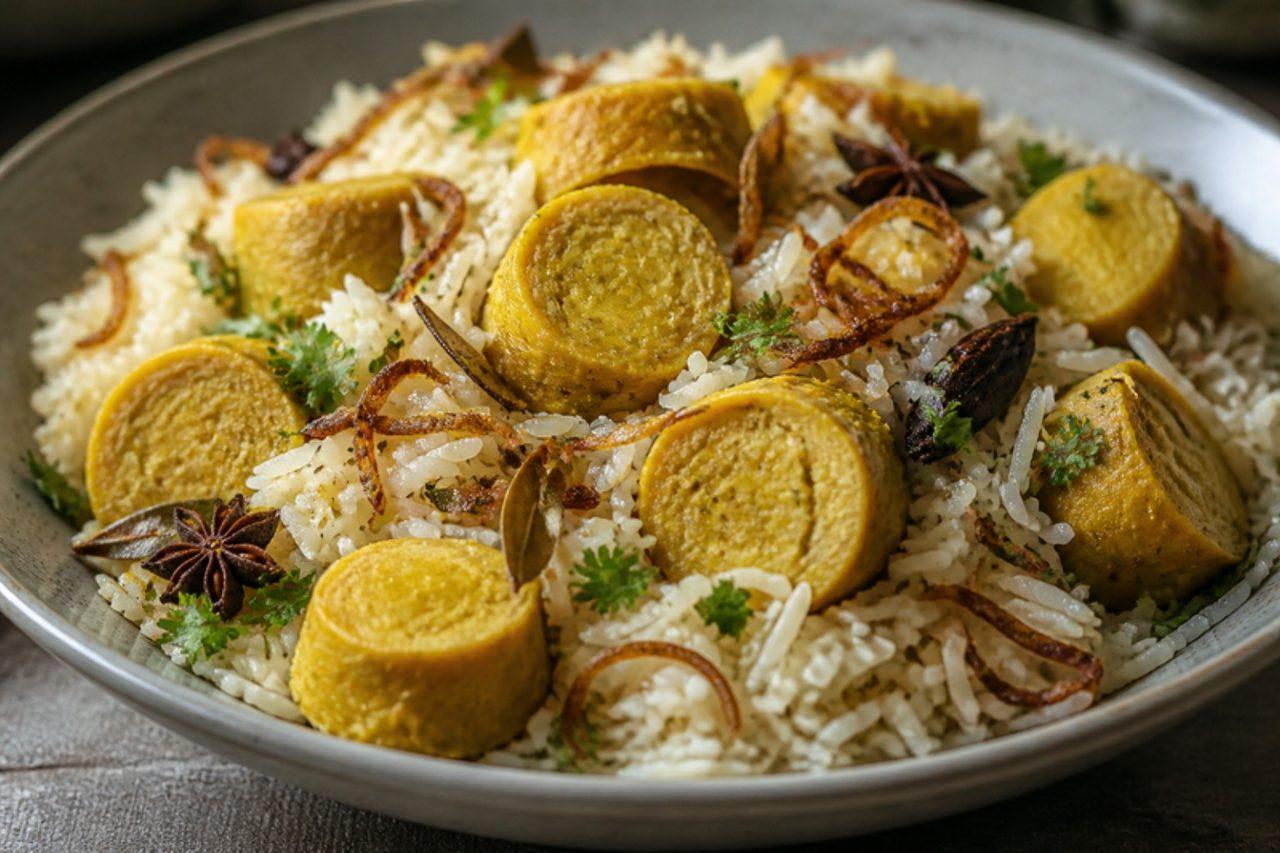
Matki usalSprouted moth bean curry

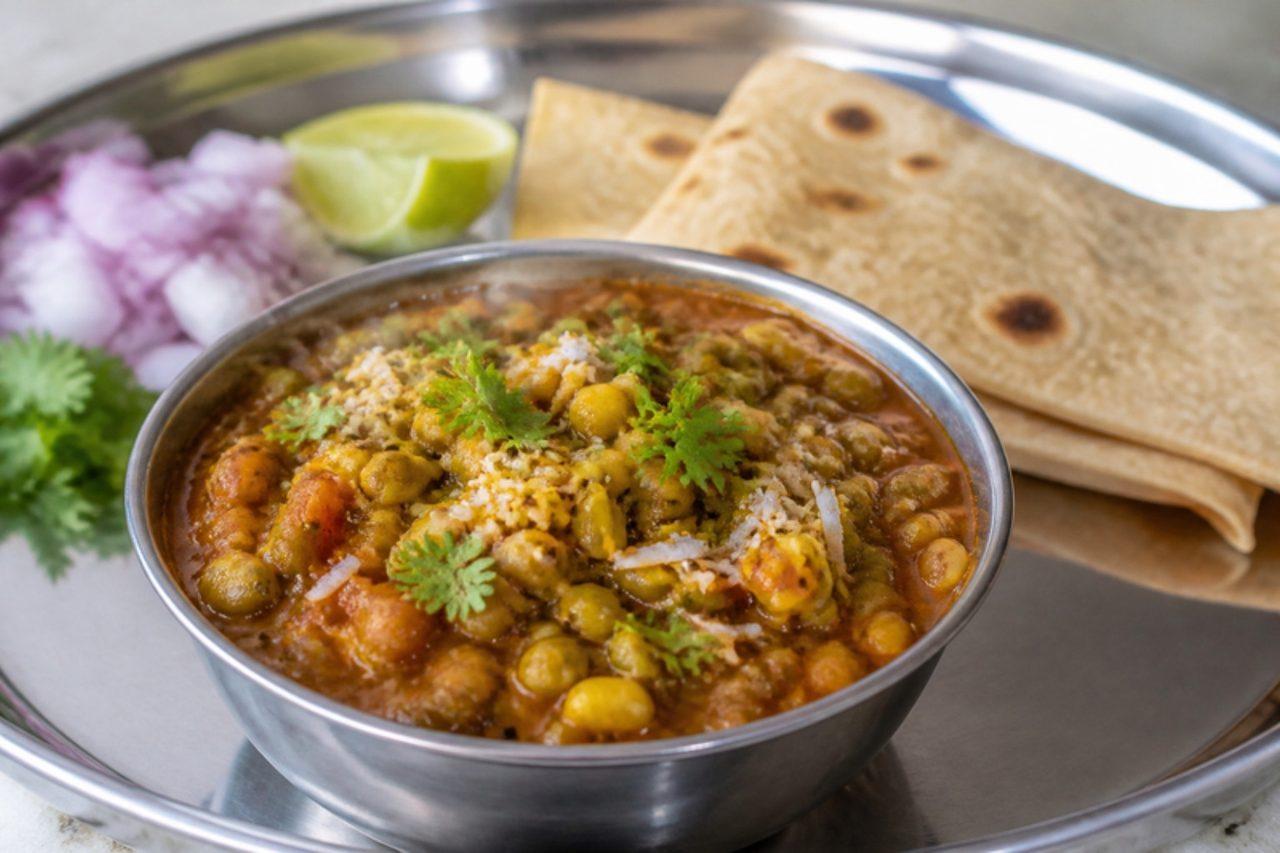
Every Marathi kitchen from Pune to Kolhapur keeps a jar of matki, the small brown moth beans, sprouting on the counter, and a bowl of usal is what turns up with chapati or bhakri at a weekday lunch, or topped with farsan as misal on Sundays. The sprouts stay slightly firm in a thin, spicy gravy flavoured with goda masala, the sweet-smoky spice mix of Maharashtra, and a little fresh coconut. A portion is about 230 kcal. Sprouting takes 2 days (soak overnight, then leave wrapped in a cloth for 24–36 hours), which is not counted in the times. The common mistake is overcooking the sprouts until they split and go mushy; they should hold their shape and still have a slight bite. Chef's tip: add a teaspoon of jaggery and a few kokum petals at the end; the gentle sweet-sour balance is what makes usal taste Maharashtrian.

by KrazyBadal 0 views
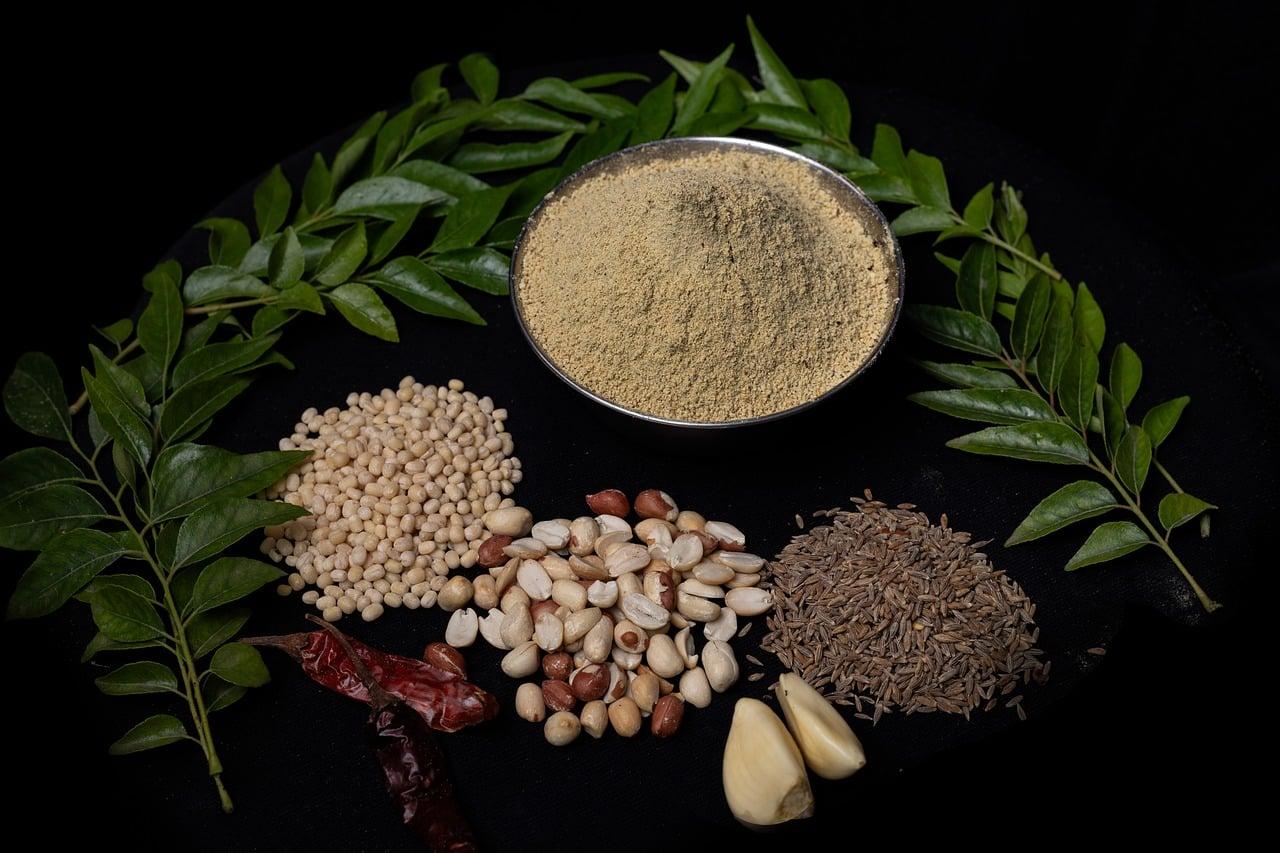
Shimla mirch besanCapsicum with gram flour

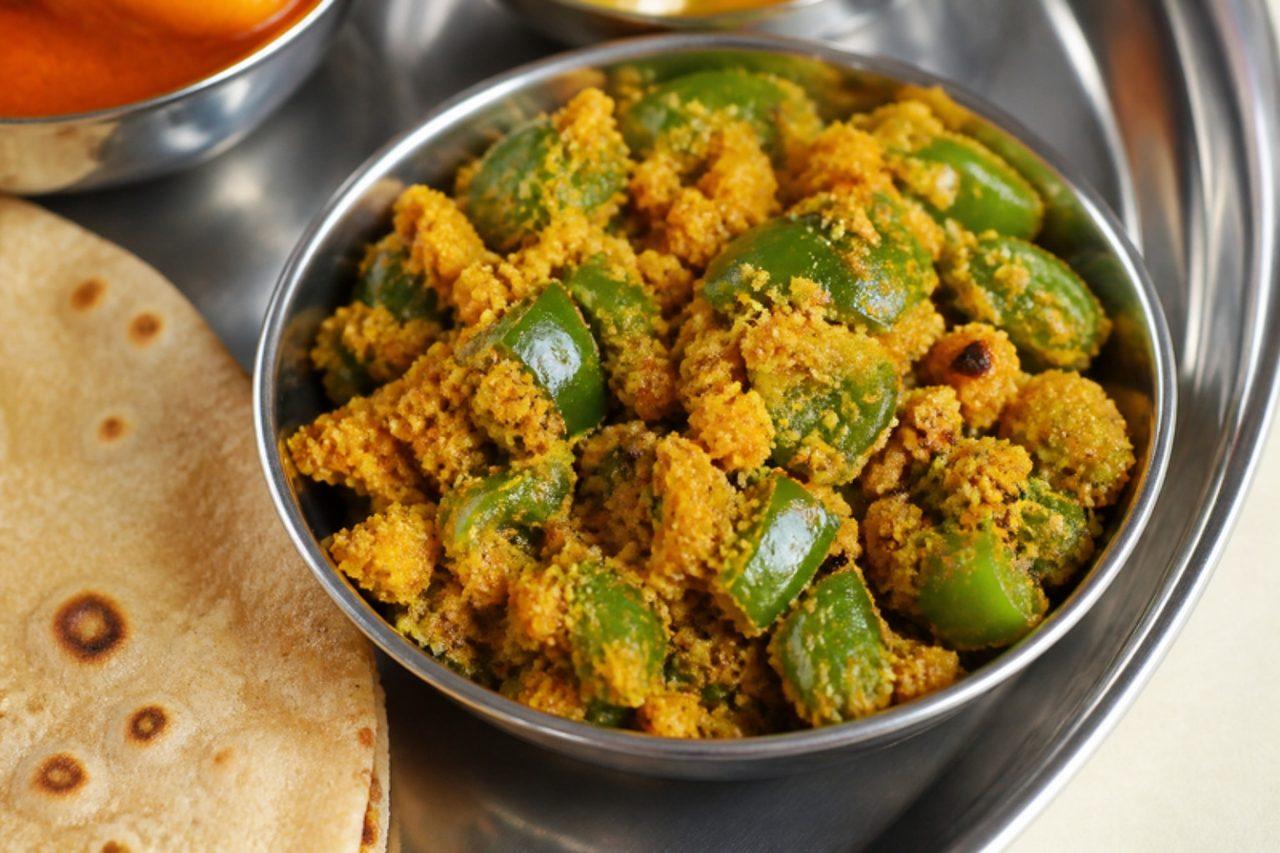
In Marwari homes in Jodhpur and Bikaner, and across Vidarbha in Maharashtra, gram flour stretches a few vegetables into a satisfying dry sabzi, and capsicum with besan is the weekday favourite, eaten with phulka and a bowl of kadhi or dal. Diced green peppers are cooked until just soft, then dusted with roasted, spiced besan, which turns into crumbly golden bits that cling to the peppers. A portion is about 165 kcal. The common mistake is adding the besan raw to the wet peppers, which gives a pasty, raw-tasting coating; roast it dry in a separate pan first until it smells nutty. Chef's tip: keep the capsicum slightly crunchy; it carries on softening once the besan goes in.

by KrazyBadal 0 views
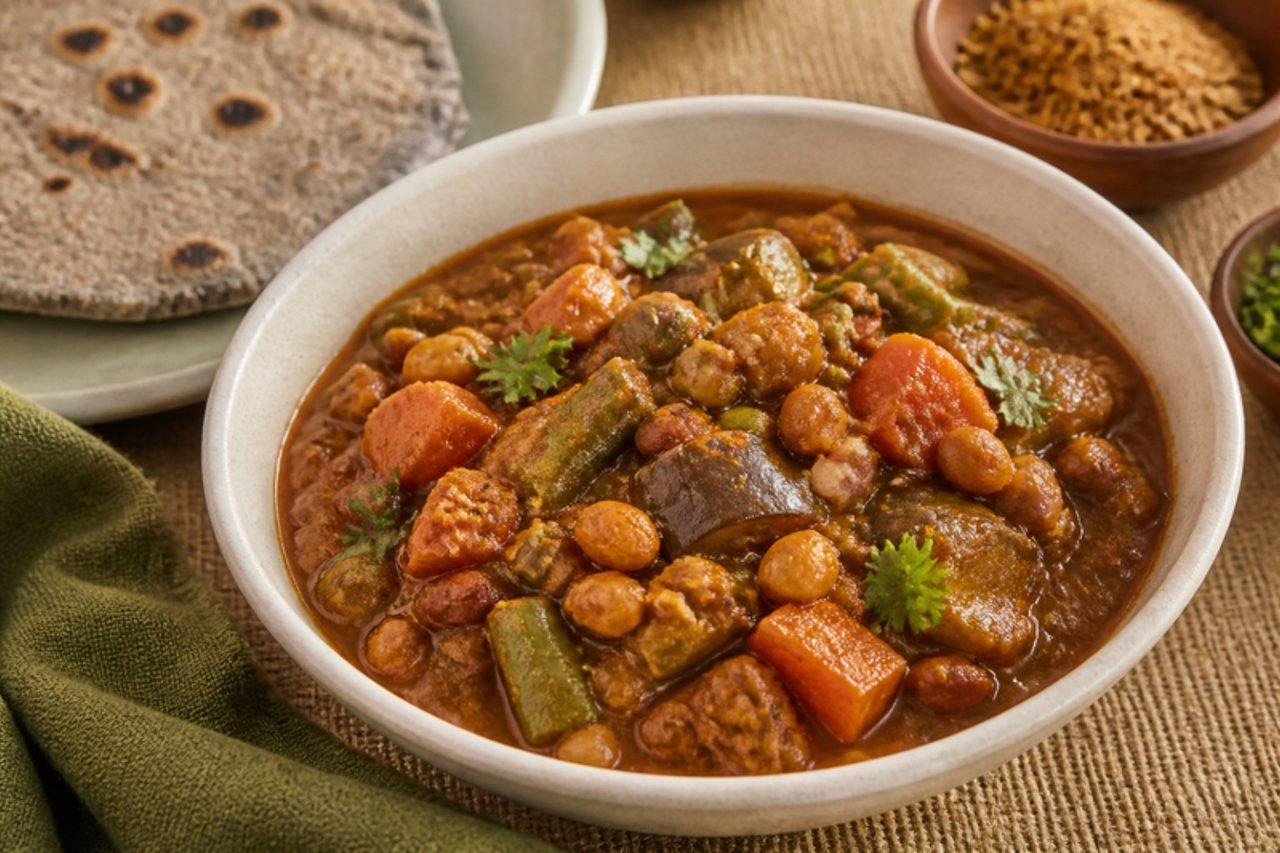
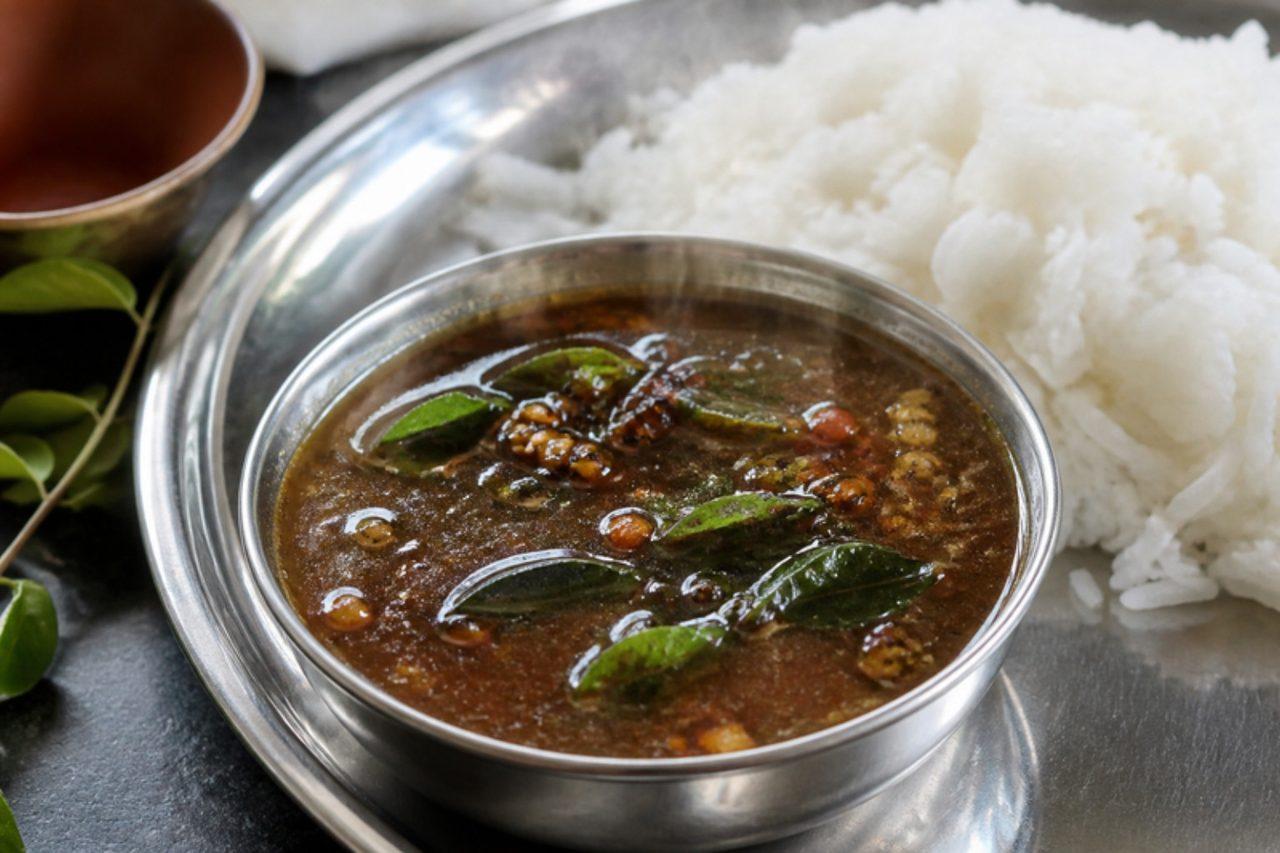
Milagu rasamPepper rasam

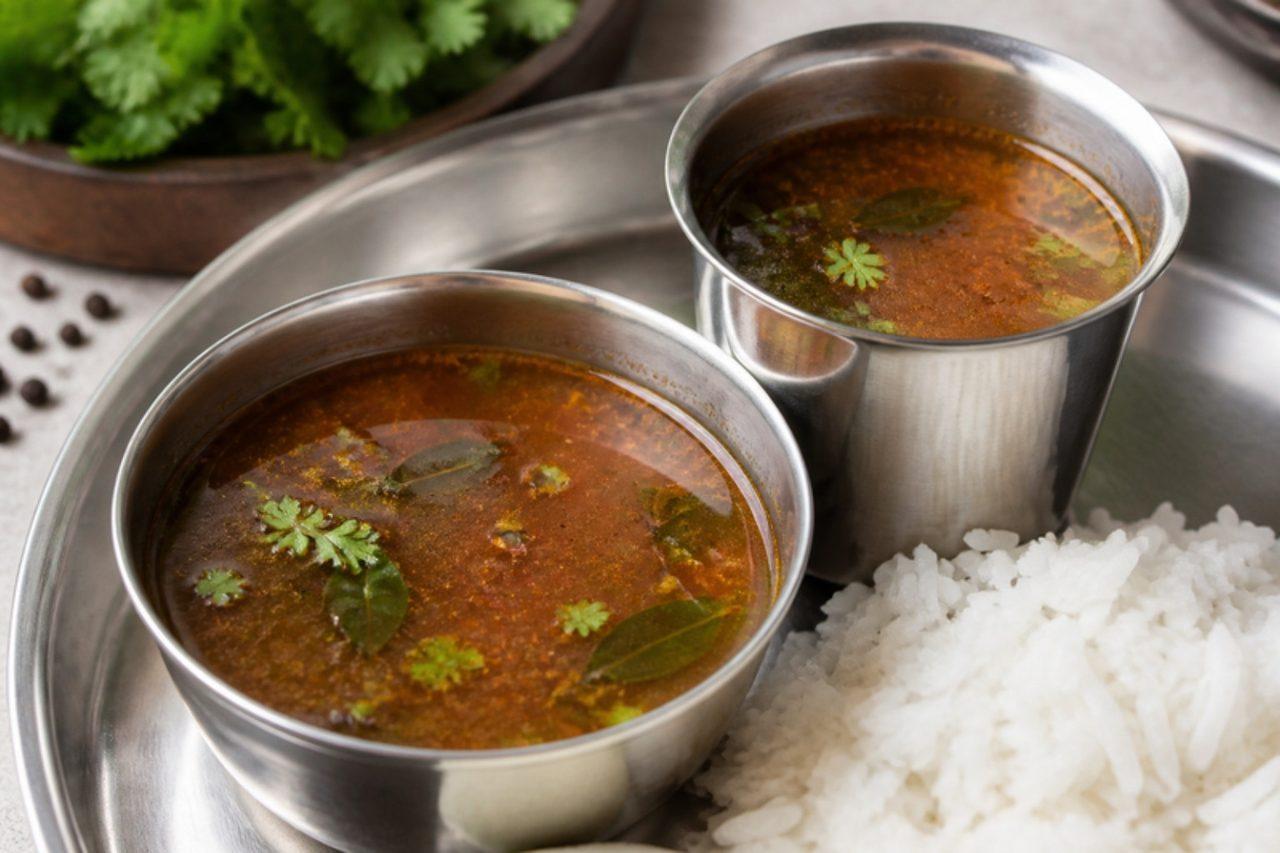
In Tamil homes from Madurai to Chennai, milagu rasam is the medicine of the kitchen, made when someone has a cold, the weather turns wet, or the family just wants a light dinner of rasam and rice. Unlike tomato rasam it needs no dal: tamarind water is simmered with a freshly ground paste of black pepper, cumin and garlic and tempered with ghee or oil, giving a thin, sharp, warming broth that clears the head. It is poured over rice or sipped from a cup. A portion is about 55 kcal. The common mistake is letting it boil hard after the spice paste goes in, which makes it bitter; once it froths up, turn off the heat. Chef's tip: dry-roast the pepper and cumin for a minute before grinding; it turns the heat round and deep instead of harsh.

by KrazyBadal 0 views
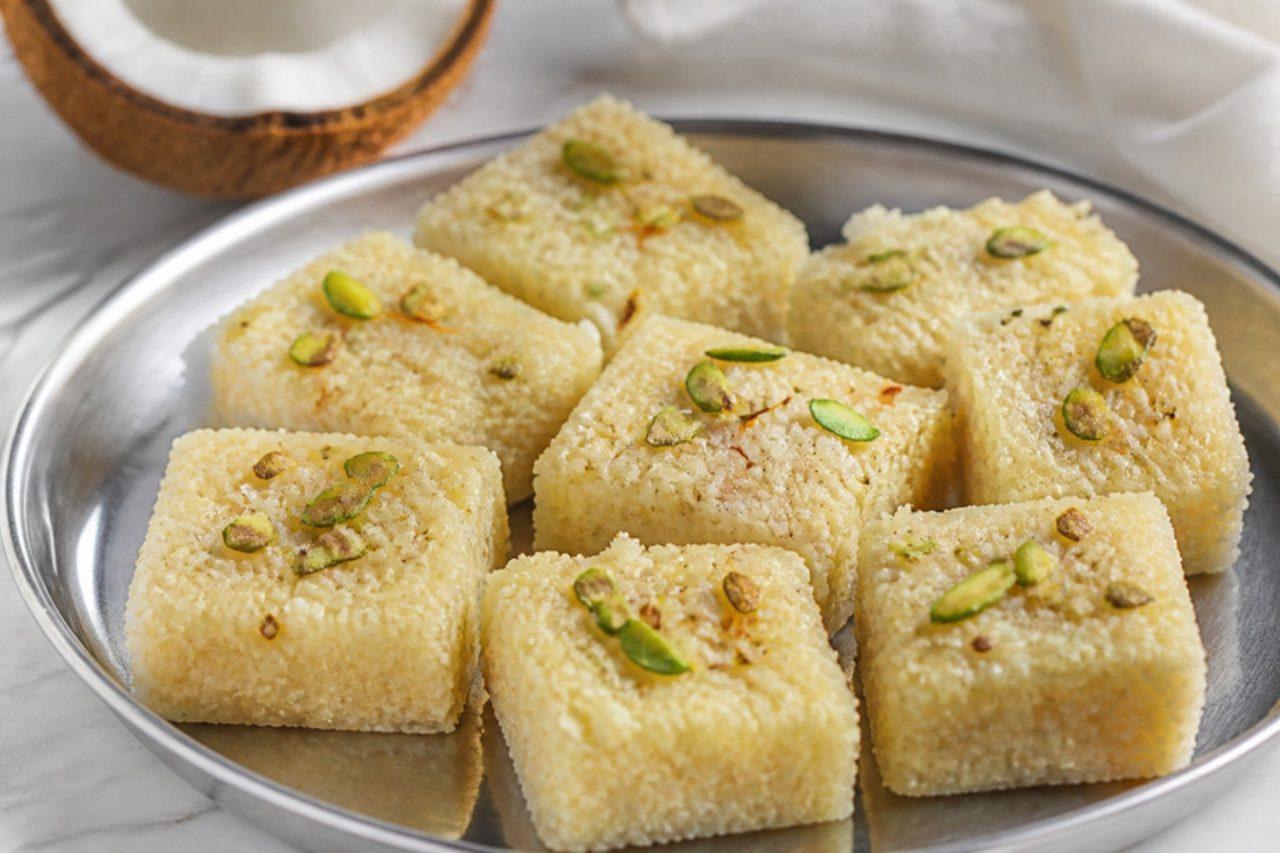
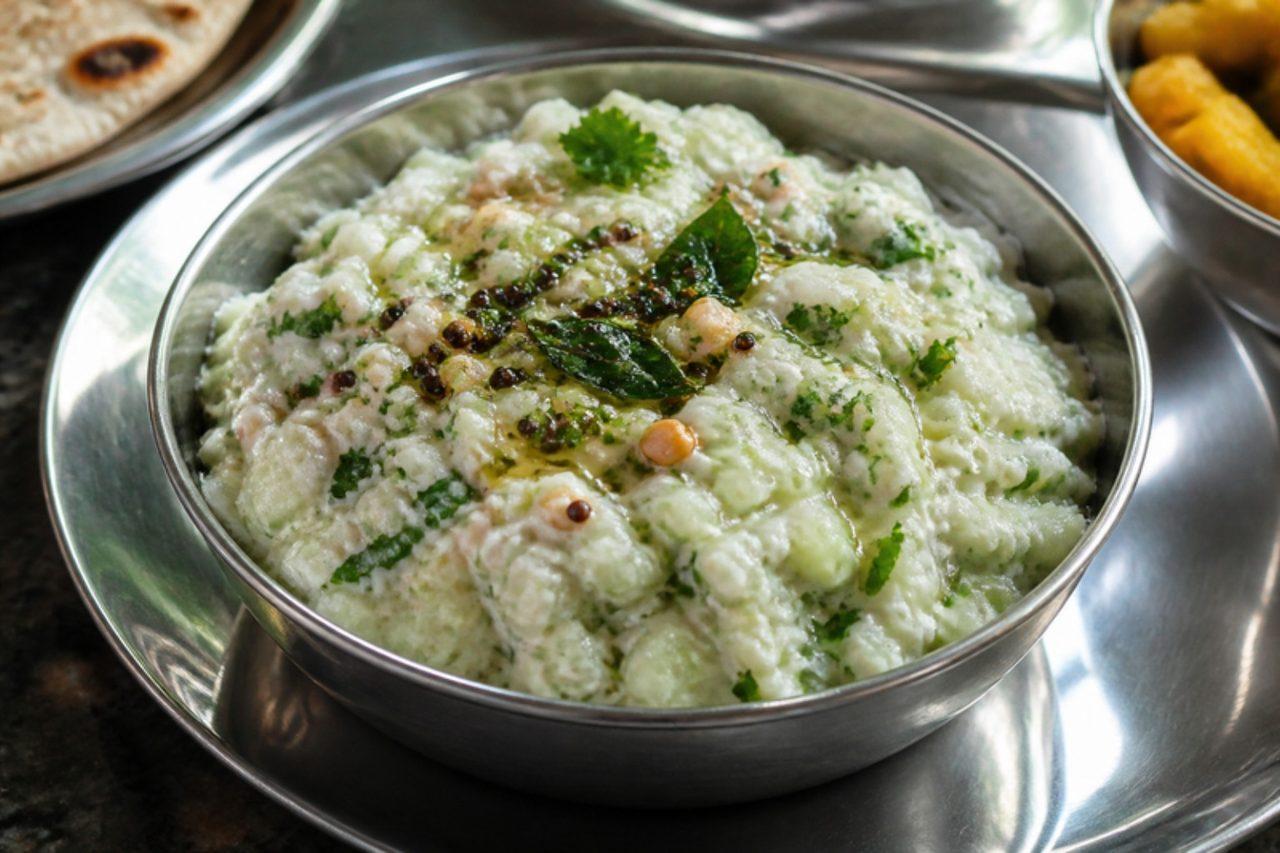
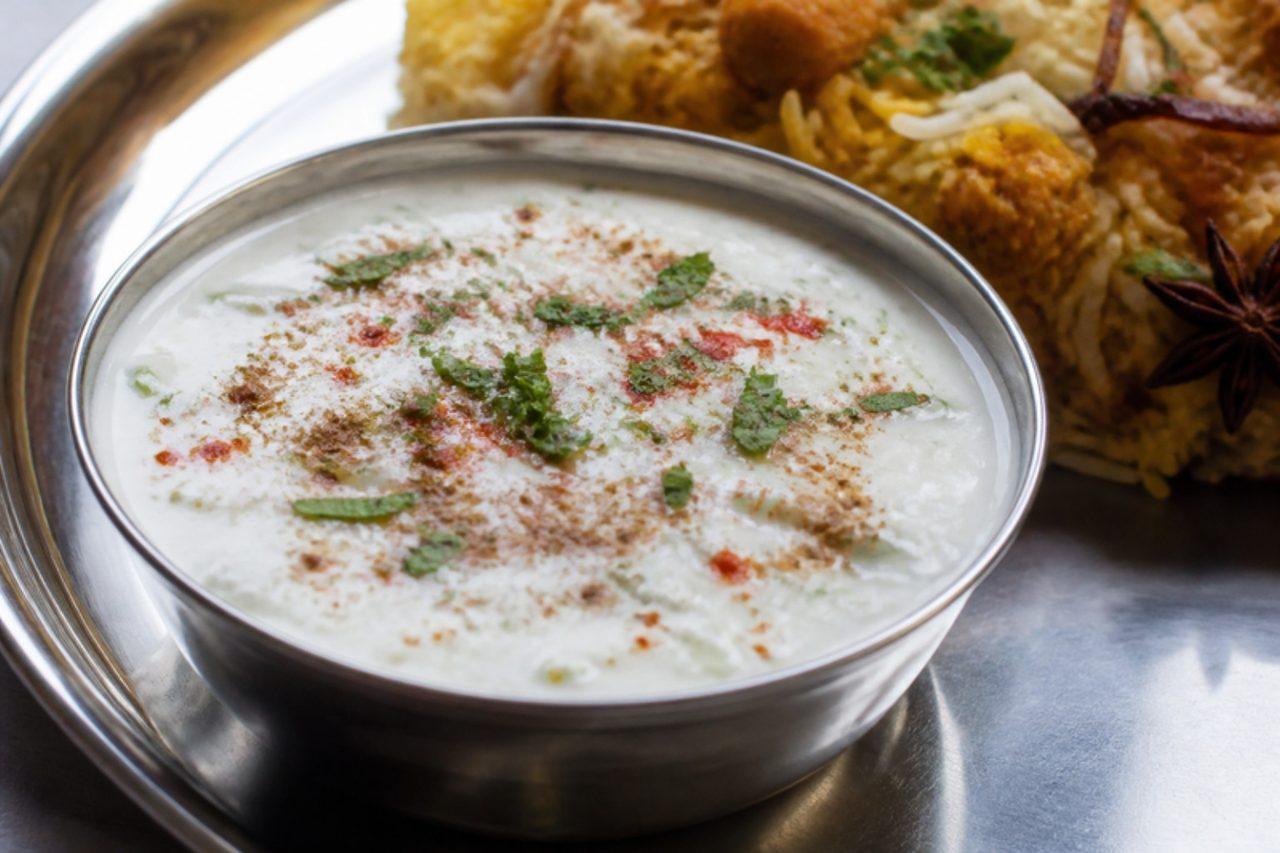
Kheera raitaCucumber yogurt dip

From Lucknow dinner tables to the biryani counters of Old Delhi, a bowl of cucumber raita is the cooling answer to anything spicy, and in summer it is eaten on its own with a paratha. Grated cucumber is folded into smooth, whisked yogurt with freshly roasted cumin, mint and a pinch of black salt. A portion is about 70 kcal. The common mistake is using yogurt straight from the pot without whisking, which gives a lumpy raita; whisk it smooth first and thin it with a spoon of cold water if needed. Chef's tip: roast whole cumin seeds in a dry pan and crush them yourself just before serving; the smoky smell is what makes a raita sing.

by KrazyBadal 0 views
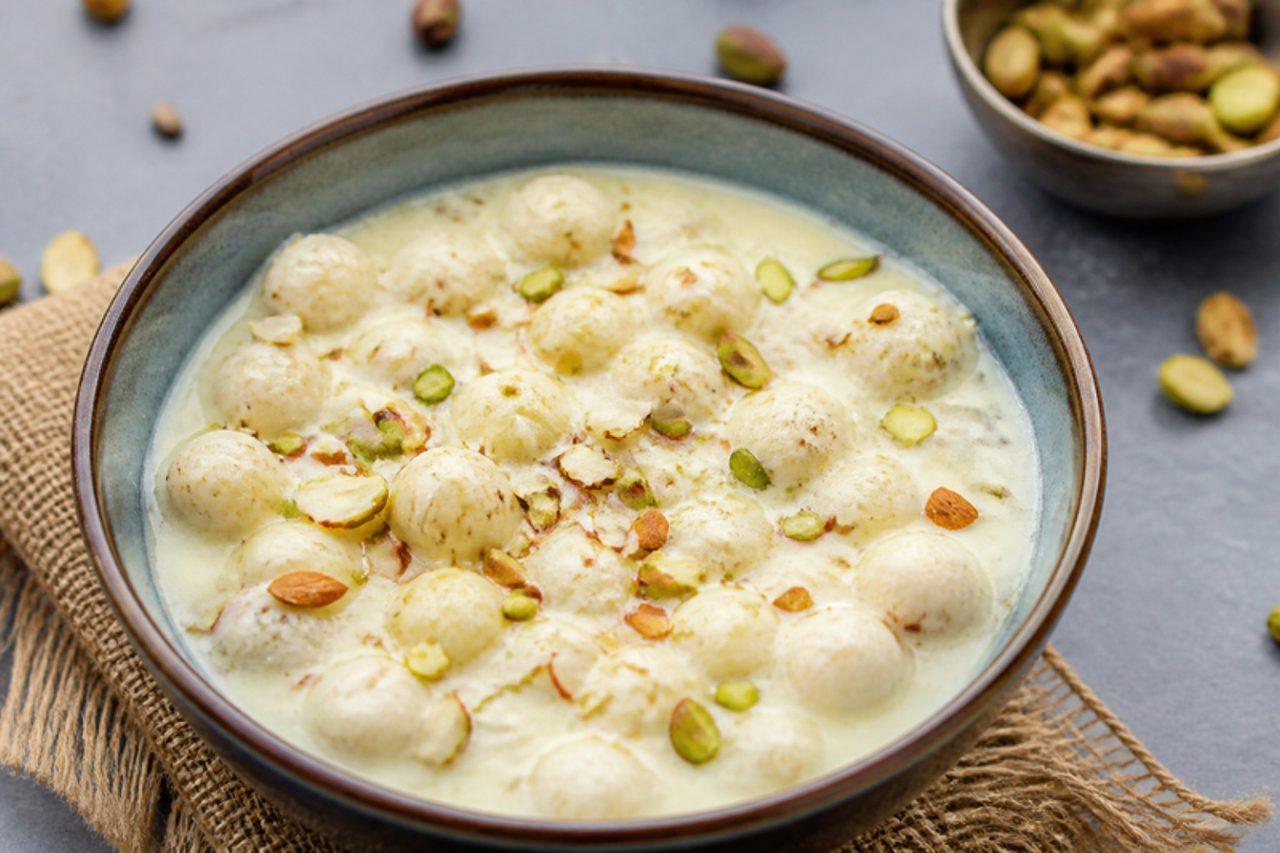
UlavacharuHorse gram soup

Horse gram (ulavalu) was once the grain fed to horses and the poorest farmers in the dry Rayalaseema and Krishna districts; today ulavacharu is a prized dish in Vijayawada restaurants, served with hot rice, a dot of ghee for those who eat it and fresh cream in the fancier places. The beans are boiled for a long time, and their dark, earthy cooking liquid is simmered down with tamarind, jaggery and spices into a thick, glossy, sweet-sour soup. A portion is about 210 kcal. The beans need soaking overnight first. The most common mistake is throwing away the cooking water: it is the soup. Chef's tip: let ulavacharu reduce slowly until it coats a spoon like thin gravy; that thick, almost syrupy finish is what separates it from rasam.

by KrazyBadal 0 views
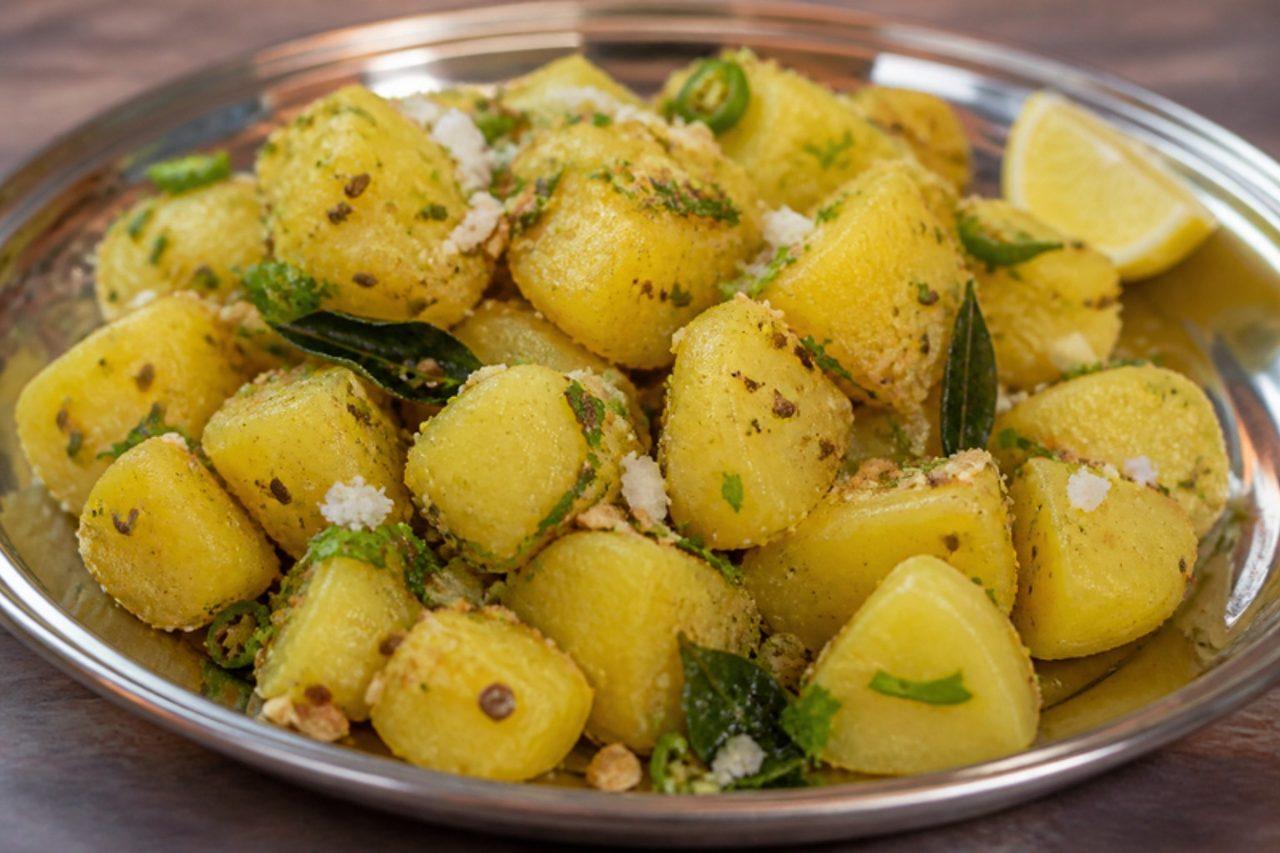
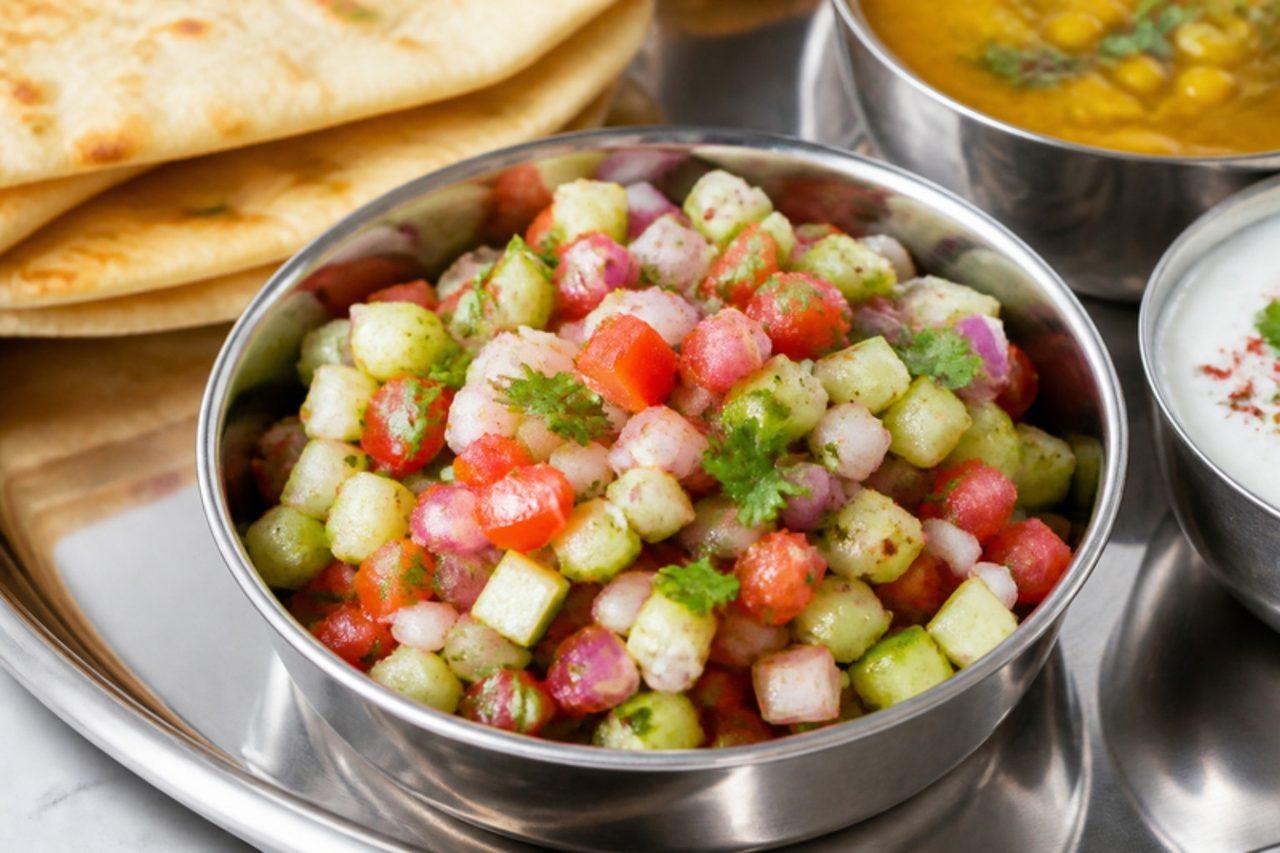
KachumberCucumber tomato onion salad

No North Indian or Gujarati thali is complete without a little heap of kachumber, the chopped salad that cuts through rich dal makhani, biryani or chhole in homes and dhabas from Delhi to Ahmedabad. Cucumber, tomato and onion are diced small and dressed only with lemon juice, salt, chilli and roasted cumin, so it stays crisp and sharp. A portion is about 40 kcal. The most common mistake is salting it too early; salt draws the water out of the cucumber and tomato and leaves a soggy puddle, so dress it just before serving. Chef's tip: soak the chopped onion in iced water for 5 minutes and drain; it loses its harsh bite and stays crunchy.

by KrazyBadal 0 views
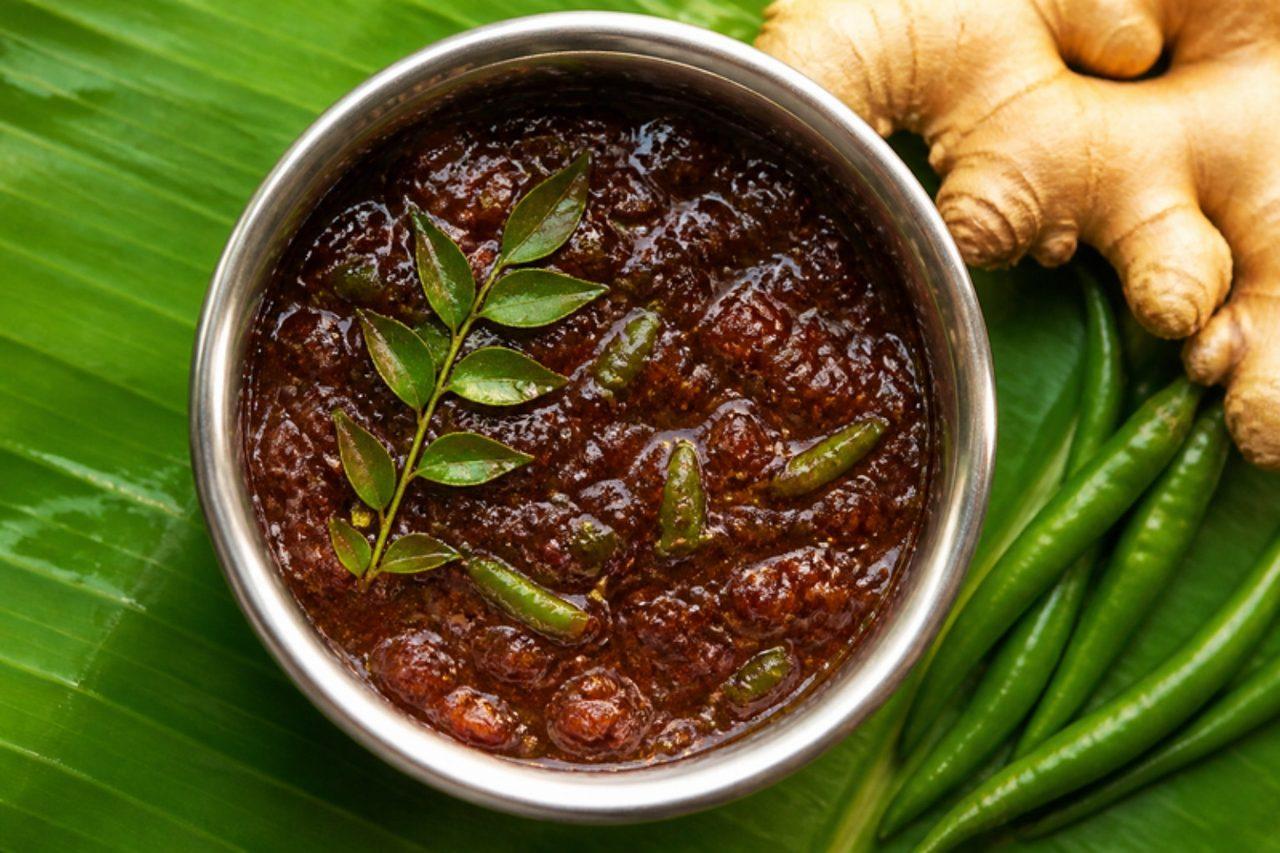
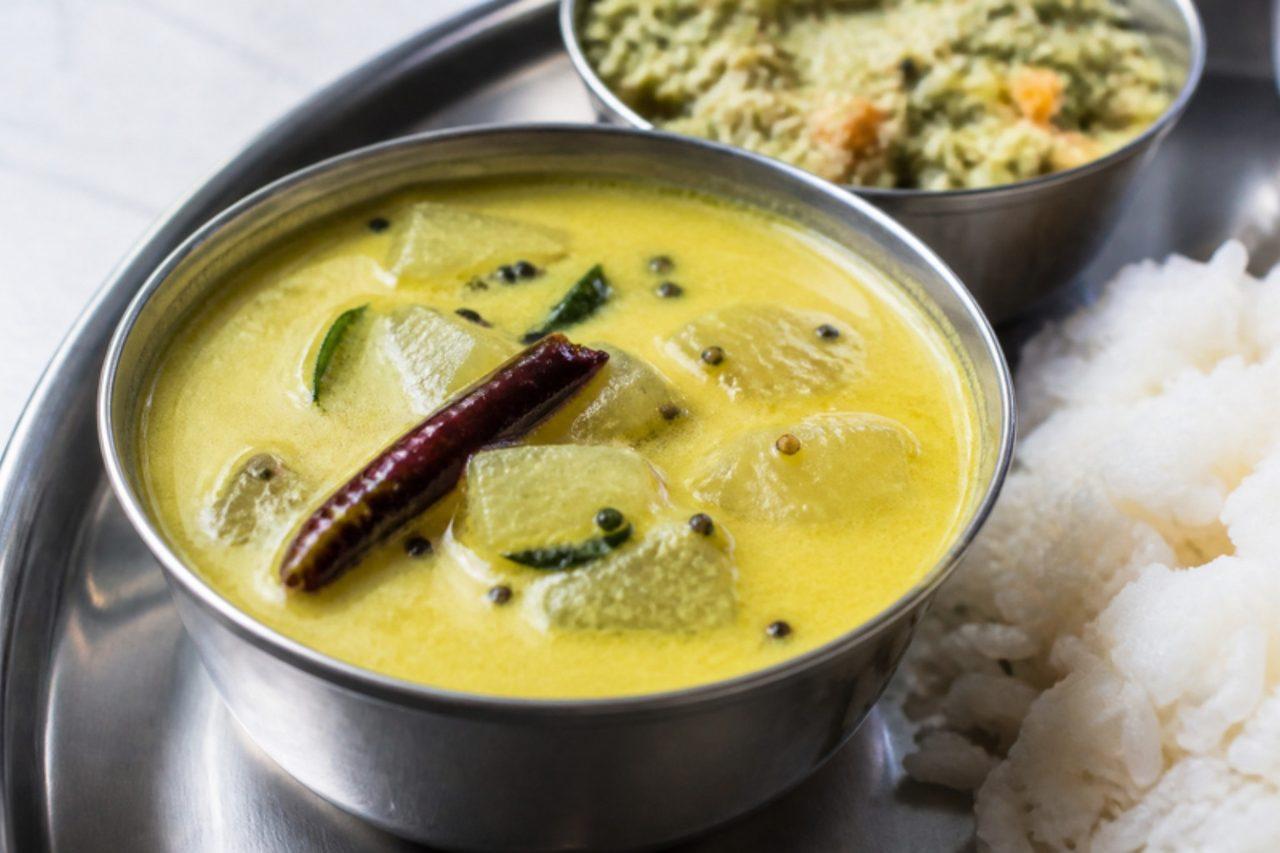
Majjige huliAsh gourd in buttermilk

Majjige huli is part of the Udupi and Mangaluru lunch, served with rice on banana leaves at temple meals and weddings and made at home on hot days: chunks of ash gourd (or cucumber, or chayote) cooked tender and then simmered gently in sour buttermilk thickened with a paste of coconut, green chilli, ginger and soaked chana dal. It is mild, tangy and pale yellow, and very cooling. A portion is about 150 kcal. The most common mistake is boiling it after the buttermilk goes in; it splits into curds and whey. Heat it until just steaming and then take it off. Chef's tip: use buttermilk that is a day or two old and properly sour; fresh buttermilk tastes flat in this dish.

by KrazyBadal 0 views
Karela nu shaakBitter gourd and jaggery curry

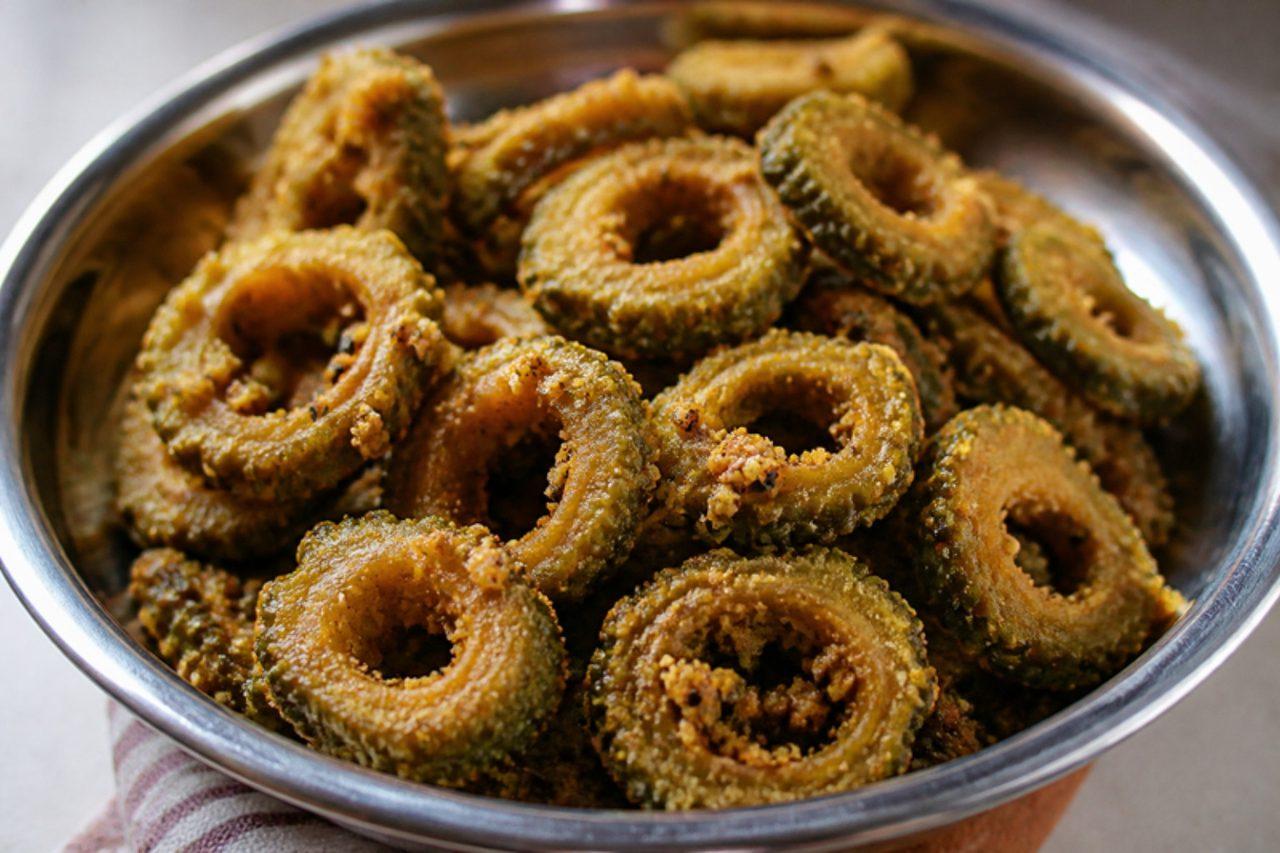
Most children in Gujarat grow up hating karela and end up asking for this version. Bitter gourd is sliced into thin rings, rubbed with salt and turmeric, squeezed, then cooked slowly in a vaghar of mustard seed and hing until soft and browned. A spoonful of besan toasted in the same pan clings to each ring, and jaggery melts into a glossy coating, so it tastes sweet, nutty, spicy and only pleasantly bitter. With no onion or garlic it suits Jain homes, and it's a monsoon favourite with dal-bhaat-rotli. A common mistake is salting the shaak again as if from scratch; the squeezed karela still holds salt, so taste first. Chef's tip: add the besan only once the karela is dry and browned, and stir constantly for a minute; in a wet pan it forms lumps.

by KrazyBadal 0 views
Rabodi ki sabziDried maize wafers in yogurt curry

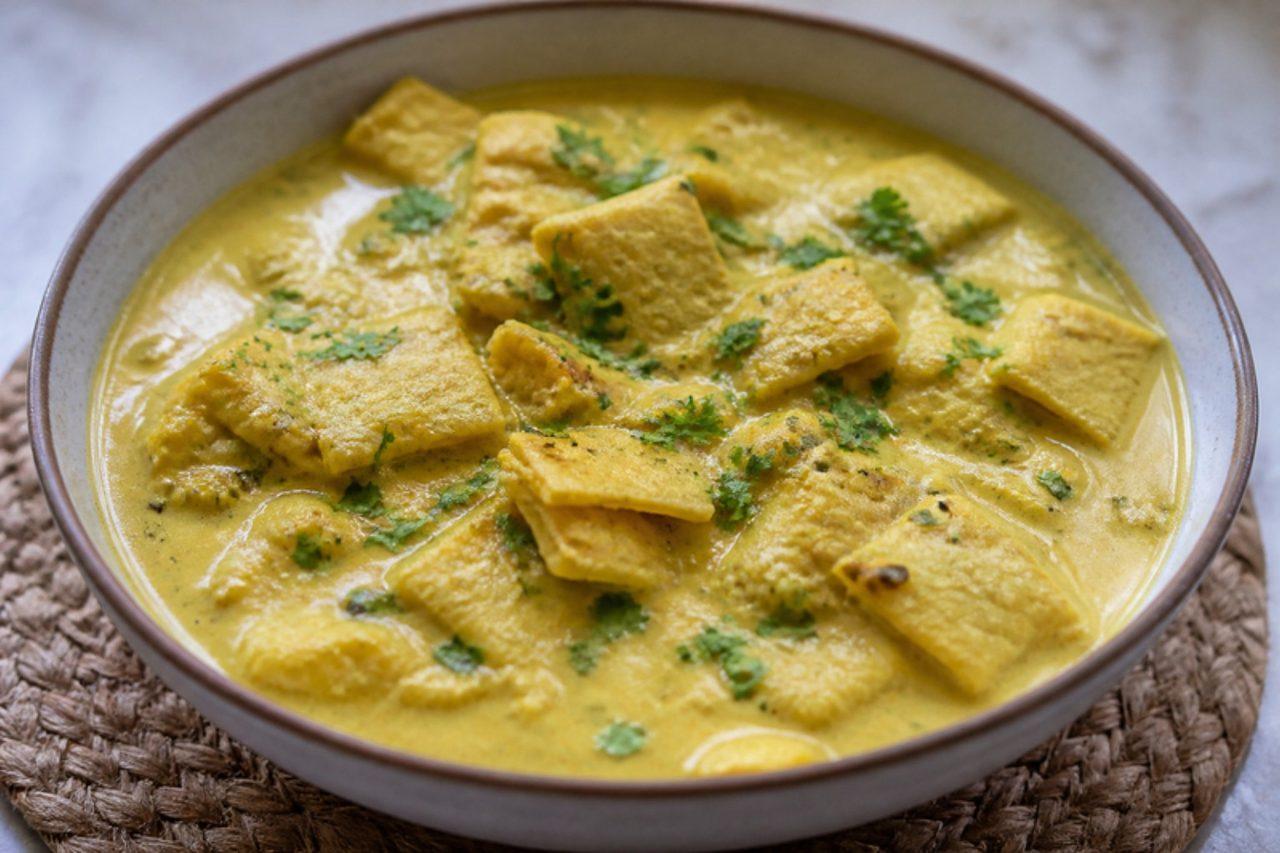
In the Thar desert towns of Barmer, Jodhpur and Bikaner, green vegetables were scarce for much of the year, so women boiled maize flour with sour buttermilk in summer, spread it in thin rounds on cloth and dried it in the sun. Those rabodi keep for months and become this curry: fried until puffed, then simmered in a spiced yogurt gravy until soft and chewy. It is tangy, savoury and comforting, eaten with bajra roti or rice, and because it has no onion, garlic or fresh ginger, it suits a Jain or Marwari festive thali. A common mistake is letting the dahi gravy boil before it has been stirred to a boil with besan; it curdles. Whisk besan into the dahi and stir constantly until it comes to a boil. Chef's tip: fry the rabodi only until they puff and turn a shade darker; burnt rabodi taste bitter and stay hard in the gravy.

by KrazyBadal 0 views
Methi dana ki sabziSweet-sour fenugreek seed curry

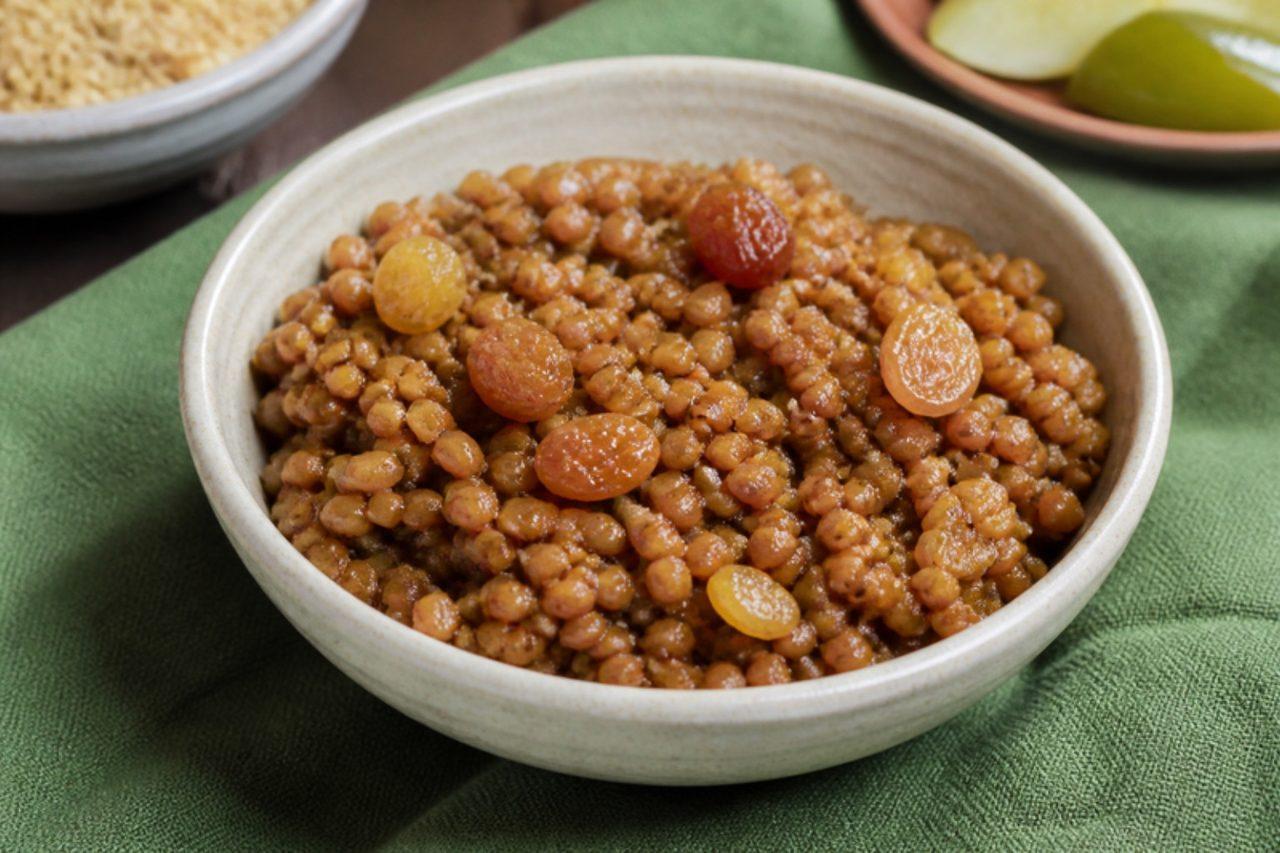
Marwari wedding and festival thalis in Jaipur, Bikaner and the Marwari homes of Kolkata always carry a small bowl of this: fenugreek seeds soaked overnight, boiled to tame their bitterness, then cooked down with jaggery, raisins, amchur and warm spices until sticky and glossy. It is eaten in small spoonfuls with puri, bajra roti or dal-baati, more like a relish than a vegetable, and it's especially loved after childbirth and in winter as a warming food. With no onion, garlic or root vegetables, it suits Jain homes as is. The common mistake is skipping the boil-and-drain; seeds that are only soaked stay unpleasantly bitter. Chef's tip: the sabzi keeps for a week in the fridge and tastes better on day two, so make it a day before a festive meal.

by KrazyBadal 0 views

Methi theplaFenugreek flatbreads

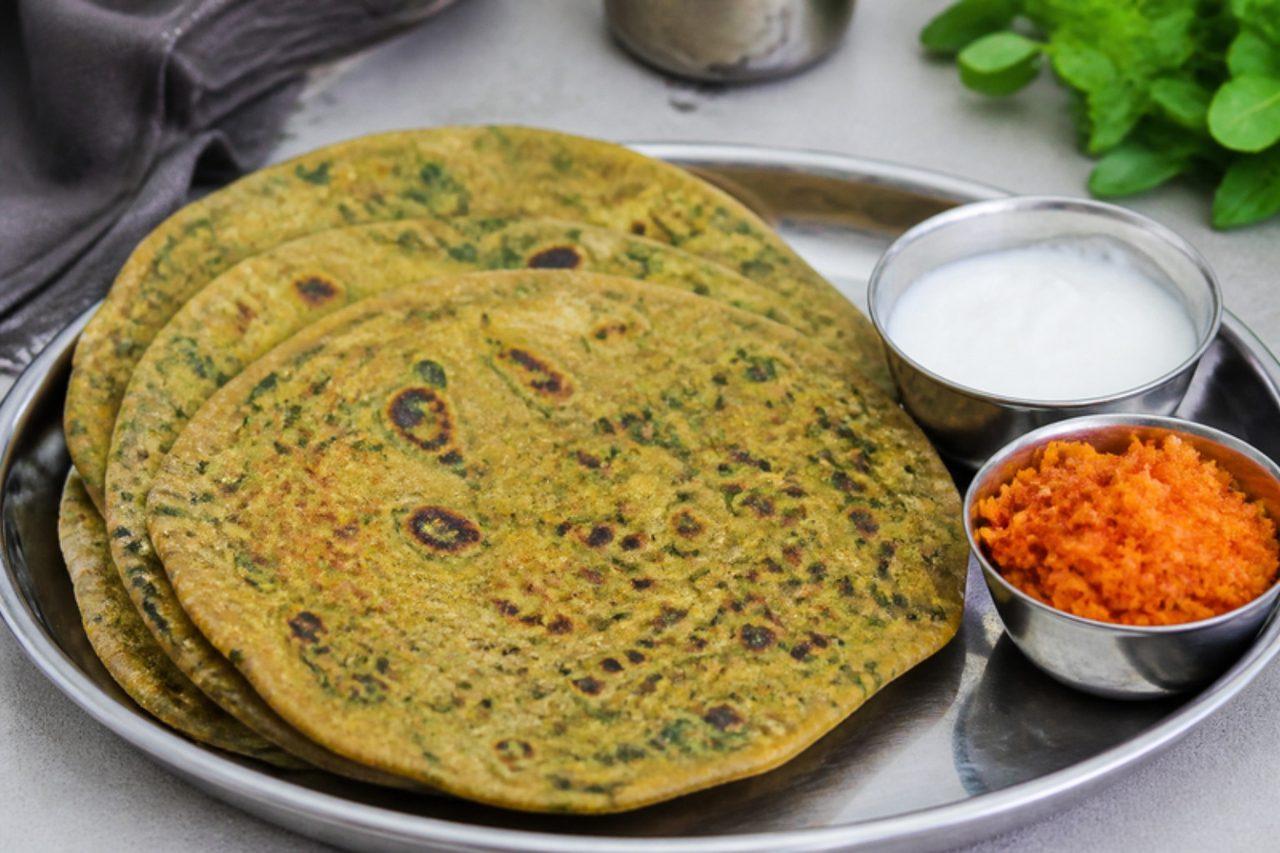
Ask any Gujarati family heading for a train, a flight or a yatra what is in the steel dabba and the answer is methi thepla, with a jar of chhundo and some dry garlic chutney. Kneaded with dahi and a little oil rather than water, and spiced with turmeric, chilli, ajwain and sesame, they stay soft and fresh for three or four days without a fridge. Fresh methi gives a gentle bitterness balanced by a pinch of sugar, and the spoonful of besan adds a nutty depth. They are breakfast with masala chai, the school tiffin with dry aloo shaak, and the evening snack with pickle. A common mistake is pouring in water at the start; salt draws juice from the methi and dahi loosens the dough, so it turns sticky. Add water only by the spoonful at the end. Chef's tip: roll them really thin and cook on a medium tawa; thick theplas go leathery once cold.

by KrazyBadal 0 views
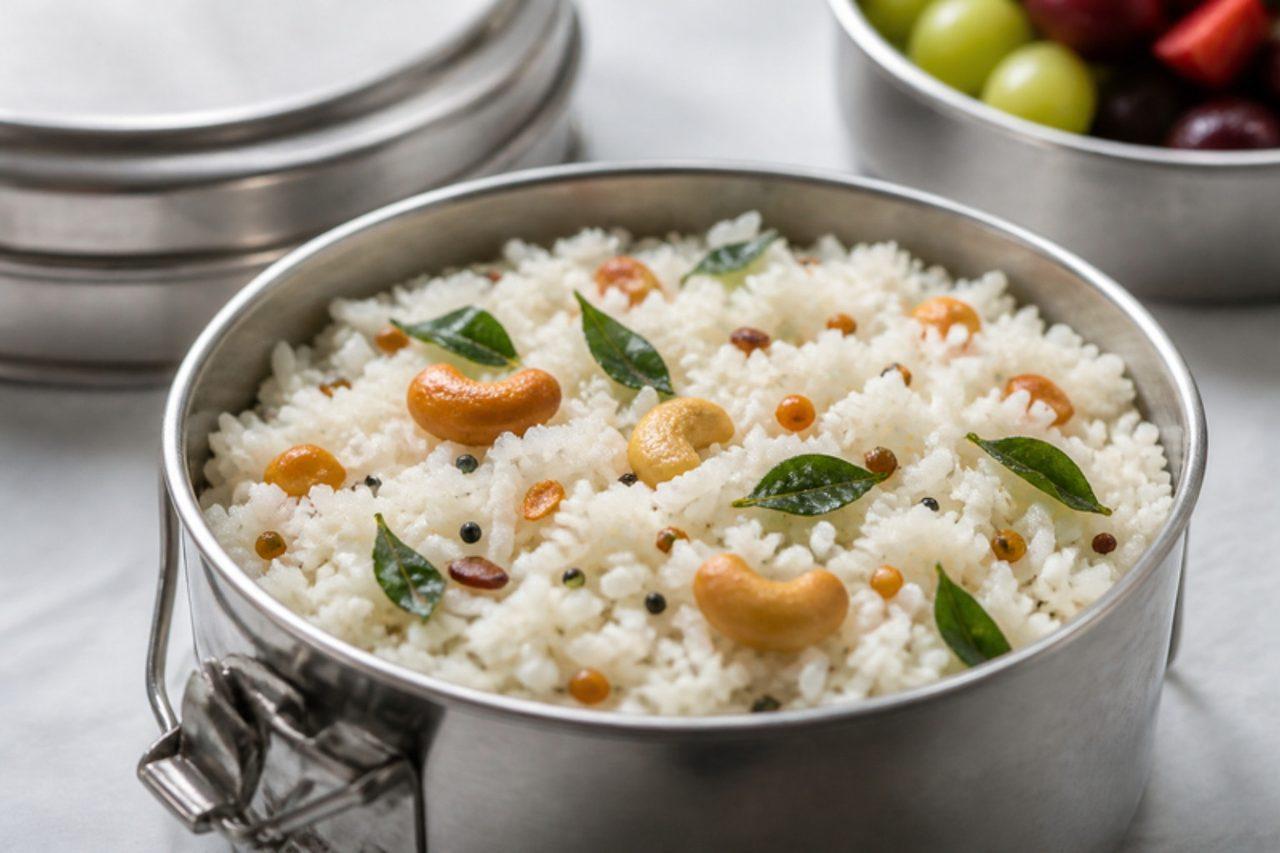
Thengai sadamCoconut rice

Thengai sadam is one of the 'variety rice' dishes that fill Tamil lunchboxes and temple prasadam lines, alongside lemon and tamarind rice. It is made for Aadi Perukku and Varalakshmi Vratam, packed for train journeys to Madurai, and turned out on busy weekdays from leftover rice. Fresh coconut, lightly toasted in coconut oil, clings to every grain; crunchy urad and chana dal, cashews and curry leaves give bite, and a dry red chilli a gentle heat. It tastes mild, sweet from the coconut and very fragrant. Serve it with potato roast, appalam or a spoon of mor kuzhambu. A common mistake is browning the coconut; it should only lose its raw smell and stay snowy white. Chef's tip: spread the rice on a plate to cool fully; warm, freshly cooked rice breaks and turns pasty when tossed.

by KrazyBadal 0 views
Goda masalaMaharashtrian spice blend

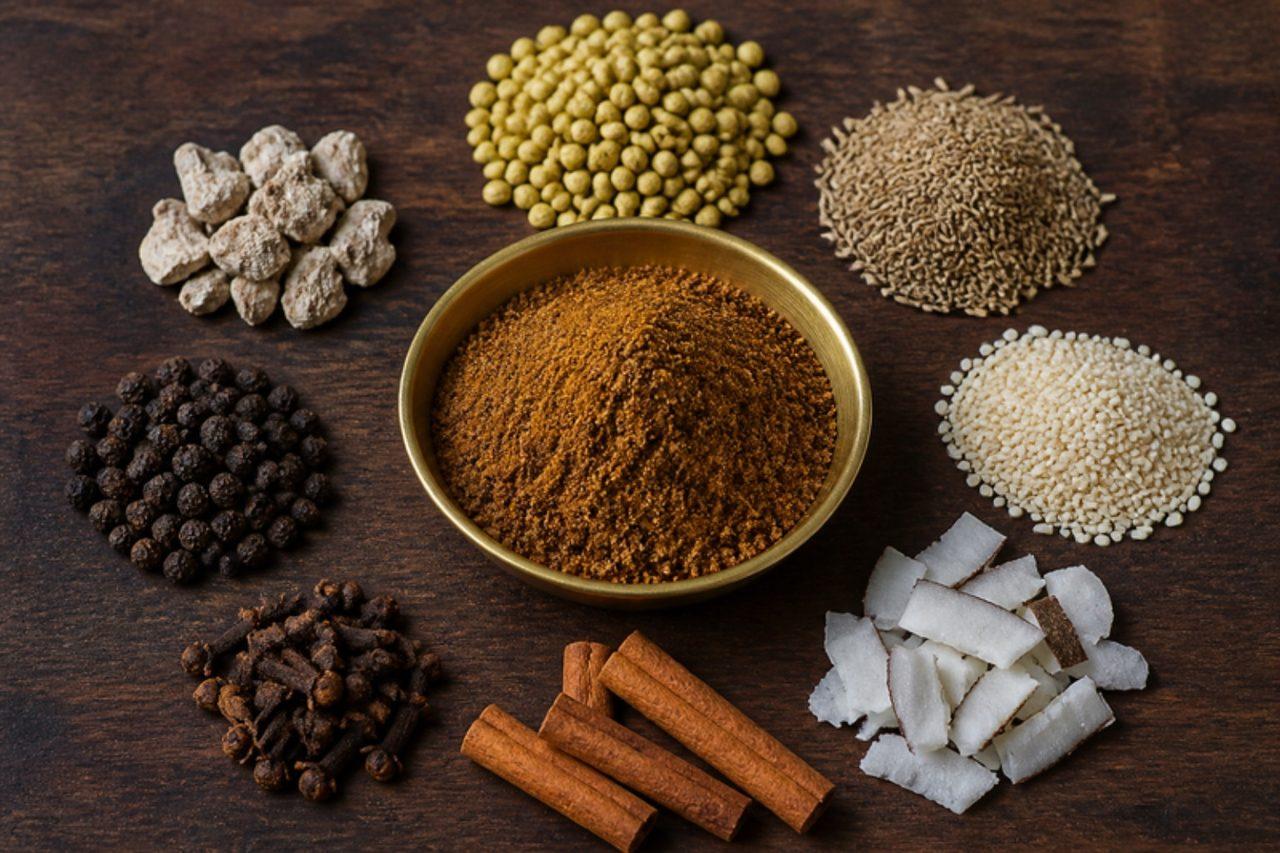
Goda means sweet in Marathi, and the word describes not sugar but the warm, rounded fragrance of this masala, which every Pune and Satara household roasts in small batches. It is the soul of Brahmin Maharashtrian cooking: masale bhaat at weddings, a spoonful in amti (tangy toor dal), bharli vangi (stuffed brinjal), and usal for misal. It is dark and aromatic rather than hot, built on coriander, dry coconut (kopra) and sesame, perfumed with cinnamon, cloves and cardamom, and given its earthy, slightly musky depth by dagad phool (stone flower, a lichen), with nagkesar and maratha moggu if you can find them at a Marathi grocer. Common mistake: roasting the coconut and sesame with the hard spices on a high flame; the coconut burns before the coriander is done and the whole batch tastes bitter. Chef's tip: roast each spice in a drop of oil until a shade darker, because that slow roasting is what gives goda masala its colour.

by KrazyBadal 0 views
Kanda lasun masalaOnion and garlic spice blend

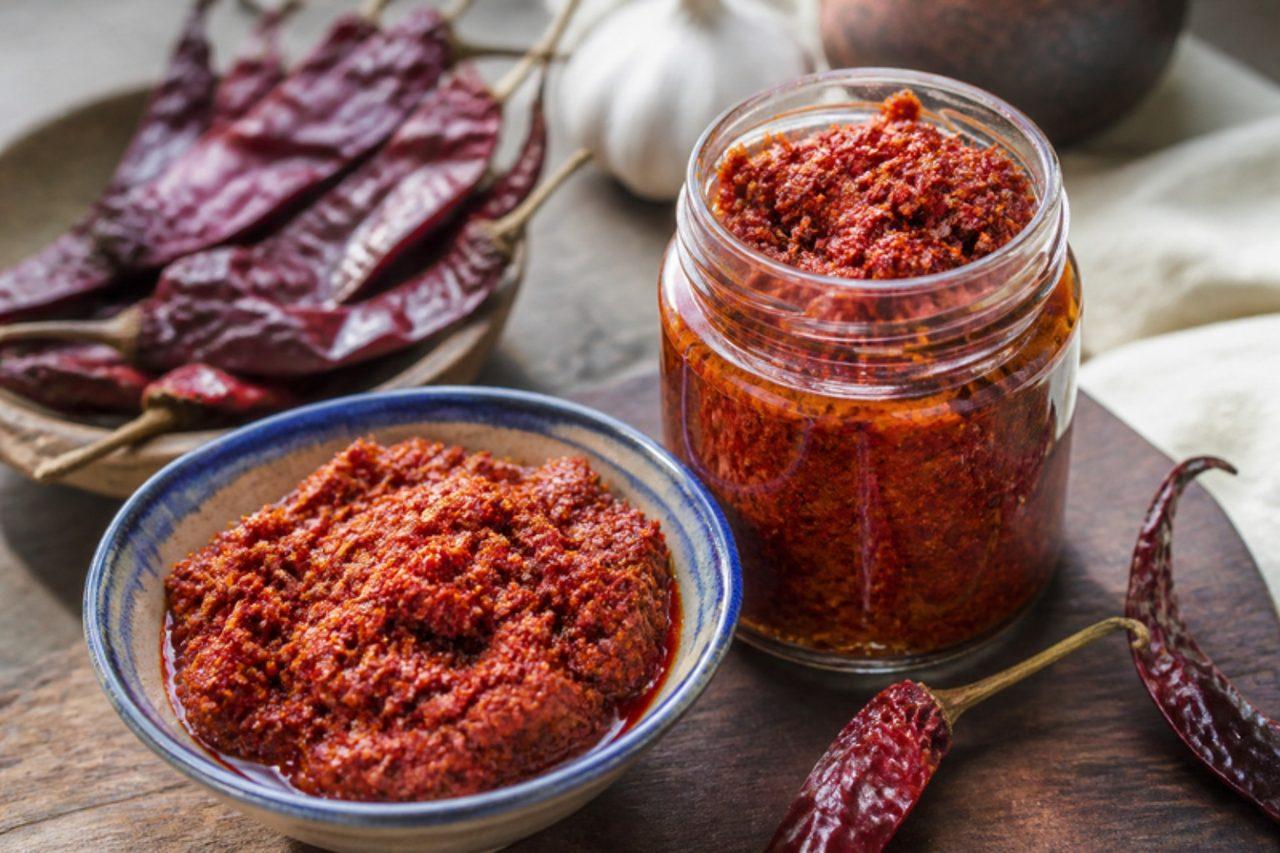
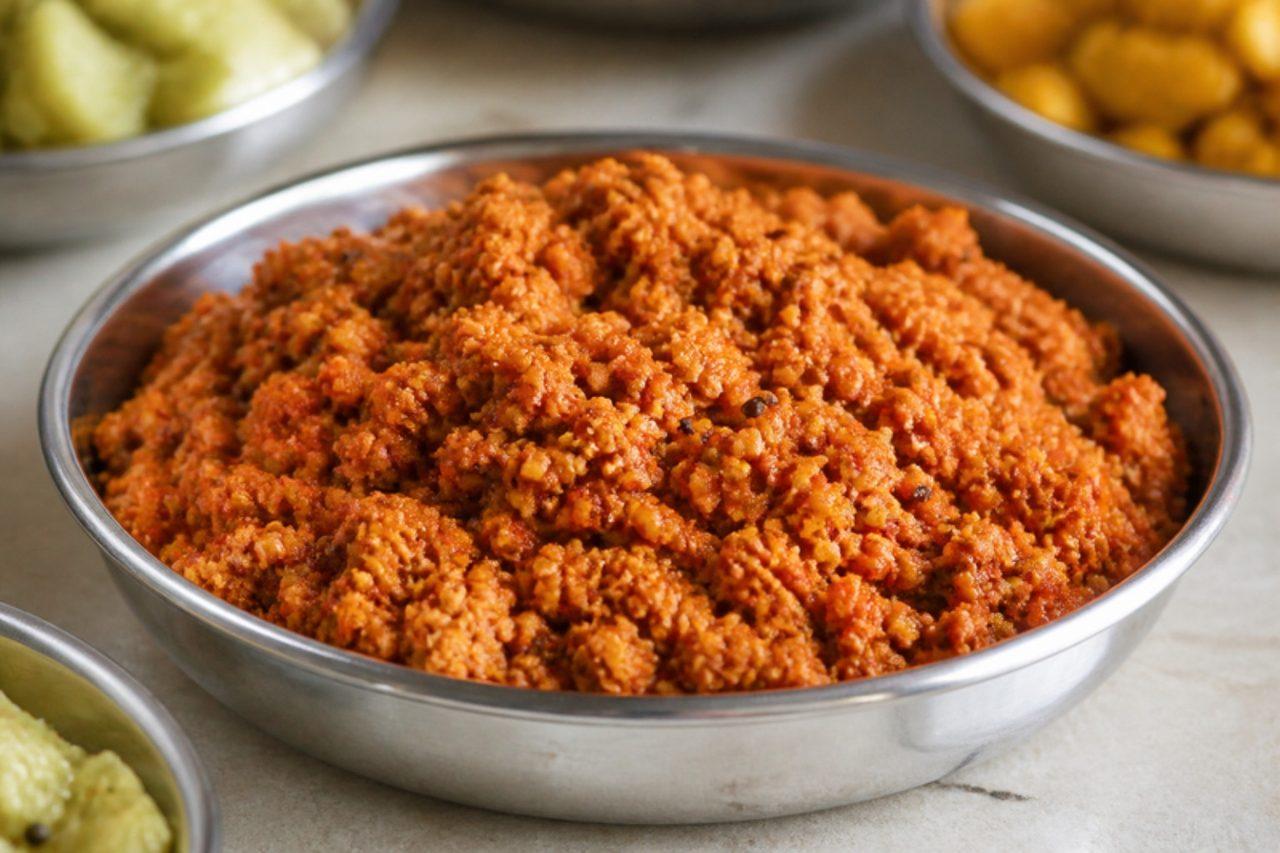
Kolhapuri women still make kanda lasun masala once a year, in the hot months, in a day-long session of frying, roasting and pounding, and the jar lasts until the next summer. The masala is a deep brick-red, oily paste-powder that smells of browned onion and garlic and sets your mouth on fire, thanks to plenty of hot chilli powder, traditionally from Sankeshwari or Lavangi chillies, plus milder Kashmiri for colour. A spoon or two transforms misal, kat (the spicy gravy for pav), batata bhaji, anda curry or the famous tambda rassa of mutton. Common mistake: frying the onions only until golden. They must be deep brown and crisp, with no moisture left, or the masala will turn mouldy within weeks. Chef's tip: dry the fried onion and garlic on paper for an hour before grinding, and keep the finished jar in the fridge if your kitchen is humid.

by KrazyBadal 0 views
Kashmiri ver masalaKashmiri spice cakes

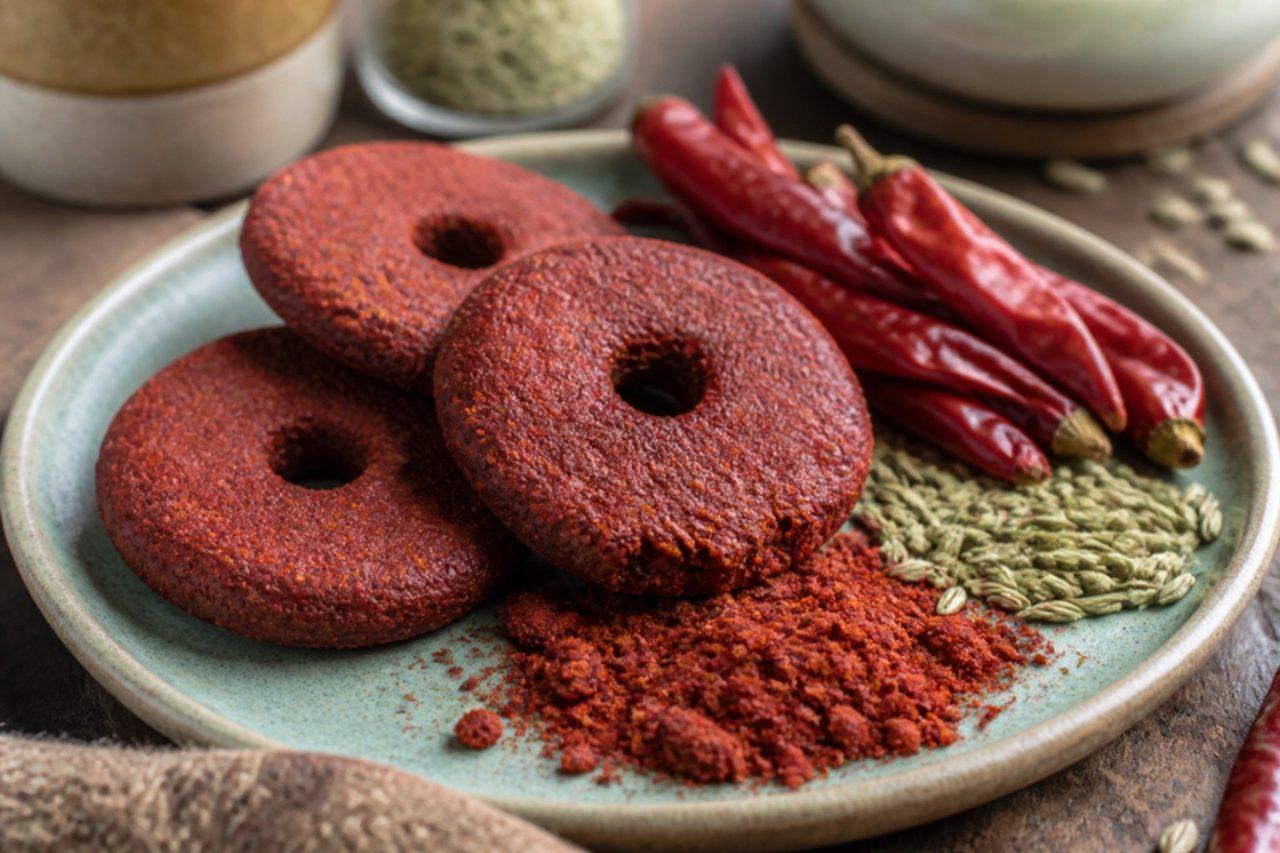
In Srinagar's old city, ver is still made at the end of summer and strung up to dry in kitchens: flat, ring-shaped cakes of ground spices bound with shallot paste and pungent mustard oil, dark red and rock hard. It was a way to store flavour for the long winter, when fresh ingredients were scarce. A piece grated into the pot gives Kashmiri food its typical deep red colour and its warm, sweet-hot fennel and dry ginger flavour, without tomatoes or onions: think dum aloo, nadru yakhni (lotus stem), haak (collard greens), chaman (paneer) and rogan josh. Kashmiri Muslim kitchens often add garlic; Pandit homes may leave the shallots out altogether. Common mistake: drying the cakes in a damp or closed spot; they stay soft inside and grow mould. Chef's tip: heat the mustard oil until it smokes and then cool it before mixing, to take away its raw, sharp bite.

by KrazyBadal 0 views
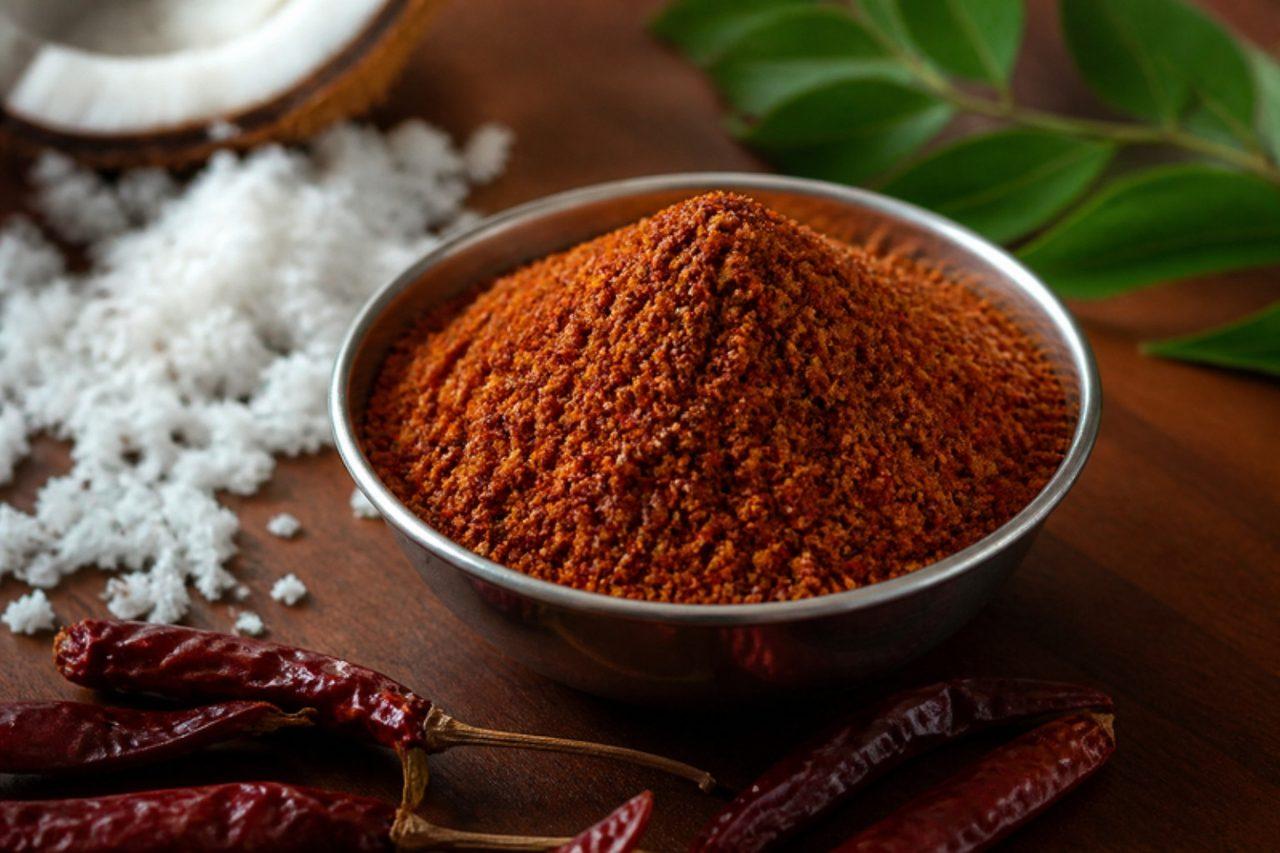
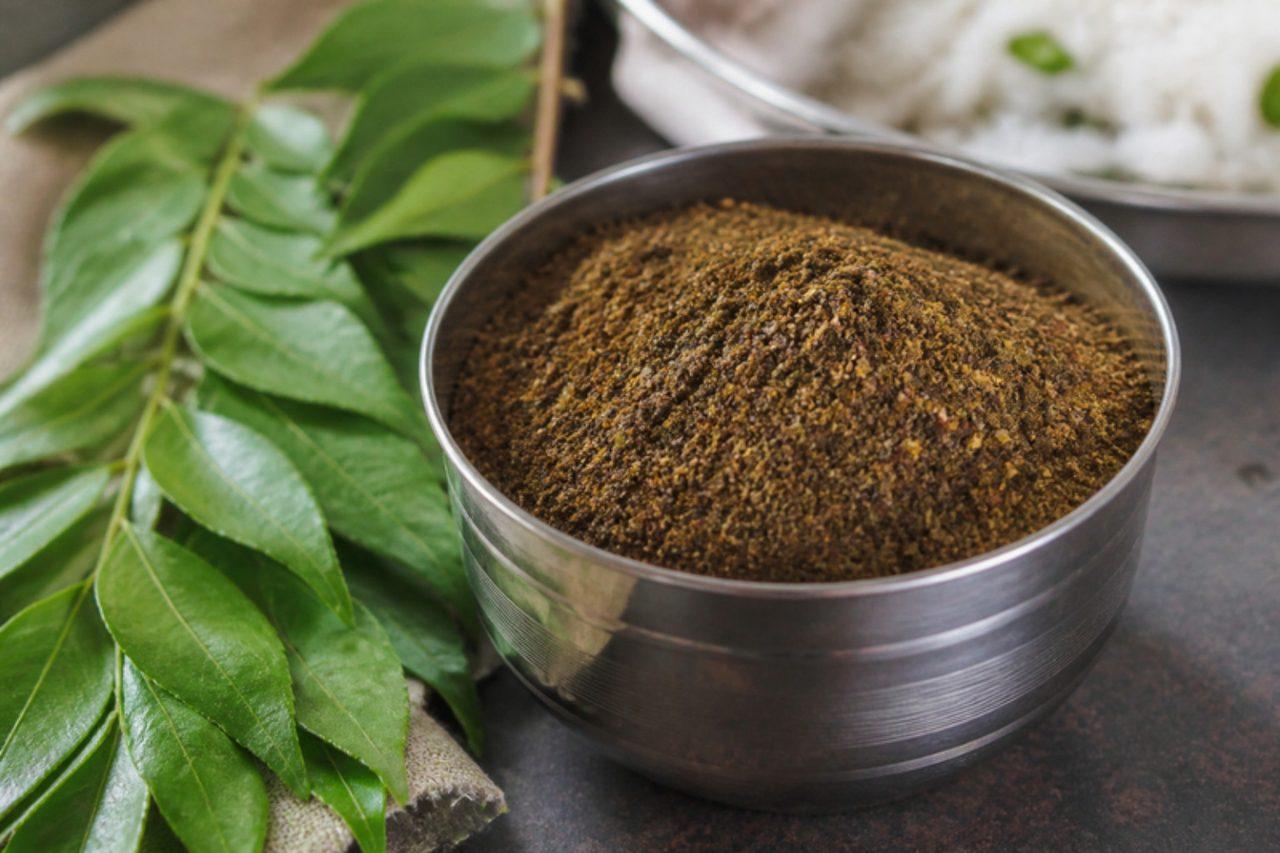
Rasam powderRasam spice powder

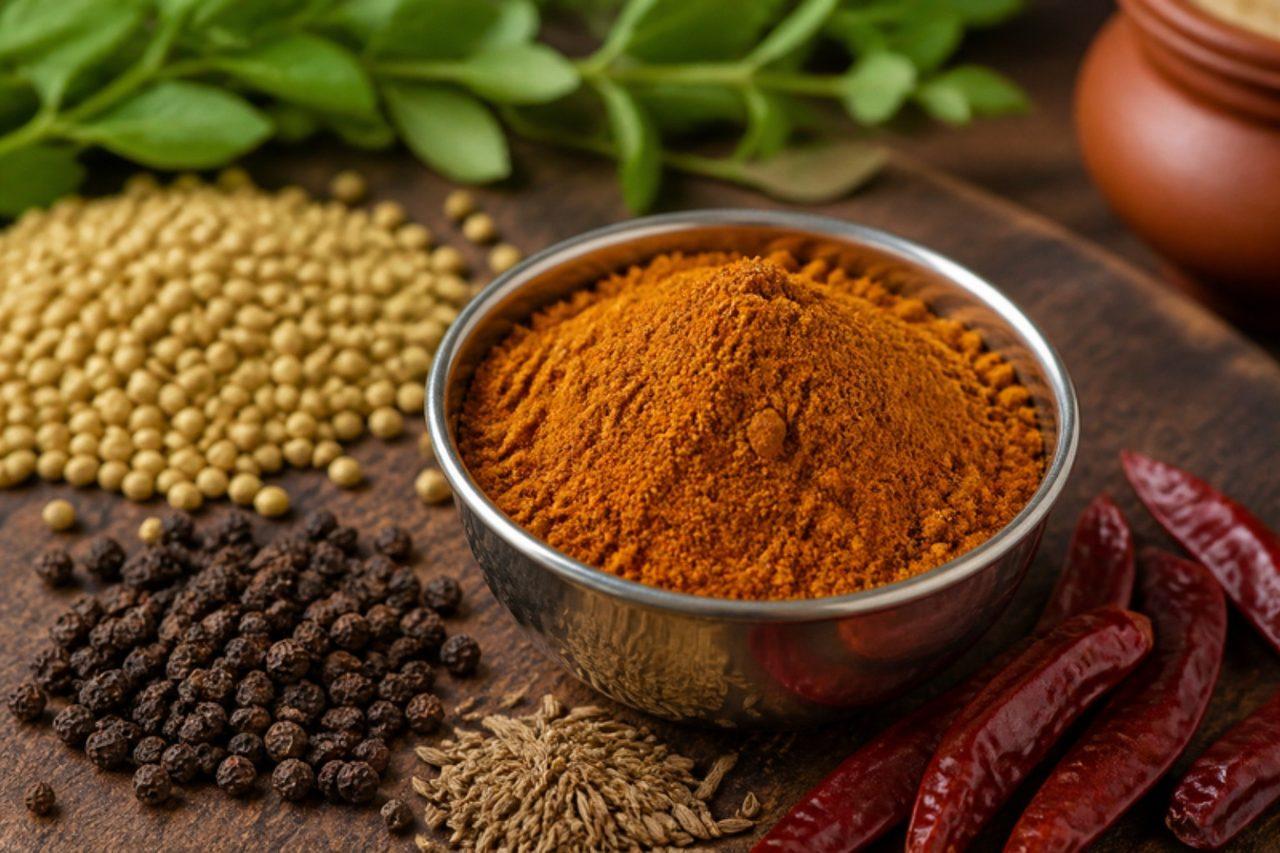
A spoon of rasam podi, a lime-sized ball of tamarind, a tomato and a ladle of cooked toor dal: that is lunch in countless Tamil homes, from Thanjavur to Tirunelveli, and the podi is what makes one family's rasam taste unlike the neighbour's. This version is peppery and cumin-forward, as rasam should be, with roasted coriander for body and a little toor dal that thickens the broth slightly and gives it a rounded, nutty base. It is meant for clear, thin rasams: tomato rasam, pepper rasam, lemon rasam, and the one you sip as a soup when you have a cold. Make a small batch, since the aroma fades after a couple of months. Common mistake: roasting the coriander seeds until dark brown; they turn bitter and the rasam tastes burnt. Chef's tip: add rasam powder at the end, when the tamarind water is already boiling, and switch off the heat as soon as the rasam froths; boiling it hard kills the pepper aroma.

by KrazyBadal 0 views
Aloo methiPotato and fenugreek stir-fry

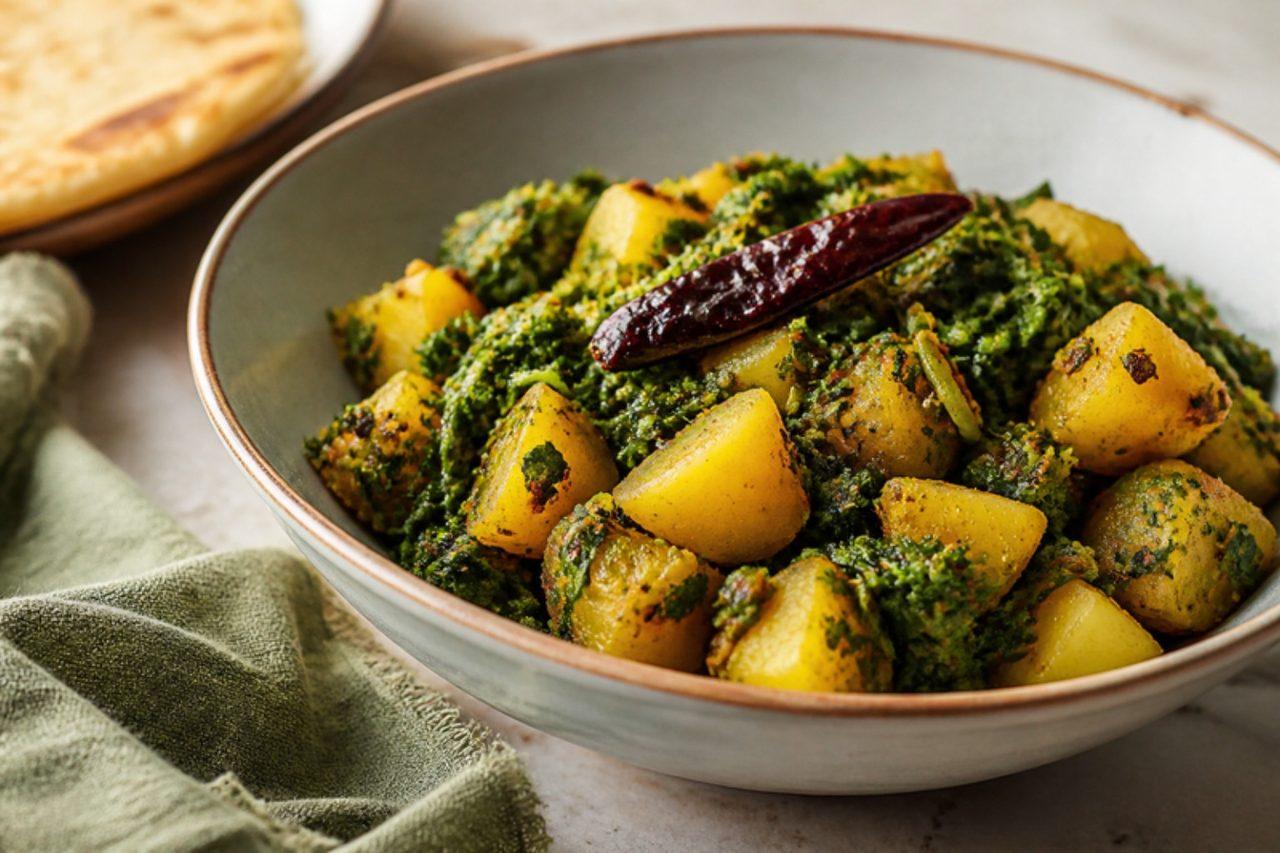
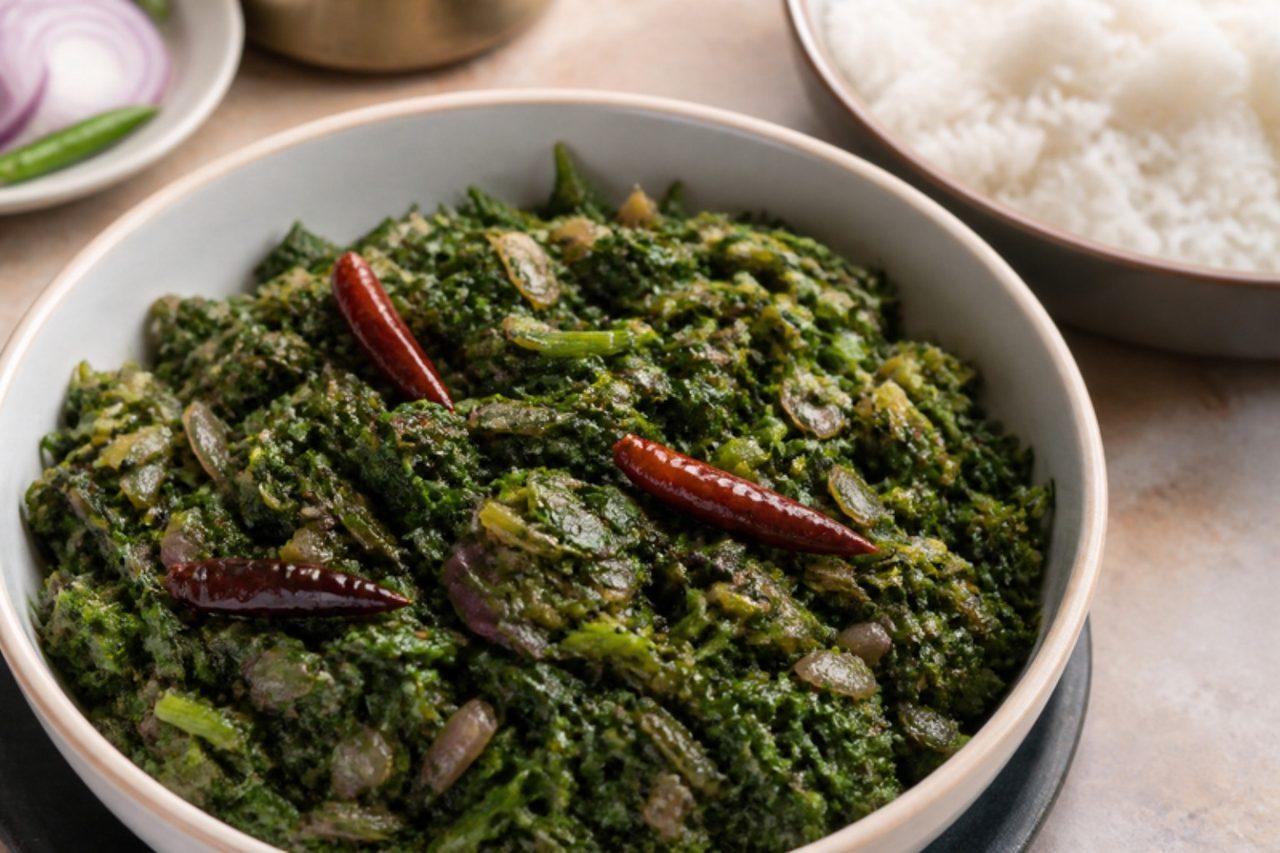
When winter methi floods the Punjab sabzi mandis, every family cooks aloo methi with makki di roti or plain phulka and a bowl of dal. The leaves cook right down into a dark green coating around tender potato cubes, garlicky and gently bitter, with a little sourness from amchur and heat from dried red chilli. It's a classic tiffin sabzi because it tastes just as good cold. The common mistake is covering the pan after the methi goes in, which traps steam and brings out the bitterness; cook the potatoes covered first, then finish uncovered. Chef's tip: sprinkle the chopped methi with a pinch of salt, leave it ten minutes and squeeze out the green juice to tame the bitterness, just as Punjabi grandmothers do.

by KrazyBadal 0 views
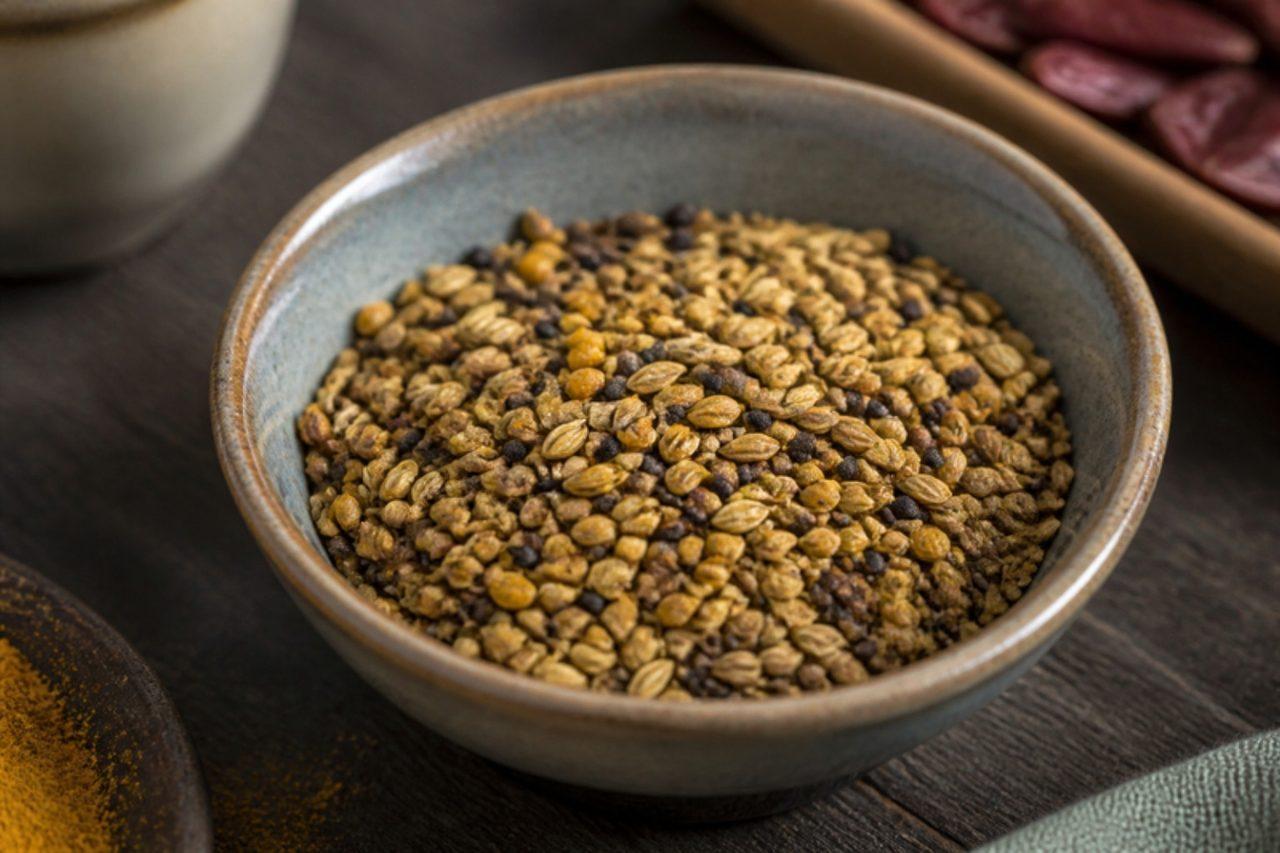
Panch phoronFive-seed spice mix

Every Bengali and Odia kitchen keeps a jar of panch phoron within reach of the stove, because so much of the cooking begins with a teaspoon of it crackling in hot mustard oil. The five seeds, in equal measure, are left whole and never roasted or ground ahead: bitter fenugreek, oniony nigella (kalonji), earthy cumin, sharp black mustard and sweet fennel. Together they give a layered, slightly bittersweet aroma that is the signature of tomato chutney, cholar dal, labra, chorchori and the sweet-sour vegetable dishes of a Bengali lunch. In some traditional homes radhuni, a wild celery seed, replaces the mustard. Common mistake: tempering over a high flame. The fenugreek blackens in seconds and the whole dish tastes bitter. Chef's tip: let the oil heat until it just shimmers, add the panch phoron, and the moment the mustard starts popping and the fenugreek is reddish brown, add the vegetables or dal.

by KrazyBadal 0 views
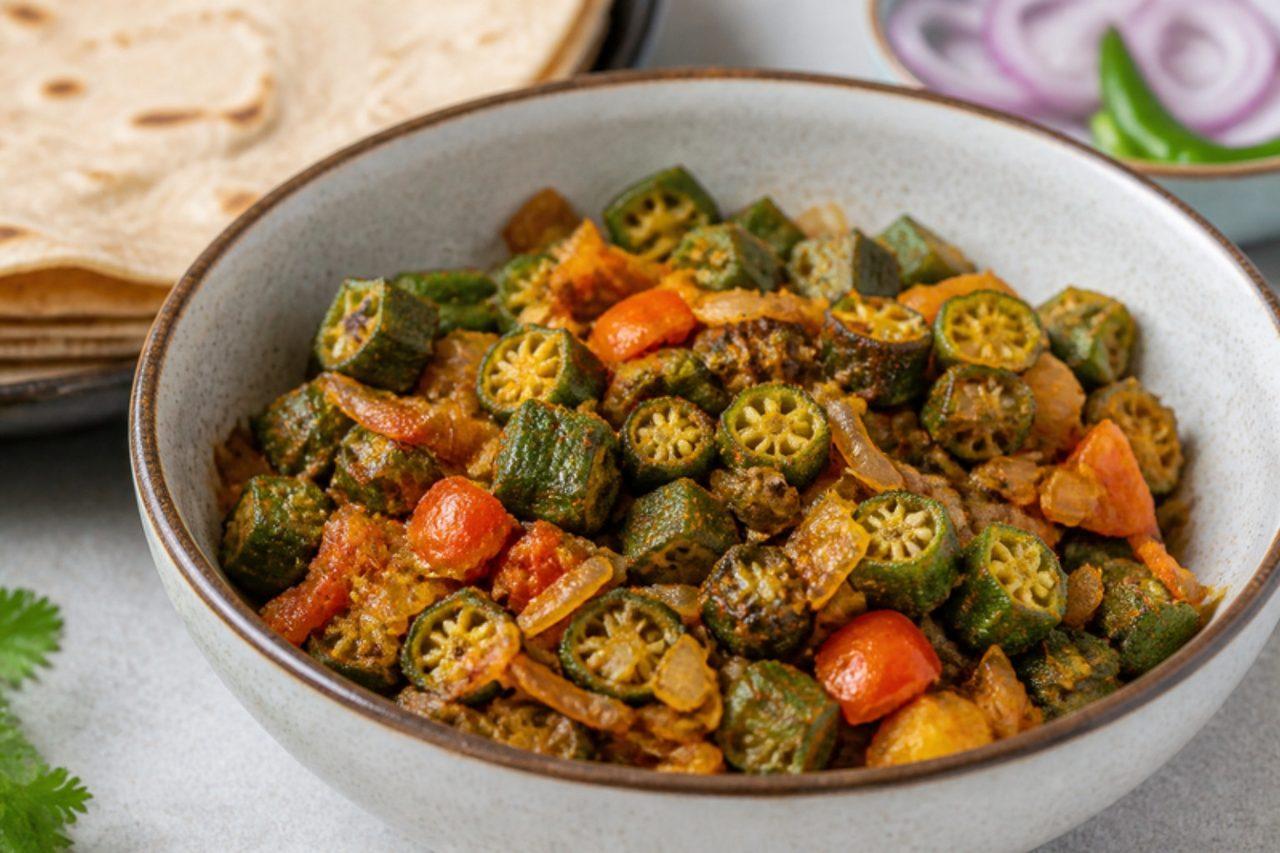
Bhindi masalaSpiced okra

Bhindi masala is the dry okra dish of North Indian homes and Delhi dhabas, made with sliced okra rather than the stuffed whole pods. The okra is fried in a wide pan until it loses its stickiness and gets crisp, browned edges, then tossed with onions softened until sweet, a little tomato and a dry masala finished with amchur. It is a favourite with dal-chawal, roti and raita, and keeps well in a lunchbox. The common mistake is washing okra and slicing it wet, or covering the pan; both make it slimy. Wash it well ahead, dry every pod with a cloth, and cook uncovered. Chef's tip: add salt only at the end, once the okra is cooked, because salt draws out moisture and makes it sticky.
by KrazyBadal 0 views

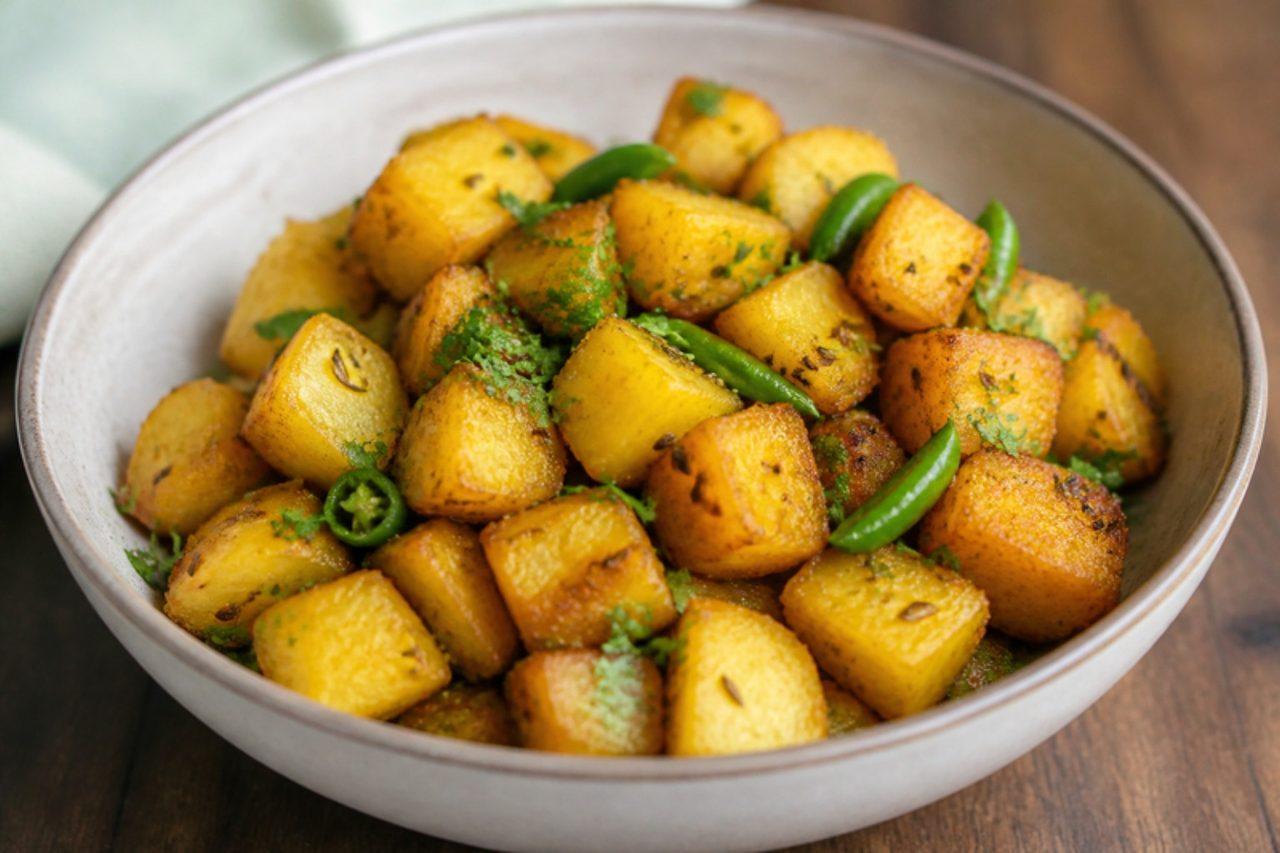
Jeera alooCumin potatoes

Jeera aloo is what North Indian mothers pack with puri for a train ride, serve with dal and rice on a weeknight, and cook in bulk for Navratri kanjak lunches alongside halwa and chana. Boiled potatoes are cubed and tossed in plenty of cumin that has sizzled until dark and nutty, with green chilli, ginger, a little turmeric and chilli, then soured with amchur. The edges catch and turn golden while the insides stay soft and fluffy. The common mistake is tossing potatoes that are still hot from boiling; they crumble. Cool them completely, ideally in the fridge, so the cubes hold their shape. Chef's tip: let the cumin turn a shade darker before the potatoes go in; pale cumin gives a raw, dusty taste.

by KrazyBadal 0 views

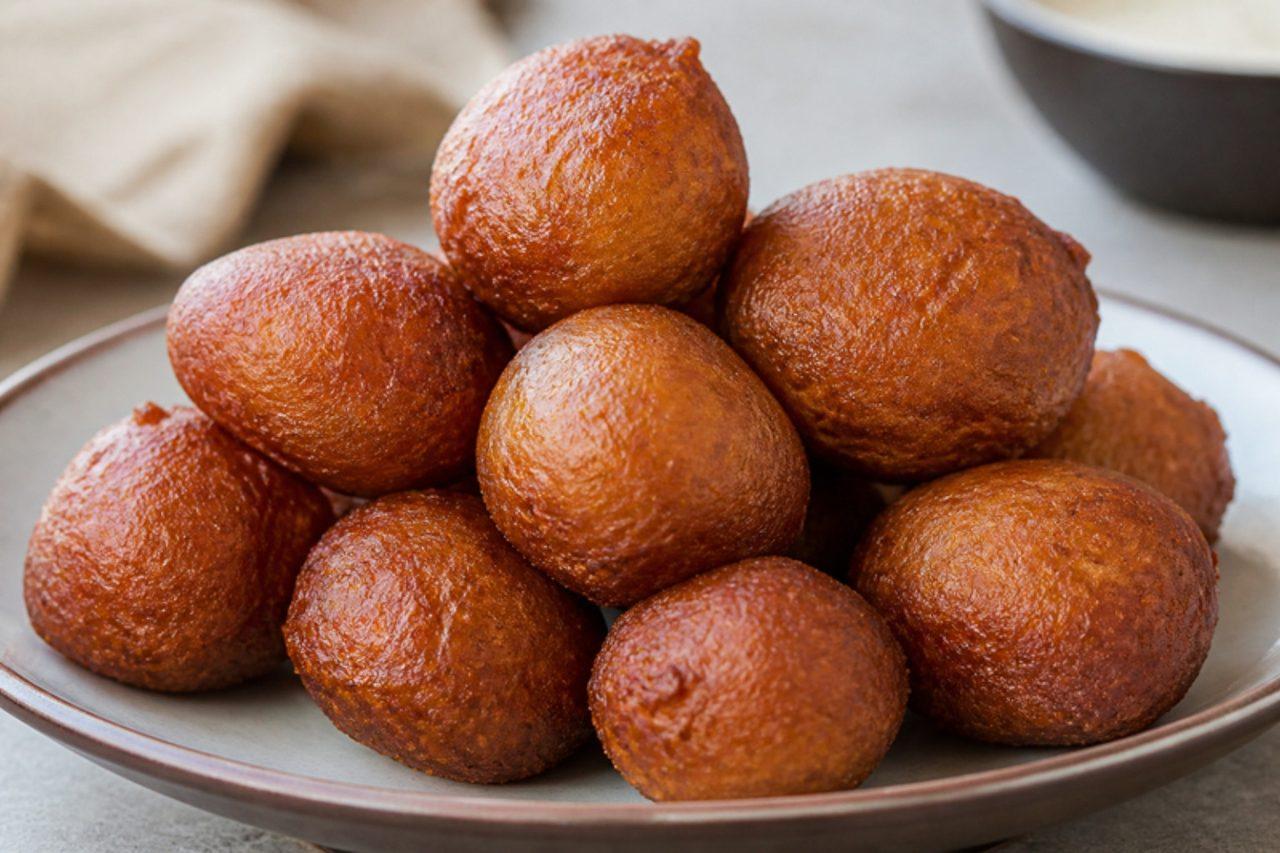
GulguleJaggery and wheat fritters

Rainy afternoons in Lucknow, Varanasi and Patna smell of gulgule frying. These little sweet fritters are made from a thick batter of whole wheat flour and melted jaggery, studded with fennel seeds, and dropped by hand into medium-hot oil, where they puff up and roll themselves over into dark-golden balls. Outside they are thin and crisp; inside they stay soft and cakey with a deep caramel sweetness. They are also made as a prasad for Sheetla Ashtami and on Teej, and children love them warm with a glass of milk. Made with water and fried in oil, as here, they are vegan. Expect about 20 bite-sized fritters. Chef's tip: test the batter by dropping a spoonful into water; if it holds its shape and doesn't spread, it is thick enough to make round gulgule.

by KrazyBadal 0 views

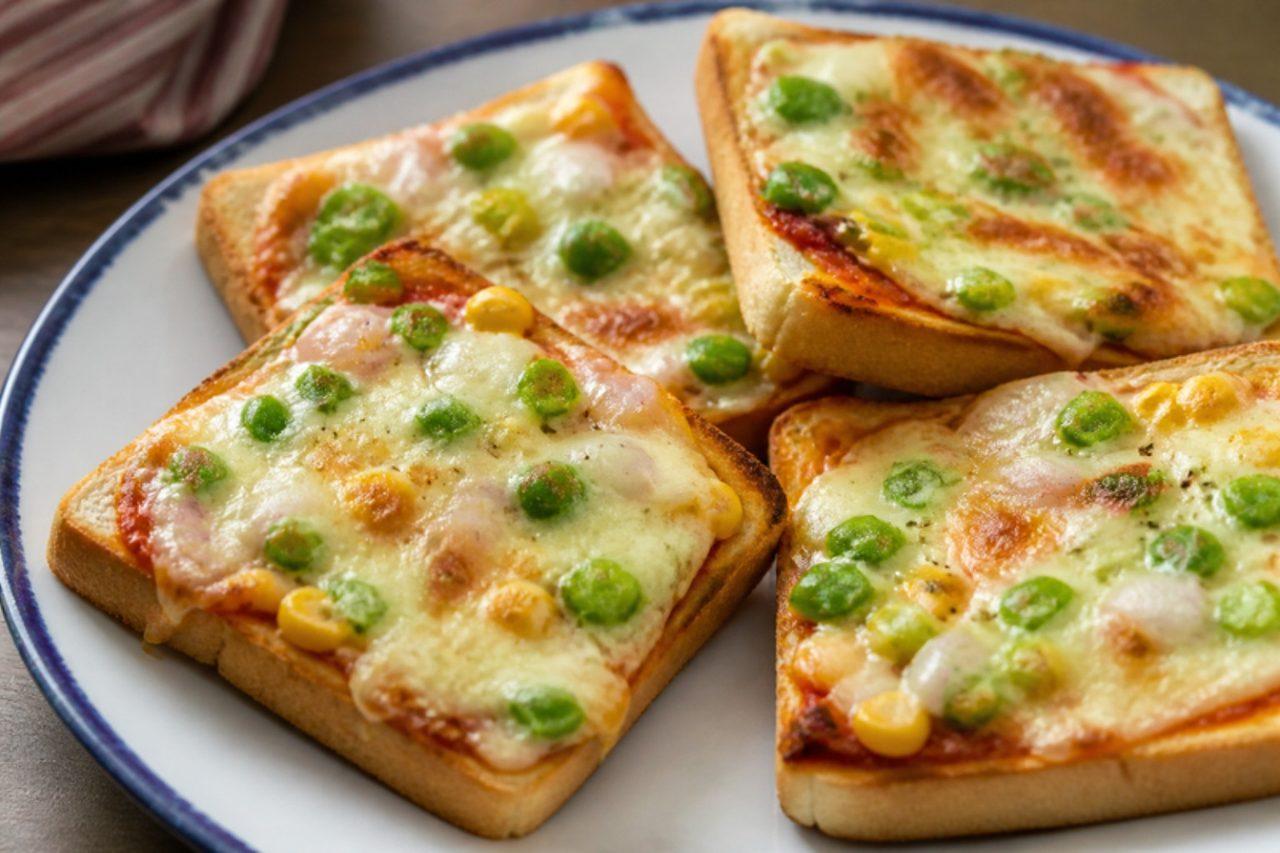
Bread pizza

Long before pizza chains reached every Indian town, mothers in Delhi, Ahmedabad and Kolkata were turning a loaf of sliced bread into after-school pizza on the tawa. Each slice is buttered underneath, spread with tomato sauce, scattered with sweetcorn, onion, capsicum and tomato, then covered with cheese and a lid until the bottom is crisp and the top bubbles. It is ready in 20 minutes, children can build their own, and the toppings can be whatever vegetables are in the fridge. Mozzarella or processed cheese both work; they are usually made with animal rennet unless labelled vegetarian, so choose a vegetarian one. Common mistake: piling on juicy chopped tomato with its seeds, which soaks the bread into a soggy slab; deseed it and keep the topping light. Chef's tip: toast the bare side of the bread on the tawa first, then top that crisp side, so the base stays crunchy under the sauce.

by KrazyBadal 0 views

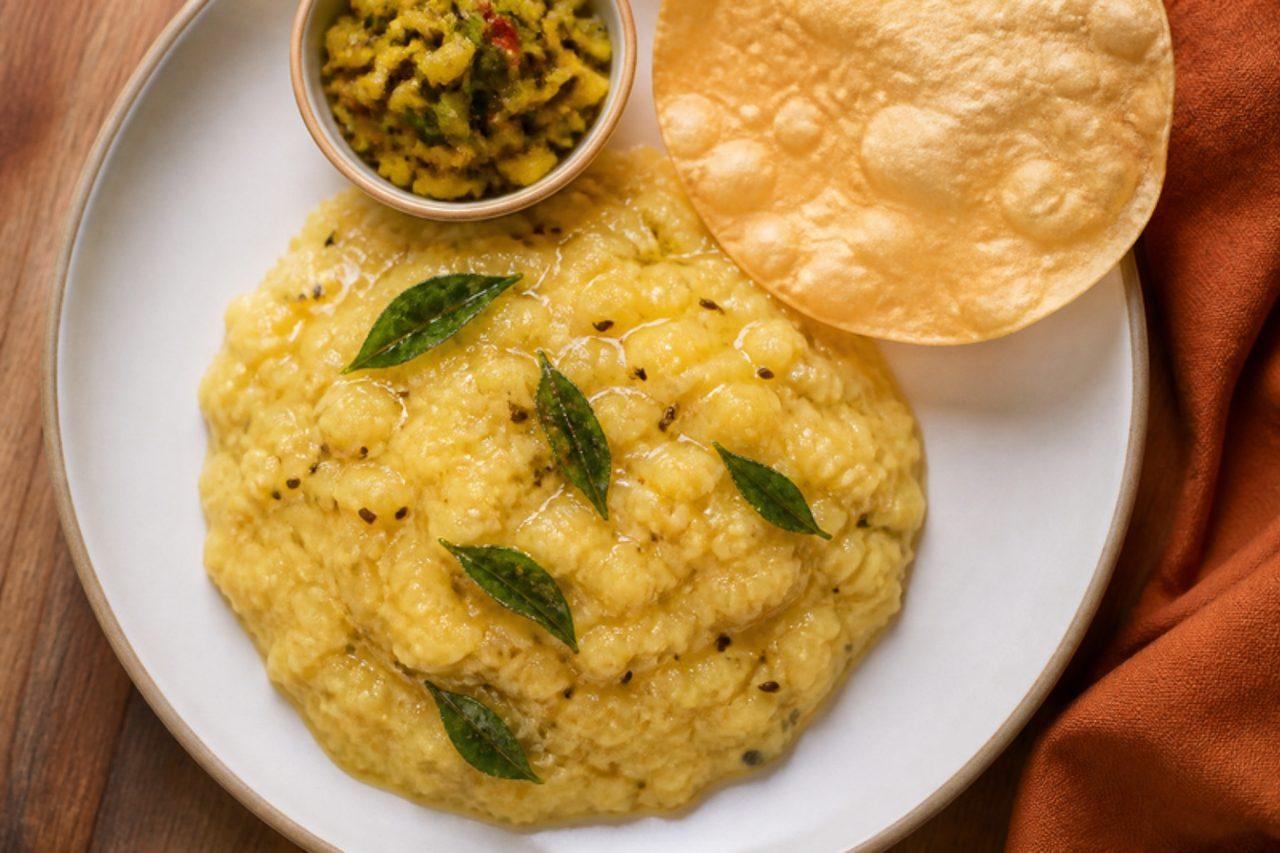
Paruppu sadamMashed rice and toor dal

Long before they can manage rasam or sambar, children in Tamil homes are fed paruppu sadam: rice and toor dal cooked together until very soft, mashed smooth and loosened with a spoonful of ghee. It is plainer and wetter than a khichdi, with no vegetables or spice blend, just turmeric, salt and a light thalippu (tempering) of cumin, curry leaves and a pinch of asafoetida. The same bowl is comfort food for grown-ups, eaten with a crisp potato roast, a fried appalam (urad papad) and a dollop of mango pickle. It also turns up at the start of a festive Tamil meal, where the first course is always dal rice with ghee. The texture should be creamy and spoonable, almost like a thick soup. Chef's tip: mash the rice and dal while they are piping hot; once they cool, the starch sets and the mash turns gluey rather than smooth.

by KrazyBadal 0 views

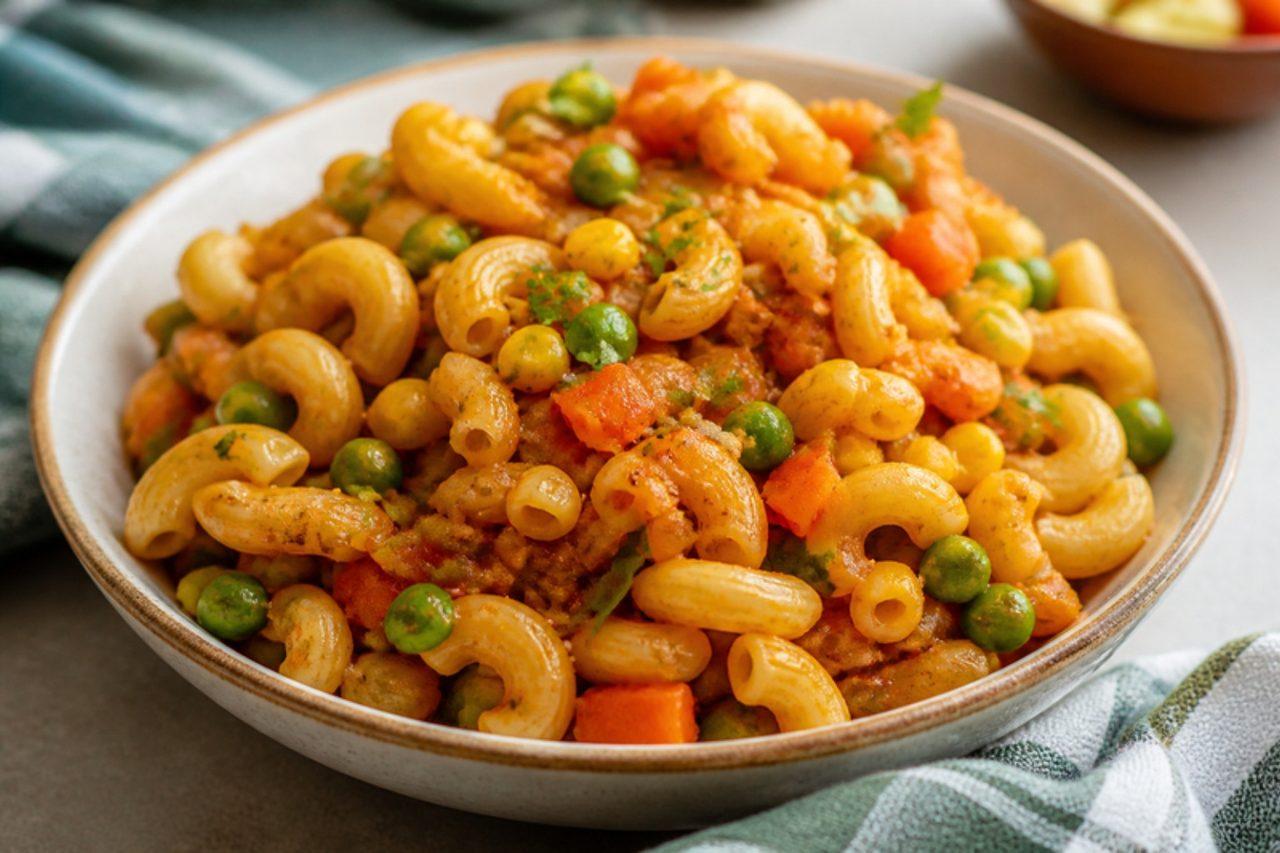
Masala macaroniSpiced vegetable macaroni

Pasta arrived in Indian kitchens through Irani cafés and school canteens, and home cooks quickly made it their own. This tiffin favourite from cities like Mumbai, Hyderabad and Bengaluru cooks elbow macaroni until just tender, then tosses it in a cumin-scented onion and tomato masala with soft carrot, peas, capsicum and sweetcorn. The spice stays gentle (a little Kashmiri chilli for colour, turmeric, coriander and a pinch of garam masala) and a spoonful of ketchup adds the sweet-sour note children expect. It is good hot for dinner and still tasty at room temperature in a lunchbox by midday. Grated cheese on top is optional; most cheddar and processed cheese uses animal rennet unless labelled vegetarian, so choose a vegetarian one. Chef's tip: keep a cup of the starchy pasta water; a splash at the end turns the masala into a light sauce that clings to every piece instead of sitting at the bottom.

by KrazyBadal 0 views

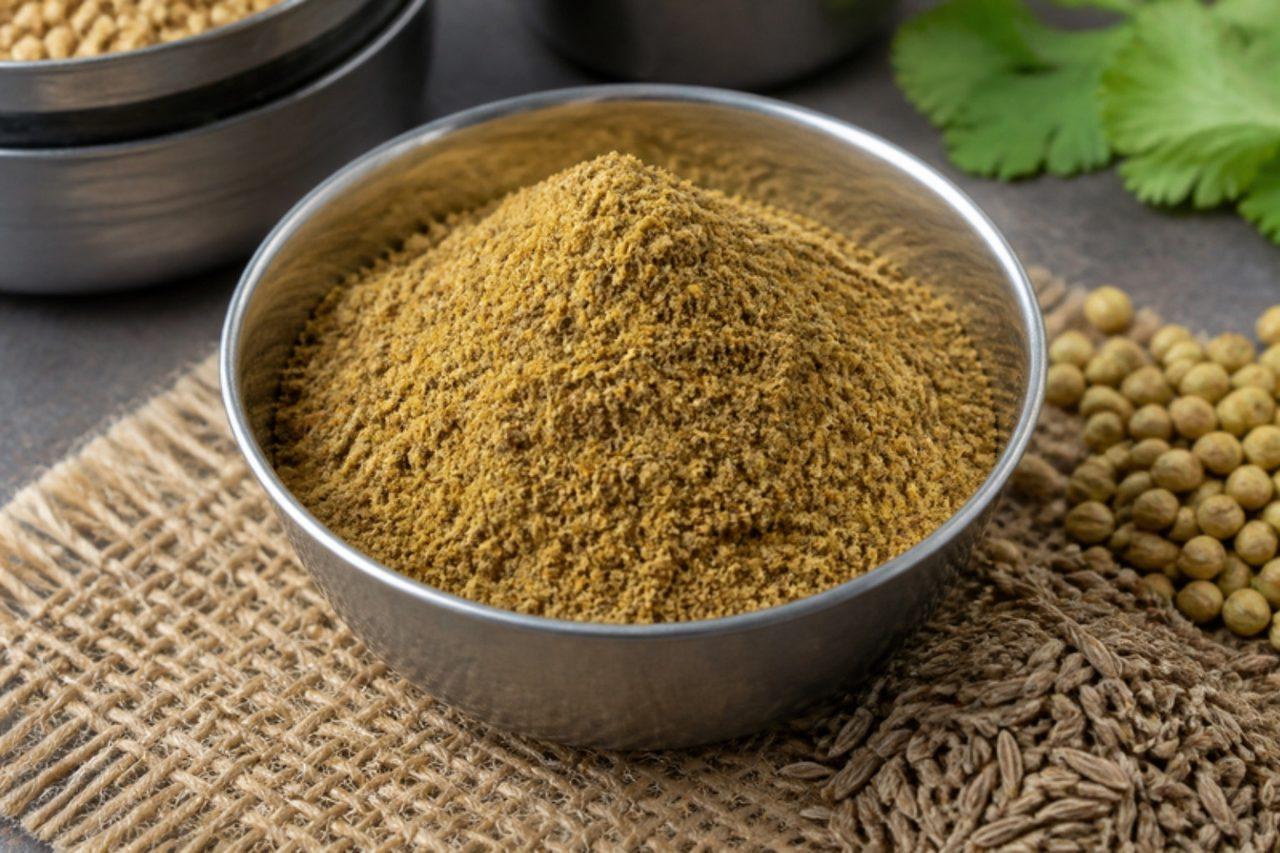
Dhana jiruCoriander and cumin powder

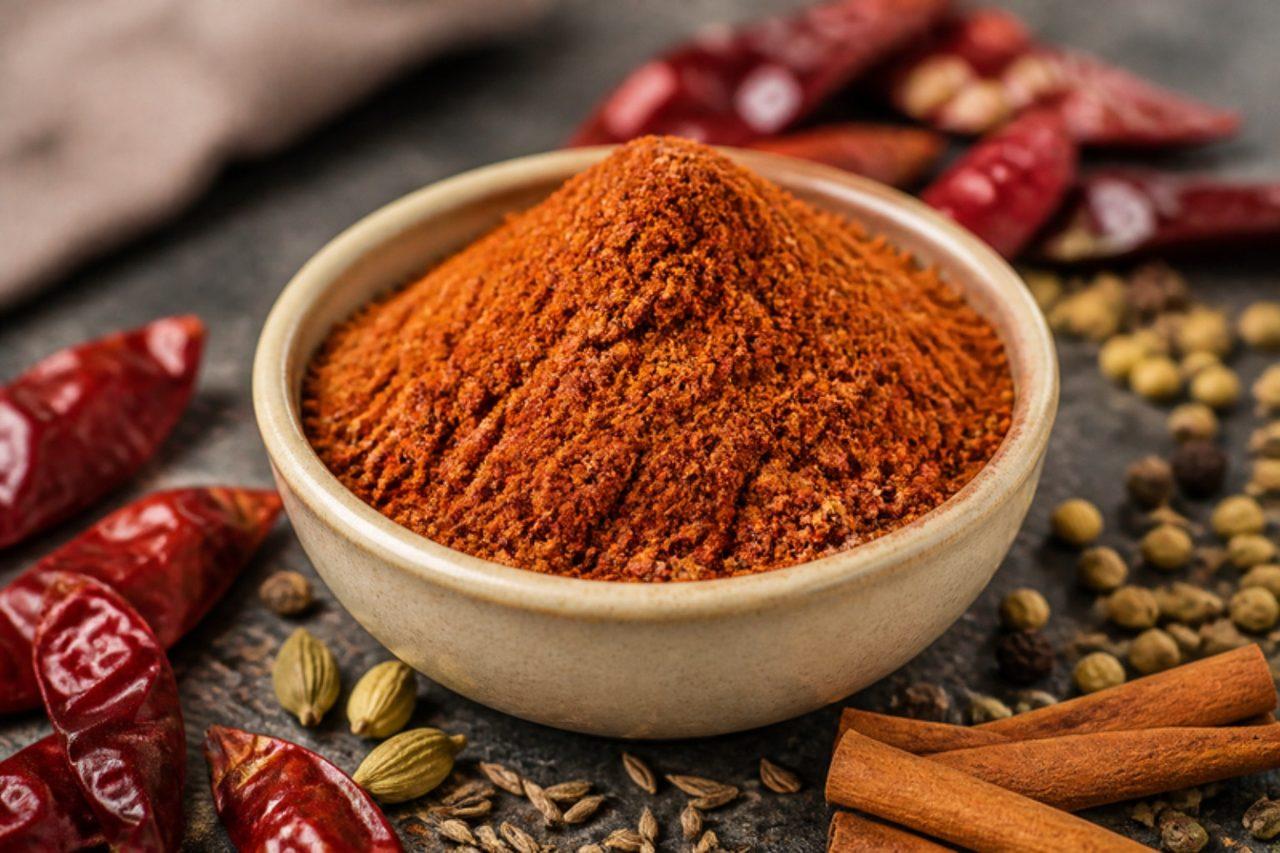
Open the masala dabba in any Gujarati kitchen, from Rajkot to Vadodara, and next to the haldi and marchu there will be a compartment of dhana jiru. It is the spice that goes into almost every shaak, dal and kadhi, often alongside red chilli and turmeric in the same pinch-and-throw rhythm. The ratio is roughly four parts coriander to one of cumin, giving a mild, citrusy, earthy powder that thickens and rounds out a dish rather than heating it. Many families buy it ready-ground, but a fresh home batch is so much more fragrant that it changes a plain potato shaak or tuver dal. Surti and Parsi kitchens roast it darker; most Gujarati homes keep it light. Common mistake: over-roasting, which kills the fresh lemony note of the coriander. Chef's tip: roast just until warm and fragrant, grind, then sift; the coriander husks stay in the sieve and the powder comes out soft and fine.

by KrazyBadal 0 views

Kacha kela nu shaakRaw banana stir-fry

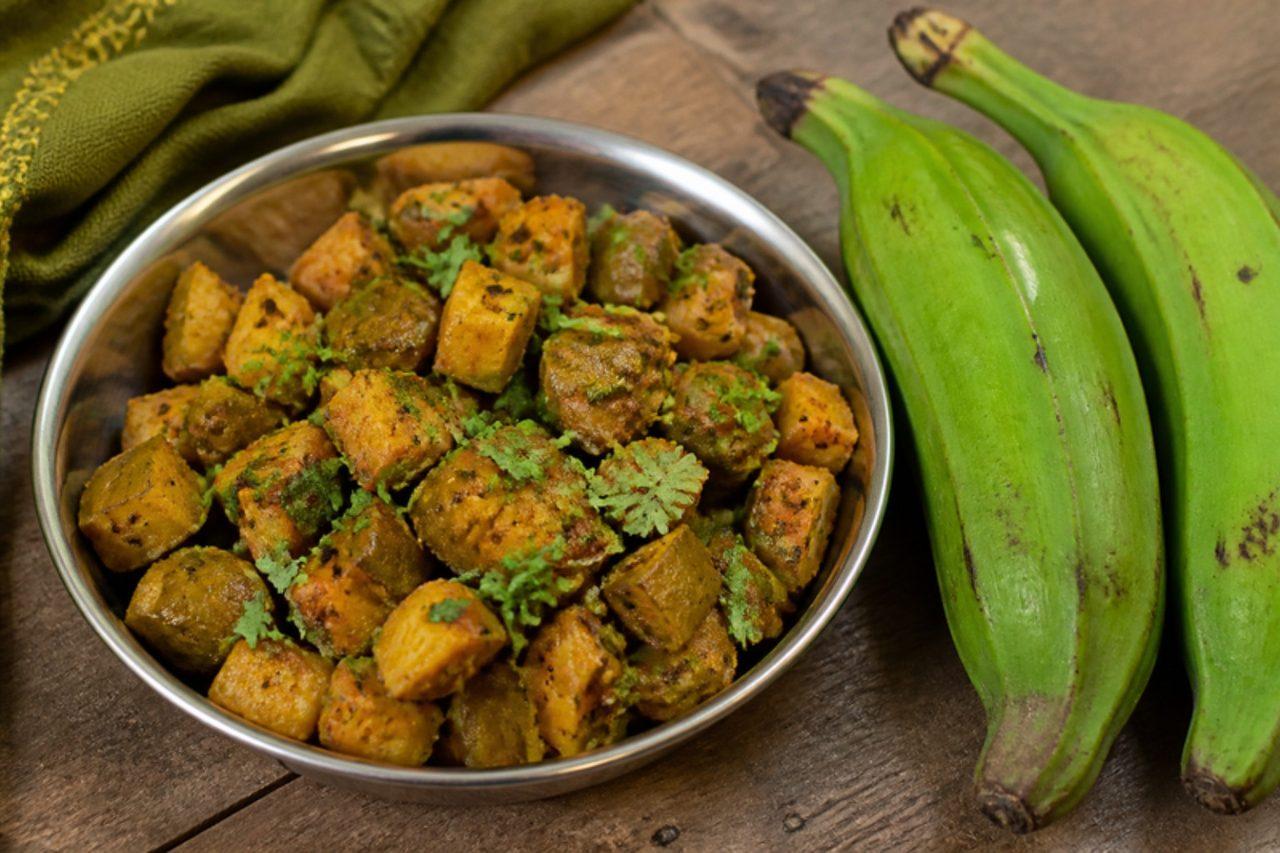
Jain kitchens leave out potatoes, along with every other root, so in Ahmedabad, Palanpur and Mumbai's Gujarati homes raw green banana steps in, and this dry shaak is the one you'll find in the thali at paryushan and at Jain bhojanshalas year round. The cubes are cooked gently in a vaghar of mustard seed, ajwain and hing, dusted with turmeric, chilli and dhana-jiru, and finished with a pinch of sugar and lemon, so they turn soft and creamy inside with lightly browned edges. It tastes savoury, sweet-sour and peppery from the ajwain. Serve it with rotli, dal-bhaat or puri. The common mistake is stirring too much once the banana softens; the cubes break and turn mushy. Turn them with a flat spatula only two or three times. Chef's tip: drop the cubes into water as you cut them so they stay pale, and drain well before they hit the oil.

by KrazyBadal 0 views

Methia masalaPickle spice mix

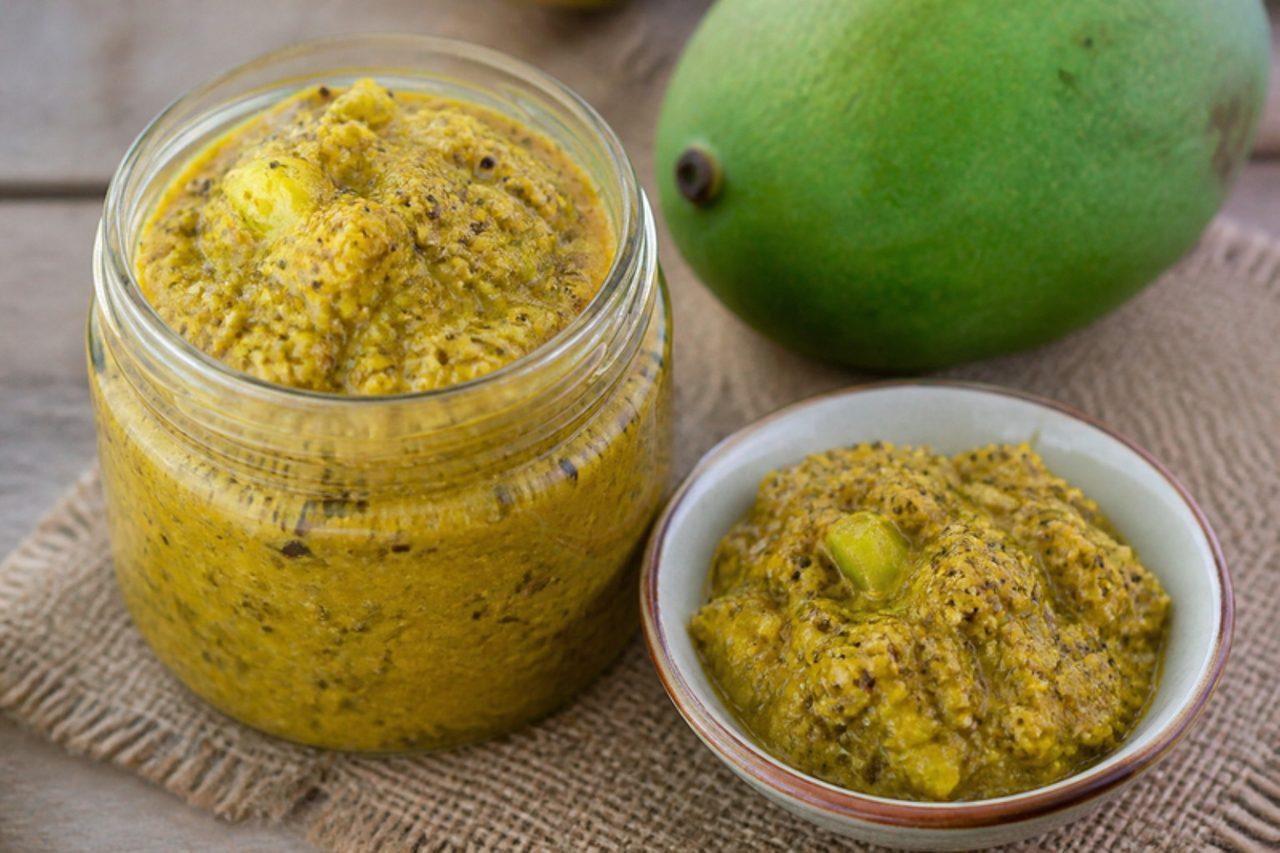
In Gujarati homes, methia masala (also called achar masala or sambhar masala in Kathiawad) is mixed each April before the mango pickling begins, and a jar of it lasts the year. It is built on methi kuria and rai kuria, split fenugreek and split mustard seeds sold at every Gujarati grocer, which are bloomed in smoking-hot groundnut oil with hing so they lose their raw bitterness, then mixed with Kashmiri chilli powder, turmeric and salt. That one masala makes instant pickles of carrot, gunda, raw mango or kerda in minutes, is spooned beside khichu, thepla and dhokla and goes into methia keri, the classic Gujarati mango pickle. Common mistake: pouring the oil over the chilli powder while it is smoking hot; the chilli turns black and bitter. Chef's tip: pour the hot oil over the kuria and hing only, wait until it is just warm, and only then stir in the chilli, turmeric and salt.

by KrazyBadal 0 views

Pav bhaji masalaPav bhaji spice blend

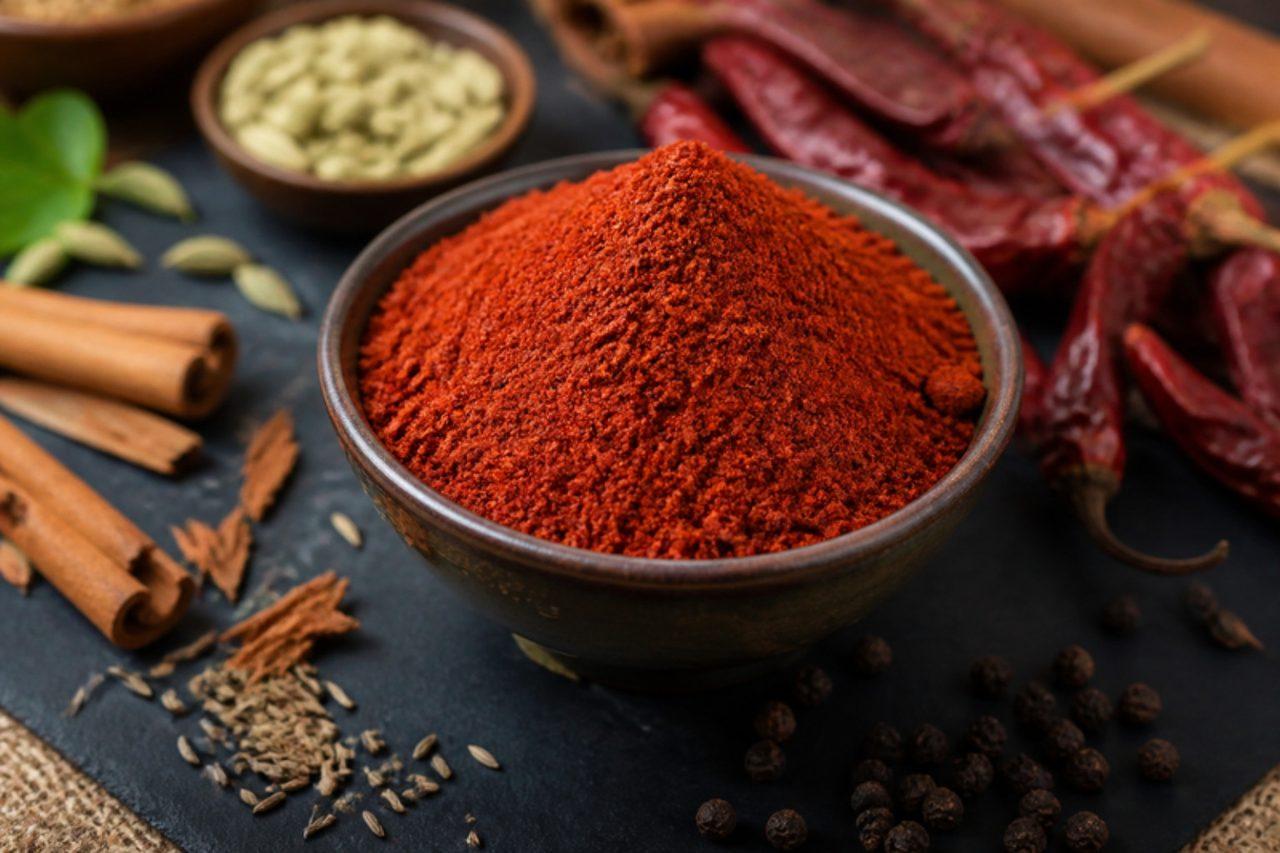
The bhaji at a Juhu Beach or Girgaum Chowpatty stall gets its unmistakable taste from a ready-made masala, but a home-roasted blend smells far brighter and lets you choose the heat. Whole coriander, cumin, fennel, cloves, cinnamon, cardamom and star anise are roasted, cooled and ground with Kashmiri chilli for colour, amchur (dry mango powder) for tang, kala namak (black salt) for that eggy, savoury depth, and dry ginger. A good pav bhaji masala is red, sour-salty and aromatic rather than very hot. It is also the quick way to give tawa pulao, masala toast and Bombay sandwiches their street flavour. Common mistake: stirring the masala into a dry, very hot pan; the amchur and chilli powder scorch in seconds. Chef's tip: add the masala once the tomatoes have broken down into the butter, and keep a spoonful back to sprinkle over the bhaji in the last minute for a fresh hit of aroma.

by KrazyBadal 0 views

Paneer bhurjiScrambled paneer

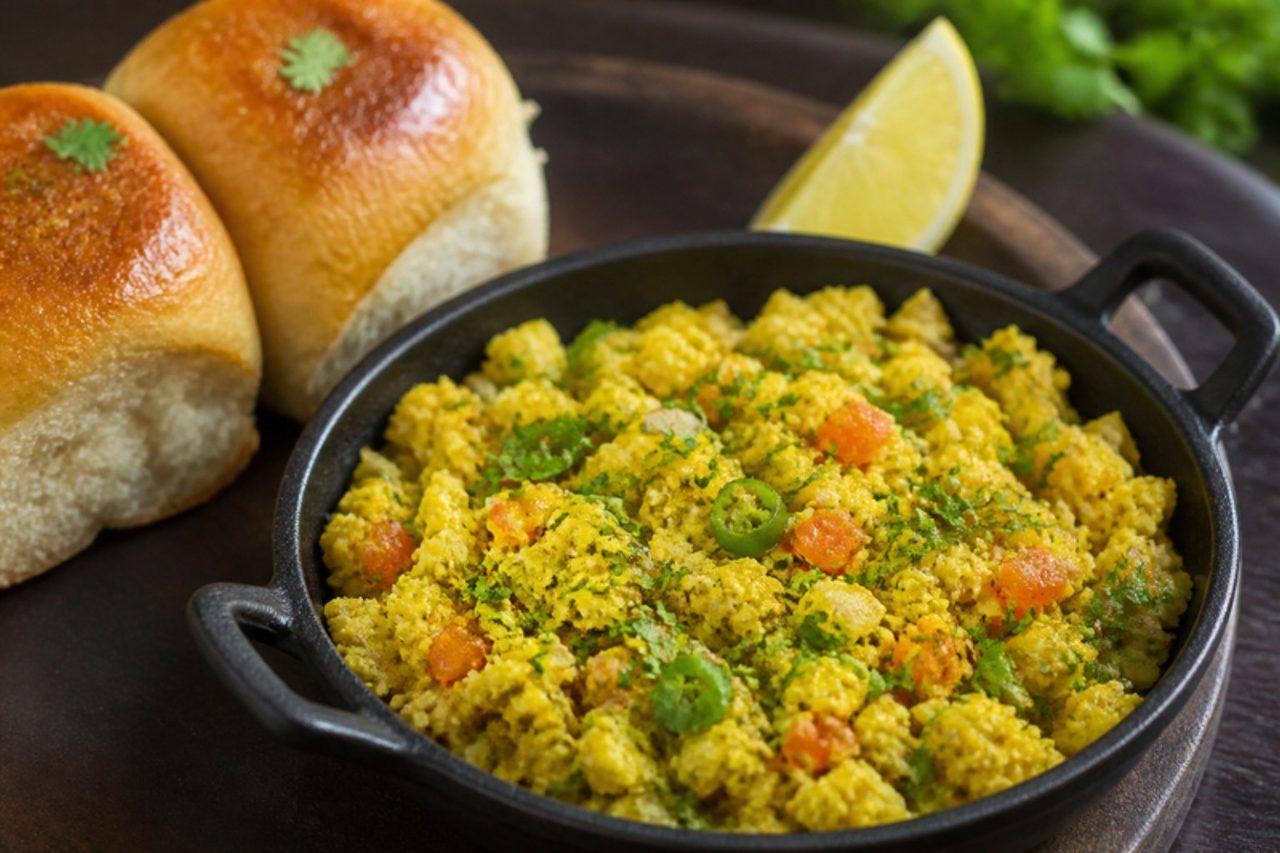
Dhabas on the Delhi-Chandigarh highway and Punjabi homes everywhere make paneer bhurji when an egg bhurji won't do: for vegetarian guests, for a fast lunchbox, or when there's a block of paneer waiting in the fridge. The paneer is crumbled and folded into an onion-tomato masala with green chilli, a little garam masala and kasuri methi, and a splash of milk keeps it soft and moist. It goes with butter roti, a buttered pav from the Mumbai stalls, or rolled into a paratha for a tiffin. The common mistake is cooking the paneer too long; it toughens and dries out in minutes. Add it last and heat it through for no more than two or three minutes. Chef's tip: homemade or very fresh paneer crumbles best; grate a firm shop block instead of crumbling it.

by KrazyBadal 0 views

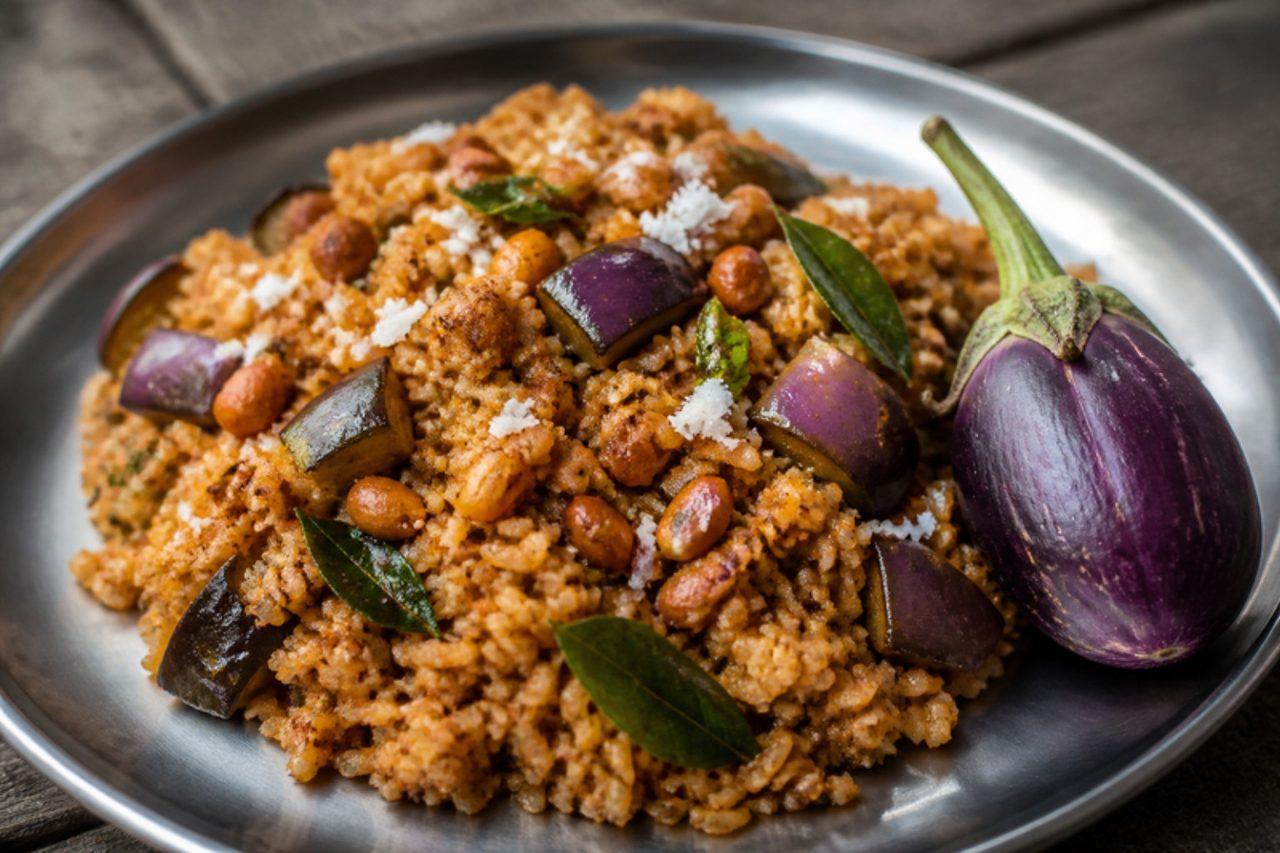
Vangi bathAubergine rice

In Bengaluru and Mysuru, vangi bath is weekend breakfast at a darshini and a favourite for office tiffins, and at Kannada weddings it often appears on the banana leaf. Small purple brinjals are cooked with tamarind, jaggery and a fresh vangi bath powder roasted from dals, coriander seed, byadgi chillies, cinnamon and dry coconut, then folded into cooled rice. The flavour is warm, smoky, tangy and slightly sweet, with peanuts for crunch. Serve it with plain curd or a cucumber raita and a papad. The common mistake is cooking the brinjal to mush; cut it into fingers and cook just until tender, so the pieces hold. Chef's tip: grind the powder fresh and roast each ingredient separately on low heat; burnt dal or coriander turns the whole dish bitter.

by KrazyBadal 0 views

Malvani masalaKonkan spice blend

Head down the coast to Malvan, Vengurla or Devgad and every family has its own masala tin, ground in summer when the chillies are crisp and dry. Malvani masala is hotter and more aromatic than goda masala and uses no coconut: it is mostly Bedgi chillies (for a deep red colour and moderate heat) with a handful of fiery Sankeshwari, roasted with coriander and about fifteen whole spices including fennel, star anise, mace, nutmeg and stone flower. Fried in oil with coconut and onion, it becomes the base of kombdi vade (chicken curry with puris), bangda and surmai curries, prawn sukka, and vegetarian dishes like kala vatana usal and Malvani batata bhaji. The blend itself is vegan. Common mistake: leaving the stalks on the chillies; they grind into hard, woody bits and dull the colour. Chef's tip: dry the chillies in the sun or in a barely warm pan first, then roast them separately on low until they crackle, so they grind to a fine, bright powder.

by KrazyBadal 0 views

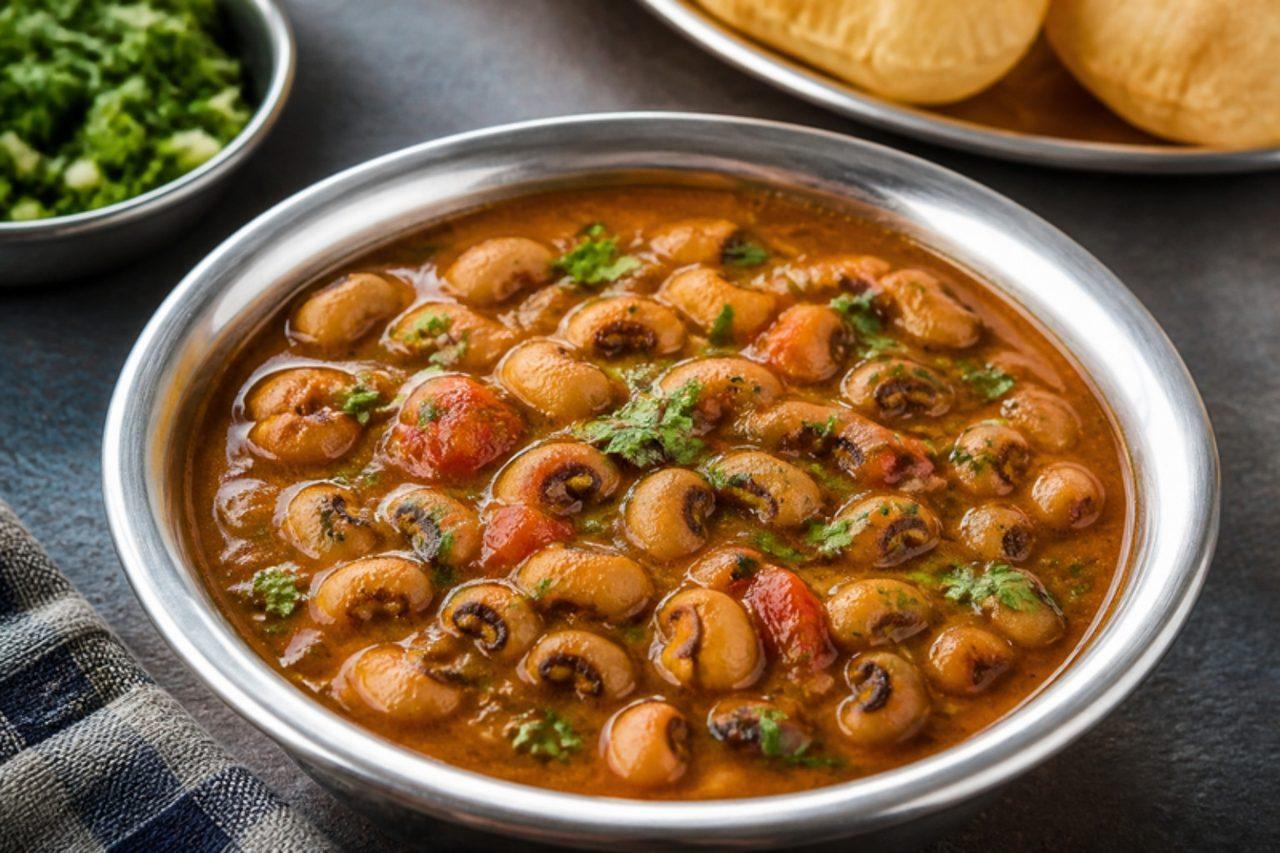
Chora nu shaakBlack-eyed pea curry

Chora nu shaak is a Sunday favourite in Surat and Baroda homes and one of the pulse shaaks that rotate through a Jain kitchen in place of onion-based gravies. Black-eyed peas are cooked soft, then simmered in a thin tomato gravy built on a vaghar of mustard seed, cumin, hing, cloves and dry red chilli, sweetened with jaggery and sharpened with lemon in true Gujarati style. Dry ginger powder replaces fresh ginger, and there is no onion or garlic. The gravy should be loose enough to soak into rotli or rice, with a few beans mashed to give it body. A common mistake is adding tomato and jaggery before the beans are fully soft; acid and sugar keep them hard however long you cook them. Chef's tip: let the shaak rest for 10 minutes before serving; the chora drink up the gravy and the flavours round out.

by KrazyBadal 0 views

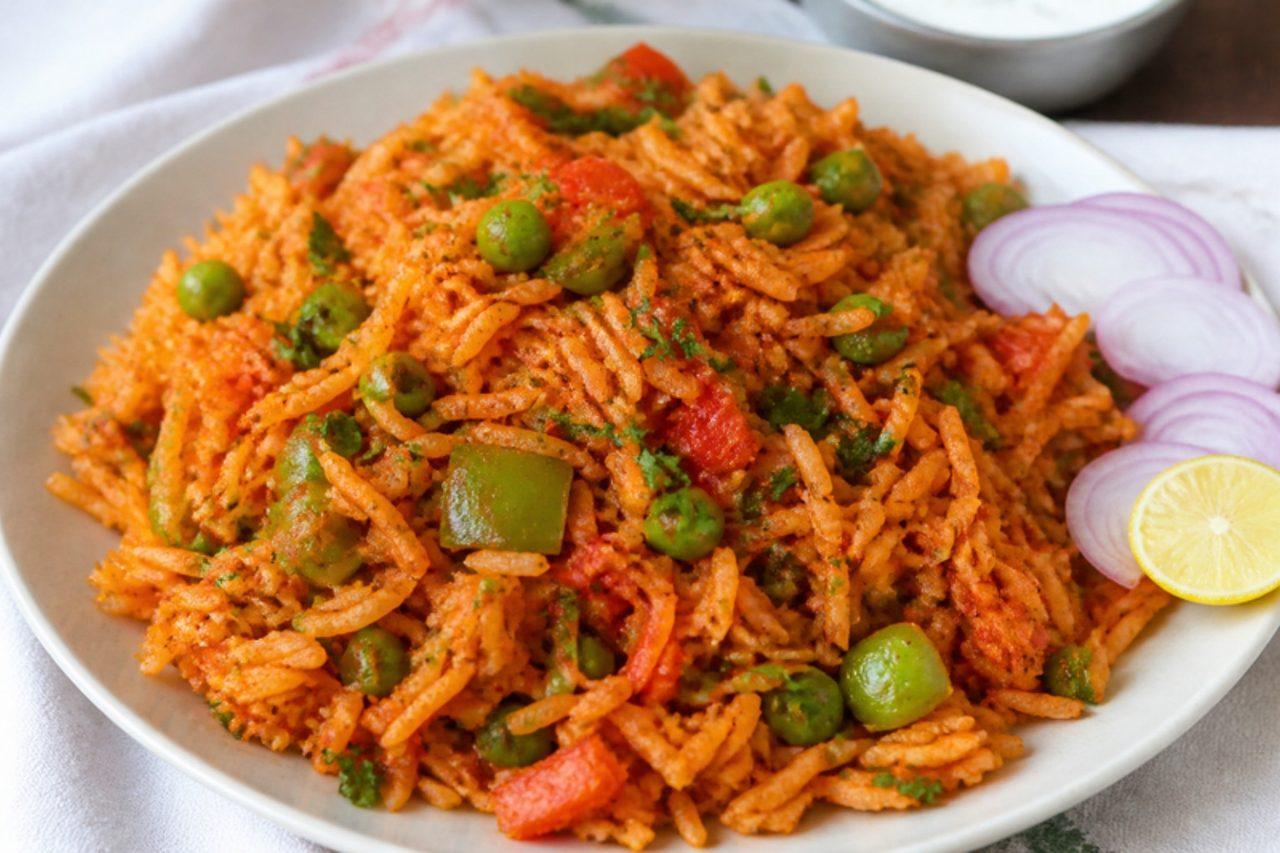
Tawa pulaoGriddle rice with peppers

After the pav bhaji crowd thins out at Juhu or Girgaon Chowpatty, the stall owner scrapes the giant iron tawa, drops in a slab of butter and leftover rice, and starts tossing it with the same masala, peppers and tomato. Tawa pulao began as a quick meal for the cooks themselves and became a Mumbai favourite in its own right, eaten late at night and packed into lunchboxes. It's buttery, tangy and spicy, red with Kashmiri chilli and smelling of pav bhaji masala, with peas and capsicum for colour and a squeeze of lemon. Serve with raita, onion rings and papad. The common mistake is using freshly cooked, warm rice; it breaks and goes sticky. Day-old, fridge-cold basmati gives separate grains. Chef's tip: use a wide pan and toss rather than stir, as the stall cooks do with two flat spatulas.

by KrazyBadal 0 views

Mag nu shaakDry whole green moong

Wednesday is mag day in many Gujarati homes, and in Jain families this is how it is cooked: whole green moong soaked overnight, pressure-cooked until just soft, then tossed in a vaghar of mustard seed, ajwain and hing with green chilli and dry ginger powder instead of fresh ginger, and no onion or garlic at all. A pinch of jaggery and a squeeze of lemon give it the gentle sweet-sour taste Gujaratis expect. It's a dry shaak, each bean whole and coated, eaten with rotli, or with kadhi-bhaat for a light, very satisfying meal. A common mistake is overcooking the moong until it bursts and turns to mush; two whistles is enough, and the beans should still hold their shape. Chef's tip: save the cooking water; a few spoons loosen the shaak if it looks too dry, and the rest makes a lovely mag nu osaman with a little lemon and vaghar.

by KrazyBadal 0 views

Turiya nu shaakRidge gourd curry

Turiya arrives in Gujarat's markets with the monsoon, and this quick, juicy shaak is a weekday staple from Rajkot to Navsari, eaten with rotli and a dollop of ghee, or with khichdi and kadhi. It is cooked the Jain way, in a vaghar of mustard seed, ajwain and hing with green chilli and dry ginger powder instead of fresh ginger, plus tomato and a pinch of sugar. The gourd turns silky and almost melts, leaving a light, sweetish gravy. A common mistake is overcooking: ridge gourd softens in about eight minutes and turns to mush soon after. Take it off the heat as soon as the pieces are translucent but still hold their shape. Chef's tip: scrape off only the hard ridges and leave the green skin between them; it keeps the pieces together and adds flavour.

by KrazyBadal 0 views

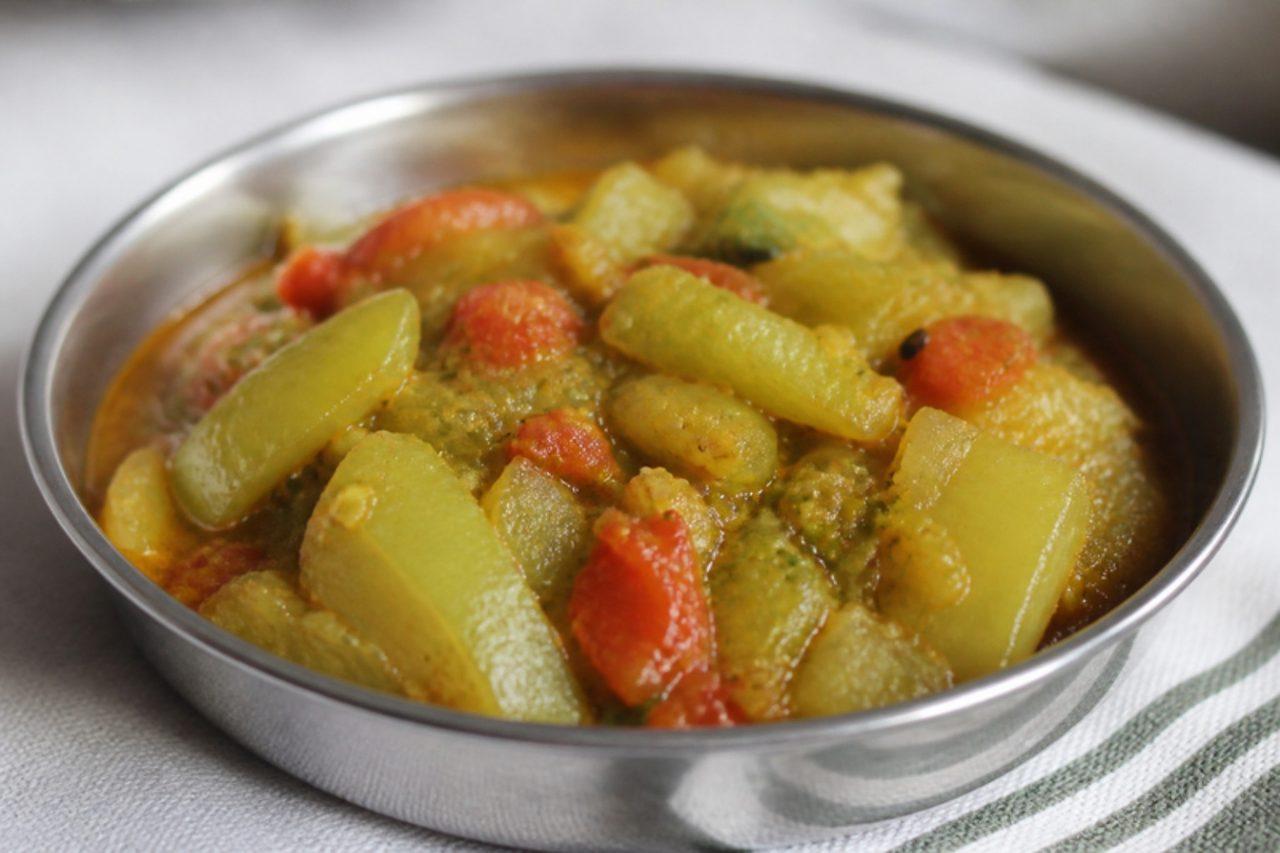
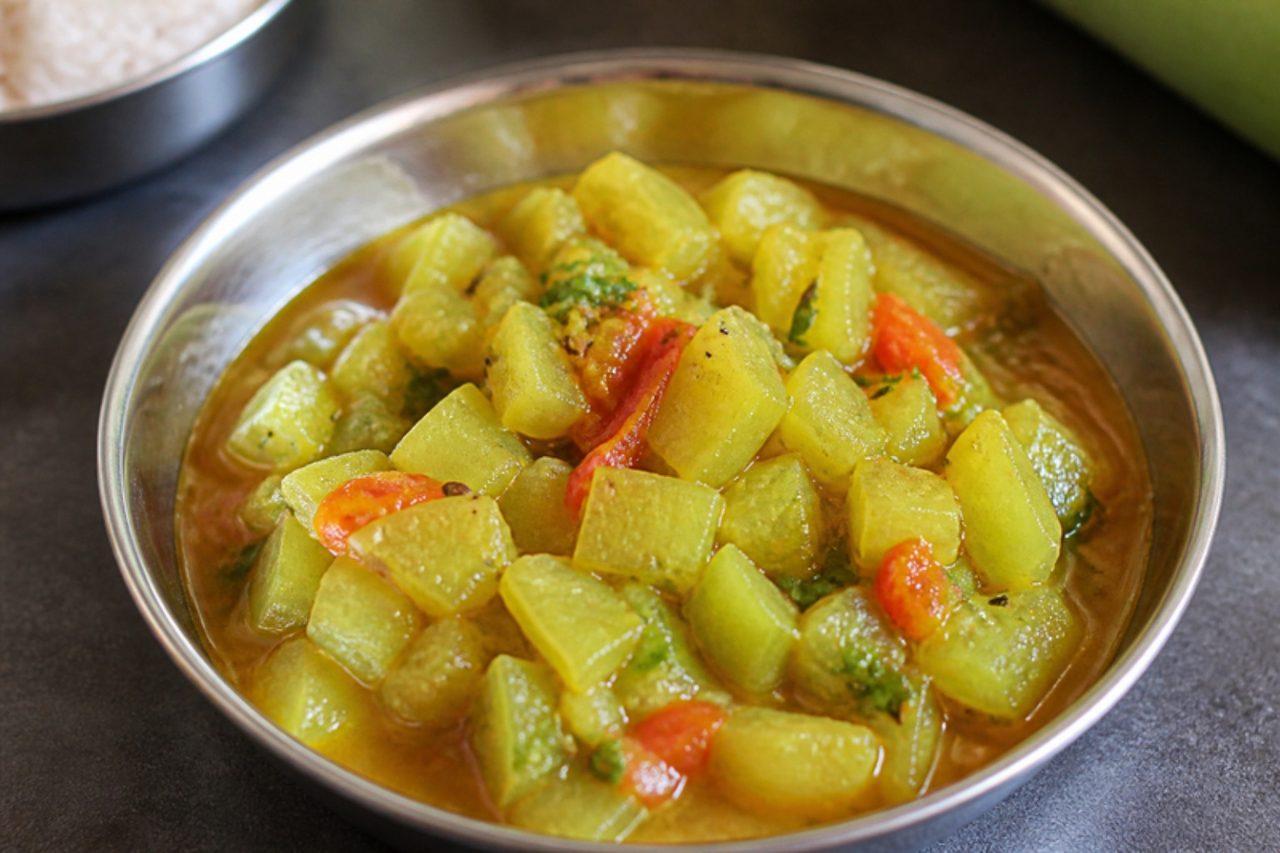
Dudhi nu shaakBottle gourd curry

When someone in a Gujarati house is unwell, or it's simply too hot to eat anything heavy, this is the shaak that appears with khichdi or thin rotli. Pale green bottle gourd cubes are cooked in a vaghar of cumin, mustard seed and hing with green chilli, a little tomato and a pinch of jaggery, and they release so much juice that almost no water is needed. With no onion, garlic or fresh ginger, it's everyday Jain food too. It ends up soft, light and gently sweet-sour, with a little thin gravy to soak into rice. The common mistake is adding water; dudhi is mostly water itself, and the shaak goes soupy and bland. Cover and let it stew in its own juice. Chef's tip: always taste a tiny raw piece first; a bottle gourd that tastes bitter can make you ill and must be thrown away.

by KrazyBadal 0 views

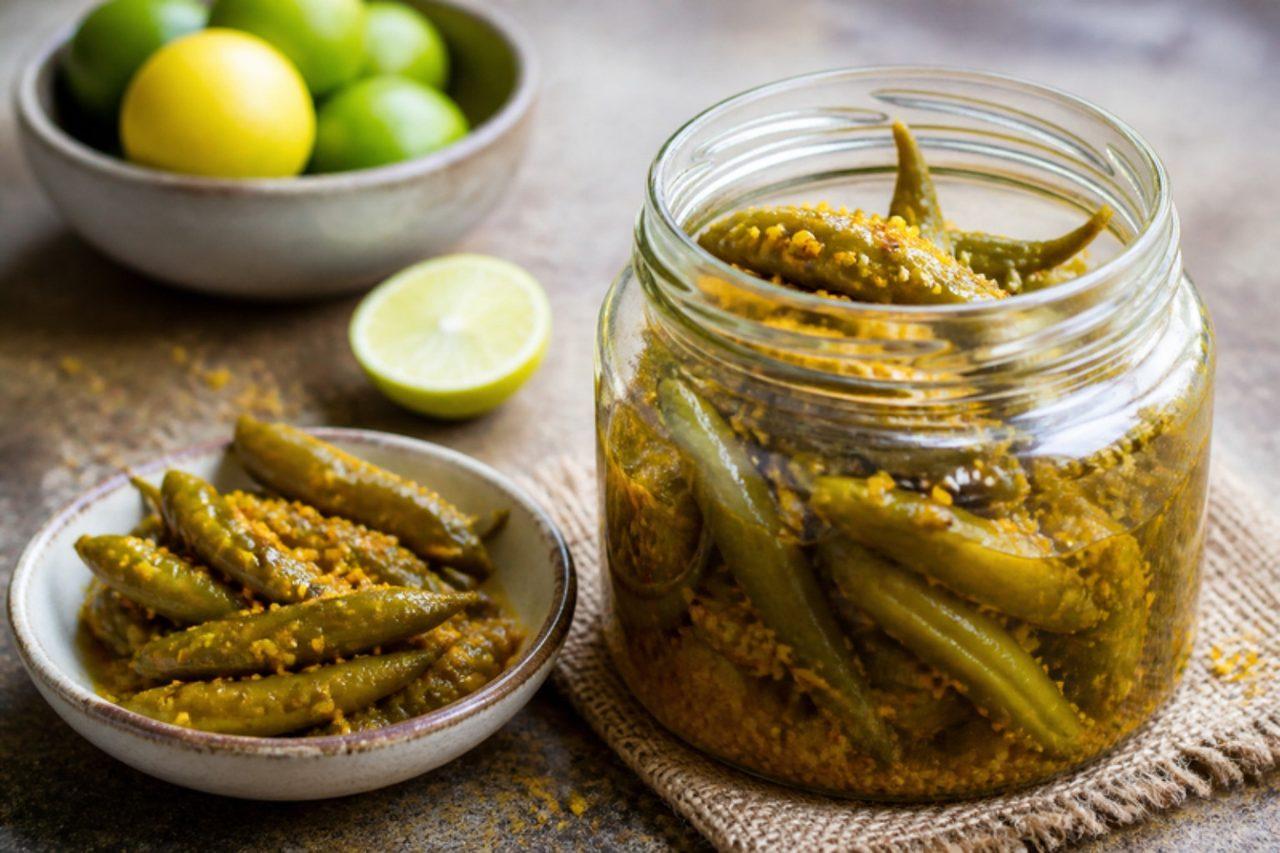
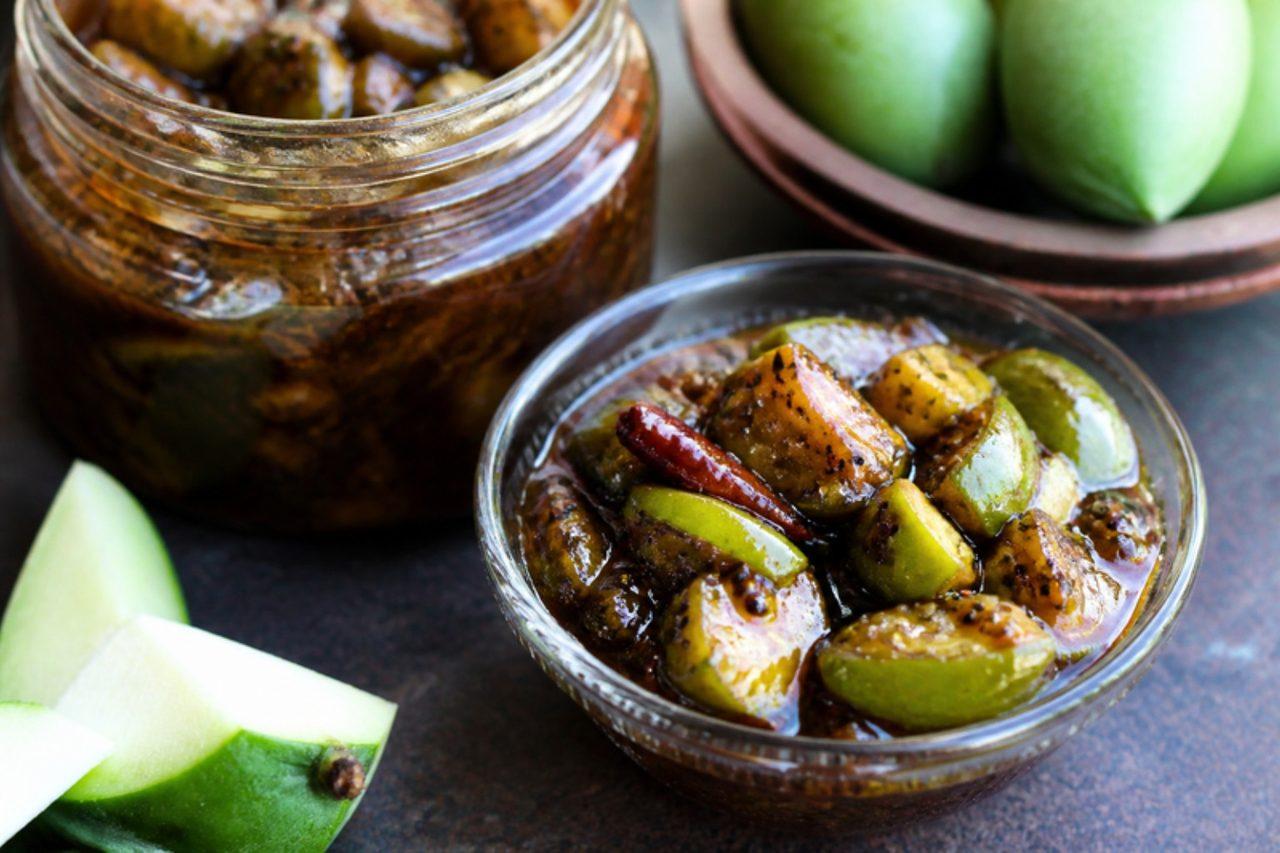
Athela marchaQuick pickled green chillies

On a Gujarati table there is nearly always a small steel bowl of athela marcha beside the thali, the quick daily pickle that makes plain khichdi, dal-bhaat, thepla or a plate of fafda taste complete. Thick, mild chillies (Bhavnagri or the pale green ones sold for bhajia) are slit, tossed with rai kuria (split mustard), salt, turmeric and hing, and soused with lemon juice. Within a few hours the mustard blooms and turns pleasantly pungent, the lemon softens the chillies and the colour turns olive green. They stay crunchy for about a week in the fridge, so most homes make a small batch every few days. Use thin, hot chillies if your family likes the heat. Common mistake: washing the chillies and using them damp, which waters down the masala and turns the pickle slimy; dry them completely before slitting. Always serve with a clean, dry spoon and throw the jar out if it turns cloudy, mouldy or smells off. Chef's tip: a pinch of methi kuria and half a teaspoon of sugar round out the sharpness if the lemons are very sour.

by KrazyBadal 0 views

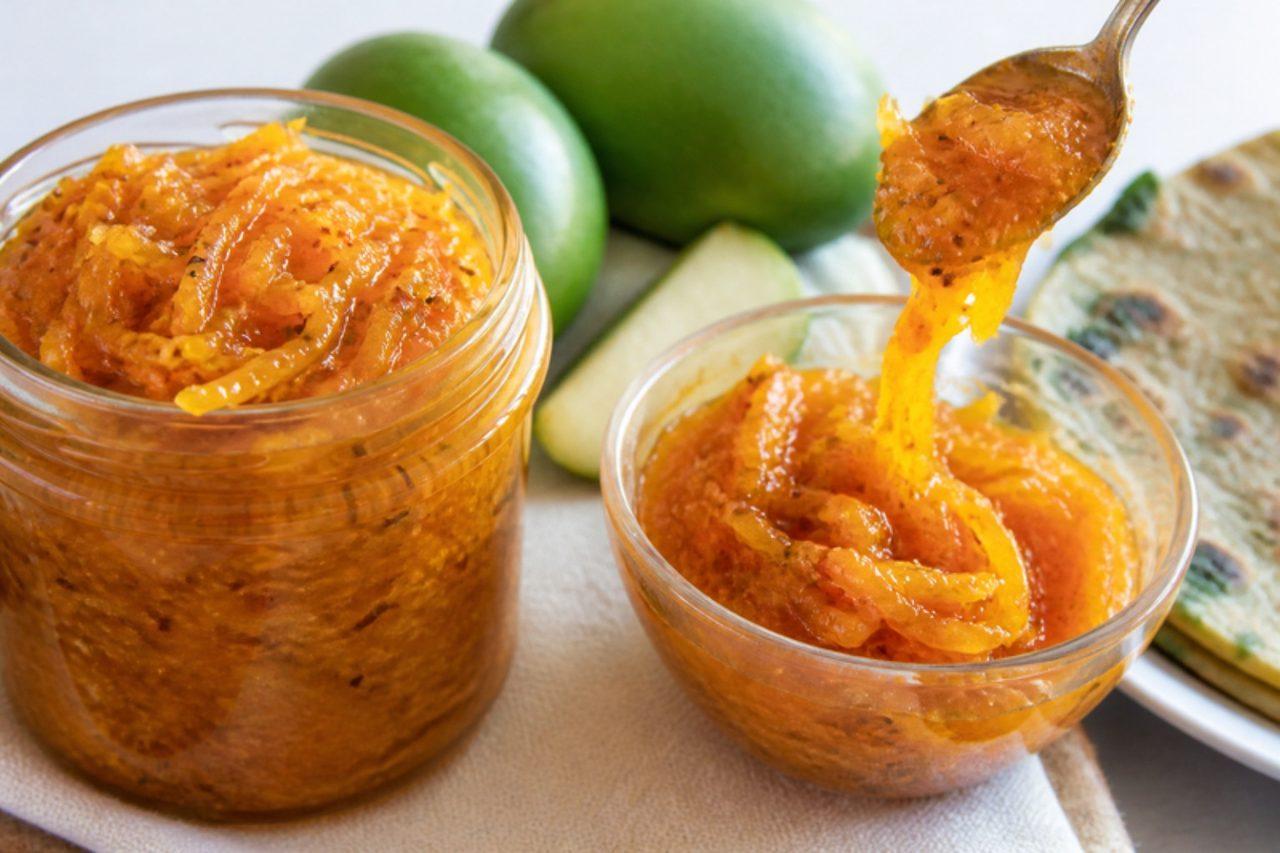
ChhundoSweet grated mango preserve

Every May, when rajapuri mangoes arrive hard and green, Gujarati terraces fill with muslin-covered jars of chhundo slowly cooking in the sun. Grated raw mango is salted, mixed with sugar and left out for a week or more, stirred each day, until the sugar melts into a clear, glossy syrup and the shreds turn translucent. Red chilli and roasted cumin go in at the end, so it is sweet first and then warm. It is what children spread inside a thepla or a rotli for the school dabba, and it sits beside khakhra, puri and dal-bhaat all year round. No terrace or no sun? It cooks just as well on the stove in 25 minutes; both methods are below. Use rajapuri (or another firm, sour, fibre-free raw mango) and grate it on the large holes so the shreds hold. Common mistake: cooking past one-string; the syrup keeps thickening as it cools and the chhundo sets hard like candy. Store it in a dry, sterilised jar and always use a clean, dry spoon; discard it if you ever see mould or it smells fermented. Chef's tip: mix part Kashmiri chilli for colour and part hot chilli for heat, and add the chilli only after the syrup is ready so it stays bright red.

by KrazyBadal 0 views

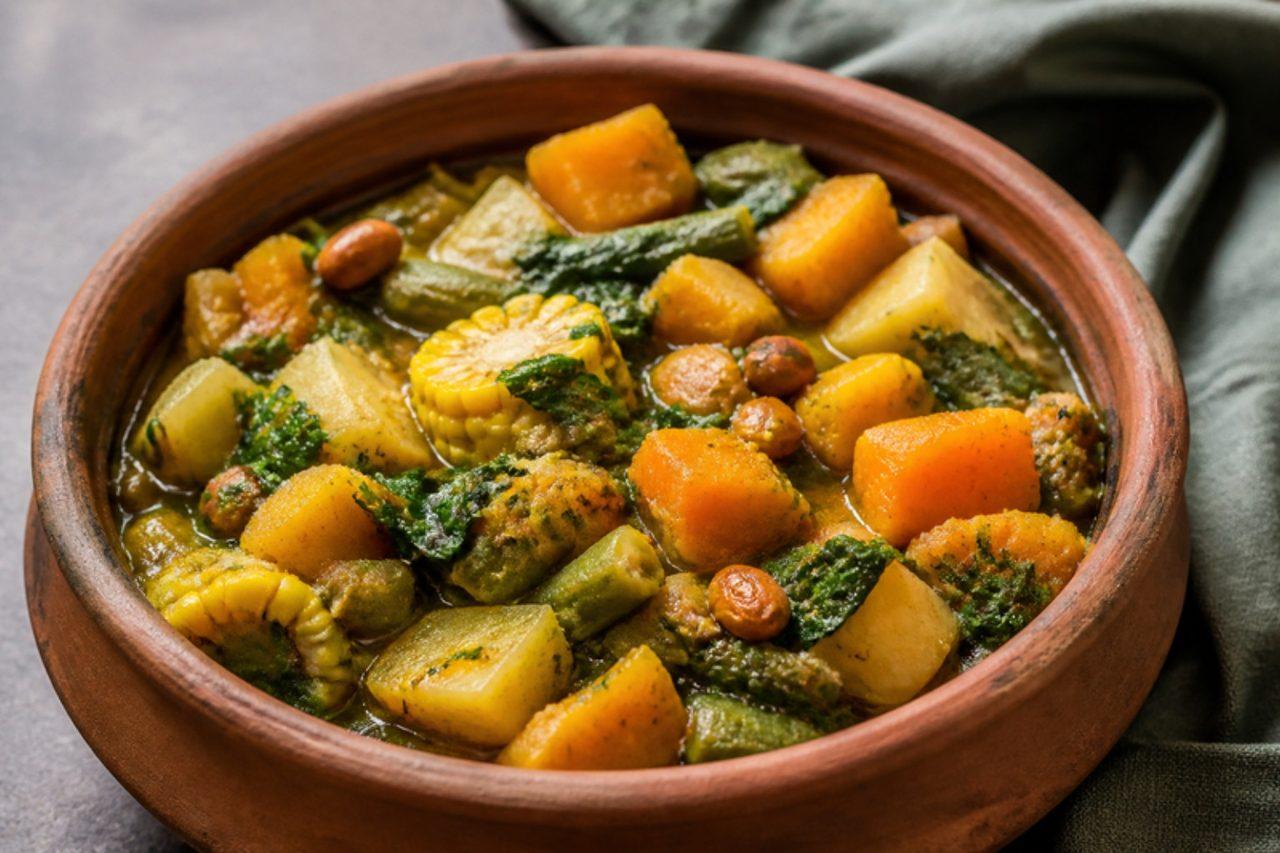
Rishi panchami bhajiPumpkin, taro and corn stew

The day after Ganesh Chaturthi, many Maharashtrian women fast for Rishi Panchami and eat only what has grown without the labour of a bullock. That rule turns into one of the most unusual dishes of the year: a stew of whatever the backyard and the monsoon give, such as red pumpkin, colocasia (alu) leaves and roots, sweet corn, ridge gourd, snake gourd, lal math (red amaranth), okra and raw banana, simmered with crushed peanuts, coconut and green chilli. It is thick, mildly sweet and fresh-tasting, with no onion, garlic or tomato. Some families also skip the tadka entirely; others use a little ghee or oil with cumin. Eat it hot on its own as the main meal of the day, with nothing else alongside. A common mistake is putting colocasia in without enough sourness, which can leave the throat itchy: always add the tamarind with the colocasia. Chef's tip: add the vegetables in order of how long they need, roots first and leaves last, so nothing turns to mush.

by KrazyBadal 0 views

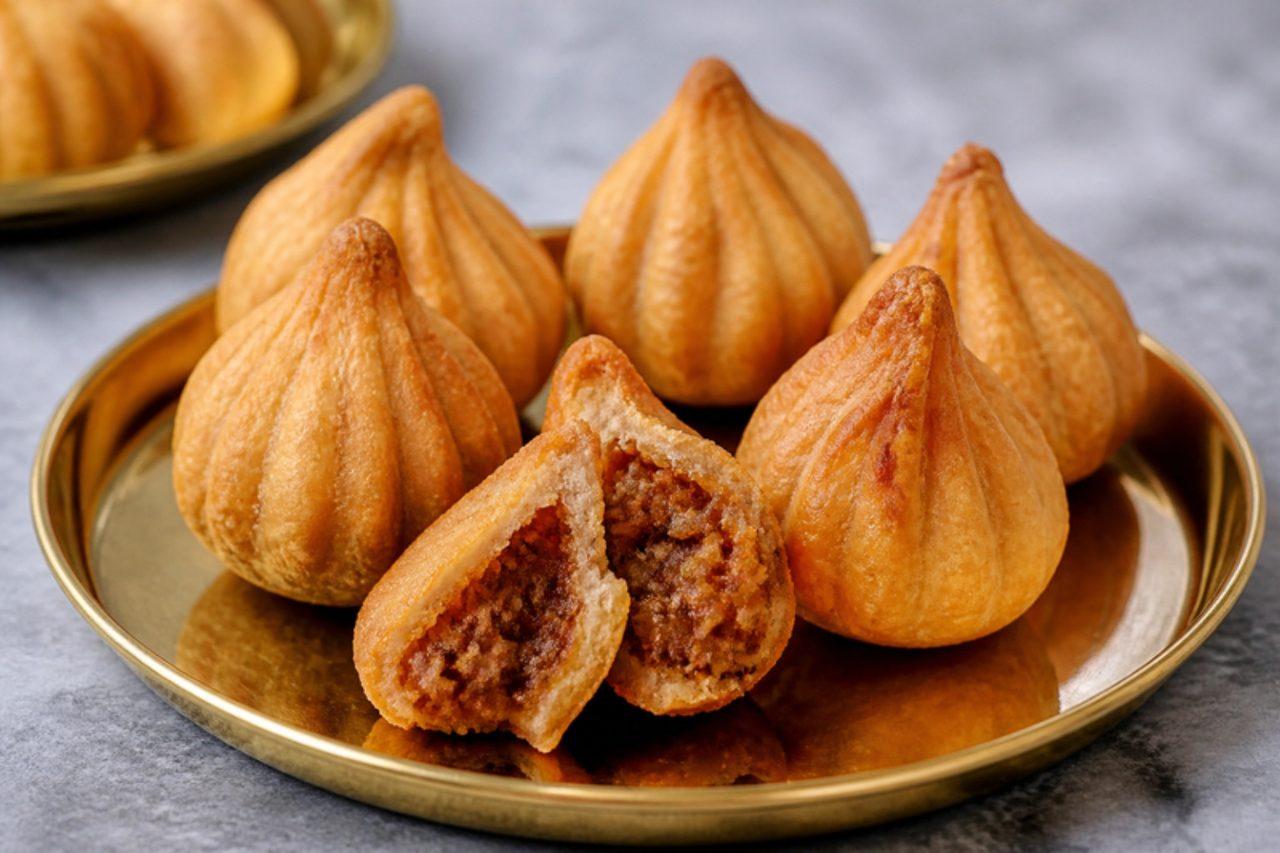
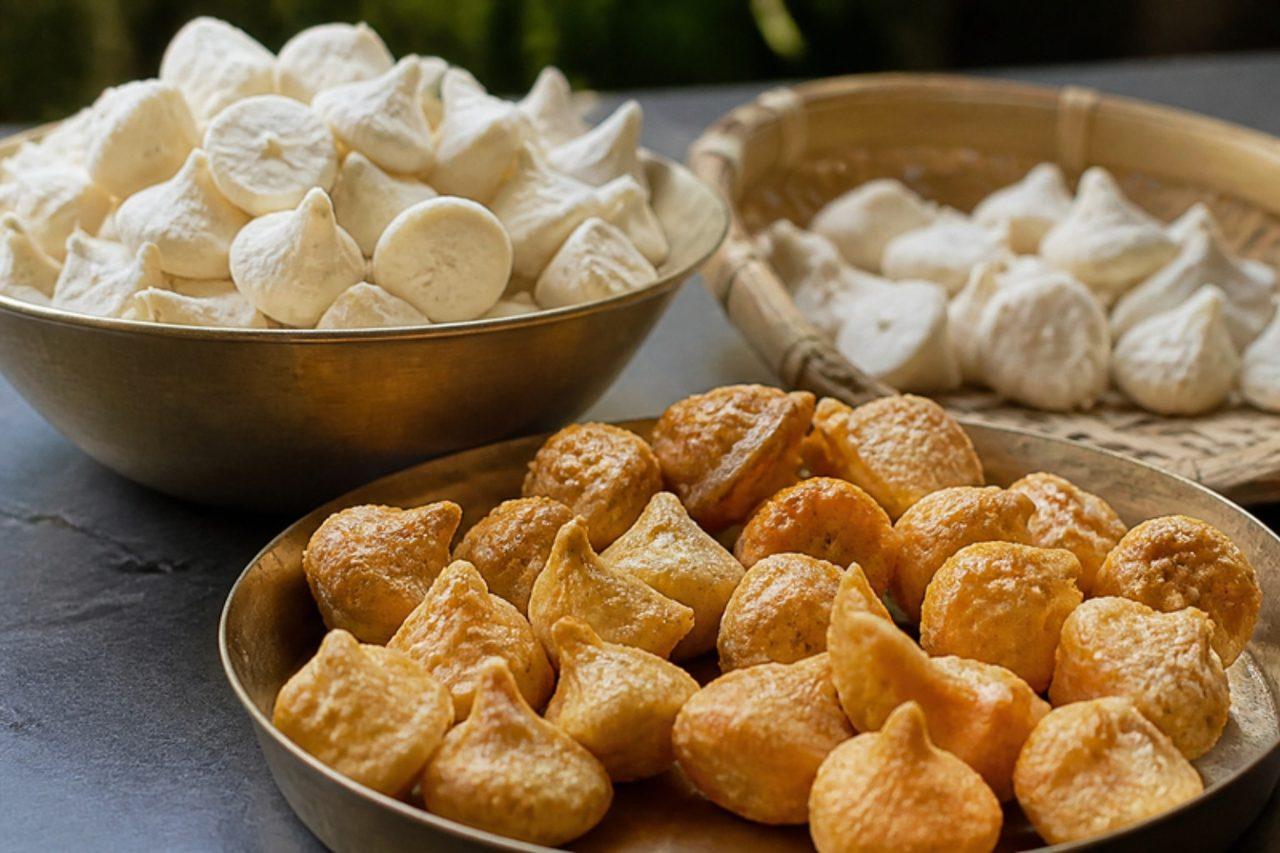
Talniche modakFried coconut jaggery dumplings

Steamed ukadiche modak may be the star of Ganesh Chaturthi in Konkan homes, but across Pune, Nashik and Vidarbha the plate of twenty-one for Bappa is just as often fried. Talniche modak use a short dough of wheat flour and fine semolina, pleated by hand around the same coconut, jaggery and poppy-seed saran, then fried slowly until they turn pale gold and shatter when bitten. Because they are dry and crisp they travel well: they go into the steel dabba for relatives and last through all ten days of the festival. The filling is sticky and fragrant with cardamom and nutmeg, the shell flaky like a karanji. Serve them at room temperature with a cup of tea or as part of the naivedya thali. The usual mistake is frying in oil that is too hot, which browns the outside in a minute and leaves the inner pleats raw and doughy. Chef's tip: rub the ghee into the flour until it holds in a clump when pressed; that moyan is what makes the shell blister and flake rather than turn hard like a puri.

by KrazyBadal 0 views

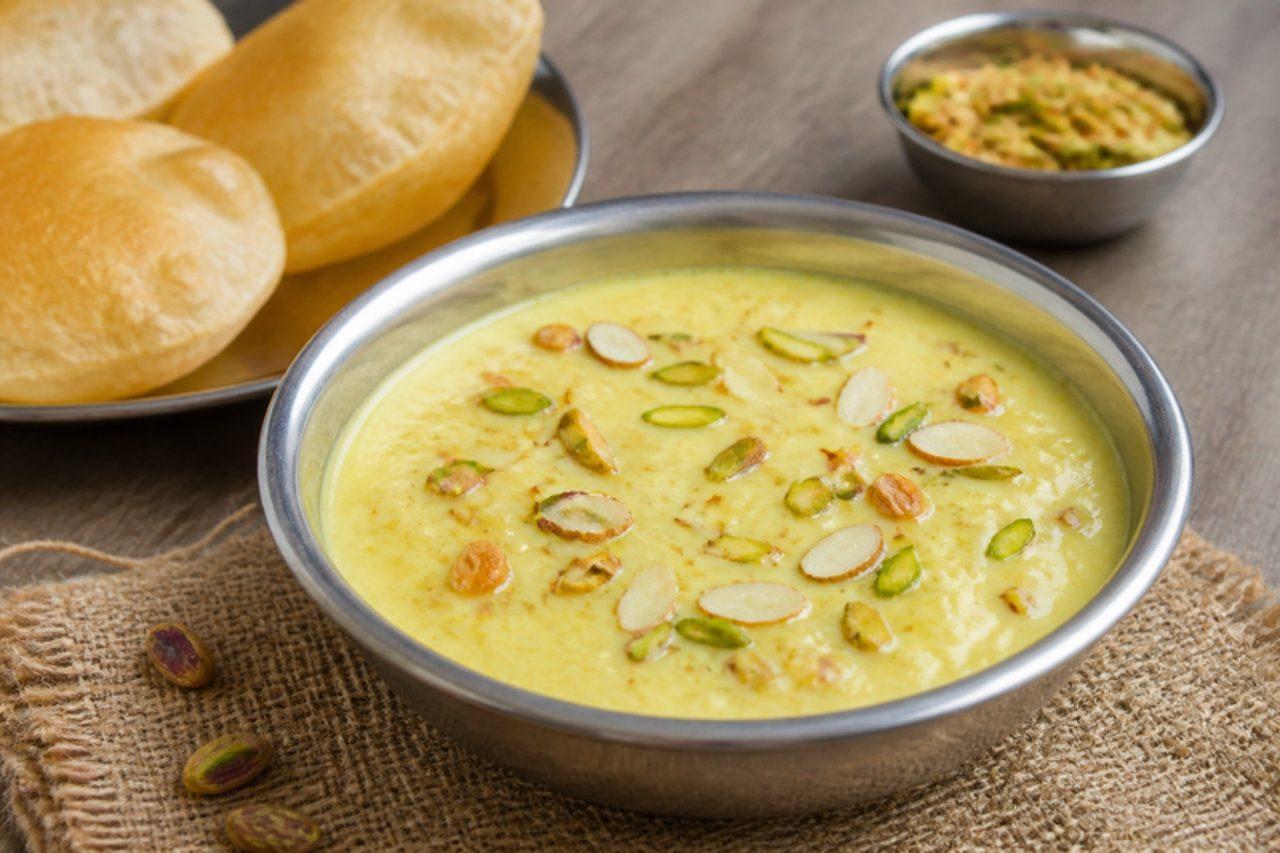
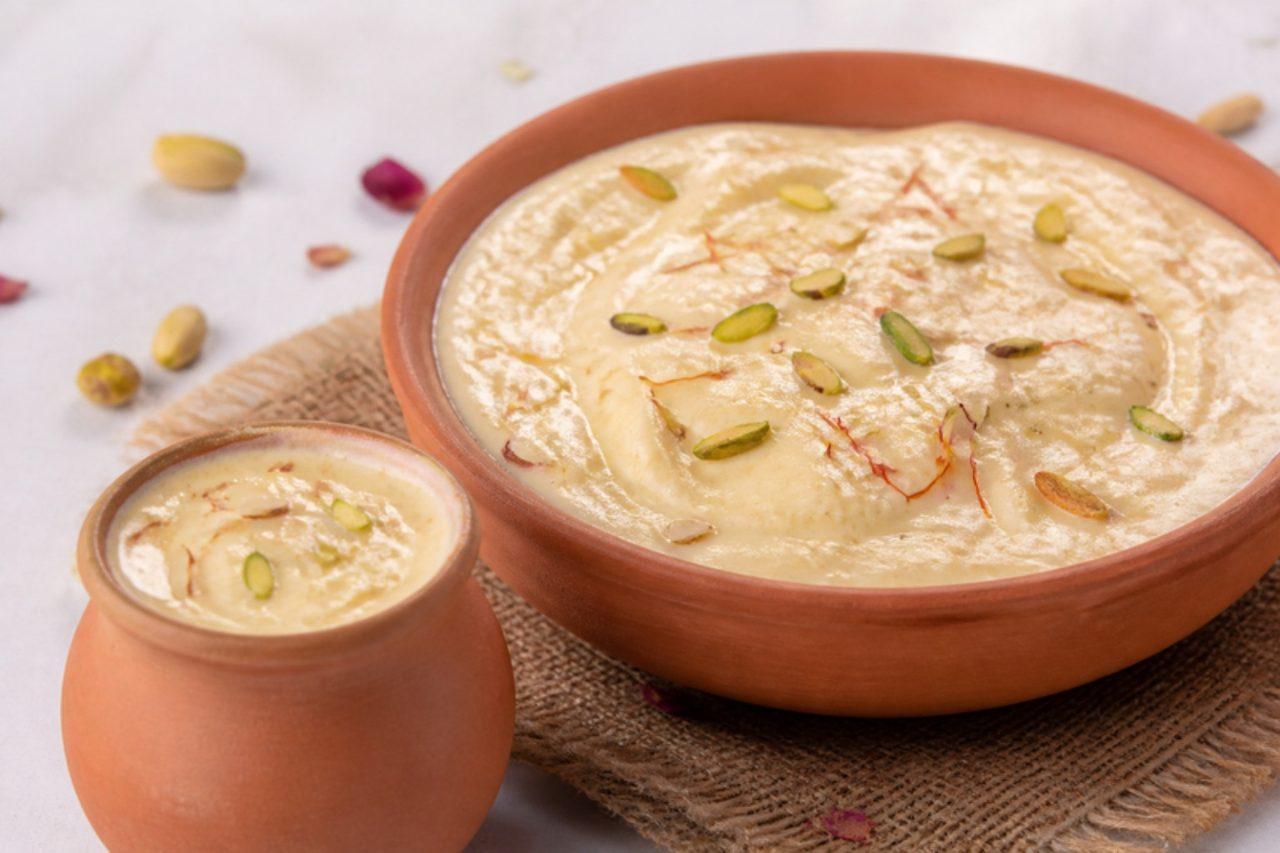
DoodhpakRice milk pudding

Doodhpak and puri is the classic pairing of a Gujarati jamanvar (feast), served at weddings, at Sharad Purnima and, in many families, cooked for pitru paksha (shraddh) to remember the ancestors. Unlike a thick kheer, doodhpak is pourable and silky: a small amount of rice cooks in milk that has been reduced by about a third, so each grain is soft but still whole, and the milk turns creamy and faintly golden from saffron. Charoli (chironji, small almond-like seeds), slivered almonds and pistachios give it bite, and cardamom with a little nutmeg (jaiphal) is the true Gujarati flavour. It thickens a lot as it cools, so take it off the heat while it still looks thin. Serve warm in winter or chilled in summer, with hot puris, dal-bhaat and a dry shaak. Common mistake: adding sugar before the rice is fully soft; the sugar stops the grains cooking and they stay chalky. Chef's tip: rub the soaked rice with a teaspoon of ghee before it goes in, so the grains stay separate and do not form lumps on the base.

by KrazyBadal 0 views

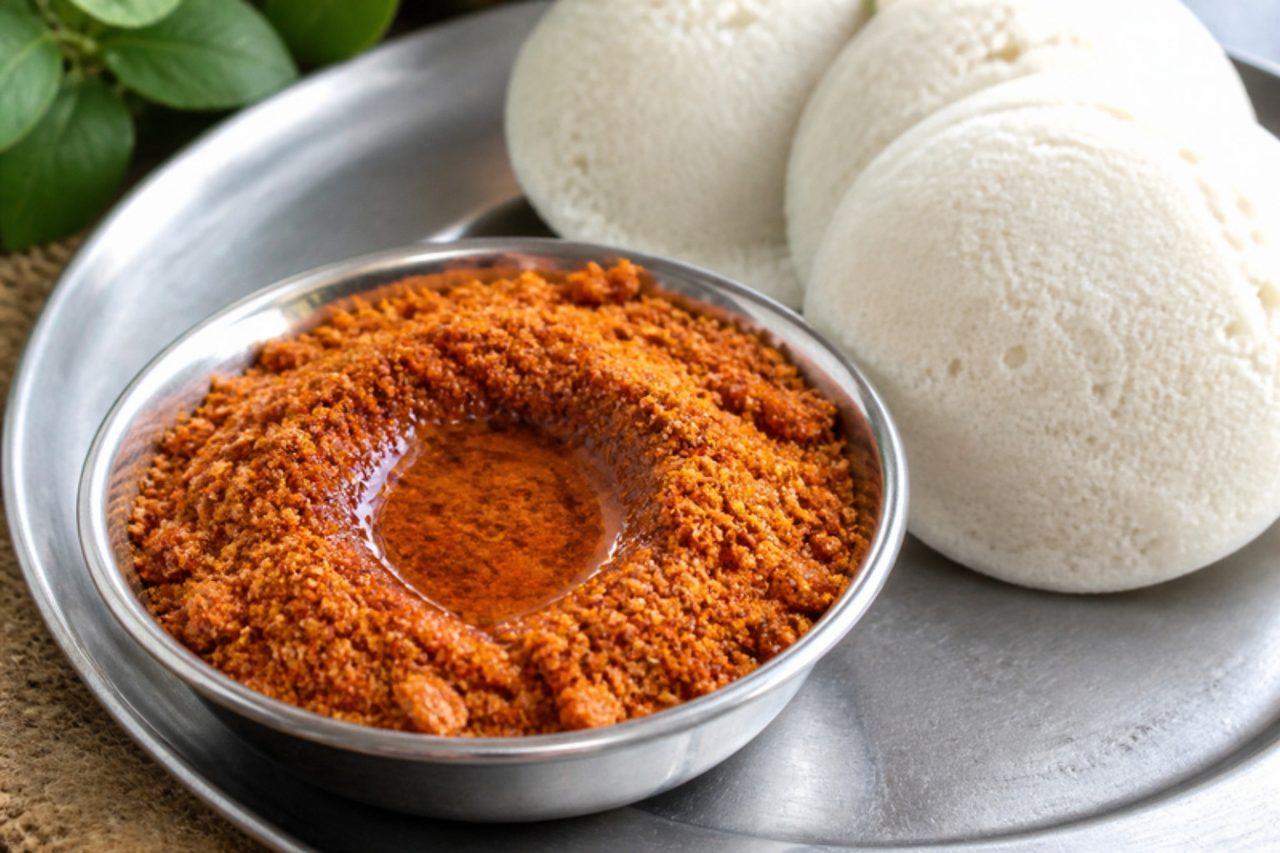
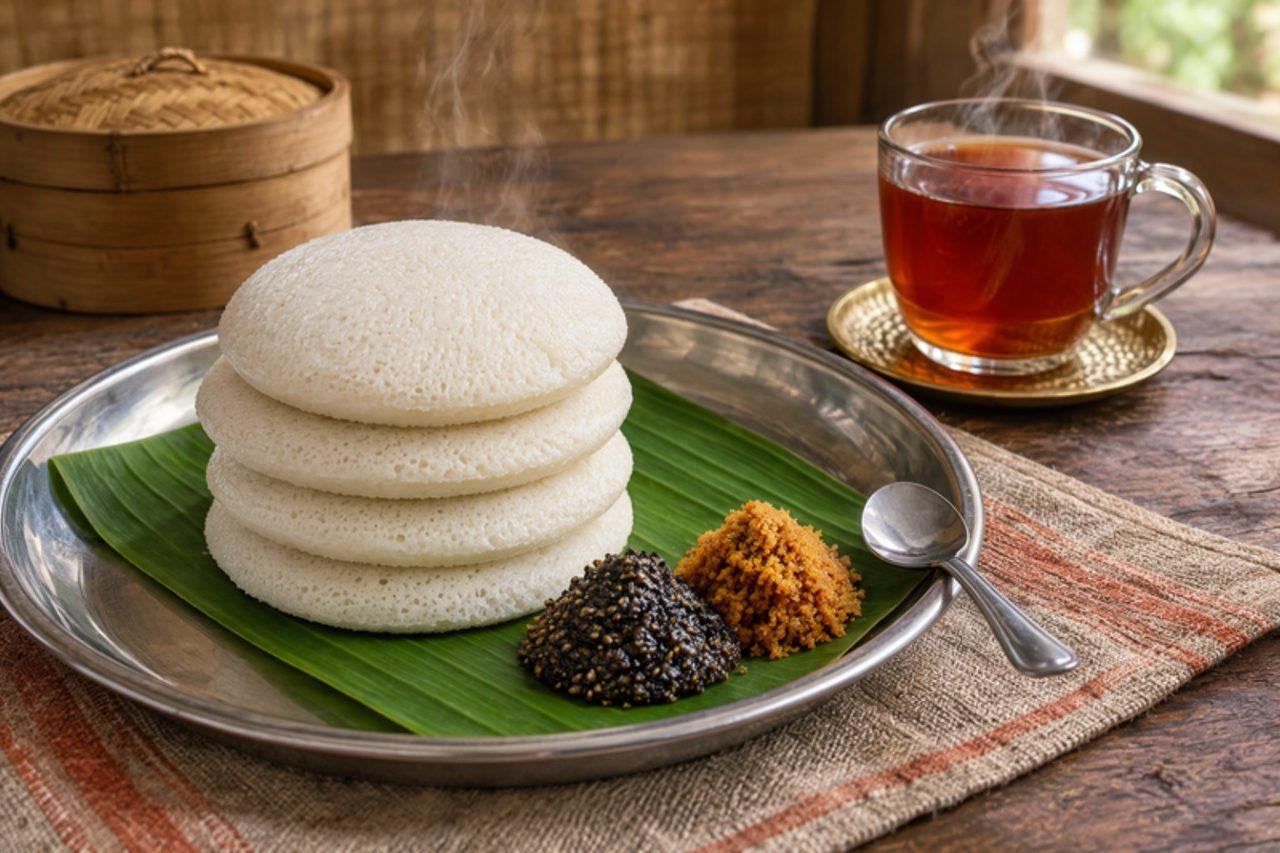
Idli podiLentil and chilli powder

Pack idlis for a train journey out of Chennai Central and they travel already smeared in milagai podi and gingelly oil, which is why Tamilians call this the travel chutney. At home, a small mound sits on the side of every breakfast plate: you make a well in it, pour in sesame oil and drag hot idli or crisp dosa through the paste. A good podi is coarse and sandy rather than floury, nutty from slow-roasted urad and chana dal, toasty from sesame, smoky from the chillies and lifted by curry leaves and asafoetida. Mix byadgi chillies for colour with a few hotter ones for bite. Common mistake: grinding the dals while still warm; the steam turns the podi damp and lumpy and it loses its crunch in a week. Chef's tip: roast each ingredient separately on a low flame, because the dals, chillies and sesame all brown at different speeds.

by KrazyBadal 0 views

PanchakhadyaCoconut, jaggery and poppy seed offering

Walk into a Maharashtrian home during the ten days of Ganeshotsav and the evening aarti ends with a spoonful of panchakhadya pressed into your palm. Pancha means five and khadya means things to eat: dry coconut (khobra), jaggery, poppy seeds, dry dates (kharik) and dry ginger (sunth) powder, all toasted and pounded together into a loose, sweet crumble. Some families add a few raisins or almonds, but the five are the heart of it. It is warming, chewy and gently spicy from the sunth, and it keeps for weeks, which is why it is made in a big tin at the start of the festival. Eat it by the spoon, or sprinkle over hot milk. The common mistake is grinding everything together into a sticky paste; the jaggery should be grated and stirred in at the end so the mixture stays crumbly. Chef's tip: dry kharik are rock hard; soak them for 10 minutes in hot water, then pat dry and chop, or buy ready kharik powder.

by KrazyBadal 0 views

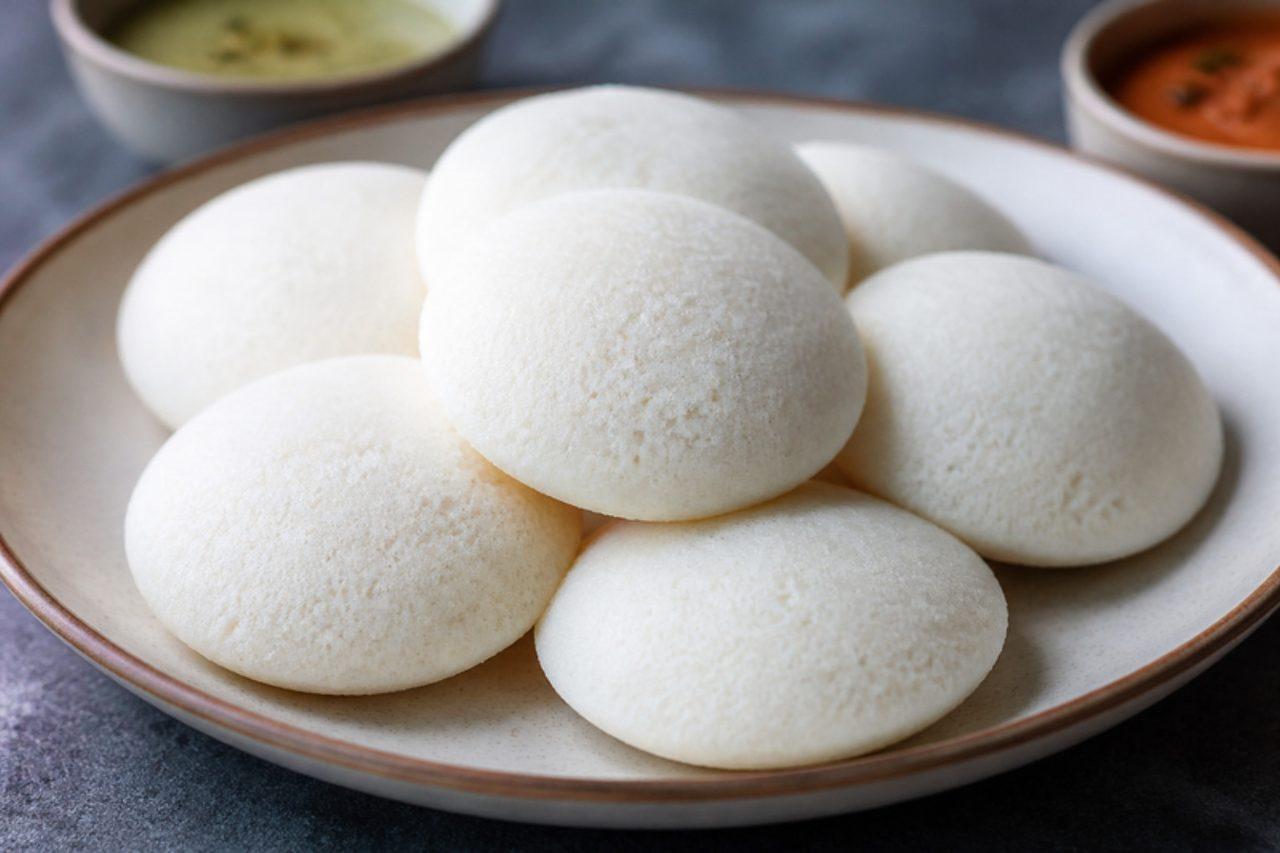
SannasSteamed rice cakes

Sannas are to a Goan Catholic feast what idli is to a Chennai breakfast: soft, pillowy steamed rice cakes, made for Christmas, weddings and village feast days to mop up sorpotel, xacuti or a coconut curry. They are fluffier and slightly sweeter than idli, because ground coconut and a little sugar go into the rice batter, and they are traditionally risen with fresh coconut toddy (sur). This version uses dried yeast in place of toddy, so it contains no alcohol, and the long overnight ferment still gives the faint sour note that makes them taste right. Serve them warm with any Goan curry (vegetable xacuti or chana ross keep it vegetarian) or with jaggery and coconut milk for tea. The common mistake is overfilling the moulds; sannas rise a lot and spill over. Fill each two-thirds full. Chef's tip: grind a handful of cooked rice or soaked poha into the batter; it gives that cotton-soft, spongy texture that plain rice batter lacks.

by KrazyBadal 0 views

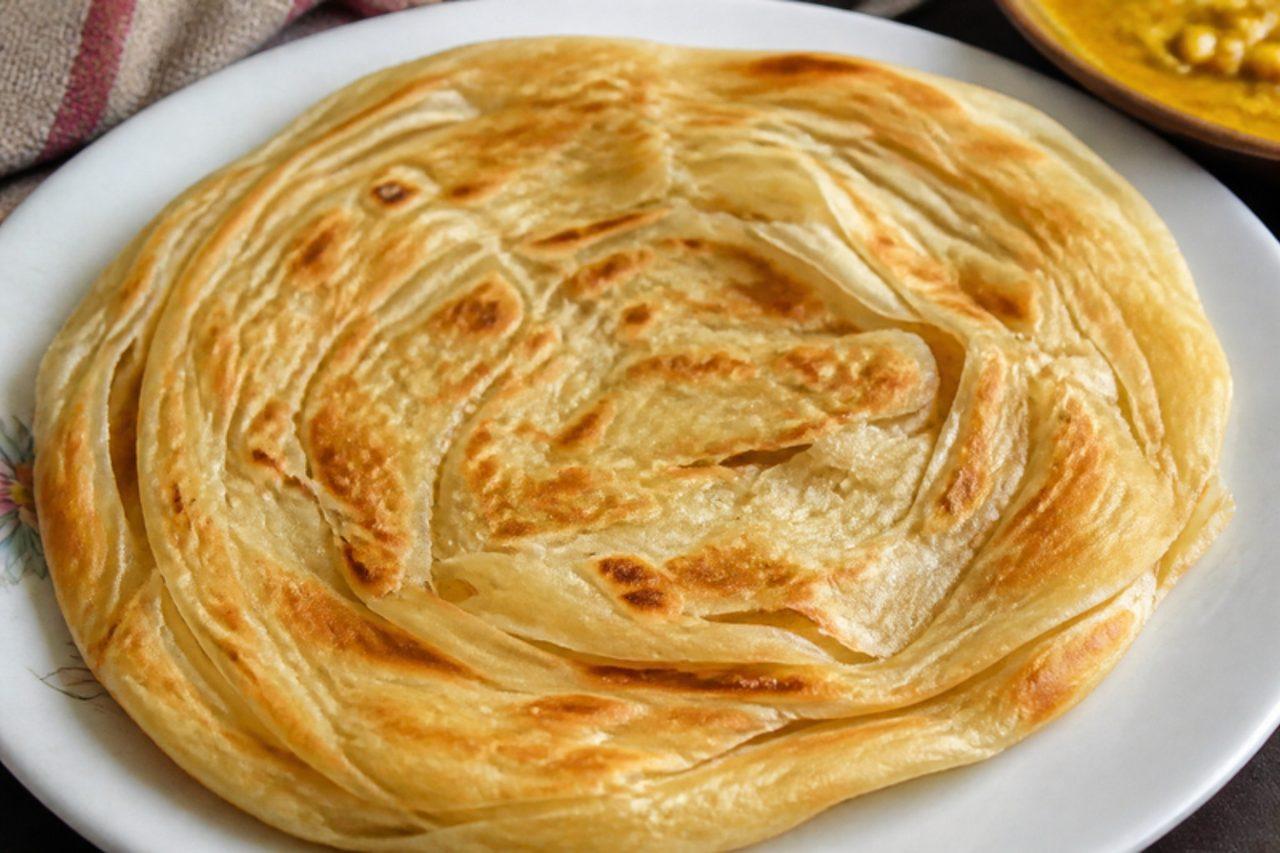
Warqi parathaFlaky laminated flatbread

Warq means a thin leaf, and this is the paratha of the Awadhi and Hyderabadi dastarkhwan, where the old royal kitchens laminated dough like a pastry chef. A soft dough of maida, milk and ghee is rolled out very thin, brushed with soft ghee, dusted with flour and folded again and again until there are dozens of layers. Cooked slowly on a tawa, it puffs and shatters into crisp, buttery flakes on the outside while the inside stays tender and layered. It is rich and slightly sweet, made for scooping up Lucknowi qorma, nihari, haleem or a vegetarian shahi paneer at Eid and wedding feasts, and it is quite different from the soft, saffron-sweet sheermal of the same city. Common mistake: using melted, runny ghee for the layers; it soaks into the dough instead of separating it. Chef's tip: let the ghee set to a soft, creamy paste, and chill the folded dough for 15 minutes before the final rolling so the layers stay distinct.

by KrazyBadal 0 views

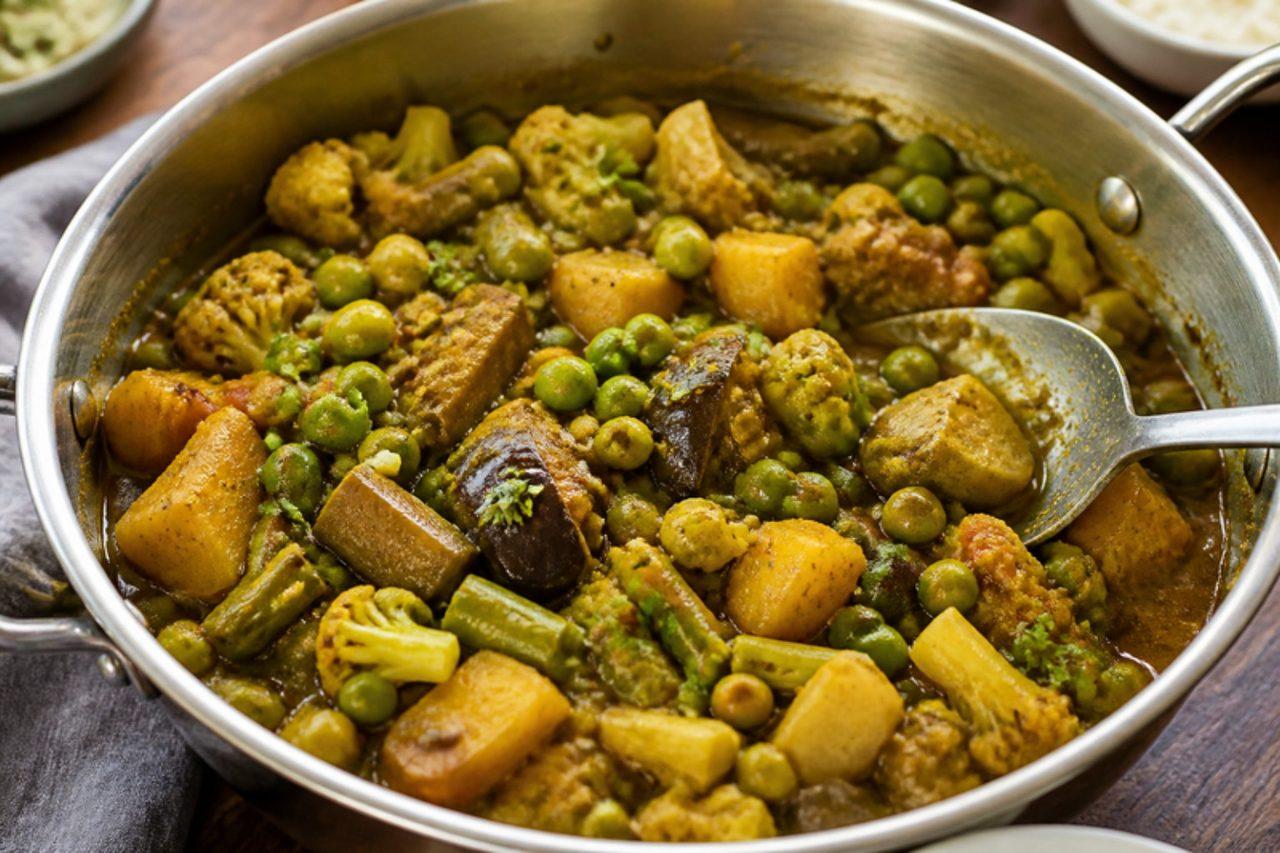
AnnakutWinter vegetable shaak

The day after Diwali, Pushtimarg havelis from Nathdwara to Ahmedabad build the annakut, literally a mountain of food, piled before Shrinathji to remember Krishna lifting Govardhan hill. Among dozens of sweets and farsan, there is always a shaak cooked from every vegetable of the new season, and many Gujarati and Rajasthani homes make their own version for the New Year meal. In the haveli tradition there is no onion or garlic, and many families leave out tomato too; the flavour comes from ajwain, ginger, green chilli, a little jaggery and lemon. It is lightly spiced, sweet-sour and full of different textures, from creamy raw banana to crunchy beans. Serve with puri, kadhi and rice. This version uses groundnut oil, so it is vegan; havelis cook it in ghee. Chef's tip: cut every vegetable to roughly the same size and add them in order of how long they take, so the shaak ends up tender, not mushy.

by KrazyBadal 0 views

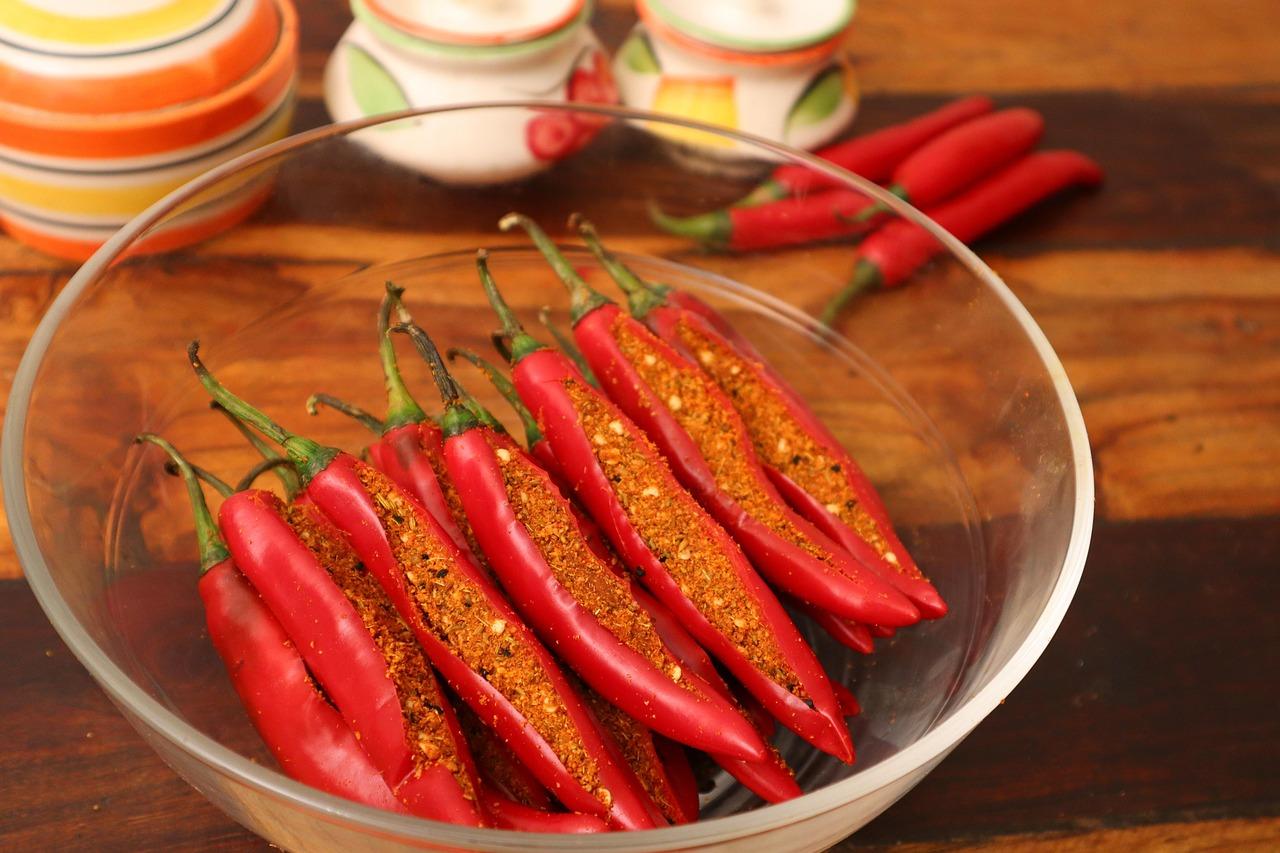
Bharwa lal mirch ka acharStuffed red chilli pickle

In winter, when the fat, fleshy red chillies of Banaras and Rajasthan come to market, families in Varanasi, Lucknow and Jaipur set aside a day to make bharwa lal mirch. The chillies are large and only mildly hot, more like a long pepper, so they are emptied, packed with a sharp masala of coarse yellow mustard, fennel, fenugreek, nigella and amchur (dried mango powder), and cured under smoked mustard oil in the sun. After a week the skins soften and the filling turns tangy and pungent, almost a meal in itself; one chilli sliced beside dal-chawal, puri-sabzi or a plain paratha is plenty. Wear gloves for the cutting, and make sure the chillies are fresh, glossy and firm. Common mistake: stuffing chillies that are still damp inside after washing; dry them for a few hours, cut side down, or the jar will spoil. Keep them under oil, use only a dry spoon or tongs and discard if mould appears. Chef's tip: a spoon of lemon juice in the filling helps it cling and gives a brighter tang.

by KrazyBadal 0 views

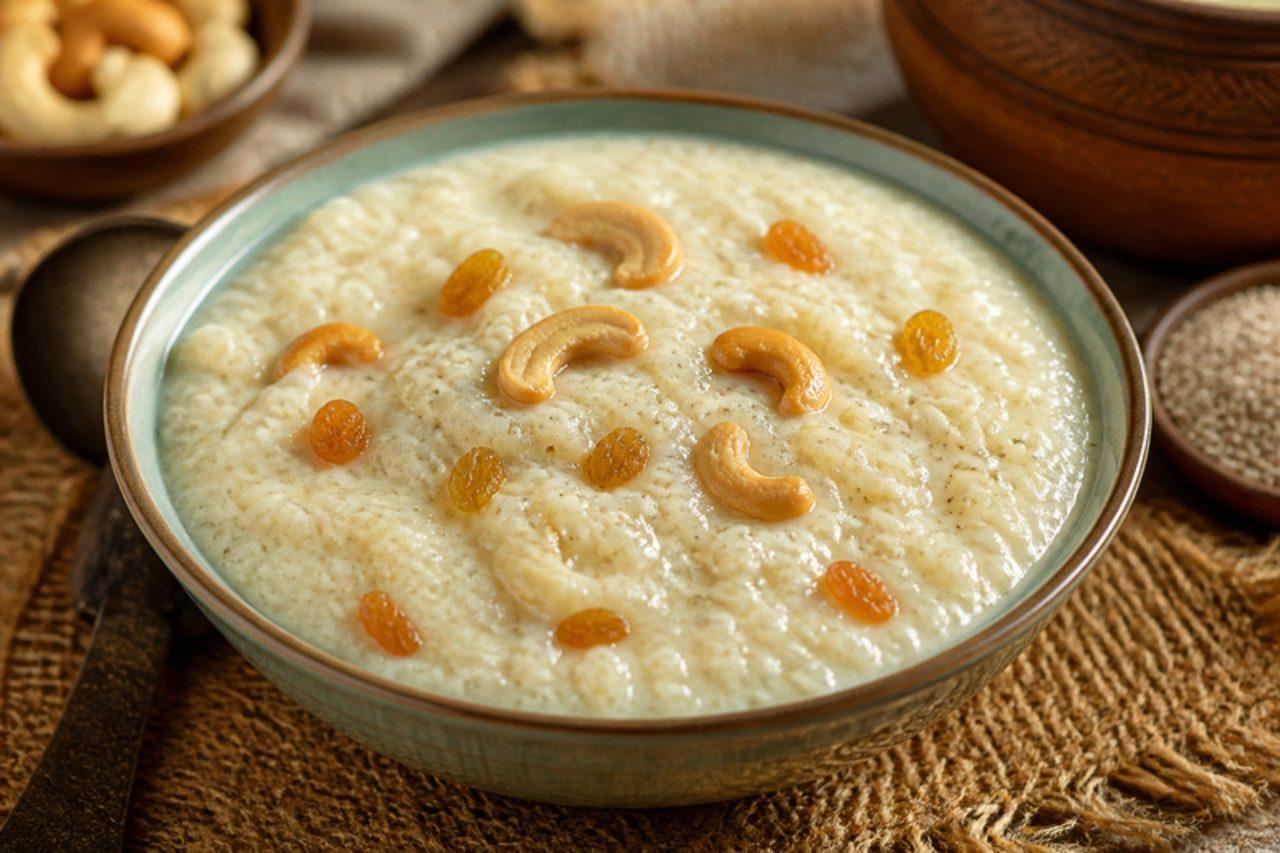
Sama ke chawal ki kheerBarnyard millet milk pudding

Sama, also called samak or vrat ke chawal, is barnyard millet, a tiny grain that North Indian families treat as rice on fast days because it isn't a true cereal for the purposes of the vrat. Cooked slowly in milk, the grains swell, burst and release their starch, so the kheer turns thick and creamy in about twenty minutes, much faster than rice kheer, with a mild, nutty flavour. Ghee-fried cashews and raisins add crunch and sweetness. It is made for Navratri, Ekadashi and Karva Chauth, and served warm after the evening puja or cold the next day. Sama sticks to the pan quickly, so use a heavy-based pan and keep stirring once the grains go in. Chef's tip: rinse the sama in several changes of water until it runs clear; the dusty starch on the grains makes the kheer gluey and slightly bitter.

by KrazyBadal 0 views

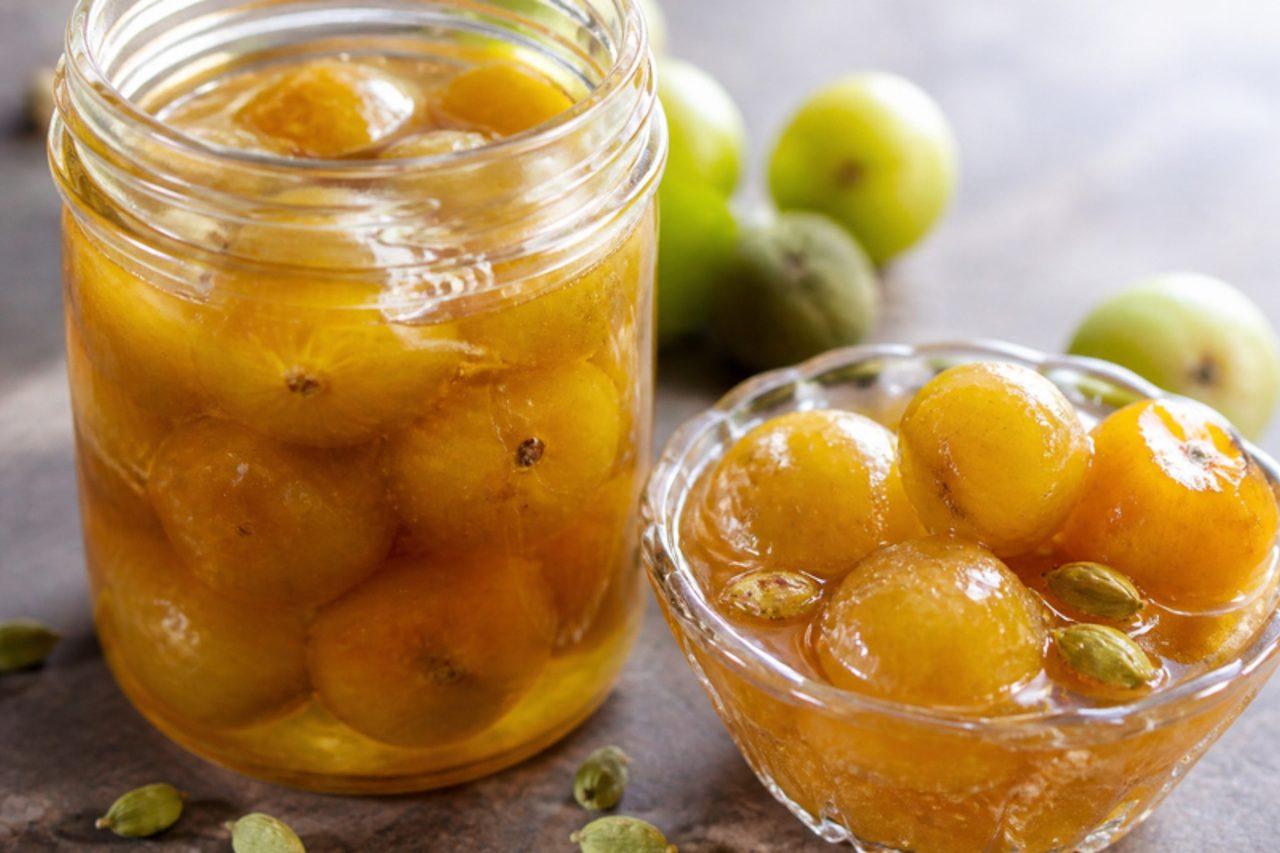
Amla murabbaGooseberry preserve

Murabba is the old North Indian way of keeping amla through the year, and a single gooseberry in syrup each morning is still the winter habit of many grandparents in Uttar Pradesh, Punjab and Rajasthan, who swear by it for digestion and colds. Fresh amla are sour and astringent; pricked, briefly steamed and simmered in sugar syrup, then left to steep overnight, they turn golden, translucent and soft, sweet with a sour heart and a gentle bitterness at the end. Cardamom, black pepper and saffron perfume the syrup. Eat one on its own, chopped into yogurt, or with a paratha. Choose large, firm, unblemished amla in November–February, when they are in season. Common mistake: steaming them too long; they split into segments and fall apart in the syrup. Steam only until they turn pale and the lines on the skin show clearly. Store in a dry, sterilised jar with the amla under the syrup, use a clean dry spoon, and discard if mould or fermentation bubbles appear. Chef's tip: the overnight rest is what lets the syrup soak right to the centre; reboil the syrup the next day so it thickens again.

by KrazyBadal 0 views

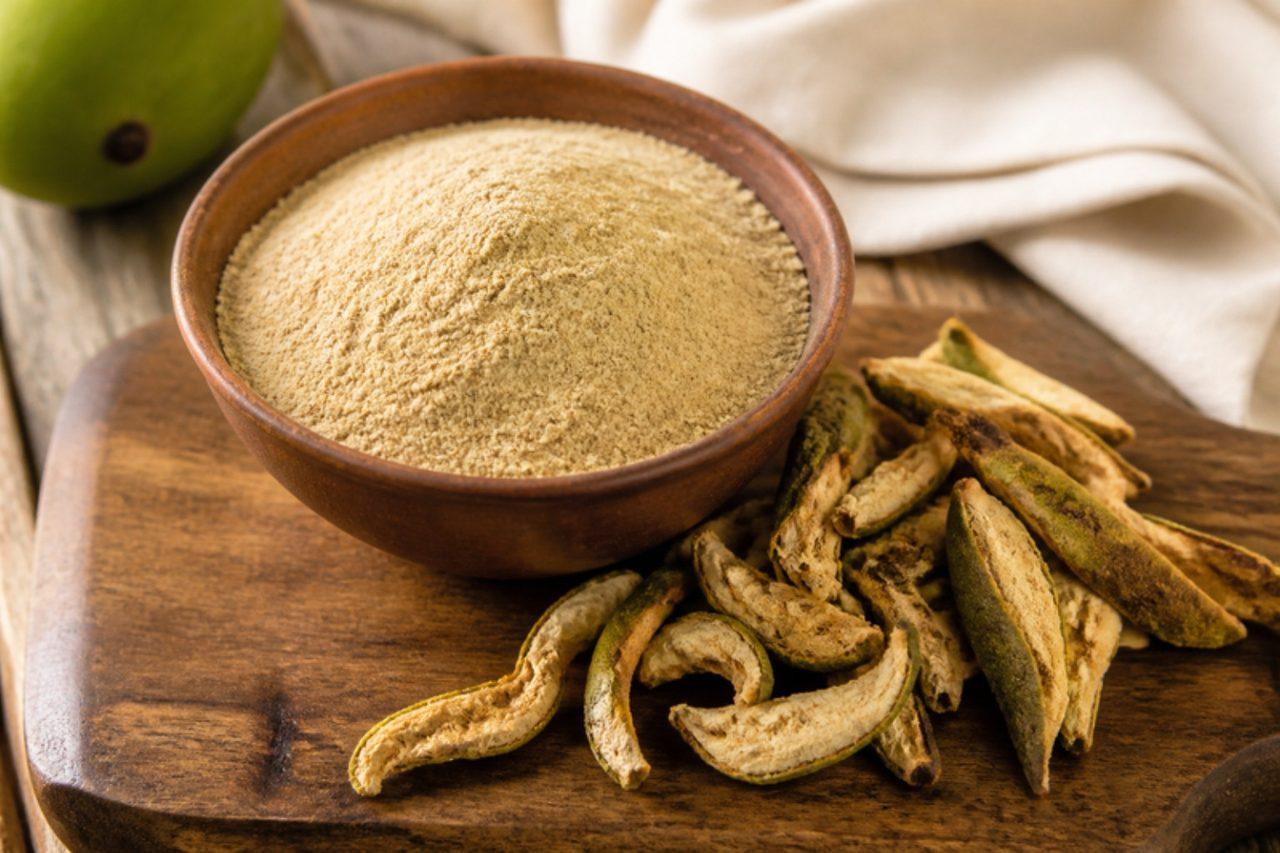
AmchurDry mango powder

Every Punjabi and UP kitchen keeps a jar of amchur next to the jeera and haldi, and the homemade version smells far fresher and sourer than most shop powder. In villages around Saharanpur and Malihabad, the raw mangoes that fall in early-summer storms are peeled, sliced and spread out to dry, and the brittle slices (amchur khatai) are either stored whole or ground. Amchur gives a fruity, mouth-puckering sourness without any liquid, which is why it goes into dry dishes where tomato or tamarind would make things soggy: bhindi masala, stuffed karela, samosa and kachori fillings, chole, chaat masala and pav bhaji masala. A kilo of mangoes gives roughly 100 g of powder. Common mistake: grinding slices that still bend; even slight moisture makes the powder clump into hard lumps in the jar. Chef's tip: choose small, rock-hard, very sour green mangoes with white flesh, not ones starting to turn yellow; riper fruit dries into a brown, sweetish powder.

by KrazyBadal 0 views

Rumali rotiHandkerchief-thin flatbread

Watch a rumali roti maker at a Mughlai stall in Old Delhi's Jama Masjid lanes or Lucknow's Aminabad and it looks like a magic trick: a ball of dough is flattened, tossed and stretched over the backs of the hands until it is translucent and almost a metre wide, then laid over a huge domed iron griddle for a few seconds. Rumal means handkerchief, and the finished bread is folded into quarters like one: silky, soft, slightly chewy and very thin. It is the bread for kebabs, korma, nihari and shahi paneer. At home, an upturned wok over a high flame does the job, and you can roll most of the way and stretch the last bit by hand. The dough is mainly maida with some atta, kept very soft and well rested. Common mistake: a firm or under-rested dough tears the moment you start stretching. Chef's tip: wipe the hot kadai with salted water before each roti; the hiss means it's hot enough, and the salt film stops the roti from sticking or blistering.

by KrazyBadal 0 views

Gatte ka pulaoPulao with gram flour dumplings

Marwari kitchens in Jodhpur, Bikaner and Jaipur were built around ingredients that keep in the desert, and gram flour gatte are the clever result: a spiced besan dough rolled into logs, boiled, sliced and fried, standing in for vegetables that were hard to find. Folded through basmati with ghee and whole spices, they make gatte ka pulao, a festive one-dish meal served at Marwari weddings and on Gangaur or Teej. The rice is fragrant and separate, and the gatte are golden outside and soft, almost spongy, inside, with the warmth of ajwain and chilli. Many Jain and Maheshwari homes make it without onion; leave it out and add a little more ginger if you do. Serve it with kadhi, plain dahi or boondi raita and papad. Common mistake: a soft gatte dough, which splits in the boiling water; it should be firm, like a stiff roti dough. Chef's tip: cook the rice in the water the gatte were boiled in; it carries the besan and spice flavour into every grain.

by KrazyBadal 0 views

Paruppu podiLentil powder for rice

Ask a Tamil or Andhra child what they want for a quick lunch and the answer is often paruppu podi sadam: a heap of steaming rice, two spoons of this pale, sandy powder and a generous pour of ghee or sesame oil, mixed by hand, with appalam and a spoon of mango pickle alongside. The podi is mild compared with idli podi, built on roasted toor dal and pottukadalai (roasted split gram), with black pepper and just a few red chillies for warmth. Andhra kandi podi adds garlic, which makes it more savoury; roast the cloves until dry so the powder keeps. The recipe itself is vegan, but the traditional serving uses ghee. Common mistake: roasting the toor dal too fast; it browns outside while staying hard and raw-tasting inside. Chef's tip: grind it finer than idli podi, almost to a soft powder, so it coats every grain of rice.

by KrazyBadal 0 views

Bhogichi bhajiWinter vegetable and peanut stew

Bhogi, the day before Makar Sankranti, is a day of plenty in Maharashtra, and the lunch to match is this thick mixed bhaji made from everything the winter market offers: green chickpeas (harbhara), fresh field beans (pavta and ghevda), carrots, small brinjals, green peas, ber and sugarcane pieces in some homes. Peanuts and sesame are crushed into it for richness, and the spice is goda masala, the sweet-smoky Maharashtrian blend. It is served with bajra bhakri spread with white butter or sesame, a lump of jaggery and a piece of radish. The taste is earthy, slightly sweet and warming. The mistake is using too much water: it should be a thick, almost dry curry that coats the vegetables. Gluten-free if your goda masala has no wheat-cut asafoetida in it; check the label. Chef's tip: add a spoon of jaggery and a little tamarind at the end; that sweet-sour finish is what makes it taste like Bhogi.

by KrazyBadal 0 views

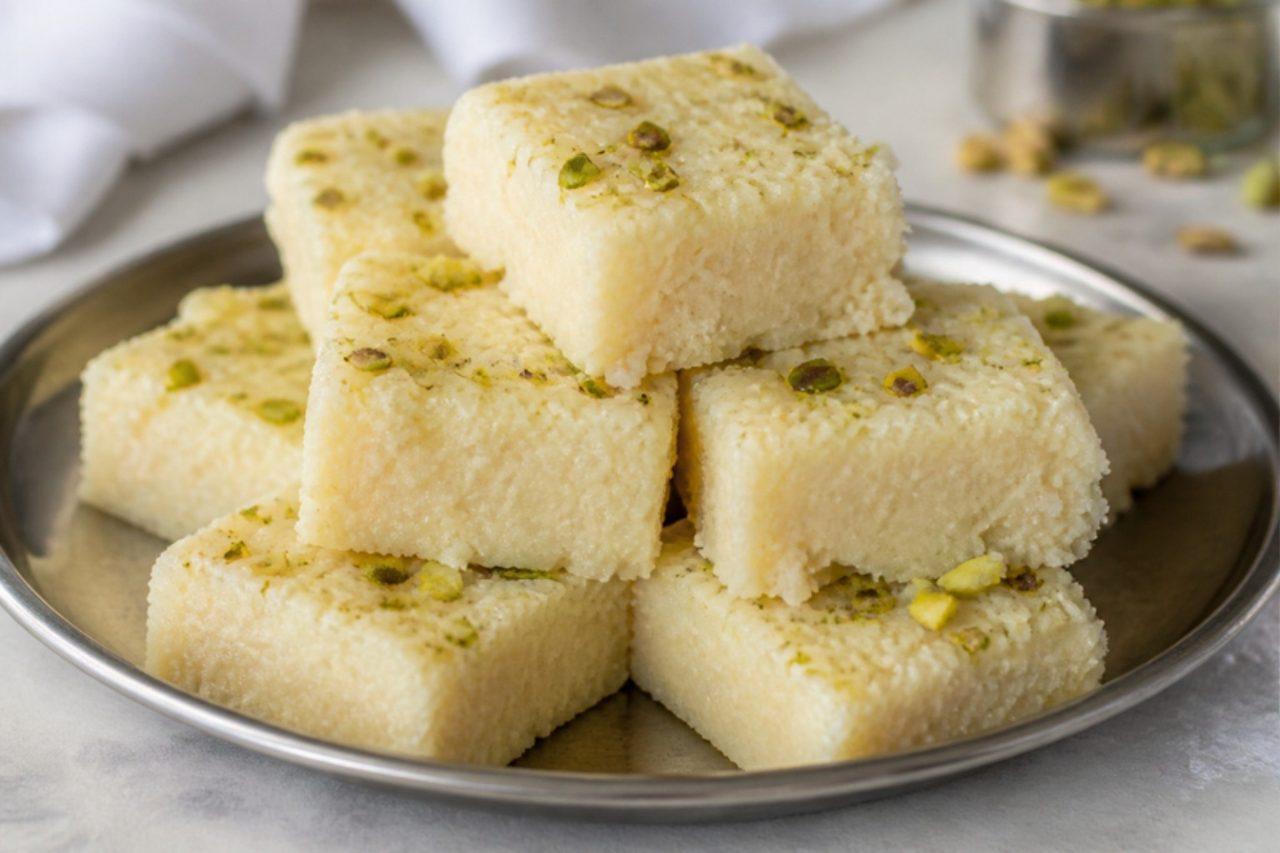
Kopra pakFresh coconut fudge

Kopra pak is the sweet a Gujarati home makes when a coconut has been broken for a puja and there is too much to use. It is ready in under an hour: fresh coconut is cooked with milk until the milk is soaked up, then with sugar until the mixture comes away from the pan, and it is spread in a thali to set. The result is soft and moist, with the clean, milky sweetness of fresh coconut and a little chew, quite different from dry desiccated barfi. It appears at Diwali, Sharad Purnima and on Bestu Varas, and as prasad after Satyanarayan katha. Use only the white part of the coconut for a pale barfi. Chef's tip: grate the coconut finely or pulse it briefly; coarse shreds make a loose barfi that crumbles when you cut it.

by KrazyBadal 0 views

Makhana kheerFox nut milk pudding

Most of India's makhana comes from the ponds of Mithila in north Bihar, where the lotus-like seeds are harvested by hand, roasted and popped into the airy white puffs sold everywhere. For fasts across North India, from Navratri to Janmashtami and Mahashivratri, makhana kheer is the sweet of choice because it needs no grain at all. The fox nuts are roasted in ghee until crisp, half crushed, then simmered in reducing milk, where they soften into a creamy, slightly chewy texture with a gentle nuttiness. Cardamom and a few nuts finish it. Serve it warm after a fasting meal, or chilled on hot evenings. It thickens as it cools, so loosen it with a splash of milk if needed. Chef's tip: roast the makhana until one crushes easily between your fingers; under-roasted puffs stay spongy and taste raw in the kheer.

by KrazyBadal 0 views

Upvasachi batata bhajiFasting potato stir-fry with peanuts

Ask anyone from Pune or Nashik what they eat on Ekadashi or a Navratri upvas, and this dry potato bhaji will be on the plate, usually next to sabudana khichdi or bhagar and a bowl of danyachi amti. Unlike North Indian vrat ke aloo, there is no tomato and no gravy: cubes of boiled potato are tossed in ghee or oil with cumin and crushed green chilli, then coated in coarsely ground roasted peanuts that cling to every piece. A little sugar and lemon give it the gentle sweet-sour lift that Maharashtrian cooking loves, and coriander and fresh coconut finish it. It is quick, filling and good cold in a tiffin too. Some families add curry leaves; others leave them out on strict fasts. Chef's tip: cool the potatoes completely before cubing; warm potatoes break into mash when you toss them.

by KrazyBadal 0 views

Inji puliGinger tamarind relish

On the banana leaf of an Onam sadya, inji puli takes the top left corner, a small dark spoonful that you dip into between rice, sambar and payasam to wake the palate up. Some call it puli inji; it is said to balance the 'hundred curries', and it is so loved that the old saying counts it as worth them all. Fresh ginger and green chillies are fried in coconut oil, then simmered in tamarind water with jaggery until thick and shiny, sweet first, then sour, then hot. It is made a day or two before the feast because it gets better as it rests. Serve a teaspoon with rice or curd rice; it also lifts a plain dosa. The usual mistake is browning the ginger too far, which makes the relish bitter; it should just turn golden. Gluten-free if you use gluten-free asafoetida or leave it out. Chef's tip: cook it down until the oil starts to appear at the edges; any wetter and it will not keep.

by KrazyBadal 0 views

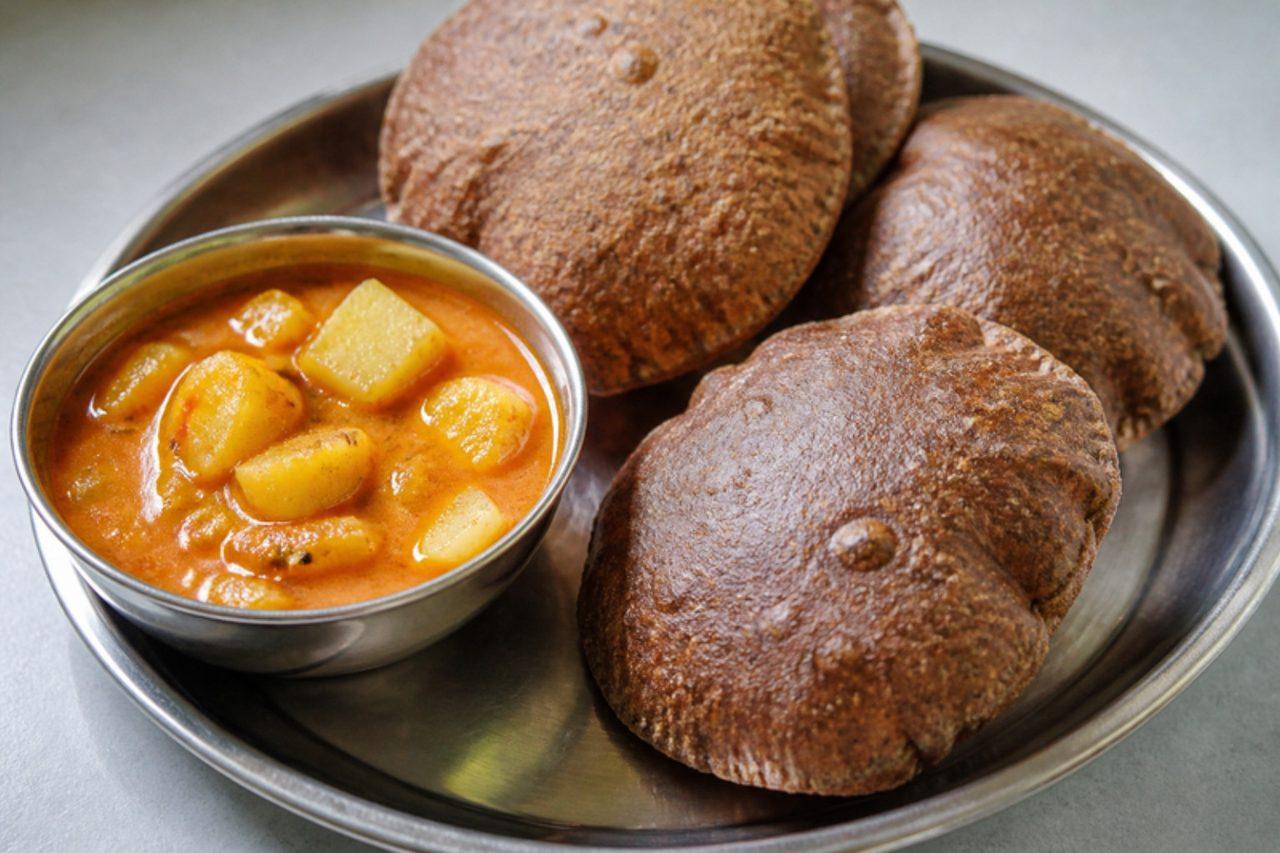
Kuttu ki puriBuckwheat puris

Through the nine days of Navratri, Delhi and Punjabi kitchens switch wheat for kuttu, buckwheat flour, and these dark, earthy puris become the fast-day staple. Kuttu has no gluten, so boiled potato is mashed in to bind the dough and keep the puris soft; they puff less than wheat puris but come out crisp at the edges and tender inside, with a nutty, slightly bitter flavour. Rajgira or singhara flour can be used in exactly the same way. They are eaten with vrat ke aloo, kaddu ki sabzi or a bowl of sweet curd, and on Ashtami many temples serve them with halwa. Only sendha namak goes in, and no regular salt, spices or grains, so they suit strict fasts. Buckwheat is naturally gluten-free, but buy flour labelled gluten-free if that matters to you, as some is milled alongside wheat. Chef's tip: make the dough just before frying; kuttu dough goes sticky and wet if it sits.

by KrazyBadal 0 views

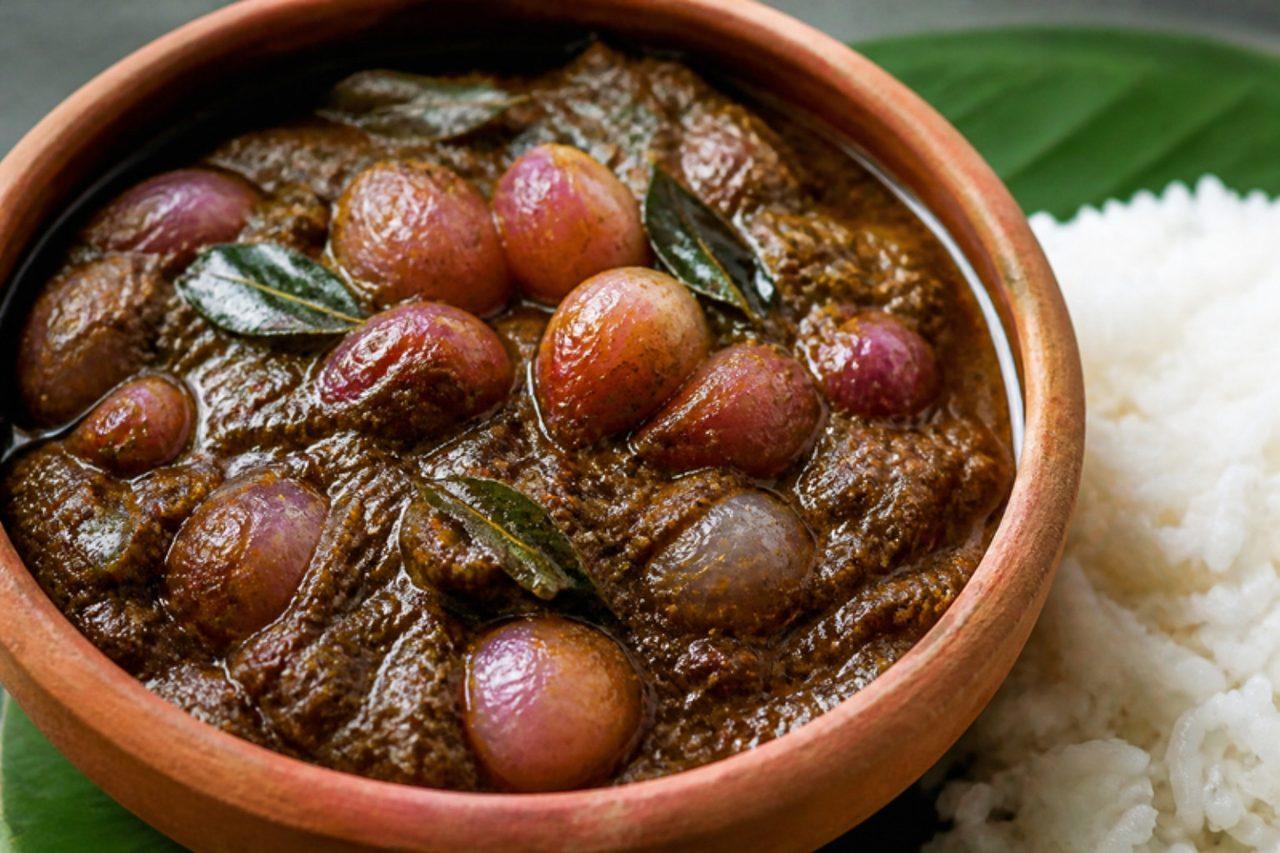
Ulli theeyalShallots in roasted coconut gravy

Theeyal comes from the word for burnt, and the colour gives it away: grated coconut and coriander seeds are roasted together in a dry pan until deep brown, then ground into a paste that turns a sour tamarind gravy almost black. Ulli (shallot) theeyal is the version most Malayali grandmothers make for Onam and for ordinary weekday lunches in Palakkad and Thrissur, with dozens of whole small onions softened in coconut oil until sweet. It tastes smoky, sour and slightly sweet all at once, and it is thick enough to cling to rice. Serve with hot matta rice, a thoran and papadam. The mistake everyone makes once is burning the coconut: it must be roasted on a low flame and taken off when it is the colour of strong coffee, never black. Gluten-free with gluten-free asafoetida. Chef's tip: grind the roasted coconut while it is still warm, so the oil releases and the paste turns smooth and glossy.

by KrazyBadal 0 views

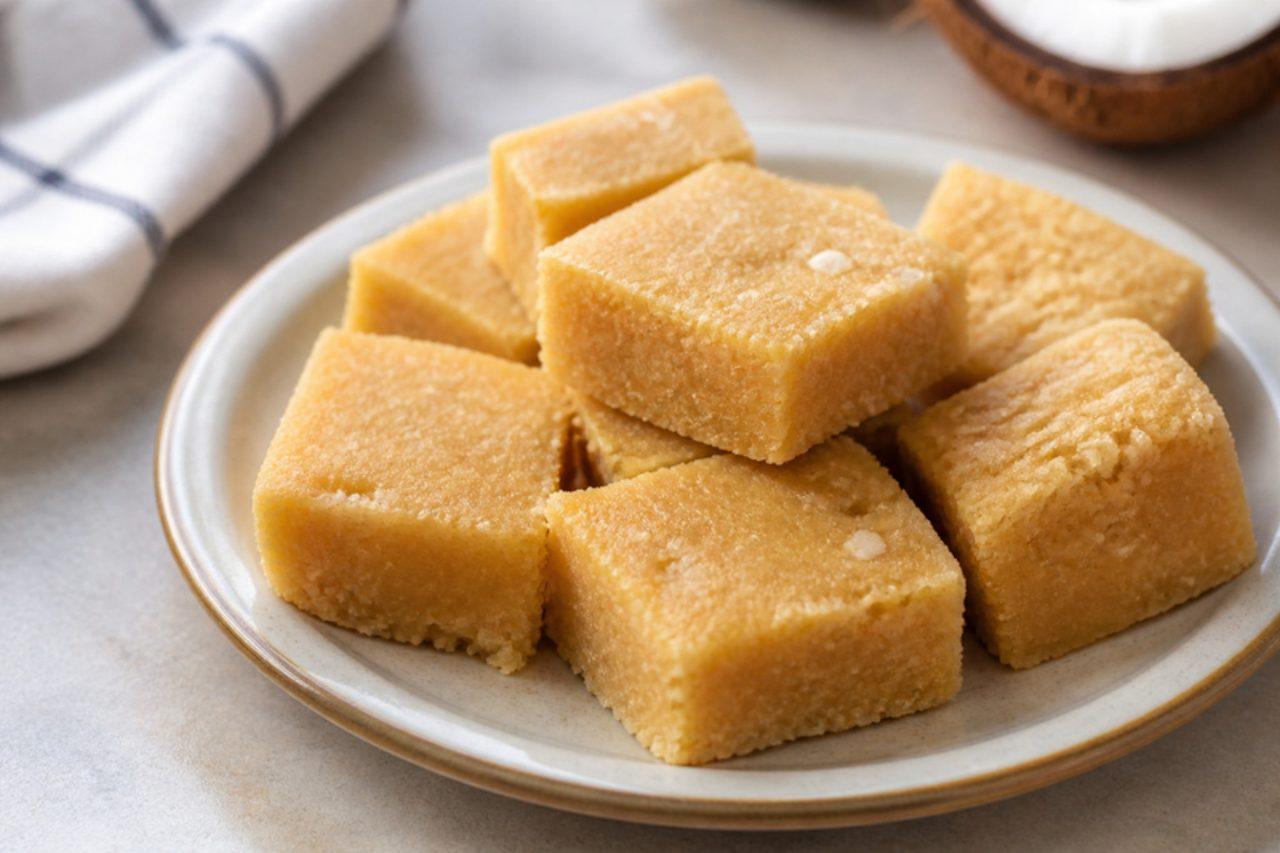
Goan chana dal doceChana dal and coconut fudge

Doce de grão is one of the oldest sweets on the Goan Christmas kuswar platter, made in Catholic homes from Margao to Mapusa in the weeks before Christmas and also for weddings. Chana dal is boiled and ground with fresh coconut, then cooked with sugar in a wide pan, stirred constantly for the best part of an hour, until it turns into a thick, glossy dough that leaves the sides of the pan. Spread on a plate, cut into diamonds or pressed into small moulds, it is dense, fudgy and nutty, with a soft coconut flavour. Some families add a little ghee at the end for shine, and that makes it vegetarian rather than vegan. The usual mistake is taking it off the heat too soon: it stays sticky and never sets. Push a spoon through the middle; it is ready when the line holds and the mixture rolls into a ball. Chef's tip: grind the coconut and dal together while the dal is warm and without water; a wet paste takes twice as long to cook down.

by KrazyBadal 0 views

KulkulsSugar-glazed dough curls

No Goan or Mangalorean Catholic Christmas kuswar (sweet platter) is complete without kulkuls, the tiny ridged shells that families sit round the table rolling for hours in the week before 25 December. A soft dough of flour, coconut milk, egg and butter is pinched into small balls, pressed and rolled over the back of a fork (or a clean comb) so each curls into a ribbed shell, then fried until crisp and tossed in a white sugar glaze. They are crunchy, lightly sweet and moreish, and they keep for weeks in a tin, which is why the kuswar is shared round the neighbourhood. These contain egg: vegetarian, not vegan. The mistake everyone makes once is rolling the dough too thick, which leaves them hard and doughy inside; each should be no thicker than a coin. Chef's tip: fry on a medium-low flame until just golden; kulkuls darken a little more once out of the oil and the glaze is meant to stay white.

by KrazyBadal 0 views

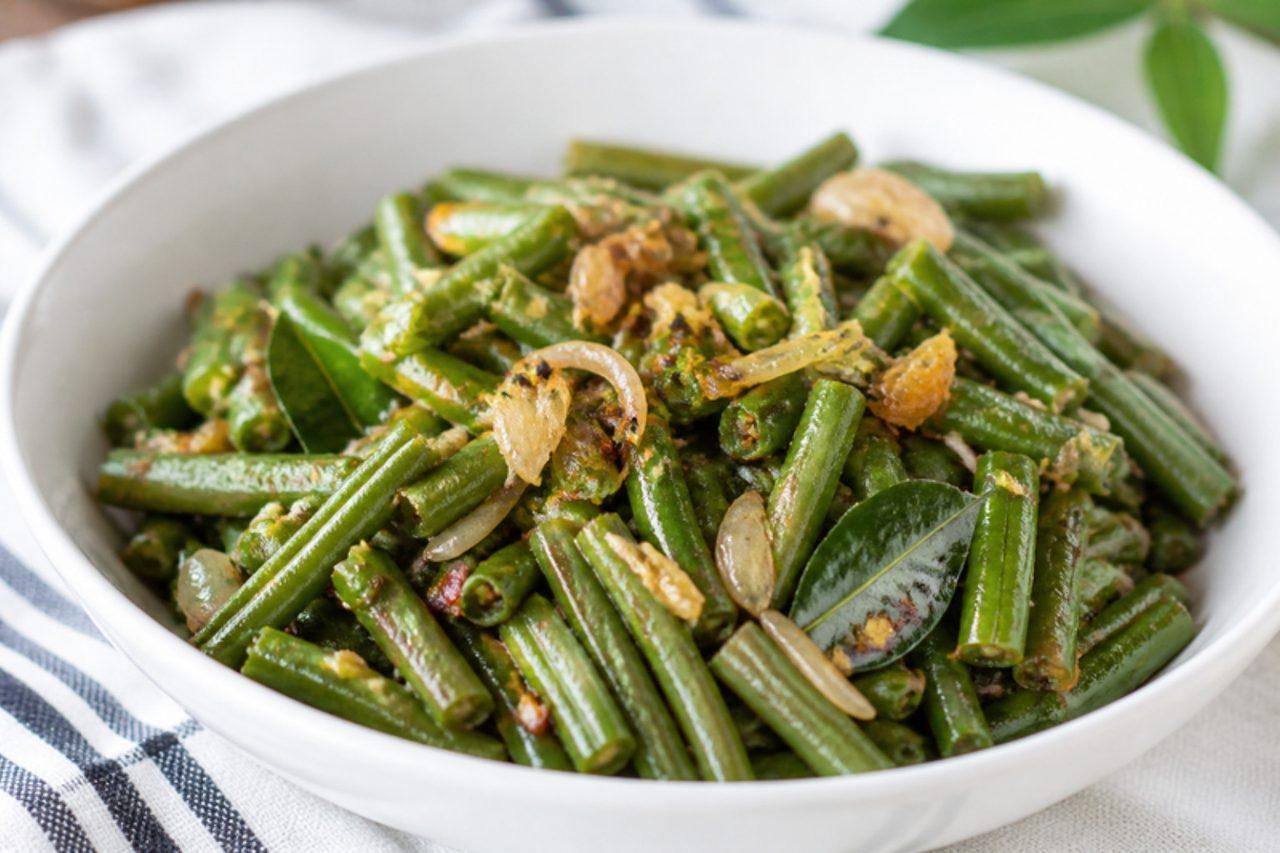
Payar mezhukkupurattiStir-fried long beans

The name says it all: mezhukku means oil and puratti means smeared, so this is a dry stir-fry that leaves every bean slick and shiny with coconut oil. Vanpayar, the yard-long beans that climb over every Kerala garden fence, are cut short and cooked with crushed shallots, garlic and dried chilli flakes until tender and blistered in places. It is weekday food in Kottayam and Alappuzha homes, packed into tiffin with rice and moru curry, and it turns up on festive spreads too. The taste is simple, smoky and savoury, with crunch from the shallots. Serve with matta rice and a thin curry. The common mistake is covering the pan for too long, which steams the beans grey and soft; cover briefly, then finish uncovered so they roast. Chef's tip: crush the shallots, garlic and chilli together in a mortar rather than slicing them; the rough paste clings to the beans much better.

by KrazyBadal 0 views

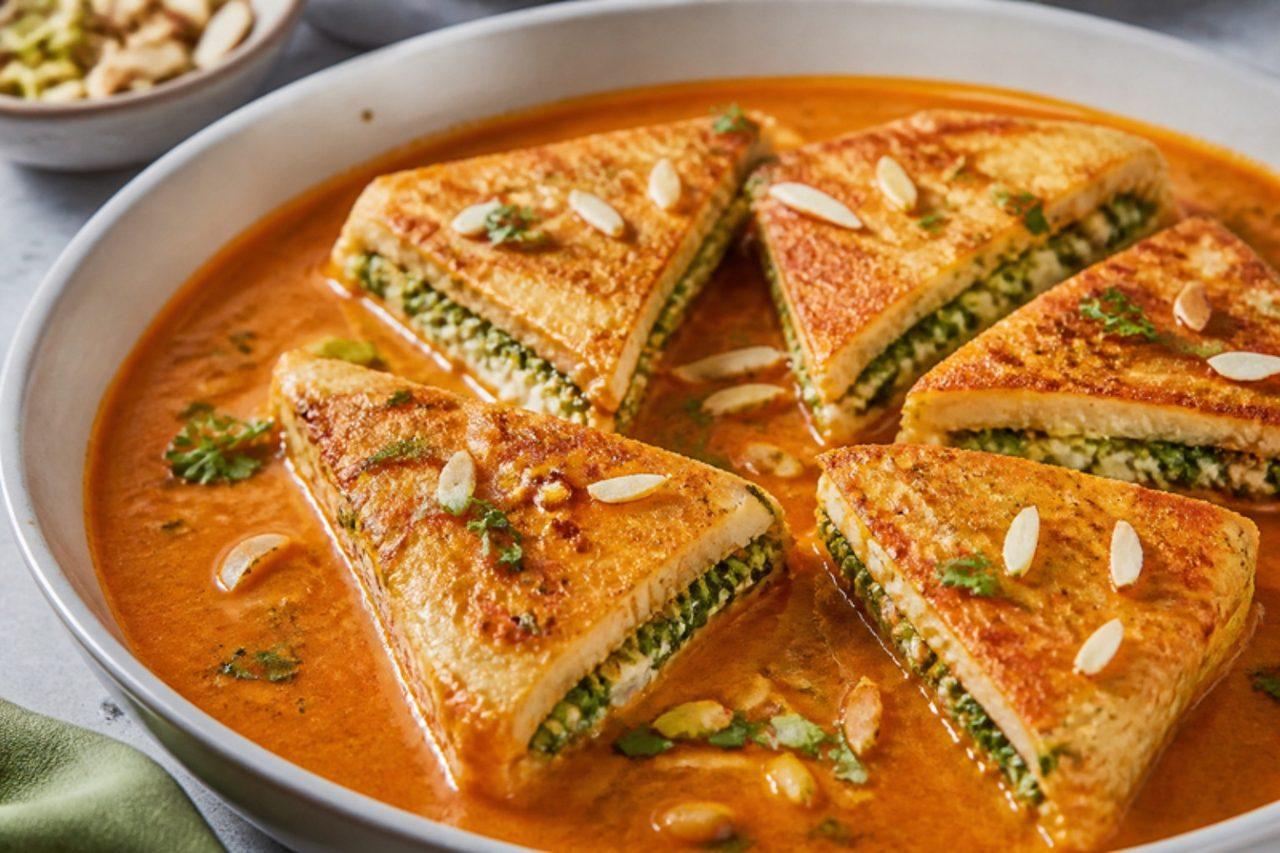
Paneer pasandaStuffed paneer in cashew gravy

Pasanda once meant flattened slices of the best meat, cooked for the Mughal court; the vegetarian version swaps the meat for paneer, cut into thin squares and sandwiched with a filling of grated paneer, cashews, pistachios, raisins and coriander. The sandwiches are dipped in a light batter and shallow-fried until crisp, then served on a smooth, gently spiced tomato and cashew gravy that is orange-red from Kashmiri chilli rather than hot. Across Delhi, Punjab and Uttar Pradesh it is a wedding and anniversary dish, the one that makes a vegetarian menu look special, and it goes best with butter naan, kulcha or saffron pulao. The paneer is made with lemon or vinegar, so it is fine for vegetarians. Common mistake: simmering the stuffed paneer in the gravy; the batter turns soggy and the sandwiches open up. Pour the gravy onto the plate and set the pasanda on top just before serving. Chef's tip: chill the block of paneer for an hour before cutting, so the thin slices do not crack.

by KrazyBadal 0 views

Kimami seviyanDry saffron vermicelli

On Eid ul-Fitr morning in Lucknow, after namaz, every Awadhi household sets out kimami seviyan, the dry, glossy cousin of the milky sheer khurma. Hair-thin vermicelli is roasted in ghee until deep golden, then cooked in a kimam (sugar syrup) scented with saffron, cardamom and kewra until each strand is separate, shiny and just tender. It is finished with crumbled khoya, fried dry coconut, almonds, pistachios, chironji and raisins, and often topped with silver leaf. The texture is chewy and buttery rather than soupy, more like a sweet pulao of noodles. Serve it warm in small plates to guests, with sheer khurma or a cup of tea. The common mistake is adding too much syrup or water, which turns the seviyan soft and lumpy; it should look dry with every strand coated. Chef's tip: use the finest unroasted seviyan from a Muslim bazaar if you can and roast them yourself in ghee; ready-roasted ones give a flatter taste.

by KrazyBadal 0 views

Vrat ke alooFasting potato curry

On Navratri mornings in Delhi, Lucknow and Punjabi homes everywhere, this is what fills the kadhai next to the kuttu puri. Boiled potatoes are broken by hand, not cut, so their rough edges melt into a loose, brothy gravy of tomato, cumin, fresh ginger and green chilli, seasoned only with sendha namak and a little pepper. It is soupy enough to dunk puri into, tangy from the tomato and gently hot, and comforting after a morning of fasting. Very strict homes skip red chilli powder and coriander as well as turmeric and asafoetida; this recipe uses neither turmeric nor hing. Ghee is traditional; oil keeps it vegan. Chef's tip: mash two or three pieces of potato into the gravy as it simmers; the starch thickens it naturally, since no flour or onion is allowed.

by KrazyBadal 0 views

Makar chaulaRaw rice, banana and jaggery offering

On Makar Sankranti in Odisha, the first rice of the winter harvest goes to the sun god before anyone else tastes it. Makar chaula is that offering: freshly harvested rice soaked and coarsely pounded, then mixed raw with grated coconut, ripe banana, chhena (fresh cheese), jaggery or sugarcane juice, milk, black pepper and a little ginger. Temples such as Puri and Konark offer huge quantities, and every home in Cuttack and Bhubaneswar makes its own bowl after the morning bath. It is not cooked at all, so it tastes fresh, milky and gently spiced, with a soft chew from the rice. Eat it in the morning as prasad, with sugarcane pieces and til ladoo. The common mistake is grinding the rice to a powder; it should stay coarse, like broken grains, or the mix turns gluey. Chef's tip: use the newest, softest short-grain rice you can find; old rice stays hard even after soaking.

by KrazyBadal 0 views

Ghila pithaFried rice and jaggery cakes

Magh Bihu in January closes the harvest in Assam with bonfires, feasts and plates full of pitha. Ghila pitha takes its name from ghila, the kneecap, because the little cakes are pressed into rounded discs that puff in the middle as they fry. Sticky bora or plain rice is soaked, dried and ground to a damp flour, then kneaded with melted jaggery and fried in mustard or vegetable oil. Outside they are dark brown and crisp; inside chewy and soft like a doughnut, with the deep flavour of jaggery. They keep a few days, so they are stacked in steel tins for visitors and eaten with black tea or with doi and jolpan. Some cooks add a pinch of fennel or sesame. The common mistake is oil that is too hot: jaggery darkens and burns long before the inside is cooked, so fry slowly. Chef's tip: let the dough rest for 30 minutes after kneading; the rice flour drinks up the syrup and the cakes hold together.

by KrazyBadal 0 views

Danyachi amtiPeanut curry

On fast days in Maharashtra, when dal is off the menu, danyachi amti takes its place. Roasted peanuts are ground smooth with green chilli, then simmered with water, a cumin tadka, kokum and a little jaggery into a pale, creamy curry with a sour, slightly sweet and spicy taste. It is ladled over sabudana khichdi or vari tandul (barnyard millet) bhagar, loosening them and adding protein to a fasting meal, and it goes well with upvasachi batata bhaji on the side. Use sendha namak so it suits the fast; ghee is the usual fat in many homes, oil keeps it vegan. It thickens a lot as it stands, so thin it with hot water before serving. Chef's tip: grind the peanut paste really smooth and whisk it into the water before heating; a coarse grind leaves the amti gritty and it splits as it boils.

by KrazyBadal 0 views

Navratan kormaNine-jewel vegetable korma

Legend ties the name to the nine gems (navratna) of Akbar's court, and the dish lives up to it: nine kinds of vegetables, paneer, fruit and nuts in an ivory gravy that is mild, rich and a little sweet. It is a fixture of North Indian wedding buffets and restaurant menus, often the one curry children and spice-shy guests head straight for. The gravy is a Mughlai white base, made from onions boiled (not browned) and ground with cashews, cooked gently in ghee with whole spices, yogurt and cream. Each vegetable is cooked separately so it stays bright and holds its shape, and pineapple and raisins go in at the end for little bursts of sweetness. Serve it with jeera rice, naan or laccha paratha and a sharp onion salad on the side. Common mistake: browning the onions; they colour the gravy beige and make it taste like any other curry. Keep the heat gentle once the yogurt is in, so it does not split. Chef's tip: a pinch of white pepper and a drop of kewra water at the end give the restaurant flavour without adding chilli heat.

by KrazyBadal 0 views

Gunda nu athanuGum berry pickle

Gunda (lasoda or Indian cherry, Cordia myxa) appear in Gujarati markets for only a few weeks in early summer, and a jar of gunda nu athanu is the reward for catching them. Each green berry is slit and its sticky seed pulled out, then stuffed with the same kuria-based masala used for methia keri, along with small pieces of raw mango for sourness. Under groundnut oil the berries soften in a few days into a tender, slightly chewy pickle with a mild sweetness of their own and plenty of chilli heat. It is loved alongside bhakhri, thepla, khichdi and kadhi, and many families make it as keri-gunda, half mango, half berries. Getting the seed out is the only tricky part, because the flesh is gluey: dip your knife and fingertips in salt and the seed slips out cleanly. Pick firm, fully green berries with no brown patches. Common mistake: washing and stuffing straight away; any water left inside the berry will spoil the jar, so dry them completely first. Keep everything submerged under oil, always use a dry spoon, and discard if you see mould. Chef's tip: gunda soften faster than mango, so make a smaller jar and eat it within three months.

by KrazyBadal 0 views

Tilgul ladooSesame and jaggery balls

On Makar Sankranti in Maharashtra, neighbours, colleagues and old rivals swap tilgul and say 'tilgul ghya, goad goad bola': take this sesame and jaggery, and speak sweetly. Sesame and jaggery both warm the body in the coldest weeks of January, which is why the ladoo appears in every Pune and Mumbai home, often next to halwa sugar beads. These are the softer, chewy kind: sesame and peanuts are roasted separately, then bound with jaggery cooked just to the soft-ball stage and rolled quickly while warm. They taste nutty and toffee-like with a hint of cardamom. Hand them out in small bags or eat one after lunch. The common mistake is overcooking the jaggery: it sets rock hard and the ladoos can crack a tooth. Grease your hands with a little oil rather than ghee to keep them vegan. Chef's tip: test the jaggery by dropping a little into cold water; it should gather into a soft ball you can squash between your fingers.

by KrazyBadal 0 views

KalakandMilk cake

Alwar in Rajasthan built its reputation on kalakand, and the town's sweet shops still sell it by the slab, moist and crumbly, somewhere between fudge and fresh cheese. The texture comes from two dairy elements cooked together: fresh chhena, curdled with lemon so it stays in fine, soft crumbs, and full-fat milk reduced to a thick cream. Sugar loosens it, then it is cooked down until it just holds together and spread to set. It tastes of sweet milk and cardamom, with tiny grains that melt as you chew. It is a favourite for Diwali, Raksha Bandhan and any good news. Serve it at room temperature, cut into squares. Chef's tip: stop cooking while it still looks a little moist; kalakand firms up a lot as it cools, and overcooking turns it dry and chewy.

by KrazyBadal 0 views

Khatta meetha kadduSweet-sour pumpkin

Kaddu ki sabzi with puri is the meal served at countless bhandaras, the free community feasts outside temples in Uttar Pradesh and Punjab, and at home it is a fasting favourite for Navratri. Chunks of yellow pumpkin are cooked until soft with sizzling fenugreek seeds and cumin, then half-mashed and finished with jaggery and dry mango powder, so the dish swings between sweet and sour with gentle heat from ginger and chilli. The fenugreek gives it a faintly bitter, maple-like depth. This fasting version uses rock salt and leaves out the turmeric, asafoetida and fennel that bhandara cooks add. Serve with kuttu puri or regular puri, and a bowl of raita. Chef's tip: keep the skin on part of the pumpkin; it holds the pieces together while the peeled pieces melt into the sauce, giving a better texture.

by KrazyBadal 0 views

SuvaliSweet milk and sesame puris

Open any Gujarati steel dabba in Diwali week and suvali will be near the top, stacked between chorafali and mathiya. Families fry them on the days around Dhanteras and Kali Chaudas, then hand them to every guest who drops by on Bestu Varas, the Gujarati New Year, with a cup of masala tea. The dough is short with ghee and sweetened by sugar dissolved in milk, so the puris snap cleanly and melt into a gentle sweetness rather than tasting like a biscuit. Sesame gives a nutty crunch, cardamom the festive smell. They should stay ivory with only the faintest blush of colour. Eat them with tea, or the way many grandparents do, with a spoonful of chhundo or sweet mango pickle. Chef's tip: roll every suvali before you start frying and keep them under a damp cloth, so you can give the pan your full attention and keep the heat low and steady.

by KrazyBadal 0 views

Punjabi aam ka acharRaw mango pickle

Drive through Punjab in June and you will see rooftops lined with glass barnis of mango pickle warming in the sun. The Punjabi style is bold and oily: firm raw mango is chopped with its stone, dried until leathery at the edges, then tossed with coarse saunf (fennel), kalonji (nigella), methi dana, yellow mustard, turmeric and red chilli, all bound by mustard oil heated until it smokes. A week of sun mellows the oil's bite and softens the mango, giving a pungent, fennel-sweet pickle with a strong mustard-oil kick, quite different from the sesame-oil avakaya of Andhra or a Gujarati methia keri. It is the pickle for aloo paratha with white butter, dal-chawal and rajma. Common mistake: using mustard oil straight from the bottle; it must be heated to smoking and cooled, or the pickle tastes harsh. Keep all the pieces under oil, use a dry spoon and discard the jar if mould forms. Chef's tip: cut the mango with a heavy cleaver so each piece keeps a sliver of the soft stone; families fight over those bits.

by KrazyBadal 0 views

Rava ladooSemolina and coconut sweet balls

Ask a Maharashtrian or South Indian family which Diwali sweet goes first and rava ladoo is a strong answer. It needs no khoya and no special flour, just semolina toasted gently in ghee with coconut until it smells biscuity, then soaked with a hot cardamom sugar syrup. After a short rest the rava drinks up the syrup and can be rolled into soft, slightly grainy balls that firm up as they cool, studded with golden cashews and plump raisins. In Mumbai they sit in the faral platter next to chakli and karanji; in Tamil homes they are a quick Deepavali or Krishna Jayanthi offering. They keep for about a week, less if you use fresh coconut. Chef's tip: shape them while the mixture is still warm; if it cools and crumbles, sprinkle over a tablespoon of warm milk and it will bind again.

by KrazyBadal 0 views

Chammanthi podiDry coconut chutney powder

Kerala students heading off to hostels in Bengaluru or Chennai always seem to have a jar of chammanthi podi from home in their bags, because it makes a plate of plain rice and curd into a meal. Fresh grated coconut is roasted with dried chillies, shallots, ginger and curry leaves for the best part of half an hour, until it turns a deep, toasty reddish brown, then ground with tamarind and salt. The result is a moist, oily, smoky powder that tastes of coconut first, then sourness and heat. Serve it with kanji (rice gruel), with puttu and banana, or spread on dosa and idli. Common mistake: taking the coconut off the heat when it is merely golden. The remaining moisture makes the podi spoil within days; it must be uniformly dark and completely dry. Chef's tip: keep the flame low and stir without stopping for the last 10 minutes, as coconut goes from brown to burnt very fast.

by KrazyBadal 0 views

Sakkare acchuMoulded sugar figures

Every Sankranti plate in Karnataka carries a few of these little sugar figures beside the ellu bella: an elephant, a temple gopuram, a parrot, a coconut. The wooden moulds, two halves tied with string, are soaked in water overnight so the sugar does not stick, and the syrup is clarified with a splash of milk until it is crystal clear. It is cooked to a thick stage, then stirred until it turns cloudy and pours like thin cream, and poured fast before it sets. Children love making them almost as much as eating them; they melt on the tongue like a soft fondant. The milk makes them vegetarian rather than vegan. The common mistake is pouring before the syrup has been beaten enough: it stays clear and sets like brittle glass that sticks in the mould. Chef's tip: work in small batches of about 150 g sugar so the syrup does not set in the pan while you are still pouring.

by KrazyBadal 0 views

Choddo shaakFourteen leafy greens stir-fry

On Bhoot Chaturdashi, the night before Kali Puja and Diwali, Bengali homes light fourteen lamps for their ancestors and eat a dish of fourteen greens at lunch to keep illness and restless spirits away. Markets in Kolkata sell bundles already mixed for the day: spinach, red and green amaranth, Malabar spinach, water spinach, fenugreek, mustard and radish greens, bathua, jute leaves, pumpkin leaves, helencha and a few neem leaves for bitterness. Fried briefly in mustard oil with nigella and dried chilli, they cook down to an earthy, slightly bitter, faintly sweet tangle. It is eaten as the first course with hot rice and a drizzle of ghee for those who want it. If you can't find all fourteen, use what your grocer has; the mix matters more than the exact list. Chef's tip: cook it uncovered after the first wilt so the water evaporates; choddo shaak should be dry and glossy, not stewed.

by KrazyBadal 0 views

PathiriThin rice flatbreads

When the call for maghrib rings out in Kozhikode and Malappuram during Ramadan, families break the fast with dates and juice and then sit down to a stack of pathiri with chicken curry or mutton stew. Also called nice pathiri, these are the thinnest breads in Kerala: a dough of fine rice flour scalded with boiling water, rolled almost see-through, cooked on a dry tawa until they puff, and then dipped in thin coconut milk so they turn soft and silky. They taste mild and slightly sweet, made only to soak up gravy. The usual mistake is adding the flour to water that has stopped boiling; the dough stays crumbly and the pathiri crack. Rice flour has no gluten, so these suit anyone avoiding wheat. Serve them warm, folded into quarters, with any curry (they are vegan as made here; the curry is up to you). Chef's tip: knead the scalded dough while it is still hot, using the heel of your hand and a little oil, until it is as smooth as a baby's cheek.

by KrazyBadal 0 views

Aam kasundiMango mustard relish

Kasundi was once made in Bengali homes only by women of the household on a particular day in spring, with elaborate rules; today most families make this quicker aam (mango) version and keep it in the fridge through summer. Soaked black and yellow mustard seeds are ground with sour raw mango, green chilli, turmeric and salt, then loosened with mustard oil and left in the sun for a few days so the flavours mellow and sharpen at the same time. It is nose-tingling, sour, salty and a little bitter, the dip for beguni, alur chop, fish fry, mochar chop and the snack plates of a Kolkata evening, and a spoon in jhalmuri lifts it straight away. Common mistake: grinding the mustard too long or in a hot blender jar, which makes it bitter; grind in short bursts with cold water and something sour. Keep the jar under a thin film of mustard oil, use a clean dry spoon and discard if mould appears. Chef's tip: soak the mustard in water with a pinch of salt and turmeric; it tames the bitterness and gives a brighter yellow.

by KrazyBadal 0 views

Ragi rottiFinger millet flatbread

In Bengaluru, Mandya and Mysuru, ragi rotti is the hearty breakfast that farmers and office-goers alike eat before a long day, still warm from the tawa. It is made with finger-millet flour mixed with raw onion, a generous amount of sabsige soppu (dill), green chilli, coriander and fresh coconut, then patted out directly onto the cold griddle with wet fingers rather than rolled. The result is earthy, nutty and slightly chewy, crisp at the edges, with the fresh anise note of dill running through. It is different from the soft boiled-dough ragi mudde and from rice akki rotti, and it is eaten with coconut chutney, a dollop of homemade white butter or a spicy ennegai (stuffed brinjal) curry. Common mistake: patting the dough onto a hot tawa; it sticks, tears and burns your fingers. Chef's tip: use two tawas, or cool one under the tap between rottis, so each one starts on a cool surface.

by KrazyBadal 0 views

Nimbu ka acharLemon pickle

Lemon pickle is the one achar that North Indian grandmothers hand over without a speech, because there is almost nothing to it: lemons, salt, a few spices, a jar and patience. No oil goes in. The quartered lemons sit in salt and their own juice, in a sunny window or on the roof, and over three or four weeks the peel turns soft, translucent and brown, and the juice becomes a thick, sweet-sour syrup. This version is the khatta-meetha kind, with sugar, ajwain, black salt and chilli, loved with parathas, khichdi and as a cure for an upset stomach; leave out the sugar and double the chilli for the salty, sharp version. Use thin-skinned, juicy lemons (kagzi nimbu) and wash and dry them thoroughly. Common mistake: being impatient; the peel is bitter and hard until it has fully cured, so wait until it squashes easily. Keep the pieces pressed under the juice, use only a dry spoon and discard the jar if mould appears. Chef's tip: shake the jar every day rather than opening it; less air and fewer spoons mean less risk of spoilage.

by KrazyBadal 0 views

Tandalachi bhakriRice flour flatbread

Along the Konkan coast, from Alibag down to Sindhudurg, the everyday bread isn't wheat at all but tandalachi bhakri, a soft round of rice flour and water, the natural partner to a coconut-rich Malvani fish curry, kombdi rassa, a bowl of usal or plain pithla with sol kadhi. Unlike Karnataka's akki rotti, it has no onion, coconut or chilli in the dough: just rice flour, salt and hot water, kneaded smooth and patted out thin by hand. Cooked on a hot iron tawa and finished over an open flame, it puffs up like a balloon and stays soft and pliable, with a faint sweetness and toasty spots. Common mistake: mixing the flour with cold or warm water. Rice flour has no gluten, so it needs boiling water to gelatinise and bind; otherwise the bhakri cracks all round the edges. Chef's tip: knead each portion again just before patting; a dough that sat still dries on the surface and cracks.

by KrazyBadal 0 views

Rajgira parathaAmaranth flatbread

In Maharashtrian homes on Ekadashi, Mahashivratri and the Navratri fast, rajgira, amaranth, replaces wheat, and these parathas are the most filling way to eat it. The flour has a mild, nutty, grassy flavour and no gluten, so boiled potato is kneaded in to hold the dough together, with chopped green chilli, cumin, coriander and rock salt for a lightly spiced flatbread. Cooked on a griddle with ghee, they turn golden-spotted and soft with crisp edges. Serve them with sweet dahi, upvasachi batata bhaji or a dab of peanut chutney. Strict fasts in some homes skip cumin and coriander leaves, so leave them out if your family does. Use flour labelled gluten-free if that matters to you. Chef's tip: pat the dough out between two sheets of oiled plastic and lift it onto the tawa on the sheet, peeling it off as it goes down; rajgira dough is too fragile to roll and flip like wheat.

by KrazyBadal 0 views

Rajgira ladooPopped amaranth jaggery balls

Before Mahashivratri and Navratri, sweet stalls in Maharashtra pile up trays of rajgira ladoo, and they are one of the few sweets that suit a strict fast and a vegan diet at once. Amaranth seeds puff like tiny popcorn in a hot pan; mixed with jaggery cooked to a firm syrup, they set into light, crunchy balls with a toffee-like, molasses sweetness and a toasty grain flavour. They are eaten as an energy-giving snack on fast days, given as prasad, and packed for long temple queues. Ready-popped rajgira is easy to find in Indian shops; popping your own seeds (a spoonful at a time in a hot, dry, lidded pan) takes about 10 minutes more. Chef's tip: wet your palms with cold water and shape the ladoos while the mix is very warm; once the jaggery cools, it sets hard and won't bind.

by KrazyBadal 0 views

RadhaballaviDal-stuffed puris

Named after Radhaballabh, a name of Krishna, these stuffed puris are said to have begun as a temple offering, and they are now what Bengali families serve on a festive morning: at a wedding breakfast, on Janmashtami, or bought hot from a Kolkata sweet shop with a bowl of aloo dum and a sweet like rosogolla or chhanar jilipi on the side. Soaked urad dal is ground coarse and fried dry with ginger, fennel, cumin and hing, then sealed in a soft maida dough, rolled thin and fried until it balloons. The puris are softer and more delicate than kachori, with a thin layer of spiced dal through the middle. They are vegan here, fried in oil; many sweet shops fry them in ghee, which is fine if you do not need them dairy-free. Common mistake: a damp filling, which turns to steam in the oil and bursts the dough; cook it until it is completely dry and crumbly. Chef's tip: roll with gentle pressure from the centre outwards and leave the edges a touch thicker, so the filling cannot push through.

by KrazyBadal 0 views

Methia keriRaw mango pickle

If a Gujarati home makes only one athanu each summer, it is methia keri. Rajapuri or other firm raw mango is cut with its skin, salted overnight, dried, then coated in a masala built on methi kuria (split fenugreek) and rai kuria (split mustard), with Kashmiri chilli, hing, turmeric and salt, and covered with groundnut oil. The kuria swell and soften in the oil, so the fenugreek turns pleasantly bitter-nutty instead of hard. In a week the mango is tender but still has bite, and the pickle is tangy, hot and aromatic with hing. It goes on the side of every thali, with khichdi-kadhi, thepla, bhakhri or a simple dal-bhaat. Buy kuria rather than splitting seeds yourself; Rajkot and Kanda-style methi kuria sold in Gujarati shops are ideal. Common mistake: leaving any moisture on the mango, the jar or the spoon; a single damp spoon can bring mould to a whole jar. Keep the oil 2 cm above the pieces at all times, and discard if you see mould or smell anything sour or off. Chef's tip: pour a little hot oil over the hing in the middle of the kuria and cover it for a minute; the bloomed hing perfumes the whole masala.

by KrazyBadal 0 views

Motichoor ladooBoondi sweet balls

Halwais in Jaipur, Indore and old Delhi sell mountains of these during Ganesh Chaturthi, Diwali and every wedding season, and Ganesha himself is usually shown holding one. The difference from ordinary boondi laddu is size: the gram-flour batter is dropped through the finest jhara, so each pearl is no bigger than a mustard seed and the finished laddu is soft, moist and almost melts on the tongue. A light syrup of one-string consistency, saffron, cardamom and a little melon seed is all it needs. Serve them as prasad, in a festive mithai box, or after a thali. The classic mistake is a batter that is too thick: the drops come out with tails and stay chewy instead of round. Being made only from gram flour, sugar and ghee, these are gluten-free as long as no hing or wheat goes near the batter. Chef's tip: shape the laddus while the boondi is still warm and syrupy; once it cools, the pearls will not stick together and the laddus crumble.

by KrazyBadal 0 views

Murmura ladooPuffed rice jaggery balls

On Uttarayan, the whole of Ahmedabad climbs onto its rooftops to fly kites from dawn to dusk, and the steel dabbas that come up the stairs are full of chikki, til ladu and these mamra na ladu. Puffed rice is crisped in a pan, then tossed in jaggery cooked to the hard-crack stage and pressed quickly into balls that crunch loudly and taste of caramel. Children love them, they cost almost nothing and they keep for weeks. In North India the same sweet is made for Lohri and Sankranti as murmure ke laddu. The common mistake is undercooking the jaggery: the ladoos then turn chewy and soft after a day. A drop in cold water must snap cleanly. Grease your hands with oil and a splash of water to keep them vegan. Chef's tip: shape them fast and with wet, oiled hands, a few at a time; the syrup sets within a minute and the last balls crumble if you dawdle.

by KrazyBadal 0 views

ChiroteLayered rose pastries

Chirote are what a Maharashtrian or Kannadiga family makes to show off at a wedding or Diwali. Thin sheets of maida dough are spread with satha, ghee whipped with rice flour, stacked, rolled into a log and sliced, so each piece opens in the hot fat like a many-petalled flower. Done well they shatter when you bite them, light and buttery, with sweetness only from the dusting of cardamom sugar on top. In Pune they appear on the faral platter beside karanji and anarse; in Karnataka the chiroti is often served at weddings drenched in warm saffron-almond milk. This takes patience and a cool kitchen, so set aside an unhurried morning. Chef's tip: whip the satha until it is white and fluffy like whipped cream; a dense, oily paste won't keep the layers apart and they fuse into a single chewy disc.

by KrazyBadal 0 views

Katachi amtiSweet-sour chana dal stock curry

When Maharashtrian homes cook chana dal for the puran on Holi, the cooking liquid is drained off before the dal is sweetened, and nothing goes to waste: that starchy, nutty stock, the kat, becomes katachi amti. Tempered with mustard, cumin and curry leaves, then simmered with roasted dry coconut, goda masala, tamarind and jaggery, it turns into a thin, hot, sweet-and-sour dal that is poured over puran poli or drunk from a bowl alongside it. The spice balances the rich sweet bread perfectly, which is why the two always appear together on Holi and Gudi Padwa thalis. If you are not making puran poli, cook 150 g chana dal in 1 litre of water until soft, drain off the liquid for this and use the dal for something else. Use gluten-free asafoetida and a goda masala made without wheat for a gluten-free amti. Chef's tip: keep it thin, like rasam; it is meant to soak into the poli, not sit on it.

by KrazyBadal 0 views

Singhare ka halwaWater chestnut flour pudding

Singhara, water chestnut, is dried and ground into a pale flour that North Indian homes keep for fasts, and this halwa is what many make first on Navratri Ashtami, Janmashtami or Ekadashi, often as the bhog offered before the fast is broken. It comes together in twenty minutes: the flour is roasted in ghee until it smells toasty and darkens a shade, hot sugar water goes in, and with fast stirring it swells into a soft, glossy halwa that is earthy, sweet and slightly chewy. Serve it warm, on its own or with kuttu puri and aloo for a full fasting meal. It uses only ingredients allowed on most fasts. Chef's tip: dissolve the sugar in the water and keep it at a boil; cold liquid makes the flour seize into lumps the moment it hits the pan.

by KrazyBadal 0 views

Kadumanga acharBaby mango pickle

In late February the mango trees of Kerala drop tiny, thumb-sized green fruit with soft stones, and those tender mangoes (kanni manga) become one of the pickles on a Kerala sadya leaf, beside the inji puli and naranga. They are salted whole until they wrinkle and sit in their own brine, then dressed with a tempering of gingelly (sesame) oil, mustard, Kashmiri chilli, roasted fenugreek and hing. The brine turns thick and red, and the little mangoes stay crunchy and sour, with a bitter-sharp bite under the chilli. Kadumanga literally means strong mango, and in some sadya kitchens the name also covers a quicker pickle of finely cut raw mango in the same masala; this is the whole-fruit version. Eat a mango with kanji (rice gruel), curd rice or the sadya rice. Common mistake: pricking or cutting the mangoes; they must stay whole with a bit of stalk so the brine does not turn slimy. Keep them fully covered, use a dry spoon and discard if mould appears. Chef's tip: let the chilli and fenugreek cool in the oil before mixing; added hot, they scorch and taste bitter.

by KrazyBadal 0 views

ImartiSyrup-soaked lentil spirals

Imarti (jangiri in Tamil Nadu) is the stately cousin of jalebi: instead of a fermented flour batter it uses soaked urad dal, whipped until airy, piped into hot oil in a ring of small loops like a flower, and plunged into warm saffron syrup. The result is crisp at first and then pleasantly chewy, juicy inside but not soggy, and less tangy than jalebi. Halwais in Jaunpur, Agra and across Rajasthan fry it in desi ghee for weddings, Diwali and Holi, often served warm with rabri. This version is fried in oil so it stays vegan; use ghee if you prefer the halwai taste. The batter is the whole secret: grind the dal with very little water, then beat it by hand until a drop floats in water. Common mistake: frying on high heat, which browns the outside before the inside is set, so the imarti go limp in the syrup. Keep the oil at a gentle medium-low and expect them to take a couple of minutes. Chef's tip: practise the shape on a plate first; a ketchup bottle or a piping bag with a 3–4 mm round nozzle is far easier than the traditional cloth with a hole.

by KrazyBadal 0 views

Gajar gobhi shalgam acharCarrot, cauliflower and turnip pickle

When Punjabi kitchens are full of winter vegetables, this is how they keep them: carrots, cauliflower and turnips are blanched, dried in the weak winter sun, and mixed with smoked mustard oil, ginger, garlic, coarse mustard, garam masala and a dark syrup of jaggery and vinegar. In three or four days the vegetables are tangy, sweet and warm, still crunchy, and the jars come out with makki di roti and sarson da saag, aloo parathas and every dal through to spring. Use white or sugarcane vinegar; malt vinegar is made from barley, so avoid it if you need the pickle gluten-free. Common mistake: packing the vegetables while they are still wet from blanching, which dilutes the vinegar and spoils the batch; they must feel dry to the touch. Keep the jar in a cool place or the fridge once matured, use a clean dry spoon and discard if mould appears. Chef's tip: cut the turnip slightly thinner than the carrot, so everything softens at the same pace.

by KrazyBadal 0 views

Gulab jamun

No Diwali sweet box, wedding thali or birthday party in India feels complete without a gulab jamun or two. This is the classic halwai version made with khoya, milk reduced to a dense crumbly solid, kneaded with a little flour and fried slowly in ghee until the outside is deep mahogany and the inside cooked through. Soaked in light syrup scented with rose and cardamom, the balls swell and become soft and spongy, with a faint caramel milkiness. Serve them warm on their own, or with a scoop of vanilla ice cream or a spoonful of rabri. Buy soft, unsweetened khoya (mawa) for this; dry, hard khoya makes dense jamuns. Chef's tip: fry one test ball first; if it cracks, knead in a teaspoon of milk, and if it spreads, add a pinch more flour.

by KrazyBadal 0 views

Moong dal halwaMoong dal pudding

At Rajasthani and Marwari weddings in winter, the halwai's moong dal halwa is the dish people go back for. It is also made at home for Holi, when it is cooked in big kadhais and passed around warm. Soaked yellow moong dal is ground to a coarse paste and roasted in ghee for the best part of an hour, first clumping into a heavy mass, then breaking down into golden grains that smell of toasted nuts and ghee. Hot saffron milk and sugar go in at the end and are cooked back until the ghee glistens. The result is rich, grainy, buttery and fragrant, best served warm in small bowls with slivered almonds. It needs steady stirring and a strong arm, so share the job. Chef's tip: grind the dal with as little water as possible; a wet paste takes far longer to roast and turns sticky instead of grainy.

by KrazyBadal 0 views

Nolen gurer payeshRice pudding with date palm jaggery

In Bengal winter means nolen gur, the new date-palm jaggery that arrives in clay pots in December and January and smells of caramel and smoke. Kolkata sweet shops put it in everything, but at home the best use is a pot of payesh for Poush Sankranti or a birthday. Short, buttery gobindobhog rice is fried briefly in ghee with a bay leaf, then cooked slowly in full-fat milk until the grains break down and the milk reduces to a creamy, spoonable pudding. The jaggery goes in last and turns it a soft brown. Serve warm or cold, in small bowls or clay bhar, with pithe on the side. Common mistake: adding the gur while the milk is boiling, which almost always curdles it; take the pot off the heat and let it cool for a few minutes first. Chef's tip: no nolen gur? Use liquid date-palm jaggery (jhola gur) or a soft palm jaggery; cane jaggery works but the flavour is flatter.

by KrazyBadal 0 views

Besan ladooGram flour sweet balls

Every North Indian and Gujarati kitchen has its besan ladoo argument: coarse or fine flour, boora or caster sugar, nuts or not. What nobody argues about is the roasting. The gram flour has to cook in ghee on a low flame for half an hour, going from a stiff lump to a loose, flowing paste the colour of sand, until the raw beany smell is gone and the kitchen smells like roasted peanuts. That patient roast gives a ladoo that is melt-in-the-mouth, faintly grainy and rich, never pasty. They are made for Diwali, offered to Ganesh on Chaturthi and packed for travellers because they keep for weeks. Use besan packed without wheat if you need it gluten-free. Chef's tip: let the roasted besan cool until just warm to the touch before the sugar goes in; hot besan melts the sugar and your ladoos slump into flat discs.

by KrazyBadal 0 views

Chakka pradhamanJackfruit coconut milk pudding

When the jackfruit trees of Kerala hang heavy in summer, families cook the ripe bulbs with jaggery and ghee into chakka varatti, a dark, sticky preserve that keeps for months. Come Onam in August or September, a jar of varatti is all that stands between them and chakka pradhaman, the richest payasam on the sadya leaf. The preserve is melted into thin coconut milk, simmered, then finished with the thick first pressing, dry ginger, cardamom and coconut slivers fried in ghee. It tastes of caramelised fruit and toffee, smooth and heavy, with crunchy bits of coconut. Serve it warm in small cups or on the leaf with a crushed pappadam and a slice of banana, as Malabar families do. Do not let the pot boil once the thick coconut milk goes in: it splits and turns oily. Chef's tip: if you have ready varatti, use 250 g and skip the first stage; the slow-cooked jackfruit is what gives the deep colour, so do not rush it.

by KrazyBadal 0 views

Soan papdiFlaky threaded sweet cubes

Long before it came in gift boxes, soan papdi was a halwai's showpiece in the bazaars of western Uttar Pradesh and Delhi. Hot sugar syrup is pulled like taffy, then worked into a warm paste of gram flour and maida roasted in ghee, and the folding stretches it into hundreds of fine threads. The result is airy, flaky and crumbly, with a toasty, cardamom-sweet flavour, nothing like the stale boxes passed around offices at Diwali. It is genuinely a two-person job at home: one person pulls while the other keeps the flour warm. Wear clean kitchen gloves rubbed with ghee if your hands are sensitive to heat, and keep children away from the syrup. Chef's tip: keep the roasted flour on the lowest possible heat the whole time; the moment it cools, it stops coating the sugar threads and you get dense, chewy lumps.

by KrazyBadal 0 views

Karuveppilai podiCurry leaf powder

Grandmothers in Tamil Nadu make karuveppilai podi as much for health as for taste; curry leaves are said to be good for the hair and the blood, and this is the most delicious way to eat a whole bunch at once. Big handfuls of leaves are roasted until crisp and crumbly, then ground with roasted urad and chana dal, red chillies, a little tamarind for sourness and pepper. The powder is dark, fragrant, savoury and slightly tart. Mix it into hot rice with sesame oil or ghee for a quick lunch with a vegetable poriyal, or sprinkle it over idli and dosa. Common mistake: using leaves that are still damp after washing. The podi then traps moisture, loses its colour and can turn mouldy in the jar. Chef's tip: wash the leaves a few hours ahead and spread them on a cloth to air-dry until they feel papery, then roast them on the lowest heat until they crack between your fingers.

by KrazyBadal 0 views

Jalebi

On Uttarayan morning in Ahmedabad and Surat, queues form outside every farsan shop for two things: undhiyu and hot jalebi, sold by the kilo for the terrace party. This is the plain fermented jalebi, not the mawa or instant kind: a batter of maida, a little gram flour and curd left overnight until it smells sour and bubbly, piped in tight double coils into ghee, fried until crisp and dropped into warm saffron syrup. Good ones crackle when bitten, then flood the mouth with syrup, with a gentle tang from the ferment. Eat them hot with undhiyu, with fafda on Dussehra, or with rabri. The common mistake is syrup that is too thick or too cold; it then sits on the surface and the jalebi stays dry inside. Keep the syrup warm and at just one string. Chef's tip: if the batter spreads in the ghee, it is too thin; whisk in a spoon of maida. If the coils break, it is too thick; add a spoon of water.

by KrazyBadal 0 views

Paneer parathaPaneer-stuffed flatbread

Dhaba breakfasts on the Grand Trunk Road out of Amritsar always have paneer paratha on the board, and it's a lunchbox favourite in Delhi homes because it stays soft and filling until the afternoon. The filling is fresh paneer grated fine, mixed with green chilli, lots of coriander, ajwain, a little onion and a pinch of amchur. Rolled inside atta dough and cooked with ghee, it becomes a mild, milky, protein-rich paratha with crisp brown patches. Serve with dahi, mint chutney or mango achar, and a cup of adrak chai. Use homemade or shop paneer; both are made with lemon or vinegar, not rennet. Common mistake: crumbling the paneer roughly; big lumps poke through the dough and tear it. Grate it finely or mash it with the heel of your hand. Chef's tip: if your paneer is very fresh and moist, add a tablespoon of atta to the filling to bind it, and roll these slightly thicker than a gobi paratha.

by KrazyBadal 0 views

Bagara khanaSpiced tempered rice

Ask for rice at a Hyderabadi wedding or Eid dawat and, if it is not biryani, it will be bagara khana: long-grain basmati cooked in a bagar (tempering) of ghee, shahi jeera, cinnamon, cloves, cardamom and bay leaf, with sliced onion, ginger-garlic, green chillies, mint and coriander. It has no vegetables or meat in it at all; it is the plain partner for rich, sour gravies like dalcha (lentils with bottle gourd), mirchi ka salan and bagara baingan, and every Old City household eats it on Sunday. Each grain should be long, separate and fragrant, glossy with ghee and flecked with green. The common mistake is too much water, which makes it mushy; measure 1¾ cups of water for each cup of soaked rice and finish on dum. Chef's tip: add a squeeze of lemon to the boiling water; it keeps the basmati white and stops the grains breaking.

by KrazyBadal 0 views

Gor keriSweet mango pickle

Gor keri is the sweet sister of methia keri, and in most Gujarati homes both jars are filled in the same week of May. The mango is salted and dried in the same way, but the masala is milder, with methi kuria, a little rai kuria, hing and Kashmiri chilli for colour, and the star is desi gor (jaggery). Over 4–6 days the jaggery melts in the mango's own juices into a dark, glossy syrup that covers the pieces and keeps them, so it needs only a little oil. It tastes sweet, sour and gently warm, and children who refuse spicy pickle eat it by the spoonful. Serve it with thepla, puri, khichdi, or dal-bhaat on a hot afternoon. Choose soft, dark, fresh jaggery that breaks easily; hard, pale blocks never fully melt. Common mistake: wet mango, which thins the syrup and invites mould. If the syrup still looks thin after a week, warm the pickle gently on the stove for 5 minutes and cool before jarring again. Use only a clean dry spoon, and throw it out if you see mould. Chef's tip: a teaspoon of lightly crushed fennel (variyali) adds a lovely fragrance, as many Kathiyawadi families do.

by KrazyBadal 0 views

Bengali boriSun-dried lentil dumplings

Winter mornings in rural Bengal used to mean bori-making: the household gathered on the roof with a big bowl of freshly ground, hand-whipped urad dal and dropped little peaked dollops onto cloth in neat rows. In Medinipur the women even pipe them into lace-like gohona bori, a folk art of its own. The everyday kind is simpler, a cone the size of a marble, sun-dried until rock hard. Fried in mustard oil, a bori turns crisp and golden outside and slightly spongy inside, and it soaks up gravy beautifully. A handful goes into shukto, into a maacher jhol with potatoes, into lau ghonto (bottle gourd) or into a simple vegetable chorchori. Common mistake: grinding the dal with too much water; the paste then spreads flat on the cloth instead of holding a peak. Chef's tip: check the whipped paste by dropping a little into a bowl of water. If it floats, it has enough air and the bori will be light; if it sinks, keep beating.

by KrazyBadal 0 views

RabriThickened sweet milk

Halwais in Mathura, Varanasi and Lucknow make rabri in wide iron kadhais, fanning the surface so a skin forms fast, then pushing each layer of malai to the cooler sides of the pan. After an hour or more, the milk has shrunk to a quarter, and the layers are scraped back in to give a thick, spoonable sweet full of soft, chewy ribbons of cream. It is much thicker than Gujarati basundi, which is stirred smooth. Rabri is served chilled in kulhads, or spooned over hot jalebi or malpua at Holi, the hot-cold contrast being the whole point. Use the widest heavy pan you own; the bigger the surface, the more malai and the faster it reduces. Chef's tip: add the sugar only at the end; sugar added early makes the milk catch and stops the skins forming properly.

by KrazyBadal 0 views

PeradGuava cheese

Goan grandmothers make perad when the guava trees are full in winter, and it sits in a tin on the dresser all through Christmas, cut into dark pink squares for the kuswar plate. The name and the method come from the Portuguese goiabada: ripe guavas are cooked, sieved, then boiled down with sugar and lime juice for the best part of an hour until the paste is thick, glossy and comes away from the pan in one mass. Set in a tray, it slices cleanly and tastes intensely of guava, sweet and slightly tart, with a chewy, jelly-like bite. Eat it on its own, with a piece of cheese, or on bread. The common mistake is stopping too early: it looks thick in the pan but stays soft and sticky once cool. Test a little on a cold plate; it should hold its shape and peel off cleanly. Chef's tip: choose fragrant pink-fleshed guavas and add a couple of slightly under-ripe ones; they carry more pectin and help it set.

by KrazyBadal 0 views

Gobi parathaCauliflower-stuffed flatbread

When the first tight, white cauliflowers come into the Ludhiana and Jalandhar mandis in November, gobi paratha becomes the Sunday breakfast of choice. Finely grated cauliflower is mixed with ginger, green chilli, coriander, ajwain and a pinch of amchur, sealed inside atta dough and rolled out, then cooked on a tawa with ghee until brown and blistered. The filling stays juicy and slightly sweet against the crisp, flaky outside. Serve with a cube of white butter melting on top, a bowl of thick dahi, and some mixed achar or green chutney, with a glass of lassi or a cup of chai. Common mistake: salting the filling and then leaving it to sit. Salt pulls the water out of the cauliflower and the parathas burst while rolling. Chef's tip: keep the gobi unsalted, squeeze it gently in a cloth, and season it with salt only a few minutes before you start stuffing.

by KrazyBadal 0 views

KansarWheat and sugar sweet

At a Gujarati wedding the first mouthful the new couple share is kansar: the bride's mother sets a thali in front of them and each feeds the other a pinch, a ritual called kansar jamadvo. The same sweet turns up for a griha pravesh, a new job or any shubh occasion at home. It is made from jada ghau no lot (coarse, almost gritty wheat flour), roasted in ghee and steamed in sugared water until every grain swells and stays separate, so it is crumbly and loose rather than a set halwa. It is never sweet enough on its own: at the table everyone pours over a spoon of hot melted ghee and sprinkles bura (powdered sugar) to taste. Serve it warm, with dal, bhaat, a shaak and kadhi for a festive lunch. Common mistake: stirring it like sheera once the water goes in. Kansar has to be left covered on a low flame to steam, and only fluffed with a fork; beating it turns it into paste. Chef's tip: if you cannot find kansar flour, use 150 g coarse rava (sooji) mixed with 50 g ordinary atta, which gives the same loose, grainy texture.

by KrazyBadal 0 views

Gul poliJaggery-stuffed flatbread

Puran poli belongs to Holi and Gudi Padwa, but Makar Sankranti in Maharashtra is the day of gul poli. The filling here is not chana dal at all: it is grated jaggery mixed with roasted sesame, roasted gram flour, poppy seeds and dry coconut, which melts inside the dough as the poli cooks and then sets slightly as it cools. A good one is thin, with crisp brown spots, and does not leak. It keeps for a week, so many Pune households make a stack on Bhogi and eat them through the festival, warm with a spoon of ghee or cold with milk. The mistake most beginners make is using sticky, wet jaggery, which melts into a puddle and bursts the poli; choose dry, crumbly jaggery and grate it fine. Chef's tip: roll on a sheet of plastic or rice flour and cook on a low to medium heat; jaggery burns fast and leaks if the tawa is too hot.

by KrazyBadal 0 views

Goan cashew marzipan

Where Europe makes marzipan from almonds, Goa uses its own crop: cashews. Maçapão is a Portuguese legacy that Goan Catholic families make every December, pressing the cashew paste into rubber or plastic moulds of stars, flowers, fish and bells, tinted pink, green and yellow, for the Christmas kuswar tray. Ground cashews are cooked with sugar syrup and a little egg white (which gives it its smooth, pliable texture) until it leaves the pan, then kneaded, coloured and shaped. It tastes rich, sweet and buttery, softer and creamier than almond marzipan. Because of the egg white, it is vegetarian with egg rather than vegan. The common mistake is grinding the cashews too long, which releases their oil and gives a greasy, sticky paste; pulse them in short bursts. Chef's tip: when the mixture is ready, a small piece rolled between your fingers should feel like soft play dough and not stick; if it does, cook it a few minutes longer.

by KrazyBadal 0 views

TangturCurd with greens and chilli

Through the short Ladakhi summer, when the fields around Leh are green, tangtur is on the table at almost every lunch: boiled leafy greens chopped into thick, cool curd or buttermilk with raw onion and green chilli. It is served beside paba, khambir or rice, and cuts through anything rich or spicy. In villages the greens may be wild ones gathered from field edges; spinach, mustard or radish leaves work well at home. The mistake to avoid is adding the greens while still hot, which splits the curd; cool them completely first. Chef's tip: squeeze the boiled greens really hard in your fist so the tangtur stays thick instead of watery.

by KrazyBadal 0 views

PabaRoasted barley and pea dough

Paba is the plain, sustaining staple of Ladakhi farm kitchens, especially in Zanskar and the Nubra valley, where roasted barley, dried peas and wheat are ground together and stirred into hot water with a little butter. It is eaten at lunch with tangtur, the cool curd-and-greens side, or with a thin vegetable soup, pinched off by hand. The texture is dense and earthy, with a nutty taste from the roasting. The most common mistake is adding the flour all at once, which leaves dry lumps in the middle; sprinkle it in while stirring hard. Chef's tip: toast the flours in a dry pan until they smell like biscuits before you start, even if the bag says roasted, because fresh toasting makes all the difference.

by KrazyBadal 0 views

Kanji payar for toddlersRed rice gruel for toddlers

Kanji and payar, rice gruel with a dry dish of green gram, is Kerala's oldest comfort meal, eaten for dinner in homes across Kottayam and Palakkad and at simple roadside kanji kadas on rainy monsoon evenings. For toddlers from 12 months the matta rice is cooked until it bursts into a creamy porridge, and the cherupayar is steamed soft and finished with a little coconut and cumin instead of chilli, then the two are mashed together. Skip the usual pickle and pappadam. It contains coconut; there is no milk, gluten, egg, nuts or soya, and it is vegan. Chef's tip: soak both the rice and the gram overnight; it halves the cooking time and makes them far softer.

by KrazyBadal 0 views

Aloo pitikaMashed potato with mustard oil

Aloo pitika is the first thing on many Assamese lunch plates, a rough mash of boiled potato sharpened with raw mustard oil, onion, green chilli and coriander, eaten with the first mouthfuls of rice and dal. Guwahati families make it daily, and in winter it may be mixed with roasted aubergine or a boiled egg. The usual mistake is making it smooth like a Western purée; it should be coarse and hand-mashed so the onion and chilli stay crunchy. Chef's tip: use pungent kachi ghani mustard oil and rub it in last, so its heat hits the nose.

by KrazyBadal 0 views

Aloo seddho bhaat for toddlersRice and potato mash for toddlers

In Kolkata homes, from north Kolkata's old paras to the flats of Salt Lake, aloo seddho bhaat is what you cook when someone is tired, ill or very small: a potato boiled right in the rice pot, mashed with hot rice. Grown-ups add raw mustard oil, green chilli and onion; for toddlers from 12 months it is mashed instead with a spoon of ghee, so it's soft, buttery and mild. Gobindobhog rice gives it a lovely fragrance. It contains milk (ghee); there is no gluten, egg, nuts or soya. Chef's tip: mash the potato and rice with a fork or your fingers, never a blender, or it turns gluey.

by KrazyBadal 0 views

Metkut bhaatRice with lentil powder and ghee

Ask anyone who grew up in Pune or Mumbai's Dadar about their first proper meal and many will say metkut bhaat: soft hot rice, a spoon of melted ghee and a sprinkle of metkut, a roasted powder of chana dal, urad dal and rice with turmeric and cumin. It is the bowl grandmothers make on lazy evenings and for toddlers from 12 months, nutty, savoury and gentle without any chilli. Shop metkut usually contains salt and asafoetida (which often has wheat), so this recipe roasts a small salt-free batch at home. It contains milk (ghee); the home-made powder has no gluten, egg, nuts or soya. Chef's tip: roast the dals slowly until they smell like popcorn; pale dal gives a raw, floury powder.

by KrazyBadal 0 views

Dal dhokli for toddlersWheat dumplings in dal for toddlers

In Ahmedabad pols and Surat kitchens dal dhokli is the Sunday one-pot lunch: diamonds of spiced wheat dough cooked straight in tangy toor dal. This toddler version, for children from 12 months, keeps the soft pasta-like pieces small, leaves out the chilli, peanuts and cloves, and uses only a pinch of jaggery so the dal stays sweet-sour the way Gujarati families like it. It is cooked in oil, so it is dairy free and vegan. It contains wheat (gluten); there is no milk, egg, nuts or soya. Chef's tip: roll the dough thin, about 2 mm; thick dhokli stay chewy in the middle.

by KrazyBadal 0 views

Goan tendli bhajiIvy gourd stir-fry

On an everyday Goan plate of rice, fish curry and a vegetable, the vegetable is very often this quick tendli bhaji. Thin rounds of ivy gourd are softened with onion and green chilli in coconut oil, then tossed with fresh grated coconut just before serving, so they stay crunchy-tender and sweet. Hindu homes make it without onion on fasting or puja days. The mistake to avoid is cutting the tendli thickly and covering the pan for too long, which gives grey, soggy rings; thin slices cooked mostly uncovered keep their green colour. Chef's tip: pick firm, bright green tendli and discard any that are red inside, as they are overripe and slimy.

by KrazyBadal 0 views

Lingdi ki sabziFiddlehead fern curry

When the monsoon arrives in the Kullu and Mandi valleys, coiled fiddlehead ferns (lingdi) appear along streams and in village markets, and families cook them as a quick dry sabzi with onion, garlic and chilli, or pickle them for winter. The young fronds taste a little like asparagus and green beans, with a pleasant snap. Only eat edible fiddlehead species from a trusted seller, and always cook them well: undercooked ferns can upset the stomach. The common mistake is skipping the blanching, which leaves them bitter and unsafe; boil them first, then fry. Chef's tip: rub off the brown papery scales under running water before trimming; they hold grit.

by KrazyBadal 0 views

Chamba chukhChilli and lemon paste

Chukh is the fiery condiment of Chamba in western Himachal, made at the end of summer when red and green chillies are abundant, and kept for months to brighten dal, rice and rajma through the winter. Chillies are lightly cooked in mustard oil, pounded with lemon juice and salt, and stored in glass jars under a film of oil. Just a dab is used at a time. The common mistake is leaving moisture in the jar, which lets mould grow; use a bone-dry, sterilised jar and a dry spoon. Chef's tip: wear gloves when handling this many chillies, and do not touch your eyes for hours afterwards.

by KrazyBadal 0 views

Mishri mawaSweet milk flakes

Mishri mawa is the pride of Jaipur's old sweet shops near Johari Bazaar: full-fat milk boiled down slowly with sugar and a little alum until it splits into tiny, sparkling grains, then set loosely so it breaks into soft flakes that melt on the tongue. It is bought for Diwali, weddings and when guests arrive from far away. Unlike kalakand, it is very white and only lightly set, with saffron and cardamom. The common mistake is letting the milk catch at the bottom; even a little scorching turns it beige and smoky. Chef's tip: use a wide, heavy pan and scrape the base and sides with a flat spatula every minute once the milk has halved.

by KrazyBadal 0 views

AmbalSweet and sour pumpkin

Ambal belongs to the Dogra dham of Jammu, the feast cooked by the hereditary siyan cooks for weddings and festivals and served on leaf plates in a fixed order. Yellow pumpkin is softened with fenugreek seeds and fennel, then simmered in a dark tamarind and jaggery sauce until it is sticky, sour and sweet at once, which is what the name, from 'amla' for sour, promises. It is eaten with rice alongside the dham's dals and madra. The common mistake is stirring hard once the pumpkin is soft, which turns it to mush; shake the pan instead. Chef's tip: let it rest an hour before serving, as the tamarind settles and the flavour deepens.

by KrazyBadal 0 views

MarchuDeep-fried wheat breads

In the high Lahaul valley, marchu are fried by the basketful before the winter festivals of Halda and Losar, when families visit each other and every house must have a pile ready for guests. They are thick, soft rounds of wheat dough, sometimes lightly sweetened, fried in oil until puffed and golden, and they keep for days in the cold. They are eaten with butter tea or a spicy potato dish. The common mistake is frying in oil that is too hot, which browns the outside before the inside cooks; keep the heat medium. Chef's tip: prick each round twice with a fork so it puffs evenly rather than ballooning on one side.

by KrazyBadal 0 views

Anjeer pakFig and nut fudge

Gujarati families make anjeer pak for Diwali boxes and for fast days, when it gives quick energy without any grain or refined sugar. Soaked dried figs are cooked down in ghee into a thick jammy paste, mixed with toasted almonds, cashews and pistachios, and rolled into logs that slice into pretty pink-and-green rounds. It keeps for two weeks in the fridge. The common mistake is under-cooking the fig paste, which leaves the logs soft and sticky so they never slice cleanly. Chef's tip: keep stirring until the paste rolls into a ball that no longer sticks to the pan or your greased palm.

by KrazyBadal 0 views

AkibiyeCreamy taro with fermented soybean

Akibiye is Sumi Naga comfort food from Nagaland: colocasia boiled until it melts into a thick, creamy stew, flavoured with chilli and axone, the fermented soybean that gives Naga cooking its deep savour. It is eaten with rice, especially in winter. For homemade axone, keep boiled soybeans wrapped in leaves at 30–40 °C for 3–5 days until sticky and pungent, then dry or use fresh; discard if black, green or pink mould appears or it smells rotten. The mistake is handling raw taro with bare hands, which itches; wear gloves or oil your hands. Chef's tip: bought axone, kinema or natto work well.

by KrazyBadal 0 views

Sing pakPeanut fudge

Sing pak is the Gujarati fasting-day fudge: peanuts roasted, skinned and ground coarse, then cooked into a one-string sugar syrup with ghee and cardamom and set in a tray. Because it uses no grain, it is made for Ekadashi, Shravan Mondays and Navratri, and children love it any day. It is soft, rich and a little crumbly. The common mistake is cooking the syrup too far; past one string it sets rock-hard and grainy. Chef's tip: pinch a drop of syrup between finger and thumb (carefully, after cooling it on a spoon): one thin thread should form as you pull them apart.

by KrazyBadal 0 views

LavasaThin leavened flatbread

Every Kashmiri neighbourhood has its kandur, the baker who slaps breads onto the walls of a clay tandoor before dawn, and lavasa is the thin, soft, bubbly sheet bought for the afternoon or for wrapping hot seekh kebabs at weddings. It is lightly leavened, a little chewy and faintly smoky, and is eaten with noon chai or with harissa in winter. At home a very hot heavy pan or a pizza stone does a fine job. The common mistake is rolling it too thick; lavasa should be thin enough to see light through at the edges. Chef's tip: stack the breads under a clean cloth as they come off the heat, so the steam keeps them soft and foldable.

by KrazyBadal 0 views

DubukThick lentil curry

Dubuk is a Kumaoni winter staple from the hill villages around Almora and Pithoragarh, where soaked bhatt (black soybean) or gahat is ground on a stone and simmered slowly in an iron kadhai until it turns thick and dark. It is eaten with plain rice on cold evenings, and the iron pot gives it its slightly earthy colour and taste. Toor dal or a mix of toor and urad works well if you cannot find pahadi lentils. The common mistake is grinding the lentils to a fine paste and boiling hard, which makes dubuk gluey; grind coarse and keep the simmer gentle. Chef's tip: stir in a spoon of the rice paste only at the end, and only if the gravy needs body, because the lentils thicken a lot as they stand.

by KrazyBadal 0 views

Aate ka halwaWholewheat flour halwa

Across Marwar, this simple halwa is the one cooked for temple prasad, for Satyanarayan katha and for women in the weeks after giving birth, when ghee and jaggery are thought to build strength. Wholewheat flour is roasted slowly in plenty of ghee until it turns a deep nutty brown, then cooked with hot water and sugar or jaggery until soft and glossy. The whole thing takes 30 minutes. The common mistake is rushing the roast on high heat, which leaves the flour raw-tasting inside and scorched outside. Chef's tip: roast on low heat until the colour is like milky tea and the ghee starts to separate and bubble around the flour.

by KrazyBadal 0 views

JastemTurmeric yellow rice

Jastem is the Khasi everyday yellow rice of Meghalaya, cooked with turmeric, ginger and fried onion and served with dal, greens or a meat curry; on feast days it shares the table with jadoh. It is lighter and less oily than a pulao. The common mistake is too much water, which makes it sticky; the grains should stay separate. Chef's tip: use a short-grain local rice or plain sona masoori, rinsed until the water runs clear.

by KrazyBadal 0 views

PutharoSteamed rice flour cakes

In Shillong and the Khasi Hills, putharo are plain steamed rice-flour cakes eaten at breakfast with red tea or with a bowl of curry. Freshly milled, slightly damp rice flour is what makes them soft. The common mistake is using dry supermarket flour without moistening it, which gives crumbly, dusty cakes; sprinkle the flour with water and rub until it holds when squeezed. Chef's tip: steam on a cloth so the bottoms don't turn soggy.

by KrazyBadal 0 views

Minil songaBamboo-roasted sticky rice

The Garo of western Meghalaya make minil songa for festivals, hunting trips and family picnics, packing soaked sticky rice into lengths of green bamboo and roasting them in the embers until the rice comes out fragrant, firm and faintly smoky. At home, a hot oven or a grill gives a very good result. The mistake to avoid is sealing the bamboo too tightly: steam must escape. Chef's tip: if you have no bamboo, roll the rice in a double layer of banana leaf and foil.

by KrazyBadal 0 views

Manda pithaSteamed rice dumplings with coconut

Manda pitha is the soft white dumpling of Odisha's Raja festival in mid-June, when girls swing on rope swings, wear new clothes and eat pitha for three days; it is also made for Prathamastami and other family feasts. A smooth dough of rice flour cooked in water is wrapped around a filling of coconut, jaggery, chhena, black pepper and cardamom, then steamed. The common mistake is mixing raw rice flour with cold water: the dough must be cooked with boiling water and kneaded hot, or it cracks when shaped. Chef's tip: grease your palms with a drop of ghee while shaping so the dough stays silky and the edges seal cleanly.

by KrazyBadal 0 views

Mizo panch phoran tarkariMixed vegetables with five spices

Mizo cooking uses very little oil and few spices, and this Aizawl tarkari of pumpkin, potato, brinjal and beans is a good example: a few seeds of panch phoron bloom in a spoonful of oil, the vegetables steam in their own juices and dinner is ready. It is eaten on weekdays with rice, dal and a sharp chilli relish. The common mistake is stirring too often, which mashes the pumpkin; turn it gently only once or twice. Chef's tip: cut everything about the same size so it cooks evenly.

by KrazyBadal 0 views

Til ki chutney (Kumaoni)Sesame chutney

This is the everyday sesame chutney of Kumaoni homes, ground on the sil-batta to go with mandua rotis, rice and dal, or the pakodas made for Harela and Ghughutiya. Unlike southern sesame chutneys, it has no coconut or tamarind: just toasted white sesame, green chilli, coriander and plenty of hill-lemon juice, so it tastes bright and nutty at once. It keeps for two days in the fridge. The most common mistake is burning the sesame, which only takes a few seconds too long and makes the chutney bitter. Chef's tip: pull the pan off the heat the moment the first seeds turn golden; they keep cooking in the hot pan.

by KrazyBadal 0 views

Moong thalMoong dal flour fudge

Moong thal is a Diwali tray sweet of Bikaner and Marwari homes, made by roasting coarsely ground moong dal in a generous amount of ghee, then setting it with sugar syrup and mawa and topping with nuts. It is richer and grainier than besan barfi, with a deep, toasty flavour. Marwari families in Kolkata and Mumbai still make it for Diwali boxes. The common mistake is under-roasting the moong, which leaves a raw, beany taste. Chef's tip: roast until the mixture turns light and frothy and the ghee releases from it; that is your sign it is cooked through.

by KrazyBadal 0 views

KabokPuffed rice and sesame balls

Kabok are crunchy balls of puffed rice and sesame bound with hot jaggery syrup, made in Meitei homes for Yaoshang, Cheiraoba and temple offerings. Black puffed rice is used in some villages, giving dark, toasty kabok. The key is the syrup: cook it to the hard-ball stage, when a drop in cold water sets into a firm ball, or the balls will fall apart. The common mistake is shaping with dry hands; wet them so the hot mixture doesn't stick or burn. Chef's tip: warm the puffed rice in the oven for a few minutes first so it stays crisp.

by KrazyBadal 0 views

KhurchanScraped milk skin sweet

Khurchan means 'scrapings', and in Mathura and the sweet lanes of Old Delhi it is made by simmering milk in a wide iron kadhai and lifting off the skin that forms, layer after layer, then stacking the sheets with a sprinkle of sugar and cardamom. It is a winter sweet, sold in small squares, and offered at Janmashtami in Krishna's town. It takes patience, not skill. The common mistake is letting the milk boil, which breaks the skin; keep it just steaming, never bubbling. Chef's tip: fan the surface of the milk gently with a paper plate between layers; the cooler air makes the skin form faster and thicker.

by KrazyBadal 0 views

Bhang ki chutneyRoasted hemp seed chutney

In Kumaon every kitchen keeps a jar of hemp seeds, and this tangy chutney is ground fresh to go with rotis, aloo ke gutke and festive pakodas all through the year. It uses hulled, food-grade hemp seeds sold for cooking, which are not psychoactive at all; they simply taste like a cross between sesame and toasted pine nuts. The seeds are dry-roasted, ground with mint, chilli and the juice of the big hill lemon, and loosened with a little water. The usual mistake is roasting the seeds too dark, which turns the chutney bitter and grey. Chef's tip: grind in a mortar or with short pulses and stop while it still has some texture; a perfectly smooth paste loses the pleasant crunch.

by KrazyBadal 0 views

Chhena kheeriFresh cheese in sweet milk

Chhena kheeri is one of the dishes of the Jagannath temple's chhappan bhog in Puri, and Odia households make it for festivals, birthdays and the evening Rath Yatra meal. Soft, freshly made chhena is crumbled into milk that has been simmered down until creamy and sweet, then scented with cardamom and a little camphor in temple style, or simply nutmeg at home. The common mistake is adding the chhena too early and boiling it hard, which makes it rubbery; it should go in at the end and simmer only briefly. Chef's tip: crumble the chhena by hand into pieces the size of rice grains, so every spoonful has some.

by KrazyBadal 0 views

Khajur pakDate and nut fudge

Kutch grows some of India's best dates, and in Bhuj and Anjar homes khajur pak is the sweet made for Diwali boxes and for Ekadashi and other fast days, since it needs nothing but dates, ghee, nuts and coconut. The dates melt in warm ghee into a sticky paste, the nuts give crunch, and the log is rolled in poppy seeds and sliced into neat coins. The common mistake is cooking the dates too long, which dries them out so the log cracks when you slice it. Chef's tip: for a harder winter version, swap a third of the soft dates for chopped kharek (dry dates) soaked overnight in a little milk.

by KrazyBadal 0 views

Rasam sadam for babiesRasam rice for babies

Rasam sadam, hot rice with a thin, tangy tomato and lentil broth, is everyday lunch in Tamil homes from Chennai to Madurai. When a baby joins the meal at around nine months, many mothers ladle off a mild rasam for the little one before the pepper, chilli and salt go into the family pot. Mashed into soft rice with a spoon of ghee, it is tangy, warm and gently fragrant with cumin and coriander leaf. It contains milk (ghee). We leave out asafoetida, which is often cut with wheat flour, so it is gluten free, and it has no egg, nuts, soya or sesame. Chef's tip: use the ripest, reddest tomato you can find; its natural sweetness replaces the tamarind and jaggery of the grown-up rasam.

by KrazyBadal 0 views

Dalia chikkiRoasted chana and jaggery brittle

For Uttarayan, the January kite festival, every Gujarati kitchen turns out trays of chikki, and dalia (roasted split chana, the yellow dal sold for chutneys) is the one that gets forgotten until someone tastes it. It is lighter and crunchier than peanut chikki, with a toasty, slightly savoury edge from the dal. It is all about the jaggery syrup. The common mistake is pulling the jaggery off too early; underdone syrup gives sticky, chewy chikki that never snaps. Chef's tip: drop a little syrup into cold water: when it sets hard and cracks cleanly (hard-crack stage), tip in the dalia straight away.

by KrazyBadal 0 views

Hmarcha rawtRoasted green chilli relish

No Mizo table in Aizawl is complete without a small bowl of hmarcha rawt, the sharp relish that goes with plain rice, boiled vegetables and bai at almost every meal. Green chillies are charred over a flame or on a dry pan, then pounded with raw onion, ginger and salt. The mistake is to blend it smooth; it should be coarse and juicy, with bits of charred skin. Chef's tip: roast the chillies until blistered all over, not black, or the relish turns bitter.

by KrazyBadal 0 views

Kesar pendaSaffron milk pendas

In Ahmedabad, any good news, from exam results to a new home or a newborn, means a box of kesar penda passed around the office and the street. These are soft, creamy pendas of fresh mawa cooked briefly with sugar and plenty of saffron, so they stay pale gold and fudgy, quite unlike the browned pedas of Mathura or Dharwad. The common mistake is overcooking the mawa once the sugar goes in, which turns the pendas dry and cracked at the edges. Chef's tip: stop cooking as soon as a small piece rolls into a smooth ball between your palms; they firm up as they cool.

by KrazyBadal 0 views

Bandar ladduGram flour and jaggery balls

Bandar laddu is named after Bandar, the old name of Machilipatnam on the Andhra coast, and it is the sweet families carry home after a trip there, offer at Sankranti and give at weddings. Gram-flour pearls are fried, then pounded with jaggery syrup and ghee until the mixture turns dense, smooth and fudgy, unlike the grainy besan laddu of the north. The common mistake is not cooking the jaggery syrup far enough: it needs to reach the soft-ball stage, or the laddus slump and turn sticky. Chef's tip: pound the mix while it is still warm, in batches, in a heavy mortar or food processor, until it clumps when pressed.

by KrazyBadal 0 views

Mag na ladvaMoong dal laddus

Mag na ladva are a Central Gujarat favourite for Diwali and for lunchbox treats, rich with ghee yet light in texture because the moong dal is dry-roasted and ground before it ever meets fat. Cooked slowly in ghee, the ground dal turns sandy and smells of toasted nuts, then powdered sugar, cardamom and chopped nuts bind it into soft, crumbly laddus. The mistake many make is grinding the dal too fine and roasting it too fast, which gives a pasty laddu with a raw, beany aftertaste. Chef's tip: grind the dal to the texture of fine semolina, not flour, for the classic melt-in-the-mouth crumb.

by KrazyBadal 0 views

Kozhikode halwaCoconut oil halwa with cashews

Walk down SM Street, 'Mittai Theruvu', in Kozhikode and you pass shop after shop stacked with jewel-coloured slabs of halwa, which Malabar families have bought for Eid, weddings and visits since the Arab trading days. The classic is made from wheat-flour milk (or plain flour) cooked for a long time with sugar and coconut oil or ghee until glossy, chewy and translucent, studded with cashews. The common mistake is rushing the cooking: the halwa must be stirred until it stops sticking, turns transparent and the fat seeps out at the edges, or it sets soft and cloudy. Chef's tip: add the oil a spoonful at a time only after the mixture thickens, so it is absorbed rather than floating.

by KrazyBadal 0 views

Badam ka halwaAlmond halwa

In Jaipur, badam ka halwa came out of the royal kitchens and now appears at winter weddings and on cold nights when someone wants a real treat. Soaked, peeled almonds are ground to a coarse paste and cooked slowly in ghee with milk, sugar and saffron until the halwa turns golden, glossy and leaves the sides of the pan. It is very rich, so a small bowl is enough. The common mistake is grinding the almonds too fine, which gives a pasty halwa instead of a soft, grainy one. Chef's tip: stop grinding when the almonds look like wet semolina and add the milk only during grinding, never water.

by KrazyBadal 0 views

Tamatar kutTangy tomato curry

Tamatar ka kut is a Deccani dish from Hyderabad's old Muslim and Kayastha kitchens: tomatoes cooked down, sieved smooth and thickened with roasted sesame and gram flour, then finished with a sizzling bagaar of curry leaves, garlic and dried chillies, with halved boiled eggs often slipped in. It is served with khichdi or plain rice, particularly on a Sunday. The common mistake is skipping the sieve; seeds and skins make it coarse, and the kut should be velvety. Chef's tip: roast the gram flour until it smells like biscuits before it goes in, so there is no raw taste.

by KrazyBadal 0 views

Bellam paramannamRice and moong dal jaggery pudding

Bellam paramannam is the naivedyam of Telangana and Andhra homes, cooked for Sankranti, Ugadi, Varalakshmi Vratam and almost any puja, a soft rice-and-moong pudding sweetened with jaggery and glossed with ghee. Its colour is a warm caramel and its taste deeper than a sugar kheer. The classic mistake is adding jaggery to milk that is still on a high boil, which can split it; take the pot off the heat, let it stop bubbling, then stir the jaggery in. Chef's tip: roast the moong dal in a spoon of ghee until it smells toasty before cooking; it gives the paramannam its homely flavour.

by KrazyBadal 0 views

Kumbakonam kadappaMoong dal and potato gravy

Kadappa belongs to the temple town of Kumbakonam in Thanjavur district, where it is ladled beside idli, dosa and soft poori at breakfast, a mild gravy of moong dal and potato thickened with a paste of coconut, roasted gram, fennel and green chilli. Its gentle, aromatic taste is a world away from sambar. The common mistake is boiling it hard after the coconut goes in; the paste separates and loses its fragrance, so heat it just to a simmer. Chef's tip: a teaspoon of poppy seeds ground into the paste gives the creamy body of the Kumbakonam hotels.

by KrazyBadal 0 views

Rajgira no sheeroAmaranth flour pudding

On Ekadashi, Navratri and other fast days, Gujarati homes make this quick sheero from rajgira (amaranth) flour, which is allowed when grains are not. It is roasted in ghee until nutty, then cooked with milk and sugar into a soft, spoonable pudding with cardamom and a few nuts. It is ready in 20 minutes and is often offered to the Mataji before the family eats. The common mistake is adding cold milk to the roasted flour, which seizes into lumps. Chef's tip: heat the milk and sugar together first and pour it in slowly while you whisk.

by KrazyBadal 0 views

Hinger kochuriUrad dal stuffed puffed bread

In Kolkata's sweetshops, Sunday breakfast often means hinger kochuri: soft, white-flour puris stuffed with a smear of urad dal paste perfumed strongly with hing, fried puffy and served with aloo dum or a sweet-sour pumpkin chhokka. They are smaller and softer than North Indian kachoris, closer to a stuffed luchi. The hing must be generous; it is the point of the dish. The common mistake is a wet filling, which steams the dough from inside and stops it puffing; cook the dal paste until it leaves the pan dry. Chef's tip: roll gently from the centre outwards so the thin filling layer stays even and the kochuri puffs all over.

by KrazyBadal 0 views

Salam pakSalep root and milk fudge

Salam pak is the grandest of the Gujarati winter paks, made in Kathiawadi and Ahmedabad homes in the cold months and handed out to family as a strengthening sweet. Salam (salep) is the dried, powdered root of a wild orchid sold by Gujarati grocers and Ayurvedic shops; cooked in milk it thickens into a silky, slightly chewy body that mawa, ghee and nuts make luxurious. A frequent mistake is adding the salam straight into hot milk, where it seizes into rubbery lumps that never cook out. Chef's tip: buy salam powder from a busy shop and smell it; it should be clean and faintly sweet, never musty.

by KrazyBadal 0 views

ShankarpaliFried sweet diamond biscuits

Every Maharashtrian Diwali faral box has a pile of shankarpali: small diamond-shaped biscuits, flaky and crisp, sweet with sugar dissolved in warm milk and ghee. Families make large batches in the week before Diwali alongside chakli and karanji, and the tin is raided until Tulsi Vivah. The common mistake is frying too hot, which browns them outside before the layers crisp, so they soften within a day; fry slowly until pale golden. Chef's tip: dissolve the sugar fully in the warm milk and ghee before adding flour, or sugar crystals burn in the oil as dark specks.

by KrazyBadal 0 views

VadouvanDried shallot and spice balls

Vadagam, called vadouvan in Puducherry's French-Tamil kitchens, is a seasoning made in the hot months: shallots and garlic are pounded with mustard seeds, cumin, fenugreek, curry leaves and castor or gingelly oil, rolled into balls and dried in the sun for days. A piece crumbled into hot oil at the start of a sambar, a kuzhambu, a poriyal or even buttered vegetables gives a deep, sweet, smoky onion flavour. This version finishes the drying in a low oven, which is safer and quicker in cooler kitchens. The common mistake is storing the balls before they are bone dry; any softness inside can turn mouldy, so break one open to check. Chef's tip: crush a ball and warm it in ghee, then toss with roast carrots for a very Pondicherry side dish.

280 minIndianBasicsVeganGluten free
by KrazyBadal 0 views

Ambadyachi udda methiHog plum coconut gravy

Udda methi is a Goan Saraswat curry named for its two roasted seasonings, urad dal and fenugreek seeds, and in the monsoon months the best version is made with tart green hog plums, ambade. The plums simmer whole in a coconut gravy that is sour, a little bitter, hot and faintly sweet from jaggery, and it is eaten with plain rice on rainy days or at a Shravan meal. The common mistake is burning the fenugreek: it should be roasted only until reddish, because dark seeds make the whole pot bitter. Raw mango works in place of ambade outside the season. Chef's tip: crush each hog plum lightly with a pestle before cooking so the gravy can soak into the flesh around the stone.

by KrazyBadal 0 views

Joynagarer moaPuffed rice and jaggery balls

Joynagar, south of Kolkata, makes moa only in winter, when the fragrant kanakchur paddy is harvested and date-palm sap is boiled into fresh nolen gur. Puffed kanakchur khoi is bound with the liquid gur, khoya and ghee into soft balls topped with a raisin and a pinch of cardamom, and Bengalis queue for the first boxes each December. The common mistake is overcooking the gur, which sets the moa hard as stone; it should reach only the soft-thread stage so the balls stay tender and squash slightly when bitten. Chef's tip: if you cannot find kanakchur khoi, use the freshest, crispest puffed rice you can buy and warm it briefly in a dry pan.

by KrazyBadal 0 views

Showing 192 of 880 recipes

Show more recipes

Page 16 of 37

More collections