Skip to content
WhatToEat.Today

Jain recipes: no onion, garlic or root vegetables

2,799

2799 Jain recipes with no onion, garlic, potato, carrot, fresh ginger or other root vegetables, and no mushrooms, eggs or honey. Hing, dry ginger and turmeric powder are fine. Each has photos, step-by-step instructions and cook times. The quickest, Apfelschorle, takes 2 minutes. Most take around 40 minutes.

Filter these by time, diet or cuisine · Make Jain your diet to see only these recipes everywhere on the site.

Moroccan quince preserve (mrabba sfarjal)

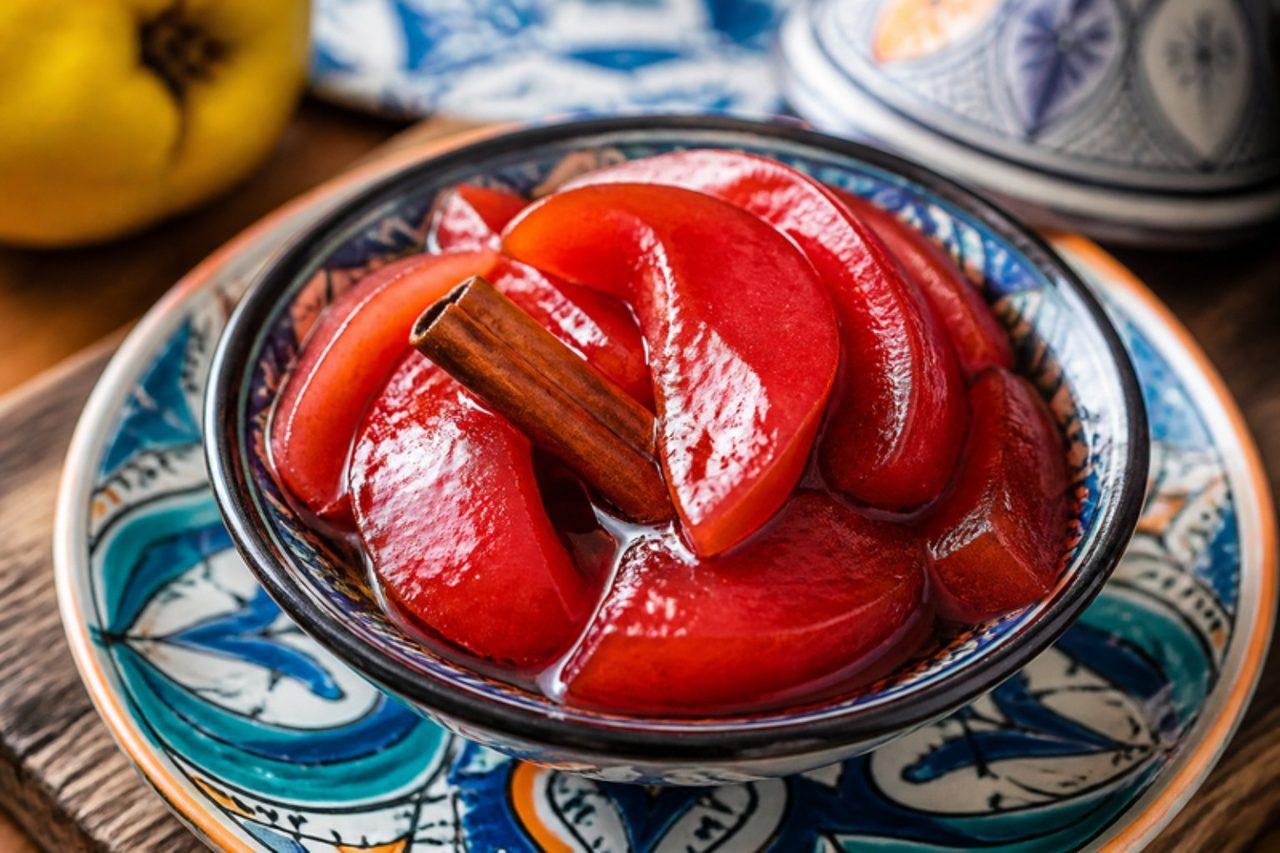
When quinces fill the market stalls of Fes and Meknes in October, households cook them down into this deep red preserve for winter breakfasts with msemen, baghrir and fresh cheese. The pale fruit turns ruby only with long, gentle cooking, the slices staying whole in a thick, cinnamon-scented syrup. Spread it on bread or serve a spoon next to soft cheese. Impatient cooks boil it hard and get a pale, sticky jam; the colour needs slow simmering. Chef's tip: tie the quince cores and peel in muslin and cook them with the fruit — they hold the pectin that sets the syrup. Store in sterilised jars.

by KrazyBadal 0 views

Filipino fruit salad
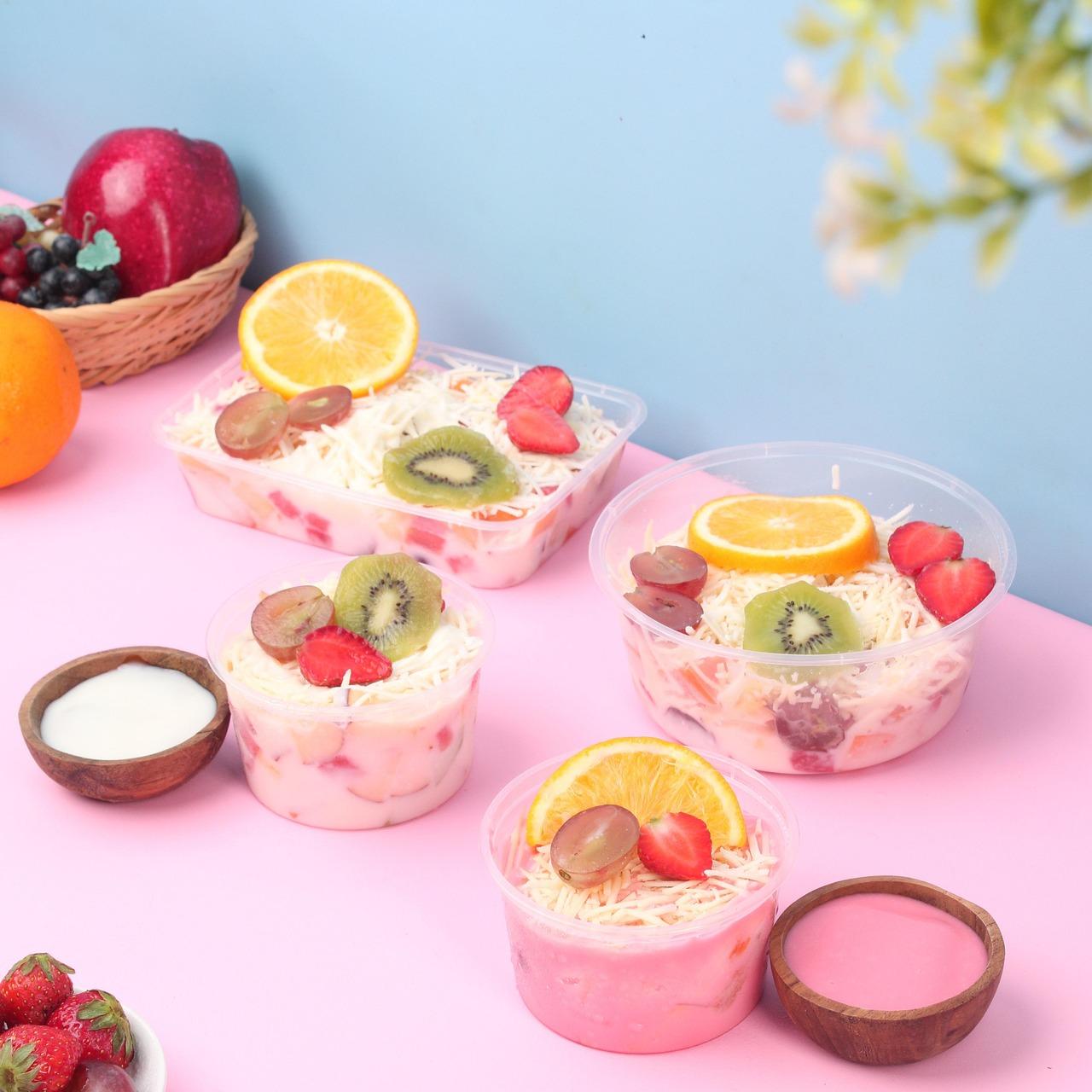
Ask any Filipino family what Christmas tastes like and fruit salad will be near the top of the list: tinned fruit cocktail, chewy nata de coco, sugar-palm kaong and sometimes cubes of cheese, all folded into sweetened cream and chilled until icy. It is made a day ahead for Noche Buena and New Year's Eve and served straight from the coldest corner of the fridge. Chef's tip: drain the fruit really well, even overnight in a sieve; leftover syrup thins the cream into a watery puddle.

by KrazyBadal 0 views

Puto bumbongPurple sticky rice tubes

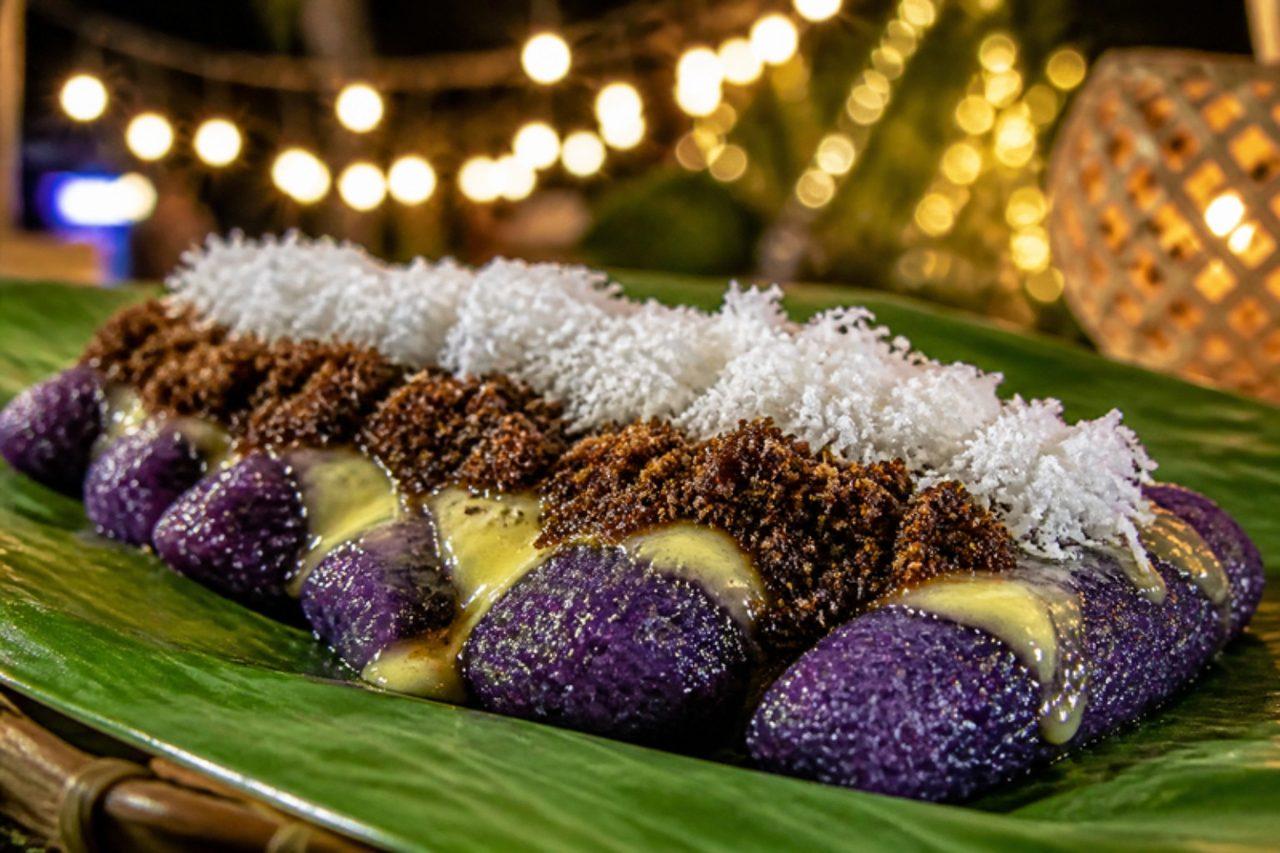
During the nine dawn masses of Simbang Gabi, from 16 to 24 December, vendors outside churches across Luzon steam puto bumbong in bamboo tubes over hissing kettles. The violet logs of ground purple and white glutinous rice are slid onto banana leaf, slathered with butter or margarine and showered with muscovado sugar and grated coconut, then eaten warm in the cold morning air. At home, small heatproof moulds or rolls of banana leaf stand in for the bamboo. Chef's tip: the ground rice must feel like damp sand, not batter; wet dough steams into a heavy paste instead of a loose, fluffy log.

by KrazyBadal 0 views

Maja blancaCoconut corn pudding

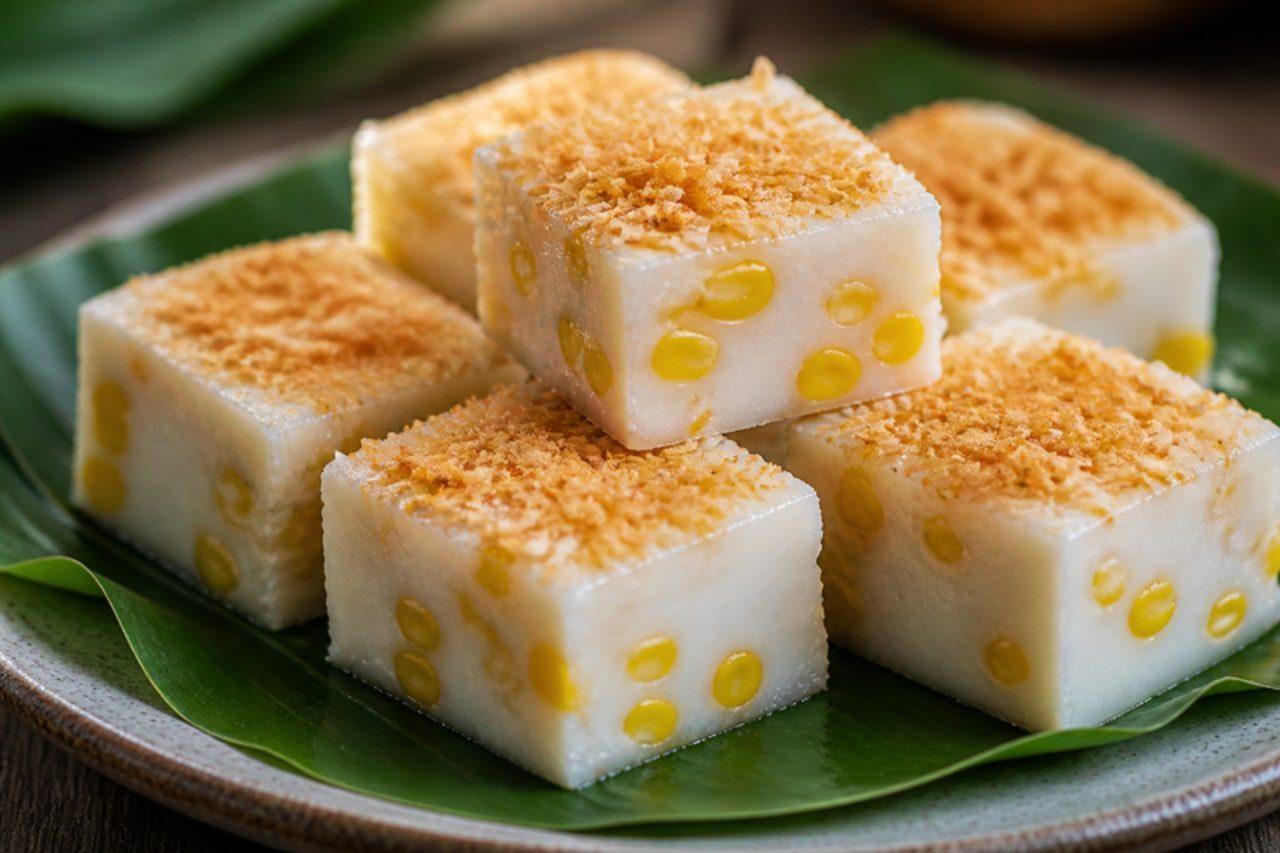
Wobbly squares of maja blanca sit on almost every Filipino Christmas Eve table, beside the leche flan and the fruit salad. Coconut milk and milk are thickened with cornflour into a smooth white pudding studded with sweet corn, poured into a tray and set firm enough to slice, then crowned with latik or toasted coconut. It tastes cool, milky and gently sweet, and kids love it. Chef's tip: whisk the cornflour into cold liquid first and keep stirring as it heats; added to hot milk it seizes into lumps you can't whisk out.

by KrazyBadal 0 views

BikoSweet sticky rice cake

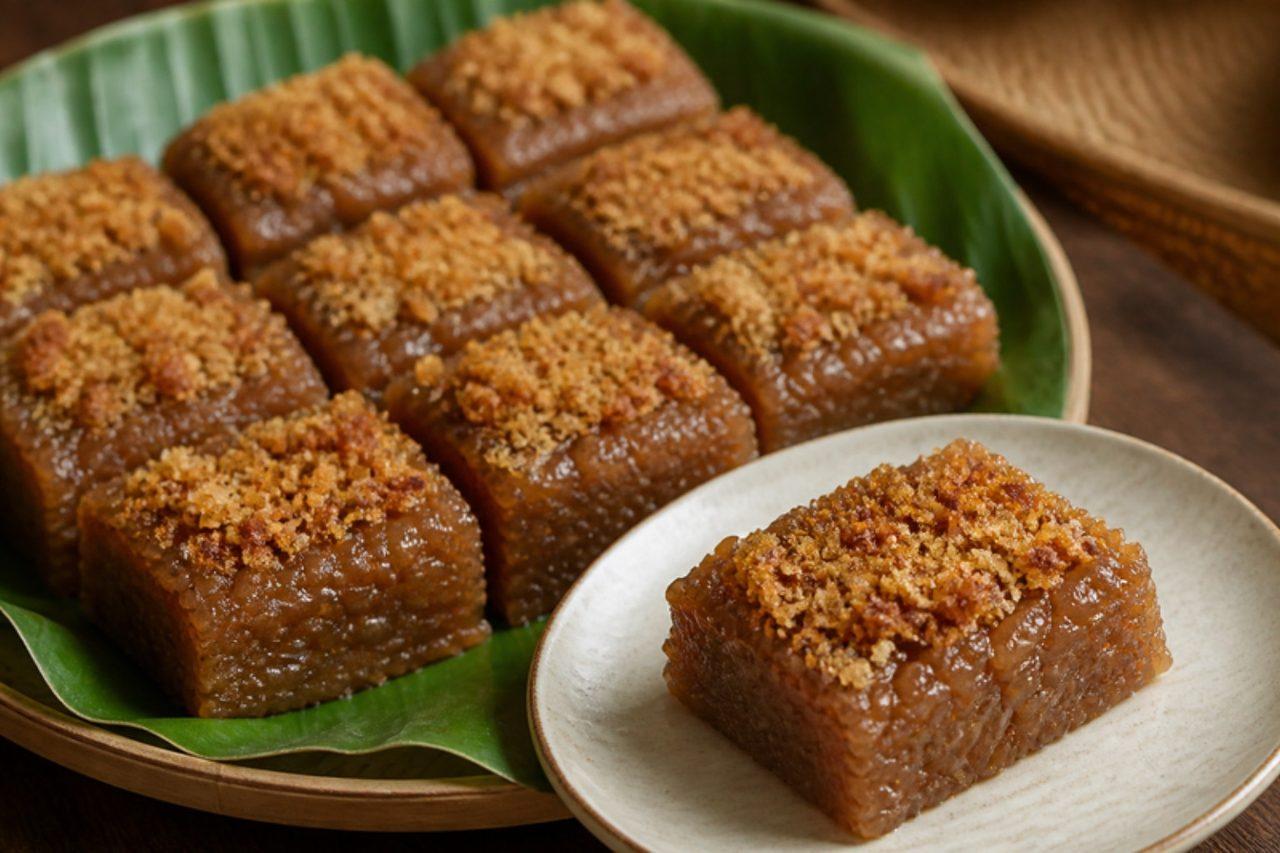
Bring biko to a Tagalog or Visayan gathering, whether a wake, a birthday or a fiesta, and the tray will be scraped clean. Glutinous rice is cooked, then stirred hard in a thick coconut milk and brown-sugar caramel until every grain is coated and the mass is dark, glossy and heavy on the spoon. Pressed into a tray and topped with crisp latik, it is cut into squares that are chewy, sweet and rich. Chef's tip: keep stirring once the rice goes into the caramel; leave it for a minute and the sugar catches and burns on the pan base.

by KrazyBadal 0 views

KutsintaSteamed brown sugar cakes

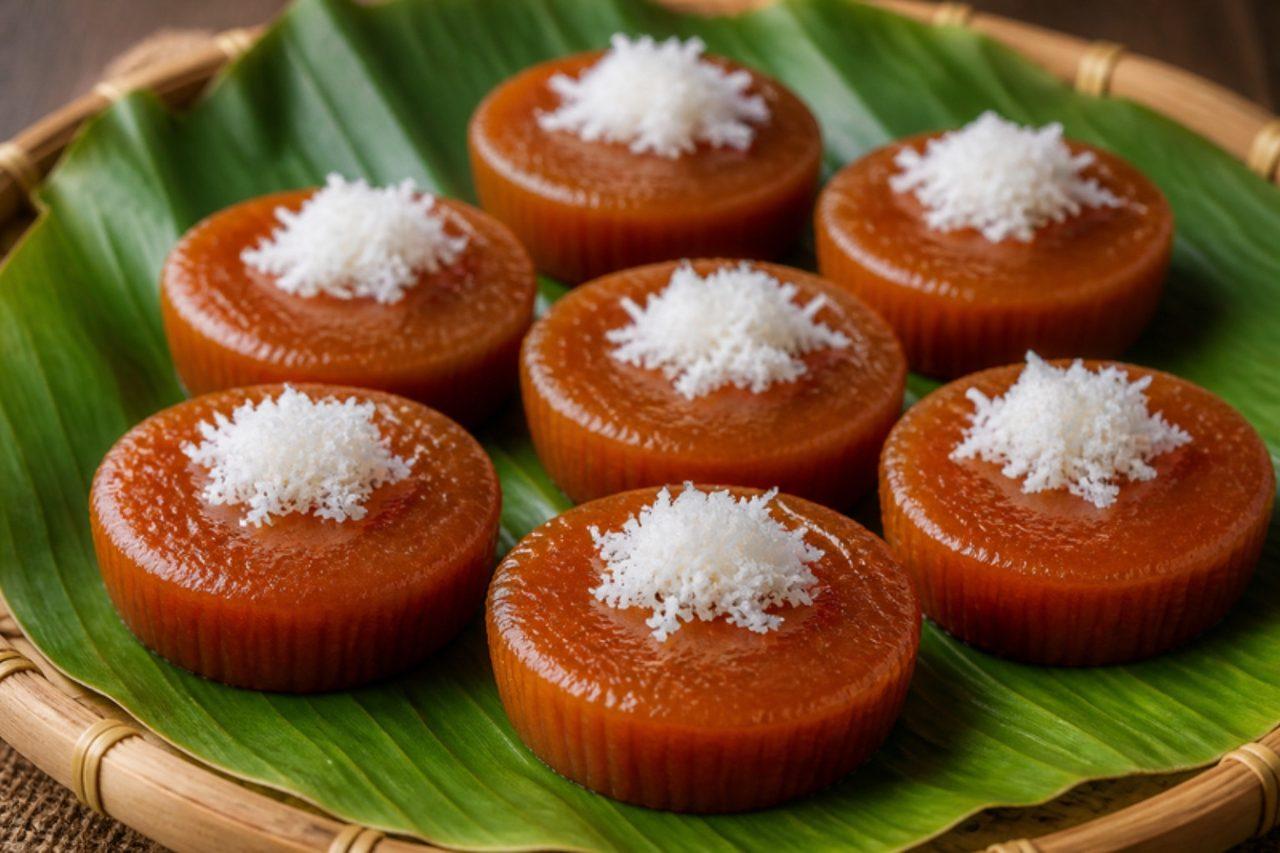
Sold in neat stacks beside puto at every Filipino market and bakery, kutsinta are small, dark amber cakes with a bouncy, jelly-like chew that comes from a few drops of lye water. Steamed in little cups and topped with fresh grated coconut, they are eaten for breakfast or merienda with coffee. Lye water (lihia) is strongly alkaline: buy food-grade only, measure it carefully, keep it away from children and rinse off any splashes on skin at once. Chef's tip: let the batter rest before steaming; skipping the rest gives cakes with a gritty, uneven texture and dark spots of undissolved sugar.

by KrazyBadal 0 views

PalitawSticky rice discs with coconut

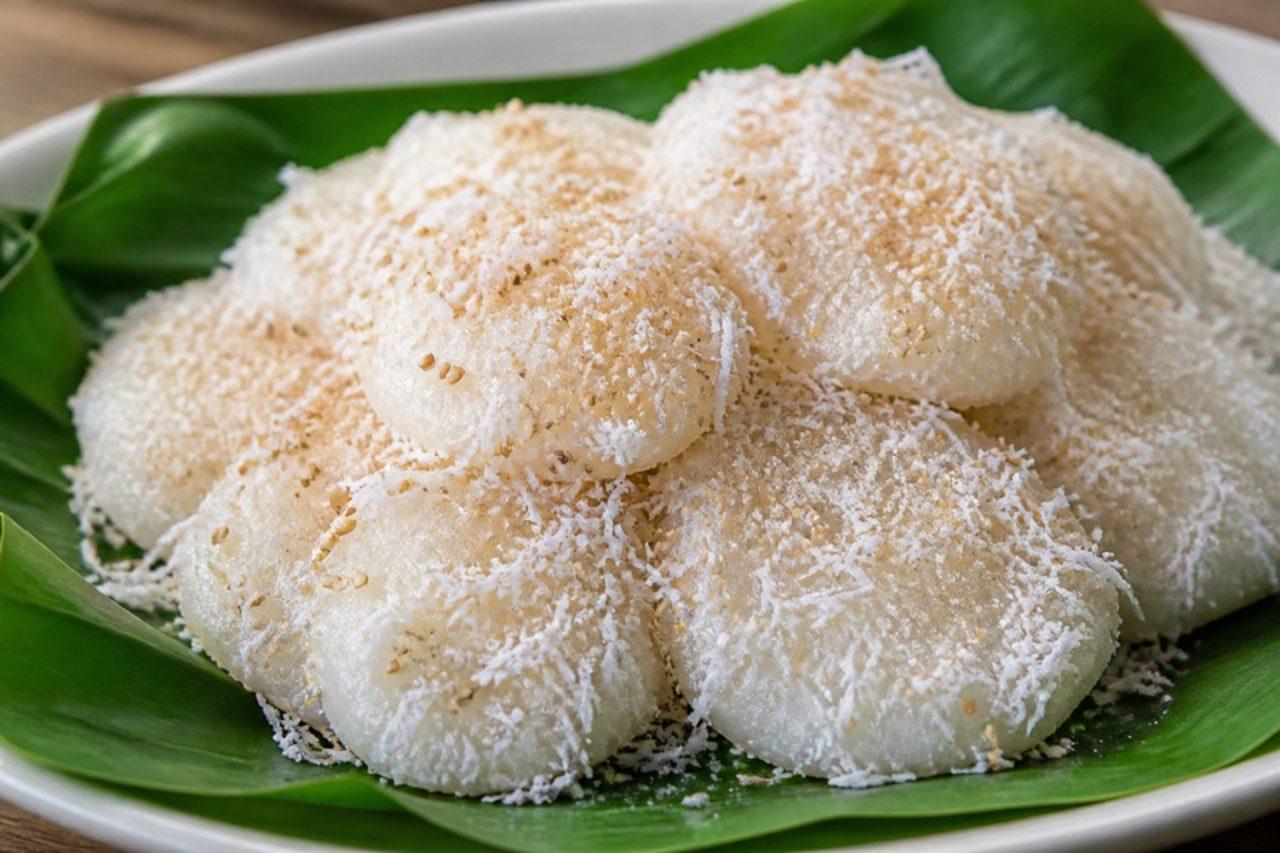
Palitaw comes from the Tagalog word for rising to the surface, which is exactly how you know they are cooked. Flat ovals of glutinous rice dough are dropped into boiling water, sink, then float up a minute later; they are lifted out, rolled in freshly grated coconut and finished with a sprinkle of sugar mixed with toasted sesame. Vendors in Laguna and Batangas sell them warm on banana leaves for merienda. Chef's tip: roll the dough thin, about 5 mm; thick palitaw float before the centre is cooked and stay pasty inside.

by KrazyBadal 0 views

SumanCoconut sticky rice rolls

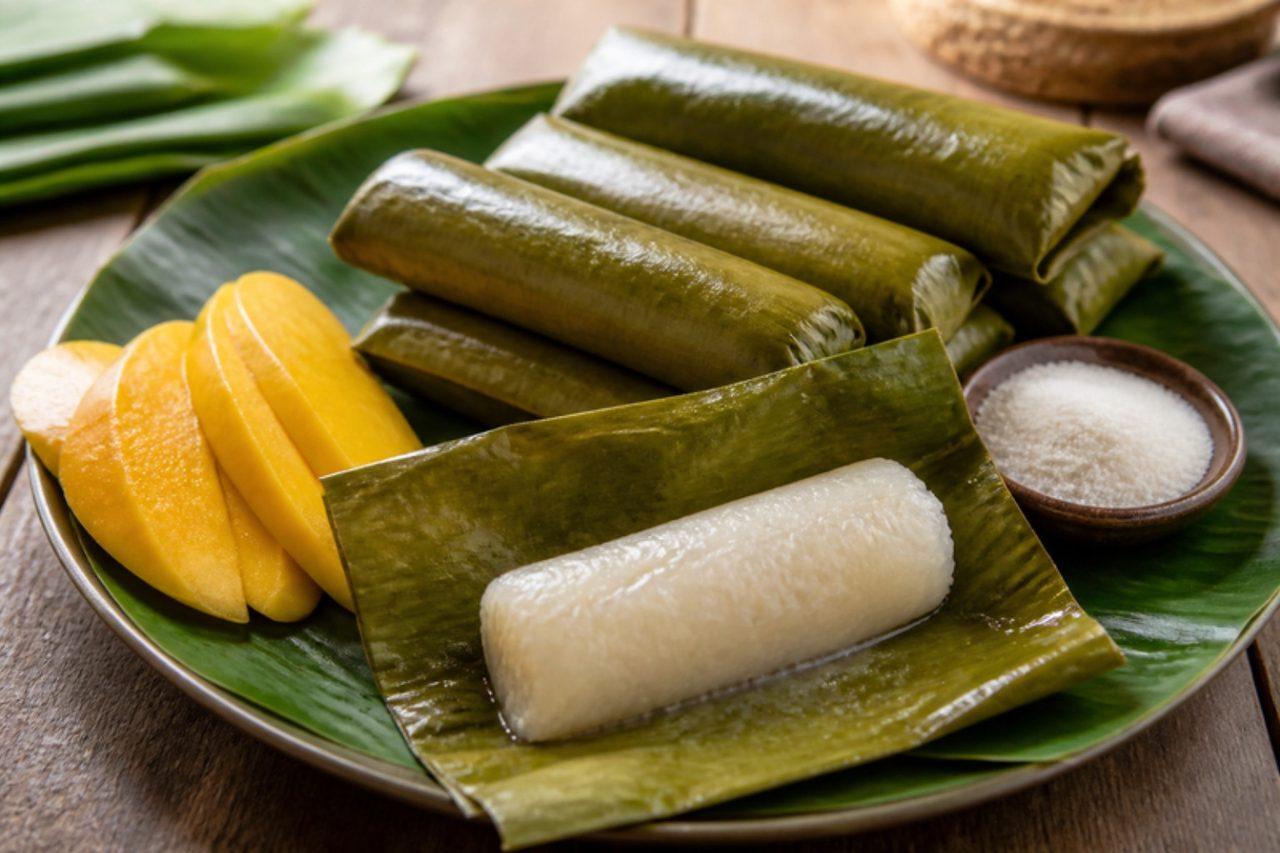
Every province has its own suman, but the everyday one sold in bundles at Antipolo's church steps and on Tagalog breakfast tables is suman sa gata: glutinous rice half-cooked in salted coconut milk, rolled tightly in banana leaf and steamed until dense and chewy. Unwrap one and dip it in sugar, or eat it with ripe mango and hot chocolate in the morning. They travel well and are handed out at fiestas by the dozen. Chef's tip: wilt the banana leaves over a flame or in hot water first; cold leaves crack as you roll and the rice leaks out while steaming.

by KrazyBadal 0 views

Tibok-tibokMilk pudding with latik

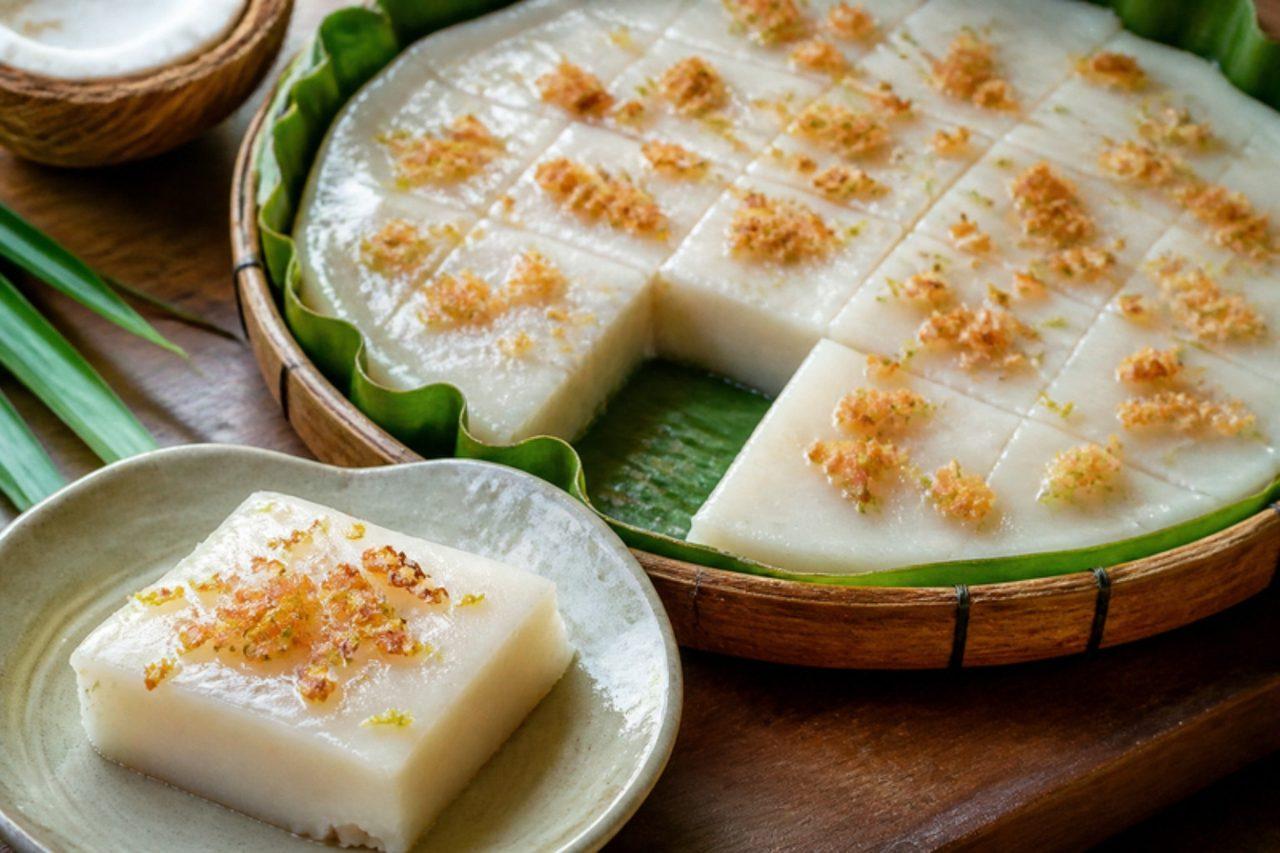
In Pampanga, tibok-tibok is made with rich carabao's milk and served at fiestas in shallow trays lined with banana leaf. Its name means heartbeat, after the slow, pulsing bubbles that rise as it thickens and the gentle wobble when the tray is set down. It is creamy, delicately sweet and scented with dayap (lime) zest, then topped with crunchy latik. Whole cow's milk or buffalo milk makes a good stand-in at home. Chef's tip: grind or blend the soaked rice very fine and strain it; coarse rice leaves a grainy pudding instead of a silky one.

by KrazyBadal 0 views

Tepung pelitaPandan pudding with coconut cream

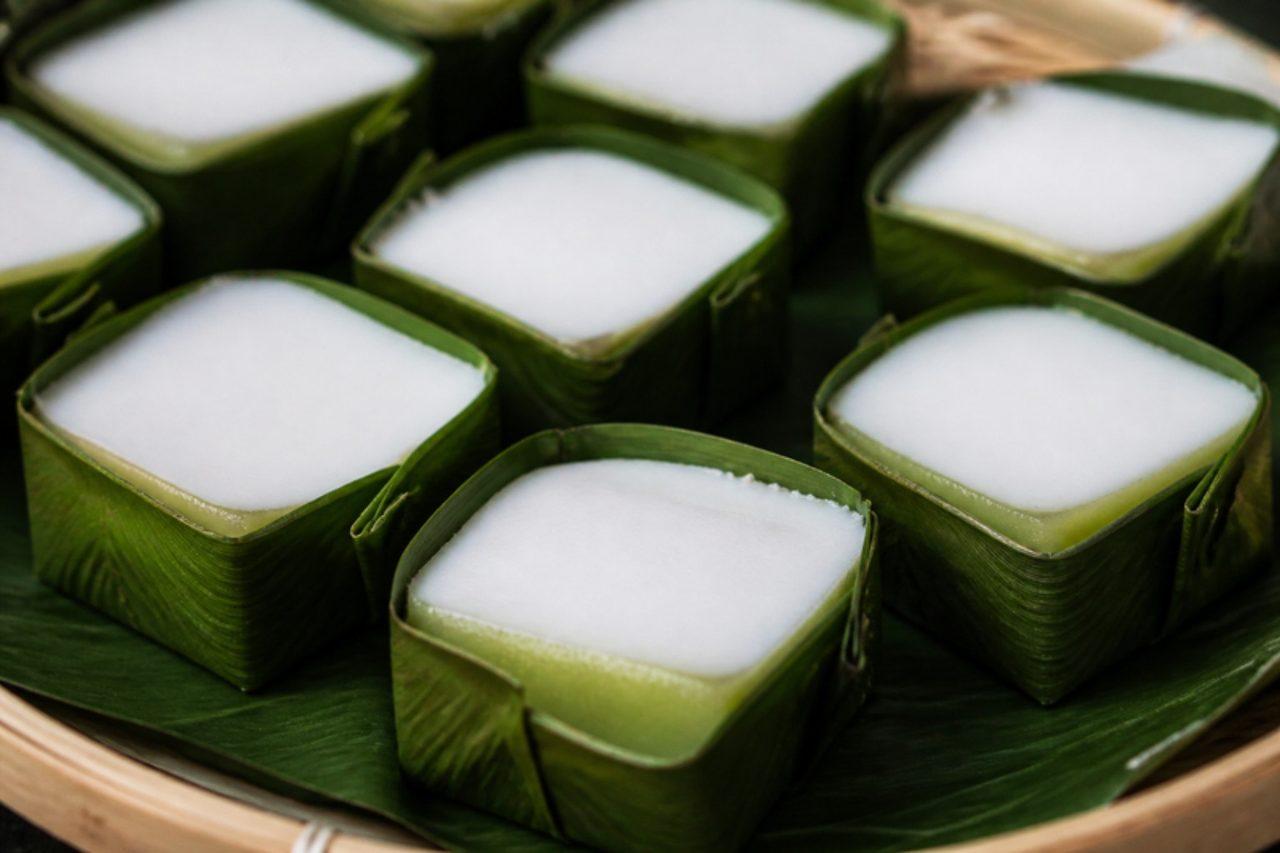
Tepung pelita, 'lamp' kuih, gets its name from the little square banana-leaf boxes it is set in, which look like old oil lamps, and every Ramadan bazaar from Melaka to Penang has trays of them chilling on ice. Each cup holds a soft green pandan layer under a thick, salty-sweet white coconut layer; you eat it with a spoon or straight from the leaf. Small ramekins or silicone cups work if you have no banana leaves. Chef's tip: pour the white layer only once the green one has set a skin, or the two colours bleed into each other.

by KrazyBadal 0 views

Roti tisuPaper-thin crisp flatbread

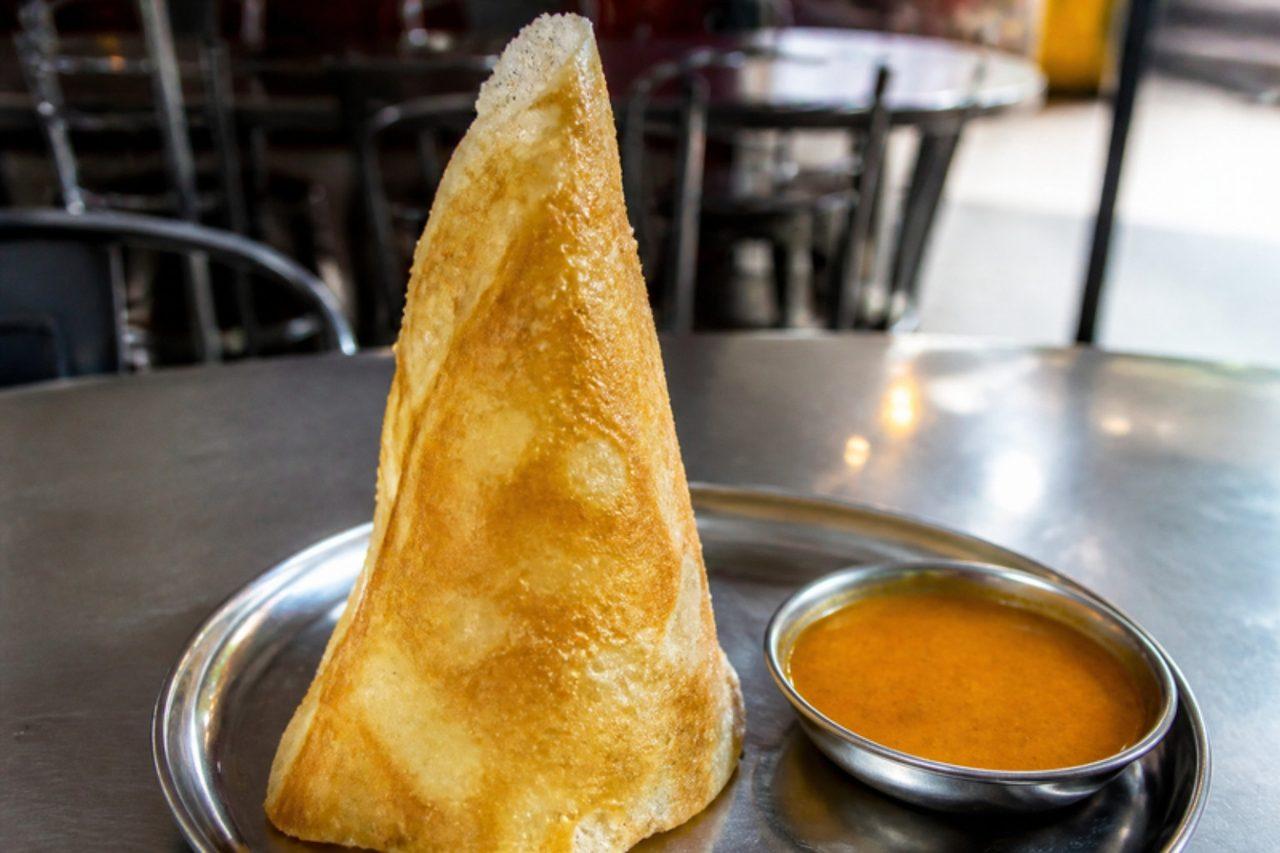
Late at night in Kuala Lumpur's 24-hour mamak restaurants, someone at the next table will order roti tisu and a towering golden cone arrives, as tall as a teh tarik glass, brushed with butter and sugar. The dough is the same as roti canai, but stretched on the oiled counter until you can read a newspaper through it, then griddled into a single crisp sheet. Kids break it from the top down; adults dip it in dhal. It takes practice, so expect the first one or two to tear. Chef's tip: the dough must rest at least 6 hours, better overnight, in plenty of oil; rushed dough snaps back and tears instead of stretching thin.

by KrazyBadal 0 views

Air mata kucingLongan and winter melon drink

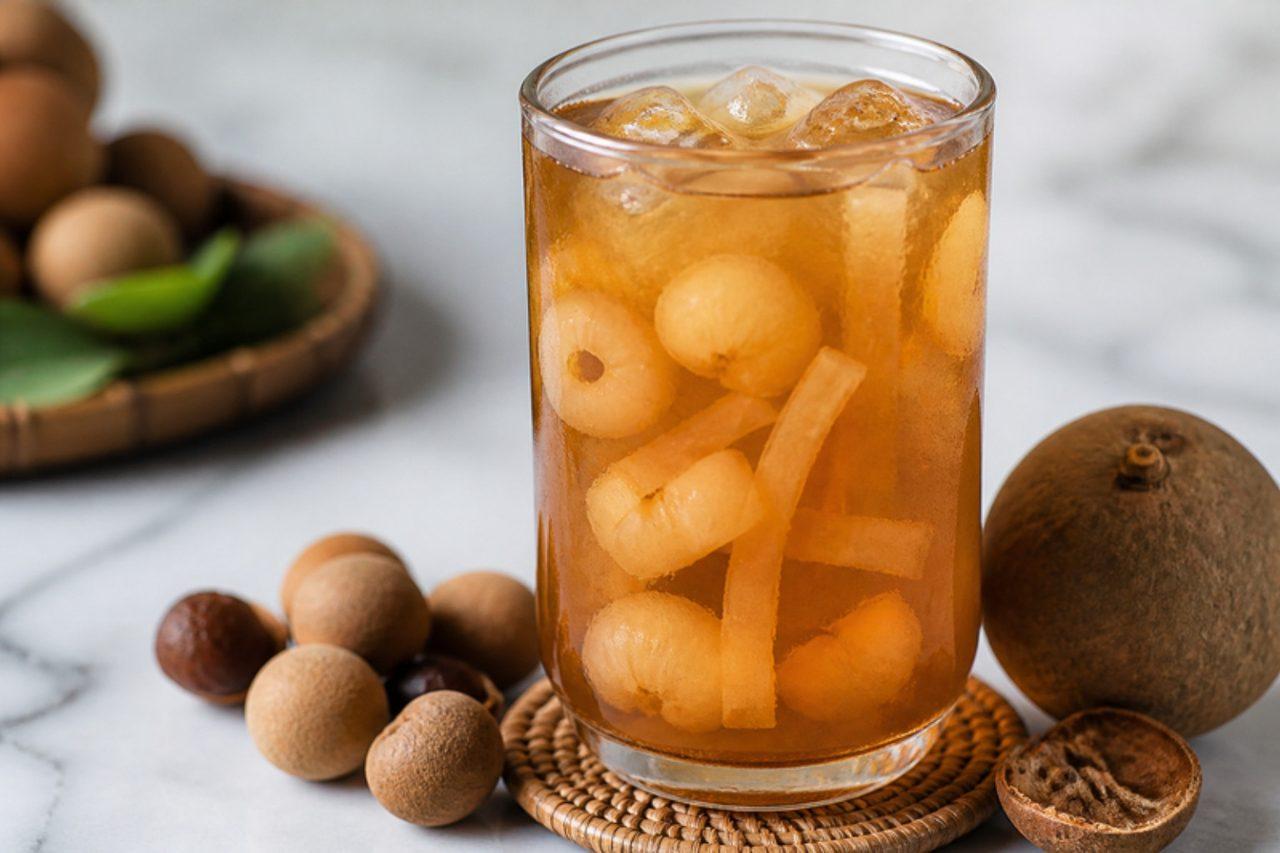
Petaling Street in Kuala Lumpur's Chinatown has a stall that has sold little else for decades, and on a hot afternoon the queue for its iced air mata kucing, 'cat's eye water', stretches down the lane. The 'cat's eyes' are dried longan, simmered with monk fruit, candied winter melon and rock sugar into a sweet, smoky, caramel-like brew that Chinese Malaysians drink to cool the body. Look for the dried ingredients in Chinese grocers. Chef's tip: boiling hard for too long makes it bitter from the monk fruit shell; keep it at a gentle simmer.

by KrazyBadal 0 views

Banana cueCaramelised fried bananas

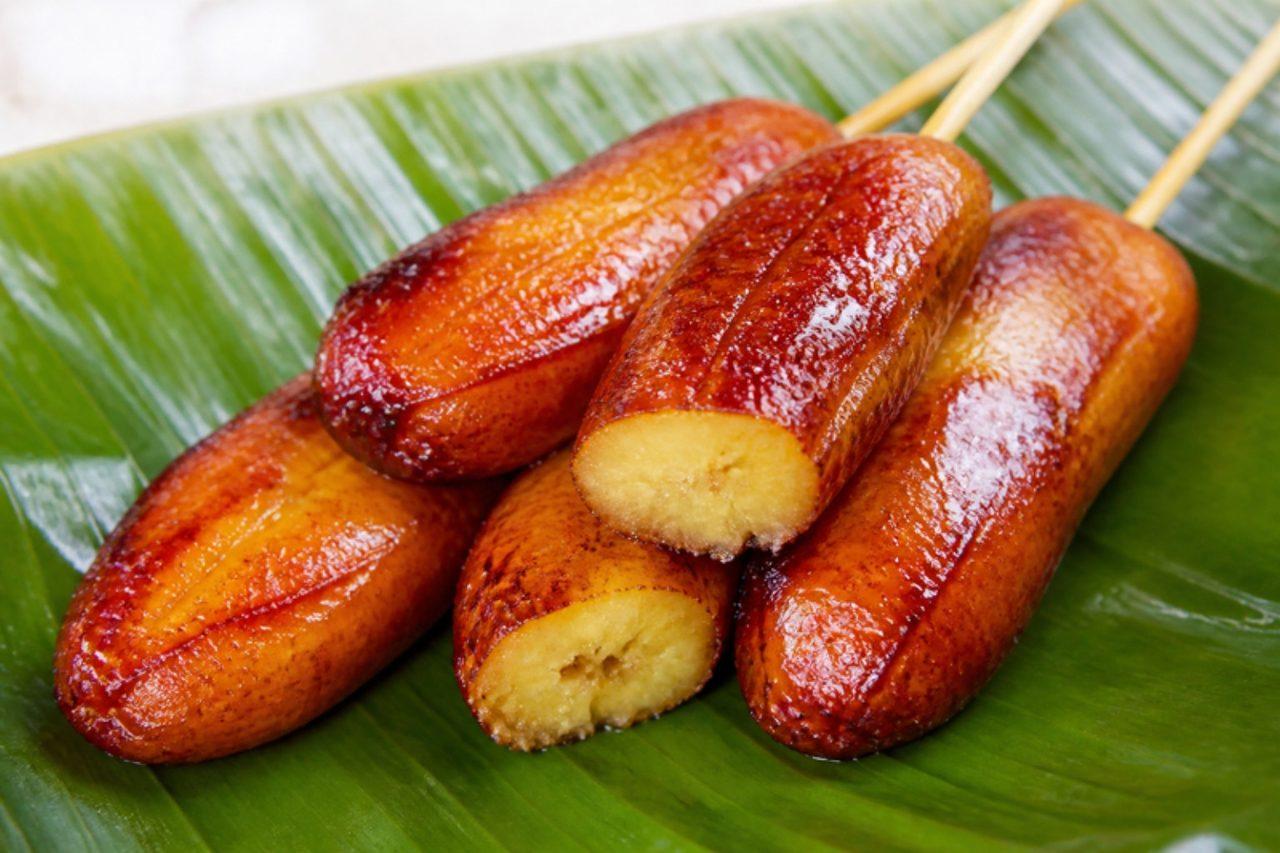
Walk past any Manila school gate or jeepney stop around three in the afternoon and you will find a vendor turning saba bananas in a wok of bubbling oil and brown sugar. The sugar melts and clings to the fruit, setting into a thin, crackly amber shell over soft, slightly tart flesh, and the bananas are sold two or three to a bamboo stick. Sweet potato cooked the same way is called camote cue. Eat them warm with a glass of iced sago't gulaman. Chef's tip: add the sugar only once the bananas are already golden; sugar thrown in at the start burns black before the fruit is cooked through.

by KrazyBadal 0 views

Sago't gulamanTapioca and jelly drink

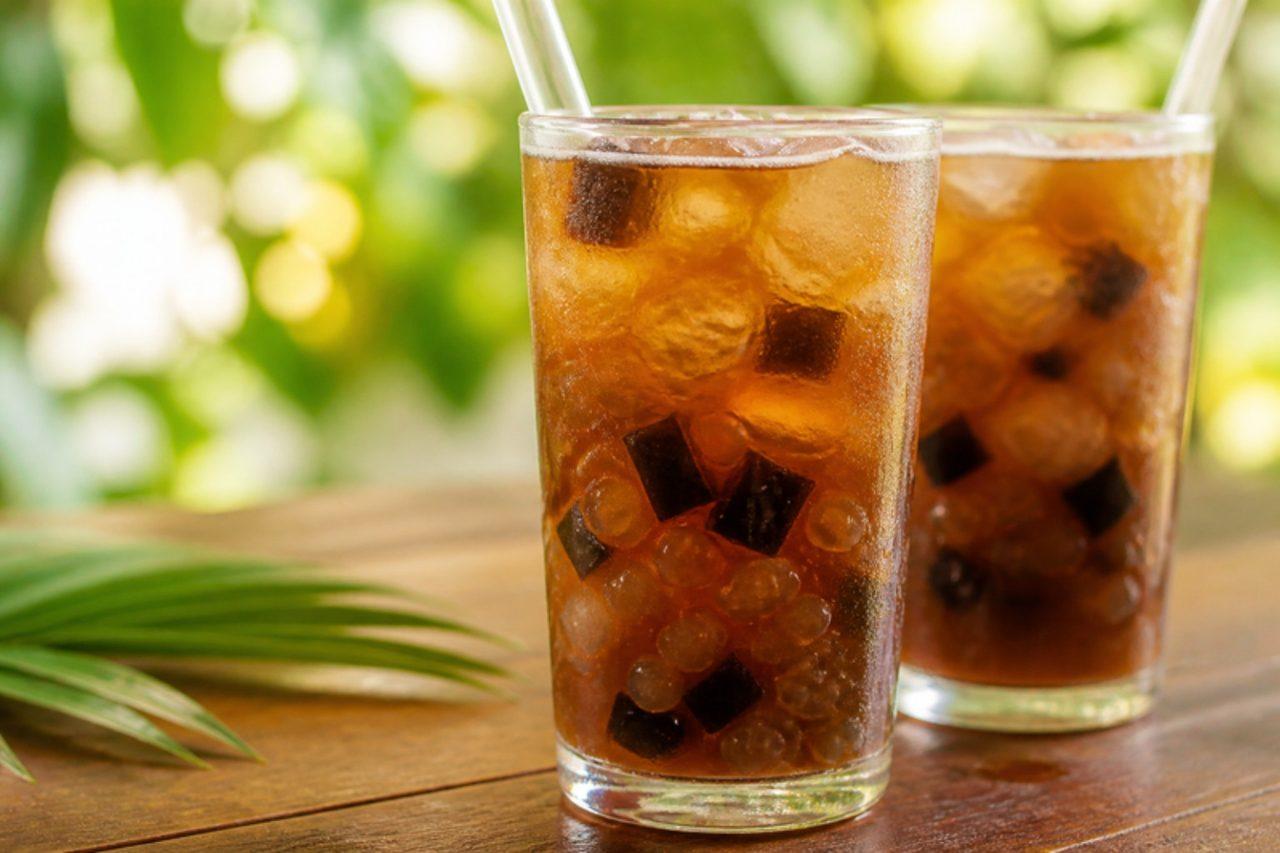
Tall plastic cups of sago't gulaman are what Manila drinks on hot afternoons, ladled from a big drum at street corners and sold next to fried snacks. Chewy tapioca pearls and cubes of firm agar jelly float in cold water sweetened with a dark, almost caramelised brown-sugar syrup scented with pandan. Kids slurp it through a wide straw; adults buy it with every plate of banana cue. Chef's tip: cook the syrup until it smells of caramel but stop before it smokes; pale syrup tastes only of sugar, burnt syrup tastes bitter.

by KrazyBadal 0 views

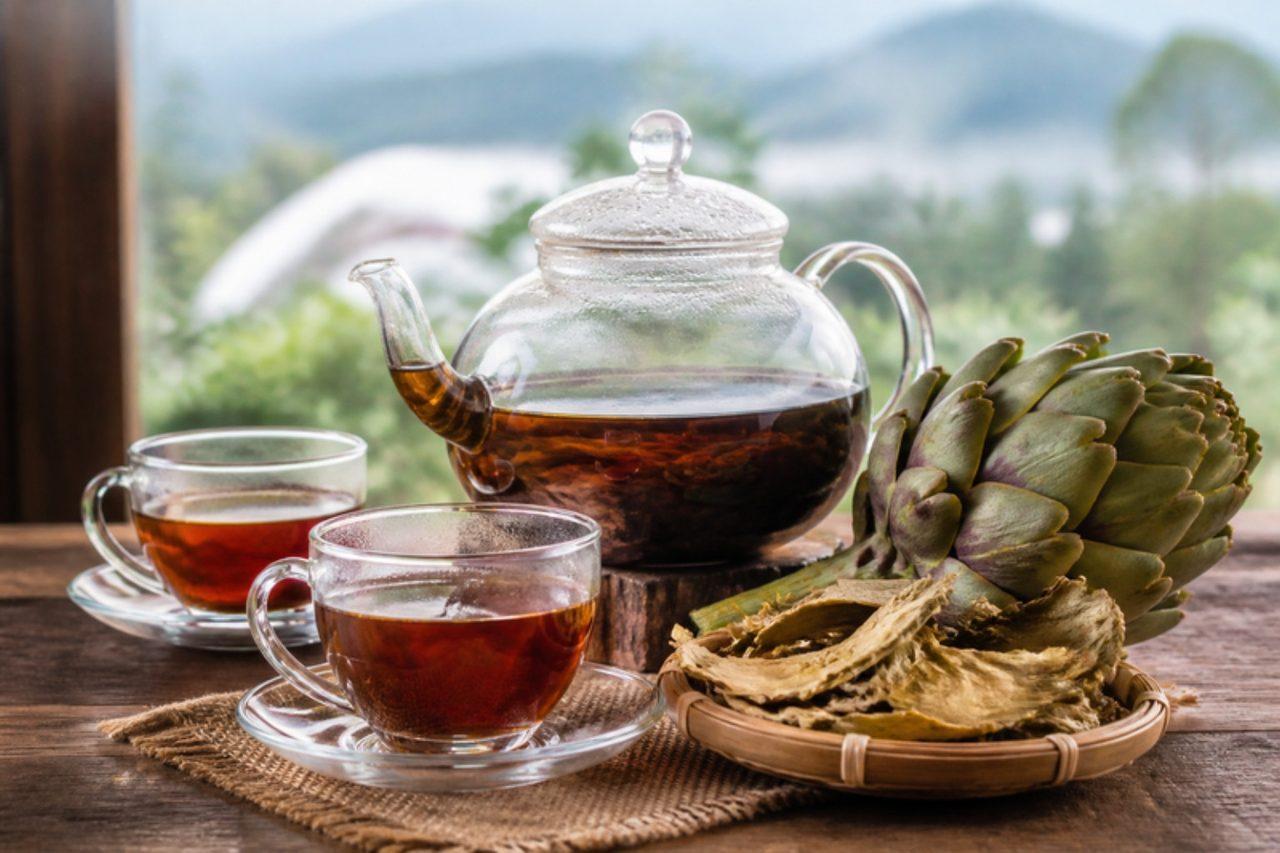
Trà atisôArtichoke tea

Artichokes arrived in the cool Đà Lạt highlands with French planters, and today the town's markets sell dried artichoke leaves, stems and flower buds for tea along with fresh heads for soup. Local cafés serve it hot on misty mornings and iced in the afternoon, slightly sweet, earthy and pleasantly bitter, and many Vietnamese drink it as a gentle tonic after rich meals. This version brews fresh globe artichokes with their stems; a 30 g bag of dried trà atisô works the same way. Chef's tip: skip the aluminium pan; artichokes react with it and the tea turns grey and metallic.

by KrazyBadal 0 views

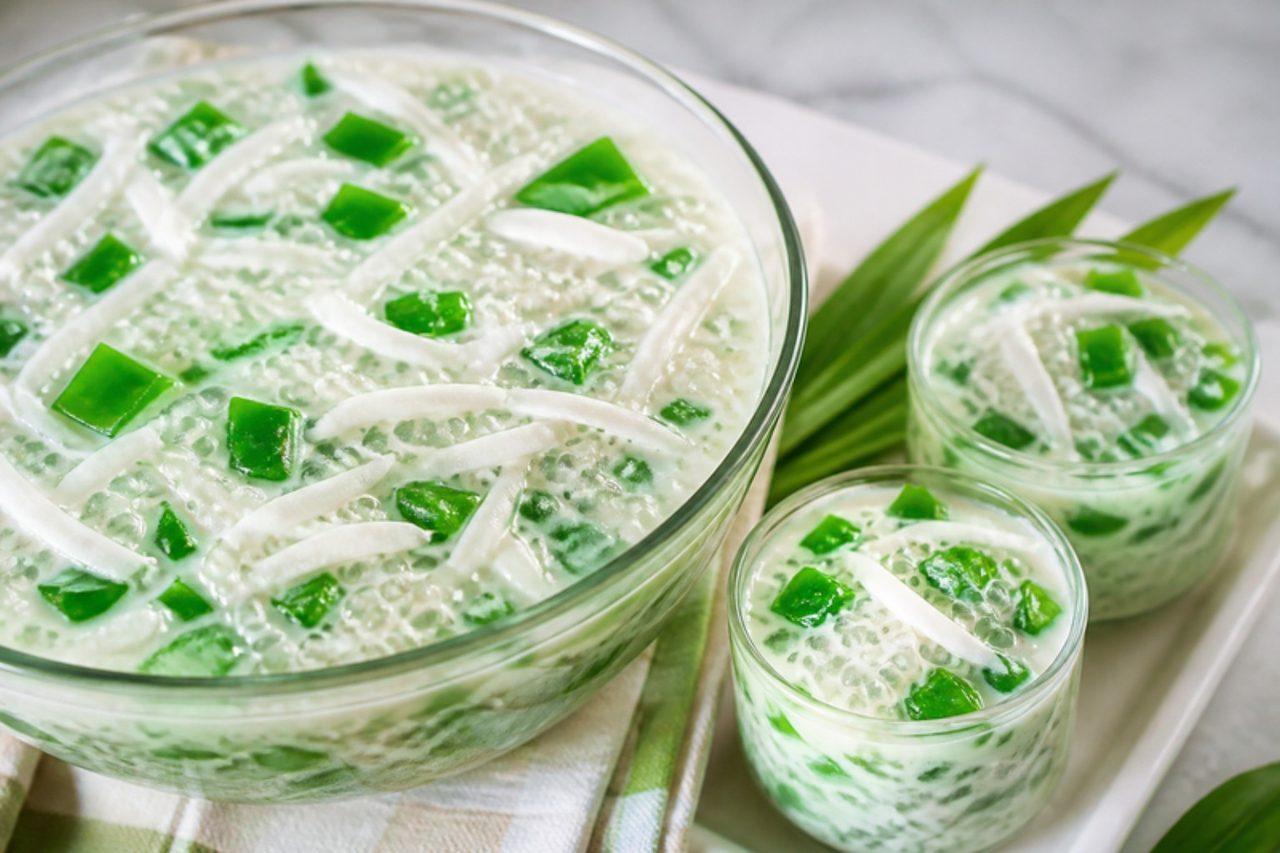
Buko pandanCoconut pandan jelly dessert

Big bowls of buko pandan come out of Filipino fridges for Christmas, New Year and every family reunion in between. Soft strips of young coconut and cubes of bright green pandan jelly are folded into chilled sweetened cream, so each spoonful is cool, fragrant and slightly chewy. This version sets the jelly with agar (gulaman) rather than gelatin, so it is fully vegetarian. Chef's tip: let the jelly set completely before cutting and folding; half-set agar breaks into mush and turns the cream cloudy green.

by KrazyBadal 0 views

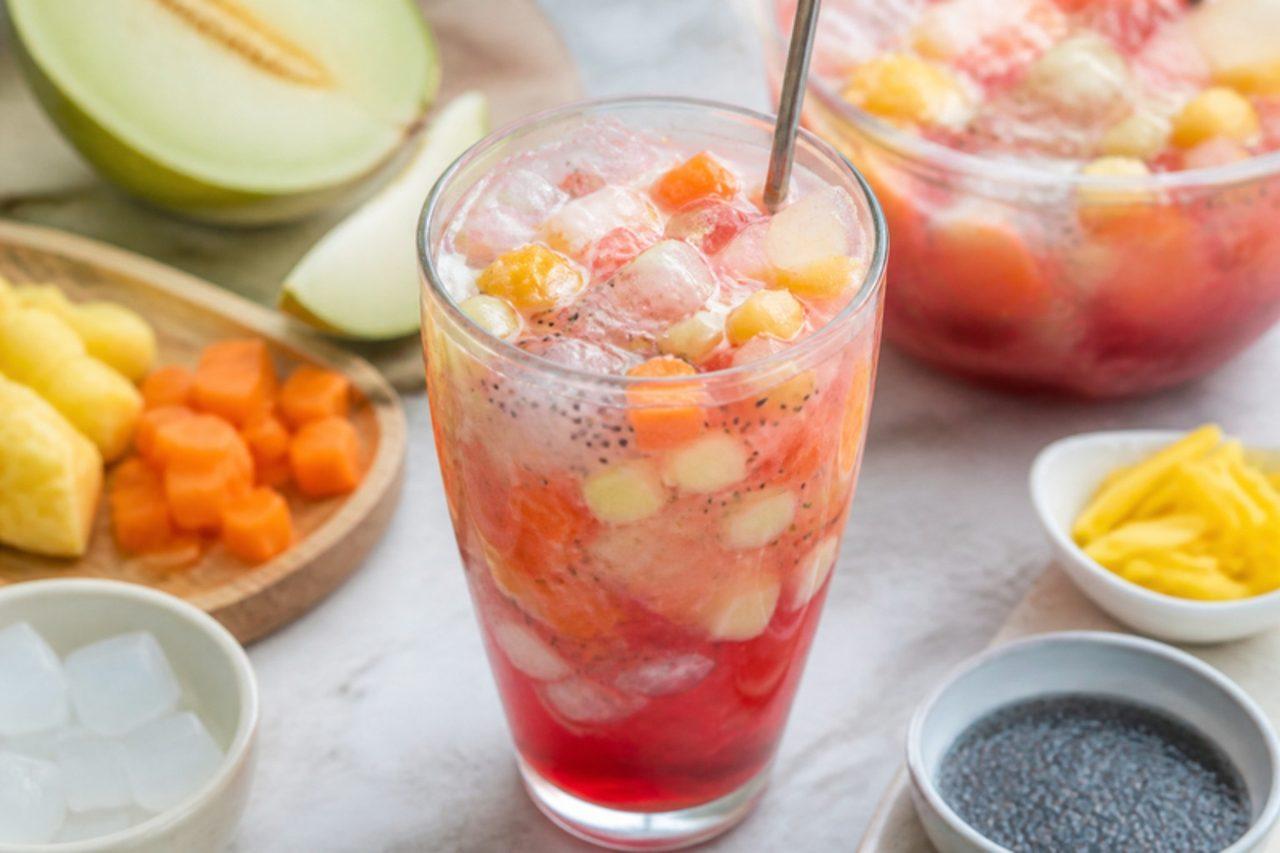
Es buahIced fruit cocktail

Ramadan evenings in Jakarta mean queues at the es buah carts, where melon, papaya, pineapple, jackfruit and nata de coco are scooped into glasses with swollen basil seeds, red rose syrup and a ribbon of condensed milk over crushed ice. It is drunk with a spoon at iftar, after dates, and it is just as welcome on any hot afternoon. Use whatever ripe fruit you have. Chef's tip: soak the basil seeds fully before adding them; dry seeds clump and stay gritty in the cold syrup.

by KrazyBadal 0 views

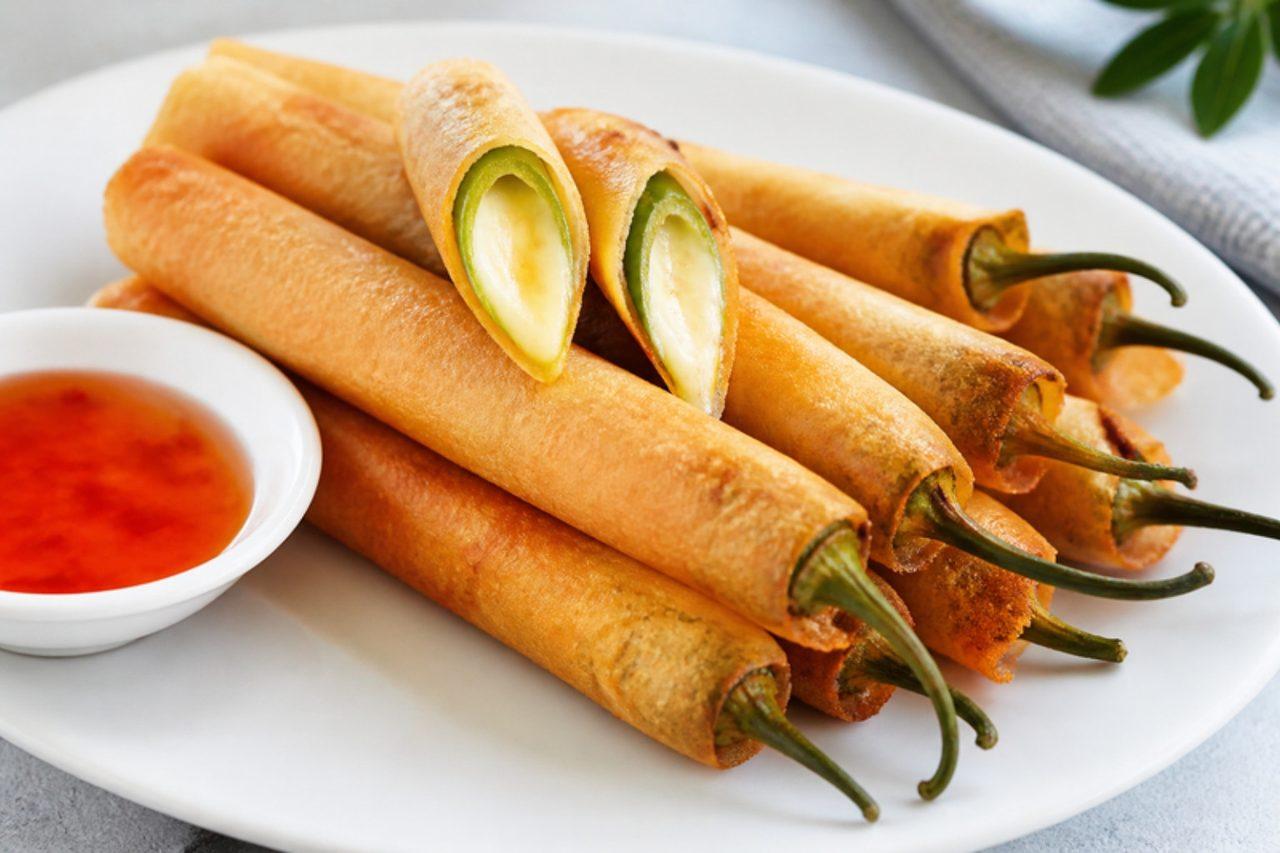
Dynamite lumpiaCheese-stuffed chilli rolls

Bar chow menus in Quezon City and roadside stalls in Pampanga both claim dinamita: a whole long green chilli, seeded, stuffed with a stick of cheese and wrapped tightly in lumpia pastry with its stalk poking out like a fuse. Fried until blistered and crisp, the chilli turns sweet and only mildly hot while the cheese melts into it. A sweet chilli or banana ketchup dip is usual. Many versions add seasoned meat; this one keeps it to cheese. Chef's tip: dry the chillies well inside after seeding; trapped water bursts the wrapper in the hot oil.

by KrazyBadal 0 views

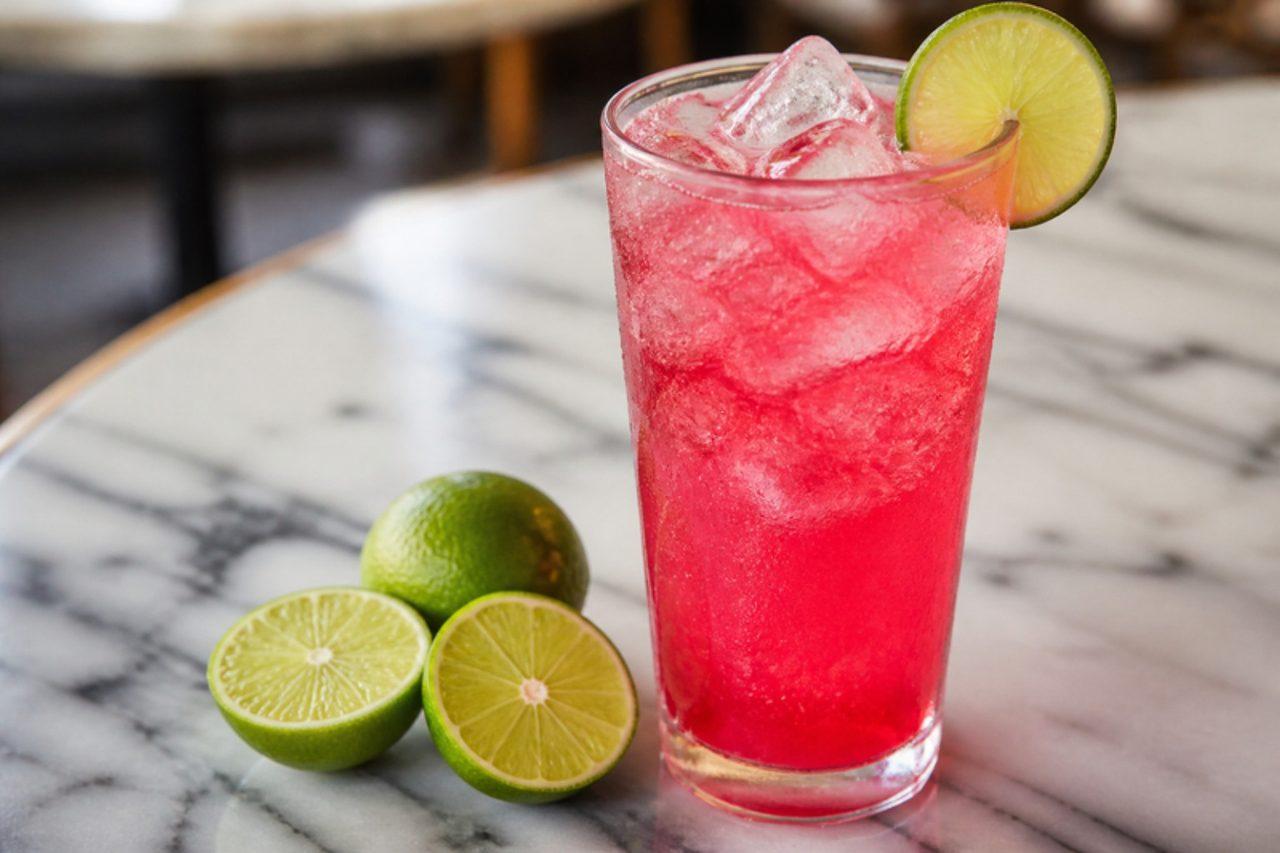
Sirap limauRose syrup lime drink

Order a sirap limau at any kopitiam or warung from Johor to Kedah and a tall glass of shocking pink arrives, sweet with rose syrup and sharpened with fresh lime; it is the drink that goes with nasi lemak at lunch and fried snacks after school. The rose syrup, 'sirap', is easy to make at home and keeps for weeks. Chef's tip: squeezing the limes hours ahead makes the drink taste flat and bitter; squeeze them just before you pour.

by KrazyBadal 0 views

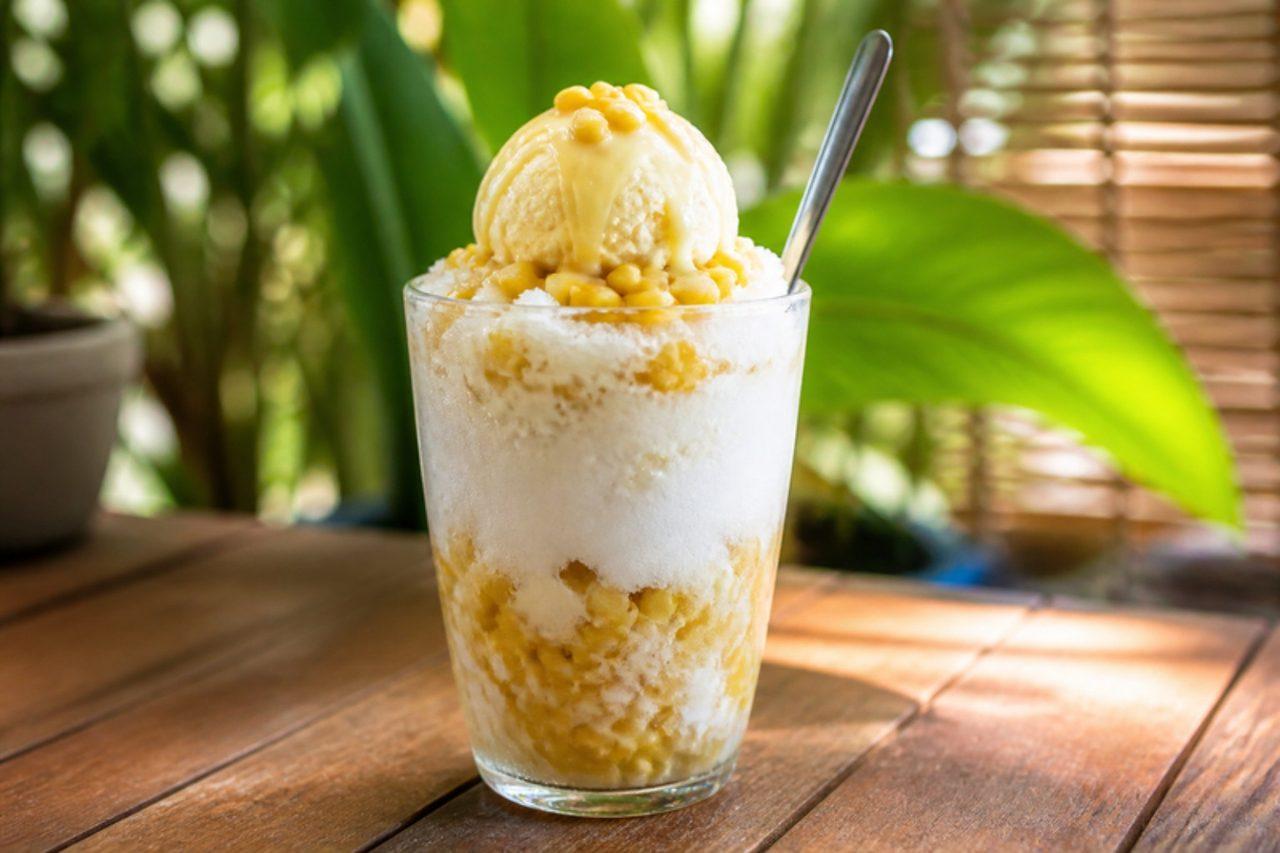
Mais con yeloSweet corn shaved ice

The simplest of the Filipino ice desserts, mais con yelo turns up at carinderias and beach stalls from Batangas to Davao in the dry months of March to May. A tall glass is layered with sweet corn kernels and sugar, buried in finely shaved ice and drowned in evaporated milk, and you stir it all into a cold, milky slush with a long spoon. Some add a scoop of vanilla ice cream or crisp rice cereal on top. Chef's tip: shave or crush the ice as finely as you can; chunky ice cubes leave the milk and corn sitting apart instead of blending into a soft slush.

by KrazyBadal 0 views

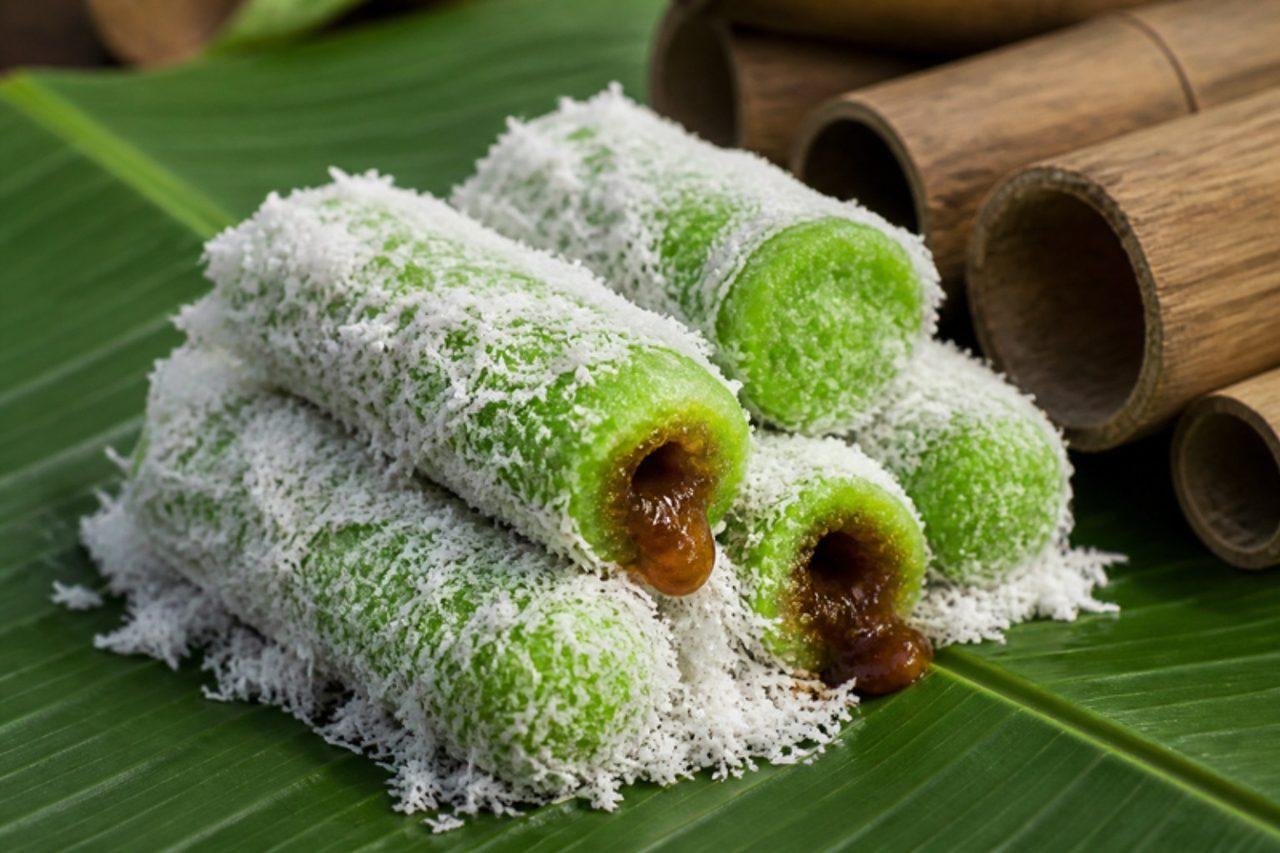
Kue putuPandan palm sugar cakes

After dark in Yogyakarta and Jakarta you can hear a kue putu seller before you see him: the steam cart whistles as the bamboo tubes cook. Each little cylinder is coarse pandan-green rice flour packed round a nugget of palm sugar, steamed for a few minutes until the sugar melts into a dark syrup, then pushed out and rolled in salted grated coconut. Eat them warm, straight away, as an evening snack. At home, small metal moulds, egg cups or a cut bamboo tube set over a steamer work well. Chef's tip: the rice flour must be damp and crumbly like wet sand, not a dough; pressing it too hard into the mould makes dense, rubbery cakes.

by KrazyBadal 0 views

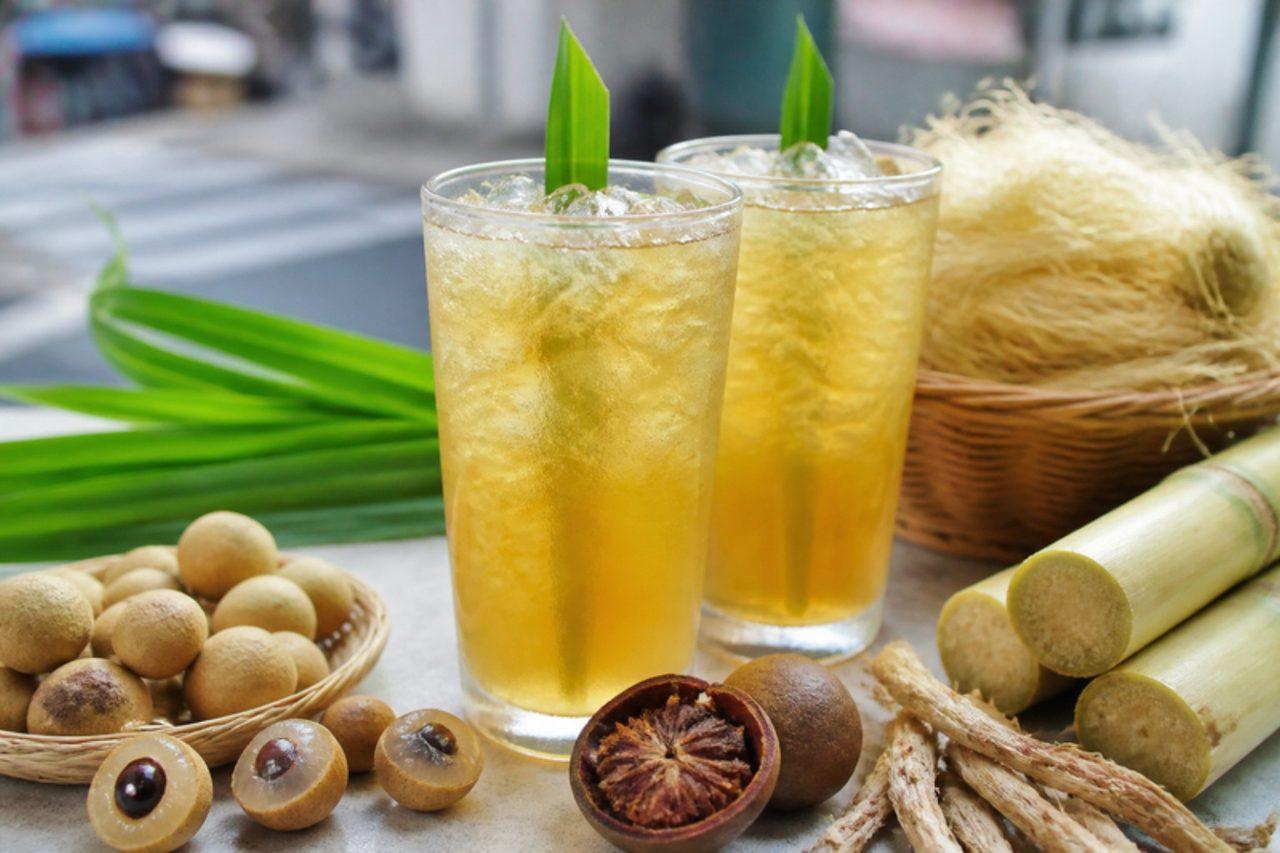
Nước sâmCooling herbal drink

Big glass jars of amber nước sâm sit on pavement stalls all over Hồ Chí Minh City, ladled over ice for anyone who has eaten too much fried food or spent too long in the sun. The brew is gently sweet and earthy, with honeyed dried longan, the liquorice note of monk fruit and fresh sugarcane, and Chinese-Vietnamese herbalists sell ready-mixed bags of the dried roots. Make a big pot: it keeps for four days in the fridge. Chef's tip: simmer, never boil hard; a rolling boil pulls bitterness out of the roots and turns the drink cloudy.

by KrazyBadal 0 views

Nước rau máPennywort juice

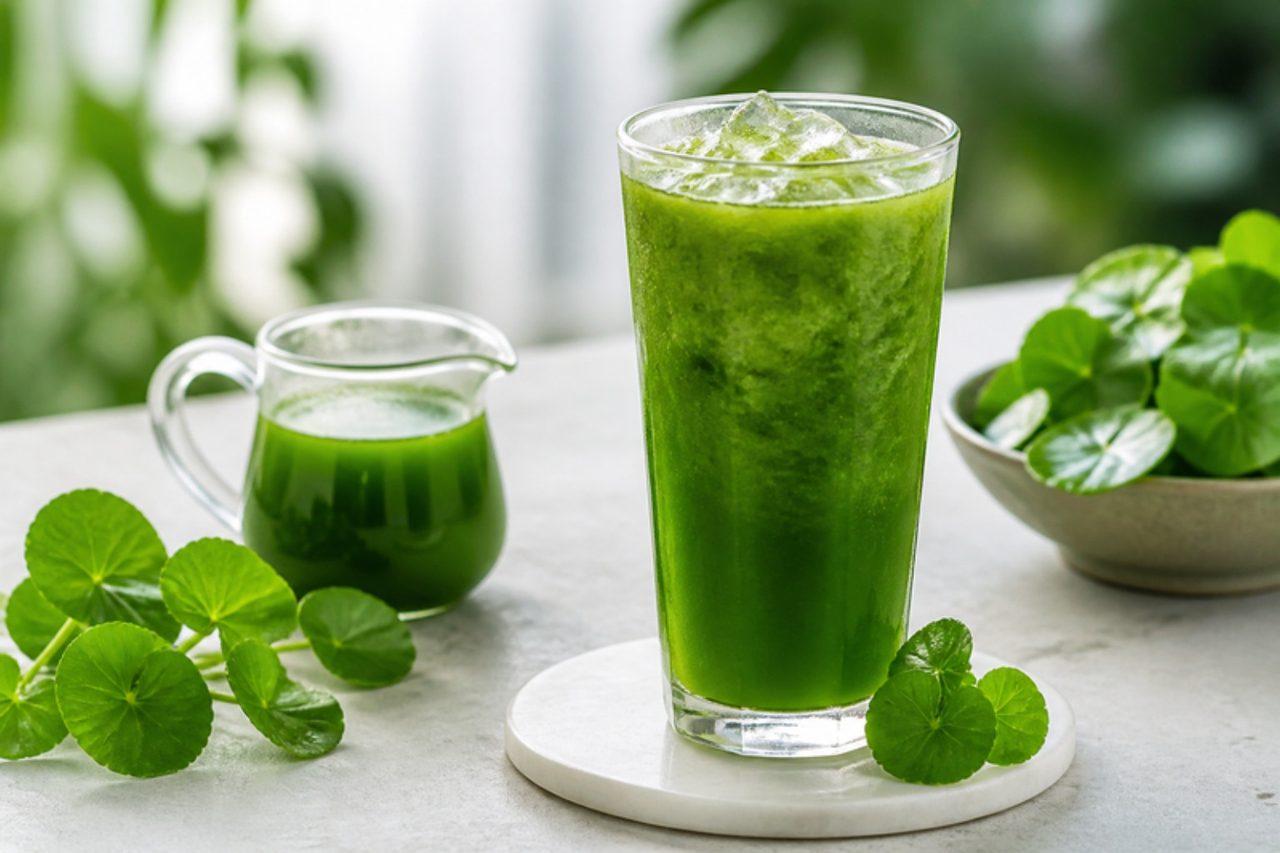
Saigon street carts blend nước rau má to order through the hottest part of the afternoon, pouring the bright green juice into plastic cups over crushed ice for office workers and students. Pennywort (rau má) tastes fresh, grassy and very slightly bitter, and southerners drink it to 'cool the body' in the dry season; some stalls blend in cooked mung beans or a splash of coconut milk to make it richer. Look for bunches of rau má in Vietnamese and South Asian grocers, where it is also sold as gotu kola. Chef's tip: strain twice through a fine cloth and drink it within the hour; left standing, it separates and darkens to a dull khaki.

by KrazyBadal 0 views

Ose oji

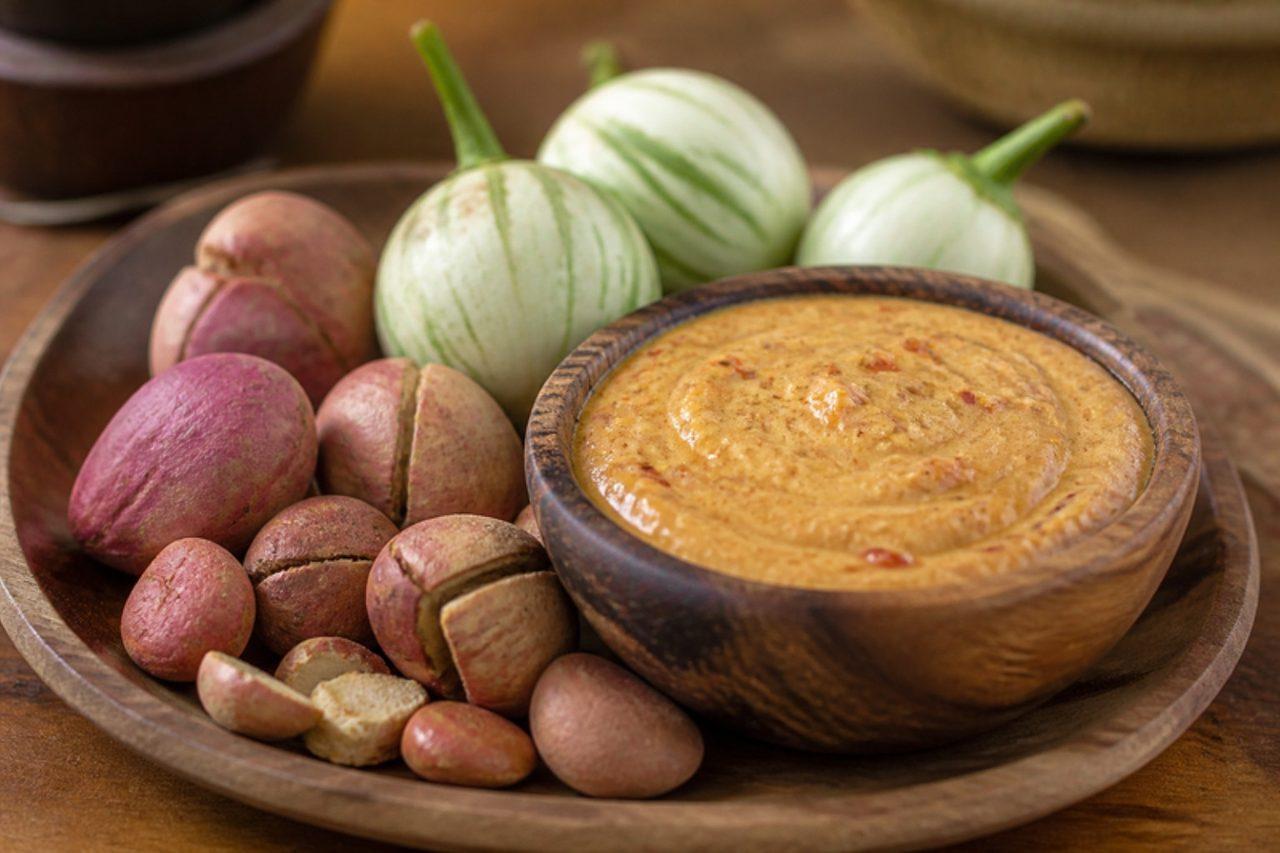
In Igbo homes from Enugu to Owerri a guest is welcomed with kola nut, and the kola is never served alone: beside it sits a saucer of ose oji, peanut butter mashed with ground dried pepper and a little salt, sometimes with uda or ginger. Elders break the kola, pray, and everyone dips. It is equally good with crunchy garden eggs (small white African aubergines) or cucumber. Contains peanut. Kola nut is a strong caffeine stimulant, so it is for adults only, not for children or pregnant women; serve the garden eggs to everyone else. The mistake is making the paste runny with water: it should be thick enough to cling to a slice without dripping, so loosen with oil instead. Chef's tip: toast the dried pepper in a dry pan for 30 seconds before grinding; the smoky heat is what makes ose oji taste right.

by KrazyBadal 0 views

Showing 24 of 2,799 recipes

Show more recipes

Page 27 of 117

More Jain ideas

Other diets