Skip to content
WhatToEat.Today

Jain recipes: no onion, garlic or root vegetables

2,799

2799 Jain recipes with no onion, garlic, potato, carrot, fresh ginger or other root vegetables, and no mushrooms, eggs or honey. Hing, dry ginger and turmeric powder are fine. Each has photos, step-by-step instructions and cook times. The quickest, Apfelschorle, takes 2 minutes. Most take around 40 minutes.

Filter these by time, diet or cuisine · Make Jain your diet to see only these recipes everywhere on the site.

BarankiTea bread rings

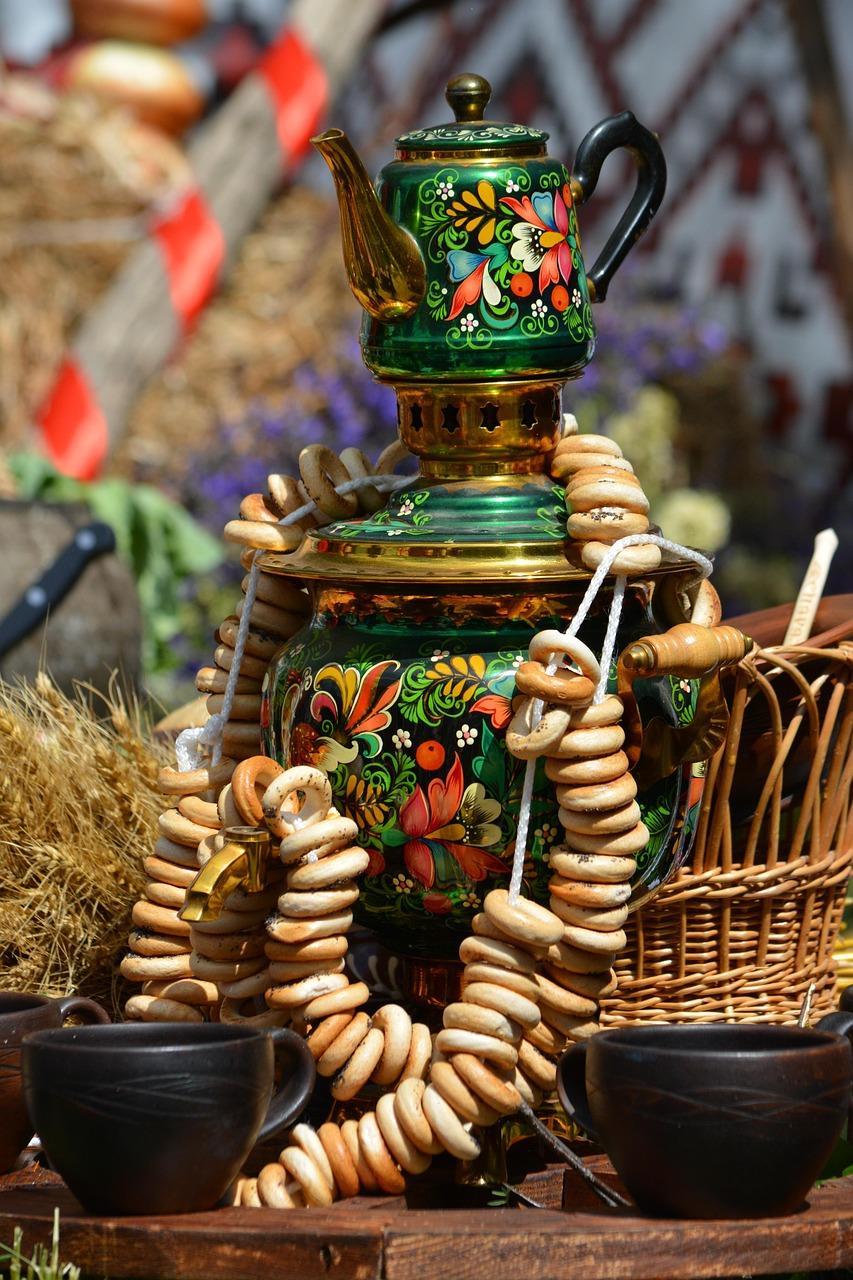
Strings of baranki once hung on poles at every Russian fair, and you still see them threaded on twine in Moscow markets and station kiosks. The dough is boiled briefly like a bagel, then baked until hard, golden and glossy, so the rings keep for weeks and soften only when dunked in hot, sweet tea from the samovar. This version is vegan, made with oil instead of butter and eggs. The common mistake is a soft, wet dough, which makes puffy bread rolls instead of crunchy rings. Chef's tip: knead the dough stiff and leave the shaped rings uncovered for 20 minutes to form a skin before boiling; that gives the shine.

by KrazyBadal 0 views

DrömmarCrisp dream cookies

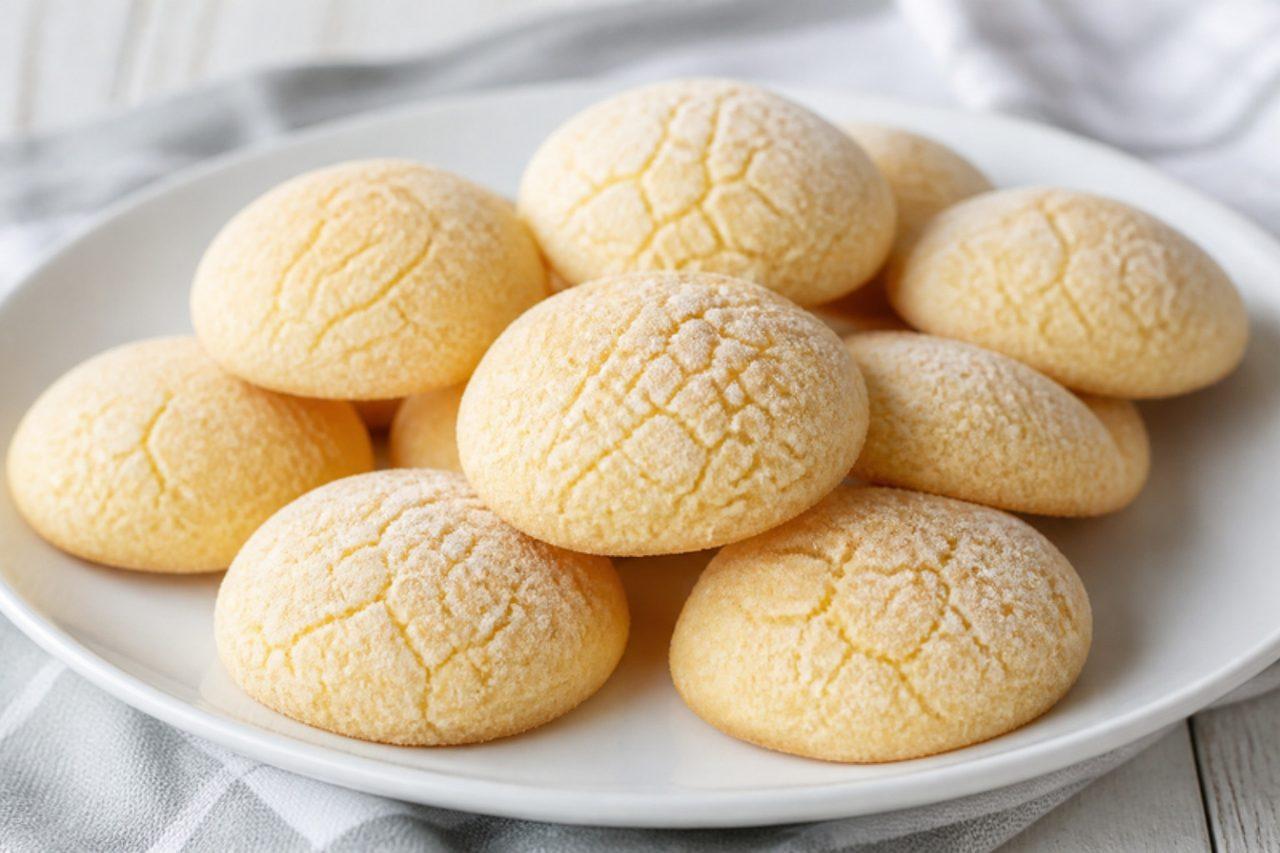
Drömmar, 'dreams', are on almost every plate of the seven kinds of cookies that Swedish hosts traditionally set out for kafferep, the old coffee party, and grandmothers in Dalarna still bake them by the tin. They are pale, domed and so light they crack and melt on the tongue. That texture comes from hjorthornssalt, baker's ammonia, which smells strongly while baking but leaves nothing behind once the cookies are cooked through. Baking powder works too, but the cookies will be less airy. A common mistake is baking at a high heat; they must stay white. Chef's tip: bake in a low oven until completely dry inside, or the ammonia taste lingers.

by KrazyBadal 0 views

Lompat tikamLayered pandan and coconut sweet

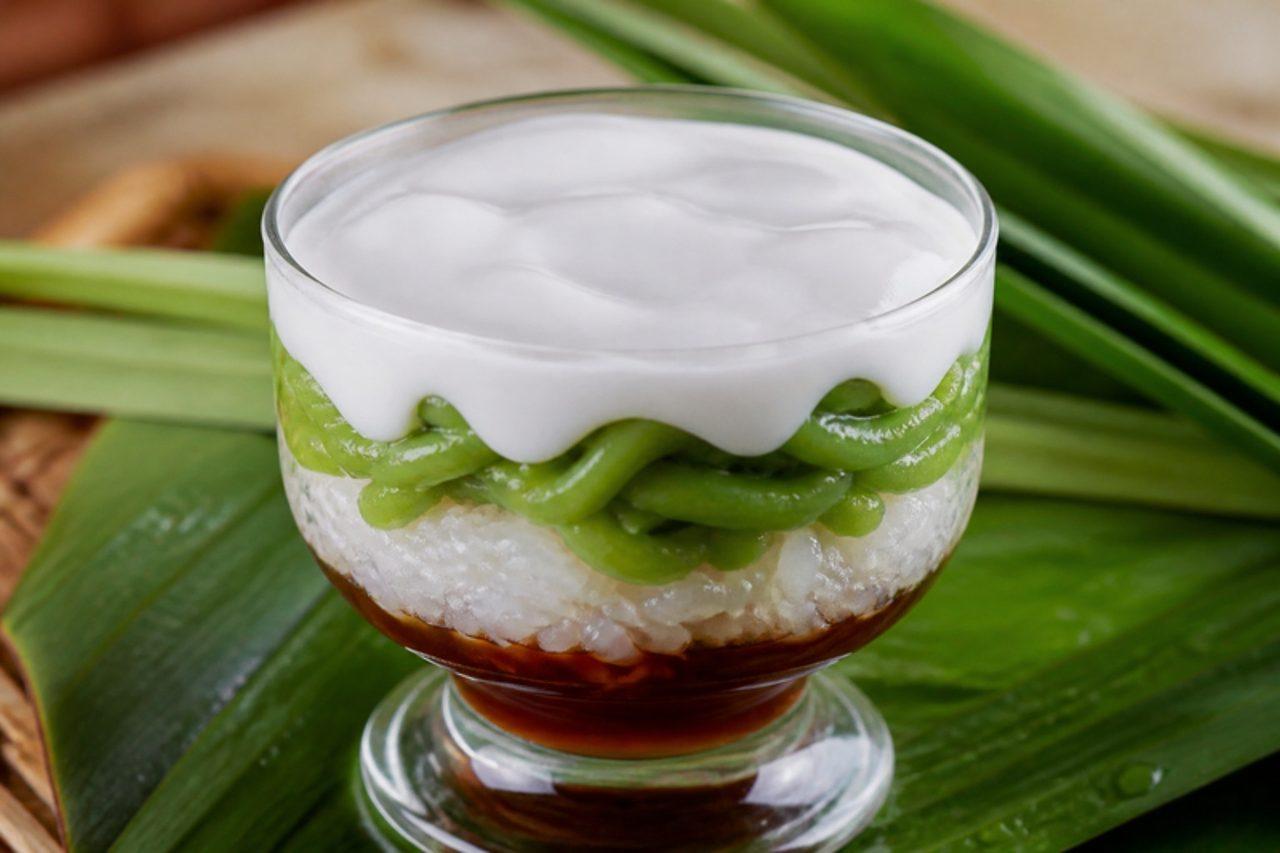
Kota Bharu and Kuala Terengganu Ramadan stalls ladle lompat tikam into plastic bags or cups for the walk home before buka puasa: a pool of dark gula Melaka syrup, chewy strips of green pandan dough, soft glutinous rice and a lid of salted coconut cream. The name means roughly 'jump and stab', and nobody agrees why. It is three small jobs that come together in a glass, so make the parts ahead. Chef's tip: a thin, runny coconut layer is the common disappointment; cook it until it is thick and spoonable so it sits on top instead of sinking into the syrup.

by KrazyBadal 0 views

Air jagungSweet corn drink

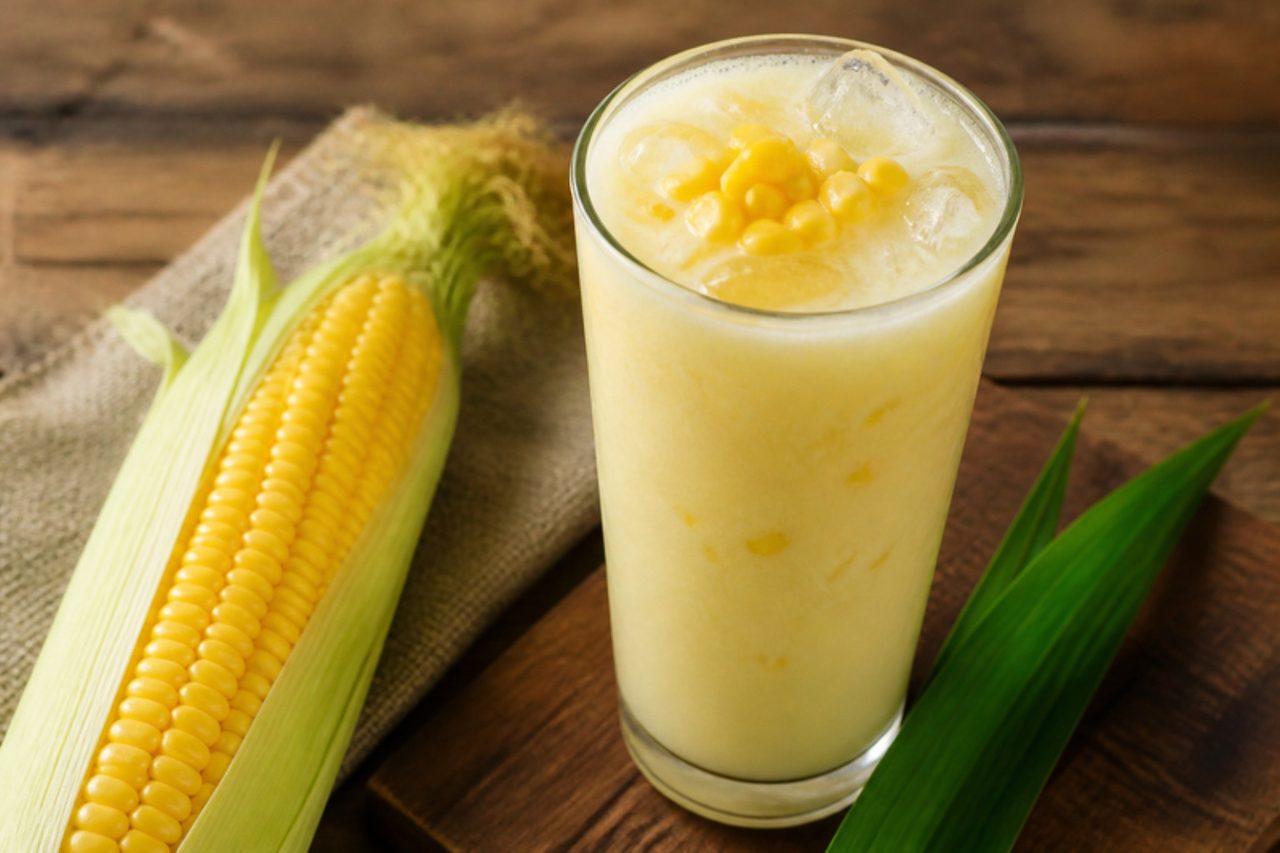
Night markets in Selangor and Perak sell air jagung in tall cups, a pale-yellow, lightly sweet drink made from fresh corn cooked with pandan and blended smooth; some stalls stir in evaporated milk, but the plain version is vegan and very refreshing. It tastes like the milk from the bottom of a bowl of sweetcorn, with a grassy pandan note. Chef's tip: skipping the sieve is a common short cut that leaves the drink gritty with husk; strain it well, pressing on the pulp.

by KrazyBadal 0 views

Es cincauGrass jelly drink

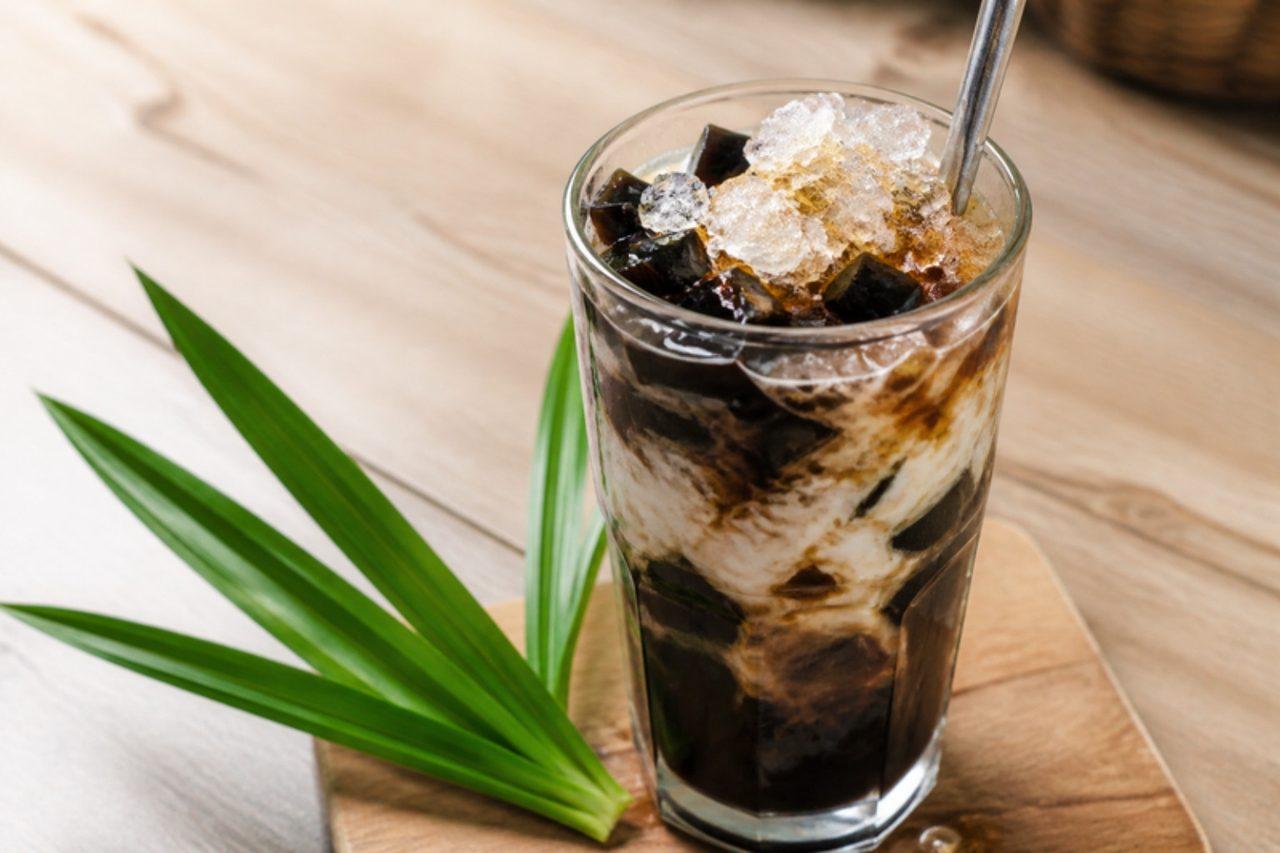
Glasses of es cincau are handed out at Ramadan iftar tables across Java and sold from roadside carts all year on hot afternoons. Cubes of black grass jelly, with its slightly bitter, herbal taste, sit in pale coconut milk and dark palm-sugar syrup over crushed ice, and the contrast is the whole joy of it. Ready-made grass jelly in tins is fine; this recipe sets your own from grass jelly powder. Chef's tip: let the jelly set fully and cold before cutting; cut warm, it tears and melts into the drink.

by KrazyBadal 0 views

Kuih lopesSticky rice triangles with coconut

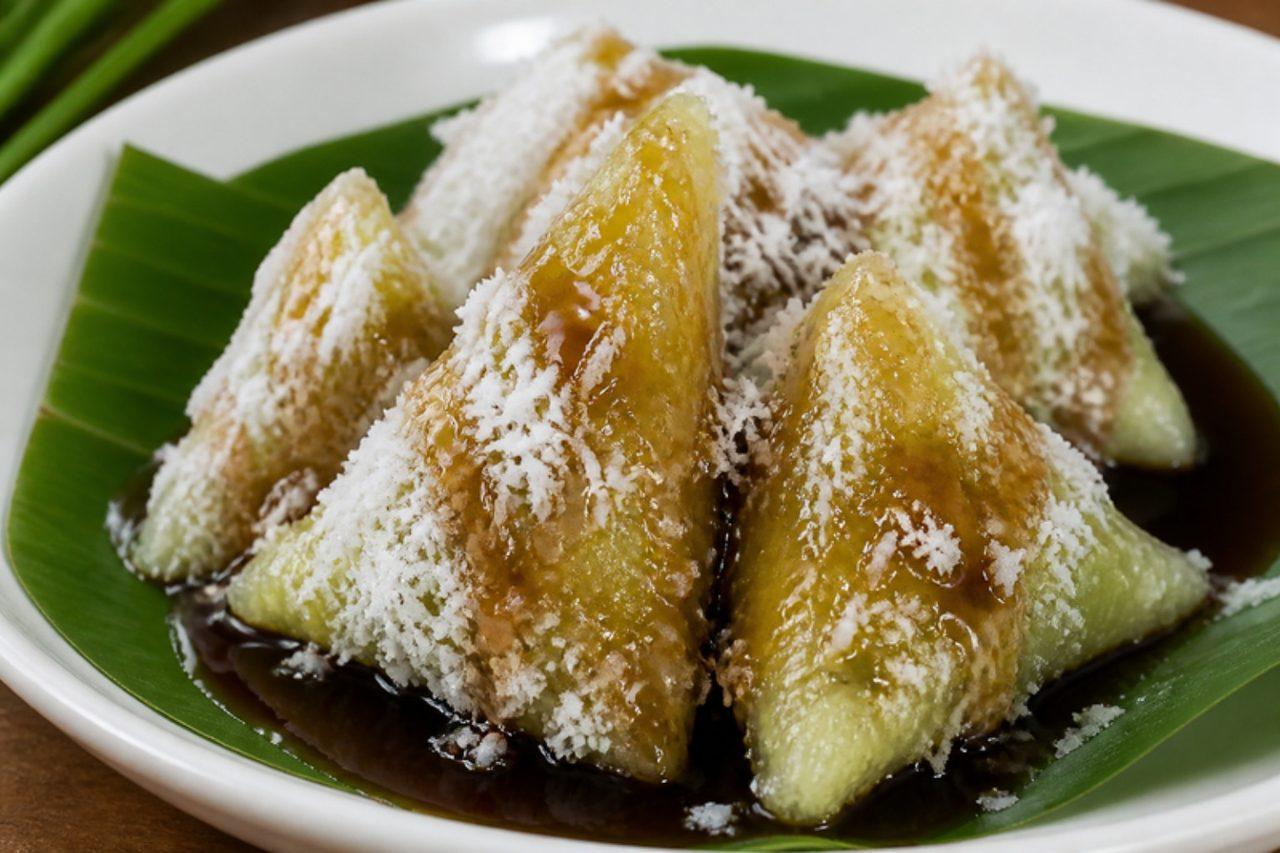
Kuih lopes turn up at Malay breakfast stalls and Ramadan bazaars, especially in Perak and Selangor: dense triangles of soft-cooked glutinous rice rolled in white grated coconut, then flooded with thick gula Melaka syrup at the moment of serving. Cooking the rice wrapped tightly in pandan leaves or foil for a long time is what fuses the grains into one chewy slab. The contrast of salty coconut, smoky syrup and plain rice is the point. Chef's tip: don't skimp on the boiling time; under-cooked lopes stay grainy and fall apart when cut.

by KrazyBadal 0 views

Teh O ais limauIced black tea with lime

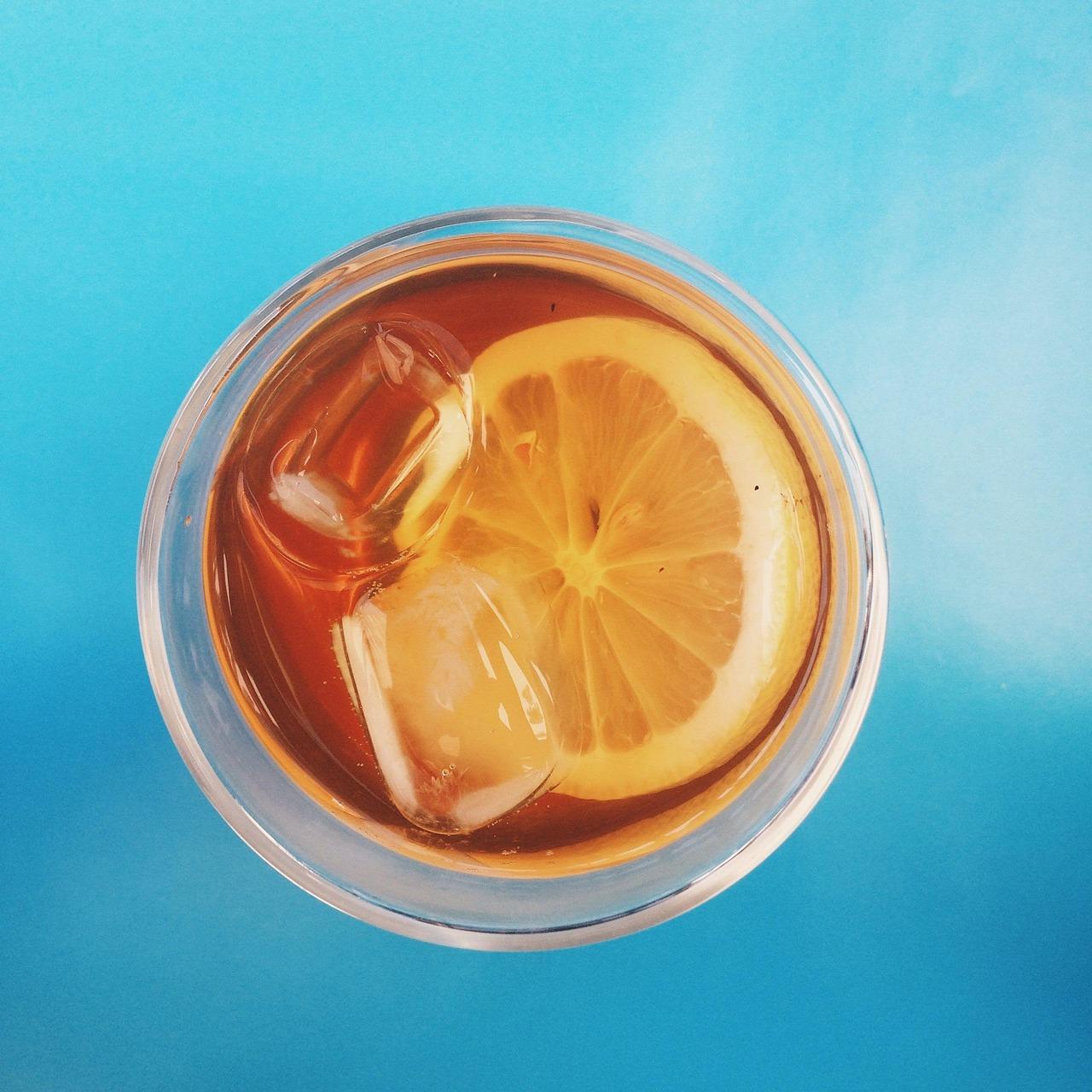
In kopitiam shorthand, 'teh' is tea with milk, 'O' means no milk, 'ais' is iced and 'limau' adds lime, so this is the order Malaysians shout across the counter on a sticky afternoon in Penang or Kuala Lumpur. Strong, sweetened black tea is cooled over ice and squeezed with lime until it tastes like a sharper, less perfumed iced lemon tea. It goes with fried noodles and roti. Chef's tip: pouring hot tea straight onto a glass of ice dilutes it into weak tea; brew it double strength, or chill it first.

by KrazyBadal 0 views

Air katiraBasil seed and gum drink

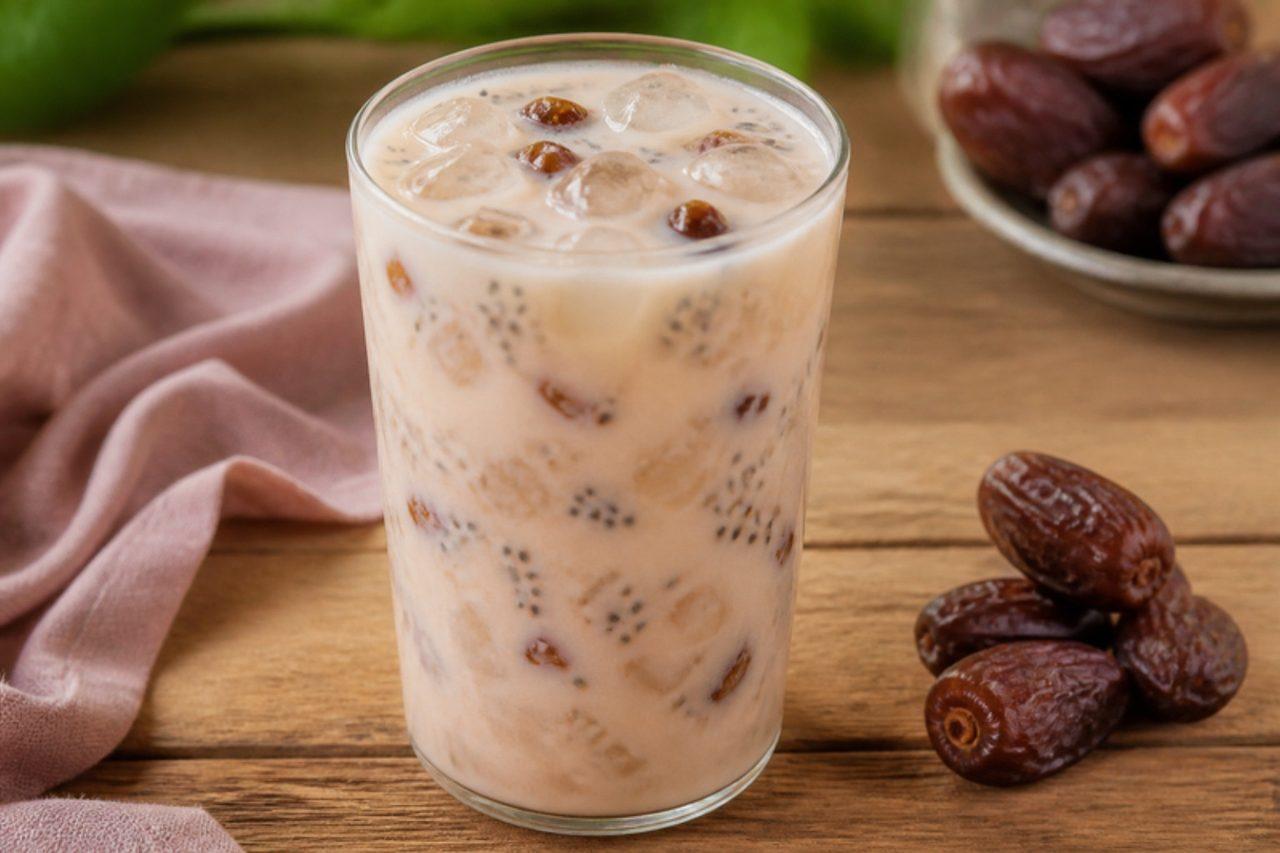
Air katira comes out at Kelantan's Ramadan bazaars in Kota Bharu, sold in bags of milky drink full of soft, jelly-like katira gum and speckled basil seeds, often with slivers of date. Katira is tragacanth gum, soaked overnight until it swells into translucent, wobbly crystals; it is believed to cool the body after a day of fasting. Find it at Indian or Middle Eastern grocers as 'gond katira'. Chef's tip: not soaking the katira long enough is the usual mistake; hard centres crunch unpleasantly, so give it at least 8 hours in plenty of water.

by KrazyBadal 0 views

Kuih talamPandan coconut layer cake

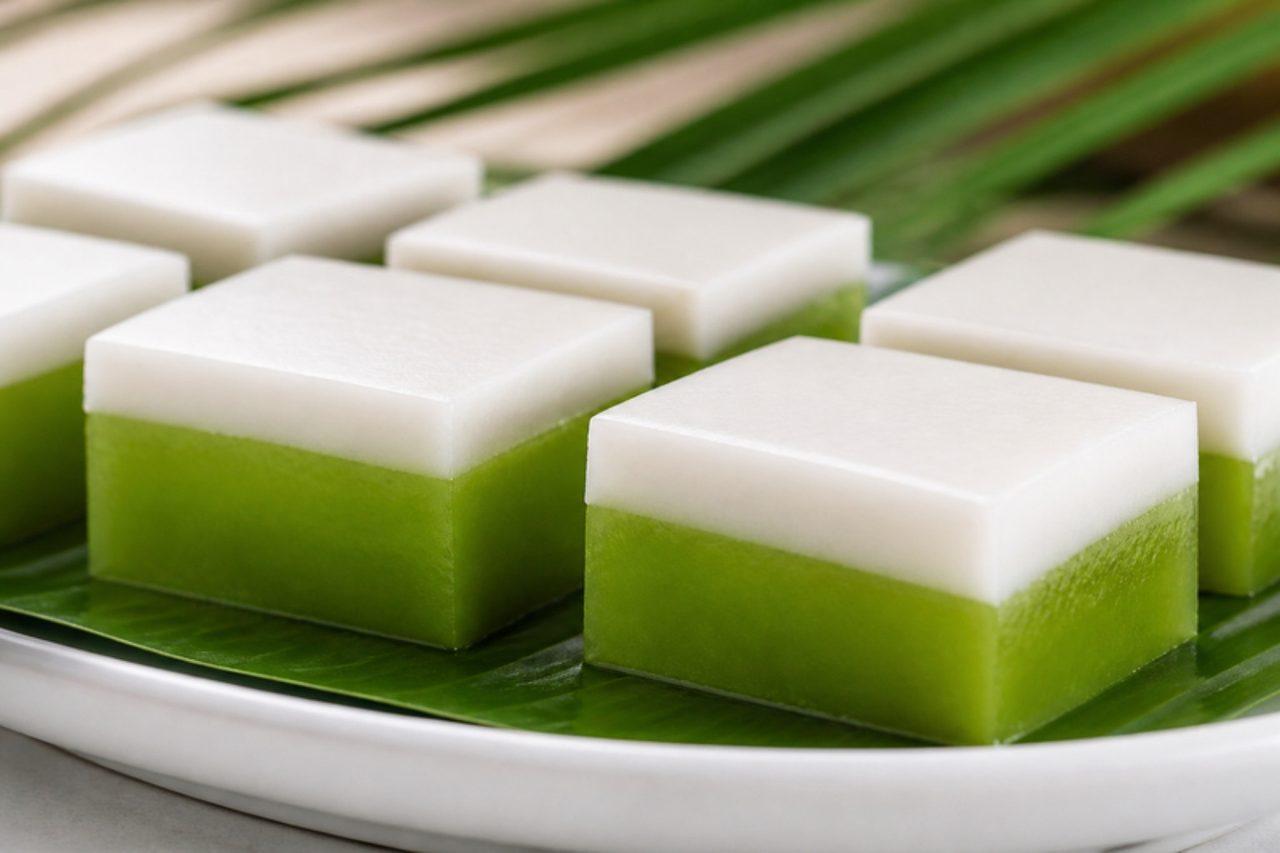
Trays of kuih talam sit on almost every kuih stall from Johor Bahru to Alor Setar, cut into neat green-and-white squares that office workers pick up with their morning kopi. The bottom layer is a springy pandan jelly of rice flour and tapioca; the top is a soft, slightly salty coconut layer that melts against it. It needs a 20 cm square tin and a wok or steamer with a lid, and it slices best the next morning. Chef's tip: wrap the steamer lid in a cloth; condensation dripping onto the white layer leaves pockmarks and a watery top.

by KrazyBadal 0 views

Chanh muốiSalted lime drink

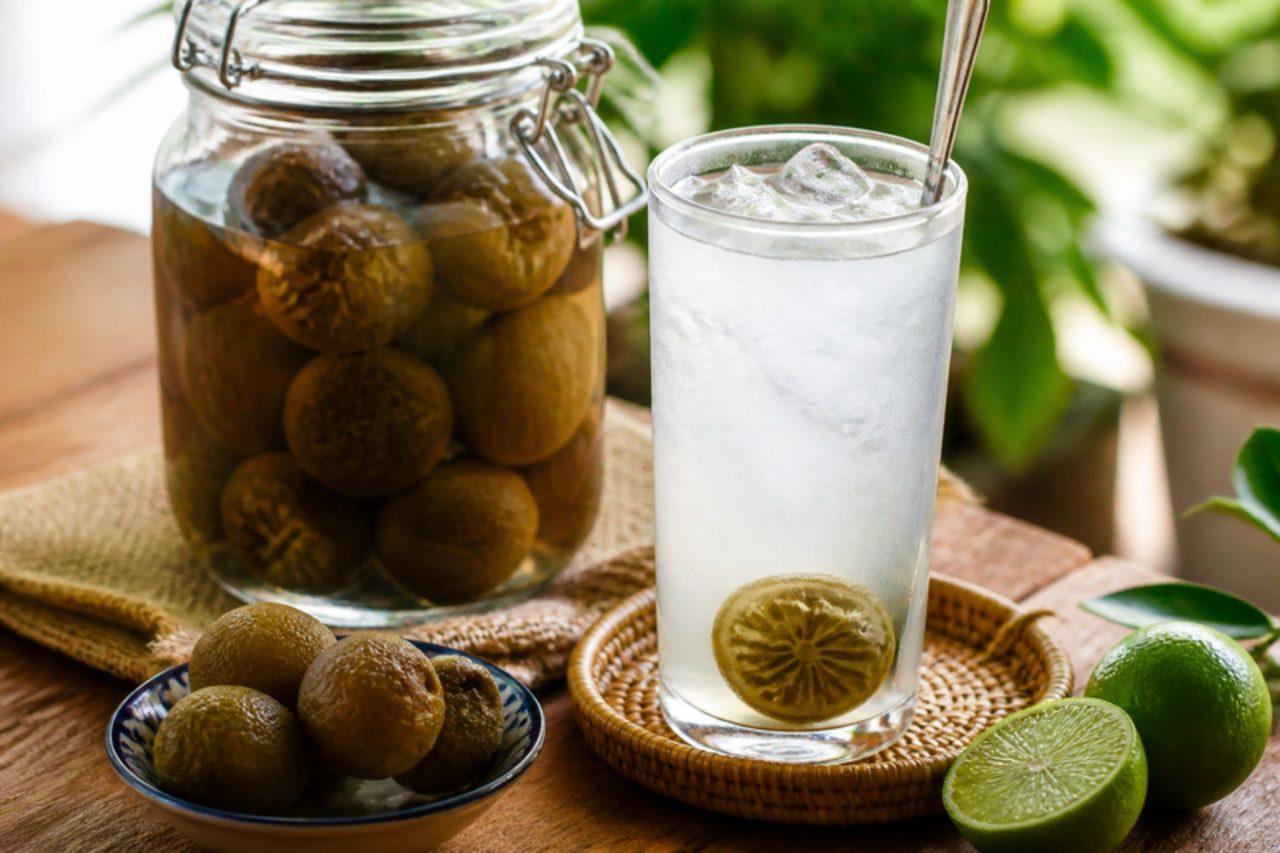
Vietnamese households keep a jar of chanh muối, limes cured in salt until they turn soft and olive-brown, on a sunny shelf for months; on a sweltering day a lime or two is muddled with sugar and topped up with ice water or soda water. The drink is salty, sour and sweet all at once, and grandmothers swear by it for sore throats and after a bout of sun. This recipe makes the jar of cured limes (allow four weeks before the first glass) and then the drink itself. Chef's tip: dry the limes completely after blanching; any water left on the skins lets mould take hold in the jar.

by KrazyBadal 0 views

NifroBoiled wheat and chickpeas

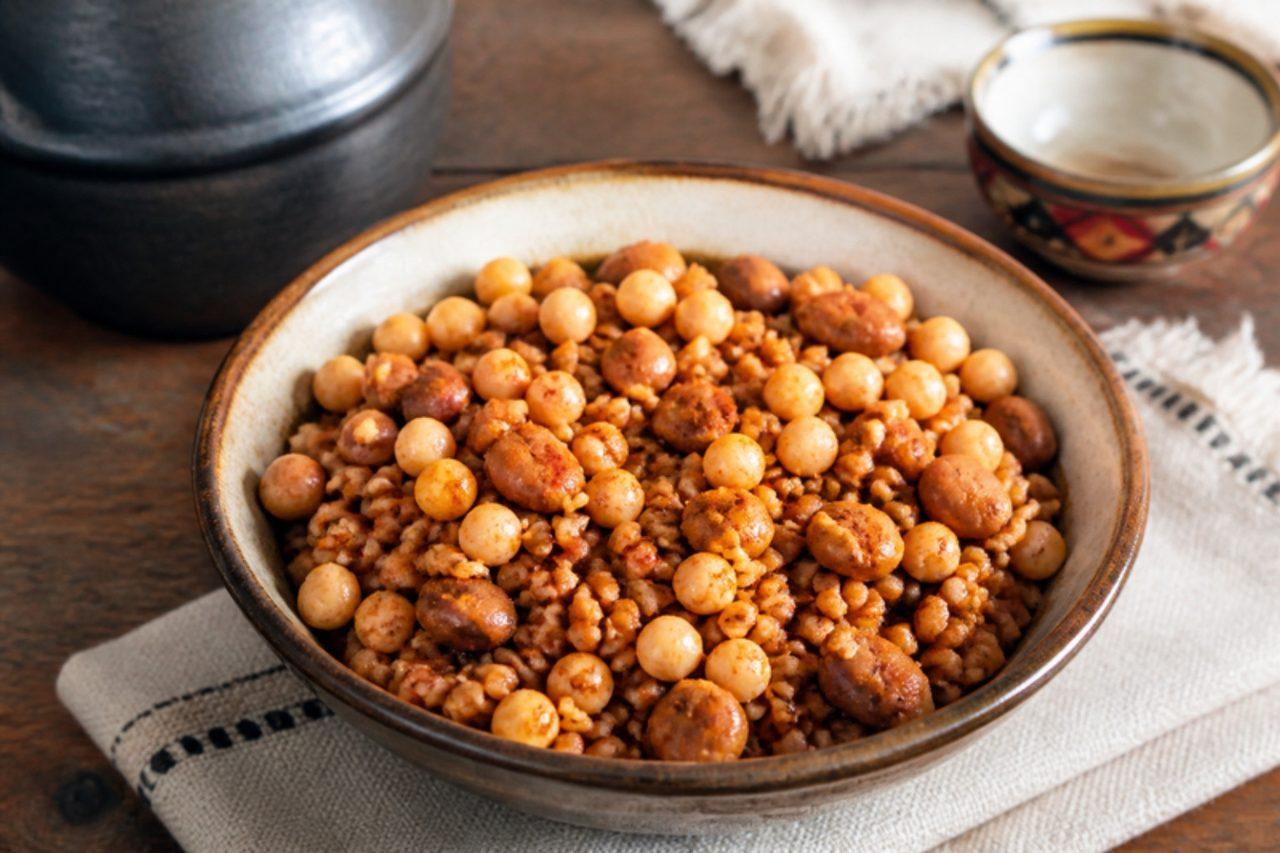
When a baby cuts a first tooth, Ethiopian families celebrate with tirs mastecha, and the dish at the centre is nifro: a big pot of whole wheat berries, chickpeas and fava beans boiled with salt and handed round warm in cupped hands or small bowls. It also turns up at funerals, saints' day gatherings and long coffee ceremonies in Gondar and Addis, chewy, nutty and plain in the best way. The common mistake is boiling everything together from dry, so the wheat bursts while the fava stay hard; soak them all overnight and add the wheat later. Fava beans are unsafe for anyone with G6PD deficiency (favism), so leave them out if in doubt. Not gluten free. Chef's tip: once drained, toss the warm nifro in a dry pan for two minutes; it dries the surface and makes the salt and a pinch of berbere cling.

by KrazyBadal 0 views

Roz bel shaareya (Egyptian vermicelli rice)

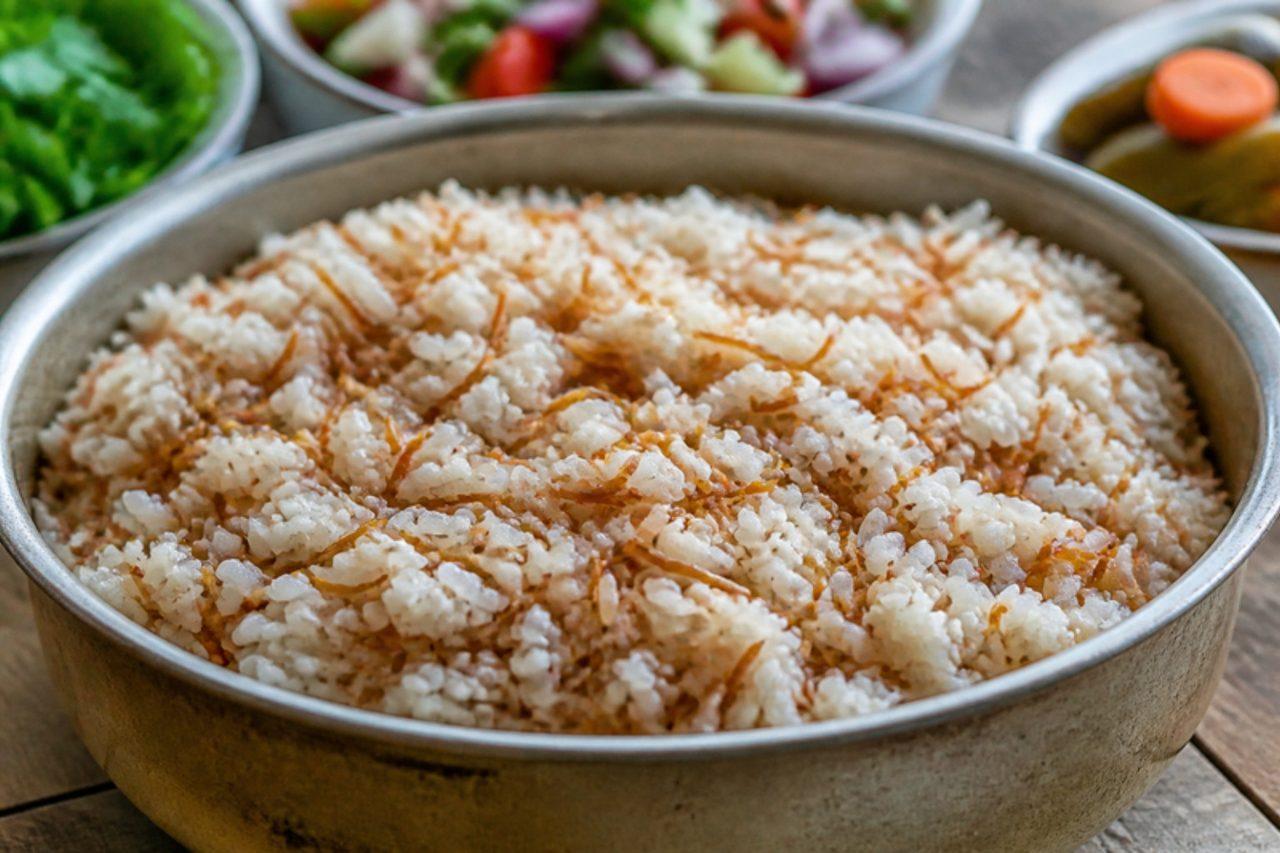
Not a single Egyptian stew is served without roz bel shaareya: short-grain rice cooked with vermicelli that has been toasted in butter or samna until it's the colour of a walnut shell. It's on the table every day in homes from Aswan to Alexandria, soft and slightly sticky, with nutty brown flecks through it. Serve it under fasolia, bamia or molokhia. Most people under-toast the vermicelli out of fear of burning it; pale shaareya tastes of nothing. Chef's tip: let the cooked rice sit covered with a clean tea towel under the lid for 10 minutes; it dries the grains and keeps them separate.

by KrazyBadal 0 views

Cà phê muốiSalt coffee

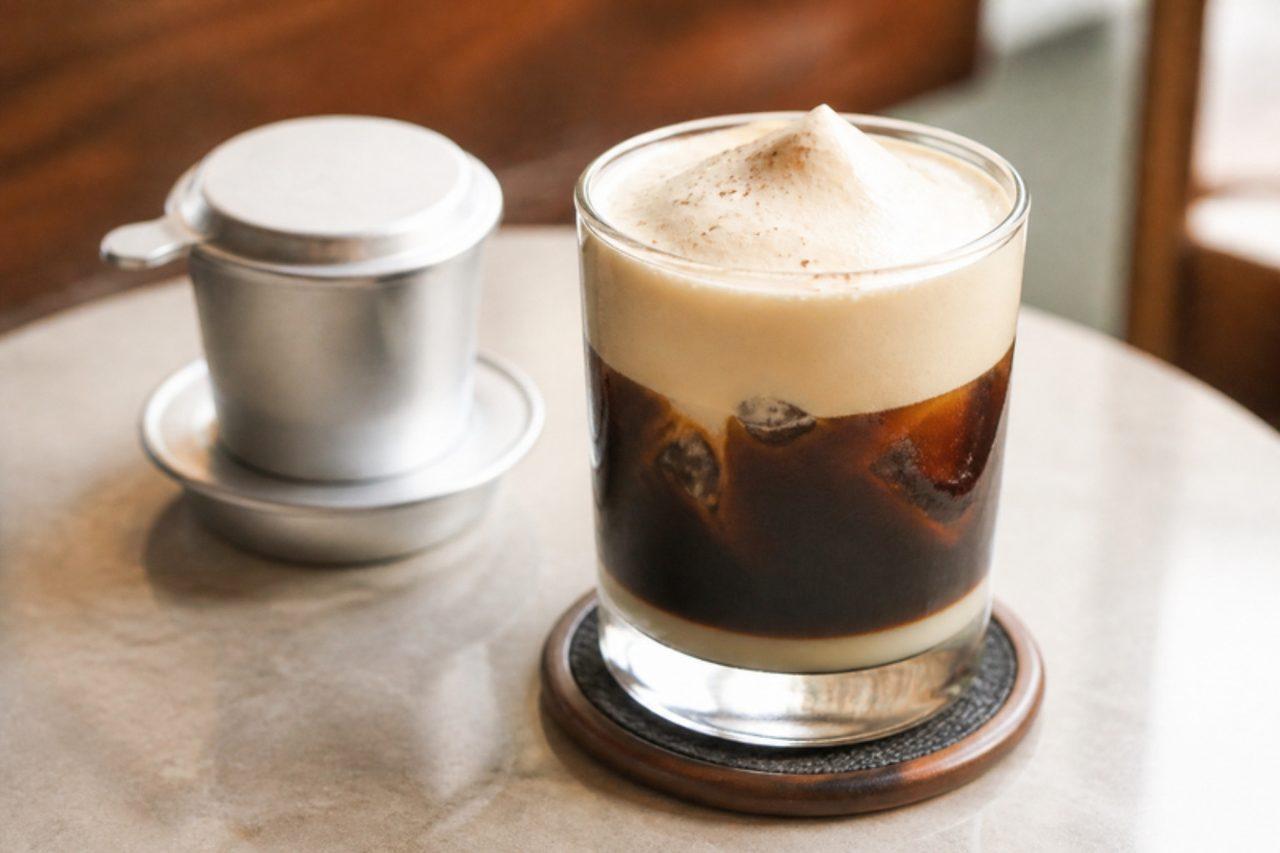
A family café in Huế's citadel quarter began topping its coffee with salted cream, and now cà phê muối is served across central Vietnam and in trendy cafés in Saigon and Hanoi. Sip it without stirring: first the cool, faintly salty cream, then sweet condensed milk and strong phin coffee, the salt rounding off the bitterness much like a pinch in caramel. It is good hot or poured over ice. Chef's tip: use only a small pinch of salt per glass; too much and the drink tastes like seawater rather than salted caramel.

by KrazyBadal 0 views

Kuskusi bel sukkar (Egyptian sweet couscous)

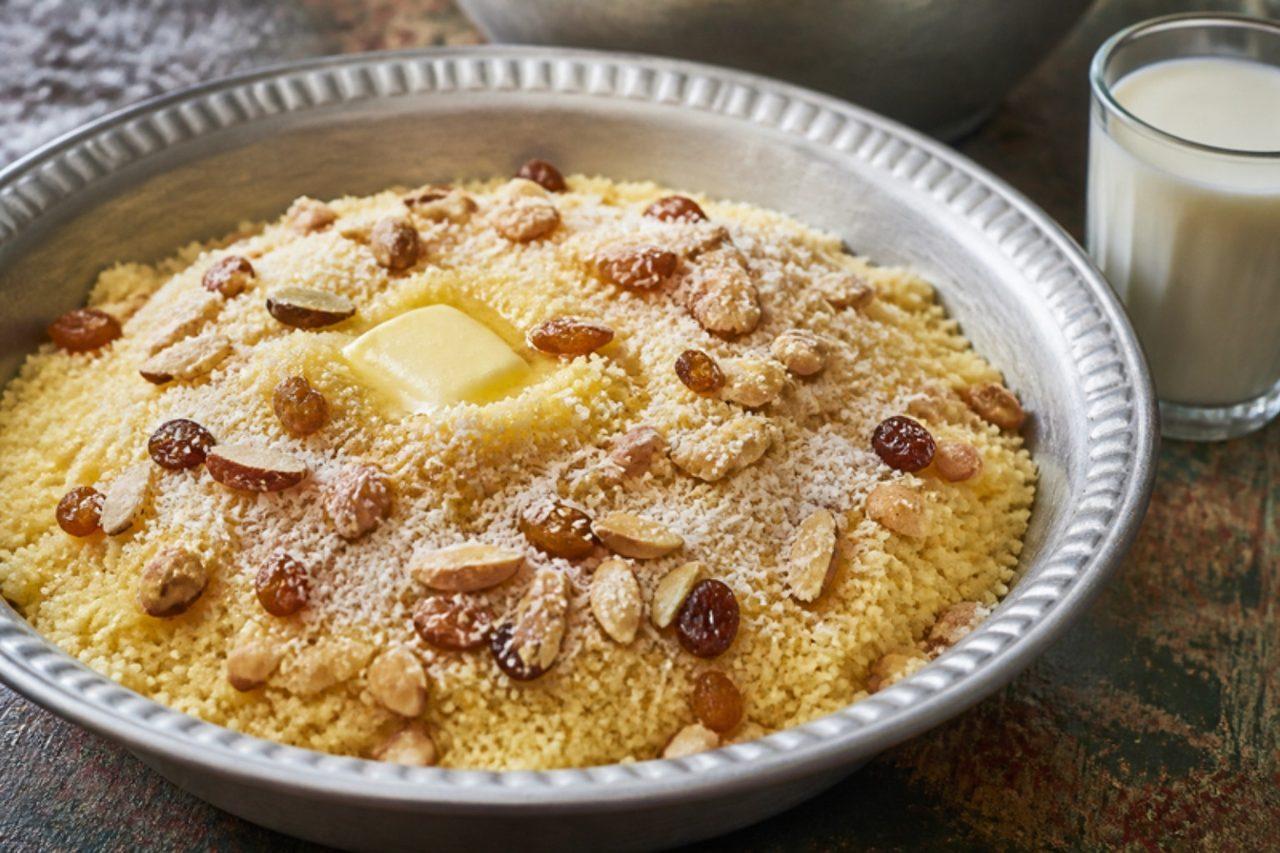
Egyptians eat couscous sweet, not savoury: in Cairo and the Delta, street-side sweet shops sell kuskusi by the bowl in the evening, steamed with samna, heaped with powdered sugar, nuts and raisins, and sometimes covered with hot milk. At home it's a winter supper or a Friday breakfast treat. Pouring boiling water straight over instant couscous and leaving it gives a gluey lump; steaming it in two short rounds and rubbing in the butter keeps every grain separate. Chef's tip: warm the milk with a cinnamon stick and pour it over just before eating, so the couscous stays fluffy on top. Contains wheat, milk and tree nuts.

by KrazyBadal 0 views

Baba dudu

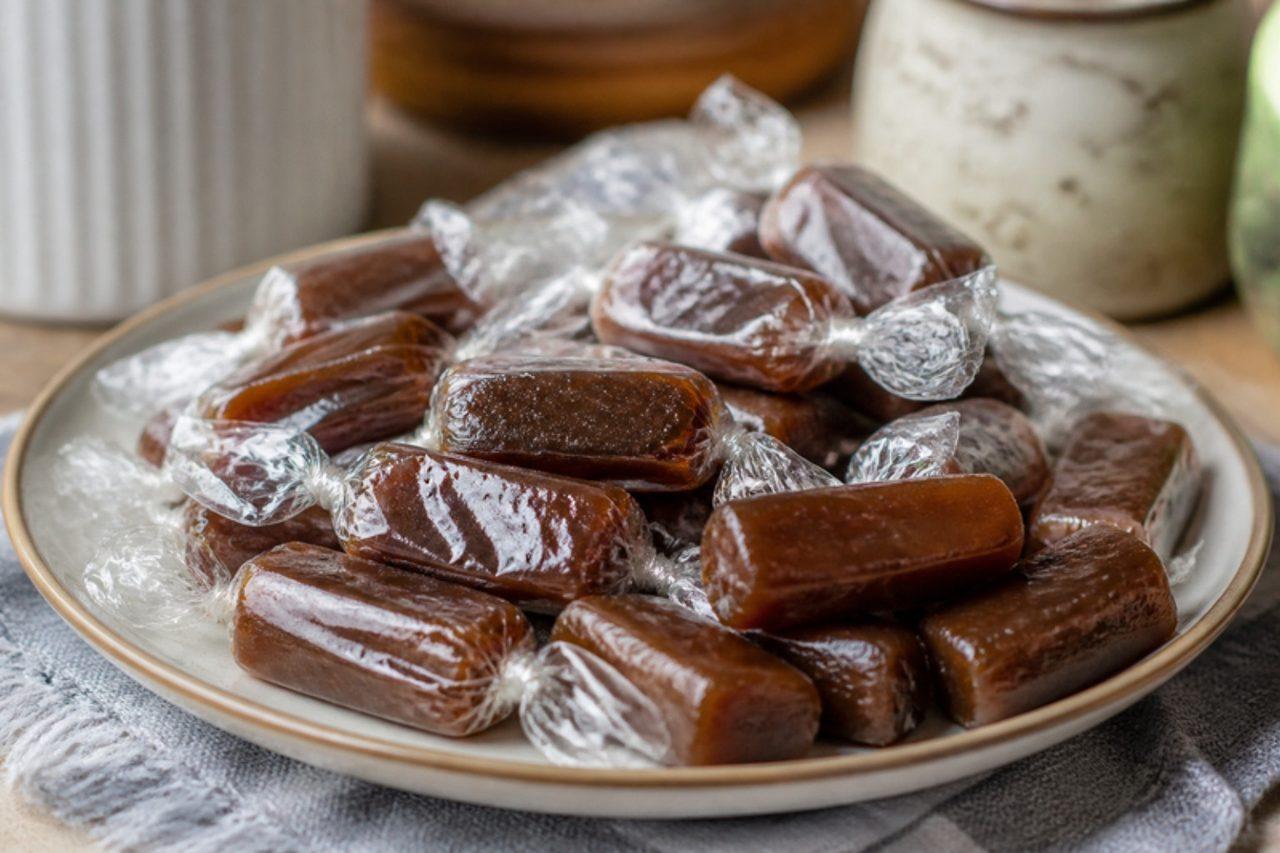
Yoruba children of the 70s and 80s remember baba dudu, "the black one", bought for a coin from sweet sellers outside school gates in Ibadan and Abeokuta: sugar and butter cooked until almost black, then pulled and cut into small chewy pieces that taste of toffee and burnt caramel. It is easy to make at home, but hot sugar burns badly, so keep children away from the stove. The candy is a choking risk for small children and isn't suitable for under-1s. The mistake is taking it off the heat too early: pale caramel stays soft and sticky, so wait until it is the colour of strong tea and a drop sets firm in cold water. Chef's tip: oil your scissors and cut the strip while it is warm and pliable; once cold it shatters.

by KrazyBadal 0 views

Donkwa

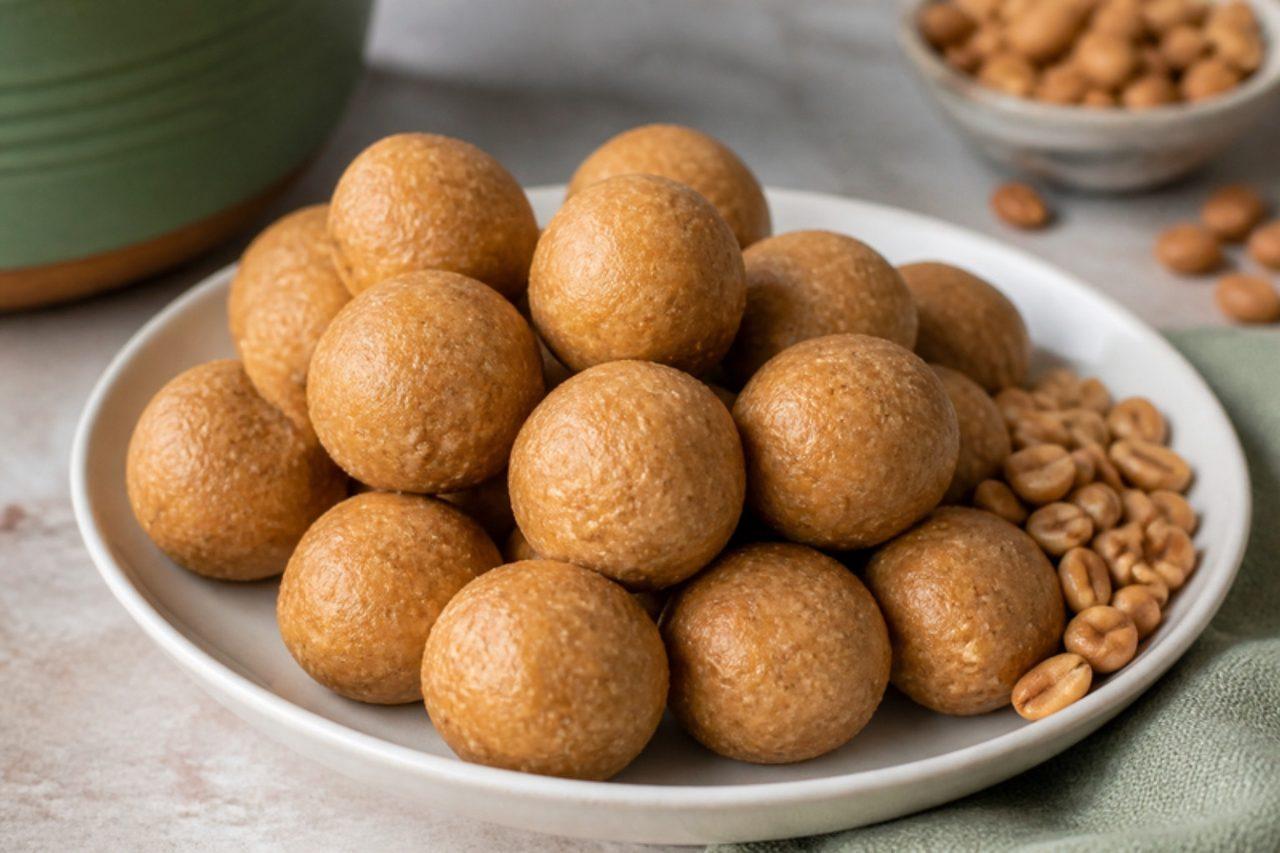
Children in Kano and Sokoto buy donkwa from trays at the market gate, and in Yoruba towns it is sold as a sweet-hot snack on the walk home from school: firm little balls of toasted corn flour pounded with roasted groundnuts, sugar and a pinch of dried pepper, bound by the nuts' own oil. They are crumbly, nutty and gently spicy. Contains peanut. The common mistake is under-toasting the corn: raw corn flour tastes chalky and floury, so keep stirring until it is pale biscuit-coloured and smells like popcorn. Chef's tip: if the mixture won't hold, add the oil drop by drop and squeeze each ball hard in your fist before rolling it smooth.

by KrazyBadal 0 views

Mahalabeya (Egyptian milk pudding)

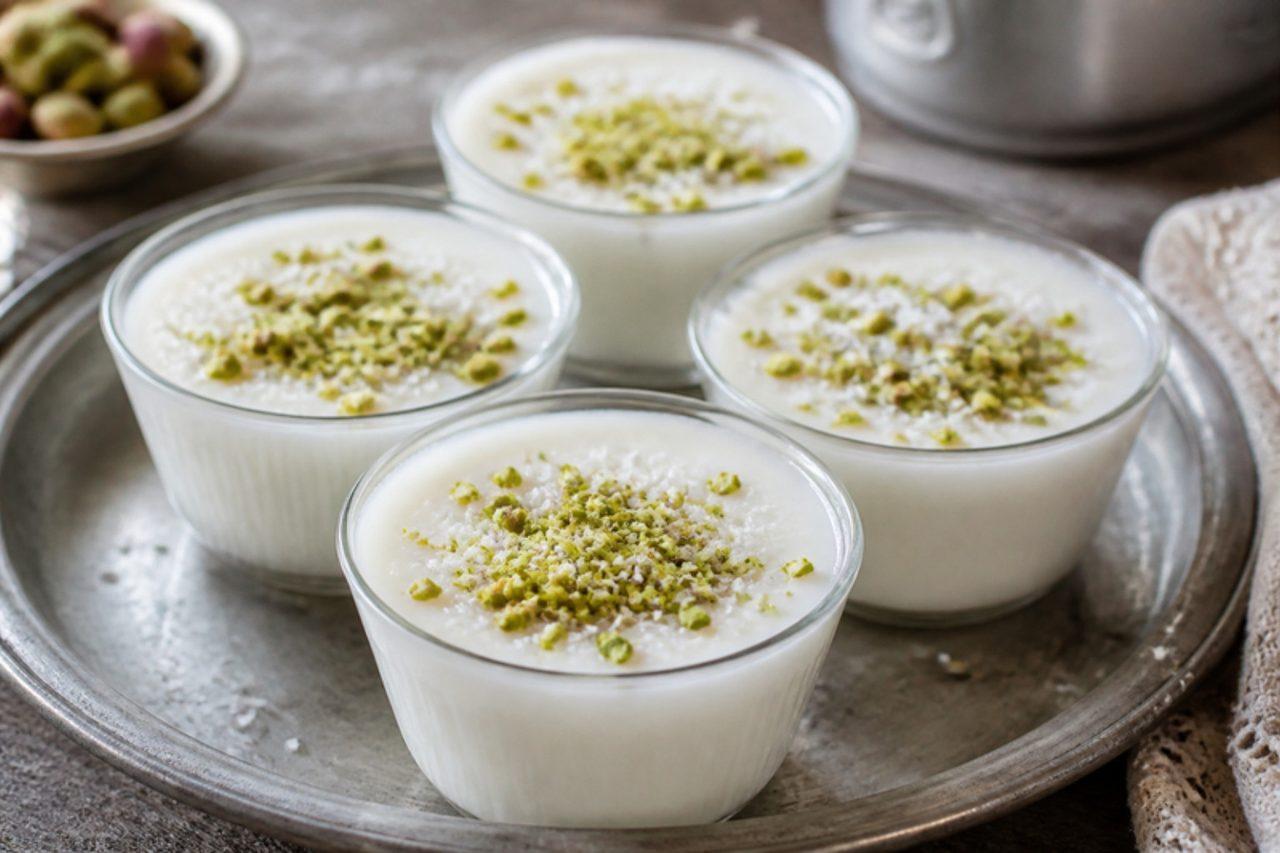
Every corner sweet shop in Cairo has trays of mahalabeya cooling in the window, and at home it is the dessert made in ten minutes when guests ring to say they're coming. Milk is thickened with cornflour into a trembling, silky pudding, scented with rose or orange-blossom water and topped with chopped pistachios or coconut. Serve chilled in small glasses. Lumps are the usual complaint: mix the cornflour into cold milk first, never into hot. Chef's tip: stir in the rose water only after the pan comes off the heat; boiling kills its perfume. Contains milk and nuts (pistachio topping).

by KrazyBadal 0 views

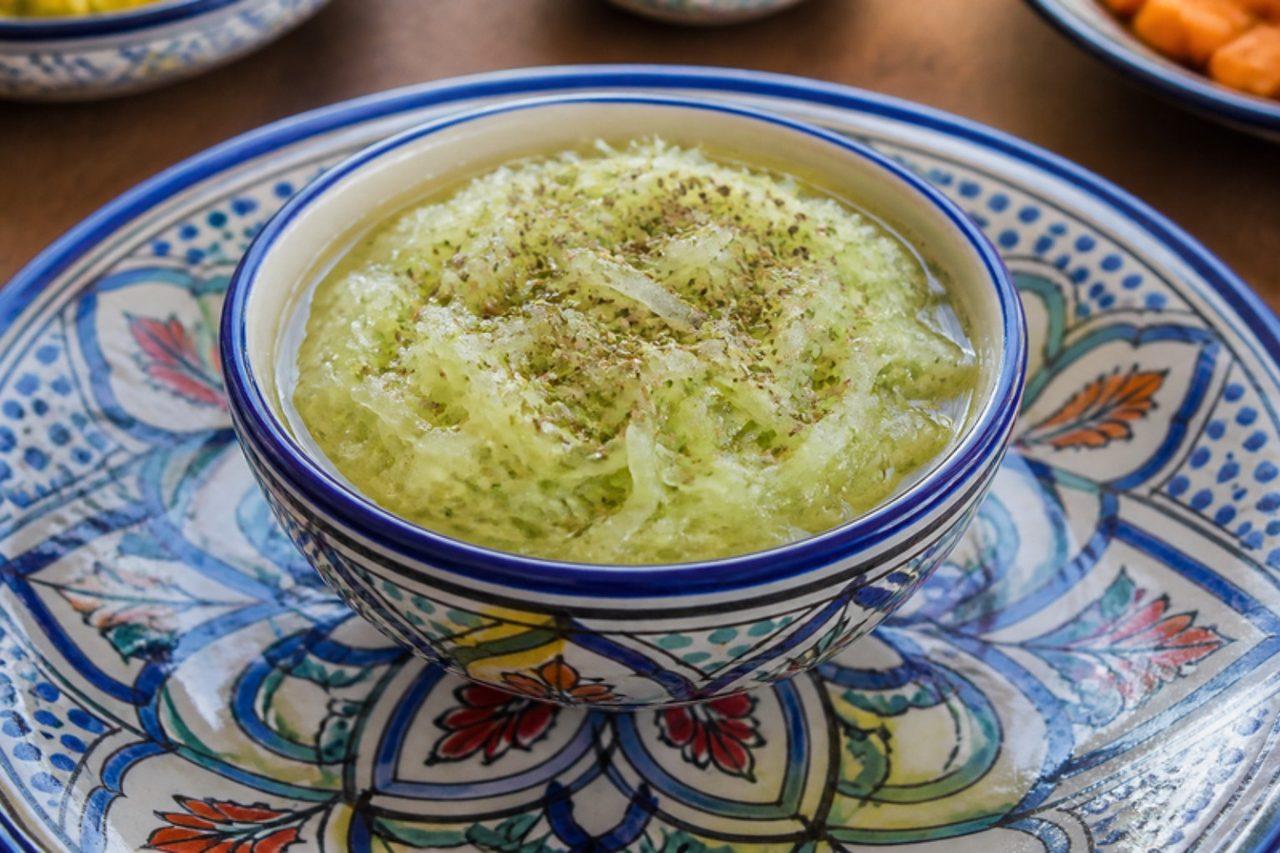
Shlada khiar (grated cucumber salad with oregano)

In the heat of a Fes or Marrakech summer, this ice-cold grated cucumber salad is served in bowls with spoons, half salad, half drink, alongside rich tagines or a plate of fried fish. Cucumber is grated and loosened with water, vinegar and a little sugar, then perfumed with crushed dried oregano or zaatar. Grating ahead and leaving it to sit in salt is the usual slip; the cucumber goes limp and bitter. Chef's tip: rub the oregano between your palms over the bowl to wake its oils.

by KrazyBadal 0 views

Nigerian custard

In homes across Nigeria, from Kaduna to Benin City, custard is a breakfast drink-porridge as much as a pudding: custard powder is mixed to a paste, then set in seconds with a kettle of boiling water and finished with evaporated milk and sugar. Bowls of it are eaten hot with akara or moi moi, the sweet custard against the peppery bean cakes. The mistake is using water that has gone off the boil; it must be furiously boiling or the custard stays thin and floury. Custard powder is mostly cornflour, but check the label if you need it gluten-free. Chef's tip: stir the boiling water in with one hand while you pour with the other, in a steady stream, and the custard sets glossy and lump-free.

by KrazyBadal 0 views

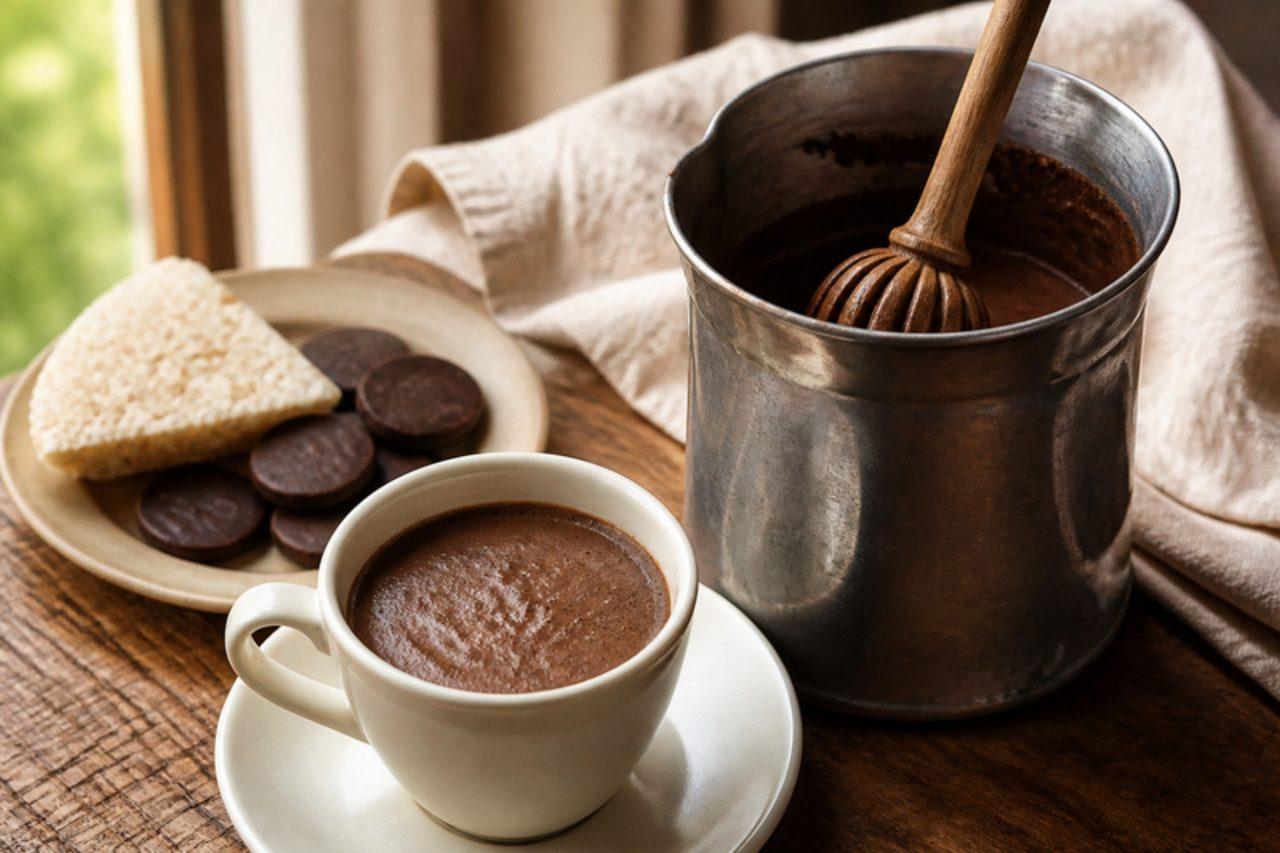
TsokolateThick hot chocolate

Discs of pure roasted cacao called tablea, pressed by hand in Batangas and Cebu, melt into the thick, slightly gritty tsokolate that Filipinos drink on Christmas mornings with puto bumbong or bibingka. It is whisked in a tall pot with a wooden batidor rolled between the palms until it foams, and it tastes deep, bitter-sweet and earthy rather than milky. A little milk softens it; many families drink it with water only. Chef's tip: keep the heat low once the tablea melts; boiling cacao hard makes it scorch and taste burnt.

by KrazyBadal 0 views

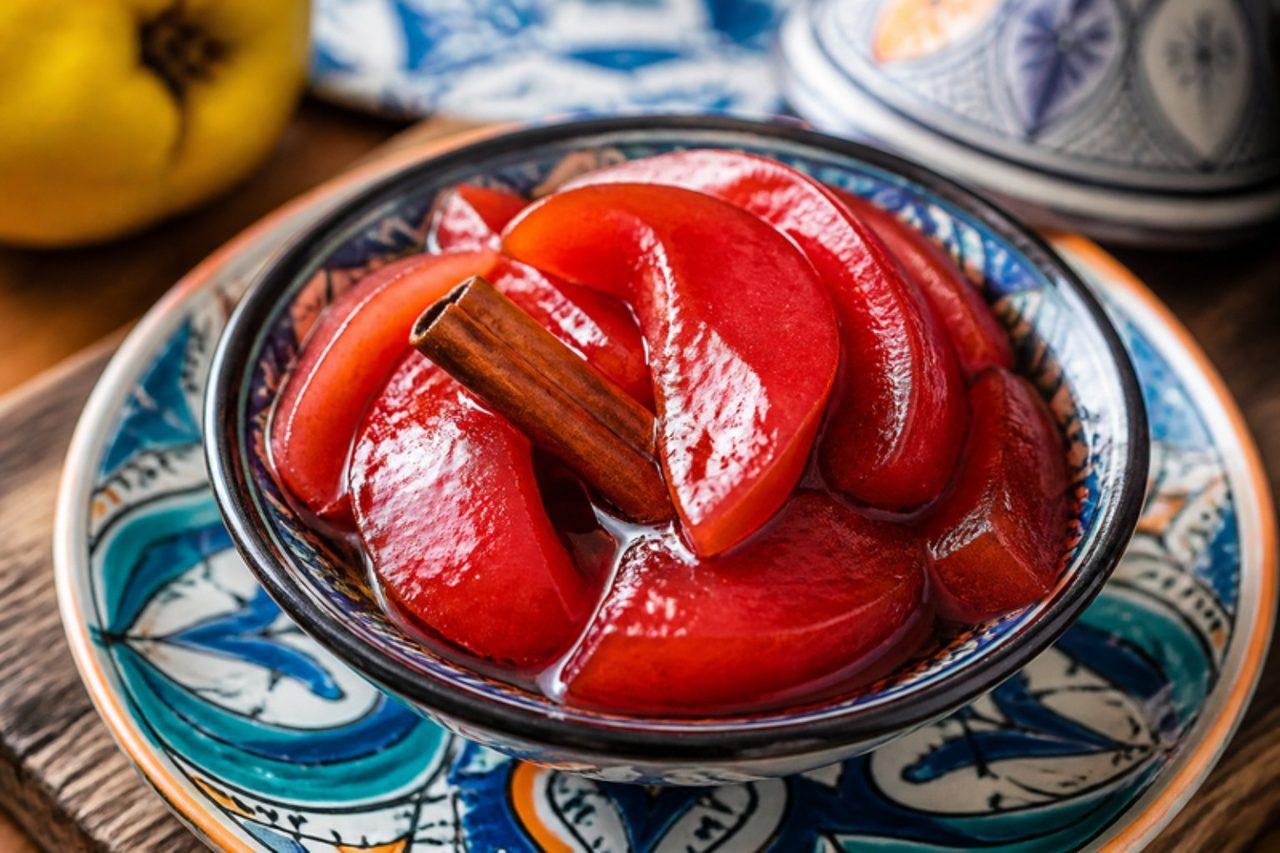
Moroccan quince preserve (mrabba sfarjal)

When quinces fill the market stalls of Fes and Meknes in October, households cook them down into this deep red preserve for winter breakfasts with msemen, baghrir and fresh cheese. The pale fruit turns ruby only with long, gentle cooking, the slices staying whole in a thick, cinnamon-scented syrup. Spread it on bread or serve a spoon next to soft cheese. Impatient cooks boil it hard and get a pale, sticky jam; the colour needs slow simmering. Chef's tip: tie the quince cores and peel in muslin and cook them with the fruit — they hold the pectin that sets the syrup. Store in sterilised jars.

by KrazyBadal 0 views

Filipino fruit salad

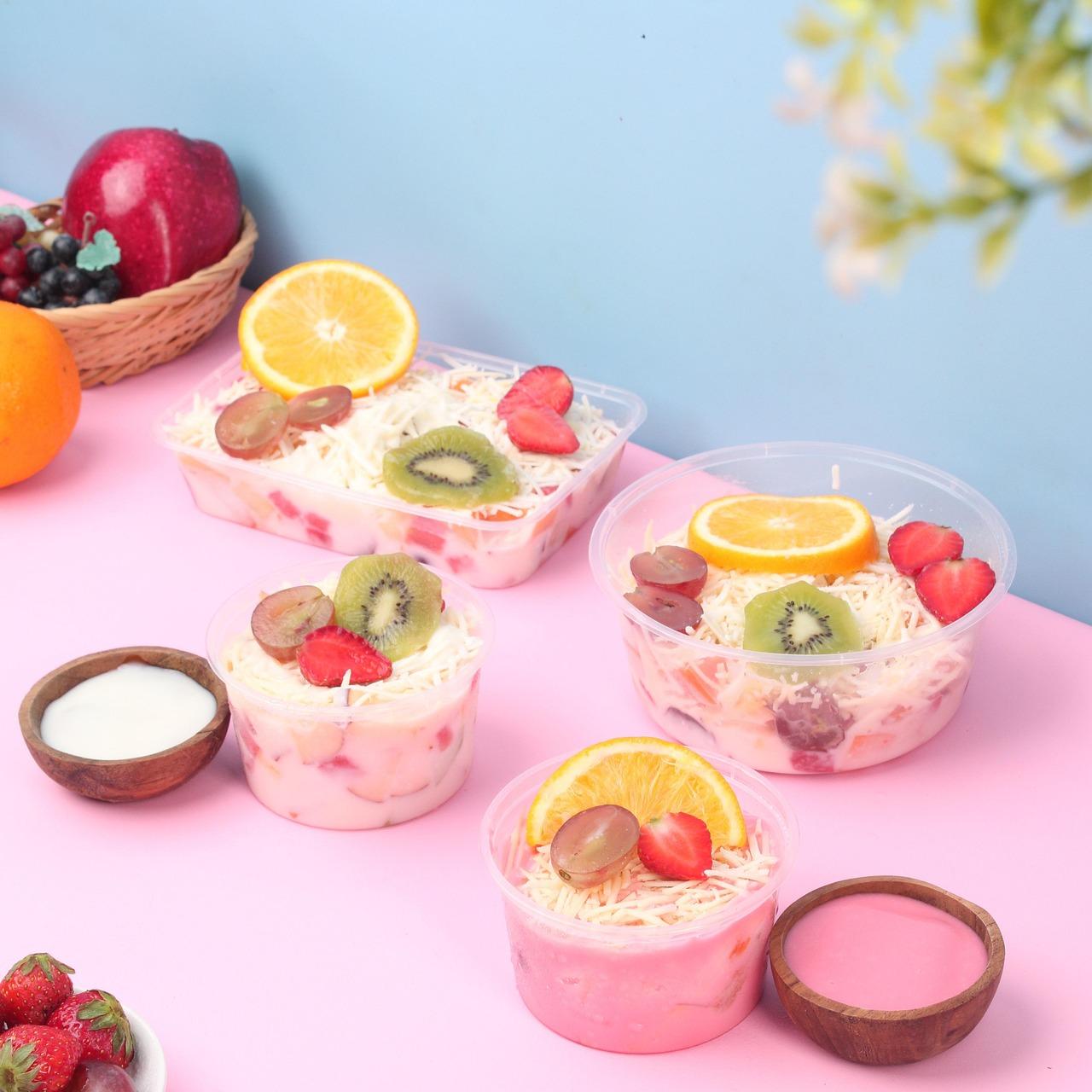
Ask any Filipino family what Christmas tastes like and fruit salad will be near the top of the list: tinned fruit cocktail, chewy nata de coco, sugar-palm kaong and sometimes cubes of cheese, all folded into sweetened cream and chilled until icy. It is made a day ahead for Noche Buena and New Year's Eve and served straight from the coldest corner of the fridge. Chef's tip: drain the fruit really well, even overnight in a sieve; leftover syrup thins the cream into a watery puddle.

by KrazyBadal 0 views

Podina raitaMint yogurt dip

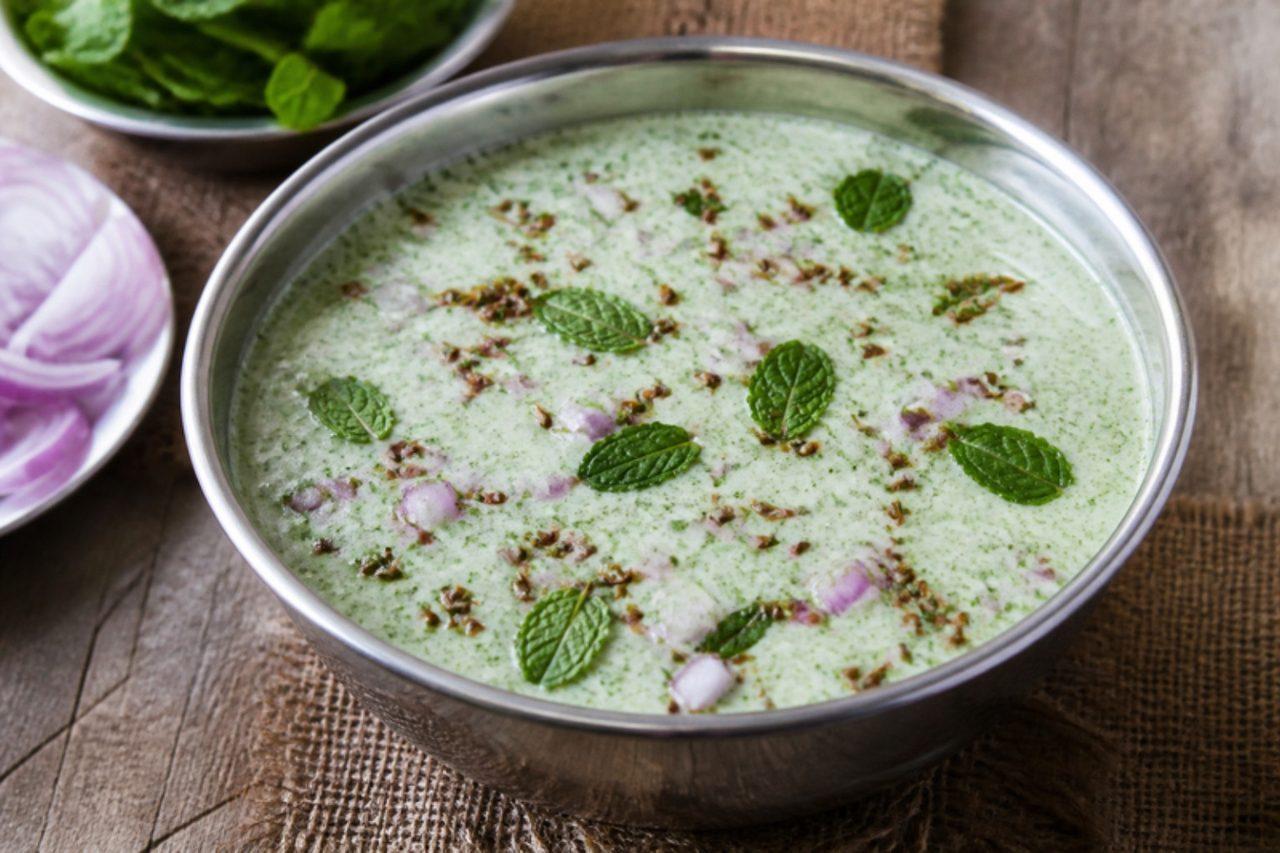
Order a platter of tikka at a Burns Road or Gawalmandi grill and a steel bowl of pale green podina raita lands beside it without asking; it is the cooling counterweight to smoke and chilli, and at home it goes with biryani, pulao and kebab rolls too. Mint, a handful of coriander, one green chilli and freshly toasted cumin are whisked into thick yogurt until it is pourable but still clings to a piece of naan. The usual slip is blitzing the herbs in a blender with the yogurt, which thins it to a watery green drink; pound or chop the herbs separately and fold them in. Contains milk. Chef's tip: dry-roast the cumin seeds yourself and crush them at the last minute: the smoky, toasty smell is what makes a grill-house raita taste like one.

by KrazyBadal 0 views

Ose oji

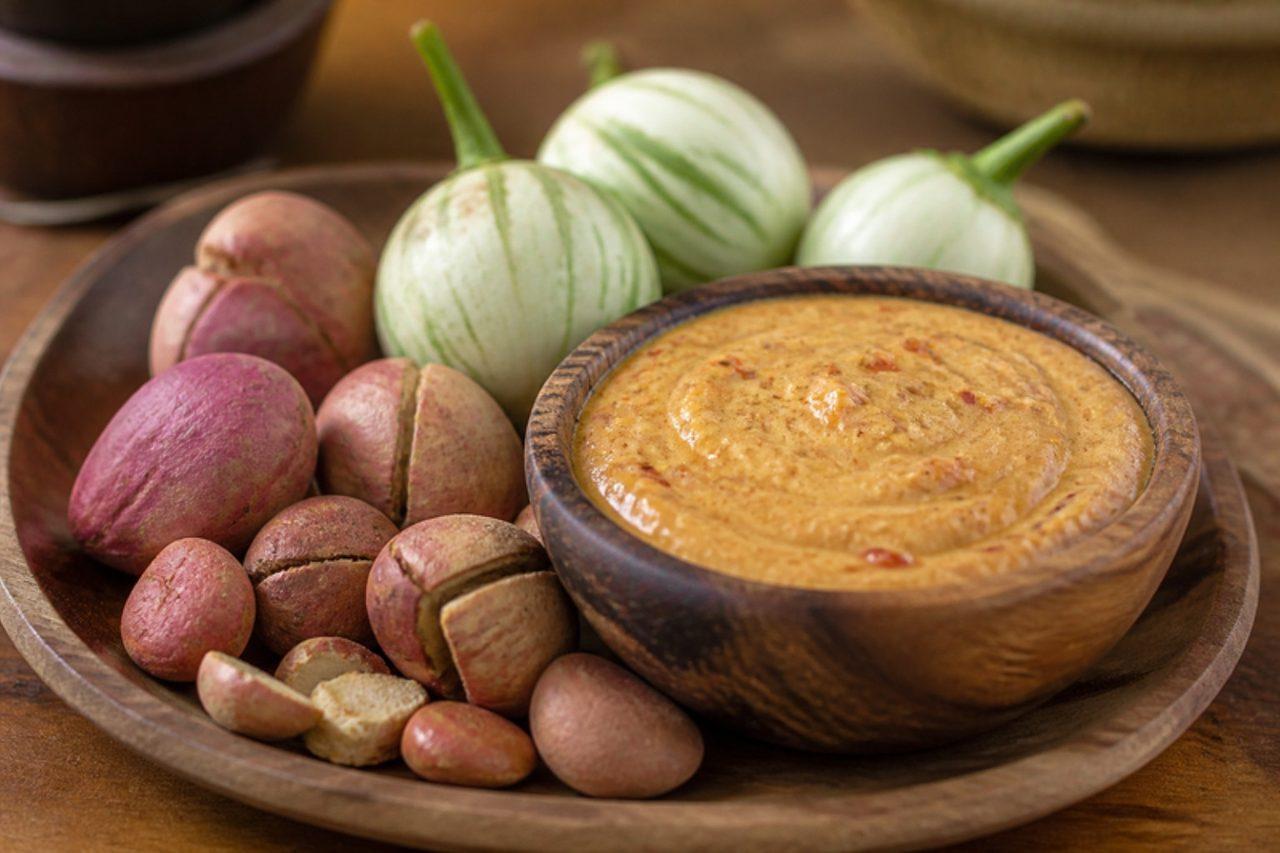
In Igbo homes from Enugu to Owerri a guest is welcomed with kola nut, and the kola is never served alone: beside it sits a saucer of ose oji, peanut butter mashed with ground dried pepper and a little salt, sometimes with uda or ginger. Elders break the kola, pray, and everyone dips. It is equally good with crunchy garden eggs (small white African aubergines) or cucumber. Contains peanut. Kola nut is a strong caffeine stimulant, so it is for adults only, not for children or pregnant women; serve the garden eggs to everyone else. The mistake is making the paste runny with water: it should be thick enough to cling to a slice without dripping, so loosen with oil instead. Chef's tip: toast the dried pepper in a dry pan for 30 seconds before grinding; the smoky heat is what makes ose oji taste right.

by KrazyBadal 0 views

Showing 24 of 2,799 recipes

Show more recipes

Page 26 of 117

More Jain ideas

Other diets