Skip to content
WhatToEat.Today

Jain recipes: no onion, garlic or root vegetables

2,799

2799 Jain recipes with no onion, garlic, potato, carrot, fresh ginger or other root vegetables, and no mushrooms, eggs or honey. Hing, dry ginger and turmeric powder are fine. Each has photos, step-by-step instructions and cook times. The quickest, Apfelschorle, takes 2 minutes. Most take around 40 minutes.

Filter these by time, diet or cuisine · Make Jain your diet to see only these recipes everywhere on the site.

ByaslagPressed fresh cheese

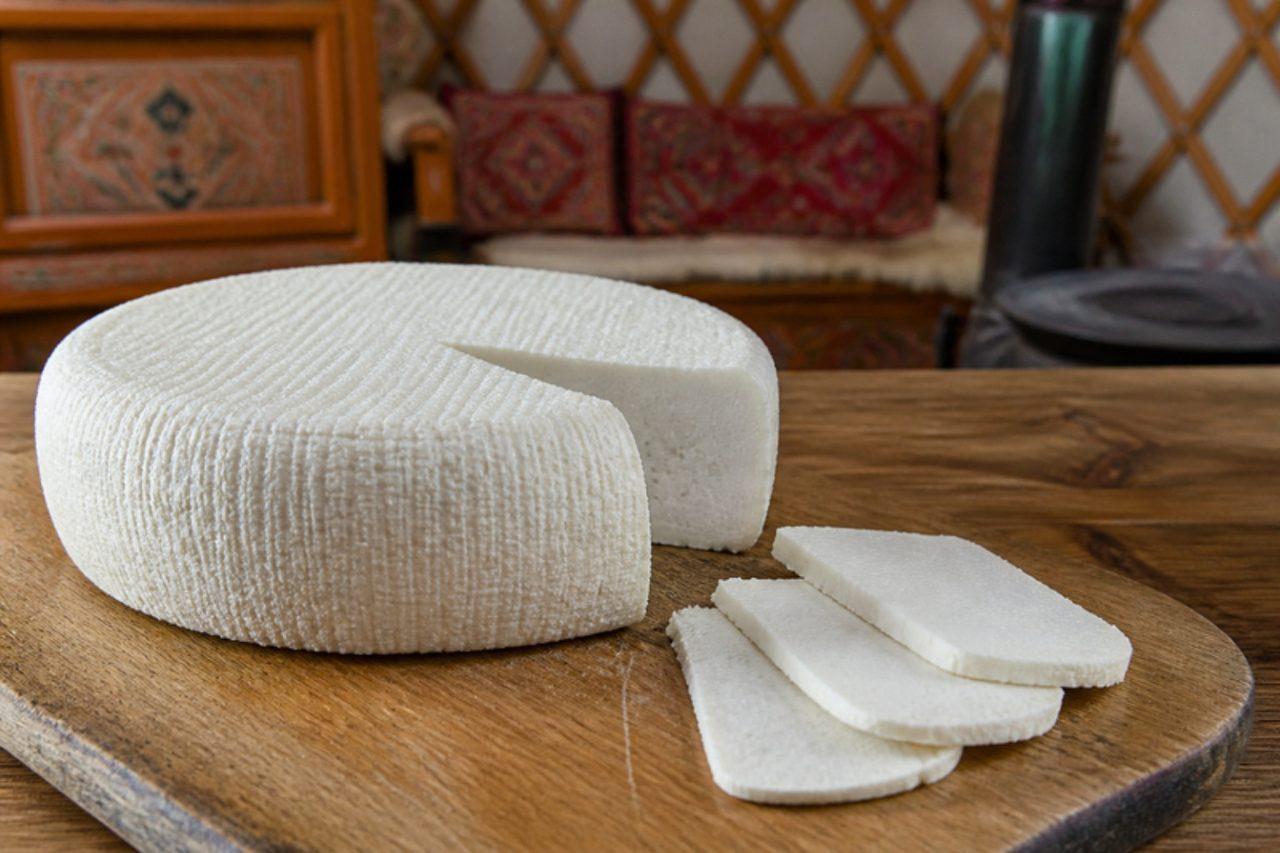
Byaslag is the mild, springy fresh cheese of Mongolian herders, made in summer from cow's or yak's milk in Arkhangai and Khövsgöl, where yak herds graze the high valleys. Warm milk is curdled with soured milk, the curds pressed under a stone, and the finished cheese is sliced and eaten fresh, dried in the sun, or dropped into milk tea where it softens. No rennet is used, so it is vegetarian. A common mistake is boiling the milk hard after adding the sour milk, which makes the curd tough and rubbery. Chef's tip: press it overnight for a firmer cheese you can slice thinly.

by KrazyBadal 0 views

GambirButtered pan-fried flatbread

Gambir is a flaky, layered flatbread found in Ulaanbaatar canteens and family kitchens, rolled thin, brushed with butter, folded and pan-fried until crisp in spots and tender within. It is eaten for breakfast with milk tea, often with a sprinkle of sugar, or filled with a layer of thick cream called öröm. A common mistake is rolling the dough without resting it, so it springs back; give it 20 minutes. Chef's tip: roll the buttered dough up like a rope, coil it and roll flat again; that's where the layers come from.

by KrazyBadal 0 views

Bathua raitaChenopodium leaf yogurt

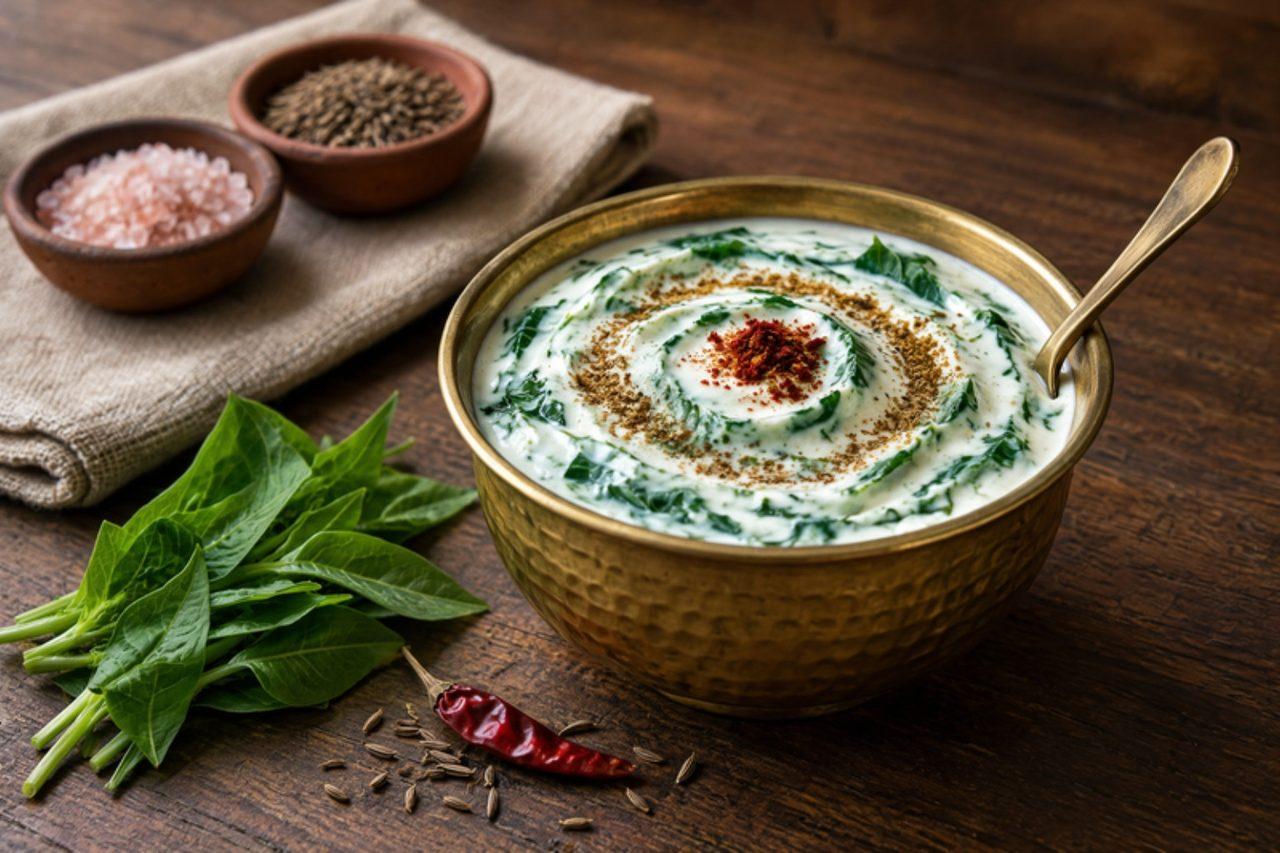
Bathua (chenopodium or lamb's quarters) grows wild in the wheat fields of western Uttar Pradesh and Haryana in winter, and from December to February families blanch it and stir it into yogurt as a cooling raita beside paratha, dal or bajra roti. The leaves are boiled briefly, chopped and folded into whisked yogurt with roasted cumin, black salt and a little green chilli, so it tastes earthy, tangy and fresh. It is suitable as part of a balanced diet. About 90 kcal and 7 g carbohydrate per portion. The usual mistake is adding the greens while they are still hot or wet, which makes the yogurt thin and grainy; squeeze them dry and cool them first. Chef's tip: grind half the blanched leaves to a paste so the raita turns an even pale green.

by KrazyBadal 0 views

TsagaaSweet rice with raisins and curd

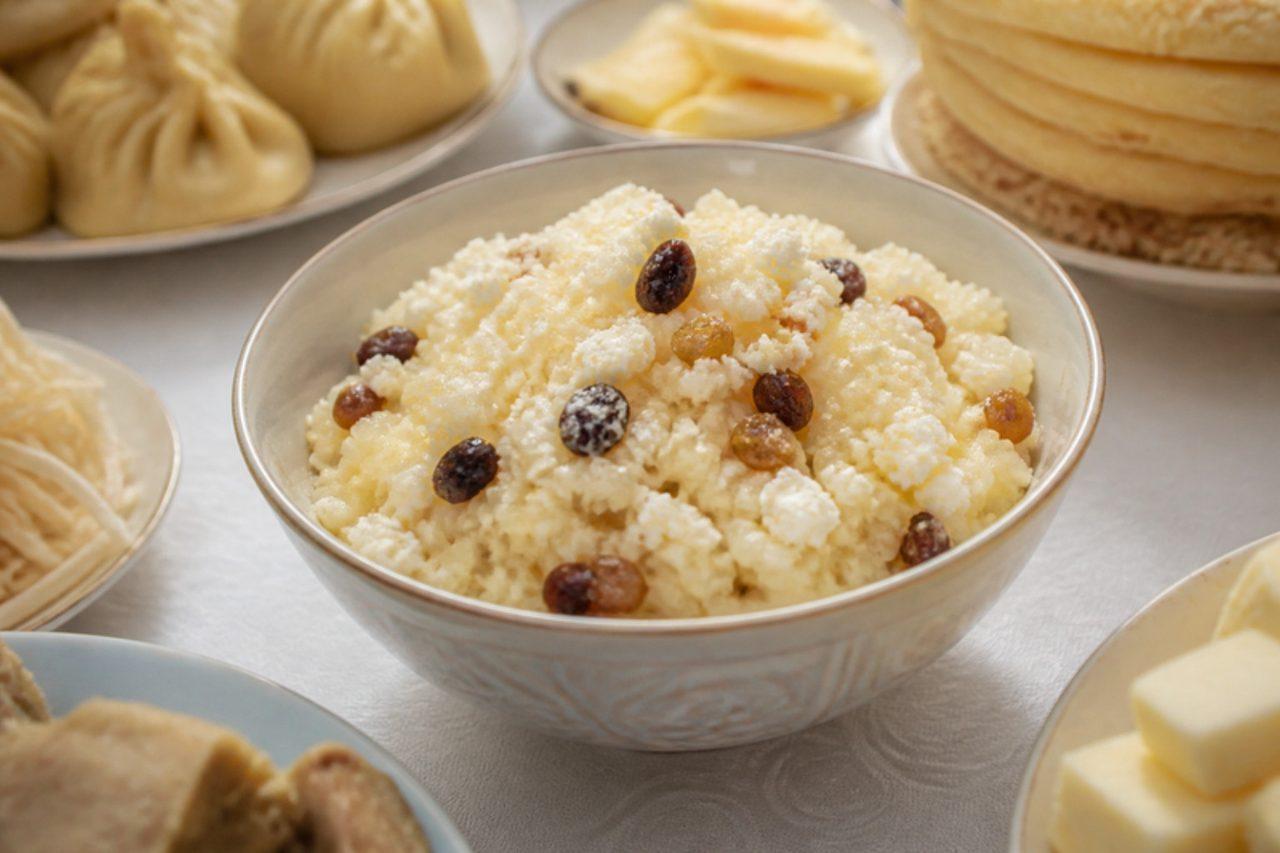
Tsagaa is a sweet, buttery rice dish served during Tsagaan Sar, the Mongolian Lunar New Year, when white foods (tsagaan idee) stand for purity and a good year ahead. Rice is cooked soft, then mixed with butter, sugar, raisins and crumbled aaruul or fresh curd, and served in small bowls to guests during the round of family visits. A common mistake is using long-grain rice, which won't turn creamy; use short-grain. Chef's tip: soak the raisins in hot water first so they're plump and juicy.

by KrazyBadal 0 views

DiphaphataGriddle muffins

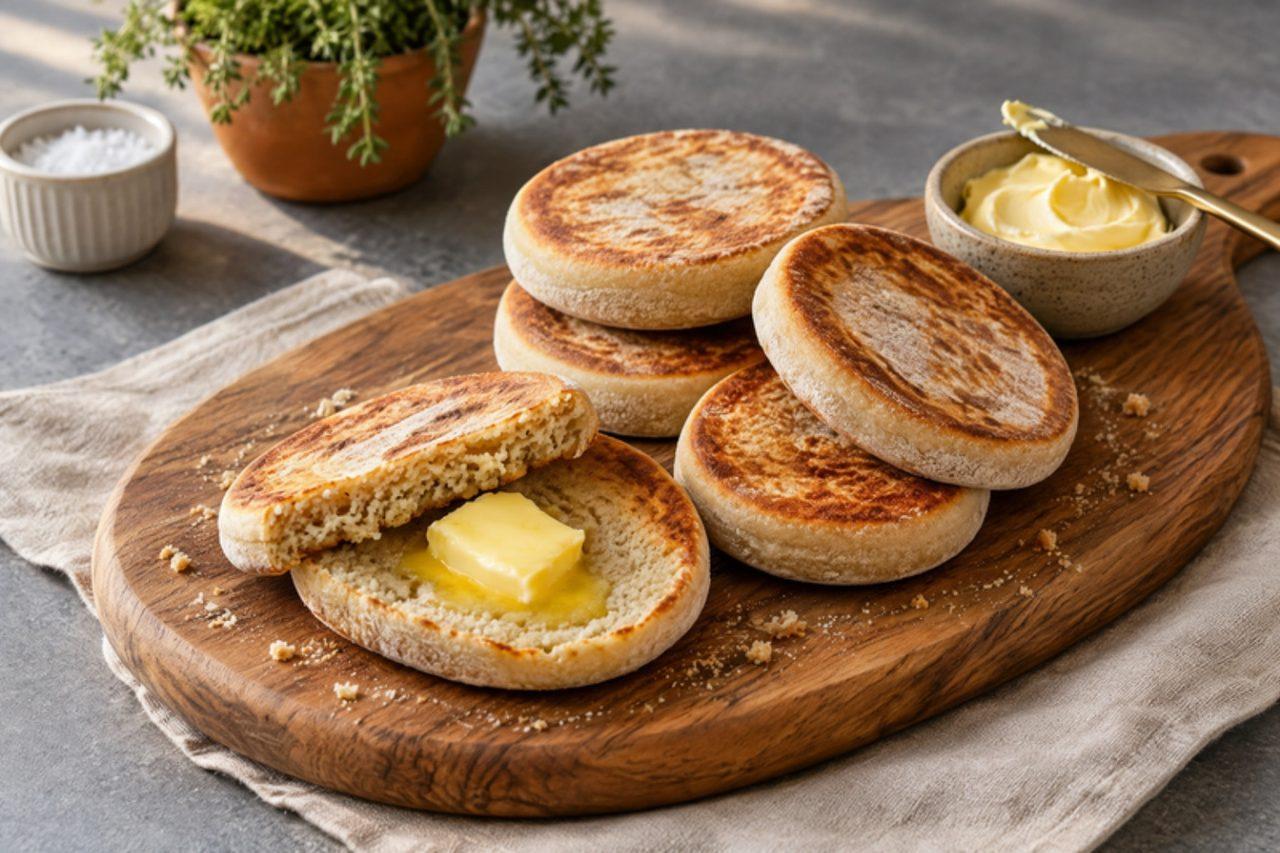
In Gaborone and villages across Botswana, diphaphata (sometimes called flat cakes or Botswana muffins) are a weekend breakfast: little rounds of soft yeast dough cooked on a dry, heavy pan until they puff and brown on both sides, then split while hot and spread with butter, jam or syrup. They look like English muffins but are softer and slightly sweet. The common mistake is a pan that is too hot: the outsides scorch while the centres stay doughy, so cook them slowly over a medium-low heat. Chef's tip: dust them with flour rather than oiling the pan; a dry pan gives the matt, freckled crust they are known for.

by KrazyBadal 0 views

Pan con paltaBread with mashed avocado

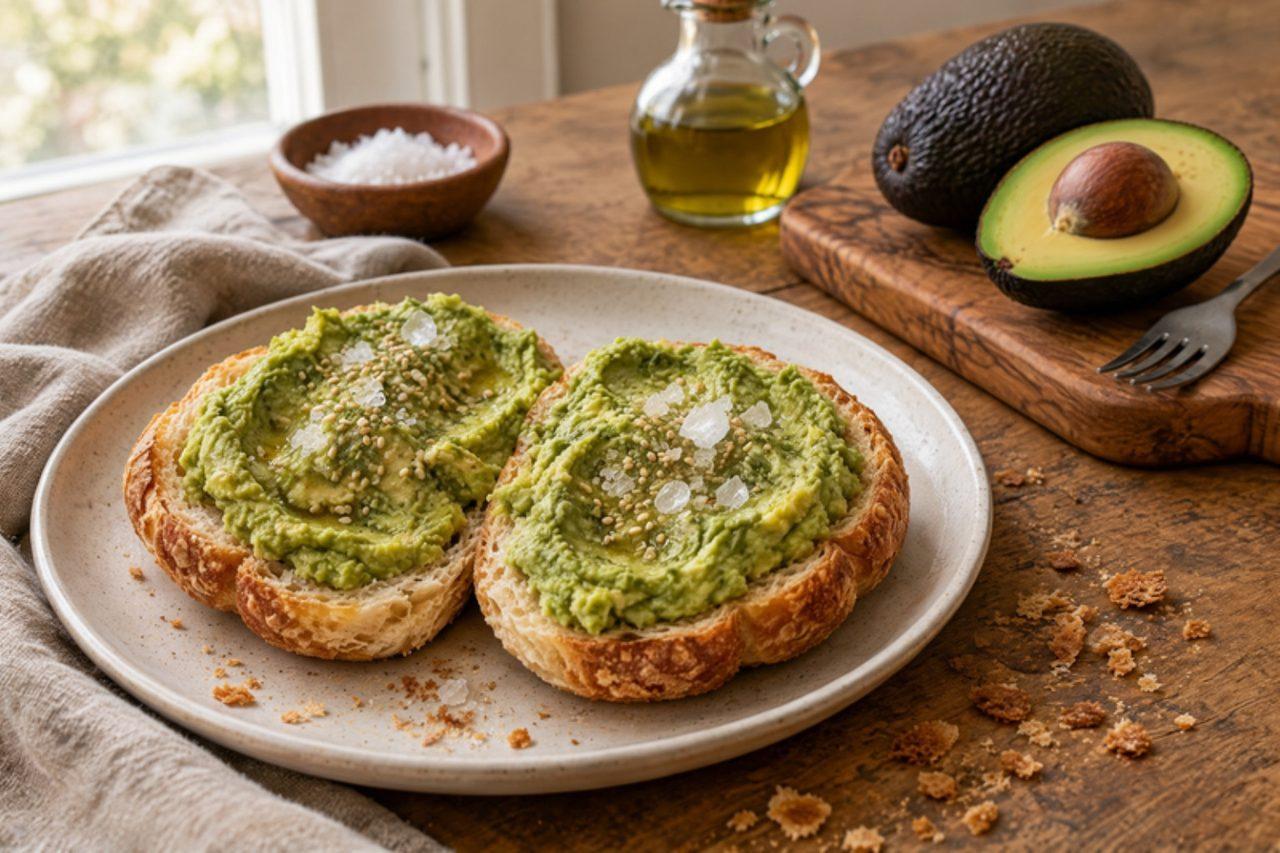
Chileans eat more avocado than almost anyone, and in Santiago homes the breakfast table (and the evening once) almost always has warm marraqueta or round hallulla bread spread with palta: ripe avocado simply mashed with salt. It is less a recipe than a ritual, but getting it right matters. The common mistake is using hard avocados or mashing them into a smooth purée with lime and onion like guacamole; Chileans want ripe Hass avocado, only lightly mashed, and salt, nothing more. Chef's tip: warm the bread first and mash the avocado right on it with a fork, so it sinks into the crumb.

by KrazyBadal 0 views

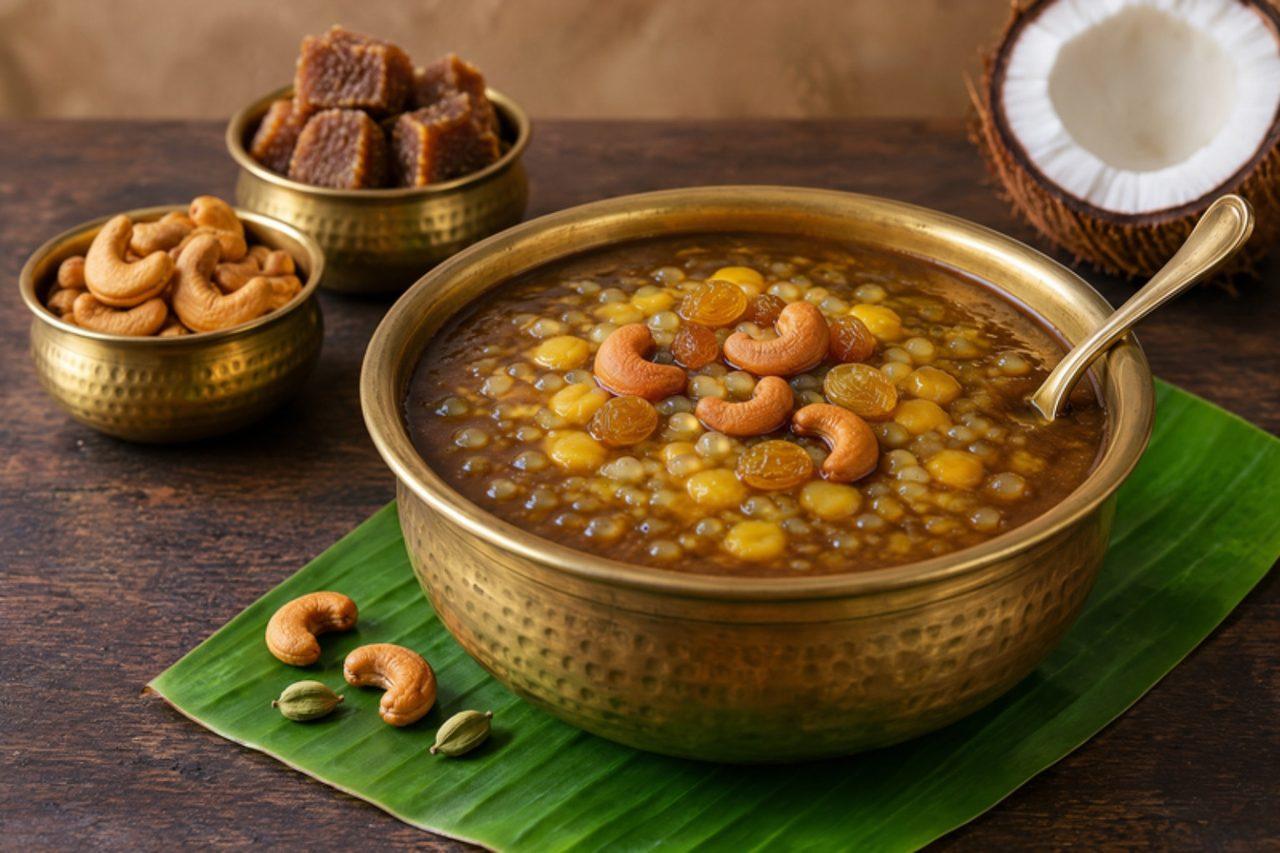
ManganeChana dal and sago pudding

In Goan Hindu homes, especially around Ganesh Chaturthi, a pot of mangane is cooked for the naivedya and handed round warm after the aarti. Soft chana dal and glassy sago pearls sit in a thick, caramel-coloured sauce of coconut jaggery and fresh coconut milk, scented with cardamom and studded with cashews. The common mistake is boiling the dal hard after the thick coconut milk goes in, which splits it into oily curds; once the first milk is added the pot should only steam gently. Serve it warm in small bowls, or cool so it sets a little and spoon it up like a soft pudding. Chef's tip: soak the sago only until the pearls just give when pressed, or they melt into glue in the pot.

by KrazyBadal 0 views

GimjabanFried seasoned seaweed

Korean children grow up eating gimjaban scattered over rice or rolled into jumeokbap rice balls, and a little tub of it is the easiest way to make a plain dosirak exciting. It is laver seaweed toasted, crushed and stirred in a pan with sesame oil, a little sugar and plenty of sesame seeds until crisp and savoury-sweet. The common mistake is adding the soy sauce while the pan is very hot, which turns the flakes soggy and clumped. Chef's tip: mix the soy and sugar into the oil first, then toss in the crushed seaweed off the heat and return it to a gentle flame just to dry out.

by KrazyBadal 0 views

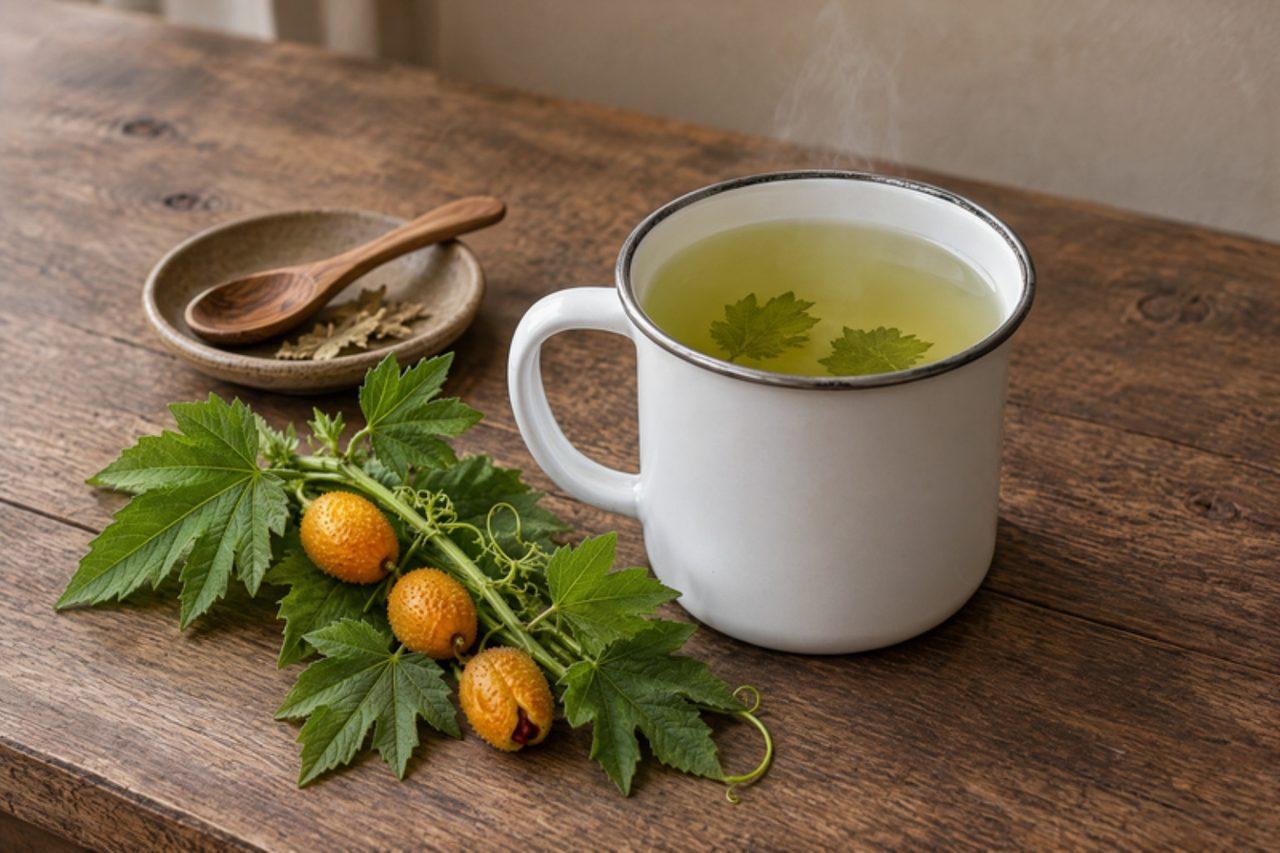
Cerasee teaBitter melon vine tea

Cerasee grows wild on fences and roadsides all over Jamaica, a thin vine with lacy leaves, yellow flowers and small warty orange fruit. It is the best known of the island's bush teas: generations of Jamaican children were given a cup at the end of the summer holidays, before going back to school, as a wash-out, and adults still drink it now and then as a cleansing and cooling tonic, or for the skin. The tea is pale green-gold and seriously bitter, with a grassy, slightly vegetal taste; some add sugar or lime. The common mistake is boiling the vine hard for a long time, which makes the tea far harsher than it needs to be. Pour boiling water over it and let it steep instead, and leave out any ripe fruit and seeds. It is ready when the water is light green-gold and smells green and herbal. Do not drink it if you are pregnant, breastfeeding or trying to conceive, do not give it to young children, and check with a doctor if you have diabetes or take medication, as it may lower blood sugar. Chef's tip: dried cerasee from Caribbean shops works well; use a little less.

by KrazyBadal 0 views

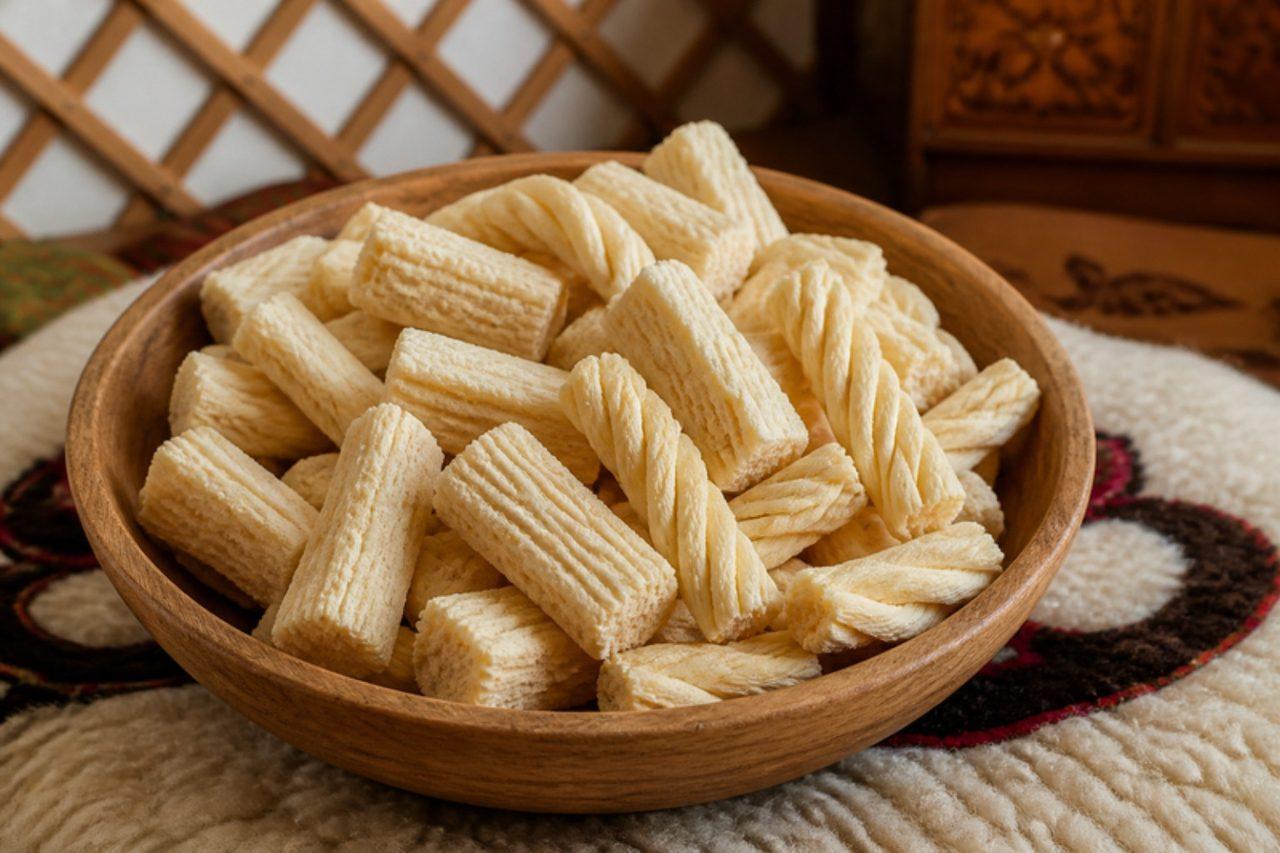
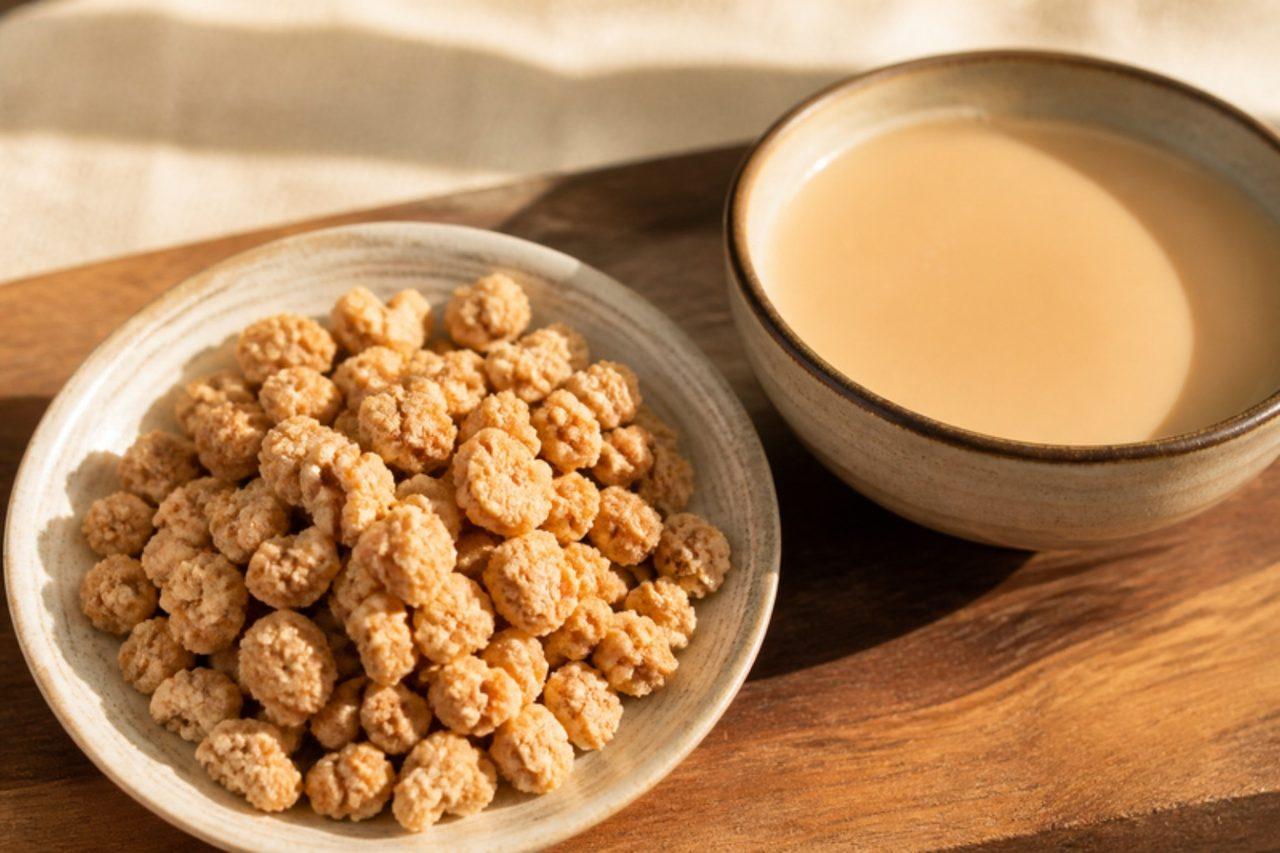
AaruulDried milk curds

Aaruul are the hard, sour little curds that dry on the roofs of gers all over Mongolia in summer, when the herds give the most milk, and they are carried in pockets as a snack through the long winter. Milk is soured and boiled until the curds separate, then strained, pressed, cut into pieces and dried in the sun and wind for days. They are chewed slowly, almost like a sweet, and offered to guests. This home method dries them in a very low oven. A common mistake is under-drying; any moisture left lets mould grow. Chef's tip: stir a little sugar into the curd if you want the softer, sweeter style sold in Ulaanbaatar markets.

by KrazyBadal 0 views

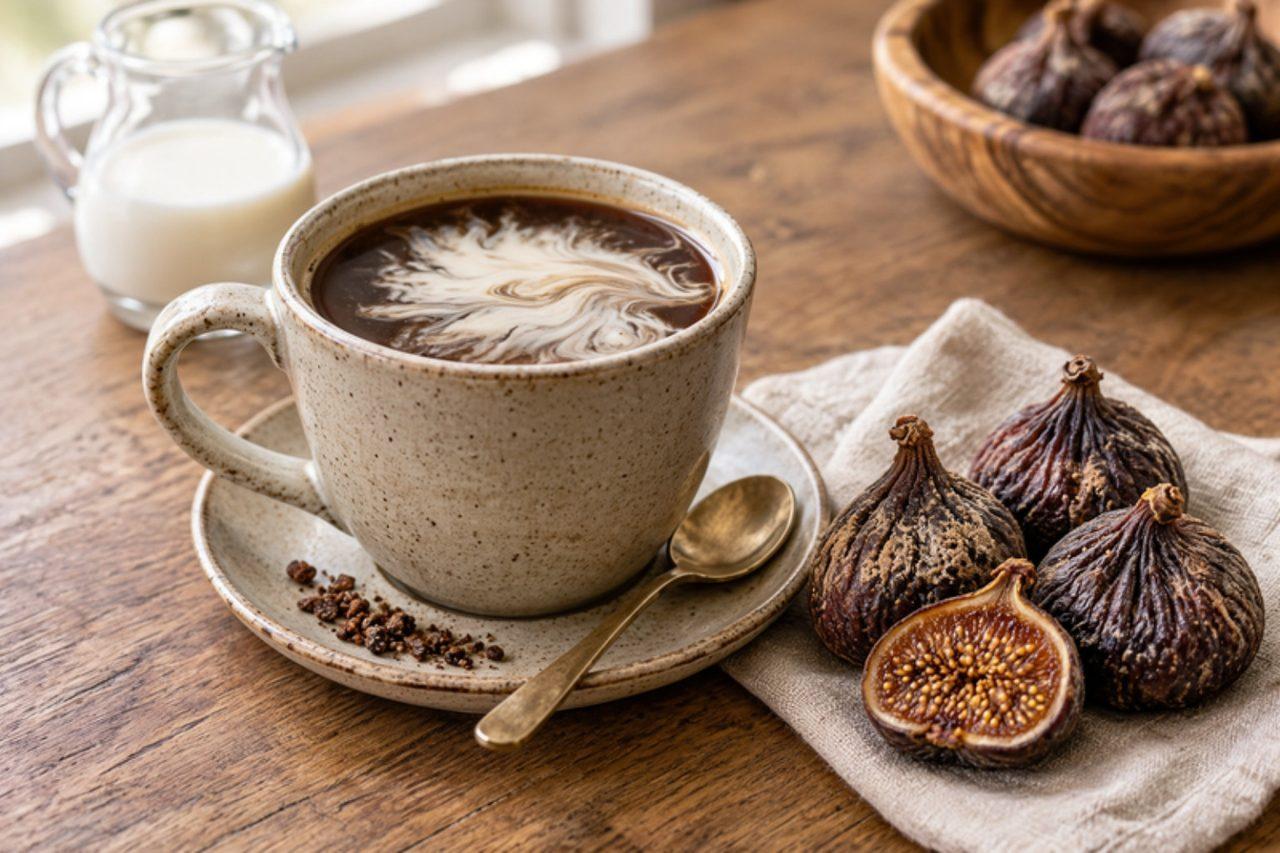
Café de higoFig and grain coffee

In the farmhouses of central Chile, in the Maule and O'Higgins valleys, people have long drunk café de higo: a dark, caffeine-free "coffee" made from dried figs roasted with grains such as barley and wheat, then ground. It's mellow, fruity and slightly caramel-like, and many Chileans still prefer it with milk at breakfast. The fig granules are sold in Chilean and Latin grocers. The common mistake is brewing it like instant coffee, with a quick stir; it's a ground blend, so simmer it briefly and strain. It contains grains, so it is not gluten free. Chef's tip: a strip of orange peel in the pan brings out the fig flavour.

by KrazyBadal 0 views

Bunelos agaBanana fritters

Bunelos aga are the banana fritters of Guam, sold at fiesta food tables and church fundraisers in Hagåtña and made at home whenever the bananas over-ripen. Mashed sweet bananas are mixed into a soft batter, fried in spoonfuls and rolled in sugar, so they're crisp outside and custardy within. A common mistake is frying at too low a temperature, which makes them greasy. Chef's tip: use the small, sweet local bananas or the ripest regular ones you can find.

by KrazyBadal 0 views

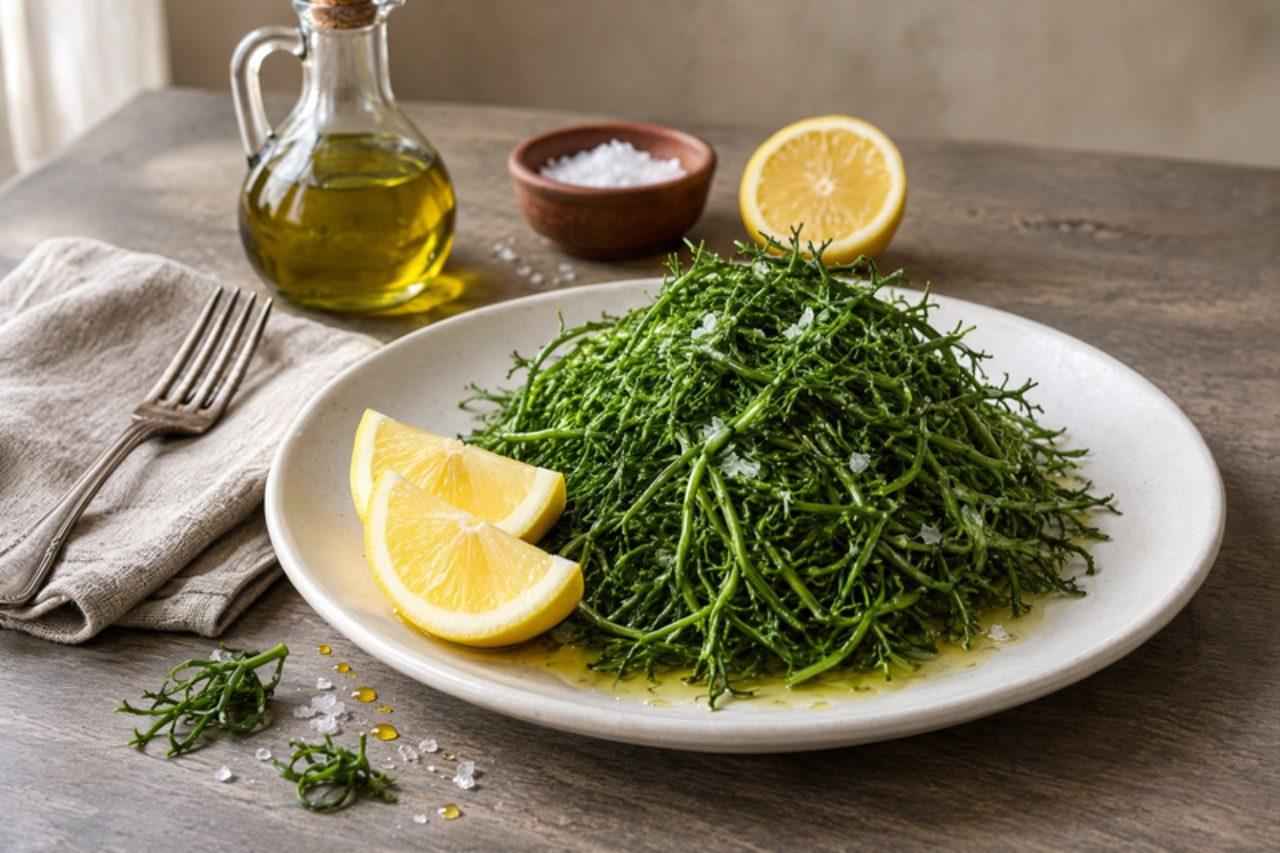
Agretti all'agroSaltwort with lemon

Agretti, also called barba di frate or 'monk's beard', appear in Roman and Tuscan markets for a short season in March and April, tied in bunches that look like thick chives. Blanched for a minute and dressed all'agro, with lemon and good olive oil, they are a juicy, slightly salty spring side for an egg dish, grilled fish or beans. Suitable as part of a balanced diet, they are almost free of starch: about 80 kcal and 3 g carbohydrate per portion. The usual mistake is overcooking them into limp threads; they should keep a crisp, spinach-like snap. Chef's tip: agretti are naturally salty, so taste before adding any salt at all.

by KrazyBadal 0 views

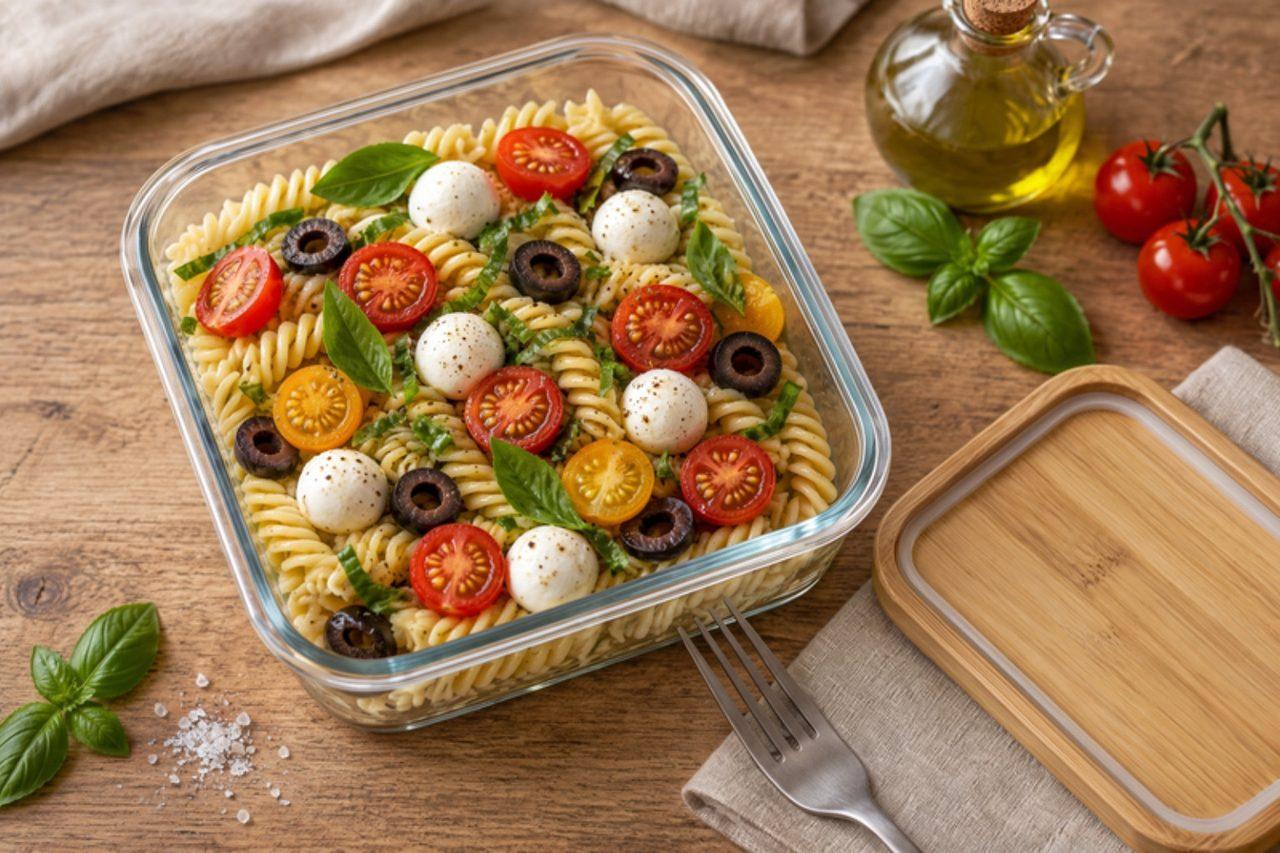
Insalata di pastaCold pasta salad

When Milan's offices empty onto park benches in July, the schiscetta (the Milanese word for a packed lunch tin) usually holds pasta fredda: short pasta dressed with olive oil, sweet cherry tomatoes, little mozzarella balls, black olives and torn basil. It is made the night before and tastes best at cool room temperature, never fridge-cold. The common mistake is rinsing the cooked pasta under the tap until it is icy and then dressing it: the starch closes up, the oil slides off and the salad tastes flat. Many mozzarellas are made with animal rennet, so look for one labelled vegetarian, or use cubes of a vegetarian cheese. Pack it with an ice pack and take it out of the bag 20 minutes before eating. Chef's tip: toss the drained, still-warm pasta with half the oil and the salted tomatoes straight away so it drinks up their juice.

by KrazyBadal 0 views

SomóCold spiced corn drink

Somó is how Santa Cruz cools down: big tubs of chilled, sweet, cinnamon-scented corn water sold in markets and at the door of lowland homes, with soft kernels of white corn floating in every glass to be eaten with a spoon. It is a simple drink, but it needs time, because the dried corn must soak and then simmer until each kernel bursts open. People often serve it before the kernels have fully opened, and then they are hard and chalky. Chef's tip: add a strip of orange peel with the spices for a fresher note, as some cruceño grandmothers do.

100 minAndeanDrinksVeganGluten free
by KrazyBadal 0 views

Cà phê cốt dừa (coconut coffee)

Hanoi takes its coffee seriously, and in the last fifteen years coconut coffee has become one of the city's signatures, sold from Old Quarter cafés, lakeside balconies around Hoàn Kiếm and tiny stools on the pavement. It is a hot-weather drink, at its best on a sticky afternoon between May and September, eaten half with a spoon. Strong Vietnamese robusta drips slowly through an aluminium phin, then is poured over a pale slush of thick coconut cream, sweetened condensed milk and crushed ice, so you get bitter, dark coffee against something rich and cold that tastes like coconut ice cream. The common mistake is blending the slush too long or with too much ice, which leaves it thin and watery, and pouring the coffee in boiling hot so the slush collapses. Blend just until it looks like soft snow, and let the coffee cool for a minute or two. It is ready when the slush holds a spoon upright and the coffee sits in a dark layer on top. Robusta is high in caffeine and this is a strong drink, so it is not for children and one glass is plenty. Chef's tip: chill the coconut cream overnight; cold, thick cream gives a fluffier slush.

by KrazyBadal 0 views

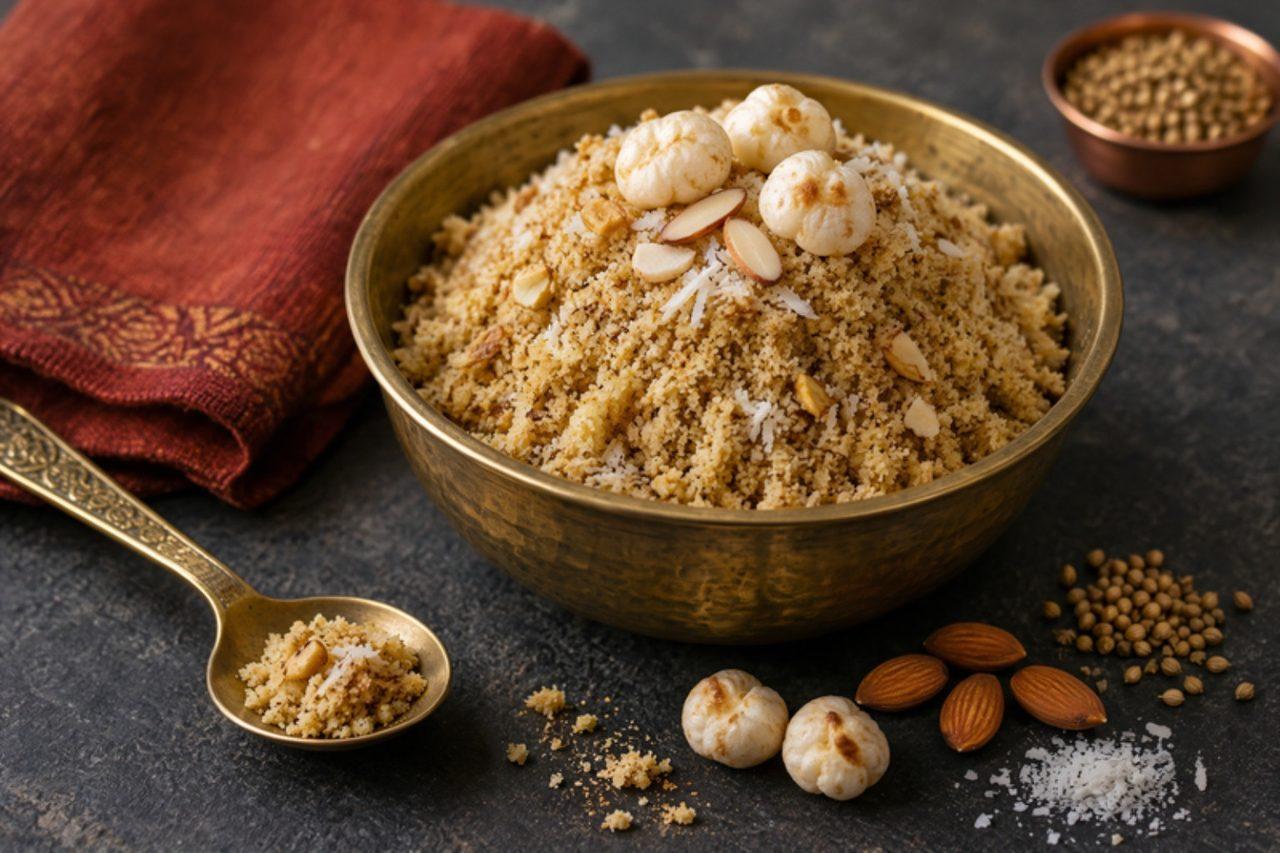
Dhana ni panjiriRoasted coriander and coconut sweet

At midnight on Janmashtami, when Gujarati and Rajasthani families sing to baby Krishna, the prasad handed round is this fragrant panjiri of ground coriander seeds roasted in ghee and mixed with powdered sugar, coconut, makhana and dry fruit. Because it contains no grain, it is also eaten by those who keep the Janmashtami fast. It tastes warm, sweet and surprisingly floral. The common mistake is roasting the coriander powder on high heat; it burns in seconds and turns bitter. Chef's tip: grind the seeds yourself just before roasting, and stop when the kitchen smells like warm citrus, not toast.

by KrazyBadal 0 views

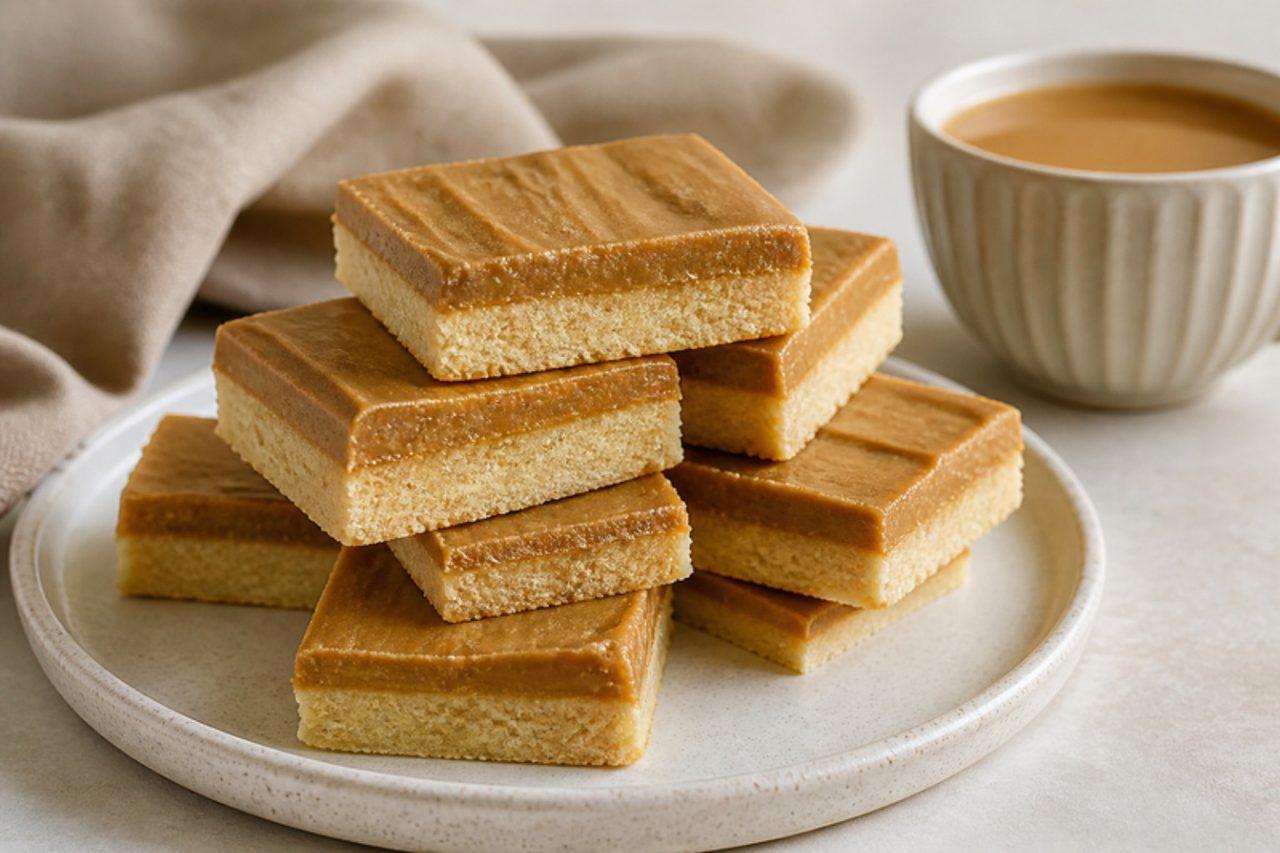
Ginger crunchGinger shortbread slice

Ginger crunch is in every New Zealand café cabinet and was in every school fair tin long before that, a recipe passed between generations in handwritten notebooks. A crisp, buttery ginger shortbread base is covered while still hot with a thick, fudgy icing of butter, golden syrup, icing sugar and plenty of ground ginger. Cut into bars, it keeps a week in a tin. A common mistake is letting the base cool before icing; hot base and hot icing set together properly. Chef's tip: use more ginger than you think; the icing should have a real bite.

by KrazyBadal 0 views

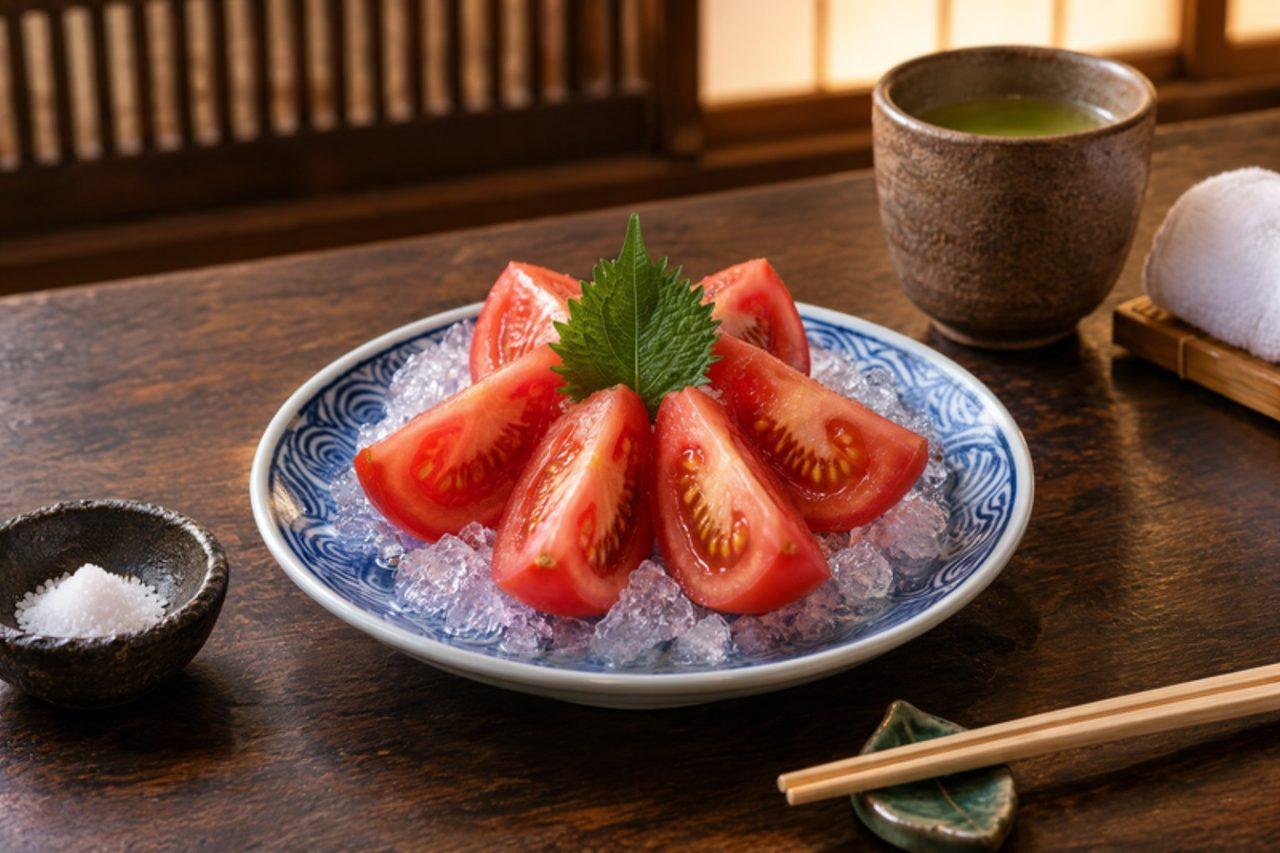
Hiyashi tomatoChilled tomato

Hiyashi tomato is the simplest thing on any Japanese izakaya menu in July and August: ripe tomatoes, chilled until icy, cut into wedges and served on a small plate, sometimes on crushed ice, to cool down a hot evening in Tokyo or Osaka. Many bars sprinkle salt; this home version leaves it out and offers a few drops of rice vinegar and toasted sesame oil instead, so the tomato's own sweetness and acidity do the work. About 0.0 g added salt; roughly 0.03 g per portion occurs naturally in the tomato. The usual mistake is using hard, pale supermarket tomatoes: this dish is only as good as the fruit, so buy deep red ones that smell of tomato at the stalk. Chef's tip: chill the plate as well as the tomatoes, so the wedges stay cold to the last bite.

by KrazyBadal 0 views

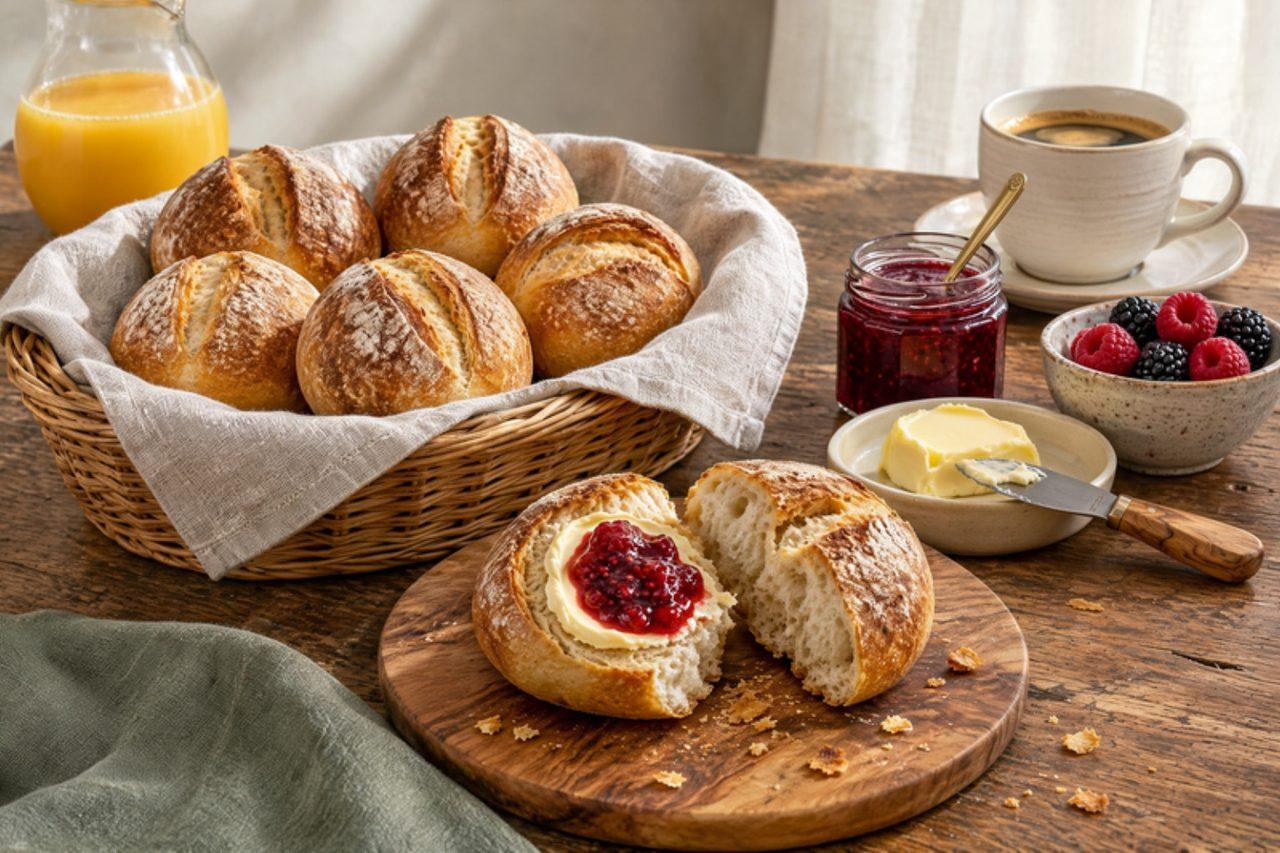
PistoletsCrusty bread rolls

In Brussels and all over Belgium, someone in the family goes to the bakery early on Sunday morning to bring home a paper bag of warm pistolets, the small round rolls with a split down the middle. They are eaten at a long breakfast with butter, jam, chocolate spread, cheese and boiled eggs. The crust shatters and the crumb is light and open. The common mistake is baking in a dry oven, which gives a dull, thick crust; a pan of boiling water in the oven makes the thin, crackly bakery crust. Chef's tip: press the split with a floured wooden spoon handle right after shaping, not just before baking, and it opens cleanly in the oven.

by KrazyBadal 0 views

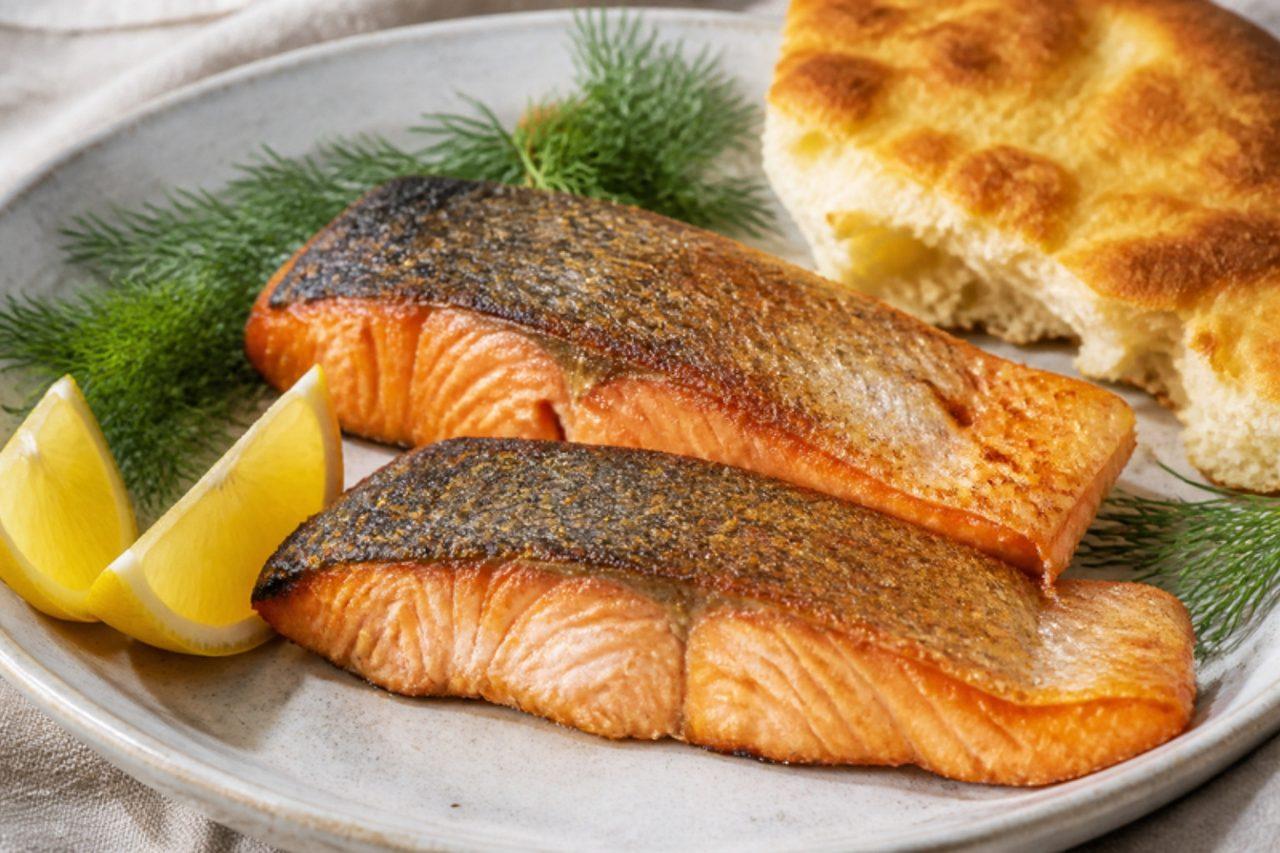
Pan-fried Arctic char

Arctic char, iqaluk in Inuktitut, is the fish of Nunavut, netted in the rivers around Cambridge Bay and Pangnirtung when it runs to the sea in summer and through the ice in spring. It tastes like a cross between salmon and trout, with rosy, delicate flesh. In Iqaluit homes it is eaten many ways; here it is simply pan-fried until the skin crackles, with lemon and a piece of warm bannock. A common mistake is moving the fillet too early; leave it until the skin releases on its own. Chef's tip: press the fillet flat with a spatula for the first 30 seconds so the skin doesn't curl.

by KrazyBadal 0 views

EezgiiCaramelised milk curd

Eezgii is a summer dairy food of the Mongolian countryside, made in herding families' gers when there is milk to spare: the milk is curdled with a little sour whey or yoghurt, then cooked down slowly over the stove for hours until the curds turn golden brown and caramelised in their own fat and sugar. The pieces are dried and eaten as a toasty, sweet-salty snack with milk tea through the winter. A common mistake is turning up the heat to speed it up, which burns the bottom; low heat and frequent stirring are key. Chef's tip: a heavy, wide pan gives the most even browning.

by KrazyBadal 0 views

Magic coffee

The magic is a Melbourne café insider's order, born in the city's Fitzroy and Collingwood coffee bars: a double ristretto (the short, intense first part of the espresso shot) topped with silky steamed milk in a 160 ml cup. It is stronger and sweeter-tasting than a flat white because there's less milk and only the richest part of the shot. A common mistake is scalding the milk; above about 65 °C it loses its natural sweetness. Chef's tip: stop the shot early, at about 30 ml for a double, to get that syrupy ristretto.

by KrazyBadal 0 views

Trà sen (lotus tea)

Every June and July, before sunrise, boats slip between the pink lotus on Hanoi's West Lake to gather flowers for trà sen. The finest lotus tea is made by stripping the tiny white rice-like anthers from hundreds of blooms and layering them with green tea, a labour that makes it one of Vietnam's most expensive gifts, kept for Tết. Families do a simpler version at home: a spoon of Thái Nguyên green tea is tucked into the heart of a fresh flower in the evening, the petals closed and tied, and by morning the leaves have taken on a sweet, creamy, slightly vanilla-like perfume. It is brewed in a small clay pot and drunk in tiny cups in the early morning. The common mistake is brewing with boiling water, which flattens the lotus scent and makes the green tea bitter. Rinse the leaves quickly and brew at 80–85 °C. It is ready when the cup is pale gold and the steam smells of flowers before tea. No fresh lotus? Buy ready-made lotus-scented tea from Vietnamese shops and start at the brewing step. Chef's tip: pick a bud that is just about to open; a fully open bloom has already lost its scent.

by KrazyBadal 0 views

Showing 24 of 2,799 recipes

Show more recipes

Page 53 of 117

More Jain ideas

Other diets