Skip to content
WhatToEat.Today

Jain recipes: no onion, garlic or root vegetables

2,809

2809 Jain recipes with no onion, garlic, potato, carrot, fresh ginger or other root vegetables, and no mushrooms, eggs or honey. Hing, dry ginger and turmeric powder are fine. Each has photos, step-by-step instructions and cook times. The quickest, Apfelschorle, takes 2 minutes. Most take around 40 minutes.

Filter these by time, diet or cuisine · Make Jain your diet to see only these recipes everywhere on the site.

Bakeapple jamCloudberry jam

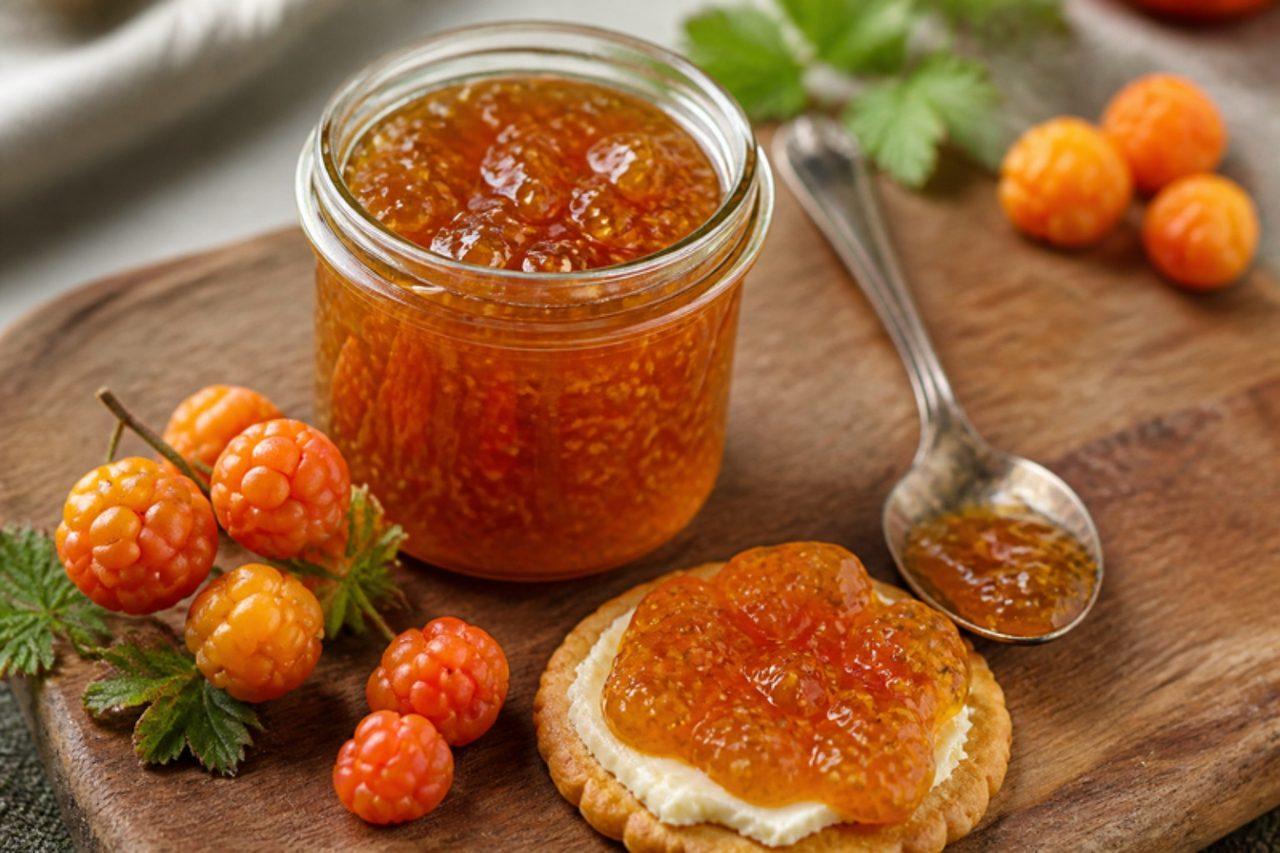
Bakeapples, the amber cloudberries of the Labrador and Newfoundland bogs, ripen for a few weeks in late July and August, and families on the Northern Peninsula and the Labrador coast pick them by the bucket. Turned into jam, they taste of apricot, honey and wild herbs, and the soft seeds give it texture. It is spread on toast, tea biscuits and toutons, or stirred through cream. Frozen cloudberries work if you can't get fresh. A common mistake is boiling too long, which darkens the colour and dulls the flavour. Chef's tip: test the set early, on a cold saucer.

by KrazyBadal 0 views

Kimis (Somali thick pan bread)

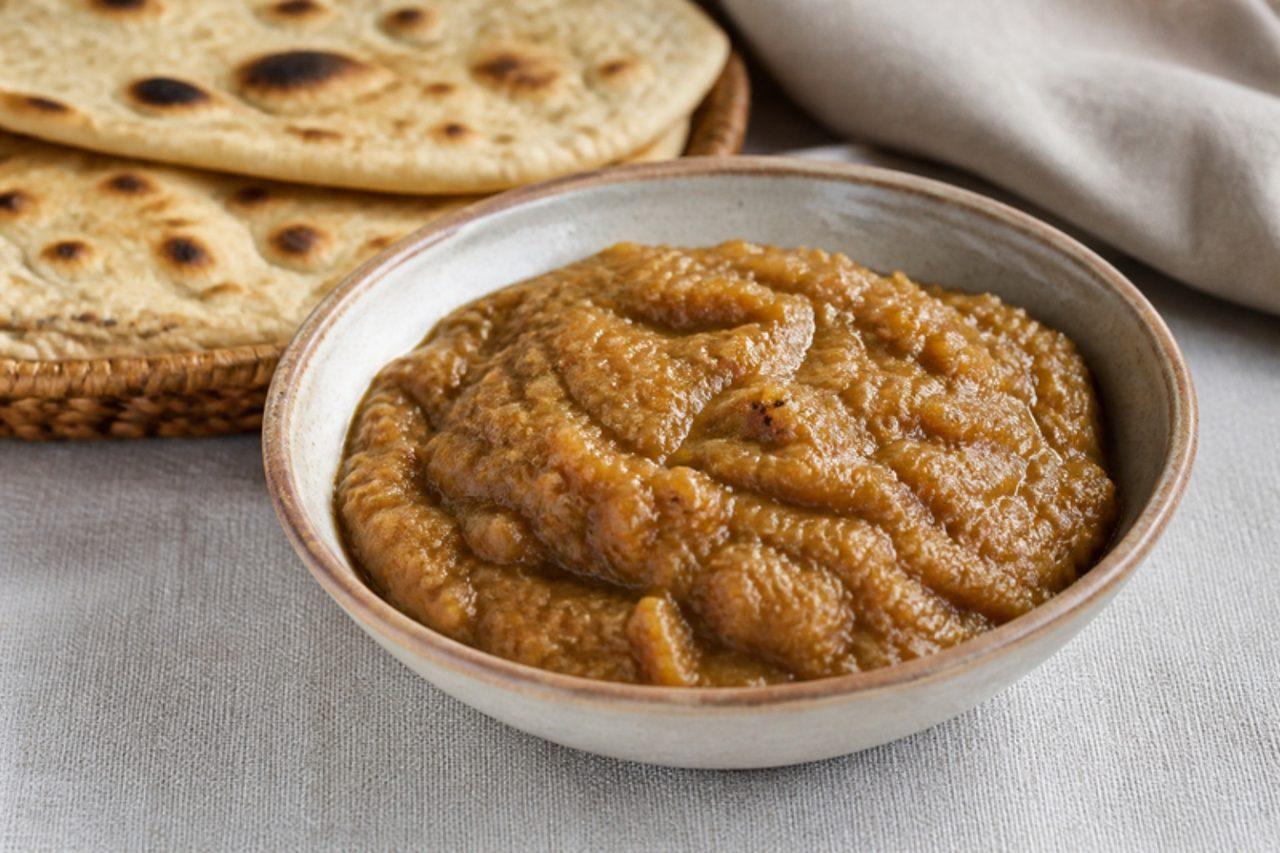
Thicker and plainer than sabaayad, kimis is the everyday bread of Hargeisa and the north, cooked in a heavy pan and cut into wedges to soak up maraq, the thin spiced meat or vegetable broths eaten at lunch. The dough is simple flour and water raised with a little baking powder, so it puffs into a soft, bready round about 2 cm thick with a lightly freckled crust. It is also good for breakfast with tea and a spoonful of sugar or honey. This version uses oil, so it is vegan. Cooking over too high a heat is the classic mistake: the outside scorches before the middle is done, so keep the flame medium-low and cover the pan. Chef's tip: knock the bread on its base when you think it is ready; it should sound hollow.

by KrazyBadal 0 views

Sabaayad (Somali flaky layered flatbread)

Hargeisa cooks are proud of their sabaayad, a soft, flaky flatbread made by brushing a thin sheet of dough with oil or ghee, rolling it into a coil and flattening it again so it cooks into dozens of buttery layers. It is eaten for breakfast with sugar and shaah, torn into pieces with muqmad or liver, and served at lunch with beef or chicken stews; at Eid and weddings it is made in big stacks. The texture should be tender and pliable with crisp spots, never dry. Rolling the dough straight after kneading is a common mistake: it springs back and tears, so give it at least 20 minutes to relax. Chef's tip: once each bread is cooked, scrunch it between your hands while hot to open up the layers.

by KrazyBadal 0 views

Abreh (Sudanese white sorghum flake drink)

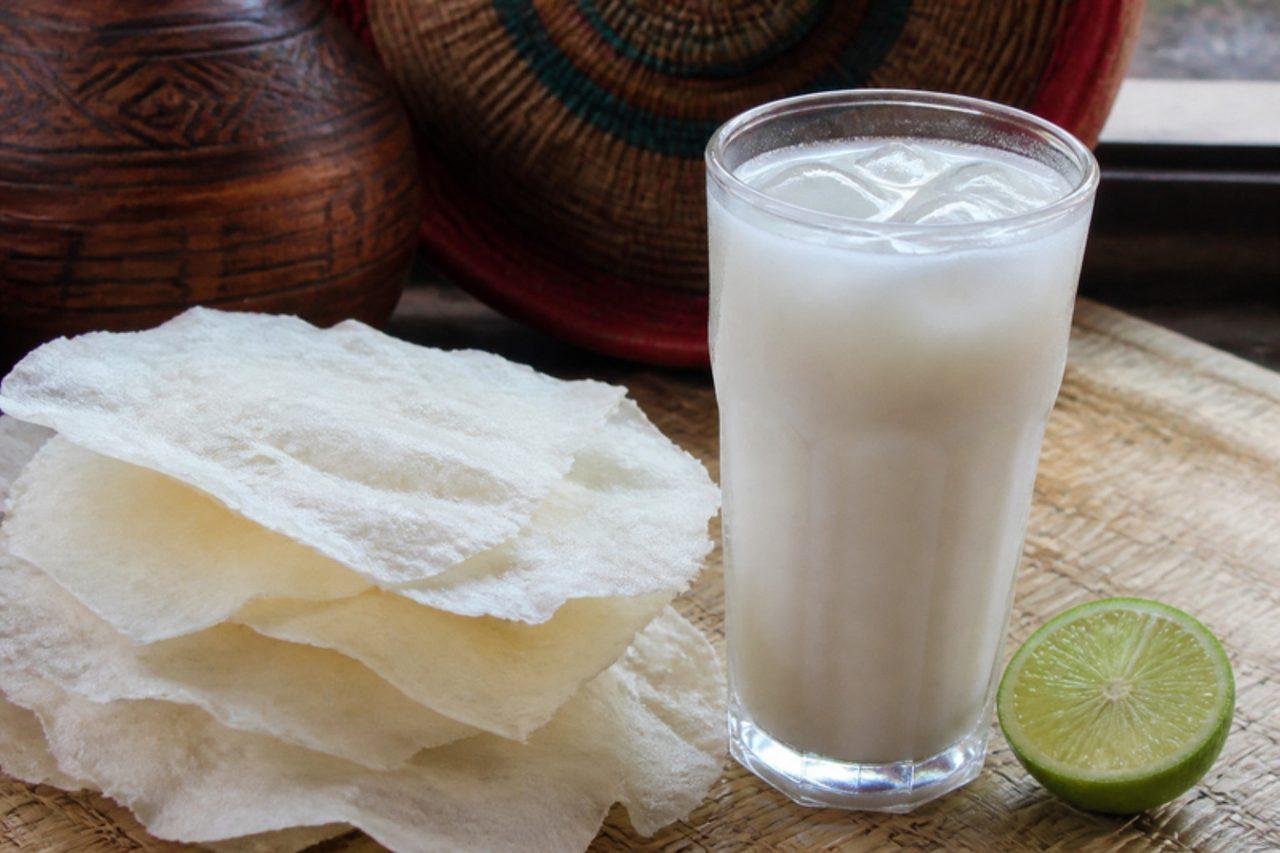
Where hilu-mur is dark and spiced, abreh abyad, white abreh, is its pale, gentle partner: a batter of white sorghum flour is left to sour lightly, then baked into thin cream-coloured flakes that are soaked in cold, sweetened water and served at iftar across northern Sudan. The drink is cloudy, refreshing and faintly tangy, a good way to rehydrate after a long day of fasting; some families add a splash of lime or a little cardamom. The overnight souring takes 12–18 hours and is not counted in the totals; it is non-alcoholic, and the flakes are dried hard on the griddle. Spreading the batter too thickly is the classic mistake, so work fast and thin. Chef's tip: make a big batch in one session; the dry flakes keep for months in a tin, so a jug of abreh is only an hour away.

by KrazyBadal 0 views

Hilu-mur (Sudanese spiced sorghum Ramadan drink)

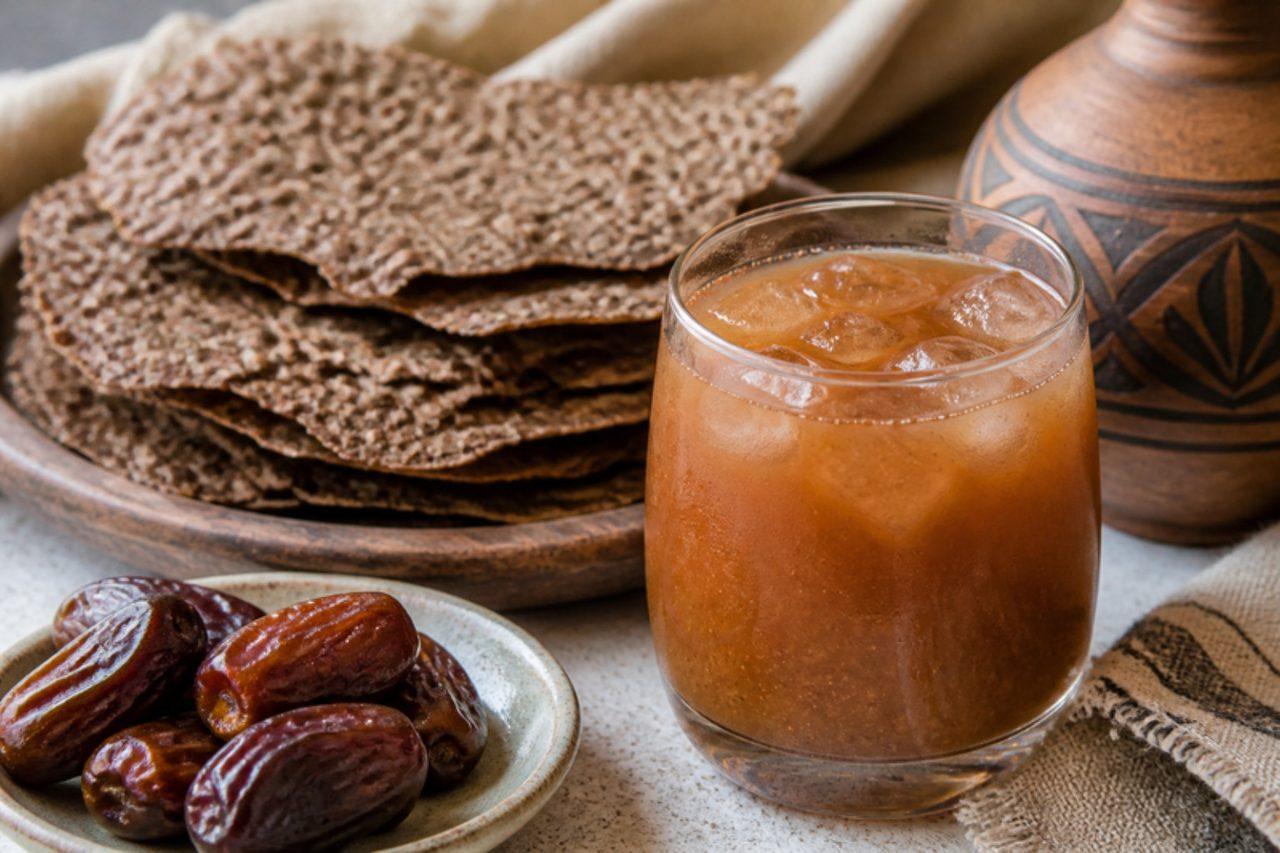
Weeks before Ramadan, households across Sudan fill with the smell of hilu-mur, literally 'sweet-bitter', as sorghum is sprouted, dried, ground and mixed with flour, dates and a heady spice blend, left to sour for a day, then spread paper-thin on a hot griddle into brittle reddish-brown flakes. Each evening during the month a handful is soaked in water, strained and sweetened, giving the dark, tangy, clove-and-ginger-scented drink that breaks the fast. The souring is short, like a sourdough, and the flakes are cooked dry; the drink is non-alcoholic and served to the whole family. The full process takes about 5 days: 3 days to sprout, 1 to dry and a night to sour, so only active and cooking time are in the totals. Many people buy ready-made flakes from Sudanese shops. Discard any grain that smells musty or shows mould while sprouting. The usual mistake is pouring the batter too thick on the griddle; the flakes should be paper-thin to dry crisp. Chef's tip: spread the batter as thinly as you can; thick flakes stay chewy and go mouldy in storage.

by KrazyBadal 0 views

Put chai koRed bean rice cakes

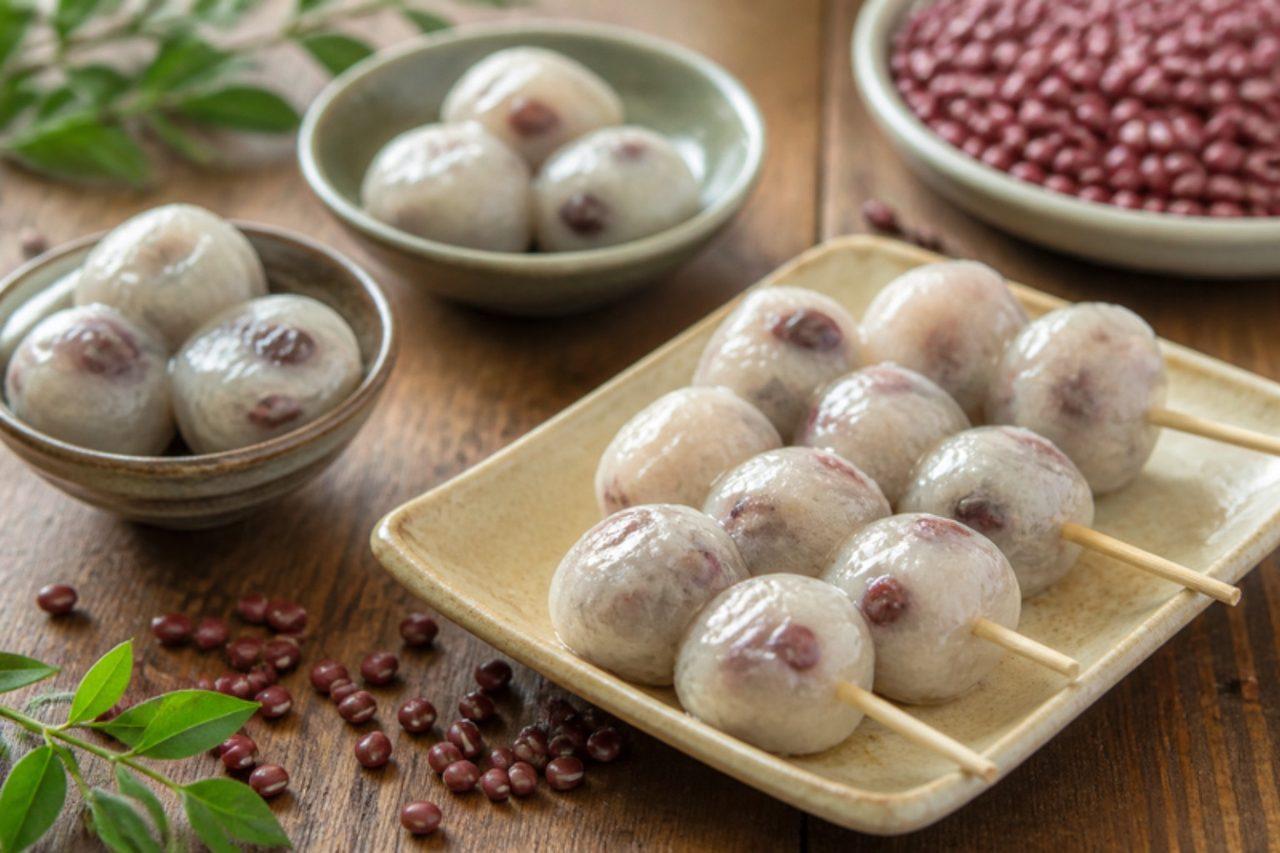
Handed out on a pair of bamboo skewers from the glass cabinets of old-style snack stalls in Sham Shui Po and Yau Ma Tei, put chai ko is a nostalgic after-school treat that Hong Kong grandparents still queue for. Each little cake is steamed in its own porcelain bowl, then popped out whole: smooth, slightly bouncy and chewy, either pale and sweet or golden with brown sugar, studded with soft red beans. It is eaten at room temperature while walking down the street, no plate or cutlery needed. The red beans sinking to the bottom is the most frequent letdown, which happens when they go into thin, raw batter. Chef's tip: half-cook the batter by stirring the boiling syrup into the rice flour slurry, so it thickens just enough to hold the beans in place.

by KrazyBadal 0 views

Madeeda (Sudanese warm millet and milk drink)

Thick enough to sip slowly from a glass but thinner than porridge, madeeda is a warming drink from northern Sudan made by cooking flour, often pearl millet, in milk and sweetening it with sugar or dates. Families make it on cool winter mornings, for anyone feeling under the weather and for new mothers, and it is a gentle way to break the fast in Ramadan. This version uses millet flour with cardamom and a little cinnamon, so it is smooth, nutty and lightly spiced. Lumps are the usual problem: whisk the flour into cold milk before it goes onto the heat. A frequent slip is not stirring enough, so the millet catches and the milk scorches. Chef's tip: for a date version, blitz 6 soft pitted dates with the milk and halve the sugar.

by KrazyBadal 0 views

Aradeib (Sudanese tamarind drink)

Tamarind trees shade villages throughout Darfur and Kordofan, and their sticky brown pods become aradeib, one of the best-loved Sudanese cold drinks. The pulp is soaked, rubbed and strained, then sweetened to make a deep amber, puckeringly sour drink that cuts through rich food and is much loved at iftar through Ramadan. It is also drunk as a home remedy for upset stomachs and heat. Seedy block tamarind from any Asian or African shop works perfectly. Pouring boiling water straight onto the pulp and leaving it too long draws out a harsh, tannic edge, so use hot rather than boiling water and strain after an hour. Avoid squeezing the soaked tamarind through a cloth too hard; fibres get through and make the drink cloudy and gritty. Chef's tip: make a concentrate and keep it in the fridge for up to a week; dilute with cold water by the glass.

by KrazyBadal 0 views

Guddaim (Sudanese grewia berry drink)

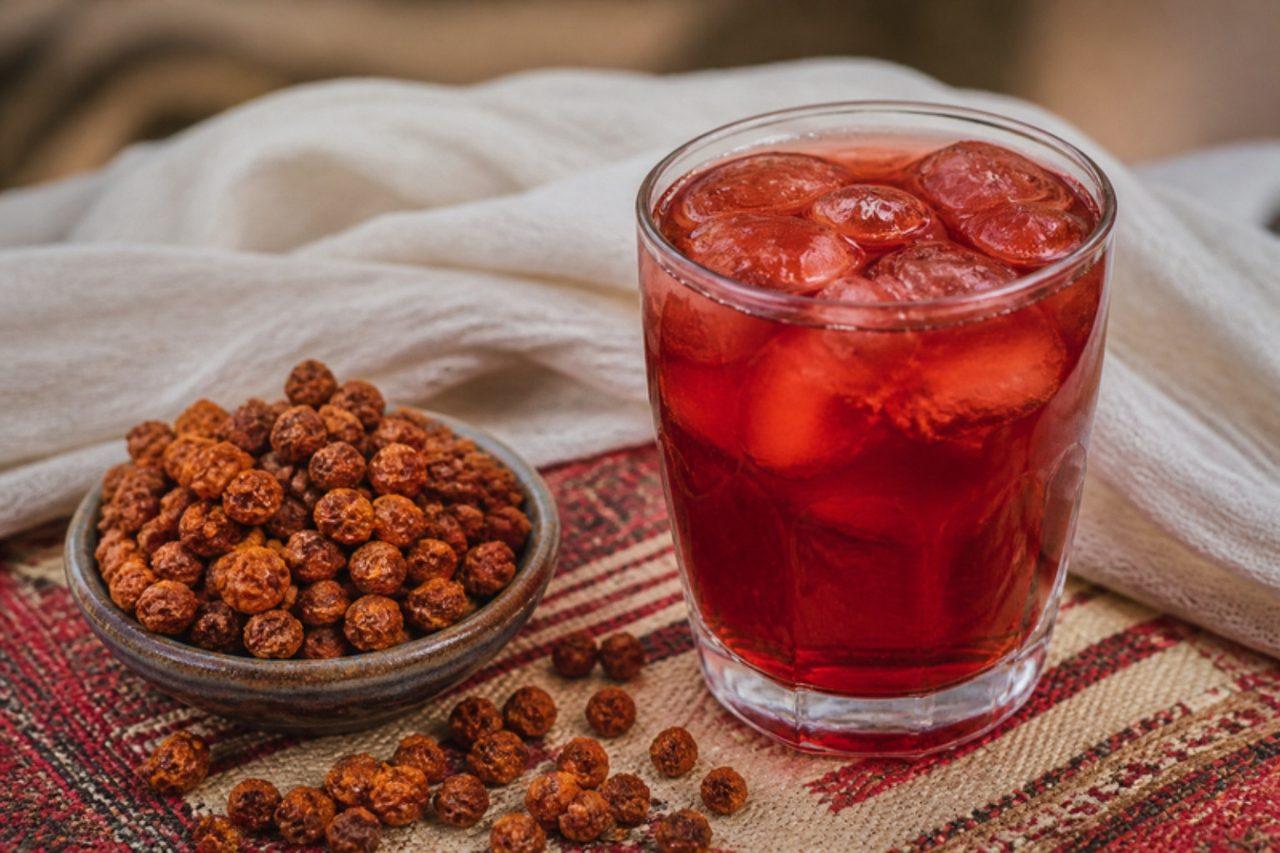
Small, round guddaim berries, the fruit of a wild grewia shrub that grows across Kordofan and Darfur, are dried and sold by the cupful in Sudanese markets. Soaked in water and rubbed off their stones, they give a cloudy reddish-brown drink that tastes a little like dates and sour cherries, with a pleasantly sharp finish. It is drunk ice-cold in the heat of the day, at iftar and to welcome guests. Look for dried guddaim in Sudanese or East African shops. If you cannot find it, a mix of 150 g pitted dates and 50 g tamarind pulp soaked the same way gives a similar sweet-sour drink, though not the same. Rubbing too hard and breaking the stones is the usual mistake, as it clouds the drink with grit; rub gently. Chef's tip: soak the berries in cool water overnight in the fridge for the fullest flavour.

by KrazyBadal 0 views

Tabaldi (Sudanese baobab drink)

The great baobab trees of Kordofan and Darfur drop hard pods full of chalky, cream-coloured pulp, and Sudanese cooks soak it in water to make tabaldi, a thick, milky-looking drink with a sherbet-like tang. It is sold from big cool-boxes in Khartoum markets in summer, served at weddings, and appears on the iftar table during Ramadan. Fresh pulp pieces with seeds are sold in African and Middle Eastern shops; baobab powder is a good substitute and needs no straining. Leave the drink to soak for an hour in the fridge before straining (soaking time is not counted in the total). The usual mistake is blending the seeds, which makes the drink bitter; rub the pulp off by hand instead. Chef's tip: a few drops of rose water or a pinch of ground cardamom makes it feel festive.

by KrazyBadal 0 views

Moukhbaza (Kassala mashed banana)

Kassala, in the green orchard country of eastern Sudan near the Eritrean border, grows bananas in abundance, and its signature dish uses them very simply: very ripe bananas mashed with a little sugar and cooked briefly until thick and jammy. Moukhbaza is eaten as a snack or light breakfast, torn kisra or soft gurasa pancakes dragged through it, and children adore it. It tastes like warm banana bread without the oven. Under-ripe fruit is the usual mistake; you want bananas with heavily speckled, almost black skins, or the mash is starchy and bland. Chef's tip: a squeeze of lime at the end keeps the colour bright and balances the sweetness.

by KrazyBadal 0 views

Seared gored goredSeared beef cubes in spiced butter

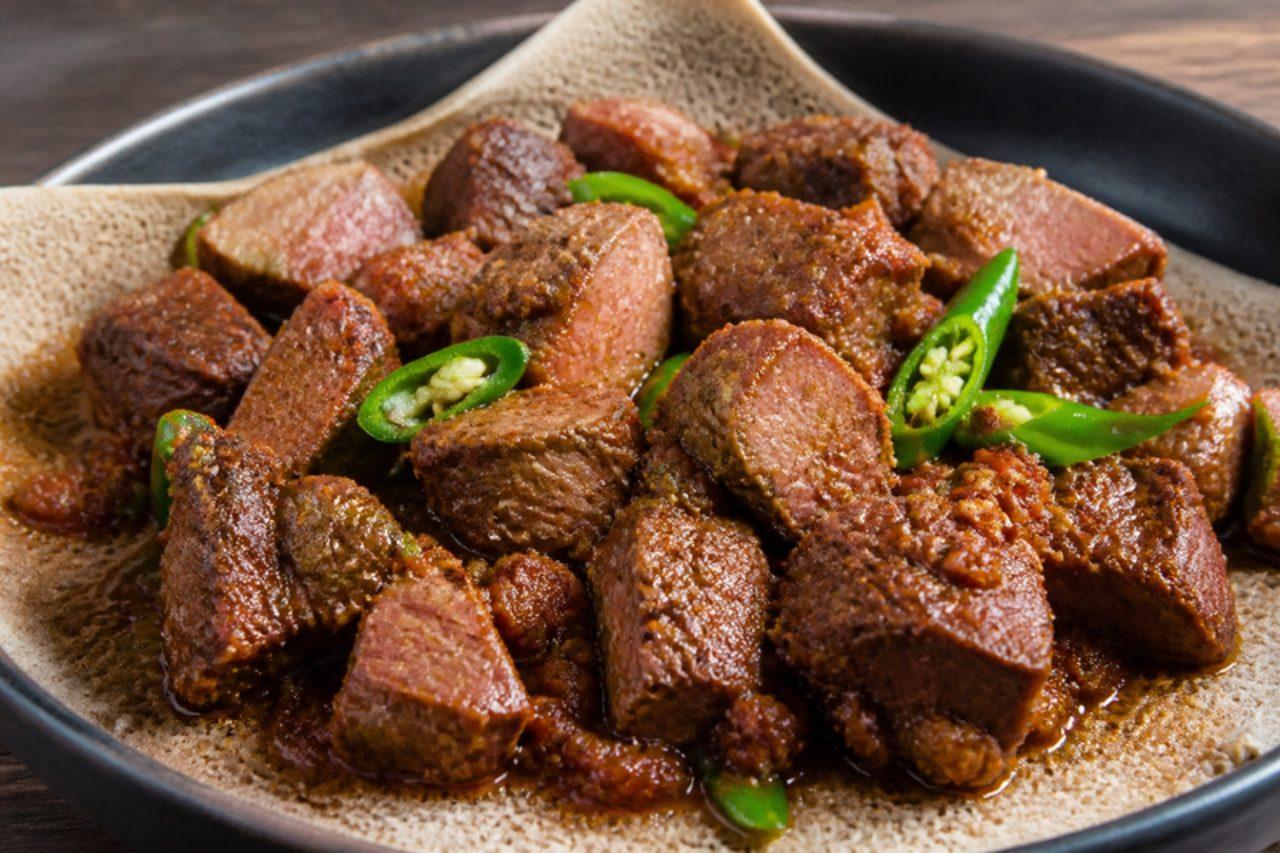
Gored gored is a celebration dish in Addis Ababa, ordered at butcher-restaurants and served at weddings and holiday gatherings, where cubes of the best beef are dressed with melted niter kibbeh, awaze and mitmita and eaten with injera. Traditionally the meat is served raw. Raw beef is not for pregnant women, young children or anyone with a weakened immune system, so this version sears the cubes over a fierce heat until well browned on every side and cooked to at least 63 °C in the centre, then rests them; take them to 71 °C if you prefer them fully cooked. The result is tender and juicy, rich with spiced butter and fiery from the awaze. Chef's tip: dry the cubes thoroughly with kitchen paper and sear them in two batches; a crowded pan steams the meat grey instead of browning it.

by KrazyBadal 0 views

Spris (layered fruit juice)

Juice houses all over Addis Ababa, with their towers of fruit stacked in the window, are famous for spris: a tall glass of thick purées poured in stripes, usually green avocado, golden mango and orange papaya, with a wedge of lime on the rim. It is closer to a spoonable smoothie than a juice, and people often eat the layers one by one before stirring the rest together. It makes a filling breakfast or an afternoon pick-me-up, and children love the colours. Chef's tip: blend each fruit separately and keep every purée thick enough to hold a spoon; runny purées bleed into each other and the stripes vanish.

by KrazyBadal 0 views

BulzPolenta balls with sheep's cheese

Shepherds in the Apuseni mountains and the sheepfolds above Sibiu made bulz from what they had in the hut: stiff mămăligă pressed in the hand around a lump of salty sheep's cheese, then pushed into the embers until the outside crisped and the cheese melted. At home it bakes in the oven and comes out with a golden shell and a molten, tangy middle, usually with a spoon of sour cream and sometimes a fried egg on top. Telemea, brânză de burduf and caș are often made with animal rennet, so for a vegetarian bulz use a feta-style or other salty white cheese labelled vegetarian. The usual slip is cooking the mămăligă too soft, so the balls slump and leak; it should be thick enough to hold a wooden spoon upright. Chef's tip: wet your hands with cold water before shaping so the hot cornmeal does not stick.

by KrazyBadal 0 views

KorbáčikyBraided fresh cheese strings

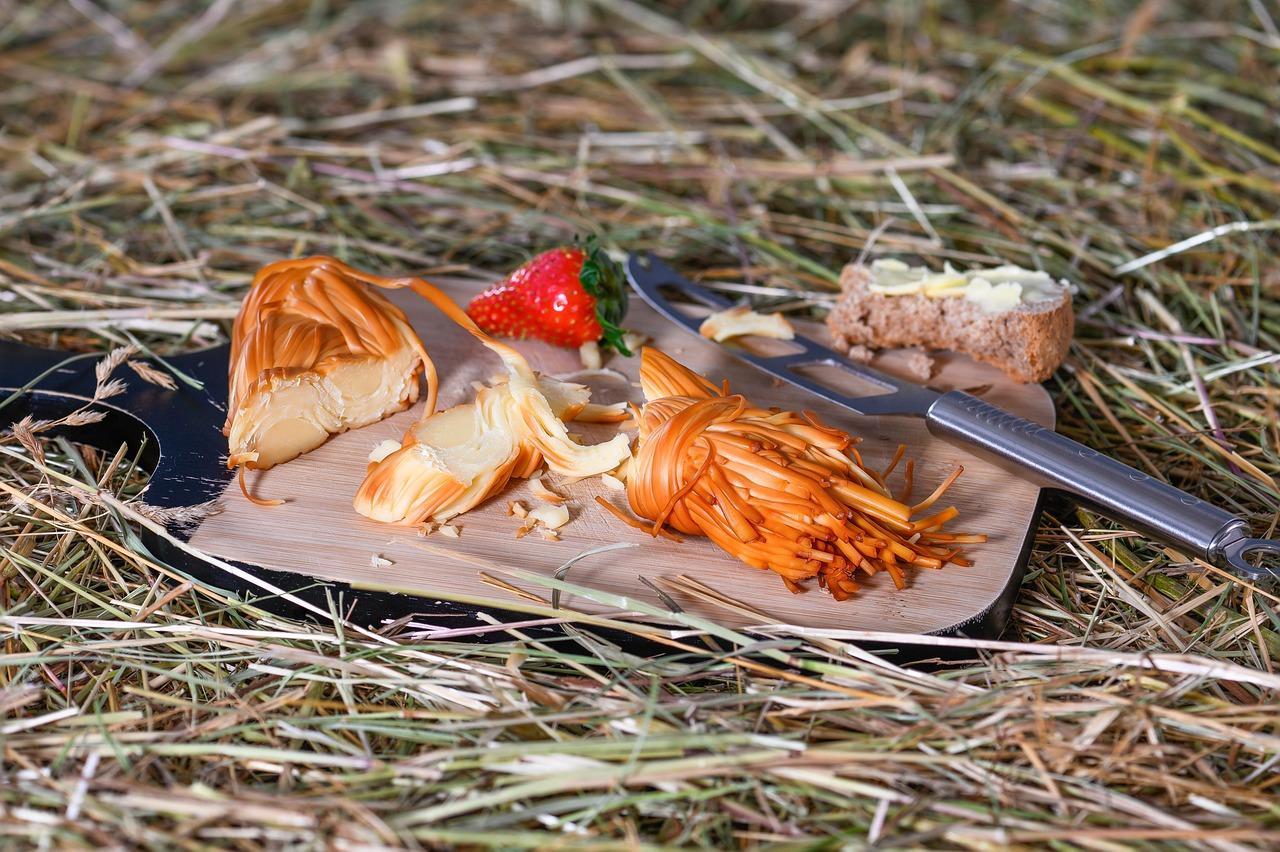
Korbáčiky (little whips) come from Orava in northern Slovakia, where cheesemakers pull hot, stretchy curd into long thin strings and plait them into braids. Sold at roadside stalls in the Tatra foothills, they are chewy, squeaky and salty, usually lightly smoked, and are pulled apart and eaten with fingers like a snack, often with a cold drink on a hike. At home you can make the curd yourself from pasteurised milk in under an hour. Traditional korbáčiky are set with animal rennet, so this recipe uses vegetarian (microbial) rennet; any shop-bought curd should say the same. Use pasteurised whole milk that is not UHT-treated, or the curd will not set. Where most people go wrong is stretching the curd when it is not hot enough: it tears instead of pulling into glossy ropes. Chef's tip: wear clean rubber gloves for stretching, so you can work with water hot enough to make the curd silky.

by KrazyBadal 0 views

Kmínová polévkaCaraway soup

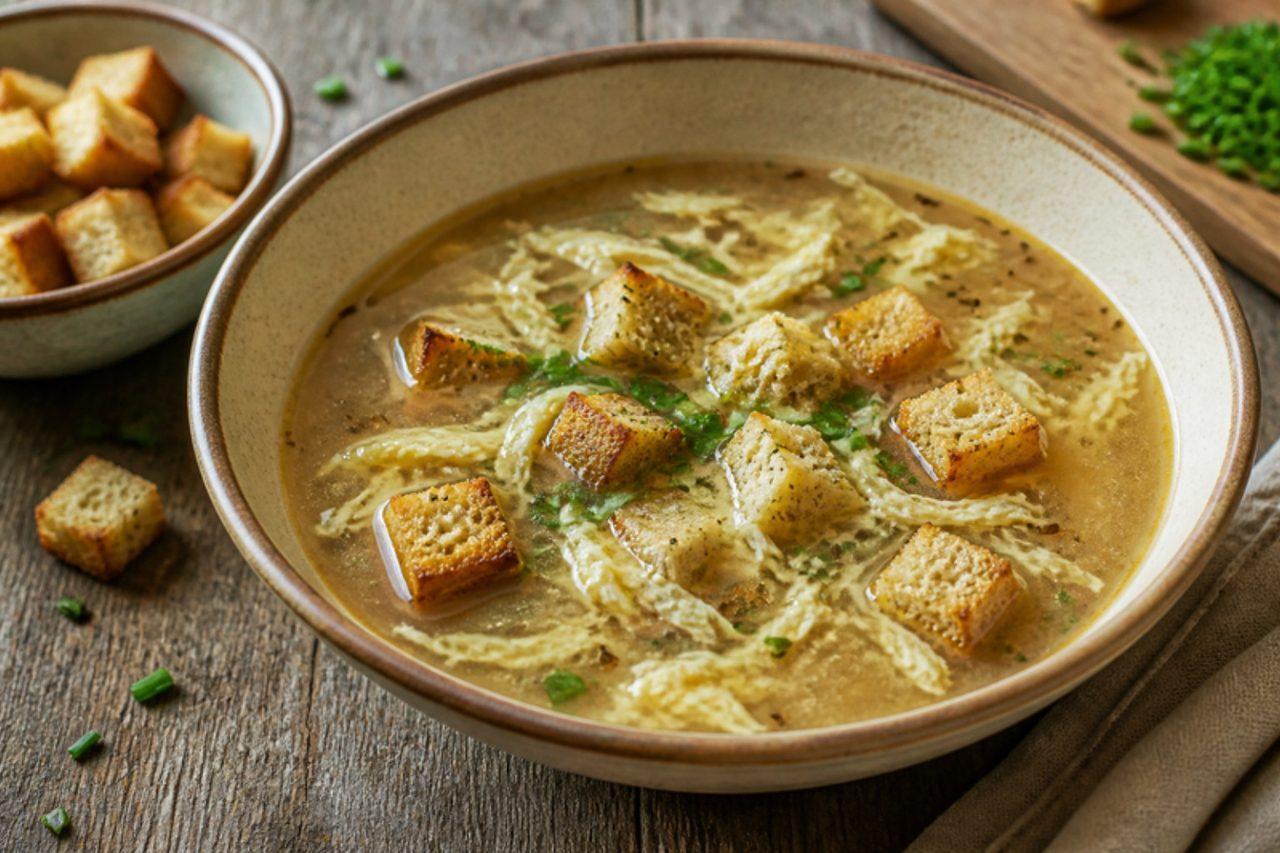
Few soups are as cheap or as old as this one. Kmínová polévka was the Bohemian peasant's breakfast long before coffee arrived, and Czech mothers still make it for an upset stomach or a hangover. The roux is cooked until it smells of toasted hazelnuts, the caraway is fried in butter until it pops, and the hot soup is poured straight onto crunchy toasted bread so it softens at the edges. Where most people go wrong is taking the roux off the heat while it is still pale: you get a floury, raw-tasting soup instead of a nutty one. A beaten egg trickled in at the end makes it more filling. Chef's tip: crush half the caraway in a mortar first, so the flavour spreads through the broth while the whole seeds give little bursts.

25 minCzechSoups
by KrazyBadal 0 views

KoloRoasted barley and peanut snack

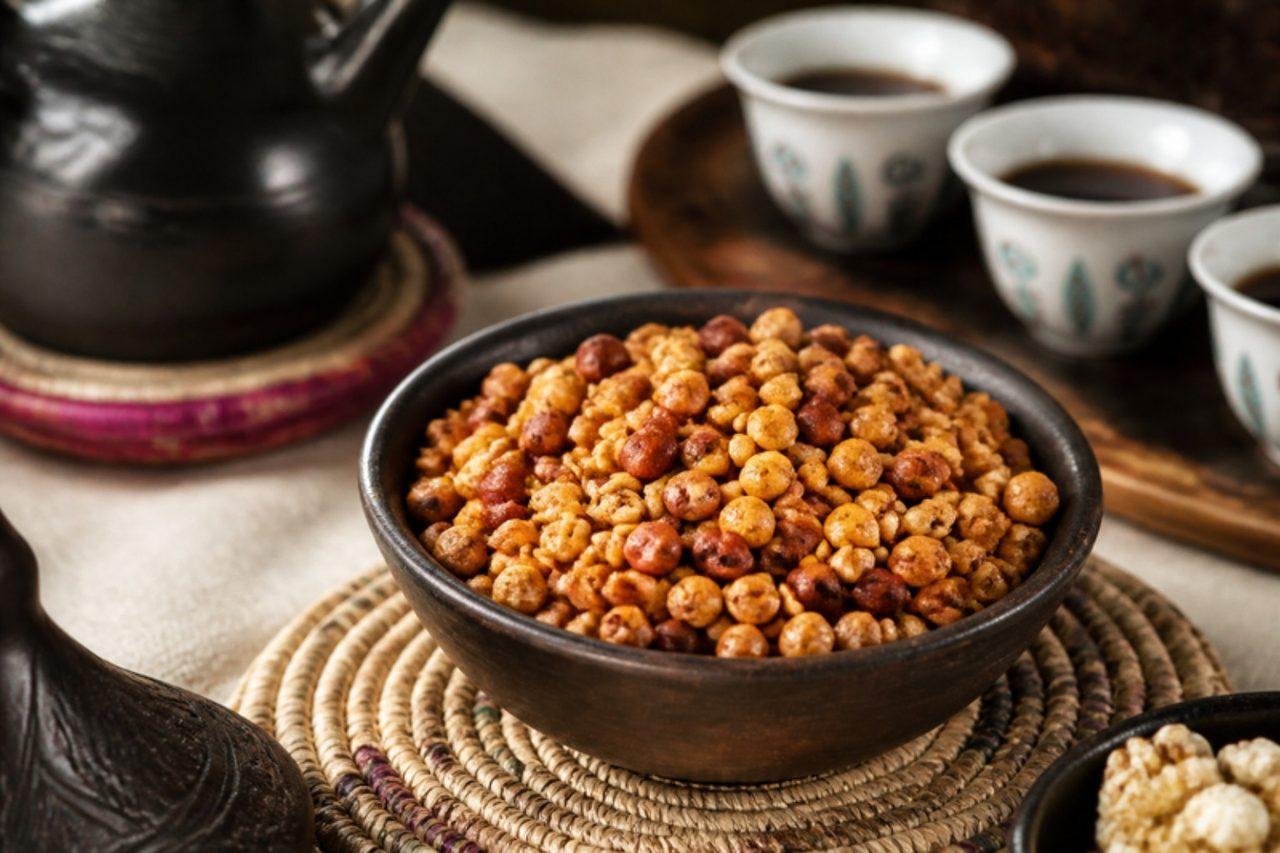
While the beans are roasted and the coffee is brewed three times over, a basket or small bowl of kolo goes round the room, and guests take a handful between cups. It is the simplest of snacks: whole barley grains roasted in a dry pan until they crack and smell like toast, mixed with roasted chickpeas and peanuts, sometimes with sunflower seeds or a little berbere. The barley is crunchy and nutty, the peanuts rich, the chickpeas mealy. Street sellers in Addis Ababa scoop it into paper cones, and families keep a jar for children's lunchboxes and long journeys. Note that barley contains gluten. Chef's tip: sprinkle a little salted water over the barley in the last minute of roasting; it evaporates instantly and leaves the salt clinging to every grain.

by KrazyBadal 0 views

ErgoSoured milk

Cattle-keeping families across rural Ethiopia leave fresh milk to thicken in smoked clay pots or gourds, and the result, ergo, is tangier and looser than yoghurt, somewhere between set buttermilk and a soft curd. It is spooned beside a spicy kitfo or wat to calm the heat, eaten for breakfast with bread, or drunk as it is on hot afternoons. The traditional way relies on raw milk souring by itself, which is not safe to copy at home; this version uses pasteurised whole milk with a spoon of live buttermilk or yoghurt as the starter, so the right bacteria do the work. Allow about 24 hours at room temperature for it to set. Chef's tip: keep it somewhere steady at 22–26 °C; too cool and it barely thickens, too warm and it separates into whey and lumps.

by KrazyBadal 0 views

Cambuulo (Somali adzuki beans with butter and sugar)

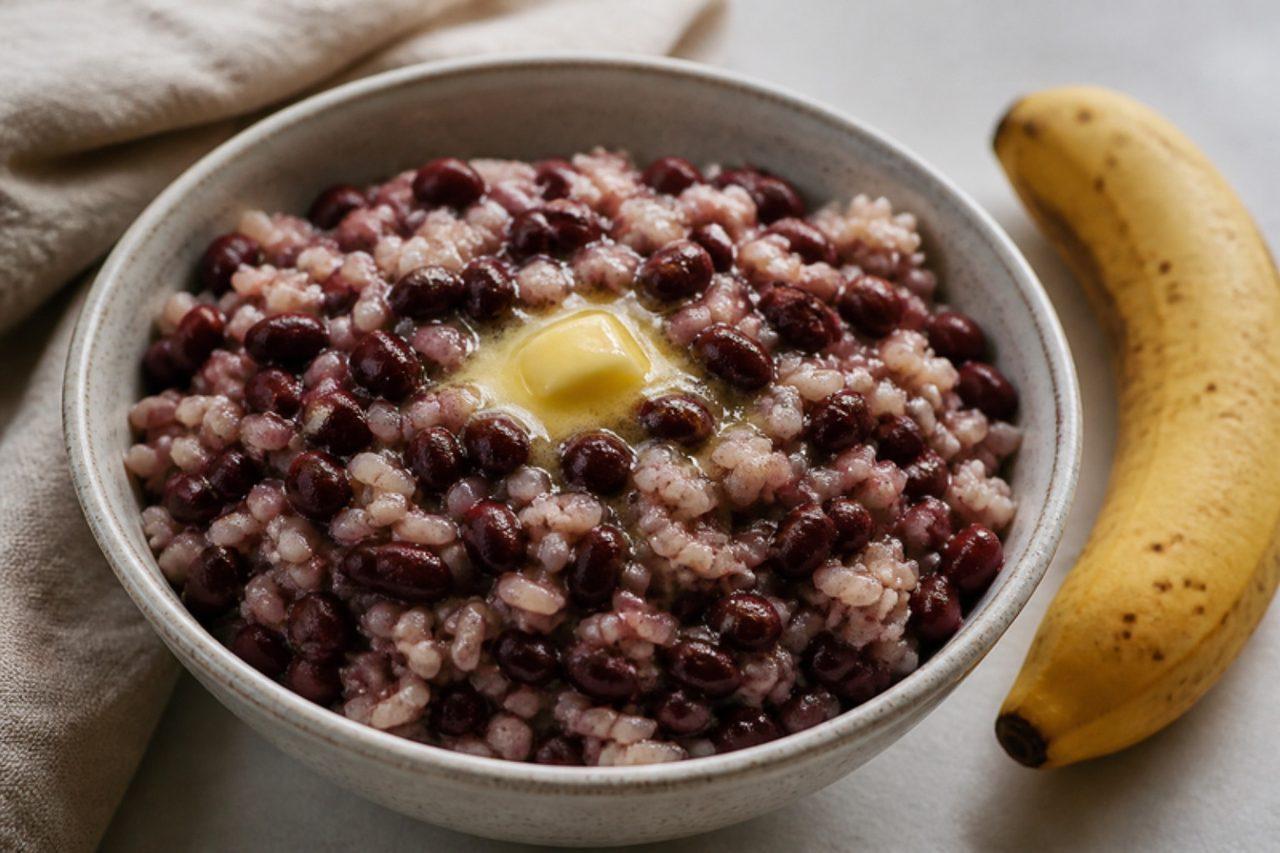
Small red adzuki beans, cooked slowly until they almost collapse, are the heart of cambuulo, a dish Mogadishu households make for a cheap, filling evening meal. Once the beans are soft they are glossed with butter, a spoonful of sugar and a pinch of salt, so the flavour lands somewhere between savoury and gently sweet. Many families stir the beans into plain rice or serve the two side by side, with a drizzle of sesame oil and a banana on the plate. The texture should be creamy, with some beans still whole. The usual mistake is pulling the pot off too early: firm beans never turn creamy, so keep simmering until one crushes easily against the side of the pan. Chef's tip: soak the beans overnight and change the water before cooking; they cook more evenly and are easier to digest.

by KrazyBadal 0 views

Bula (enset starch porridge with spiced butter and ayib)

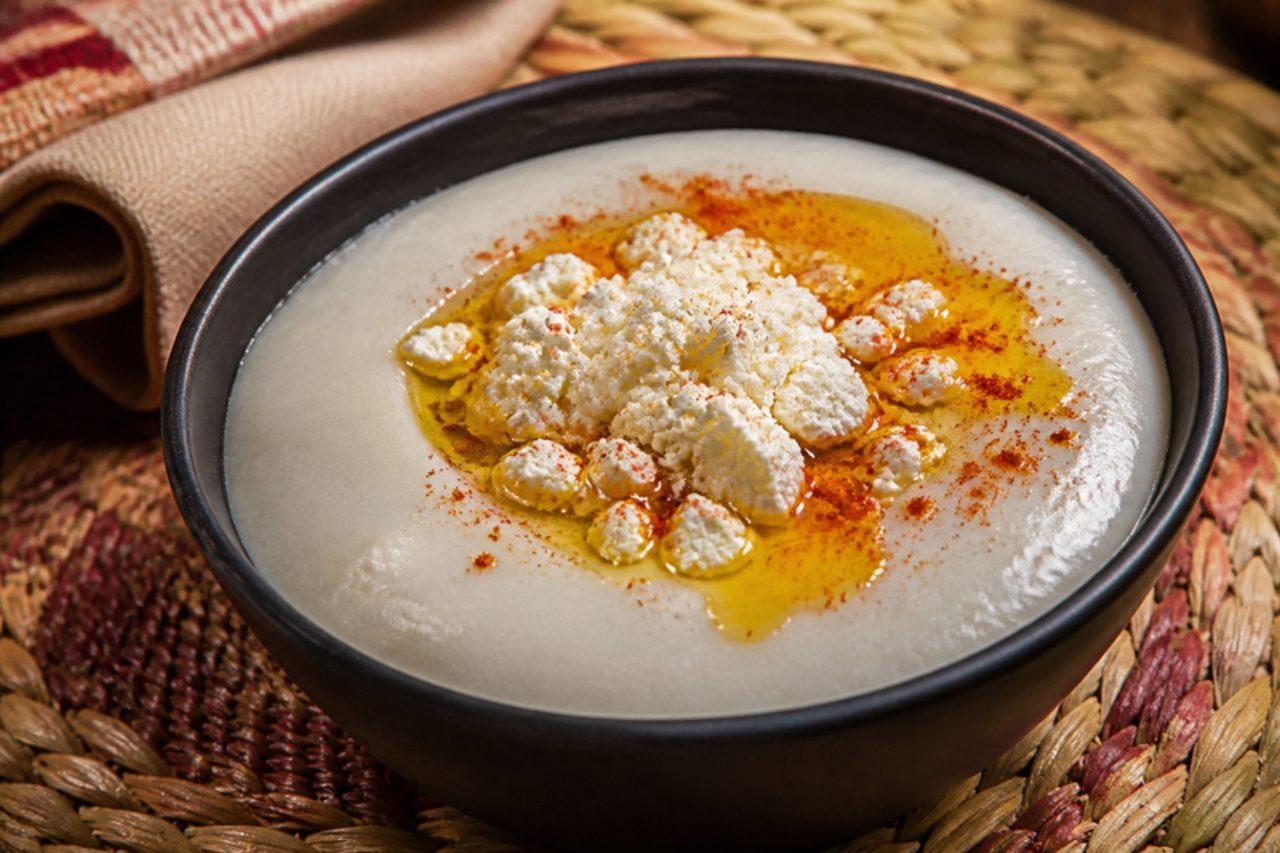
Bula is the finest part of the enset plant, a white starch that settles out when the pulp is squeezed, and in Sidama and Gurage homes it is cooked into a smooth, wobbly porridge for honoured guests, new mothers and anyone feeling weak. Whisked into water and stirred until glossy and translucent, it is very mild and slightly elastic, then topped with melted niter kibbeh, crumbled ayib and a pinch of mitmita for warmth. It is eaten for breakfast or as a light supper, often with coffee. Dried bula is sold in Ethiopian shops; tapioca starch is the closest stand-in. Lumps are the common mistake, so always slake the starch in cold water first and whisk as it heats. Chef's tip: keep stirring right to the end; bula thickens suddenly and catches on the base of the pan in seconds.

by KrazyBadal 0 views

Kocho (Gurage enset flatbread)

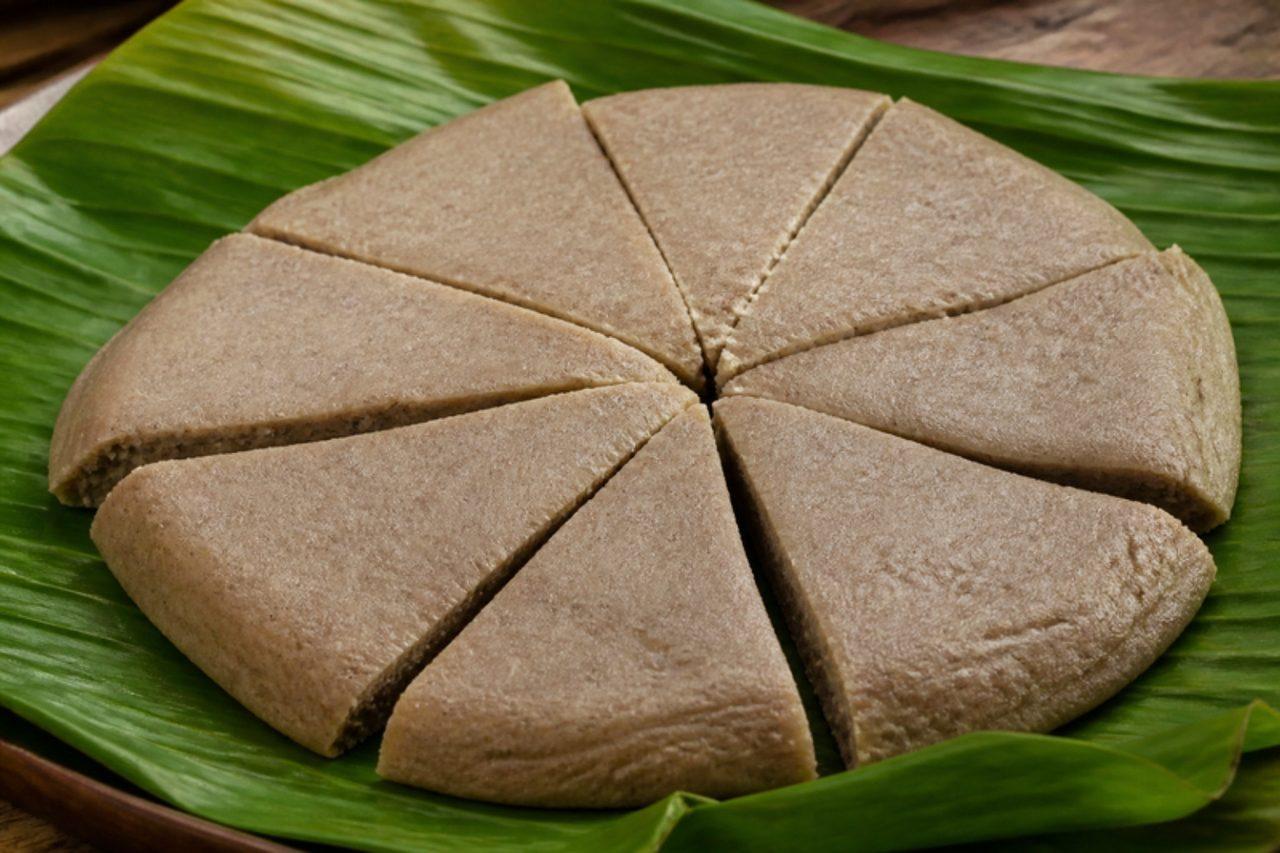
Across the green Gurage and Sidama highlands, the enset or 'false banana' plant feeds whole families, and its scraped, fermented pulp becomes kocho, the dense flatbread that is the only proper partner for kitfo. Fermentation happens over weeks or months in leaf-lined pits, so outside Ethiopia you start with ready-fermented kocho, sold frozen or chilled in Ethiopian shops; there is no real substitute. The pulp is squeezed, chopped fine, patted into a round on enset or banana leaves and baked slowly on a griddle. The bread is chewy, slightly fibrous and pleasantly sour, with a faint fermented aroma, and it is torn and used to scoop kitfo, gomen kitfo and ayib, especially at Meskel. Too much moisture is the classic mistake, giving a gummy, raw-tasting middle; wring the pulp out well. Chef's tip: cook it low and slow under a lid, so the centre dries and sets before the leaves burn.

by KrazyBadal 0 views

Gomen kitfo (Gurage minced collards with spiced butter)

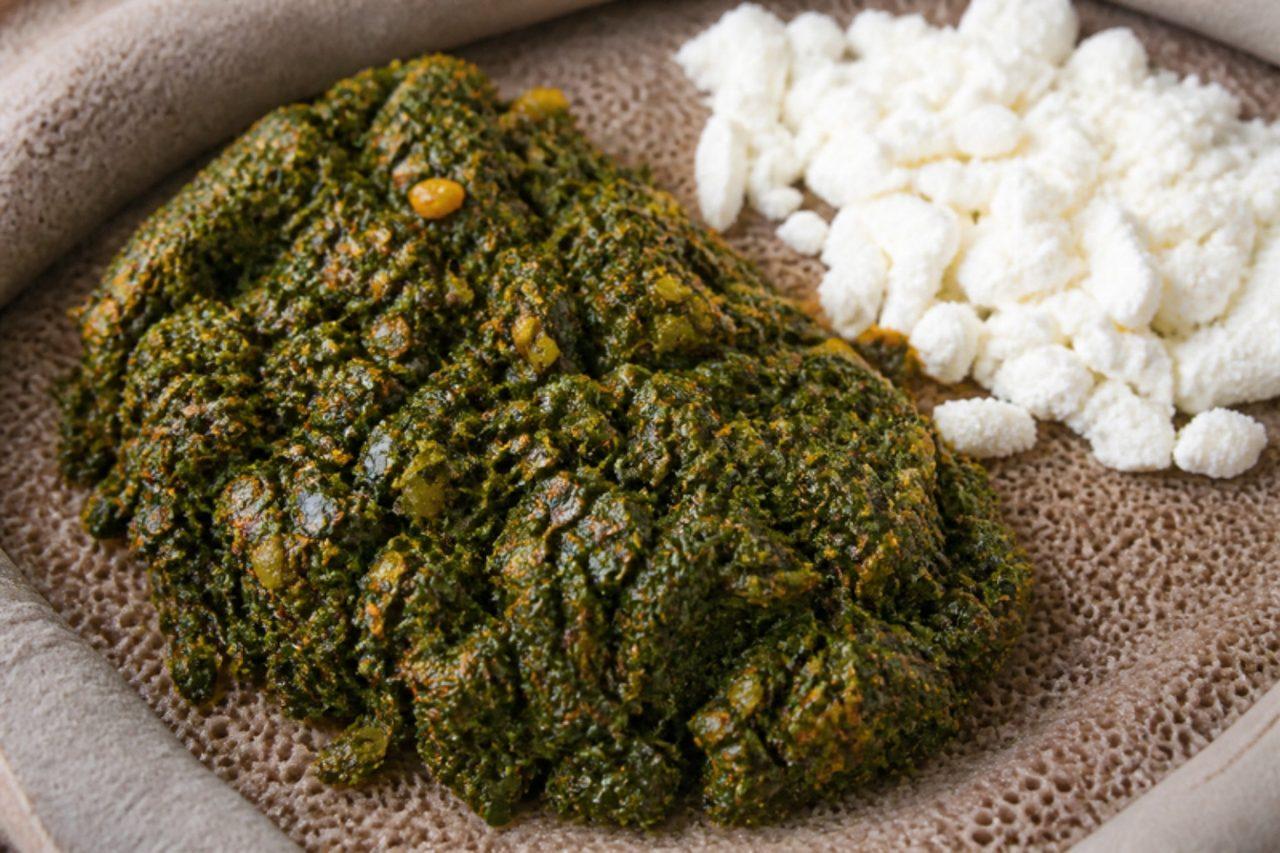
Meskel in the Gurage highlands is the year's great feast, and next to the beef kitfo on the table there is always gomen kitfo, the meat-free 'kitfo' of greens. Collards are boiled until tender, squeezed hard and chopped so finely they become almost a paste, then worked with warm niter kibbeh, mitmita and a little korerima. The result is dark green, silky and rich, with a sharp chilli kick and a deep, slightly bitter leafy flavour. It is eaten with kocho and a heap of fresh ayib, and is also made on its own on non-fasting days. The usual mistake is leaving water in the greens, which makes it soggy and dilutes the butter; wring them out in a clean cloth. Chef's tip: chop with a heavy knife, rocking it again and again, rather than blending; a blender turns it into a purée and loses the fine, almost-minced texture.

by KrazyBadal 0 views

Chuko (Tigrayan roasted barley and spiced butter snack)

Tigrayan mothers pack chuko for sons and daughters leaving home, for pilgrims walking to Aksum and for long bus journeys, because it keeps for weeks and a small piece goes a long way. Roasted barley flour is rubbed with warm niter kibbeh, berbere and a little sugar and salt, then pressed into a dense cake or shaped into fingers. The texture is crumbly and rich, like a savoury shortbread that melts in the mouth, with a slow chilli warmth and the toasty taste of the grain. It is eaten with coffee or black tea. The usual mistake is skimping on the butter, which leaves a dry mix that will not hold; squeeze a handful, and it should keep its shape. Chef's tip: warm the butter until just liquid, not hot, and work it in with your fingertips so every grain of flour is coated.

by KrazyBadal 0 views

Kueh tutuSteamed rice flour cakes

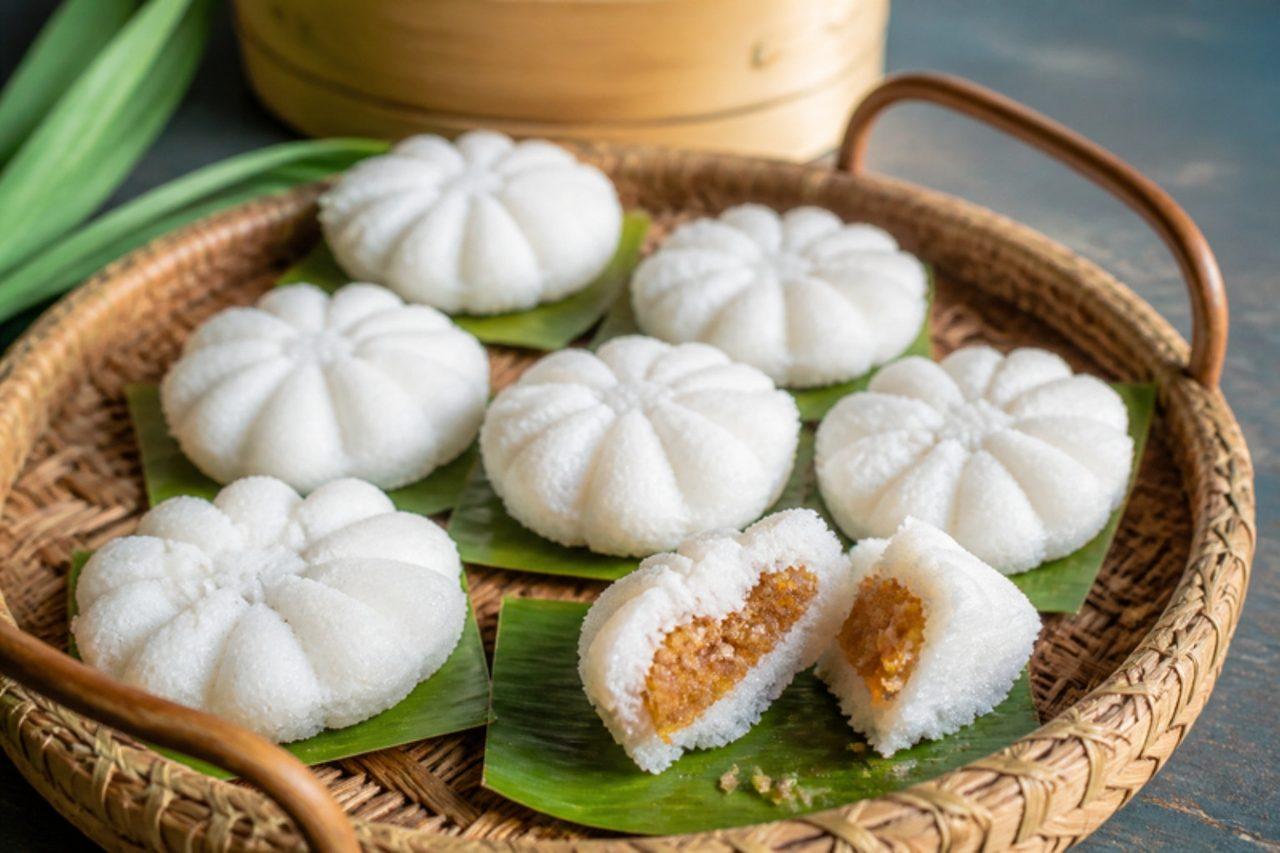
Pushcart sellers at Tanjong Katong and the old kampungs once made kueh tutu to order, and a few stalls in Queenstown and at Chinatown Complex still do: loose, fragrant rice flour is packed into small flower-shaped wooden moulds around a spoon of sweet ground peanut or brown-sugar coconut, steamed for barely three minutes on a cloth, then tipped onto a square of pandan leaf. Bite in and the white crumb dissolves, light and powdery-soft, around the crunchy or sticky centre. They are an afternoon snack, sold by the half-dozen and eaten warm on the spot. The usual mistake is making the rice flour too wet; it should feel like damp sand that just holds when squeezed, or the cakes turn dense and gummy. Chef's tip: toast the rice flour in a dry pan first and cool it; the cakes smell nuttier and the crumb steams up lighter.

by KrazyBadal 0 views

Showing 24 of 2,809 recipes

Show more recipes

Page 65 of 118

More Jain ideas

Other diets