Skip to content
WhatToEat.Today

Jain recipes: no onion, garlic or root vegetables

2,797

2797 Jain recipes with no onion, garlic, potato, carrot, fresh ginger or other root vegetables, and no mushrooms, eggs or honey. Hing, dry ginger and turmeric powder are fine. Each has photos, step-by-step instructions and cook times. The quickest, Apfelschorle, takes 2 minutes. Most take around 40 minutes.

Filter these by time, diet or cuisine · Make Jain your diet to see only these recipes everywhere on the site.

Kholasapori pithaRice pancakes with coconut and jaggery

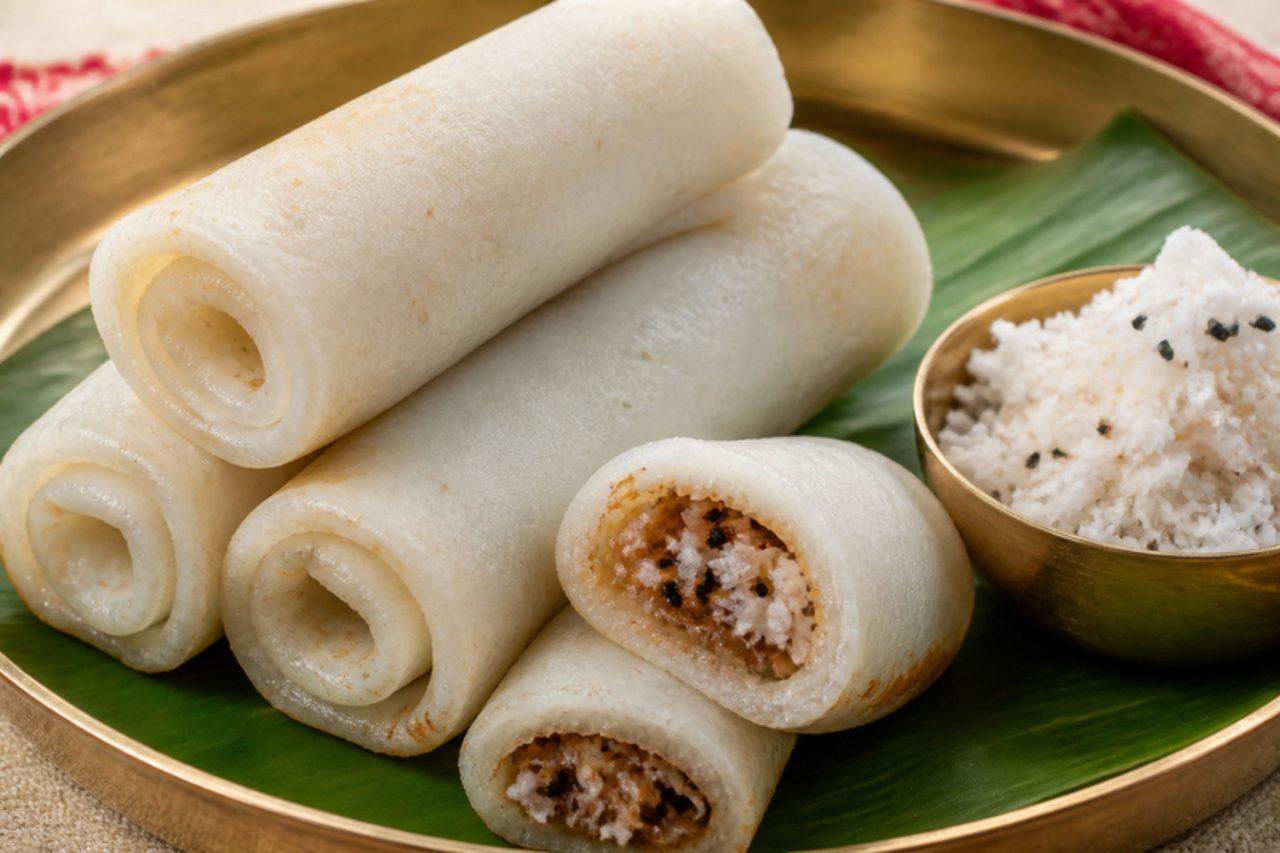
Kholasapori means 'pressed in the khola', the shallow clay pan that every Assamese kitchen brings out for Magh Bihu, when guests are offered a plate of pitha before anything else. These are thicker and softer than the crisp til pitha: a loose batter of sticky rice flour is spread on the hot pan, filled with coconut and jaggery and folded over, so the outside is lightly speckled and the inside chewy and sweet. A heavy cast-iron pan stands in well for the khola. Common mistake: a pan that is too hot; the batter should set slowly with no browning in the first minute, and it is ready to fold when the edges lift and the top no longer looks wet. Chef's tip: wipe the pan with a cloth dipped in oil between each pitha rather than pouring oil in, so they stay pale and even.

by KrazyBadal 0 views

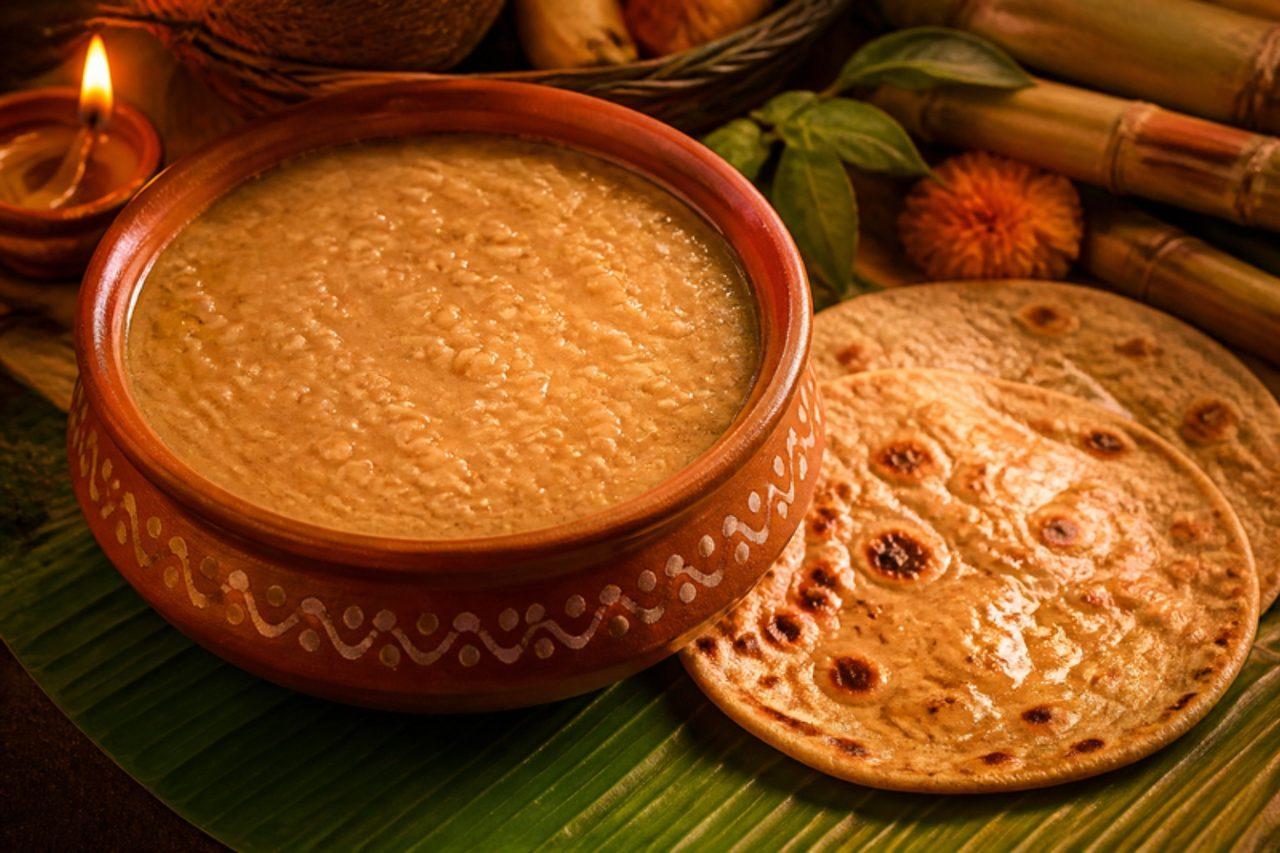
RasiyaJaggery rice kheer

On the evening of Kharna, the second day of Chhath in Bihar and eastern Uttar Pradesh, the vrati who has fasted since dawn cooks rasiya on a new clay chulha over mango wood: arwa rice simmered in milk with jaggery, offered to Chhathi Maiya and eaten with ghee-smeared roti before the 36-hour waterless fast begins. It is pale brown, creamy and tastes of caramel and milk. Common mistake: adding jaggery while the milk is boiling hard, which curdles it; take the pan off the heat, let it calm, then stir in the jaggery, and the kheer is ready when the rice is completely soft and it coats the spoon. Chef's tip: many families cook it with no salt and in a separate pan from everyday cooking; do the same if you are making it for the puja.

by KrazyBadal 0 views

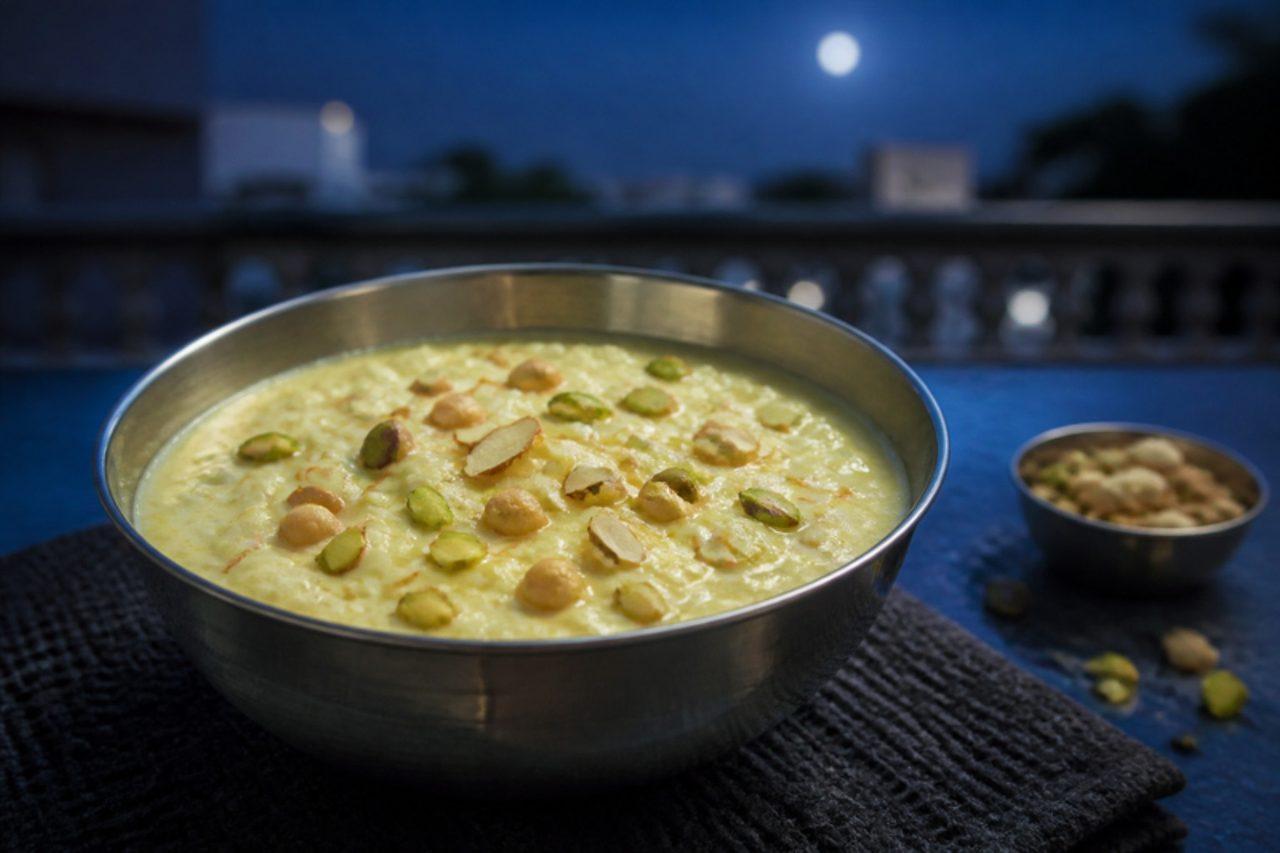
Doodh pauvaChilled saffron milk with flattened rice

Sharad Poonam, the brightest full moon of the year, ends the Navratri season in Gujarat; families sing garba late into the night and leave a bowl of doodh pauva out under the moon, believing its rays make it healing, before eating it cold together. It is thin poha soaked in reduced, sweetened milk with cardamom, saffron and nuts, cooling, soft and lightly creamy, the Gujarati cousin of Maharashtra's Kojagiri masala doodh. Common mistake: adding poha to hot milk or too early, so it turns to porridge; chill the milk first and stir the poha in only 10–15 minutes before eating, when the flakes are soft but still separate. Chef's tip: simmer the milk down by a quarter before chilling; a little reduction gives body without needing cream.

by KrazyBadal 0 views

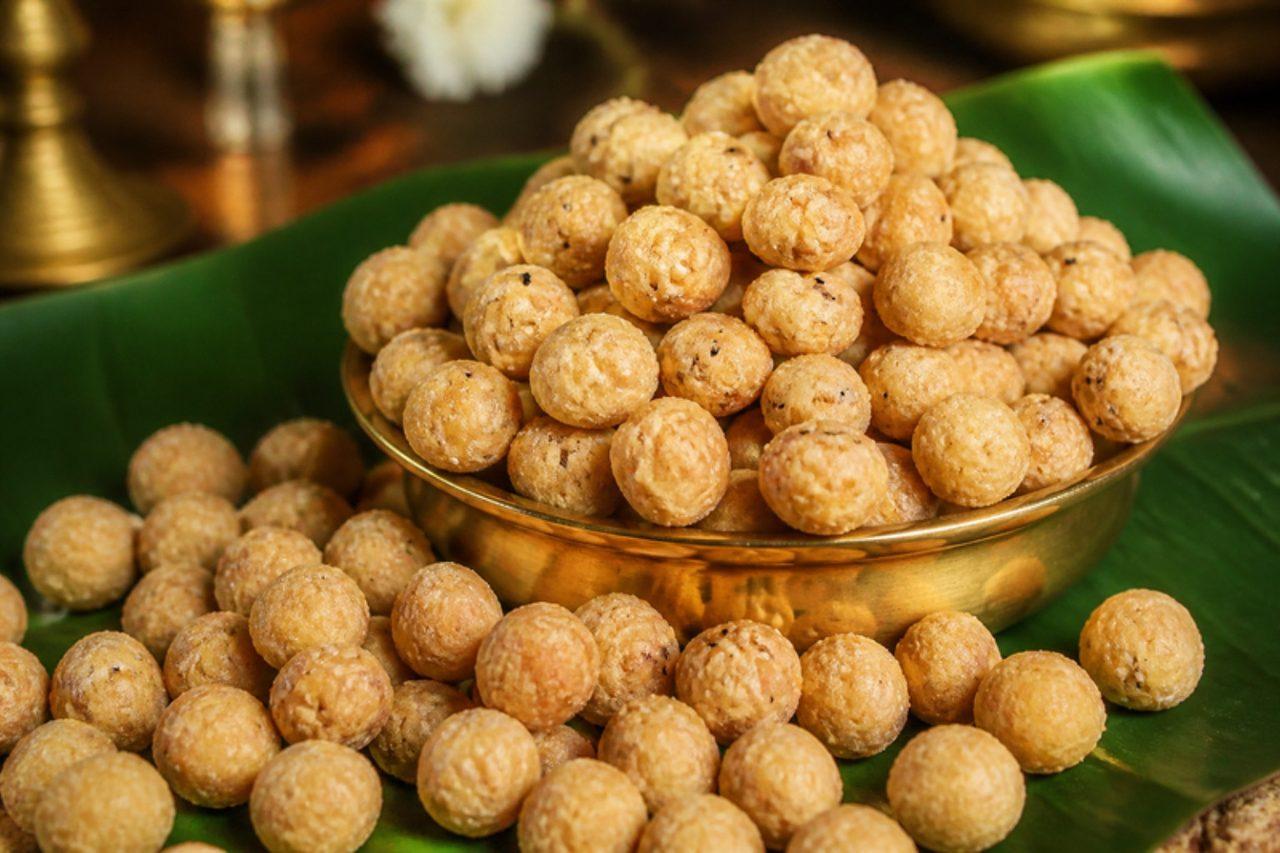
Uppu seedaiCrunchy fried rice flour balls

For Gokulashtami, Tamil households draw tiny rice-flour footprints from the doorway to the puja room as if baby Krishna had walked in, and the trays set before him always hold uppu seedai, marble-sized balls of rice and urad flour with coconut, sesame and butter, fried until hard and crunchy. They keep for weeks in a tin. Common mistake, and a famous one: damp flour or trapped air makes seedai burst in the oil, so the rice flour is dried, the coconut squeezed, and each ball rolled smooth without cracks; they are done when the bubbling almost stops and they sound hollow when stirred. Chef's tip: prick each ball once with a needle before frying, and fry the first two alone as a test.

by KrazyBadal 0 views

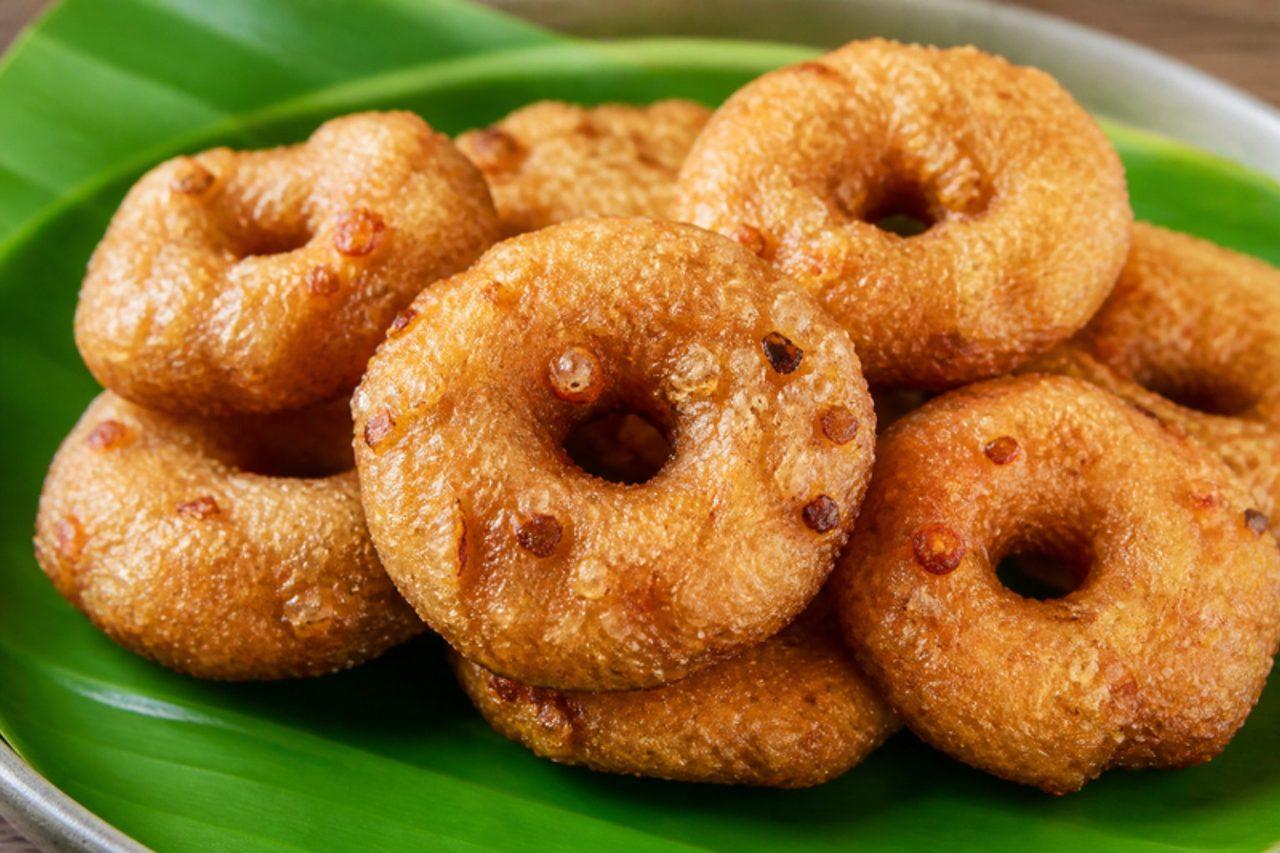
Kalkandu vadaiSweet urad dal rock sugar vadai

Kalkandu vadai is the sweet cousin of medu vadai, made in Chettinad homes for festivals and for the trays that go to a bride's house. Soaked urad dal and a little rice are ground fluffy and mixed with crushed kalkandu (rock sugar) and coconut, then fried into small golden rounds that are crisp outside, soft inside, with pockets of melted crystal sugar. They are eaten warm with coffee. A common mistake is grinding the rock sugar in with the batter, which turns the batter runny; crush it coarsely and fold it in just before frying. Chef's tip: fry these on slightly lower heat than savoury vadai, because sugar browns fast and burns before the centre cooks.

by KrazyBadal 0 views

Vishu kanjiRice and green gram porridge

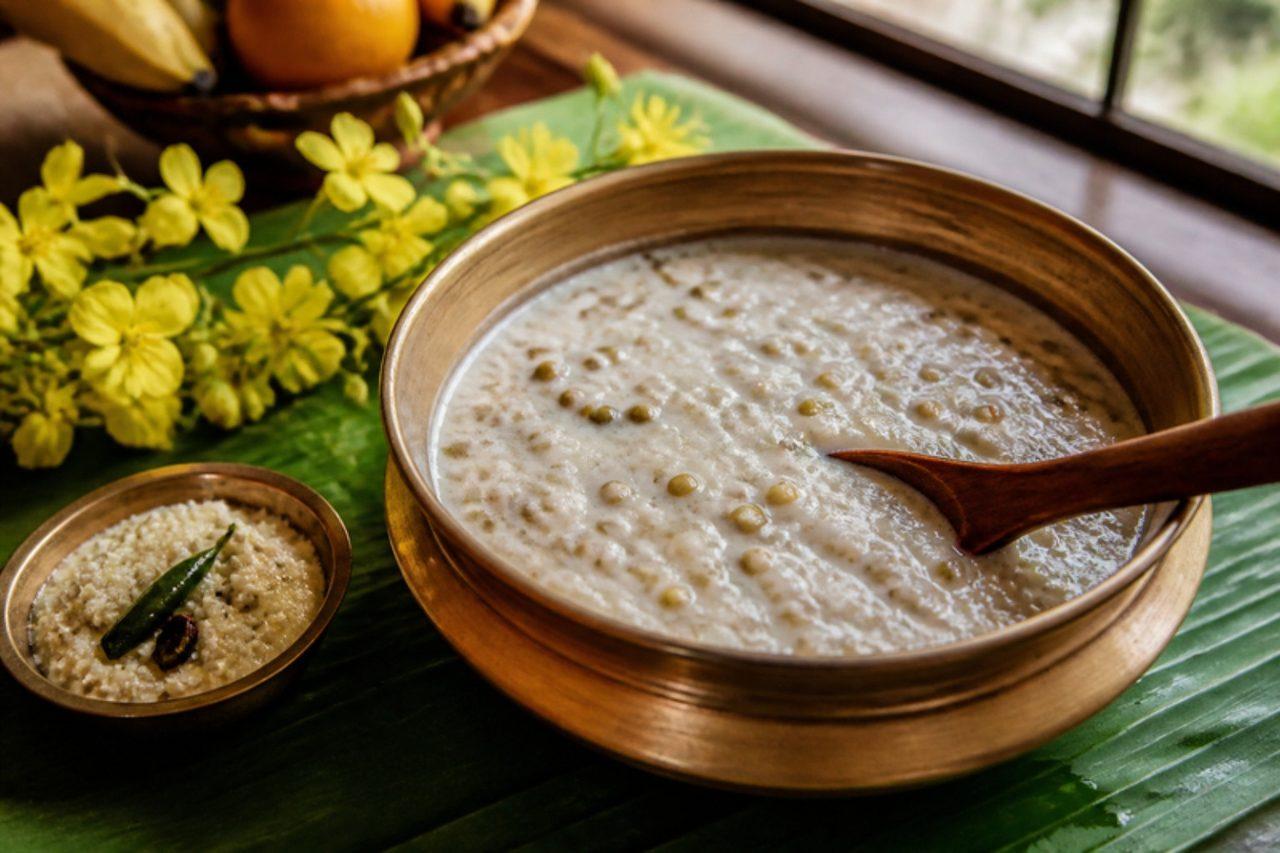
In Kerala, Vishu starts before sunrise with the kani, when each member of the family is led with closed eyes to see a tray of rice, gold-yellow konna flowers, fruit, a mirror and a lamp, so the year begins with something lucky. Breakfast afterwards, in many central Kerala homes, is this kanji: rice and lightly roasted whole green gram cooked soft and finished with coconut milk, eaten with a dry chakka or pumpkin side and pappadam. It is mild, creamy and nourishing, nothing like a plain rice gruel. The common mistake is boiling the thick coconut milk, which splits it and turns the kanji grainy; it goes in at the end, off the boil. It is ready when the gram has burst and the rice falls apart when stirred. Chef's tip: a few crushed cumin seeds and a shallot fried in coconut oil spooned over each bowl make it taste festive.

by KrazyBadal 0 views

Jamnagari kachoriDry sweet-spicy kachori

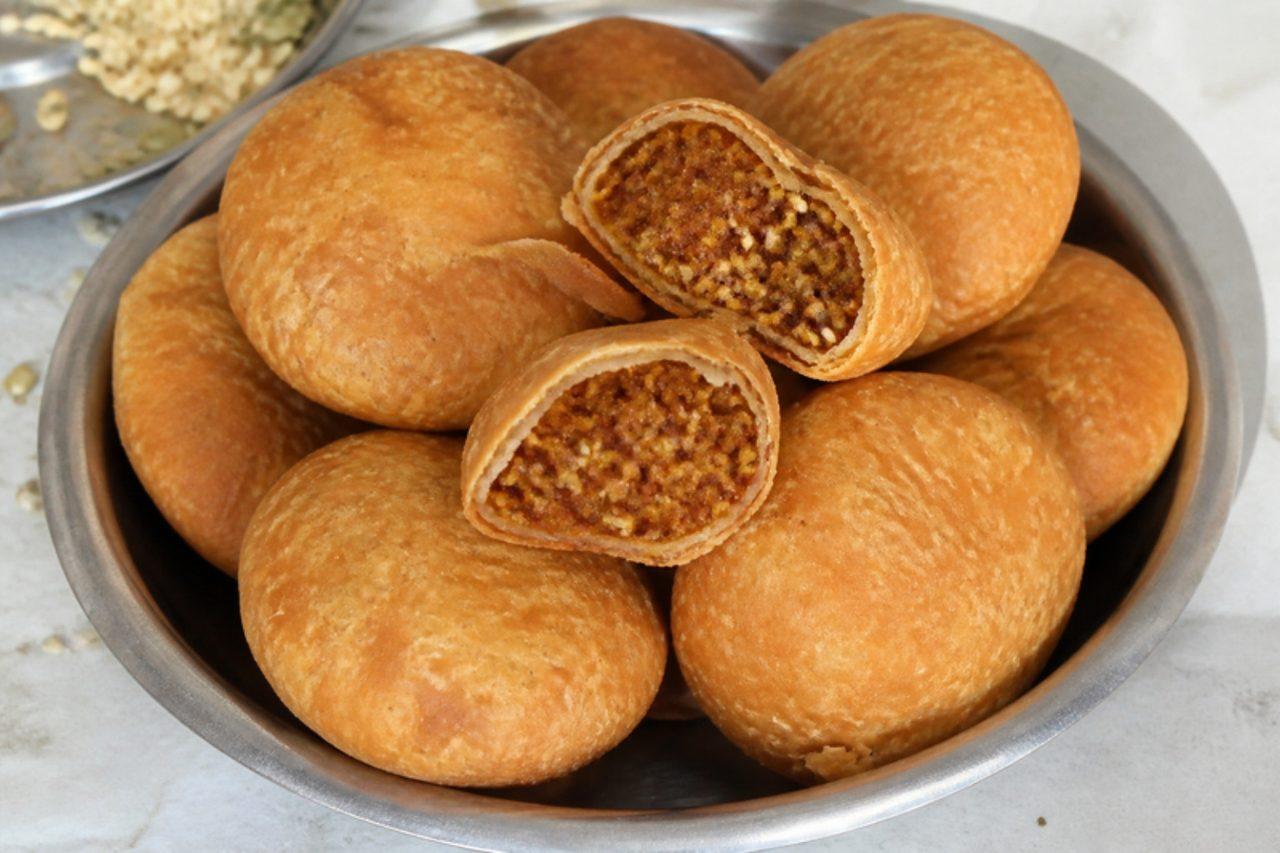
Jamnagari kachori are the little dry kachori that travel: Gujarati families buy them by the box in Jamnagar and carry them abroad, because the filling has no water in it and they keep for a month. The pastry is short and crisp, and the filling is a crumbly mix of roasted besan, dry coconut, sesame, fennel, coriander seed, sugar, raisins and a hit of chilli and dry mango, sweet, sour and hot at once. They are a tea-time snack and part of every Diwali tray. The common mistake is frying them fast; they need a long, slow fry on low heat so the pastry cooks crisp all the way through. Chef's tip: roast the besan for the filling until it smells nutty and just darkens, or the kachori taste raw and floury.

by KrazyBadal 0 views

Kanchipuram idliSpiced temple idli

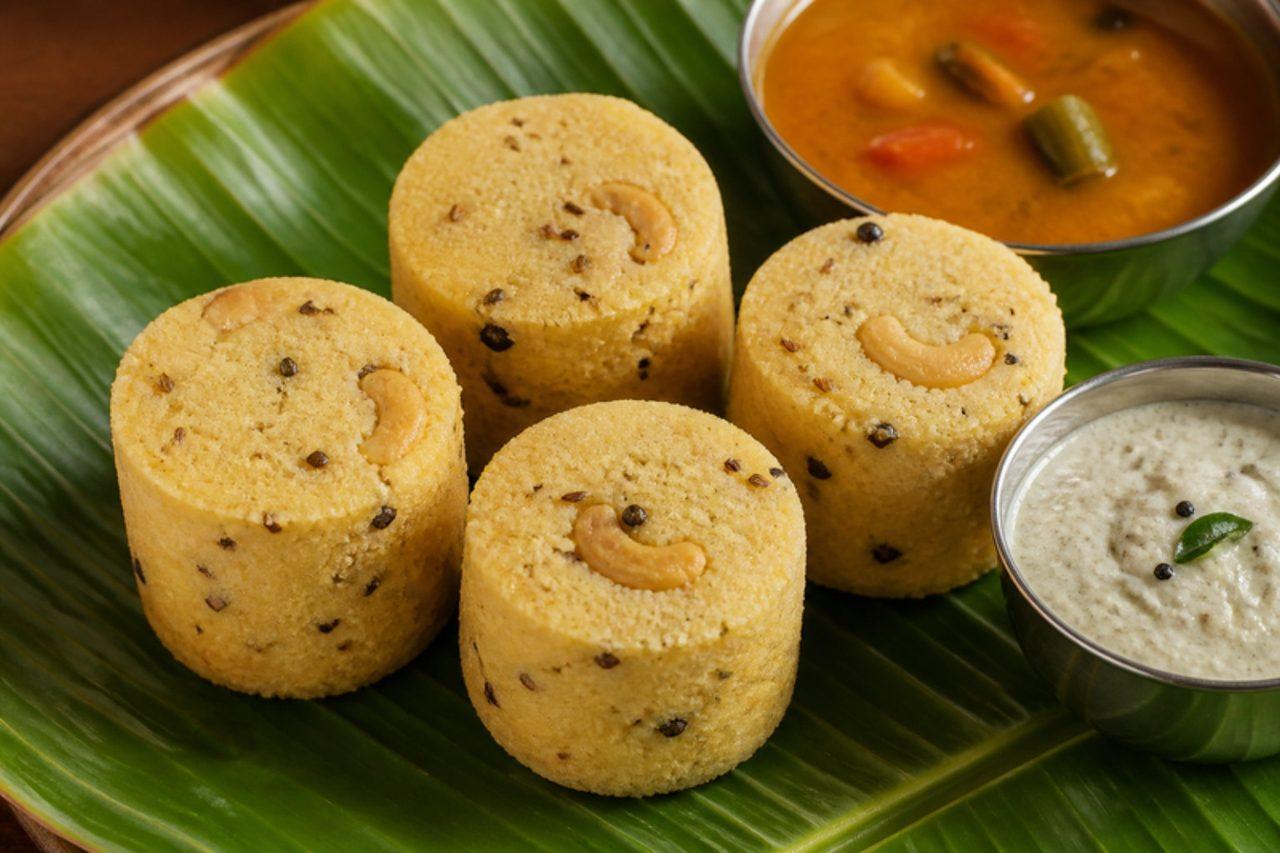
Kanchipuram idli is the temple prasadam of the Varadharaja Perumal temple, where it was traditionally steamed in tall bamboo baskets lined with mandarai leaves. It is coarser and richer than everyday idli, with cracked pepper, cumin, dry ginger and cashews fried in ghee folded through, and it's eaten for breakfast or festival tiffin with coconut chutney and sambar. The mistake is grinding the rice as fine as for plain idli; it should feel like fine semolina so the idli has a crumbly, open bite. Chef's tip: steam in tumblers or small bowls lined with banana leaf for the tall shape and a gentle leaf aroma.

by KrazyBadal 0 views

Mor kaliButtermilk rice flour cake

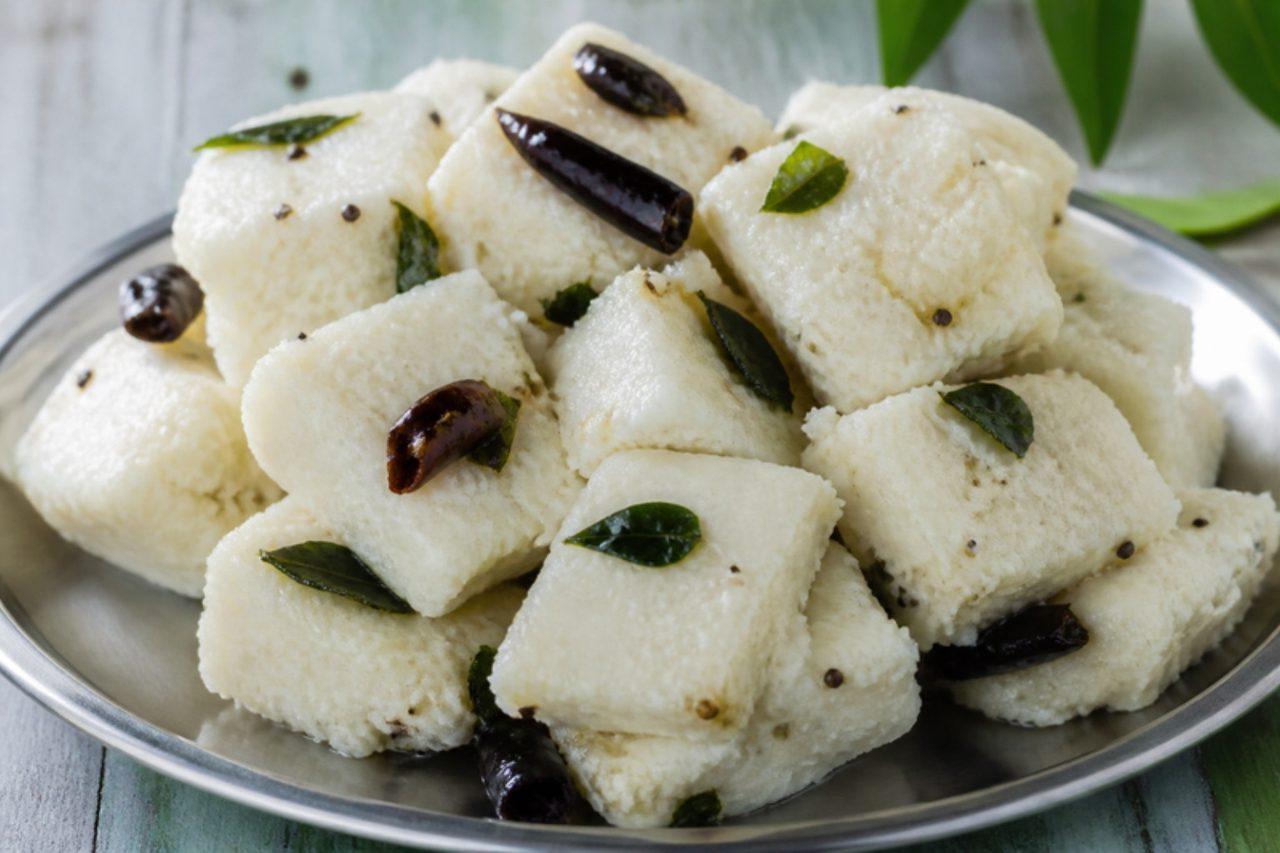
Mor kali is a quick Tamil tiffin of the old style, made in Tirunelveli and Chennai Brahmin homes when there's sour buttermilk to use up. Rice flour is stirred into tempered buttermilk until it turns glossy and leaves the pan, then cut into squares, soft and wobbly with the salty, smoky crunch of fried mor milagai (curd chillies). The mistake is stopping too early: undercooked kali tastes raw and sticks to the teeth, so cook until it rolls into a ball that doesn't stick to a wet finger. Chef's tip: use buttermilk that is properly sour, a day or two old; fresh buttermilk tastes flat here.

by KrazyBadal 0 views

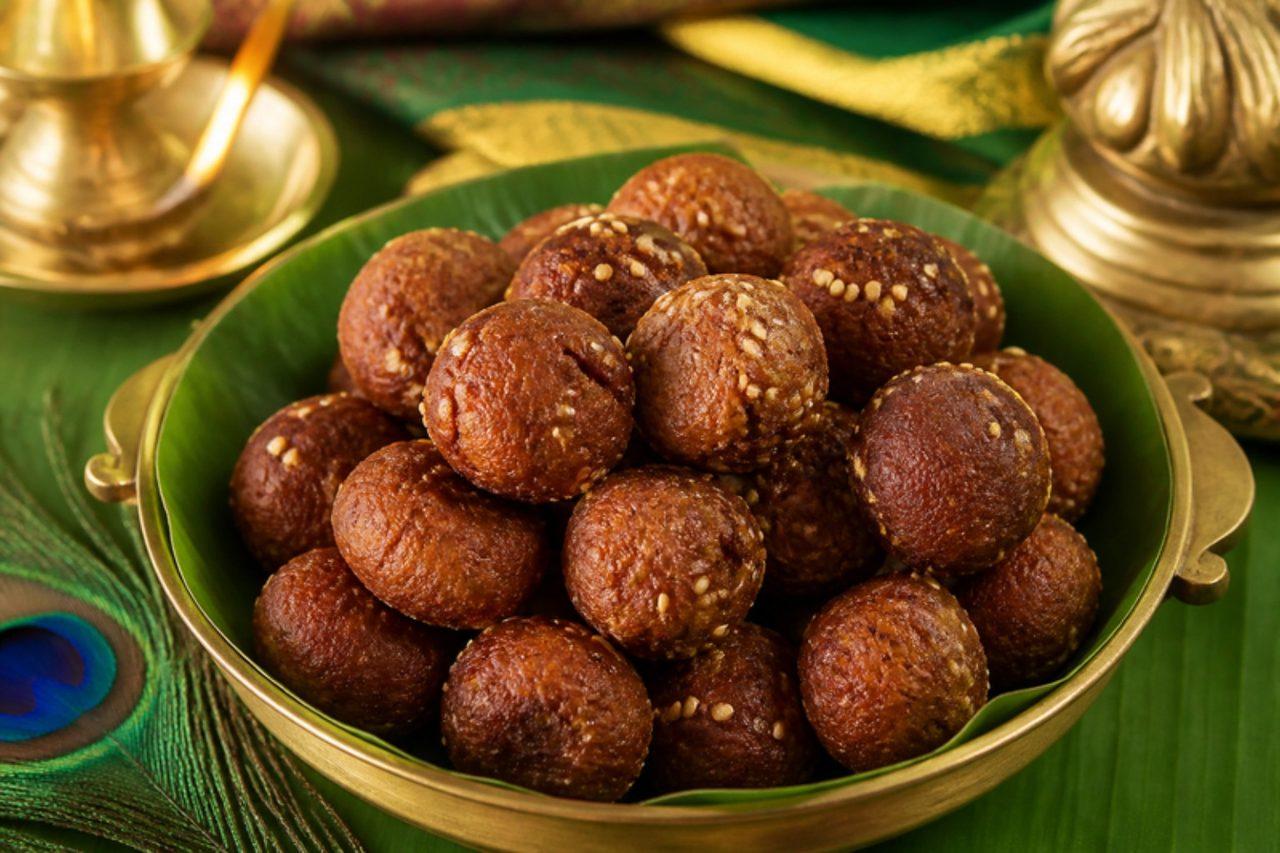
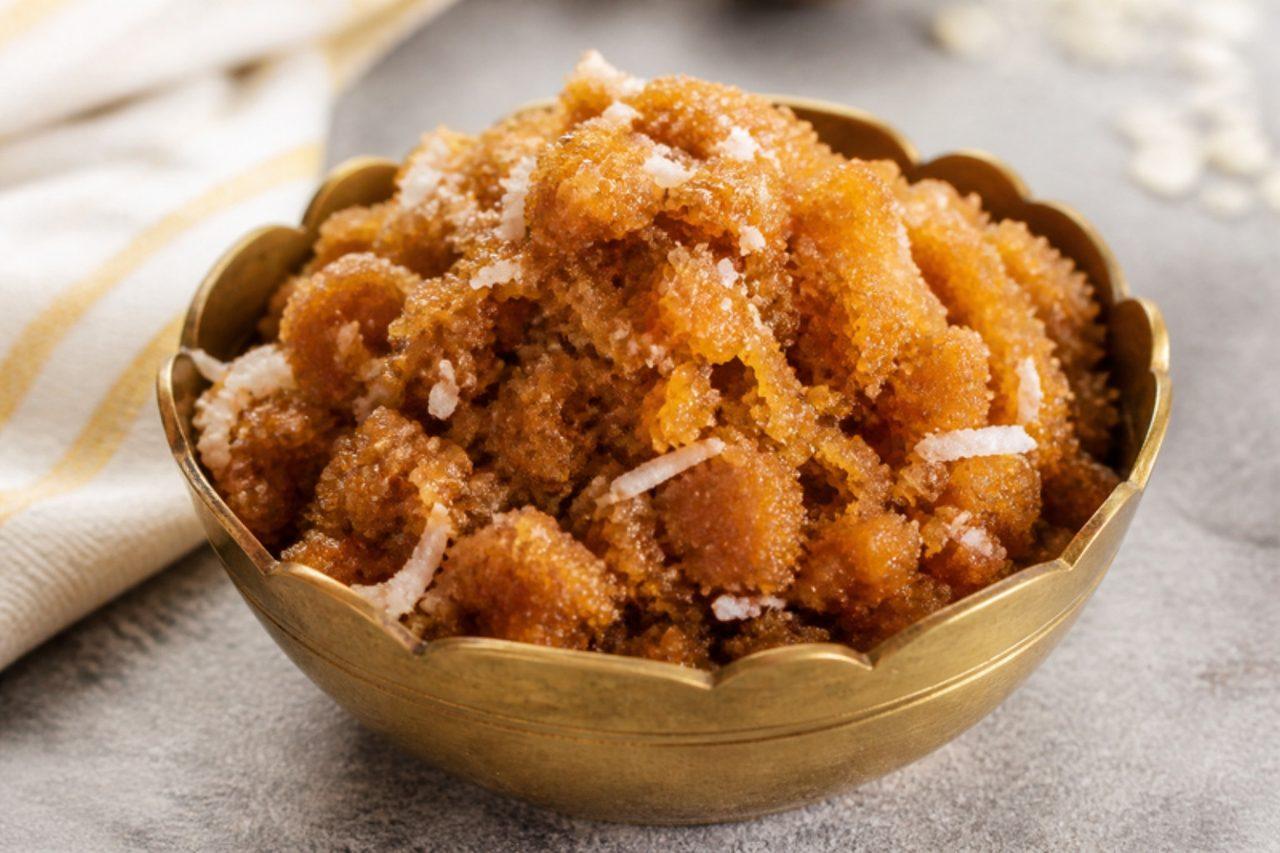
Vella seedaiJaggery-glazed rice flour balls

Next to the salty seedai on the Gokulashtami tray in Tamil Nadu sit vella seedai, the sweet twin: rice and urad flour kneaded with jaggery syrup, sesame and cardamom, rolled into slightly larger balls and fried to a deep brown crunch. They are offered to Krishna with butter, aval and fruit, then shared with neighbours. Common mistake: using hot syrup, which cooks the flour into a sticky mass and makes the balls burst; the syrup should be strained, cooled to warm and only cooked to a thin, sticky stage, not to a string. They are fried when the oil goes quiet and they turn deep golden-brown. Chef's tip: let the dough rest covered for 30 minutes before rolling; it firms up and the balls hold their shape.

by KrazyBadal 0 views

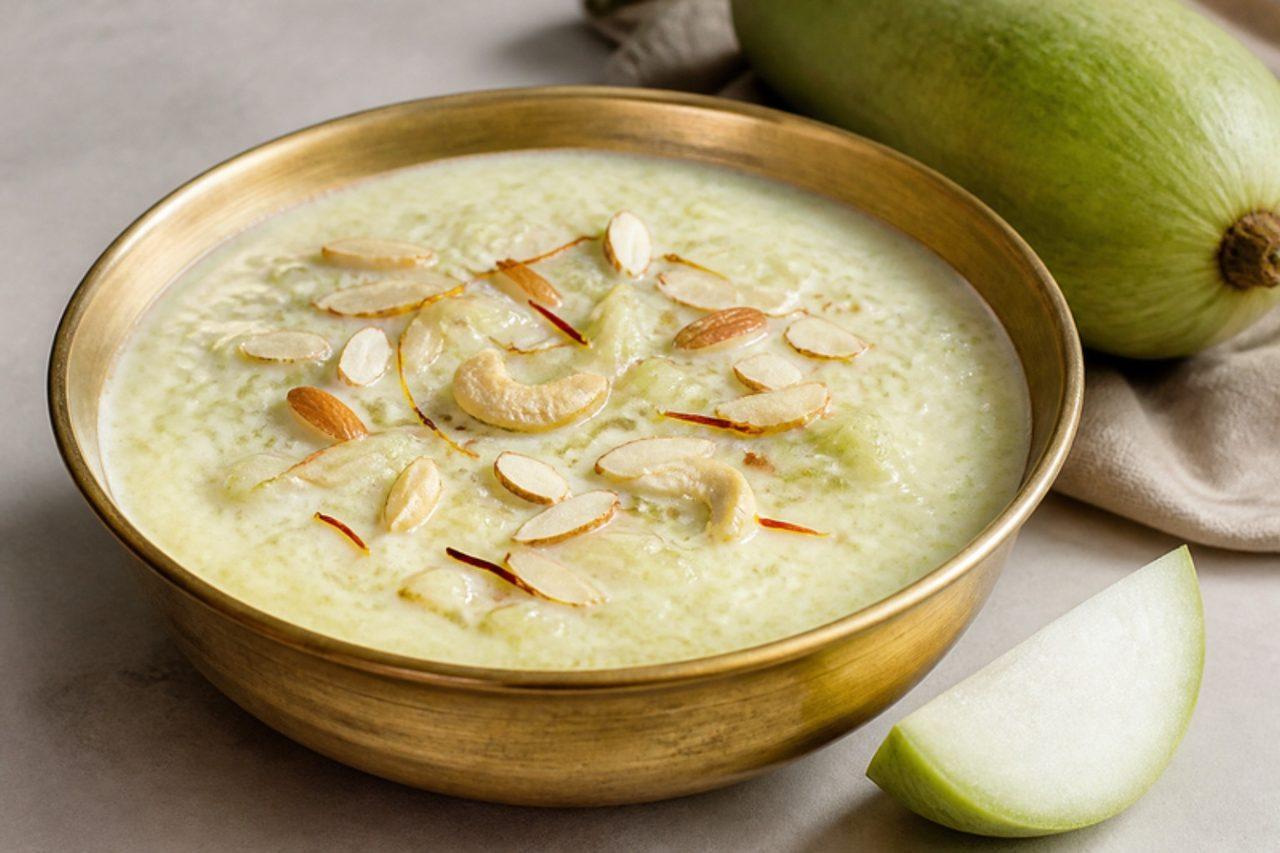
Lauki ki kheerBottle gourd milk pudding

Lauki ki kheer is the light pudding many North Indian families make on Mahashivratri, Navratri and Ekadashi, when rice is off the menu: grated bottle gourd stands in for the grain, softens in ghee and then simmers in milk until it turns pale, creamy and almost translucent. It tastes delicate and milky, with cardamom and a crunch of nuts, and is eaten warm after the evening puja or chilled the next day. Taste a sliver of the raw gourd first; a bitter one can make you ill and must be thrown away. Common mistake: adding the sugar too early, which stops the gourd softening and can make the milk split; add it only once the milk has reduced by about a third and the lauki is tender. Chef's tip: squeeze the grated lauki lightly before cooking, but keep the juice and add it to the milk, so none of the flavour is lost.

by KrazyBadal 0 views

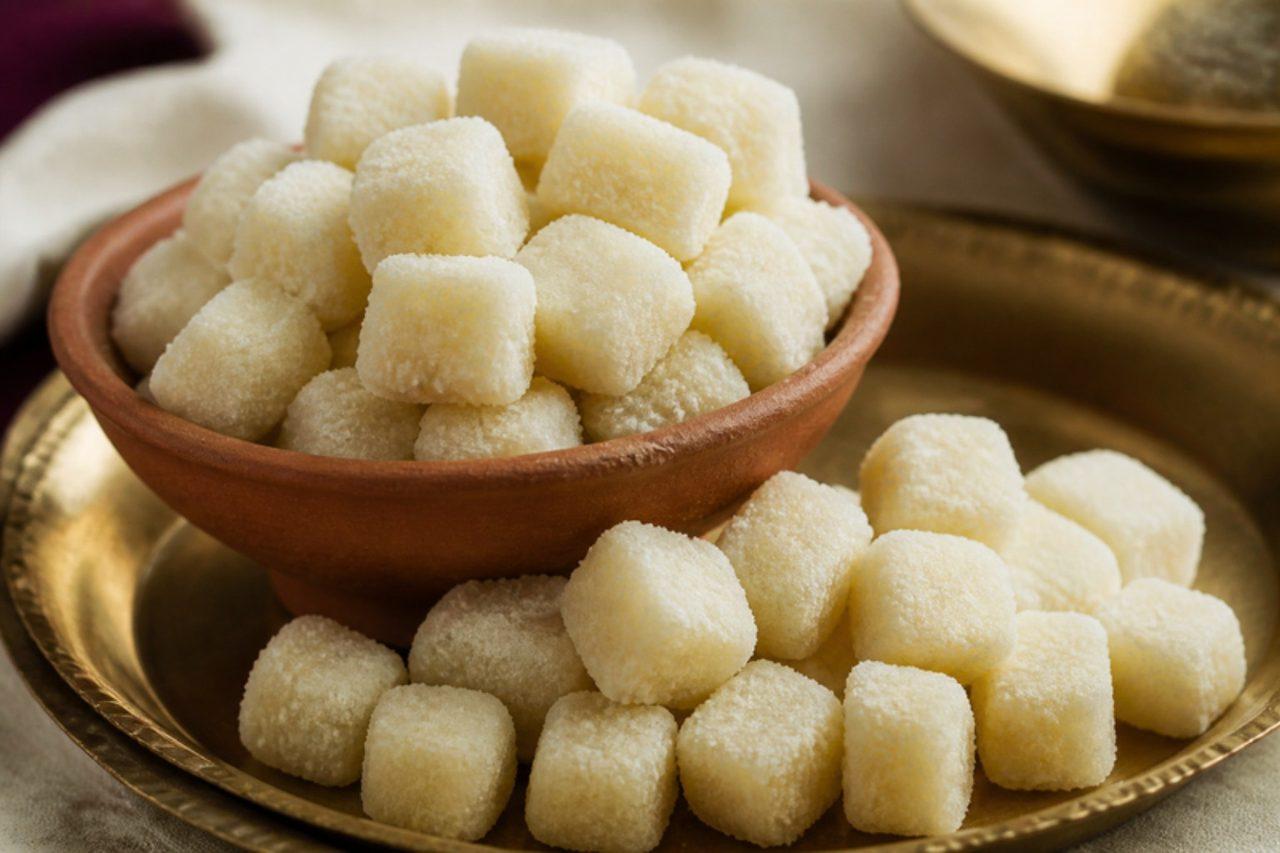
Chhanar murkiSugar-coated chhena cubes

In Bangladesh and West Bengal, Hindu families mark Bijoya Dashami at the end of Durga Puja by visiting neighbours with plates of sweets, and chhanar murki is one of the simplest to make at home. Fresh chhena is pressed firm, cut into tiny cubes and cooked in sugar syrup, which is then boiled down until it crystallises and clings to each cube as a white, crunchy coat; inside they stay soft and milky. Common mistake: using soft, wet chhena, which dissolves in the syrup. Press it under a weight until it is firm enough to slice cleanly. When the syrup turns cloudy and grainy, it is about to crystallise onto the cubes, so lower the heat and keep tossing. Chef's tip: toss the cubes off the heat for a full minute as the syrup dries; constant gentle movement gives an even, snowy coating instead of clumps.

by KrazyBadal 0 views

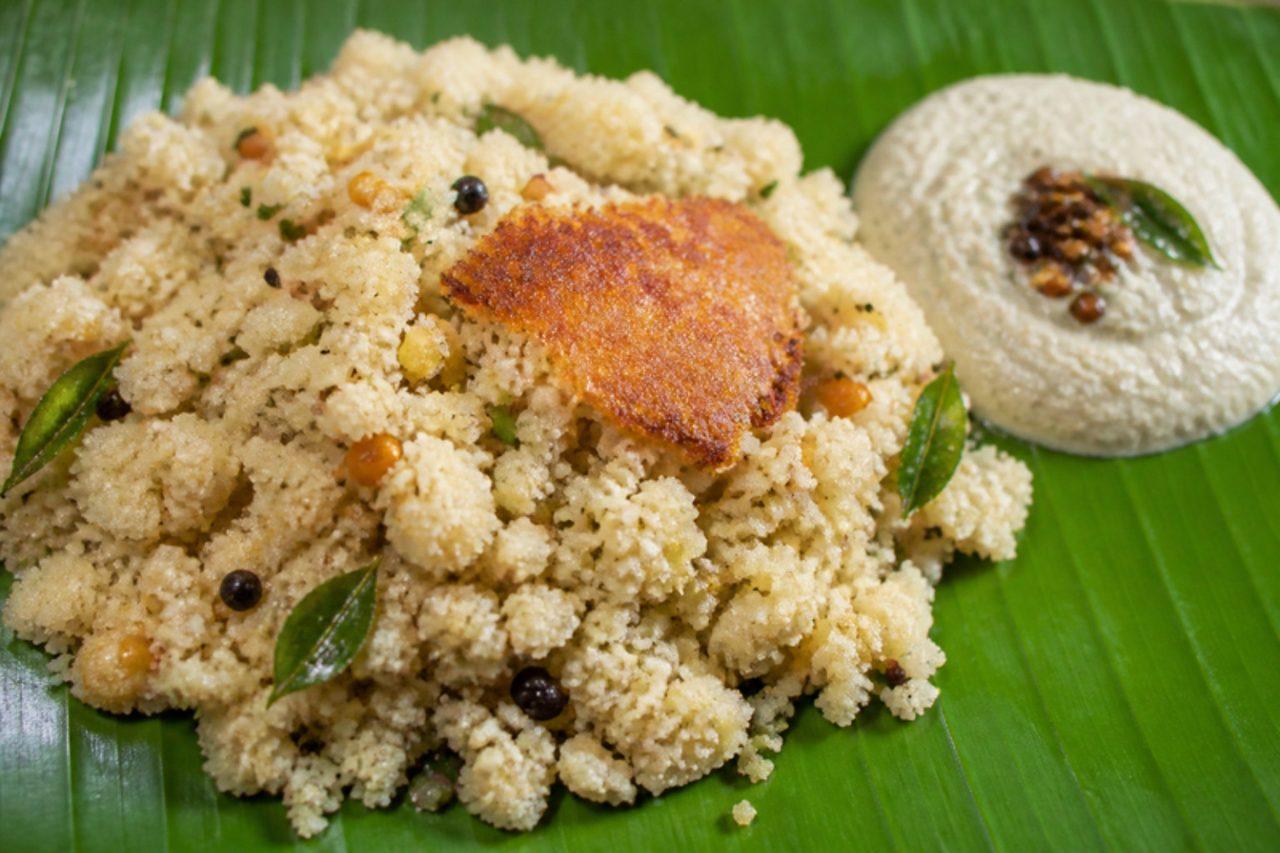
Arisi upmaBroken rice and dal upma

Arisi upma is the old Tamil country breakfast and evening dinner, especially in Tirunelveli and Madurai homes, made from rice and toor dal coarsely broken at home and cooked in a heavy pot. The best part is the 'kaanthal', the crisp golden crust that forms on the bottom, which families fight over. The mistake is too much water, which gives a sticky porridge; use about two and a half times the volume of the broken rice. Chef's tip: once cooked, leave it on the lowest heat with a lid for ten minutes, undisturbed, to build that crust.

by KrazyBadal 0 views

Chakka varattiJackfruit jaggery preserve

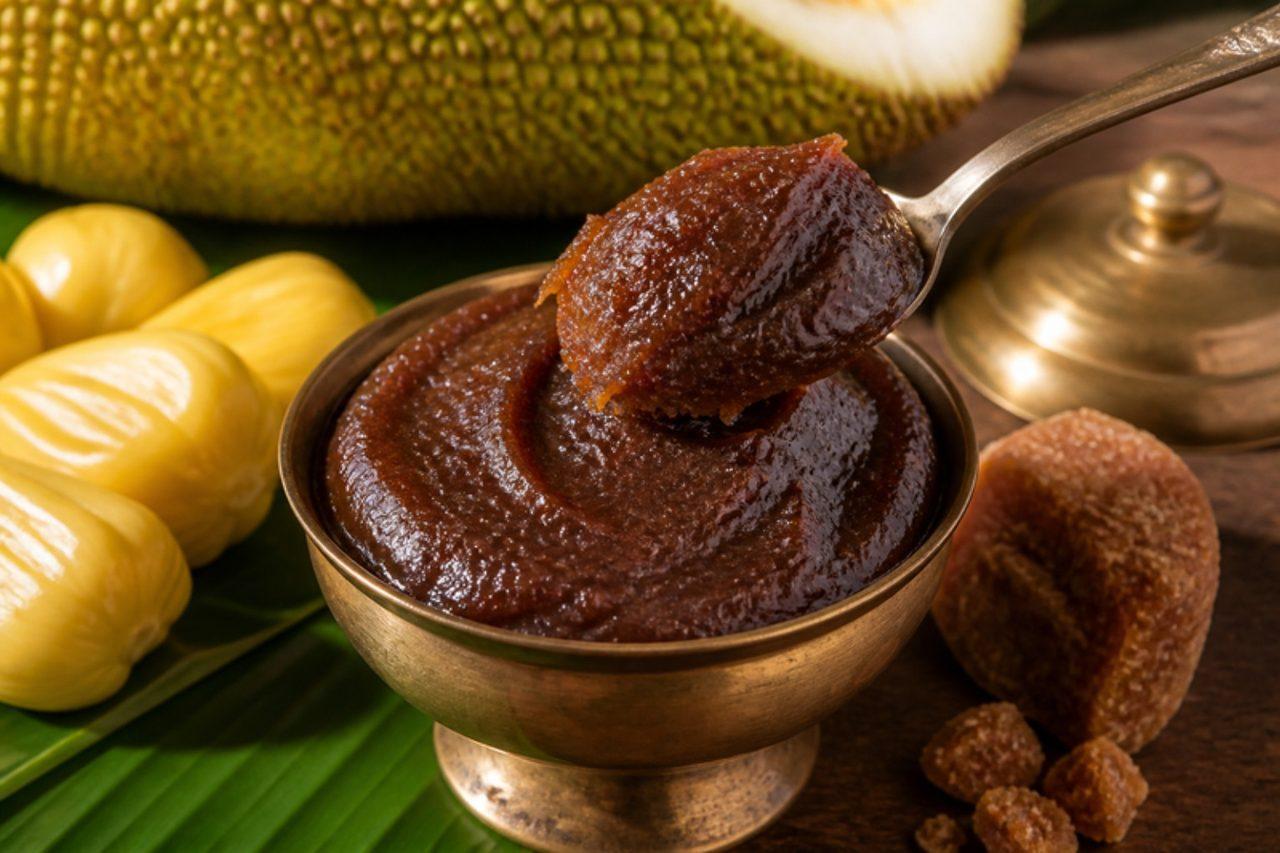
Vishu arrives in April when Kerala's jackfruit trees are heavy, and homes turn the glut into chakka varatti, a dark, glossy jam stirred for well over an hour in a wide uruli. It is eaten by the spoon, spread on dosa, and kept in jars for the payasam and ada made at festivals through the year. The taste is deep and caramel-like, with the floral sweetness of ripe jackfruit. The common mistake is cooking it on a high heat to save time: jaggery burns quickly and turns the whole batch bitter. It is done when the ghee starts to separate and shine at the edges, the colour is a dark mahogany brown, and the mass rolls round the pan as one lump. Chef's tip: use only very ripe, fragrant jackfruit bulbs, and if your jackfruit is the firm varikka type, steam it first so it purées smoothly.

by KrazyBadal 0 views

Alwar milk cakeGrainy reduced-milk sweet

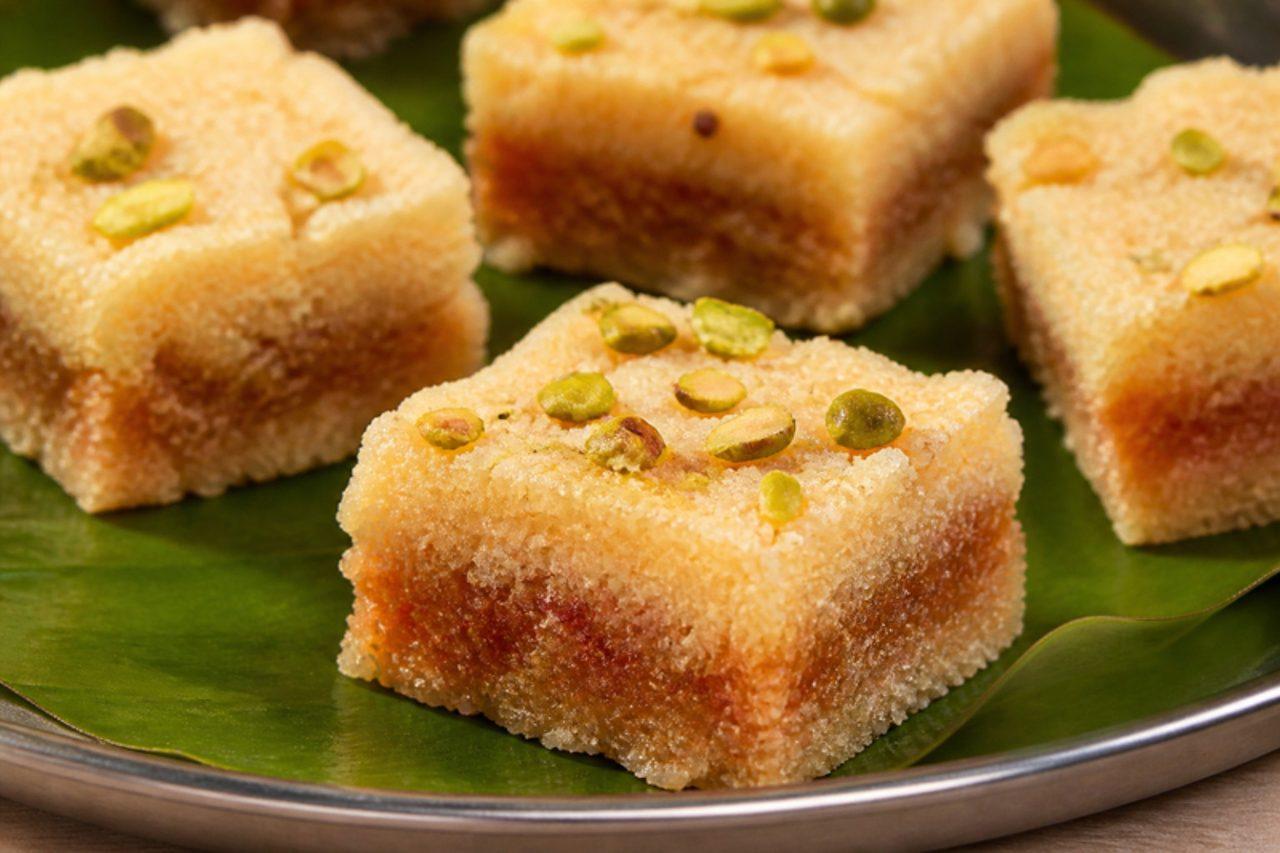
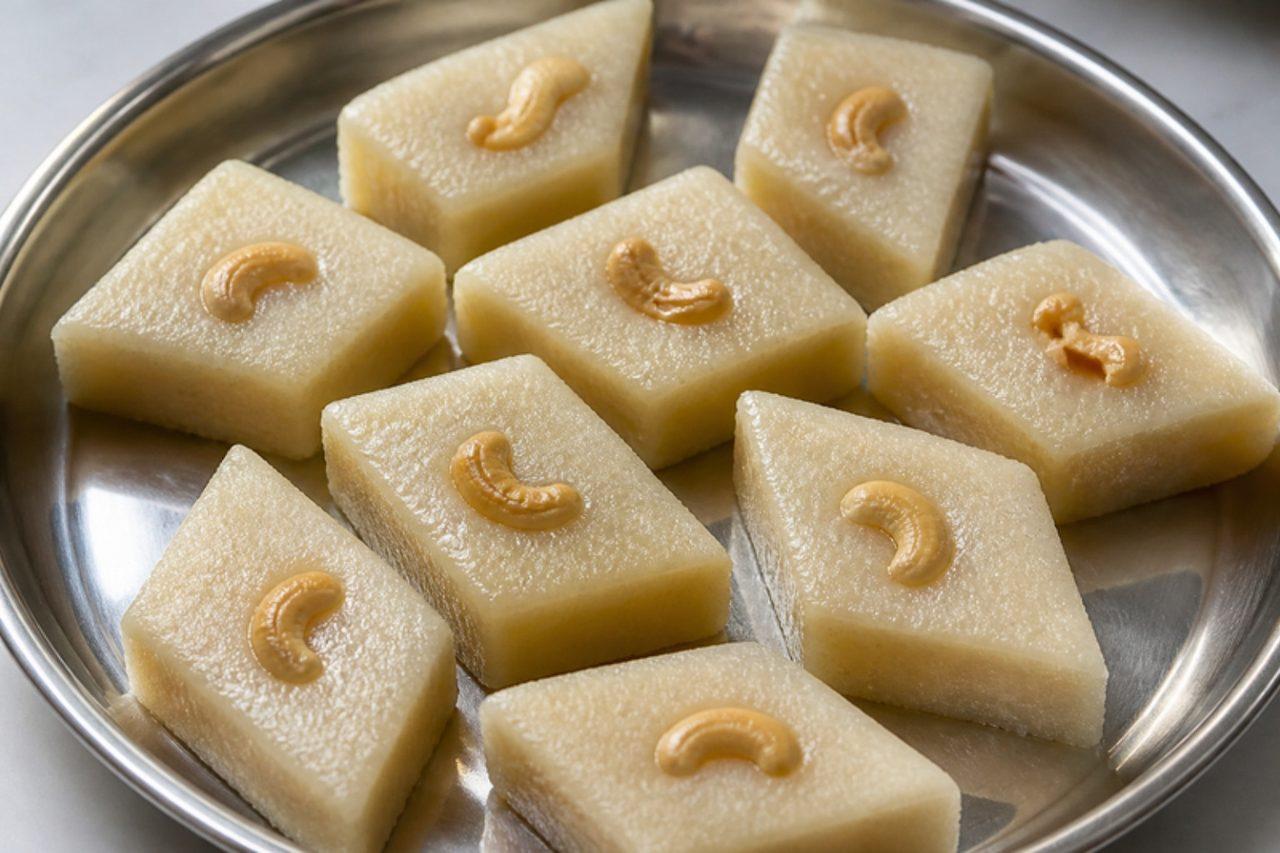
Sweet boxes swapped on Raksha Bandhan in Rajasthan very often hold Alwar milk cake: a dense slab of full-fat milk reduced for hours with sugar, then left to set slowly in its own heat so the middle caramelises dark brown while the edges stay pale and grainy. Unlike kalakand, it uses no chhena at all; the grain comes from souring the milk just a little as it reduces, and the colour from long, patient cooking. It is fudgy, milky and toffee-like. Common mistake: hurrying the last stage on a high flame, which scorches the base instead of browning it; the mass is ready when it leaves the sides of the pan as one sticky lump and the ghee starts to show at the edges. Chef's tip: wrap the filled tin in a thick towel and leave it overnight; that slow cooling is what browns the centre.

by KrazyBadal 0 views

Veppampoo rasamNeem flower rasam

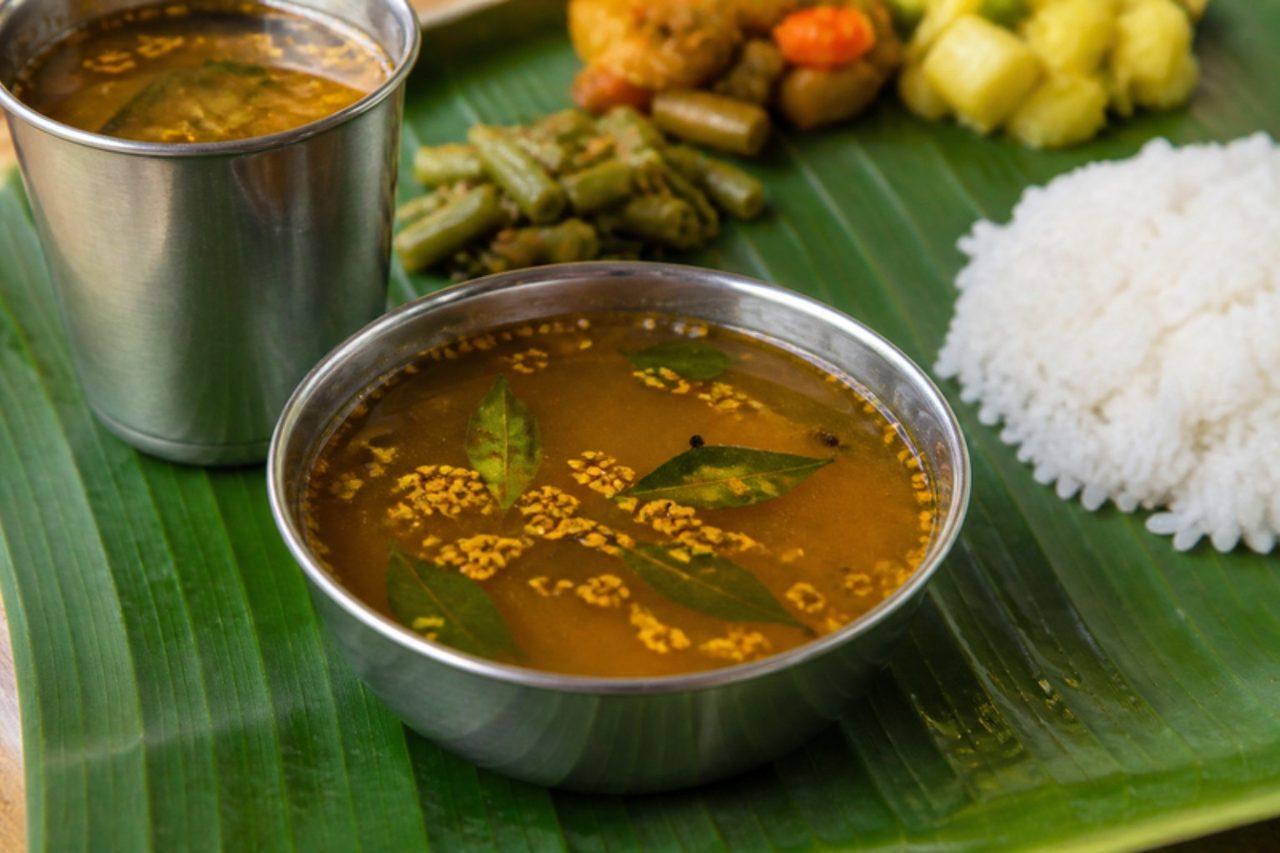
Puthandu, the Tamil New Year in mid-April, falls when neem trees across Tamil Nadu are in flower, and the festive lunch has a little bitterness on purpose, to remind everyone that the year will bring both sweet and bitter. Veppampoo rasam does it gently: dried neem flowers are fried in ghee until crisp and stirred into a light tamarind rasam with pepper and cumin. It is thin, warming and sour, with a toasty bitter finish, and it is poured over rice or sipped from a tumbler. The common mistake is burning the flowers; they turn from golden to black in seconds and taste acrid, so have the rasam ready before you heat the ghee. The rasam is ready when it froths up to the top of the pan; take it off before it reaches a rolling boil. Chef's tip: fry a few extra flowers and scatter them over each serving for crunch.

by KrazyBadal 0 views

ChhatuaRoasted gram flour with curd

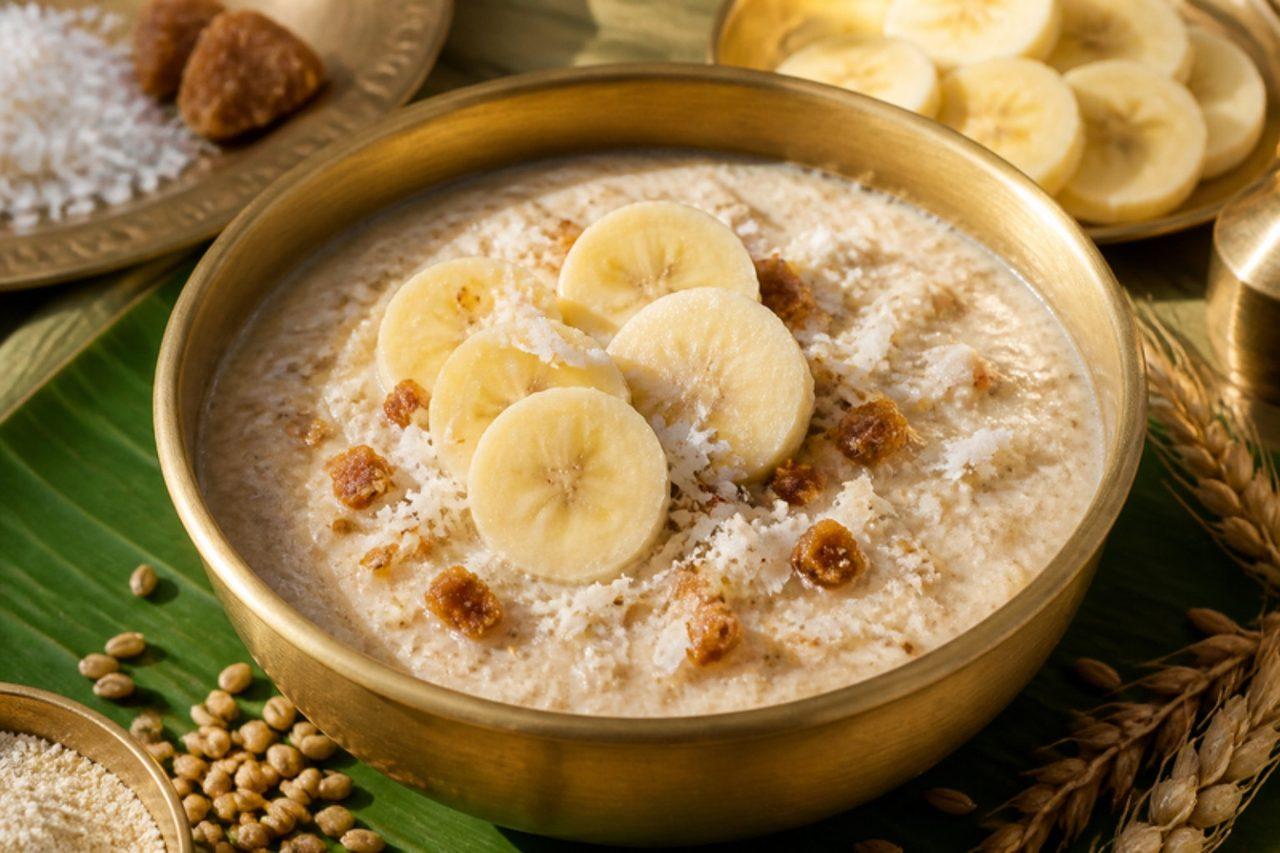
Pana Sankranti, in mid-April, is Odisha's new year and its own version of Baisakhi, and the day is kept with two cooling things: a jug of pana, the sweet bel-fruit drink, and a bowl of chhatua. The chhatua is a mix of roasted flours, usually chana, barley and rice, stirred with curd, ripe banana, jaggery and fresh coconut into a soft, sustaining mash that needs no cooking on a hot day. It is mild, sweet and nutty, and many families offer it first at the household shrine. Common mistake: making it watery; add the curd a little at a time and stop when it is like thick porridge that just holds a spoon. Chef's tip: roast your own flours in a dry pan until they smell of toast; ready-made sattu works, but freshly roasted flour has a far deeper flavour.

by KrazyBadal 0 views

GhughuteFried jaggery dough shapes

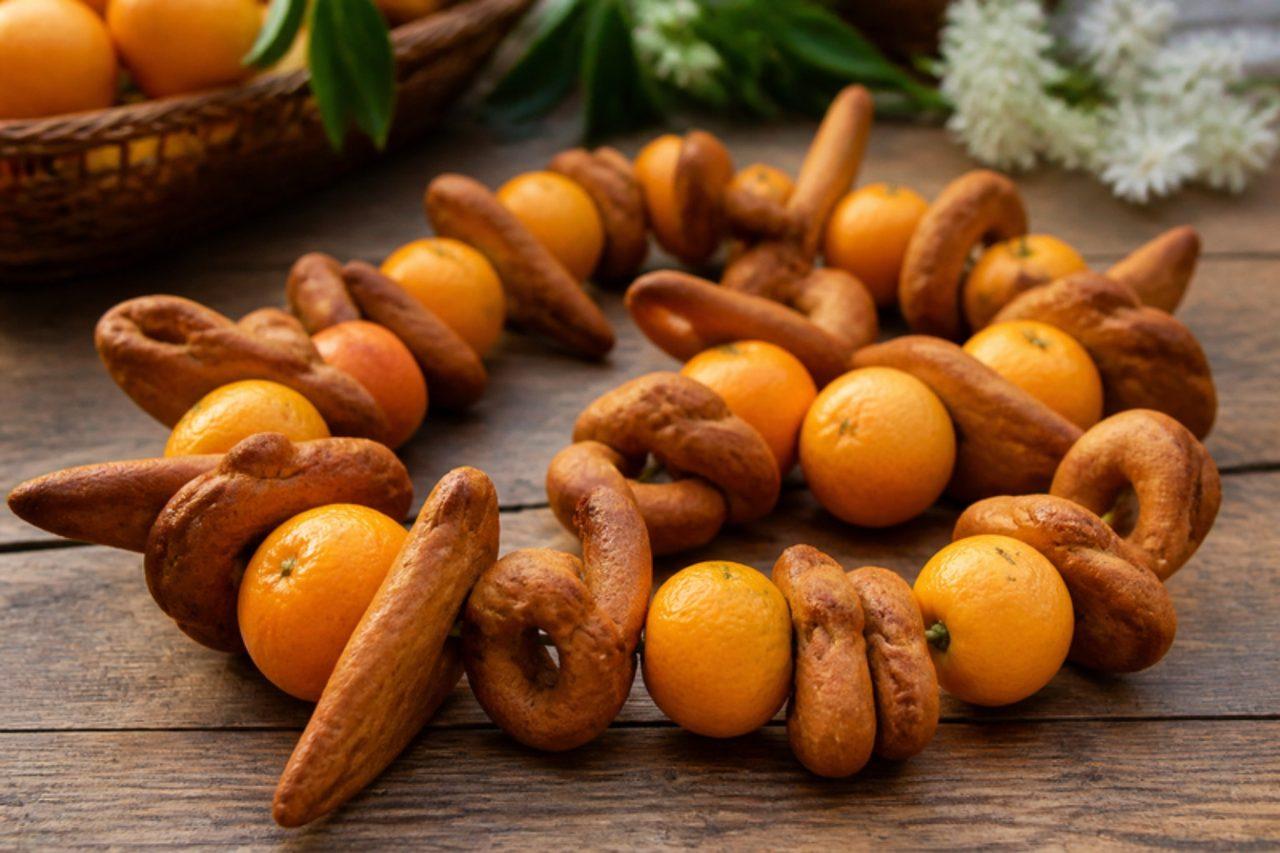
In Kumaon, Makar Sankranti is Ghughutiya, and the evening before, families knead wheat flour with jaggery and shape it into little drums (damru), swords, knots and flowers, fry them and thread them into necklaces with an orange in the middle. The next morning children wear the garlands and call the crows: 'kale kale, ghughuti mala khale', offering them the first bites before eating the rest themselves. The ghughute are crisp outside and slightly chewy within, gently sweet with fennel. Common mistake: oil that is too hot; they darken in seconds but stay doughy inside, so fry on a medium heat until they are an even deep gold and sound hollow when tapped. Chef's tip: keep the dough quite stiff, like for mathri; soft dough loses its shapes in the oil.

by KrazyBadal 0 views

Rauh di kheerRice in sugarcane juice

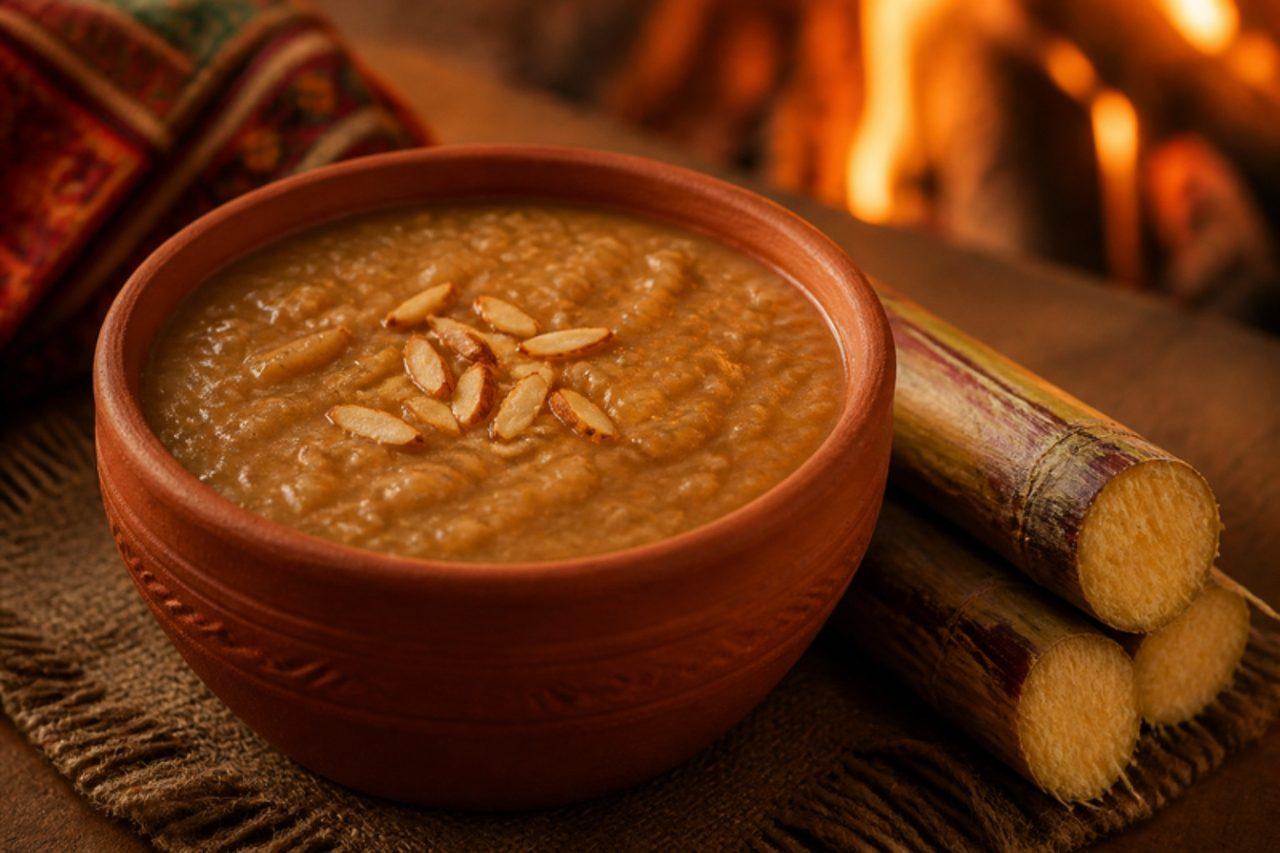
In Punjabi villages the cane harvest is in by Lohri, and on the night of the bonfire a pot of rice is set to cook slowly in fresh sugarcane juice (rauh) with no milk and no added sugar. The custom is to leave it to cool overnight and eat it cold the next morning, on Maghi, so you will often hear 'poh rinni, magh khaadi': cooked in Poh, eaten in Magh. It sets into a soft, brown, gently caramel pudding that tastes of cane. Common mistake: cooking on a high heat; the juice catches and turns bitter, so simmer it low and stir from the bottom, and it is done when the rice is very soft and the kheer coats the back of a spoon thickly. Chef's tip: skim off all the grey scum as the juice first comes to the boil, or the kheer tastes earthy.

by KrazyBadal 0 views

PaapeTwice-baked tea rusks

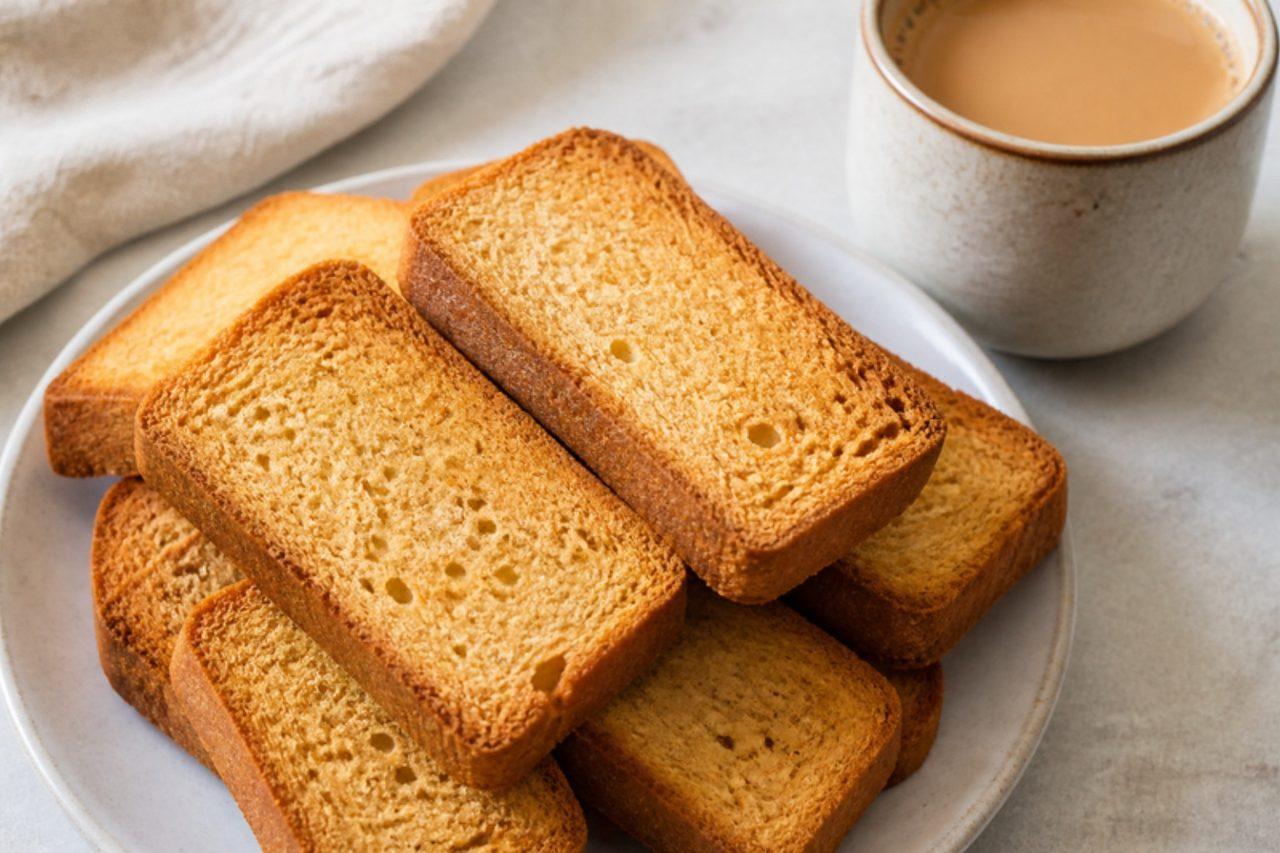
No Punjabi kitchen is without a tin of paape. They are dunked in the first cup of tea at dawn and again at four o'clock, carried to the fields, and offered to every guest who drops in. Bakeries across Punjab bake a sweet, light loaf, slice it and dry it slowly until it snaps, and this home version does exactly the same. The common mistake is slicing the loaf while it is still warm: it squashes, and the rusks dry out dense and gummy. Let it cool completely, ideally overnight. Chef's tip: dry the slices at a low temperature until the centre snaps cleanly; any softness in the middle and they go stale within days.

by KrazyBadal 0 views

KandarappamPuffed rice, urad and jaggery cakes

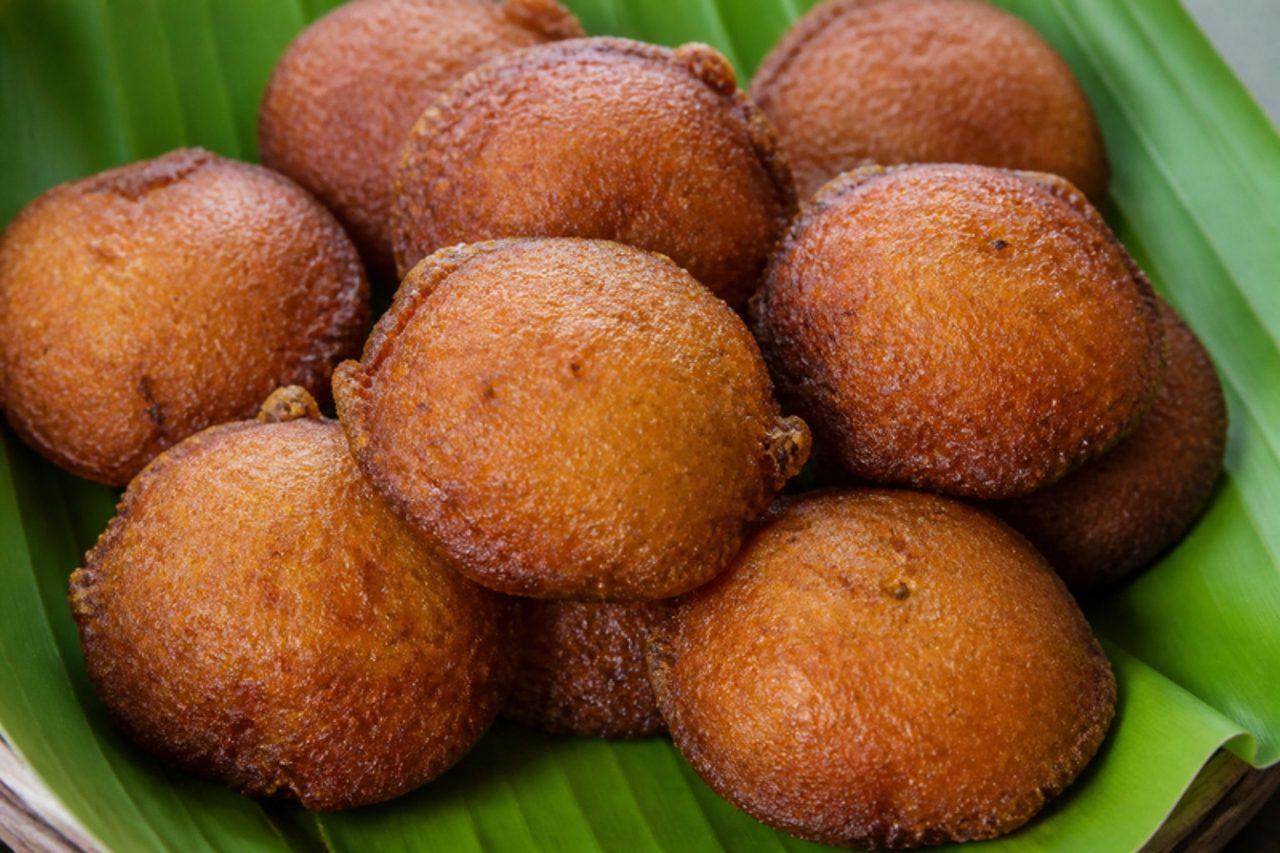
Kandarappam is one of the grand sweets of the Chettiar houses of Karaikudi and Kanadukathan, fried by the dozen for weddings and for Deepavali and kept in big brass tins. A ground batter of raw rice, urad dal and chana dal is sweetened with jaggery and cardamom and ladled into hot oil, where each cake puffs up, turns dark golden and gets a crisp, lacy edge around a spongy middle. They are eaten at room temperature with coffee, often the day after frying, when the flavour has settled. A common mistake is grinding the batter too thin; it spreads into flat discs that soak up oil, so keep it like a thick pancake batter. Chef's tip: fry one test cake first, and if it doesn't puff, add another spoon of rice flour to the batter.

by KrazyBadal 0 views

ChalimidiRice flour and jaggery sweet

Chalimidi is a no-cook-flour sweet from Andhra and Telangana, offered to the goddess at Navaratri and Nagula Chavithi and handed out at naming ceremonies and baby showers. Soaked rice is dried, pounded into fresh flour and stirred into a thick jaggery syrup with coconut, so it sets into a soft, damp, slightly crumbly dough that is shaped into small balls. It tastes of molasses and cardamom and is eaten as it is, at room temperature. The most common mistake is undercooking the syrup: a thin syrup leaves the chalimidi sticky and pasty, so cook it to a firm soft-ball stage. Chef's tip: use freshly ground soaked rice, not shop rice flour; the slightly damp flour is what gives chalimidi its tender bite.

by KrazyBadal 0 views

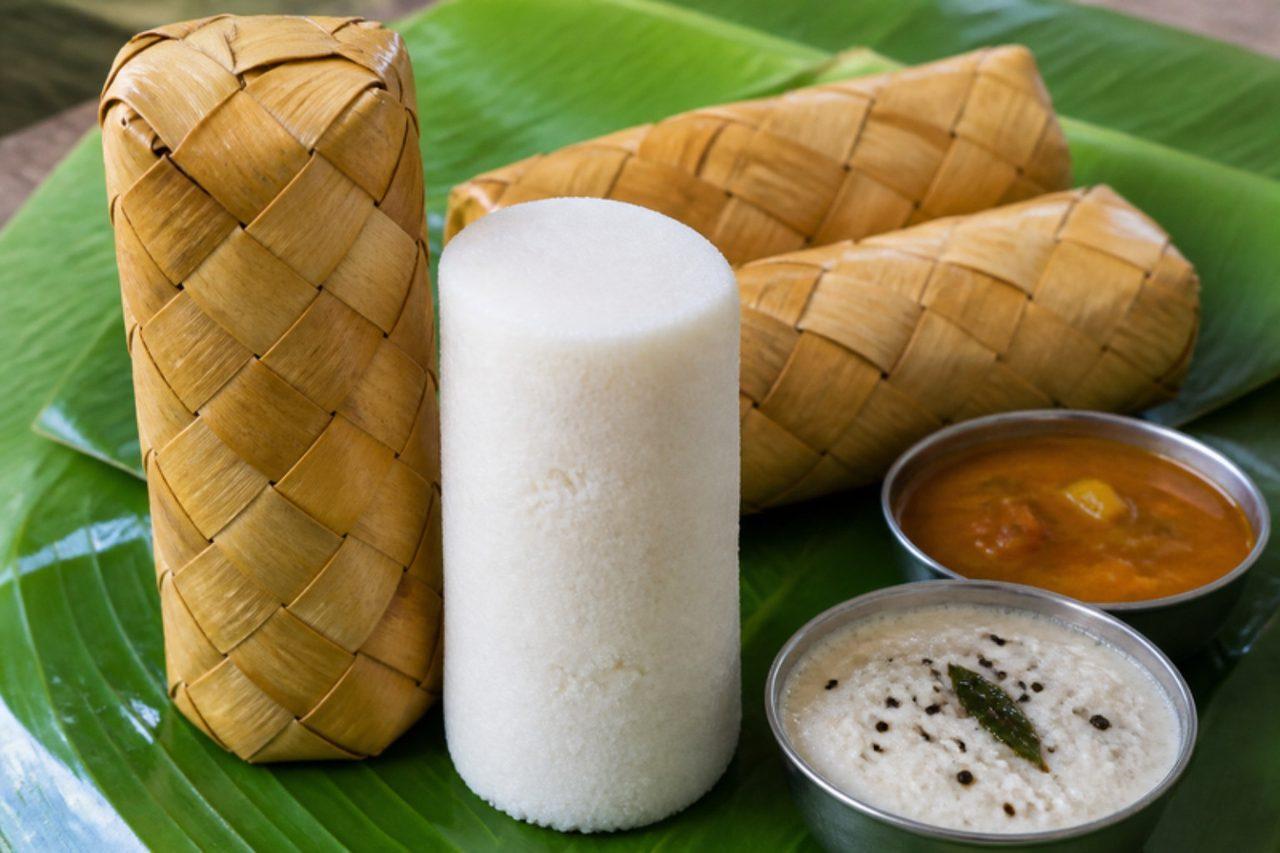
MoodeSteamed idli in leaf cylinders

Moode is the festive idli of Mangaluru and Udupi, made for Krishna Janmashtami, Ganesh Chaturthi and big family breakfasts. The batter goes into tall cylinders woven from kedige (screwpine) leaves, which perfume the soft, spongy rice cake with a floral scent you can't get any other way; markets on the coast sell the woven moulds ready to fill. Slice it into thick rounds and serve with coconut chutney, sambar or a spicy chana gassi. The common mistake is filling the leaf moulds to the brim: the batter rises as it steams and spills out, leaving a dense cake. Fill them only two-thirds full. Chef's tip: if you can't find screwpine leaves, roll banana leaves into tight cones and tie them with string; the shape and steaming are the same, only the scent is milder.

by KrazyBadal 0 views

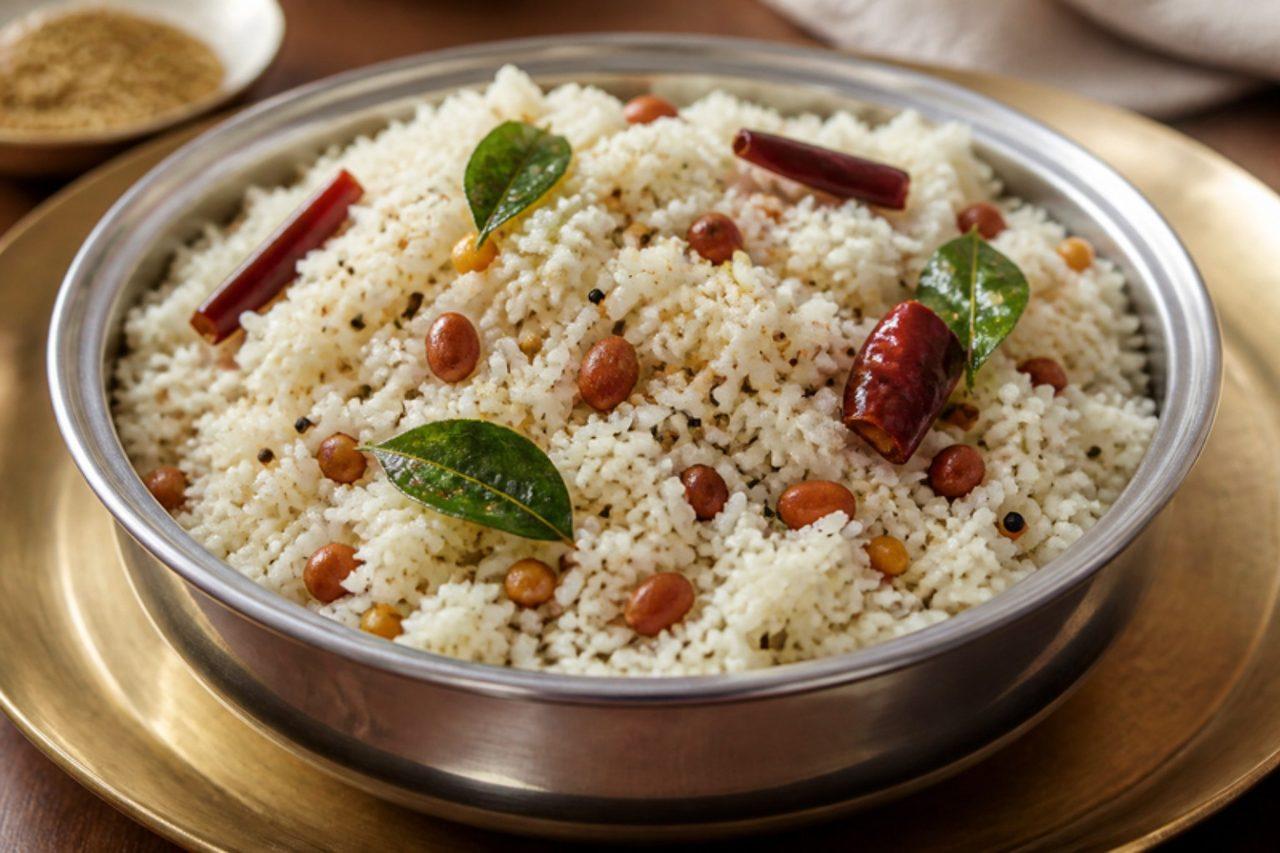
Nuvvula saddiRice with roasted sesame powder

Each family takes several saddulu, flavoured rice dishes, to the lake on Saddula Bathukamma, the last evening of Telangana's flower festival, and swaps them with neighbours after the songs; sesame rice, lemon rice, peanut rice and coconut rice are the usual set. Nuvvula saddi is the nuttiest of them: freshly roasted sesame ground with dried red chilli, tossed through cooked rice with a tempering of mustard seeds, dals, peanuts and curry leaves. It is eaten at room temperature, so the grains must stay separate. Common mistake: grinding the sesame for too long, which turns it to oily paste; pulse only until it looks like coarse sand. The sesame is roasted enough when it crackles, turns light gold and one seed crushes easily between your fingers. Chef's tip: cook the rice a little firm and spread it on a plate to cool before mixing, so it does not break up.

by KrazyBadal 0 views

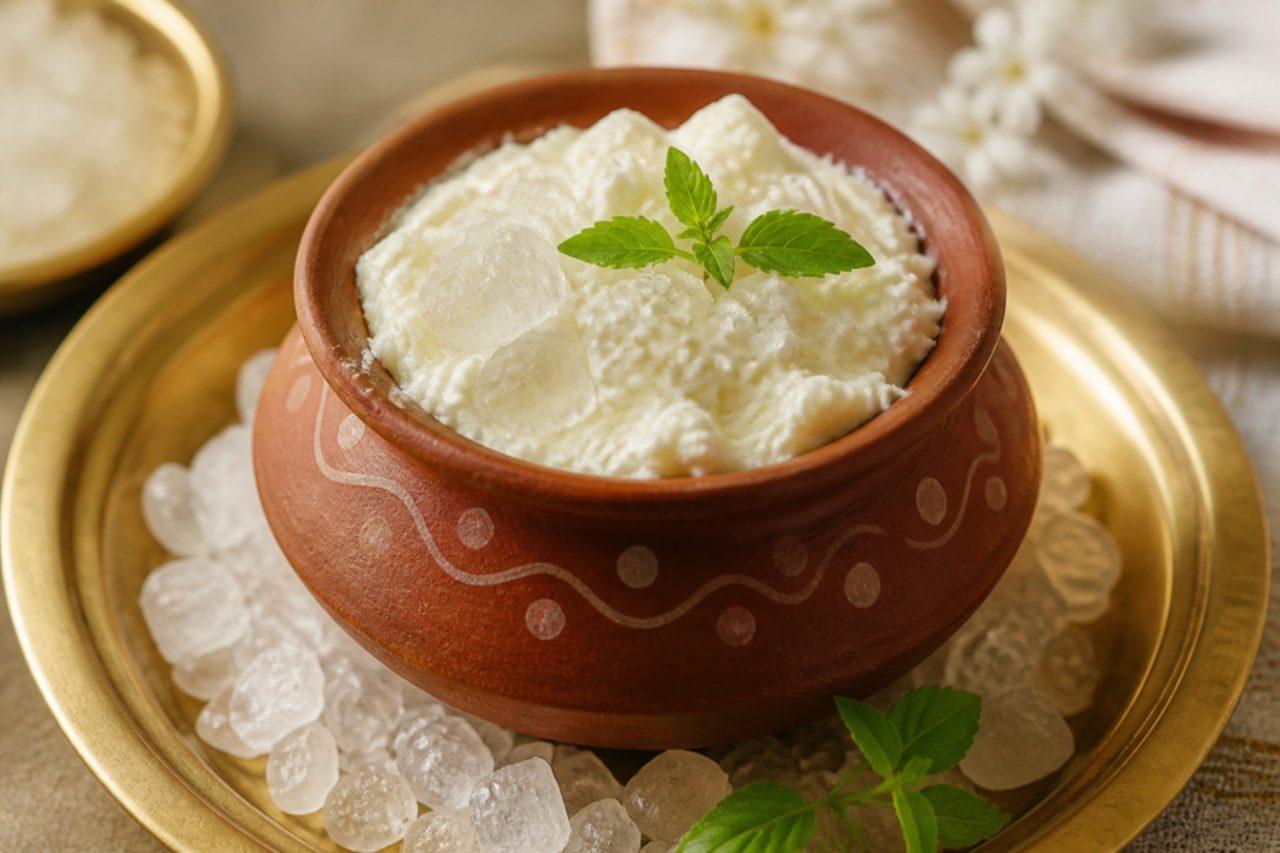
Makhan mishriFresh butter with rock sugar

Stories from Mathura and Vrindavan tell of the child Krishna stealing butter from the pots of the cowherd women, so at midnight on Janmashtami the first offering in the temples and at home is a bowl of fresh white butter mixed with mishri, the rock-sugar crystals. The butter is churned from cream at home, so it is soft, cool and lightly tangy, and the sugar crunches against it. It is eaten as prasad in tiny spoonfuls, often with a tulsi leaf on top. Common mistake: churning warm cream, which turns greasy instead of breaking; the cream must be fridge-cold, and the butter is ready when yellow-white clumps separate cleanly from thin buttermilk. Chef's tip: rinse the butter in iced water two or three times and press it with a spoon; washing out the buttermilk keeps it fresh for a day.

by KrazyBadal 0 views

KachariyuBlack sesame and date sweet

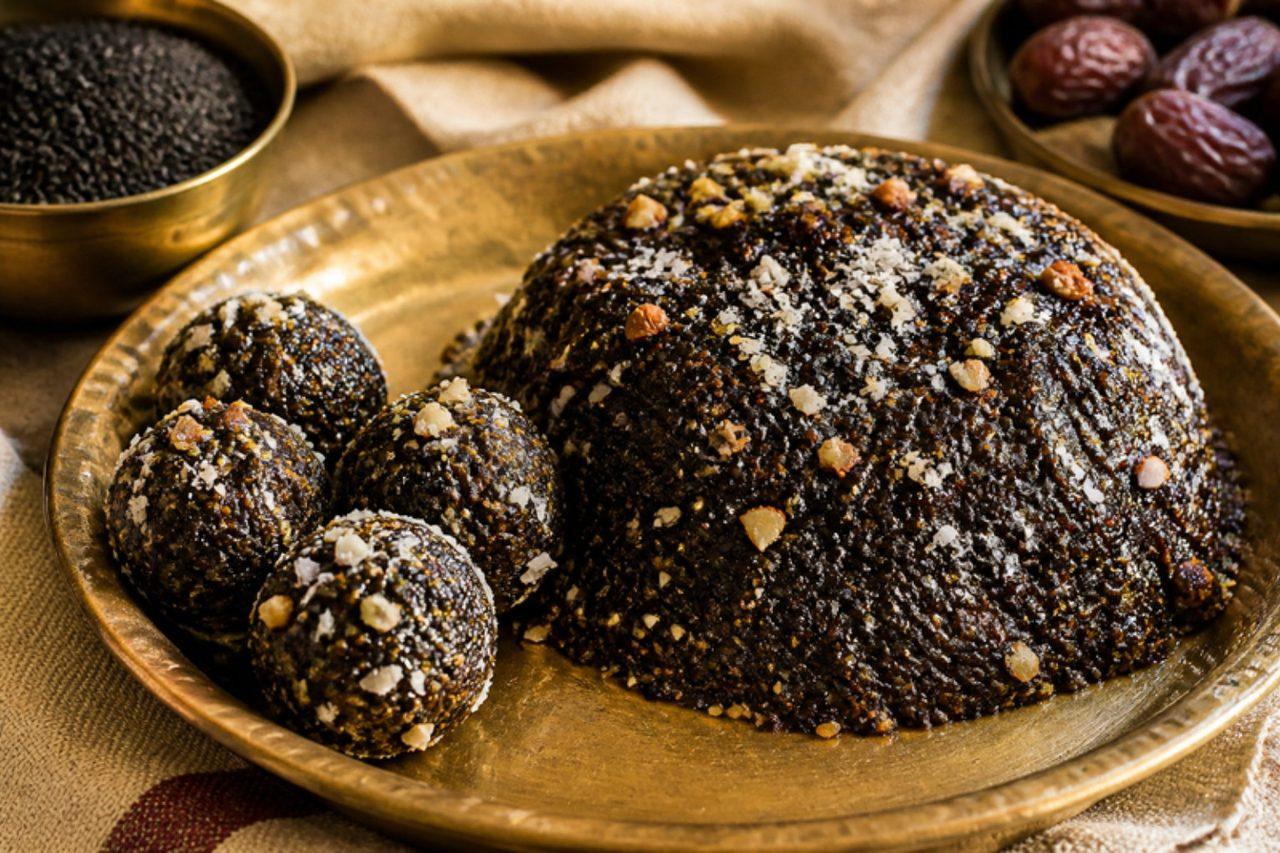
In Saurashtra the oil mills (ghani) run day and night through the Uttarayan season, and the first sesame pressed is mixed with dates and jaggery and sold as kachariyu, a dark, sticky, crumbly sweet that tastes of toasted seeds and spice. Families make it at home too and eat a spoonful every winter morning, and a bowl is always out on kite-flying day. The sesame is crushed until it releases its own oil, so it is rich but not greasy. Common mistake: grinding the sesame to a smooth paste; pulse it only until it turns damp and clumps, which keeps the texture grainy. The seeds are toasted enough when they crackle and a few start to jump out of the pan. Chef's tip: add a little ganthoda (pipli root) powder if you can find it, the traditional warming spice in Kathiawadi kachariyu.

by KrazyBadal 0 views

NippattuPeanut rice crackers

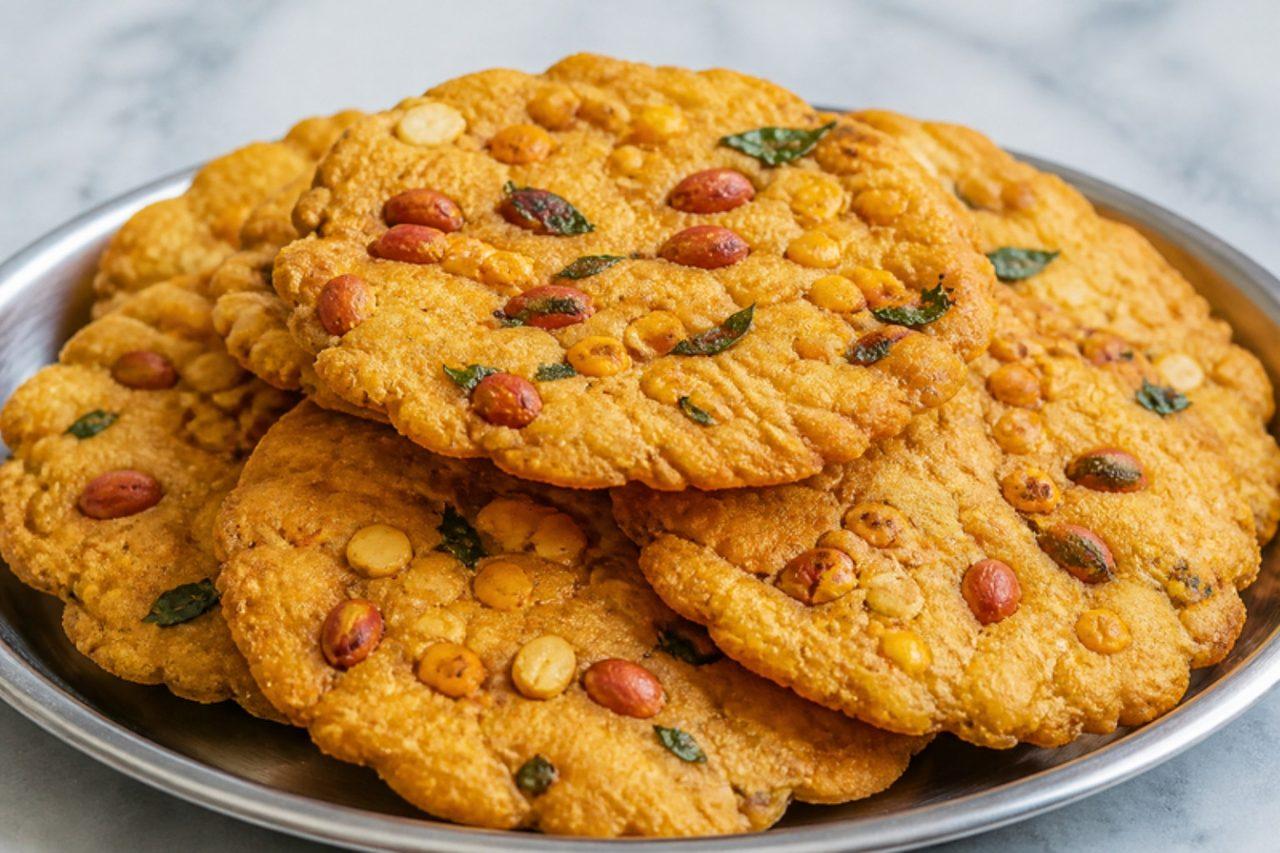
Nippattu is the Karnataka tea-time cracker, sold in Iyengar bakeries from Bengaluru to Mysuru and fried at home for Gowri-Ganesha and Deepavali. Unlike the thin, delicate Tamil thattai, nippattu is thicker and chunkier, packed with crushed peanuts and roasted gram (hurigadale) so every bite crunches with nuts. It's spiced with chilli, hing and curry leaves and keeps for weeks. A common mistake is skipping the hot oil rubbed into the flour; without it the crackers turn hard instead of short and crisp. Chef's tip: prick each disc a few times with a fork so it fries flat and crisp right through instead of puffing.

by KrazyBadal 0 views

Kacha kela na vadaRaw banana fritters

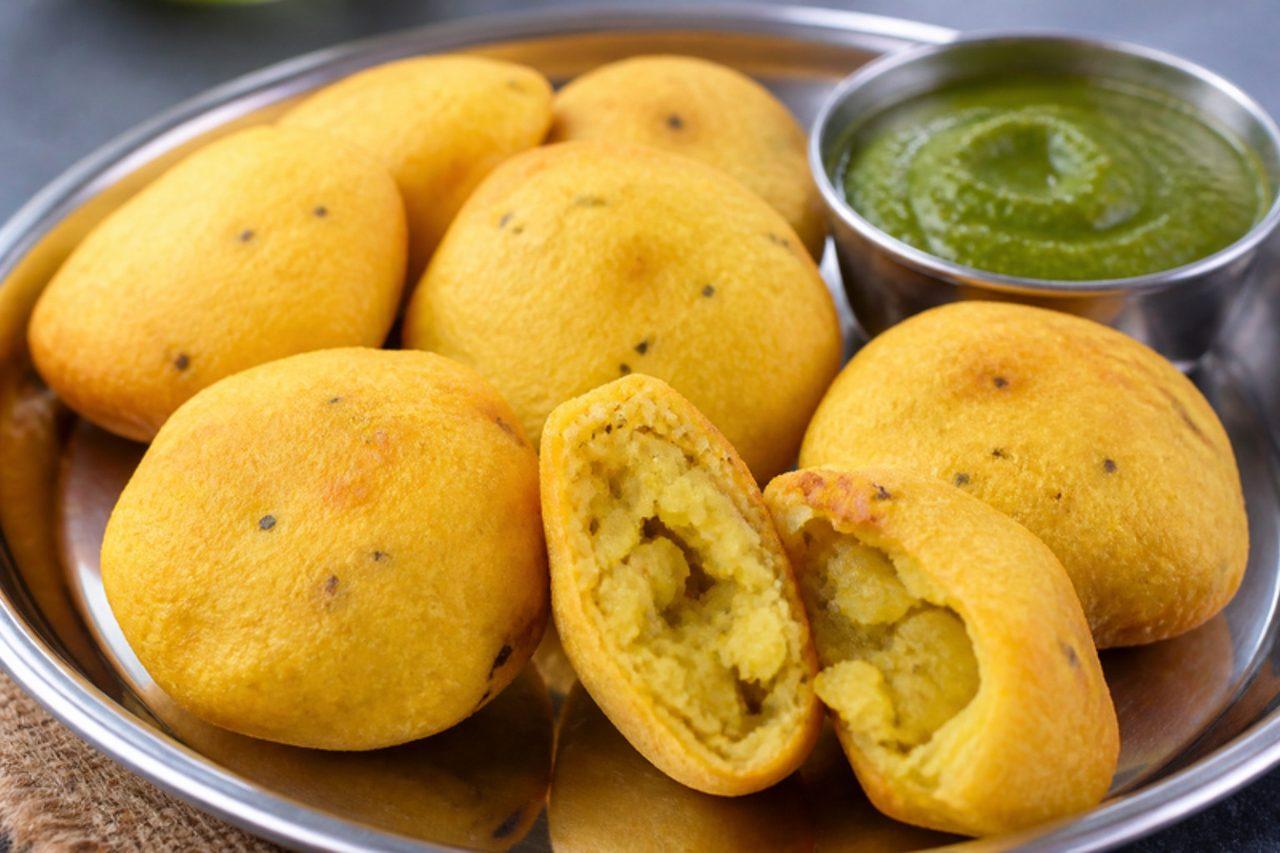
In Jain homes in Ahmedabad, Palanpur and Mumbai's Gujarati neighbourhoods, raw green banana takes the place of potato, so these vada are the Jain answer to batata vada, made for paryushan-season tea and for guests. The bananas are boiled, mashed and spiced with dry ginger, green chilli, lemon and a little sugar, rolled into balls, dipped in gram flour batter and fried. They taste much like batata vada but are slightly firmer, sweeter and fruity. There is no onion, garlic, potato or fresh ginger in this version. The common mistake is overboiling the bananas until they are waterlogged; the filling then goes sticky and the vada split in the oil, so cook them only until a knife slides in. Chef's tip: mash the bananas while warm with a potato masher, not a blender, so the filling stays light.

by KrazyBadal 0 views

Pappada vadaFried pappadam fritters

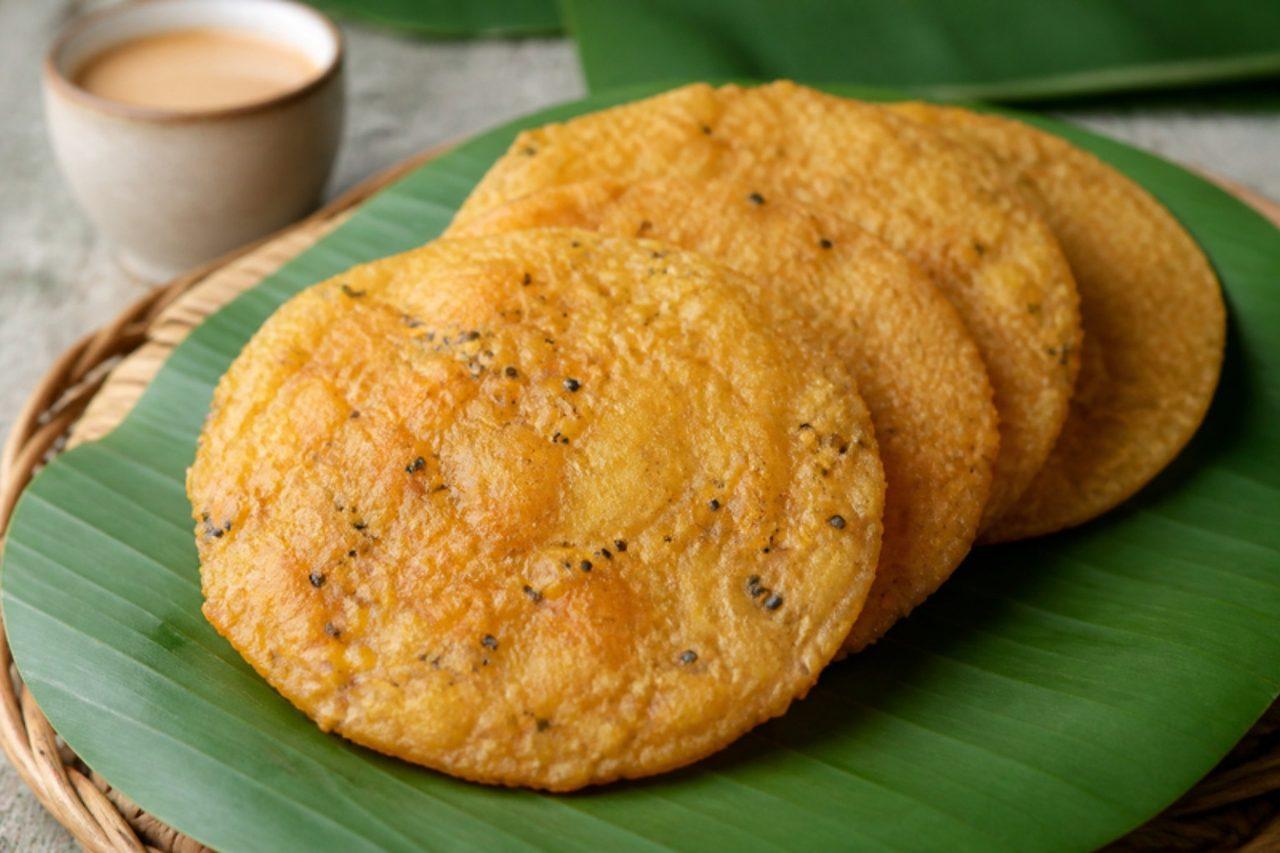
Pappada vada is a Kerala tea-shop snack from the stretch between Thrissur and Palakkad, where a jar of them sits on the counter beside the banana fritters for the four o'clock chai break. Plain urad pappadams are dunked in a thin, chilli-red rice-flour batter with sesame and hing, then fried until the coating turns into a glassy, bubbly crust around the crisp pappadam inside. They are salty, peppery and loud to eat, and they keep in a tin for a week. The usual mistake is a thick batter: it fries into a hard, oily shell, so it should coat the back of a spoon thinly, like single cream. Chef's tip: use the small Kerala pappadams, not the big spiced Punjabi ones, and fry two at a time so the oil stays hot.

by KrazyBadal 0 views

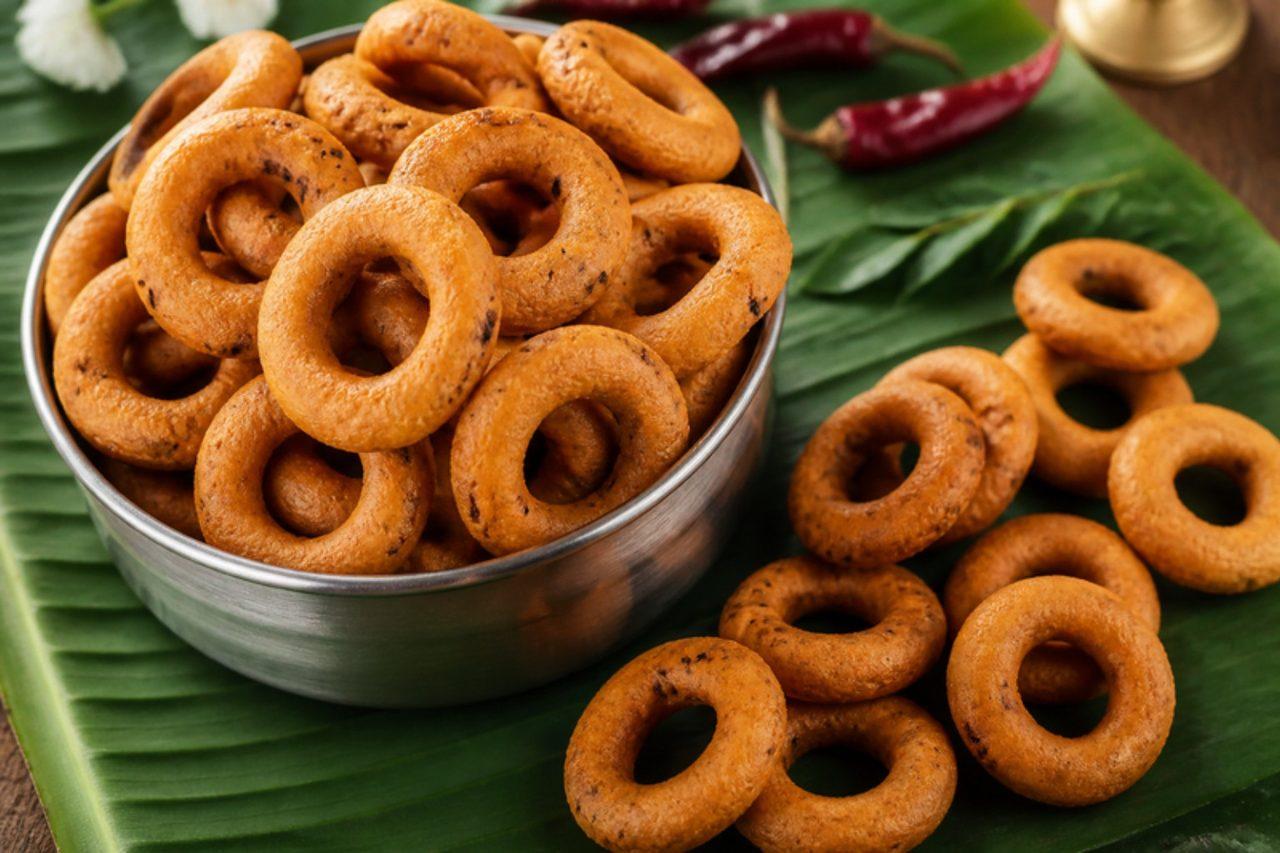
KodubaleSpicy rice flour rings

In Karnataka homes the Krishna Janmashtami spread of chakkuli, unde and avalakki always has a tin of kodubale beside it: little rings of rice flour, semolina and coconut ground with dried red chilli and cumin, rolled by hand and fried until they snap. They are spicy, nutty and very crunchy, and also go into Diwali and Gowri festival tins. Common mistake: making the ropes too thick, so the rings stay soft inside; roll them pencil-thin and fry on a medium heat until the sizzling dies down and they feel light. Chef's tip: grind the coconut with the chillies to a dry paste with no water; extra moisture makes the rings oily.

by KrazyBadal 0 views

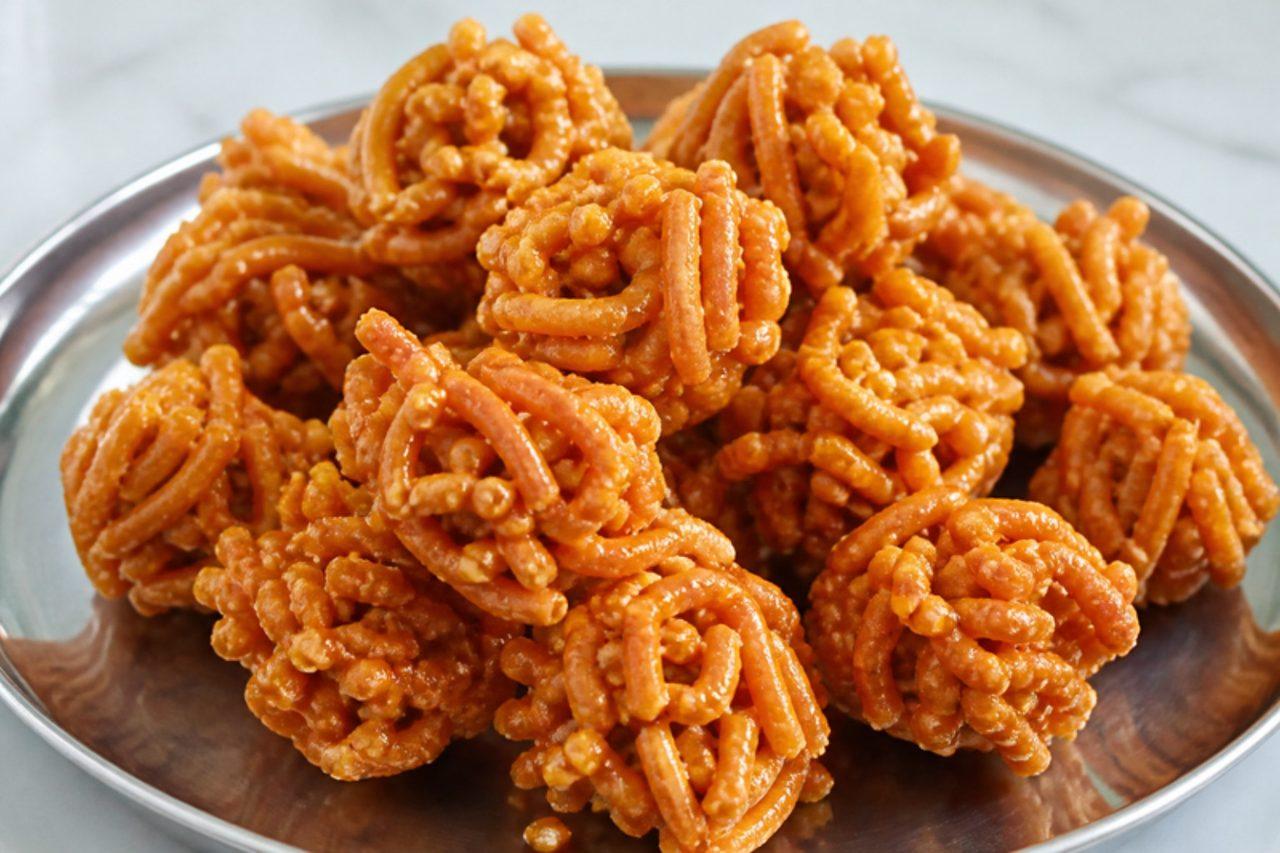
ManoharamRice flour sticks in jaggery syrup

Manoharam is a Chettinad sweet made for weddings and the sweet trays of Deepavali, often shaped into a tall cone for the bridal seer. Short, crisp sticks of rice and moong flour are pressed and fried, then tossed in a jaggery syrup cooked to the hard-ball stage, so the syrup sets around them into a crunchy, molasses-sweet cluster. It is eaten in small pieces with coffee and keeps for weeks. The usual mistake is undercooked syrup, which never sets and leaves the sticks soggy; test it in cold water until it snaps. Chef's tip: have the fried sticks warm and ready in a wide greased bowl before the syrup reaches the right stage, as it starts setting within a minute.

by KrazyBadal 0 views

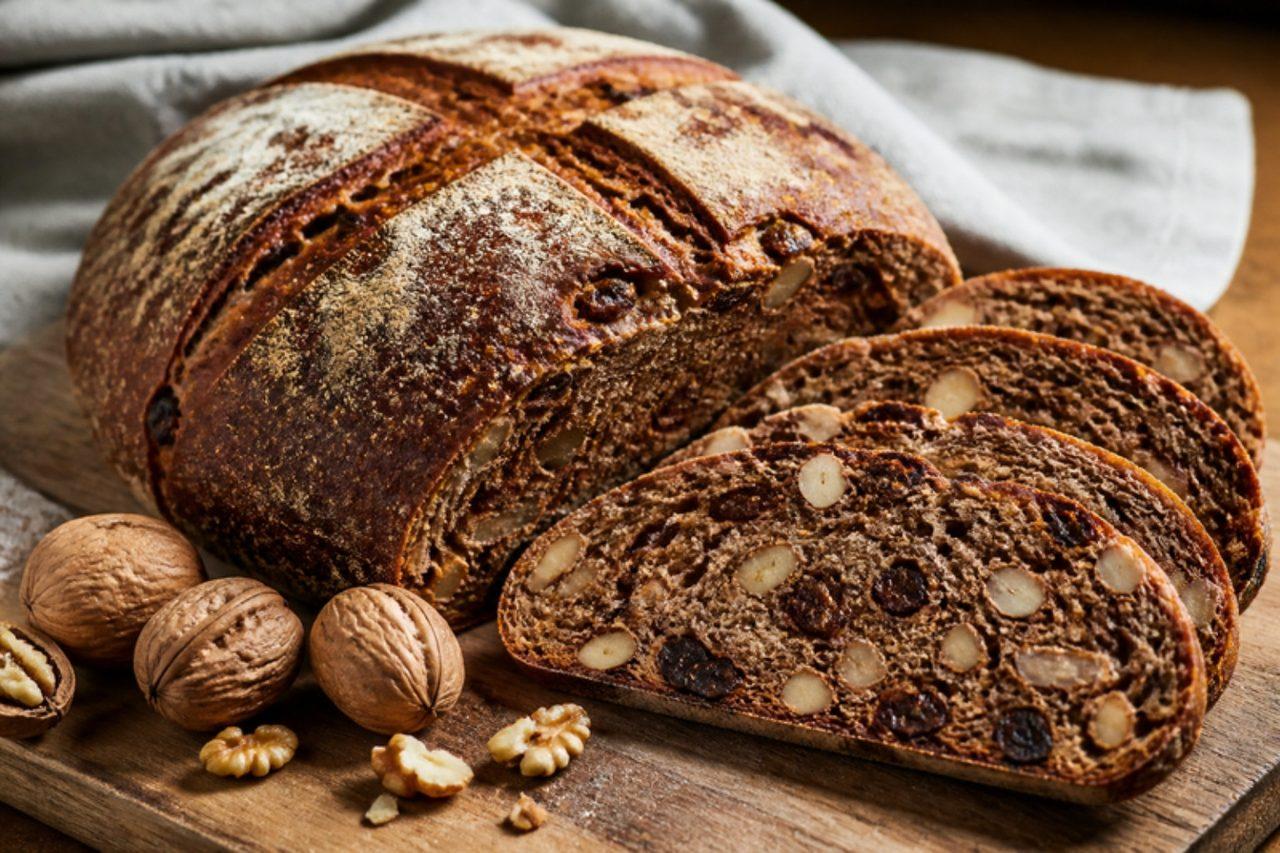
Pan co' santiWalnut and raisin loaf

In Siena and the Tuscan countryside, pan co' santi ('bread with the saints') is baked for All Saints' Day on 1 November, when the new walnuts and the late grapes come in. It is a dark, lightly sweet bread dough rich with olive oil, walnuts, raisins and a surprising amount of black pepper, which gives a warm bite. It is eaten with the new wine by adults, or with roasted chestnuts. It is vegan. Chef's tip: fry the raisins and walnuts briefly in the olive oil before adding them, as Sienese bakers do; it brings out their flavour.

by KrazyBadal 0 views

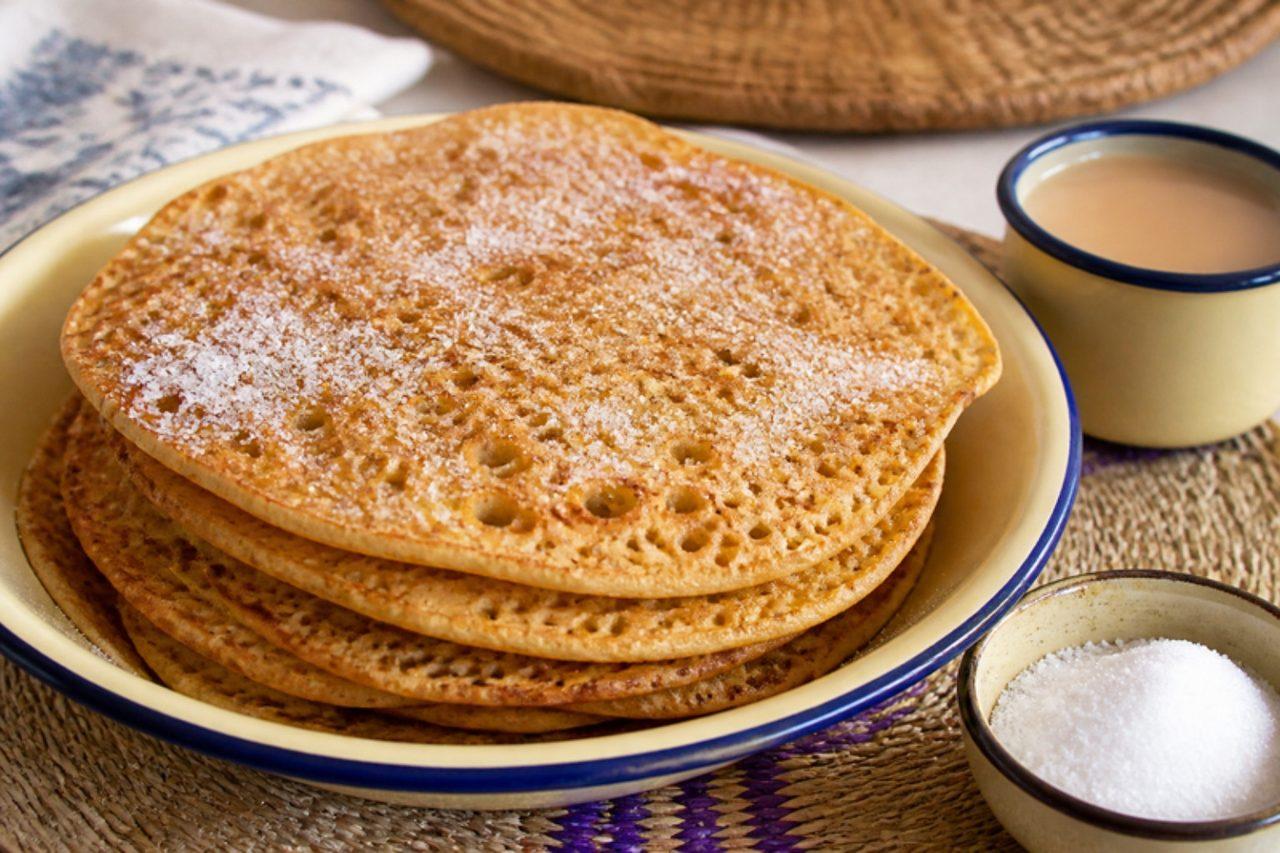
FunkasoFermented wheat pancakes

Funkaso is a Hausa pancake from northern Nigeria, made from a wheat batter left to ferment until bubbly and fried into soft, spongy rounds with crisp edges. Families cook stacks of it for the pre-dawn sahur and the evening meal during Ramadan, and again on Sallah morning for visitors. It is eaten simply, sprinkled with sugar, or dipped in a hot pepper sauce, with hot kunun or tea. Chef's tip: the batter should be as thick as double cream; too runny and the pancakes spread thin and lose their spongy middle.

by KrazyBadal 0 views

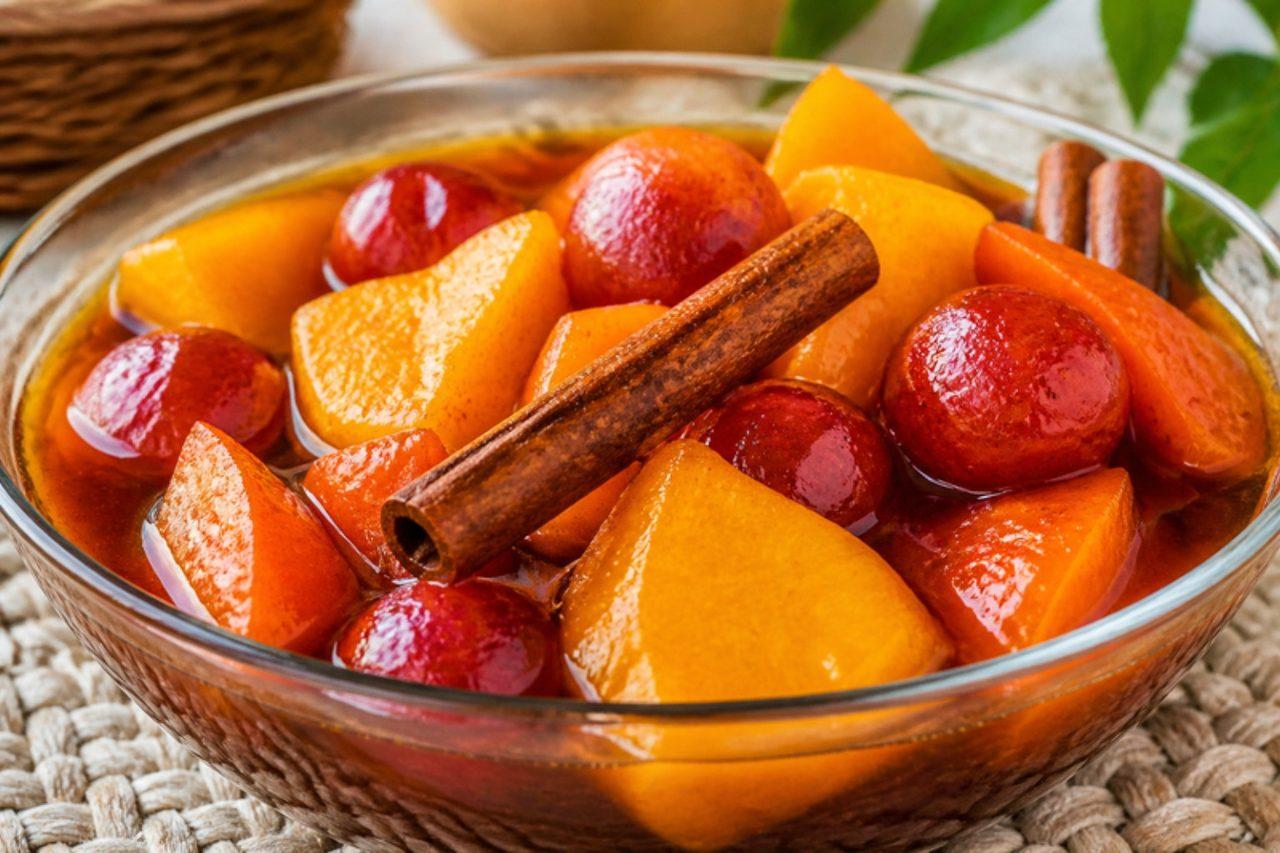
Almíbar nicaragüenseFruit preserve in panela syrup

In Nicaragua, Semana Santa means almíbar: a big pot of mango, papaya, jocote (hog plum) and grosella (gooseberry) simmered for hours in a dark panela syrup with cinnamon, cloves and allspice. Families make it ahead and share it with neighbours, who return the bowl full of their own. It is served cool in small bowls, sometimes with a slice of cheese. Jocotes and grosellas are hard to find abroad; firm plums and cape gooseberries are good stand-ins. It is vegan and gluten free. Chef's tip: add the fruit in order of firmness so everything finishes tender but whole.

by KrazyBadal 0 views

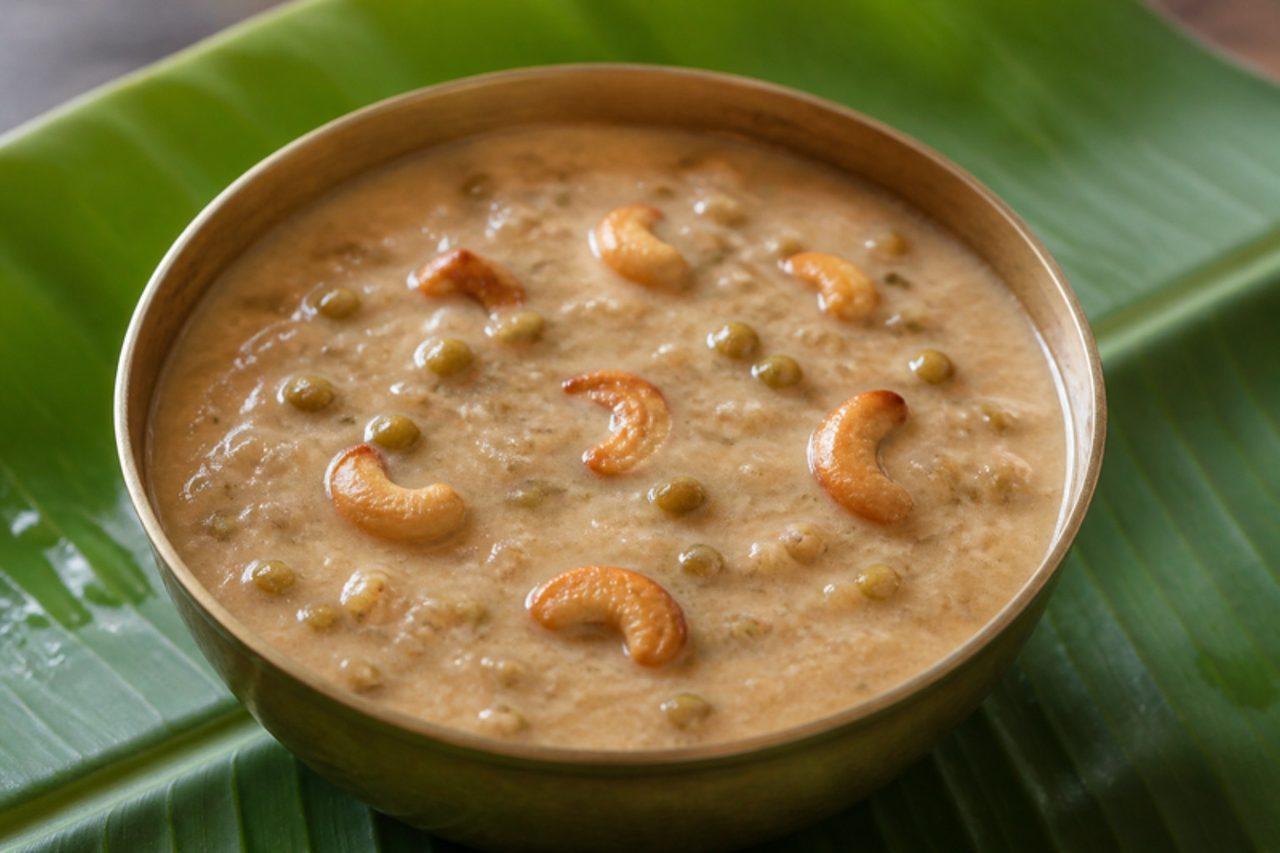
VornGreen gram and coconut milk sweet

On 8 September, Mangalorean Catholics celebrate Monti Fest, the feast of Mary's Nativity, which is also a harvest festival: new ears of grain are blessed at church and shared at home, and the family eats a vegetarian feast of new-season vegetables. Vorn, a pudding of split green gram (moong) cooked with coconut milk, jaggery and cardamom, is the sweet that ends it. It is like a gentle payasam, vegan and gluten free. Chef's tip: dry-roast the moong dal until fragrant before cooking it, which gives vorn its nutty flavour.

by KrazyBadal 0 views

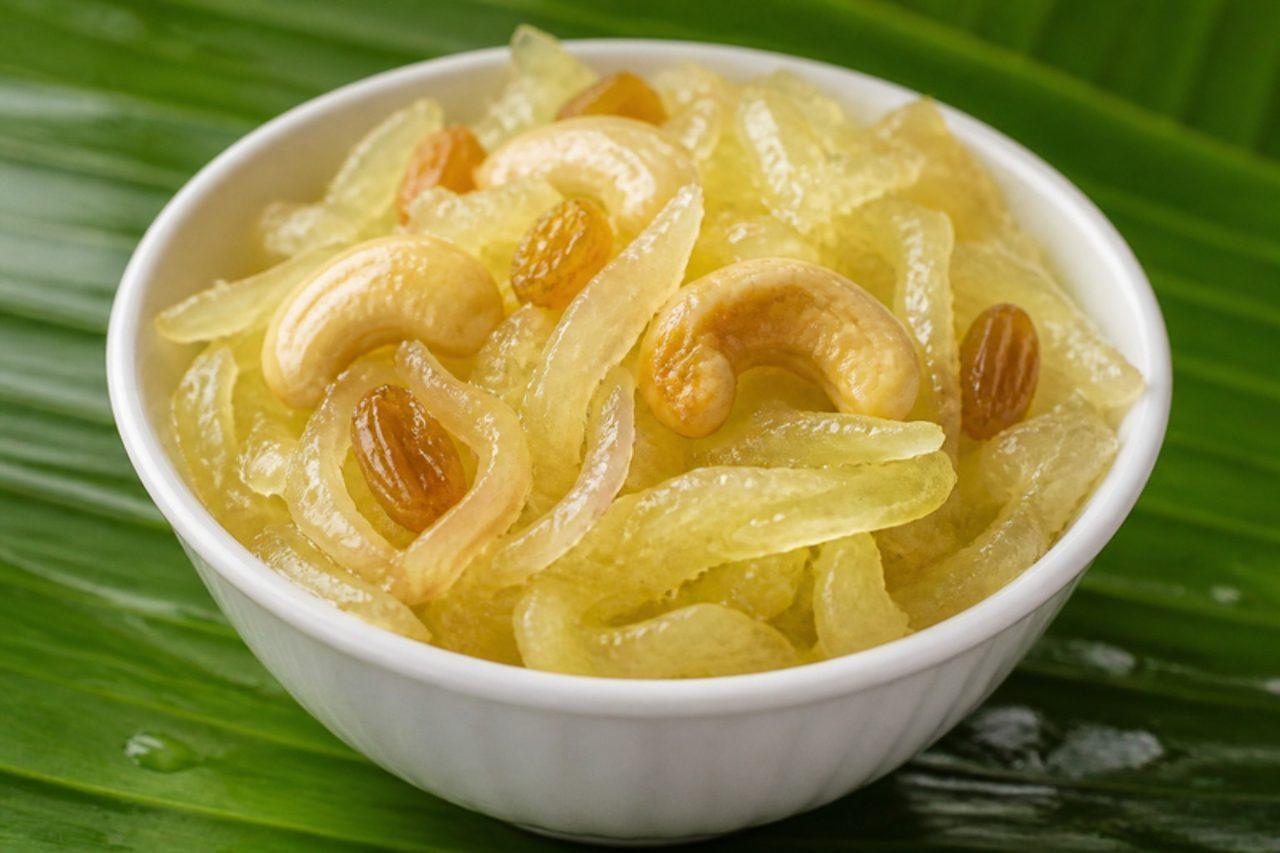
Plastic chutneyRaw papaya chutney

Plastic chutney gets its funny name from the way the thin slices of raw papaya turn clear and glassy, like cellophane, as they cook in syrup. It is the chutney of every Bengali wedding feast and of the Durga Puja bhog, served in a small heap at the end of the meal, sweet, sharp with lime, and dotted with raisins. No onion or garlic goes near it. Common mistake: cutting the papaya too thick or cooking it on high heat; thick slices stay opaque and chewy, while a fast boil caramelises the syrup before the papaya turns clear. The chutney is ready when every slice is see-through and the syrup coats a spoon. Chef's tip: soak the sliced papaya in water with a pinch of baking soda for 15 minutes, then rinse; this helps the slices stay crisp-tender and turn translucent evenly.

by KrazyBadal 0 views

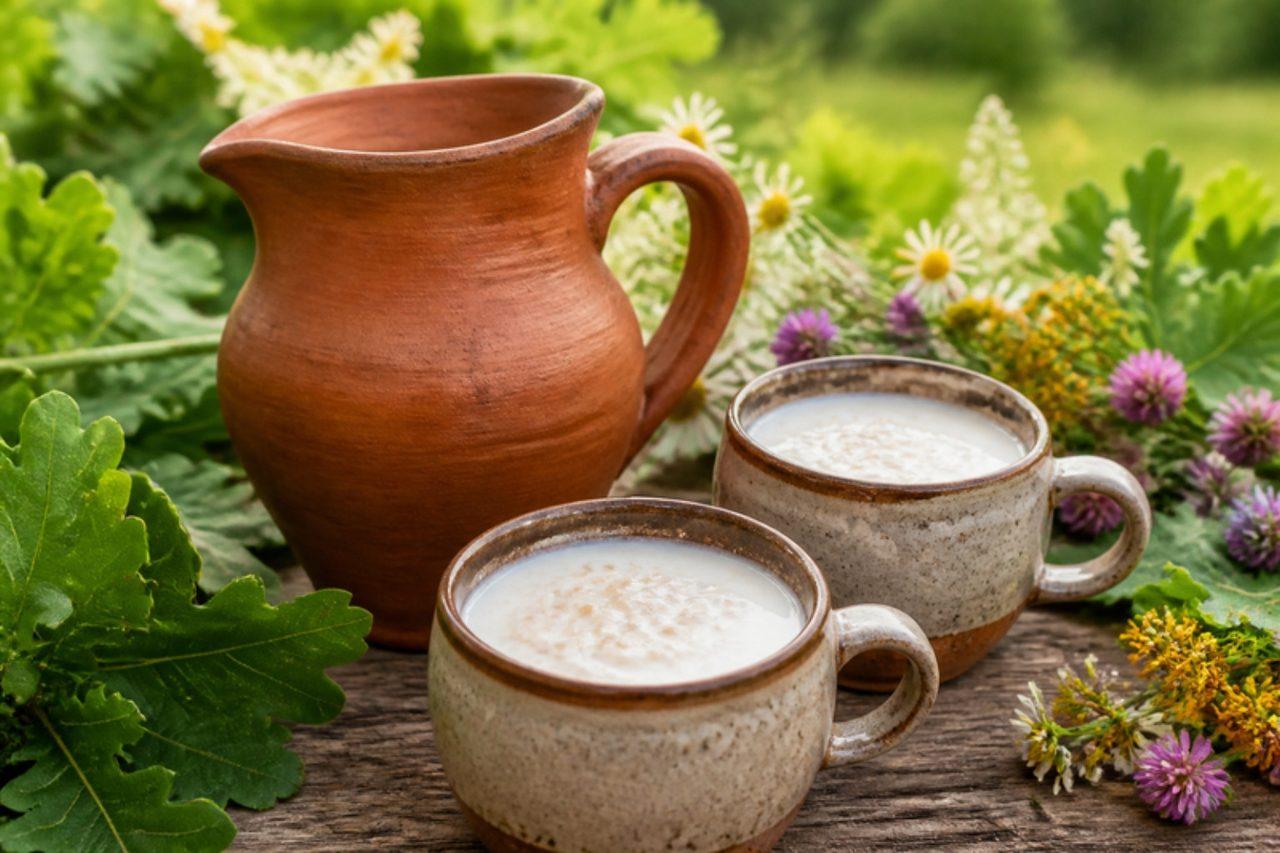
SkābputraSoured barley porridge drink

Skābputra, 'sour porridge', is one of the oldest Latvian foods, and at Jāņi, Midsummer on 23–24 June, it is served cold alongside caraway cheese, pīrāgi and wreaths of flowers. Pearl barley is cooked soft, then soured with buttermilk or kefir for a day or two until it is tangy and fresh-tasting, and it is thinned with milk into a thick, cooling drink sipped or eaten with a spoon on hot summer days. This home version uses bought live buttermilk to start the souring safely. Chef's tip: use clean jars and utensils, and taste it each day; once it is pleasantly sour, chill it so it stops souring.

by KrazyBadal 0 views

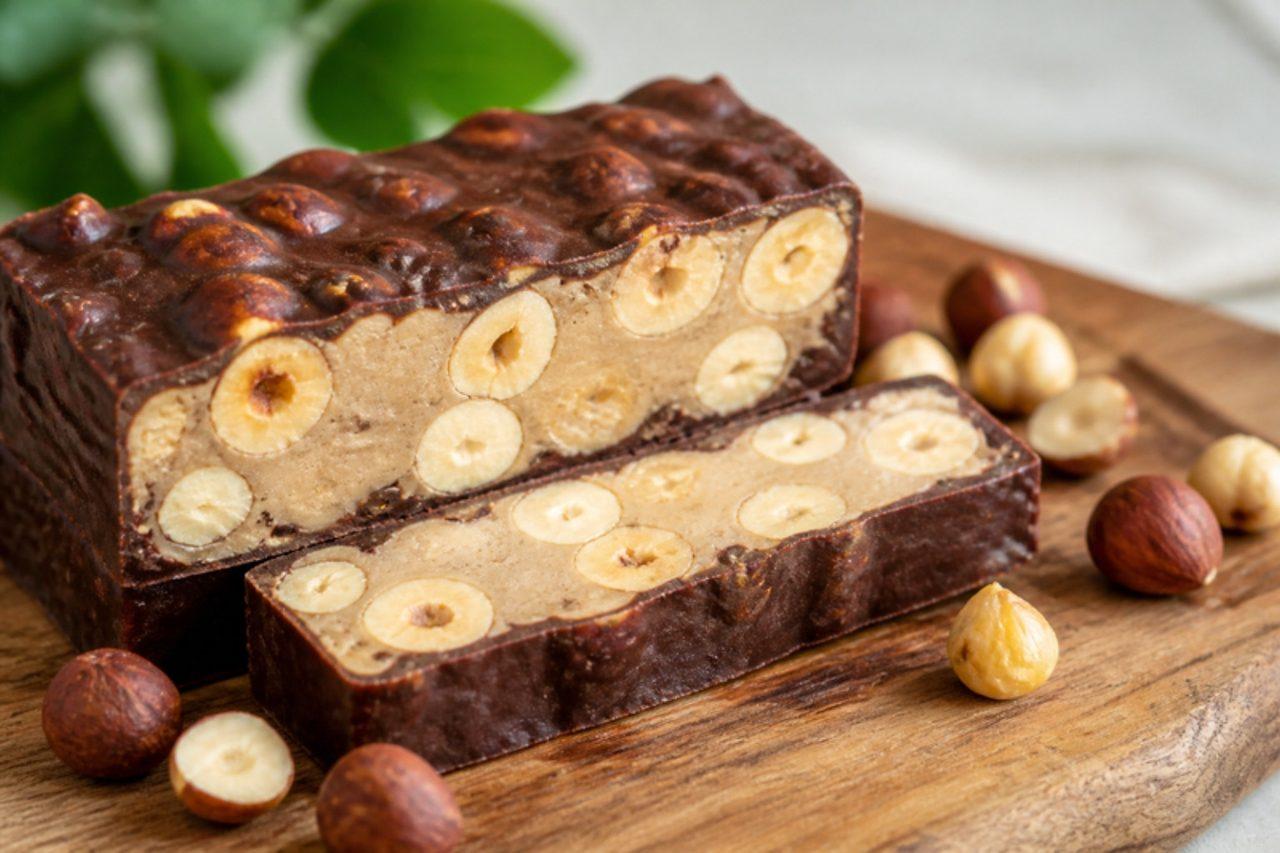
Torrone dei mortiChocolate hazelnut bar

In Naples, the weeks around All Souls' Day on 2 November are 'torrone time': pastry shops pile up the torrone dei morti, a soft bar of white or dark chocolate filled with a creamy hazelnut or chocolate centre and studded with whole toasted hazelnuts, which friends bring as a gift when visiting. Despite its name it contains no nougat. This homemade version layers dark chocolate around a white-chocolate and hazelnut-paste filling. It is gluten free; some versions add liqueur, this one doesn't. Chef's tip: let the chocolate shell set fully in the fridge before filling, so it doesn't melt through.

by KrazyBadal 0 views

MässmoggeHazelnut-filled striped sweets

Every autumn the Basler Herbstmesse, Switzerland's oldest fair, fills the old town with rides and stalls, and the smell of boiling sugar from the stands selling Mässmogge, glossy striped sweets in bright colours with a soft chocolate-hazelnut centre. They are made by pulling hot sugar until it turns satiny, wrapping it round a rope of filling and snipping it into little pillows. It takes practice and a sugar thermometer, and adults should do all the hot work; children can help once the sweets are cool. Chef's tip: work on an oiled silicone mat near a low oven, so the sugar stays pliable for longer.

by KrazyBadal 0 views

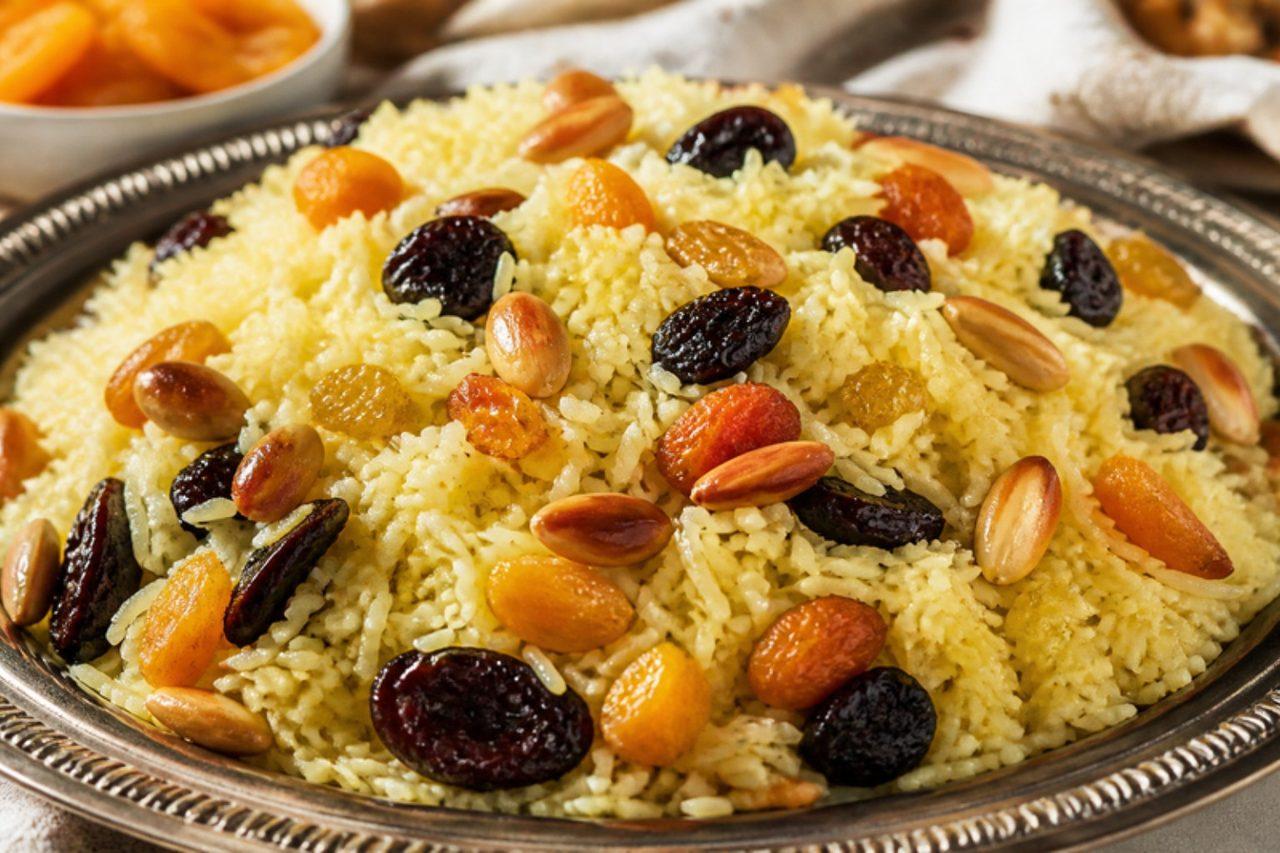
Chirov plavRice pilaf with dried fruit

Chirov plav, rice pilaf with dried fruit ('chir'), is the Armenian Easter dish: after the long Lenten fast, families gather on Easter Sunday to eat this glossy, buttery pilaf, often served beside fried or baked fish and red-dyed eggs. The rice is cooked separately so every grain stays loose, then layered with dried apricots, raisins and prunes warmed in butter, with a golden crust (tahdig-style) at the bottom. Chef's tip: rinse the rice until the water runs clear, and parboil it in plenty of salted water, as that keeps the grains separate.

by KrazyBadal 0 views

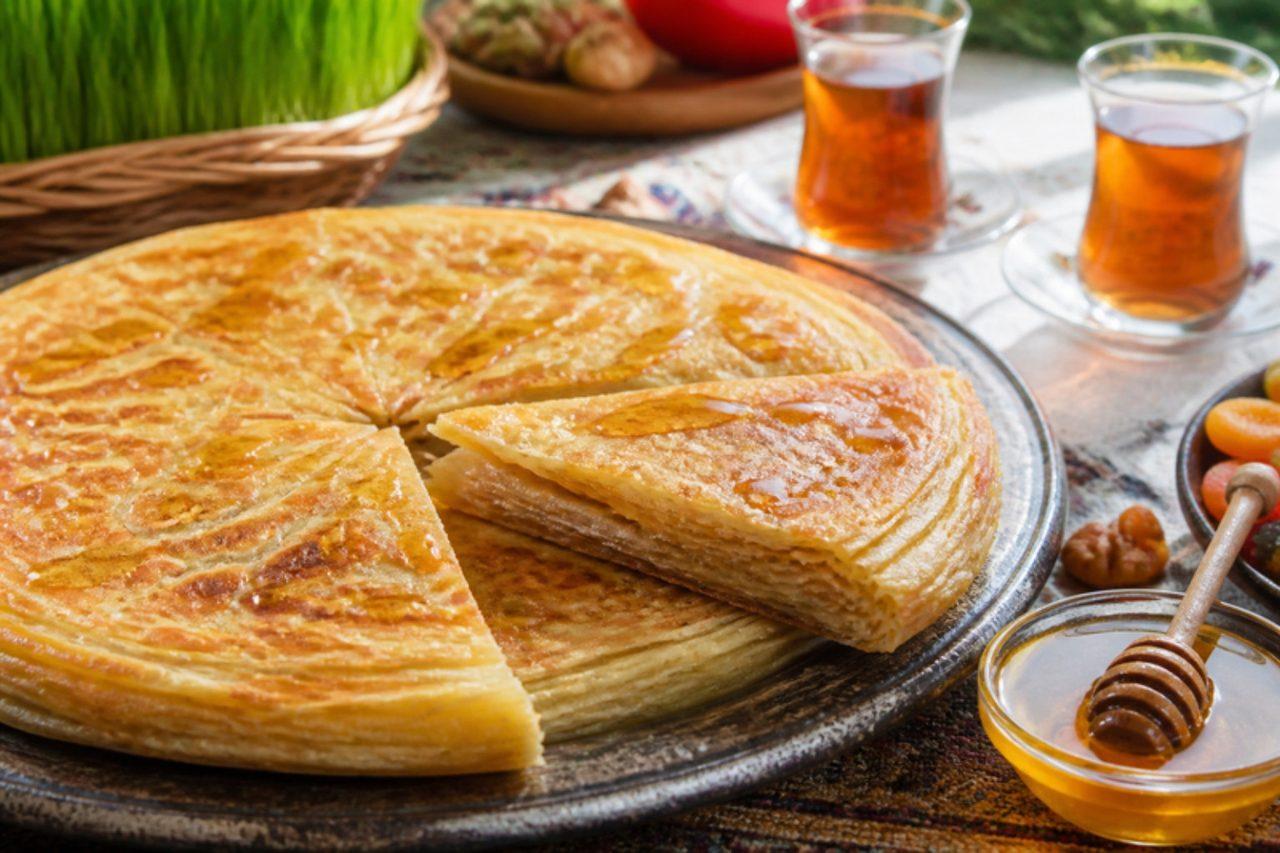
FasaliLayered butter pastry with honey

Fasali is a festive breakfast in Azerbaijan, made on Novruz mornings and other holidays when the house is full: a thin dough is brushed with melted butter, folded again and again into many layers, then cooked slowly in a covered pan until crisp outside and flaky within. It comes to the table cut in wedges with honey, syrup or a glass of sweet tea. The common mistake is cooking over a high heat, which burns the outside before the inner layers have cooked through. Chef's tip: chill the folded parcel for 10 minutes between folds and the butter stays in clean layers.

by KrazyBadal 0 views

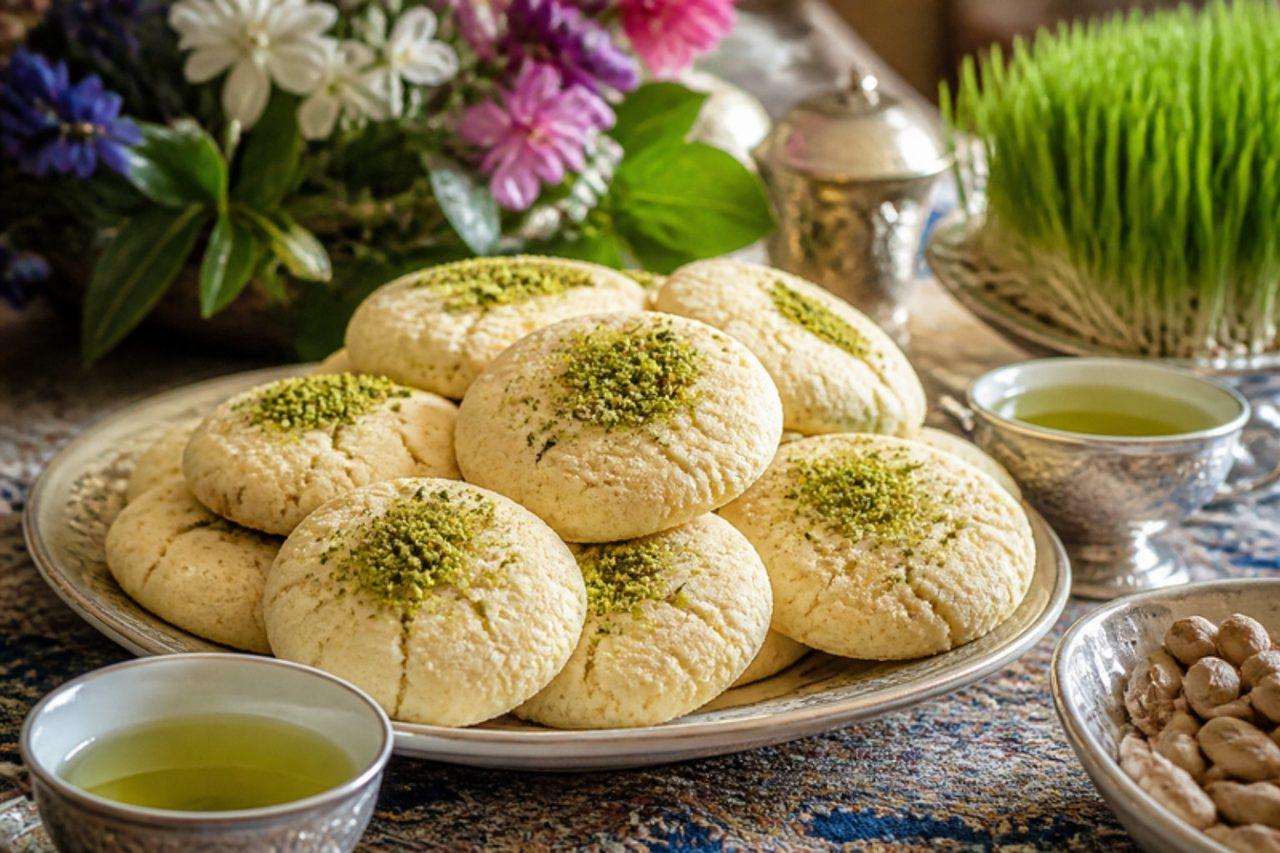
Kulche khetayeeCardamom pistachio shortbread

When guests come to an Afghan home over Nowruz or the days of Eid, they are poured green tea and offered a plate of kulche khetayee, crumbly round shortbreads that dissolve on the tongue. In Kabul the dough is made with clarified butter or oil, icing sugar and cardamom, and each biscuit is topped with a pinch of ground pistachio before baking very gently so they stay pale. The common mistake is baking too hot: the biscuits should be cream-coloured, not golden, or they lose their melting texture. Chef's tip: let them cool fully on the tray, because they are too fragile to move while warm.

by KrazyBadal 0 views

Rosero quiteñoChilled spiced fruit and corn drink

Rosero is a festive drink of Quito in Ecuador, made for Corpus Christi in June, when the city once filled with processions and dancers. It is thick and refreshing: whole hominy (mote) and a thin purée of naranjilla (lulo) and pineapple, sweetened with sugar, spiced with cinnamon, cloves and allspice, and perfumed with orange-blossom water and rose petals, then served chilled in tall glasses with diced fruit. Frozen naranjilla pulp is sold in Latin shops. It is vegan. Chef's tip: simmer the pineapple peel with the spices for the syrup, as Quiteño cooks do; it adds a lot of flavour.

by KrazyBadal 0 views

ApfelkrautApple syrup

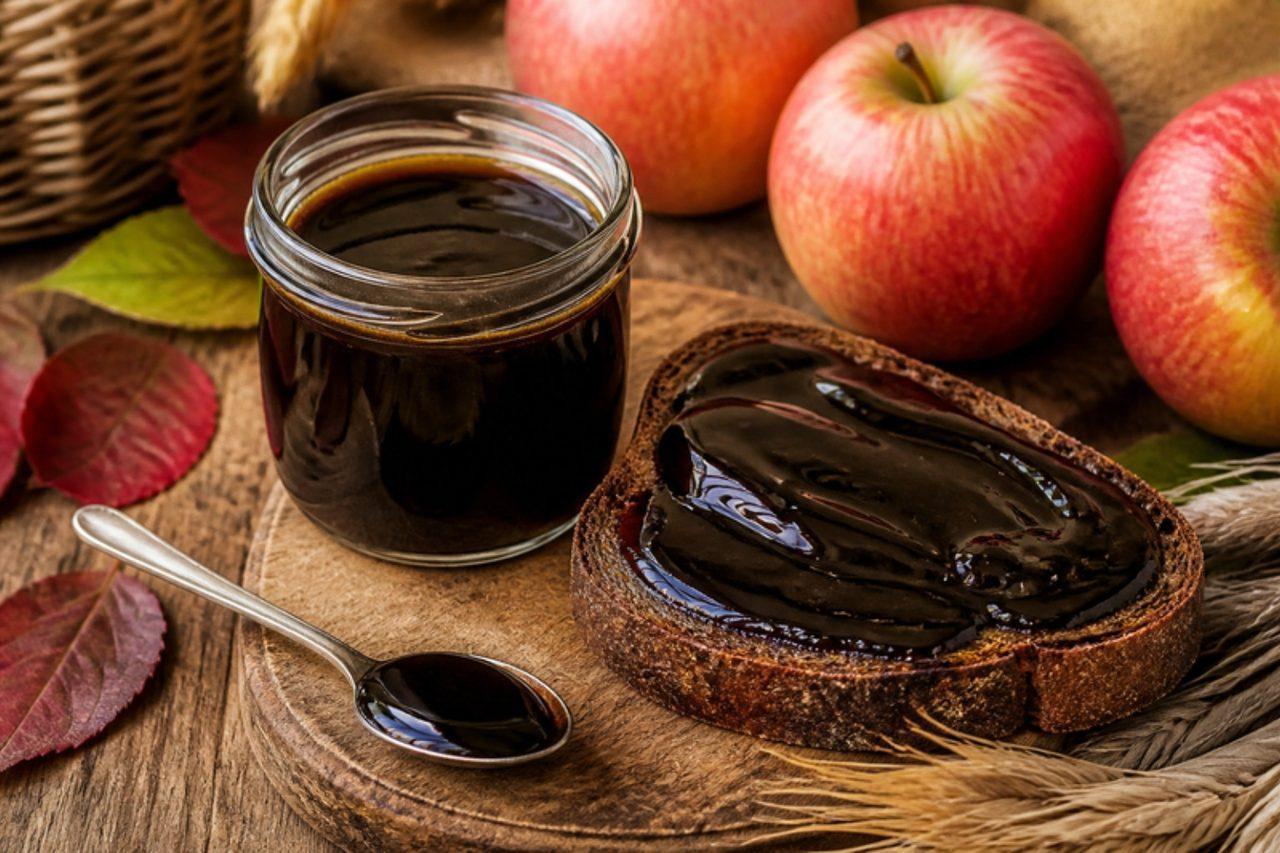
In the Rhineland, apples from the autumn harvest are pressed and boiled for hours in copper cauldrons into Apfelkraut, a dark, glossy, sweet-sour syrup that is spread on Schwarzbrot with butter and quark, and that families bring to the Erntedank harvest thanksgiving in October. It needs no added sugar at all: the apples' own sugar and pectin concentrate until the juice is as thick as treacle and tastes like baked apple and caramel. Eat it on rye bread, with potato pancakes (Reibekuchen) or in a sauce for Sauerbraten. Chef's tip: use a mix of sweet and tart apples; the tart ones give the tang and the pectin that makes it set.

by KrazyBadal 0 views

Biscotti di San MartinoRicotta-filled fennel biscuits

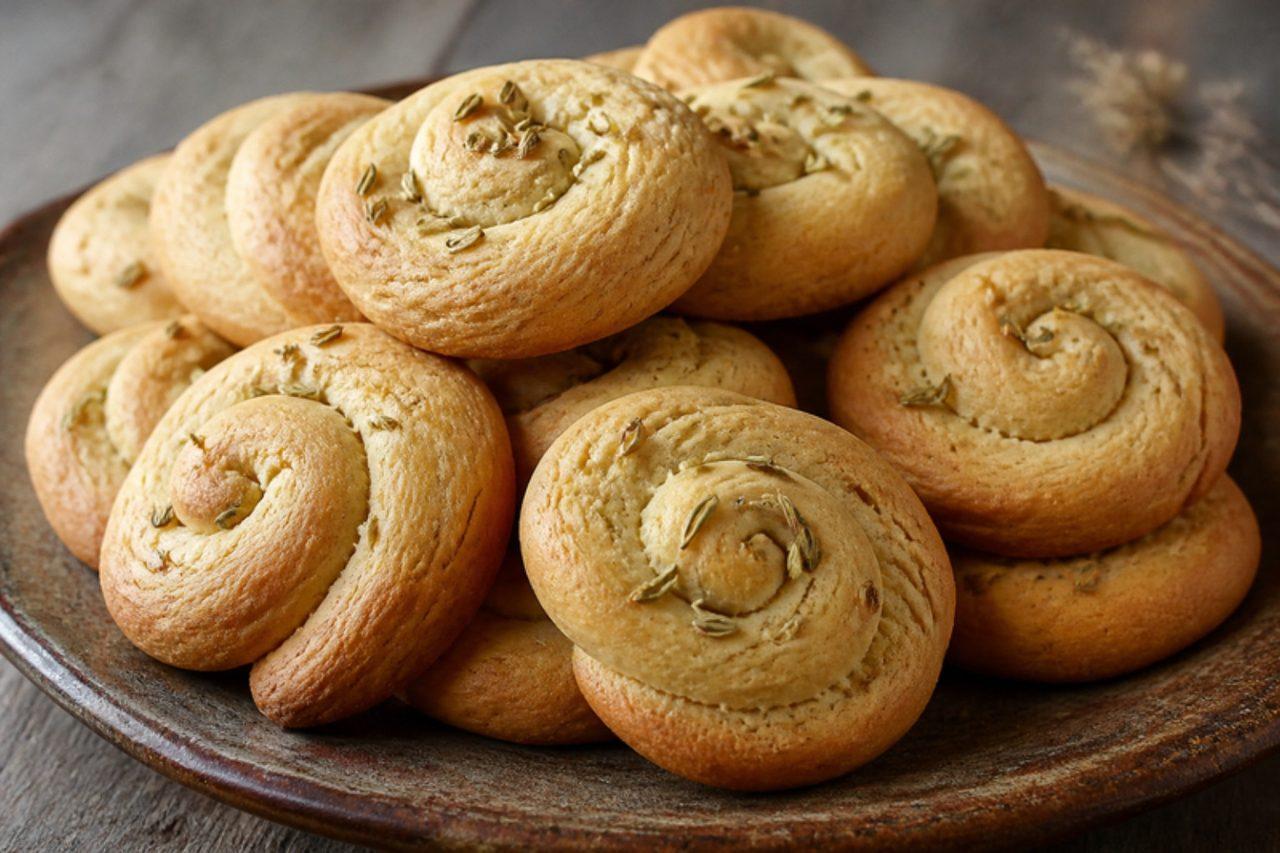
St Martin's Day, 11 November, is when Sicilians traditionally open the new wine, and in Palermo it is marked with biscotti di San Martino: round, hard, fennel-scented yeast biscuits shaped like little turbans. Eaten plain, they are dunked in sweet Moscato; the pastry-shop version is split, soaked in a sweet syrup and filled with ricotta cream and candied fruit. This recipe soaks them in an orange syrup, so it is alcohol-free; adults can use Moscato or Marsala. Choose a vegetarian ricotta if needed. Chef's tip: bake them twice, the second time low, so they dry right through and keep for weeks.

by KrazyBadal 0 views

Es timun suriIced cucumber melon drink

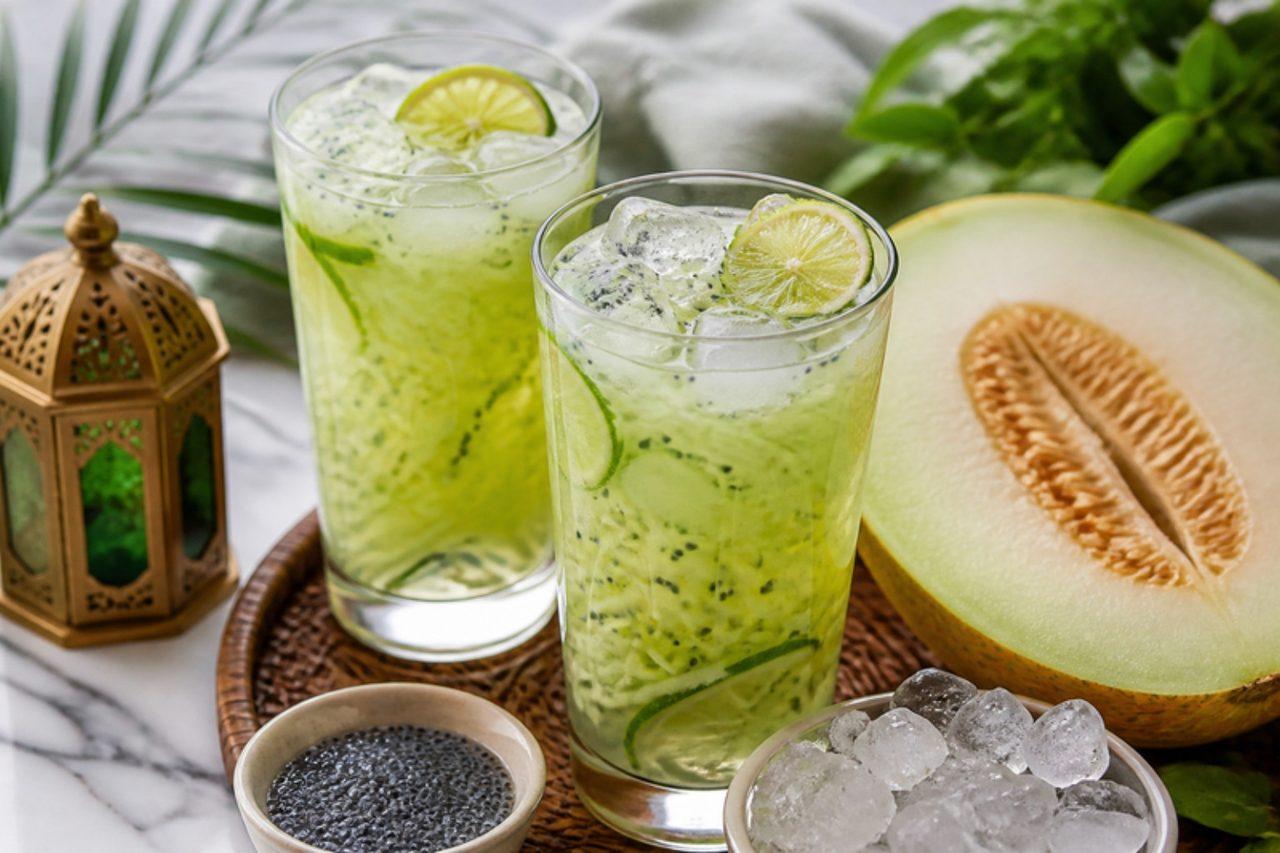
Timun suri, a large cucumber-melon, appears in Indonesian markets only during Ramadan, piled high at roadside stalls for families to buy before iftar. Scraped into strands and floated in iced syrup with basil seeds and lime, it makes es timun suri, one of the most refreshing ways to break the fast. It tastes gently sweet, melony and cool. Cantaloupe or galia melon is a good stand-in outside Indonesia. Chef's tip: soak the basil seeds fully before adding them, as dry seeds clump into hard lumps in cold syrup.

by KrazyBadal 0 views

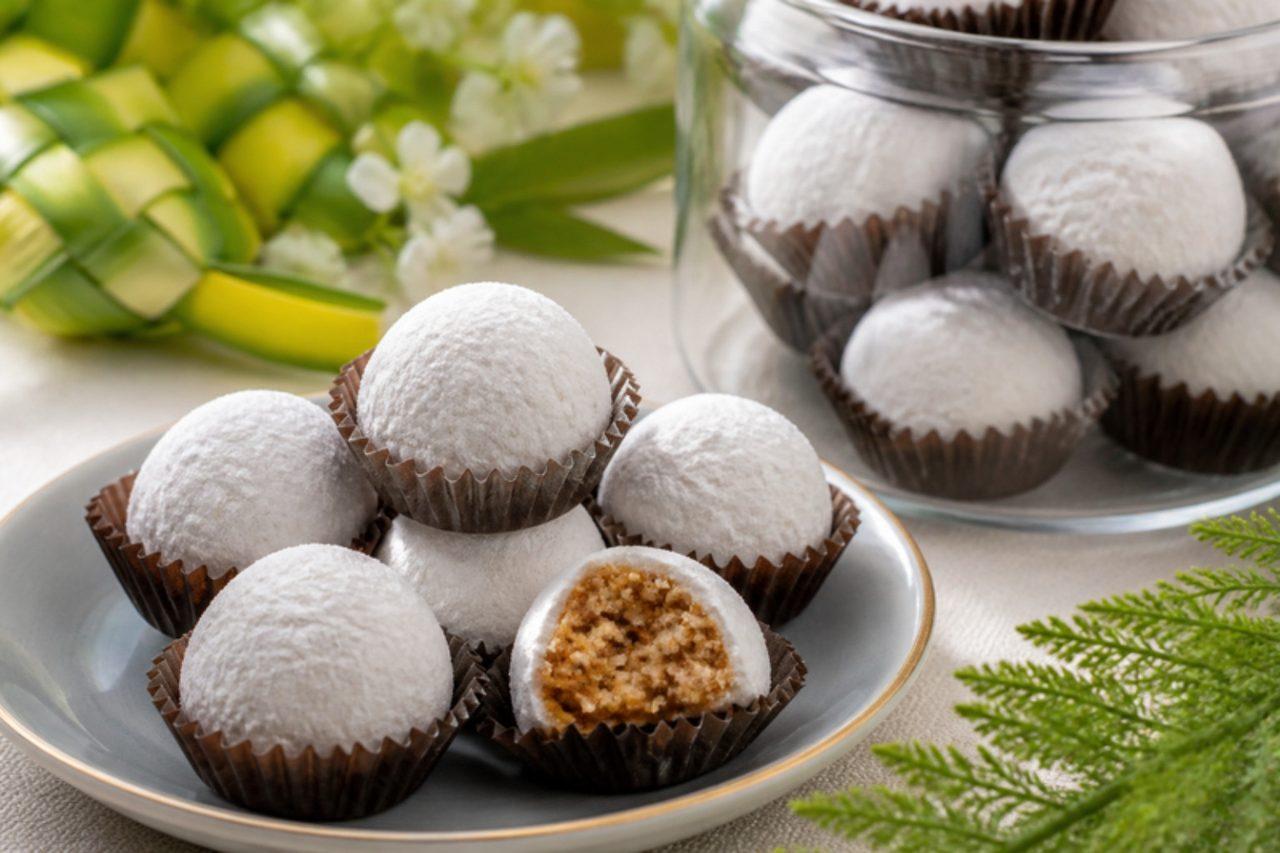
Kue satuMung bean flour sweets

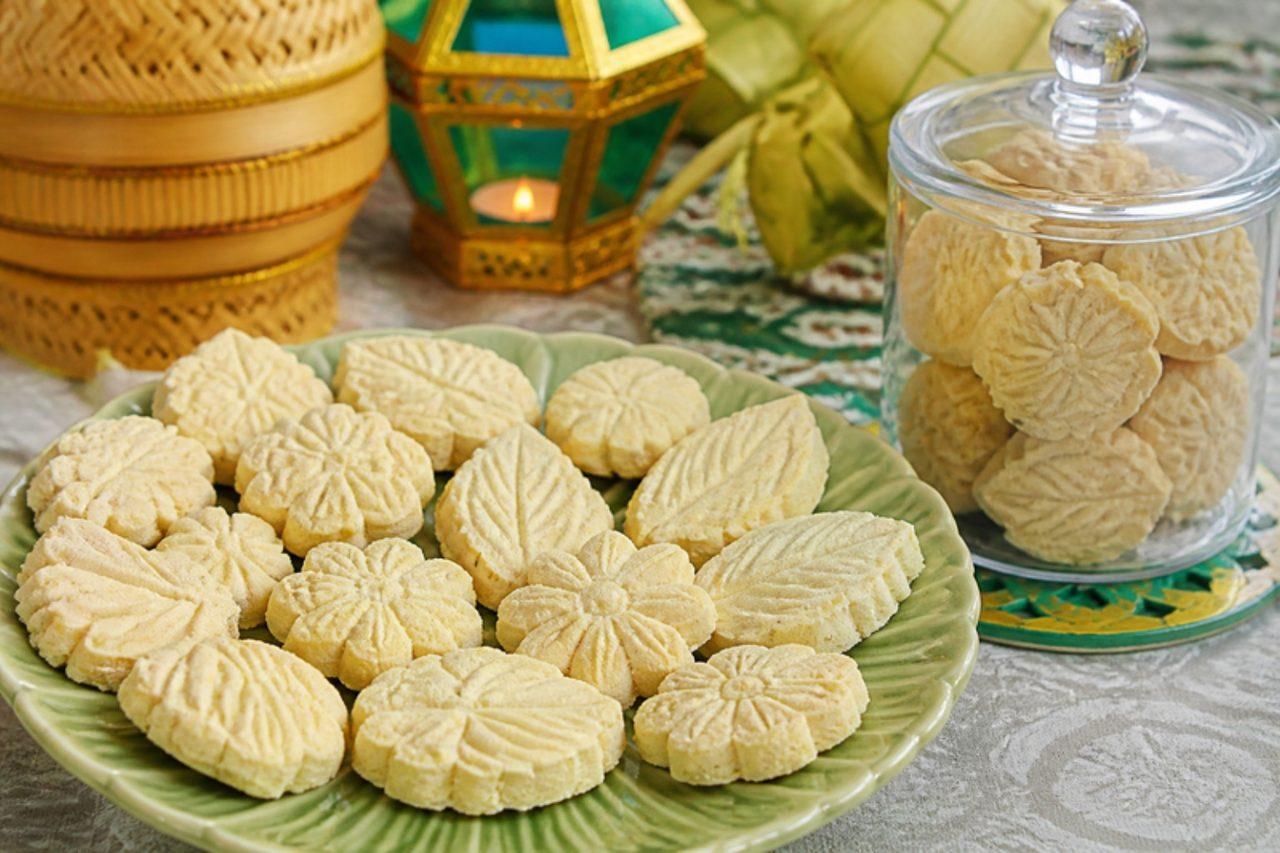
Kue satu are the little pale sweets that fill glass jars on Javanese and Sumatran tables when families open their doors for Lebaran visits at the end of Ramadan. Mung-bean flour is dry-toasted until it smells nutty, mixed with icing sugar and a whisper of pandan, then pressed into carved wooden moulds of flowers and leaves and left to dry until crumbly. They melt on the tongue with a sweet, beany, vanilla-like flavour and are offered with tea to every guest. Chef's tip: toast the flour until it is a shade darker and smells like popcorn, because raw-tasting flour is the most common reason kue satu taste flat.

by KrazyBadal 0 views

Leche de burraMilk, corn and sugar sweet

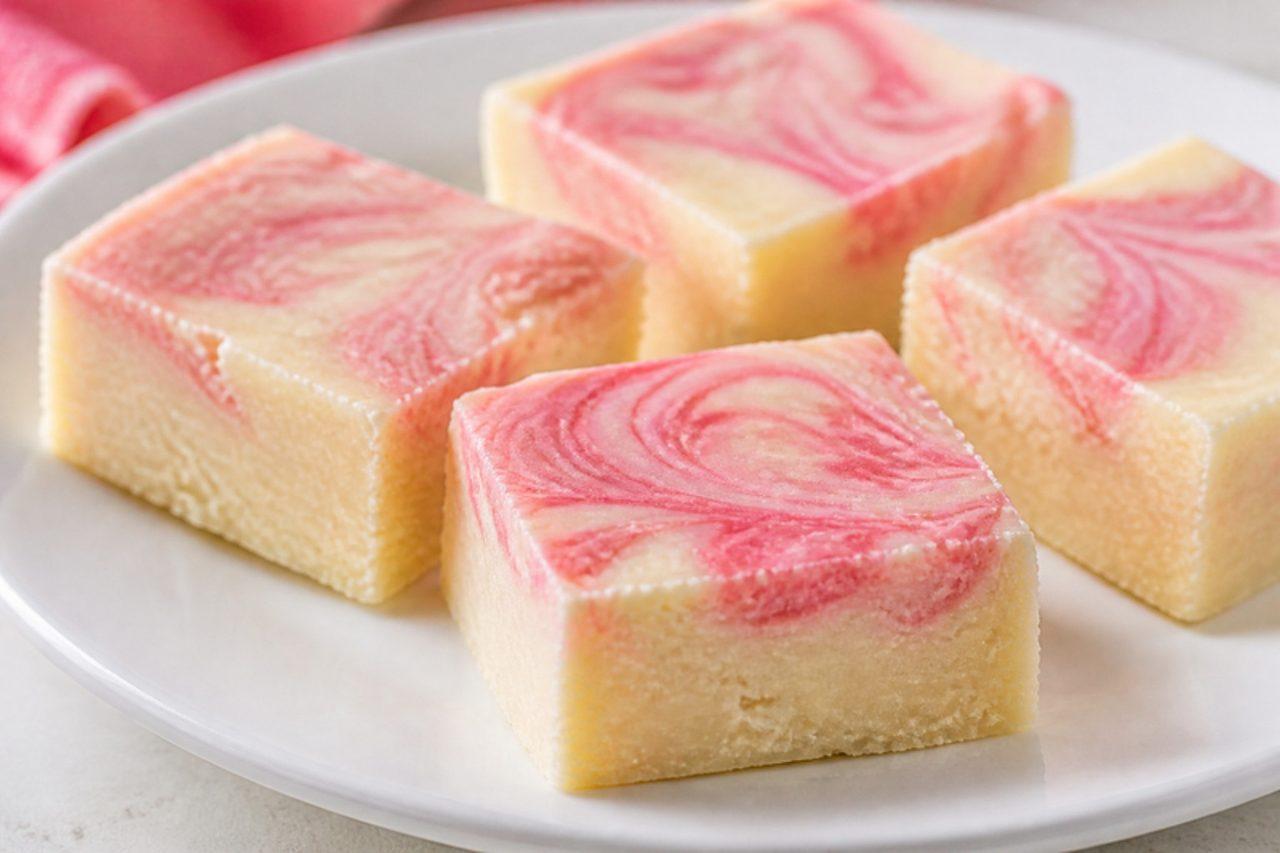
On 7 December, Nicaraguans celebrate La Purísima and La Gritería, when people go from house to house singing 'Who causes so much joy? Mary's Conception!' to altars set up for the Virgin, and the hosts hand out gifts: oranges, sugar cane, gofio and leche de burra. It is a firm, fudgy sweet of milk, sugar and a little cornmeal cooked until thick, then set in a tray, sometimes swirled with pink or brown, and cut into squares. Despite the name ('donkey's milk') it is made with cow's milk. It is gluten free. Chef's tip: stir constantly in the last 15 minutes, as milk sweets catch quickly.

by KrazyBadal 0 views

MämmiRye and malt Easter pudding

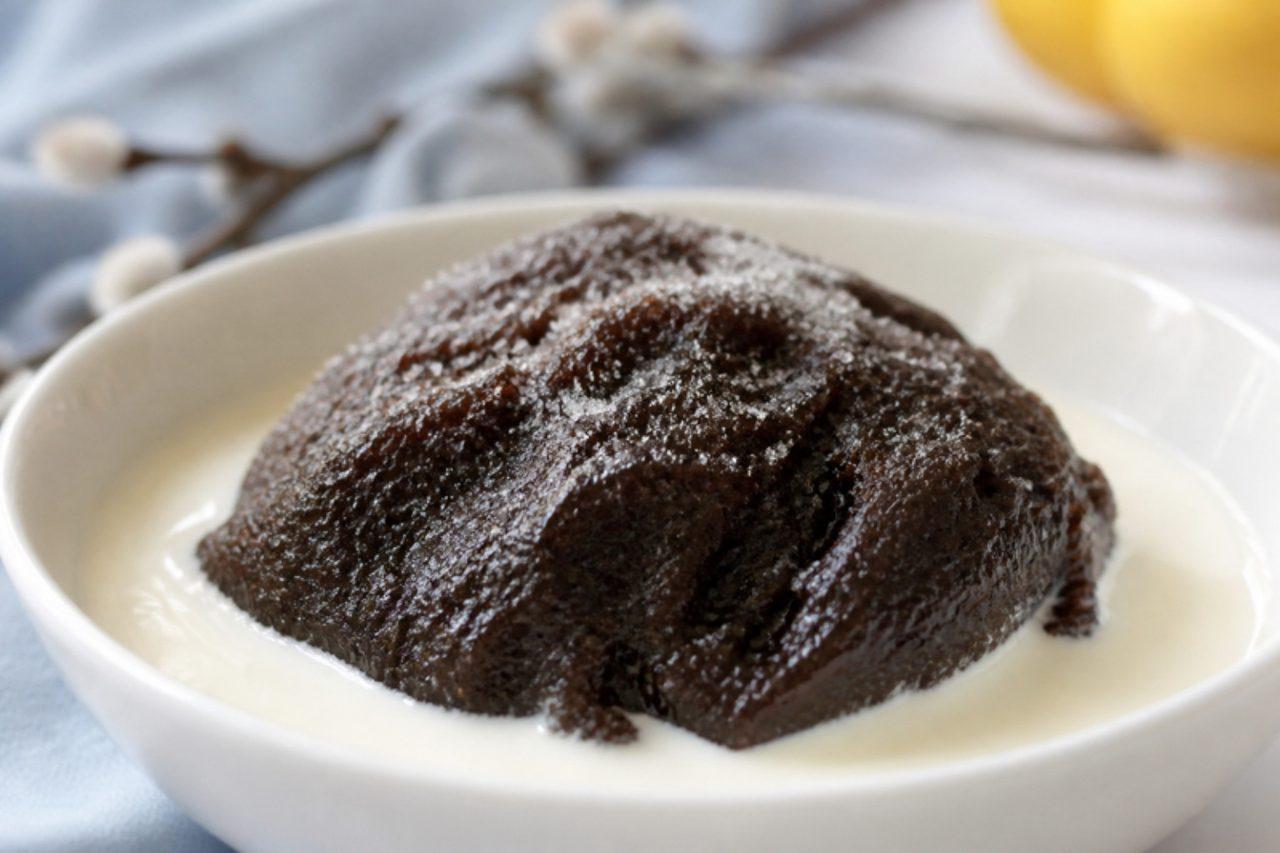
Mämmi is Finland's Easter dessert, a dark, almost black pudding of rye flour and malted rye, sweetened slowly by the malt's own enzymes and by a little molasses, then baked for hours in birch-bark boxes or small dishes. It looks unusual but tastes mild, malty and gently sweet, and is eaten cold with cream and sugar on Easter Sunday. It is vegan, and it was once eaten through Lent. You need powdered rye malt from a baking supplier or Nordic shop. Chef's tip: keep the porridge warm (around 60 °C) for two hours before baking so the malt can sweeten it; skip this and mämmi tastes bitter.

by KrazyBadal 0 views

KaguyjyWhite corn pudding

On the night of 23–24 June, Paraguayans celebrate San Juan with bonfires, games like walking over hot coals and the 'paso de fuego', and a table of traditional foods, and kaguyjy (also mazamorra) is one of them. It is a soft, creamy pudding of cracked white corn (locro) simmered slowly in water and then milk with sugar or honey, sometimes with orange peel. It is eaten warm or cold. It is gluten free. Chef's tip: soak the corn overnight and cook it until each kernel is tender before adding the milk, or it never turns creamy.

by KrazyBadal 0 views

QuittengeleeQuince jelly

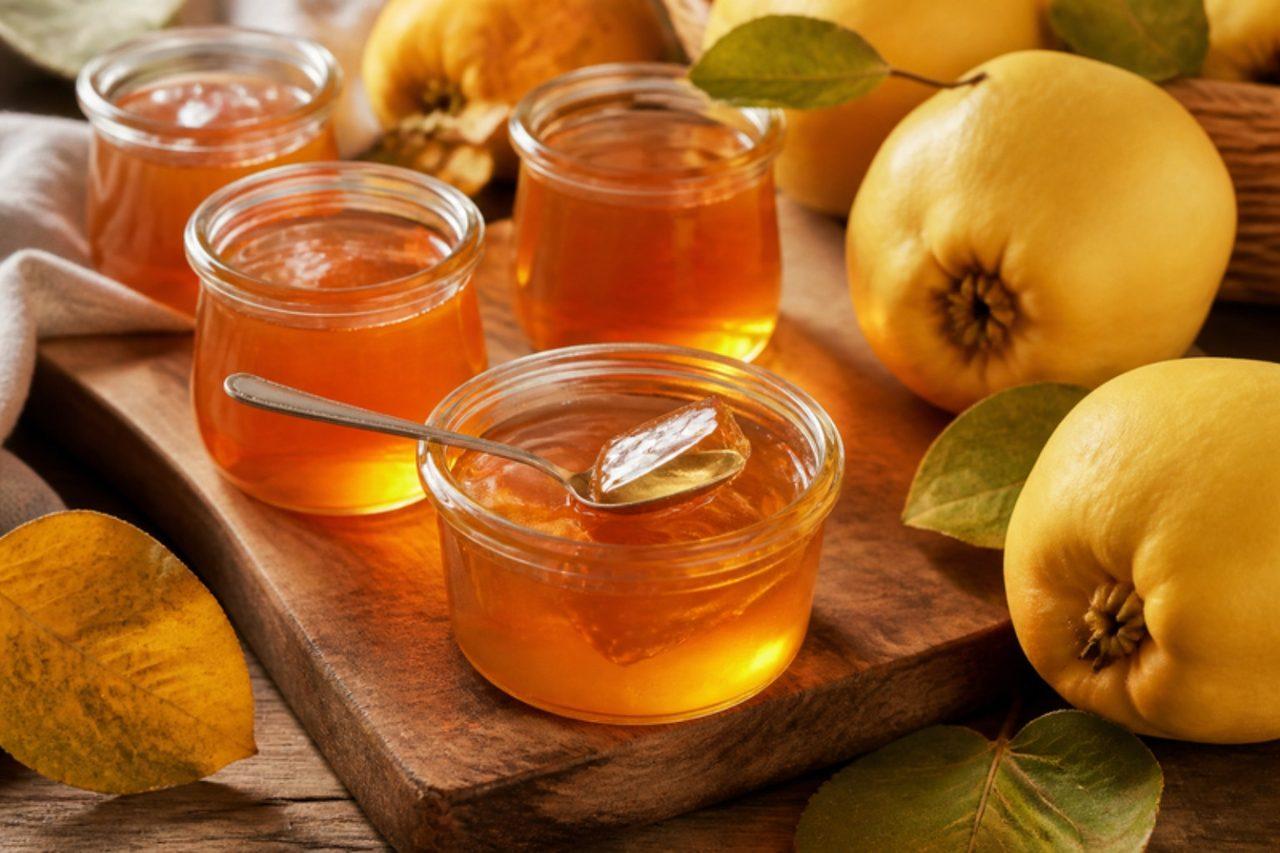
Quinces are too hard and sour to eat raw, so in Germany they are turned into Quittengelee, one of the jewel-coloured jars set out with the pumpkins and sheaves of wheat for Erntedank, the October harvest thanksgiving. The fruit is simmered whole in pieces, the juice drips through a cloth overnight, and then it is boiled with sugar until it sets into a clear jelly the colour of rosé, with a perfume like pear, honey and roses. Eat it on bread rolls, with cheese, or melted as a glaze for apple tart. Chef's tip: quince skin and cores are full of natural pectin, so cook them in with the flesh rather than peeling.

by KrazyBadal 0 views

PflaumenmusOven-baked plum butter

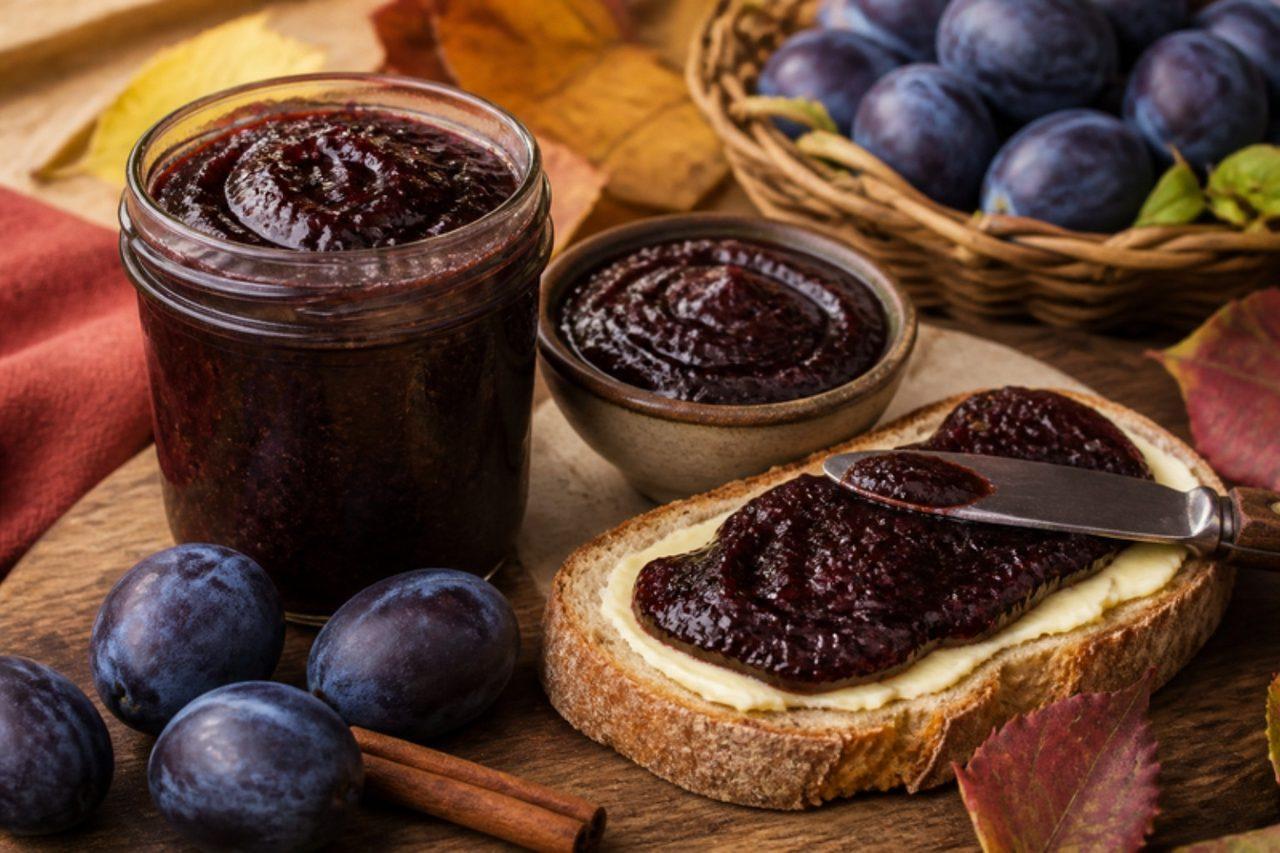
When the late damson plums (Zwetschgen) ripen in September, German kitchens fill trays with them for Pflaumenmus, and jars of it stand on the decorated altar at Erntedank, the harvest thanksgiving in early October. Unlike jam, it uses little sugar and no pectin: the halved plums are baked slowly, uncovered, until they collapse and darken into a thick, almost black spread that tastes of plums and spice rather than sugar. Spread it on rye bread with butter, fill Dampfnudeln with it or stir a spoonful into quark. Chef's tip: bake it in the widest roasting tin you have, because the more surface, the faster the water steams off.

by KrazyBadal 0 views

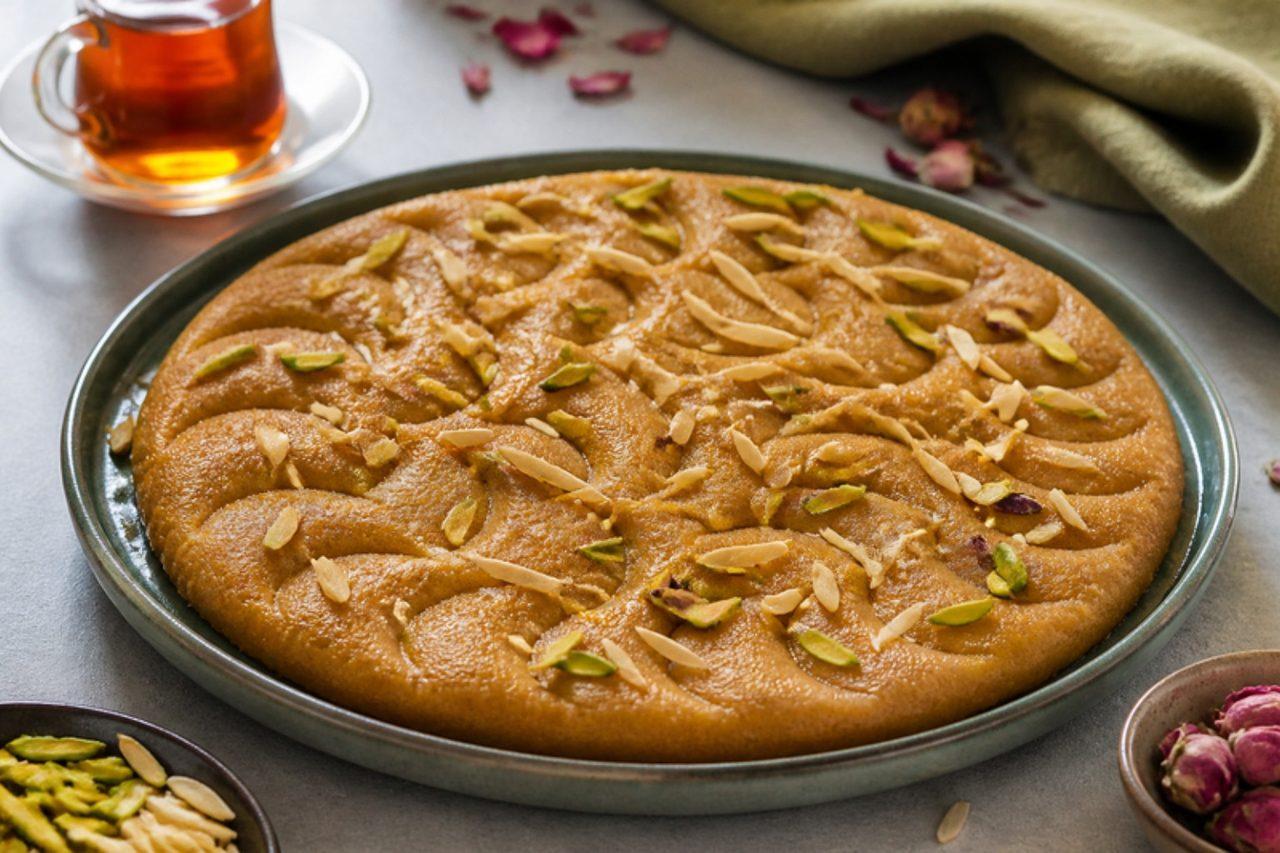
Persian halvaSaffron rose flour halva

Iranian halva is not the sesame sweet of the Levant but a dense paste of flour toasted slowly in butter and cooked with a saffron and rose-water syrup. It is spread on plates and patterned with a spoon for Ramadan iftars, for mourning gatherings and as nazri, food made and shared with neighbours to fulfil a vow in Muharram. It tastes deeply nutty, floral and not too sweet. Chef's tip: patience with the flour is everything; toast it until it is the colour of peanut butter, never rushing on a high heat.

by KrazyBadal 0 views

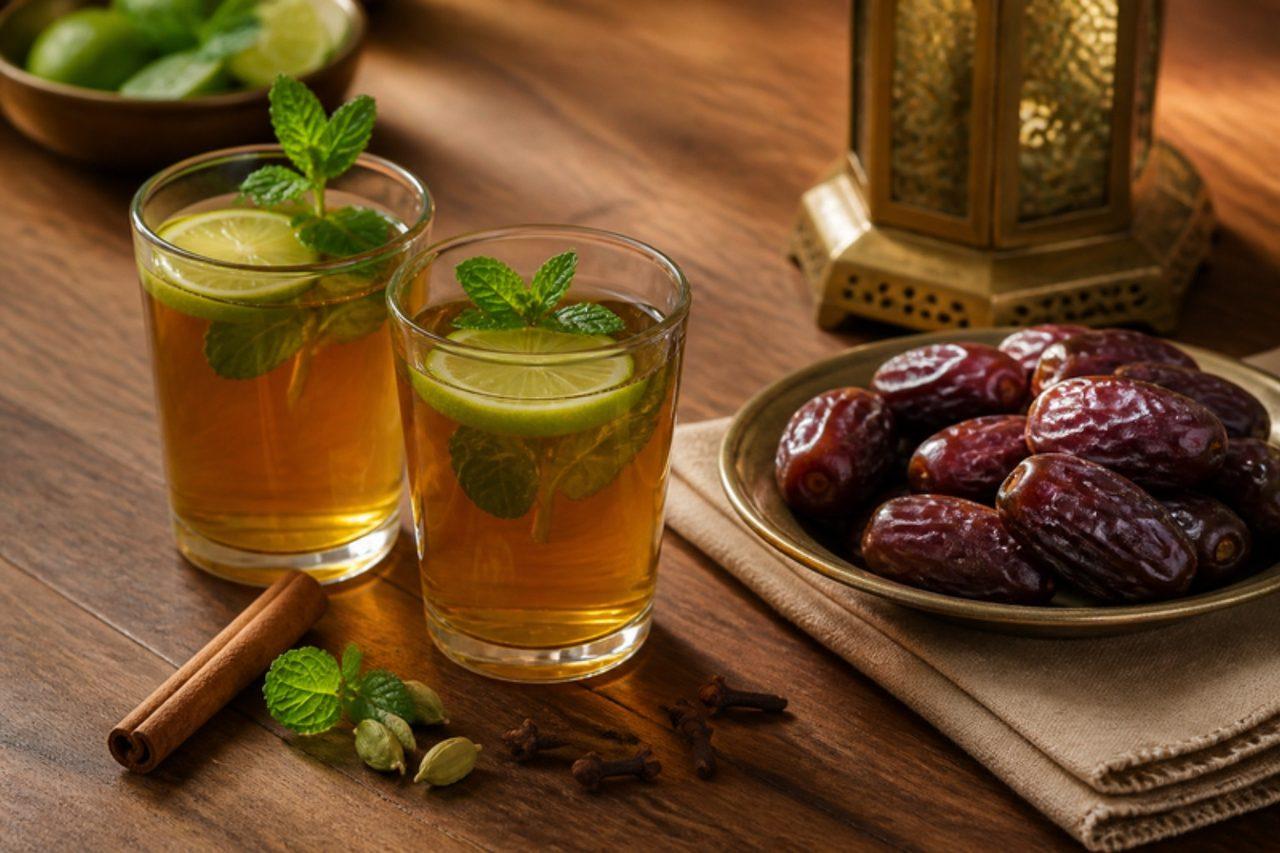
SulaimaniSpiced lemon black tea

In Kozhikode, sulaimani is the clear amber tea poured after a heavy biryani, and in Ramadan it is the glass that follows the dates at iftar. A little loose black tea is brewed with cardamom, clove and cinnamon, then sweetened and sharpened with fresh lime so it is light, warming and gently fragrant. Chef's tip: steep the tea for only two minutes; sulaimani should be bright and clear, never strong and bitter.

by KrazyBadal 0 views

ZhavoronkiLark-shaped buns

On 22 March (9 March in the old calendar), the Orthodox feast of the Forty Martyrs of Sebaste falls during Lent, and in Russian villages it was the day the larks were said to return. Children were given zhavoronki, little bread larks, and ran outside to toss them in the air and call the spring. The dough is a lightly sweet yeast dough, and because it is Lent it was made without eggs or butter, so this version is vegan. Raisins or peppercorns make the eyes. Chef's tip: tie a simple knot from a dough rope for each bird and snip the tail; it is quicker than sculpting and keeps the shape.

by KrazyBadal 0 views

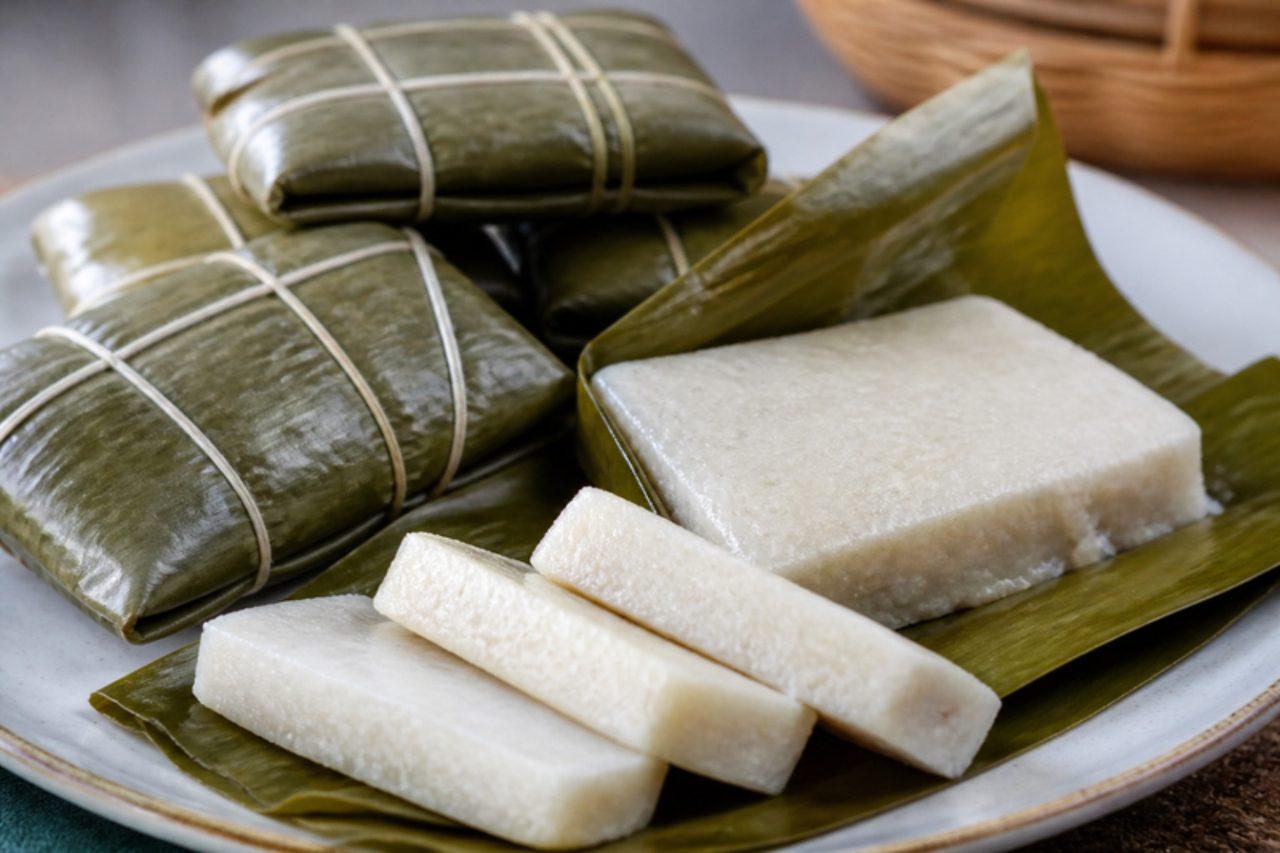
BurasaCoconut rice cakes in banana leaf

Burasa is the Lebaran rice cake of the Bugis and Makassar people of South Sulawesi: rice half-cooked in salted coconut milk, wrapped in banana leaves, tied in pairs and boiled for hours until it sets firm and rich. On Eid morning it is sliced and eaten with coto Makassar, opor or a spicy beef dish, and it travels well for visits to relatives. Chef's tip: wrap the parcels only half full and tie them firmly, because the rice swells and a full parcel bursts open in the pot.

by KrazyBadal 0 views

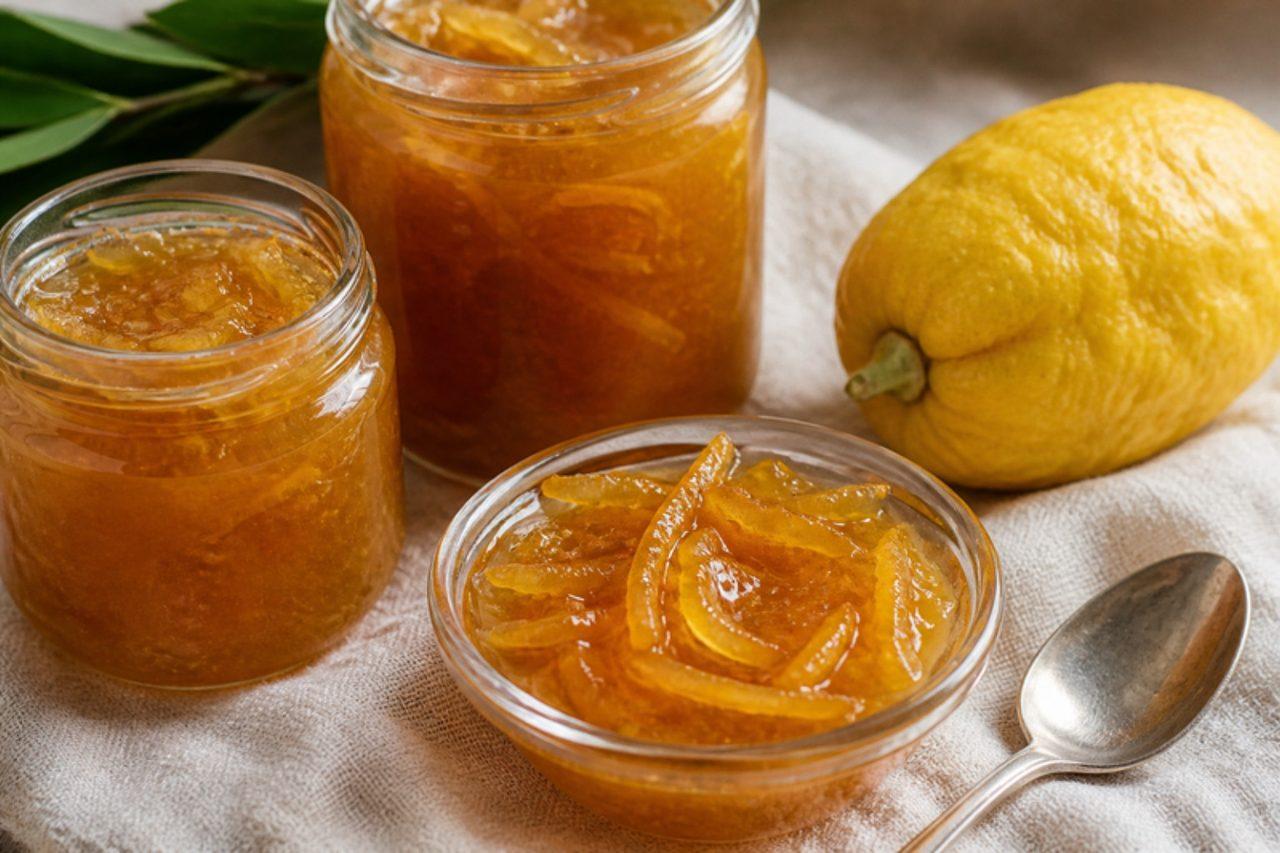
Etrog marmaladeCitron preserve

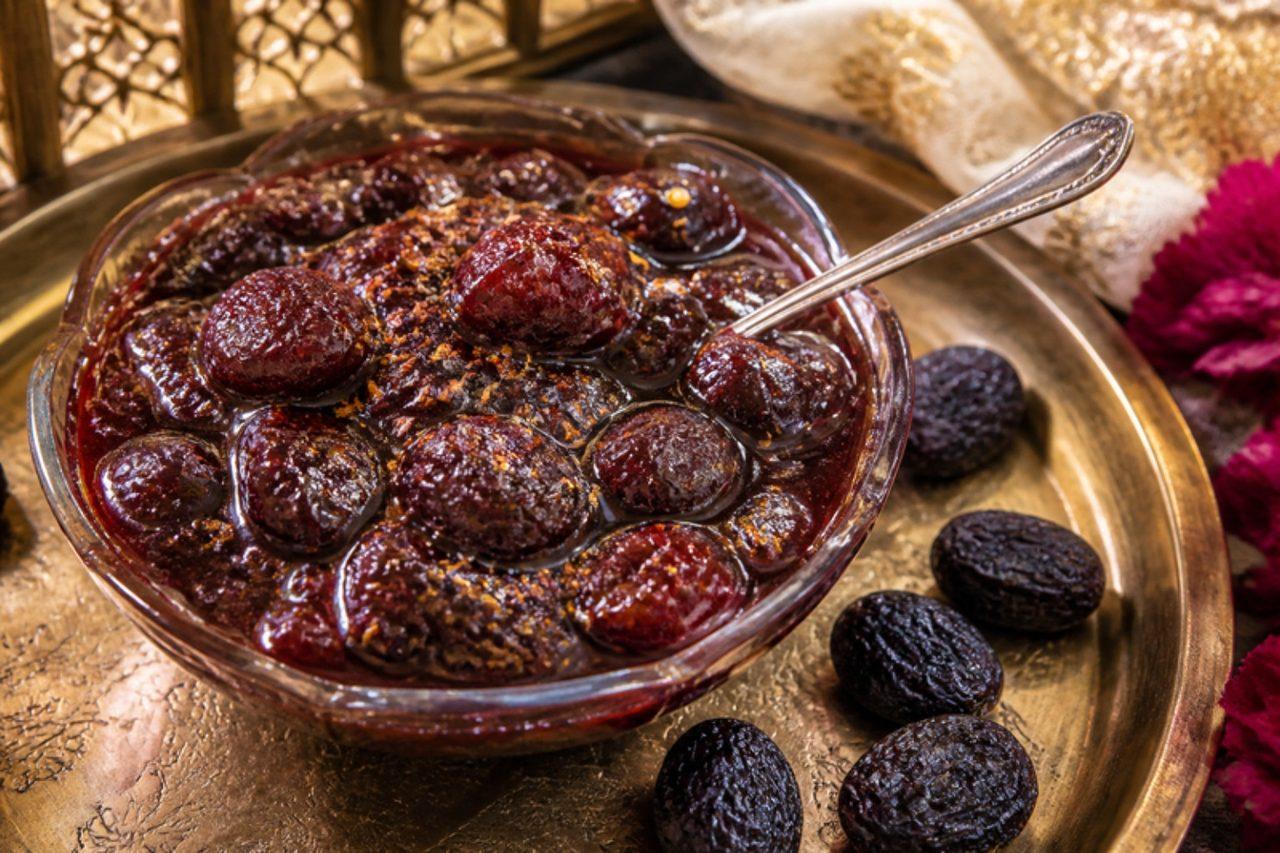
After Sukkot ends, many Israeli families keep the fragrant etrog (citron) used during the festival and turn it into marmalade, so its scent lasts into the winter. The thick pith is bitter, so the sliced fruit is soaked overnight and blanched in fresh water before it is simmered with sugar into a golden, bitter-sweet preserve, lovely on challah or with soft cheese. If your etrog was treated with sprays because it was grown only for ritual use, buy an unwaxed one sold for eating. The common mistake is skipping the soaking and changes of water, which leaves the marmalade harsh. Chef's tip: add a lemon for pectin and brightness, since etrogs are dry and set softly on their own.

by KrazyBadal 0 views

AlewaPulled sugar sweets

Alewa is the chewy pulled sugar sweet of Hausa northern Nigeria, cooked from just sugar, water and a squeeze of lime, then stretched by hand until it turns pale and satiny. Pocketfuls are given to children on Sallah, the Eid al-Fitr holiday, as they go from house to house in new clothes. The taste is clean caramel with a little sharpness from the lime. An adult should do the hot pulling. Chef's tip: oil your hands and the worktop well and pull while the sugar is still hot enough to bend; once it cools it sets hard and won't stretch.

by KrazyBadal 0 views

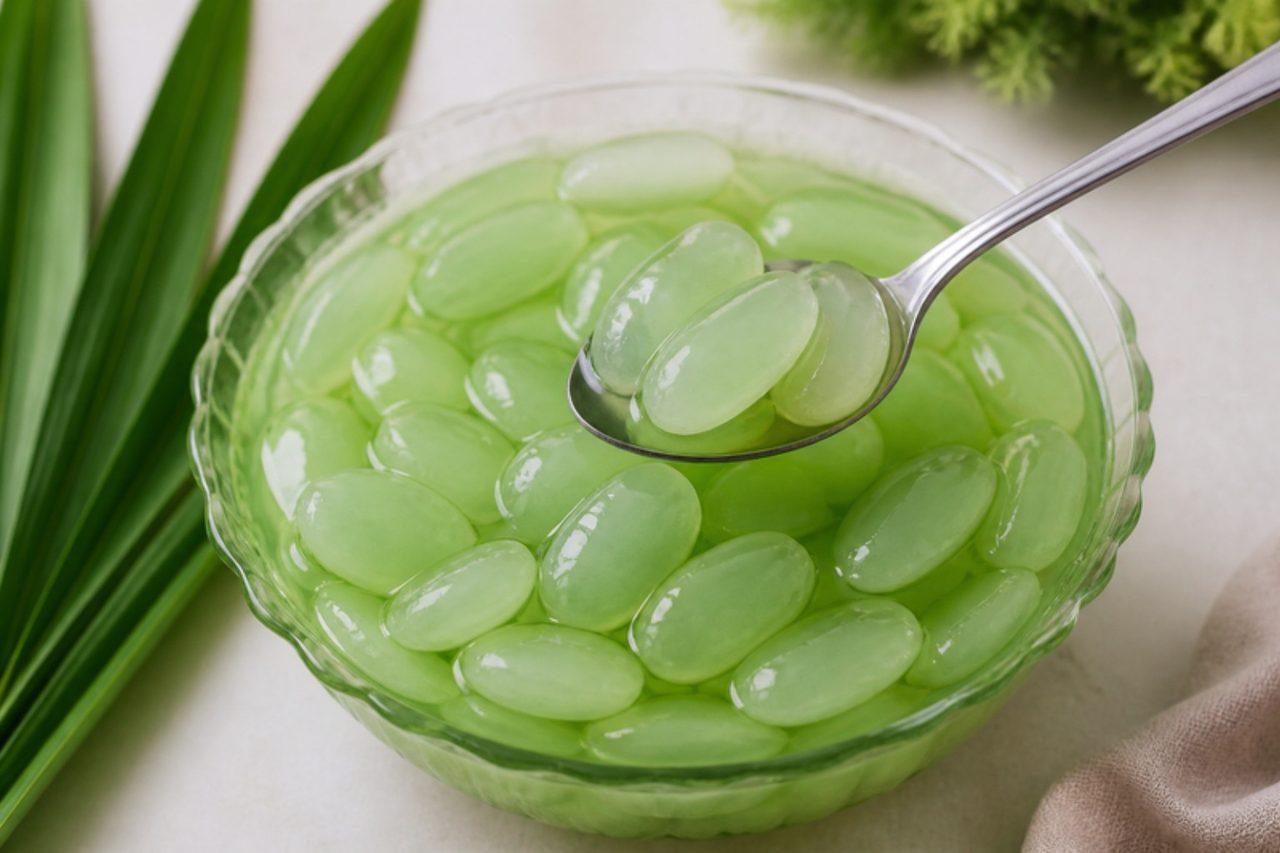
Manisan kolang-kalingSugar palm fruit in pandan syrup

Kolang-kaling are the chewy, translucent seeds of the sugar palm, and in Indonesia they are a sure sign of Ramadan, piled in buckets at markets and simmered in syrup to go into iftar drinks, kolak and es buah. They have a soft, jelly-like bite and soak up whatever colour and flavour they are cooked in: green for pandan, red for rose syrup. Chef's tip: simmer them slowly and leave them in the syrup overnight; rushing gives pale fruit with a watery middle.

by KrazyBadal 0 views

TaloaMaize flatbread with ham and cheese

During the Fêtes de Bayonne in July, when the whole town dresses in white with red scarves, stalls in the Pays Basque sell taloa: thick flatbreads of maize and wheat flour cooked on a hot griddle and folded around fillings. The classic is with jambon de Bayonne (a cured pork ham), with sheep's cheese or with ventrèche (cured pork belly), and it's eaten hot in the street. Cheese alone makes a good vegetarian version. Chef's tip: cook the taloa on a dry, very hot pan; it should blister and puff in patches like a tortilla.

by KrazyBadal 0 views

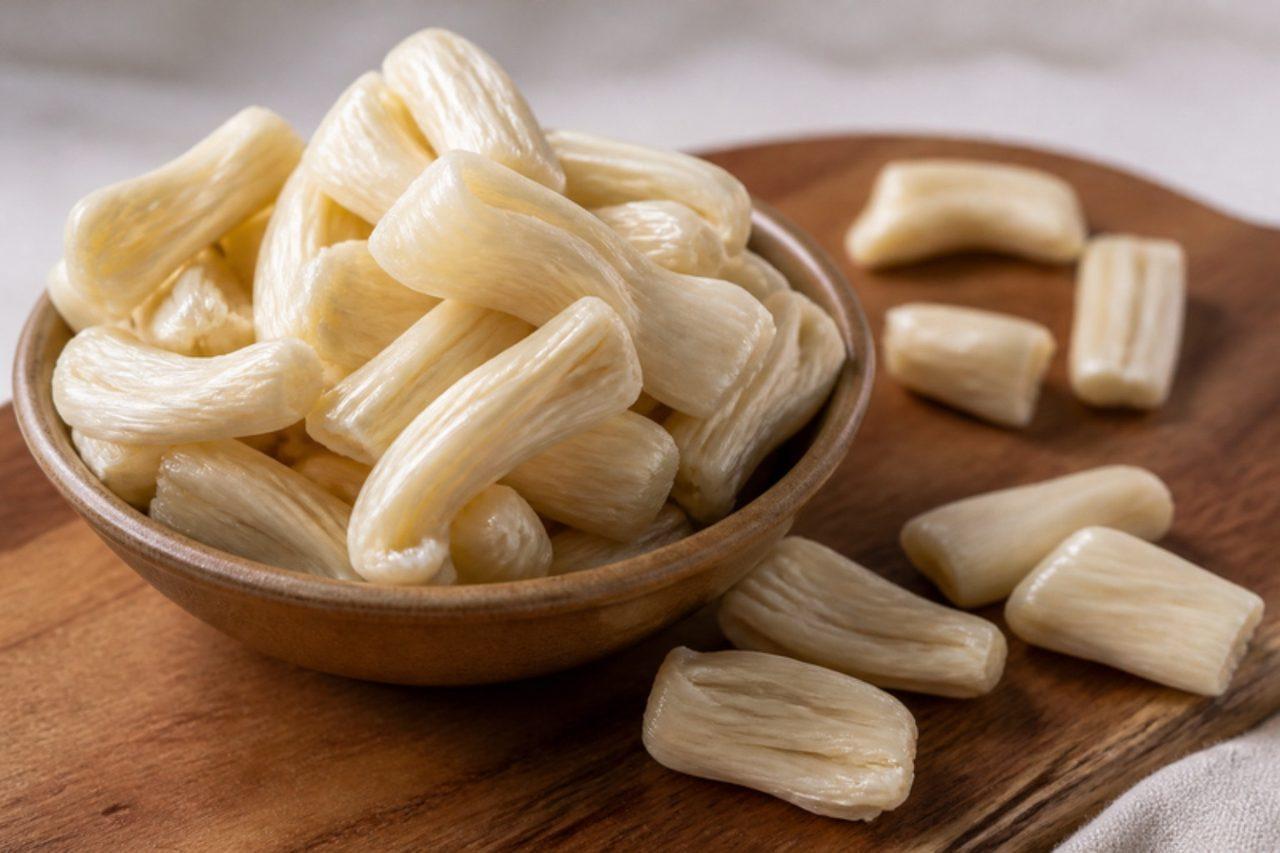
BorstplaatSugar fondant sweets

Borstplaat is the sweet of Sinterklaas in the Netherlands: small, melt-in-the-mouth discs or hearts of boiled sugar and cream or milk with a little butter, flavoured with coffee, vanilla or strawberry. Children find them in their shoes on the morning of 5 December alongside pepernoten and a chocolate letter. They need only a few ingredients and a little care, and are gluten free. Chef's tip: stir the cooled syrup until it turns cloudy and starts to thicken, then pour at once; that stirring forms the fine crystals that make borstplaat creamy.

by KrazyBadal 0 views

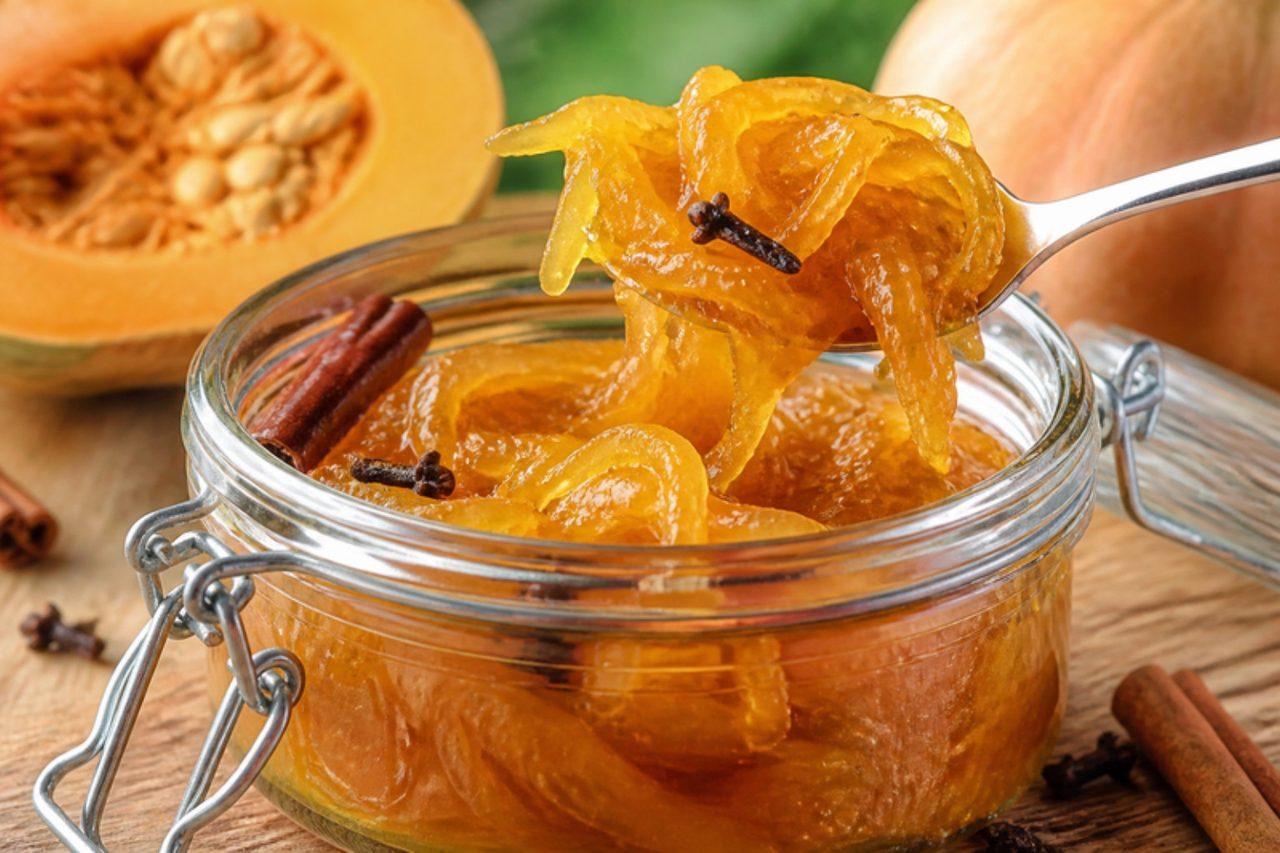
Miel de chiverreSquash strand preserve

Chiverre is a large, pale squash with stringy flesh that Costa Rican families save for Semana Santa. The strands are cooked for hours with tapa de dulce (cane sugar), cinnamon and cloves until they turn into a golden, chewy, sweet preserve called miel de chiverre, eaten on its own or used to fill the Holy Week empanadas and tortas. Spaghetti squash, though milder, is the closest substitute. It is vegan. Chef's tip: soak the squash strands in cold water for a few hours and drain well, which removes the bitterness.

by KrazyBadal 0 views

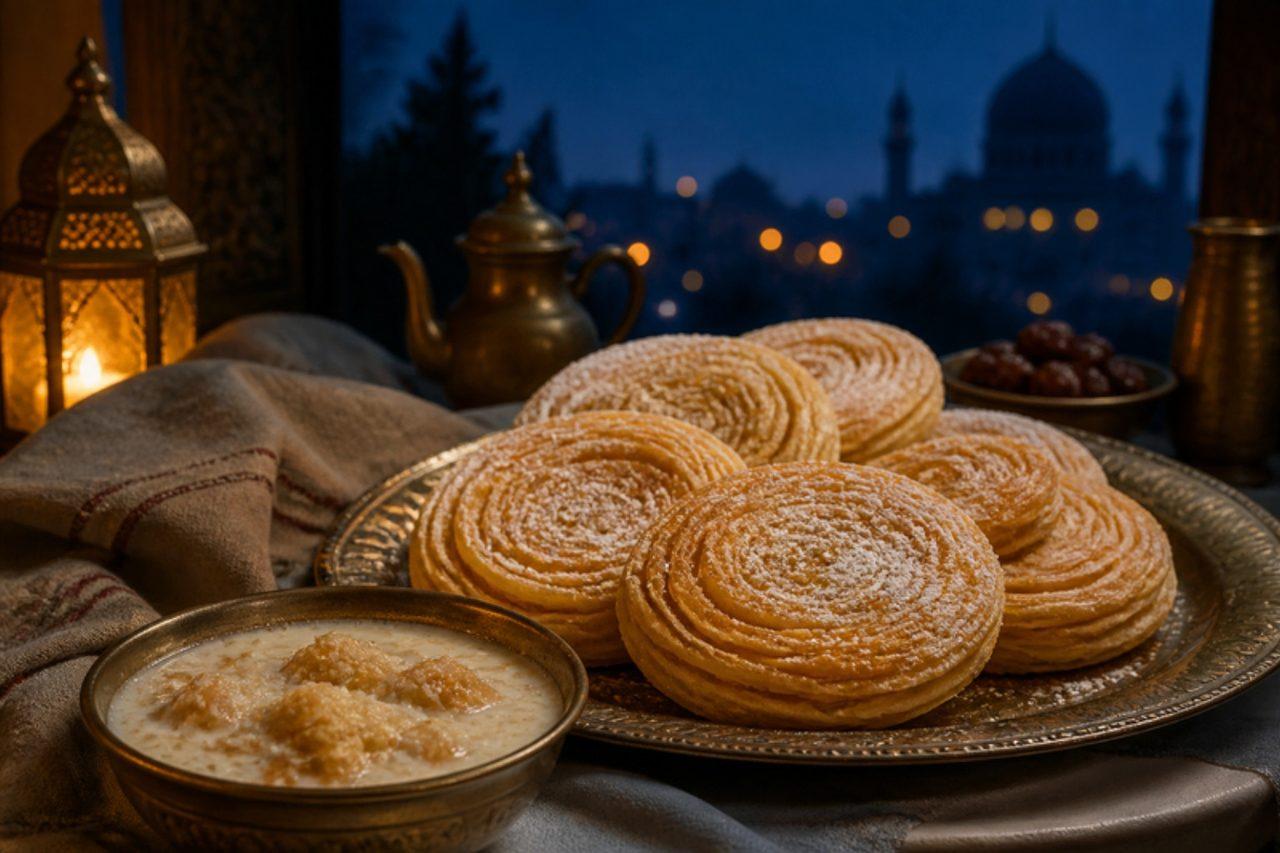
KhajlaFried pastry rounds in sweet milk

In the old lanes of Lahore and Karachi's Burns Road, sweet shops fry khajla through the night in Ramadan so families can buy it fresh for sehri, the meal eaten before dawn. Each round is a stack of paper-thin layers of ghee-rubbed dough that shatter when you press them, and it is crumbled into a bowl of hot sweetened milk, often with fine pheni, to give slow energy for the fasting day. Chef's tip: keep the oil only medium-hot; khajla must fry slowly so every inner layer turns crisp before the outside browns.

by KrazyBadal 0 views

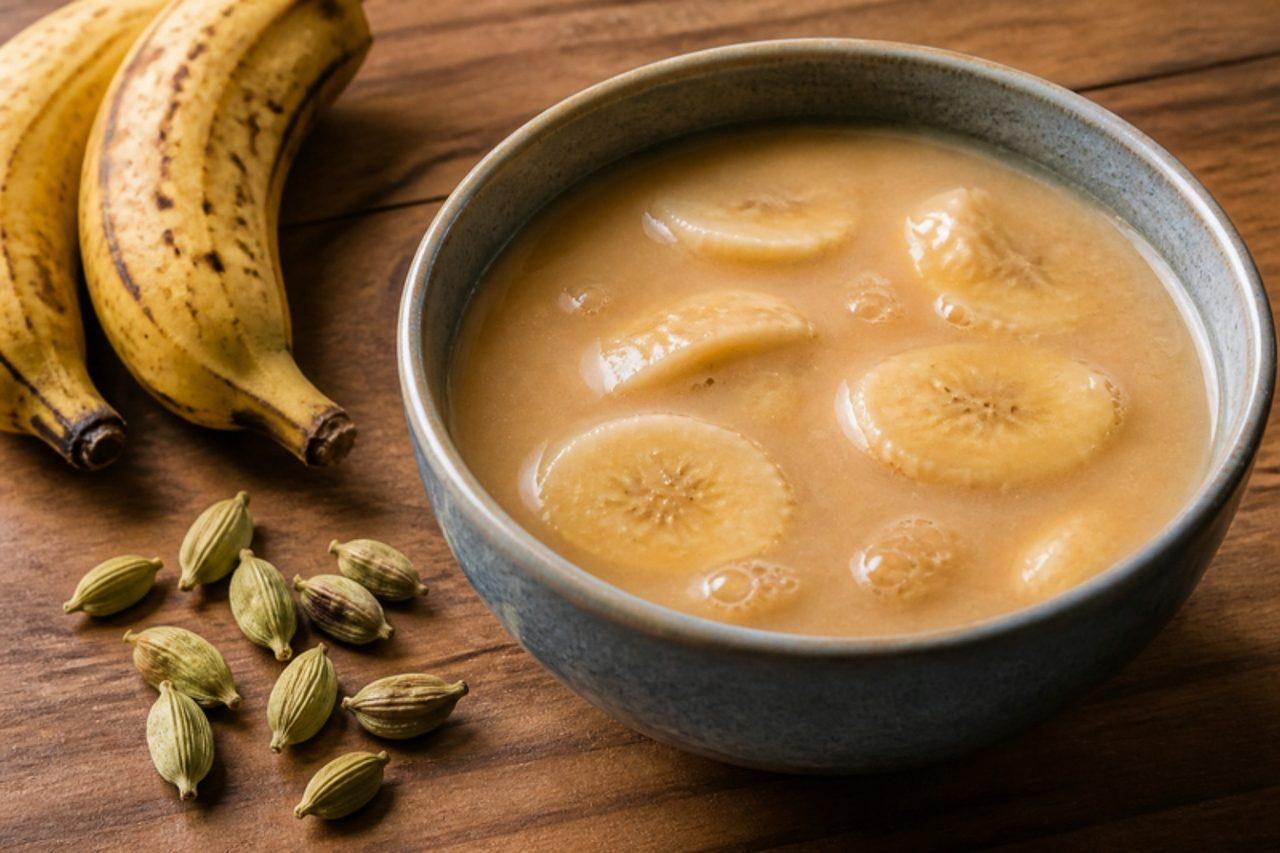
Pesaha paalCoconut milk and jaggery drink

Pesaha paal ('Passover milk') is the sweet dip served with Pesaha appam at the Maundy Thursday supper in Kerala's Syrian Christian homes. Coconut milk is simmered with melted jaggery, a little roasted rice flour to thicken it, cardamom and dried ginger until it becomes a warm, silky drink. The family dips pieces of the blessed appam into it after the evening prayers. It is vegan and gluten free, and ready in half an hour. Chef's tip: strain the jaggery syrup before adding the coconut milk, as jaggery often carries grit.

by KrazyBadal 0 views

Kuih makmurGhee and peanut cookies

Kuih makmur is one of the oldest Malay Hari Raya cookies, its name meaning 'prosperity', and its tiny ridged domes are baked by the tray-load before Aidilfitri to fill the cookie jars for open houses. Soft, crumbly ghee pastry wraps a filling of roasted ground peanuts and sugar, and the cookies are rolled in icing sugar while still warm, so they melt in the mouth. Chef's tip: bake them pale; makmur should stay white, and browned cookies taste of scorched ghee.

by KrazyBadal 0 views

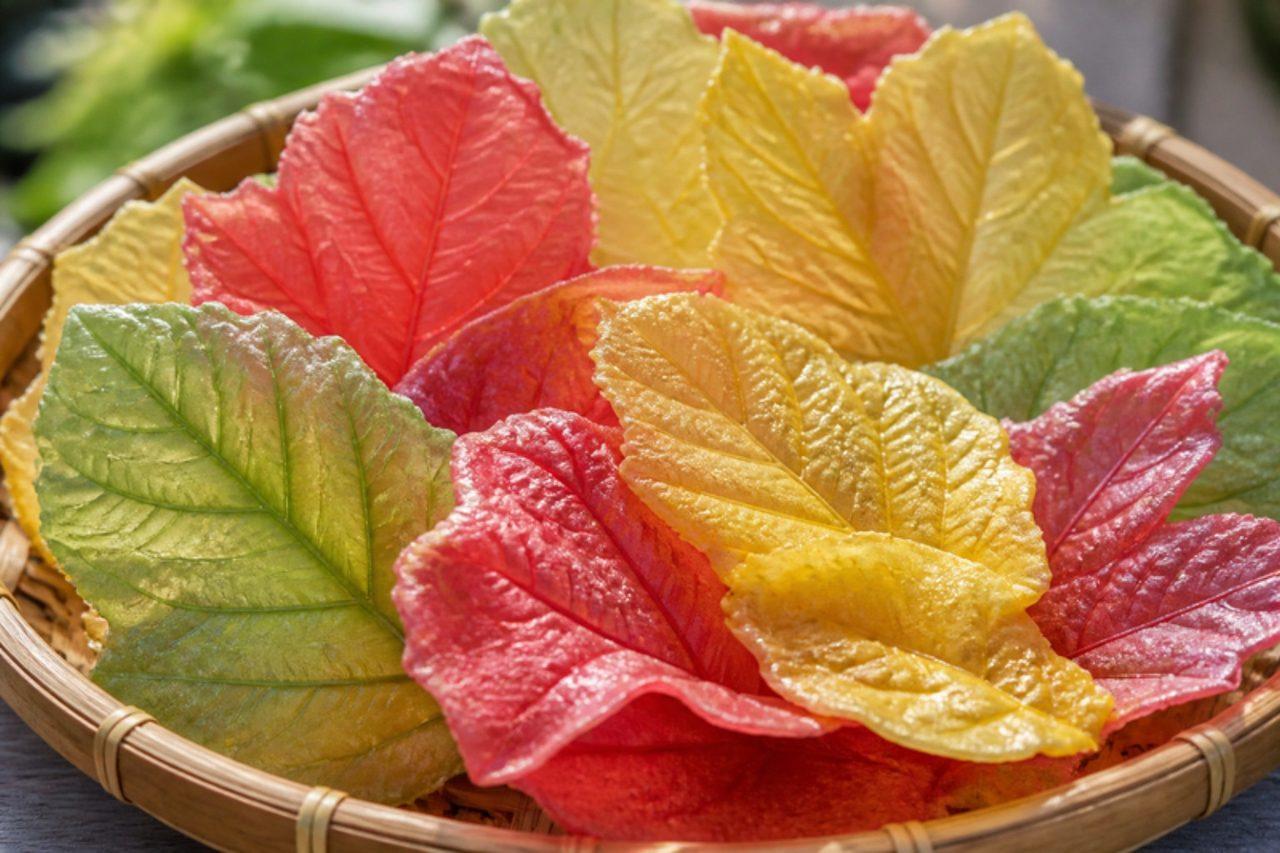
KipingLeaf-shaped rice wafers

Every 15 May, the town of Lucban in Quezon province celebrates San Isidro Labrador, patron of farmers, with the Pahiyas festival, when houses are covered in rice, vegetables and kiping: bright, translucent wafers of ground rice dough pressed onto leaves so they take the leaf's shape and veins, then dried. After the procession, the kiping are taken down and grilled or fried and eaten crisp, sometimes with sugar. This home version presses the dough thinly onto baking paper with a leaf-shaped cutter and the back of a clean banana leaf for texture. It is vegan and gluten free. Chef's tip: spread the dough as thin as you can, almost see-through, so it dries crisp.

by KrazyBadal 0 views

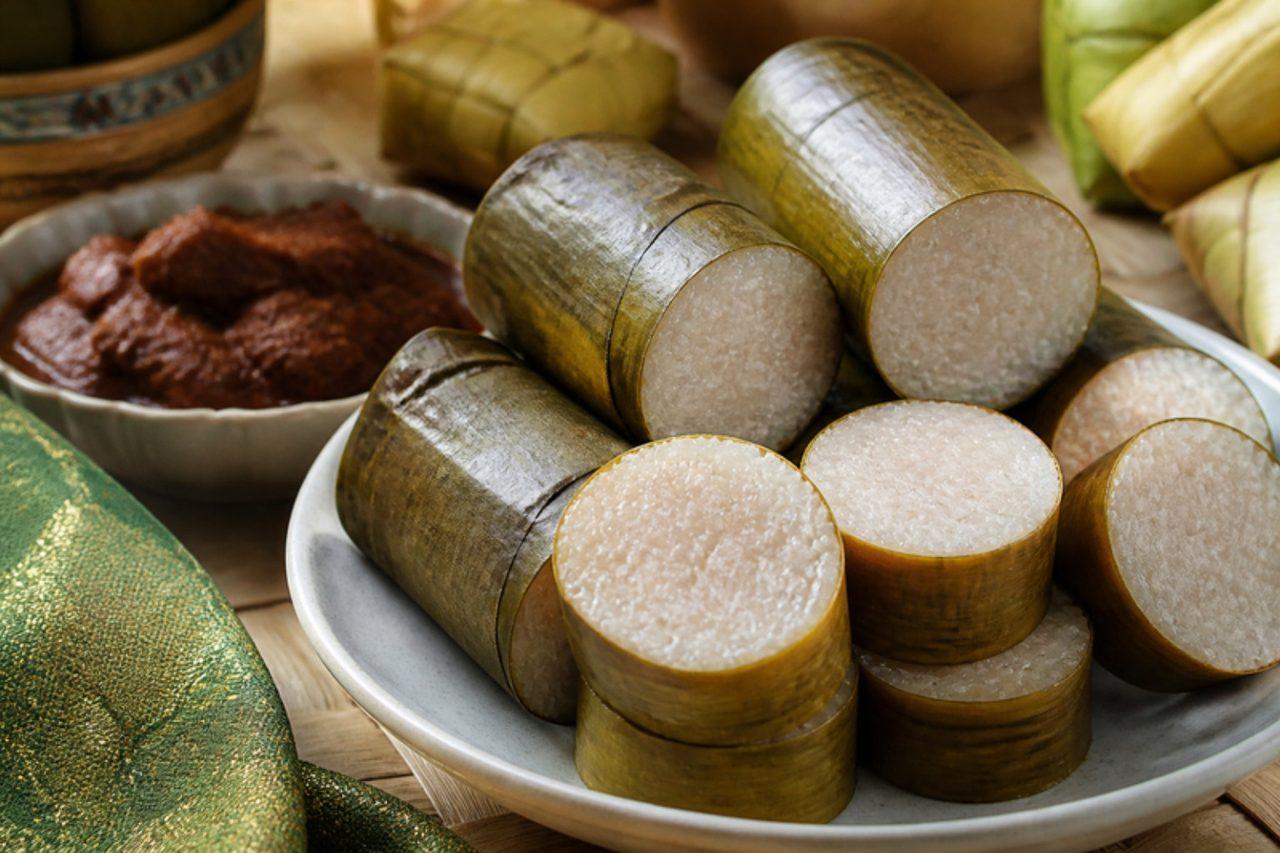
LemangBamboo-cooked coconut sticky rice

On the eve of Hari Raya Aidilfitri, Malay villages across the peninsula fill with smoke as families cook lemang: glutinous rice and coconut milk packed into banana-leaf-lined bamboo poles and turned slowly beside an open fire for hours. The rice comes out rich, salty and faintly smoky, sliced into thick rounds and eaten with rendang or serunding on Raya morning. Few homes have bamboo and a fire pit, so this recipe gives a home oven method in a banana-leaf-lined tin, with the bamboo way described too. Chef's tip: let the cooked lemang cool before slicing, as warm rice is too soft to cut cleanly.

by KrazyBadal 0 views

KinkélibaKinkéliba leaf tea with mint

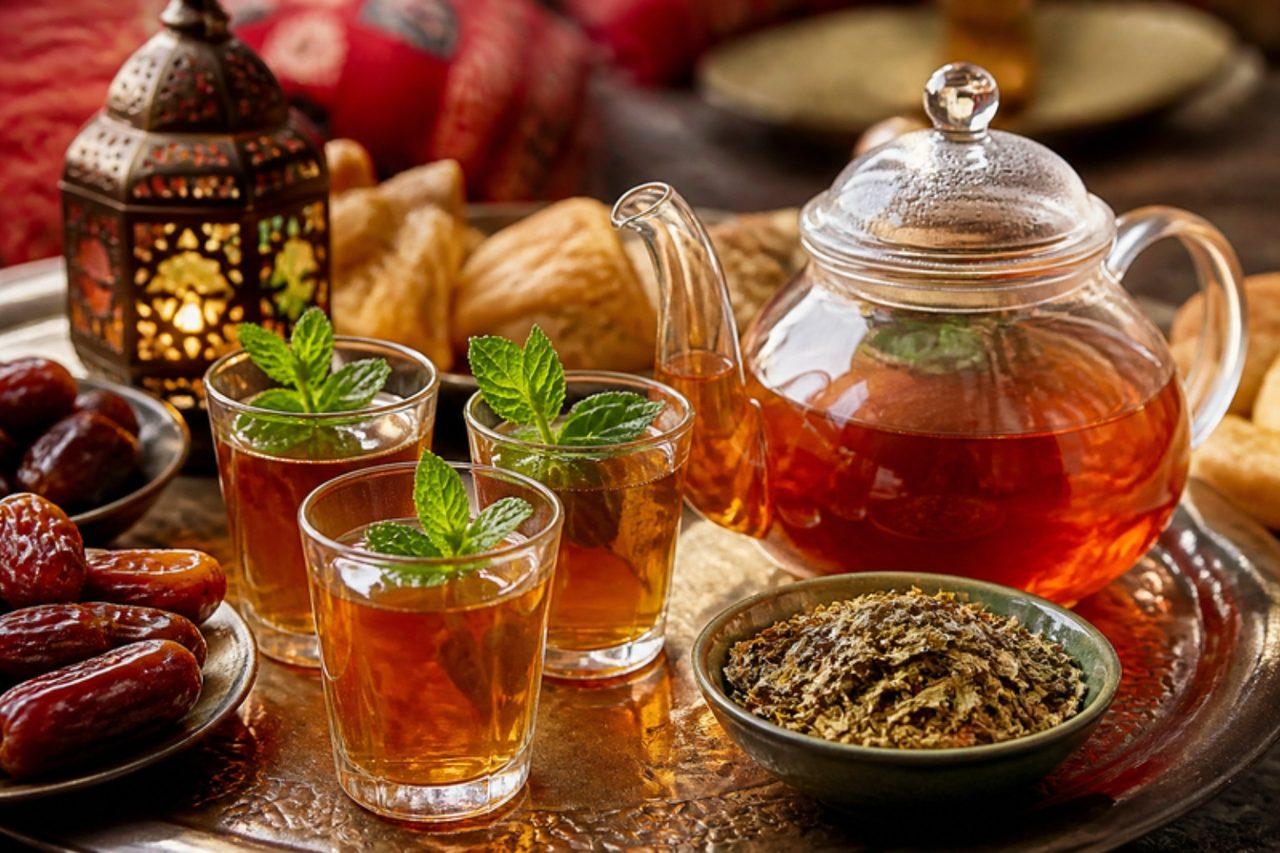
Kinkéliba is an herbal tea brewed from the dried leaves of a West African shrub, and in Senegal it is the drink families reach for at the moment of breaking the fast in Ramadan, served hot with bread or dates. The brew is amber, gently bitter and woody, softened with sugar and lifted with fresh mint. Many households also drink it at breakfast all year. Chef's tip: simmer it gently rather than boiling it hard; a fierce boil brings out too much bitterness.

by KrazyBadal 0 views

Aloo bukhara chutneyDried plum chutney

Wherever a Pakistani wedding serves biryani and qorma, a little bowl of glossy aloo bukhara chutney sits alongside to cut the richness. Dried sour plums are softened, then cooked with sugar, a touch of vinegar, ginger, chilli and warm spices into a jammy, sweet-sour relish, dark and shining. It keeps for weeks and is made in big jars before the shaadi. Chef's tip: stop cooking while it still looks a little loose; it thickens a lot as it cools.

by KrazyBadal 0 views

KinnathappamSteamed rice and coconut milk squares

Kinnathappam is named after the kinnam, the round steel plate it sets in, and it is one of the soft, wobbly sweets Mappila cooks in Malabar make for iftar and Eid. Rice flour, coconut milk and sugar are stirred into a smooth batter, steamed until just set and cut into glossy diamonds that taste of coconut and cardamom. Chef's tip: strain the batter before steaming; any lumps of rice flour show as white specks in the finished squares.

by KrazyBadal 0 views

RužiceWalnut pastry roses in syrup

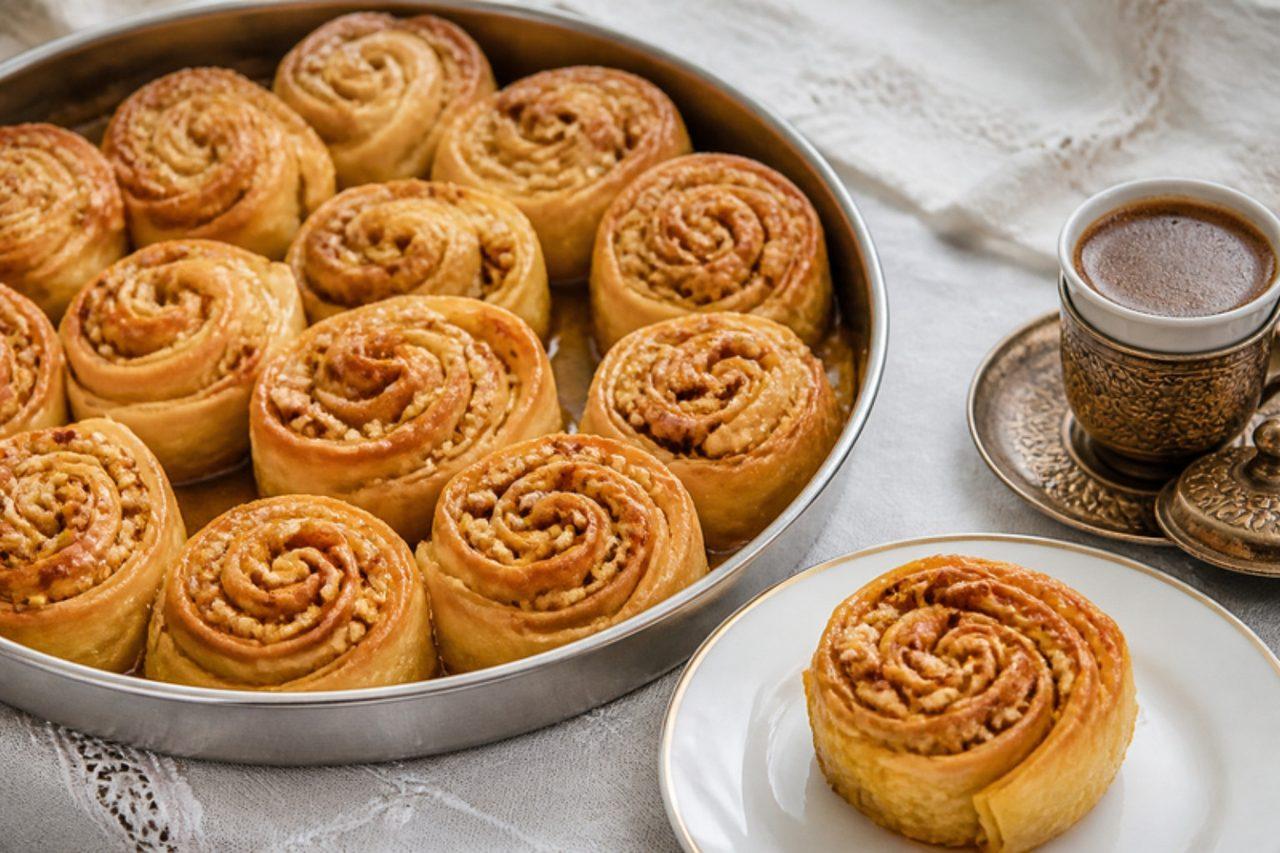
Ružice, meaning 'little roses', are baked for Bajram in Bosnia and Herzegovina, the Eid holidays when trays of syrup-soaked sweets are set out for every guest. Thin sheets of pastry are brushed with butter, scattered with walnuts and rolled up, then sliced so each piece opens like a rose in the oven. The baked roses drink up a cold lemon syrup and turn sticky, crisp on top and soft underneath. Chef's tip: pour cold syrup over hot pastry (or hot over cold), never both the same temperature, or the roses go soggy.

by KrazyBadal 0 views

CaldarrosteRoasted chestnuts

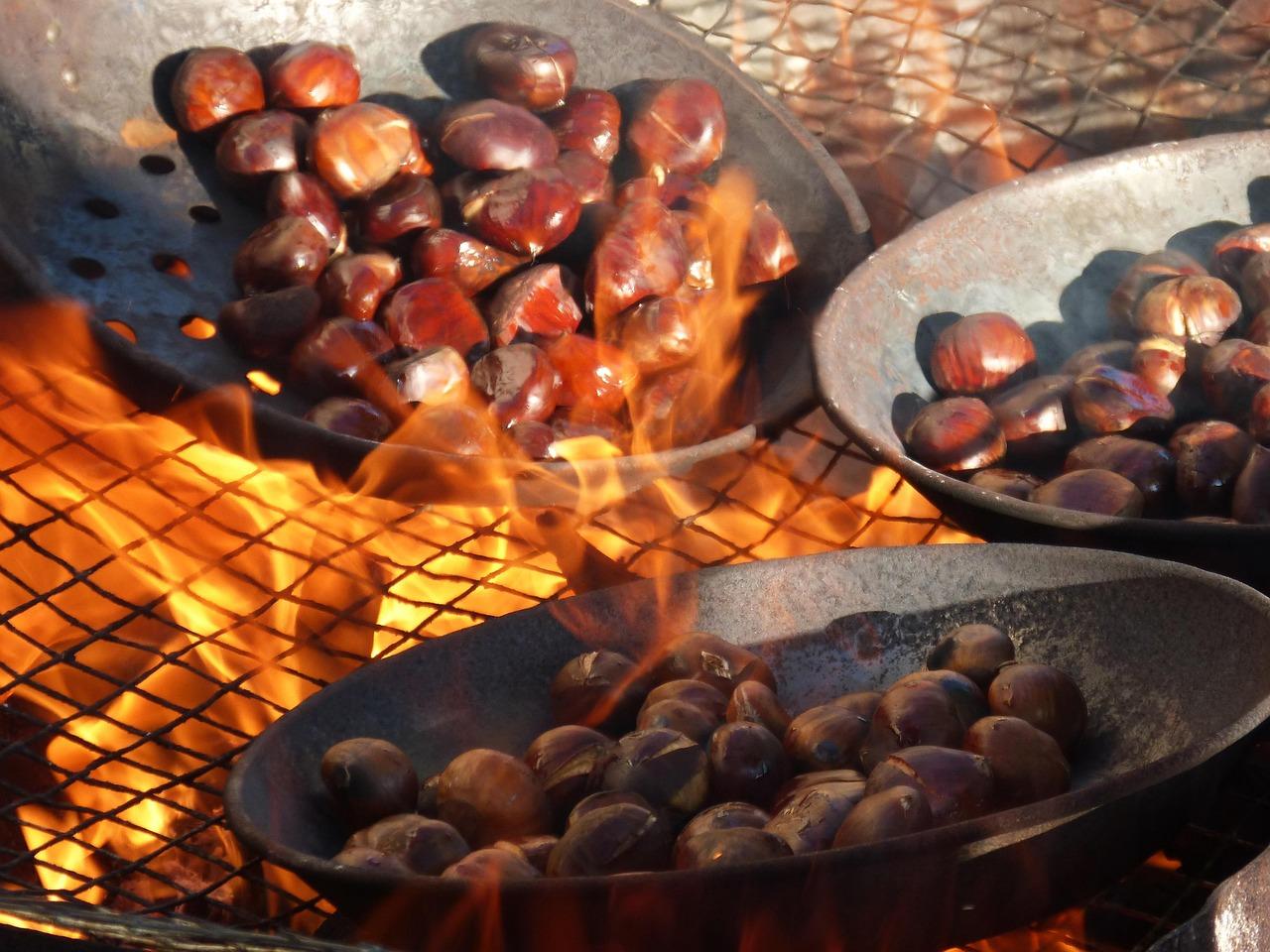
From October to St Martin's Day on 11 November, Italian towns hold chestnut festivals, the sagre delle castagne, and the smoke of caldarroste drifts from street braziers where chestnuts are shaken in long-handled pans with holes. At home they are roasted in the same way on the hob or in the oven and eaten hot from a paper cone, sweet, floury and smoky, with a glass of new wine for adults or warm milk for children. Chef's tip: wrap the hot chestnuts in a damp tea towel for 5 minutes; the steam loosens the inner skin so they peel cleanly.

by KrazyBadal 0 views

Umphokoqo with amasiCrumbly maize pap with soured milk

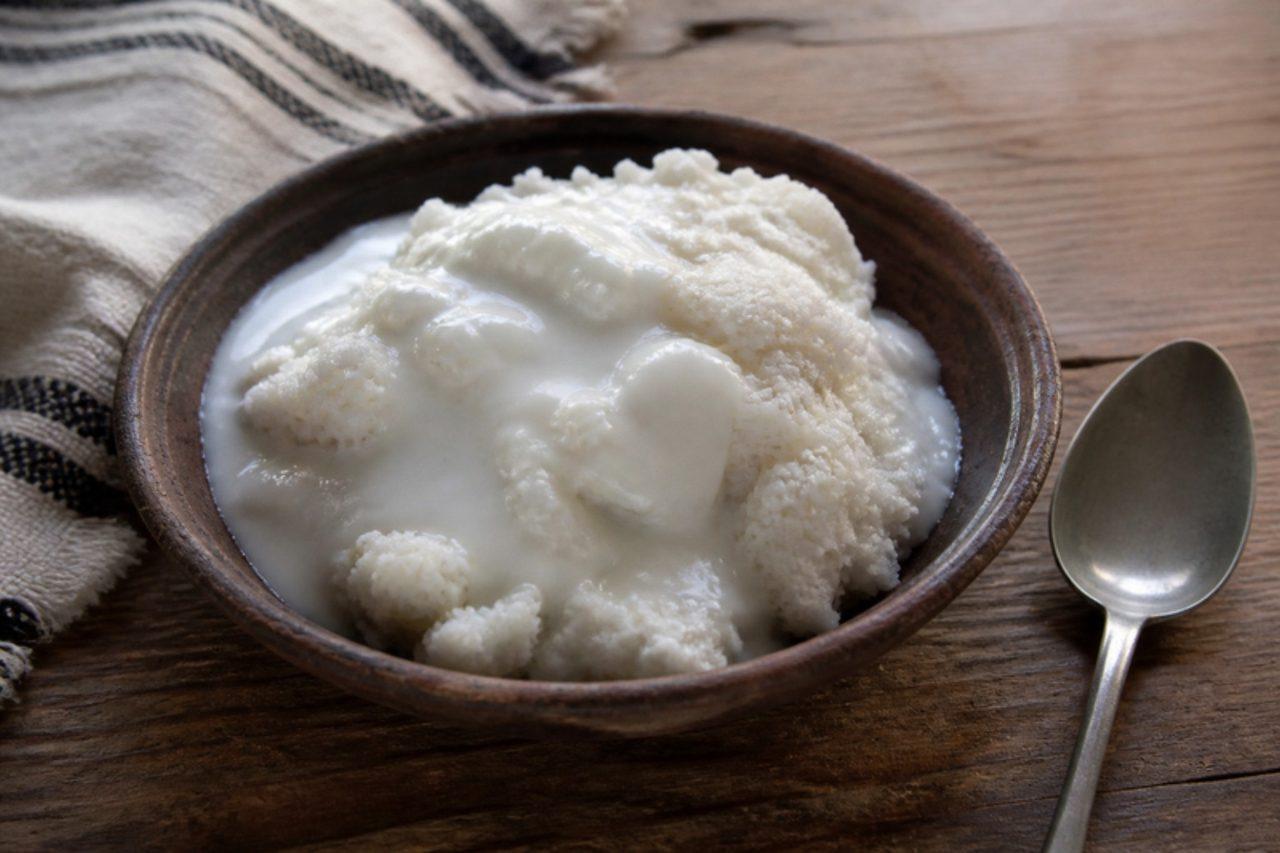
Umphokoqo is the dry, crumbly pap of the Eastern Cape, beloved at Xhosa family gatherings and often brought out on Heritage Day as a taste of home. Instead of the stiff pap stirred into a smooth mound, the maize meal is steamed in a little water and broken up with a fork until it falls into fine, fluffy crumbs. It is served cold or at room temperature, with chilled amasi (thick soured milk) poured over, sour, cool and filling, or warm beside braai meat and chakalaka. Chef's tip: don't stir in circles like ordinary pap; cut and fluff with a fork so it stays crumbly.

by KrazyBadal 0 views

Sabeel sharbatRose milk with basil seeds

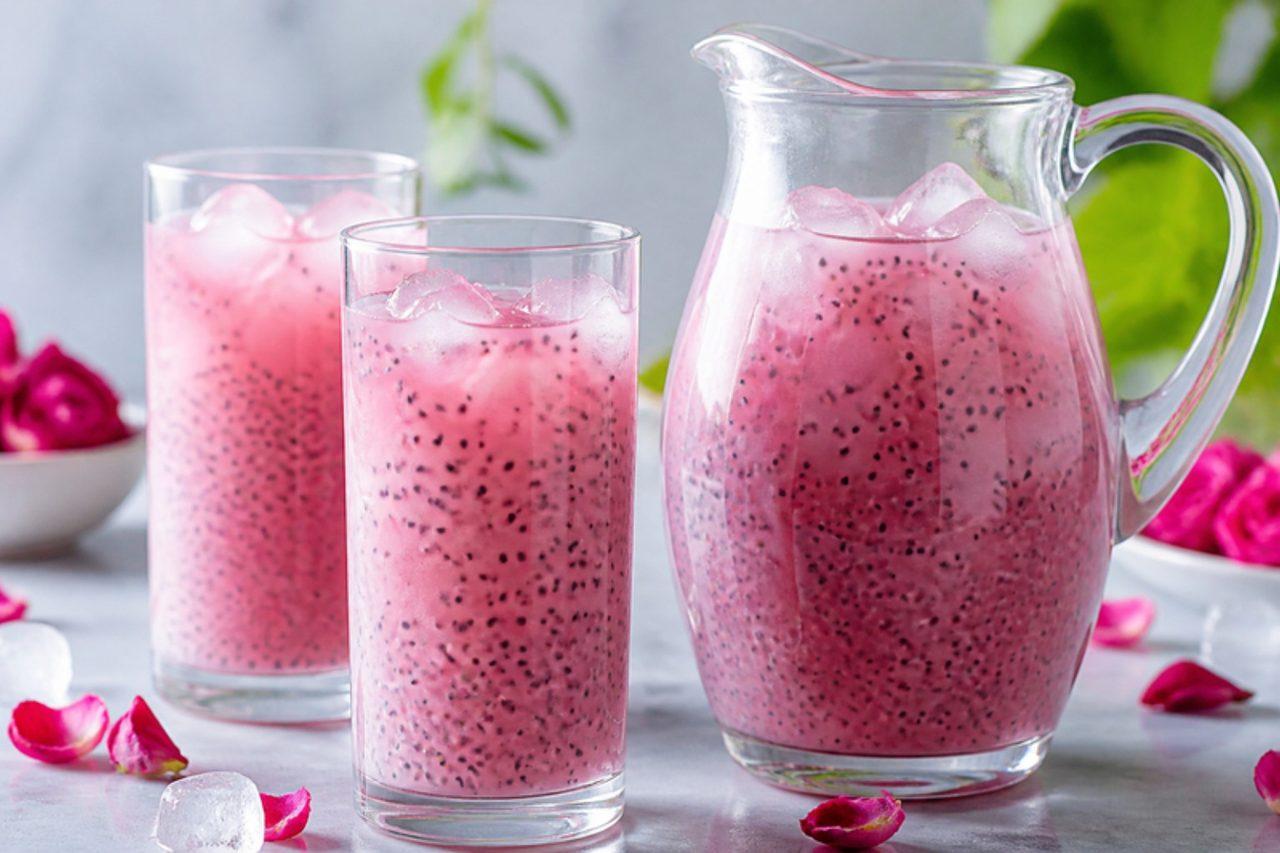
In the first ten days of Muharram, and above all on Ashura, volunteers in Pakistani towns set up sabeel stalls at the roadside and pour free cups of cold sweet milk for anyone passing, in memory of the thirst of Imam Husain's family at Karbala. The drink is pale pink, lightly rose-scented and dotted with swollen basil seeds, and it is made in huge steel pots at the stalls; this is the home-sized jug. Chef's tip: soak the basil seeds in water first, never straight in the milk, or they stay hard and clump.

by KrazyBadal 0 views

Pane di San GiuseppeSculpted festival breads

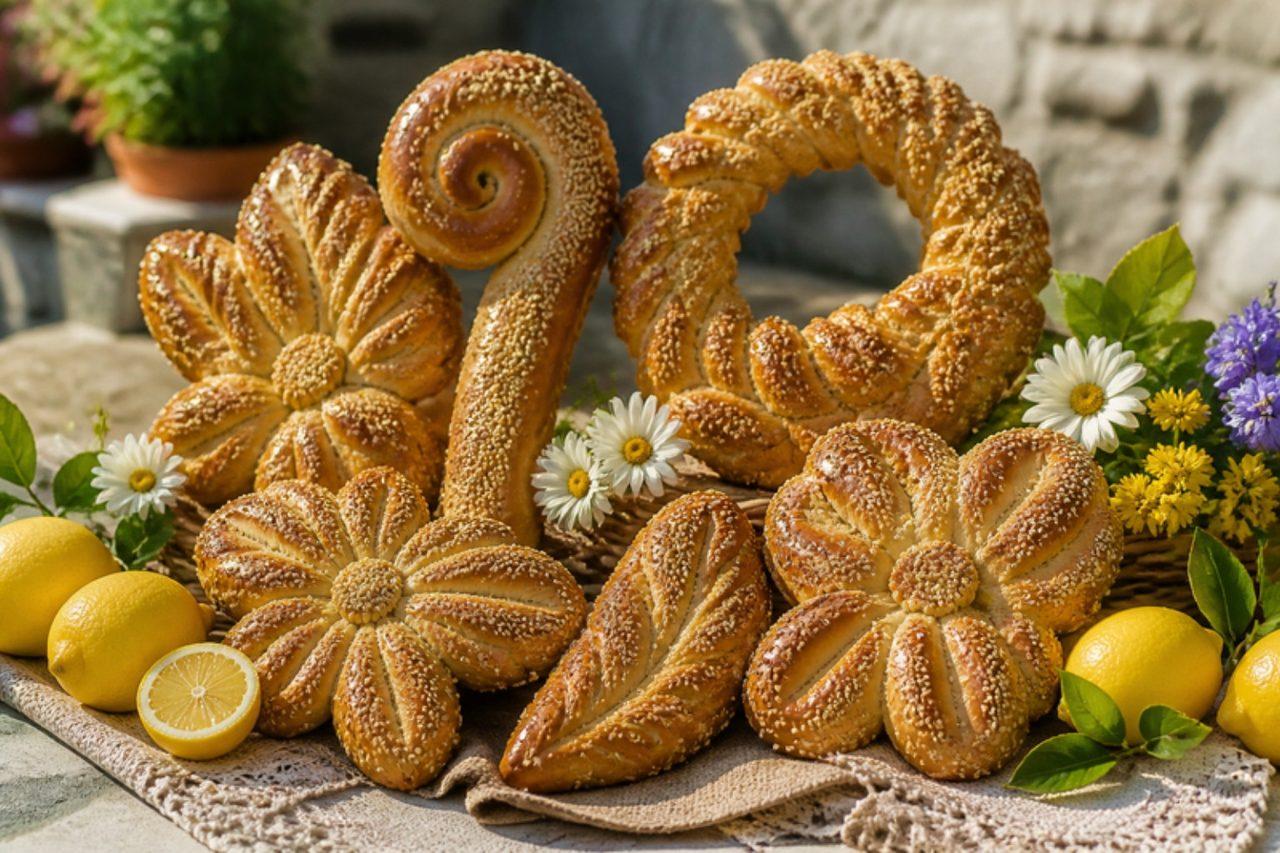
For St Joseph's Day on 19 March, families in western Sicily (Salemi, Trapani, Marsala) build 'tavolate' or altars to the saint, laden with ornate, sculpted breads: beards for Joseph, a staff, flowers, birds, fish and the hand of God. The breads are later given to the poor and to guests. The dough is a firm, plain semolina bread, so it holds fine detail, brushed with egg and scattered with sesame. Shape a few simple ones first; they are as much decoration as food. It is vegan, glazed with water rather than the egg some bakers use. Chef's tip: keep the dough firm and rest it so it doesn't spring back; soft dough loses its shapes in the oven.

by KrazyBadal 0 views

Olivette di Sant'AgataAlmond paste olives

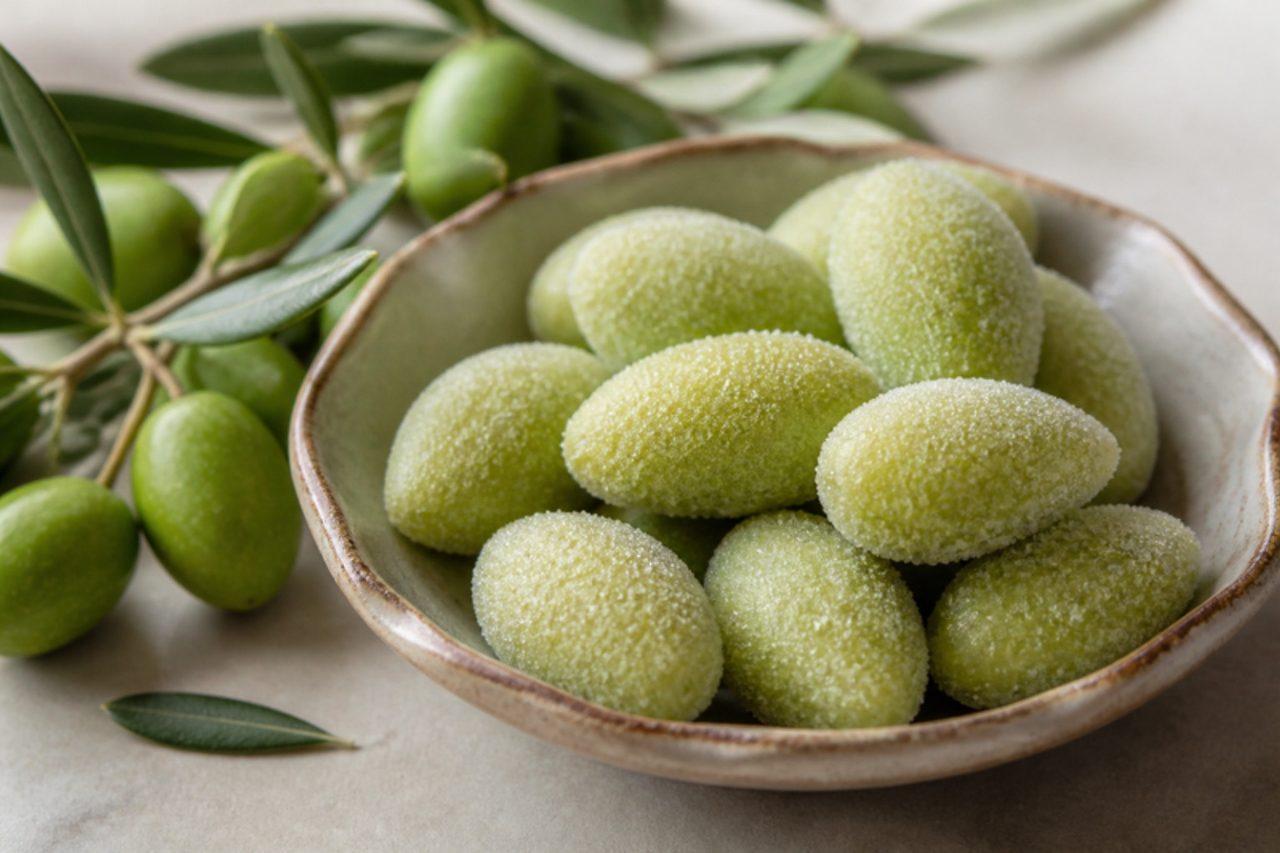
Olivette are tiny green 'olives' of almond paste rolled in sugar, sold in Catania for the feast of St Agatha in early February. A legend tells that as the young saint was led to her trial she stopped to tie her shoe, and a wild olive tree sprang up on the spot and fed her. The sweets are made from ground almonds, sugar and a little water, coloured green and shaped in the palm. They are gluten free and dairy free, and children love to help shape them. Use a natural green such as matcha or spinach powder if you prefer. Chef's tip: knead the paste only until smooth, as overworking draws out the almond oil and it turns greasy.

by KrazyBadal 0 views

KesraSemolina pan bread

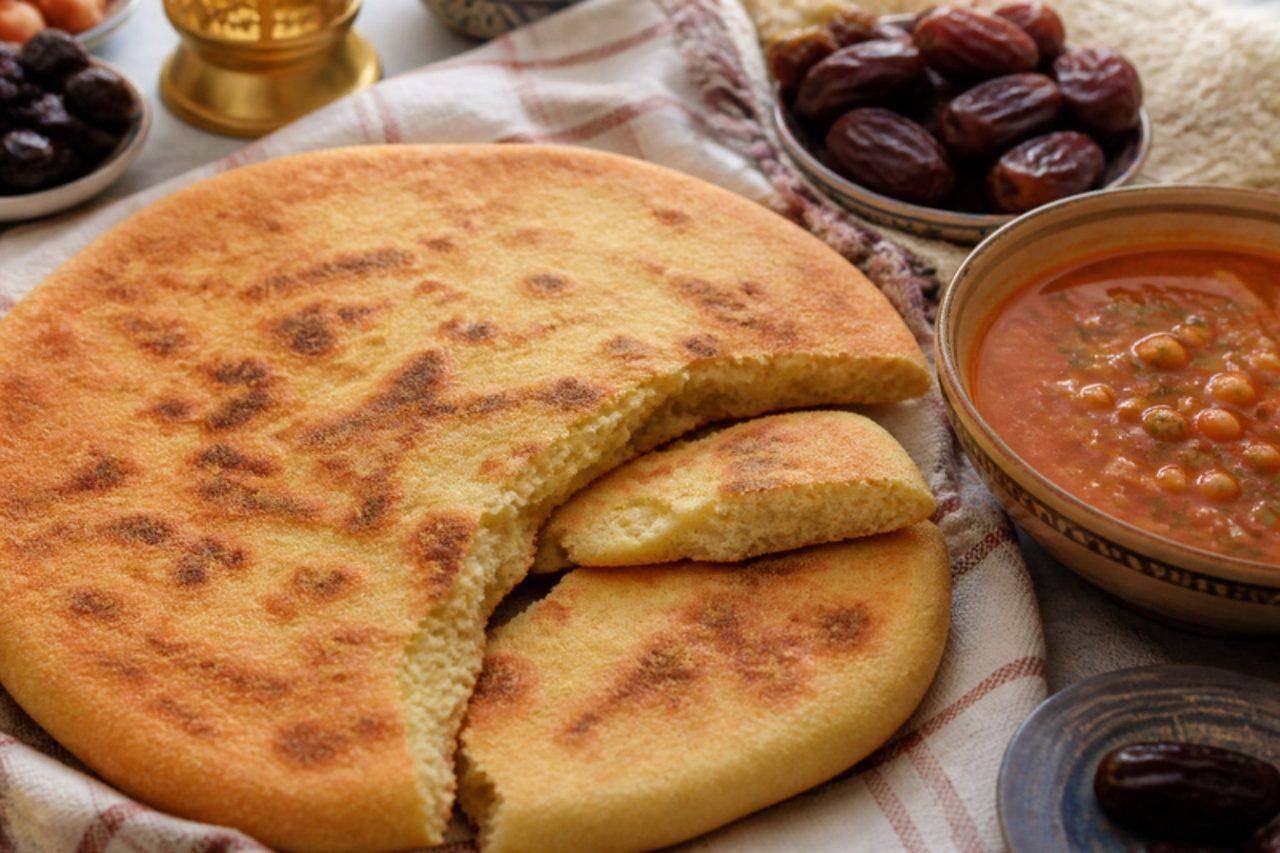
Kesra is the flat semolina bread of Algerian homes, and in Ramadan a fresh round sits on almost every iftar table, cooked on a clay tajine and torn into pieces to dip into hot chorba frik. This unleavened version is a thin, crumbly-edged galette, golden in patches and slightly chewy in the middle, with a nutty taste from the olive oil. It is made in minutes before sunset so it reaches the table still warm. Chef's tip: work the dough only until it holds together; kneading it like a yeast bread makes kesra tough instead of tender.

by KrazyBadal 0 views

Tire Sainte-CatherinePulled molasses taffy

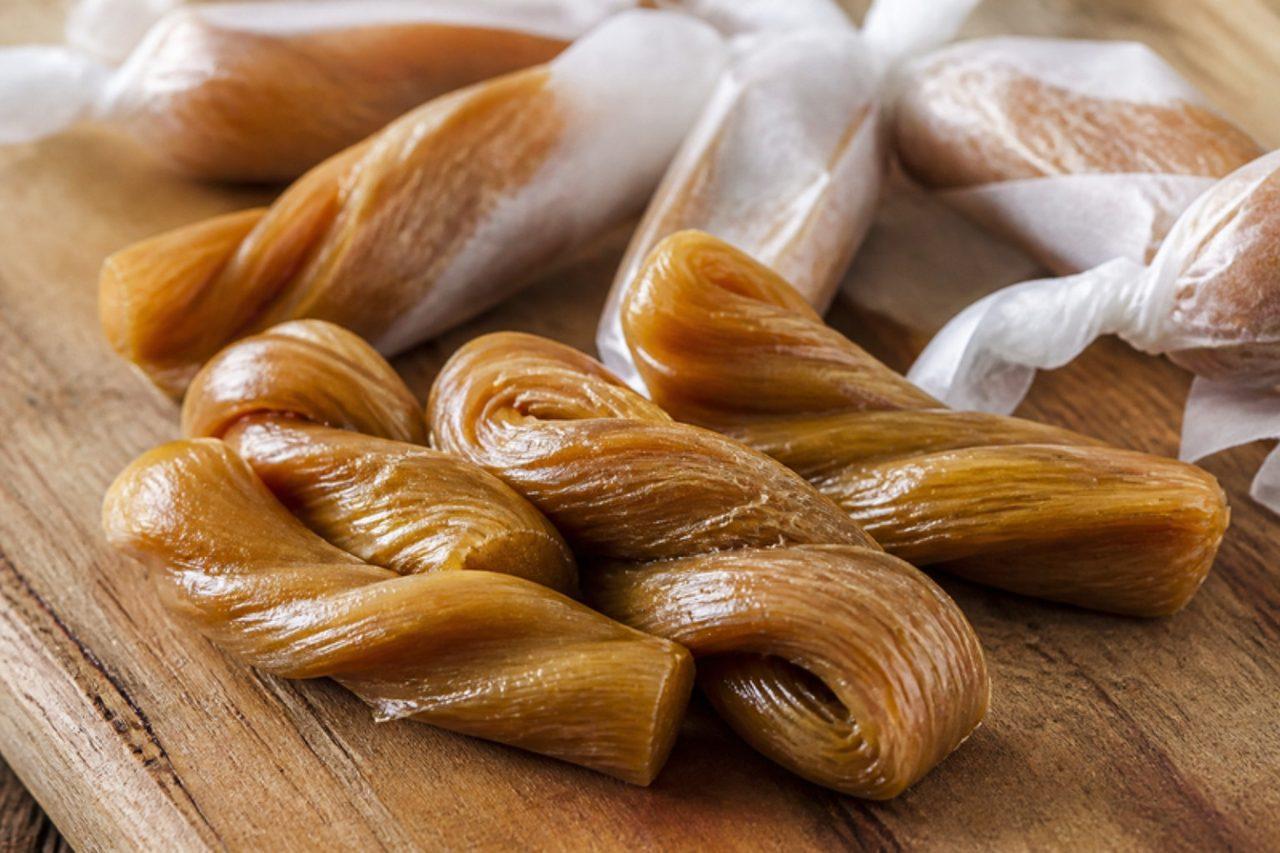
On 25 November, Quebec celebrates St Catherine, patron of unmarried women, with tire Sainte-Catherine, a pulled molasses taffy. The custom goes back to Marguerite Bourgeoys, who is said to have made taffy in the 1600s to draw children to her school in Ville-Marie, and today schools and families still 'pull the tire' together. Hot molasses and sugar syrup is cooled, then pulled with buttered hands until it turns golden and satiny, twisted into ropes and cut into pieces. It is gluten free. Chef's tip: pull it as soon as it is cool enough to handle, as it sets fast; work in pairs.

by KrazyBadal 0 views

LepetSticky rice and peanut logs

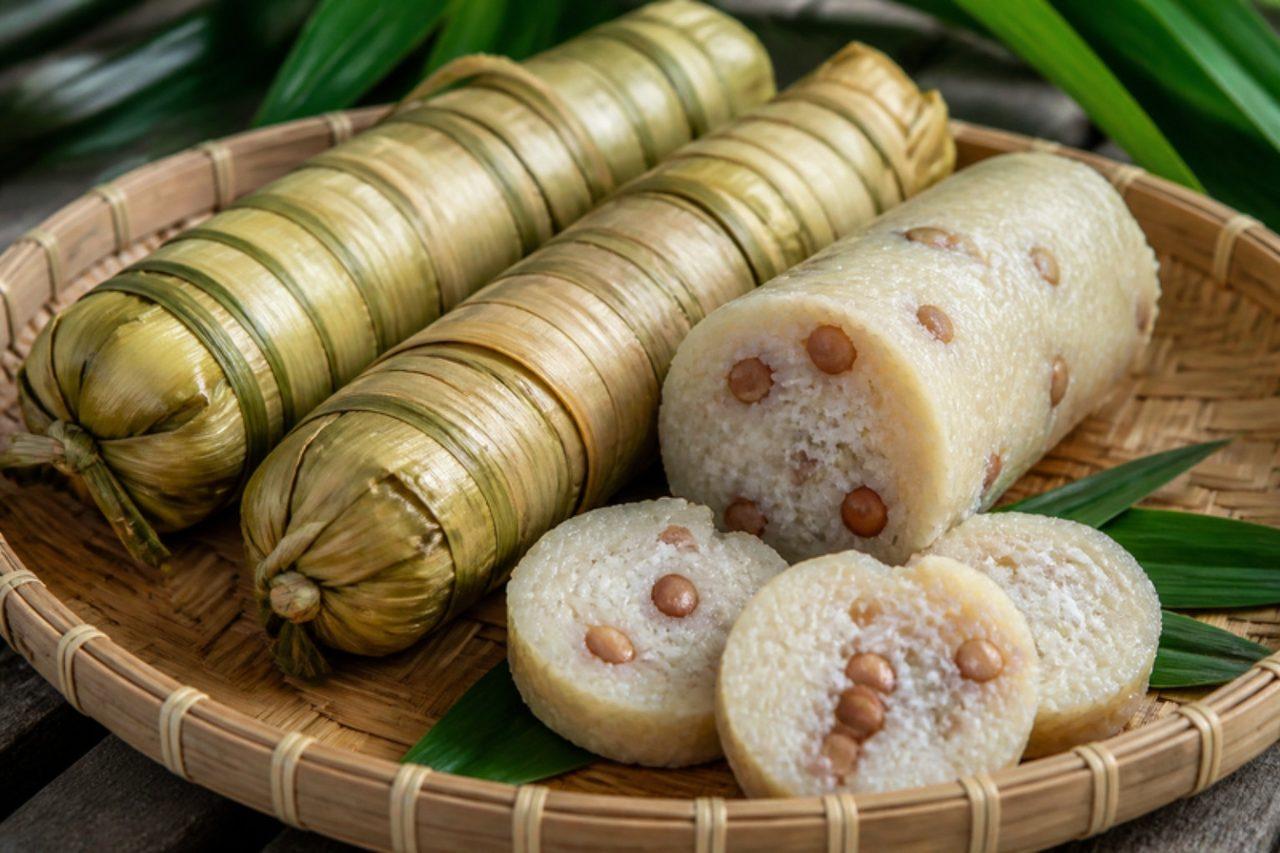
Lepet is the companion of ketupat on a Javanese Lebaran morning: glutinous rice and peanuts mixed with grated coconut, rolled in spiralled young coconut leaves and boiled for hours into dense, savoury logs. In Javanese tradition the sticky rice is a reminder to forgive and hold together after Ramadan, so it is shared with neighbours and family. It tastes nutty, salty and rich and is eaten with opor or simply on its own. Banana leaves and string work well where coconut leaves are hard to find. Chef's tip: roll each log loosely, about three-quarters full, so the swelling rice turns soft rather than hard and chalky.

by KrazyBadal 0 views

Emping melinjoMelinjo nut crackers

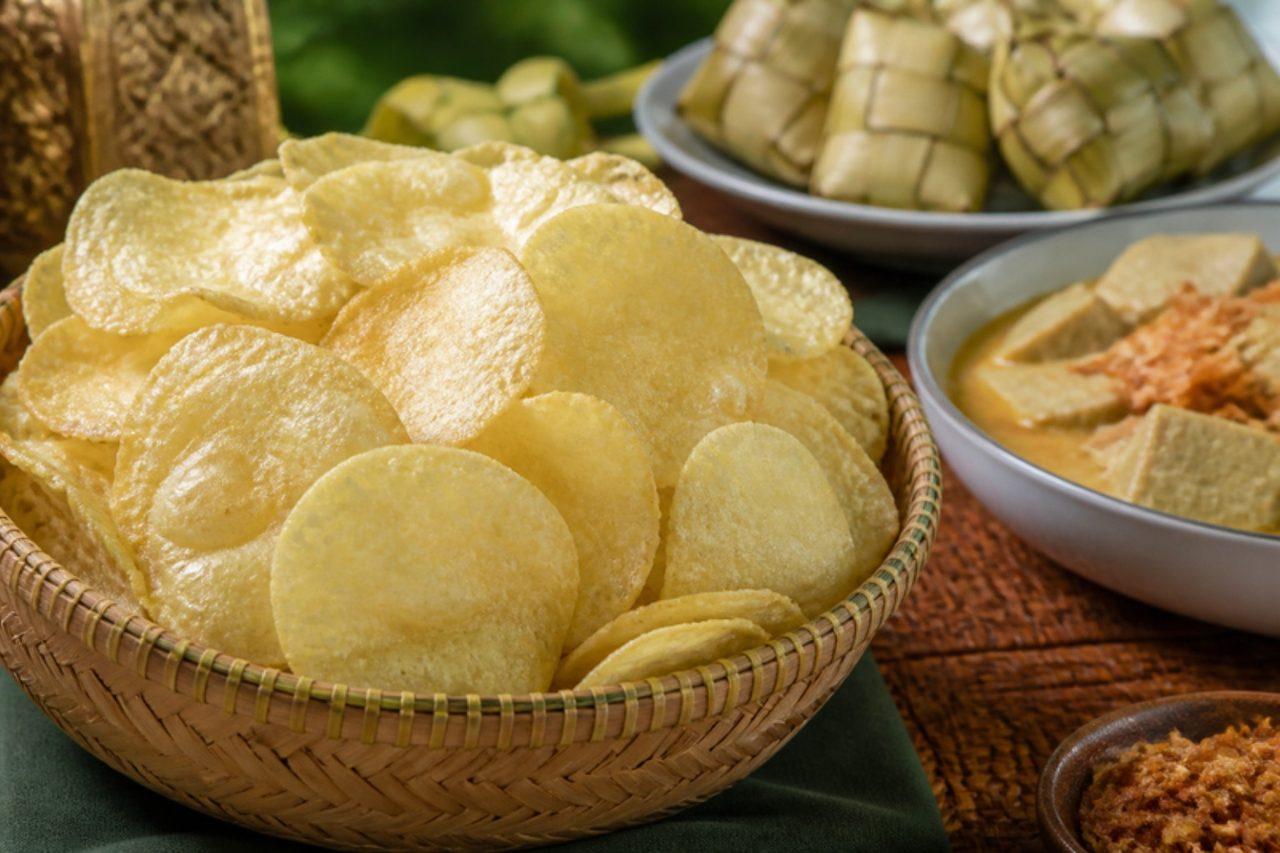
Emping are pale, crisp crackers from Banten and Java, made by cracking melinjo nuts, flattening them with a hammer and drying them; at Lebaran a bowl of fried emping sits beside the opor ayam and ketupat. They taste lightly bitter and nutty, and a sweet-spicy coating is popular for the snack jars. Most cooks buy dried raw emping and fry them at home, which is what this recipe does, with the hand-pressing method for anyone who finds fresh nuts. Chef's tip: fry only a handful at a time and lift them out the moment they puff; emping go from perfect to burnt in seconds.

by KrazyBadal 0 views

Pazham nirachathuCoconut-stuffed fried plantains

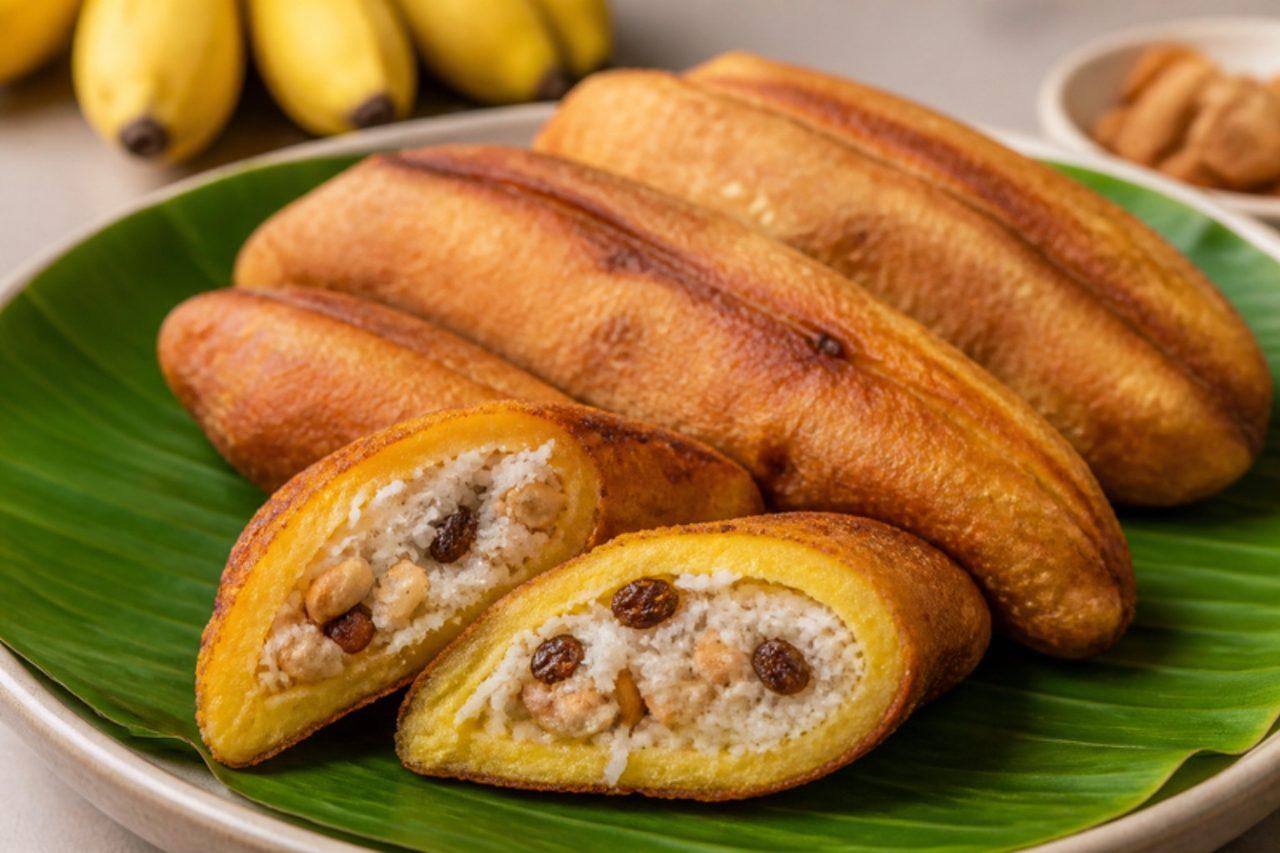
Every Malabar iftar spread has a plate of pazham nirachathu: ripe plantains slit open, packed with grated coconut, sugar and cardamom fried with ghee and cashews, then dipped in a thin flour batter and shallow-fried. The outside turns crisp and lacy, the plantain goes soft and caramel-sweet and the coconut stays moist. Chef's tip: slit the plantain without cutting through the far side or the ends, so the filling stays inside the pocket.

by KrazyBadal 0 views

SnobrødBonfire stick bread

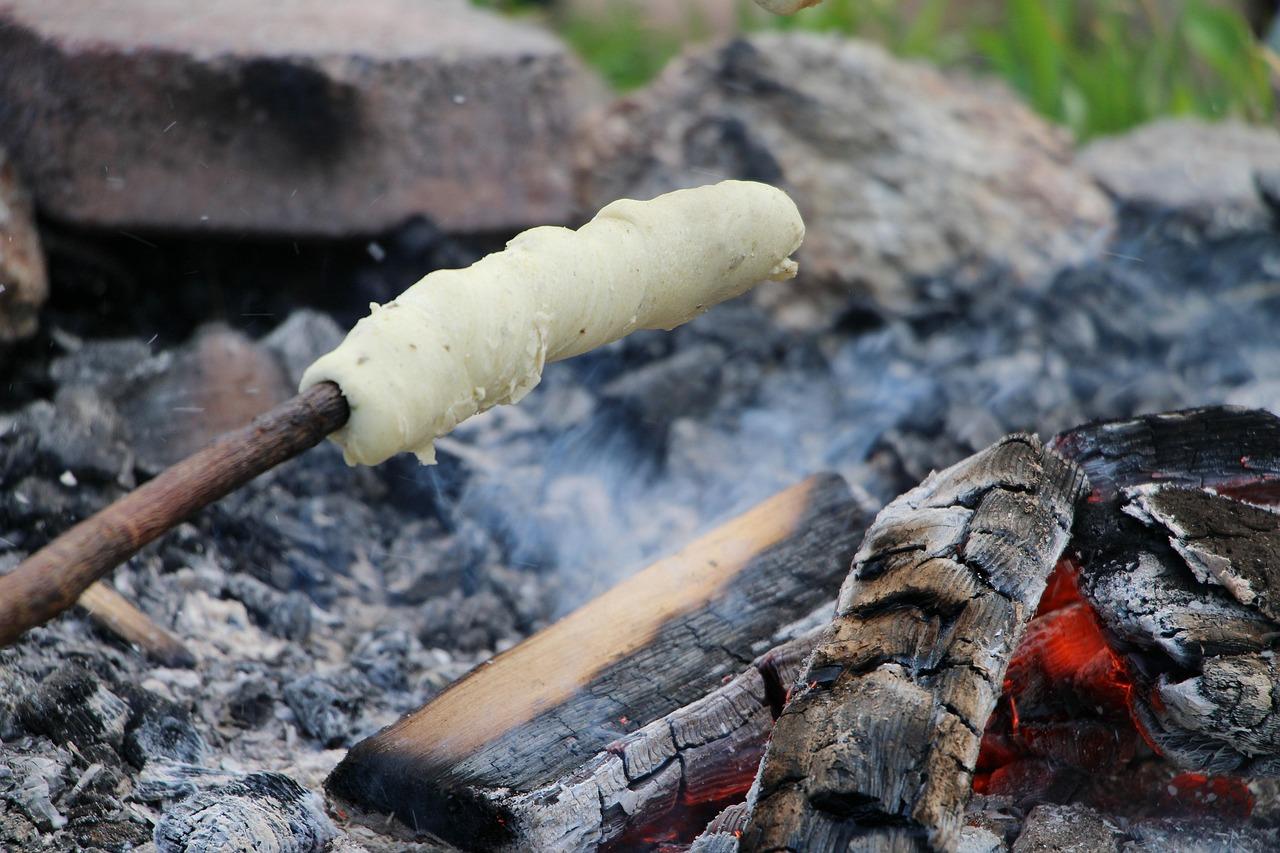
On Sankt Hans Aften, Danish Midsummer Eve on 23 June, people gather round huge bonfires on beaches and in gardens, sing the Midsummer song and burn a straw witch, and the children twist ropes of dough round sticks and bake snobrød over the embers. The bread comes out crisp and smoky outside and soft inside, ready to fill with jam, or butter for those who eat dairy. It is just as much fun at any garden fire or campfire. Chef's tip: hold the bread over glowing embers, not flames, and keep turning; flames blacken the outside long before the inside is done.

by KrazyBadal 0 views

Slavski kolačDecorated ceremonial bread

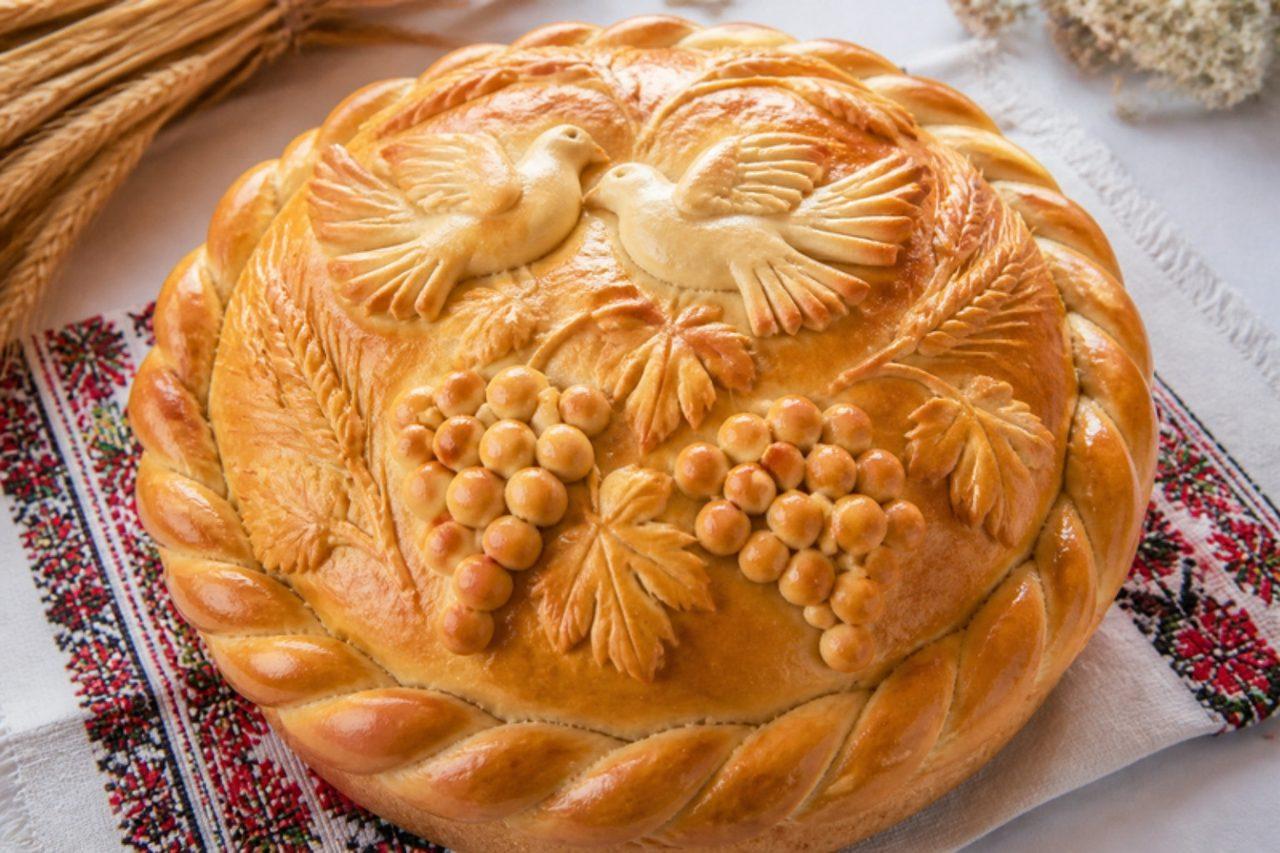
The slava is a uniquely Serbian Orthodox custom: each family honours its own patron saint on that saint's feast day, passed from father to son, with a lit candle, boiled wheat (žito) and the slavski kolač, a round, decorated bread. The priest blesses it; the family turns it, cuts a cross into its base, pours a little wine into the cuts, and breaks it together. It is decorated with dough crosses, the seal 'IC XC NI KA', doves, wheat ears and grapes. It is a plain, vegan bread. Chef's tip: keep the decorations' dough a little stiffer than the loaf, so they hold their shape.

110 minBalkanBakingVegan
by KrazyBadal 0 views

Bread halwaFried bread halwa

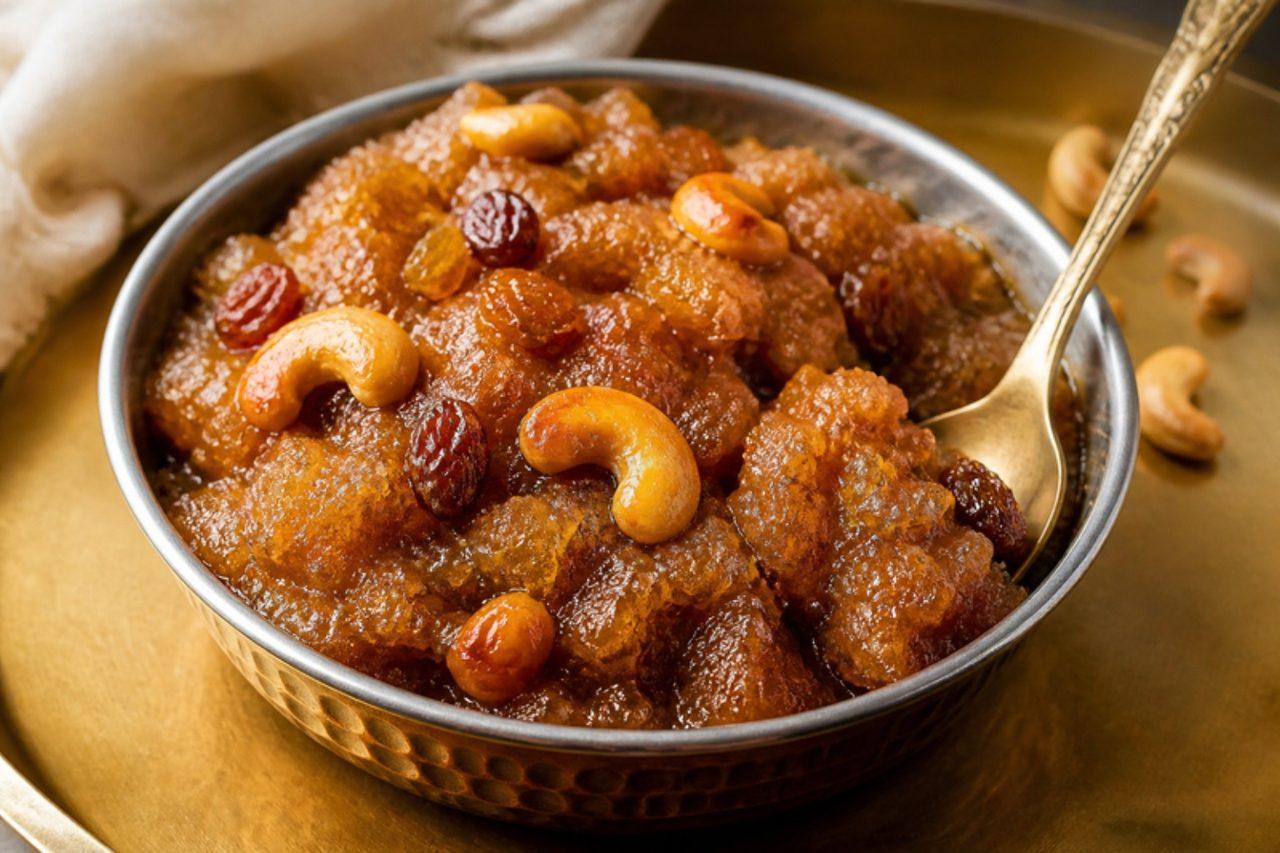
At Tamil Muslim weddings and Eid feasts in Chennai and Madurai, the biryani is followed by a spoonful of bread halwa, sticky, golden and glistening with ghee. Cubes of white bread are fried until crisp, then cooked down with milk, sugar and cardamom until they melt into a soft, jammy halwa studded with cashews. Chef's tip: day-old bread fries crisper and soaks up the milk more evenly than fresh.

by KrazyBadal 0 views

PepitadaToasted melon seed milk

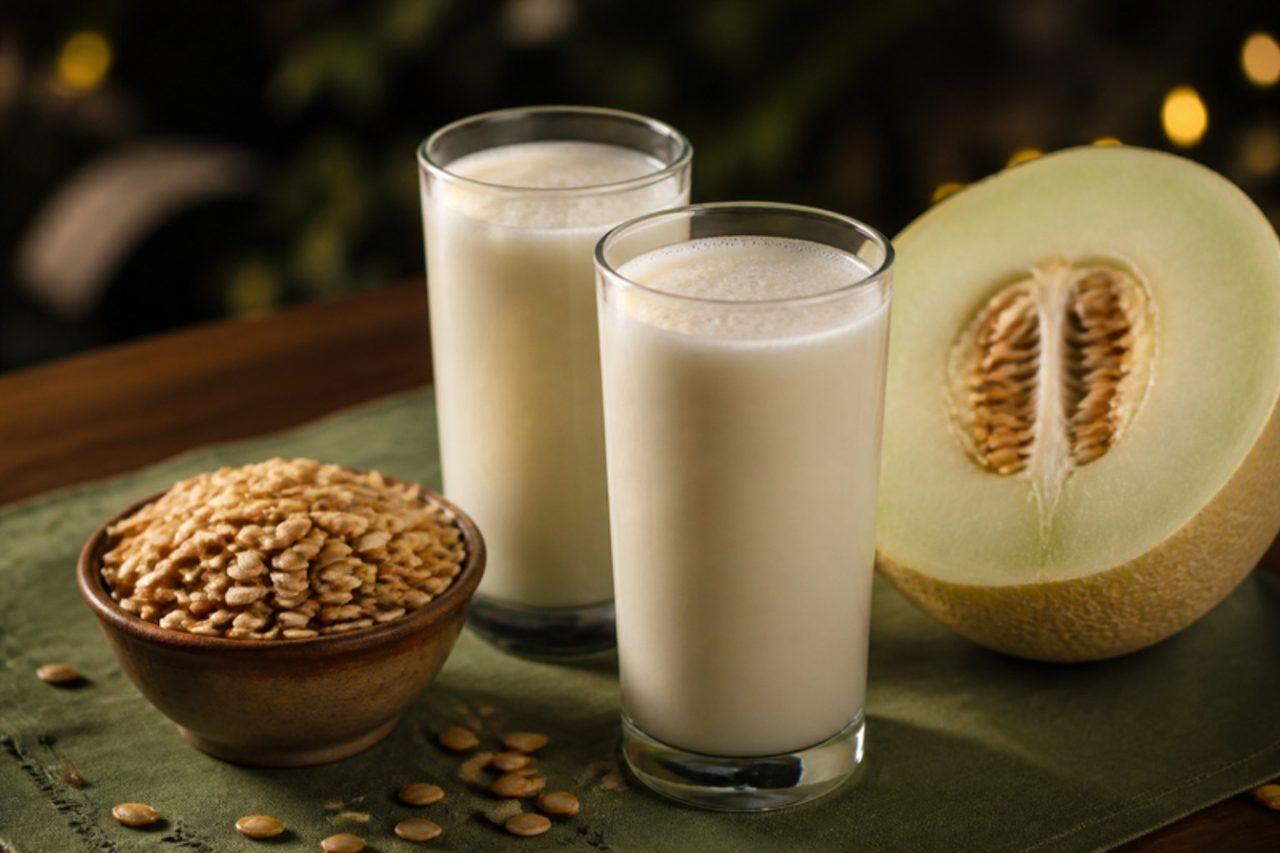
Greek and Turkish Jews end the Yom Kippur fast with a glass of pepitada, a pale, gentle 'milk' made from melon seeds that were saved, washed and dried through the summer. The seeds are toasted, ground, soaked overnight in water wrapped in muslin, then squeezed to give a mild, nutty drink sweetened with a little sugar and scented with rose or orange-blossom water. It is soothing on an empty stomach after a day without food or water. The common mistake is toasting the seeds too dark, which makes the drink bitter. Chef's tip: start the night before; the long soak is what draws out the creamy flavour.

by KrazyBadal 0 views

Shir berenjRose water rice pudding

Shir berenj, 'milk rice', is one of the gentle sweets of the Iranian Nowruz season, made at home to share with visiting relatives and often given as nazri on special days. Short-grain rice is softened in water first, then cooked slowly in milk until the grains melt into a thick, creamy pudding scented with rose water. It is chilled and served plain, with the sweetness added at the table from a drizzle of grape molasses, date syrup or jam. The common mistake is adding all the milk at once over a high heat, which scorches the bottom and leaves the grains firm. Chef's tip: stir with a wooden spoon in a figure of eight, which reaches the corners where rice likes to stick.

by KrazyBadal 0 views

MuffolettaFennel seed rolls with cheese

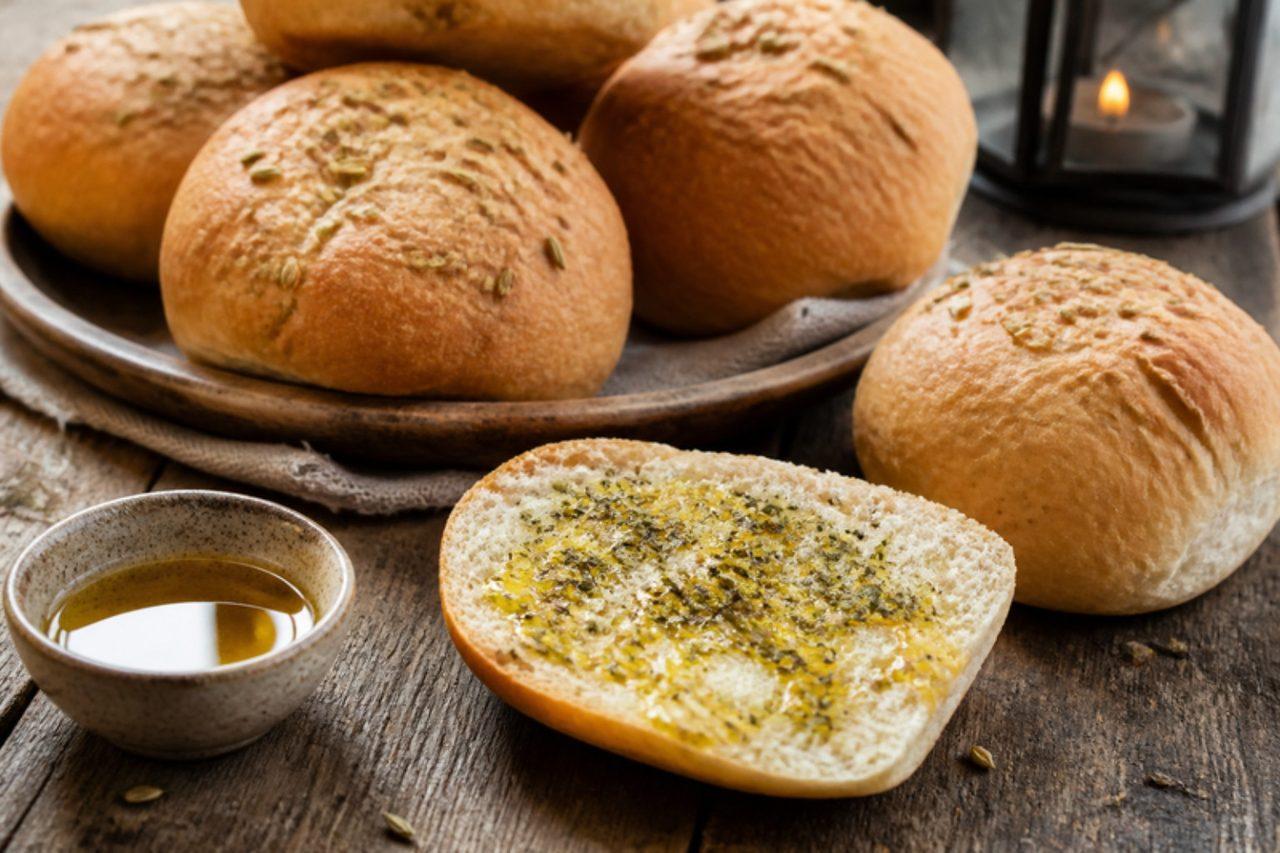
On 2 November, the Day of the Dead in Sicily, Palermo families eat muffoletta: soft, round rolls scented with fennel seed, split warm and dressed 'cunzata' with olive oil, oregano, salt, pepper, anchovy or caciocavallo cheese. The custom recalls when the dead were said to bring gifts to children, and bakers make them only around this time. The bread itself is egg-free and dairy-free; dress it with just oil and oregano for a vegan version. Sicilian caciocavallo and pecorino are usually made with animal rennet, so choose a vegetarian hard cheese if that matters to you. Chef's tip: dress the rolls while still warm so they drink in the oil.

by KrazyBadal 0 views

Chichi frégiChickpea flour fritters in sugar

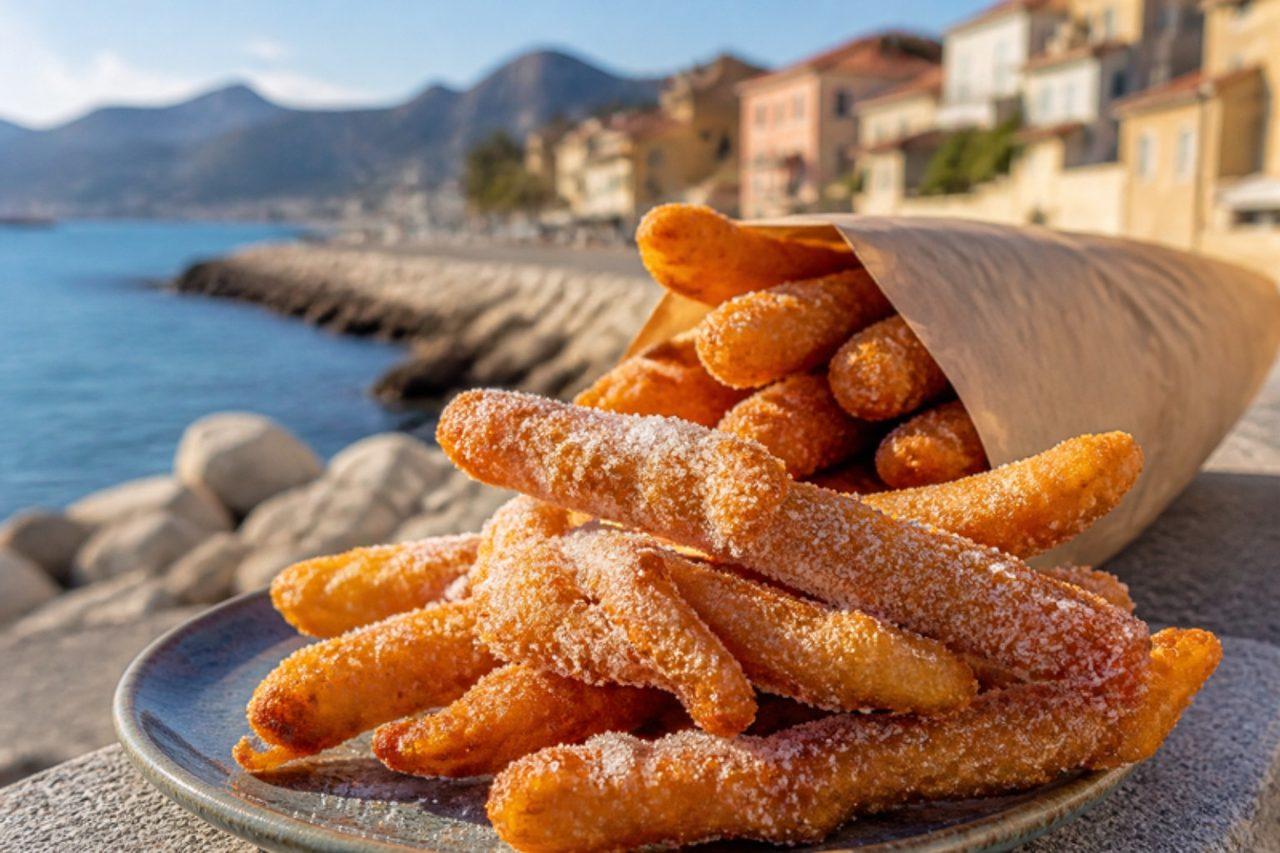
On the seafront at L'Estaque, the old fishing quarter of Marseille, and at summer fêtes all along the coast, kiosks fry chichi frégi: long, ridged fritters of wheat and chickpea flour, rolled hot in sugar and eaten in a paper cone. The dough is a yeasted, egg-free batter piped straight into the oil, crisp outside and soft inside, with a faint nutty taste from the chickpea flour and a hint of orange flower. Chef's tip: keep the oil at 175 °C; cooler and the fritters soak up fat, hotter and they burn before the middle cooks.

by KrazyBadal 0 views

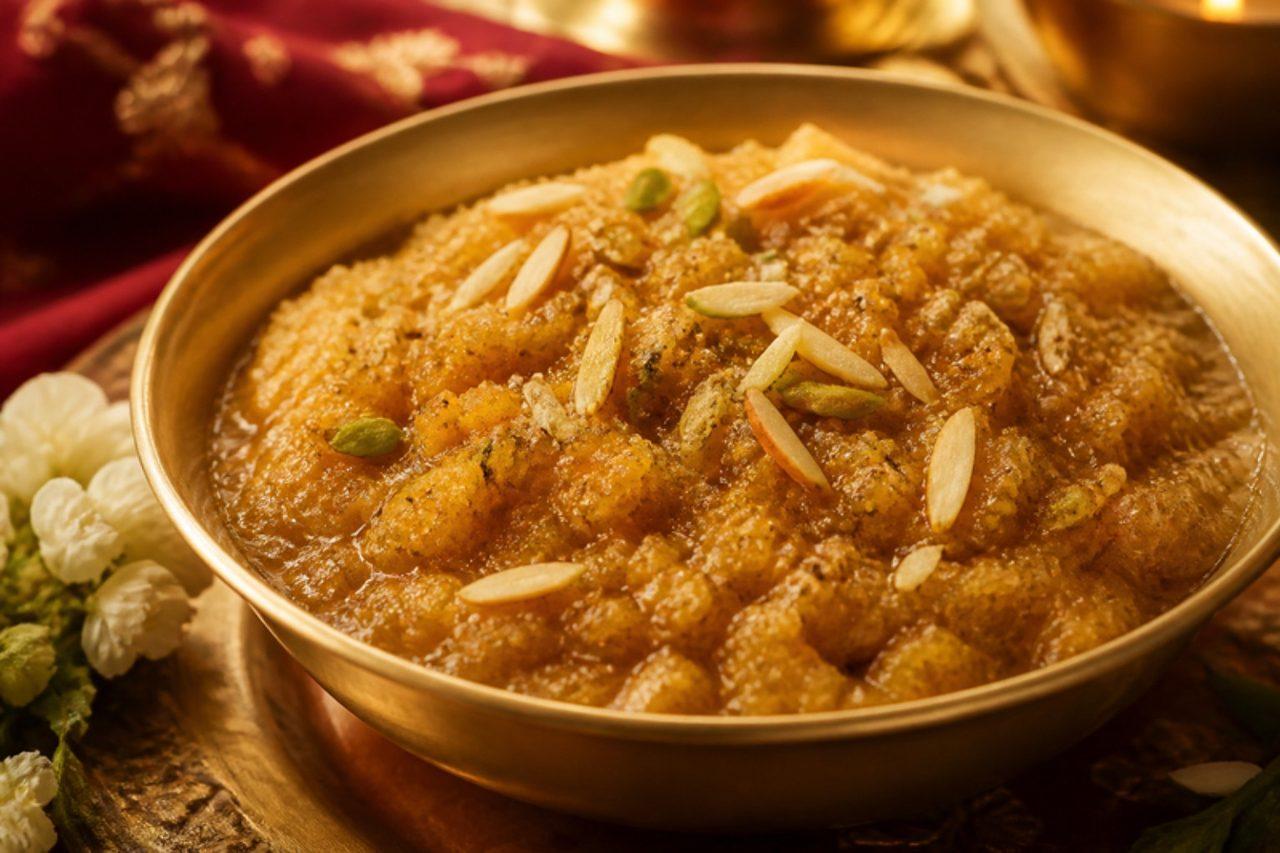
Chana dal halwa

At Punjabi weddings in Lahore and Faisalabad in the cold months, the dessert table often carries a big tray of chana dal halwa beside the gajar halwa. Soaked split chickpeas are ground and fried slowly in ghee until they smell of roasted nuts and turn deep golden, then cooked with milk, sugar and cardamom into a rich, grainy halwa that keeps for days. It takes patience and a strong arm. Chef's tip: keep the heat low and scrape the bottom constantly; the dal catches fast once it starts to brown.

by KrazyBadal 0 views

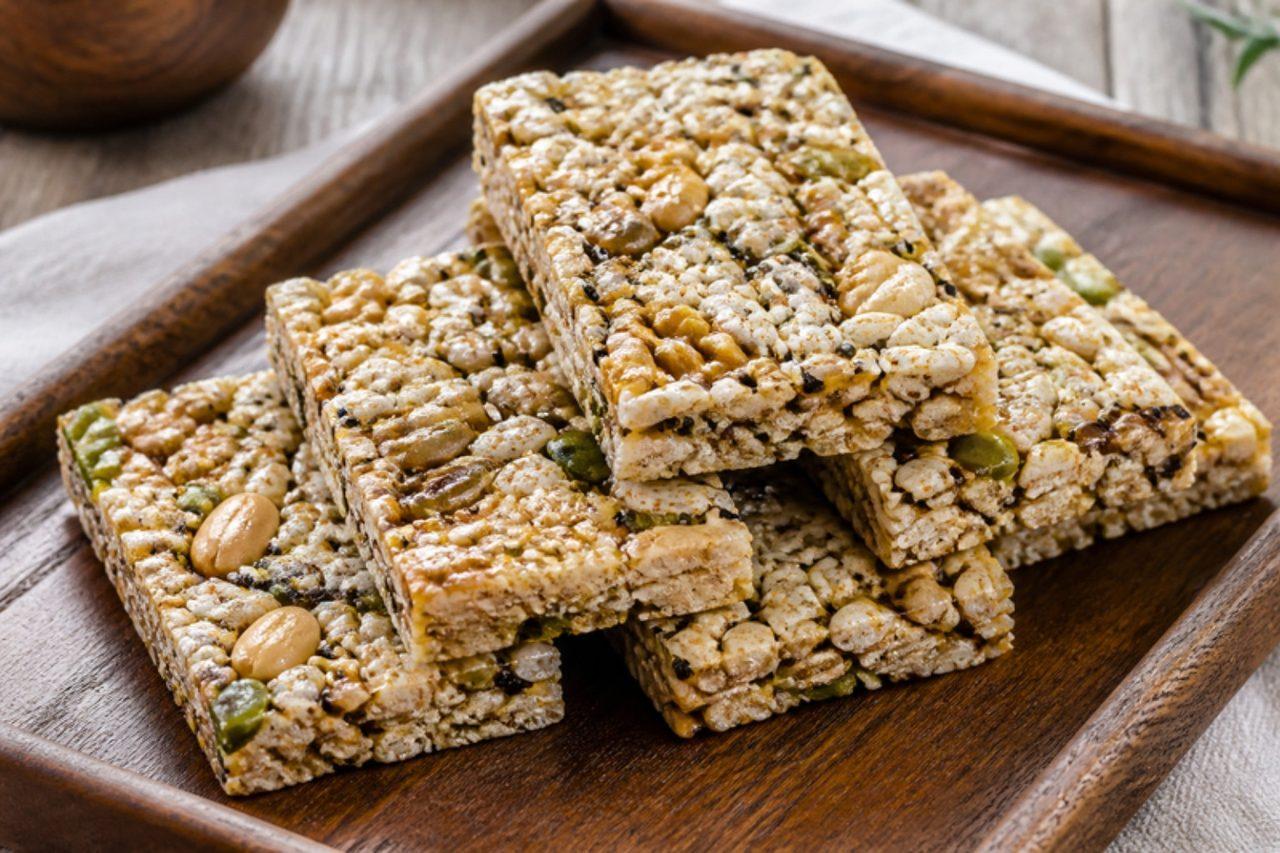
Yeot-gangjeong (nut and sesame bars in rice syrup)

Yeot-gangjeong is a traditional Korean hangwa made all over the country, especially in the weeks before Seollal and Chuseok, when trays of these bars are given as gifts and set out for visitors. Toasted nuts, sesame seeds and puffed rice are folded into hot rice syrup, pressed flat and cut into bars that are crunchy, nutty and only gently sweet, with a faint malty flavour from the syrup. Serve them with green tea or sikhye, the sweet rice drink, or pack them for a lunchbox. They are naturally egg-free: rice syrup, heated until it bubbles, acts as the glue and sets firm as it cools. Chef's tip: cut the slab while it is still warm. The common mistake is waiting until it is cold, when the bars shatter instead of slicing cleanly.

by KrazyBadal 0 views

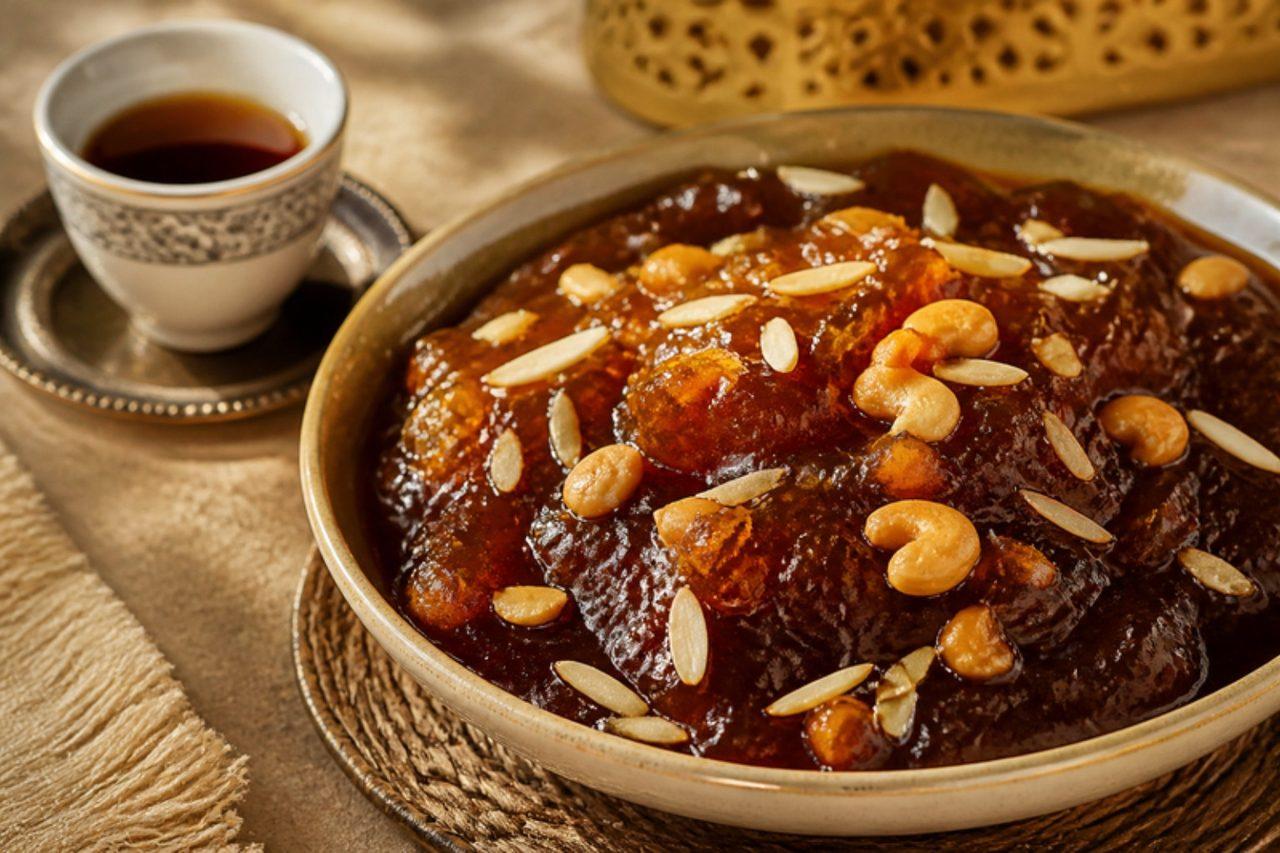
Omani halwa (saffron and rose water halwa)

No Omani welcome is complete without a dish of halwa and a cup of cardamom coffee, and in Muscat and Nizwa it is stirred for hours in huge copper pots for Eid, weddings and every family gathering. Sugar is caramelised, then cooked with a cornflour slurry and ghee until it turns dark, glossy and set. It is wobbly and sticky like a very soft fruit jelly, rich with ghee, and fragrant with saffron, cardamom and rose water, with toasted nuts through it. Serve small spoonfuls in little bowls with qahwa, the lightly roasted cardamom coffee. It is naturally egg-free: the starch, cooked slowly with the sugar until it turns clear and thick, does all the setting. Chef's tip: keep stirring and add the ghee a little at a time. The common mistake is stopping, even for a minute, so the halwa catches and burns on the base.

by KrazyBadal 0 views

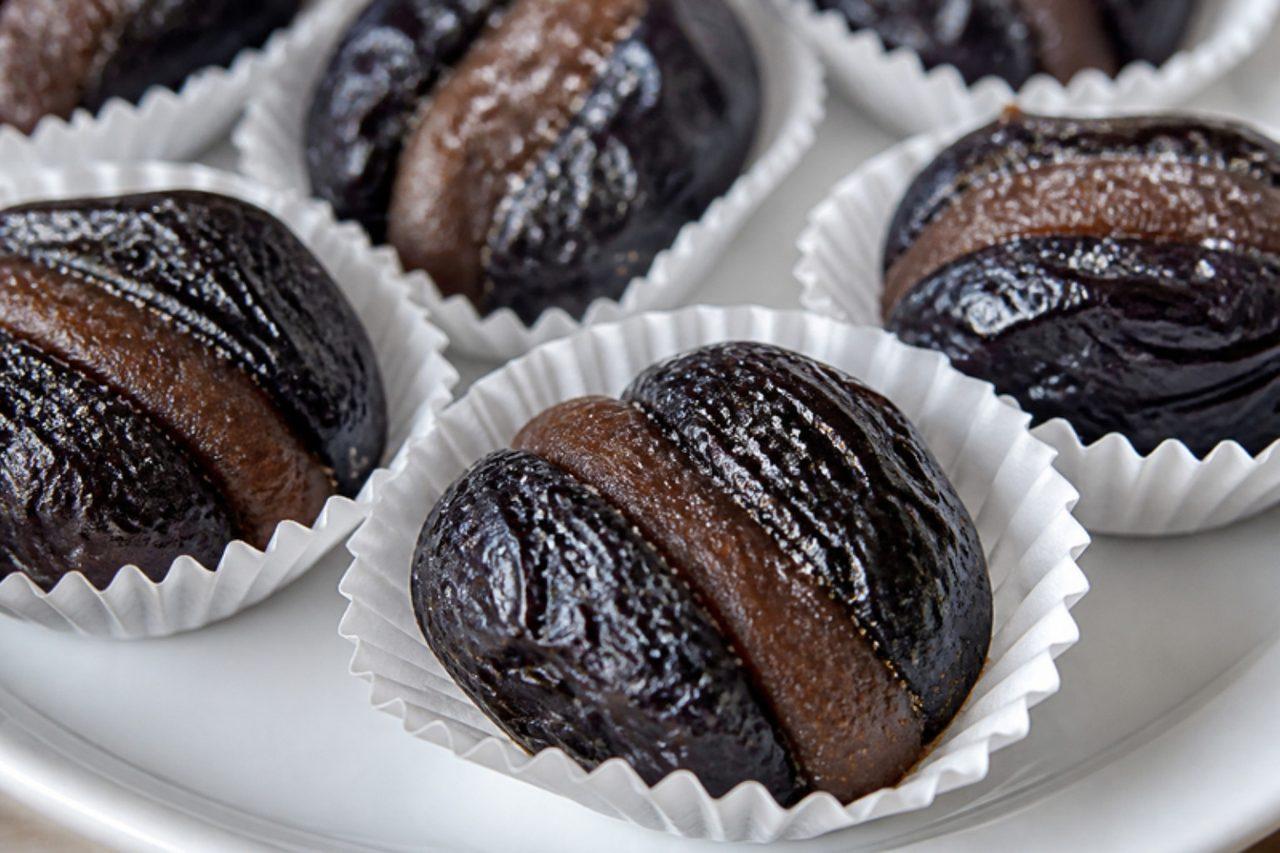
Pruneaux d'Agen fourrés (stuffed Agen prunes)

Agen, on the Garonne in south-west France, has dried its plums into prunes for centuries, and its confectioners stuff the best ones with a paste of more prunes and almonds. Boxes of pruneaux fourrés are a Christmas present across the south-west and a speciality of the town's prune festival at the end of August. Each one is glossy and plump, with a soft, sticky skin and a dense, mellow filling that tastes of fruit, almond and a little orange. Serve them with coffee or tea, or as part of a cheese plate. The filling is a kind of almond paste, held together by the sticky prune purée and sugar, so it is egg-free like the rest of the sweet; some versions add a little brandy, and orange juice takes its place here. Chef's tip: if the prunes are dry, steam them for 5 minutes first; the common mistake is forcing filling into stiff prunes, which split.

by KrazyBadal 0 views

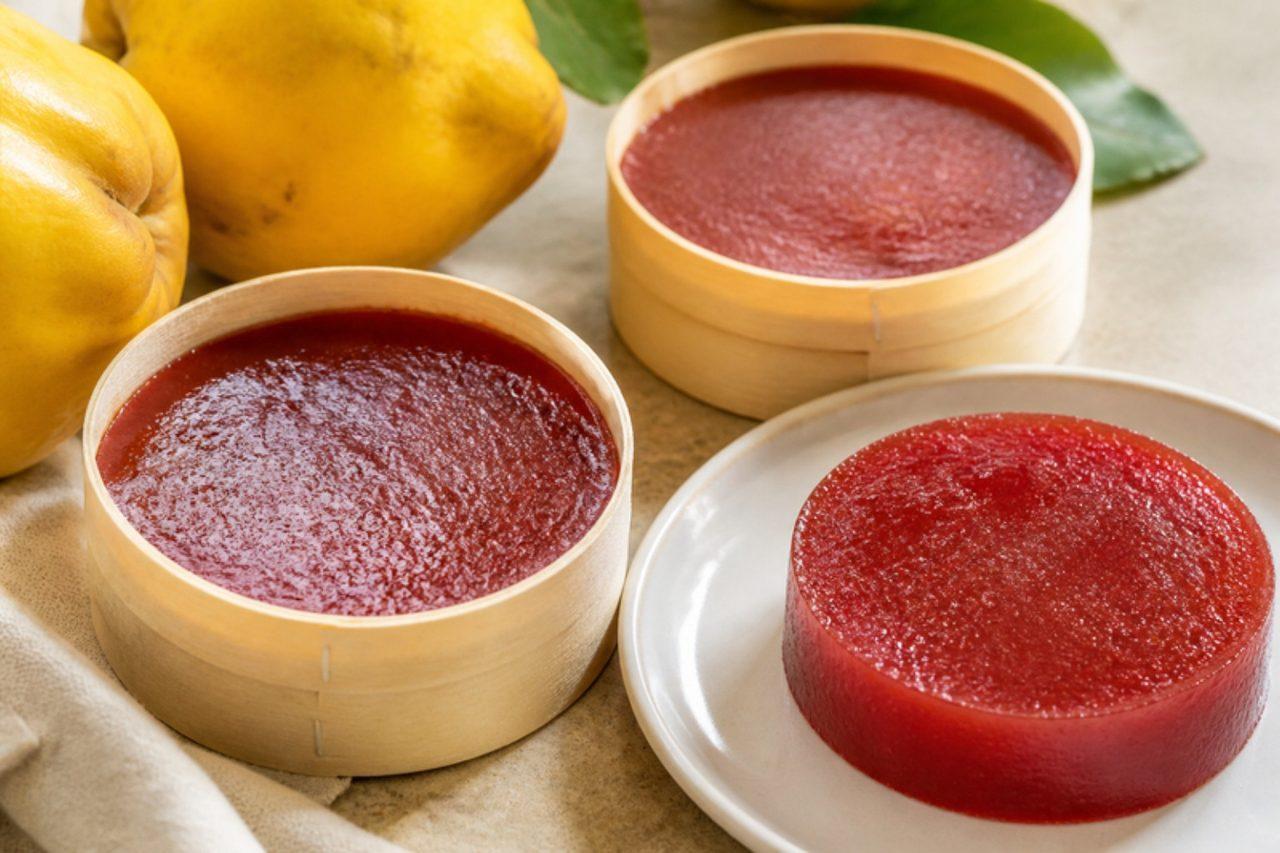
Cotignac d'Orléans (clear quince jelly)

Orléans has made cotignac since the Middle Ages and offered it to visiting kings, and the town still sells it in small round wooden boxes, to be eaten by scraping the jelly out with the edge of the lid. It is a winter sweet, made when the autumn quinces come in and given at Christmas and New Year. The jelly is clear and ruby-red, firm enough to cut but tender on the tongue, with a scented, slightly tart quince flavour. Serve it after dinner with coffee, or with a mild cheese. Nothing but fruit and sugar sets it, so it is naturally egg-free: quinces are among the richest fruits in pectin, and boiling their juice with sugar to the setting point is all it takes. Small ramekins or silicone moulds lined with baking paper stand in for the wooden boxes. Chef's tip: let the cooked quince drip through the cloth without pressing; the common mistake is squeezing it, which clouds the jelly.

by KrazyBadal 0 views

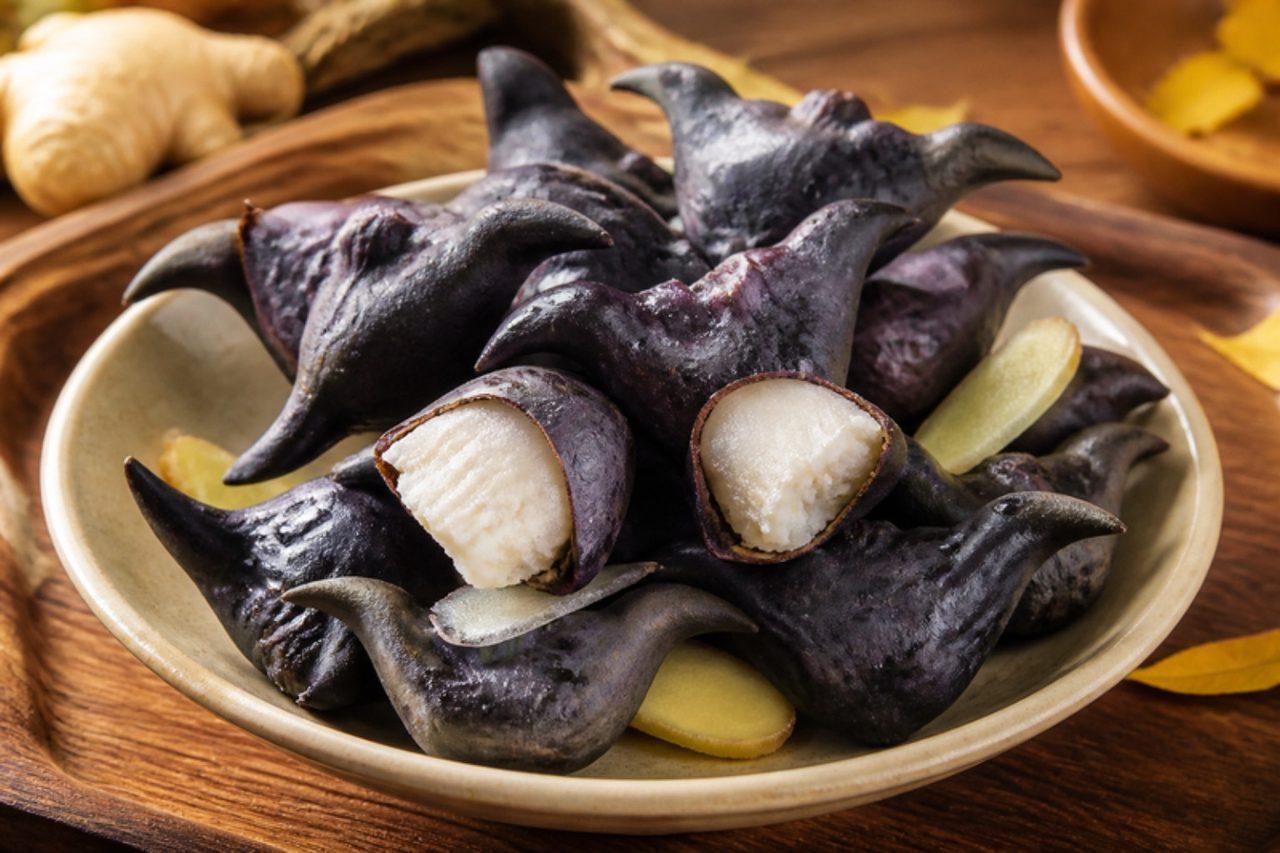
Boiled water caltrops (zhu lingjiao)Boiled water chestnuts in shell

Boiled water caltrops are a Mid-Autumn snack in Jiangnan and Guangdong, piled on the table beside mooncakes and pomelo while the family waits for the moon. The dark, two-horned nuts are harvested in autumn, and their name, ling, sounds like the word for clever, so children are told to eat them to grow bright; some families also say the shape looks like a bat, a symbol of good fortune. Inside the shell the white flesh is floury and sweet, much like a chestnut. Serve them warm in a big bowl with tea and the rest of the moon-watching snacks. Chef's tip: buy them fresh in autumn from Chinese grocers and always cook them through; never eat water caltrops raw, as they grow in ponds and can carry parasites.

by KrazyBadal 0 views

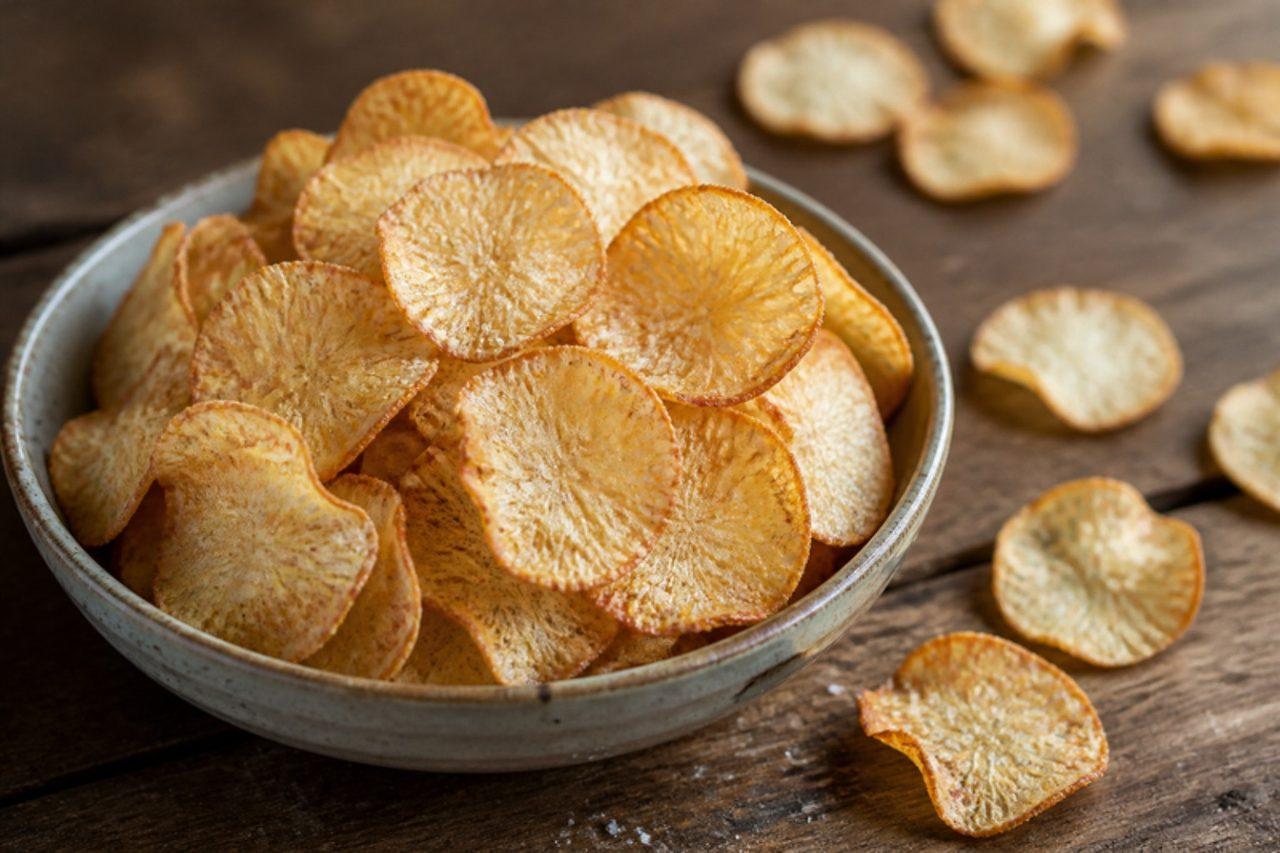
Arrowhead chips (nga gu chips)

Arrowhead (nga gu, or ngaku) is a small aquatic tuber that only shows up in Malaysian markets in the weeks before Chinese New Year, and frying it into chips is a family job. Its curved sprout looks like a shoot rising from the root, so it stands for growth and many descendants in the year ahead. Sliced thin and fried, the chips are crisp and nutty like potato crisps, with a gentle bitterness that keeps you reaching for more. Put them out in jars with peanuts and love letters for visitors. Chef's tip: soak the slices and dry them very well; wet slices make the oil spit and fry up chewy instead of crisp.

by KrazyBadal 0 views

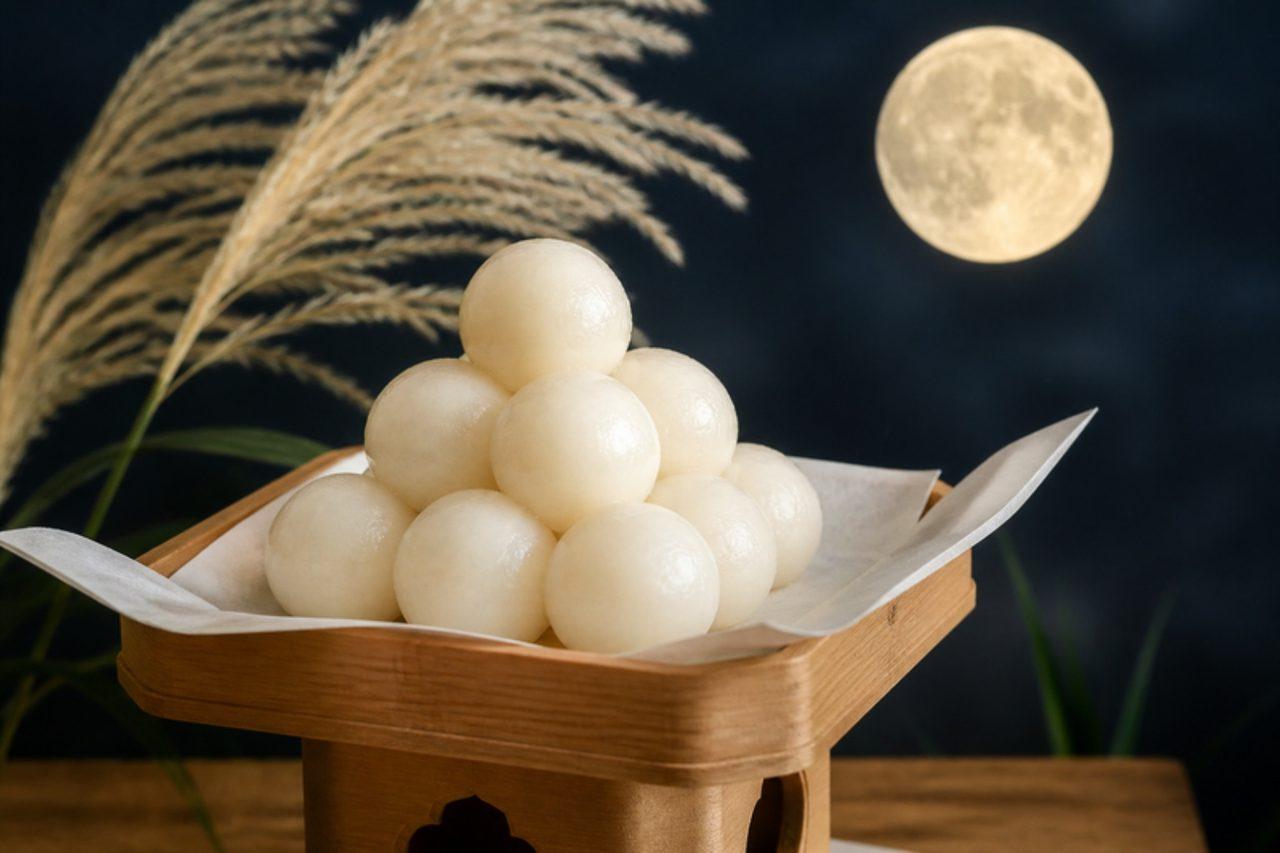
Tsukimi dango (moon-viewing dumplings)

On the night of the harvest moon in September or early October, families across Japan set a tray of plain white dumplings by the window with a vase of pampas grass, as thanks for the harvest and an offering to the full moon. The round white dango stand for the moon itself, and the traditional count is fifteen, for the fifteenth night of the eighth lunar month, stacked nine, four and two. This Kanto-style dough is steamed and then kneaded, which gives a smoother, firmer bite than boiled dango, with a clean rice flavour that loves a dusting of kinako or a spoonful of sweet red bean paste once the moon-viewing is over. Mochi is very sticky: cut the dumplings small for young children and older people, and see that they chew well and eat sitting down. Chef's tip: knead the steamed dough while it is still hot, wrapped in a damp cloth, until it turns satiny.

by KrazyBadal 0 views

Showing 96 of 2,797 recipes

Show more recipes

Page 12 of 117

More Jain ideas

Other diets