Skip to content
WhatToEat.Today

No onion, no garlic recipes (Swaminarayan and sattvic)

3,468

3468 vegetarian recipes cooked without onion or garlic, as in Swaminarayan and sattvic kitchens, with no meat, fish, eggs or alcohol. Each has photos, step-by-step instructions and cook times. The quickest, Apfelschorle, takes 2 minutes. Most take around 45 minutes.

Filter these by time, diet or cuisine · Make No onion & garlic your diet to see only these recipes everywhere on the site.

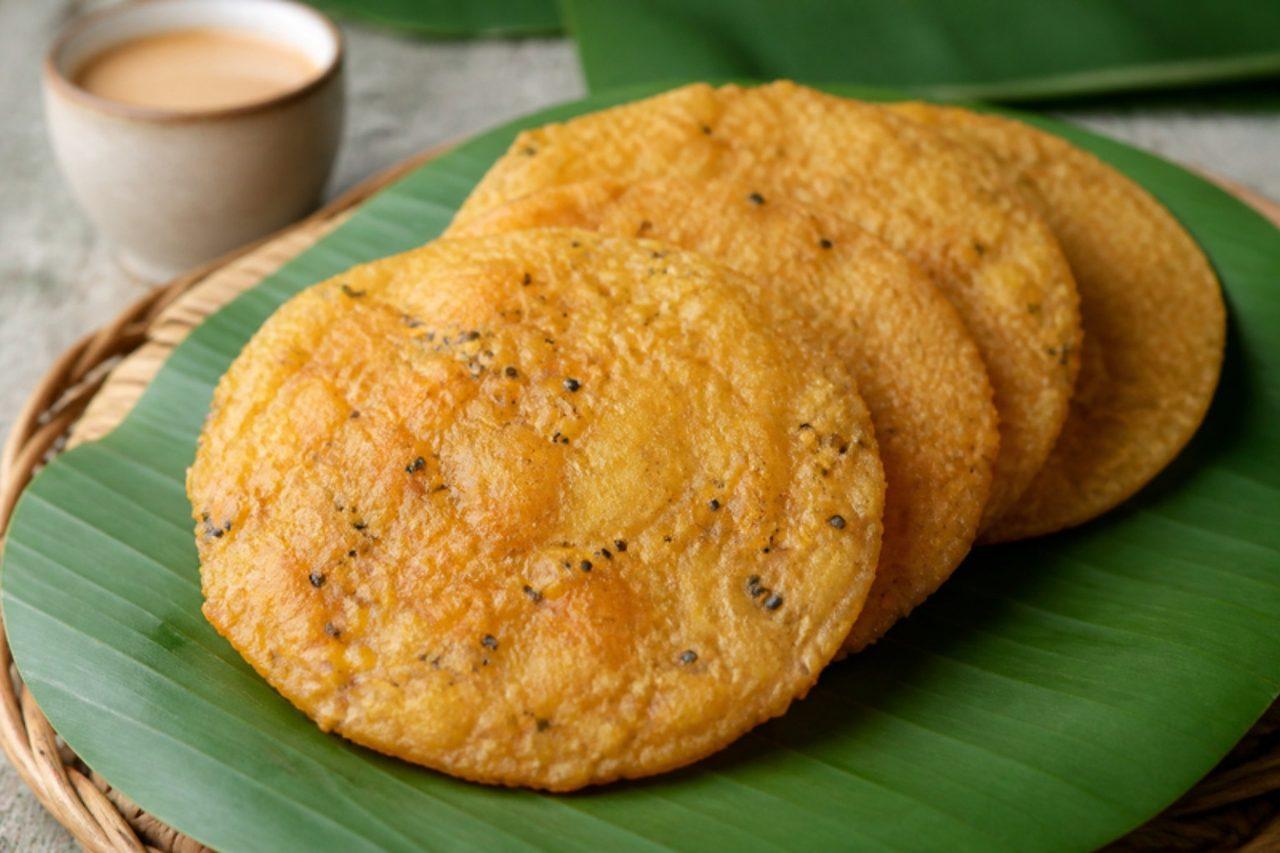
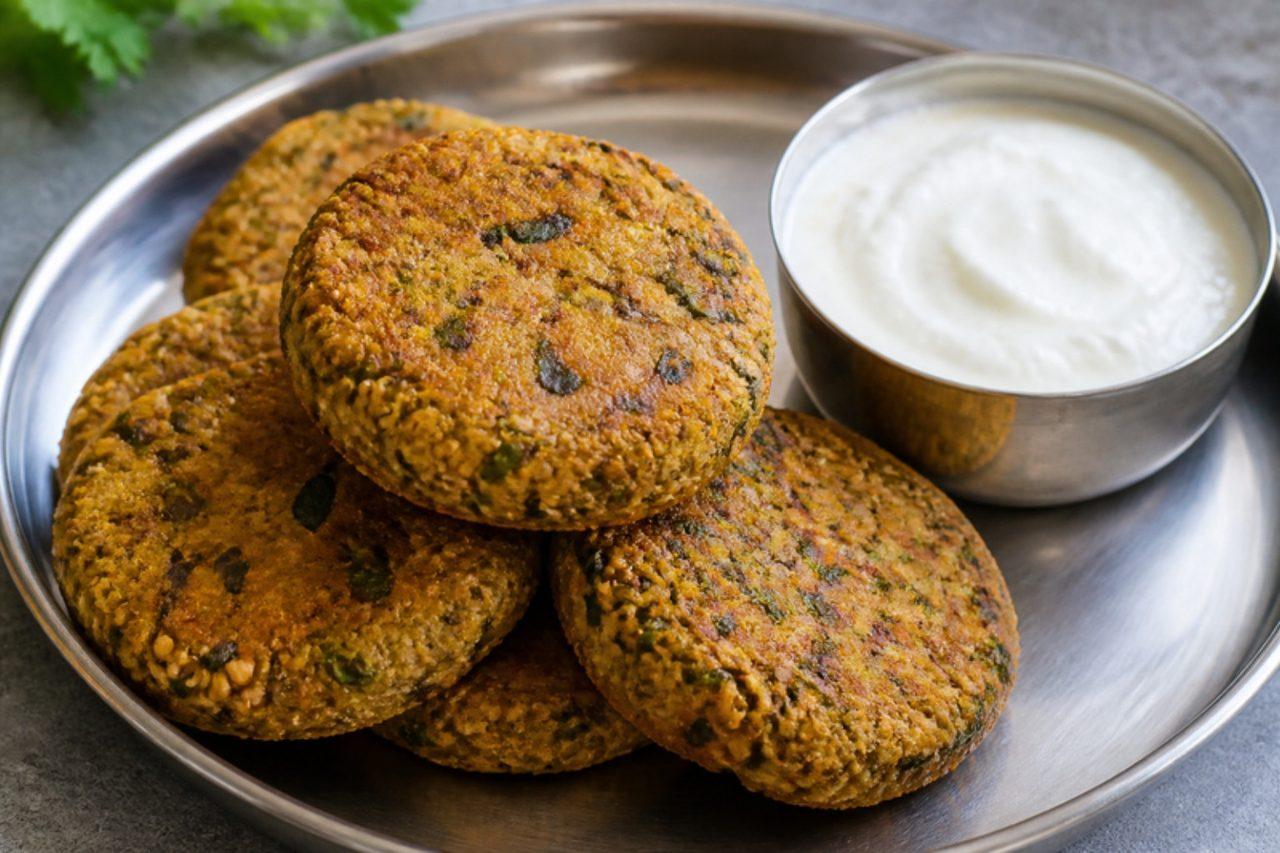
Bajri na vadaPearl millet and fenugreek fritters

On Randhan Chhath, the 'cooking sixth' in Gujarat, kitchens work all day frying food for the next day, Shitala Satam, when the stove is cleaned, worshipped and left cold out of respect for the goddess Shitala. Bajri na vada are always in that tin: bajra flour, fresh methi, yoghurt, jaggery, ginger and chilli patted into thick discs and fried, soft inside and crisp-edged, and even better cold with curd and pickle. Common mistake: oil that is too hot, which browns them before the thick middle cooks; fry on a medium heat until they puff, stop bubbling hard and turn deep brown. Chef's tip: wet your palms and pat the discs on a damp cloth or plastic sheet; bajra dough has no gluten and cracks if handled dry.

by KrazyBadal 0 views

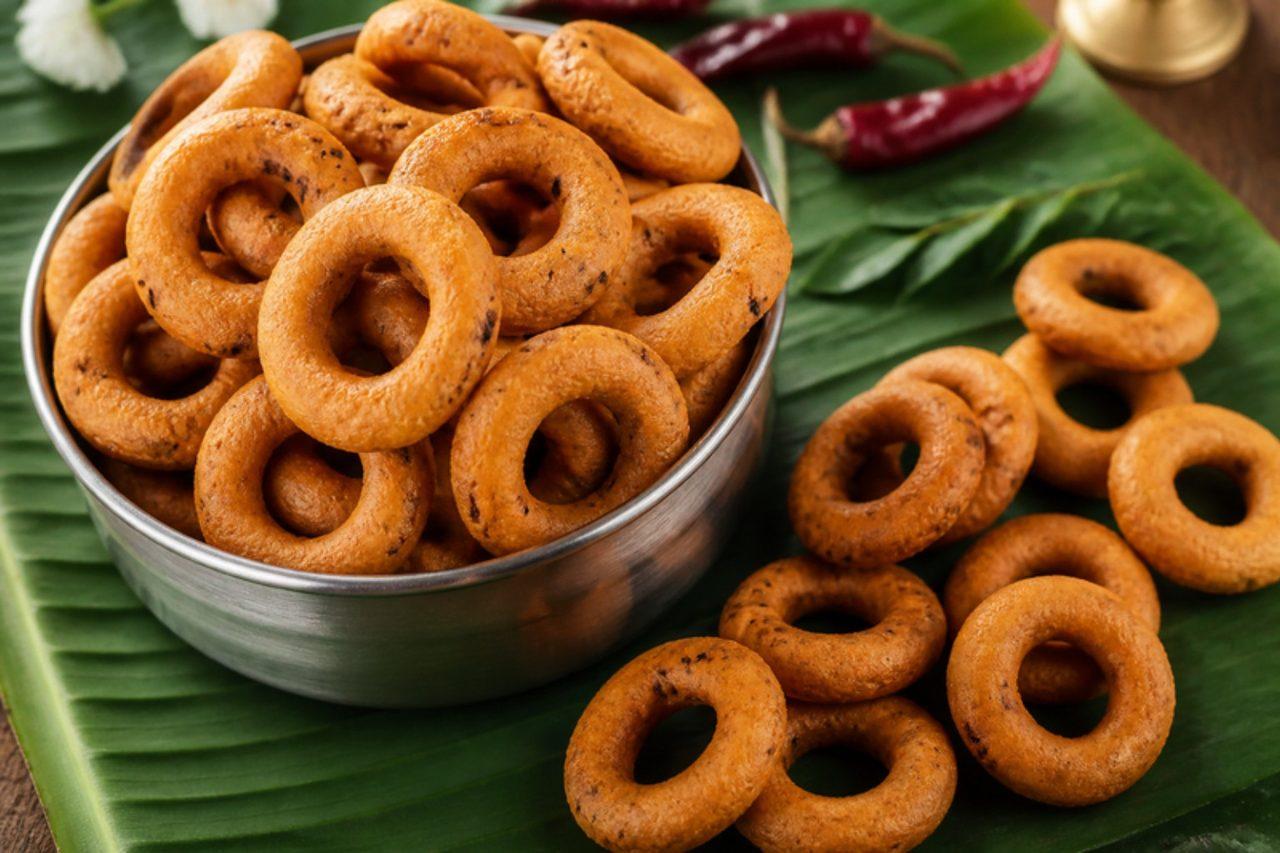
KodubaleSpicy rice flour rings

In Karnataka homes the Krishna Janmashtami spread of chakkuli, unde and avalakki always has a tin of kodubale beside it: little rings of rice flour, semolina and coconut ground with dried red chilli and cumin, rolled by hand and fried until they snap. They are spicy, nutty and very crunchy, and also go into Diwali and Gowri festival tins. Common mistake: making the ropes too thick, so the rings stay soft inside; roll them pencil-thin and fry on a medium heat until the sizzling dies down and they feel light. Chef's tip: grind the coconut with the chillies to a dry paste with no water; extra moisture makes the rings oily.

by KrazyBadal 0 views

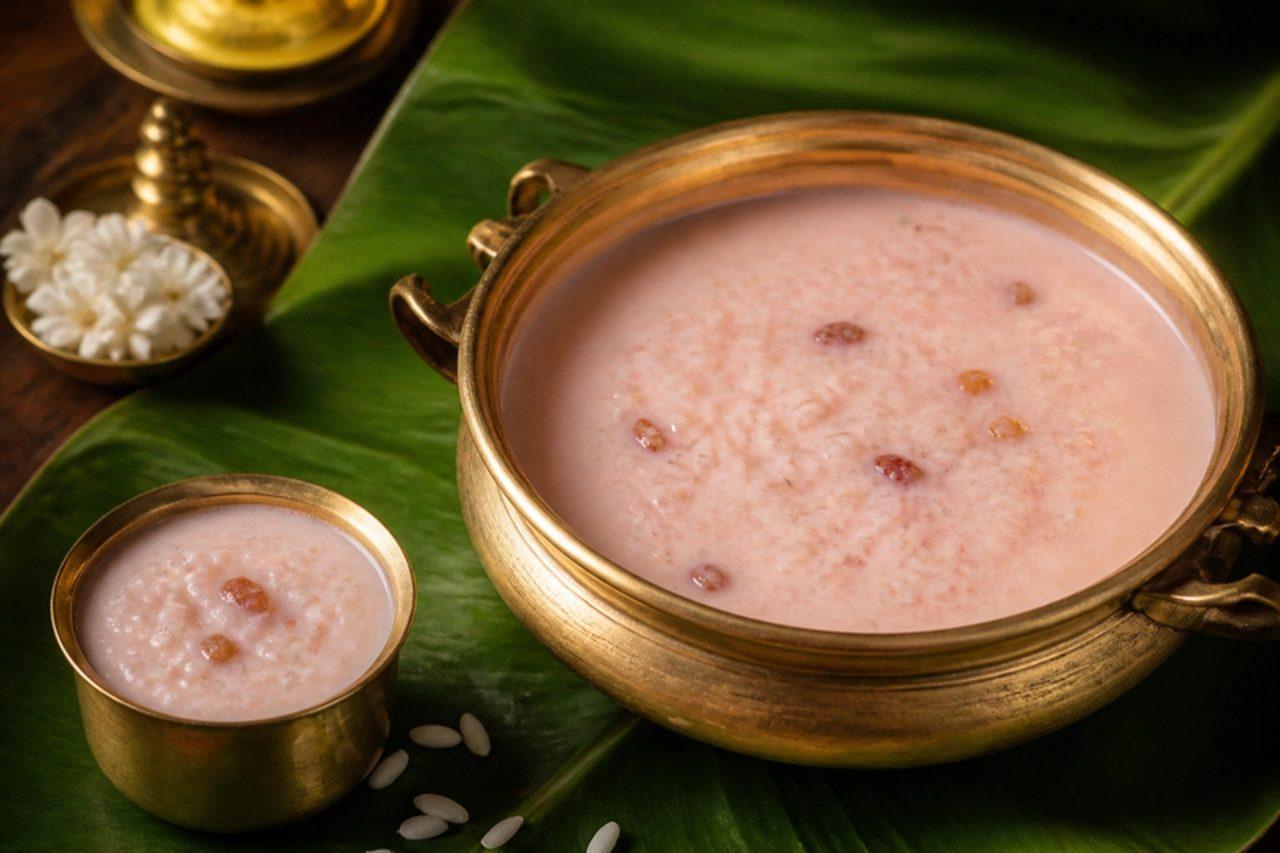
Ambalappuzha paal payasamSlow-cooked rice milk pudding

The Krishna temple at Ambalappuzha in Alappuzha is famous for one offering: a paal payasam of rice, milk and sugar boiled in huge bronze vessels until it turns a soft pink. Kerala families make a smaller pot at home for Vishu and Onam, and it is the simplest payasam there is, with no nuts, raisins or spice in the temple style. The colour comes only from long, patient simmering, as the milk sugars slowly caramelise. The common mistake is adding the sugar too early; the rice stays firm and the milk sticks to the base, so wait until a grain crushes to nothing between your fingers. It is ready when it has reduced by about half, coats the spoon thickly and has turned from white to a light rosy beige. Chef's tip: keep it at a steady, lively simmer rather than a low murmur, and stir right across the base every few minutes; the movement is what gives the creamy texture.

by KrazyBadal 0 views

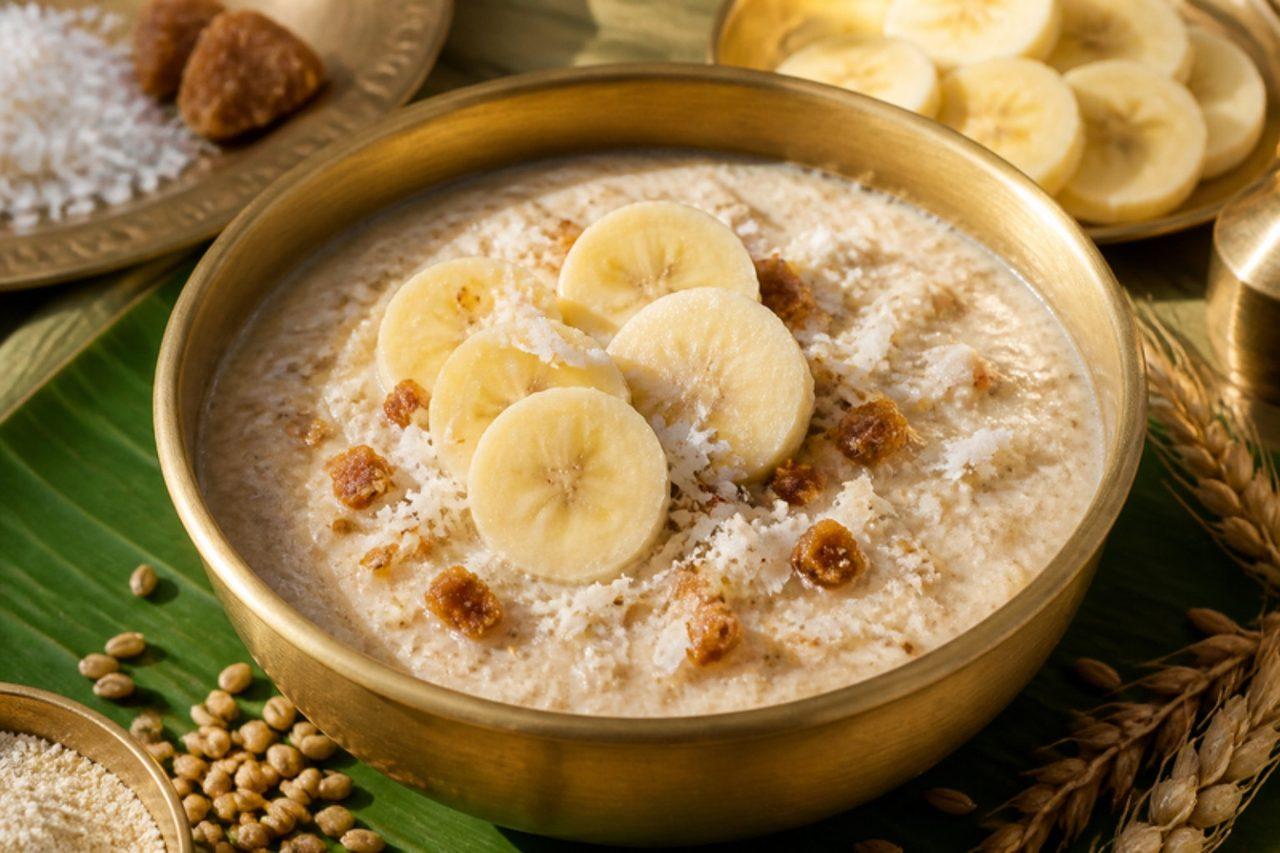
ChhatuaRoasted gram flour with curd

Pana Sankranti, in mid-April, is Odisha's new year and its own version of Baisakhi, and the day is kept with two cooling things: a jug of pana, the sweet bel-fruit drink, and a bowl of chhatua. The chhatua is a mix of roasted flours, usually chana, barley and rice, stirred with curd, ripe banana, jaggery and fresh coconut into a soft, sustaining mash that needs no cooking on a hot day. It is mild, sweet and nutty, and many families offer it first at the household shrine. Common mistake: making it watery; add the curd a little at a time and stop when it is like thick porridge that just holds a spoon. Chef's tip: roast your own flours in a dry pan until they smell of toast; ready-made sattu works, but freshly roasted flour has a far deeper flavour.

by KrazyBadal 0 views

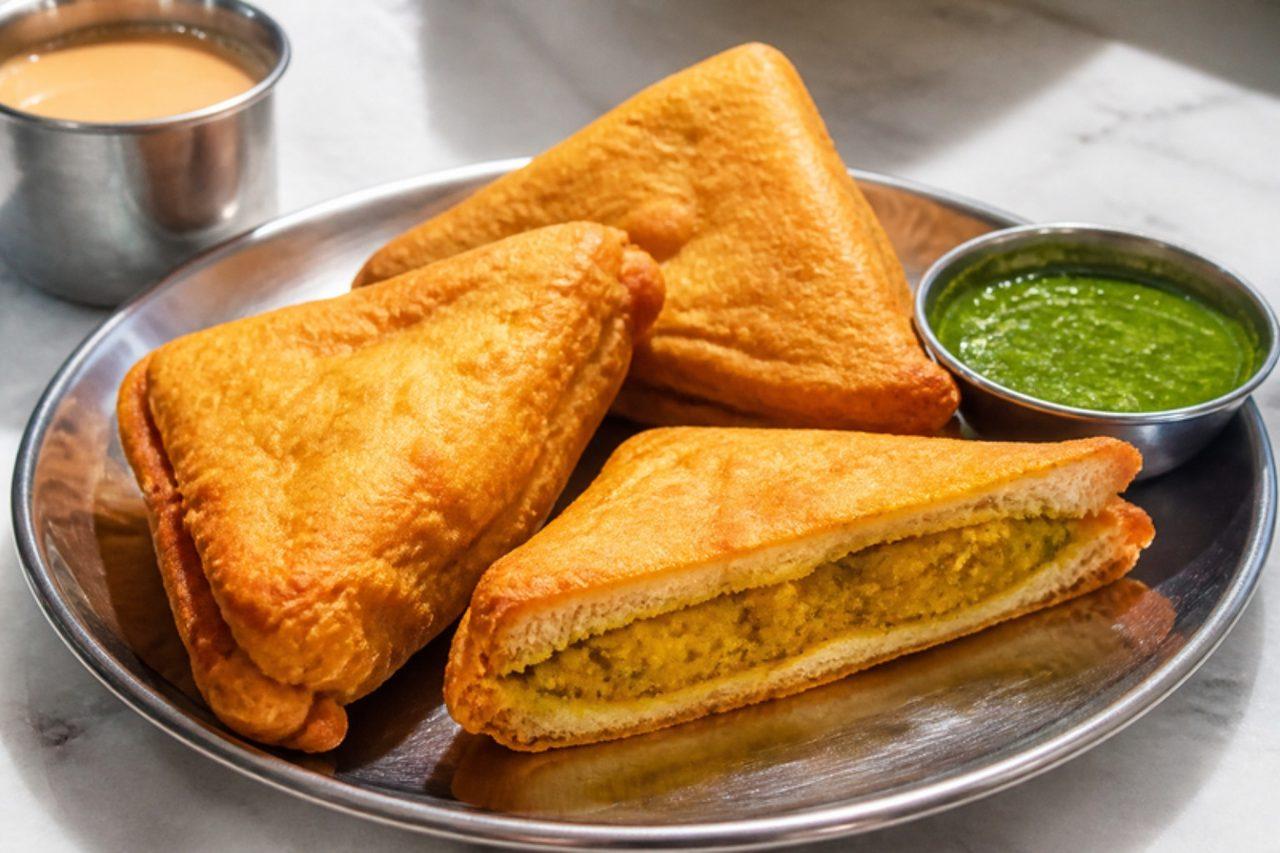
Bread pakoraStuffed bread fritters

Every tea stall from Ludhiana to Delhi's Kamla Nagar has a tray of bread pakoras by ten in the morning, and school children and office clerks eat them standing up, squashed into a paper plate with ketchup and fried green chillies. Two slices of soft white bread hold a layer of green chutney and spicy aloo, and the whole sandwich is cut into triangles, dunked in a thick besan batter and fried until it puffs and crisps. The common mistake is a thin, watery batter: it soaks straight into the bread and the pakora comes out heavy and oily. Keep the batter as thick as idli batter and dip quickly. Chef's tip: use bread that is a day old, which holds its shape in the batter far better than fresh.

by KrazyBadal 0 views

Kakara pithaFried semolina coconut cakes

In Odisha no festival plate is complete without kakara pitha, and during Durga Puja (and on Prathamastami and Dussehra) Odia homes fry them by the dozen to offer and share. A soft semolina dough cooked in sweetened milk-water is wrapped around a filling of fresh coconut, jaggery, cardamom and a surprising pinch of crushed black pepper, flattened into discs and fried in ghee until golden. They are crisp outside, soft and chewy within, with a gently spicy sweet centre. Common mistake: letting the jaggery filling stay wet, which makes it leak and burst in the hot fat; cook it until it gathers into a ball that leaves the pan clean. Chef's tip: knead the cooked semolina while it is still warm with a little ghee on your palms; it turns smooth and pliable and will not crack as you shape the pitha.

by KrazyBadal 0 views

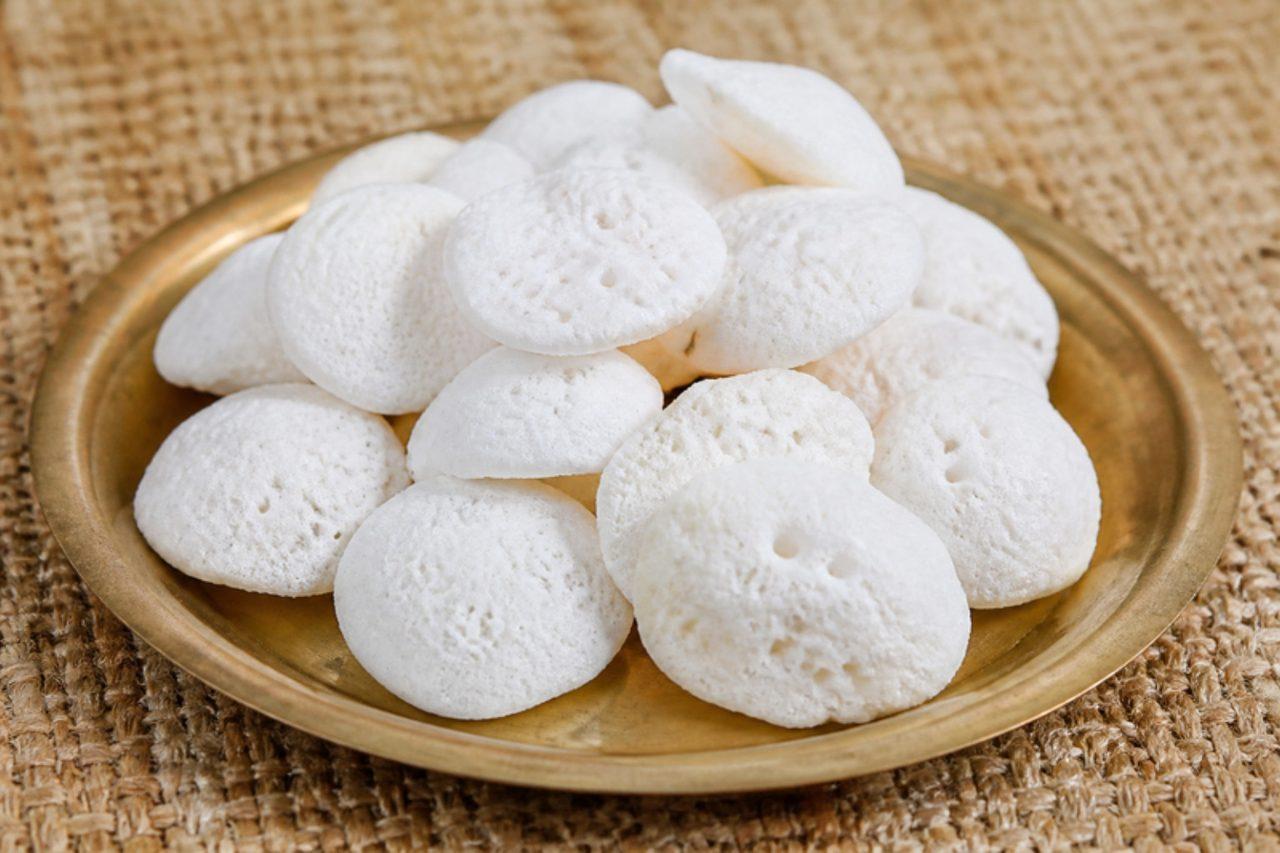
BatashaPuffy sugar drops

On Pohela Boishakh, the Bengali New Year in mid-April, the fairs that spring up in Dhaka, across Bangladesh and in West Bengal sell batasha by the basket, and shopkeepers hand them out with sweets as they open their new account books for halkhata. Temples receive them as offerings, and children crunch them on the way home. They are simply sugar boiled hot, then foamed with a pinch of soda and dropped in coins that set airy, crisp and melt-in-the-mouth. The common mistake is pulling the syrup off too early: below the hard-ball stage the drops spread flat and stay sticky. The syrup is ready at about 125 °C, when a drop in cold water forms a firm ball that keeps its shape. Chef's tip: work fast once the soda goes in, because the syrup sets within a minute; ask someone to help you drop them.

by KrazyBadal 0 views

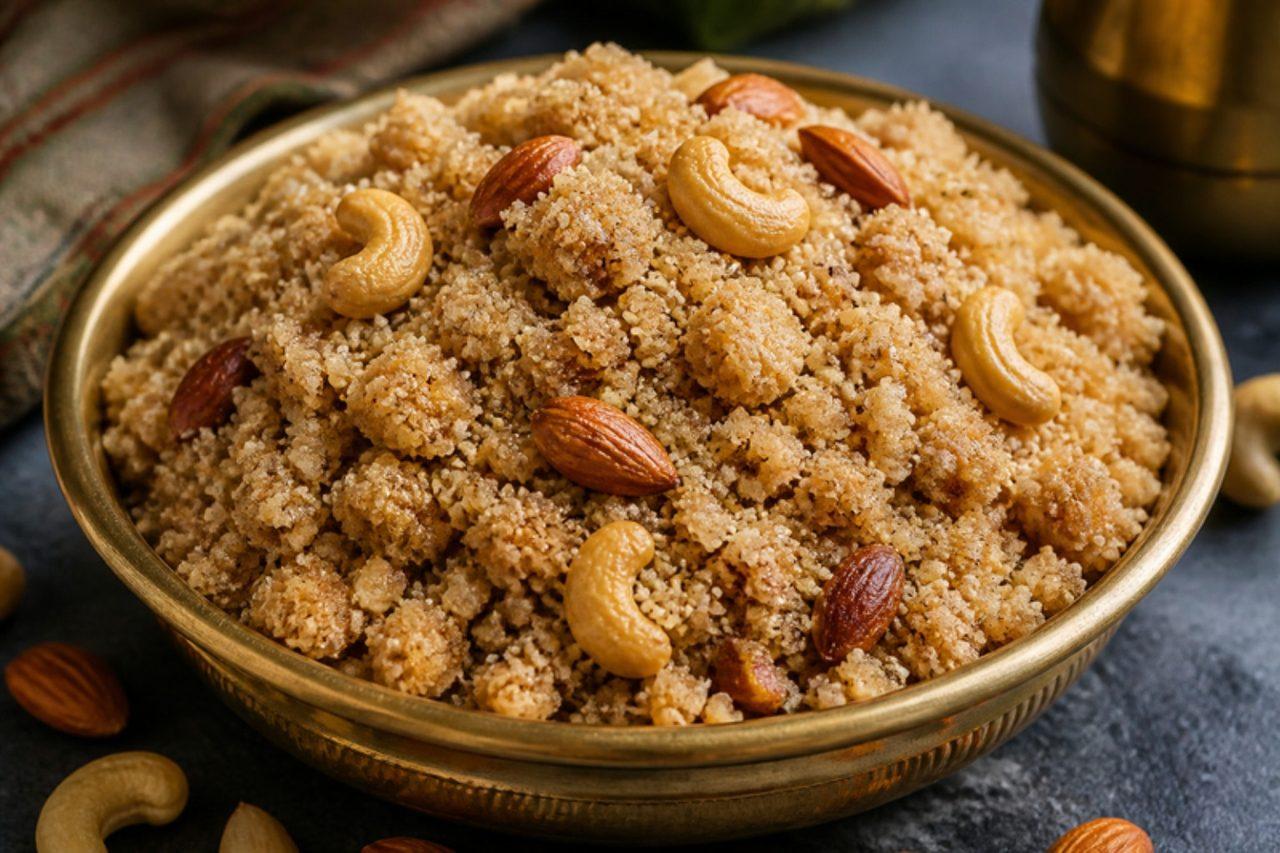
Malida (Telangana)Crumbled roti with jaggery and ghee

Bathukamma is Telangana's nine-day flower festival before Dasara, when women stack marigold, celosia and tangedu flowers into towering cones, sing around them in the evening and float them on a lake. On the final day, Saddula Bathukamma, everyone carries a little bundle of saddulu (flavoured rice) and sweet malida to share by the water. Malida is the simplest sweet there is: soft wheat rotis cooked fresh, torn and blitzed while still warm, then rubbed with jaggery, ghee, cardamom and nuts until it clumps like soft crumble, sometimes pressed into balls. Common mistake: letting the rotis go cold and crisp, which gives a dry, dusty powder; they should still be warm and pliable, and the malida is right when a handful squeezed together holds its shape. Chef's tip: a teaspoon of roasted poppy seeds or dry coconut gives the Telangana village touch.

by KrazyBadal 0 views

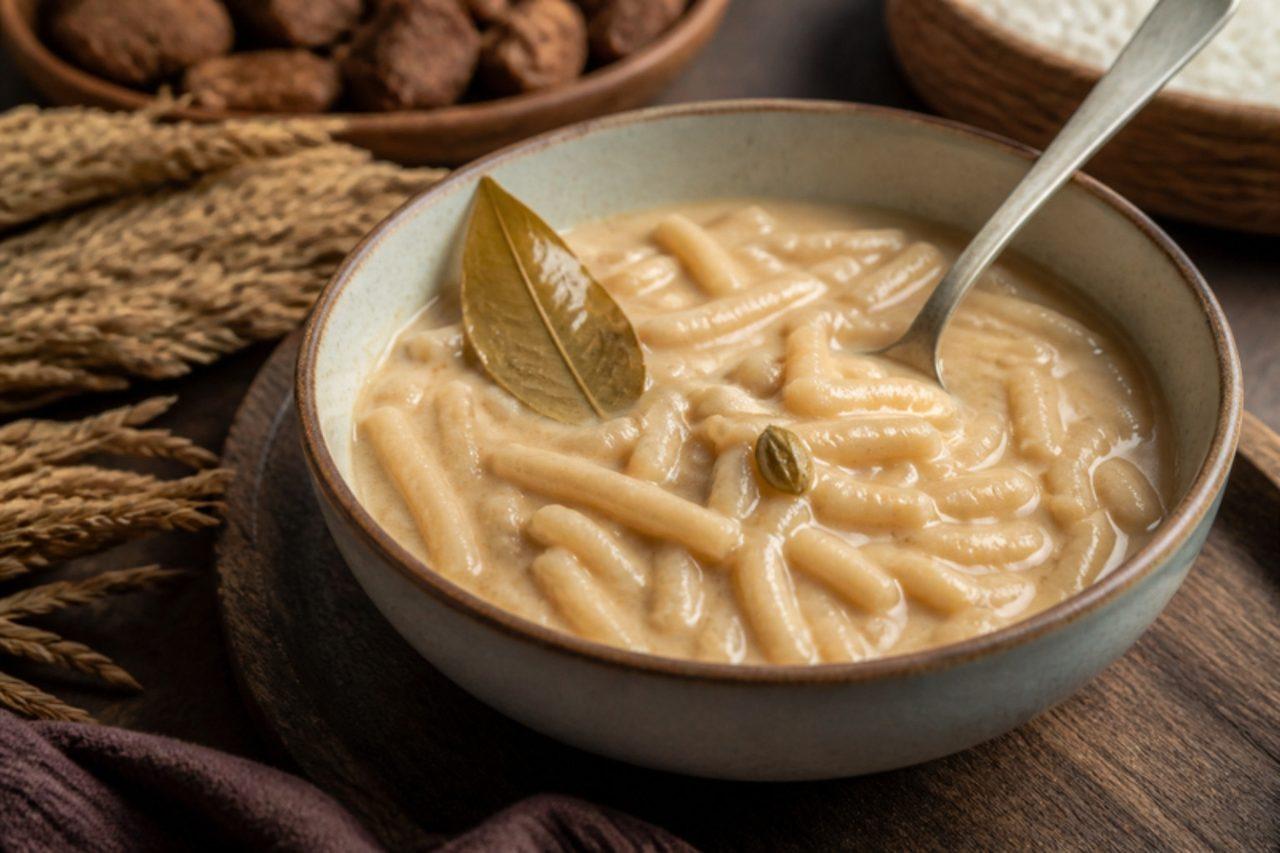
Chushi pithaRice flour strands in milk

When the new rice is in and the date palms start giving their winter sap, Bangladeshi families make pitha for Nabanna and through the cold months, and chushi pitha is the one grandmothers roll by hand, an evening of small grain-shaped strands rubbed out between the palms. The strands are cooked in reduced milk with bay leaf and cardamom, then sweetened with fresh khejur gur, giving a pale caramel pudding with soft, slightly chewy pieces. The common mistake is adding the jaggery while the milk is still boiling: it can curdle it, so take the pan off the heat and let it cool for a few minutes first. The strands are done when they float, turn translucent at the edges and are soft right through. Chef's tip: let the rolled strands dry on a tray for 15 minutes before cooking; they hold their shape instead of dissolving into the milk.

by KrazyBadal 0 views

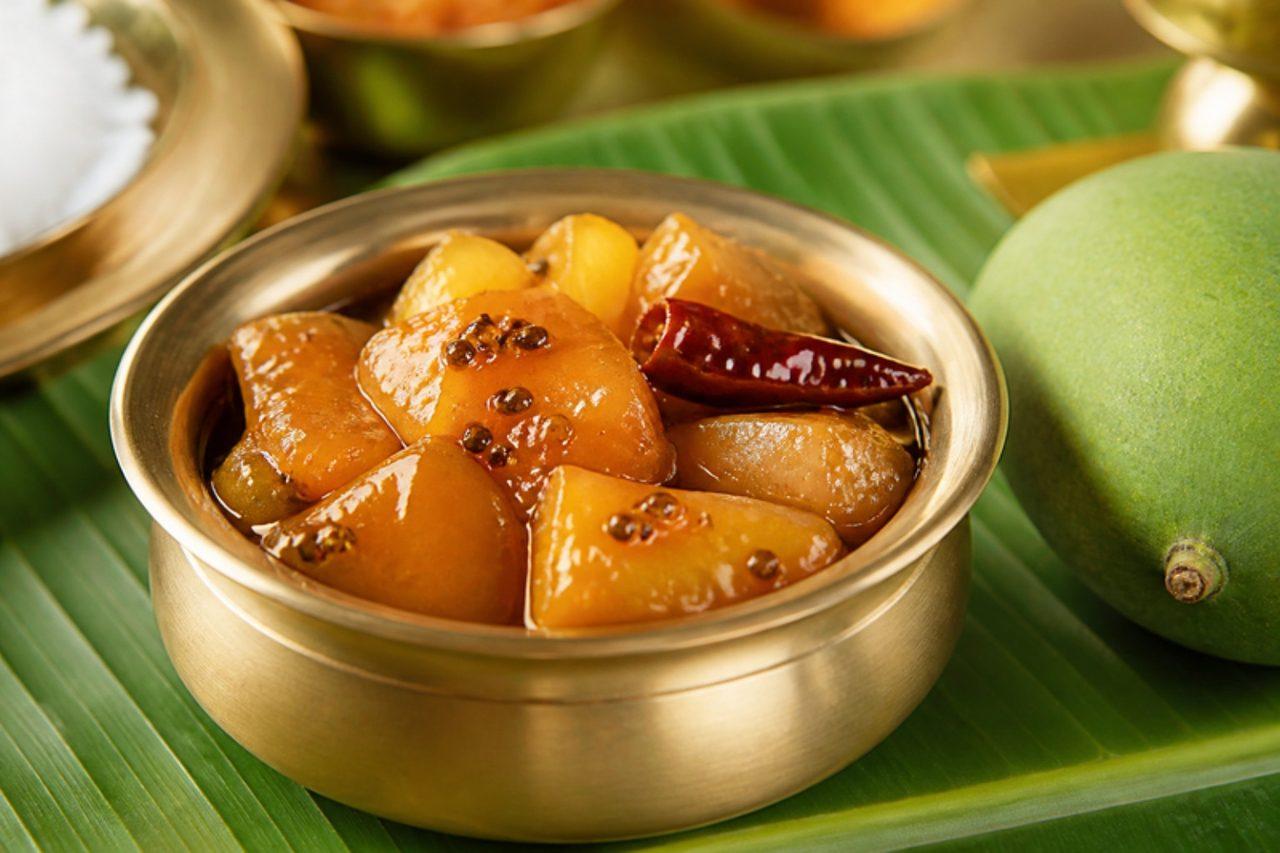
Mangai pachadiRaw mango and jaggery relish

Every Tamil New Year plate in April has a small heap of mangai pachadi, sweet, sour, hot and bitter at once, so that the first meal of the year tastes of everything life will bring. Chunks of raw mango are cooked soft, simmered in jaggery and finished with a mustard tempering and a pinch of fried neem flowers. It is glossy and thick, eaten in small spoonfuls with rice, sambar and payasam. The common mistake is cooking it down too far: it thickens a lot as it cools, so stop when the syrup coats the spoon but still drips off slowly. Cook the mango first until a piece mashes easily; jaggery added to hard mango stops it softening. Chef's tip: choose firm, very sour mangoes; sweet, half-ripe ones go mushy and lose the sharp contrast.

by KrazyBadal 0 views

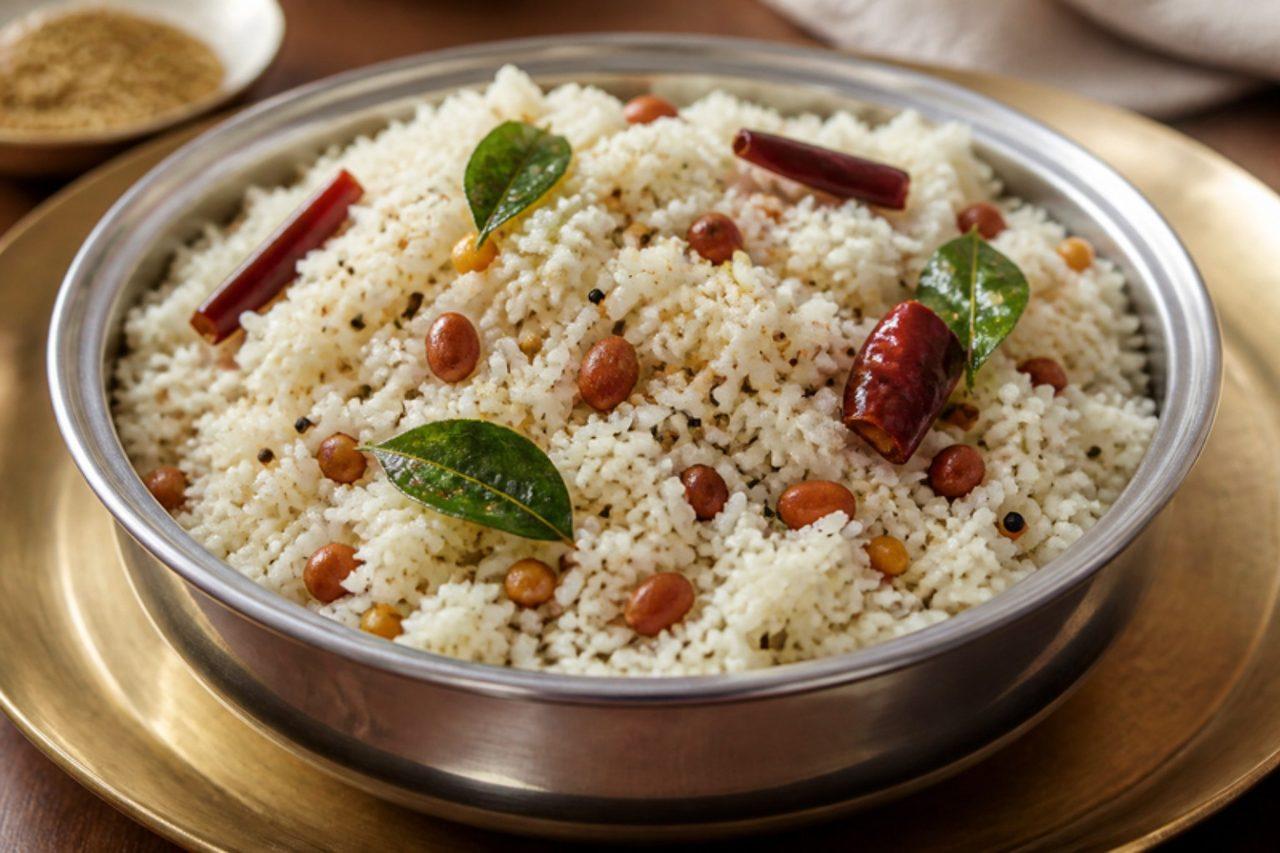
Nuvvula saddiRice with roasted sesame powder

Each family takes several saddulu, flavoured rice dishes, to the lake on Saddula Bathukamma, the last evening of Telangana's flower festival, and swaps them with neighbours after the songs; sesame rice, lemon rice, peanut rice and coconut rice are the usual set. Nuvvula saddi is the nuttiest of them: freshly roasted sesame ground with dried red chilli, tossed through cooked rice with a tempering of mustard seeds, dals, peanuts and curry leaves. It is eaten at room temperature, so the grains must stay separate. Common mistake: grinding the sesame for too long, which turns it to oily paste; pulse only until it looks like coarse sand. The sesame is roasted enough when it crackles, turns light gold and one seed crushes easily between your fingers. Chef's tip: cook the rice a little firm and spread it on a plate to cool before mixing, so it does not break up.

by KrazyBadal 0 views

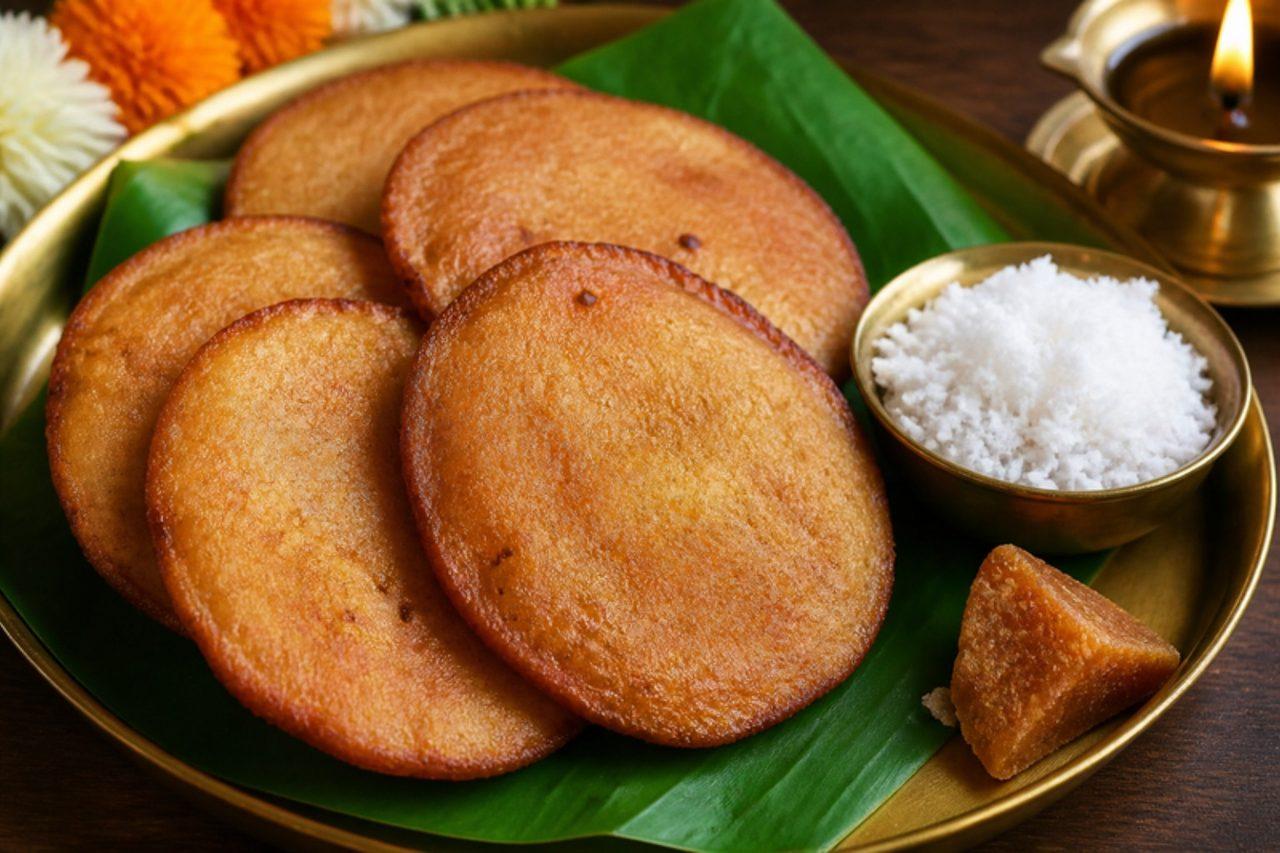
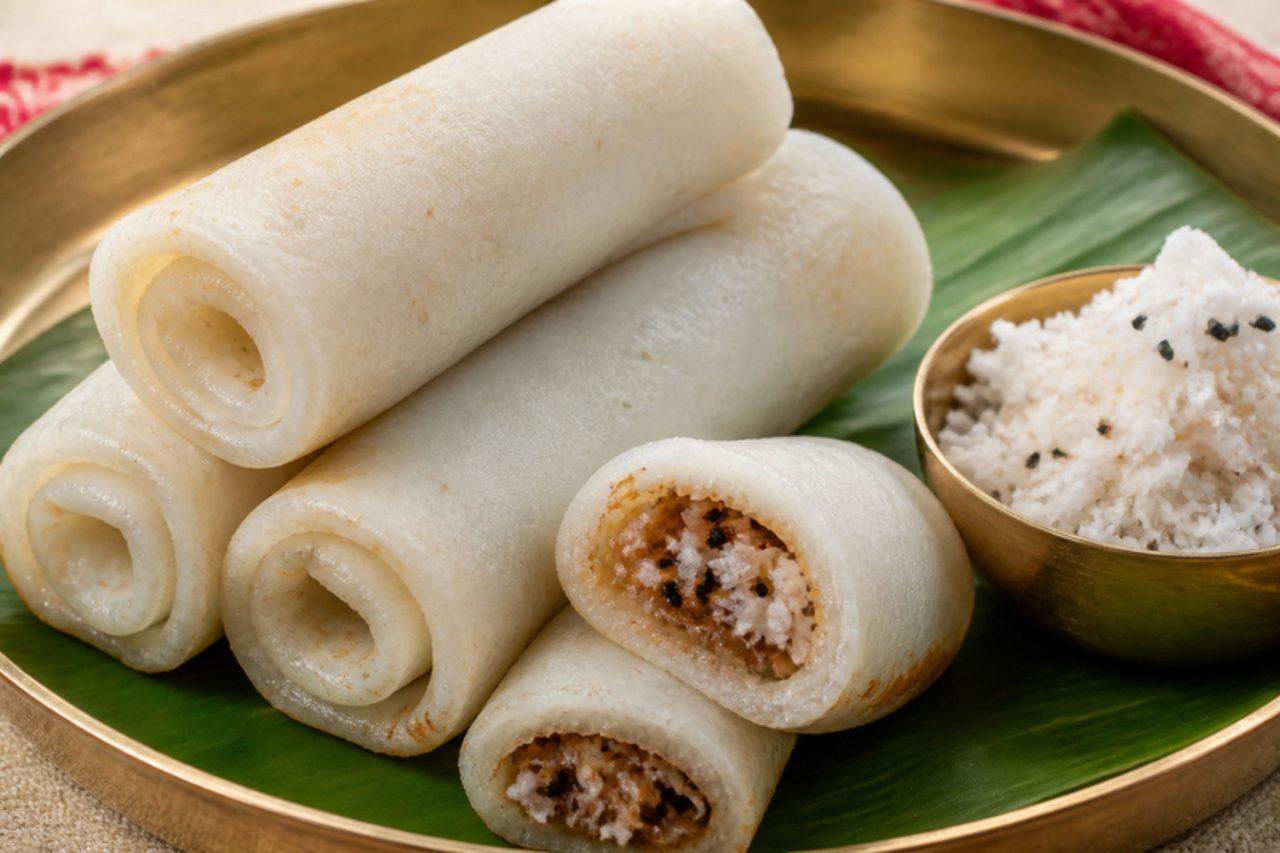
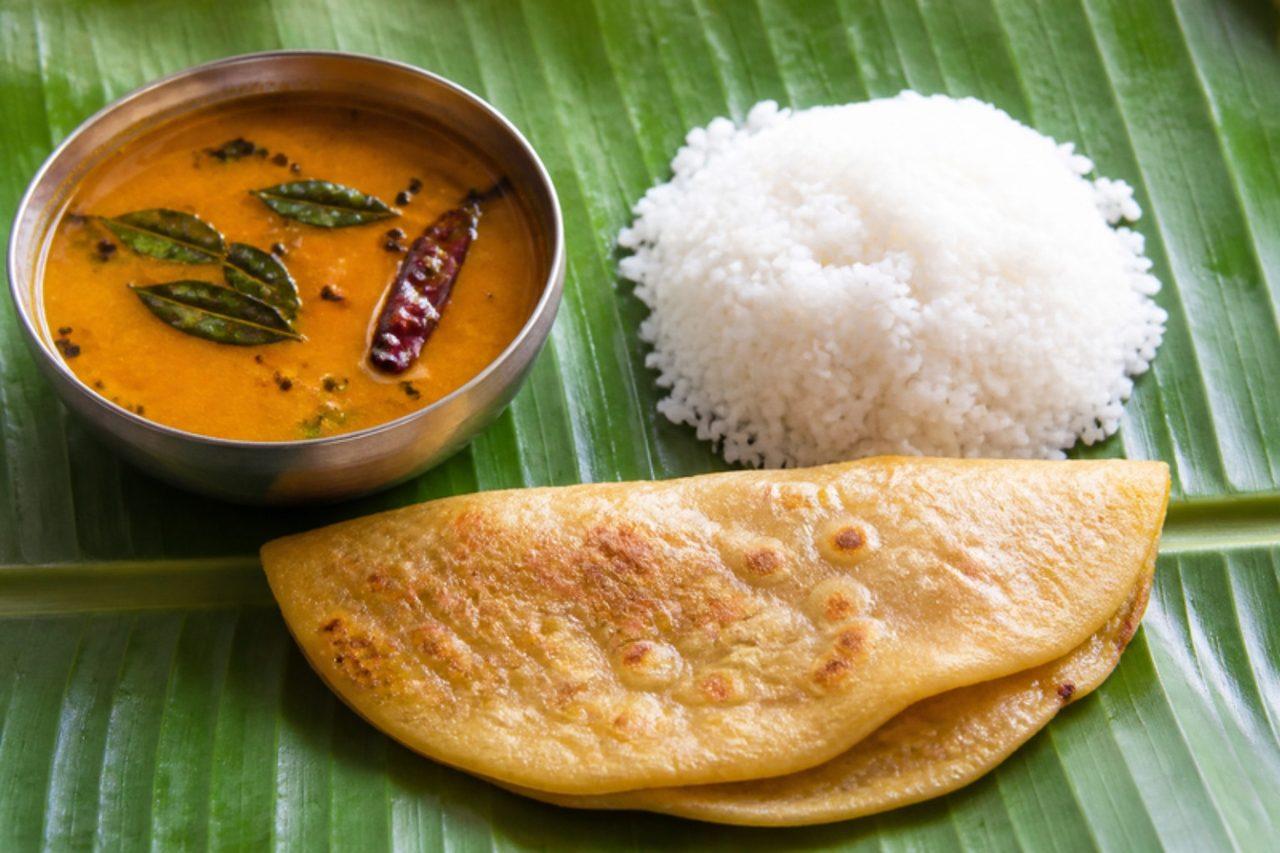
Kholasapori pithaRice pancakes with coconut and jaggery

Kholasapori means 'pressed in the khola', the shallow clay pan that every Assamese kitchen brings out for Magh Bihu, when guests are offered a plate of pitha before anything else. These are thicker and softer than the crisp til pitha: a loose batter of sticky rice flour is spread on the hot pan, filled with coconut and jaggery and folded over, so the outside is lightly speckled and the inside chewy and sweet. A heavy cast-iron pan stands in well for the khola. Common mistake: a pan that is too hot; the batter should set slowly with no browning in the first minute, and it is ready to fold when the edges lift and the top no longer looks wet. Chef's tip: wipe the pan with a cloth dipped in oil between each pitha rather than pouring oil in, so they stay pale and even.

by KrazyBadal 0 views

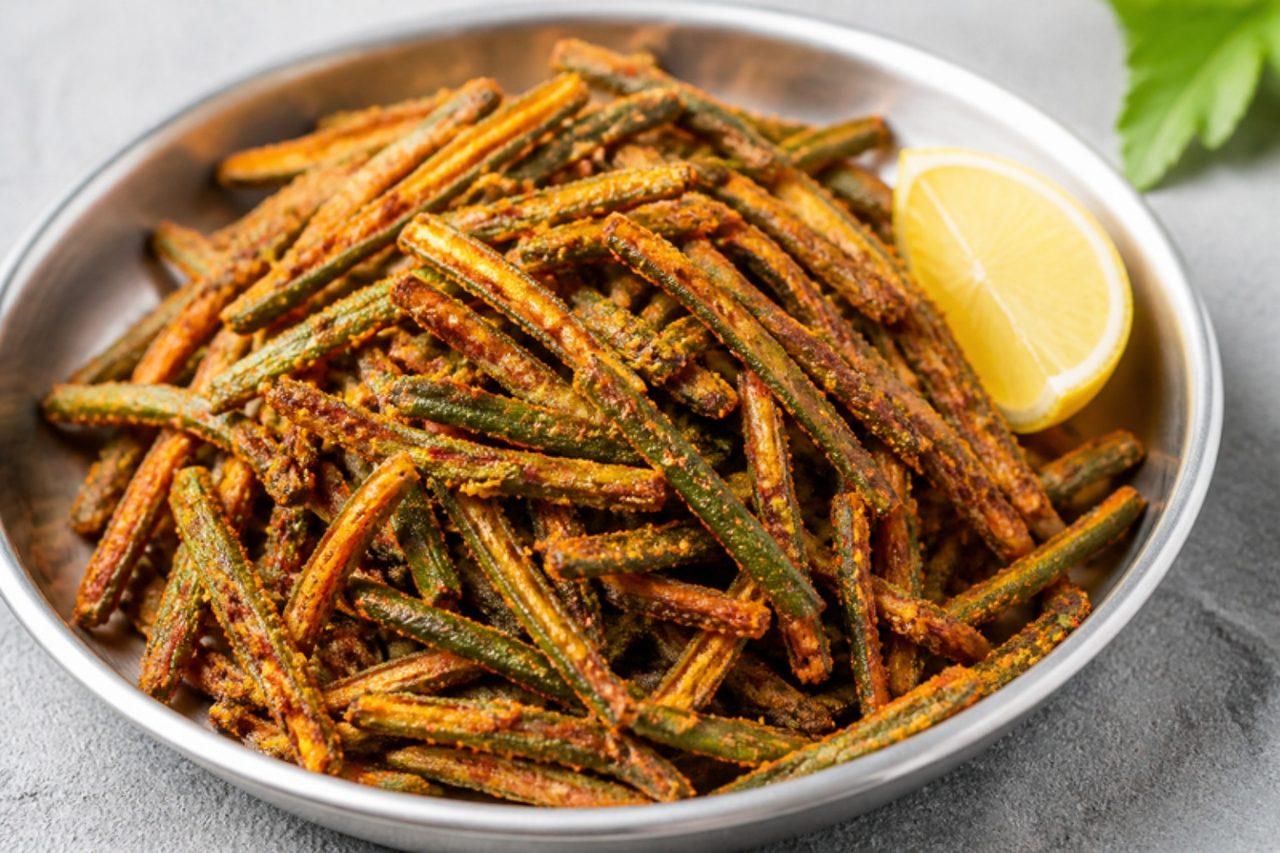
Kurkuri bhindiCrispy fried okra strips

Kurkuri bhindi is the dhaba and wedding-buffet side that disappears first: thin, slivered okra tossed in a dry coat of besan, chilli and amchur and fried until it shatters. In Punjabi and Delhi homes it is served as a tea-time snack, scattered over dal-chawal or eaten by the handful while the rest of dinner cooks. The mistake almost everyone makes once is washing the okra and slicing it while still damp: the coating turns into gluey lumps and the strips go limp. Wash it an hour ahead and dry it completely. Chef's tip: toss the slivers with the spices first and add the flours only just before frying, so the okra cannot release liquid into the coating.

by KrazyBadal 0 views

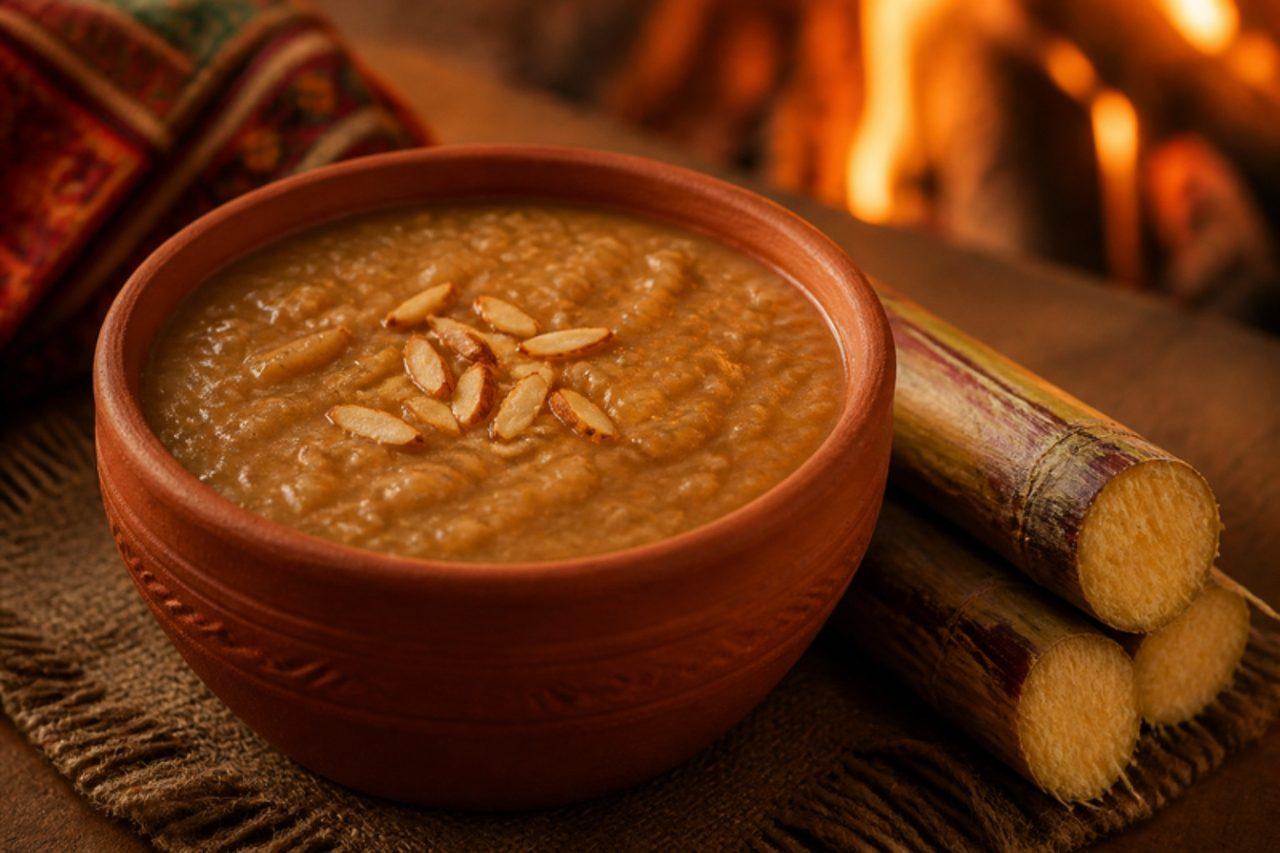
Rauh di kheerRice in sugarcane juice

In Punjabi villages the cane harvest is in by Lohri, and on the night of the bonfire a pot of rice is set to cook slowly in fresh sugarcane juice (rauh) with no milk and no added sugar. The custom is to leave it to cool overnight and eat it cold the next morning, on Maghi, so you will often hear 'poh rinni, magh khaadi': cooked in Poh, eaten in Magh. It sets into a soft, brown, gently caramel pudding that tastes of cane. Common mistake: cooking on a high heat; the juice catches and turns bitter, so simmer it low and stir from the bottom, and it is done when the rice is very soft and the kheer coats the back of a spoon thickly. Chef's tip: skim off all the grey scum as the juice first comes to the boil, or the kheer tastes earthy.

by KrazyBadal 0 views

Obbattu saaruSpiced dal water rasam

Gowri Habba, Karnataka's version of Hartalika, comes the day before Ganesha Chaturthi, and the feast centres on obbattu (holige), flatbreads stuffed with chana dal and jaggery. Nothing goes to waste: the water the dal was boiled in, plus a spoon of the sweet filling, becomes obbattu saaru, a thin, sweet-sour-spicy rasam with tamarind, a coconut-spice paste and a mustard tadka, poured over rice beside the holige. Common mistake: boiling it hard after the coconut paste goes in, which dulls the flavour and makes it split; bring it just to a froth on top and switch off. Chef's tip: if you are not making holige, boil 50 g chana dal in 700 ml water, keep the water and mash a spoon of the dal with a little jaggery as the 'filling'.

by KrazyBadal 0 views

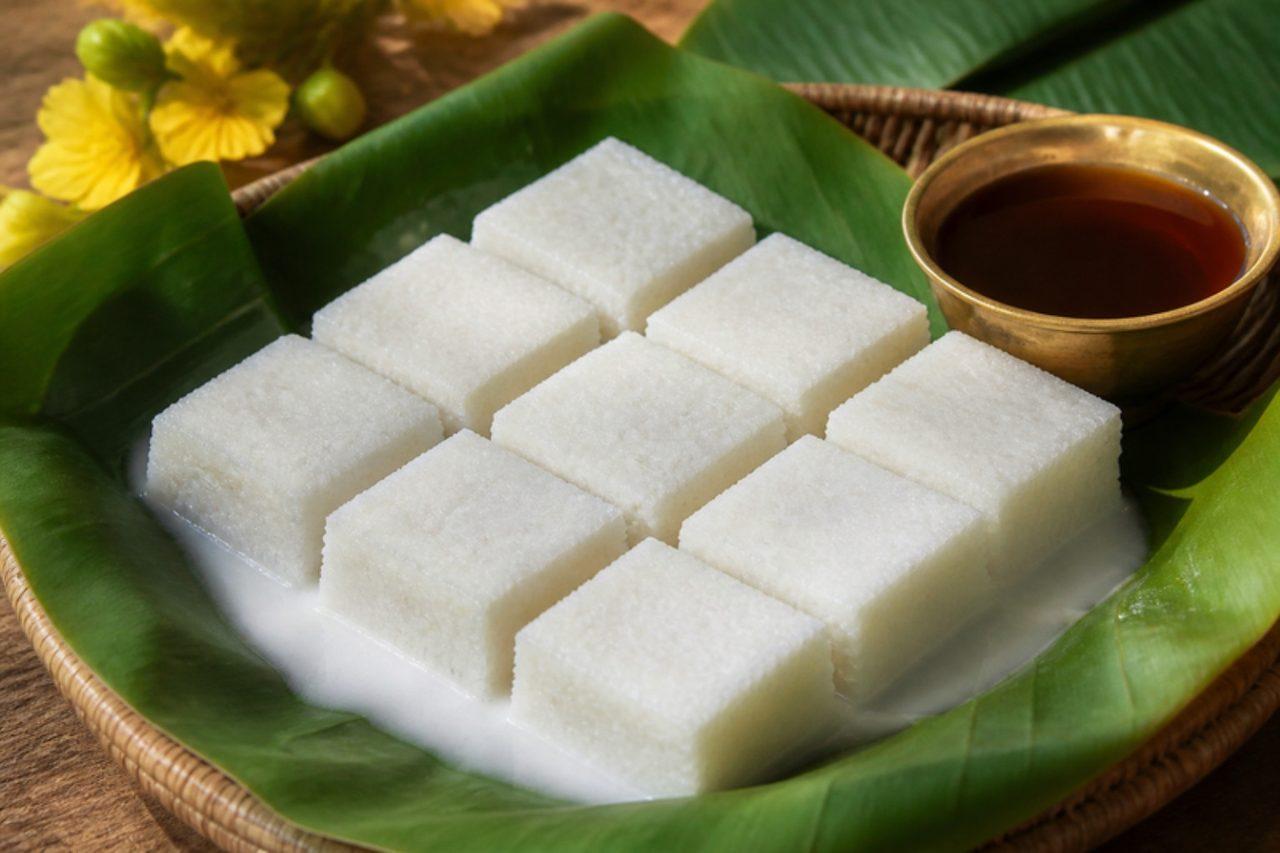
Vishu kattaCoconut milk rice squares

Around Thrissur and Palakkad the Vishu breakfast table is not complete without katta, rice cooked slowly in coconut milk until it can be spread on a plate, set and cut like a cake. Families eat the squares two ways: with a pour of dark jaggery syrup for sweetness, or with a hot, sour curry for those who prefer savoury on a festival morning. Set, it is soft, rich and faintly salty, with the scent of cumin. The common mistake is rushing it on a high flame; the coconut milk splits and the rice catches before it turns creamy. It is ready when the whole mass comes away from the sides of the pan and holds a ridge when you draw a spoon through it. Chef's tip: smooth the top with a piece of banana leaf or the back of a wet spoon, and cut the katta only once it is fully cool, or the squares will tear.

by KrazyBadal 0 views

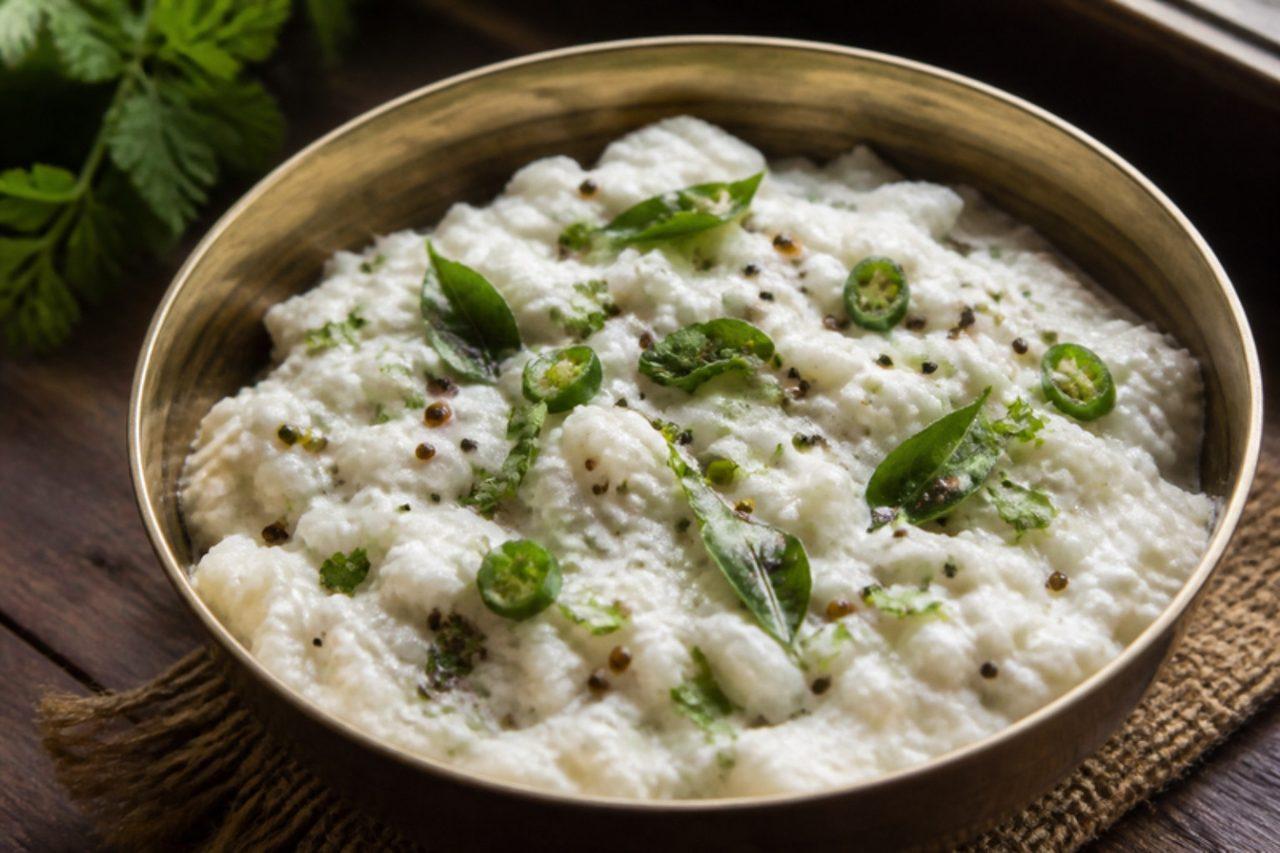
Mosaru avalakkiCurd flattened rice

On hot evenings in Mysuru and Bengaluru, mosaru avalakki is the cooling no-fuss dinner: thin poha folded into thick curd loosened with a little milk, sharpened with ginger and green chilli and finished with a sizzling mustard and curry leaf tempering. It is soft, tangy and refreshing, and often comes with pomegranate seeds or grated cucumber. The common mistake is mixing it too early; thin poha keeps soaking up curd and turns into a stiff paste if it sits. Chef's tip: stir in the milk last, just before serving, so the curd stays creamy and the poha keeps a little bite.

by KrazyBadal 0 views

Pappada vadaFried pappadam fritters

Pappada vada is a Kerala tea-shop snack from the stretch between Thrissur and Palakkad, where a jar of them sits on the counter beside the banana fritters for the four o'clock chai break. Plain urad pappadams are dunked in a thin, chilli-red rice-flour batter with sesame and hing, then fried until the coating turns into a glassy, bubbly crust around the crisp pappadam inside. They are salty, peppery and loud to eat, and they keep in a tin for a week. The usual mistake is a thick batter: it fries into a hard, oily shell, so it should coat the back of a spoon thinly, like single cream. Chef's tip: use the small Kerala pappadams, not the big spiced Punjabi ones, and fry two at a time so the oil stays hot.

by KrazyBadal 0 views

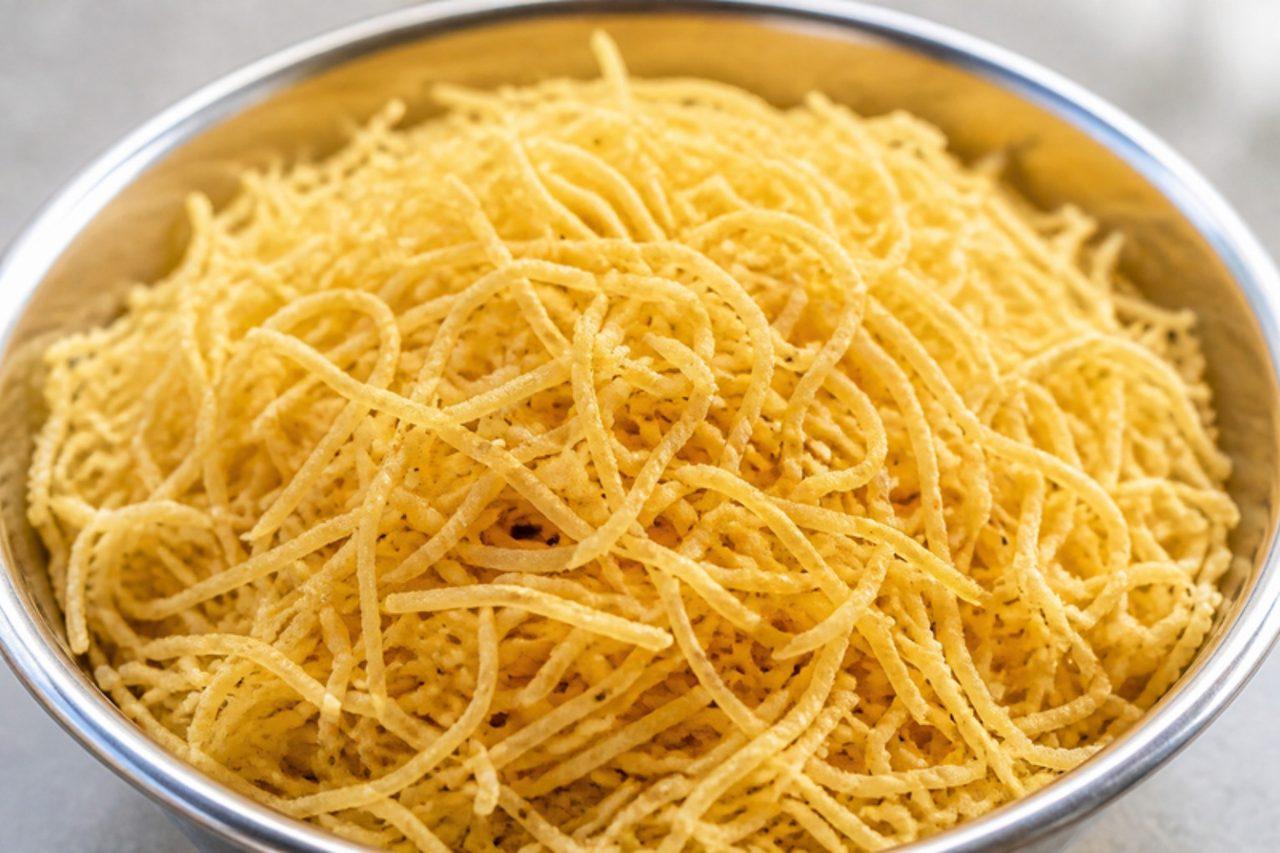
Bataka sevFasting potato sev

Bataka sev is the sev that Gujarati households can eat on upvas days, from Ekadashi and Shivratri to the Navratri fasts: there is no gram flour, only boiled potato bound with arrowroot, seasoned with rock salt, green chilli and crushed pepper. It fries into pale gold, delicate threads that melt quickly in the mouth, and is eaten on its own, over farari chevdo or on fasting bhel. The common mistake is using warm or watery potatoes, which make a sticky dough that will not pass through the press; boil, peel and cool the potatoes completely, and grate them rather than mashing. Chef's tip: fry in small spirals in moderately hot oil and lift them out while still pale, as they keep colouring for a minute after draining.

by KrazyBadal 0 views

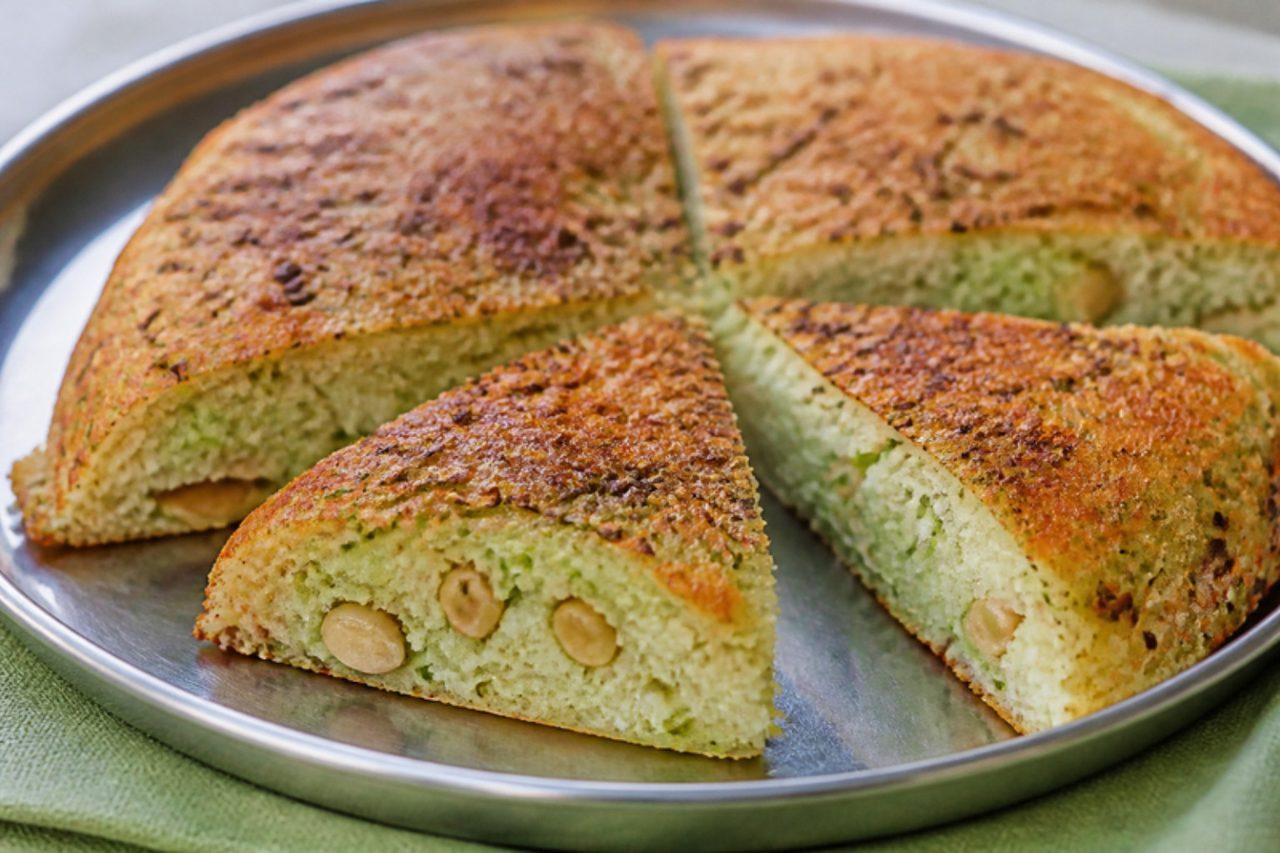
Farari handvoFasting savoury cake with sago

Farari handvo is what Gujarati families bake in a heavy pan on Janmashtami, Ekadashi and Navratri fast days, when rice, lentils and wheat are off the menu. A batter of ground samo (barnyard millet) and sabudana soured with yogurt is loaded with grated bottle gourd, crushed peanuts, ginger and green chilli, then cooked slowly over a cumin and sesame tempering until a golden crust forms on both sides. Cut into wedges, it is soft and moist inside, nutty and crunchy outside. The common mistake is cooking over high heat: the crust burns before the thick centre sets, so keep the flame low and the pan covered. Chef's tip: squeeze nothing from the dudhi; its juice is what hydrates the samo during the rest.

by KrazyBadal 0 views

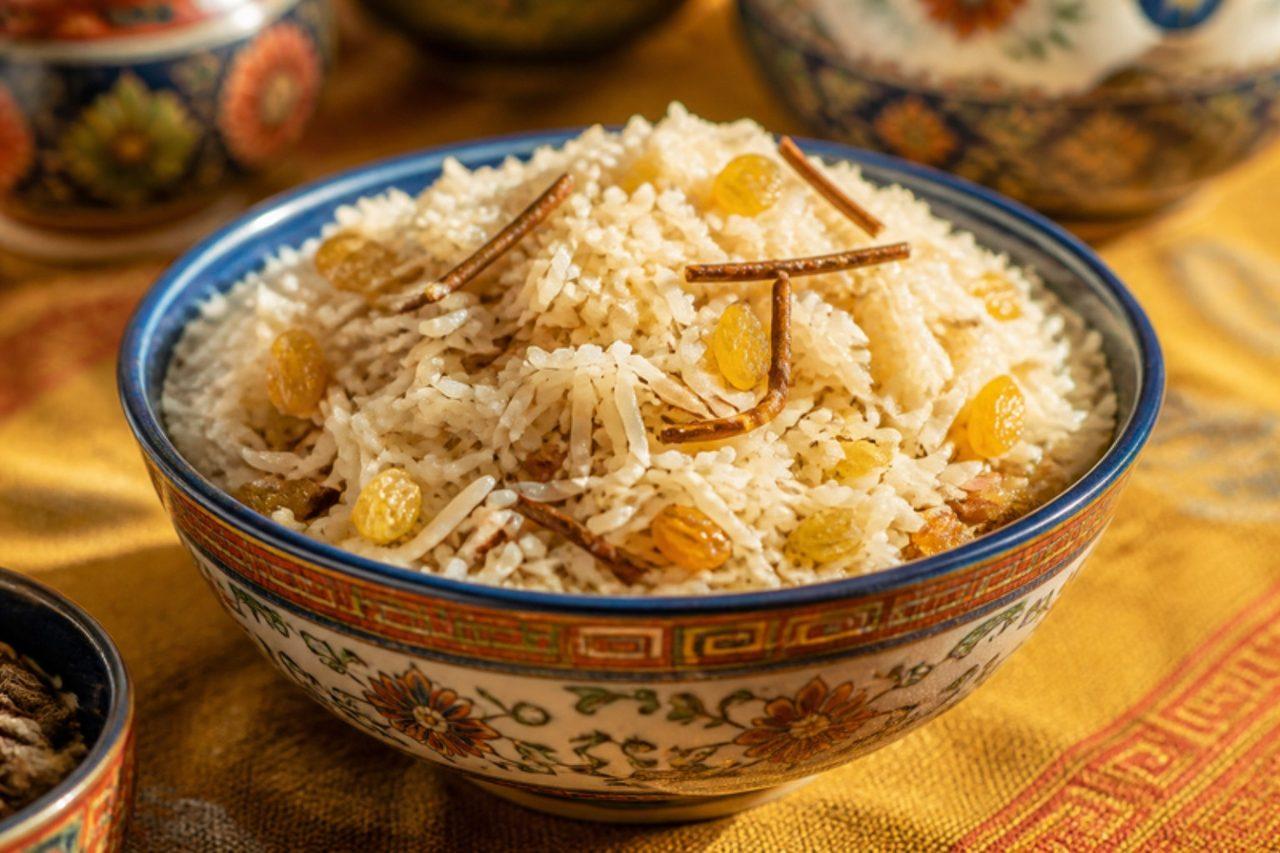
DresilSweet rice with butter and raisins

On the first morning of Losar, Tibetan and Sherpa households in the Himalaya and in Kathmandu greet the year with a bowl of dresil: rice tossed with melted butter, sugar, raisins and droma, the small sweet roots of a wild silverweed gathered on the high pastures. It is eaten with butter tea before visits begin, and a little is offered at the family shrine first. The rice is fluffy and glossy, gently sweet and buttery, with chewy bursts of fruit. The common mistake is cooking the sugar in with the rice, which makes it sticky and likely to catch; cook the rice plain, then fold everything in. It is ready when every grain is coated and separate and the raisins have plumped. Chef's tip: droma is hard to find outside Tibetan shops; chopped dried dates and a few toasted cashews give a similar sweet, earthy chew.

by KrazyBadal 0 views

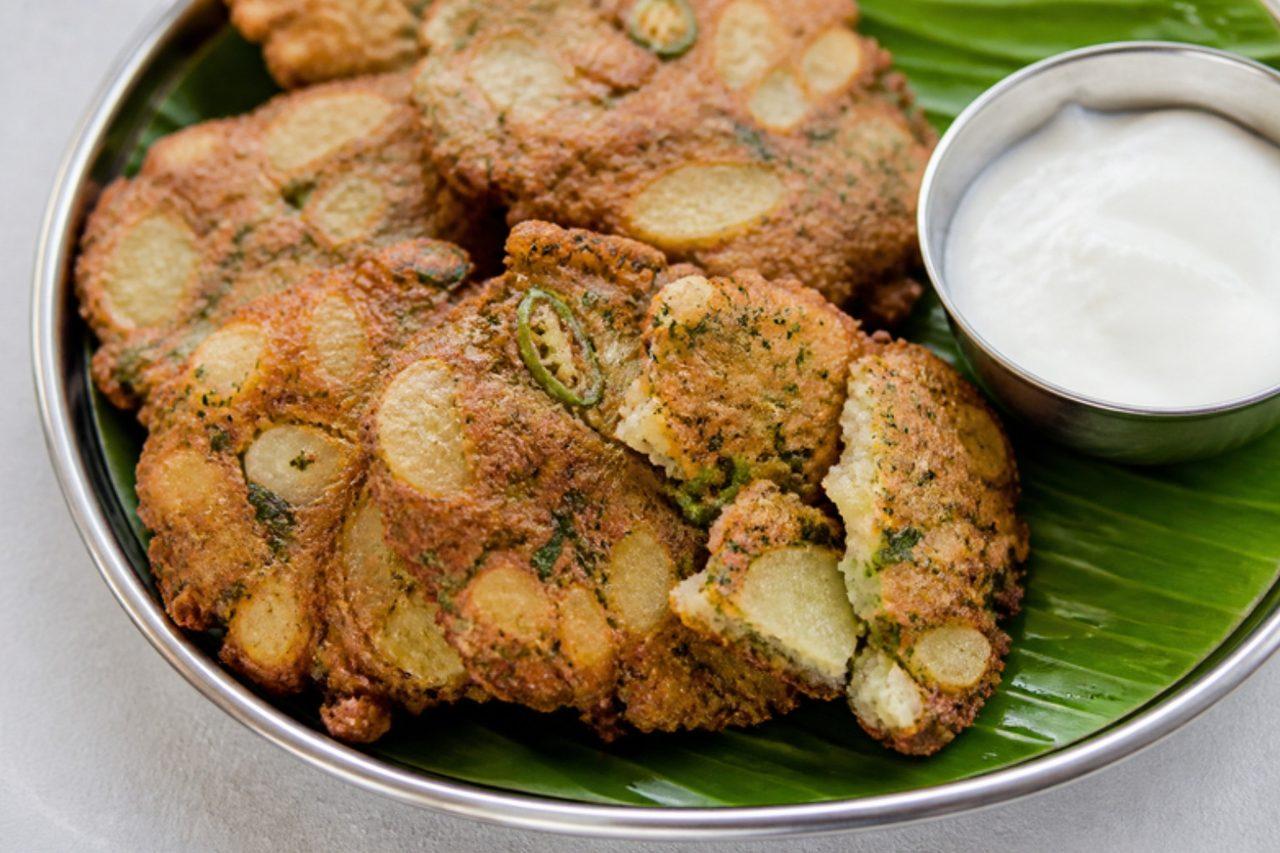
Kuttu ki pakodiBuckwheat and potato fritters

Across North India, homes keeping the Mahashivratri vrat give up grains for the day, so the evening snack is made with kuttu (buckwheat) flour instead of gram flour, bound with mashed potato and seasoned only with green chilli and sendha namak (rock salt). The fritters come out dark, crunchy and nutty, and are eaten hot with yoghurt or a green chutney made with rock salt once the evening puja is done. Rules differ: some families also avoid coriander leaves or black pepper while fasting, so leave out anything your household does not use. Common mistake: making the batter too thin; buckwheat has no gluten, so a runny batter breaks apart in the oil. It should be thick enough to drop from a spoon in a soft lump. Chef's tip: fry at about 175 °C; the pakodi should rise to the surface within 20 seconds and turn deep brown in 3–4 minutes, so they cook through without soaking up oil.

by KrazyBadal 0 views

PanchamritMilk, curd, ghee and honey offering

Panchamrit, the 'five nectars', is poured over the image of baby Krishna at the midnight abhishek on Janmashtami and then given out to everyone in the room in a spoonful cupped in the palm. It is made across India for pujas, from Gujarat to Bengal, with five fixed parts: milk, curd, ghee, honey and sugar, plus tulsi leaves and sometimes a few makhana or chopped banana in the north. It tastes sweet, creamy and a little tangy. Common mistake: using hot milk or sour curd, which makes it split and thin; everything should be cool and the curd fresh, and it is ready when it is smooth and pourable like thin custard. Many families treat it as fasting food for the day, but traditions differ on honey and cooked milk, so follow your own household. Chef's tip: stir the honey into a little of the milk first so it loosens before it goes into the cold curd, otherwise it sets in sticky lumps.

by KrazyBadal 0 views

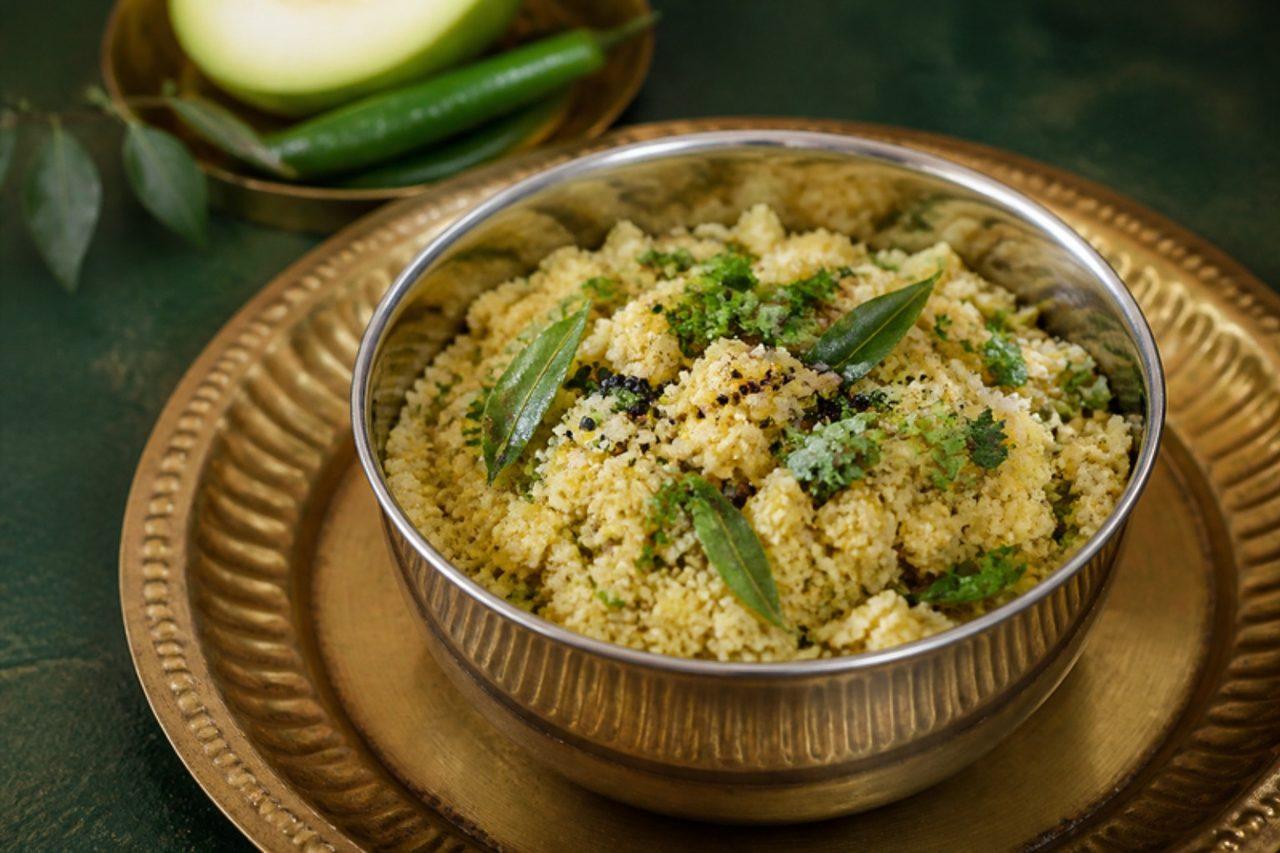
Ambe dalChana dal with raw mango

Through the month of Chaitra, which opens with Gudi Padwa, Maharashtrian women invite each other home for haldi-kunku, and the plate they send guests away with nearly always holds ambe dal with a glass of kairi panha. It is not a cooked dal at all but a cool, crunchy salad: chana dal soaked for hours, pulsed coarse with green chilli, then tossed with grated raw mango, coconut and a hot mustard tadka. It tastes sour, fresh and gently hot, and it is filling enough for an afternoon visit. The common mistake is grinding it with water into a paste; the dal must stay in tiny separate grains, like coarse couscous, and feel just tender when you bite one. The long time on this recipe is almost all soaking. Chef's tip: grate the mango only just before mixing and add the salt at the end, or the dal turns watery as it stands.

250 minIndianSaladsVeganGluten free
by KrazyBadal 0 views

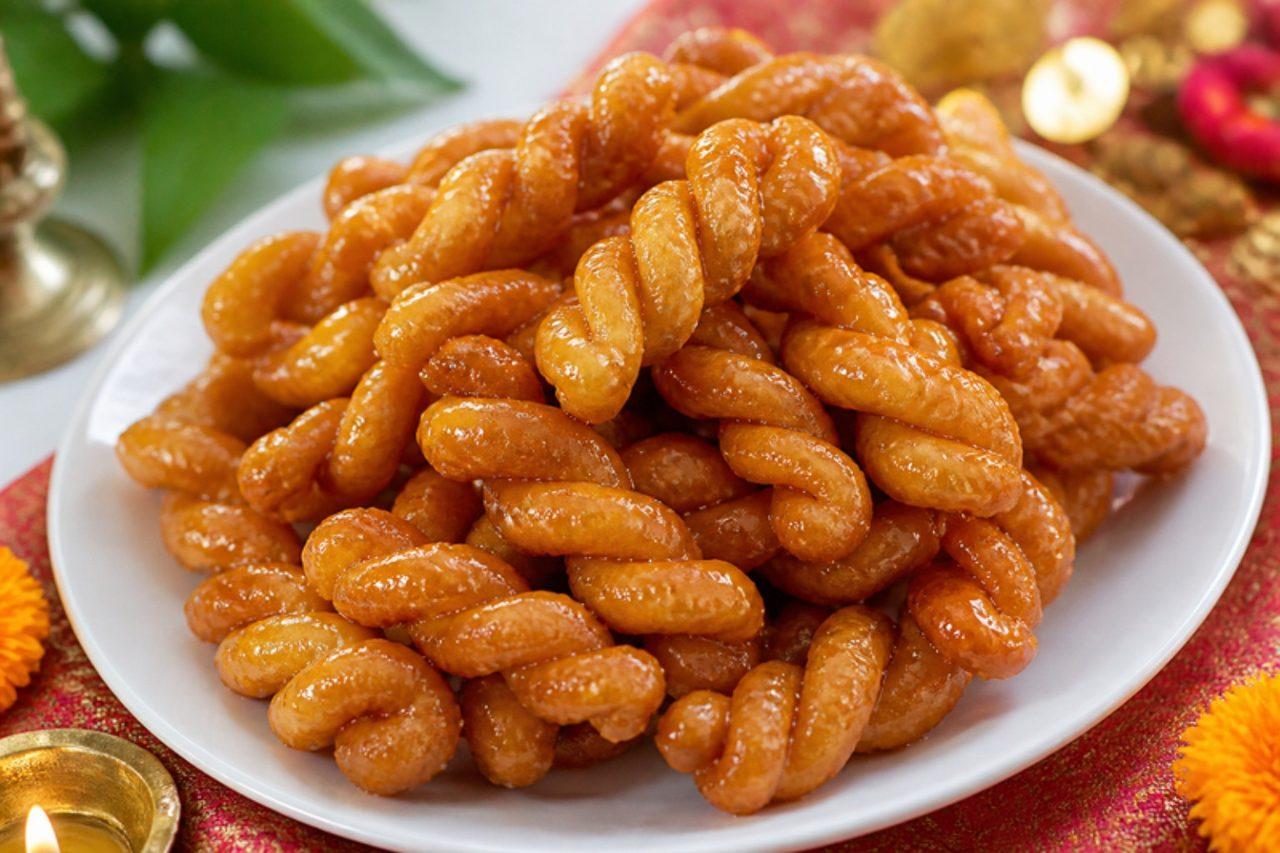
Gato moutailleFried dough ropes in cardamom syrup

On Divali evening in Mauritius, Hindu households set out clay lamps and then walk plates of sweets round to their neighbours, Hindu, Muslim, Creole and Chinese alike; gato moutaille, gato cravate and gato zinzli are almost always on the plate. Moutaille (from the Bhojpuri mithai) are short ropes of soft dough twisted into knots or spirals, fried until crisp and soaked in a cardamom syrup so the outside is sticky and the inside stays slightly chewy. Common mistake: syrup that is too thick, which crystallises into a white crust; cook it only to one-string consistency, when a drop pulled between finger and thumb makes a single thread. Chef's tip: dip the moutaille while they are hot and the syrup is warm, then lift them out after a minute so they stay crisp.

by KrazyBadal 0 views

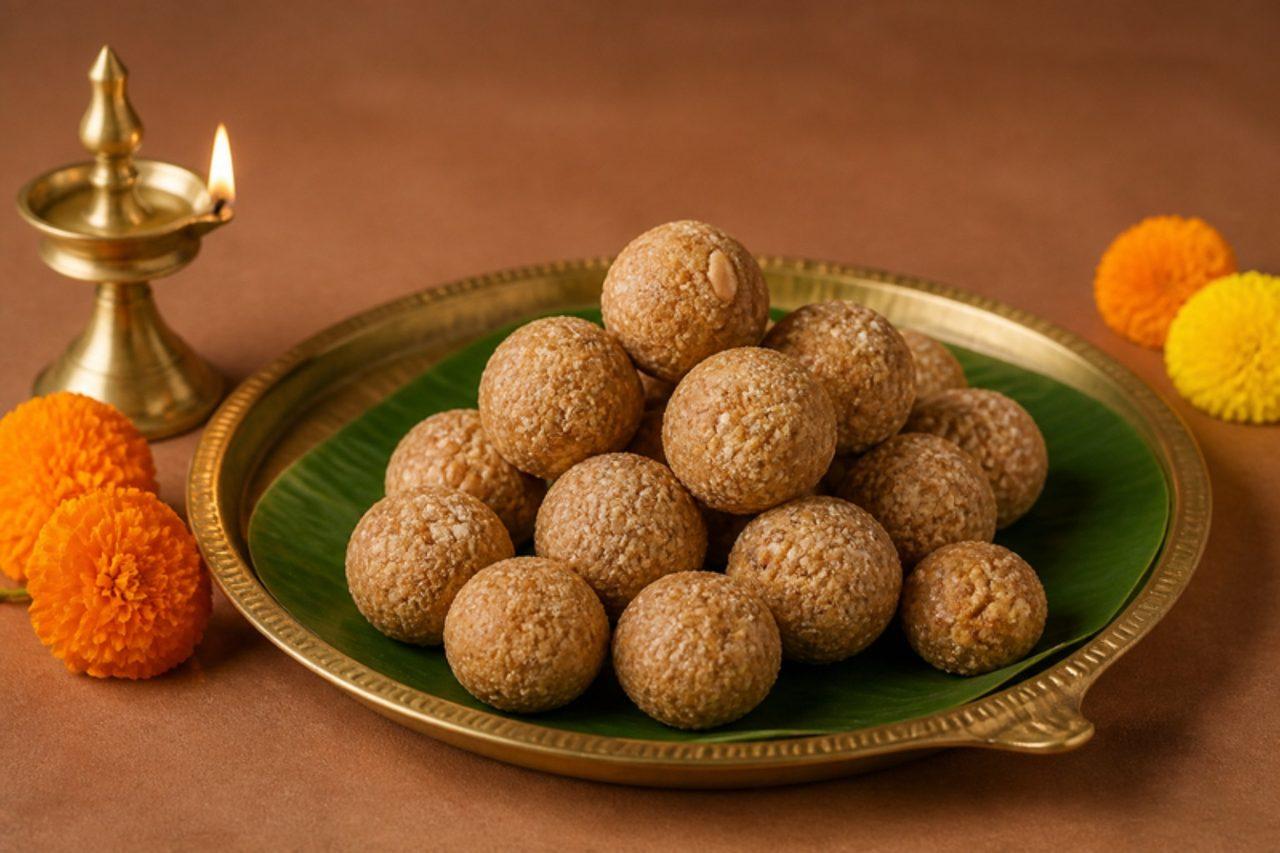
TambittuRoasted rice flour jaggery laddus

Nagara Panchami in Karnataka is a festival of sisters and brothers as much as of snakes: women offer milk to the stone naga images under peepal trees, and the sweets made at home are tambittu, laddus of roasted rice flour, roasted gram, coconut and sesame bound with jaggery syrup and ghee. They are crumbly-soft and earthy, and a few are also offered at Varamahalakshmi. Common mistake: binding with thin syrup, which leaves the laddus wet and collapsing; boil the jaggery only to a soft-ball stage, when a drop in cold water forms a soft ball you can pick up. Chef's tip: roast the rice flour until it just smells toasty and is barely cream-coloured; too dark and the laddus taste bitter.

by KrazyBadal 0 views

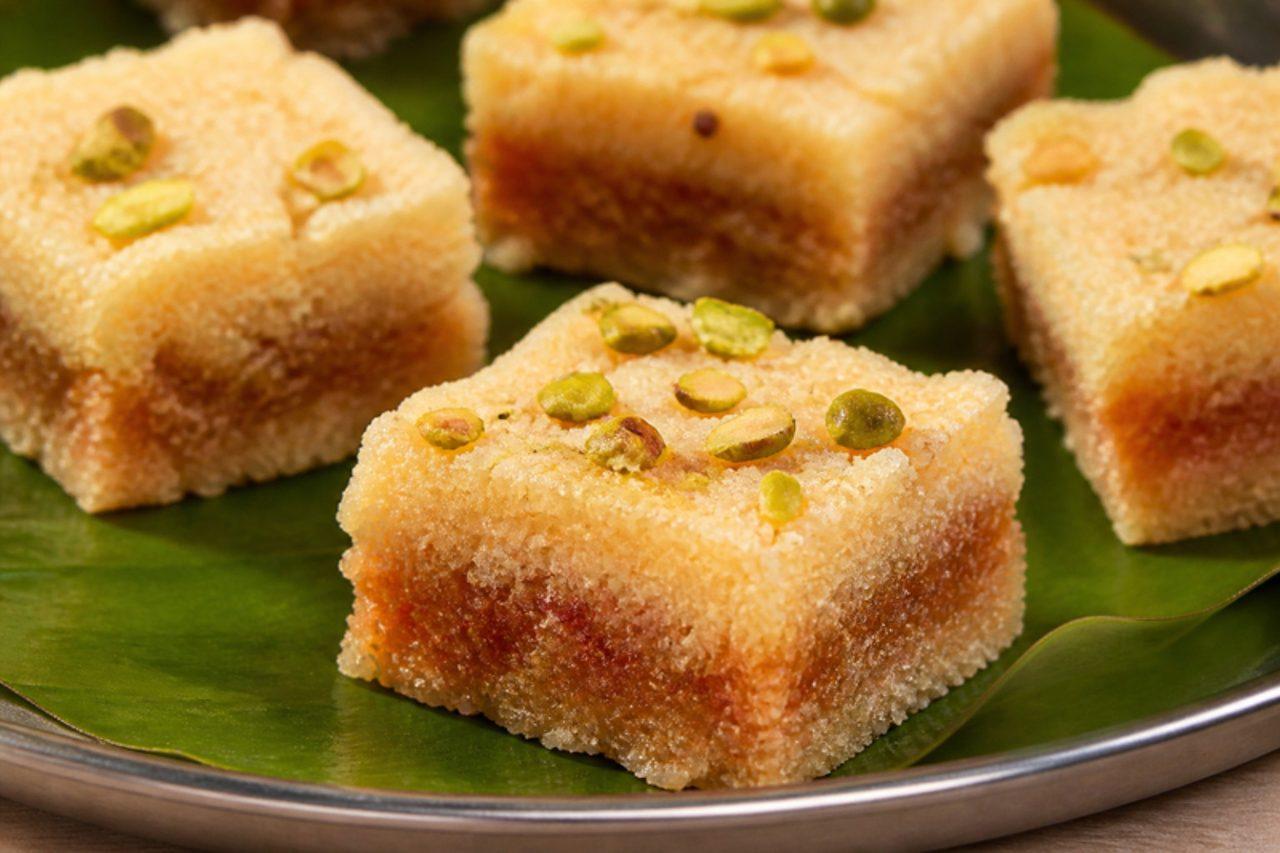
Alwar milk cakeGrainy reduced-milk sweet

Sweet boxes swapped on Raksha Bandhan in Rajasthan very often hold Alwar milk cake: a dense slab of full-fat milk reduced for hours with sugar, then left to set slowly in its own heat so the middle caramelises dark brown while the edges stay pale and grainy. Unlike kalakand, it uses no chhena at all; the grain comes from souring the milk just a little as it reduces, and the colour from long, patient cooking. It is fudgy, milky and toffee-like. Common mistake: hurrying the last stage on a high flame, which scorches the base instead of browning it; the mass is ready when it leaves the sides of the pan as one sticky lump and the ghee starts to show at the edges. Chef's tip: wrap the filled tin in a thick towel and leave it overnight; that slow cooling is what browns the centre.

by KrazyBadal 0 views

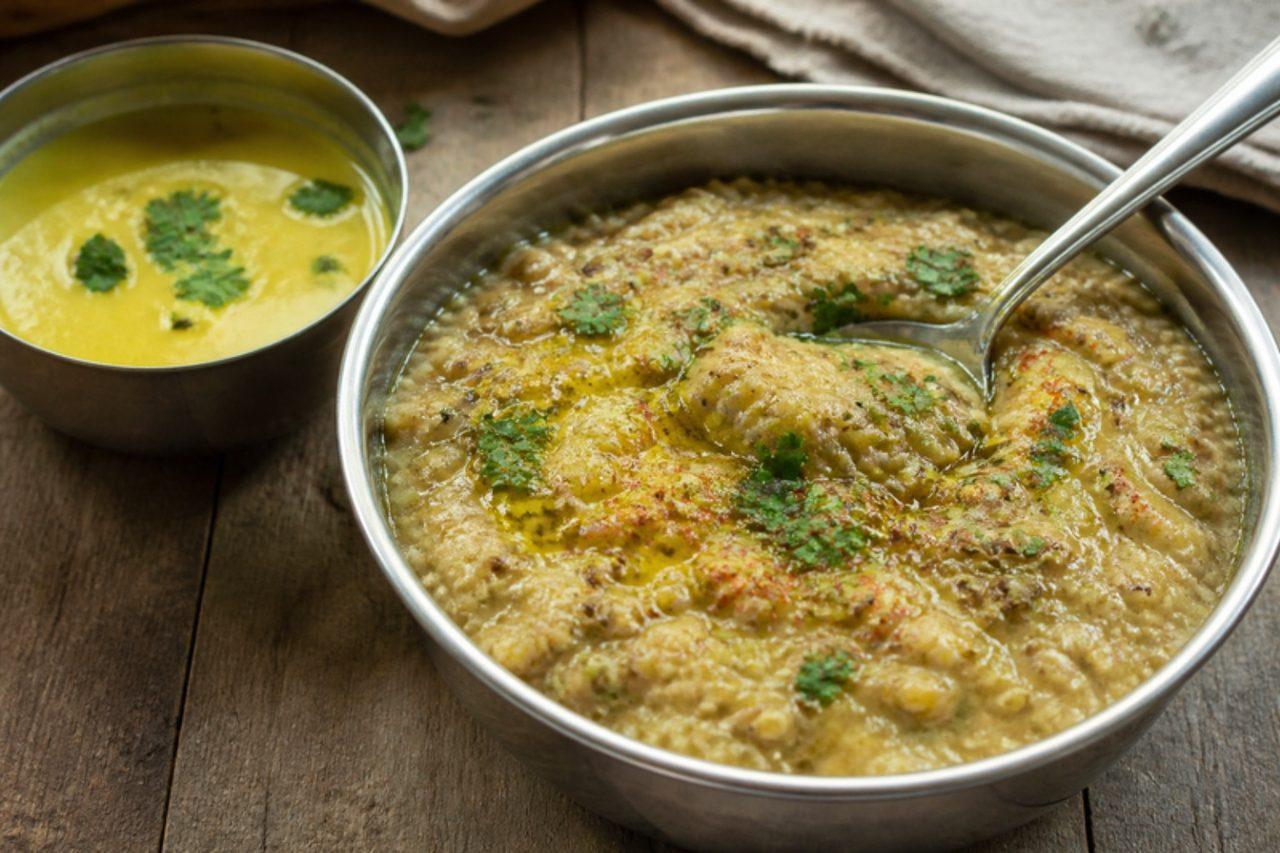
KhichdoWheat, rice and dal porridge

Khichdo is Gujarat's Uttarayan dish of giving: on the morning of the festival big pots of it are cooked and shared with neighbours, cows and anyone in need, because charity on Makar Sankranti is thought to bring blessings. It is a slow, hearty porridge of pounded whole wheat cooked with rice and several dals until everything melts together, finished with a ghee tadka of whole spices, ginger and chilli. Some families make it sweet with jaggery instead. Common mistake: skipping the soaking; the wheat needs a night in water or it never softens, and the khichdo is ready when the grains are bursting and it falls thickly from the ladle. Chef's tip: pounded khichda wheat is sold in Indian shops; cracked whole wheat (not bulgur) also works.

by KrazyBadal 0 views

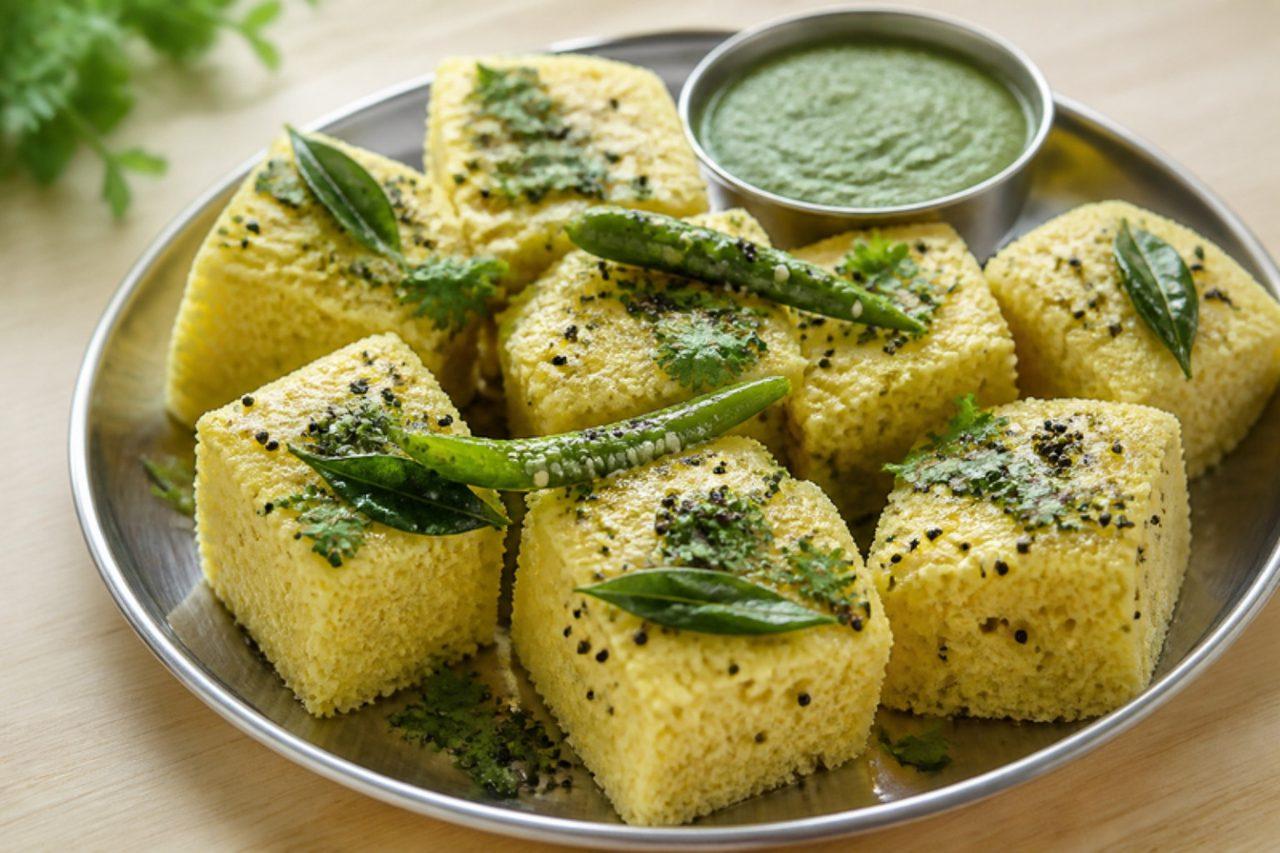
Moong dal dhoklaSteamed moong dal squares

Across Gujarat, moong dal dhokla is the lighter cousin of khaman: the breakfast plate in Ahmedabad homes, the tiffin snack that travels well, and a regular on the table when someone in the house is eating light. Split yellow moong is soaked, ground with ginger and green chilli and steamed into pale, springy squares, then splashed with a hot tempering of mustard seeds, sesame and curry leaves. It is mild, savoury and slightly sweet from the dal itself, and best with green chutney. A common mistake is grinding the dal to a thin, watery paste; the dhokla then steams flat and dense, so keep the batter thick enough to drop slowly from a spoon. Chef's tip: stir in the fruit salt only when the steamer is already boiling and the tray is greased, because its fizz fades within a couple of minutes.

by KrazyBadal 0 views

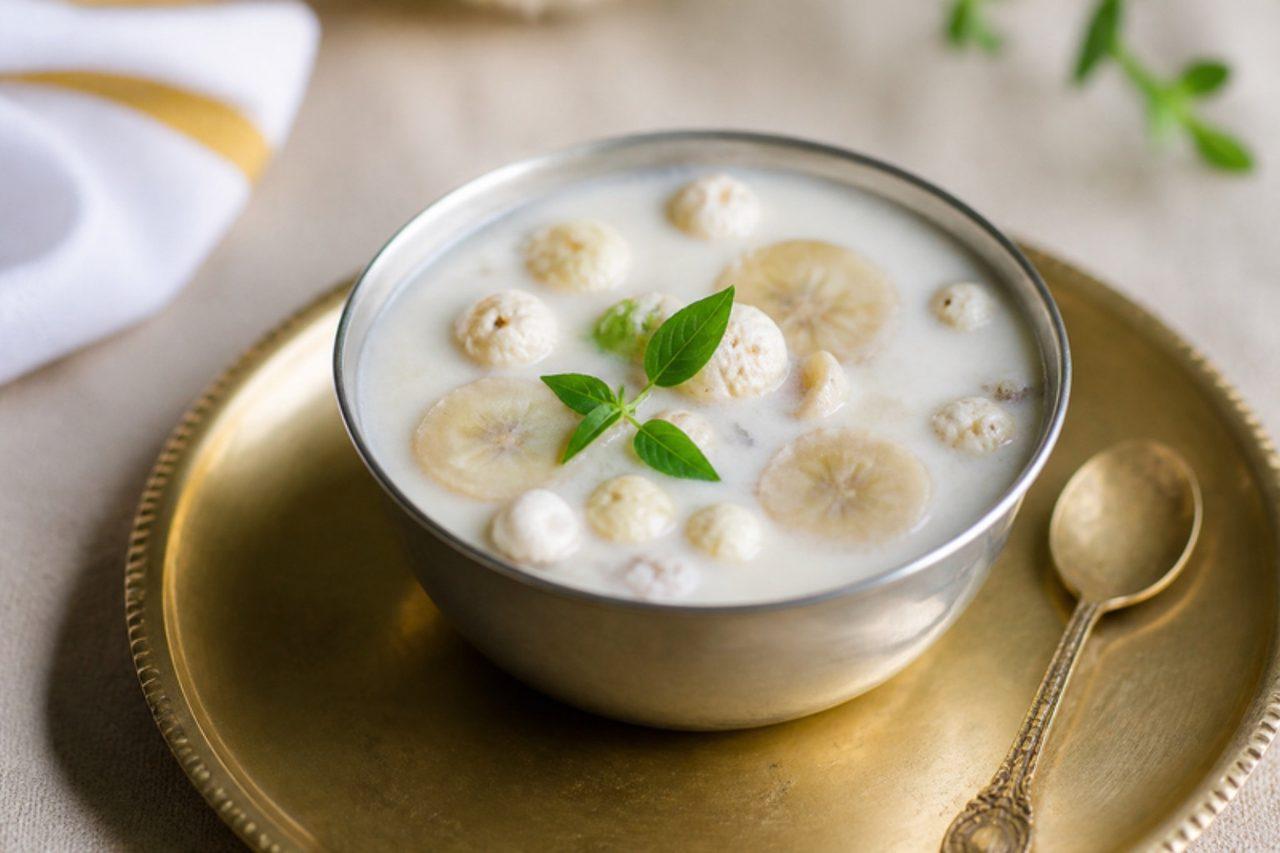
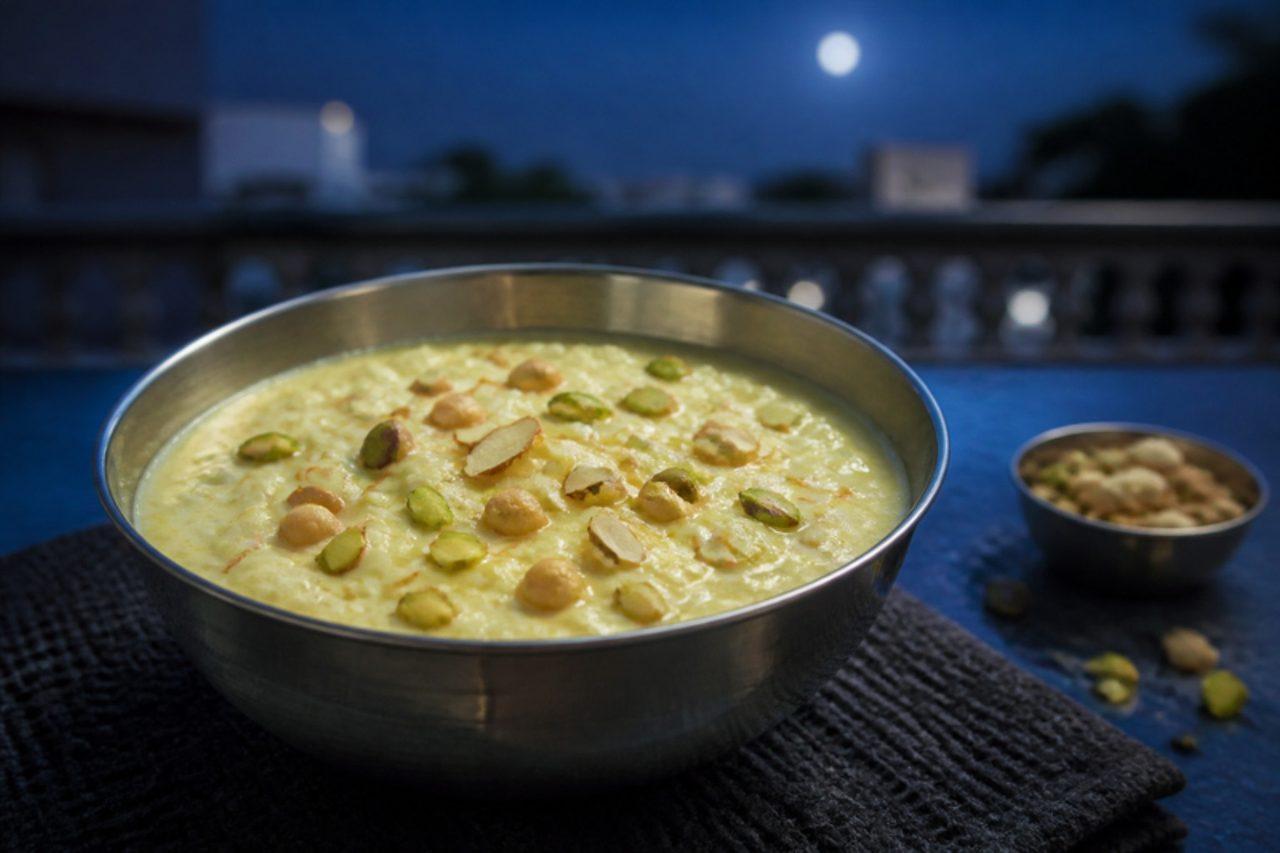
Doodh pauvaChilled saffron milk with flattened rice

Sharad Poonam, the brightest full moon of the year, ends the Navratri season in Gujarat; families sing garba late into the night and leave a bowl of doodh pauva out under the moon, believing its rays make it healing, before eating it cold together. It is thin poha soaked in reduced, sweetened milk with cardamom, saffron and nuts, cooling, soft and lightly creamy, the Gujarati cousin of Maharashtra's Kojagiri masala doodh. Common mistake: adding poha to hot milk or too early, so it turns to porridge; chill the milk first and stir the poha in only 10–15 minutes before eating, when the flakes are soft but still separate. Chef's tip: simmer the milk down by a quarter before chilling; a little reduction gives body without needing cream.

by KrazyBadal 0 views

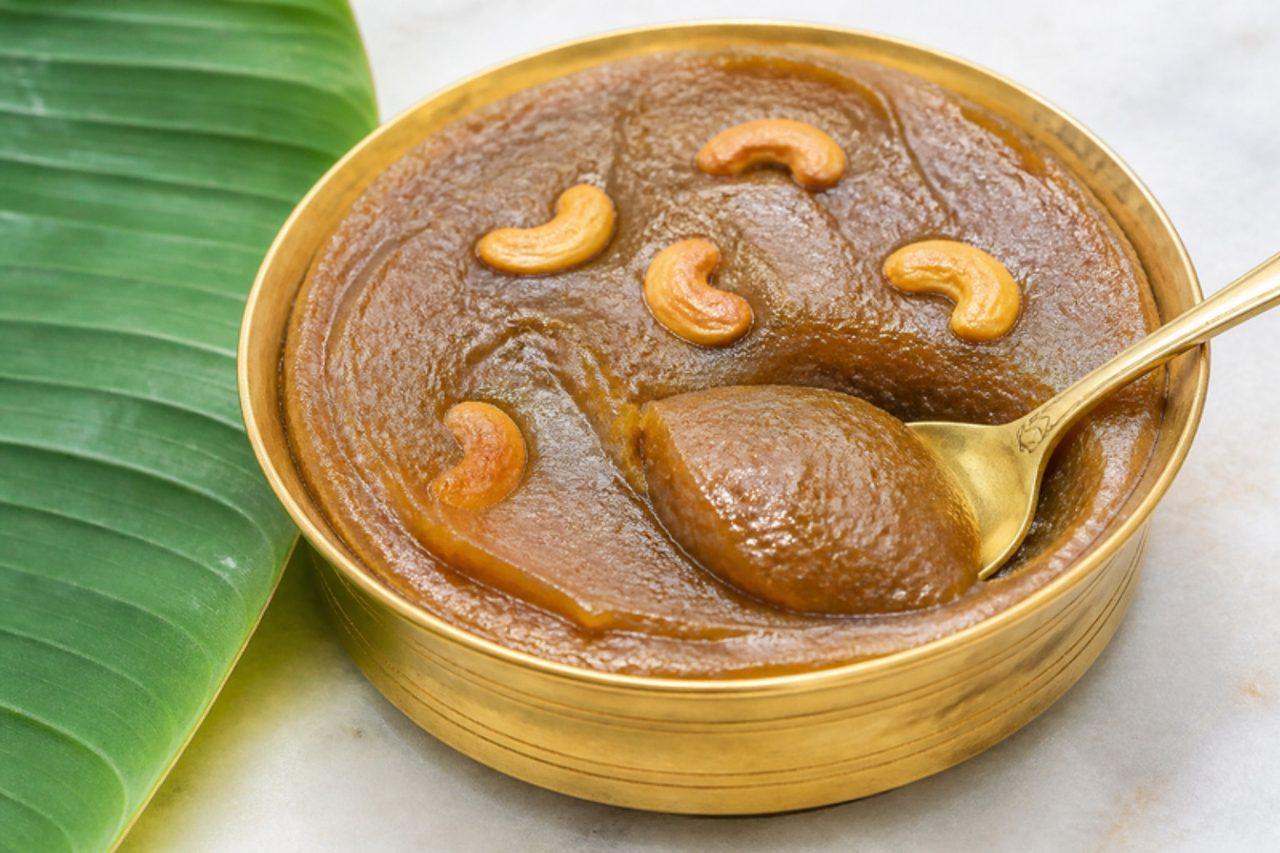
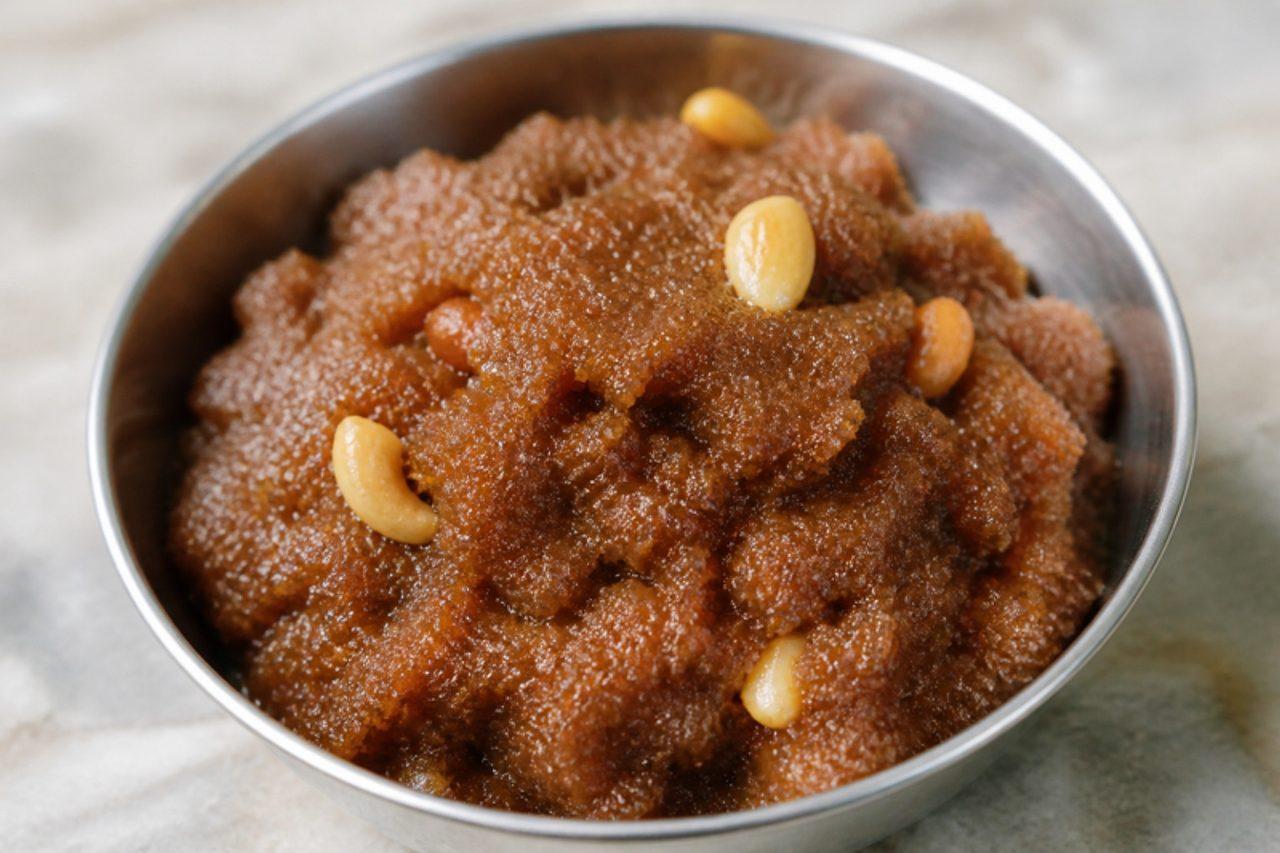
KummayamRoasted urad and moong halwa

Kummayam, also called aadi kummayam, is the sweet Chettinad homes make in the Tamil month of Aadi (July to August), when it is offered at the temple and shared with family. Urad dal, moong dal and rice are dry-roasted and ground into a flour, then cooked in thin jaggery syrup with ghee until it becomes a soft, glossy, dark halwa that pulls away from the pan. It tastes of roasted lentils and molasses and is eaten warm. The most common mistake is adding the flour to hot syrup in one go, which makes stubborn lumps; whisk it into cool syrup first, then cook. Chef's tip: add the ghee a spoonful at a time towards the end and stop when the halwa turns glossy and comes together in one mass.

by KrazyBadal 0 views

KundaCaramelised milk sweet

Kunda is the pride of Belagavi, where sweet shops near the old market have made it for over a century, and boxes go to weddings and Diwali visits across north Karnataka and Goa. Milk is reduced with a little curd so it turns grainy, then cooked with sugar that has been partly caramelised, ending as a soft, crumbly, toffee-brown sweet that tastes of burnt milk and cardamom. A common mistake is caramelising all the sugar; only a third should be darkened, or the kunda turns bitter instead of rich. Chef's tip: use full-fat milk and a wide heavy pan, and scrape the browned bits from the sides back in; they carry most of the flavour.

by KrazyBadal 0 views

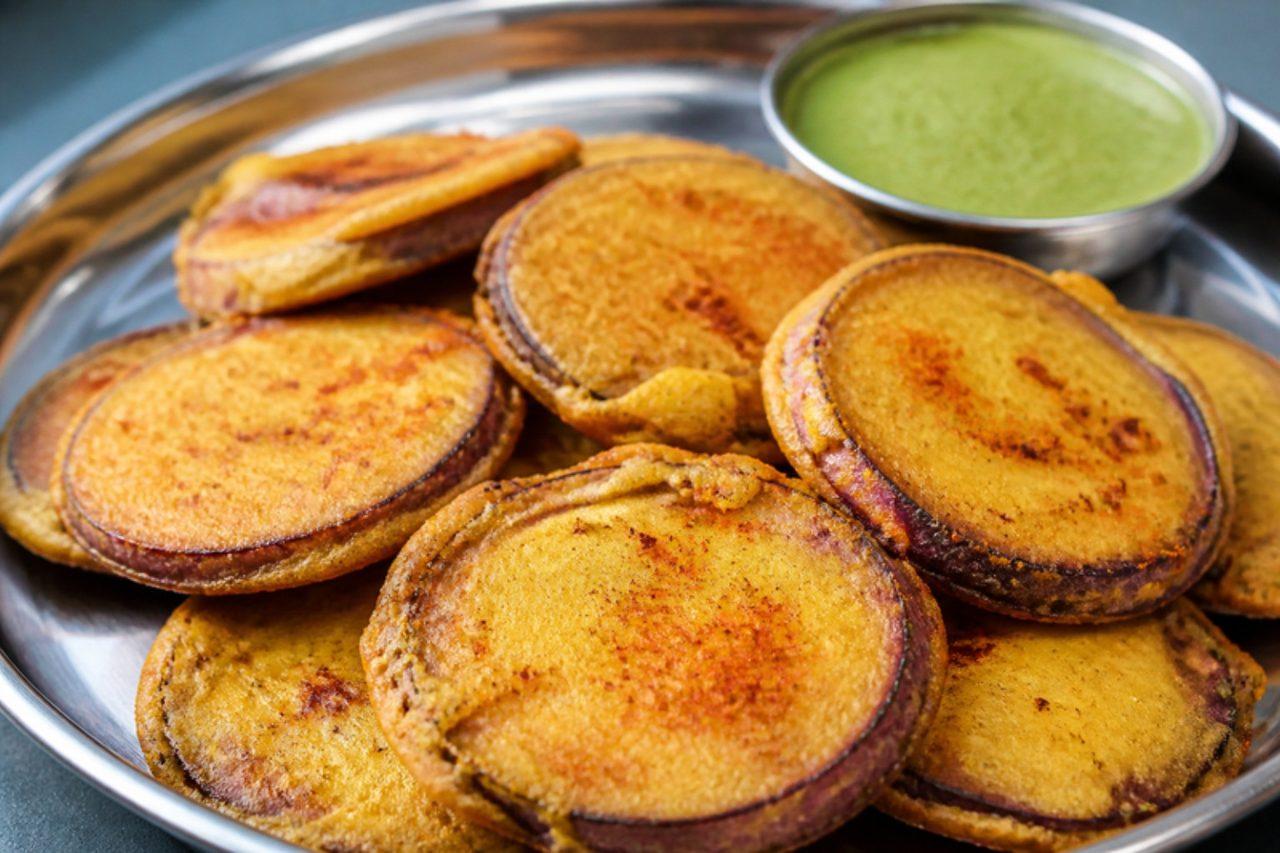
Ratalu puriFried purple yam slices

Ratalu puri belongs to Surat's evening snack trail, where farsan sellers on Chowk Bazaar fry purple yam slices to order and shake a tangy masala over them while they are still sizzling. Inside the crisp, golden coat the yam turns creamy and faintly sweet, and the masala of dry mango, black salt and chilli wakes everything up. They are eaten hot with green chutney, usually on cool winter evenings when ratalu is in season. A common mistake is cutting the yam too thick: slices thicker than 3 mm stay raw in the middle by the time the batter browns. Chef's tip: oil your hands before peeling ratalu, as the raw sap can make skin itch.

by KrazyBadal 0 views

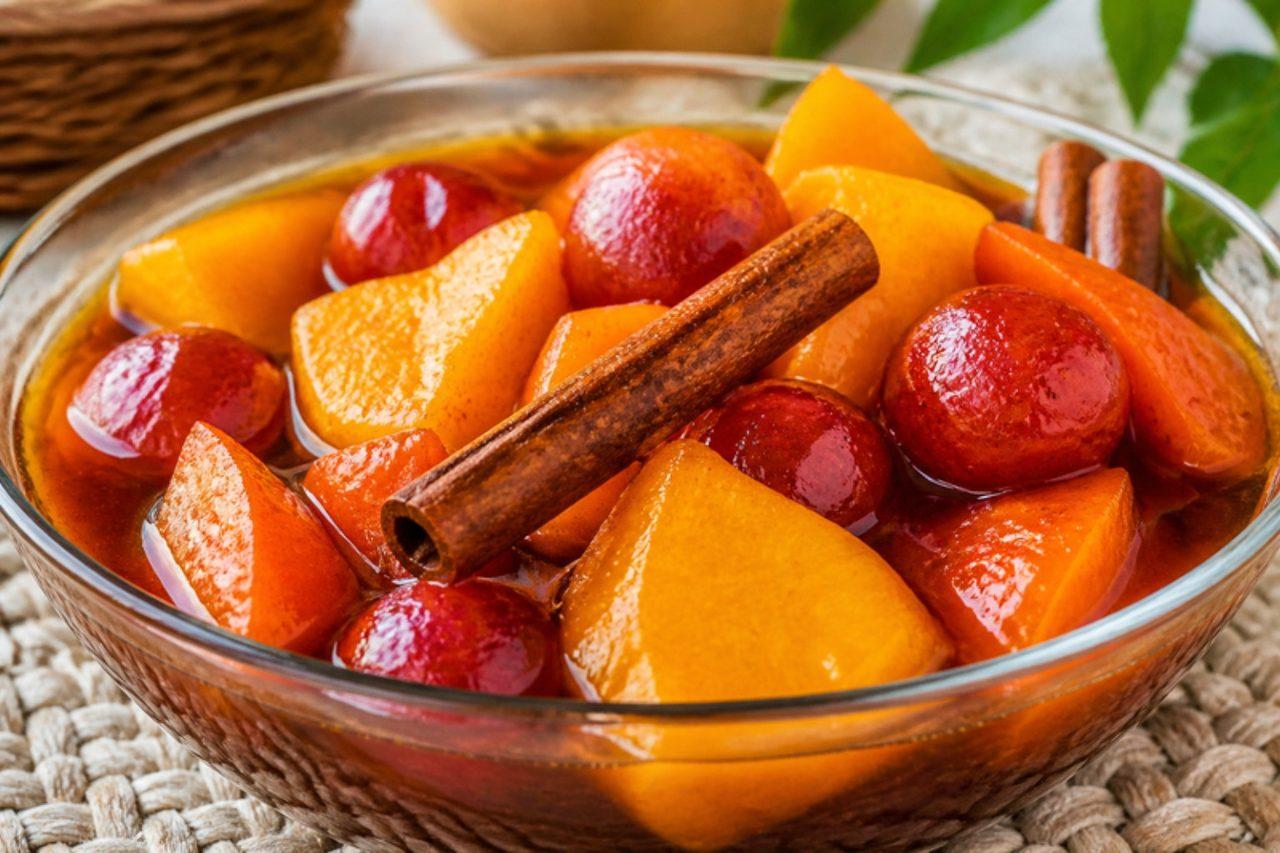
Almíbar nicaragüenseFruit preserve in panela syrup

In Nicaragua, Semana Santa means almíbar: a big pot of mango, papaya, jocote (hog plum) and grosella (gooseberry) simmered for hours in a dark panela syrup with cinnamon, cloves and allspice. Families make it ahead and share it with neighbours, who return the bowl full of their own. It is served cool in small bowls, sometimes with a slice of cheese. Jocotes and grosellas are hard to find abroad; firm plums and cape gooseberries are good stand-ins. It is vegan and gluten free. Chef's tip: add the fruit in order of firmness so everything finishes tender but whole.

by KrazyBadal 0 views

TaloaMaize flatbread with ham and cheese

During the Fêtes de Bayonne in July, when the whole town dresses in white with red scarves, stalls in the Pays Basque sell taloa: thick flatbreads of maize and wheat flour cooked on a hot griddle and folded around fillings. The classic is with jambon de Bayonne (a cured pork ham), with sheep's cheese or with ventrèche (cured pork belly), and it's eaten hot in the street. Cheese alone makes a good vegetarian version. Chef's tip: cook the taloa on a dry, very hot pan; it should blister and puff in patches like a tortilla.

by KrazyBadal 0 views

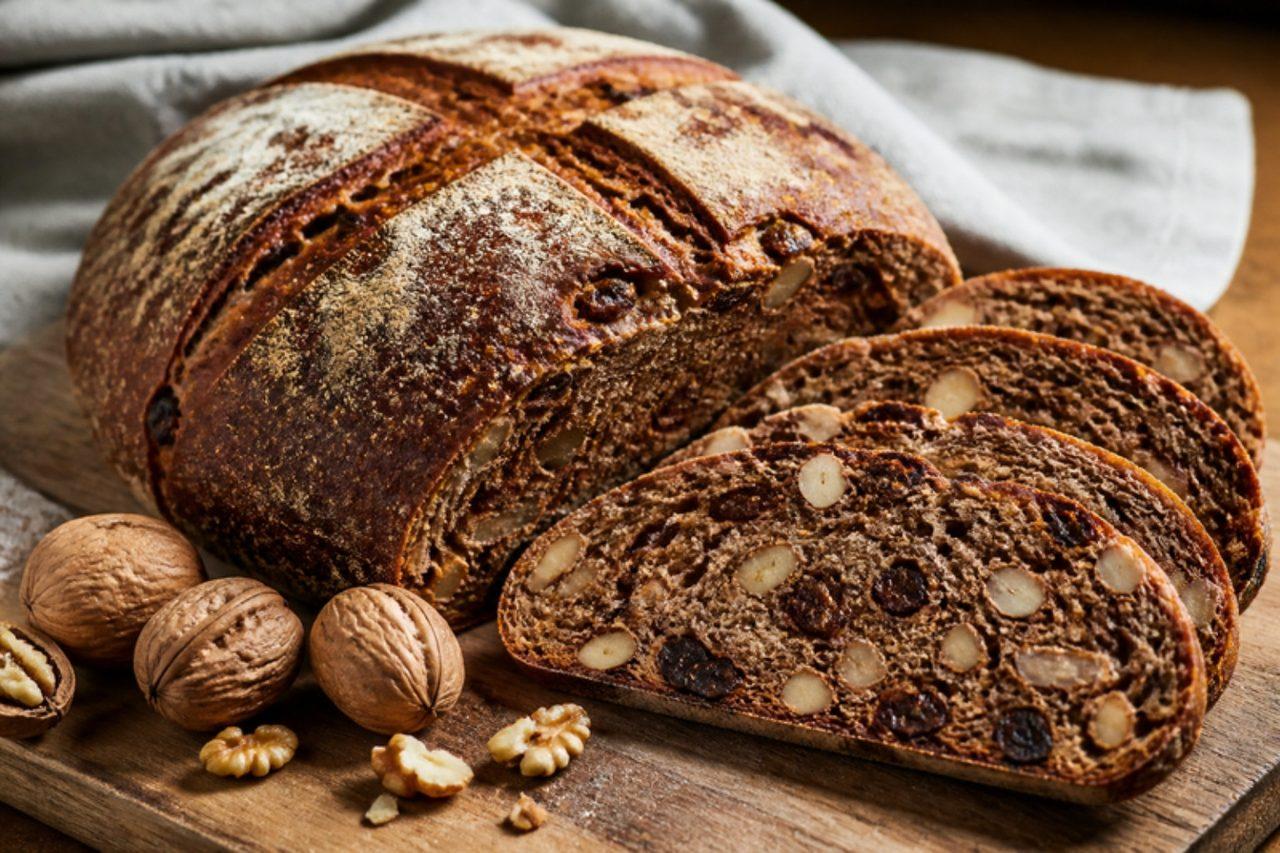
Pan co' santiWalnut and raisin loaf

In Siena and the Tuscan countryside, pan co' santi ('bread with the saints') is baked for All Saints' Day on 1 November, when the new walnuts and the late grapes come in. It is a dark, lightly sweet bread dough rich with olive oil, walnuts, raisins and a surprising amount of black pepper, which gives a warm bite. It is eaten with the new wine by adults, or with roasted chestnuts. It is vegan. Chef's tip: fry the raisins and walnuts briefly in the olive oil before adding them, as Sienese bakers do; it brings out their flavour.

by KrazyBadal 0 views

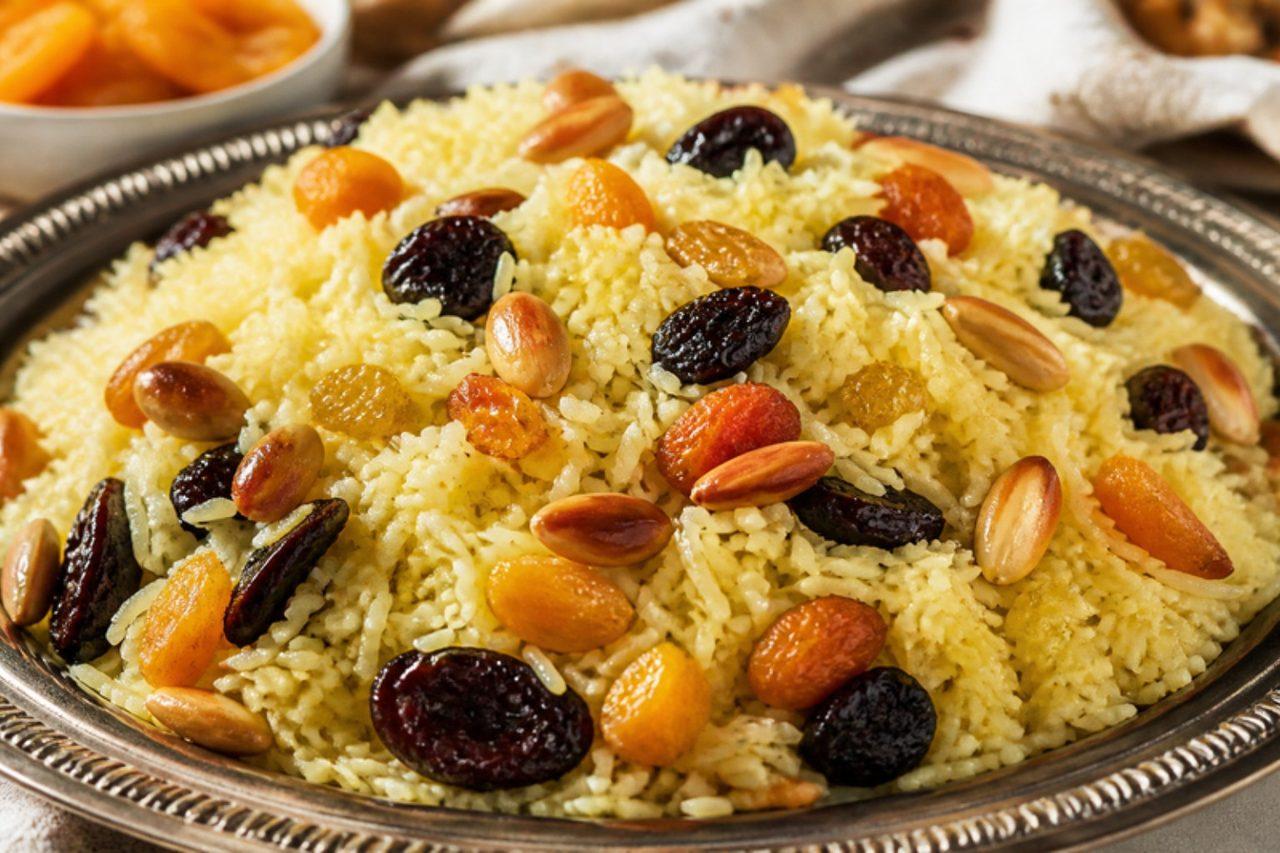
Chirov plavRice pilaf with dried fruit

Chirov plav, rice pilaf with dried fruit ('chir'), is the Armenian Easter dish: after the long Lenten fast, families gather on Easter Sunday to eat this glossy, buttery pilaf, often served beside fried or baked fish and red-dyed eggs. The rice is cooked separately so every grain stays loose, then layered with dried apricots, raisins and prunes warmed in butter, with a golden crust (tahdig-style) at the bottom. Chef's tip: rinse the rice until the water runs clear, and parboil it in plenty of salted water, as that keeps the grains separate.

by KrazyBadal 0 views

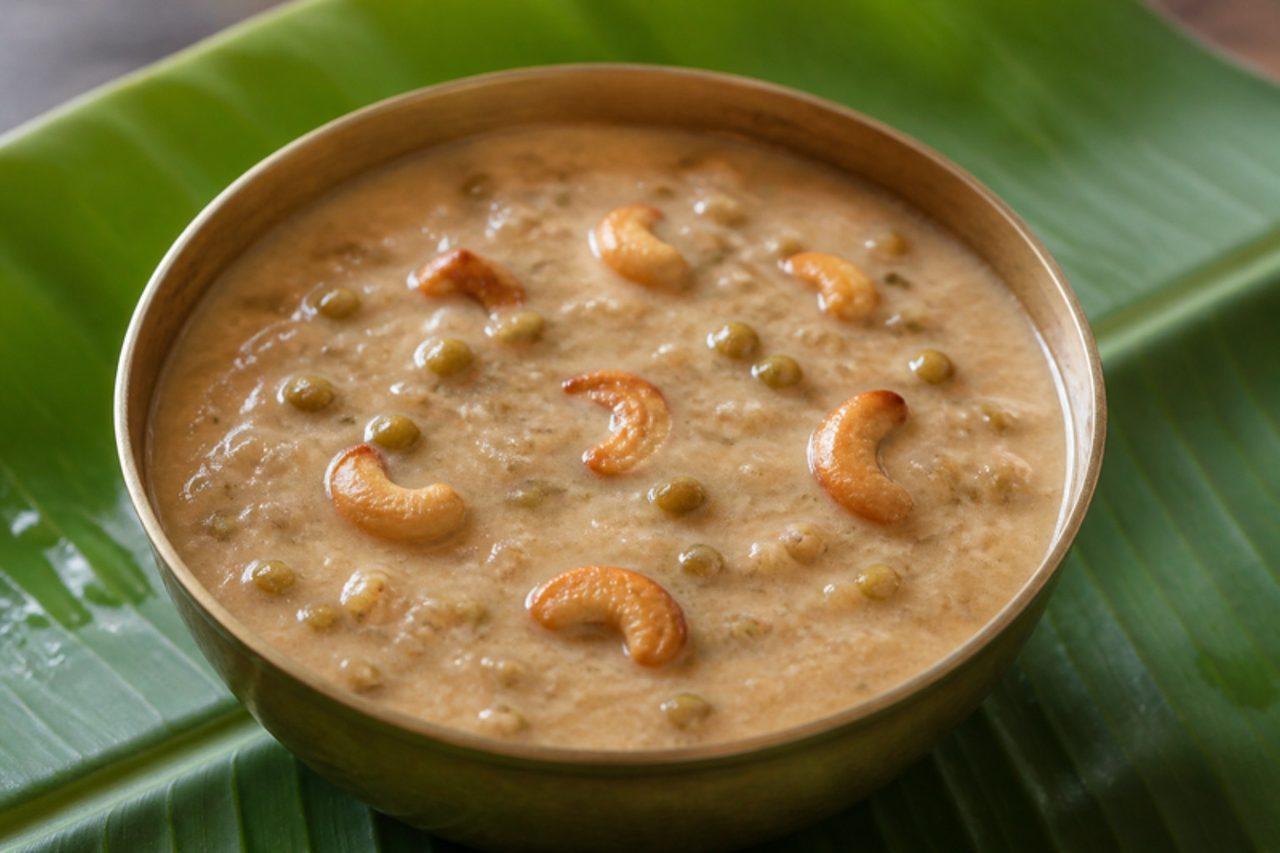
VornGreen gram and coconut milk sweet

On 8 September, Mangalorean Catholics celebrate Monti Fest, the feast of Mary's Nativity, which is also a harvest festival: new ears of grain are blessed at church and shared at home, and the family eats a vegetarian feast of new-season vegetables. Vorn, a pudding of split green gram (moong) cooked with coconut milk, jaggery and cardamom, is the sweet that ends it. It is like a gentle payasam, vegan and gluten free. Chef's tip: dry-roast the moong dal until fragrant before cooking it, which gives vorn its nutty flavour.

by KrazyBadal 0 views

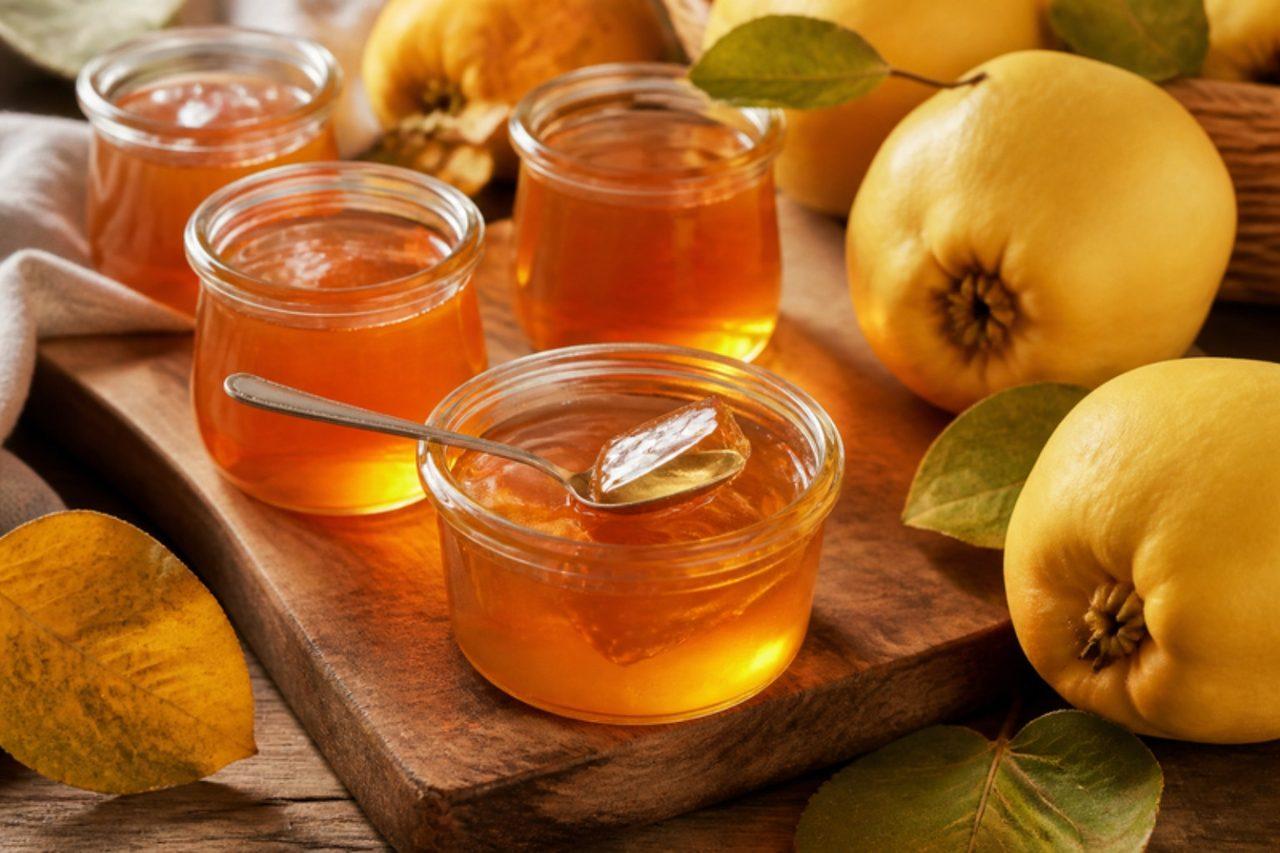
QuittengeleeQuince jelly

Quinces are too hard and sour to eat raw, so in Germany they are turned into Quittengelee, one of the jewel-coloured jars set out with the pumpkins and sheaves of wheat for Erntedank, the October harvest thanksgiving. The fruit is simmered whole in pieces, the juice drips through a cloth overnight, and then it is boiled with sugar until it sets into a clear jelly the colour of rosé, with a perfume like pear, honey and roses. Eat it on bread rolls, with cheese, or melted as a glaze for apple tart. Chef's tip: quince skin and cores are full of natural pectin, so cook them in with the flesh rather than peeling.

by KrazyBadal 0 views

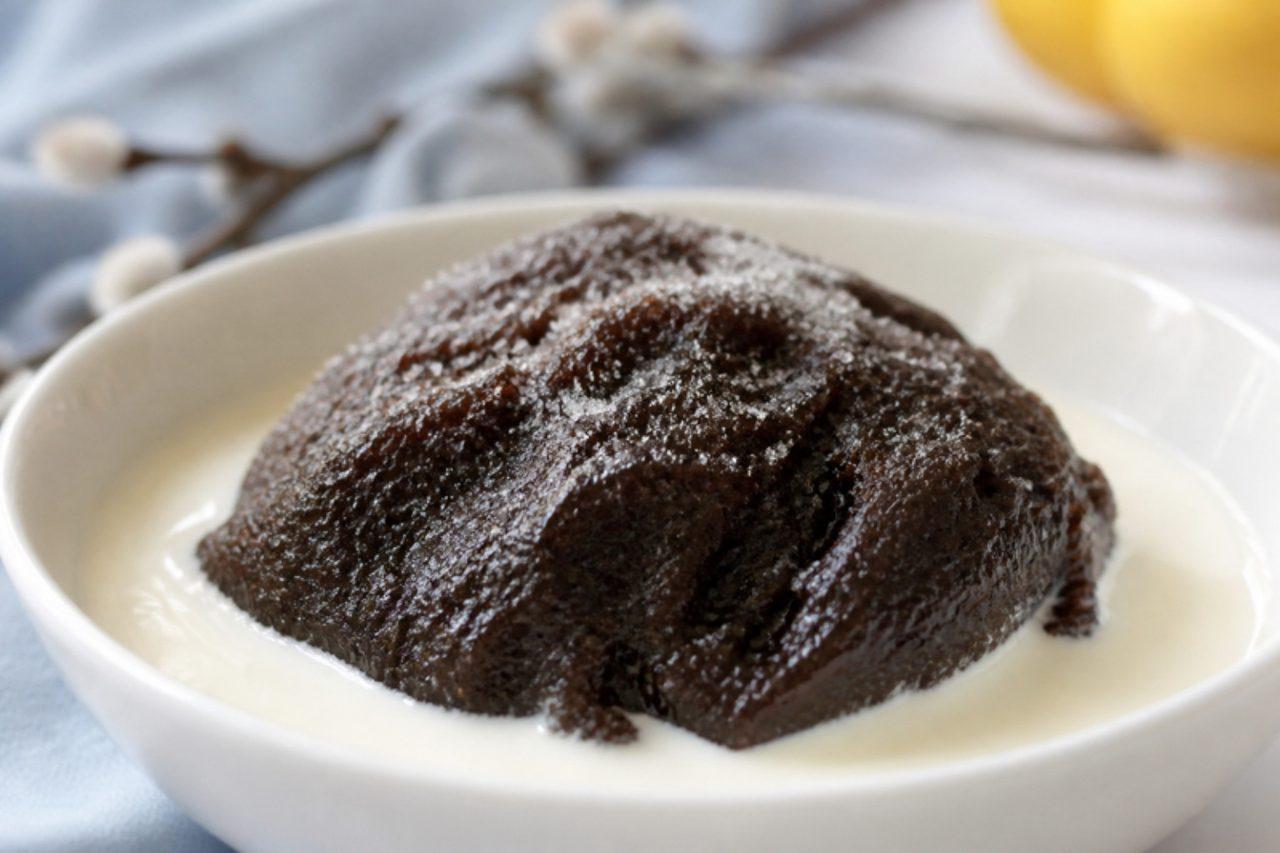
MämmiRye and malt Easter pudding

Mämmi is Finland's Easter dessert, a dark, almost black pudding of rye flour and malted rye, sweetened slowly by the malt's own enzymes and by a little molasses, then baked for hours in birch-bark boxes or small dishes. It looks unusual but tastes mild, malty and gently sweet, and is eaten cold with cream and sugar on Easter Sunday. It is vegan, and it was once eaten through Lent. You need powdered rye malt from a baking supplier or Nordic shop. Chef's tip: keep the porridge warm (around 60 °C) for two hours before baking so the malt can sweeten it; skip this and mämmi tastes bitter.

by KrazyBadal 0 views

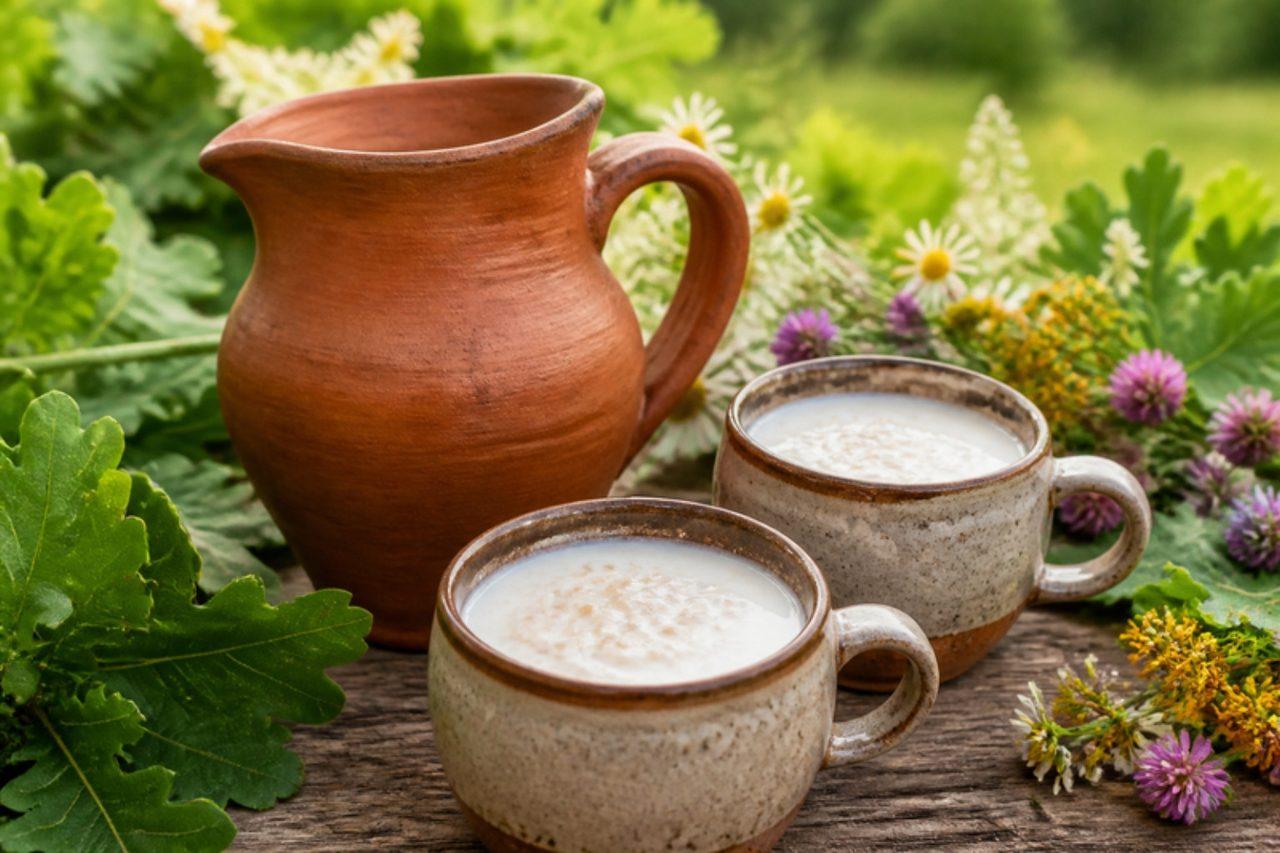
SkābputraSoured barley porridge drink

Skābputra, 'sour porridge', is one of the oldest Latvian foods, and at Jāņi, Midsummer on 23–24 June, it is served cold alongside caraway cheese, pīrāgi and wreaths of flowers. Pearl barley is cooked soft, then soured with buttermilk or kefir for a day or two until it is tangy and fresh-tasting, and it is thinned with milk into a thick, cooling drink sipped or eaten with a spoon on hot summer days. This home version uses bought live buttermilk to start the souring safely. Chef's tip: use clean jars and utensils, and taste it each day; once it is pleasantly sour, chill it so it stops souring.

by KrazyBadal 0 views

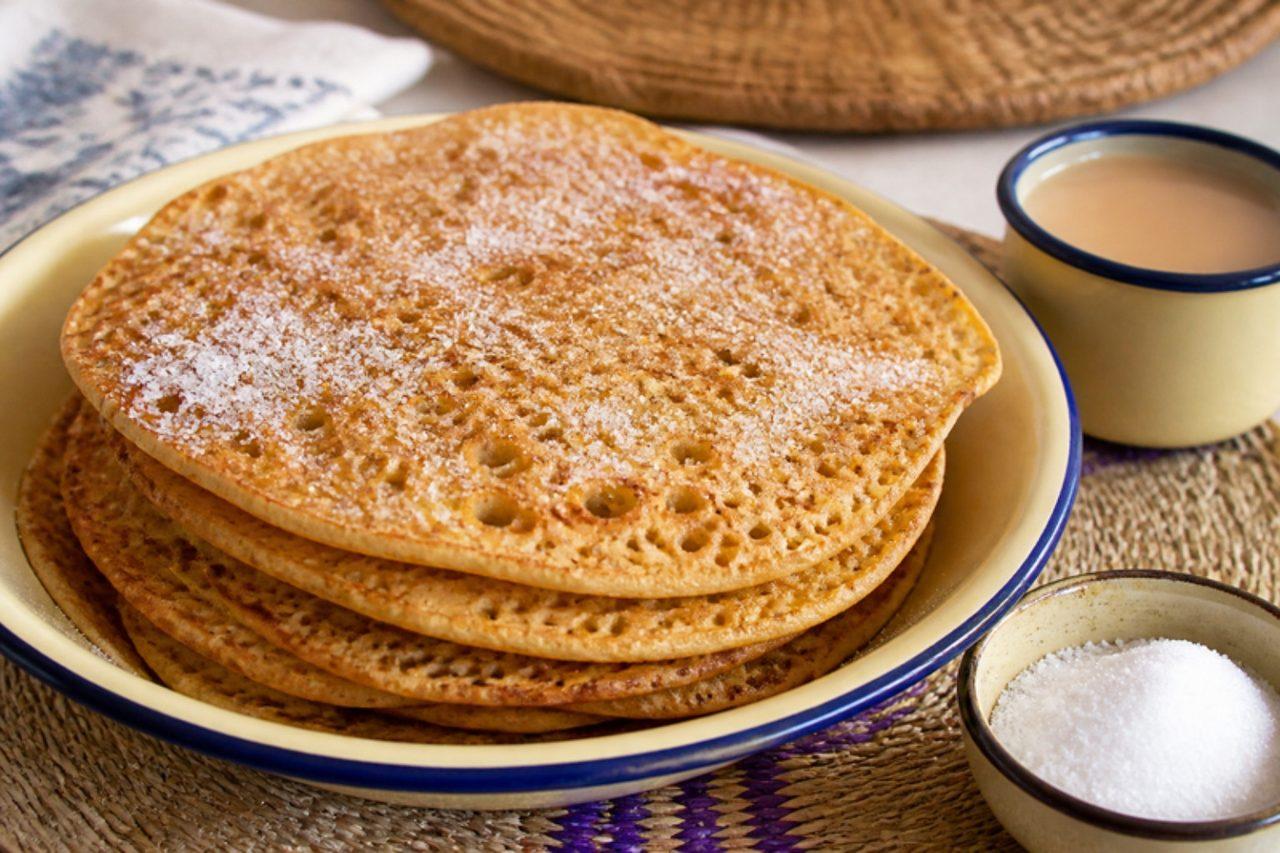
FunkasoFermented wheat pancakes

Funkaso is a Hausa pancake from northern Nigeria, made from a wheat batter left to ferment until bubbly and fried into soft, spongy rounds with crisp edges. Families cook stacks of it for the pre-dawn sahur and the evening meal during Ramadan, and again on Sallah morning for visitors. It is eaten simply, sprinkled with sugar, or dipped in a hot pepper sauce, with hot kunun or tea. Chef's tip: the batter should be as thick as double cream; too runny and the pancakes spread thin and lose their spongy middle.

by KrazyBadal 0 views

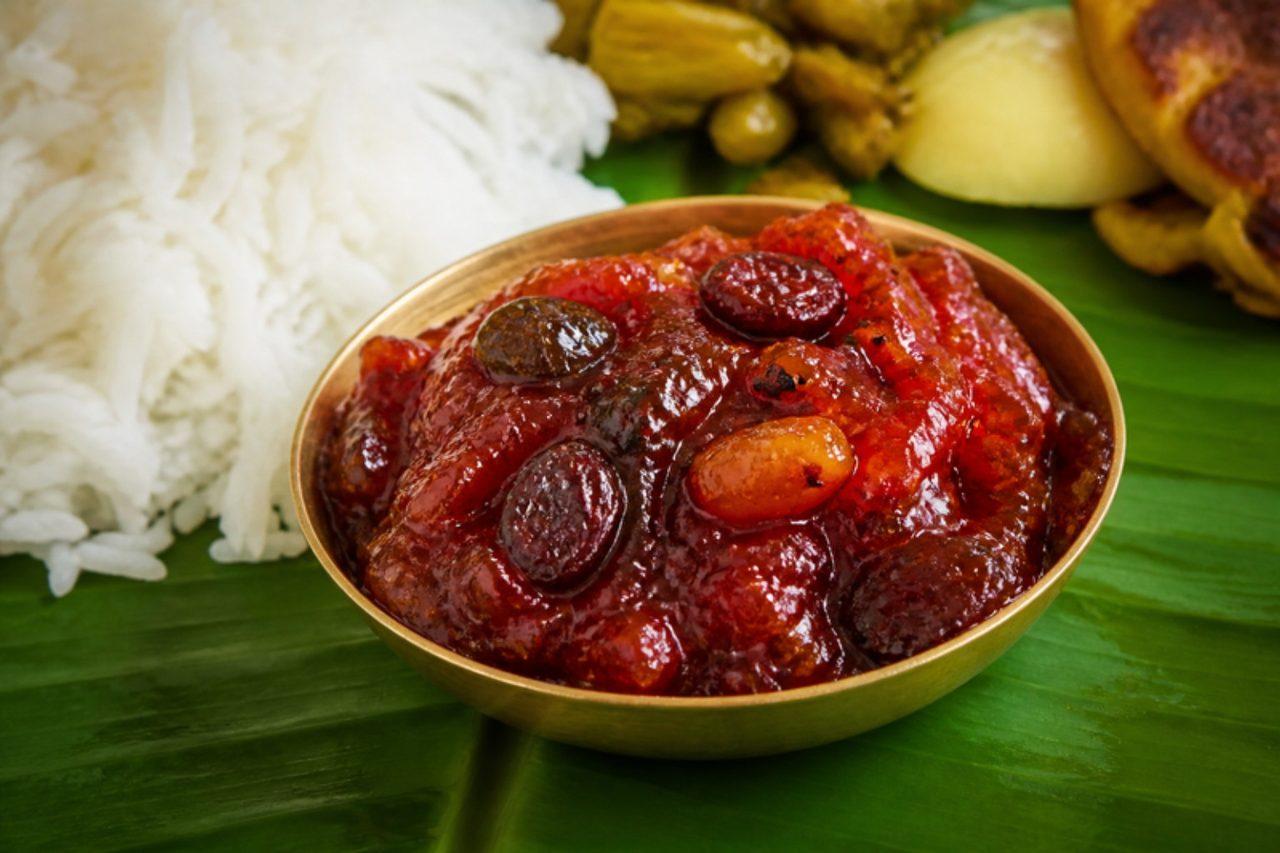
Tomato khejur chutneyTomato and date chutney

A Bengali festive meal ends with chutney, and during Durga Puja the bhog plate's last stop is often this glossy tomato and date chutney. Ripe tomatoes are cooked with a mustard-seed and dried-chilli tempering, then sweetened with sugar and stoned dates and studded with raisins until it turns jammy and sticky. It is eaten as its own course after the vegetables, to clean the palate before the sweets. Common mistake: taking it off the heat too early so it stays watery; it is ready when a spoon drawn through the pan leaves a clear line for a second and the chutney looks shiny. Chef's tip: add a few strips of aamsotto (dried mango leather) with the dates if you have it; it gives the deep, fruity sourness of the pandal chutney.

by KrazyBadal 0 views

MässmoggeHazelnut-filled striped sweets

Every autumn the Basler Herbstmesse, Switzerland's oldest fair, fills the old town with rides and stalls, and the smell of boiling sugar from the stands selling Mässmogge, glossy striped sweets in bright colours with a soft chocolate-hazelnut centre. They are made by pulling hot sugar until it turns satiny, wrapping it round a rope of filling and snipping it into little pillows. It takes practice and a sugar thermometer, and adults should do all the hot work; children can help once the sweets are cool. Chef's tip: work on an oiled silicone mat near a low oven, so the sugar stays pliable for longer.

by KrazyBadal 0 views

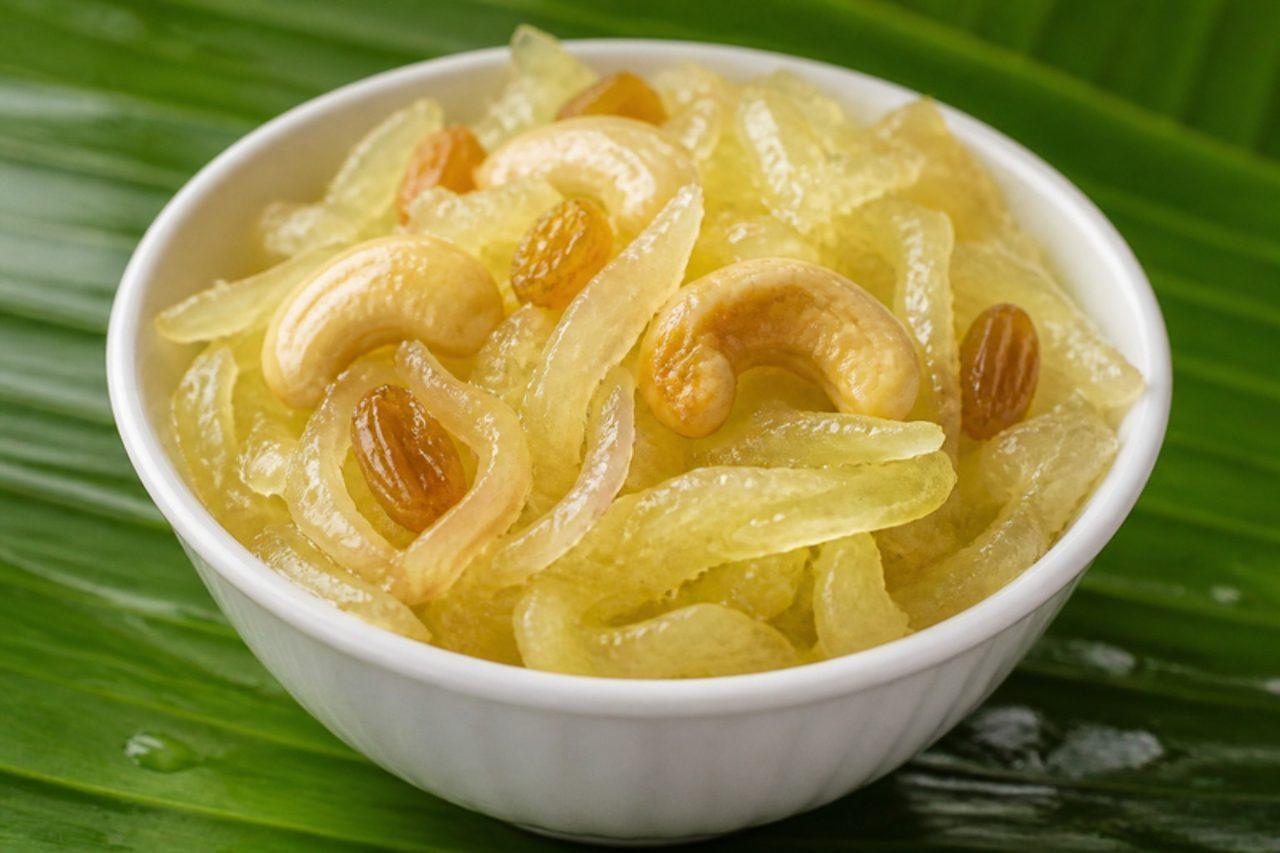
Plastic chutneyRaw papaya chutney

Plastic chutney gets its funny name from the way the thin slices of raw papaya turn clear and glassy, like cellophane, as they cook in syrup. It is the chutney of every Bengali wedding feast and of the Durga Puja bhog, served in a small heap at the end of the meal, sweet, sharp with lime, and dotted with raisins. No onion or garlic goes near it. Common mistake: cutting the papaya too thick or cooking it on high heat; thick slices stay opaque and chewy, while a fast boil caramelises the syrup before the papaya turns clear. The chutney is ready when every slice is see-through and the syrup coats a spoon. Chef's tip: soak the sliced papaya in water with a pinch of baking soda for 15 minutes, then rinse; this helps the slices stay crisp-tender and turn translucent evenly.

by KrazyBadal 0 views

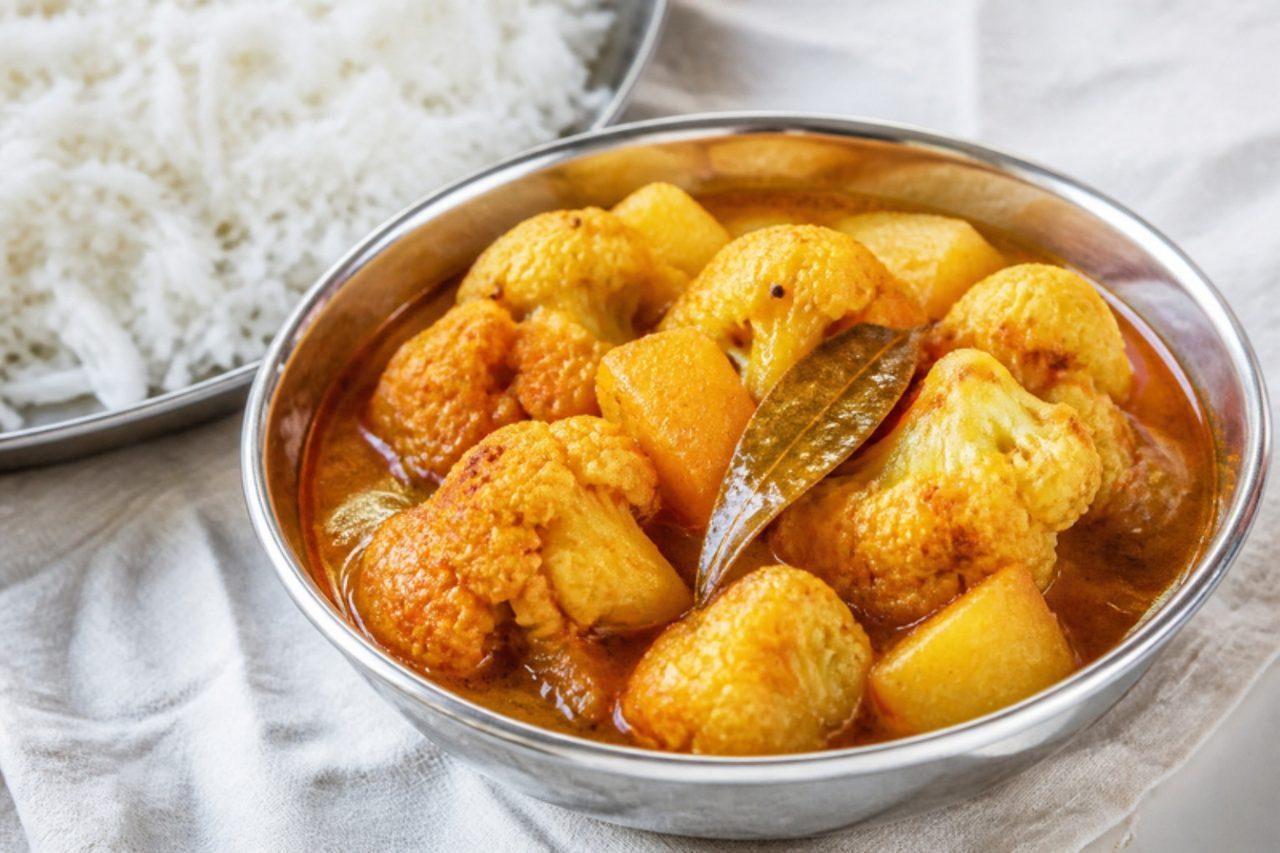
Fulkopir dalnaCauliflower and potato in light gravy

Fulkopir dalna is the gravy dish of a niramish (no onion, no garlic) Bengali menu, and it appears on the Durga Puja bhog table and at home on Navami and Dashami, when many families keep the day's food vegetarian. Large cauliflower florets and potatoes are fried golden and then simmered in a thin, glossy gravy of ginger, cumin, tomato and a little yoghurt, finished with ghee and Bengali garam masala. It should taste mellow, warm and slightly sweet rather than hot. Serve it with luchi or khichuri. Common mistake: boiling the cauliflower in the gravy from raw; fry the florets first until browned in patches, or they turn mushy and taste watery. Chef's tip: whisk the yoghurt with the ground spices before it goes in, and keep the heat low, so the gravy stays smooth instead of splitting.

by KrazyBadal 0 views

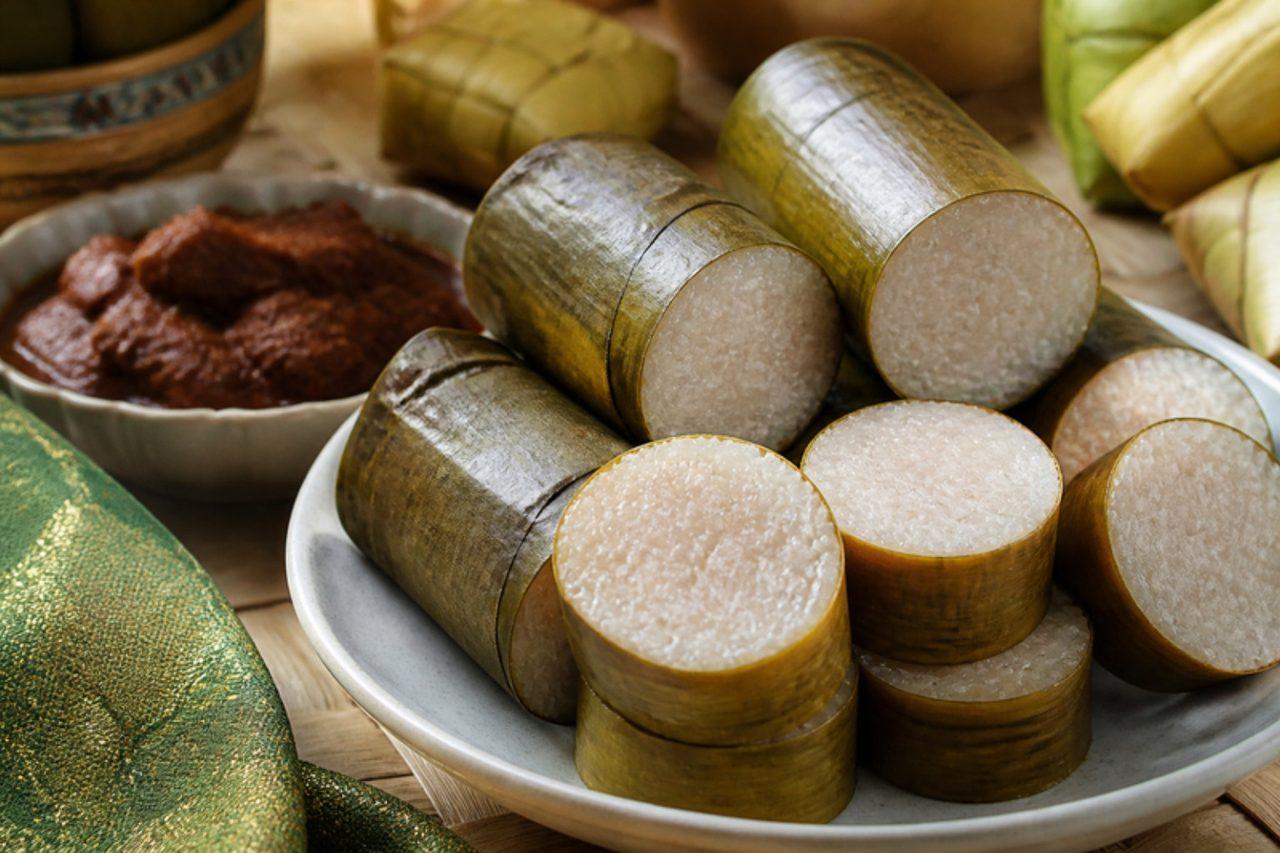
LemangBamboo-cooked coconut sticky rice

On the eve of Hari Raya Aidilfitri, Malay villages across the peninsula fill with smoke as families cook lemang: glutinous rice and coconut milk packed into banana-leaf-lined bamboo poles and turned slowly beside an open fire for hours. The rice comes out rich, salty and faintly smoky, sliced into thick rounds and eaten with rendang or serunding on Raya morning. Few homes have bamboo and a fire pit, so this recipe gives a home oven method in a banana-leaf-lined tin, with the bamboo way described too. Chef's tip: let the cooked lemang cool before slicing, as warm rice is too soft to cut cleanly.

by KrazyBadal 0 views

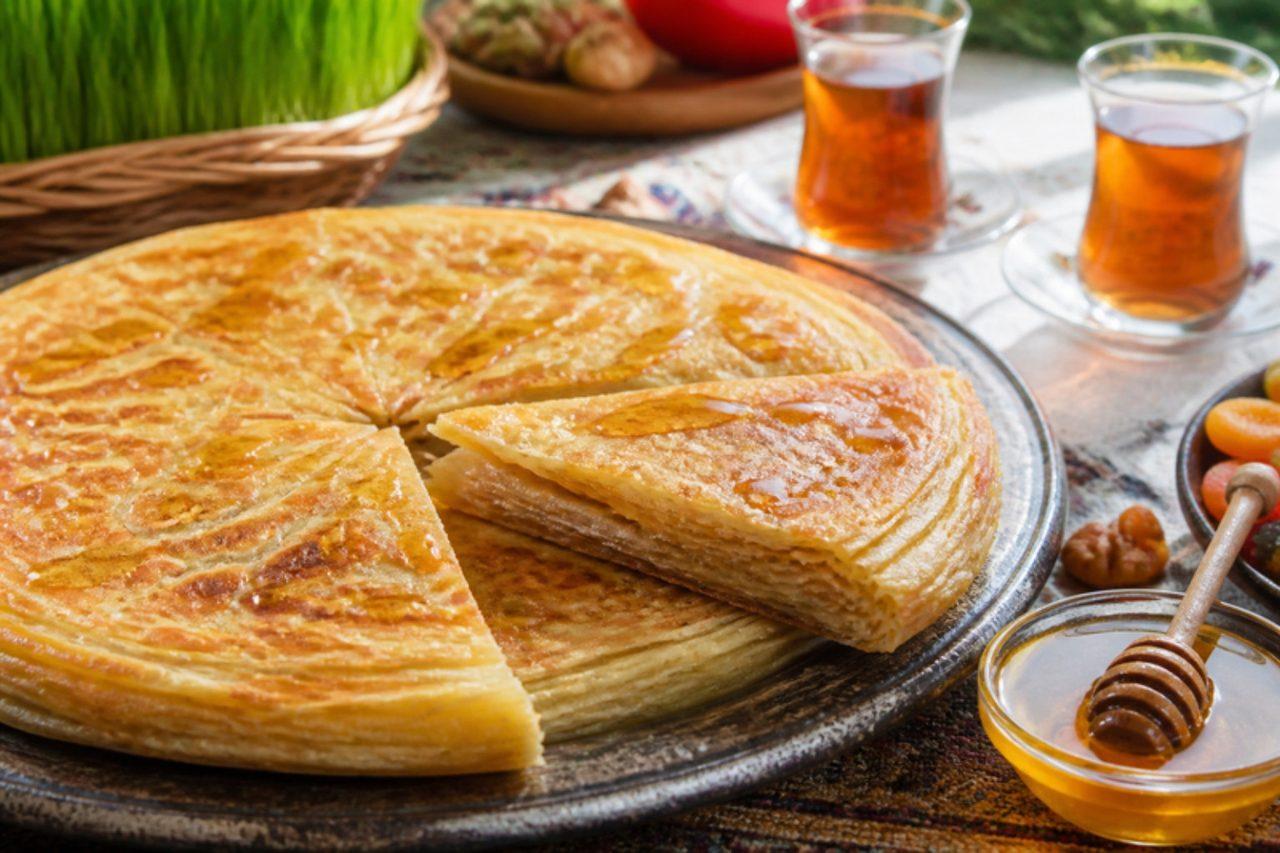
FasaliLayered butter pastry with honey

Fasali is a festive breakfast in Azerbaijan, made on Novruz mornings and other holidays when the house is full: a thin dough is brushed with melted butter, folded again and again into many layers, then cooked slowly in a covered pan until crisp outside and flaky within. It comes to the table cut in wedges with honey, syrup or a glass of sweet tea. The common mistake is cooking over a high heat, which burns the outside before the inner layers have cooked through. Chef's tip: chill the folded parcel for 10 minutes between folds and the butter stays in clean layers.

by KrazyBadal 0 views

Showing 48 of 3,468 recipes

Show more recipes

Page 13 of 145

More No onion & garlic ideas

Other diets