Skip to content
WhatToEat.Today

No onion, no garlic recipes (Swaminarayan and sattvic)

3,468

3468 vegetarian recipes cooked without onion or garlic, as in Swaminarayan and sattvic kitchens, with no meat, fish, eggs or alcohol. Each has photos, step-by-step instructions and cook times. The quickest, Apfelschorle, takes 2 minutes. Most take around 45 minutes.

Filter these by time, diet or cuisine · Make No onion & garlic your diet to see only these recipes everywhere on the site.

Mah-karaiRoasted rice and sesame mix

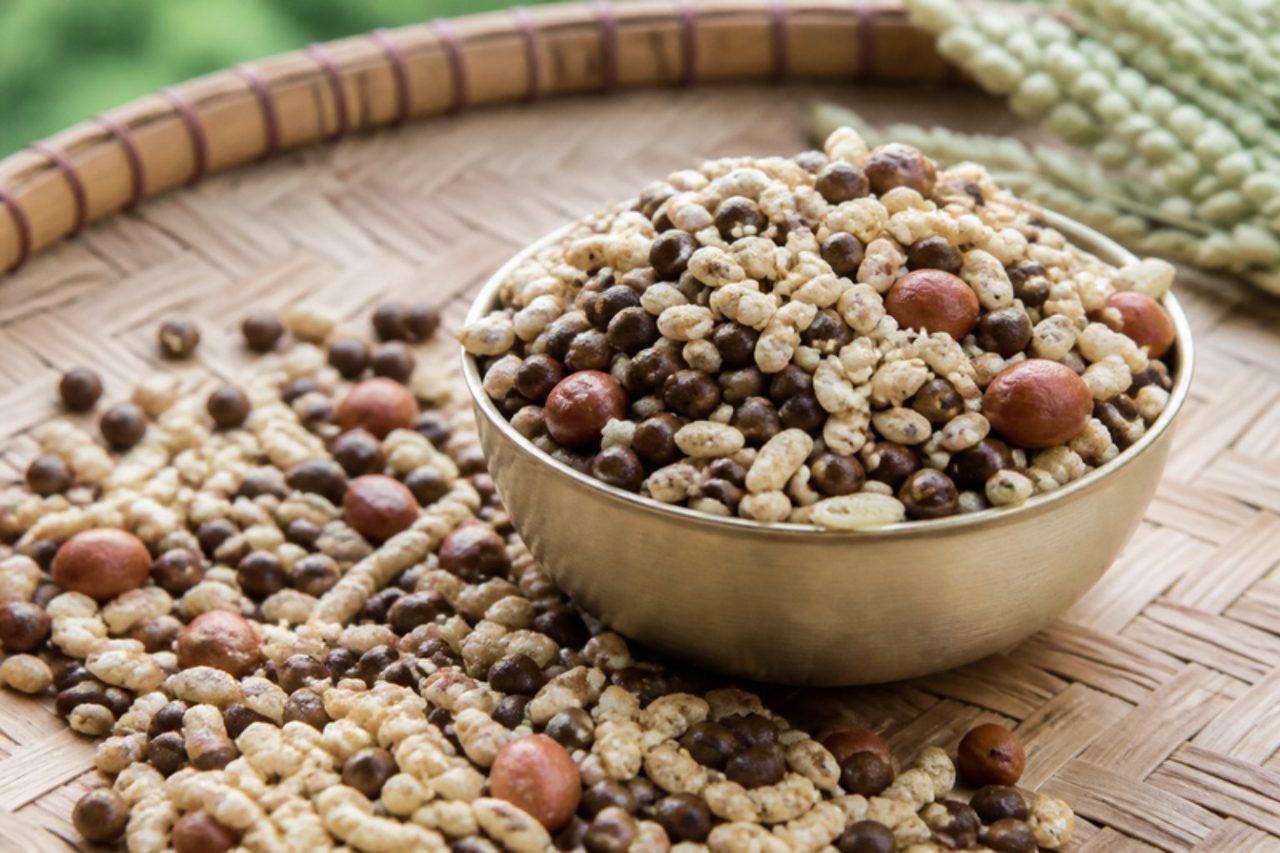
On Goru Bihu, the first day of Bohag Bihu in mid-April, Assamese families bathe the cattle in the river and then sit down to a handful of mah-karai, a crunchy mix of separately roasted grains and seeds that is said to keep the body strong for the year ahead. It is nutty, dry and gently salty, with the odd sharp slice of fresh ginger, and is passed round in a small bowl alongside jolpan and pitha. Common mistake: roasting everything in one pan; each item browns at its own pace, so roast them one by one until they smell toasted and crackle when shaken. Chef's tip: roast the black gram first and longest, until it splits and turns deep brown, because undercooked gram stays hard as gravel.

by KrazyBadal 0 views

Farari dhoklaFasting dhokla with sago

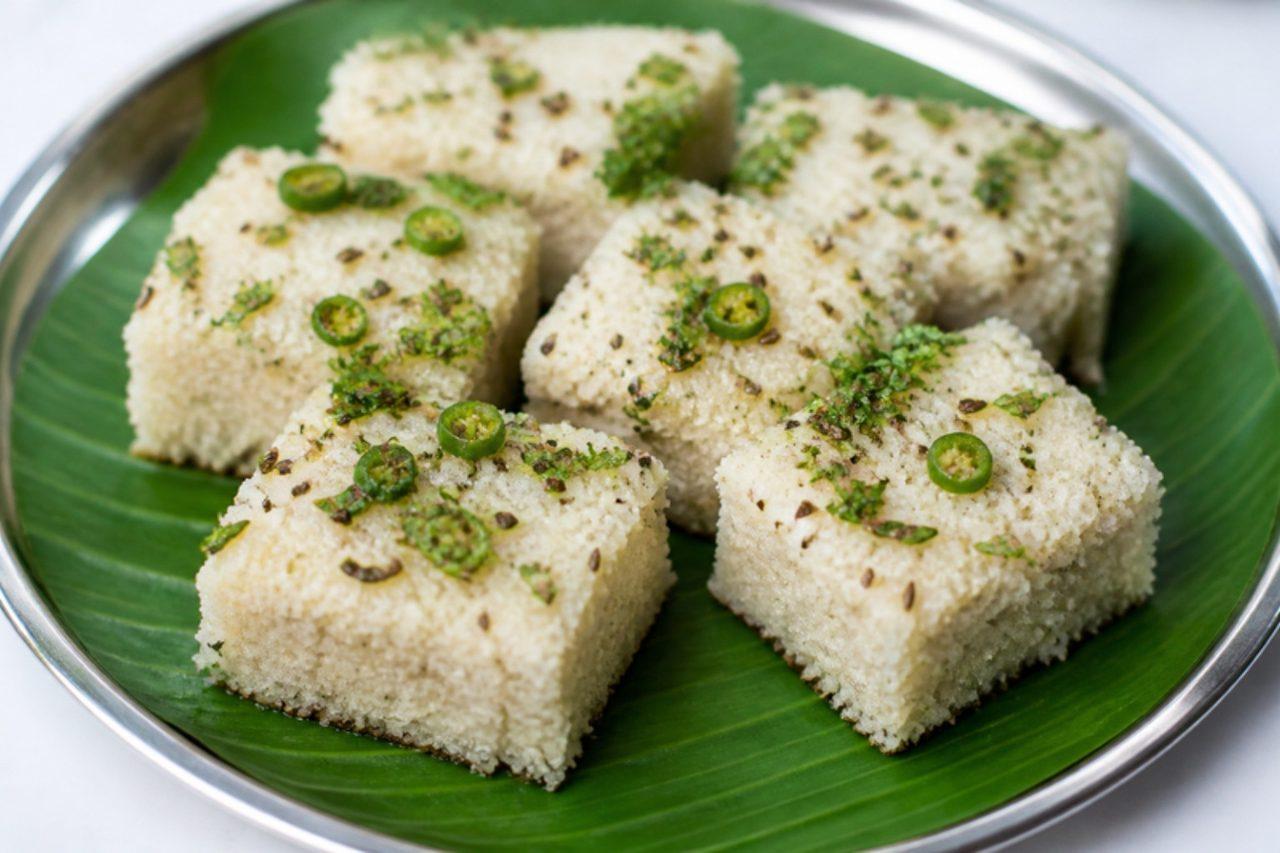
On Ekadashi, Shravan Mondays and Navratri fasts, Gujarati homes swap the usual rice and dal dhokla for this farari version made from samo (barnyard millet) and sabudana. Both are ground to a coarse flour, soaked briefly in sour yogurt and steamed into soft, slightly chewy squares with a nutty flavour, finished with a cumin and green chilli tempering. Rock salt replaces table salt and there is no turmeric or hing, as many fasting households avoid them. The common mistake is steaming straight after mixing: the samo needs at least 30 minutes to drink up the yogurt, or the dhokla turns gritty. Chef's tip: grind the sago to a fine powder first, then add the samo, so no hard pearls survive.

by KrazyBadal 0 views

Sandwich dhoklaLayered dhokla with green chutney

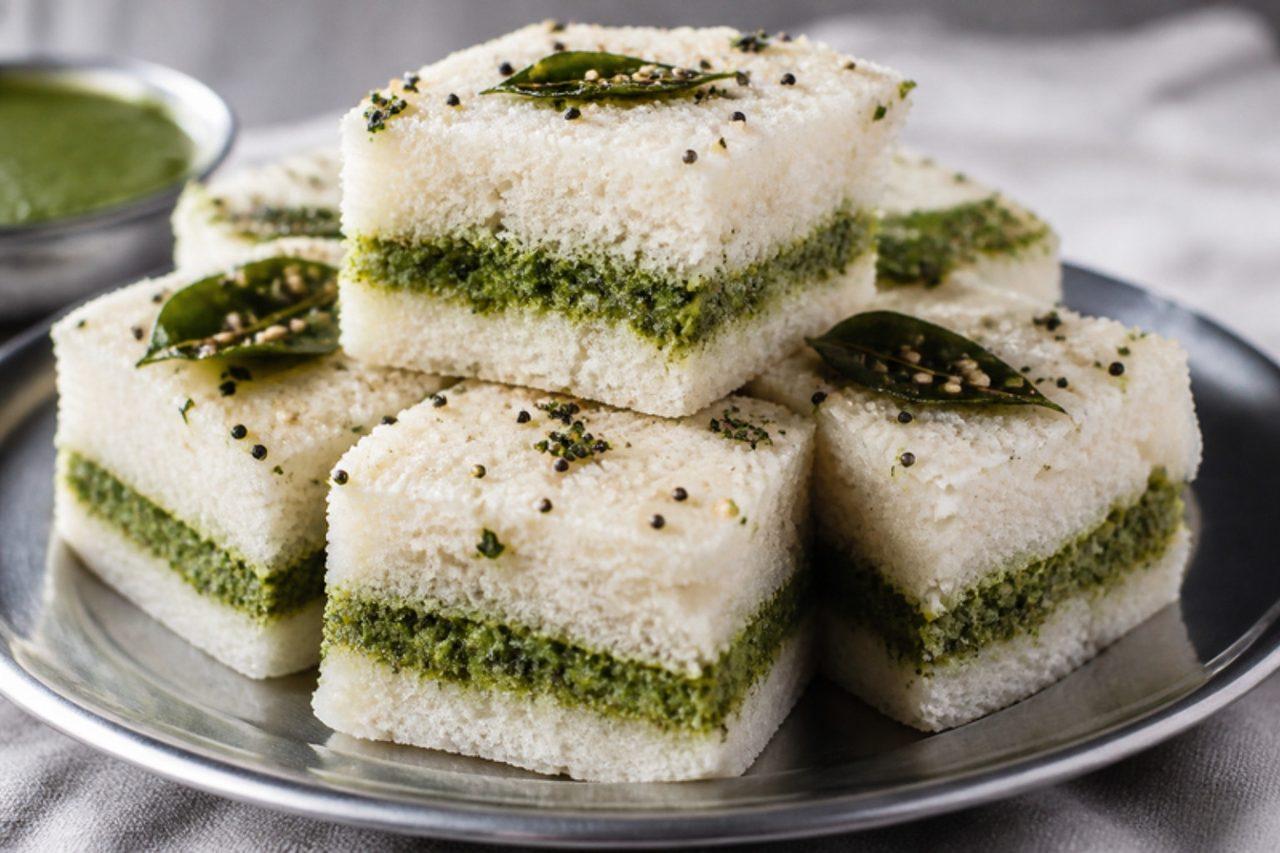
Sandwich dhokla is the party showpiece of Ahmedabad farsan shops and Gujarati wedding counters: white, fermented rice and urad dal dhokla steamed in two layers with a thin band of coriander chutney in between, so every square shows a bright green stripe. It is soft, tangy from the ferment and a little peppery, and is cut into neat squares for parties and evening tea. The usual mistake is pouring the top layer while the first is still raw; the chutney sinks and the stripe smudges, so steam the bottom layer until just set before adding the rest. Chef's tip: make the chutney thick, almost like a paste, and spread it with the back of a spoon wetted in water.

by KrazyBadal 0 views

Nombu adaiSweet rice flour and cowpea cakes

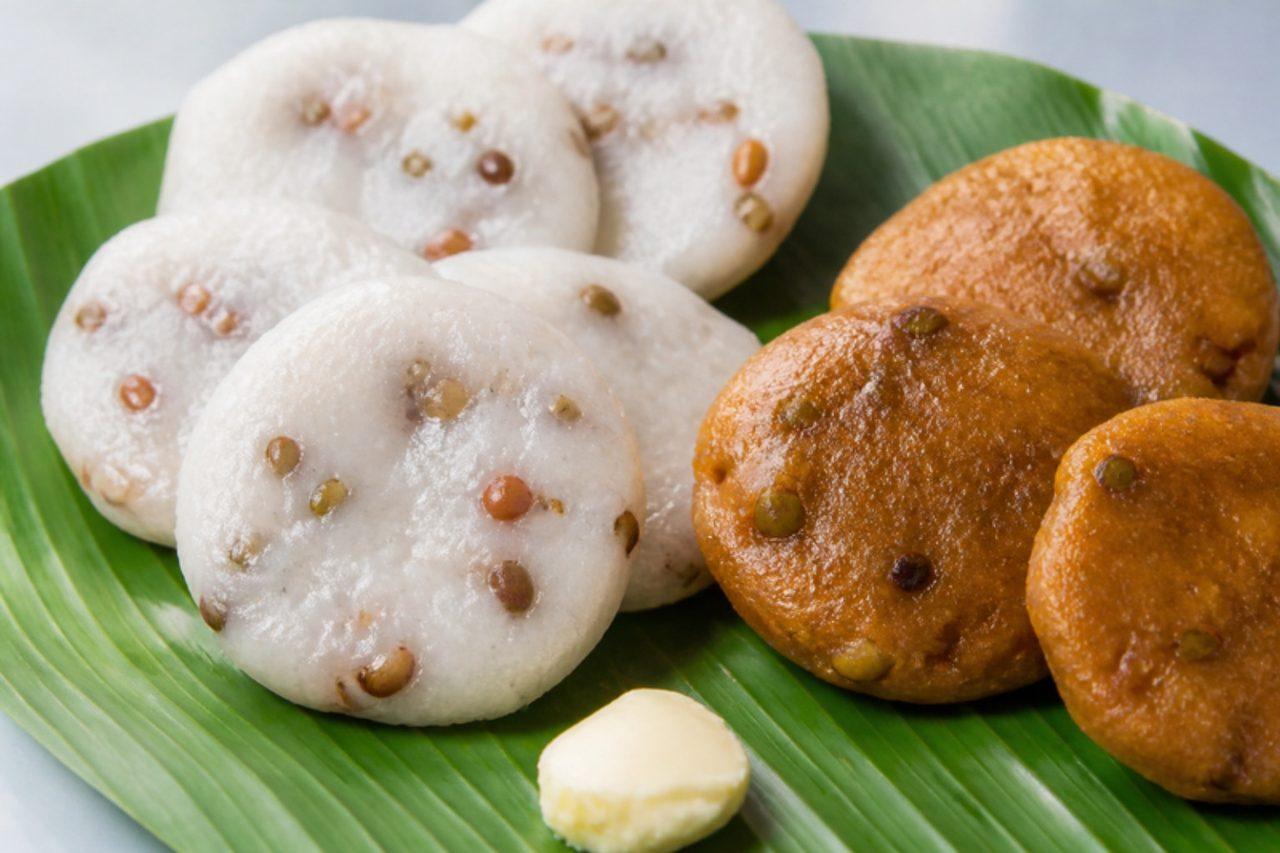
Karadaiyan Nombu falls on the day the Tamil month of Maasi turns into Panguni, and married women in Tamil Nadu fast for their husbands' long life in memory of Savitri, who won her husband back from Yama. The fast is broken at an auspicious minute with these adai, offered with a lump of unmelted butter and tied on with a yellow thread. The rice flour is roasted, cooked into a dough with jaggery, coconut and boiled cowpeas, shaped into small discs with a hole in the middle and steamed. A savoury batch with green chilli, ginger and curry leaves is usually made alongside. Common mistake: using raw rice flour, which makes the adai sticky; roast it until it is warm and flows like sand, and the adai are done when they turn glossy and no longer stick to a wet finger. Chef's tip: for the savoury version, swap the jaggery for 2 chopped green chillies, a little grated ginger and a mustard-seed tempering.

by KrazyBadal 0 views

KamarkattuCoconut jaggery candy balls

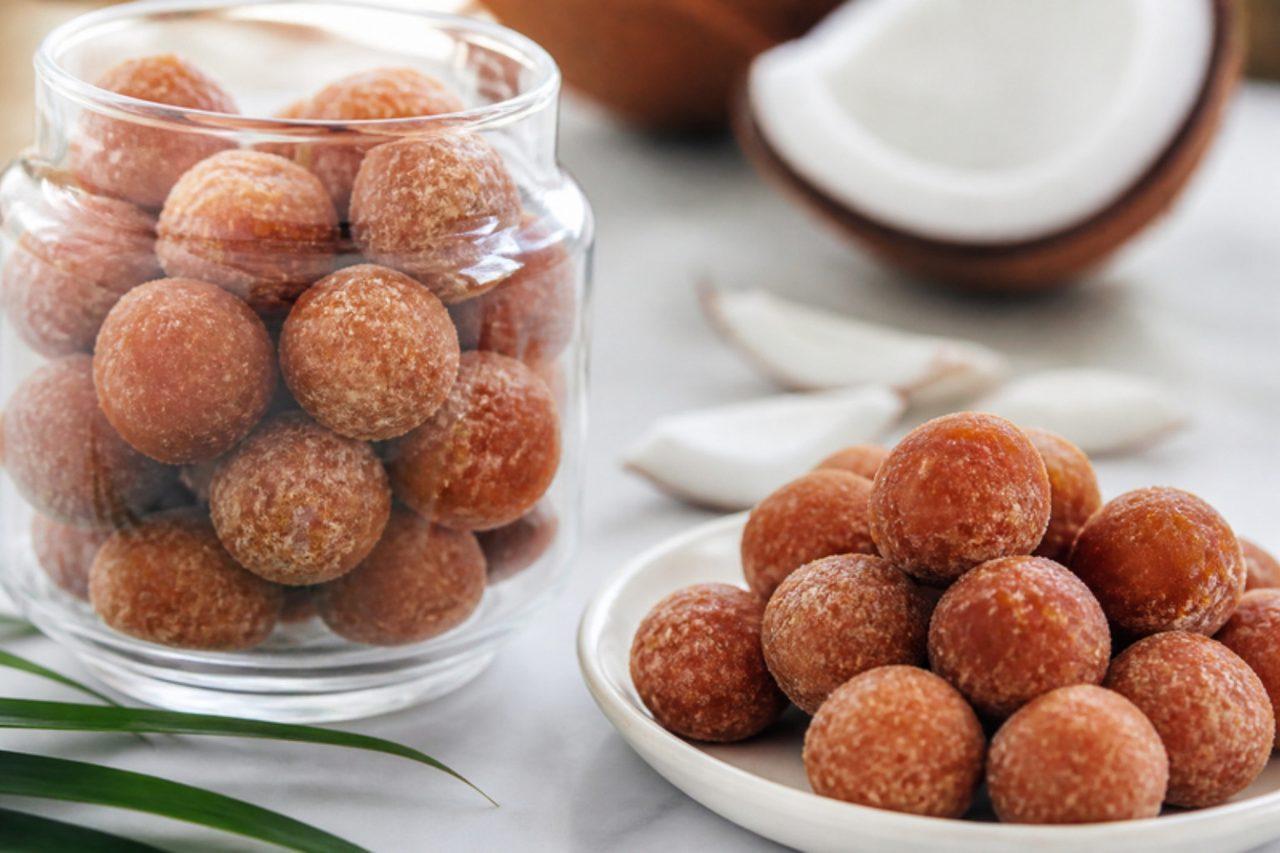
Kamarkattu is the toffee of Tamil village shops, dark, chewy, caramel-scented balls of coconut and jaggery that cost a few paise in the days when children bought sweets one at a time. It's quick to make at home and keeps for a couple of weeks. The mistake is taking the jaggery too far: if the syrup hardens past the soft-ball stage, kamarkattu turns rock hard and pulls fillings. Chef's tip: test a drop in cold water; when it forms a soft ball you can squash, switch off and shape immediately.

by KrazyBadal 0 views

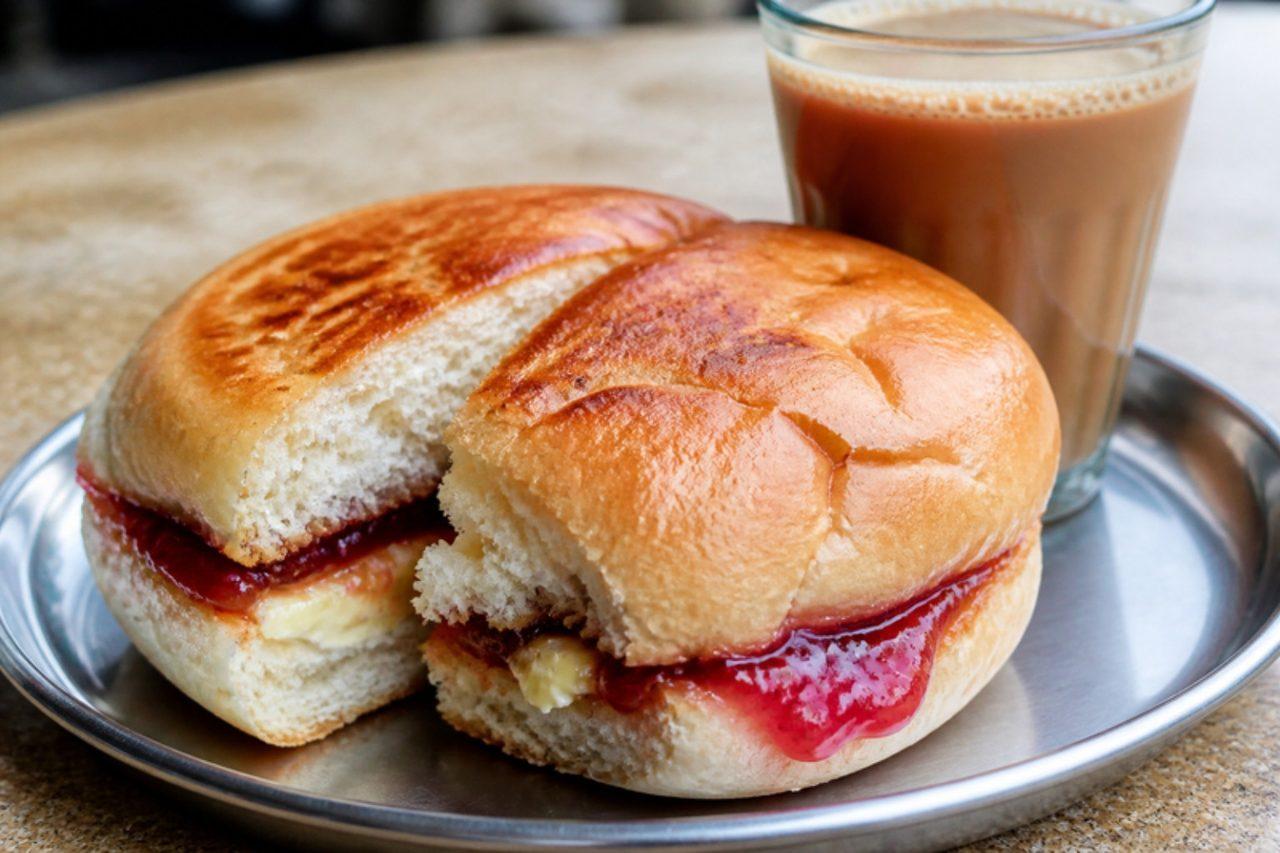
Bun butter jamGriddled bun with butter and jam

Bun butter jam is the most-ordered thing at a Tamil Nadu tea kadai after the tea itself: a soft, sweet bun split, griddled in butter until crisp at the edges, then spread with more butter and red fruit jam, eaten mid-morning or after school with a glass of milky tea. It is buttery, crunchy outside and pillowy inside, with sweet jam soaking into the crumb. The mistake is toasting on high heat; the sugary bun scorches before the butter has a chance to crisp it. Keep the tawa on medium-low. Chef's tip: press the bun down gently with a flat spatula as it toasts, the way the tea-shop masters do, for a wider, crunchier golden face.

by KrazyBadal 0 views

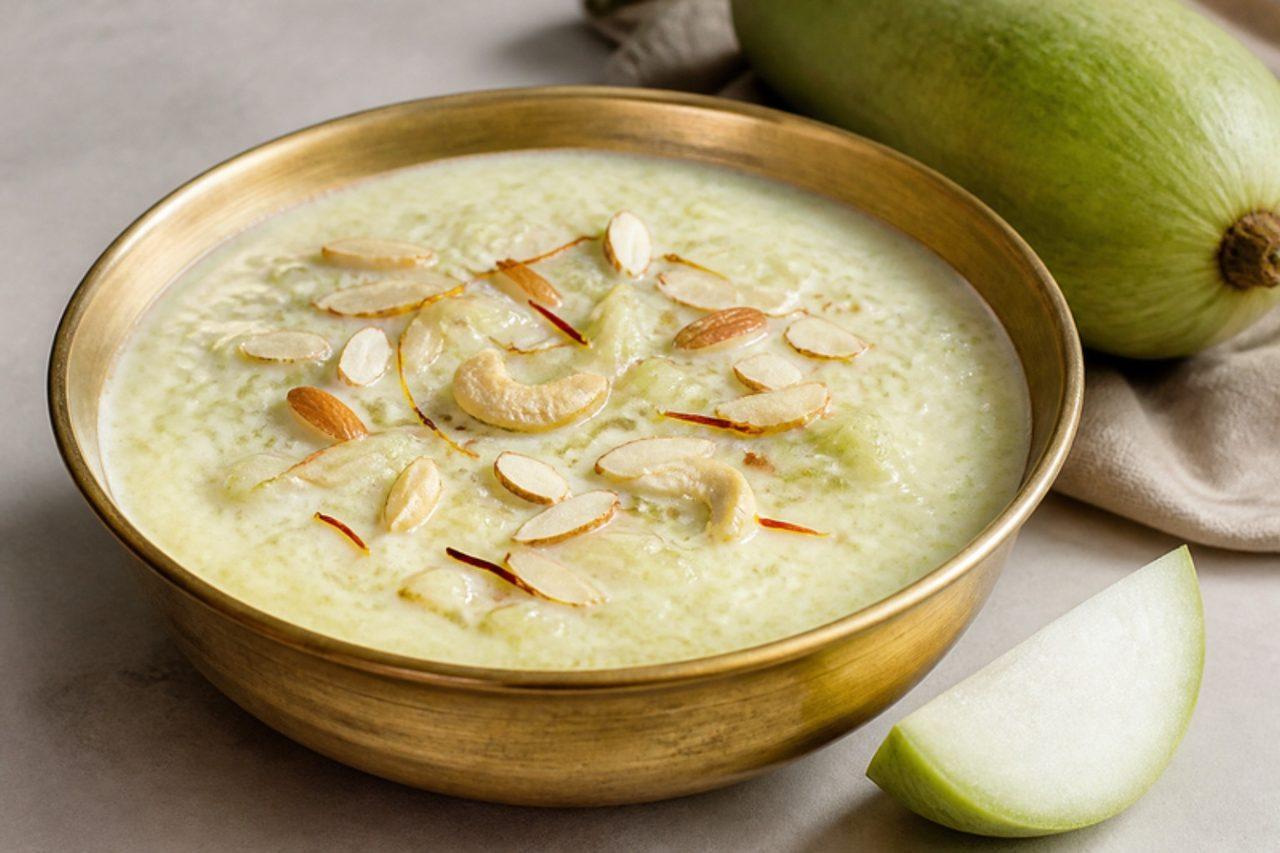
Lauki ki kheerBottle gourd milk pudding

Lauki ki kheer is the light pudding many North Indian families make on Mahashivratri, Navratri and Ekadashi, when rice is off the menu: grated bottle gourd stands in for the grain, softens in ghee and then simmers in milk until it turns pale, creamy and almost translucent. It tastes delicate and milky, with cardamom and a crunch of nuts, and is eaten warm after the evening puja or chilled the next day. Taste a sliver of the raw gourd first; a bitter one can make you ill and must be thrown away. Common mistake: adding the sugar too early, which stops the gourd softening and can make the milk split; add it only once the milk has reduced by about a third and the lauki is tender. Chef's tip: squeeze the grated lauki lightly before cooking, but keep the juice and add it to the milk, so none of the flavour is lost.

by KrazyBadal 0 views

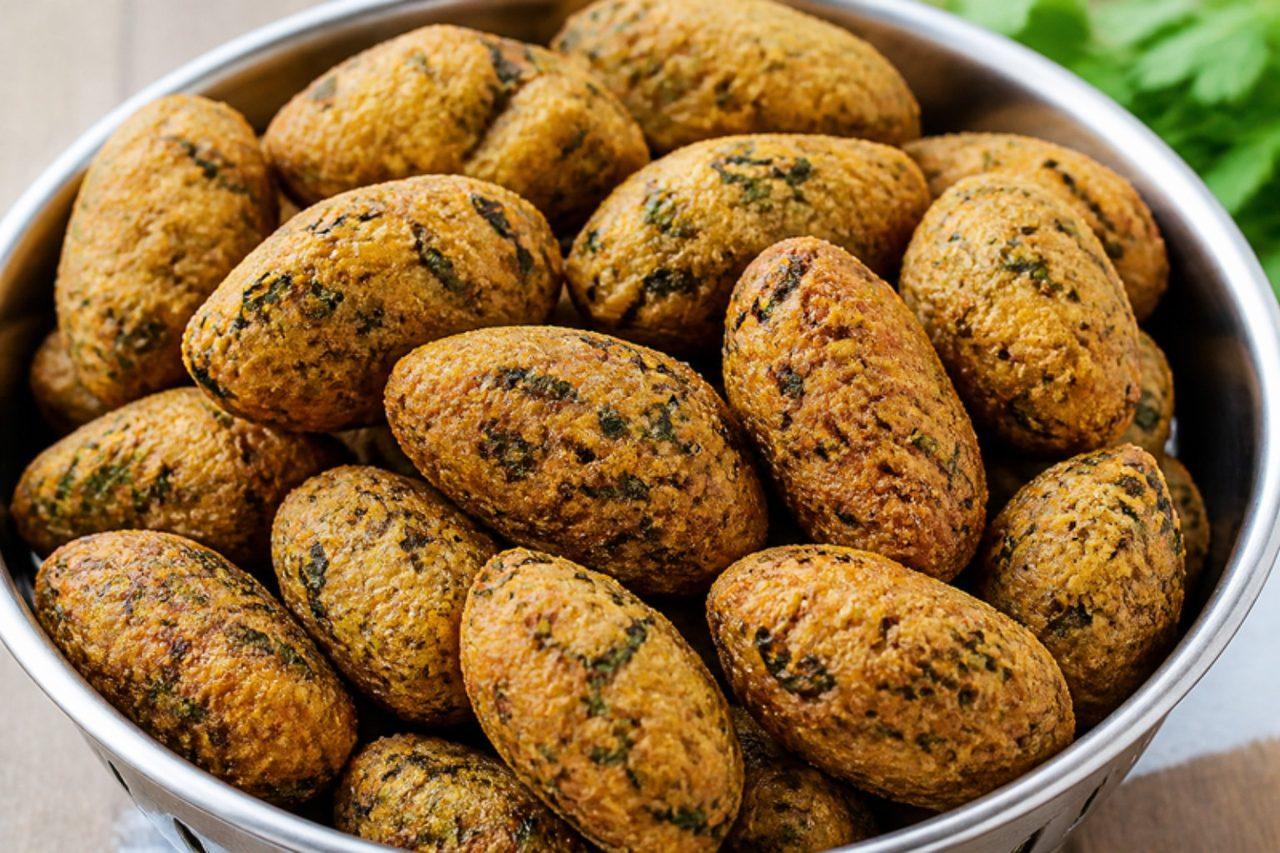
Tala methi na muthiaFried fenugreek dumplings

In Surat and the towns of South Gujarat, winter means undhiyu, and undhiyu means a big batch of fried methi muthia. These little finger-shaped dumplings of fresh fenugreek, gram flour and coarse wheat flour are crisp outside and soft inside, sweet-sour from sugar and lemon, with the pleasant bitterness of methi. Many families fry extra to eat as a snack with tea or with green chutney. The common mistake is frying in oil that is too hot; the outside browns while the centre stays raw and pasty, so fry them at a steady medium heat. Chef's tip: a little hot oil rubbed into the flour (moyan) is what makes them crumbly-crisp rather than hard.

by KrazyBadal 0 views

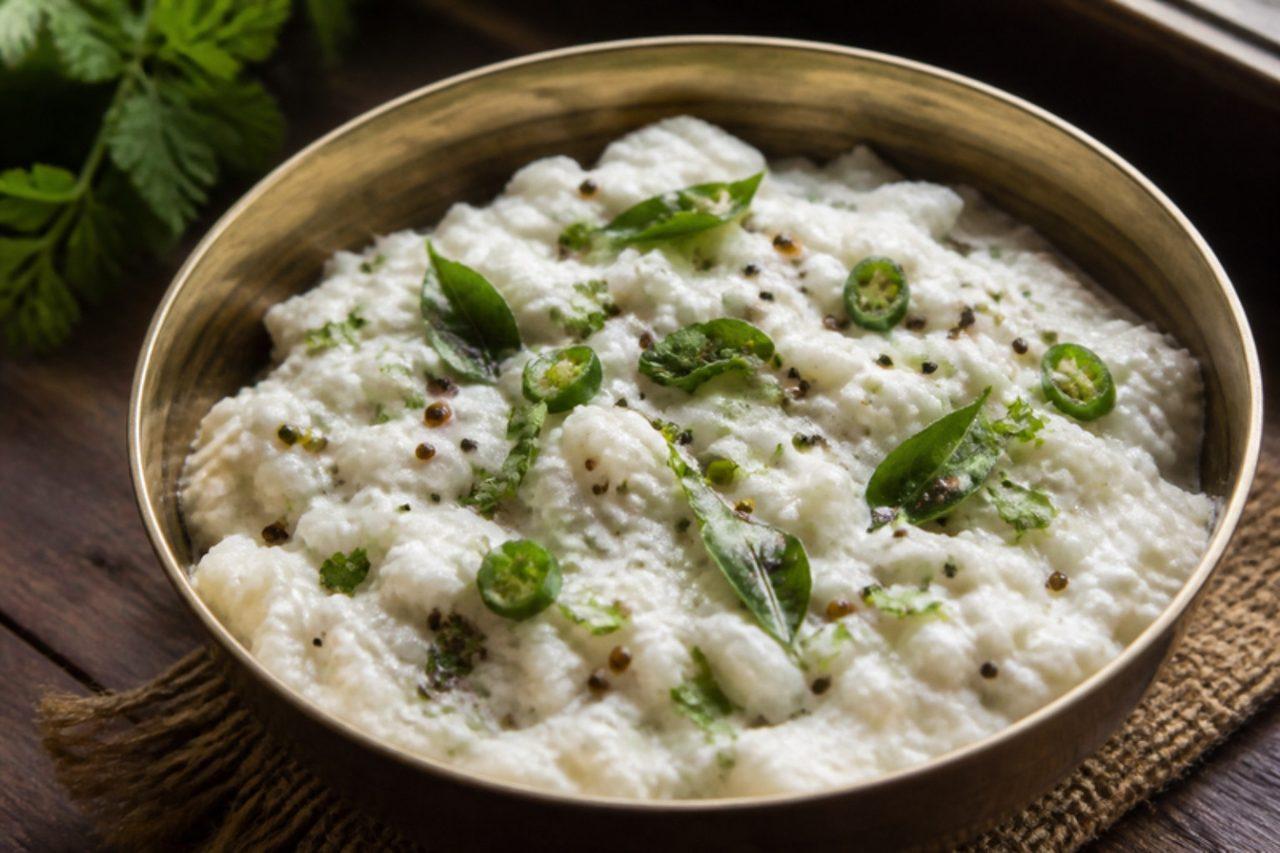
Mosaru avalakkiCurd flattened rice

On hot evenings in Mysuru and Bengaluru, mosaru avalakki is the cooling no-fuss dinner: thin poha folded into thick curd loosened with a little milk, sharpened with ginger and green chilli and finished with a sizzling mustard and curry leaf tempering. It is soft, tangy and refreshing, and often comes with pomegranate seeds or grated cucumber. The common mistake is mixing it too early; thin poha keeps soaking up curd and turns into a stiff paste if it sits. Chef's tip: stir in the milk last, just before serving, so the curd stays creamy and the poha keeps a little bite.

by KrazyBadal 0 views

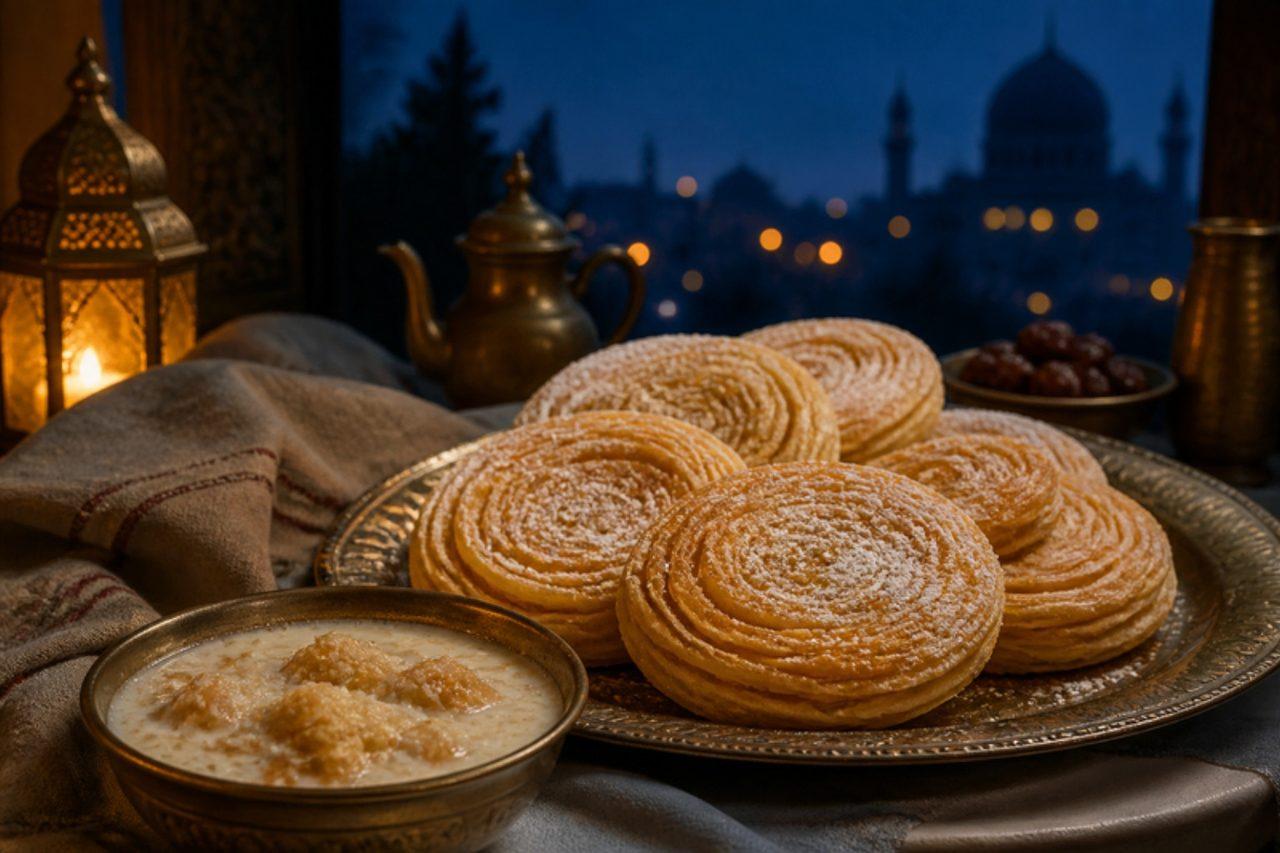
KhajlaFried pastry rounds in sweet milk

In the old lanes of Lahore and Karachi's Burns Road, sweet shops fry khajla through the night in Ramadan so families can buy it fresh for sehri, the meal eaten before dawn. Each round is a stack of paper-thin layers of ghee-rubbed dough that shatter when you press them, and it is crumbled into a bowl of hot sweetened milk, often with fine pheni, to give slow energy for the fasting day. Chef's tip: keep the oil only medium-hot; khajla must fry slowly so every inner layer turns crisp before the outside browns.

by KrazyBadal 0 views

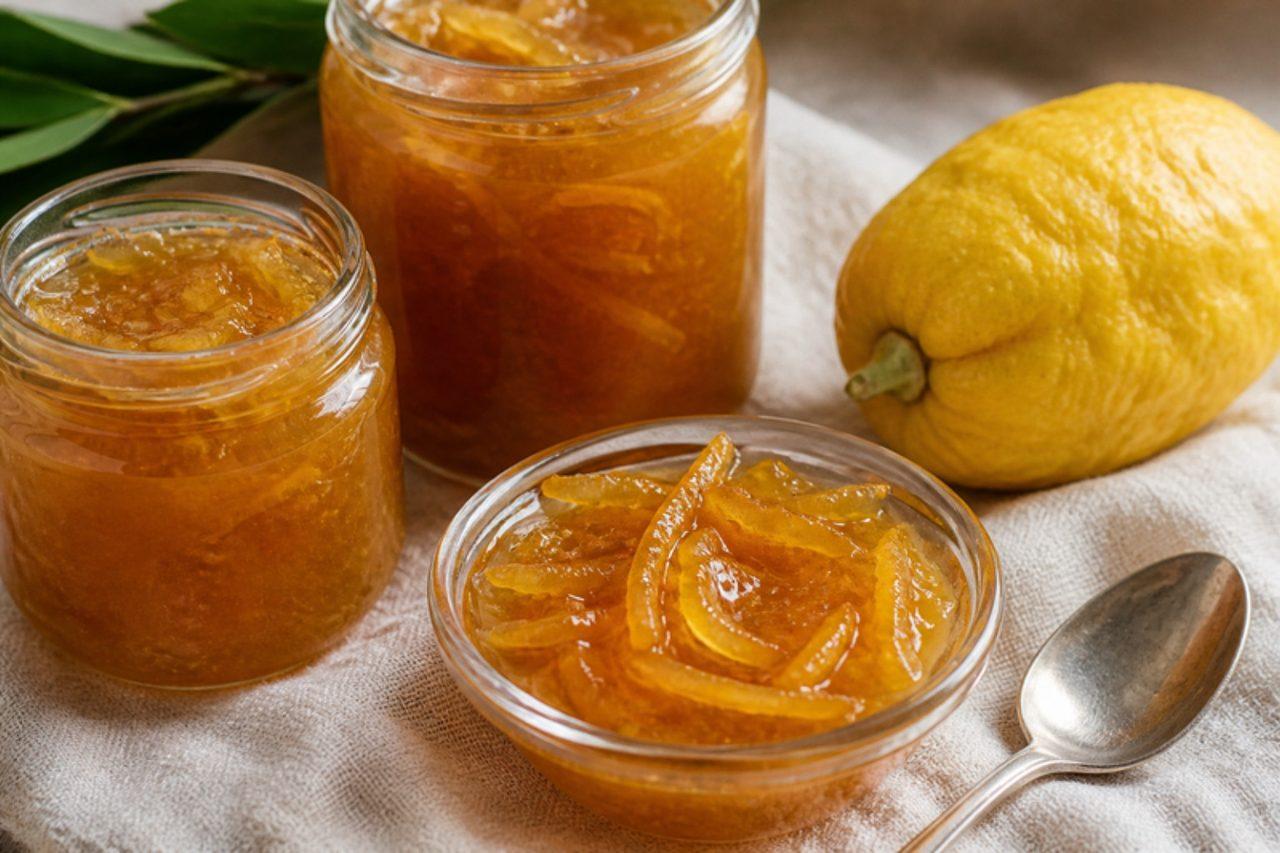
Etrog marmaladeCitron preserve

After Sukkot ends, many Israeli families keep the fragrant etrog (citron) used during the festival and turn it into marmalade, so its scent lasts into the winter. The thick pith is bitter, so the sliced fruit is soaked overnight and blanched in fresh water before it is simmered with sugar into a golden, bitter-sweet preserve, lovely on challah or with soft cheese. If your etrog was treated with sprays because it was grown only for ritual use, buy an unwaxed one sold for eating. The common mistake is skipping the soaking and changes of water, which leaves the marmalade harsh. Chef's tip: add a lemon for pectin and brightness, since etrogs are dry and set softly on their own.

by KrazyBadal 0 views

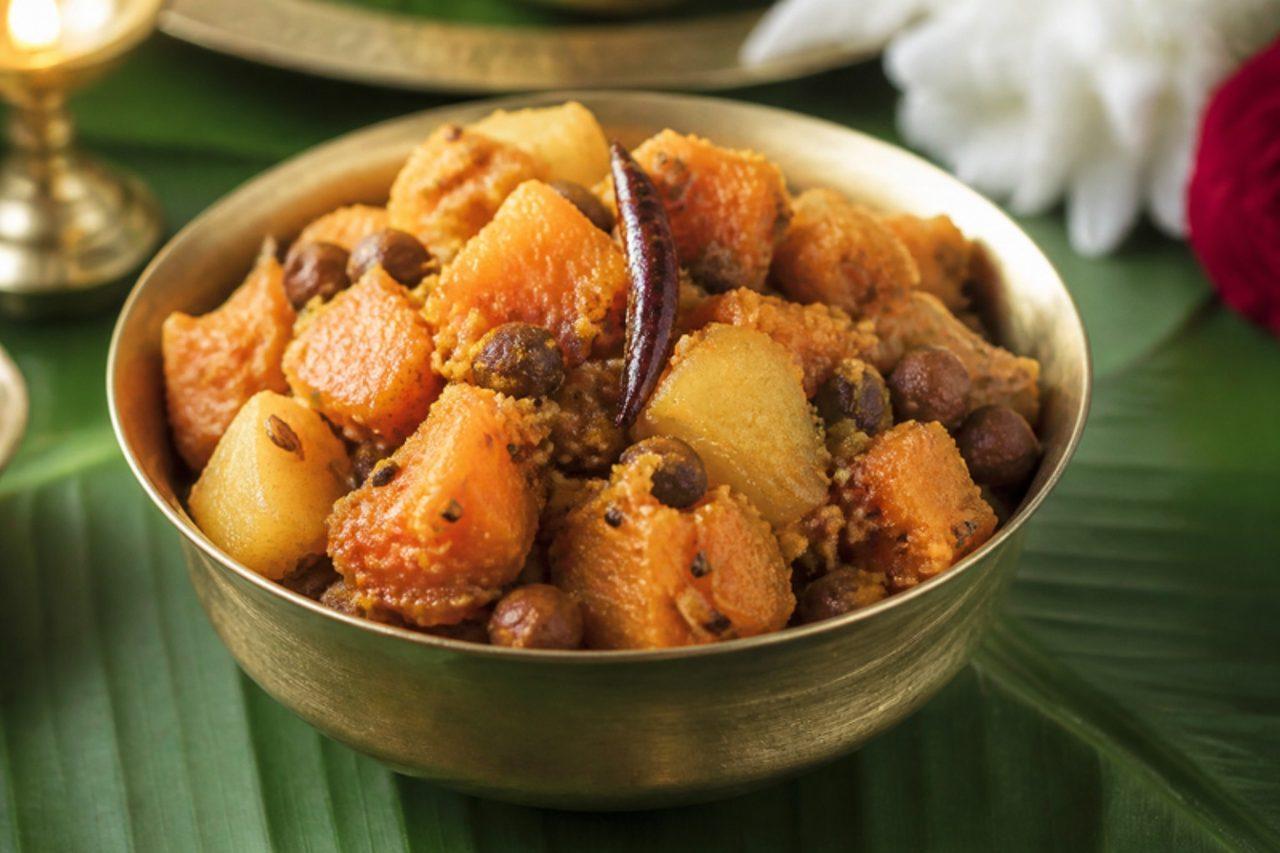
Kumror chhokkaPumpkin, potato and chickpeas

Kumror chhokka is the soft, sweet-savoury pumpkin dish that turns up on the niramish bhog plate at Durga Puja, next to khichuri and luchi, and at Bengali vegetarian feasts all year. Red pumpkin and potato are cooked down with soaked chickpeas, panch phoron (the Bengali five-spice), ginger and a pinch of sugar, until the pumpkin half melts and coats everything. There is no onion or garlic, which keeps it fit for the offering. It is mild, a little sweet and comforting. Common mistake: cutting the pumpkin and potato the same size; pumpkin cooks much faster, so cut it into bigger pieces, and stop when the potato is soft and some of the pumpkin has broken down. Chef's tip: a teaspoon of ghee and a pinch of roasted cumin powder stirred in at the very end makes it taste like the pandal version.

by KrazyBadal 0 views

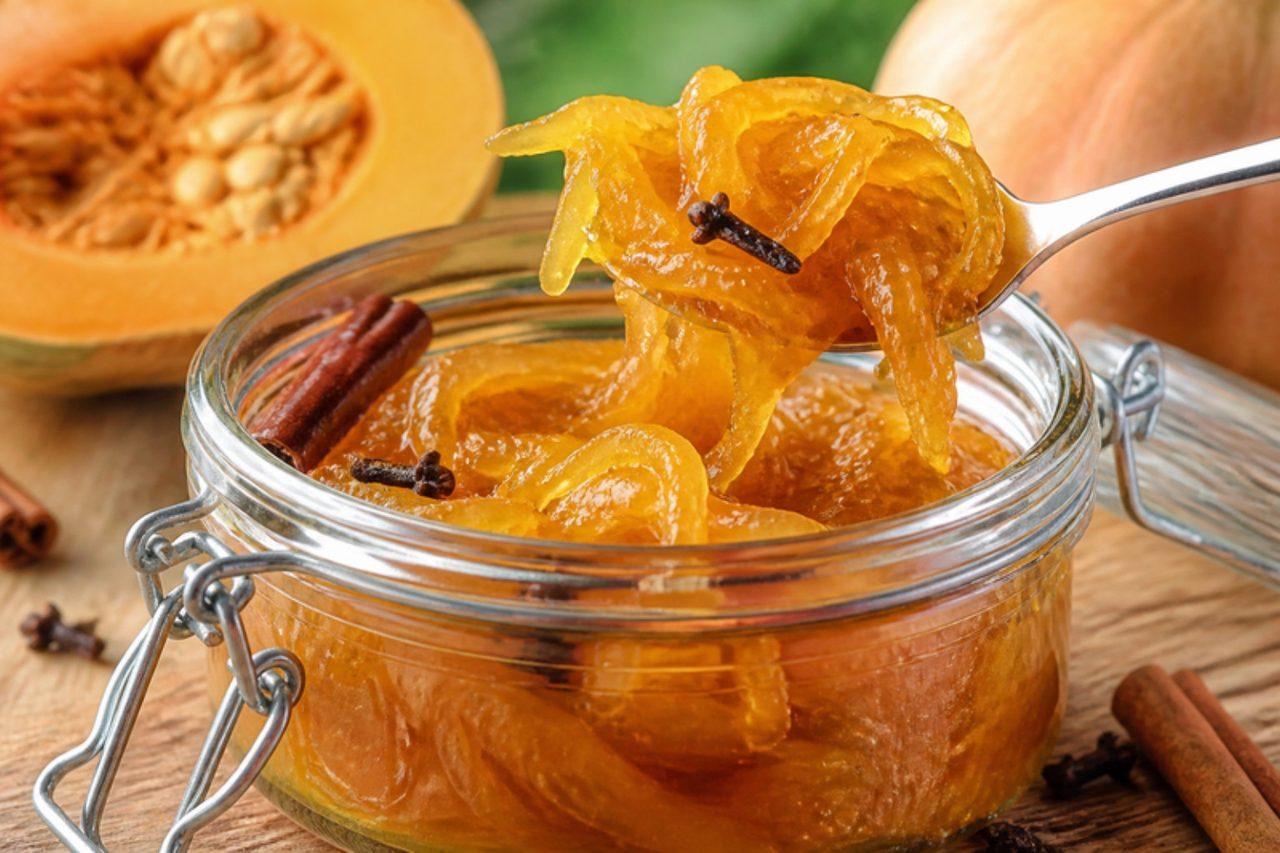
Miel de chiverreSquash strand preserve

Chiverre is a large, pale squash with stringy flesh that Costa Rican families save for Semana Santa. The strands are cooked for hours with tapa de dulce (cane sugar), cinnamon and cloves until they turn into a golden, chewy, sweet preserve called miel de chiverre, eaten on its own or used to fill the Holy Week empanadas and tortas. Spaghetti squash, though milder, is the closest substitute. It is vegan. Chef's tip: soak the squash strands in cold water for a few hours and drain well, which removes the bitterness.

by KrazyBadal 0 views

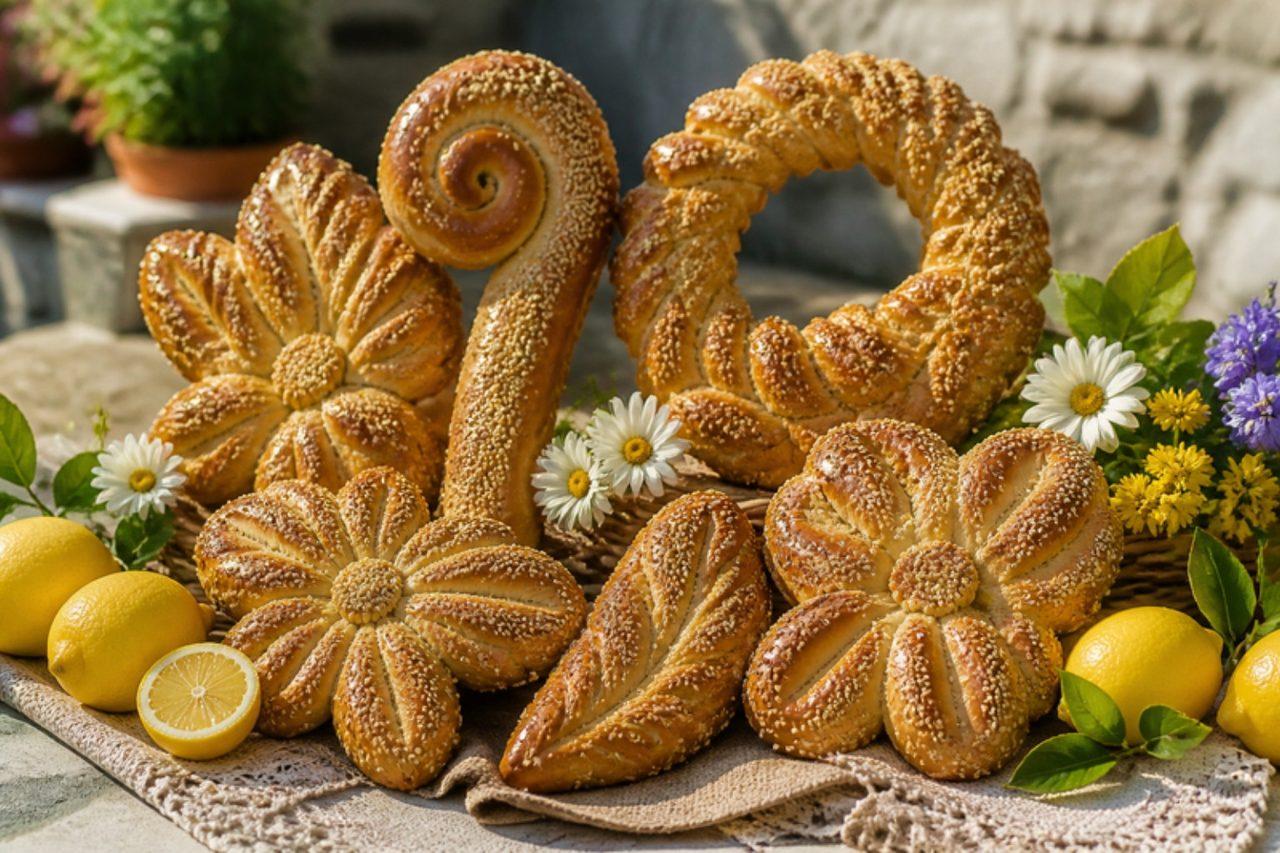
Pane di San GiuseppeSculpted festival breads

For St Joseph's Day on 19 March, families in western Sicily (Salemi, Trapani, Marsala) build 'tavolate' or altars to the saint, laden with ornate, sculpted breads: beards for Joseph, a staff, flowers, birds, fish and the hand of God. The breads are later given to the poor and to guests. The dough is a firm, plain semolina bread, so it holds fine detail, brushed with egg and scattered with sesame. Shape a few simple ones first; they are as much decoration as food. It is vegan, glazed with water rather than the egg some bakers use. Chef's tip: keep the dough firm and rest it so it doesn't spring back; soft dough loses its shapes in the oven.

by KrazyBadal 0 views

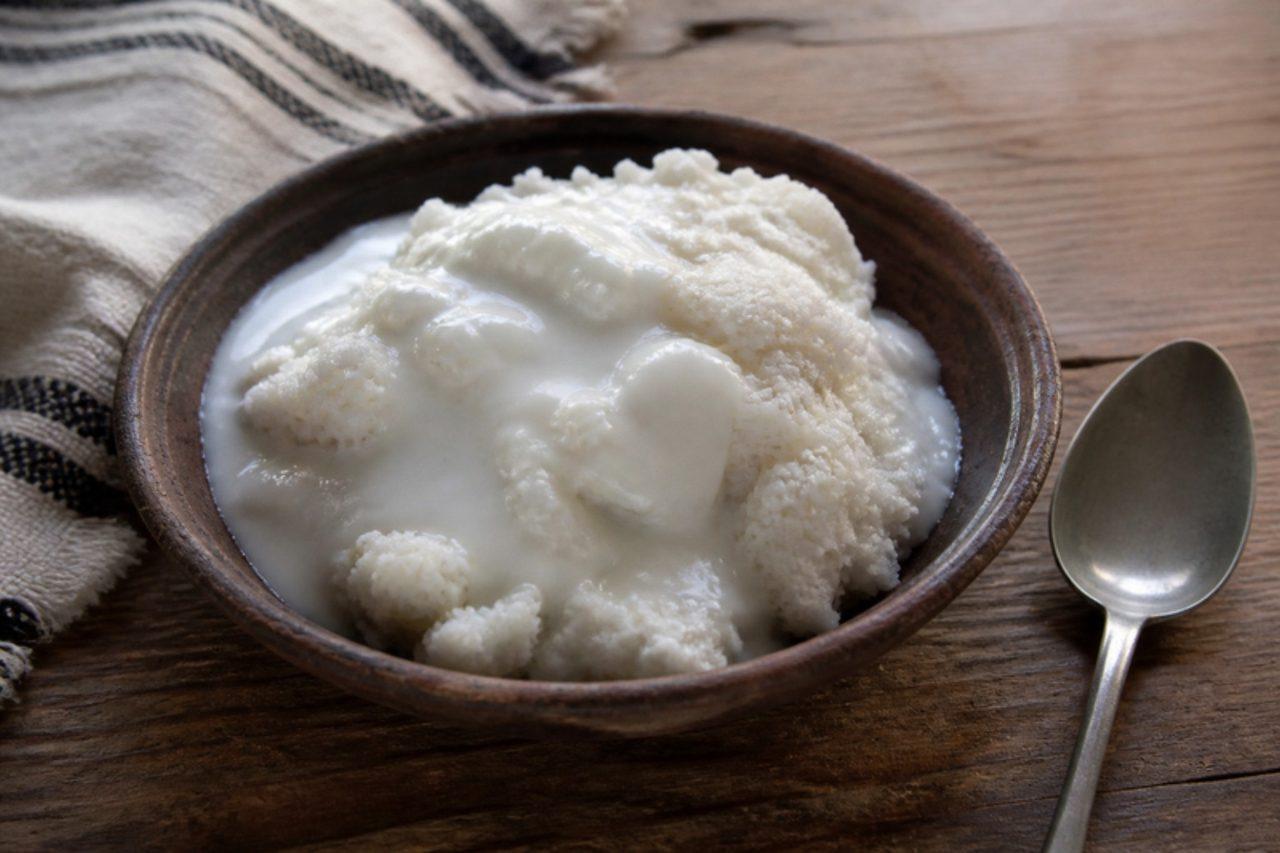
Umphokoqo with amasiCrumbly maize pap with soured milk

Umphokoqo is the dry, crumbly pap of the Eastern Cape, beloved at Xhosa family gatherings and often brought out on Heritage Day as a taste of home. Instead of the stiff pap stirred into a smooth mound, the maize meal is steamed in a little water and broken up with a fork until it falls into fine, fluffy crumbs. It is served cold or at room temperature, with chilled amasi (thick soured milk) poured over, sour, cool and filling, or warm beside braai meat and chakalaka. Chef's tip: don't stir in circles like ordinary pap; cut and fluff with a fork so it stays crumbly.

by KrazyBadal 0 views

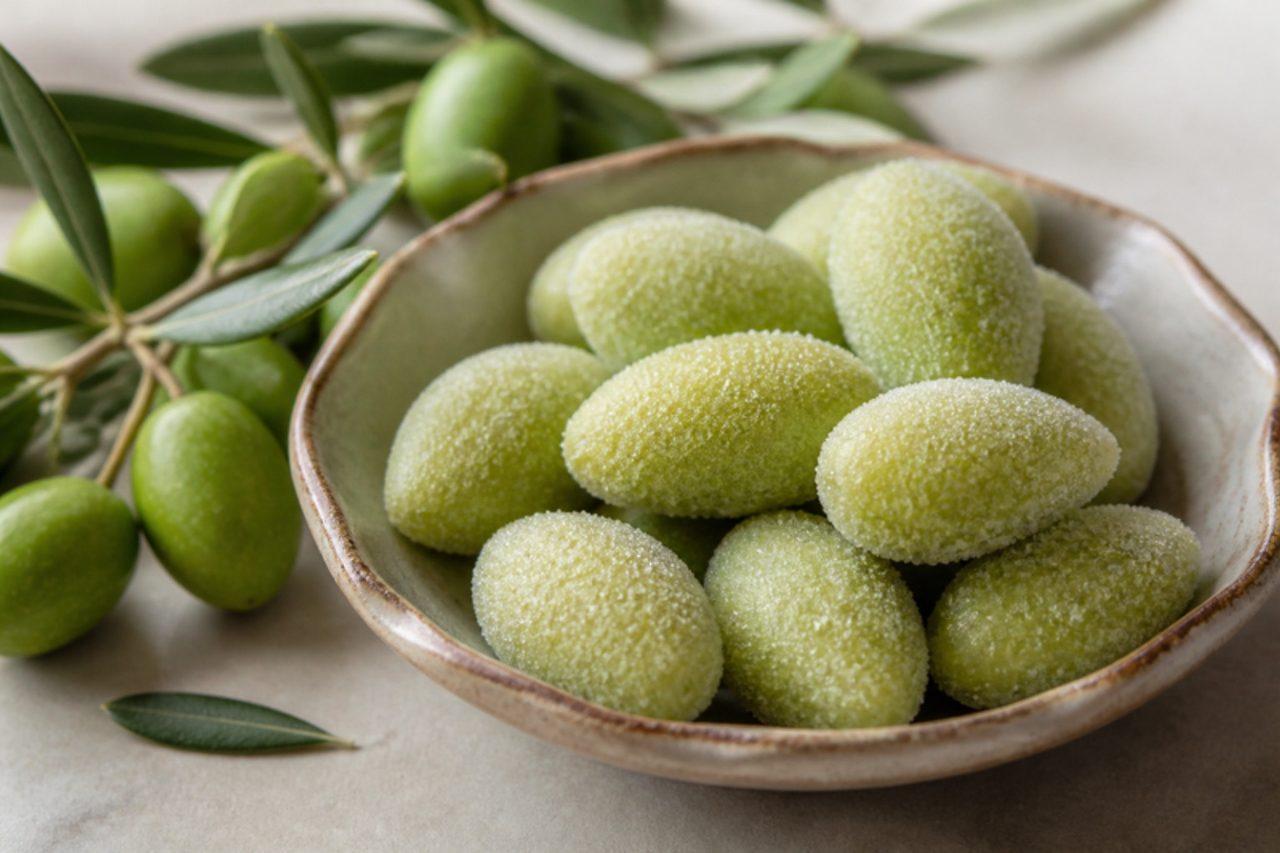
Olivette di Sant'AgataAlmond paste olives

Olivette are tiny green 'olives' of almond paste rolled in sugar, sold in Catania for the feast of St Agatha in early February. A legend tells that as the young saint was led to her trial she stopped to tie her shoe, and a wild olive tree sprang up on the spot and fed her. The sweets are made from ground almonds, sugar and a little water, coloured green and shaped in the palm. They are gluten free and dairy free, and children love to help shape them. Use a natural green such as matcha or spinach powder if you prefer. Chef's tip: knead the paste only until smooth, as overworking draws out the almond oil and it turns greasy.

by KrazyBadal 0 views

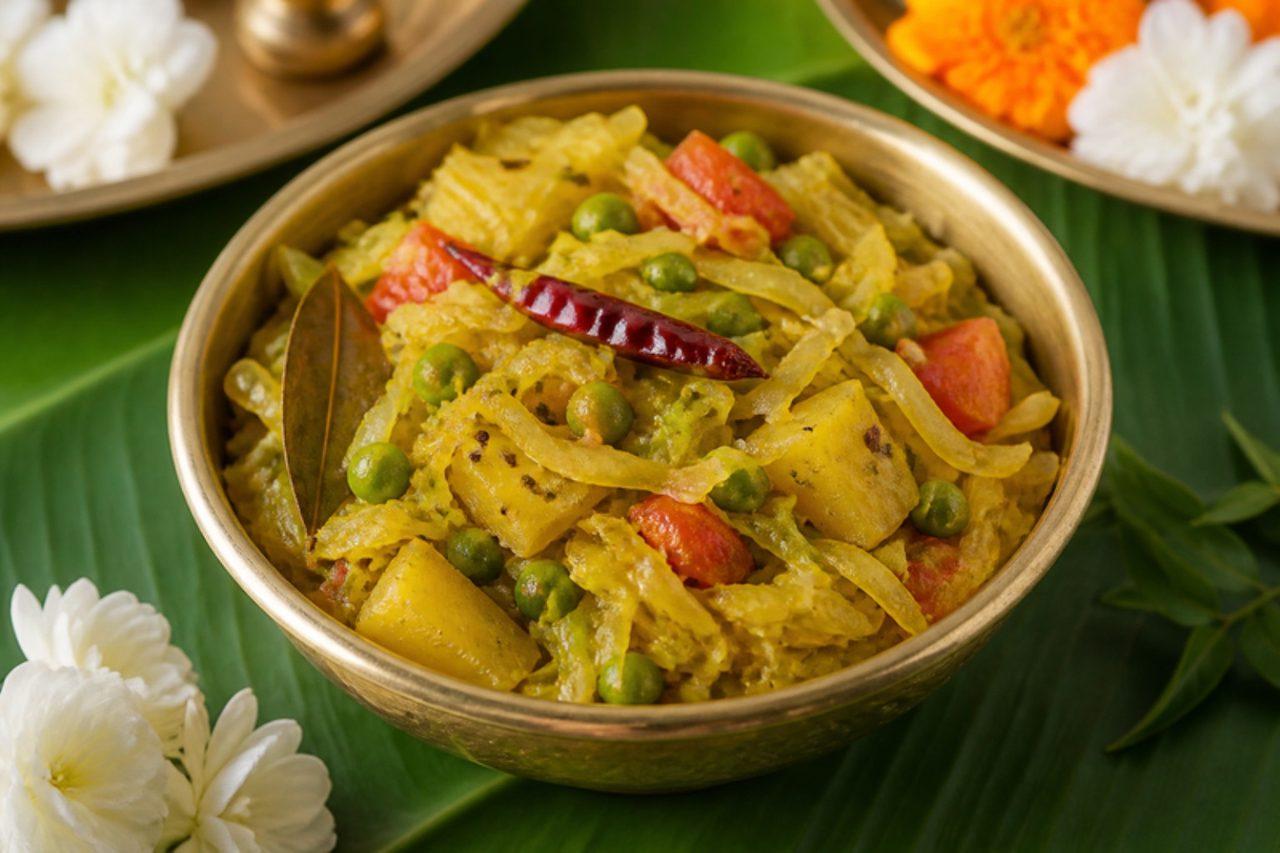
Bandhakopir torkariCabbage with peas and potato

In Bengali homes and pandal kitchens during Durga Puja, the bhog plate needs a dry vegetable beside the khichuri, and bandhakopir torkari is one of the favourites. Cabbage is shredded fine and cooked slowly with potato, peas, ginger and whole cumin, with no onion or garlic because it is offered to the goddess before it is eaten. A pinch of sugar and a final dusting of garam masala make it gently sweet and fragrant. Serve it with khichuri, luchi or plain rice and dal. Common mistake: covering the pan for the whole time, which steams the cabbage grey and watery; cook it mostly uncovered so the liquid evaporates and the edges just start to brown. Chef's tip: salt the shredded cabbage for 10 minutes and squeeze it lightly before cooking; it cooks faster and soaks up the spices better.

by KrazyBadal 0 views

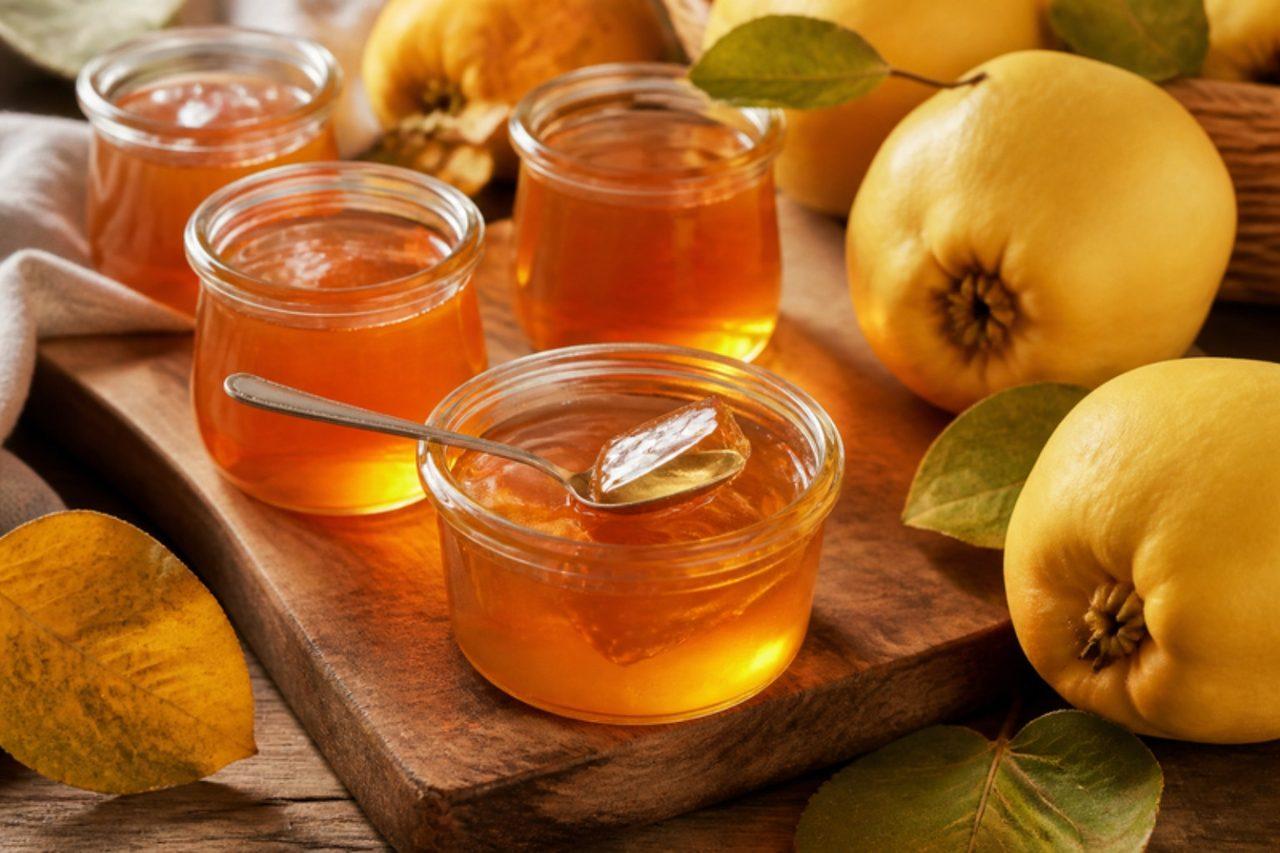
QuittengeleeQuince jelly

Quinces are too hard and sour to eat raw, so in Germany they are turned into Quittengelee, one of the jewel-coloured jars set out with the pumpkins and sheaves of wheat for Erntedank, the October harvest thanksgiving. The fruit is simmered whole in pieces, the juice drips through a cloth overnight, and then it is boiled with sugar until it sets into a clear jelly the colour of rosé, with a perfume like pear, honey and roses. Eat it on bread rolls, with cheese, or melted as a glaze for apple tart. Chef's tip: quince skin and cores are full of natural pectin, so cook them in with the flesh rather than peeling.

by KrazyBadal 0 views

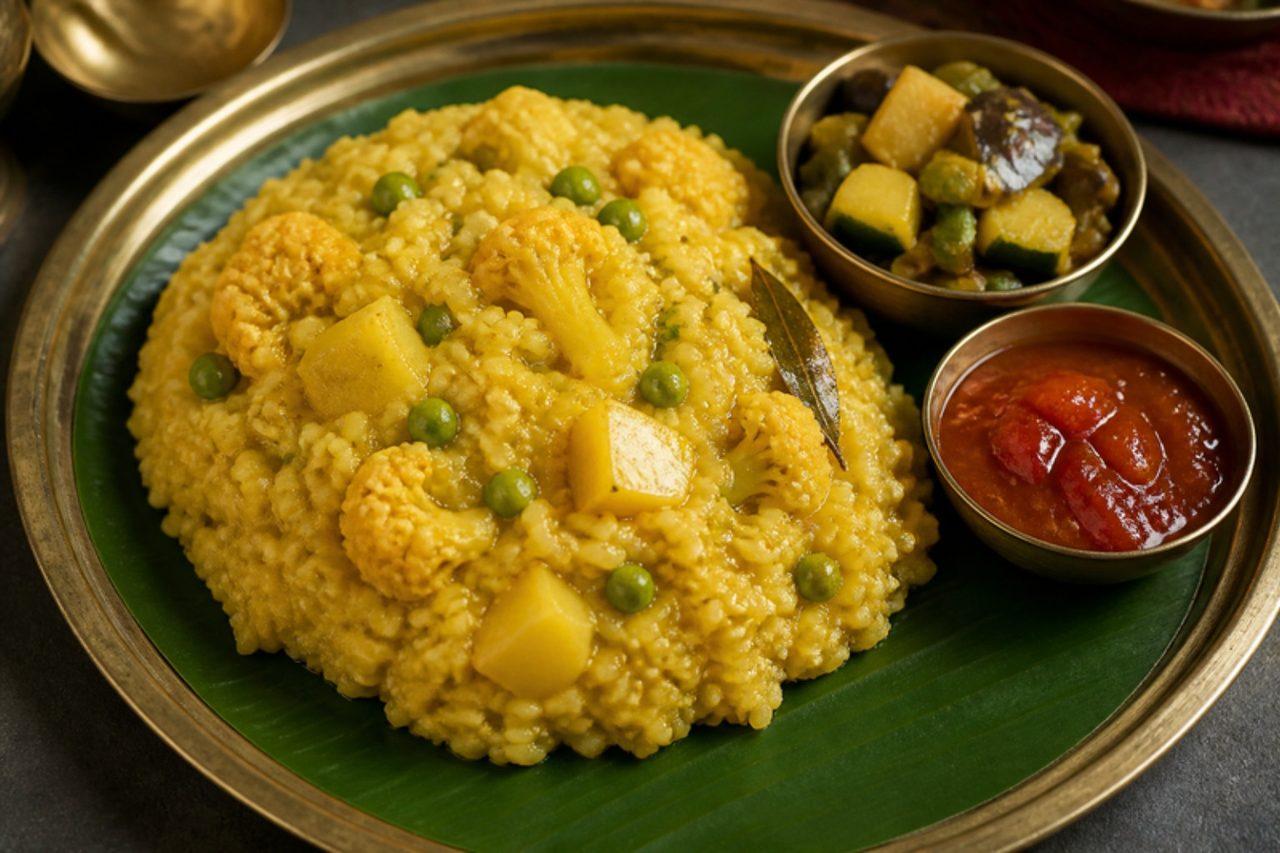
Bhoger khichuriMoong dal and rice with vegetables

On Maha Ashtami, the eighth day of Durga Puja, every para pandal in West Bengal cooks huge pots of bhoger khichuri, offers it to the goddess at noon and then hands it out on sal-leaf plates to anyone in the queue. It is bhog food, so there is no onion or garlic: the flavour comes from dry-roasted moong dal, short, fragrant gobindobhog rice, ginger, whole spices and a generous finish of ghee. The texture should be thick and spoonable, somewhere between a risotto and a porridge, with soft cauliflower, potato and peas through it. Serve it hot with labra, beguni and tomato khejur chutney. Common mistake: skipping the roasting of the dal, which leaves the khichuri flat and pale; roast it until it smells nutty and turns a light biscuit colour. Chef's tip: gobindobhog rice absorbs a lot of water as it stands, so keep a kettle of hot water by the stove and loosen the khichuri just before serving.

by KrazyBadal 0 views

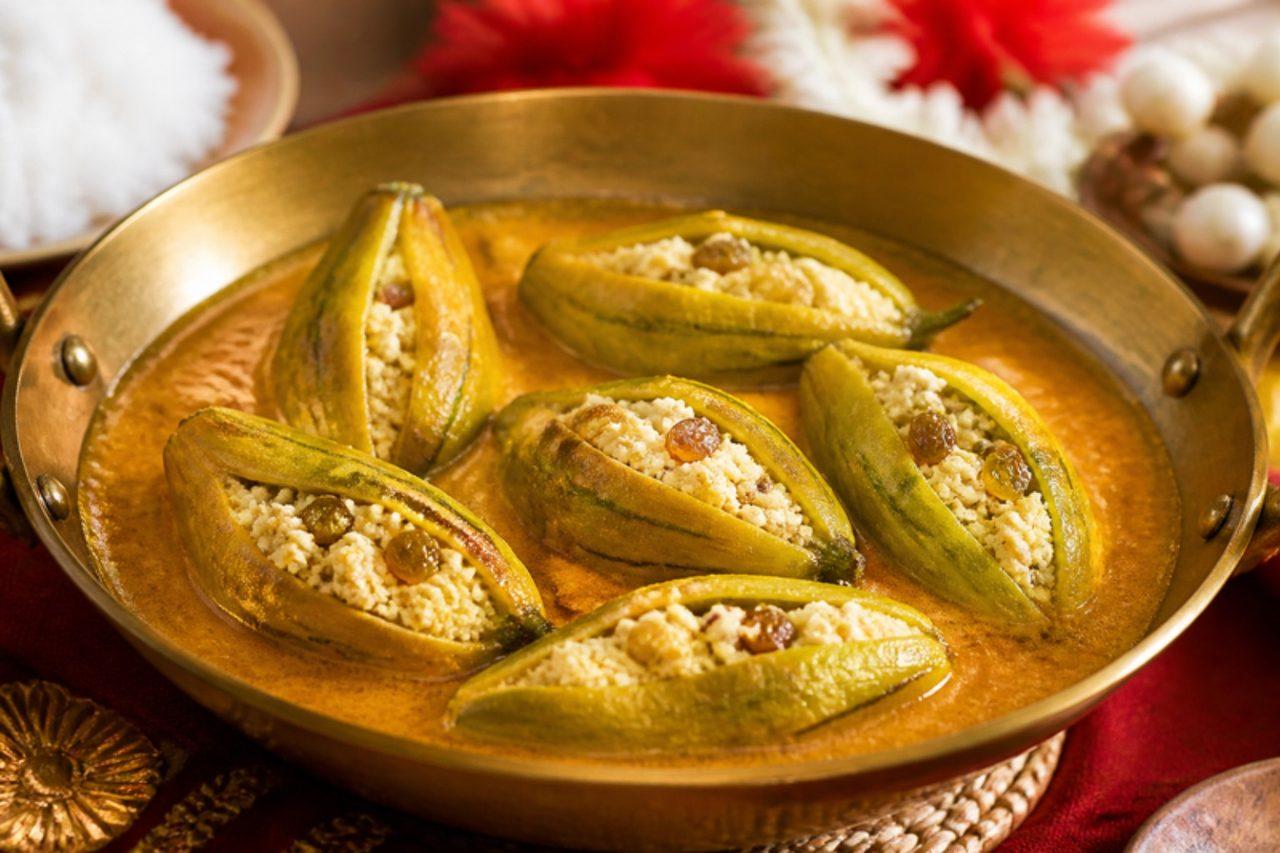
Potoler dormaPaneer-stuffed pointed gourd

Potoler dorma is a showpiece of the Bengali vegetarian table, cooked for Durga Puja Navami lunches, weddings and the jamai shoshti feast. Pointed gourds (potol) are scraped, hollowed, fried, stuffed with paneer, raisins and spices, then simmered in a cashew, yoghurt and tomato gravy that is rich, gently sweet and fragrant with garam masala and ghee. This version keeps to the puja's no-onion, no-garlic style. Common mistake: cutting the gourds open lengthwise; for a dorma you slit only one end and scoop through it with a small spoon, so the filling stays inside while it simmers. The gourd is done when a toothpick slides in easily but the skin is still green and holds its shape. Chef's tip: chop the scooped-out seeds and flesh and cook them into the filling, which adds flavour and wastes nothing.

by KrazyBadal 0 views

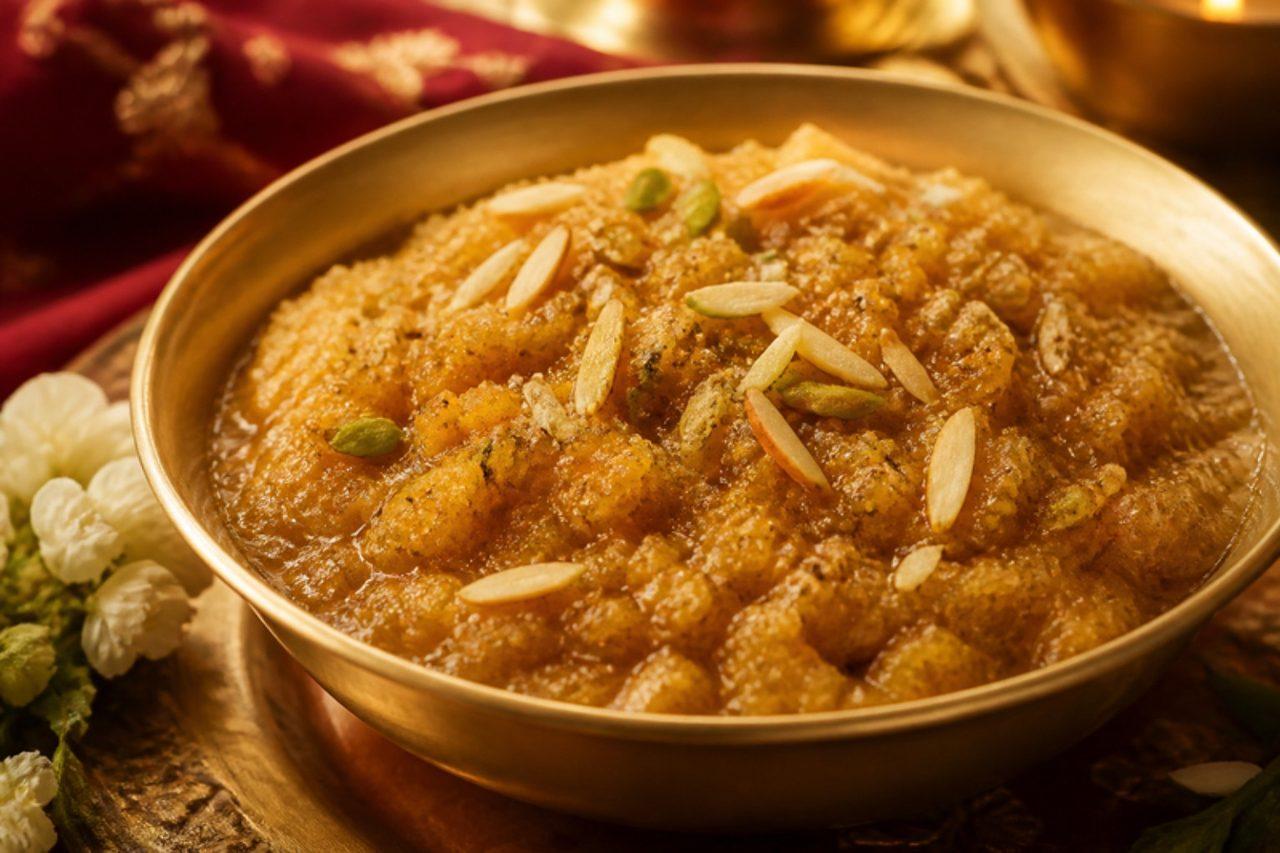
Chana dal halwa

At Punjabi weddings in Lahore and Faisalabad in the cold months, the dessert table often carries a big tray of chana dal halwa beside the gajar halwa. Soaked split chickpeas are ground and fried slowly in ghee until they smell of roasted nuts and turn deep golden, then cooked with milk, sugar and cardamom into a rich, grainy halwa that keeps for days. It takes patience and a strong arm. Chef's tip: keep the heat low and scrape the bottom constantly; the dal catches fast once it starts to brown.

by KrazyBadal 0 views

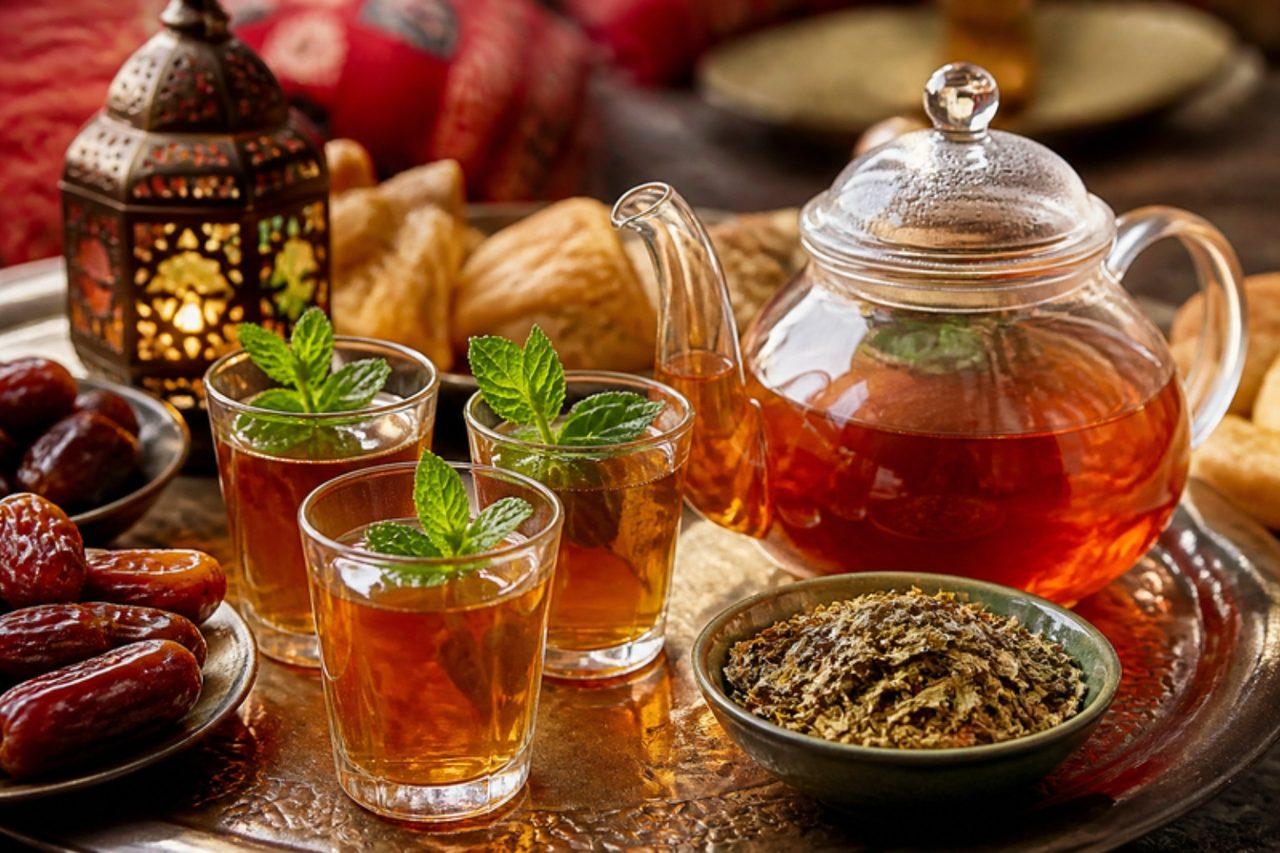
KinkélibaKinkéliba leaf tea with mint

Kinkéliba is an herbal tea brewed from the dried leaves of a West African shrub, and in Senegal it is the drink families reach for at the moment of breaking the fast in Ramadan, served hot with bread or dates. The brew is amber, gently bitter and woody, softened with sugar and lifted with fresh mint. Many households also drink it at breakfast all year. Chef's tip: simmer it gently rather than boiling it hard; a fierce boil brings out too much bitterness.

by KrazyBadal 0 views

AlewaPulled sugar sweets

Alewa is the chewy pulled sugar sweet of Hausa northern Nigeria, cooked from just sugar, water and a squeeze of lime, then stretched by hand until it turns pale and satiny. Pocketfuls are given to children on Sallah, the Eid al-Fitr holiday, as they go from house to house in new clothes. The taste is clean caramel with a little sharpness from the lime. An adult should do the hot pulling. Chef's tip: oil your hands and the worktop well and pull while the sugar is still hot enough to bend; once it cools it sets hard and won't stretch.

by KrazyBadal 0 views

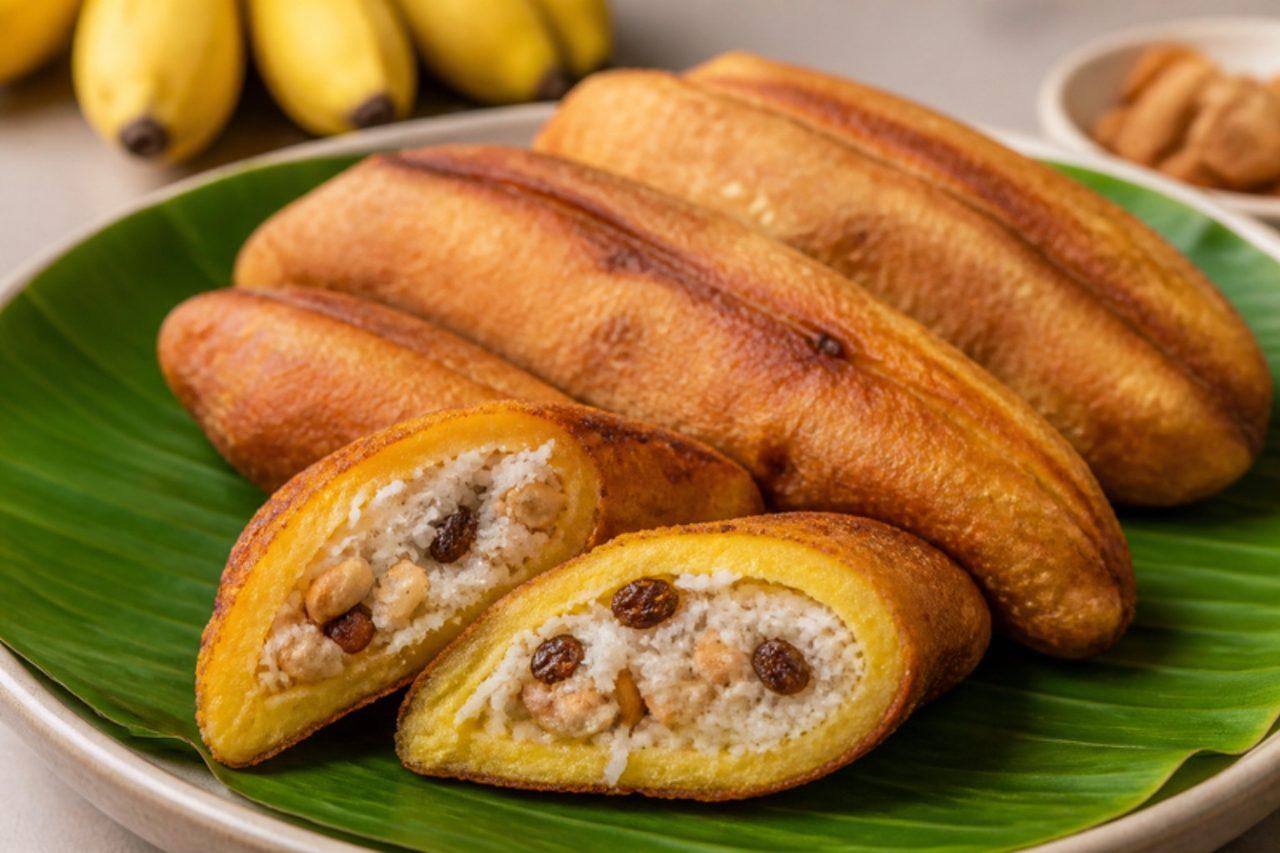
Pazham nirachathuCoconut-stuffed fried plantains

Every Malabar iftar spread has a plate of pazham nirachathu: ripe plantains slit open, packed with grated coconut, sugar and cardamom fried with ghee and cashews, then dipped in a thin flour batter and shallow-fried. The outside turns crisp and lacy, the plantain goes soft and caramel-sweet and the coconut stays moist. Chef's tip: slit the plantain without cutting through the far side or the ends, so the filling stays inside the pocket.

by KrazyBadal 0 views

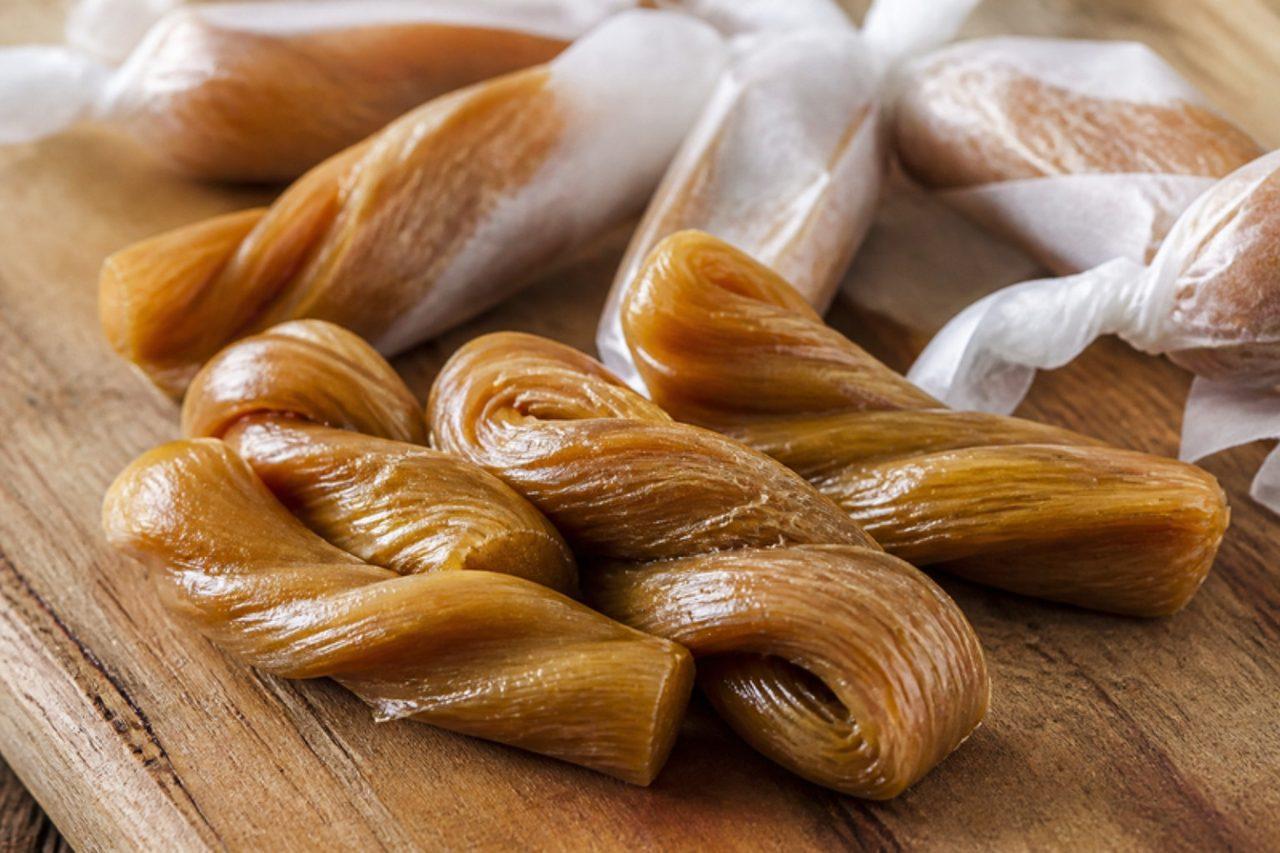
Tire Sainte-CatherinePulled molasses taffy

On 25 November, Quebec celebrates St Catherine, patron of unmarried women, with tire Sainte-Catherine, a pulled molasses taffy. The custom goes back to Marguerite Bourgeoys, who is said to have made taffy in the 1600s to draw children to her school in Ville-Marie, and today schools and families still 'pull the tire' together. Hot molasses and sugar syrup is cooled, then pulled with buttered hands until it turns golden and satiny, twisted into ropes and cut into pieces. It is gluten free. Chef's tip: pull it as soon as it is cool enough to handle, as it sets fast; work in pairs.

by KrazyBadal 0 views

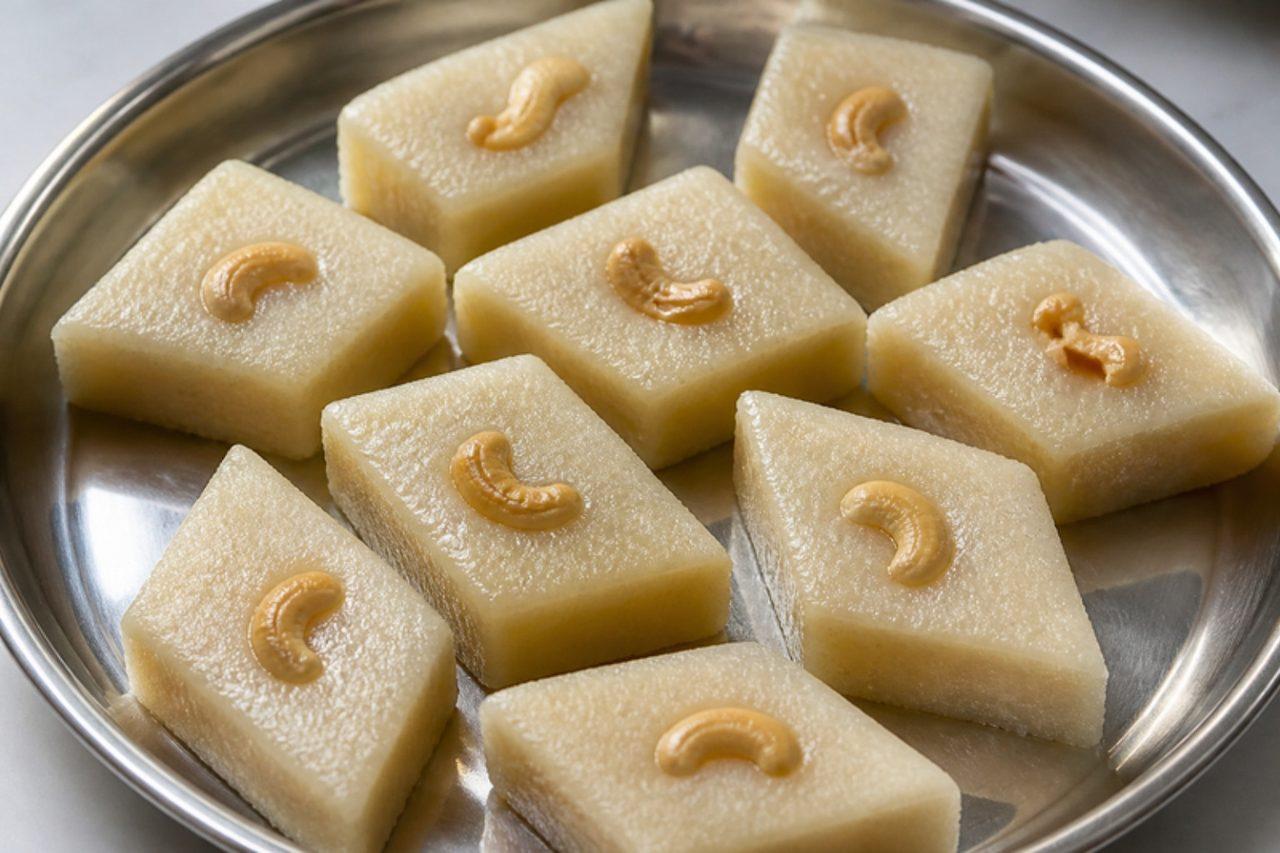
KinnathappamSteamed rice and coconut milk squares

Kinnathappam is named after the kinnam, the round steel plate it sets in, and it is one of the soft, wobbly sweets Mappila cooks in Malabar make for iftar and Eid. Rice flour, coconut milk and sugar are stirred into a smooth batter, steamed until just set and cut into glossy diamonds that taste of coconut and cardamom. Chef's tip: strain the batter before steaming; any lumps of rice flour show as white specks in the finished squares.

by KrazyBadal 0 views

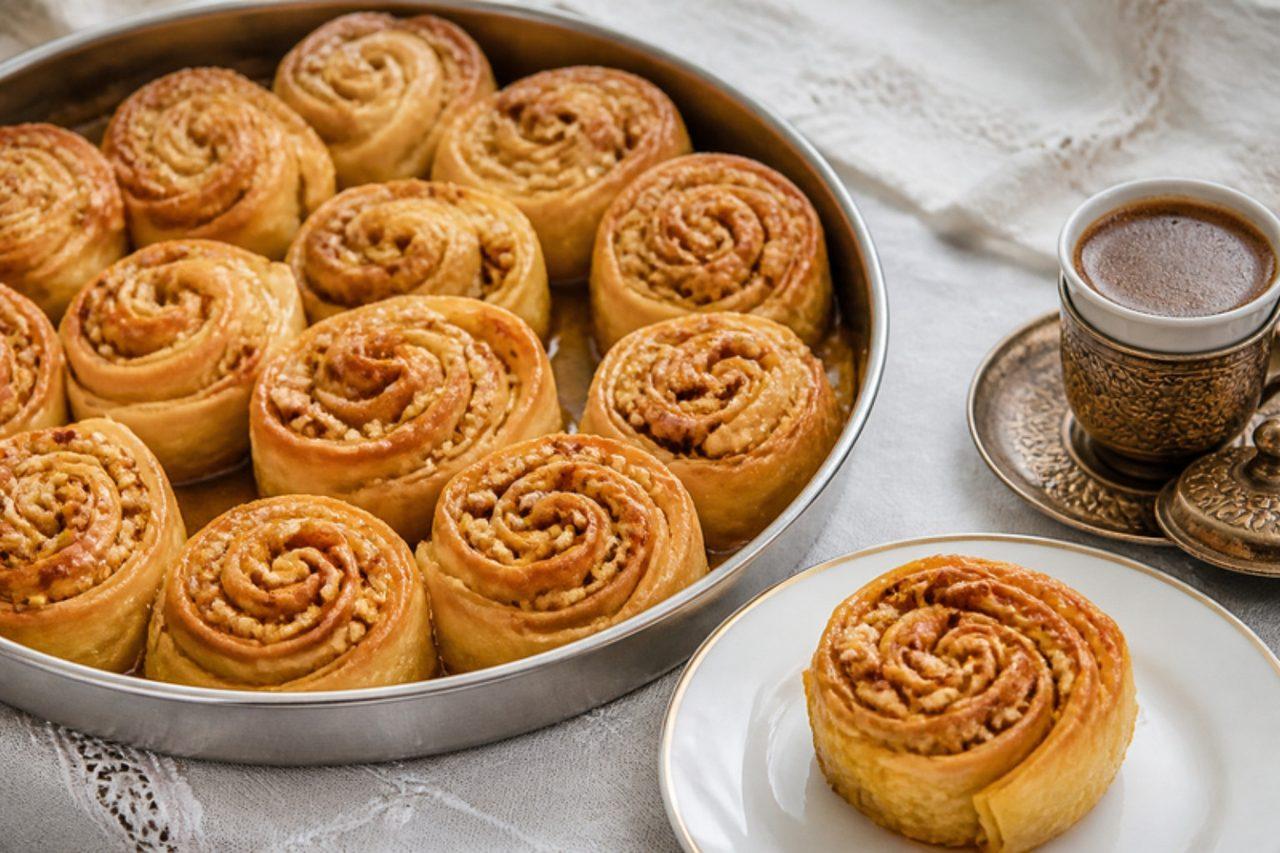
RužiceWalnut pastry roses in syrup

Ružice, meaning 'little roses', are baked for Bajram in Bosnia and Herzegovina, the Eid holidays when trays of syrup-soaked sweets are set out for every guest. Thin sheets of pastry are brushed with butter, scattered with walnuts and rolled up, then sliced so each piece opens like a rose in the oven. The baked roses drink up a cold lemon syrup and turn sticky, crisp on top and soft underneath. Chef's tip: pour cold syrup over hot pastry (or hot over cold), never both the same temperature, or the roses go soggy.

by KrazyBadal 0 views

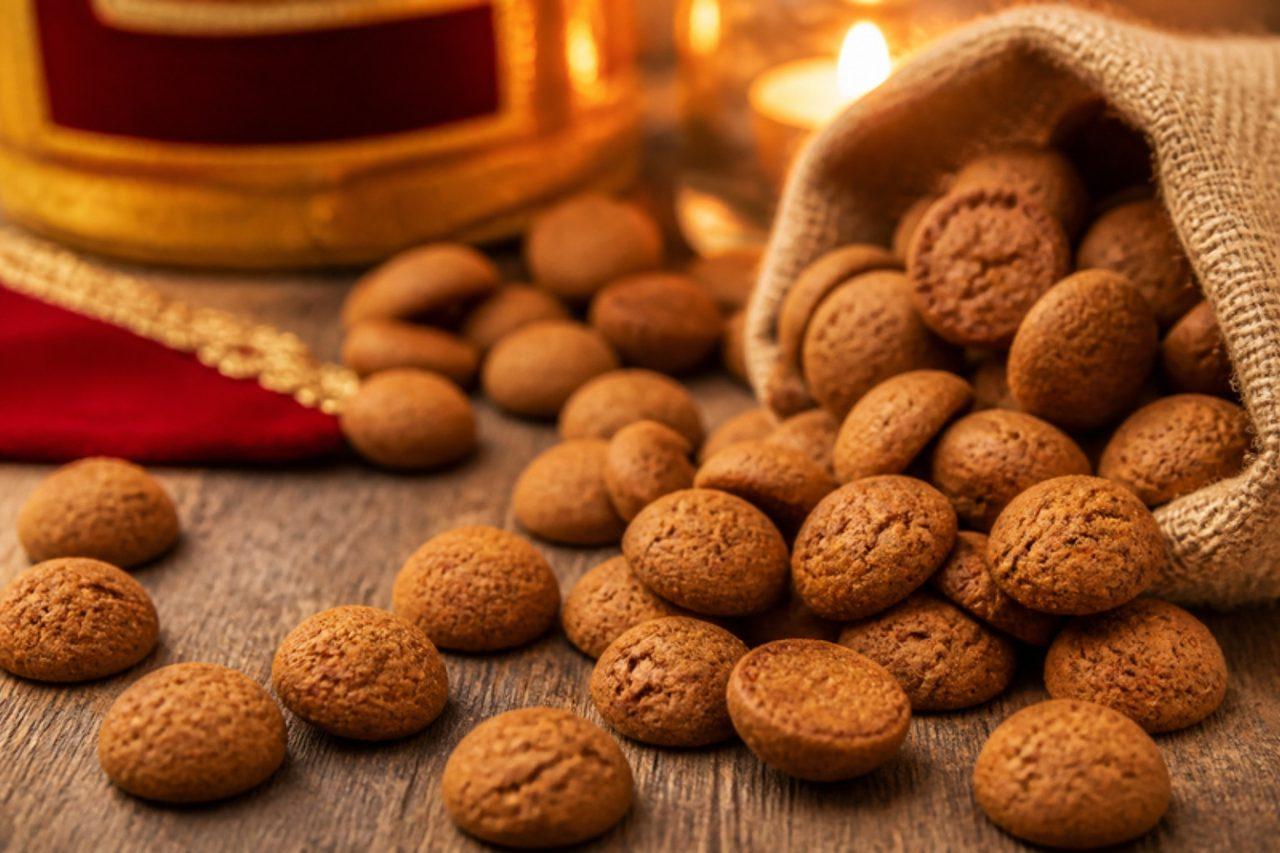
PepernotenAnise and honey spice drops

When Sinterklaas arrives in the Netherlands in mid-November, his helpers throw handfuls of pepernoten into the crowd and children find them in their shoes in the morning, until the big present evening of 5 December. Real pepernoten are the old-fashioned kind: soft, chewy, slightly irregular drops of rye flour, honey, anise and spice, paler and chewier than the crunchy kruidnoten sold today. This egg-free dough comes together in minutes. Chef's tip: let the dough rest for an hour so the honey softens the rye and the drops come out chewy, not cakey.

by KrazyBadal 0 views

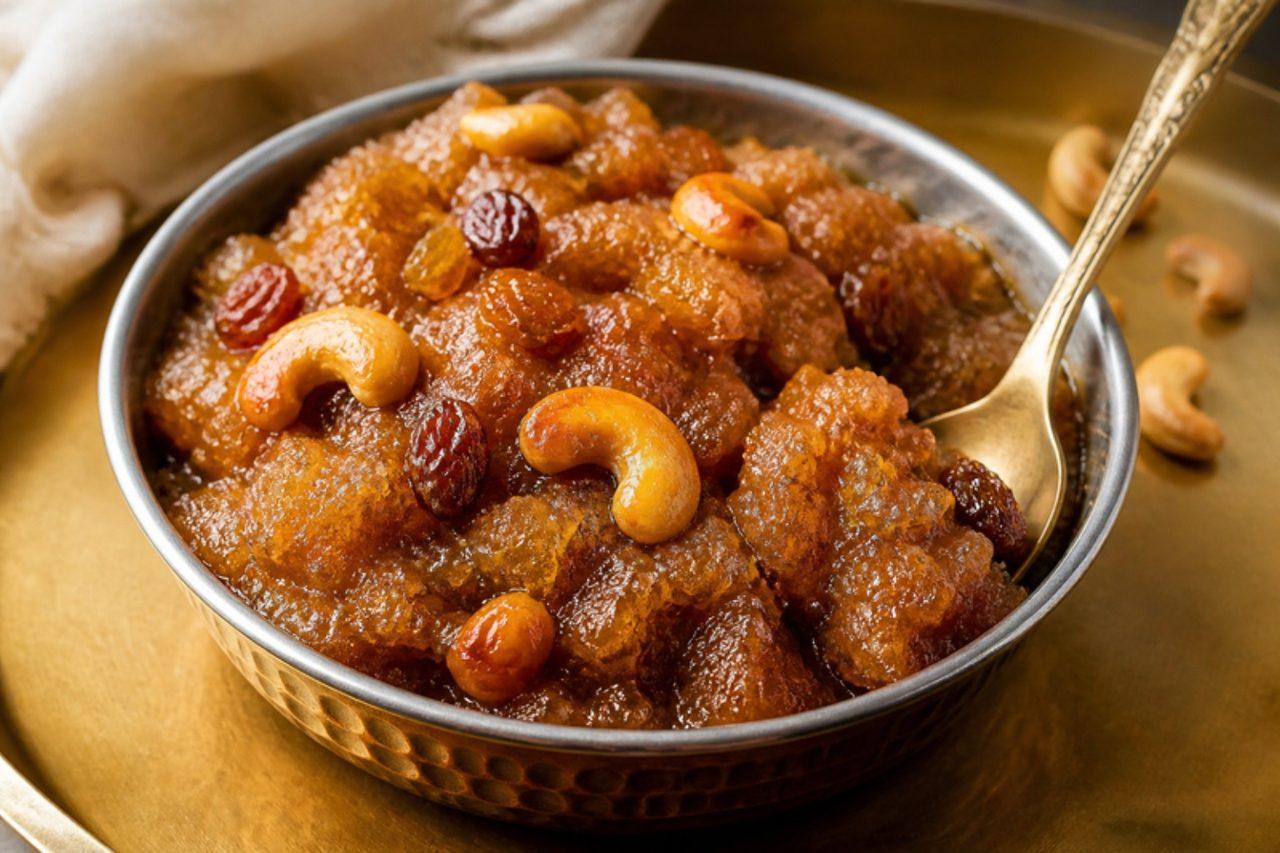
Bread halwaFried bread halwa

At Tamil Muslim weddings and Eid feasts in Chennai and Madurai, the biryani is followed by a spoonful of bread halwa, sticky, golden and glistening with ghee. Cubes of white bread are fried until crisp, then cooked down with milk, sugar and cardamom until they melt into a soft, jammy halwa studded with cashews. Chef's tip: day-old bread fries crisper and soaks up the milk more evenly than fresh.

by KrazyBadal 0 views

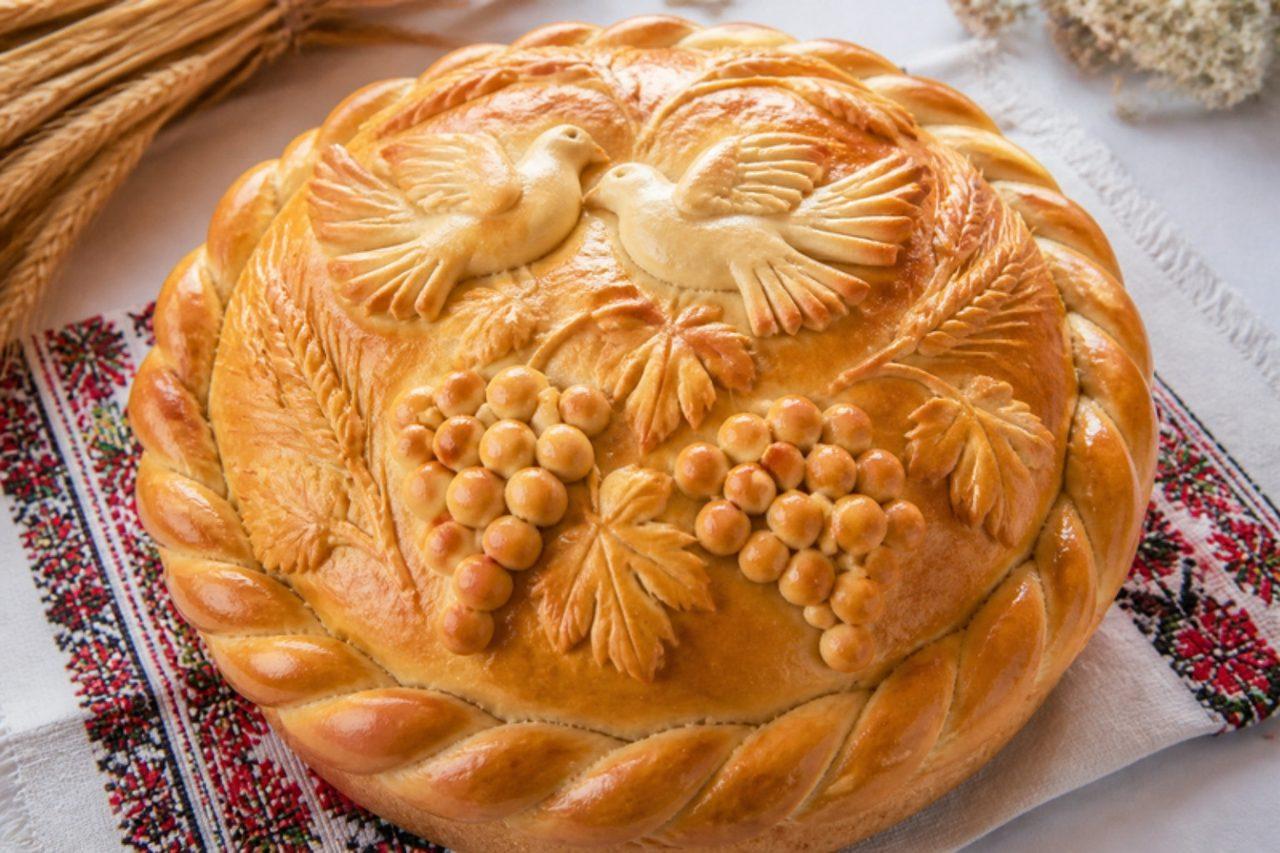
Slavski kolačDecorated ceremonial bread

The slava is a uniquely Serbian Orthodox custom: each family honours its own patron saint on that saint's feast day, passed from father to son, with a lit candle, boiled wheat (žito) and the slavski kolač, a round, decorated bread. The priest blesses it; the family turns it, cuts a cross into its base, pours a little wine into the cuts, and breaks it together. It is decorated with dough crosses, the seal 'IC XC NI KA', doves, wheat ears and grapes. It is a plain, vegan bread. Chef's tip: keep the decorations' dough a little stiffer than the loaf, so they hold their shape.

110 minBalkanBakingVegan
by KrazyBadal 0 views

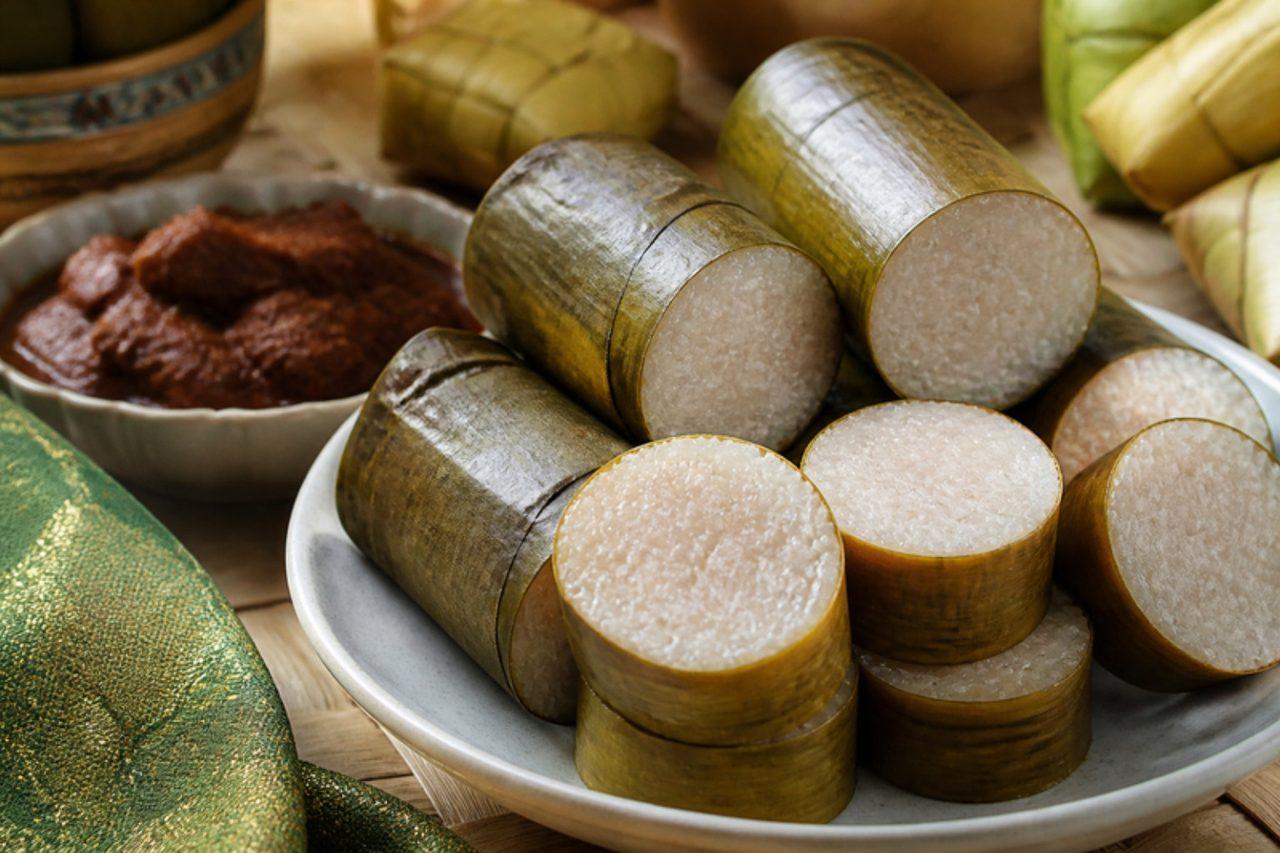
LemangBamboo-cooked coconut sticky rice

On the eve of Hari Raya Aidilfitri, Malay villages across the peninsula fill with smoke as families cook lemang: glutinous rice and coconut milk packed into banana-leaf-lined bamboo poles and turned slowly beside an open fire for hours. The rice comes out rich, salty and faintly smoky, sliced into thick rounds and eaten with rendang or serunding on Raya morning. Few homes have bamboo and a fire pit, so this recipe gives a home oven method in a banana-leaf-lined tin, with the bamboo way described too. Chef's tip: let the cooked lemang cool before slicing, as warm rice is too soft to cut cleanly.

by KrazyBadal 0 views

SnobrødBonfire stick bread

On Sankt Hans Aften, Danish Midsummer Eve on 23 June, people gather round huge bonfires on beaches and in gardens, sing the Midsummer song and burn a straw witch, and the children twist ropes of dough round sticks and bake snobrød over the embers. The bread comes out crisp and smoky outside and soft inside, ready to fill with jam, or butter for those who eat dairy. It is just as much fun at any garden fire or campfire. Chef's tip: hold the bread over glowing embers, not flames, and keep turning; flames blacken the outside long before the inside is done.

by KrazyBadal 0 views

TaloaMaize flatbread with ham and cheese

During the Fêtes de Bayonne in July, when the whole town dresses in white with red scarves, stalls in the Pays Basque sell taloa: thick flatbreads of maize and wheat flour cooked on a hot griddle and folded around fillings. The classic is with jambon de Bayonne (a cured pork ham), with sheep's cheese or with ventrèche (cured pork belly), and it's eaten hot in the street. Cheese alone makes a good vegetarian version. Chef's tip: cook the taloa on a dry, very hot pan; it should blister and puff in patches like a tortilla.

by KrazyBadal 0 views

Chichi frégiChickpea flour fritters in sugar

On the seafront at L'Estaque, the old fishing quarter of Marseille, and at summer fêtes all along the coast, kiosks fry chichi frégi: long, ridged fritters of wheat and chickpea flour, rolled hot in sugar and eaten in a paper cone. The dough is a yeasted, egg-free batter piped straight into the oil, crisp outside and soft inside, with a faint nutty taste from the chickpea flour and a hint of orange flower. Chef's tip: keep the oil at 175 °C; cooler and the fritters soak up fat, hotter and they burn before the middle cooks.

by KrazyBadal 0 views

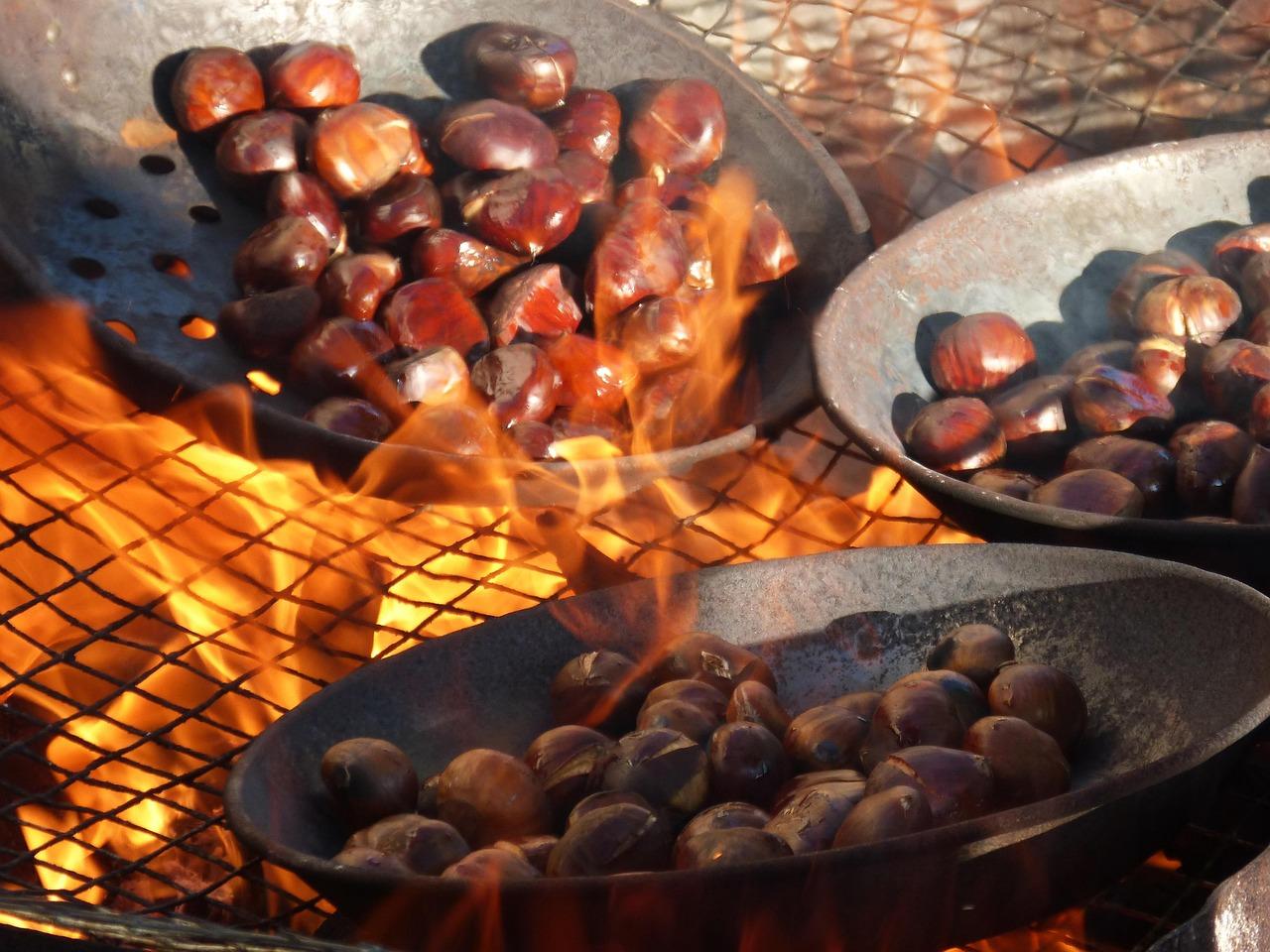
CaldarrosteRoasted chestnuts

From October to St Martin's Day on 11 November, Italian towns hold chestnut festivals, the sagre delle castagne, and the smoke of caldarroste drifts from street braziers where chestnuts are shaken in long-handled pans with holes. At home they are roasted in the same way on the hob or in the oven and eaten hot from a paper cone, sweet, floury and smoky, with a glass of new wine for adults or warm milk for children. Chef's tip: wrap the hot chestnuts in a damp tea towel for 5 minutes; the steam loosens the inner skin so they peel cleanly.

by KrazyBadal 0 views

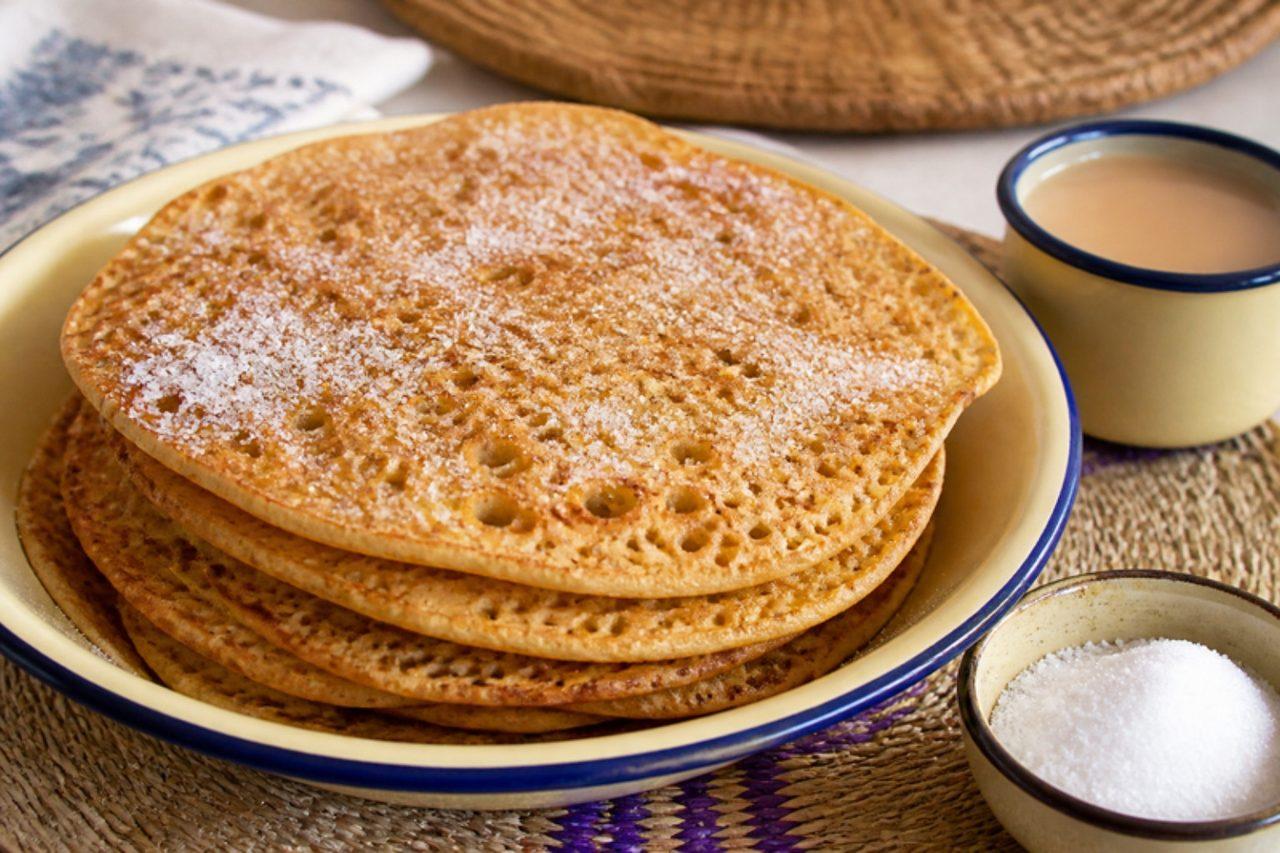
FunkasoFermented wheat pancakes

Funkaso is a Hausa pancake from northern Nigeria, made from a wheat batter left to ferment until bubbly and fried into soft, spongy rounds with crisp edges. Families cook stacks of it for the pre-dawn sahur and the evening meal during Ramadan, and again on Sallah morning for visitors. It is eaten simply, sprinkled with sugar, or dipped in a hot pepper sauce, with hot kunun or tea. Chef's tip: the batter should be as thick as double cream; too runny and the pancakes spread thin and lose their spongy middle.

by KrazyBadal 0 views

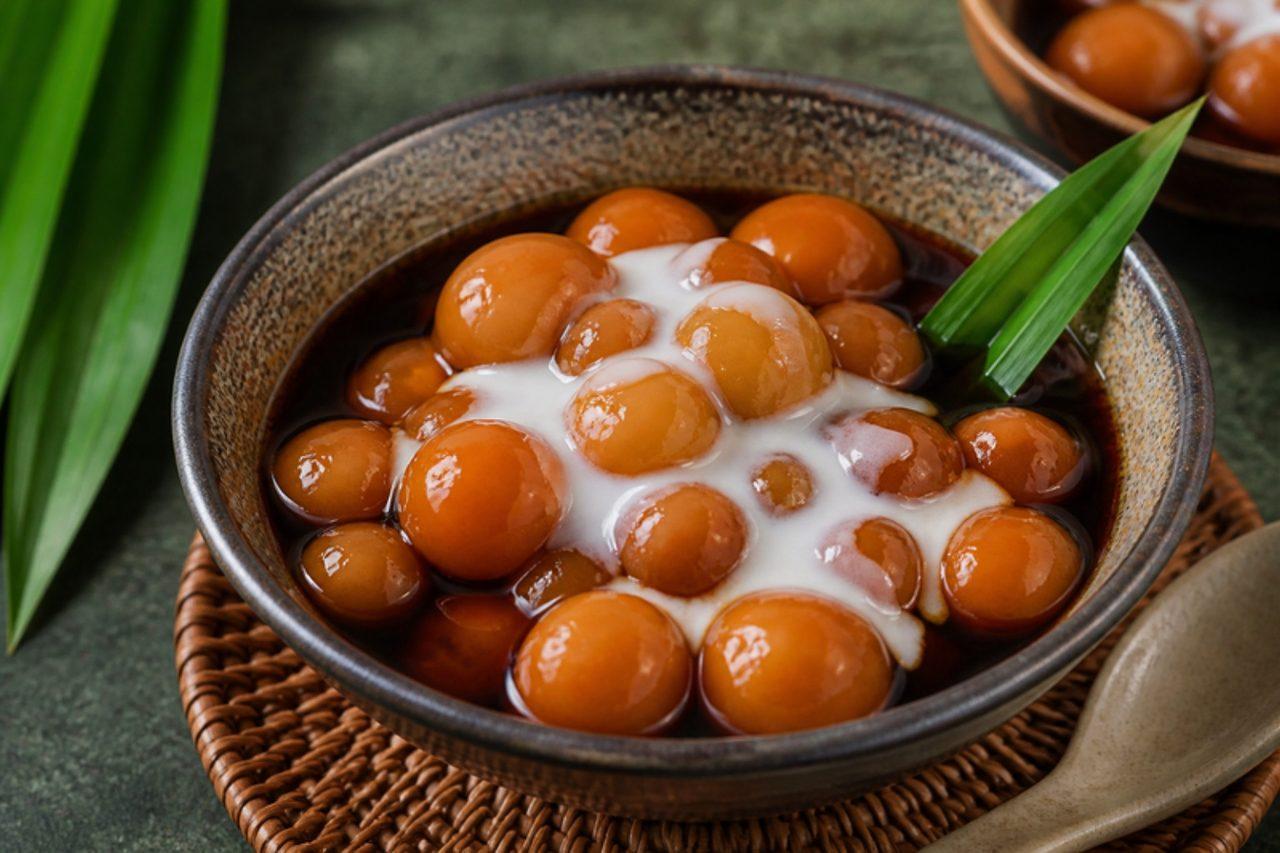
Bubur candilSweet potato balls in syrup

Bubur candil is a classic takjil, the little sweet that Javanese families break the fast with after dates and water during Ramadan. Chewy balls of orange sweet potato and glutinous rice flour bob in a dark, glossy palm sugar syrup scented with pandan, and a spoon of salty coconut cream goes on top. It is warming, soft and fudgy, and stalls sell it in plastic cups in the hour before maghrib. Chef's tip: drop the balls into syrup that is just bubbling, not boiling hard, or they break up before they set.

by KrazyBadal 0 views

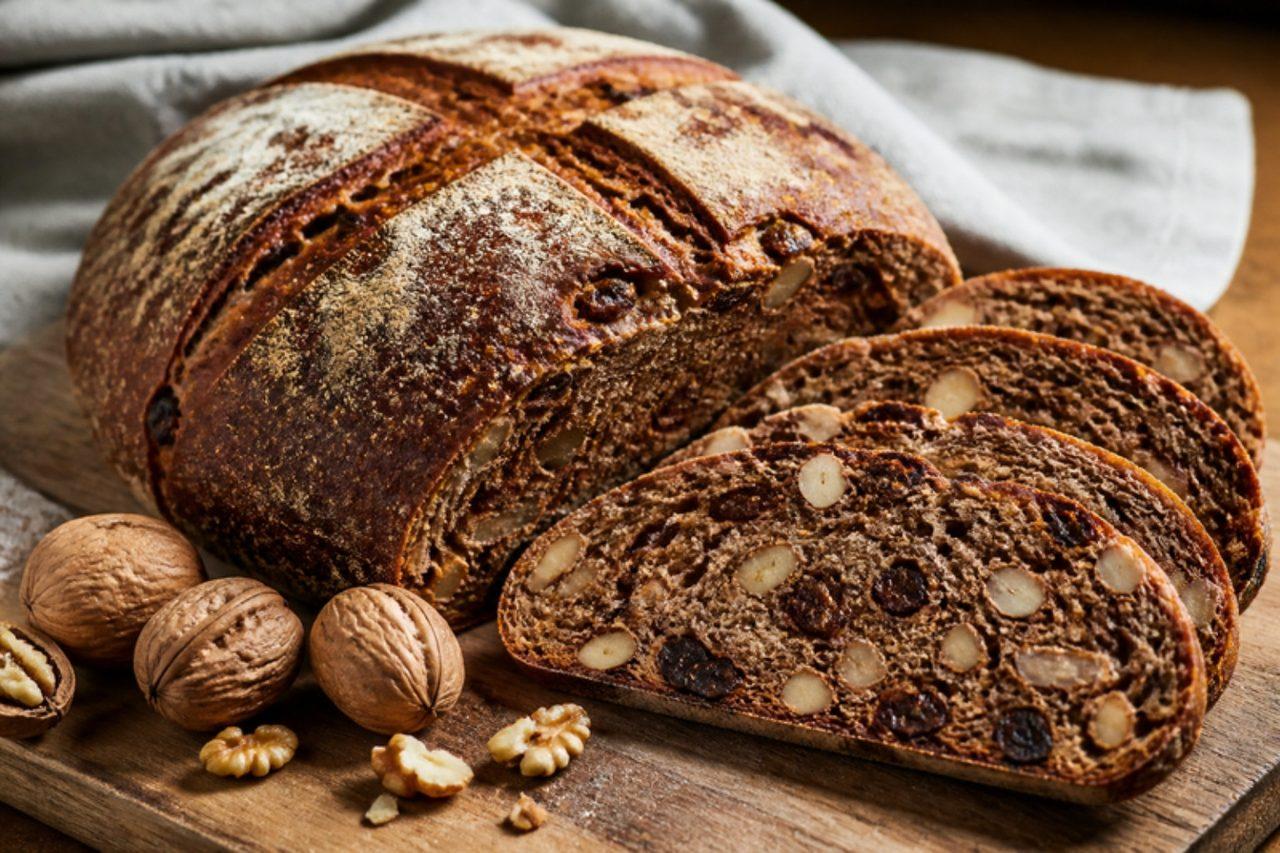
Pan co' santiWalnut and raisin loaf

In Siena and the Tuscan countryside, pan co' santi ('bread with the saints') is baked for All Saints' Day on 1 November, when the new walnuts and the late grapes come in. It is a dark, lightly sweet bread dough rich with olive oil, walnuts, raisins and a surprising amount of black pepper, which gives a warm bite. It is eaten with the new wine by adults, or with roasted chestnuts. It is vegan. Chef's tip: fry the raisins and walnuts briefly in the olive oil before adding them, as Sienese bakers do; it brings out their flavour.

by KrazyBadal 0 views

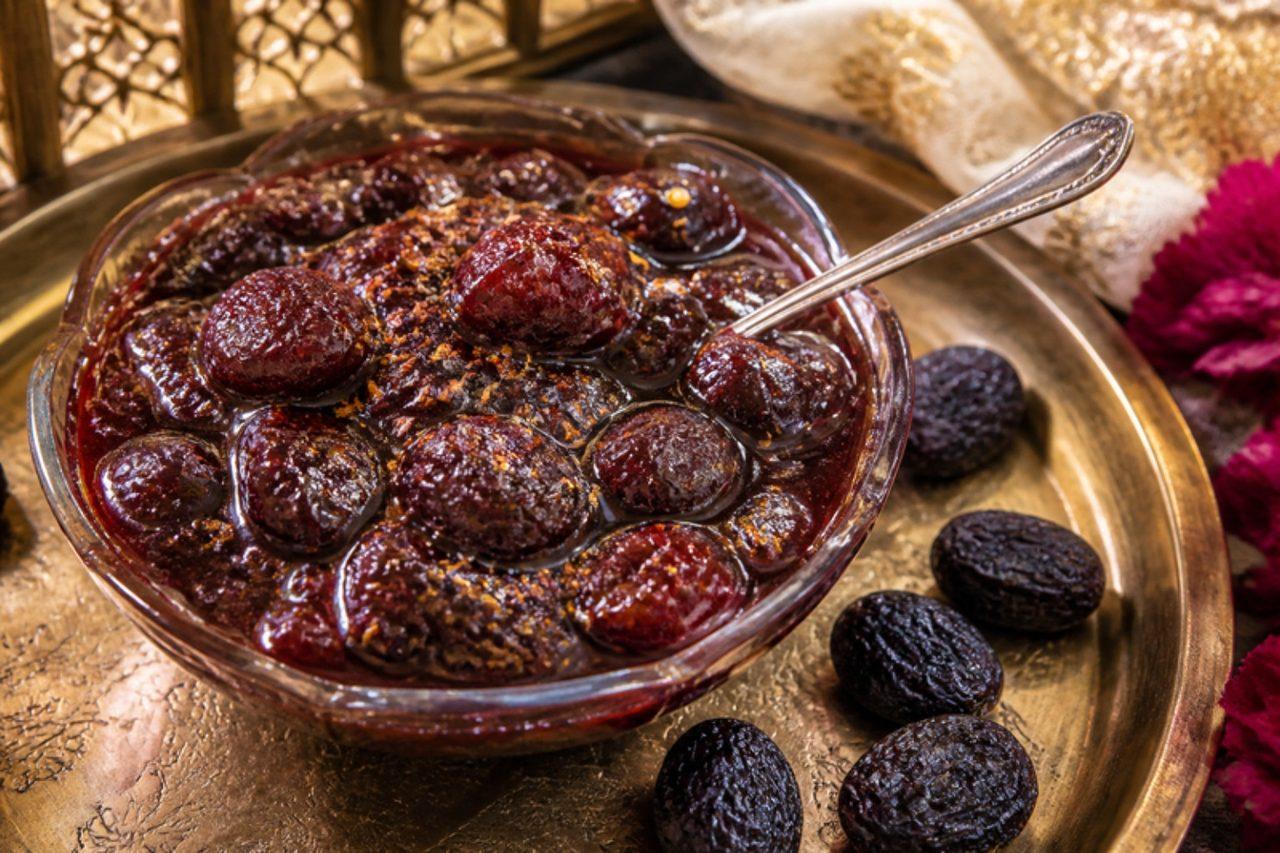
Aloo bukhara chutneyDried plum chutney

Wherever a Pakistani wedding serves biryani and qorma, a little bowl of glossy aloo bukhara chutney sits alongside to cut the richness. Dried sour plums are softened, then cooked with sugar, a touch of vinegar, ginger, chilli and warm spices into a jammy, sweet-sour relish, dark and shining. It keeps for weeks and is made in big jars before the shaadi. Chef's tip: stop cooking while it still looks a little loose; it thickens a lot as it cools.

by KrazyBadal 0 views

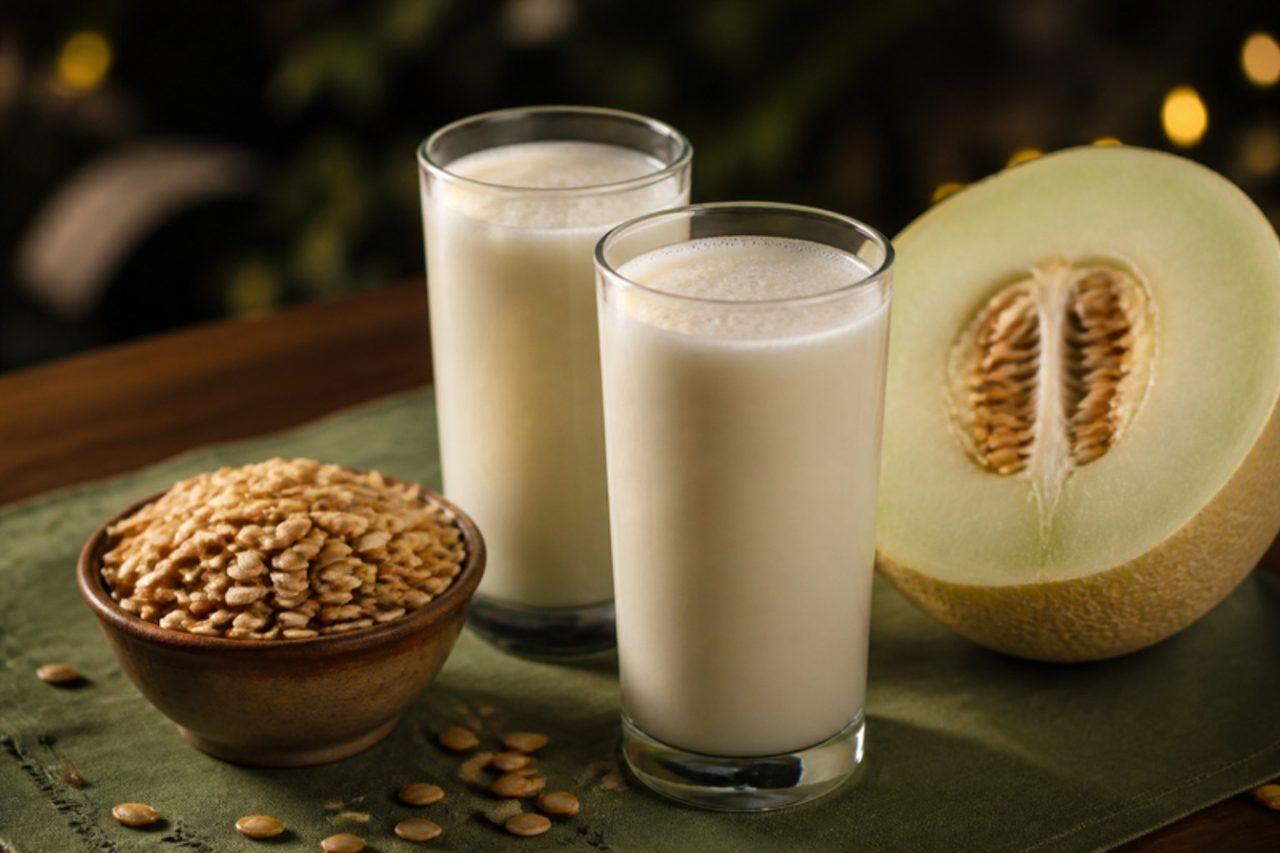
PepitadaToasted melon seed milk

Greek and Turkish Jews end the Yom Kippur fast with a glass of pepitada, a pale, gentle 'milk' made from melon seeds that were saved, washed and dried through the summer. The seeds are toasted, ground, soaked overnight in water wrapped in muslin, then squeezed to give a mild, nutty drink sweetened with a little sugar and scented with rose or orange-blossom water. It is soothing on an empty stomach after a day without food or water. The common mistake is toasting the seeds too dark, which makes the drink bitter. Chef's tip: start the night before; the long soak is what draws out the creamy flavour.

by KrazyBadal 0 views

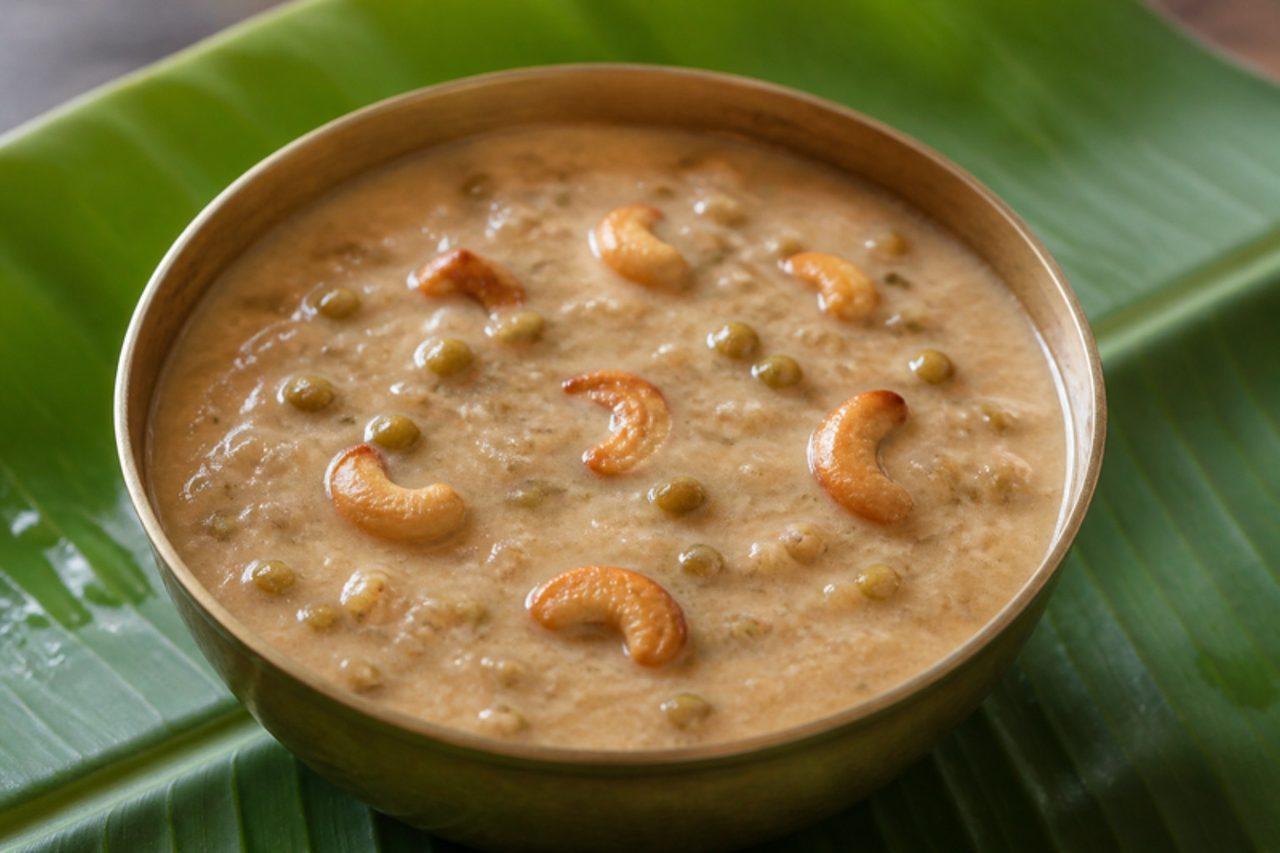
VornGreen gram and coconut milk sweet

On 8 September, Mangalorean Catholics celebrate Monti Fest, the feast of Mary's Nativity, which is also a harvest festival: new ears of grain are blessed at church and shared at home, and the family eats a vegetarian feast of new-season vegetables. Vorn, a pudding of split green gram (moong) cooked with coconut milk, jaggery and cardamom, is the sweet that ends it. It is like a gentle payasam, vegan and gluten free. Chef's tip: dry-roast the moong dal until fragrant before cooking it, which gives vorn its nutty flavour.

by KrazyBadal 0 views

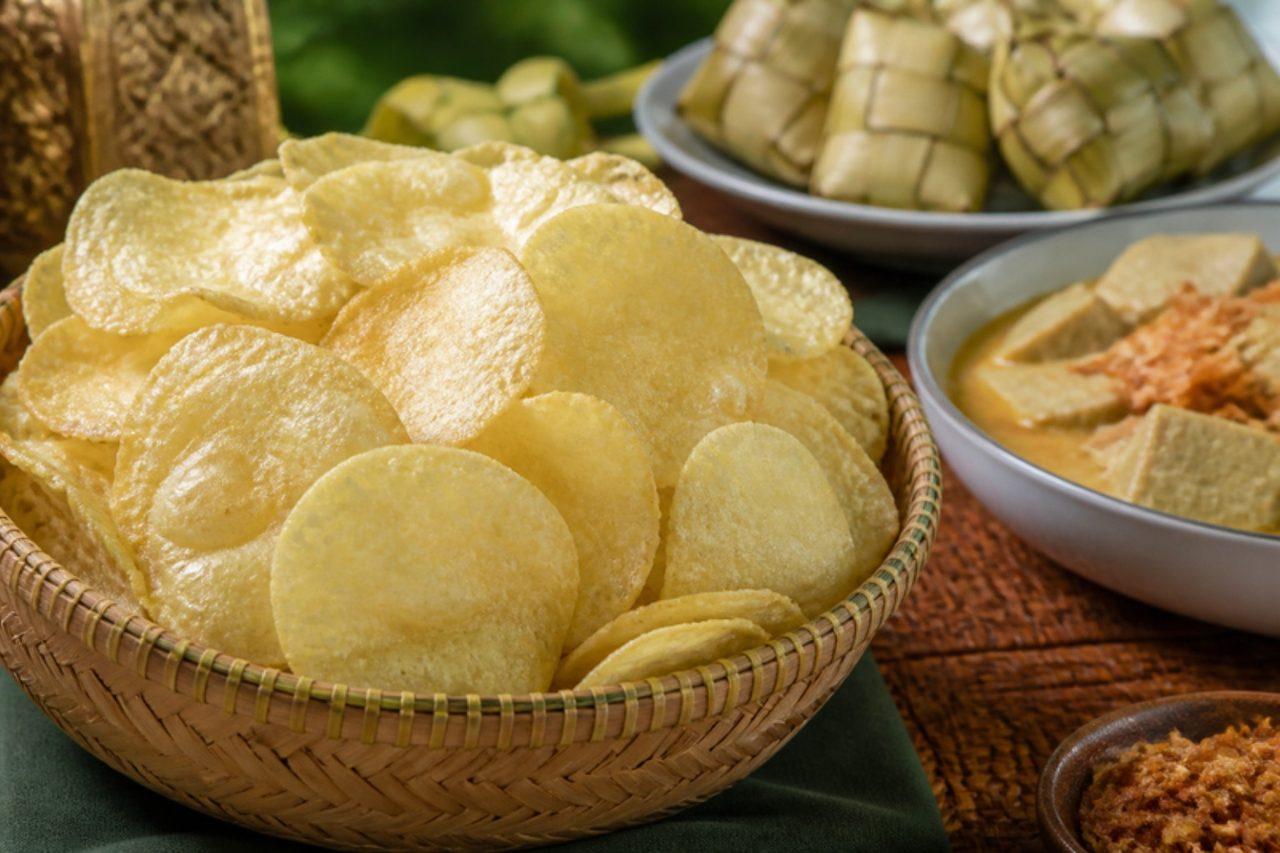
Emping melinjoMelinjo nut crackers

Emping are pale, crisp crackers from Banten and Java, made by cracking melinjo nuts, flattening them with a hammer and drying them; at Lebaran a bowl of fried emping sits beside the opor ayam and ketupat. They taste lightly bitter and nutty, and a sweet-spicy coating is popular for the snack jars. Most cooks buy dried raw emping and fry them at home, which is what this recipe does, with the hand-pressing method for anyone who finds fresh nuts. Chef's tip: fry only a handful at a time and lift them out the moment they puff; emping go from perfect to burnt in seconds.

by KrazyBadal 0 views

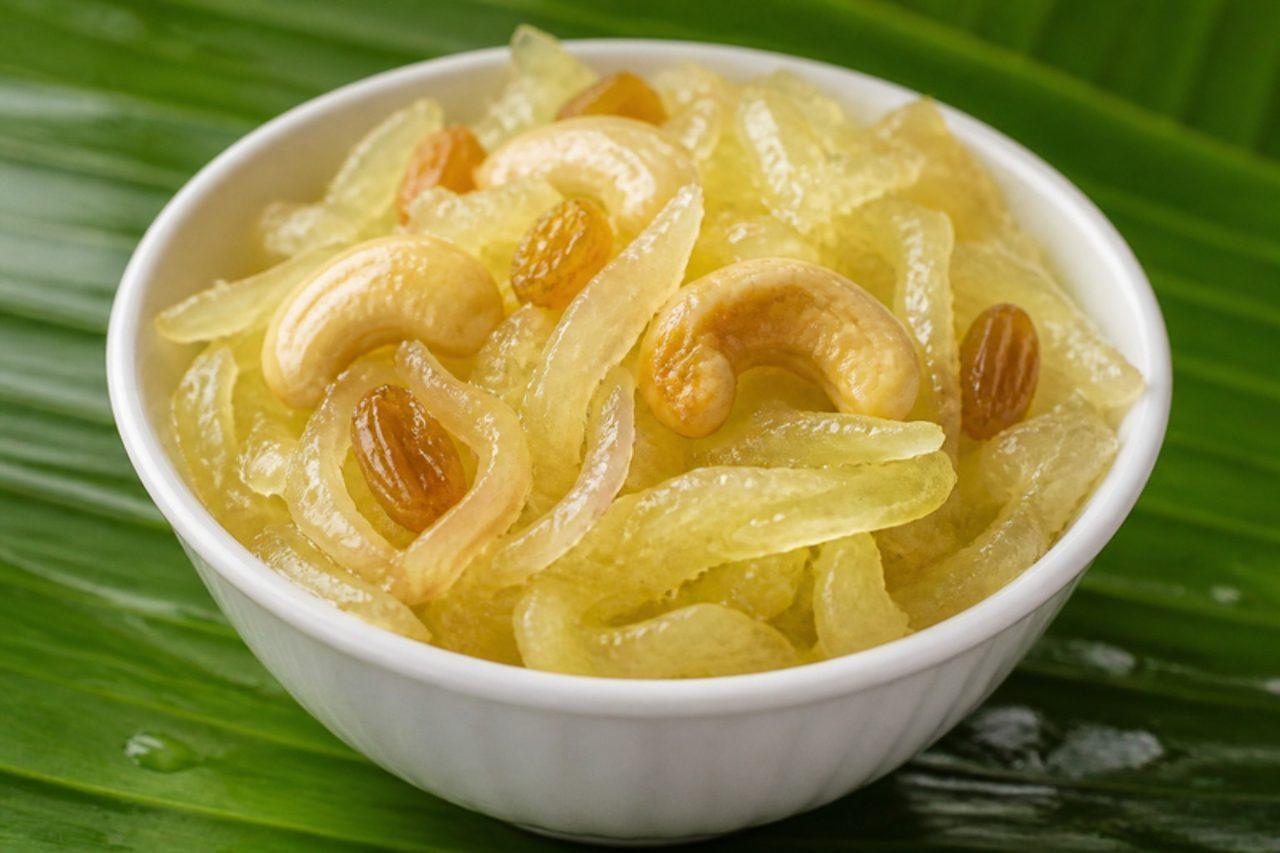
Plastic chutneyRaw papaya chutney

Plastic chutney gets its funny name from the way the thin slices of raw papaya turn clear and glassy, like cellophane, as they cook in syrup. It is the chutney of every Bengali wedding feast and of the Durga Puja bhog, served in a small heap at the end of the meal, sweet, sharp with lime, and dotted with raisins. No onion or garlic goes near it. Common mistake: cutting the papaya too thick or cooking it on high heat; thick slices stay opaque and chewy, while a fast boil caramelises the syrup before the papaya turns clear. The chutney is ready when every slice is see-through and the syrup coats a spoon. Chef's tip: soak the sliced papaya in water with a pinch of baking soda for 15 minutes, then rinse; this helps the slices stay crisp-tender and turn translucent evenly.

by KrazyBadal 0 views

SkābputraSoured barley porridge drink

Skābputra, 'sour porridge', is one of the oldest Latvian foods, and at Jāņi, Midsummer on 23–24 June, it is served cold alongside caraway cheese, pīrāgi and wreaths of flowers. Pearl barley is cooked soft, then soured with buttermilk or kefir for a day or two until it is tangy and fresh-tasting, and it is thinned with milk into a thick, cooling drink sipped or eaten with a spoon on hot summer days. This home version uses bought live buttermilk to start the souring safely. Chef's tip: use clean jars and utensils, and taste it each day; once it is pleasantly sour, chill it so it stops souring.

by KrazyBadal 0 views

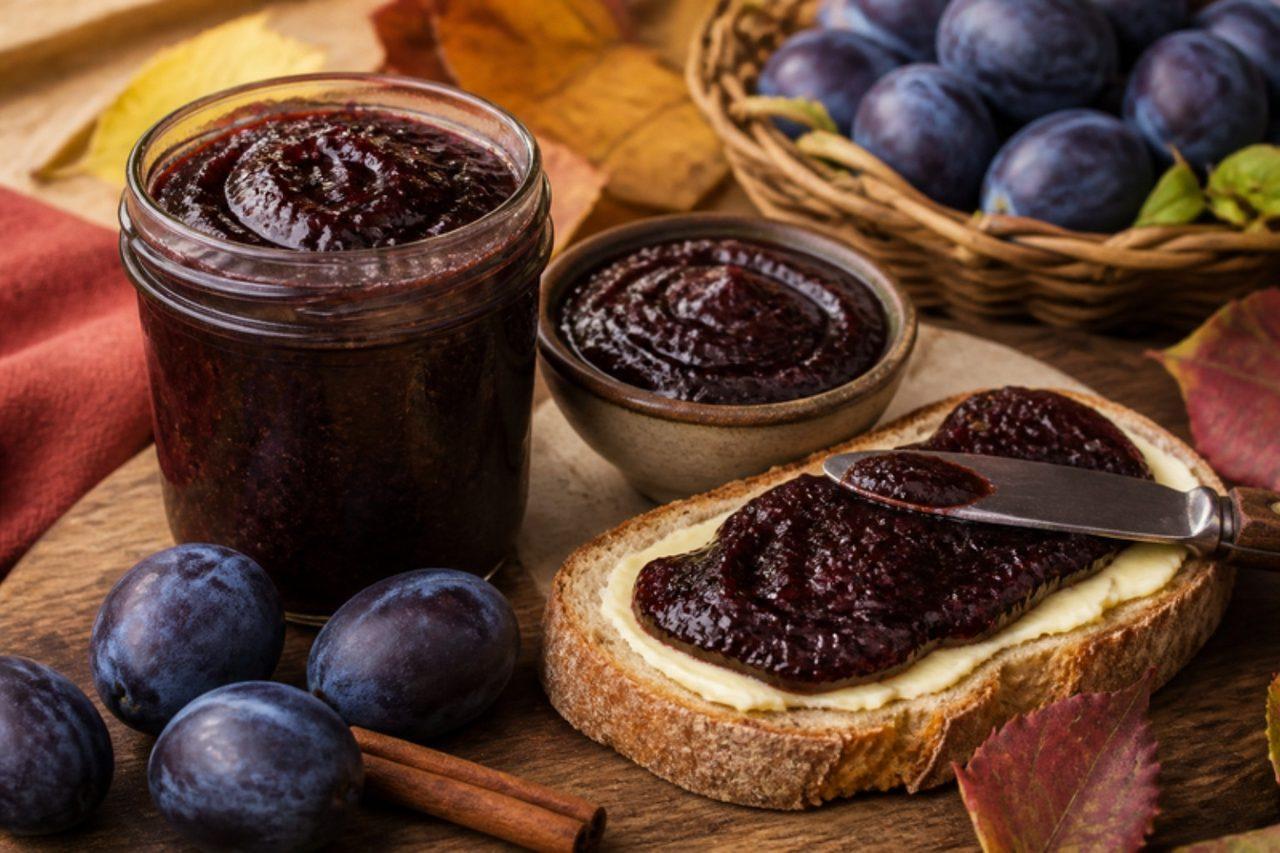
PflaumenmusOven-baked plum butter

When the late damson plums (Zwetschgen) ripen in September, German kitchens fill trays with them for Pflaumenmus, and jars of it stand on the decorated altar at Erntedank, the harvest thanksgiving in early October. Unlike jam, it uses little sugar and no pectin: the halved plums are baked slowly, uncovered, until they collapse and darken into a thick, almost black spread that tastes of plums and spice rather than sugar. Spread it on rye bread with butter, fill Dampfnudeln with it or stir a spoonful into quark. Chef's tip: bake it in the widest roasting tin you have, because the more surface, the faster the water steams off.

by KrazyBadal 0 views

Shir berenjRose water rice pudding

Shir berenj, 'milk rice', is one of the gentle sweets of the Iranian Nowruz season, made at home to share with visiting relatives and often given as nazri on special days. Short-grain rice is softened in water first, then cooked slowly in milk until the grains melt into a thick, creamy pudding scented with rose water. It is chilled and served plain, with the sweetness added at the table from a drizzle of grape molasses, date syrup or jam. The common mistake is adding all the milk at once over a high heat, which scorches the bottom and leaves the grains firm. Chef's tip: stir with a wooden spoon in a figure of eight, which reaches the corners where rice likes to stick.

by KrazyBadal 0 views

MämmiRye and malt Easter pudding

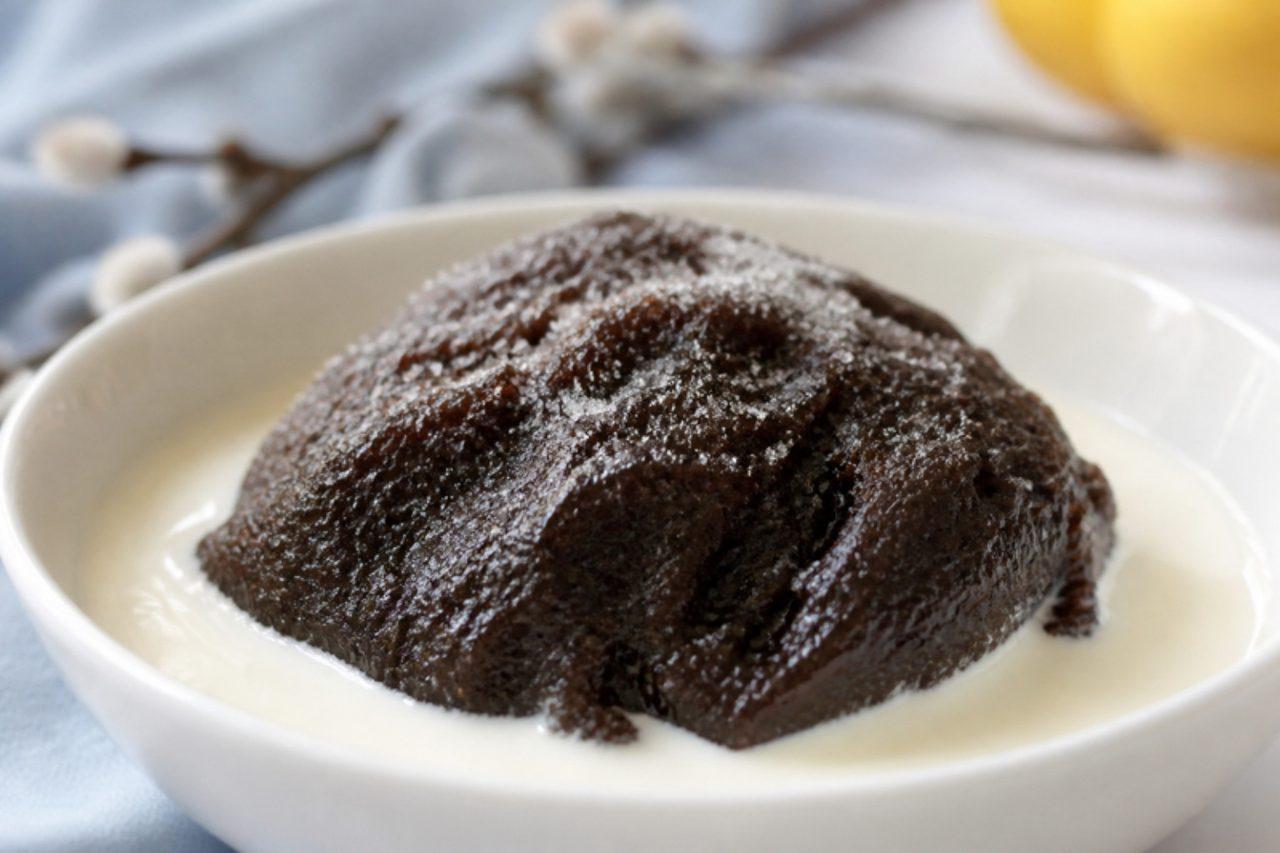
Mämmi is Finland's Easter dessert, a dark, almost black pudding of rye flour and malted rye, sweetened slowly by the malt's own enzymes and by a little molasses, then baked for hours in birch-bark boxes or small dishes. It looks unusual but tastes mild, malty and gently sweet, and is eaten cold with cream and sugar on Easter Sunday. It is vegan, and it was once eaten through Lent. You need powdered rye malt from a baking supplier or Nordic shop. Chef's tip: keep the porridge warm (around 60 °C) for two hours before baking so the malt can sweeten it; skip this and mämmi tastes bitter.

by KrazyBadal 0 views

ApfelkrautApple syrup

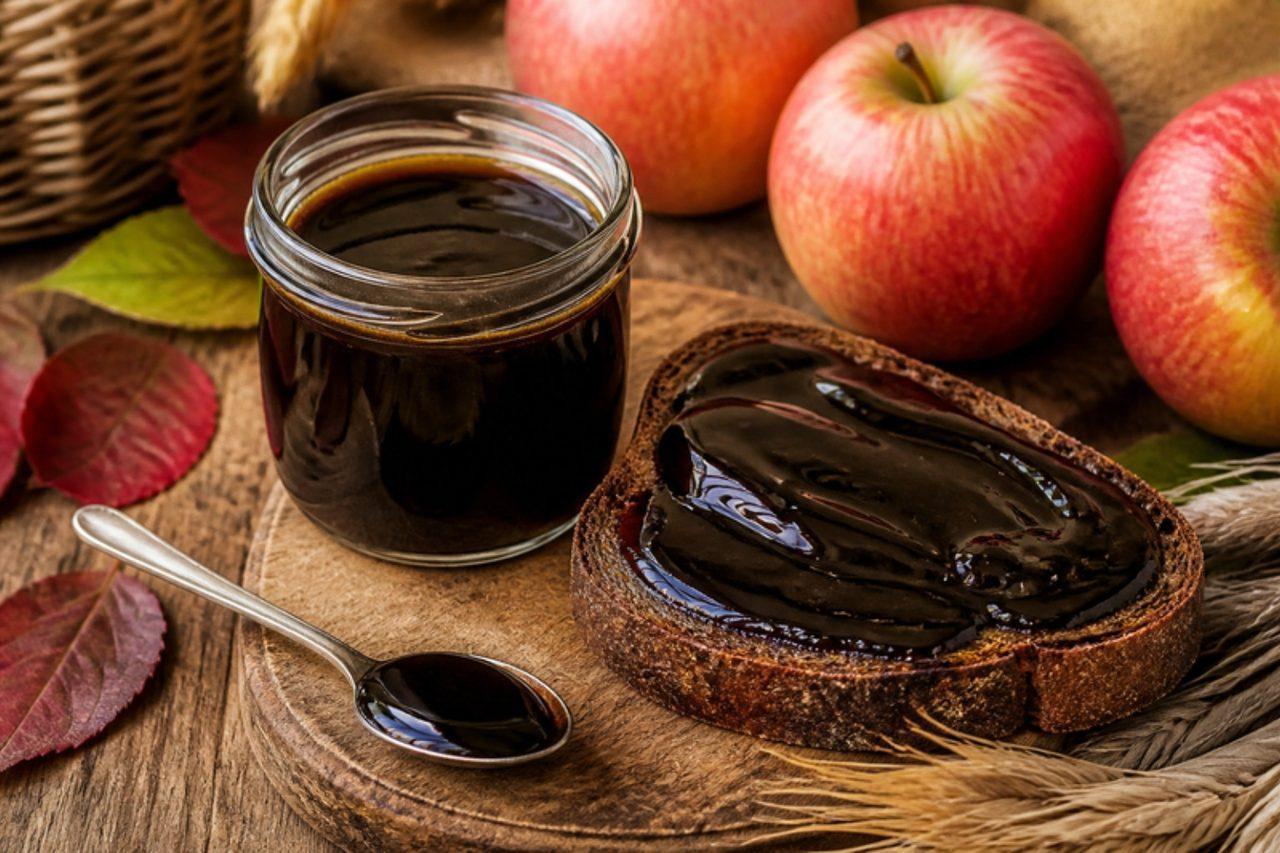
In the Rhineland, apples from the autumn harvest are pressed and boiled for hours in copper cauldrons into Apfelkraut, a dark, glossy, sweet-sour syrup that is spread on Schwarzbrot with butter and quark, and that families bring to the Erntedank harvest thanksgiving in October. It needs no added sugar at all: the apples' own sugar and pectin concentrate until the juice is as thick as treacle and tastes like baked apple and caramel. Eat it on rye bread, with potato pancakes (Reibekuchen) or in a sauce for Sauerbraten. Chef's tip: use a mix of sweet and tart apples; the tart ones give the tang and the pectin that makes it set.

by KrazyBadal 0 views

Showing 48 of 3,468 recipes

Show more recipes

Page 14 of 145

More No onion & garlic ideas

Other diets