Skip to content
WhatToEat.Today

No onion, no garlic recipes (Swaminarayan and sattvic)

3,470

3470 vegetarian recipes cooked without onion or garlic, as in Swaminarayan and sattvic kitchens, with no meat, fish, eggs or alcohol. Each has photos, step-by-step instructions and cook times. The quickest, Apfelschorle, takes 2 minutes. Most take around 45 minutes.

Filter these by time, diet or cuisine · Make No onion & garlic your diet to see only these recipes everywhere on the site.

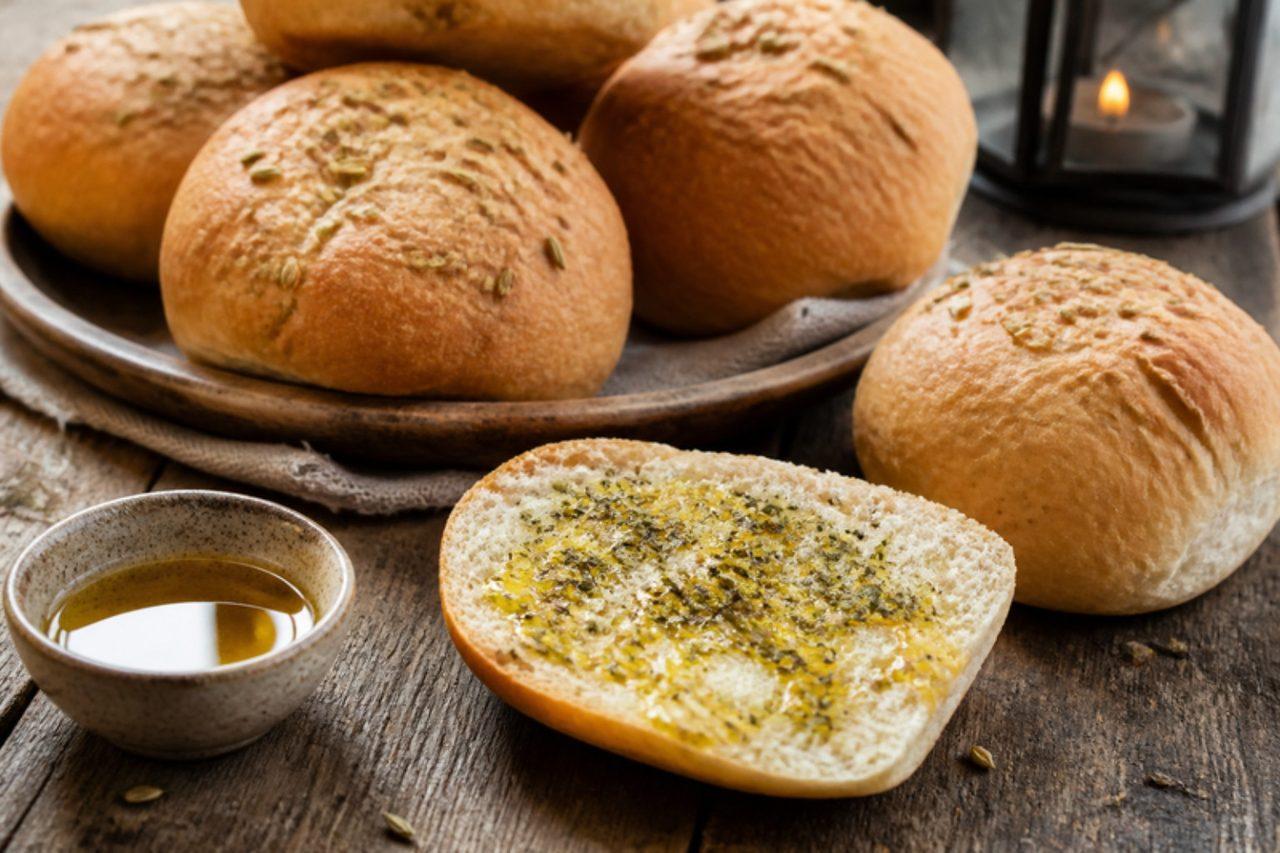
MuffolettaFennel seed rolls with cheese

On 2 November, the Day of the Dead in Sicily, Palermo families eat muffoletta: soft, round rolls scented with fennel seed, split warm and dressed 'cunzata' with olive oil, oregano, salt, pepper, anchovy or caciocavallo cheese. The custom recalls when the dead were said to bring gifts to children, and bakers make them only around this time. The bread itself is egg-free and dairy-free; dress it with just oil and oregano for a vegan version. Sicilian caciocavallo and pecorino are usually made with animal rennet, so choose a vegetarian hard cheese if that matters to you. Chef's tip: dress the rolls while still warm so they drink in the oil.

by KrazyBadal 0 views

Taai-taaiAnise and honey biscuits

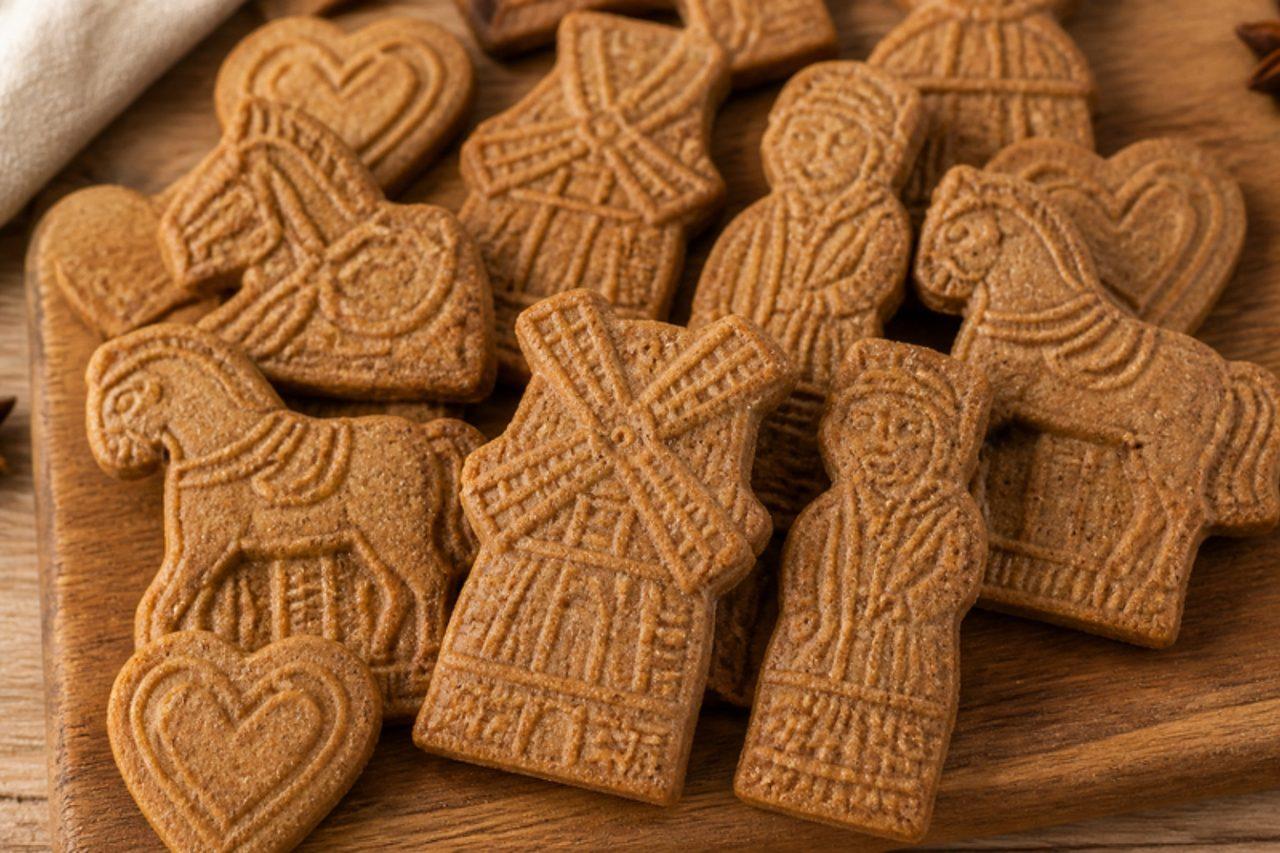
In the Netherlands, taai-taai ('tough-tough') are chewy honey and anise biscuits shaped into figures of Sinterklaas, his horse, windmills, sweethearts and animals, eaten from mid-November until his feast on 5 December. They contain no fat or egg, so they are firm and chewy rather than crisp, and they keep well. Bakers once used carved wooden moulds; cookie cutters work fine. Chef's tip: heat the honey only until runny, then let the dough rest overnight; the rest is what makes the chew.

by KrazyBadal 0 views

Leche de burraMilk, corn and sugar sweet

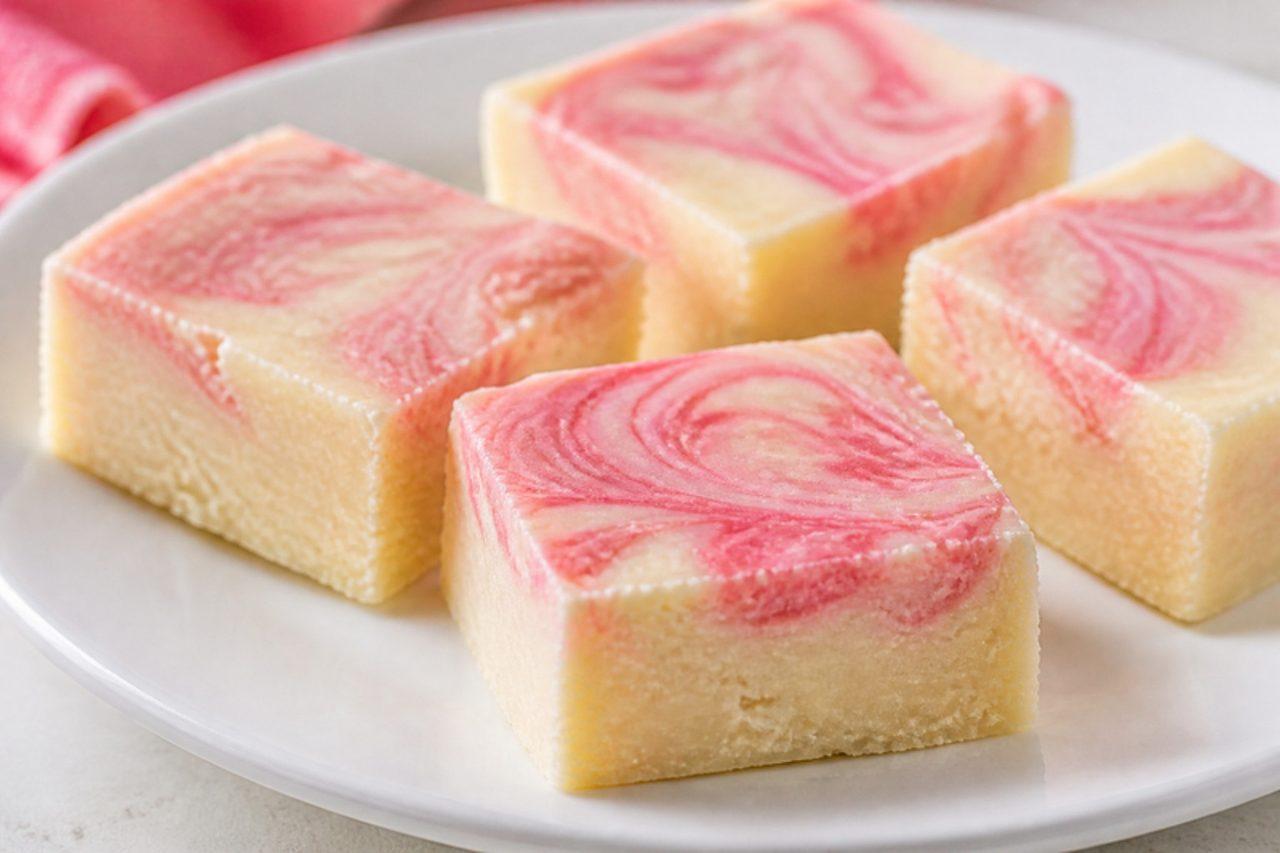
On 7 December, Nicaraguans celebrate La Purísima and La Gritería, when people go from house to house singing 'Who causes so much joy? Mary's Conception!' to altars set up for the Virgin, and the hosts hand out gifts: oranges, sugar cane, gofio and leche de burra. It is a firm, fudgy sweet of milk, sugar and a little cornmeal cooked until thick, then set in a tray, sometimes swirled with pink or brown, and cut into squares. Despite the name ('donkey's milk') it is made with cow's milk. It is gluten free. Chef's tip: stir constantly in the last 15 minutes, as milk sweets catch quickly.

by KrazyBadal 0 views

KaguyjyWhite corn pudding

On the night of 23–24 June, Paraguayans celebrate San Juan with bonfires, games like walking over hot coals and the 'paso de fuego', and a table of traditional foods, and kaguyjy (also mazamorra) is one of them. It is a soft, creamy pudding of cracked white corn (locro) simmered slowly in water and then milk with sugar or honey, sometimes with orange peel. It is eaten warm or cold. It is gluten free. Chef's tip: soak the corn overnight and cook it until each kernel is tender before adding the milk, or it never turns creamy.

by KrazyBadal 0 views

Fulkopir dalnaCauliflower and potato in light gravy

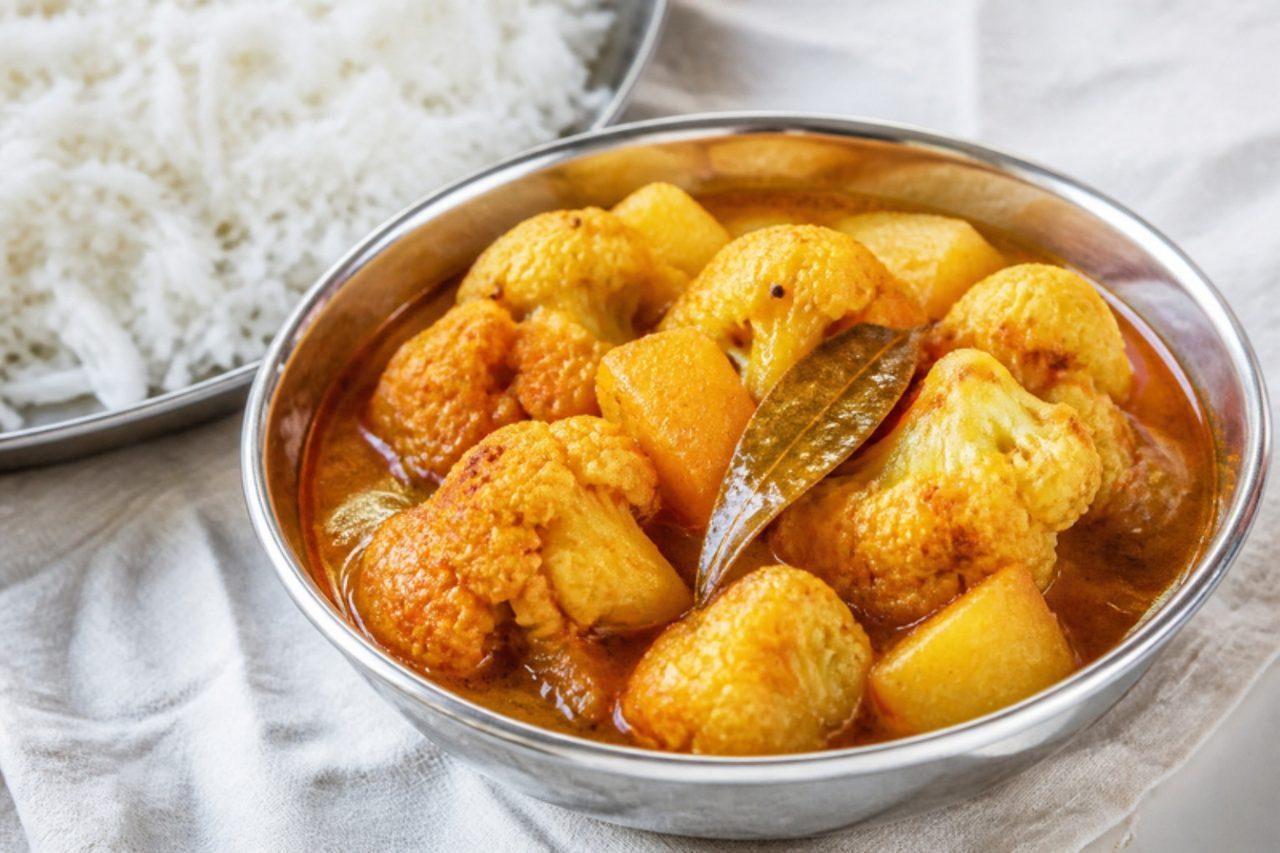
Fulkopir dalna is the gravy dish of a niramish (no onion, no garlic) Bengali menu, and it appears on the Durga Puja bhog table and at home on Navami and Dashami, when many families keep the day's food vegetarian. Large cauliflower florets and potatoes are fried golden and then simmered in a thin, glossy gravy of ginger, cumin, tomato and a little yoghurt, finished with ghee and Bengali garam masala. It should taste mellow, warm and slightly sweet rather than hot. Serve it with luchi or khichuri. Common mistake: boiling the cauliflower in the gravy from raw; fry the florets first until browned in patches, or they turn mushy and taste watery. Chef's tip: whisk the yoghurt with the ground spices before it goes in, and keep the heat low, so the gravy stays smooth instead of splitting.

by KrazyBadal 0 views

Etrog marmaladeCitron preserve

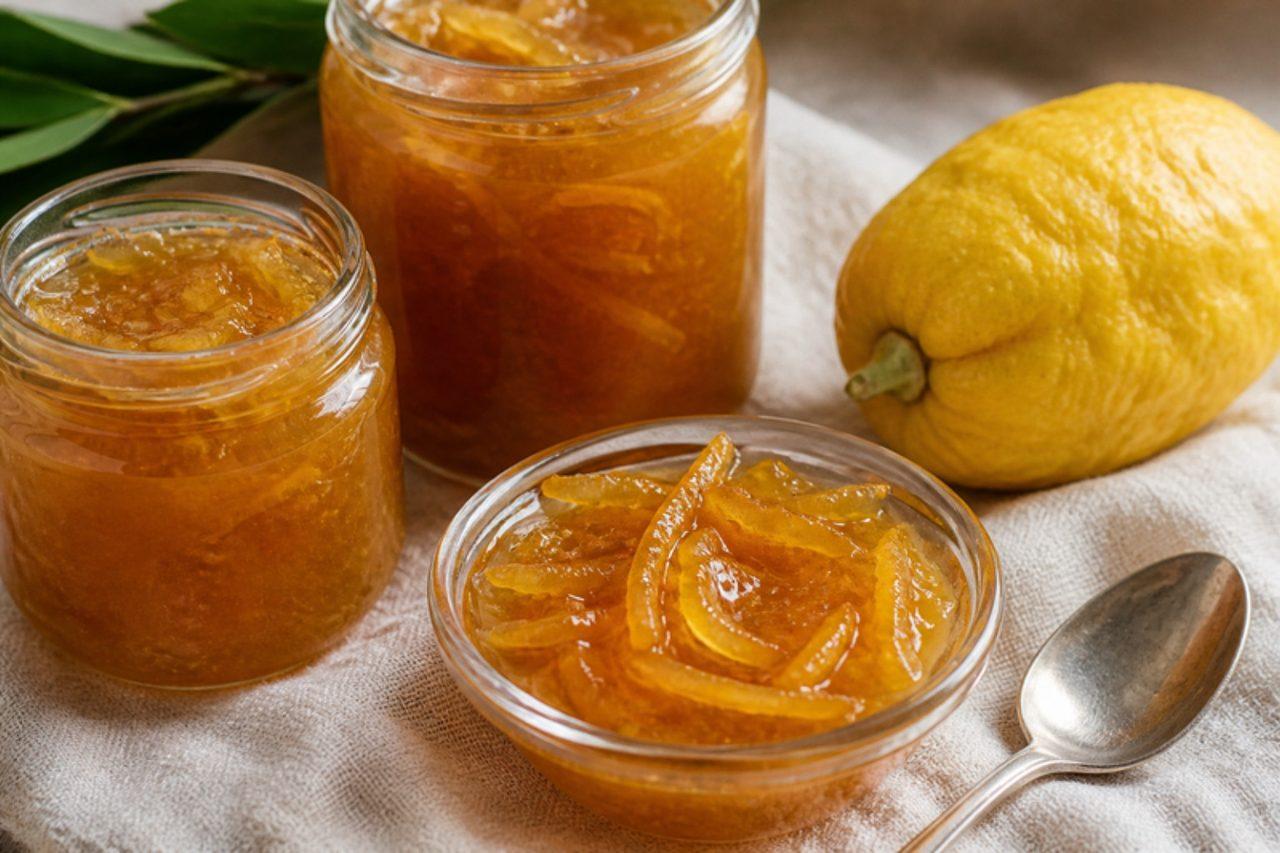
After Sukkot ends, many Israeli families keep the fragrant etrog (citron) used during the festival and turn it into marmalade, so its scent lasts into the winter. The thick pith is bitter, so the sliced fruit is soaked overnight and blanched in fresh water before it is simmered with sugar into a golden, bitter-sweet preserve, lovely on challah or with soft cheese. If your etrog was treated with sprays because it was grown only for ritual use, buy an unwaxed one sold for eating. The common mistake is skipping the soaking and changes of water, which leaves the marmalade harsh. Chef's tip: add a lemon for pectin and brightness, since etrogs are dry and set softly on their own.

by KrazyBadal 0 views

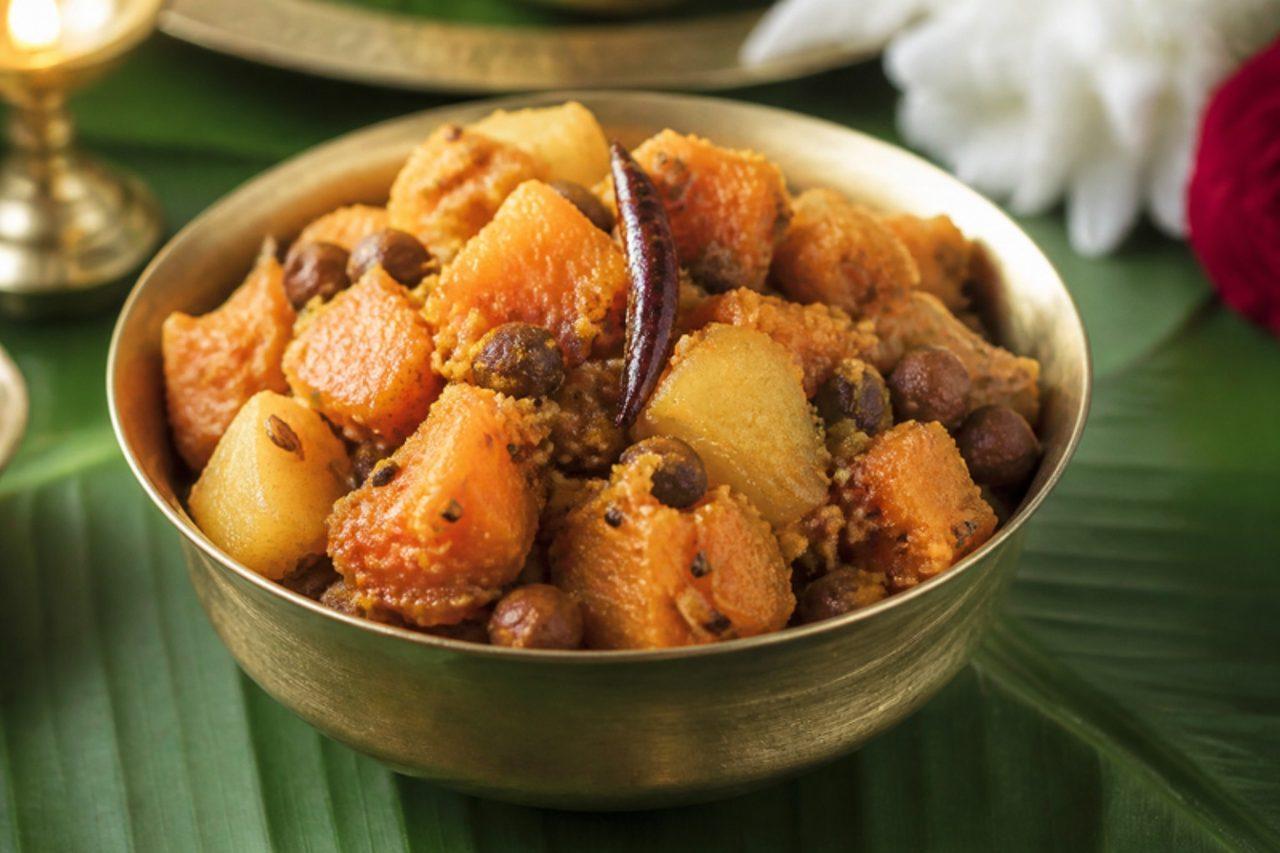
Kumror chhokkaPumpkin, potato and chickpeas

Kumror chhokka is the soft, sweet-savoury pumpkin dish that turns up on the niramish bhog plate at Durga Puja, next to khichuri and luchi, and at Bengali vegetarian feasts all year. Red pumpkin and potato are cooked down with soaked chickpeas, panch phoron (the Bengali five-spice), ginger and a pinch of sugar, until the pumpkin half melts and coats everything. There is no onion or garlic, which keeps it fit for the offering. It is mild, a little sweet and comforting. Common mistake: cutting the pumpkin and potato the same size; pumpkin cooks much faster, so cut it into bigger pieces, and stop when the potato is soft and some of the pumpkin has broken down. Chef's tip: a teaspoon of ghee and a pinch of roasted cumin powder stirred in at the very end makes it taste like the pandal version.

by KrazyBadal 0 views

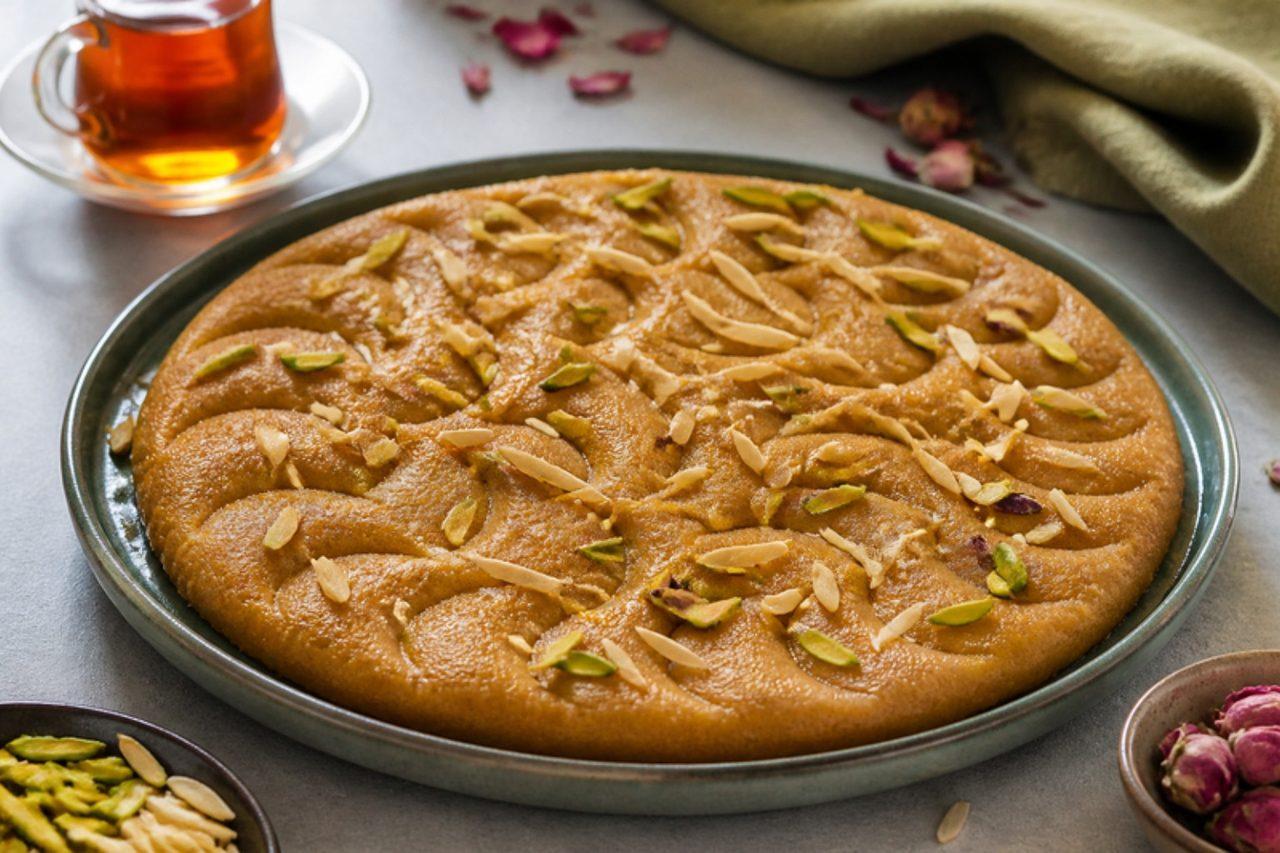
Persian halvaSaffron rose flour halva

Iranian halva is not the sesame sweet of the Levant but a dense paste of flour toasted slowly in butter and cooked with a saffron and rose-water syrup. It is spread on plates and patterned with a spoon for Ramadan iftars, for mourning gatherings and as nazri, food made and shared with neighbours to fulfil a vow in Muharram. It tastes deeply nutty, floral and not too sweet. Chef's tip: patience with the flour is everything; toast it until it is the colour of peanut butter, never rushing on a high heat.

by KrazyBadal 0 views

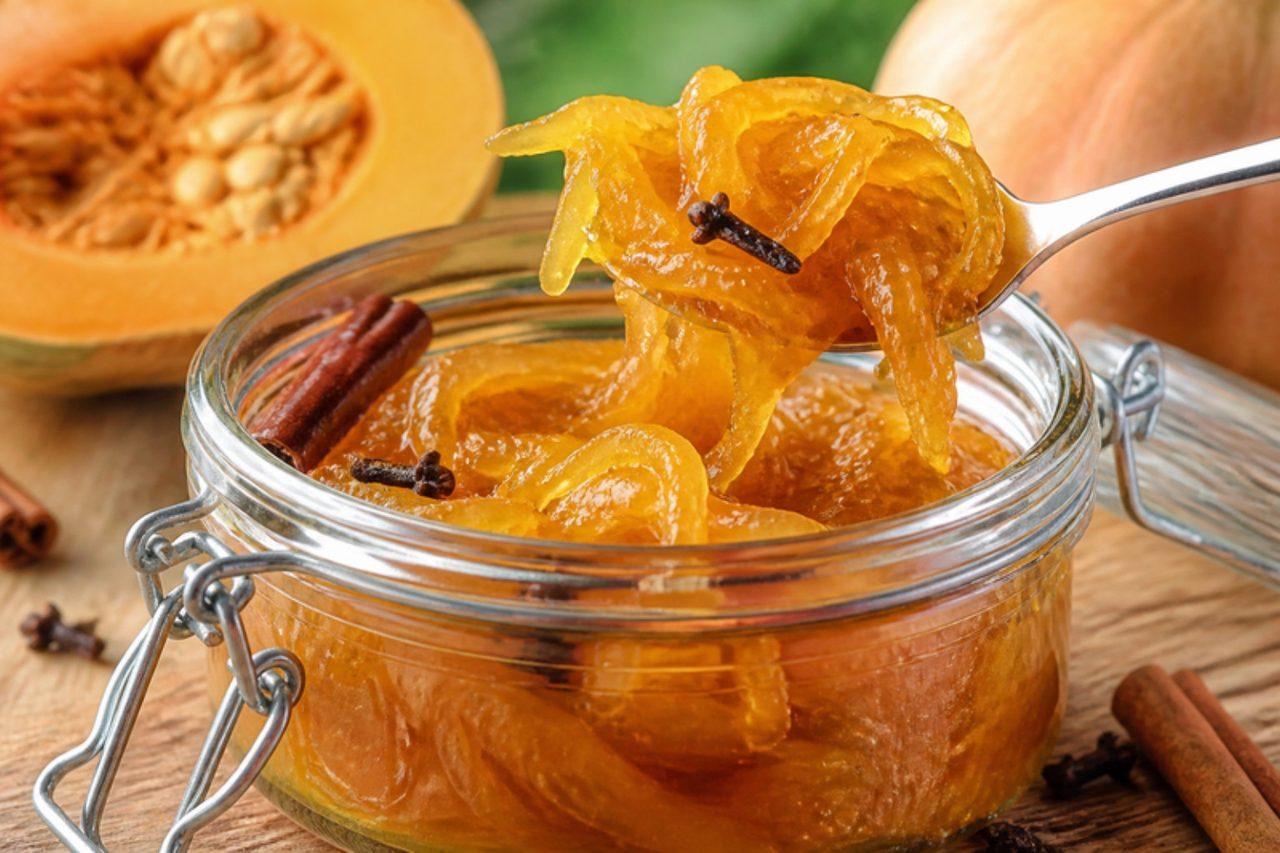
Miel de chiverreSquash strand preserve

Chiverre is a large, pale squash with stringy flesh that Costa Rican families save for Semana Santa. The strands are cooked for hours with tapa de dulce (cane sugar), cinnamon and cloves until they turn into a golden, chewy, sweet preserve called miel de chiverre, eaten on its own or used to fill the Holy Week empanadas and tortas. Spaghetti squash, though milder, is the closest substitute. It is vegan. Chef's tip: soak the squash strands in cold water for a few hours and drain well, which removes the bitterness.

by KrazyBadal 0 views

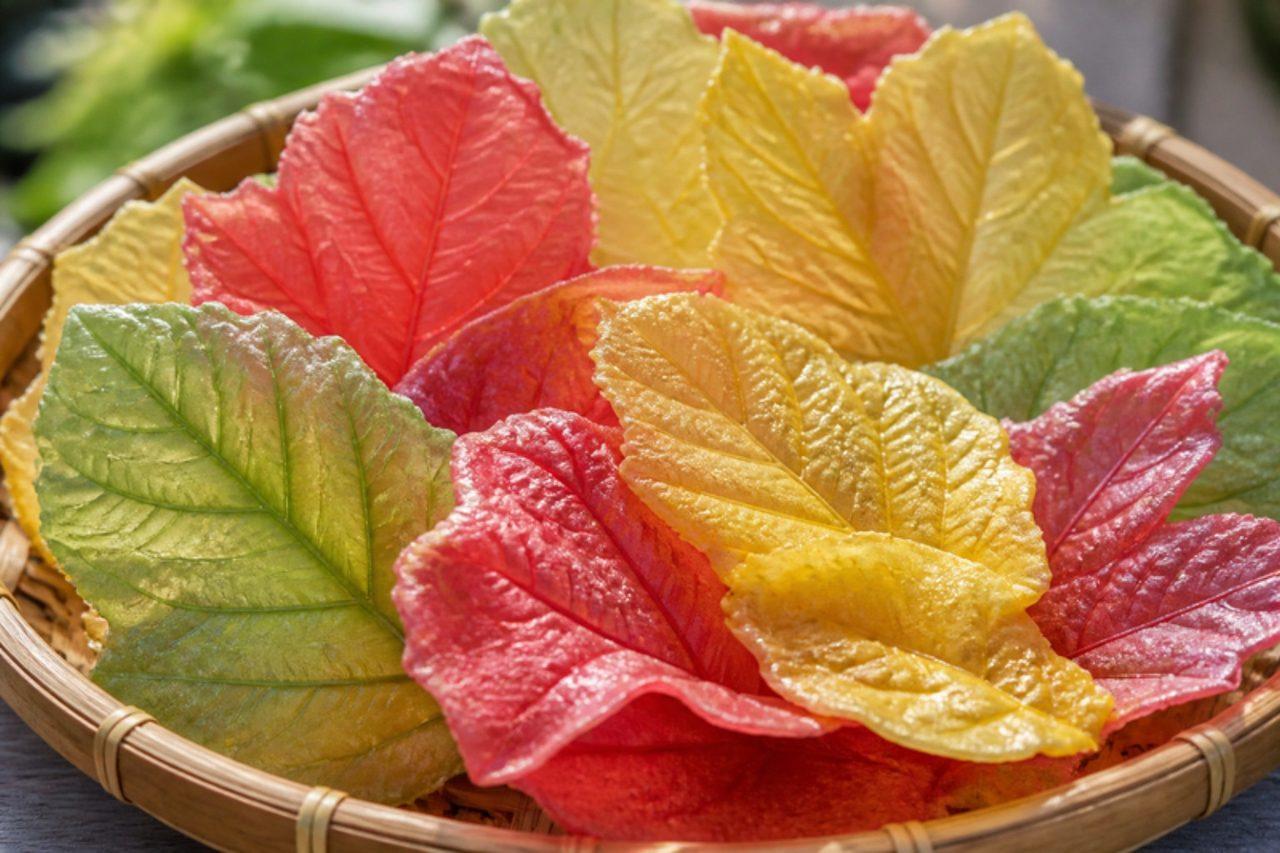
KipingLeaf-shaped rice wafers

Every 15 May, the town of Lucban in Quezon province celebrates San Isidro Labrador, patron of farmers, with the Pahiyas festival, when houses are covered in rice, vegetables and kiping: bright, translucent wafers of ground rice dough pressed onto leaves so they take the leaf's shape and veins, then dried. After the procession, the kiping are taken down and grilled or fried and eaten crisp, sometimes with sugar. This home version presses the dough thinly onto baking paper with a leaf-shaped cutter and the back of a clean banana leaf for texture. It is vegan and gluten free. Chef's tip: spread the dough as thin as you can, almost see-through, so it dries crisp.

by KrazyBadal 0 views

KhajlaFried pastry rounds in sweet milk

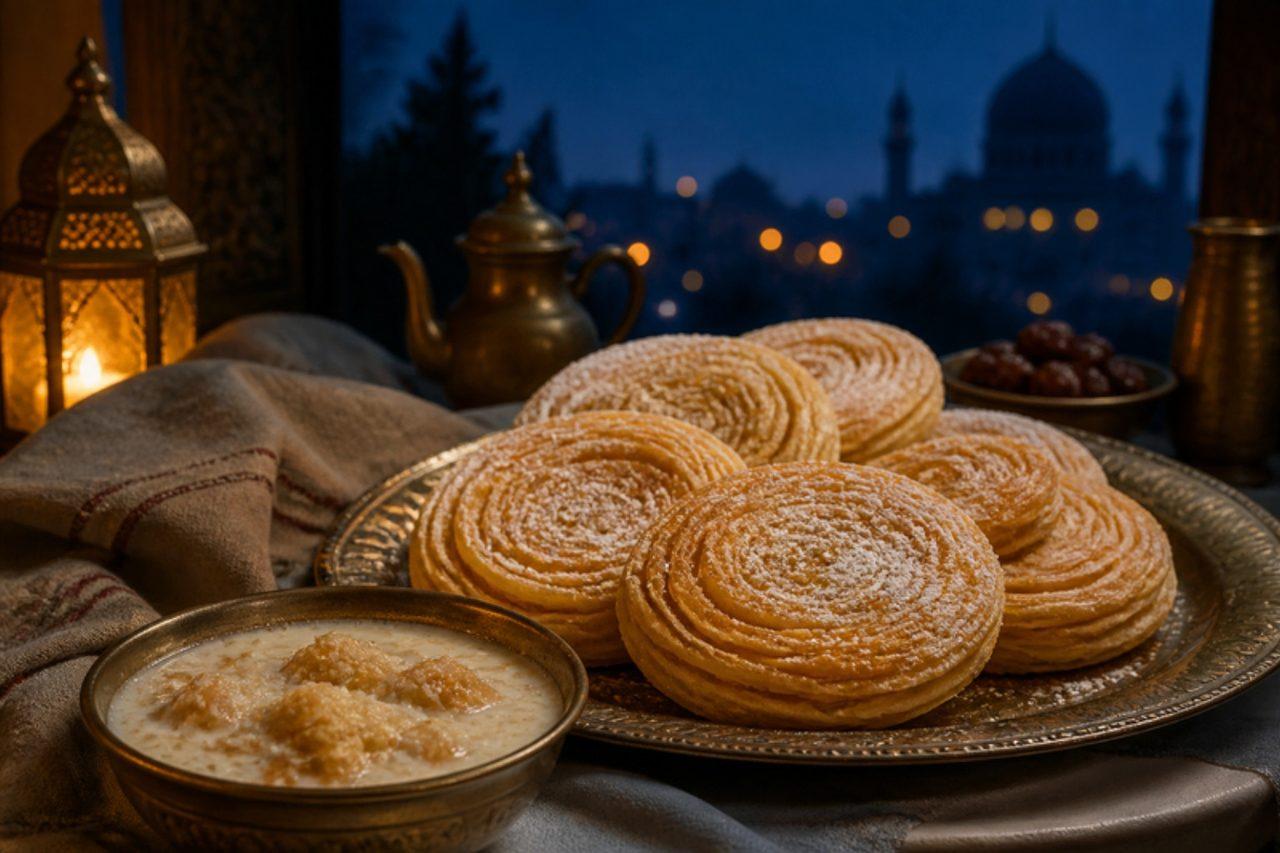
In the old lanes of Lahore and Karachi's Burns Road, sweet shops fry khajla through the night in Ramadan so families can buy it fresh for sehri, the meal eaten before dawn. Each round is a stack of paper-thin layers of ghee-rubbed dough that shatter when you press them, and it is crumbled into a bowl of hot sweetened milk, often with fine pheni, to give slow energy for the fasting day. Chef's tip: keep the oil only medium-hot; khajla must fry slowly so every inner layer turns crisp before the outside browns.

by KrazyBadal 0 views

Manisan kolang-kalingSugar palm fruit in pandan syrup

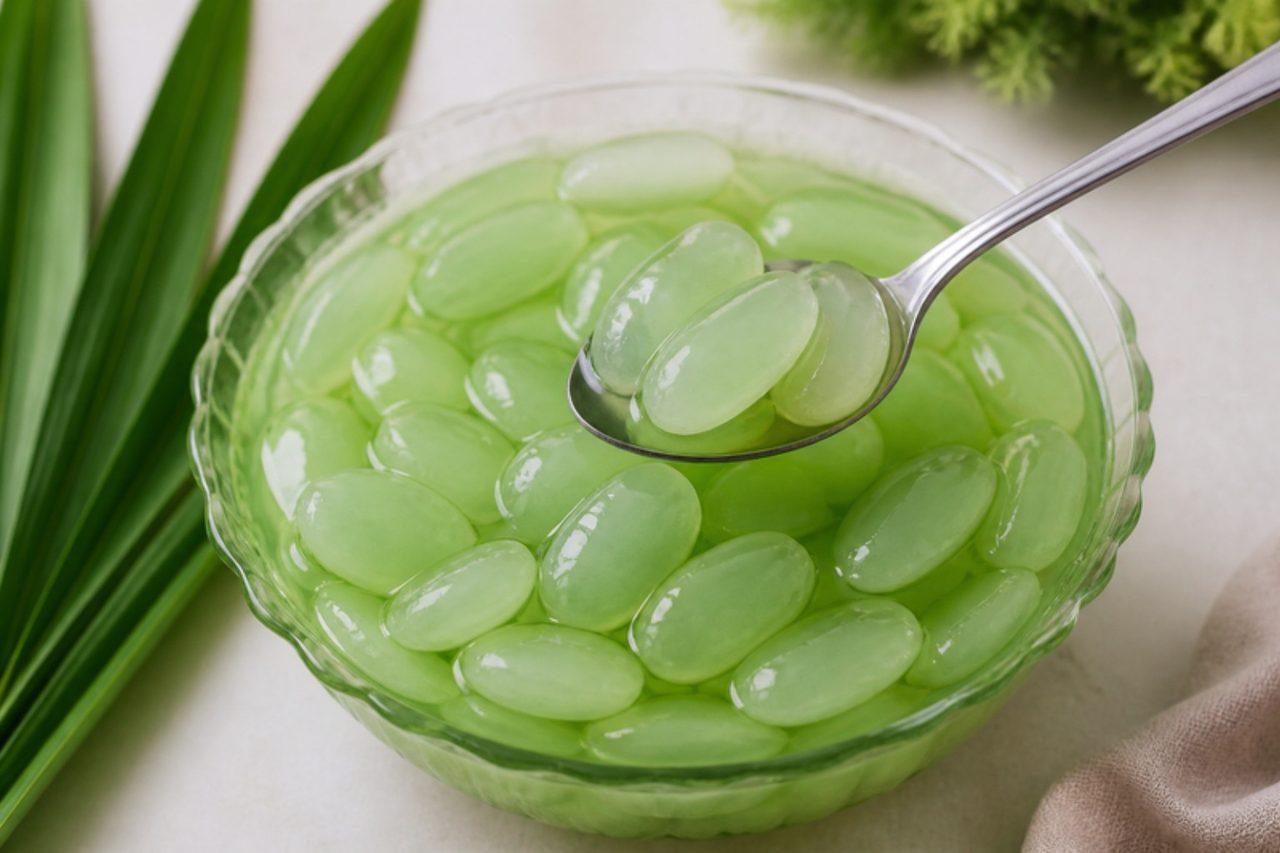
Kolang-kaling are the chewy, translucent seeds of the sugar palm, and in Indonesia they are a sure sign of Ramadan, piled in buckets at markets and simmered in syrup to go into iftar drinks, kolak and es buah. They have a soft, jelly-like bite and soak up whatever colour and flavour they are cooked in: green for pandan, red for rose syrup. Chef's tip: simmer them slowly and leave them in the syrup overnight; rushing gives pale fruit with a watery middle.

by KrazyBadal 0 views

Es timun suriIced cucumber melon drink

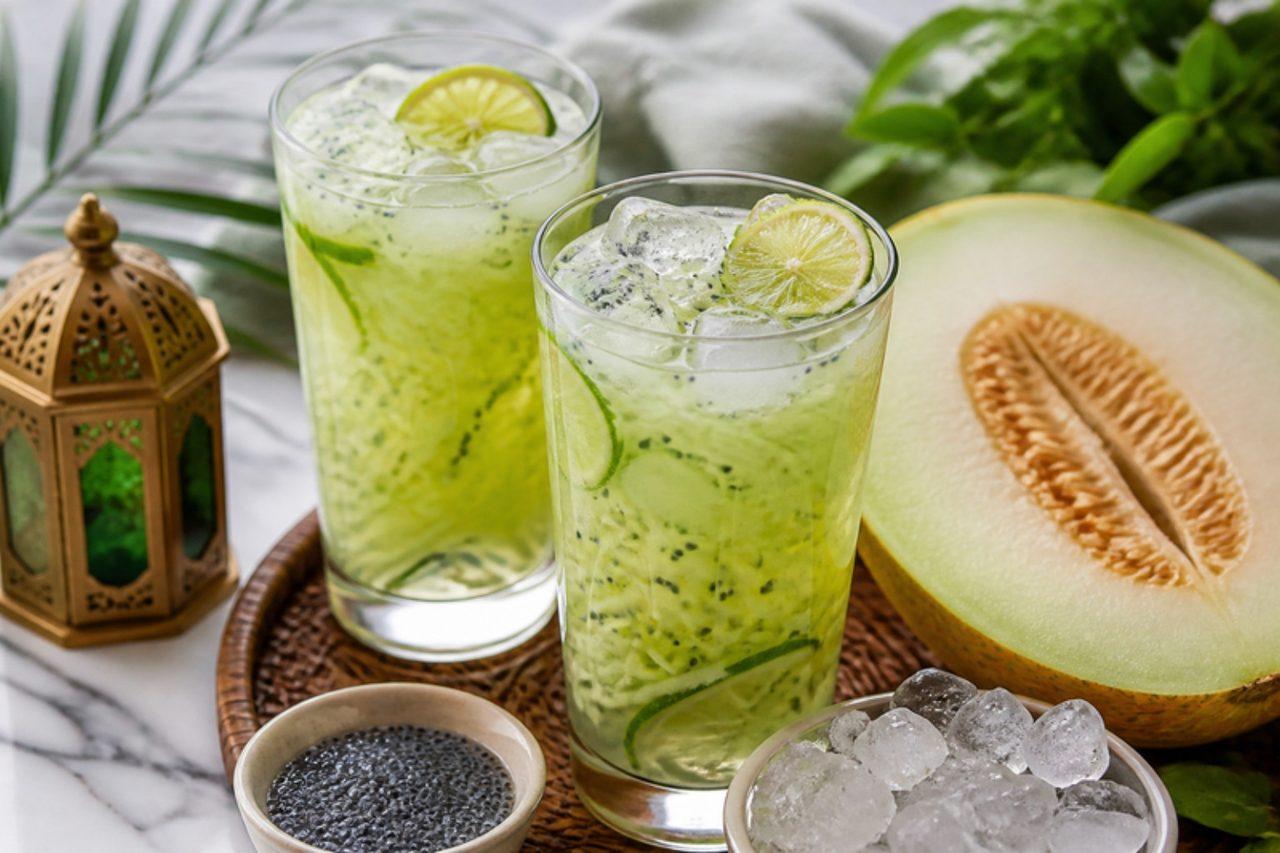
Timun suri, a large cucumber-melon, appears in Indonesian markets only during Ramadan, piled high at roadside stalls for families to buy before iftar. Scraped into strands and floated in iced syrup with basil seeds and lime, it makes es timun suri, one of the most refreshing ways to break the fast. It tastes gently sweet, melony and cool. Cantaloupe or galia melon is a good stand-in outside Indonesia. Chef's tip: soak the basil seeds fully before adding them, as dry seeds clump into hard lumps in cold syrup.

by KrazyBadal 0 views

Pesaha paalCoconut milk and jaggery drink

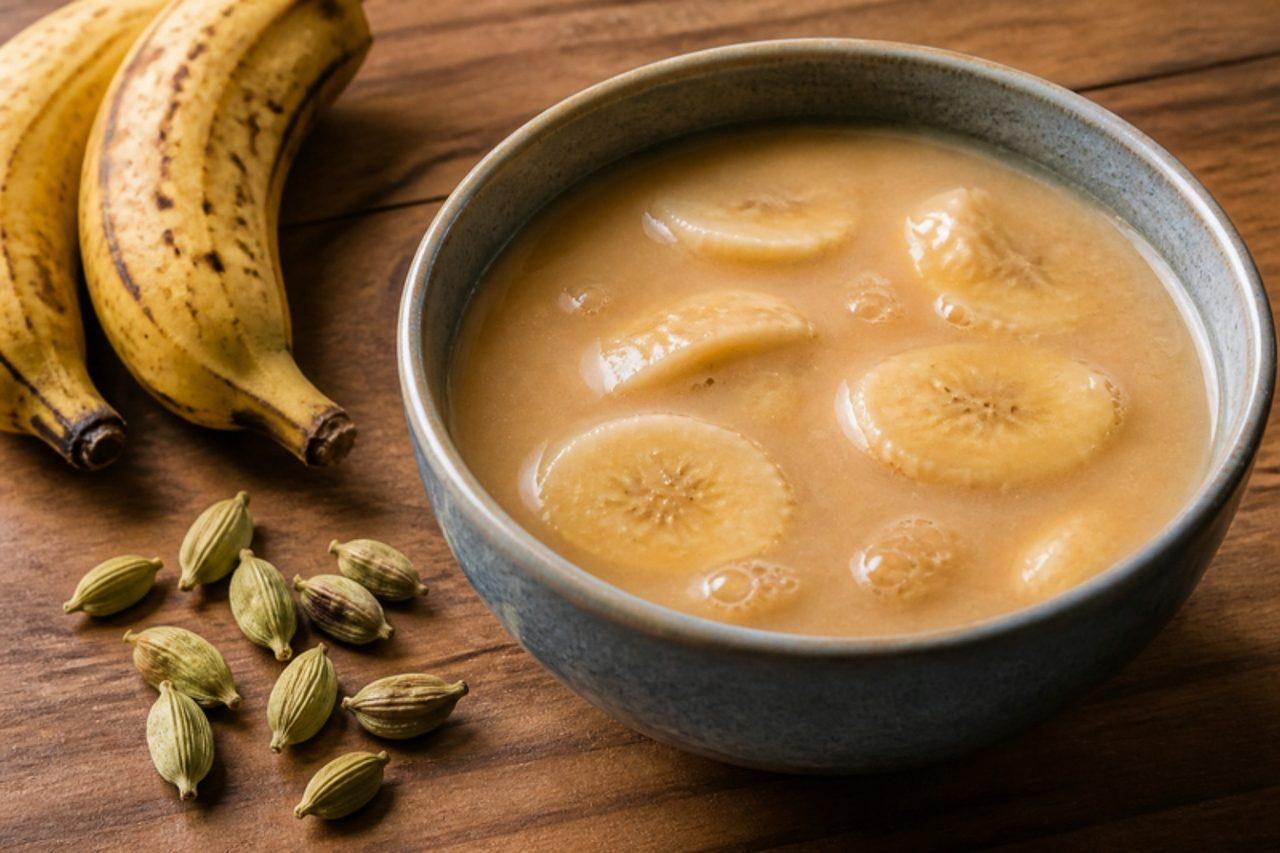
Pesaha paal ('Passover milk') is the sweet dip served with Pesaha appam at the Maundy Thursday supper in Kerala's Syrian Christian homes. Coconut milk is simmered with melted jaggery, a little roasted rice flour to thicken it, cardamom and dried ginger until it becomes a warm, silky drink. The family dips pieces of the blessed appam into it after the evening prayers. It is vegan and gluten free, and ready in half an hour. Chef's tip: strain the jaggery syrup before adding the coconut milk, as jaggery often carries grit.

by KrazyBadal 0 views

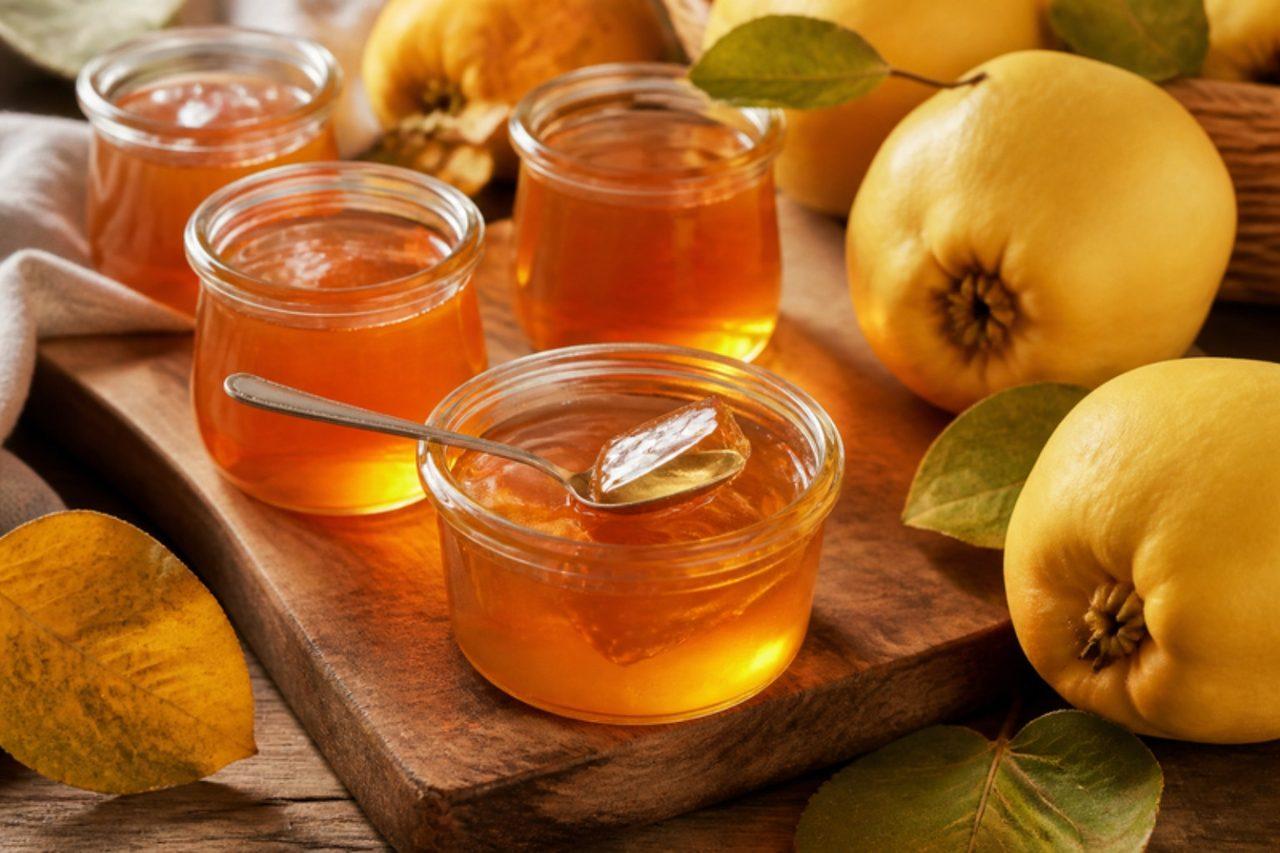
QuittengeleeQuince jelly

Quinces are too hard and sour to eat raw, so in Germany they are turned into Quittengelee, one of the jewel-coloured jars set out with the pumpkins and sheaves of wheat for Erntedank, the October harvest thanksgiving. The fruit is simmered whole in pieces, the juice drips through a cloth overnight, and then it is boiled with sugar until it sets into a clear jelly the colour of rosé, with a perfume like pear, honey and roses. Eat it on bread rolls, with cheese, or melted as a glaze for apple tart. Chef's tip: quince skin and cores are full of natural pectin, so cook them in with the flesh rather than peeling.

by KrazyBadal 0 views

BorstplaatSugar fondant sweets

Borstplaat is the sweet of Sinterklaas in the Netherlands: small, melt-in-the-mouth discs or hearts of boiled sugar and cream or milk with a little butter, flavoured with coffee, vanilla or strawberry. Children find them in their shoes on the morning of 5 December alongside pepernoten and a chocolate letter. They need only a few ingredients and a little care, and are gluten free. Chef's tip: stir the cooled syrup until it turns cloudy and starts to thicken, then pour at once; that stirring forms the fine crystals that make borstplaat creamy.

by KrazyBadal 0 views

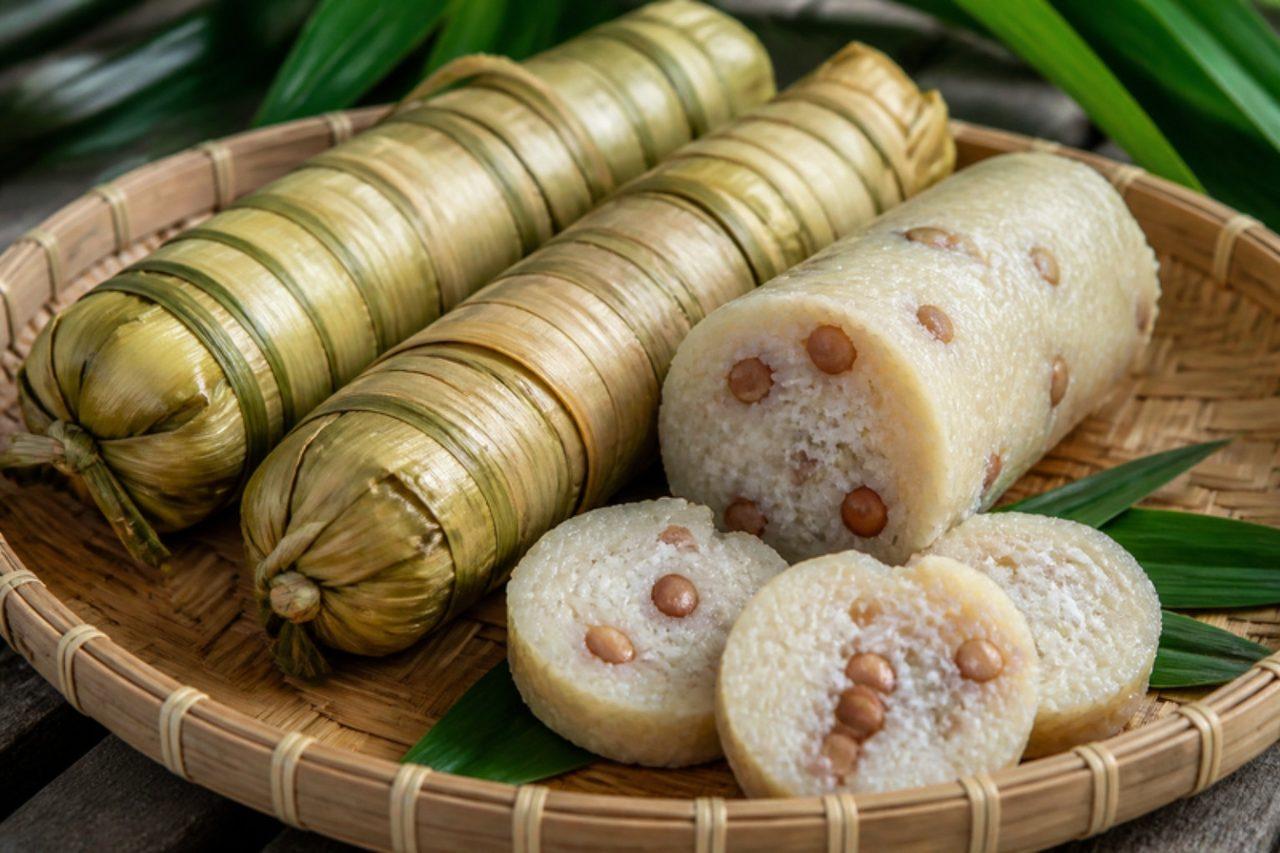
LepetSticky rice and peanut logs

Lepet is the companion of ketupat on a Javanese Lebaran morning: glutinous rice and peanuts mixed with grated coconut, rolled in spiralled young coconut leaves and boiled for hours into dense, savoury logs. In Javanese tradition the sticky rice is a reminder to forgive and hold together after Ramadan, so it is shared with neighbours and family. It tastes nutty, salty and rich and is eaten with opor or simply on its own. Banana leaves and string work well where coconut leaves are hard to find. Chef's tip: roll each log loosely, about three-quarters full, so the swelling rice turns soft rather than hard and chalky.

by KrazyBadal 0 views

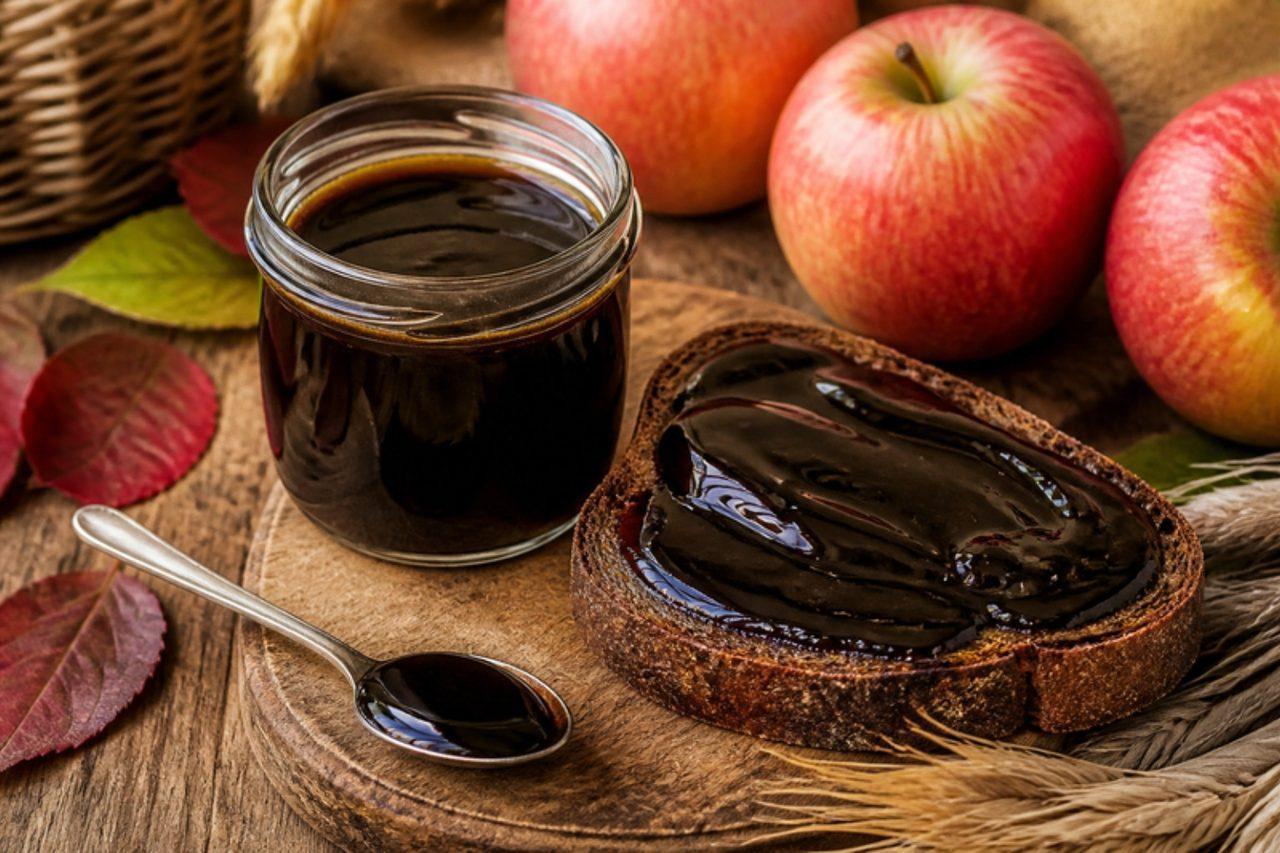
ApfelkrautApple syrup

In the Rhineland, apples from the autumn harvest are pressed and boiled for hours in copper cauldrons into Apfelkraut, a dark, glossy, sweet-sour syrup that is spread on Schwarzbrot with butter and quark, and that families bring to the Erntedank harvest thanksgiving in October. It needs no added sugar at all: the apples' own sugar and pectin concentrate until the juice is as thick as treacle and tastes like baked apple and caramel. Eat it on rye bread, with potato pancakes (Reibekuchen) or in a sauce for Sauerbraten. Chef's tip: use a mix of sweet and tart apples; the tart ones give the tang and the pectin that makes it set.

by KrazyBadal 0 views

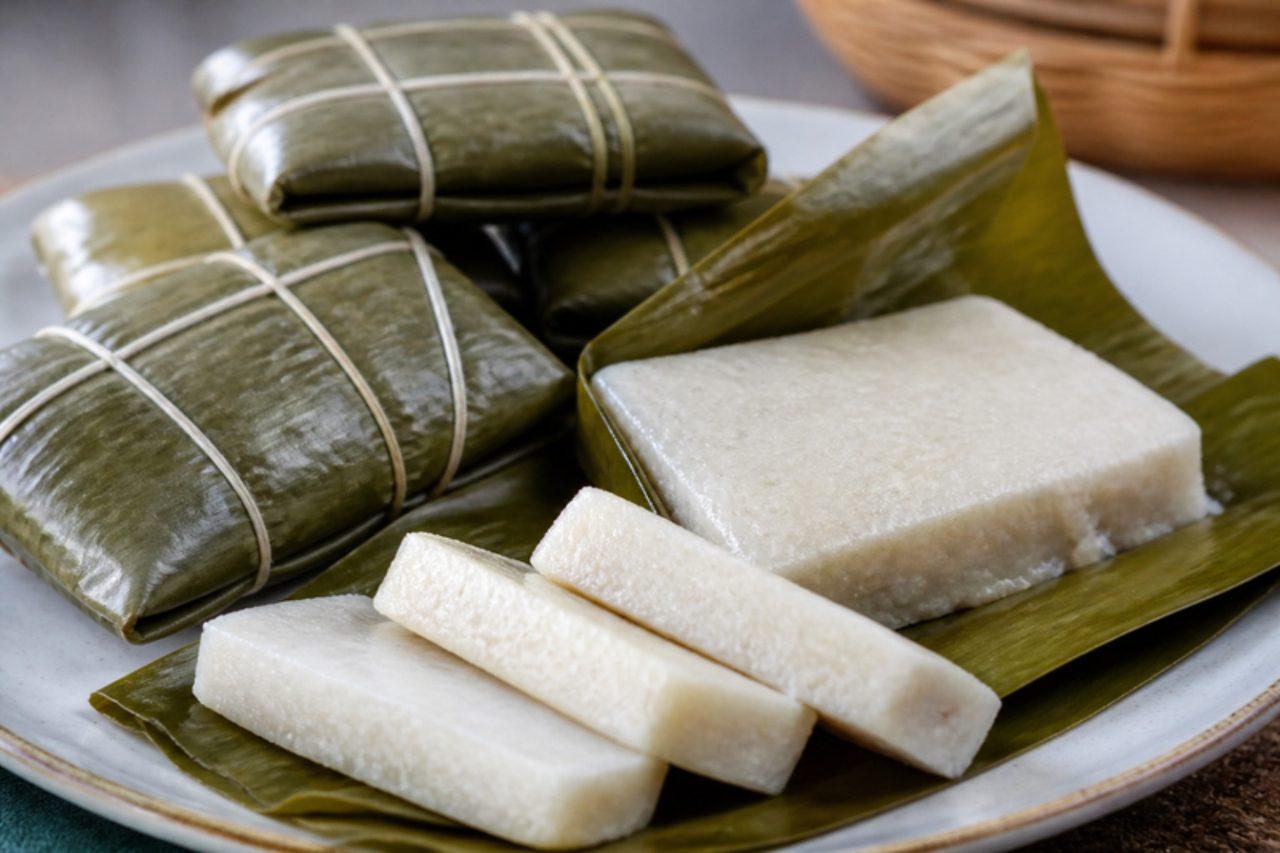
BurasaCoconut rice cakes in banana leaf

Burasa is the Lebaran rice cake of the Bugis and Makassar people of South Sulawesi: rice half-cooked in salted coconut milk, wrapped in banana leaves, tied in pairs and boiled for hours until it sets firm and rich. On Eid morning it is sliced and eaten with coto Makassar, opor or a spicy beef dish, and it travels well for visits to relatives. Chef's tip: wrap the parcels only half full and tie them firmly, because the rice swells and a full parcel bursts open in the pot.

by KrazyBadal 0 views

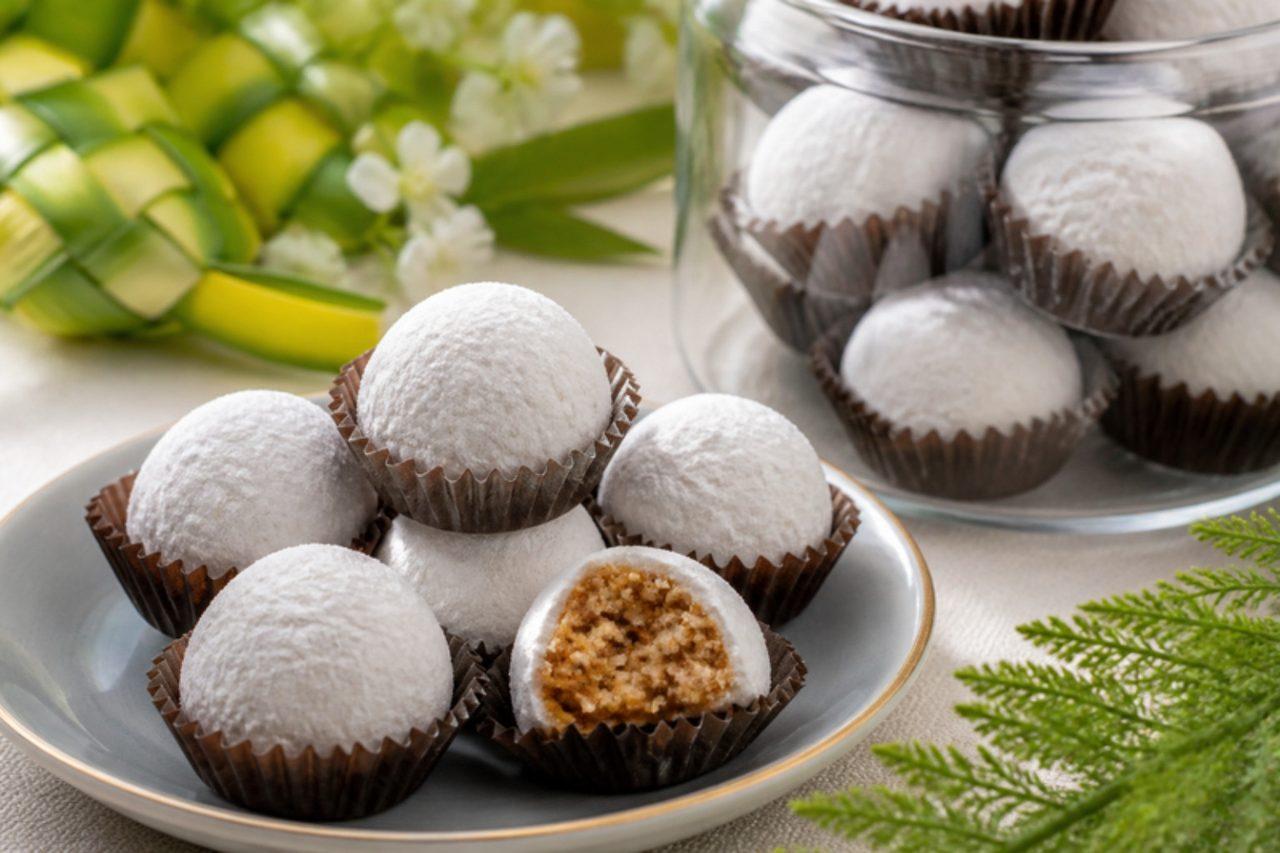
Kuih makmurGhee and peanut cookies

Kuih makmur is one of the oldest Malay Hari Raya cookies, its name meaning 'prosperity', and its tiny ridged domes are baked by the tray-load before Aidilfitri to fill the cookie jars for open houses. Soft, crumbly ghee pastry wraps a filling of roasted ground peanuts and sugar, and the cookies are rolled in icing sugar while still warm, so they melt in the mouth. Chef's tip: bake them pale; makmur should stay white, and browned cookies taste of scorched ghee.

by KrazyBadal 0 views

Shir berenjRose water rice pudding

Shir berenj, 'milk rice', is one of the gentle sweets of the Iranian Nowruz season, made at home to share with visiting relatives and often given as nazri on special days. Short-grain rice is softened in water first, then cooked slowly in milk until the grains melt into a thick, creamy pudding scented with rose water. It is chilled and served plain, with the sweetness added at the table from a drizzle of grape molasses, date syrup or jam. The common mistake is adding all the milk at once over a high heat, which scorches the bottom and leaves the grains firm. Chef's tip: stir with a wooden spoon in a figure of eight, which reaches the corners where rice likes to stick.

by KrazyBadal 0 views

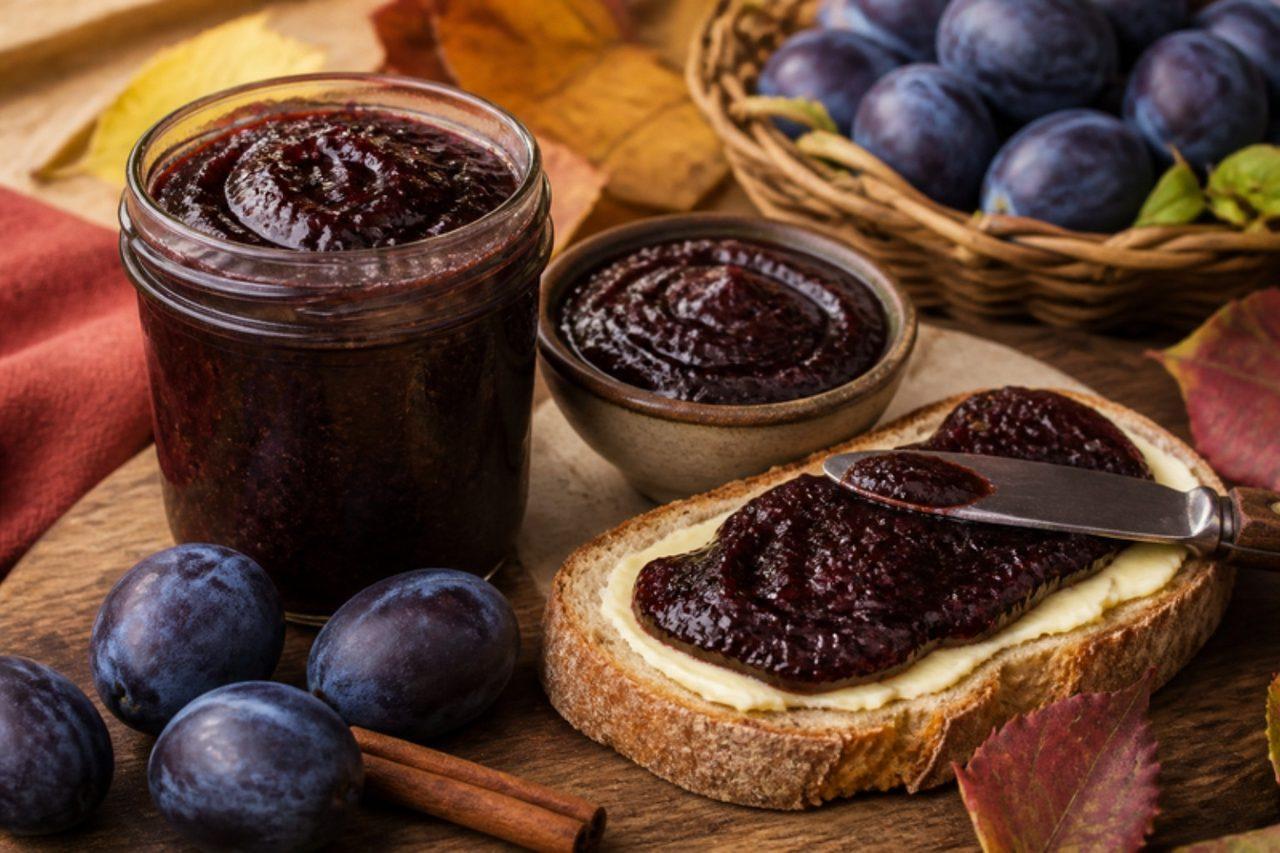
PflaumenmusOven-baked plum butter

When the late damson plums (Zwetschgen) ripen in September, German kitchens fill trays with them for Pflaumenmus, and jars of it stand on the decorated altar at Erntedank, the harvest thanksgiving in early October. Unlike jam, it uses little sugar and no pectin: the halved plums are baked slowly, uncovered, until they collapse and darken into a thick, almost black spread that tastes of plums and spice rather than sugar. Spread it on rye bread with butter, fill Dampfnudeln with it or stir a spoonful into quark. Chef's tip: bake it in the widest roasting tin you have, because the more surface, the faster the water steams off.

by KrazyBadal 0 views

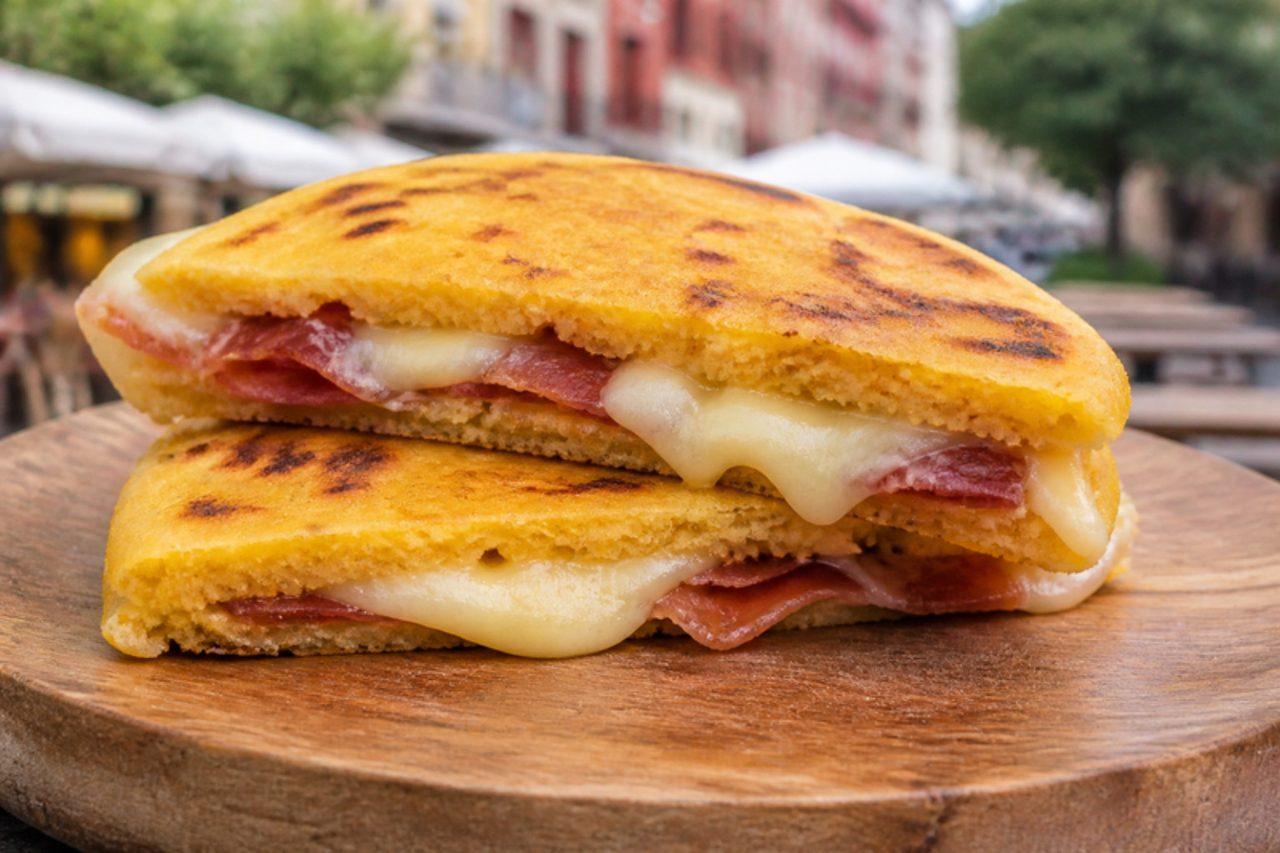
TaloaMaize flatbread with ham and cheese

During the Fêtes de Bayonne in July, when the whole town dresses in white with red scarves, stalls in the Pays Basque sell taloa: thick flatbreads of maize and wheat flour cooked on a hot griddle and folded around fillings. The classic is with jambon de Bayonne (a cured pork ham), with sheep's cheese or with ventrèche (cured pork belly), and it's eaten hot in the street. Cheese alone makes a good vegetarian version. Chef's tip: cook the taloa on a dry, very hot pan; it should blister and puff in patches like a tortilla.

by KrazyBadal 0 views

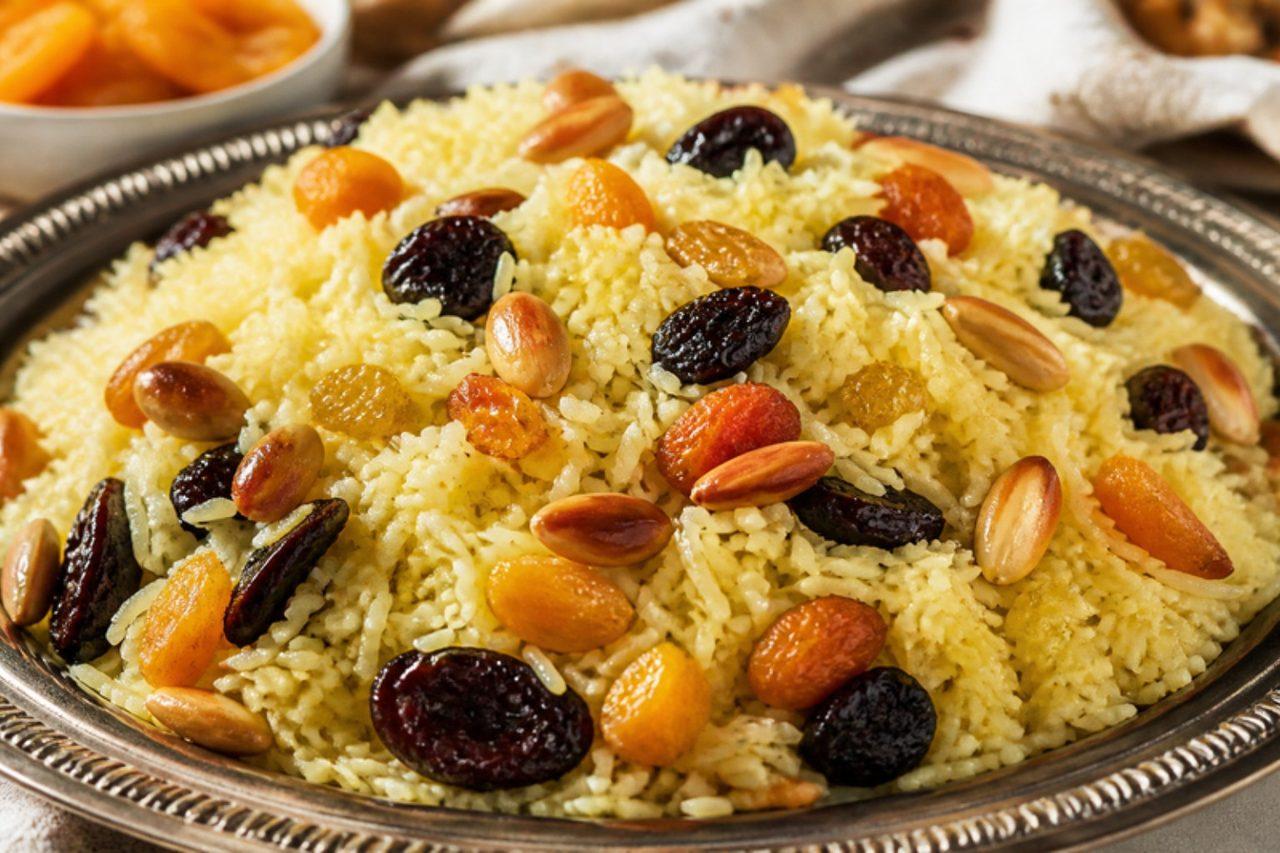
Chirov plavRice pilaf with dried fruit

Chirov plav, rice pilaf with dried fruit ('chir'), is the Armenian Easter dish: after the long Lenten fast, families gather on Easter Sunday to eat this glossy, buttery pilaf, often served beside fried or baked fish and red-dyed eggs. The rice is cooked separately so every grain stays loose, then layered with dried apricots, raisins and prunes warmed in butter, with a golden crust (tahdig-style) at the bottom. Chef's tip: rinse the rice until the water runs clear, and parboil it in plenty of salted water, as that keeps the grains separate.

by KrazyBadal 0 views

ZhavoronkiLark-shaped buns

On 22 March (9 March in the old calendar), the Orthodox feast of the Forty Martyrs of Sebaste falls during Lent, and in Russian villages it was the day the larks were said to return. Children were given zhavoronki, little bread larks, and ran outside to toss them in the air and call the spring. The dough is a lightly sweet yeast dough, and because it is Lent it was made without eggs or butter, so this version is vegan. Raisins or peppercorns make the eyes. Chef's tip: tie a simple knot from a dough rope for each bird and snip the tail; it is quicker than sculpting and keeps the shape.

by KrazyBadal 0 views

Pane di San GiuseppeSculpted festival breads

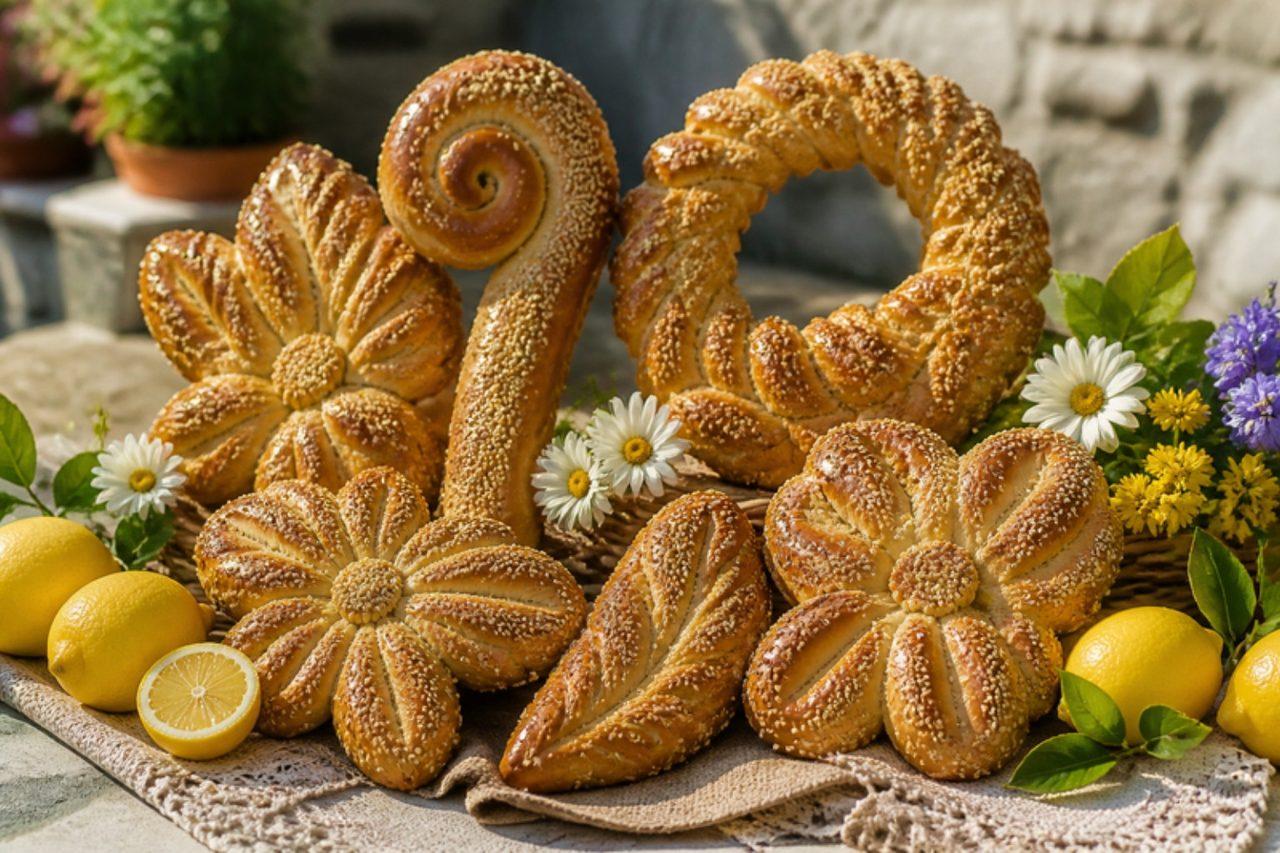
For St Joseph's Day on 19 March, families in western Sicily (Salemi, Trapani, Marsala) build 'tavolate' or altars to the saint, laden with ornate, sculpted breads: beards for Joseph, a staff, flowers, birds, fish and the hand of God. The breads are later given to the poor and to guests. The dough is a firm, plain semolina bread, so it holds fine detail, brushed with egg and scattered with sesame. Shape a few simple ones first; they are as much decoration as food. It is vegan, glazed with water rather than the egg some bakers use. Chef's tip: keep the dough firm and rest it so it doesn't spring back; soft dough loses its shapes in the oven.

by KrazyBadal 0 views

Olivette di Sant'AgataAlmond paste olives

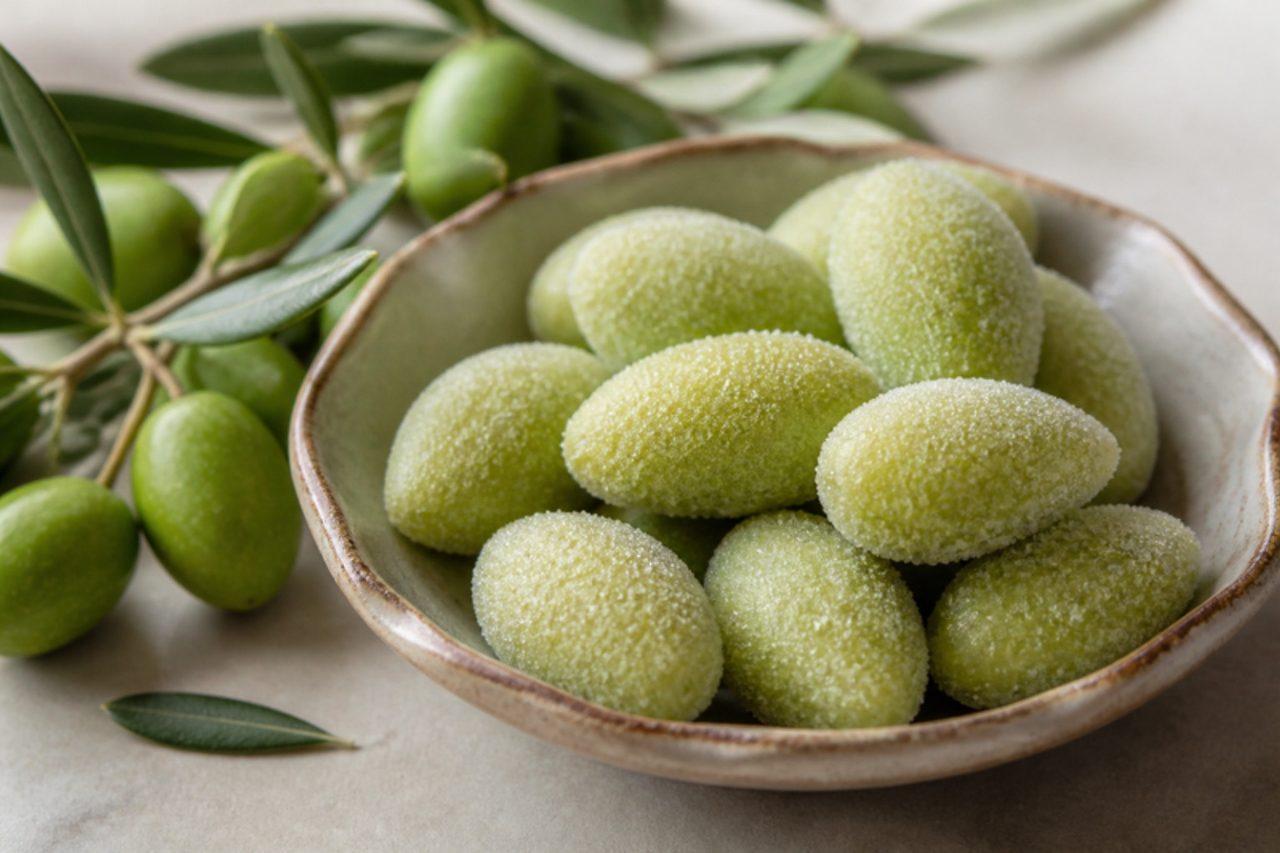
Olivette are tiny green 'olives' of almond paste rolled in sugar, sold in Catania for the feast of St Agatha in early February. A legend tells that as the young saint was led to her trial she stopped to tie her shoe, and a wild olive tree sprang up on the spot and fed her. The sweets are made from ground almonds, sugar and a little water, coloured green and shaped in the palm. They are gluten free and dairy free, and children love to help shape them. Use a natural green such as matcha or spinach powder if you prefer. Chef's tip: knead the paste only until smooth, as overworking draws out the almond oil and it turns greasy.

by KrazyBadal 0 views

Bread halwaFried bread halwa

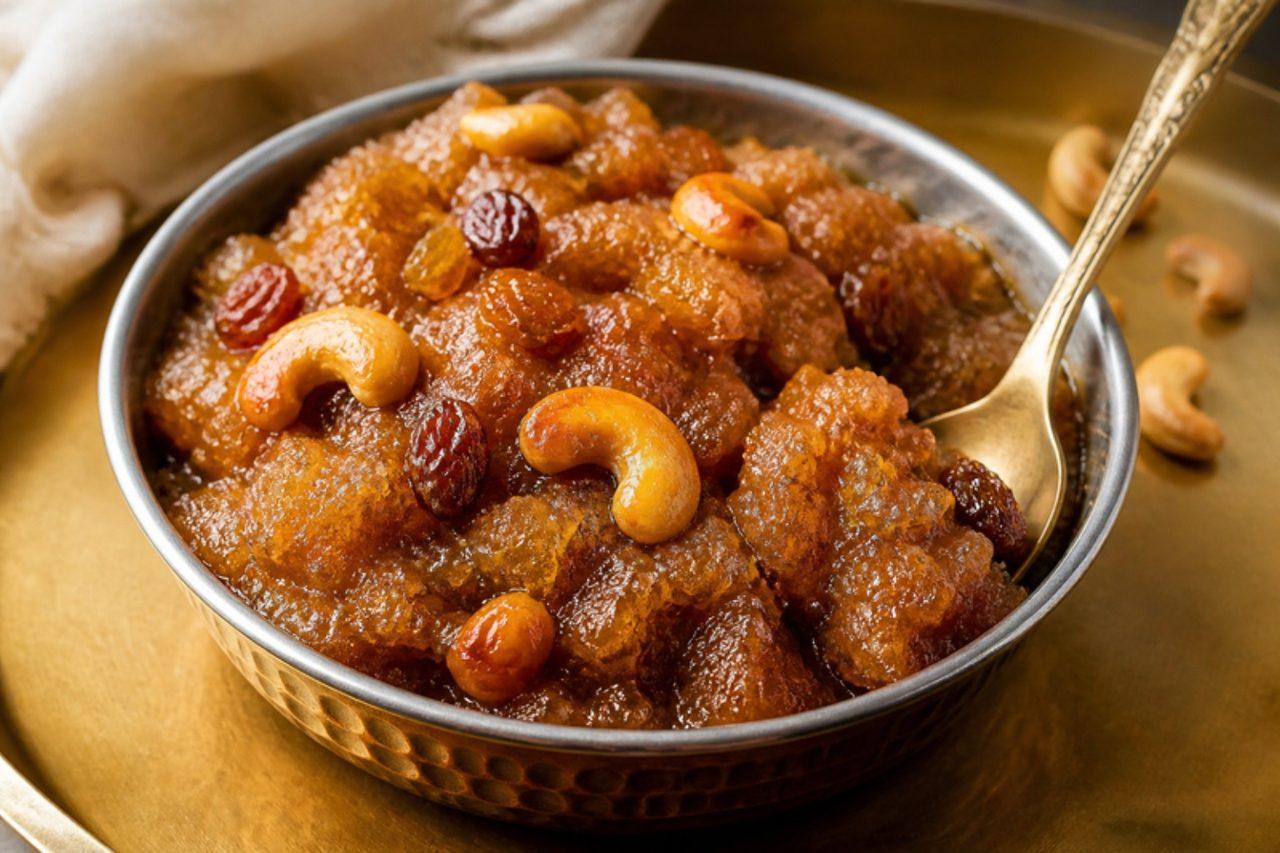
At Tamil Muslim weddings and Eid feasts in Chennai and Madurai, the biryani is followed by a spoonful of bread halwa, sticky, golden and glistening with ghee. Cubes of white bread are fried until crisp, then cooked down with milk, sugar and cardamom until they melt into a soft, jammy halwa studded with cashews. Chef's tip: day-old bread fries crisper and soaks up the milk more evenly than fresh.

by KrazyBadal 0 views

SnobrødBonfire stick bread

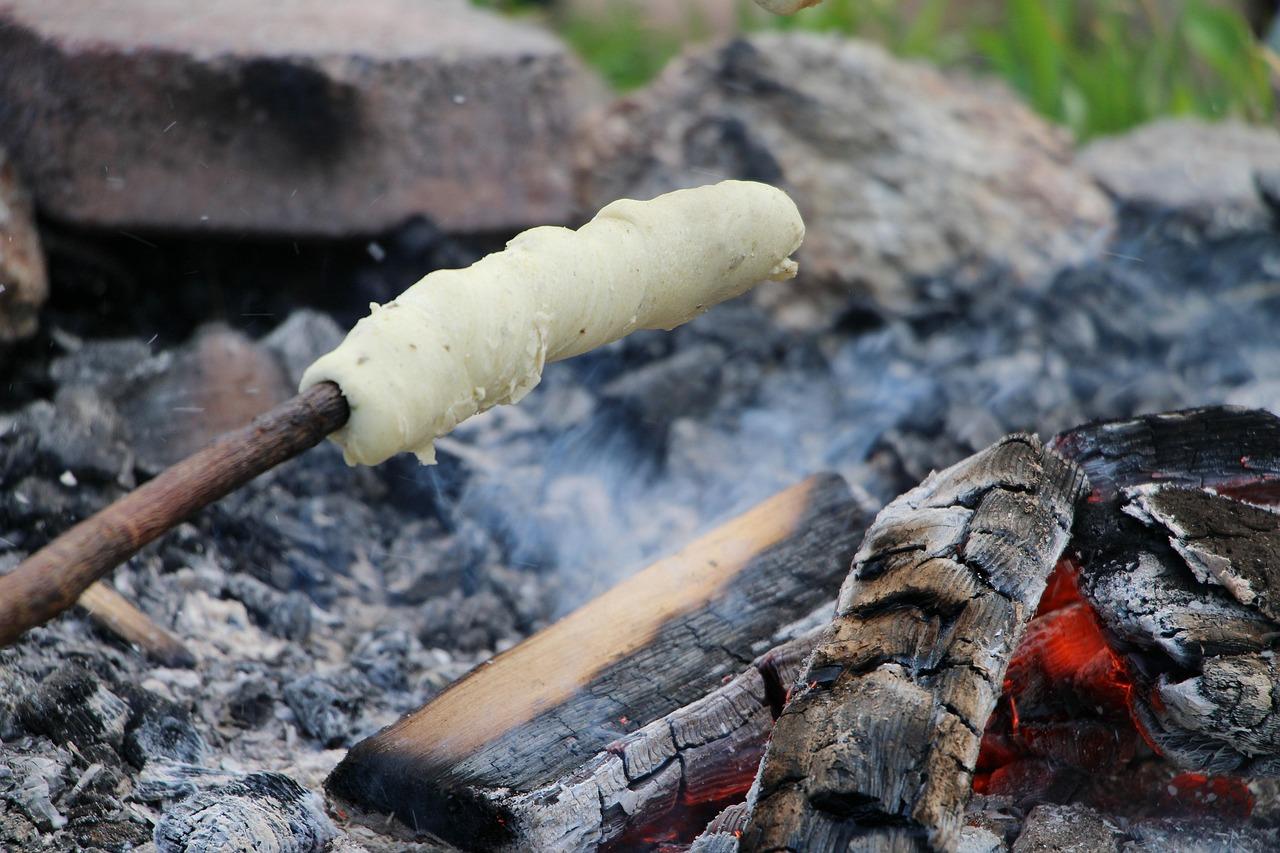
On Sankt Hans Aften, Danish Midsummer Eve on 23 June, people gather round huge bonfires on beaches and in gardens, sing the Midsummer song and burn a straw witch, and the children twist ropes of dough round sticks and bake snobrød over the embers. The bread comes out crisp and smoky outside and soft inside, ready to fill with jam, or butter for those who eat dairy. It is just as much fun at any garden fire or campfire. Chef's tip: hold the bread over glowing embers, not flames, and keep turning; flames blacken the outside long before the inside is done.

by KrazyBadal 0 views

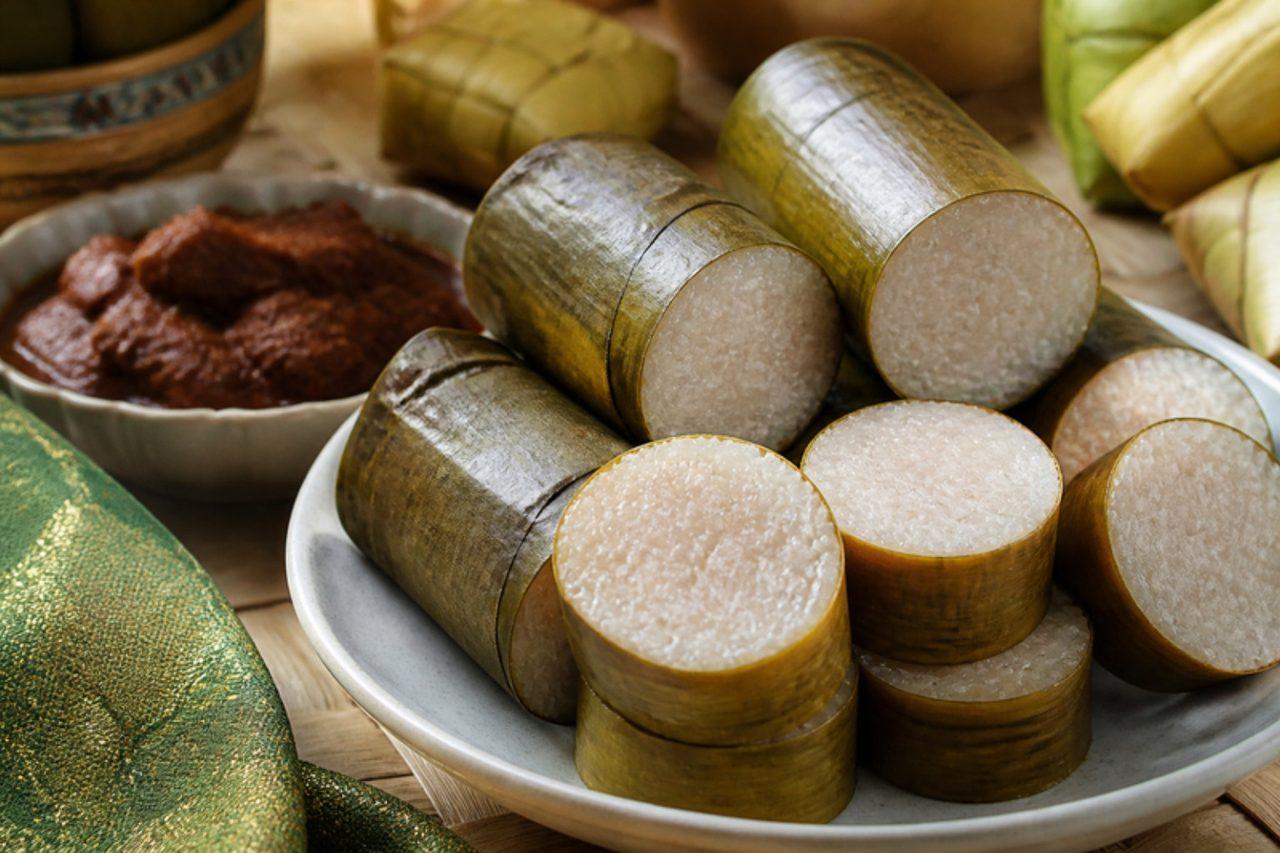
LemangBamboo-cooked coconut sticky rice

On the eve of Hari Raya Aidilfitri, Malay villages across the peninsula fill with smoke as families cook lemang: glutinous rice and coconut milk packed into banana-leaf-lined bamboo poles and turned slowly beside an open fire for hours. The rice comes out rich, salty and faintly smoky, sliced into thick rounds and eaten with rendang or serunding on Raya morning. Few homes have bamboo and a fire pit, so this recipe gives a home oven method in a banana-leaf-lined tin, with the bamboo way described too. Chef's tip: let the cooked lemang cool before slicing, as warm rice is too soft to cut cleanly.

by KrazyBadal 0 views

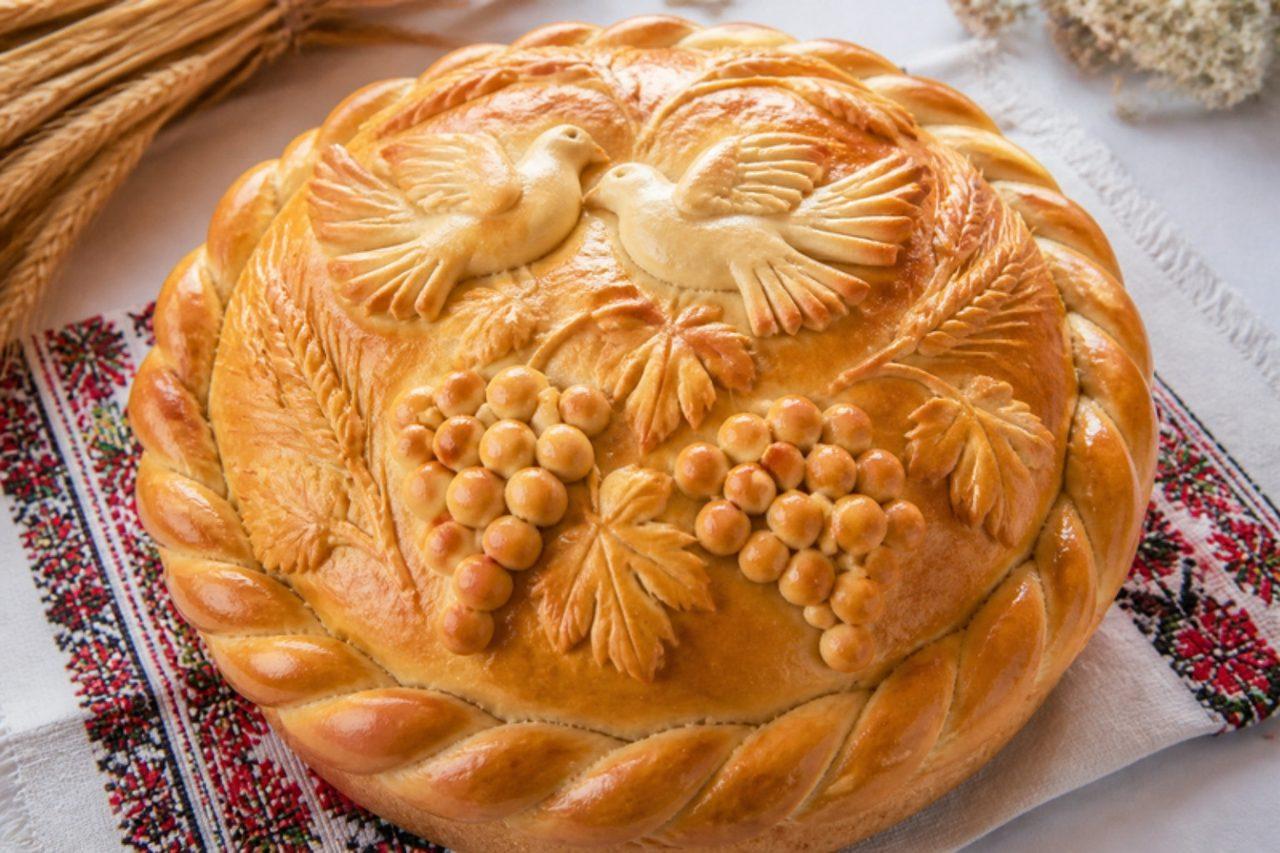
Slavski kolačDecorated ceremonial bread

The slava is a uniquely Serbian Orthodox custom: each family honours its own patron saint on that saint's feast day, passed from father to son, with a lit candle, boiled wheat (žito) and the slavski kolač, a round, decorated bread. The priest blesses it; the family turns it, cuts a cross into its base, pours a little wine into the cuts, and breaks it together. It is decorated with dough crosses, the seal 'IC XC NI KA', doves, wheat ears and grapes. It is a plain, vegan bread. Chef's tip: keep the decorations' dough a little stiffer than the loaf, so they hold their shape.

110 minBalkanBakingVegan
by KrazyBadal 0 views

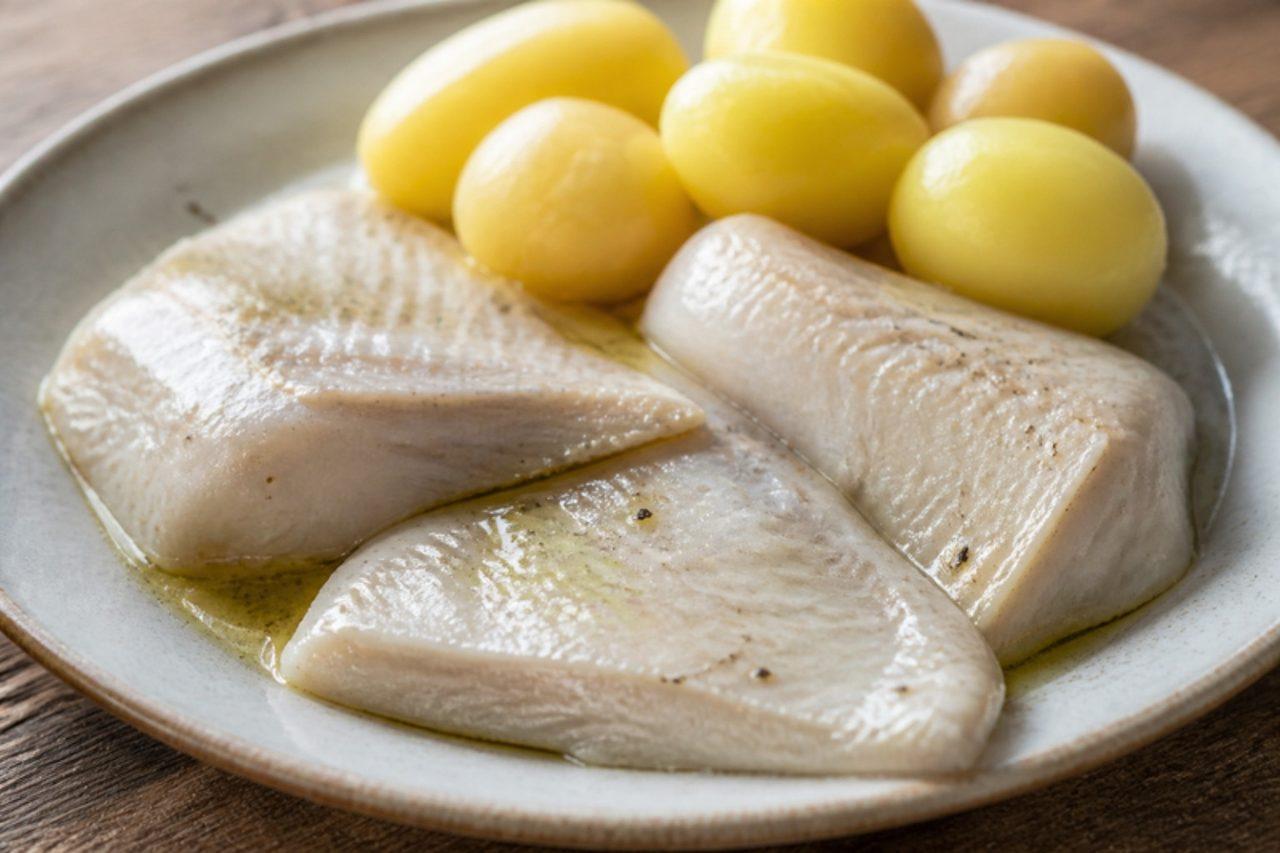
Kæst skataFermented skate

St Thorlak's Day (Þorláksmessa), 23 December, honours Iceland's patron saint, and in the Westfjords and now across the country it is the day for kæst skata: fermented skate, boiled and eaten with potatoes and melted, salty sheep's tallow (hamsatólg) or butter. Its ammonia smell is famous, which is why many families cook it in the garage or eat at a restaurant, then have it the next day as a bracing start to Christmas. Buy skate already fermented from an Icelandic fishmonger; don't try to ferment it at home. Chef's tip: cook it in a lidded pot with a window open, and boil the potatoes in a separate pot.

by KrazyBadal 0 views

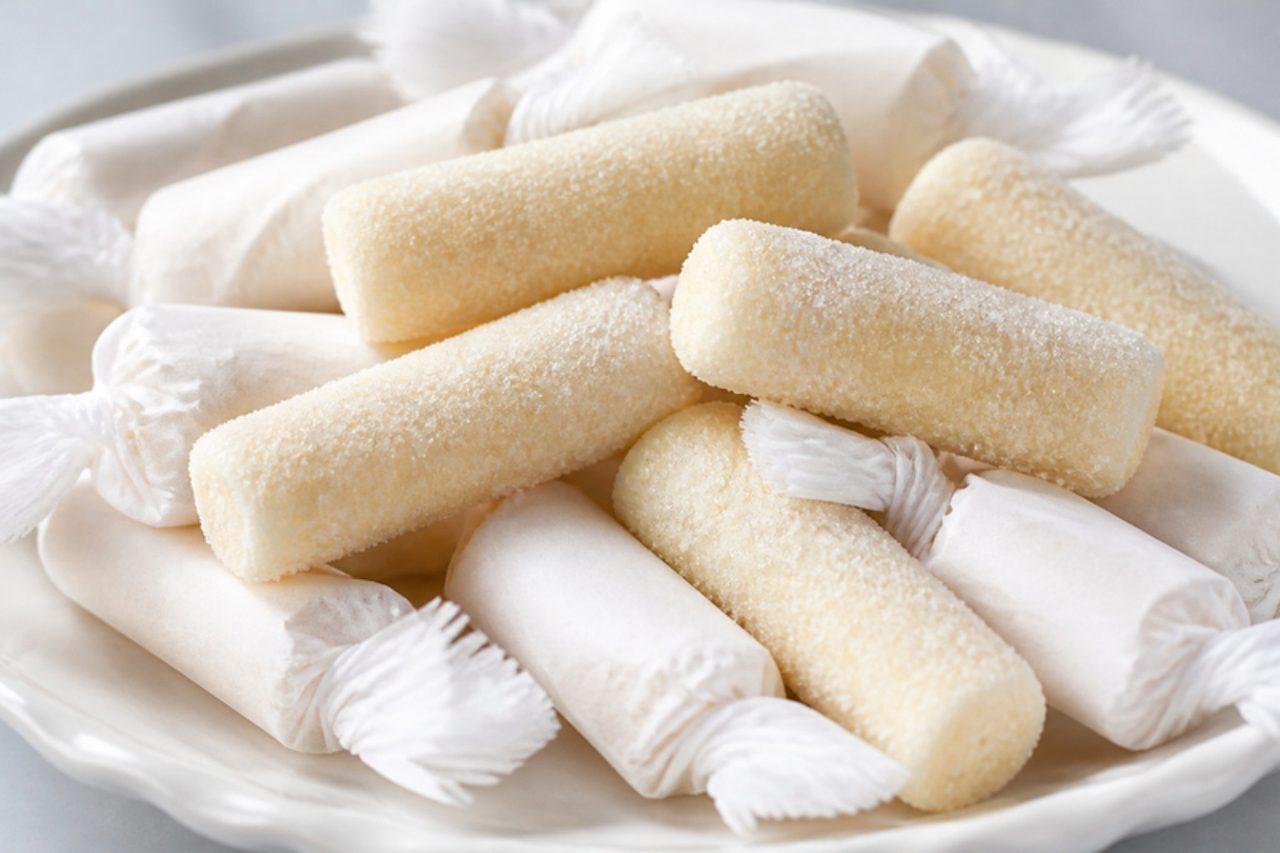
Pastillas de leche (Bulacan milk candy)

San Miguel in Bulacan, north of Manila, has made pastillas de leche from the rich milk of carabao, the water buffalo, for generations, and the town celebrates it every May with a festival. The candies are slow-cooked from little more than milk and sugar, rolled into fingers, coated in sugar and wrapped in coloured paper, often with fringed, cut-paper wrappers for fiestas and Christmas. They taste like a soft, milky fudge that melts on the tongue. Hand them round with coffee or tuck them into gift boxes. Carabao milk is hard to find, so this version uses whole cow's milk boosted with a little milk powder for the same richness. It is naturally egg-free: the milk solids, reduced with sugar, set into a firm paste on their own. Chef's tip: keep the heat at medium-low and scrape the base often. The common mistake is turning the heat up to save time, which scorches the milk and makes the paste grainy.

by KrazyBadal 0 views

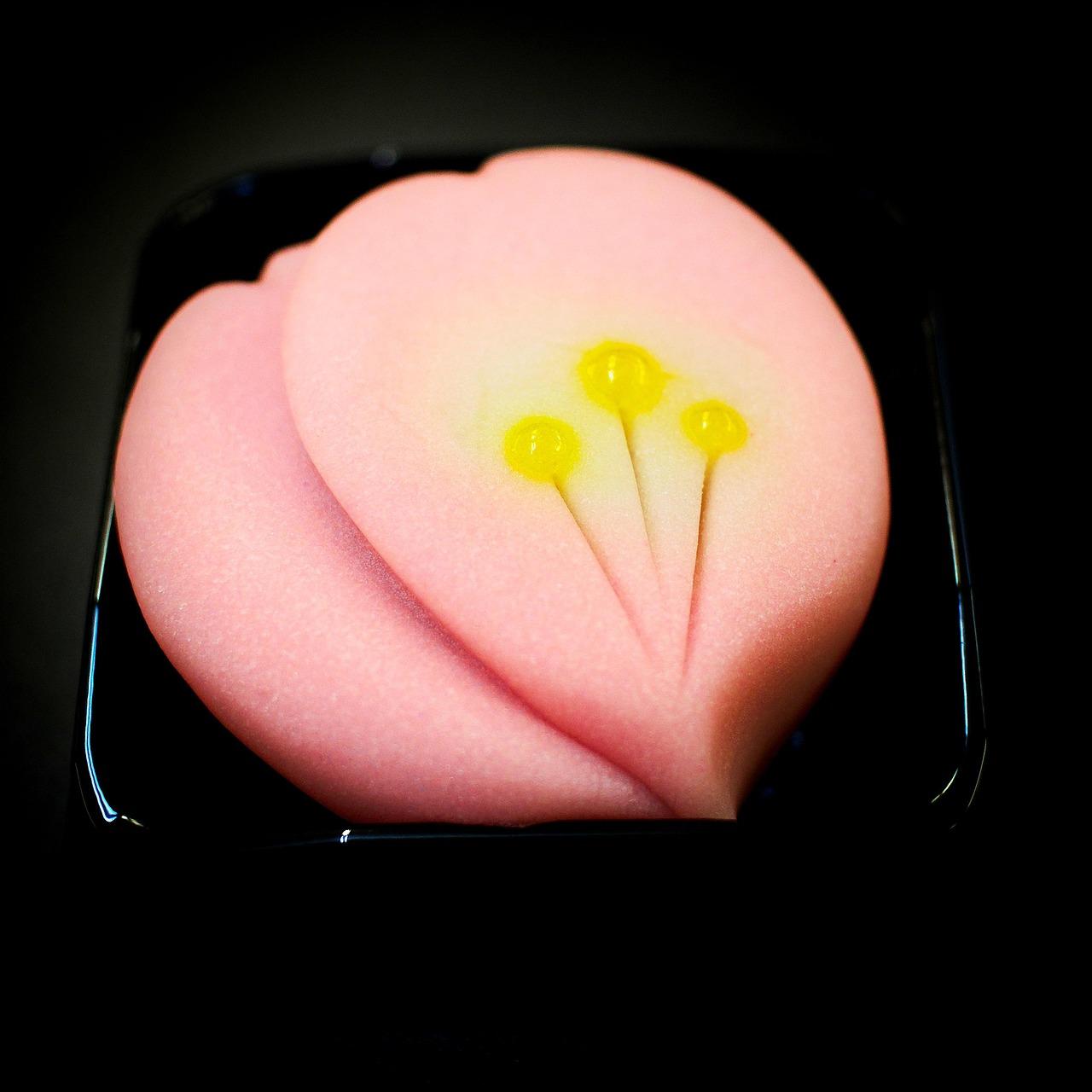
Nerikiri (hand-shaped bean paste flowers)

Nerikiri are the jewel-like sweets of the tea ceremony in Kyoto and Tokyo, shaped by hand into the flower, leaf or fruit of the season: cherry blossom in April, hydrangea in June, chrysanthemum in autumn. Each is served alone on a small plate before thick matcha, cut with a pick. The dough is white bean paste kneaded with gyuhi, a soft paste of glutinous rice flour and sugar, and it feels like fine modelling clay, smooth and gently sweet, wrapped around a centre of red bean paste. They are naturally egg-free: the gyuhi gives the bean paste stretch and holds the carved shapes, so no other binder is needed. This simple five-petal flower is a good first shape. Chef's tip: dry the white bean paste well before adding the gyuhi; the common mistake is a soft, wet dough that slumps and loses its petals within minutes.

by KrazyBadal 0 views

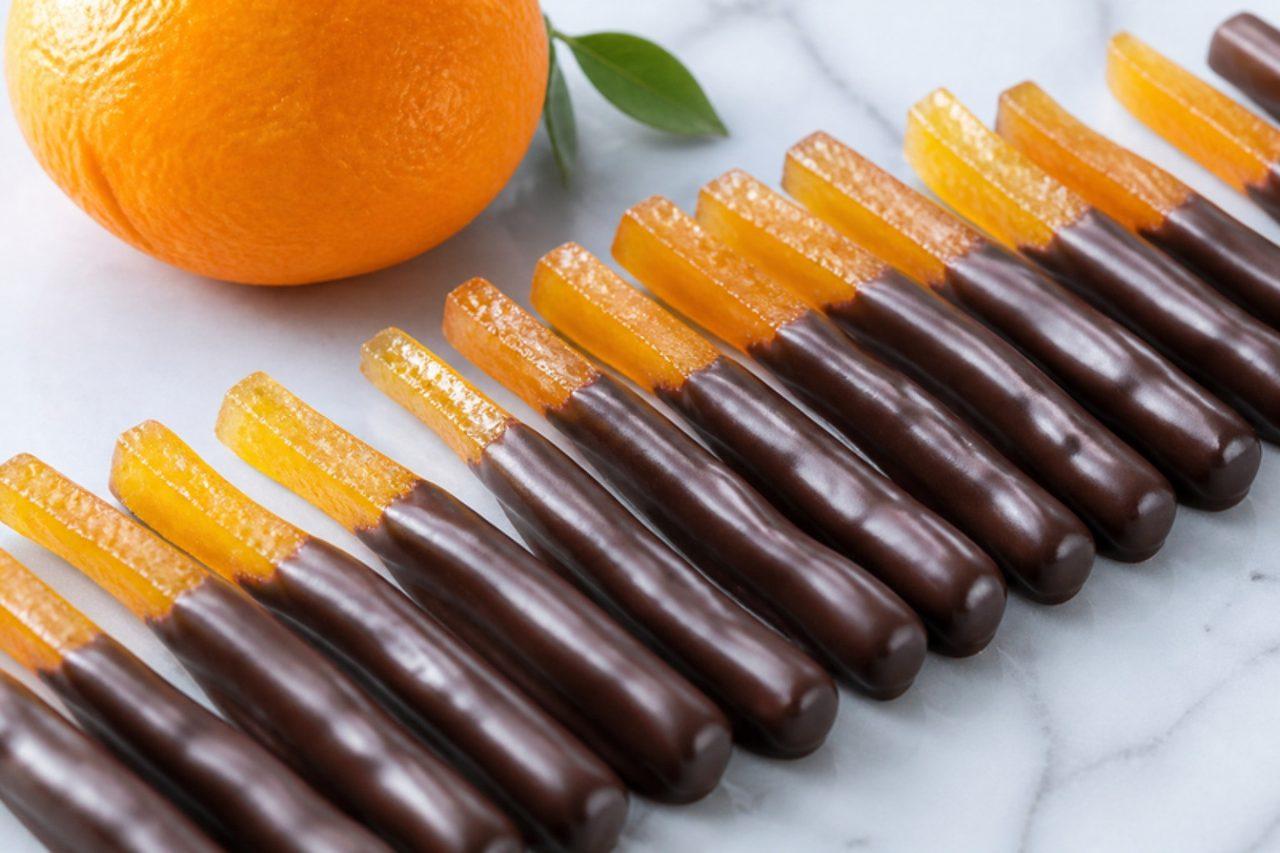
Orangettes (candied orange peel in dark chocolate)

All over France, from Paris chocolatiers to village pâtisseries, orangettes arrive in the shop windows as the days shorten and are a fixture of the Christmas and New Year sweet table. Long strips of orange peel are candied until tender and translucent, then dipped in dark chocolate: chewy and bittersweet inside, with a clean snap of chocolate and a long citrus finish. Serve them with an espresso after dinner, tie them up in a box as a gift, or offer them with a cheese course. They are naturally egg-free: the sugar syrup preserves the peel and stops it going tough, and the tempered chocolate sets into a firm, glossy shell with no other help. For a vegan batch, use a dark chocolate made without milk. Chef's tip: dry the candied peel well before dipping; the common mistake is dipping wet peel, which makes the chocolate seize and turn dull.

by KrazyBadal 0 views

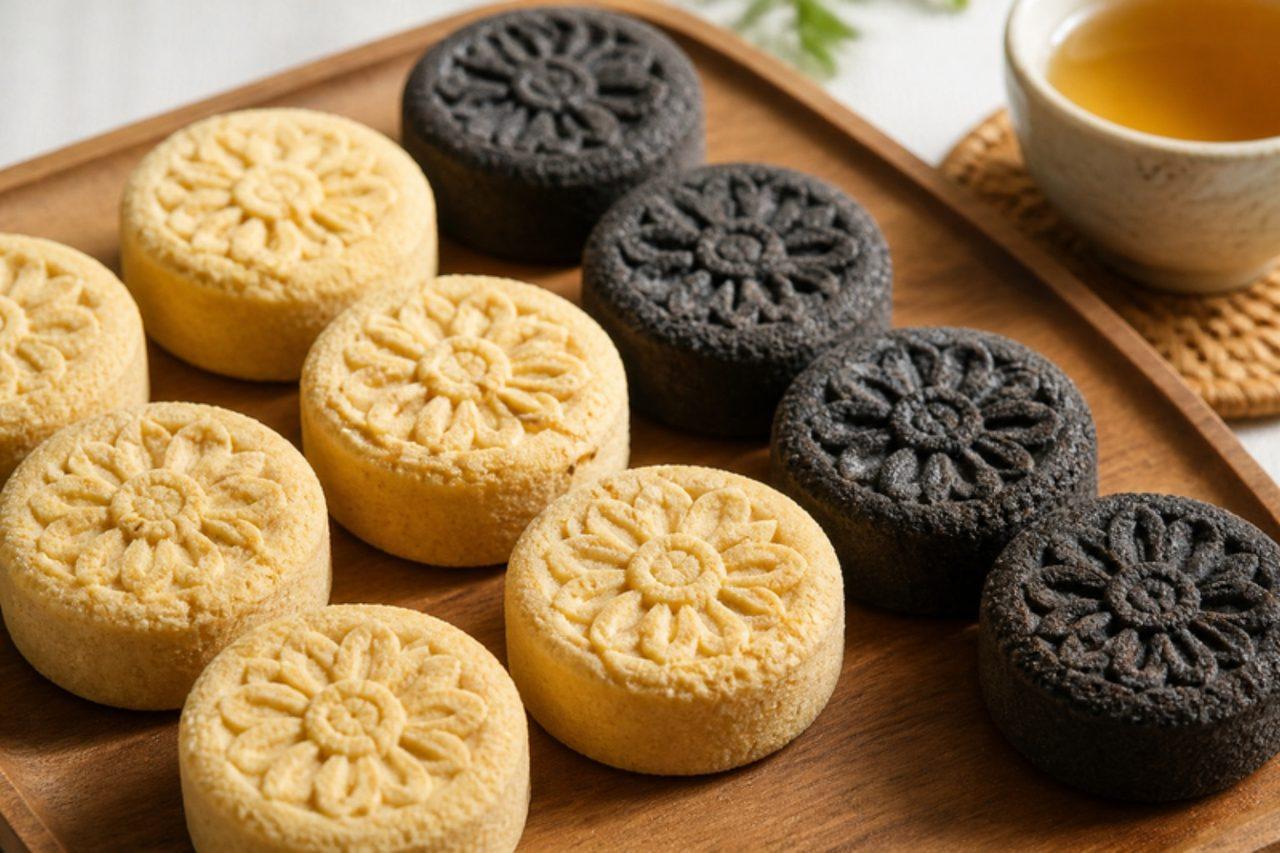
Dasik (Korean pressed tea cakes)

Dasik are small pressed tea cakes stamped with patterns of flowers, characters for long life and good fortune, made across Korea for Chuseok, weddings and the tables set for ancestral rites. Powders of roasted grain, black sesame or yellow pine pollen are kneaded with honey and pressed into carved wooden moulds, so a single plate shows contrasting colours. They are dense and melt slowly, tasting of toasted nuts and honey, and they are always served with tea: green tea, or a tea of jujube or citron. This version makes two colours, roasted soybean and black sesame. They are naturally egg-free: honey binds the powders and lets them hold the fine pattern of the mould. Chef's tip: add the honey a teaspoon at a time; the common mistake is too much, which makes a sticky dough that blurs the pattern and won't leave the mould.

by KrazyBadal 0 views

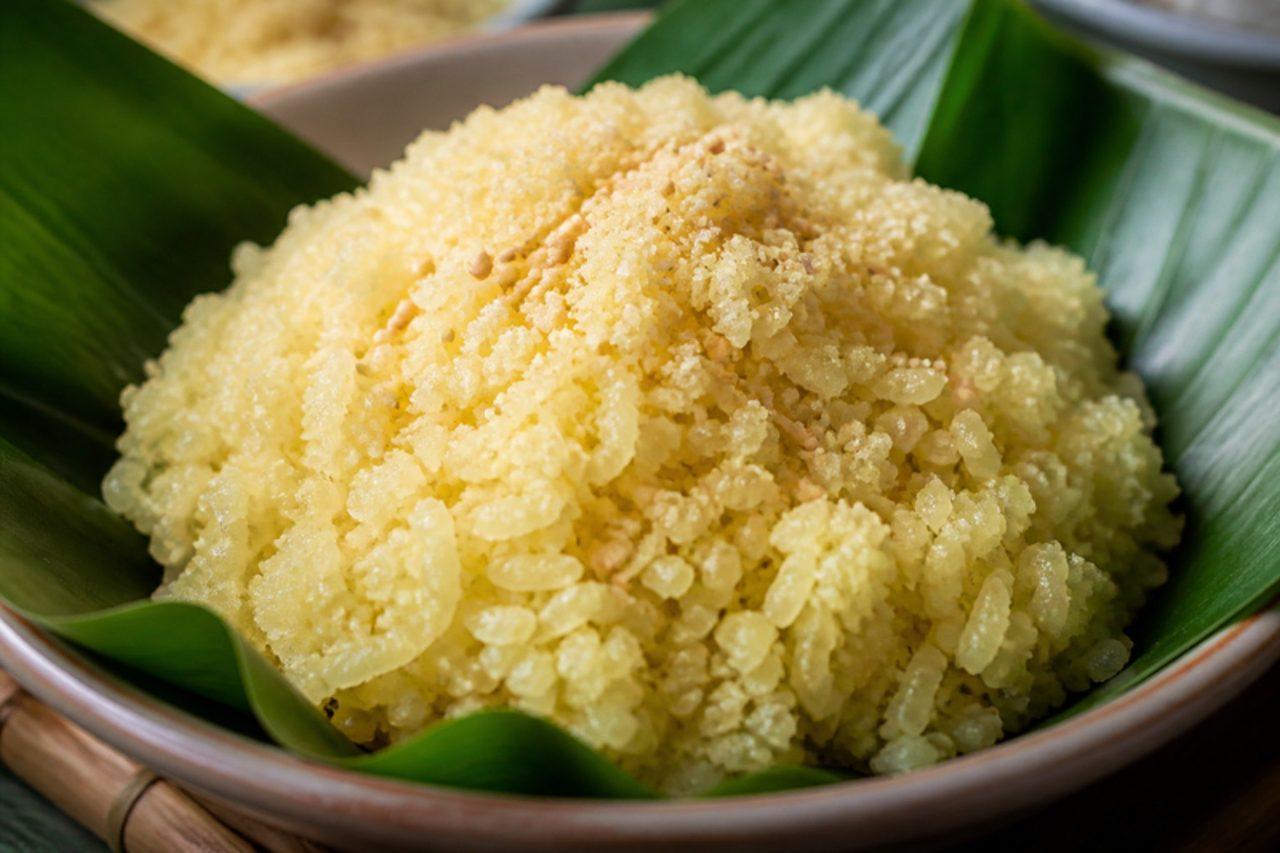
Xôi vò (mung bean coated sticky rice)

Xôi vò is a Hanoi sticky rice offered at the altar for Vu Lan, the Buddhist full moon of the seventh lunar month when people honour their parents and ancestors, and again on the first days of Tết. Unlike most xôi, it is not a sticky mass: 'vò' means rubbed, and the soaked rice is rubbed with crumbled mung bean so each grain steams up separate, glossy and pale gold. It tastes mild, nutty and lightly salty, and is eaten with chè (sweet soup), a little sugar, or toasted sesame salt. Chef's tip: crumble the warm mung bean paste through a coarse sieve; fine, dry crumbs are what keep the grains apart.

by KrazyBadal 0 views

Tmar mehchi (Moroccan almond-stuffed dates)

Tmar mehchi is the stuffed date of Fez and Marrakech, piled high on silver trays at weddings, engagements and Eid, and offered to guests with mint tea. Soft dates are filled with a homemade almond paste perfumed with orange-blossom water, often tinted pale green or pink to match the celebration, then scored with a knife so the filling shows. They are soft, rich and caramel-sweet, with a floral, nutty middle. The paste here is mixed from ground almonds and icing sugar, so there is no shop marzipan, which can contain egg white. It is naturally egg-free: the dates' sticky flesh and a few spoonfuls of orange-blossom water bind the almond filling. Chef's tip: add the orange-blossom water a little at a time and stop when the paste is firm like play dough. The common mistake is a wet paste, which oozes out and makes the dates slippery.

by KrazyBadal 0 views

Waatlemoenkonfyt (Cape watermelon-rind preserve)

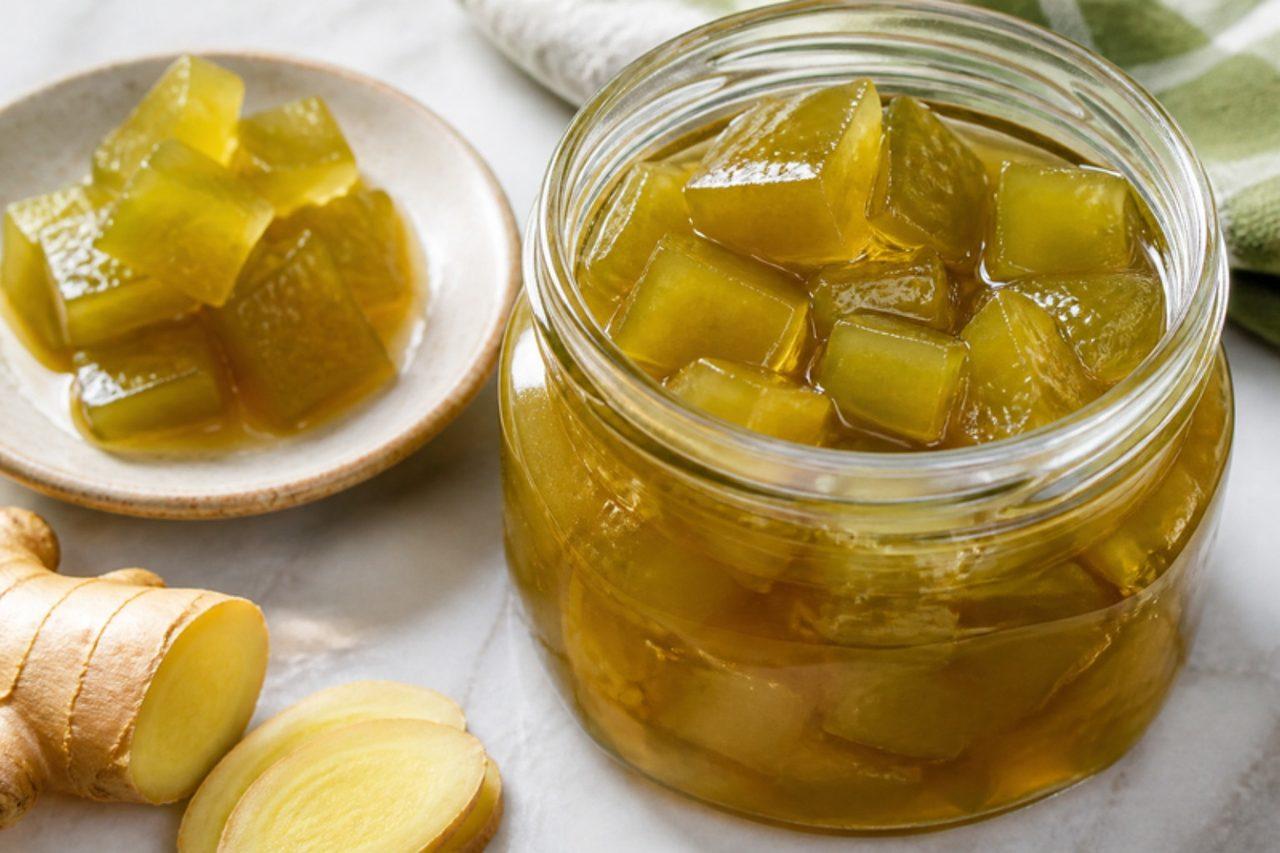
In the farm kitchens of the Western Cape, late summer meant turning the pale rind of big watermelons into jars of konfyt, a preserve that then came out all winter. The pieces are translucent green, firm and almost crunchy at the edge, soaked through with a ginger-spiked syrup. It is served with a wedge of mature cheese, on buttered bread or toast, beside coffee when visitors arrive, and in little dishes on the table at Christmas. Like all Cape konfyt it is naturally egg-free: a soak in food-grade pickling lime lets calcium firm the rind's own pectin so the pieces keep their shape, and the long simmer in sugar syrup preserves and sets them. Start two days ahead; the rind needs an overnight soak and a night resting in the syrup. Chef's tip: rinse the rind in several changes of water after the lime soak; the common mistake is rushing this, which leaves the konfyt tasting chalky.

by KrazyBadal 0 views

Quinotos en almíbar (Argentine kumquats in syrup)

In Buenos Aires and the river provinces of the Litoral, kumquat trees ripen in the middle of winter, between June and August, and the fruit goes straight into jars of syrup. Grandmothers' pantries held quinotos for the whole year, brought out for birthdays and long Sunday lunches. Each little fruit turns glossy orange and translucent, with a soft, bittersweet skin and a sharp, juicy centre. Spoon them over vanilla ice cream, serve them with a slice of fresh cheese in the style of postre vigilante, or eat them straight from the jar. Many bar menus offer them steeped in spirits; this version keeps only the syrup. Naturally egg-free, the quinotos rely on sugar syrup to preserve them, while pectin from the peel gives the syrup a light, jammy body. Chef's tip: blanch the fruit three times from cold water; the common mistake is skipping this, which leaves the skins tough and bitter.

by KrazyBadal 0 views

Sucre à la crèmeBrown sugar fudge

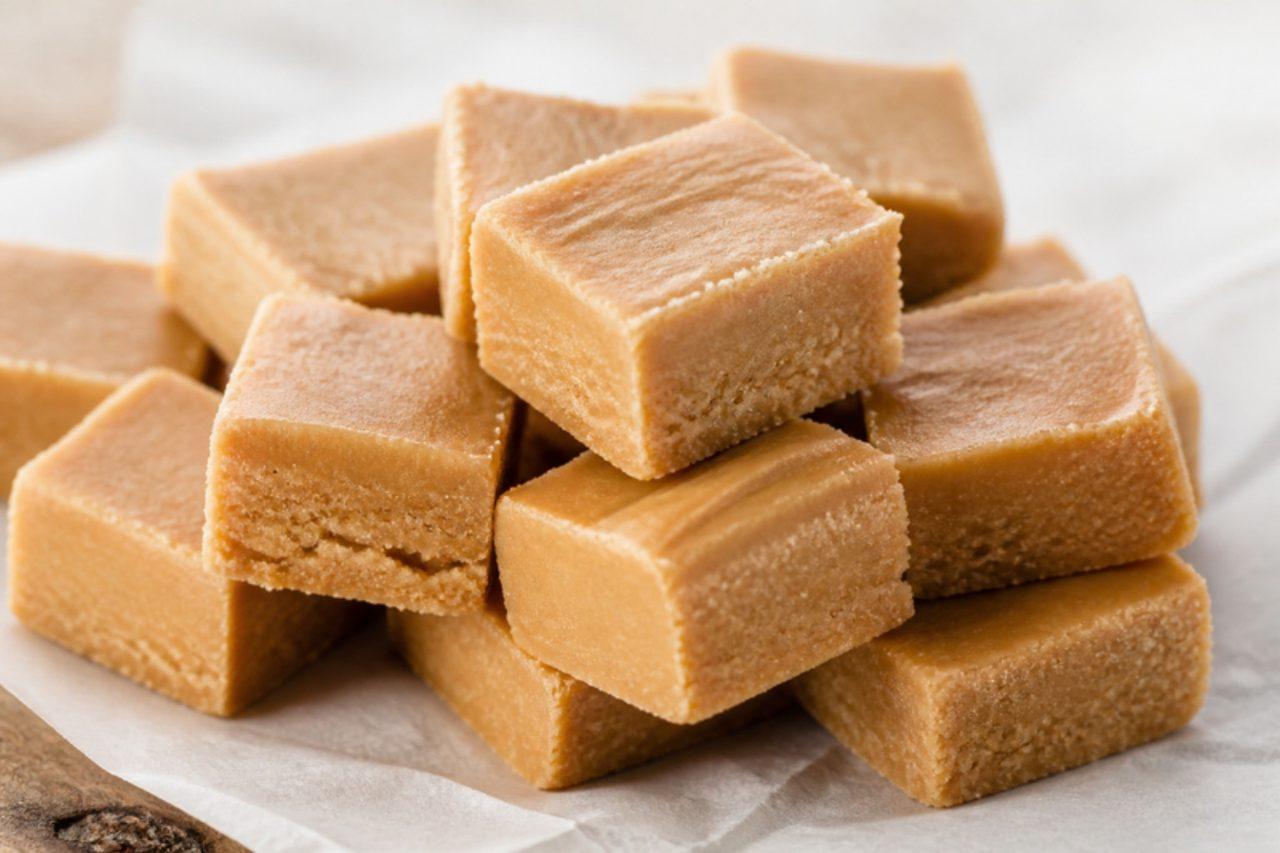
In Quebec, sucre à la crème is the sweet that comes out at Christmas: a soft, melting brown-sugar fudge made from brown sugar, cream and butter, cut into squares and shared at the réveillon after midnight Mass and through the Fêtes. Every grandmother's recipe differs a little; this one is the classic stovetop method, gluten free and ready in under an hour. Chef's tip: beat the cooled mixture until it loses its gloss and starts to thicken, then pour it at once; that beating is what makes it creamy rather than toffee-like.

by KrazyBadal 0 views

Halawa tahiniya (Egyptian tahini halva)

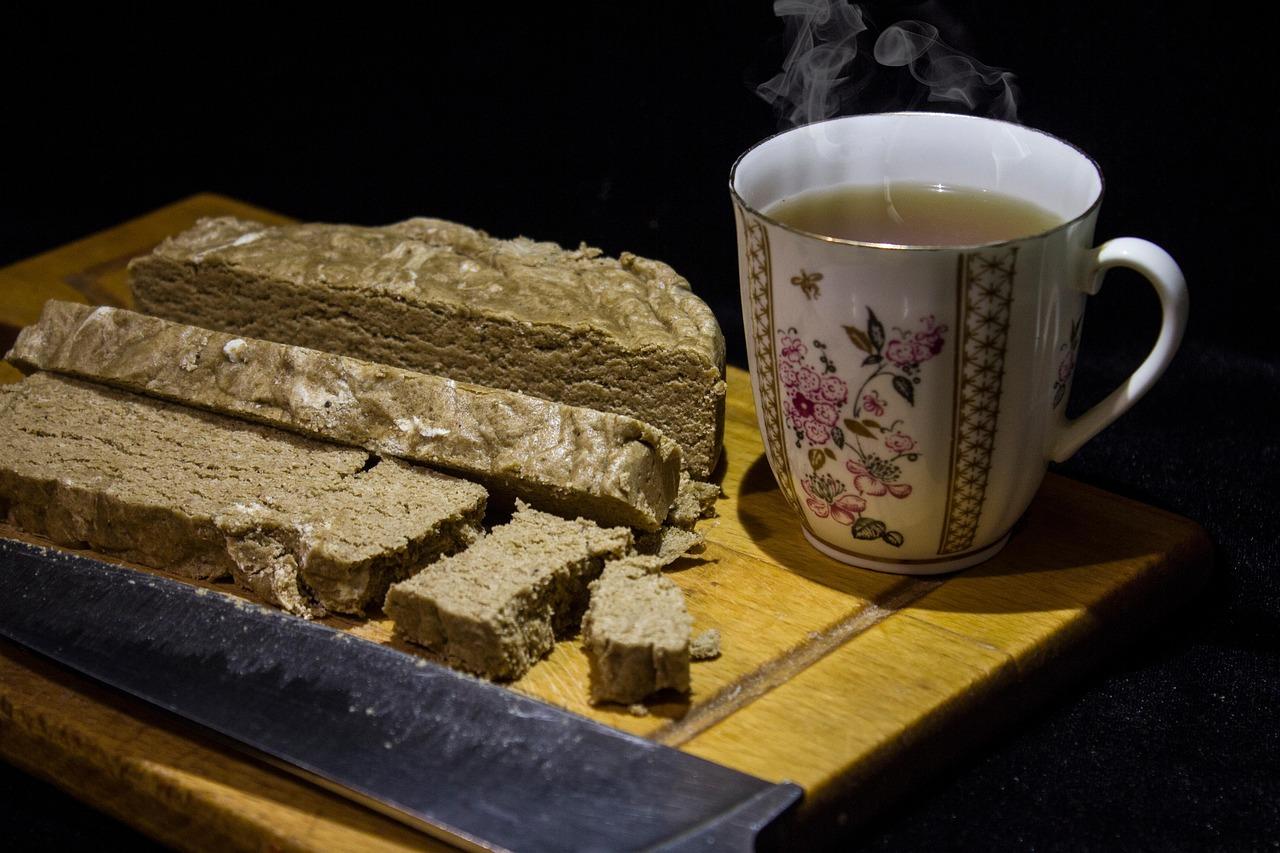
In Egypt halawa tahiniya is a breakfast and suhoor food more than a dessert: it is eaten in Ramadan before dawn, on Coptic fasting days when animal foods are avoided, and spread in warm aish baladi bread at any time of year. Tahini is mixed with sugar syrup at the firm-ball stage, and the syrup crystallises through the sesame paste to give the halva its fibrous, crumbly strands. It tastes nutty, sweet and toasty, and pairs well with sweet tea. Factory halva often uses soapwort root, whose foam whips the syrup and gives longer strands; this home version offers it as an option, and never uses egg white. It is naturally egg-free: the hot syrup, crystallising as it is folded into the tahini, is what sets it. Chef's tip: stir only until the mixture turns matte and starts to look stringy. The common mistake is over-mixing, which makes the oil separate and the halva greasy.

by KrazyBadal 0 views

Rapadura (Brazilian sugarcane blocks)

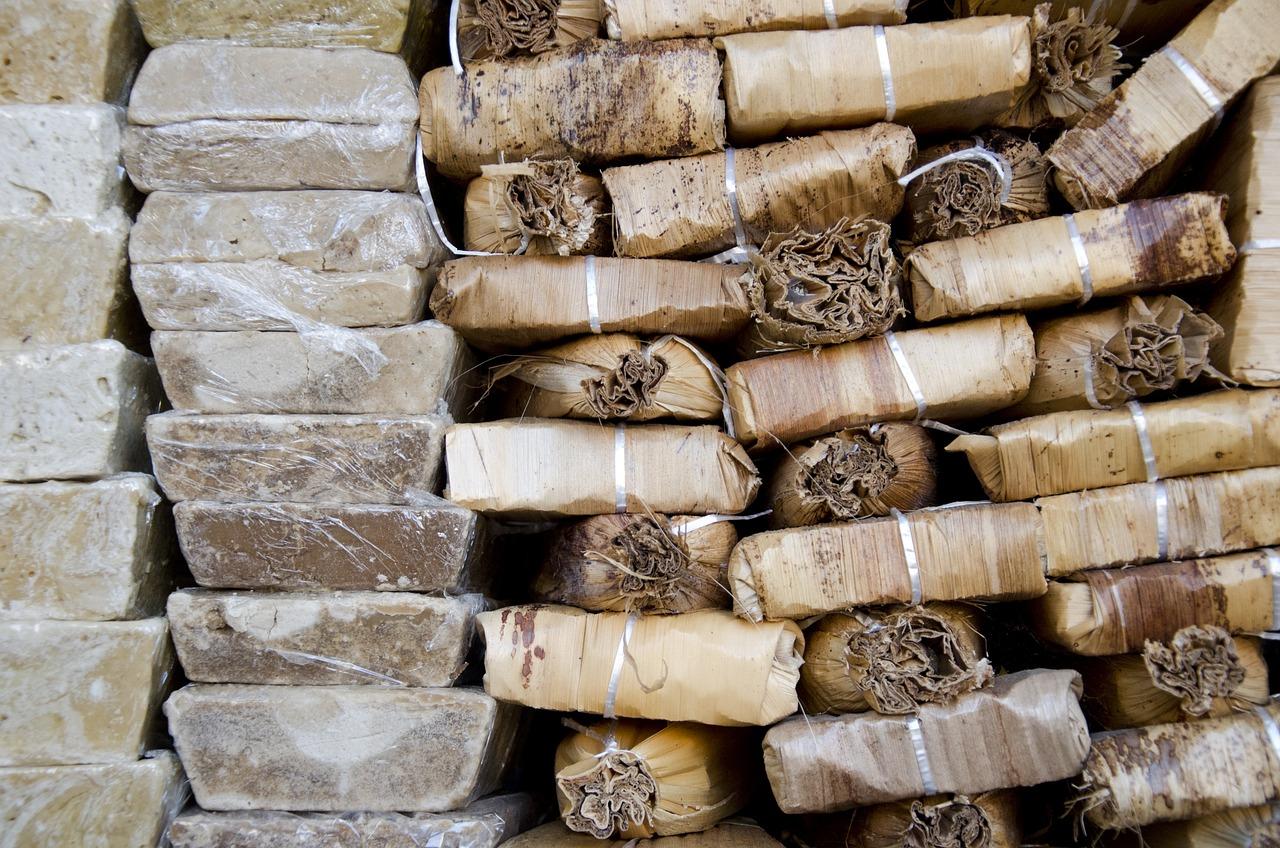
Rapadura is the sweet of the Brazilian Northeast, made since colonial times in the small sugar mills of Pernambuco, Paraíba and Ceará. Fresh cane juice is boiled down for hours and beaten until it sets into dense golden-brown bricks, sold at every feira and roadside stall and carried by farm workers as quick energy. It is eaten after lunch with a cup of coffee, with farinha or a slice of queijo coalho, and chopped onto the tables of the June festivals. The texture is firm but crumbly, like a hard fudge, and the flavour is deep caramel with a faint grassy note of cane. It is naturally egg-free: nothing binds it but sugar, which crystallises as you beat the hot syrup and sets the block. Use fresh or frozen sugarcane juice; peanuts or coconut make popular variations. Chef's tip: beat until the syrup loses its shine and turns thick and opaque; the common mistake is pouring too soon, which leaves a sticky toffee instead of a block.

by KrazyBadal 0 views

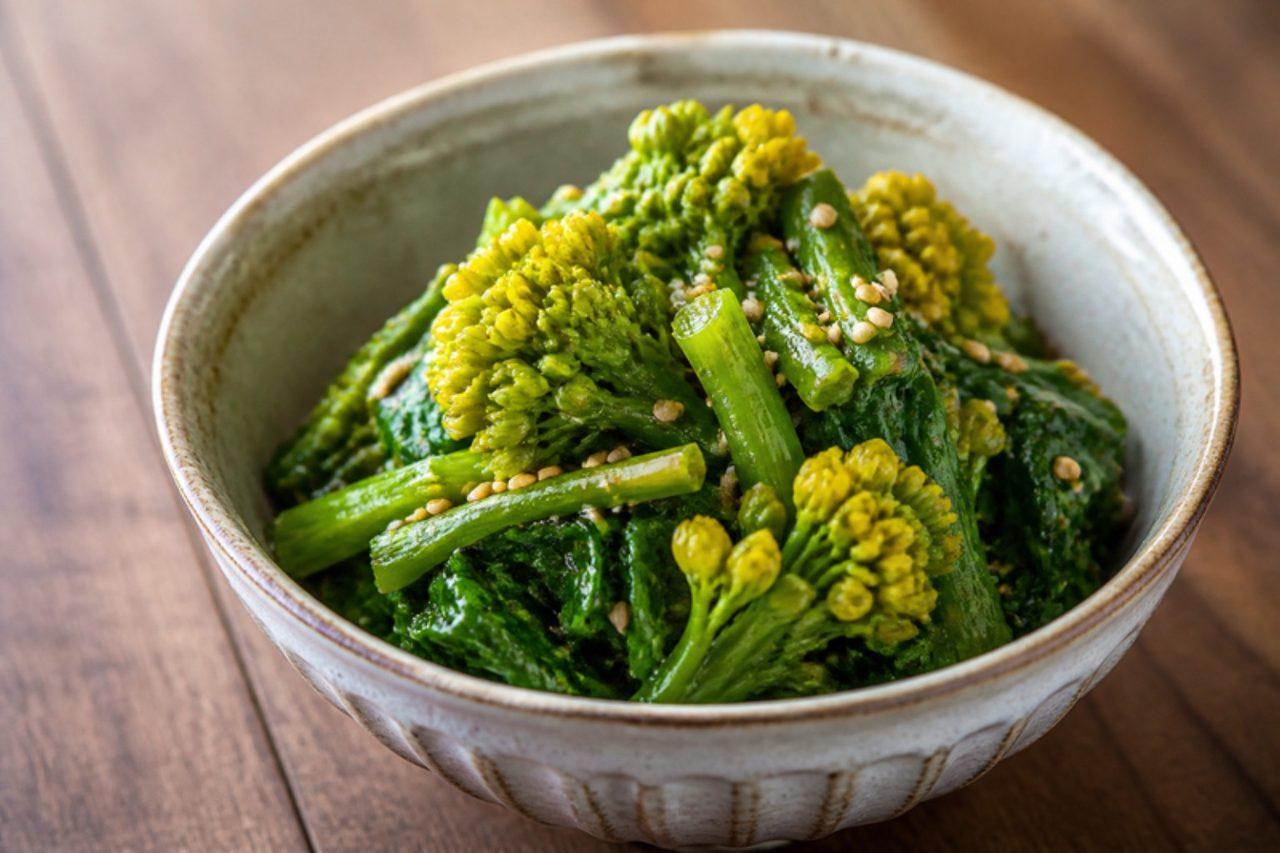
Nanohana karashi-ae (rapeseed blossoms with mustard)

Nanohana, the budding shoots of the rapeseed plant, arrive in Japanese shops at the end of winter, and their little yellow-green flower heads are a sign that spring has come. That makes them a natural side dish for Hinamatsuri on 3 March, next to chirashizushi and clam soup. The greens are blanched just until tender, then dressed with Japanese karashi mustard loosened with soy sauce and kombu dashi: pleasantly bitter, nose-tinglingly hot and very fresh. Outside Japan, tenderstem broccoli or cime di rapa works almost as well. Chef's tip: dress the greens at the last minute, because the soy starts to dull the green colour within half an hour.

by KrazyBadal 0 views

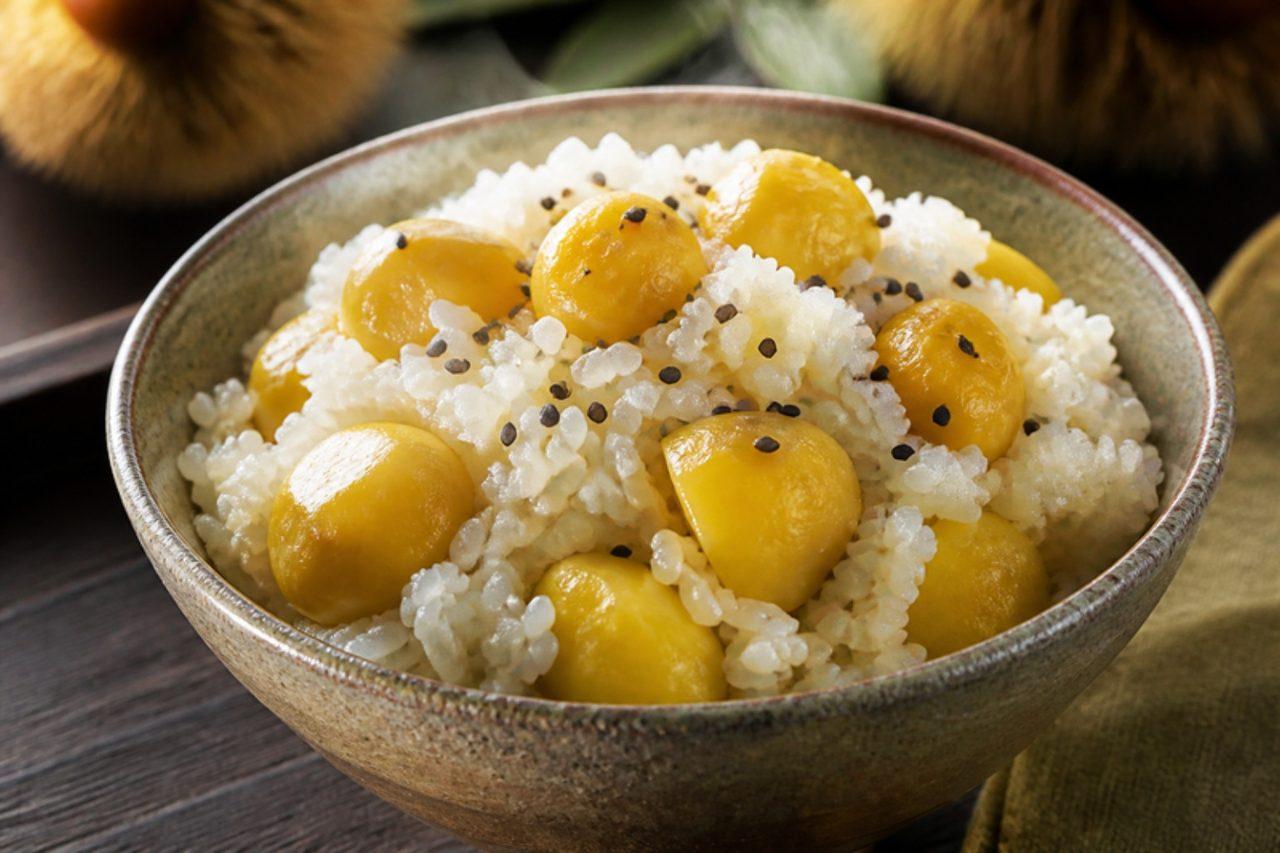
Kuri gohan (chestnut rice)

Kuri gohan is one of the great dishes of the Japanese autumn, made all over the country when fresh chestnuts arrive in September, and it is often eaten around the harvest moon, when chestnuts are offered beside dumplings and taro (the later moon-viewing in October is even nicknamed the "chestnut moon"). Sweet, fluffy chunks of chestnut sit in salty, slightly sticky rice scented with kombu, and the dish is all about the season's bounty. It traditionally uses a spoonful of sake; this is optional, and plain water works perfectly well for an alcohol-free version. Serve with miso soup, pickles and grilled fish, sprinkled with black sesame salt. Chef's tip: soak the chestnuts in hot water for 30 minutes before peeling; the shells soften and the furry inner skin lifts away far more easily.

by KrazyBadal 0 views

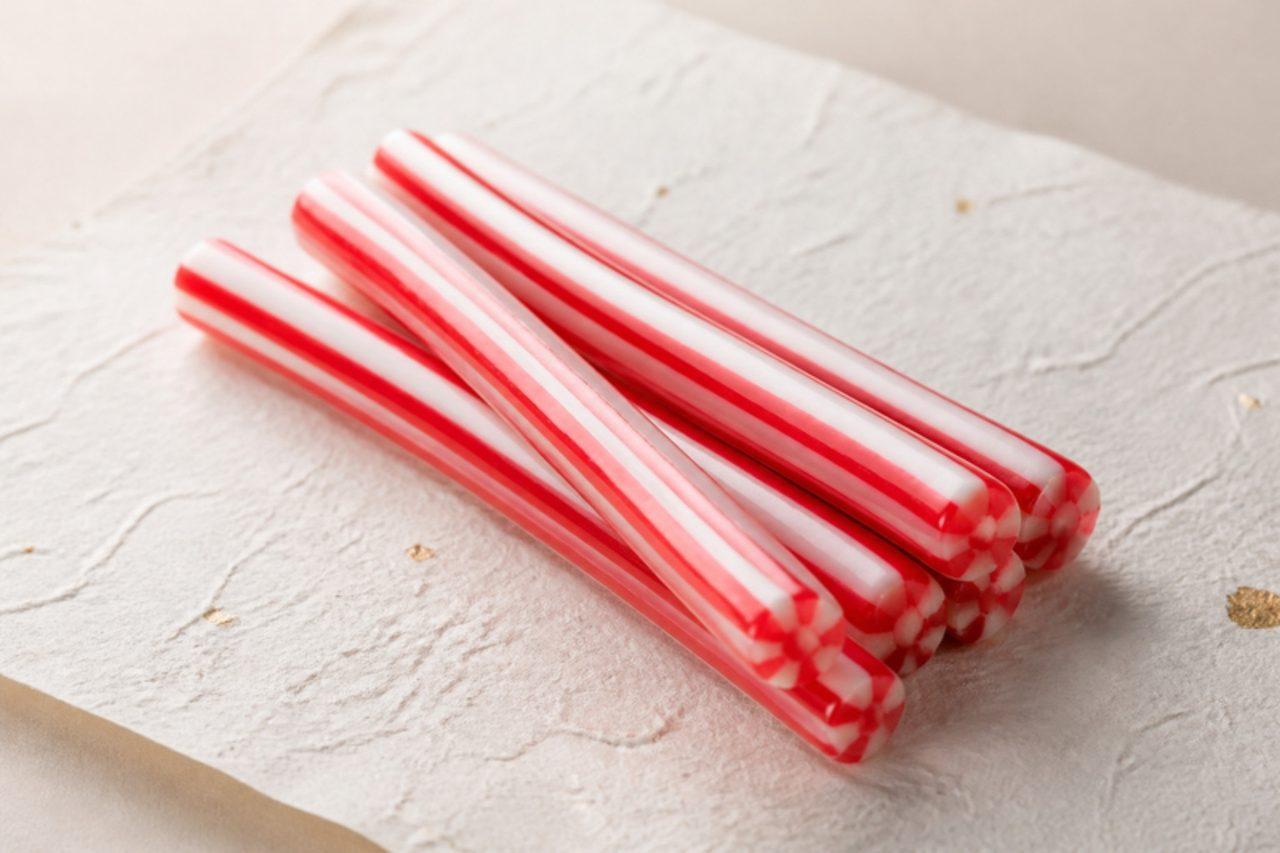
Chitose ame (thousand-year candy)

Chitose ame, "thousand-year candy", are the long red and white sugar sticks that children carry home from the shrine at Shichi-Go-San in November, in Tokyo and now right across Japan. The length of the stick is a wish for a long life, and red and white are the colours of celebration. Pulling the cooling sugar fills it with air, turning it from clear to a silky, opaque white with a soft, almost milky crunch. Boiling sugar reaches more than 150 °C, so wear heatproof gloves, work on a heatproof silicone mat, and keep children well away until the candy has cooled; they can admire the finished sticks. Hard sweets are a choking risk for small children, so break off small pieces for them and stay with them while they eat. Chef's tip: oil your gloves lightly and keep pulling until the candy turns satiny and starts to resist; that is when it sets into sticks.

by KrazyBadal 0 views

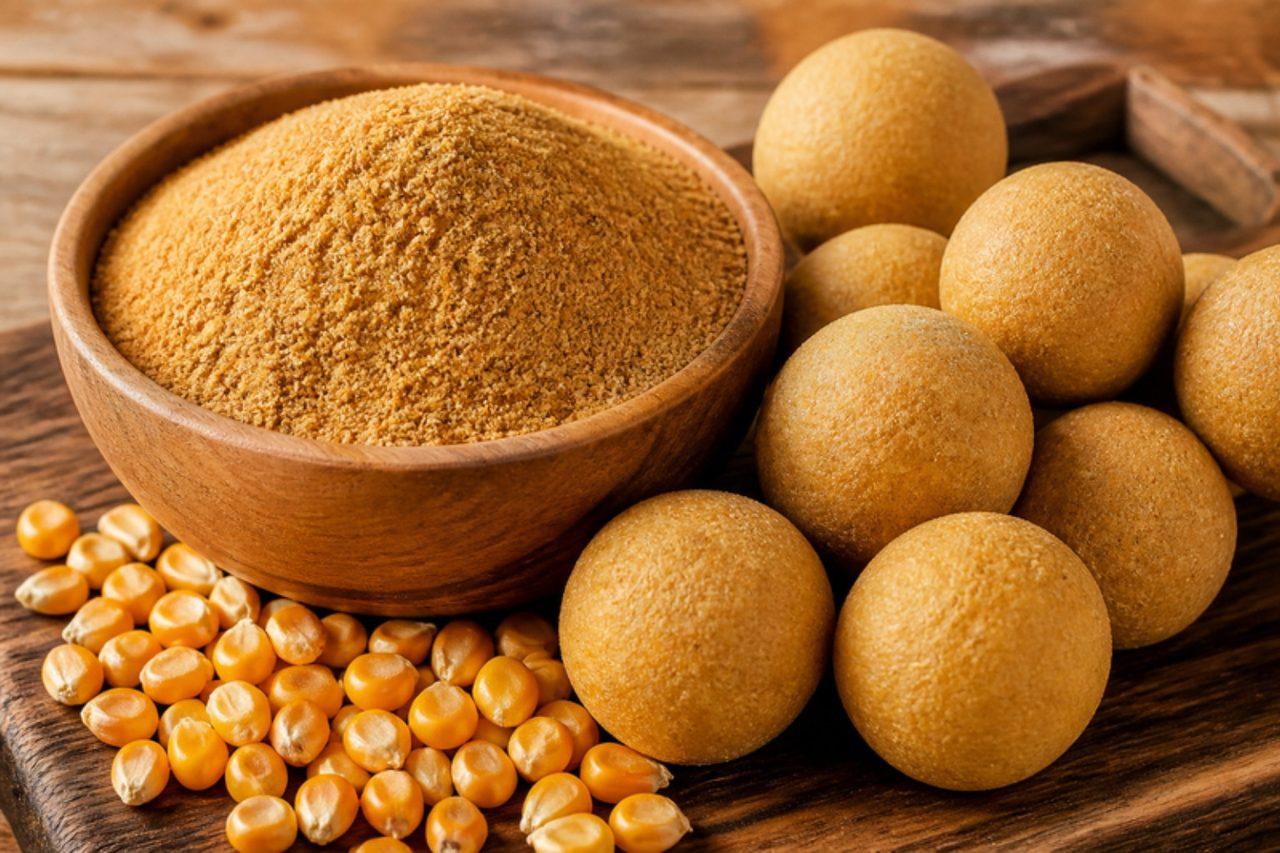
Asham (Jamaican parched-corn sweet)

Asham is one of rural Jamaica's oldest treats, a sweet carried over from West African parched-grain foods and still made in country districts of St Elizabeth, Clarendon and St Ann. Children ate it after school from a twist of paper, and it reappears at heritage fairs around Emancipation Day and Independence in early August. Dried corn is parched until toasty and golden, ground to a fine, sandy powder and mixed with dark sugar: nutty, faintly smoky and melting slowly on the tongue. Eat it by the pinch, press it into little balls, or stir a spoonful into warm milk or water as a drink. It is naturally egg-free; the powder needs no binder at all, and for balls a sprinkle of water and the sticky brown sugar hold it together. Chef's tip: eat the loose powder in small pinches and don't breathe in as you eat it; it is famous for making people cough. In the pot, keep the corn moving, as scorching is the common mistake and turns it bitter.

by KrazyBadal 0 views

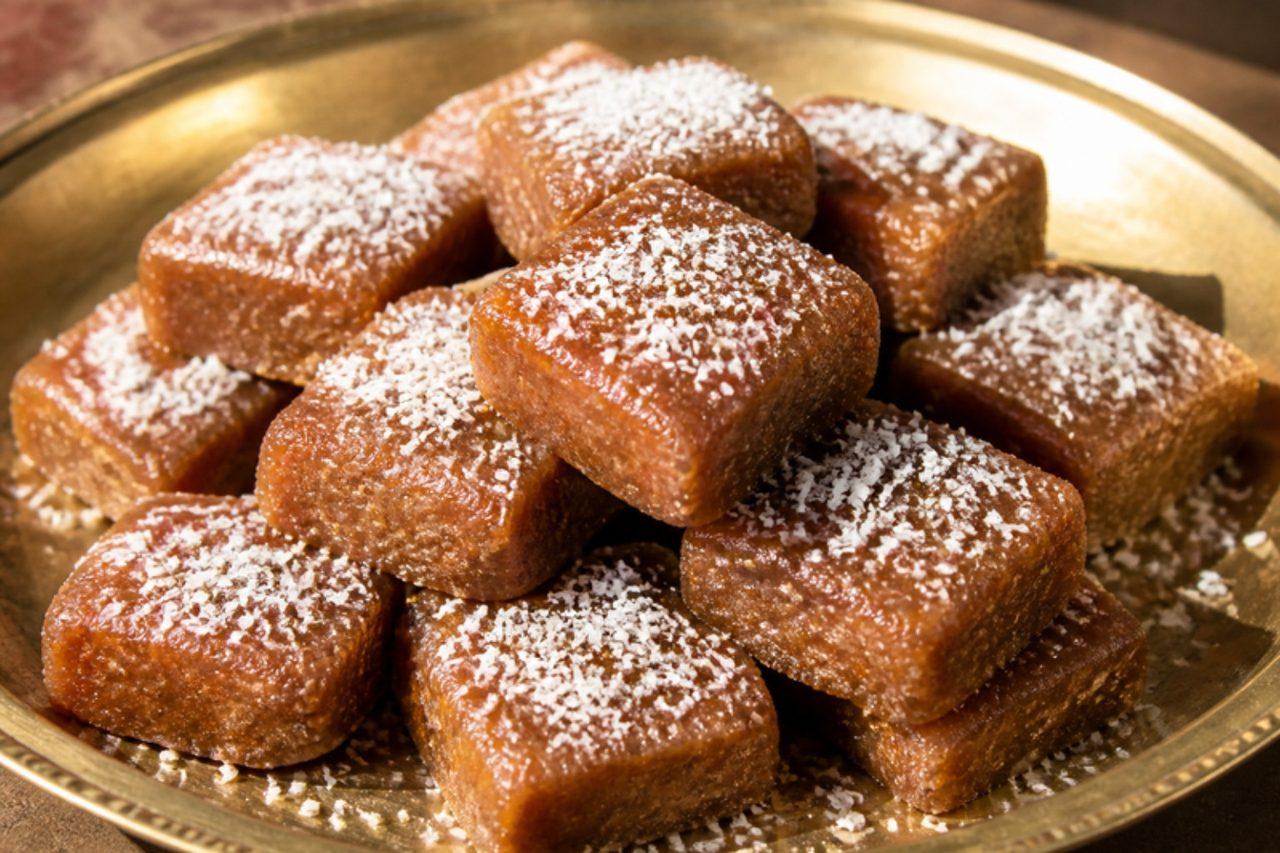
Pustakari (Newari khuwa and jaggery toffee)

Pustakari is the toffee of the Newar community in the Kathmandu Valley, sold in small squares in the old bazaars of Asan and Bhaktapur and made at home for festivals such as Tihar and Yomari Punhi, and on winter afternoons. Jaggery is cooked to a syrup, then khuwa and ghee are stirred in and cooked until the mixture turns into a thick, glossy, deep brown mass that sets into a chewy toffee. It tastes of caramel and milk, a little like fudge but with more chew. Serve a few pieces with tea or as a small sweet after a meal. It is naturally egg-free: the jaggery syrup, cooked to the firm-ball stage, sets the khuwa, so no other binder is needed. Chef's tip: watch the temperature of the syrup; cooking it past 125°C is the common mistake that makes the toffee hard enough to hurt your teeth.

by KrazyBadal 0 views

Showing 48 of 3,470 recipes

Show more recipes

Page 16 of 145

More No onion & garlic ideas

Other diets