Skip to content
WhatToEat.Today

No onion, no garlic recipes (Swaminarayan and sattvic)

3,470

3470 vegetarian recipes cooked without onion or garlic, as in Swaminarayan and sattvic kitchens, with no meat, fish, eggs or alcohol. Each has photos, step-by-step instructions and cook times. The quickest, Apfelschorle, takes 2 minutes. Most take around 45 minutes.

Filter these by time, diet or cuisine · Make No onion & garlic your diet to see only these recipes everywhere on the site.

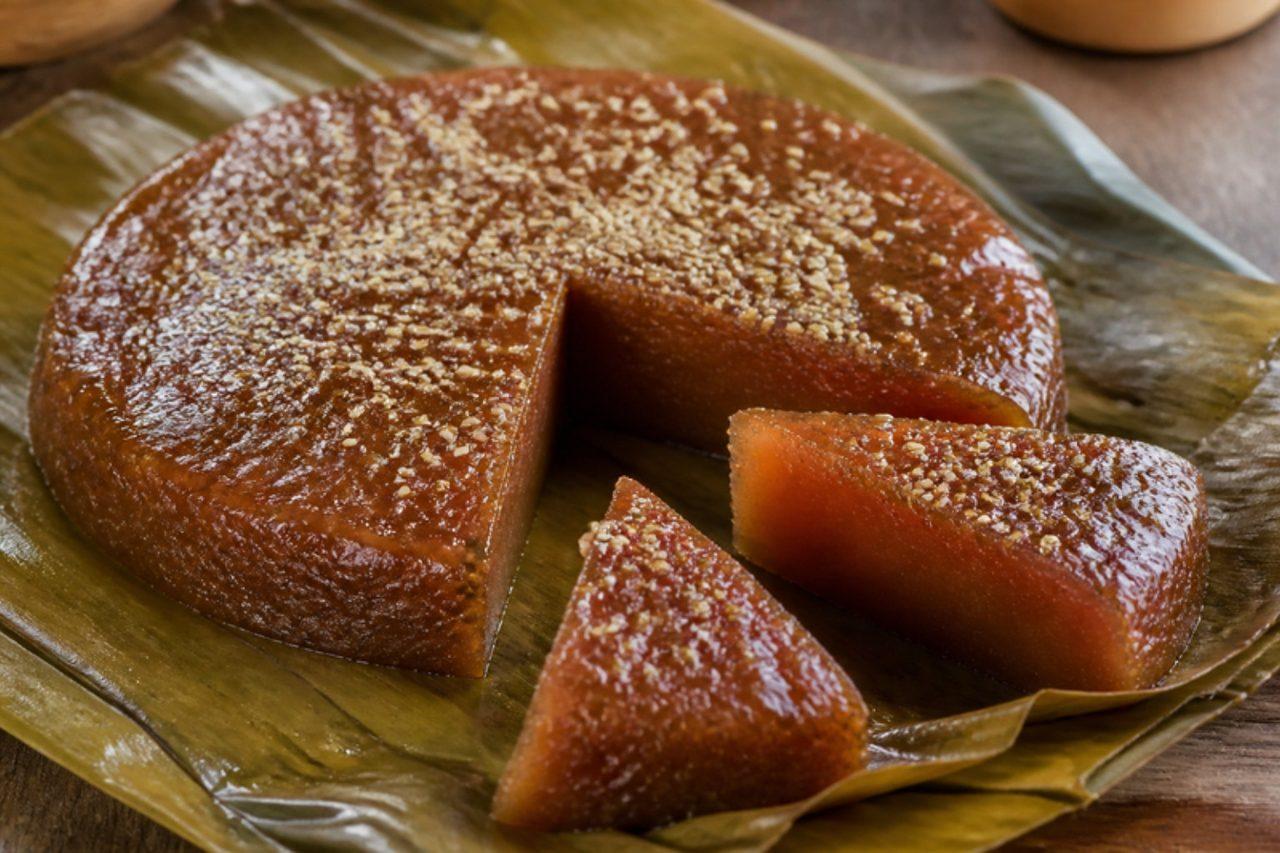
Bánh tổ (Hội An New Year cake)

In Hội An and the rest of Quảng Nam, families steam bánh tổ for Tết and place it on the ancestors' altar; its name echoes 'tổ', the ancestors, and its slow-cooked sweetness is a wish for a smooth, sweet year. The cake is like a darker, ginger-scented cousin of Chinese nian gao: dense, chewy and glossy, with toasted sesame on top. Eat it in thin slices at room temperature, or fry slices until crisp outside and molten within, and serve with tea or sandwiched in rice crackers as locals do. Chef's tip: keep the water at a steady simmer and top it up with boiling water; a steamer that boils dry is the only real way to ruin this cake.

by KrazyBadal 0 views

Poolaki (Isfahan saffron sugar discs)Saffron caramel discs

Poolaki are the glassy, coin-thin sugar discs of Isfahan, sold in tins in the bazaar near Naqsh-e Jahan square and served with tea in Iranian homes, especially at Nowruz and when guests drop by. Instead of stirring sugar into the glass, you hold a disc on your tongue and sip strong black tea through it. They snap cleanly, then melt into a light caramel scented with saffron, sometimes with cardamom or a scatter of pistachio. They are naturally egg-free: sugar syrup cooked to the hard-crack stage sets as clear as glass the moment it is spread thin, and a little vinegar stops it from turning grainy. Chef's tip: do not stir once the syrup boils; swirl the pan instead and wash down the sides with a wet pastry brush. The common mistake is stirring, which makes the syrup crystallise and turn cloudy.

by KrazyBadal 0 views

Trinidad ginger beer

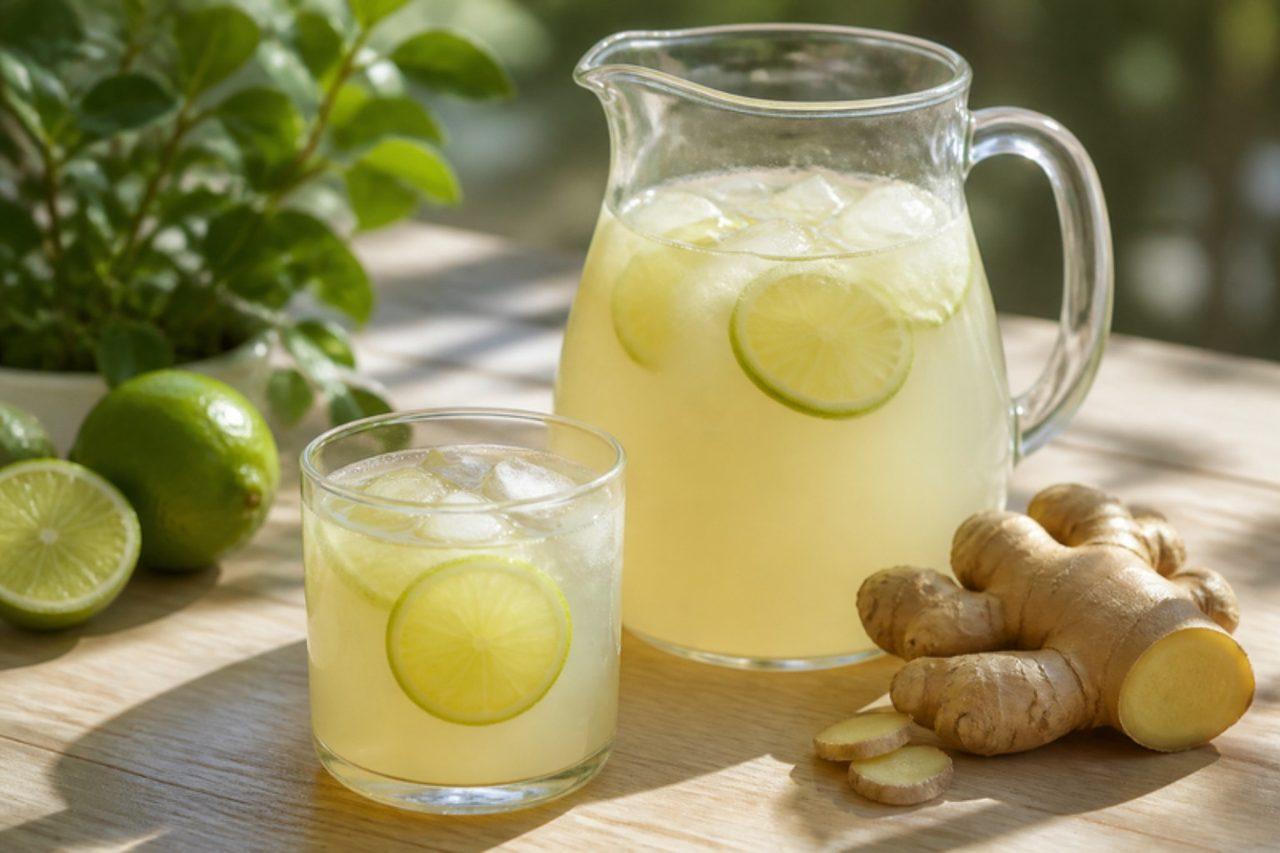
In Trinidad and Tobago, Christmas would not be complete without jugs of homemade ginger beer and sorrel in the fridge, ready for every visitor who drops by between Christmas Eve and Old Year's Night. Fresh ginger is grated, steeped with lime, cloves and sugar for about a day, then strained and served over ice. Made this way it is not fermented, so it has no alcohol and children can drink it. It is spicy and refreshing. Chef's tip: grate the ginger with its skin on (just scrub it), as much of the heat is just under the skin.

by KrazyBadal 0 views

Mont let saung (Burmese sago in coconut milk and jaggery)

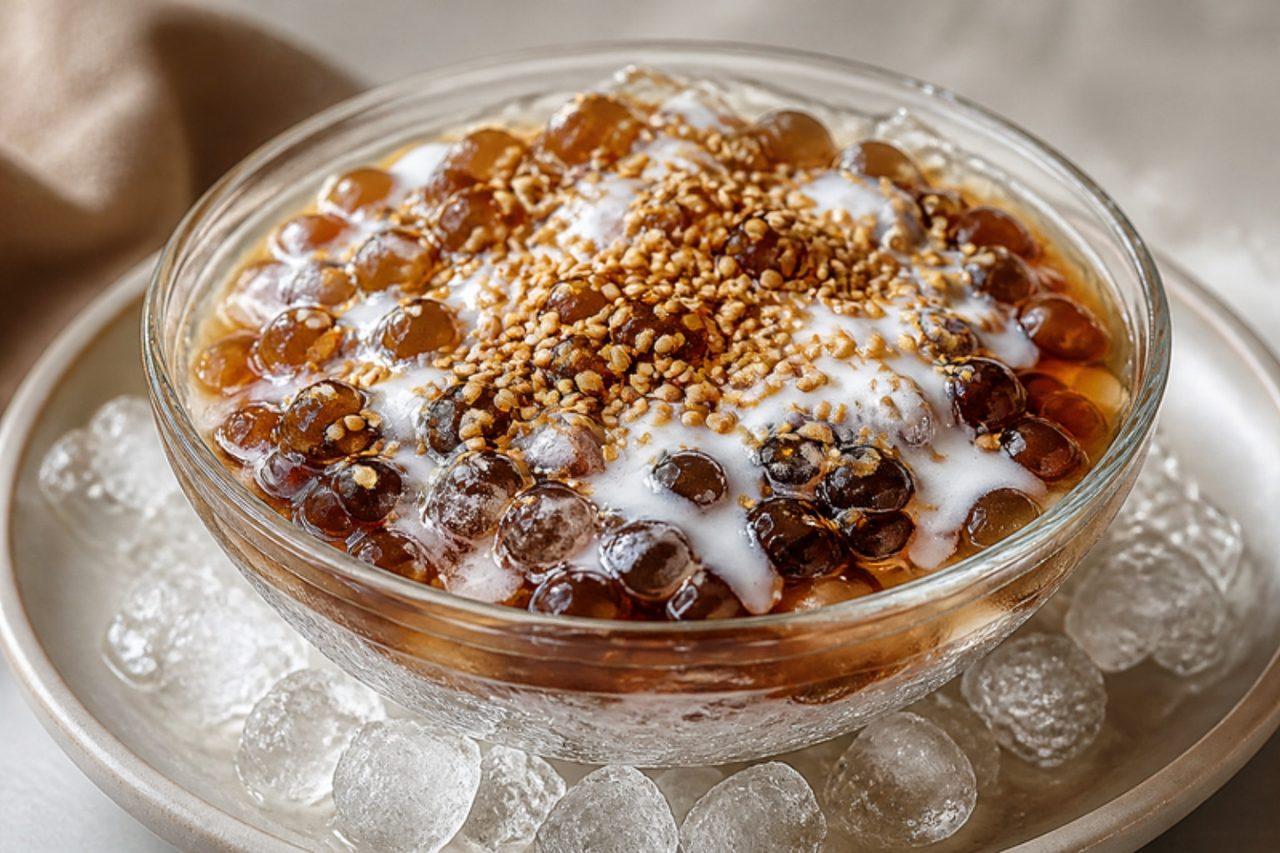
During Thingyan, the Burmese water festival that ends the old year in mid-April, stalls across Myanmar hand out free food and cold drinks as a way of making merit, and mont let saung is one of the best loved. Chewy, glassy sago pearls (or short white rice-flour threads in some towns) sit on crushed ice, soaked in dark jaggery syrup and lightly salted coconut milk, with toasted sesame on top. It is cool, sweet and gently smoky from the jaggery, exactly what you want after a day of being splashed with water. Serve it in glasses or bowls as soon as it is assembled. Chef's tip: a pinch of salt in the coconut milk is what makes the jaggery taste rounder, so don't skip it.

by KrazyBadal 0 views

Sanzi (fried dough threads)

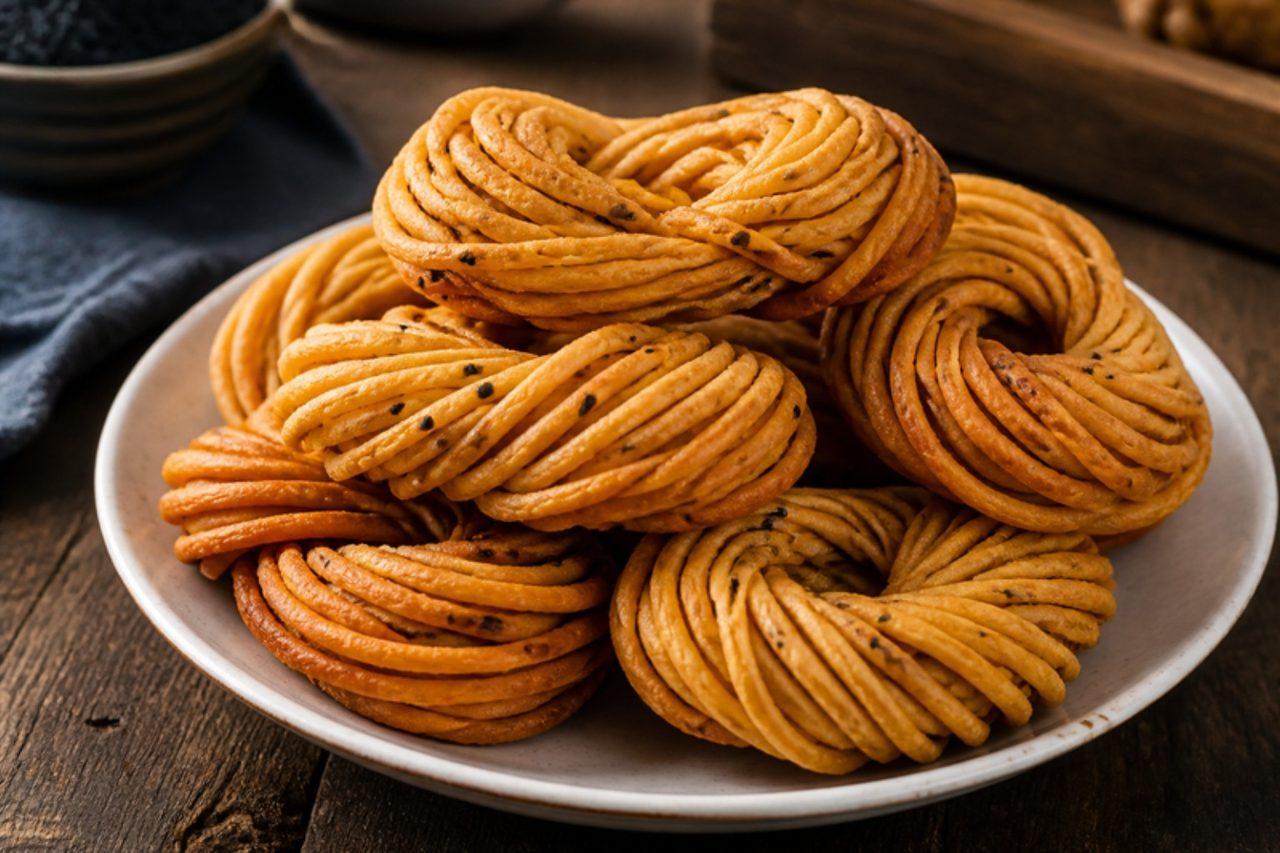
Sanzi are lacy coils of fried dough threads, made across Jiangsu and Shandong and by Hui and Uyghur cooks in Xinjiang. They belong to Hanshi, Cold Food Day, just before Qingming, when old custom forbade lighting the stove, so families fried them in advance to eat cold; the shatteringly crisp coils keep well for days and stand for the care taken to prepare for the remembrance. The dough is lightly salted and the strands snap like thin crackers, with a nutty note from sesame. Break them over congee or soy milk, or eat them on their own with tea. Chef's tip: rest the oiled ropes properly; relaxed dough stretches to thread-thin without snapping.

by KrazyBadal 0 views

Qiaoguo (Qixi fried pastries)Sesame sugar fried dough knots

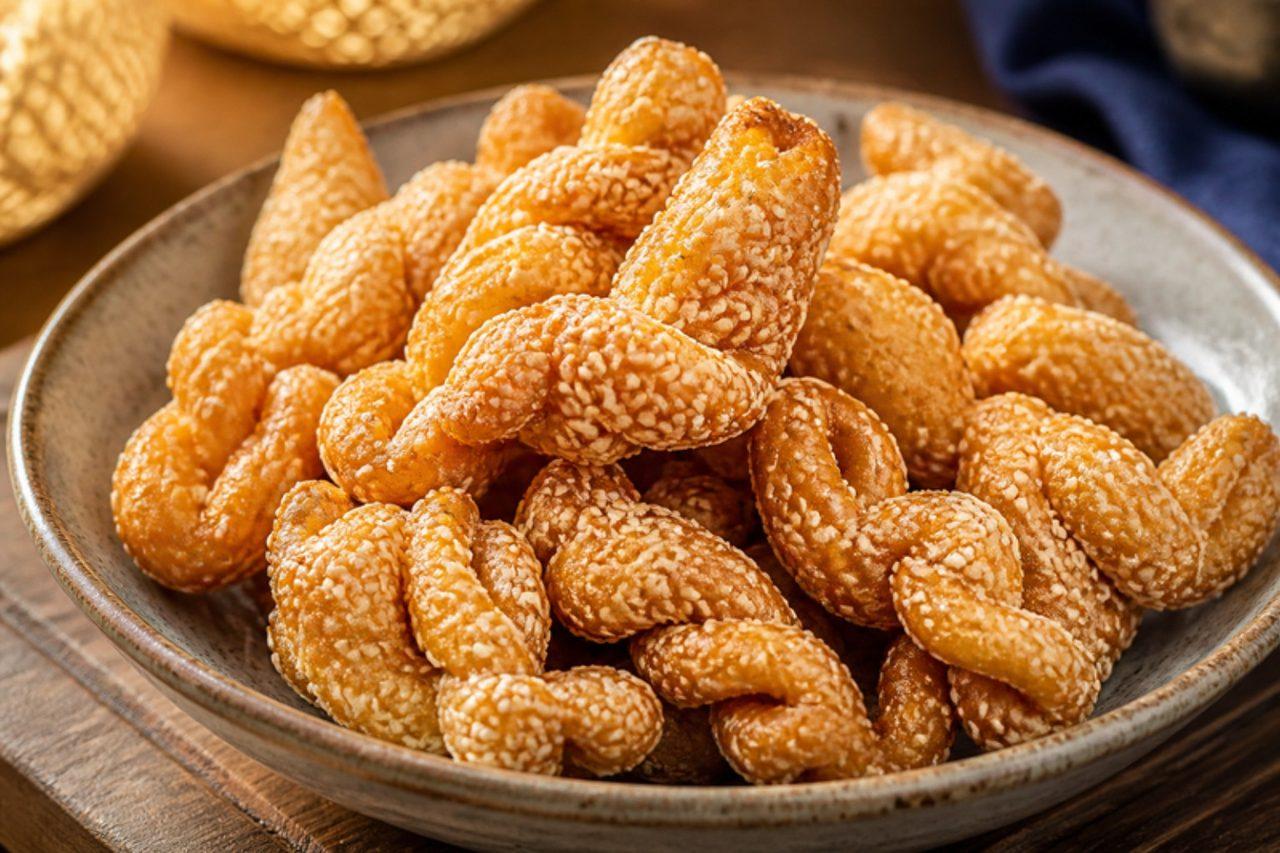
Qiaoguo, 'skill fruits', are fried for Qixi on the seventh night of the seventh lunar month in Zhejiang and Jiangsu. The festival celebrates the Weaver Girl and the Cowherd, the star-crossed lovers who meet once a year, and girls once set out these pastries and asked the Weaver Girl to make them clever with their hands; the neat twists and cut-out shapes show off that skill. They are crunchy, lightly sweet and toasty with sesame, like a delicate biscuit. Serve a plate under the evening sky with tea, melon and fruit. Chef's tip: roll the dough thin, about 2 mm; thicker pieces stay hard in the middle instead of crisp.

by KrazyBadal 0 views

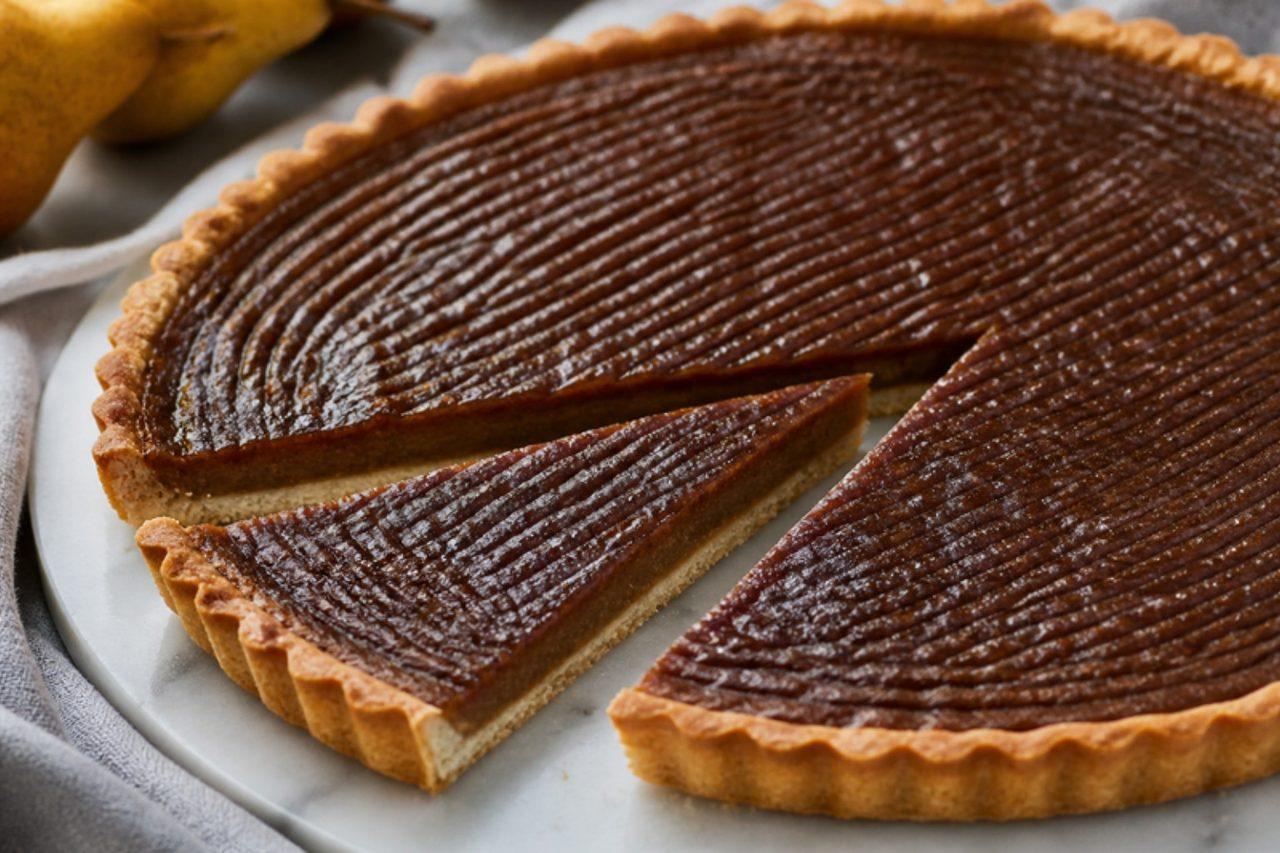
SchlorzifladenDried pear tart

Schlorzifladen comes from the Toggenburg valley in the canton of St Gallen in eastern Switzerland, where dried pears (schlorzi) were a winter staple. The thin, crisp tart is filled with a thick, dark purée of cooked dried pears spiced with cinnamon, and baked for Christmas and village feast days. Some versions have a rice or cream layer on top; this is the simple pear one. Pear brandy is sometimes added, but this version uses lemon juice instead and is alcohol-free. Chef's tip: cook the pear purée until it is stiff enough to hold a spoon upright, or it soaks the pastry.

120 minSwissBaking
by KrazyBadal 0 views

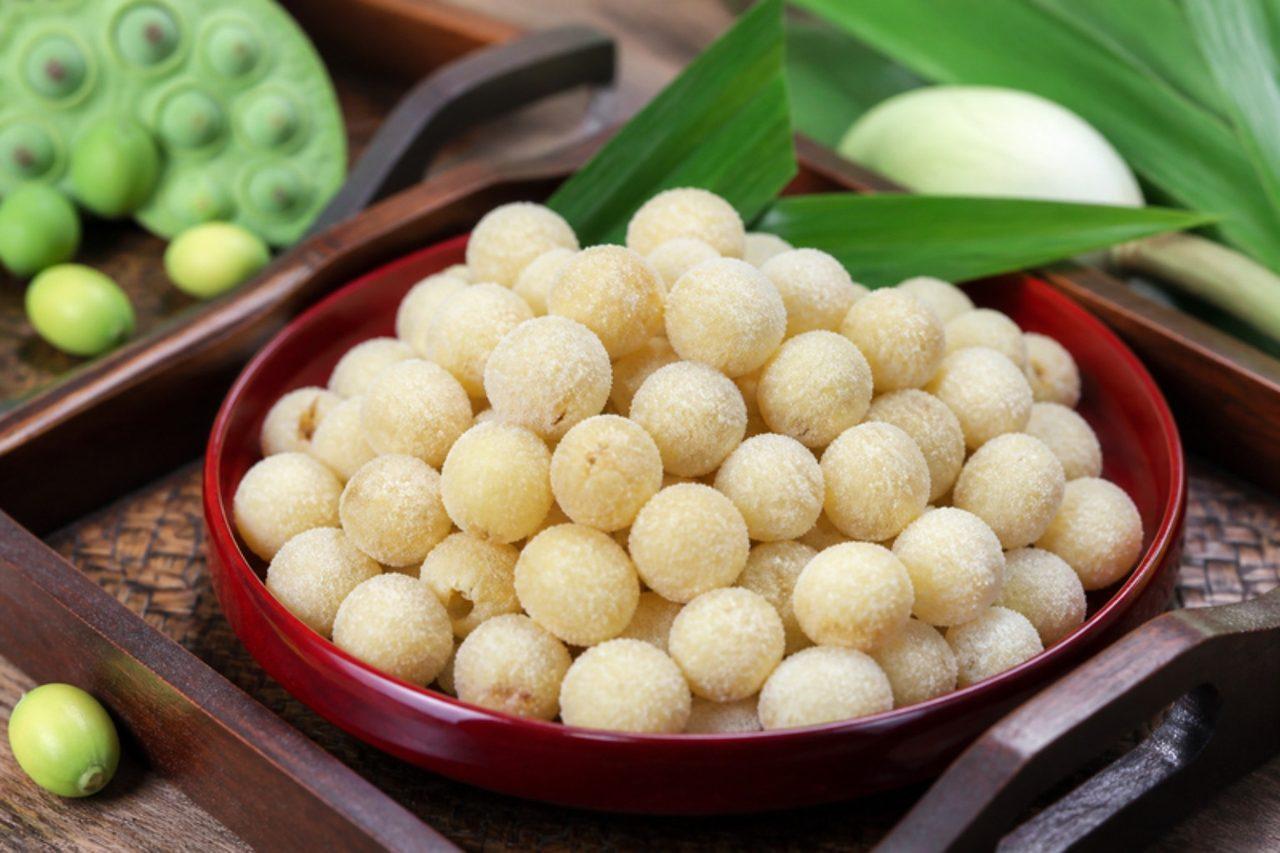
Mứt sen (candied lotus seeds)

No Tết candy tray in Hanoi or Huế looks complete without a mound of mứt sen, the ivory lotus seeds that stand for purity and, because a lotus pod holds so many seeds, for a family blessed with many descendants. Done well, each seed is soft and floury inside, almost like chestnut, under a dry, sparkling shell of sugar. Guests nibble them with a pot of hot green or lotus tea while they swap New Year wishes. Fresh seeds are best; dried ones from Asian grocers work if soaked overnight first. Chef's tip: pull out every green germ in the centre, because a single bitter heart spoils the sweet mouthful.

by KrazyBadal 0 views

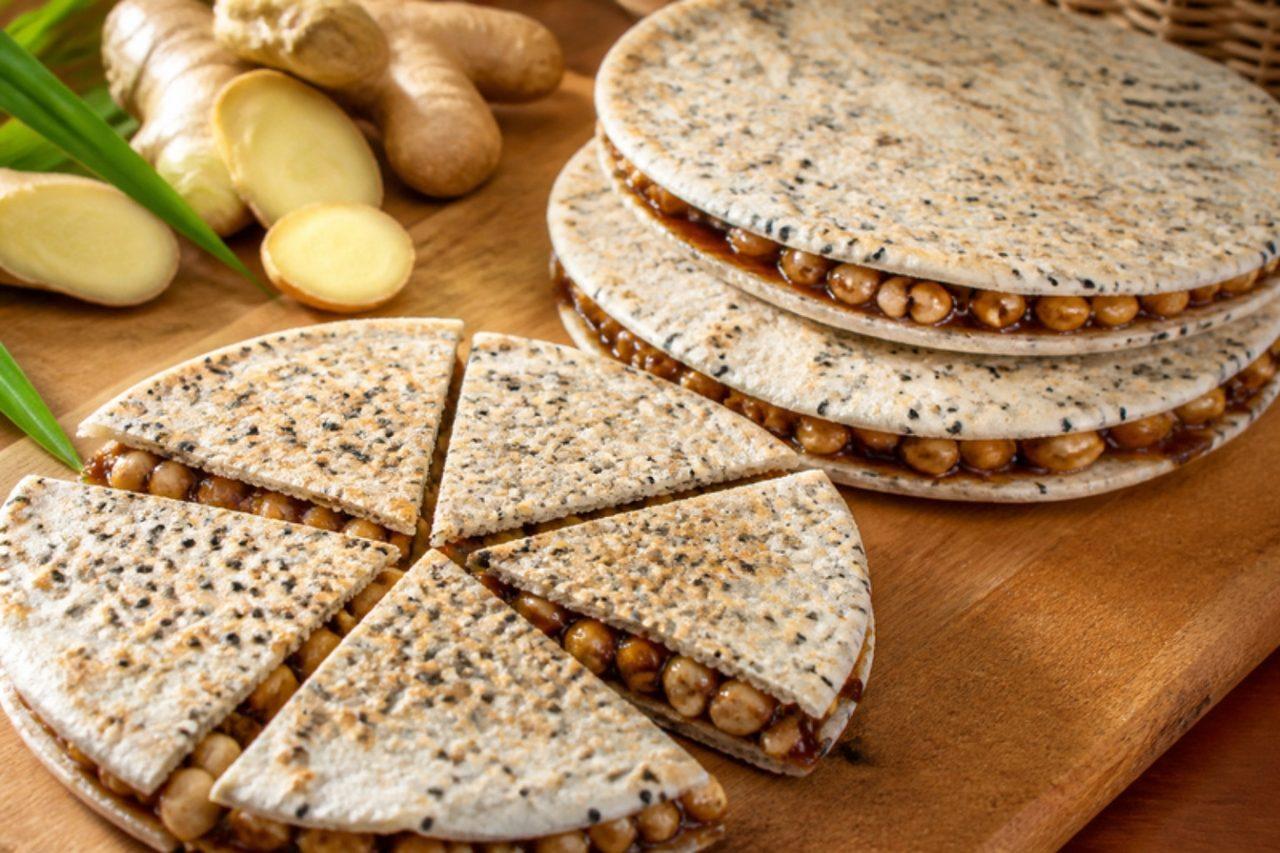
Kẹo cu đơ (Hà Tĩnh peanut and ginger candy)

Kẹo cu đơ belongs to Hà Tĩnh province in north-central Vietnam, where it is chewed slowly with a cup of strong green tea, especially on cold mornings and during Tết visits. Roasted peanuts are folded into a dark, sticky toffee of sugarcane molasses and malt syrup, sharpened with fresh ginger, and the hot mass is sandwiched between two crisp, toasted sesame rice papers. Every bite gives a crackle of rice paper, then a chewy, slightly smoky sweetness and a warm ginger finish. Cut it into wedges and serve it with tea rather than as a pudding. It is naturally egg-free: the molasses and malt syrup are cooked to the hard-ball stage, which is what sets the candy and binds the nuts. Chef's tip: toast the rice papers until they are completely puffed and blistered; the common mistake is under-toasting them, which leaves them leathery once the hot toffee goes on.

by KrazyBadal 0 views

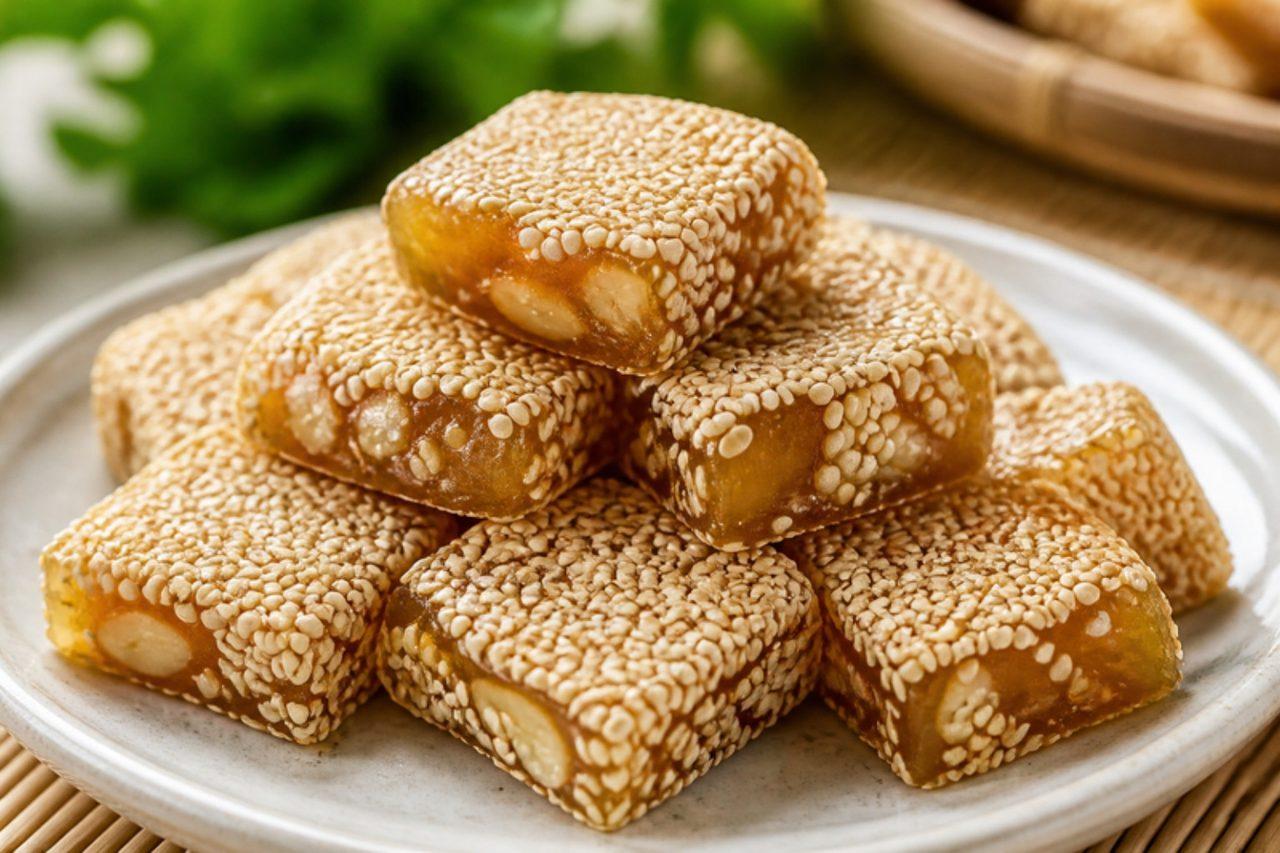
Kẹo mè xửng (Huế sesame peanut chews)

No one leaves the old imperial city of Huế without a box of kẹo mè xửng, the soft sesame chew sold on Đông Ba market stalls and handed out at Tết and on family visits. Rice malt syrup and sugar are cooked with a little tapioca starch into a glossy, stretchy mass, chopped peanuts are folded in, and the slab is pressed between layers of toasted sesame. It chews like a soft toffee, nutty and gently sweet, and the sesame gives every square a roasted fragrance. Serve squares with hot lotus or green tea after dinner. The candy is naturally egg-free: tapioca starch gives it its springy chew and the malt syrup binds it, so nothing else is needed. Chef's tip: oil your knife and cut while the slab is just warm. The common mistake is adding the starch slurry without stirring hard, which leaves white lumps through the candy.

by KrazyBadal 0 views

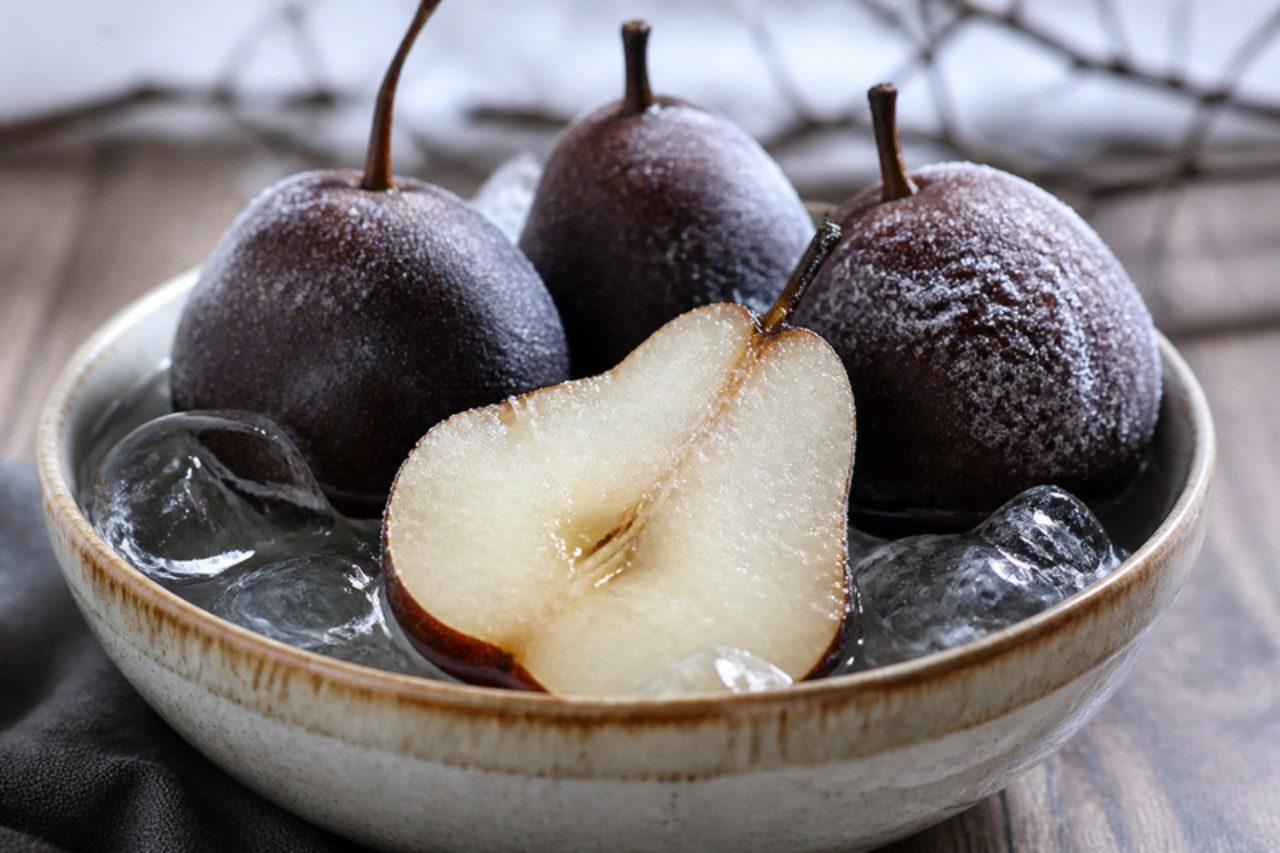
Dong li (Dongbei frozen pears)

In Dongbei, China's far north-east, winter temperatures fall so low that pears left outside freeze rock hard and turn glossy black, and a bowl of dong li thawing in cold water is part of every Spring Festival. They are eaten after the rich New Year's Eve dumplings and meats: cold, very sweet and full of juice, said to soothe a throat dry from heated rooms and to bring a clear, fresh start to the year. Freezing breaks down the flesh so it becomes soft and almost slushy, with a flavour like pear sorbet. You can recreate them in a home freezer; serve them as they are in small bowls, with spoons and napkins. Chef's tip: thaw them in cold water, never warm; the cold water pulls the frost out slowly and leaves an ice shell that cracks away cleanly.

by KrazyBadal 0 views

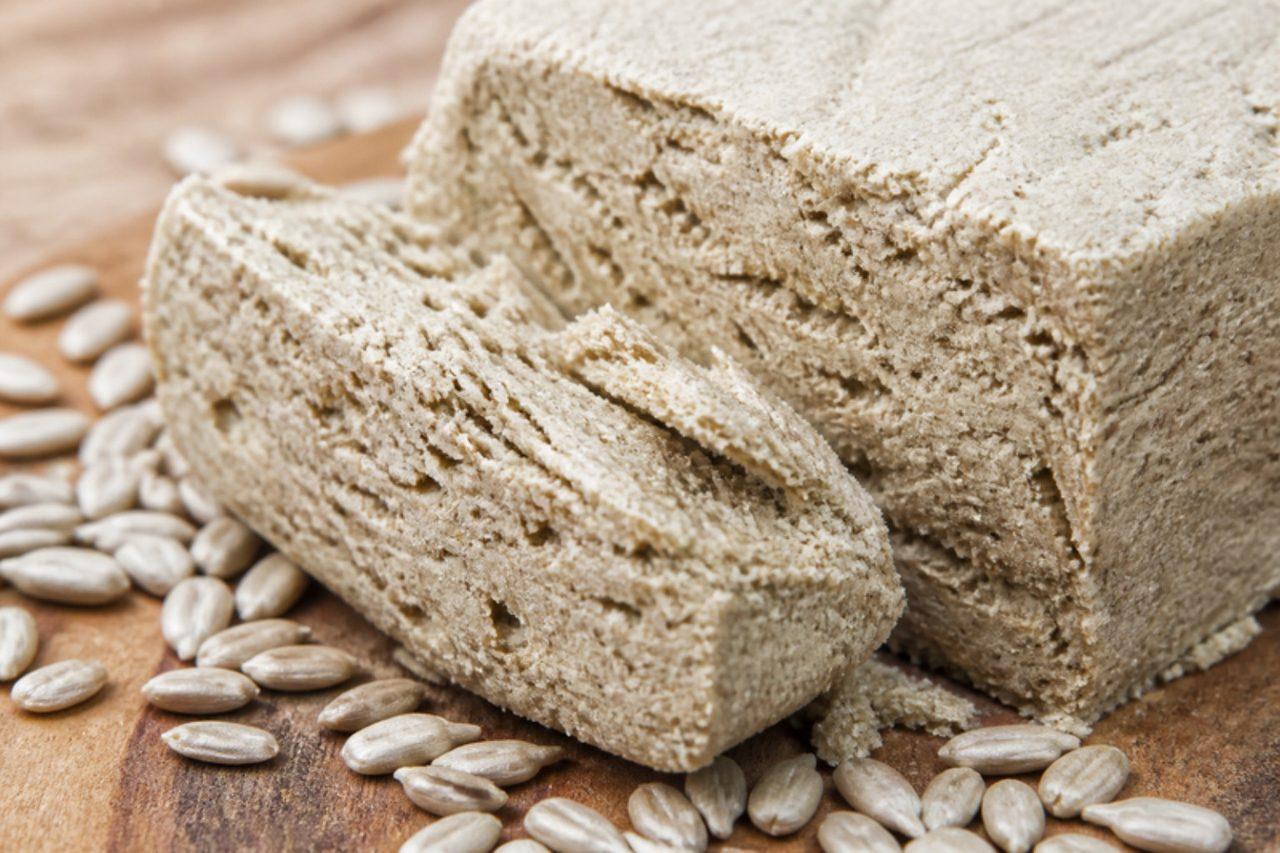
Podsolnechnaya khalva (sunflower seed halva)

In Russia and Ukraine, where sunflowers cover the southern steppe, halva means sunflower halva rather than the sesame kind: grey-brown, crumbly slabs sold by weight at markets and eaten with tea at any time of day, especially through the long winter. It tastes deeply of toasted seeds, with a sandy, flaky texture that breaks into strands and melts on the tongue. Serve it in small pieces with black tea, crumble it over porridge, or eat it with fresh apple slices. Factory halva is lightened with a foam of soapwort root, and some old recipes use whipped egg white; this home version needs neither. Sugar syrup cooked to the firm-ball stage is beaten straight into warm, finely ground seeds, and as the syrup cools it crystallises and binds the oily seed paste into a sliceable block, naturally egg-free. Chef's tip: grind the seeds until they just start to clump and look oily, not into smooth butter; the common mistake is over-grinding, which gives a dense, fudgy slab instead of crumbly halva.

by KrazyBadal 0 views

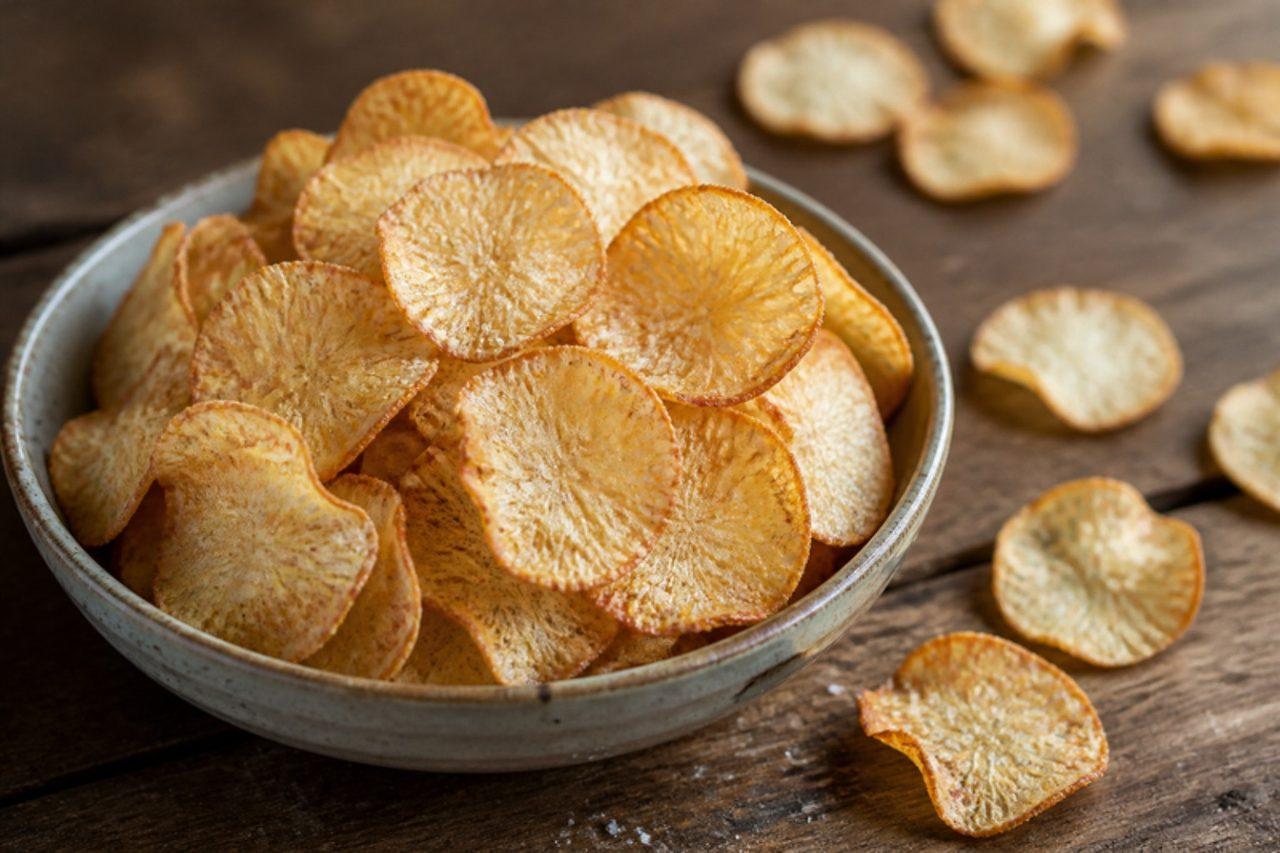
Arrowhead chips (nga gu chips)

Arrowhead (nga gu, or ngaku) is a small aquatic tuber that only shows up in Malaysian markets in the weeks before Chinese New Year, and frying it into chips is a family job. Its curved sprout looks like a shoot rising from the root, so it stands for growth and many descendants in the year ahead. Sliced thin and fried, the chips are crisp and nutty like potato crisps, with a gentle bitterness that keeps you reaching for more. Put them out in jars with peanuts and love letters for visitors. Chef's tip: soak the slices and dry them very well; wet slices make the oil spit and fry up chewy instead of crisp.

by KrazyBadal 0 views

Polkagris (Gränna peppermint candy sticks)

Gränna, a small town on the shore of Lake Vättern, has been pulling polkagris since the 1850s, and visitors still stand at shop windows watching the sugar being stretched and twisted on marble tables. The sticks are sold all year but are a favourite in summer, when the town fills with tourists, and again at Christmas. Pulled properly, the white part turns satiny and slightly airy, so the candy is crisp on the outside and almost chalky-soft as it melts, with a clean, cooling peppermint flavour and a thin red spiral. Eat them as they are, crush them over ice cream or hang them on the tree. Polkagris is naturally egg-free: nothing but sugar boiled to the hard-crack stage holds it together, and the pulling, not any added protein, gives the pale, opaque texture. Chef's tip: work in a dry kitchen with oiled gloves and have every tool ready before the sugar reaches temperature; the common mistake is letting the mass cool too far before pulling, at which point it cracks instead of stretching.

by KrazyBadal 0 views

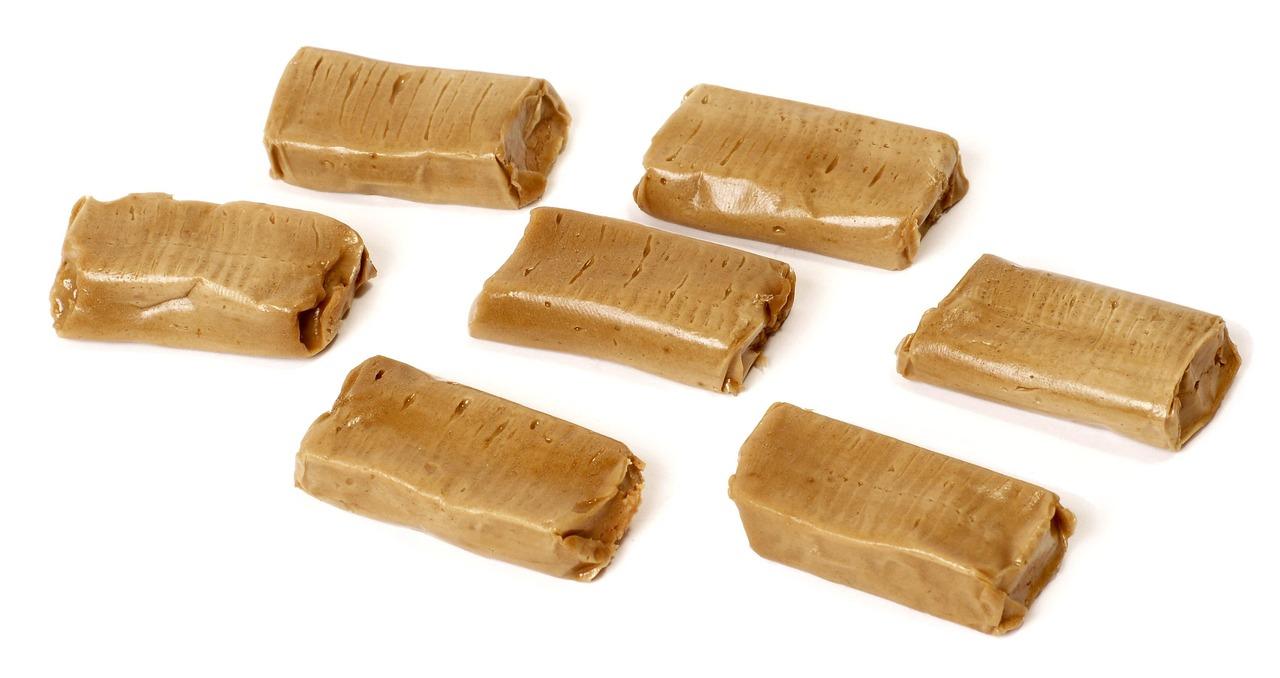
Krówki (Polish milk fudge)

Krówki, 'little cows', are the sweets Polish children grow up with: wrapped in paper with a cow on it, handed out at name days and school parties, and bought by the bag all year round. Fresh ones have a thin, sugary crust that crumbles at the edges while the middle stays soft and almost runny, with a deep taste of cooked milk and butter, close to dulce de leche. Eat them with black tea or coffee, or chop them into ice cream. They are naturally egg-free: milk and cream are boiled with sugar until the milk solids caramelise and the mixture reaches the soft-ball stage, then beating it as it cools starts fine sugar crystals that set the fudge and give that crumbly crust. A spoonful of honey adds its own flavour and keeps the centre soft. Chef's tip: stop beating as soon as the mixture loses its shine and starts to thicken; beating too long is the common mistake, and the fudge then sets in the pan before you can pour it.

by KrazyBadal 0 views

Croccante (southern Italian almond brittle)

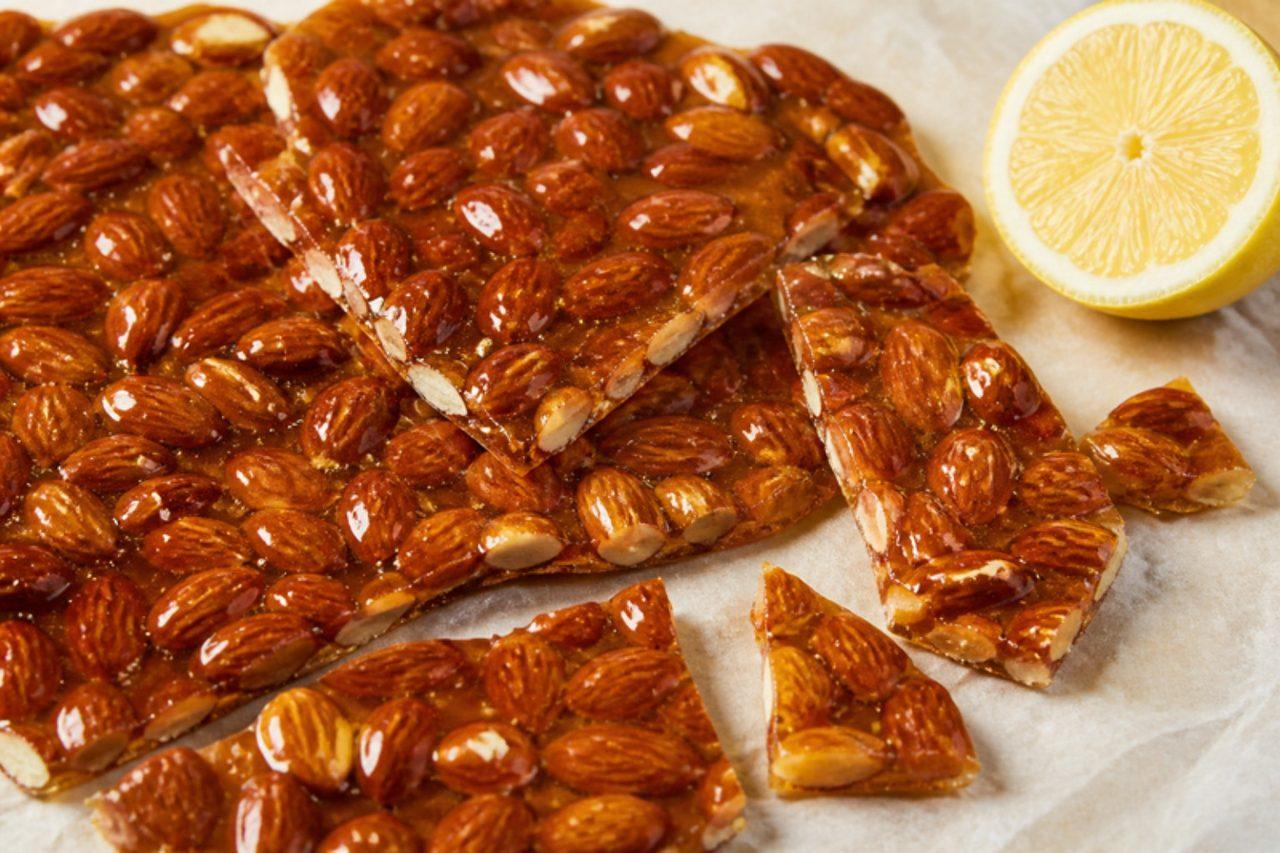
Croccante is the sweet of southern Italian feast days: from Naples to Calabria and Apulia it is sold from stalls at the patron saint's festa, set out at Christmas and at Carnival, and in some towns shaped into little baskets for weddings. Whole almonds are toasted and folded into caramel, then pressed thin on marble with the cut side of a lemon, which stops it sticking and leaves a faint citrus scent. It is crisp and glassy with a deep, nutty, slightly bitter caramel. Break it into shards to eat with coffee, or crush it over ice cream. It is naturally egg-free: only caramelised sugar holds the almonds, setting hard as glass as it cools. Chef's tip: keep the almonds warm when they go in; the common mistake is adding cold nuts, which makes the caramel seize into lumps.

by KrazyBadal 0 views

Hong tang ciba (brown sugar glutinous rice cakes)

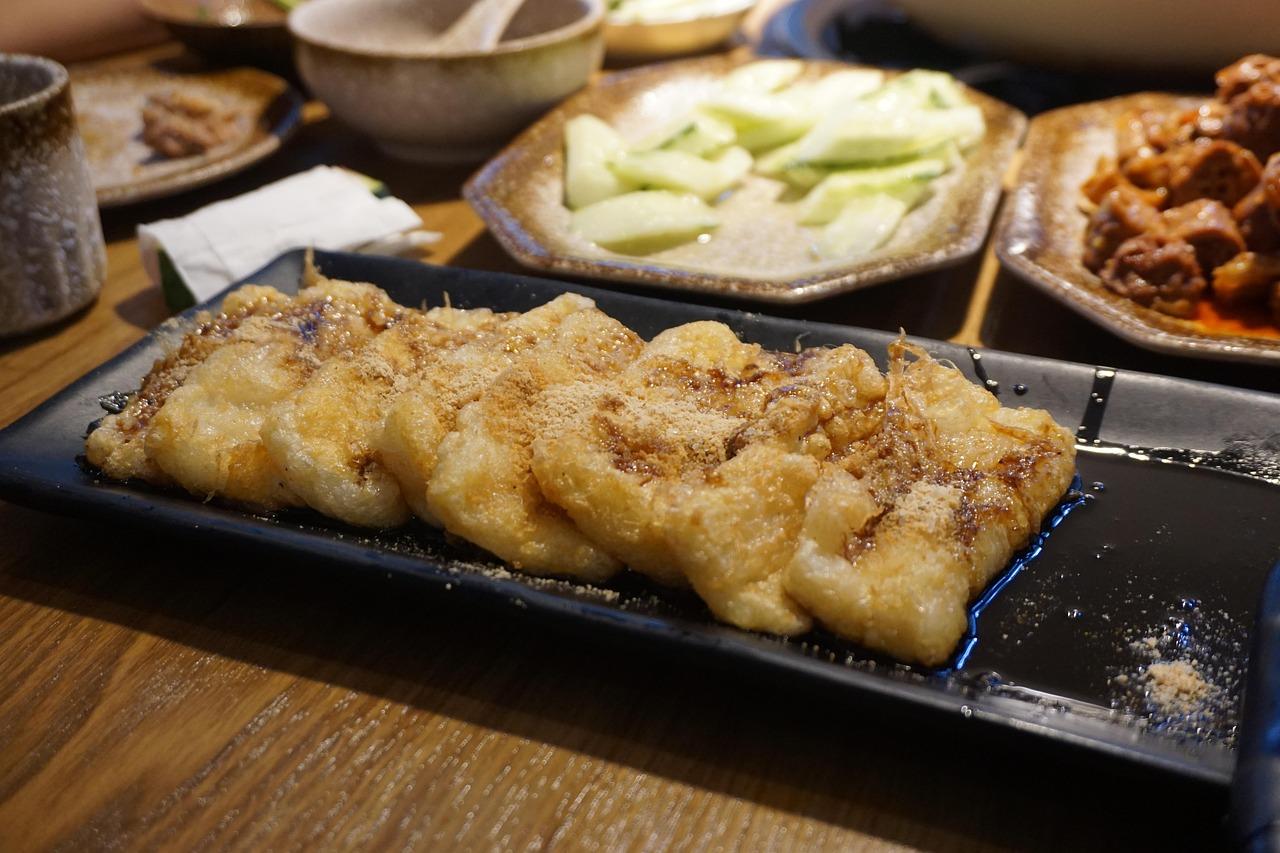
Pounded glutinous rice cakes are a Spring Festival essential in Sichuan and Chongqing, where 'ci' sounds like a wish for the family to stay close, as stuck together as the rice itself. Fried and drowned in brown sugar syrup, they turn into hong tang ciba, a dessert that closes many reunion dinners and hotpot nights. Outside they are puffed and crackly, inside soft and stretchy, and the dark syrup and nutty soybean flour make every bite taste like toffee. This home version steams a glutinous rice flour dough instead of pounding whole grains, which gives the same chew in far less time. Serve straight from the pan while still crisp. Chef's tip: let the steamed slab cool and firm up completely before cutting; warm dough smears and bursts in the oil.

by KrazyBadal 0 views

Cupeta (Salento honey and almond brittle)

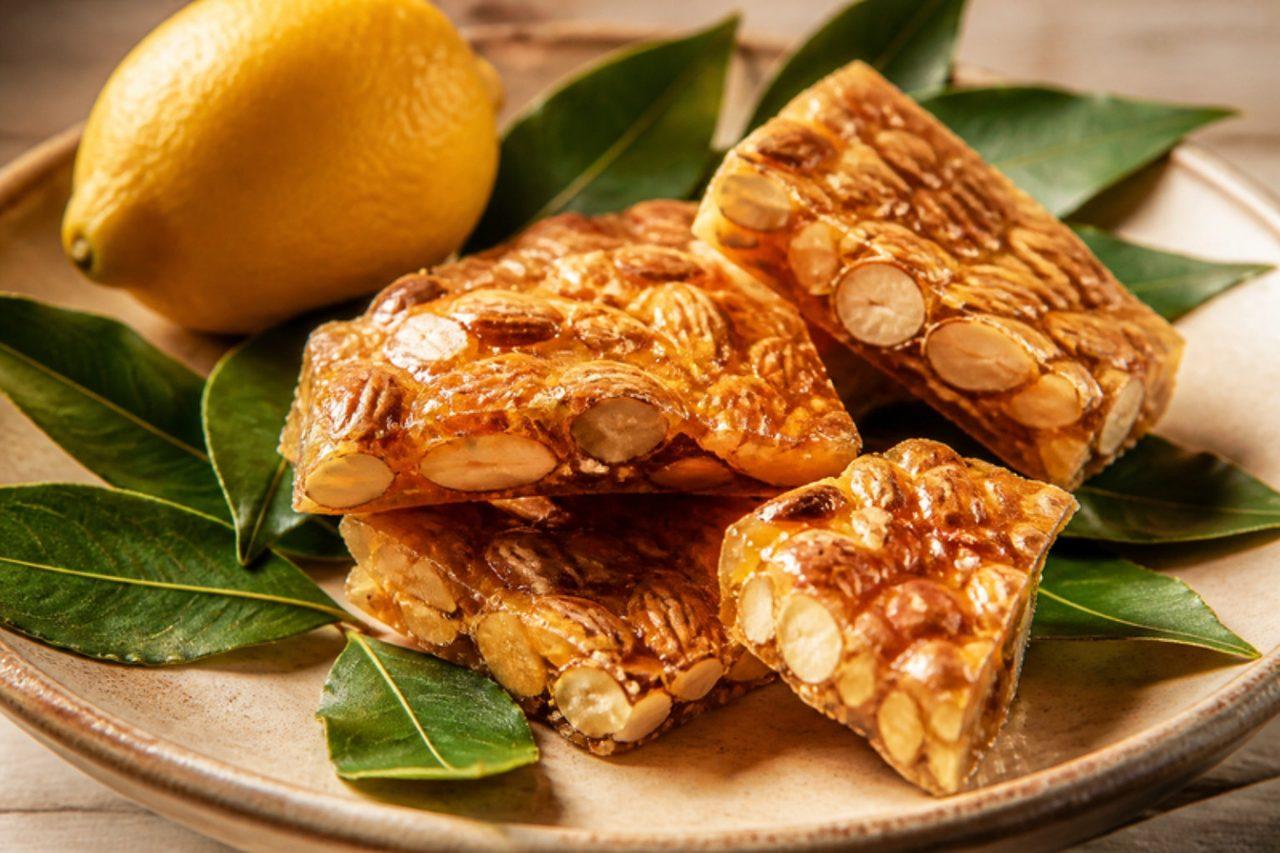
Summer in Salento, the heel of Apulia, means the feste patronali, when village streets are hung with lights and the cupetari set up stalls of cupeta, a honey and almond brittle broken from large slabs. It also shows up on Christmas tables and at the feast of Saint Oronzo in Lecce in August. Honey gives it a darker, more floral caramel than plain croccante, and the almonds stay crunchy within a brittle that slowly turns slightly chewy in the heat. Traditionally it was poured onto wafer sheets or fresh bay or lemon leaves; this version uses bay leaves, which add a faint herbal note and keep it gluten-free. Eat it in pieces with coffee, or as a snack while walking through the fair. It is naturally egg-free: honey and sugar, cooked to the hard-crack stage, set around the nuts with no other binder. Chef's tip: lower the heat once the honey starts to colour; it burns much faster than sugar, and scorching is the common mistake.

by KrazyBadal 0 views

Kluay tak (Thai dried bananas, oven method)

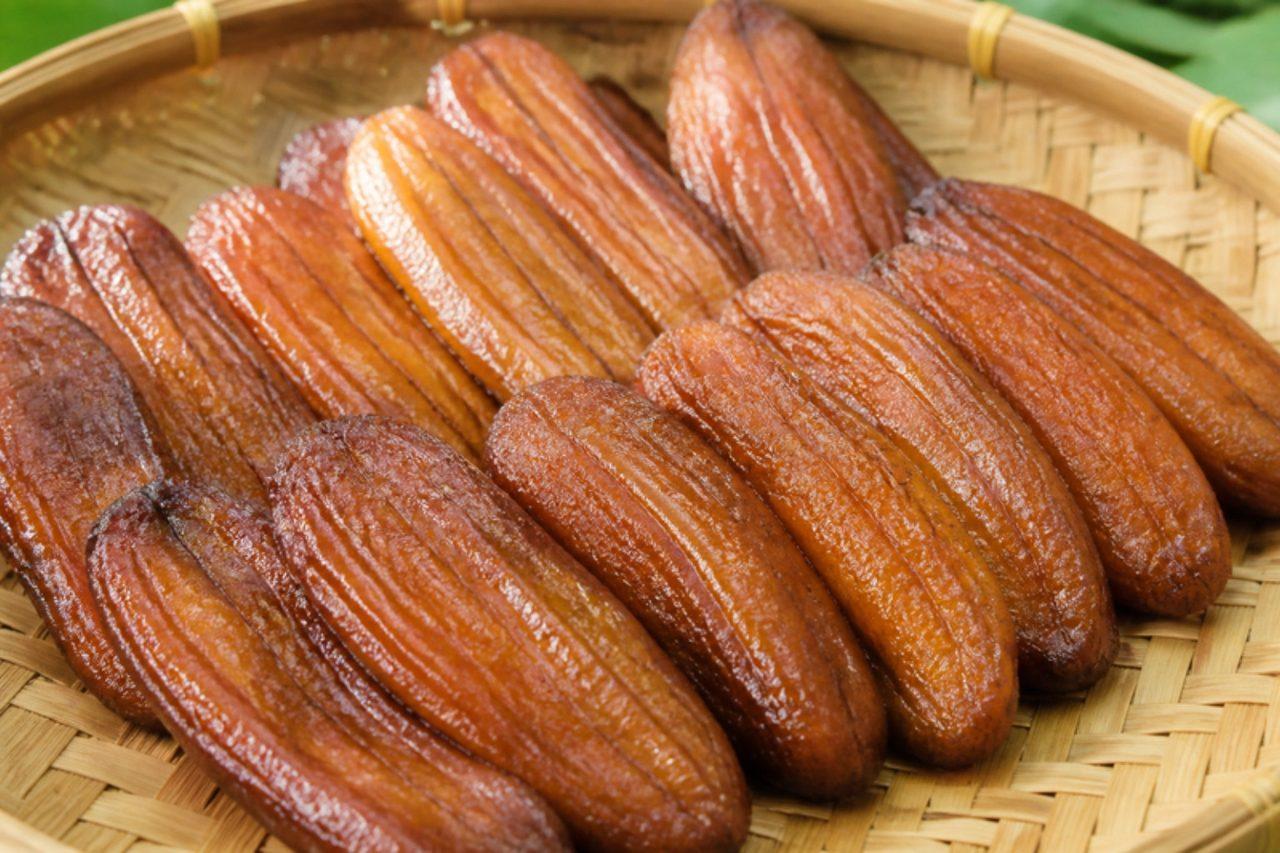
In Bang Krathum, a district of Phitsanulok in lower northern Thailand, small nam wa bananas are peeled and laid out under the sun in glass-roofed drying boxes for several days, then pressed flat to make kluay tak. The district is famous for them, and bags are bought as a gift on the road home and nibbled with tea or coffee in the afternoon. They are dense and chewy like a soft toffee, dark amber, with a deep caramel and honey flavour that comes only from the fruit. As sun-drying takes days and needs steady heat, this version uses a very low oven overnight, then a rest in a jar so the moisture evens out. They are naturally egg-free and need nothing to bind them: the banana's own sugars concentrate and hold it together. Chef's tip: keep the oven low and prop the door open with a wooden spoon; the common mistake is a hot oven, which cooks and blackens the outside while the centre stays wet.

1340 minThaiDessertsVeganGluten free
by KrazyBadal 0 views

Mứt bí (candied winter melon)

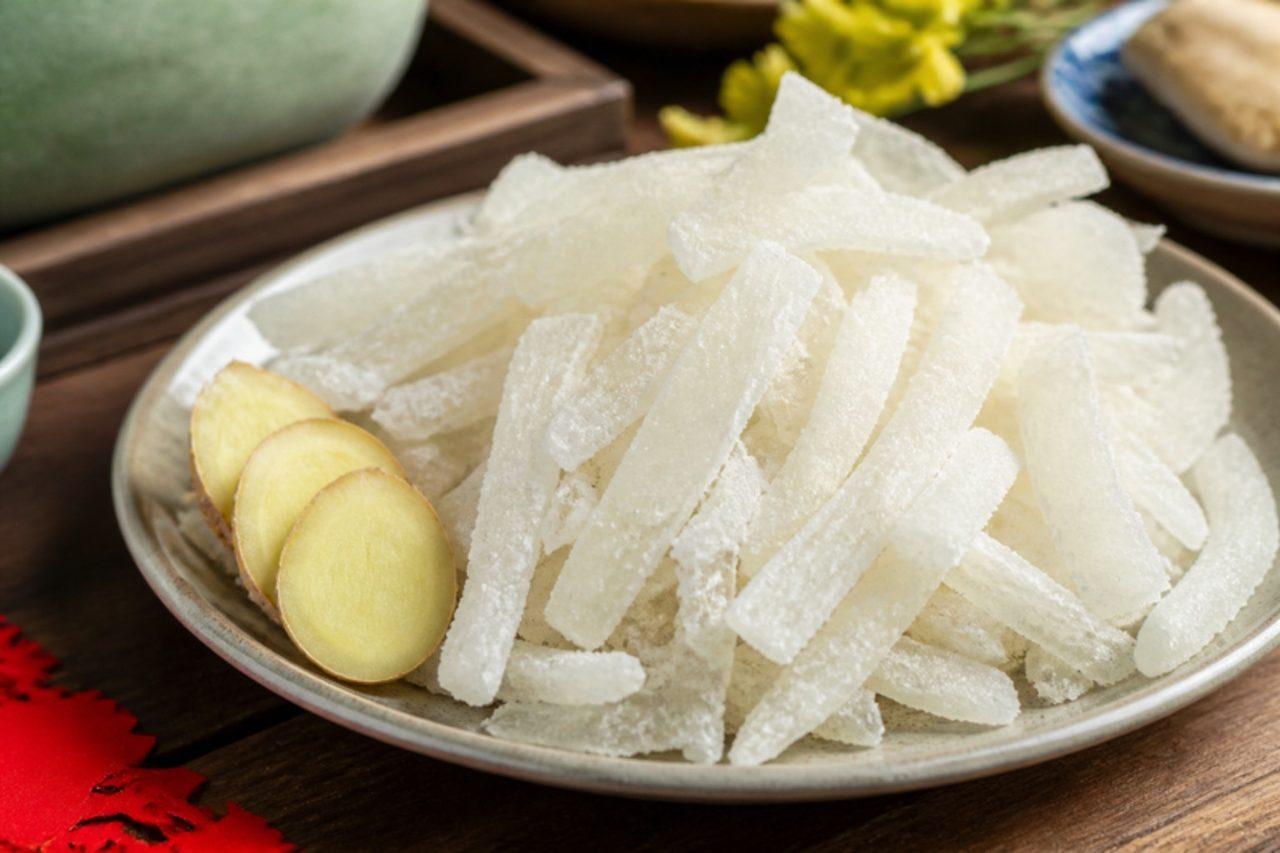
Pale as rice paper and crunchy at the edge, mứt bí is one of the cheapest and best-loved sweets on the Tết candy tray all over Vietnam; its white colour stands for a clean, bright start to the year. The melon is first firmed in clear lime water made with food-grade slaked lime (vôi ăn, calcium hydroxide, sold for pickling), which sets the outside so the batons stay crisp while the sugar soaks in. If you would rather not use lime, a quick blanch and longer drying gives a softer but still delicious result. Serve with green tea, or with candied ginger and coconut. Chef's tip: choose an old, heavy winter melon with a dusty white skin; young ones are watery and collapse in the syrup.

by KrazyBadal 0 views

Sucre à la crèmeBrown sugar fudge

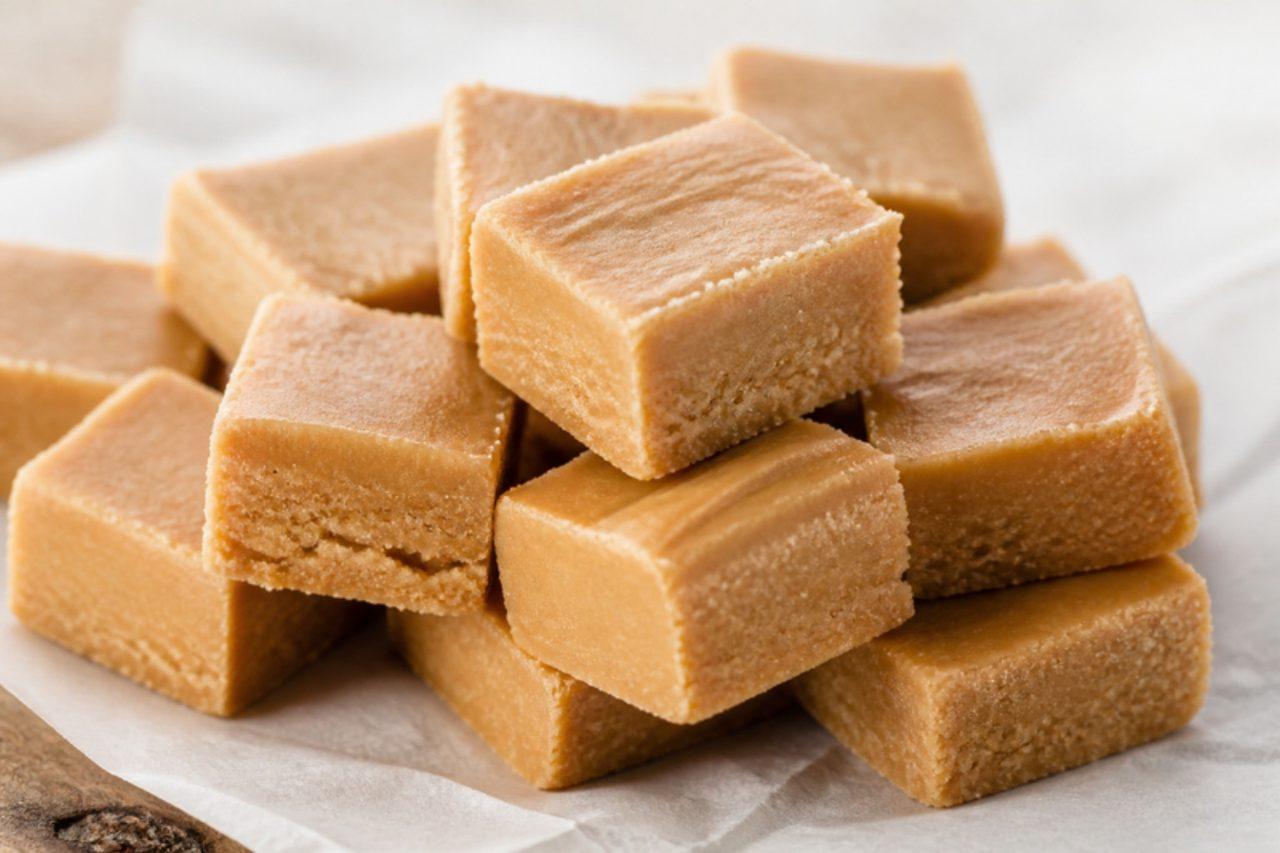
In Quebec, sucre à la crème is the sweet that comes out at Christmas: a soft, melting brown-sugar fudge made from brown sugar, cream and butter, cut into squares and shared at the réveillon after midnight Mass and through the Fêtes. Every grandmother's recipe differs a little; this one is the classic stovetop method, gluten free and ready in under an hour. Chef's tip: beat the cooled mixture until it loses its gloss and starts to thicken, then pour it at once; that beating is what makes it creamy rather than toffee-like.

by KrazyBadal 0 views

Dulce de papayuelaMountain papaya in spiced syrup

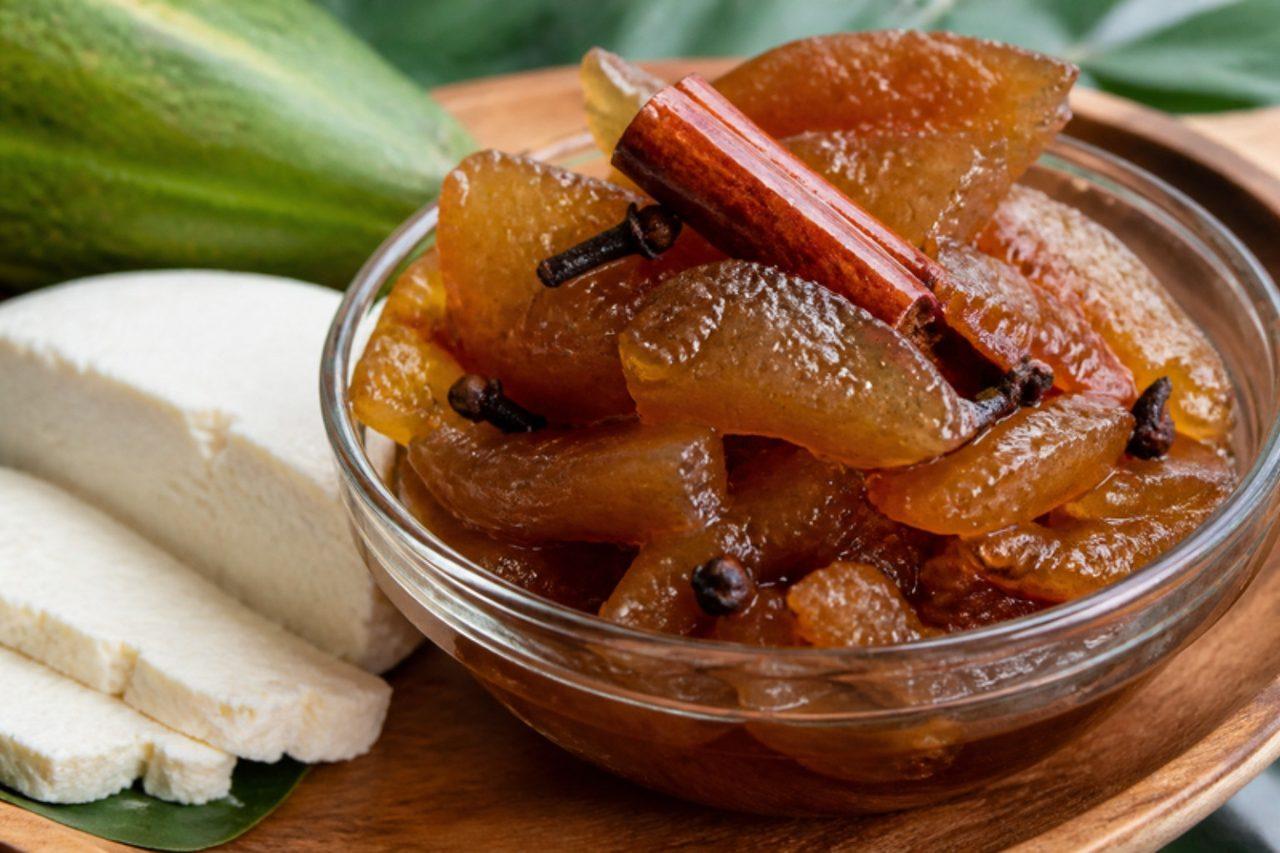
Papayuela is the small, fragrant mountain papaya that grows in the cool highlands of Boyacá in Colombia. Cooked slowly in panela syrup with cloves and cinnamon, it becomes a glossy, amber dulce that Boyacá families set out during Holy Week and again at Christmas, often with a slice of fresh white cheese or cuajada. It is vegan and gluten free. Firm, slightly underripe ordinary papaya, or babaco, makes a good stand-in. Chef's tip: blanch the fruit briefly first, then drain it; this removes the bitter latex and lets it soak up the syrup.

by KrazyBadal 0 views

Dasik (Korean pressed tea cakes)

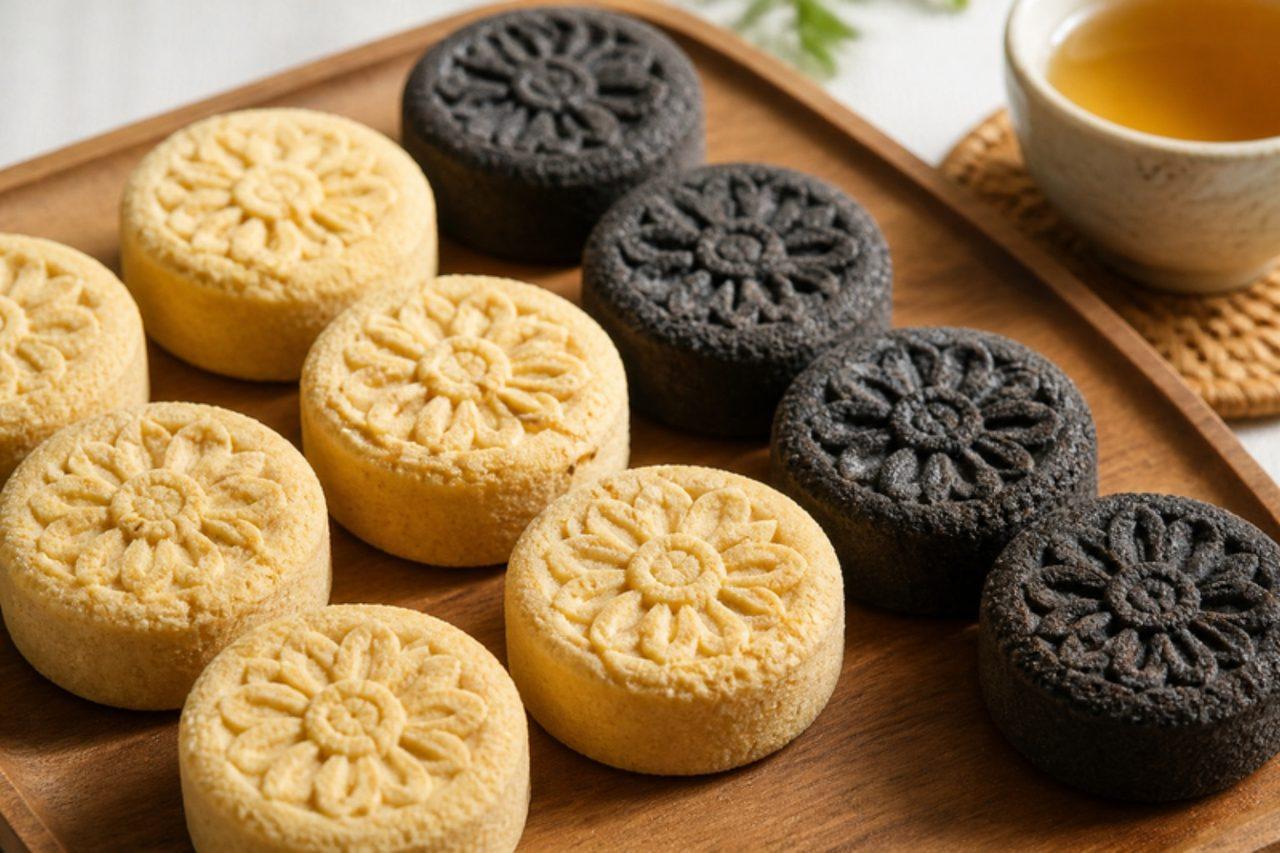
Dasik are small pressed tea cakes stamped with patterns of flowers, characters for long life and good fortune, made across Korea for Chuseok, weddings and the tables set for ancestral rites. Powders of roasted grain, black sesame or yellow pine pollen are kneaded with honey and pressed into carved wooden moulds, so a single plate shows contrasting colours. They are dense and melt slowly, tasting of toasted nuts and honey, and they are always served with tea: green tea, or a tea of jujube or citron. This version makes two colours, roasted soybean and black sesame. They are naturally egg-free: honey binds the powders and lets them hold the fine pattern of the mould. Chef's tip: add the honey a teaspoon at a time; the common mistake is too much, which makes a sticky dough that blurs the pattern and won't leave the mould.

by KrazyBadal 0 views

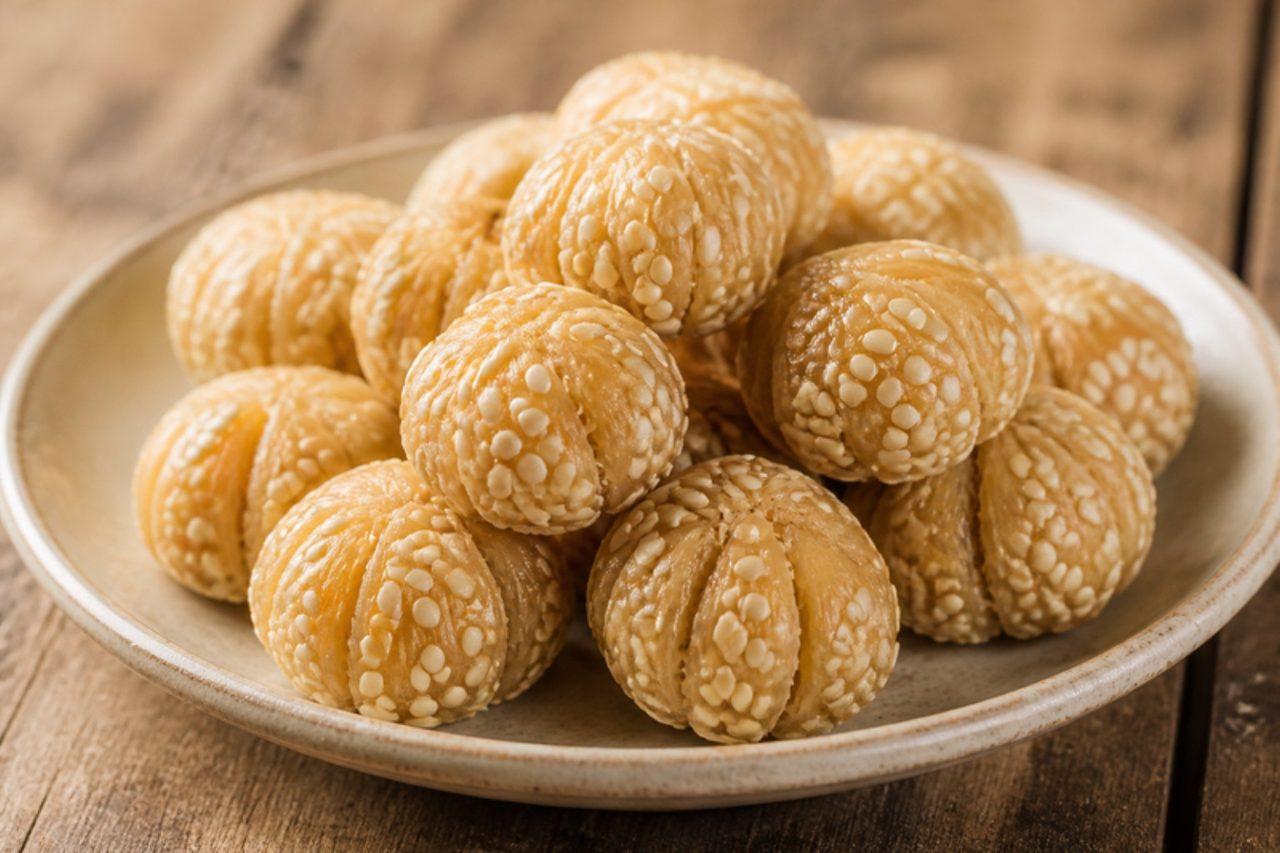
Tang gua (malt sugar candy)

On Xiaonian, the 'little New Year' a week before the Spring Festival, families across northern China offer tang gua to the Kitchen God before he flies up to report on the household: the sticky sweets are meant to glue his mouth shut, or at least sweeten his words. The name means 'sugar melons', after their round, ribbed shape. Pulling the hot maltose over and over turns it from amber glass to a pale, airy candy that shatters and then turns chewy, with a toasty malt flavour and plenty of sesame. Serve them with tea on Xiaonian and keep the rest in a tin for New Year guests. Chef's tip: wear clean rubber or silicone gloves and work on an oiled tray; hot sugar sticks to skin and burns.

by KrazyBadal 0 views

Showing 24 of 3,470 recipes

Show more recipes

Page 19 of 145

More No onion & garlic ideas

Other diets