Skip to content
WhatToEat.Today

No onion, no garlic recipes (Swaminarayan and sattvic)

3,470

3470 vegetarian recipes cooked without onion or garlic, as in Swaminarayan and sattvic kitchens, with no meat, fish, eggs or alcohol. Each has photos, step-by-step instructions and cook times. The quickest, Apfelschorle, takes 2 minutes. Most take around 45 minutes.

Filter these by time, diet or cuisine · Make No onion & garlic your diet to see only these recipes everywhere on the site.

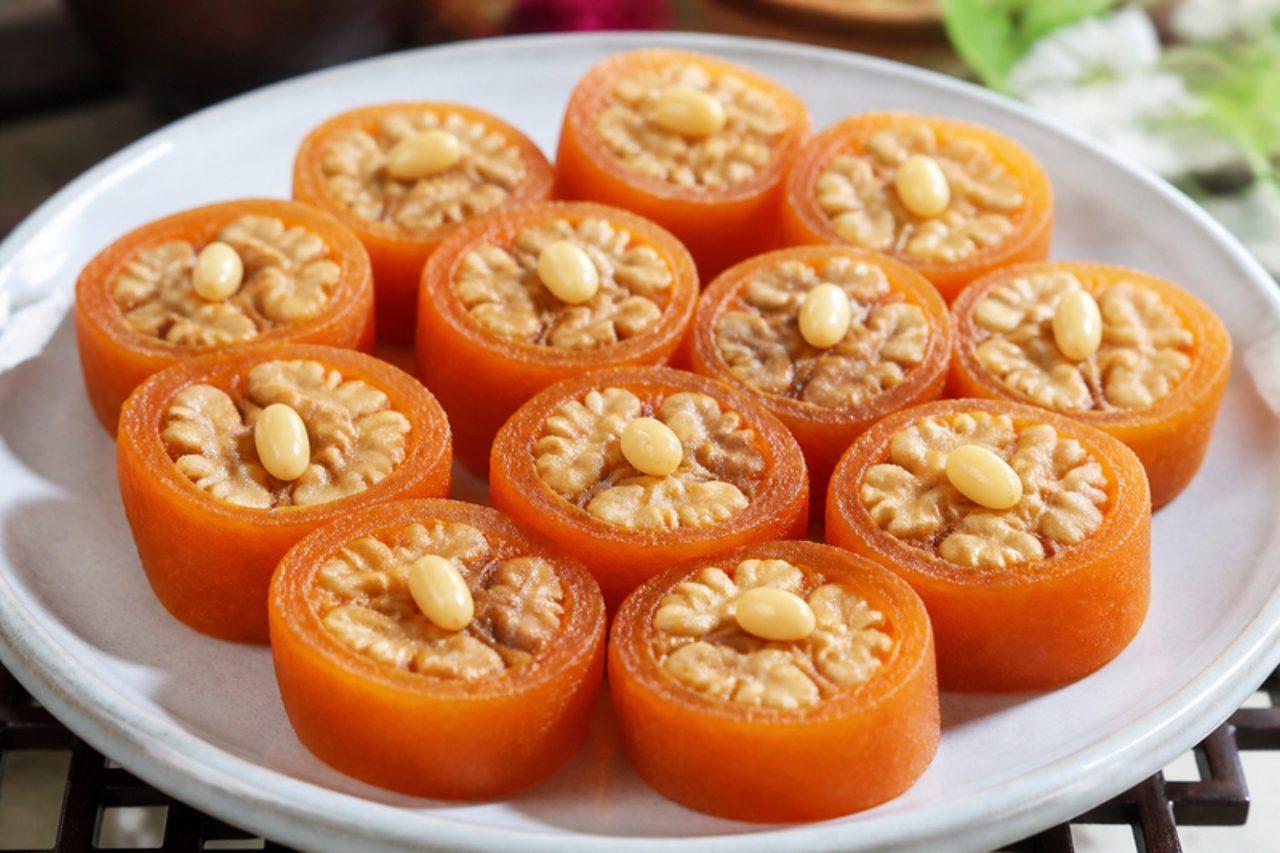
Gotgam-ssam (walnut-stuffed dried persimmon rounds)

Sangju in North Gyeongsang is Korea's dried-persimmon capital, and in Andong and across the region gotgam-ssam is a sweet for Seollal and Chuseok tables and for welcoming guests in winter. Soft dried persimmons are opened out flat, rolled tightly around a row of walnut halves and sliced, so each round shows a pattern like a flower. They are chewy and honeyed from the fruit, with crunchy, slightly bitter walnuts in the middle. Serve them with sujeonggwa, the cinnamon-ginger punch, or with a cup of roasted barley tea. It is naturally egg-free: the sticky dried fruit is its own glue, and a short chill firms the roll so it slices neatly. Chef's tip: wrap the roll tightly in cling film and chill it before slicing; the common mistake is slicing it straight away, which squashes the rounds and lets the walnuts fall out.

by KrazyBadal 0 views

Mebos (Karoo salted apricot sweets)

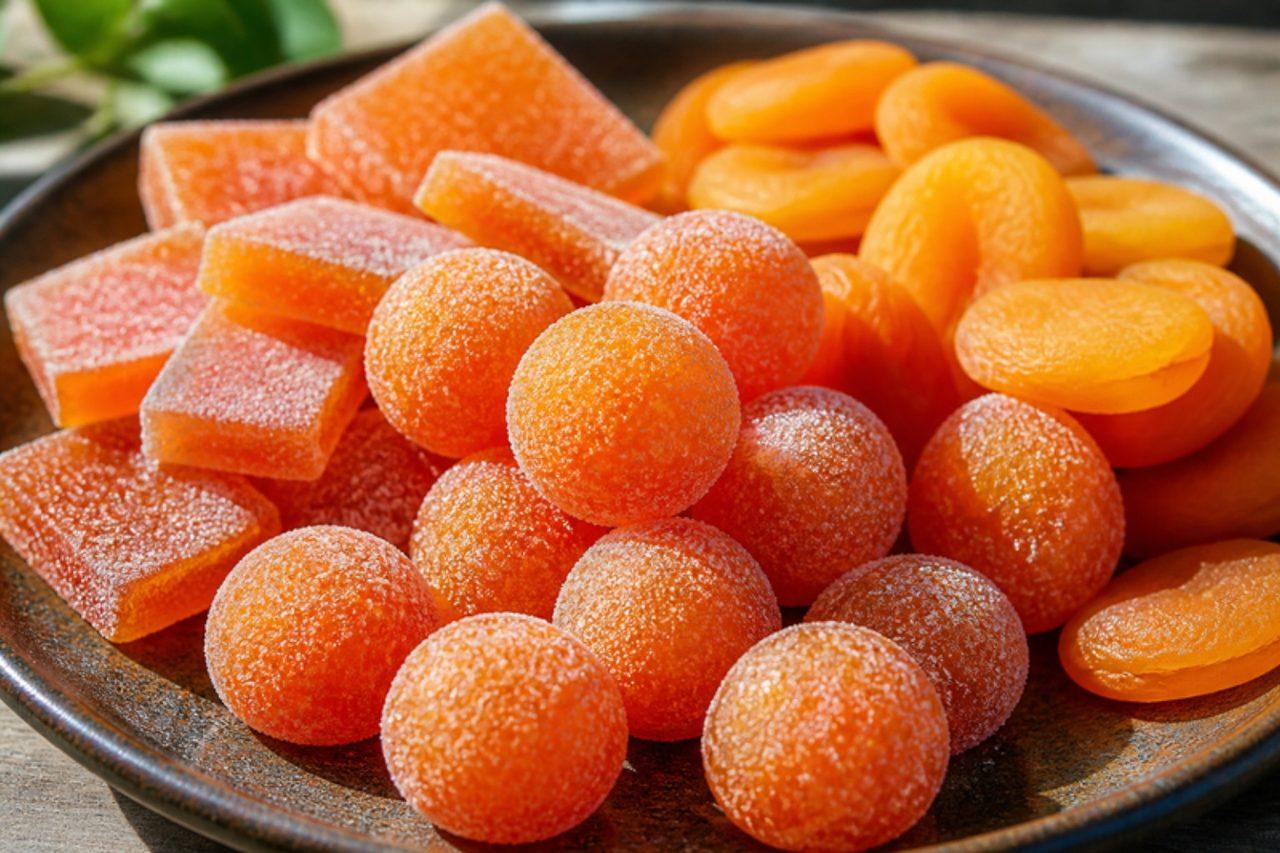
Mebos belongs to the dry Karoo and the orchards of the Western Cape, where summer apricots were salted, sun-dried and pounded into a paste that lasted the year. Today it is a car-trip and school-holiday treat, bought from farm stalls and passed around with afternoon tea. The flavour is bright and tart, then sweet, with a little salt that makes the apricot taste even stronger; the texture is dense and chewy, like a soft fruit leather. Eat it on its own, with a cup of rooibos, or chopped over plain yoghurt. This version starts from dried apricots, so it can be made at any time of year. It is naturally egg-free: the apricots' own pectin and fibre, thickened with sugar in the pan, hold the paste together with no other binder. Chef's tip: measure the salt; the common mistake is adding it by feel, which turns a sweet-sour sweet into a salty one.

by KrazyBadal 0 views

Berlingots de Carpentras (striped Provençal hard candies)

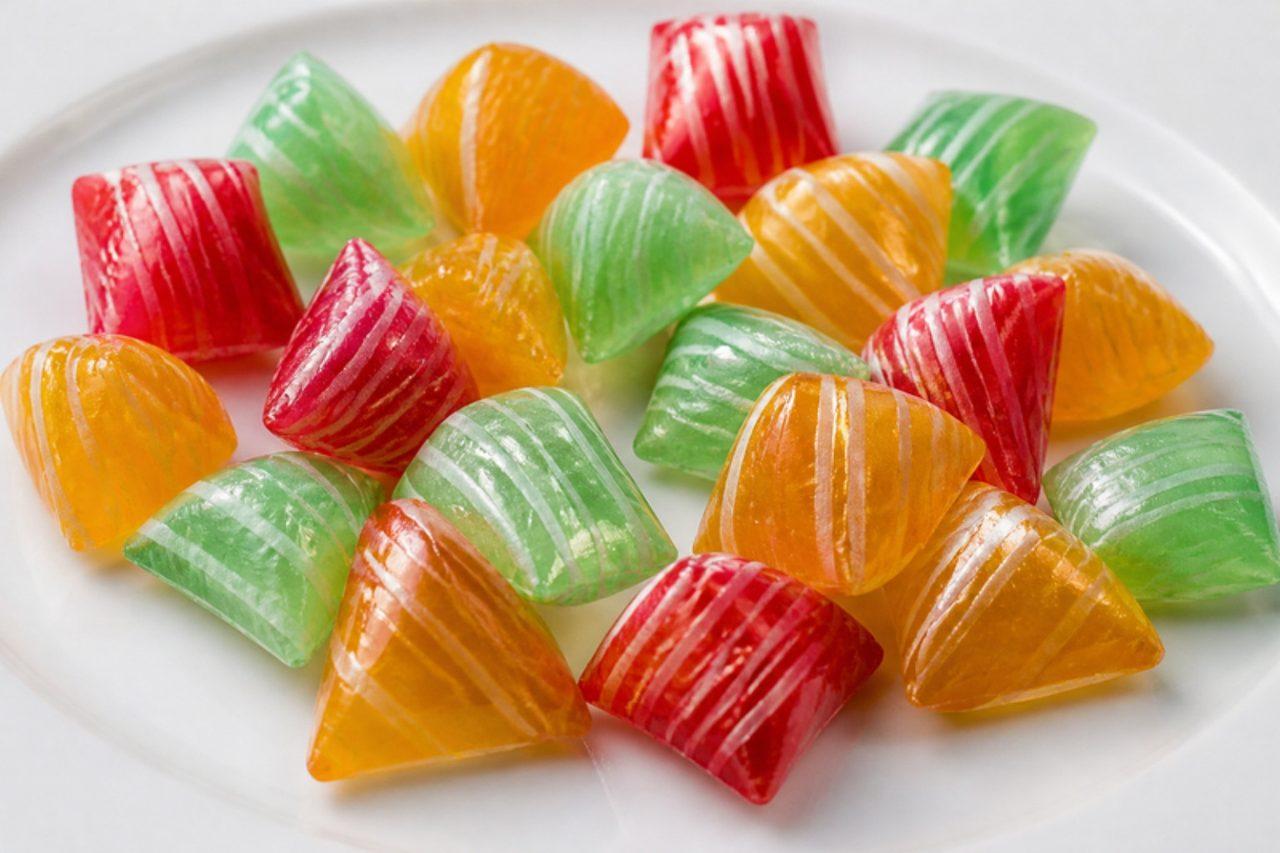
Carpentras, the market town below Mont Ventoux, has made berlingots since the nineteenth century, using the fruit syrups left over from its candied-fruit trade. The little four-sided pyramids are clear and glassy with fine white stripes, and they are sold year round at the Friday market and in paper cones for the Christmas sweet table. They crunch cleanly and dissolve slowly, here with a cool mint flavour; a fruit syrup can take its place. Offer them after a meal with coffee or herbal tea. Hard candy is naturally egg-free: the sugar, cooked to the hard-crack stage, sets glass-hard by itself, and glucose syrup keeps it clear instead of grainy. You will need heatproof gloves, oiled scissors and a warm place to keep the sugar soft while you shape it. Chef's tip: make these on a dry day; the common mistake is cooking sugar in a steamy kitchen, which leaves the berlingots sticky within hours.

by KrazyBadal 0 views

Shanzha gao (hawthorn fruit cake)

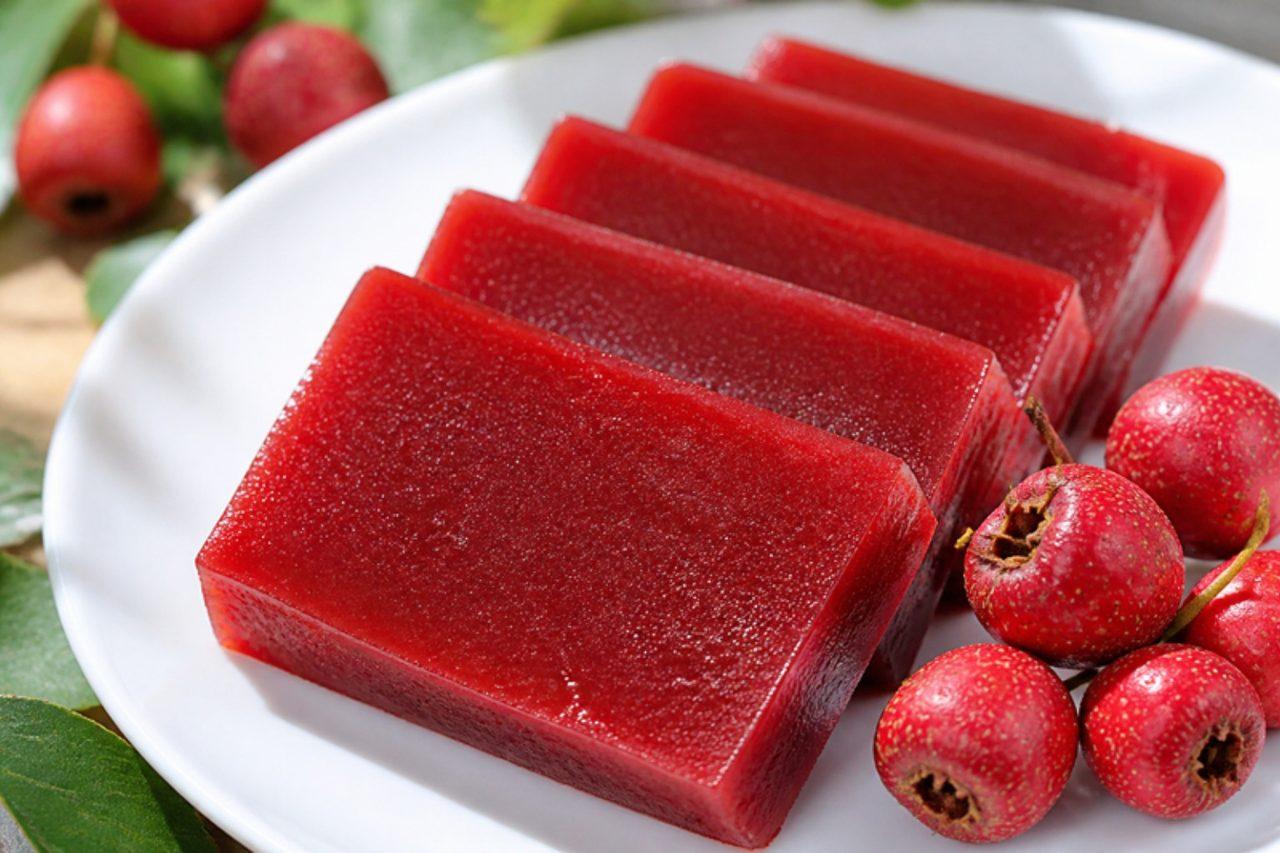
When the hawthorn trees of Hebei and Shandong drop their red berries in late autumn, cooks across northern China, and especially in Beijing, boil them down into shanzha gao, a firm fruit cake cut into ruby slices. It is a winter sweet, eaten after rich meals because people say it helps digestion, and it sits beside candied hawthorn skewers at the New Year fairs. The texture is like a firm fruit jelly that cuts cleanly, and the flavour is bright and sour-sweet, like a cross between crab apple and cranberry. Serve thin slices with jasmine tea, or cubes on a fruit plate. It is naturally egg-free and needs no setting agent at all: hawthorn is so rich in pectin that the cooked purée sets firm as it cools. Chef's tip: the common mistake is stopping too soon, so keep stirring until a spoon drawn across the pan leaves a clear trail that does not close up.

by KrazyBadal 0 views

Tsukimi dango (moon-viewing dumplings)

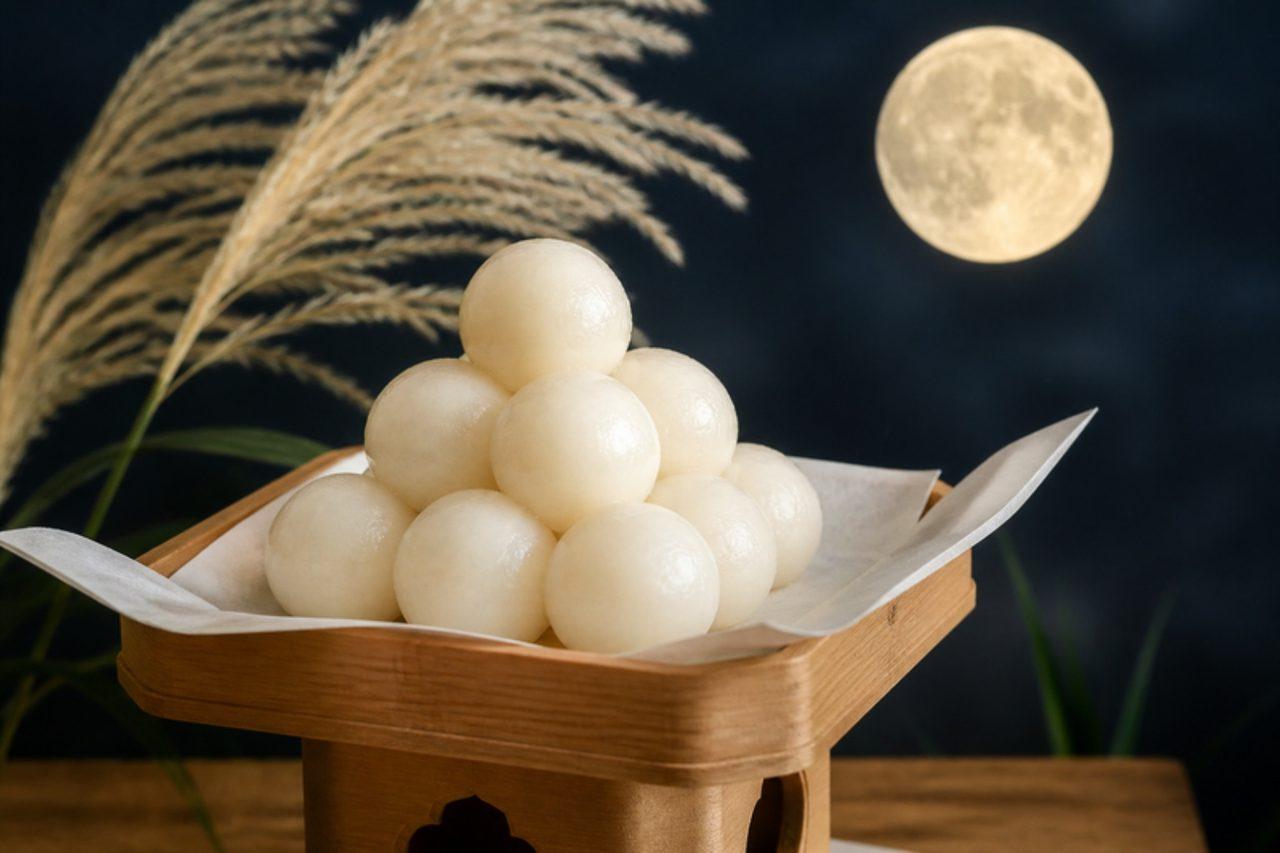
On the night of the harvest moon in September or early October, families across Japan set a tray of plain white dumplings by the window with a vase of pampas grass, as thanks for the harvest and an offering to the full moon. The round white dango stand for the moon itself, and the traditional count is fifteen, for the fifteenth night of the eighth lunar month, stacked nine, four and two. This Kanto-style dough is steamed and then kneaded, which gives a smoother, firmer bite than boiled dango, with a clean rice flavour that loves a dusting of kinako or a spoonful of sweet red bean paste once the moon-viewing is over. Mochi is very sticky: cut the dumplings small for young children and older people, and see that they chew well and eat sitting down. Chef's tip: knead the steamed dough while it is still hot, wrapped in a damp cloth, until it turns satiny.

by KrazyBadal 0 views

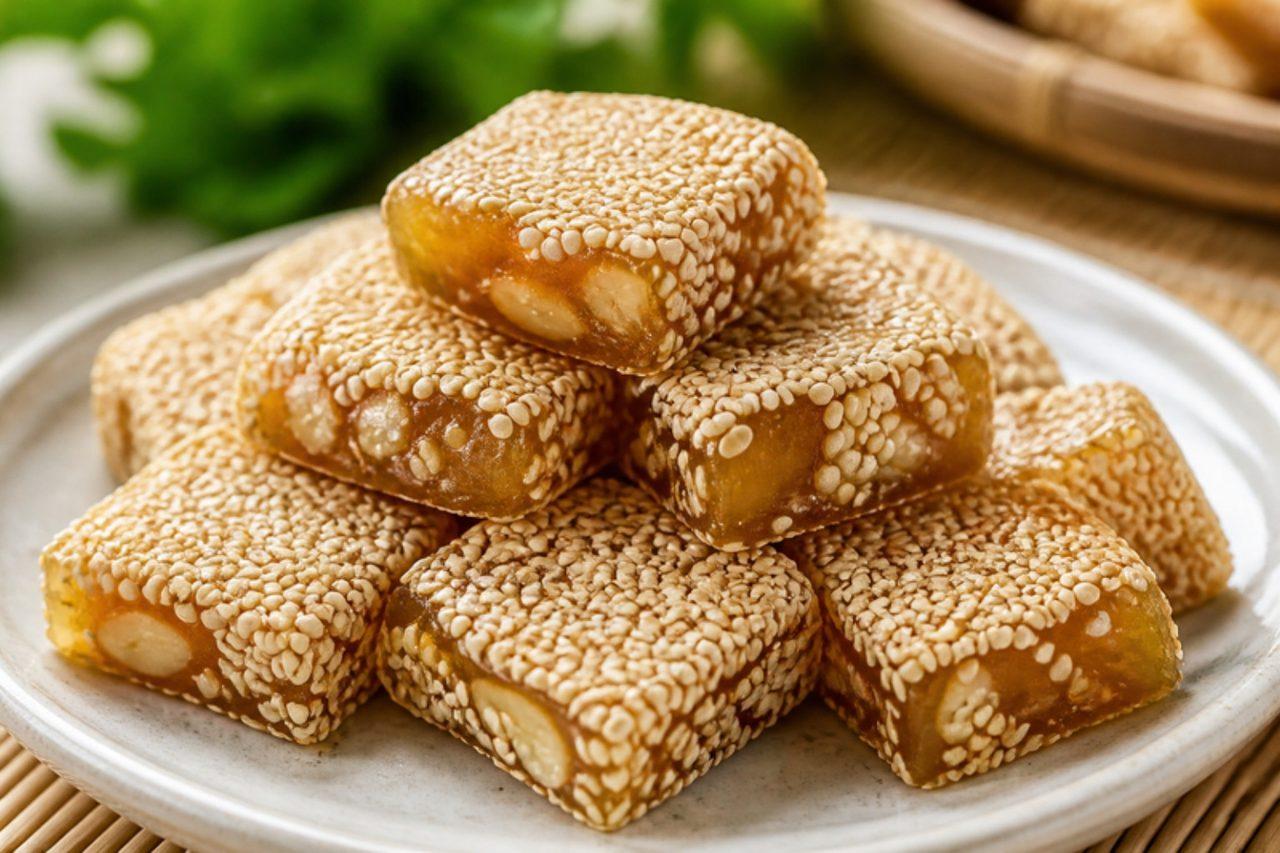
Kẹo mè xửng (Huế sesame peanut chews)

No one leaves the old imperial city of Huế without a box of kẹo mè xửng, the soft sesame chew sold on Đông Ba market stalls and handed out at Tết and on family visits. Rice malt syrup and sugar are cooked with a little tapioca starch into a glossy, stretchy mass, chopped peanuts are folded in, and the slab is pressed between layers of toasted sesame. It chews like a soft toffee, nutty and gently sweet, and the sesame gives every square a roasted fragrance. Serve squares with hot lotus or green tea after dinner. The candy is naturally egg-free: tapioca starch gives it its springy chew and the malt syrup binds it, so nothing else is needed. Chef's tip: oil your knife and cut while the slab is just warm. The common mistake is adding the starch slurry without stirring hard, which leaves white lumps through the candy.

by KrazyBadal 0 views

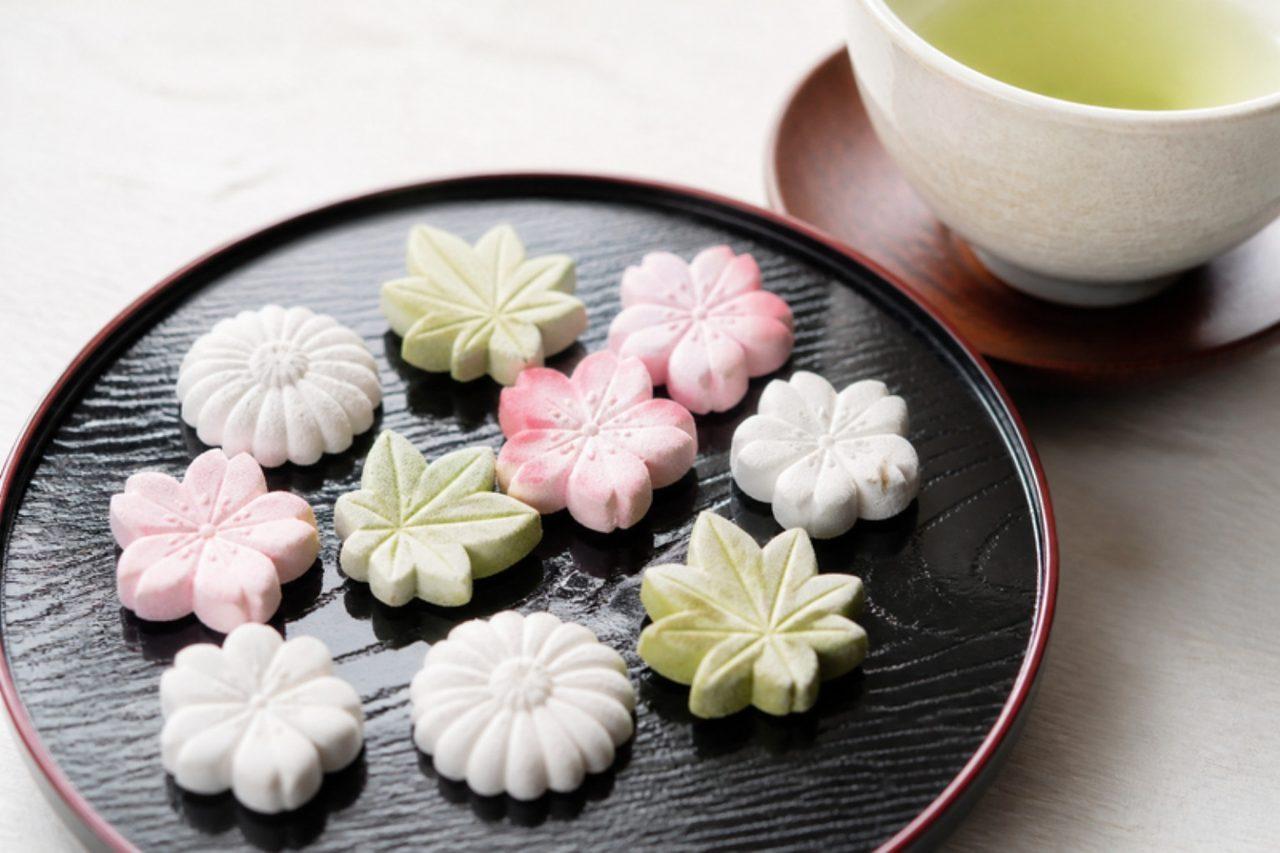
Rakugan (pressed dry sweets for tea)

Rakugan are higashi, the dry sweets served before thin matcha at a tea ceremony, and the castle towns of Kanazawa and Matsue, both with a long tea tradition, are famous for them. Fine sugar and roasted rice flour are pressed into carved wooden moulds to make cherry blossoms in spring, maple leaves in autumn and plum flowers in winter; they also appear on Obon altars as offerings. They feel firm in the hand but dissolve on the tongue into a delicate, clean sweetness, which balances the bitterness of the tea. Serve two or three per person with matcha or sencha. They are naturally egg-free: a few drops of water make the fine sugar just damp enough to stick, the roasted rice flour holds the shape, and drying sets it hard. Chef's tip: add water a few drops at a time and stop when the sugar feels like damp sand; the common mistake is too much water, which glues the mixture into the mould.

by KrazyBadal 0 views

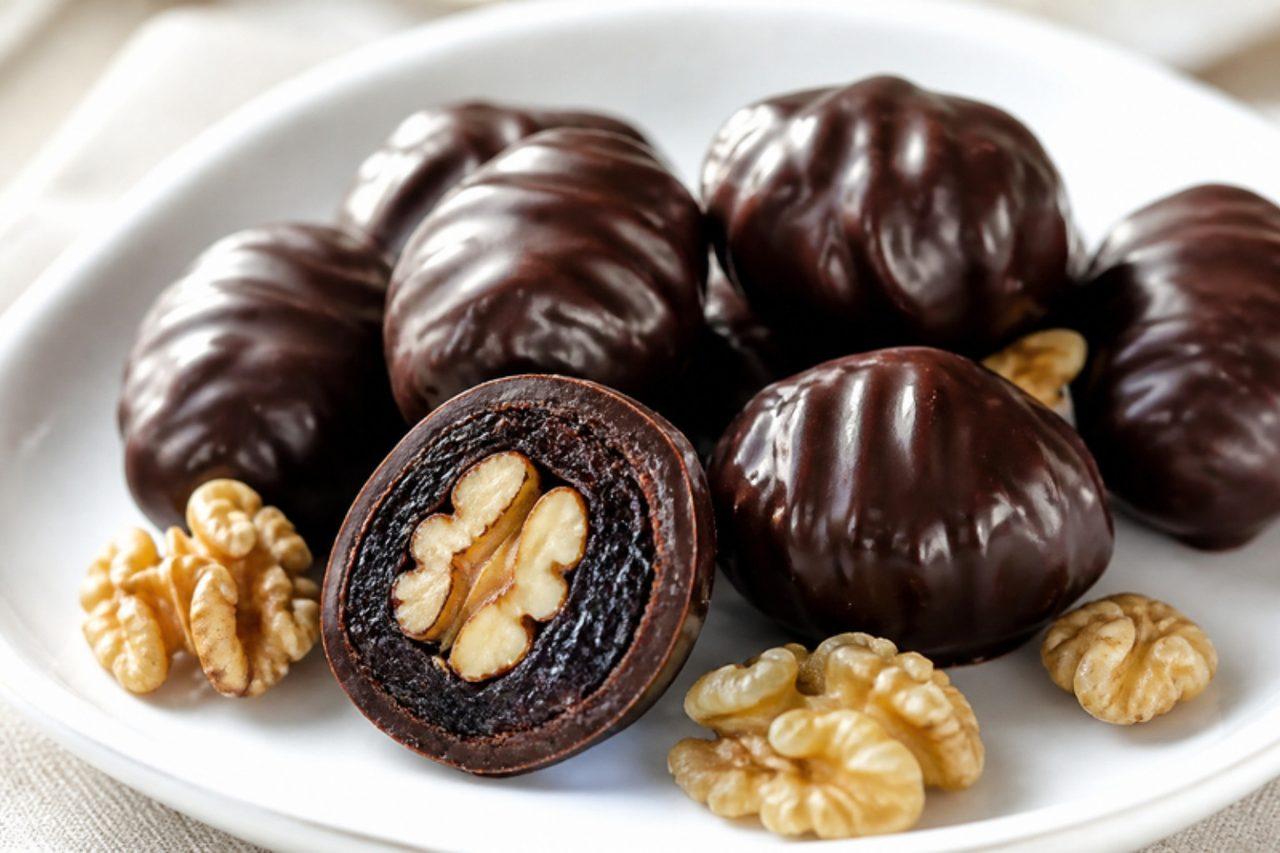
Śliwki w czekoladzie (chocolate-coated prunes with walnuts)

Boxes of chocolate prunes are a classic Polish gift: brought to grandmothers at Christmas, set out on the Wigilia table among the twelve dishes, and passed round on name days. Plump smoked or soft prunes from the south of the country are best. Each one hides a walnut half, so you get chewy, slightly tart fruit, a crunchy bitter nut and a snap of dark chocolate in one bite. Serve them with coffee or tea after a big meal. Nothing here ever needed egg: the prune itself holds the nut, and chocolate sets around it as it cools. Older recipes soak the prunes in spirits; here they are alcohol-free, plumped in warm orange juice instead, which also brightens the flavour. Use a dark chocolate made without milk and the sweets are vegan. Chef's tip: dry the soaked prunes very well before dipping; the common mistake is leaving them damp, and even a few drops of juice will make melted chocolate seize and turn grainy.

by KrazyBadal 0 views

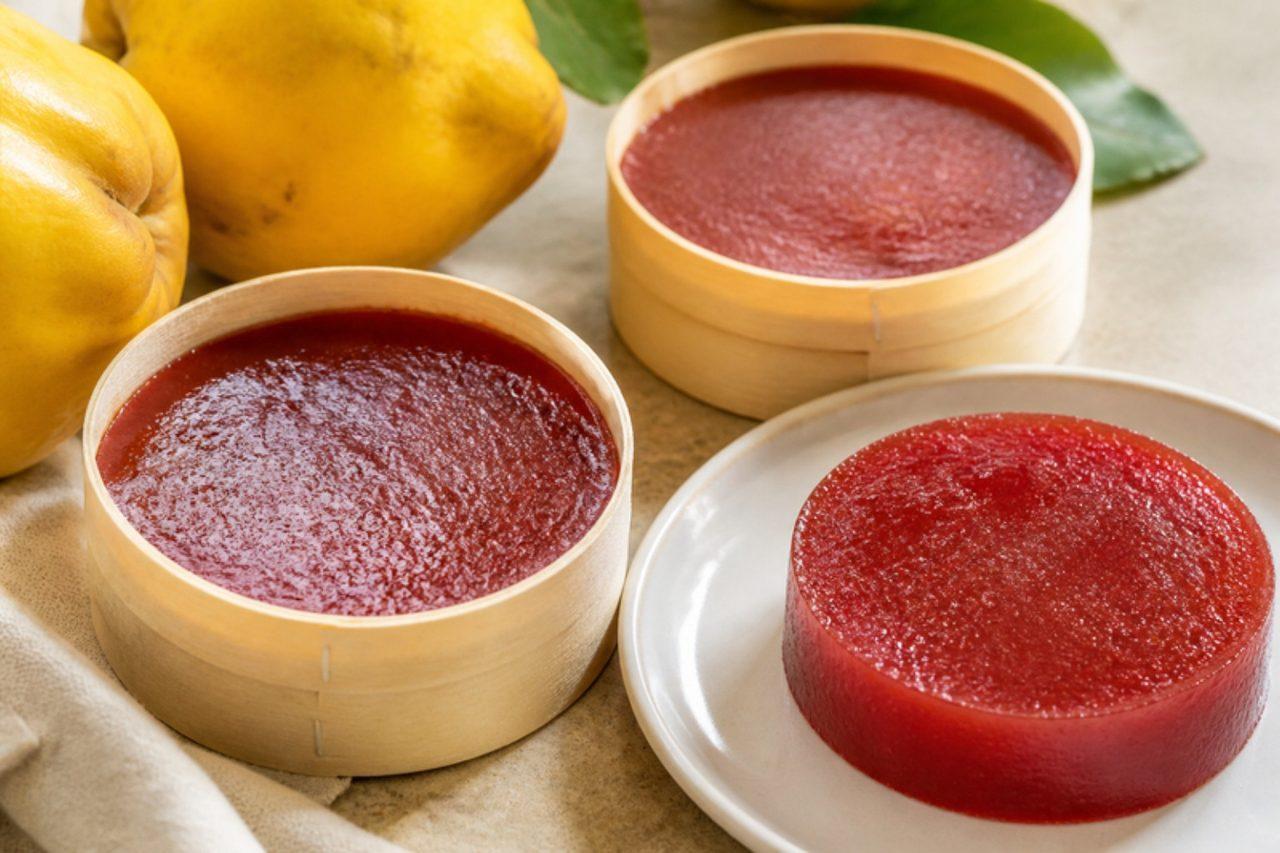
Cotignac d'Orléans (clear quince jelly)

Orléans has made cotignac since the Middle Ages and offered it to visiting kings, and the town still sells it in small round wooden boxes, to be eaten by scraping the jelly out with the edge of the lid. It is a winter sweet, made when the autumn quinces come in and given at Christmas and New Year. The jelly is clear and ruby-red, firm enough to cut but tender on the tongue, with a scented, slightly tart quince flavour. Serve it after dinner with coffee, or with a mild cheese. Nothing but fruit and sugar sets it, so it is naturally egg-free: quinces are among the richest fruits in pectin, and boiling their juice with sugar to the setting point is all it takes. Small ramekins or silicone moulds lined with baking paper stand in for the wooden boxes. Chef's tip: let the cooked quince drip through the cloth without pressing; the common mistake is squeezing it, which clouds the jelly.

by KrazyBadal 0 views

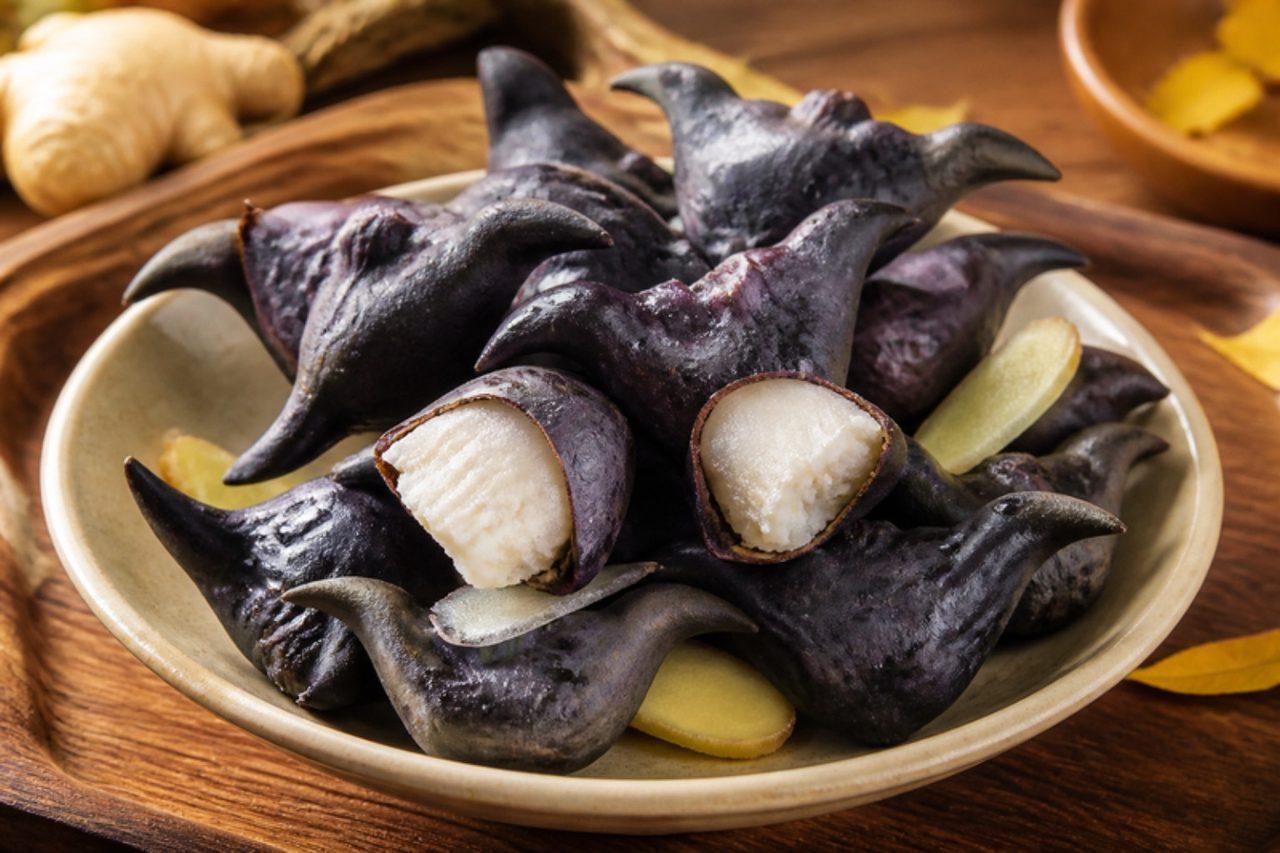
Boiled water caltrops (zhu lingjiao)Boiled water chestnuts in shell

Boiled water caltrops are a Mid-Autumn snack in Jiangnan and Guangdong, piled on the table beside mooncakes and pomelo while the family waits for the moon. The dark, two-horned nuts are harvested in autumn, and their name, ling, sounds like the word for clever, so children are told to eat them to grow bright; some families also say the shape looks like a bat, a symbol of good fortune. Inside the shell the white flesh is floury and sweet, much like a chestnut. Serve them warm in a big bowl with tea and the rest of the moon-watching snacks. Chef's tip: buy them fresh in autumn from Chinese grocers and always cook them through; never eat water caltrops raw, as they grow in ponds and can carry parasites.

by KrazyBadal 0 views

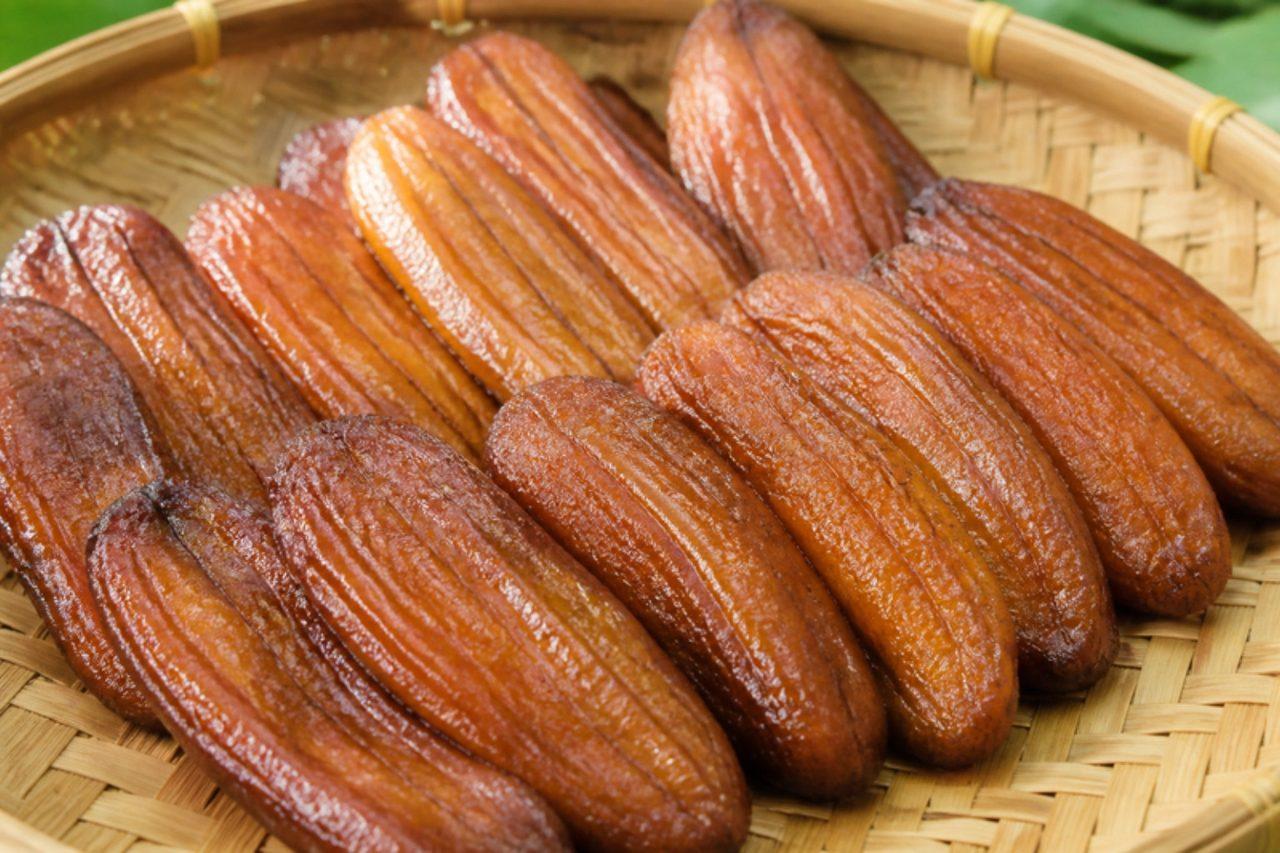
Kluay tak (Thai dried bananas, oven method)

In Bang Krathum, a district of Phitsanulok in lower northern Thailand, small nam wa bananas are peeled and laid out under the sun in glass-roofed drying boxes for several days, then pressed flat to make kluay tak. The district is famous for them, and bags are bought as a gift on the road home and nibbled with tea or coffee in the afternoon. They are dense and chewy like a soft toffee, dark amber, with a deep caramel and honey flavour that comes only from the fruit. As sun-drying takes days and needs steady heat, this version uses a very low oven overnight, then a rest in a jar so the moisture evens out. They are naturally egg-free and need nothing to bind them: the banana's own sugars concentrate and hold it together. Chef's tip: keep the oven low and prop the door open with a wooden spoon; the common mistake is a hot oven, which cooks and blackens the outside while the centre stays wet.

1340 minThaiDessertsVeganGluten free
by KrazyBadal 0 views

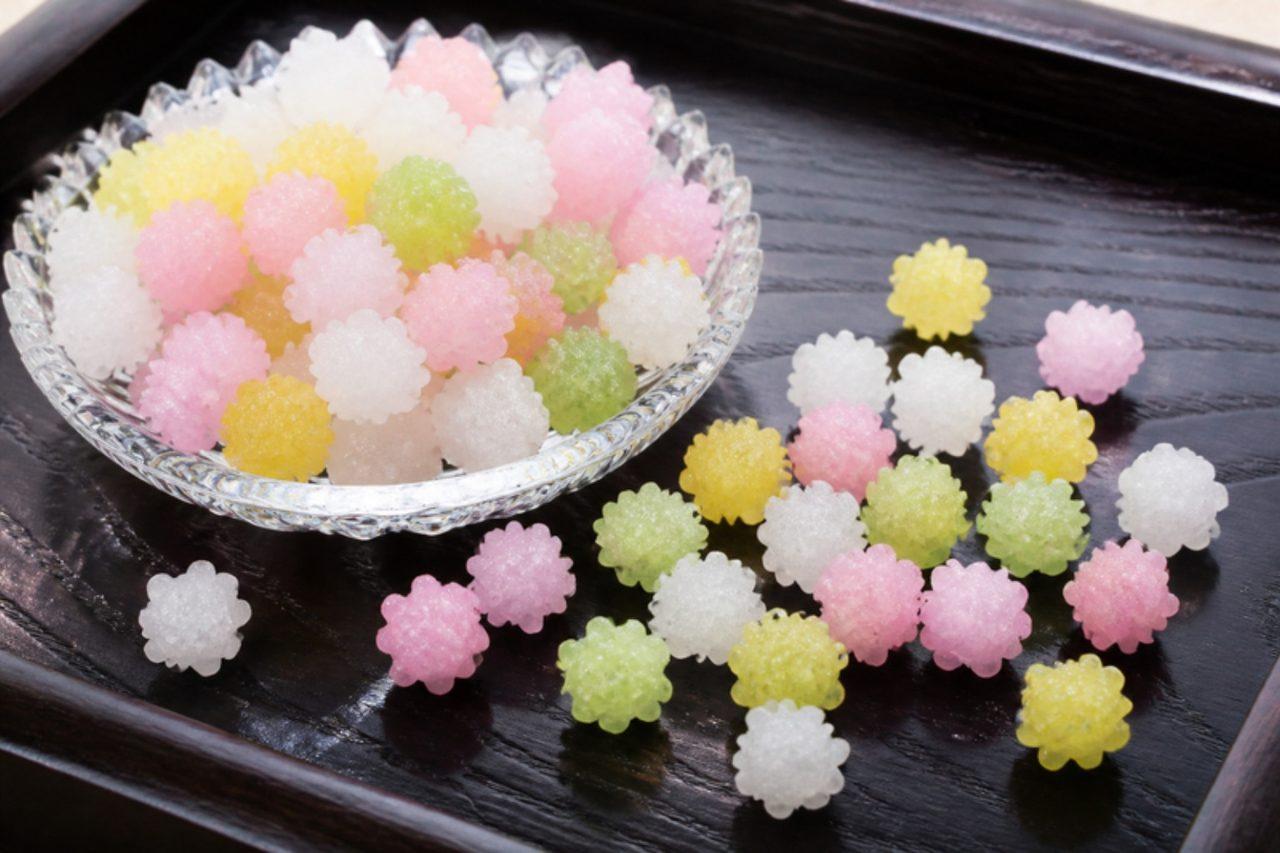
Konpeito (Japanese sugar stars)

Konpeito came to Japan with Portuguese traders in the sixteenth century and became a treasured gift; Kyoto confectioners still make them the old way, rolling them in a tilted, heated pan for two weeks or more. Today the tiny pastel stars are given as wedding and birth favours, slipped into tins of emergency hardtack biscuits, and nibbled with green tea. They crunch like a sugar cube and taste purely of sugar, sometimes with a hint of fruit. This home version uses a wok over the lowest heat and a few patient hours, which gives smaller, knobbly stars rather than the perfect shop ones. They are naturally egg-free: they are made of nothing but sugar, and the setting comes from thin layers of syrup crystallising one after another. Chef's tip: add the syrup a teaspoon at a time and keep the crystals rolling until dry. The common mistake is pouring in too much, which glues everything into one clump.

by KrazyBadal 0 views

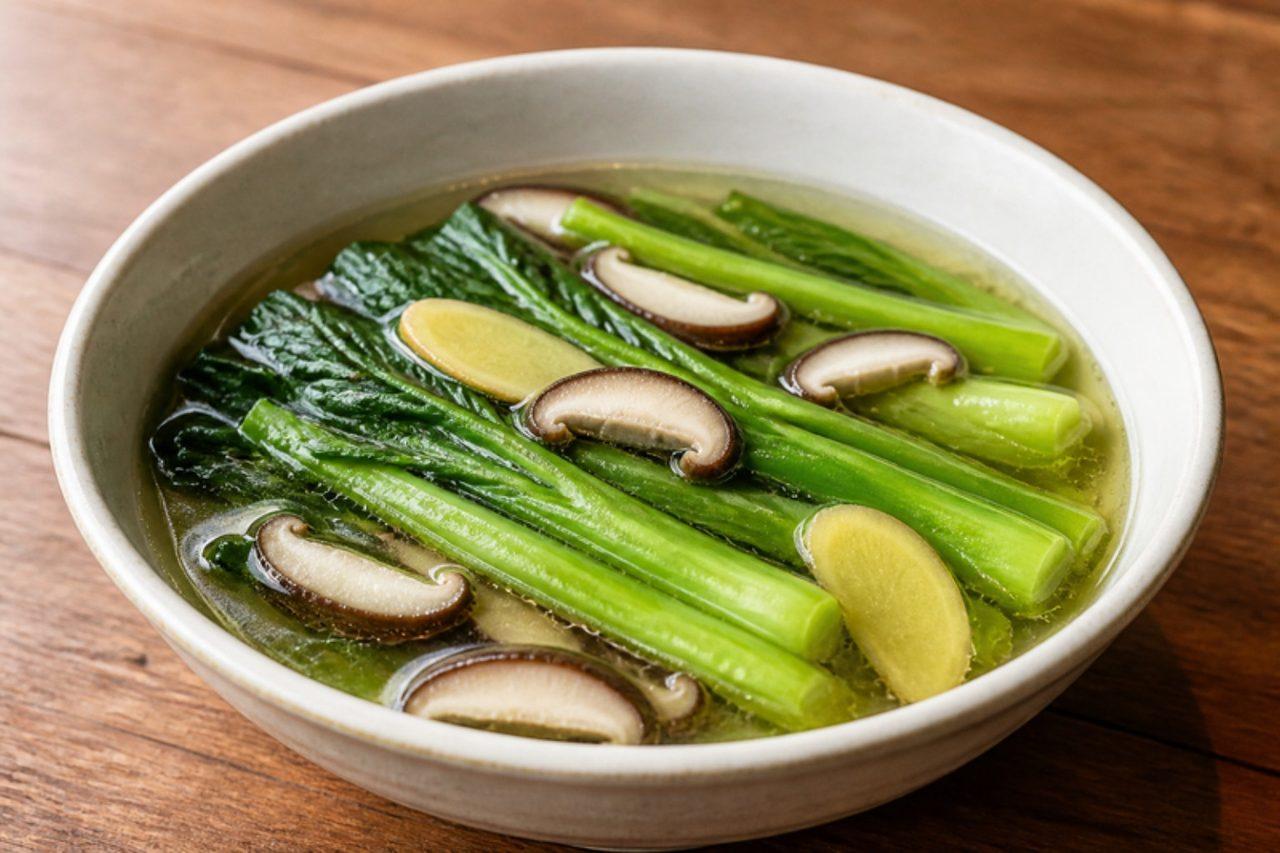
Changnian cai (long-year greens soup)

Changnian cai, 'long-year greens', is a must on the Taiwanese New Year's Eve table. Whole heads of mustard greens are cooked with their leaves uncut, and each person eats a long leaf from end to end without biting it short, a wish for a long life for the parents and the whole family. The greens turn silky and tender, with a pleasant bitterness that mellows in the savoury broth. This version uses vegetable stock with dried shiitake and ginger, so it is vegan. Serve it alongside the reunion dinner's rich braises and fish, where its clean taste is welcome. Chef's tip: blanch the greens first; it takes away the sharp bitterness and keeps them bright.

by KrazyBadal 0 views

VörtbrödDark Christmas rye bread

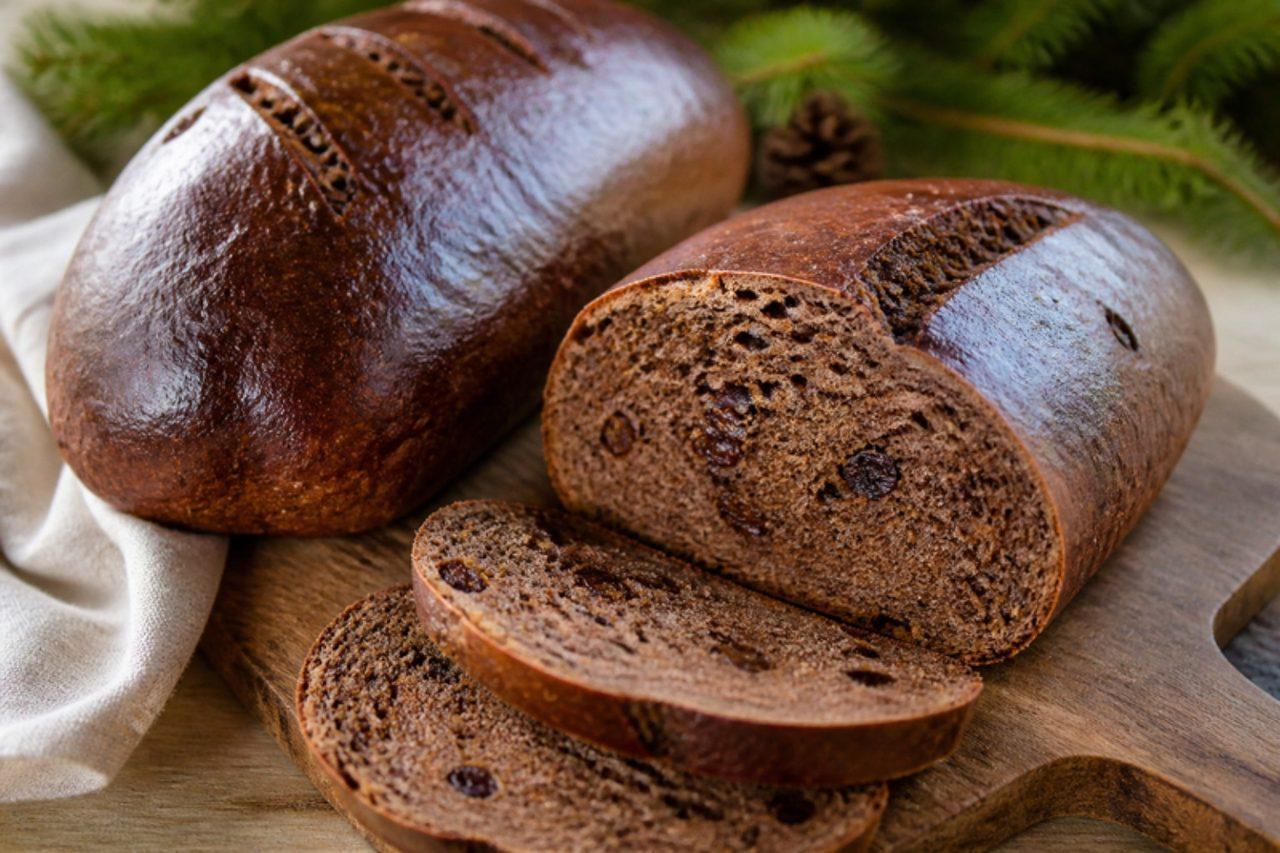
In Sweden the Christmas smörgåsbord (julbord) is never without vörtbröd, a dark, soft, slightly sticky rye loaf flavoured with wort, the sweet malty liquid brewers start beer from, plus dark syrup, orange peel, clove and ginger. It is sliced, buttered and eaten with the Christmas ham or with cheese. Many home bakers use dark beer, which contains alcohol; this recipe uses a non-alcoholic dark malt drink, which gives the same malty depth. It keeps for 4 days, and freezes well. Chef's tip: rye dough is sticky and never feels smooth like wheat; resist adding lots of extra flour or the loaf will be dry.

by KrazyBadal 0 views

Kẹo cu đơ (Hà Tĩnh peanut and ginger candy)

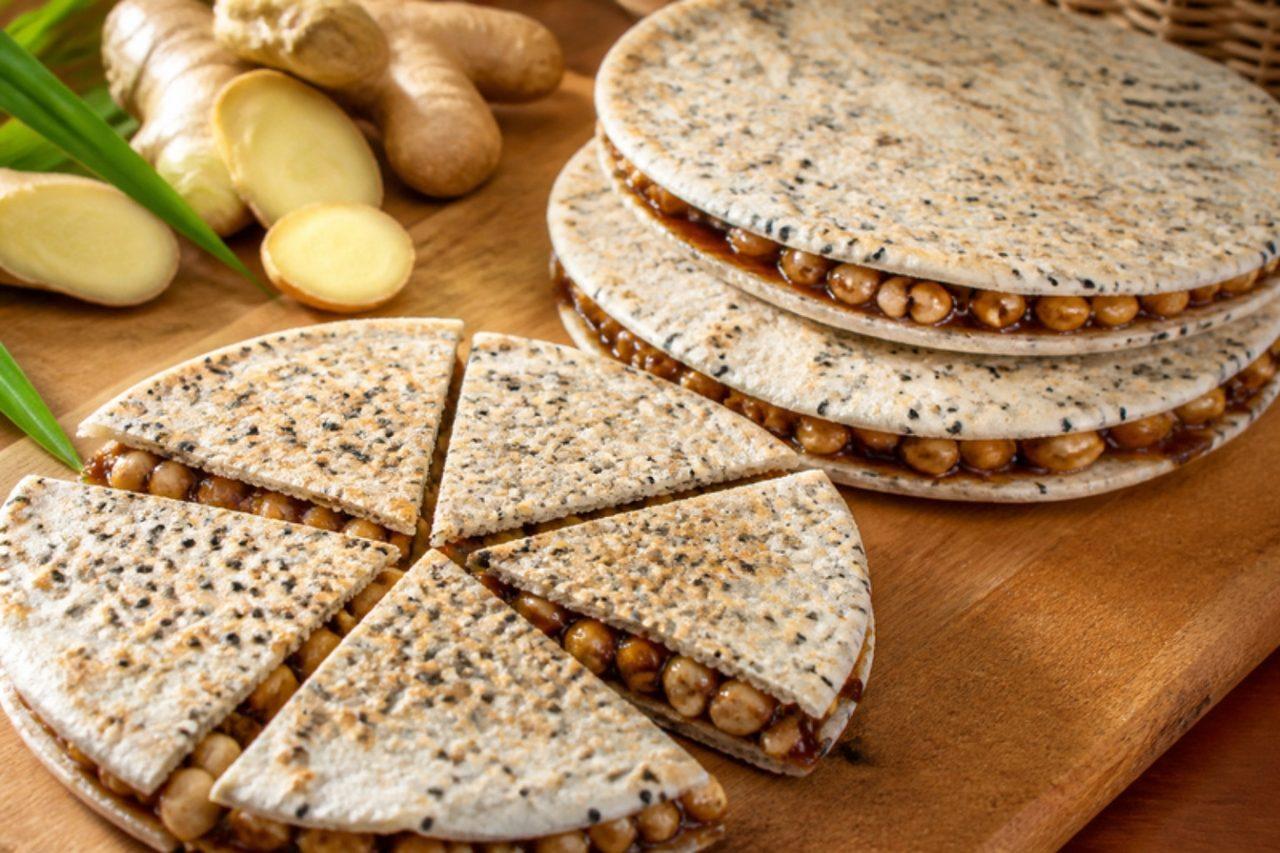
Kẹo cu đơ belongs to Hà Tĩnh province in north-central Vietnam, where it is chewed slowly with a cup of strong green tea, especially on cold mornings and during Tết visits. Roasted peanuts are folded into a dark, sticky toffee of sugarcane molasses and malt syrup, sharpened with fresh ginger, and the hot mass is sandwiched between two crisp, toasted sesame rice papers. Every bite gives a crackle of rice paper, then a chewy, slightly smoky sweetness and a warm ginger finish. Cut it into wedges and serve it with tea rather than as a pudding. It is naturally egg-free: the molasses and malt syrup are cooked to the hard-ball stage, which is what sets the candy and binds the nuts. Chef's tip: toast the rice papers until they are completely puffed and blistered; the common mistake is under-toasting them, which leaves them leathery once the hot toffee goes on.

by KrazyBadal 0 views

Grillázs (Hungarian walnut brittle)

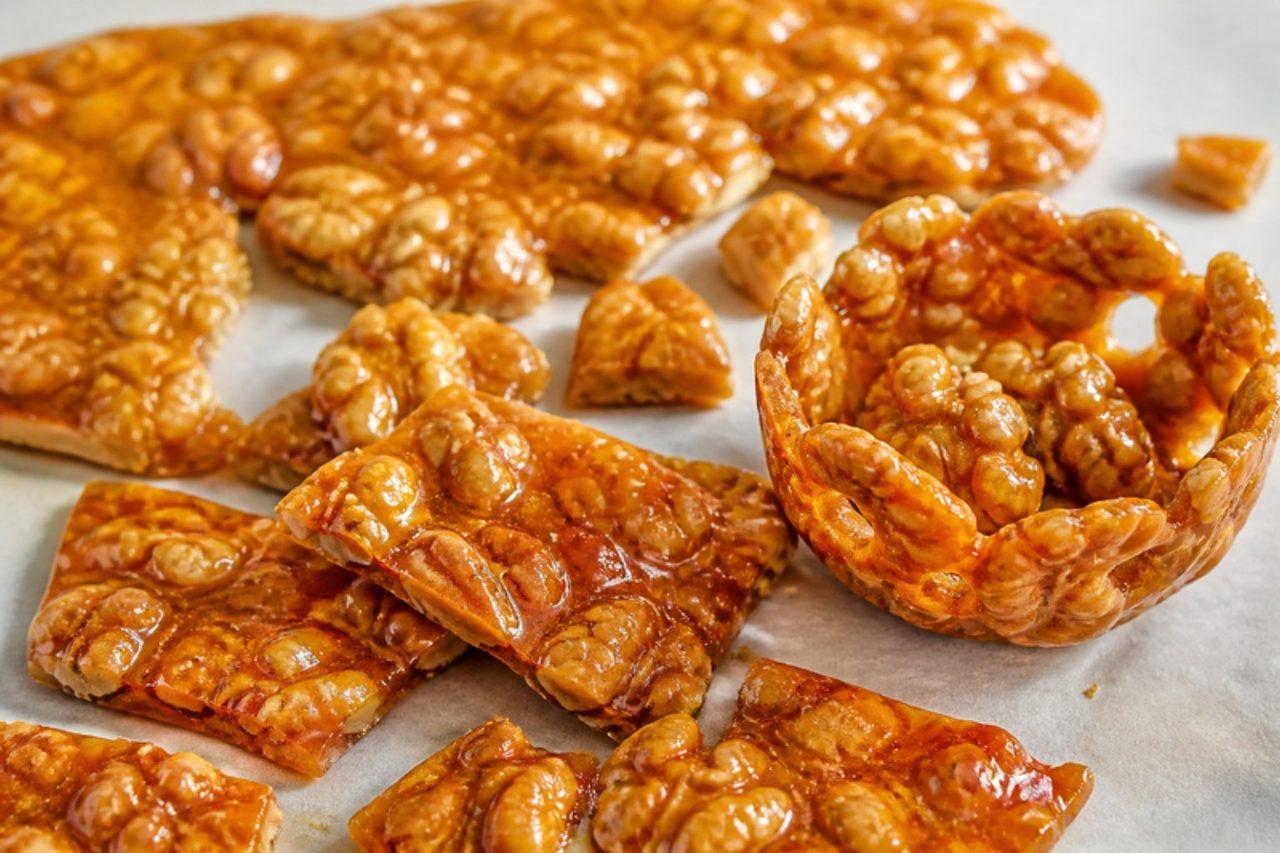
Grillázs belongs to Hungarian celebrations: it is sold at Christmas fairs and on saints' day markets, and at village weddings a towering grillázs castle or basket is often the centrepiece, broken up and shared at the end of the night. Walnuts are traditional, almonds are the fancier choice. The caramel is cooked to a deep amber, so it tastes rich and slightly bitter-sweet and shatters cleanly, with the toasted nuts giving a softer crunch. Serve shards with coffee, crumble it over ice cream, or press warm sheets over an oiled bowl to make a basket for fruit or sweets. It is naturally egg-free: melted, caramelised sugar sets glass-hard as it cools and holds the nuts together, with a few drops of lemon juice to keep it smooth. Chef's tip: warm the walnuts in the oven before they go in; the common mistake is adding cold nuts, which chill the caramel so it seizes and turns grainy before you can spread it.

by KrazyBadal 0 views

Kuri gohan (chestnut rice)

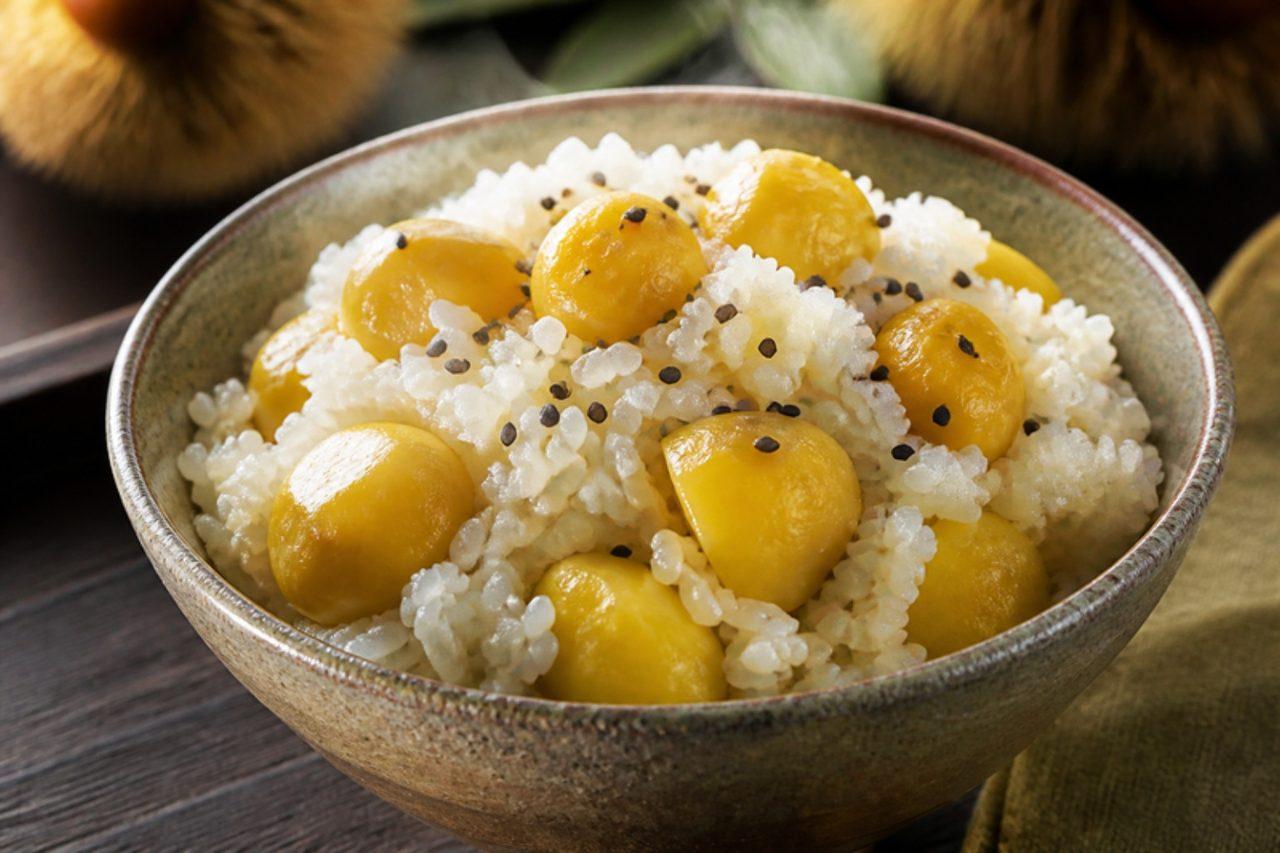
Kuri gohan is one of the great dishes of the Japanese autumn, made all over the country when fresh chestnuts arrive in September, and it is often eaten around the harvest moon, when chestnuts are offered beside dumplings and taro (the later moon-viewing in October is even nicknamed the "chestnut moon"). Sweet, fluffy chunks of chestnut sit in salty, slightly sticky rice scented with kombu, and the dish is all about the season's bounty. It traditionally uses a spoonful of sake; this is optional, and plain water works perfectly well for an alcohol-free version. Serve with miso soup, pickles and grilled fish, sprinkled with black sesame salt. Chef's tip: soak the chestnuts in hot water for 30 minutes before peeling; the shells soften and the furry inner skin lifts away far more easily.

by KrazyBadal 0 views

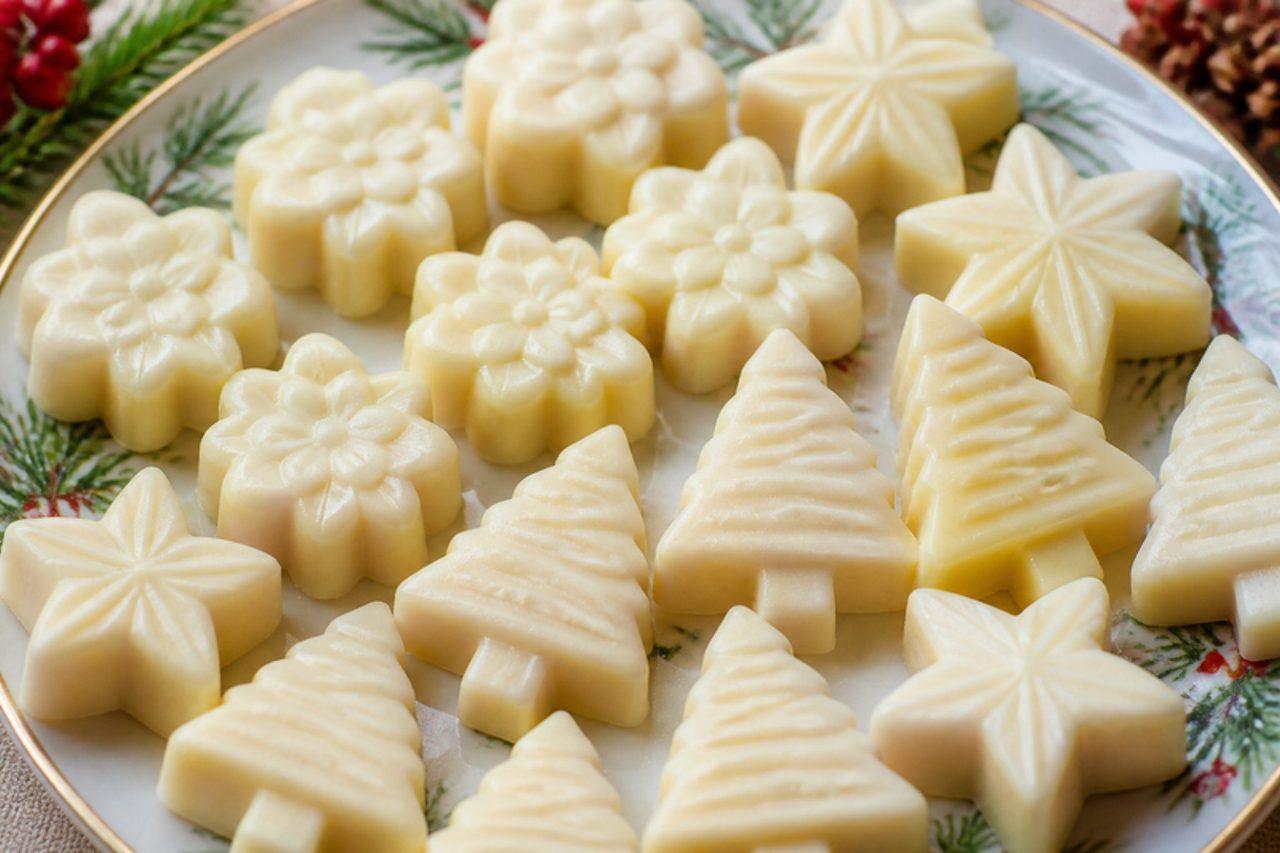
Goan milk creamMilk and cashew sweet

Milk cream is a pale, fudgy Goan Christmas sweet, set in pretty little moulds of flowers, stars and Christmas trees and laid on the kuswar platter beside neureos, bebinca and kulkuls. Whole milk is cooked down with sugar and ground cashews (and sometimes semolina) until it turns into a smooth paste, a little like Indian peda but softer. It is gluten free and very rich, so pieces are small. Chef's tip: dust the moulds with sugar, not flour, so the sweets pop out cleanly with crisp detail.

by KrazyBadal 0 views

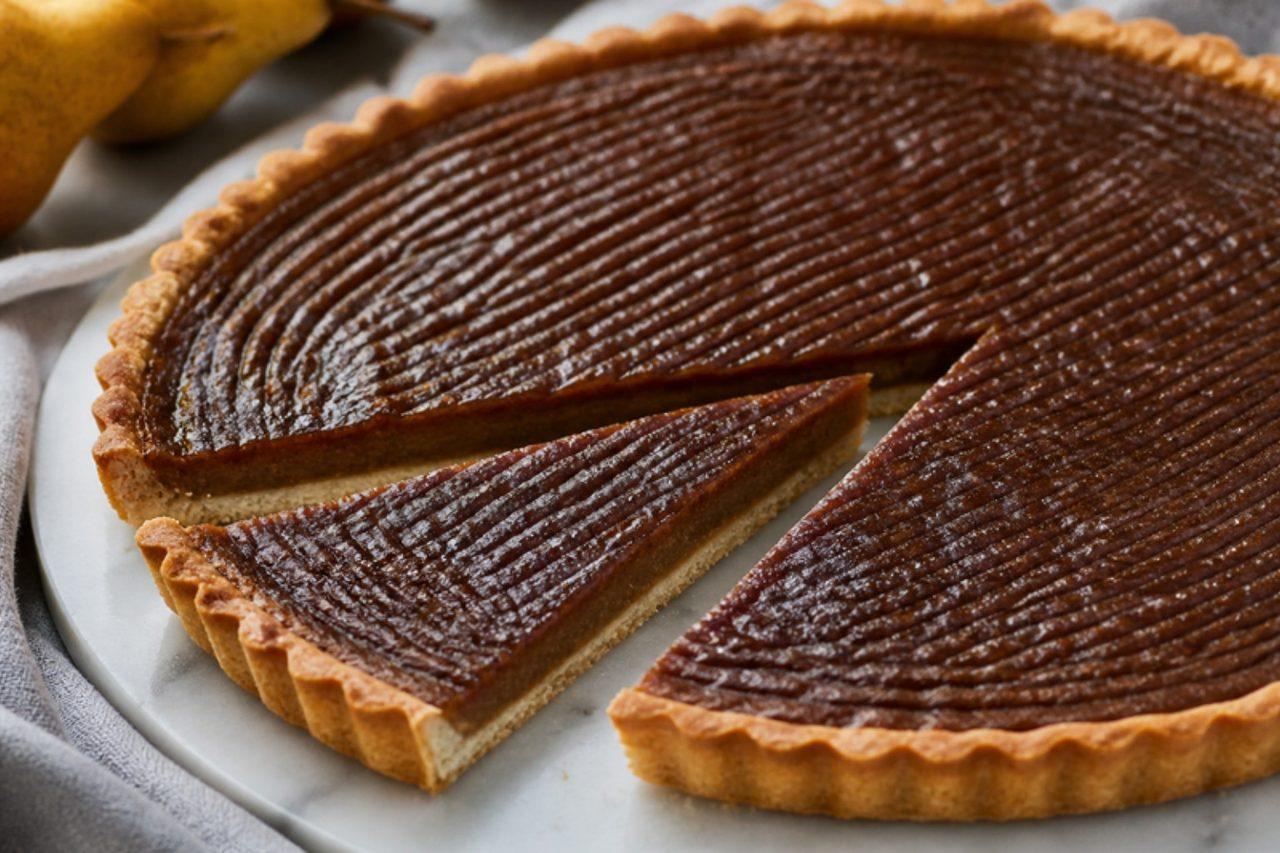
SchlorzifladenDried pear tart

Schlorzifladen comes from the Toggenburg valley in the canton of St Gallen in eastern Switzerland, where dried pears (schlorzi) were a winter staple. The thin, crisp tart is filled with a thick, dark purée of cooked dried pears spiced with cinnamon, and baked for Christmas and village feast days. Some versions have a rice or cream layer on top; this is the simple pear one. Pear brandy is sometimes added, but this version uses lemon juice instead and is alcohol-free. Chef's tip: cook the pear purée until it is stiff enough to hold a spoon upright, or it soaks the pastry.

120 minSwissBaking
by KrazyBadal 0 views

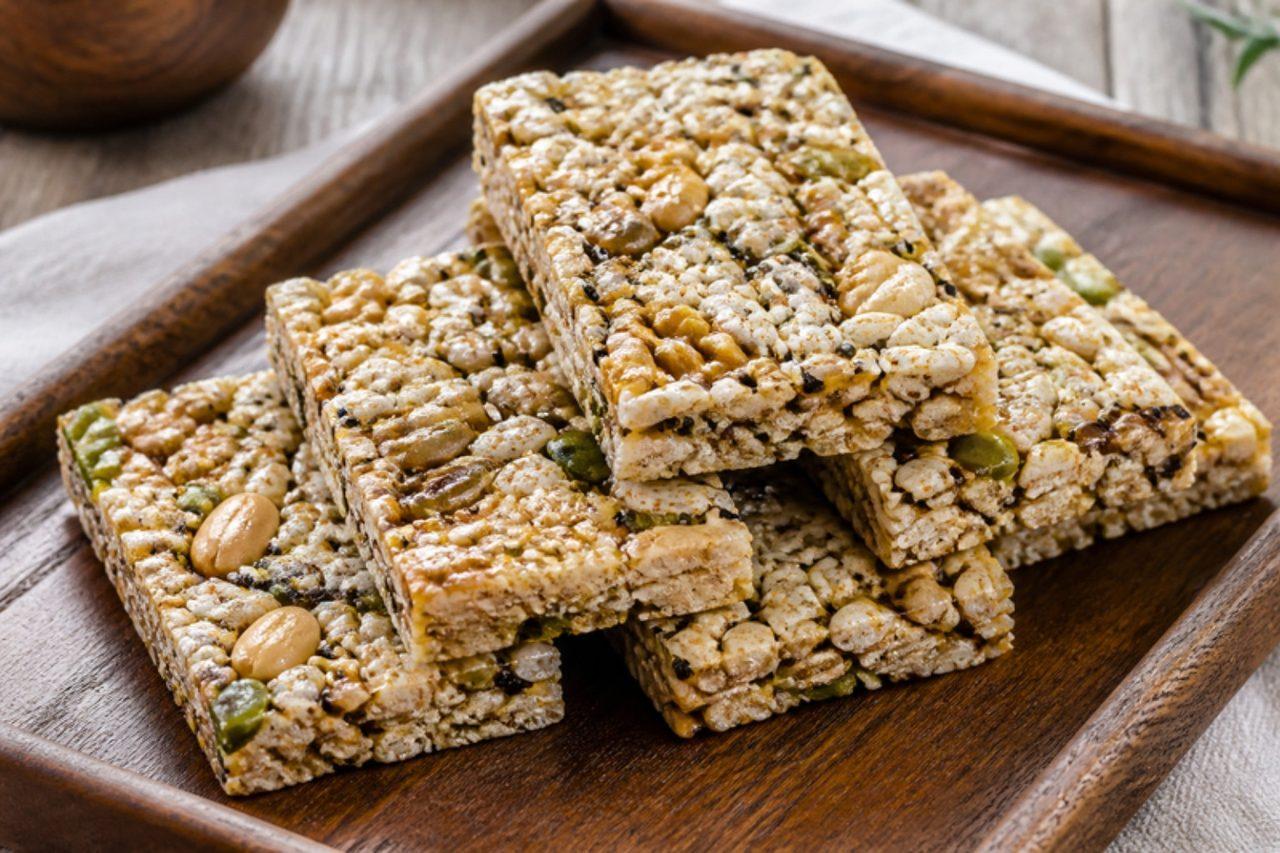
Yeot-gangjeong (nut and sesame bars in rice syrup)

Yeot-gangjeong is a traditional Korean hangwa made all over the country, especially in the weeks before Seollal and Chuseok, when trays of these bars are given as gifts and set out for visitors. Toasted nuts, sesame seeds and puffed rice are folded into hot rice syrup, pressed flat and cut into bars that are crunchy, nutty and only gently sweet, with a faint malty flavour from the syrup. Serve them with green tea or sikhye, the sweet rice drink, or pack them for a lunchbox. They are naturally egg-free: rice syrup, heated until it bubbles, acts as the glue and sets firm as it cools. Chef's tip: cut the slab while it is still warm. The common mistake is waiting until it is cold, when the bars shatter instead of slicing cleanly.

by KrazyBadal 0 views

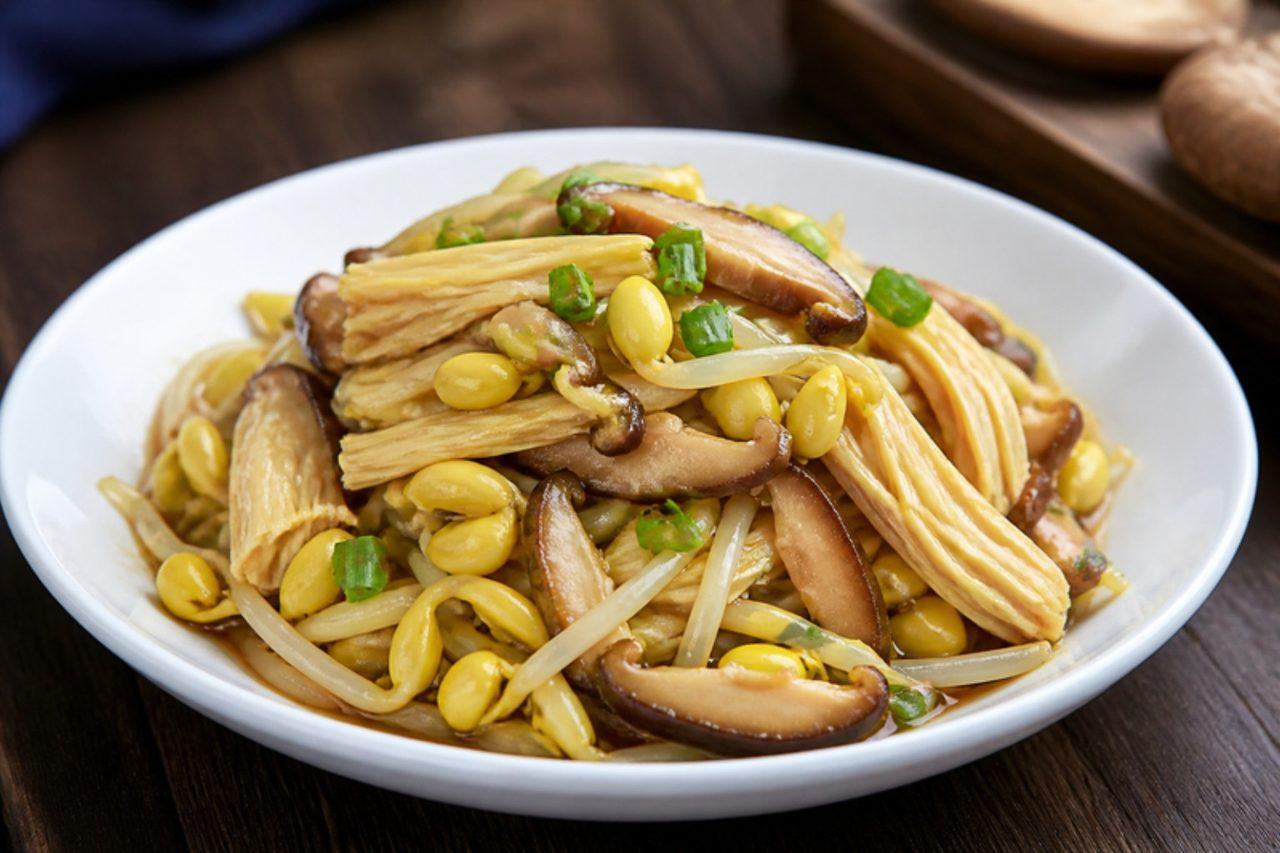
Ruyi cai (soybean sprout stir-fry)

A curled soybean sprout, with its fat yellow head and long tail, looks just like the ruyi sceptre whose name means 'as you wish', so in Shanghai and the Jiangnan region no Spring Festival table is complete without a dish of ruyi cai. It is the gentle, crunchy counterweight to the braised pork and fish of the reunion dinner: nutty sprouts, chewy strips of tofu skin and meaty shiitake in a light soy glaze. Many families cook a big batch on New Year's Eve and eat it cold for days. Serve it with rice, alongside red-braised dishes or as part of a vegetarian New Year spread. Chef's tip: cook the sprouts until the beany raw taste is gone; undercooked soybean sprouts taste grassy and are hard to digest.

by KrazyBadal 0 views

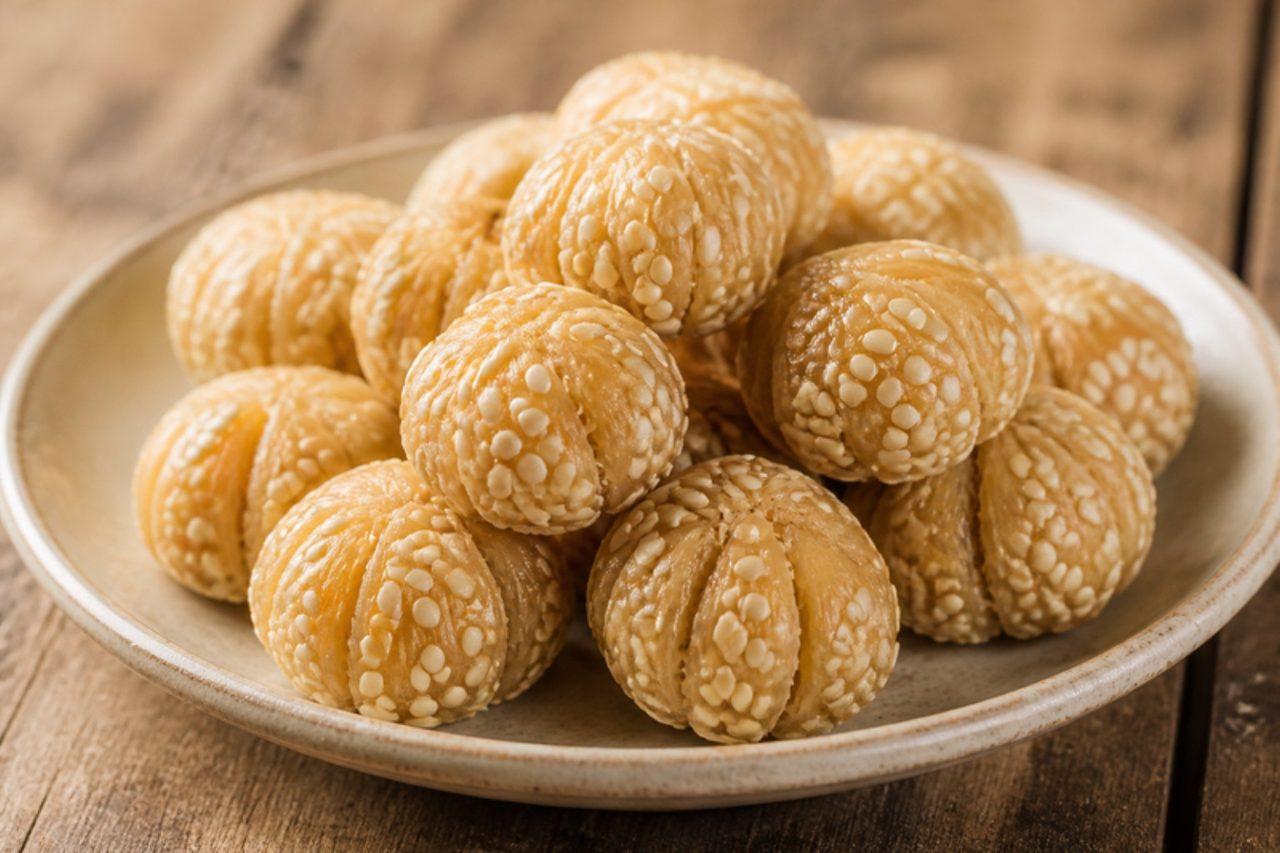
Tang gua (malt sugar candy)

On Xiaonian, the 'little New Year' a week before the Spring Festival, families across northern China offer tang gua to the Kitchen God before he flies up to report on the household: the sticky sweets are meant to glue his mouth shut, or at least sweeten his words. The name means 'sugar melons', after their round, ribbed shape. Pulling the hot maltose over and over turns it from amber glass to a pale, airy candy that shatters and then turns chewy, with a toasty malt flavour and plenty of sesame. Serve them with tea on Xiaonian and keep the rest in a tin for New Year guests. Chef's tip: wear clean rubber or silicone gloves and work on an oiled tray; hot sugar sticks to skin and burns.

by KrazyBadal 0 views

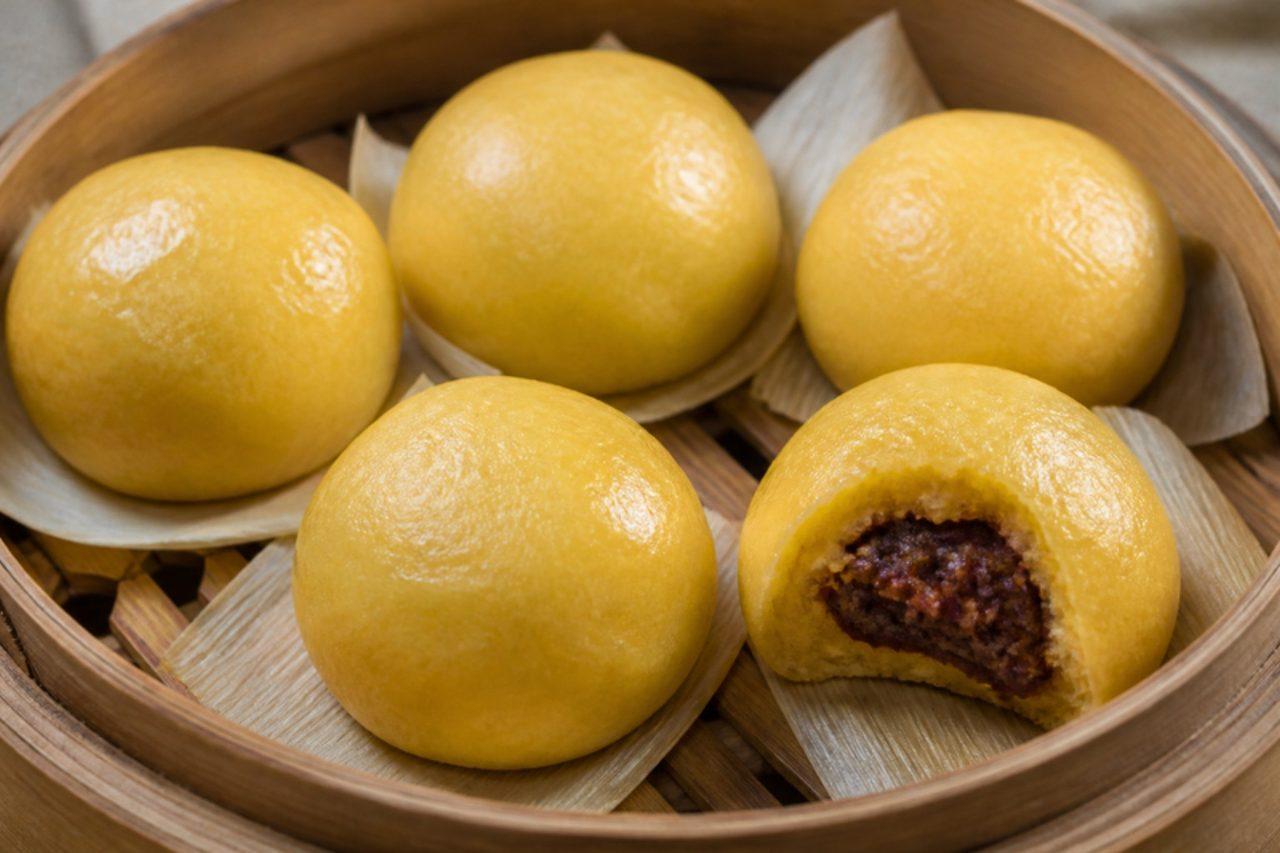
Nian dou bao (sticky bean buns)

Before the Spring Festival, families in Dongbei make nian dou bao by the hundred, steam them and freeze them outside in the snow so there is a stack ready for every visit of the holiday. The name contains 'nian', sticky, which sounds like the word for year, so they are eaten for a year that holds together and rises higher. The dough, traditionally from glutinous millet that has been lightly fermented, is soft, chewy and gently tangy, wrapped round a smooth sweet red bean filling. This version uses glutinous rice flour and fine cornmeal for the golden colour, with a little yeast for that faint sourness. Serve them warm with tea or plain congee. Chef's tip: wet your hands before shaping; the dough clings to dry hands but behaves perfectly once they are damp.

by KrazyBadal 0 views

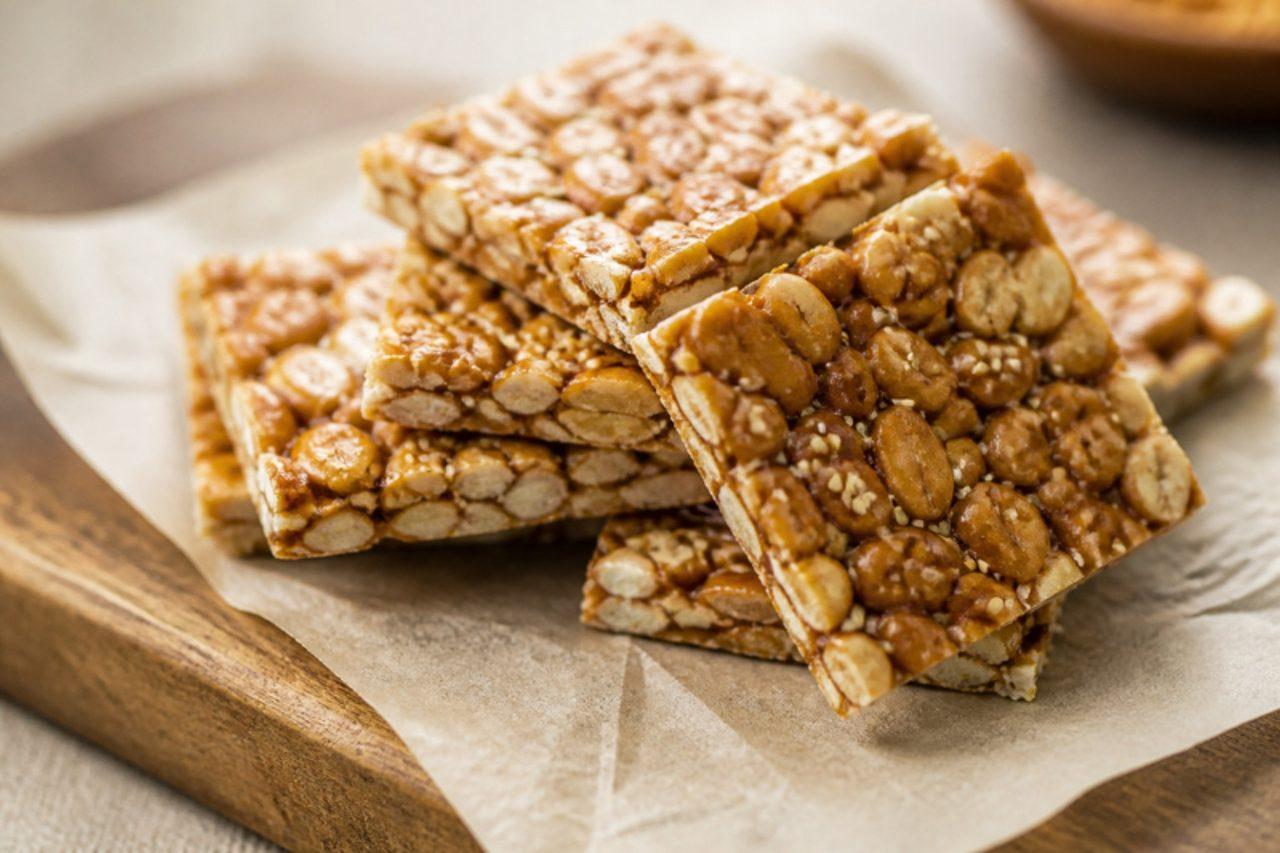
Huasheng tang (peanut brittle)

Huasheng tang is a fixture on the Taiwanese New Year candy tray, set out for every visitor who comes to wish the family a happy new year. Peanuts are called 'long-life nuts' in Chinese, so the brittle carries a wish for long life and, with so many nuts in each piece, for many children and a full house. Taiwanese brittle is thinner and less sweet than many, packed with crackly roasted peanuts held together by malt sugar. Serve with oolong tea alongside dried fruit and melon seeds. Chef's tip: cut the slab while it is still warm and pliable; once cold it shatters.

by KrazyBadal 0 views

Showing 24 of 3,470 recipes

Show more recipes

Page 20 of 145

More No onion & garlic ideas

Other diets