Skip to content
WhatToEat.Today

No onion, no garlic recipes (Swaminarayan and sattvic)

3,470

3470 vegetarian recipes cooked without onion or garlic, as in Swaminarayan and sattvic kitchens, with no meat, fish, eggs or alcohol. Each has photos, step-by-step instructions and cook times. The quickest, Apfelschorle, takes 2 minutes. Most take around 45 minutes.

Filter these by time, diet or cuisine · Make No onion & garlic your diet to see only these recipes everywhere on the site.

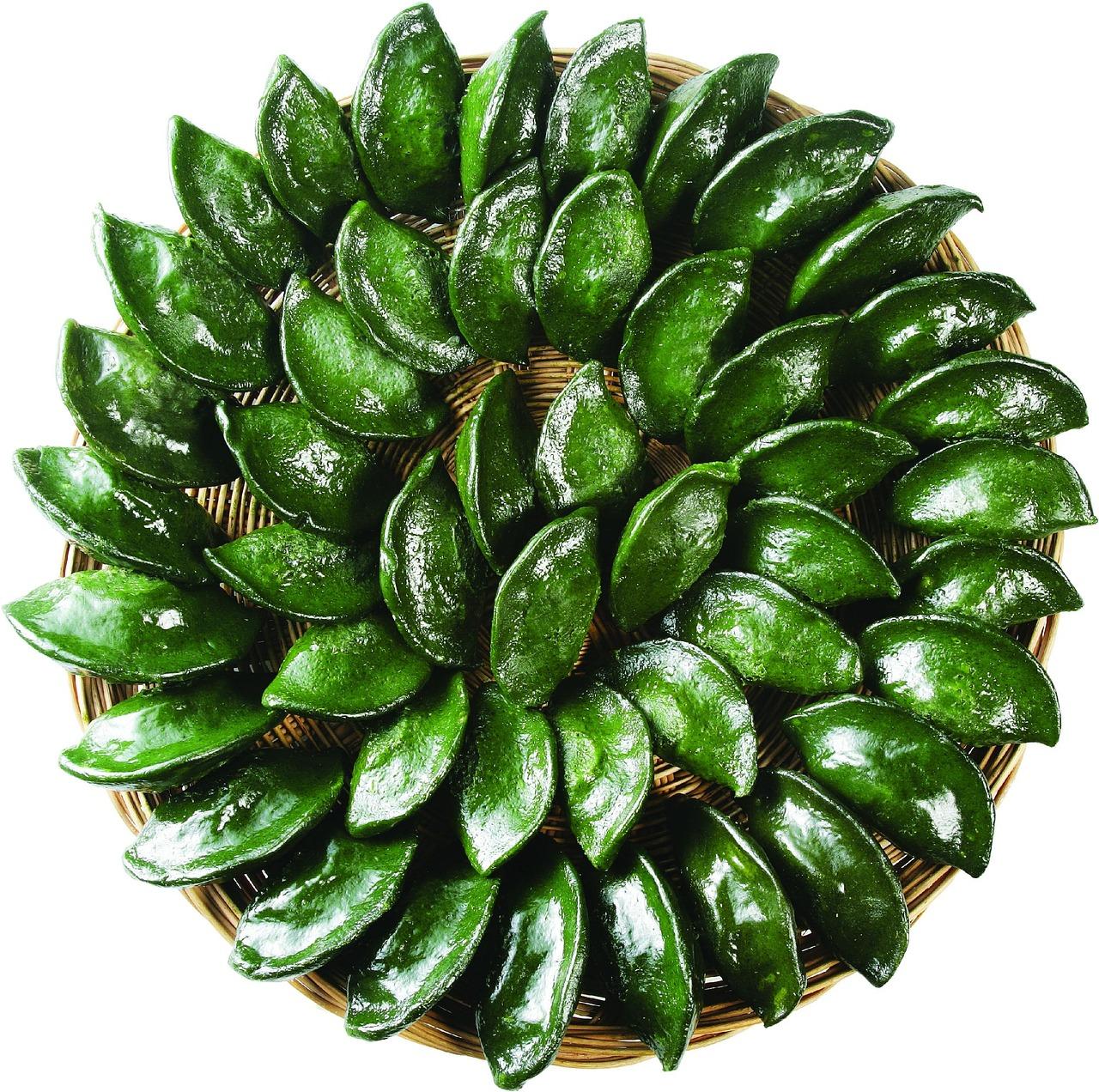
SongpyeonStuffed rice cakes

On the eve of Chuseok, the harvest moon festival, families all over Korea sit around one table pinching songpyeon, and the old saying goes that whoever shapes the prettiest ones will have pretty children. The chewy rice-flour shells are filled with crunchy toasted sesame and sugar that melts into a syrup as they steam, and the batch is laid on fresh pine needles so the cakes pick up a faint forest scent. They go to the ancestral table first, then out to everyone with a cup of tea. The common mistake is a dough that is too dry: it cracks while you shape it and splits in the steamer, so it should feel as soft as an earlobe. Rice cakes are dense and sticky, so cut them small for young children and older people and make sure they eat sitting down: they are a known choking risk. Chef's tip: brush the steamed cakes with sesame oil while they are still hot; it stops them sticking together and gives that glossy finish you see at the market.

by KrazyBadal 0 views

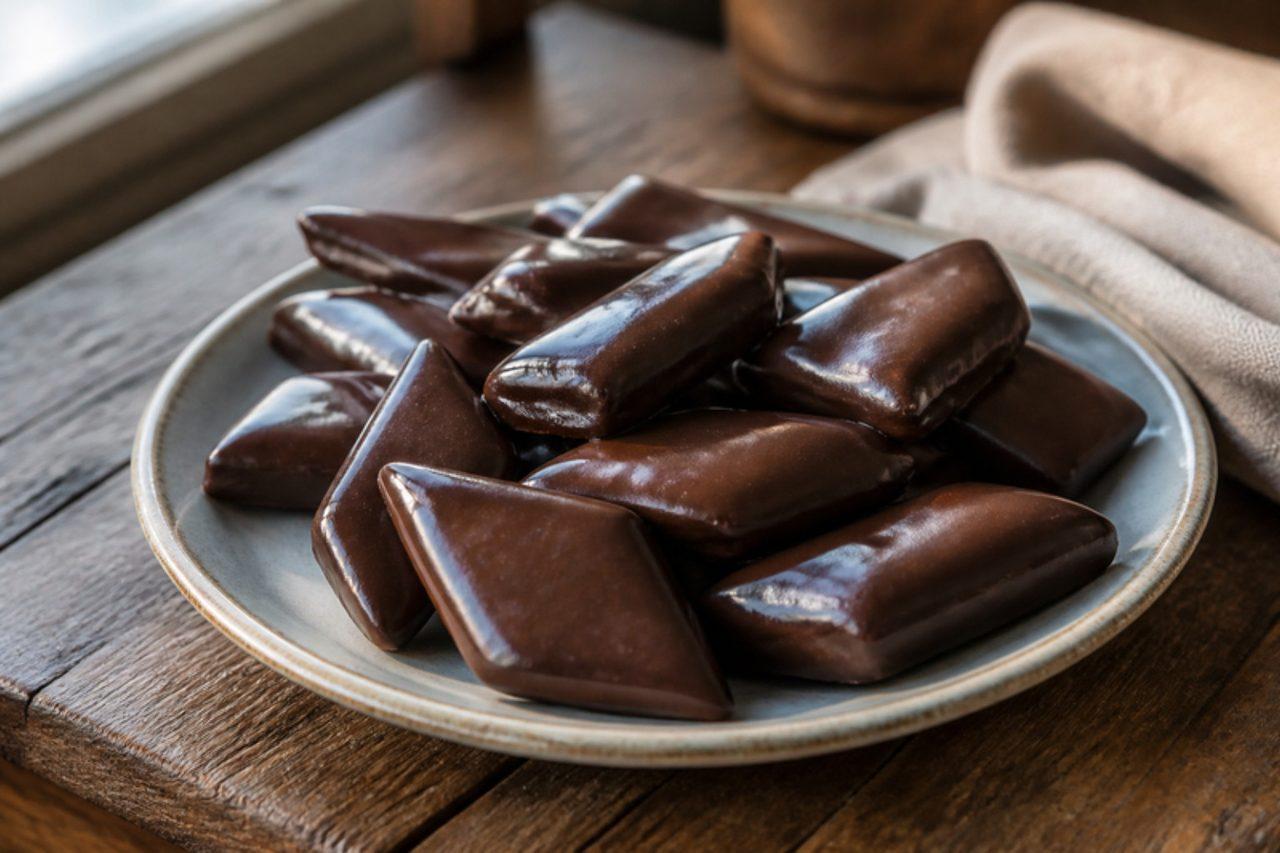
MostaccioliSpiced chocolate biscuits

Neapolitan Christmas trays always include mostaccioli: soft, spiced biscuits shaped like diamonds and covered in a shiny coat of dark chocolate. The dough is flavoured with honey, cocoa, orange and pisto, a Neapolitan spice mix of cinnamon, clove, nutmeg, star anise and coriander. They are made in early December with roccocò and struffoli and kept in tins for the whole holiday. Not for babies under 1 because of the honey. Chef's tip: let the biscuits rest a day before coating; spiced honey biscuits soften and their flavour deepens after a night in the tin.

by KrazyBadal 0 views

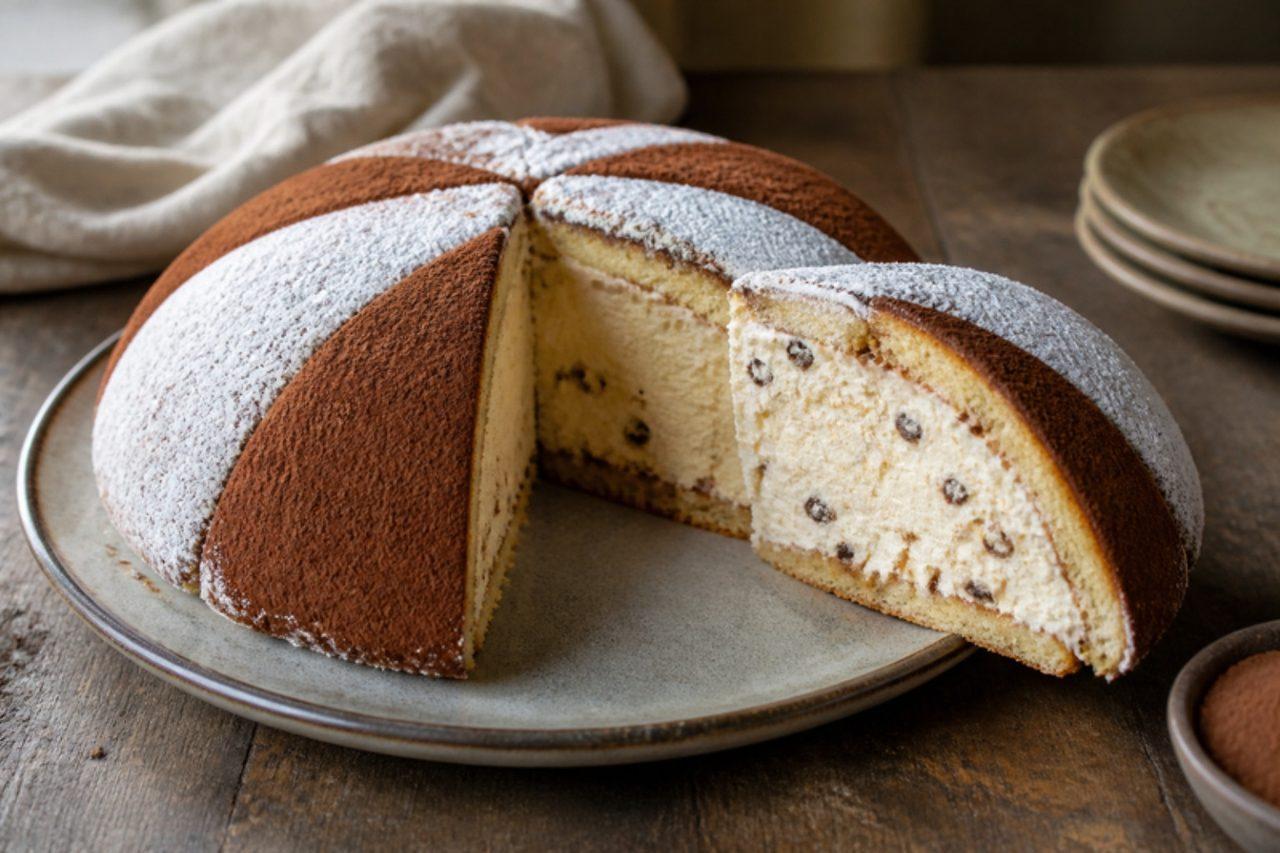
Zuccotto fiorentinoChilled sponge dome with cream

Zuccotto is said to have been inspired by the dome of Florence Cathedral, or by the shape of a cardinal's skullcap (zucchetto). It is a dome of sponge or savoiardi soaked in syrup, filled with whipped cream studded with chocolate, toasted nuts and candied fruit, half of it flavoured with cocoa, and chilled until set. Florentine families make it for summer Sunday lunch or a birthday. The traditional soak uses alchermes or brandy; this version uses an orange syrup so it is alcohol free. Contains nuts. Chef's tip: line the bowl with cling film first and leave the sponge to set overnight; it turns out cleanly with a neat dome.

by KrazyBadal 0 views

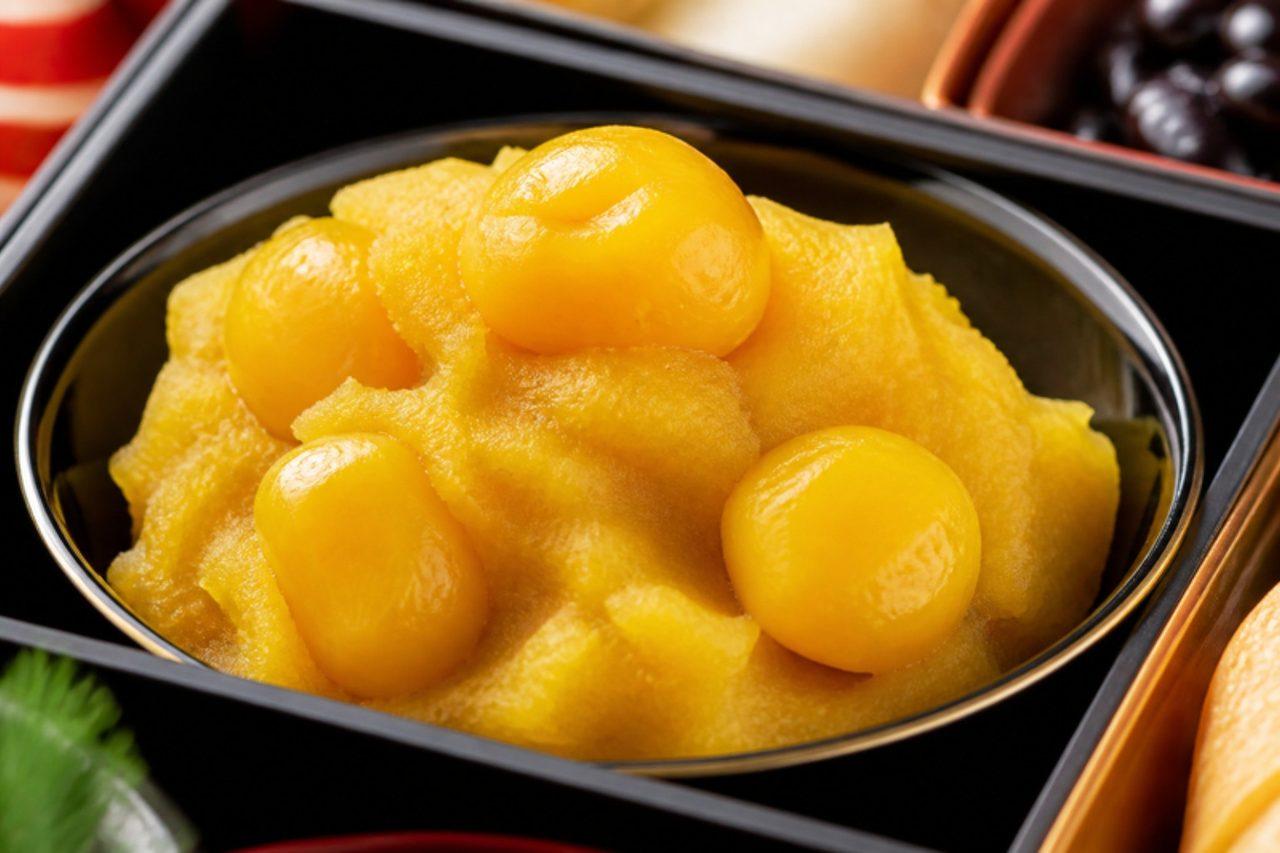
KurikintonSweet potato and chestnut mash

Kurikinton means 'chestnut golden mound', and its bright yellow colour is meant to look like piled gold, which is why it sits in the osechi box at New Year as a wish for wealth. Smooth, sweet mashed sweet potato is folded around whole candied chestnuts, giving a dessert-like side that children love. The traditional yellow comes from dried gardenia pods cooked with the potato. The common mistake is mashing the potatoes without sieving them, which leaves fibres; pushing them through a sieve while hot gives the silky, glossy finish. Chef's tip: peel the sweet potatoes thickly, cutting away the layer just under the skin, as that is where the grey colour and stringiness sit.

by KrazyBadal 0 views

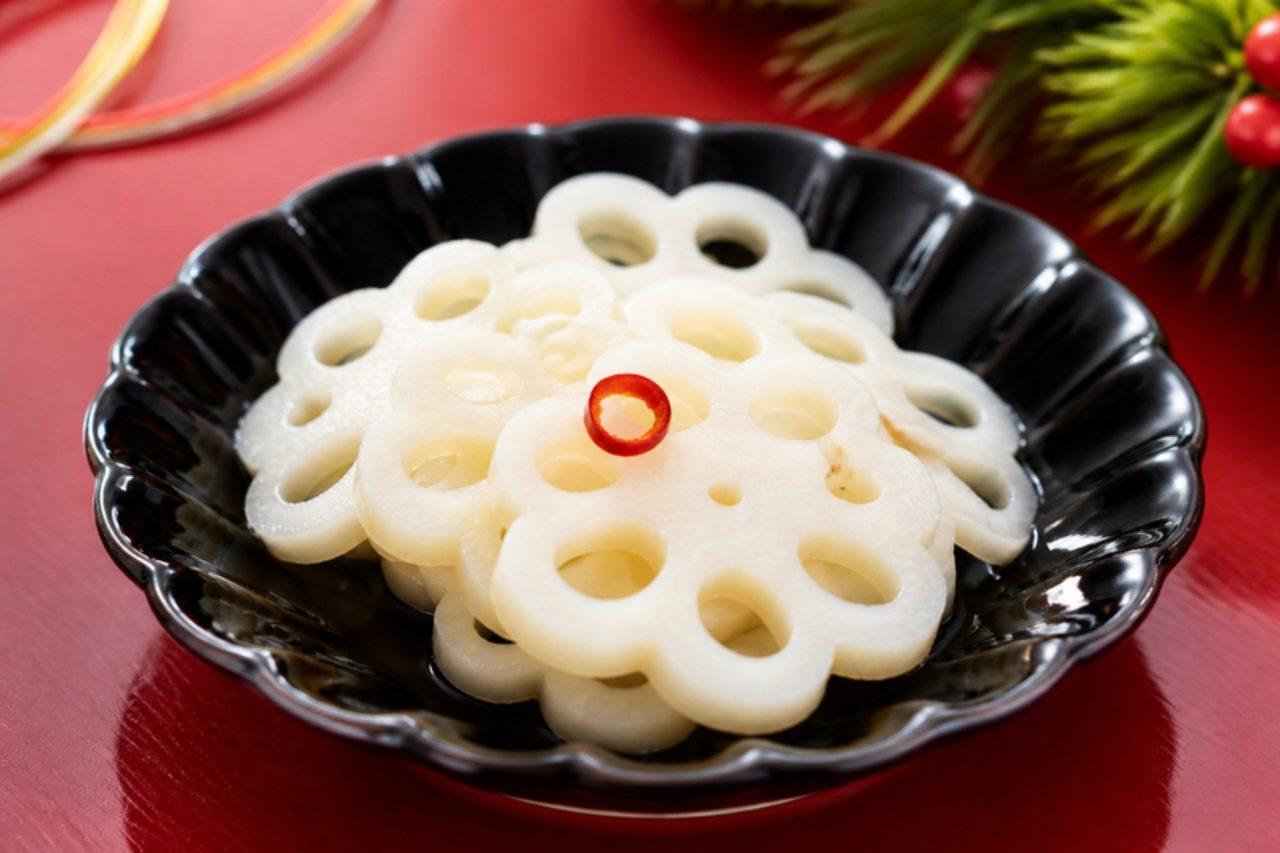
Su-renkonPickled lotus root

Lotus root is full of holes you can see straight through, so in Japan it stands for a clear view of the year ahead, and these crunchy, snow-white slices of sweet-vinegared lotus are a fixture of osechi boxes on New Year's Day. Often cut into flower shapes, they taste bright and lightly sweet with a satisfying crispness. The common mistake is boiling the slices for too long: more than 2 minutes and they turn starchy instead of crunchy. Chef's tip: add a splash of vinegar to the boiling water as well as to the pickle, which keeps the lotus root brilliantly white.

by KrazyBadal 0 views

YaksikSweet rice with chestnuts

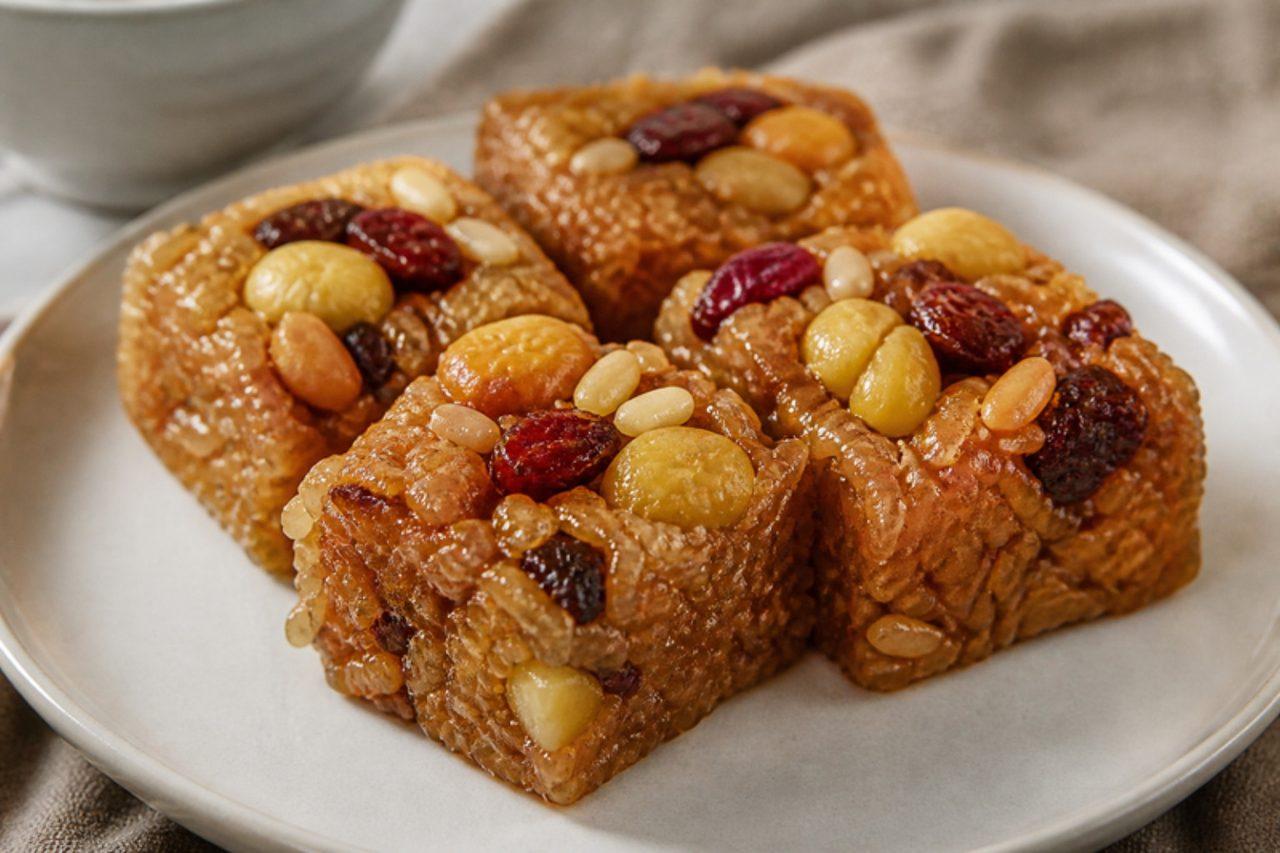
Yaksik began as a dish for Daeboreum, the first full moon of the lunar year, and is now a standard of Chuseok and Seollal tables and of birthday gifts, cut into neat squares and wrapped in cling film. Glutinous rice is steamed, tossed with dark sugar, soy sauce, sesame oil and cinnamon, then steamed a second time with chestnuts, jujubes and pine nuts until it turns a deep caramel brown and holds together like a soft, chewy cake. The usual mistake is skipping the soak: unsoaked rice stays hard in the centre however long you steam it. Contains soy, sesame and pine nuts. Rice cakes are dense and sticky, so cut them small for young children and older people and make sure they eat sitting down: they are a known choking risk. Chef's tip: caramelise a spoonful of the sugar in a dry pan before adding it; that dark caramel gives the traditional colour without needing extra soy sauce.

by KrazyBadal 0 views

Bresaola, rucola e granaCured beef with rocket and cheese

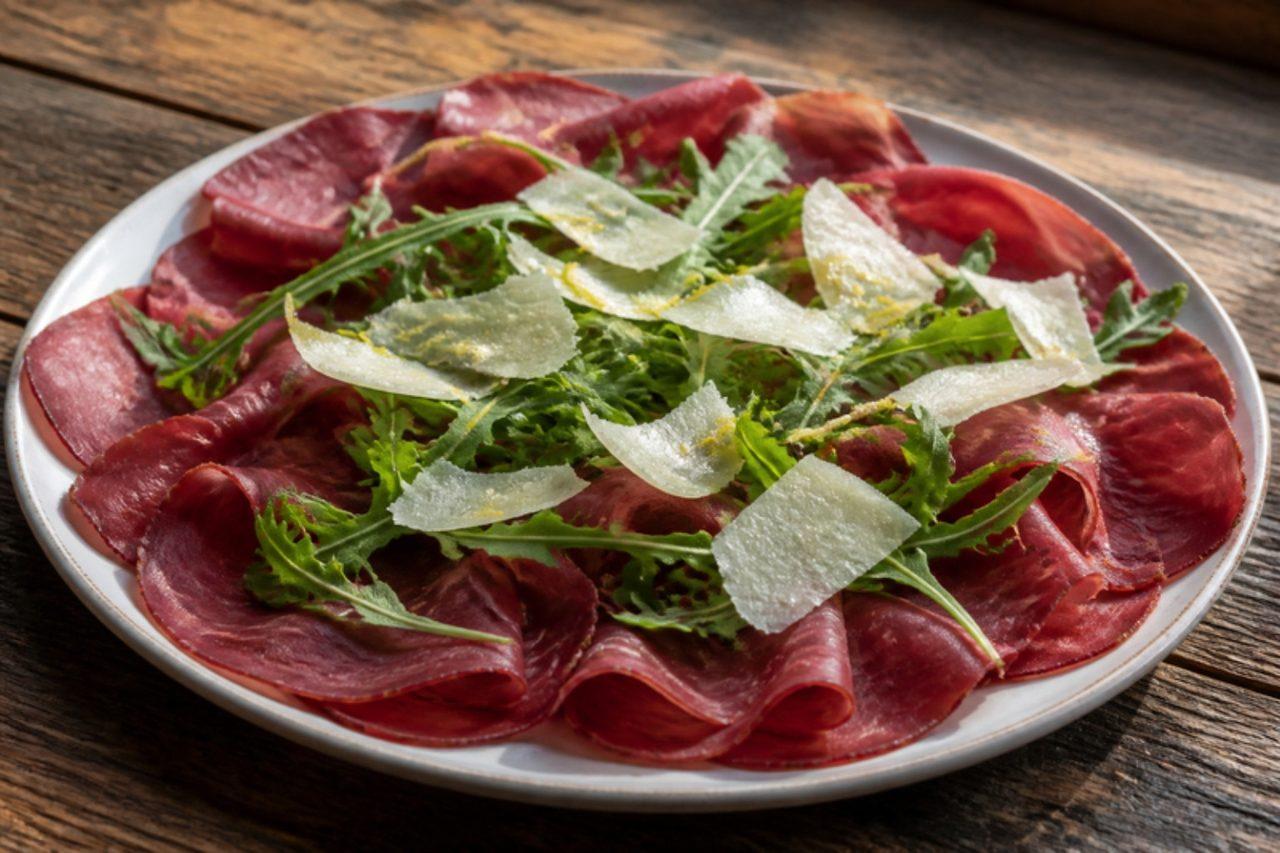
Bresaola is beef cured with salt and spices and air-dried in the cool mountain valleys of the Valtellina, near Sondrio in Lombardy. Locals serve it as a light lunch or an antipasto before pizzoccheri: thin dark-red slices dressed with lemon and olive oil, topped with peppery rocket and flakes of Grana Padano. It takes five minutes and needs nothing else but bread. Chef's tip: dress the bresaola with lemon 5 minutes before serving; the acid softens the edges of the slices and brings out the meat's sweetness, but much longer and it turns grey.

by KrazyBadal 0 views

YokanRed bean jelly

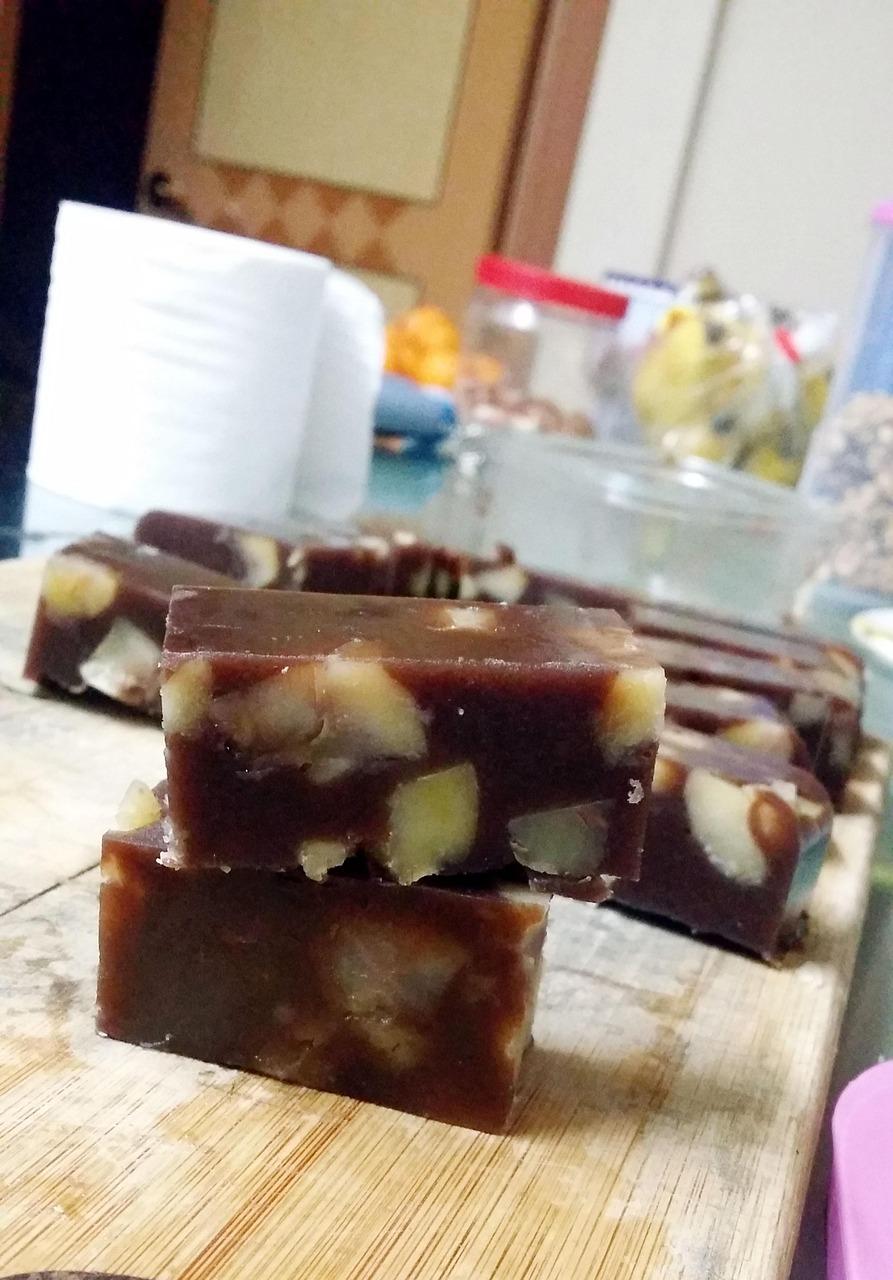
Yōkan is one of Japan's oldest sweets, brought by Zen monks and refined in Edo-period Tokyo into dense, dark blocks that were carried by samurai and are still given as gifts in long wooden boxes. Red bean paste, sugar and agar are cooked down until thick and set into a smooth, firm jelly that slices cleanly, served in thin pieces with bitter green tea. The common mistake is undercooking the agar: it must boil for two full minutes or the yōkan won't set firmly. Chef's tip: cook the paste until a trail drawn across the bottom of the pan holds for a second before closing, which gives the classic firm, glossy neri yōkan.

by KrazyBadal 0 views

Ichigo daifukuStrawberry mochi

Ichigo daifuku appeared in Tokyo sweet shops in the 1980s and quickly became the treat everyone queues for from January to April, when Japanese strawberries are at their best. A whole berry is wrapped in smooth sweet bean paste, then in a thin skin of soft, stretchy mochi, so you get juicy fruit, earthy sweetness and a pillowy chew in one bite. Mochi is very sticky: cut it into small pieces for young children and older people, and make sure they chew well and eat sitting down. The common mistake is wrapping a damp strawberry, which makes the bean paste slide and the mochi split; dry the berries completely. Chef's tip: microwave the mochi dough in short bursts and stir hard between them, until it turns translucent and elastic, rather than in one long blast.

by KrazyBadal 0 views

Umeboshi (salted dried ume plums)Salted pickled plums

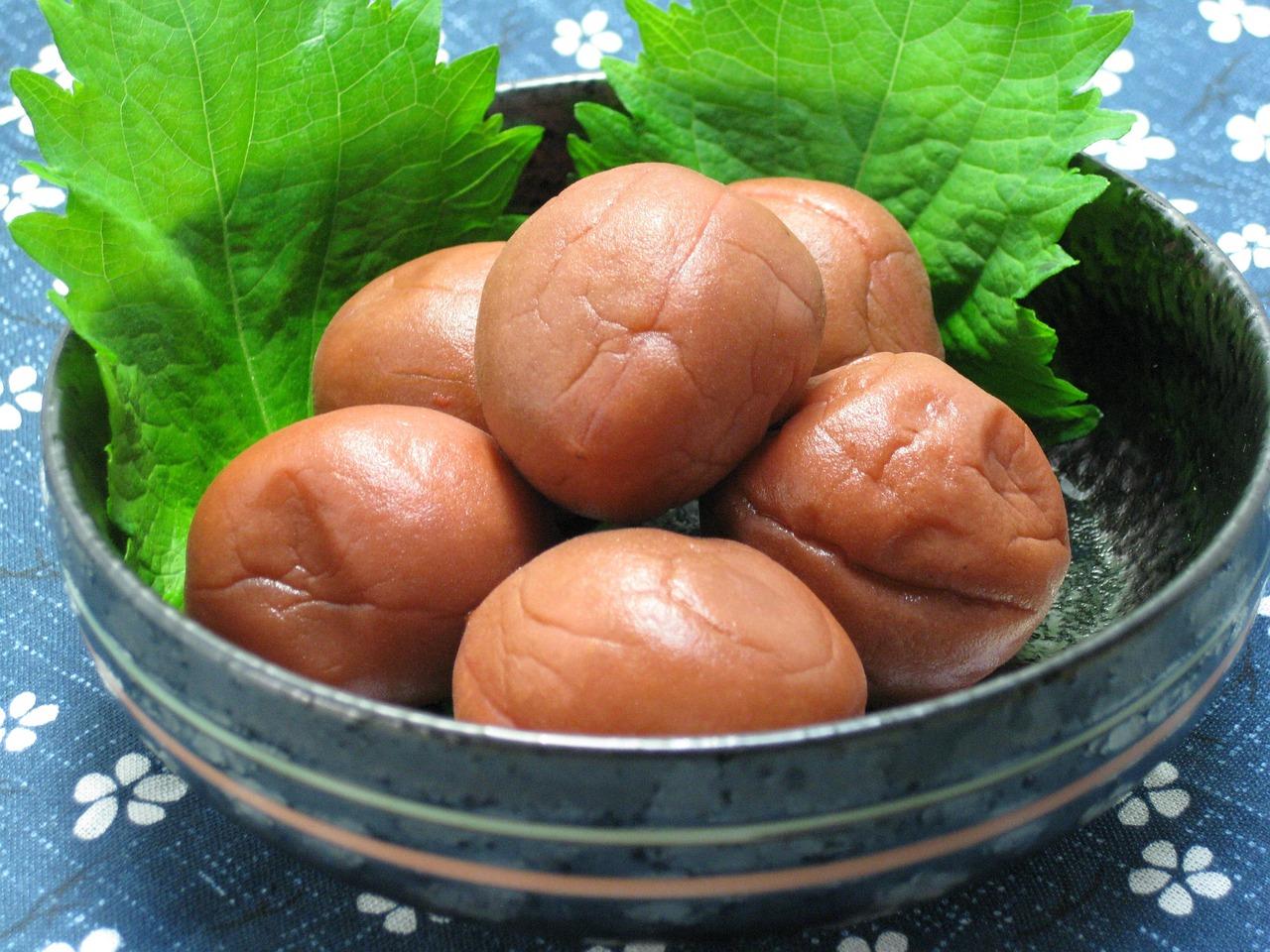
In the ume orchards of Minabe, in Wakayama's old Kishu province, families salt the June harvest of ripe yellow ume in crocks and then spread them on bamboo mats under the hottest days of late July, the doyo-boshi, before the plums go back into their brine. The result is wrinkled, intensely salty-sour fruit, the classic filling for onigiri and the red sun in the middle of a lunchbox of rice. This is a once-a-year project spread over about two months; the active work is about two hours. Do not cut the salt: below about 15 % of the fruit's weight the plums go mouldy, which is the most common failure at home. Chef's tip: use only fully ripe, yellow, fragrant ume; hard green ones turn tough and bitter.

by KrazyBadal 0 views

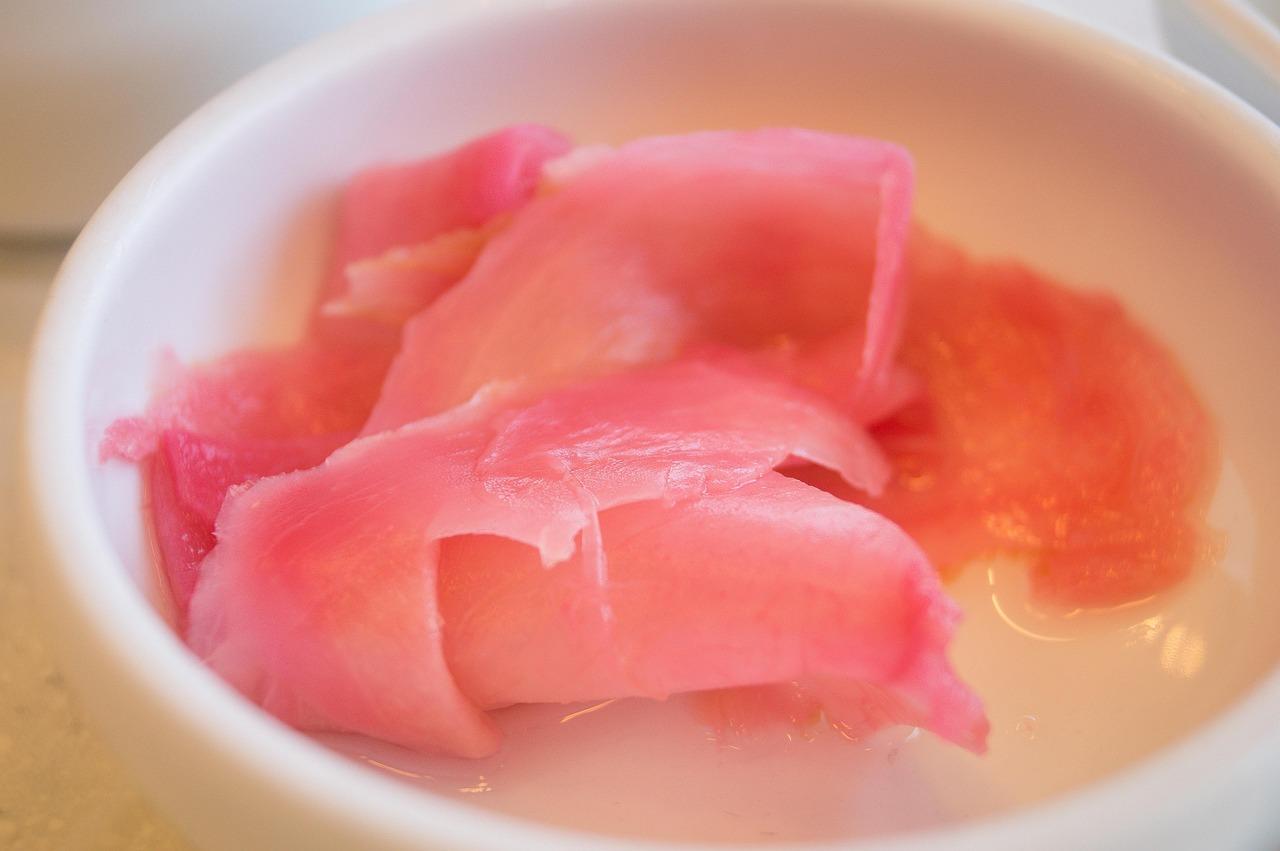
Gari (pickled sushi ginger)

Sushi counters from Tokyo's Tsukiji outer market to neighbourhood conveyor-belt bars set a heap of gari by every plate, a palate-cleanser eaten between pieces of fish. The best is made in early summer, when young ginger with thin, pink-tipped skin appears in Japanese and Asian greengrocers; its blush turns the pickle naturally pale pink in the vinegar, with no colouring. It takes 20 minutes and keeps for months. The usual mistake is slicing too thick: gari should be almost see-through, so use a mandoline or vegetable peeler. Chef's tip: blanch the slices for just 30 seconds; any longer and the ginger loses its crunch.

by KrazyBadal 0 views

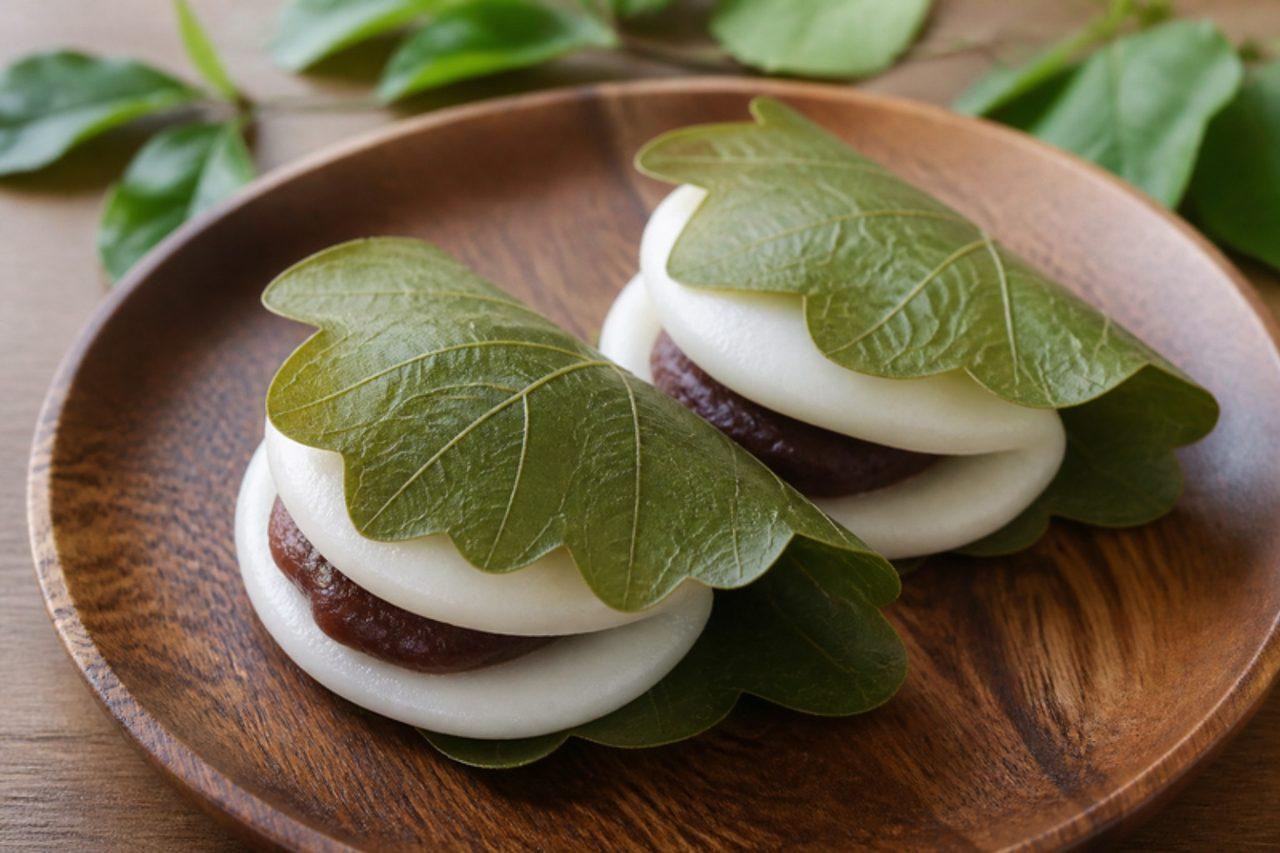
Kashiwa mochiOak leaf rice cakes

On 5 May, Children's Day, families in Tokyo and across eastern Japan eat kashiwa mochi: soft, flat rice cakes folded over sweet bean paste and wrapped in an oak leaf. Oak trees keep their old leaves until new ones bud, so the leaf stands for a family line carrying on. The leaf isn't eaten; it adds a faint woody scent and keeps the mochi moist. Mochi is very sticky: cut it into small pieces for young children and older people, and make sure they chew well and eat sitting down. The common mistake is steaming the dough too briefly, which leaves it pasty; steam until it turns slightly translucent, then knead. Chef's tip: dried oak leaves from Japanese grocers need a 10-minute simmer and a rinse before use; if you can't find them, wrap in cherry or bamboo leaves or baking paper.

by KrazyBadal 0 views

Mitarashi dangoSoy-glazed rice dumplings

Mitarashi dango are said to come from Shimogamo Shrine in Kyoto, where they were sold at the midsummer purification festival; today they are the snack of shrine fairs, flower-viewing picnics and station kiosks all over Japan. Chewy little rice-flour balls are threaded on skewers, toasted until speckled, and coated in a translucent, sweet-salty soy glaze that tastes a little like caramel. Mochi is very sticky: cut it into small pieces for young children and older people, and make sure they chew well and eat sitting down. The common mistake is a runny glaze: it must simmer until it turns clear and thick, or it slides off. Chef's tip: mix silken tofu into the rice flour instead of some of the water; the dumplings stay soft for hours instead of hardening as they cool.

by KrazyBadal 0 views

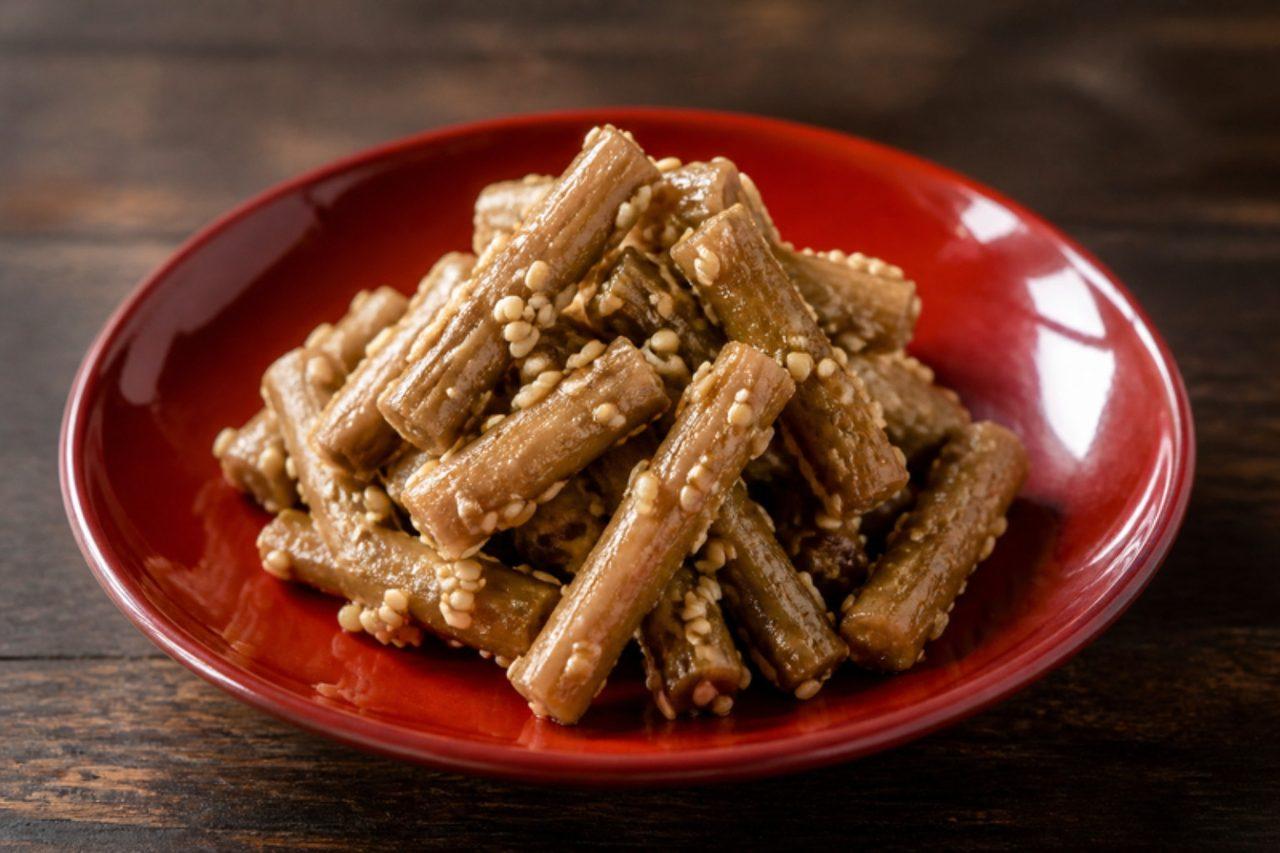
Tataki goboSesame burdock salad

In Kansai homes around Osaka and Kyoto, osechi always includes tataki gobo: burdock root boiled, then beaten with a rolling pin so it splits open, and dressed in a thick ground-sesame vinegar. The long, deep-rooted burdock stands for a family that is settled and lasting. The pounding gives rough, fibrous edges that soak up the nutty, tangy dressing, so each bite is earthy, sweet and sharp. The common mistake is overcooking the burdock until soft; it should still be pleasantly firm before you pound it. Chef's tip: dress the burdock while it is still warm, when the fibres open up and drink in the sesame vinegar.

by KrazyBadal 0 views

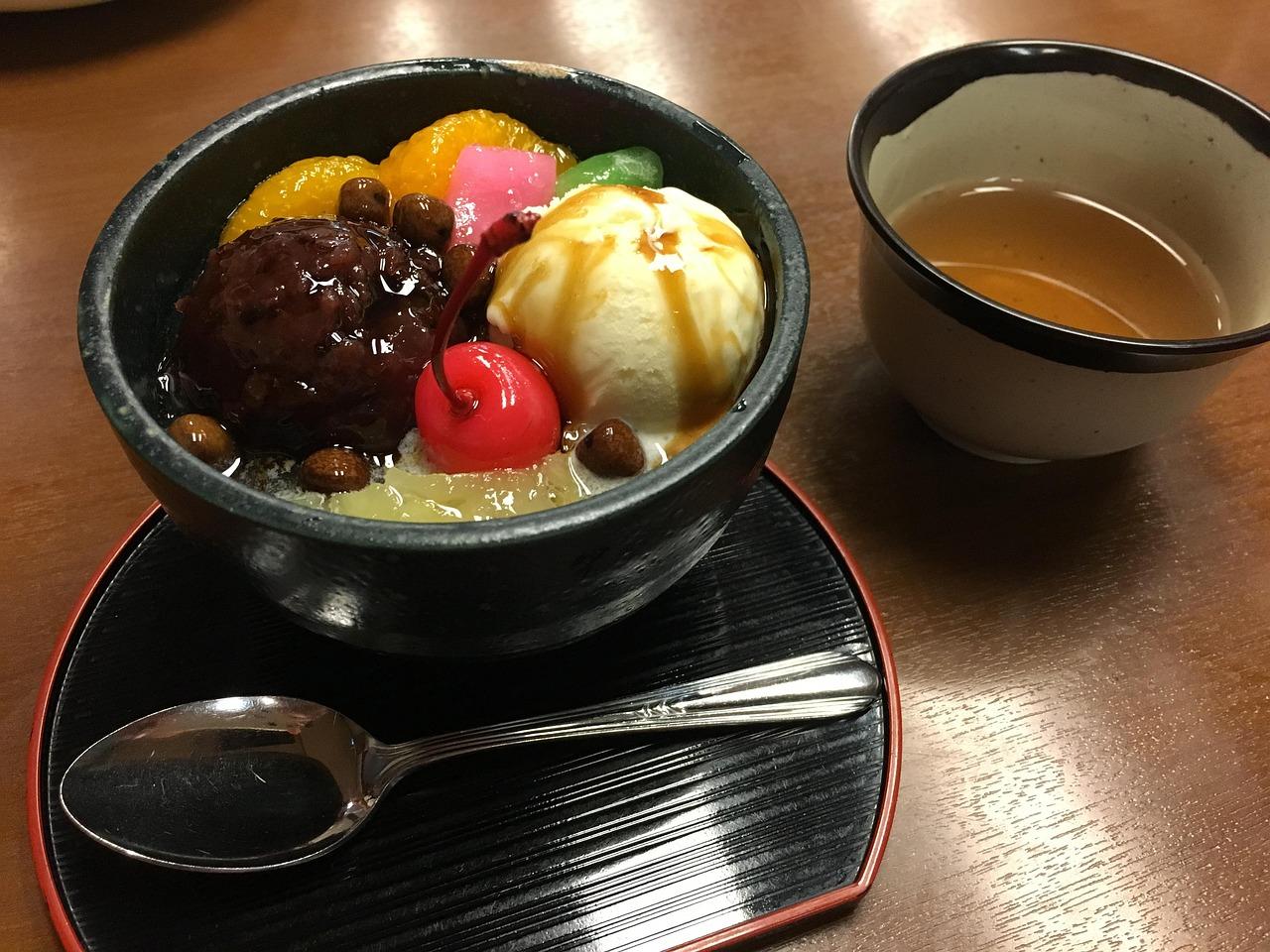
AnmitsuAgar jelly with red bean

Anmitsu became a craze in Tokyo's Ginza and Asakusa tea rooms in the 1930s and is still the classic summer order in kanmidokoro, the sweet cafés of old Tokyo. Clear, firm cubes of agar jelly are piled into a bowl with seasonal fruit, a scoop of sweet bean paste and boiled red peas, then drenched in dark, smoky kuromitsu syrup. The common mistake is using gelatin, which melts; agar jelly stays firm and refreshing at room temperature. Chef's tip: make the kuromitsu with Okinawan kokuto black sugar if you can; it gives a deep, almost liquorice-like flavour that muscovado only gets close to.

by KrazyBadal 0 views

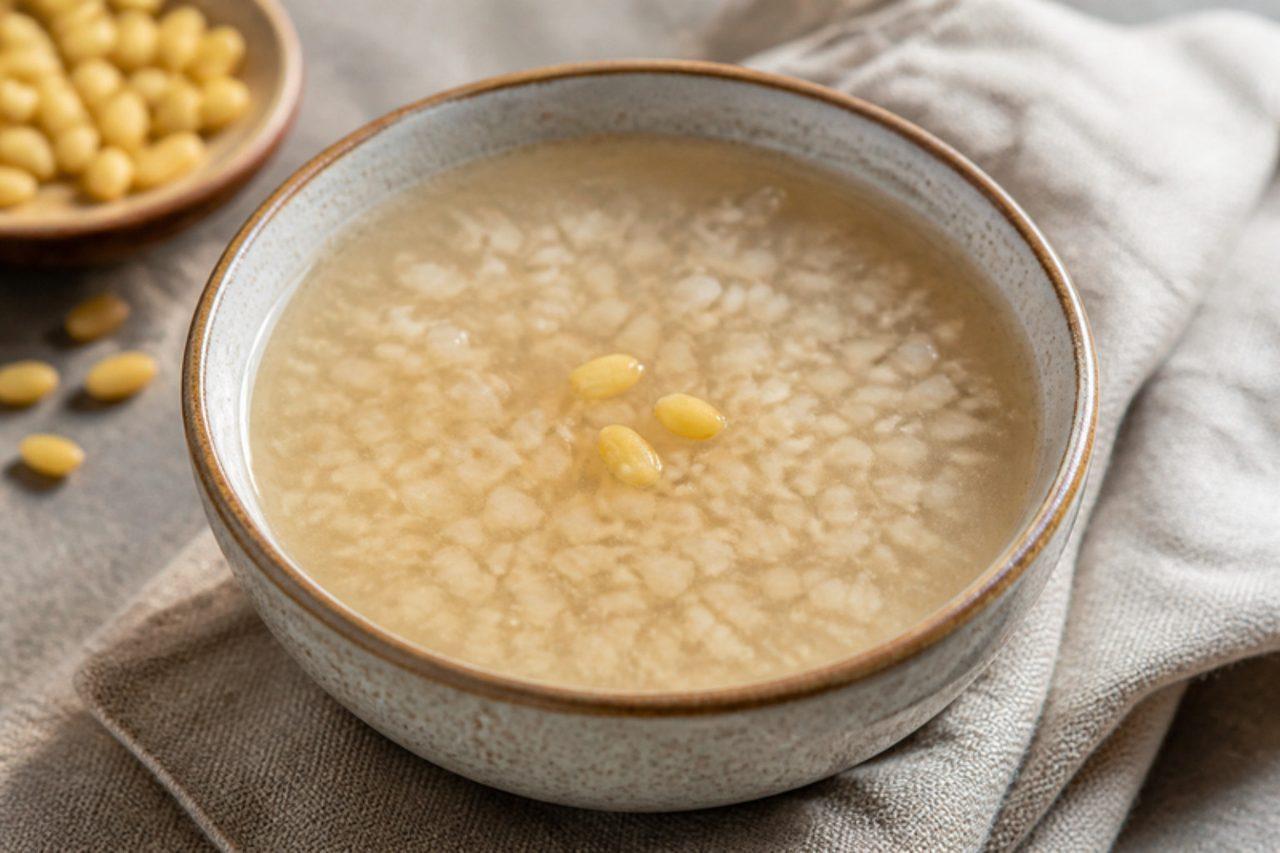
SikhyeSweet rice punch

Every Korean jjimjilbang (bathhouse) sells sikhye in little cans, and every grandmother makes a big pot of it before Seollal and Chuseok to sip after the heavy holiday meal, because it is believed to help digestion. Barley malt water and cooked rice are kept warm for several hours until enzymes turn the rice starch into sugar and the grains float up to the top, then the drink is boiled with ginger and chilled until icy. It is mild, lightly sweet and nutty, with soft rice grains to slurp. The usual mistake is letting it get too hot while it ferments: above about 65 °C the enzymes stop working and the grains never float. Contains barley (gluten). Chef's tip: use the rice cooker's 'keep warm' setting; it holds the perfect temperature on its own.

320 minKoreanDrinksVegan
by KrazyBadal 0 views

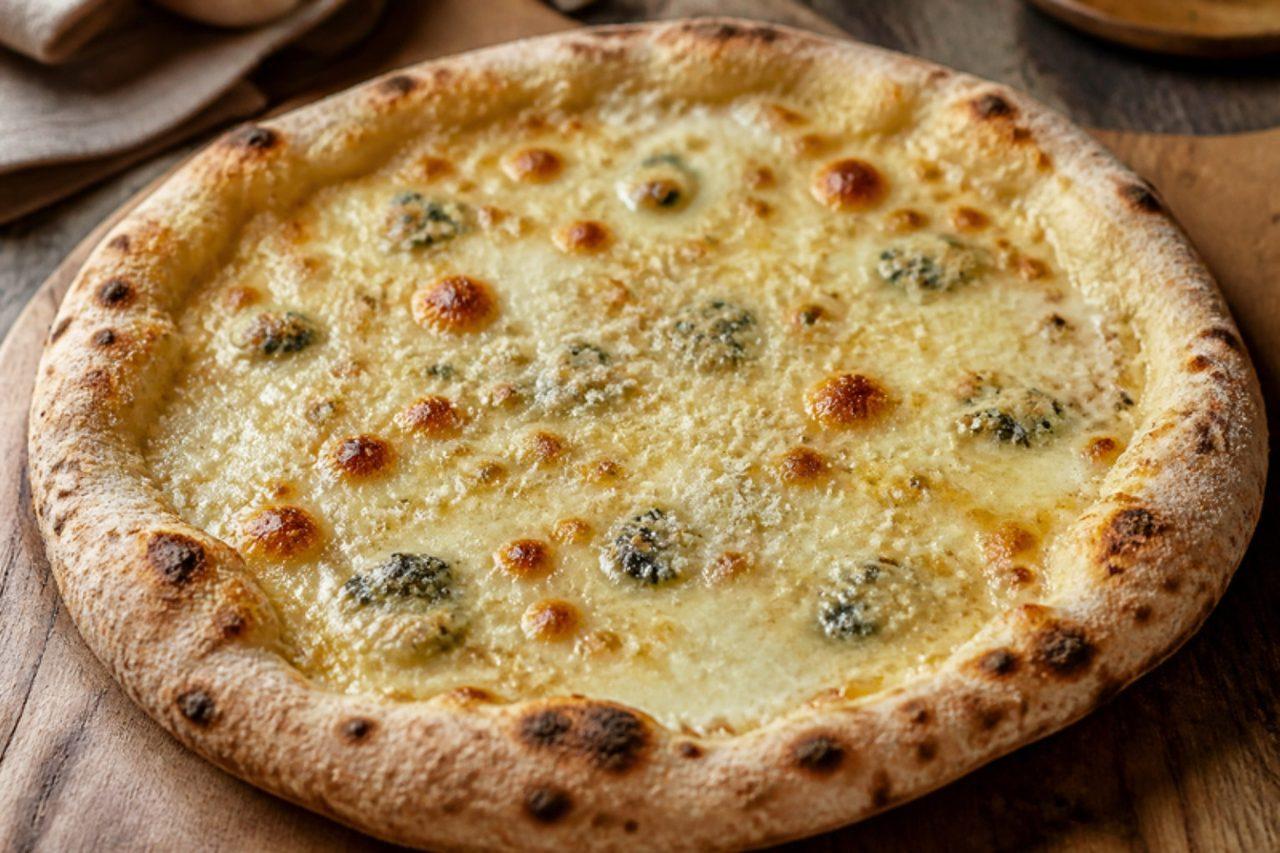
Pizza ai quattro formaggiFour-cheese pizza

Four-cheese pizza is a pizzeria classic from Milan to Palermo, a pizza bianca (no tomato) where each cheese does a different job: mozzarella for stretch, gorgonzola for a blue tang, fontina from the Aosta Valley for creaminess and Parmigiano for a salty crust. It is the order for winter evenings, often with a drizzle of honey or a few walnuts on top. Most of these cheeses are made with animal rennet; choose vegetarian versions of each if you need to. Chef's tip: cut the cheeses into small cubes rather than slices and scatter them unevenly; they melt at different speeds and give pockets of flavour.

by KrazyBadal 0 views

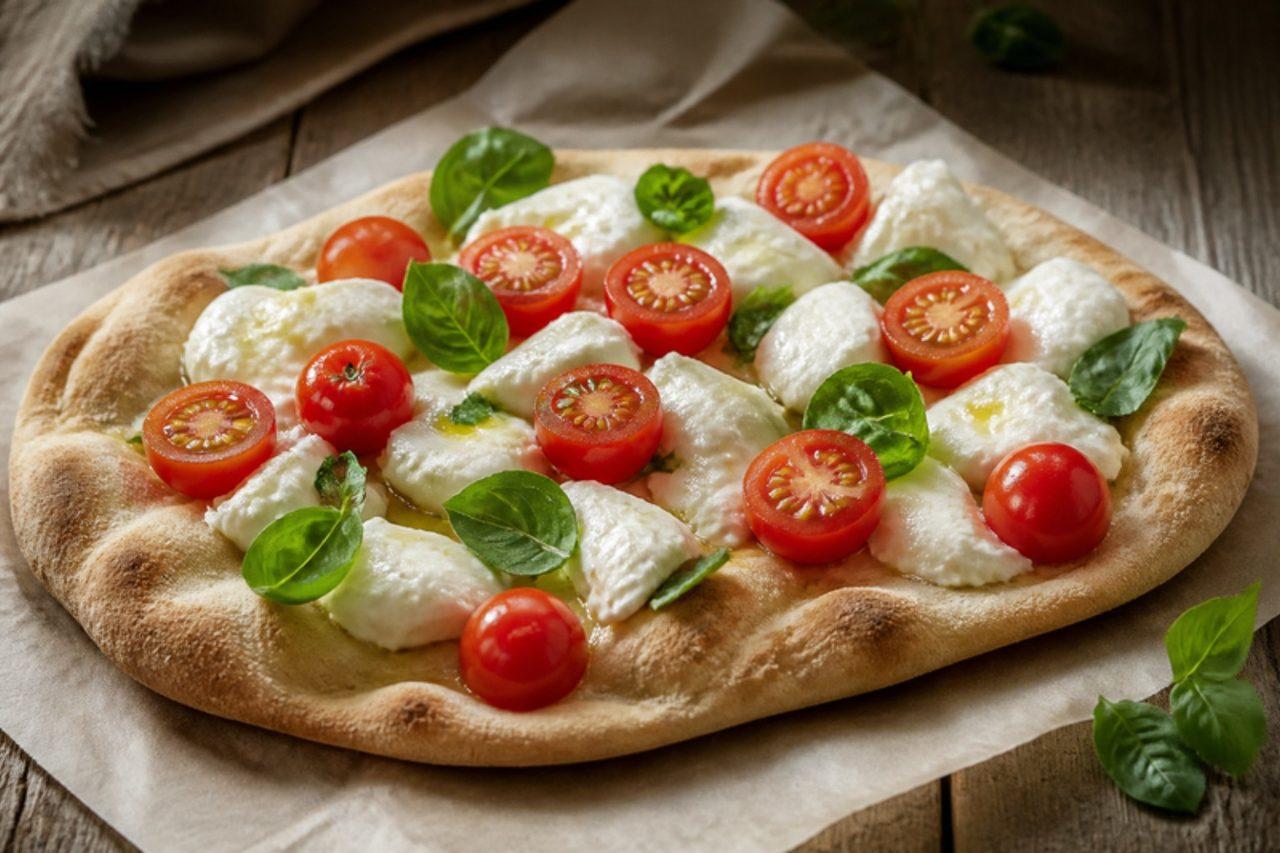
Pinsa romanaOval Roman flatbread

Pinsa is a modern Roman creation inspired by the flatbreads of ancient Rome: an oval base made from a mix of wheat, rice and soy flour (or in this home version, wheat and rice), with a lot of water and a long rest in the fridge. The result is crisp outside, light as a cloud inside and easy to digest. Pinserie in Rome top it with everything from buffalo mozzarella to courgette flowers; this version uses cherry tomatoes, mozzarella and basil. Mozzarella is usually made with calf rennet; vegetarian versions are easy to find. Chef's tip: shape the pinsa by pressing with your fingertips on a floured board, never stretching it; you want to keep all the bubbles.

by KrazyBadal 0 views

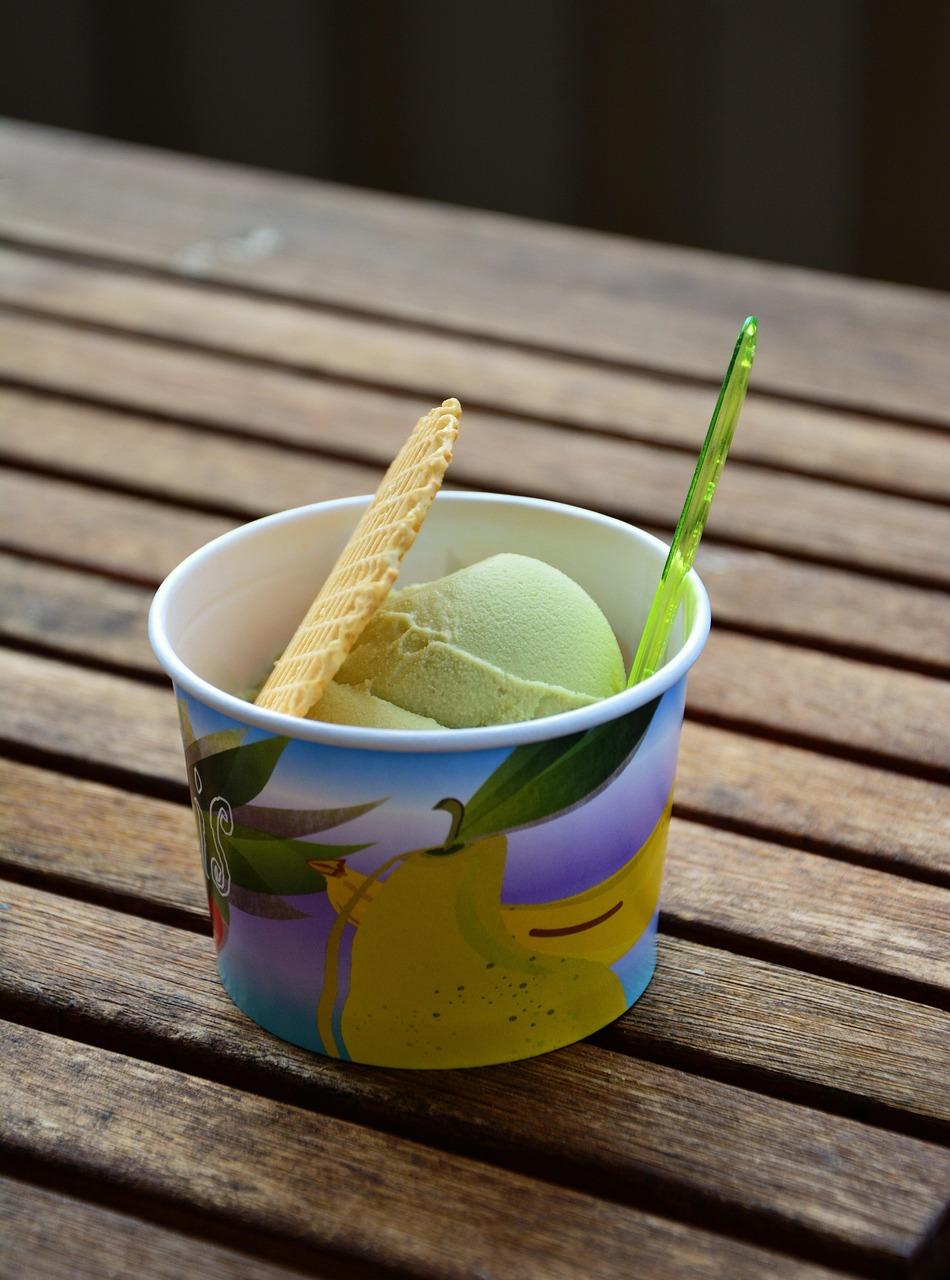
Gelato al pistacchioPistachio gelato

Real Sicilian pistachio gelato is not bright green; it is a dull, olive-brown colour and tastes intensely of roasted nuts, especially when made with pistachios from Bronte on the slopes of Mount Etna. In Palermo and Catania it is eaten in a brioche for breakfast or as a cone after dinner. The secret is pure pistachio paste, with no added colour or flavourings. Contains nuts. Chef's tip: if you can't find pistachio paste, blend roasted pistachios with a spoon of oil for 5 minutes until it runs smooth; any graininess shows up in the gelato.

by KrazyBadal 0 views

Riso al saltoCrisp fried saffron risotto cake

In Milan, nobody throws away risotto alla milanese. The next day it is pressed into a hot buttered pan and fried until it forms a thin, crackling golden disc, flipped "al salto" (with a jump) like a pancake. Old Milanese trattorie near the Brera district served it late at night after the theatre, and it is still a favourite way to use up saffron risotto. The cheese in the leftover risotto is usually made with animal rennet. Chef's tip: use cold risotto straight from the fridge and press it thin; warm or thick risotto won't crisp and falls apart when you flip it.

by KrazyBadal 0 views

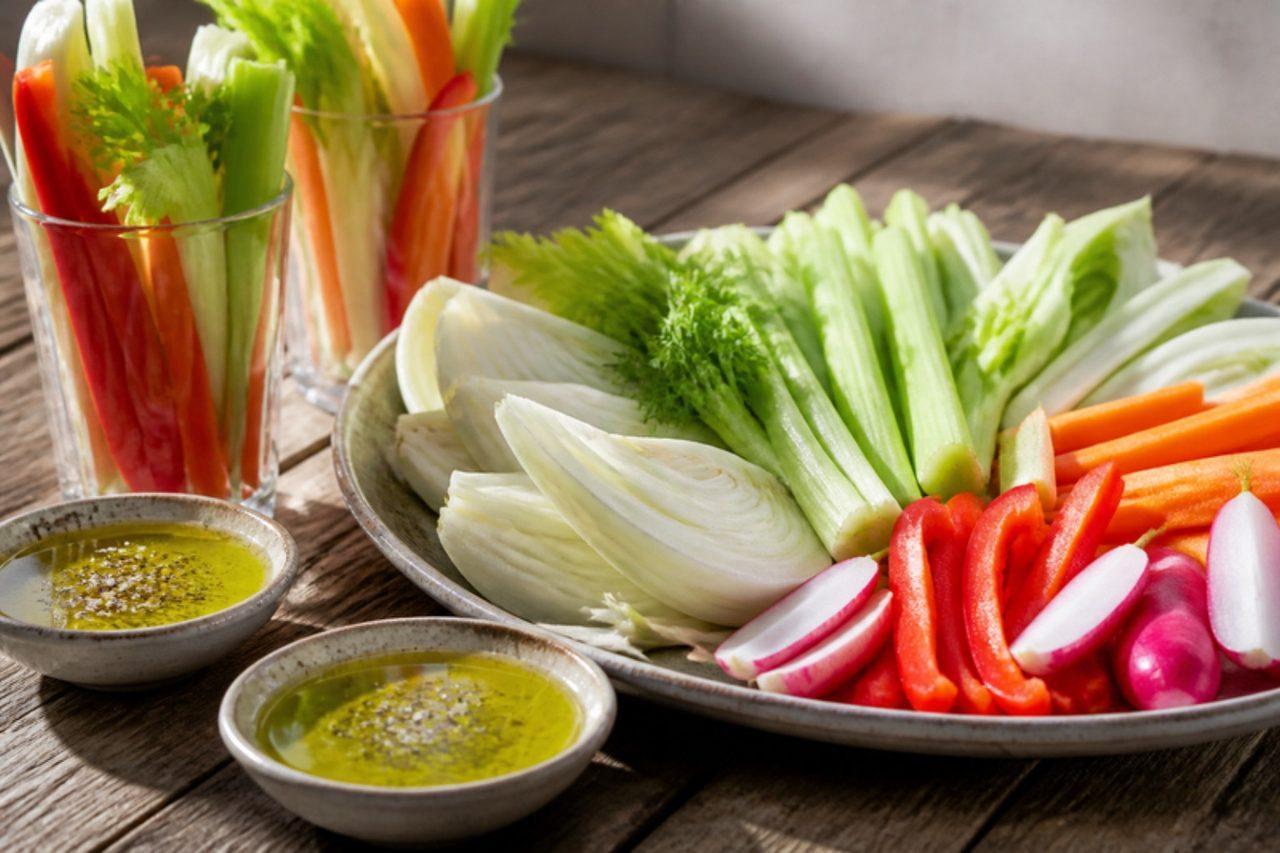
PinzimonioRaw vegetables with olive oil

In Tuscany pinzimonio comes out in November, when the frantoi (olive mills) press the new oil and families want something that shows off its peppery green bite. A jug of raw, cold vegetables is set in the middle of the table and everyone dips into their own little bowl of oil seasoned with salt and pepper, usually before a plate of pasta or alongside bruschetta at the mill. Crunch matters more than anything: fennel, celery hearts, radishes, carrots, young artichokes and red peppers, all very fresh. Chef's tip: keep the cut vegetables in a bowl of iced water for 15 minutes before serving; they turn crisper and look glossy without any dressing.

by KrazyBadal 0 views

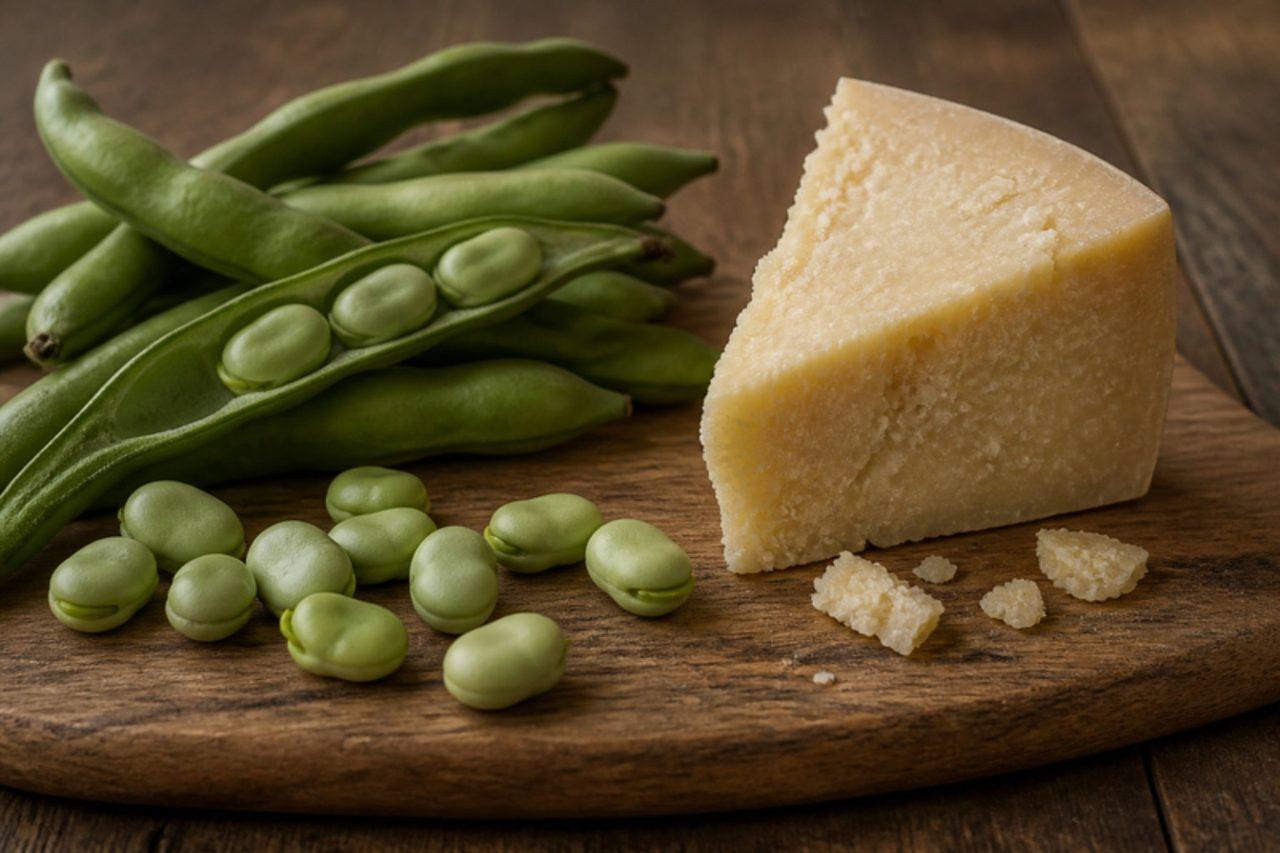
Fave e pecorinoRaw broad beans with pecorino

On 1 May, Romans head out to the parks and the Castelli Romani hills with a sack of fresh broad beans still in their pods and a hunk of young Pecorino Romano, and spend the afternoon shelling, nibbling and talking. The pairing is simple and very Roman: sweet, grassy raw beans against salty, sharp cheese, often with a glass of something cold and a hunk of bread. Only the youngest, smallest beans work raw, so this is a dish for a few weeks of spring. Traditional pecorino uses animal rennet; choose a vegetarian sheep's cheese if you need to. Chef's tip: taste a bean before you buy; if it is starchy or bitter rather than sweet, braise those beans instead.

by KrazyBadal 0 views

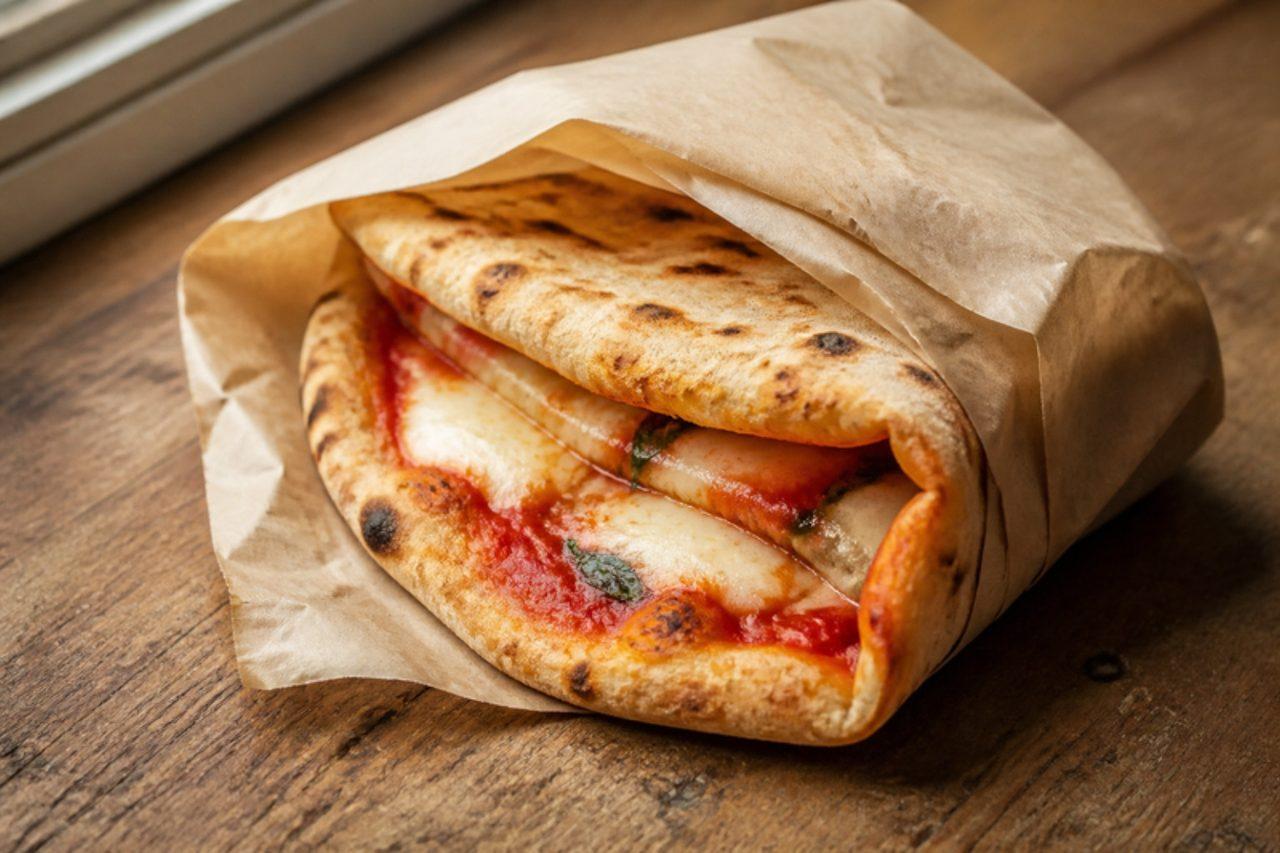
Pizza a portafoglioFolded street pizza

In the narrow streets of Naples's historic centre, pizzerie sell a small margherita folded in four like a wallet, wrapped in paper and eaten while walking, for a couple of euros. It is the city's original fast food and still a lunch for students and workers around Via dei Tribunali and the Spanish Quarter. The pizza is small and soft so it folds without cracking. Mozzarella is usually made with calf rennet; vegetarian versions are easy to find. Chef's tip: take the pizza out while the crust is still soft and a little pale; a crisp pizza snaps when you fold it.

by KrazyBadal 0 views

DalgonaHoneycomb toffee

Dalgona, or ppopgi, was the 1970s and 80s snack of Seoul alleyways, where an old man with a little stove melted sugar in a ladle and stamped a star or umbrella into it; if you could break the shape out without cracking it you won a free one. It is just sugar and a pinch of baking soda, puffed into a crisp, toffee-brown honeycomb that tastes faintly bitter-sweet. The common mistake is adding too much baking soda, which leaves the candy bitter and soapy; a tiny pinch on the tip of a chopstick is all it needs. Melted sugar reaches about 160 °C and burns badly, so children should watch while an adult does the melting, and should only press shapes once the candy has set a little. Chef's tip: use a stainless-steel ladle or small pan, not non-stick, and keep the flame low; the moment the sugar is clear and amber, take it off.

by KrazyBadal 0 views

Showing 24 of 3,470 recipes

Show more recipes

Page 44 of 145

More No onion & garlic ideas

Other diets