Skip to content
WhatToEat.Today

No onion, no garlic recipes (Swaminarayan and sattvic)

3,477

3477 vegetarian recipes cooked without onion or garlic, as in Swaminarayan and sattvic kitchens, with no meat, fish, eggs or alcohol. Each has photos, step-by-step instructions and cook times. The quickest, Apfelschorle, takes 2 minutes. Most take around 45 minutes.

Filter these by time, diet or cuisine · Make No onion & garlic your diet to see only these recipes everywhere on the site.

Bhogichi bhajiWinter vegetable and peanut stew

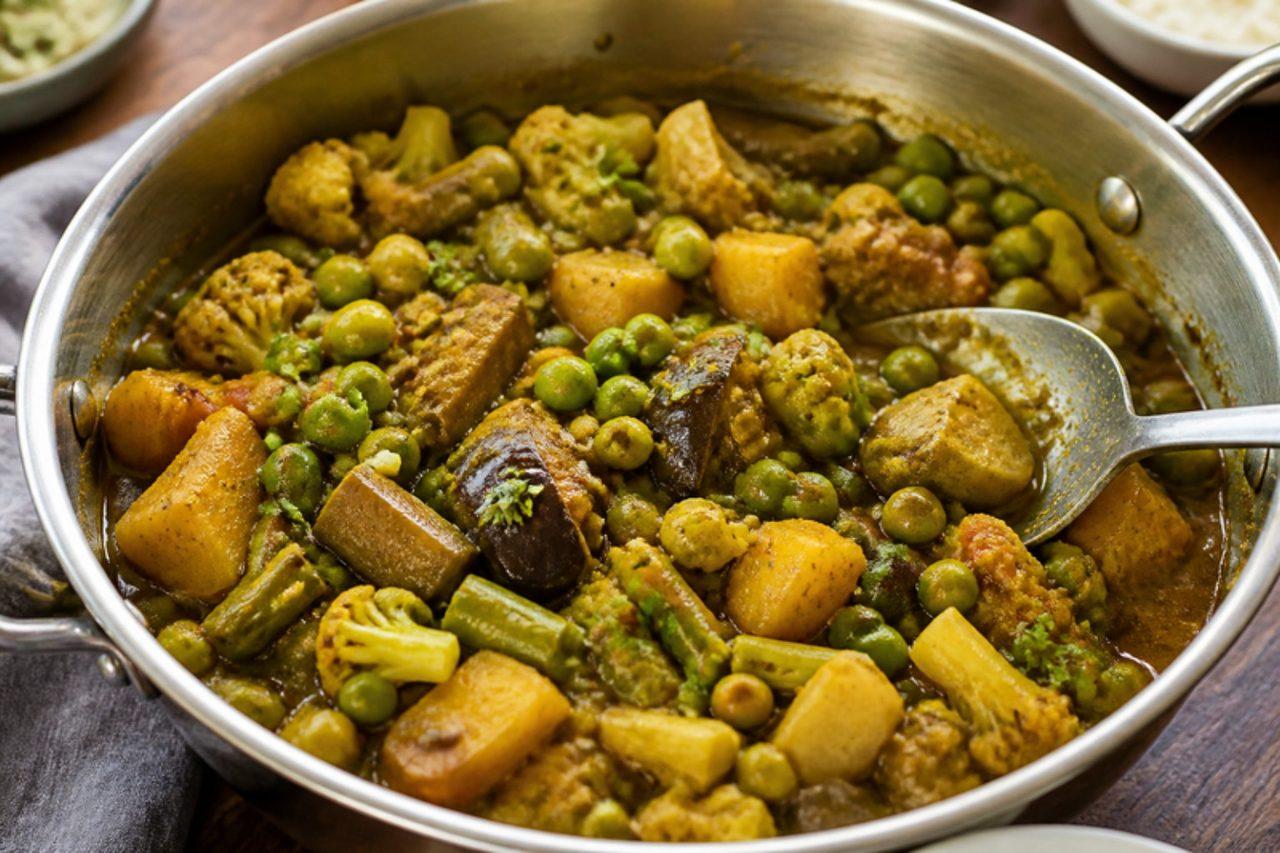
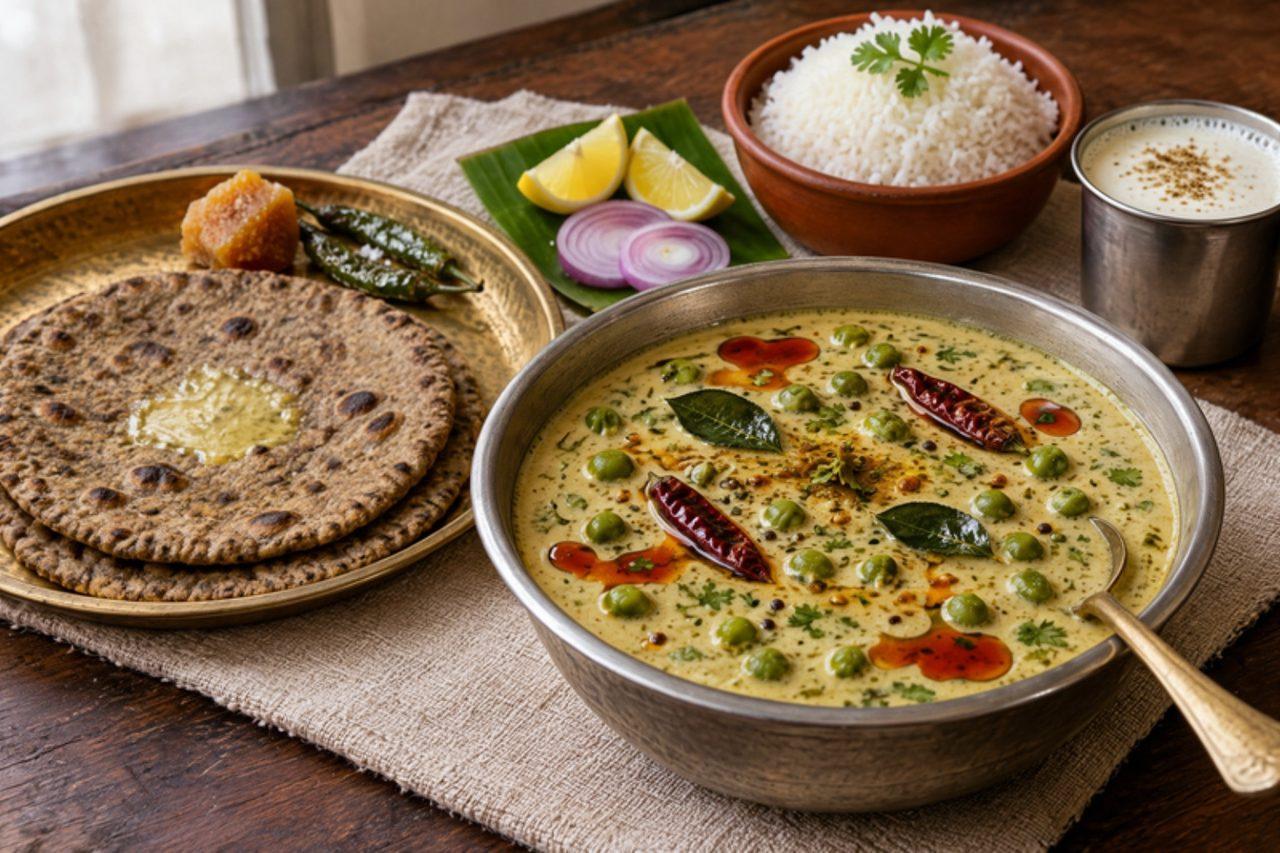
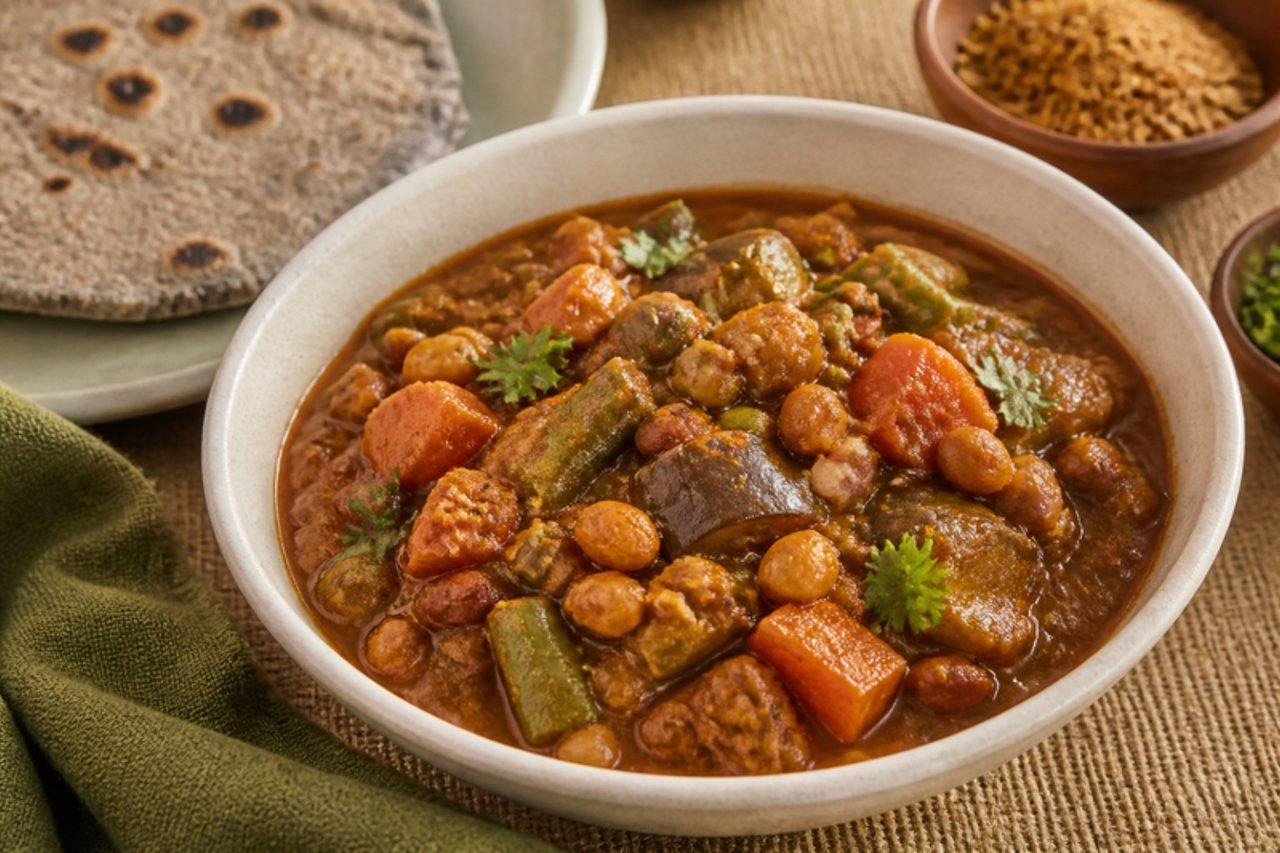
Bhogi, the day before Makar Sankranti, is a day of plenty in Maharashtra, and the lunch to match is this thick mixed bhaji made from everything the winter market offers: green chickpeas (harbhara), fresh field beans (pavta and ghevda), carrots, small brinjals, green peas, ber and sugarcane pieces in some homes. Peanuts and sesame are crushed into it for richness, and the spice is goda masala, the sweet-smoky Maharashtrian blend. It is served with bajra bhakri spread with white butter or sesame, a lump of jaggery and a piece of radish. The taste is earthy, slightly sweet and warming. The mistake is using too much water: it should be a thick, almost dry curry that coats the vegetables. Gluten-free if your goda masala has no wheat-cut asafoetida in it; check the label. Chef's tip: add a spoon of jaggery and a little tamarind at the end; that sweet-sour finish is what makes it taste like Bhogi.

by KrazyBadal 0 views

PeradGuava cheese

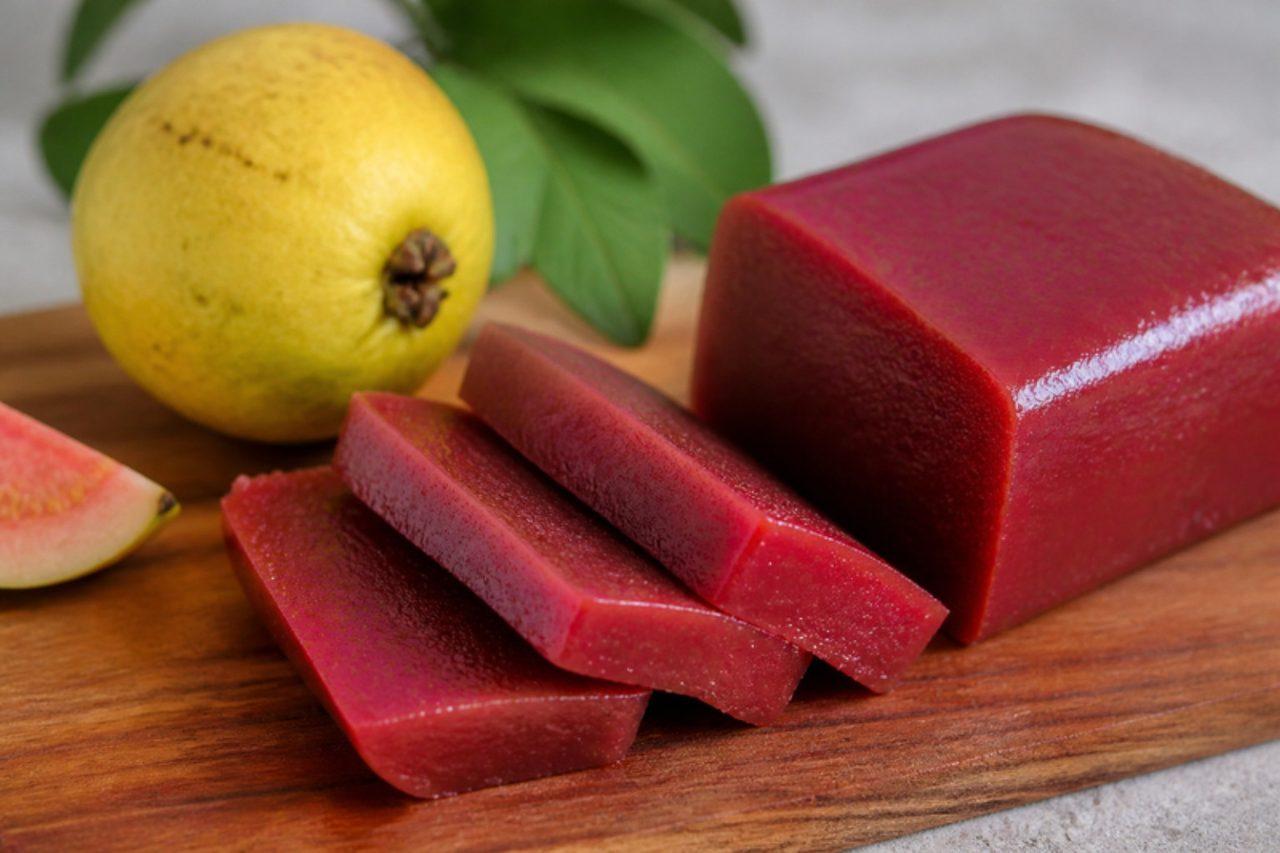
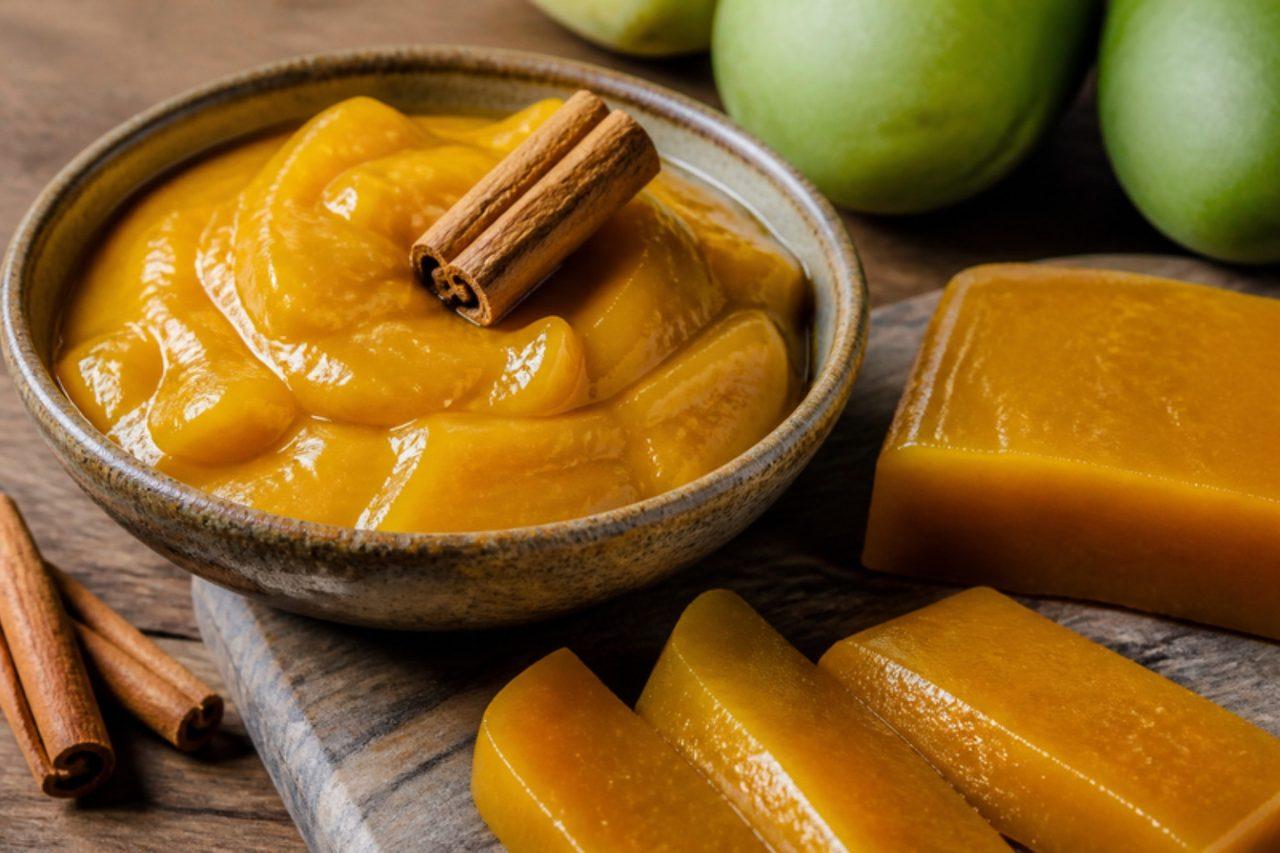
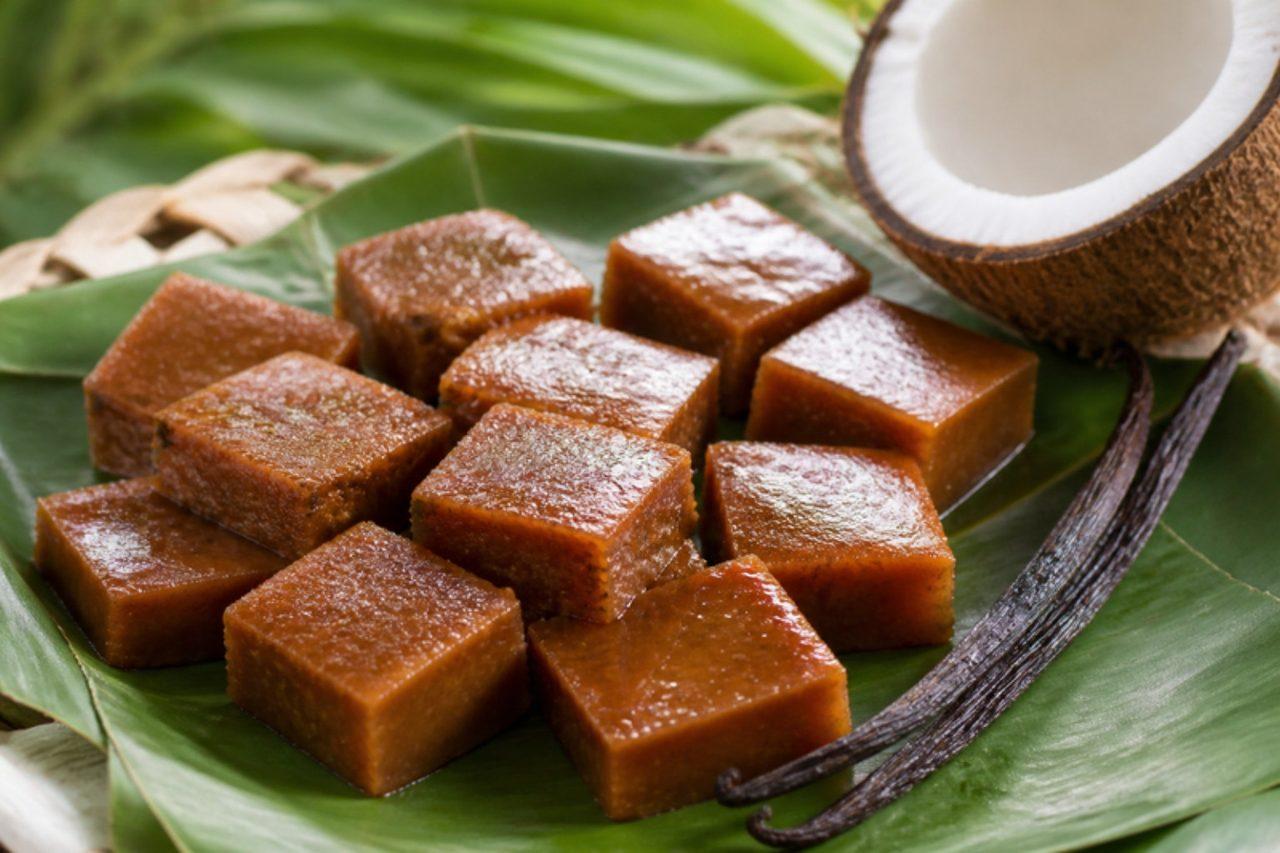
Goan grandmothers make perad when the guava trees are full in winter, and it sits in a tin on the dresser all through Christmas, cut into dark pink squares for the kuswar plate. The name and the method come from the Portuguese goiabada: ripe guavas are cooked, sieved, then boiled down with sugar and lime juice for the best part of an hour until the paste is thick, glossy and comes away from the pan in one mass. Set in a tray, it slices cleanly and tastes intensely of guava, sweet and slightly tart, with a chewy, jelly-like bite. Eat it on its own, with a piece of cheese, or on bread. The common mistake is stopping too early: it looks thick in the pan but stays soft and sticky once cool. Test a little on a cold plate; it should hold its shape and peel off cleanly. Chef's tip: choose fragrant pink-fleshed guavas and add a couple of slightly under-ripe ones; they carry more pectin and help it set.

by KrazyBadal 0 views

Sakkare acchuMoulded sugar figures

Every Sankranti plate in Karnataka carries a few of these little sugar figures beside the ellu bella: an elephant, a temple gopuram, a parrot, a coconut. The wooden moulds, two halves tied with string, are soaked in water overnight so the sugar does not stick, and the syrup is clarified with a splash of milk until it is crystal clear. It is cooked to a thick stage, then stirred until it turns cloudy and pours like thin cream, and poured fast before it sets. Children love making them almost as much as eating them; they melt on the tongue like a soft fondant. The milk makes them vegetarian rather than vegan. The common mistake is pouring before the syrup has been beaten enough: it stays clear and sets like brittle glass that sticks in the mould. Chef's tip: work in small batches of about 150 g sugar so the syrup does not set in the pan while you are still pouring.

by KrazyBadal 0 views

Choddo shaakFourteen leafy greens stir-fry

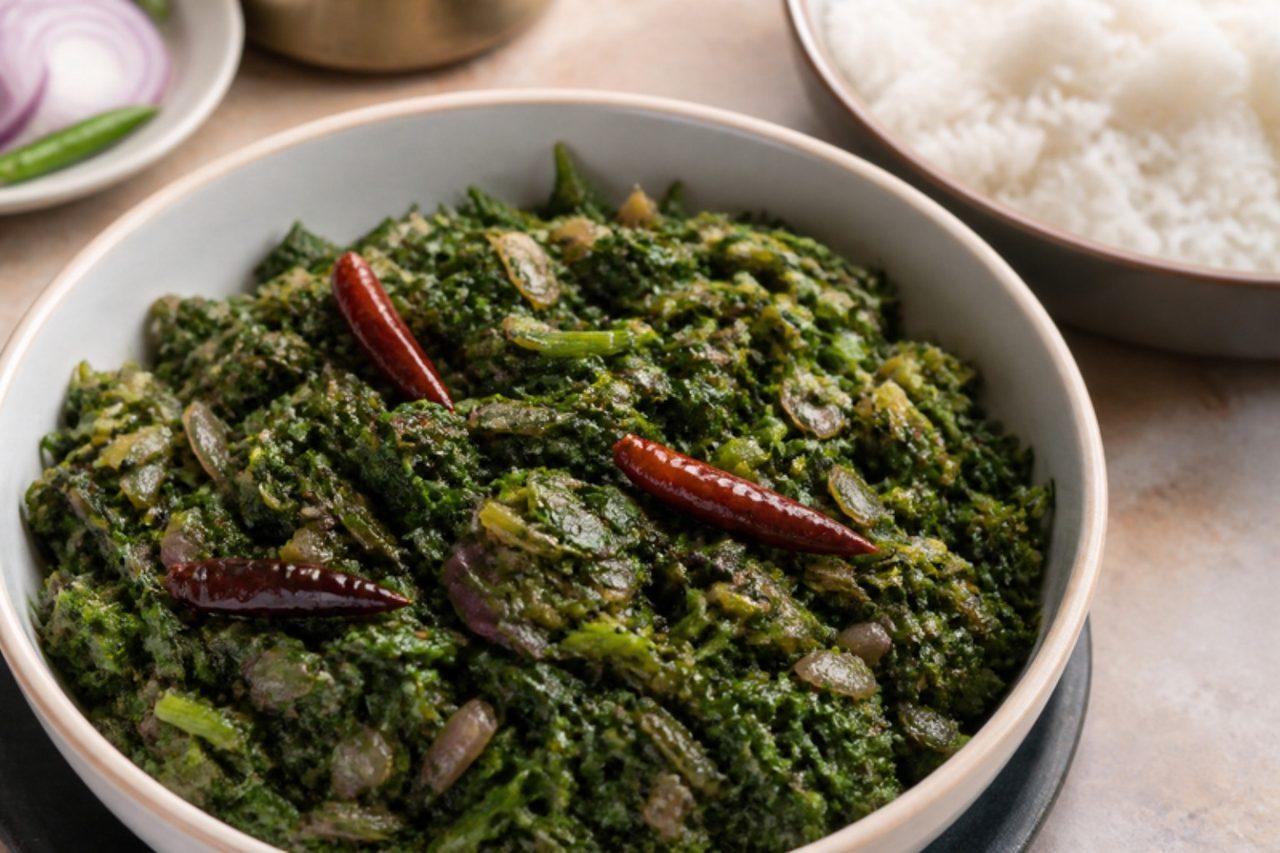
On Bhoot Chaturdashi, the night before Kali Puja and Diwali, Bengali homes light fourteen lamps for their ancestors and eat a dish of fourteen greens at lunch to keep illness and restless spirits away. Markets in Kolkata sell bundles already mixed for the day: spinach, red and green amaranth, Malabar spinach, water spinach, fenugreek, mustard and radish greens, bathua, jute leaves, pumpkin leaves, helencha and a few neem leaves for bitterness. Fried briefly in mustard oil with nigella and dried chilli, they cook down to an earthy, slightly bitter, faintly sweet tangle. It is eaten as the first course with hot rice and a drizzle of ghee for those who want it. If you can't find all fourteen, use what your grocer has; the mix matters more than the exact list. Chef's tip: cook it uncovered after the first wilt so the water evaporates; choddo shaak should be dry and glossy, not stewed.

by KrazyBadal 0 views

MathriFlaky savoury crackers

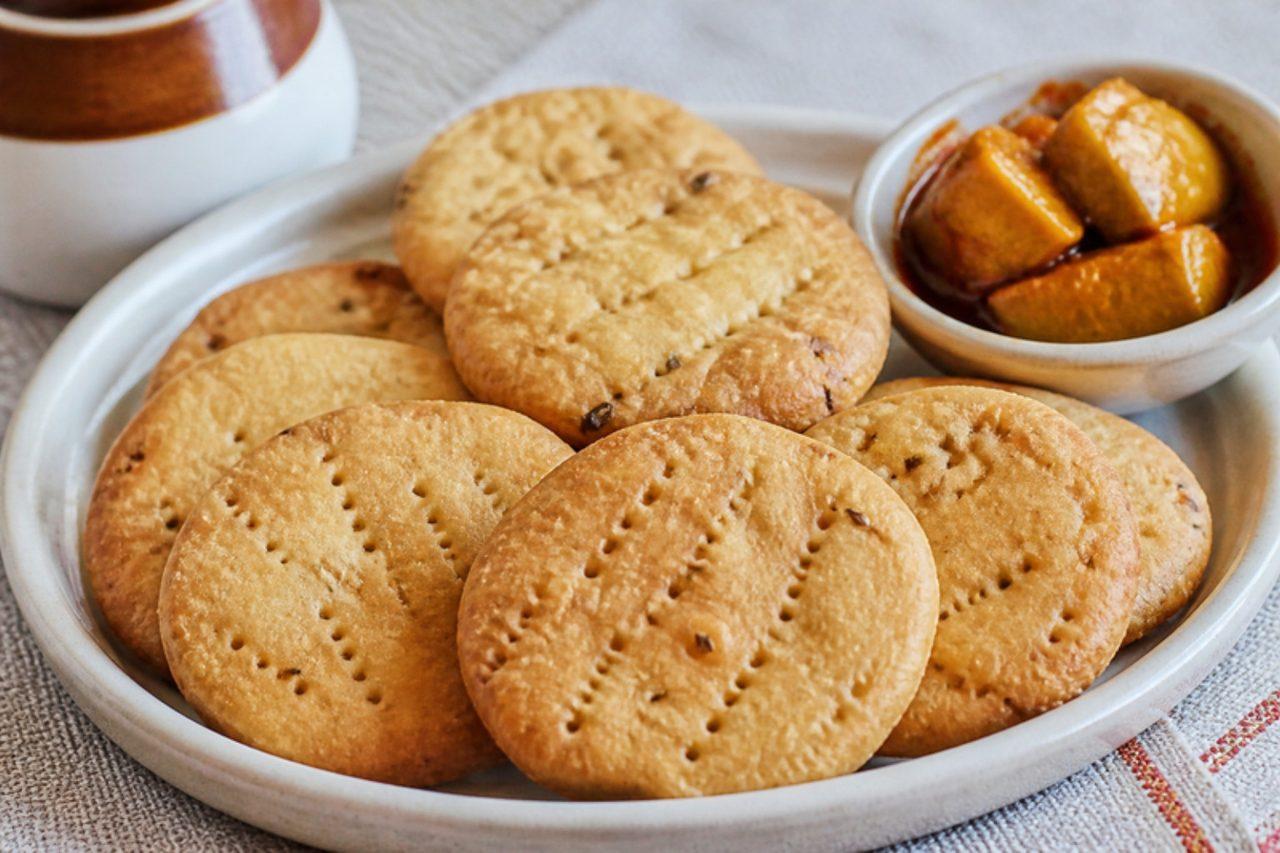
In Uttar Pradesh and Rajasthan the Holi tin is never complete without a stack of mathri next to the gujiya. These are thick, rough-edged discs of maida made very short with ghee, flecked with carom seeds and crushed black pepper, and fried slowly over a low flame for nearly twenty minutes until they turn pale gold and crumble into flaky layers. They taste savoury and peppery, a little like a buttery cracker, and they are meant for dipping in hot masala chai or eating with a sliver of mango or lemon pickle. Unlike the papad-thin Gujarati mathiya of moth bean flour, mathri is a sturdy wheat cracker that keeps for a month and travels in every child's luggage back to hostel. Chef's tip: don't knead the dough smooth; just press it together. Over-kneading builds gluten and makes mathri hard instead of flaky.

by KrazyBadal 0 views

Rajgira ladooPopped amaranth jaggery balls

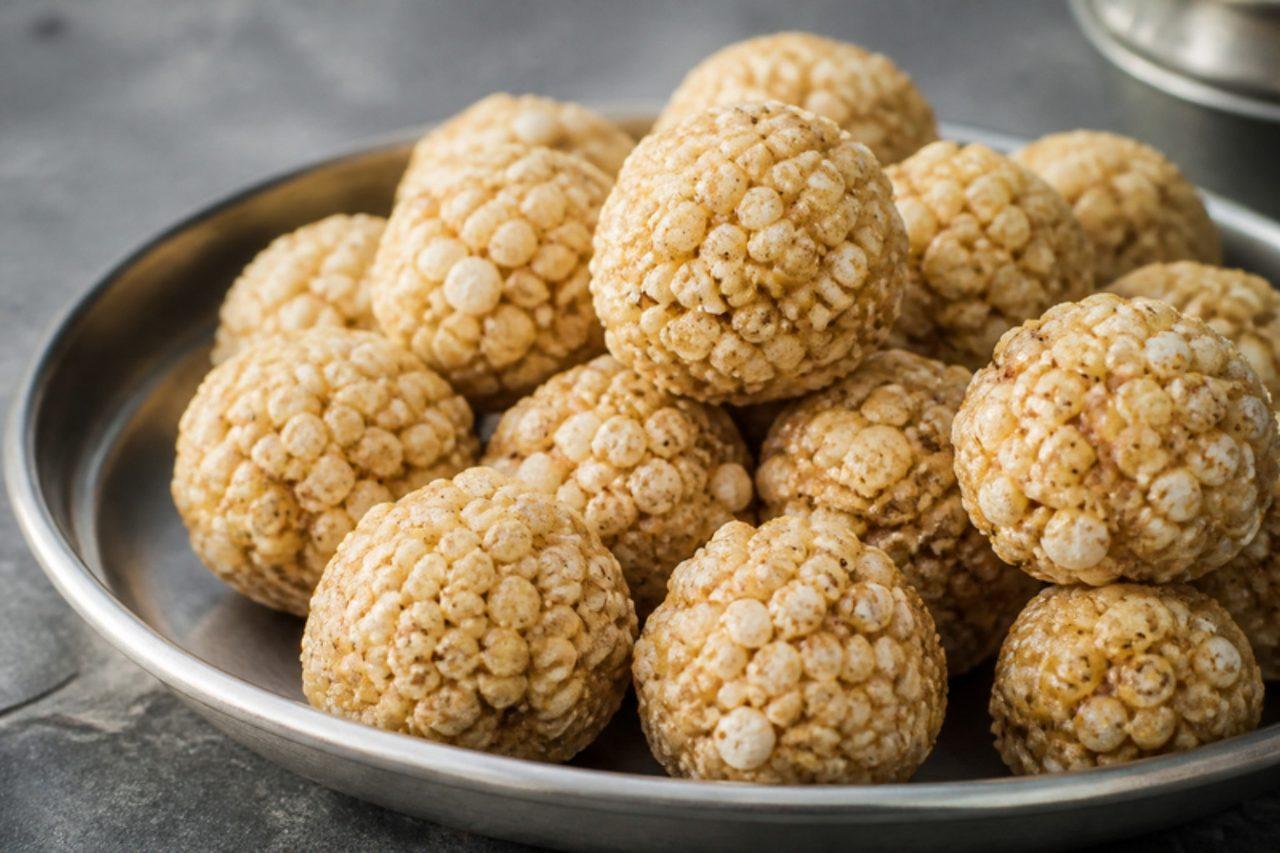
Before Mahashivratri and Navratri, sweet stalls in Maharashtra pile up trays of rajgira ladoo, and they are one of the few sweets that suit a strict fast and a vegan diet at once. Amaranth seeds puff like tiny popcorn in a hot pan; mixed with jaggery cooked to a firm syrup, they set into light, crunchy balls with a toffee-like, molasses sweetness and a toasty grain flavour. They are eaten as an energy-giving snack on fast days, given as prasad, and packed for long temple queues. Ready-popped rajgira is easy to find in Indian shops; popping your own seeds (a spoonful at a time in a hot, dry, lidded pan) takes about 10 minutes more. Chef's tip: wet your palms with cold water and shape the ladoos while the mix is very warm; once the jaggery cools, it sets hard and won't bind.

by KrazyBadal 0 views

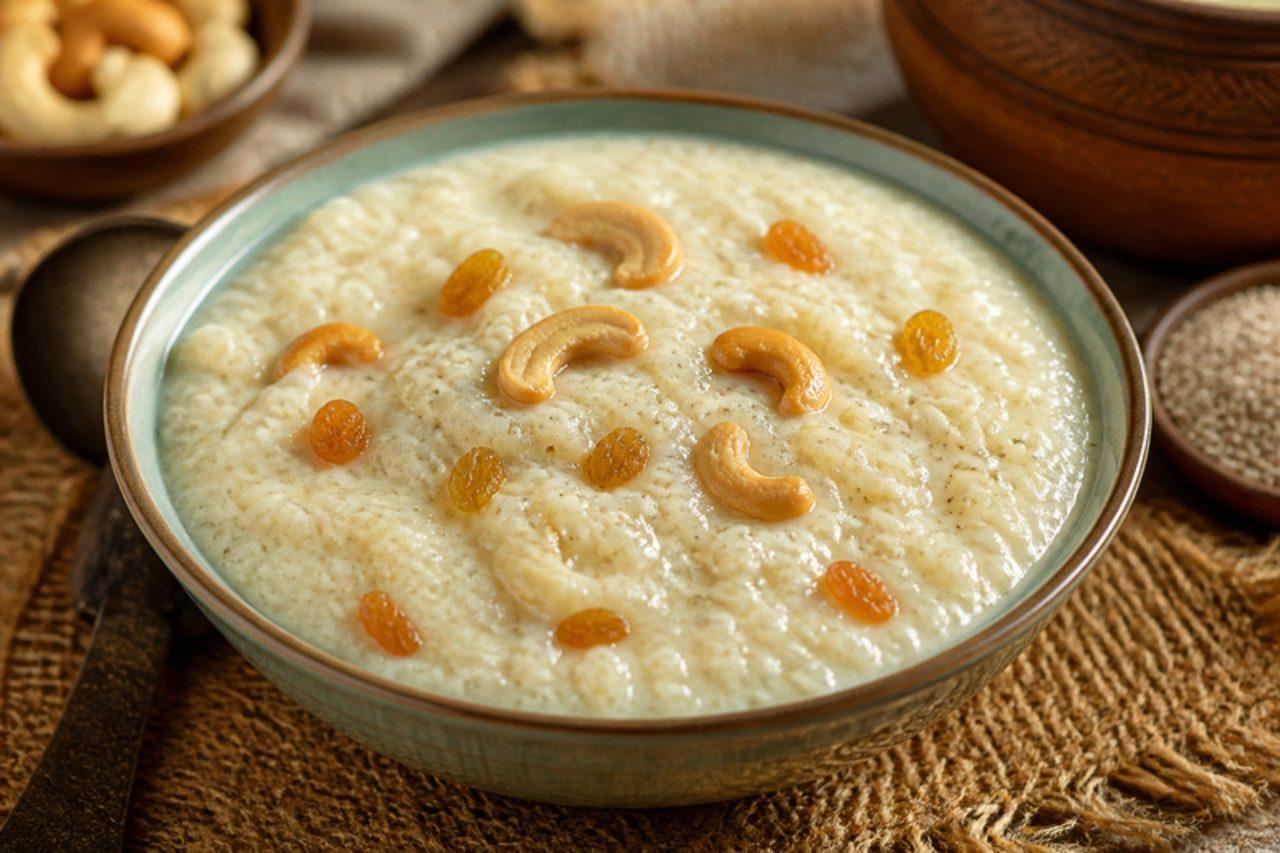
Sama ke chawal ki kheerBarnyard millet milk pudding

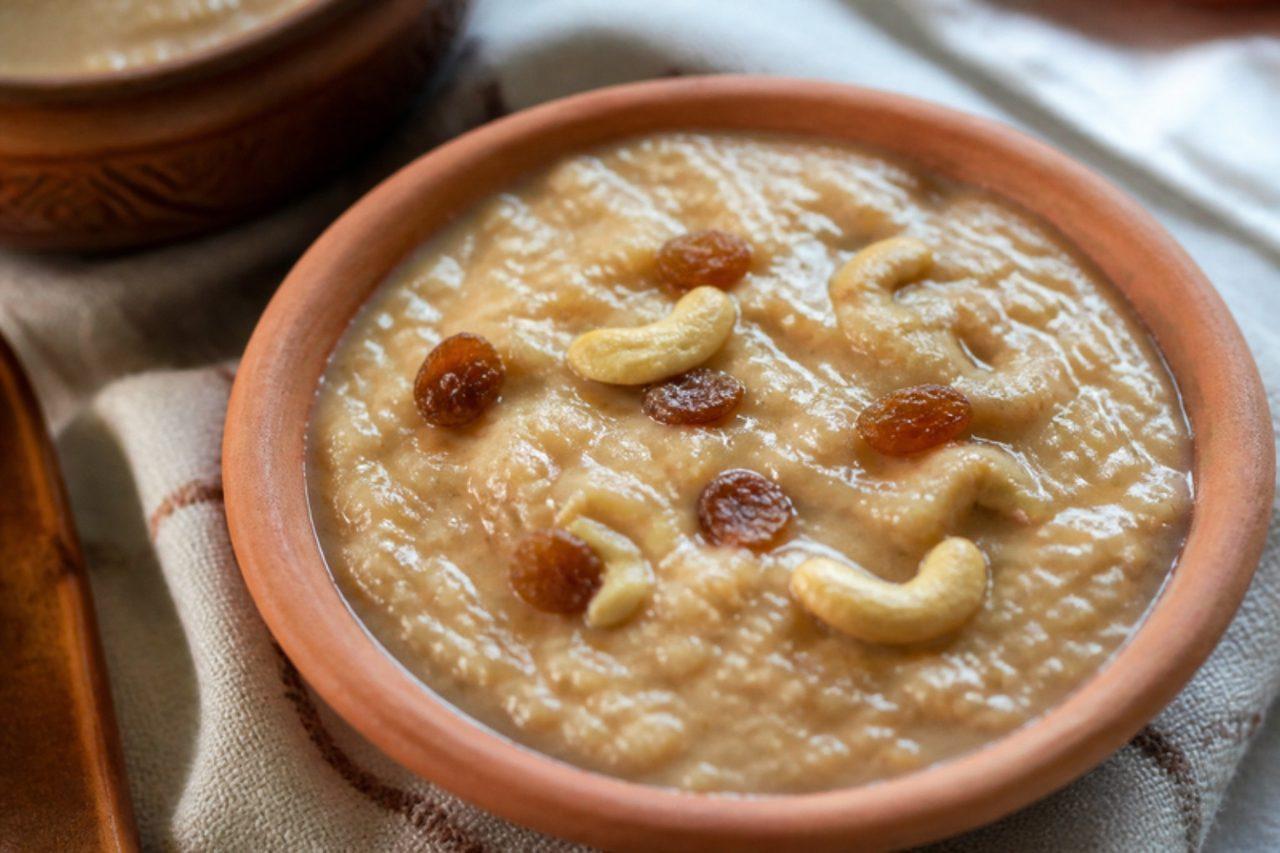
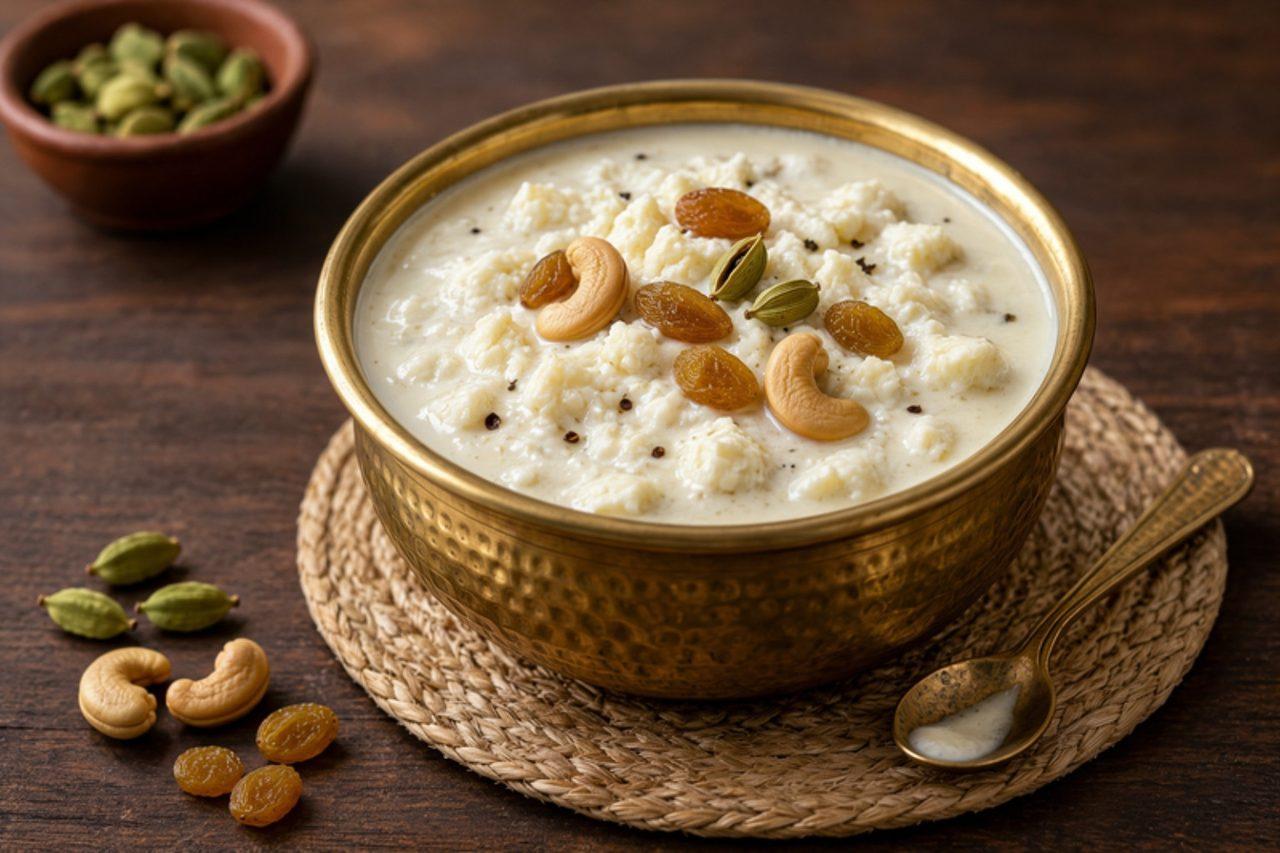
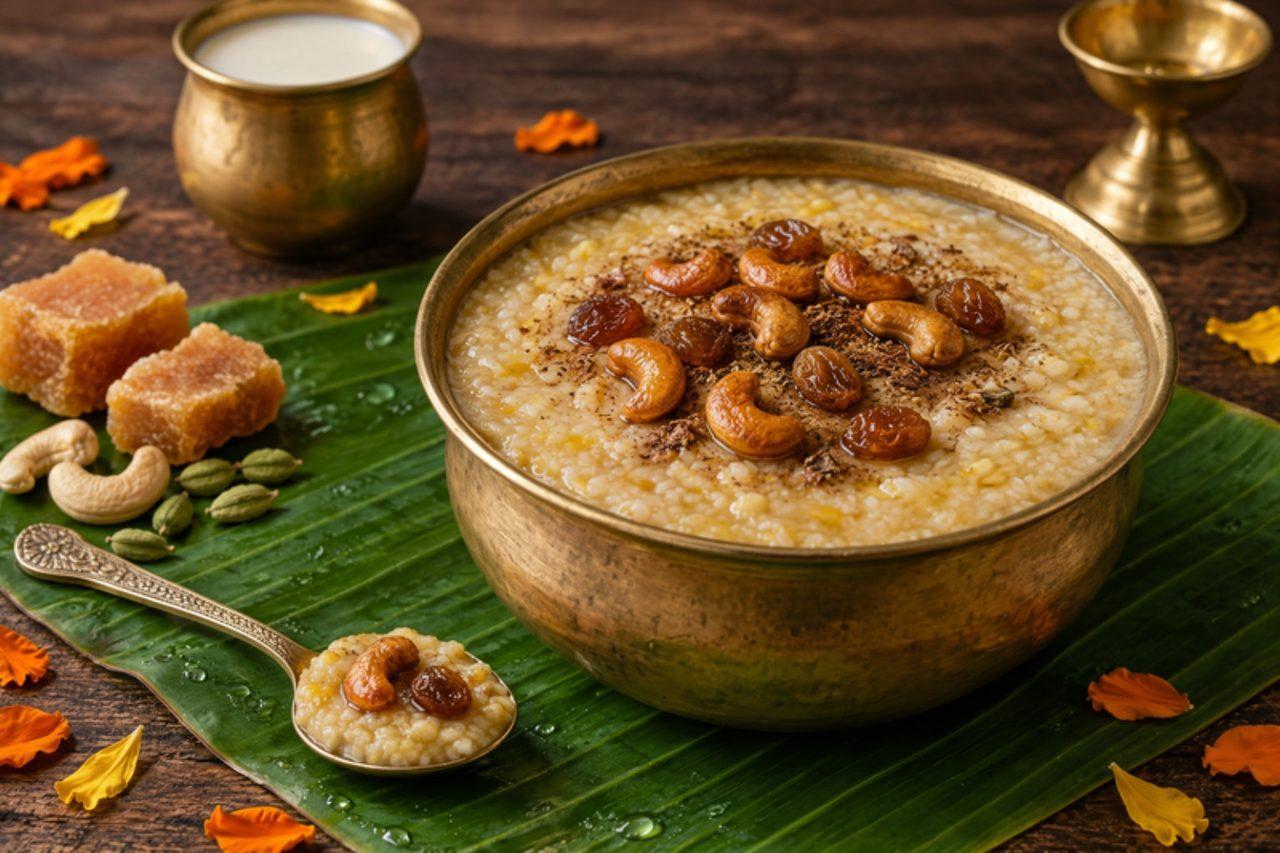
Sama, also called samak or vrat ke chawal, is barnyard millet, a tiny grain that North Indian families treat as rice on fast days because it isn't a true cereal for the purposes of the vrat. Cooked slowly in milk, the grains swell, burst and release their starch, so the kheer turns thick and creamy in about twenty minutes, much faster than rice kheer, with a mild, nutty flavour. Ghee-fried cashews and raisins add crunch and sweetness. It is made for Navratri, Ekadashi and Karva Chauth, and served warm after the evening puja or cold the next day. Sama sticks to the pan quickly, so use a heavy-based pan and keep stirring once the grains go in. Chef's tip: rinse the sama in several changes of water until it runs clear; the dusty starch on the grains makes the kheer gluey and slightly bitter.

by KrazyBadal 0 views

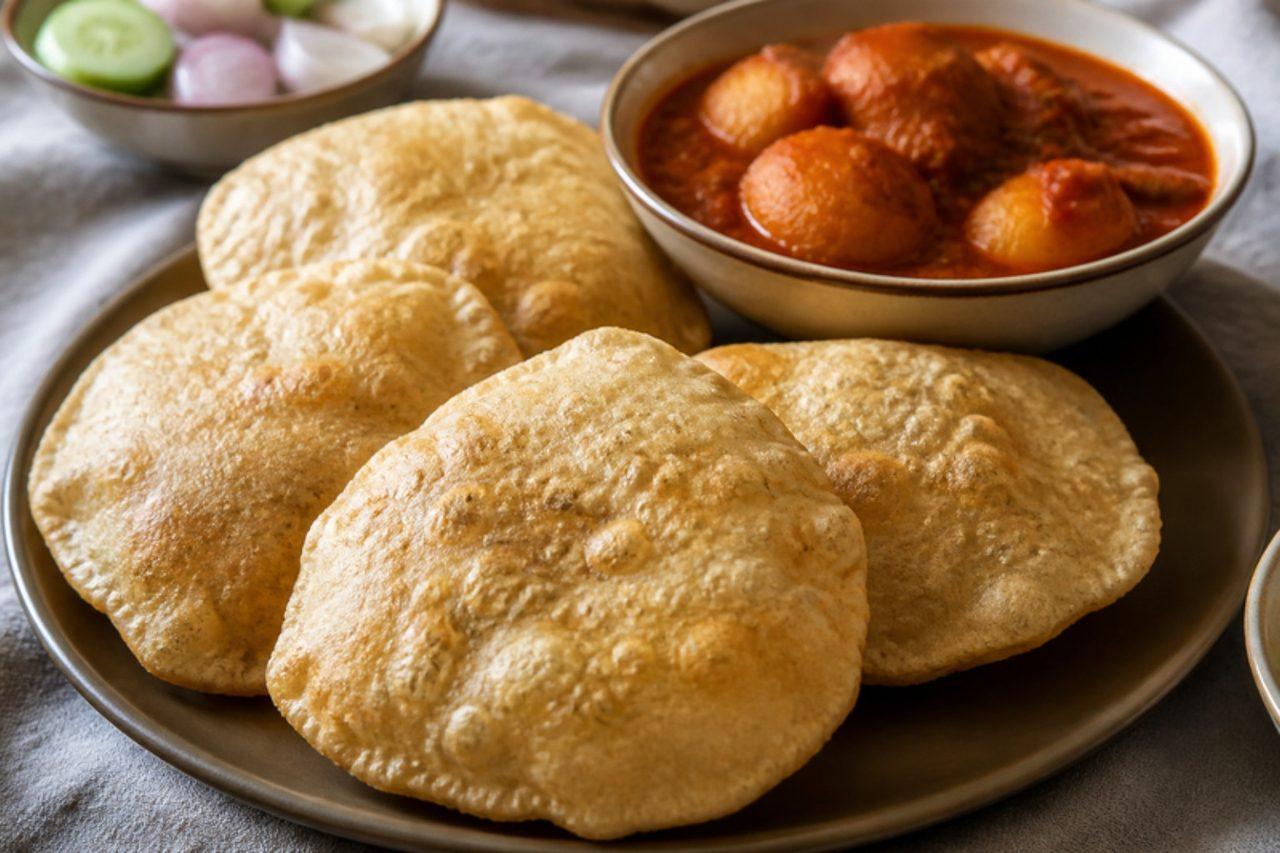
RadhaballaviDal-stuffed puris

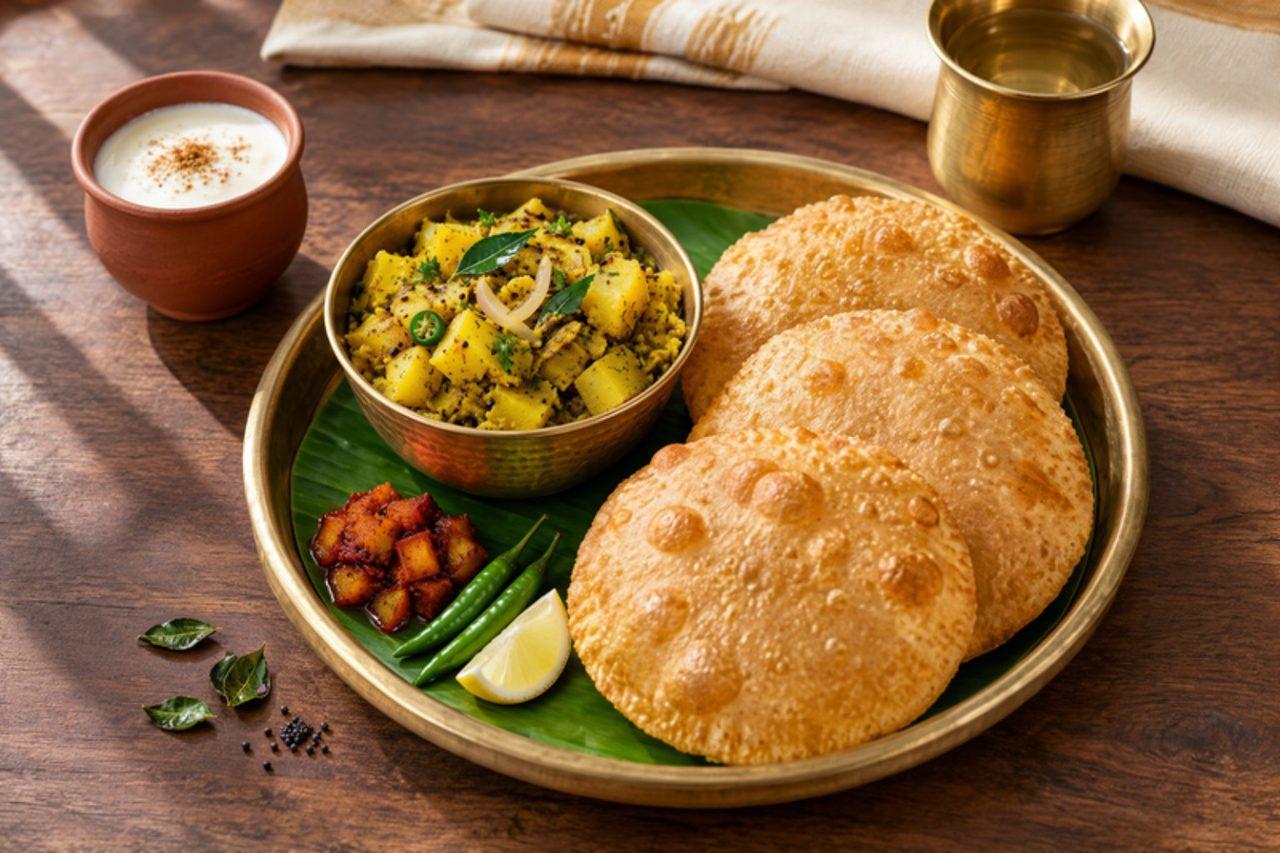
Named after Radhaballabh, a name of Krishna, these stuffed puris are said to have begun as a temple offering, and they are now what Bengali families serve on a festive morning: at a wedding breakfast, on Janmashtami, or bought hot from a Kolkata sweet shop with a bowl of aloo dum and a sweet like rosogolla or chhanar jilipi on the side. Soaked urad dal is ground coarse and fried dry with ginger, fennel, cumin and hing, then sealed in a soft maida dough, rolled thin and fried until it balloons. The puris are softer and more delicate than kachori, with a thin layer of spiced dal through the middle. They are vegan here, fried in oil; many sweet shops fry them in ghee, which is fine if you do not need them dairy-free. Common mistake: a damp filling, which turns to steam in the oil and bursts the dough; cook it until it is completely dry and crumbly. Chef's tip: roll with gentle pressure from the centre outwards and leave the edges a touch thicker, so the filling cannot push through.

by KrazyBadal 0 views

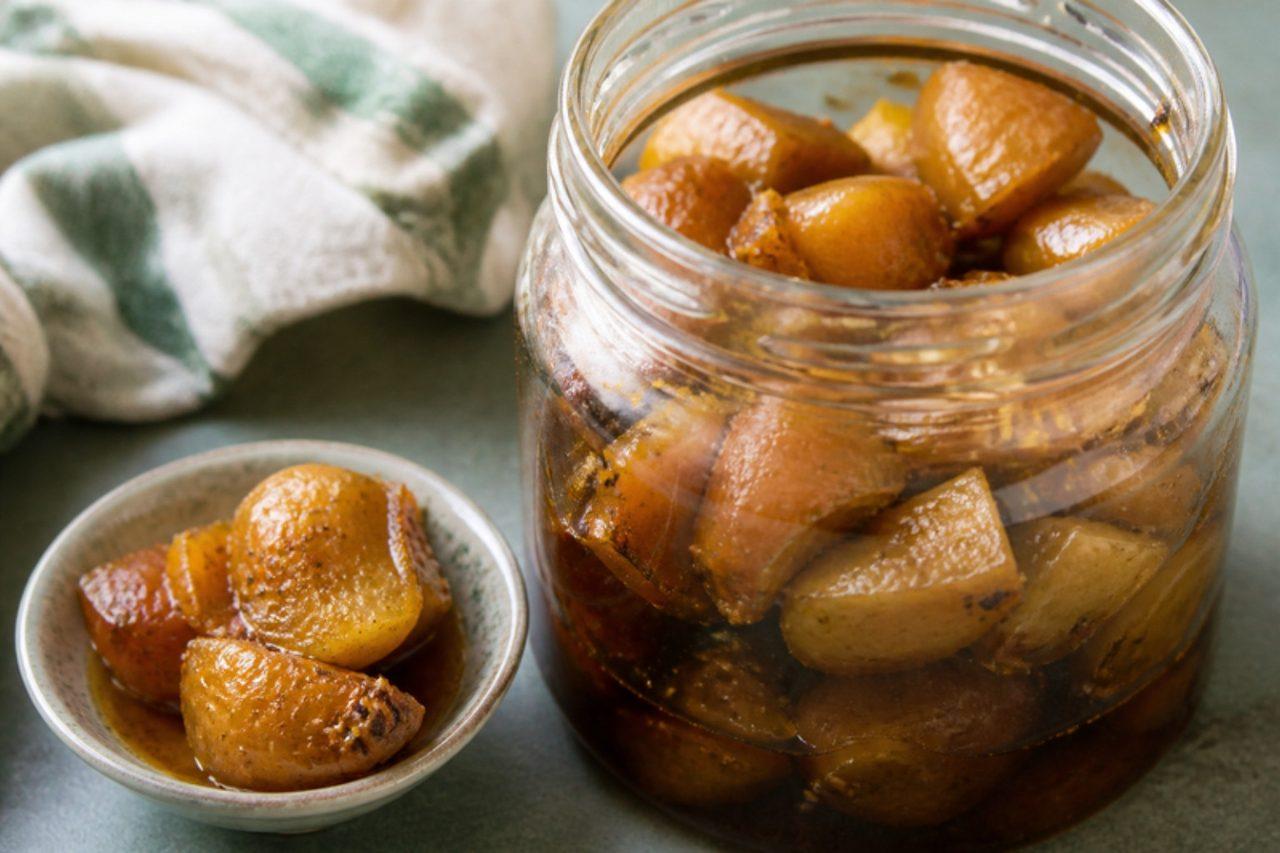
Nimbu ka acharLemon pickle

Lemon pickle is the one achar that North Indian grandmothers hand over without a speech, because there is almost nothing to it: lemons, salt, a few spices, a jar and patience. No oil goes in. The quartered lemons sit in salt and their own juice, in a sunny window or on the roof, and over three or four weeks the peel turns soft, translucent and brown, and the juice becomes a thick, sweet-sour syrup. This version is the khatta-meetha kind, with sugar, ajwain, black salt and chilli, loved with parathas, khichdi and as a cure for an upset stomach; leave out the sugar and double the chilli for the salty, sharp version. Use thin-skinned, juicy lemons (kagzi nimbu) and wash and dry them thoroughly. Common mistake: being impatient; the peel is bitter and hard until it has fully cured, so wait until it squashes easily. Keep the pieces pressed under the juice, use only a dry spoon and discard the jar if mould appears. Chef's tip: shake the jar every day rather than opening it; less air and fewer spoons mean less risk of spoilage.

by KrazyBadal 0 views

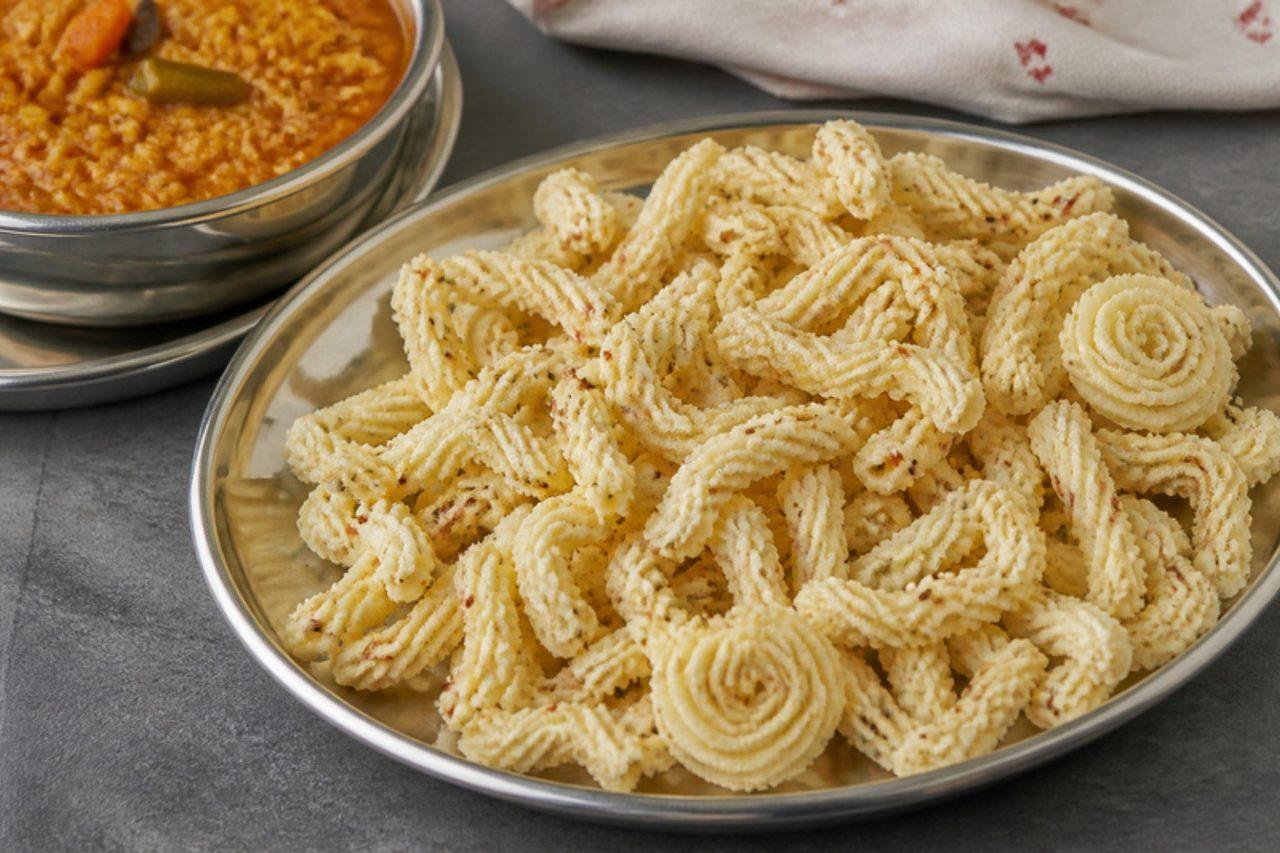
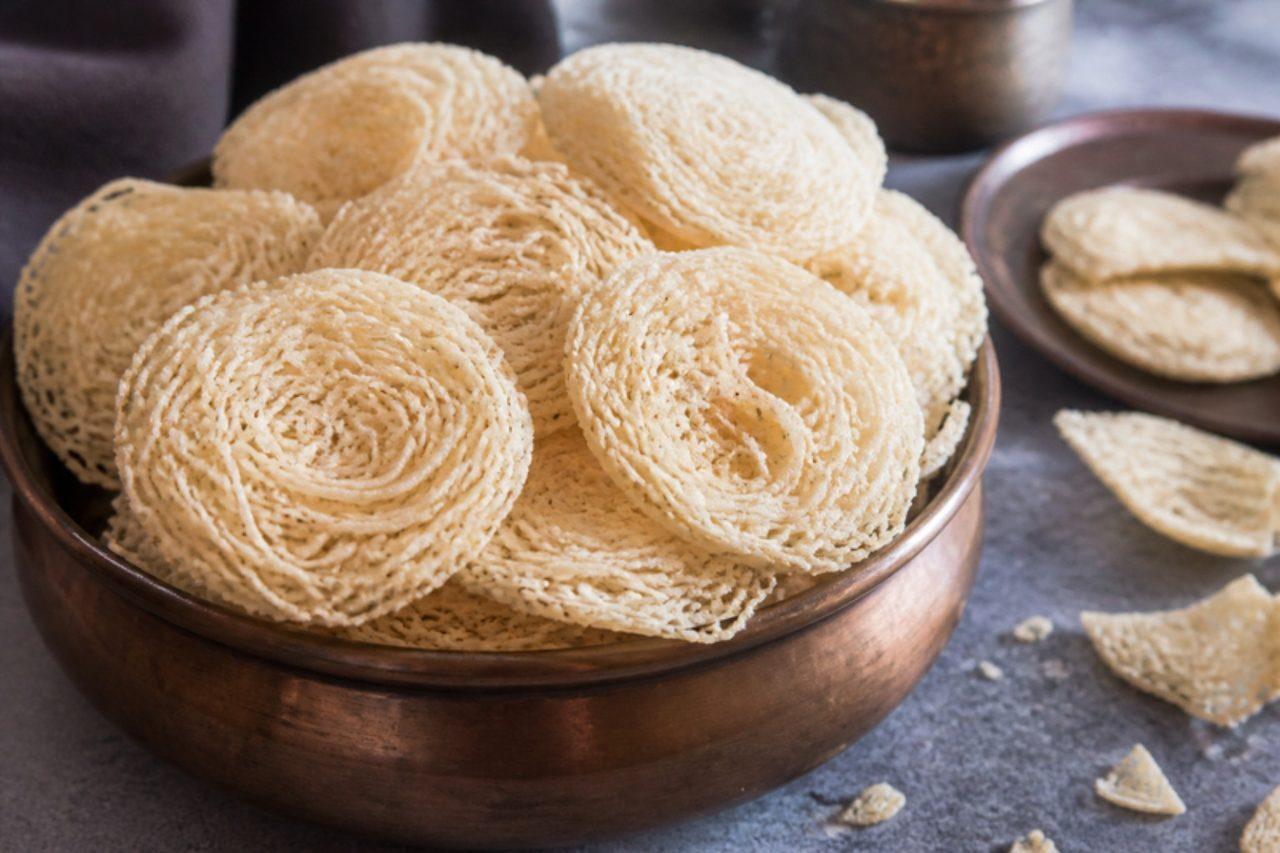
Arisi vadamSun-dried rice crisps

Chithirai and Vaikasi, the blazing months of a Tamil summer, are vadam season. In Madurai and the older Chennai neighbourhoods, terraces are covered with white sheets and rows of pressed rice-dough spirals, ribbons and stars, guarded from crows by whoever is on duty. Fried, the vadams puff into light, crunchy curls with a hint of chilli, cumin and lime. They come out on the side of a lunch of vatha kuzhambu, mor kuzhambu or rasam with rice, where they do the job a papad does in the north. The dough is a cooked rice-flour koozh, and it has to be pressed through the vadam (murukku) press while warm. Common mistake: making the koozh too thick; the press becomes impossible to turn and the strands break. It should feel like soft, sticky mashed potato. Chef's tip: lime juice is not just for flavour, it keeps the vadams bright white as they dry.

by KrazyBadal 0 views

Methia keriRaw mango pickle

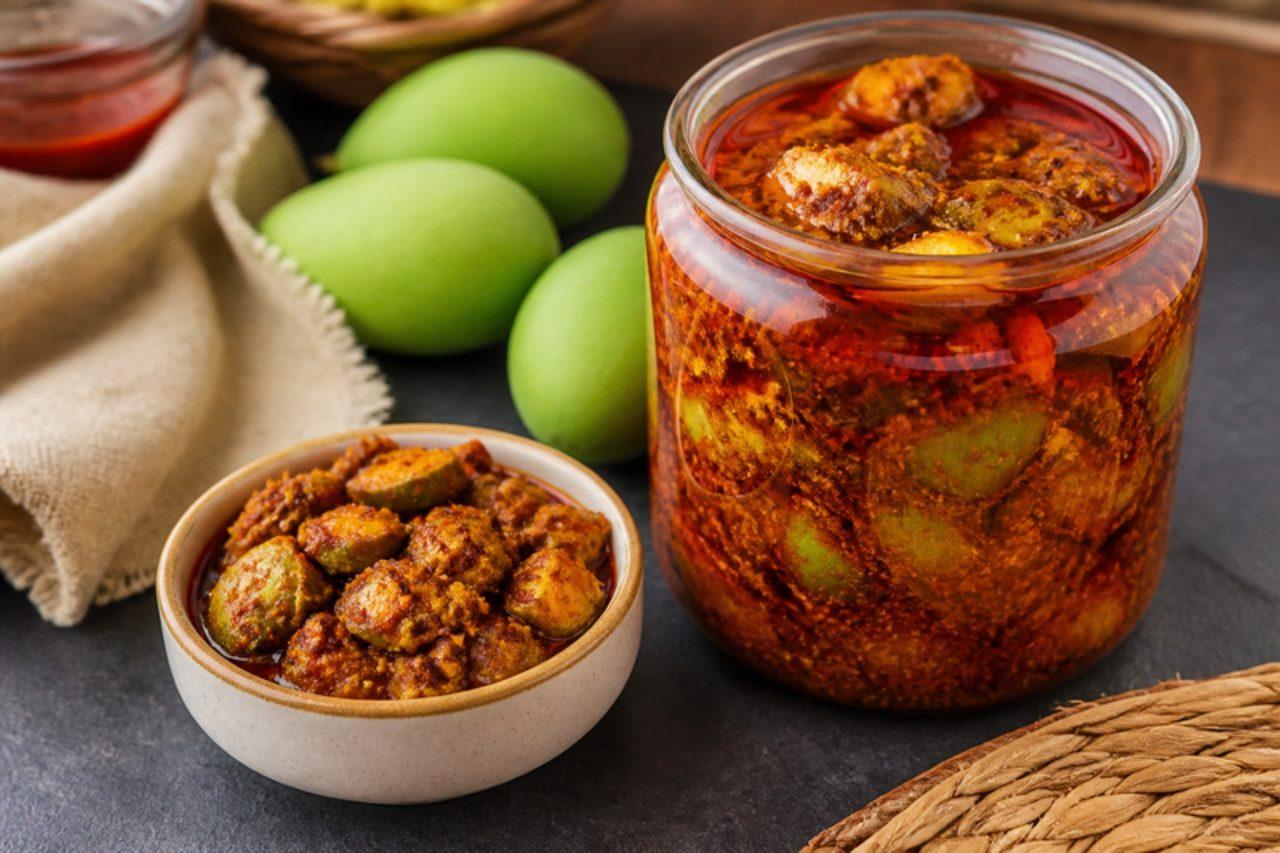
If a Gujarati home makes only one athanu each summer, it is methia keri. Rajapuri or other firm raw mango is cut with its skin, salted overnight, dried, then coated in a masala built on methi kuria (split fenugreek) and rai kuria (split mustard), with Kashmiri chilli, hing, turmeric and salt, and covered with groundnut oil. The kuria swell and soften in the oil, so the fenugreek turns pleasantly bitter-nutty instead of hard. In a week the mango is tender but still has bite, and the pickle is tangy, hot and aromatic with hing. It goes on the side of every thali, with khichdi-kadhi, thepla, bhakhri or a simple dal-bhaat. Buy kuria rather than splitting seeds yourself; Rajkot and Kanda-style methi kuria sold in Gujarati shops are ideal. Common mistake: leaving any moisture on the mango, the jar or the spoon; a single damp spoon can bring mould to a whole jar. Keep the oil 2 cm above the pieces at all times, and discard if you see mould or smell anything sour or off. Chef's tip: pour a little hot oil over the hing in the middle of the kuria and cover it for a minute; the bloomed hing perfumes the whole masala.

by KrazyBadal 0 views

Rishi panchami bhajiPumpkin, taro and corn stew

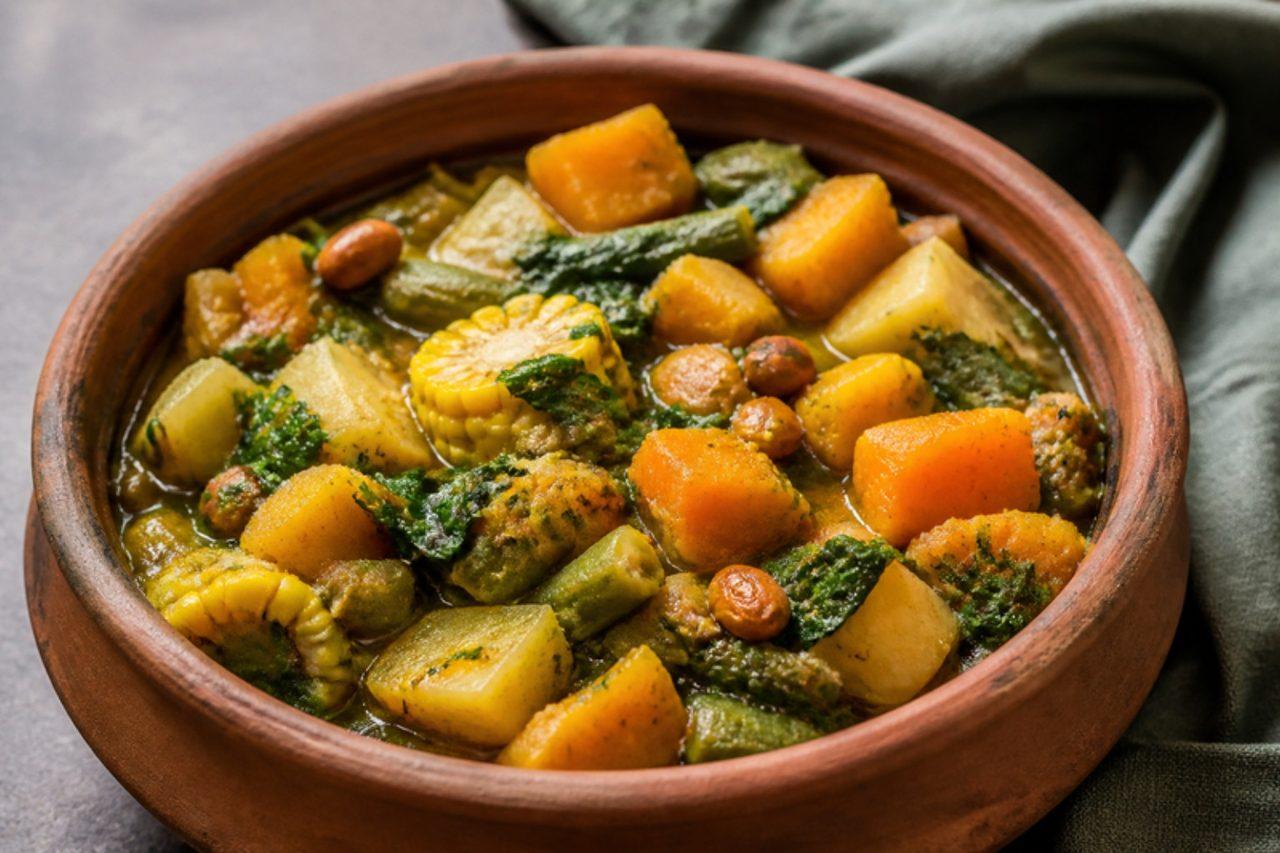
The day after Ganesh Chaturthi, many Maharashtrian women fast for Rishi Panchami and eat only what has grown without the labour of a bullock. That rule turns into one of the most unusual dishes of the year: a stew of whatever the backyard and the monsoon give, such as red pumpkin, colocasia (alu) leaves and roots, sweet corn, ridge gourd, snake gourd, lal math (red amaranth), okra and raw banana, simmered with crushed peanuts, coconut and green chilli. It is thick, mildly sweet and fresh-tasting, with no onion, garlic or tomato. Some families also skip the tadka entirely; others use a little ghee or oil with cumin. Eat it hot on its own as the main meal of the day, with nothing else alongside. A common mistake is putting colocasia in without enough sourness, which can leave the throat itchy: always add the tamarind with the colocasia. Chef's tip: add the vegetables in order of how long they need, roots first and leaves last, so nothing turns to mush.

by KrazyBadal 0 views

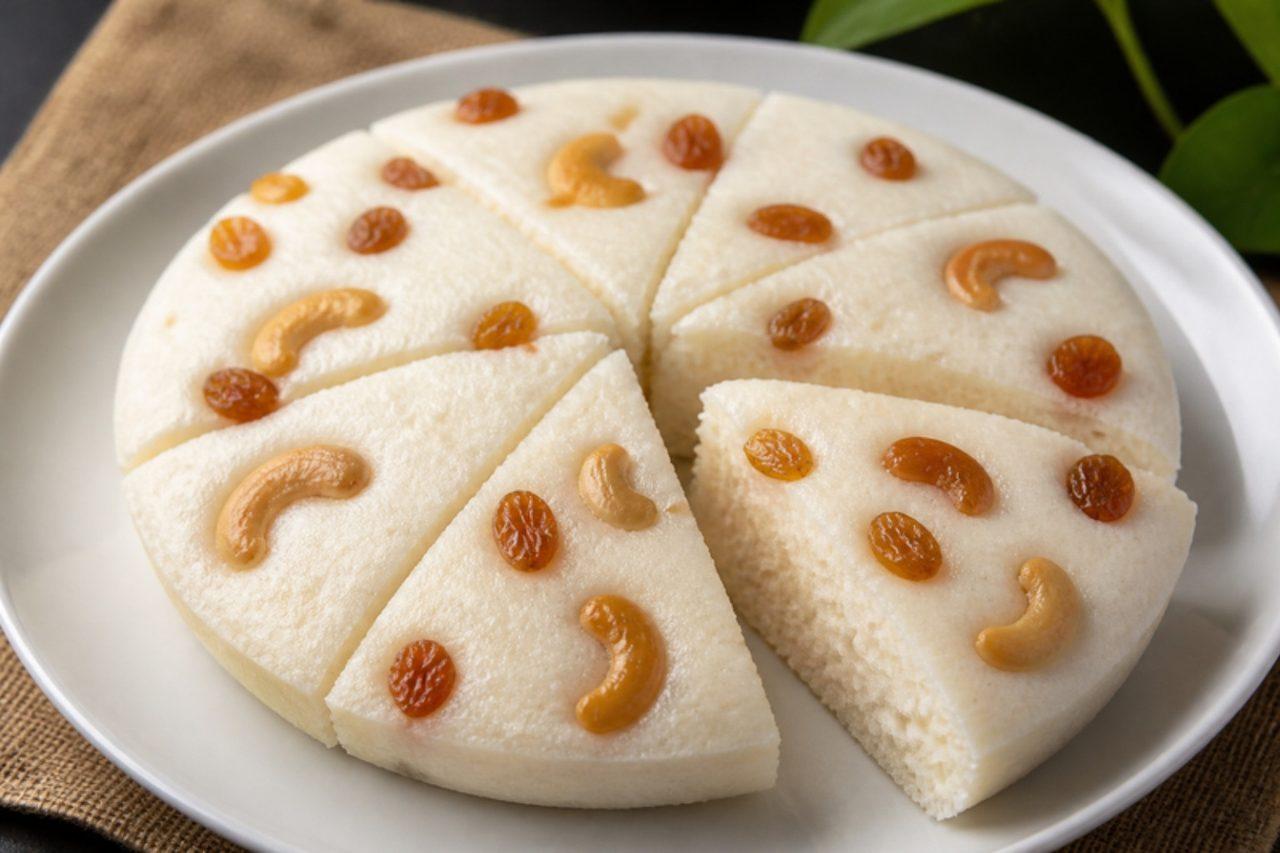
SannasSteamed rice cakes

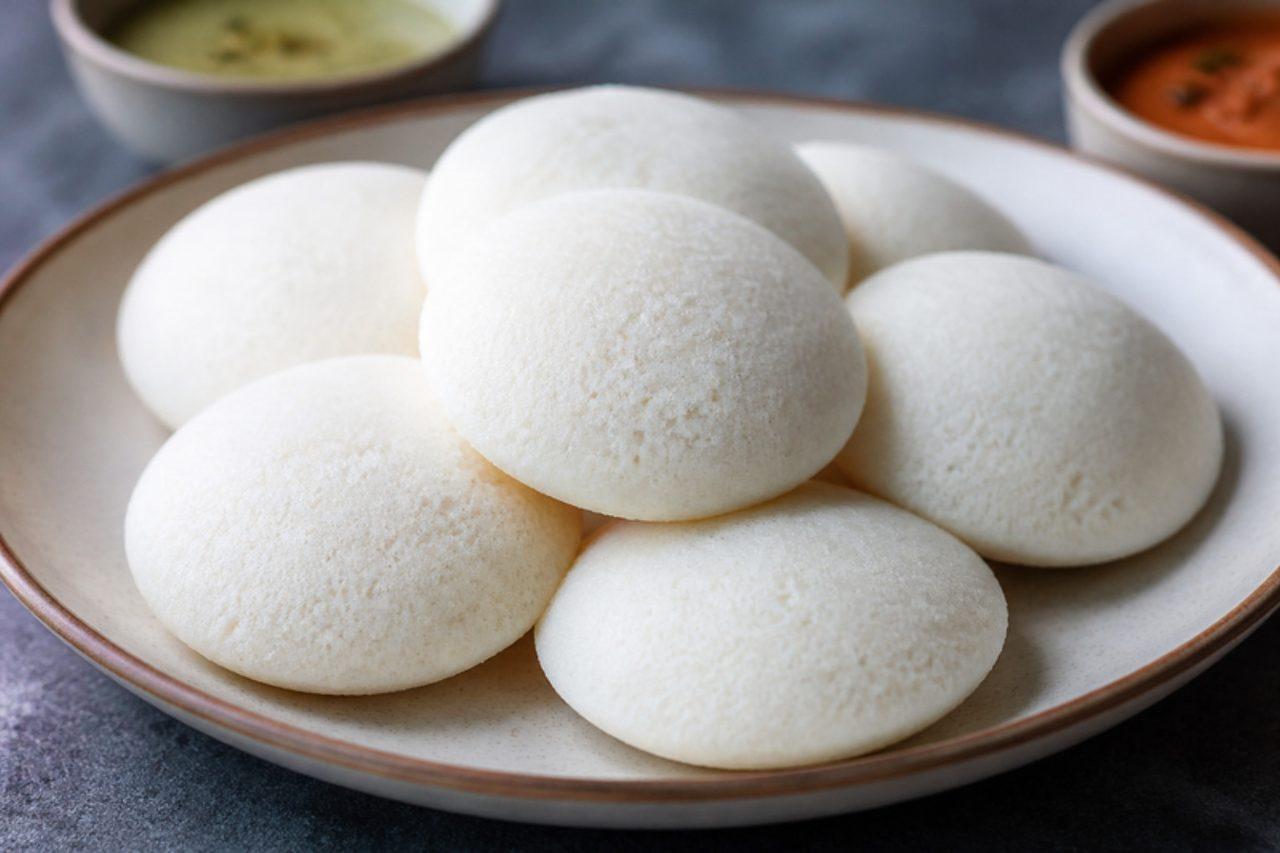
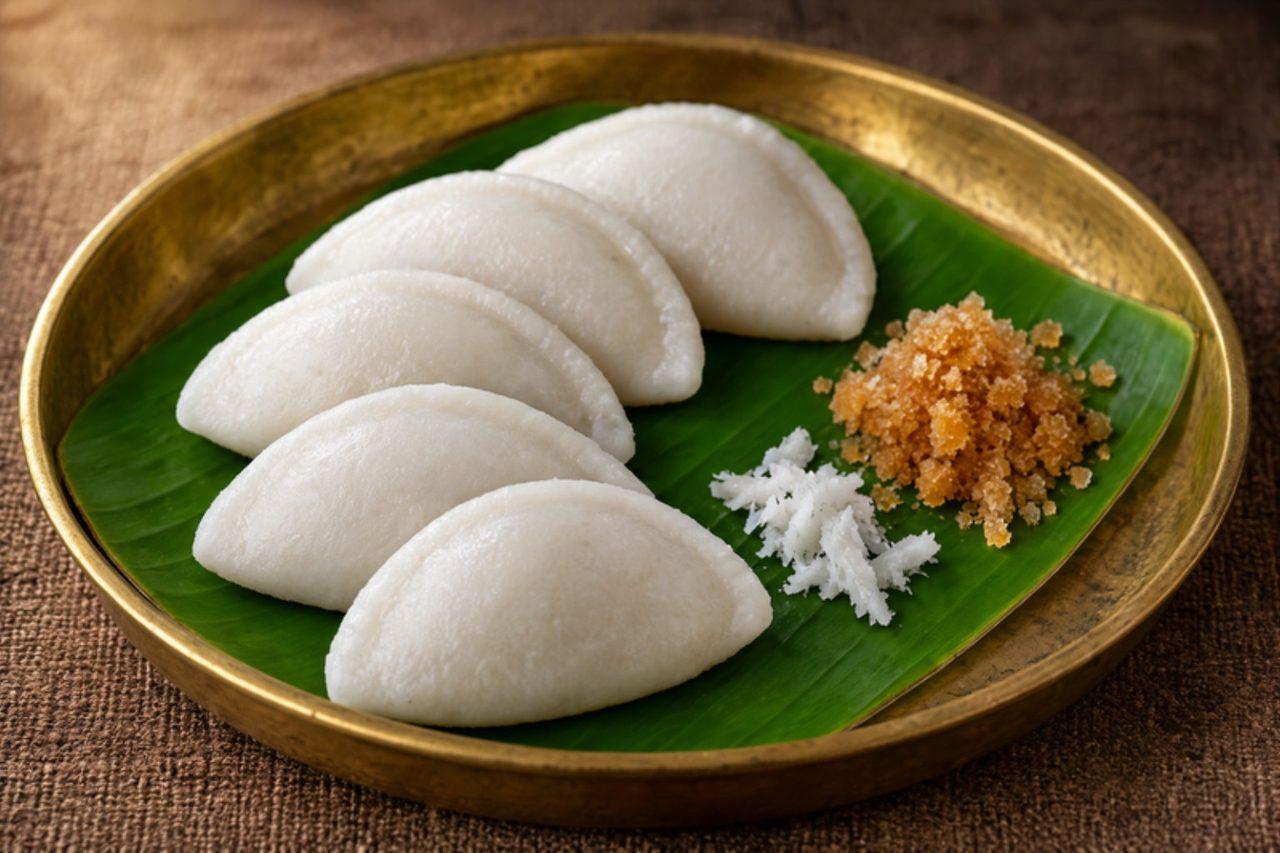
Sannas are to a Goan Catholic feast what idli is to a Chennai breakfast: soft, pillowy steamed rice cakes, made for Christmas, weddings and village feast days to mop up sorpotel, xacuti or a coconut curry. They are fluffier and slightly sweeter than idli, because ground coconut and a little sugar go into the rice batter, and they are traditionally risen with fresh coconut toddy (sur). This version uses dried yeast in place of toddy, so it contains no alcohol, and the long overnight ferment still gives the faint sour note that makes them taste right. Serve them warm with any Goan curry (vegetable xacuti or chana ross keep it vegetarian) or with jaggery and coconut milk for tea. The common mistake is overfilling the moulds; sannas rise a lot and spill over. Fill each two-thirds full. Chef's tip: grind a handful of cooked rice or soaked poha into the batter; it gives that cotton-soft, spongy texture that plain rice batter lacks.

by KrazyBadal 0 views

DoodhpakRice milk pudding

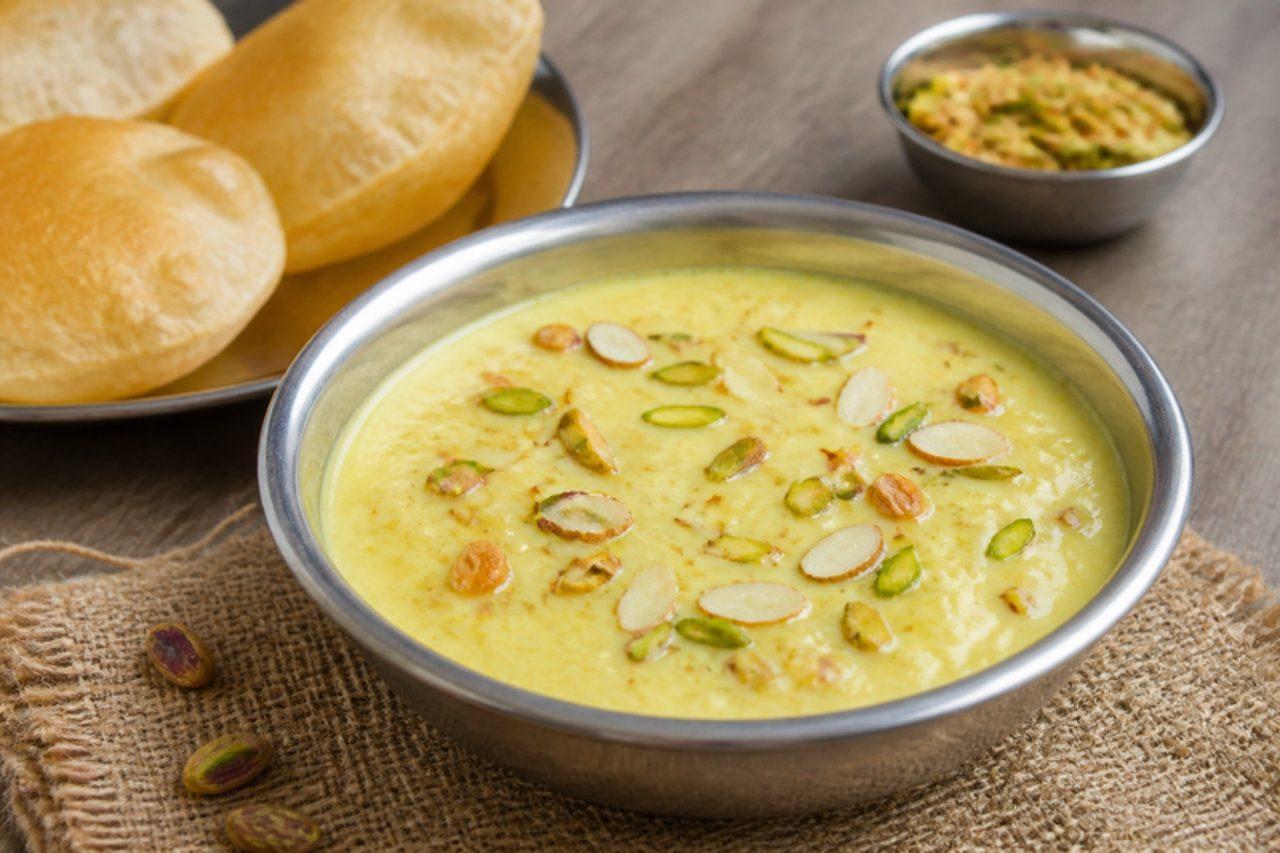
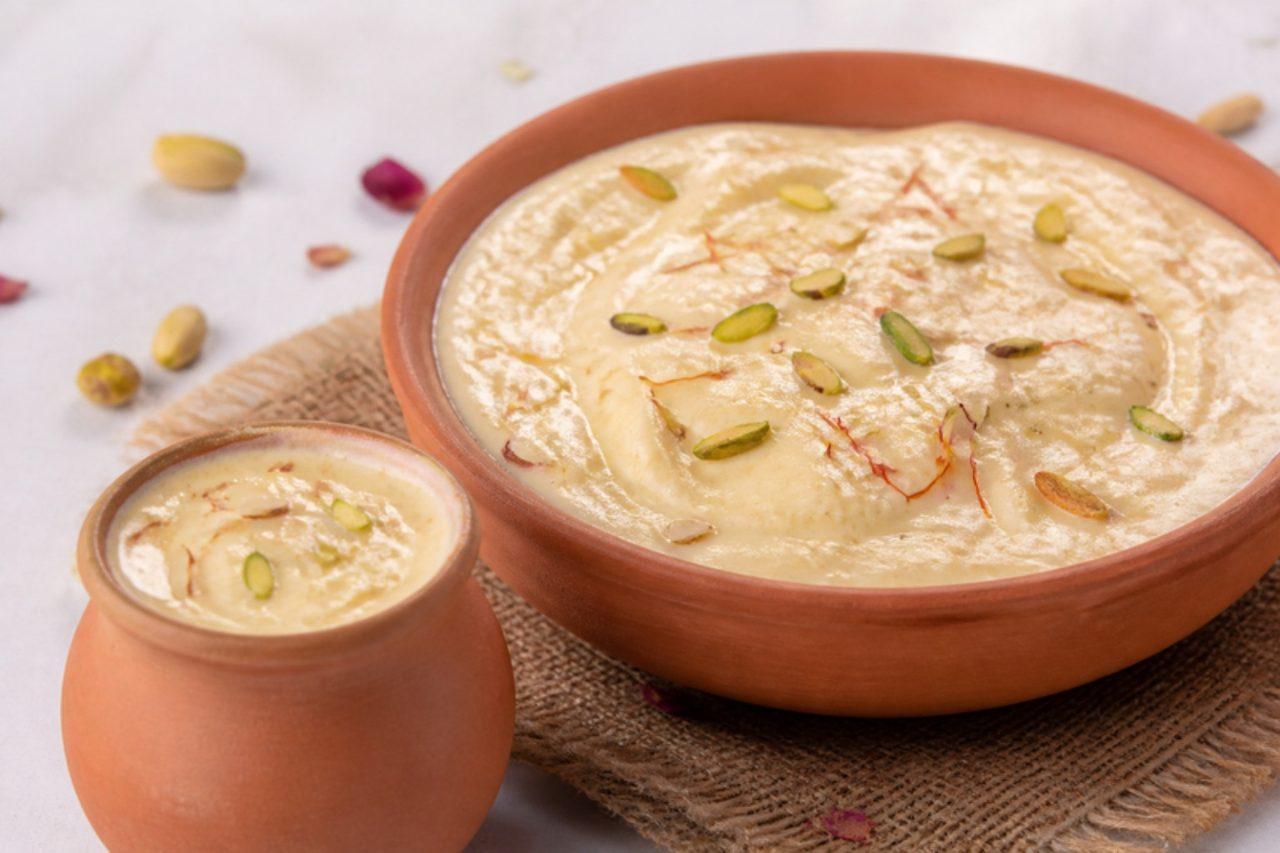
Doodhpak and puri is the classic pairing of a Gujarati jamanvar (feast), served at weddings, at Sharad Purnima and, in many families, cooked for pitru paksha (shraddh) to remember the ancestors. Unlike a thick kheer, doodhpak is pourable and silky: a small amount of rice cooks in milk that has been reduced by about a third, so each grain is soft but still whole, and the milk turns creamy and faintly golden from saffron. Charoli (chironji, small almond-like seeds), slivered almonds and pistachios give it bite, and cardamom with a little nutmeg (jaiphal) is the true Gujarati flavour. It thickens a lot as it cools, so take it off the heat while it still looks thin. Serve warm in winter or chilled in summer, with hot puris, dal-bhaat and a dry shaak. Common mistake: adding sugar before the rice is fully soft; the sugar stops the grains cooking and they stay chalky. Chef's tip: rub the soaked rice with a teaspoon of ghee before it goes in, so the grains stay separate and do not form lumps on the base.

by KrazyBadal 0 views

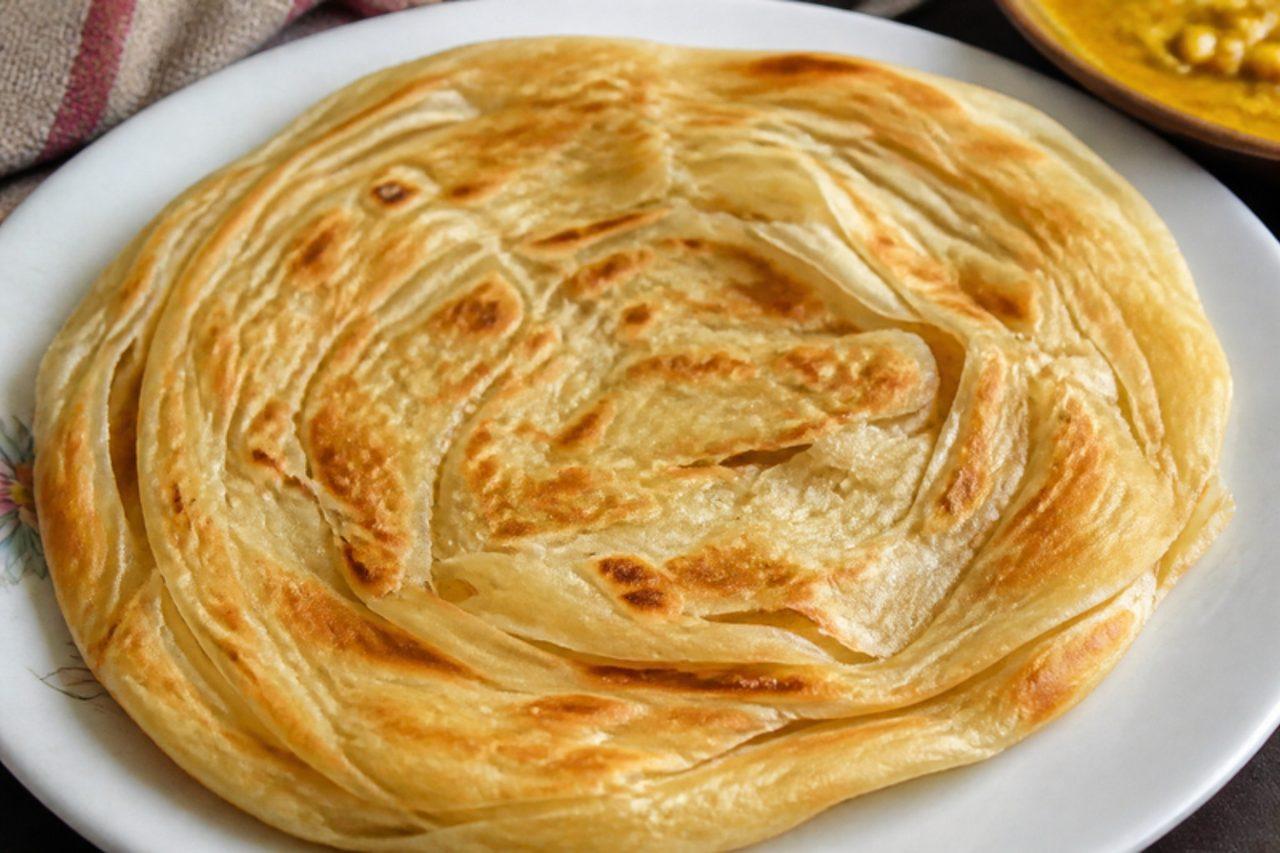
Warqi parathaFlaky laminated flatbread

Warq means a thin leaf, and this is the paratha of the Awadhi and Hyderabadi dastarkhwan, where the old royal kitchens laminated dough like a pastry chef. A soft dough of maida, milk and ghee is rolled out very thin, brushed with soft ghee, dusted with flour and folded again and again until there are dozens of layers. Cooked slowly on a tawa, it puffs and shatters into crisp, buttery flakes on the outside while the inside stays tender and layered. It is rich and slightly sweet, made for scooping up Lucknowi qorma, nihari, haleem or a vegetarian shahi paneer at Eid and wedding feasts, and it is quite different from the soft, saffron-sweet sheermal of the same city. Common mistake: using melted, runny ghee for the layers; it soaks into the dough instead of separating it. Chef's tip: let the ghee set to a soft, creamy paste, and chill the folded dough for 15 minutes before the final rolling so the layers stay distinct.

by KrazyBadal 0 views

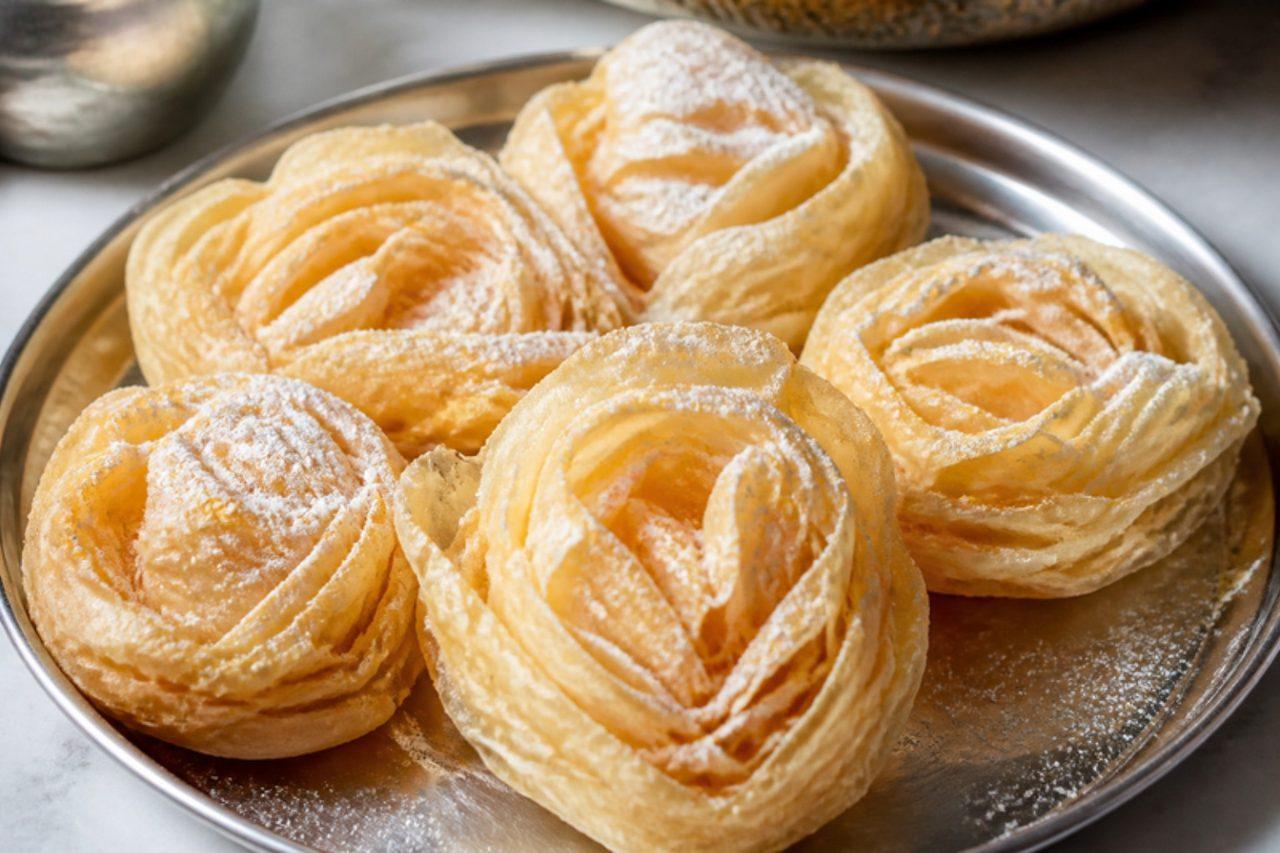
ChiroteLayered rose pastries

Chirote are what a Maharashtrian or Kannadiga family makes to show off at a wedding or Diwali. Thin sheets of maida dough are spread with satha, ghee whipped with rice flour, stacked, rolled into a log and sliced, so each piece opens in the hot fat like a many-petalled flower. Done well they shatter when you bite them, light and buttery, with sweetness only from the dusting of cardamom sugar on top. In Pune they appear on the faral platter beside karanji and anarse; in Karnataka the chiroti is often served at weddings drenched in warm saffron-almond milk. This takes patience and a cool kitchen, so set aside an unhurried morning. Chef's tip: whip the satha until it is white and fluffy like whipped cream; a dense, oily paste won't keep the layers apart and they fuse into a single chewy disc.

by KrazyBadal 0 views

Katachi amtiSweet-sour chana dal stock curry

When Maharashtrian homes cook chana dal for the puran on Holi, the cooking liquid is drained off before the dal is sweetened, and nothing goes to waste: that starchy, nutty stock, the kat, becomes katachi amti. Tempered with mustard, cumin and curry leaves, then simmered with roasted dry coconut, goda masala, tamarind and jaggery, it turns into a thin, hot, sweet-and-sour dal that is poured over puran poli or drunk from a bowl alongside it. The spice balances the rich sweet bread perfectly, which is why the two always appear together on Holi and Gudi Padwa thalis. If you are not making puran poli, cook 150 g chana dal in 1 litre of water until soft, drain off the liquid for this and use the dal for something else. Use gluten-free asafoetida and a goda masala made without wheat for a gluten-free amti. Chef's tip: keep it thin, like rasam; it is meant to soak into the poli, not sit on it.

by KrazyBadal 0 views

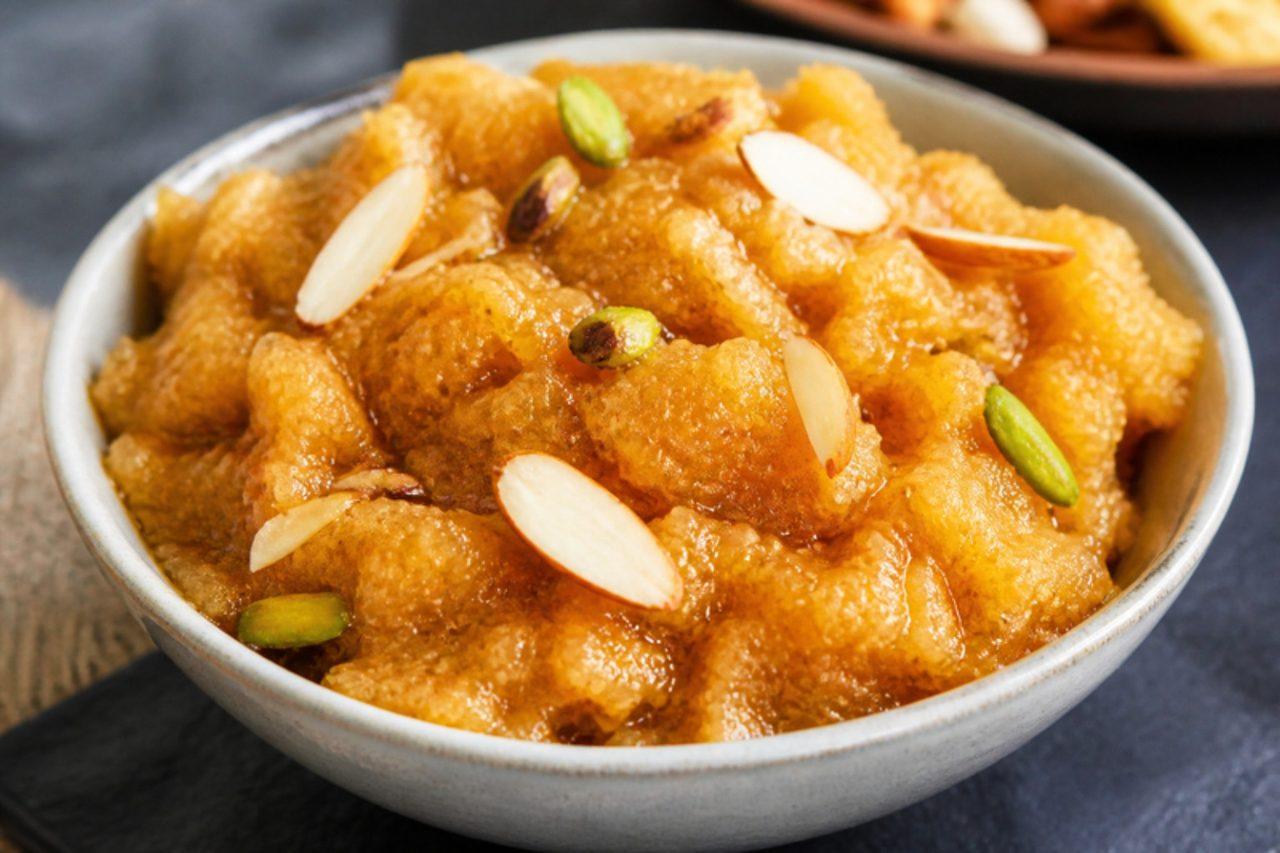
Singhare ka halwaWater chestnut flour pudding

Singhara, water chestnut, is dried and ground into a pale flour that North Indian homes keep for fasts, and this halwa is what many make first on Navratri Ashtami, Janmashtami or Ekadashi, often as the bhog offered before the fast is broken. It comes together in twenty minutes: the flour is roasted in ghee until it smells toasty and darkens a shade, hot sugar water goes in, and with fast stirring it swells into a soft, glossy halwa that is earthy, sweet and slightly chewy. Serve it warm, on its own or with kuttu puri and aloo for a full fasting meal. It uses only ingredients allowed on most fasts. Chef's tip: dissolve the sugar in the water and keep it at a boil; cold liquid makes the flour seize into lumps the moment it hits the pan.

by KrazyBadal 0 views

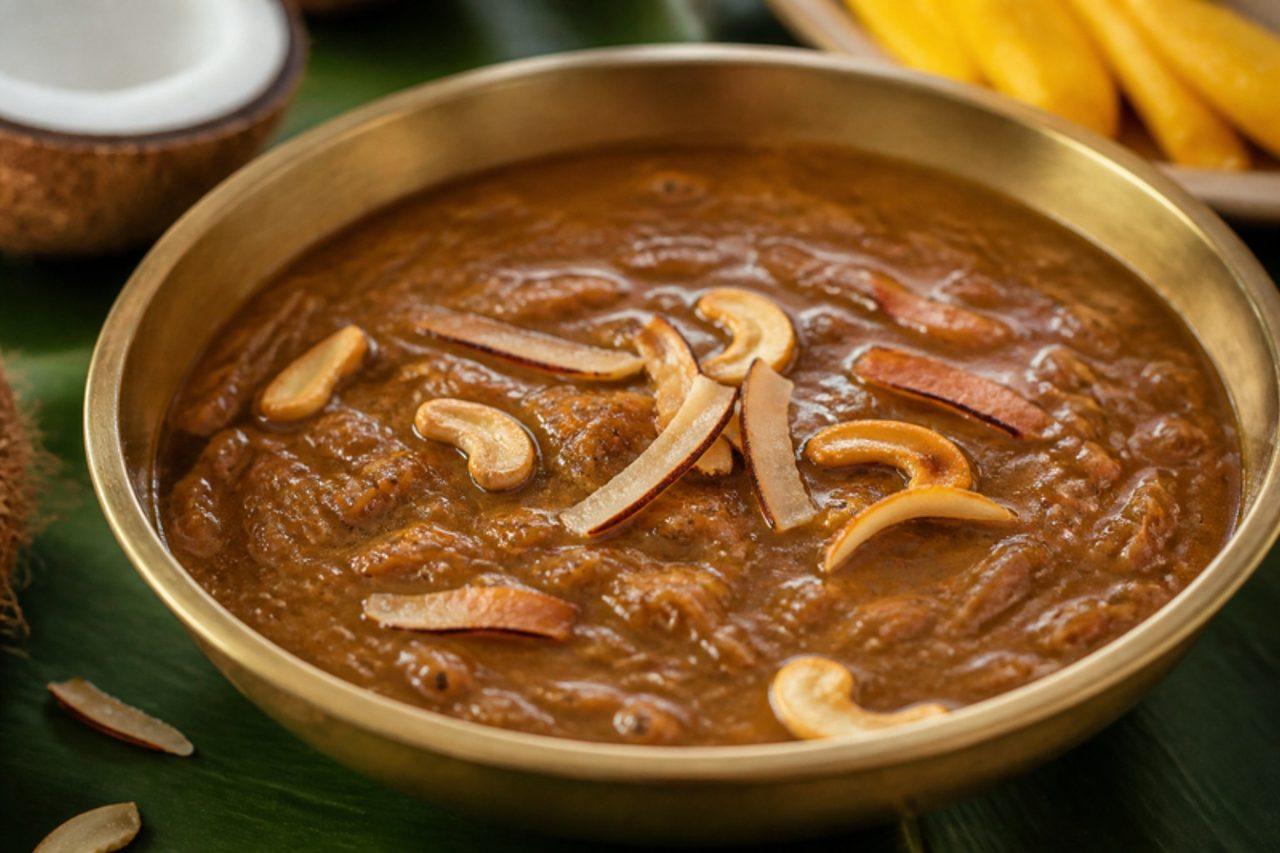
Chakka pradhamanJackfruit coconut milk pudding

When the jackfruit trees of Kerala hang heavy in summer, families cook the ripe bulbs with jaggery and ghee into chakka varatti, a dark, sticky preserve that keeps for months. Come Onam in August or September, a jar of varatti is all that stands between them and chakka pradhaman, the richest payasam on the sadya leaf. The preserve is melted into thin coconut milk, simmered, then finished with the thick first pressing, dry ginger, cardamom and coconut slivers fried in ghee. It tastes of caramelised fruit and toffee, smooth and heavy, with crunchy bits of coconut. Serve it warm in small cups or on the leaf with a crushed pappadam and a slice of banana, as Malabar families do. Do not let the pot boil once the thick coconut milk goes in: it splits and turns oily. Chef's tip: if you have ready varatti, use 250 g and skip the first stage; the slow-cooked jackfruit is what gives the deep colour, so do not rush it.

by KrazyBadal 0 views

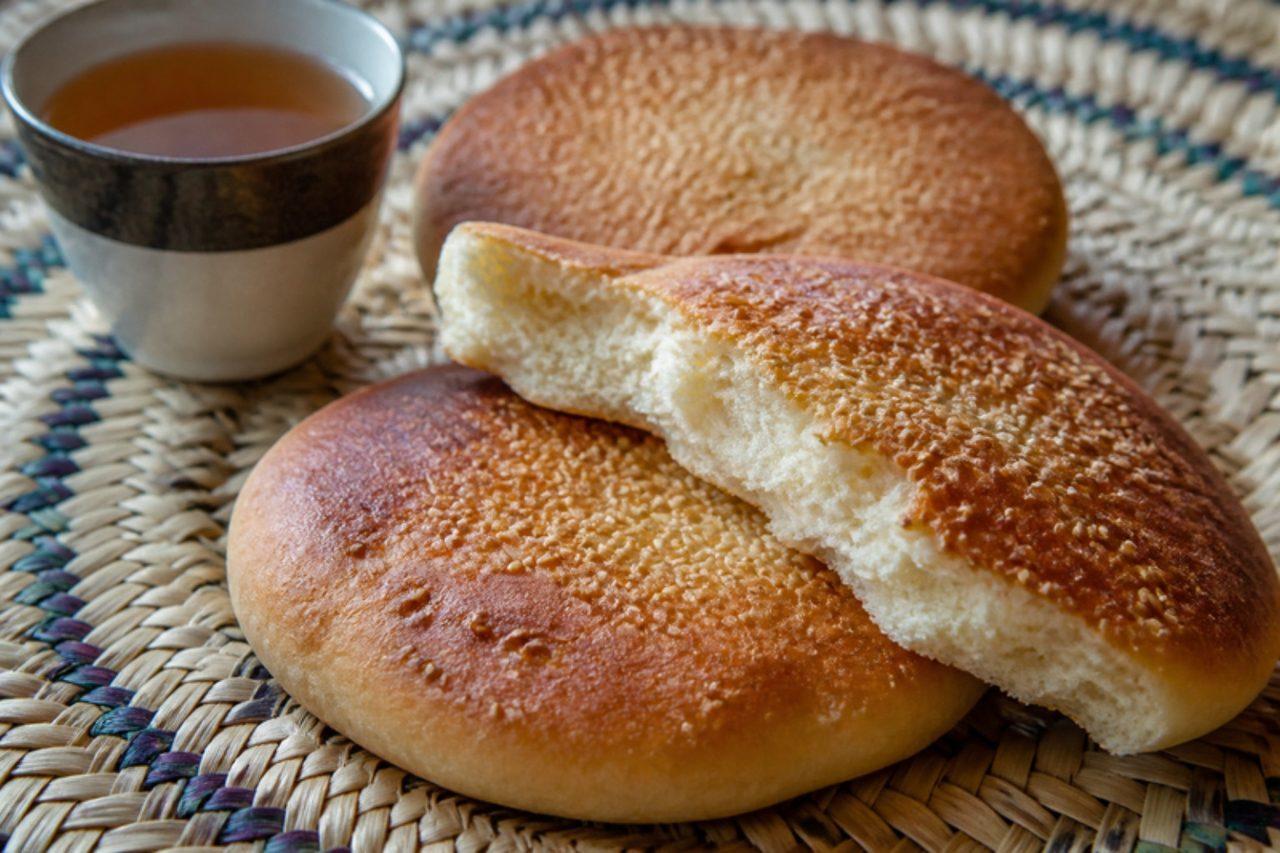
Mkatra foutraCoconut milk flatbread

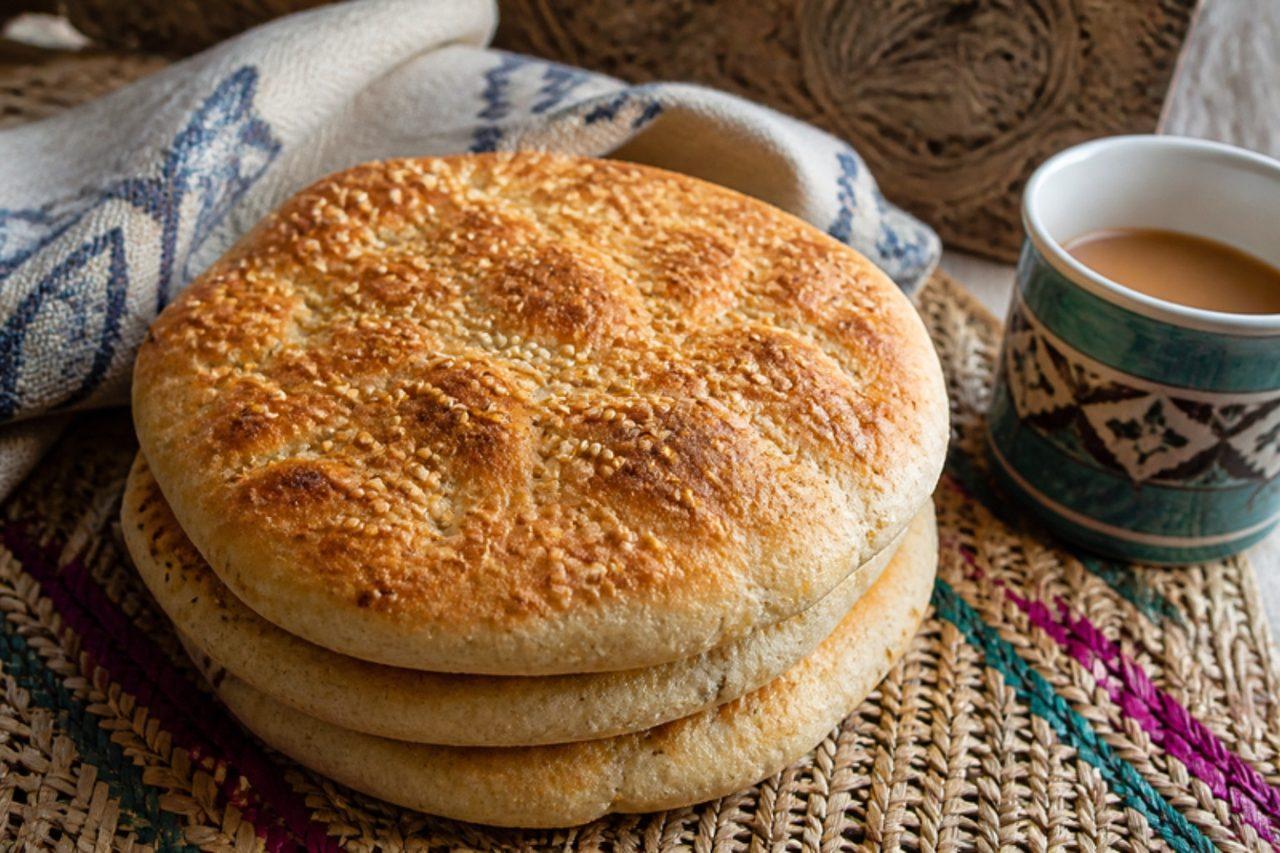
Before dawn in Moroni, women set heavy pans over charcoal to make mkatra foutra, and during Ramadan stacks of it appear at every iftar table. The dough is soft and sticky, raised with yeast and made rich with coconut milk instead of water, then patted into a thick round, scattered with sesame and baked slowly in a covered pan. It comes out golden and speckled outside, with a fluffy, slightly sweet, faintly coconutty crumb. Tear it with sweet spiced tea for breakfast, or use it to mop up a fish curry or mtsolola. Chef's tip: keep the heat low and the lid on; a hot pan burns the base long before the thick middle has cooked through, which is the most common mistake.

by KrazyBadal 0 views

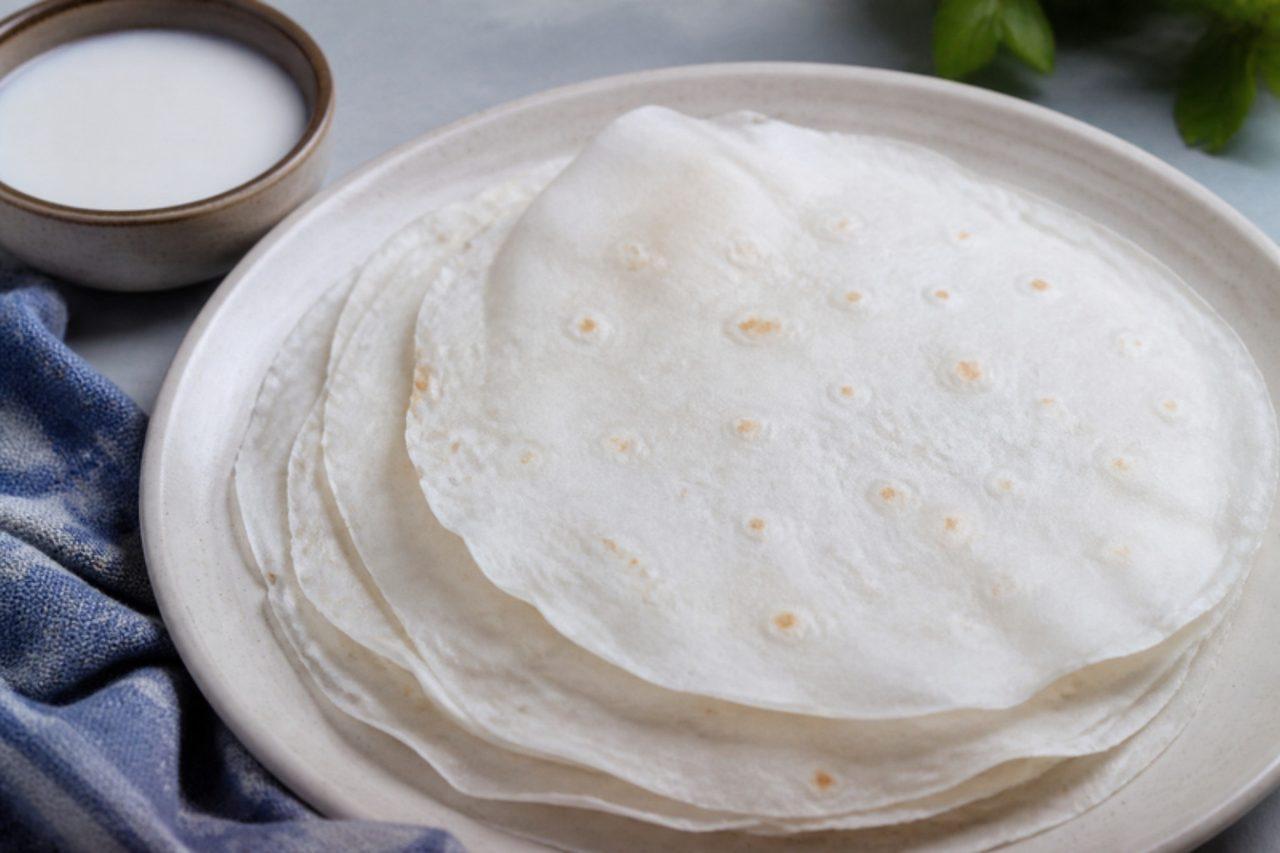
PathiriThin rice flatbreads

When the call for maghrib rings out in Kozhikode and Malappuram during Ramadan, families break the fast with dates and juice and then sit down to a stack of pathiri with chicken curry or mutton stew. Also called nice pathiri, these are the thinnest breads in Kerala: a dough of fine rice flour scalded with boiling water, rolled almost see-through, cooked on a dry tawa until they puff, and then dipped in thin coconut milk so they turn soft and silky. They taste mild and slightly sweet, made only to soak up gravy. The usual mistake is adding the flour to water that has stopped boiling; the dough stays crumbly and the pathiri crack. Rice flour has no gluten, so these suit anyone avoiding wheat. Serve them warm, folded into quarters, with any curry (they are vegan as made here; the curry is up to you). Chef's tip: knead the scalded dough while it is still hot, using the heel of your hand and a little oil, until it is as smooth as a baby's cheek.

by KrazyBadal 0 views

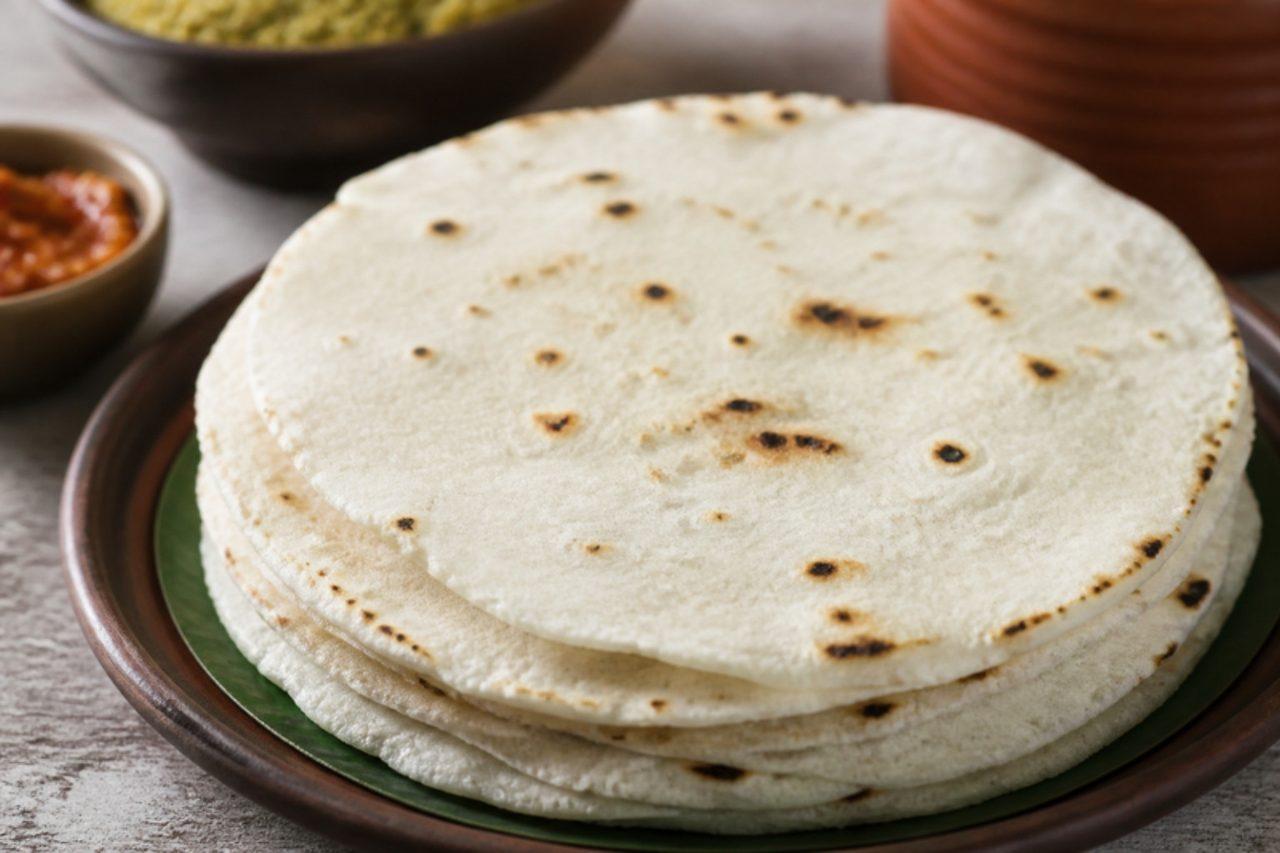
Tandalachi bhakriRice flour flatbread

Along the Konkan coast, from Alibag down to Sindhudurg, the everyday bread isn't wheat at all but tandalachi bhakri, a soft round of rice flour and water, the natural partner to a coconut-rich Malvani fish curry, kombdi rassa, a bowl of usal or plain pithla with sol kadhi. Unlike Karnataka's akki rotti, it has no onion, coconut or chilli in the dough: just rice flour, salt and hot water, kneaded smooth and patted out thin by hand. Cooked on a hot iron tawa and finished over an open flame, it puffs up like a balloon and stays soft and pliable, with a faint sweetness and toasty spots. Common mistake: mixing the flour with cold or warm water. Rice flour has no gluten, so it needs boiling water to gelatinise and bind; otherwise the bhakri cracks all round the edges. Chef's tip: knead each portion again just before patting; a dough that sat still dries on the surface and cracks.

by KrazyBadal 0 views

Motichoor ladooBoondi sweet balls

Halwais in Jaipur, Indore and old Delhi sell mountains of these during Ganesh Chaturthi, Diwali and every wedding season, and Ganesha himself is usually shown holding one. The difference from ordinary boondi laddu is size: the gram-flour batter is dropped through the finest jhara, so each pearl is no bigger than a mustard seed and the finished laddu is soft, moist and almost melts on the tongue. A light syrup of one-string consistency, saffron, cardamom and a little melon seed is all it needs. Serve them as prasad, in a festive mithai box, or after a thali. The classic mistake is a batter that is too thick: the drops come out with tails and stay chewy instead of round. Being made only from gram flour, sugar and ghee, these are gluten-free as long as no hing or wheat goes near the batter. Chef's tip: shape the laddus while the boondi is still warm and syrupy; once it cools, the pearls will not stick together and the laddus crumble.

by KrazyBadal 0 views

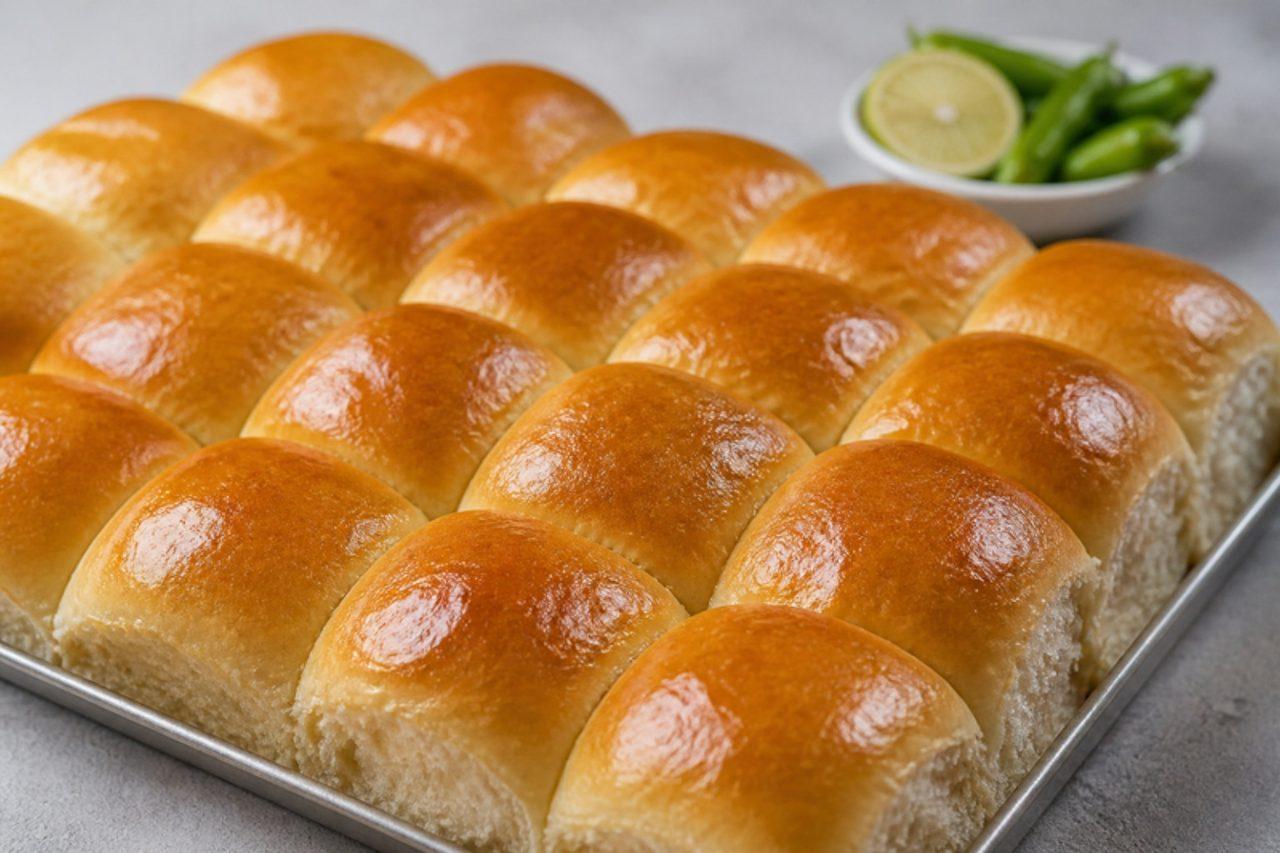
Ladi pavSoft pull-apart bread rolls

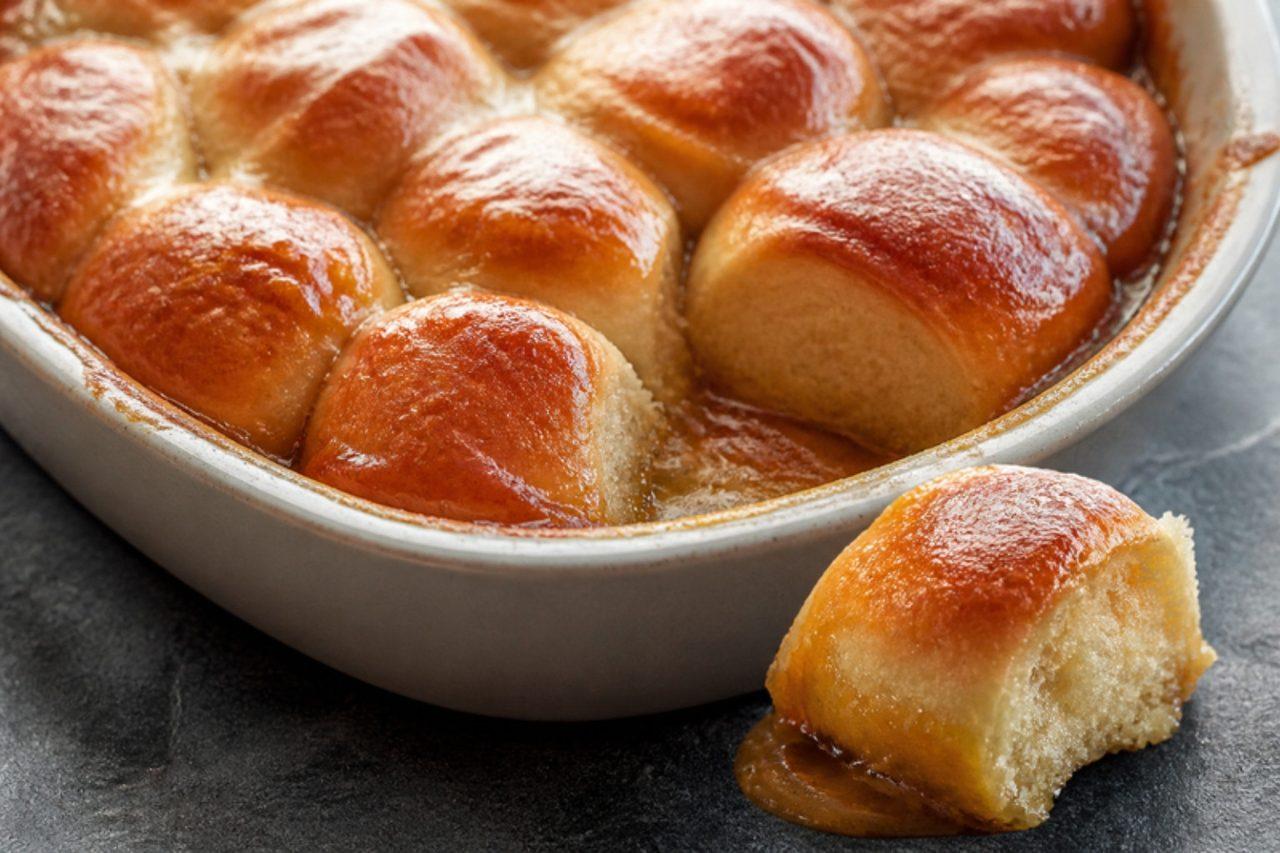
Pav came to Mumbai with the Portuguese and was taken up by the city's Goan and Irani bakeries, and today it is the bread every street snack depends on: vada pav, misal pav, bhurji pav, dabeli and pav bhaji. A ladi is a slab of rolls baked touching each other, so their sides stay pale and fluffy and they tear apart with soft white edges and a thin golden top. This home version uses milk and a little butter for a tender, slightly sweet crumb that holds up to a buttery tawa toast. It bakes in an ordinary oven at 190 °C (170 °C fan). Common mistake: baking the pav too long or too hot, so the crust turns hard and brown; take it out the moment the tops are golden and brush with butter at once. Chef's tip: cover the hot ladi with a clean cloth as it cools; the trapped steam is what gives that typical bakery softness.

by KrazyBadal 0 views

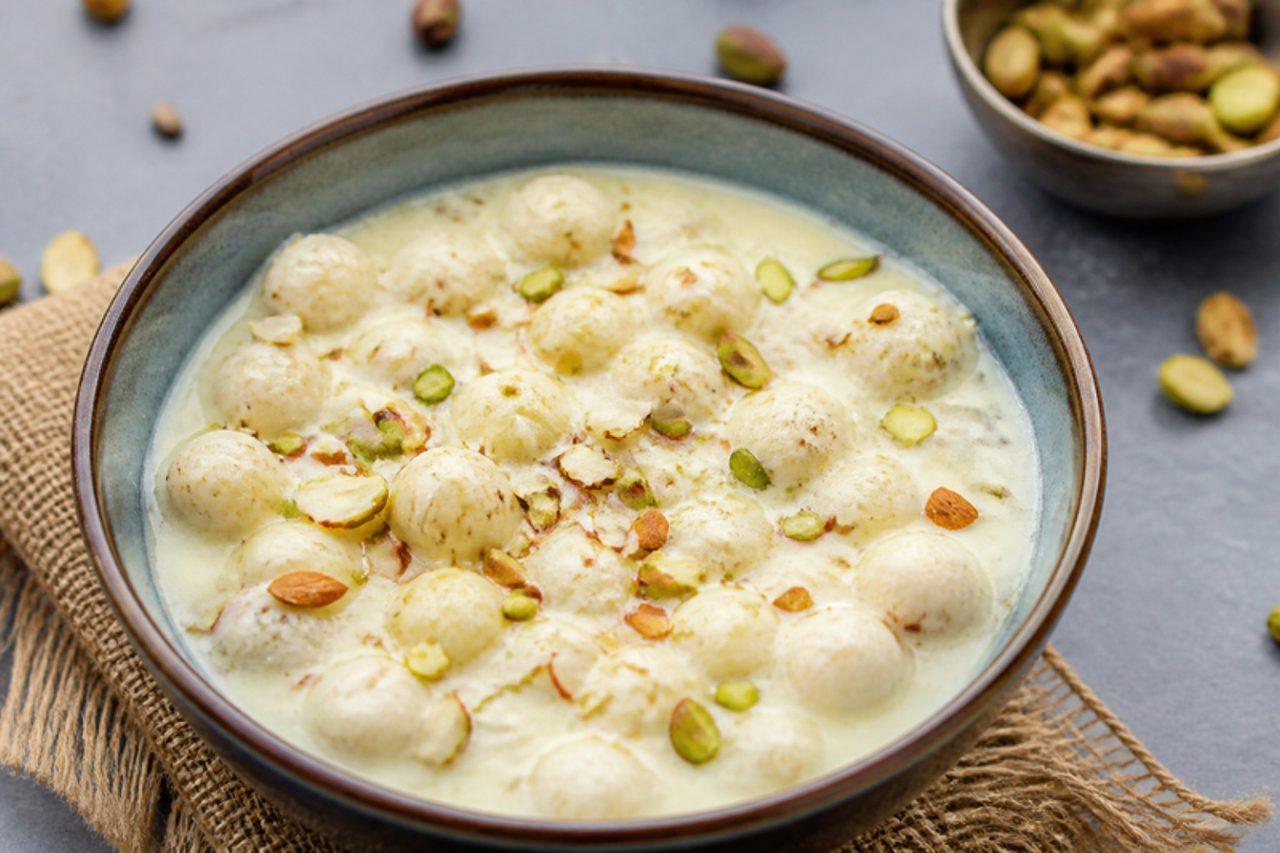
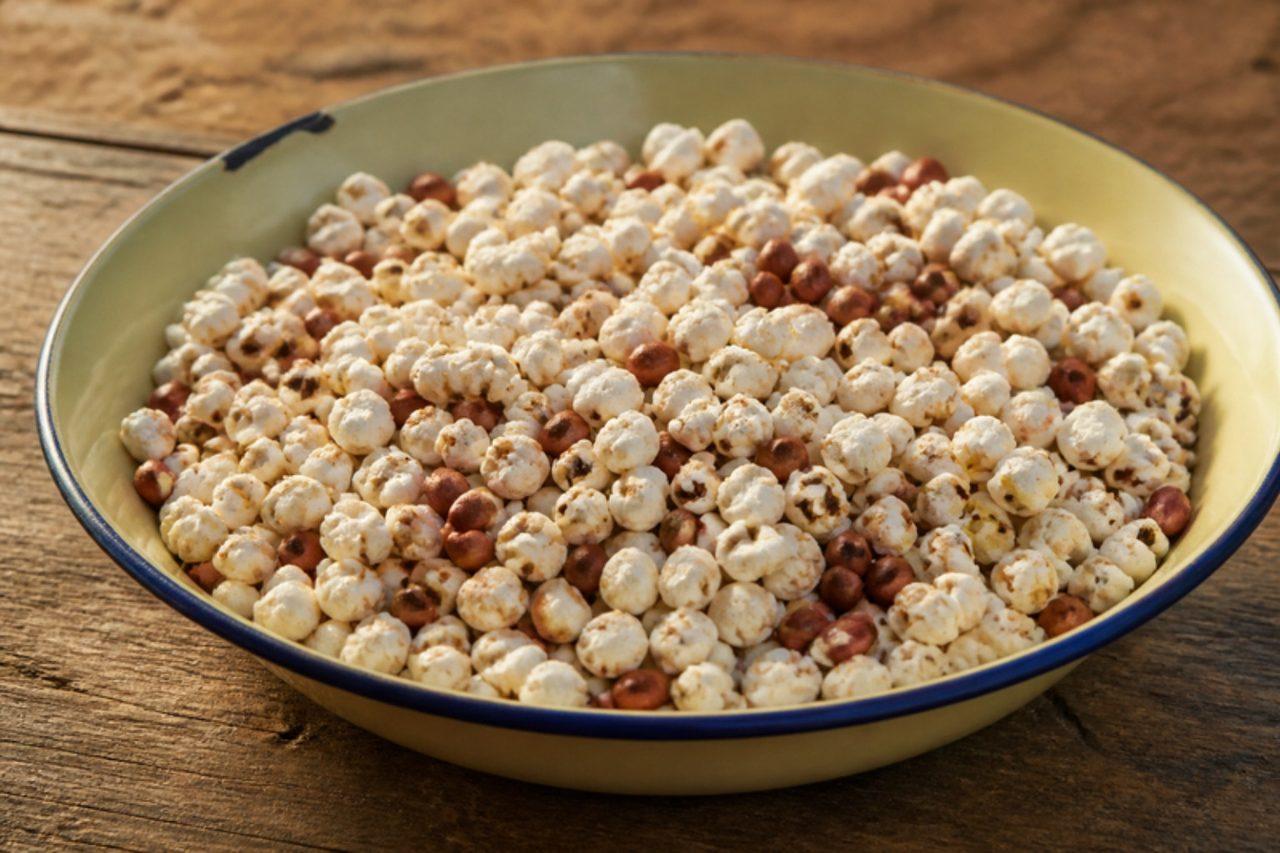
Makhana kheerFox nut milk pudding

Most of India's makhana comes from the ponds of Mithila in north Bihar, where the lotus-like seeds are harvested by hand, roasted and popped into the airy white puffs sold everywhere. For fasts across North India, from Navratri to Janmashtami and Mahashivratri, makhana kheer is the sweet of choice because it needs no grain at all. The fox nuts are roasted in ghee until crisp, half crushed, then simmered in reducing milk, where they soften into a creamy, slightly chewy texture with a gentle nuttiness. Cardamom and a few nuts finish it. Serve it warm after a fasting meal, or chilled on hot evenings. It thickens as it cools, so loosen it with a splash of milk if needed. Chef's tip: roast the makhana until one crushes easily between your fingers; under-roasted puffs stay spongy and taste raw in the kheer.

by KrazyBadal 0 views

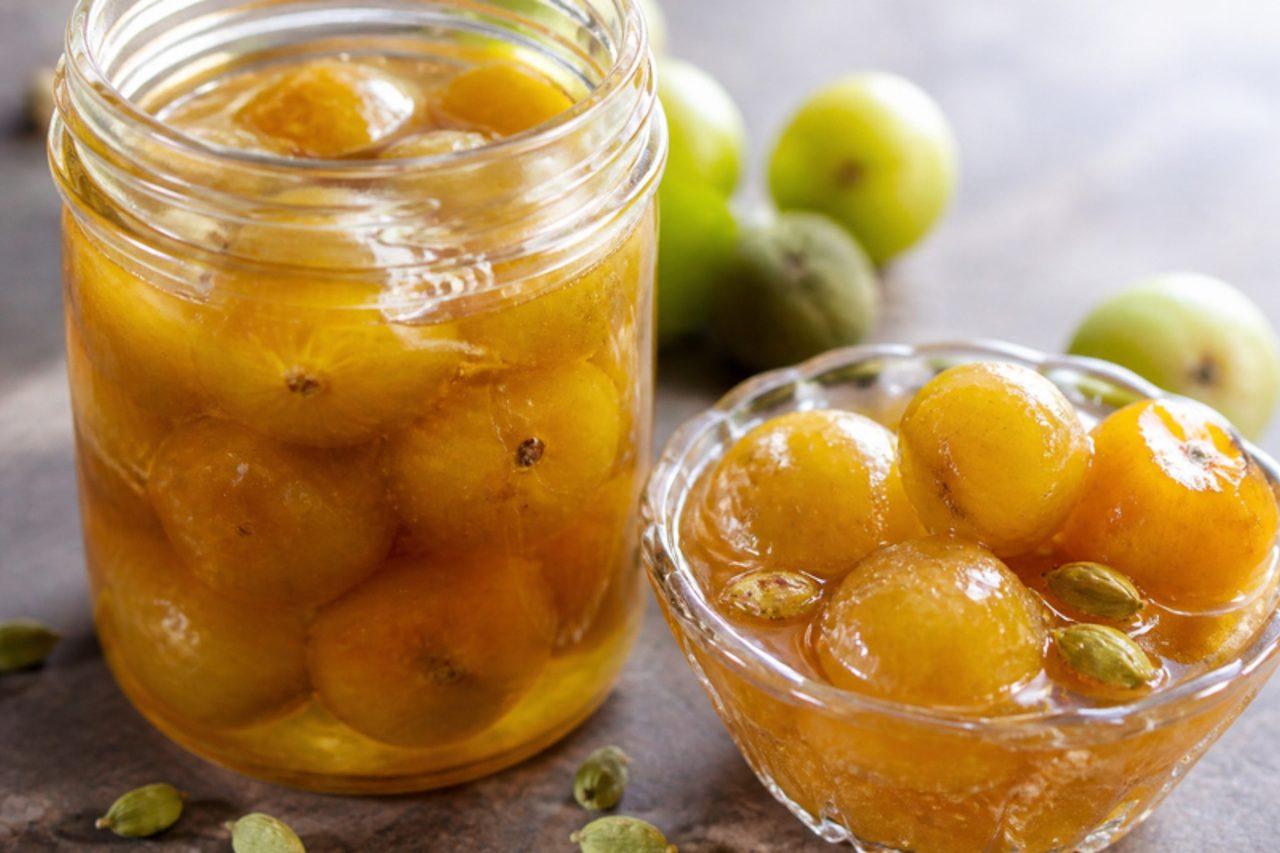
Amla murabbaGooseberry preserve

Murabba is the old North Indian way of keeping amla through the year, and a single gooseberry in syrup each morning is still the winter habit of many grandparents in Uttar Pradesh, Punjab and Rajasthan, who swear by it for digestion and colds. Fresh amla are sour and astringent; pricked, briefly steamed and simmered in sugar syrup, then left to steep overnight, they turn golden, translucent and soft, sweet with a sour heart and a gentle bitterness at the end. Cardamom, black pepper and saffron perfume the syrup. Eat one on its own, chopped into yogurt, or with a paratha. Choose large, firm, unblemished amla in November–February, when they are in season. Common mistake: steaming them too long; they split into segments and fall apart in the syrup. Steam only until they turn pale and the lines on the skin show clearly. Store in a dry, sterilised jar with the amla under the syrup, use a clean dry spoon, and discard if mould or fermentation bubbles appear. Chef's tip: the overnight rest is what lets the syrup soak right to the centre; reboil the syrup the next day so it thickens again.

by KrazyBadal 0 views

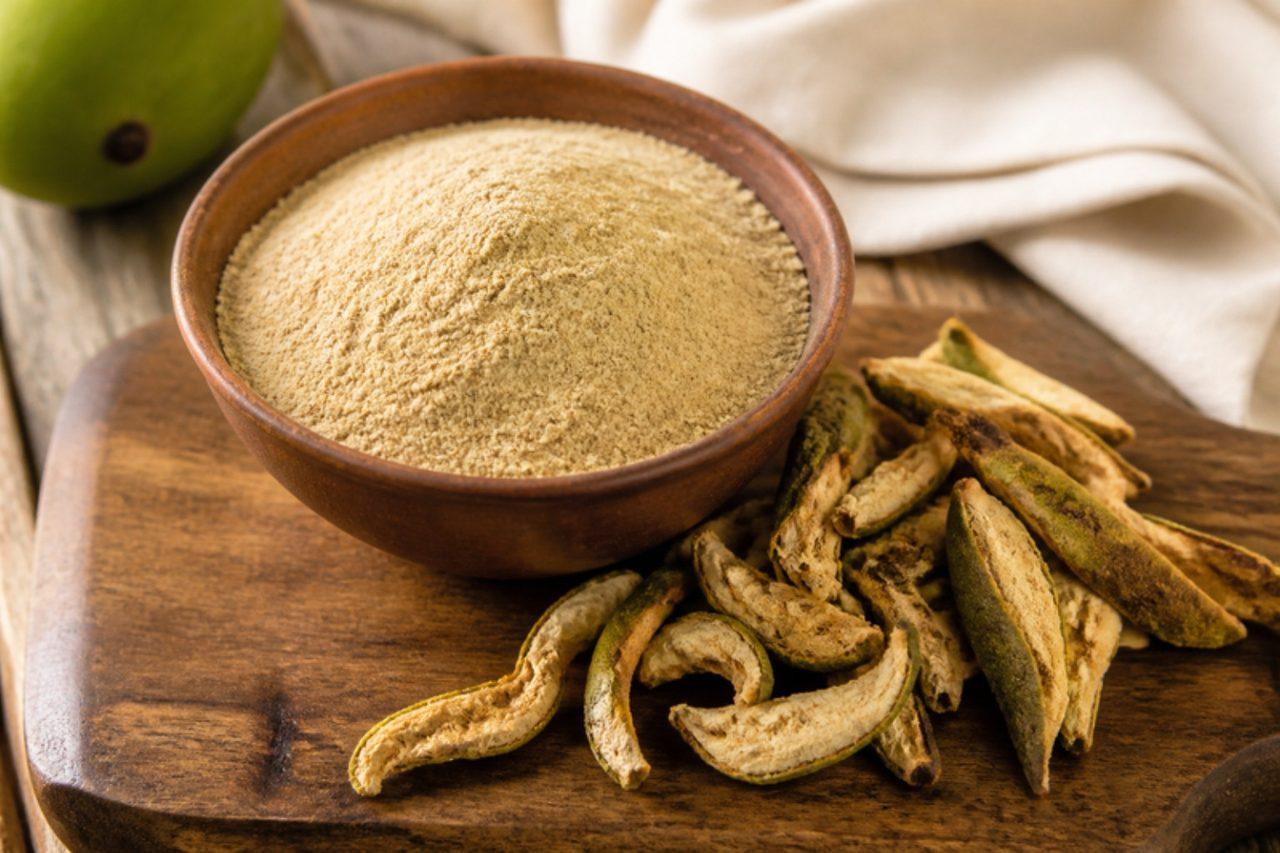
AmchurDry mango powder

Every Punjabi and UP kitchen keeps a jar of amchur next to the jeera and haldi, and the homemade version smells far fresher and sourer than most shop powder. In villages around Saharanpur and Malihabad, the raw mangoes that fall in early-summer storms are peeled, sliced and spread out to dry, and the brittle slices (amchur khatai) are either stored whole or ground. Amchur gives a fruity, mouth-puckering sourness without any liquid, which is why it goes into dry dishes where tomato or tamarind would make things soggy: bhindi masala, stuffed karela, samosa and kachori fillings, chole, chaat masala and pav bhaji masala. A kilo of mangoes gives roughly 100 g of powder. Common mistake: grinding slices that still bend; even slight moisture makes the powder clump into hard lumps in the jar. Chef's tip: choose small, rock-hard, very sour green mangoes with white flesh, not ones starting to turn yellow; riper fruit dries into a brown, sweetish powder.

by KrazyBadal 0 views

Rumali rotiHandkerchief-thin flatbread

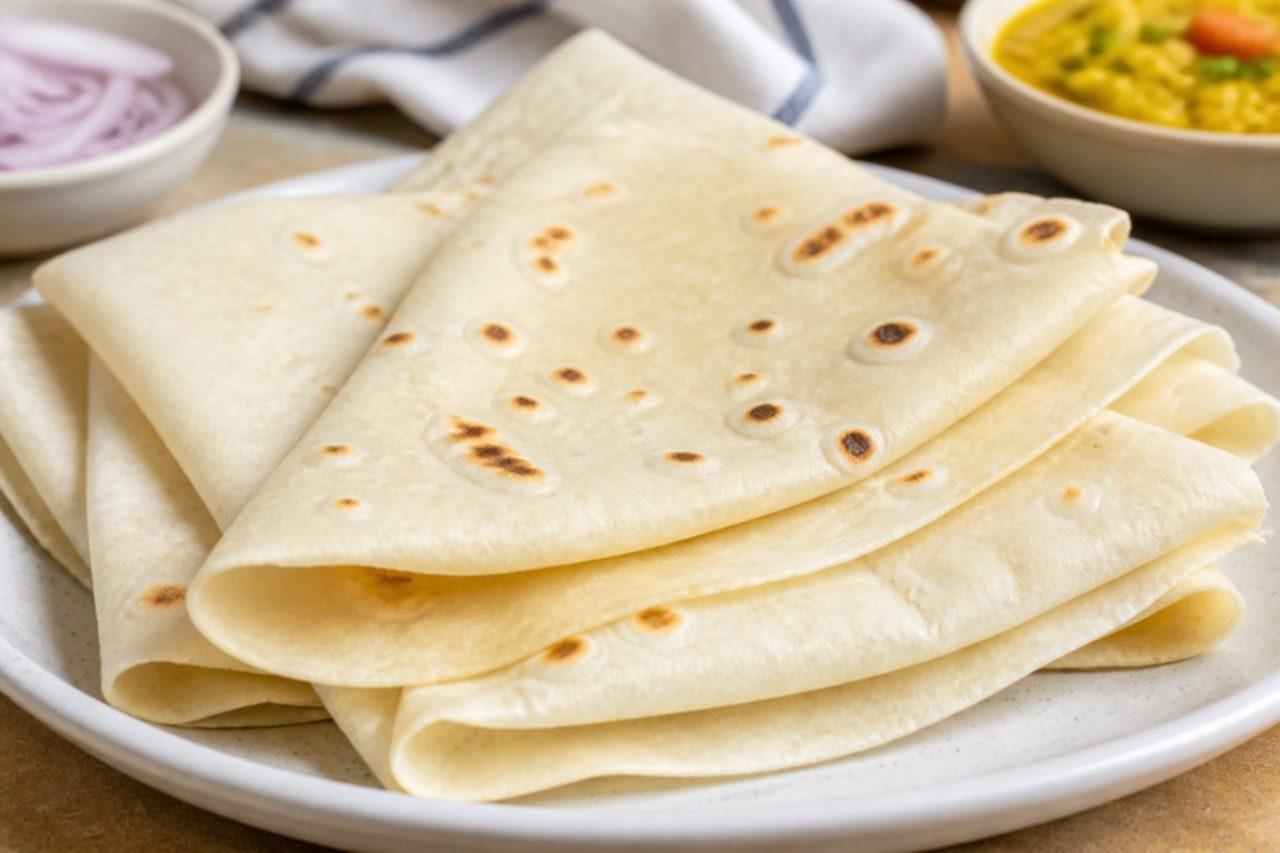
Watch a rumali roti maker at a Mughlai stall in Old Delhi's Jama Masjid lanes or Lucknow's Aminabad and it looks like a magic trick: a ball of dough is flattened, tossed and stretched over the backs of the hands until it is translucent and almost a metre wide, then laid over a huge domed iron griddle for a few seconds. Rumal means handkerchief, and the finished bread is folded into quarters like one: silky, soft, slightly chewy and very thin. It is the bread for kebabs, korma, nihari and shahi paneer. At home, an upturned wok over a high flame does the job, and you can roll most of the way and stretch the last bit by hand. The dough is mainly maida with some atta, kept very soft and well rested. Common mistake: a firm or under-rested dough tears the moment you start stretching. Chef's tip: wipe the hot kadai with salted water before each roti; the hiss means it's hot enough, and the salt film stops the roti from sticking or blistering.

by KrazyBadal 0 views

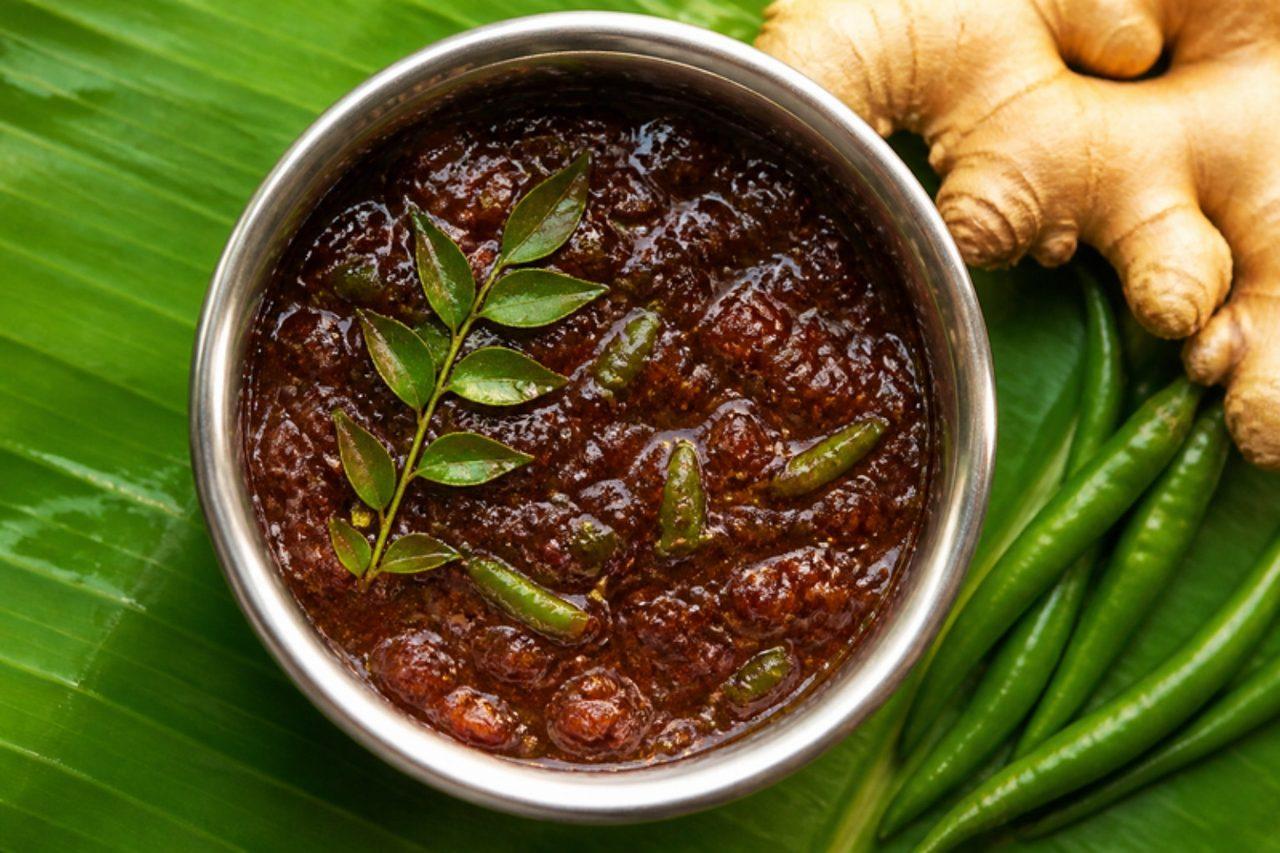
Inji puliGinger tamarind relish

On the banana leaf of an Onam sadya, inji puli takes the top left corner, a small dark spoonful that you dip into between rice, sambar and payasam to wake the palate up. Some call it puli inji; it is said to balance the 'hundred curries', and it is so loved that the old saying counts it as worth them all. Fresh ginger and green chillies are fried in coconut oil, then simmered in tamarind water with jaggery until thick and shiny, sweet first, then sour, then hot. It is made a day or two before the feast because it gets better as it rests. Serve a teaspoon with rice or curd rice; it also lifts a plain dosa. The usual mistake is browning the ginger too far, which makes the relish bitter; it should just turn golden. Gluten-free if you use gluten-free asafoetida or leave it out. Chef's tip: cook it down until the oil starts to appear at the edges; any wetter and it will not keep.

by KrazyBadal 0 views

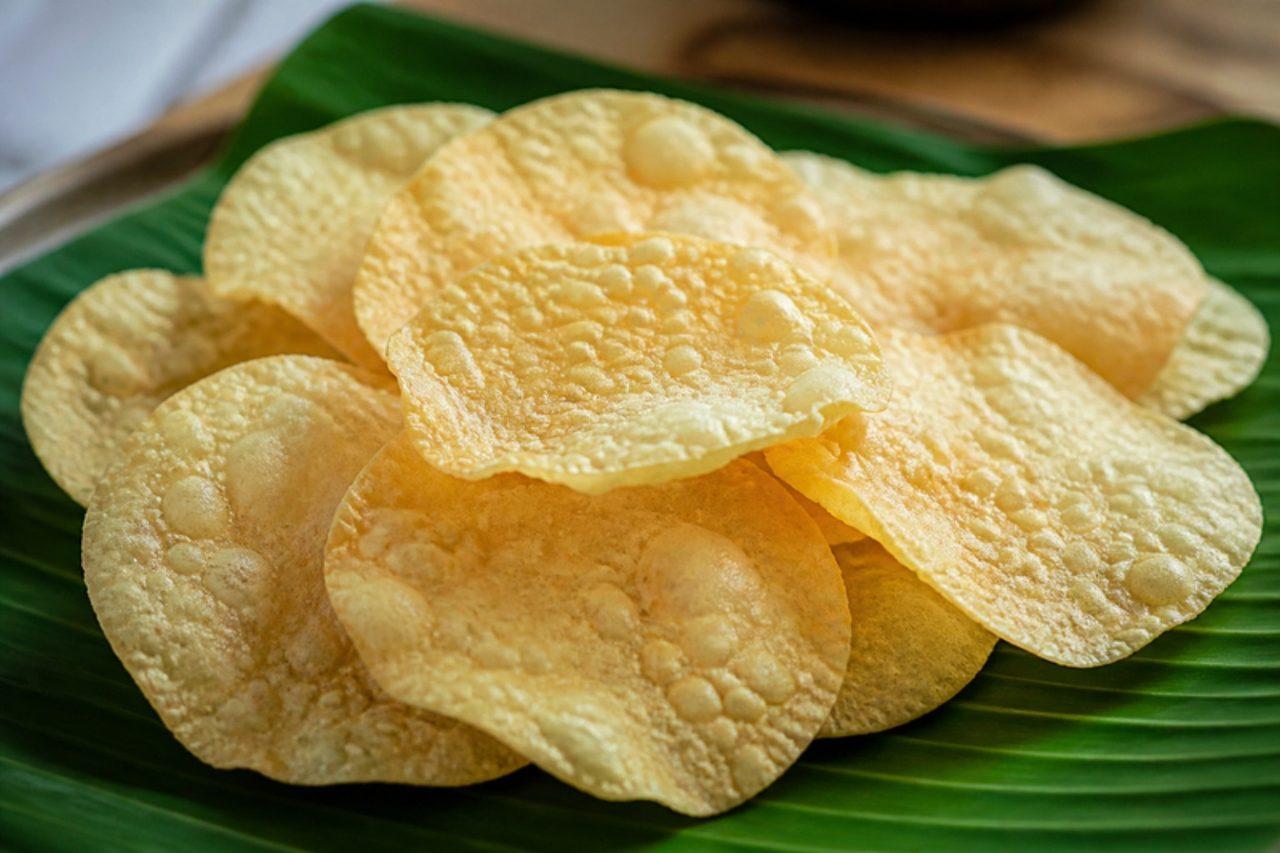
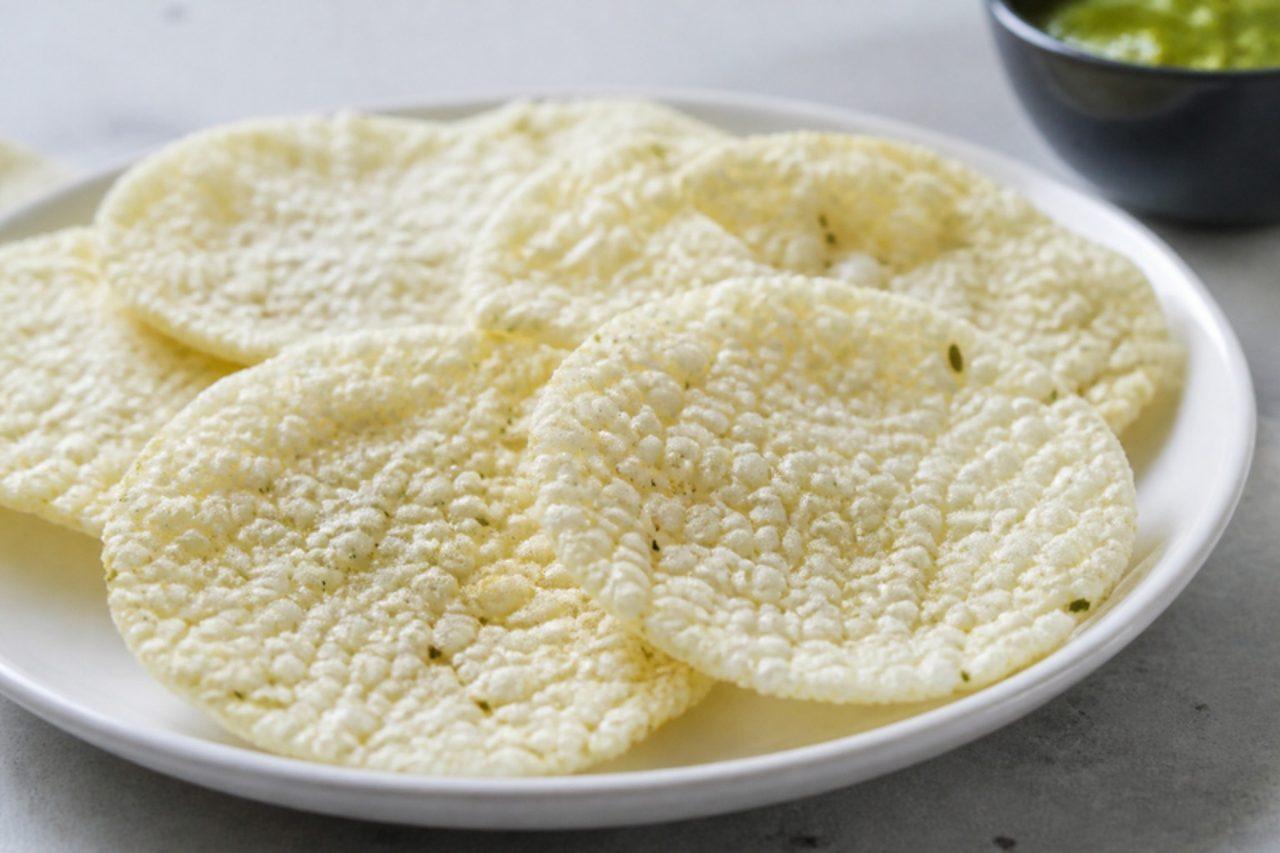
Kerala pappadamPlain lentil crisps

No sadya on a banana leaf in Thrissur or Kottayam is complete without a pappadam, and nobody eats it whole: it gets crushed over rice with parippu (dal) and ghee, or with payasam at the end of the meal. The Kerala kind is small, about the size of a saucer, and plain. There is no pepper or cumin, just urad dal, salt and pappada karam (papad khar), so the flavour is clean and lentilly. It is dried only briefly, which keeps it pliable, and when it hits hot coconut oil it puffs into a blistered, bubbly dome that shatters at a touch. That is the opposite of the big, peppery north Indian urad papad, which is sun-dried hard and roasted over a flame. Pappadam makers in Kerala are a whole craft community, but a home batch is very doable. Chef's tip: fry in coconut oil at about 180 °C and press the pappadam down for a second with a slotted spoon; it should puff in under 5 seconds and stay pale gold.

by KrazyBadal 0 views

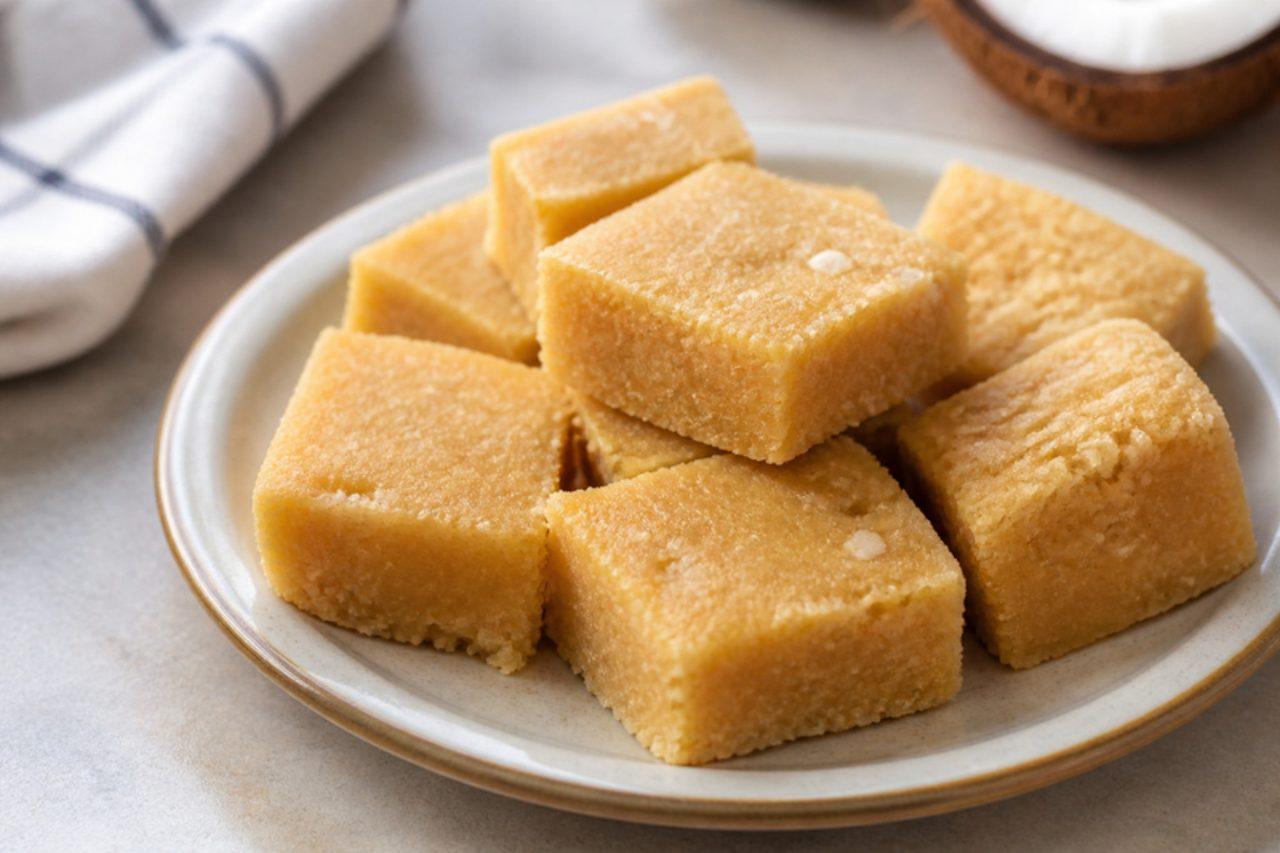
Goan chana dal doceChana dal and coconut fudge

Doce de grão is one of the oldest sweets on the Goan Christmas kuswar platter, made in Catholic homes from Margao to Mapusa in the weeks before Christmas and also for weddings. Chana dal is boiled and ground with fresh coconut, then cooked with sugar in a wide pan, stirred constantly for the best part of an hour, until it turns into a thick, glossy dough that leaves the sides of the pan. Spread on a plate, cut into diamonds or pressed into small moulds, it is dense, fudgy and nutty, with a soft coconut flavour. Some families add a little ghee at the end for shine, and that makes it vegetarian rather than vegan. The usual mistake is taking it off the heat too soon: it stays sticky and never sets. Push a spoon through the middle; it is ready when the line holds and the mixture rolls into a ball. Chef's tip: grind the coconut and dal together while the dal is warm and without water; a wet paste takes twice as long to cook down.

by KrazyBadal 0 views

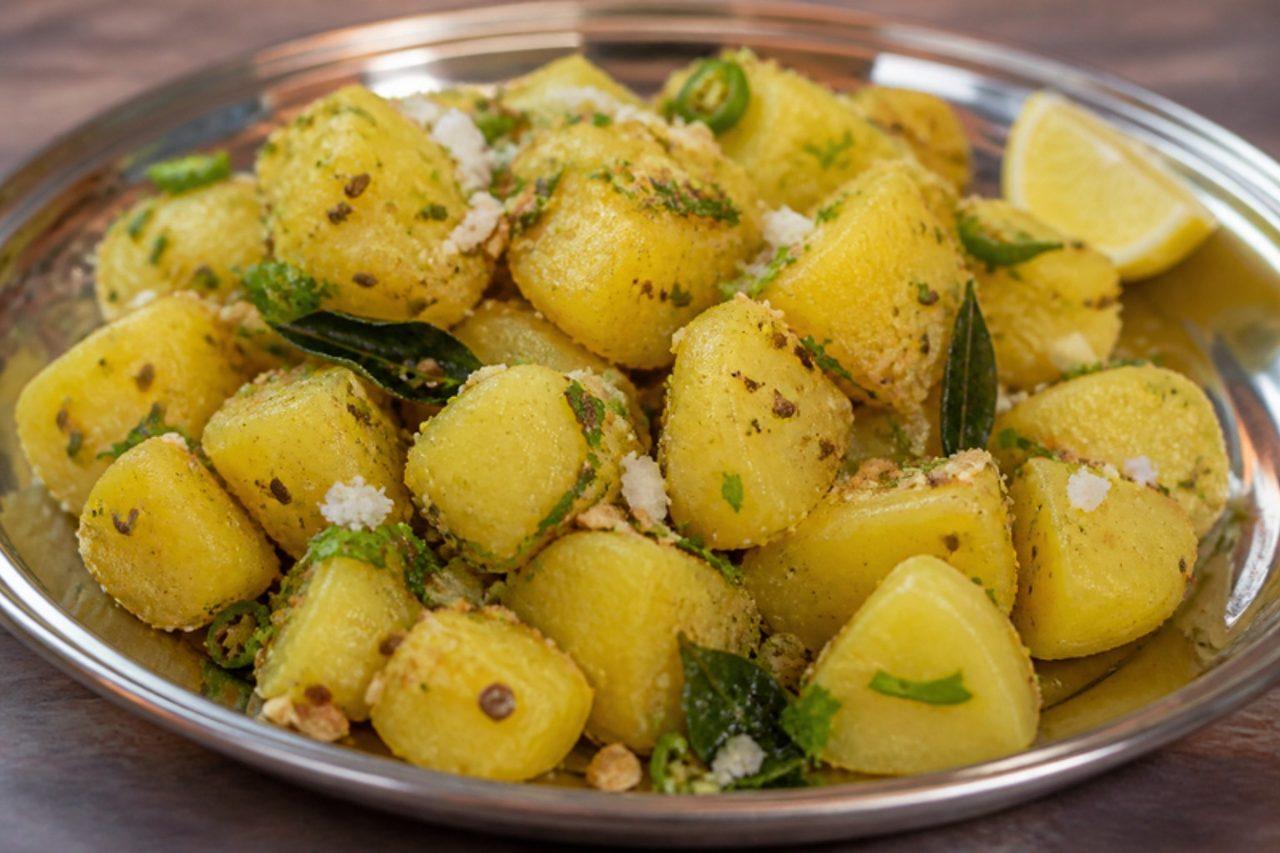
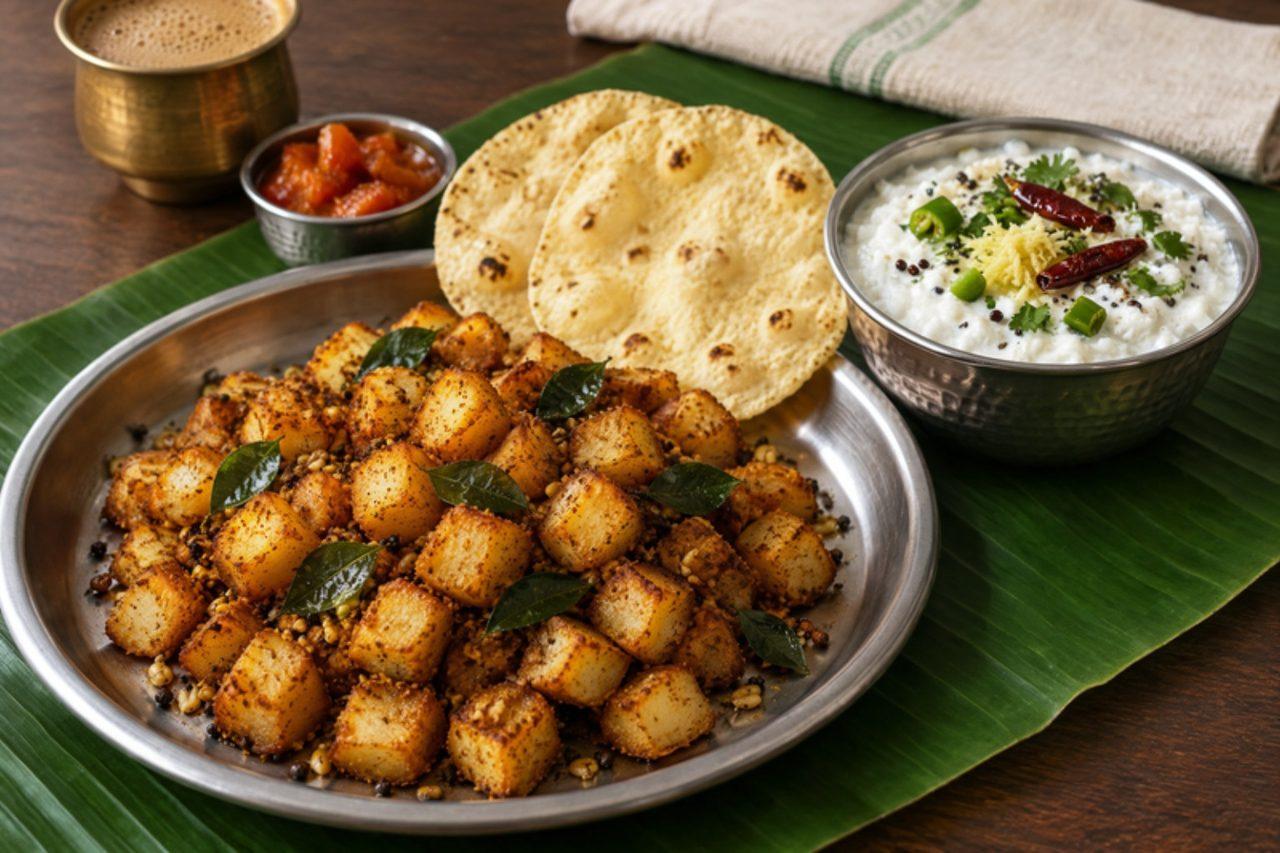
Upvasachi batata bhajiFasting potato stir-fry with peanuts

Ask anyone from Pune or Nashik what they eat on Ekadashi or a Navratri upvas, and this dry potato bhaji will be on the plate, usually next to sabudana khichdi or bhagar and a bowl of danyachi amti. Unlike North Indian vrat ke aloo, there is no tomato and no gravy: cubes of boiled potato are tossed in ghee or oil with cumin and crushed green chilli, then coated in coarsely ground roasted peanuts that cling to every piece. A little sugar and lemon give it the gentle sweet-sour lift that Maharashtrian cooking loves, and coriander and fresh coconut finish it. It is quick, filling and good cold in a tiffin too. Some families add curry leaves; others leave them out on strict fasts. Chef's tip: cool the potatoes completely before cubing; warm potatoes break into mash when you toss them.

by KrazyBadal 0 views

VattayappamSteamed rice and coconut cake

In Syrian Christian homes in Kottayam and Thiruvalla, vattayappam is the sweet that appears on Christmas and Easter mornings and goes in boxes to every neighbour. A batter of raw rice and coconut is fermented until airy, sweetened, flavoured with cardamom and steamed in a round plate until it rises into a fluffy, honeycombed cake. It is light, moist and gently sweet, with a faint tang from the ferment. Grandmothers used kallu (coconut toddy) to ferment it; this recipe uses dried yeast instead and contains no alcohol at all. Eat it warm with tea, or alongside chicken stew for breakfast. The common mistake is a batter that is too thick: it steams heavy and dense. It should pour like thick pancake batter. Rice and coconut only, so it is naturally gluten-free and vegan. Chef's tip: cook a spoon of the soaked rice into a soft porridge (kurukku) and grind it in; that is what gives vattayappam its fine, silky crumb.
by KrazyBadal 0 views

Sabudana papadSago crisps

When Ashadhi Ekadashi, Navratri or a Monday fast comes round in Pune and Nashik, the upvas plate needs something crunchy, and these sago papads are it. They are made in the hottest weeks of summer: soaked sabudana is boiled into a thick, glassy porridge with cumin, green chilli and rock salt, spooned onto plastic sheets and left in the sun until it turns into thin, translucent discs. In hot oil they expand to nearly double, go snow-white and crackle when you bite. They sit next to sabudana khichdi, varyache tandul (sama rice) with peanut amti, or plain farali potato bhaji. The recipe keeps to fasting rules: no grains, no turmeric or asafoetida, and sendha namak (rock salt) instead of regular salt; fry them in groundnut oil or ghee, as your household allows. Chef's tip: cook the sago until there is not a single white dot left in the pearls; any uncooked centres stay hard and chalky after drying and never puff.

by KrazyBadal 0 views

Nolen gurer payeshRice pudding with date palm jaggery

In Bengal winter means nolen gur, the new date-palm jaggery that arrives in clay pots in December and January and smells of caramel and smoke. Kolkata sweet shops put it in everything, but at home the best use is a pot of payesh for Poush Sankranti or a birthday. Short, buttery gobindobhog rice is fried briefly in ghee with a bay leaf, then cooked slowly in full-fat milk until the grains break down and the milk reduces to a creamy, spoonable pudding. The jaggery goes in last and turns it a soft brown. Serve warm or cold, in small bowls or clay bhar, with pithe on the side. Common mistake: adding the gur while the milk is boiling, which almost always curdles it; take the pot off the heat and let it cool for a few minutes first. Chef's tip: no nolen gur? Use liquid date-palm jaggery (jhola gur) or a soft palm jaggery; cane jaggery works but the flavour is flatter.

by KrazyBadal 0 views

Moong dal halwaMoong dal pudding

At Rajasthani and Marwari weddings in winter, the halwai's moong dal halwa is the dish people go back for. It is also made at home for Holi, when it is cooked in big kadhais and passed around warm. Soaked yellow moong dal is ground to a coarse paste and roasted in ghee for the best part of an hour, first clumping into a heavy mass, then breaking down into golden grains that smell of toasted nuts and ghee. Hot saffron milk and sugar go in at the end and are cooked back until the ghee glistens. The result is rich, grainy, buttery and fragrant, best served warm in small bowls with slivered almonds. It needs steady stirring and a strong arm, so share the job. Chef's tip: grind the dal with as little water as possible; a wet paste takes far longer to roast and turns sticky instead of grainy.

by KrazyBadal 0 views

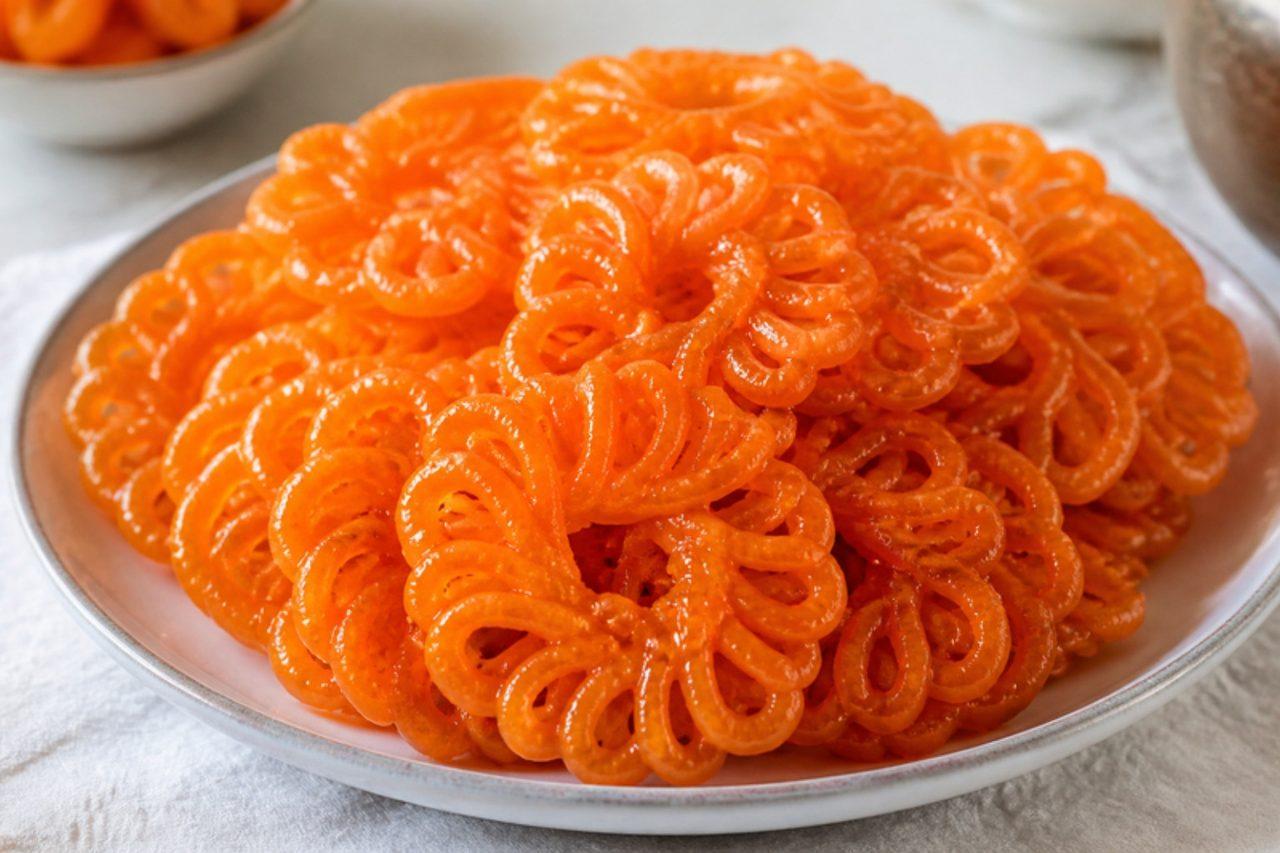
ImartiSyrup-soaked lentil spirals

Imarti (jangiri in Tamil Nadu) is the stately cousin of jalebi: instead of a fermented flour batter it uses soaked urad dal, whipped until airy, piped into hot oil in a ring of small loops like a flower, and plunged into warm saffron syrup. The result is crisp at first and then pleasantly chewy, juicy inside but not soggy, and less tangy than jalebi. Halwais in Jaunpur, Agra and across Rajasthan fry it in desi ghee for weddings, Diwali and Holi, often served warm with rabri. This version is fried in oil so it stays vegan; use ghee if you prefer the halwai taste. The batter is the whole secret: grind the dal with very little water, then beat it by hand until a drop floats in water. Common mistake: frying on high heat, which browns the outside before the inside is set, so the imarti go limp in the syrup. Keep the oil at a gentle medium-low and expect them to take a couple of minutes. Chef's tip: practise the shape on a plate first; a ketchup bottle or a piping bag with a 3–4 mm round nozzle is far easier than the traditional cloth with a hole.

by KrazyBadal 0 views

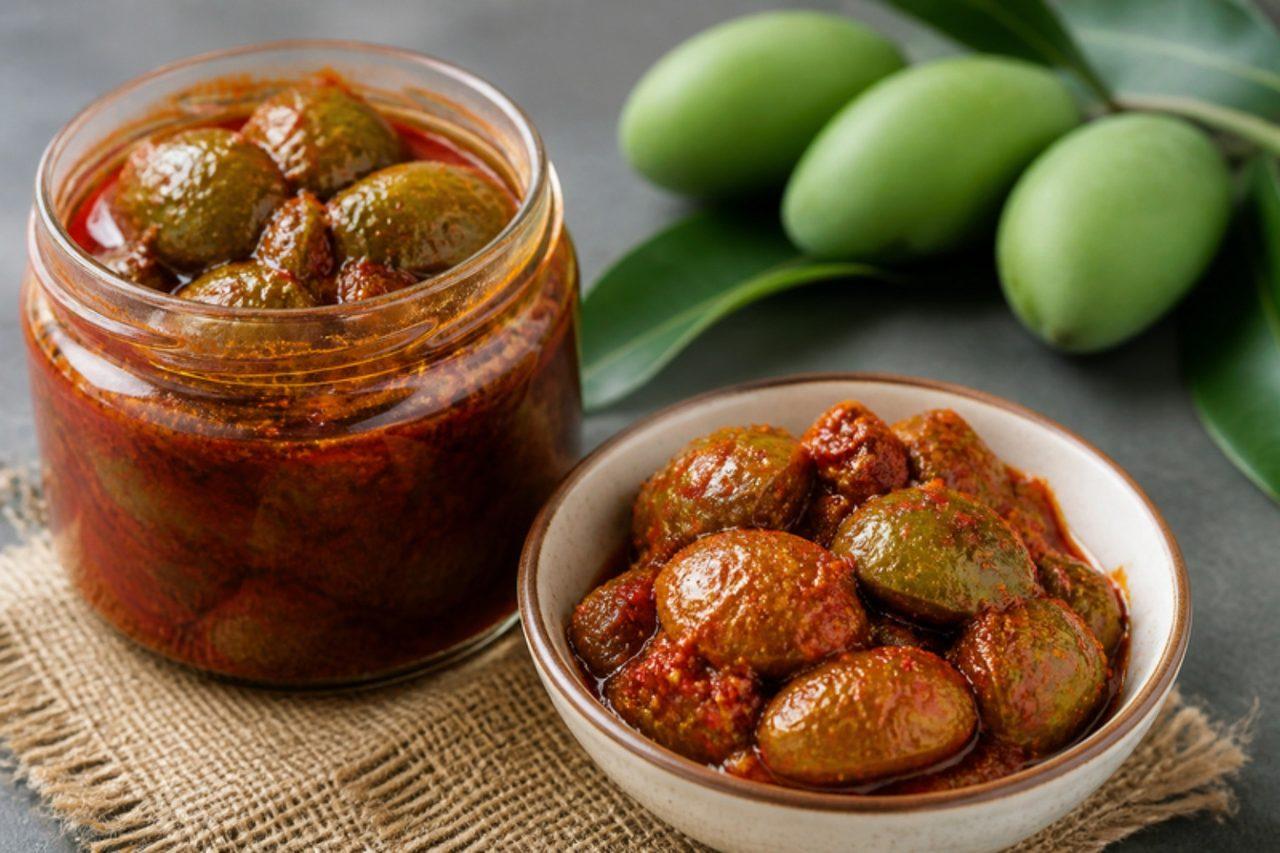
Kadumanga acharBaby mango pickle

In late February the mango trees of Kerala drop tiny, thumb-sized green fruit with soft stones, and those tender mangoes (kanni manga) become one of the pickles on a Kerala sadya leaf, beside the inji puli and naranga. They are salted whole until they wrinkle and sit in their own brine, then dressed with a tempering of gingelly (sesame) oil, mustard, Kashmiri chilli, roasted fenugreek and hing. The brine turns thick and red, and the little mangoes stay crunchy and sour, with a bitter-sharp bite under the chilli. Kadumanga literally means strong mango, and in some sadya kitchens the name also covers a quicker pickle of finely cut raw mango in the same masala; this is the whole-fruit version. Eat a mango with kanji (rice gruel), curd rice or the sadya rice. Common mistake: pricking or cutting the mangoes; they must stay whole with a bit of stalk so the brine does not turn slimy. Keep them fully covered, use a dry spoon and discard if mould appears. Chef's tip: let the chilli and fenugreek cool in the oil before mixing; added hot, they scorch and taste bitter.

by KrazyBadal 0 views

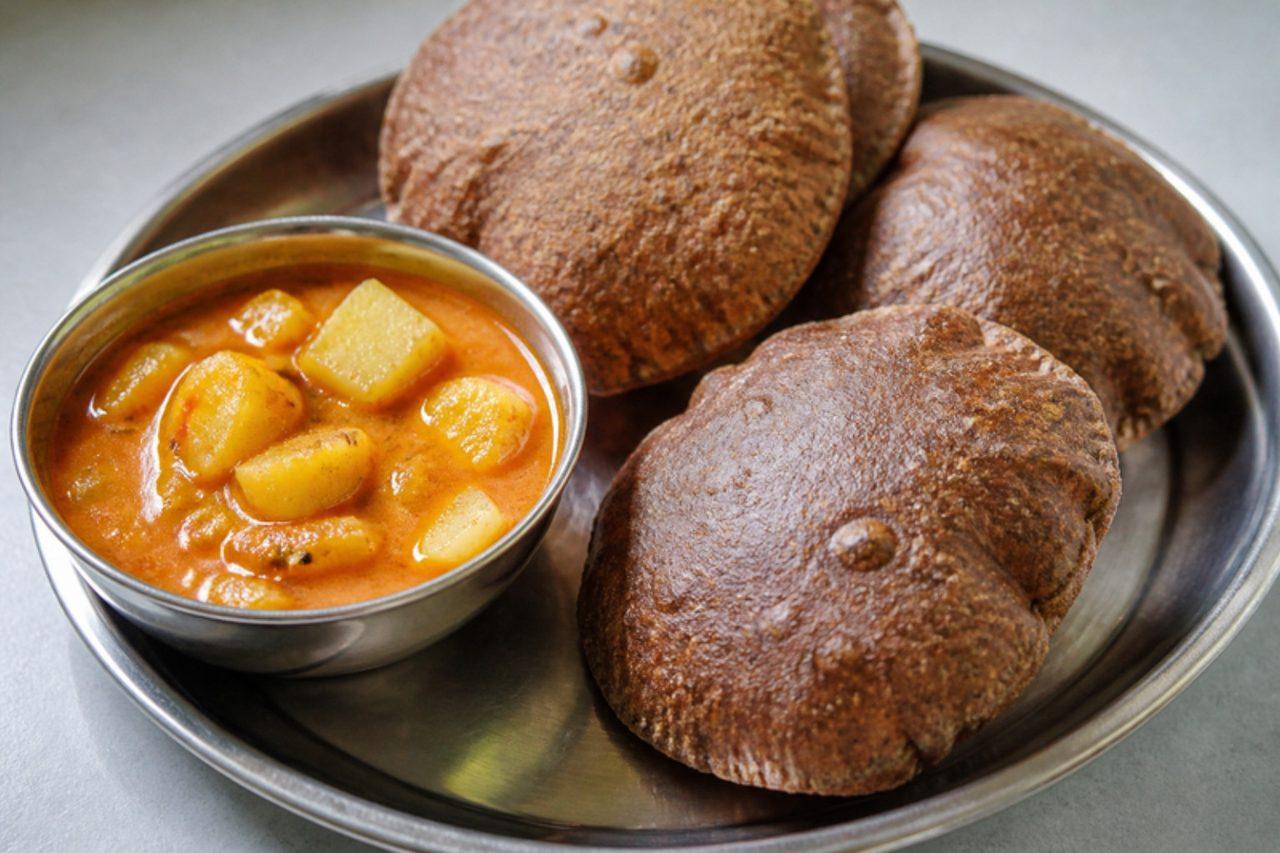
Kuttu ki puriBuckwheat puris

Through the nine days of Navratri, Delhi and Punjabi kitchens switch wheat for kuttu, buckwheat flour, and these dark, earthy puris become the fast-day staple. Kuttu has no gluten, so boiled potato is mashed in to bind the dough and keep the puris soft; they puff less than wheat puris but come out crisp at the edges and tender inside, with a nutty, slightly bitter flavour. Rajgira or singhara flour can be used in exactly the same way. They are eaten with vrat ke aloo, kaddu ki sabzi or a bowl of sweet curd, and on Ashtami many temples serve them with halwa. Only sendha namak goes in, and no regular salt, spices or grains, so they suit strict fasts. Buckwheat is naturally gluten-free, but buy flour labelled gluten-free if that matters to you, as some is milled alongside wheat. Chef's tip: make the dough just before frying; kuttu dough goes sticky and wet if it sits.

by KrazyBadal 0 views

RabriThickened sweet milk

Halwais in Mathura, Varanasi and Lucknow make rabri in wide iron kadhais, fanning the surface so a skin forms fast, then pushing each layer of malai to the cooler sides of the pan. After an hour or more, the milk has shrunk to a quarter, and the layers are scraped back in to give a thick, spoonable sweet full of soft, chewy ribbons of cream. It is much thicker than Gujarati basundi, which is stirred smooth. Rabri is served chilled in kulhads, or spooned over hot jalebi or malpua at Holi, the hot-cold contrast being the whole point. Use the widest heavy pan you own; the bigger the surface, the more malai and the faster it reduces. Chef's tip: add the sugar only at the end; sugar added early makes the milk catch and stops the skins forming properly.

by KrazyBadal 0 views

Breadfruit chipsBreadfruit crisps

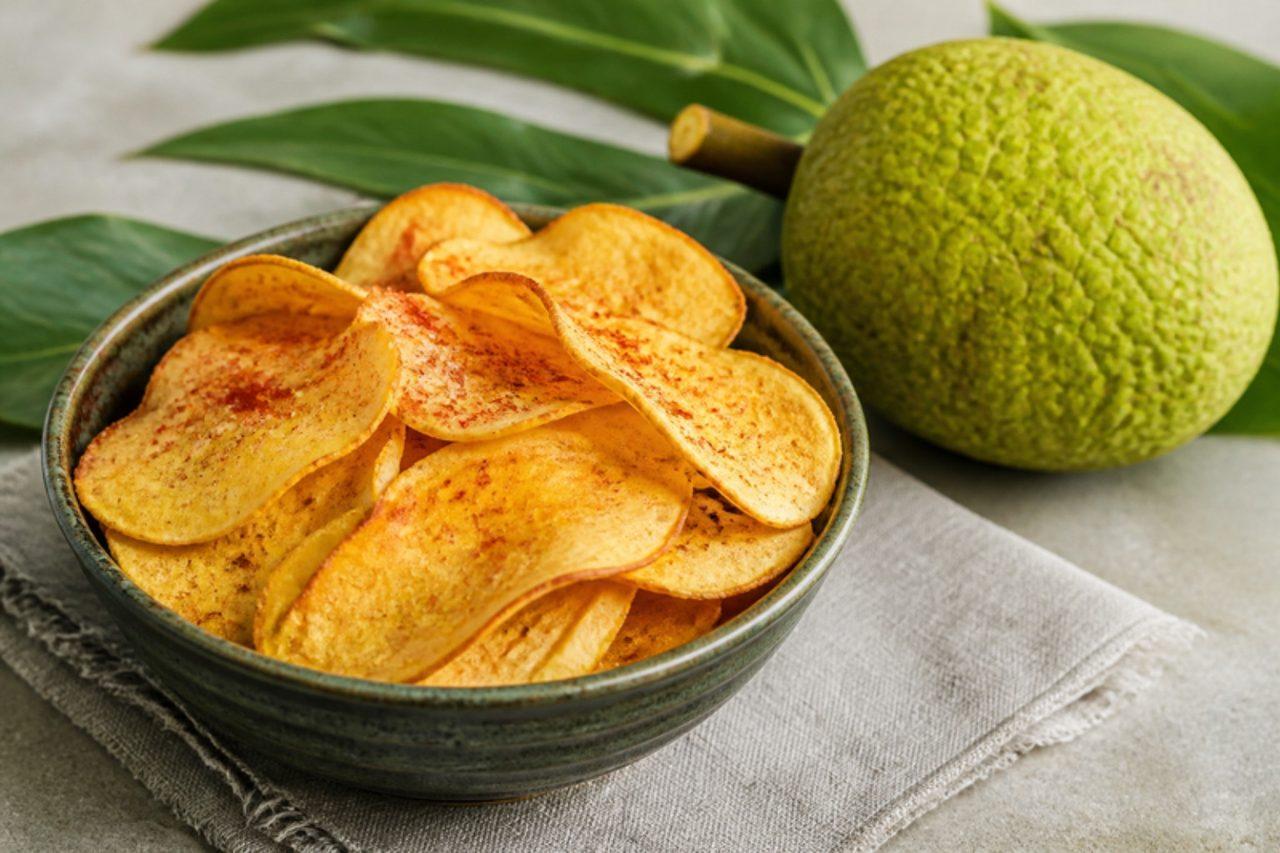
Roadside kiosks on La Digue and the Victoria market sell paper cones of chips friyapen, still warm, to people walking back from the beach. Breadfruit fries up lighter than potato, with a faintly nutty, bready taste and a crunch that shatters, and islanders say whoever eats breadfruit will come back to the Seychelles. Use a fruit that is mature but still firm, with green skin and no soft patches; ripe, yielding breadfruit is too sweet and wet and the slices go leathery. Breadfruit has no gluten at all, so the chips suit coeliac friends if the oil is fresh. Eat them as they are with a cold drink, or alongside grilled fish and a sharp tomato chutney. Chef's tip: rub a little oil on your knife and hands before cutting, because the white sap is sticky and hard to wash off.

by KrazyBadal 0 views

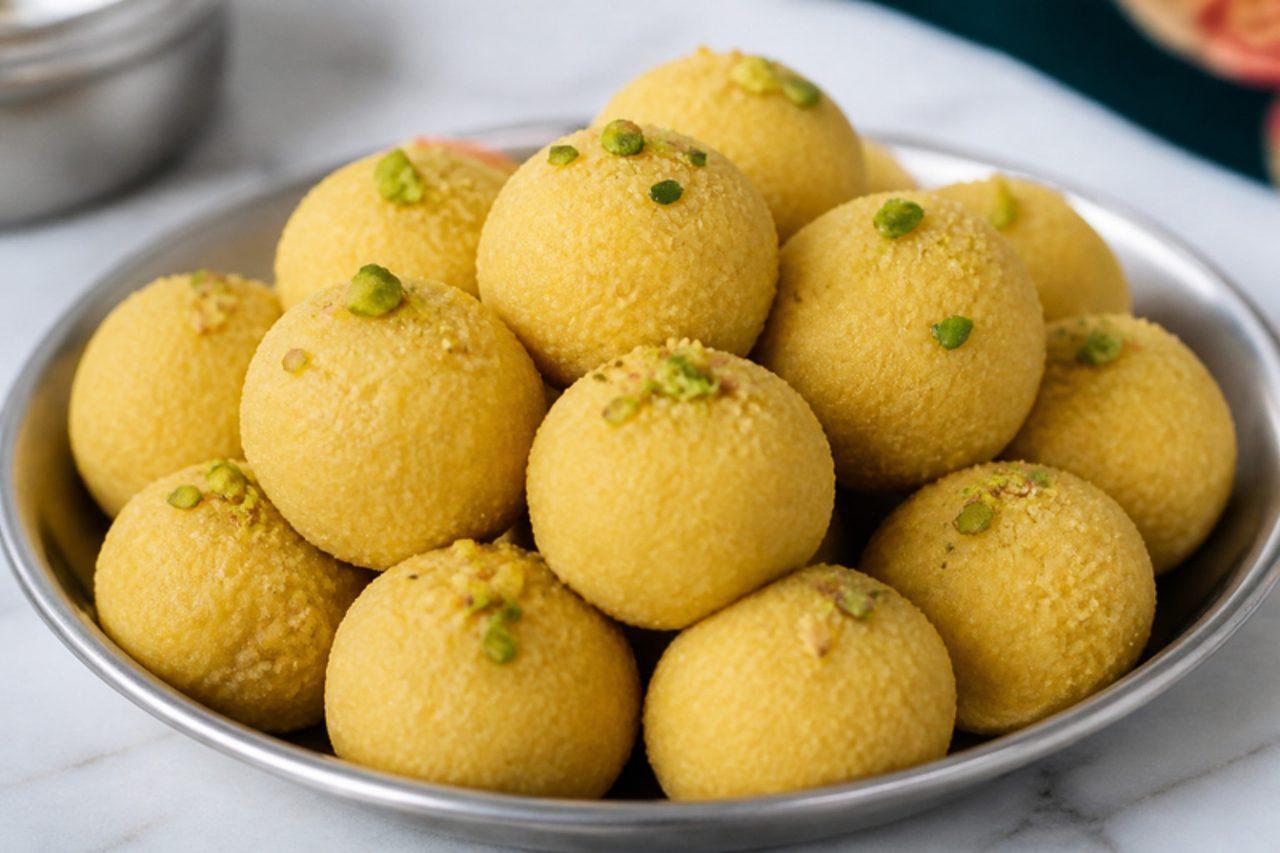
Besan ladooGram flour sweet balls

Every North Indian and Gujarati kitchen has its besan ladoo argument: coarse or fine flour, boora or caster sugar, nuts or not. What nobody argues about is the roasting. The gram flour has to cook in ghee on a low flame for half an hour, going from a stiff lump to a loose, flowing paste the colour of sand, until the raw beany smell is gone and the kitchen smells like roasted peanuts. That patient roast gives a ladoo that is melt-in-the-mouth, faintly grainy and rich, never pasty. They are made for Diwali, offered to Ganesh on Chaturthi and packed for travellers because they keep for weeks. Use besan packed without wheat if you need it gluten-free. Chef's tip: let the roasted besan cool until just warm to the touch before the sugar goes in; hot besan melts the sugar and your ladoos slump into flat discs.
by KrazyBadal 0 views

Soan papdiFlaky threaded sweet cubes

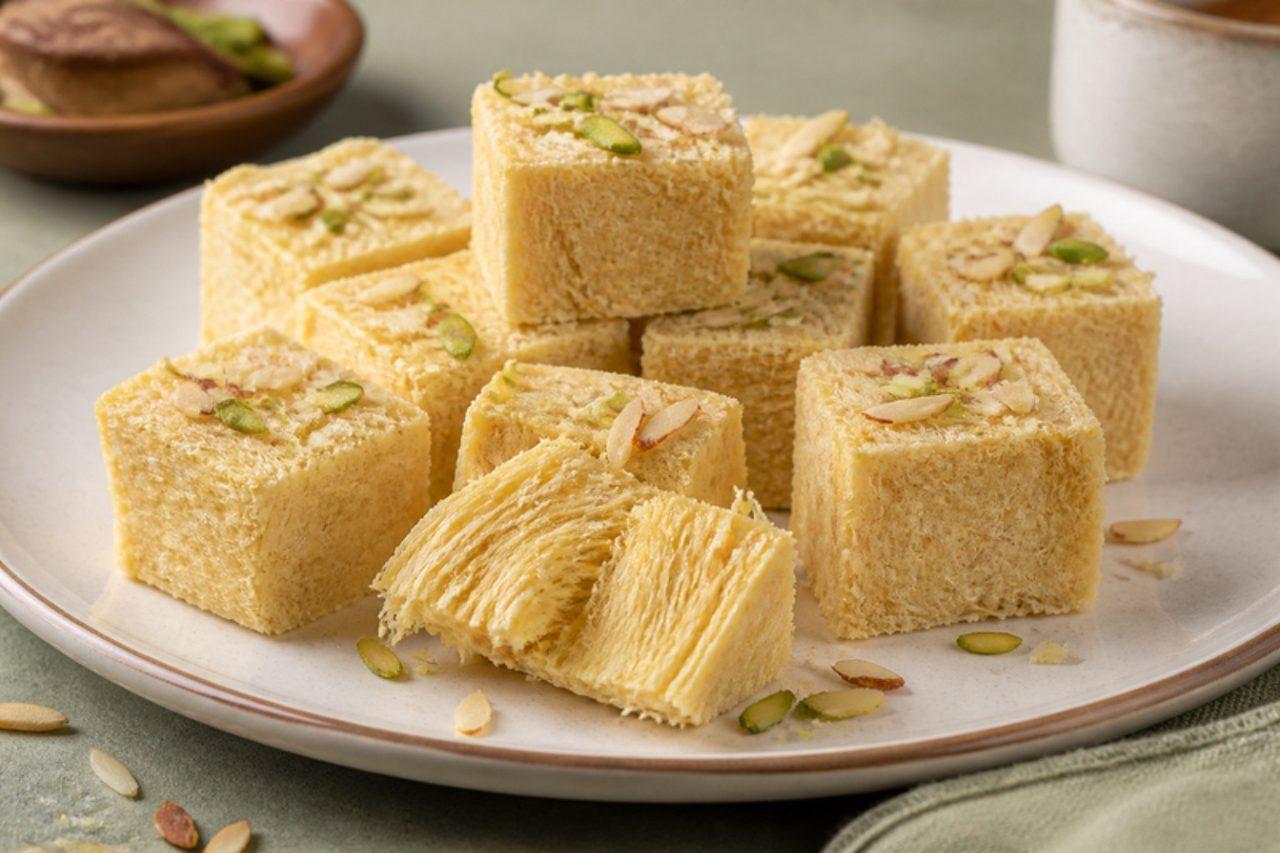
Long before it came in gift boxes, soan papdi was a halwai's showpiece in the bazaars of western Uttar Pradesh and Delhi. Hot sugar syrup is pulled like taffy, then worked into a warm paste of gram flour and maida roasted in ghee, and the folding stretches it into hundreds of fine threads. The result is airy, flaky and crumbly, with a toasty, cardamom-sweet flavour, nothing like the stale boxes passed around offices at Diwali. It is genuinely a two-person job at home: one person pulls while the other keeps the flour warm. Wear clean kitchen gloves rubbed with ghee if your hands are sensitive to heat, and keep children away from the syrup. Chef's tip: keep the roasted flour on the lowest possible heat the whole time; the moment it cools, it stops coating the sugar threads and you get dense, chewy lumps.

by KrazyBadal 0 views

Gulab jamun

No Diwali sweet box, wedding thali or birthday party in India feels complete without a gulab jamun or two. This is the classic halwai version made with khoya, milk reduced to a dense crumbly solid, kneaded with a little flour and fried slowly in ghee until the outside is deep mahogany and the inside cooked through. Soaked in light syrup scented with rose and cardamom, the balls swell and become soft and spongy, with a faint caramel milkiness. Serve them warm on their own, or with a scoop of vanilla ice cream or a spoonful of rabri. Buy soft, unsweetened khoya (mawa) for this; dry, hard khoya makes dense jamuns. Chef's tip: fry one test ball first; if it cracks, knead in a teaspoon of milk, and if it spreads, add a pinch more flour.

by KrazyBadal 0 views

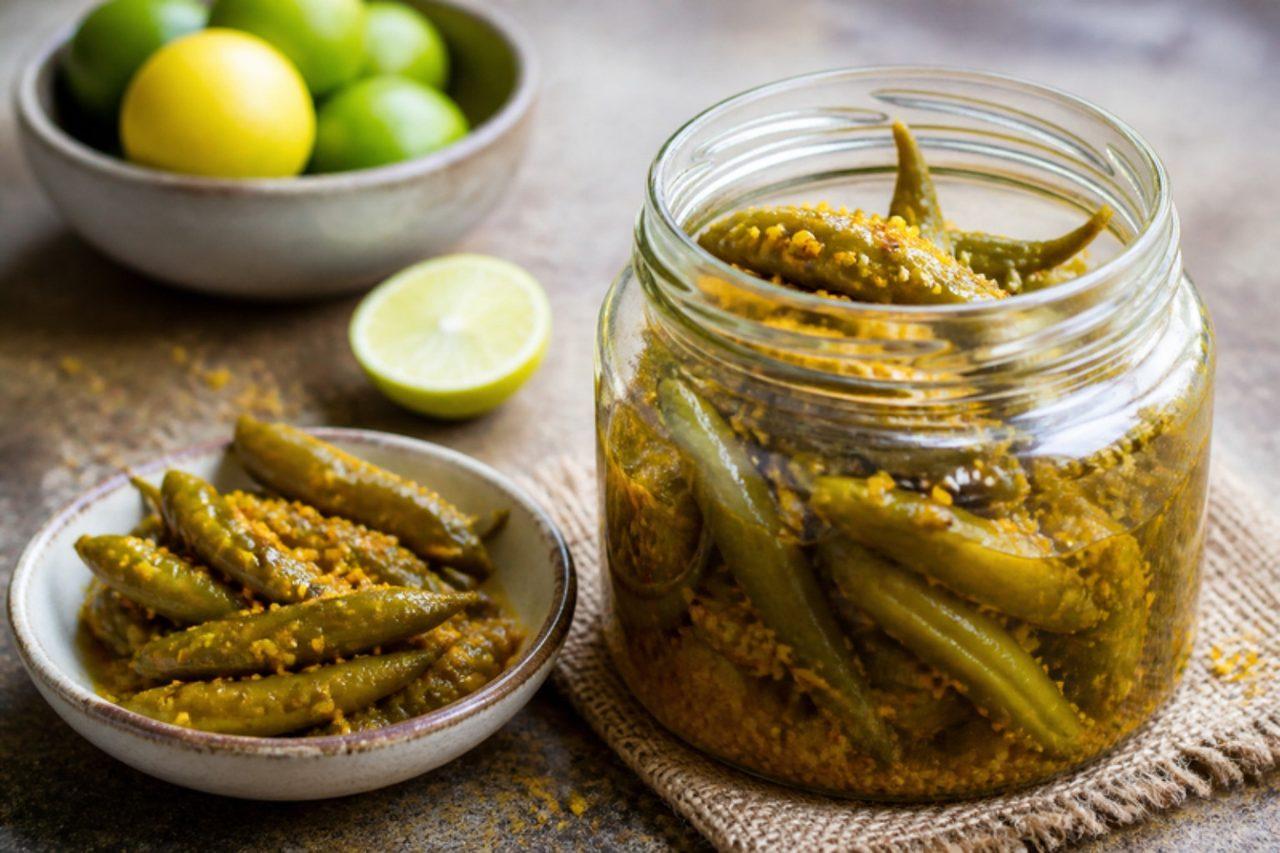
Athela marchaQuick pickled green chillies

On a Gujarati table there is nearly always a small steel bowl of athela marcha beside the thali, the quick daily pickle that makes plain khichdi, dal-bhaat, thepla or a plate of fafda taste complete. Thick, mild chillies (Bhavnagri or the pale green ones sold for bhajia) are slit, tossed with rai kuria (split mustard), salt, turmeric and hing, and soused with lemon juice. Within a few hours the mustard blooms and turns pleasantly pungent, the lemon softens the chillies and the colour turns olive green. They stay crunchy for about a week in the fridge, so most homes make a small batch every few days. Use thin, hot chillies if your family likes the heat. Common mistake: washing the chillies and using them damp, which waters down the masala and turns the pickle slimy; dry them completely before slitting. Always serve with a clean, dry spoon and throw the jar out if it turns cloudy, mouldy or smells off. Chef's tip: a pinch of methi kuria and half a teaspoon of sugar round out the sharpness if the lemons are very sour.

by KrazyBadal 0 views

KurdaiSun-dried wheat starch spirals

Kurdai is one of the great Marathi summer projects, the kind that takes the whole family and most of the week. In Marathwada and Khandesh, whole wheat grains are soaked for three days, ground, and strained to collect the fine starch (chik), which settles and slightly ferments. That starch is cooked into a glossy paste and pressed through a kurdai press into flat spirals that dry hard and translucent in the April sun. Fried, they swell into airy, rippled curls, crisp and almost melting, with a faint tang from the fermentation. Kurdai turns up on the side of a Maharashtrian thali with varan-bhaat, at festivals, and as a tea-time crunch. Note that it is made from wheat, so it is not gluten-free. Chef's tip: change the soaking water morning and evening without fail. Skip it and the wheat starts to smell sour and musty instead of clean and yeasty, and the kurdai will taste of it.

by KrazyBadal 0 views

LadobPlantain in sweet coconut milk

Sunday lunch on Mahé often ends with a pot of ladob carried warm to the table: thick slices of ripe plantain, sometimes breadfruit or sweet potato, stewed in coconut milk until they turn soft and amber. The sauce reduces to a pale, silky cream scented with vanilla, which grows on the islands, and a scrape of nutmeg. Families eat it warm in bowls, or cold from the fridge the next afternoon, and children like it best with the sauce spooned over a little extra. Pick plantains with black-speckled or nearly black skins; yellow-green ones stay starchy and never go sweet and tender, which is the most common disappointment. Chef's tip: simmer gently and never let the coconut milk boil hard, or it splits and the sauce turns oily instead of creamy.

by KrazyBadal 0 views

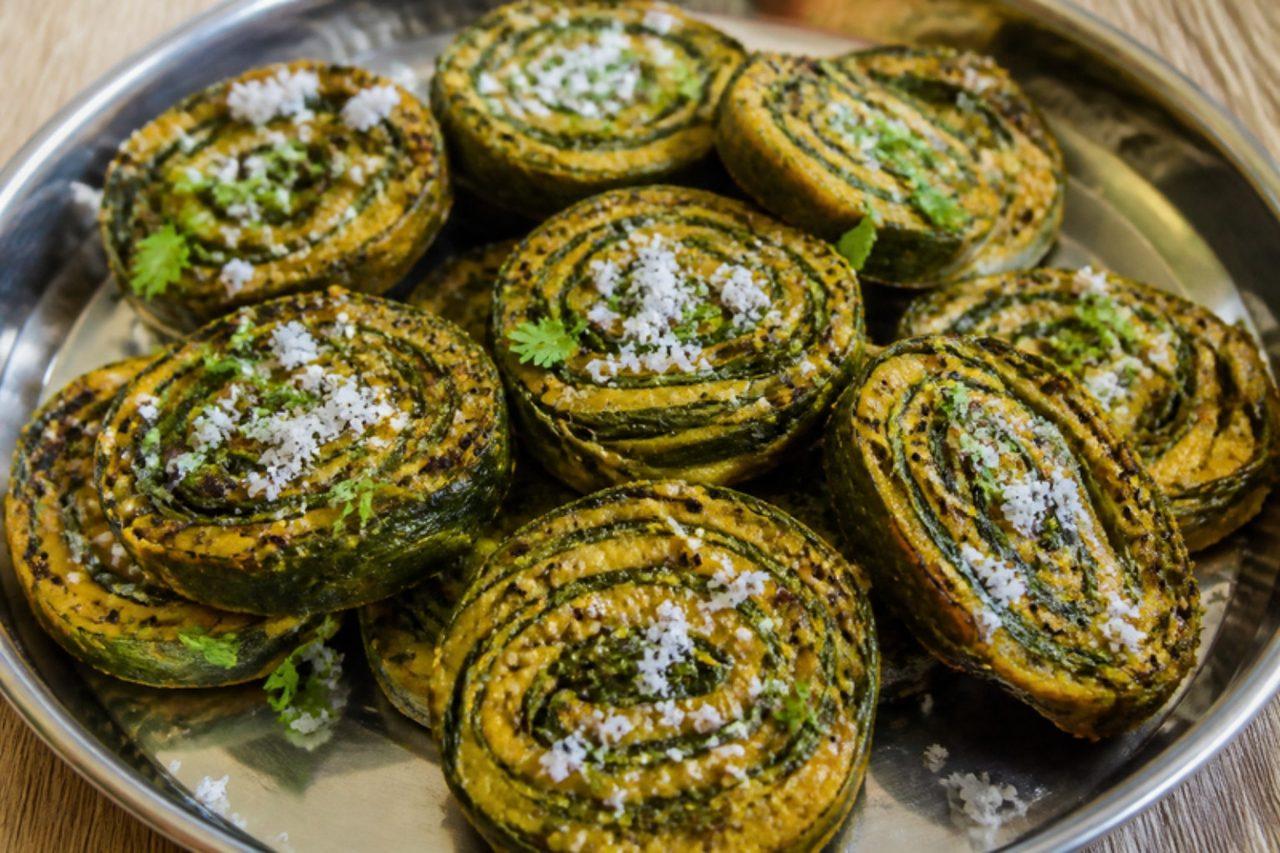
PatraSteamed colocasia leaf rolls

Arbi leaves (colocasia, sold as patra or alu leaves in Indian shops) are on every farsan counter from Surat to Ahmedabad, and steamed patra is the one Gujarati mothers make on a Sunday when the leaves look good at the market. Several leaves are glued together with a thick besan paste that is sour with tamarind, sweet with jaggery and warm with ginger and chilli, then rolled, steamed, cooled and cut into spirals. A final vaghar of mustard, sesame and curry leaves gives a crisp edge. The same dish in Maharashtra is alu vadi, where the slices are usually fried. Patra is a must on a wedding or Diwali farsan plate and is good cold in a dabba too, with green chutney or nothing at all. Tamarind matters for more than taste: raw colocasia makes the throat itch, and the acid in the paste stops it, so never skip it. Common mistake: slicing the rolls while hot, when they crumble; let them cool completely first. Chef's tip: choose medium leaves without holes, and shave the thick back veins flat with a knife so the leaves lie flat and roll tight.

by KrazyBadal 0 views

PanchakhadyaCoconut, jaggery and poppy seed offering

Walk into a Maharashtrian home during the ten days of Ganeshotsav and the evening aarti ends with a spoonful of panchakhadya pressed into your palm. Pancha means five and khadya means things to eat: dry coconut (khobra), jaggery, poppy seeds, dry dates (kharik) and dry ginger (sunth) powder, all toasted and pounded together into a loose, sweet crumble. Some families add a few raisins or almonds, but the five are the heart of it. It is warming, chewy and gently spicy from the sunth, and it keeps for weeks, which is why it is made in a big tin at the start of the festival. Eat it by the spoon, or sprinkle over hot milk. The common mistake is grinding everything together into a sticky paste; the jaggery should be grated and stirred in at the end so the mixture stays crumbly. Chef's tip: dry kharik are rock hard; soak them for 10 minutes in hot water, then pat dry and chop, or buy ready kharik powder.

by KrazyBadal 0 views

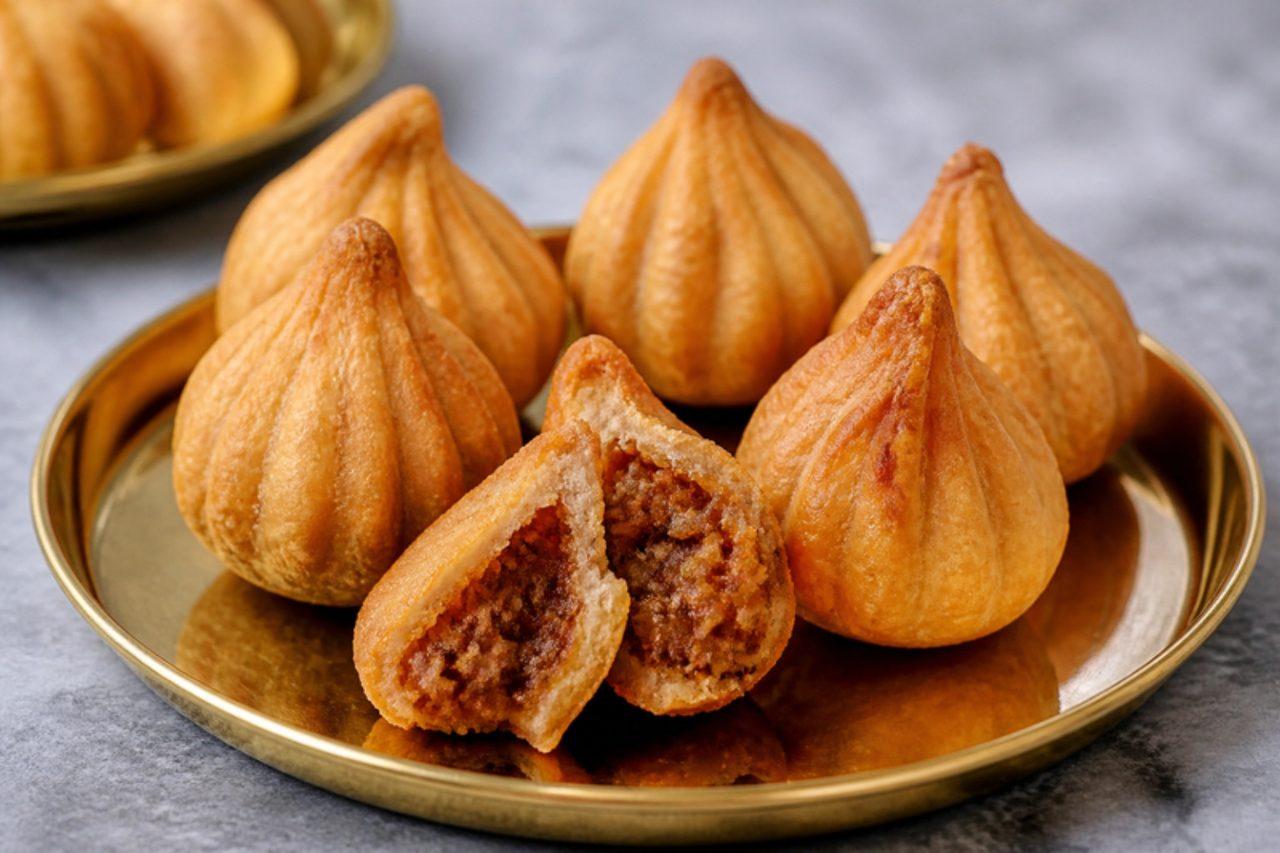
Talniche modakFried coconut jaggery dumplings

Steamed ukadiche modak may be the star of Ganesh Chaturthi in Konkan homes, but across Pune, Nashik and Vidarbha the plate of twenty-one for Bappa is just as often fried. Talniche modak use a short dough of wheat flour and fine semolina, pleated by hand around the same coconut, jaggery and poppy-seed saran, then fried slowly until they turn pale gold and shatter when bitten. Because they are dry and crisp they travel well: they go into the steel dabba for relatives and last through all ten days of the festival. The filling is sticky and fragrant with cardamom and nutmeg, the shell flaky like a karanji. Serve them at room temperature with a cup of tea or as part of the naivedya thali. The usual mistake is frying in oil that is too hot, which browns the outside in a minute and leaves the inner pleats raw and doughy. Chef's tip: rub the ghee into the flour until it holds in a clump when pressed; that moyan is what makes the shell blister and flake rather than turn hard like a puri.

by KrazyBadal 0 views

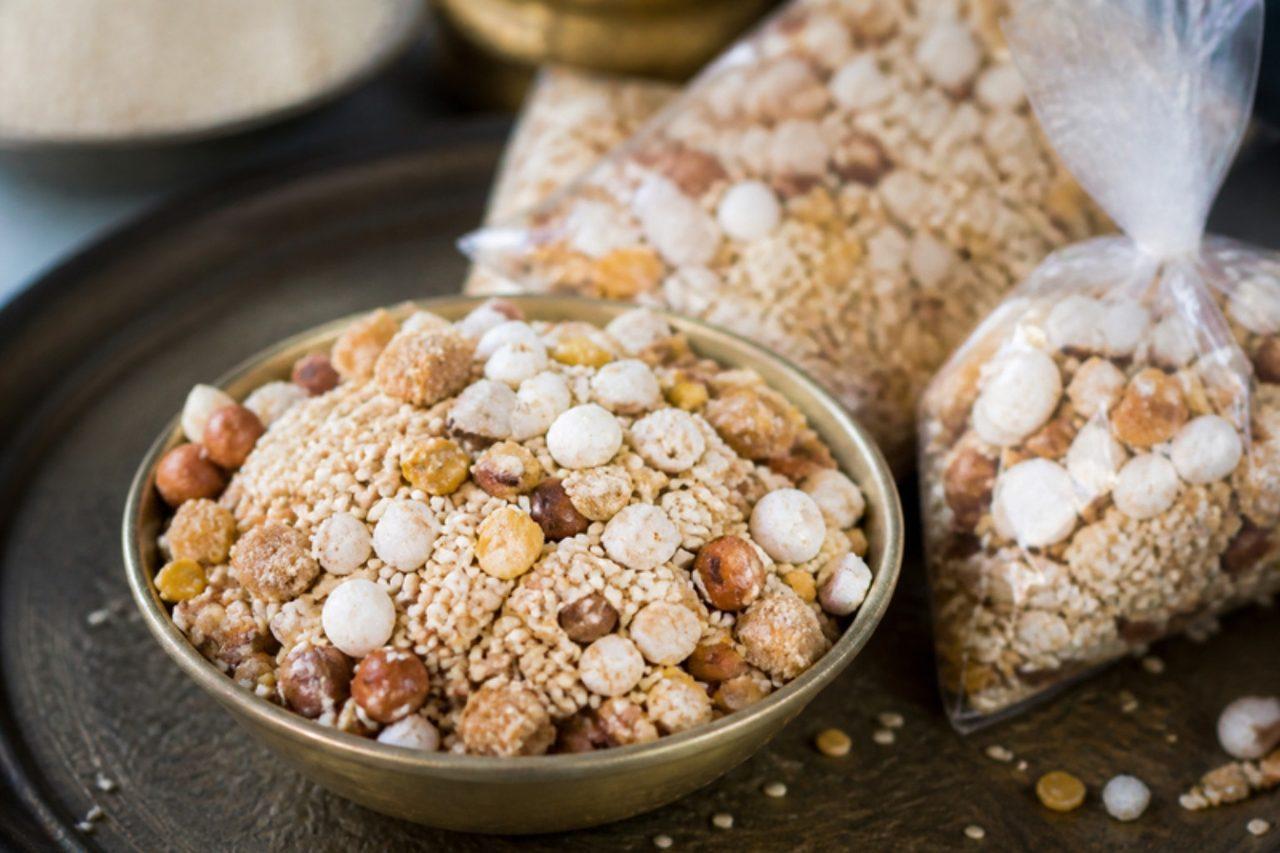
Ellu bellaSesame and jaggery mix

'Ellu bella thindu olle maathadi': eat sesame and jaggery and speak only good words. On Sankranti morning, girls in Bengaluru and Mysuru dress in new silk and carry small steel plates of ellu bella, a sugarcane stick, a banana and a sugar figure (sakkare acchu) from house to house, a custom called ellu birodhu. The mix itself is uncooked once its parts are roasted: white sesame, tiny cubes of dry coconut and jaggery, peanuts and putani (roasted gram), sometimes with a few fried gram-dal sugar beads. It is crunchy, nutty and sweet in small bursts. Families make a kilo at a time to give away. The common mistake is mixing it while the sesame is still warm, which melts the jaggery and turns everything into a lump. Chef's tip: cut the copra and jaggery to the same small size as the peanuts so every spoonful has a bit of everything.

by KrazyBadal 0 views

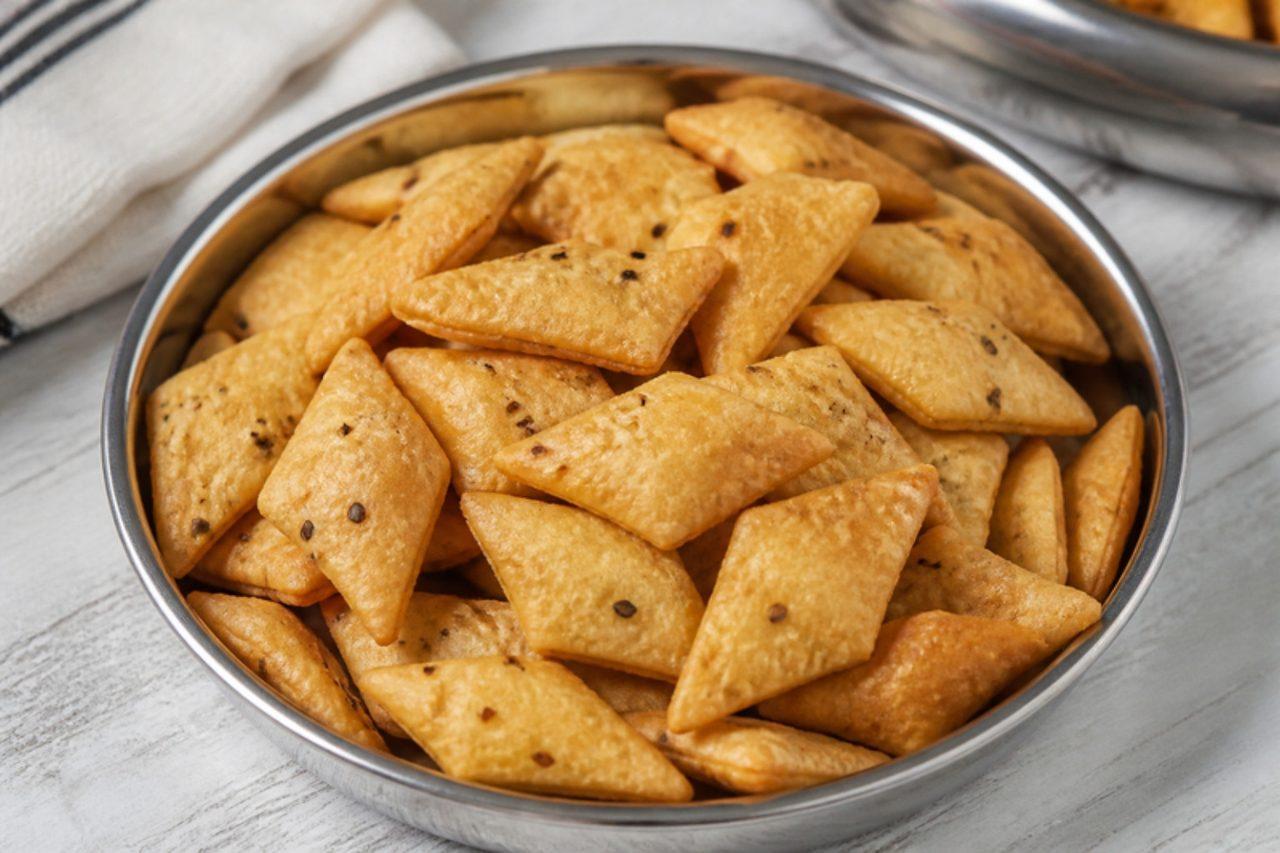
Namak pareSalted dough diamonds

Namak pare are the easiest thing in the festive tin, and usually the first to run out. A simple salted dough with a little ghee, ajwain and black nigella seeds is rolled thin, cut into small diamonds and fried until golden and crunchy. They are much thinner and crisper than mathri, with a satisfying snap rather than a flaky crumble, and the kalonji gives a slightly oniony, peppery note. Punjabi and UP homes make big batches before Holi and Diwali, but they also turn up on train journeys, at kitty parties and with evening tea. Sprinkle with chaat masala for a tangier version. Chef's tip: roll the dough evenly, about 3 mm; thin spots burn while thick ones stay soft, and even sheets give every piece the same crunch.

by KrazyBadal 0 views

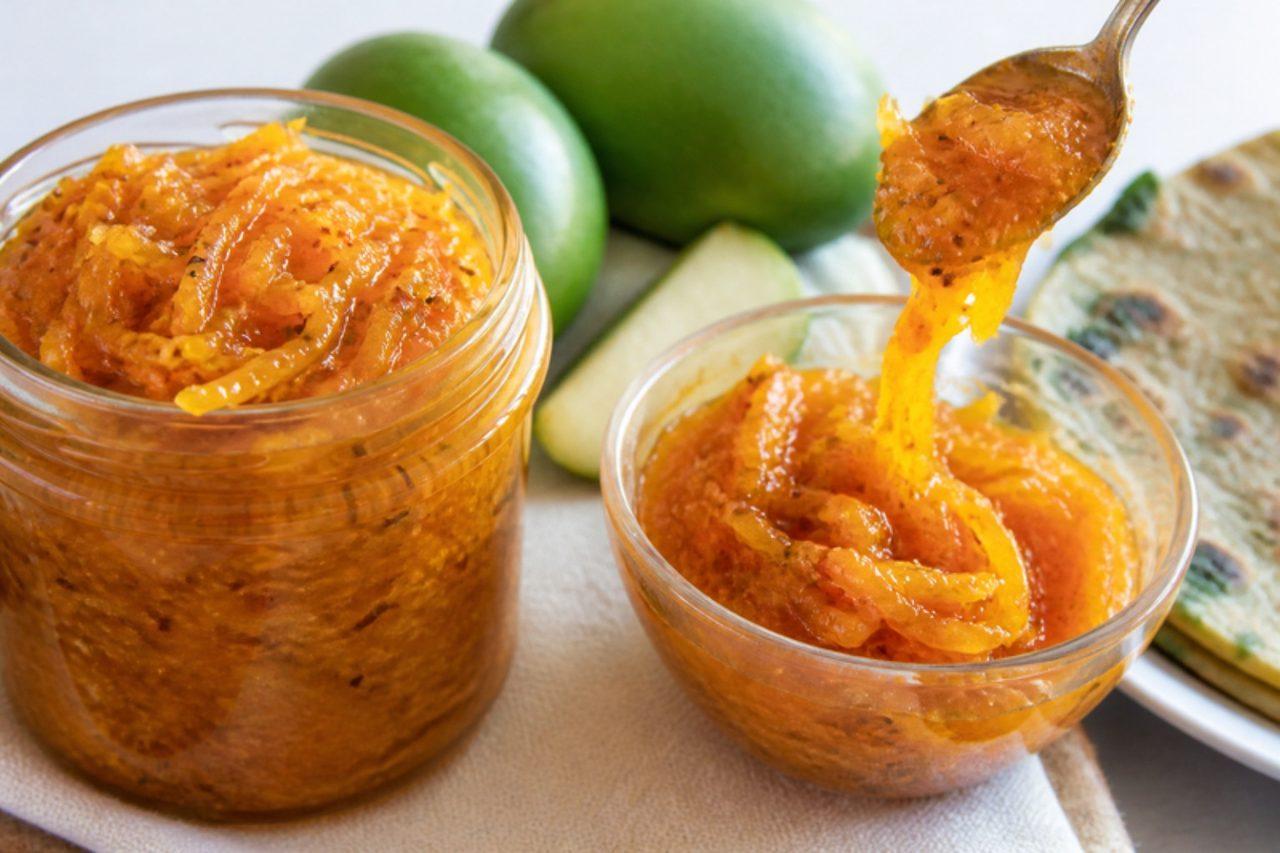
ChhundoSweet grated mango preserve

Every May, when rajapuri mangoes arrive hard and green, Gujarati terraces fill with muslin-covered jars of chhundo slowly cooking in the sun. Grated raw mango is salted, mixed with sugar and left out for a week or more, stirred each day, until the sugar melts into a clear, glossy syrup and the shreds turn translucent. Red chilli and roasted cumin go in at the end, so it is sweet first and then warm. It is what children spread inside a thepla or a rotli for the school dabba, and it sits beside khakhra, puri and dal-bhaat all year round. No terrace or no sun? It cooks just as well on the stove in 25 minutes; both methods are below. Use rajapuri (or another firm, sour, fibre-free raw mango) and grate it on the large holes so the shreds hold. Common mistake: cooking past one-string; the syrup keeps thickening as it cools and the chhundo sets hard like candy. Store it in a dry, sterilised jar and always use a clean, dry spoon; discard it if you ever see mould or it smells fermented. Chef's tip: mix part Kashmiri chilli for colour and part hot chilli for heat, and add the chilli only after the syrup is ready so it stays bright red.

by KrazyBadal 0 views

AnnakutWinter vegetable shaak

The day after Diwali, Pushtimarg havelis from Nathdwara to Ahmedabad build the annakut, literally a mountain of food, piled before Shrinathji to remember Krishna lifting Govardhan hill. Among dozens of sweets and farsan, there is always a shaak cooked from every vegetable of the new season, and many Gujarati and Rajasthani homes make their own version for the New Year meal. In the haveli tradition there is no onion or garlic, and many families leave out tomato too; the flavour comes from ajwain, ginger, green chilli, a little jaggery and lemon. It is lightly spiced, sweet-sour and full of different textures, from creamy raw banana to crunchy beans. Serve with puri, kadhi and rice. This version uses groundnut oil, so it is vegan; havelis cook it in ghee. Chef's tip: cut every vegetable to roughly the same size and add them in order of how long they take, so the shaak ends up tender, not mushy.

by KrazyBadal 0 views

Aam papadMango fruit leather

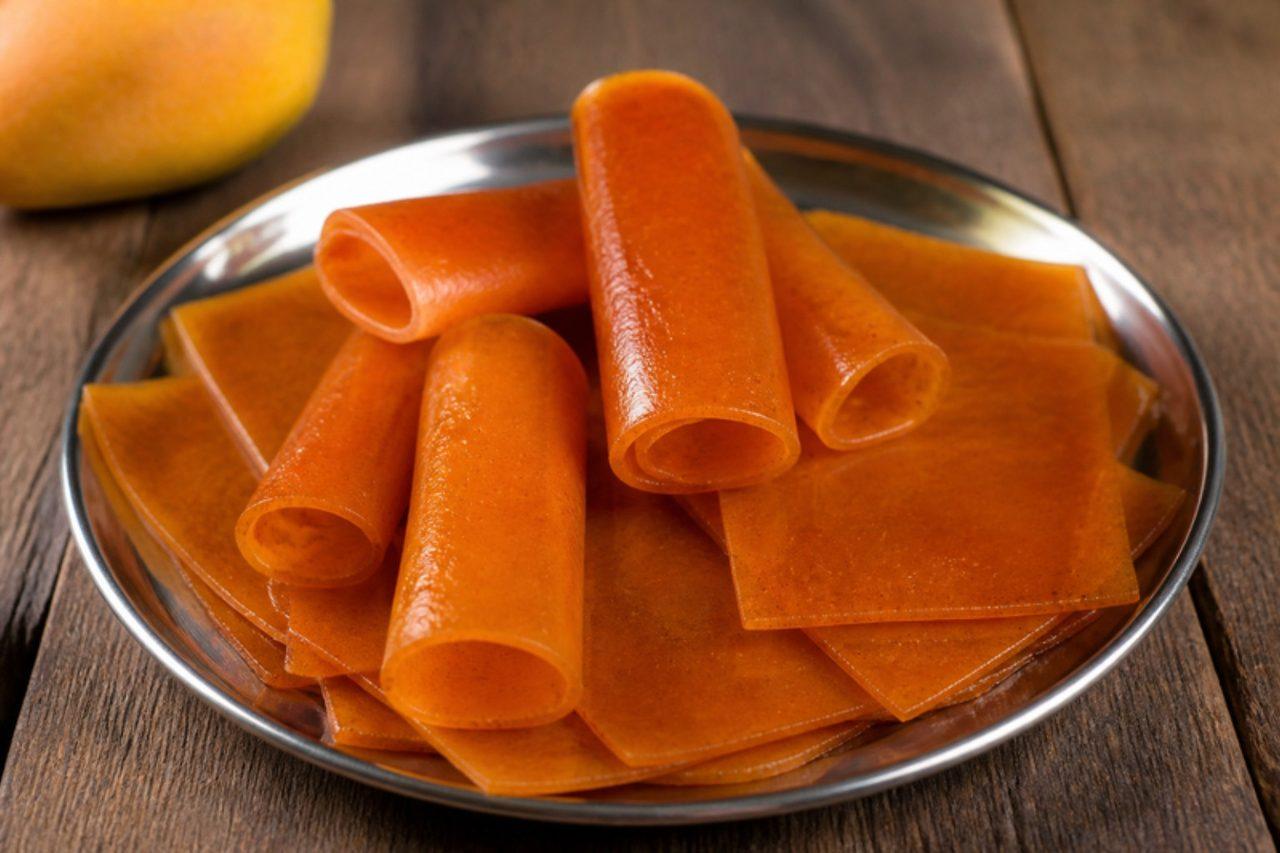
Children in Lucknow, Varanasi and across Uttar Pradesh grew up tearing strips off aam papad from the corner shop, but the homemade kind, made when Dussehri and Langra mangoes are cheap and overripe in June, is in another league: thick, glossy, chewy, deep orange and properly mango-tasting, with a sour edge. Ripe pulp is cooked down with a little sugar and lemon until thick, then spread thinly on greased thalis and left on the terrace. Many families add a new layer every day for a week to build up a thick slab. Eat it as a sweet snack, cut into squares or rolls, or tuck it into a lunchbox. Common mistake: spreading the pulp in one thick layer to save time; the outside dries while the centre stays sticky and can turn mouldy. Chef's tip: no sun? Spread it on a lined tray and dry it in the oven at 60–70 °C, door slightly ajar, for 6–8 hours.

by KrazyBadal 0 views

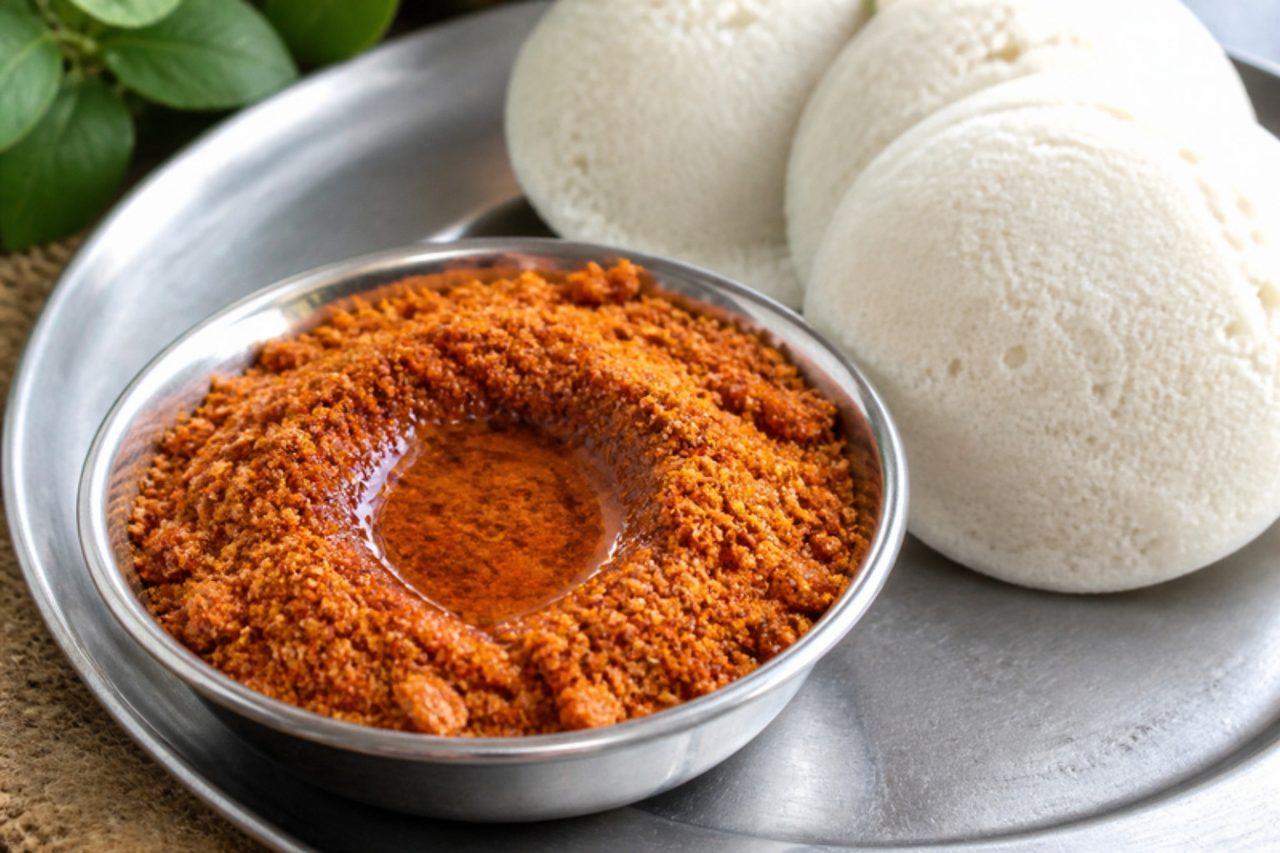
Idli podiLentil and chilli powder

Pack idlis for a train journey out of Chennai Central and they travel already smeared in milagai podi and gingelly oil, which is why Tamilians call this the travel chutney. At home, a small mound sits on the side of every breakfast plate: you make a well in it, pour in sesame oil and drag hot idli or crisp dosa through the paste. A good podi is coarse and sandy rather than floury, nutty from slow-roasted urad and chana dal, toasty from sesame, smoky from the chillies and lifted by curry leaves and asafoetida. Mix byadgi chillies for colour with a few hotter ones for bite. Common mistake: grinding the dals while still warm; the steam turns the podi damp and lumpy and it loses its crunch in a week. Chef's tip: roast each ingredient separately on a low flame, because the dals, chillies and sesame all brown at different speeds.

by KrazyBadal 0 views

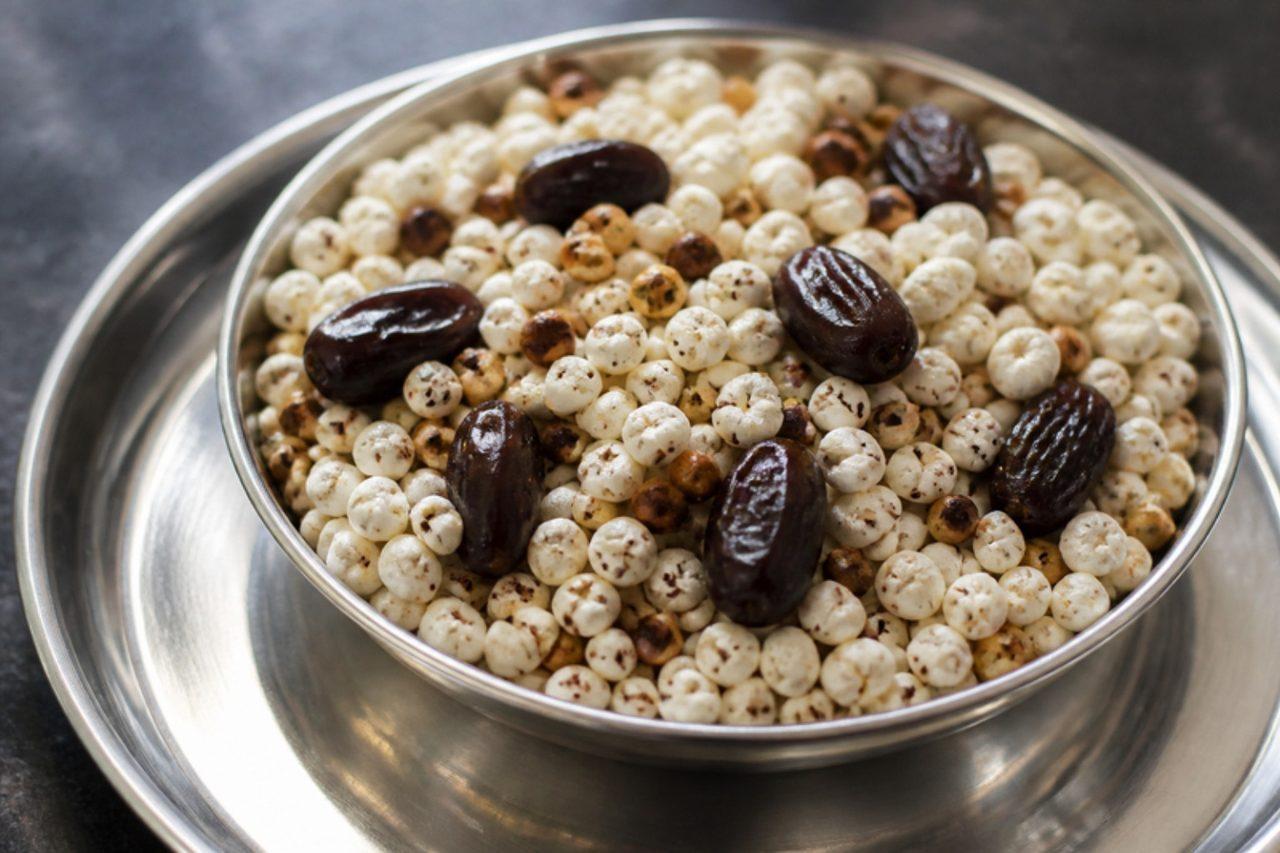
Dhani khajurPopped jowar and dates

On Holika Dahan night, Gujarati families circle the bonfire with coconut, water and a plate of dhani, dalia and khajur, toss a handful into the flames, and then share the rest. The popped jowar is light and crunchy, the roasted chana nutty and mealy, and the dates bring a chewy, caramel sweetness, so together they make a surprisingly satisfying snack. The idea passed down by elders is practical: as the season turns from winter to summer, dates give warmth and energy, and the dry grains settle the stomach. It is also the first thing handed to children when they come home with coloured faces the next morning. Buy fresh dhani in the weeks before Holi, when Gujarati grocers and street sellers have it by the sackful. Chef's tip: shake the dhani in a sieve before mixing; it loosens the papery husks and the hard unpopped kernels that can crack a tooth.

by KrazyBadal 0 views

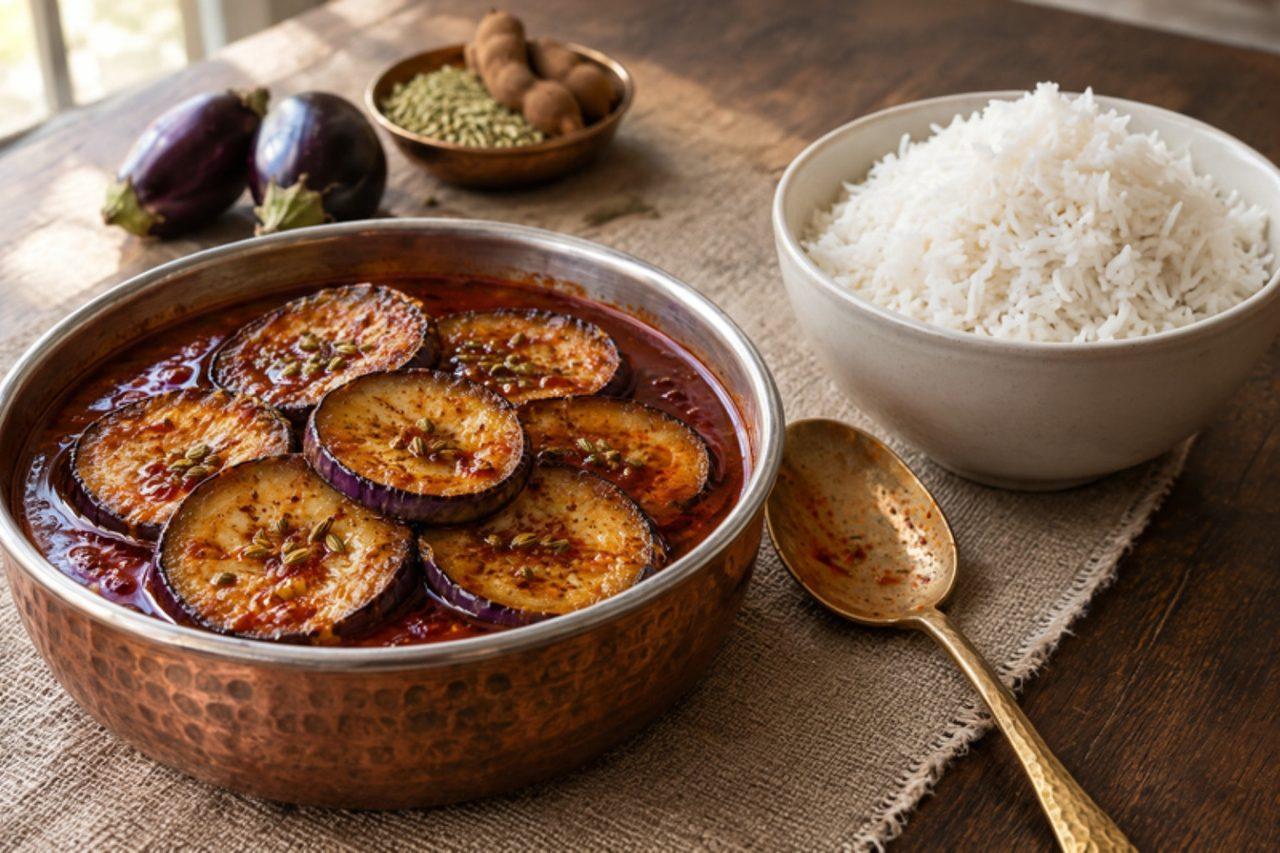
Tschok wangunSour tamarind aubergine

Tschok wangun is a Kashmiri Pandit dish from the Srinagar valley, cooked on ordinary weekdays and on fasting days when onion and garlic are kept out of the kitchen. Thick wedges of aubergine are fried in smoking mustard oil, then simmered in a thin, tart tamarind broth flavoured with ground fennel, dried ginger and Kashmiri chilli, so the pieces keep their shape but turn silky inside. Serve it with plain steamed rice and a bowl of dal. The usual mistake is adding the tamarind before the aubergine is properly fried: the pieces then soak up the sour liquid, collapse and taste raw. Chef's tip: heat the mustard oil until it just smokes, then let it cool for a minute before frying, which takes away its harsh edge.

by KrazyBadal 0 views

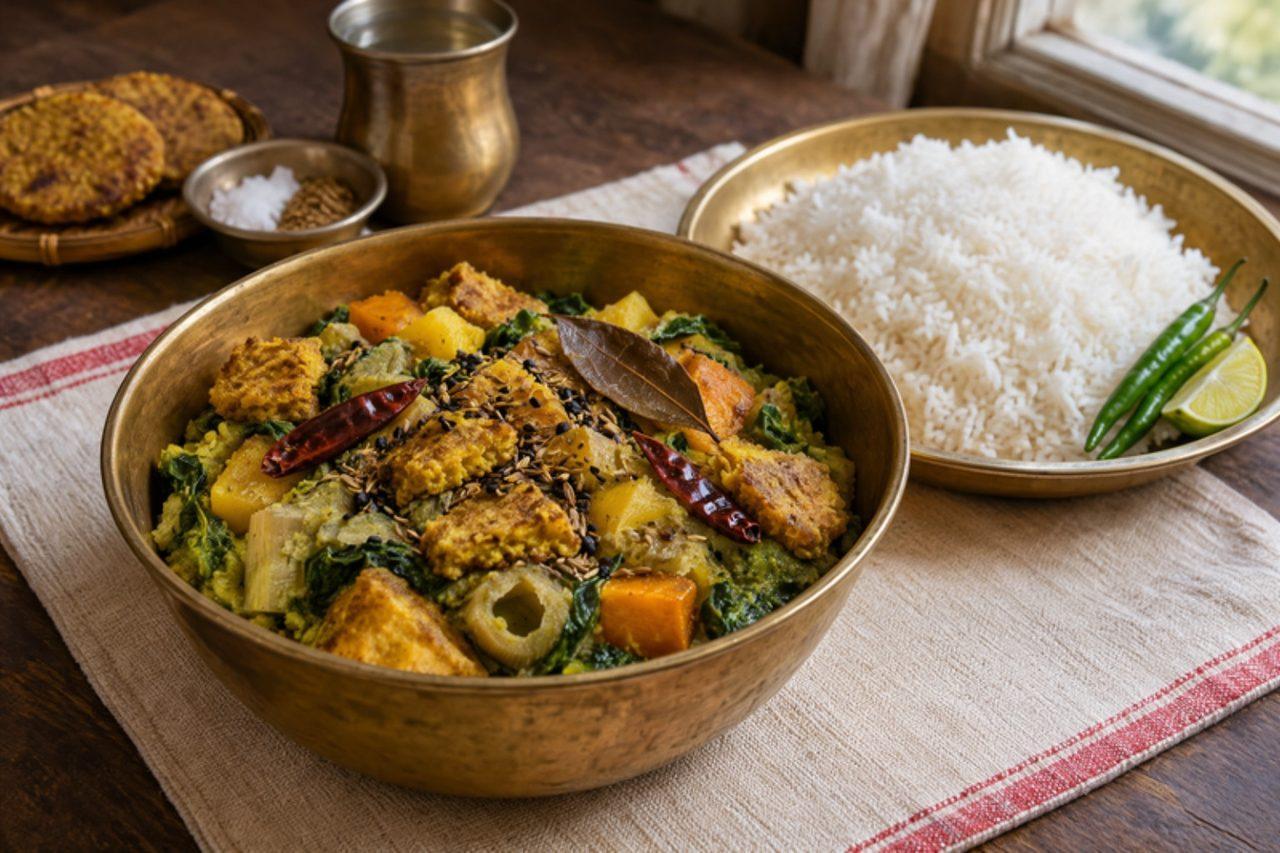
Chapor ghontoFried lentil cake vegetable curry

In West Bengal, chapor ghonto is the thrifty, comforting dish that turns up at weekday lunch and on the vegetarian days of the Durga Puja season. Soaked yellow peas are ground and fried into small savoury cakes (chapor), then broken into a slow-cooked mix of potato, pumpkin and banana stem tempered with panch phoron, ginger and a little sugar, until everything turns soft, jammy and lightly sweet. Eat it with plain rice and a squeeze of lime. The usual mistake is stirring the chapor in too early, so they dissolve into mush; add them in the last ten minutes. Chef's tip: soak the banana stem in water with a pinch of turmeric as you slice it and pull away the fibres that wind round your finger, or it stays stringy.

by KrazyBadal 0 views

Daikon to aburaage no nimonoSimmered daikon and fried tofu

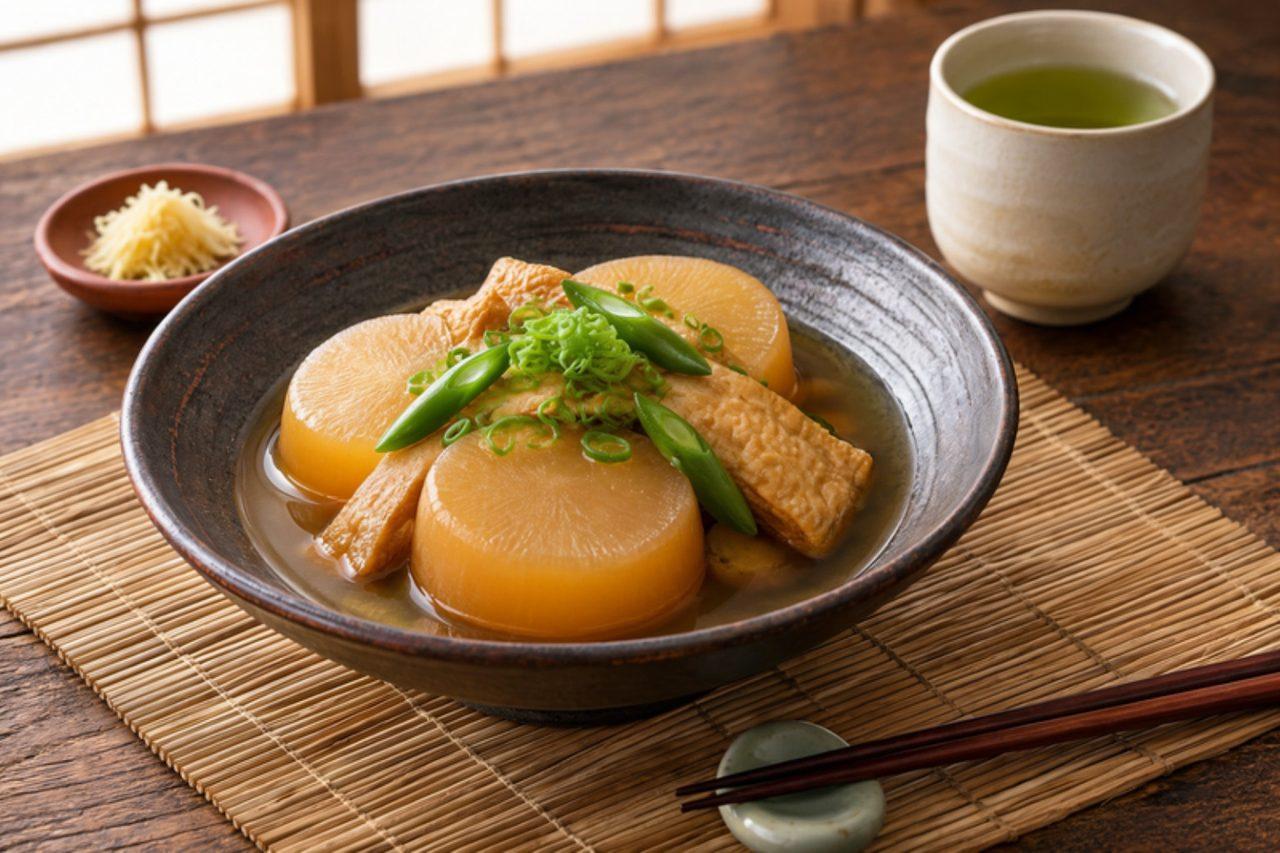
When winter daikon is fat, sweet and cheap in every Japanese market, home cooks from Hokkaido to Kyushu simmer it with strips of aburaage, the thin fried tofu pouches, as an everyday side for rice and grilled food. The radish turns soft and see-through and drinks up a light soy broth, while the tofu soaks up the rest like a sponge. This version uses a kelp and shiitake dashi instead of bonito, so the whole pot is vegan, and it tastes even better reheated the next day. The usual mistake is boiling it hard: the daikon edges crumble and the broth goes cloudy, so keep it at a lazy simmer under a drop lid. Chef's tip: pour boiling water over the aburaage before cutting it, which rinses off the stale frying oil and lets the broth soak in.
by KrazyBadal 0 views

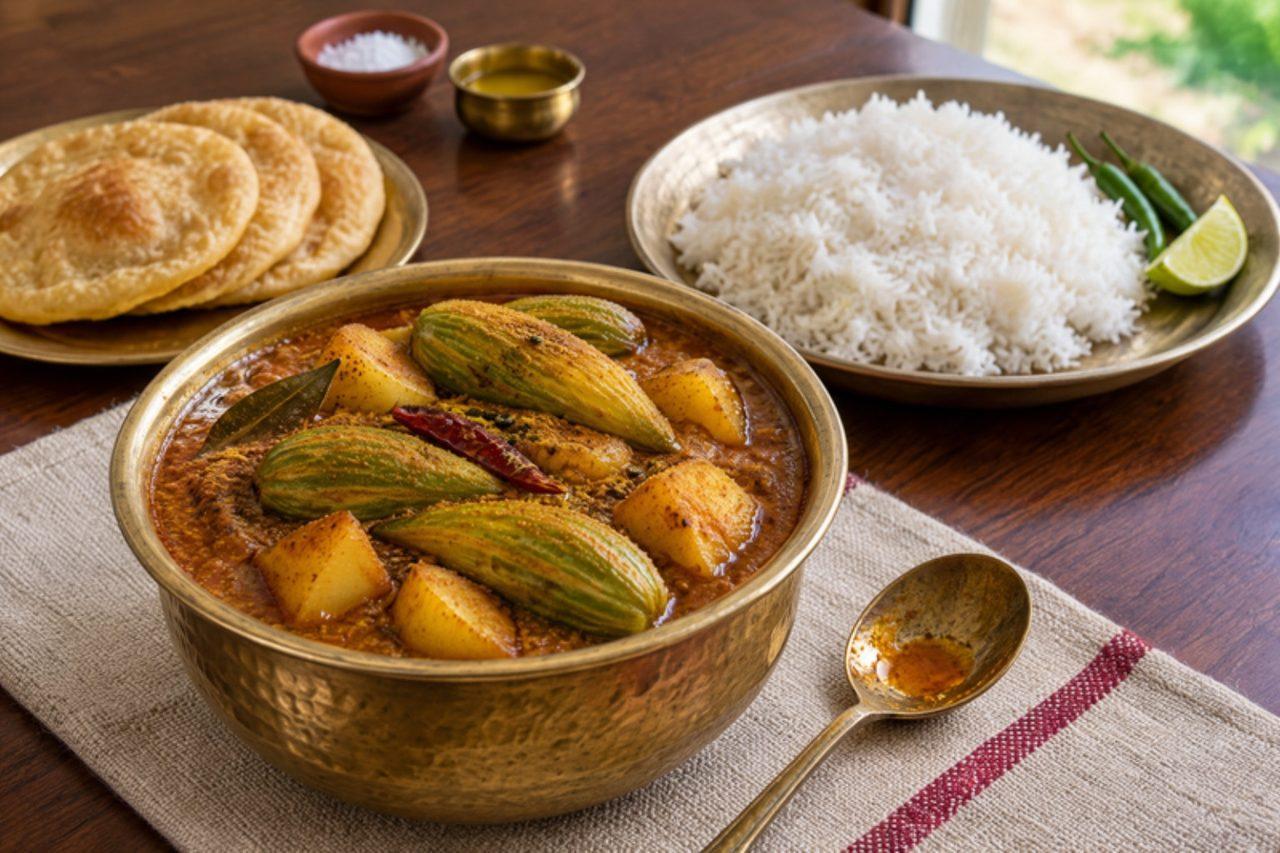
Aloo potoler dalnaPotato and pointed gourd curry

Pointed gourd (potol) floods the markets of Kolkata in summer, and aloo potoler dalna is how most Bengali homes cook it for a weekday lunch or a light Sunday meal. Half-peeled gourds and halved potatoes are fried until golden, then simmered in a loose gravy of ginger, cumin and tomato and finished with ghee and garam masala, so it tastes warm and gently sweet rather than hot. Serve it with rice or luchi. The usual mistake is peeling the gourds completely, which makes them fall apart; scrape off only the waxy skin in stripes. Chef's tip: prick each gourd once with a fork before frying so the gravy can soak into the seeds.

by KrazyBadal 0 views

KneippbrødWholemeal loaf

Open almost any Norwegian matpakke (the packed lunch wrapped in paper) and you will find slices of kneippbrød, a soft, lightly sweet loaf of sammalt hvete (wholemeal wheat) baked in a tin. Its fine crumb slices thin without crumbling, perfect for brown cheese, jam or cucumber at the school desk. The common mistake is adding too much flour while kneading because wholemeal dough feels sticky; the loaf then bakes dense and dry. Chef's tip: let the dough rest for 20 minutes after mixing, before kneading, so the bran softens and the dough turns smooth on its own.

by KrazyBadal 0 views

Sansai okowaSticky rice with mountain vegetables

In the snowy valleys of Yamagata, Niigata and Nagano, sansai okowa is what families cook in late spring when bracken, royal fern and bamboo shoots come down from the hills, and it turns up again in autumn rice-ball lunchboxes and at temple festivals. Soaked glutinous rice soaks up a soy and shiitake broth and cooks to a chewy, glossy, gently savoury pile studded with crunchy, slightly bitter greens. Eat it warm or at room temperature with miso soup and pickles, or shape it into onigiri. The usual mistake is giving sticky rice as much water as ordinary rice: it turns into paste, so use much less and let the soaking do the work. Chef's tip: buy the boiled, vacuum-packed mixed sansai sold in Japanese shops, and rinse it well, as it is often stored in brine.

by KrazyBadal 0 views

Bir pletokSpiced ginger drink

Bir pletok was the Betawi answer, in old Batavia, to the beer and wine drunk by the Dutch: a red, warming spice drink with no alcohol at all, served at weddings, at Lebaran open houses and in the evenings at Jakarta's Setu Babakan cultural village. 'Pletok' is said to be the popping sound it made when shaken in a bamboo tube to raise a foam. Ginger, lemongrass, pandan, cloves, cinnamon and cardamom are simmered with chips of secang (sappanwood), which turns the liquid deep ruby. It tastes hot and peppery from the ginger, perfumed from the pandan, sweet and lightly woody, and is drunk warm or with ice. The common mistake is skimping on ginger or slicing it thin and boiling briefly; you need plenty, bruised, and a slow simmer to draw out the heat. It is ready when the liquid is a clear ruby red and the ginger burn catches at the back of your throat. Secang chips are in Indonesian shops; dried hibiscus flowers give a similar red, slightly sourer. Keeps 5 days in the fridge. Chef's tip: shake each serving hard in a closed jar before pouring to get the foamy head.

by KrazyBadal 0 views

Mkate wa mofaMillet and wheat flatbread

Before dawn in Lamu's narrow lanes, bakers slap rounds of mofa dough onto the hot walls of a clay oven, and by breakfast the breads are stacked in baskets beside glasses of spiced tea. The dough mixes millet and wheat flour with coconut milk, a little sugar and cardamom, then ferments overnight, so each bread comes out soft and slightly chewy with a tangy, nutty taste and a blistered top. Islanders eat them with tea, with fried fish, or split and dipped in a bean or coconut sauce. Without a clay oven, a heavy pan on the hob plus a hot grill gives the same blistering; just don't roll the dough thin like chapati, a common slip, because mofa should be about 1 cm thick and pressed out by hand. Chef's tip: wet your palms before shaping, as islanders do; the dough is soft and the water stops it sticking.

by KrazyBadal 0 views

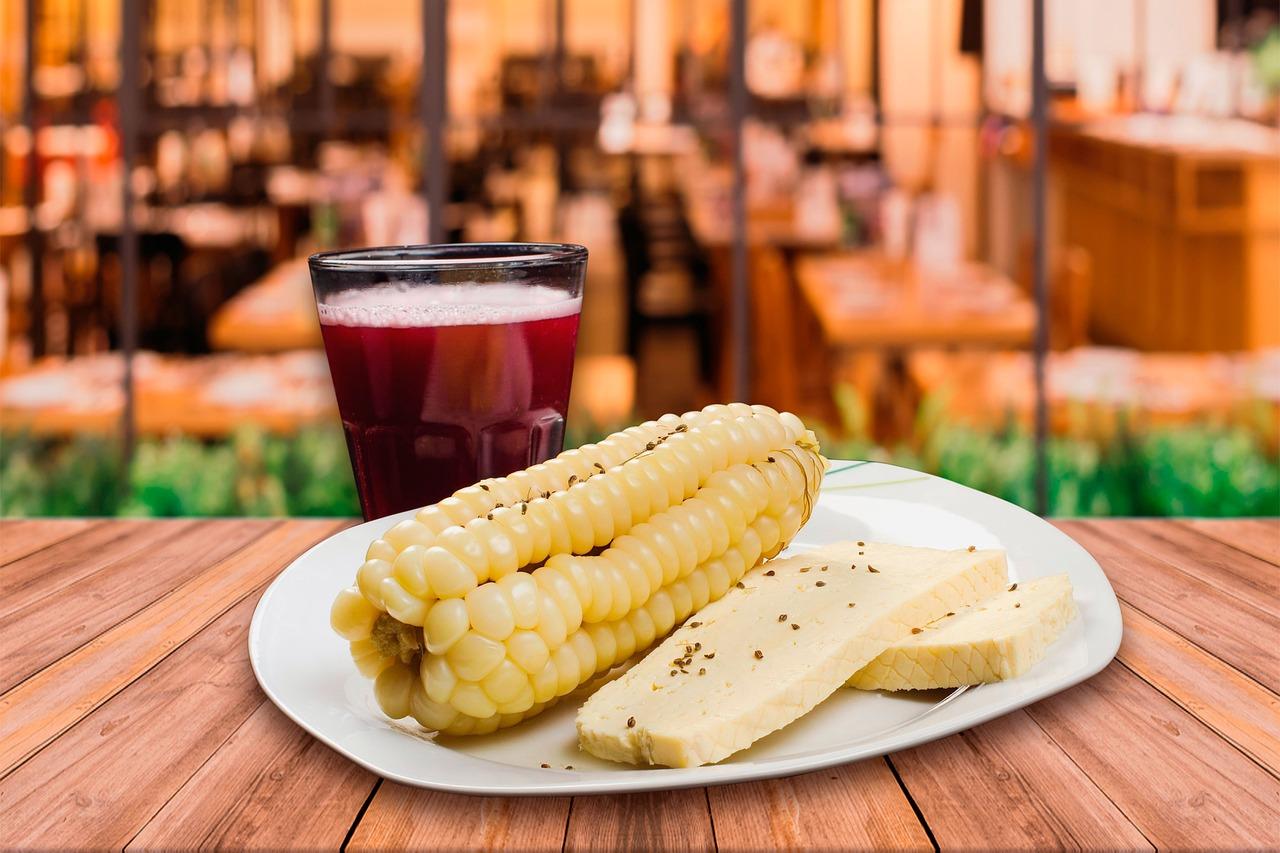
Plato paceñoCorn, bean and cheese plate

Come March and April, when the big white-kernelled choclo reaches the markets of La Paz, families sit down to plato paceño: a hot cob of corn, broad beans steamed in their pods, a floury potato and a thick slice of cheese fried until golden at the edges. Nothing is sauced; each diner spoons over llajwa, the fiery tomato and locoto salsa, to taste. Bolivian queso fresco is usually made with animal rennet, so choose halloumi or another frying cheese made with vegetarian rennet if that matters to you. The usual mistake is boiling everything together, which turns the beans grey and the potatoes waterlogged. Chef's tip: cook the corn in water with a pinch of sugar and a few of its own husks, which keeps the kernels sweet and tender.

by KrazyBadal 0 views

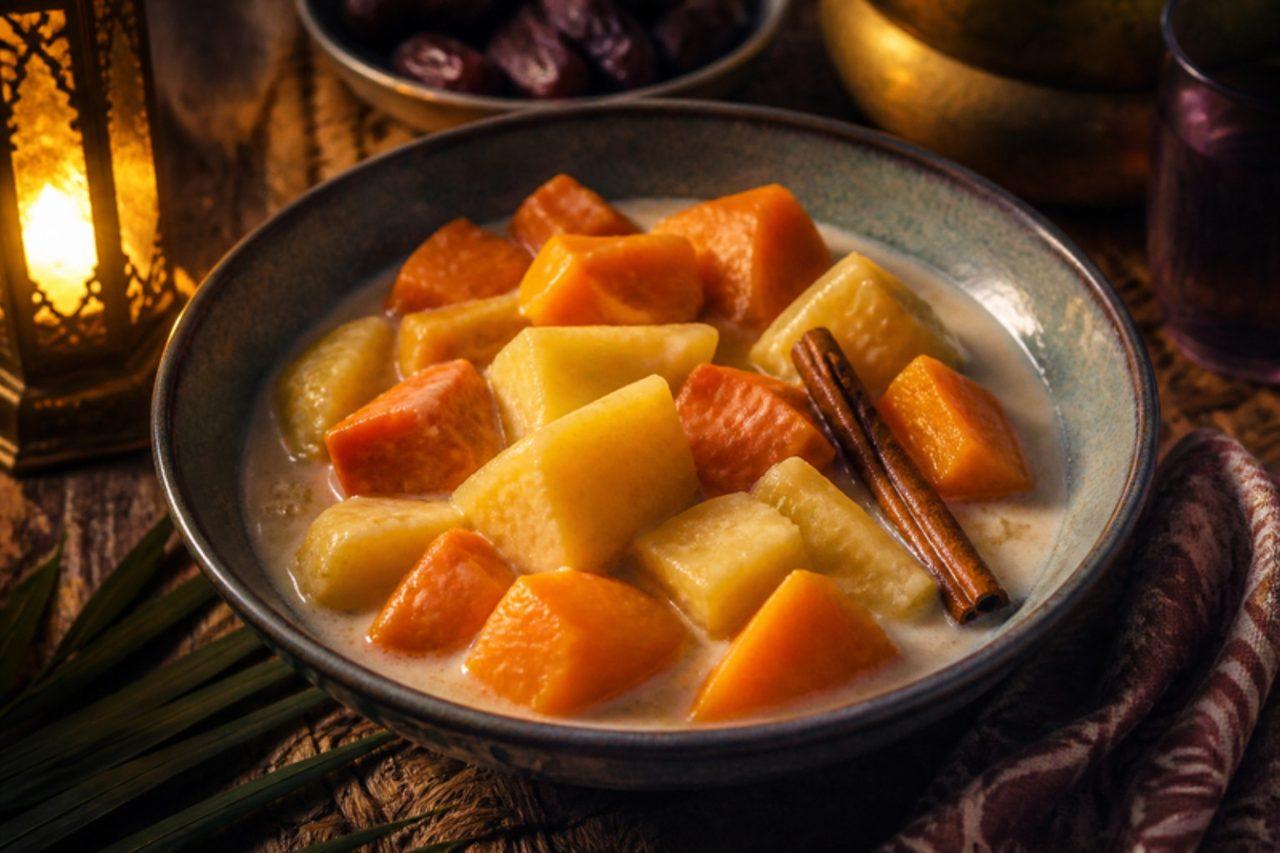
FutariPumpkin and cassava in coconut milk

When the call to prayer sounds at sunset during Ramadan in Stone Town, tables fill with dates, spiced tea and a pot of futari, chunks of pumpkin, cassava or sweet potato cooked in lightly sweetened coconut milk until soft and creamy. It is gentle food for an empty stomach: sweet, mellow and fragrant with cardamom and a hint of cinnamon, with the vegetables just holding their shape. Families eat it on its own, warm or at room temperature, or alongside savoury mandazi and samosas. Cassava must always be cooked right through and never eaten raw: buy it from a grocer (frozen peeled cassava is easiest), cut out the woody core, and boil it until soft before it goes into the coconut milk. Chef's tip: add the thick coconut cream only at the end and keep it below a boil, or it splits and goes oily.

by KrazyBadal 0 views

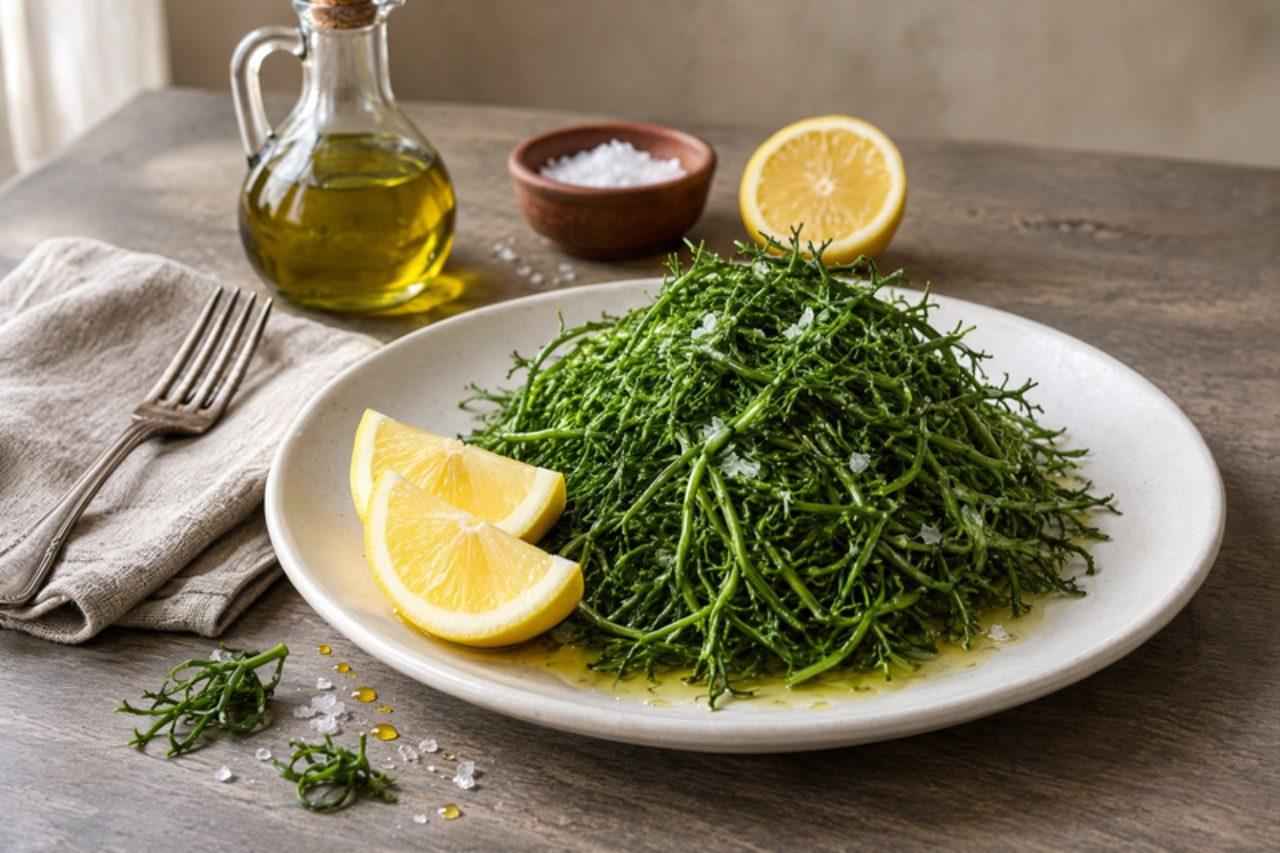
Agretti all'agroSaltwort with lemon

Agretti, also called barba di frate or 'monk's beard', appear in Roman and Tuscan markets for a short season in March and April, tied in bunches that look like thick chives. Blanched for a minute and dressed all'agro, with lemon and good olive oil, they are a juicy, slightly salty spring side for an egg dish, grilled fish or beans. Suitable as part of a balanced diet, they are almost free of starch: about 80 kcal and 3 g carbohydrate per portion. The usual mistake is overcooking them into limp threads; they should keep a crisp, spinach-like snap. Chef's tip: agretti are naturally salty, so taste before adding any salt at all.

by KrazyBadal 0 views

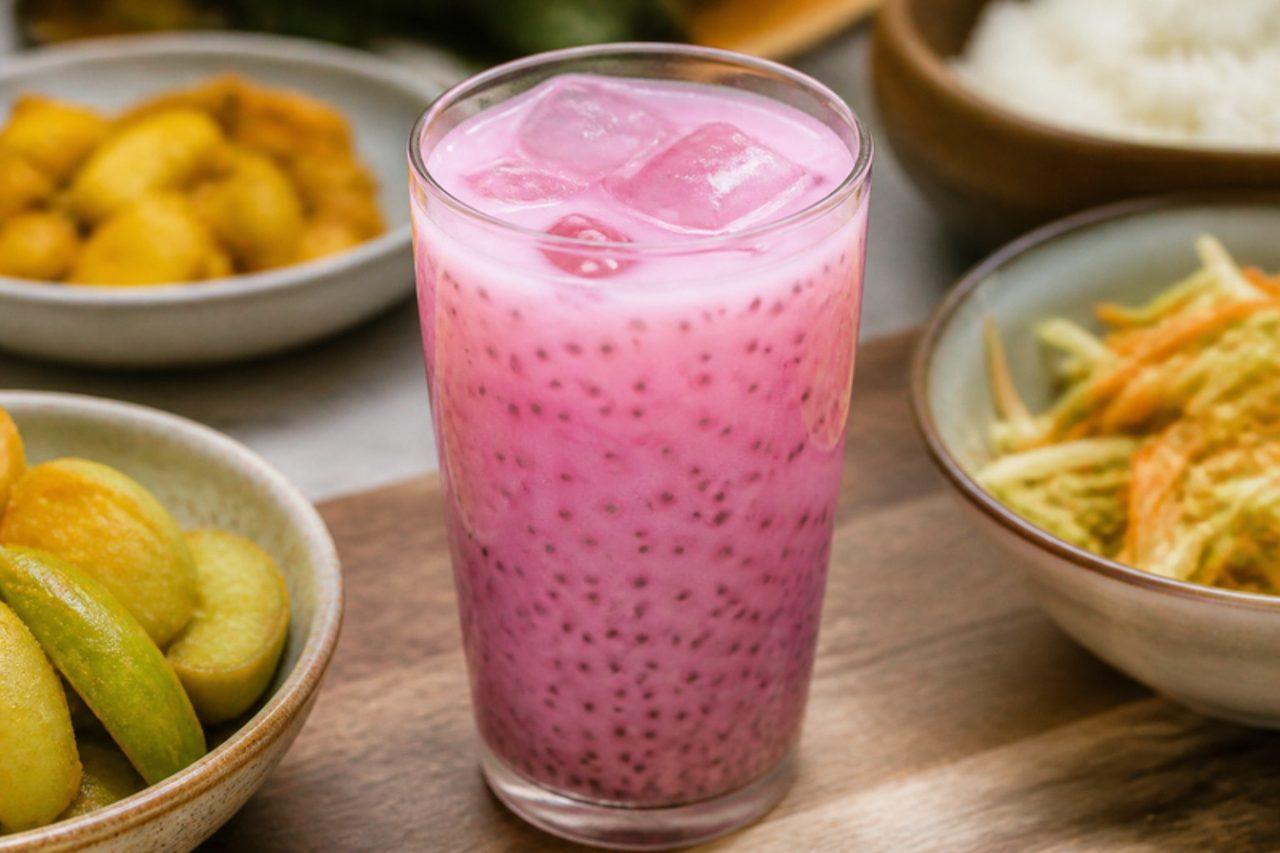
Surinamese dawetCoconut milk and lemongrass drink

Javanese Surinamers brought dawet from Java, and today it is sold cold from big jars at warungs in Lelydorp and the Paramaribo district of Blauwgrond, especially on hot Sunday afternoons. In Suriname it has become its own drink, quite different from the Malaysian cendol with its green noodles: chilled coconut milk sweetened with a lemongrass and pandan syrup, often tinted pale pink and studded with soaked basil seeds or soft jelly strips. The common mistake is boiling the coconut milk, which makes it split and taste flat; it should only be warmed. Chef's tip: bruise the lemongrass hard with a rolling pin before simmering it, so the syrup tastes bright and lemony.

by KrazyBadal 0 views

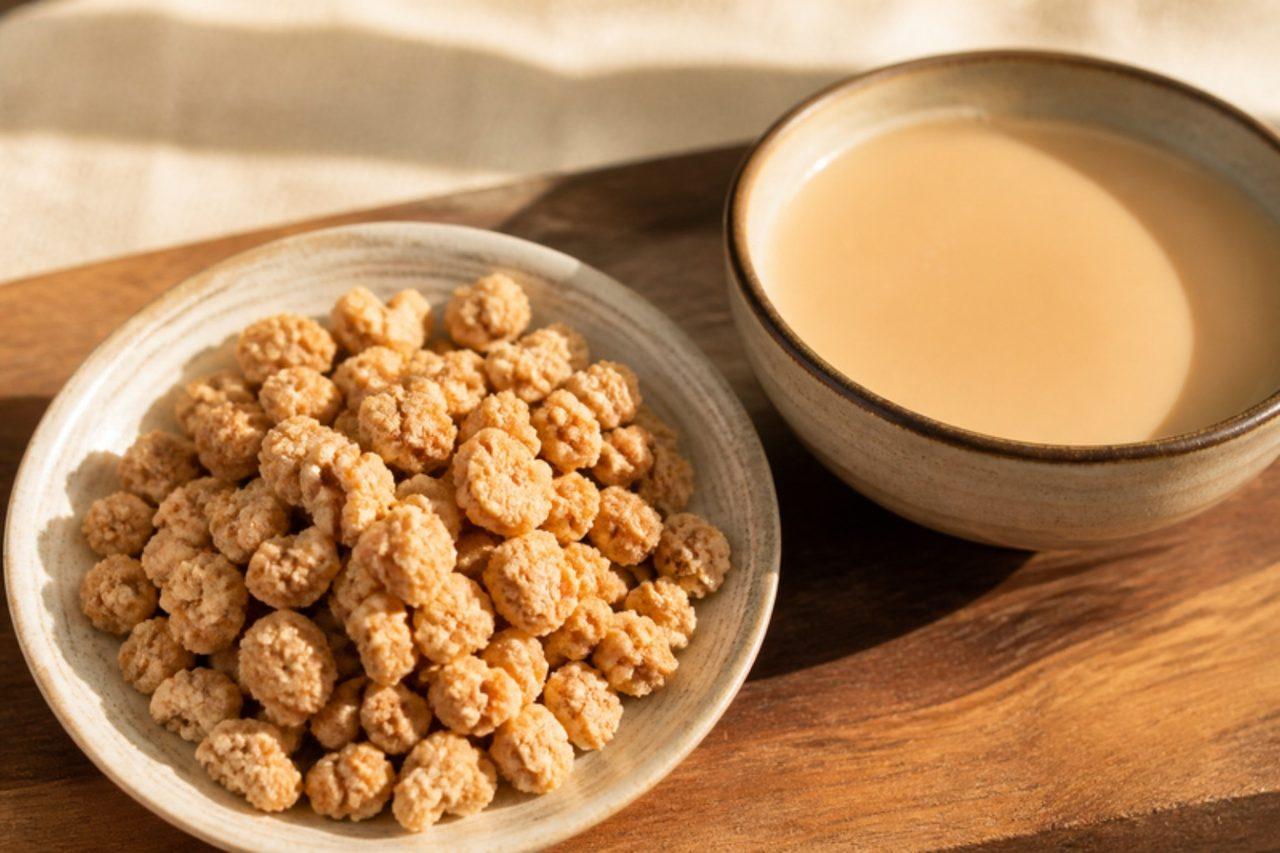
EezgiiCaramelised milk curd

Eezgii is a summer dairy food of the Mongolian countryside, made in herding families' gers when there is milk to spare: the milk is curdled with a little sour whey or yoghurt, then cooked down slowly over the stove for hours until the curds turn golden brown and caramelised in their own fat and sugar. The pieces are dried and eaten as a toasty, sweet-salty snack with milk tea through the winter. A common mistake is turning up the heat to speed it up, which burns the bottom; low heat and frequent stirring are key. Chef's tip: a heavy, wide pan gives the most even browning.

by KrazyBadal 0 views

Chhena tarkariFried cheese cube curry

In Odia homes, from Cuttack to Puri, chhena tarkari is the special curry for a Sunday lunch, a guest or a festival day when the household eats no onion or garlic. Fresh chhena, the soft cheese Odisha also turns into rasagola, is pressed, cut into cubes and fried golden, then simmered with potato in a thin gravy of tomato, ginger and roasted cumin. The cubes stay soft and soak up the sauce, and the dish is eaten with rice, puri or paratha. Chhena is made by curdling milk with lemon juice, so it contains no rennet. The usual mistake is boiling the gravy hard after the chhena goes in, which breaks the cubes into crumbs. Chef's tip: fry the chhena cubes until golden on two sides only, then rest them in warm water for five minutes; they swell and turn spongy, just like an Odia grandmother's.

by KrazyBadal 0 views

Kopi tubrukBoiled coffee with sugar

From the warung kopi of Yogyakarta and Solo to the night-shift stalls of Surabaya, kopi tubruk is the everyday coffee of Java: powder-fine robusta and sugar spooned into a glass, hit with boiling water, stirred once and left alone while the grounds sink. It comes out black, thick and strong, with a toasty, slightly chocolatey bitterness and often plenty of sugar, drunk early with fried snacks and again late at night over long talk. The grounds sit as a muddy layer at the bottom and stay there. The common mistake is drinking or stirring too soon: the cup is gritty and harsh. Wait four or five minutes, until the crust on top sinks and the surface turns clear and dark, then sip gently and stop before the sludge. It is ready when the foam has collapsed and a thin oily sheen shows on top. This is a strong, high-caffeine coffee; one glass is plenty, and it is not for children. Some sellers add a slice of ginger or a pinch of cardamom. Chef's tip: grind the beans as fine as for espresso or finer; coarse grounds float and never settle.

by KrazyBadal 0 views

Bathua raitaChenopodium leaf yogurt

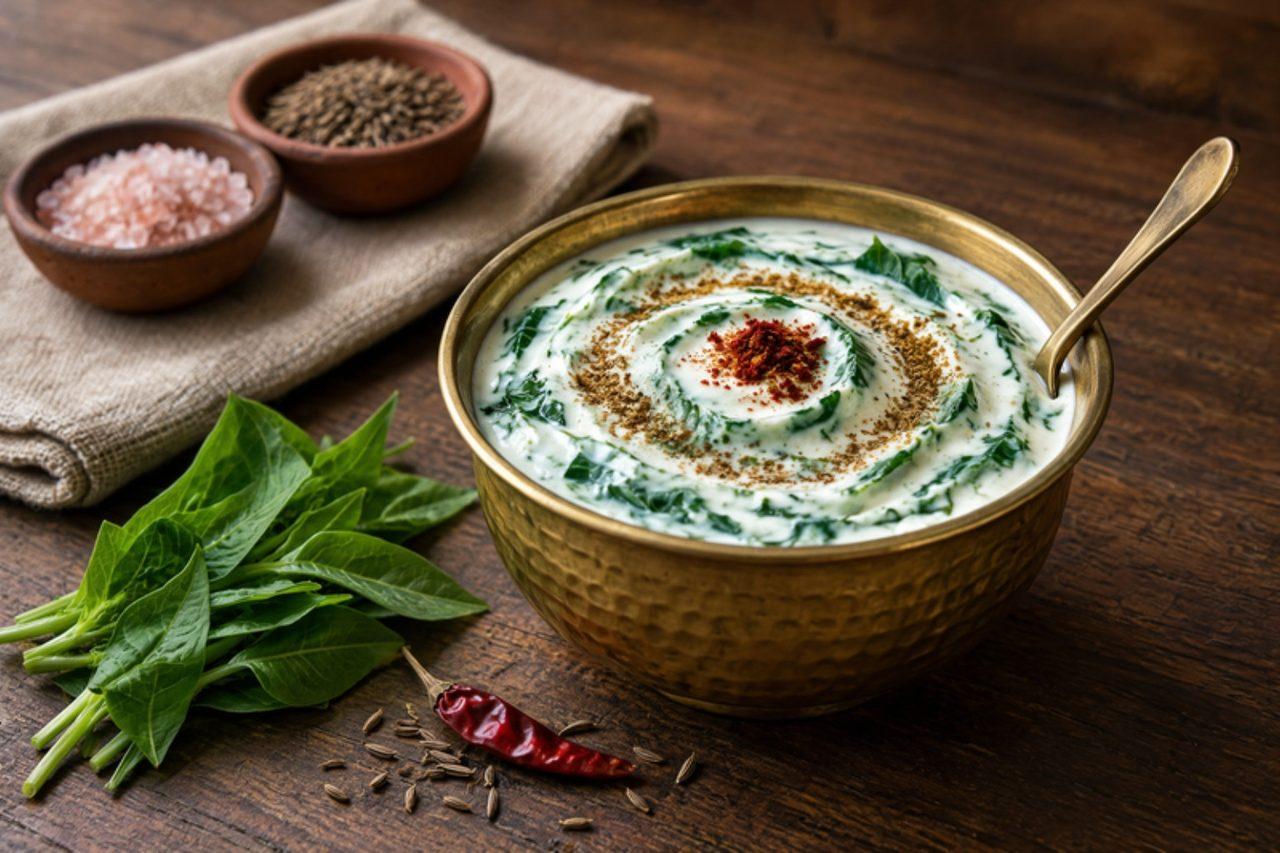
Bathua (chenopodium or lamb's quarters) grows wild in the wheat fields of western Uttar Pradesh and Haryana in winter, and from December to February families blanch it and stir it into yogurt as a cooling raita beside paratha, dal or bajra roti. The leaves are boiled briefly, chopped and folded into whisked yogurt with roasted cumin, black salt and a little green chilli, so it tastes earthy, tangy and fresh. It is suitable as part of a balanced diet. About 90 kcal and 7 g carbohydrate per portion. The usual mistake is adding the greens while they are still hot or wet, which makes the yogurt thin and grainy; squeeze them dry and cool them first. Chef's tip: grind half the blanched leaves to a paste so the raita turns an even pale green.

by KrazyBadal 0 views

Aussie salad sandwich

The salad sandwich is the backbone of the Australian lunchbox and the school tuckshop order: soft bread built up with tinned beetroot, grated carrot, tasty cheese, tomato and crisp lettuce, cut into triangles and wrapped in paper. Beetroot is what makes it unmistakably Aussie. The common mistake is laying wet beetroot and tomato straight on bare bread, so by lunchtime it is pink and soggy. Many Cheddar-style "tasty" cheeses use animal rennet; choose one labelled vegetarian. Chef's tip: butter both slices to the edge and put the cheese and lettuce next to the bread, with the wet fillings sealed in the middle.

by KrazyBadal 0 views

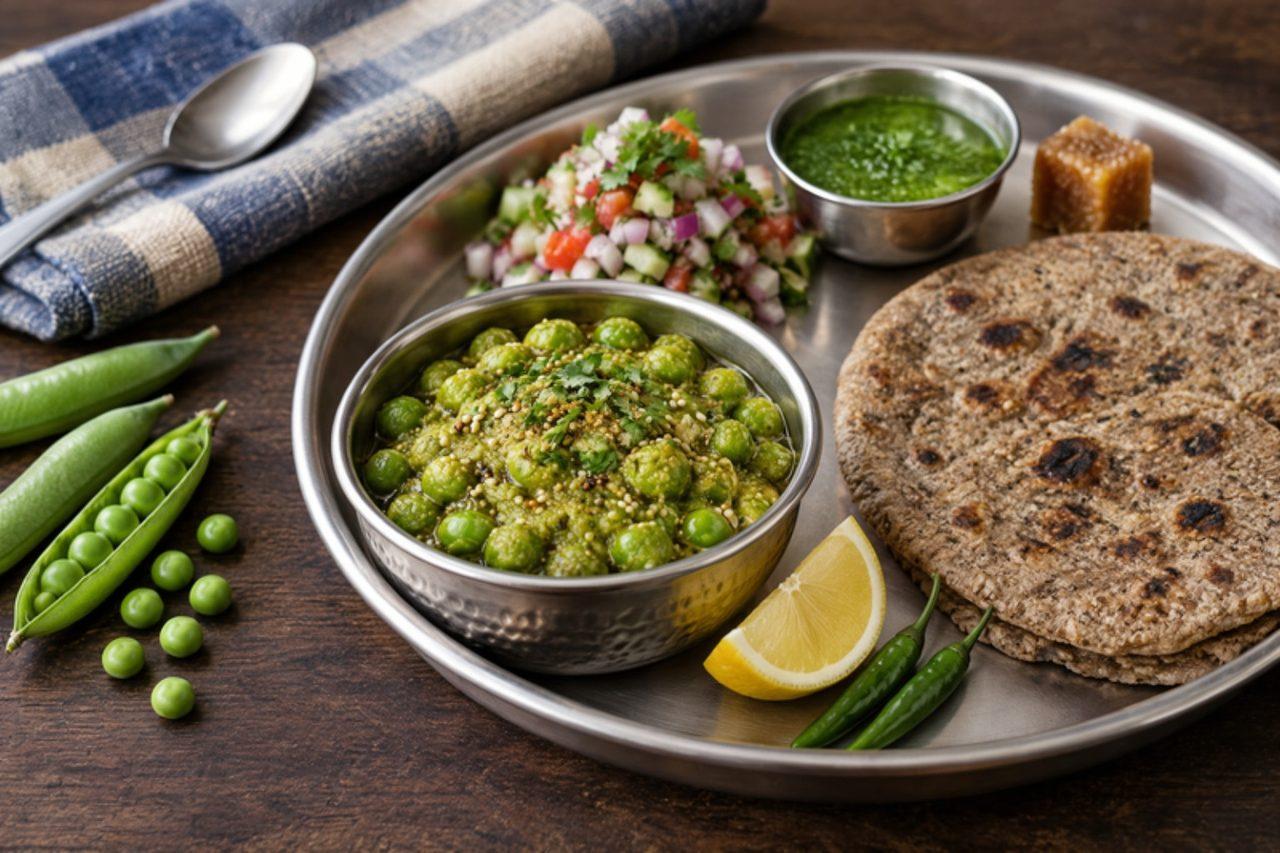
Lilva tuvar nu shaakGreen pigeon pea curry

From December to February, Gujarati markets fill with fresh tuvar pods, and families in Surat, Vadodara and Ahmedabad spend evenings shelling them for lilva dishes. This simple shaak cooks the sweet, nutty green pigeon peas with ginger, green chilli, ajwain and a fistful of coriander, with a squeeze of lemon and a pinch of sugar for the classic Gujarati balance. Eat it with bajra rotla, rotli or khichdi. The usual mistake is cooking the peas too long, which turns them grey and floury; they should stay green and tender. Chef's tip: frozen lilva from Indian grocers work well outside the season; add them straight from frozen and shorten the cooking time.

by KrazyBadal 0 views

GambirButtered pan-fried flatbread

Gambir is a flaky, layered flatbread found in Ulaanbaatar canteens and family kitchens, rolled thin, brushed with butter, folded and pan-fried until crisp in spots and tender within. It is eaten for breakfast with milk tea, often with a sprinkle of sugar, or filled with a layer of thick cream called öröm. A common mistake is rolling the dough without resting it, so it springs back; give it 20 minutes. Chef's tip: roll the buttered dough up like a rope, coil it and roll flat again; that's where the layers come from.

by KrazyBadal 0 views

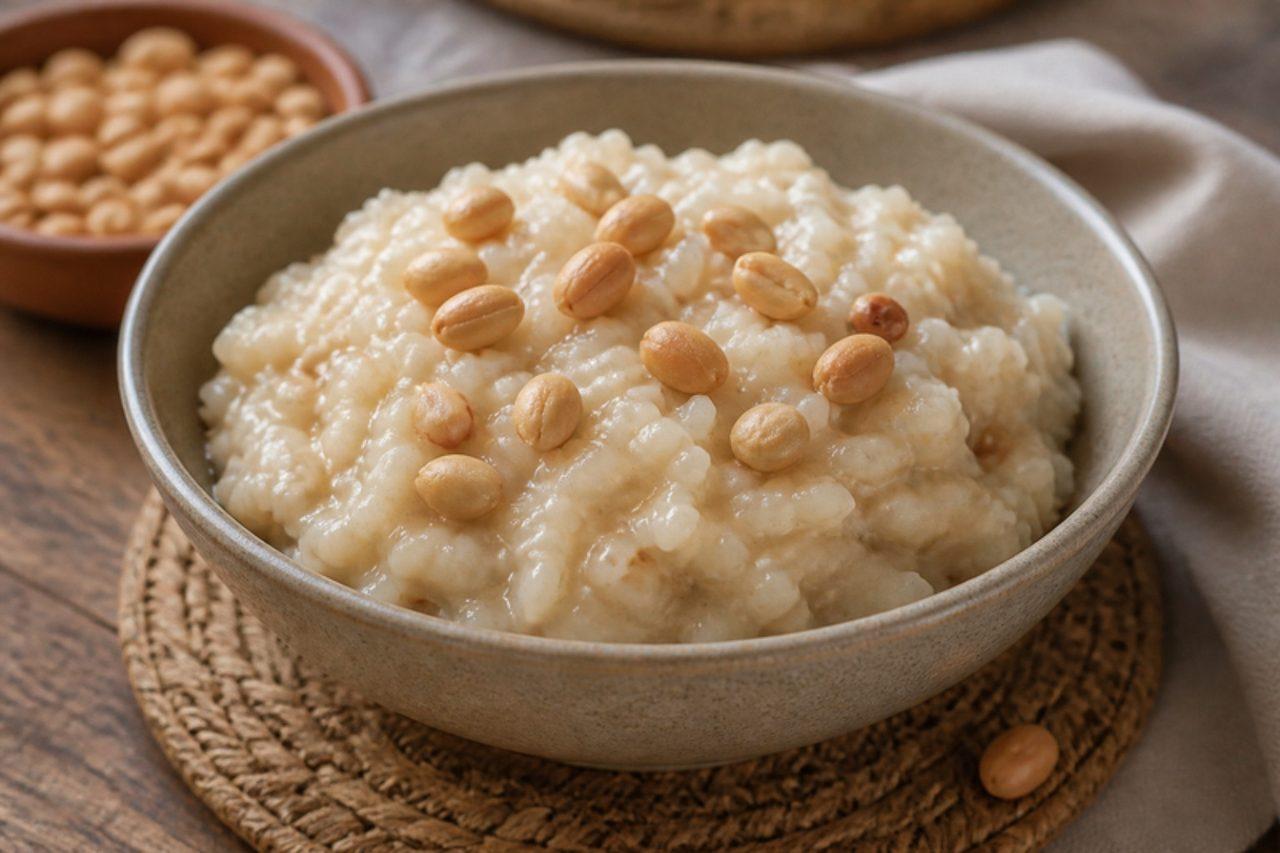
TsagaaSweet rice with raisins and curd

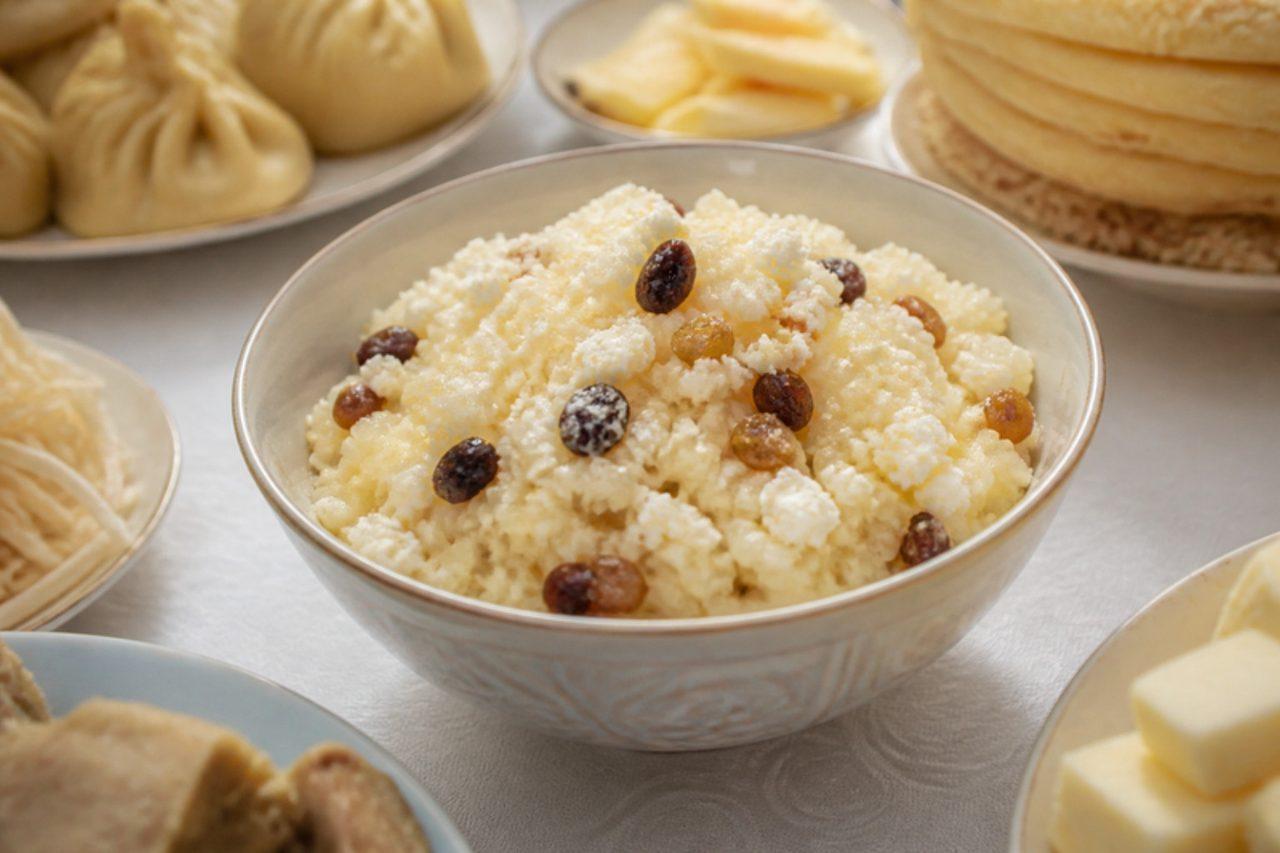
Tsagaa is a sweet, buttery rice dish served during Tsagaan Sar, the Mongolian Lunar New Year, when white foods (tsagaan idee) stand for purity and a good year ahead. Rice is cooked soft, then mixed with butter, sugar, raisins and crumbled aaruul or fresh curd, and served in small bowls to guests during the round of family visits. A common mistake is using long-grain rice, which won't turn creamy; use short-grain. Chef's tip: soak the raisins in hot water first so they're plump and juicy.

by KrazyBadal 0 views

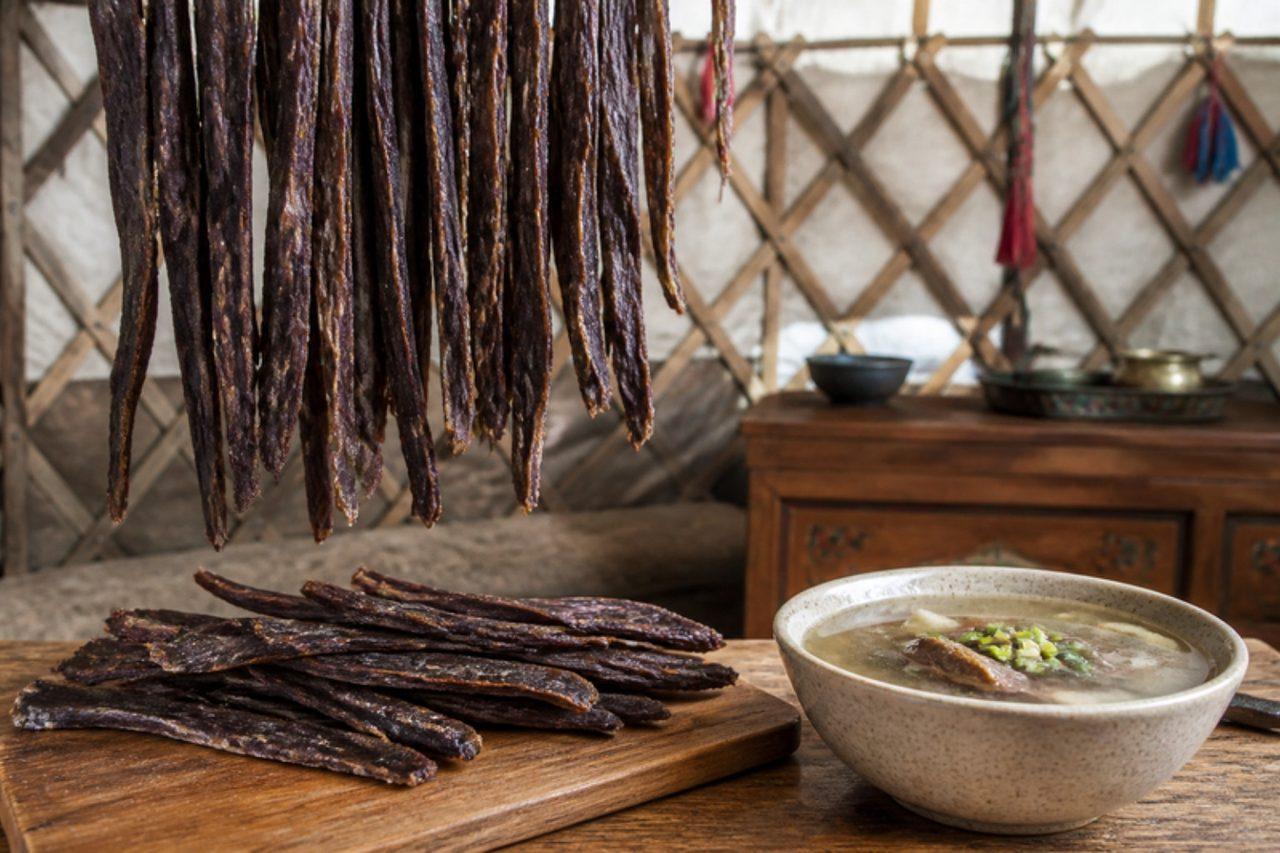
BortsAir-dried beef strips

Borts is the winter-dried meat of Mongolian herding families: in the cold, dry air of late autumn, strips of beef are hung inside the ger until they shrink to hard, dark sticks, then pounded and stored in a bag to last until spring. A handful of borts dropped into hot water makes an instant soup, and nomads carry it on long journeys. In Mongolia it is also made from horse or camel meat; this recipe uses beef. Home kitchens don't have the steppe's freezing dry air, so here the meat is heated to a safe temperature first and dried in a low oven. A common mistake is leaving fat on the strips; fat turns rancid, so trim it all. Chef's tip: slice the meat while half-frozen to get thin, even strips.

by KrazyBadal 0 views

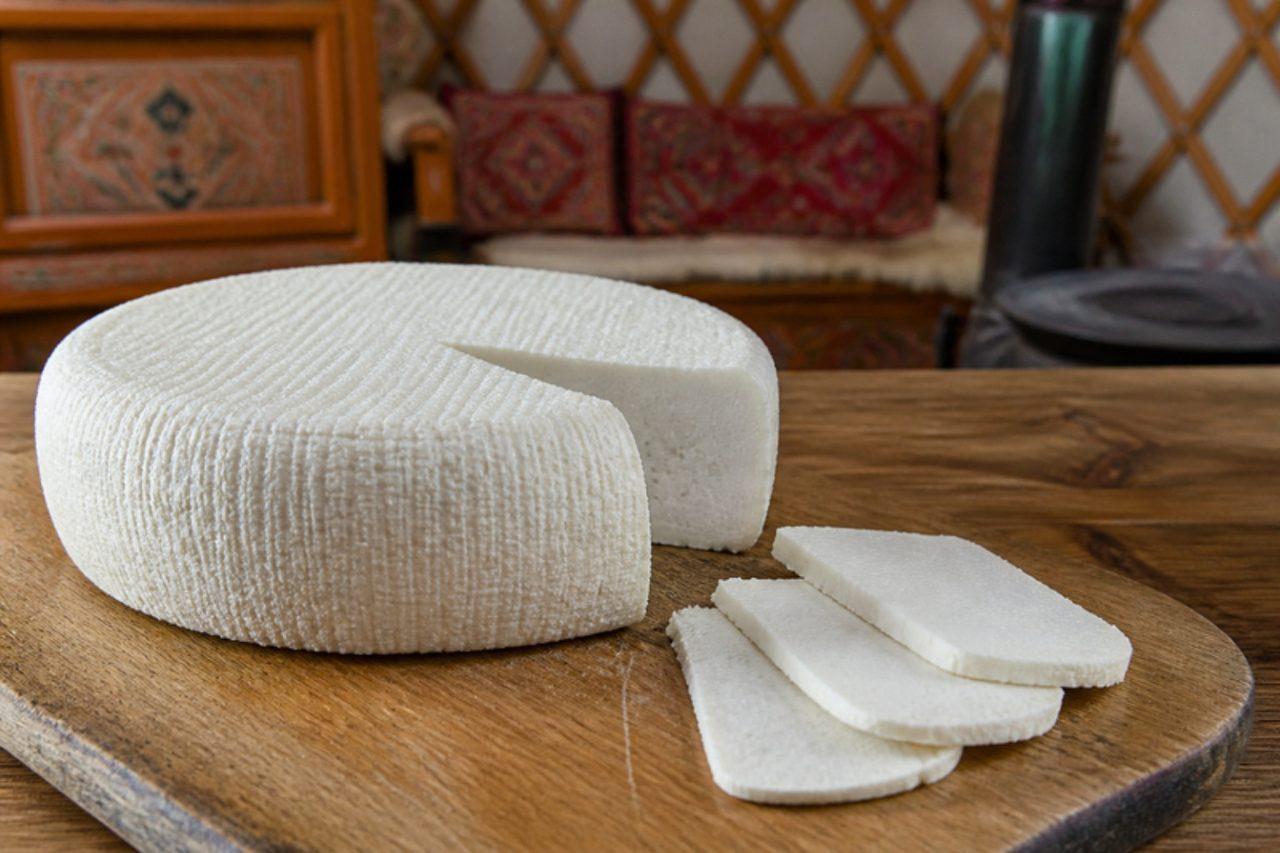
ByaslagPressed fresh cheese

Byaslag is the mild, springy fresh cheese of Mongolian herders, made in summer from cow's or yak's milk in Arkhangai and Khövsgöl, where yak herds graze the high valleys. Warm milk is curdled with soured milk, the curds pressed under a stone, and the finished cheese is sliced and eaten fresh, dried in the sun, or dropped into milk tea where it softens. No rennet is used, so it is vegetarian. A common mistake is boiling the milk hard after adding the sour milk, which makes the curd tough and rubbery. Chef's tip: press it overnight for a firmer cheese you can slice thinly.

by KrazyBadal 0 views

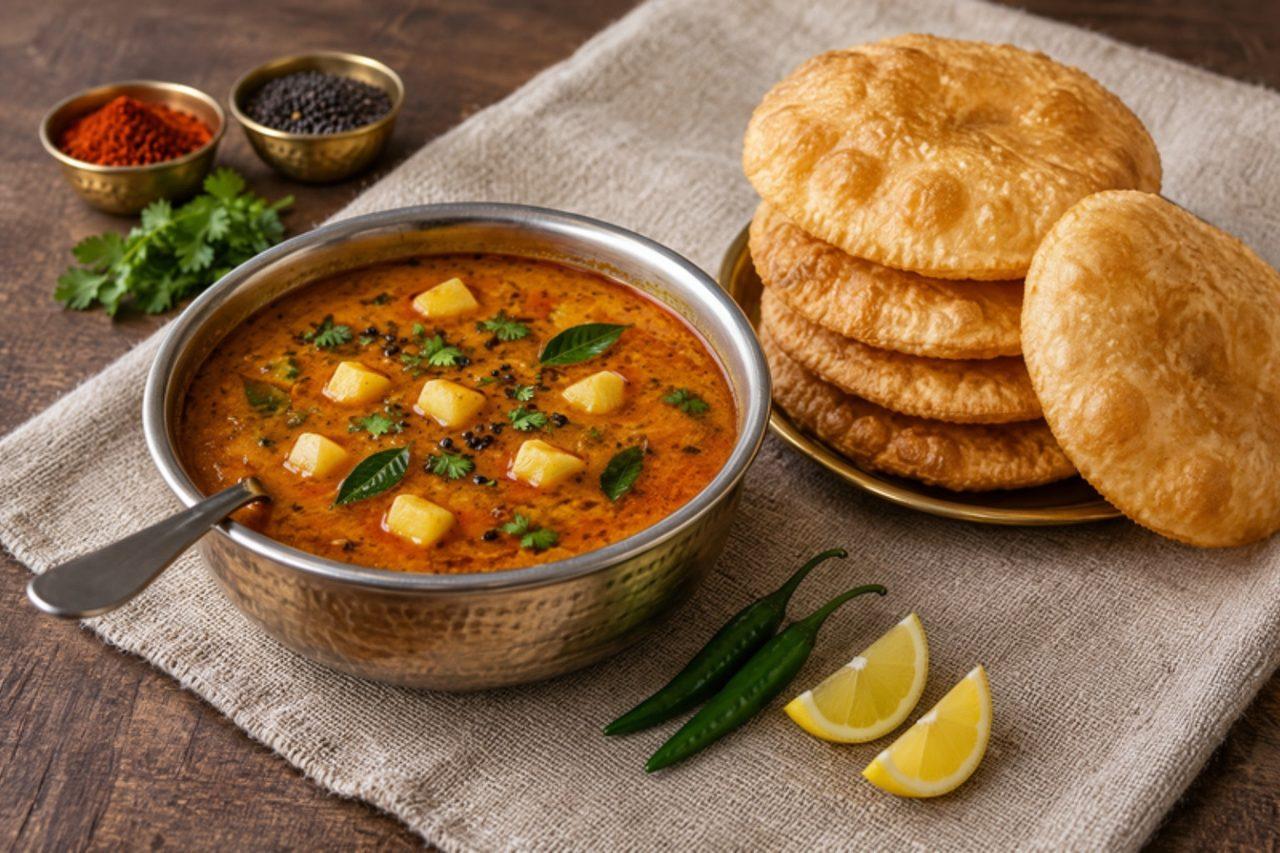
Batata nu rasawalu shaakPotato curry in thin gravy

Batata nu rasawalu shaak is the potato curry that arrives with hot puris at Gujarati wedding breakfasts, Sunday brunches and festival thalis, and it is one of the first curries children in Gujarat love. Soft potato chunks float in a thin, red, sweet-and-sour gravy with mustard seed, curry leaves and hing, lightly spicy and very comforting. Serve with puri, rotli or plain rice. The usual mistake is cutting the potatoes in uneven pieces, so some fall apart while others stay hard; cut them all the same size. Chef's tip: once the potatoes are cooked, mash a few against the side of the pan; the starch gives the rasa (gravy) body without any flour.

by KrazyBadal 0 views

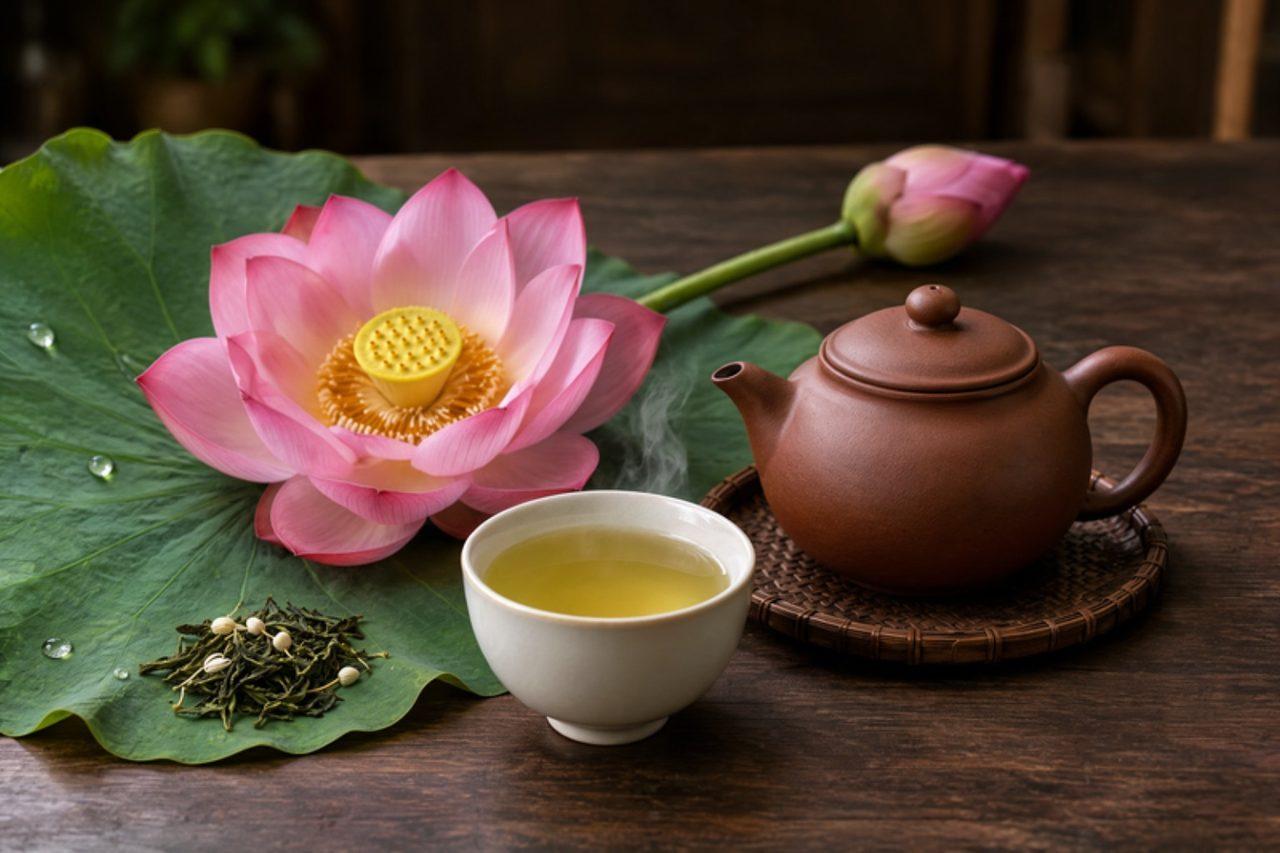
Trà sen (lotus tea)

Every June and July, before sunrise, boats slip between the pink lotus on Hanoi's West Lake to gather flowers for trà sen. The finest lotus tea is made by stripping the tiny white rice-like anthers from hundreds of blooms and layering them with green tea, a labour that makes it one of Vietnam's most expensive gifts, kept for Tết. Families do a simpler version at home: a spoon of Thái Nguyên green tea is tucked into the heart of a fresh flower in the evening, the petals closed and tied, and by morning the leaves have taken on a sweet, creamy, slightly vanilla-like perfume. It is brewed in a small clay pot and drunk in tiny cups in the early morning. The common mistake is brewing with boiling water, which flattens the lotus scent and makes the green tea bitter. Rinse the leaves quickly and brew at 80–85 °C. It is ready when the cup is pale gold and the steam smells of flowers before tea. No fresh lotus? Buy ready-made lotus-scented tea from Vietnamese shops and start at the brewing step. Chef's tip: pick a bud that is just about to open; a fully open bloom has already lost its scent.

by KrazyBadal 0 views

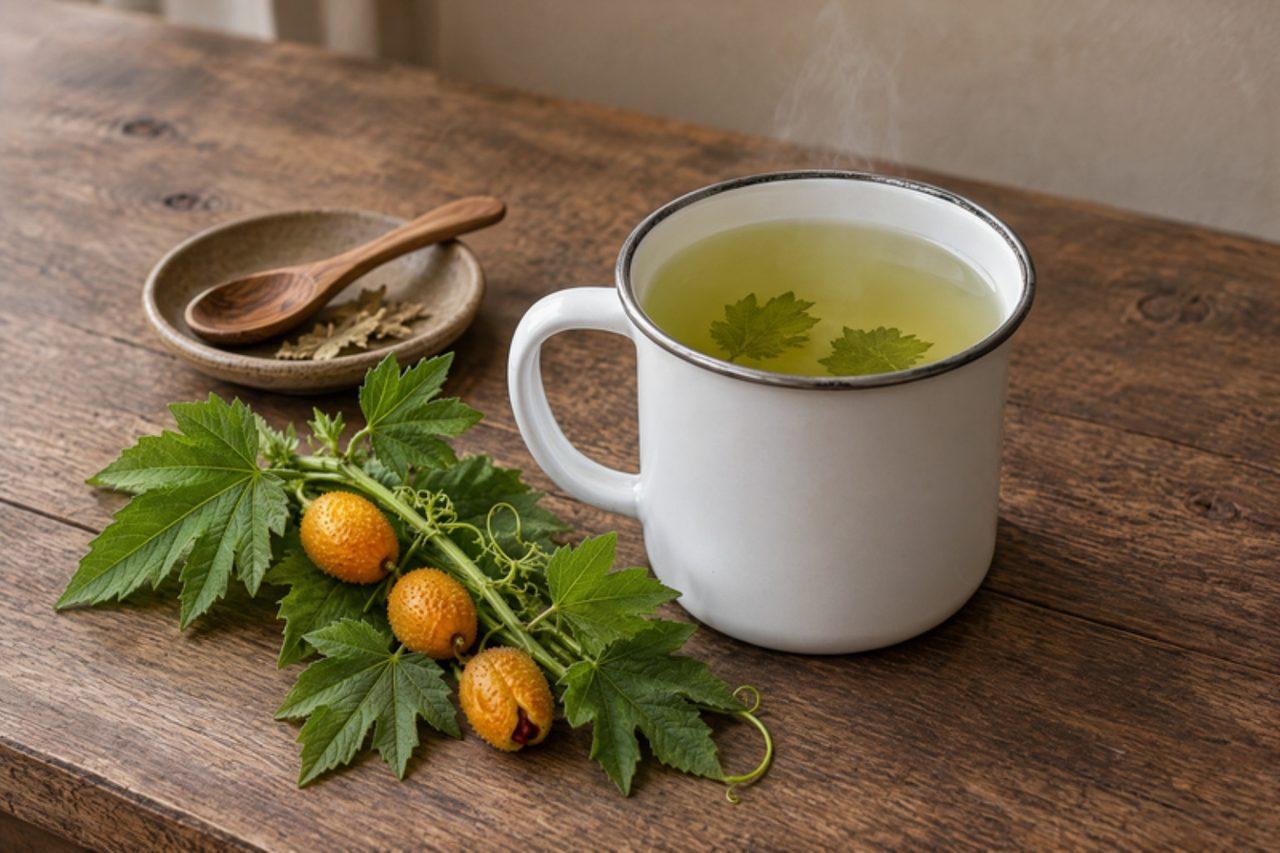
Cerasee teaBitter melon vine tea

Cerasee grows wild on fences and roadsides all over Jamaica, a thin vine with lacy leaves, yellow flowers and small warty orange fruit. It is the best known of the island's bush teas: generations of Jamaican children were given a cup at the end of the summer holidays, before going back to school, as a wash-out, and adults still drink it now and then as a cleansing and cooling tonic, or for the skin. The tea is pale green-gold and seriously bitter, with a grassy, slightly vegetal taste; some add sugar or lime. The common mistake is boiling the vine hard for a long time, which makes the tea far harsher than it needs to be. Pour boiling water over it and let it steep instead, and leave out any ripe fruit and seeds. It is ready when the water is light green-gold and smells green and herbal. Do not drink it if you are pregnant, breastfeeding or trying to conceive, do not give it to young children, and check with a doctor if you have diabetes or take medication, as it may lower blood sugar. Chef's tip: dried cerasee from Caribbean shops works well; use a little less.

by KrazyBadal 0 views

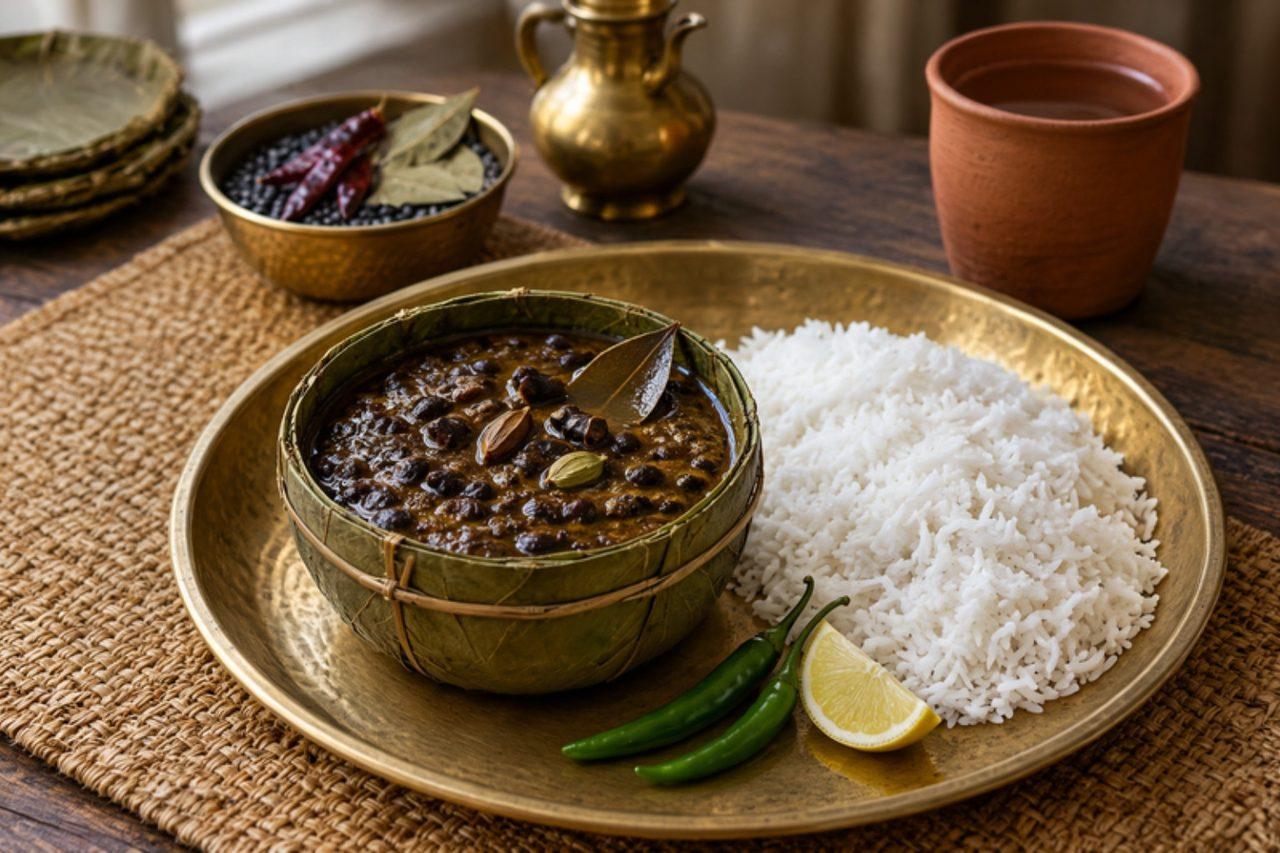
Teliya maahBlack lentils in mustard oil

Teliya maah is one of the dishes of the Himachali dham, the feast cooked by hereditary cooks (botis) in big brass pots for weddings and temple fairs in Mandi, Kangra and Chamba, and served on leaf plates with rice. Whole black urad is cooked slowly with plenty of mustard oil, whole spices, ginger and fennel until each bean is soft but whole and glossy with oil; like most dham dishes, it uses no onion or garlic. Serve with rice and a sour madra or khatta. The usual mistake is stirring hard once the urad is soft, which turns it into a mushy dal instead of separate, oily beans. Slow-cooker option: put the soaked urad, spices and water on low for 8 hours, then finish uncovered on the hob. Chef's tip: heat the mustard oil until it smokes, then let it cool for a minute, which takes away its raw bite before the spices go in.

by KrazyBadal 0 views

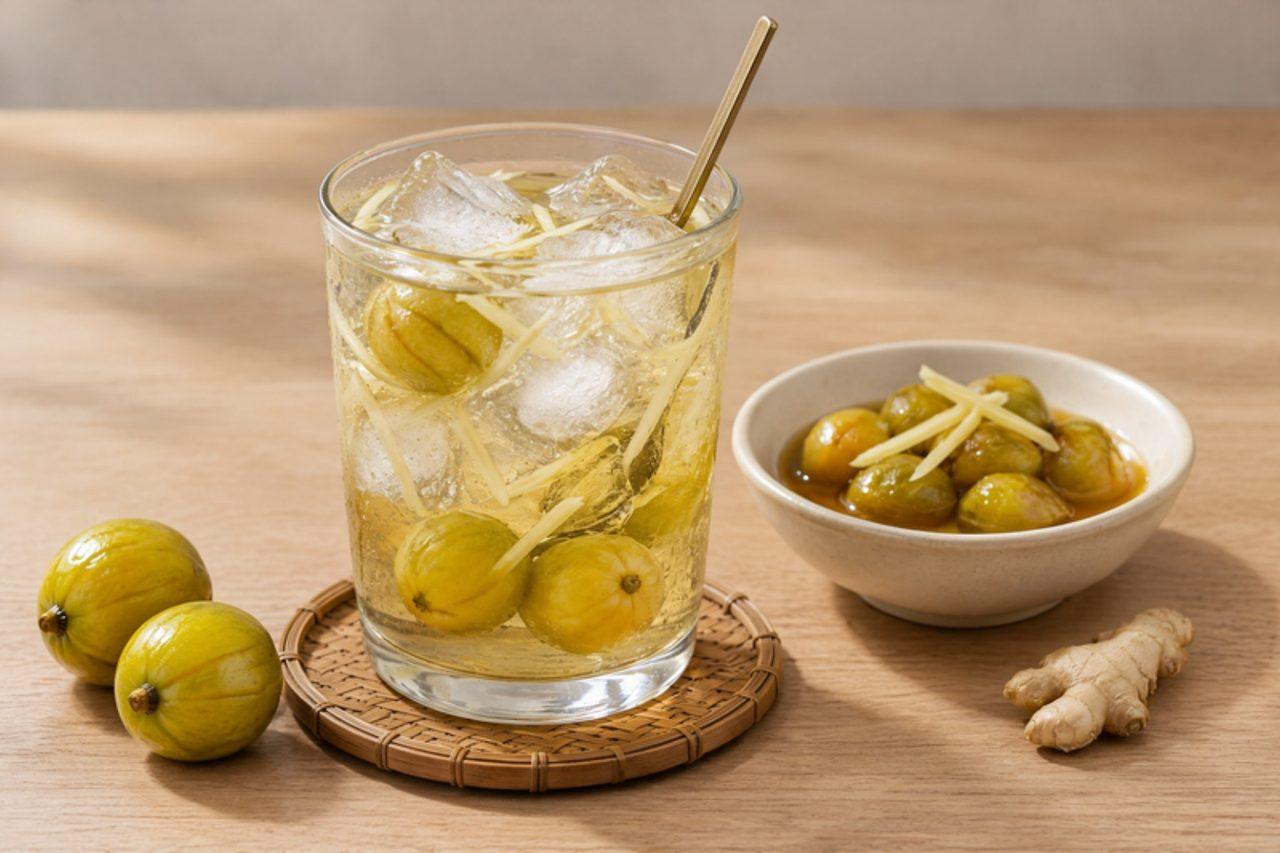
Nước sấu (sấu fruit drink)

When Hanoi's tamarind-like sấu trees drop their small green fruit in May and June, street vendors start selling glasses of nước sấu: a few candied fruits, a ladle of ginger syrup, cold water and crushed ice. Families make big jars to last until the season ends in August. It is sipped with a spoon so you can bite into the crunchy-soft fruit at the bottom. It tastes sour and sweet at once, with a clean ginger warmth and a flavour a little like green mango and plum. Traditional cooks soak the peeled fruit in limewater to keep it crisp; a salt soak works well at home. The common mistake is skipping the blanch and slow syrup: raw fruit stays acrid and the syrup clouds. Blanch the fruit briefly, then cook it gently in sugar until it turns translucent yellow-green and the syrup is clear and glossy. Store it in a sterilised jar in the fridge for up to 2 months with a clean spoon; discard if it fizzes, smells fermented or shows mould. Fresh sấu is rare abroad; look for frozen sấu in Vietnamese shops, or use firm green ambarella. Chef's tip: slash each fruit a few times so the syrup soaks all the way in.

by KrazyBadal 0 views

Bunelos agaBanana fritters

Bunelos aga are the banana fritters of Guam, sold at fiesta food tables and church fundraisers in Hagåtña and made at home whenever the bananas over-ripen. Mashed sweet bananas are mixed into a soft batter, fried in spoonfuls and rolled in sugar, so they're crisp outside and custardy within. A common mistake is frying at too low a temperature, which makes them greasy. Chef's tip: use the small, sweet local bananas or the ripest regular ones you can find.

by KrazyBadal 0 views

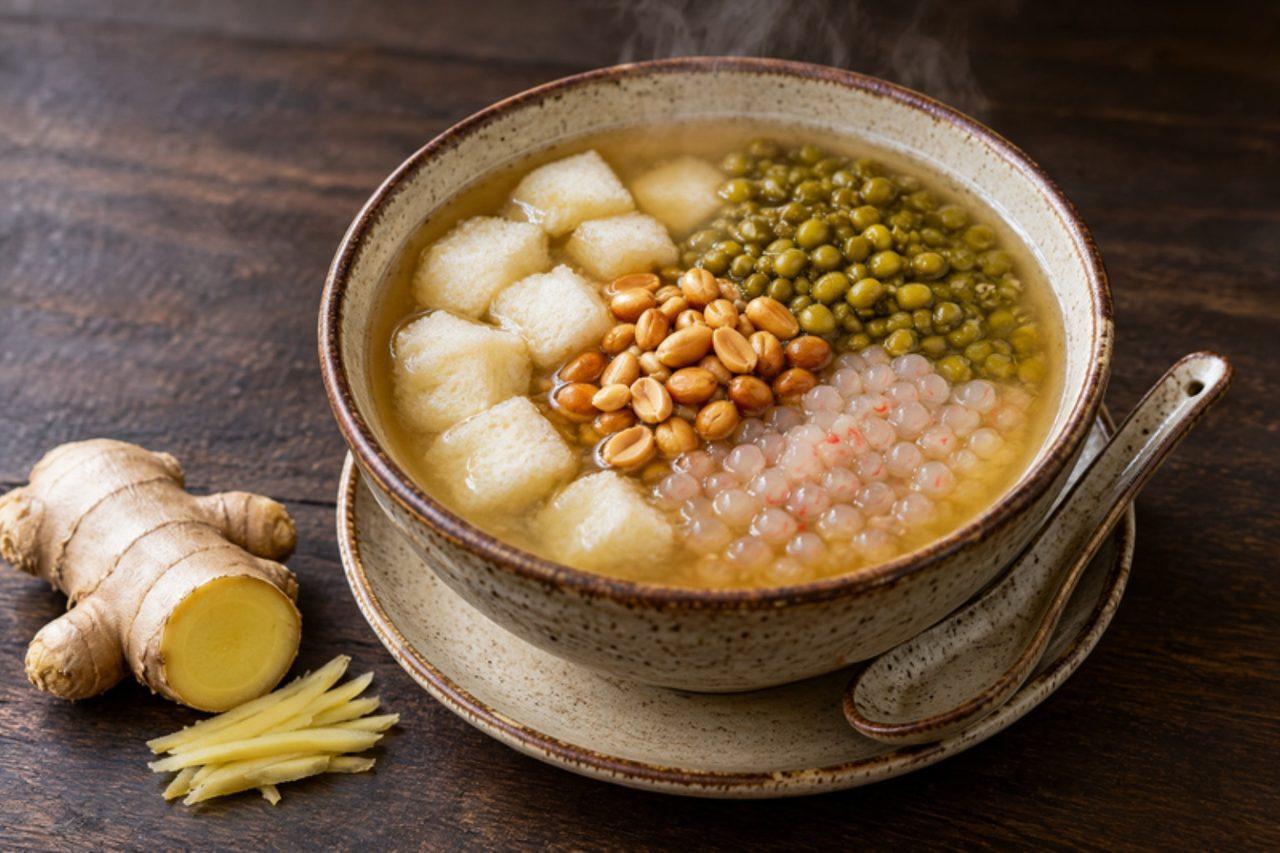
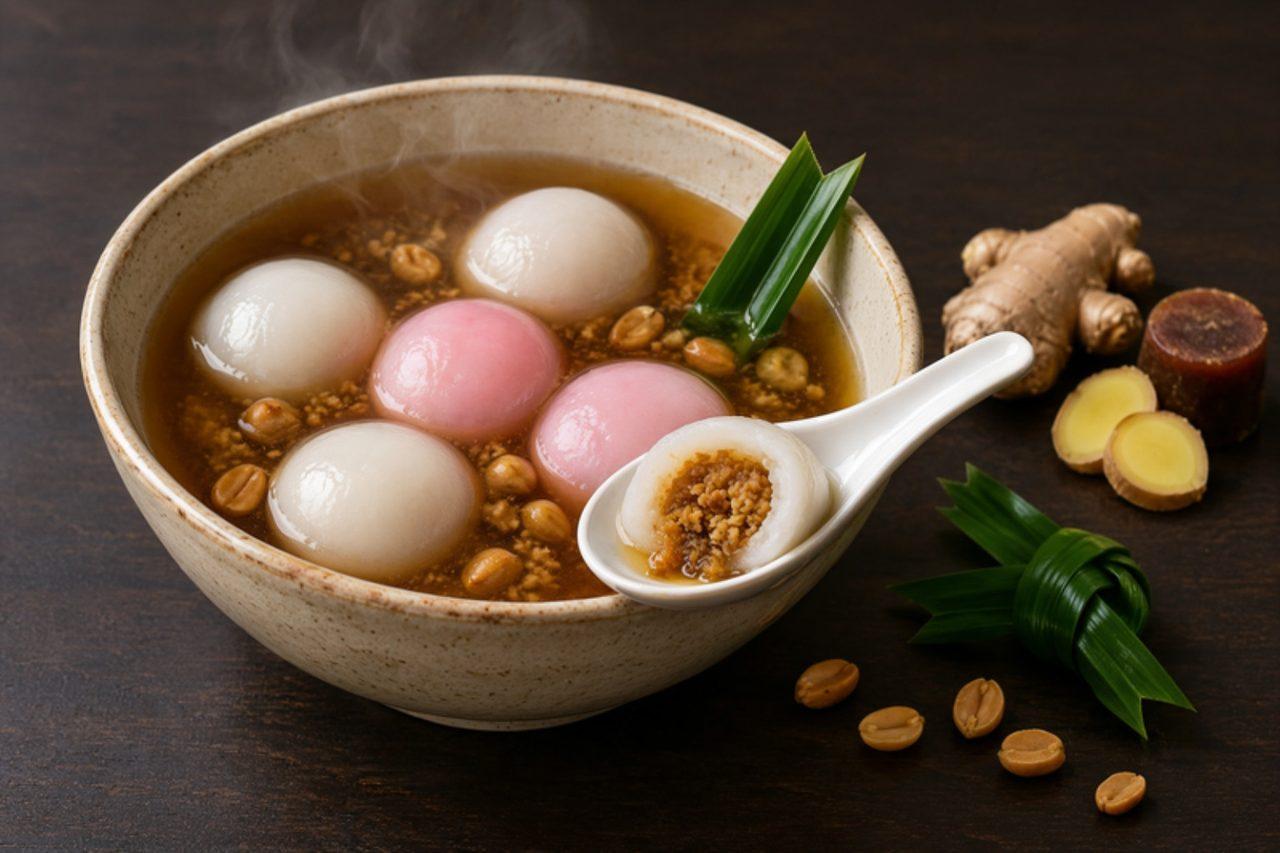
SekotengGinger drink with peanuts

After dark in Semarang, Solo and the towns of Central Java, the sekoteng seller pushes his cart round the kampung, a copper pot of ginger water steaming on a charcoal stove and little jars of toppings lined up beside it. You get a bowl of roasted peanuts, soft mung beans, chewy pink pacar cina pearls and cubes of white bread, drowned in sweet, fiery ginger broth; on rainy nights, people say, it warms you down to the feet. The bread soaks up syrup and turns soft at the edges, the peanuts stay crunchy and the ginger bites. The common mistake is cooking the sago pearls in the ginger water: they release starch and make the broth gluey and cloudy. Boil them separately, rinse, and add to each bowl. The broth is ready when it is pale gold, clear and hot enough to make you cough a little. Pacar cina are small red sago pearls; plain small tapioca pearls coloured with a drop of red food colouring or beet juice work. Some sellers add condensed milk; this version stays dairy-free. Chef's tip: roast the ginger before simmering for a deeper, rounder heat.

by KrazyBadal 0 views

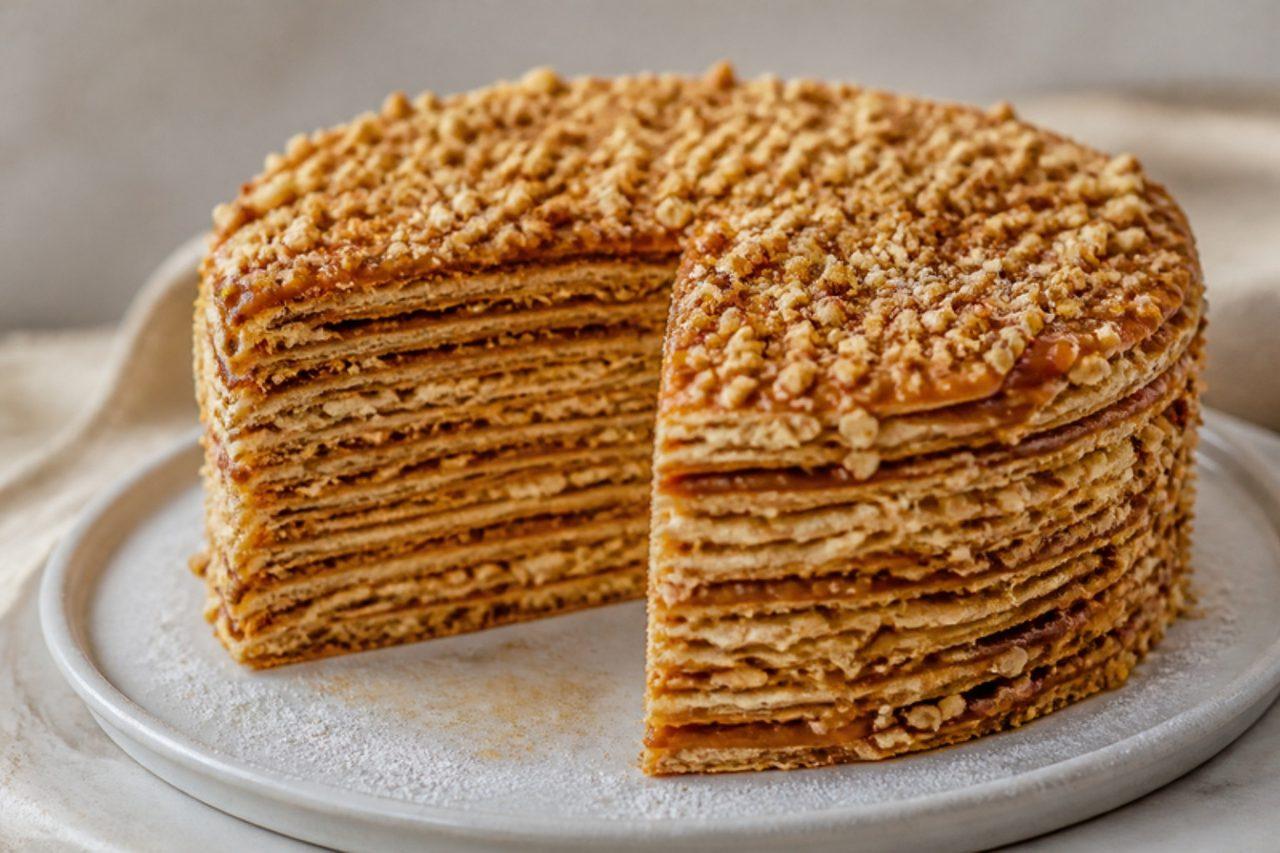
Torta de mil hojasThousand-layer cake

Torta de mil hojas is the cake that turns up at Chilean birthdays, christenings and New Year: ten or more crisp, paper-thin pastry rounds stacked with manjar and chopped walnuts, which soften overnight into a cake that cuts cleanly yet still crunches. It is a labour of love, so families make it a day ahead and keep it cold. The common mistake is assembling and cutting it straight away: it shatters. Let it rest overnight in the fridge. Chef's tip: roll each sheet on its own piece of baking paper and bake it on that paper, so the thin rounds never have to be lifted raw. Walnuts are a tree nut: leave them out for anyone with an allergy.

by KrazyBadal 0 views

Ssanghwa-cha (herbal tonic tea)

Ssanghwa-cha is the strongest thing on the menu of an old Korean dabang. From the 1960s these smoky tea rooms served it in thick ceramic cups, dark as coffee, with pine nuts, slivered jujube and walnut floating on top; in winter some still slide a raw egg yolk in, which this recipe leaves out. The brew comes from Korean herbal tradition, where ssanghwa-tang is drunk to warm up and recover from tiredness after hard work or a cold. It tastes earthy and bitter at first, then sweet from licorice and jujube, with warmth from cinnamon and ginger and a celery-like perfume from angelica. Herbal shops sell the roots in pre-measured packs. The common mistake is boiling it hard: the liquid reduces too fast and turns harsh. Keep a gentle simmer with the lid ajar for two hours. It is ready when it is very dark brown, reduced to about a third and smells of cinnamon and roots. Because it contains licorice and angelica, skip it if you are pregnant or breastfeeding, have high blood pressure, or take blood thinners or other medicines unless your doctor agrees. Chef's tip: a second, lighter brew from the same roots is good with honey.

135 minKoreanDrinksVeganGluten free
by KrazyBadal 0 views

Cà phê cốt dừa (coconut coffee)

Hanoi takes its coffee seriously, and in the last fifteen years coconut coffee has become one of the city's signatures, sold from Old Quarter cafés, lakeside balconies around Hoàn Kiếm and tiny stools on the pavement. It is a hot-weather drink, at its best on a sticky afternoon between May and September, eaten half with a spoon. Strong Vietnamese robusta drips slowly through an aluminium phin, then is poured over a pale slush of thick coconut cream, sweetened condensed milk and crushed ice, so you get bitter, dark coffee against something rich and cold that tastes like coconut ice cream. The common mistake is blending the slush too long or with too much ice, which leaves it thin and watery, and pouring the coffee in boiling hot so the slush collapses. Blend just until it looks like soft snow, and let the coffee cool for a minute or two. It is ready when the slush holds a spoon upright and the coffee sits in a dark layer on top. Robusta is high in caffeine and this is a strong drink, so it is not for children and one glass is plenty. Chef's tip: chill the coconut cream overnight; cold, thick cream gives a fluffier slush.

by KrazyBadal 0 views

AaruulDried milk curds

Aaruul are the hard, sour little curds that dry on the roofs of gers all over Mongolia in summer, when the herds give the most milk, and they are carried in pockets as a snack through the long winter. Milk is soured and boiled until the curds separate, then strained, pressed, cut into pieces and dried in the sun and wind for days. They are chewed slowly, almost like a sweet, and offered to guests. This home method dries them in a very low oven. A common mistake is under-drying; any moisture left lets mould grow. Chef's tip: stir a little sugar into the curd if you want the softer, sweeter style sold in Ulaanbaatar markets.

by KrazyBadal 0 views

Jalea de mangoGreen mango paste

When the mango trees of Oriente are heavy in Lent, families in Sucre and Anzoátegui cook the hard green fruit with sugar and spice into jalea de mango, a thick tart-sweet paste set in a dish and cut into squares. It's eaten during Holy Week, often on a piece of crisp cassava bread. The mistake to avoid is skipping the sieve, which leaves stringy fibres. Chef's tip: use a long wooden spoon and keep your arm covered: the thick paste spits as it bubbles.

by KrazyBadal 0 views

Conservas de cocoSpiced coconut bars

Along the roads of Zulia and down the Caribbean coast, sellers wrap conservas de coco in squares of paper: dense, chewy bars of grated coconut cooked in dark panela syrup with cinnamon and clove. Children buy them with their change after school. The mistake most people make is taking the pan off too early; the mixture never sets and stays sticky. Chef's tip: keep stirring until the mass pulls away in one lump and a spoon dragged across the base leaves a clean line.

by KrazyBadal 0 views

ChigumuBanana maize cake

Chigumu is village baking from the Shire Highlands and the lakeshore near Mangochi: a thick batter of maize flour, overripe bananas and sugar poured into a greased pot, set on embers with more coals heaped on the lid, and left to bake slowly. The result is a dense, moist, golden loaf with a slightly gritty, cornbread-like crumb and a deep banana sweetness, cut into wedges for children after school or carried on journeys. An oven and a loaf tin give the same result at home. The usual mistake is using under-ripe bananas, which leave the cake dry and bland. Chef's tip: pick bananas with skins more black than yellow, and mash them to a liquid before adding the maize flour.

by KrazyBadal 0 views

Insalata di pastaCold pasta salad

When Milan's offices empty onto park benches in July, the schiscetta (the Milanese word for a packed lunch tin) usually holds pasta fredda: short pasta dressed with olive oil, sweet cherry tomatoes, little mozzarella balls, black olives and torn basil. It is made the night before and tastes best at cool room temperature, never fridge-cold. The common mistake is rinsing the cooked pasta under the tap until it is icy and then dressing it: the starch closes up, the oil slides off and the salad tastes flat. Many mozzarellas are made with animal rennet, so look for one labelled vegetarian, or use cubes of a vegetarian cheese. Pack it with an ice pack and take it out of the bag 20 minutes before eating. Chef's tip: toss the drained, still-warm pasta with half the oil and the salted tomatoes straight away so it drinks up their juice.

by KrazyBadal 0 views

Jhinge postoRidge gourd with poppy seeds

Jhinge posto is a summer staple of West Bengal and especially the Bankura and Birbhum districts, where poppy seed (posto) goes into almost every everyday lunch. Ridge gourd is cooked in its own juices with nigella seeds and green chilli, then coated in a creamy paste of ground white poppy seeds, giving a mild, nutty, slightly sweet dish. Serve it with rice and dal, or with a millet roti for a lower-GI plate. It is suitable as part of a balanced diet. About 150 kcal and 9 g carbohydrate per portion. The usual mistake is adding water: the gourd releases plenty, and extra water makes the posto runny. Chef's tip: soak the poppy seeds in hot water for 20 minutes before grinding so the paste is smooth, not gritty.

by KrazyBadal 0 views

Gogji razmaKidney beans with turnips

In the Kashmir valley, gogji razma is a winter comfort dish, made in heavy pots when turnips are sweet after the first snow and dried beans from Bhaderwah fill the store. Red kidney beans and turnip chunks simmer in a thin, red gravy flavoured with mustard oil, ground fennel, dried ginger and Kashmiri chilli, without any onion or tomato. Serve with a modest bowl of rice or a millet roti and a green salad. It is suitable as part of a balanced diet. About 300 kcal and 38 g carbohydrate per portion. The usual mistake is slow-cooking dried kidney beans without boiling them hard first; raw kidney beans are unsafe, so soak them overnight and boil hard for 10 minutes before simmering. Chef's tip: add the turnips only when the beans are almost soft, so they keep their shape and sweetness.

by KrazyBadal 0 views

BotaMaize porridge with peanut butter

Before school buses leave Bulawayo and Gweru, pots of bota are already ticking on the stove: a thin, pourable porridge of white maize meal, much looser than the stiff sadza eaten later in the day. A good spoonful of peanut butter turns it pale gold and gives it a toasty, slightly savoury richness, and a little sugar makes it a favourite with children. Some families stir in lacto, the Zimbabwean sour milk, or squeeze in lemon for tang; this version keeps it plant-based. Lumps are the classic fault, and they come from tipping dry meal into boiling water. Chef's tip: always whisk the maize meal into cold water first, then heat it, and the porridge stays velvet-smooth.

by KrazyBadal 0 views

GüirilaSweet corn tortilla with curd cheese

On the winding road north from Managua to Matagalpa and Jinotega, smoke from roadside griddles means güirilas: thick, sweet tortillas of freshly ground young corn, folded around a slab of salty cuajada and a spoonful of cream. The outside is lightly charred and the middle soft and custardy, a little like a corn pancake. Cuajada is a fresh cheese usually set with animal rennet; a vegetarian halloumi or fresh vegetarian cheese is a good swap. The most common mistake is a batter so runny that it spreads thin and tears when you flip it. Chef's tip: grind the corn in a blender in short bursts so a little texture remains, then stir in masa harina a spoonful at a time until the batter just holds a soft mound.

by KrazyBadal 0 views

Neem begunNeem leaves with aubergine

Neem begun opens a traditional Bengali lunch in spring, especially around Poila Baisakh, when the neem trees of West Bengal put out soft new leaves. A few tender leaves are fried crisp in mustard oil, then tossed with small cubes of fried aubergine so the bitterness is softened by the creamy brinjal. Eat a spoonful or two with the first mouthfuls of rice, before the dal. It is suitable as part of a balanced diet and is meant to be eaten in small amounts, as Bengali cooks always have. About 110 kcal and 7 g carbohydrate per portion. The usual mistake is frying the neem too long, which turns it black and acrid; it needs only seconds. Chef's tip: dry the leaves completely on a cloth before they go into the oil, or they spit and steam instead of crisping.

by KrazyBadal 0 views

MutakuraBeans, cowpeas and maize

Mutakura is old Zimbabwean country food, cooked in rural Mashonaland after harvest from the store of dried beans, cowpeas, groundnuts and maize kernels, and eaten as a filling lunch or snack, often at gatherings and ceremonies. Everything is soaked, boiled for hours until tender, then simply seasoned with salt, so the beans are creamy, the maize chewy and the groundnuts soft and rich. Suitable as part of a balanced diet. About 340 kcal and 45 g carbohydrate per portion. The usual mistake is cooking everything together from the start: the maize needs a long head start, and the dried red beans must be boiled hard for 10 minutes to be safe. A pressure cooker cuts the maize time to about 40 minutes. Chef's tip: soak everything overnight in separate bowls; the maize and groundnuts need it most.

by KrazyBadal 0 views

TovveToor dal with green chilli

Tovve is the plainest dal of the Udupi temple kitchens and of Kannada homes along the coast: toor or moong cooked soft, seasoned with green chilli and ginger and finished with a sizzling ghee tempering. There is no tomato, no onion and no masala, so it is the first dal children eat and what families cook for a light dinner or after a fast, with rice, a spoon of ghee and a lemon pickle. Its flavour depends on a well-cooked dal, so it must be soft enough to fall apart when stirred. The usual mistake is adding salt before the dal is tender, which keeps it grainy. Chef's tip: whisk the cooked dal hard for 30 seconds before tempering; the smooth, creamy texture is what makes tovve taste of more than its few ingredients.

by KrazyBadal 0 views

Val valMixed vegetables in coconut gravy

Val val is a gentle Goan Saraswat stew of mixed vegetables in coconut milk, cooked for festive meals at Ganesh Chaturthi, weddings and temple feasts in Ponda and Margao, where it balances hot curries and fried fish-free starters on the plate. Drumsticks, pumpkin, green beans and potato cook in thin coconut milk with green chilli and cumin, then thick coconut milk is stirred in at the end for a creamy, pale, mildly sweet sauce. Eat it with rice, or with puris for a feast. The usual mistake is boiling it after the thick coconut milk goes in, which splits it into oily curds. Chef's tip: grind the cumin with the green chillies and a spoon of coconut milk; it gives a fresh warmth without colouring the white sauce.

by KrazyBadal 0 views

Tortilla changaThick corn griddle cake with cheese

In the Azuero Peninsula and the farming towns of Los Santos and Herrera, changa is the breakfast of corn season: young sweet corn ground with a little sugar and butter and cooked on a griddle into a thick, sweet, soft-centred cake, eaten hot with a slab of salty queso blanco on top. It is simpler and wetter than an arepa, closer to a corn pancake. The common mistake is using a hot pan, which burns the sugary outside before the middle sets. Panamanian white cheese is usually made with animal rennet; a vegetarian paneer-style or halloumi-style cheese works well. Chef's tip: grate or blend the kernels with some texture left in; perfectly smooth batter spreads too thin.

by KrazyBadal 0 views

Khatta magGreen moong in sour yogurt

Khatta mag is weekday comfort across Gujarat, from Ahmedabad flats to Saurashtra farmhouses: whole green moong cooked soft and simmered in a tangy, kadhi-like gravy of yoghurt and gram flour with ginger, green chilli and a clove-and-cinnamon tempering. It is ladled over rice or eaten with bajra rotla, and many families cook it on Wednesdays, the day for moong. A little jaggery is optional. The usual mistake is pouring cold yoghurt into the hot pot without whisking it with gram flour first, which makes it split into curds. Slow-cooker: cook the soaked moong with 600 ml water on low for 5 hours, then stir in the yoghurt mix and cook on high for 30 minutes. Chef's tip: slightly sour, day-old yoghurt gives the best khatta flavour.

by KrazyBadal 0 views

Matar paratha (green pea paratha)

In Delhi and Punjab, matar paratha is the winter tiffin made when the first sweet peas arrive: the peas are boiled, mashed coarse and spiced with ginger, green chilli, cumin and amchur, then sealed inside wholewheat dough and roasted on the tawa with a little ghee. Rolled up in foil with a spoon of pickle, they are still soft at lunch. The mistake is a wet filling, which bursts through the dough; cook the mashed peas in a pan until dry and cool them before stuffing. Chef's tip: make the filling slightly saltier than tastes right, because the dough around it is unsalted and mutes it.

by KrazyBadal 0 views

KabalagalaBanana and cassava pancakes

Street sellers in Kampala pile these small, dense golden rounds into plastic tubs and sell them warm by the handful, and a whole lively neighbourhood of the city shares their name. Over-ripe sweet bananas are mashed into cassava flour, scented with cardamom and a pinch of chilli, then fried until crisp outside and soft and chewy within, a little like a doughnut that forgot to rise. Children eat them after school, adults dunk them in milky spiced tea at breakfast. The usual mistake is adding too much flour: the dough should be soft and just stop sticking to your hands, or the pancakes turn heavy and dry. Chef's tip: use bananas with black-speckled skins; the riper they are, the less sugar you need and the better they brown.

by KrazyBadal 0 views

SoetpatatsGlazed sweet potatoes

Sunday lunch in an Afrikaans home means a table crowded with sweet and savoury sides around the roast, and soetpatats is always one of them, sitting next to the yellow rice, the green beans and the pumpkin. Thick rounds of sweet potato are cooked slowly in a covered pan with butter, brown sugar, a cinnamon stick and a strip of orange peel until they are soft right through and lacquered in a sticky, toffee-like glaze. Every family has a view on how sweet they should be; this version is rich but not cloying, with a pinch of salt and a squeeze of orange to keep it lively. They go well with a nut roast, pap tert or a lentil bobotie for a vegetarian table. Stirring too much is the trap: the rounds break up into mash, so shake the pan instead. Chef's tip: leave the lid off for the last ten minutes and the syrup reduces into a proper glaze.

by KrazyBadal 0 views

MosbolletjiesAniseed grape buns

Each harvest, wine farms around Paarl and the Boland once used foaming fresh grape must to raise these sweet, tear-apart buns, and some families still bake them every January and dry what is left into rusks for coffee dunking. This home method replaces the must with a starter of pure grape juice, raisins and a little yeast, bubbled overnight; the tiny trace of alcohol the fermentation makes bakes off in the oven. The buns are soft and feathery, gently sweet, scented with aniseed and glazed with a sticky sugar wash. Rushing is the mistake: this dough rises slowly overnight and needs to double properly at each stage, or the buns turn out dense. Chef's tip: use juice with no added preservatives, which stop the starter from fermenting.

by KrazyBadal 0 views

Lemon sevai (lemon rice noodles)

Sevai is pressed rice-flour vermicelli, and in Tamil Nadu and the Mysuru region the lemon version is a lighter alternative to lemon rice for a school lunch box. Today most homes use dried rice sevai, softened in hot water and steamed, then tossed with a turmeric tempering of mustard, dal, peanuts and green chilli and plenty of lemon. The common mistake is soaking the dry sevai too long, so it breaks into short mushy bits; it should be just pliable before it goes into the steamer. Chef's tip: toss with a fork, not a spoon, and lift rather than stir so the strands stay long.

by KrazyBadal 0 views

Lolo bunsCoconut cream baked buns

Lolo buns are the Sunday treat of Fijian kitchens, made for church lunches and family get-togethers in Lautoka and Suva: soft yeast buns packed into a tin and baked in a bath of sweetened coconut cream (lolo), which soaks into the bottoms and bakes into a sticky, caramel-edged sauce. Everyone pulls one out warm from the tin. A common mistake is pouring the coconut cream on too early; add it just before baking so the buns have risen fully. Chef's tip: use thick, full-fat coconut cream for a rich glaze.

by KrazyBadal 0 views

BabakauFried dough balls

Babakau are the fluffy fried dough balls sold at Fijian market stalls and village canteens at breakfast time, eaten with a mug of milky tea or hot koko before school or work in Suva and Nadi. The dough is lightly sweet and the balls puff up as they fry, golden outside and soft as a bun inside. A common mistake is oil that's too hot, which leaves raw centres; 170 °C is right. Chef's tip: wet your fingers to drop spoonfuls of dough into the oil so it slips off cleanly.

by KrazyBadal 0 views

Dalimbi usalSprouted field bean curry

In Konkan and Pune homes, dalimbi usal is a festival dish, cooked for Ganesh Chaturthi, weddings and thread ceremonies and served on the thali beside puran poli and rice. Dalimbi are dried field beans (val) that are soaked, sprouted and peeled; the work takes two days but turns them creamy and sweet. They are simmered gently with fresh coconut, goda masala, kokum and a little jaggery, without onion or garlic. Field beans must always be cooked until fully soft; never eat them raw or half-cooked. The usual mistake is boiling them hard, which bursts the soft peeled beans into mash; keep the simmer gentle. Chef's tip: soak the sprouted beans in warm water for 30 minutes before peeling, and the skins slip off with a pinch.

by KrazyBadal 0 views

Panch mishali tarkariMixed vegetable curry

Panch mishali means 'five mixed', and in Bangladeshi homes from Sylhet to Khulna it is the weekday tarkari made from the odds and ends of the vegetable basket, eaten with rice and a thin dal. Potato, pumpkin, aubergine, green beans and green papaya or bottle gourd are cooked down with panch phoron, turmeric and green chilli until soft and gently sweet. The usual mistake is adding water at the start: the vegetables steam beautifully in their own juice and a splash later is all they need. Chef's tip: finish with a teaspoon of raw mustard oil drizzled on top; its sharp aroma is the Bengali signature.

by KrazyBadal 0 views

Koko alaisaCocoa coconut rice

Koko alaisa is a Samoan breakfast and Sunday to'ona'i (after-church lunch) favourite, rice simmered in koko Samoa, the island's own roasted cocoa paste, with coconut cream, sugar and sometimes orange leaves for perfume. It is rich, chocolatey and comforting, like a warm chocolate rice pudding, and is often eaten alongside savoury food. If you can't find koko Samoa in a Pacific shop, use unsweetened 100% cocoa chocolate. A common mistake is letting it catch on the bottom; stir often in the last 15 minutes. Chef's tip: a strip of orange peel simmered with the rice gives the true island aroma.

by KrazyBadal 0 views

Wedang rondeRice balls in ginger syrup

Wedang ronde came to Java with Chinese tangyuan, eaten at the winter solstice, and in Yogyakarta it has become an all-year evening treat: sellers set up on the Alun-Alun Kidul and along Malioboro, and families sit on mats eating it as the night cools down. Soft, chewy balls of glutinous rice, some white and some pandan green, are filled with crushed peanuts and palm sugar, and floated in hot ginger syrup scented with pandan and lemongrass, sometimes with roasted peanuts and kolang-kaling on top. Bite one and the filling oozes warm and sticky against the clean burn of the broth. The common mistake is making the dough too dry: it cracks as you shape it and the filling leaks out during boiling. Add water until the dough feels like soft earlobe and smooth any cracks with a wet finger. The balls are done when they float, then stay at the top for two more minutes. Make the broth first so it is ready as soon as the balls are cooked. Chef's tip: chill the filling into little balls before wrapping; firm filling is much easier to seal.

by KrazyBadal 0 views

Mupunga unedoviPeanut butter rice

Ask someone who grew up in Masvingo or a Harare township about Sunday rice and many will describe mupunga unedovi: white rice cooked a little past fluffy, then beaten with dovi, the peanut butter that sits in every Zimbabwean kitchen. The grains turn creamy and almost risotto-like, savoury and nutty with a whisper of salt, and it is what a grandmother makes when there is no meat in the house. Eat it from a bowl on its own, or spoon it beside a tomato and onion relish, covo greens or a pot of sugar beans. The usual mistake is adding the peanut butter while the rice is still boiling hard, so it catches on the base of the pot and tastes scorched. Chef's tip: loosen the peanut butter with a ladle of the hot rice water first, so it melts into the grains instead of sitting in lumps.

by KrazyBadal 0 views

MaputiPopped maize

Sold by the cupful from enamel basins at Mbare bus terminus and passed around at rural beer-hall gatherings and funerals alike, maputi is maize popped in a dry, lidded pot until the kernels split into white, crunchy clouds. It tastes plainer and more of corn than cinema popcorn, with just salt and sometimes a few roasted peanuts tossed through. Children carry pockets of it to school; adults eat it with a mug of sweet tea in the afternoon. Abroad, popping corn gives the most reliable result; dried field maize from African grocers pops less, with more half-open kernels, which some people prefer. The mistake to avoid is lifting the lid while the kernels are still popping, which lets the heat escape and leaves a pot of hard duds. Chef's tip: shake the pot constantly over the flame so no kernel sits on the hot base long enough to burn.

by KrazyBadal 0 views

Neer mor (spiced buttermilk)

From April to June, when Chennai and Madurai bake at forty degrees, temples, shops and political parties set up 'thaneer pandhal' sheds by the roadside, offering free neer mor to every passer-by from great clay pots. At home it comes after a rice meal of sambar and rasam, or in the middle of the afternoon. The curd is churned and thinned with water until barely white, then seasoned with green chilli, ginger, curry leaves, coriander and a pinch of asafoetida, sometimes finished with a tempering of mustard seeds. It should be very thin, salty, tangy and herby, with a little chilli heat and a lingering savoury scent. The common mistake is using too little water: it then drinks like a heavy lassi rather than a thirst-quencher. Aim for about one part curd to four parts water. It is ready when the buttermilk is smooth, cold and pale green-flecked, and smells of curry leaf. It keeps a day in the fridge. Chef's tip: crush the ginger, chilli and curry leaves rather than chopping them; bruising releases far more flavour into the thin liquid.

by KrazyBadal 0 views

OmajowaButter-fried mushrooms

For a few weeks after good summer rains, people sell enormous omajowa caps by the roadside between Okahandja and Otjiwarongo, each one pushed up through the side of a termite mound, and families fry them that evening in butter with nothing more than salt and pepper. They are meaty and firm with a nutty, almost chicken-like richness. Never forage for them or any wild mushroom: here we use shop-bought king oyster and portobello mushrooms, which take the same treatment very well. Pile them onto toast, serve beside pap or eat them straight from the pan. The classic error is crowding the pan, which stews the mushrooms in their own water instead of browning them. Butter is used here, so it is vegetarian but not vegan. Chef's tip: press the slices down with a spatula for the first minute so they sear golden before you season them.

by KrazyBadal 0 views

Pineapple gojjuSweet and sour pineapple gravy

Pineapple gojju turns up on banana leaves at Kannada weddings, housewarmings and Ugadi feasts, where its bright sweet-sour-hot taste cuts through the rice, saaru and payasa. Ripe pineapple is simmered with tamarind and jaggery, then thickened with a roasted paste of sesame, coconut, chilli and lentils until glossy. It is eaten in small spoonfuls with rice or chapati, or as a relish on the side. The usual mistake is adding the jaggery too early and boiling it hard, which makes it sticky and dull; let the pineapple soften first. It keeps for 4 days in the fridge. Chef's tip: toast the sesame seeds separately and add them last, so they stay nutty and you can hear them crackle.

by KrazyBadal 0 views

Kadle manoliBlack chickpea and coconut curry

Kadle manoli is a Konkani dish from Mangaluru and Udupi, cooked for festive meals, Saturday temple days and family gatherings, where it sits beside rice, dalitoy and papad. Black chickpeas and quartered ivy gourd are cooked together, then tossed in a coarse, roasted masala of coconut, byadgi chillies and coriander, a little tamarind and a coconut-oil tempering. It is dry-ish, coating each piece rather than swimming in gravy. The usual mistake is cutting the ivy gourd into rounds; slice it lengthwise into quarters so it stays crunchy-tender. Slow-cooker: cook the soaked chana and gourd with 500 ml water on low for 7 hours, then stir in the masala and heat through. Chef's tip: grind the masala coarse, with very little water, so it clings to the chickpeas and stays fragrant.

by KrazyBadal 0 views

Pane toscanoUnsalted Tuscan bread

Pane toscano, called pane sciocco ('foolish' or 'bland' bread) in Florence and Siena, is the saltless loaf that Tuscans have eaten for centuries; legend blames a medieval salt tax. It has a thick, crackly crust and an open, chewy crumb, and it is made to be eaten with salty prosciutto, pecorino and ribollita, or soaked in panzanella and pappa al pomodoro. There is no salt in the dough: about 0.0 g salt per slice. The usual mistake is under-proving: without salt the dough rises fast, and with too little rest it tastes floury; a starter and a slow rise give it flavour. Chef's tip: bake with steam (a tray of boiling water in the oven) for the first 15 minutes, which is what gives the crust its proper Tuscan crunch.

by KrazyBadal 0 views

GodrogodroCoconut rice flour sweet

Along the northern coast around Antsiranana, and down to Mahajanga, godrogodro is a festival and family-celebration sweet, cut into diamonds and passed round at weddings, circumcision ceremonies and the New Year. Coconut milk, rice flour and dark sugar are stirred for the best part of an hour until the mixture thickens, darkens and pulls away from the pan, then it sets into a dense, sliceable fudge-like block, fragrant with vanilla and cardamom. It is rich, so small squares with a cup of tea are plenty. Stopping too early is the mistake to avoid: undercooked godrogodro stays sticky and pale and will not hold a clean edge. Chef's tip: use a heavy, non-stick pan and a flat wooden spatula that scrapes the whole base, and keep stirring as it thickens, as the bottom scorches easily.

by KrazyBadal 0 views

Gobi matar (cauliflower and peas)

In Punjab and Uttar Pradesh, winter means cauliflower and fresh peas, and gobi matar is what fills countless school and office dabbas between November and February. It is cooked dry, so the florets brown a little at the edges, sweetened by the peas and sharpened by plenty of ginger. The mistake is cooking the cauliflower covered with water until it is soft and smells of cabbage; steam it briefly in its own moisture, then fry it uncovered. Chef's tip: cut the florets so they have one flat side; that face sits on the pan and browns while the rest steams tender.

by KrazyBadal 0 views

TereréIced yerba mate

In Asunción the hottest part of the day stops for tereré: a horn or cup packed with yerba mate, topped up again and again with ice water infused with crushed herbs, and passed round the group through a metal straw. It was recognised by UNESCO as part of Paraguay's cultural heritage, and the herbs (yuyos) change with the season and the drinker's mood. Yerba mate contains caffeine, so it isn't one for small children. The common mistake is pouring water straight into loose yerba, which then clogs the straw; tilt the yerba to one side first. Chef's tip: for tereré ruso, swap the water for cold orange or grapefruit juice.

by KrazyBadal 0 views

NeureosCoconut and jaggery pastries

No Goan Catholic kuswar, the tray of Christmas sweets sent to neighbours, is complete without neureos, little crimped half-moons of crisp pastry stuffed with fresh coconut cooked down with jaggery, cardamom and a few raisins or cashews. Families gather in the week before Christmas to roll, fill and pinch them by the hundred, and they keep well in a tin until New Year. The common mistake is a wet filling: if the coconut mix is still moist when sealed the pastries burst in the oil, so cook it until it leaves the pan and cool it fully. Chef's tip: use a fluted pastry wheel to trim the edge after crimping, which gives the classic frilly finish and a tighter seal.

by KrazyBadal 0 views

Sem ki sabzi (flat beans with potato)

When flat green sem pods fill the sabzi carts in Lucknow and Jaipur in winter, they go into this dry stir-fry with potato and a crackle of ajwain, the classic partner for paratha in an office dabba. The beans stay a little firm and sweet, the potato soaks up the spices, and nothing drips into the roti. The mistake is leaving the stringy edges on the pods; they never soften. Snap the tip and pull the string down each side before chopping. Chef's tip: cook covered for the first half to steam the beans tender, then uncover and turn up the heat so the potatoes catch and brown.

by KrazyBadal 0 views

Vazhakkai podimas (raw banana podimas)

Podimas comes from Tamil Brahmin kitchens in Thanjavur and Chennai, where green plantain is boiled whole, grated into soft crumbs and tossed with a tempering of mustard, dal, ginger, green chilli and coconut, then sharpened with lemon. It is light and fluffy, and it sits happily next to sambar rice or rasam rice in a tiffin. The mistake is overboiling the plantain: it turns sticky and will not grate into crumbs. Pull it out as soon as a knife slides in with a little resistance. Chef's tip: grate it on the large holes of a box grater while still warm, then let it cool before tossing, so the shreds stay separate.

by KrazyBadal 0 views

Dousha bao (red bean buns)

All over China, from Beijing breakfast stalls to Shanghai school bags, dousha bao are the sweet buns people grab in the morning and tuck into a lunch box for later: fluffy white yeasted dough wrapped around smooth red bean paste and steamed until springy. They freeze beautifully, so families make a big batch on Sunday. The mistake is opening the steamer lid as soon as the timer goes; the sudden cold makes the buns wrinkle and collapse. Turn off the heat and wait five minutes before lifting the lid. Chef's tip: chill the bean paste and roll it into balls before wrapping; a firm filling is much easier to seal neatly.

by KrazyBadal 0 views

Capsicum rice (capsicum bath)

Every Bengaluru darshini has its own capsicum bath, and at home it is a favourite for office lunch boxes because the peppers stay crunchy until noon. Green peppers are sautéed just until glossy, then tossed with rice and a freshly roasted powder of coriander seeds, chana dal, dry coconut and red chillies. The mistake is cooking the peppers until soft; they release water and the rice turns soggy, so keep them bright and crisp. Chef's tip: add the powder to the hot oil off the heat for a few seconds before the rice goes in; it blooms the spices without burning the coconut.

by KrazyBadal 0 views

Urulaikizhangu roast (Tamil potato roast)

In Tamil lunch boxes, curd rice almost always comes with this: small cubes of boiled potato roasted slowly in a cast-iron pan with sambar powder, chilli and curry leaves until they are dark, crusty and chewy at the edges. It is a dry side, so it does not leak into the rice, and it tastes as good cold as hot. The mistake is stirring all the time; the potatoes need to sit undisturbed against the hot pan for a few minutes at a time to build the crust. Chef's tip: a teaspoon of rice flour scattered over in the last few minutes makes the coating even crisper.

by KrazyBadal 0 views

OgokbapFive-grain rice

Ogokbap is cooked across Korea for Jeongwol Daeboreum, the first full moon of the lunar year, when families share five-grain rice with nine kinds of dried namul and crack nuts to wish for good health. Sticky rice, millet, sorghum, black soybeans and adzuki beans cook together into a chewy, purple-tinged rice with a nutty, gently sweet flavour. It is good any time of year beside soup and banchan. The usual mistake is putting the adzuki beans in raw with the rice: they stay hard while the rice turns soft, so parboil them first. Chef's tip: keep a little of the adzuki cooking water for the rice, as it gives ogokbap its lovely rosy colour.

by KrazyBadal 0 views

Chhena kheeriFresh cheese in sweet milk

Chhena kheeri is one of the dishes of the Jagannath temple's chhappan bhog in Puri, and Odia households make it for festivals, birthdays and the evening Rath Yatra meal. Soft, freshly made chhena is crumbled into milk that has been simmered down until creamy and sweet, then scented with cardamom and a little camphor in temple style, or simply nutmeg at home. The common mistake is adding the chhena too early and boiling it hard, which makes it rubbery; it should go in at the end and simmer only briefly. Chef's tip: crumble the chhena by hand into pieces the size of rice grains, so every spoonful has some.

by KrazyBadal 0 views

Ellu sadam (sesame rice)

In Tamil homes ellu sadam is cooked on Saturdays and temple days, and it is one of the variety rices that keeps best in a school lunch box, because the dry sesame powder soaks up the oil and does not spoil the way coconut rice can. The powder is roasted from black sesame, urad dal and dried red chillies, ground coarse and tossed through plain rice with a nutty gingelly oil tempering. The usual mistake is roasting the sesame too hard: it turns bitter within seconds, so take it off as soon as it starts to pop and smell toasty. Chef's tip: pound the powder rather than blitzing it to dust, so you keep a little crunch from the dal.

by KrazyBadal 0 views

DhebraPearl millet flatbreads

Gujarati families pack a stack of dhebra for every train journey, picnic and tiffin box, because the yogurt and oil in the dough keep these spicy millet and fenugreek flatbreads soft for two or three days. They are thicker than a thepla and earthy from the bajra, and they are eaten with pickle, chhundo or a cup of tea. The common mistake is adding too much water at once: the yogurt and fenugreek release moisture as you knead, and a slack dough sticks and tears. Chef's tip: pat them out on a damp cloth or between two sheets of plastic rather than rolling, the way Gujarati kitchens do, so the delicate millet dough does not crack.

by KrazyBadal 0 views

Manda pithaSteamed rice dumplings with coconut

Manda pitha is the soft white dumpling of Odisha's Raja festival in mid-June, when girls swing on rope swings, wear new clothes and eat pitha for three days; it is also made for Prathamastami and other family feasts. A smooth dough of rice flour cooked in water is wrapped around a filling of coconut, jaggery, chhena, black pepper and cardamom, then steamed. The common mistake is mixing raw rice flour with cold water: the dough must be cooked with boiling water and kneaded hot, or it cracks when shaped. Chef's tip: grease your palms with a drop of ghee while shaping so the dough stays silky and the edges seal cleanly.

by KrazyBadal 0 views

Puri bhajiPuffed bread with potato curry

In Mumbai, Pune and across Gujarat, puri bhaji is what goes into the steel dabba on exam days and into the bag for a long train ride: small puffed puris and a dry, sunny-yellow potato bhaji spiked with mustard seeds, green chilli and curry leaves. Because the bhaji is dry, it never soaks the puris, and both taste good at room temperature by lunchtime. The common mistake is a soft dough, which drinks oil and gives flat, greasy puris; knead it stiff, like a firm chapati dough. Chef's tip: mash only a third of the potatoes and leave the rest in rough chunks, so the bhaji clings together in the box without turning to paste.

by KrazyBadal 0 views

Kothamalli sadam (coriander rice)

Chennai mothers turn a big bunch of coriander into this bright green rice when they want a lunch box that looks fresh and smells of the market. The leaves and stems are ground with green chilli, coconut, ginger and a little tamarind, then fried in oil until the raw grassy smell goes and the paste turns a deeper green. The mistake is adding the paste and the rice together: the paste stays raw and the rice goes dull and sour. Cook the paste first until it leaves the sides of the pan. Chef's tip: keep the coriander stems; they carry more flavour than the leaves and grind into a smoother paste.

by KrazyBadal 0 views

Bellam paramannamRice and moong dal jaggery pudding

Bellam paramannam is the naivedyam of Telangana and Andhra homes, cooked for Sankranti, Ugadi, Varalakshmi Vratam and almost any puja, a soft rice-and-moong pudding sweetened with jaggery and glossed with ghee. Its colour is a warm caramel and its taste deeper than a sugar kheer. The classic mistake is adding jaggery to milk that is still on a high boil, which can split it; take the pot off the heat, let it stop bubbling, then stir the jaggery in. Chef's tip: roast the moong dal in a spoon of ghee until it smells toasty before cooking; it gives the paramannam its homely flavour.

by KrazyBadal 0 views

Karuveppilai sadam (curry leaf rice)

Around Madurai and Tiruchirappalli this dark, peppery rice comes out when there is a big handful of curry leaves and very little else in the kitchen, and it keeps so well that it goes into lunch boxes and onto long bus journeys. The leaves are roasted until crisp with chana and urad dal, black pepper, cumin and red chilli, then ground into a fragrant podi. The common mistake is roasting wet leaves: they steam instead of crisp, and the powder clumps. Dry them well on a towel first. Chef's tip: grind a double batch of the podi and store it airtight; it keeps for two weeks and makes lunch in five minutes.

by KrazyBadal 0 views

Satsumaimo gohanSweet potato rice

When the first purple-skinned satsumaimo arrive in Japanese shops in October, families cook them right into the rice pot: the cubes turn soft and honeyed, and a sprinkle of black sesame and salt makes it taste like autumn. It is a favourite in children's bento boxes and needs nothing but a pickle on the side. The common mistake is skipping the soak for the sweet potato, so it bleeds starch and turns the rice grey and gummy. Chef's tip: leave the skin on; it holds each cube together and gives the rice its purple-and-gold look.
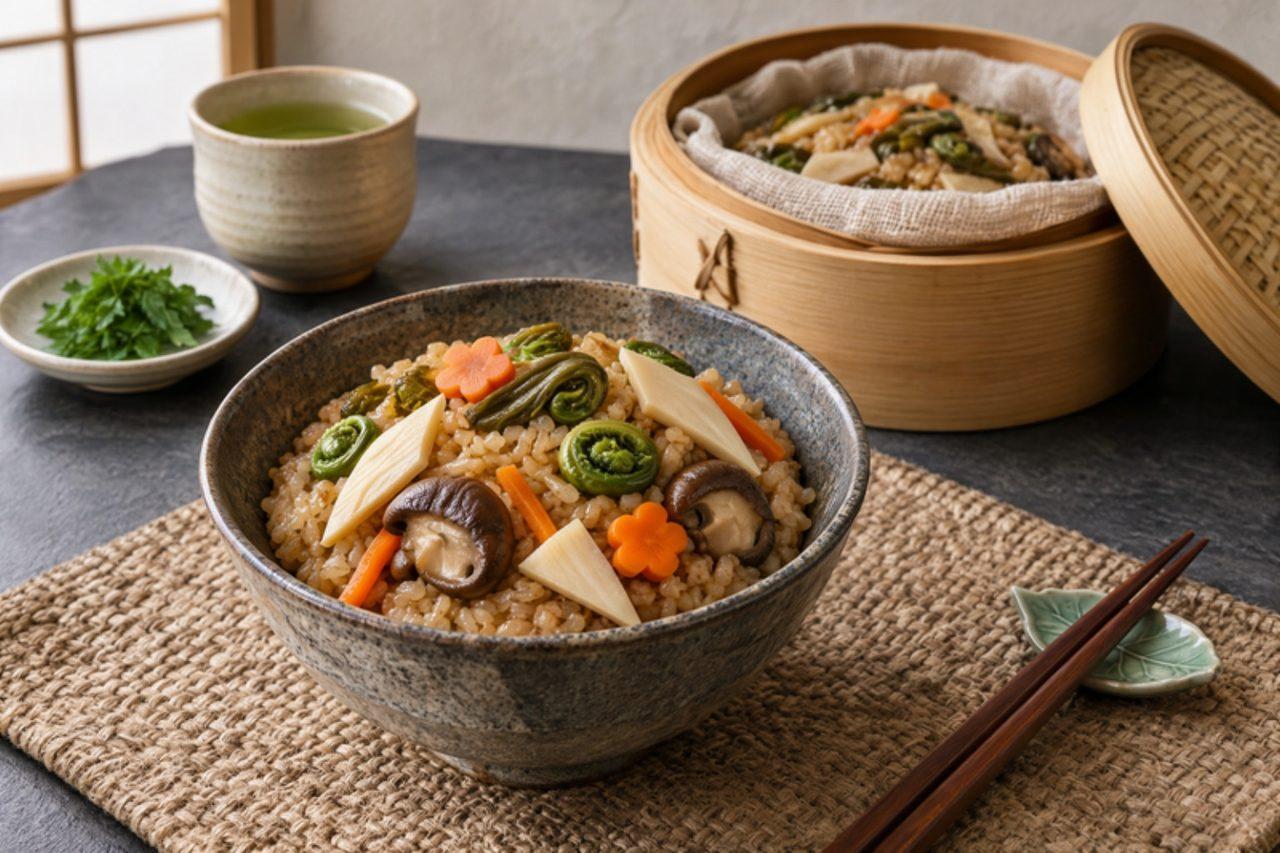
by KrazyBadal 0 views

KusliSemolina-filled Diwali pastries

Kusli are the crimped half-moon pastries that fill tins in Chhattisgarhi homes before Diwali and Chhath, close cousins of the gujiya and karanji but filled with semolina roasted in ghee, dry coconut and sugar rather than mawa. They keep for a fortnight and are handed to visitors with thethri and khurmi. The common mistake is frying them in very hot oil; they blister and brown outside while the pastry stays raw within. Chef's tip: seal the edges with a dab of milk and a firm pinch-and-fold twist so not a crumb of filling leaks into the oil.

by KrazyBadal 0 views

Yukari shiso saltRed shiso rice seasoning

Yukari is the bright purple, salty-sour shaker that Japanese parents sprinkle over plain rice so that a bento looks cheerful and tastes of something even when it has gone cold. Traditionally it is made from the red shiso leaves left after pickling umeboshi plums; this home version gets the same flavour by salting and souring fresh red shiso in early summer. The common mistake is drying the leaves too hot, which turns them brown and bitter. Chef's tip: keep the oven no hotter than 80 °C and leave the door ajar, and the colour stays a jewel-like magenta.
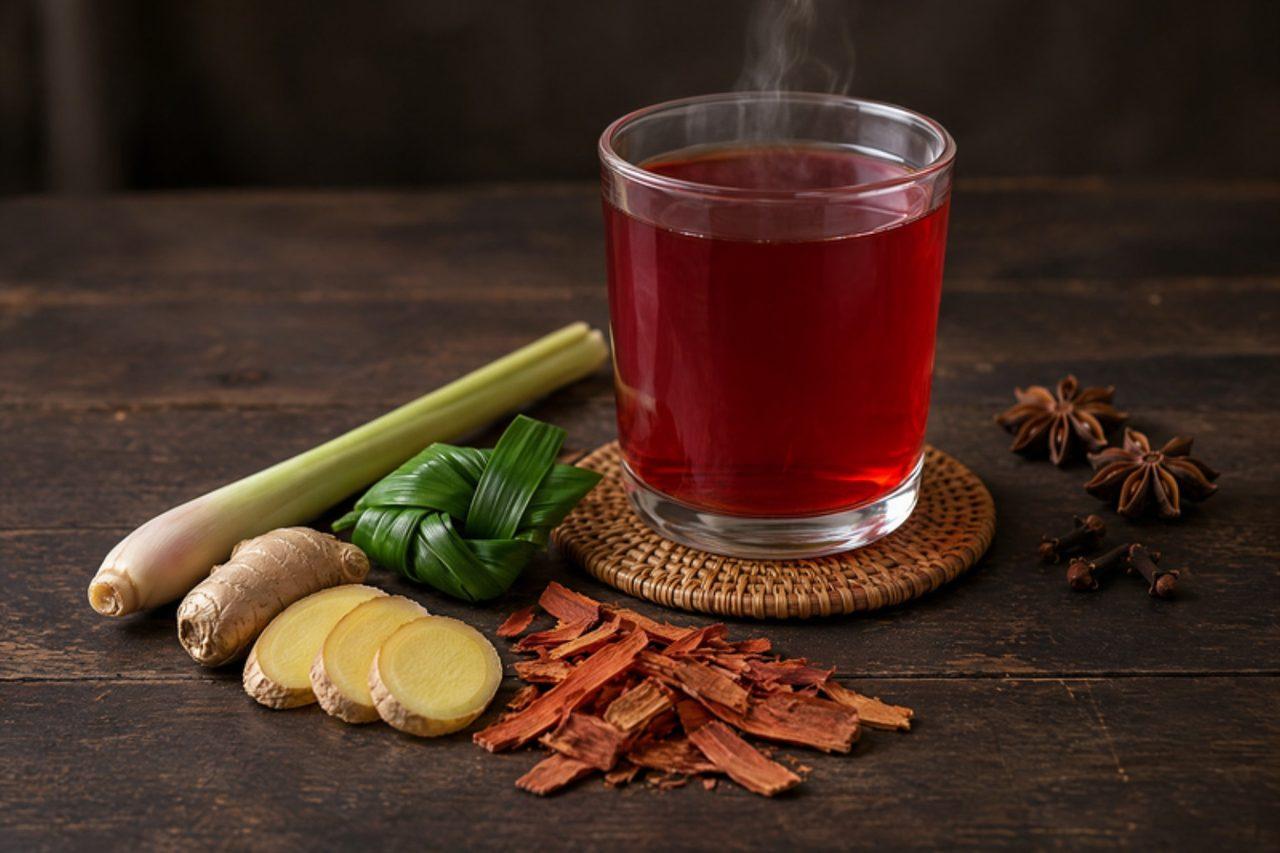
by KrazyBadal 0 views

PappchiFried wheat and rice biscuits

Pappchi are little scalloped discs that Chhattisgarhi families fry in large batches for Teeja, Diwali and weddings, made from wheat flour and rice flour, fried slowly and then turned in sticky sugar syrup until they wear a thin white glaze. They snap cleanly and keep for weeks in a steel tin. A common mistake is taking the syrup too far, so it crystallises into lumps; you want a one-string syrup that dries to a matt coat as it cools. Chef's tip: press the edge of each disc with a thimble or bottle cap to make the frilled pattern, which also helps them fry crisp.

by KrazyBadal 0 views

Showing 144 of 3,477 recipes

Show more recipes

Page 54 of 145

More No onion & garlic ideas

Other diets