


Skip to content
Pudim de leite condensado
Featured recipe

Pudim de leite condensado

Condensed milk flan

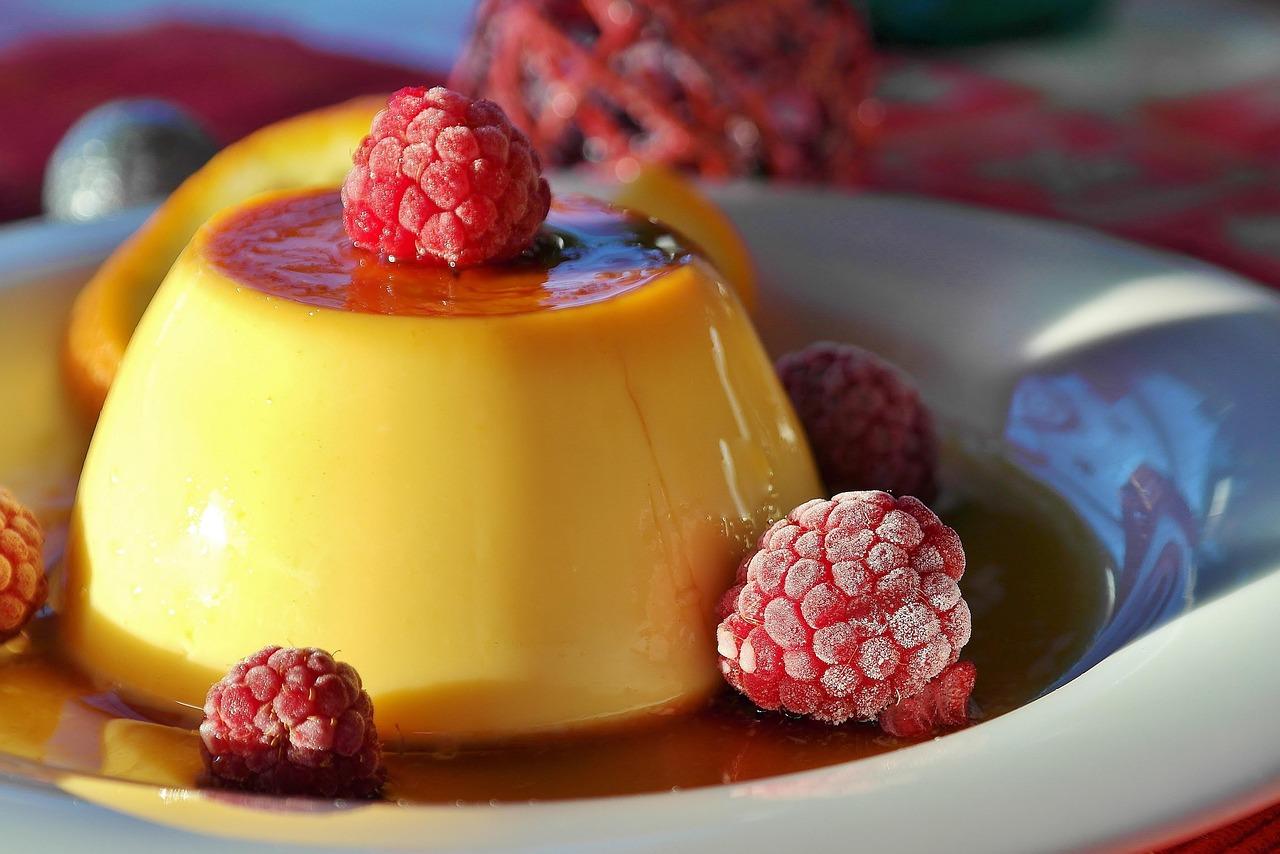
Pudim de leite condensado is the dessert of Brazilian Sunday lunch, served in every home and por-quilo restaurant from north to south. It's richer and denser than a French crème caramel: condensed milk, milk and eggs baked in a water bath in a ring tin, then turned out under a glossy layer of dark caramel. Chef's tip: bake it gently in a water bath and keep the water just below a simmer. Too much heat makes the bubbles that leave the pudim full of little holes; Brazilians prize a smooth, silky pudim lisinho.

Read more 0 views

What to eat today?

Around the world

Today's trip: Peruvian

A new country every day, from every cuisine on the site.

Peruvian

Tacacho

Mashed roasted green plantain balls 35 minMore from Peruvian (111) →

This week's collection

Kid-friendly dinners
772 recipes · a new collection every Monday

Coming up

All occasions →

Latest recipes

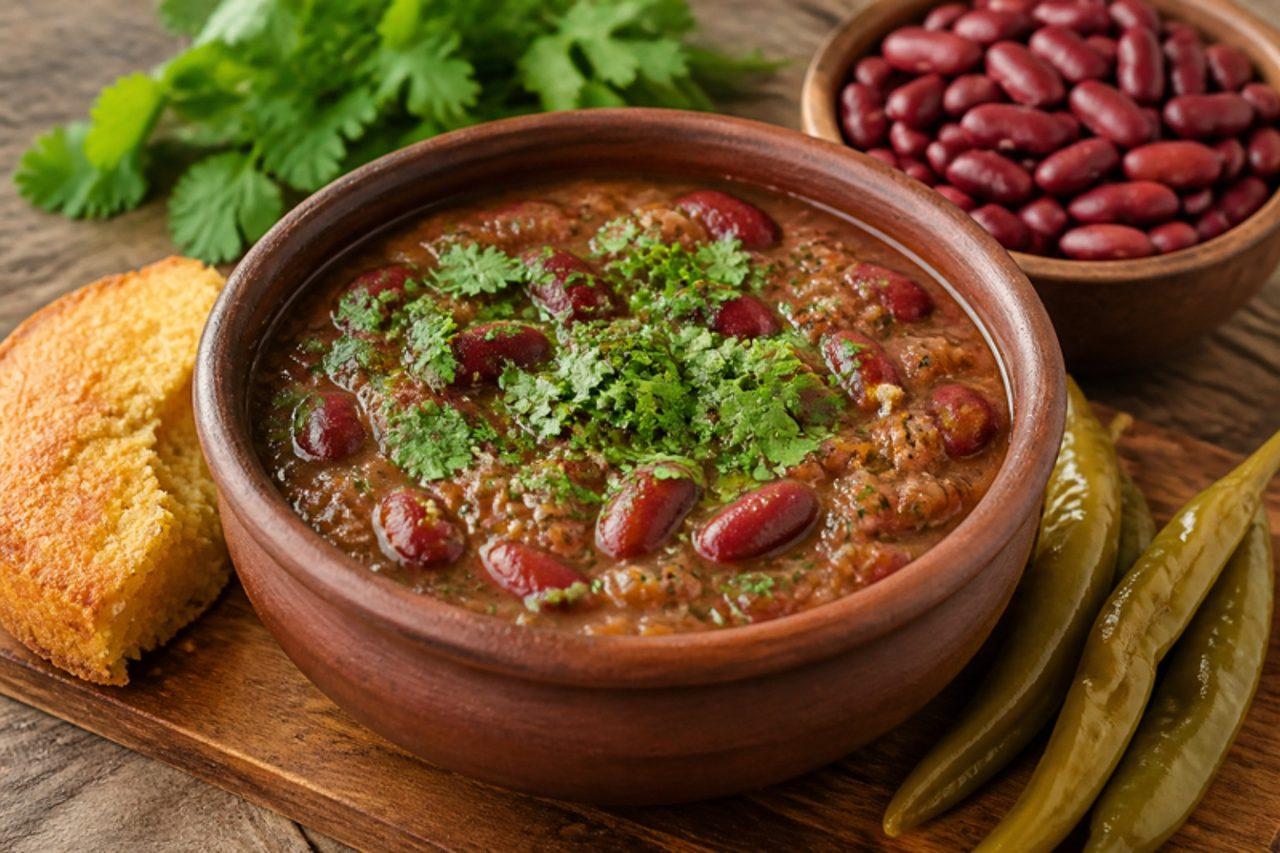
LobioRed bean stew

Lobio simply means beans, and in Georgia it means this thick, herb-scented stew of red kidney beans, cooked and served in a clay pot (a ketsi or kotani). In Imereti and Racha it is everyday winter food and a mainstay of the Lenten table, eaten with hot mchadi, pickled cabbage or green chillies and a spoon of tkemali. Some of the beans are crushed so the stew turns creamy while the rest stay whole. A common mistake is mashing everything to a purée; crush only about a third. Raw kidney beans must also boil hard for 10 minutes before simmering, or they can make you ill. Chef's tip: stir in the fresh coriander and garlic only at the end, off the heat, so they stay bright and sharp against the soft beans.

by KrazyBadal 0 views

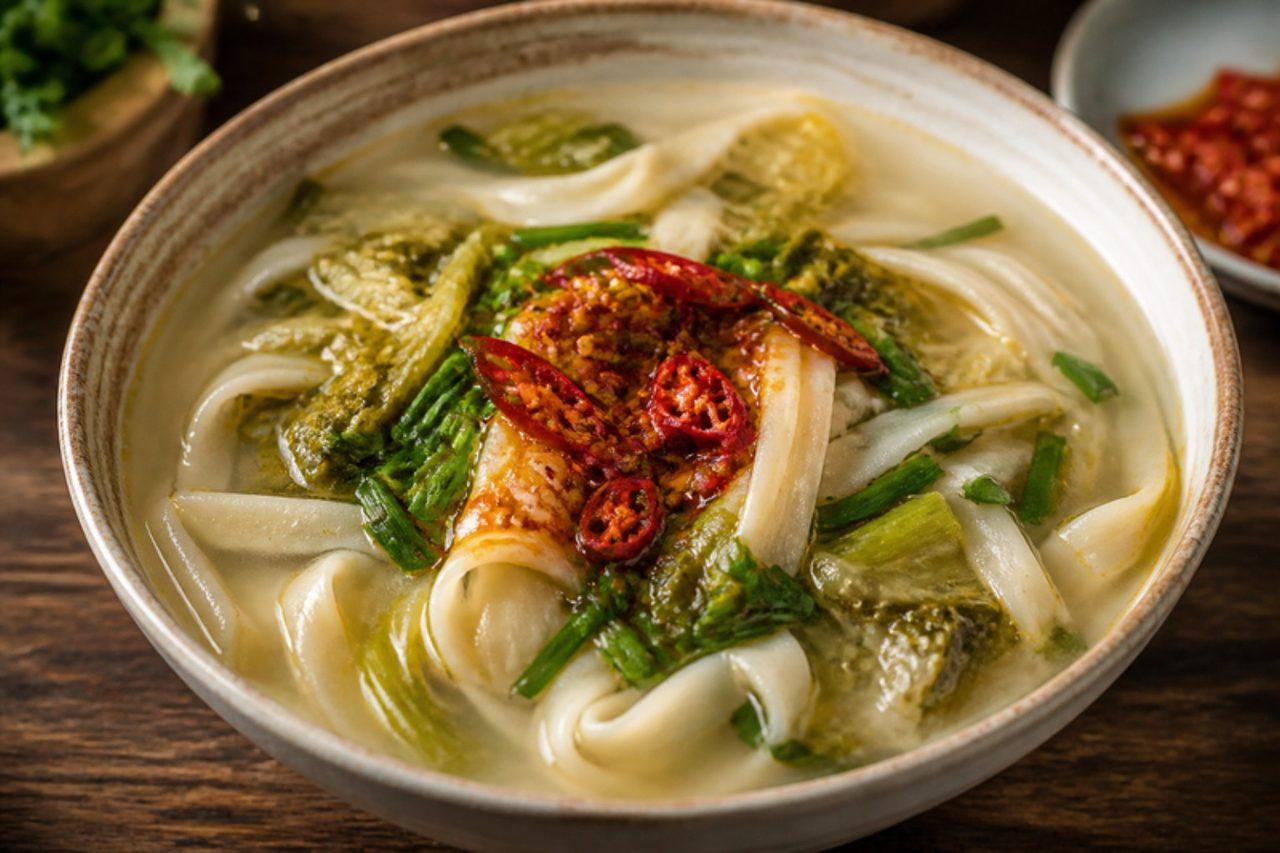
Gansu jiangshui noodlesNoodles in tangy fermented vegetable broth

Tianshui and other towns in Gansu keep a crock of jiangshui going all summer: a pale, sour liquid made by fermenting greens in starchy noodle water. It is heated with chilli, Sichuan pepper and garlic chives and poured over hand-cut noodles, a cooling, refreshing bowl that people say beats the heat. The ferment takes 3–4 days in a warm kitchen, then keeps going for weeks if you top it up. Chef's tip: a spoonful of sauerkraut brine jump-starts the first batch, so it sours cleanly instead of growing off-flavours.

by KrazyBadal 0 views

Garadu chaatFried yam chaat

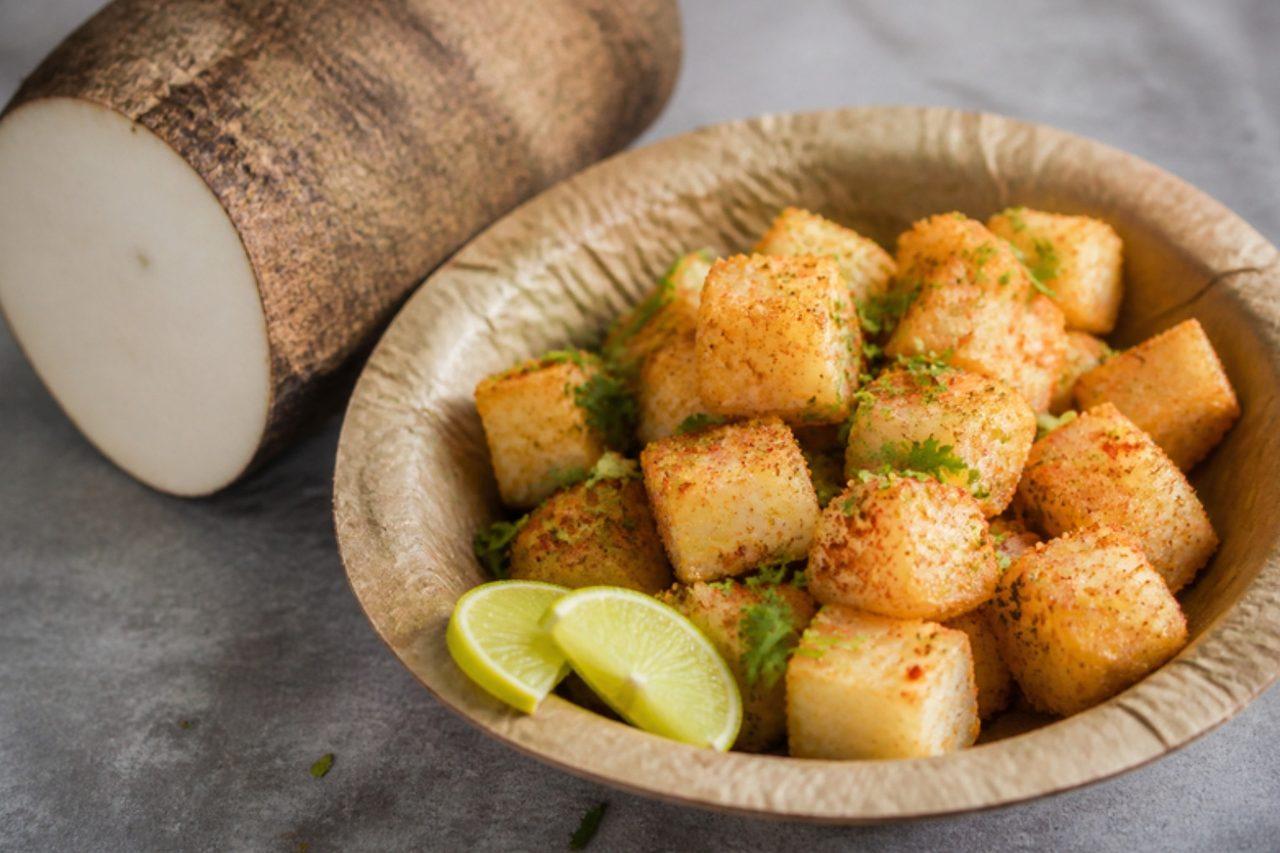
When the nights turn cold in Indore, the stalls of Sarafa Bazaar pile their woks with garadu, a starchy, slightly sticky yam that only appears from November to February. It is boiled, fried until the edges crunch, then shaken with a punchy masala of roasted cumin, black salt and chilli and finished with lime. People eat it standing up from a leaf bowl, often as the savoury stop between jalebi and rabri. Garadu can be hard to find outside Madhya Pradesh; purple yam or white yam from an Asian or African grocer is the closest match, and taro (arbi) works in a pinch. Chef's tip: boil the cubes only until a knife meets slight resistance, then let them steam dry completely, because wet yam spits in the oil and never crisps.

by KrazyBadal 0 views

Ossobuco alla milaneseBraised veal shanks

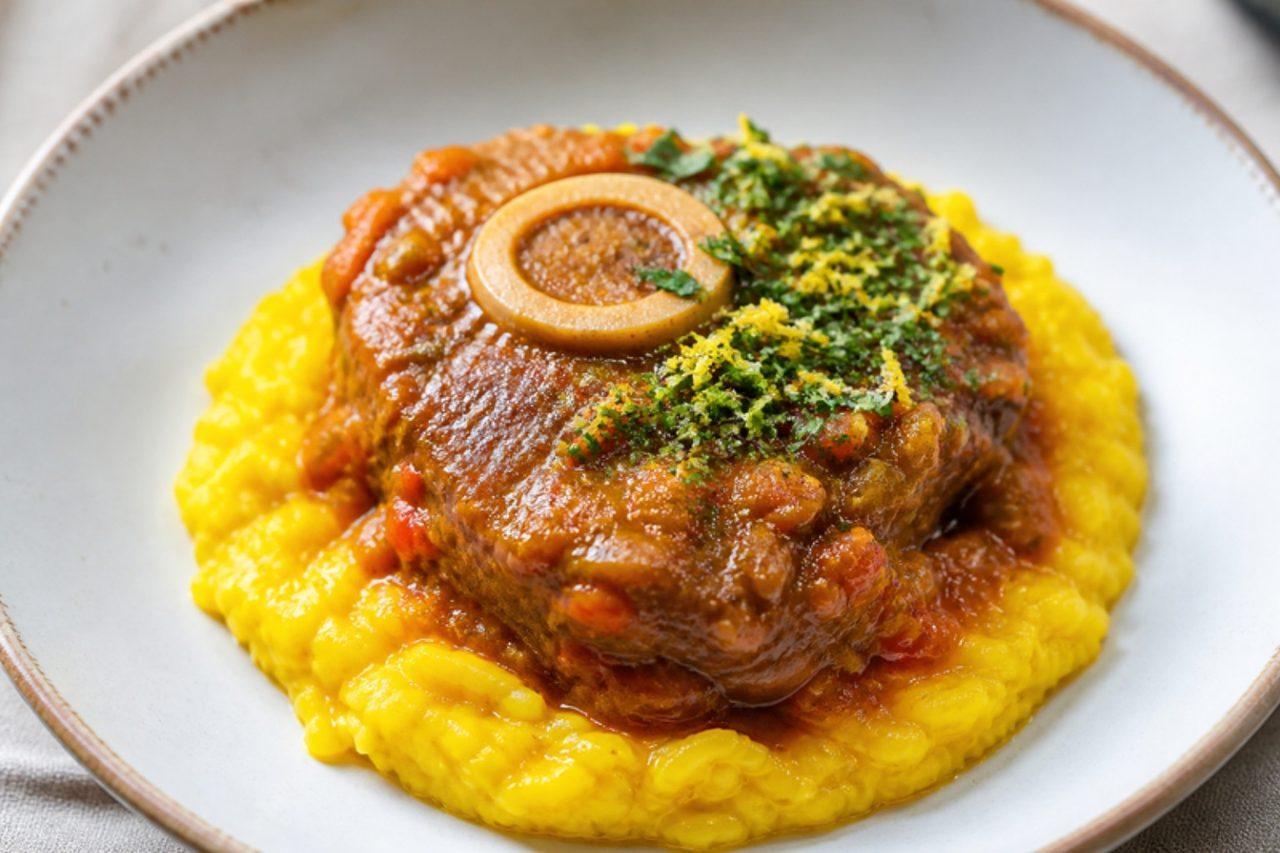
Thick cross-cut slices of veal shank, each ringed around a hollow bone full of marrow, are browned and then braised slowly in white wine and stock until the meat is soft enough to cut with a spoon: this is Milan's great winter Sunday dish. The old Milanese way, 'in bianco', keeps tomato out, so the sauce stays golden and savoury. Just before serving it gets a shower of gremolata, a sharp mix of lemon zest, garlic and parsley that wakes up the rich braise. Serve it with risotto alla milanese, the saffron risotto that is its traditional partner (one of the few times a Milanese risotto shares the plate), or with soft polenta. Chef's tip: snip through the thin skin around each shank in three or four places before browning, so the slices stay flat in the pan instead of curling up.

150 minItalianMeatGluten free
by KrazyBadal 0 views

AshakLeek-filled dumplings

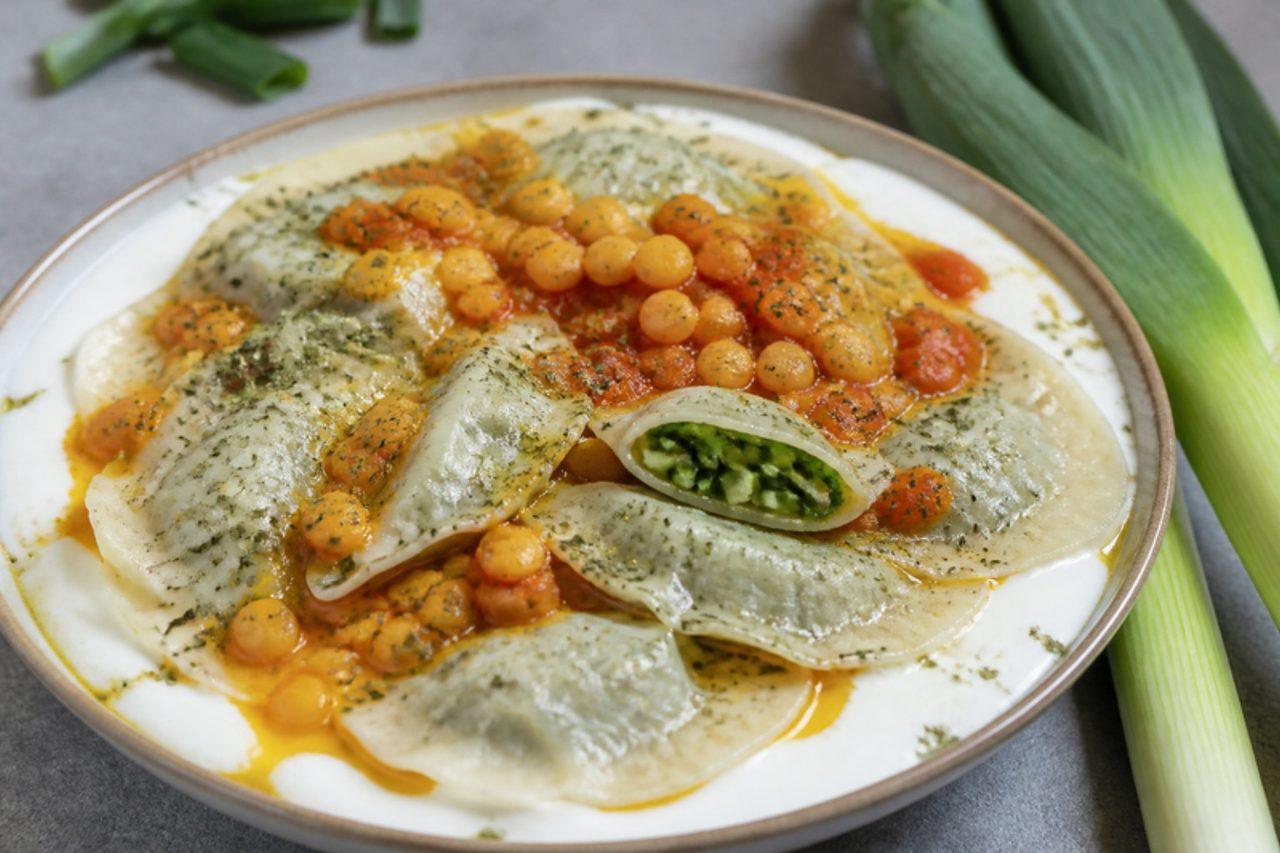
Ashak are the dumplings Kabul families fold together for Eid, Nowruz and weddings: thin wheat wrappers stuffed with gandana (Afghan garlic chives, here replaced with leeks and spring onions), boiled, then laid on a bed of garlicky strained yoghurt and topped with a tomato sauce and dried mint. Ashak usually come with a minced-meat sauce; this vegetarian version uses yellow split peas in a spiced tomato base, as many Afghan cooks do on meatless days. Making them is a sociable afternoon job, so rope in helpers. Chef's tip: squeeze the salted leeks hard in a cloth before filling; any water left in them soaks the wrappers and they split in the pot.

by KrazyBadal 0 views

Locro argentinoCorn, bean and meat stew

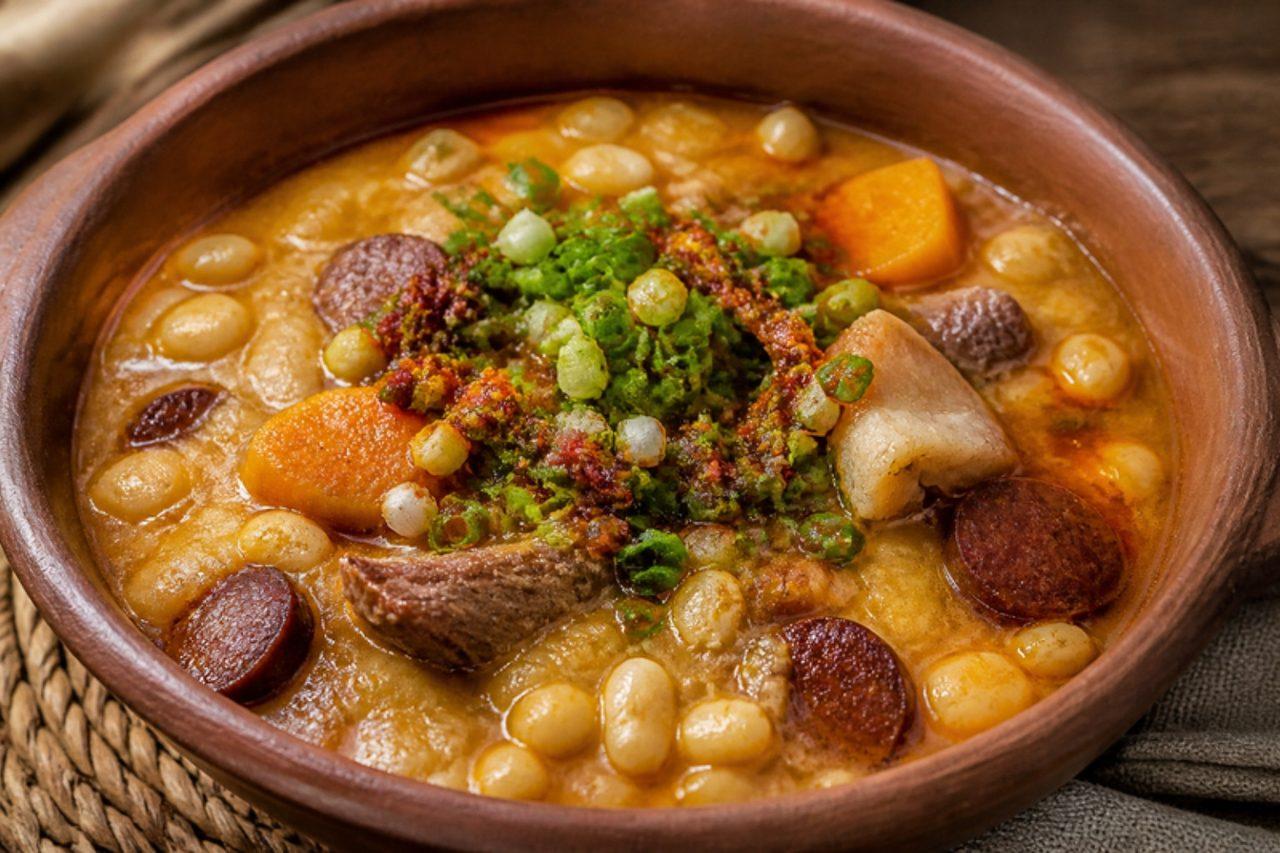
Locro comes from the Andean northwest, from Salta, Jujuy and Tucumán, and today the whole country eats it on 25 May and 9 July, the two national holidays, when it simmers in huge pots at clubs and church halls. Dried white corn, white beans and squash cook down with beef, pork belly and chorizo into a stew so thick a spoon stands up in it. This is a pork dish. It is topped with quiquirimichi, a red oil of paprika, chilli and spring onion. The classic mistake is not soaking the corn and beans overnight; without it they never soften. Chef's tip: stir often in the last hour, scraping the bottom, as the squash breaks down and the locro catches easily.

by KrazyBadal 0 views

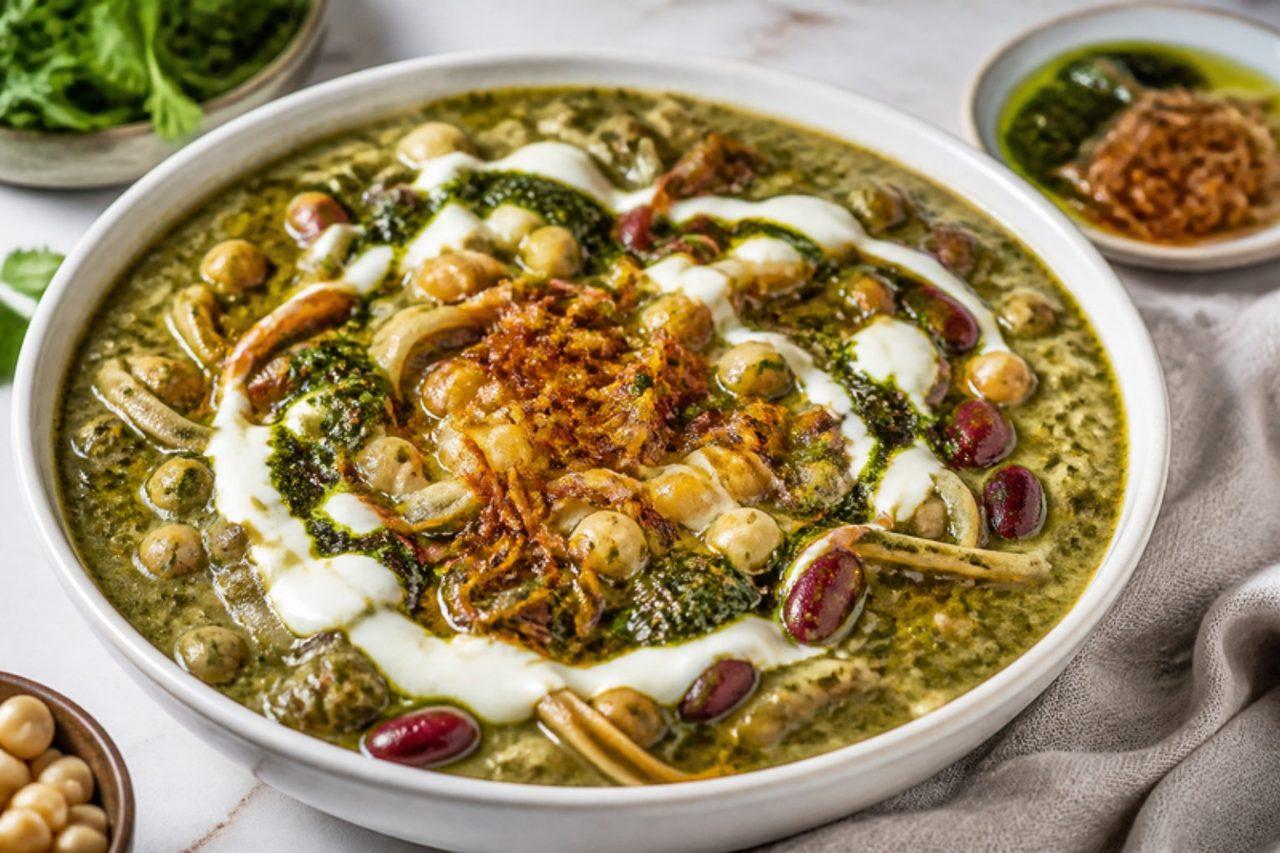
Ash reshtehNoodle, bean and herb soup

Ash reshteh is the thick soup Iranians cook in big pots in the days before Nowruz and for Sizdah Bedar, the spring picnic day, when the noodles (reshteh) are said to help you grasp the threads of good luck for the coming year. Chickpeas, beans and lentils are simmered with a mountain of green herbs and spinach, thickened with flat noodles and finished at the table with tangy kashk, crisp onions and a sizzling swirl of mint oil. It is a meal in a bowl, hearty and herby. Kashk is usually made without rennet, but check the label; strained yogurt is a good substitute. Chef's tip: add the noodles only once the beans are soft, and stir often after that, because they thicken the pot and it can catch on the bottom.

120 minPersianSoups
by KrazyBadal 0 views

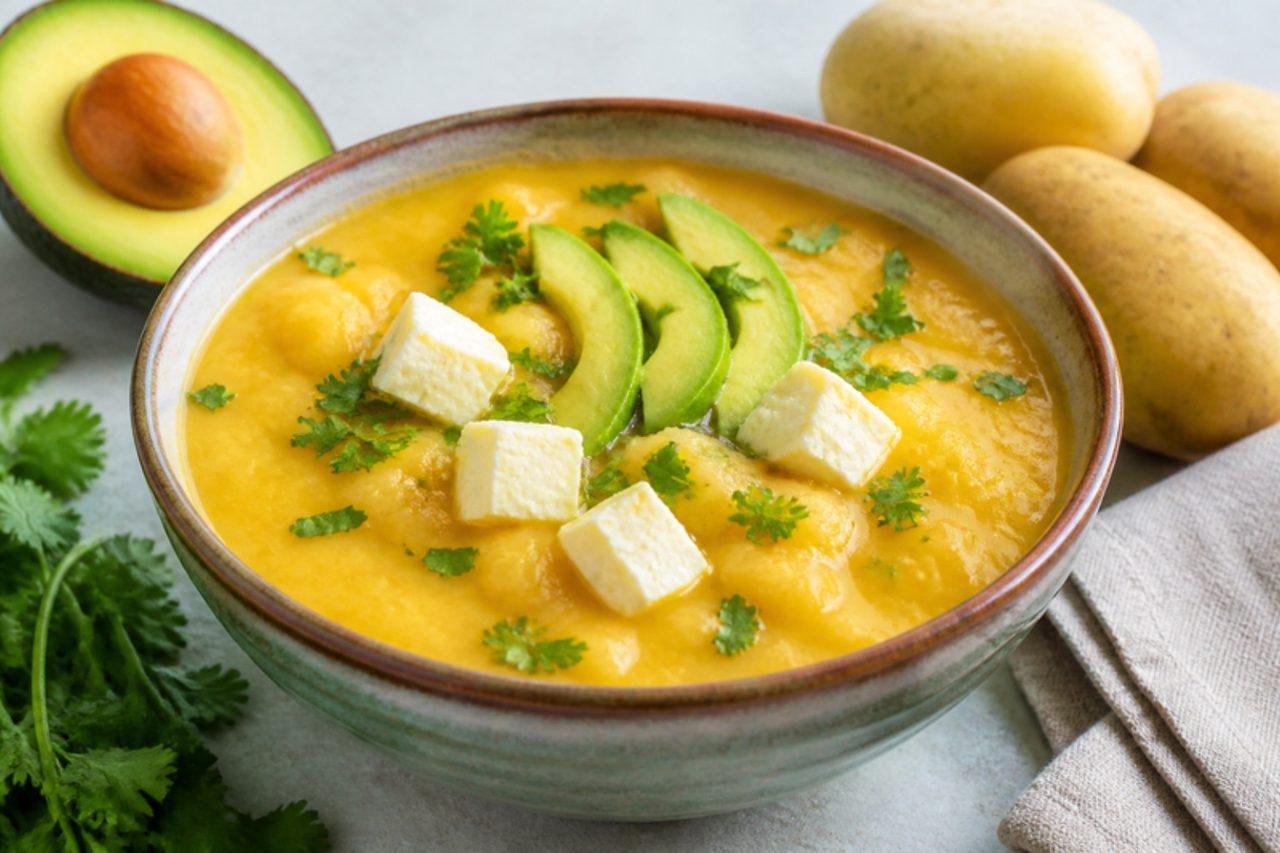
Locro de papaPotato and cheese soup

Locro de papa is Quito's comfort soup, eaten on cold afternoons in the Andean highlands where nights drop near freezing. Potatoes are cooked until half of them dissolve into a thick, achiote-tinted broth, then finished with milk and cubes of fresh cheese that soften into strings. Bowls are crowned with avocado slices and served with ají (chilli sauce) on the side. Ecuador uses two potatoes, a floury one to thicken and a waxy one to hold its shape. Chef's tip: add the cheese off the heat; it should soften and go stretchy, not melt into an oily layer.

by KrazyBadal 0 views

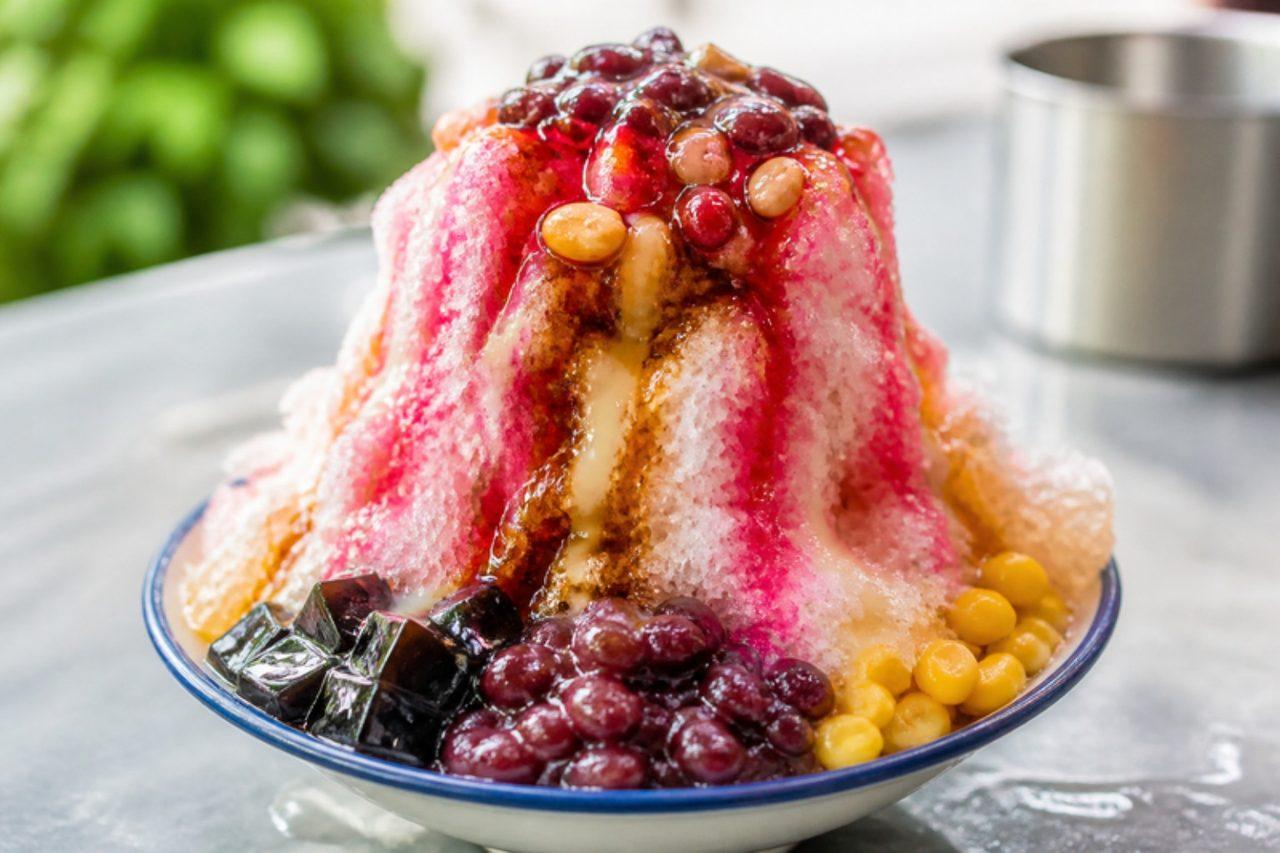
Ais kacangShaved ice with red beans

Ais kacang ('bean ice'), also called ABC for air batu campur ('mixed ice'), is the towering, rainbow-coloured treat Malaysian kids beg for at food courts and hawker centres on hot afternoons. Underneath a snowy dome of shaved ice hide red beans, sweetcorn, cubes of black grass jelly and chopped peanuts; on top go streaks of pink rose syrup, dark palm-sugar syrup and a drizzle of condensed milk. Everyone digs in from the top and mixes it into a sweet, icy slush. Chef's tip: chill the bowls in the freezer for 15 minutes first, so the ice holds its peak long enough to get it to the table.

by KrazyBadal 0 views

LohikeittoCreamy salmon soup

Lohikeitto is what Finns cook when they want something warming after a day outside, ladled up in Helsinki lunch cafés and in lakeside summer cottages alike. Chunks of salmon and potato simmer in a light fish stock with leek and allspice, then a little cream turns it pale and gentle and a big handful of dill makes it taste of summer. It takes about forty minutes and is served with dark rye bread and butter. The common mistake is boiling the salmon hard, which turns it dry and stringy; it only needs a few minutes at a bare simmer. Chef's tip: add the salmon last and switch off the heat with the lid on; the fish finishes in the hot soup and stays in juicy flakes.

by KrazyBadal 0 views

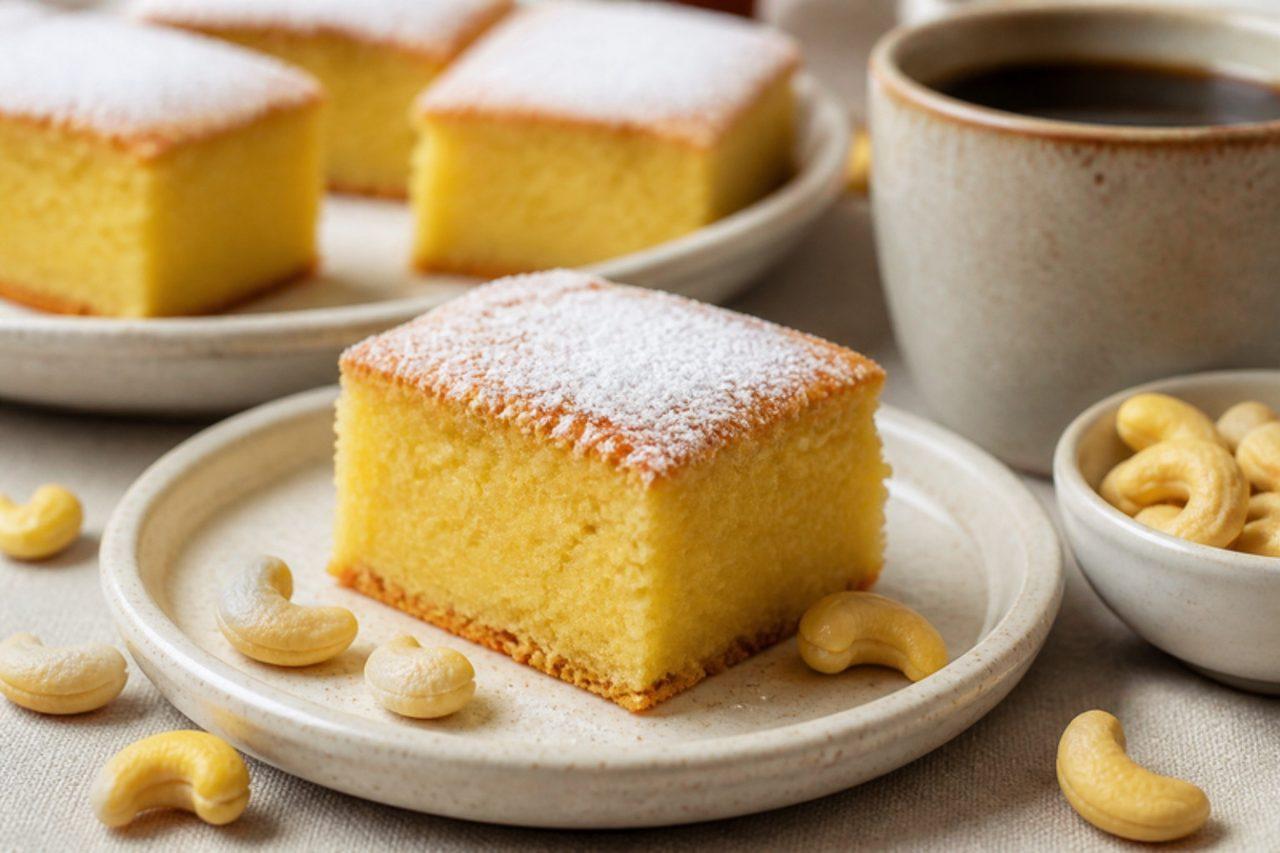
Bolo polanaCashew and potato cake

Bolo polana takes its name from the old Polana district of Maputo and is a celebration cake in Mozambique, made for birthdays and Christmas, built on two of the country's great crops: cashew nuts and potatoes. Ground cashews and mashed potato make it dense, fragrant and very moist, with orange zest to lift it. It shows the Portuguese baking tradition meeting local ingredients. Chef's tip: grind the cashews in short pulses with a spoon of the sugar; ground alone, they turn to cashew butter.

by KrazyBadal 0 views

Bolón de verde con quesoPlantain and cheese balls

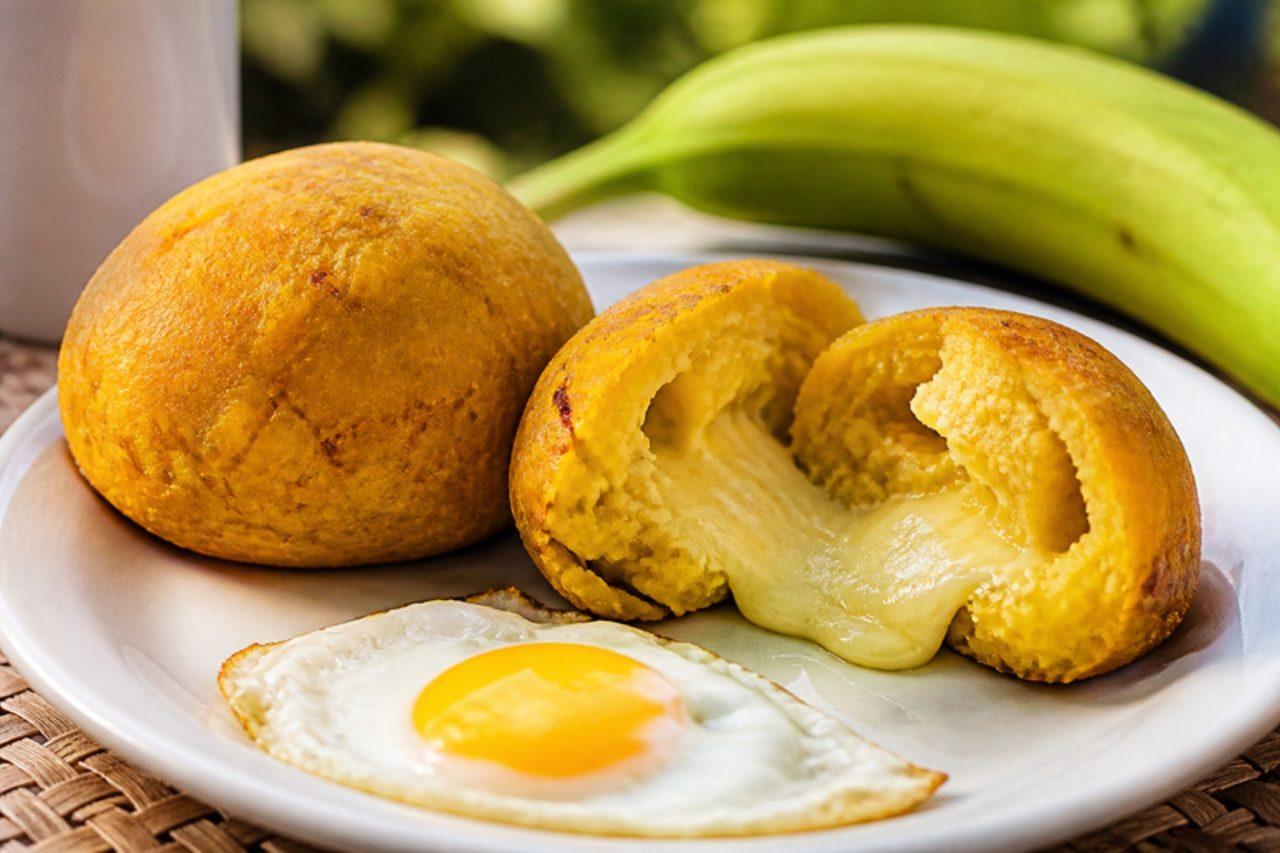
On Ecuador's coast, in Guayaquil and Manabí, breakfast is often a bolón: green plantain fried, pounded while hot with butter and salty cheese, shaped into a fist-sized ball and fried again until crusty. It comes with a cup of strong black coffee and a fried egg, and a little ají on the side; the other classic version uses pork crackling, but cheese bolón is just as common. Chef's tip: shape them while the plantain is still hot; once cold the starch sets and won't stick together.

by KrazyBadal 0 views

Chana jor garamSpiced flattened chickpea snack

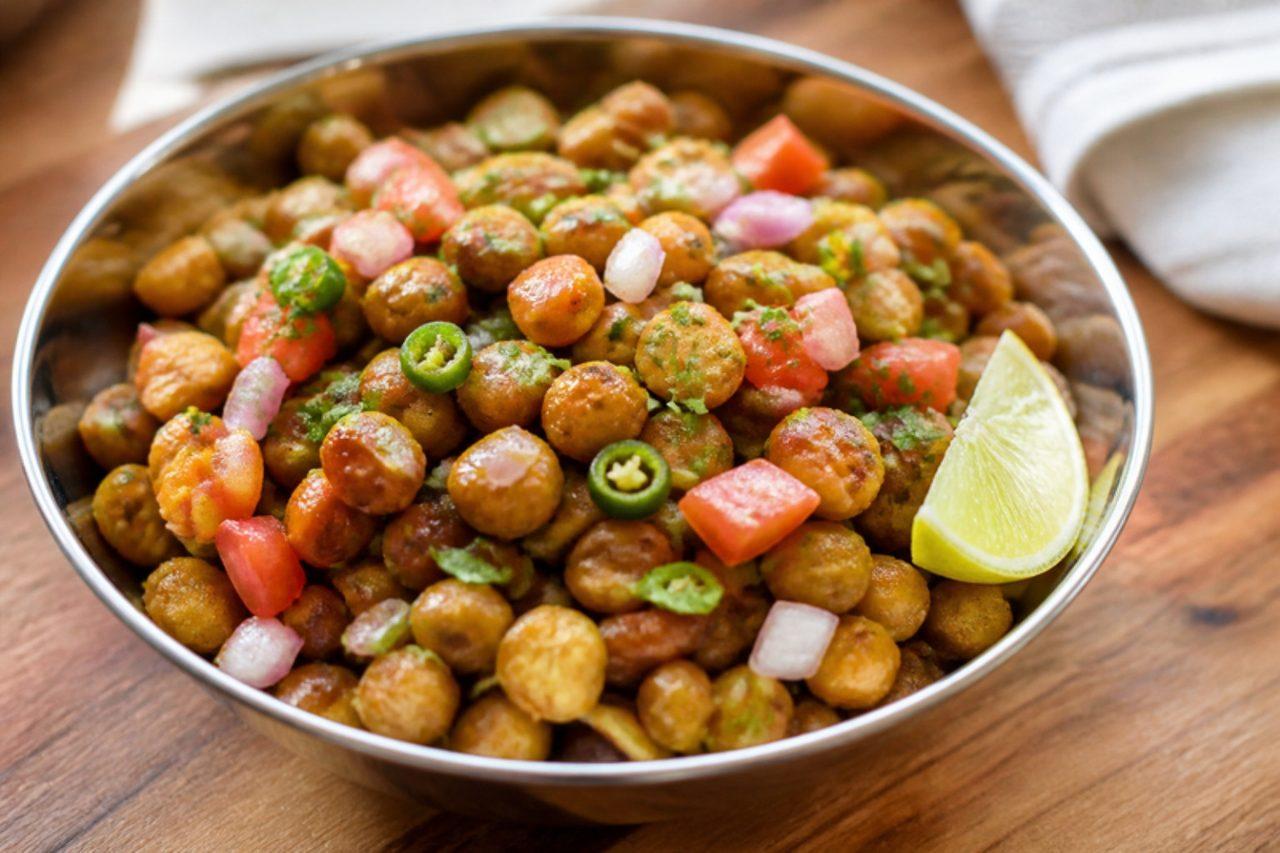
Chana jor garam is sold from a tin box slung round a vendor's neck on the Kolkata Maidan, at Babughat and along Esplanade, with a sing-song call to match its name. Chickpeas are soaked, pressed flat, and fried or roasted until crunchy, then tossed to order with raw onion, tomato, green chilli, coriander, lime and a spice mix, and handed over in a paper cone. It is lighter than jhalmuri and much crunchier. The same snack is sold on Mumbai beaches; this is the Kolkata cart version. Chef's tip: flatten the soaked chickpeas while still damp, with a rolling pin between two cloths, so they split into thin discs.

by KrazyBadal 0 views

Gat kimchiMustard leaf kimchi

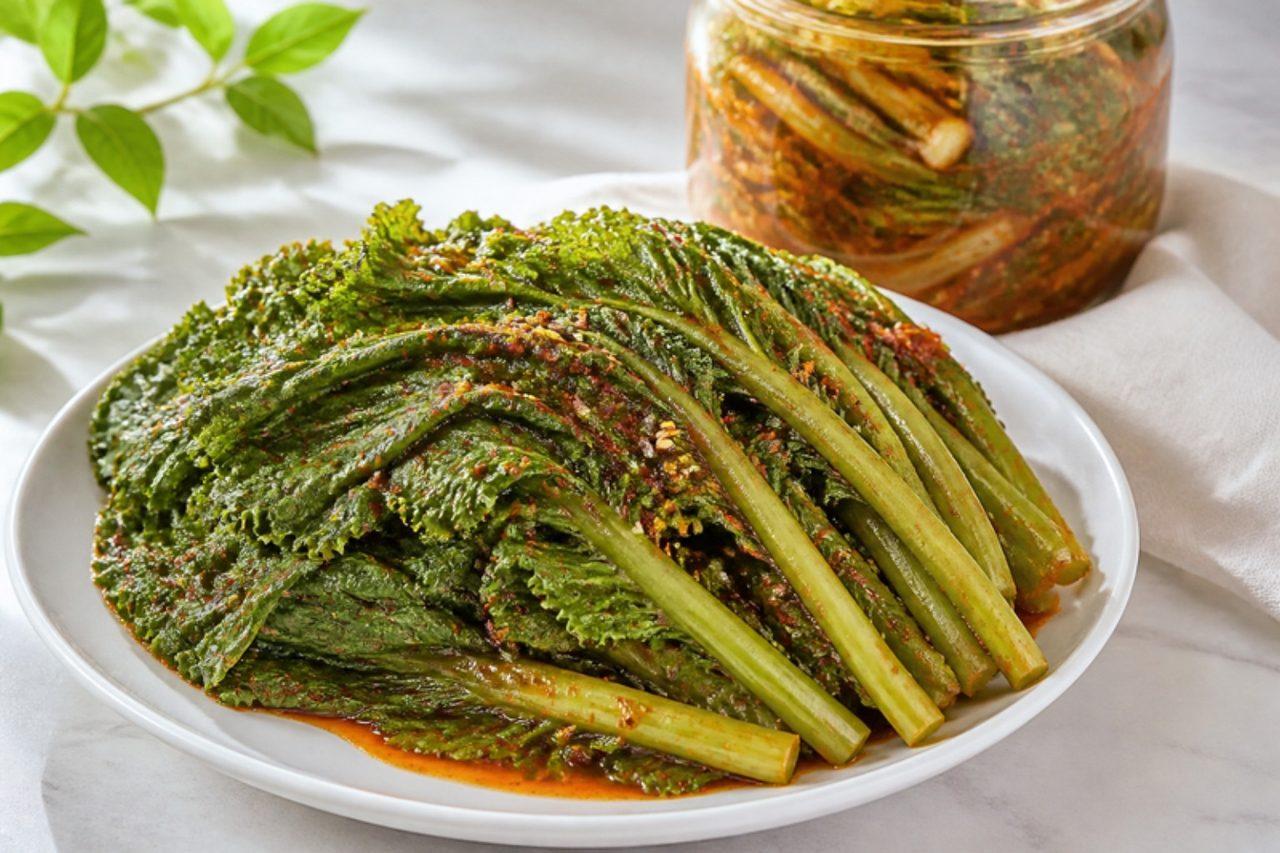
Dolsan island, off the port city of Yeosu in South Jeolla, grows a purple-tinged mustard green called gat that is milder and more tender than mainland mustard leaves, and gat kimchi (갓김치) made from it is the region's pride. The leaves keep a hot, wasabi-like bite that softens and turns tangy after a week or two of fermenting. Jeolla kimchi is usually heavy with fish sauce and salted anchovy; this version gets its depth from a kelp-and-rice porridge, pear, onion and soy, so it is vegan. Eat it with plain rice, noodles or on the side of jeon. Chef's tip: salt the leaves stems-first and turn them halfway; the thick stems need longer than the leaves.

by KrazyBadal 0 views

GataSweet bread with buttery filling

Gata is the sweet bread Armenians bake for Candlemas (Trndez) in February and for New Year, often with a coin hidden inside for luck; whoever finds it is set for the year. Every region shapes it differently, but the best-known are the large golden rounds sold by women at the roadside near Garni temple and Geghard monastery, cut into wedges for the drive home. Inside a tender, slightly flaky dough made with matsun (yogurt) and butter is khoriz, a sweet crumble of flour, sugar and butter that bakes into a soft, sandy layer. Eat it with black coffee or tea. Chef's tip: roll the dough thin and fold the khoriz inside like an envelope before rolling again; the folding creates layers so the gata is light rather than doughy.

by KrazyBadal 0 views

Bombay sandwichToasted vegetable sandwich

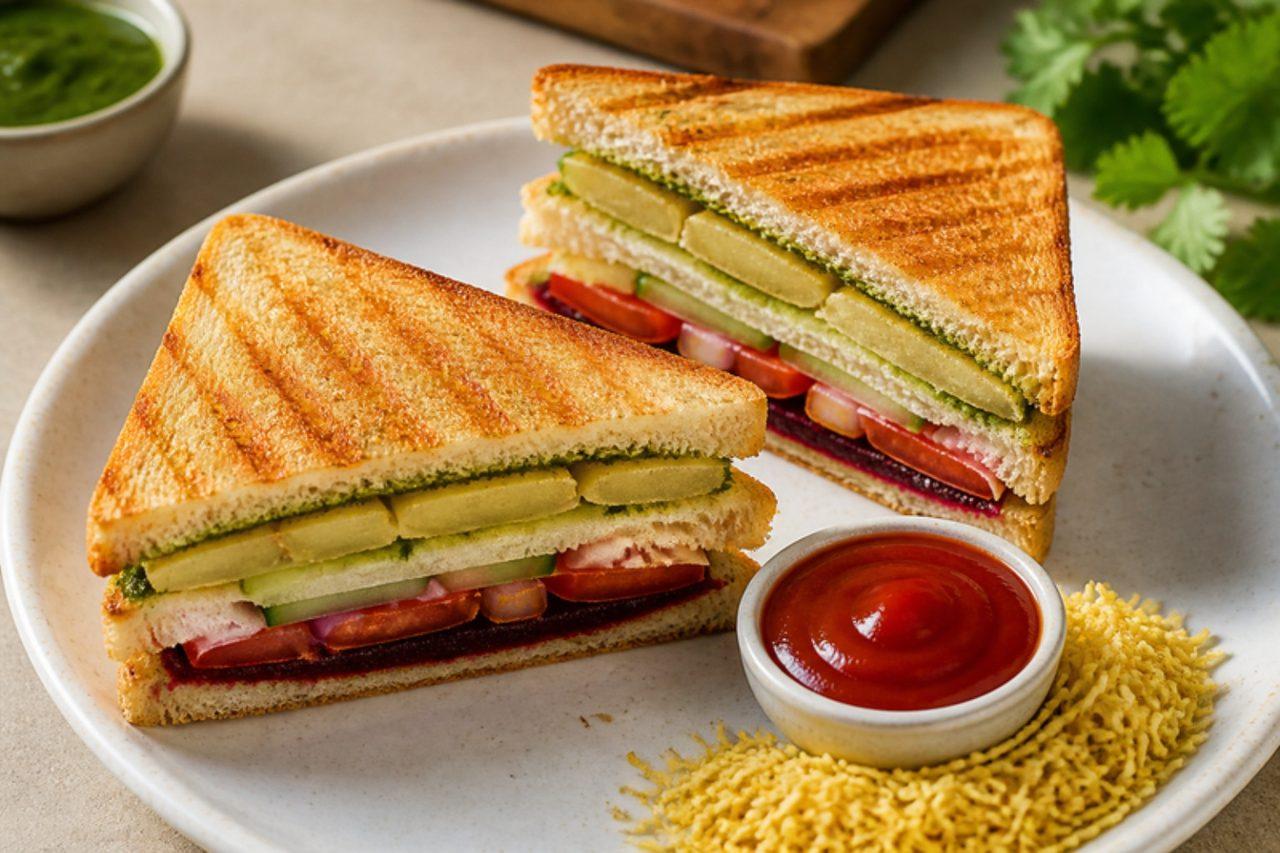
Every busy corner in Mumbai, from Churchgate station to the lanes of Dadar, has a sandwich-wallah with a stack of white bread, a tub of butter, a bowl of green chutney and a cast-iron toaster held over a flame. The Bombay sandwich is built in thin layers of boiled potato, beetroot, cucumber, tomato, onion and green pepper, each layer dusted with a peppery sandwich masala, then toasted until crisp and cut into neat squares. Cheese is grated over the top if you ask. It's a commuter's breakfast, a school snack and a late-night bite after the cinema. Serve with ketchup and more chutney. Chef's tip: slice every vegetable as thin as a coin; thick slices slide out when you bite and stop the sandwich toasting evenly.

by KrazyBadal 0 views

Beyaynetu (fasting platter)Fasting platter of vegan stews

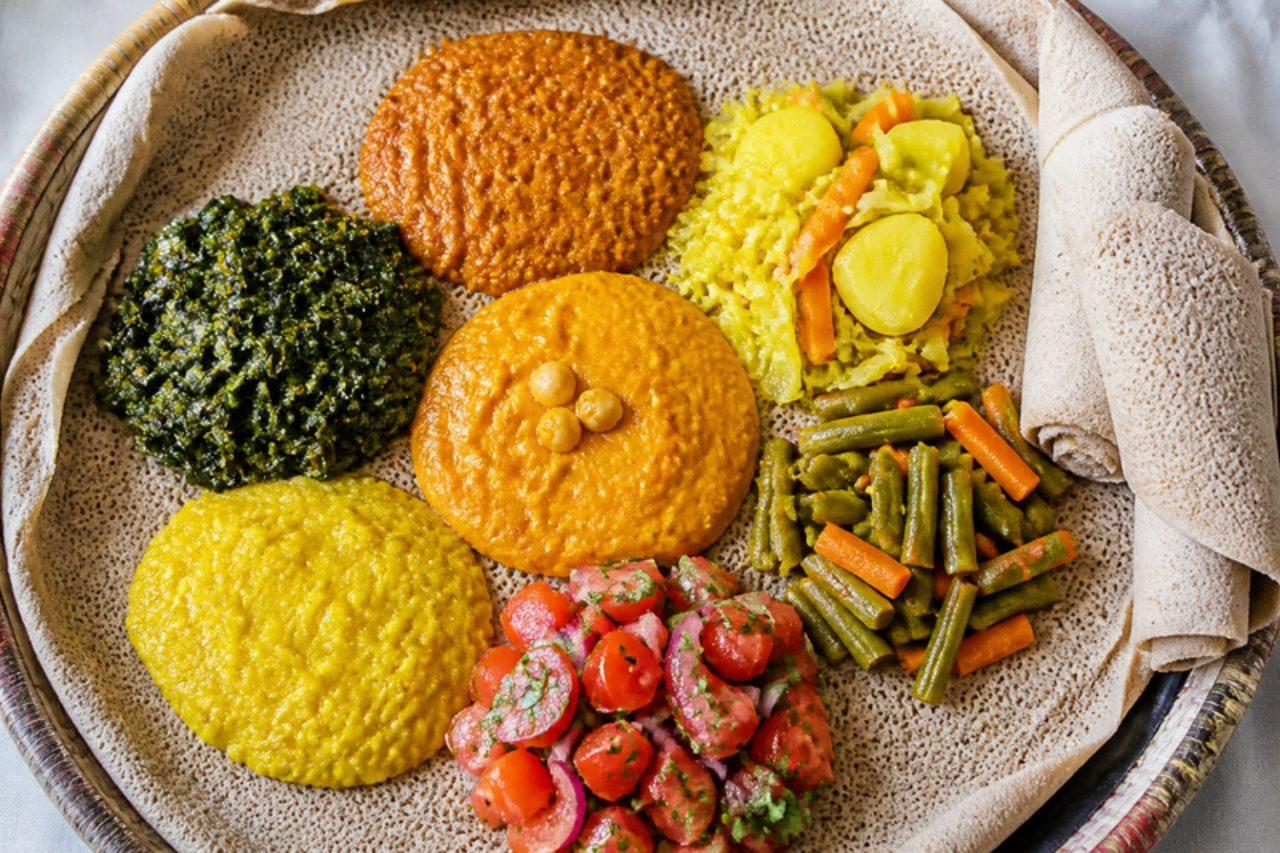
Beyaynetu means 'a bit of every kind', and on Wednesdays, Fridays and through the long Lenten fast it is what most of Addis Ababa orders for lunch: a round of injera covered with small heaps of different vegan stews and salads, each a different colour and spice level, with extra rolled injera on the side. At home it is a feast for sharing, built from dishes you can make ahead. This page shows you how to plan and assemble it, and gives the red lentil misir wat that sits at its centre; for the other dishes use our Shiro wat, Kik alicha, Gomen, Tikil gomen, Fosolia and Timatim salata recipes, and of course Injera. Chef's tip: balance the platter with two spicy red dishes, two mild yellow ones and two green or fresh ones, so every mouthful can be cooled or warmed.

by KrazyBadal 0 views

Gatte ki sabziGram flour dumplings in spiced yogurt gravy

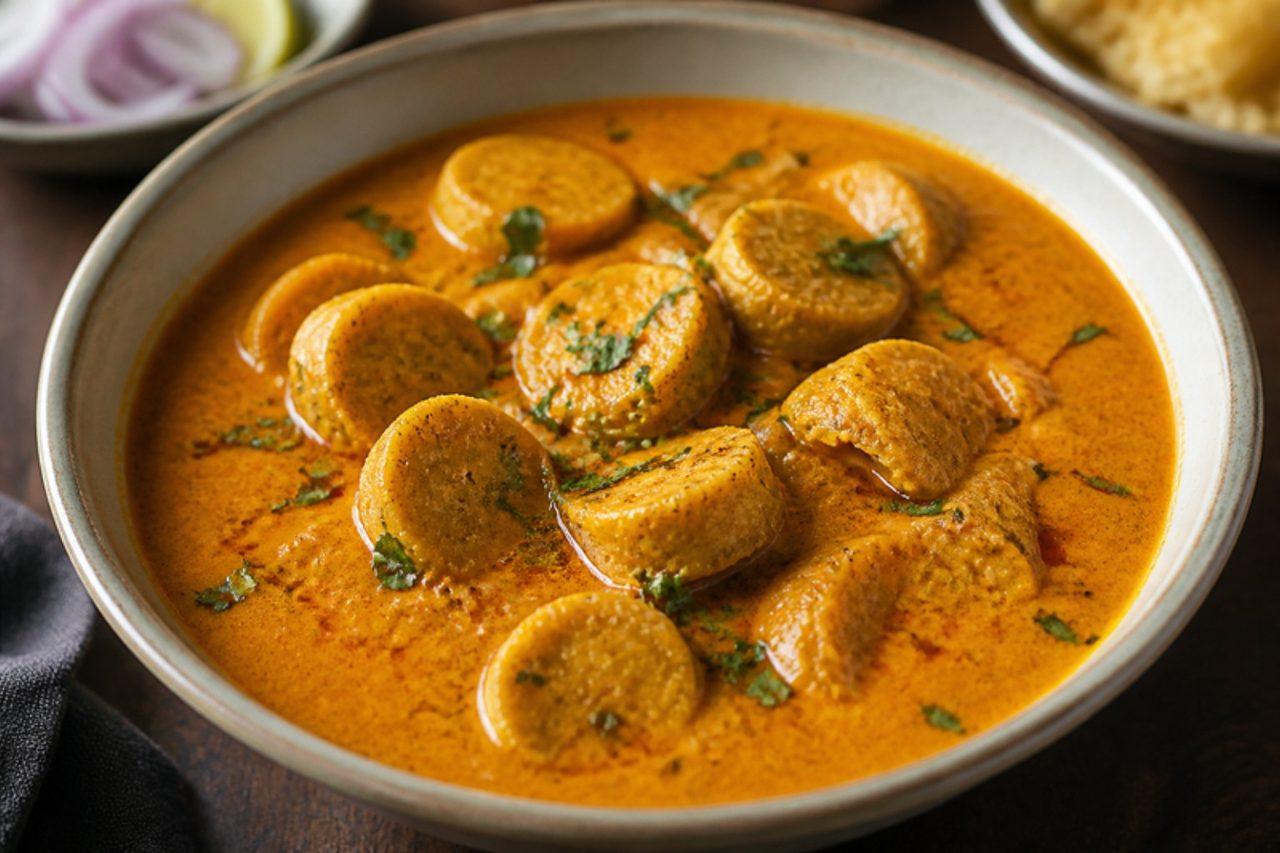
Gatte ki sabzi comes from the deserts of Rajasthan, where fresh vegetables were scarce and cooks turned gram flour into 'vegetables' instead. Firm, spiced besan rolls are boiled, sliced into little wheels and then simmered in a tangy yogurt gravy until they soak up its flavour. The dumplings are soft but hold their shape and the gravy is gently sour with a warming heat. Serve with phulka, bajra roti or steamed rice. Chef's tip: keep the cooking water from the gatte and use it for the gravy; it carries their flavour and a little starch that helps keep the yogurt from splitting.

by KrazyBadal 0 views

Lontong sayurRice cakes in coconut vegetable broth

In Jakarta, lontong sayur is what the morning carts sell before offices open: firm slices of pressed rice sitting in a thin, golden coconut broth with chayote, long beans and squares of tofu and tempeh. Betawi families also cook a big pot of it for Lebaran morning. Street versions often add dried shrimp to the spice paste; this one keeps the flavour with candlenuts, galangal and salam leaf instead. Serve with sambal, fried shallots and crackers. Chef's tip: cook the lontong the day before and chill it overnight; cold rice cakes slice cleanly and soak up the broth without falling apart.

by KrazyBadal 0 views

Chtitha djejChicken in paprika sauce with chickpeas

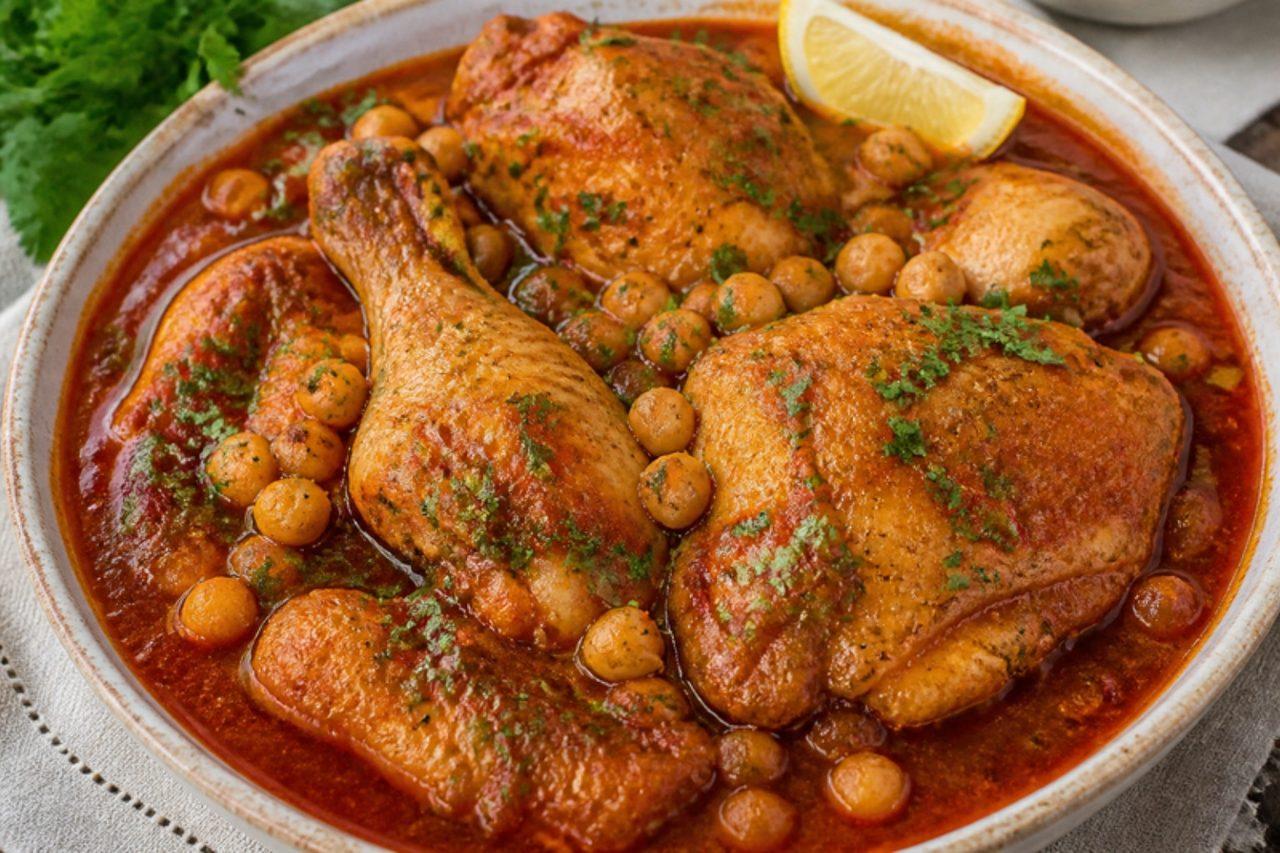
Chtitha djej is the everyday chicken of Algerian homes from Algiers to Constantine: chicken pieces simmered in a red sauce of paprika, cayenne, garlic and caraway with chickpeas, reduced until thick and clinging. It is mopped up with khobz or matlouh flatbread. The mistake is burning the garlic and paprika when they go into the oil, which turns the sauce bitter; keep the heat moderate and add water as soon as they smell toasted. Chef's tip: add a squeeze of lemon right at the end to brighten the spices.

by KrazyBadal 0 views

Borani banjanFried aubergine in tomato sauce

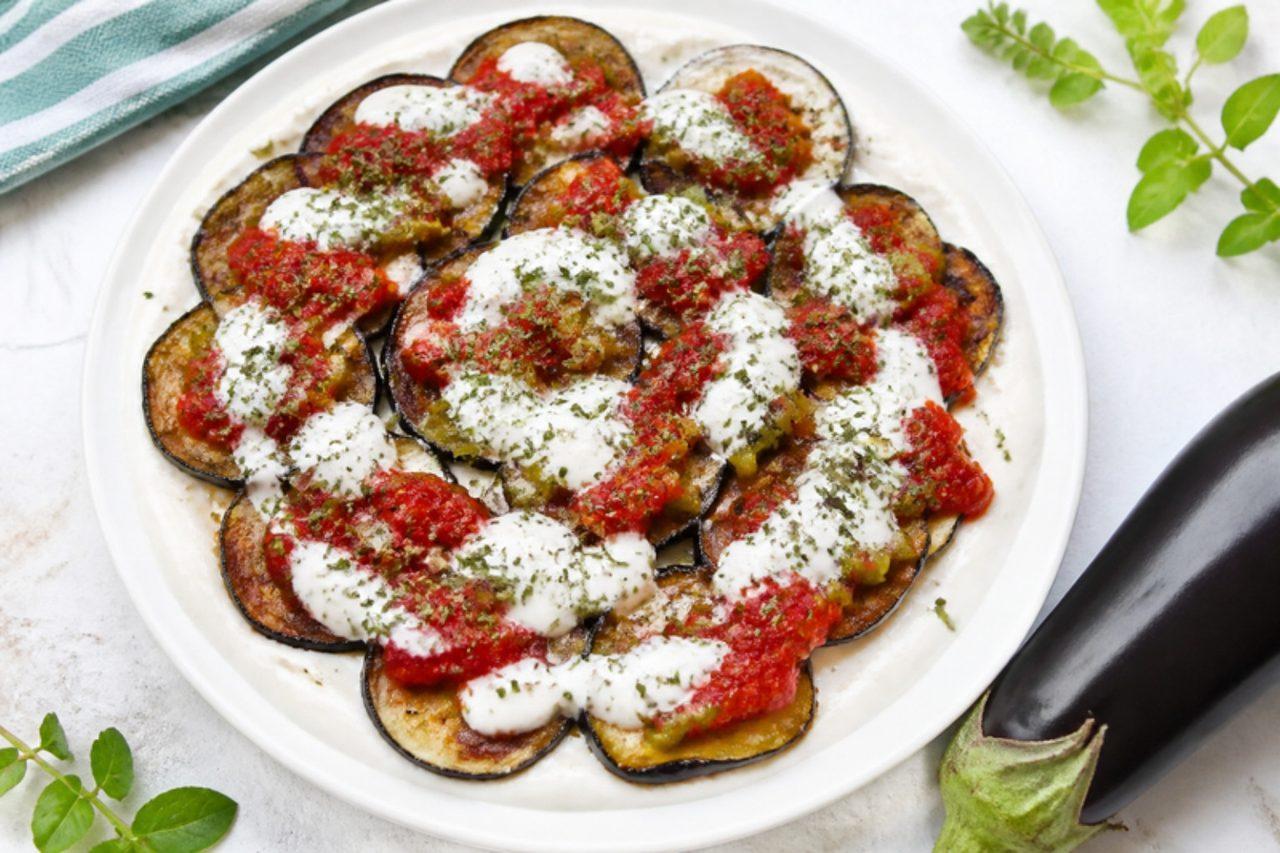
Borani banjan is the aubergine dish Afghan hosts set out at almost every dinner party and Eid meal, from Herat to Mazar-i-Sharif. Thick slices of aubergine are fried until golden, then simmered in a tomato and pepper sauce until meltingly soft and laid over a bed of garlic yoghurt, with dried mint on top. It's eaten warm with naan, or as a side to rice. Chef's tip: fry the aubergine slices in a hot pan and let them drain well before they go into the sauce; well-browned slices hold their shape and give the dish its deep, almost sweet flavour.

by KrazyBadal 0 views

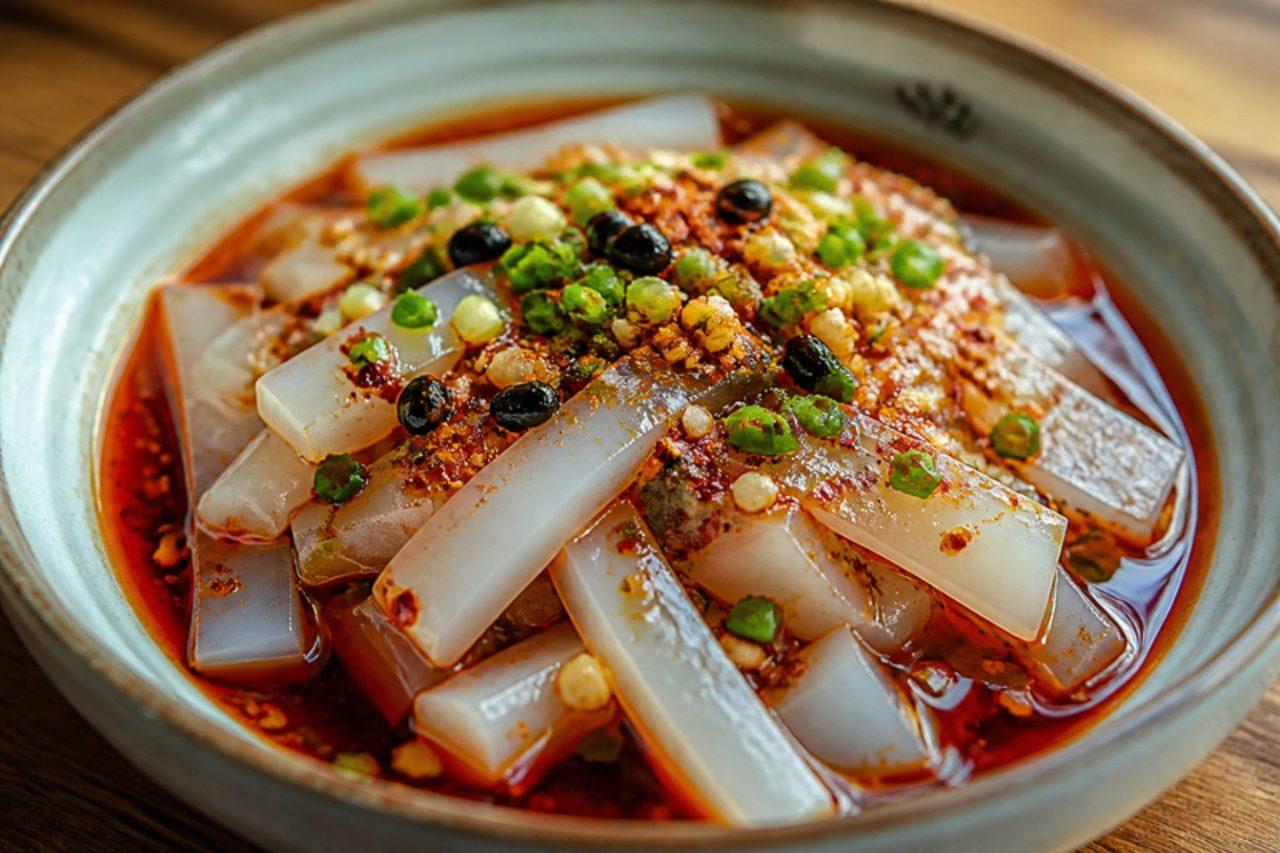
Chuanbei liangfenMung bean jelly in chilli oil

Nanchong, in the hills of north Sichuan, is famous for this snack: a soft, wobbly jelly set from bean starch, cut into thick ribbons and drowned in a red, glossy dressing. Street sellers keep it in big blocks and slice it to order, and people eat it as a mid-afternoon snack or a cold starter on hot days. The jelly itself tastes of almost nothing; the slippery texture and the punchy dressing are the point. Chef's tip: let the jelly set fully in the fridge, ideally overnight, so it is firm enough to cut cleanly but still trembles.

by KrazyBadal 0 views

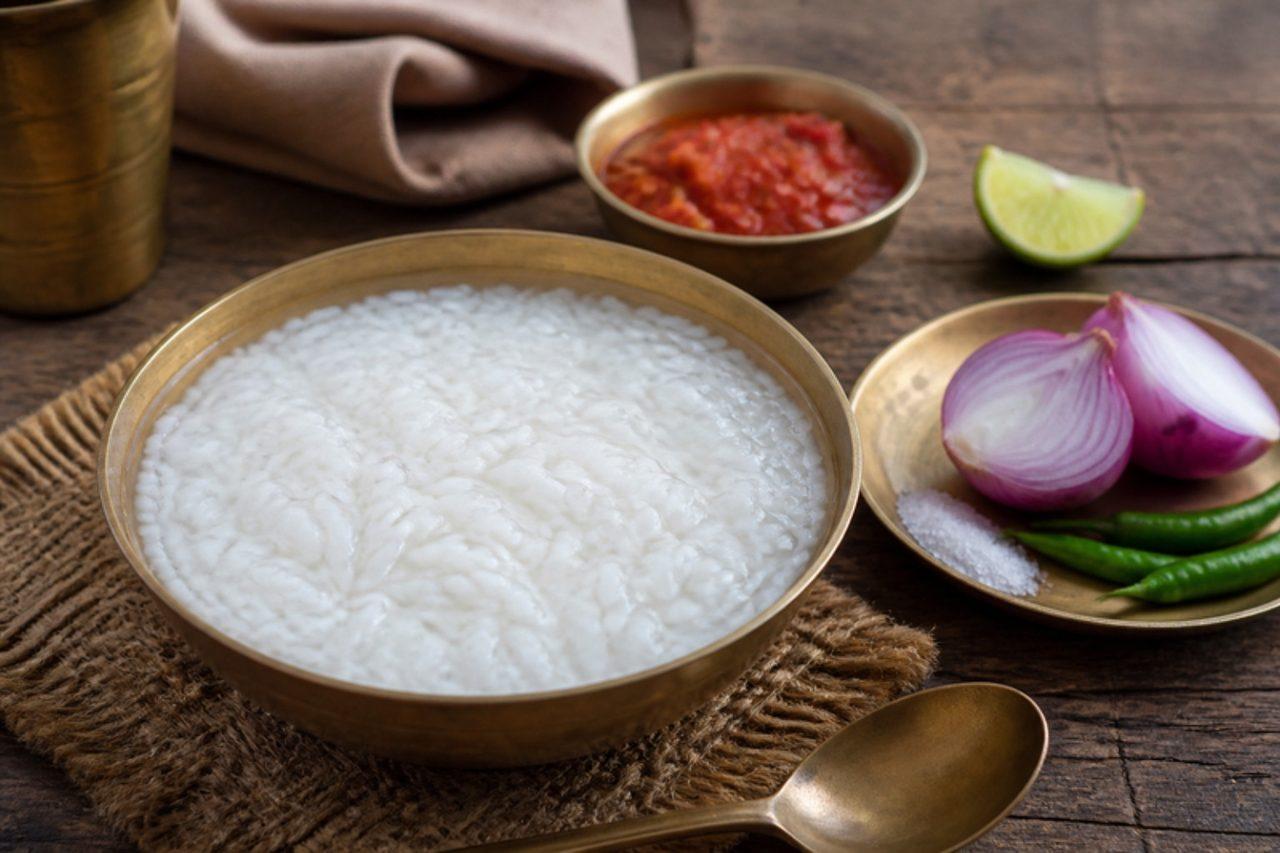
Bore baasiSoaked rice with onion

Bore baasi is the summer meal of Chhattisgarh's farmers: cooked rice soaked in water, either for a few hours (bore) or overnight (baasi), then eaten from the bowl with its slightly sour water, raw onion, green chilli and a pinch of salt. It is cooling, filling and easy on the stomach in the heat, and in recent years the state has made 1 May, Labour Day, the day to eat it as Bore Baasi Tihar. Many families add a ladle of buttermilk or curd and something fried or roasted on the side. Food safety matters with any cooked rice left standing, so this version cools the rice fast and soaks it in the fridge. Chef's tip: cool and cover the rice within an hour of cooking; rice left warm on the counter is the real risk, not the soaking.

by KrazyBadal 0 views

Gentse waterzooiCreamy chicken and vegetable stew

Ghent claims waterzooi as its own, and in the cafés around the Korenmarkt it is served in deep plates as a cross between soup and stew. Originally made with river fish, the city's version today is nearly always chicken, poached gently with leek, carrot, celery and potato, then the broth is enriched with cream and egg yolk until it turns silky and pale gold. It is eaten all year but tastes best on a damp Flemish evening, with crusty bread for the last of the broth. The mistake to avoid is boiling it after the yolks go in, which scrambles them; keep it below a simmer while it thickens. Chef's tip: cut the vegetables into fine, even julienne so they cook in the same time and look neat in the bowl.

by KrazyBadal 0 views

Geraardsbergse mattentaartCurd tartlets

The small town of Geraardsbergen in East Flanders is so proud of its mattentaart that the little round puff-pastry tart has protected (PGI) status in the EU, and only bakers in the area may sell it under that name. It is filled with matten, a fresh curd made by curdling hot milk with buttermilk, mixed with eggs, sugar and a hint of almond, and baked until puffed and golden. Locals eat it with coffee, especially in late February when the town holds its Krakelingen festival. You make the curd yourself the day before. Chef's tip: hang the curd for a full night; too much whey left in it makes the filling weep and the pastry soggy.

by KrazyBadal 0 views

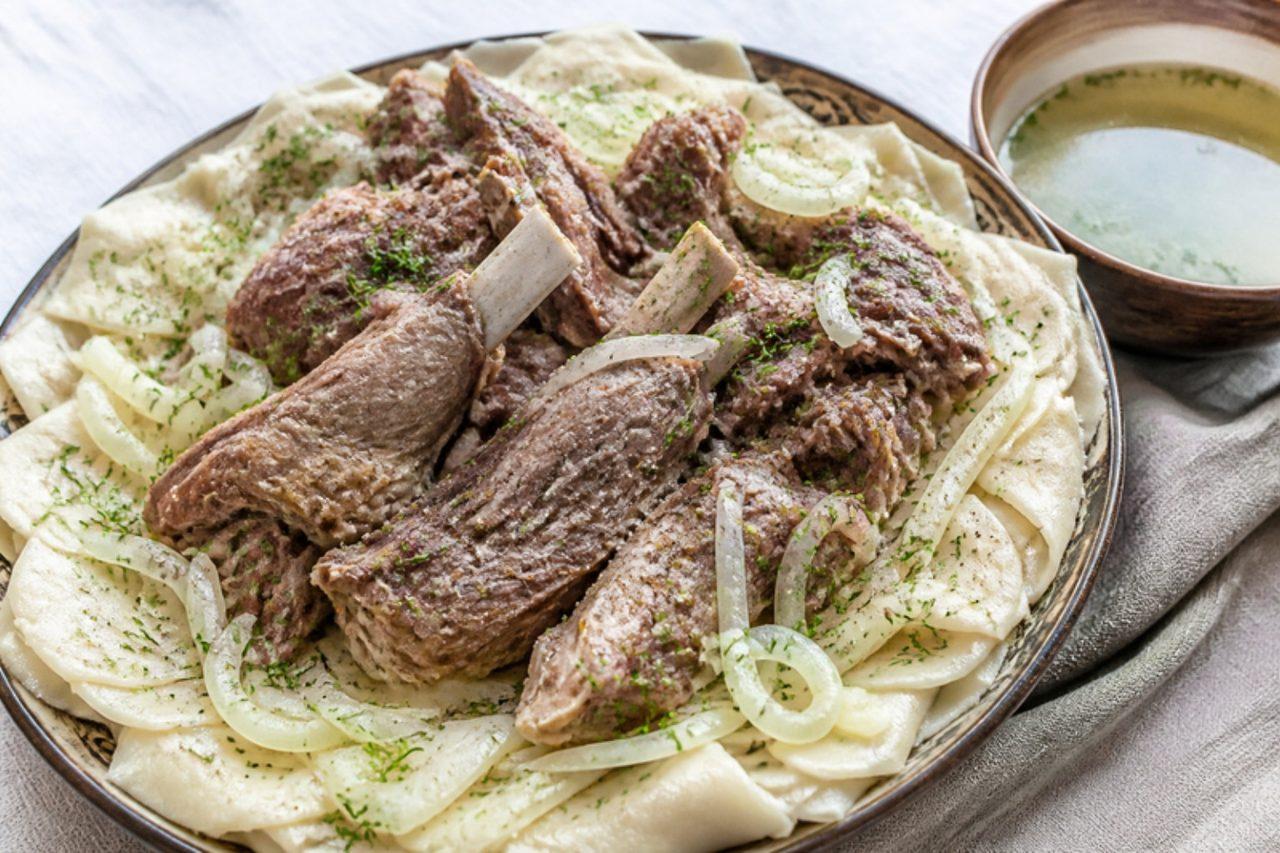
BeshbarmakBoiled lamb on noodle sheets

Beshbarmak, "five fingers", is the dish a Kazakh family puts on the dastarkhan for guests, weddings and Nauryz, traditionally eaten with the hand. Lamb (or horse meat in many homes) is simmered for hours, sliced and laid over wide squares of fresh noodle dough cooked in the same broth, then topped with soft onions in a peppery sauce. The broth, called sorpa, is drunk from bowls alongside. Cutting the noodles too thick is a common slip; they should be thin enough to be silky, not chewy. Chef's tip: keep a cup of the hot fat skimmed from the broth to cook the onion sauce; it carries all the lamb flavour.

210 minKazakhMeat
by KrazyBadal 0 views

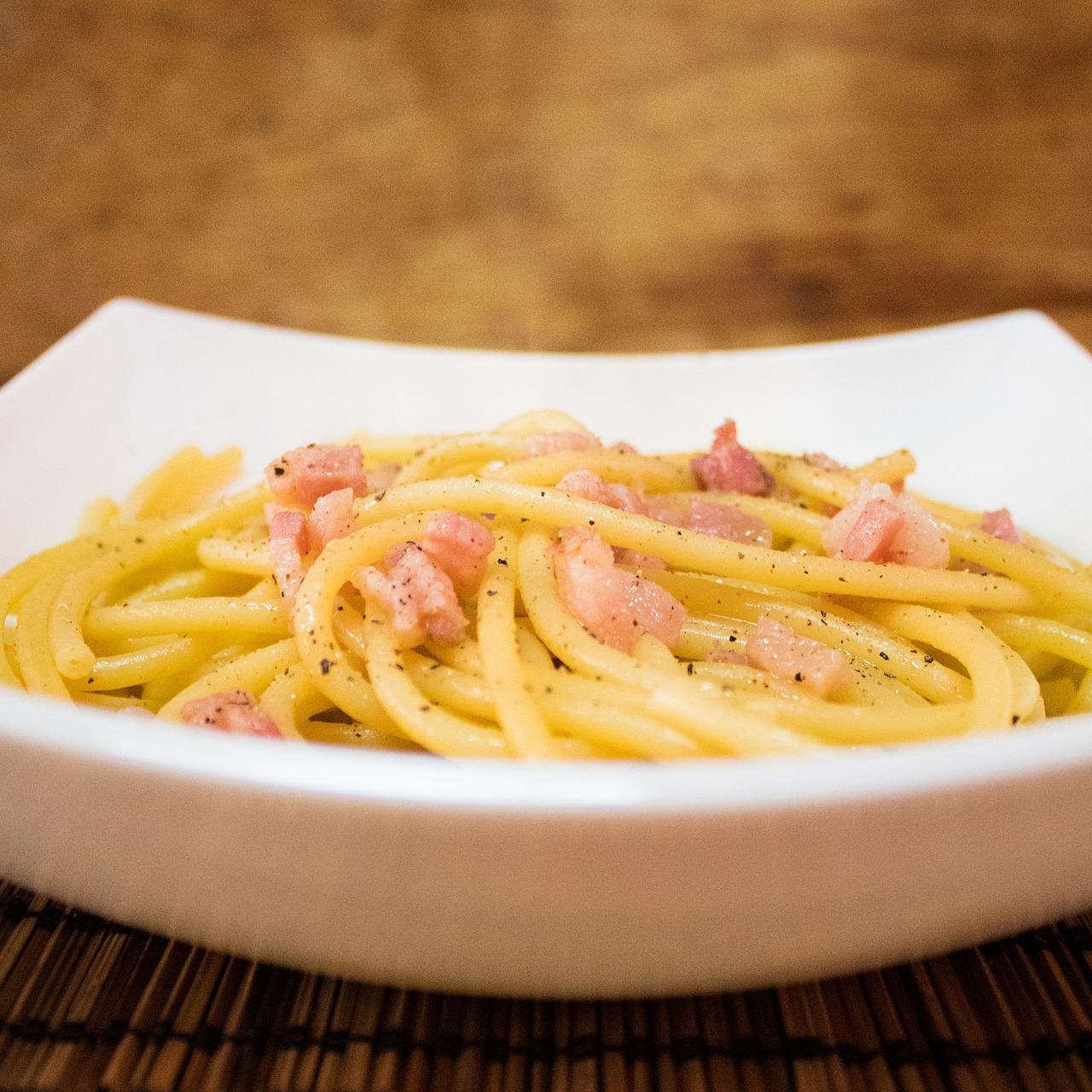
Pasta alla griciaPasta with guanciale and pecorino

Older than both carbonara and amatriciana, gricia is the white pasta of the Roman hills: no egg, no tomato, nothing but guanciale, pecorino and pepper brought together with starchy cooking water. On a Roman menu it often sits with its siblings under the heading of the four great Roman pastas, and it is many locals' quiet favourite for a weekday lunch. Short rigatoni catch the creamy, salty sauce in their ridges and tubes, and the guanciale is cooked until amber and crisp-edged so its fat flavours everything. Follow it with something light, such as sautéed chicory with garlic. Chef's tip: before you finish the pasta, mash the pecorino in a bowl with a few spoonfuls of cooled pasta water into a smooth cream; it melts into the sauce instead of seizing into strings.

by KrazyBadal 0 views

MonjayakiGriddled cabbage and batter

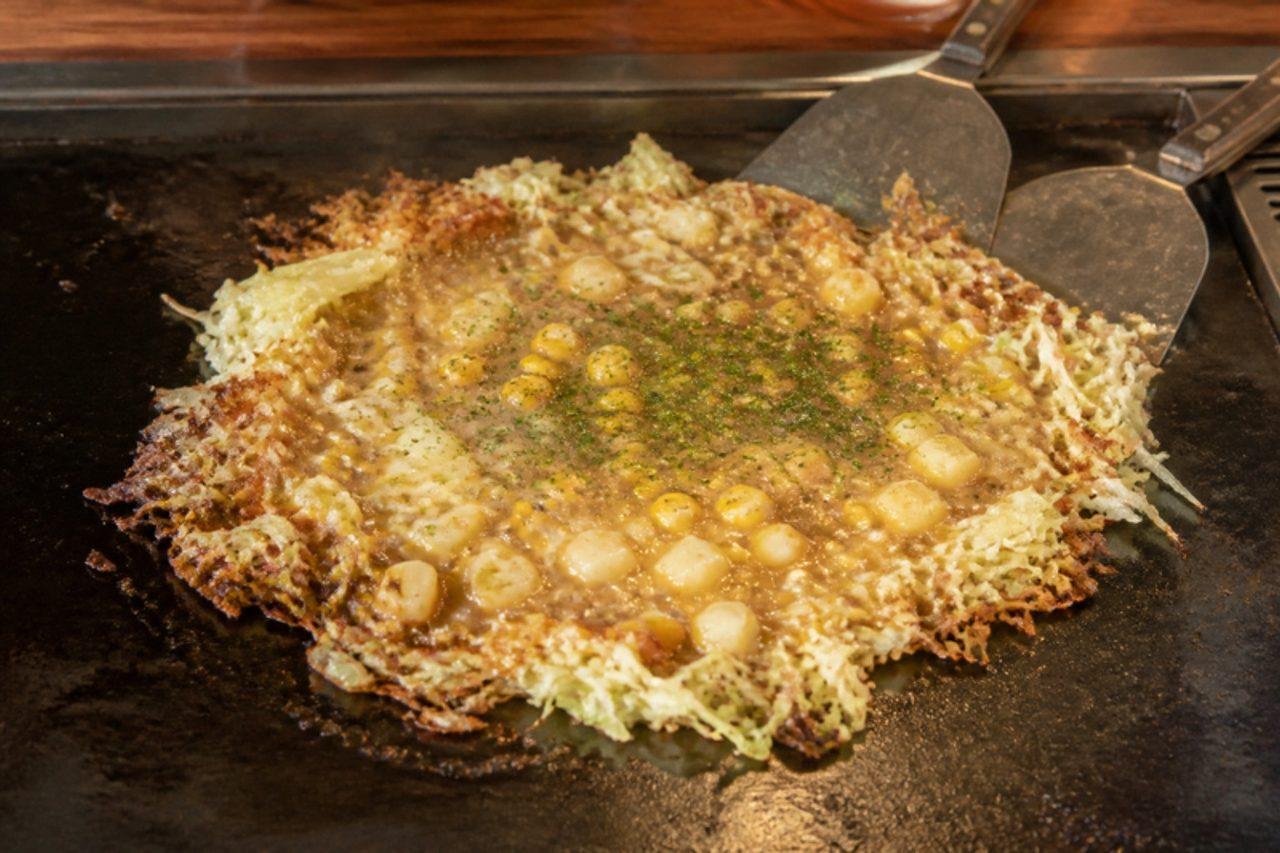
Monjayaki comes from Tsukishima, a small island district in Tokyo Bay, where one street holds more than seventy monja restaurants. It began as a cheap after-school snack at sweet shops, with children writing letters in thin batter on a griddle. Today friends gather round a teppan table, build a ring of chopped cabbage, pour the runny batter into the middle and eat it with tiny spatulas while it is still molten. It never sets into a pancake like okonomiyaki: the texture is gooey, with crisp, toasty bits where it sticks to the plate. Our version leaves out the usual dried shrimp and uses mochi and cheese, a favourite Tsukishima combination. Chef's tip: press a little monja against the hot griddle with your spatula and wait until it crackles. That crisp layer, called the okoge, is the best bite.

by KrazyBadal 0 views

Bosanski lonacLayered meat and vegetable pot

Bosanski lonac goes back to Bosnian village hearths, where a tall clay pot was layered with meat and vegetables and left in the embers for hours; in Sarajevo and Mostar it is still cooked for name-day gatherings and cold winter weekends. This home version layers chunks of beef, lamb and pork with cabbage, potatoes, carrots, tomatoes and peppers, then cooks it slowly in a covered pot with only a little water, so everything stews in its own juices. This recipe contains pork; use all beef and lamb if you prefer. The mistake people make is stirring it: the layers should stay intact and steam gently. Chef's tip: put the meat and onions at the bottom and the watery vegetables like tomatoes at the top, so the juices drip down through everything.

215 minBalkanMeatGluten free
by KrazyBadal 0 views

Chuchitos de verdurasSmall vegetable tamales

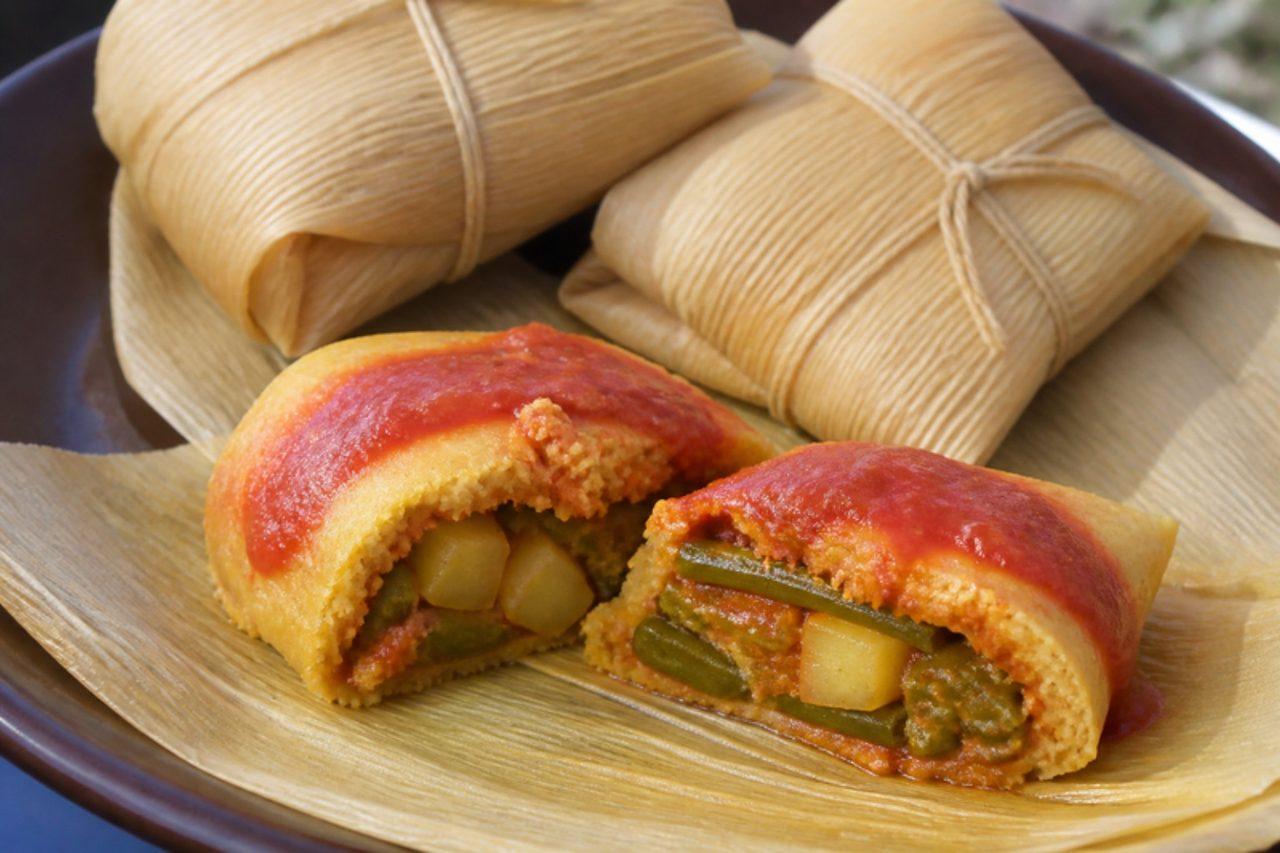
Chuchitos are Guatemala's everyday tamal: small, firm parcels of masa tied in corn husks, sold from steaming pots at markets in Antigua and Guatemala City and eaten on Saturdays with a spoon of tomato sauce and crumbled dry cheese. They're denser than Mexican tamales, with the masa itself tinted by the red recado. Here they're filled with potato, green beans and sweet pepper instead of chicken. Chef's tip: beat the masa until a pinch floats in a glass of water; that air makes them tender rather than stodgy.

by KrazyBadal 0 views

Monji haakKohlrabi and greens in mustard oil

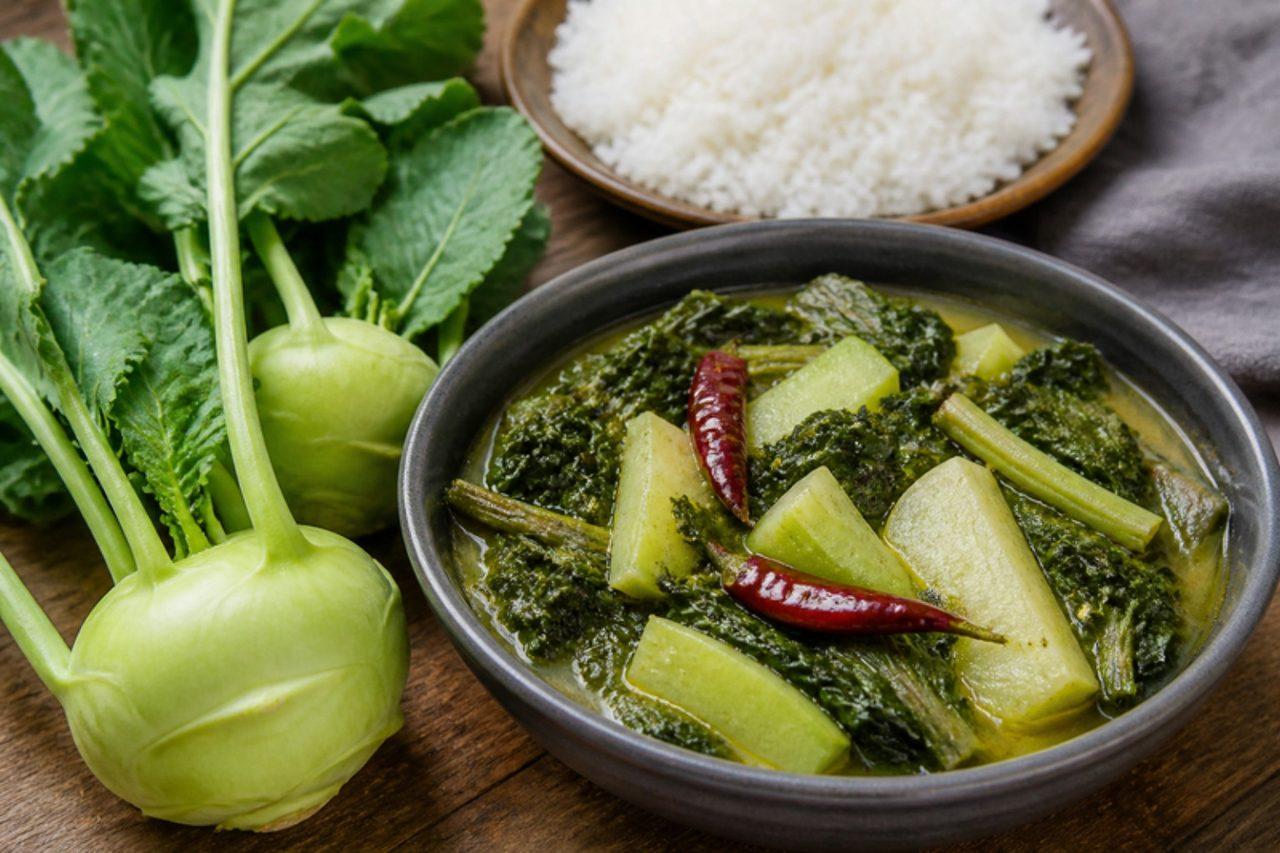
Kohlrabi, monji in Kashmiri, grows in almost every kitchen garden in the Kashmir Valley, and families cook the round bulb and its leaves together in one pot. Like its cousin haak, it is a dish of very few ingredients: mustard oil, dried chilli, a pinch of asafoetida and salt, simmered with a splash of water until the bulb turns sweet and tender. It is eaten through the cold months with plain rice and a bowl of yogurt, and Kashmiris will tell you it tastes best in autumn when the bulbs are young. Chef's tip: buy kohlrabi with fresh, perky leaves attached; if the leaves are tired, add a handful of spinach instead.

by KrazyBadal 0 views

BanitsaFilo pie with cheese and egg

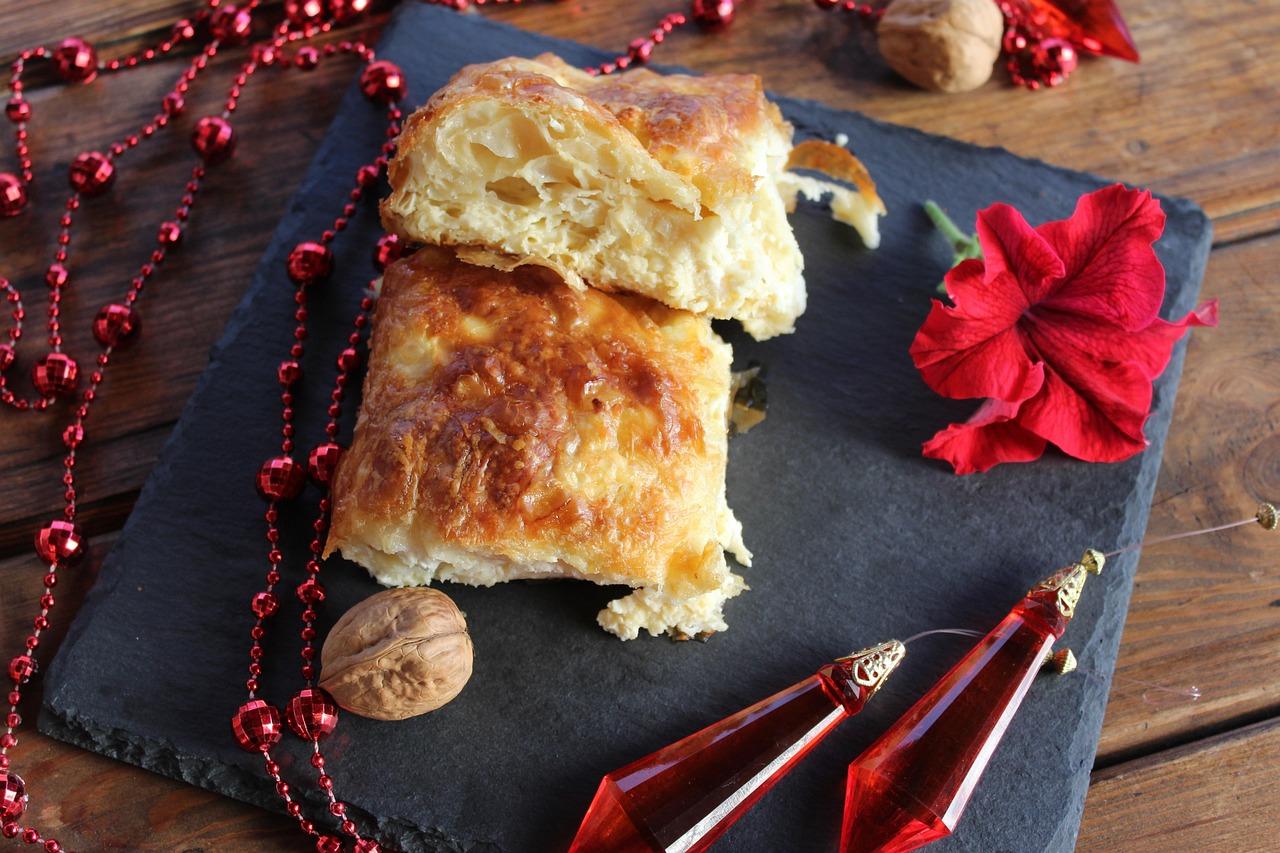
Banitsa is the Bulgarian breakfast pie, bought warm in paper from corner bakeries in Sofia and Plovdiv with a bottle of ayran or boza, and baked at home on New Year's Eve with lucky charms (kasmeti) tucked inside. Crumpled sheets of filo are layered with crumbled sirene and a custard of yogurt and eggs, then baked until the top is shatteringly crisp and the inside soft and tangy. It is not boiled like Turkish su böreği: the yogurt custard is what makes it Bulgarian. Chef's tip: crumple the filo loosely rather than laying it flat; flat, tightly packed sheets are the usual mistake and give a dense, doughy pie.

by KrazyBadal 0 views

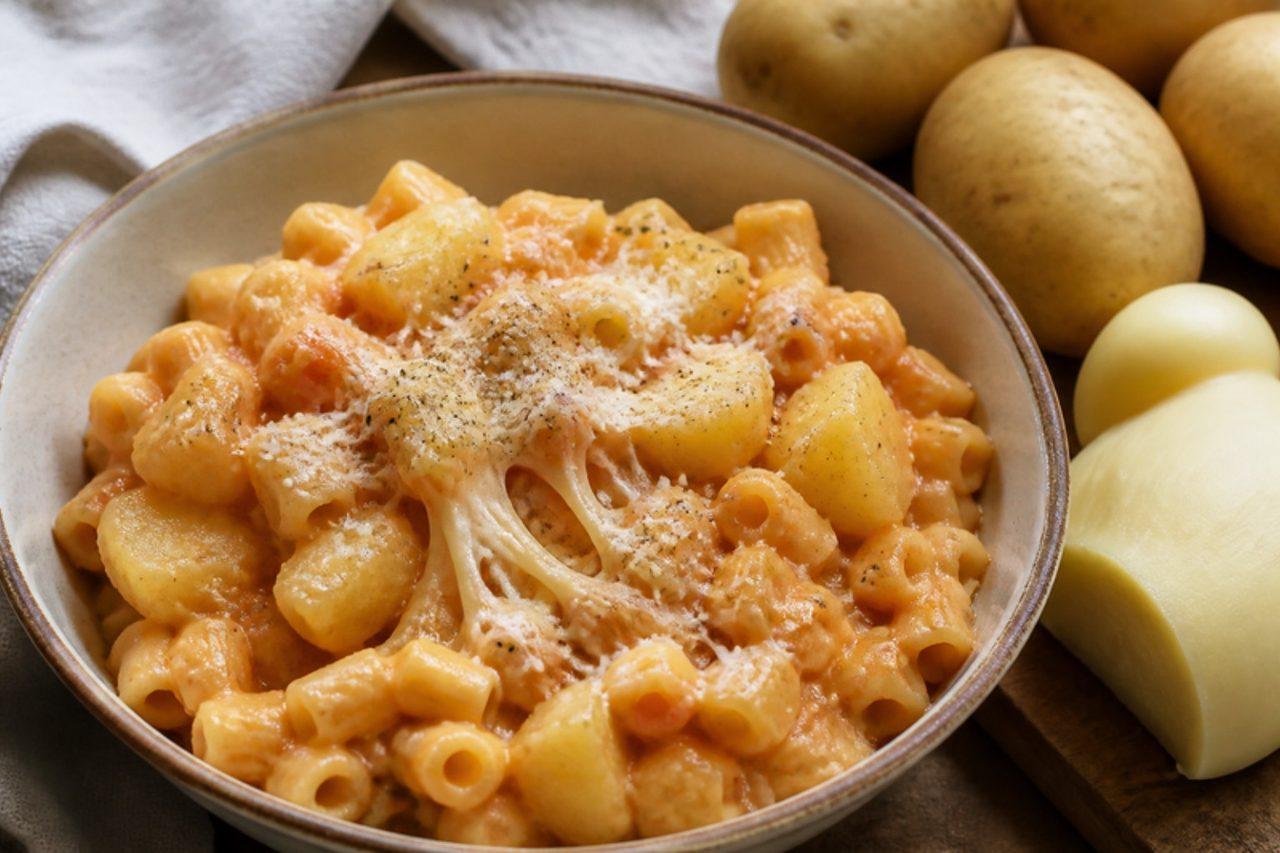
Pasta e patatePasta with potatoes

Pasta e patate is Neapolitan home cooking at its most thrifty: potatoes and mixed broken pasta (pasta mista, the odds and ends from many packets) cooked together in one pot like a risotto, until the potato breaks down and the starch makes everything creamy. Naples families eat it on weekday evenings in winter, and many stir in cubes of smoked provola at the end so it goes stringy (pasta patate e provola). Children love it. Chef's tip: cut half the potato small and half larger; the small pieces melt into the sauce while the larger ones keep their shape.

by KrazyBadal 0 views

GhapamaRice and fruit stuffed pumpkin

Ghapama is the dish Armenians carry to the table at New Year and on Christmas Day (6 January), with a folk song, "Hey jan ghapama", sung while the pumpkin is cut. A whole pumpkin is hollowed out, packed with half-cooked rice, dried apricots, prunes, raisins, walnuts and honey, and baked until the flesh is soft enough to scoop. At the table it is sliced from top to bottom like a flower opening, so each wedge comes with its own share of filling. Serve it as a festive main with a herb and cucumber salad, or as a sweet course after a lighter meal. Chef's tip: choose a squat, thick-walled pumpkin with a hard shell; thin-walled ones collapse in the oven before the rice is cooked.

by KrazyBadal 0 views

GhevarLacy fried batter sweet in syrup

During the monsoon festival of Teej and through Raksha Bandhan, Jaipur's sweet shops stack golden, honeycomb discs of ghevar in their windows. The batter is little more than flour, chilled ghee and ice-cold water, poured into hot ghee in thin streams so it foams into a lacy round. It is then soaked in syrup and finished with rabri, sliced pistachios and a pinch of saffron. Married daughters traditionally receive it from their mothers' homes during Teej. The most common mistake is batter that is too warm or too thick; it fries into a heavy pancake instead of a web. Chef's tip: whisk the ghee with ice cubes until it is white and fluffy before adding flour, and keep the batter bowl in a tray of ice water while frying. A narrow, deep pan, or a metal ring set in a saucepan, gives the sides that help the batter build up.

by KrazyBadal 0 views

GheymehLamb and split pea stew

Gheymeh is the stew that big pots are made for: in Iran it is cooked by the cauldron and handed out to neighbours during Muharram, especially on Tasua and Ashura, and it is a fixture of weddings and Friday lunches. Small cubes of lamb simmer with yellow split peas, tomato and dried Persian limes until the sauce is tangy, savoury and a little fragrant with cinnamon. A tangle of crisp, salty potato straws goes on top just before serving. Eat it with chelow rice. Chef's tip: pierce the dried limes and soak them for 10 minutes before adding; they release their sourness faster and don't float.

140 minPersianMeatGluten free
by KrazyBadal 0 views

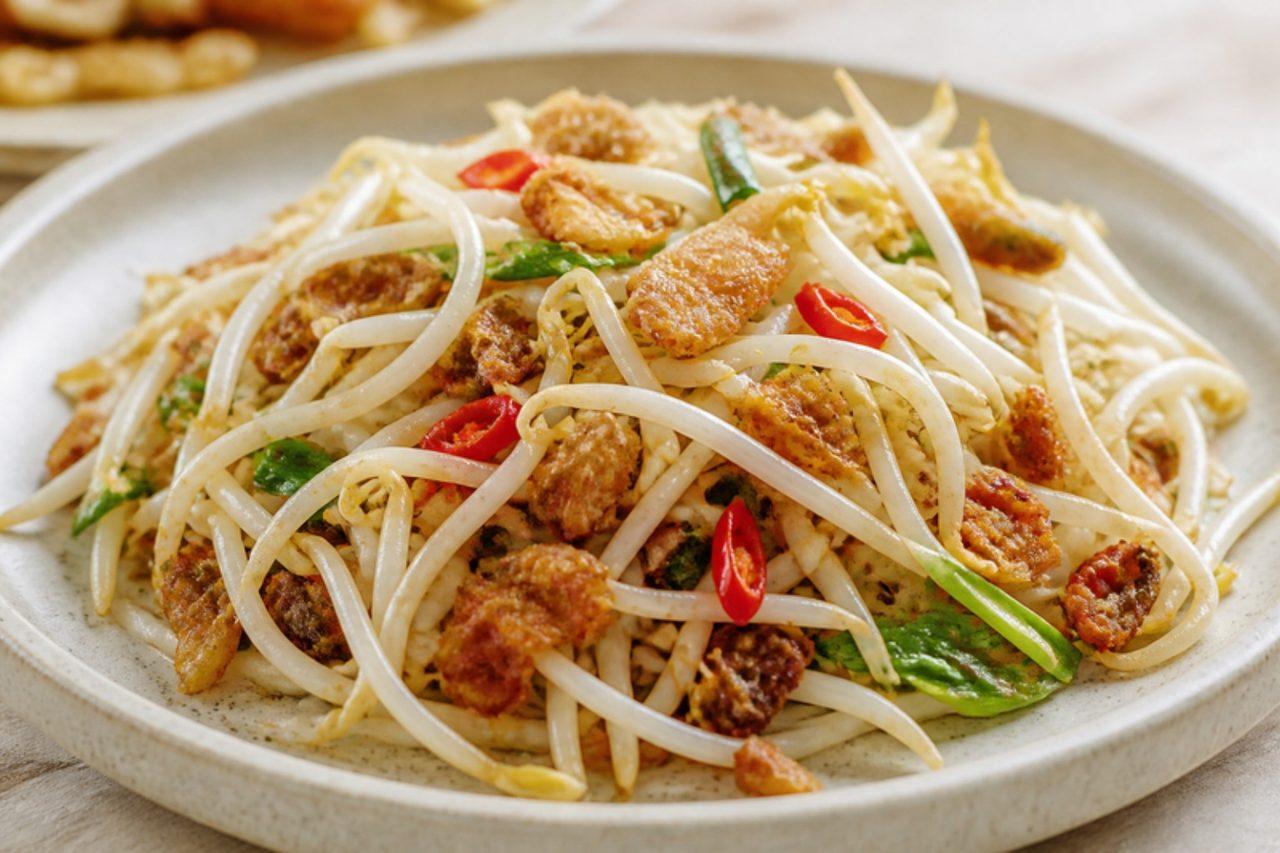
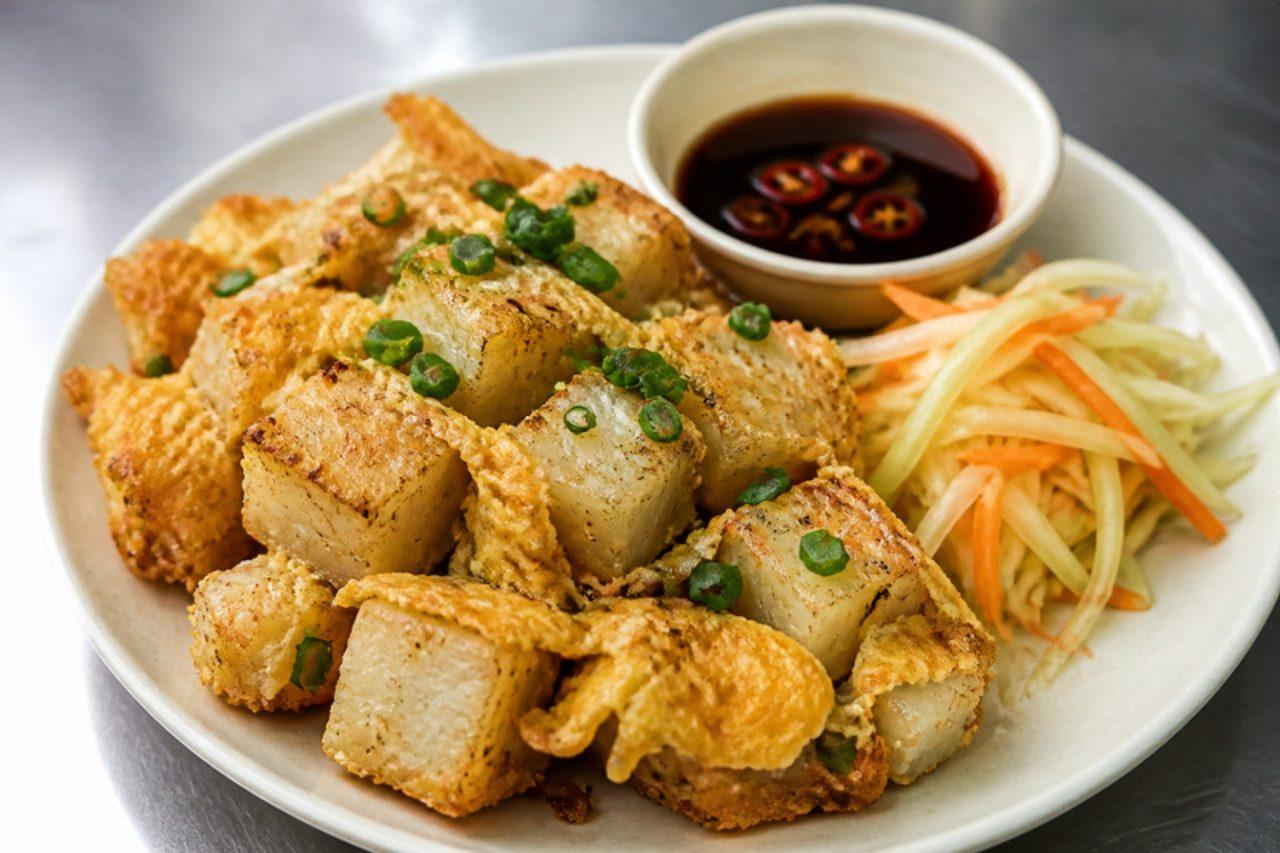
Bot chienFried rice flour cakes with egg

Bột chiên came to Saigon with the Teochew Chinese community of Chợ Lớn and is now an after-school snack sold from street pans across the city in the late afternoon. Cubes of steamed rice-flour cake are fried in a wide pan until crisp outside and soft inside, then an egg is poured over and stirred until it binds them in golden scraps. It is eaten with shredded pickled green papaya and a sweet, sour soy dipping sauce. Chef's tip: make the cake the day before and chill it overnight; cold, firm cake cuts into neat cubes and crisps far better.

by KrazyBadal 0 views

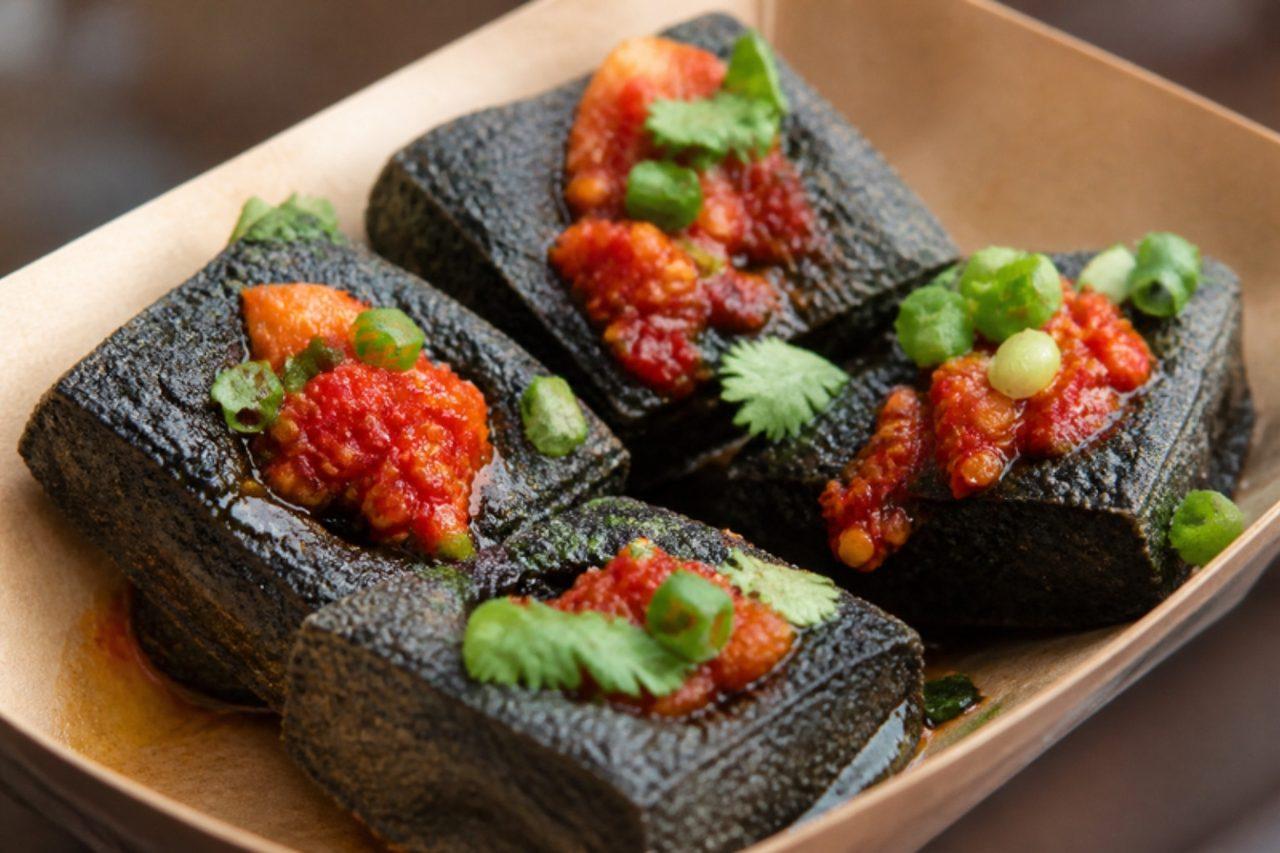
Changsha stinky tofuFried fermented tofu

Walk down Pozi Street in Changsha and you'll smell this before you see it. The tofu is fermented in a brine until it turns jet black and pungent, then fried until it puffs up with a crisp skin and a soft, hollow middle. Vendors poke a hole in each piece and spoon in a sauce of chopped chillies, garlic and soy. Making the brine takes weeks, so this home version starts with bought stinky tofu (frozen, in Chinese supermarkets). Chef's tip: the smell fades a lot during frying; it tastes milder and nuttier than it smells.

by KrazyBadal 0 views

Ghugni churaBlack chickpea curry with flattened rice

In Patna and the towns along the Ganges, ghugni chura is the morning and evening snack people queue for at the tea stall: a spicy, onion-rich curry of small black chickpeas served alongside chura, flattened rice that is fried or toasted in mustard oil until it crackles. You scoop a bit of each into your mouth together, with raw onion and green chilli for crunch. At home it is just as likely to be breakfast on a winter Sunday or what is offered to guests with tea. Chef's tip: cook the chana until it squashes easily between two fingers; firm chickpeas never soak up the masala.

by KrazyBadal 0 views

Gigantes plakiBaked giant beans

Gigantes plaki is a tray of fat, creamy beans baked in a thick tomato sauce until the top catches and wrinkles. You find it in every taverna's display of oven dishes, on meze tables with bread and olives, and in home kitchens during Lent. The best beans come from Kastoria and Prespes in northern Greece, but any large dried butter beans work. The beans are boiled first, then baked with onions, carrot, celery, garlic and dill. Serve warm or at room temperature with feta for those who eat dairy and crusty bread. Start the night before: the beans need to soak for at least 12 hours. Chef's tip: don't salt the boiling water or add tomato until the beans are already tender; acid and salt too early are the common mistake that keeps the skins tough.

by KrazyBadal 0 views

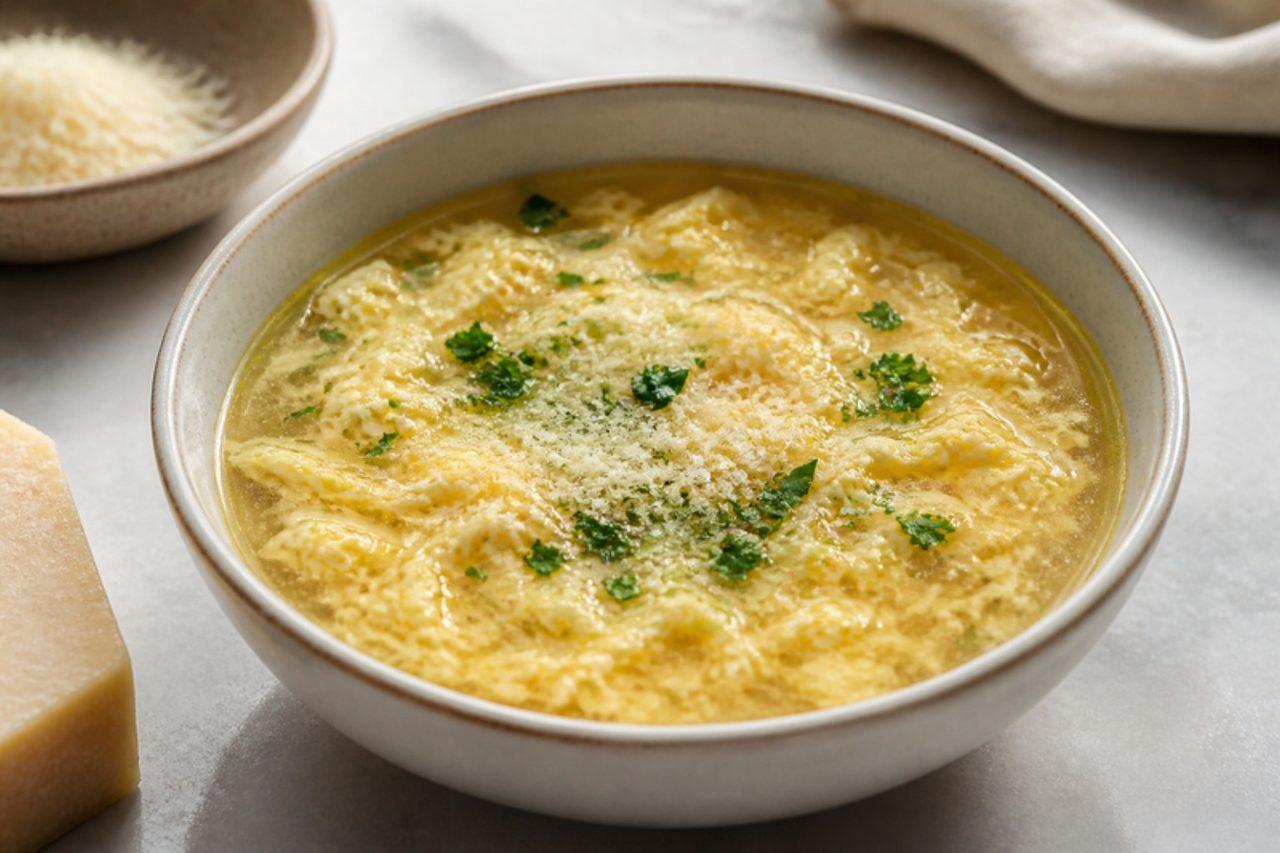
ChanguaMilk and egg breakfast soup

Changua is the breakfast soup of Bogotá and the high plains of Cundinamarca and Boyacá, where cold mornings call for something hot before work. Milk and water are simmered with spring onion, eggs are poached right in the pot, and the bowls get fresh coriander and pieces of stale bread or calado (dried toasted bread) that soften in the broth. It is gentle, creamy and filling. Chef's tip: keep the milk at a bare simmer; if it boils hard it can catch on the bottom and the eggs break apart.

by KrazyBadal 0 views

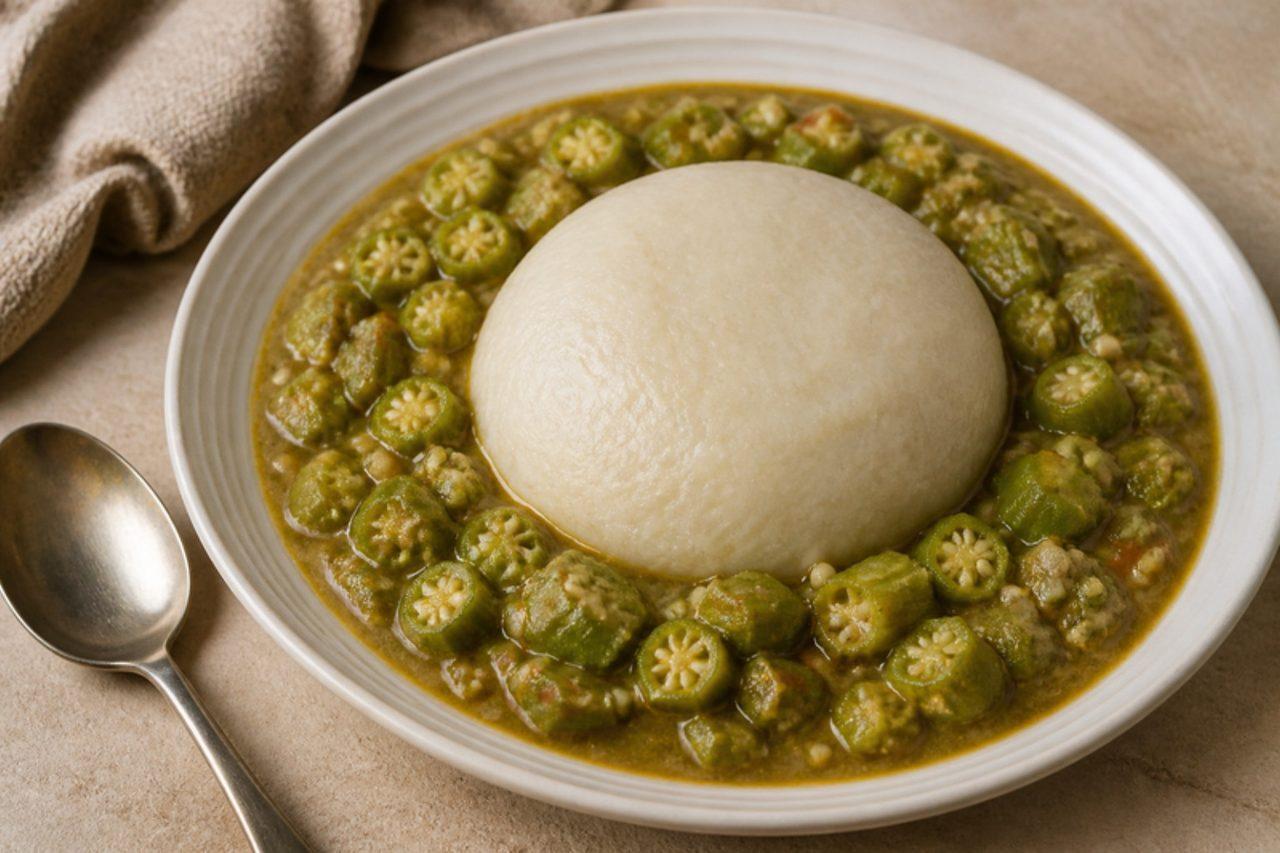
AseedaSorghum porridge

Aseeda (asida) is the stiff, slightly sour sorghum porridge eaten across Sudan, especially in Darfur, Kordofan and the countryside, where it is the daily staple. The batter is left to ferment before being cooked into a smooth, firm dough, shaped in a bowl into a dome, and turned out with mullah poured around it. During Ramadan it is a common iftar dish. Chef's tip: beat hard with a wooden spoon once the dough thickens; that beating is what makes aseeda smooth instead of lumpy.

by KrazyBadal 0 views

Asado uruguayoGrilled beef short ribs and chorizo

Sunday in Uruguay means asado: in Montevideo backyards and the cattle towns of the interior, beef ribs (asado de tira), chorizo and morcilla cook slowly over the embers of a wood fire, with only coarse salt, while the family waits. The parrillero rakes coals under the grill and keeps the heat low and even. This recipe includes pork chorizo. The mistake is cooking over flames; the fire should burn down to embers you can hold your hand above for 6–8 seconds. Chef's tip: salt the meat only when it goes on the grill, with coarse salt, never fine.

by KrazyBadal 0 views

Gin thokeYoung ginger salad

Gin thoke is lahpet thoke's livelier cousin, served on the same lacquered trays at teashops in Yangon and as a palate-wakener after a rich curry lunch. Young ginger is cut into fine threads and pickled in lime and salt so it turns pink and juicy, then tossed with cabbage, tomato, peanuts, fried beans and sesame. Burmese cooks often add fish sauce; salt, lime and a little toasted chickpea flour give the dressing body without it. Chef's tip: use young ginger with thin, pinkish skin if you can find it; mature ginger is fibrous and too fiery to eat in this quantity, so slice it extra thin.

by KrazyBadal 0 views

Asado negroBeef braised in panela

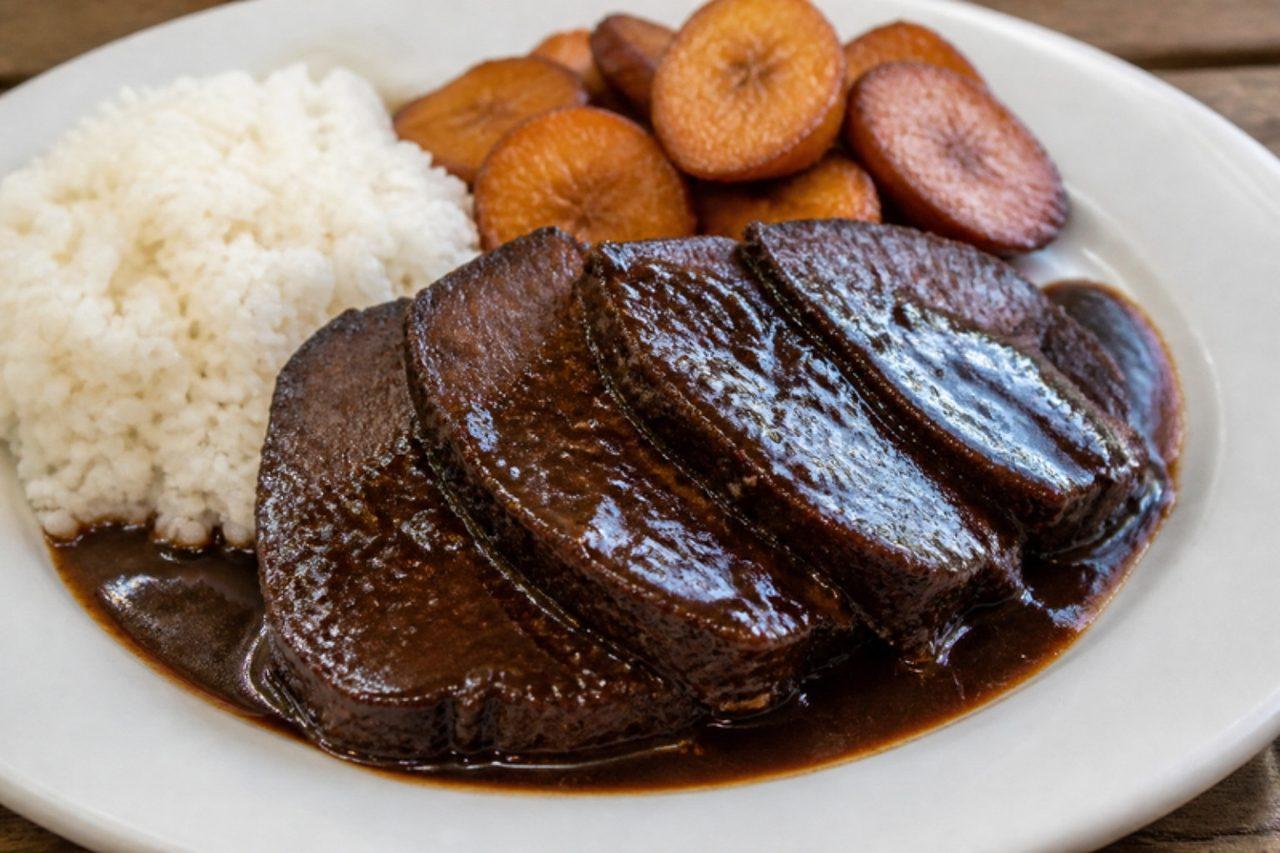
Asado negro is the Sunday lunch of Caracas families: a whole piece of beef eye of round (muchacho redondo) is seared in sugar caramelised almost to black, then slowly braised until the sauce is dark, glossy and sweet-savoury. Despite how it looks, it doesn't taste burnt, just deep and rich. It is sliced and served with white rice, fried ripe plantain and sometimes a mash of potatoes. Many cooks add a glass of red wine to the braise; to keep it alcohol-free, use the same amount of beef stock and a tablespoon of balsamic vinegar instead. The mistake to avoid is stirring the panela while it caramelises: it crystallises and goes grainy. Chef's tip: get the caramel really dark, just before it smokes, because the colour and depth of the whole dish come from that minute.

by KrazyBadal 0 views

Ginataang kalabasa at sitawSquash and long beans in coconut milk

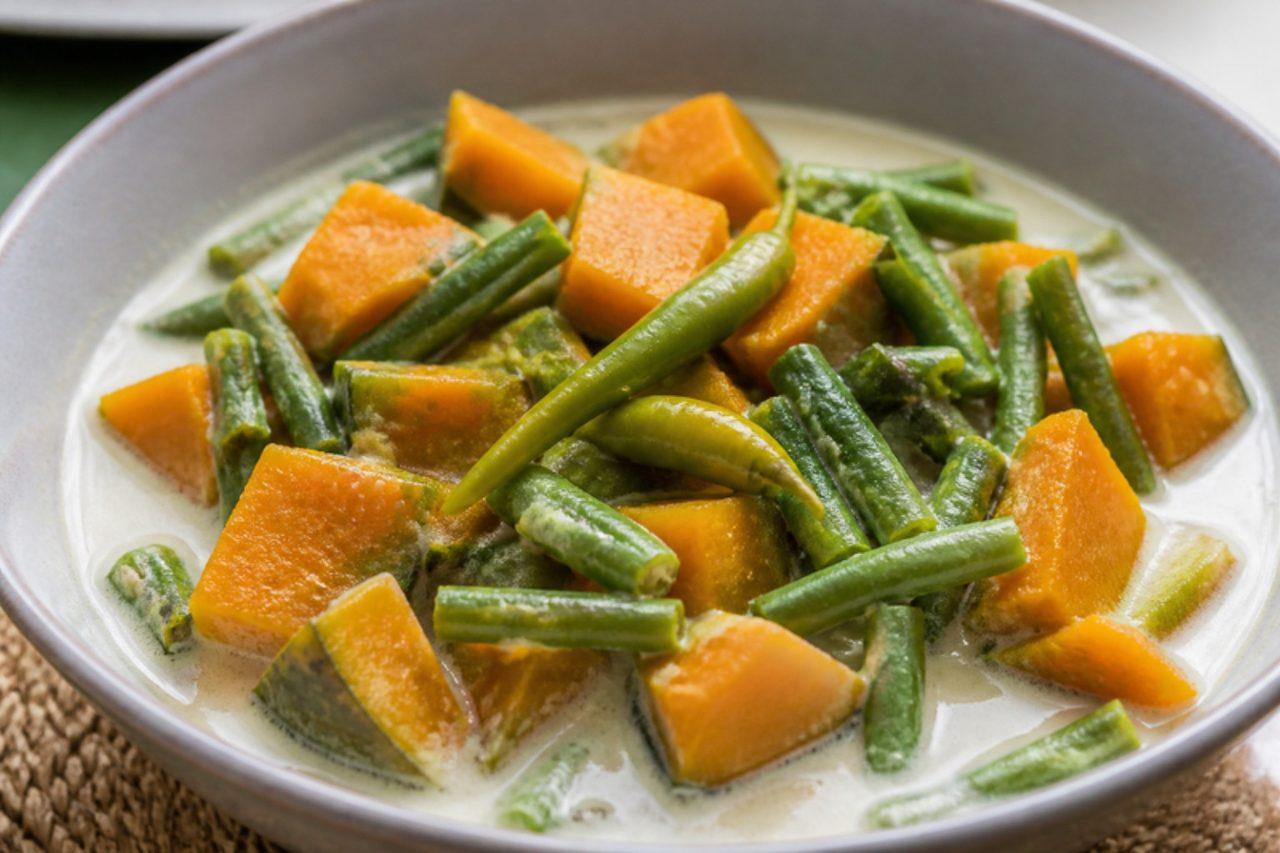
Ginataan means 'cooked in coconut milk', and in the coconut country of Bicol and Southern Tagalog it is how a lot of weeknight vegetables end up on the table. Ginataang kalabasa at sitaw is the homely version: chunks of orange squash and lengths of yard-long beans simmered in coconut milk with garlic, onion and ginger until the squash just starts to melt into the sauce, turning it pale gold and lightly sweet. Bicolano cooks drop in a long green chilli or two for warmth. It is a one-pot dish served with rice, and many families make it on days when there is no money for meat. Chef's tip: keep back a few chunks of squash to mash into the sauce at the end; it thickens it naturally.

by KrazyBadal 0 views

Ginataang langkaYoung jackfruit in coconut milk

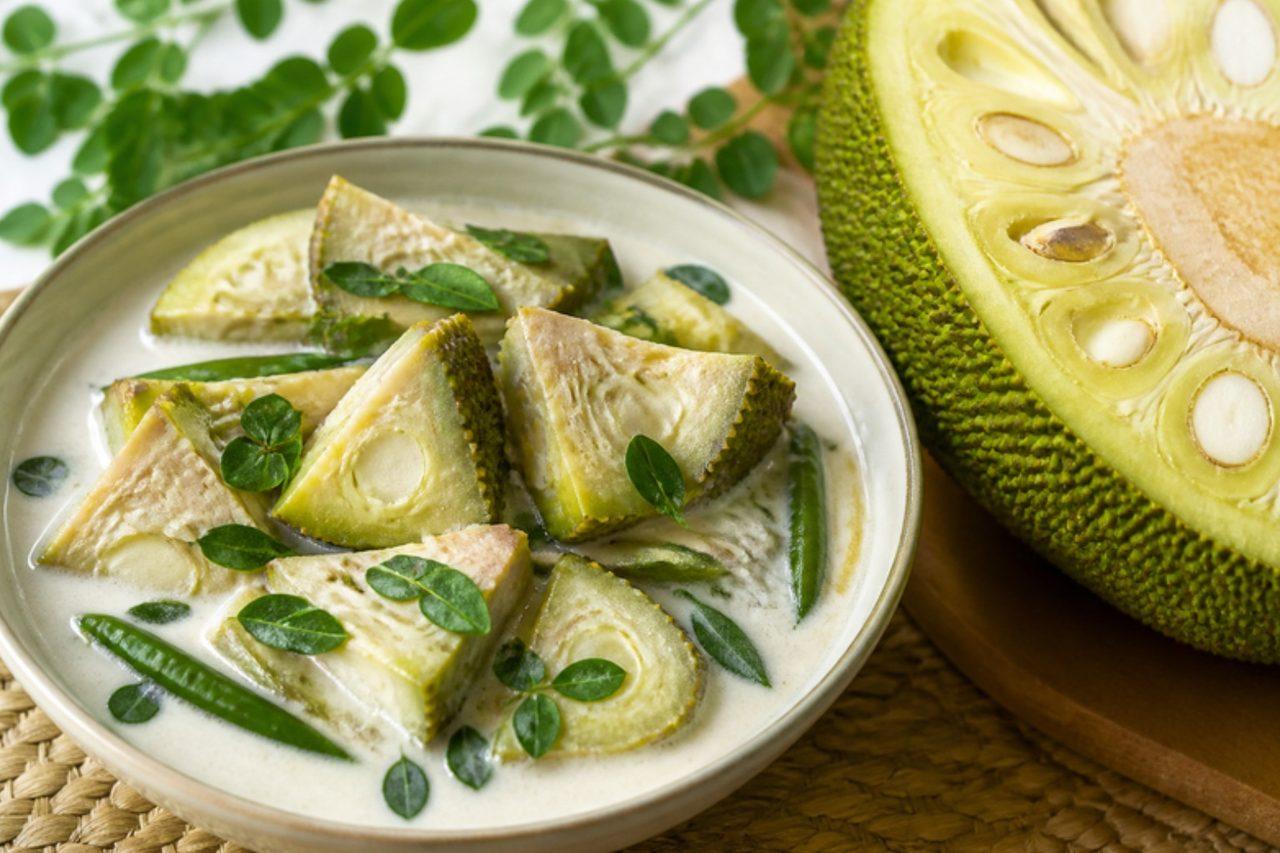
In Bicol and across the Tagalog provinces, ginataang langka is what happens when a jackfruit tree drops its fruit too early: the unripe flesh is sliced and cooked in coconut milk with plenty of ginger until tender and creamy. Unlike Java's sweet, dark gudeg or Padang's turmeric gulai nangka, it is pale, savoury and peppery, lifted at the end with malunggay (moringa) leaves and a splash of vinegar. Home cooks often add shrimp or pork; this version is vegetable-only. Chef's tip: oil your knife and hands before cutting fresh jackfruit, as its sap is very sticky; tinned young jackfruit avoids the problem altogether.

by KrazyBadal 0 views

BesaraVegetables in mustard garlic paste

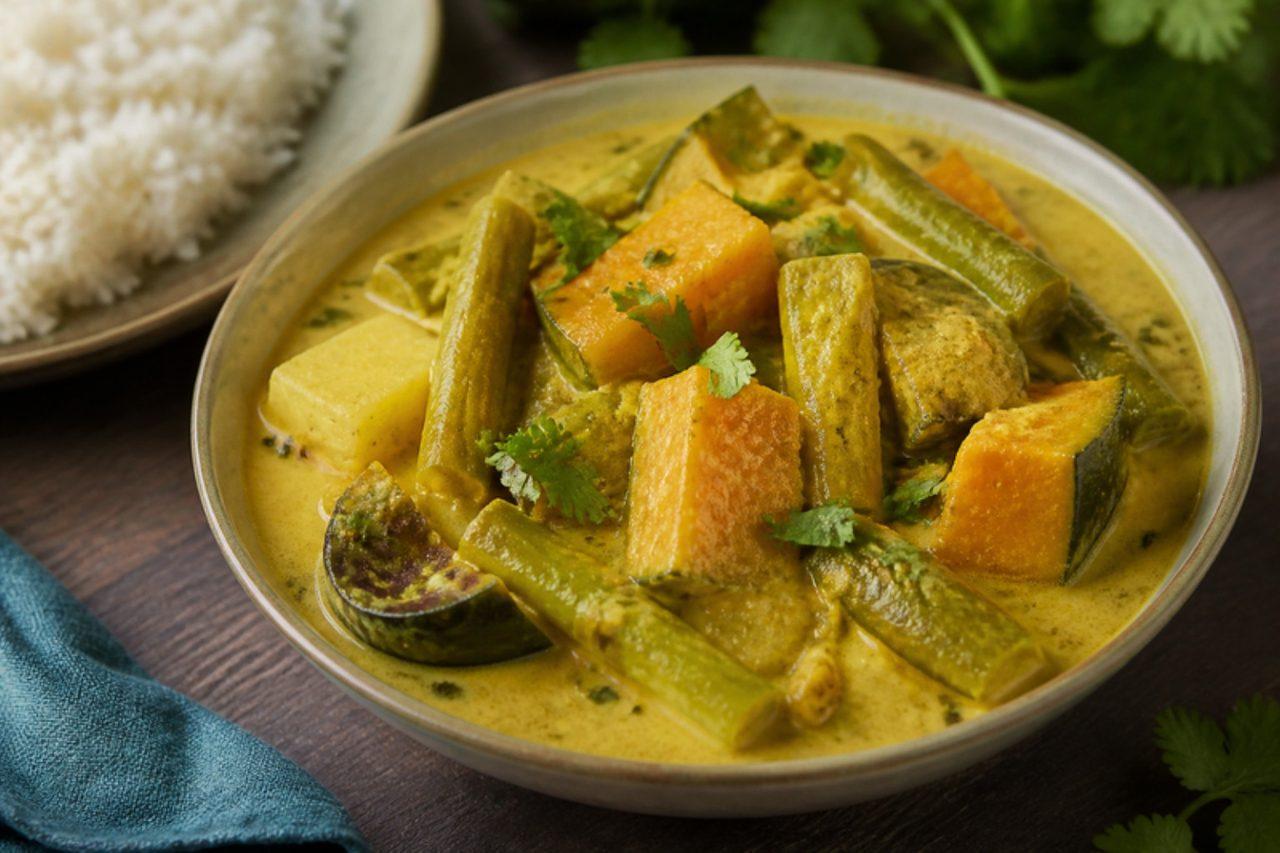
Besara means 'with mustard', and in Odisha it is the name of any dish cooked in a freshly ground paste of mustard seeds, garlic and green chilli. Fish besara is the best known; this is the vegetarian version cooked in Odia homes with pumpkin, potato, aubergine, raw banana and a few drumsticks, made sour with a little tamarind or dried mango. The mustard gives it a clean, sinus-clearing heat that is very different from a turmeric-and-chilli curry. Chef's tip: grind the mustard with a pinch of salt and a green chilli; this stops the paste turning bitter.

by KrazyBadal 0 views

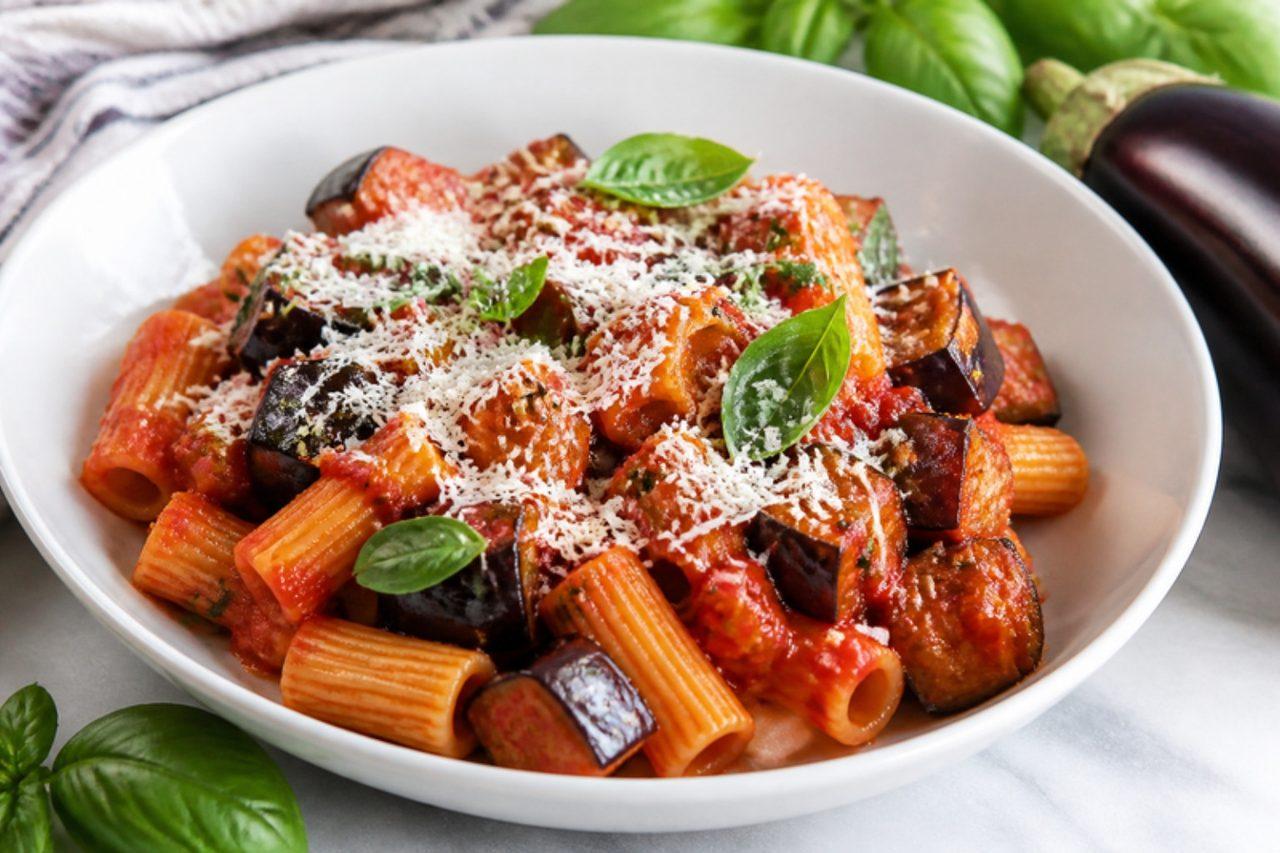
Pasta alla NormaPasta with fried aubergine and tomato

Pasta alla Norma comes from Catania, in the shadow of Mount Etna, and is named after Norma, the opera by the city's own composer Vincenzo Bellini; a local writer is said to have called the dish 'a real Norma', meaning a masterpiece. Fried aubergine, a simple garlic and basil tomato sauce and a snowfall of salty ricotta salata make one of Sicily's best summer lunches. Chef's tip: keep a few of the best fried aubergine slices aside and lay them on top at the end; the rest melt into the sauce and the top ones stay silky.

by KrazyBadal 0 views

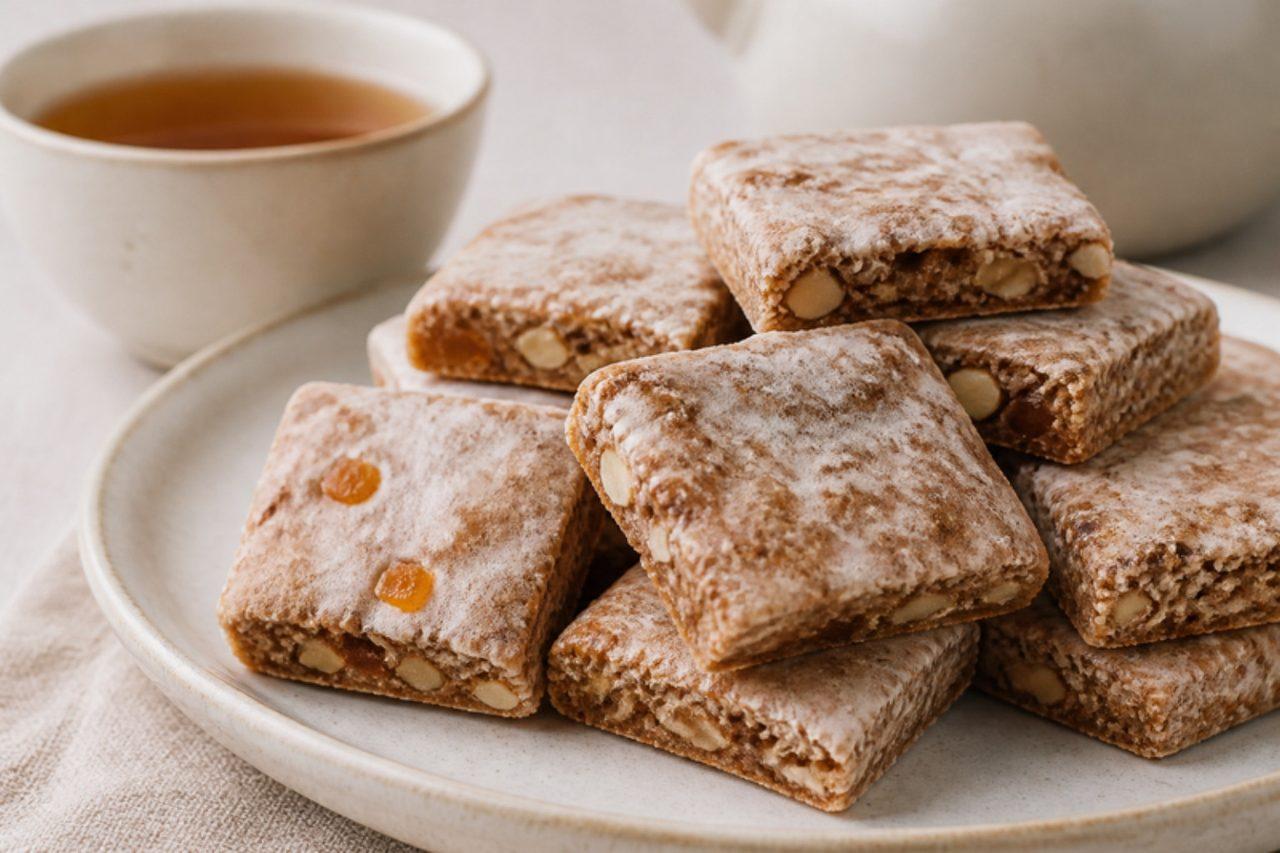
Basler LäckerliHoney and almond biscuits

Läckerli have been Basel's own biscuit for more than 600 years, once baked by the city's spice merchants and gifted at Christmas and New Year; Basel shops still pack them in tins all year round. They are small, chewy rectangles of honey, almonds, candied orange and lemon peel and warm spices, with a thin, crackly sugar glaze. Unlike soft German gingerbread they are firm and dense when they are fresh and soften with time in a tin. Eat them with coffee or tea, or keep a box for visitors. Chef's tip: cut the slab into rectangles while it is still hot and glaze it at once; once cool it sets too hard to cut cleanly.

by KrazyBadal 0 views

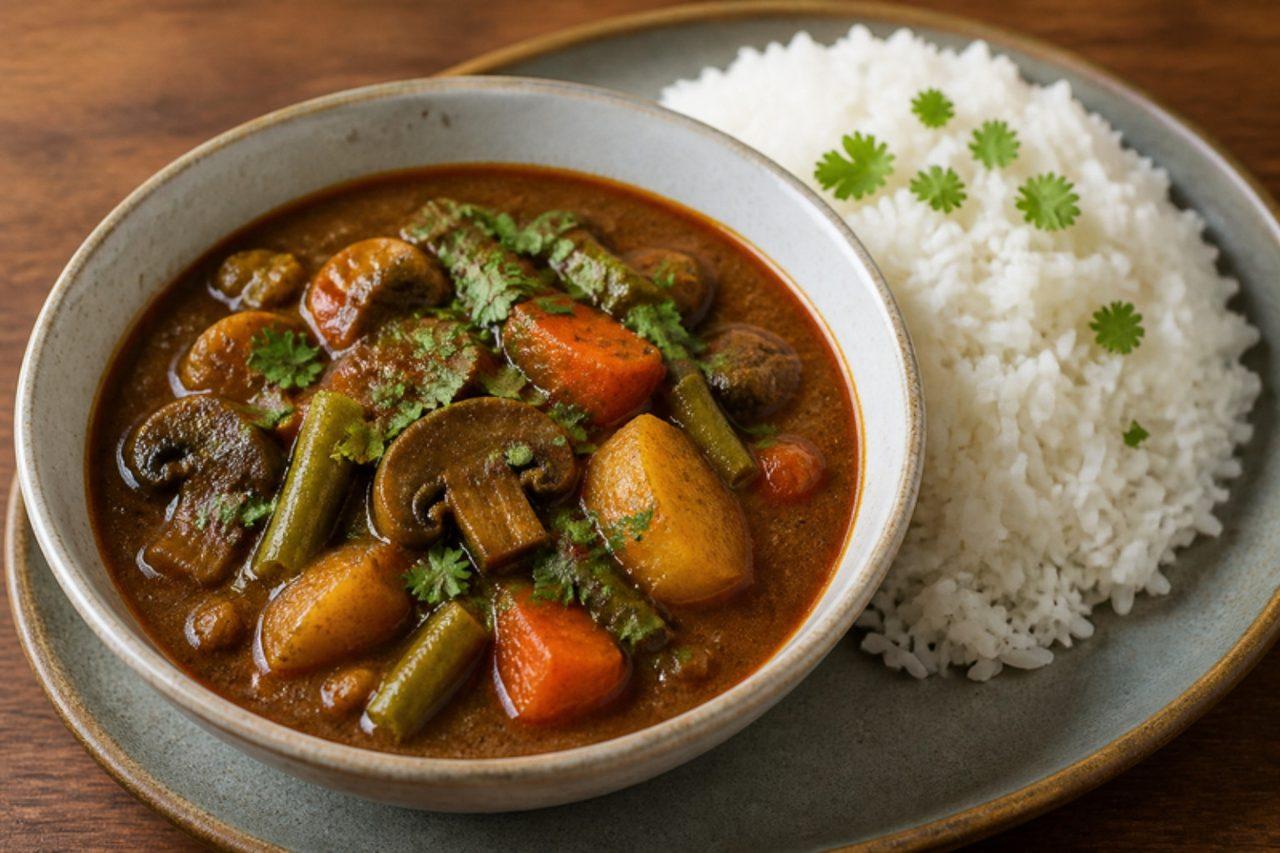
Goan vegetable xacutiRoasted coconut vegetable curry

Xacuti (sha-koo-tee) is one of Goa's most complex curries: grated coconut is roasted until deep brown with poppy seeds, dried chillies and a long list of whole spices, then ground into a thick, aromatic masala. In Goa it's usually made with chicken; vegetarian Goan families make it with mushrooms, potatoes, peas and other vegetables, and the roasted coconut gives it all the depth it needs. It's warm and fragrant rather than fiery, with a touch of tamarind and jaggery. Serve with rice, pao or chapatis. Chef's tip: roast the coconut slowly over a low heat until it's the colour of milk chocolate and smells like toasted nuts; that colour is the xacuti's flavour, and pale coconut gives you a pale, flat curry.

by KrazyBadal 0 views

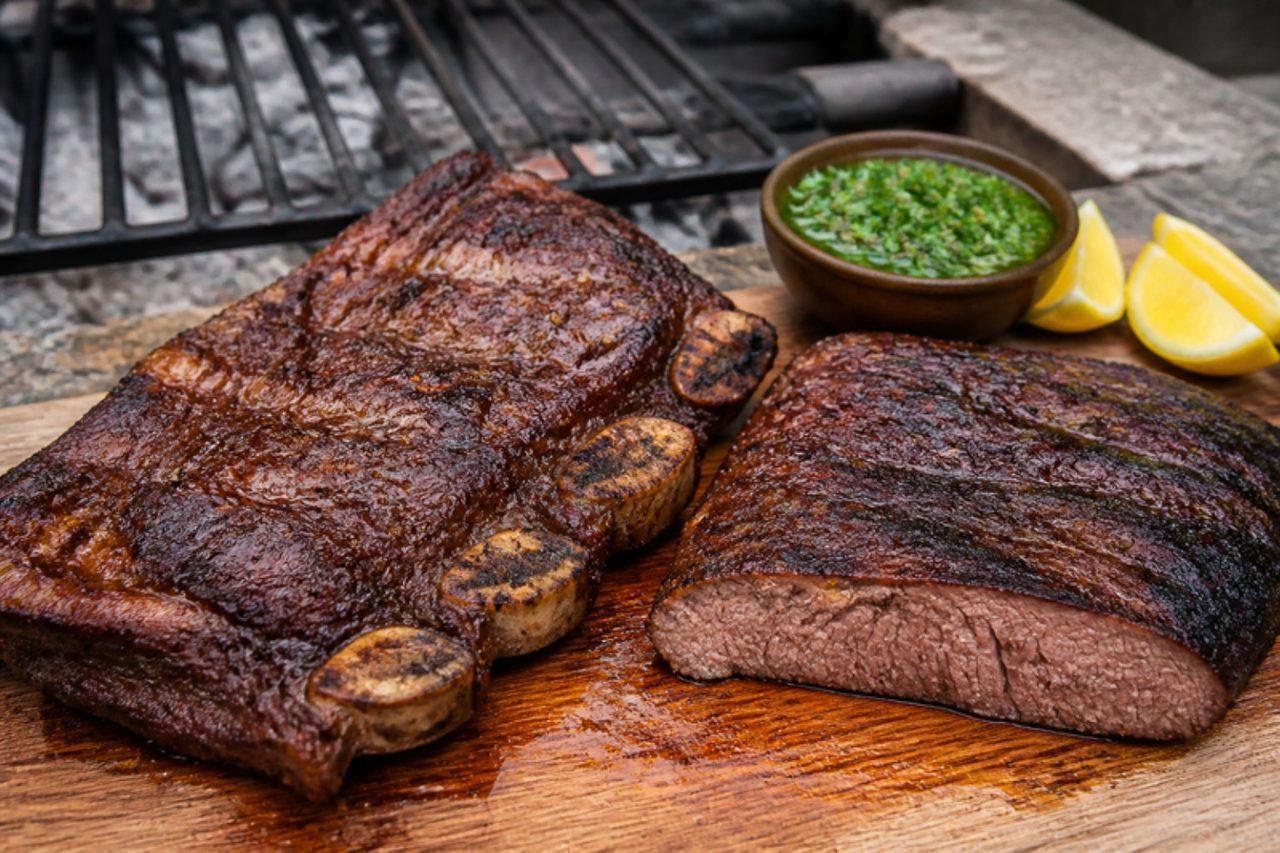
Asado argentinoGrilled beef short ribs

For Argentines the Sunday asado is less a recipe than a ritual: someone (the asador) lights the fire mid-morning in a backyard in Buenos Aires or a ranch in the Pampas, and lunch happens hours later. Beef is cooked low and slow over glowing embers, seasoned with nothing but coarse salt, and carved at the grill to be eaten with bread, salad and a bowl of chimichurri. This home version uses two favourite cuts: tira de asado (thin cross-cut short ribs) and vacío (flank). The classic mistake is grilling over flames; wait until the coals are covered in white ash, and spread them so the heat is gentle. Chef's tip: hold your hand 15 cm above the grill; if you can keep it there for 8–10 seconds, the heat is right for asado.

by KrazyBadal 0 views

Mango pomelo sagoMango, pomelo and sago dessert

Yeung chi gam lo was created in a Hong Kong restaurant in the 1980s and quickly became the city's favourite summer dessert, served in dessert shops late into the night. It's half drink, half pudding: puréed ripe mango mixed with coconut and evaporated milk, studded with chewy sago pearls, mango cubes and juicy pomelo. Chef's tip: rinse the cooked sago under cold water until it stops feeling slimy; this keeps each pearl separate and the dessert clean-tasting.

by KrazyBadal 0 views

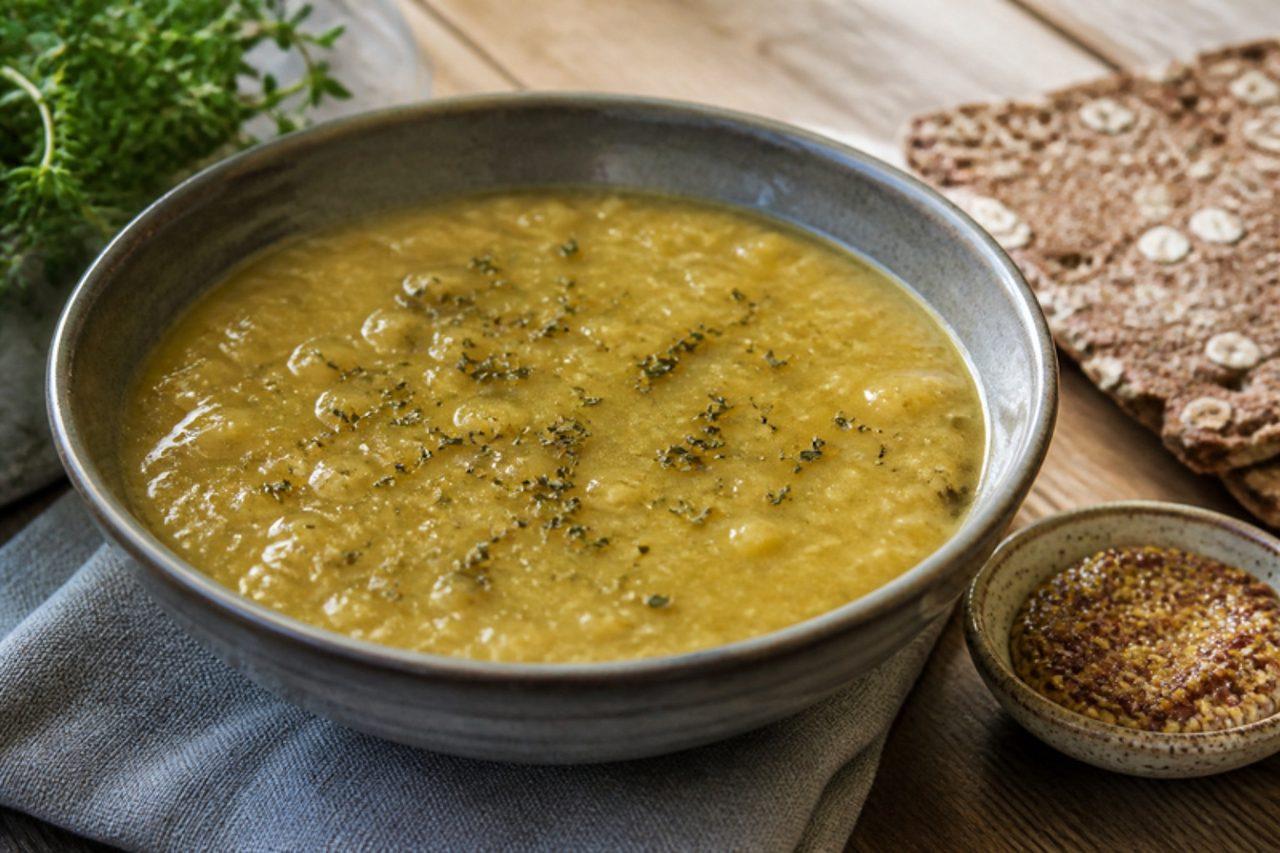
ÄrtsoppaYellow pea soup

For centuries Swedes have eaten ärtsoppa on Thursday: school canteens, army messes and home kitchens all serve thick yellow pea soup, followed by thin pancakes with jam (ärtsoppa och pannkakor). The tradition is said to date from Catholic times, a filling meal before Friday's fast. The soup is usually cooked with salt pork, but the soul of it is the dried yellow peas, onion and a generous hand of thyme and marjoram, so this version is fully plant-based and seasons the broth with a little smoked paprika instead. Each bowl gets a spoonful of sharp Swedish mustard stirred in at the table. Chef's tip: soak whole yellow peas overnight and skim the foam as they come to the boil; the skins that float up can then be lifted off, giving a smoother soup.

by KrazyBadal 0 views

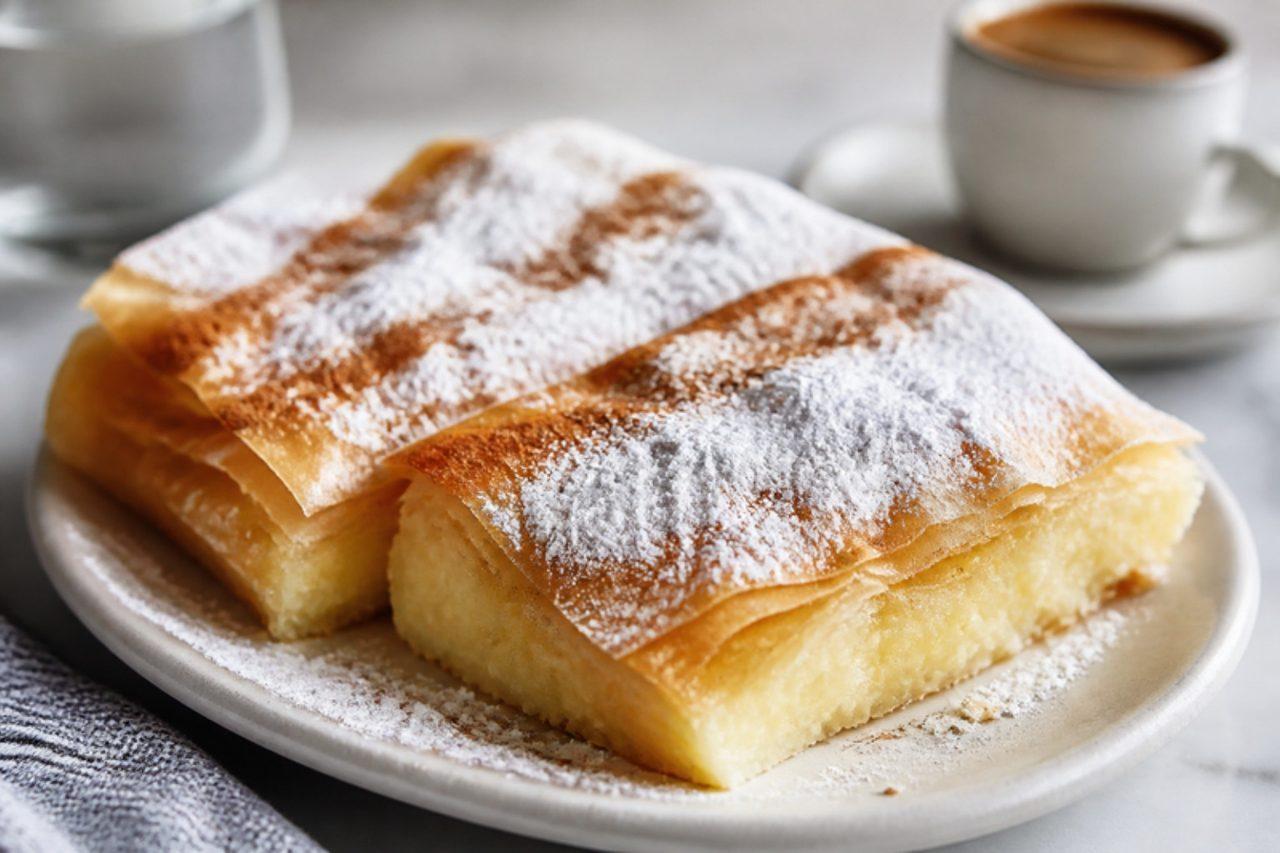
BougatsaSemolina custard pie

In Thessaloniki, breakfast is often a plate of bougatsa eaten at a marble counter at seven in the morning: warm vanilla custard wrapped in crackly pastry, chopped into bite-size pieces in front of you and dusted with icing sugar and cinnamon. The city's bougatsa shops stretch the dough paper-thin by hand; at home, shop fillo does a fine job. The custard is thickened with fine semolina, so it slices cleanly but stays soft and wobbly. Eat it warm with a Greek coffee or a cold frappé. Chef's tip: whisk the semolina into the milk in a slow stream and keep whisking; dumping it in at once is the usual mistake and leaves lumps you can't beat out.

by KrazyBadal 0 views

Cantonese mooncakes with lotus or red bean pasteFilled pastry mooncakes

Mooncakes are exchanged and eaten all over China at the Mid-Autumn Festival, when families gather under the full moon with tea and fruit. The Cantonese style, from Guangdong and Hong Kong, has a thin, shiny brown crust around a dense, sweet filling of lotus seed paste or red bean paste; this vegetarian version leaves out the salted duck egg yolks. You need a mooncake press (50–75 g size). Chef's tip: rest the baked mooncakes in an airtight tin for 2 days; the crust softens and turns glossy, a change bakers call 'returning oil'.

by KrazyBadal 0 views

Boulets liégeoisMeatballs in sweet-sour fruit sauce

Liège is famous for its boulets: big, tennis-ball-sized meatballs served in a dark, sticky sauce made with sirop de Liège, the region's thick apple-and-pear syrup, with onions and a little vinegar. They are a brasserie staple across Wallonia, eaten with a mountain of chips and a side of salad, and families make them for Sunday lunch. The mix is half pork, half beef, so this is a pork dish. Rushing the onions is the step most people get wrong: they need a good 20 minutes to turn sweet before the sauce comes together. Chef's tip: if you cannot find sirop de Liège, use 3 tablespoons of apple butter or date syrup with 1 tablespoon of black treacle for the same dark, fruity tang.

by KrazyBadal 0 views

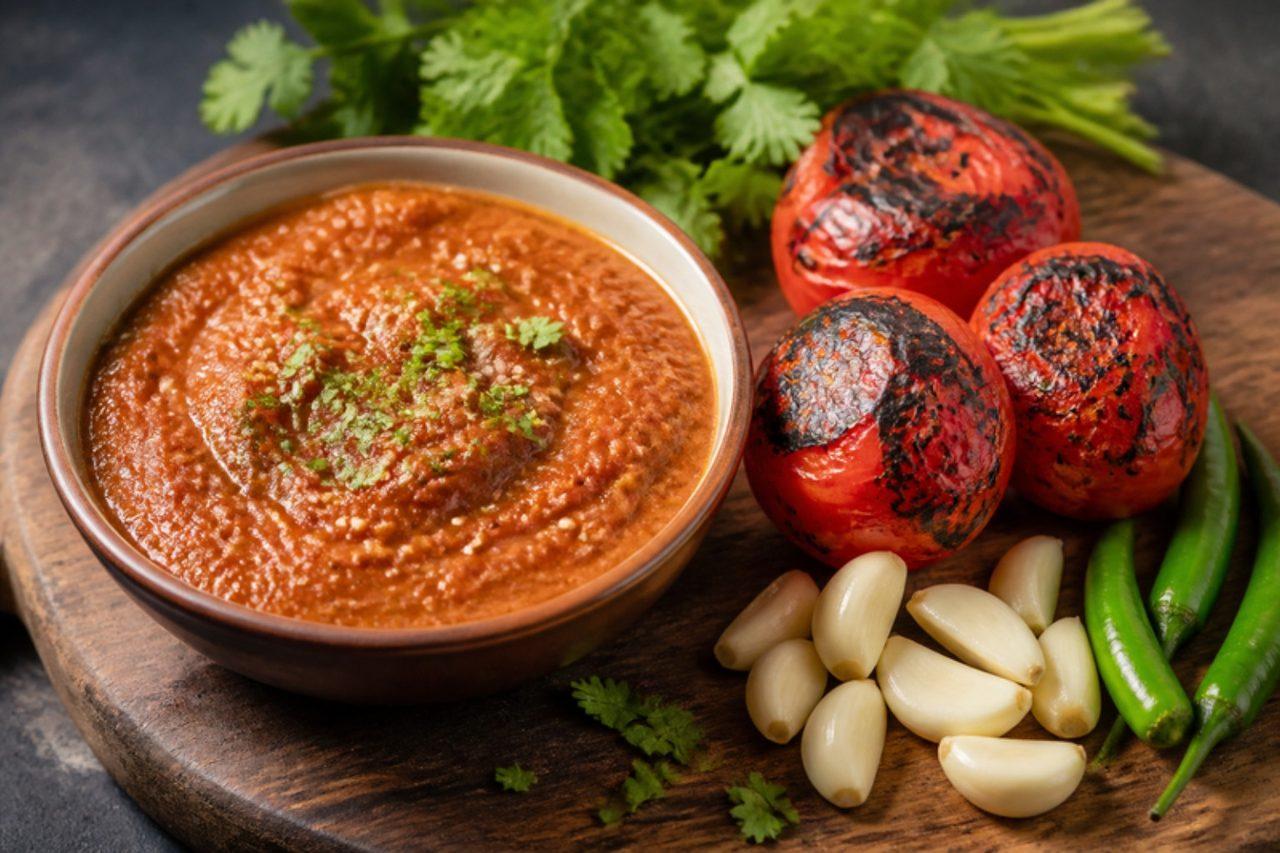
Golbheda ko acharRoasted tomato relish

No momo is served in Nepal without a small bowl of golbheda ko achar, and no dal bhat feels complete without a dab of it on the side. Tomatoes (golbheda) are charred over a flame or on a dry griddle until black-blistered and soft, then pounded with garlic, green chilli and timur, the citrusy Nepali pepper that leaves a buzz on the tongue. Grandmothers grind it on the flat stone silauto; a blender or mortar does the job at home. It is smoky, sour and hot, and is made fresh in most kitchens every day or two. A spoonful of toasted sesame or soybean powder thickens the version served with momos in Kathmandu. Don't purée it smooth: the skins and seeds give it its rustic body. Chef's tip: char the garlic and chillies beside the tomatoes; their sharp edge softens and the achar tastes sweeter and deeper.

by KrazyBadal 0 views

GolfeadosSticky panela and cheese spiral buns

Golfeados are the sticky sweet buns of Caracas bakeries and especially of the old roadside panaderías on the road to El Junquito, eaten warm with a slice of salty white cheese and a coffee. The soft yeast dough is rolled up with grated papelón (panela), anise seeds and crumbled cheese, baked in a tight tray and soaked with a dark panela syrup so they glisten. They are sweet, salty and fragrant. Chef's tip: roll them tightly and pack them close together in the tin; they rise up instead of out and stay soft and moist.

by KrazyBadal 0 views

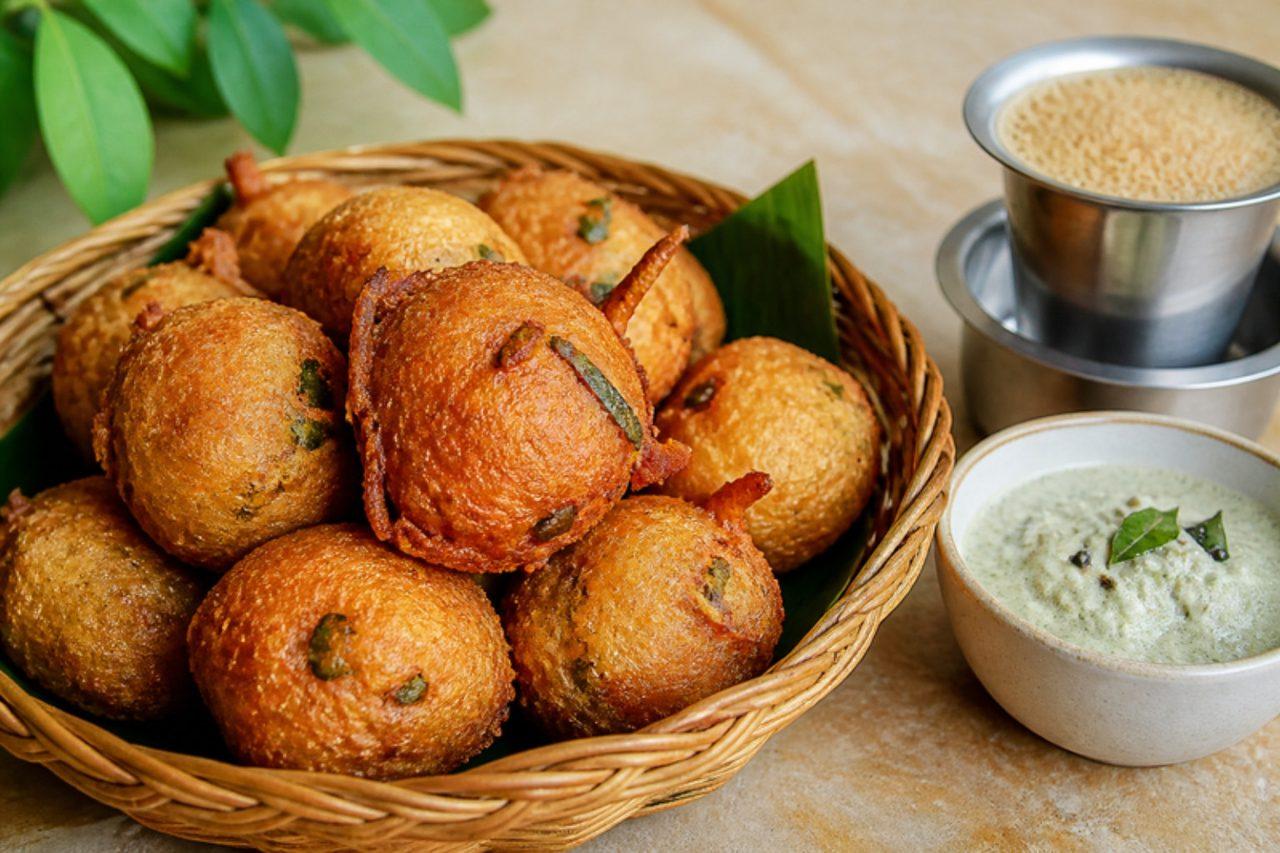
Goli bajeYogurt and flour fritters

Goli baje is the tea-time snack of coastal Karnataka: round, golden fritters that are crisp outside and soft and spongy inside, sold by the plateful in Udupi hotels and Mangaluru tea shops around four in the afternoon. The batter is made from plain flour and sour yogurt, with green chilli, ginger, curry leaves and coconut bits, and left to rest so it turns slightly tangy and airy. Serve them piping hot with coconut chutney and a strong cup of coffee. Chef's tip: beat the batter hard for a few minutes before resting it; a well-beaten batter is stretchy, traps air, and gives fritters with an open, bread-like crumb.

by KrazyBadal 0 views

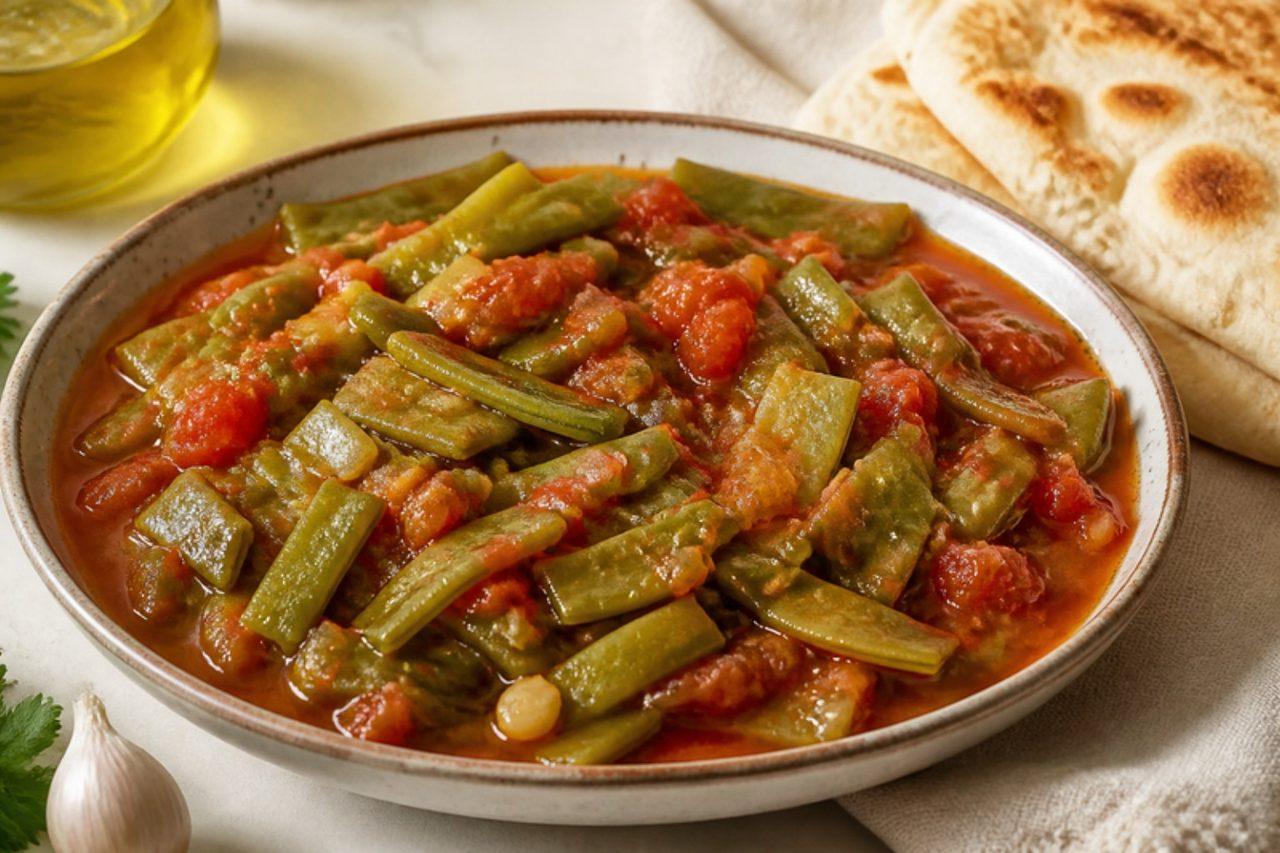
Loubieh bi zeitGreen beans braised in olive oil

In Lebanese homes loubieh bi zeit belongs to the 'bi zeit' family, vegetables cooked in olive oil and served cool, which turn up on the mezze table in summer and fill lunchboxes the next day. Flat runner beans or wide Romano beans are best: they soak up the garlicky tomato sauce and turn silky. It is eaten at room temperature with Arabic bread to mop the oil, and often with a few spring onions and radishes alongside. Chef's tip: cook the garlic only until it smells sweet before adding the beans; browned garlic turns the whole dish bitter.

by KrazyBadal 0 views

GombapaprikásMushroom paprika stew

Gombapaprikás is the meatless cousin of chicken paprikás, cooked in Hungarian homes on Fridays and through Lent, and a regular on the vegetarian line of Budapest's self-service étkezde lunch rooms. Mushrooms simmer in onion, paprika and a little pepper and tomato, then the sauce is finished with sour cream until it turns a soft brick-pink. It is quick, rich and comforting, and nokedli are its natural partner, though rice or boiled potatoes work too. Chef's tip: brown the mushrooms in a hot pan in two batches before they meet the onions, so they fry instead of stewing in their own water and the sauce tastes deep rather than watery.

by KrazyBadal 0 views

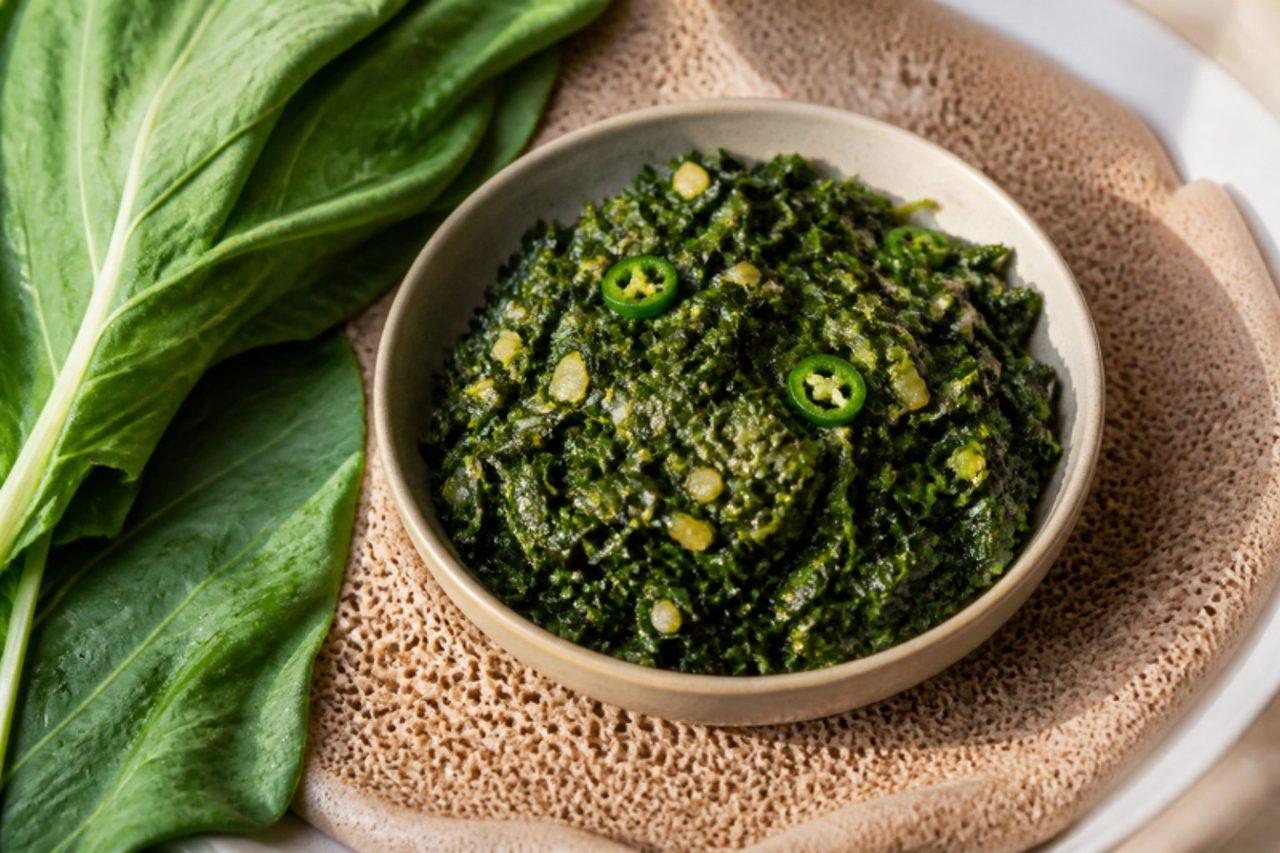
GomenBraised collard greens

Gomen is the everyday green on Ethiopian tables, cooked in homes across the highlands and always part of a fasting platter in Addis Ababa restaurants on Wednesdays and Fridays. Collard greens (or kale) are chopped fine and braised gently with onion, garlic, ginger and green chilli until they turn soft, dark and silky, without any berbere, so they cool the palate next to the red stews. On non-fasting days many cooks add a little niter kibbeh at the end; this oil version keeps it vegan. Chef's tip: cut out the thick central stalks before chopping; left in, they stay stringy long after the leaves are tender.

by KrazyBadal 0 views

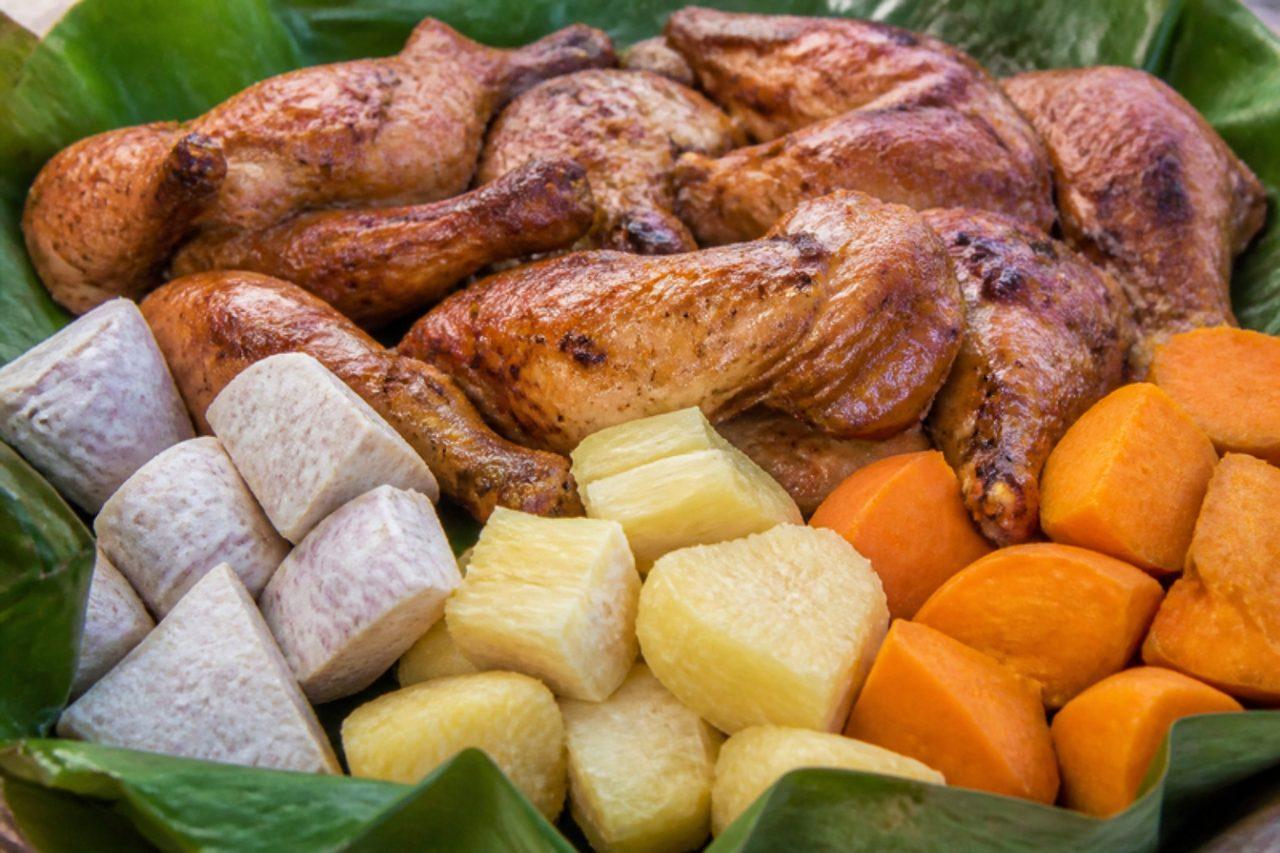
Lovo-style chickenEarth-oven style chicken

A lovo is Fiji's earth oven, dug in the ground for weddings, church feasts and Christmas in villages on Viti Levu and Vanua Levu: hot stones are covered with parcels of meat, fish and root vegetables in banana leaves, then buried for hours. This home version wraps chicken marinated in coconut, garlic and ginger with taro, cassava and sweet potato in foil and banana leaves and roasts them slowly, giving the same steamed, smoky-sweet result. The mistake is wrapping loosely, so the steam escapes and everything dries; seal the parcels tightly. Chef's tip: a few drops of liquid smoke or a smoked paprika rub gives a hint of the earth oven.

by KrazyBadal 0 views

Chin chinCrunchy fried dough bites

Every December, Nigerian kitchens turn into small factories of chin chin, crunchy little cubes of sweet fried dough packed into big plastic tubs for Christmas visitors, weddings and the long drive back to the village. The dough is enriched with butter, egg and evaporated milk and scented with nutmeg; cut small and fried, it shatters with a satisfying crunch. It keeps for weeks, so families make kilos at a time. Chef's tip: roll the dough evenly thin, about 5 mm, so every piece fries through to a crisp centre at the same time.

by KrazyBadal 0 views

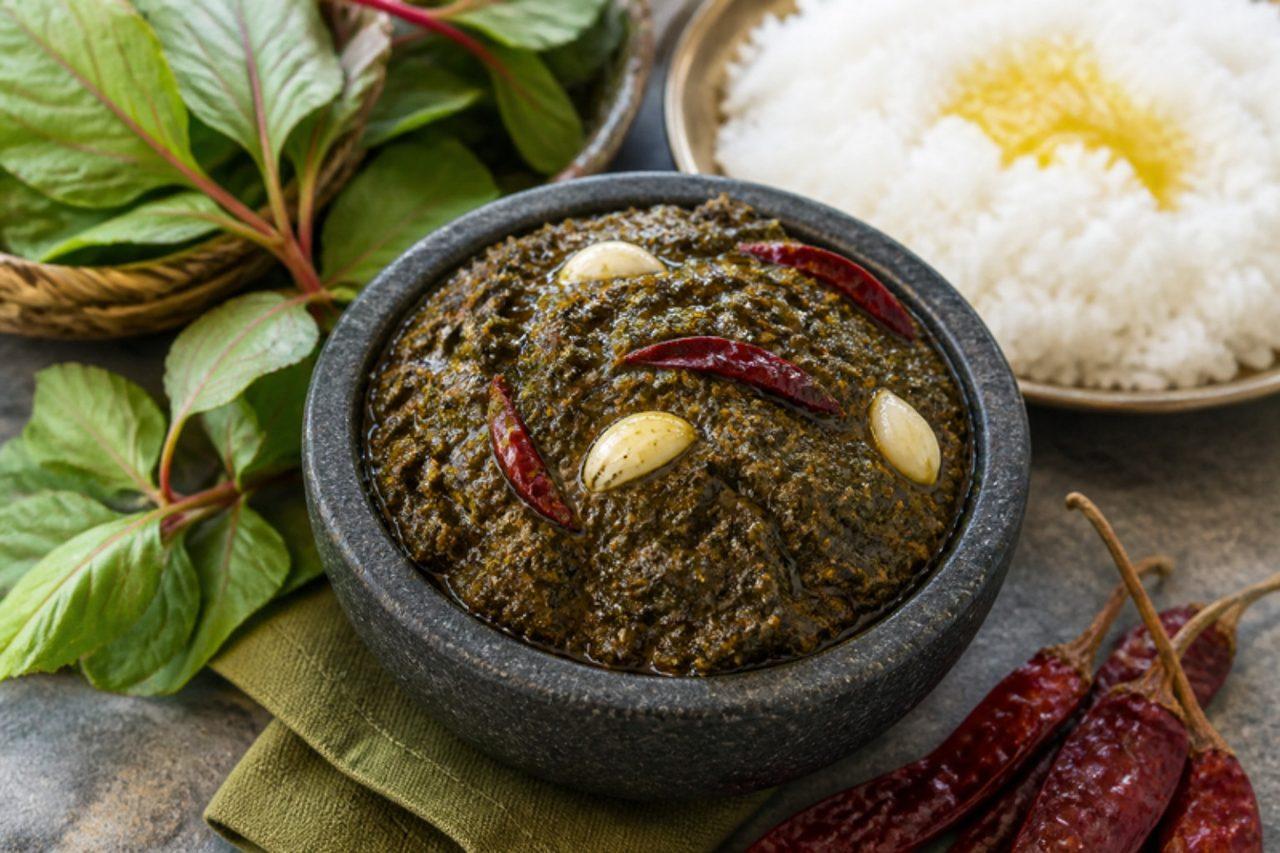
Gongura pachadiSorrel leaf chutney

Gongura, the sour leaf of the roselle plant, is so central to Andhra cooking that it's called the state's own vegetable, and gongura pachadi is its best-known form. The leaves are fried in oil until they melt, then pounded with roasted red chillies, garlic, coriander seeds and fenugreek, and finished with a mustard tempering. It's intensely tangy, hot and garlicky, and in Guntur and Vijayawada homes a spoonful is mixed into hot rice with ghee or eaten with jowar rotte. It keeps in the fridge for a couple of weeks. Chef's tip: fry the leaves until all their water cooks off and they turn dark olive; any moisture left shortens how long the pachadi keeps.

by KrazyBadal 0 views

BourekasFeta and potato pastry triangles

Bourekas are what Israelis grab from the bakery on a Friday morning or bring to a family gathering: puff pastry shapes with savoury fillings, shiny with egg and dotted with sesame. The tradition came from Sephardi Jews of Turkey and the Balkans, but in Israel it settled into puff pastry, with the shape telling you the filling at a glance (triangles for cheese, rectangles for potato in many bakeries). This version fills triangles with feta and ricotta and rectangles with herby mashed potato, and goes with a hard-boiled egg, pickles and grated tomato. Chef's tip: keep the pastry cold right up to the oven; warm puff pastry won't rise into flaky layers.

by KrazyBadal 0 views

ConchasSweet bread buns

Conchas are the most famous pan dulce (sweet bread) in Mexico, piled high in every panadería and eaten for breakfast or merienda with hot chocolate or coffee. The bun is soft, slightly sweet and enriched with egg and butter, and it wears a crunchy, crumbly topping of sugar, fat and flour scored into the seashell pattern that gives it its name. Make some vanilla and some chocolate topping for the classic mix. Chef's tip: shape the dough into very tight balls before adding the topping; the tension makes them rise up instead of spreading out, so the shell cracks into neat stripes.

by KrazyBadal 0 views

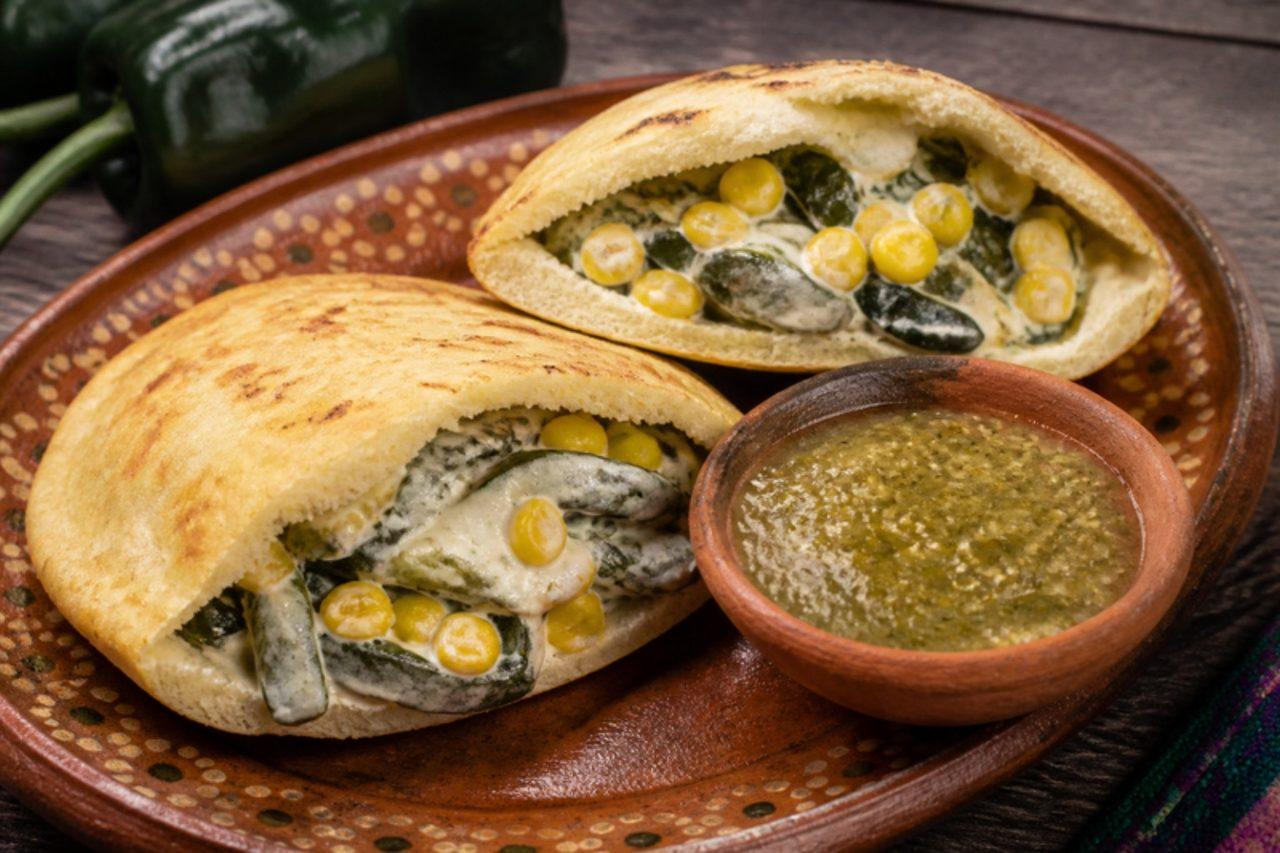
GorditasStuffed masa pockets

Gorditas, 'little fat ones', are thick corn masa cakes cooked on a comal until they puff, then split open like a pitta and stuffed. They are eaten from the north of Mexico down to the central states, at street stalls and at home, with fillings that change from town to town. This vegetarian version is filled with rajas con crema: strips of roasted poblano pepper, onion and sweetcorn in a creamy sauce with melting cheese, smoky and mild. Use masa harina for tortillas, made from nixtamalised corn, not cornmeal or polenta. Poblanos can be hard to find: green bell peppers with a jalapeño give a similar effect. Choose a cheese made with vegetarian rennet. Chef's tip: shape the gorditas no thicker than 1 cm; any thicker and the outside burns before the inside cooks and puffs.

by KrazyBadal 0 views

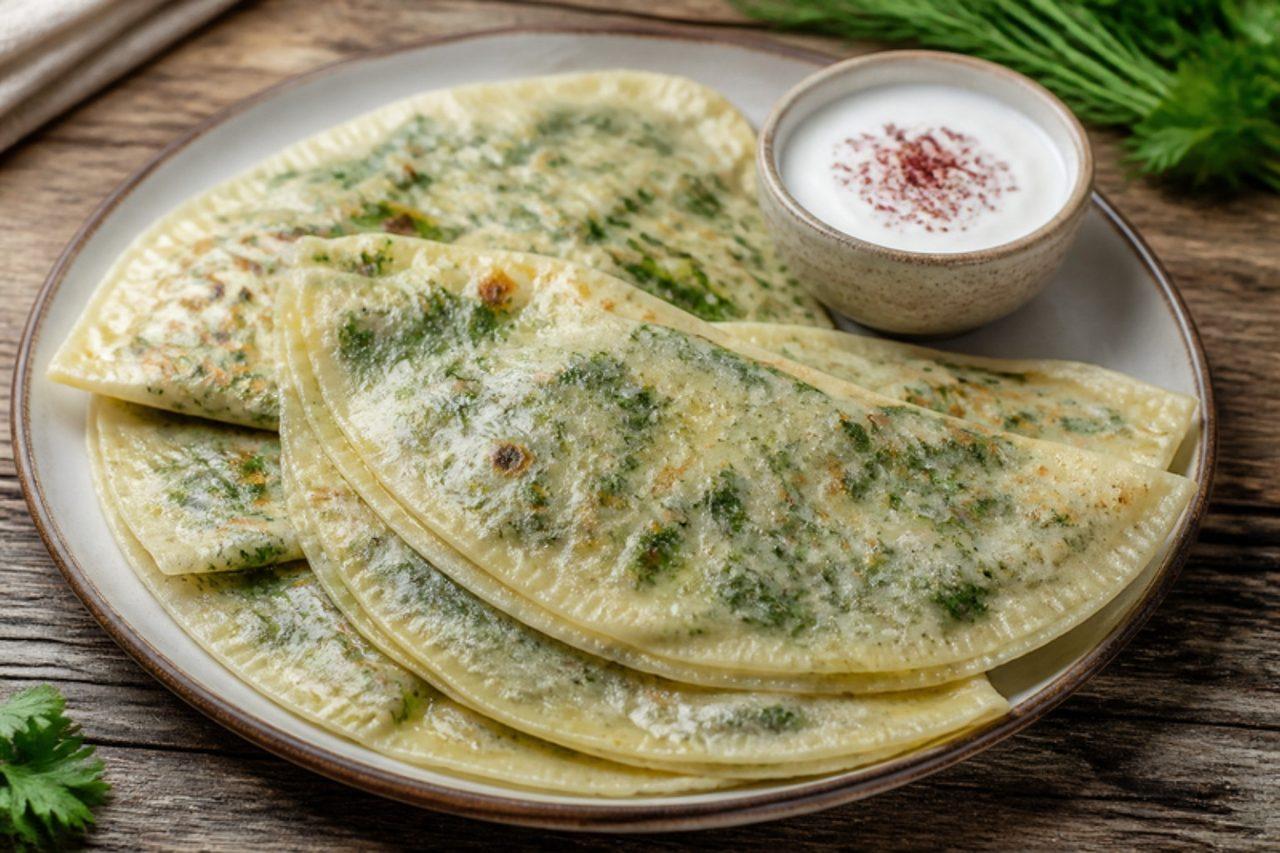
Göyərti qutabıHerb-filled flatbreads

Qutab are the thin half-moon flatbreads that Baku eats at any hour, folded around a filling and cooked in seconds on a domed iron saj, then stacked and brushed with butter. Göyərti qutabı, the green version, is the spring favourite: a handful of chopped spinach, sorrel, dill, coriander and spring onion sealed inside dough rolled so thin the greens show through. They are eaten hot, three or four at a time, sprinkled with sumac and dipped in garlicky yogurt, and appear on every table at Novruz in March. In autumn the same dough wraps pumpkin; that variation is in the steps. Chef's tip: season the greens only just before filling; salt draws out water, and wet greens tear the paper-thin dough.

by KrazyBadal 0 views

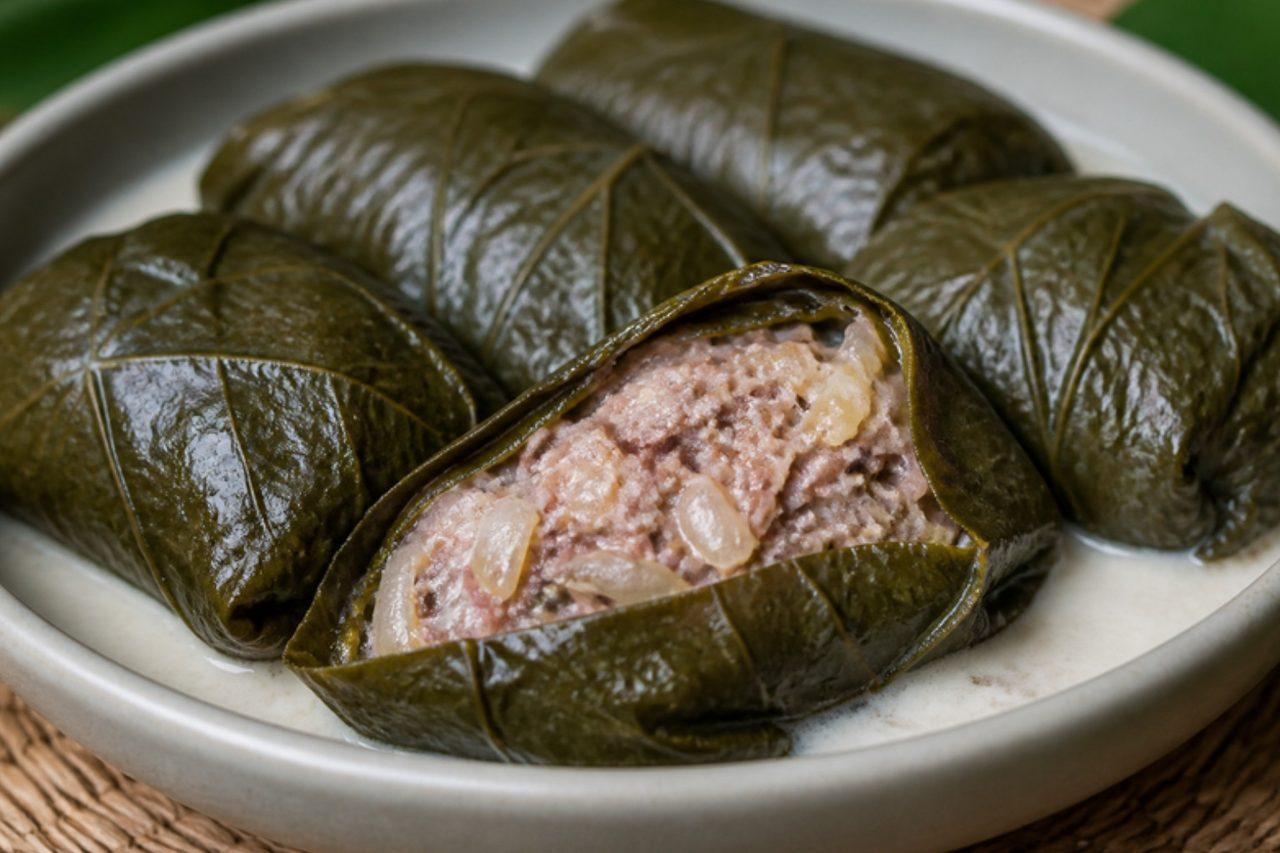
Lu puluCorned beef in taro leaves

Lu pulu is a Sunday dish in Tonga, cooked in the umu (earth oven) after church in Nuku'alofa and by Tongan families in Auckland and Sydney: taro leaves are layered into a cup, filled with corned beef, onion and thick coconut cream, wrapped in foil or banana leaf and baked until the leaves melt into a rich, silky parcel. It is served with boiled taro, yam or sweet potato. The mistake is undercooking the taro leaves: they must cook for at least an hour, as raw taro leaves irritate the mouth and throat. Chef's tip: if you can't find taro leaves, use large spinach or silverbeet leaves, cooked for 45 minutes.

by KrazyBadal 0 views

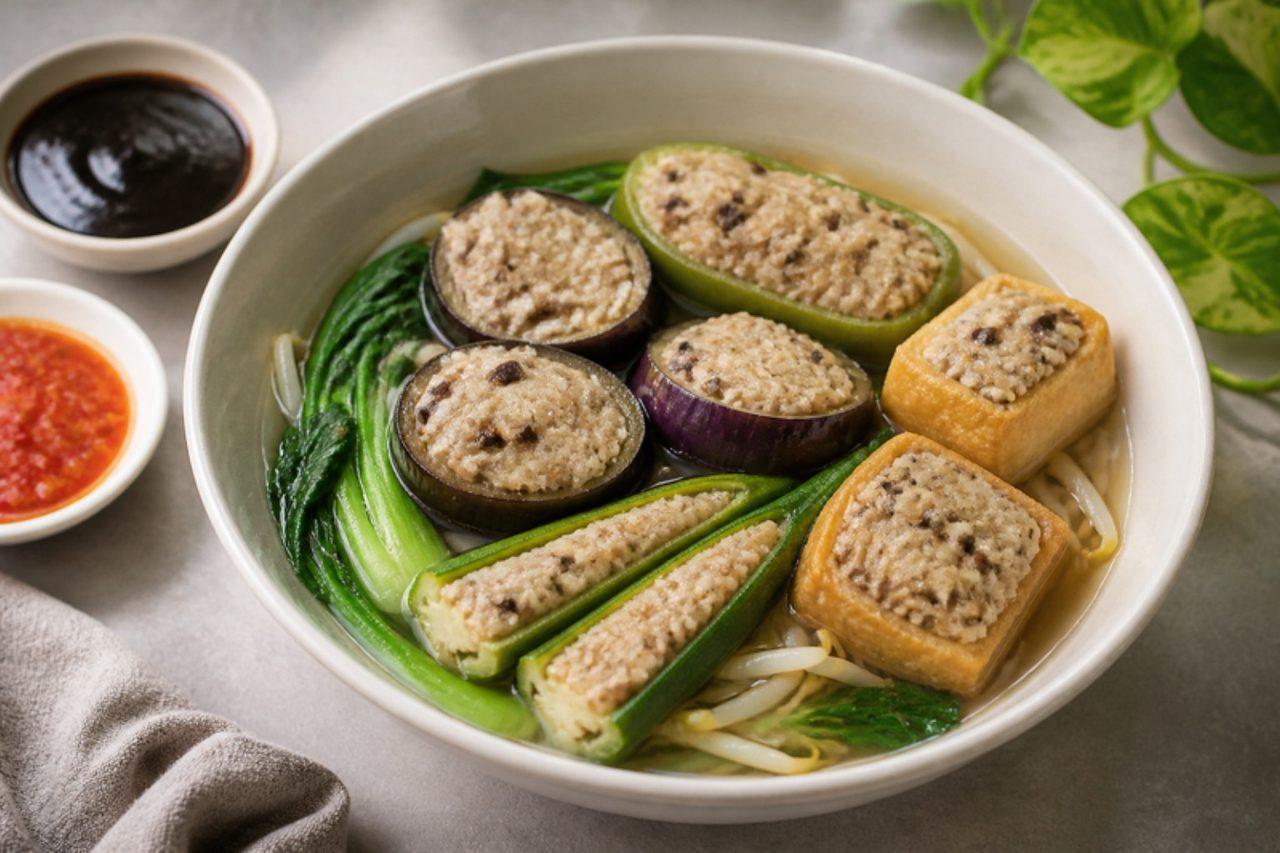
Yong tau fooStuffed tofu and vegetables

Hakka miners brought yong tau foo to the tin town of Ampang, on the edge of Kuala Lumpur, and families still drive there on weekends for big bowls of it. You choose your pieces from a counter, tofu, chillies, okra, aubergine and bitter gourd, each stuffed with a savoury paste, and the stall poaches or fries them and serves them in a light broth, with a sweet brown sauce and chilli sauce to dip. The traditional filling is fish and pork; this one is firm tofu, shiitake, water chestnut and carrot. It is a gentle, light meal. Chef's tip: press the stuffing in tightly and smooth it flush with a wet finger, so it stays put while it cooks.

by KrazyBadal 0 views

Showing 72 of 10,569 recipes

Show more recipes

Page 1,017 of 1,175