Skip to content
Bsissa
Featured recipe

Bsissa

Roasted barley flour with olive oil

A tin of bsissa sits in many Tunisian kitchen cupboards, from Tunis flats to farmhouses in the south: a finely ground flour of roasted barley, roasted chickpeas and spices such as coriander, fennel and aniseed. In the morning a few spoonfuls are worked with olive oil and something sweet into a nutty, crumbly paste, or stirred with water into a thick drink, and it keeps you going until lunch. Travellers and pilgrims once carried it for the road. Roasting your own flour takes 15 minutes and makes a jar that lasts weeks. Sugar and dates keep it vegan; some families use honey. Chef's tip: roast the flours separately over a low heat and stir constantly; the moment they smell like toasted biscuits and turn light tan, tip them out of the pan.

Read more 2 views

What to eat today?

Around the world

Today's trip: Peruvian

A new country every day, from every cuisine on the site.

Peruvian

Tacacho

Mashed roasted green plantain balls 35 minMore from Peruvian (111) →

This week's collection

Kid-friendly dinners
772 recipes · a new collection every Monday

Coming up

All occasions →

Latest recipes

Akoho sy voanioChicken in coconut milk

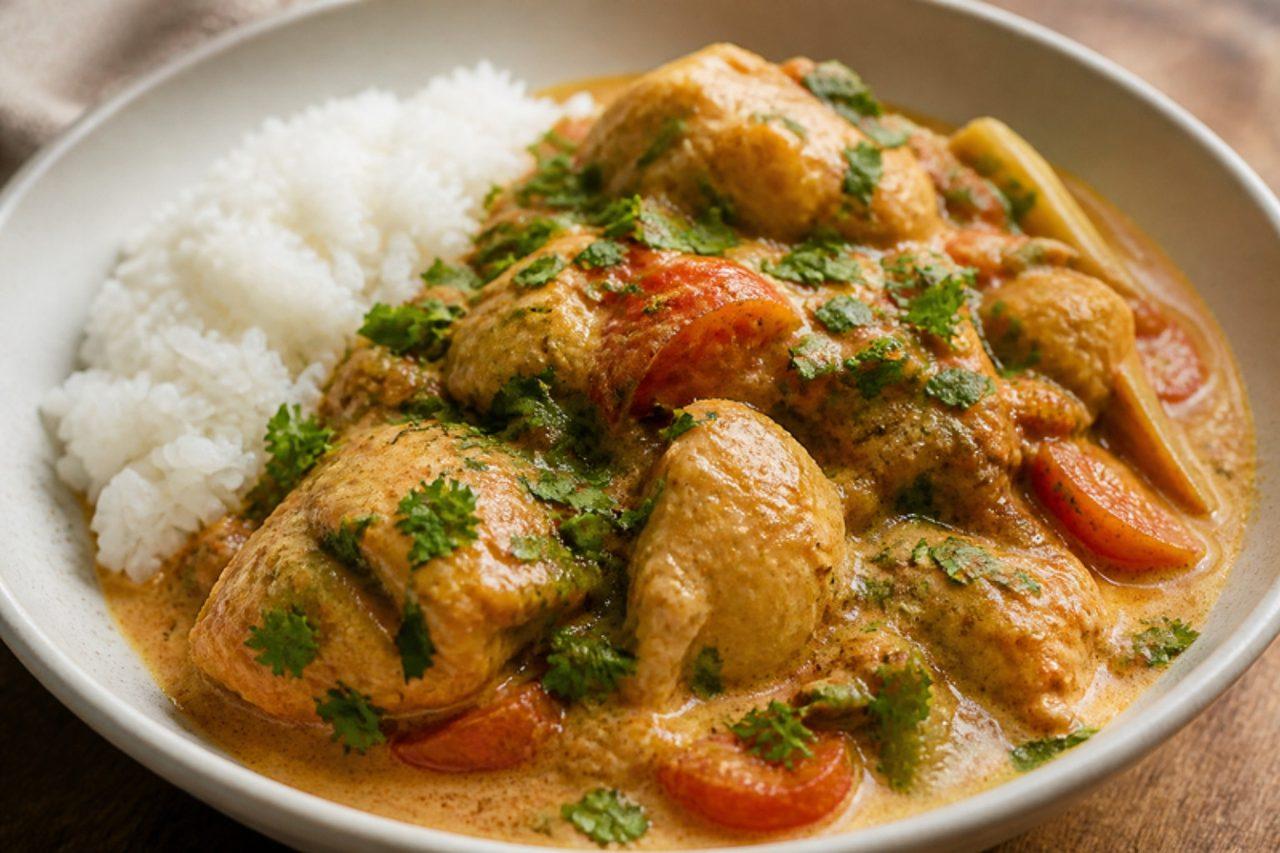
Akoho sy voanio, chicken with coconut, is a dish of Madagascar's east coast around Toamasina, where coconuts are everywhere, and it has become a favourite all over the island. Chicken is browned with onion, garlic, ginger and tomato, then simmered gently in coconut milk with a pinch of curry until the sauce is creamy and mild. It is eaten with plenty of white rice and a little achard (vegetable pickle). The mistake is boiling the coconut milk hard so it splits; keep it at a gentle bubble. Chef's tip: brown the chicken well first; the coconut sauce needs that savoury depth.

by KrazyBadal 0 views

Beef lok lakPeppery stir-fried beef

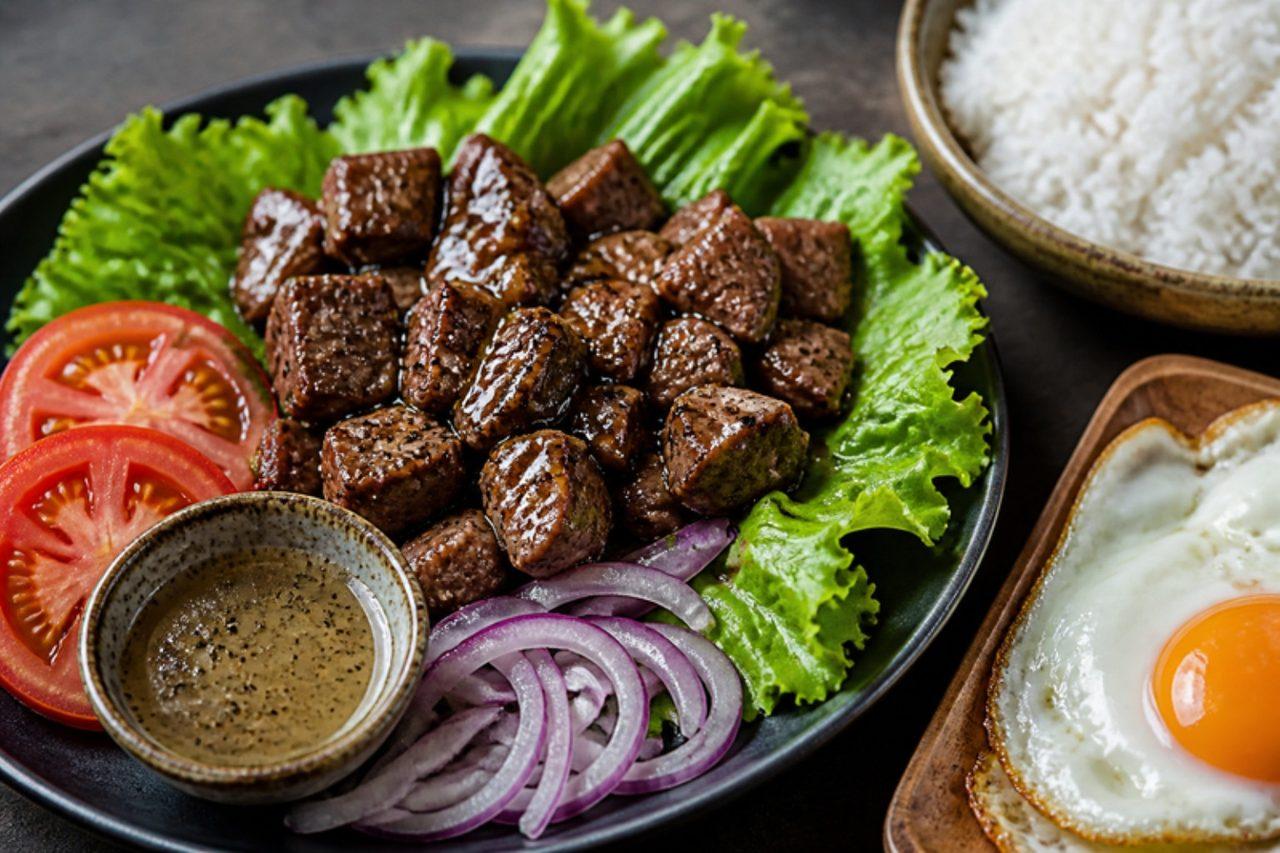
Lok lak is a favourite in Phnom Penh restaurants and family kitchens, a dish Cambodians often order on special nights out. Cubes of beef are marinated in oyster sauce, soy and garlic, seared fast in a hot wok and served on lettuce, tomato and onion with rice, a fried egg on top and a tiny bowl of tuk meric: Kampot black pepper, salt and lime juice for dipping. Chef's tip: dry the beef well and cook it in a very hot pan in two batches; it should sear, not stew.

by KrazyBadal 0 views

KitfoSpiced minced beef

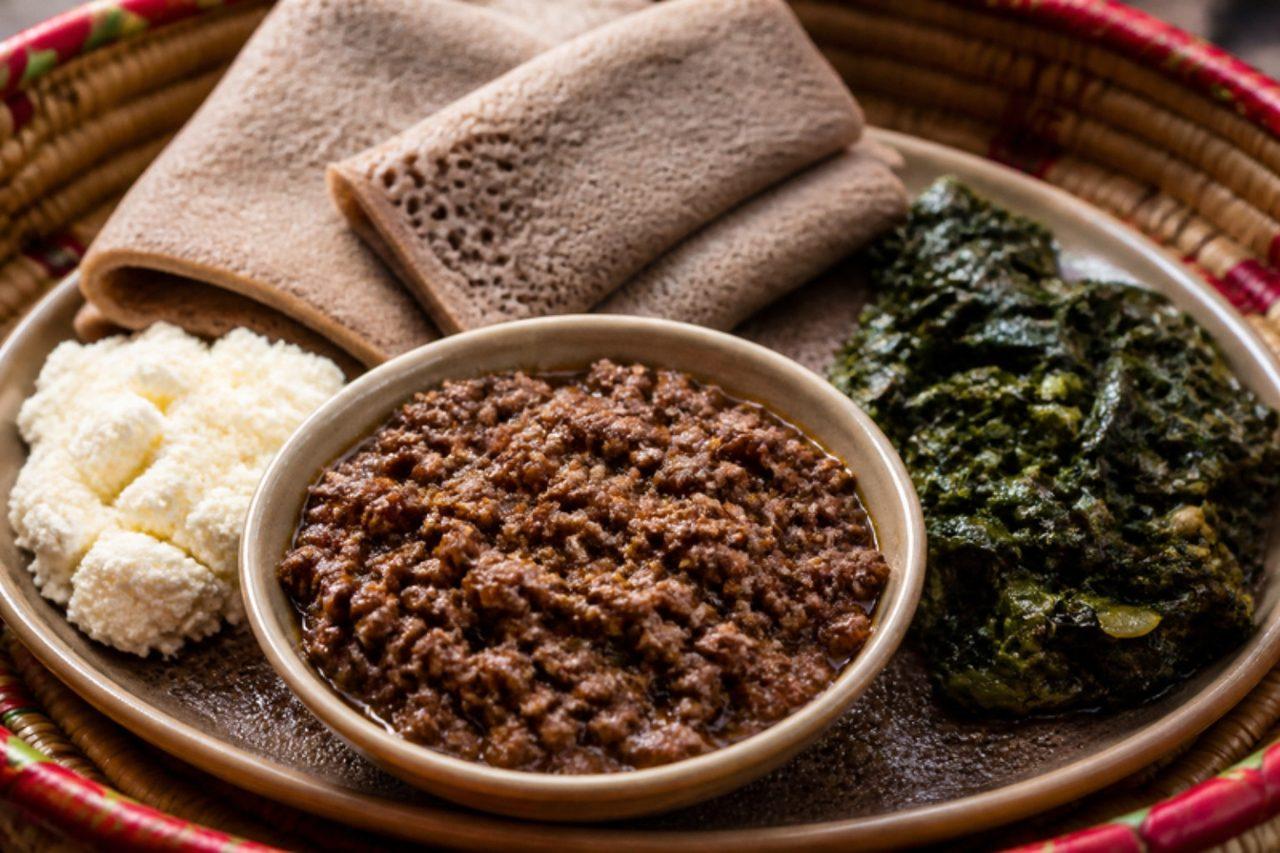
Kitfo comes from the Gurage people south-west of Addis Ababa, and it is the dish Ethiopians order at special kitfo houses or make for Meskel, the September feast of the True Cross. Lean beef is finely minced and stirred with warm spiced butter and mitmita, a hot chilli and cardamom powder. In Ethiopia it is often eaten raw (tire) or barely warmed (leb leb), but raw or lightly warmed minced beef is not safe for home cooks: this version is cooked to 71 °C, which keeps the buttery, fiery flavour with a soft, crumbly texture. Serve with ayib, braised greens and injera or kocho. Chef's tip: mince the beef yourself from a single lean cut if you can, and keep it fridge-cold until the moment it goes into the pan.

by KrazyBadal 0 views

BibingkaCoconut rice cake

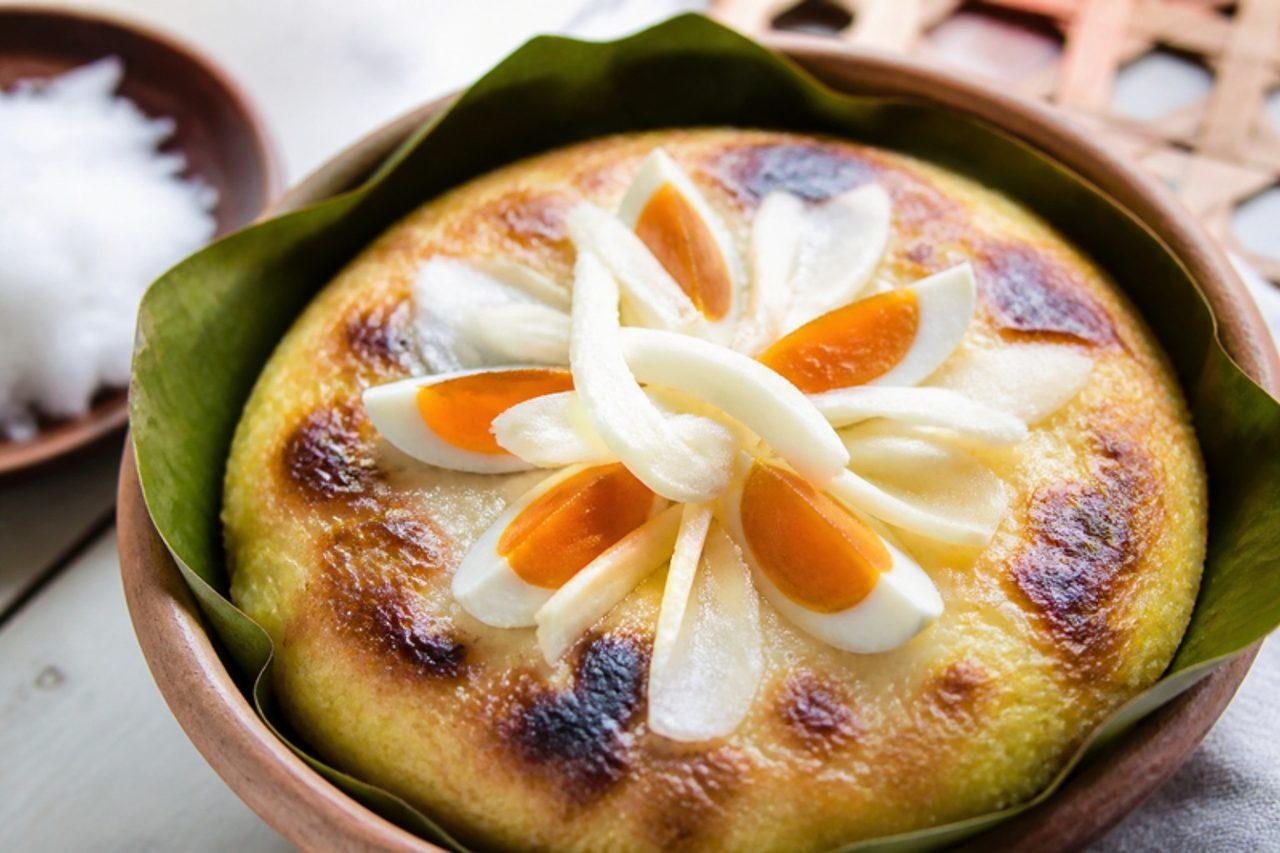
During the nine dawn masses of Simbang Gabi, from 16 to 24 December, vendors set up outside churches across the Philippines baking bibingka in clay pots with hot coals both underneath and on top. Churchgoers buy them on the way out at 5 am, still steaming in their banana-leaf liners, with a hot drink. The cake is made from rice flour and coconut milk, springy and slightly chewy, with a browned, buttery top covered in salty white cheese, slices of salted duck egg, sugar and grated coconut. This version bakes it in an ordinary oven and finishes it under the grill for that charred top. Chef's tip: warm the banana leaves over a flame for a few seconds until they turn glossy and supple; cold leaves crack and the batter leaks under them.

by KrazyBadal 0 views

HaleemWheat, lentil and beef porridge

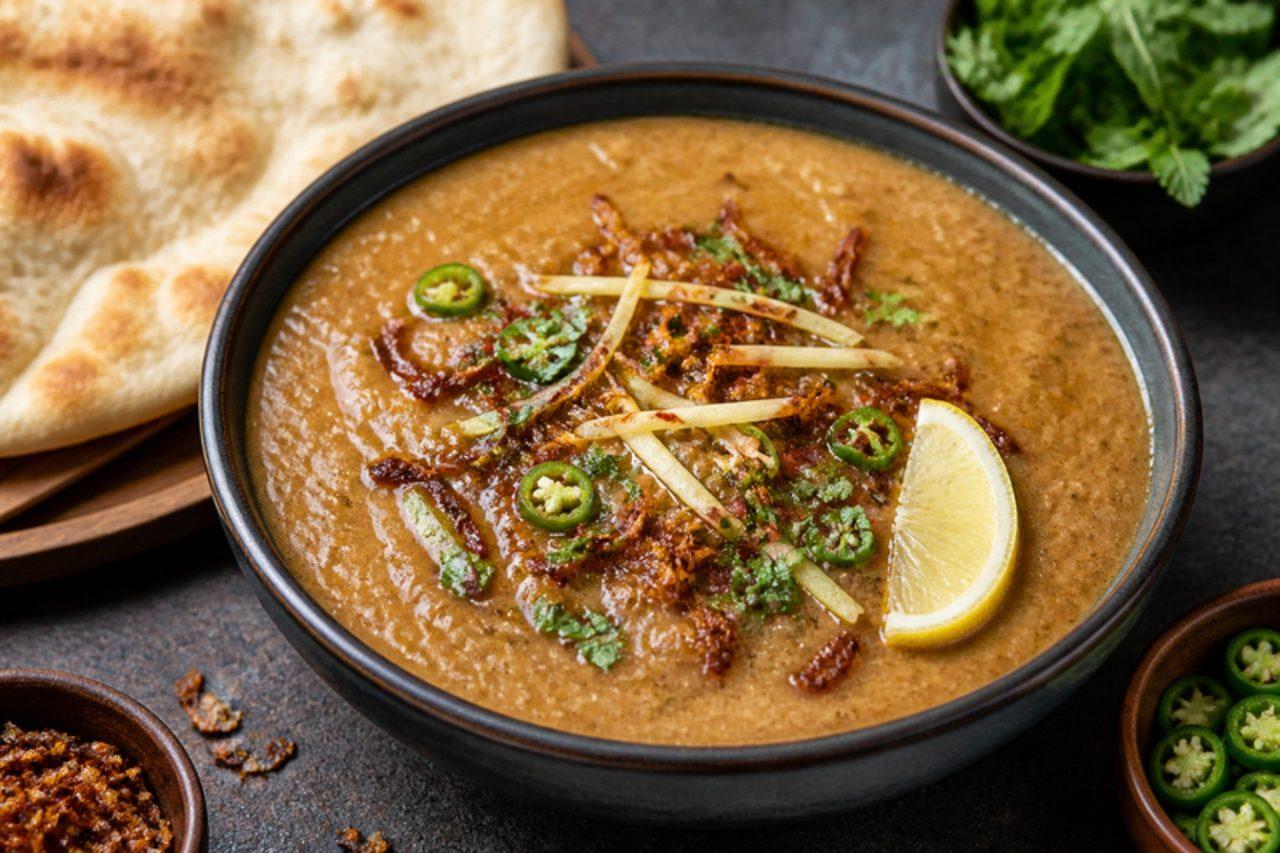
Haleem is cooked in vast pots across Pakistan in the month of Muharram and during Ramadan, when neighbours queue with bowls in Karachi, Lahore and Hyderabad. Cracked wheat, barley and several lentils cook for hours with beef until everything is beaten into one thick, stretchy, deeply savoury porridge. Each bowl is finished with crisp fried onions, ginger, green chilli, mint and lemon, so everyone builds their own. It takes time but freezes well, so make a big pot. Chef's tip: beat the haleem hard with a wooden spoon or a hand blender on short pulses; you want long meaty threads, not a smooth purée.

by KrazyBadal 0 views

Lahpet thokePickled tea leaf salad

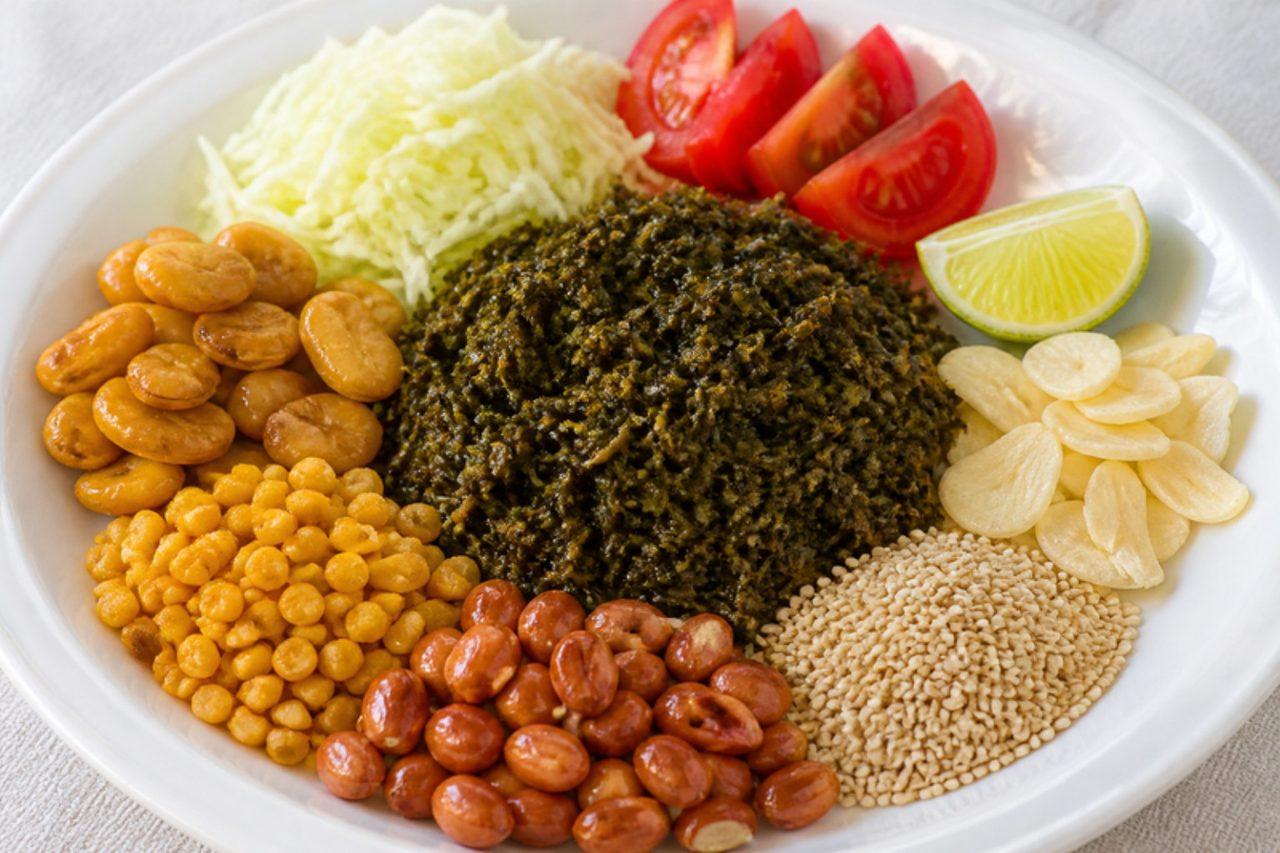
Lahpet thoke is how Myanmar welcomes a guest: a lacquered tray of pickled tea leaves surrounded by fried beans, peanuts, sesame and garlic, offered after meals, at weddings and at monk feasts from Mandalay to Yangon. Mixed into a salad with cabbage, tomato, chilli and lime, it becomes the country's most famous dish: bitter, sour, salty and crunchy at once, with a gentle caffeine lift. Ready-made lahpet sometimes contains fish sauce and the crunchy mix often has dried shrimp, so this version quick-pickles loose green tea at home. Chef's tip: soak the tea in several changes of hot water and squeeze it hard each time; that's what tames the bitterness.

by KrazyBadal 0 views

PerkedelPotato fritters

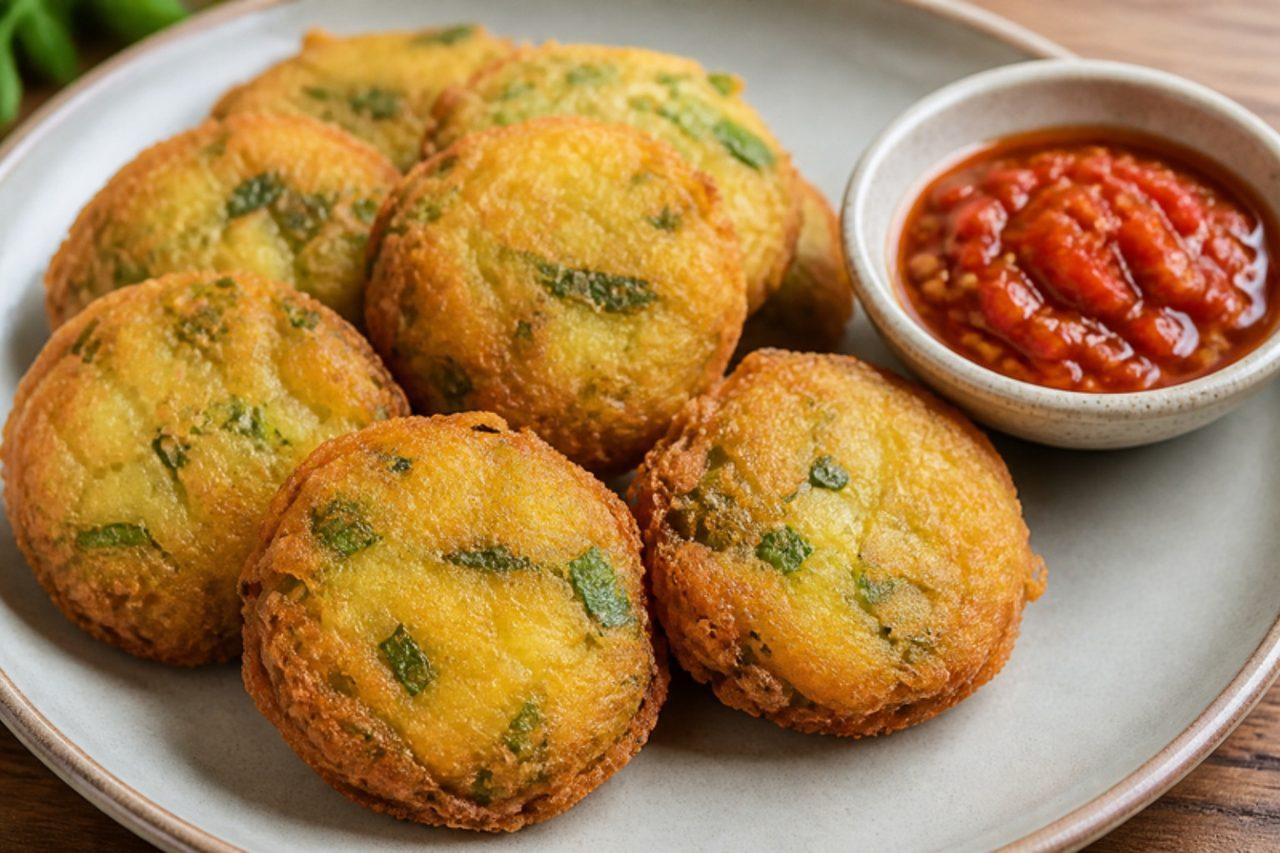
Perkedel came to Indonesia from the Dutch frikadel, but became something quite different: mashed fried potato seasoned with nutmeg, white pepper, spring onion and fried shallots, shaped into little patties and fried in a coating of egg. Families make them for soto, for nasi kuning platters and Lebaran tables, and children grab them cold from the fridge. The outside is lacy and golden, the inside soft and peppery. Chef's tip: fry the potatoes before mashing, rather than boiling them — it's the Indonesian way, and it gives drier, fluffier potato that holds its shape without flour.

by KrazyBadal 0 views

PernilRoast pork shoulder

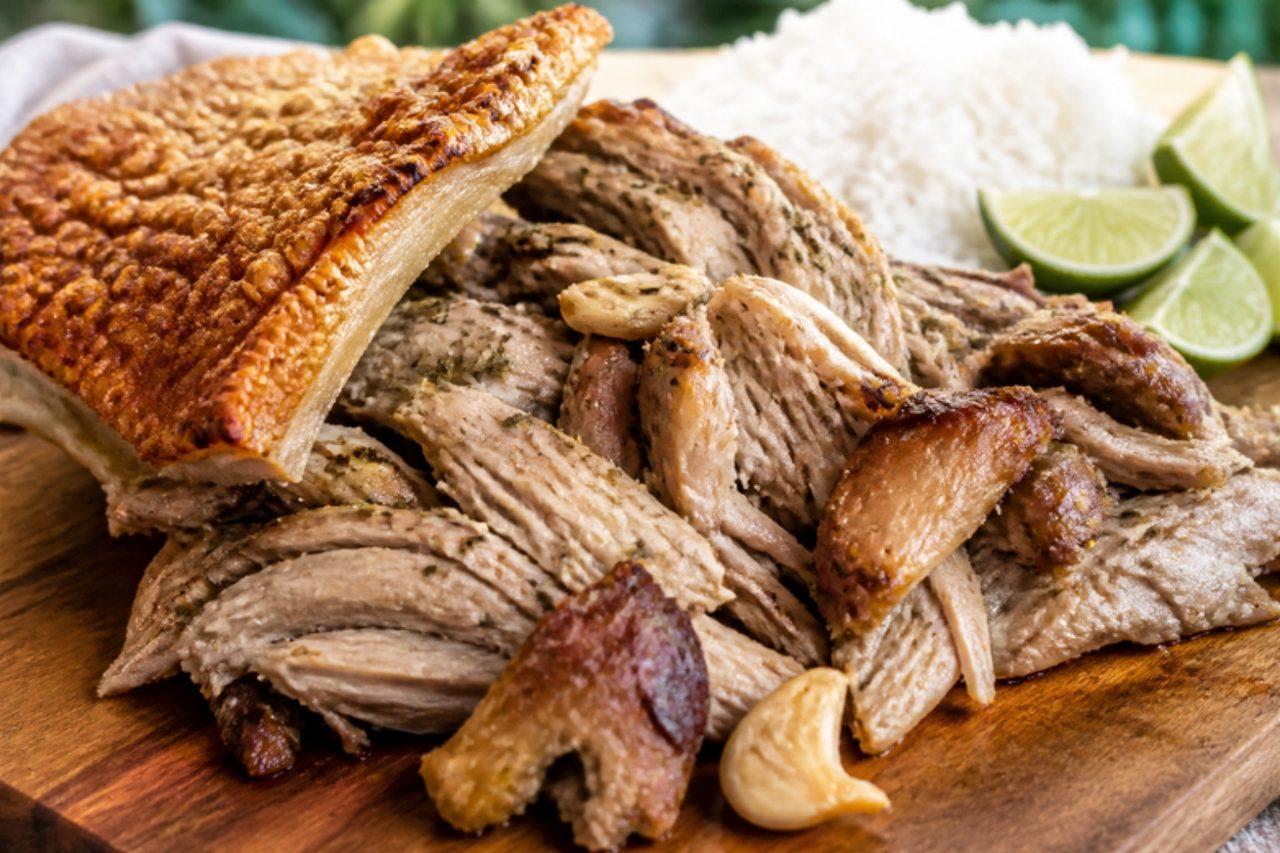
No Puerto Rican Nochebuena (Christmas Eve) is complete without pernil, a whole pork shoulder rubbed with a pounded paste of garlic, oregano and black pepper, left in the fridge overnight and roasted low for hours until it falls apart. This is a pork dish. Families fight over the cuerito, the crackling skin on top, and the meat goes with arroz con gandules, salad and more rice the next day. The usual mistake is smearing the marinade over the skin: the garlic burns and the skin never crackles, so push the paste into slits and under the skin, and keep the skin itself dry and salted. Chef's tip: marinate for a full 24 hours if you can; the garlic and vinegar soak right into the meat.

by KrazyBadal 0 views

LaingTaro leaves in coconut milk

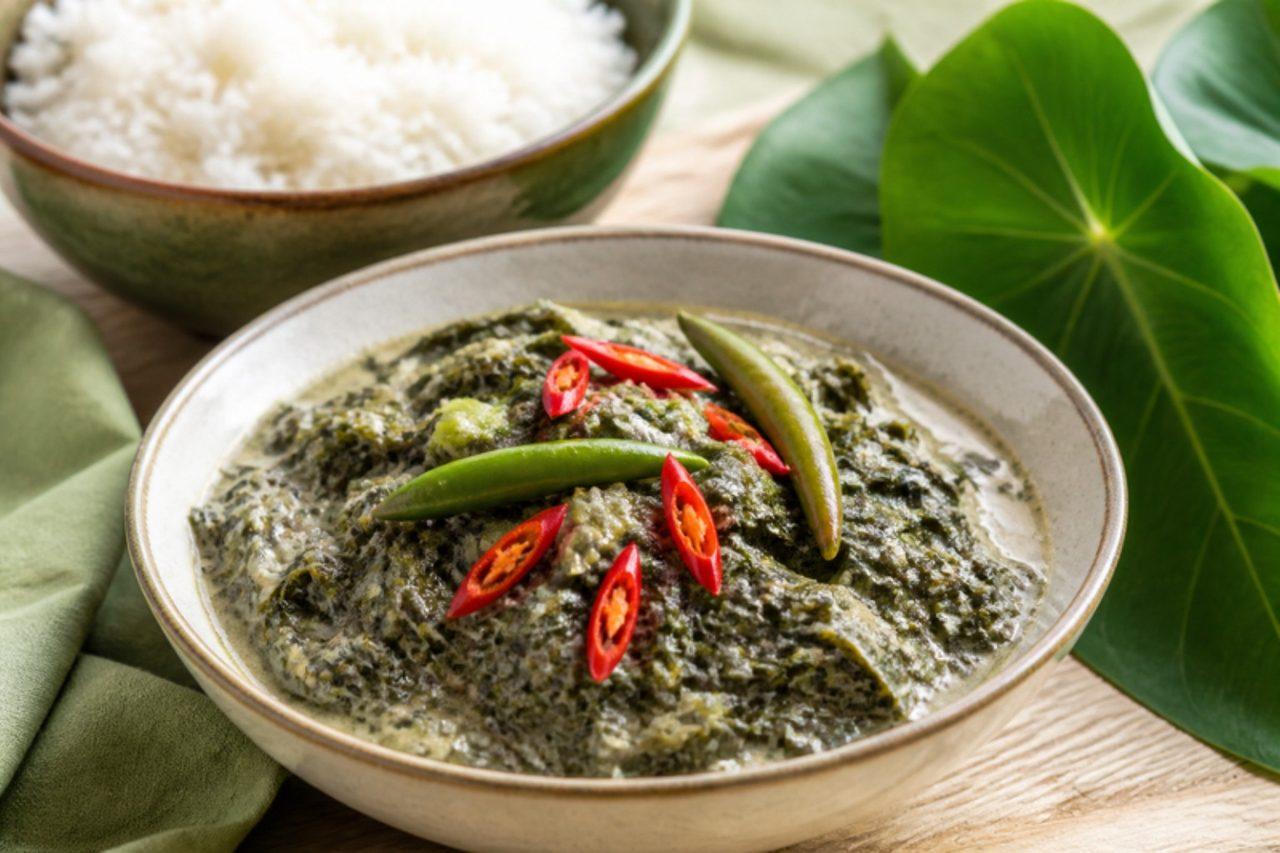
Laing is the pride of Bicol, the chilli-loving region at the southern tip of Luzon. Dried taro leaves are simmered for close to an hour in coconut milk with ginger, lemongrass and siling labuyo until they collapse into a dark, creamy, spicy mass, then finished with thick coconut cream. Bicolano cooks usually add pork or dried fish and shrimp paste; this vegetarian version leans on extra ginger and a little salt and stays rich. Eat it with plain rice, often as a Friday or Lenten dish. Chef's tip: lay the leaves on top of the coconut milk and don't stir until they have soaked it up; stirring raw taro leaves early is said to leave an itchy taste.

by KrazyBadal 0 views

SawhchiarChicken and rice porridge

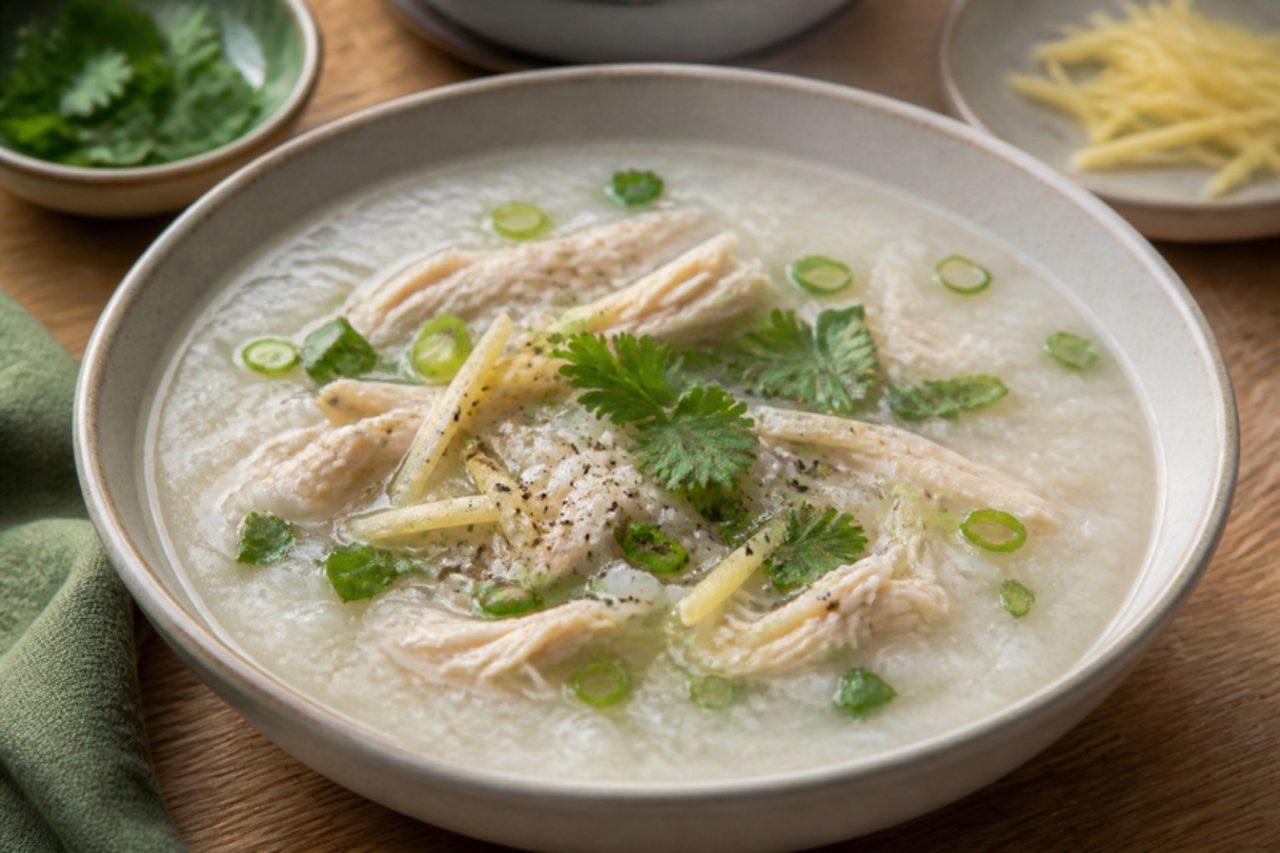
Sawhchiar is Mizoram's comfort food and community food at once: rice and chicken slowly cooked together until thick and soft. In Aizawl huge pots are made for church gatherings, festivals such as Chapchar Kut and for neighbours in times of mourning, and smaller pots at home for anyone feeling unwell. It is gently seasoned with ginger, garlic and pepper and eaten with a fiery chilli on the side. Chef's tip: stir from the bottom every few minutes near the end; once the rice thickens it catches quickly.

by KrazyBadal 0 views

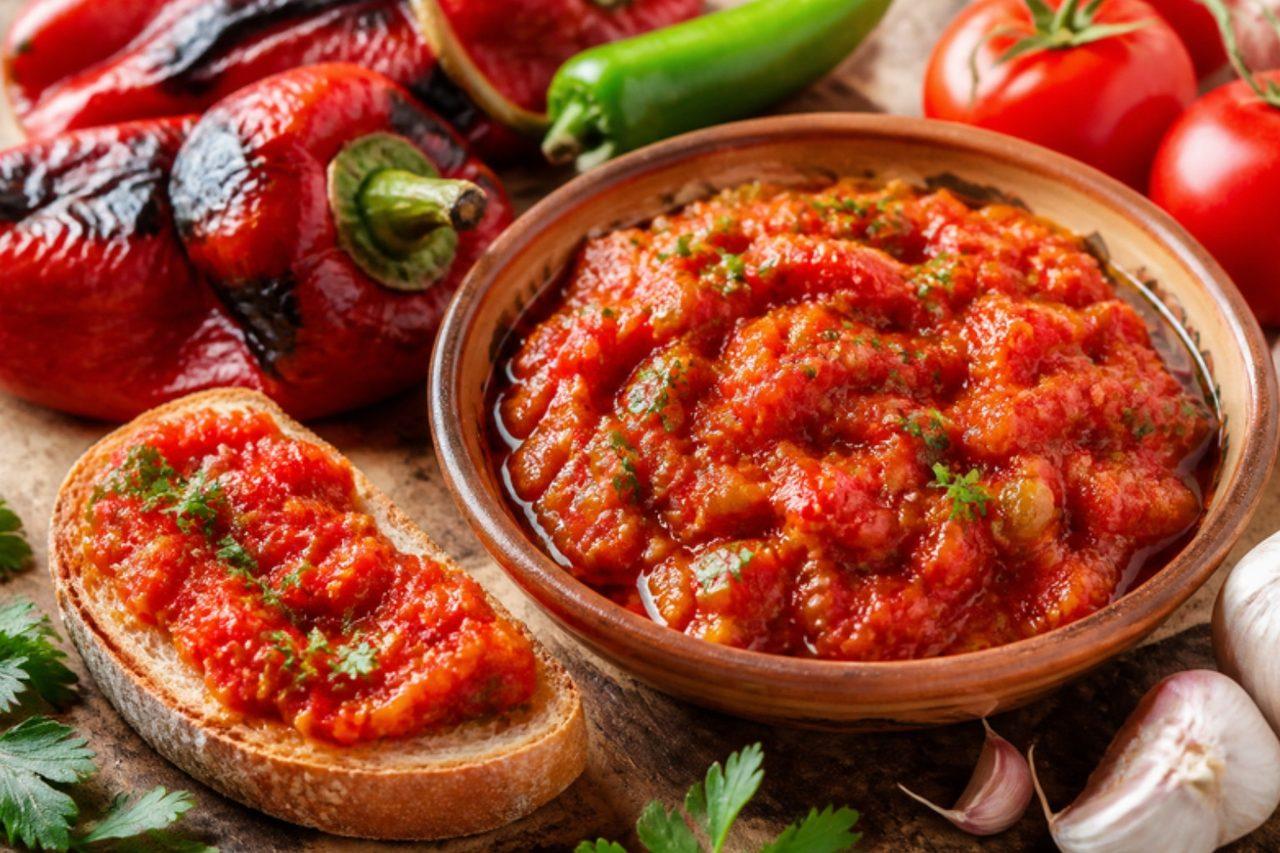
AjvarRoasted pepper and aubergine relish

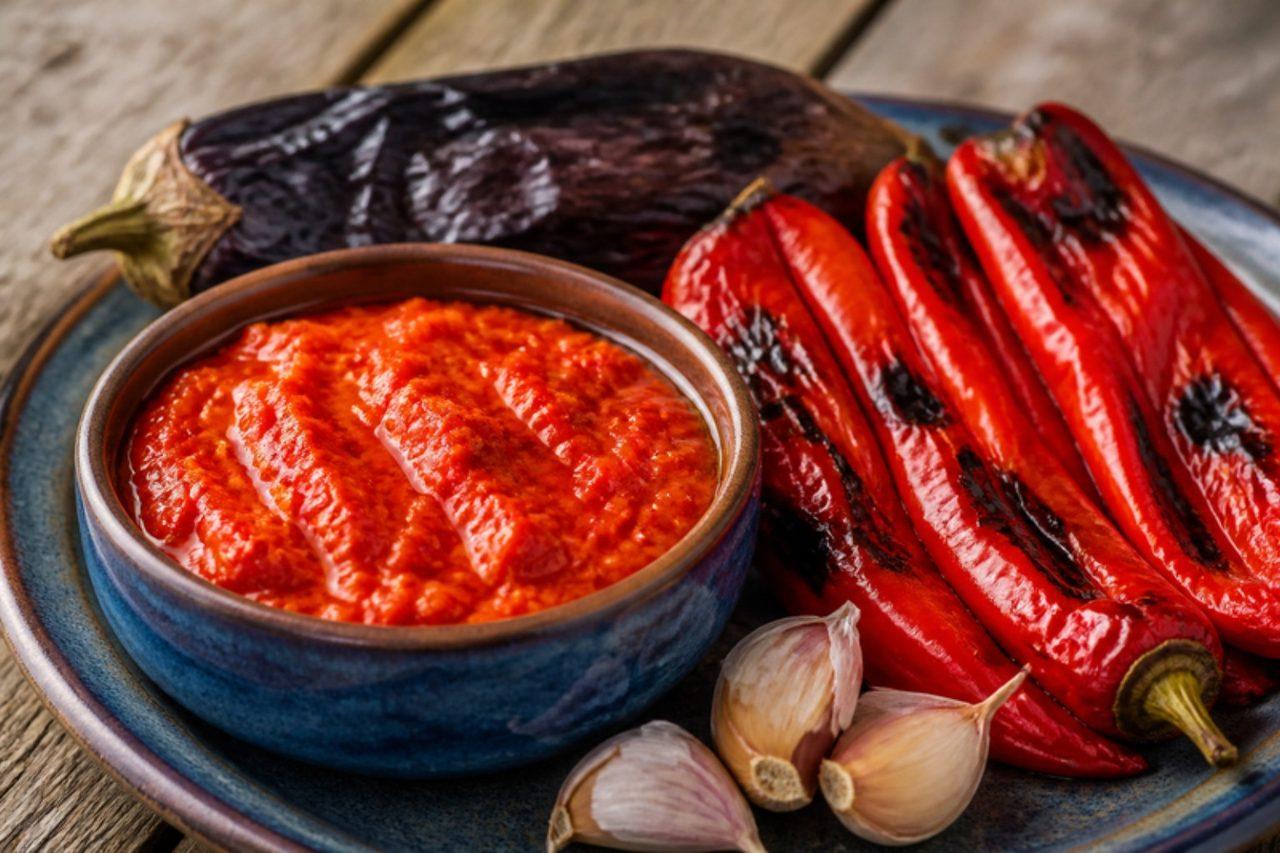
Every September the smell of charring peppers drifts over courtyards from Leskovac in southern Serbia to Strumica in North Macedonia, as families roast crates of long red babura peppers on wood stoves and spend a whole Sunday stirring the pulp into ajvar for the winter shelves. A little roasted aubergine softens the flavour, and long cooking with sunflower oil turns it into a glossy, sweet-smoky spread that is eaten on bread with white cheese, beside beans or potatoes, and with almost every winter meal. This is a home-sized batch for two medium jars rather than a cellar full. Chef's tip: do not rinse the roasted peppers under the tap to get the skins off; it washes away the smoky juices that make ajvar taste of autumn, so peel them with oiled fingers and a paper towel instead.

by KrazyBadal 0 views

PesarattuGreen moong crêpes

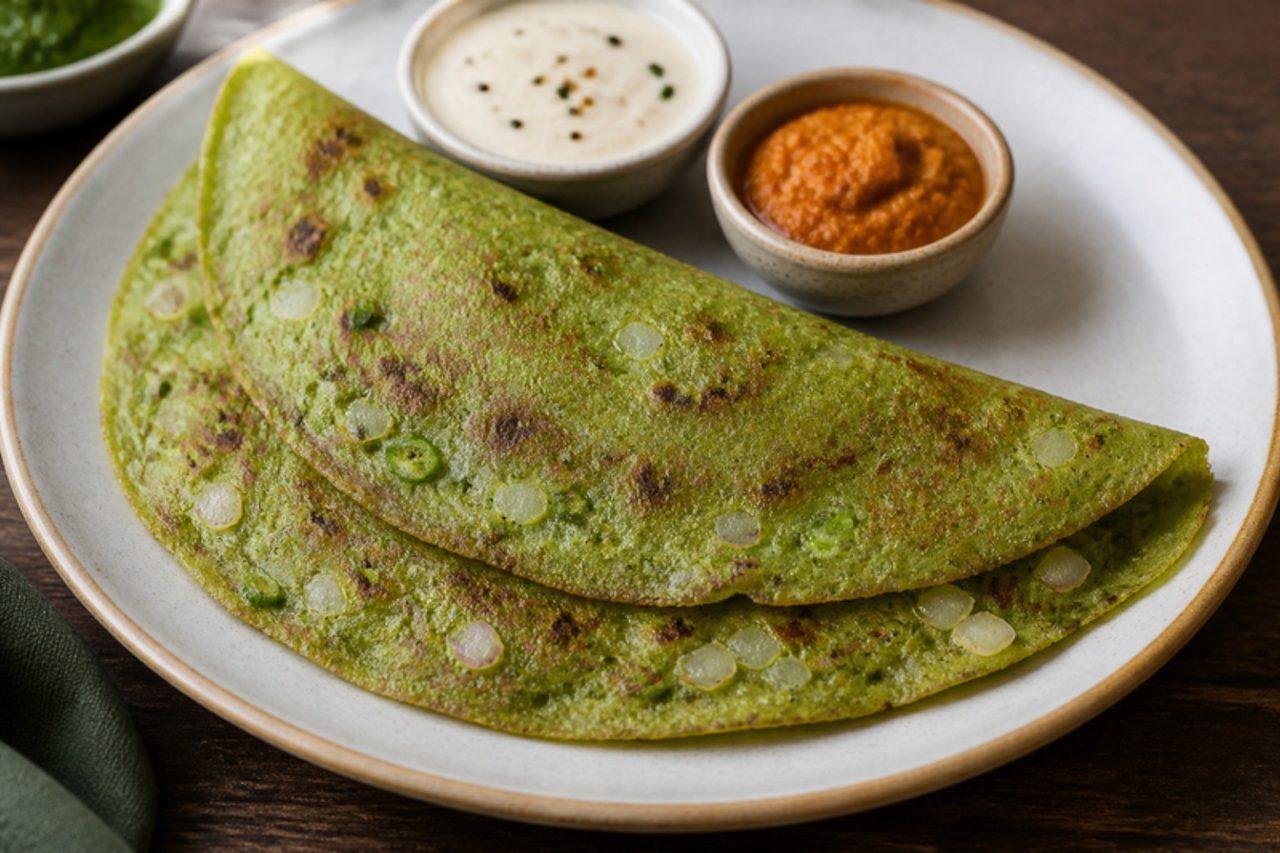
Pesarattu is the breakfast dosa of Andhra Pradesh, made from whole green moong beans ground with ginger, green chilli and cumin rather than rice and urad dal. Because the batter needs no fermenting, you can soak the beans before bed and have crisp, nutty, bright-green dosas on the table by morning. In Andhra homes they're scattered with onion and eaten with a sharp ginger chutney, and on festive days filled with upma to make 'MLA pesarattu'. They're high in protein, light and naturally gluten free. Chef's tip: add a small handful of raw rice to the soak; it isn't traditional everywhere, but it gives the dosa a crisper edge and stops it tearing on the pan.

by KrazyBadal 0 views

Pescado a la tallaGrilled fish in chilli paste

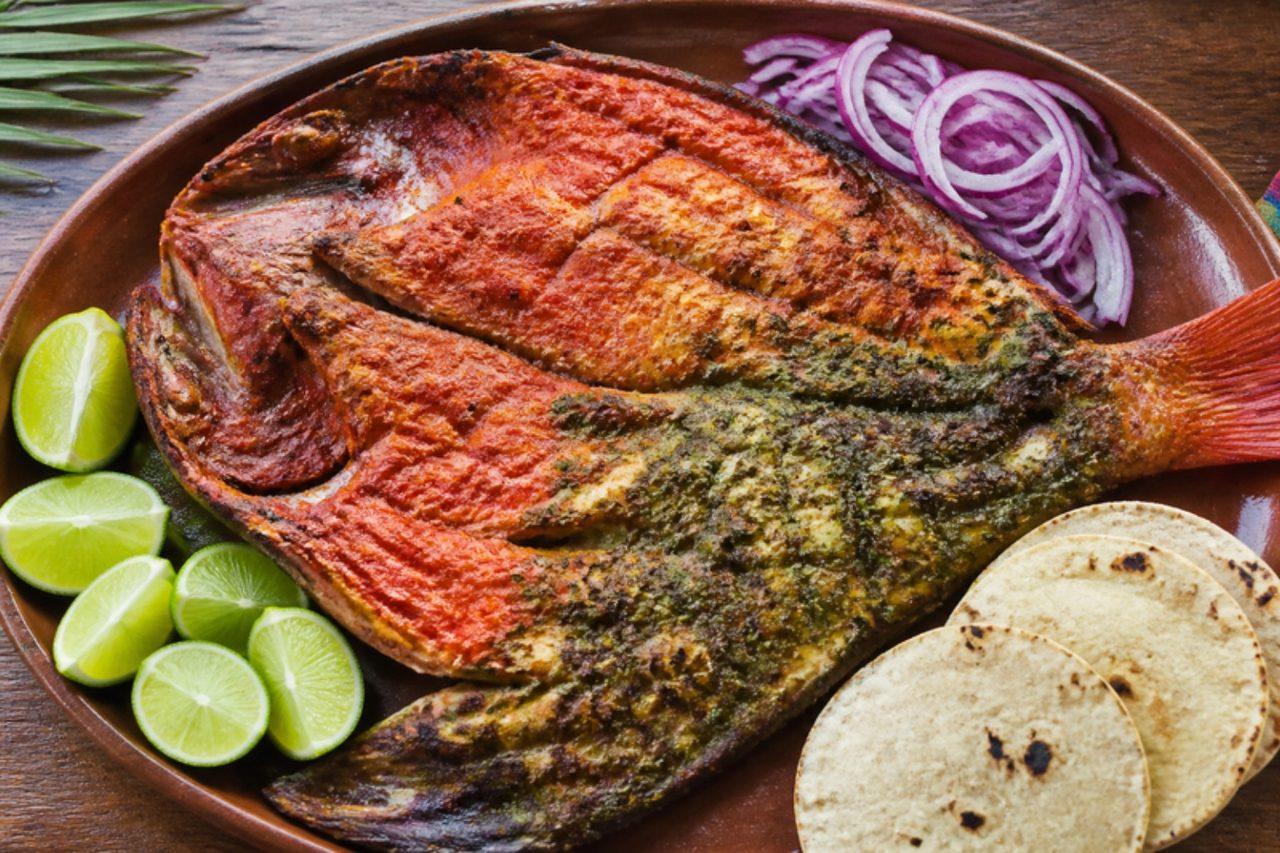
On the long beach of Barra Vieja, just south of Acapulco in Guerrero, whole fish are split open, painted with chilli paste and grilled over wood embers in palapa restaurants with their feet in the sand. One half gets a brick-red adobo of guajillo and ancho, the other a bright green paste of herbs and fresh chilli, so a single fish brings two flavours to share. It is eaten straight off the platter with tortillas, rice, lime and cold drinks. Chef's tip: cook it mostly skin-side down in a hinged fish basket, so the skin protects the flesh and the fish turns without breaking.

by KrazyBadal 0 views

KladdkakaSticky chocolate cake

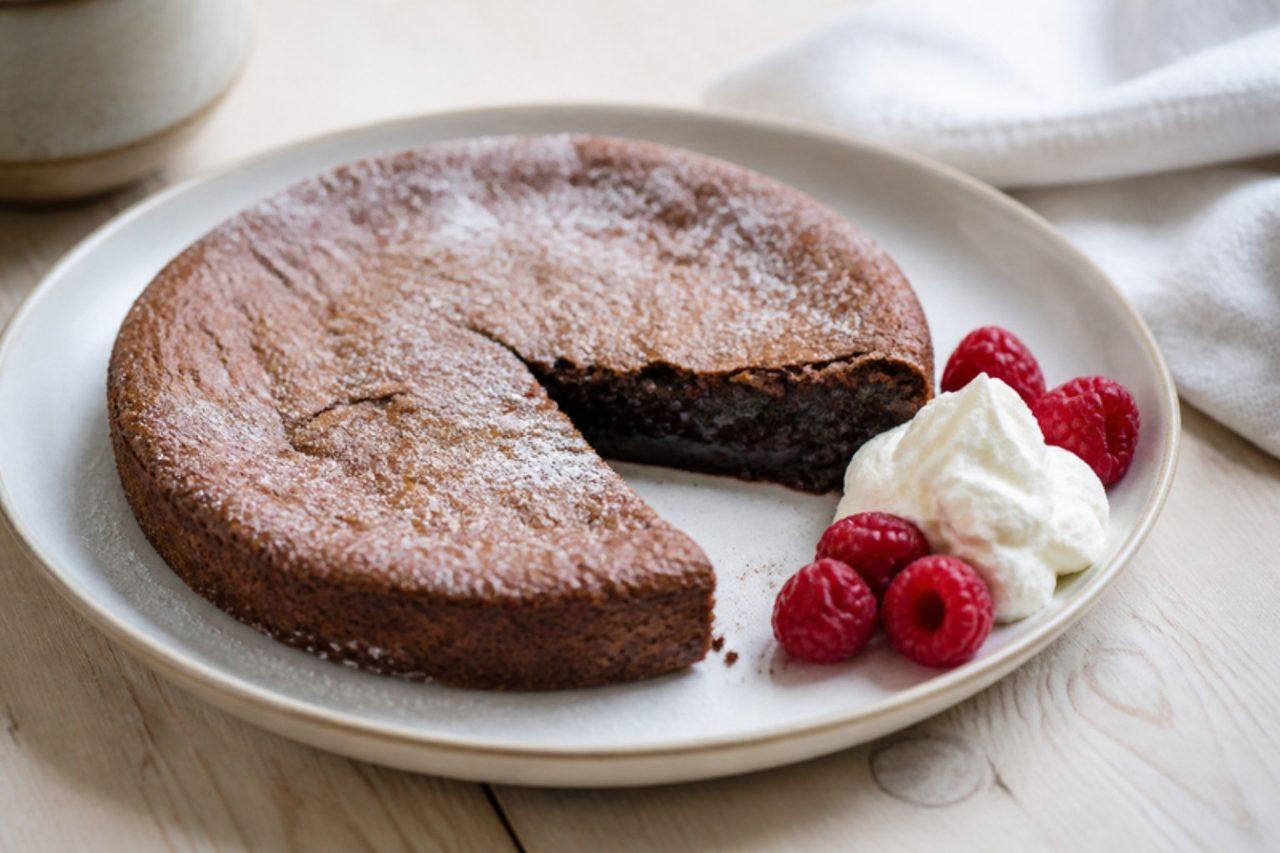
Kladdkaka, literally 'sticky cake', is the chocolate cake Swedish teenagers learn to make first, because it needs one pan, no mixer and no raising agent. The outside bakes to a thin, crackly crust while the centre stays fudgy and almost molten, somewhere between a brownie and a chocolate pudding. In Sweden it turns up at birthday parties, after Friday tacos and at summer cottages, cut into wedges and served with lightly whipped cream and a few raspberries or lingonberries. Cocoa, not bar chocolate, gives it its classic flavour. Chef's tip: take it out when the middle still wobbles like set jelly; it firms up as it cools and a fully set kladdkaka is just a dry chocolate cake.

by KrazyBadal 0 views

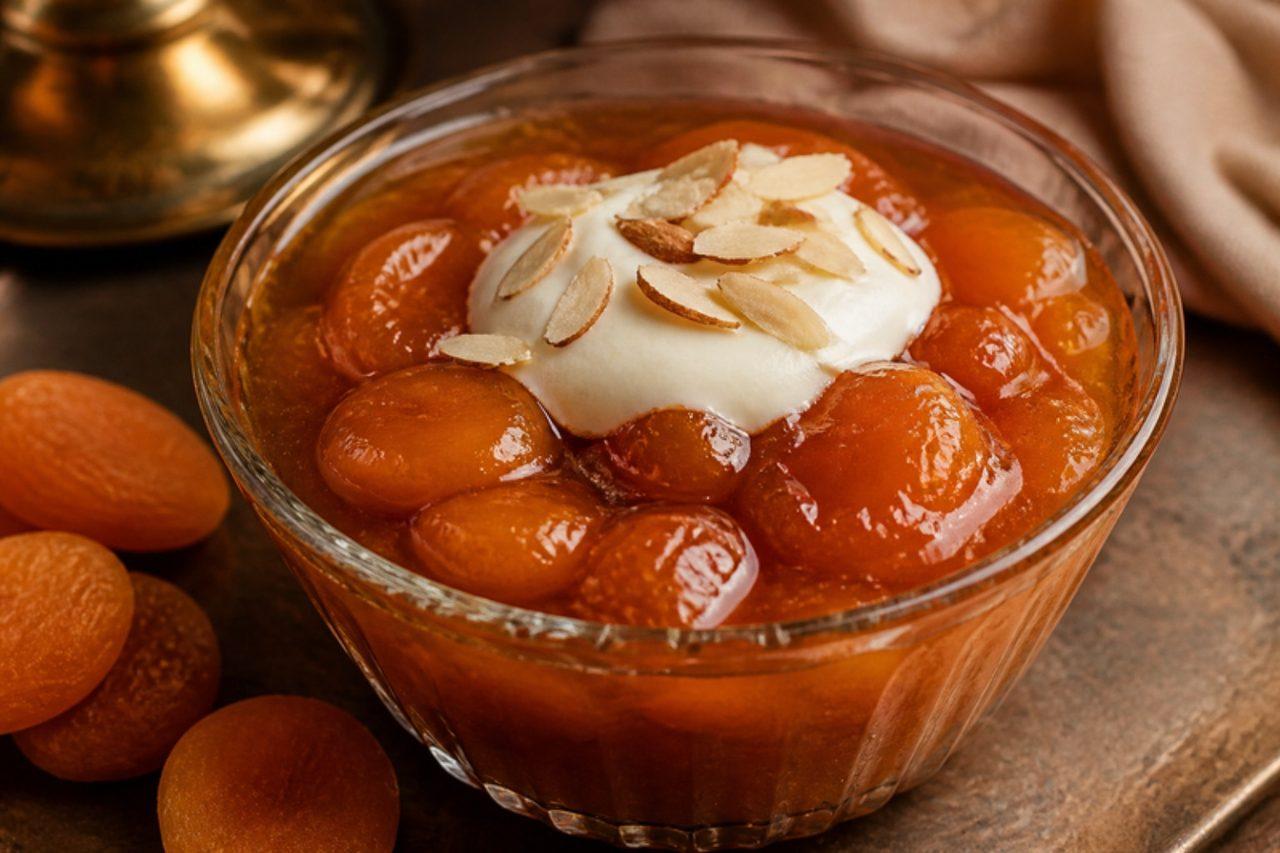
Qubani ka meethaStewed apricots with cream

No Hyderabadi wedding feast, or dawat, ends without qubani ka meetha: dried Afghan apricots soaked overnight, then simmered slowly with sugar until they break down into a glossy, deep amber compote, served cold with thick cream or a scoop of vanilla ice cream. In Hyderabad the kernels from inside the apricot stones are scattered on top; at home, blanched almonds give the same look and taste, and are safer, as some apricot kernels are bitter and shouldn't be eaten in quantity. It is sweet, tart and jammy, and very easy to make for a crowd days ahead. Chef's tip: keep the soaking water and cook the apricots in it; it holds much of their flavour and natural sugar.

by KrazyBadal 0 views

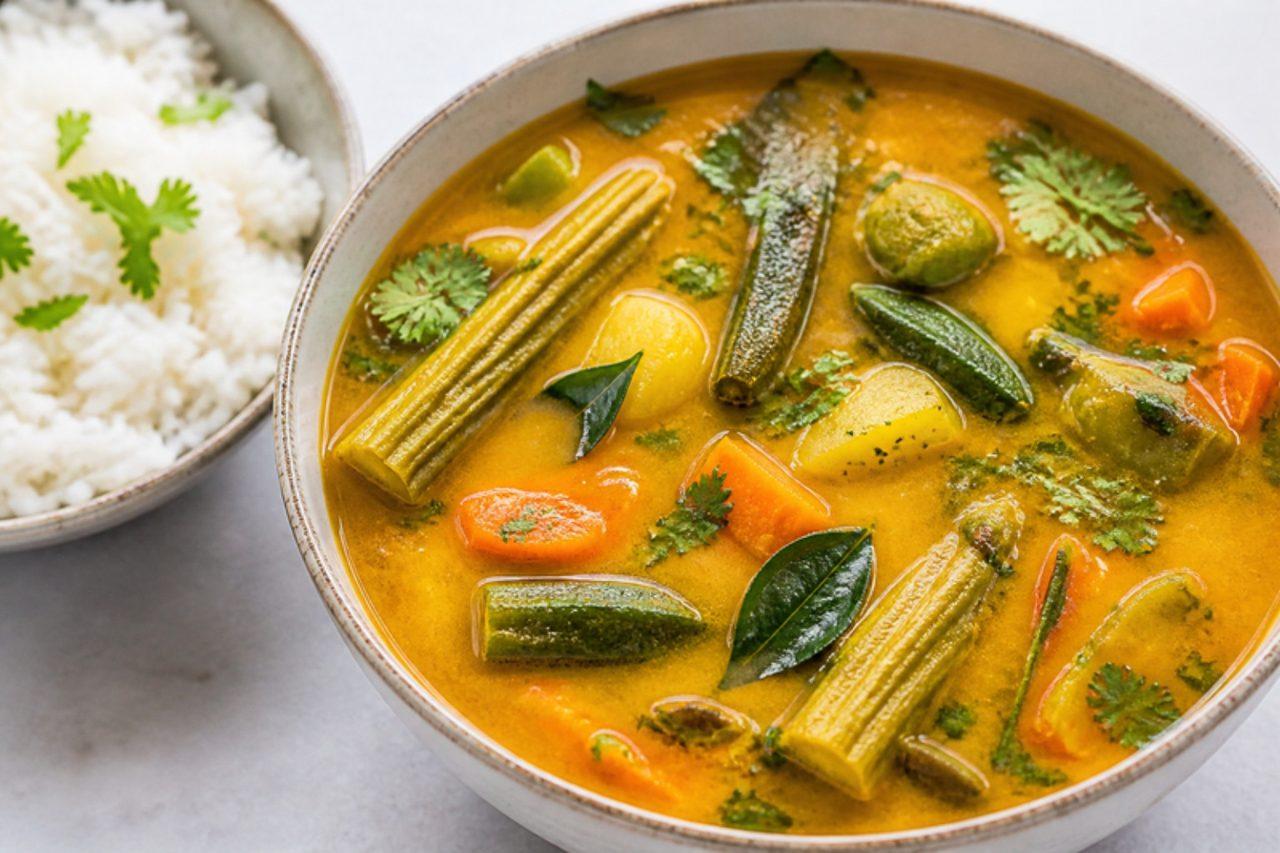
Sindhi kadhiSour gram flour and tamarind curry

Sindhi kadhi is the Sunday lunch of families from Sindh, served in Karachi and Hyderabad homes over plain rice with crisp fried potatoes on the side. Unlike the yogurt kadhis of Gujarat and Punjab it uses no dairy at all: gram flour is roasted in oil until it smells like toasted nuts, whisked into water with tamarind and tomato, and simmered with a crowd of vegetables, typically drumsticks, okra, cluster beans, potato and carrot. The result is thin, sour and gently hot, with a deep golden colour. The common mistake is rushing the roasting of the gram flour; pale flour leaves the whole pot tasting raw and pasty. Chef's tip: cook the drumsticks and potatoes first and add the okra only in the last 10 minutes so it stays whole and does not turn slimy.

by KrazyBadal 0 views

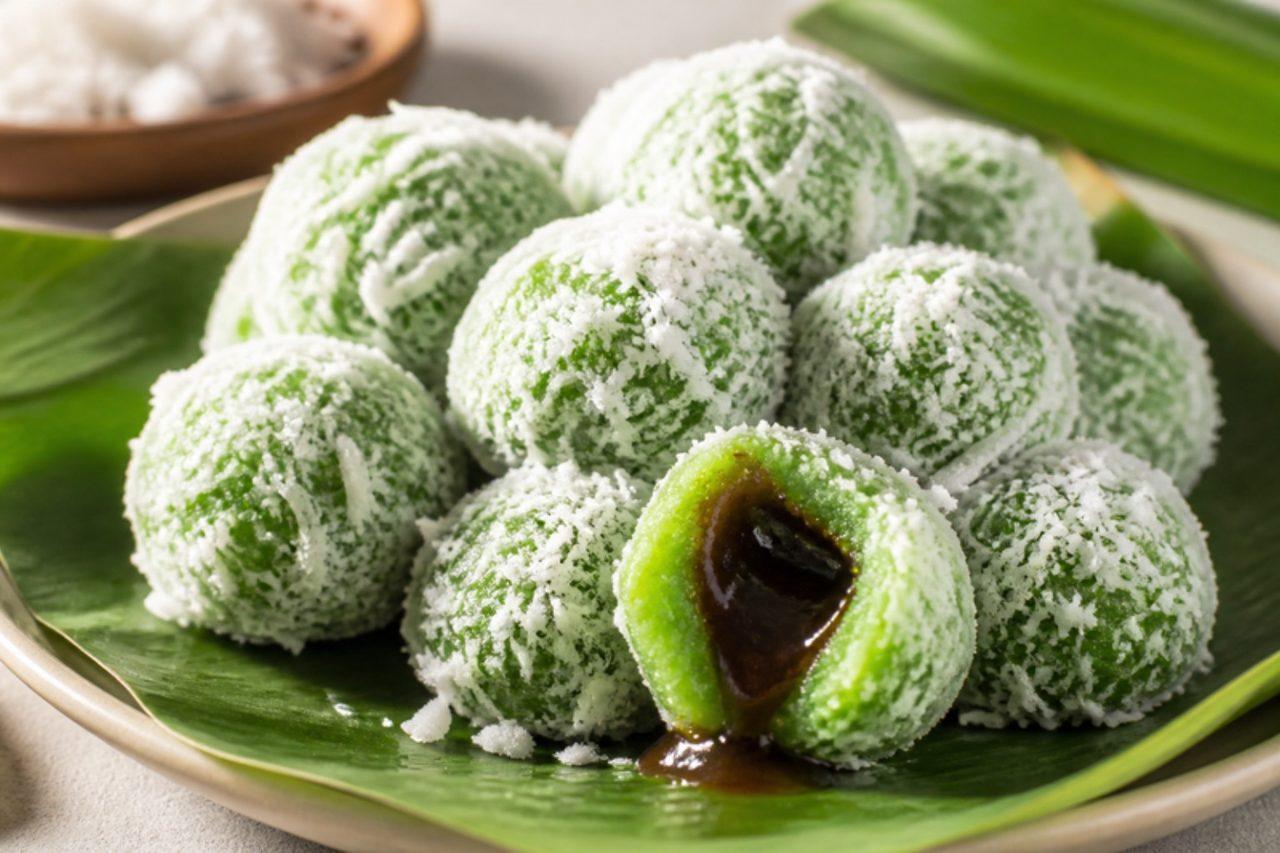
KleponPandan rice balls with palm sugar

Klepon are the jajan pasar, or market cakes, of Java: sold in the morning from baskets lined with banana leaves, bright green from pandan and dusted with grated coconut. Bite one and a pocket of molten palm sugar floods your mouth, so Javanese eat them whole. Malaysians and Singaporeans know the same sweet as onde-onde, made for festive tea tables, so this page covers both. Chef's tip: seal the balls with no cracks and drop them into gently boiling water — the moment they float, give them one more minute, and the sugar inside will be fully molten.

by KrazyBadal 0 views

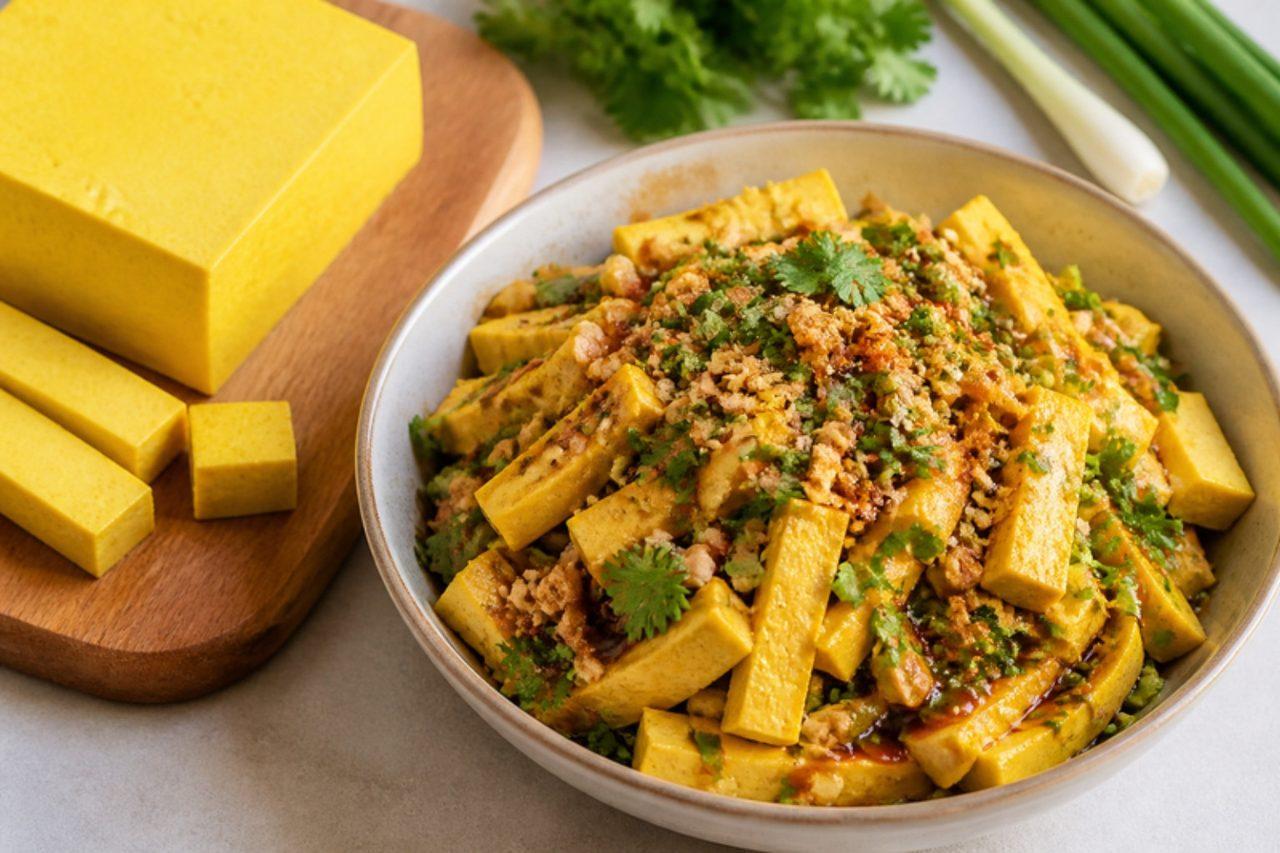
Shan tofuChickpea flour tofu

Shan tofu (to hpu) contains no soy at all: it is a smooth, wobbly block of chickpea flour cooked with water and turmeric, then left to set. Shan women sell it in golden slabs at the five-day markets around Inle Lake and Taunggyi, cut into cubes and dressed as a salad with chilli oil, garlic, vinegar and peanuts, or sliced and fried into crisp fritters. Warm and unset, it's eaten as a porridge (to hpu nway). Chef's tip: whisk constantly as it thickens and keep cooking for a full 8 minutes after it turns thick; undercooked Shan tofu tastes raw and never sets firmly.

by KrazyBadal 0 views

LaksamRice noodles in coconut fish gravy

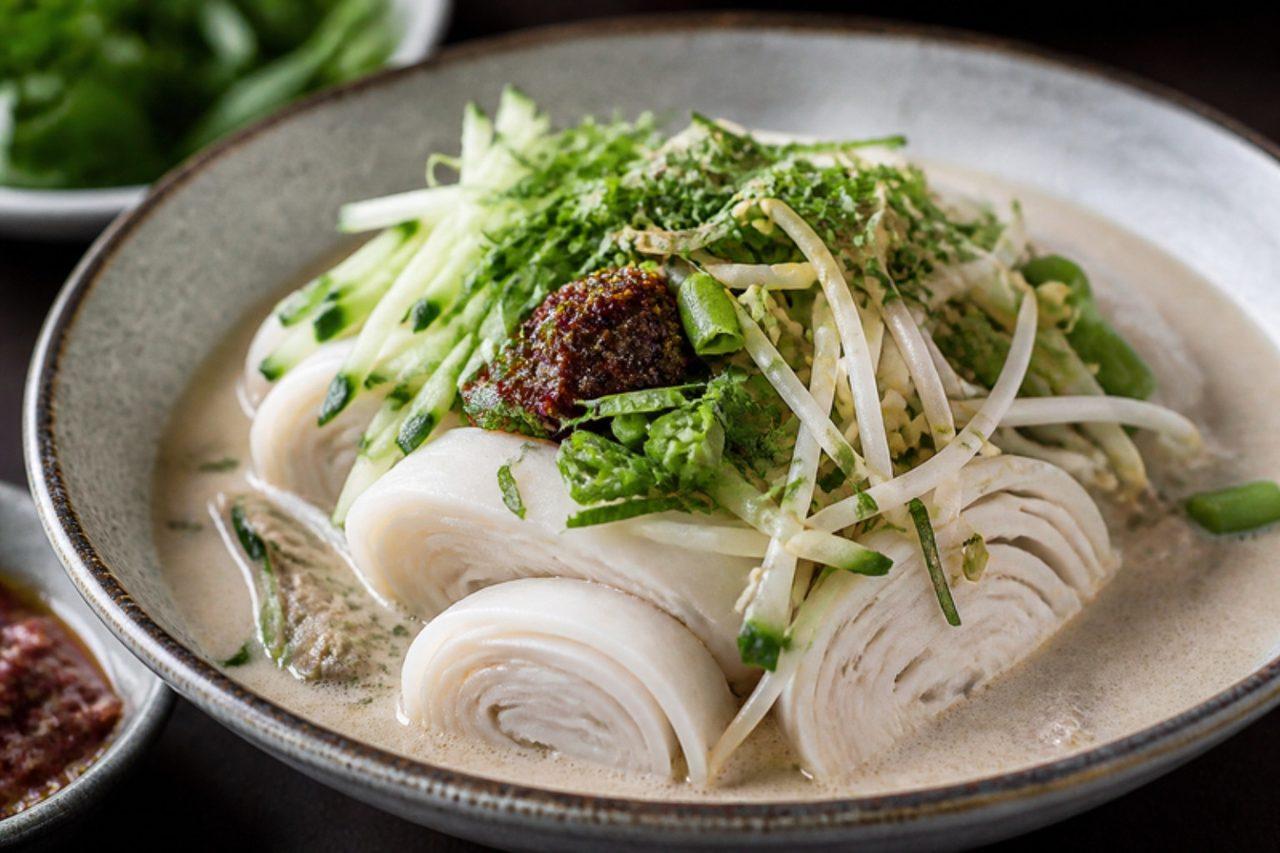
Kota Bharu's morning market has its own noodle: laksam, thick sheets of steamed rice batter rolled up like little carpets and sliced into wheels. They are drowned in a pale, creamy gravy of pounded fish and coconut milk, then heaped with raw herbs and vegetables (ulam): cucumber, long beans, bean sprouts, daun kesum and torch ginger flower, with a spoonful of fiery chilli and budu, the region's fermented anchovy sauce. The result is soft and slippery, rich and cool at the same time. Locals eat it for breakfast or as a mid-morning snack. Chef's tip: pound the cooked fish with the shallots instead of blending it smooth; the gravy should feel faintly textured, like a thin porridge.

by KrazyBadal 1 views

Lal sahRed tea

In Assam, the home of half of India's tea, the everyday cup is lal sah, 'red tea': strong CTC or orthodox Assam leaf brewed briefly, poured off, sweetened and drunk black. It is what tea-garden workers, Guwahati office-goers and grandmothers drink from morning till evening, often with a slice of lemon, a crushed piece of ginger or, in upper Assam, a bay leaf. Its colour is a deep, clear red and its taste is malty and brisk, never stewed. Chef's tip: take the pan off the heat before adding the leaves; boiling them makes the tea harsh and cloudy.

by KrazyBadal 1 views

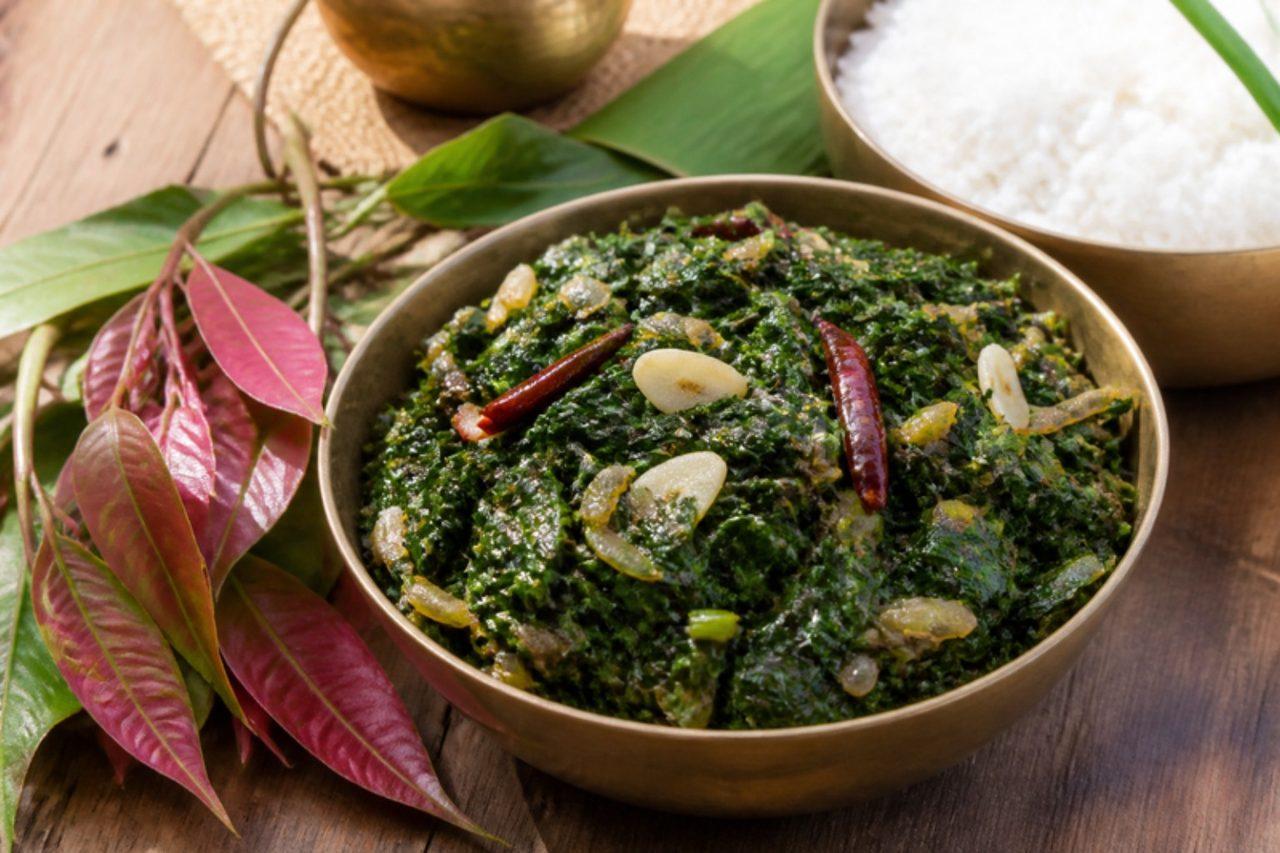
Saag (rayo ko saag)Mustard greens stir-fry

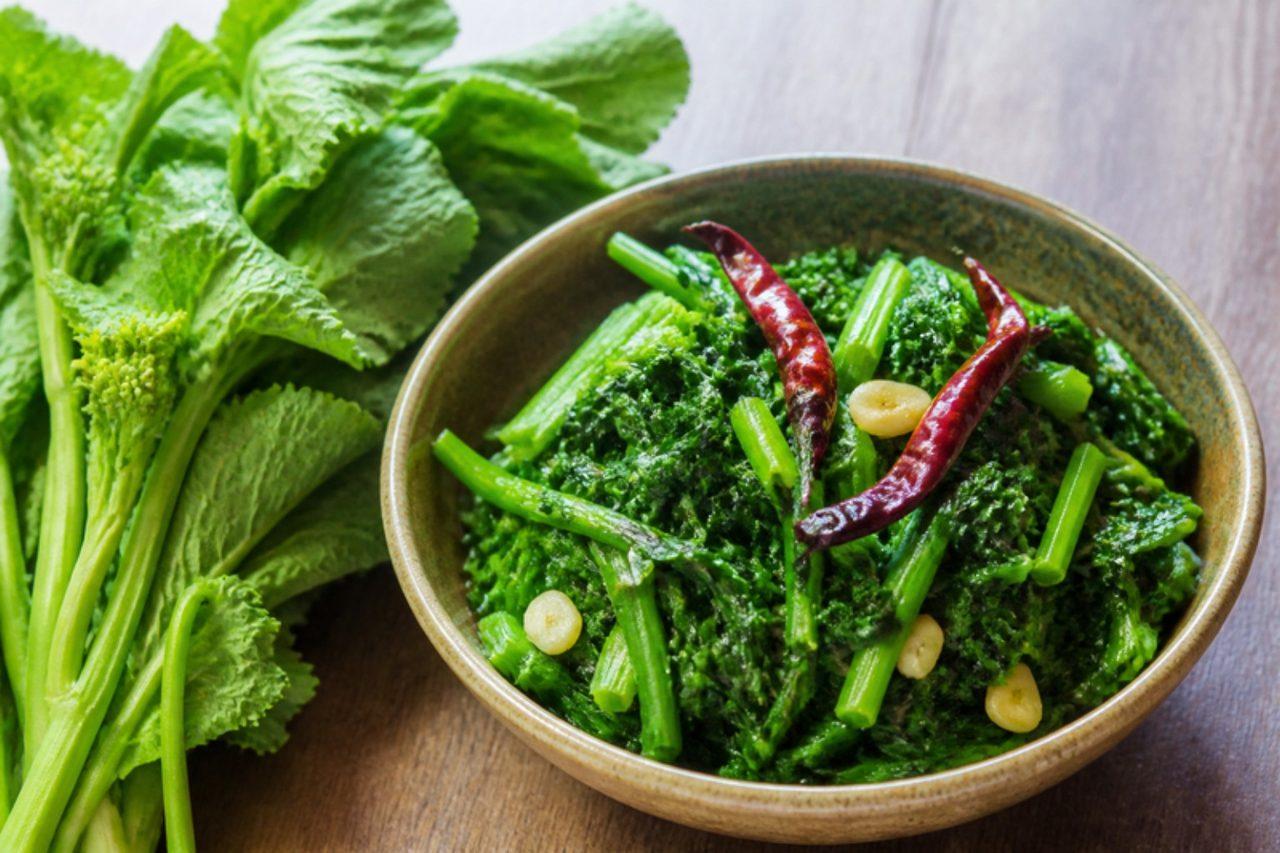
Ask for saag anywhere in Nepal and you will get the leafy part of the dal bhat plate: a tangle of greens, most often rayo (a broad-leafed mustard green), fried fast in mustard oil with garlic and a dried chilli until just wilted. It is nothing like the slow-cooked, puréed sarson ka saag of Punjab. Nepali saag keeps its bright colour, a little bite in the stems and a pleasant bitterness. It grows in every kitchen garden from the Terai to the hills and is on the table most days from autumn to spring. Spinach, chard or Chinese mustard greens all work the same way. The common mistake is to cover the pan, which stews the leaves to a grey mush; keep the heat high and the lid off. Chef's tip: add the stems a minute before the leaves so both are done at the same moment.

by KrazyBadal 0 views

Peynirli pideBoat-shaped cheese bread

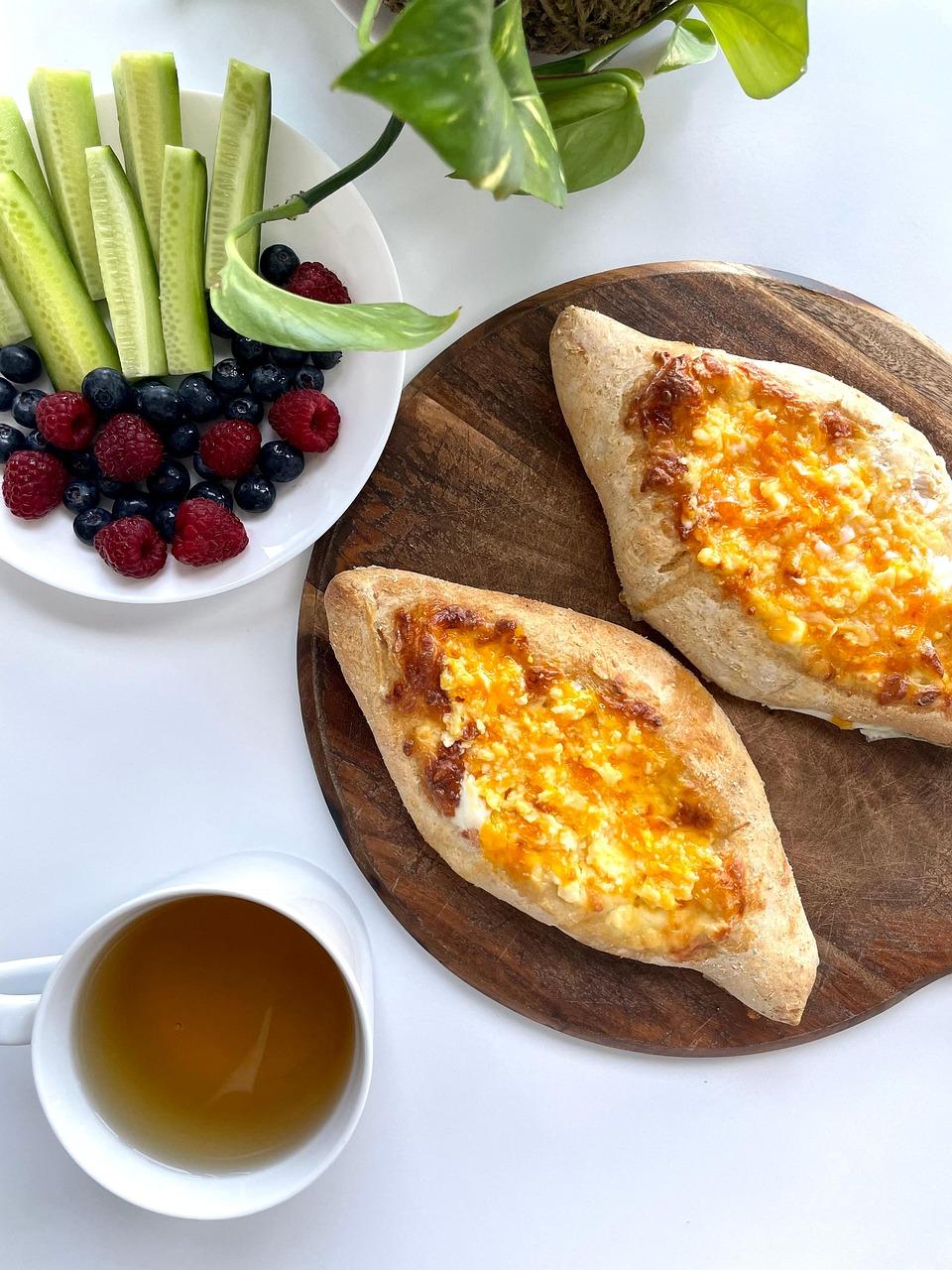
Along the Black Sea coast, from Samsun to Trabzon, the pide salon is where families go on a Friday night, and the oven man shapes each boat of dough by hand before sliding it onto the hot stone floor of a wood-fired oven. The Black Sea way is generous: a pool of melted kaşar and white cheese held inside a rim of soft bread, an egg cracked into the middle for the last few minutes and a knob of butter dropped on as it comes out. Children love tearing off the crusty ends to drag through the cheese. Chef's tip: heat a heavy baking tray or pizza stone in the oven for a full 30 minutes; the hot base is what gives a crisp underside rather than a soft one.

120 minTurkishPizza
by KrazyBadal 0 views

BasundiThickened sweet milk

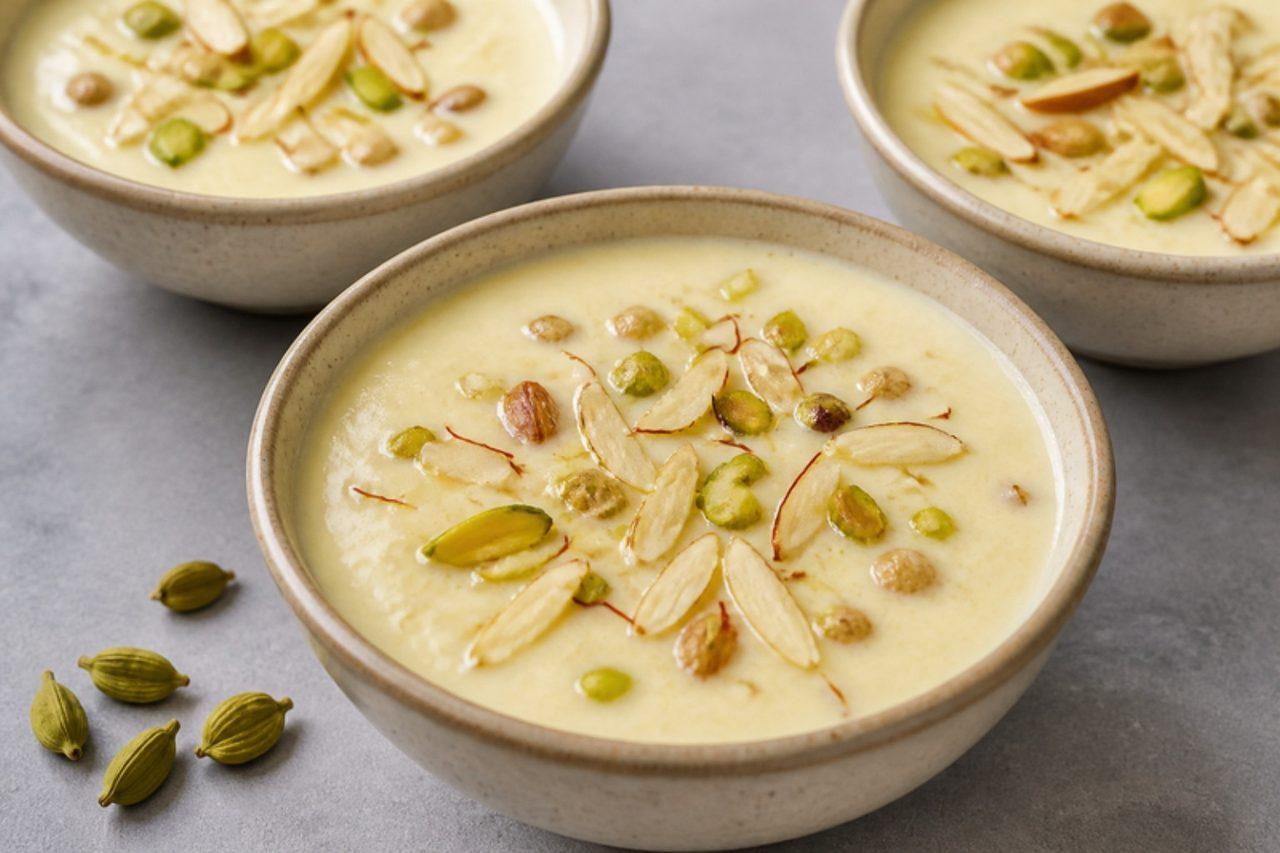
Basundi is the reduced-milk dessert of Maharashtra and Gujarat: whole milk simmered patiently in a wide pan, with the skin that forms on top scraped back in, until it is thick, cream-coloured and a little grainy, then sweetened and scented with cardamom and saffron. In Maharashtra it's served with hot puris for Gudi Padwa and Bhau Beej; in Gujarat it turns up at weddings and on Sharad Purnima, and it's also the base of the famous custard-apple (sitafal) basundi. Make it a day ahead; it thickens and tastes richer after a night in the fridge. Chef's tip: use a wide, heavy pan rather than a deep one; more surface means faster evaporation and less time standing at the stove.

by KrazyBadal 0 views

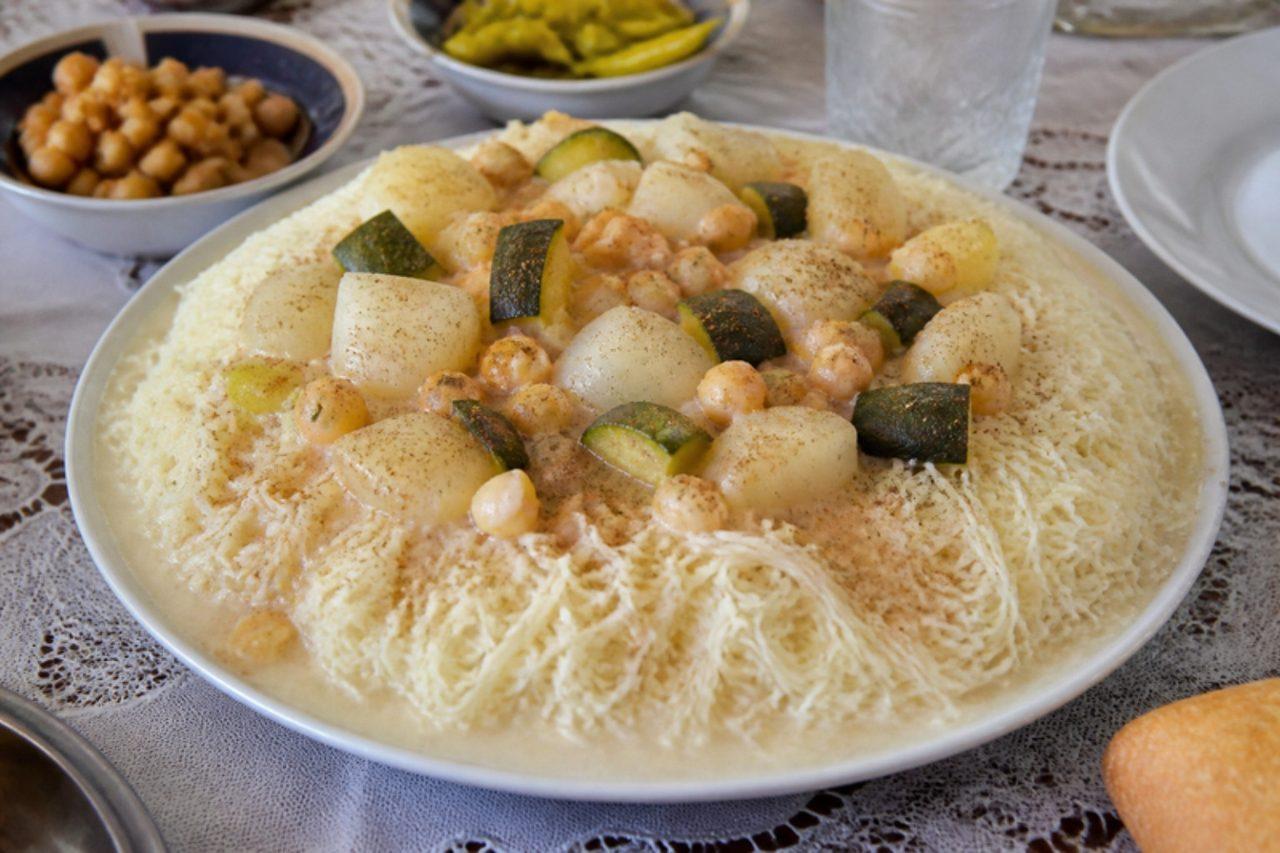
Rechta with vegetable sauceNoodles in turnip and chickpea broth

Rechta is the dish of Algiers and Blida for Mouloud, Ashura and the first day of the new year: thin, square-cut fresh noodles steamed in a couscoussier like couscous, then drenched in a pale, cinnamon-scented white sauce of turnips, courgette and chickpeas. It is usually made with chicken; this vegetable version keeps the gentle, peppery broth. Dried rechta is sold in North African shops; very thin dried egg-free noodles work too. Chef's tip: steam the noodles twice and rub them with oil in between, so they stay separate and silky.

by KrazyBadal 0 views

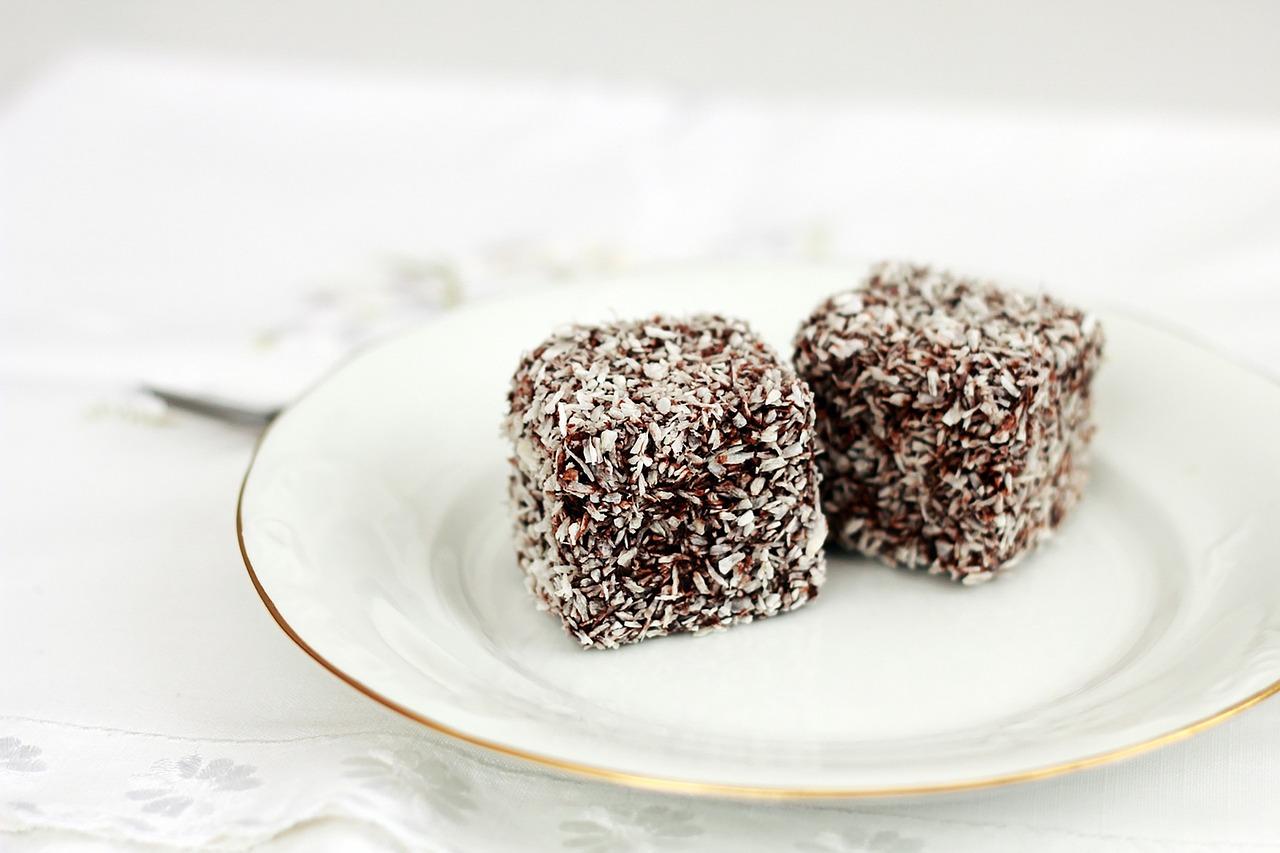
LamingtonsChocolate coconut sponge squares

Lamingtons are said to be named after Lord Lamington, Governor of Queensland at the turn of the twentieth century, and they're the cake of Australian school fundraisers, Country Women's Association stalls and morning tea at work; there's even a National Lamington Day on 21 July. Cubes of light butter sponge are dunked in a thin, glossy chocolate icing and rolled in desiccated coconut, so each one has a soft, chocolate-soaked outside and a fluffy middle. Some bakeries split them and fill them with jam and cream. Chef's tip: bake the sponge a day ahead, or freeze the cut squares for an hour; fresh sponge crumbles in the icing, firm sponge dips cleanly.

by KrazyBadal 0 views

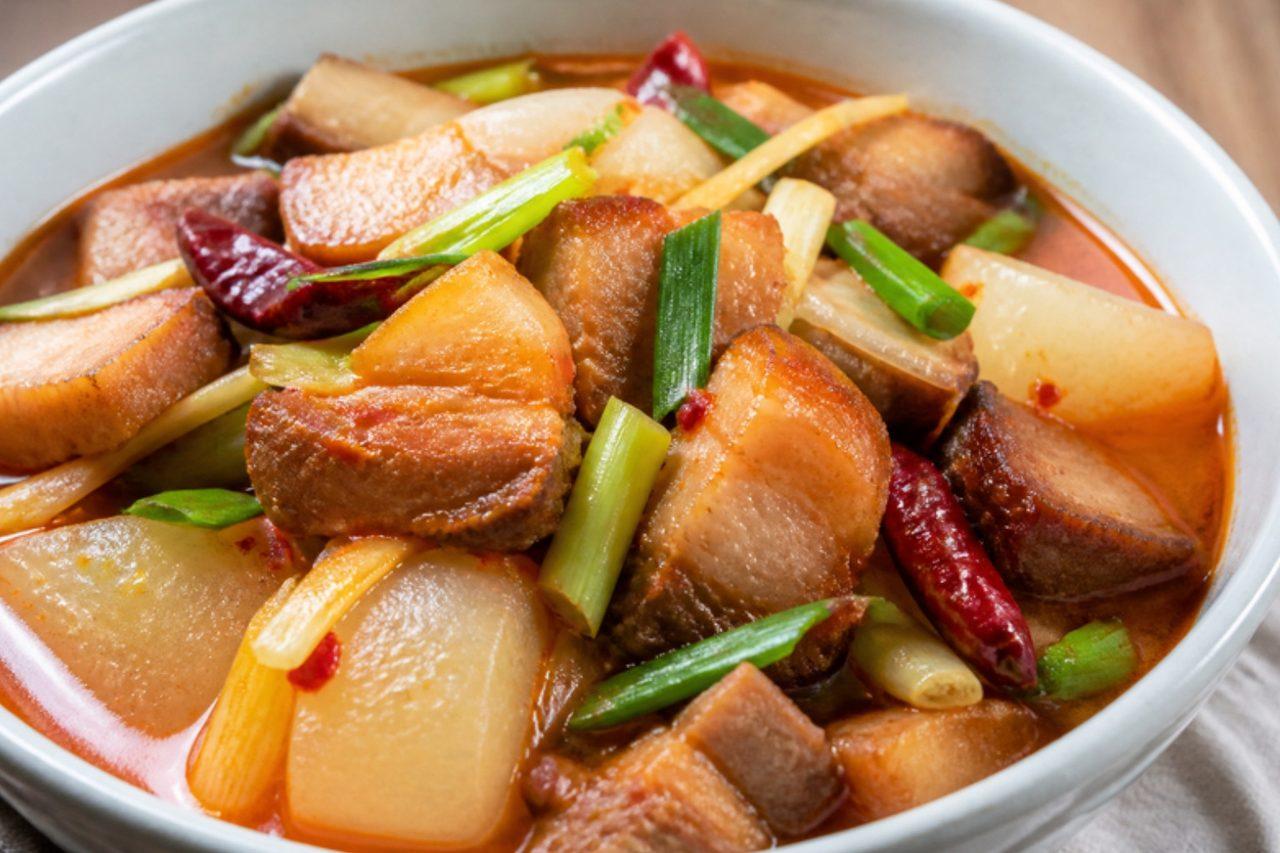
PhagshapaPork with radish and chilli

High in the hills of Sikkim, where winters are long and cold, Bhutia and Lepcha households make phagshapa from fatty strips of pork, white radish and fiery dried red chillies. Traditionally it uses no oil at all: the pork renders its own fat, and the radish soaks it up and turns meltingly soft. It is everyday warming food in Gangtok kitchens, eaten with rice and a bowl of clear soup. Chef's tip: cut the radish thick, in batons, so it holds its shape through the long simmer.

80 minIndianMeatGluten freeSpicy
by KrazyBadal 0 views

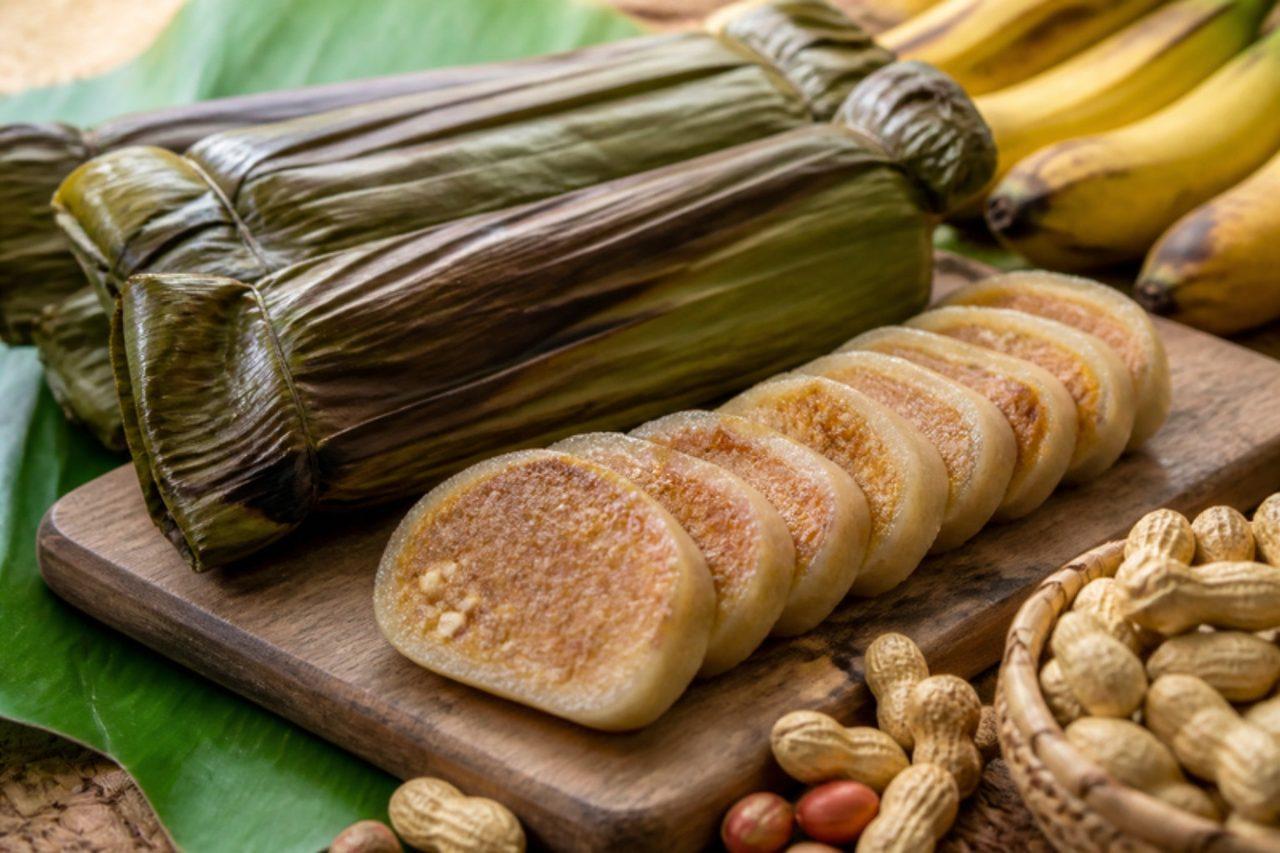
Koba akondroBanana, rice and peanut parcels

Koba is the street sweet of Madagascar's highlands, sold in thick slices from huge logs wrapped in banana leaves at markets and taxi-brousse stops around Antananarivo and Antsirabe. Koba ravina is a dense block of ground peanuts, rice flour and brown sugar; koba akondro adds ripe banana and is softer. This home version makes small parcels that steam in an hour and a half instead of a whole day. Chef's tip: wrap the parcels tightly; loose parcels let water in and the koba turns sticky instead of firm.

by KrazyBadal 0 views

Ajiaco santafereñoChicken and potato soup

On cold, drizzly afternoons in Bogotá, high up in the Andes, families sit down to ajiaco: a thick chicken soup made with three kinds of potato. Small yellow papas criollas melt away and thicken the broth, while waxy and floury potatoes keep some bite. Guascas, a dried herb with a grassy, artichoke-like taste, gives the soup its unmistakable flavour, and each bowl comes with corn on the cob, a spoon of cream, capers and slices of avocado to add at the table. A frequent mistake is adding all the potatoes at once; the papas criollas go in first so they can dissolve, the firmer ones later. Chef's tip: if you can't find guascas in a Latin shop, use a mix of dried oregano and a little dried thyme; the soup will still be good, just less Bogotá.

by KrazyBadal 0 views

Ají de gallinaChicken in creamy chilli sauce

Lima's old criollo kitchens turned leftover hens into this golden, velvety stew, and it still turns up at family lunches, office canteens and menú del día stalls all over the capital. Poached chicken is pulled into threads and folded into a sauce thickened with milk-soaked bread, ground walnuts and parmesan, coloured by ají amarillo, Peru's fruity yellow chilli. It is served over white rice with boiled potatoes, a halved egg and a black olive. Chef's tip: keep the poaching broth; loosening the sauce with it instead of more milk gives a deeper, more chickeny flavour.

by KrazyBadal 0 views

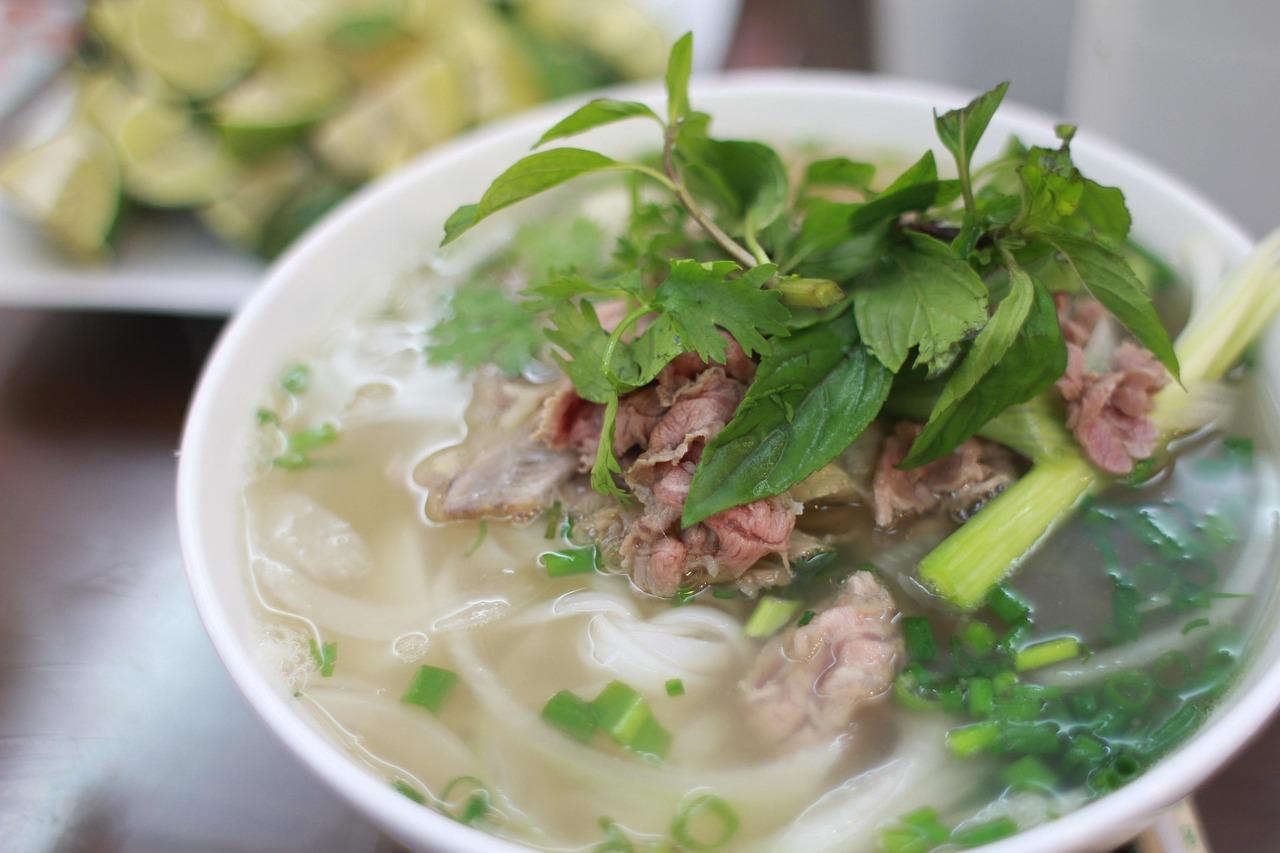
Pho boBeef noodle soup

Before Hanoi's offices open, pavement pho stalls are already busy, with diners on low plastic stools bent over bowls of rice noodles in a clear, spiced beef broth. The northern style is restrained: brisket and thin slices of raw beef that cook in the bowl, spring onion and a little coriander, with lime and chilli on the side rather than a heap of herbs and sauces. The work is in the broth, simmered slowly from bones with blackened onion and ginger and a small bag of toasted spices. Make it on a weekend; it keeps for three days and the bowls then take ten minutes. Chef's tip: char the onion and ginger until they are properly black in patches, because that smoky sweetness is what makes the broth taste of pho rather than plain beef stock.

by KrazyBadal 1 views

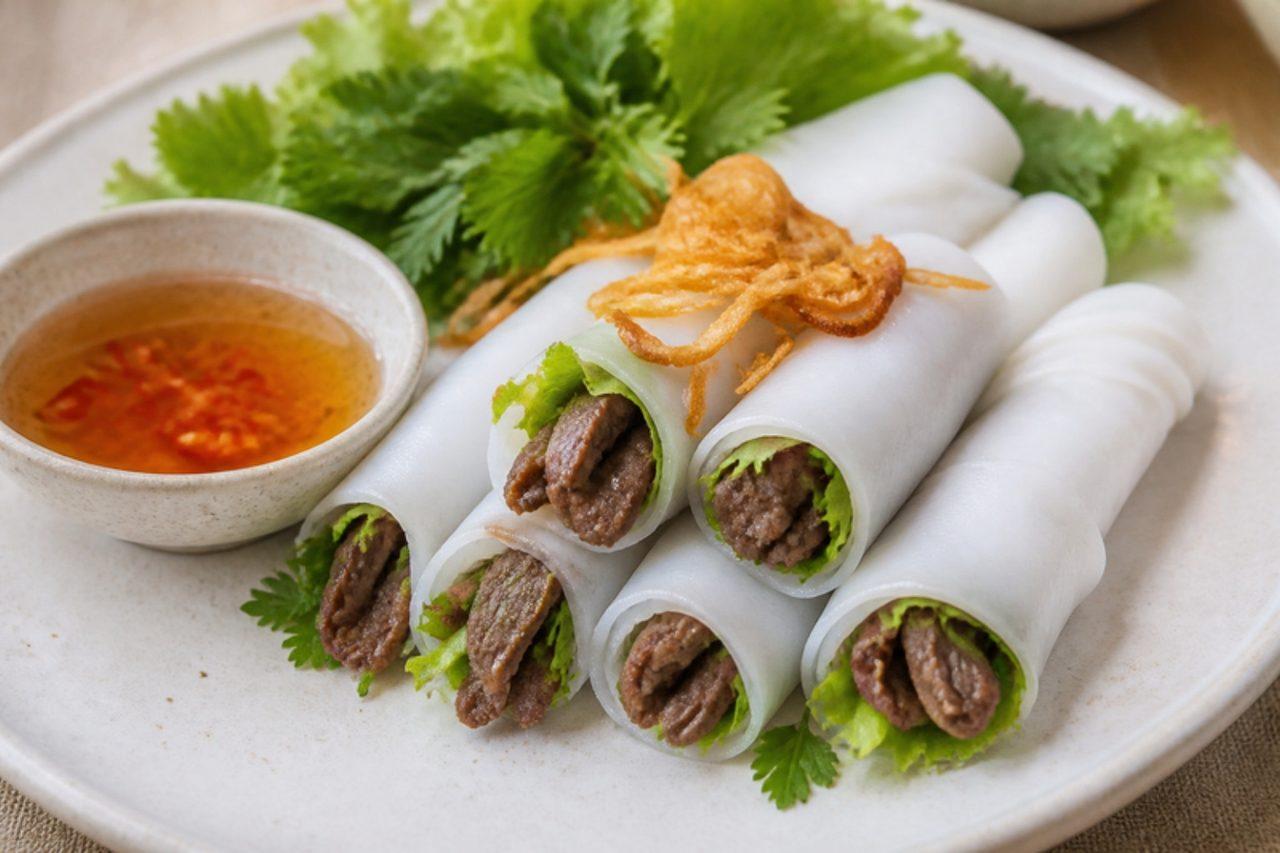
Pho cuonBeef rice noodle rolls

On Ngũ Xã, a little island of streets between Trúc Bạch lake and West Lake in Hanoi, whole rows of restaurants sell nothing but pho in different shapes, and phở cuốn is the one people order by the plateful in the evening. Instead of cutting the fresh rice-noodle sheet into ribbons, the cooks leave it whole and roll it round seared beef, lettuce and herbs. The rolls are soft, cool and slightly chewy, and you dip them in a light, sweet fish sauce with pickled carrot. Look for fresh rice-noodle sheets in the chiller of an Asian supermarket, often sold for Chinese ho fun. Chef's tip: if the sheets are stiff from the fridge, steam or microwave them for 30 seconds under a damp cloth before separating, or they tear.

by KrazyBadal 0 views

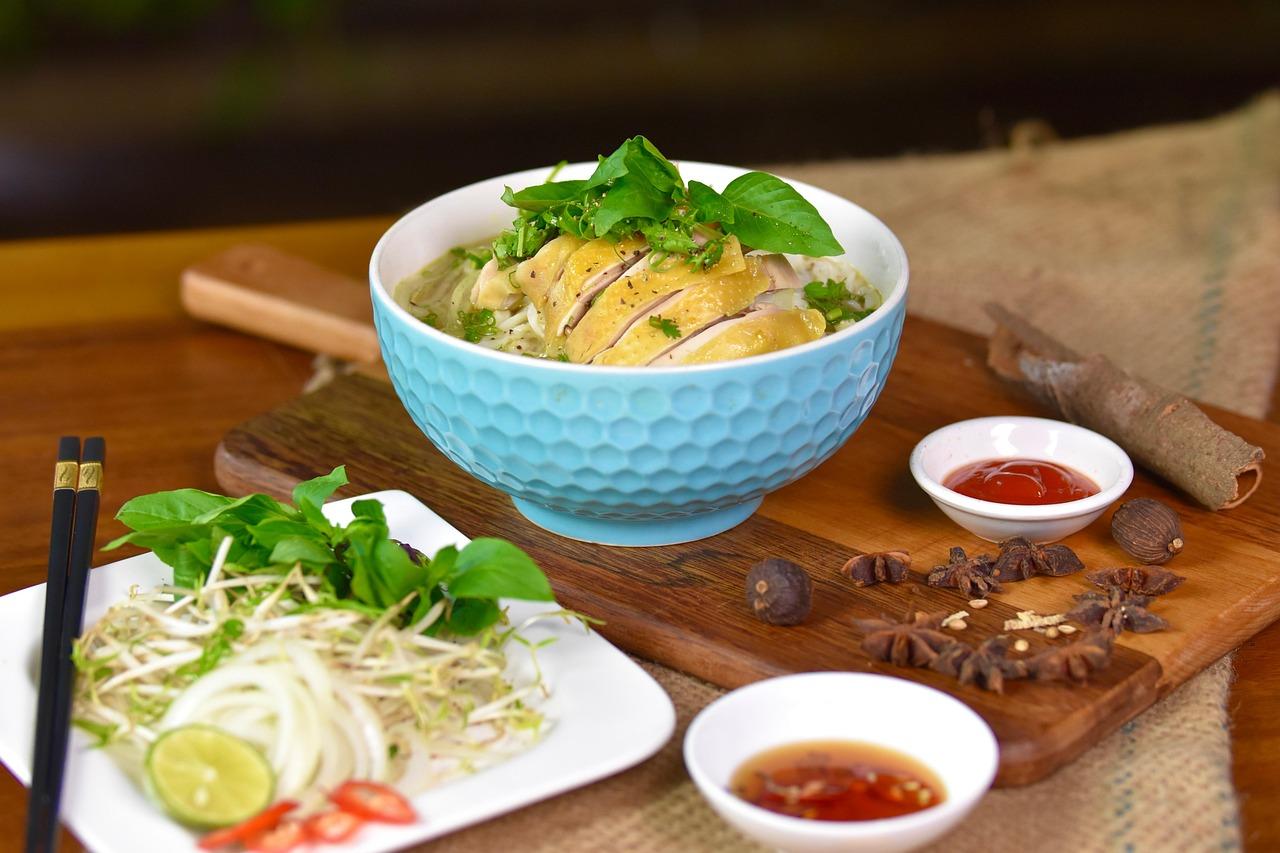
Pho gaChicken noodle soup

In Hanoi some shops sell nothing but chicken pho, and locals often choose it over beef for a gentler breakfast or a late bowl after an evening out. The broth is lighter than the beef version, made in about an hour from a whole bird with a few charred aromatics and only a hint of spice. The northern signature is a tangle of makrut lime leaf, cut as fine as thread, scattered over the hot chicken just before serving. It's a good first pho to make at home, since the timing is forgiving and the chicken poaches in the same pot. Chef's tip: plunge the cooked chicken into iced water for 5 minutes; the skin turns firm and slightly springy, the way Hanoi cooks like it.

by KrazyBadal 0 views

Phutkal saagStir-fried fig-tree leaves

In spring, before the rains, the phutkal tree (a wild fig) puts out tender pink-green shoots, and women across Jharkhand climb or hook them down to cook as saag. The leaves are naturally sour, so the dish needs no tomato or tamarind: they are boiled, squeezed and fried with garlic, dried chilli and mustard oil. Much of the harvest is dried in the sun and sold in Ranchi markets to cook through the year, and dried phutkal is what most people outside the state can find. Chef's tip: boil and squeeze the leaves well; this tames any bitterness and keeps the saag from turning watery.

by KrazyBadal 0 views

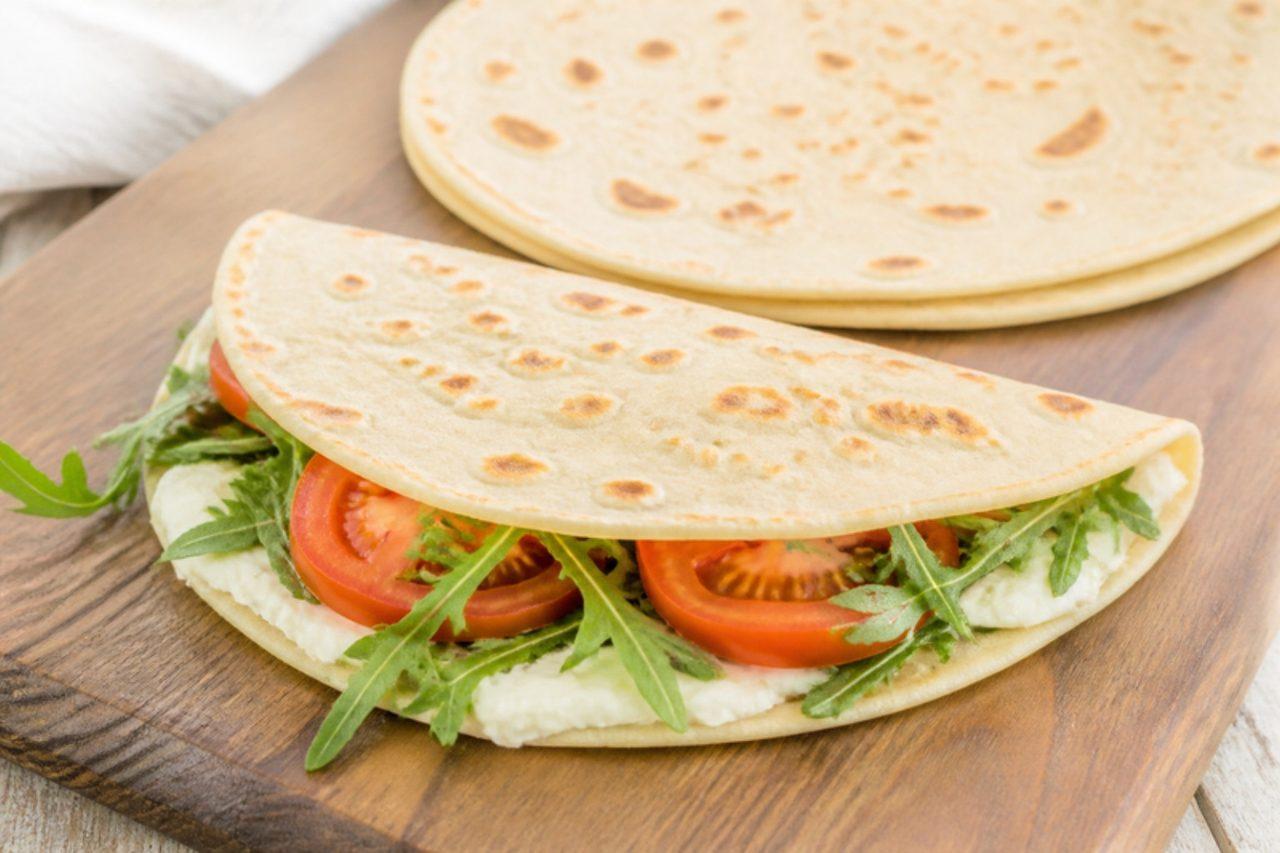
PiadinaGriddled flatbread

Piadina is Romagna's everyday bread, cooked on a hot griddle (traditionally a terracotta testo) in chalet-style kiosks from Rimini to Ravenna and eaten folded around soft squacquerone cheese and rocket, or with grilled vegetables. It needs no yeast and is ready in half an hour, which is why families make it at home for quick suppers. The old recipe uses lard; olive oil gives a lighter, vegetarian result. Chef's tip: let the griddle get properly hot and cook the piadina dry, without oil; you want brown freckles and a few blisters, not a fried bread.

by KrazyBadal 0 views

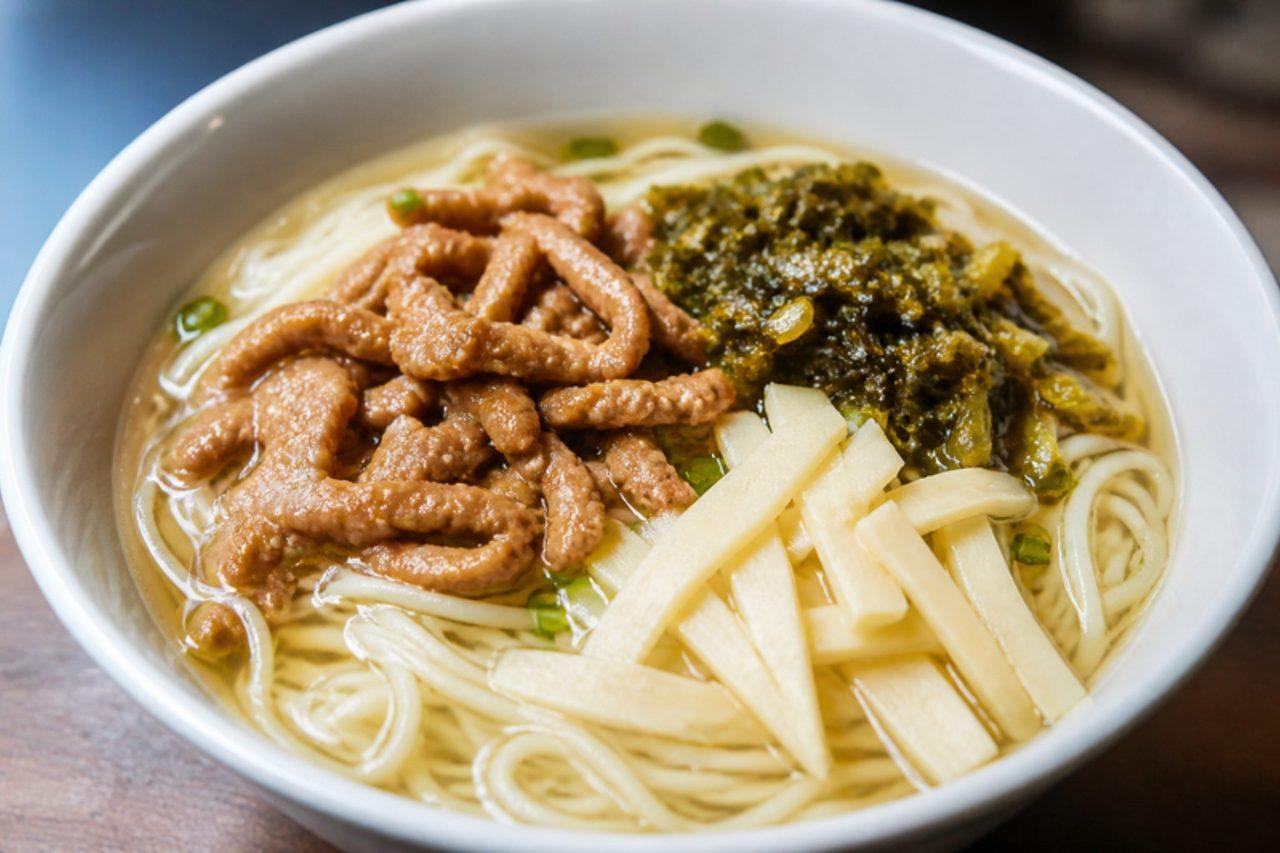
Pian'er chuan noodlesNoodle soup with pickled greens

Ask a Hangzhou local what they eat at a noodle shop and the answer is often pian'er chuan, a quick bowl named for its sliced (pian) pork and bamboo that are flash-cooked (chuan) in the broth. Salty, crunchy pickled mustard greens give it its savoury depth, the bamboo adds a clean sweetness, and the thin noodles soak up a cloudy, peppery soup. It is everyday lunch food, eaten at speed. A common mistake is skipping the rinse on the pickled greens; unrinsed, they make the whole bowl too salty. Chef's tip: slice the pork as thinly as you can while it is half-frozen, so it cooks in seconds and stays tender.

by KrazyBadal 0 views

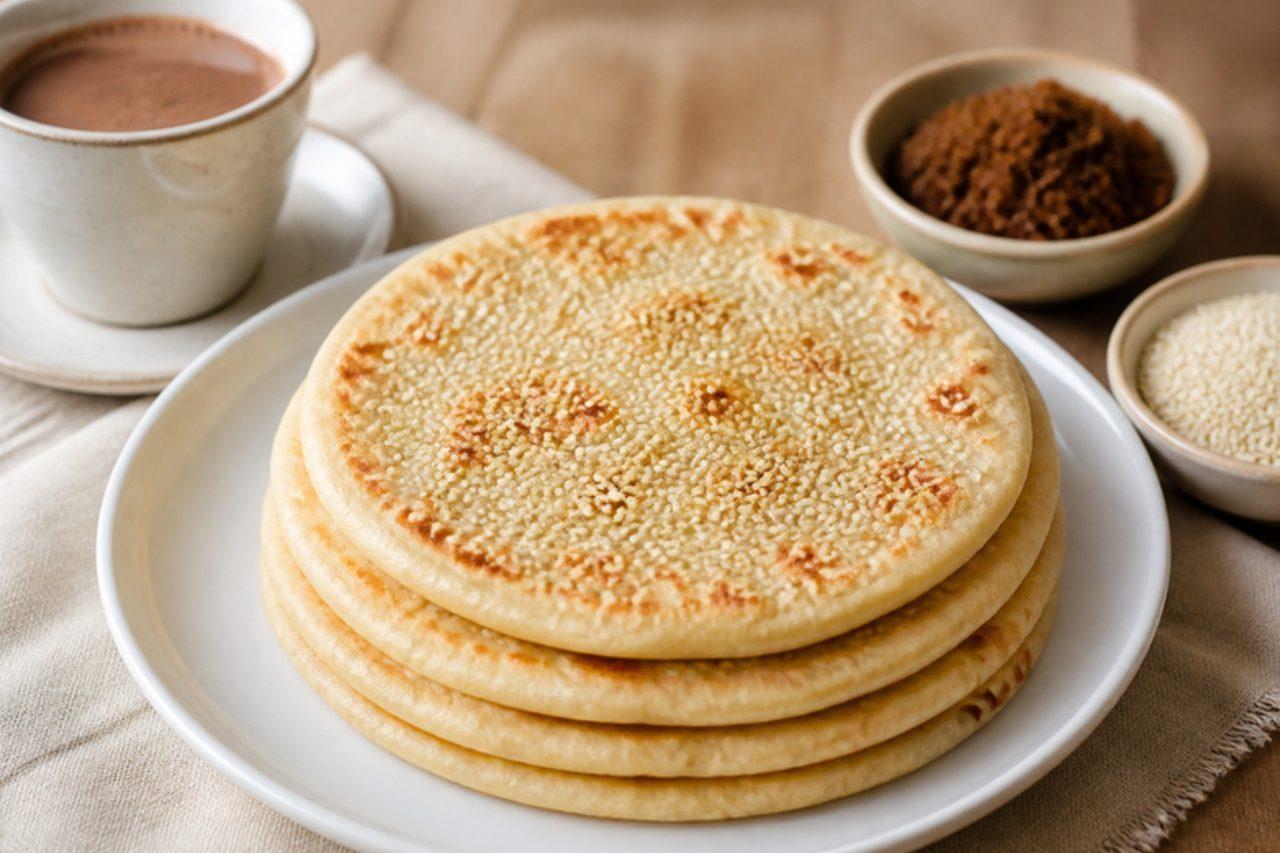
PiayaMuscovado-filled flatbread

Piaya is the sweet everyone brings home from Bacolod and the sugar-growing island of Negros: a thin, flaky round of unleavened dough with a layer of dark muscovado inside, cooked on a dry griddle until blistered, and dotted with sesame seeds. The sugar melts and turns chewy as it cools. It is eaten with coffee in the afternoon, and newer shops fill it with ube. Lard is traditional in the dough; vegetable shortening gives the same flakiness. Chef's tip: roll the filled dough gently from the centre outward and keep it thin, or the sugar bursts through.

by KrazyBadal 0 views

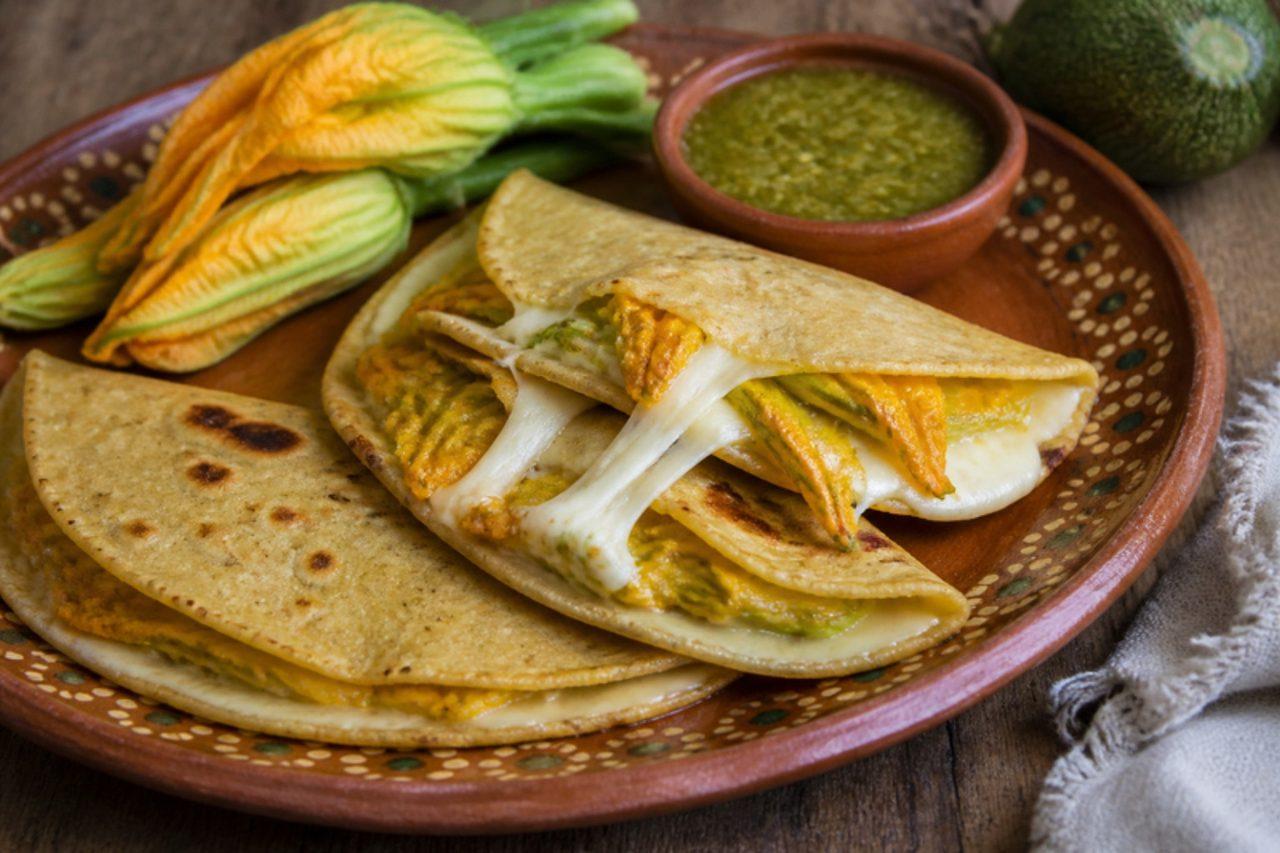
Quesadillas de flor de calabazaCourgette flower quesadillas

In Mexico City markets, squash blossoms (flor de calabaza) are sold by the armful in the rainy season and end up in quesadillas: soft corn tortillas folded around the flowers cooked with onion, green chilli and epazote, with stringy Oaxaca cheese. A famous Chilango joke is that a quesadilla there does not automatically come with cheese, so ask for it! The blossoms taste delicately of young courgette and wilt into a silky filling against the toasty corn. Serve them straight off the pan with salsa verde. Choose a cheese made with vegetarian rennet; if you can't find Oaxaca cheese, low-moisture mozzarella melts the same way. Chef's tip: cook the blossoms only until they collapse; any longer and they turn to mush and lose their colour.

by KrazyBadal 0 views

BebincaLayered coconut milk cake

No Goan Catholic Christmas, wedding or feast is complete without bebinca, the 'queen of Goan desserts'. A rich batter of coconut milk, egg yolks, sugar and a little flour is cooked one thin layer at a time under the heat, each layer brushed with ghee before the next is poured on, so the finished cake shows dark-and-light stripes when sliced. Traditionally it was baked over coconut-husk fire with coals on the lid and had sixteen layers; a home grill makes eight to ten easily in an afternoon. It's rich, dense and fudgy, and keeps for a week. Serve thin slices at room temperature, or warm with vanilla ice cream. Chef's tip: make each layer the same thin pour; a thick layer stays raw in the middle while its top burns.

by KrazyBadal 0 views

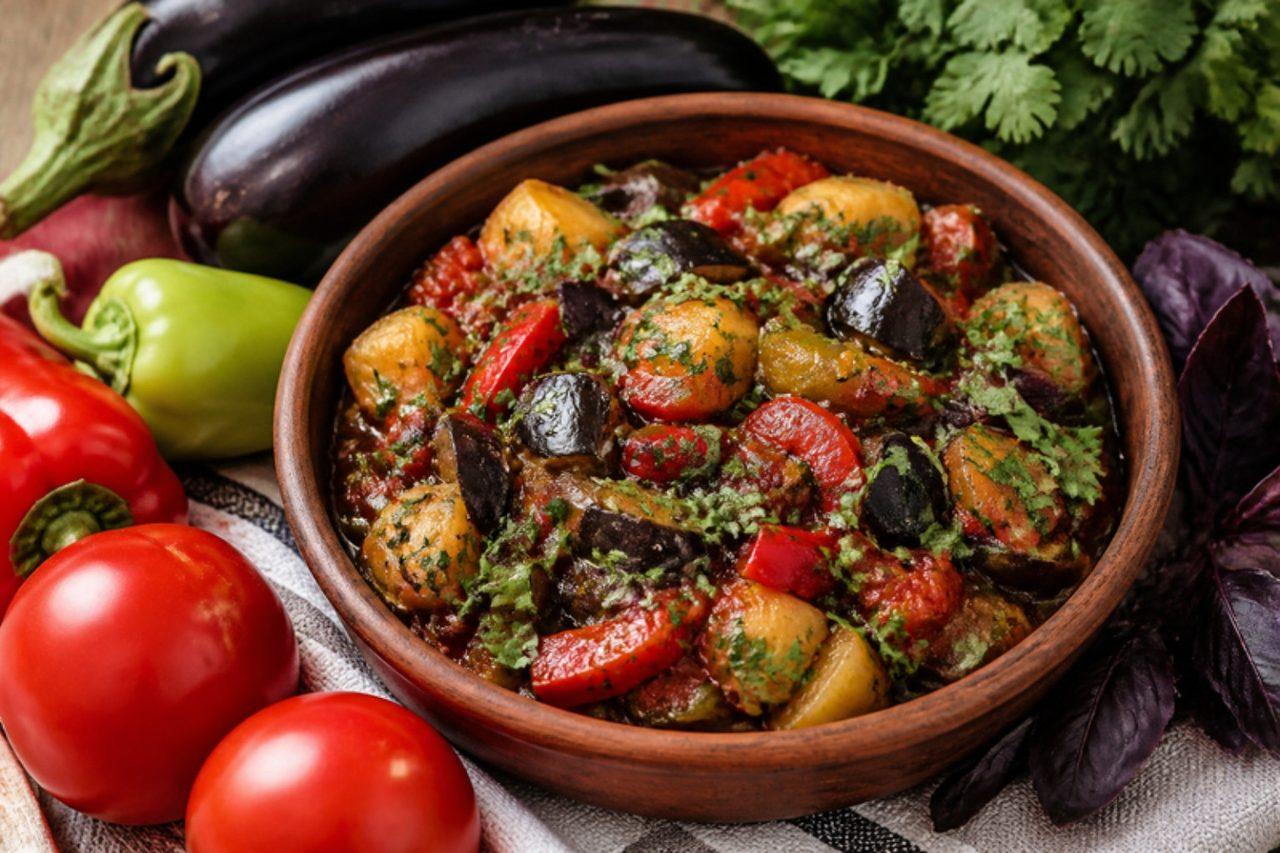
AjapsandaliAubergine and pepper stew

Ajapsandali is what Georgian kitchens make in late summer, when the markets of Tbilisi and the gardens of Kakheti are heaped with aubergines, peppers and tomatoes. The vegetables are fried briefly, layered in a pot and left to stew gently until soft and sweet, then finished with a whole handful of coriander, basil and garlic. It is eaten warm with bread as a main dish during Lent, or cold the next day as a side at a feast. The common mistake is stirring it too often, which breaks everything into mush; shake the pan instead and let the layers keep their shape. Chef's tip: fry the aubergine on its own first until golden; this one step gives the whole stew its deep, rounded flavour.

by KrazyBadal 0 views

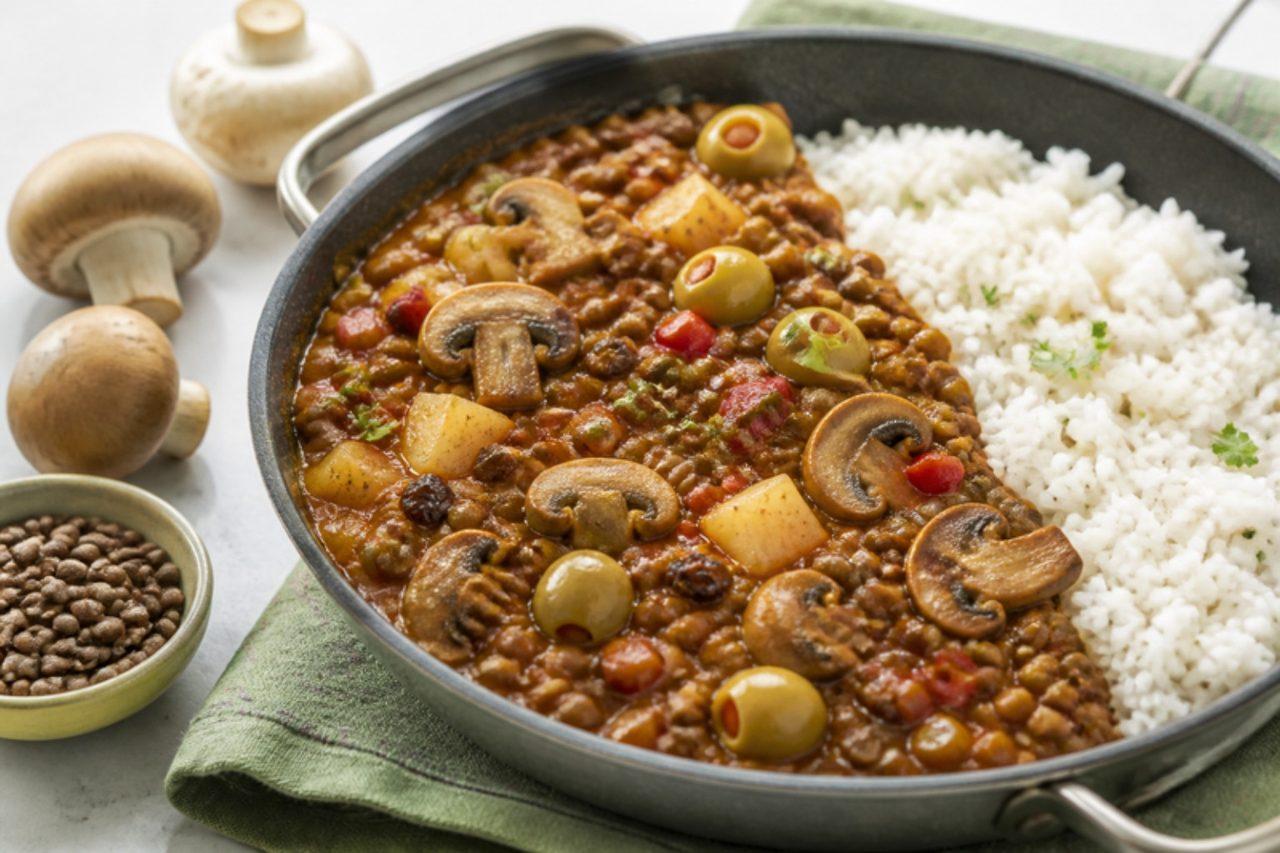
Picadillo vegetarianoLentil and mushroom picadillo

Picadillo a la habanera is Havana's everyday savoury hash, sweet with raisins, salty with olives and capers and sharp with tomato and sofrito. This vegetarian version swaps the meat for brown lentils and finely chopped mushrooms, which give the same crumbly, juicy texture and a deep savoury flavour. Spoon it over white rice with fried ripe plantain, or use it to fill empanadas and stuffed peppers. Chef's tip: let the mushrooms fry until all their liquid has gone and they turn brown; that browning is what makes it taste rich.

by KrazyBadal 0 views

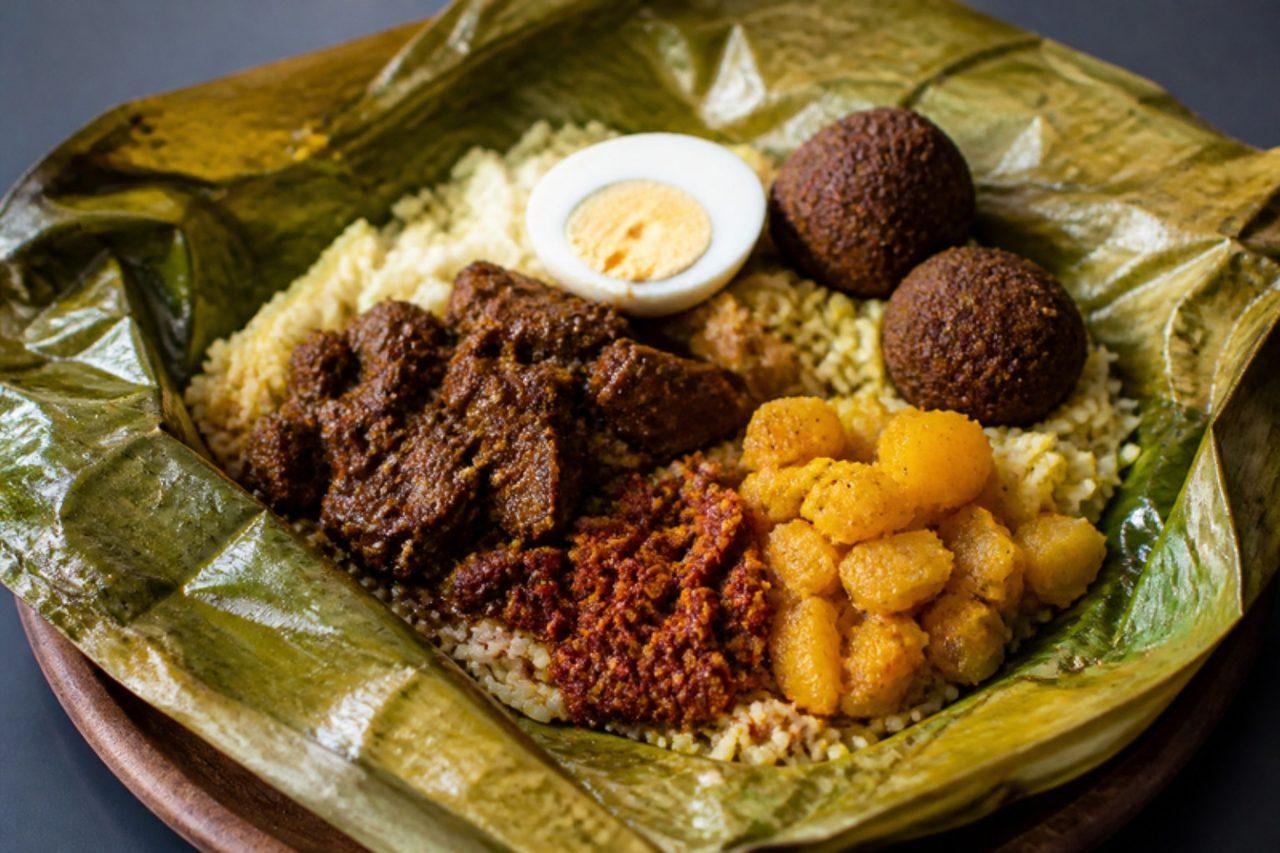
Lamprais (home version)Rice parcel with meat curry

Lamprais came to Sri Lanka with the Dutch Burgher community, and Colombo's Burgher families still make it for Sunday lunch, christenings and Christmas. Each banana-leaf parcel holds rice cooked in rich stock, a mixed meat curry, little fried meatballs called frikkadels, a hard-boiled egg, aubergine moju and seeni sambol, all baked together until the leaf perfumes everything. The traditional version uses three meats including pork; this home version keeps it to chicken and beef so it is manageable in one day, and the steps still take time. Chef's tip: make the curry and frikkadels the day before; on lamprais day you only cook the rice and wrap.

by KrazyBadal 0 views

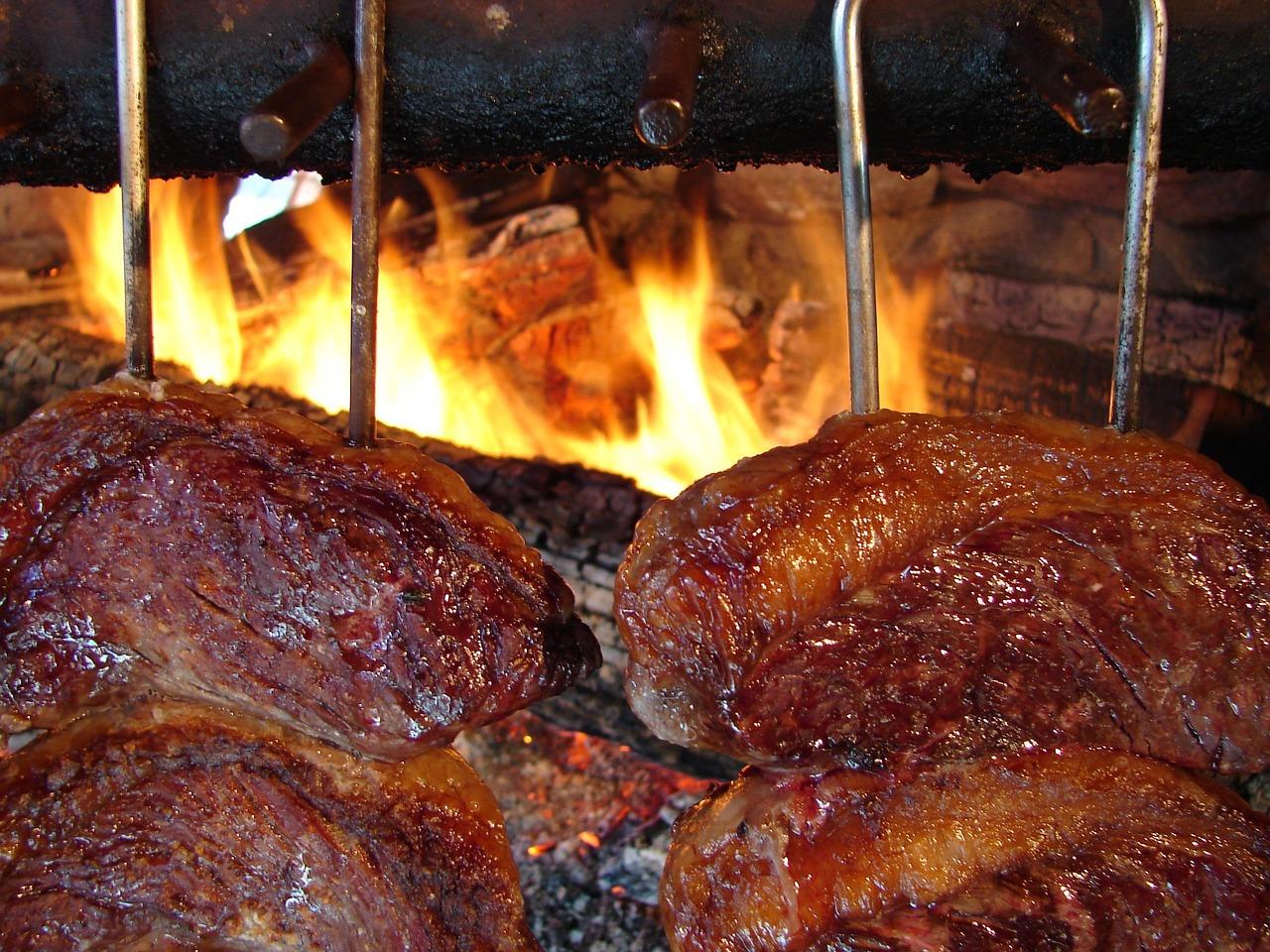
Picanha churrascoGrilled beef rump cap

Picanha, the rump cap with its thick white fat layer, is the cut Brazilians prize most at a churrasco. The tradition comes from the gaúchos, the cattle herders of Rio Grande do Sul, and lives on in Sunday family barbecues in the south and in churrascarias across the country, where waiters carry the meat from table to table on long skewers. It is seasoned with nothing but coarse rock salt (sal grosso) and cooked over charcoal with the fat left on, so it bastes the meat. You can fold thick steaks into a C shape on skewers, as in the churrascarias, or grill them flat. Chef's tip: before slicing, knock the excess salt off with the back of a knife; the crust keeps just enough.

by KrazyBadal 0 views

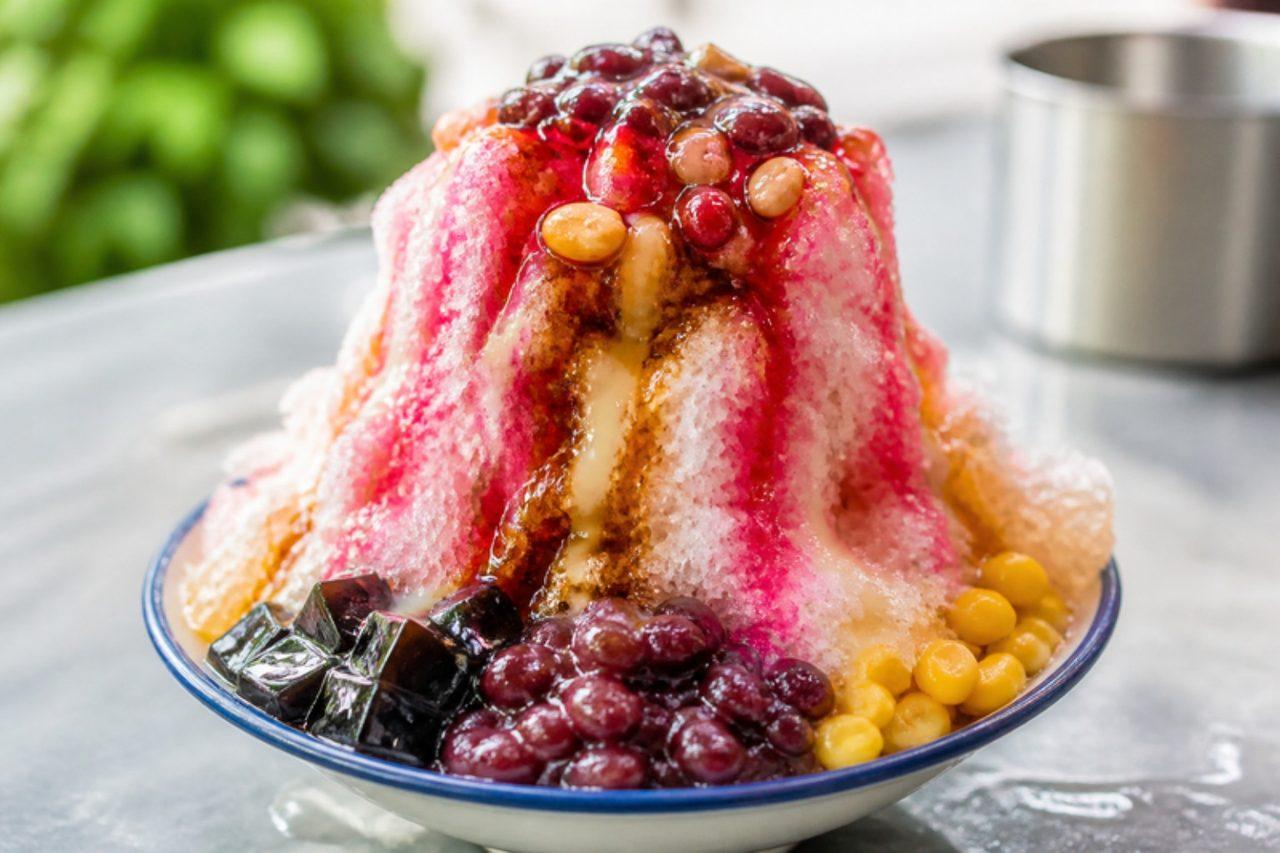
Ais kacangShaved ice with red beans

Ais kacang ('bean ice'), also called ABC for air batu campur ('mixed ice'), is the towering, rainbow-coloured treat Malaysian kids beg for at food courts and hawker centres on hot afternoons. Underneath a snowy dome of shaved ice hide red beans, sweetcorn, cubes of black grass jelly and chopped peanuts; on top go streaks of pink rose syrup, dark palm-sugar syrup and a drizzle of condensed milk. Everyone digs in from the top and mixes it into a sweet, icy slush. Chef's tip: chill the bowls in the freezer for 15 minutes first, so the ice holds its peak long enough to get it to the table.

by KrazyBadal 0 views

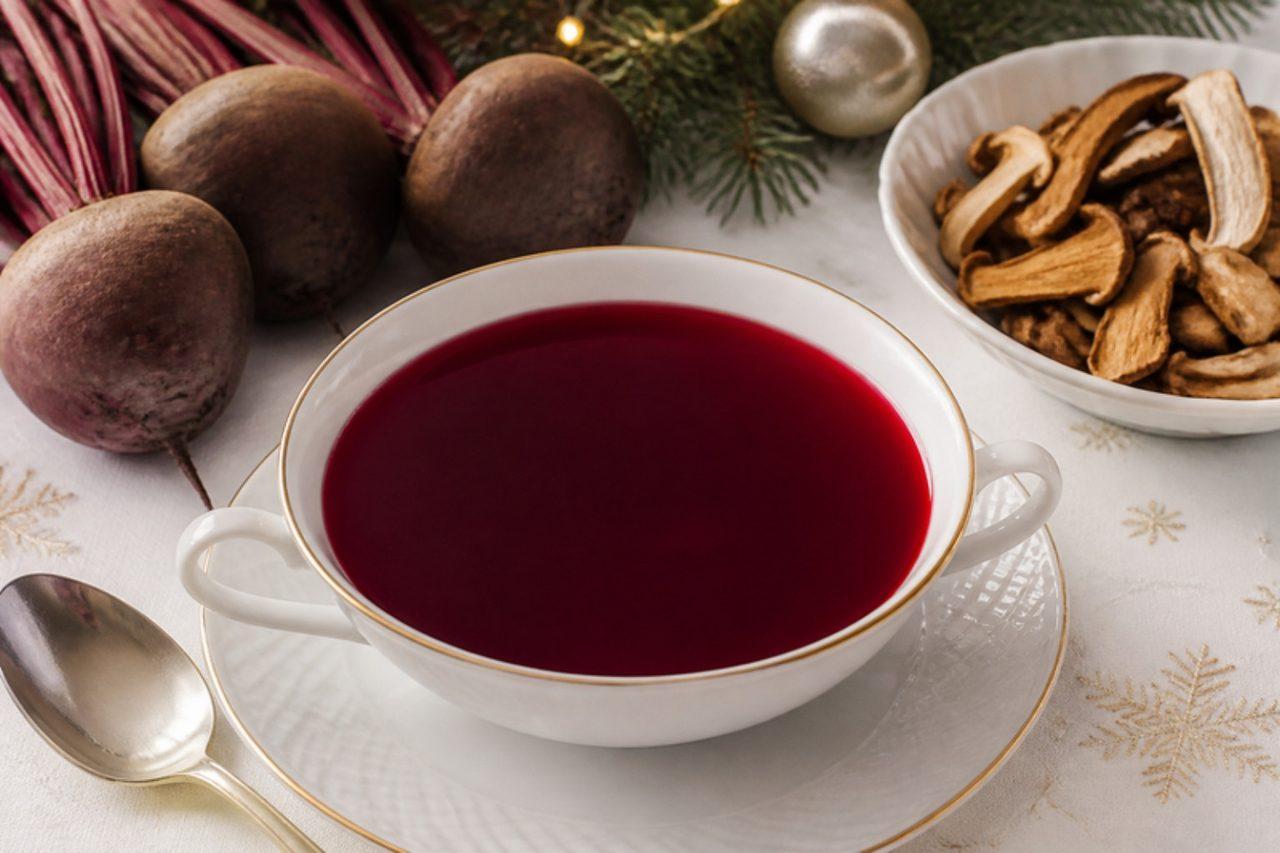
Barszcz czerwony (Christmas Eve beetroot broth)Clear beetroot soup

Barszcz czerwony wigilijny is the clear, ruby-coloured beetroot broth that opens the Christmas Eve supper in most Polish homes, from Warsaw to Wrocław. It is not the thick vegetable soup of Ukraine but a sipping broth, sweet, sour and earthy, sharpened with beetroot kvass or lemon and deepened with dried forest mushrooms; on 24 December it is served with tiny mushroom dumplings called uszka, and through winter people drink it from mugs alongside a croquette. It is fully plant-based, as the Wigilia table traditionally is. Chef's tip: once the beetroot is in, never let the soup boil hard; a bare simmer keeps the colour bright, and boiling turns it a dull brown.

by KrazyBadal 0 views

PicaronesSweet potato and squash doughnuts

Picarones are Lima's favourite street sweet, fried to order at stalls in the parks and outside churches, especially in October during the Señor de los Milagros processions. The light, chewy rings are made from a yeasted dough of sweet potato and squash, scented with anise, fried until crisp and drenched in miel de chancaca, a dark syrup of unrefined cane sugar with orange peel, cinnamon and cloves. They are eaten hot, straight from the oil, with plenty of syrup. Chancaca is sold in Latin shops; dark muscovado or piloncillo makes a very good syrup too. Chef's tip: the dough should be very soft and sticky, like a thick batter; resist adding more flour, or the picarones turn heavy and bready.

by KrazyBadal 0 views

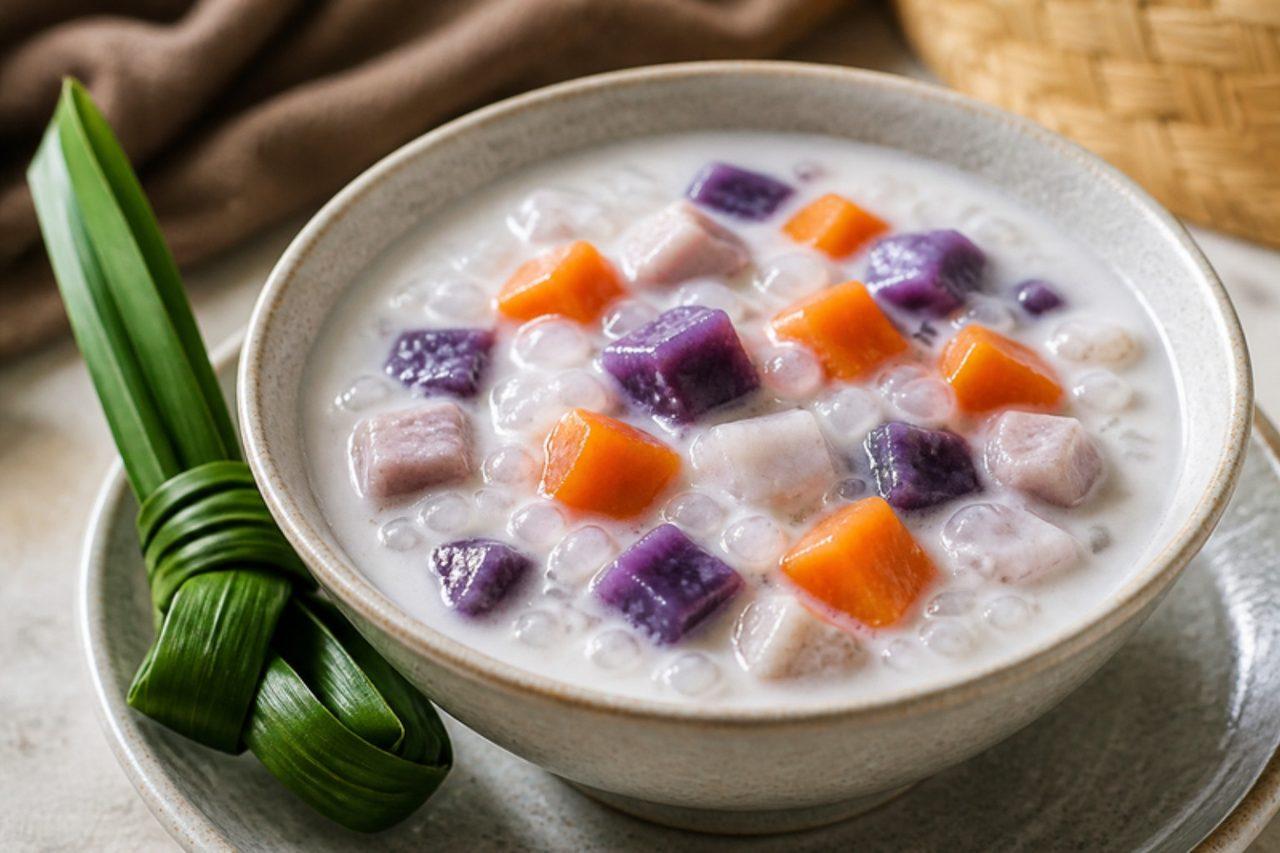
Bubur cha chaWarm coconut sweet potato pudding

Bubur cha cha is a Nyonya (Peranakan) dessert from Penang and Melaka, cooked in big pots for Chap Goh Meh, the fifteenth night of Chinese New Year, and eaten all year as a sweet soup after dinner or a mid-afternoon snack. Cubes of orange and purple sweet potato and taro float in pandan-scented coconut milk with tiny, glassy sago pearls; the colours are part of the charm. It's soothing, gently sweet and comforting, warm on a rainy evening or cold from the fridge in the heat. Chef's tip: a small pinch of salt in the coconut milk lifts the sweetness and stops it tasting flat.

by KrazyBadal 0 views

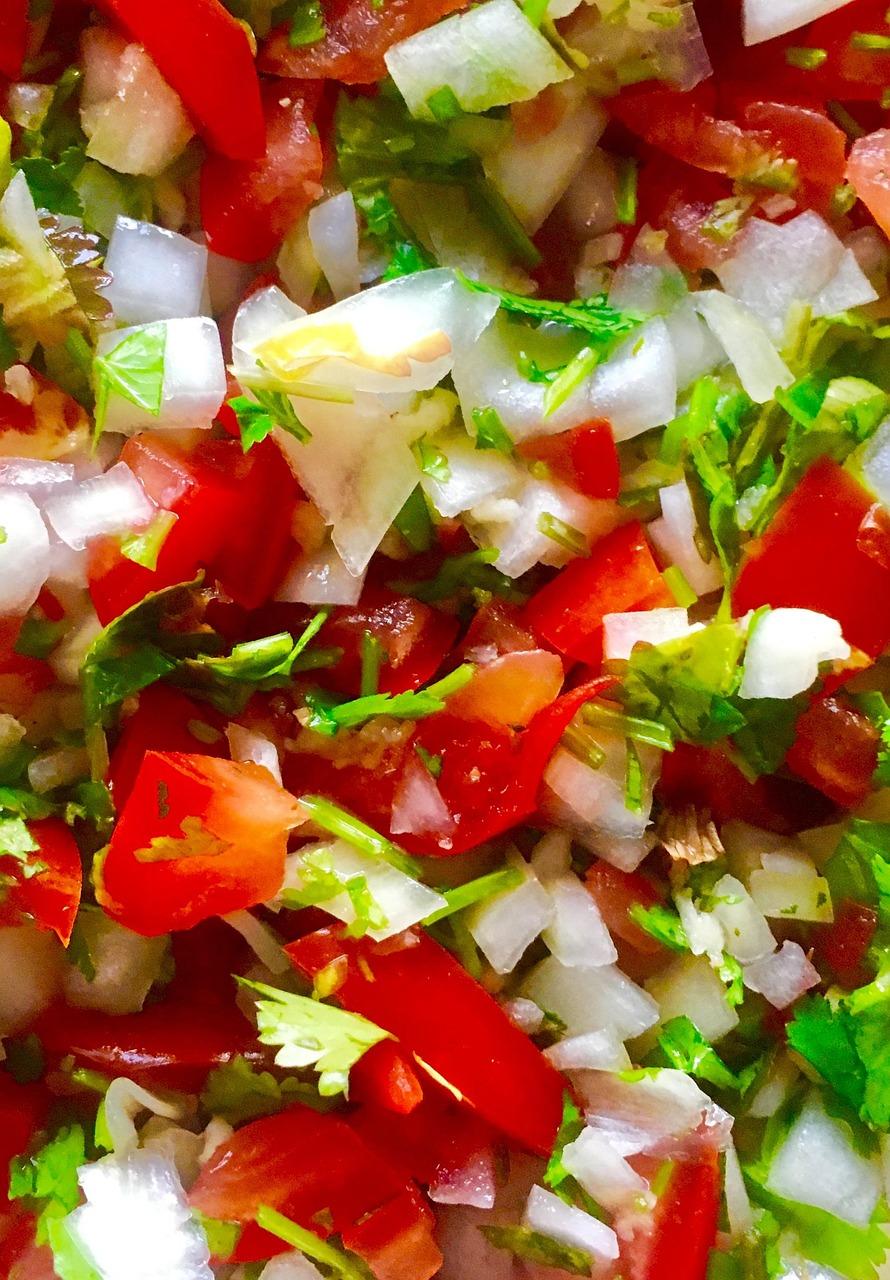
Pico de galloFresh tomato salsa

Pico de gallo, also called salsa fresca or salsa mexicana, is the fresh, uncooked salsa that sits on every Mexican table: diced ripe tomato, white onion, serrano chilli and coriander, brightened with lime juice and salt. It is crunchy, juicy and clean-tasting, with just enough heat, and goes with tacos, quesadillas, eggs, beans, rice and tortilla chips. It is best within an hour of making. Chef's tip: add the salt just before serving; salt draws water out of the tomatoes and leaves the salsa sitting in a puddle.

by KrazyBadal 0 views

QuesitosCream cheese pastry rolls

Every panadería in Puerto Rico has a tray of quesitos by the till, and a warm one with a café con leche is a standard island breakfast, from Old San Juan to small-town bakeries in the mountains. Puff pastry is rolled around a log of sweet vanilla cream cheese and baked until it shatters, then brushed with sugar syrup so the top turns glossy and sticky. The filling stays soft and slightly tangy inside the crisp layers. Chef's tip: chill the filling before you roll, so it holds its shape and doesn't squeeze out of the ends in the oven.

by KrazyBadal 0 views

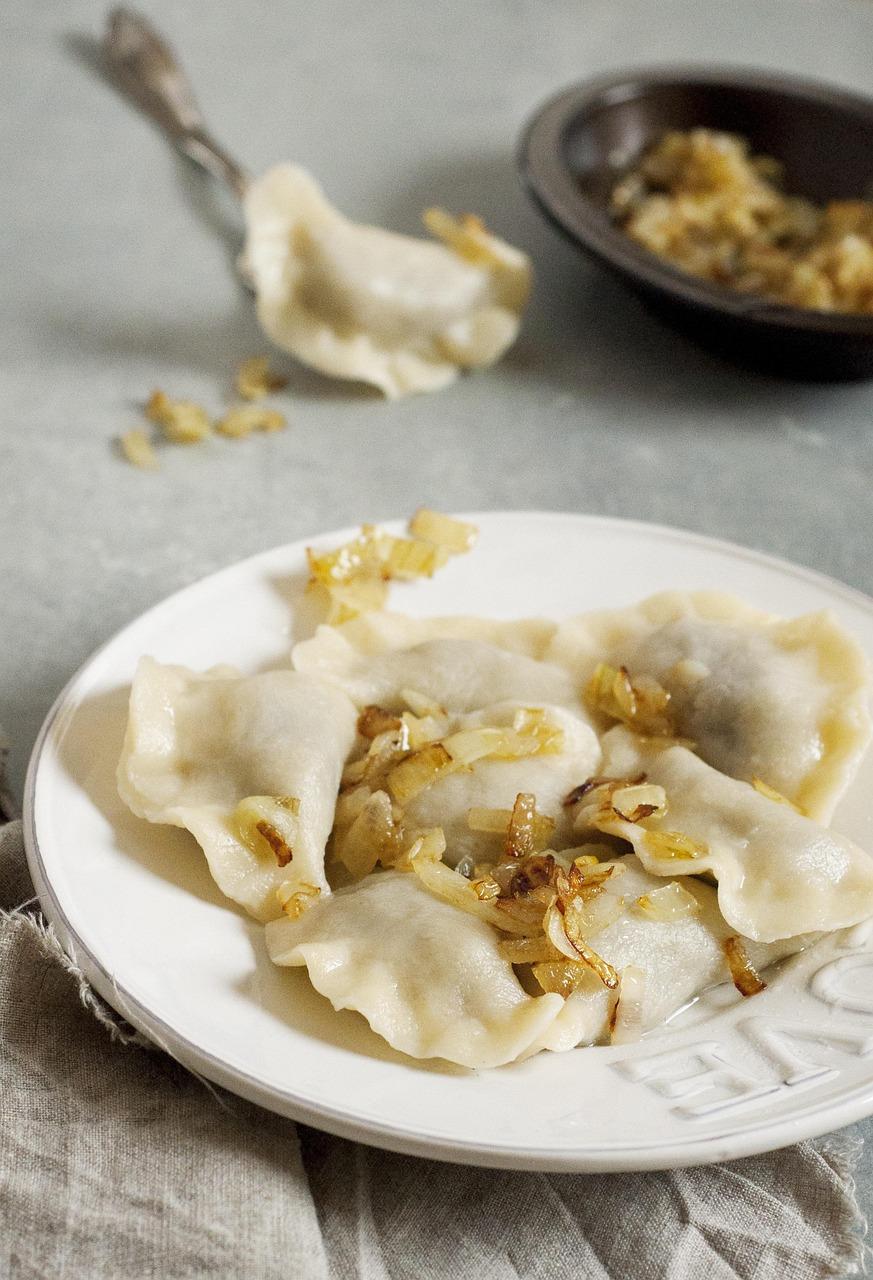
Pierogi ruskiePotato and cheese dumplings

Pierogi ruskie take their name from Red Ruthenia, the old borderland around Lwów and Przemyśl, and today they are the pierogi every Polish milk bar (bar mleczny) from Kraków to Gdańsk keeps on the menu. The filling is the Polish one: floury potato mashed with crumbly twaróg curd cheese, plenty of slowly browned onion and a lot of black pepper, wrapped in a thin, soft dough. Kraków even holds a pierogi festival every August, and ruskie are always the best sellers. Serve them boiled with more golden onion and a spoon of soured cream, or fry leftovers in butter the next day. Chef's tip: let the filling cool completely and taste it before you fill a single dumpling; it should taste over-seasoned on its own, because the dough mutes it.

by KrazyBadal 0 views

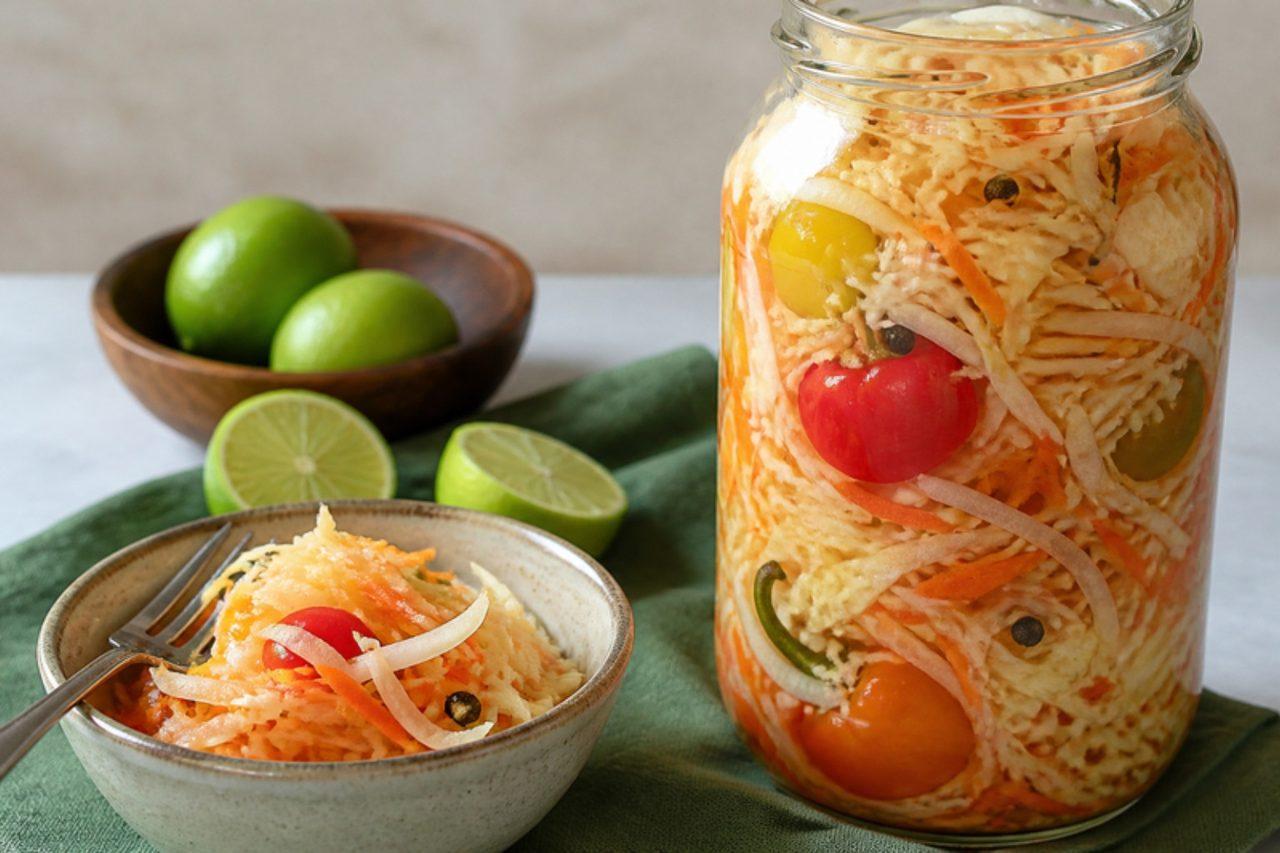
PiklizSpicy pickled cabbage

Pikliz is the fiery slaw-pickle that sits on every Haitian table, in a big glass jar in the middle, and no plate of fried food in Haiti is served without it: it's spooned over fried plantain (bannann peze), fritters and rice. Shredded cabbage, carrot, onion and peppers are packed with hot scotch bonnets, cloves and peppercorns, then drowned in vinegar and lime. After a few days it is crunchy, sour and properly hot, and the vinegar itself becomes a hot sauce you sprinkle over everything. Chef's tip: slice the scotch bonnets thinly rather than leaving them whole; the heat spreads evenly through the jar and every forkful has a kick.

by KrazyBadal 0 views

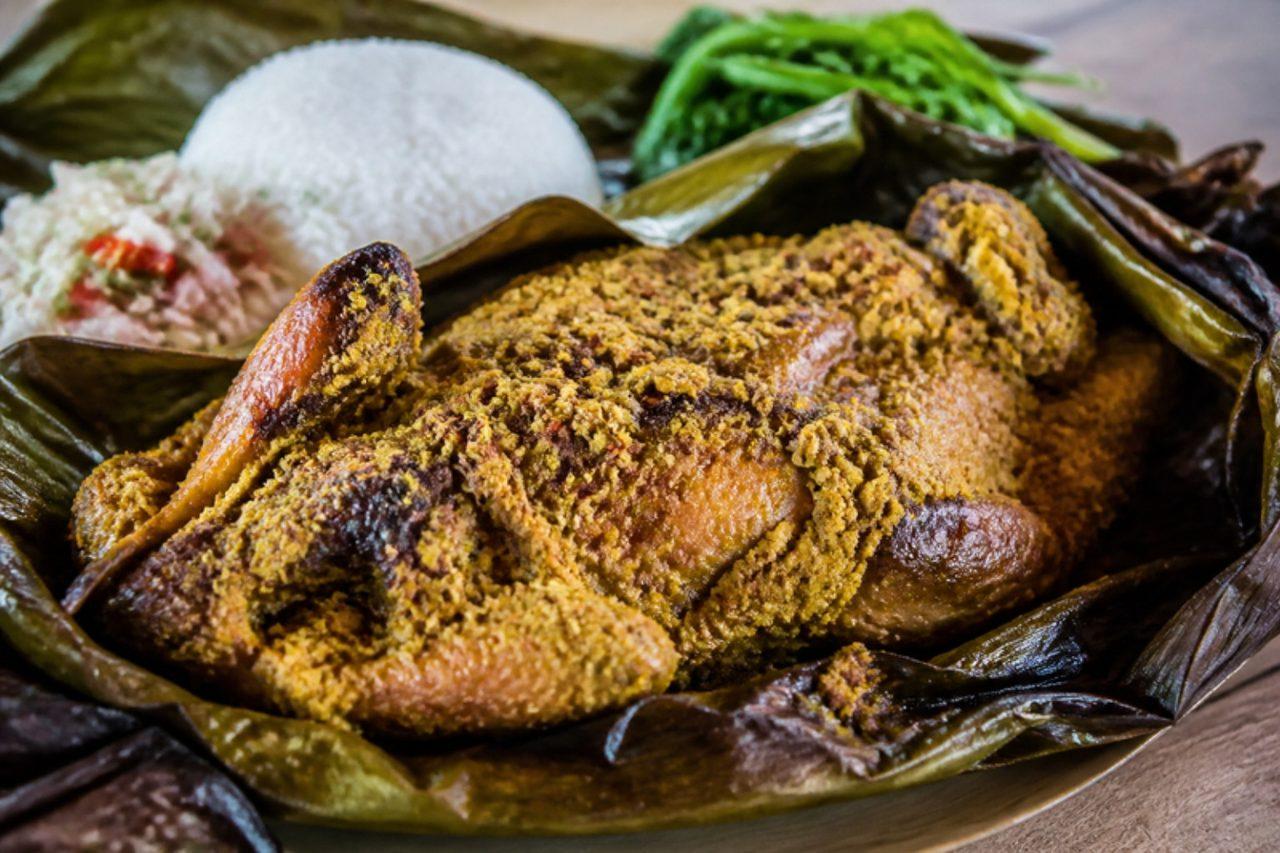
Bebek betutuSpiced slow-roasted duck

For ceremonies in the villages around Gianyar in central Bali, a whole duck is stuffed and smothered with base genep, wrapped in banana leaves and areca-palm sheath, and buried overnight in smouldering rice husks. By morning the meat has turned meltingly soft, the fat has rendered into the spices and the parcel smells of turmeric, smoke and lime leaf. This home version keeps the stuffing and the leaf parcel but uses a low oven for three hours, then opens the parcel for a short blast to colour the skin. Serve it in its juices with rice, a sharp sambal matah and long beans or water spinach. Chef's tip: marinate the duck overnight in the fridge if you can; the paste needs time to get past the fat and into the meat.

by KrazyBadal 0 views

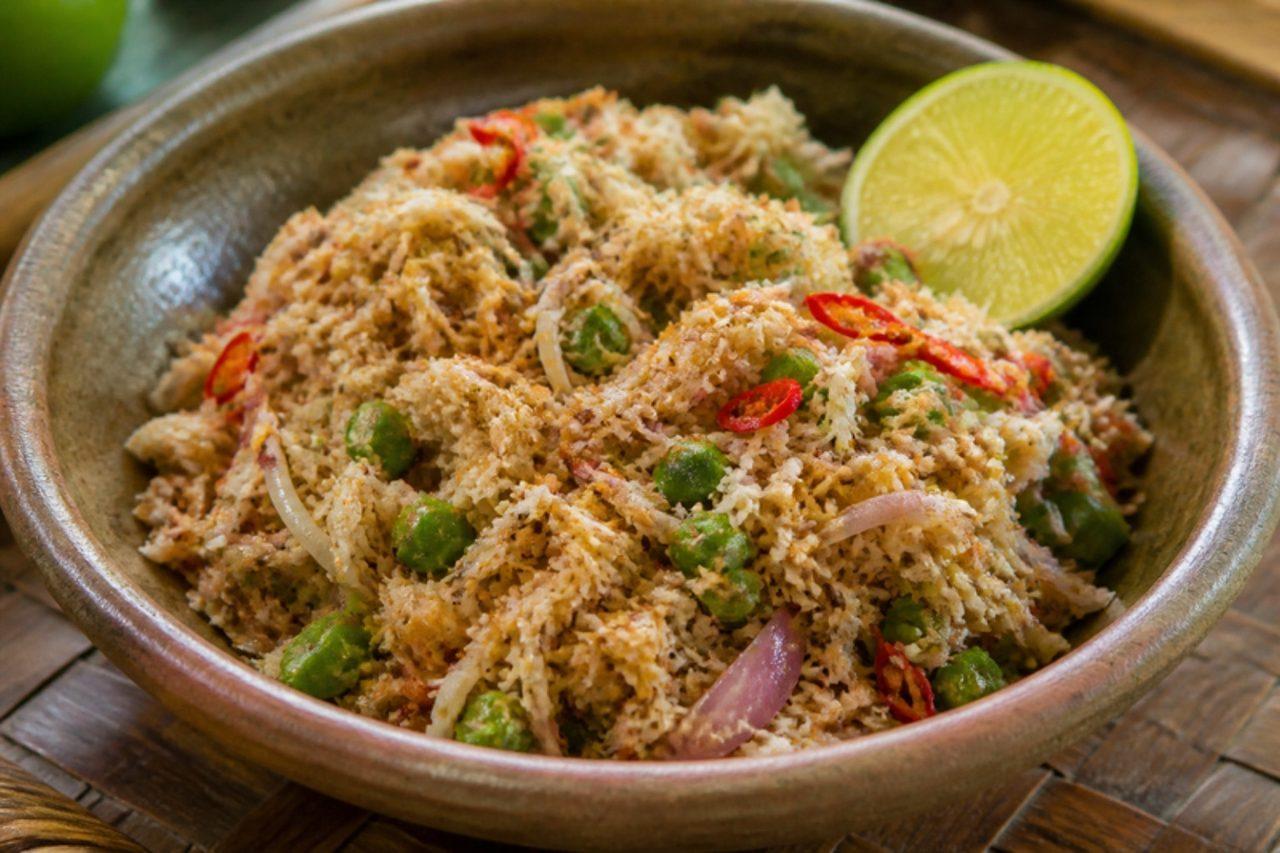
Kohu-kohuSmoked tuna salad

Ambon's fish markets sell ikan asar, tuna smoked over coconut husks, and one of the best things to do with it is kohu-kohu. Flakes of the smoky fish are tossed with crisp shredded long beans, bean sprouts, lightly toasted coconut, raw shallot, chilli and plenty of lime, making a salad that is crunchy, smoky, sour and hot all at once. It's a staple at Maluku family meals, often served next to papeda and fish soup or simply with rice. Chef's tip: mix it no more than an hour before eating; fresh coconut goes limp and sour if it sits around, and the salad loses its crunch.

by KrazyBadal 0 views

PinakbetMixed vegetable stew

Pinakbet comes from the Ilocos region in the far north-west of Luzon, where families cook whatever grows behind the house: bitter melon, small aubergines, okra, yard-long beans and tomatoes, simmered with very little water until the vegetables shrink and wrinkle (the name comes from the Ilocano for 'shrivelled'). Ilocanos season it with fermented fish paste; here white miso gives the same savoury, salty depth without any fish, and a little squash (more common in the Tagalog version) adds sweetness. It is an everyday lunch dish, eaten with rice and often a spoonful of extra miso on the side. Chef's tip: choose small, firm bitter melon and don't scrape out every bit of the pith; a little bitterness is the point.

by KrazyBadal 0 views

PindjurRoasted pepper and aubergine relish

Where ajvar is the patient winter preserve, pindjur is its quick summer cousin, made in Macedonian and Bosnian kitchens in July and August when tomatoes are at their ripest. Roasted peppers and aubergine are chopped rather than ground, then simmered briefly with fresh tomatoes and plenty of garlic, so it stays chunky, juicy and bright. It is eaten warm or at room temperature, scooped up with bread and a slab of white cheese, as part of a mezze spread in Ohrid or Mostar. Chef's tip: chop everything with a knife instead of a blender; a puréed pindjur loses the texture that sets it apart from ajvar.

by KrazyBadal 0 views

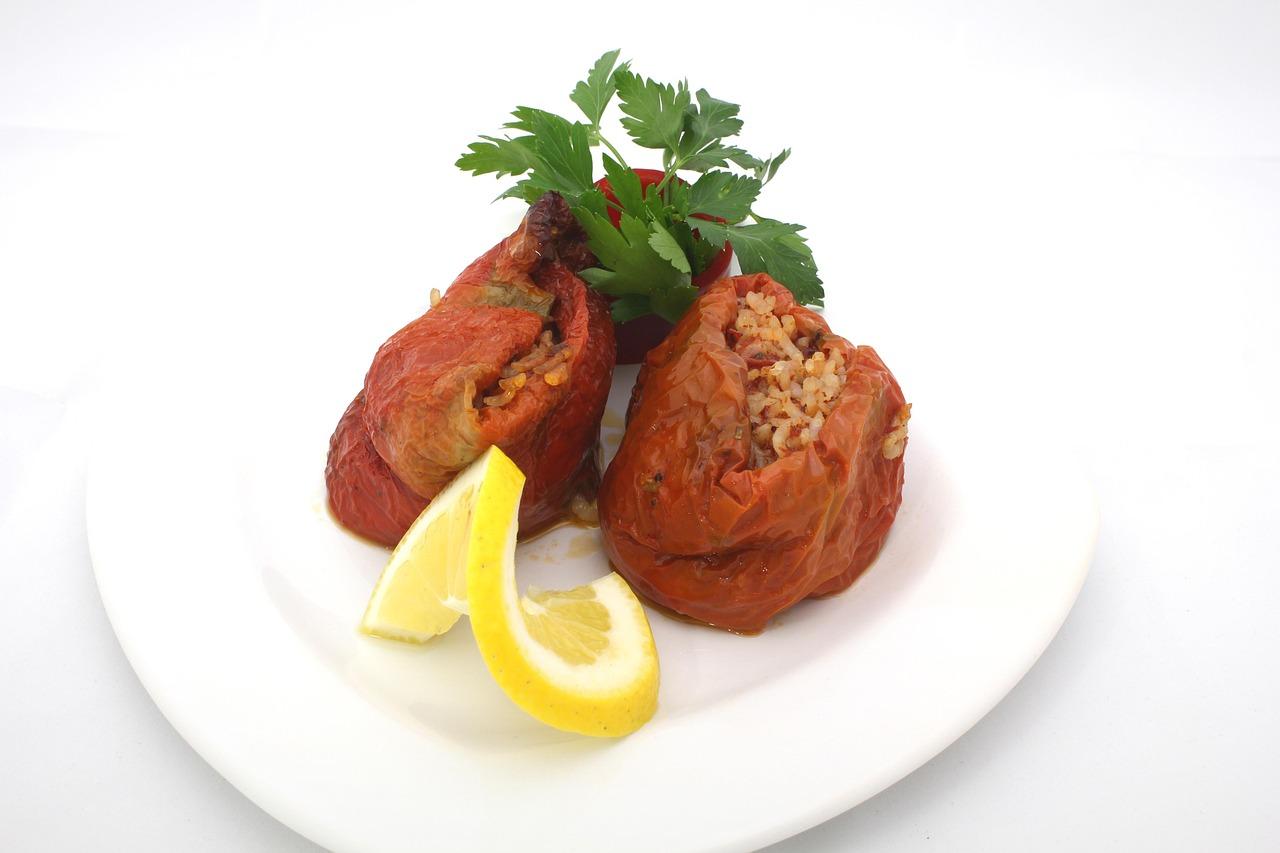
Biber dolmasıRice-stuffed green peppers

Biber dolması turns up in every corner of Turkey, from Istanbul meyhanes to village kitchens in central Anatolia, and the olive-oil version without meat is the one eaten cold at summer lunches or packed for picnics. Thin-walled green dolma peppers are filled with rice cooked with onion, tomato, pine nuts, currants and warm spices, capped with a slice of tomato and simmered until the peppers slump and wrinkle. A frequent mistake is packing the filling to the top: leave a finger of space so the rice can swell. Chef's tip: let the peppers cool completely in their pot; the filling firms up and the flavours of mint and allspice come through much more clearly than when hot.

by KrazyBadal 0 views

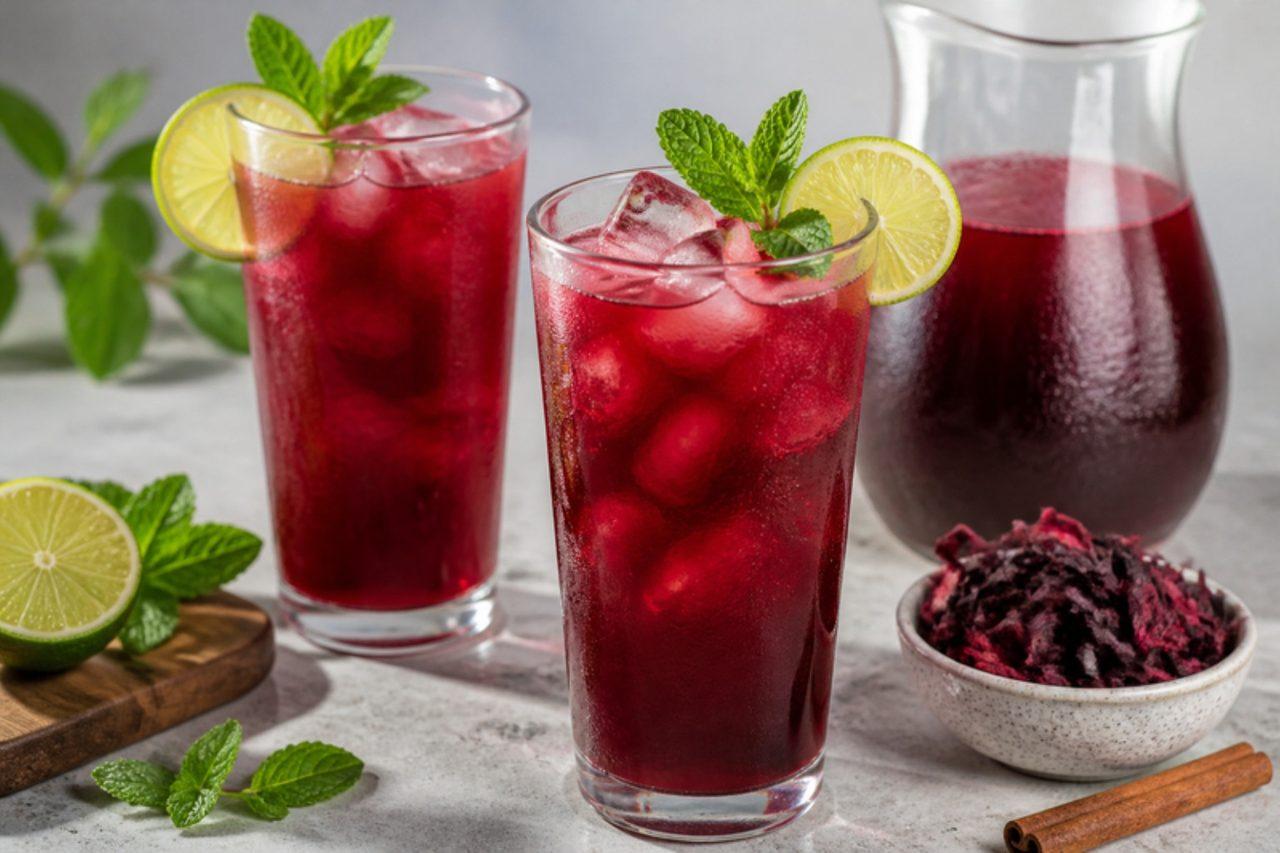
Agua de jamaicaHibiscus iced drink

Agua de jamaica is one of the aguas frescas, the cooling fruit and flower drinks ladled from huge glass barrels at markets and taquerías all over Mexico. It is made by steeping dried hibiscus calyces (flor de jamaica) in hot water, giving a deep crimson drink that tastes tart like cranberry, lightly floral and very refreshing over ice. It is naturally vegan and keeps for days in the fridge. Use the concentrate as the base and sweeten to taste. Chef's tip: don't boil the flowers for long or leave them steeping for hours; too much extraction makes the drink tannic and harsh.

by KrazyBadal 0 views

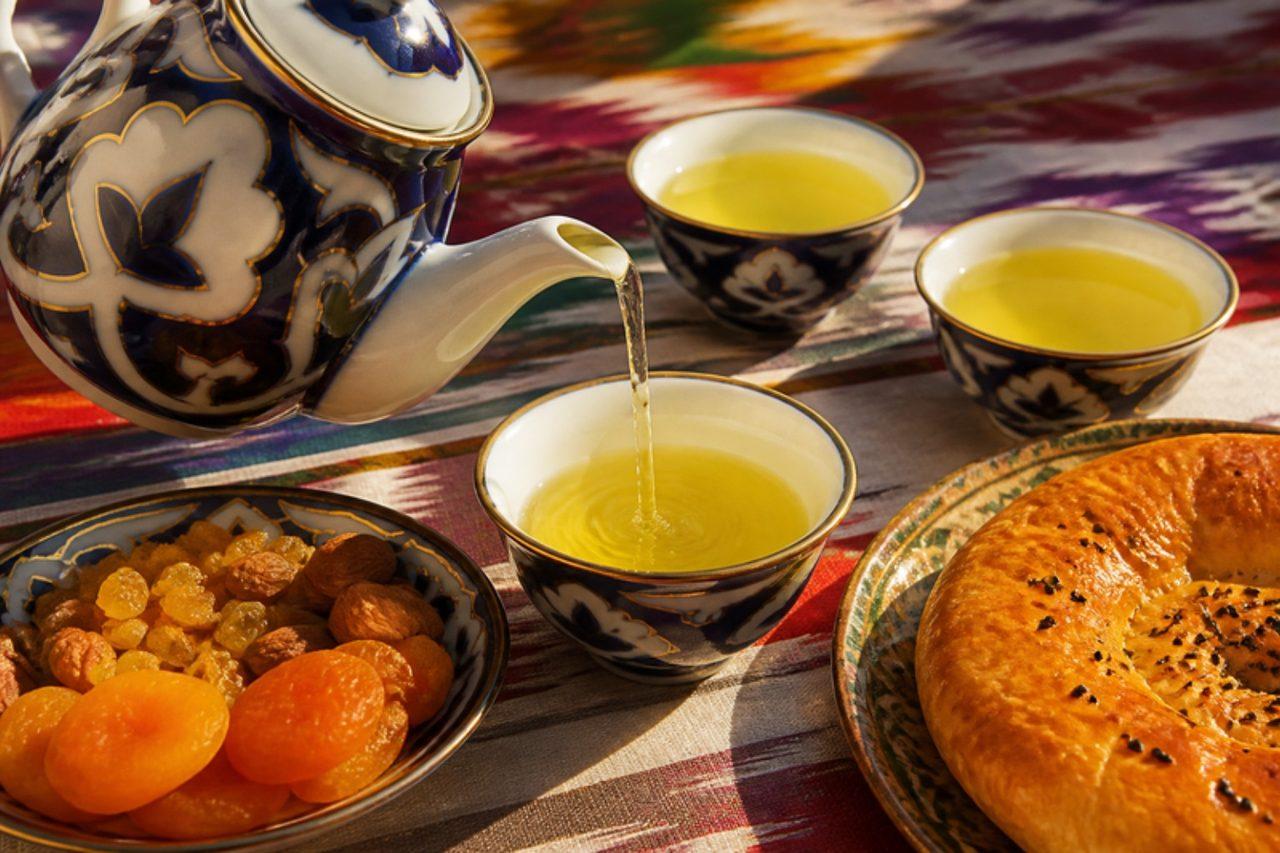
Kok choyGreen tea

In an Uzbek chaikhana, from Tashkent's shady teahouses to the courtyards of Khiva, the first thing to arrive is a teapot of kok choy, green tea, with small bowls (piala) and a plate of raisins, almonds and sweets. The host performs qaytarish: pours a bowl, tips it back into the pot, and repeats three times to blend the brew, then serves each guest a bowl only half full, a sign they should stay and be topped up. Green tea is drunk with plov to cut the oil, and all through hot summer days. Chef's tip: use water just off the boil (about 90°C) and warm the pot first; boiling water straight from the kettle makes Chinese green tea taste harsh.

by KrazyBadal 0 views

PinniGhee wheat flour sweets

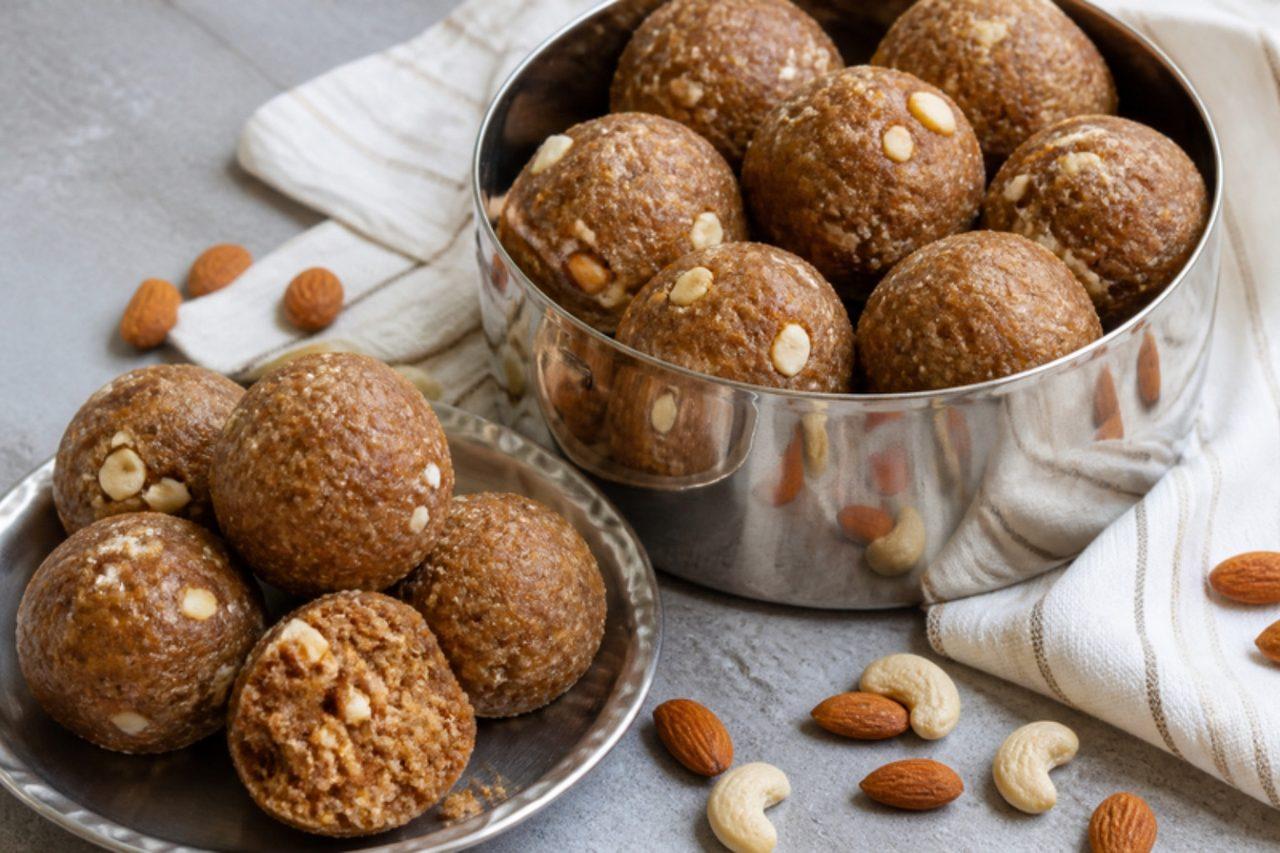
When the fog settles over Punjab in December, kitchens fill with the smell of wheat flour roasting slowly in ghee: pinni season has started. These dense, crumbly balls of roasted atta, jaggery, almonds and fried edible gum are made in big batches for Lohri, packed into tins for relatives and given to new mothers for strength. One pinni with a glass of hot milk is a classic winter breakfast. Chef's tip: let the roasted flour cool until just warm before adding the jaggery; if it is hot, the jaggery melts and the pinni set hard as stone.

by KrazyBadal 0 views

Agra pethaCandied ash gourd sweets

Every train pulling out of Agra carries boxes of petha. The city's halwais have been candying ash gourd for generations, and the plain white kind remains the classic: firm, crystal-clear cubes with a sugar crust and a juicy centre, lightly scented with rose or kewra. At home it makes a good festival sweet for Diwali gifting because it keeps for two weeks. The firmness comes from soaking the gourd in food-grade slaked lime (chuna, sold as pickling lime) or, as some cooks prefer, in alum water. Leaving out the soak, or rushing it, is the most common mistake: the cubes fall apart in the syrup. Chef's tip: prick each cube deeply all over with a fork before soaking, so the lime water and later the syrup reach the centre.

by KrazyBadal 0 views

KokiSteamed black-eyed bean pudding

Koki is a dense, orange-red bean cake from the Douala and Bakweri country of Cameroon, made from skinned black-eyed beans blended with red palm oil, chilli and greens, then wrapped in banana leaves and steamed for hours. It is weekend food and market food, eaten with boiled plantain, cassava or ripe banana. It is related to Nigerian moi moi but heavier, richer with palm oil and full of cocoyam leaves or spinach. Chef's tip: warm the palm oil just until liquid before beating it in; poured in cold and solid it leaves streaks of fat instead of an even orange colour.

by KrazyBadal 0 views

Afghan biscuitsChocolate cornflake biscuits

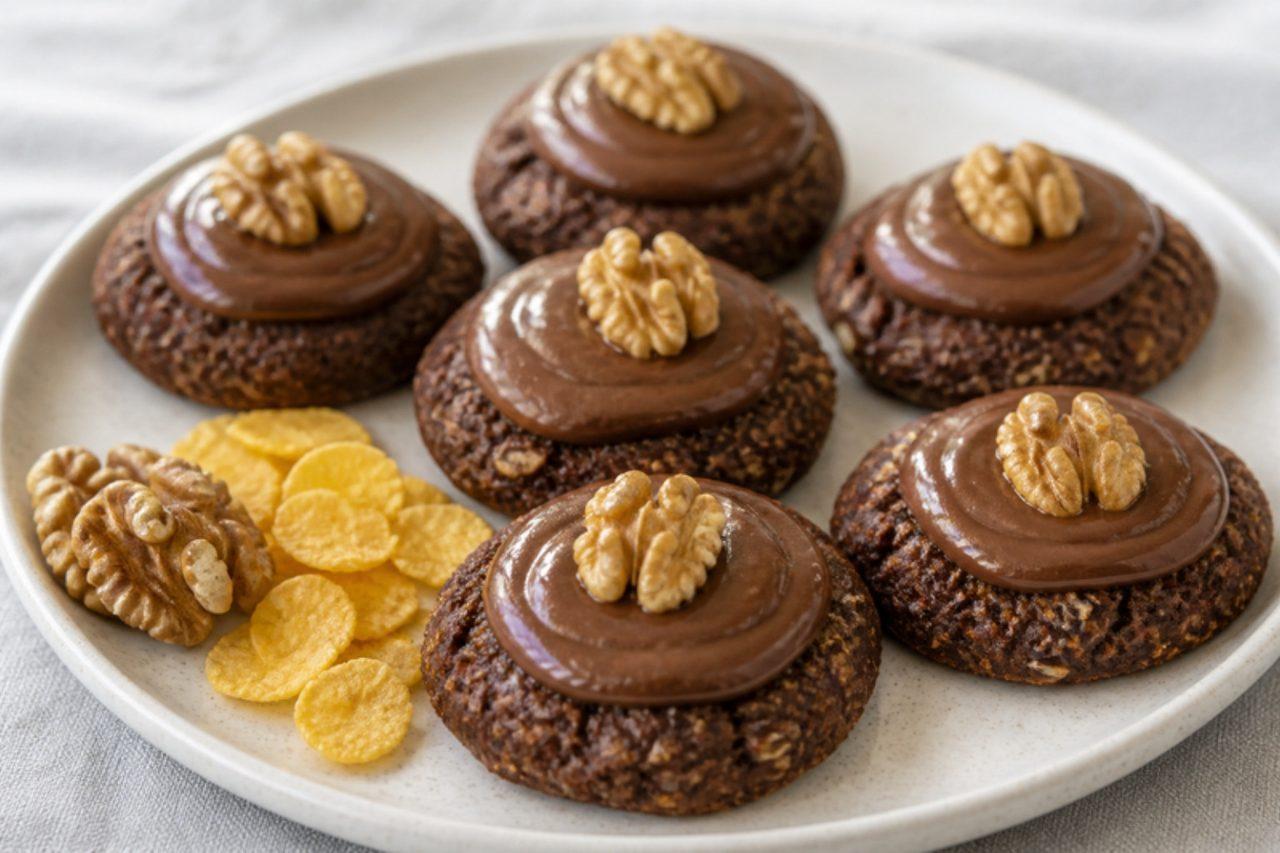
Afghans are a New Zealand classic, found in the old home baking books passed down in Kiwi kitchens and in the glass cabinets of cafés and bakeries from Christchurch to Whangārei. Nobody is quite sure where the name came from. The dough is rich with butter and cocoa, and lightly crushed cornflakes give each biscuit a crunchy, slightly rugged texture. A swirl of soft chocolate icing and a walnut half finish them off. They're not too sweet underneath, which is why the icing works so well. Chef's tip: crush the cornflakes only lightly with your hand; fine crumbs disappear, but big flakes give the crunch an afghan is known for.

by KrazyBadal 0 views

KokisCrisp rice flour flowers

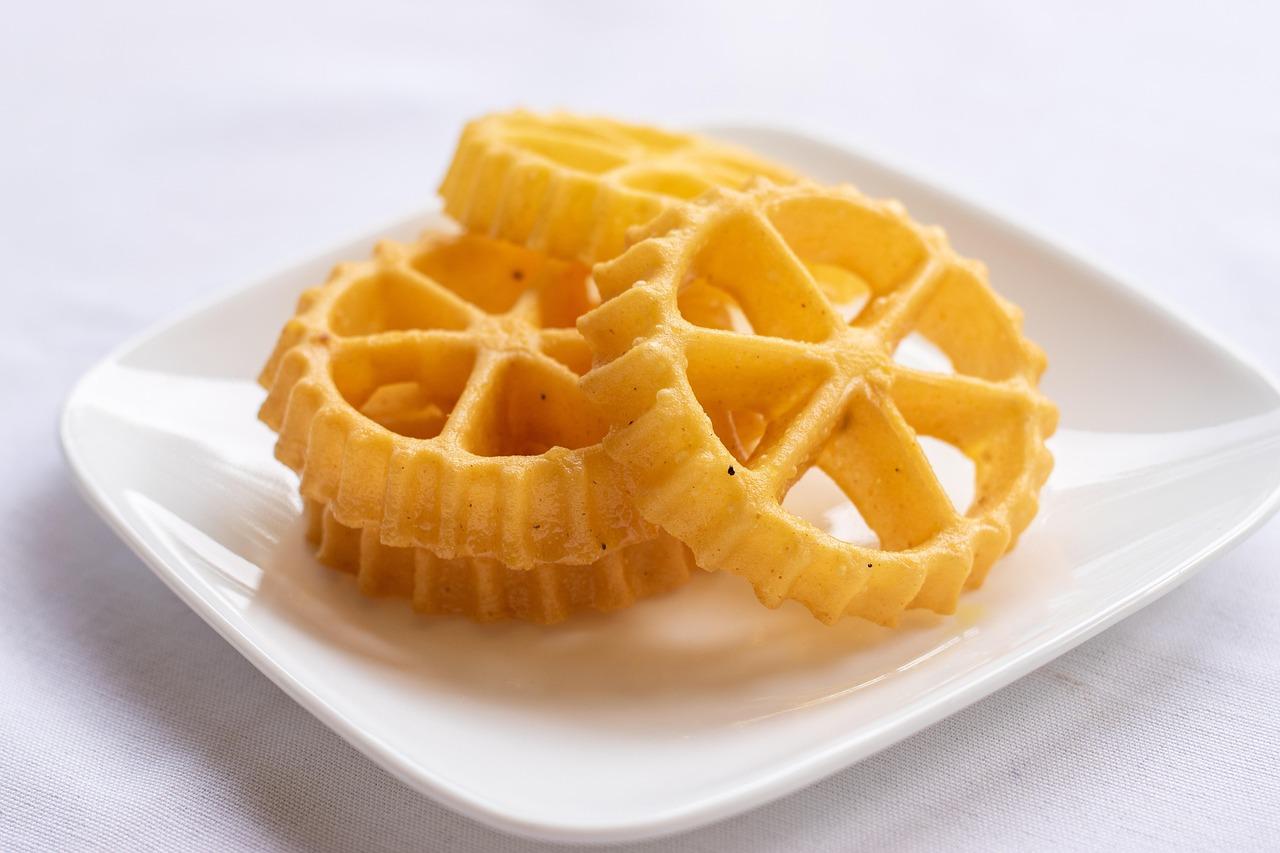
Kokis are the lacy, wheel-shaped crisps that every Sri Lankan family fries in the days before Sinhala and Tamil New Year in April, piled onto the Avurudu table beside kavum, kiri bath and banana. A thin batter of rice flour, thick coconut milk, egg and a little turmeric is picked up on a hot brass kokis mould, dipped into the oil, and shaken free as it sets, so each one is light, salty-sweet and shatteringly crunchy. They're a cousin of the rosette cookie but savoury rather than sugary. The usual mistake is dipping the mould right under the batter, so the kokis sticks and won't release; dip it only three-quarters of the way up its sides. Chef's tip: heat the mould in the oil for a full minute before the first dip, and return it to the oil between every kokis; a cold mould won't pick up batter.

by KrazyBadal 0 views

Biang biang noodlesHand-pulled belt noodles

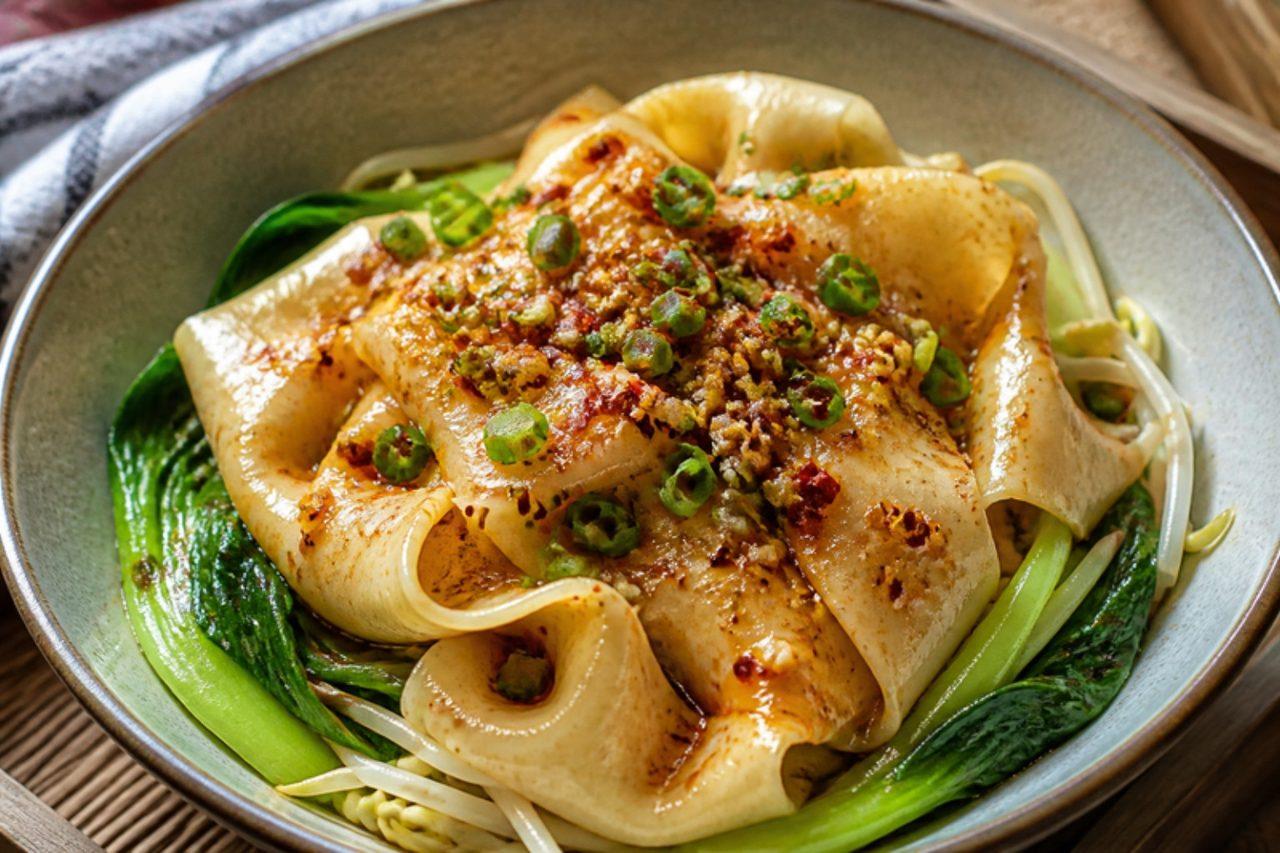
Biang biang mian are the wide, belt-like noodles of Xi'an in Shaanxi, named, some say, after the slapping sound the dough makes as it's pulled and banged on the counter. The written character for biang is one of the most complicated in Chinese. Each noodle is as wide as a belt and chewy; the classic topping is chilli flakes, garlic and spring onion, sizzled with smoking hot oil, then splashed with vinegar and soy. Chef's tip: let the oiled dough pieces rest for at least 30 minutes, longer if you can; relaxed gluten stretches long and thin without snapping.

by KrazyBadal 0 views

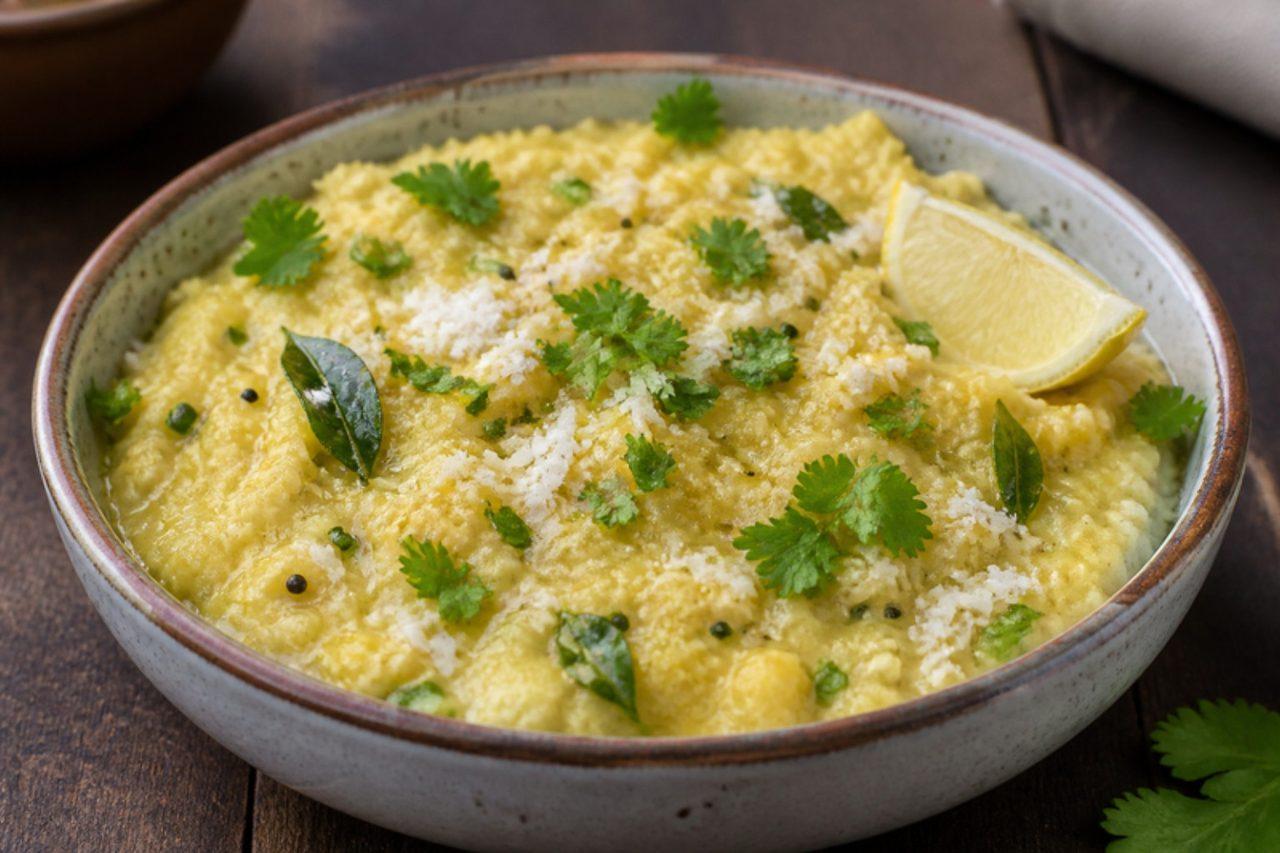
Bhutte ka keesGrated corn cooked in milk

Bhutte ka kees is a monsoon favourite from Indore in Madhya Pradesh, sold at the city's famous night market, Sarafa. Fresh corn is grated and cooked in ghee with mustard seeds and green chilli, then simmered in milk until it turns thick, creamy and gently sweet. A squeeze of lemon, fresh coriander and grated coconut finish it. Eat it hot with a spoon as an evening snack. Chef's tip: grate the corn off the cob on the coarse side of a box grater rather than blending it; you get juicy, starchy pulp that thickens the milk naturally.

by KrazyBadal 0 views

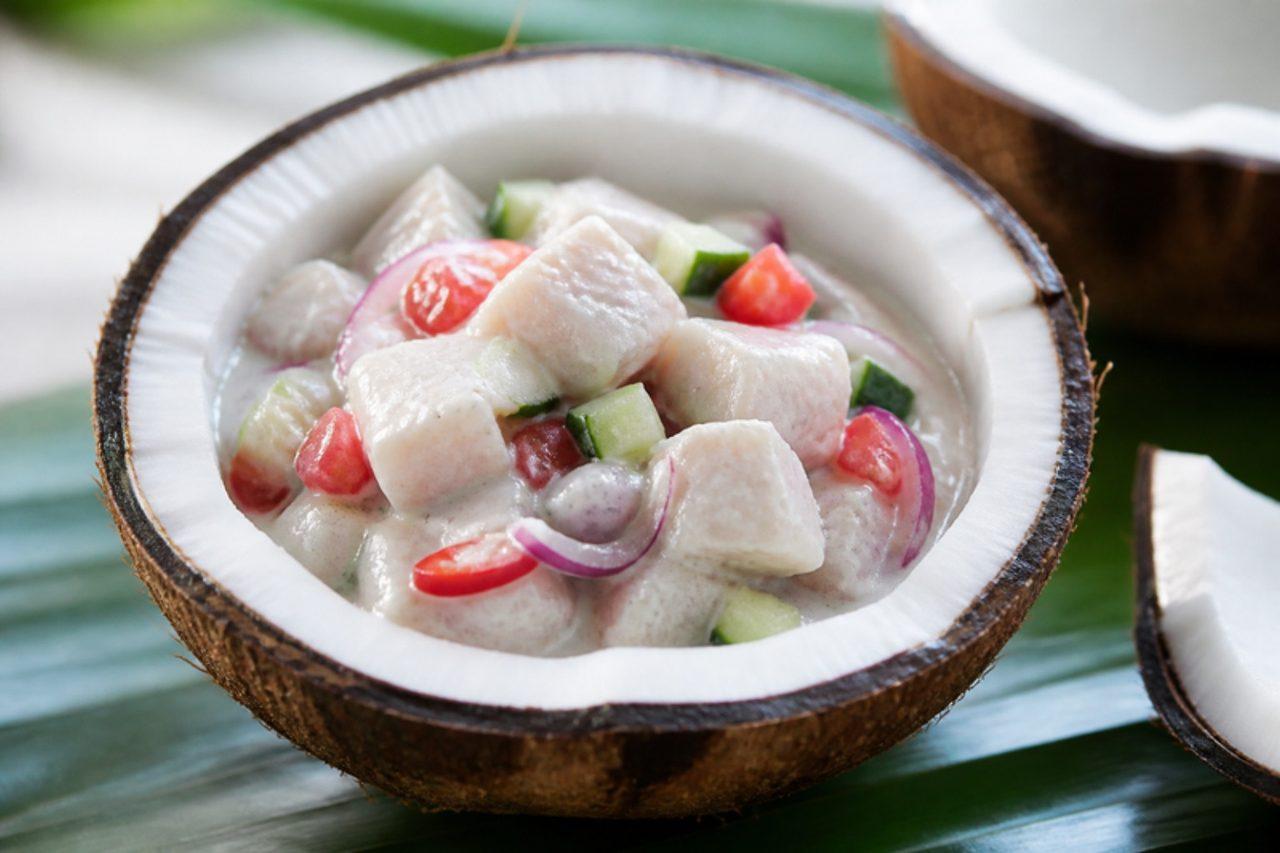
KokodaLime-cured fish in coconut cream

Kokoda (said "ko-kon-da") is Fiji's answer to ceviche, made in villages on Viti Levu and served at Suva's restaurants and family feasts in a half coconut shell: cubes of white fish soaked in lime juice until they turn white, then mixed with fresh coconut cream, onion, tomato, chilli and a little cucumber. Lime "cooks" the look of the fish but does not kill bacteria or parasites like heat does, so this is written as a safer version: use only very fresh fish that has been frozen first (sold as sashimi or sushi grade), keep everything cold and eat it within 2 hours. Raw or lime-cured fish is not for pregnant women, young children or anyone with a weakened immune system; for them, use the lightly poached option in the steps. The mistake is leaving the fish in lime too long, which turns it chalky; 15–20 minutes is enough. Chef's tip: drain off the lime juice before adding the coconut cream so the dish stays creamy, not sour.

by KrazyBadal 0 views

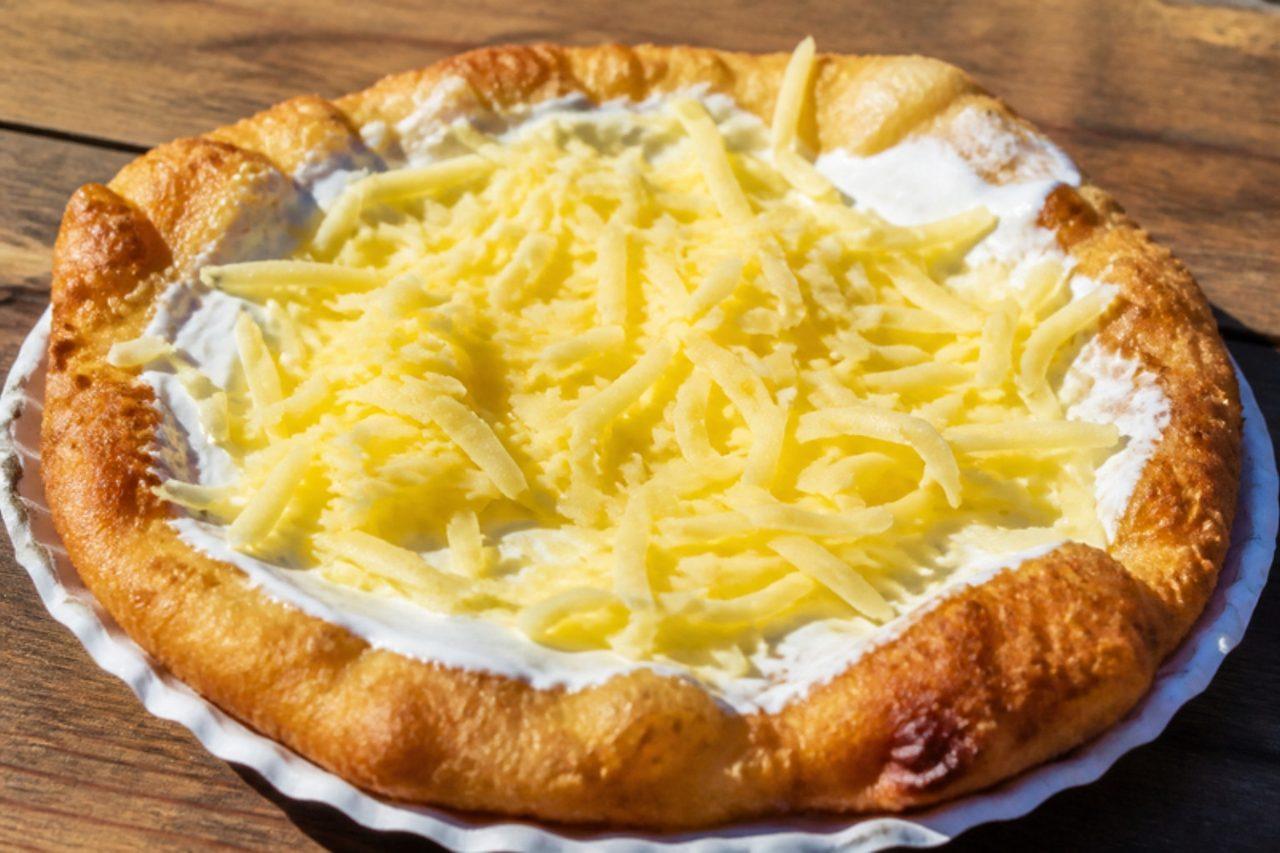
LángosFried bread with garlic and cheese

Lángos is the deep-fried flatbread of Hungarian beaches and markets: it is eaten in swimsuits on the shore of Lake Balaton, at Budapest's Great Market Hall and at every summer fair. The dough is soft and yeasted, often enriched with mashed potato, and it fries into a puffy disc that is crisp at the edges and chewy in the middle. The classic topping is garlic water brushed on hot, then sour cream and a snowfall of grated cheese. Chef's tip: stretch the dough thinner in the centre than at the rim; the edge puffs into a crisp crust while the middle stays soft enough to hold the toppings. Choose a cheese made with vegetarian rennet (many supermarket Cheddars and Edams are).

by KrazyBadal 0 views

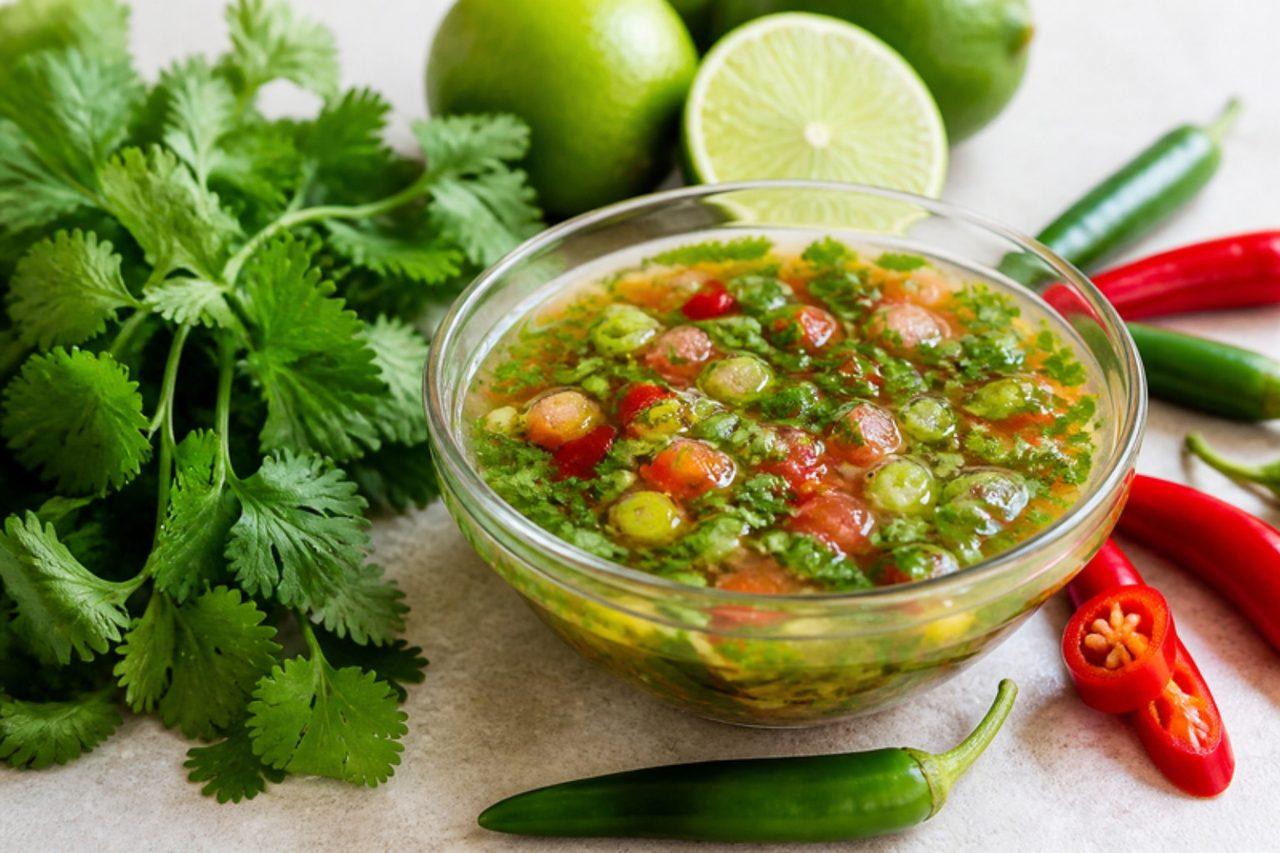
Ají picanteFresh chilli and coriander sauce

Every Colombian table has a bowl of ají, the loose, fresh hot sauce spooned onto empanadas, patacones, sancocho and arepas. Unlike a thick salsa, it is thin and bright: chopped hot chilli, spring onion, tomato and lots of coriander in lime juice, vinegar and water. Each family, from Bogotá to the Pacific coast, swears by its own heat level. Chef's tip: make it at least 30 minutes before eating; the onion softens and the chilli heat spreads through the liquid.

by KrazyBadal 0 views

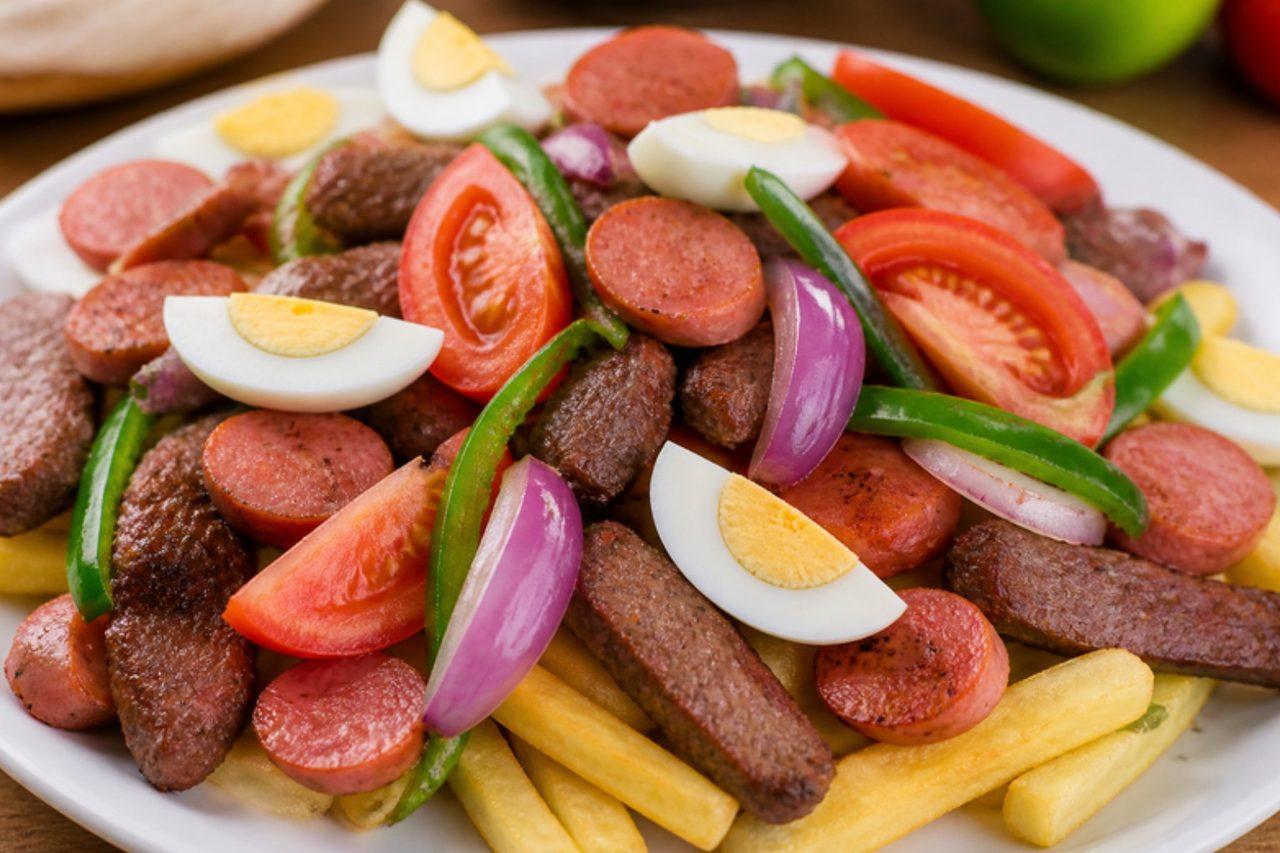
Pique machoBeef and sausage platter with chips

Pique macho was invented in Cochabamba, legend says late one night when hungry customers asked for whatever was left, and it remains the sharing plate Bolivians order with friends: a pile of chips topped with beef strips and sausage cooked in a peppery sauce, with onion, tomato, locoto chillies and boiled eggs on top. The name roughly means "if it stings, you're a man", for the hot locoto. This recipe can include beer in the sauce; for an alcohol-free version use beef stock. The mistake is letting the chips sit under the sauce, so they go soggy; assemble right before serving. Chef's tip: oven chips work fine and leave the hob free for the meat.

65 minAndeanMeatGluten freeSpicy
by KrazyBadal 0 views

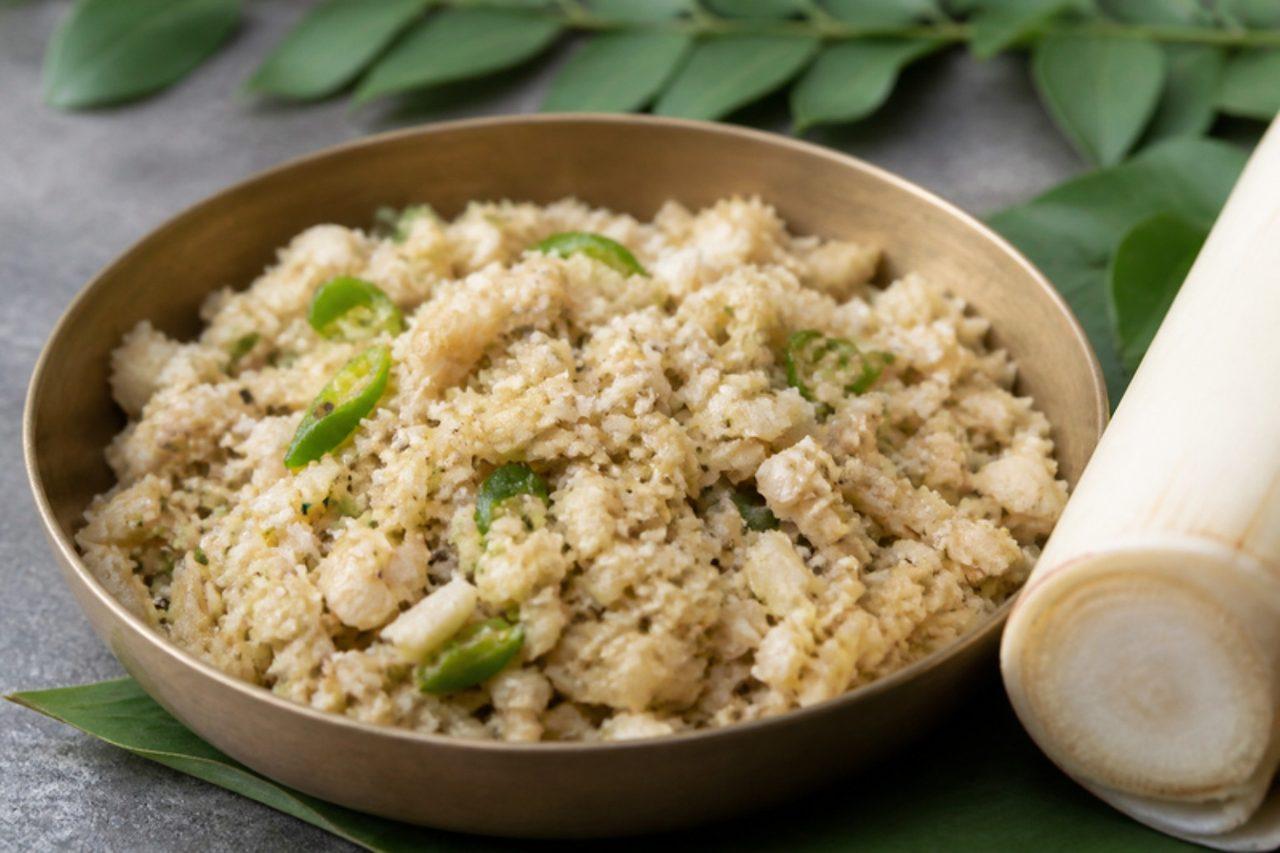
Kol posolaBanana stem stir-fry

Kol posola is the pale inner core of the banana plant, chopped and cooked down with mustard oil, ginger and green chilli until it is soft, juicy and faintly sweet. In Assamese villages, where banana plants grow in every yard, it is cheap everyday food, and it is also a favourite on Bihu tables and in Assamese thalis in Guwahati restaurants. It has a mild, cucumber-like flavour and is prized as a cooling, cleansing food. Chef's tip: as you chop the stem, twirl a finger or a skewer through the slices to catch and pull away the fine fibres; otherwise they stay stringy.

by KrazyBadal 0 views

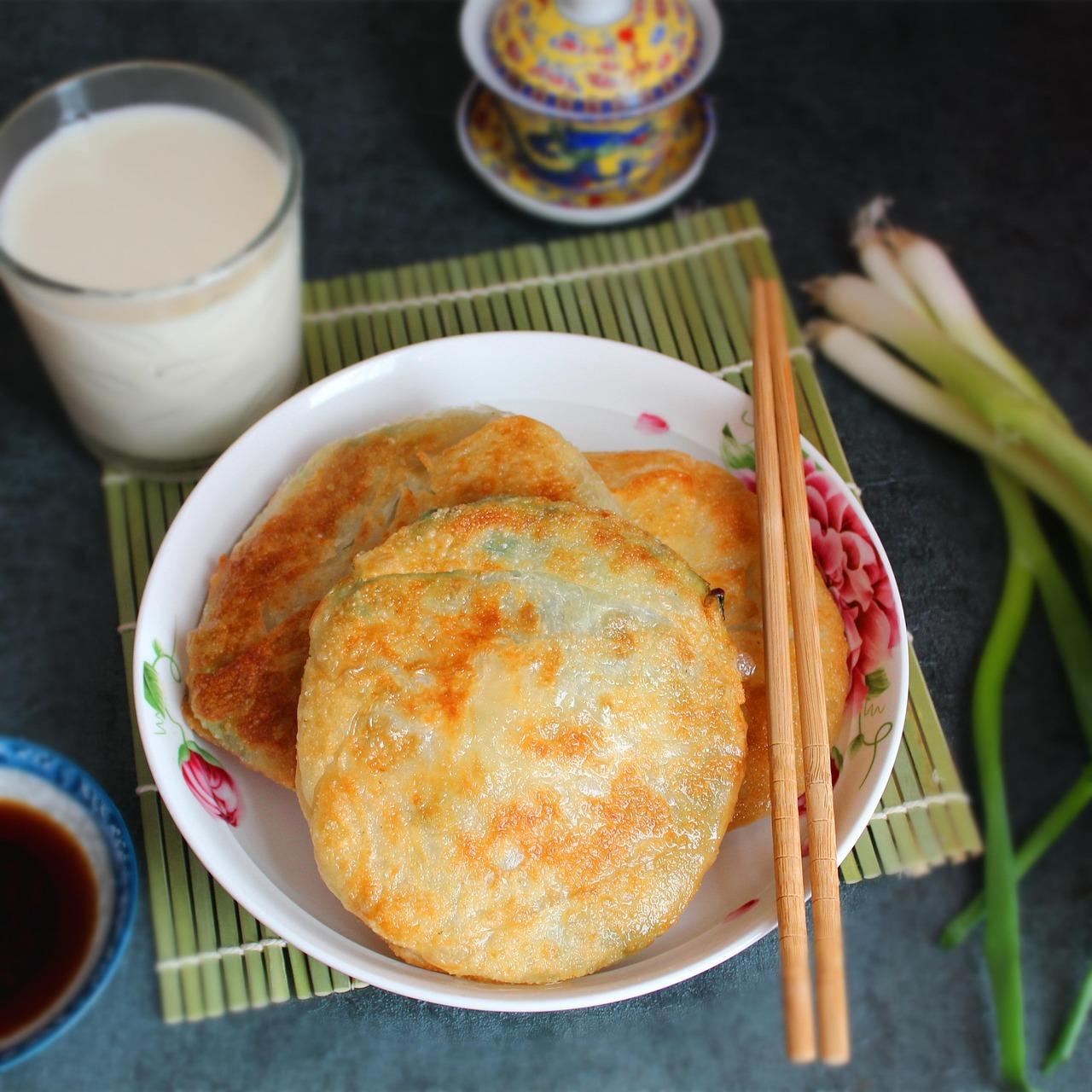
Scallion pancakes (cong you bing)Spring onion flatbreads

Cong you bing are sold from griddles on street corners across northern China, and every Shanghai breakfast stall has its own version. The dough is rolled thin, brushed with a flour-and-oil paste, scattered with spring onion, rolled up like a snail and flattened again, so it fries into dozens of crisp, chewy layers. Children love tearing them apart. Chef's tip: make the dough with hot water; it scalds some of the flour so the pancakes stay soft and roll out without springing back.

by KrazyBadal 0 views

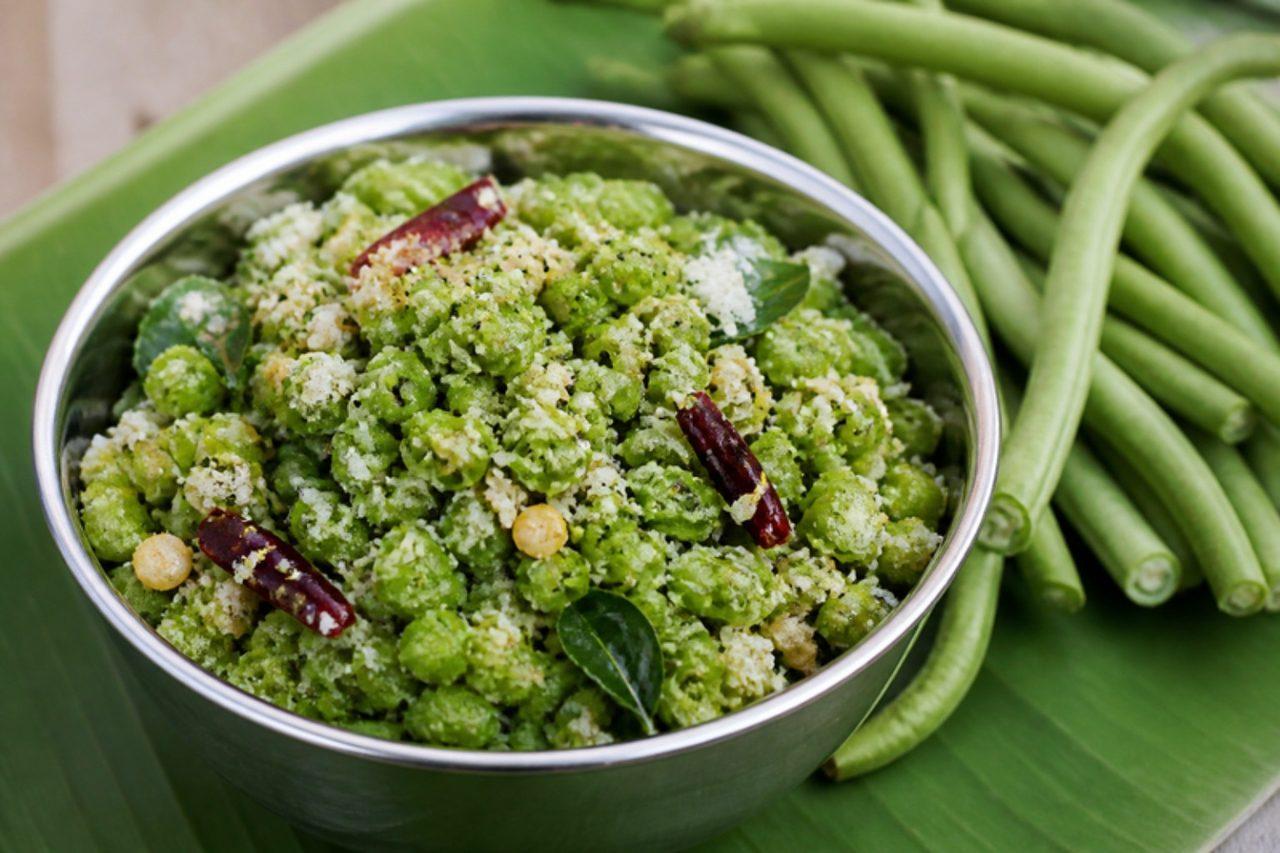
Beans poriyalGreen bean and coconut stir-fry

Poriyal is the everyday dry vegetable of Tamil Nadu, and beans poriyal is the one that appears on banana-leaf meals at weddings, temple annadhanam and Monday-to-Friday lunch boxes alike. The beans are chopped very small, steamed in their own moisture with a mustard and urad dal tempering, and finished with a shower of fresh coconut, so each spoonful is bright green, a little crunchy and nutty. It sits next to sambar or kuzhambu with rice, and it also makes a good filling rolled into a chapati. Chef's tip: chop the beans into tiny 5 mm pieces; they cook in minutes, stay green and soak up the tempering far better than long pieces.

by KrazyBadal 0 views

PirozhkiBaked filled buns

Pirozhki, little oval pies of soft yeast dough, are what a Russian babushka has waiting on the kitchen table when the grandchildren arrive, and what used to be sold warm from steel carts at Moscow metro stations. They are eaten with a bowl of soup, packed for the train, or simply grabbed from the plate all afternoon. Fillings change with the season; the two most loved meatless ones are buttery cabbage with chopped egg and creamy mashed potato with fried onion and dill. Chef's tip: let the fillings cool completely before shaping; warm filling softens the dough and the buns tear and leak.

by KrazyBadal 0 views

Showing 72 of 10,569 recipes

Show more recipes

Page 1,039 of 1,175