


Skip to content
Su-renkon
Featured recipe

Su-renkon

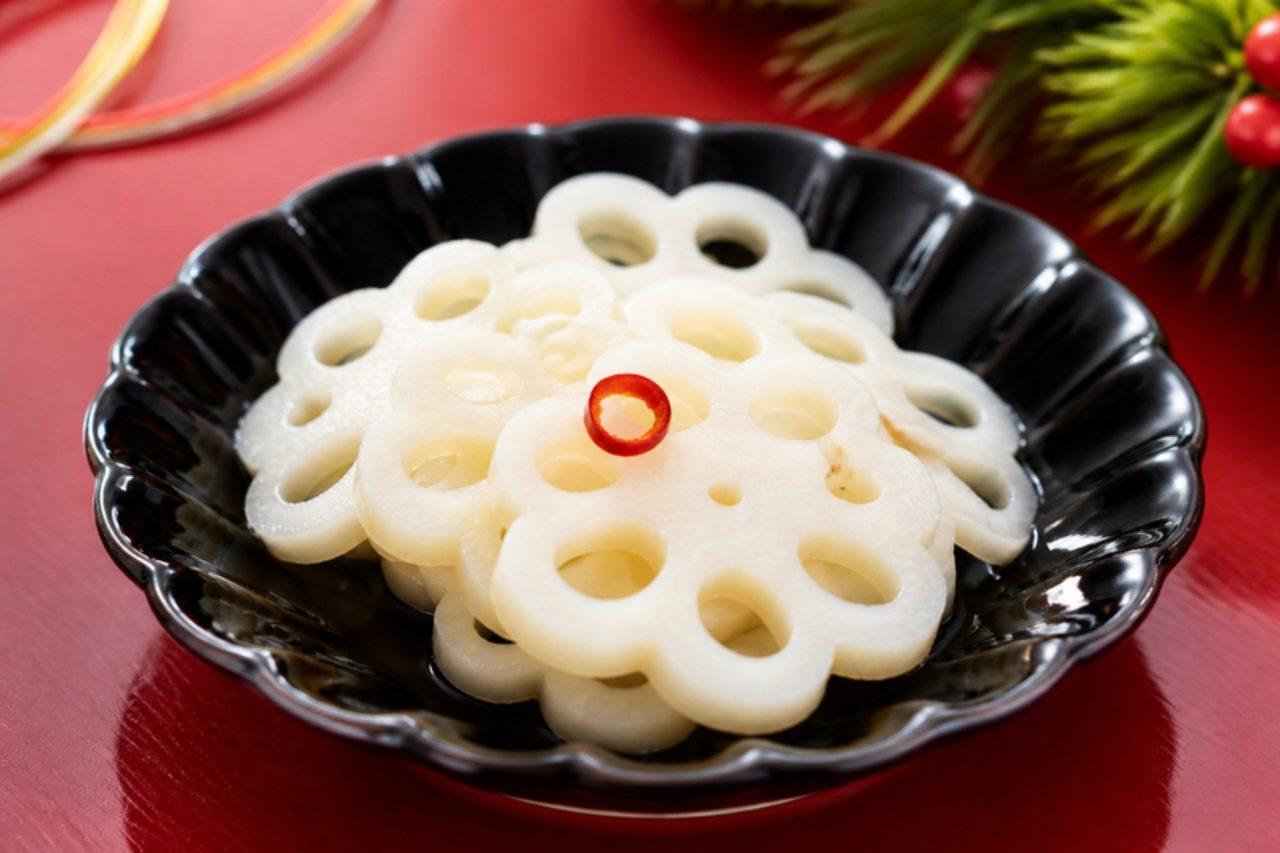
Pickled lotus root

Lotus root is full of holes you can see straight through, so in Japan it stands for a clear view of the year ahead, and these crunchy, snow-white slices of sweet-vinegared lotus are a fixture of osechi boxes on New Year's Day. Often cut into flower shapes, they taste bright and lightly sweet with a satisfying crispness. The common mistake is boiling the slices for too long: more than 2 minutes and they turn starchy instead of crunchy. Chef's tip: add a splash of vinegar to the boiling water as well as to the pickle, which keeps the lotus root brilliantly white.

Read more 0 views

What to eat today?

Around the world

Today's trip: Peruvian

A new country every day, from every cuisine on the site.

Peruvian

Tacacho

Mashed roasted green plantain balls 35 minMore from Peruvian (111) →

This week's collection

Kid-friendly dinners
772 recipes · a new collection every Monday

Coming up

All occasions →

Latest recipes

Aloo tikki chaatPotato patties with chutneys

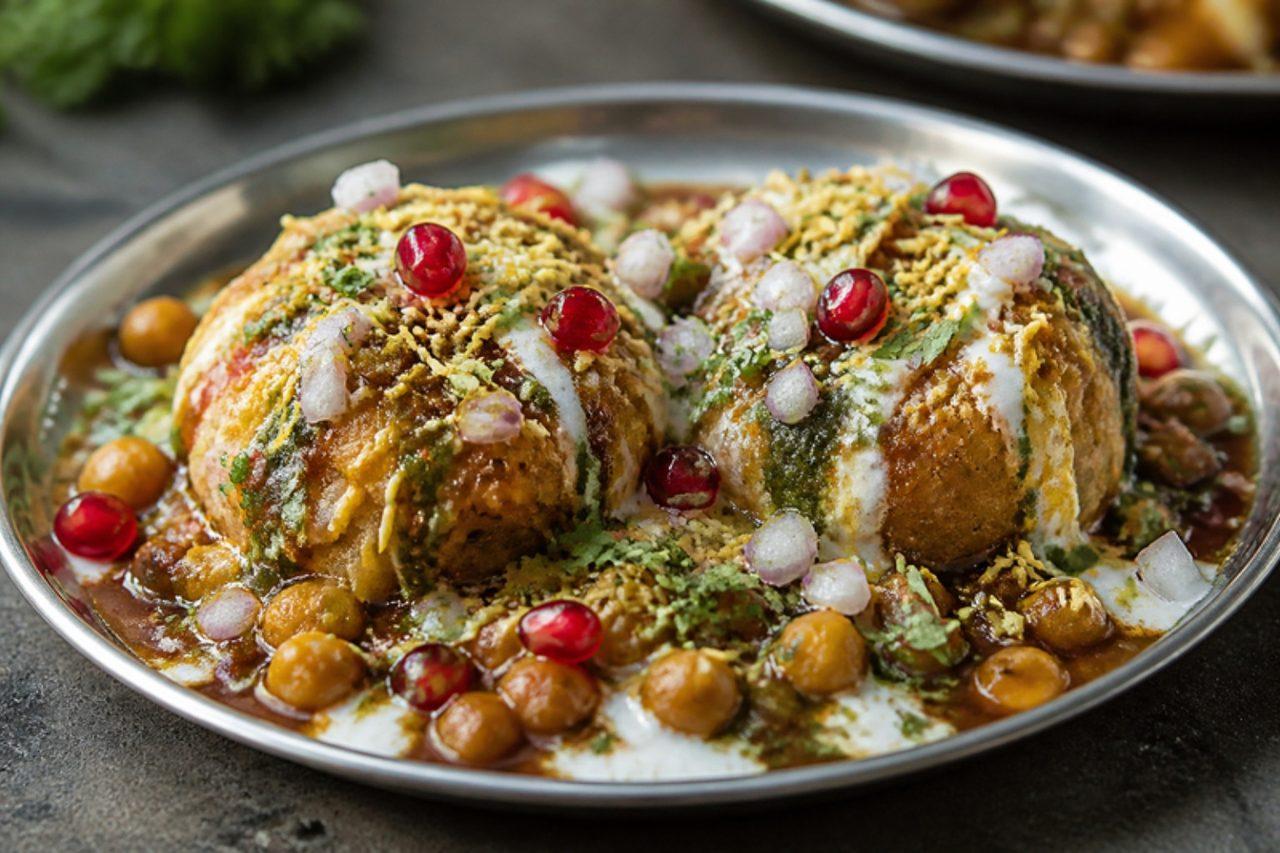
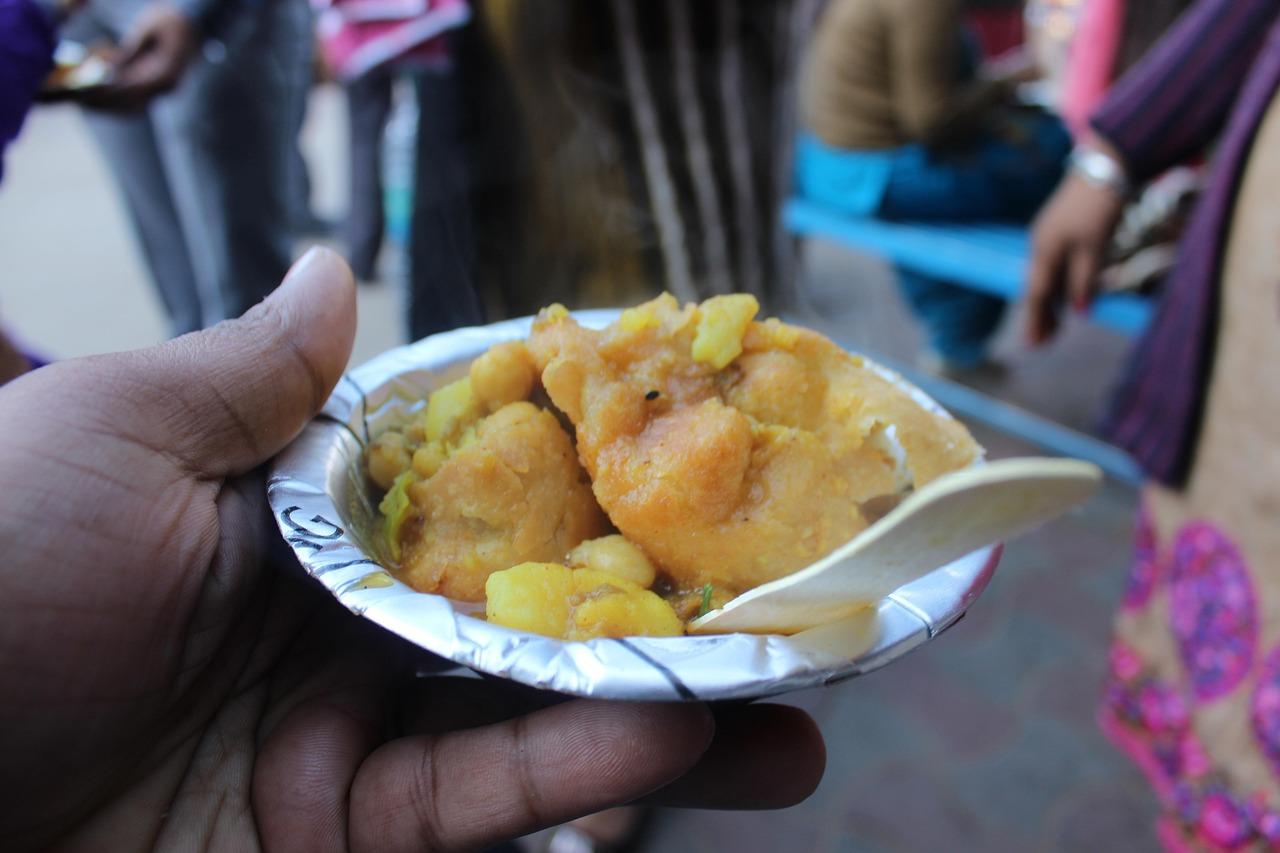
In Delhi, aloo tikki is fried on a giant iron tawa at the edge of a busy market, flattened with a spatula until the outside is shatteringly crisp, then smothered in spiced chickpeas, cool yogurt and green and tamarind chutneys. Places like Chandni Chowk and Lajpat Nagar have queues for it on winter evenings. Delhi tikkis are often stuffed with a little spiced chana dal, which adds bite inside the soft potato. Unlike Mumbai's ragda pattice, it's served with chole and a lot of yogurt. Chef's tip: let the tikkis sit undisturbed on the hot pan for the first 5 minutes; a crust forms that stops them breaking when you turn them.

by KrazyBadal 0 views

Aloo tamaPotato and bamboo shoot curry

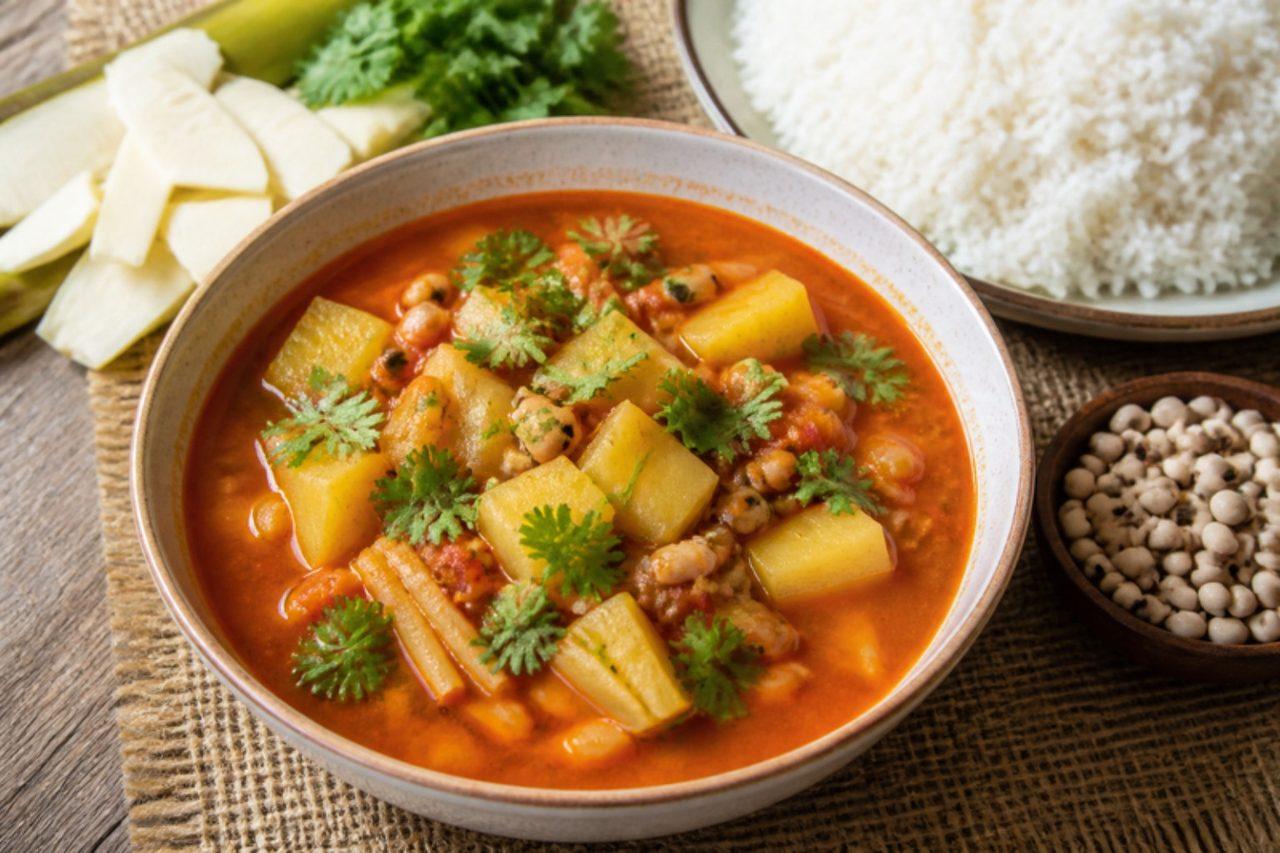
Aloo tama is the curry that tells you you are in Nepal: potatoes (aloo) and black-eyed beans (bodi) simmered with tama, slivers of bamboo shoot that have been fermented until they are pleasantly sour and funky. It is a Newar dish at heart, cooked all over the Kathmandu Valley for weddings, feasts and cold winter evenings, and every Nepali restaurant abroad keeps a pot of it. The sourness comes from the bamboo, sharpened with tomato, and the warmth from fenugreek seeds burnt nearly black in mustard oil and a dusting of timur, the Nepali Sichuan pepper that numbs the lips. Eat it with rice or beaten rice (chiura). Don't skip rinsing the bamboo: straight from the jar it can be so sharp that it takes over the whole pot. Chef's tip: let the fenugreek seeds turn a deep reddish brown before anything else goes in; that bitter-sweet, almost maple smell is the backbone of the curry.

by KrazyBadal 0 views

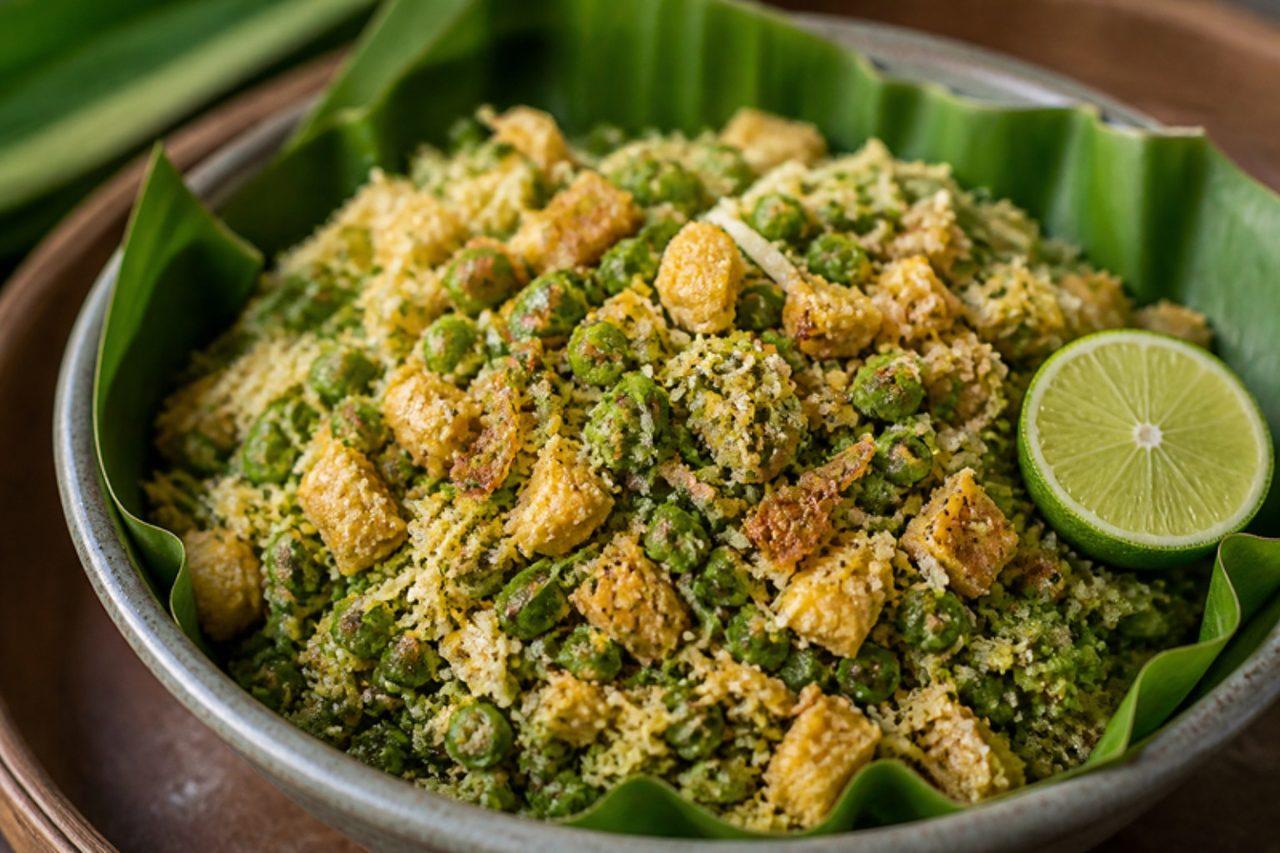
Vegetable lawarBean and toasted coconut salad

Lawar is the dish of Balinese ceremonies: before a temple festival or a family rite, the men of the banjar gather at dawn to chop and mix it by hand in huge quantities. Many versions include meat, but lawar kacang, made with long beans, is common at home and at Balinese warungs, and it shows off base genep, the island's master spice paste of shallot, garlic, galangal, kencur, turmeric and chilli. Mixed with toasted grated coconut, it's crunchy, fragrant, sour and hot, and is eaten with rice the day it's made. Chef's tip: mix the lawar just before serving and with your hands, squeezing gently, so the spice paste works into the beans; made too early, it goes watery and dull.

by KrazyBadal 0 views

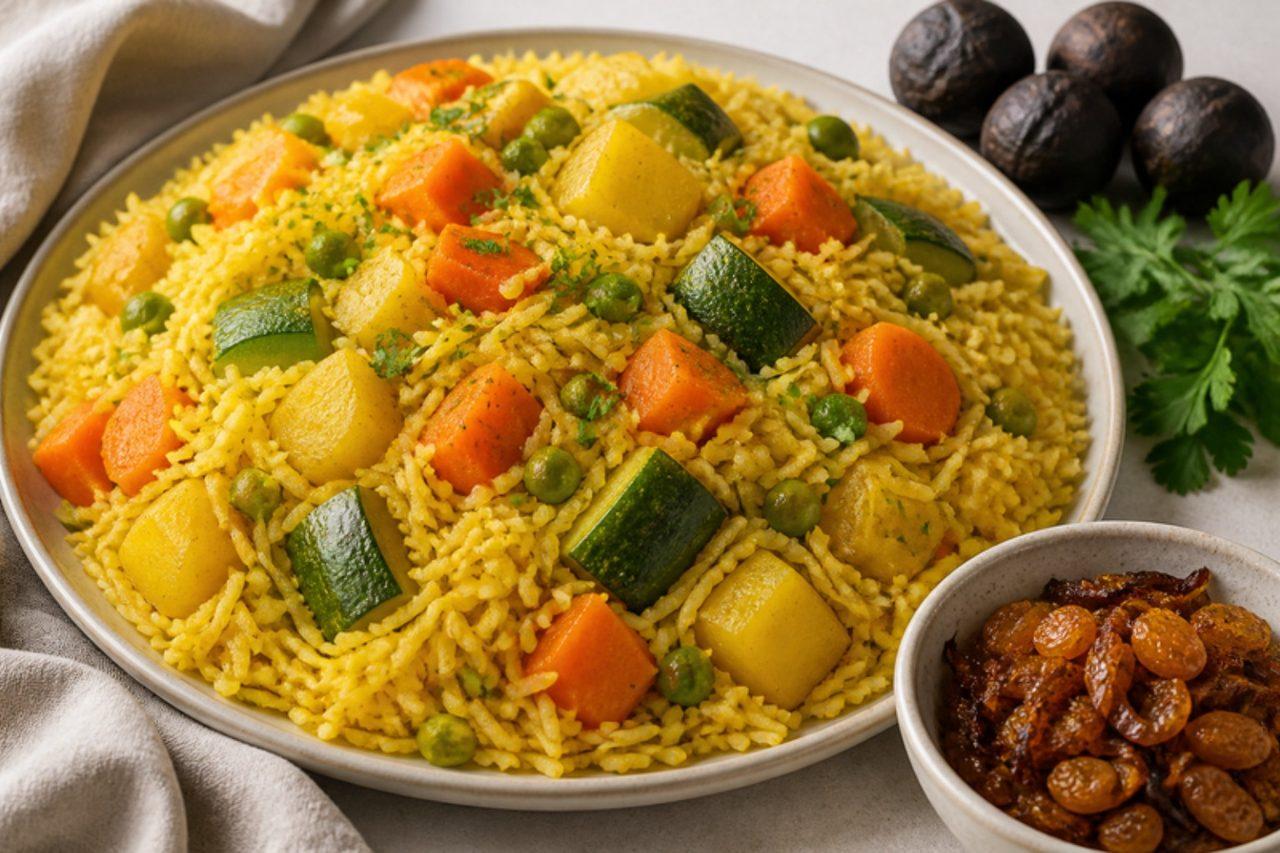
Vegetable machboosSpiced rice with vegetables

In Bahrain and Kuwait machboos is the rice dish of the home kitchen: deeper yellow than Saudi kabsa, with more turmeric, more dried lime and a last splash of rose water that perfumes the whole pot. Families cook it for the big midday meal, especially on Fridays and through Ramadan, and pile it high on a round metal tray. Here potatoes, cauliflower and peppers take the place of chicken, and the rice is crowned with hashu, soft caramelised onions with raisins and a pinch of black lime powder. Chef's tip: brown the potatoes and cauliflower before the rice goes in; their golden edges give the meaty depth the chicken usually brings.

by KrazyBadal 0 views

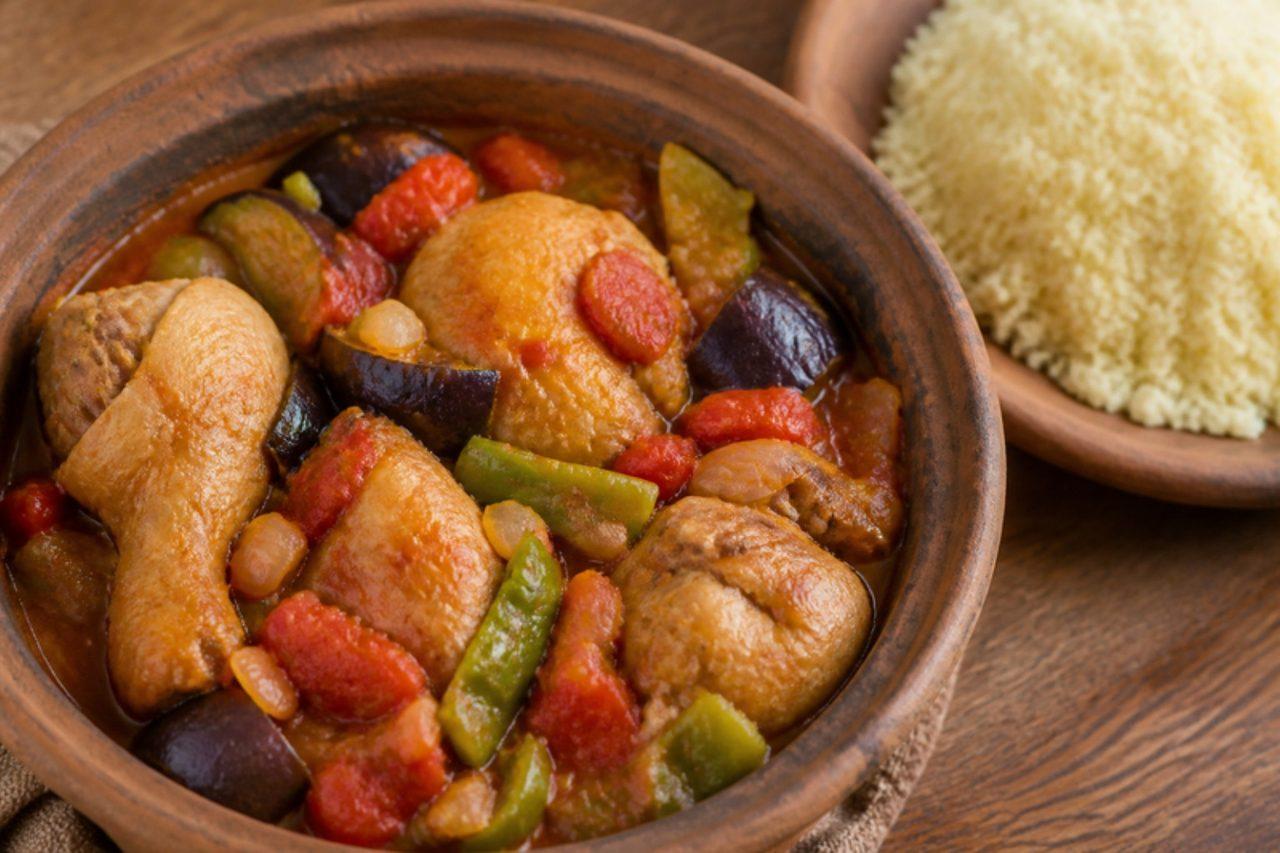
KedjenouPot-steamed chicken

Kedjenou comes from the Baoulé people of central Côte d'Ivoire, who cooked it in a sealed clay canari set in the embers and shook the pot instead of stirring it; today it is a weekend favourite in Abidjan's maquis, served with attiéké or rice. Chicken, tomato, onion, aubergine, ginger and chilli go into the pot with no water at all, and the vegetables release enough juice to make a light, intense sauce. The mistake is lifting the lid to stir: the steam escapes and the pot can burn, so seal it well and shake it instead. Chef's tip: a heavy casserole with a sheet of foil pressed under the lid works just like the clay pot.

by KrazyBadal 0 views

Keerai masiyalMashed greens

Keerai masiyal is the plain, green, buttery-soft mash Tamil mothers make with whatever keerai the market has that morning: arai keerai, siru keerai, amaranth or plain spinach. The leaves are cooked with shallots, garlic and green chilli and then mashed, traditionally with a wooden mathu, until smooth but still a little textured, then finished with a cumin tempering. It's eaten mixed into hot rice with a spoon of ghee or sesame oil, next to sambar or rasam, and it's a favourite first food for toddlers. Chef's tip: cook the greens uncovered; covering them traps the gases that turn the leaves dull olive instead of bright green.

by KrazyBadal 0 views

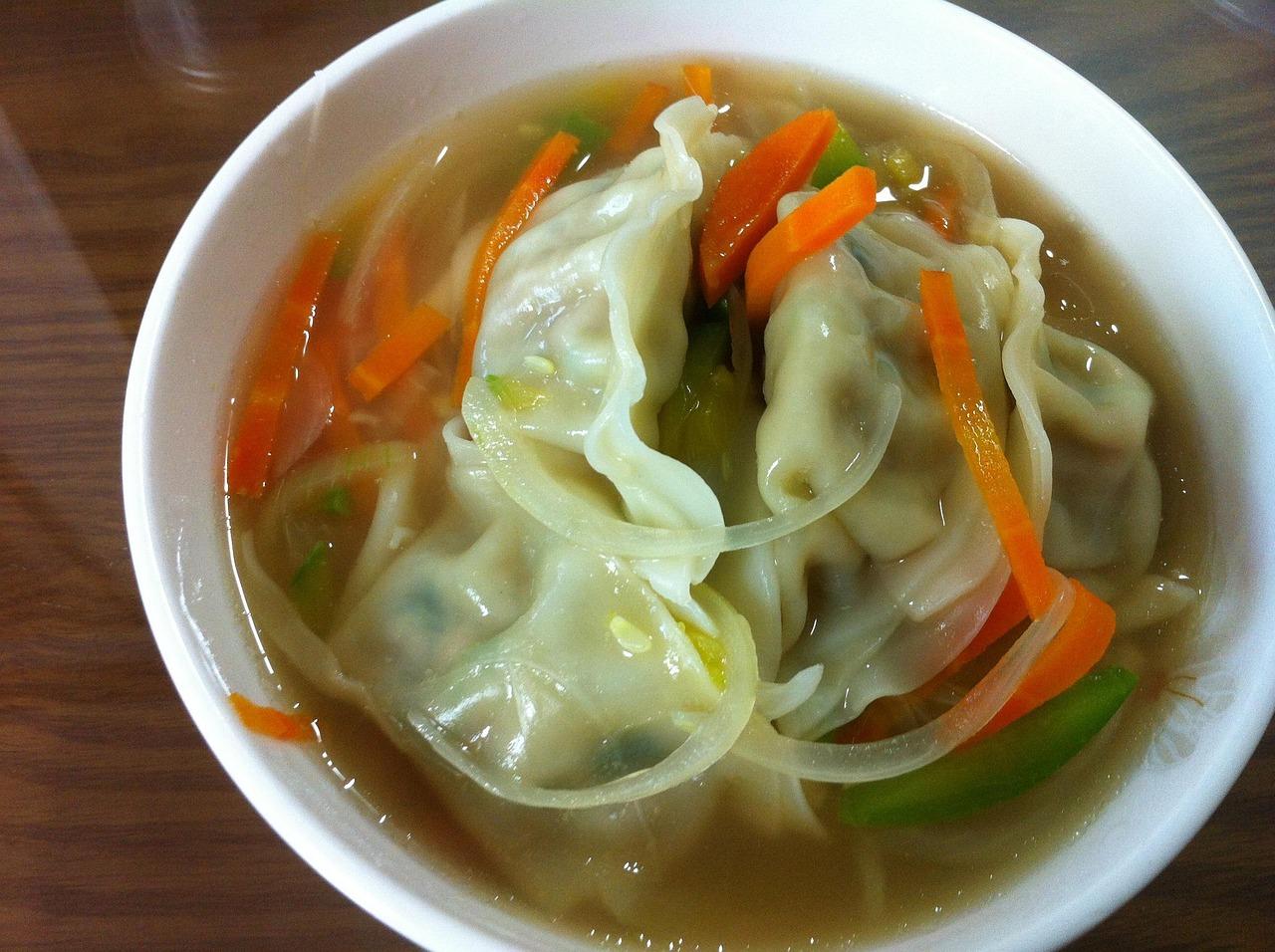
Vegetable mandu-gukVegetable dumpling soup

In Seoul and the surrounding Gyeonggi province, the first meal of Seollal (Lunar New Year) is often mandu-guk (만두국): plump dumplings and coin-shaped rice cakes floating in clear broth, finished with ribbons of yellow and white egg and strips of toasted laver. The northern half of the peninsula has always favoured dumplings over rice cake soup, and Seoul families tend to combine the two. These mandu are filled with tofu, glass noodles, cabbage, mushrooms and chives, and the broth is a kelp and shiitake stock instead of beef. Fold the dumplings a day ahead and the soup comes together in 15 minutes. Chef's tip: squeeze the tofu and cabbage hard in a cloth; a wet filling turns the wrappers soggy and the dumplings split in the pot.

by KrazyBadal 0 views

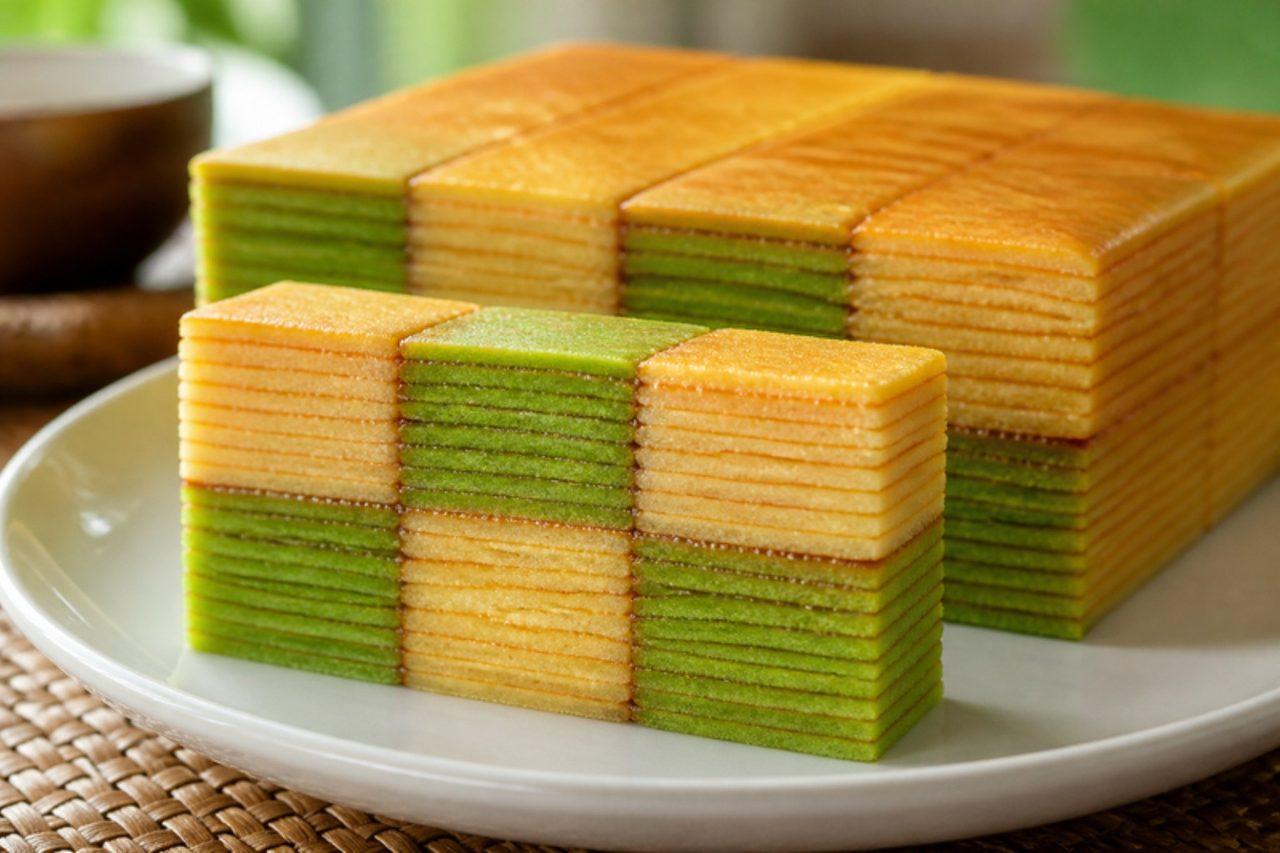
Kek lapis SarawakLayer cake

In Kuching, kek lapis Sarawak is baked for Hari Raya, Christmas and Gawai, and every family gives boxes of it away. Unlike Indonesia's spiced lapis legit, Sarawak cakes are sweet, dense and buttery, often made with condensed milk, and famous for their bright geometric patterns. Many layers are grilled one by one, then the cake is cut into strips and glued back together with jam to make the design. This is the beginner's chequerboard in plain and pandan green. Chef's tip: spread each layer thin and even with the back of a spoon; uneven layers make the pattern crooked.

by KrazyBadal 0 views

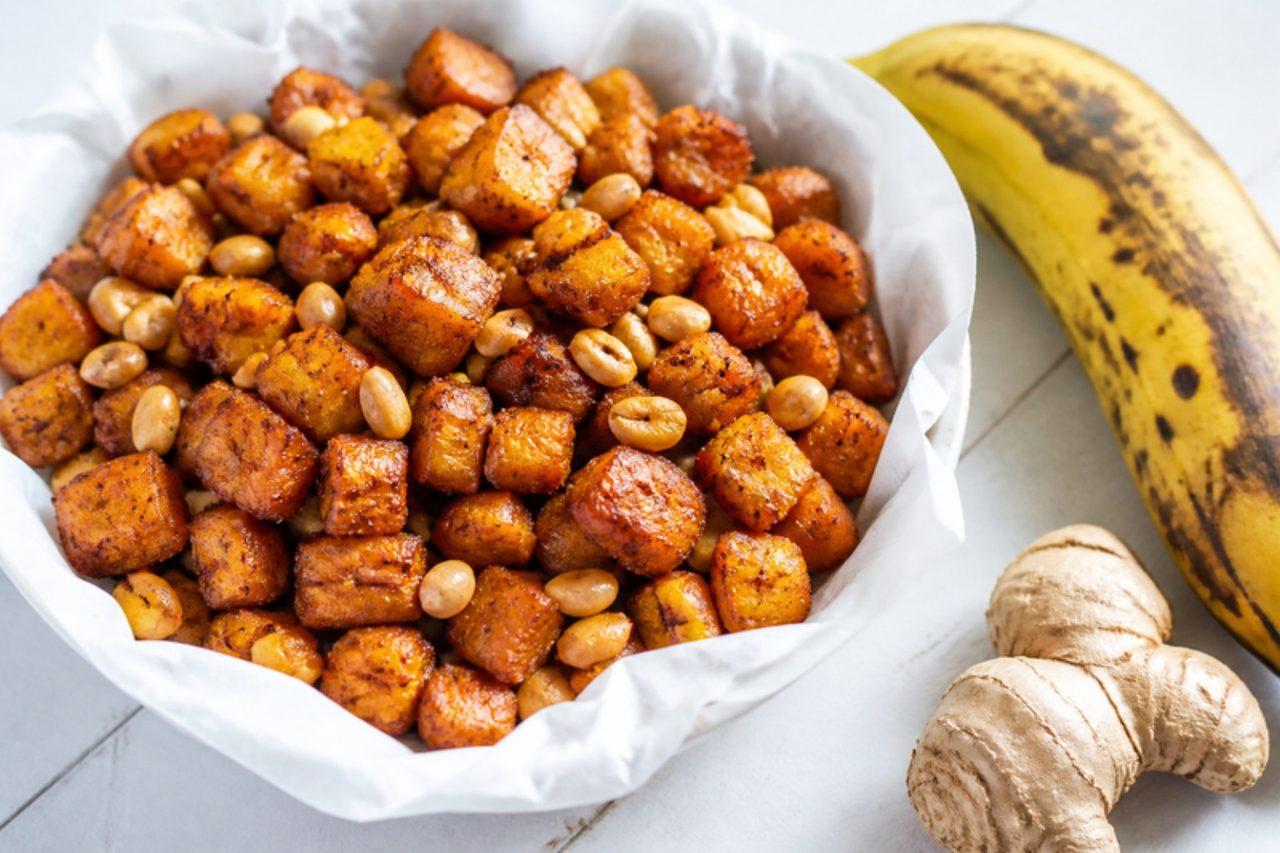
KeleweleSpiced fried plantain

Kelewele is what Accra smells like after dark: ripe plantain cubes tossed in a paste of ginger, onion, chilli and spice, then fried at roadside stalls lit by lamps and sold in paper cones. It is eaten as an evening snack, often with a handful of roasted peanuts, or as a side with red red. The outside caramelises while the spices turn toasty, so every piece is sweet, hot and spicy at once. Chef's tip: use plantains that are yellow with lots of black spots; fully black ones collapse in the oil and green ones never turn sweet.

by KrazyBadal 1 views

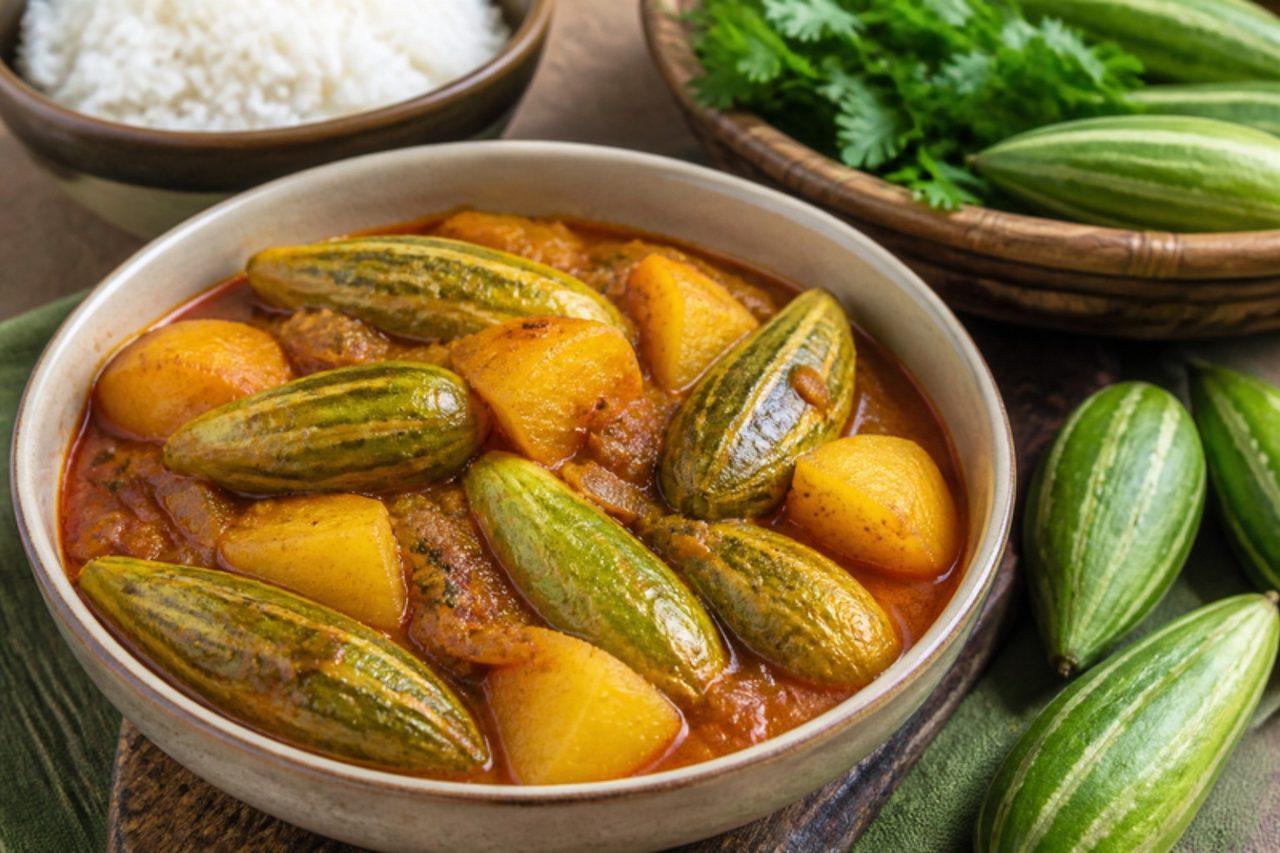
Aloo potala rasaPointed gourd and potato curry

Aloo potala rasa is Odisha's favourite party curry: you will find it on the menu of every Odia wedding and thread ceremony, ladled over rice or eaten with puri. Pointed gourds (potala, parwal) are scraped, fried until blistered, and simmered with potatoes in a thick onion, tomato and ginger-garlic gravy perfumed with whole garam masala. Unlike the light everyday dishes of the state, this one is rich and slow-cooked. Chef's tip: scrape the potala lightly rather than peeling; the green streaks look pretty and hold the shape.

by KrazyBadal 0 views

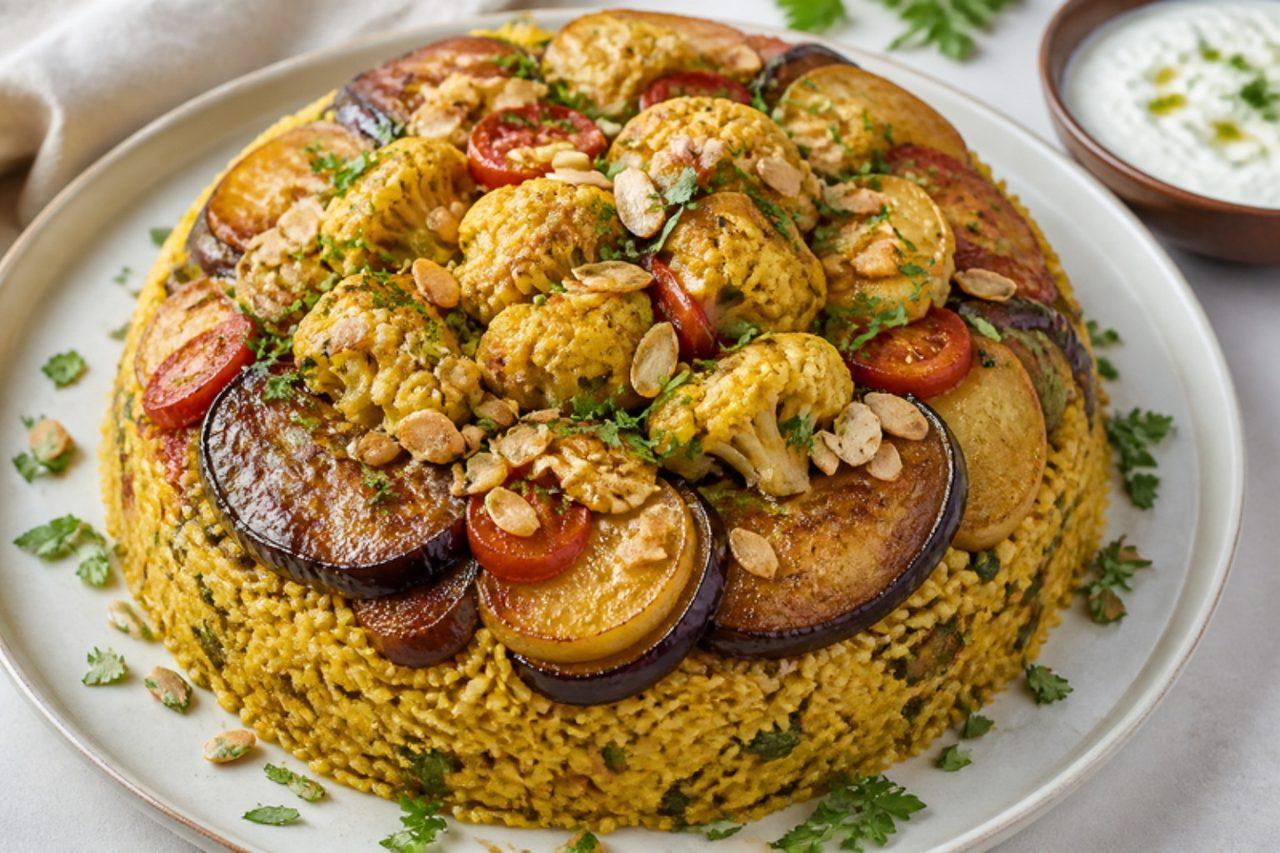
Vegetable maqlubaUpside-down rice and vegetables

Maqluba means 'upside down', and in Palestinian homes from Jerusalem to Nablus the moment the big pot is flipped onto a tray at a Friday family lunch is greeted with clapping. Under the pot comes a golden cake of fried aubergine, cauliflower and potato with spiced rice packed between them. It is also cooked across Lebanon, Jordan and Syria. This meat-free version uses vegetable stock and is served with a cucumber and tomato salad or a bowl of yogurt for those who eat dairy. Chef's tip: once the pot is turned over, wait five minutes before lifting it so the layers settle and the tower holds.

by KrazyBadal 0 views

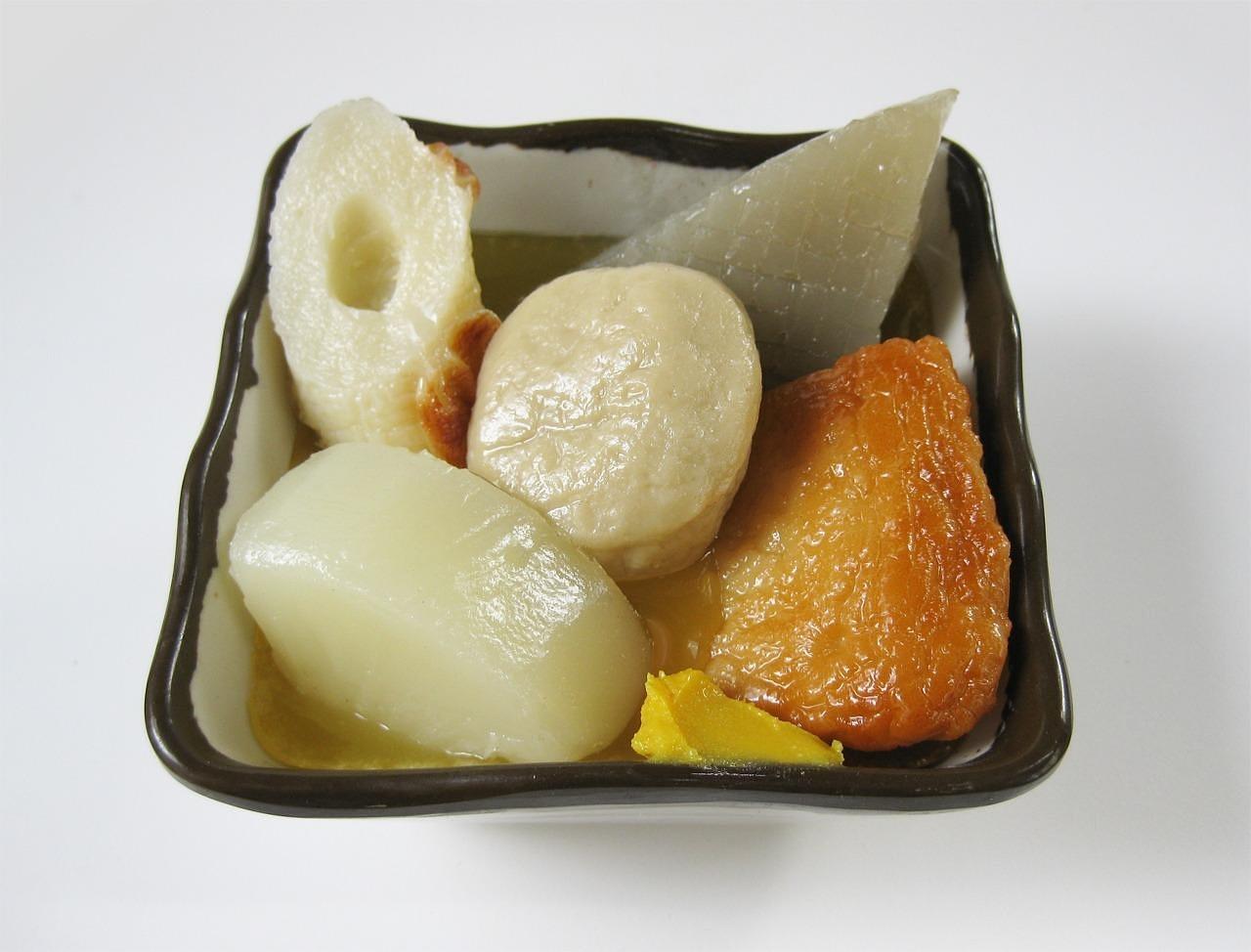
Oden (Tokyo style)

When the evenings turn cold, Tokyo's convenience stores set out steaming trays of oden by the till, and small oden bars and street stalls fill up with office workers. Tokyo's style uses a darker, soy-seasoned dashi than the paler Kansai one, and it includes chikuwabu, a chewy tube of wheat dough that is rarely seen outside the Kanto region. Everything simmers gently for a long time, so the daikon turns translucent and soaks up the broth. Serve it straight from the pot with a dab of hot Japanese mustard. Chef's tip: make oden a day ahead and let it cool in the broth overnight; the daikon and eggs take on far more flavour as they cool than while they boil.

by KrazyBadal 0 views

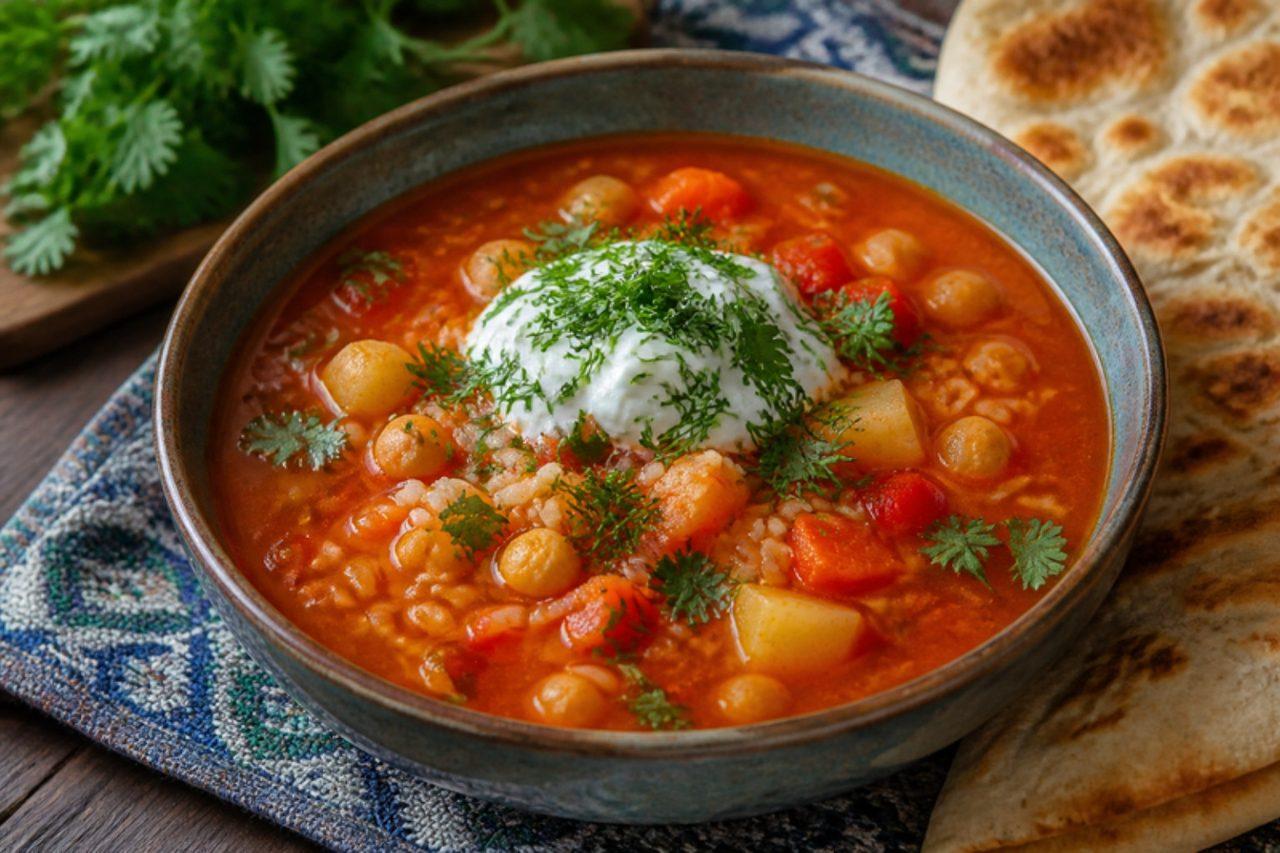
Vegetable mastavaVegetable and rice soup

Mastava is the soup Uzbek mothers make on a cold weeknight: rice simmered in a tomato-red broth with carrot, potato, pepper and chickpeas, finished at the table with a spoon of thick suzma or sour cream and a handful of herbs. It is eaten all over the country but is especially loved in Tashkent households in late autumn. The base is fried first, like plov, so the soup tastes rich even without meat; this version uses vegetables and chickpeas only. Chef's tip: fry the tomato paste in the oil until it turns brick-red before adding water — that is where the depth comes from.

55 minUzbekSoupsGluten free
by KrazyBadal 0 views

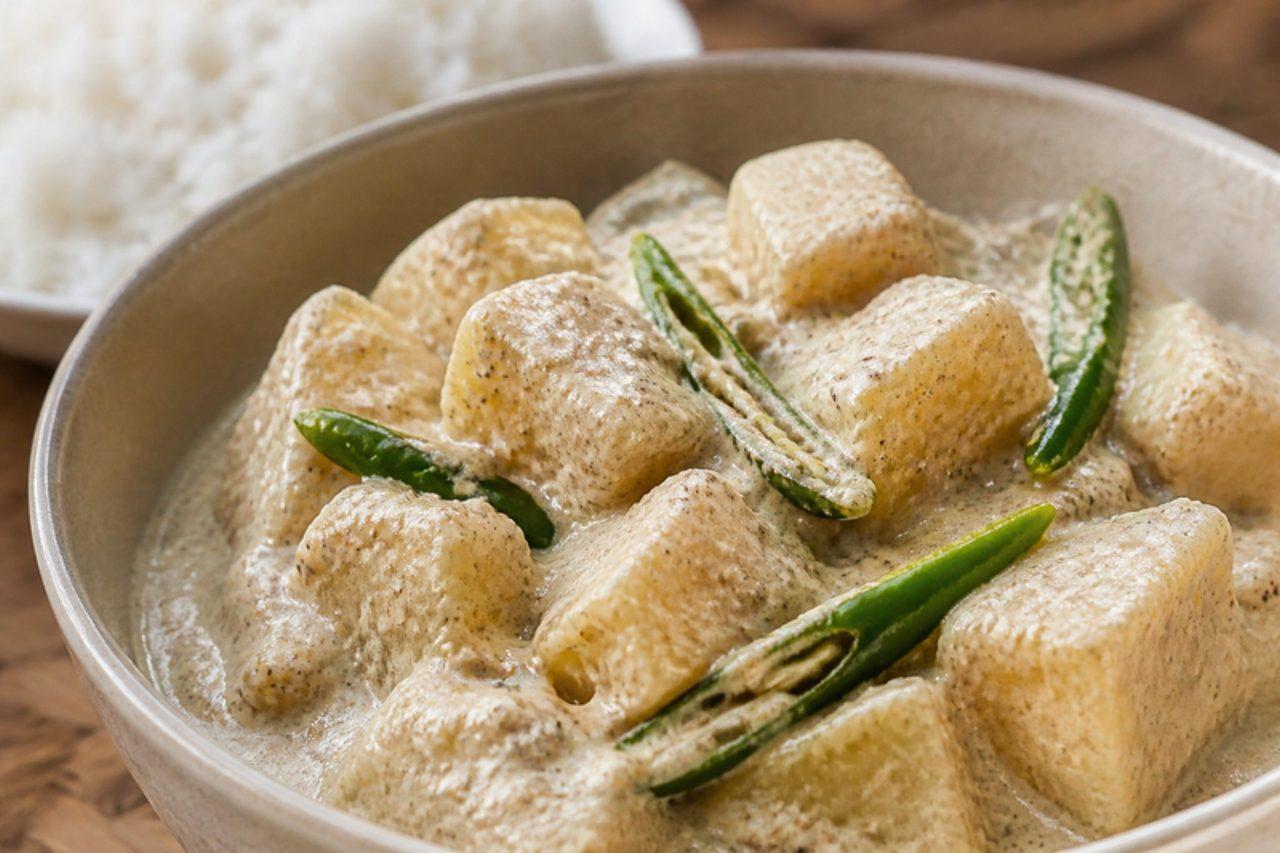
Aloo postoPotatoes in poppy seed paste

Aloo posto is one of West Bengal's best-loved everyday dishes: cubes of potato cooked gently in a thick paste of ground white poppy seeds, green chilli and mustard oil. The poppy seeds give a nutty, creamy coating without any dairy, and the nigella seeds and raw mustard oil add a sharp, fragrant edge. It's simple, mild and comforting, eaten with plain rice and dal in Kolkata homes. Chef's tip: grind the soaked poppy seeds with the green chillies and a splash of water until truly smooth; a gritty paste never turns creamy.

by KrazyBadal 0 views

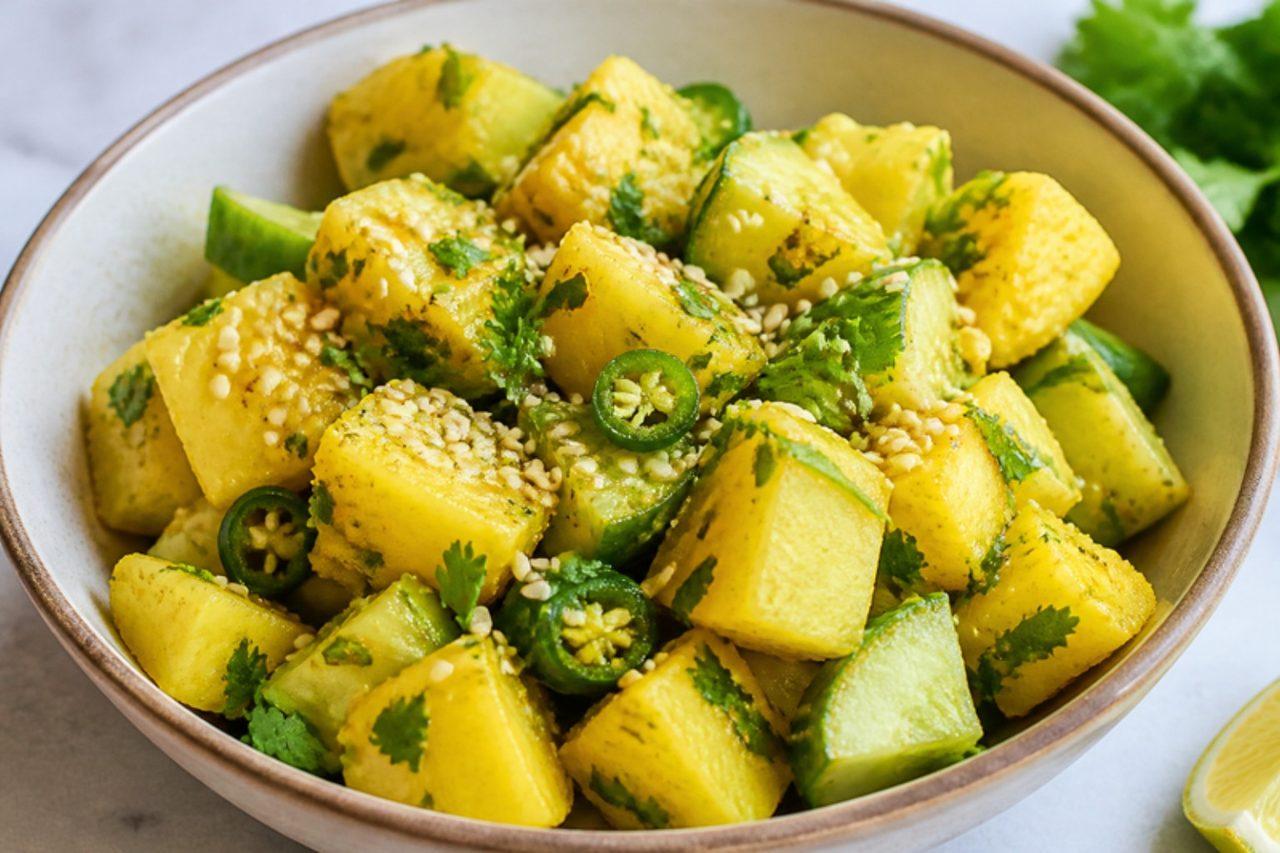
Aloo acharPotato and sesame salad

Aloo ko achar is the potato salad of Nepal, but tangy, nutty and hot rather than creamy. Boiled potatoes are tossed with ground toasted sesame, lemon juice, green chilli and timur, then finished with mustard oil in which fenugreek seeds have been fried dark. You find it everywhere: in tiffin boxes on the way to school, at picnics and on the long leaf plates of Newar feasts, alongside beaten rice and spicy beans, and it is a fixture at Dashain and Tihar gatherings when food has to sit out for hours. It keeps well, and the flavour improves after a rest. Dressing the potatoes while still hot is the usual mistake: they soak it up and turn mushy, so let them cool first. Chef's tip: toast the sesame until it just starts to pop and smells like popcorn, then grind it to a coarse sandy powder; it thickens the dressing and gives the salad its nuttiness.

by KrazyBadal 0 views

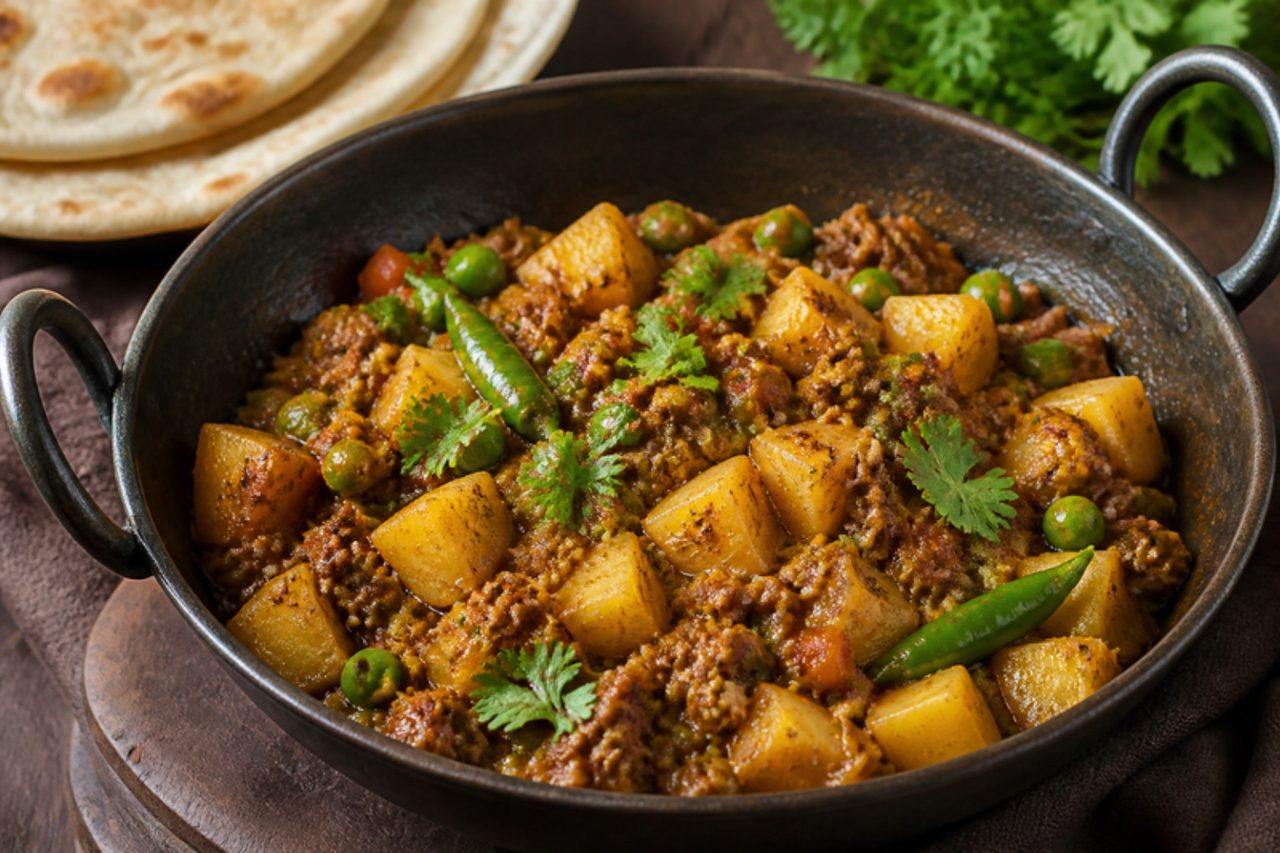
Aloo keemaMinced meat with potatoes

Aloo keema is the dinner that turns up in Pakistani homes from Karachi to Peshawar several times a month: quick, cheap, and loved by children and grandparents alike. Mince is browned with onion, tomato and whole spices, then simmered with potato cubes and peas until the potatoes soak up the masala. It is usually eaten with hot chapati or paratha, and leftovers become a filling for sandwiches and samosas the next day. Chef's tip: keep frying the mince until all the water it releases has gone and it starts to sizzle; that's where the browned, meaty flavour comes from.

by KrazyBadal 0 views

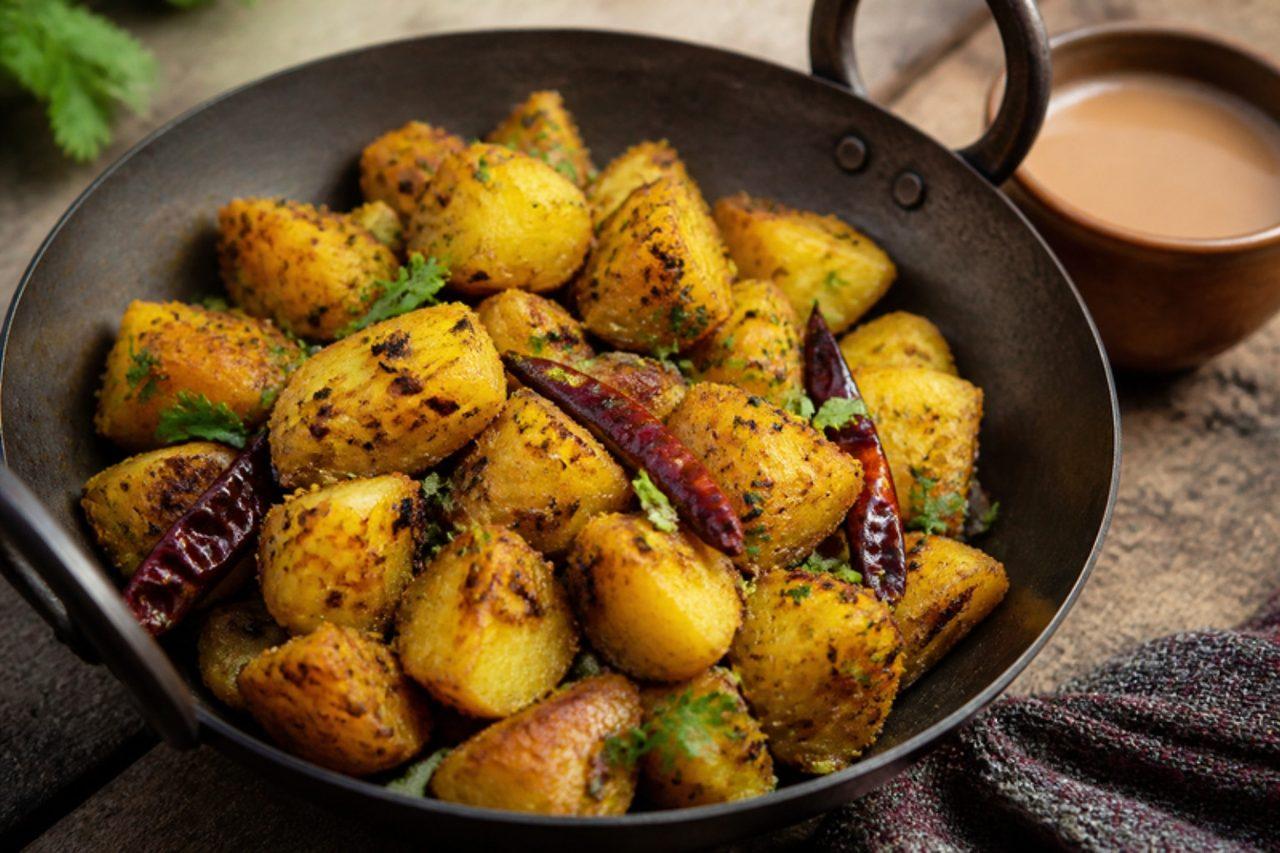
Aloo ke gutkePotato cubes with mountain spices

Ask anyone from Kumaon what they miss most from home and aloo ke gutke comes up quickly. Hill potatoes are boiled, cut into rough chunks and tossed in smoking mustard oil with jakhiya, a tiny wild seed that pops and crunches like mustard but tastes more like toasted cumin. It's served at tea time with a mug of chai, on festival plates next to puri, and in local dhabas with cucumber raita. Outside Uttarakhand jakhiya is hard to find, so use cumin seeds with a few black mustard seeds instead; the dish will still taste right. Chef's tip: boil the potatoes a few hours ahead, or the night before, so they firm up and fry into crisp-edged cubes instead of crumbling.

by KrazyBadal 0 views

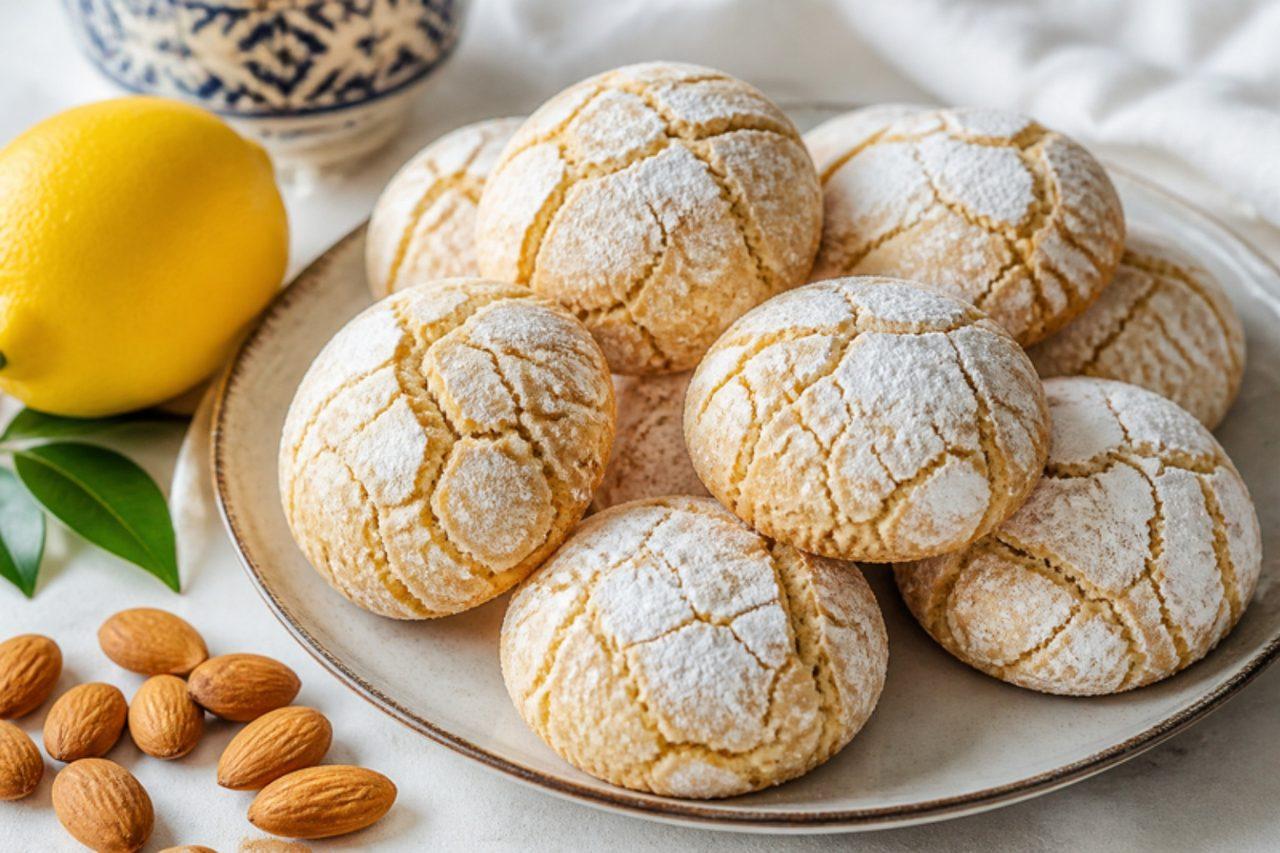
Almond ghribaChewy almond cookies

Ghriba are the crinkle-topped cookies that fill Moroccan biscuit trays for Eid, weddings and guests dropping by for tea; the almond version, ghriba bel louz, is especially loved in Fez and Tétouan. The dough is just ground almonds, sugar, egg and lemon zest, rolled in icing sugar so the top cracks into white rivers as it bakes. They are naturally gluten free, crisp at the edge and soft and chewy inside. Chef's tip: take them out when the cracks have formed but the centres still feel soft; they firm up as they cool, and overbaked ghriba turn hard.

by KrazyBadal 0 views

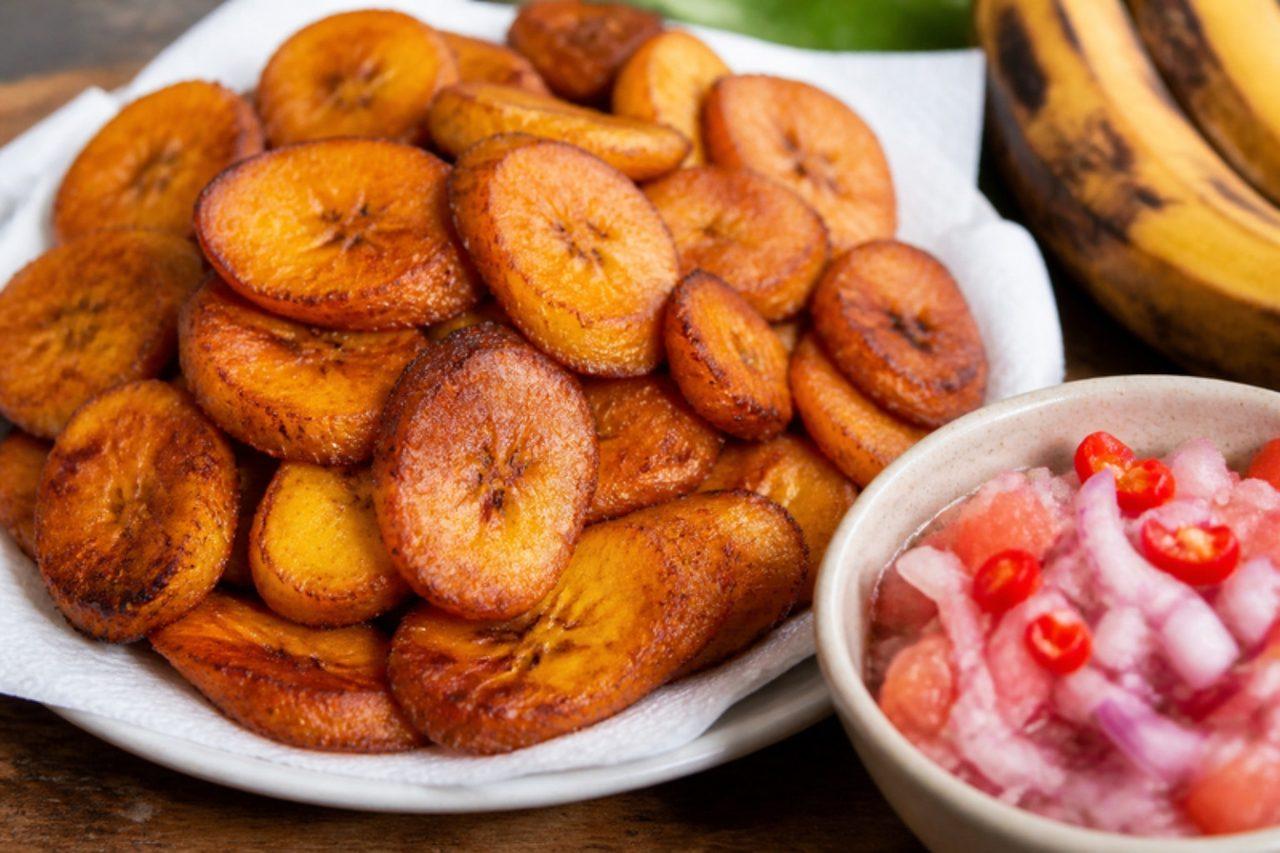
AllocoFried plantain with chilli sauce

Alloco is the evening street food of Abidjan, fried in palm or vegetable oil in big pans by vendors around the Allocodrome in Cocody and in every neighbourhood. Very ripe plantain is cut into thick slices or cubes, fried until caramelised at the edges, and eaten with a fiery raw sauce of onion, tomato and chilli. Unlike Ghanaian kelewele it is not marinated in spices: the sweetness of the fruit against the sharp sauce is the whole point. Chef's tip: wait until the plantain skins are mostly black; yellow plantain fries up dry and starchy.

by KrazyBadal 0 views

Ker sangriDesert berries and beans

Ker sangri is a true desert dish from the Thar in Rajasthan: ker are small, sour wild caper berries and sangri are the thin, chewy bean pods of the khejri tree, both picked in summer and sun-dried to last the year. Soaked, boiled and fried in plenty of mustard oil with chilli, mango powder and coriander, they become tangy, earthy and almost pickle-like. It keeps for days, which is why it travelled with camel herders. Serve with bajra roti or puri, or as a side to dal baati. Chef's tip: taste a ker berry after boiling; if it is still very bitter, boil it again in fresh water before frying.

by KrazyBadal 0 views

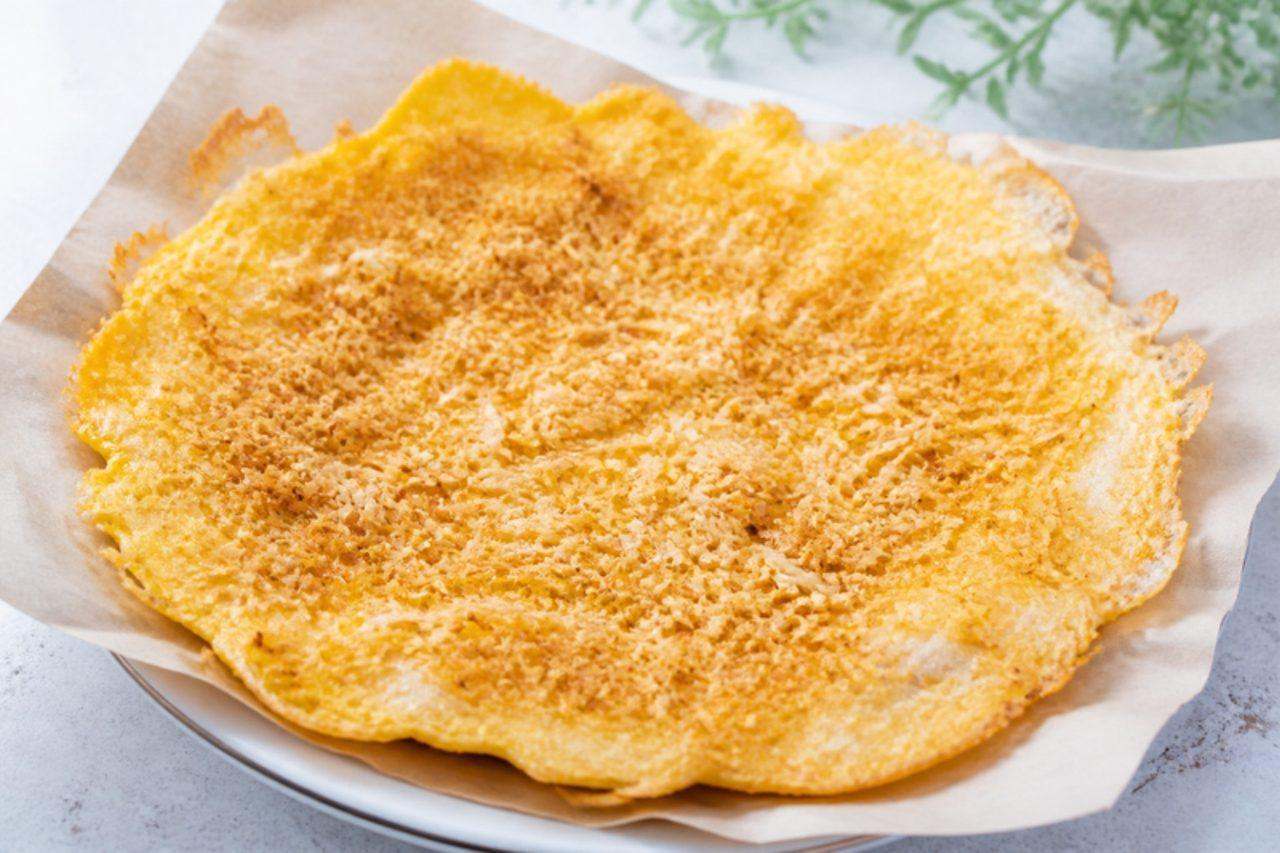
Kerak telorSticky rice and egg omelette

Kerak telor is the Betawi snack of Jakarta, cooked over charcoal by vendors at the Jakarta Fair and around Monas: a little soaked sticky rice is cooked in a tiny wok, an egg cracked on top, then the wok is turned upside down over the coals so the bottom forms a crust. It is finished with serundeng, a spiced toasted coconut, and fried shallots. Vendors usually add dried shrimp to the coconut; this version doesn't. Chef's tip: soak the sticky rice overnight; half-soaked grains stay hard in the middle.

by KrazyBadal 0 views

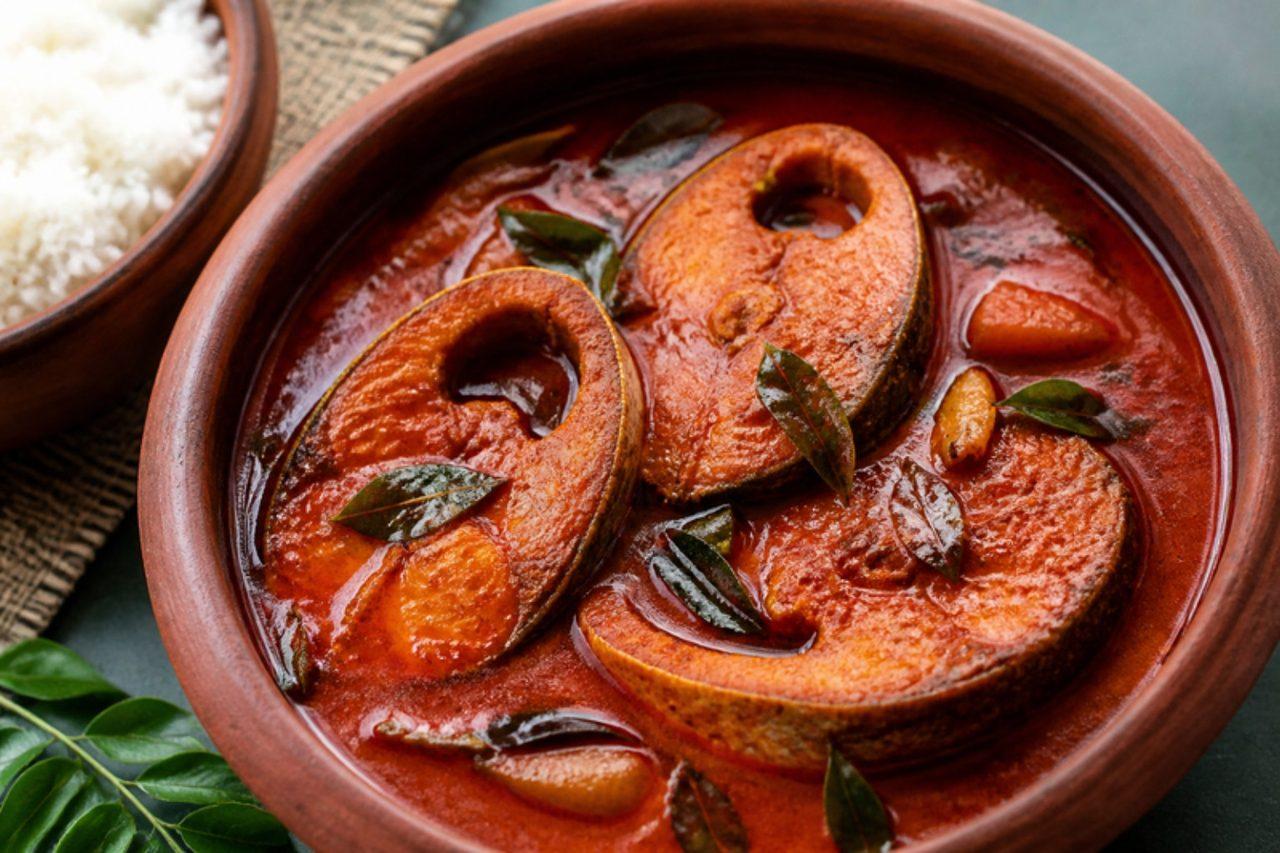
Kerala meen currySour red fish curry

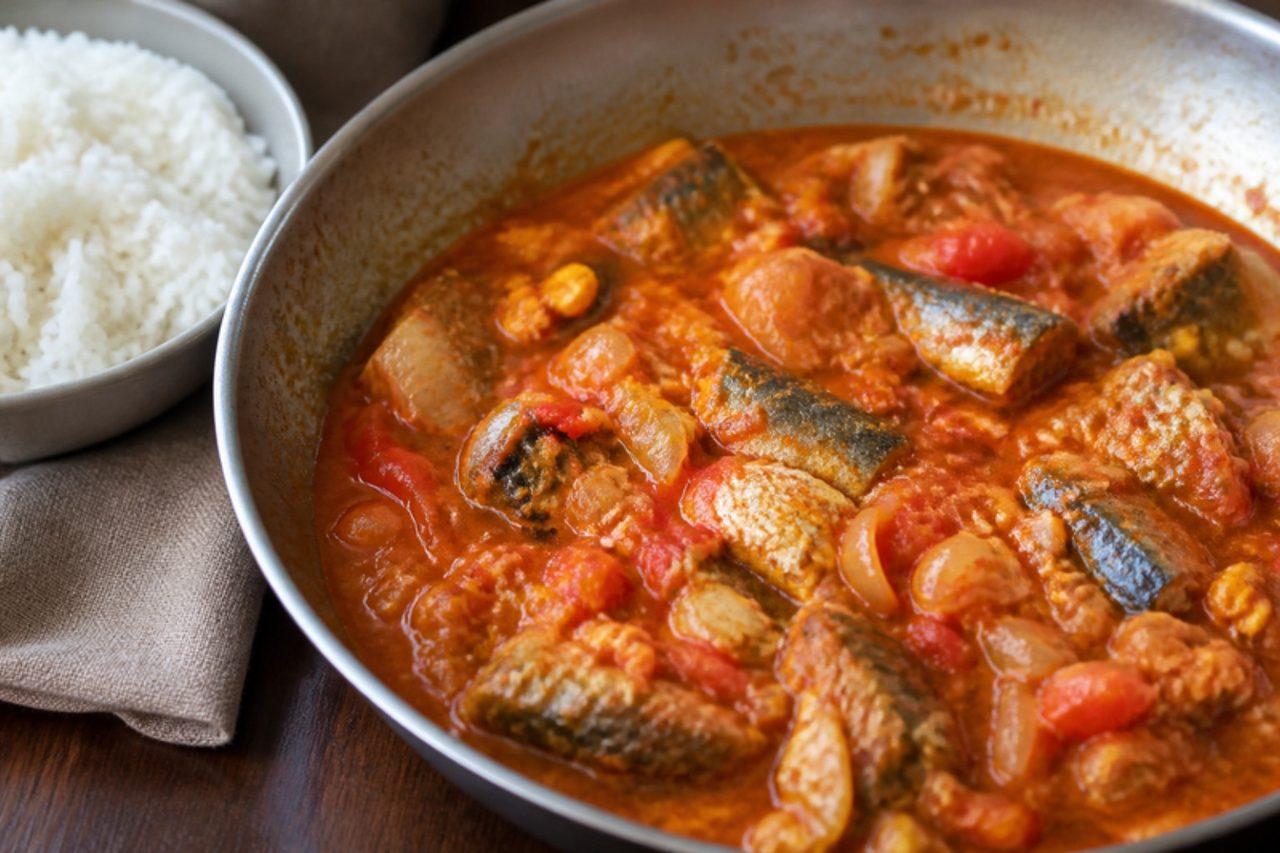
Down the southern backwater districts of Travancore, around Kottayam and Alappuzha, the everyday fish curry has no coconut at all: just a brick-red gravy of chilli, shallots and coconut oil, made sour and smoky with kudampuli (Malabar tamarind). It is traditionally made in a clay pot (manchatti) and left to sit, because it tastes better hours later or the next morning, when the fish has soaked up the sourness. Kingfish, sardines and mackerel are the usual choices; eat it with boiled red Kerala rice or tapioca. Chef's tip: once the fish is in, never use a spoon — hold the pot with a cloth and swirl it so the sauce coats the pieces without breaking them.

45 minIndianFishGluten freeSpicy
by KrazyBadal 0 views

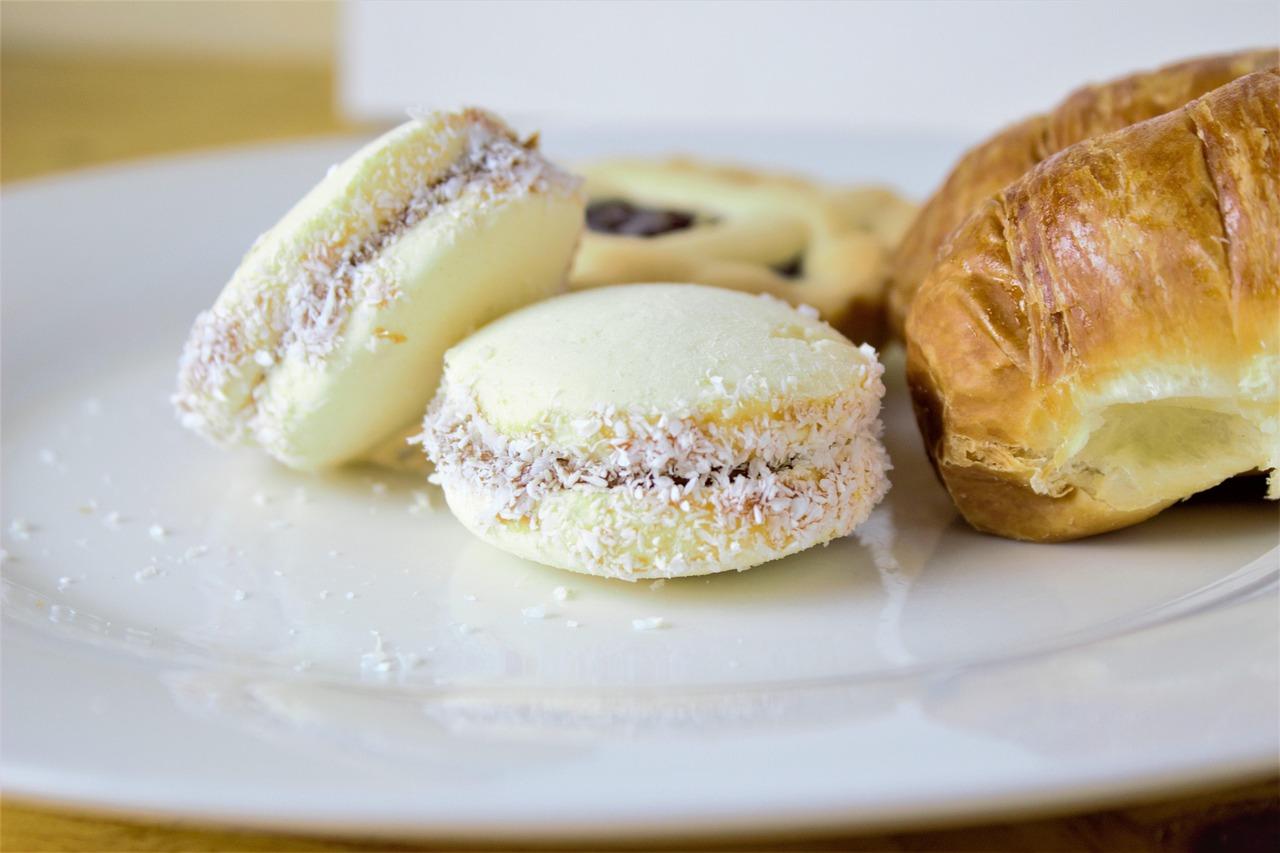
Alfajores de maicenaCornflour dulce de leche sandwich cookies

Alfajores de maicena are the homemade alfajor of Argentina and Uruguay, baked for birthdays, school fairs and merienda (afternoon tea) with mate. Two pale, melt-in-the-mouth biscuits made mostly with cornflour are sandwiched with a thick layer of dulce de leche and rolled in desiccated coconut around the edge. They should crumble at the first bite. Chef's tip: take them out of the oven while still pale; if they colour they lose their tender, sandy texture.

by KrazyBadal 0 views

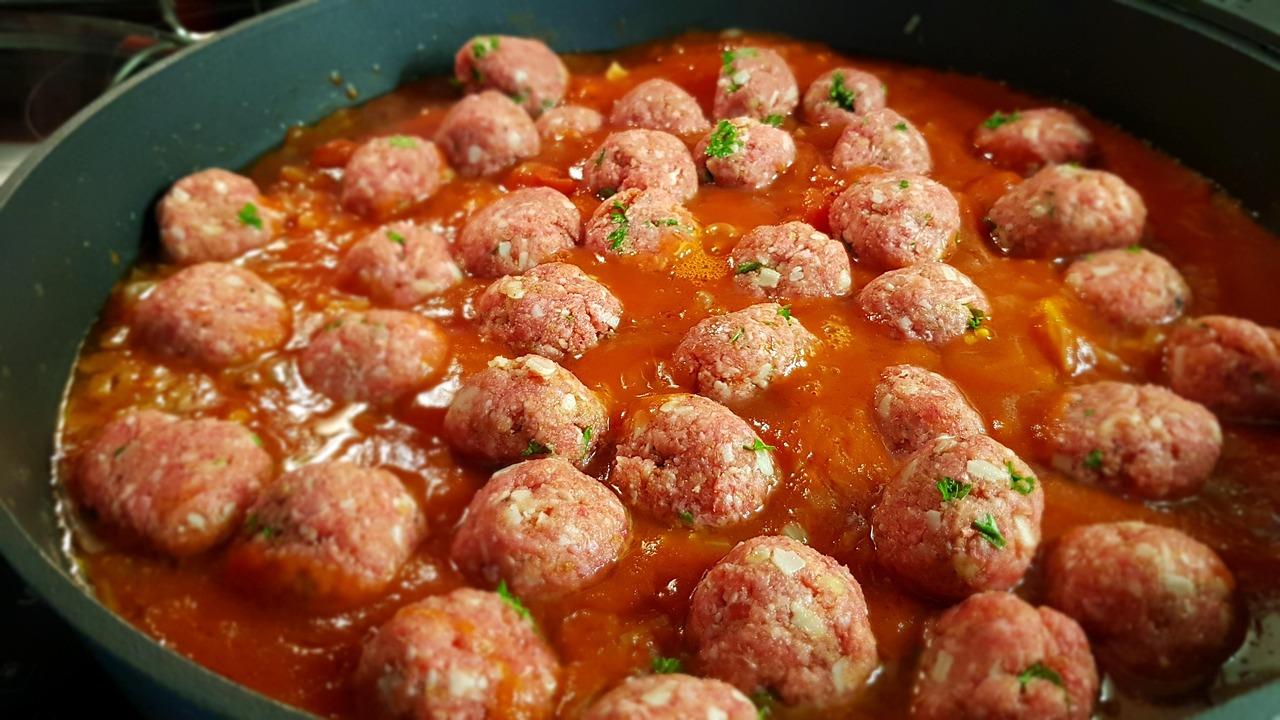
Albóndigas en salsaMeatballs in tomato almond sauce

Albóndigas turn up all over Spain: in a cazuelita on a tapas bar counter, as the second course of a weekday menú del día, and in home kitchens on a Sunday when there is time to roll them. These are made with pork and beef, softened with milk-soaked bread, browned and then simmered in a tomato sauce thickened the old Spanish way with ground fried almonds, which gives it body and a gentle nutty sweetness. Serve them with chips, rice or plenty of bread. They taste even better the next day. Chef's tip: wet your hands with cold water before rolling each meatball; the mixture won't stick and the balls come out smooth and round.

by KrazyBadal 0 views

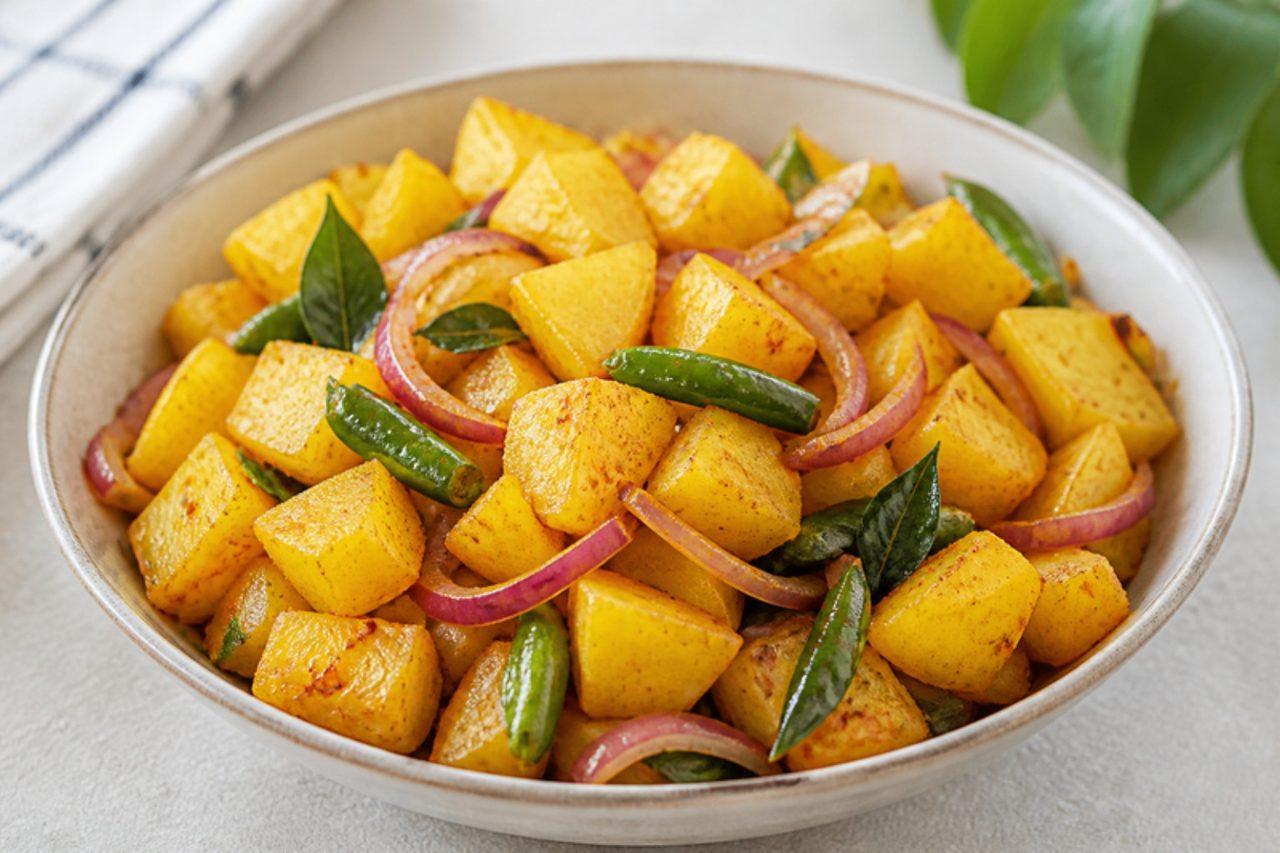
Ala thel dalaDevilled potatoes

Ala thel dala means 'potato tempered in oil', and it's the quick, fiery potato fry that Sri Lankan mothers make when there's no time for a full curry, served with rice, packed into a lunch box with parippu, or eaten with bread at breakfast. Boiled potato cubes are tossed in hot oil with mustard seeds, plenty of red onion, curry leaves, turmeric and roughly crushed dried chilli until the edges turn golden and the onion goes soft and sweet. Unlike an Indian aloo sabzi there are no ground cumin or coriander, just chilli heat, onion and curry leaf. The usual mistake is boiling the potatoes until they're soft right through; they then break up in the pan. Chef's tip: stop boiling when a knife still meets a little resistance in the middle; the potatoes finish cooking in the pan and keep their shape.

by KrazyBadal 0 views

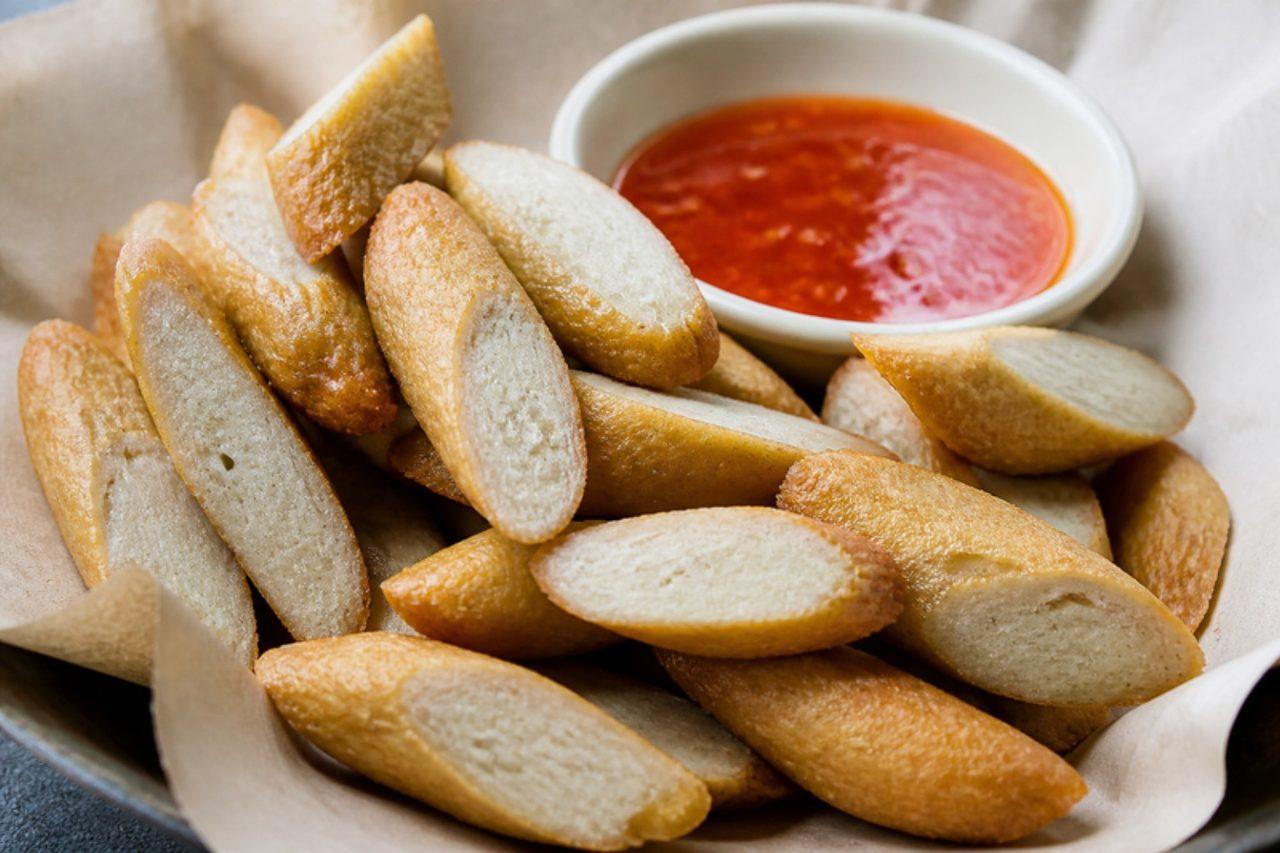
Keropok lekorFried fish sausages

Along the beach road from Kuala Terengganu to Marang, roadside huts sell keropok lekor in paper bags, still hot from the wok. These are long, grey-white sausages of fish and sago starch, boiled until they float and then sliced and fried, so the outside puffs and crisps while the inside stays dense, bouncy and tasting clearly of the sea. Locals dip them in a sweet, garlicky chilli sauce and eat them with tea in the late afternoon. They freeze well after boiling, ready to fry any time. Chef's tip: knead the fish with ice-cold water; keeping the dough cold is what gives the springy bite.

by KrazyBadal 0 views

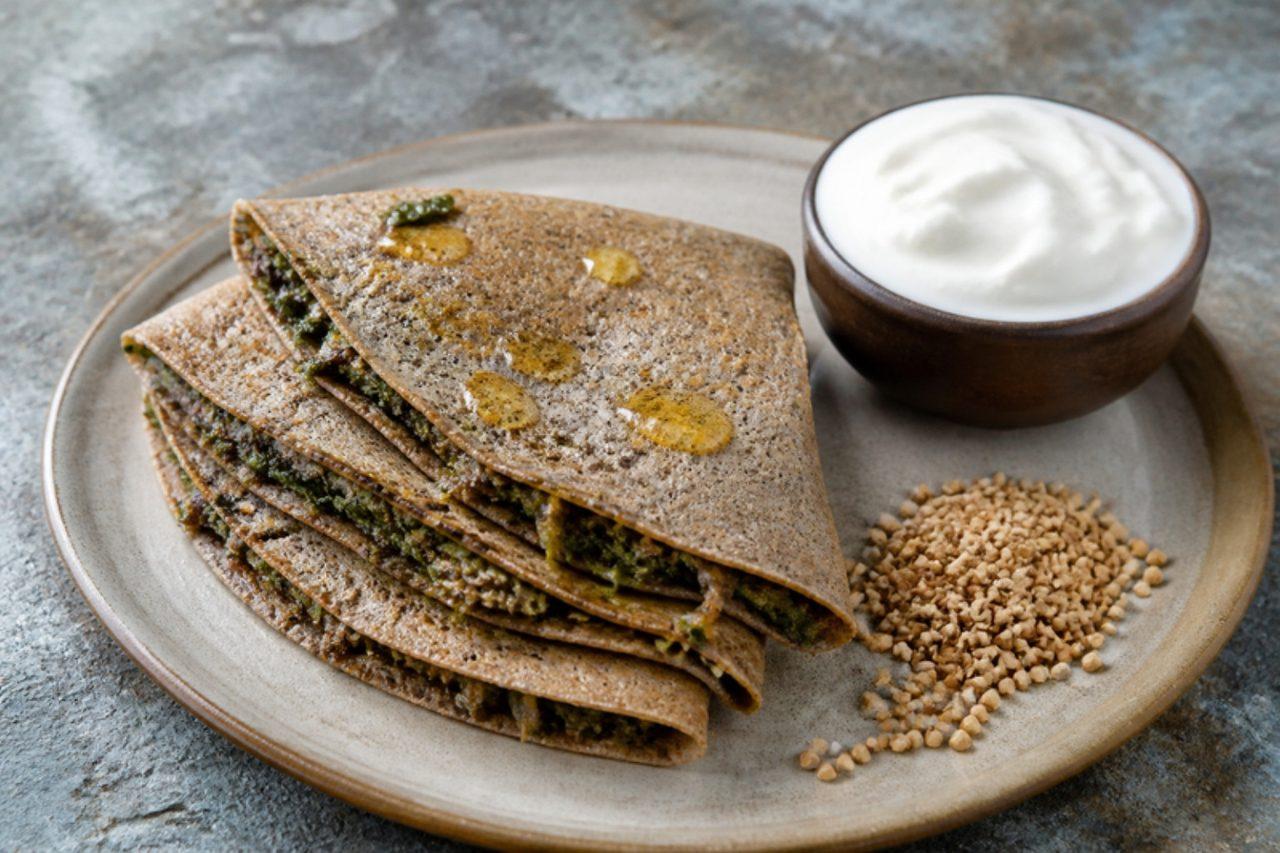
AktoriBuckwheat pancakes with greens

High in the Spiti and Lahaul valleys of Himachal Pradesh, where wheat struggles, buckwheat (kathu) grows in short summer fields and its leaves are eaten as a vegetable too. Aktori are thin buckwheat pancakes cooked with a layer of those greens inside, dotted with ghee and eaten warm with yogurt or salty butter tea. Families make them on festival mornings and through the long winter. Outside the valleys, spinach or young chard stands in well for buckwheat leaves. Chef's tip: keep the batter as thin as pouring cream; buckwheat has no gluten, so a thick batter cooks up gummy instead of tender.

by KrazyBadal 0 views

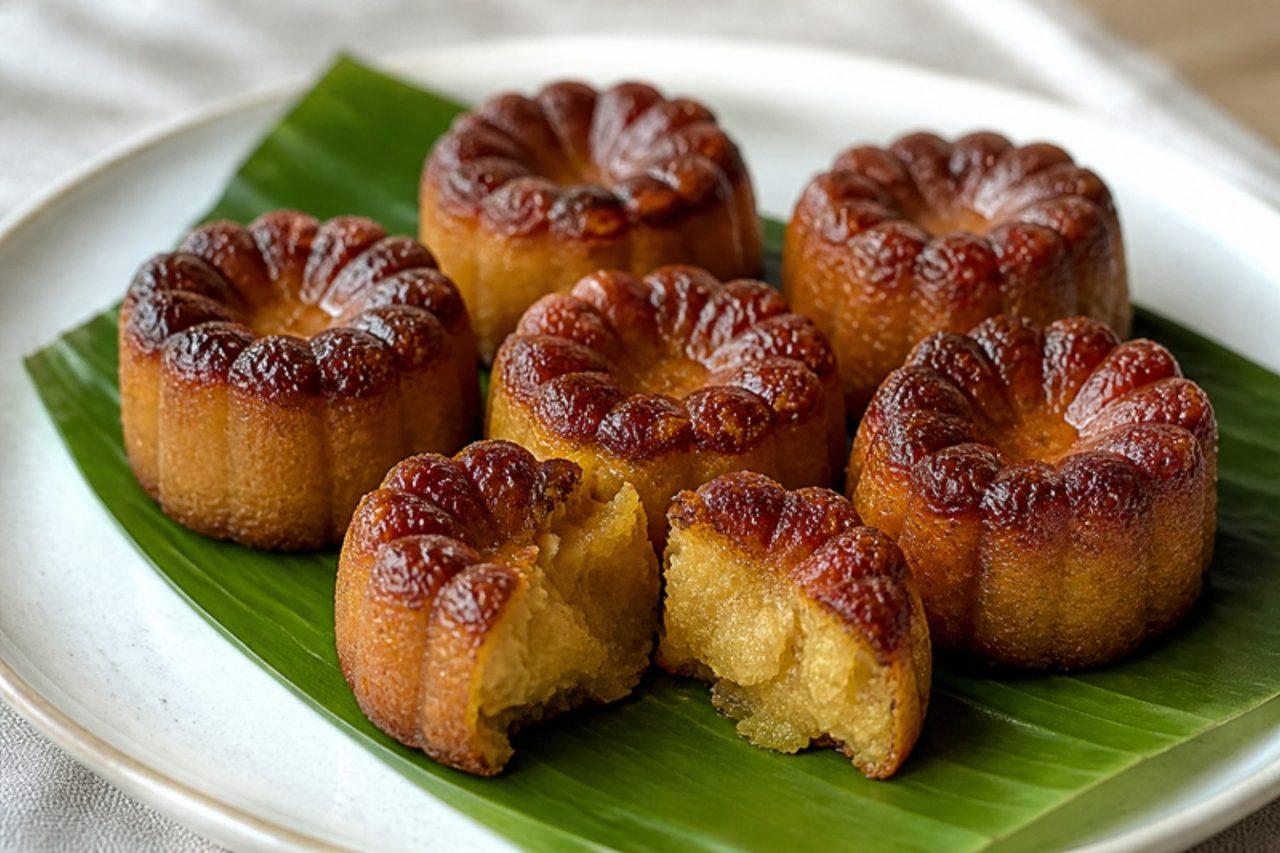
AkokCaramelised egg and coconut cakes

Akok is a Kelantanese kuih traditionally baked in small brass moulds over coals, with more coals laid on the lid, and it is a classic for breaking the fast in Kota Bharu during Ramadan. The batter is mostly eggs, coconut milk and dark gula melaka, so the little cakes come out custardy in the middle with a dark, caramelised, almost sticky crust. A mini-muffin tin in a hot oven gives a very close result. Chef's tip: heat the greased tin in the oven before filling it, which is how the base caramelises.

by KrazyBadal 0 views

Vegetable momosSteamed vegetable dumplings

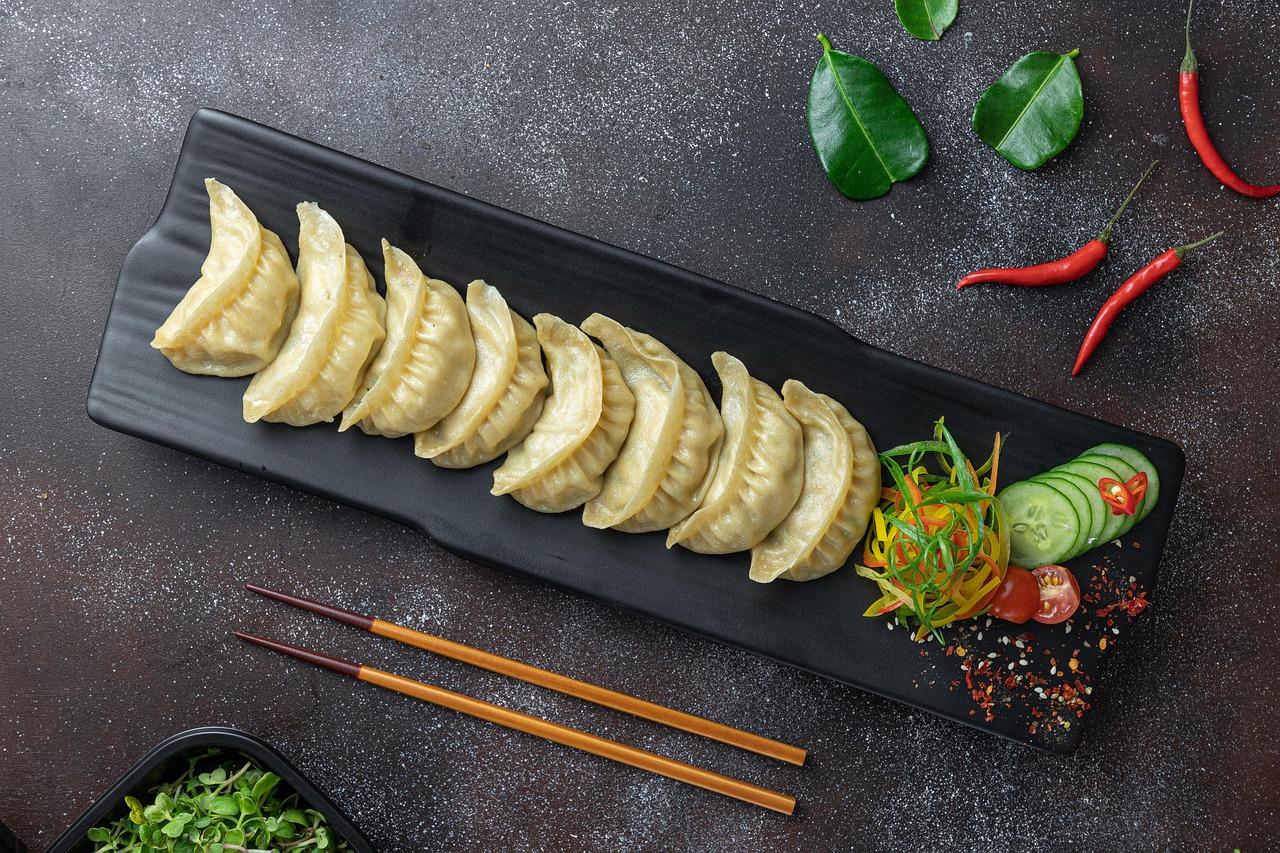
Momos came to Sikkim and the Darjeeling hills with Tibetan settlers and are now the snack of the whole Himalayan Northeast, steamed in tall stacked steamers at every street corner. Thin, soft wrappers hold a juicy filling of cabbage, carrot, onion and tofu with plenty of ginger, garlic and spring onion. They are dipped in a hot, garlicky tomato and red chilli achar. Serve straight from the steamer, with a bowl of clear soup if you like. Chef's tip: salt the chopped cabbage and squeeze out its water before mixing the filling; it keeps the wrappers from turning soggy and tearing.

by KrazyBadal 0 views

KespeEgg noodles in vegetable broth

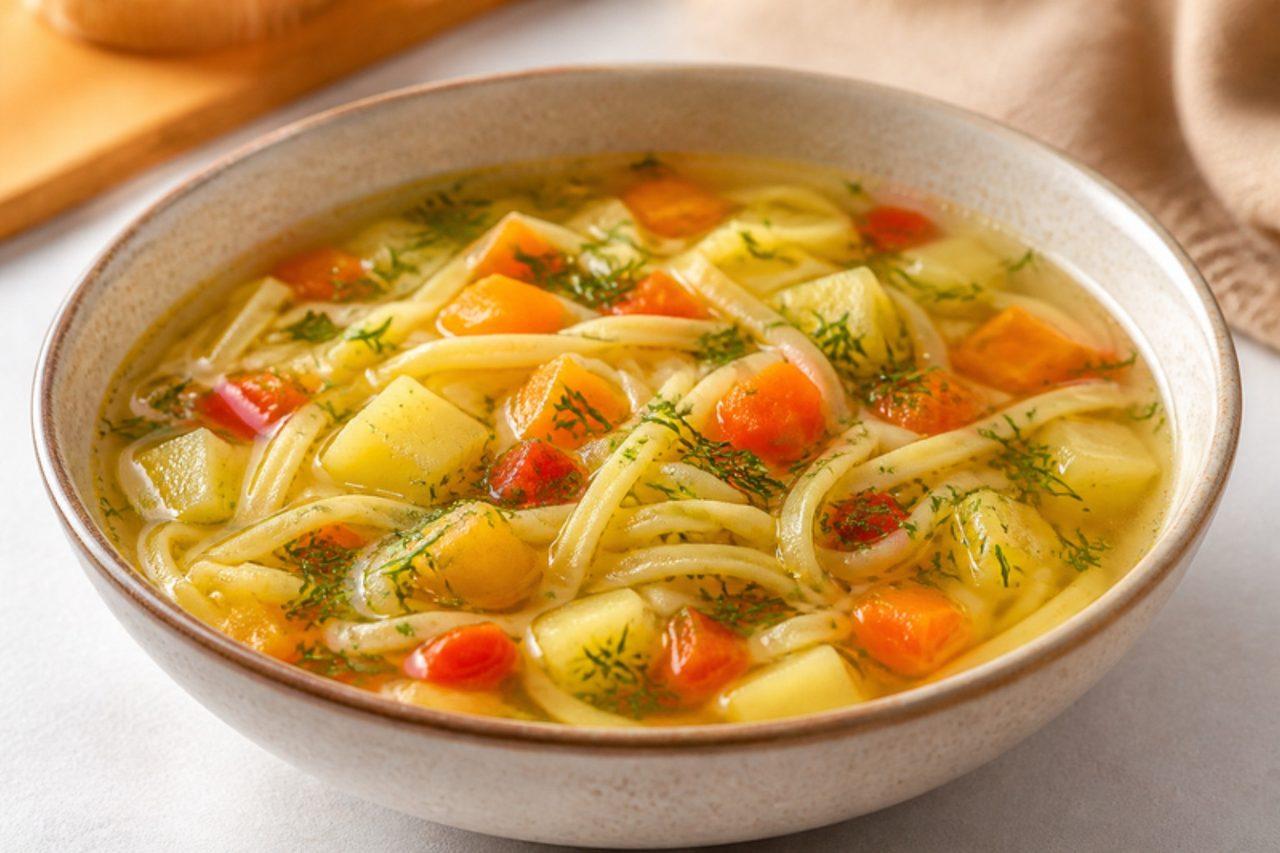
Kespe is the plainest and most comforting of Kazakh soups: home-made egg noodles, cut thin with a knife, simmered in broth with potato, carrot and onion. The name comes from 'kesu', to cut. Grandmothers in villages around Karaganda and Pavlodar make it on winter evenings and for anyone feeling unwell, and in Kyrgyzstan the same soup goes by the same name. It is usually cooked in mutton broth; this version uses a well-browned vegetable broth. Chef's tip: dry the cut noodles for 20 minutes before cooking; they hold their shape and don't cloud the broth.

by KrazyBadal 0 views

KetoprakTofu and noodles in peanut sauce

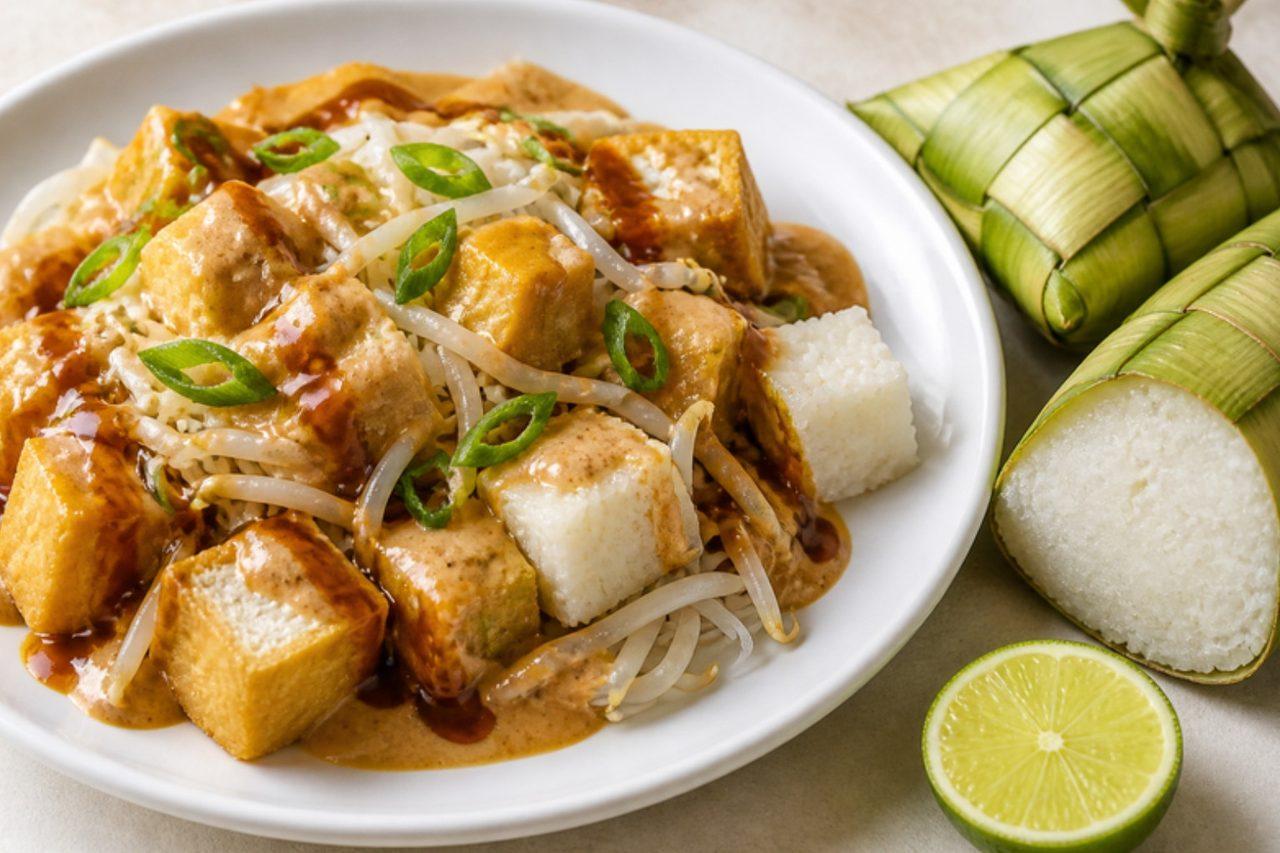
Ketoprak is a Jakarta cart dish, made to order: the seller grinds peanuts, garlic and chilli in a wide stone mortar, loosens them with water and sweet soy, then tips fried tofu, rice cake, rice vermicelli and bean sprouts on top. It is a cousin of gado-gado but simpler, with no egg-and-greens platter, and the raw-garlic sauce is the whole point. Eat it at lunch with plenty of crackers. Chef's tip: grind the garlic with the hot fried peanuts so the garlic mellows slightly; a raw paste made with cold nuts is harsh.

by KrazyBadal 0 views

Akoho sy voanioChicken in coconut milk

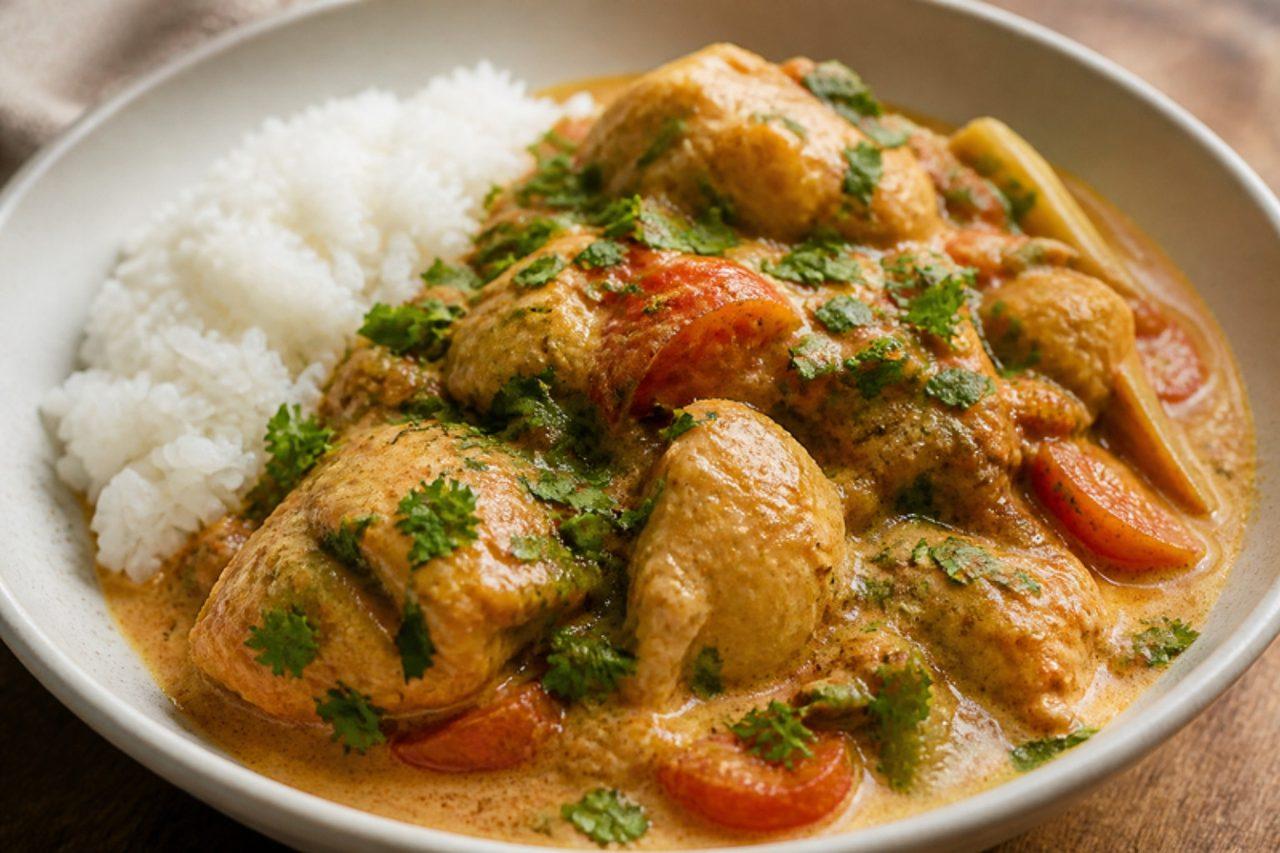
Akoho sy voanio, chicken with coconut, is a dish of Madagascar's east coast around Toamasina, where coconuts are everywhere, and it has become a favourite all over the island. Chicken is browned with onion, garlic, ginger and tomato, then simmered gently in coconut milk with a pinch of curry until the sauce is creamy and mild. It is eaten with plenty of white rice and a little achard (vegetable pickle). The mistake is boiling the coconut milk hard so it splits; keep it at a gentle bubble. Chef's tip: brown the chicken well first; the coconut sauce needs that savoury depth.

by KrazyBadal 0 views

Key watSpicy beef stew

Ask for key wat at a restaurant in Addis Ababa and you get a bowl of tender beef drowned in a sauce so red it gives the dish its name: key means red in Amharic. It is everyday celebration food, cooked for Sunday lunch, weddings and the end of a fast, and it shares the slow-cooked onion base of doro wat but with chunks of beef and a sharper, more peppery heat. The sauce should be thick and glossy, with a layer of red oil on top. Spoon it over injera with a cooling plate of greens or lentils beside it. Chef's tip: cut the beef into small, even 2 cm cubes so it soaks up the sauce and becomes tender in under an hour and a half.

by KrazyBadal 0 views

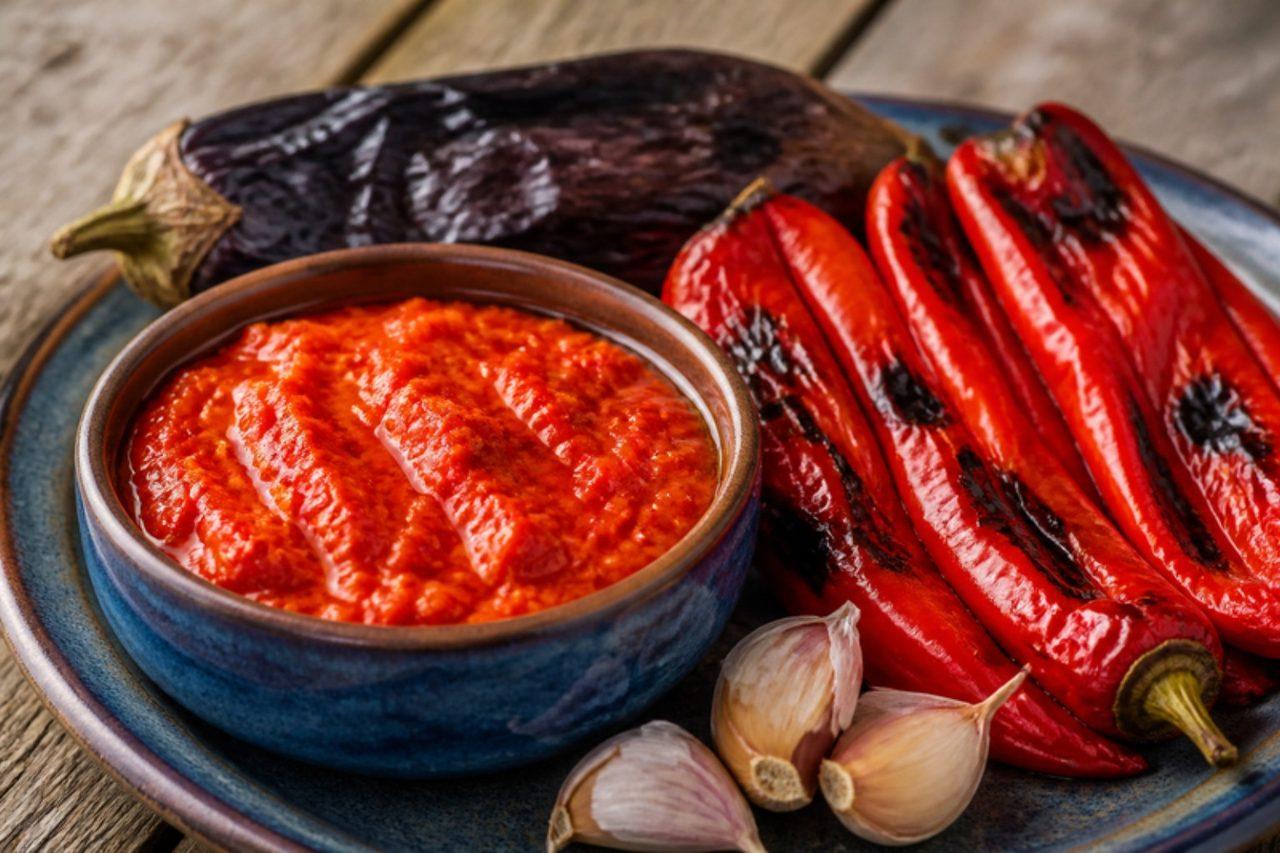
AjvarRoasted pepper and aubergine relish

Every September the smell of charring peppers drifts over courtyards from Leskovac in southern Serbia to Strumica in North Macedonia, as families roast crates of long red babura peppers on wood stoves and spend a whole Sunday stirring the pulp into ajvar for the winter shelves. A little roasted aubergine softens the flavour, and long cooking with sunflower oil turns it into a glossy, sweet-smoky spread that is eaten on bread with white cheese, beside beans or potatoes, and with almost every winter meal. This is a home-sized batch for two medium jars rather than a cellar full. Chef's tip: do not rinse the roasted peppers under the tap to get the skins off; it washes away the smoky juices that make ajvar taste of autumn, so peel them with oiled fingers and a paper towel instead.

by KrazyBadal 0 views

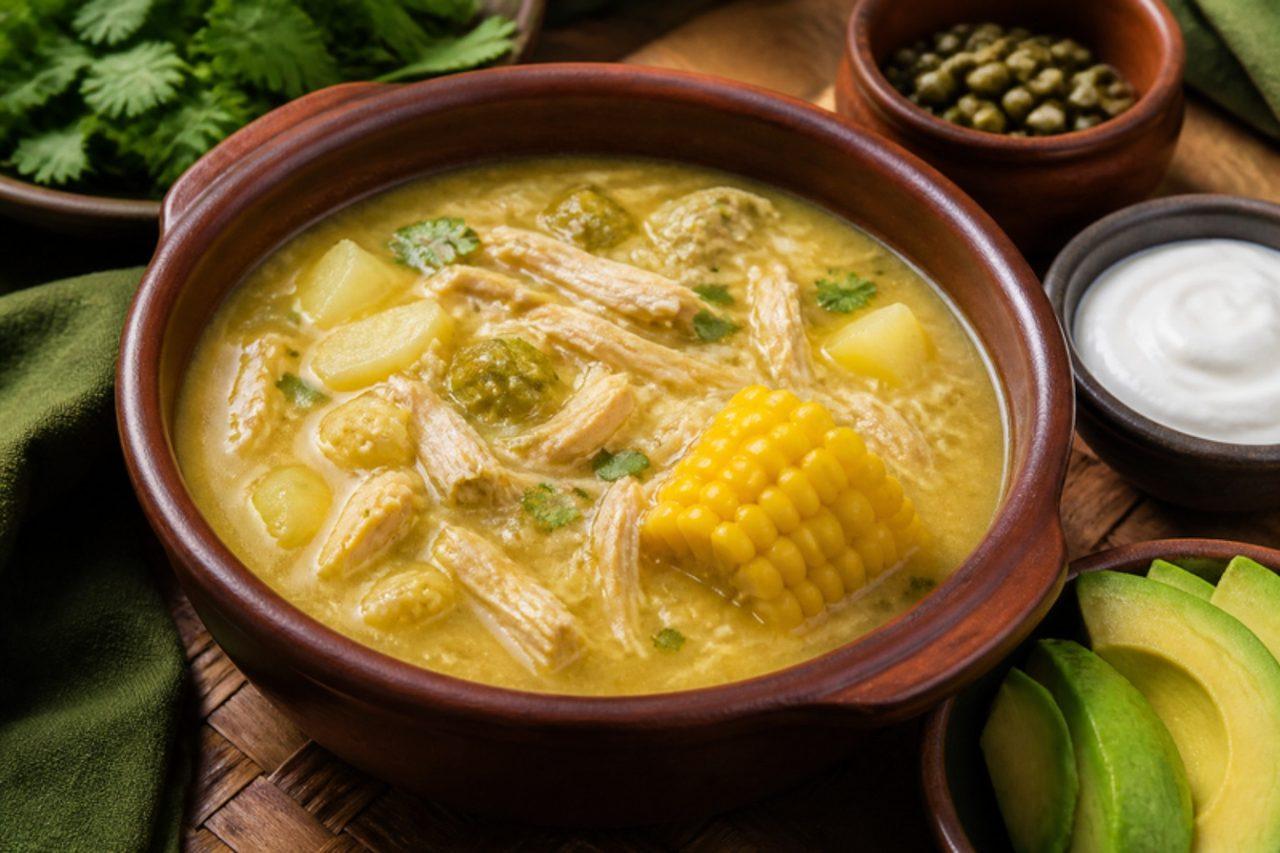
Ajiaco santafereñoChicken and potato soup

On cold, drizzly afternoons in Bogotá, high up in the Andes, families sit down to ajiaco: a thick chicken soup made with three kinds of potato. Small yellow papas criollas melt away and thicken the broth, while waxy and floury potatoes keep some bite. Guascas, a dried herb with a grassy, artichoke-like taste, gives the soup its unmistakable flavour, and each bowl comes with corn on the cob, a spoon of cream, capers and slices of avocado to add at the table. A frequent mistake is adding all the potatoes at once; the papas criollas go in first so they can dissolve, the firmer ones later. Chef's tip: if you can't find guascas in a Latin shop, use a mix of dried oregano and a little dried thyme; the soup will still be good, just less Bogotá.

by KrazyBadal 0 views

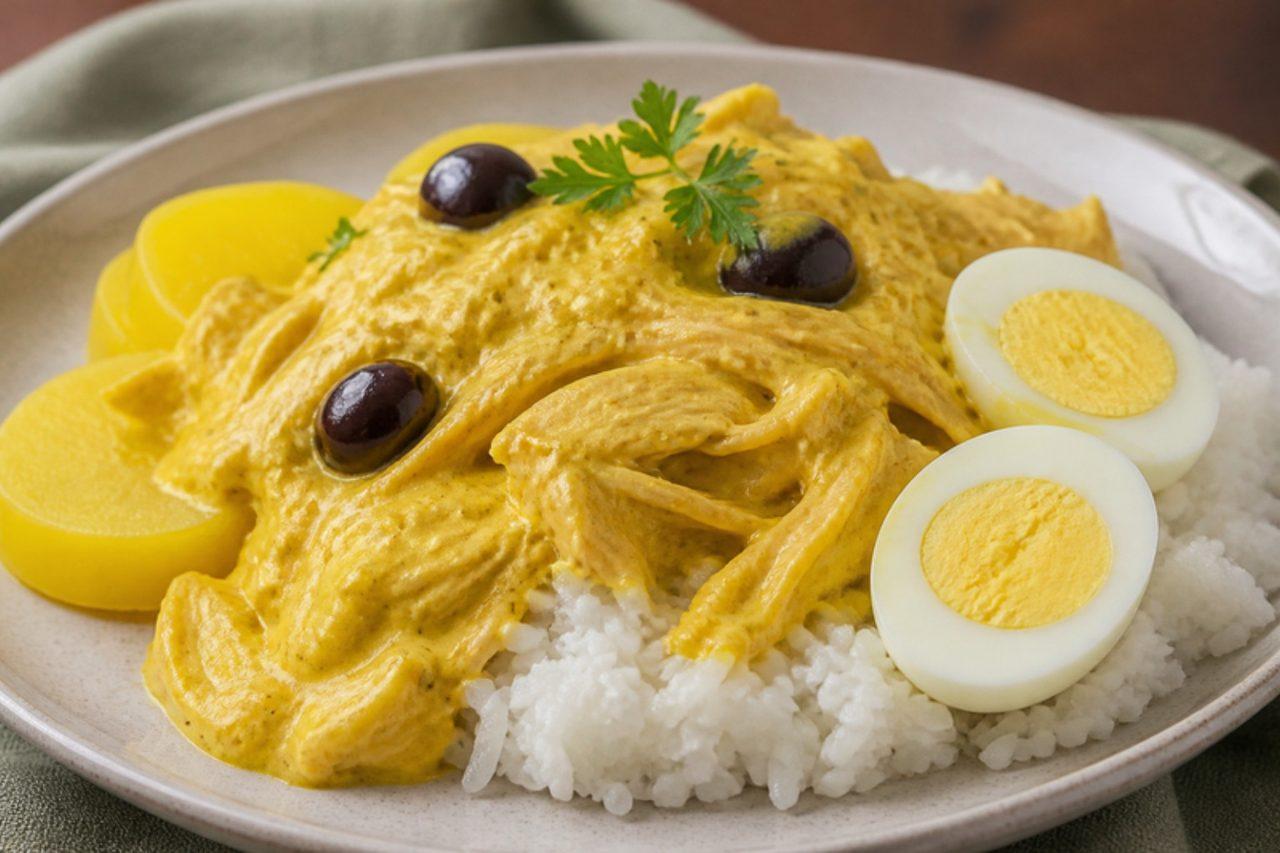
Ají de gallinaChicken in creamy chilli sauce

Lima's old criollo kitchens turned leftover hens into this golden, velvety stew, and it still turns up at family lunches, office canteens and menú del día stalls all over the capital. Poached chicken is pulled into threads and folded into a sauce thickened with milk-soaked bread, ground walnuts and parmesan, coloured by ají amarillo, Peru's fruity yellow chilli. It is served over white rice with boiled potatoes, a halved egg and a black olive. Chef's tip: keep the poaching broth; loosening the sauce with it instead of more milk gives a deeper, more chickeny flavour.

by KrazyBadal 0 views

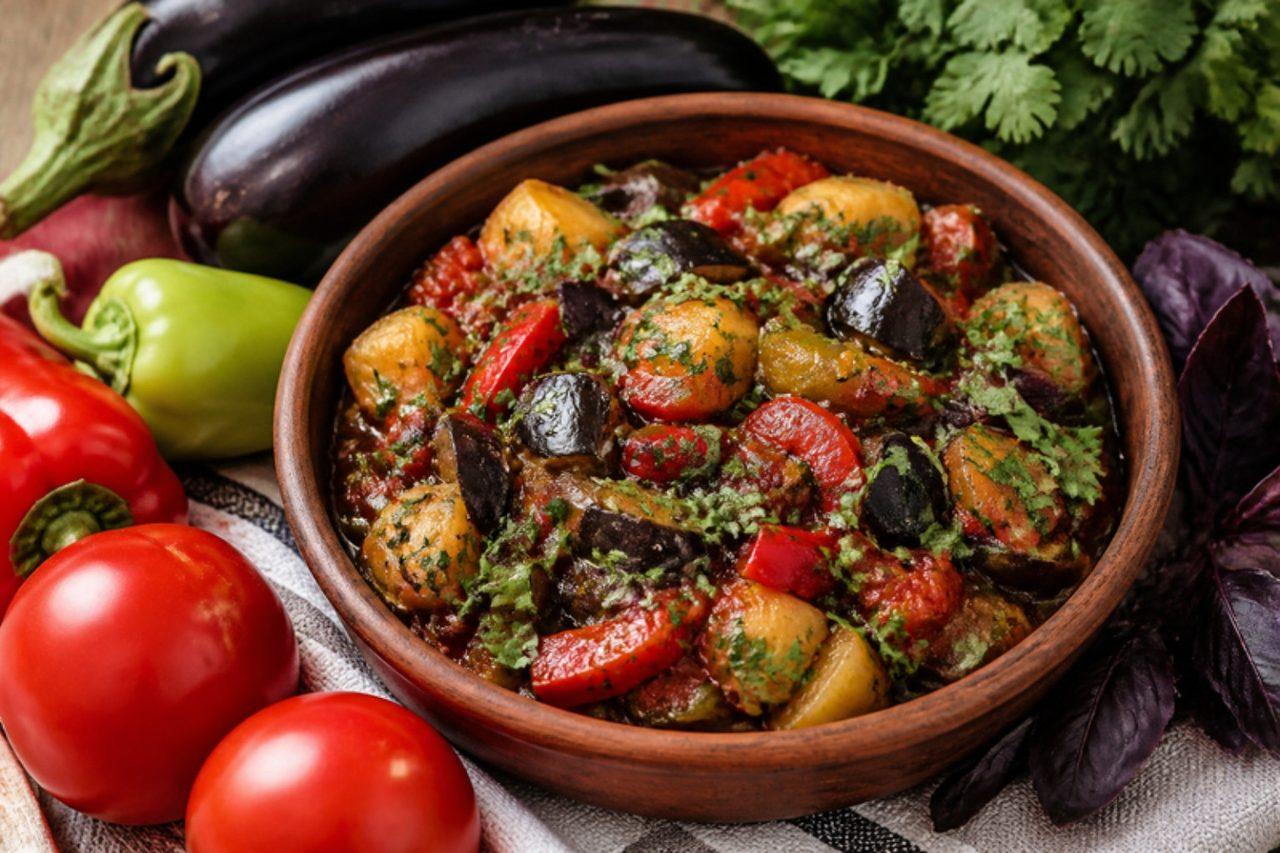
AjapsandaliAubergine and pepper stew

Ajapsandali is what Georgian kitchens make in late summer, when the markets of Tbilisi and the gardens of Kakheti are heaped with aubergines, peppers and tomatoes. The vegetables are fried briefly, layered in a pot and left to stew gently until soft and sweet, then finished with a whole handful of coriander, basil and garlic. It is eaten warm with bread as a main dish during Lent, or cold the next day as a side at a feast. The common mistake is stirring it too often, which breaks everything into mush; shake the pan instead and let the layers keep their shape. Chef's tip: fry the aubergine on its own first until golden; this one step gives the whole stew its deep, rounded flavour.

by KrazyBadal 0 views

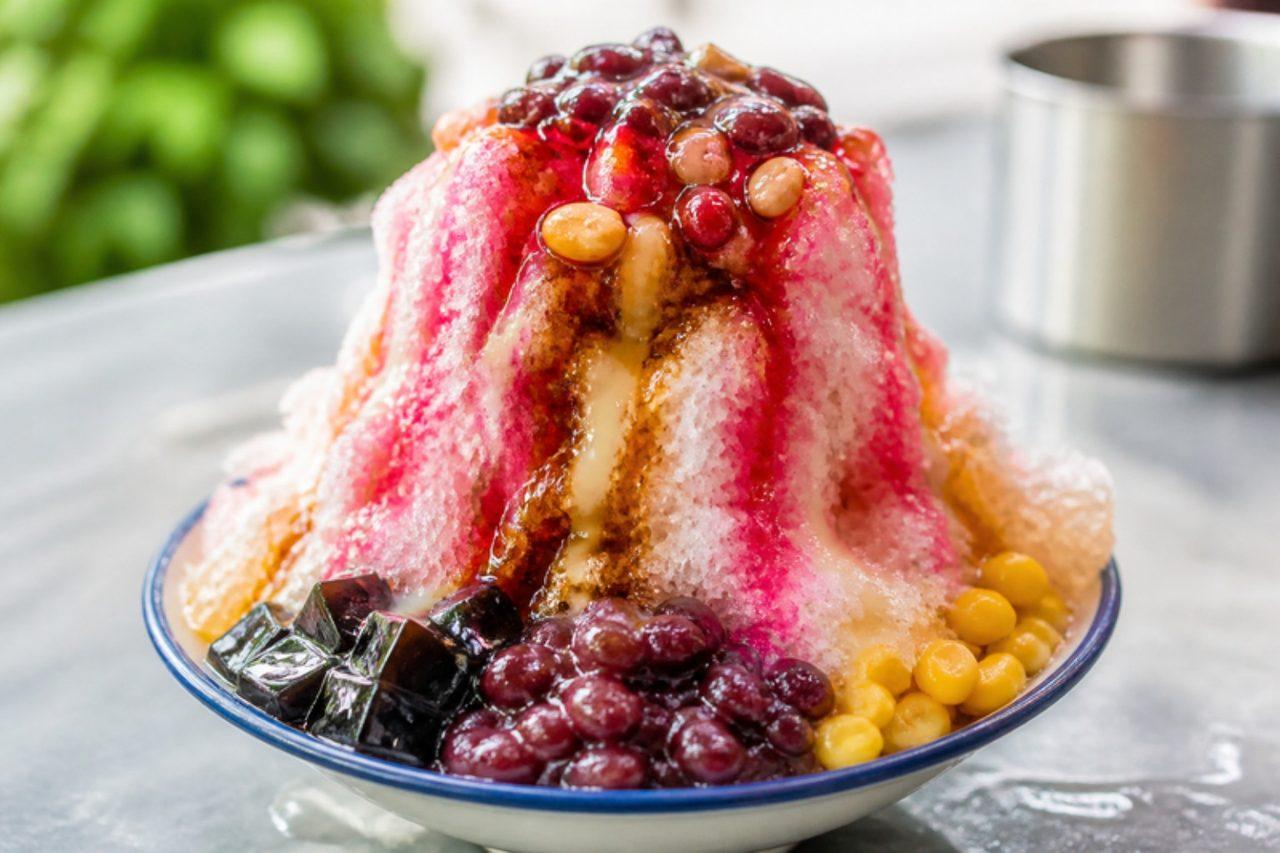
Ais kacangShaved ice with red beans

Ais kacang ('bean ice'), also called ABC for air batu campur ('mixed ice'), is the towering, rainbow-coloured treat Malaysian kids beg for at food courts and hawker centres on hot afternoons. Underneath a snowy dome of shaved ice hide red beans, sweetcorn, cubes of black grass jelly and chopped peanuts; on top go streaks of pink rose syrup, dark palm-sugar syrup and a drizzle of condensed milk. Everyone digs in from the top and mixes it into a sweet, icy slush. Chef's tip: chill the bowls in the freezer for 15 minutes first, so the ice holds its peak long enough to get it to the table.

by KrazyBadal 0 views

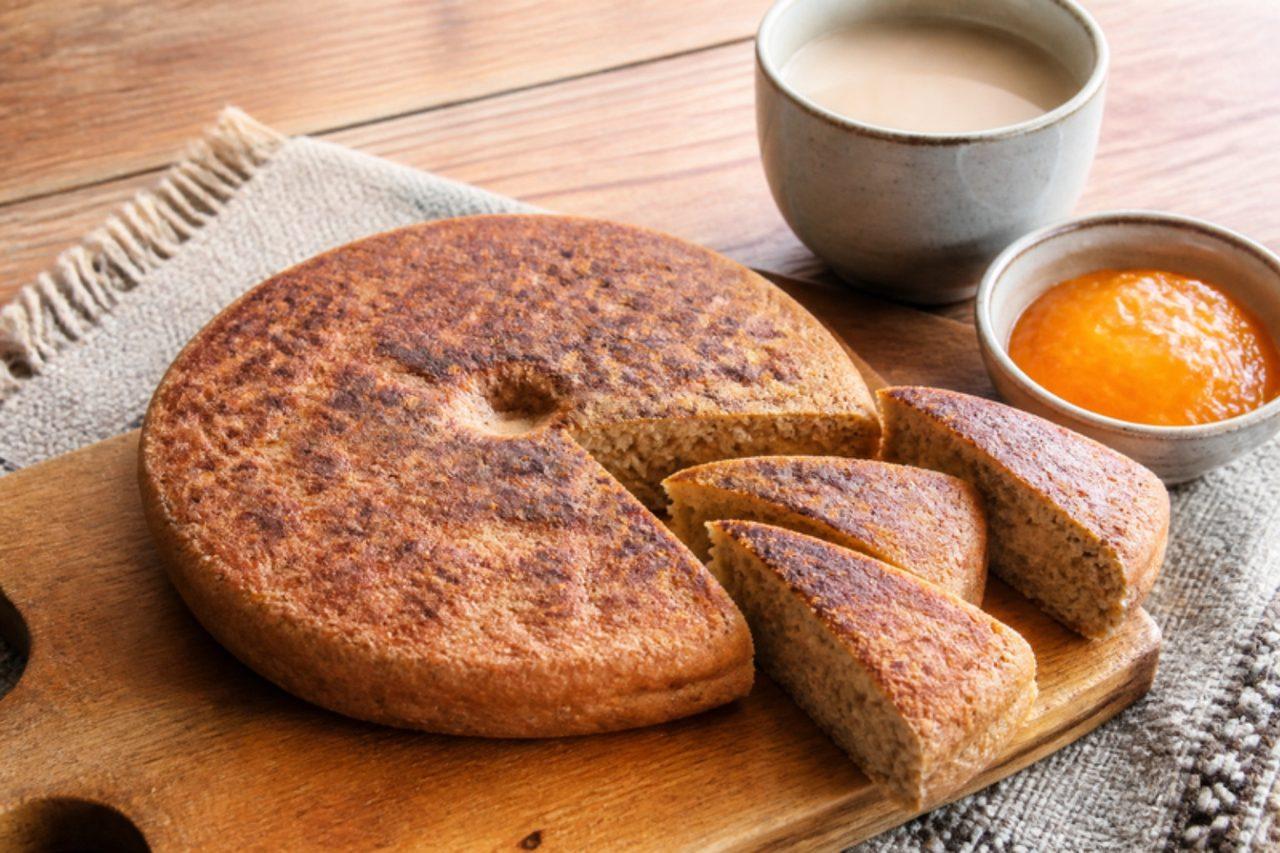
KhambirLeavened wholewheat bread

Khambir is the everyday bread of Ladakh: a thick, round wholewheat loaf with a dent pressed into the middle, browned on a griddle and finished in the heat of the kitchen stove. In homes in Leh and Kargil it appears at breakfast, torn into chunks and dipped into salty butter tea, or spread with apricot jam made from the region's dried apricots. The crust is chewy and toasty, the inside dense and slightly sour. Bakers in Leh's old town still sell it warm in the mornings. Chef's tip: let the dough rise until truly doubled; under-risen khambir is heavy and gummy in the middle.

by KrazyBadal 0 views

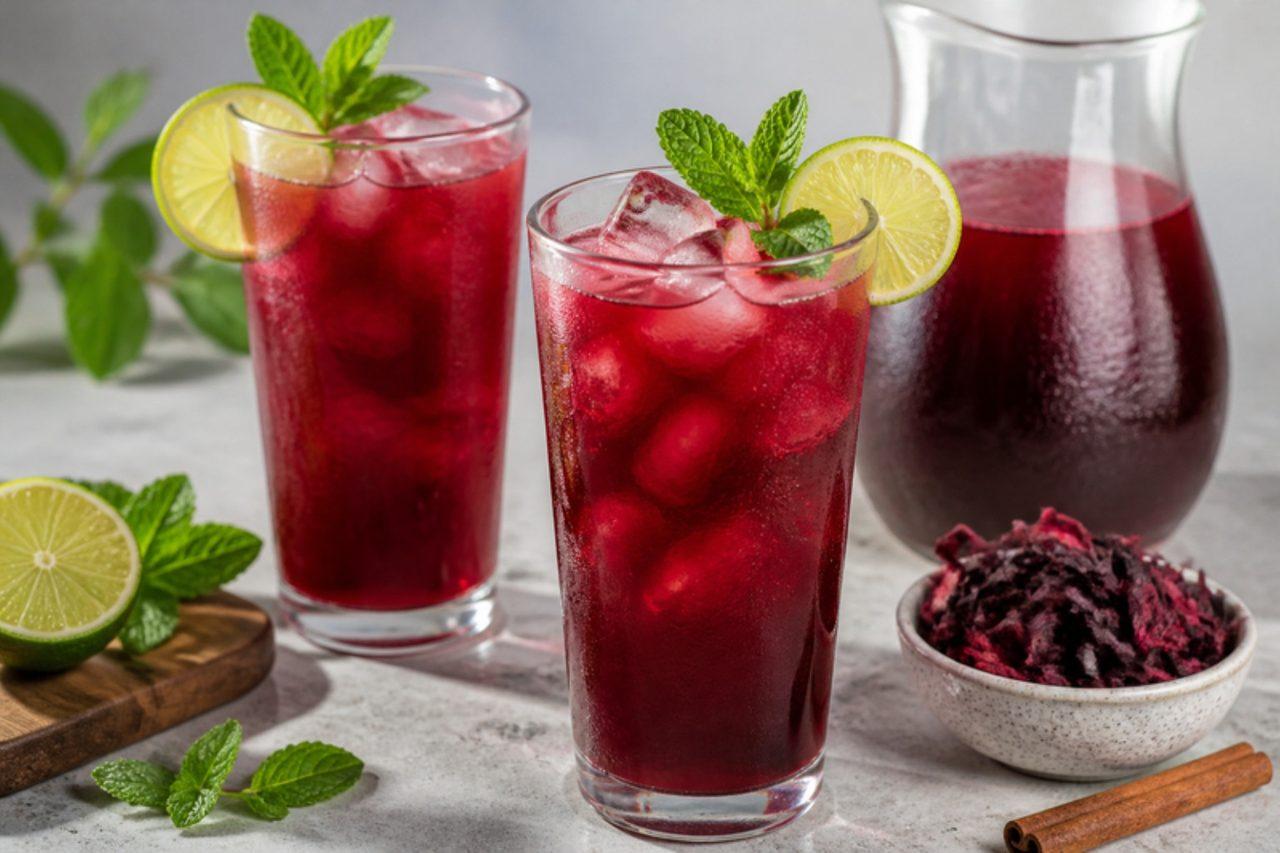
Agua de jamaicaHibiscus iced drink

Agua de jamaica is one of the aguas frescas, the cooling fruit and flower drinks ladled from huge glass barrels at markets and taquerías all over Mexico. It is made by steeping dried hibiscus calyces (flor de jamaica) in hot water, giving a deep crimson drink that tastes tart like cranberry, lightly floral and very refreshing over ice. It is naturally vegan and keeps for days in the fridge. Use the concentrate as the base and sweeten to taste. Chef's tip: don't boil the flowers for long or leave them steeping for hours; too much extraction makes the drink tannic and harsh.

by KrazyBadal 0 views

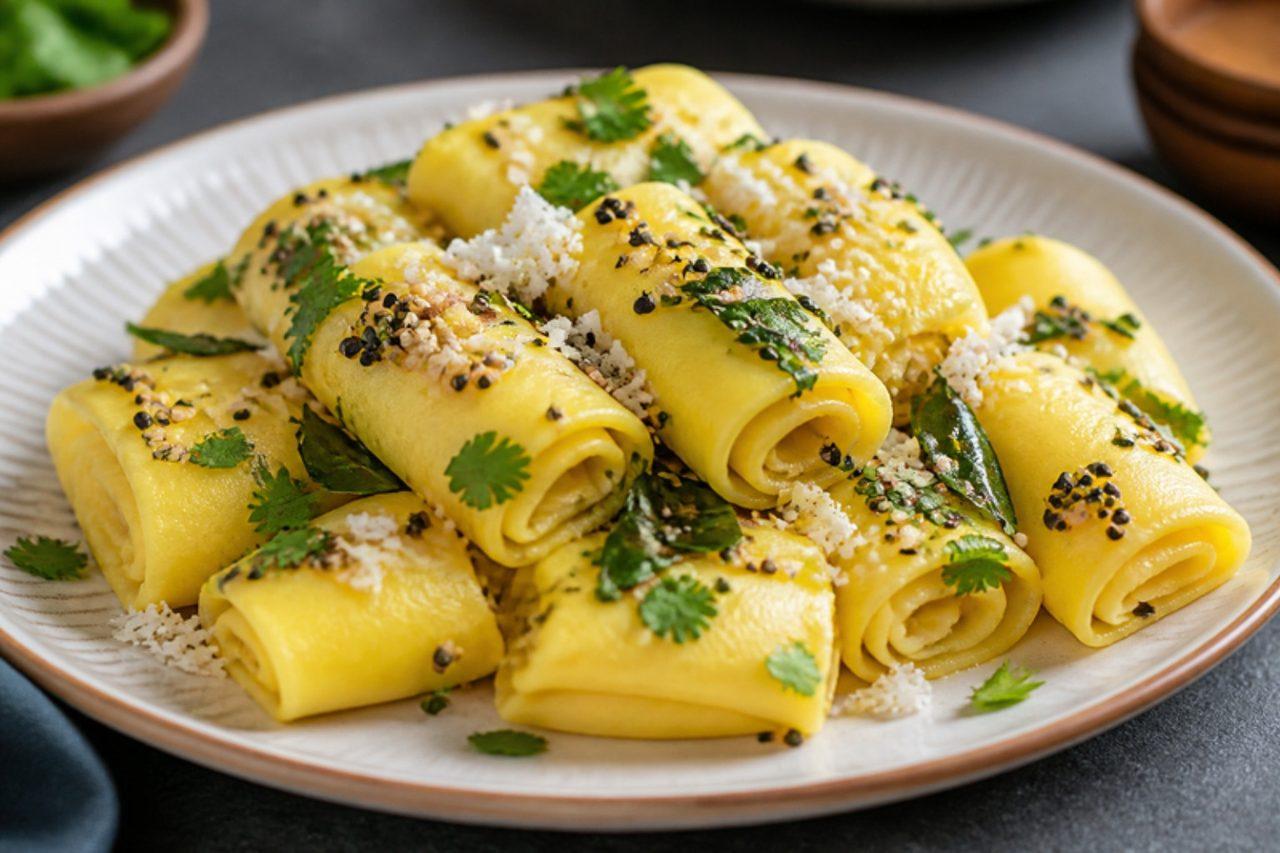
KhandviGram flour yogurt rolls

Khandvi are delicate, melt-in-the-mouth rolls from Gujarat, made by cooking gram flour with sour buttermilk until thick, spreading it paper-thin while hot and rolling it up. They're finished with a sizzling tempering of mustard seeds, sesame and curry leaves, plus fresh coconut and coriander. They're soft, tangy and gently spiced, and a favourite at Gujarati weddings and tea-time. They look tricky, but once you know when the batter is cooked, they're quick. Chef's tip: keep a plate by the stove and test the batter often; when a spoonful spread thin on the plate sets in 30 seconds and peels off in one piece, it's ready, and not a minute before.

by KrazyBadal 0 views

KhanfarooshSaffron rice-flour cakes

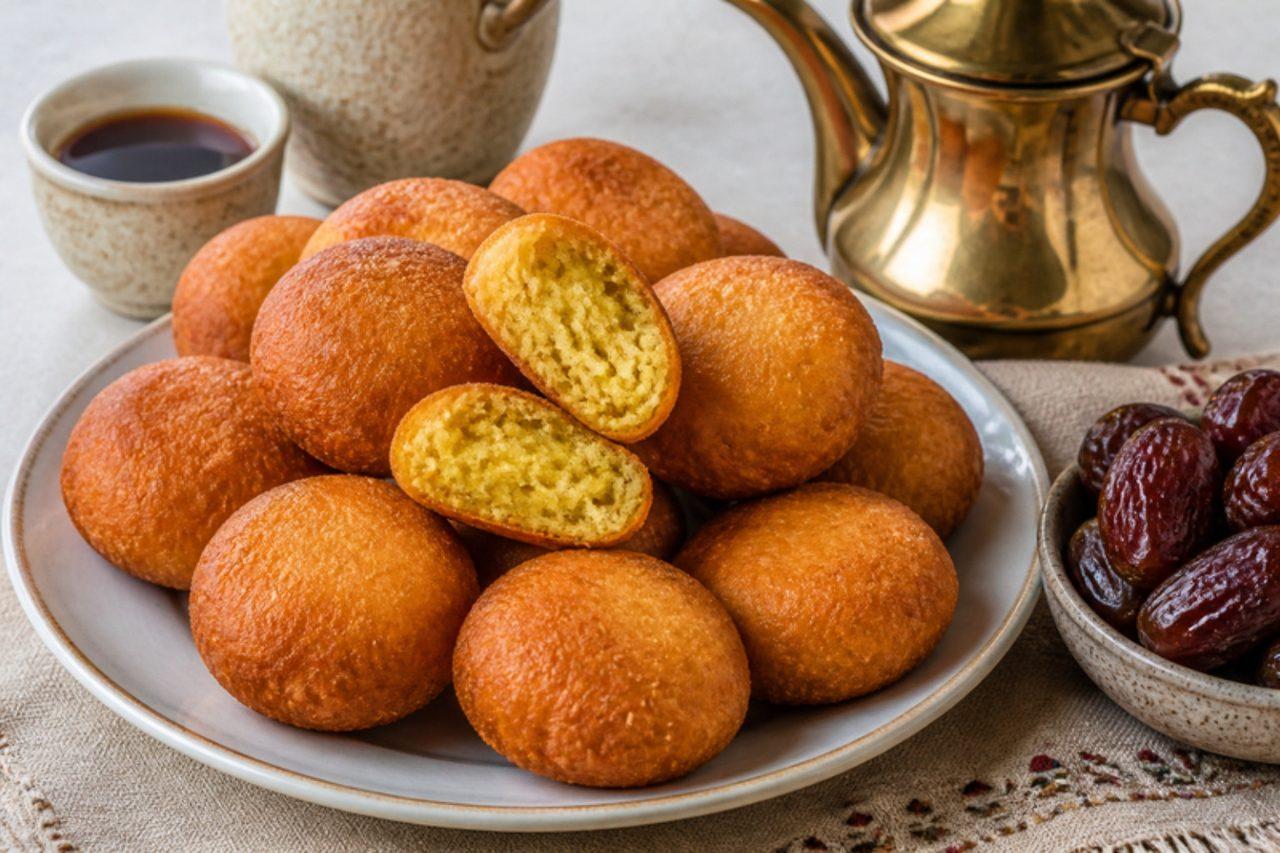
Khanfaroosh are an old Emirati sweet, made by grandmothers in Ras Al Khaimah and Fujairah and served with Arabic coffee when guests arrive, at weddings and during Eid. A rice-flour batter rich with eggs, saffron, cardamom and rose water is shallow-fried in small rounds that puff up, golden-brown with a lacy edge and a soft, spongy middle. They are less sweet than they look and best eaten warm from the pan. Chef's tip: let the batter rest for 30 minutes so the rice flour softens; unrested batter fries up gritty.

by KrazyBadal 0 views

Khanom jeen nam ngiaoRice noodles in spicy pork broth

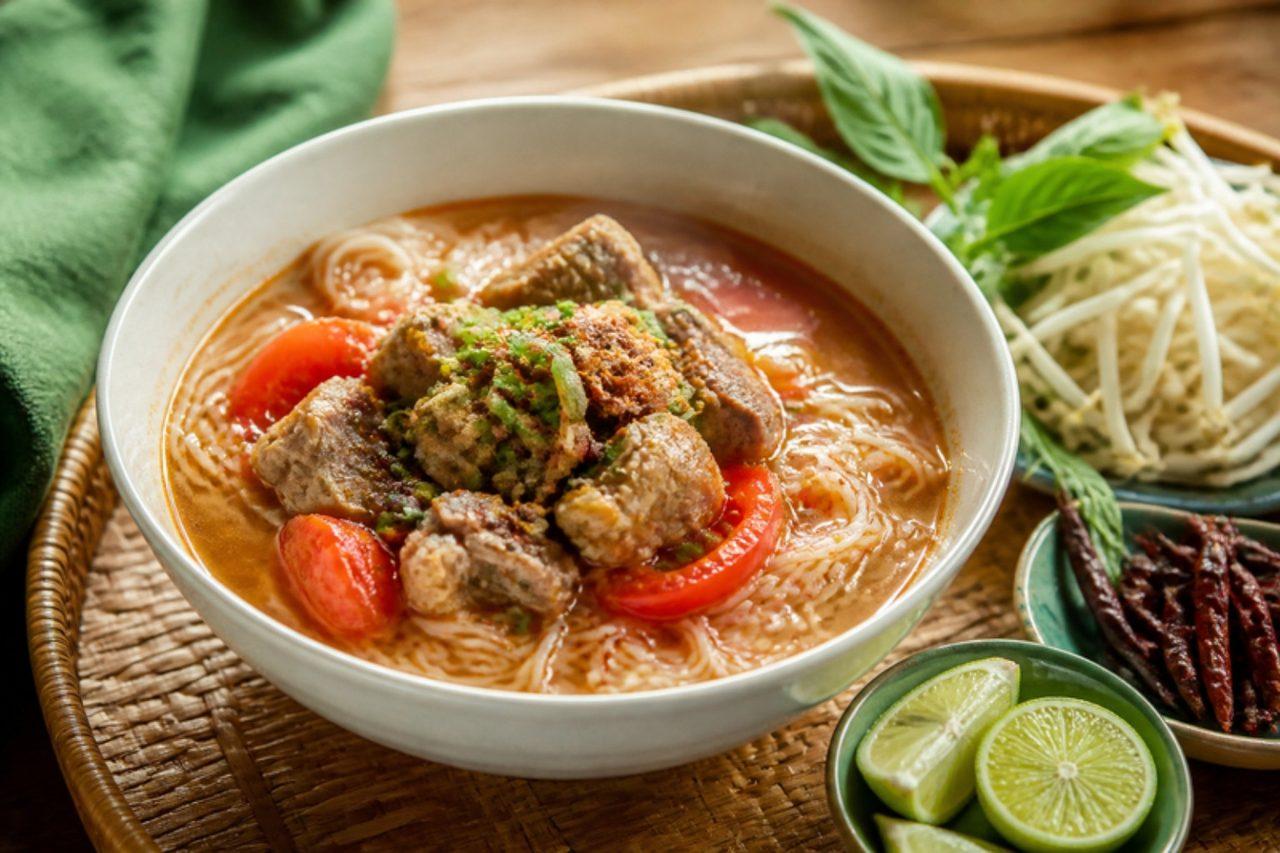
Breakfast stalls from Chiang Rai to Mae Sai ladle this tangy red broth over soft rice noodles from dawn until it sells out, usually before noon. The soup is light but full-flavoured: pork ribs give body, cherry tomatoes give a fresh sourness, and dried cotton-tree flowers (dok ngiao) add a faint floral, earthy chew. Each diner finishes their bowl at the table with bean sprouts, shredded cabbage, crispy garlic and lime. Cubes of cooked pig's blood are traditional; they are optional here and left out by default. Chef's tip: blanch the ribs and throw that first water away, so the finished broth stays clear and clean-tasting.

90 minThaiSoups
by KrazyBadal 0 views

Agra pethaCandied ash gourd sweets

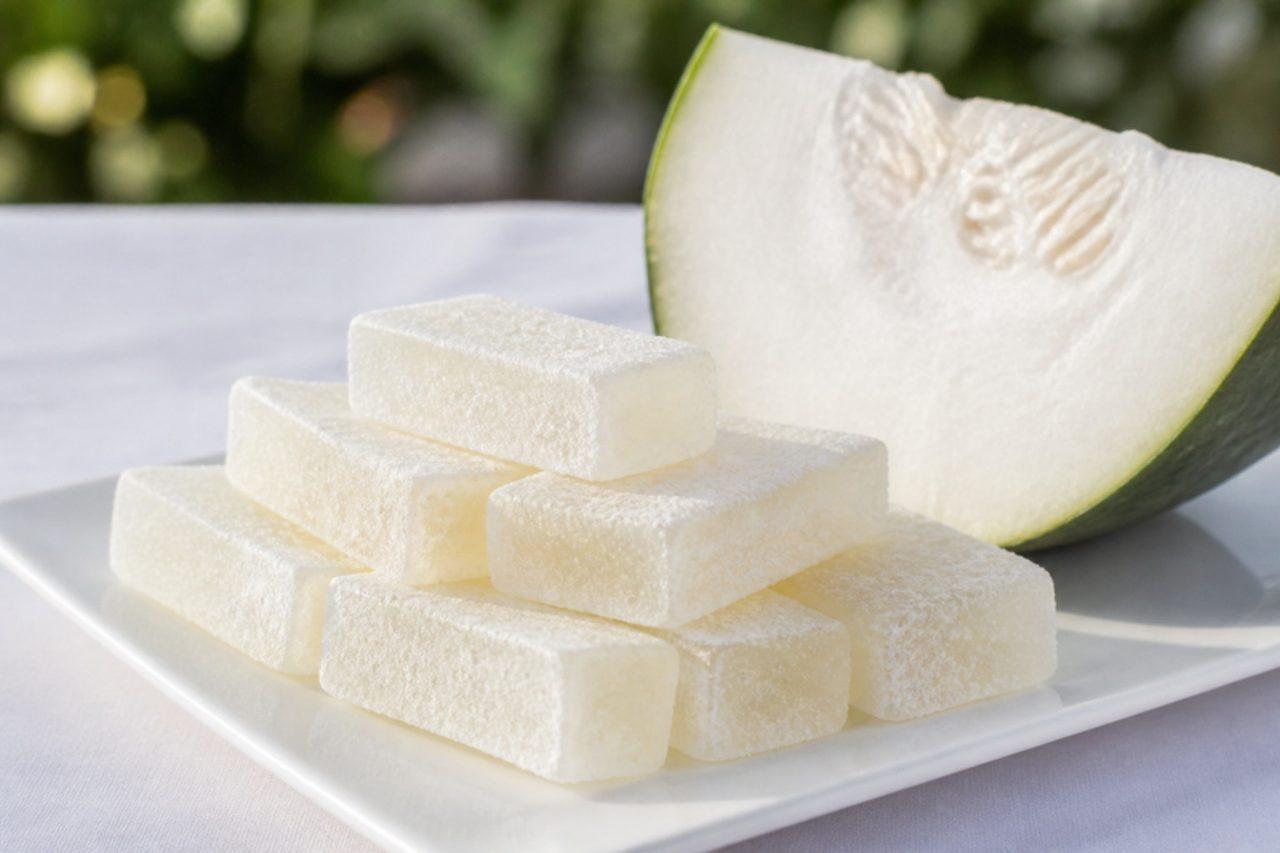
Every train pulling out of Agra carries boxes of petha. The city's halwais have been candying ash gourd for generations, and the plain white kind remains the classic: firm, crystal-clear cubes with a sugar crust and a juicy centre, lightly scented with rose or kewra. At home it makes a good festival sweet for Diwali gifting because it keeps for two weeks. The firmness comes from soaking the gourd in food-grade slaked lime (chuna, sold as pickling lime) or, as some cooks prefer, in alum water. Leaving out the soak, or rushing it, is the most common mistake: the cubes fall apart in the syrup. Chef's tip: prick each cube deeply all over with a fork before soaking, so the lime water and later the syrup reach the centre.

by KrazyBadal 0 views

Khao jee pâtéBaguette sandwich with pâté

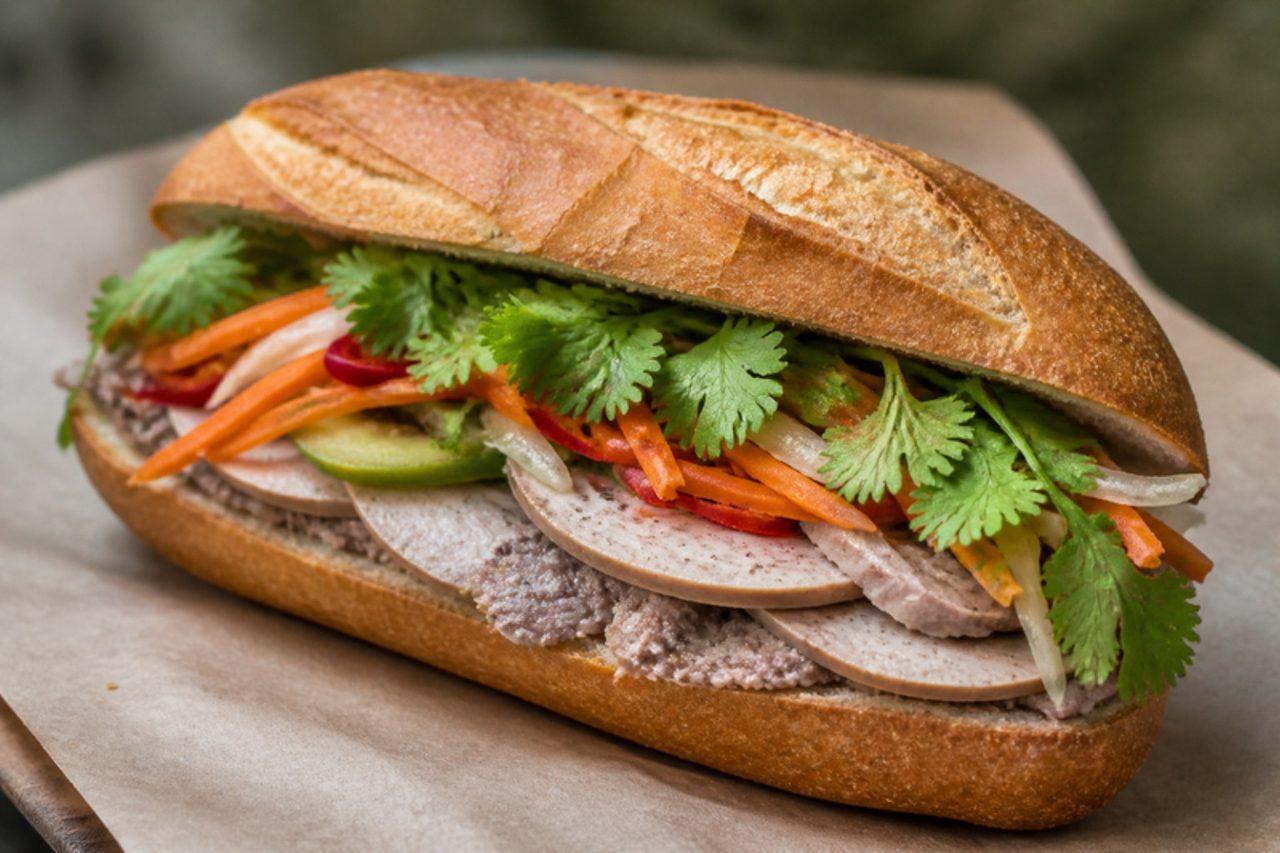
Khao jee pâté is the breakfast sandwich of Vientiane, sold from glass-fronted carts on street corners since the French era left Laos its love of baguettes. It is a pork sandwich: a crisp, light baguette is warmed over charcoal, spread with pork liver pâté and filled with Lao-style cold cuts (pork sausage or ham), pickled papaya or carrot, cucumber, herbs, chilli sauce and a splash of Maggi-style seasoning. Pregnant people should avoid pâté because of listeria risk. Chef's tip: warm the bread until the crust crackles; a soft baguette makes a soggy sandwich.

by KrazyBadal 0 views

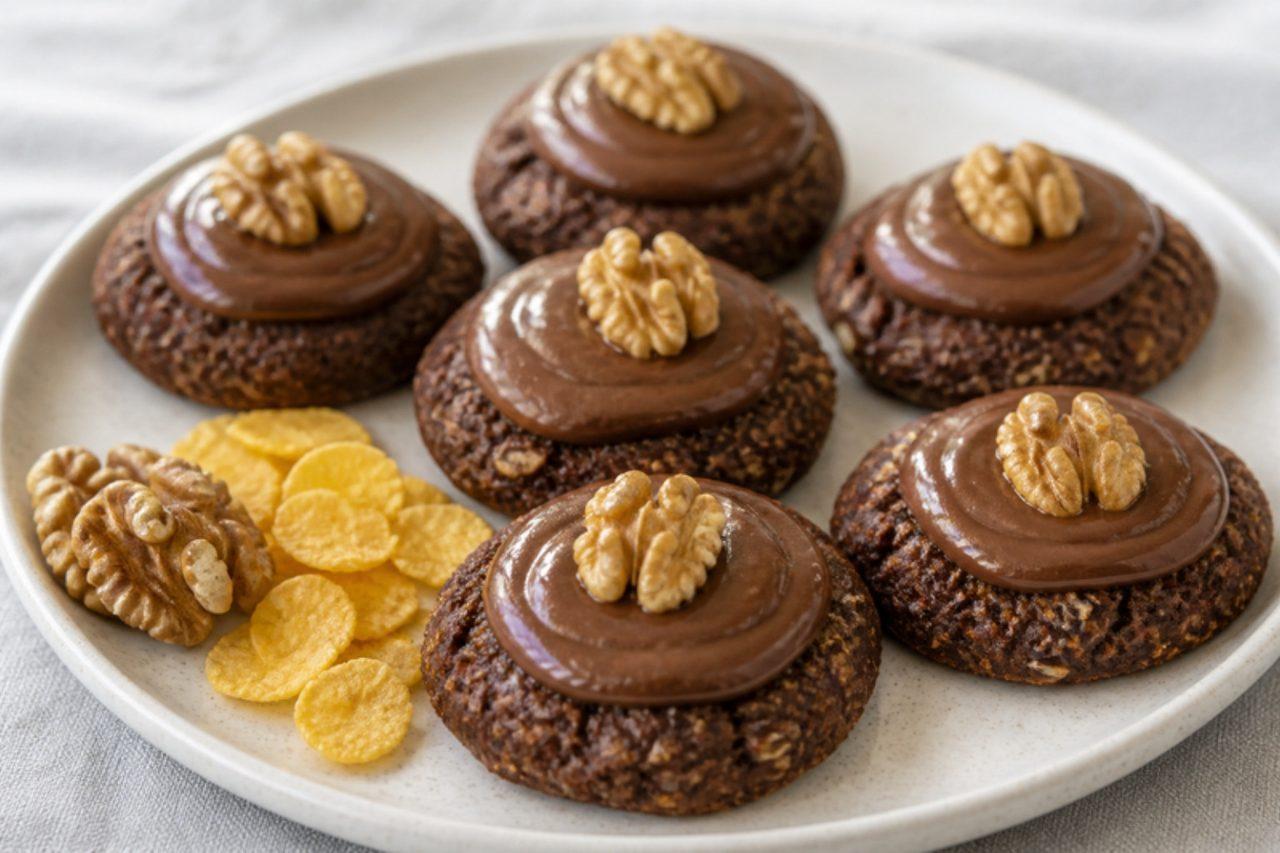
Afghan biscuitsChocolate cornflake biscuits

Afghans are a New Zealand classic, found in the old home baking books passed down in Kiwi kitchens and in the glass cabinets of cafés and bakeries from Christchurch to Whangārei. Nobody is quite sure where the name came from. The dough is rich with butter and cocoa, and lightly crushed cornflakes give each biscuit a crunchy, slightly rugged texture. A swirl of soft chocolate icing and a walnut half finish them off. They're not too sweet underneath, which is why the icing works so well. Chef's tip: crush the cornflakes only lightly with your hand; fine crumbs disappear, but big flakes give the crunch an afghan is known for.

by KrazyBadal 0 views

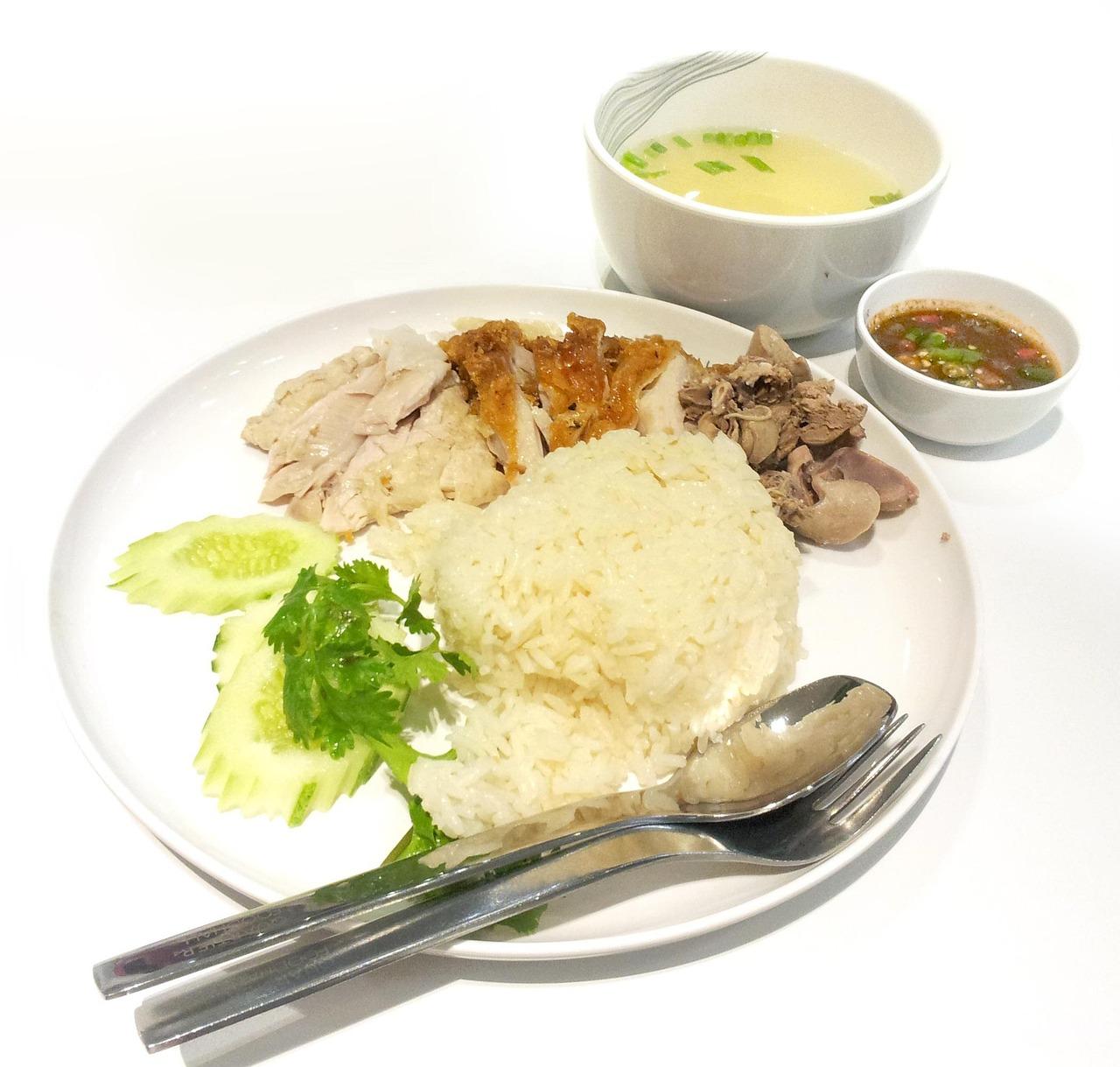
Khao man gaiChicken and ginger rice

Around Pratunam market in Bangkok, the khao man gai stalls are easy to spot: a queue, pale poached chickens hanging in a glass cabinet, and a cook slicing with a cleaver at speed. Like its Hainanese ancestor, the dish pairs silky chicken with rice cooked in the bird's fat and broth, but the Thai plate stands apart for its sauce, a punchy mix of fermented soybeans (tao jiao), ginger, garlic, chilli and vinegar, and for the little bowl of clear broth with winter melon served on the side. Bangkok eats it for breakfast, lunch or a late supper, always with cucumber slices and coriander. Chef's tip: plunge the cooked chicken into iced water for 10 minutes; the skin firms to a jelly-like snap and the meat stays juicy.

by KrazyBadal 0 views

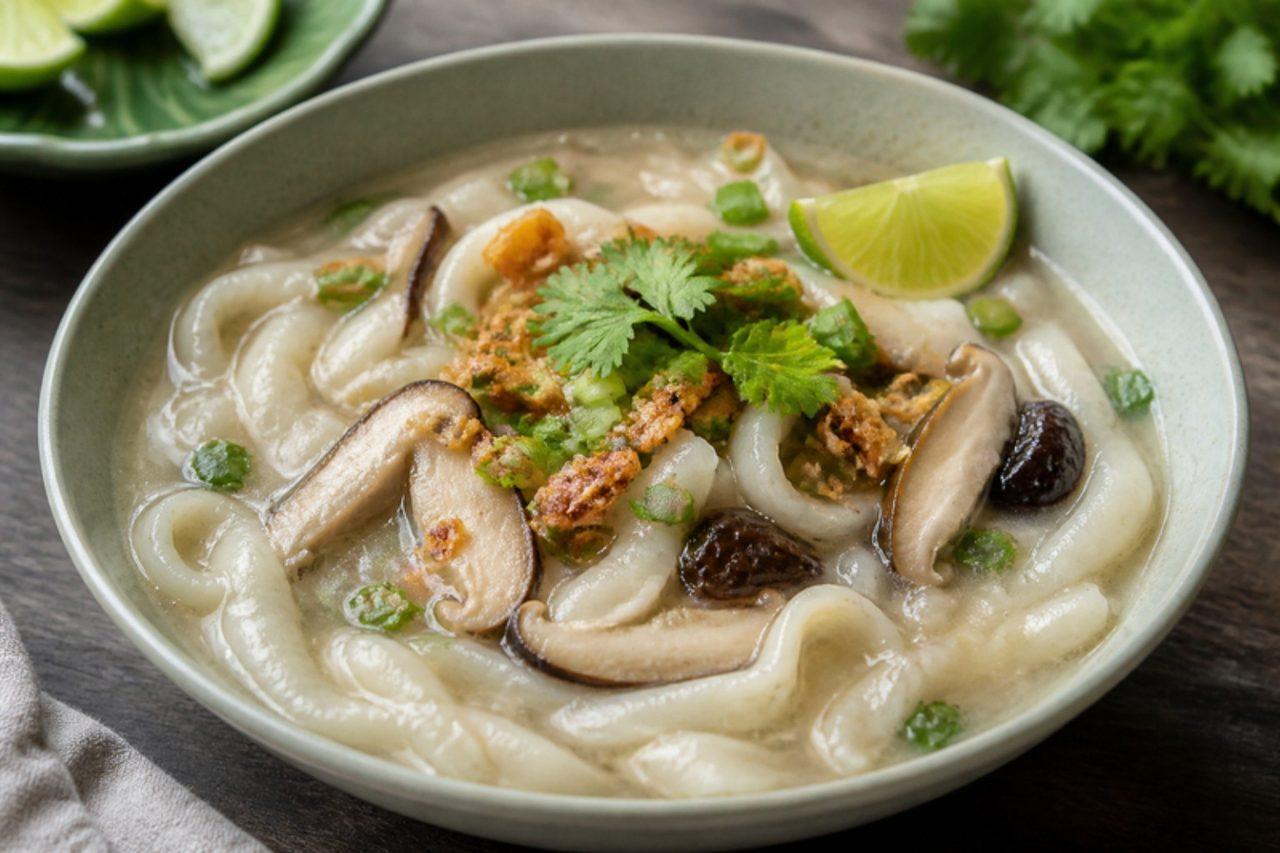
Khao piak sen with mushroom brothRice noodles in mushroom broth

Khao piak sen is the soup Laotians crave on a cool morning or when they feel unwell, and roadside shops in Vientiane and Luang Prabang sell it from dawn. The noodles are cut by hand from a soft rice and tapioca dough and cooked straight in the broth, so their starch turns the soup thick, slippery and comforting. Instead of the usual chicken stock, this version builds a deep broth from dried shiitake, charred onion and ginger, and finishes it with crisp fried garlic, spring onion and coriander. Chef's tip: dust the cut noodles well with tapioca starch and keep them apart; they stick together into a clump in seconds if left in a pile.

75 minLaoSoupsVeganGluten free
by KrazyBadal 0 views

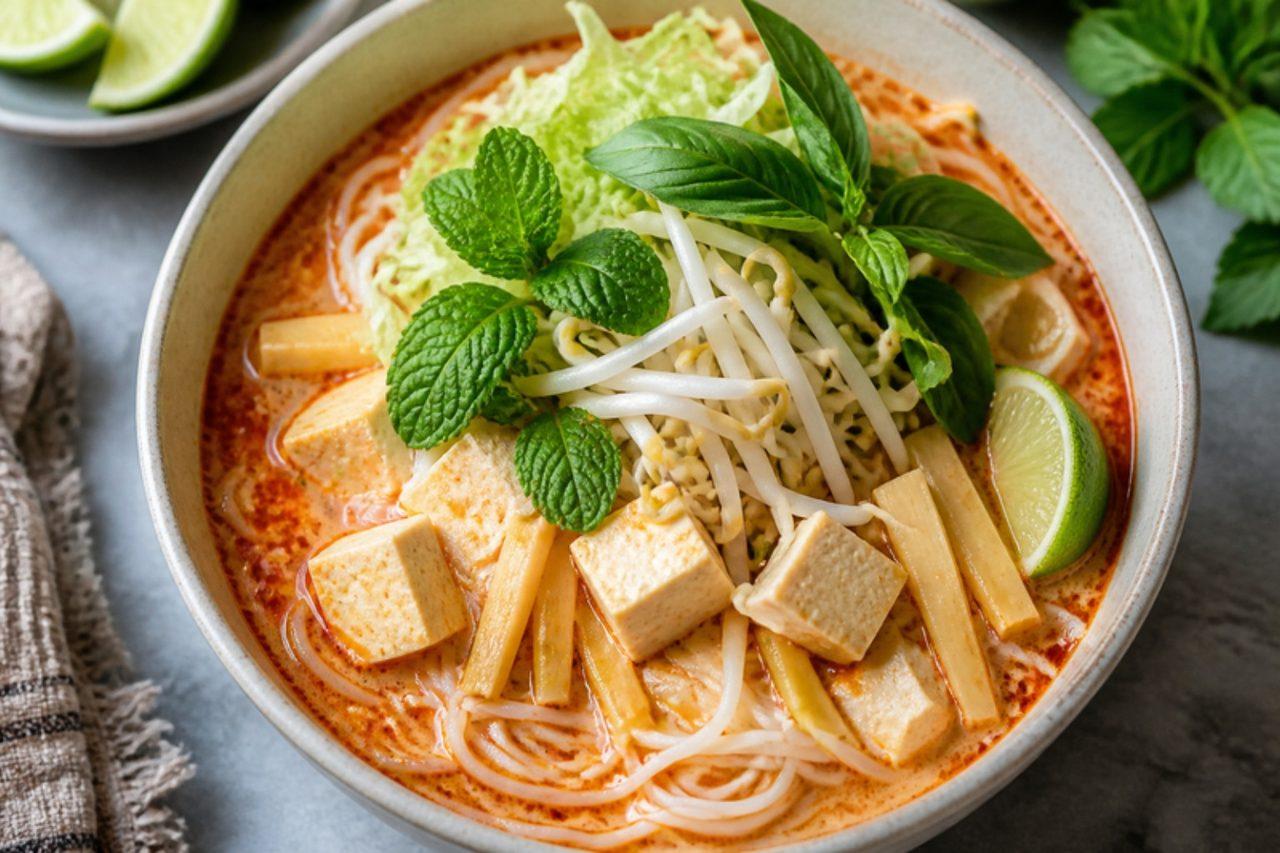
Khao poon with tofu and vegetablesCoconut curry noodle soup

Khao poon is celebration food in Laos, ladled out at weddings, baci ceremonies and big family gatherings, and sold at morning markets in Vientiane by women with huge steaming pots. Fine round rice noodles sit under a spicy, red-tinged broth of coconut milk, lemongrass and galangal, and everyone adds their own shredded cabbage, banana blossom, beansprouts, mint and lime. The usual chicken or fish is swapped for golden fried tofu and bamboo shoots. Chef's tip: fry the red chilli paste in the coconut cream until oil seeps out in red drops on the surface; that's when the colour and heat are fully released.

by KrazyBadal 0 views

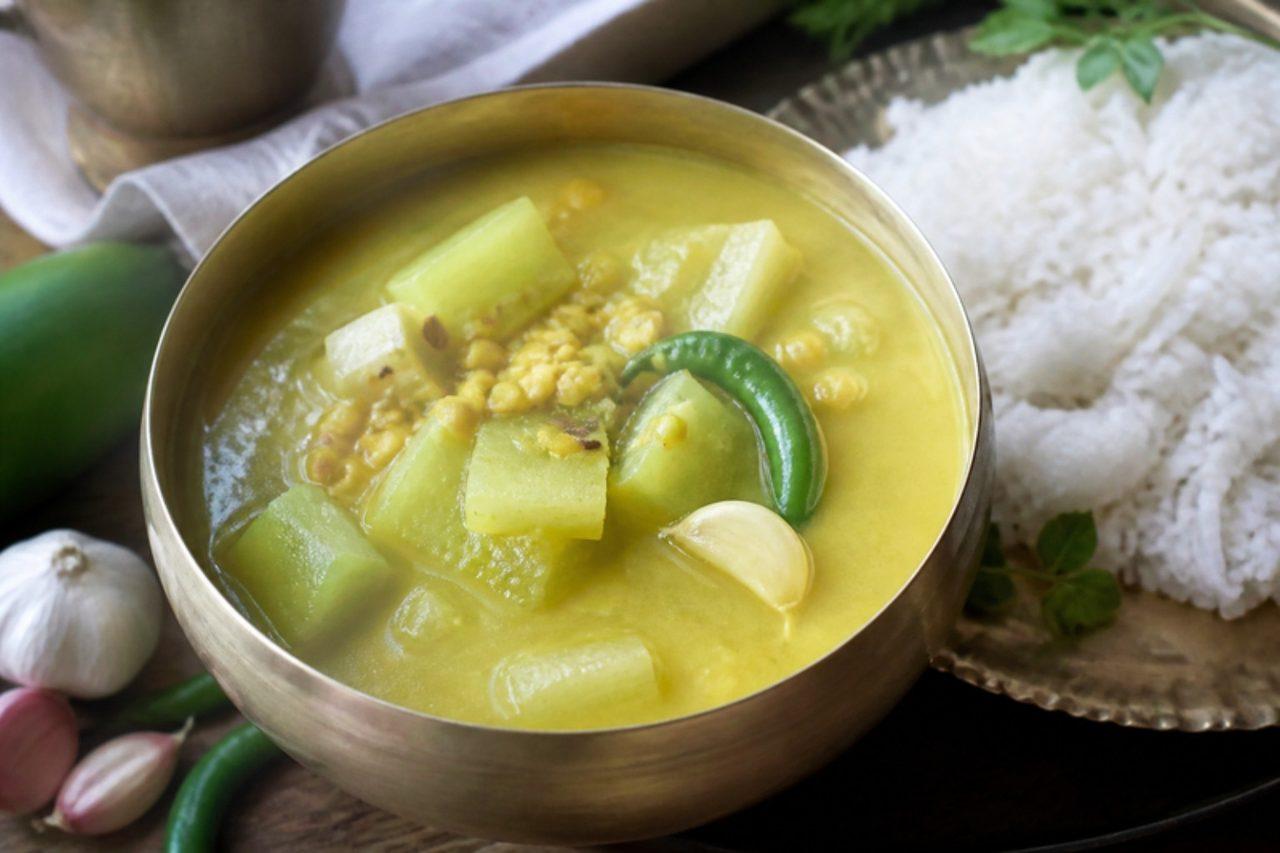
KharRaw papaya and lentil dish

Every traditional Assamese lunch begins with khar, a mouthful of it mixed into the first ball of rice to settle the stomach. The defining ingredient is khar itself, an alkaline liquid filtered from the ash of dried bhim kol (seeded banana) peels; it gives the dish its soft, slightly soapy, earthy taste. Raw papaya and a handful of lentils are cooked in it with mustard oil, garlic and green chilli until silky. At home in Guwahati or Jorhat it is made several times a week. Chef's tip: outside Assam, use a small pinch of bicarbonate of soda in place of khar; too much tastes metallic, so start with ⅛ tsp.

by KrazyBadal 0 views

ÆbleskiverRound pancake puffs

From the first Sunday of Advent until Christmas, Danish homes and Christmas markets in Copenhagen's Tivoli smell of æbleskiver: little round pancake puffs cooked in a cast-iron pan with seven hemispherical wells. They are crisp and golden outside, light and almost custardy within, dipped in icing sugar and raspberry or strawberry jam, and washed down with gløgg or hot cocoa. The name means 'apple slices', a reminder that cooks once tucked a piece of apple inside; many families still do. Danes turn them with knitting needles or wooden skewers, a knack that takes a few rounds to learn. Chef's tip: turn each puff a quarter at a time; the raw batter flows into the space and builds the sphere, rather than flipping it all at once.

by KrazyBadal 0 views

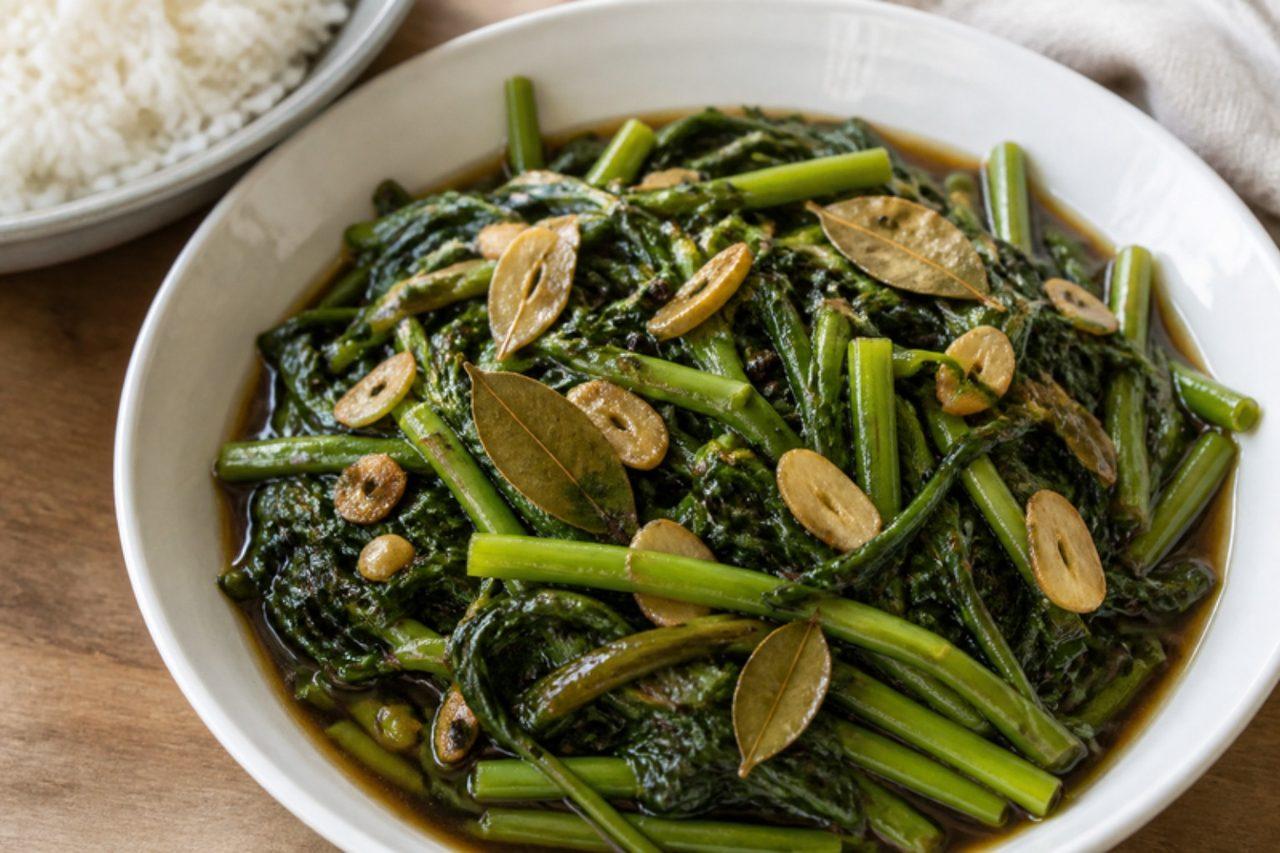
Adobong kangkongBraised water spinach

In Manila and across Luzon, adobong kangkong is the cheap green that sits in a tray at the carinderia, the roadside canteen where office workers and jeepney drivers point at two or three dishes to go with their rice. It is not a stir-fry in the Chinese or Malay sense: the water spinach is cooked briefly in an adobo base of cane vinegar, soy sauce, bay and cracked pepper, so the stems stay crunchy while the leaves soak up a sharp, salty, garlicky sauce that runs into the rice. It costs very little, takes ten minutes and is often the only vegetable on a weekday plate. Chef's tip: let the vinegar boil for a full minute before you stir anything, the way Filipino cooks do; the raw, harsh edge cooks off and the sauce turns mellow.

by KrazyBadal 0 views

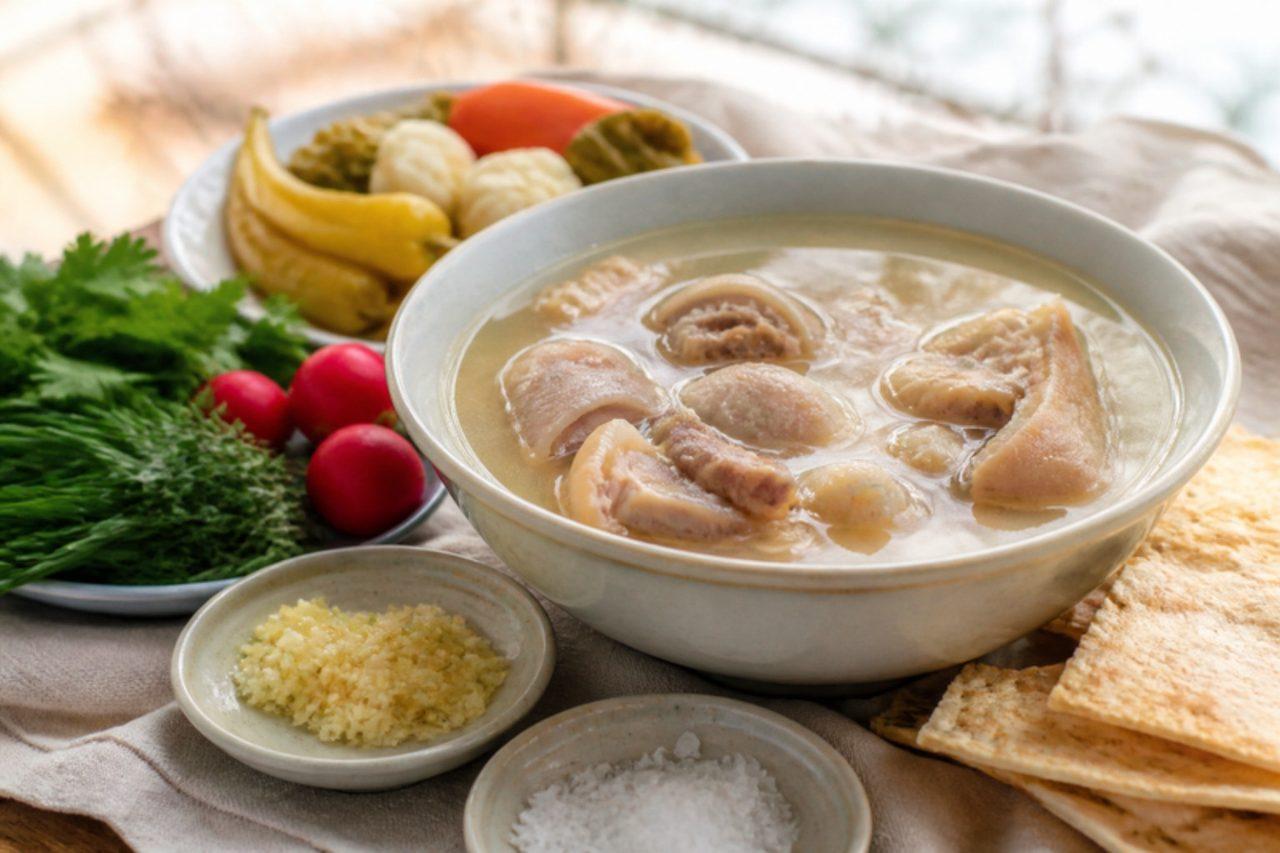
KhashBeef foot broth

Khash is a winter ritual in Armenia: friends gather in the early morning between November and March, often at the weekend, to share bowls of plain broth made from beef feet that have cooked all night. Everyone seasons their own bowl at the table with crushed garlic and salt, crumbles dried lavash into it and eats with radishes, pickles and fresh herbs. The broth is rich, sticky with gelatine and deliberately unseasoned in the pot. Skimping on the cleaning and soaking is the classic error; it leaves the broth grey and smelling of the farmyard instead of clean and milky-white. Chef's tip: ask the butcher to clean the feet and saw them into pieces for you.

by KrazyBadal 0 views

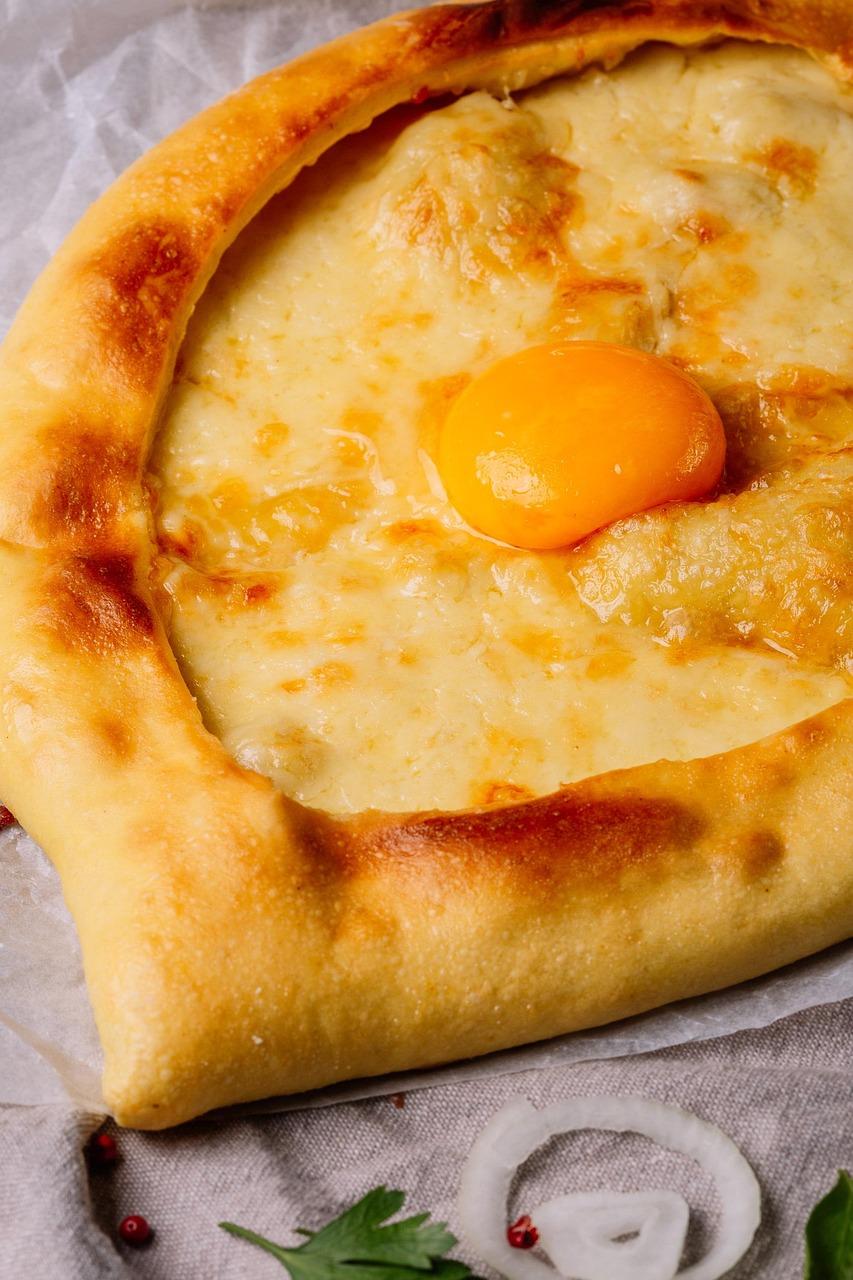
Adjaruli khachapuriCheese bread boat with egg

On the Black Sea promenade in Batumi, the capital of Adjara, this is the bread people queue for after a swim: a boat of soft yeasted dough, the middle filled with molten cheese, and an egg yolk and a slab of butter dropped in at the very end. You stir the yolk and butter through the cheese with a fork at the table, then tear off the crisp ends and dip them in. Locals say the shape is a boat and the yolk the sun over the sea. Georgian imeruli and sulguni cheeses are hard to find outside Georgia, so this uses mozzarella with feta for the salty tang. Choose cheeses labelled vegetarian (microbial rennet). The usual home mistake is putting the egg in too early, which sets it hard; the yolk should go in only for the last 2 minutes so it stays runny. Chef's tip: roll the long edges inwards tightly and pinch the tips hard, or they will unroll in the oven and the cheese will flood the tray.

by KrazyBadal 0 views

Adas poloLentil rice with dates

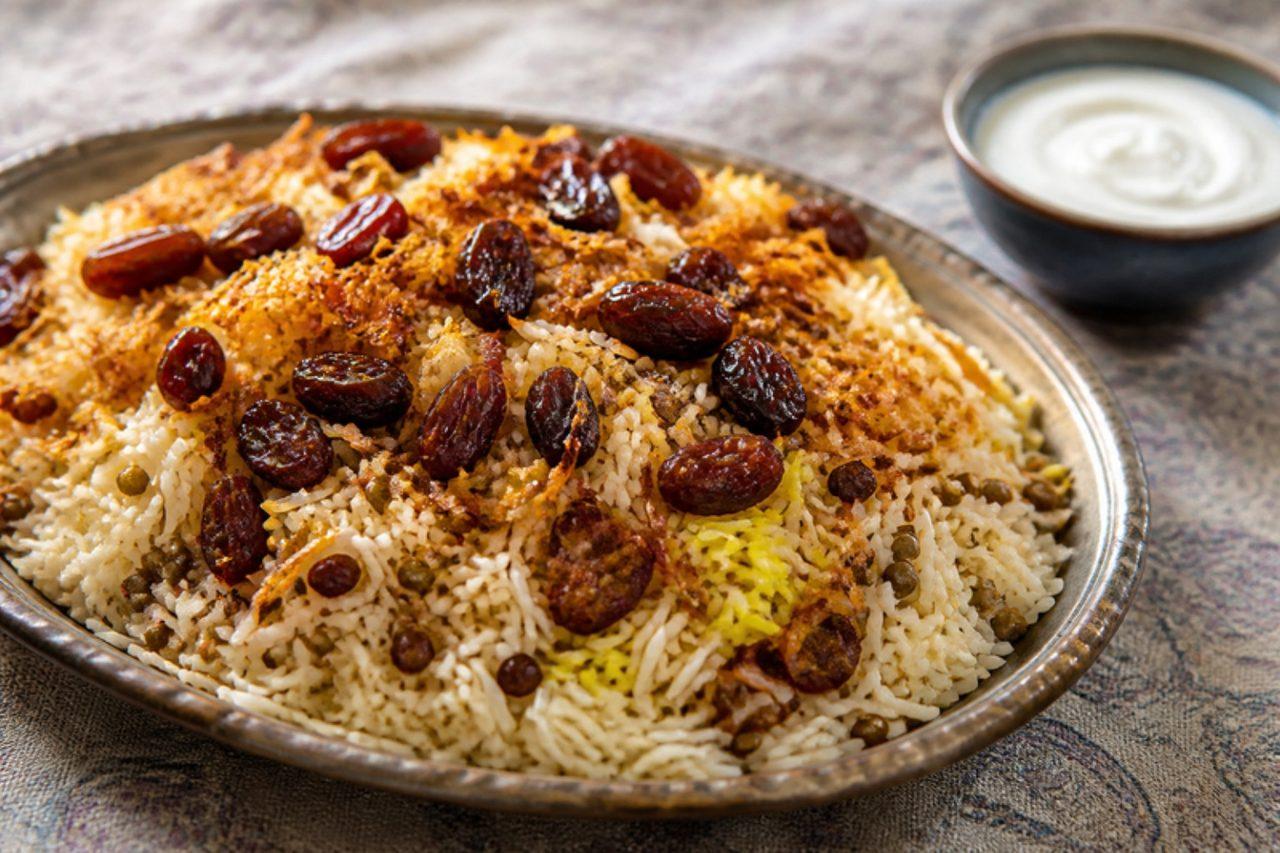
Adas polo is a homely Tehran weekday rice, also served at the Yalda winter-solstice gathering in December, when tables fill with dried fruit. Brown lentils and long-grain rice are layered and steamed together, then topped with dates and raisins warmed in butter with cinnamon, so every spoonful is savoury, earthy and lightly sweet. Unlike Levantine lentil-and-rice dishes, the rice keeps its long separate grains and gets a saffron crust underneath. Serve it with yogurt, a herb plate and salad shirazi for a complete meal. Chef's tip: cook the lentils separately until just tender but whole; they finish softening during the steam.

by KrazyBadal 0 views

Khasta kachori with aloo sabziFlaky urad dal pastries with potato curry

In the lanes of Old Delhi, breakfast often means a leaf plate of khasta kachori broken into a hot, thin potato curry, with a dollop of pickle and a cup of chai. The kachoris are large and flat with a peppery filling of coarsely ground urad dal, fried slowly until they blister and puff, and the aloo sabzi is fiery with chilli and sharp with tomato and dried mango. It's a weekend dish, filling enough to last until lunch. Chef's tip: break the boiled potatoes by hand rather than chopping them; the rough edges melt into the gravy and thicken it naturally.

by KrazyBadal 0 views

KhatkhatemMixed vegetable and dal stew

Khatkhatem is the vegetable stew Goan Hindu families cook for Ganesh Chaturthi and wedding feasts, when onion and garlic are kept out of the kitchen. It takes whatever the monsoon garden gives: pumpkin, sweet potato, raw banana, corn on the cob, drumsticks, yam and the long Goan cucumber, simmered with a little toor dal in a ground paste of coconut, red chillies and coriander seeds. The flavour comes from tirphal, a dried berry from the Western Ghats with a woody, citrusy, slightly numbing bite. Serve it with rice and a crisp papad as part of the festive spread. Chef's tip: add the vegetables in stages, hardest first; khatkhatem should have every vegetable tender but whole, not a mush.

by KrazyBadal 0 views

Ada pradhamanRice flake pudding with coconut milk

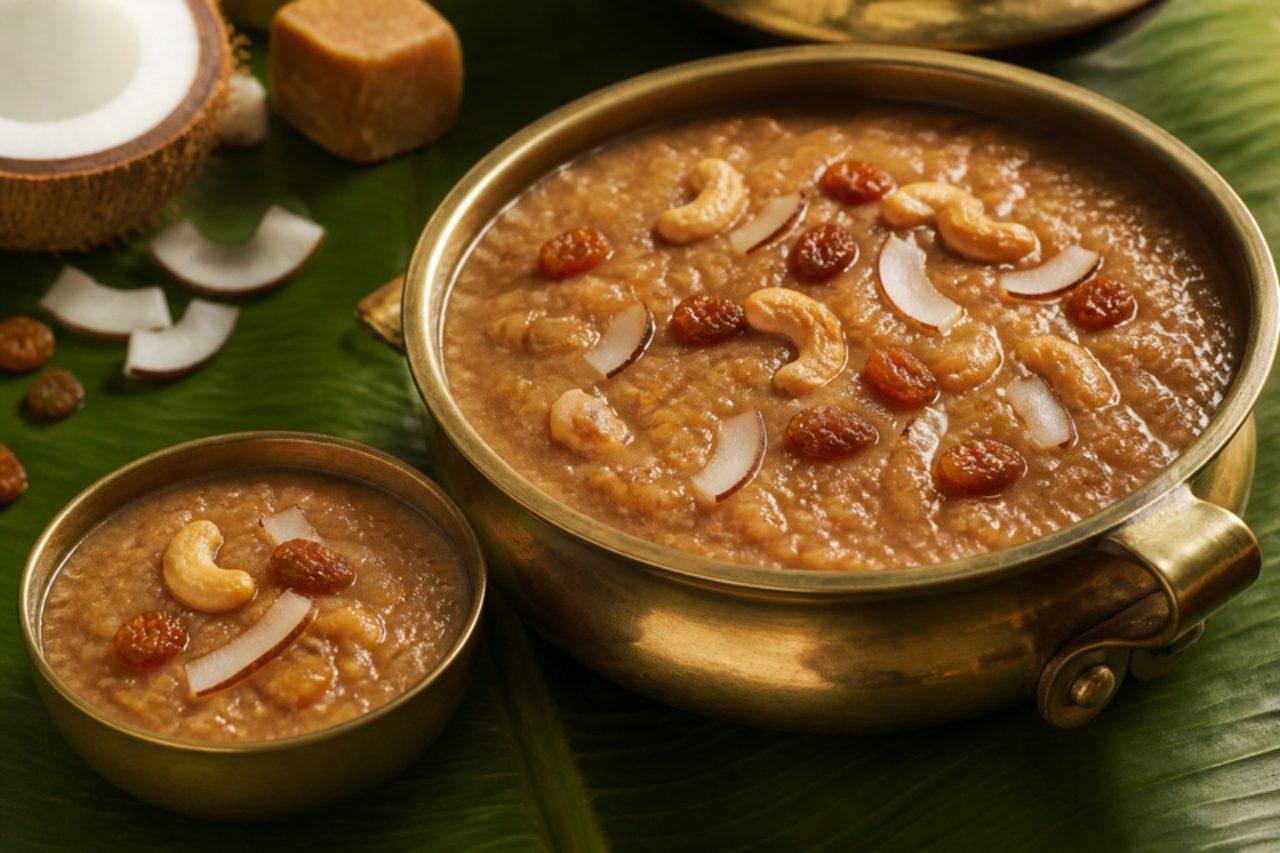
Ada pradhaman is the king of payasams on the Onam sadya across Kerala, served last on the banana leaf, sometimes with a crushed pappadam stirred in. Small flakes of rice ada are cooked soft, glazed in ghee and jaggery syrup, then simmered in thin coconut milk and finished with thick first-press milk, cardamom and a pinch of dried ginger. It is deep caramel-brown, silky and chewy at once. Serve warm in small bowls, or slightly chilled the next day. Chef's tip: rinse the cooked ada under cold water straight away; it stops the flakes sticking into a lump.

by KrazyBadal 0 views

Açorda alentejanaGarlic and coriander bread soup

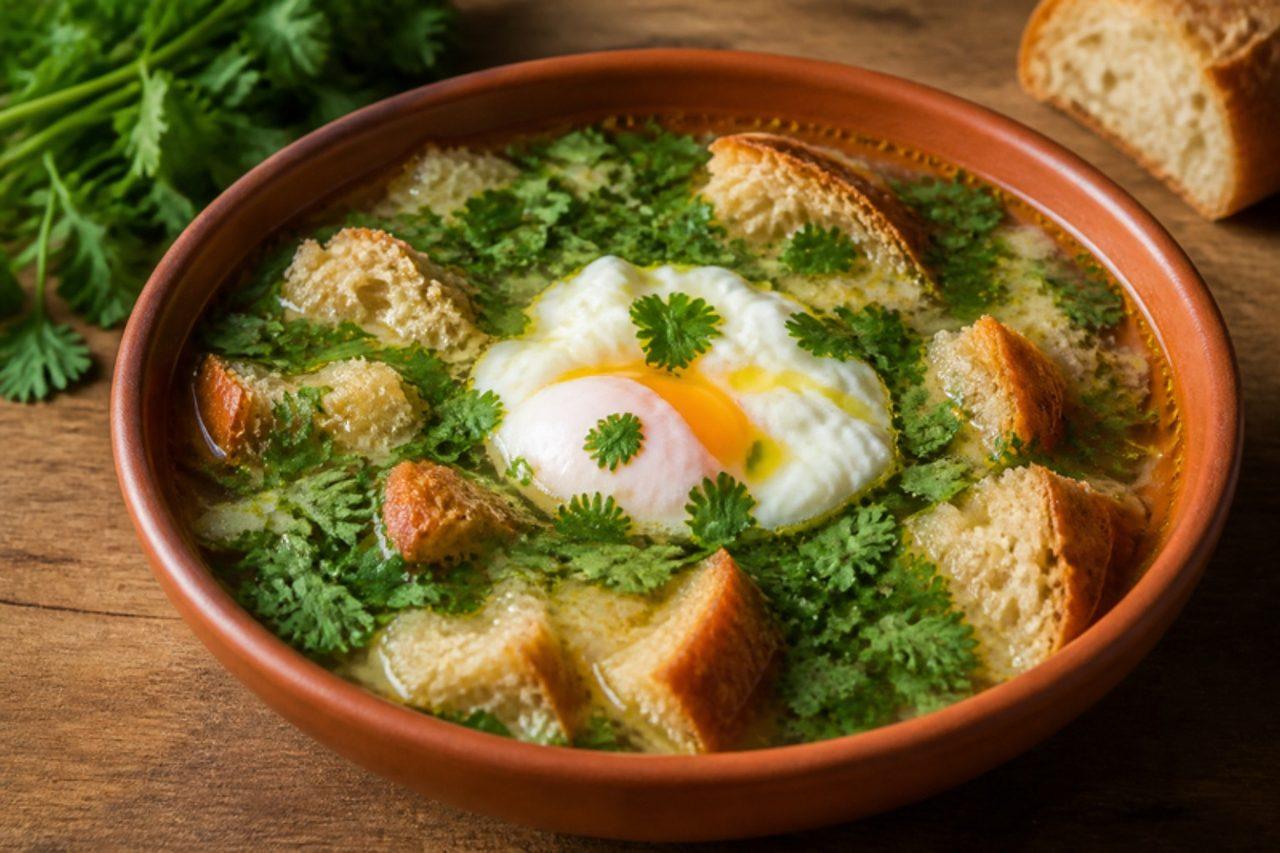
Açorda à alentejana is the shepherd's supper of the Alentejo, the wide, hot plain of cork oaks and wheat fields south of Lisbon. It is barely cooked at all: raw garlic, salt and a big handful of fresh coriander are pounded to a paste in the bowl, sliced day-old bread goes on top, and boiling water poured over turns it all into a fragrant, green broth, crowned with a soft poached egg. Unlike Spain's sopa de ajo, nothing is fried and there is no paprika; the flavour is fresh herbs, sharp garlic and fruity olive oil. Alentejanos eat it at home in summer and winter alike, and in Évora's tascas in the evening, sometimes with a few olives or a slice of fresh cheese. Chef's tip: use firm, dense, two-day-old country bread; soft sandwich bread collapses into mush the moment the water hits it.

by KrazyBadal 0 views

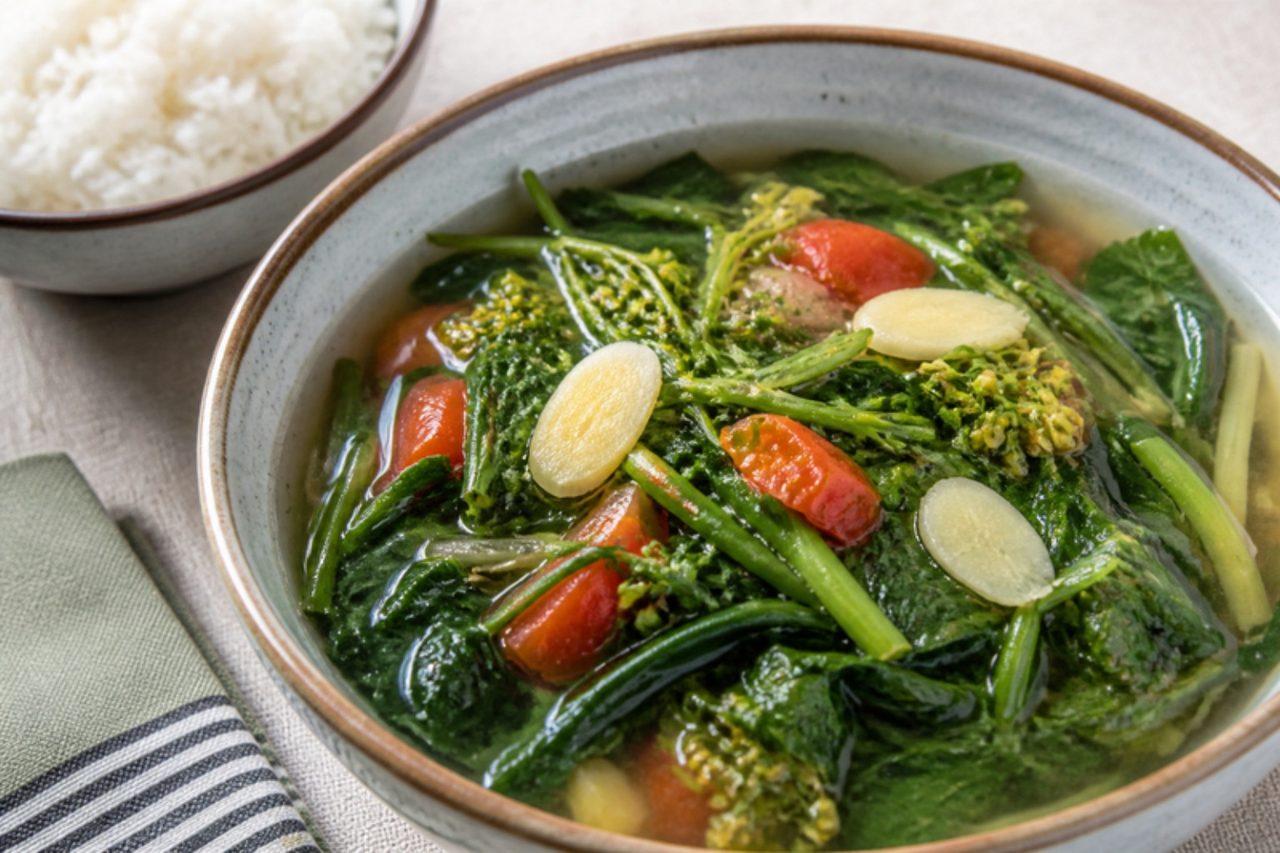
Vegetable romazavaMixed greens and ginger broth

Romazava is often called the national dish of Madagascar: a light, gingery broth of several kinds of leafy greens (brèdes) and tomato, ladled over a big plate of rice. In Antananarivo it usually includes zebu beef; this vegetable version keeps the essential leaves, especially brèdes mafana (paracress), whose flowers and leaves make the mouth tingle. Spinach, watercress and mustard greens work well outside Madagascar. Chef's tip: add the greens in order of toughness and stop as soon as they are tender; romazava should taste fresh and green, not stewed.

by KrazyBadal 0 views

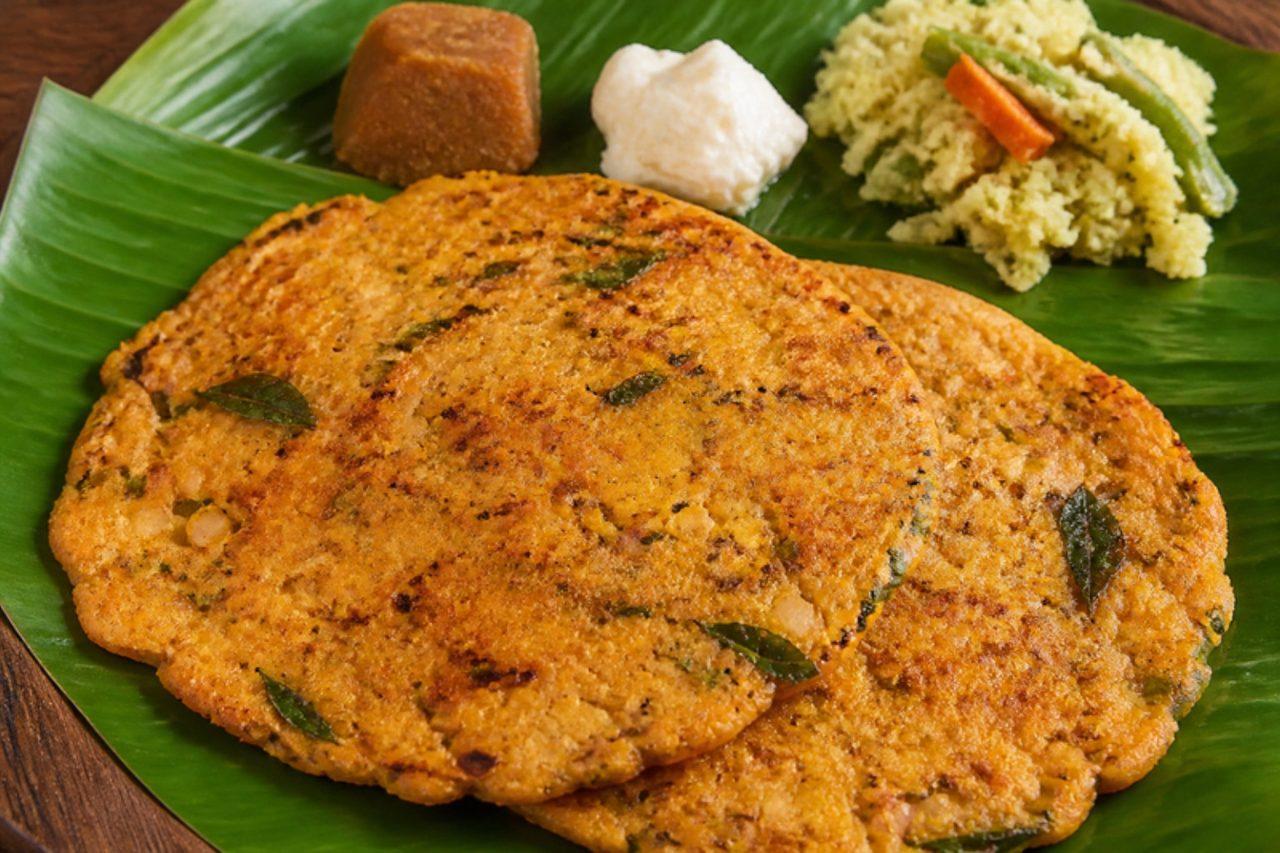
AdaiRice and lentil pancakes

Adai is the hearty cousin of the dosa, made in Tamil homes for a weekend breakfast or an early dinner, and in Tamil Brahmin families traditionally served with avial and a lump of jaggery and white butter. Rice and a mix of toor, chana, urad and moong dal are soaked and ground coarsely with red chillies, ginger and hing, so the batter needs no fermenting at all. The pancakes are thicker than dosa, crunchy at the edges and soft and gritty in the middle, with a deep, spicy, lentil flavour and plenty of protein. Chef's tip: grind the batter like coarse semolina, not silky; that texture is what gives adai its crisp, lacy rim.

by KrazyBadal 1 views

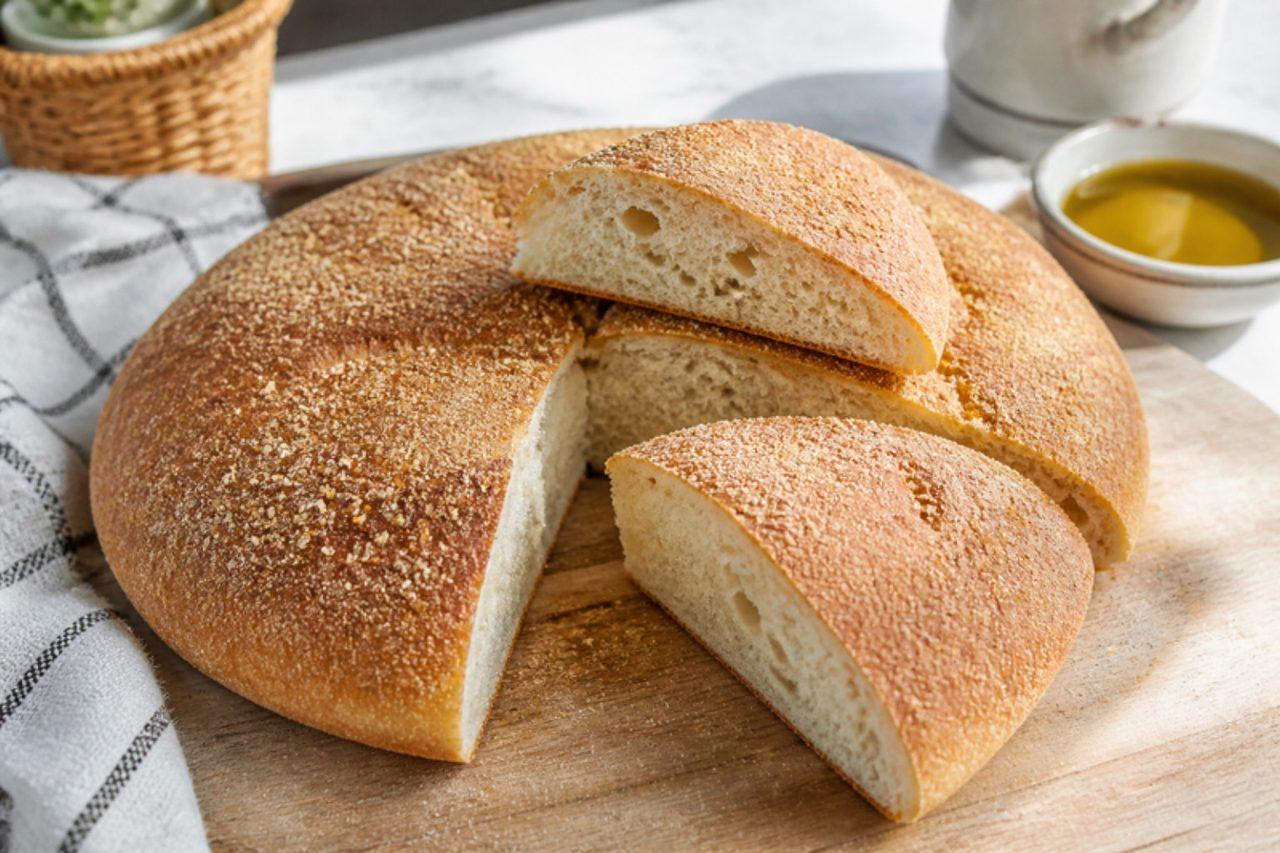
KhobzRound semolina bread

Khobz is the round, flat loaf that sits on every Moroccan table, used instead of cutlery to scoop up tagine and salads. In the older quarters of Fez and Marrakech families still shape their dough at home and carry it on wooden boards to the neighbourhood wood-fired oven, the ferran; at home it bakes perfectly on a hot tray. The semolina and wholemeal give it a slightly nutty taste and a soft, chewy crumb with a thin crust. It keeps for a day wrapped in a cloth and is wonderful toasted. Chef's tip: prick the top all over before baking so it rises evenly and stays flat instead of puffing like a pitta.

by KrazyBadal 0 views

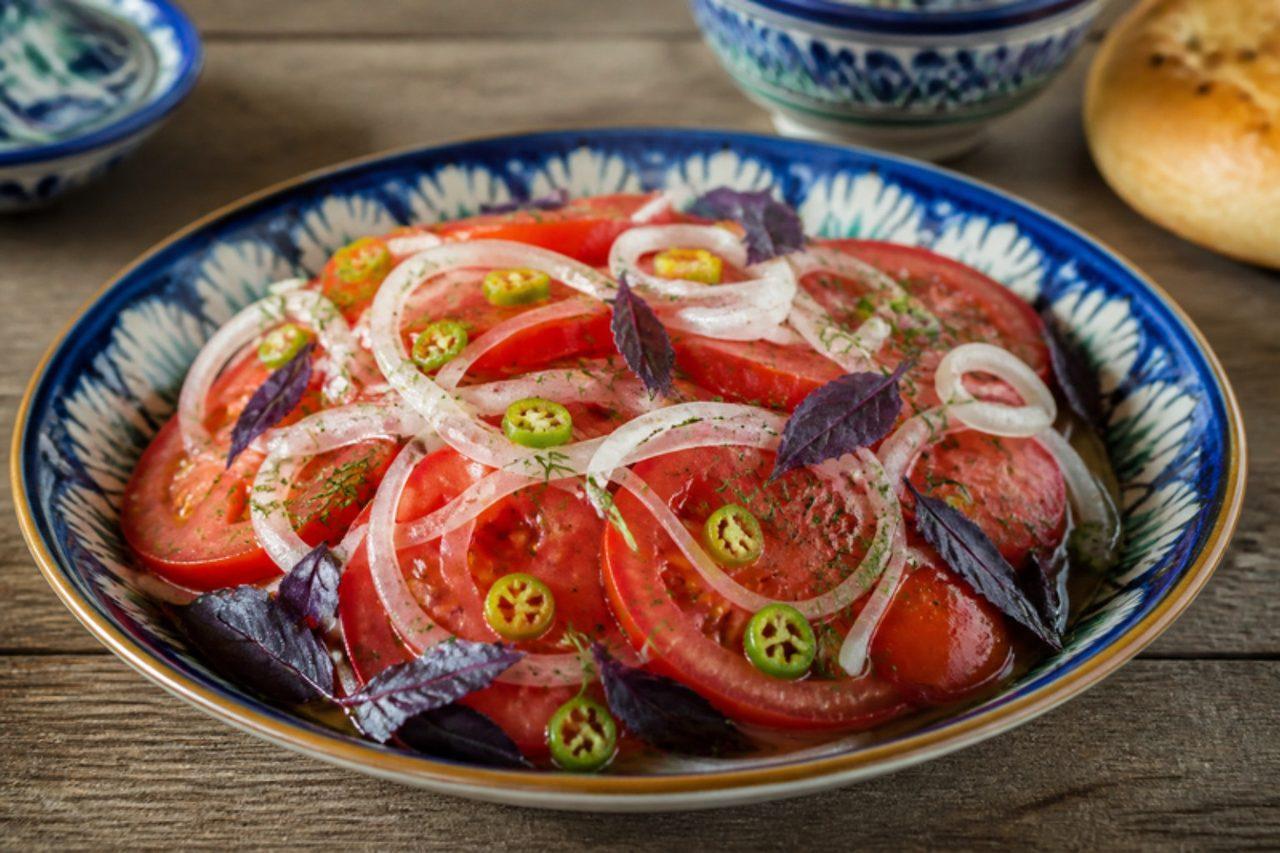
AchichukTomato and onion salad

Achichuk, which means 'sharp' in Uzbek, is the thin-sliced tomato and onion salad that sits beside every platter of plov from Bukhara to the Ferghana Valley. In summer Tashkent markets overflow with heavy, sweet tomatoes and this salad is little more than those tomatoes, rings of mild onion, a hot green chilli, salt and black pepper, with a fistful of basil (reyhan) or dill. Some families call it shakarob. It is meant to cut through the richness of rice cooked in oil, so it has no dressing beyond the juice the tomatoes give. Chef's tip: soak the onion in salted iced water for 10 minutes; it loses its harsh bite but stays crunchy, which is how Uzbek cooks get the onion so gentle.

by KrazyBadal 0 views

Vegetable saloonaVegetable and tomato stew

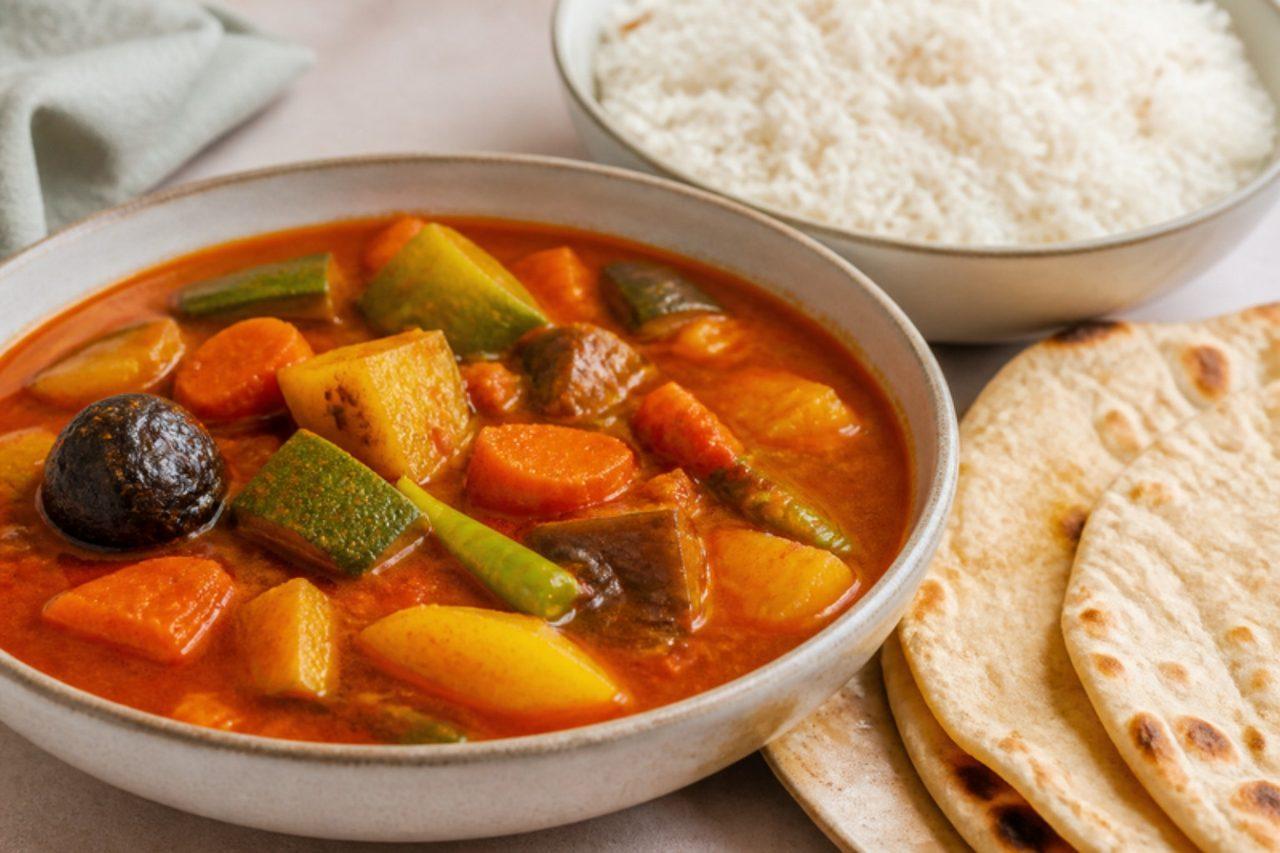
Saloona is the stew Emirati families make on an ordinary weekday, ladled over white rice for lunch in Abu Dhabi, Al Ain and every town between. Each household has its own mix, but the base is always the same: tomatoes, onions and the local bezar spice blend, sharpened with dried lime and simmered with whatever vegetables are in the fridge. This meat-free pot uses potato, courgette, aubergine, carrot and okra with chickpeas for body, and it tastes even better the next day. Chef's tip: add the okra in the last 10 minutes and leave it whole; cut okra goes slimy in a long simmer.

by KrazyBadal 0 views

Khorkhog-style lambHot stone-style lamb

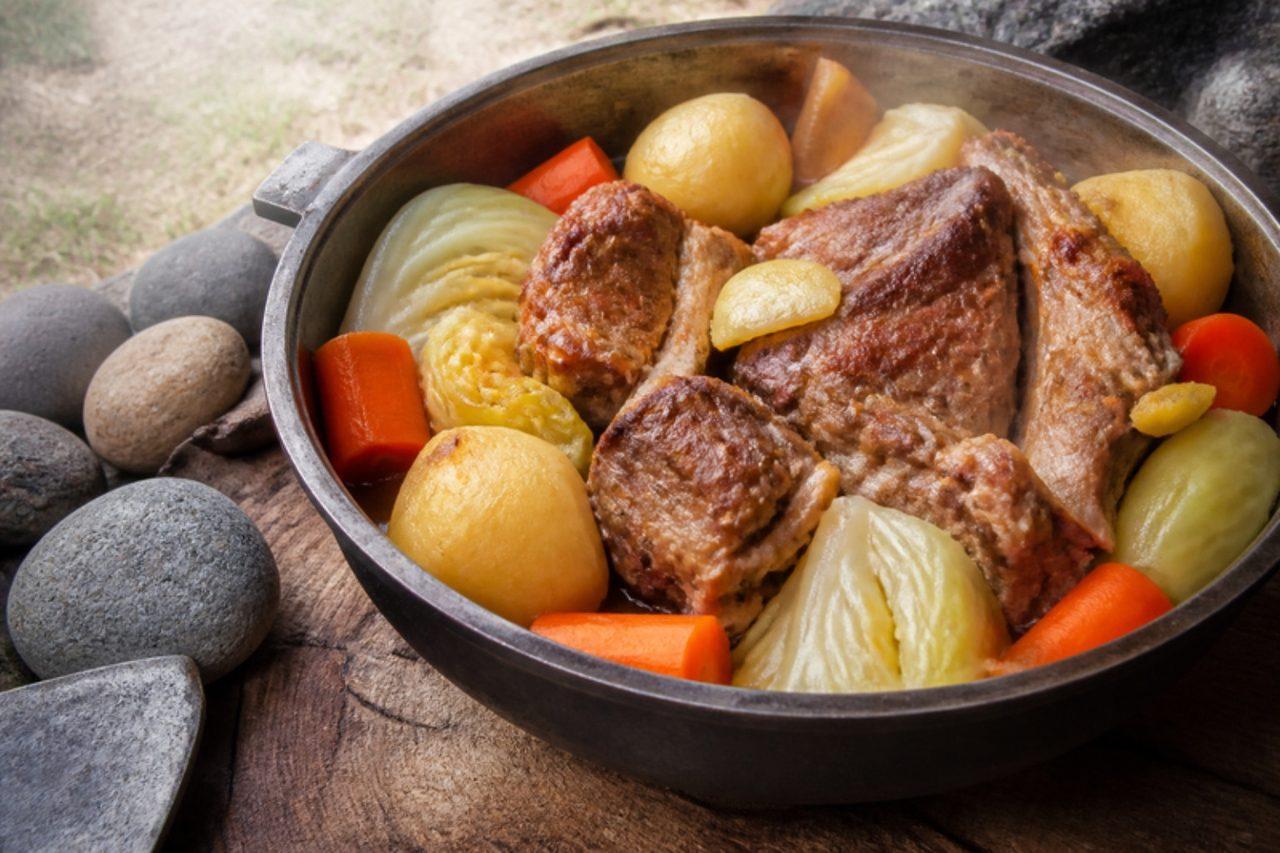
Khorkhog is the feast of the Mongolian countryside, cooked when a herding family welcomes guests: a sheep is cut into pieces and sealed into a milk churn with hot river stones, onion, carrot and potato, and the churn is set over the fire until the meat is tender and smoky. Guests pass the hot, greasy stones from hand to hand for good health. This home version cooks the lamb in a heavy sealed casserole in the oven, which gives the same tender meat and rich juices; please don't heat stones in a kitchen pot, which is dangerous. The mistake is adding water: the lamb steams in its own juice with only a little liquid. Chef's tip: use lamb on the bone, such as neck or shoulder, for the deepest flavour.

by KrazyBadal 0 views

Pudding and souse

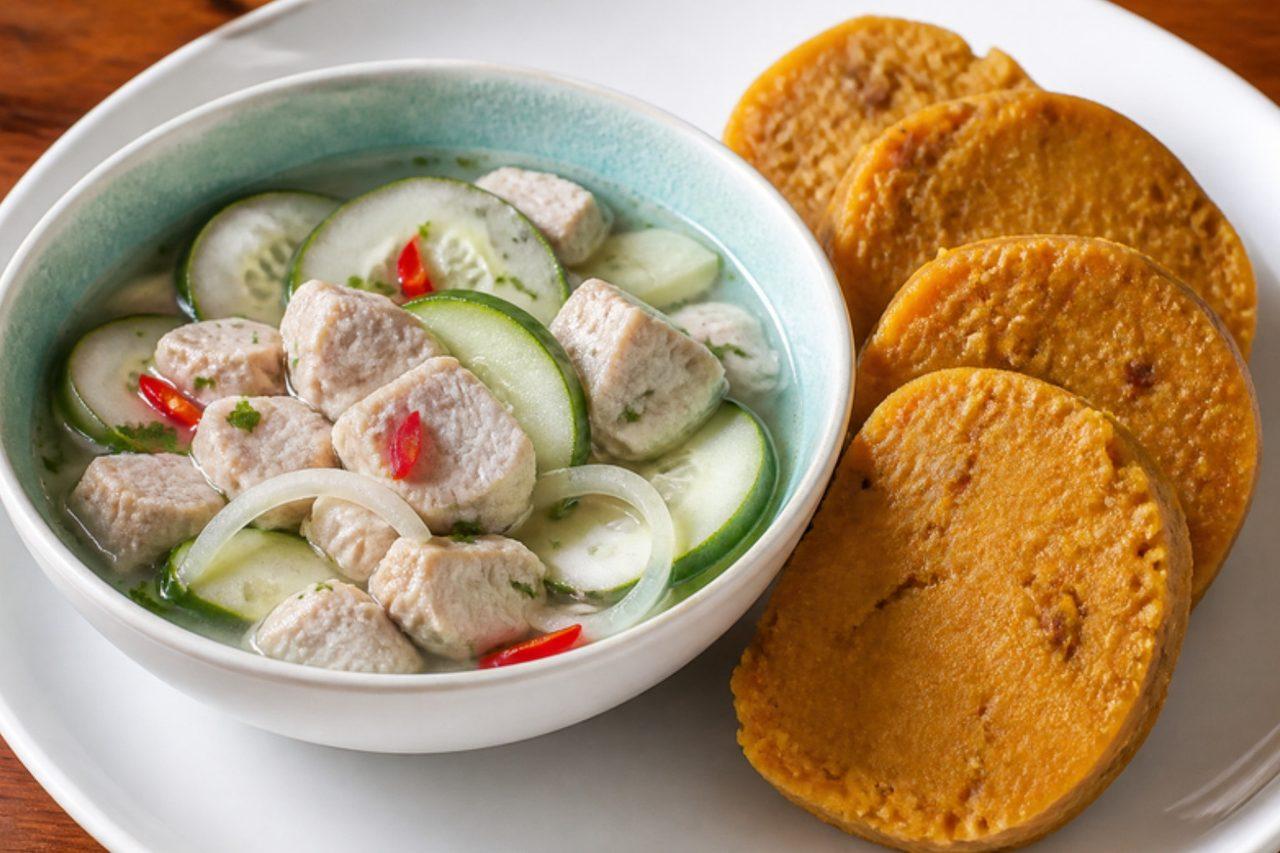
Saturday in Barbados means pudding and souse: rum shops and roadside cooks sell it from late morning, and families buy it by the container for lunch. Souse is boiled pork, traditionally from the head and trotters, served cold in a sharp, cucumber-studded pickle of lime, onion and hot pepper; the pudding is grated sweet potato seasoned with herbs and steamed. This is a pork dish. This home version uses trotters for the jelly-rich texture plus shoulder for meat, and steams the pudding in a basin instead of a casing; blood is left out (that darker version is black pudding). A common mistake is serving the souse as soon as it meets the pickle; it needs at least 2 hours in the fridge to turn sharp and cold. Chef's tip: grate the sweet potato on the fine side of the grater; coarse shreds make a crumbly pudding.

190 minBajanMeatGluten free
by KrazyBadal 1 views

Khua klingDry-fried spicy minced pork

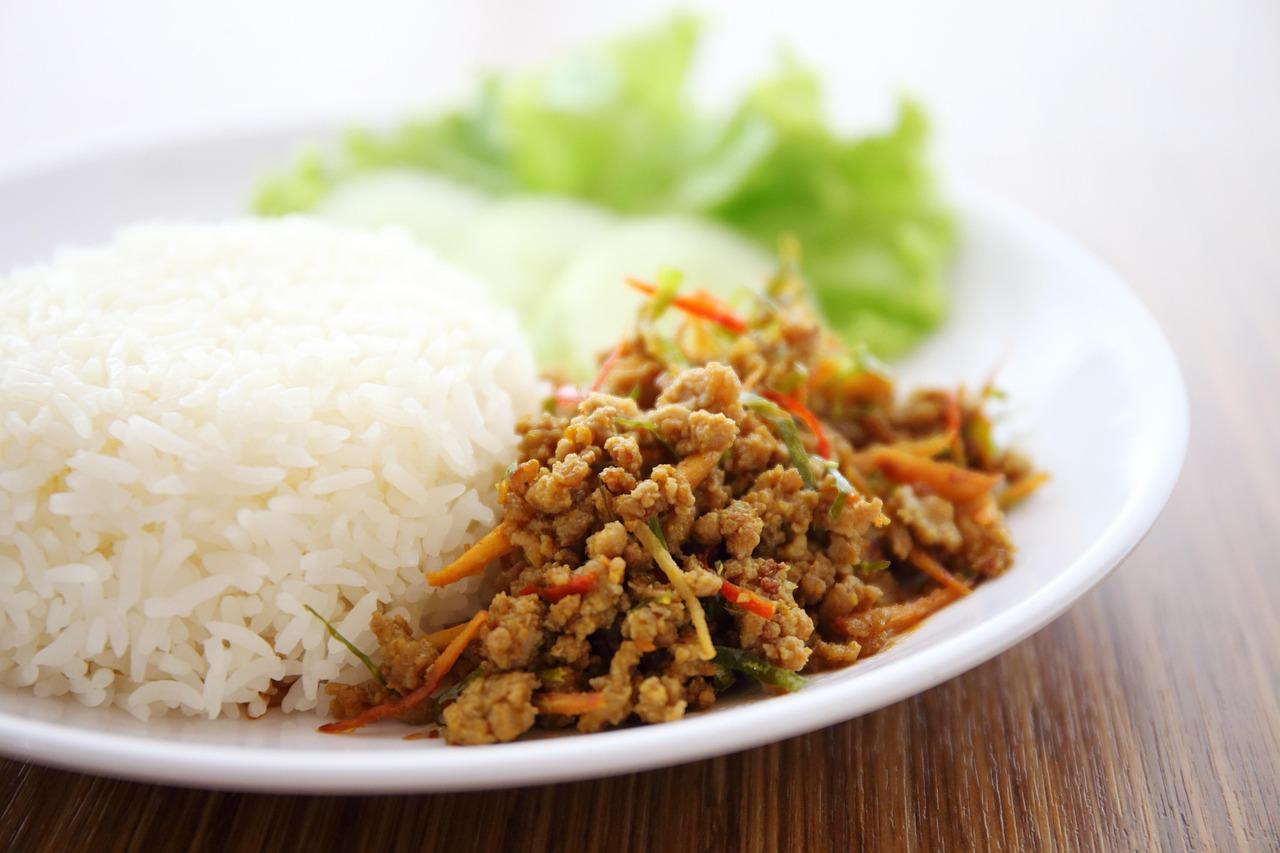
Ask for this at a rice-and-curry shop in Phuket or Hat Yai and it comes as a small, dark heap beside your rice, smelling of lime leaf and black pepper and hot enough to bring tears. There is no sauce at all: minced pork or beef is fried with a turmeric-heavy southern paste until every crumb is dry, separate and coated in spice. The heat is fierce, so it is always eaten with jasmine rice, sliced cucumber, raw long beans and herbs to cool the mouth. It also keeps well for a couple of days and is excellent cold in a lunchbox. Chef's tip: keep stirring and pressing the meat against the hot wok at the end; the name means 'roll and roast', and that last dry-frying is what makes it.

25 minThaiMeatGluten freeSpicy
by KrazyBadal 0 views

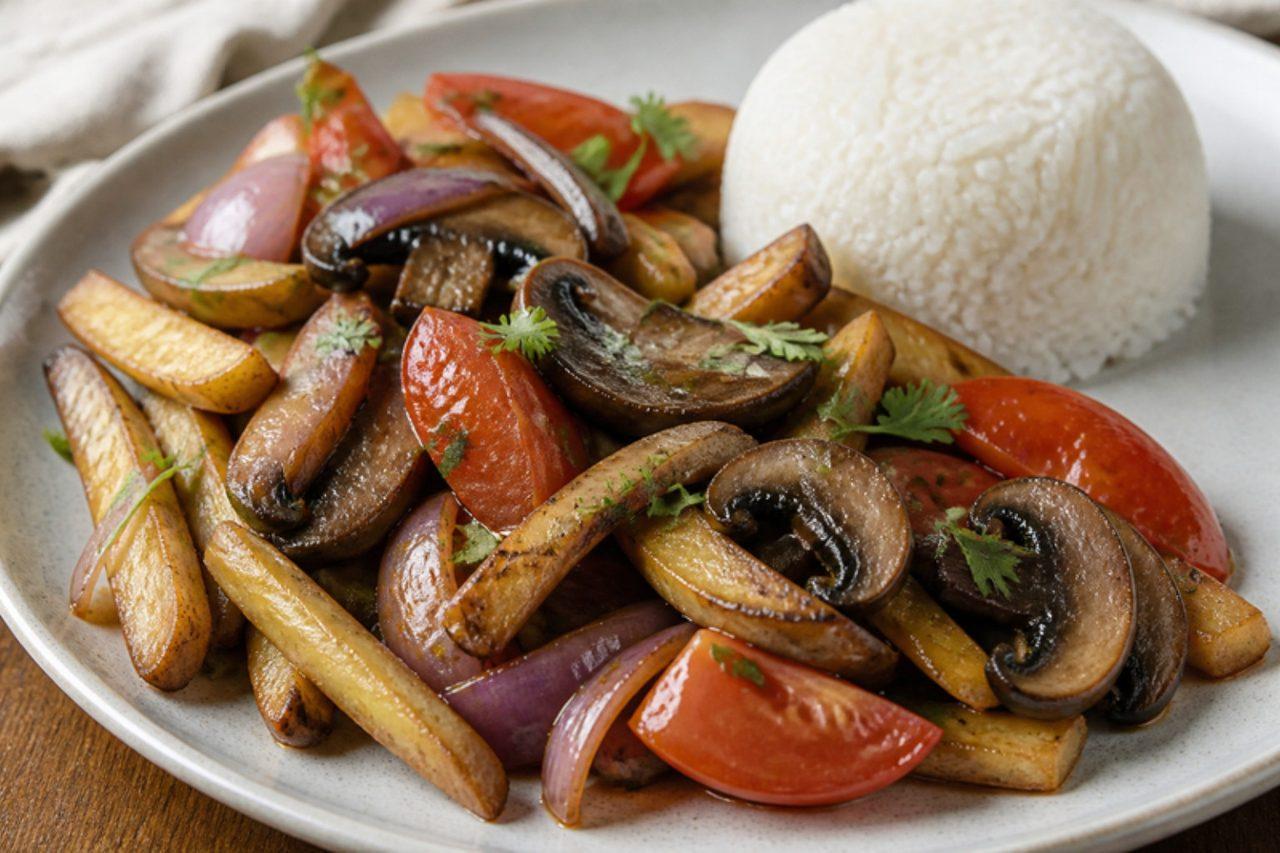
Vegetable saltadoWok-fried vegetables

Saltado comes from Lima's chifa tradition, the cooking of Chinese-Peruvian families who brought the wok to Peru in the nineteenth century. The famous version is lomo saltado with beef; this saltado de verduras uses meaty mushrooms in its place. Thick wedges of red onion and tomato are tossed over a fierce flame with garlic, ají amarillo, soy sauce and a splash of vinegar until just wilted, so the vegetables keep their shape and the pan juices turn smoky and savoury. It is always served with both chips and white rice, which soak up those juices. Chef's tip: cook in two batches if your pan is small; a crowded wok steams the vegetables instead of searing them, and the tomatoes collapse into soup.

by KrazyBadal 0 views

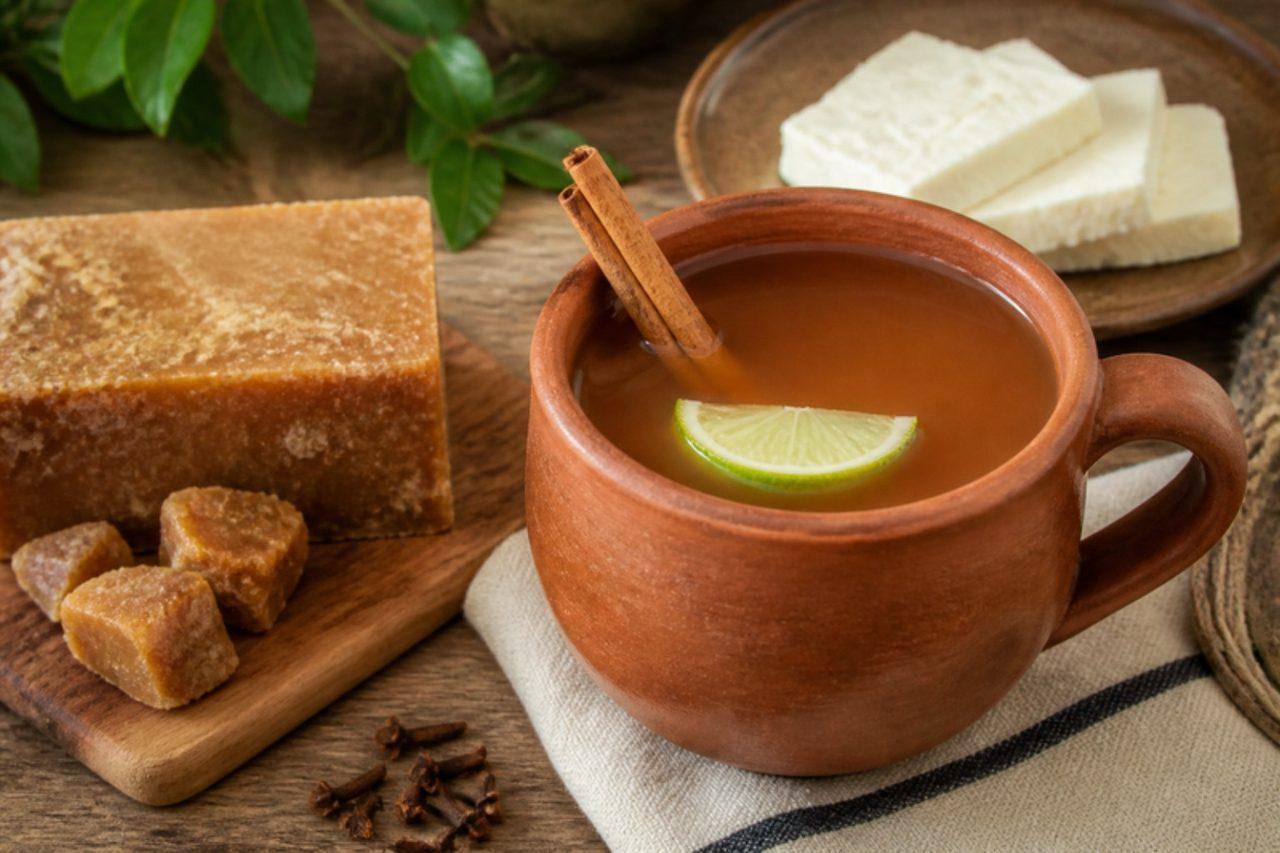
AguapanelaHot panela and lime drink

Aguapanela is simply panela (unrefined cane sugar) dissolved in water, yet it is one of Colombia's most loved drinks: drunk hot at breakfast in Bogotá and the Andes with a slice of fresh cheese dropped in to melt, given to children with a cold, and served iced with lime in the hot lowlands. This page is the hot version; the cold, lime-heavy cousin is Venezuela's papelón con limón. Chef's tip: simmer the panela gently until it dissolves completely and the drink smells of caramel; rushing it leaves sugary lumps at the bottom.

by KrazyBadal 0 views

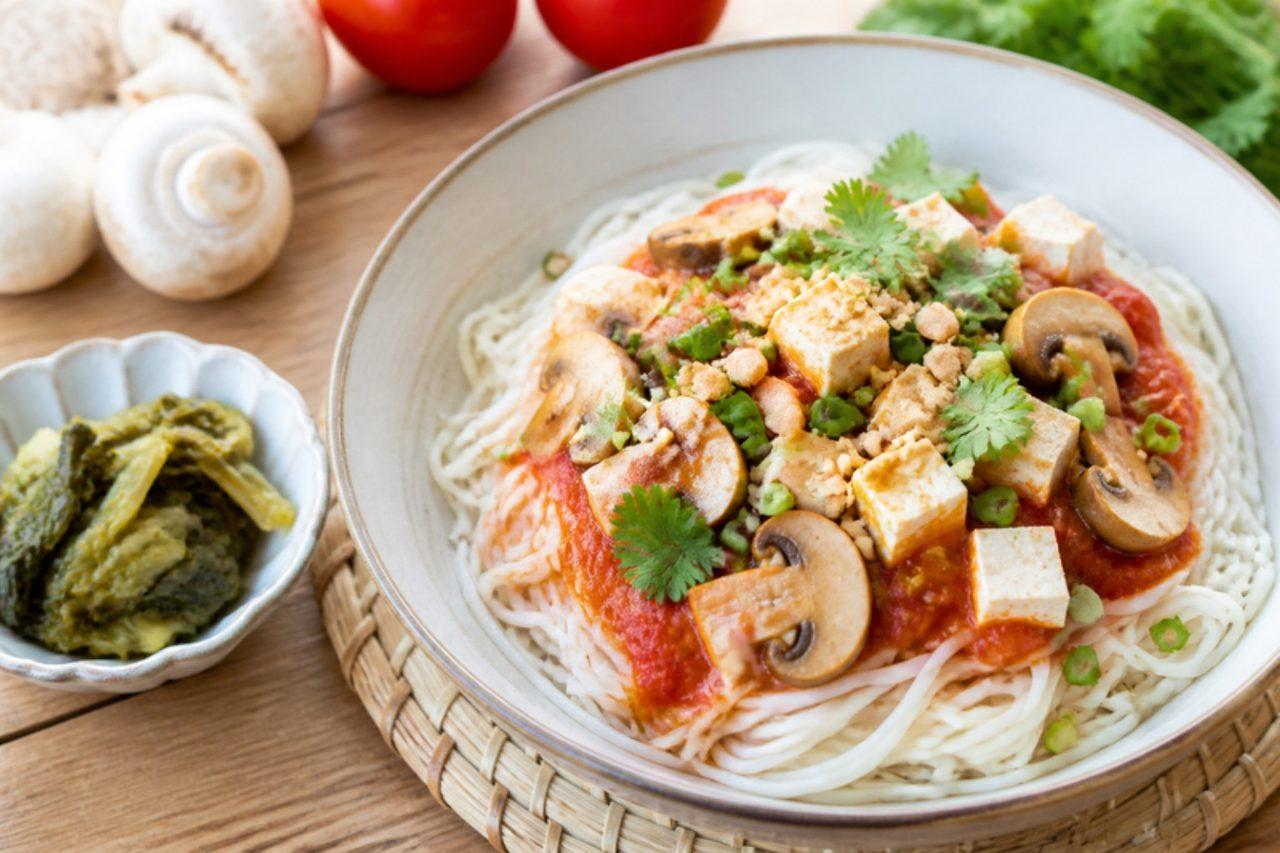
Vegetable Shan noodlesRice noodles with tomato sauce

Shan khao swe comes from the hills of Shan State in eastern Myanmar, where it's eaten for breakfast at markets around Inle Lake and Taunggyi before the day's work begins. Sticky rice noodles are tossed with a garlicky tomato sauce, sesame oil and crushed peanuts, then served with pickled mustard greens and a small bowl of clear broth on the side. Markets usually make the sauce with chicken or pork; here mushrooms and tofu give it the same savoury depth. Chef's tip: cook the tomatoes down until the oil separates and the sauce turns jammy; a watery sauce slides off the noodles and tastes flat.

by KrazyBadal 0 views

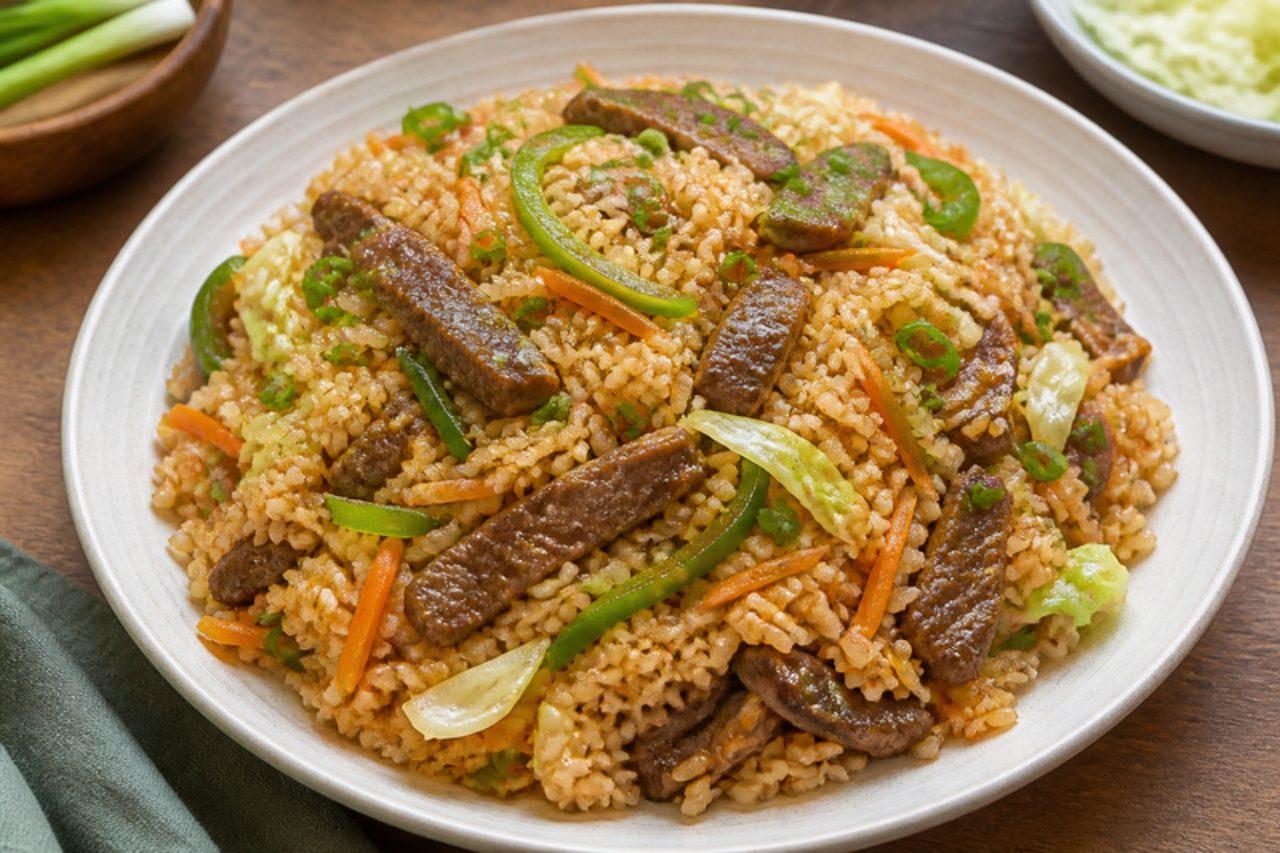
Budaatai khuurgaFried rice with beef

Budaatai khuurga is the fried rice of Ulaanbaatar's guanz, the small canteens where office workers and students eat lunch: day-old rice tossed in a hot pan with strips of beef or mutton, carrot, onion, peppers and a splash of soy. It is quick, filling and often served with a fried egg and pickled cabbage salad. The mistake is using freshly cooked warm rice, which clumps; cold, cooked rice fries into separate grains. Chef's tip: cook rice the day before and keep it covered in the fridge, which is also the safe way to store it.

by KrazyBadal 0 views

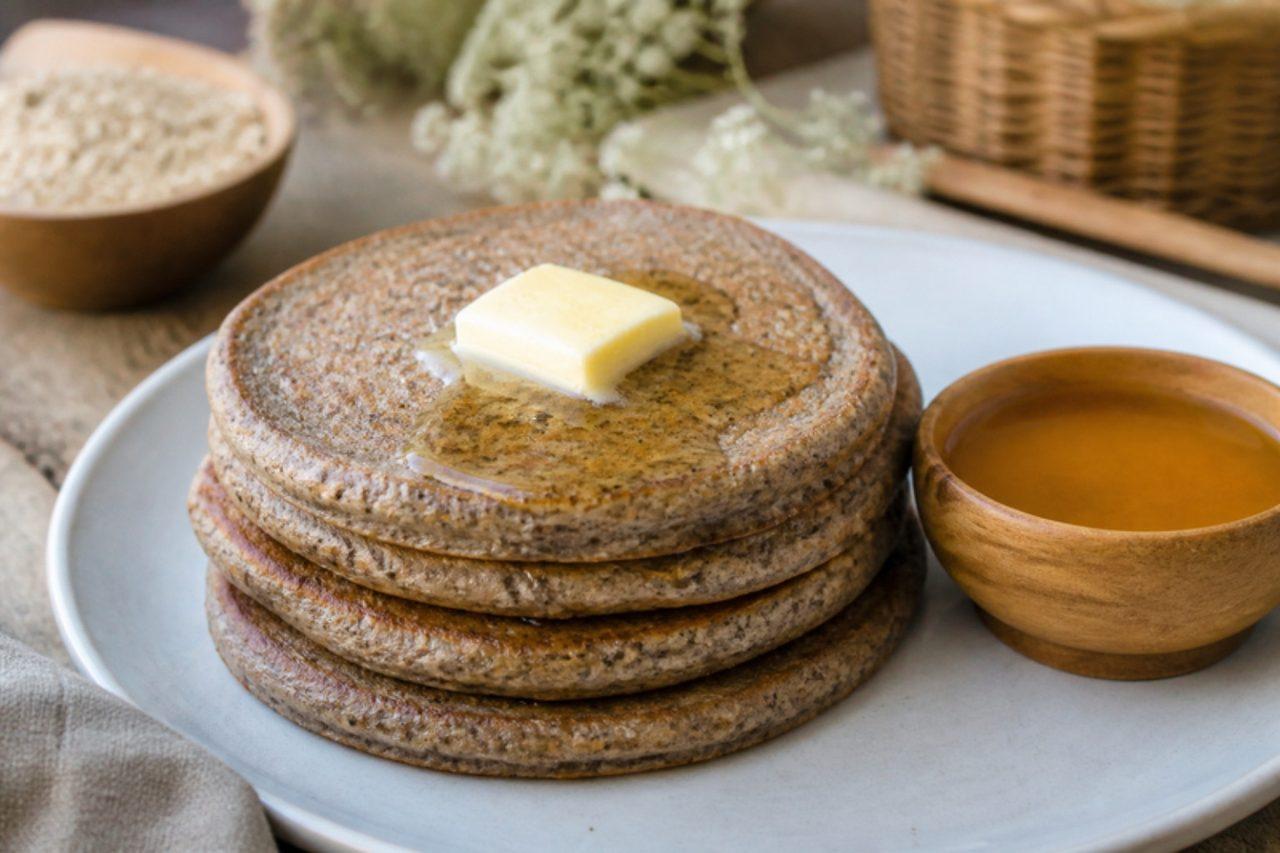
KhuraBuckwheat pancakes

Khura are the buckwheat pancakes of the Monpa people of Tawang and West Kameng, high in Arunachal Pradesh, where buckwheat grows better than wheat. A thick, egg-enriched batter of buckwheat flour is cooked into soft, spongy pancakes for breakfast, eaten with butter tea, chilli-cheese chutney (chamin) or vegetable curry. They are earthy, slightly sour and filling on a cold morning. Chef's tip: let the batter stand for 20 minutes; buckwheat absorbs water slowly and the pancakes hold together much better.

by KrazyBadal 0 views

Maple-glazed salmon

On Canada's Pacific coast, from Vancouver to Haida Gwaii, wild salmon is the fish of summer and autumn, and a glaze of maple syrup from the east brings two Canadian staples together on one plate. The fillets are brushed with maple syrup, mustard, soy and garlic and roasted until just cooked, with a sticky, glossy top; serve them with rice, new potatoes or a green salad. Many British Columbians cook it on a soaked cedar plank on the barbecue for a smoky flavour. The mistake is overcooking salmon until it is dry and chalky; take it out when it just flakes. Chef's tip: line the tray with baking paper, as the maple glaze burns onto a bare tin.

by KrazyBadal 0 views

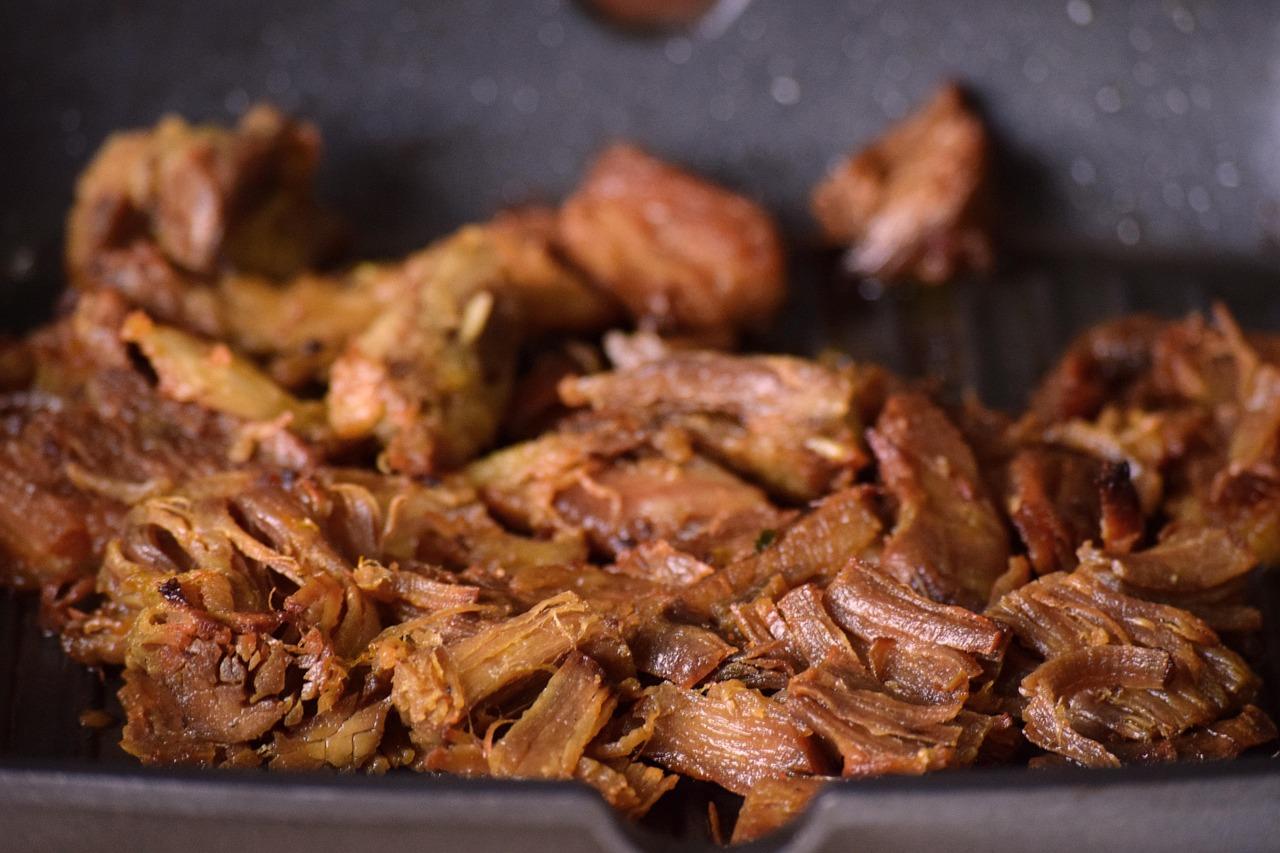
Kalua pork

Kalua pig is the heart of a Hawaiian lū'au: a whole pig wrapped in ti and banana leaves and cooked all day in an imu, an underground oven, until it falls apart, smoky and salty. This dish contains pork. Families across O'ahu and the other islands make this simpler version at home with pork shoulder, coarse sea salt and a little liquid smoke, wrapped and slow-roasted. It is served with rice, poi or cabbage, or in sliders. The mistake is using fine table salt in the same amount; it makes the pork far too salty, so use coarse sea salt. Chef's tip: stir a little of the cooking juice back into the shredded pork so it stays moist.

by KrazyBadal 0 views

KhuushuurFried mutton pasties

Khuushuur are the flat, crescent-shaped pasties sold hot from stalls at Naadam, the July festival of wrestling, archery and horse racing, and fried in Mongolian homes all summer: thin dough round a filling of minced mutton, onion and garlic, fried until blistered and crisp. People hold them in a napkin and bite through to the juicy filling. The mistake is rolling the dough thick; it should be thin so it crisps quickly while the meat cooks. Chef's tip: press out all the air before sealing, or the pasties balloon and burst in the oil.

by KrazyBadal 0 views

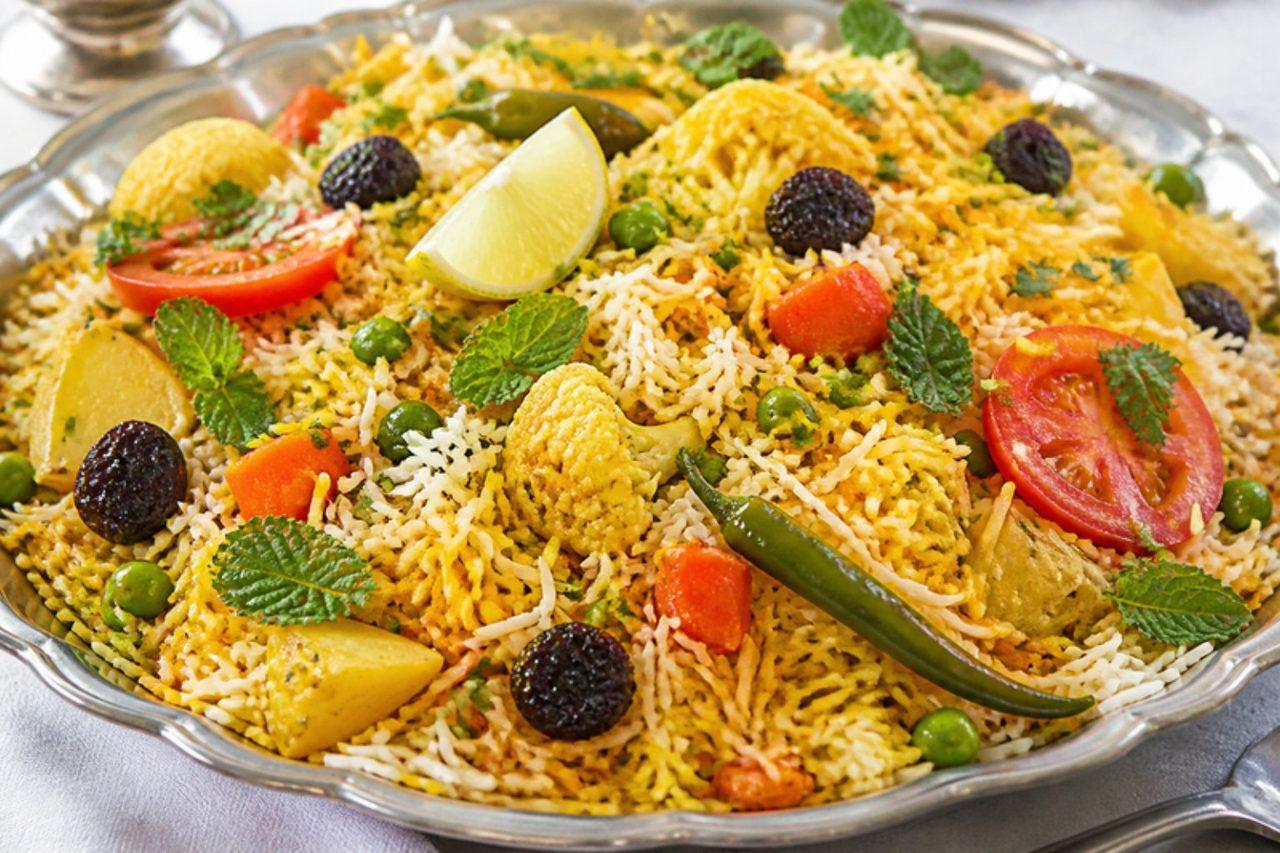
Vegetable Sindhi biryaniLayered vegetable biryani

Sindhi biryani is the biryani of Karachi, Hyderabad and the rest of Sindh, and it is the one people order by the deg (a huge pot) for weddings, Eid lunches and every big family gathering. What makes it Sindhi is the tang and the heat: plenty of tomatoes, yogurt, whole green chillies and sour dried plums (aloo bukhara) in the masala, with chunks of potato that soak up all of it. This vegetable version keeps all of that and swaps the meat for potato, carrot, cauliflower and peas, layered with half-cooked basmati, fried onions, mint and saffron milk, then steamed shut. A common mistake is boiling the rice until soft before layering; take it out when a grain still has a firm white core, because it finishes in the steam. Chef's tip: fry the onions until deep brown but not black, and keep the oil they fried in; it carries their flavour into every layer.

by KrazyBadal 0 views

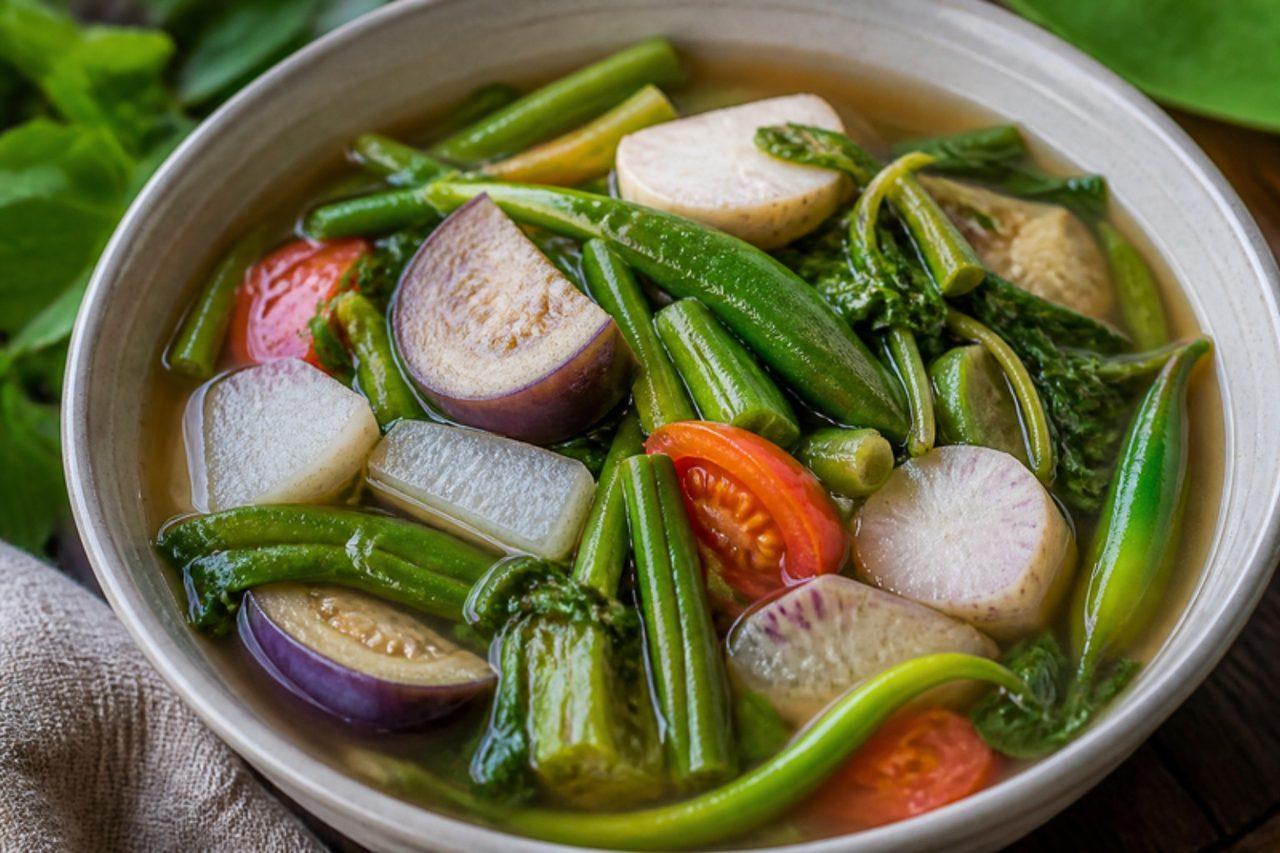
Vegetable sinigangSour tamarind vegetable soup

Sinigang is the sour soup that Tagalog families crave when the monsoon arrives between June and October, when rain hammers the tin roofs and a steaming bowl next to rice feels like the only sensible lunch. The sourness traditionally comes from young tamarind (sampalok) boiled and mashed into the broth, and the vegetables are whatever the market has: white radish, taro to thicken the soup slightly, okra, yard-long beans, aubergine and a final handful of water spinach. This vegetarian sinigang na gulay skips the pork or fish and relies on the tamarind, tomato and onion for flavour. The broth should make you pucker a little on the first sip. Chef's tip: add the tamarind in stages and taste between each, since blocks of tamarind vary a lot in sourness.

by KrazyBadal 0 views

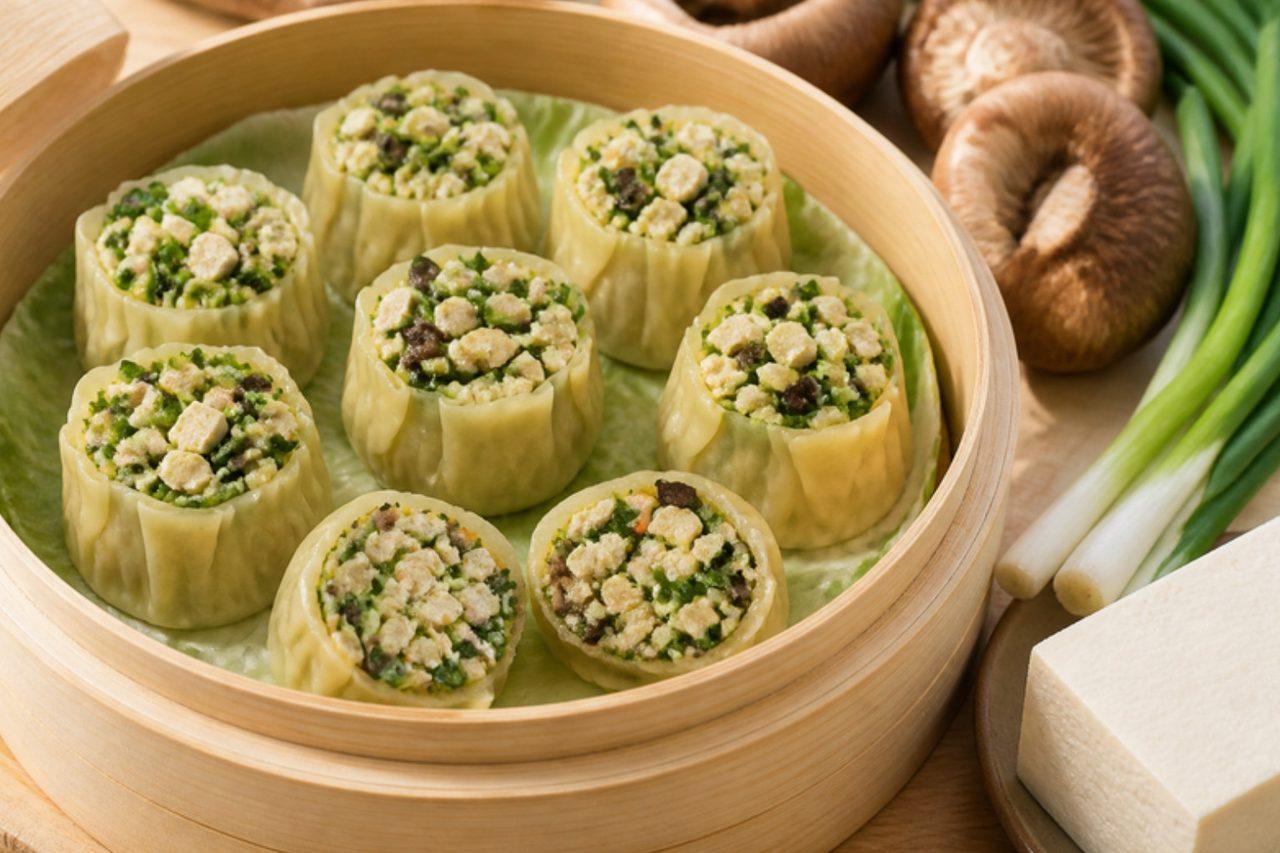
Vegetable siu maiOpen-topped vegetable dumplings

Siu mai are among the first baskets wheeled past at Cantonese dim sum in Guangzhou's tea houses, where people meet over yum cha on weekend mornings. The classic is pork and prawn; this one is packed with shiitake, tofu, crunchy water chestnut and carrot, with a dot of diced carrot on top in place of fish roe. Steam them in a bamboo basket and serve with chilli oil and soy. Chef's tip: squeeze the wrapper into a 'waist' with your thumb and finger and flatten the base on the board, so they stand up straight in the steamer.

by KrazyBadal 0 views

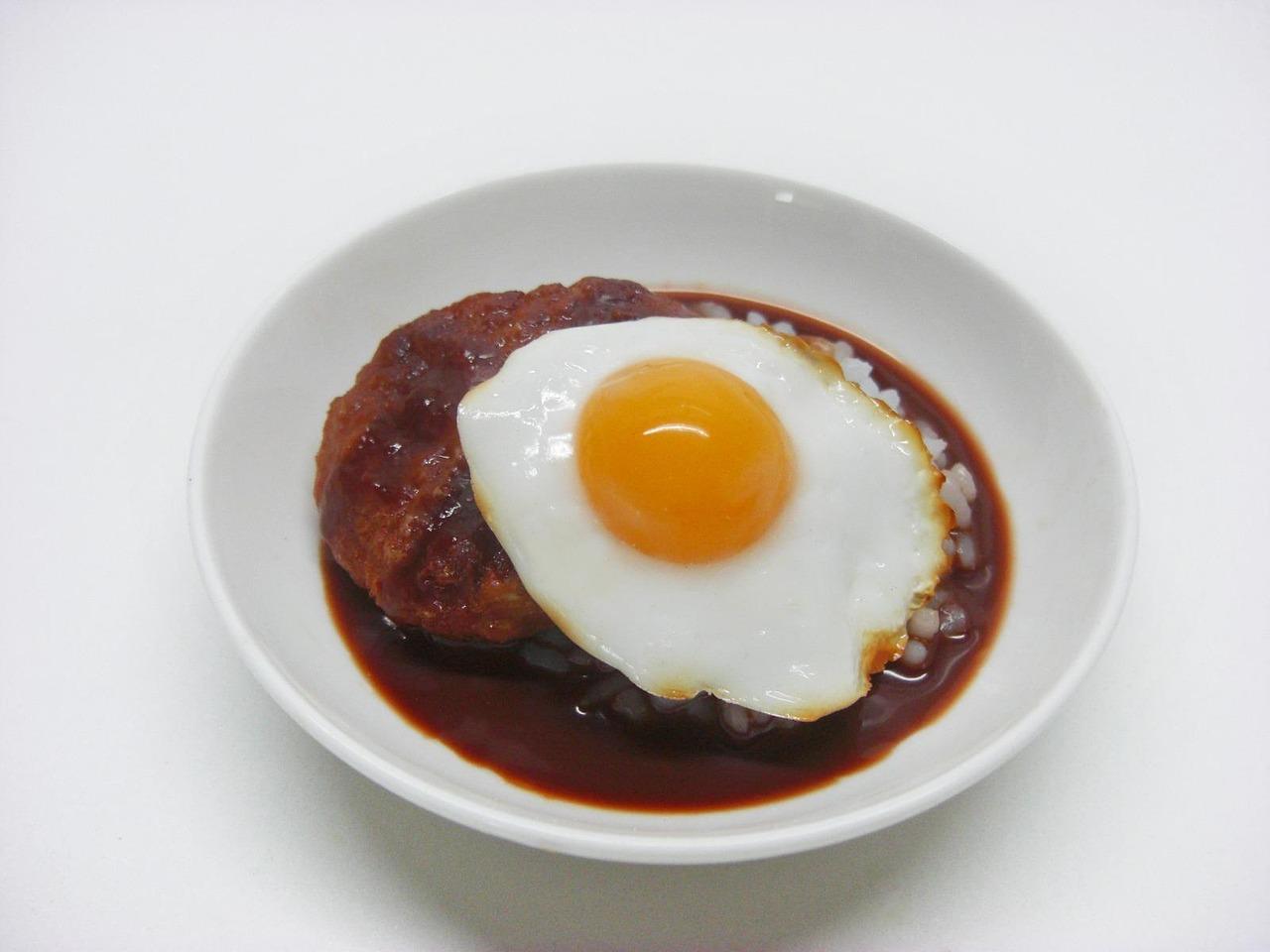
Loco moco

Loco moco was first served in 1949 at the Lincoln Grill in Hilo, on Hawai'i's Big Island, as a cheap, filling meal for teenagers, and it is still the plate-lunch classic across the islands: white rice topped with a beef burger patty, a fried egg and a generous ladle of brown gravy. People eat it for breakfast, lunch or late at night with a scoop of macaroni salad. The mistake is a thin, floury gravy; cook the flour in the beef fat until it browns before adding the stock. Chef's tip: press a dimple into the centre of each patty so it stays flat as it cooks.

by KrazyBadal 0 views

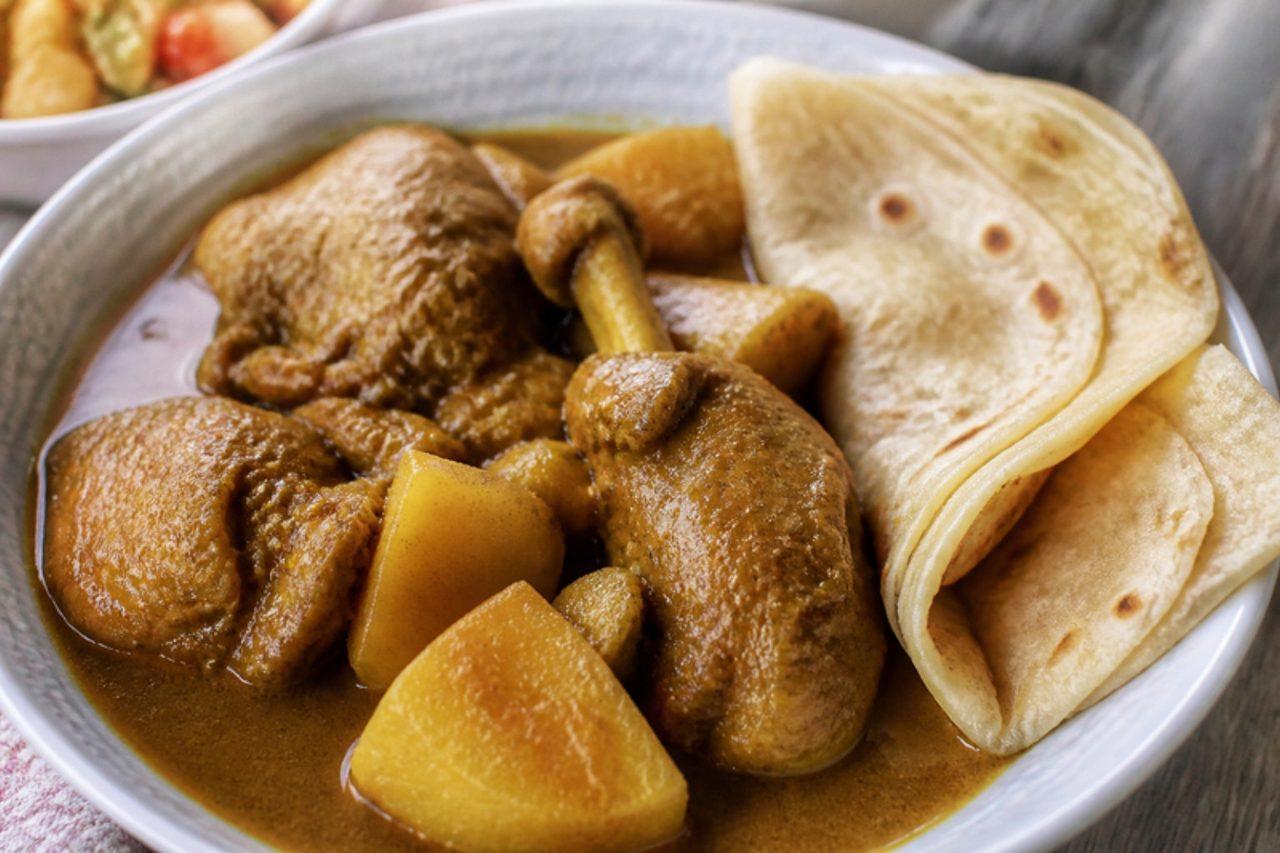
Guyanese chicken curry

In Guyana, Sunday is curry day in Indo-Guyanese homes from Berbice to the East Coast Demerara, and chicken curry with roti or rice is the classic. Its flavour comes from a green seasoning of herbs, garlic and wiri wiri pepper, and from geera (roasted cumin), with the curry powder fried until almost dry before the chicken goes in. The mistake is adding the chicken before the curry paste is properly cooked ("bunjayed"), which leaves a raw, dusty taste. Chef's tip: finish with a sprinkle of toasted geera and let the curry rest for 10 minutes before serving.

by KrazyBadal 0 views

Ecuadorian shrimp ceviche

Unlike Peru's raw-fish ceviche, the ceviche of Ecuador's coast, from Manta to Esmeraldas, is usually made with prawns that are briefly cooked first, then soaked in a juicy, soupy mix of lime, orange, tomato, red onion and coriander. It is served in a glass bowl with its juice, alongside popcorn, plantain chips and sometimes a dash of ketchup and mustard, as people do at Guayaquil's cevicherías. Because the prawns are cooked, it is a safer choice than raw-fish ceviche, but keep it cold and eat it the same day. The mistake is overcooking the prawns so they turn rubbery: one minute in the boiling water is enough. Chef's tip: save the prawn cooking water and add a few spoonfuls to the juice; it gives the ceviche its sweetness.

30 minAndeanFishGluten free
by KrazyBadal 0 views

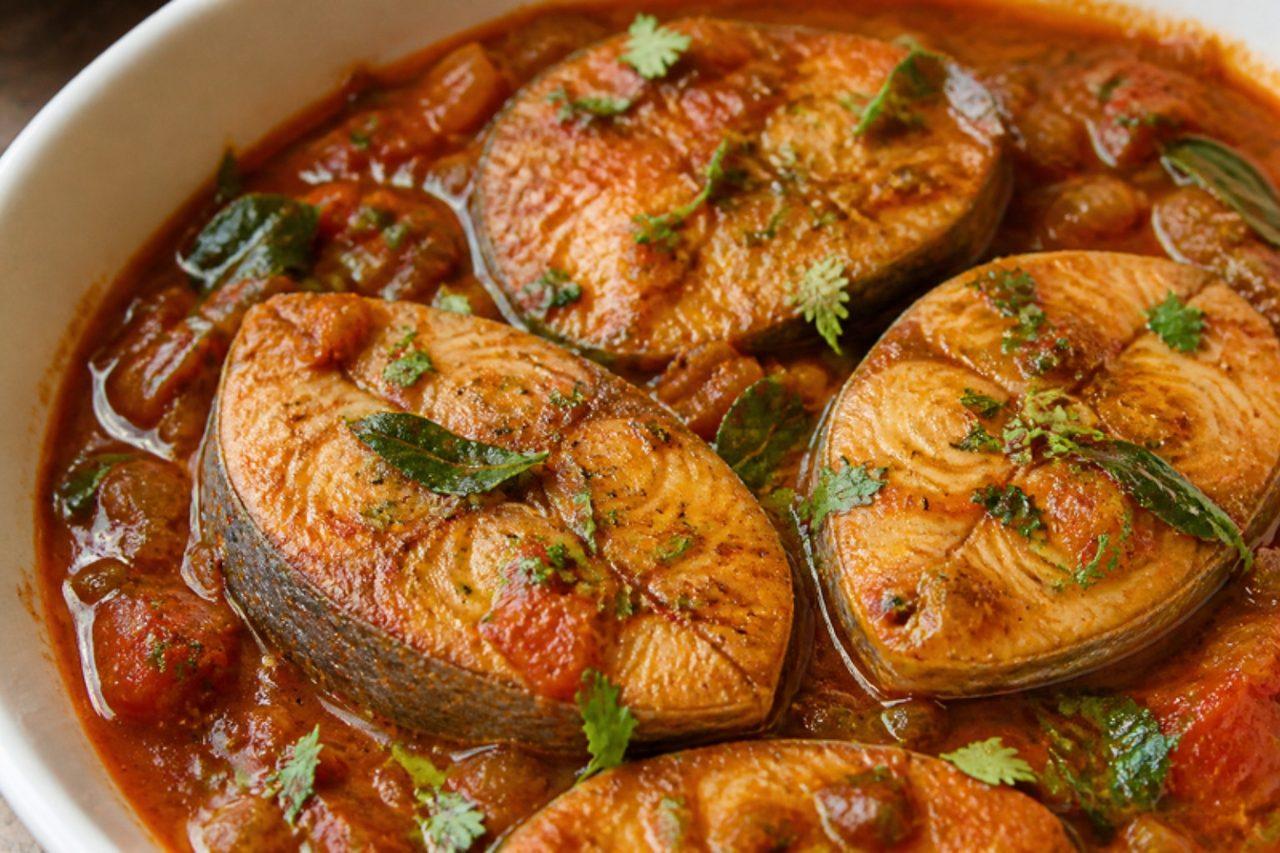
Mauritian fish curry

Cari poisson is cooked in Mauritian homes from Port Louis to the fishing villages of Mahébourg, a curry where Indian spice meets Creole herbs: pieces of firm fish are first fried, then simmered in a sauce of tomato, onion, curry powder, curry leaves and thyme. It is eaten with rice, lentils (dholl) and a spoon of chilli pickle. The mistake is putting raw fish into the sauce, which makes it fall apart; frying it first keeps it firm. Chef's tip: toast the curry powder in oil until it smells nutty before the tomatoes go in.

by KrazyBadal 0 views

Vegetable Uzbek plovVegetable pilaf

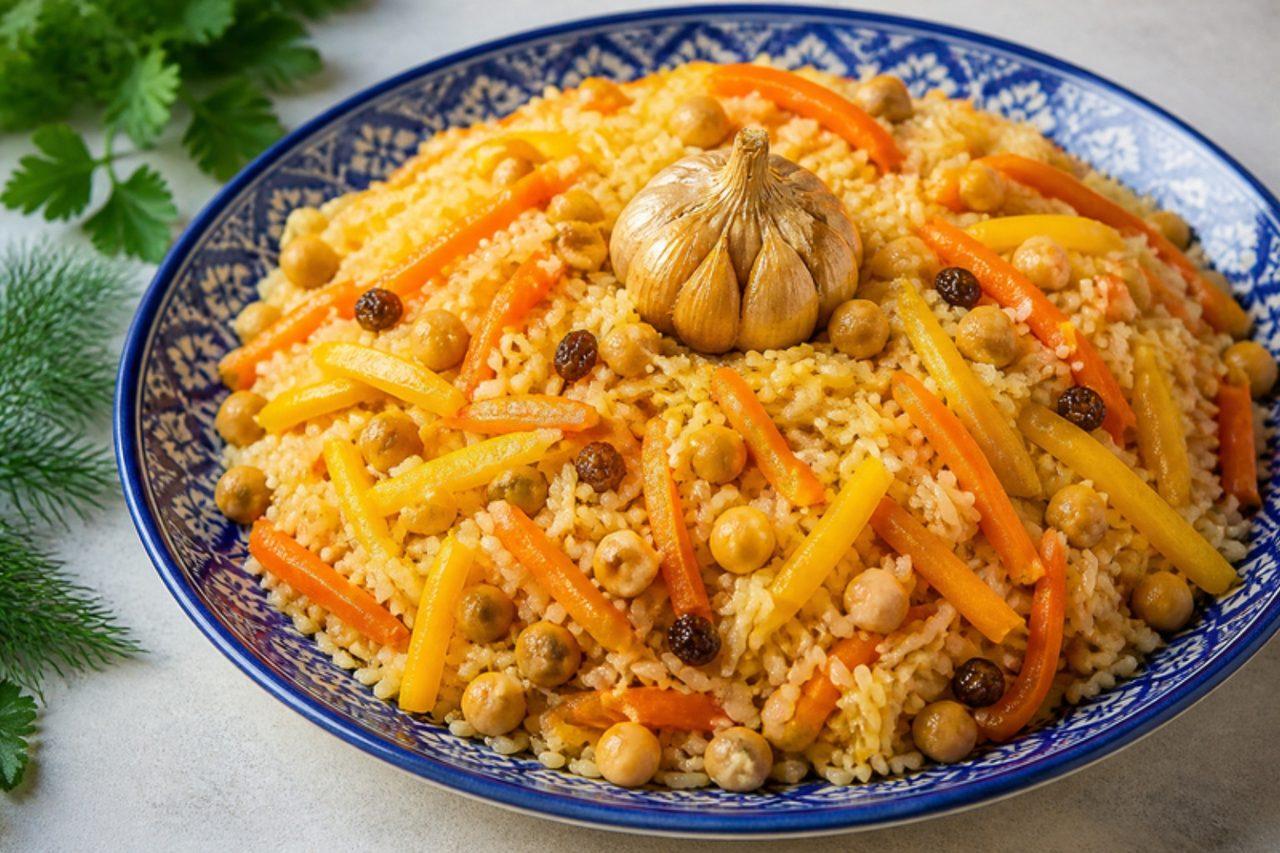
Plov (osh) is the dish Uzbeks cook for weddings, for Friday lunch and for guests, traditionally by men over a fire in a wide cast-iron kazan. Tashkent, Samarkand and Bukhara each have their own style, but all are built the same way: a zirvak (base) of onions and long strips of carrot fried in oil, rice laid on top and steamed until every grain is separate and glossy. This vegetarian version keeps the zirvak and swaps the meat for chickpeas (nohat), whole heads of garlic and barberries, as in Samarkand's chickpea plov. For the classic meat version, lamb or beef is browned in the oil before the onions and simmered in the zirvak for 40 minutes. Serve with achichuk. Chef's tip: hunt out yellow carrots from Central Asian or Turkish grocers; they are sweeter and less watery than orange ones and give plov its honeyed colour.

by KrazyBadal 0 views

Kisumu fried tilapia

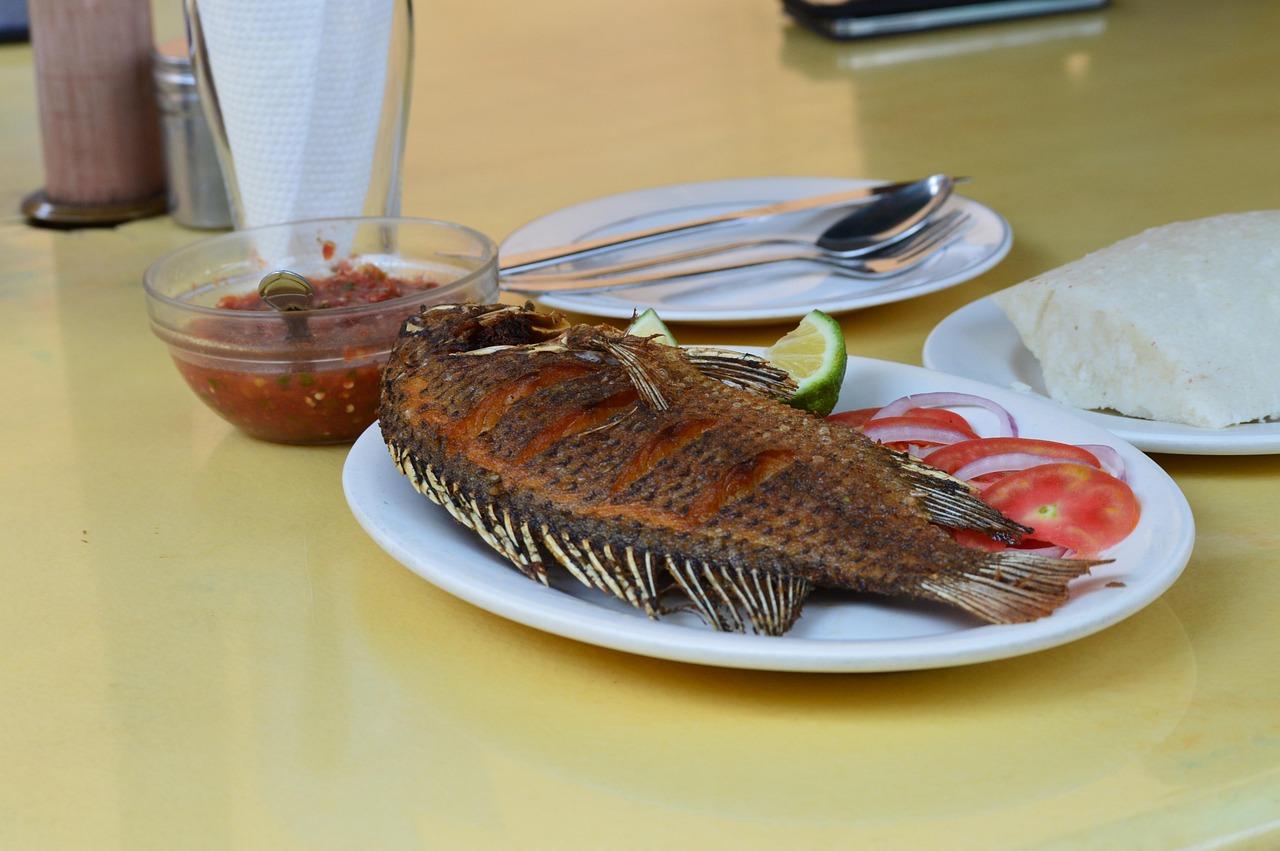
On the shores of Lake Victoria at Kisumu's Dunga beach and in the fish kiosks of Kampala and Mwanza, tilapia comes straight from the boats, is scored, rubbed with salt, garlic and lemon and deep-fried whole until the skin is crackling. It is served with a block of ugali, sukuma wiki (braised kale) and kachumbari, and eaten with your hands, pulling the sweet flesh off the bone. The mistake is frying a wet fish in oil that isn't hot enough, which makes it greasy and stick; dry it well and wait for 180 °C. Chef's tip: dust the fish lightly with cornflour just before frying for an extra-crisp skin.

by KrazyBadal 0 views

Mozambique peri-peri prawns

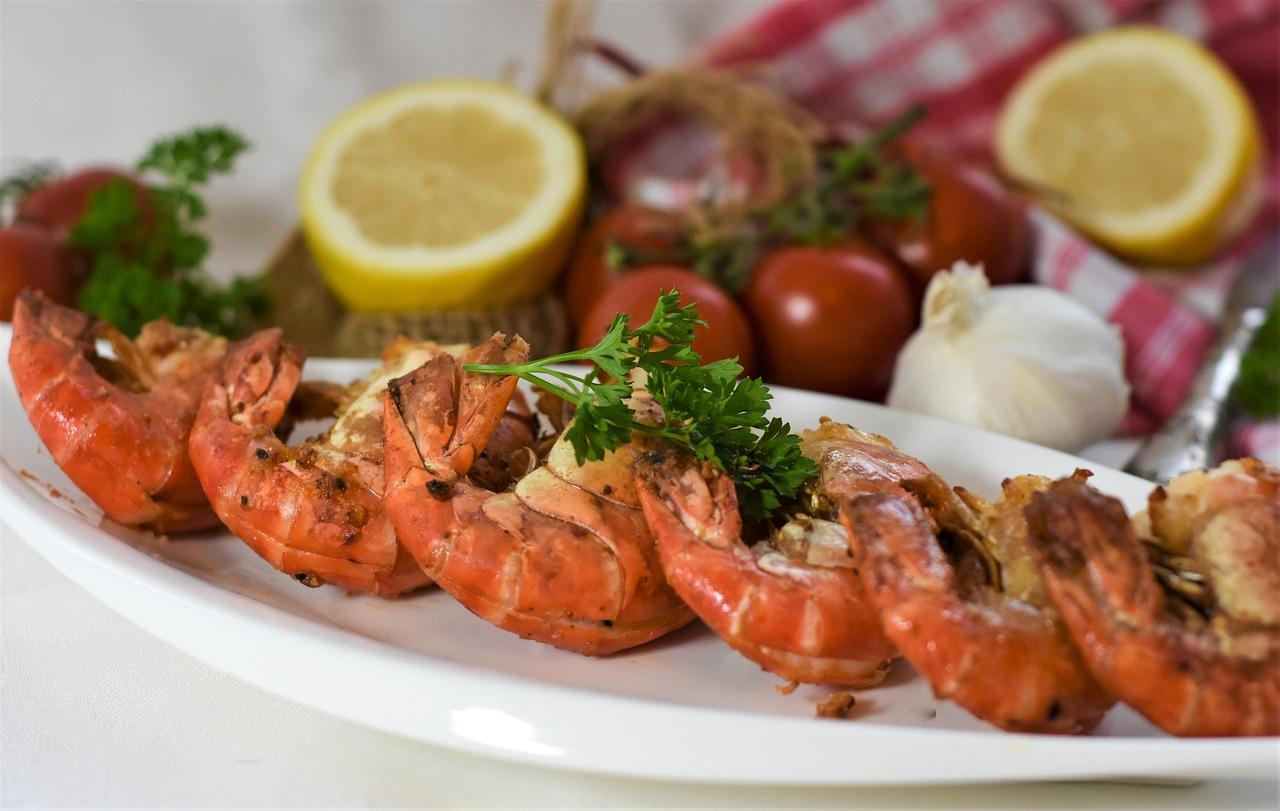
Maputo's waterfront restaurants and the beach shacks of Inhambane and Vilanculos are famous for their prawns: big shell-on prawns split down the back, painted with a sauce of piri-piri chilli, garlic, lime and butter and grilled over coals until the shells blister. You eat them with your fingers, sucking the sauce off the shells, with bread or chips. The mistake is overcooking, which turns them rubbery; they need only 2–3 minutes a side. Chef's tip: split the prawns through the shell and remove the dark vein, so the sauce gets right into the flesh.

by KrazyBadal 0 views

Kik alichaMild yellow split pea stew

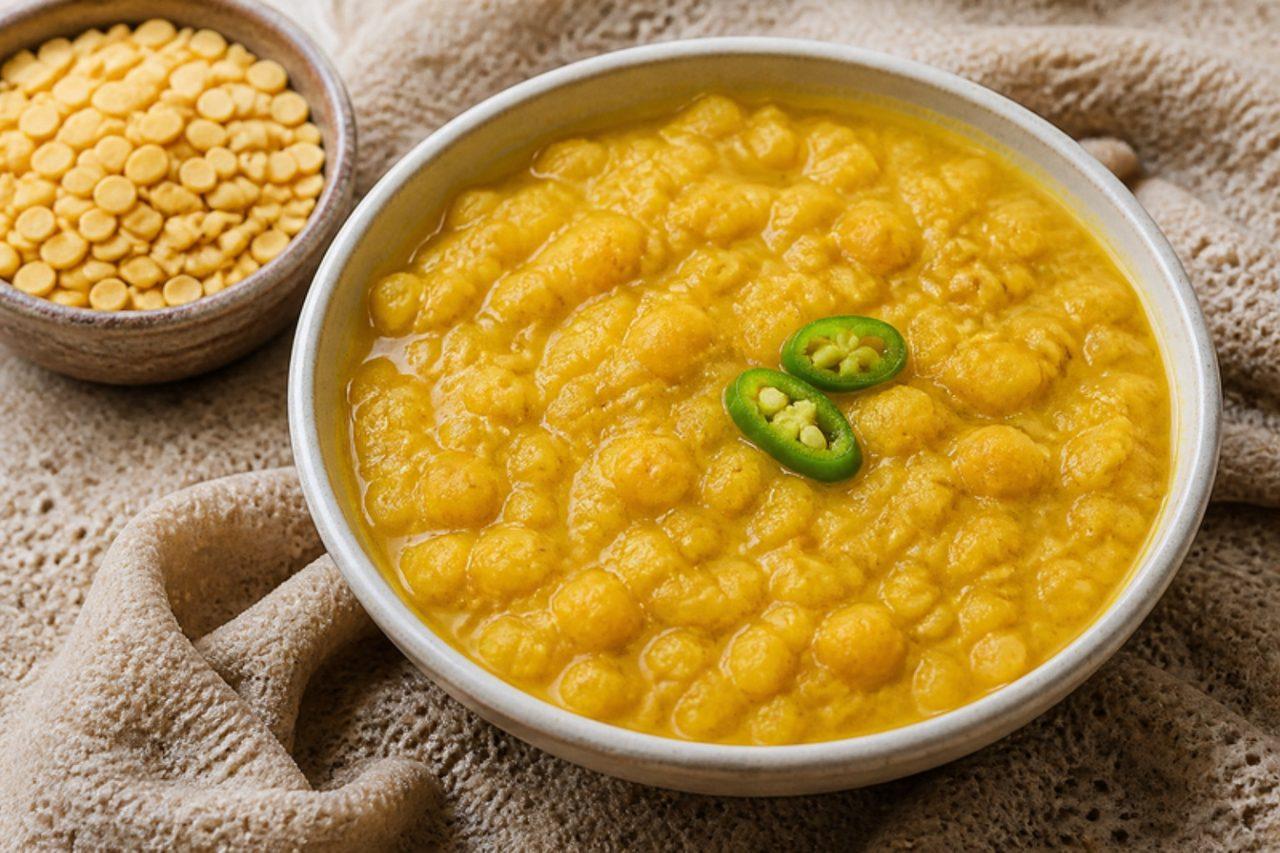
Kik alicha is the gentle golden stew on Ethiopian platters: 'alicha' means a mild dish made without berbere, so it is coloured with turmeric instead and flavoured with garlic, ginger and onion. Cooks in the Amhara highlands and in Addis make it all through the fasting seasons, and it sits next to fiery shiro and misir wat to cool things down. Yellow split peas are simmered until they collapse into a thick, smooth purée. Chef's tip: stir it regularly towards the end; split peas thicken suddenly and catch on the bottom of the pan.

by KrazyBadal 0 views

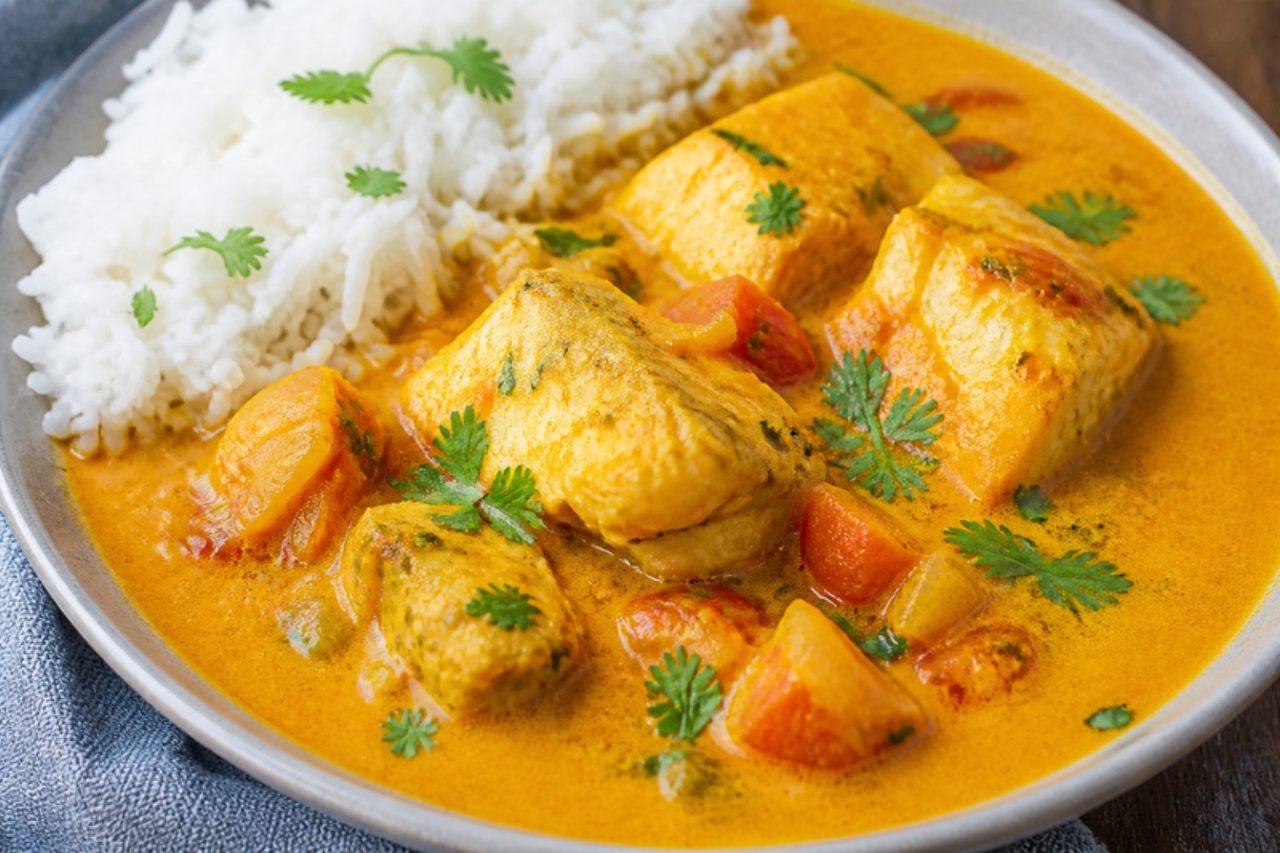
Zanzibar fish curry

Mchuzi wa samaki is cooked in homes all along the Swahili coast, from Mombasa and Lamu to Stone Town in Zanzibar, where the spice trade left cumin, cardamom and turmeric in every kitchen. Firm fish simmers briefly in a sauce of tomato, onion and coconut milk soured with tamarind, and it is eaten with plain rice or chapati. The mistake is stirring once the fish is in, which breaks it up; shake the pan gently instead. Chef's tip: rub the fish with turmeric, lime and salt for 15 minutes first, which firms it and seasons it all the way through.

by KrazyBadal 0 views

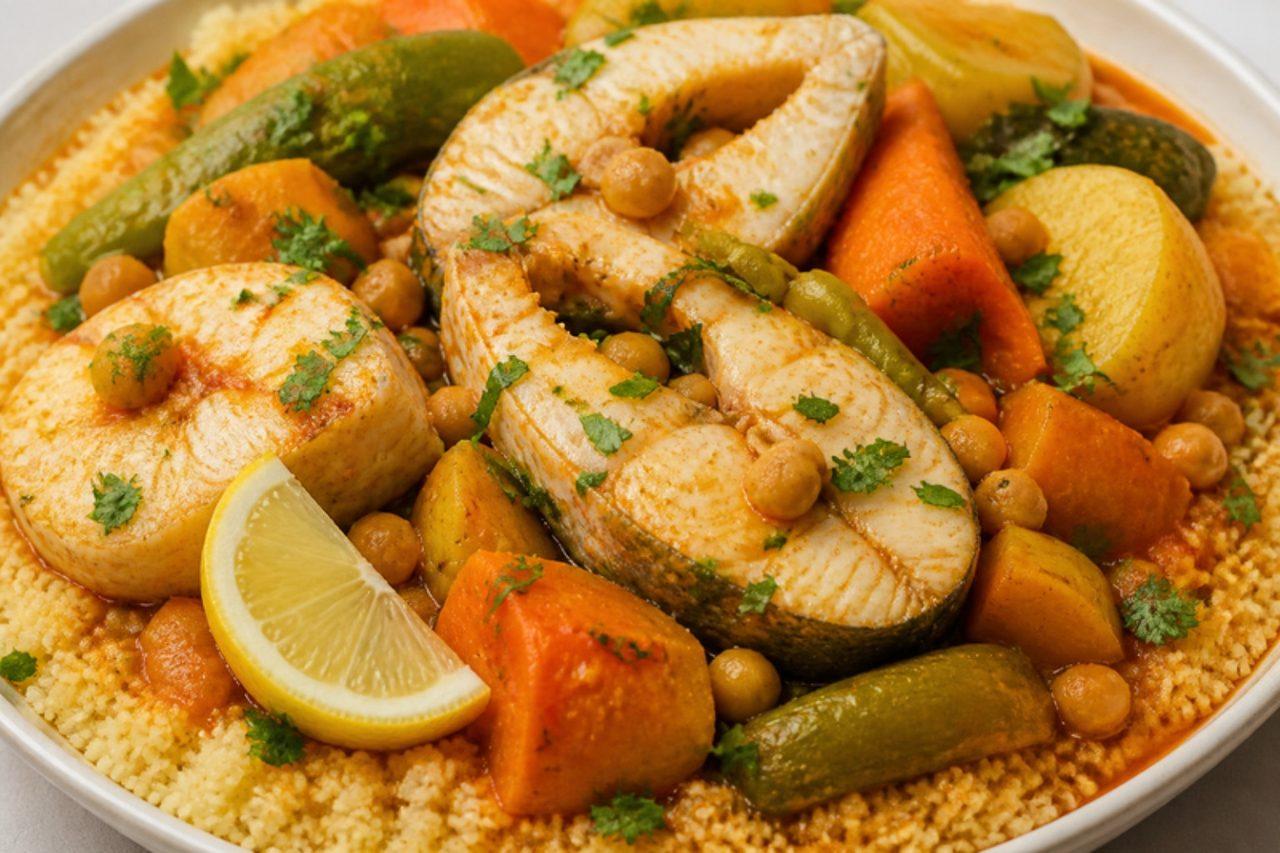
Tunisian fish couscous

On Tunisia's coast, especially in Sfax, Mahdia and the fishing towns of Cap Bon, couscous for Friday lunch is made with fish instead of meat: a red, peppery broth of tomato, harissa and caraway in which the vegetables cook first and the fish is poached at the end, while the couscous steams on top. The broth is ladled over the grains at the table until they glisten. The mistake is boiling the fish too long, so it breaks into the broth; poach it gently for the last 10 minutes only. Chef's tip: oil and rub the couscous between your palms before and after the first steaming so every grain stays separate.

105 minTunisianFishSpicy
by KrazyBadal 0 views

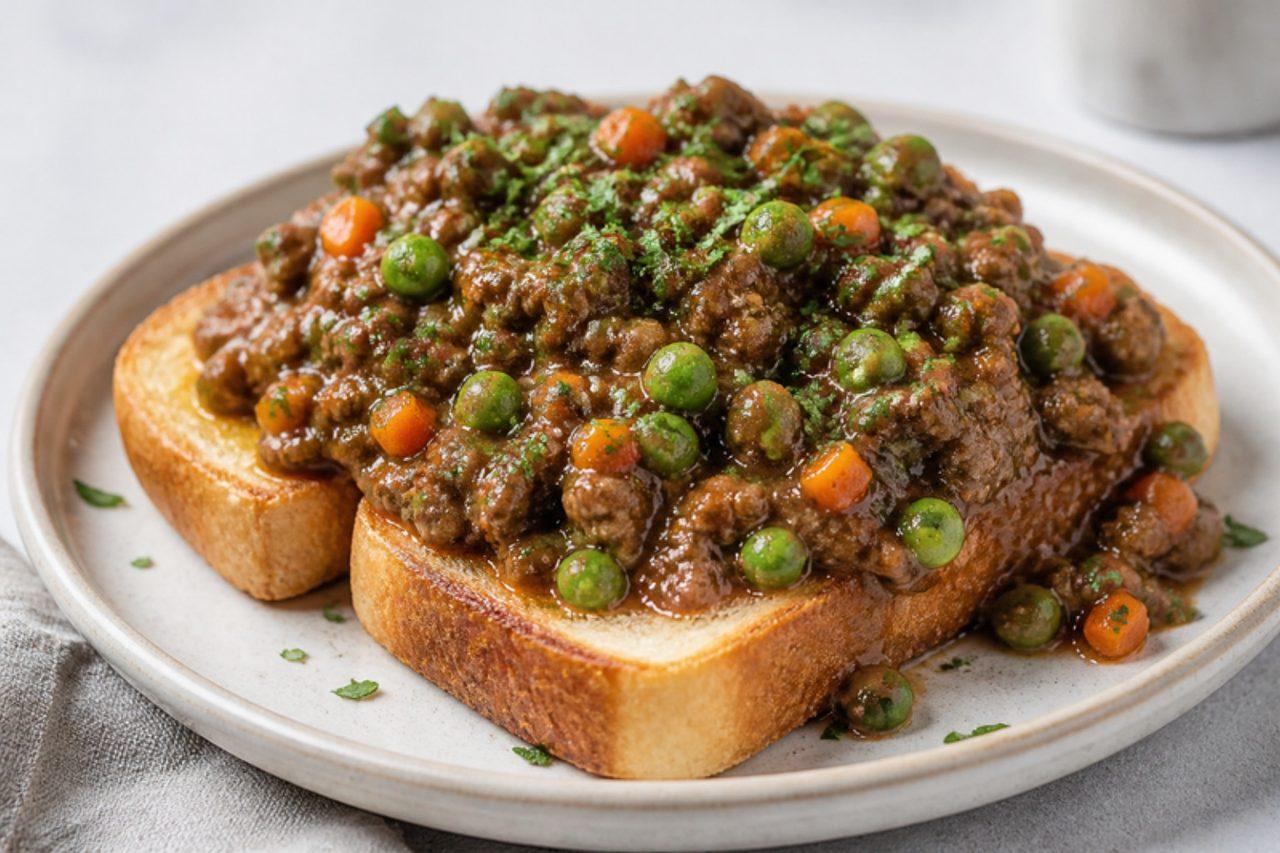
Mince on toast

Mince on toast is pure Kiwi comfort: a weeknight tea in homes from Invercargill to Auckland, and lately a proud fixture on café brunch menus, where it comes with a poached egg on top. Beef mince is browned hard, simmered with onion, grated carrot and a glug of Worcestershire sauce into a thick savoury gravy, then finished with peas and piled onto buttered toast. It's quick, cheap and kids love it. The usual mistake is stirring the mince constantly in a crowded pan, so it steams grey instead of browning; let it sit and catch colour. Chef's tip: grate the carrot instead of chopping it; it melts into the gravy and sweetens it without anyone noticing the vegetables.

by KrazyBadal 0 views

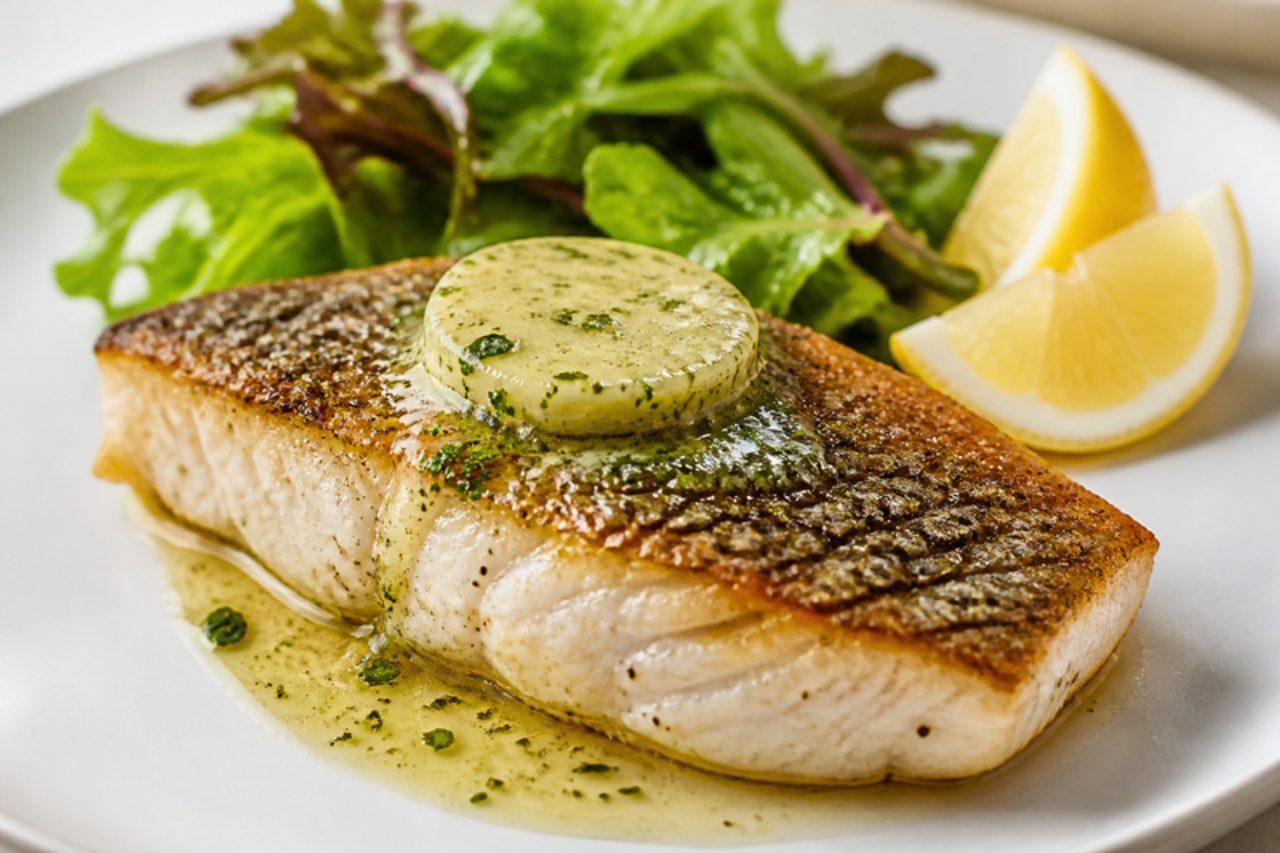
Barramundi with lemon myrtle butter

Barramundi is the prize fish of Australia's tropical north, caught in the rivers and estuaries of the Northern Territory and Far North Queensland and served everywhere from Darwin's waterfront to Brisbane pubs. Its firm, sweet white flesh is best cooked simply, skin side down until crisp, then topped with a butter flavoured with lemon myrtle, a native rainforest leaf that tastes like lemon and lemongrass together. Eat it with a green salad, new potatoes or chips on a warm evening. The mistake to avoid is moving the fillets too soon: the skin tears and sticks; leave them until they release by themselves. Chef's tip: dry the skin very well with kitchen paper and salt it just before cooking, never earlier, or it draws out moisture and won't crisp.

by KrazyBadal 0 views

Showing 90 of 10,569 recipes

Page 1,055 of 1,175