


Skip to content
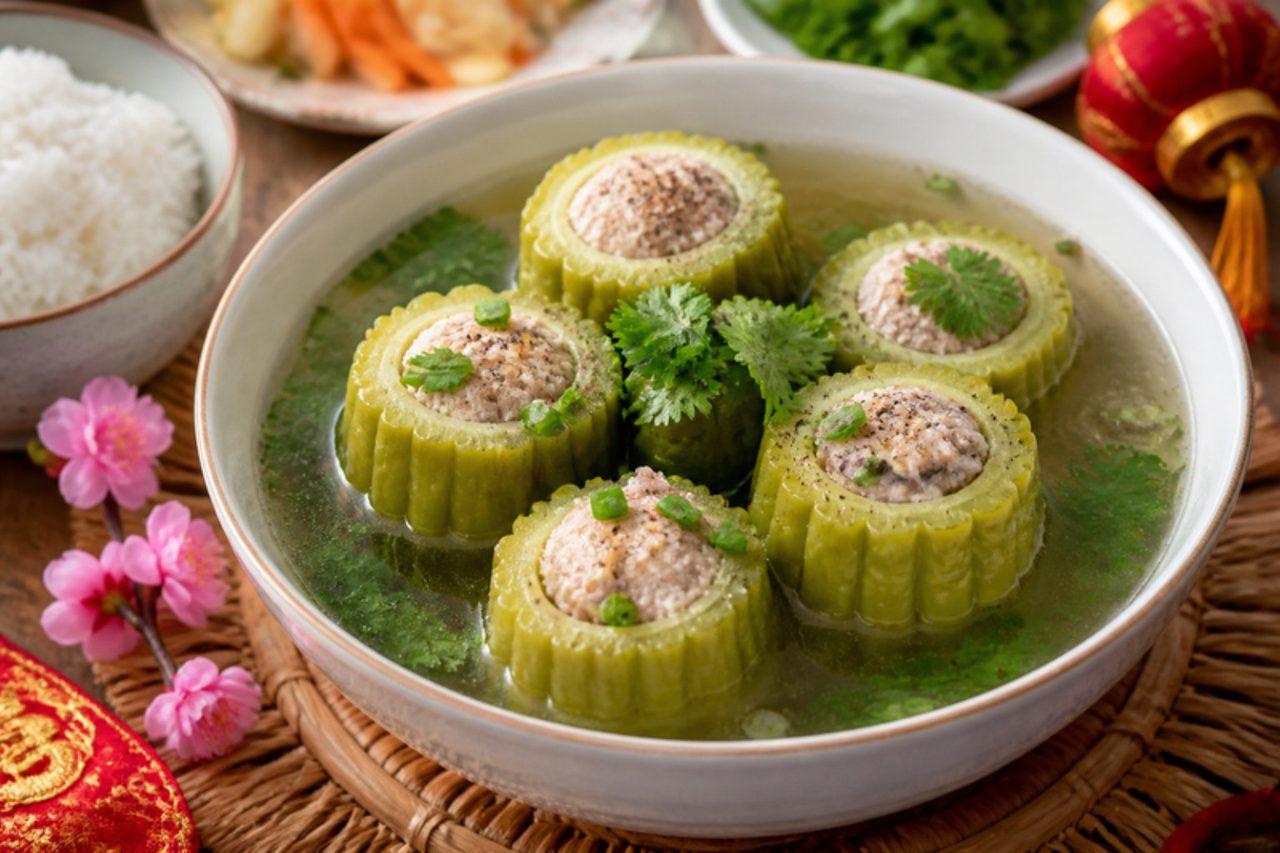
Canh khổ qua nhồi thịt (stuffed bitter melon soup)
Featured recipe

Canh khổ qua nhồi thịt (stuffed bitter melon soup)

Southern families serve this soup on the first days of Tết because khổ qua sounds like 'the hardship has passed'. Short lengths of bitter melon are hollowed out, packed with seasoned minced pork, wood ear mushroom and mung bean vermicelli, and simmered until the green skins turn soft and the pork is juicy. The broth is clear and gently bitter, a welcome counterpoint to sweet braised dishes. A vegetarian stuffing of crumbled tofu and mushrooms works the same way. Chef's tip: scrape out all the white pith along with the seeds and blanch the melon briefly; leaving the pith in is what makes the soup aggressively bitter.

Read more 0 views

What to eat today?

Around the world

Today's trip: Peruvian

A new country every day, from every cuisine on the site.

Peruvian

Tacacho

Mashed roasted green plantain balls 35 minMore from Peruvian (111) →

This week's collection

Kid-friendly dinners
772 recipes · a new collection every Monday

Coming up

All occasions →

Latest recipes

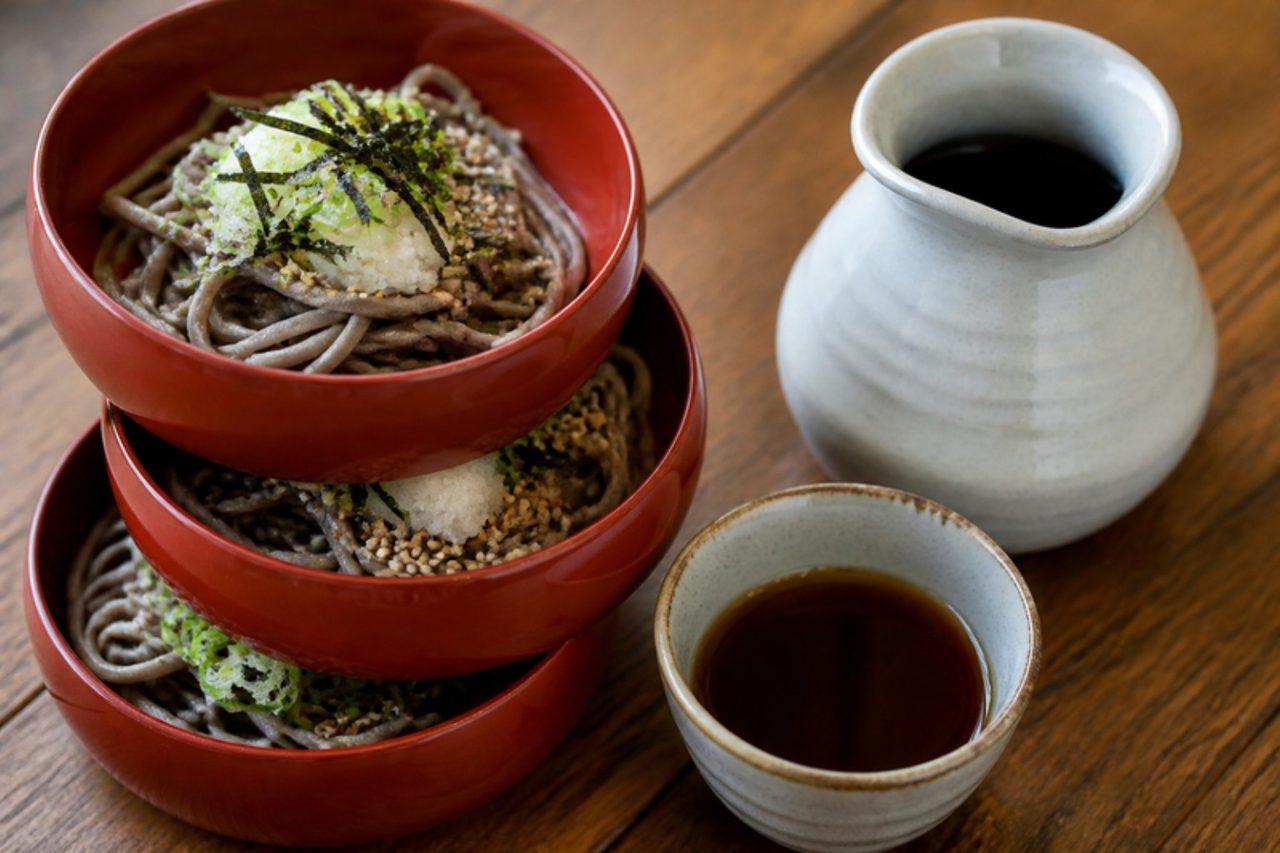
Izumo warigo sobaBuckwheat noodles in stacked bowls

Izumo, in Shimane, is home to one of Japan's oldest shrines, and its soba is among the country's three most famous. The buckwheat is ground whole, husk and all, so the noodles are grey-brown, rough and strongly nutty. They come in a stack of three shallow round lacquer boxes called warigo, a custom from the picnic boxes Izumo townspeople carried to view flowers in the Edo period. You don't dip the noodles: you pour sauce and toppings straight onto the top bowl, eat it, then tip what's left onto the next. Classic toppings are grated daikon, spring onion and nori; ours leave out the usual bonito flakes. Chef's tip: look for 'inaka' (country-style) or 100% buckwheat soba. Paler noodles taste too mild for this dish.

by KrazyBadal 0 views
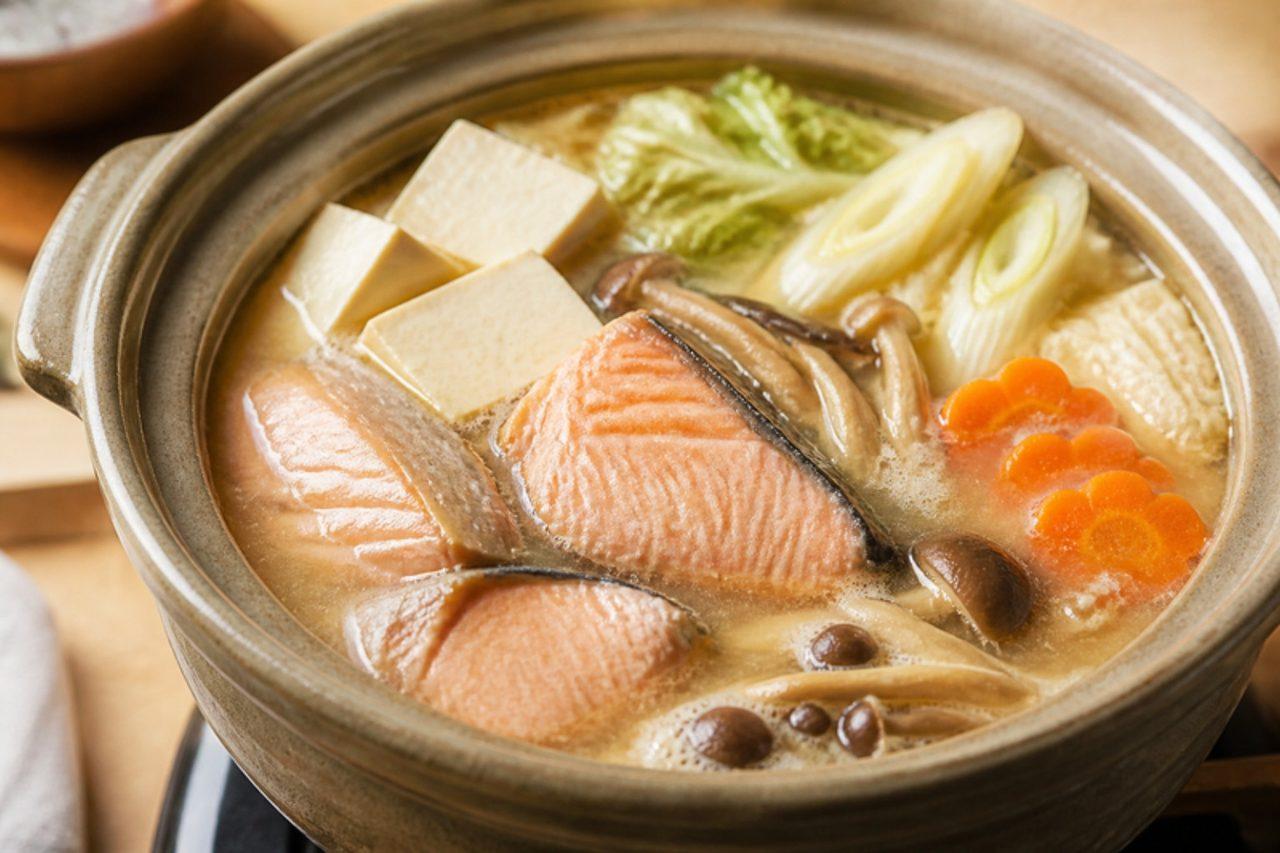

Ishikari nabeSalmon miso hot pot

Autumn salmon swimming up the Ishikari River, near Sapporo, gave the fishing families at its mouth a glut of fish, and this miso hot pot is how they cooked it. Today Hokkaido families bring a clay pot of it to the table on cold nights from October onwards, and everyone helps themselves as it bubbles on a portable burner. Chunks of salmon, potato, cabbage, tofu and mushrooms simmer in kombu broth thickened with miso. A pinch of sansho pepper at the end lifts the richness, and some cooks melt a knob of butter on top. Chef's tip: salt the salmon for 10 minutes and pour boiling water over it before it goes in the pot, as this firms the flesh and washes away any fishy smell.

by KrazyBadal 0 views

Rellenitos de plátanoPlantain dumplings with sweet beans

Rellenitos surprise everyone who hasn't grown up in Guatemala: soft, sweet plantain dough wrapped around a filling of black beans cooked down with chocolate, cinnamon and sugar, then fried and rolled in sugar. They're sold in panaderías and at fairs, and made at home for afternoon coffee and Christmas. The beans taste nothing like a savoury dish; think of a fudgy chocolate paste. Chef's tip: mash the plantains while hot and chill the dough for 20 minutes; cold dough wraps cleanly without sticking to your hands.

by KrazyBadal 0 views

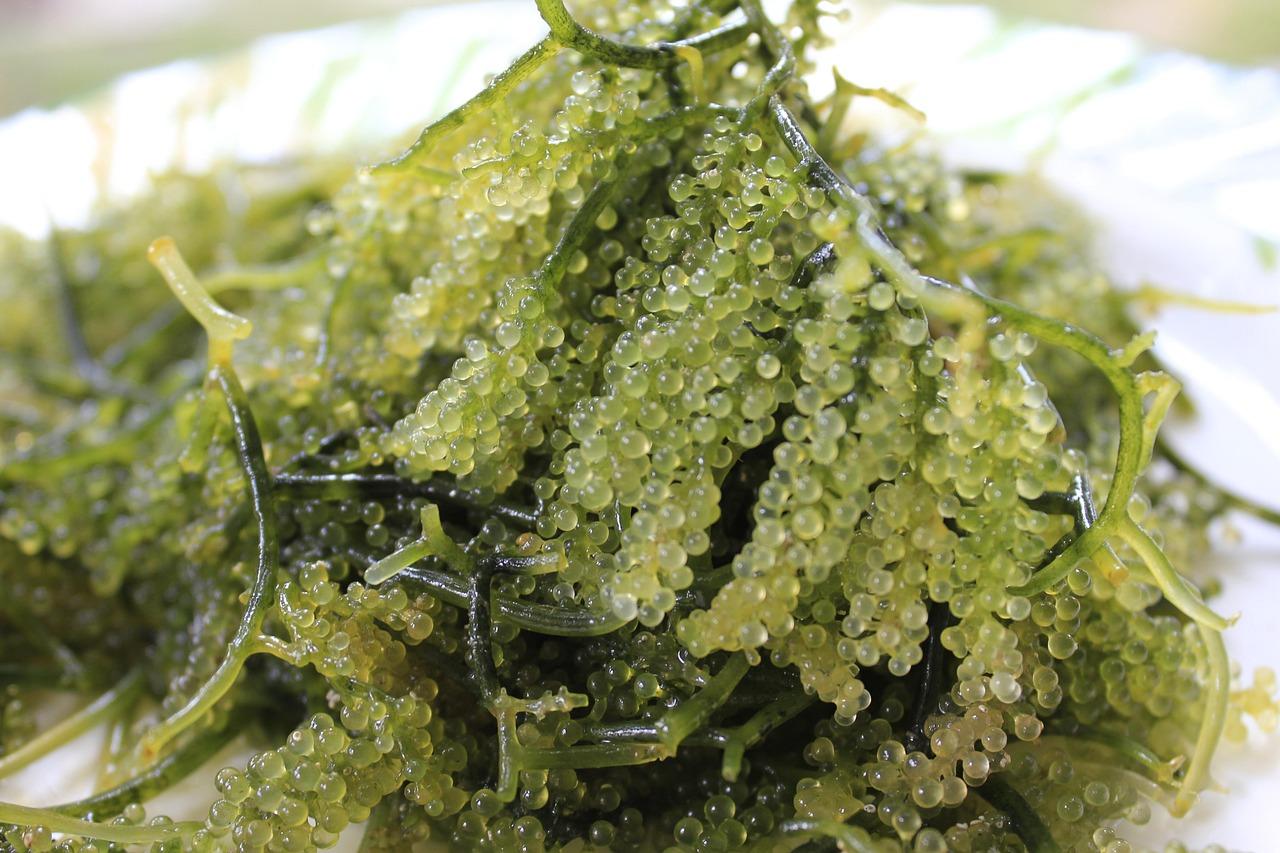
Umibudo saladSea grapes salad

Umibudo, 'sea grapes', is a seaweed farmed in the warm, clear waters around Okinawa and Miyako island. Its tiny green beads burst in the mouth with a salty, oceanic pop, which is why Okinawans also call it green caviar. It's served as a starter in island izakaya, often next to a cold Orion beer, either plain with a dish of citrus soy or piled on a simple salad. Look for it vacuum-packed in salt at Japanese grocers; it keeps for weeks unopened. Chef's tip: dress the salad, not the sea grapes. Pour the dressing on the greens and dip the sea grapes as you eat, because vinegar and soy make the beads shrivel within minutes.

by KrazyBadal 0 views

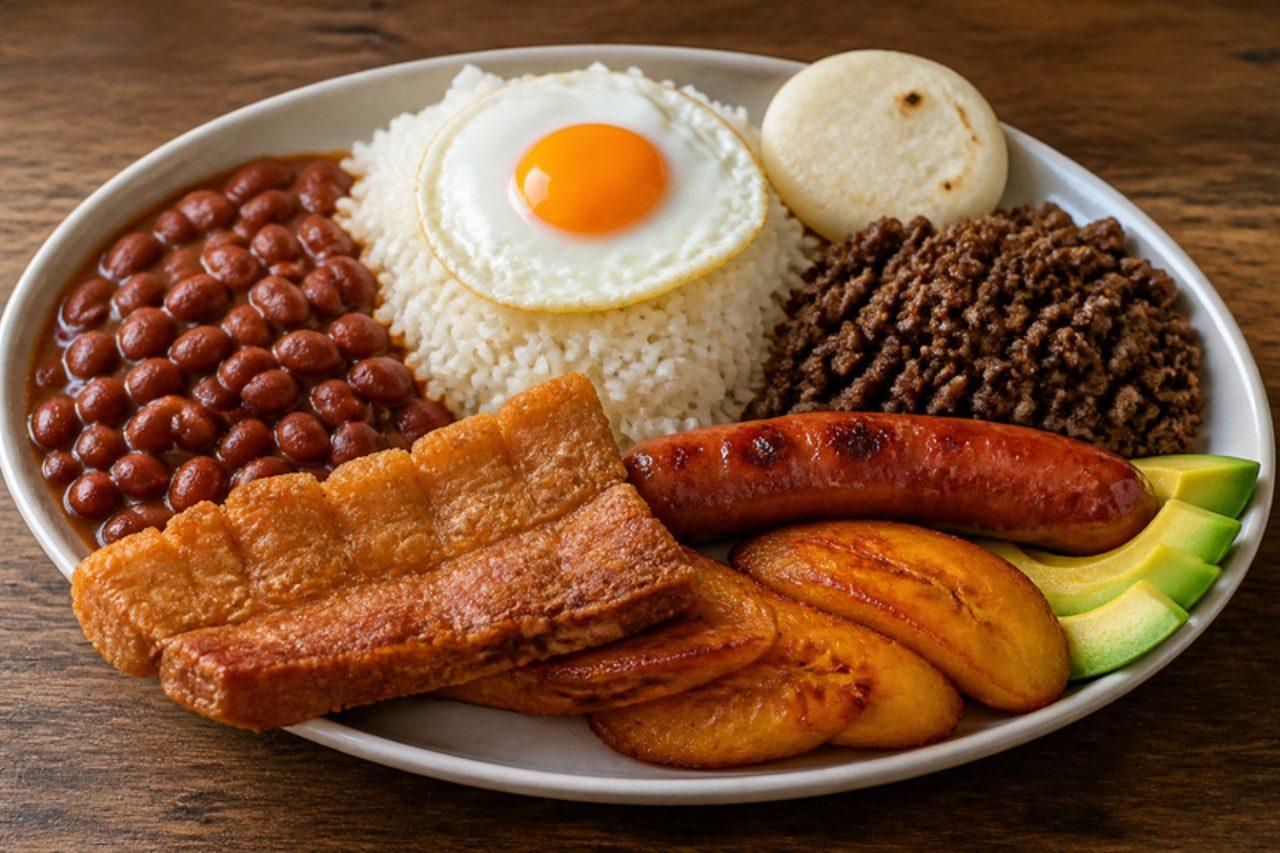
Bandeja paisaBeans, rice and pork platter

Bandeja paisa is the farmhouse feast of Antioquia and the coffee region around Medellín, served on an oval platter so big it barely fits on the table. This is a pork dish: crisp chicharrón (fried pork belly) and chorizo sit next to red beans, white rice, seasoned minced beef, a fried egg, ripe plantain, a small arepa and avocado. Paisas eat it for a long Sunday lunch, and restaurants in Medellín serve it every day. It looks like a lot of work, but most parts can be made ahead and finished together. The mistake most people make is frying the pork belly too hot from the start; it needs to simmer in its own fat first, or the outside burns before the inside turns tender. Chef's tip: cook the beans a day ahead; they thicken and taste better, and the day itself is then only frying.

by KrazyBadal 0 views

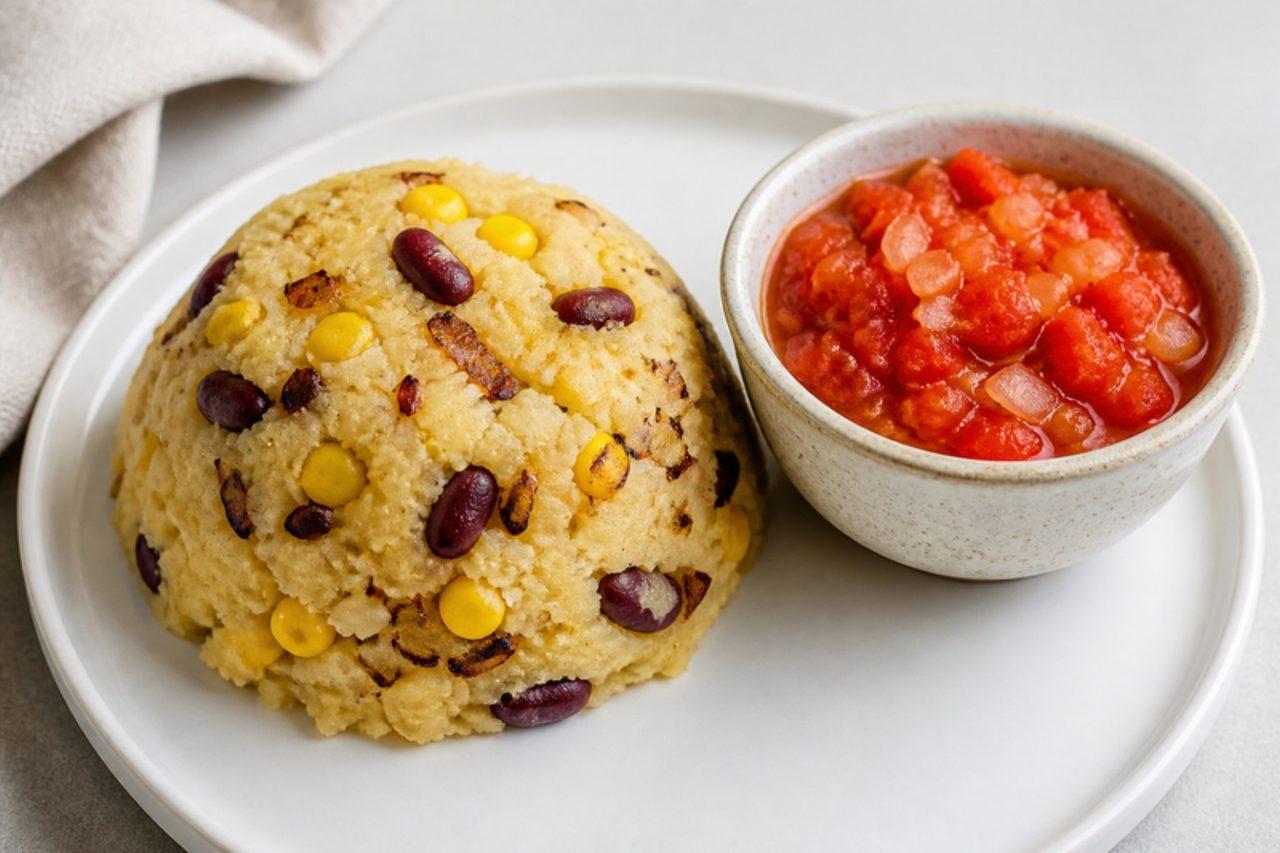
IrioMashed potato, corn and beans

Irio is a Kenyan mash of potatoes with whole corn and kidney beans, fried onion, chilli and butter. It's hearty and comforting. Serve it with a simple tomato stew, as here, or tomato sauce.

by KrazyBadal 0 views

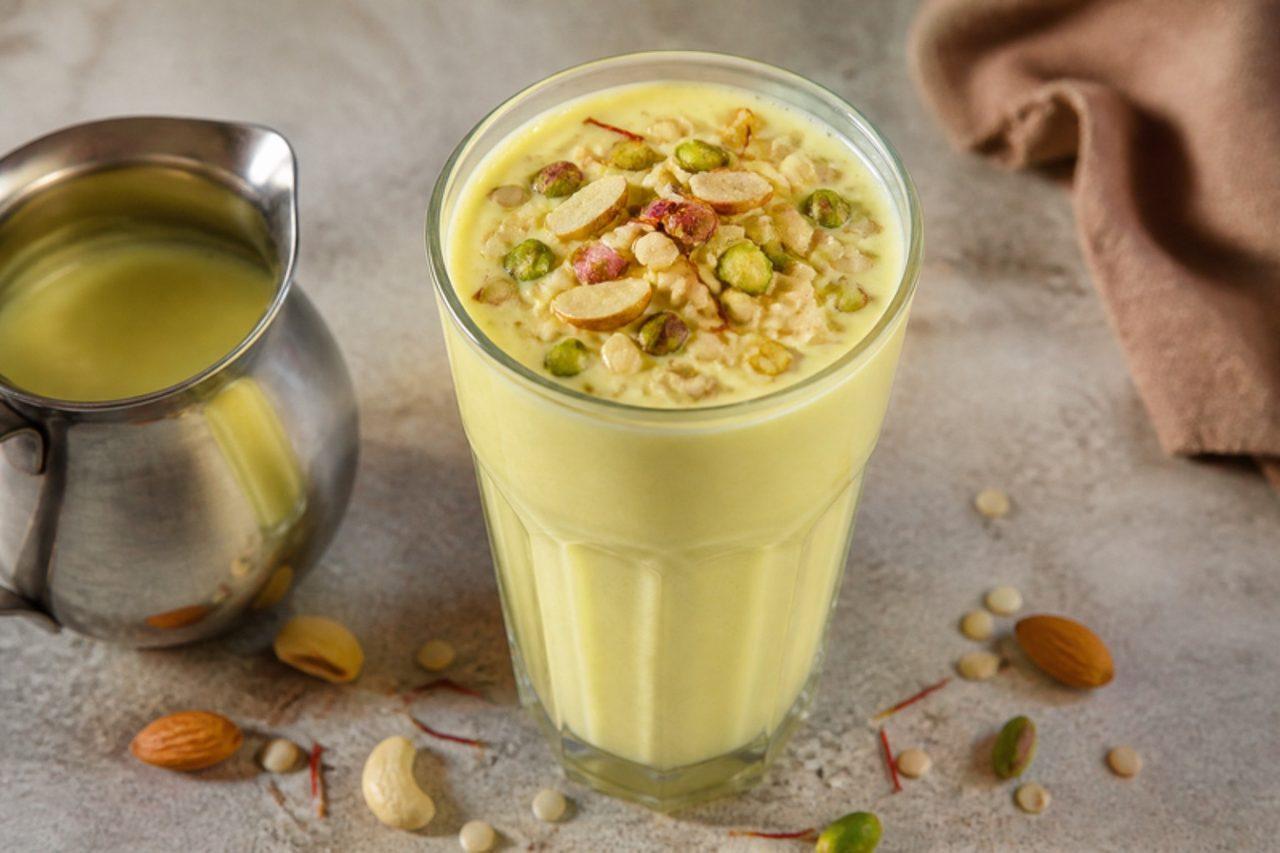
Indori shikanjiThick chilled milk drink

Anyone who orders shikanji in Indore expecting lemonade gets a surprise: here it is a spoonably thick drink of slow-reduced milk, saffron and cardamom, with a gentle tang from thick yogurt and plenty of chopped dry fruit. It is a late-night treat at Sarafa and Chhappan Dukan, poured from steel jugs into glasses after a round of savoury snacks. Think of it as somewhere between a lassi and a cold rabri. Chef's tip: the milk must be completely cold before the yogurt goes in, or the drink splits into grainy curds.

by KrazyBadal 0 views

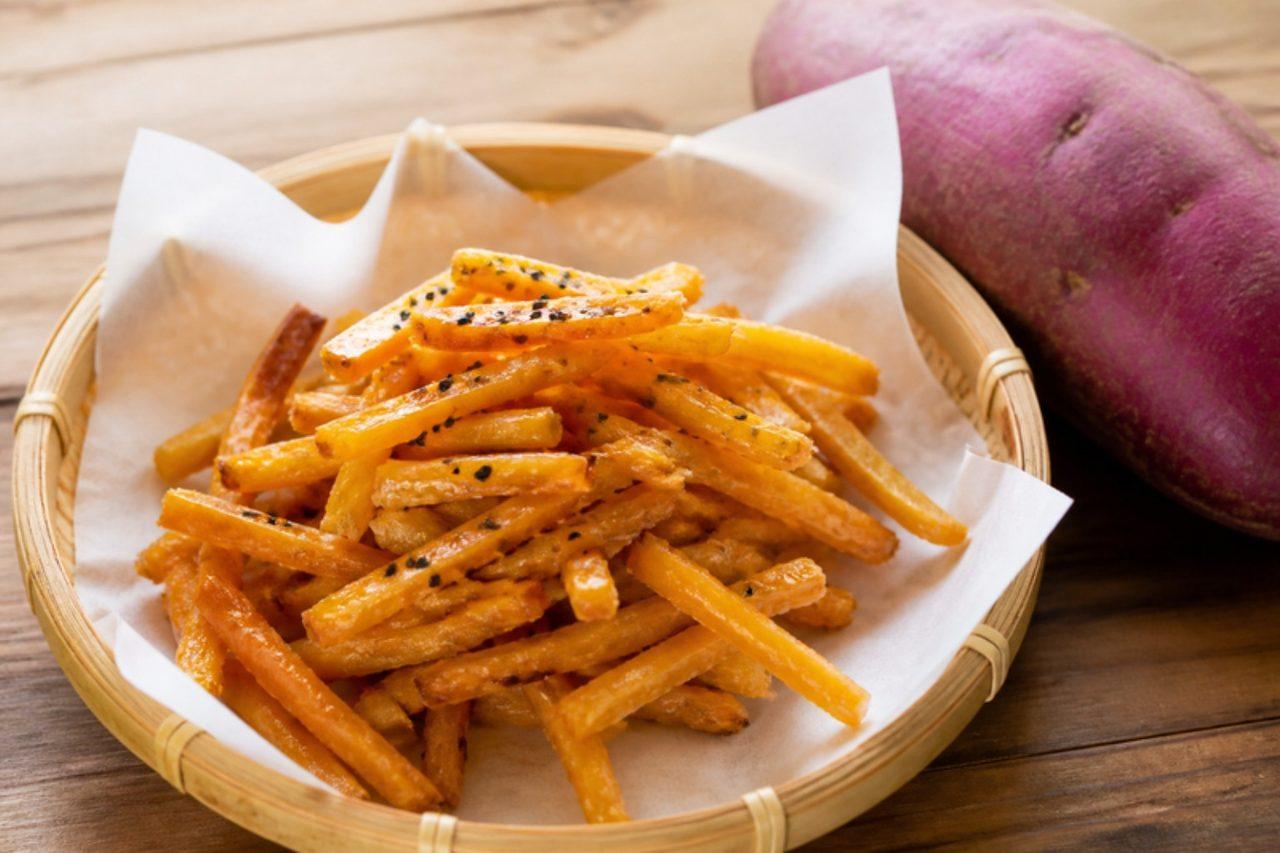
Imo kenpiCandied sweet potato sticks

Kagoshima, at Kyushu's southern tip, is Japan's sweet potato heartland. The crop is so closely tied to the region that the Japanese word for sweet potato, satsuma-imo, means 'Satsuma potato', after the old name of Kagoshima. Imo kenpi are its simplest snack: thin batons of sweet potato fried until crisp, then tossed in a syrup that sets into a glassy shell. Kids grab them from bags at the corner shop, and grandparents make them at home with the autumn harvest. They are crunchy, sweet and a little salty. Chef's tip: fry the potato twice, slowly first, then hot. That drives out the water and gives a snap that lasts for days.

by KrazyBadal 0 views

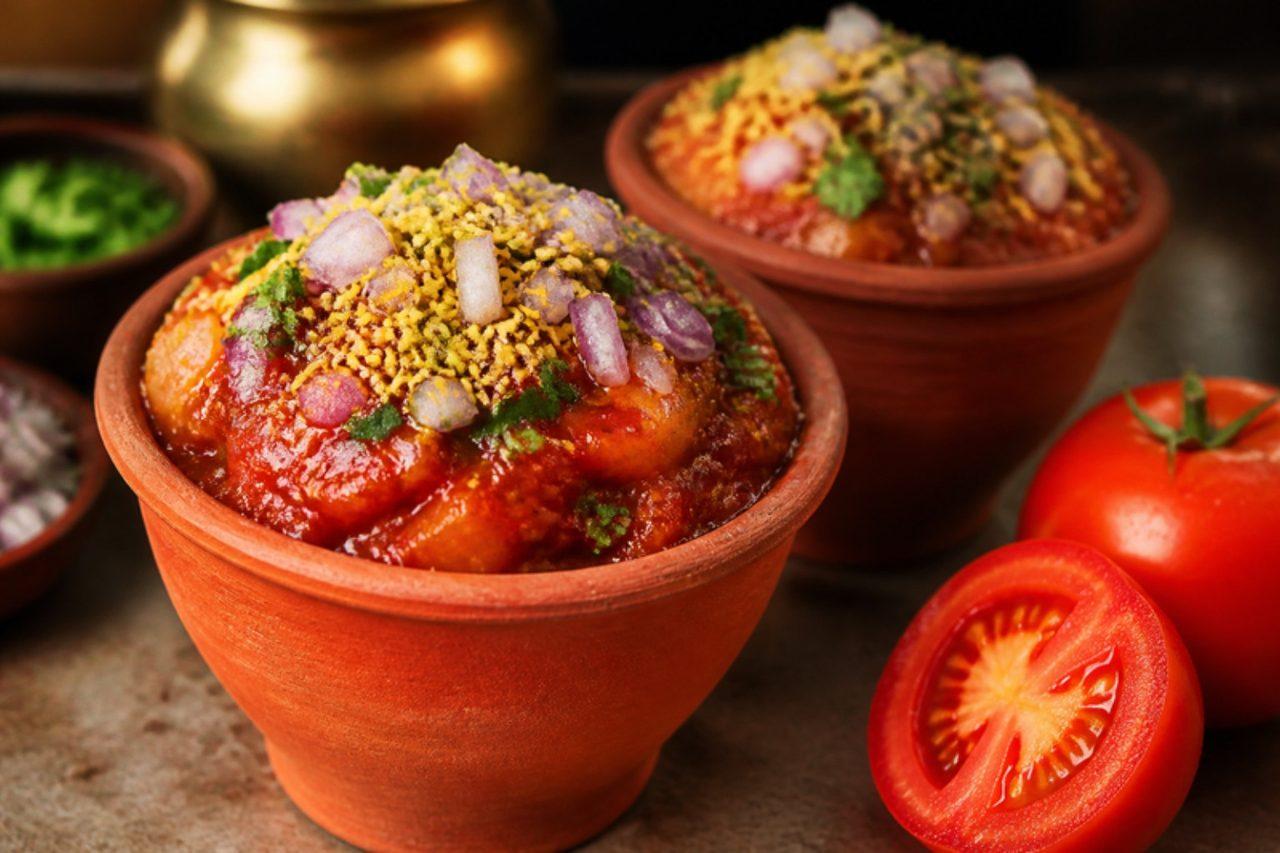
Banarasi tamatar chaatMashed tomato and potato chaat

Walk through the lanes near Dashashwamedh Ghat in Varanasi in the evening and you will see vendors mashing tomatoes and potatoes in large iron pans, cooking them with ghee and spices until thick, then spooning the mixture into small clay cups. Tamatar chaat is unique to Banaras: served hot, spicy, tangy, and finished with a thin sugar syrup and a pinch of chaat masala, then topped with crisp sev for crunch. Locals eat it standing up after the aarti, often followed by a glass of lassi. Many people forget the sugar syrup, but that's what balances the sourness and makes it Banarasi. Chef's tip: use very ripe, soft tomatoes and mash them right in the pan with the back of the ladle, leaving some texture.

by KrazyBadal 0 views

Banarasi kachori sabziUrad dal puris with potato curry

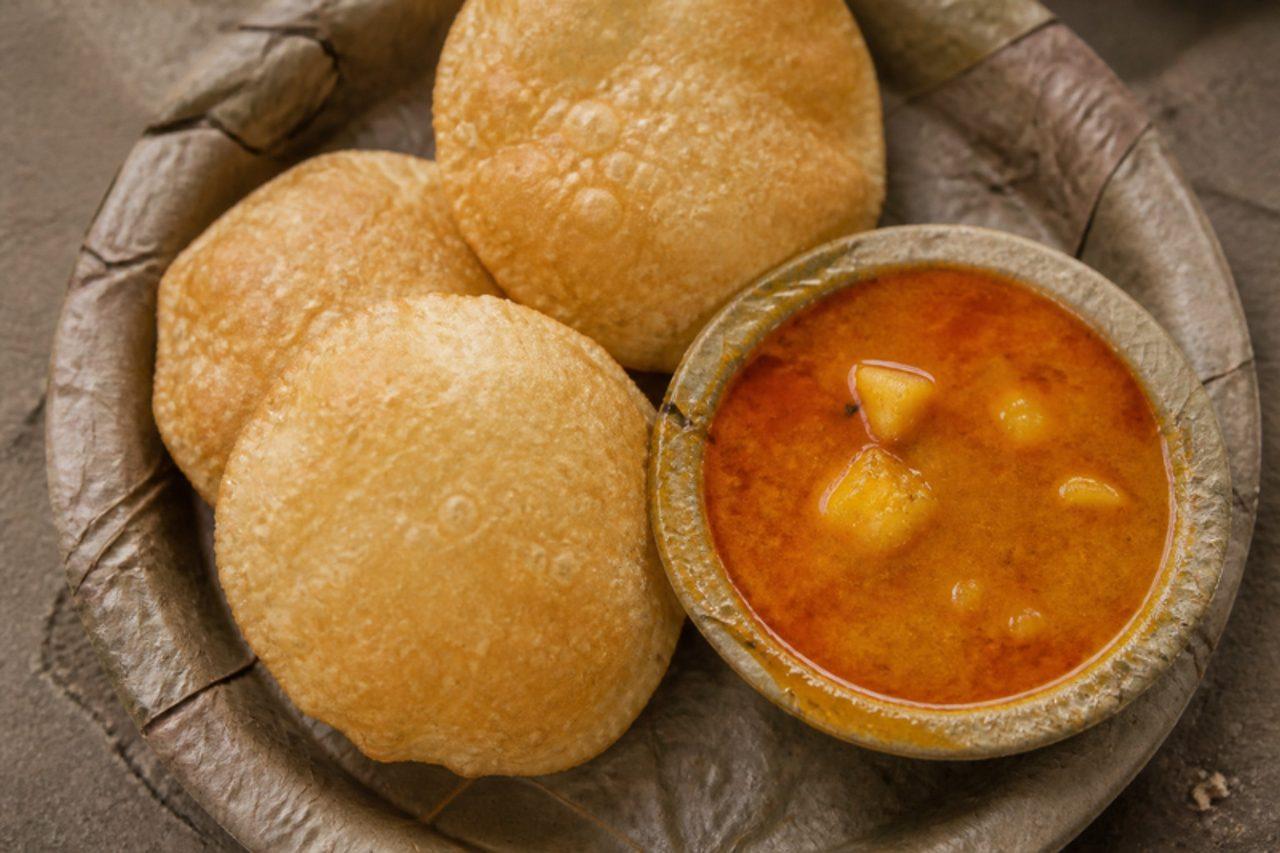
Walk the ghats of Varanasi in Uttar Pradesh at dawn and you'll smell kachori sabzi frying in huge karahis. Banarasi kachori is small and puffed like a puri, with soaked urad dal ground with ginger and fennel worked straight into the wholewheat dough rather than stuffed inside. It comes with a thin, peppery potato and tomato rasa made without onion or garlic, scented with hing and fenugreek seeds, and is usually followed by a hot jalebi. Chef's tip: roll the puris evenly to 3 mm and slide them into really hot oil, pressing gently with a slotted spoon; even thickness and fierce heat are what make them balloon.

by KrazyBadal 0 views

Imeruli khachapuriRound cheese-filled bread

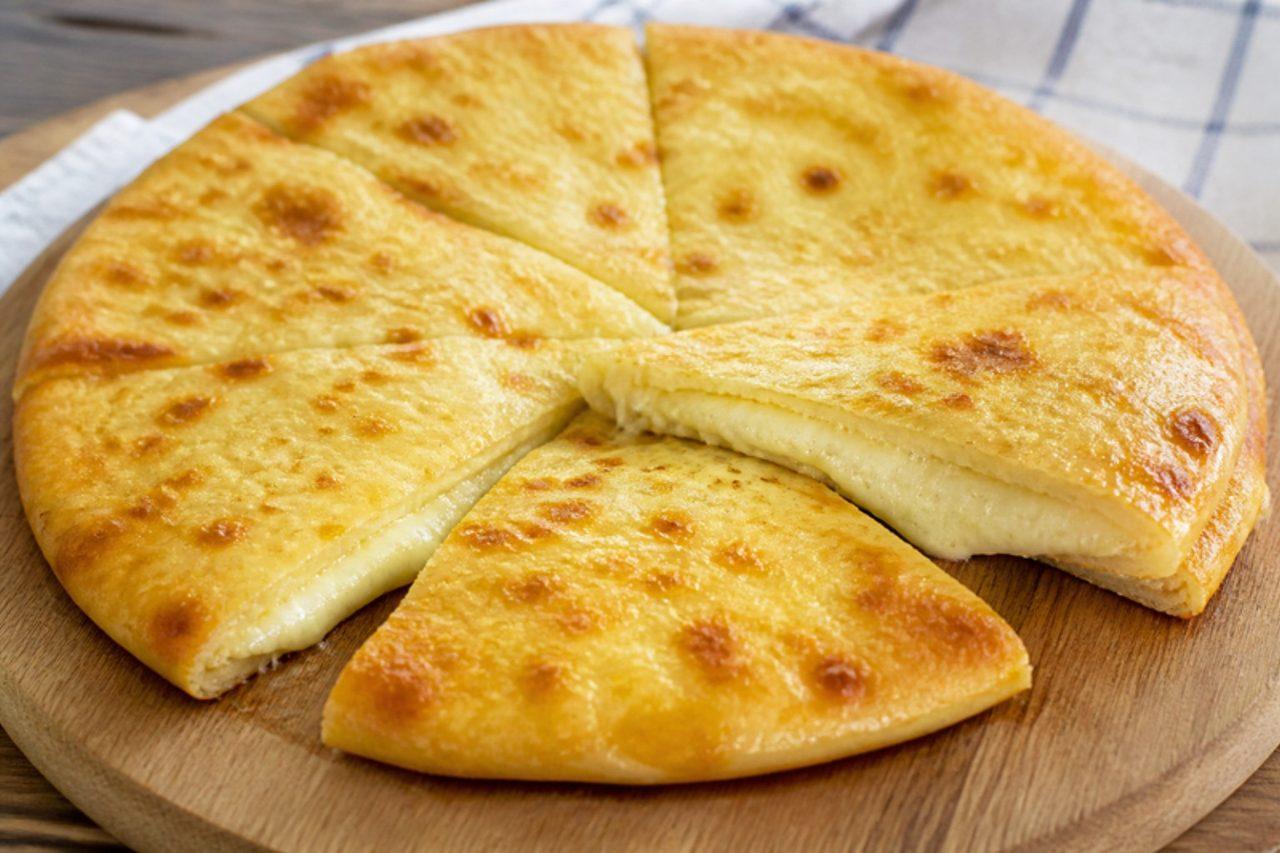
In Imereti, the region around Kutaisi in western Georgia, this flat round cheese bread is everyday food, and it is the one most families make at home: a tender, quick dough leavened with matsoni (Georgian yogurt) and soda, wrapped around a cheese ball and cooked in a dry frying pan. It is cut into wedges like a pizza and set on the table for breakfast, for a feast, or packed for a long car journey. Georgian imeruli and sulguni cheeses are hard to find outside Georgia, so this uses mozzarella with feta for the salty tang. Choose cheeses labelled vegetarian (microbial rennet). Children love it plain, still warm. A common mistake is rolling it out with heavy pressure, which tears the thin dough so the cheese leaks and burns in the pan. Chef's tip: press it out gently with your fingertips from the centre outwards, and if a small hole appears, pinch a scrap of dough over it before it reaches the pan.

by KrazyBadal 0 views

JadohTurmeric rice with pork

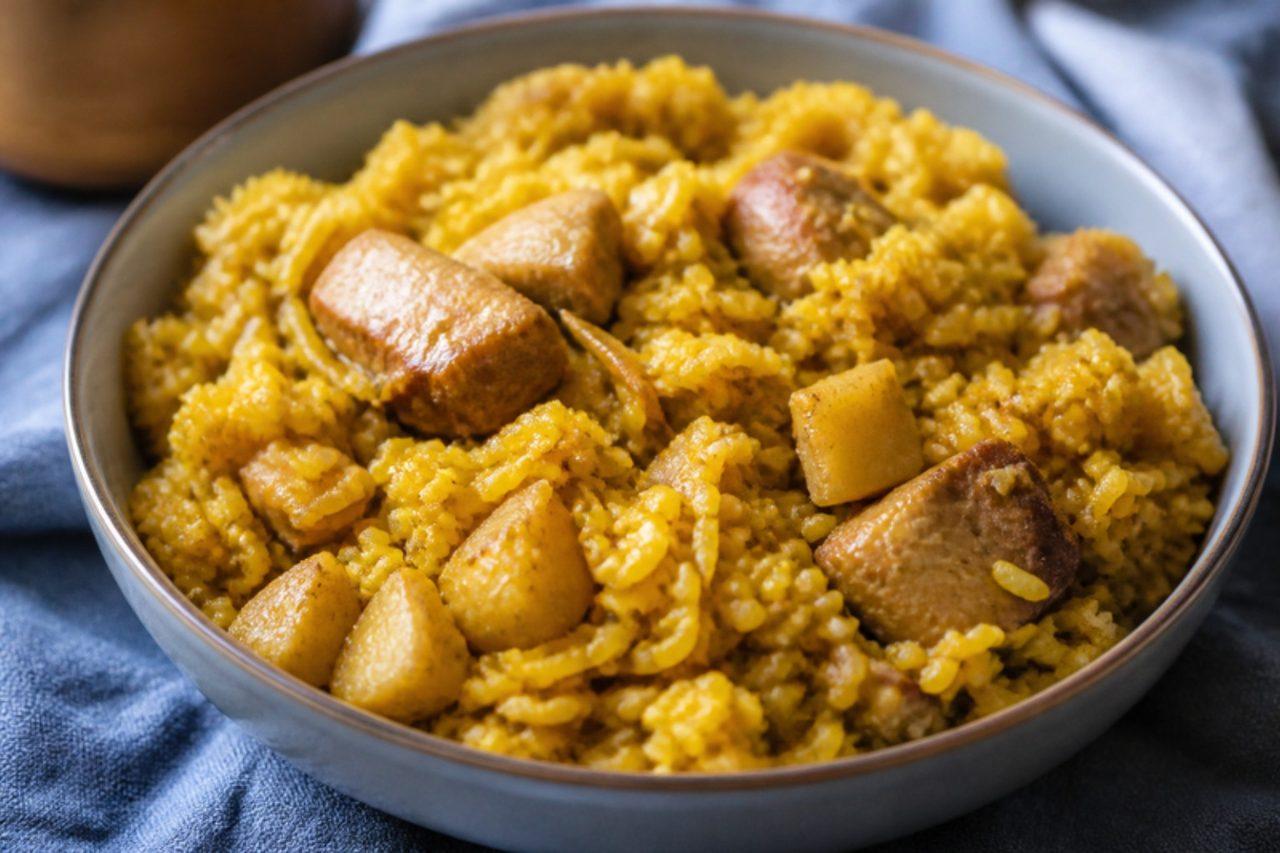
Walk through Police Bazaar in Shillong in the morning and you will find small jadoh stalls serving bright yellow rice cooked with pork, ginger and plenty of local Lakadong turmeric. For Khasi families it is breakfast, lunch and festival food all at once, usually eaten with a pork side such as doh khlieh and a sharp chutney. Village versions add pork blood or offal; this home version keeps to pork shoulder. Chef's tip: let the rice rest, covered, for ten minutes after cooking; the grains firm up and stop being sticky.

by KrazyBadal 0 views

Uzbek chuchvaraTiny dumplings in dill broth

In Tashkent, chuchvara is the little cousin of manti: dumplings no bigger than a thumbnail, folded around a peppery lamb-and-beef filling and dropped into clear meat broth. Families make them in big batches on a slow weekend, freeze trays of them, and eat bowls through the winter with a spoonful of suzma (strained yogurt) or sour cream and lots of dill. The dough is thin and firm, the filling juicy with grated onion, and the broth light enough to drink. Many home cooks roll the dough too thick, which turns the dumplings stodgy; aim for a sheet you can just see the board through. Chef's tip: freeze the shaped dumplings on a floured tray before bagging them, so they stay separate and cook straight from frozen.

105 minUzbekSoups
by KrazyBadal 0 views

RibollitaBread and bean soup

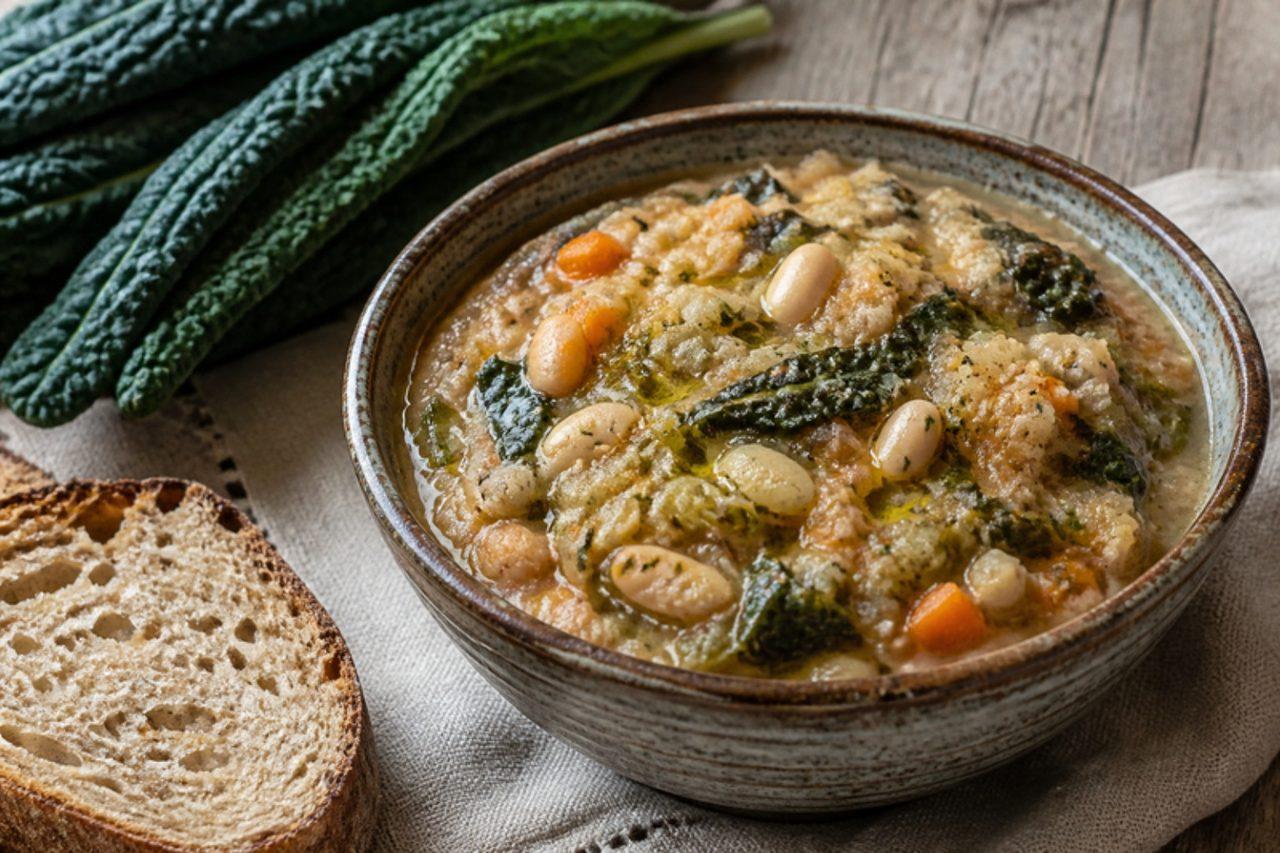
Ribollita means 'reboiled': a Tuscan peasant soup of cannellini beans, cavolo nero and other vegetables, layered with stale bread and heated again the next day until thick enough to eat with a fork. Florentines eat it through the cold months, when cavolo nero is sweetest after the first frosts, finished with a green thread of new-season olive oil. Make it a day ahead, because the reboil is the point. Chef's tip: when reheating, let the bottom catch very slightly before stirring; that toasty edge is what Tuscans love about day-two ribollita.

by KrazyBadal 0 views

Hyderabadi lukhmiSpiced filled pastries

Lukhmi are Hyderabad's answer to the samosa: flat, square, crisp little pastries with a filling of spiced mutton keema, fork-crimped at the edges. In the Deccani homes of the old city they are a fixture of wedding dinners and the evening iftar table in Ramadan, and a plate of them often arrives with Irani chai at the city's old cafés. They can be shaped a day ahead and fried just before guests come. Chef's tip: cook the keema until completely dry and let it cool fully; a damp or warm filling makes the pastry burst in the oil.

by KrazyBadal 0 views

Hyderabadi khatti dalTangy tamarind dal

Khatti dal, 'sour dal', is the everyday dal of Hyderabad's old city, cooked in Muslim and Telugu homes alike and ladled over plain rice with a fried papad and a dry vegetable on the side. Toor dal is cooked with tomato and green chilli, mashed smooth, soured with tamarind and finished with a sizzling bagaar of garlic, dried red chillies, cumin and curry leaves. It is thinner and sharper than a north Indian dal, and on Fridays it often sits next to a biryani as the comforting partner. Chef's tip: let the garlic in the bagaar turn properly golden before pouring it over; pale garlic tastes raw and harsh in a sour dal.

by KrazyBadal 0 views

Hyderabadi Irani chaiCreamy milk tea

Irani chai came to Hyderabad with Persian migrants who opened cafés across the old city, and it is now the city's signature drink, poured at all hours in places around the Charminar, often with Osmania biscuits or a bun maska. Unlike masala chai, it has no spices: strong tea is brewed slowly in a sealed pot (dum), while full-fat milk is simmered separately with a little khoa until thick and creamy. The two are mixed only in the cup, giving a rich, mellow, slightly sweet tea. Chef's tip: seal the tea pot lid with a little dough or foil, as the cafés do, so the brew steeps without losing steam or strength.

by KrazyBadal 0 views

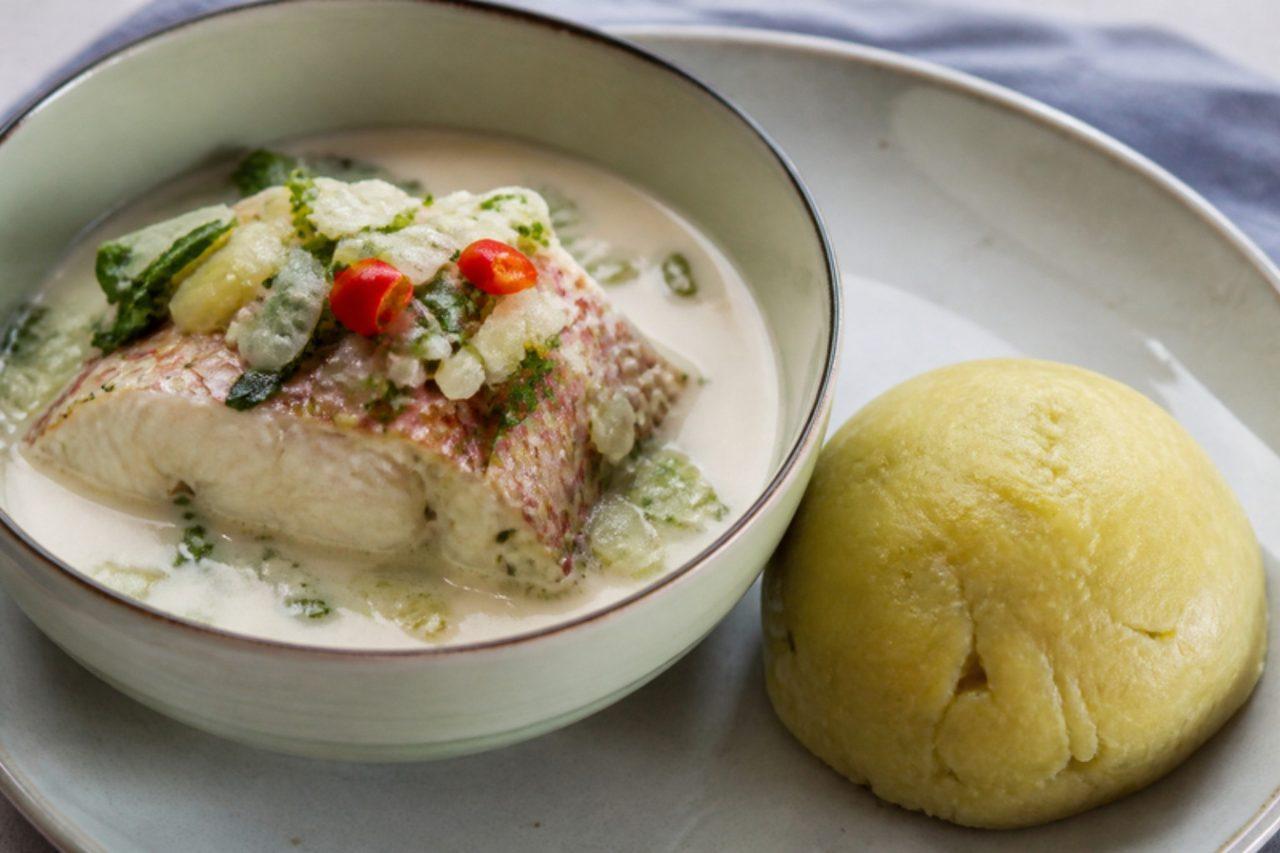
HudutFish in coconut broth with plantain

Hudut is the heart of Garifuna cooking on the Caribbean coast of Honduras, in towns such as Trujillo and La Ceiba, and in Belize and Guatemala's Livingston: whole fish or fish steaks simmered in a coconut broth (sere) with garlic, onion and herbs, served with a pounded mash of green and ripe plantains (fufu) that is dipped into the soup. The mistake is mashing only green plantain, which is heavy; a mix of green and a few ripe ones gives a slightly sweet, smooth mash. Chef's tip: fry the fish briefly before it goes into the broth so it holds its shape.

by KrazyBadal 0 views

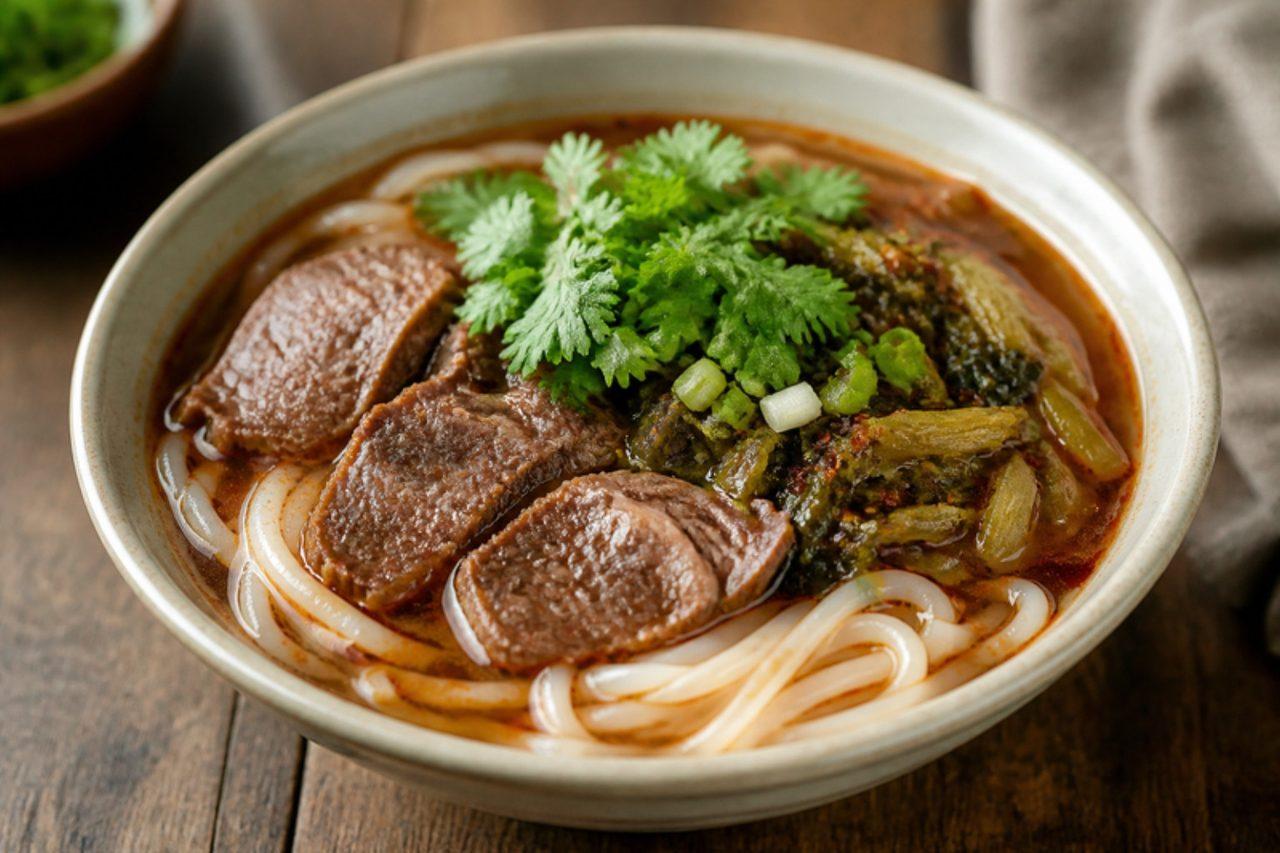
Huaxi beef noodlesBeef rice noodle soup

Breakfast in Guiyang means a steaming bowl of rice noodles at a counter, and the version from the Huaxi district on the city's southern edge is the one people queue for. Silky noodles sit in a clear, deeply beefy broth under slices of slow-cooked shin, and each diner finishes the bowl at the table from pots of tangy pickled mustard greens, toasted chilli and fresh herbs, so it is sour, spicy and savoury exactly to taste. The broth is light enough for the morning but rich in flavour. Serve it as a whole meal; a few extra pickles on the side are all it needs. Chef's tip: blanch the beef and rinse it before the long simmer; skipping this is the common mistake that leaves the broth cloudy and scummy.

by KrazyBadal 0 views

Hu tieuPork and prawn noodle soup

Hủ tiếu came to southern Vietnam with Teochew Chinese and Cambodian influences, and in Saigon it's as everyday as pho, sold from street carts at dawn and again late into the night. The broth is light and clear, sweet from pork bones, daikon and dried shrimp, and the bowl is loaded with sliced pork, minced pork, prawns and often quail eggs. Clear, chewy noodles and a spoon of crispy garlic oil set it apart. Many people order it khô, dry, with the noodles tossed in sauce and the soup on the side. Chef's tip: toast the dried squid over a flame before it goes in the pot; it gives the broth a sweet, savoury depth that's hard to place.

by KrazyBadal 0 views

UzvarDried fruit drink

Uzvar is the dark, smoky-sweet drink brewed from dried apples, pears and plums that closes the Holy Supper on Ukrainian Christmas Eve, Sviat Vechir, where it is one of the twelve meatless dishes alongside kutia. In villages across Podillia and the Carpathians the fruit is dried in the oven or over smoke in autumn, which gives uzvar its distinctive campfire note; market stalls sell ready-mixed bags in December. It is drunk warm in winter and chilled in summer, and is naturally vegan when sweetened with sugar instead of honey. Chef's tip: simmer gently, then let it steep for several hours; common mistake is boiling it hard, which turns the fruit to mush and the drink cloudy.

by KrazyBadal 0 views

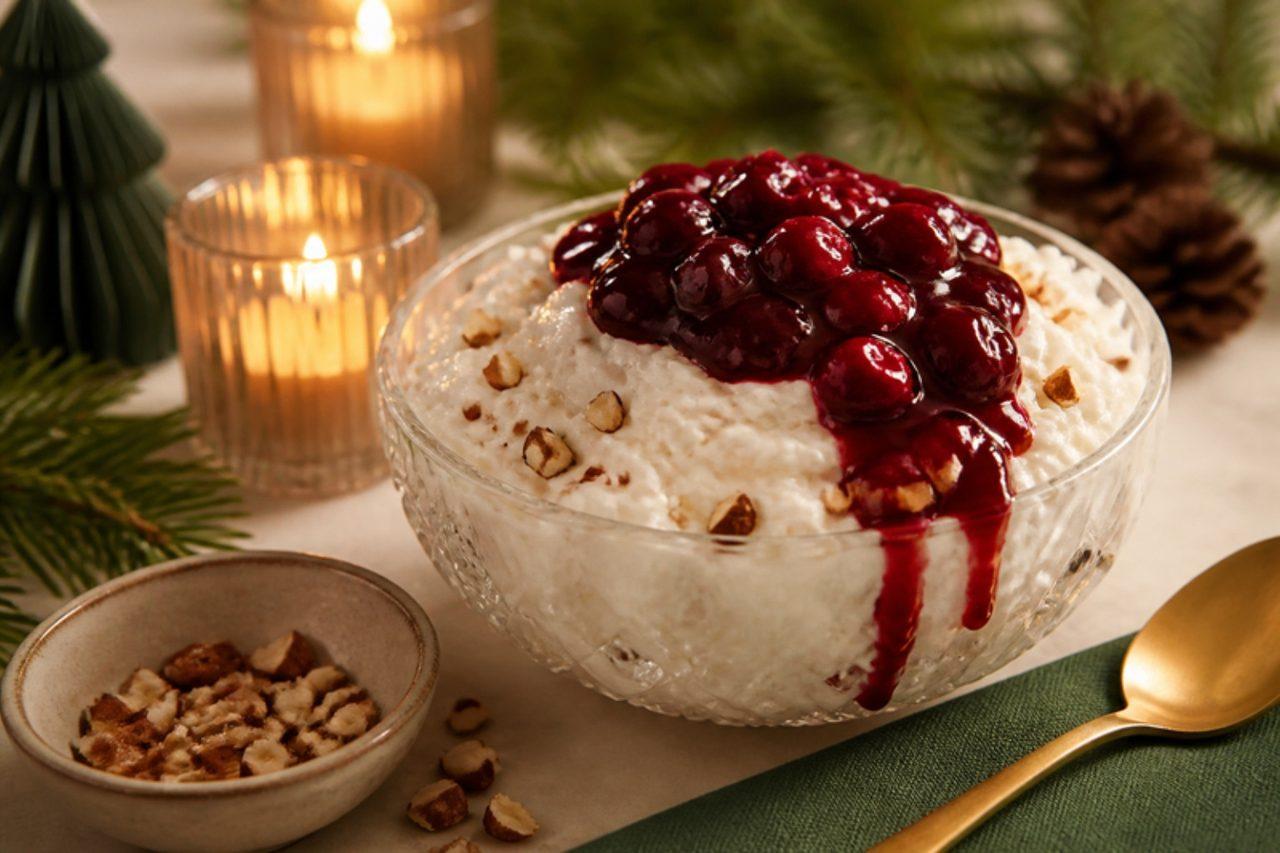
RisalamandeRice pudding with cherry sauce

On Christmas Eve, almost every Danish family ends dinner with risalamande, a cold vanilla rice pudding lightened with whipped cream and chopped almonds and served with a hot cherry sauce poured over the top. Hidden somewhere in the bowl is one whole almond, and whoever finds it wins the mandelgave, the almond prize, usually a marzipan pig. Some finders keep the almond in their cheek until everyone has eaten far too much. The rice base, risengrød, is often cooked on 23 December, eaten warm with butter and cinnamon, and the leftovers become risalamande the next night. Chef's tip: let the rice pudding cool completely before folding in the cream; warm rice melts the whipped cream and the pudding turns heavy instead of airy.

by KrazyBadal 0 views

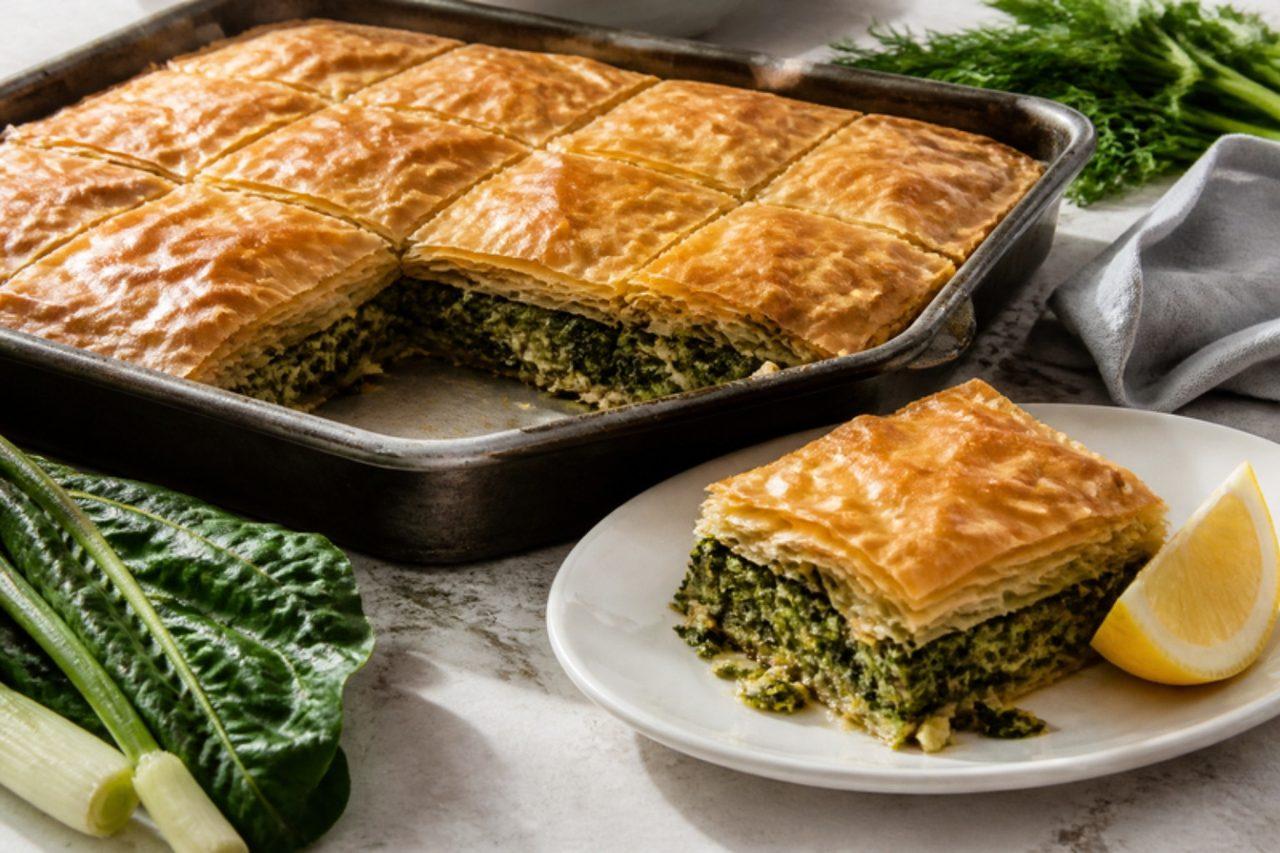
HortopitaWild greens pie

In the villages of Crete and the mountains of Epirus, hortopita is what cooks make from whatever greens are growing on the hillsides: wild fennel, sorrel, poppy leaves, nettles and chard. Many families bake it during Lent, when cheese and eggs are put aside, so the filling relies on olive oil, leeks and a big handful of herbs for flavour. It is earthy, a little bitter and very fresh. This version uses easy-to-buy chard, spinach, fennel fronds and leeks, with a spoonful of rice to soak up the juices. Serve warm or cold with olives and a glass of something cold. Most shop fillo is made without butter or egg, but check the label to keep it vegan. Chef's tip: salt the chopped greens and leave them for 20 minutes before squeezing; skipping this is the most common mistake, and it makes hortopita watery.

by KrazyBadal 0 views

Hortobágyi palacsintaPaprika chicken pancakes

Named after the Hortobágy puszta, Hungary's great grassland in the east, these savoury pancakes are a favourite starter in Hungarian restaurants and a clever family meal. Thin palacsinta are filled with finely chopped paprika chicken, folded into parcels, and baked in the paprika-soured cream sauce until bubbling. Chef's tip: chop the cooked chicken very finely or pulse it briefly; a fine filling makes neat, tight parcels.

by KrazyBadal 0 views

Armenian coffee

Armenian coffee, soorj, is boiled in a small long-handled pot called a jazzve and poured unfiltered into tiny cups. It is offered the moment a guest sits down in any Yerevan home and lingers after meals while the grounds settle; when the cup is empty, it is turned upside down on its saucer so someone can read the patterns left in the grounds. The coffee is powder-fine, often scented with a pinch of cardamom, with a velvety foam (kaymak) on top that is a point of pride for the host. Serve with a glass of water and a little gata or dried fruit. Chef's tip: start with cold water and a low flame; the slower the coffee heats, the thicker and longer-lasting the foam.

by KrazyBadal 1 views

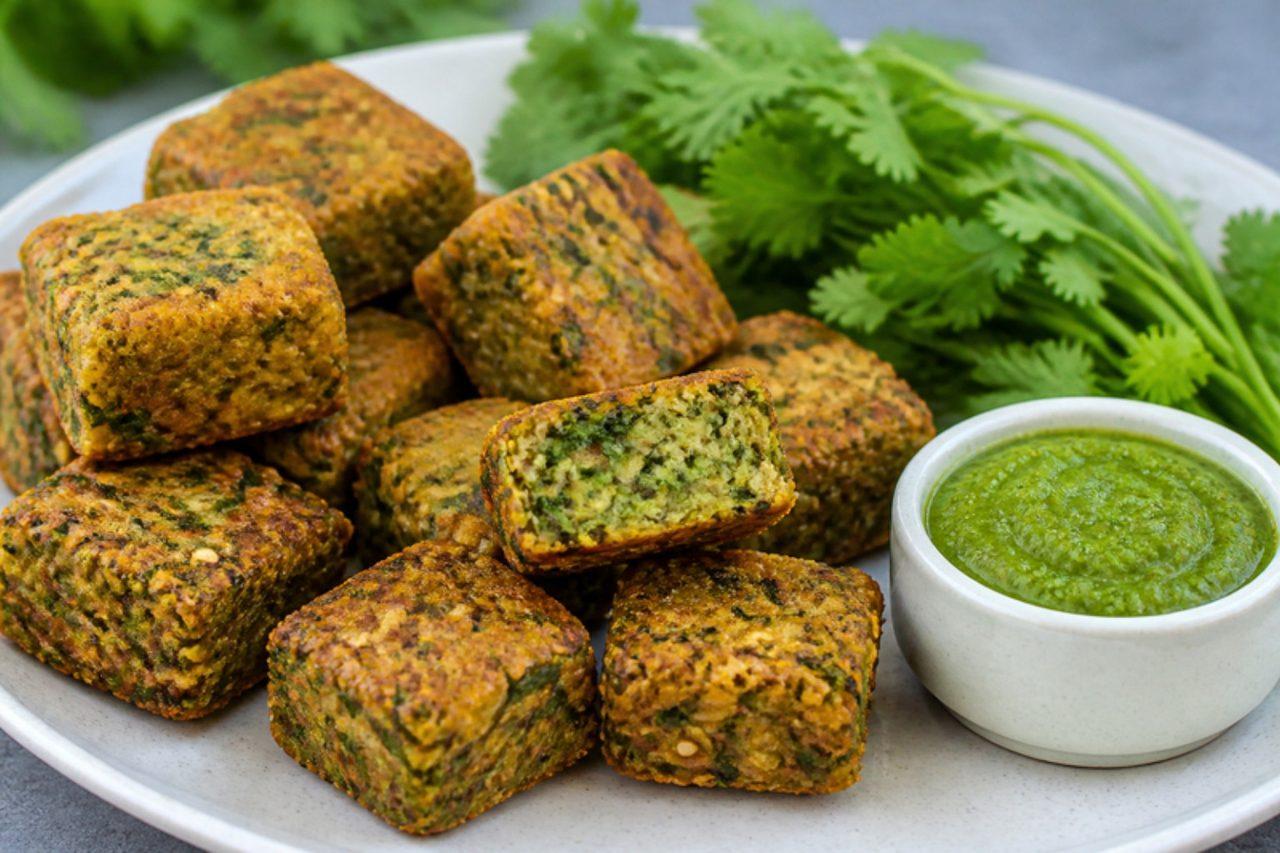
Kothimbir vadiCoriander and gram flour fritters

When the winter coriander in the Nashik markets comes in huge, fragrant bunches for a few rupees, Maharashtrian kitchens make kothimbir vadi. A batter that is mostly fresh coriander, held together with gram flour and sesame, is steamed into a cake, cut into squares, then shallow-fried until each piece has a crunchy shell and a soft, herby middle. It's a tea-time snack in Pune homes, a side on the festive thali and a favourite in tiffin boxes because it's good at room temperature. Serve with green chutney or tomato ketchup. Chef's tip: dry the coriander well after washing; wet leaves make the batter loose and the vadi soggy.

by KrazyBadal 0 views

Rooh Afza sherbetRose syrup drink

During Ramadan almost every household in Pakistan breaks the fast at sunset with a jug of this bright red sherbet on the table, from Karachi apartments to village courtyards in Punjab. It is made with the herbal rose syrup sold as Rooh Afza (any rose sherbet syrup works), stirred into ice-cold water with a squeeze of lemon and a spoonful of swollen basil seeds (tukh malanga) that are said to cool the body after a long, hot day without water. Some families make it with cold milk instead, which turns it pink and creamy. The mistake people make is adding the basil seeds dry; they clump into hard lumps, so soak them first. Chef's tip: chill the water and syrup well before mixing so you need less ice and the sherbet does not taste watered down.

by KrazyBadal 0 views

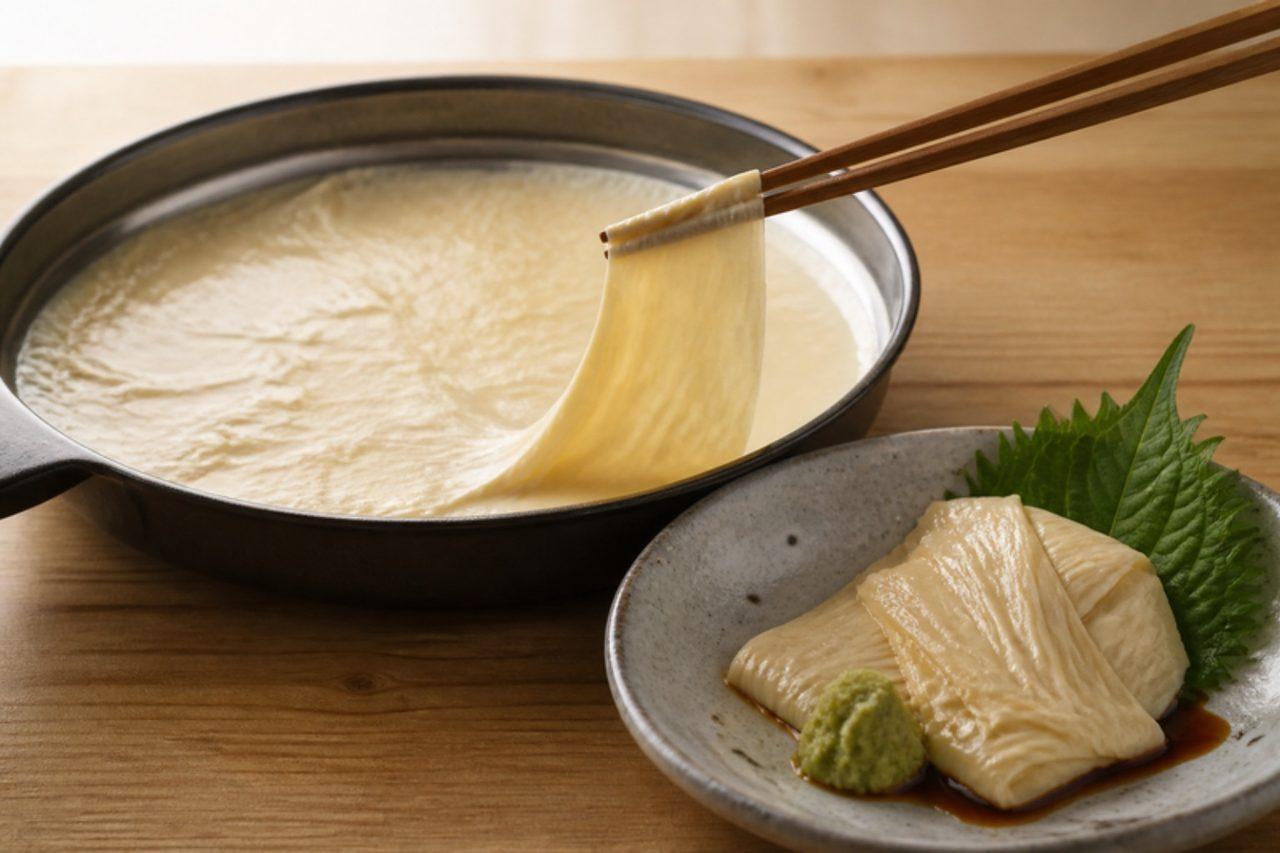
Homemade fresh yubaFresh tofu skin

Yuba is the thin skin that forms on soy milk as it heats, and in Kyoto and the temple town of Nikko it is a delicacy in its own right. Workshops in Kyoto's old streets have made it for centuries for monks' shojin ryori, the Buddhist vegetarian cuisine that relied on it for protein. Fresh yuba is soft, creamy and faintly sweet, and the first sheets of the day, eaten warm with a drop of soy, are prized above all. It needs patience rather than skill: just a wide pan, gentle heat and good soy milk. Serve as a starter with wasabi soy, or roll the sheets and slice them. Chef's tip: use unsweetened soy milk with at least 7% protein (check the label). Thin supermarket drinks won't form a skin.

by KrazyBadal 0 views

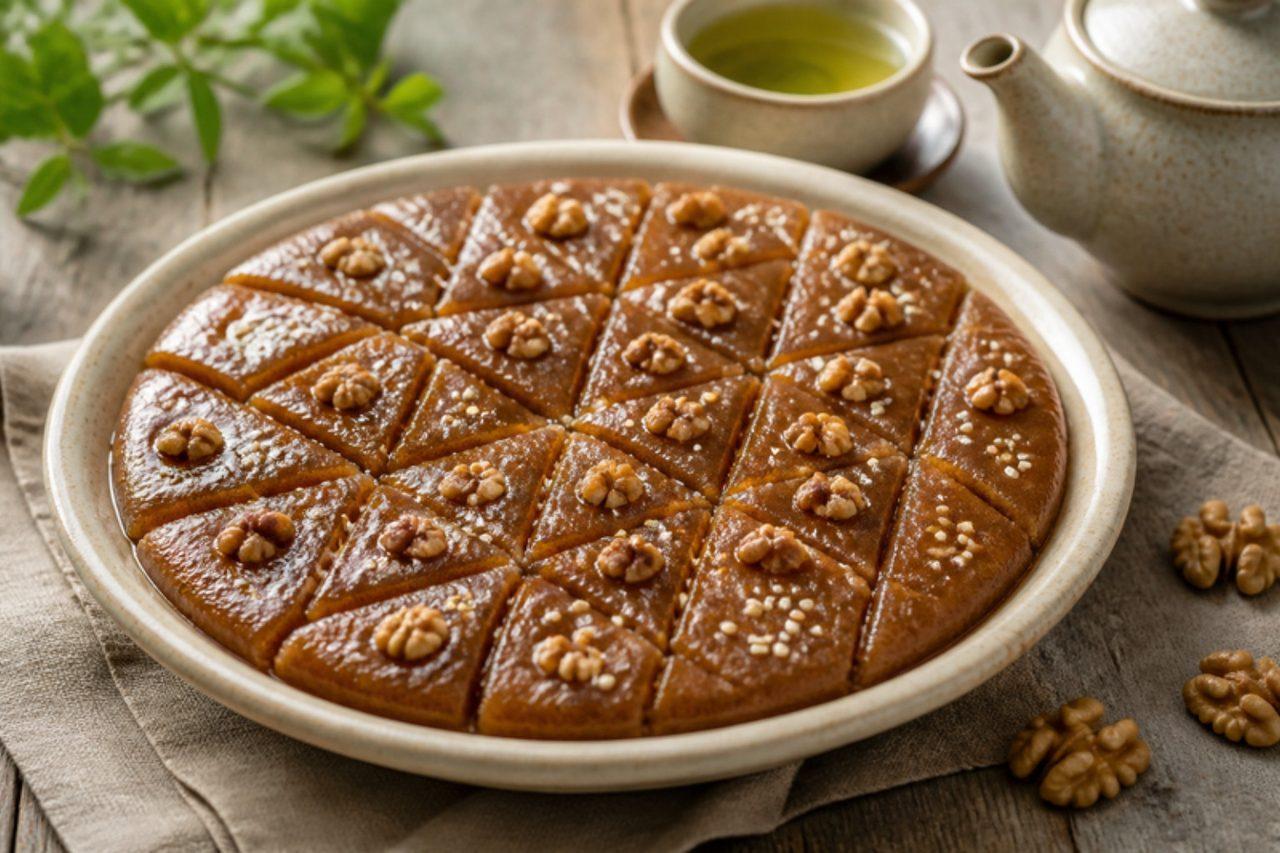
Uzbek halva (holvaitar)Flour and butter halva

Holvaitar is one of the oldest sweets of Bukhara: flour slowly roasted in butter until it smells like toasted nuts, then cooked with a sugar syrup into a soft, spoonable halva and topped with walnuts. Bukharan families make it for Navruz in March, for the 'Thursday' remembrance meals, and for women after childbirth, served warm in small bowls with green tea. It is closer to a pudding than to the brittle sesame halva sold in the bazaar. Chef's tip: patience at the roasting stage is everything; stop when the flour is the colour of milky coffee — paler tastes raw, darker turns bitter.

by KrazyBadal 0 views

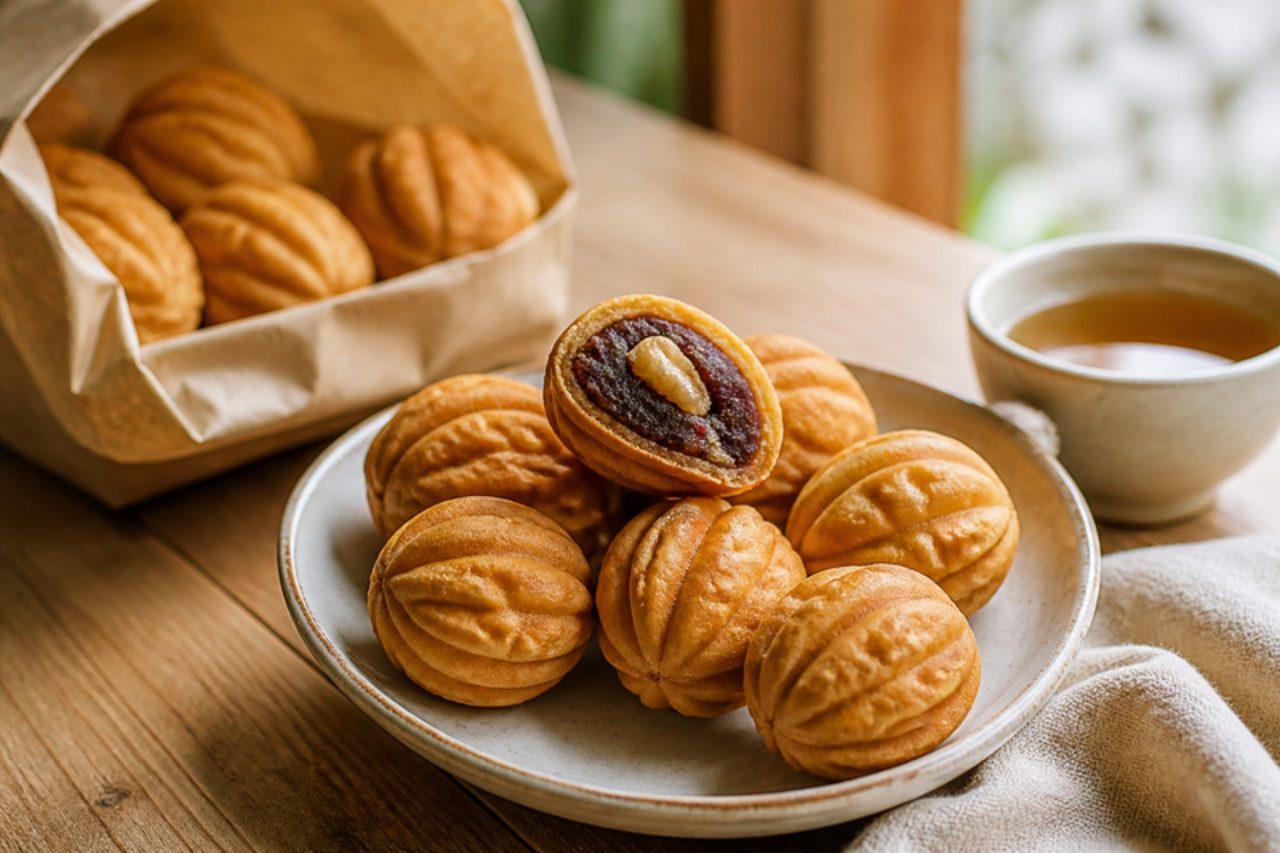
Hodu gwajaWalnut-shaped red bean cakes

Hodu gwaja (호두과자) were first sold at Cheonan station in South Chungcheong in the 1930s, and the town's walnut orchards still supply the pieces of nut hidden in every one. Today you find them in paper bags at every motorway service station in Korea: bite-sized, walnut-shaped cakes with a soft, eggy shell around sweet red bean paste and a chunk of walnut. They are made in a hinged cast-iron mould; a madeleine or Japanese takoyaki pan works too, though the shape will differ. Eat them warm, on the day. Chef's tip: heat the mould properly before the first batch; the first cakes are always the palest, so judge doneness by the colour of the later ones.

by KrazyBadal 0 views

RöstiPotato cake

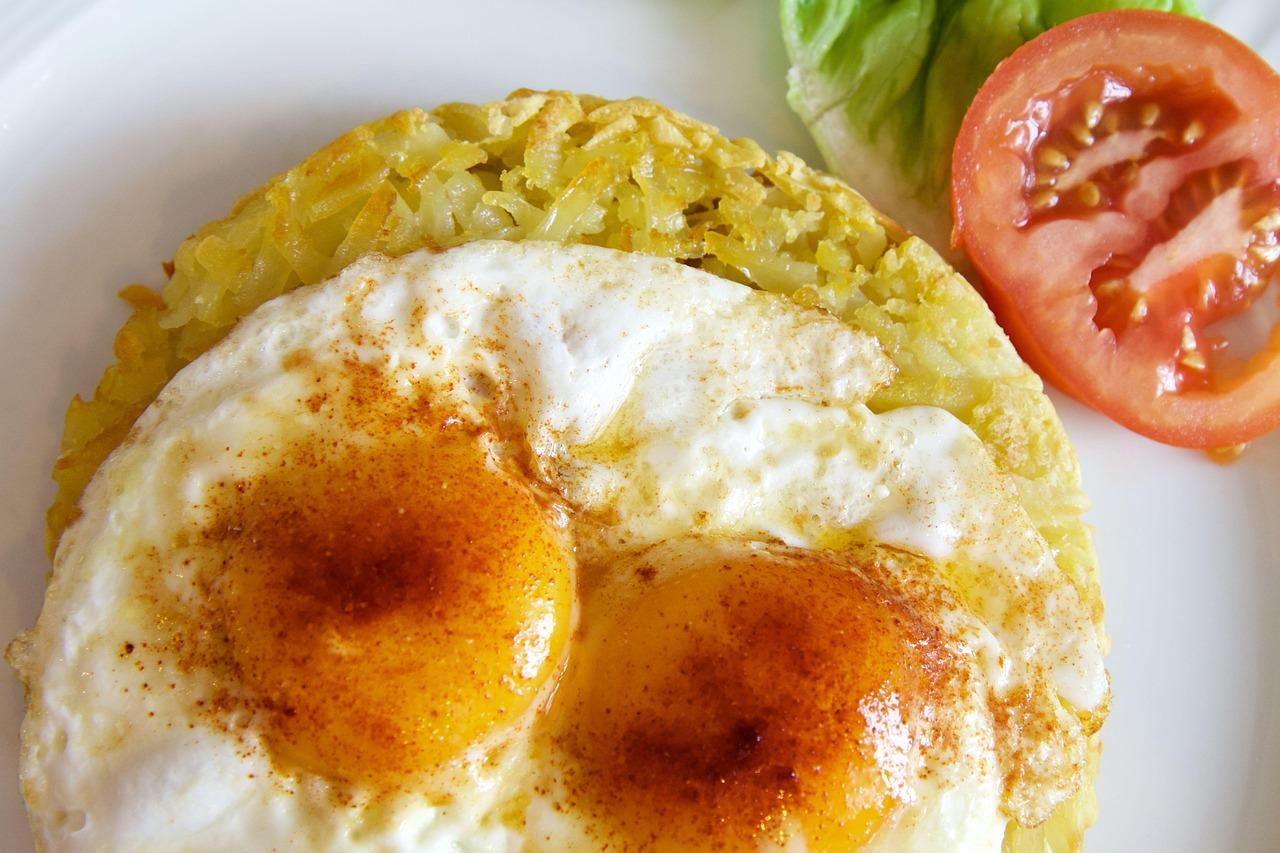
Rösti was once the farmer's breakfast in the canton of Bern, fried in the morning from potatoes boiled the night before, and it is still the plate Bernese families make on a Sunday or eat with a fried egg for supper. It is so tied to German-speaking Switzerland that the language border with the French-speaking west is jokingly called the Röstigraben, the rösti ditch. Coarsely grated, cold, parboiled potato is pressed into a hot pan of butter and left alone until the underside turns a deep, crunchy gold, while the inside stays soft. Serve it with fried eggs and a tomato salad, with melted cheese on top, or next to mushrooms in cream. Chef's tip: parboil the potatoes a day ahead and chill them overnight; cold, firm potato grates into clean strands that stay separate and crisp.

60 minSwissSidesGluten free
by KrazyBadal 0 views

Bake and sharkFried shark in fried bread

After a swim at Maracas Bay on Trinidad's north coast, the queue at the beach huts is for bake and shark: a puffy fried bread split open around a piece of seasoned, crisp-fried fish, then loaded at a toppings bar with coleslaw, cucumber, pineapple, tamarind sauce, pepper sauce and the bright green chadon beni (culantro) sauce. Shark is the tradition, but many shark species are now overfished and some build up mercury, so this recipe uses a firm, sustainably caught white fish such as hake, pollock, catfish or mahi-mahi; use shark only from a source you trust. Chef's tip: let the bake dough rest for a full 30 minutes; relaxed dough puffs up like a pillow in the hot oil instead of frying flat and tough.

by KrazyBadal 0 views

RotkohlBraised red cabbage

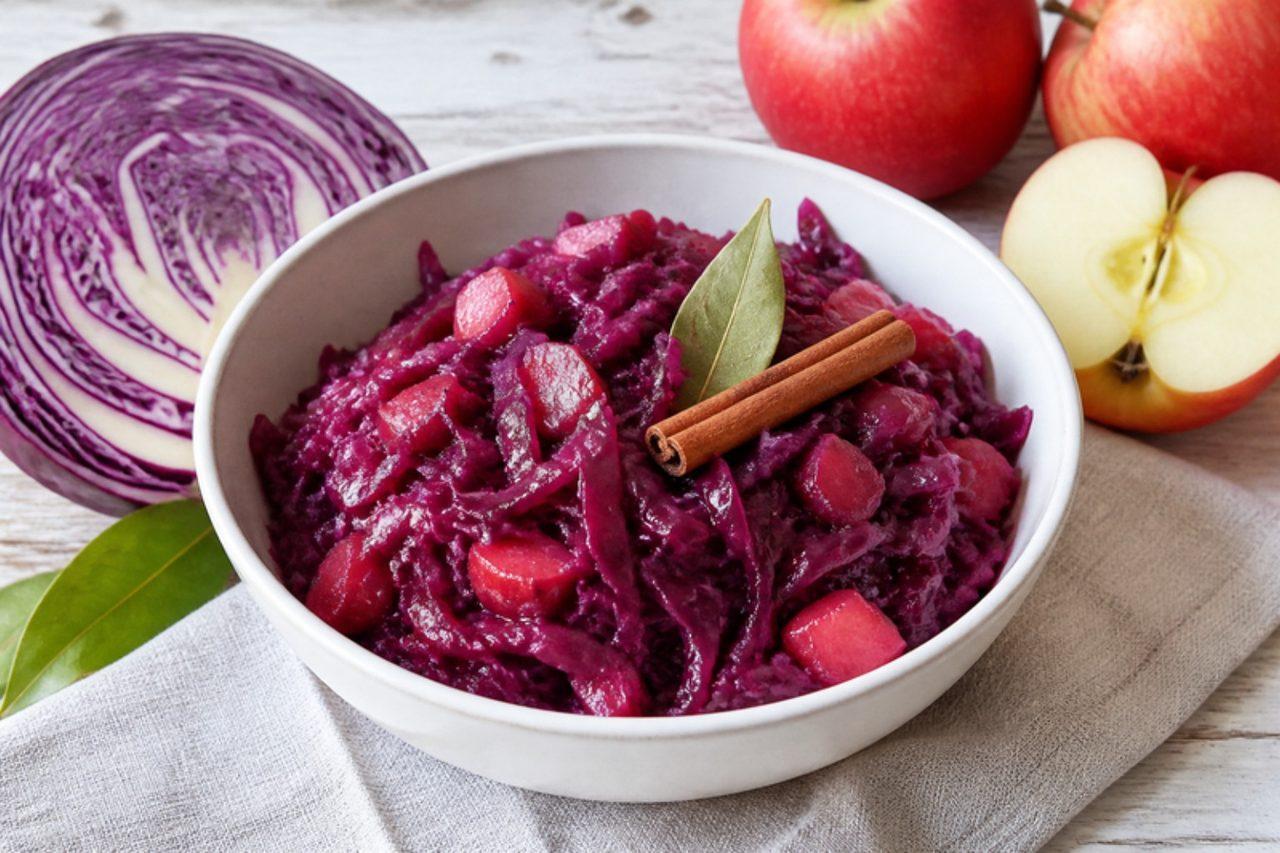
Rotkohl, called Blaukraut in Bavaria and Austria, is the purple braised cabbage that sits next to dumplings and potatoes on German plates from autumn to Christmas. Red cabbage is cooked slowly with apple, onion, vinegar, bay and clove until meltingly soft, sweet-sour and glossy, a deep wine-red because the acid keeps the colour bright. Traditionally it's started in goose fat or lard; oil works perfectly and keeps it vegan. It's one of those dishes that is better the next day, so families make a big pot before Christmas. Chef's tip: add the vinegar at the start, not the end; without acid the cabbage turns an unappetising blue-grey as it cooks.

by KrazyBadal 0 views

HeotjesatbapRice with seven vegetable sides

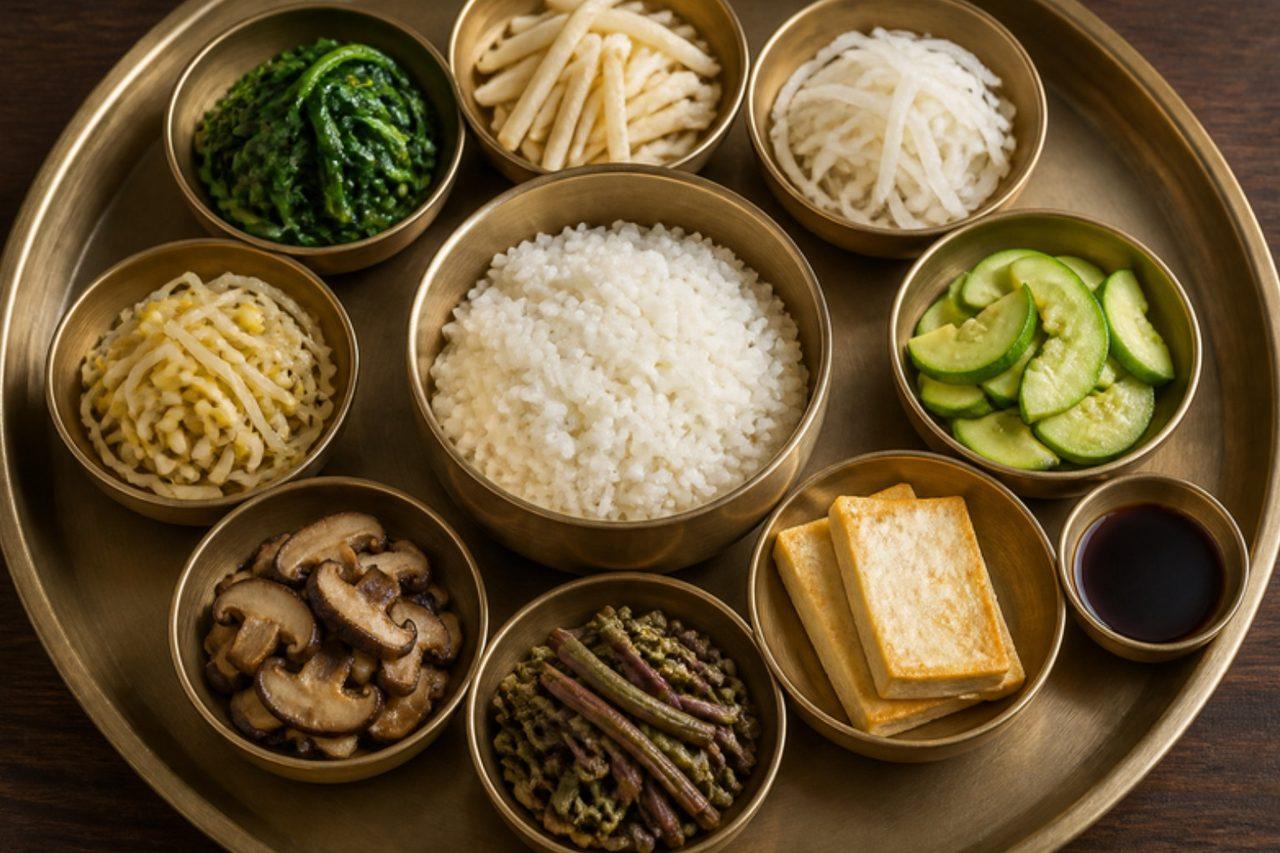
In Andong, the old Confucian town of North Gyeongsang, the scholars of the yangban class were said to want the food from jesa, the rite offered to ancestors, without waiting for a rite to come round, so they cooked the same dishes and called them heotjesatbap (헛제삿밥), 'fake rite rice'. Restaurants by Andong's dam still serve it: a bowl of rice to be mixed with brown, white and green namul and seasoned with soy sauce, never chilli, because ritual food avoids red pepper and garlic. The full table includes grilled fish and beef skewers; this vegetarian version keeps the vegetables and tofu jeon that make up most of it. Chef's tip: cook each namul separately with only salt, soy or sesame, so each keeps its own taste and colour when you mix the bowl.

by KrazyBadal 0 views

Henakisoa sy voanjoboryPork with groundnuts

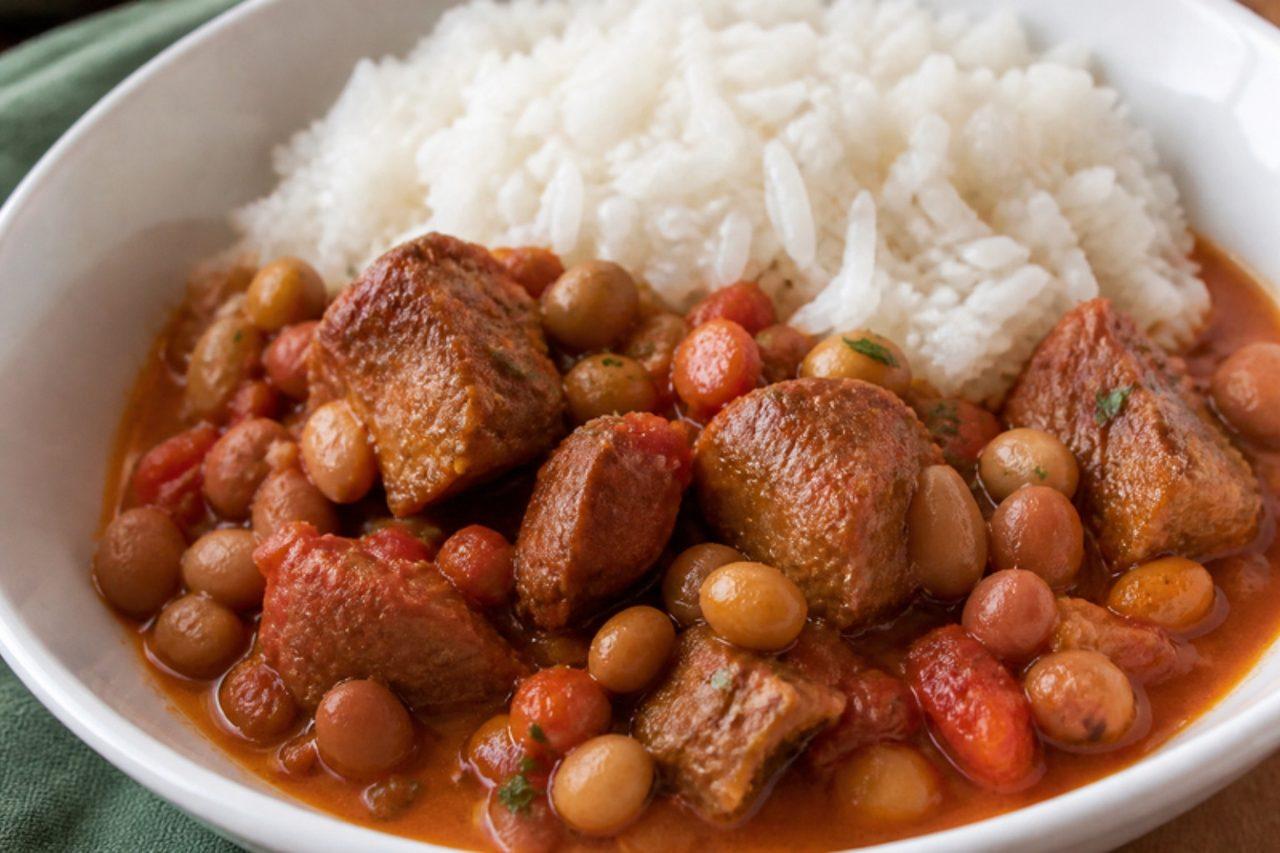
Henakisoa sy voanjobory is a highland dish from the countryside around Antsirabe and Fianarantsoa, cooked for family gatherings: pork simmered for a long time with Bambara groundnuts, a hard, round pulse that turns creamy and nutty, until the meat is tender and the beans have thickened the sauce. This dish contains pork. It is eaten with rice and a fresh tomato salad. The mistake is not soaking the dried pulses, which then never soften; soak them overnight. Chef's tip: if you can't find Bambara groundnuts, black-eyed beans or borlotti give a similar result in less time.

150 minMalagasyMeatGluten free
by KrazyBadal 0 views

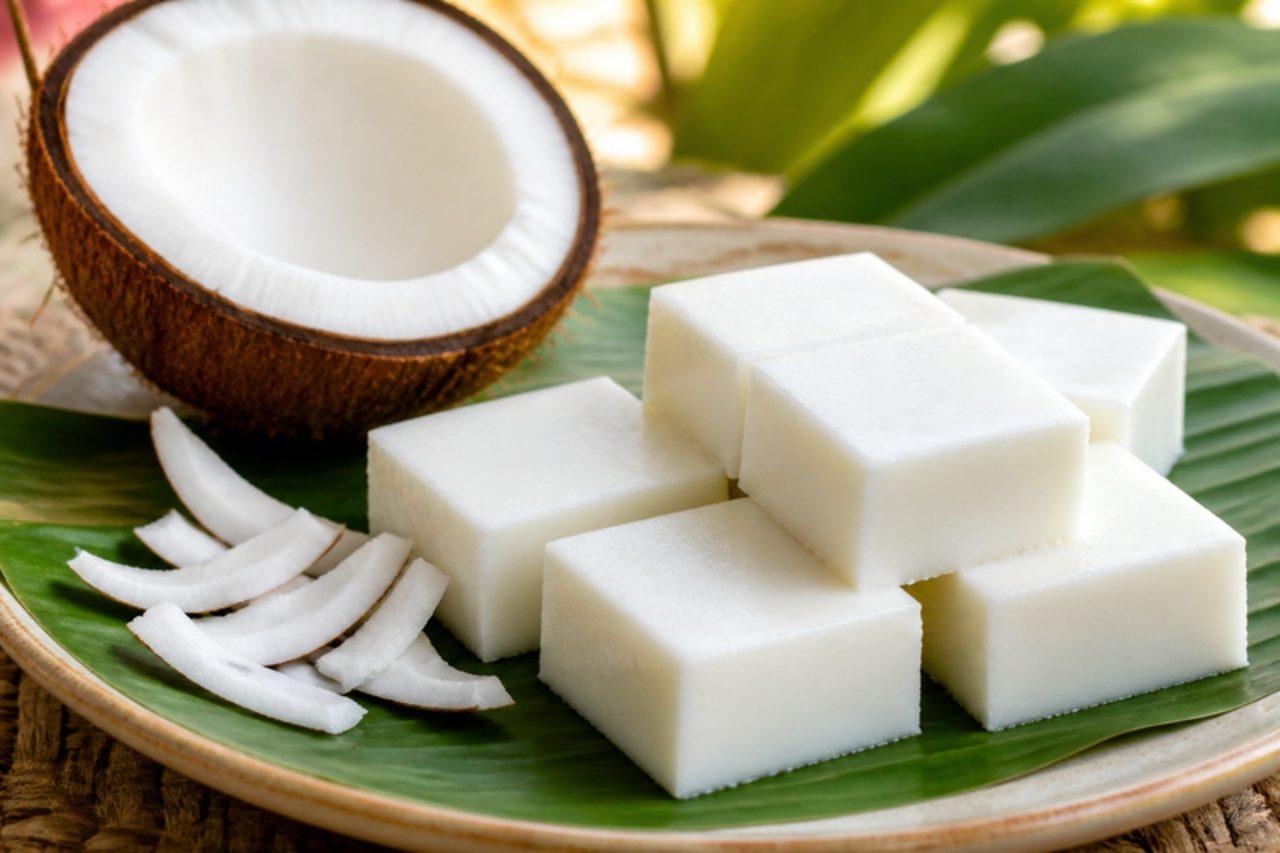
HaupiaCoconut pudding

Haupia is the dessert of every Hawaiian lūʻau and family party: coconut milk thickened and set into smooth, wobbly-firm squares that you can pick up with your fingers. It was once set with arrowroot from the pia plant; today cornflour does the job. It tastes clean, cool and gently sweet, and is also layered on chocolate pies and spread on cakes in Honolulu bakeries. Chef's tip: keep whisking until it's as thick as mayonnaise and big bubbles plop slowly; underdone haupia won't set firm enough to slice.

by KrazyBadal 0 views

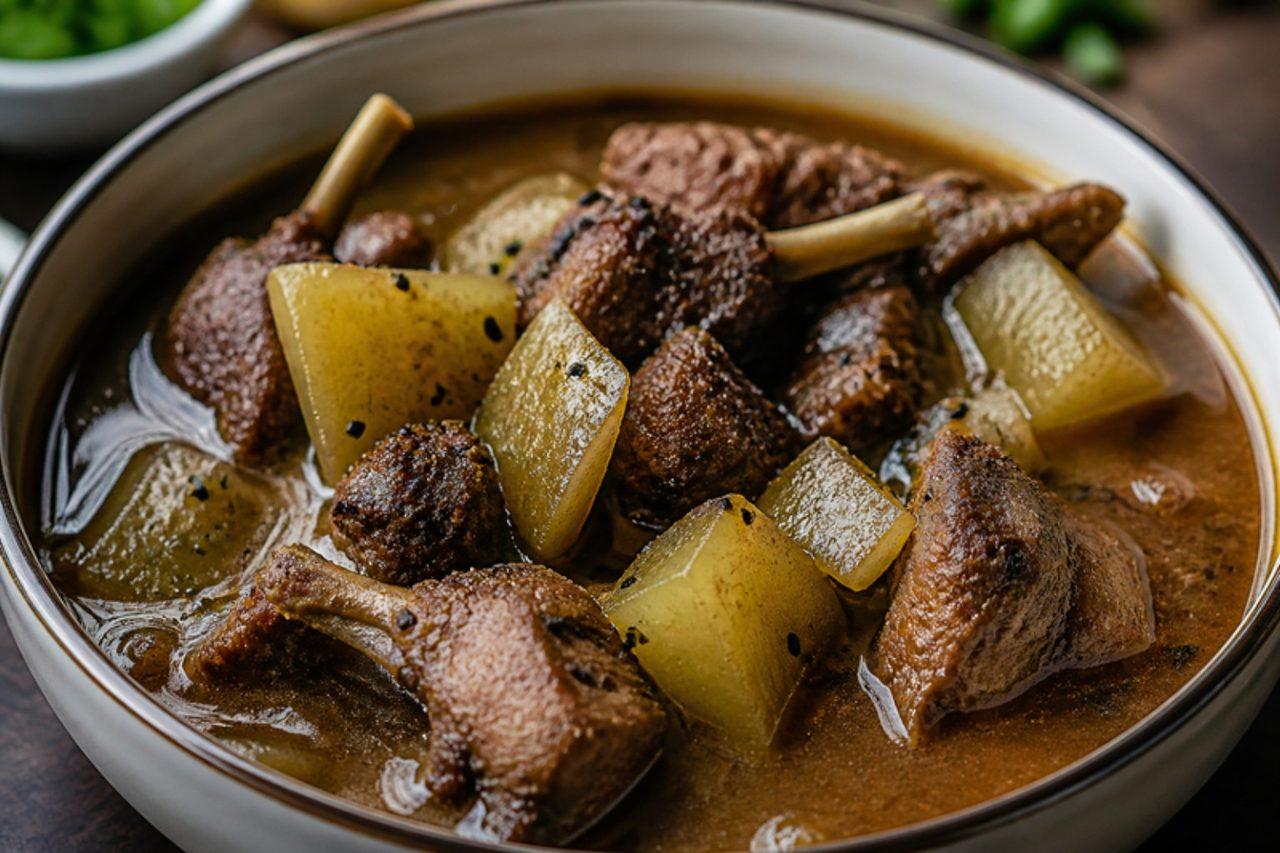
Hanhor mangxoDuck curry

When Magh Bihu brings bonfires and feasting to the villages of Assam in January, duck curry is one of the dishes families look forward to. Duck meat is simmered with ash gourd (kumura), which soaks up the rich juices, and the gravy is thickened with toasted black sesame for a deep, nutty taste. It is eaten with rice, often after the night-long community feast called uruka. Chef's tip: brown the duck skin-side down first and pour off some of the rendered fat; you need its flavour, not all of it.

120 minIndianMeatGluten free
by KrazyBadal 0 views

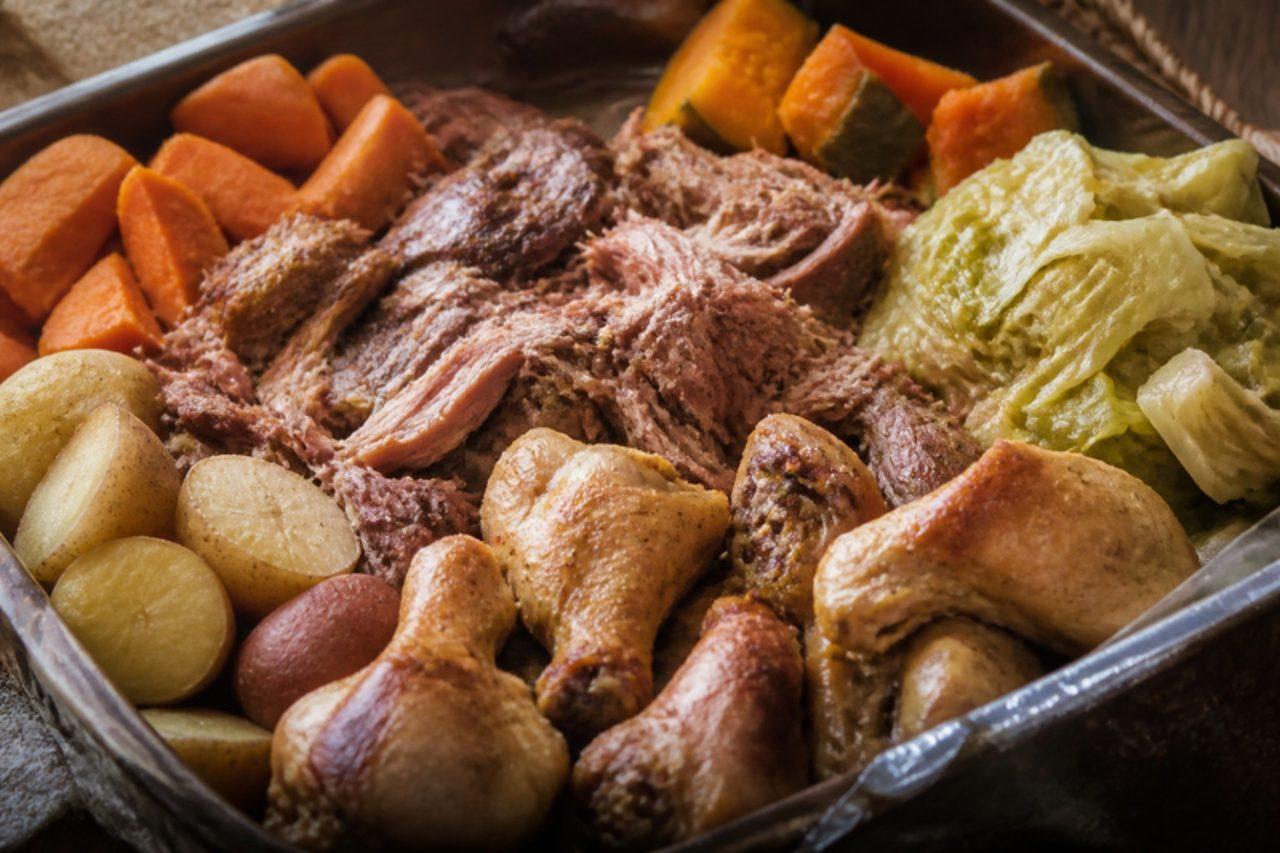
Hāngī-style roastOven-steamed roast pork and vegetables

A true hāngī is cooked by Māori communities across Aotearoa New Zealand in a pit lined with stones heated in a wood fire, with baskets of meat and vegetables covered with damp cloths and earth and left for hours; it is made for tangihanga (funerals), weddings, marae gatherings and fundraisers, and the skill is passed down through whānau. An oven can't reproduce that earthy, smoky steam, and this recipe does not claim to. It borrows the idea: pork, chicken, kūmara, pumpkin and potato packed tightly, covered and steamed for hours until everything is meltingly soft. It contains pork. The mistake to avoid is loose foil; if steam escapes, the meat dries out instead of steaming. Chef's tip: sit the meat on top of the vegetables so its juices drip down and season them.

by KrazyBadal 0 views

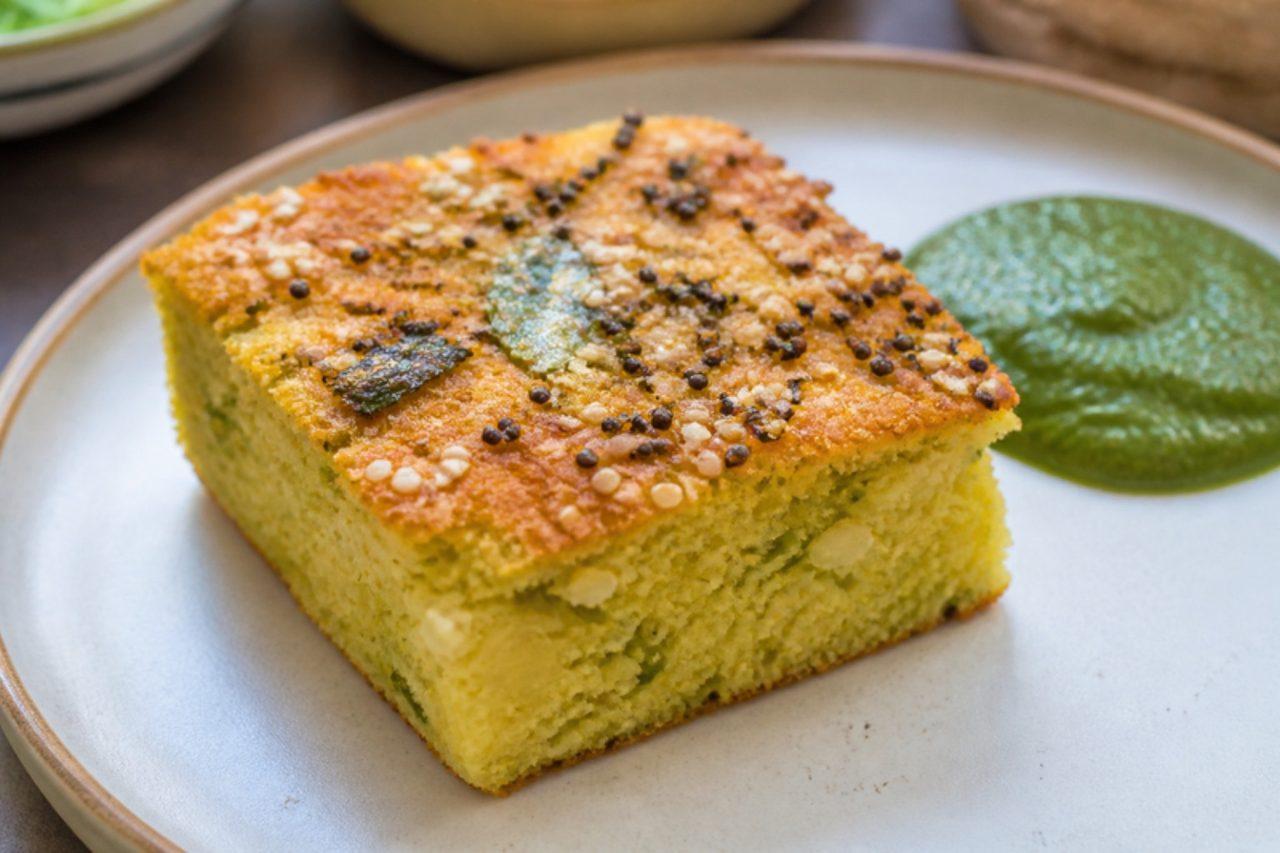
HandvoSavoury rice and lentil cake

Handvo is a savoury cake from Gujarat, made from a fermented batter of rice and lentils mixed with grated bottle gourd, yogurt and spices. It's baked or cooked slowly in a heavy pan until it has a deep-brown, crackly crust of mustard seeds and sesame and a soft, moist, slightly tangy inside. Gujarati families make it for Sunday tea or a light supper, with green chutney and a cup of masala chai. Slices are also good packed for a journey. Chef's tip: don't rush the crust; cook on a low heat with a lid and let the base go deep golden before you flip, because the crunchy, almost toasted sesame crust is the best part.

by KrazyBadal 0 views

Halo-haloShaved ice dessert

Halo-halo ('mix-mix') is what the Philippines eats through the hot dry months of March to May, bought from roadside stalls and snack shops and eaten slowly with a long spoon in a tall glass. Sweetened beans and chickpeas, banana cooked in brown sugar, jackfruit, nata de coco and sugar-palm fruit go in first, then a mountain of finely shaved ice, a splash of evaporated milk and a crown of ube halaya, a slice of leche flan or a scoop of ube ice cream, with crunchy pinipig (toasted pounded rice) on top. Unlike Malaysian ais kacang, there's no syrup over the ice: the sweetness comes from the layers and the milk. You stir everything together before eating. Chef's tip: chill the glasses and the toppings first so the ice doesn't melt before you have finished building.

by KrazyBadal 0 views

HallacasStuffed corn parcels

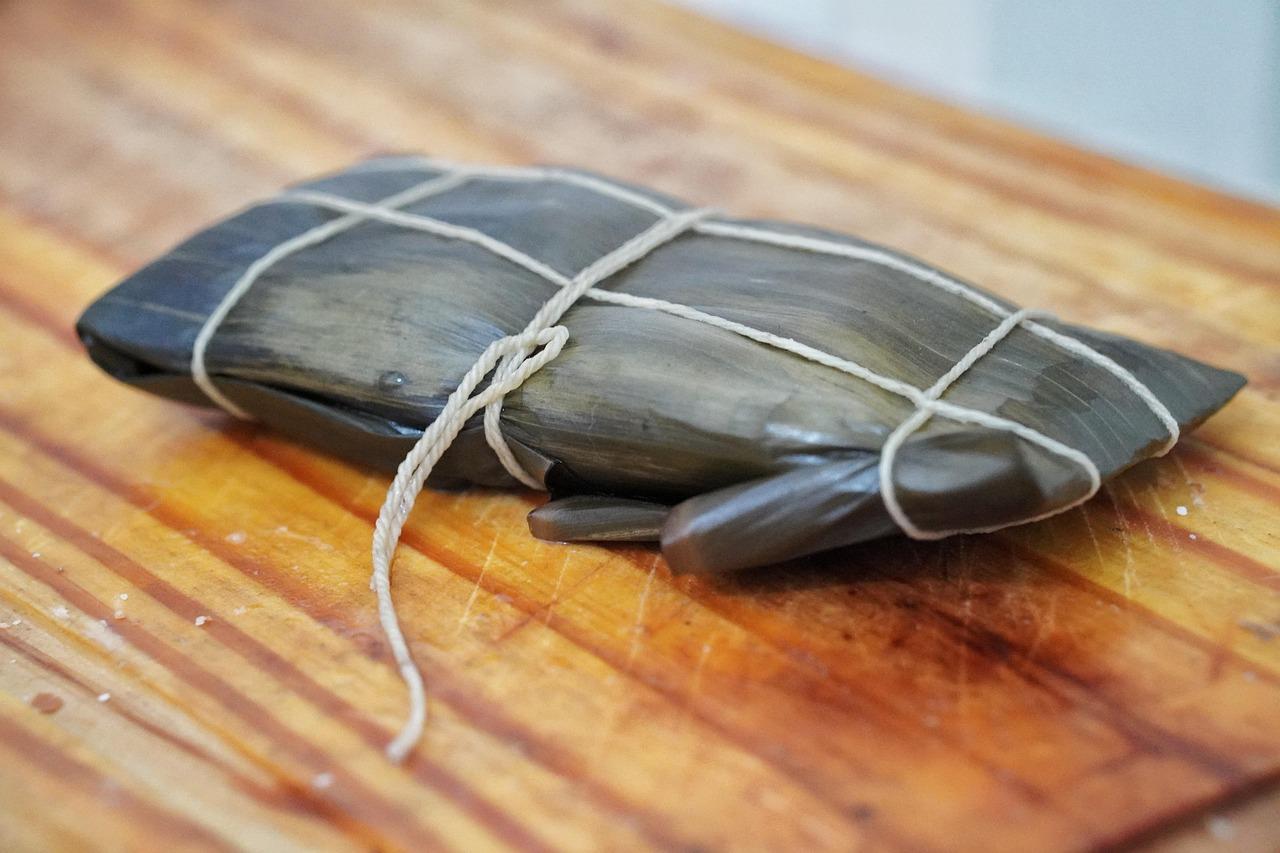
Hallacas are Venezuelan Christmas. In December whole families gather around a kitchen table in Caracas, Maracaibo or the Andes to make dozens at once: one person cleans banana leaves, another spreads the annatto-tinted corn dough, another adds the guiso (a stew of pork, beef and chicken) and the garnishes, and someone else ties the parcels. This is a pork dish. The guiso is traditionally finished with red wine; for an alcohol-free version use the same amount of beef stock with a tablespoon of red wine vinegar. They are eaten with pan de jamón and chicken salad from Christmas Eve to New Year. The common mistake is spreading the dough too thick, which makes heavy, stodgy parcels; it should be thin enough to almost see the leaf through it. Chef's tip: make the guiso a day ahead and chill it, so it is firm and easy to portion.

by KrazyBadal 0 views

Sadza with beef stewMaize porridge with beef stew

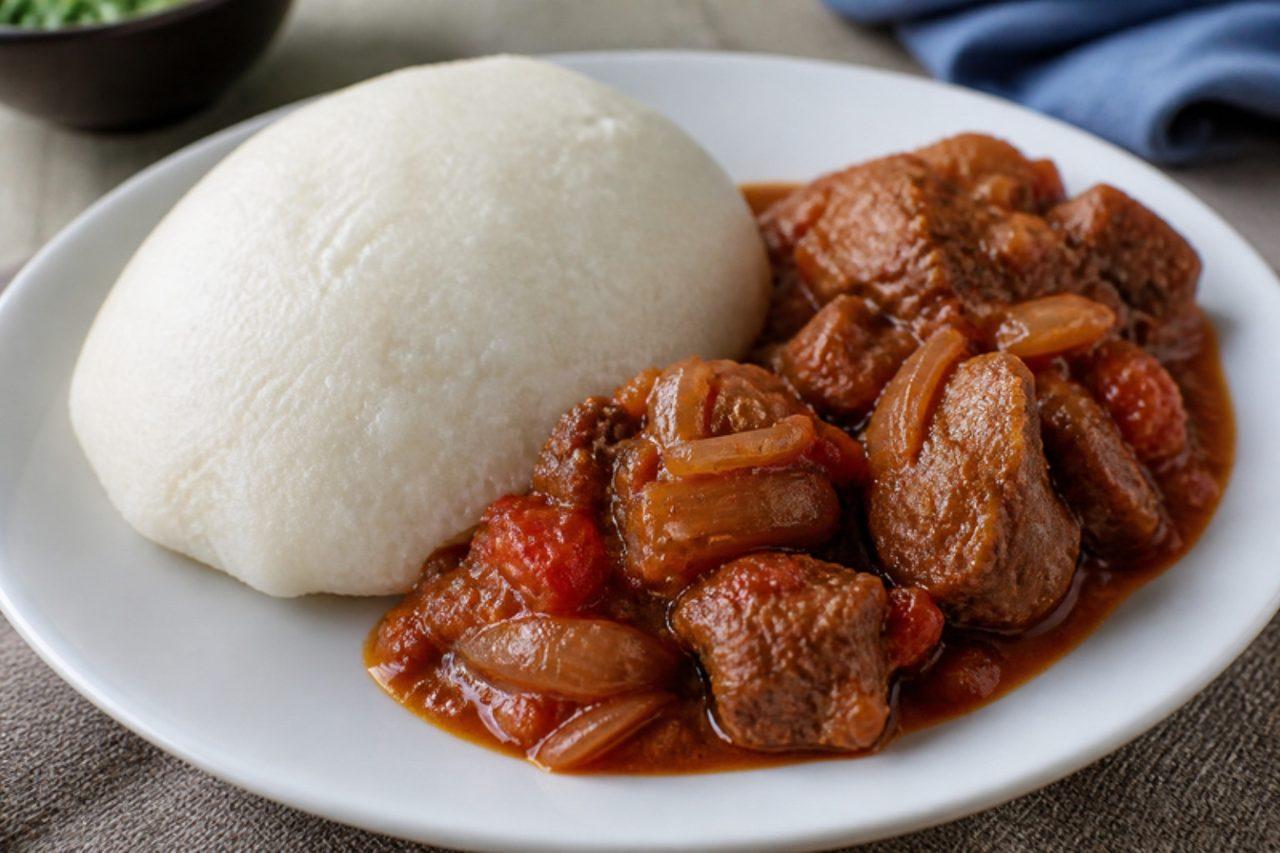
Sadza ne nyama, sadza with meat, is the meal most Zimbabweans would call home: a stiff, smooth porridge of white maize meal shaped into rounds with a wooden spoon, served with a beef stew and a side of greens such as covo or rape. Families in Harare and Bulawayo eat it at lunch or supper, rolling a little sadza into a ball in the right hand and dipping it in the gravy. The mistake is adding all the maize meal at once, which makes lumps; stir in a paste first, then add the rest gradually. Chef's tip: let the porridge "rest and cook" under a lid for a few minutes between additions so the meal tastes cooked, not raw.

by KrazyBadal 0 views

Hallabong adeSparkling tangerine drink

Hallabong (한라봉) is Jeju's pride: a large, sweet, easy-peel tangerine with a knob on top that is said to look like Hallasan, the island's volcano. Every café on Jeju sells hallabong ade (한라봉에이드), a tall glass of hallabong syrup topped up with sparkling water and ice, often with the fruit sliced into it. Koreans make the syrup, hallabong-cheong, by layering the sliced fruit with sugar in jars; this quick version is ready in 10 minutes. Outside Korea, use dekopon, sumo or any very sweet mandarin. Chef's tip: add a squeeze of lemon to the syrup; hallabong is so sweet that the drink tastes flat without a little extra acid.

by KrazyBadal 0 views

HarchaPan-fried semolina bread

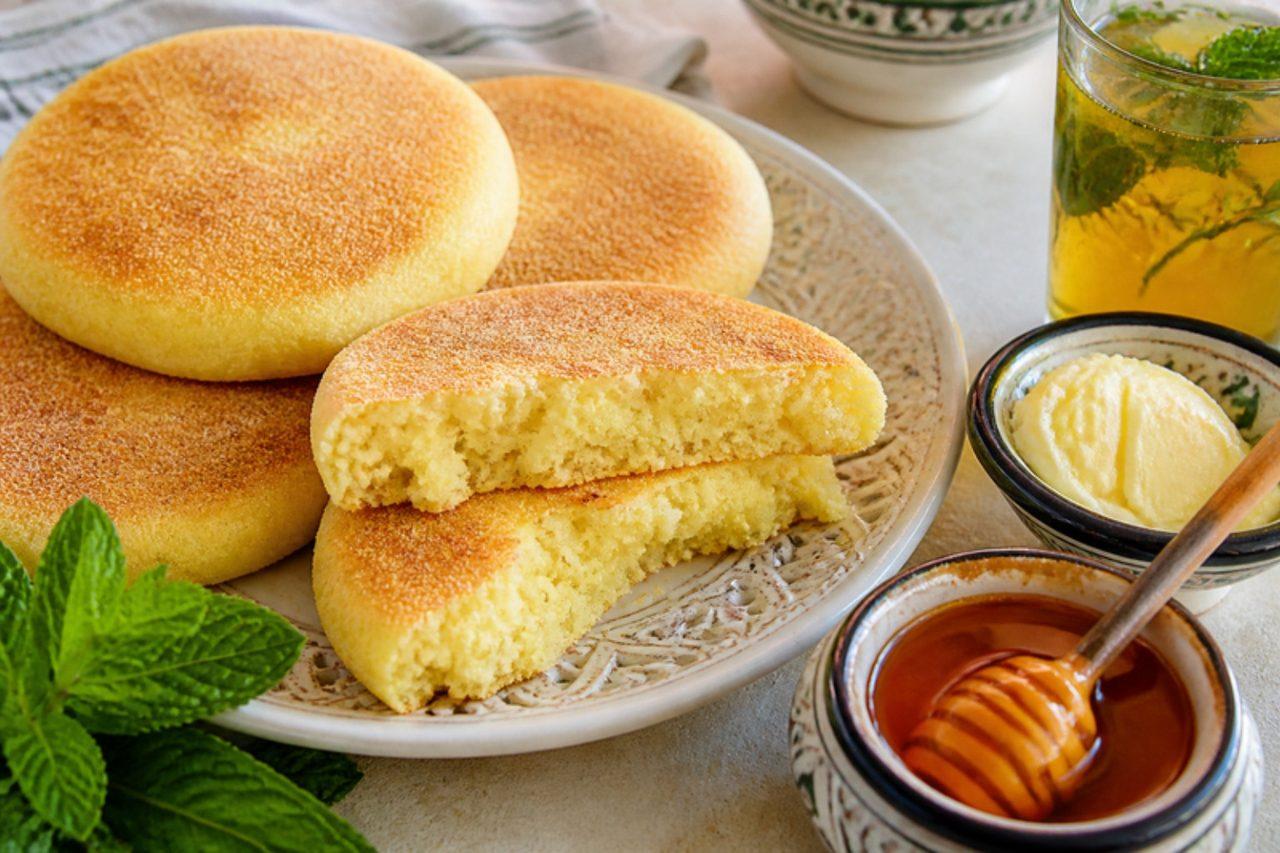
Harcha are thick little semolina breads cooked on a griddle and eaten all over Morocco at breakfast and with mid-afternoon tea, especially during Ramadan for the evening meal. The dough is closer to a crumbly batter than a bread dough, so it needs no kneading or rising; it is pressed into rounds and cooked slowly until the outside turns golden and gritty and the inside stays tender, a bit like a savoury shortbread. Split them while warm and spread with butter and honey, apricot jam or a wedge of soft cheese. Chef's tip: let the mixed dough rest for 5 minutes; the semolina drinks up the milk and becomes much easier to shape.

by KrazyBadal 0 views

Safed maasMutton in white gravy

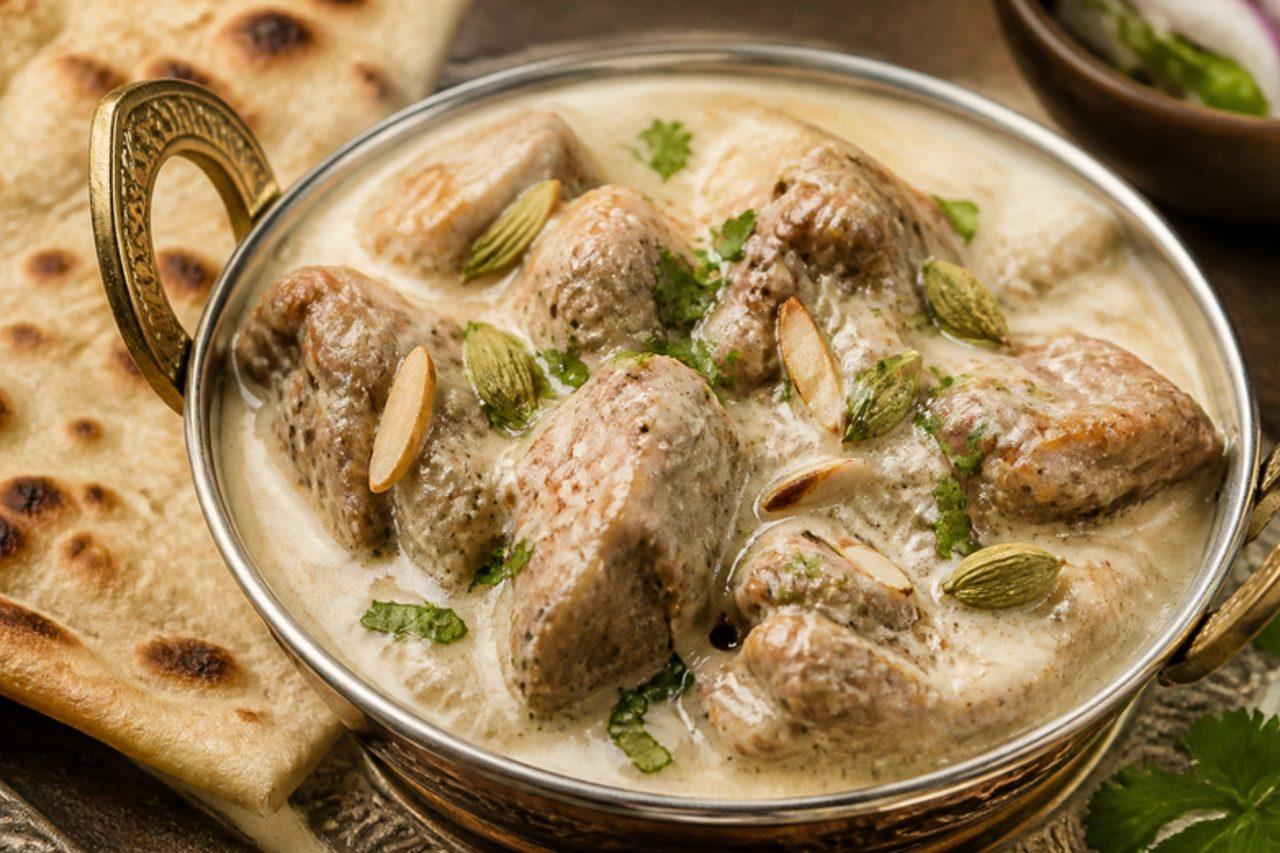
Safed maas is the quiet sibling of fiery laal maas, created in the palace kitchens of Rajasthan's princely states such as Jaipur and Udaipur, where cooks prized dishes that looked as refined as they tasted. There is no turmeric, no red chilli and no browning: the mutton is cooked white with yogurt, a paste of cashews and almonds, cream and white pepper, scented with cardamom and kewra. Its heat is gentle and comes from white pepper and a few green chillies. It's served at weddings and festive dinners with soft rotis or saffron pulao. Chef's tip: keep the heat low from start to finish; the moment the meat or the spices brown, the gravy turns beige and loses that ivory look.

125 minIndianMeatGluten free
by KrazyBadal 0 views

Hakka lei chaPounded herb and peanut tea

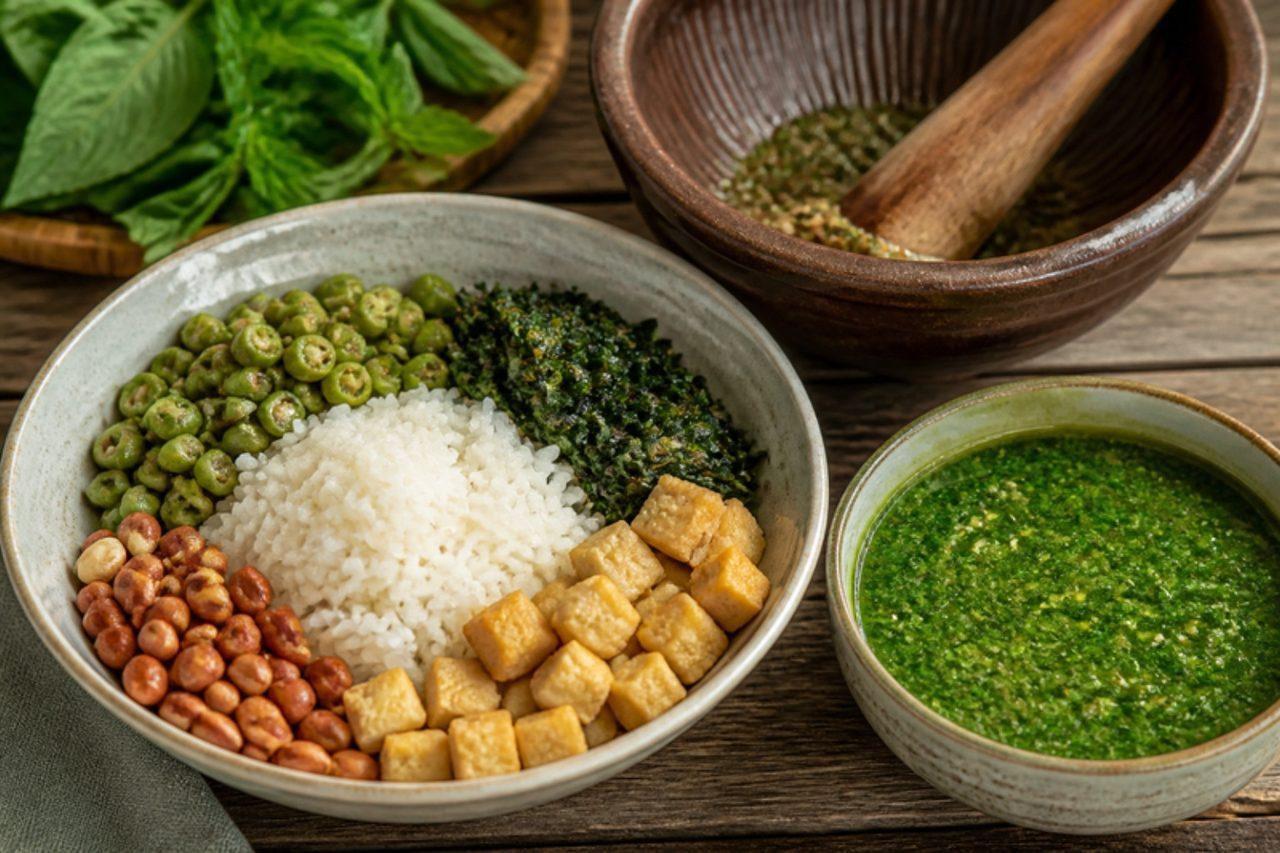
Lei cha means 'pounded tea', and in Hakka villages from Jieyang and Hepo to Taiwan and Malaysia it is still ground by hand in a ridged bowl with a guava-wood stick. Tea leaves, basil, mint and coriander are pounded with sesame and peanuts, then loosened with hot water into a grassy green soup. It's ladled over a bowl of rice topped with small heaps of stir-fried greens, beans, tofu and preserved radish. Some families eat it on the seventh day of the New Year. Chef's tip: toast the sesame and peanuts yourself; the toasting gives the soup its depth.

by KrazyBadal 0 views

Habichuelas guisadasStewed pink beans

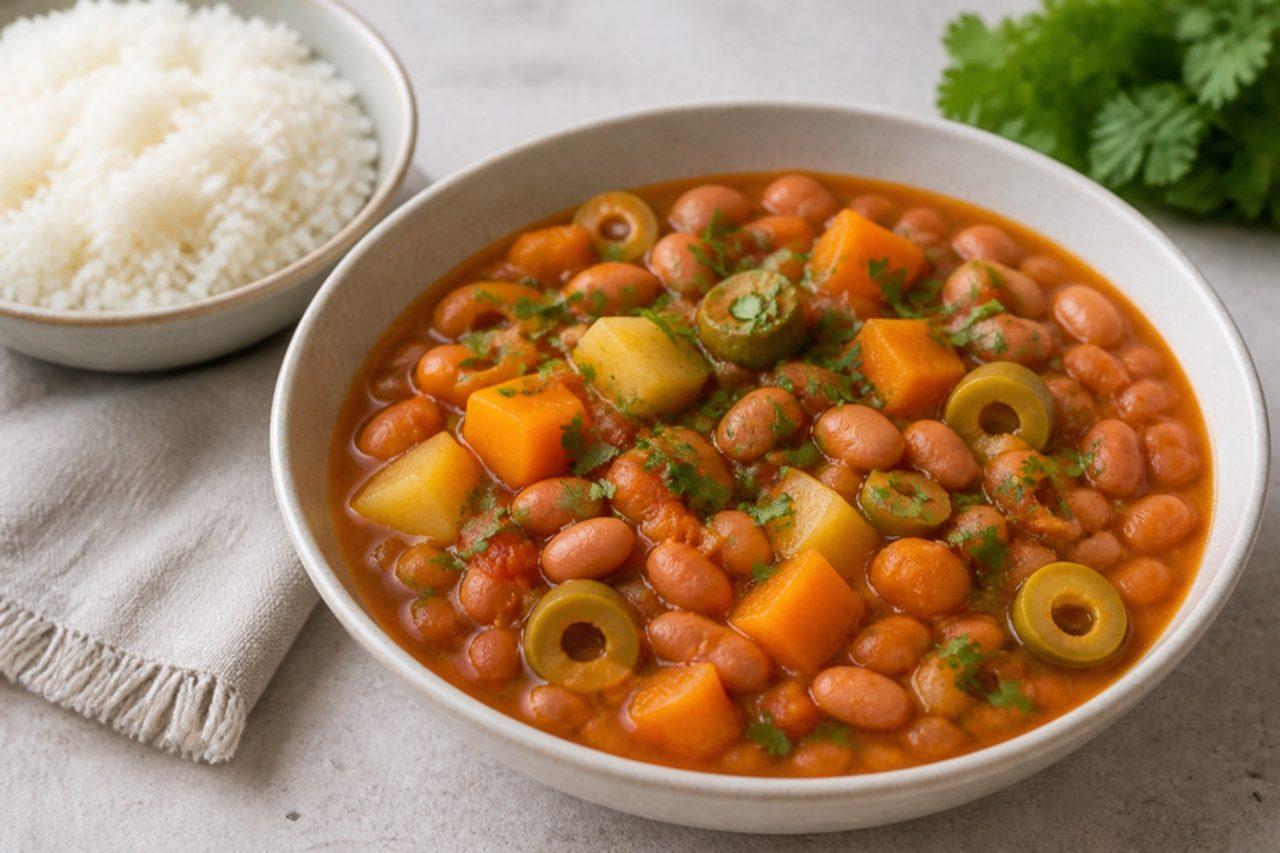
Habichuelas guisadas are on the stove most weekdays in Puerto Rico, from Ponce to Fajardo, ladled over plain white rice for the everyday plate called arroz con habichuelas. Pink or red beans simmer with sofrito, tomato sauce and olives, and cubes of calabaza (West Indian pumpkin) melt into the pot to make a thick, orange-red, gently sweet sauce. It's homely, cheap and deeply savoury. Island cooks often add a piece of ham; this version doesn't need it. Chef's tip: when the pumpkin is soft, crush a few pieces against the side of the pot; they dissolve into the liquid and thicken it without any flour.

by KrazyBadal 0 views

SaganakiPan-fried cheese

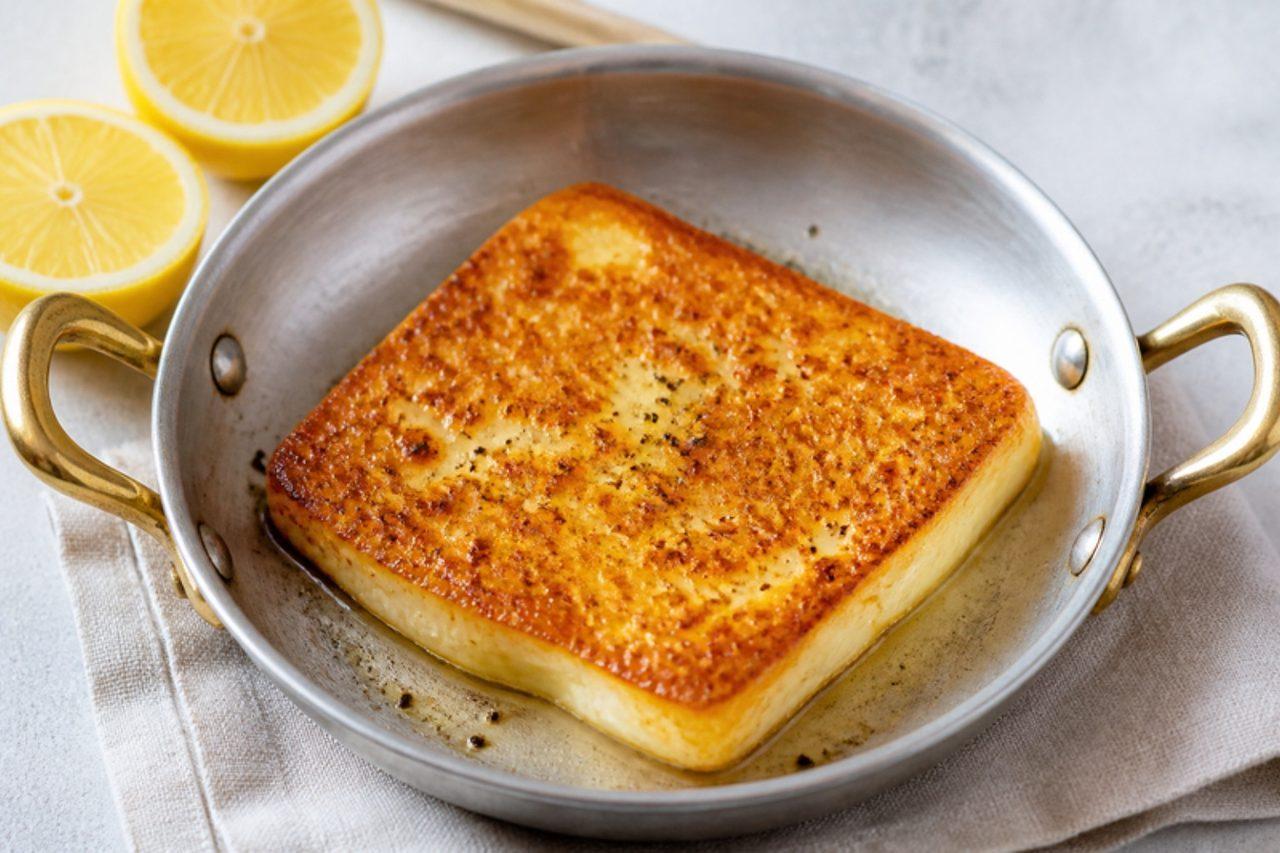
Saganaki takes its name from the small two-handled pan it's cooked in. A thick slice of hard sheep's-milk cheese, usually kefalograviera or kefalotyri, is dusted with flour and fried until it has a crisp, golden crust and a soft, stretchy middle, then splashed with lemon. In Greek tavernas it arrives sizzling at the start of the meal, to share with bread, salad and a cold drink. Traditional Greek hard cheeses are often made with animal rennet, so use a vegetarian alternative such as a vegetarian graviera or halloumi. We dust it with rice flour so it is gluten free. Chef's tip: chill the cheese and get the pan properly hot before it goes in; a lukewarm pan is the common mistake and the cheese melts into a puddle before it crisps.

by KrazyBadal 0 views

Habichuelas con dulceSweet red bean cream

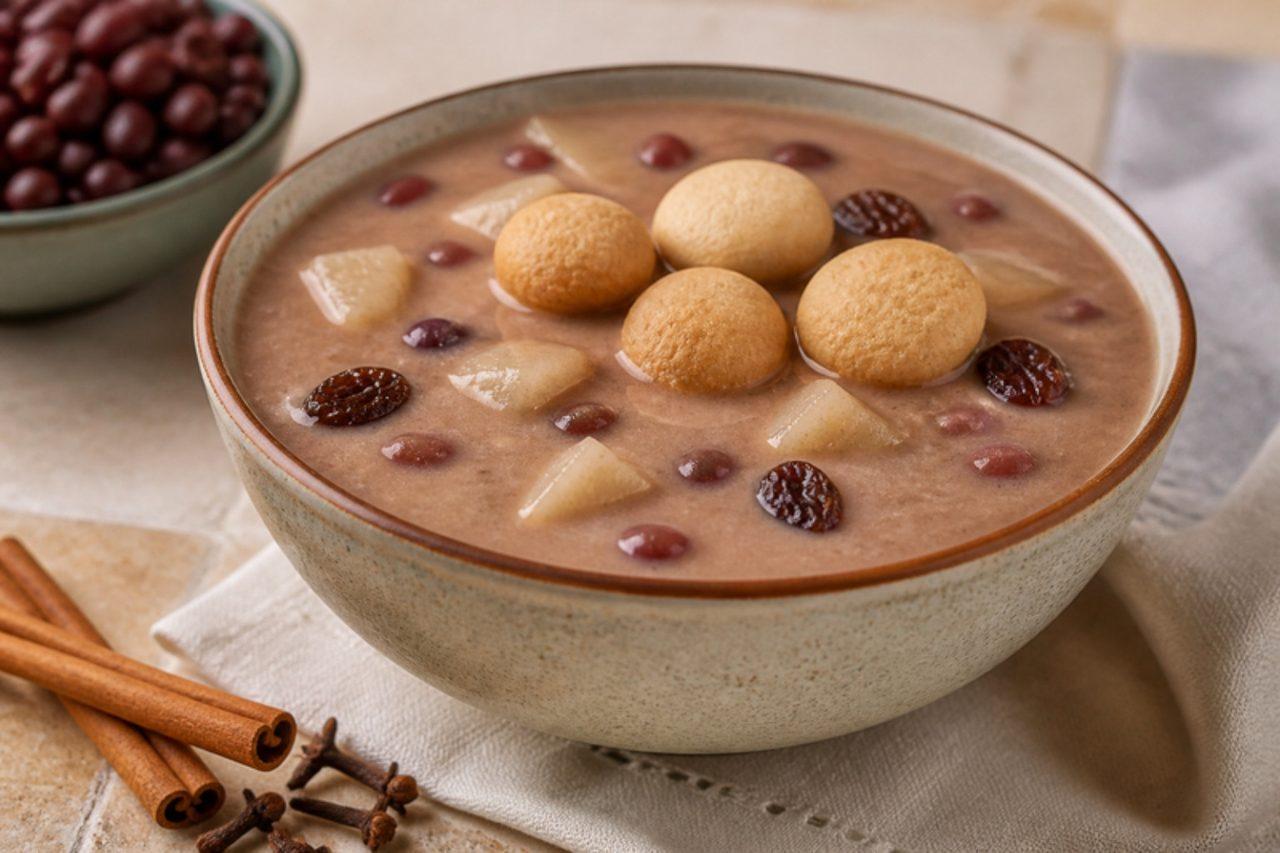
In the Dominican Republic, Holy Week means pots of habichuelas con dulce, shared over garden walls between neighbours from Santiago to San Pedro de Macorís. Red beans are cooked soft and blended into a smooth cream, then simmered with coconut and evaporated milk, cinnamon and cloves, with soft cubes of sweet potato and plump raisins. Served cold, it tastes like a spiced coconut custard with a gentle earthy depth; nobody guesses beans the first time. It's traditionally topped with little crunchy milk biscuits. Chef's tip: push the blended beans through a sieve; it takes two minutes and gives the silky texture that marks a good batch.

by KrazyBadal 0 views

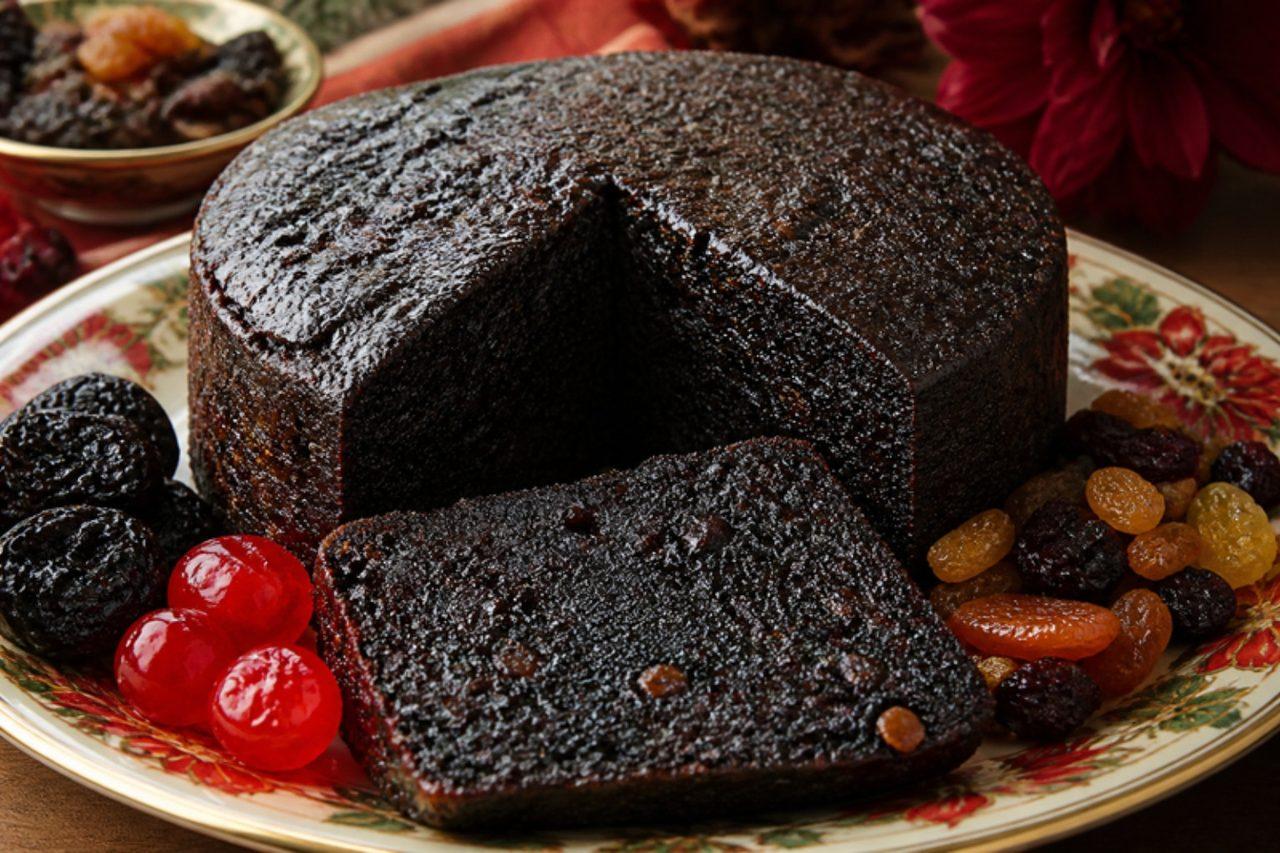
Guyanese black cakeRum fruit cake

Every Guyanese Christmas has a black cake, and many families start soaking the fruit months ahead, often the year before. Prunes, raisins, currants and cherries are minced and steeped in rum and cherry brandy, then folded into a buttery batter darkened with homemade burnt-sugar syrup, giving a moist, almost black, intensely fruity cake. This version makes the alcohol optional: grape juice soaks the fruit just as well, though the cake keeps for less time. Chef's tip: take the burnt sugar until it's very dark and smoking lightly; stop too early and the cake turns brown and sweet instead of black and bittersweet.

by KrazyBadal 0 views

BakabanaFried plantain fritters

Bakabana are Suriname's favourite snack: long slices of ripe plantain dipped in a light batter and fried until crisp outside and custard-soft within. In Paramaribo they're sold from warung stalls (the Javanese-Surinamese snack bars), and in Dutch cities with Surinamese communities, always with a spicy peanut sauce on the side for dipping. The sweet fruit, crisp shell and salty-hot sauce make them hard to stop eating. Chef's tip: pick plantains that are yellow with lots of black spots but still firm; fully black and soft ones fall apart in the batter.

by KrazyBadal 0 views

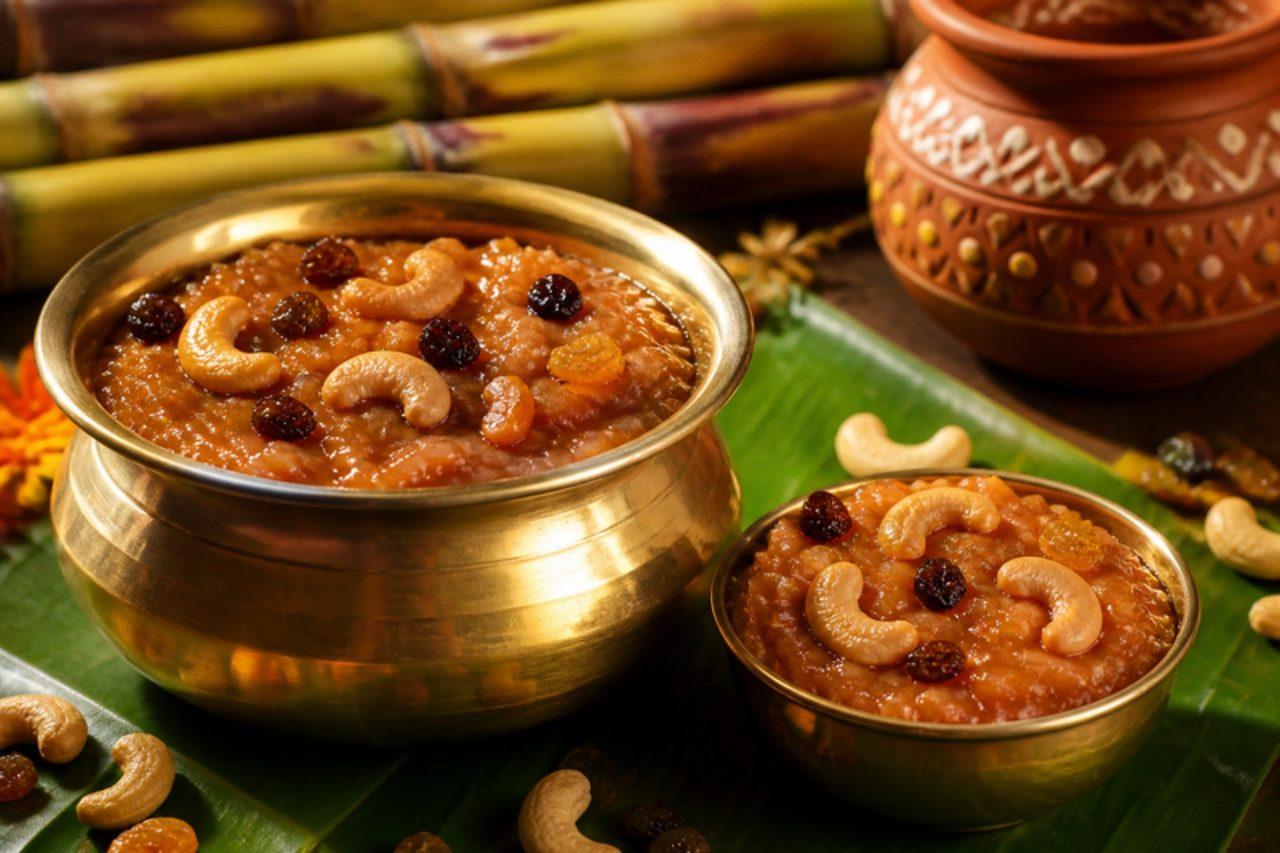
Sakkarai pongalSweet rice and moong dal

On the morning of Thai Pongal in mid-January, families across Tamil Nadu cook new-harvest rice in a clay pot in the courtyard and wait for the milk to bubble over: 'pongalo pongal!'. That pot becomes sakkarai pongal, a sticky, golden-brown sweet of rice and moong dal cooked soft, then simmered with melted jaggery and finished with lots of ghee, cardamom, edible camphor and cashews and raisins fried golden. It's also the classic prasadam at Vishnu temples. It's the sweet twin of the peppery ven pongal. Chef's tip: dry-roast the moong dal until it smells nutty before cooking; it adds a toasty depth that plain boiled dal can't give.

by KrazyBadal 0 views

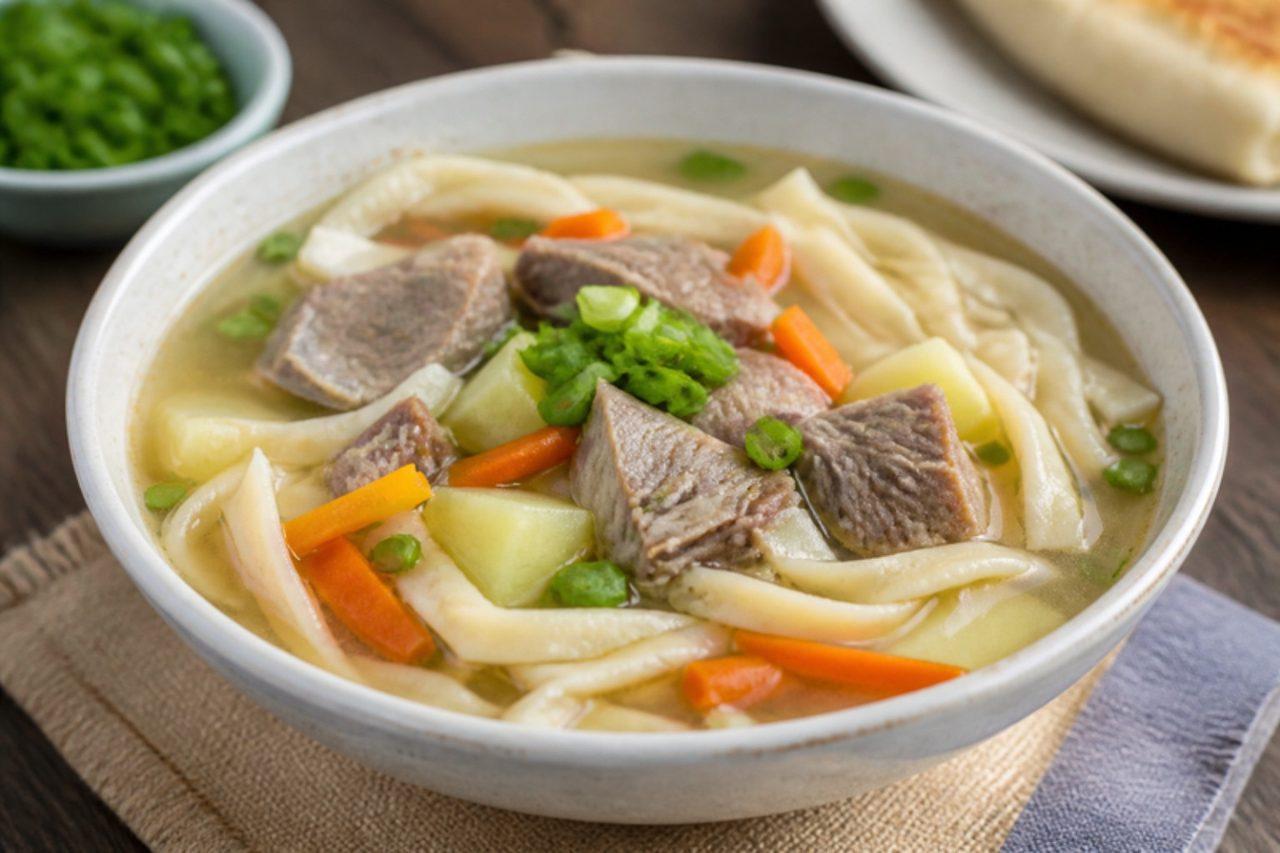
Guriltai shulMutton noodle soup

Guriltai shul is the soup Mongolians eat almost daily in winter, from Ulaanbaatar canteens to herders' gers: strips of mutton simmered with onion, carrot and potato, and thick hand-cut noodles cooked in the broth. It is simple, warming and filling in temperatures that drop far below freezing. The mistake is cooking the noodles too long, so they swell and turn the soup stodgy; they need only 6–8 minutes. Chef's tip: rest the noodle dough well so it rolls thin without springing back.

by KrazyBadal 0 views

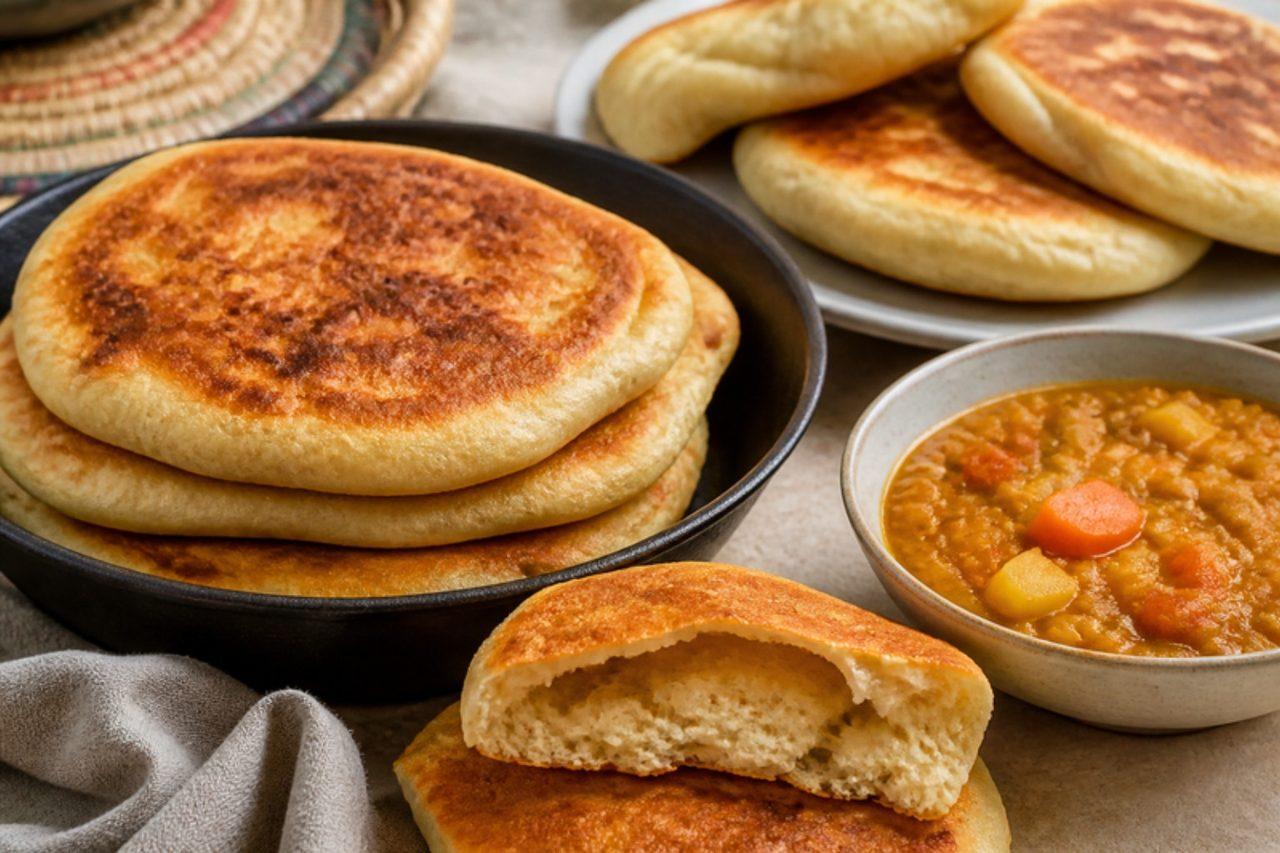
GurasaThick wheat flatbread

Gurasa is a thick, soft, round wheat bread from Sudan, especially the north and west (Darfur and Kordofan), cooked in a covered pan rather than an oven. It is torn and eaten with mullah, ful or salata aswad, and for breakfast with sugar and a little oil or butter. The dough is a loose, yeasted batter, closer to a giant crumpet than a flatbread. Chef's tip: cook it covered over a low heat; a hot open pan burns the base before the thick centre cooks.

by KrazyBadal 0 views

Showing 54 of 10,569 recipes

Show more recipes

Page 1,054 of 1,175