


Skip to content
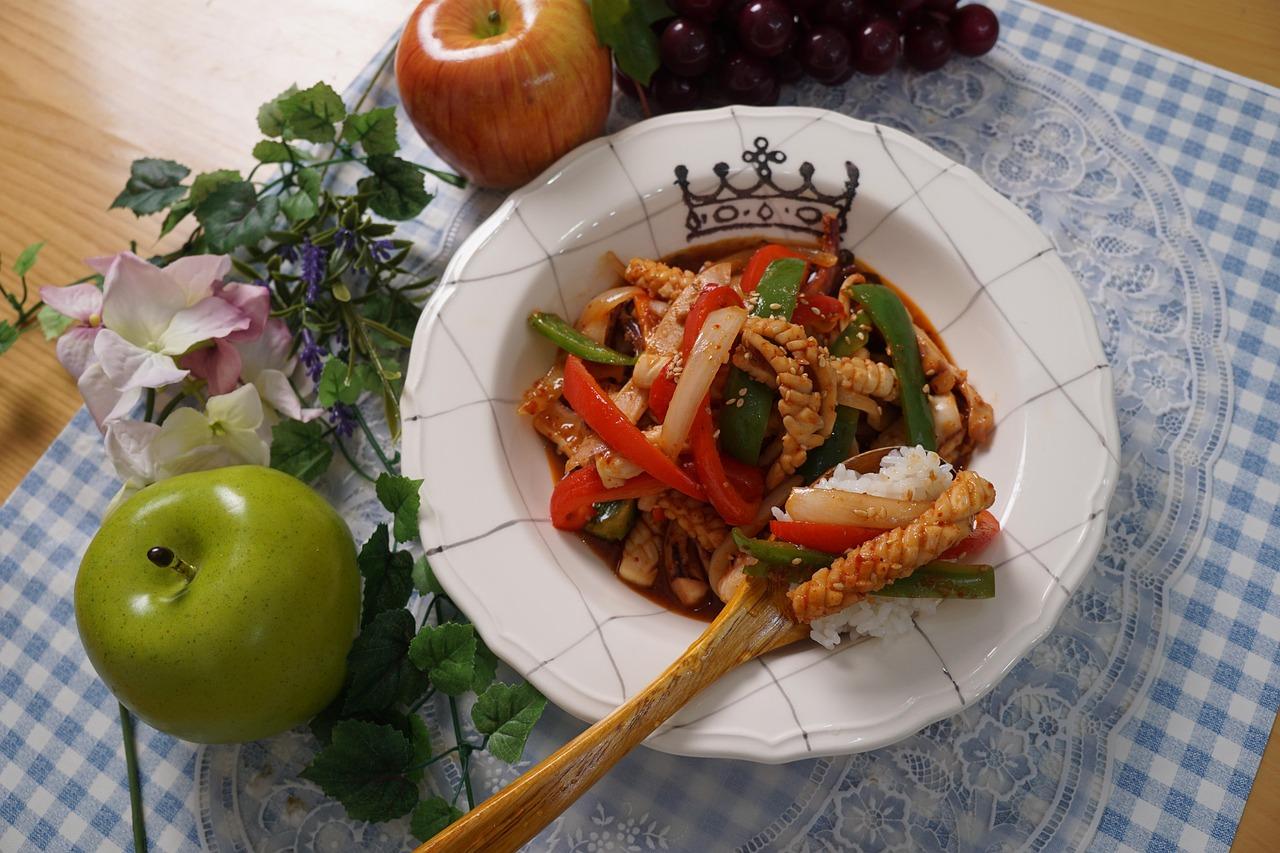
Ojingeo bokkeum
Featured recipe

Ojingeo bokkeum

Spicy stir-fried squid

Around the harbours of the Chungcheong coast on the Yellow Sea, seafood restaurants fry freshly landed squid in a sticky red sauce, and the same dish turns up in lunch canteens and home kitchens all over Korea. Bright with chilli, it's on the table in about twenty minutes and is often piled straight onto rice as ojingeo deopbap. The sauce is gochujang and chilli flakes sweetened with a little sugar, and the vegetables stay crisp. Serve with rice and a bowl of light soup to cool things down. Chef's tip: mix the sauce before you light the hob, because the squid cooks so fast that there is no time to measure anything once it's in the pan.

Read more 0 views

What to eat today?

Around the world

Today's trip: Peruvian

A new country every day, from every cuisine on the site.

Peruvian

Tacacho

Mashed roasted green plantain balls 35 minMore from Peruvian (111) →

This week's collection

Kid-friendly dinners
772 recipes · a new collection every Monday

Coming up

All occasions →

Latest recipes

Chaman kaliyaPaneer in turmeric milk gravy

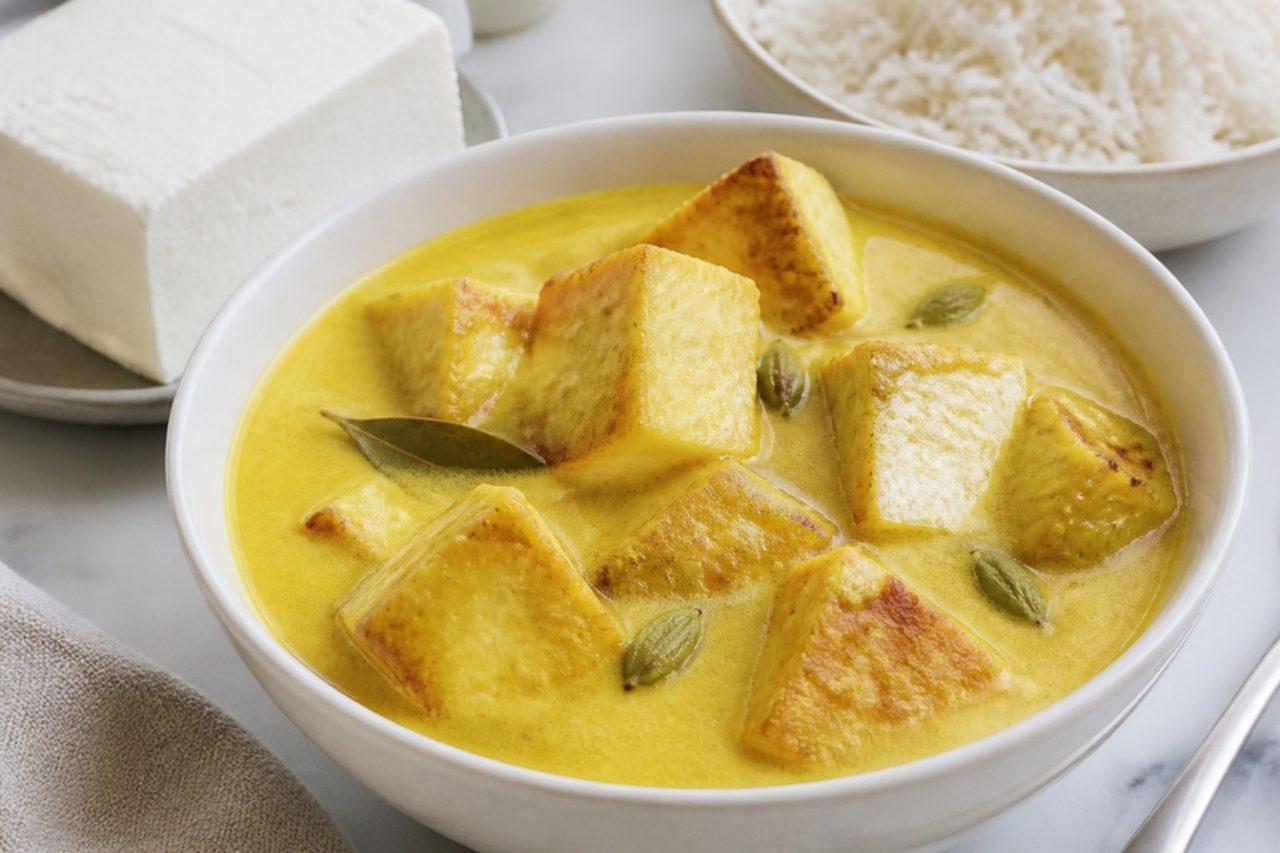
In Kashmir paneer is called chaman, and kaliya is the name for a gravy coloured bright yellow with turmeric rather than red with chilli. Kashmiri Pandit cooks fry thick slabs of paneer, rest them in warm water so they stay spongy, then simmer them in milk with fennel, dry ginger and cardamom. The result is mild, sweet-scented and soothing, a dish that sits beside the fiery ones on a wedding or festival spread and is just as welcome on a weekday with rice. Chef's tip: use a generous spoon of good turmeric; the gravy should glow a deep gold, and the milk mellows any rawness.

by KrazyBadal 0 views
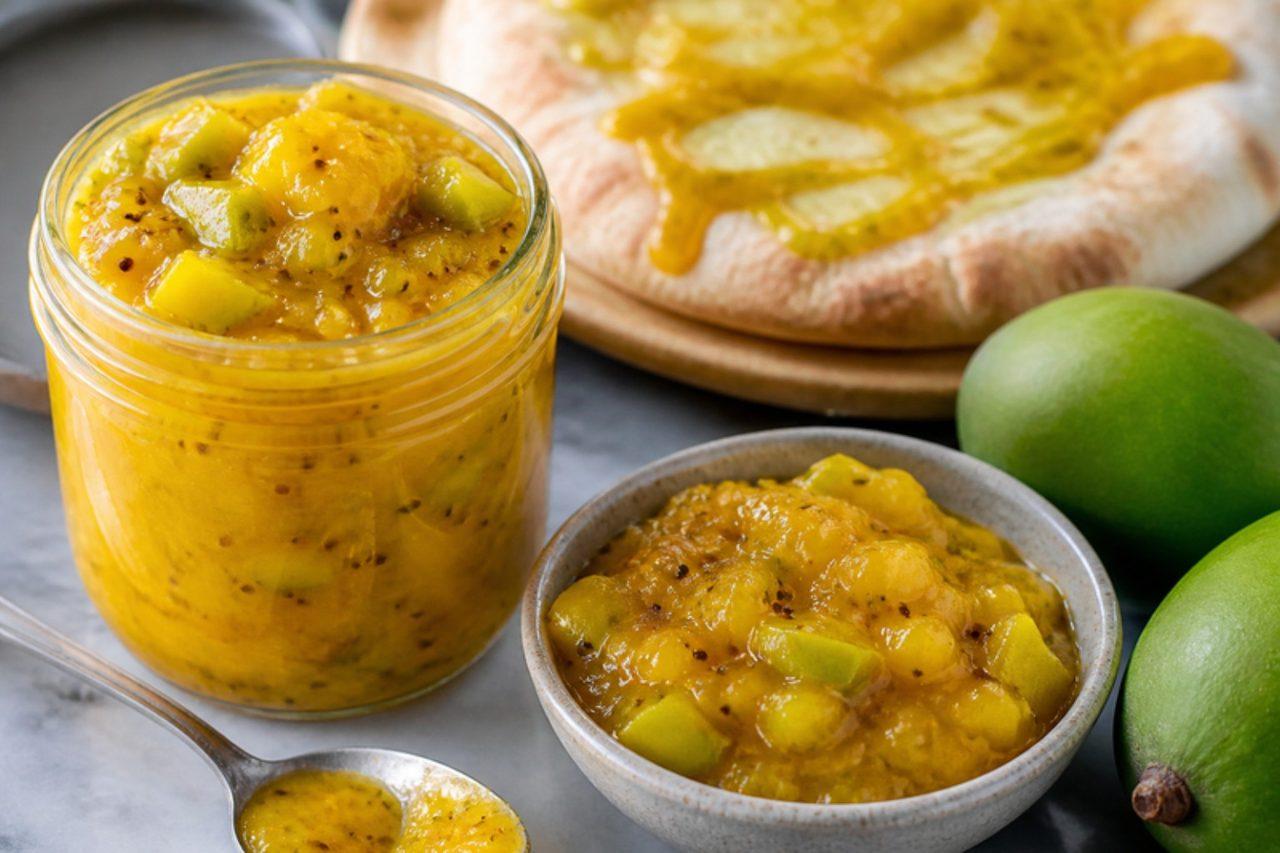

AmbaTangy mango pickle sauce

Amba is the golden, sour mango sauce that Iraqi Jews brought from Baghdad (where it had come from Indian traders), and in Israel it is the signature of sabich and a favourite in falafel pitas. Traditionally green mangoes are salted and left in the sun for days to ferment; this quicker stovetop version cooks unripe mango with turmeric, fenugreek, mustard seed and vinegar, then blends it into a smooth, pourable sauce with the same tangy, curry-like flavour. Chef's tip: use mangoes that are hard and green right through; ripe ones make a sweet jam, not amba.

by KrazyBadal 0 views

KespeEgg noodles in vegetable broth

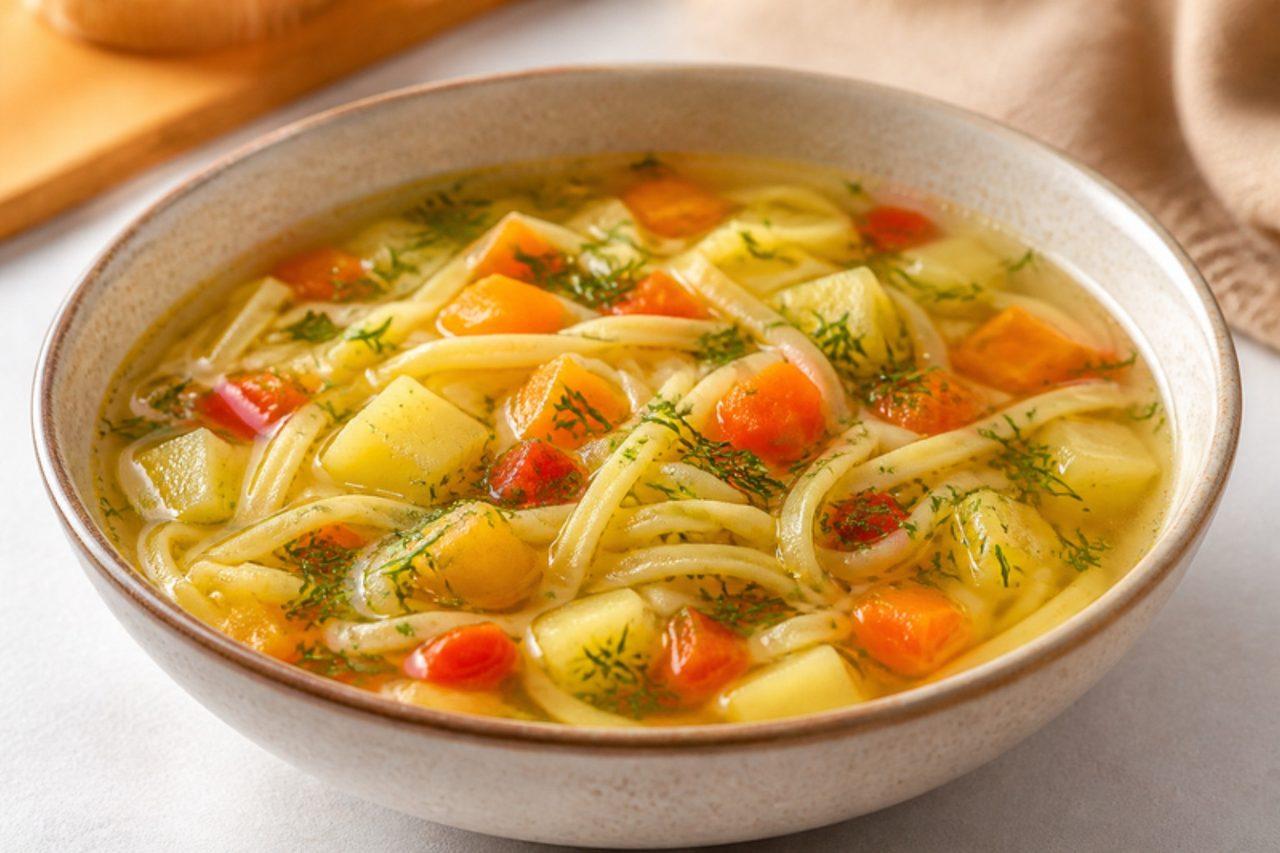
Kespe is the plainest and most comforting of Kazakh soups: home-made egg noodles, cut thin with a knife, simmered in broth with potato, carrot and onion. The name comes from 'kesu', to cut. Grandmothers in villages around Karaganda and Pavlodar make it on winter evenings and for anyone feeling unwell, and in Kyrgyzstan the same soup goes by the same name. It is usually cooked in mutton broth; this version uses a well-browned vegetable broth. Chef's tip: dry the cut noodles for 20 minutes before cooking; they hold their shape and don't cloud the broth.

by KrazyBadal 0 views

MadraChickpeas in yogurt

Madra is the pride of the Himachali dham, the communal feast cooked by hereditary cooks called botis at weddings and temple fairs in Chamba and Kangra. Chickpeas are simmered in yogurt with ghee, cloves, cardamom and cinnamon until the sauce turns thick, pale and rich, with no onion or garlic at all. It arrives on a leaf plate beside rice, rajmah and kadhi, and some families add a few raisins or cashews for a festive touch. Chef's tip: cook the chickpeas until they squash easily between two fingers before they go into the yogurt; they won't soften further once the sauce is in.

by KrazyBadal 0 views

Aloo tikki chaatPotato patties with chutneys

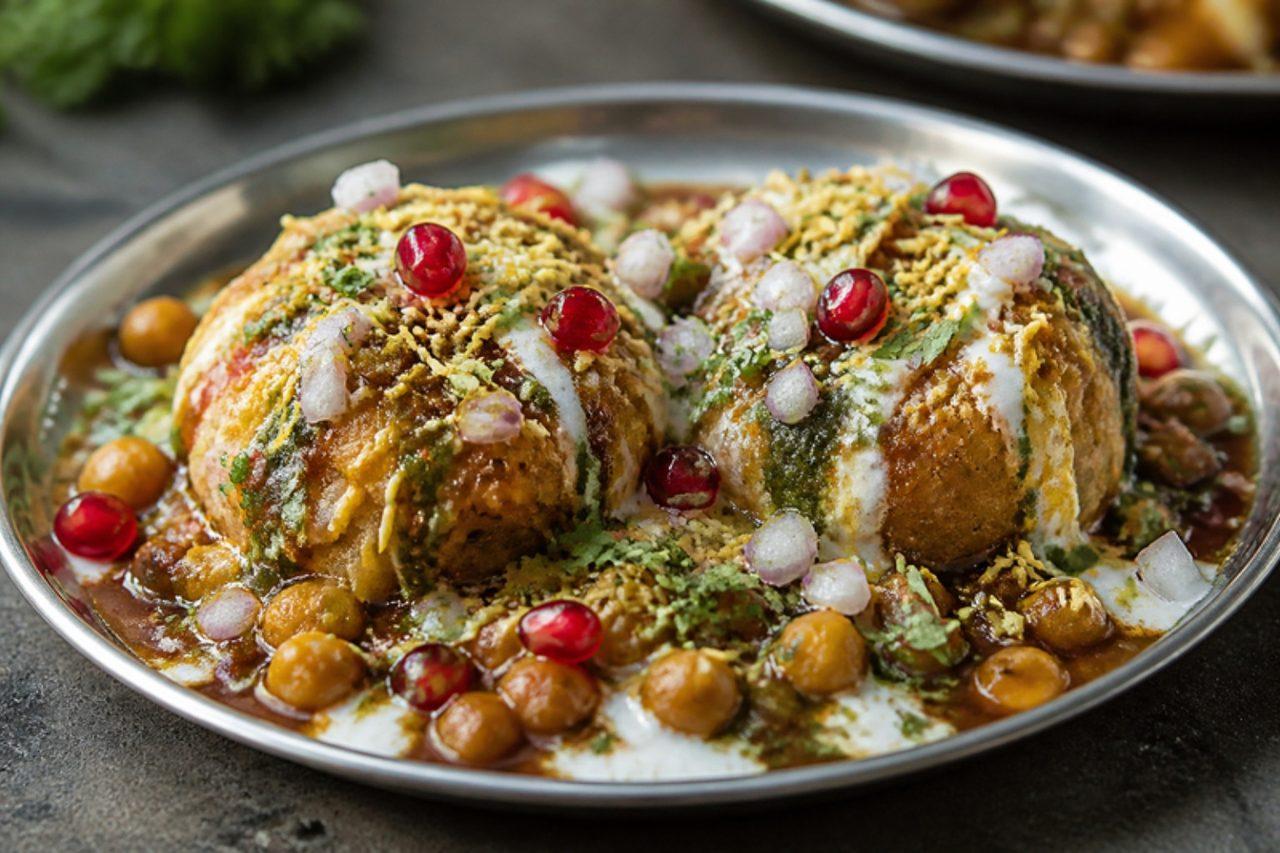
In Delhi, aloo tikki is fried on a giant iron tawa at the edge of a busy market, flattened with a spatula until the outside is shatteringly crisp, then smothered in spiced chickpeas, cool yogurt and green and tamarind chutneys. Places like Chandni Chowk and Lajpat Nagar have queues for it on winter evenings. Delhi tikkis are often stuffed with a little spiced chana dal, which adds bite inside the soft potato. Unlike Mumbai's ragda pattice, it's served with chole and a lot of yogurt. Chef's tip: let the tikkis sit undisturbed on the hot pan for the first 5 minutes; a crust forms that stops them breaking when you turn them.

by KrazyBadal 0 views

KetoprakTofu and noodles in peanut sauce

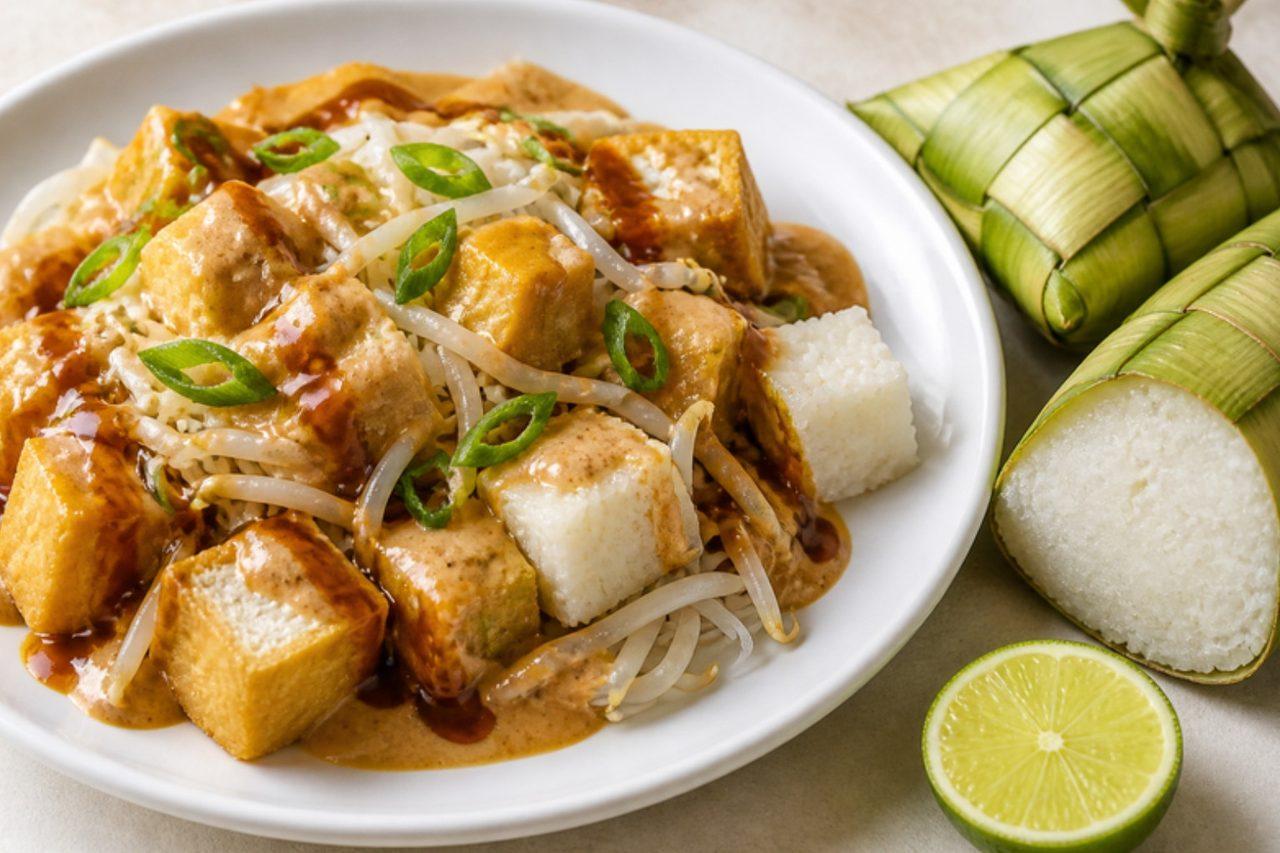
Ketoprak is a Jakarta cart dish, made to order: the seller grinds peanuts, garlic and chilli in a wide stone mortar, loosens them with water and sweet soy, then tips fried tofu, rice cake, rice vermicelli and bean sprouts on top. It is a cousin of gado-gado but simpler, with no egg-and-greens platter, and the raw-garlic sauce is the whole point. Eat it at lunch with plenty of crackers. Chef's tip: grind the garlic with the hot fried peanuts so the garlic mellows slightly; a raw paste made with cold nuts is harsh.

by KrazyBadal 0 views

ChallahBraided egg bread

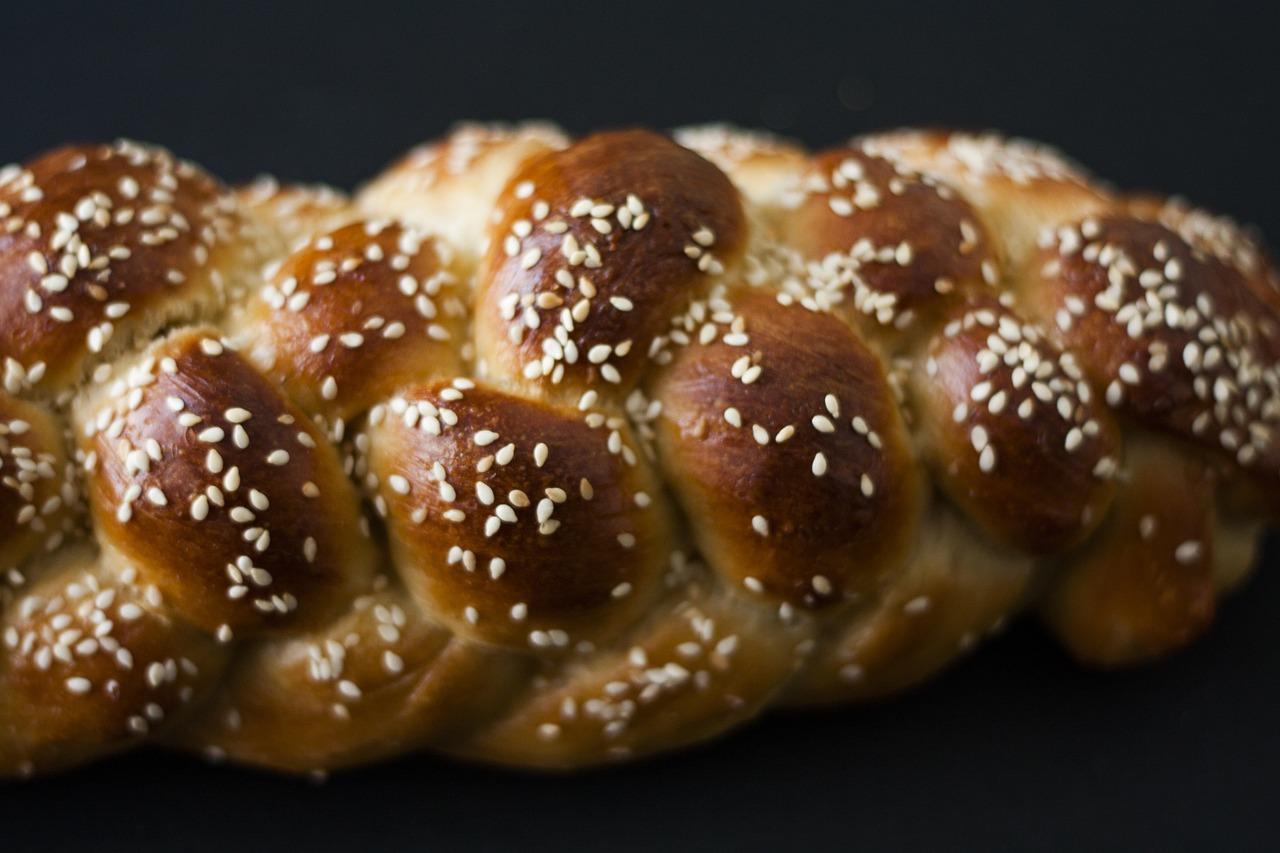
On Friday afternoons the bakeries of Jerusalem's Mahane Yehuda market and every Jewish neighbourhood from Brooklyn to Golders Green fill with plaited, shiny challah for the Shabbat table, where two loaves sit under an embroidered cloth until the blessing. The dough is enriched with eggs, oil and a little honey, so the crumb is soft, faintly sweet and pulls apart in feathery strands, and the crust bakes deep mahogany. Leftovers make wonderful French toast. Chef's tip: brush the egg glaze twice, once before rising and once just before baking, for the deep, lacquered shine.

by KrazyBadal 0 views

Key watSpicy beef stew

Ask for key wat at a restaurant in Addis Ababa and you get a bowl of tender beef drowned in a sauce so red it gives the dish its name: key means red in Amharic. It is everyday celebration food, cooked for Sunday lunch, weddings and the end of a fast, and it shares the slow-cooked onion base of doro wat but with chunks of beef and a sharper, more peppery heat. The sauce should be thick and glossy, with a layer of red oil on top. Spoon it over injera with a cooling plate of greens or lentils beside it. Chef's tip: cut the beef into small, even 2 cm cubes so it soaks up the sauce and becomes tender in under an hour and a half.

by KrazyBadal 0 views

Chakuli pithaRice and urad dal pancakes

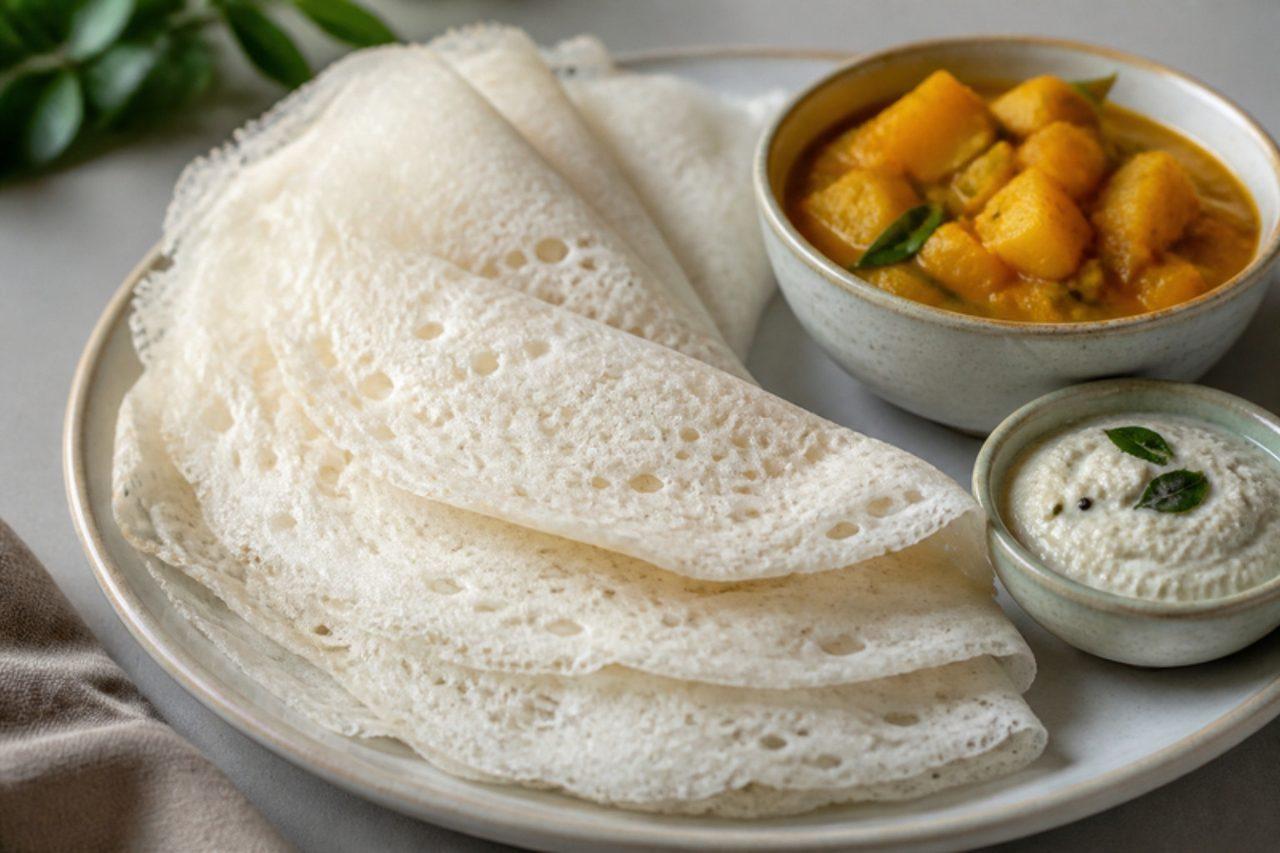
Chakuli pitha is Odisha's breakfast pancake and the first of the pithas a child learns to love; it is offered to Lord Jagannath and made at home on Sundays and for Manabasa Gurubar in the month of Margasira. Rice and a little urad dal are soaked, ground and fermented overnight, then poured onto a hot pan into a pancake that is thinner than an uttapam but softer and thicker than a dosa, with a lacy, holey top. It is eaten with aloo bhaja, ghuguni or simply with jaggery. Chef's tip: cook only on one side under a lid; the steam sets the top and keeps the holes.

by KrazyBadal 0 views

Chakki ki shaakWheat gluten curry

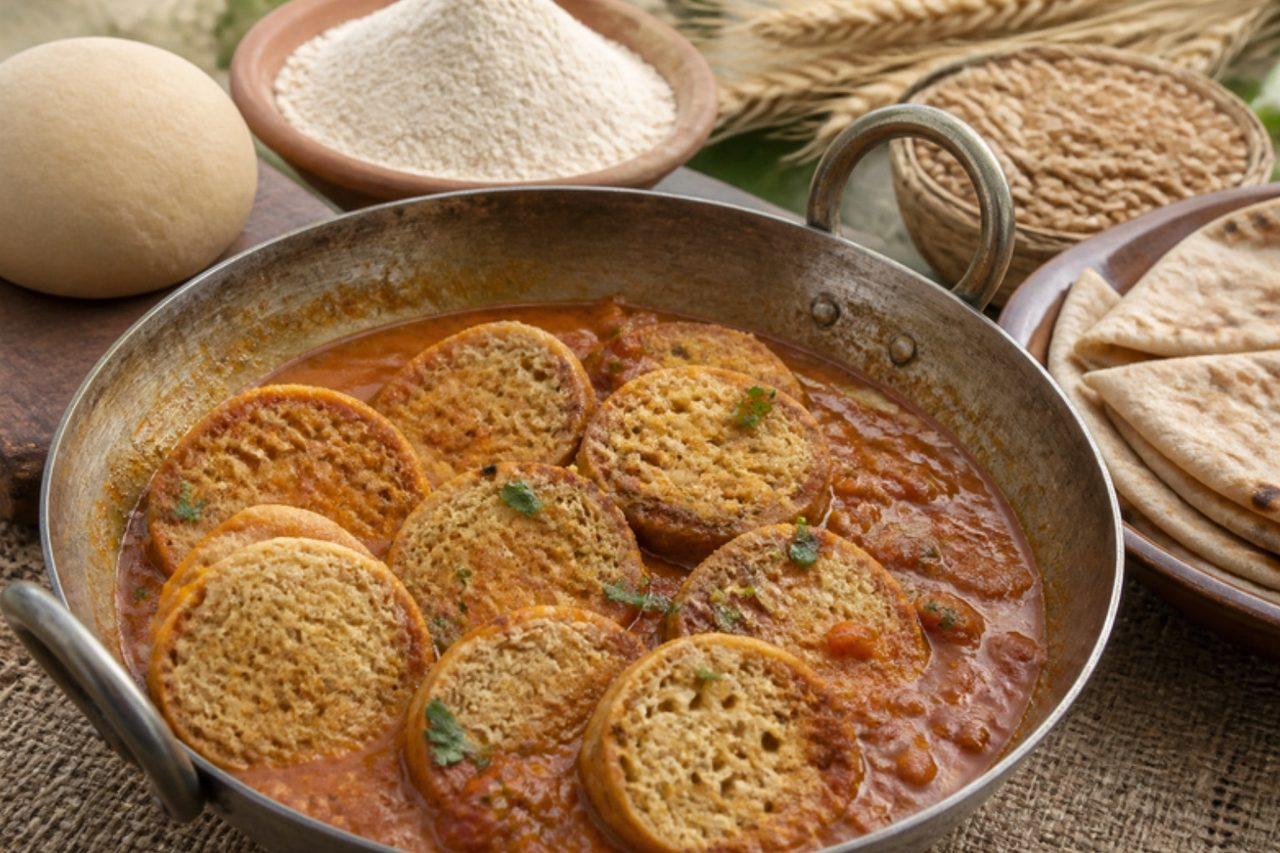
This Malwa dish from around Indore and Ujjain is a lesson in thrift: wheat dough is washed under water until only its stretchy gluten remains, then steamed into a firm block and cut into rounds that look like little grinding stones, or chakki. Fried and simmered in a spiced yogurt gravy, the pieces turn chewy and meaty, soaking up flavour like a sponge. It is a Sunday or special-occasion sabzi in Marwari and Malwi homes, eaten with hot rotis or bafla. It takes time, but most of it is hands-off resting and washing. Chef's tip: whisk the yogurt with the coriander powder and add it off the heat, then bring it back slowly, so the gravy stays smooth instead of curdling.

by KrazyBadal 0 views

ChakhwiJackfruit seed and papaya stew

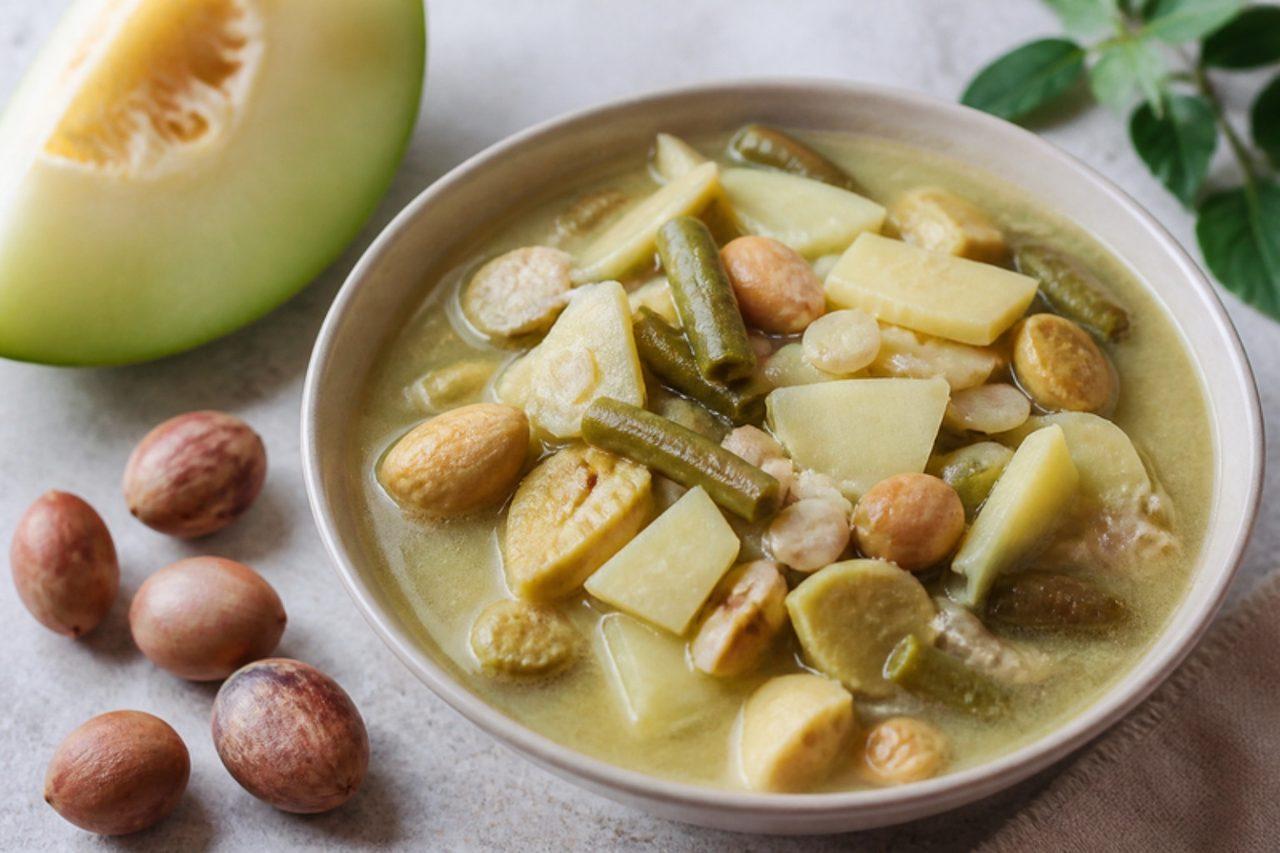
Chakhwi is a Tripuri festive stew cooked at weddings and family feasts around Agartala, where the defining ingredient is 'khar' or soda, made by filtering water through banana-plant ash. It softens vegetables and gives a smooth, gently alkaline taste. Pork chakhwi is the best known; the vegetarian version is cooked with raw papaya, jackfruit seeds, bamboo shoot and long beans, with ginger and green chilli. It is soupier than Assamese khar and has no lentils. Chef's tip: use bicarbonate of soda if you have no ash water, but only a pinch; you should be able to taste it, not feel it.

by KrazyBadal 0 views

ChakalakaSpicy vegetable and bean relish

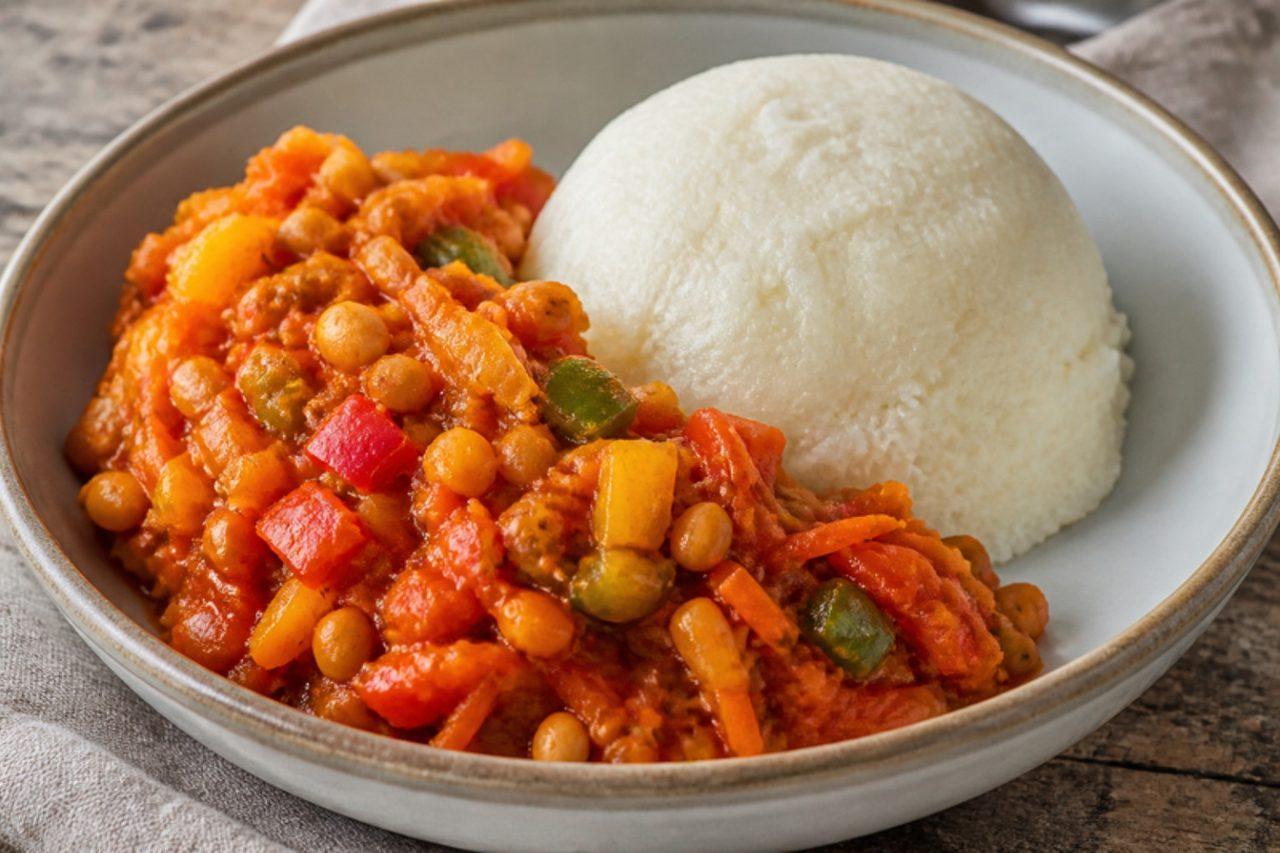
Chakalaka is said to have started in the townships and mines around Johannesburg, where workers cooked tinned beans and vegetables with chilli and curry powder over open fires. Today no South African braai (barbecue) is complete without a pot of it, and it goes on the table at Sunday lunch, at funerals and weddings, served warm or cold alongside pap. It is spicy, a little sweet from the carrots and peppers, and tangy from the tomato and beans. Chef's tip: grate the carrots rather than chopping them; they melt into the relish and give it its characteristic soft, spoonable texture.

by KrazyBadal 0 views

Chak-hao kheerBlack rice pudding

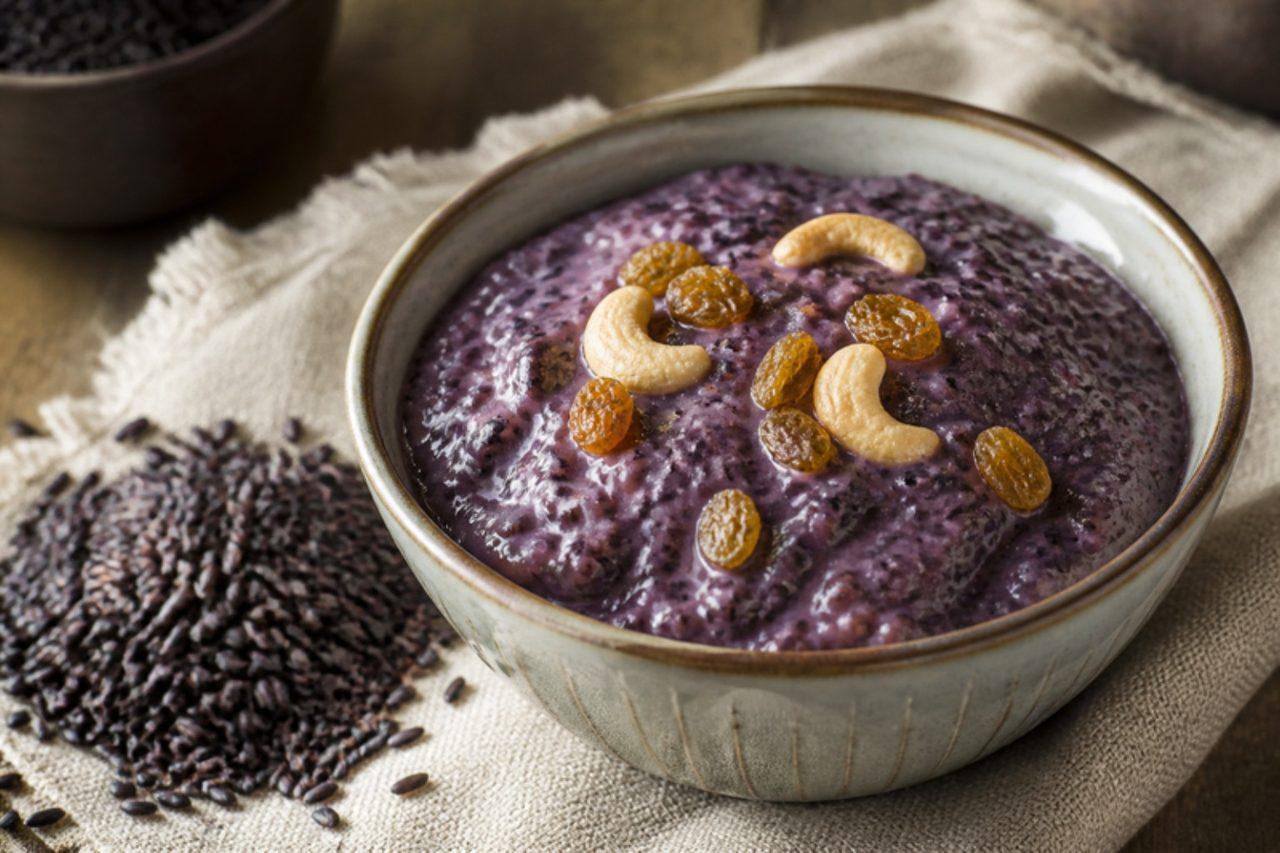
Chak-hao is Manipur's aromatic black rice, grown in the valley around Imphal; when cooked slowly in milk it turns a deep violet and makes chak-hao kheer, the pudding served at Meitei feasts, weddings and Ningol Chakouba, the festival when married daughters come home for a meal. The grains stay slightly chewy and nutty, and the milk takes on a lavender colour. Chef's tip: soak the rice for at least 3 hours, or overnight; black rice has a hard bran layer and won't soften in the milk otherwise.

by KrazyBadal 0 views

Chak-chakHoney-bound fried dough

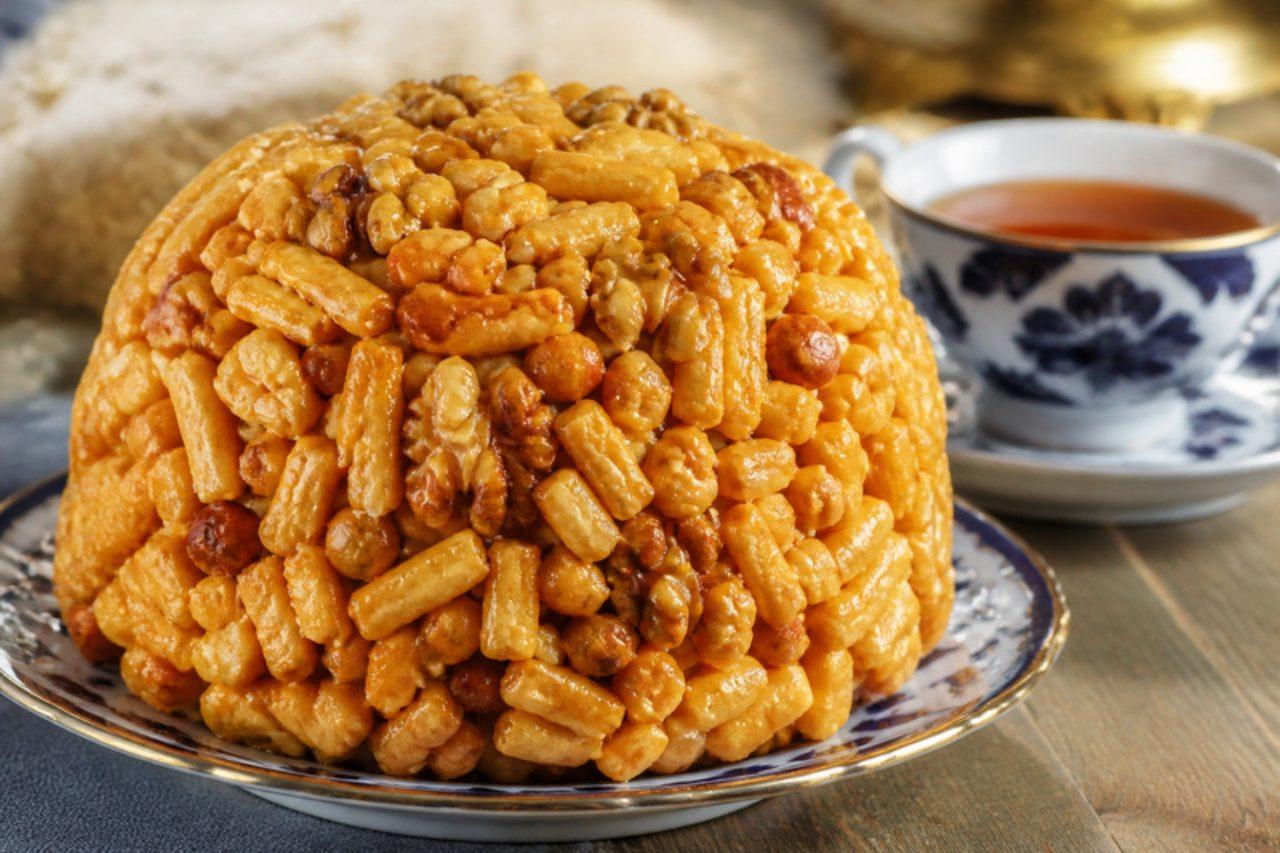
Chak-chak arrived in Uzbekistan with Tatar families and is now a fixture of wedding tables and Navruz spreads in Tashkent and Samarkand: tiny nuggets of egg dough fried crisp, then tossed in hot honey syrup and pressed into a mound or ring that's broken apart with the fingers. Guests nibble it all evening with green tea. It keeps for a week, so it's often made a day or two ahead. Chef's tip: cook the honey syrup only to the soft-ball stage (about 115°C); boil it longer and the chak-chak sets as hard as brittle.

by KrazyBadal 0 views

KhambirLeavened wholewheat bread

Khambir is the everyday bread of Ladakh: a thick, round wholewheat loaf with a dent pressed into the middle, browned on a griddle and finished in the heat of the kitchen stove. In homes in Leh and Kargil it appears at breakfast, torn into chunks and dipped into salty butter tea, or spread with apricot jam made from the region's dried apricots. The crust is chewy and toasty, the inside dense and slightly sour. Bakers in Leh's old town still sell it warm in the mornings. Chef's tip: let the dough rise until truly doubled; under-risen khambir is heavy and gummy in the middle.

by KrazyBadal 0 views

ChajáSponge, peach and cream cake

Chajá was created in 1927 at a bakery in Paysandú, a city on the Uruguay River, and named after a local bird whose feathers look as fluffy as its crumbly meringue coat. Today it's Uruguay's birthday and celebration cake: layers of light sponge soaked in peach syrup, filled with whipped cream, peaches and dulce de leche, then covered in crushed meringue. It's sweet, soft and crunchy at once, best on the day it's assembled. Chef's tip: soak the sponge but not too much; it should feel moist, not wet, or the layers slide.

by KrazyBadal 0 views

KhandviGram flour yogurt rolls

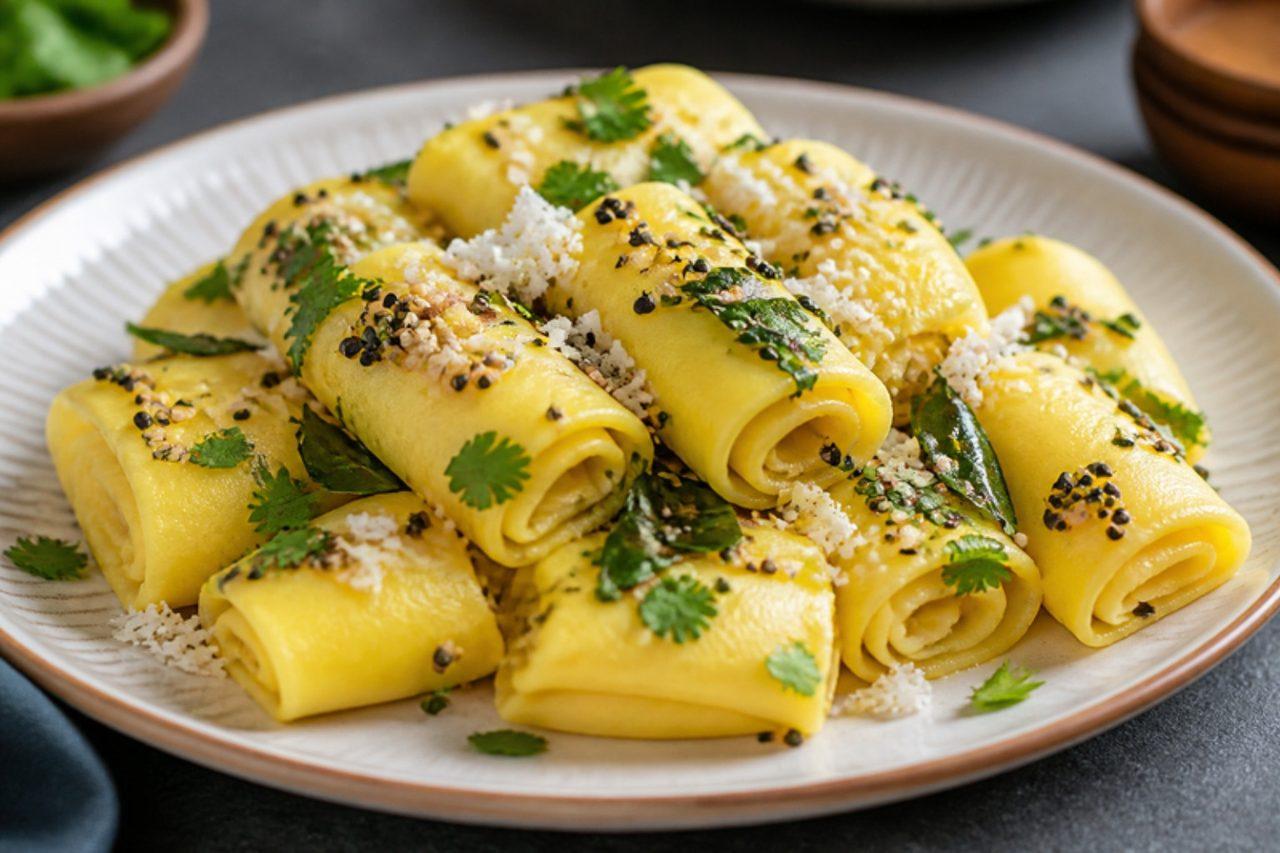
Khandvi are delicate, melt-in-the-mouth rolls from Gujarat, made by cooking gram flour with sour buttermilk until thick, spreading it paper-thin while hot and rolling it up. They're finished with a sizzling tempering of mustard seeds, sesame and curry leaves, plus fresh coconut and coriander. They're soft, tangy and gently spiced, and a favourite at Gujarati weddings and tea-time. They look tricky, but once you know when the batter is cooked, they're quick. Chef's tip: keep a plate by the stove and test the batter often; when a spoonful spread thin on the plate sets in 30 seconds and peels off in one piece, it's ready, and not a minute before.

by KrazyBadal 0 views

KhanfarooshSaffron rice-flour cakes

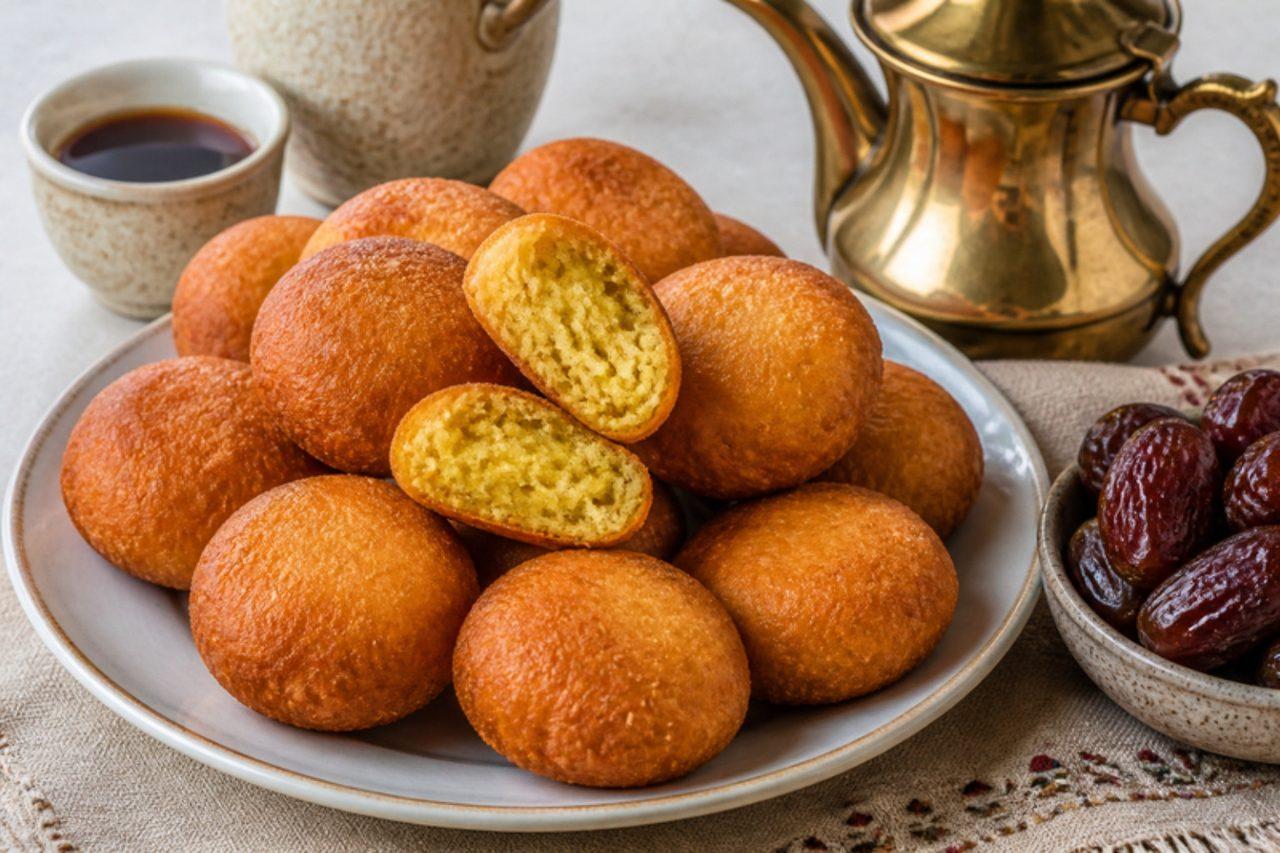
Khanfaroosh are an old Emirati sweet, made by grandmothers in Ras Al Khaimah and Fujairah and served with Arabic coffee when guests arrive, at weddings and during Eid. A rice-flour batter rich with eggs, saffron, cardamom and rose water is shallow-fried in small rounds that puff up, golden-brown with a lacy edge and a soft, spongy middle. They are less sweet than they look and best eaten warm from the pan. Chef's tip: let the batter rest for 30 minutes so the rice flour softens; unrested batter fries up gritty.

by KrazyBadal 0 views

Khanom jeen nam ngiaoRice noodles in spicy pork broth

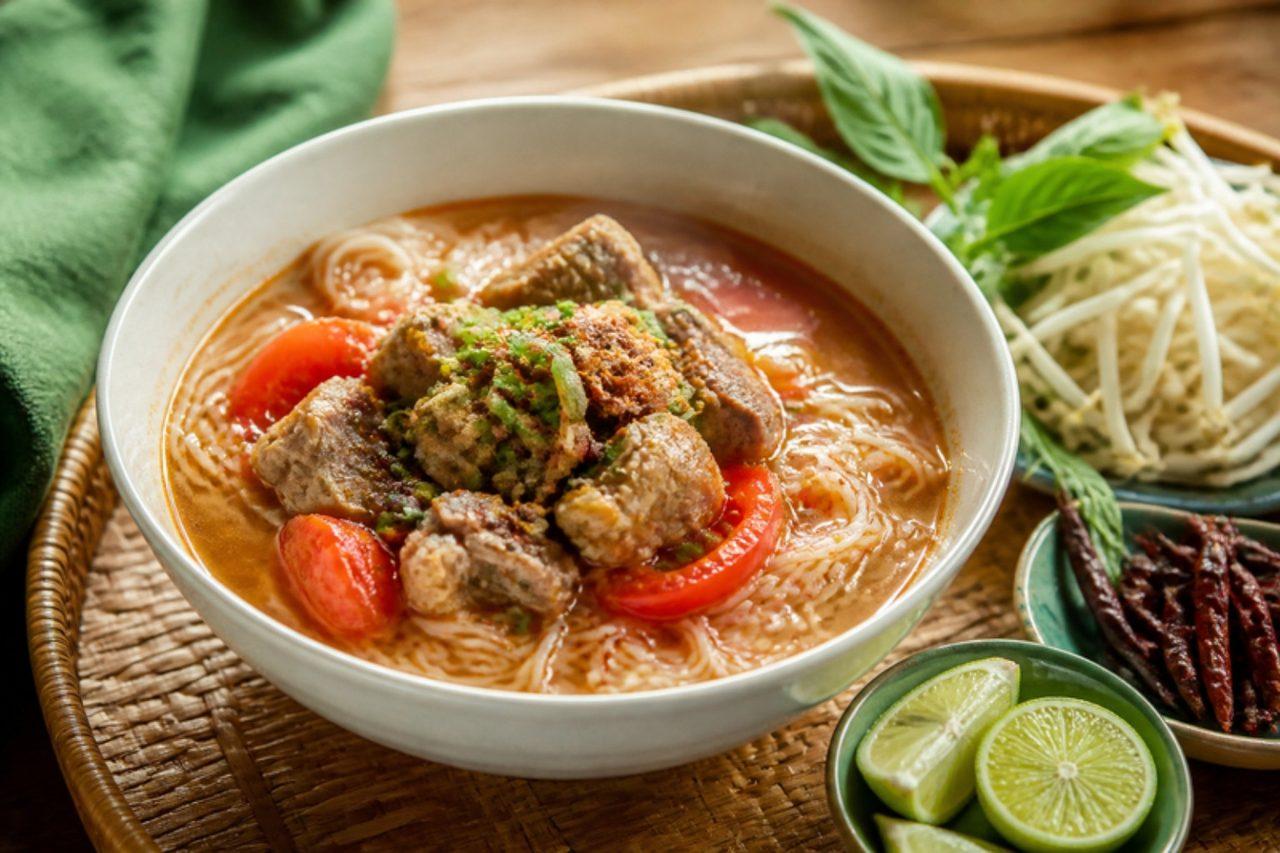
Breakfast stalls from Chiang Rai to Mae Sai ladle this tangy red broth over soft rice noodles from dawn until it sells out, usually before noon. The soup is light but full-flavoured: pork ribs give body, cherry tomatoes give a fresh sourness, and dried cotton-tree flowers (dok ngiao) add a faint floral, earthy chew. Each diner finishes their bowl at the table with bean sprouts, shredded cabbage, crispy garlic and lime. Cubes of cooked pig's blood are traditional; they are optional here and left out by default. Chef's tip: blanch the ribs and throw that first water away, so the finished broth stays clear and clean-tasting.

90 minThaiSoups
by KrazyBadal 0 views

ChainsooRoasted black gram dal

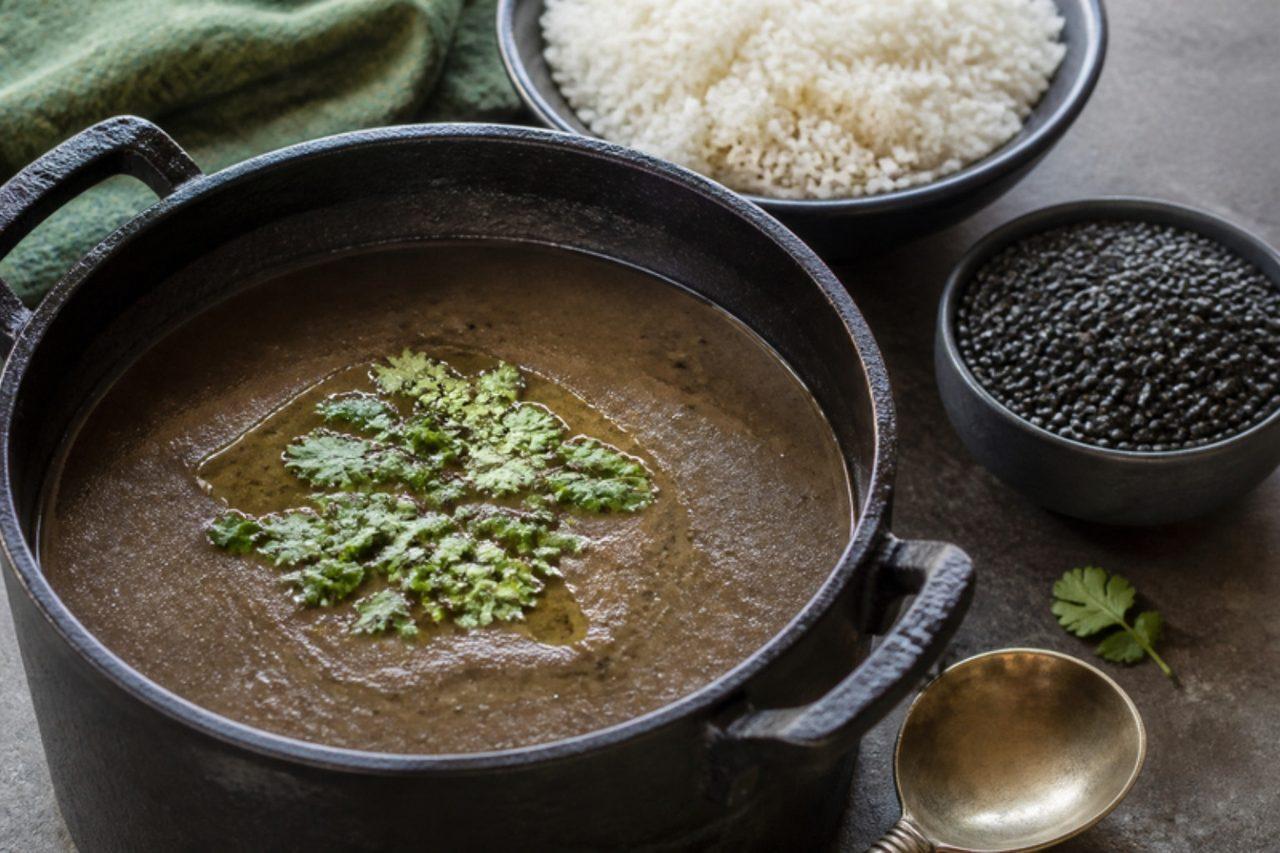
Chainsoo comes from the Garhwal hills, where whole black urad is roasted in a dry pan until it smells like toasted bread, ground coarsely on a hand mill and cooked into a thick, smoky dal. It is a winter dish: heavy, warming and full of protein, eaten with plain rice or jhangora and a drizzle of ghee for anyone who isn't keeping it vegan. Village cooks make it in a lohe ki kadhai, the iron pan that turns it almost black. The texture should be grainy and spoonable, somewhere between a dal and a porridge. Chef's tip: roast the urad slowly over a medium-low heat; the moment it turns from golden to dark brown it tastes bitter, so keep stirring and pull it off early.

by KrazyBadal 0 views

Khao jee pâtéBaguette sandwich with pâté

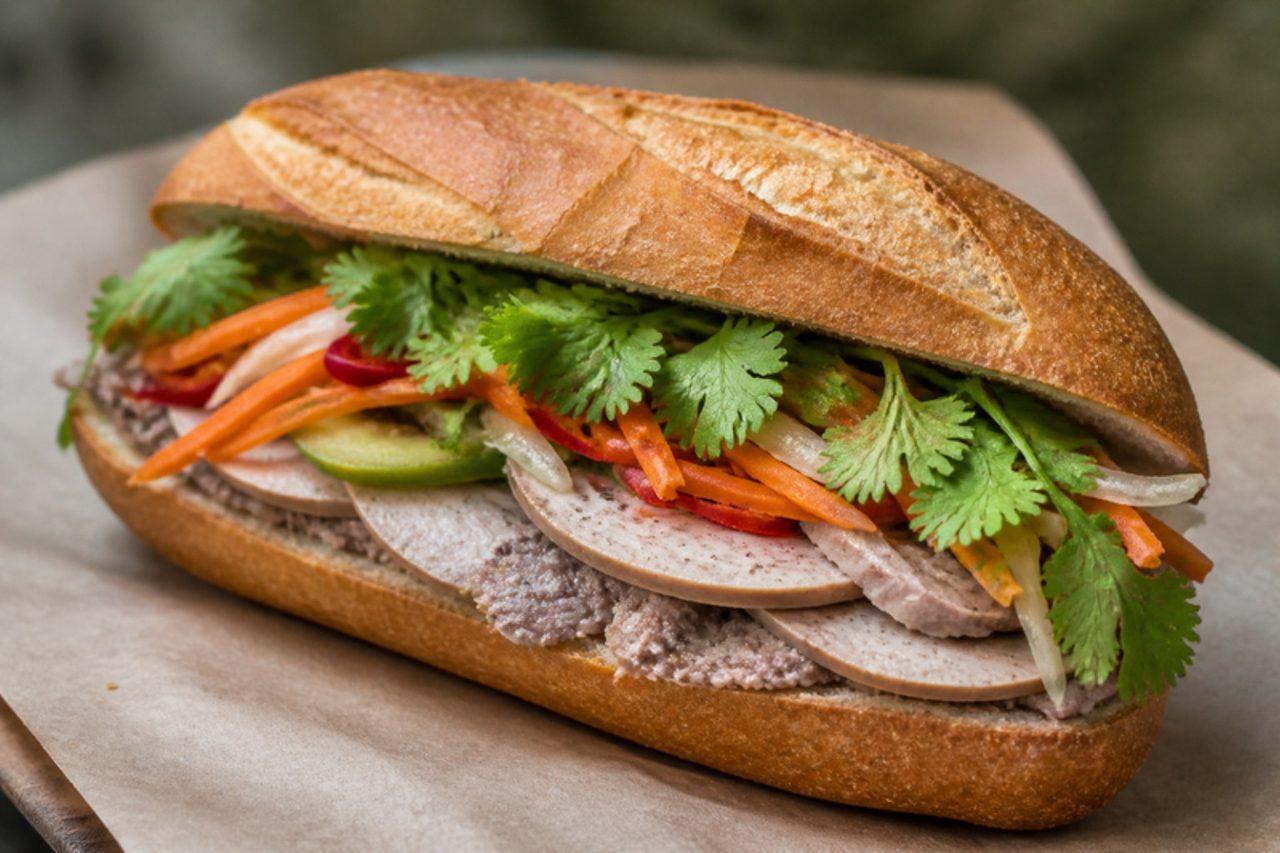
Khao jee pâté is the breakfast sandwich of Vientiane, sold from glass-fronted carts on street corners since the French era left Laos its love of baguettes. It is a pork sandwich: a crisp, light baguette is warmed over charcoal, spread with pork liver pâté and filled with Lao-style cold cuts (pork sausage or ham), pickled papaya or carrot, cucumber, herbs, chilli sauce and a splash of Maggi-style seasoning. Pregnant people should avoid pâté because of listeria risk. Chef's tip: warm the bread until the crust crackles; a soft baguette makes a soggy sandwich.

by KrazyBadal 0 views

Cha ca La VongTurmeric fish with dill

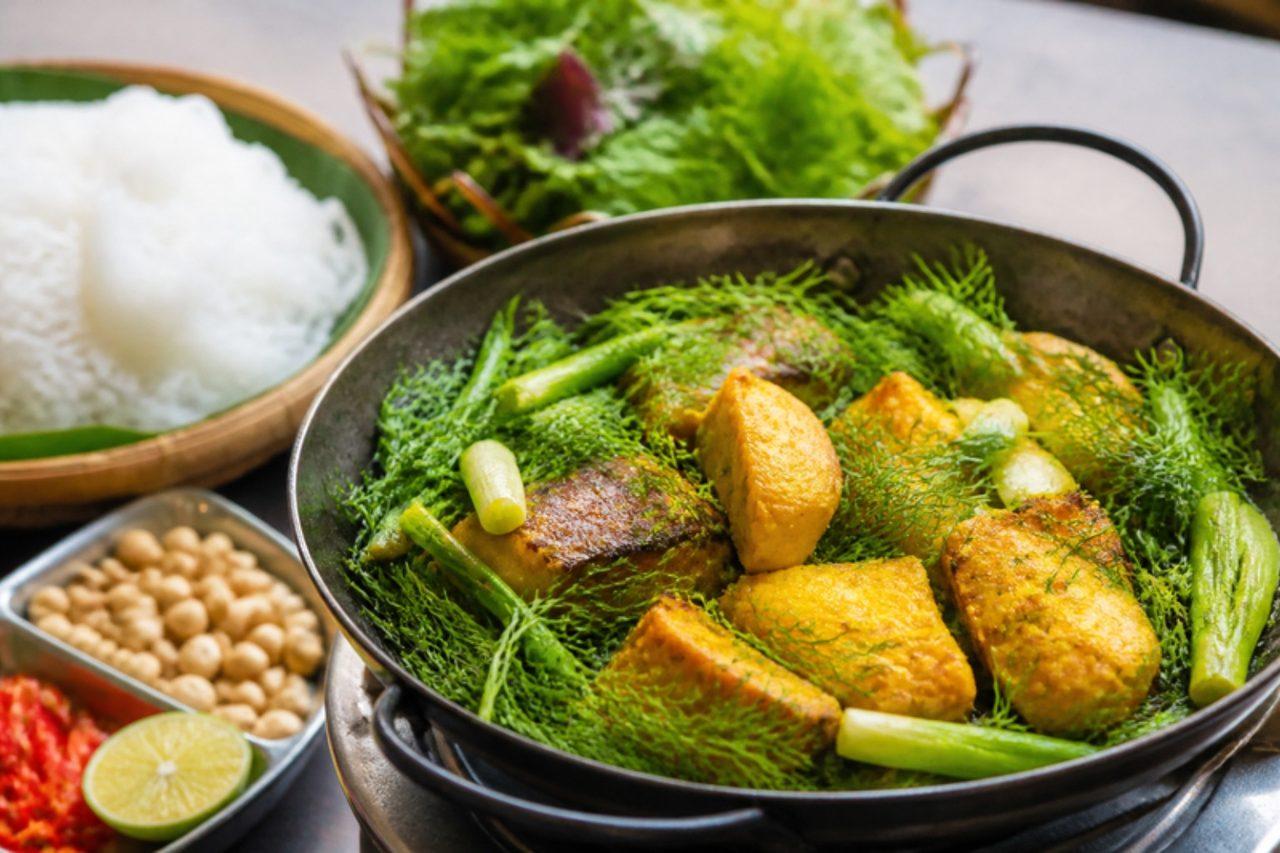
A family restaurant in Hanoi's Old Quarter served this one dish for so long that the street itself was renamed Chả Cá, Grilled Fish Street. Chunks of white fish are marinated in turmeric and galangal, cooked until golden, then brought to the table in a pan of hot oil where everyone throws in handfuls of dill and spring onion to wilt. You eat it over rice vermicelli with peanuts, fresh herbs and a pungent shrimp-paste dip. Dill is rare elsewhere in Vietnamese cooking, which is why this dish tastes so distinct. Chef's tip: use a lot more dill than seems sensible; it is treated as a vegetable here, not a garnish.

by KrazyBadal 0 views

Khao man gaiChicken and ginger rice

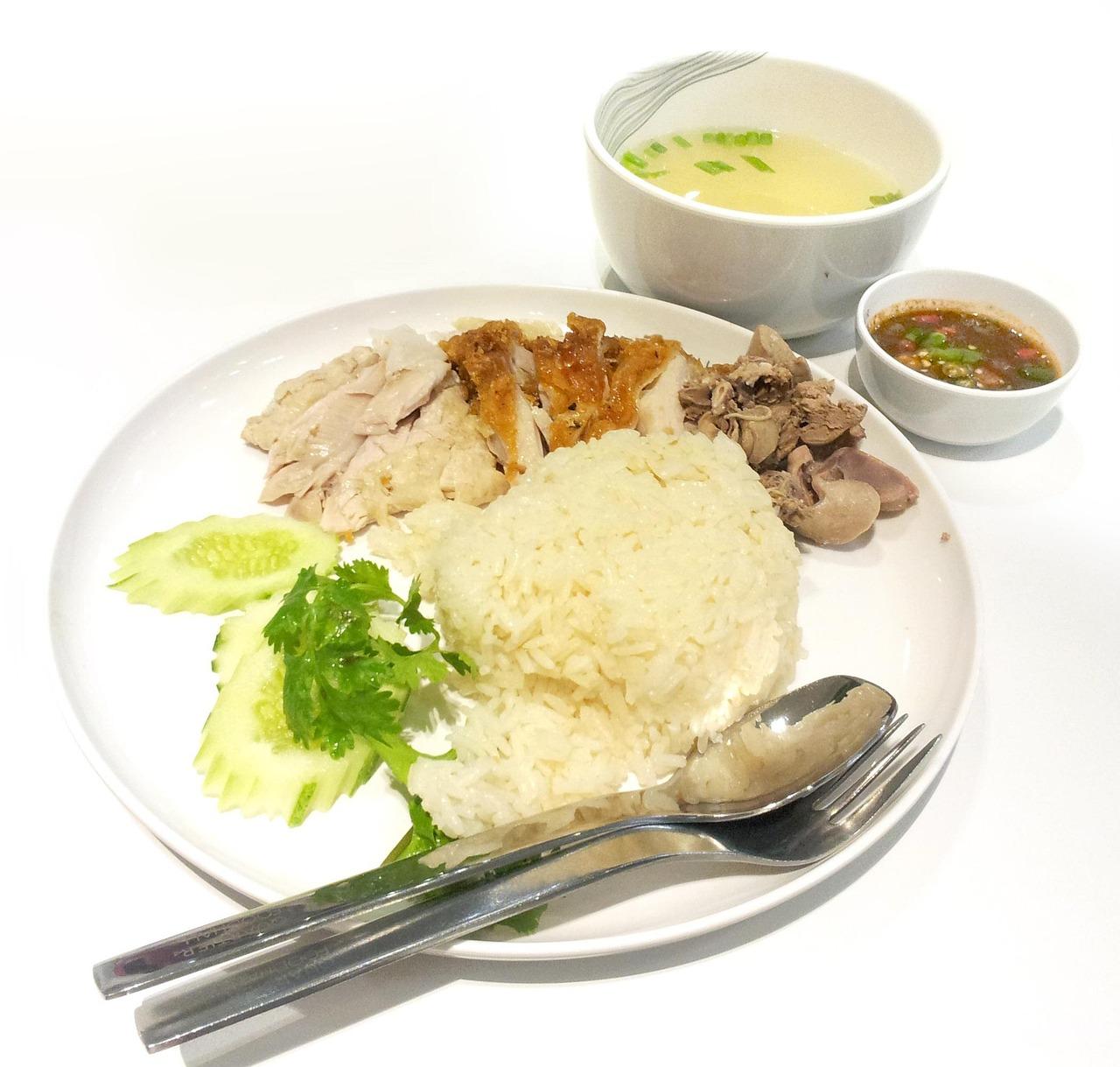
Around Pratunam market in Bangkok, the khao man gai stalls are easy to spot: a queue, pale poached chickens hanging in a glass cabinet, and a cook slicing with a cleaver at speed. Like its Hainanese ancestor, the dish pairs silky chicken with rice cooked in the bird's fat and broth, but the Thai plate stands apart for its sauce, a punchy mix of fermented soybeans (tao jiao), ginger, garlic, chilli and vinegar, and for the little bowl of clear broth with winter melon served on the side. Bangkok eats it for breakfast, lunch or a late supper, always with cucumber slices and coriander. Chef's tip: plunge the cooked chicken into iced water for 10 minutes; the skin firms to a jelly-like snap and the meat stays juicy.

by KrazyBadal 0 views

Khao piak sen with mushroom brothRice noodles in mushroom broth

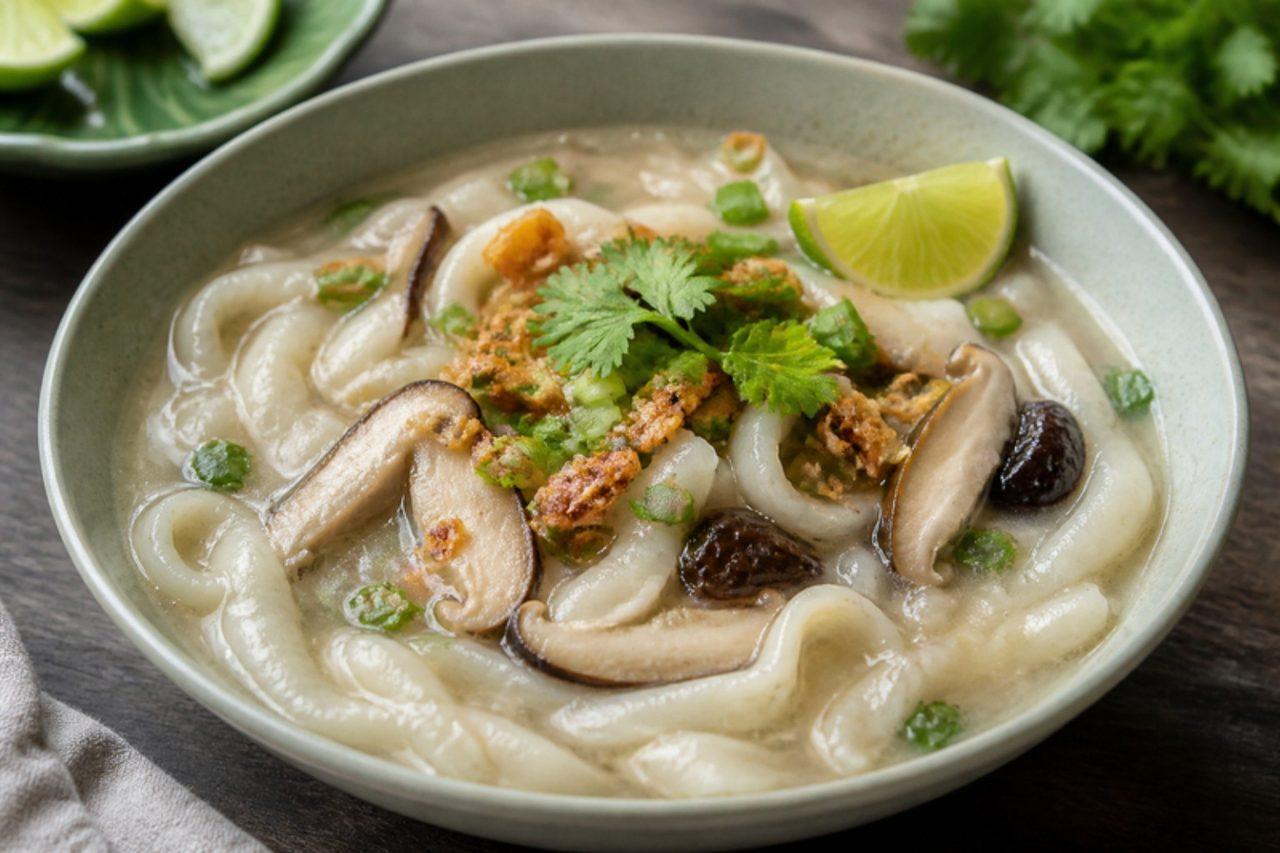
Khao piak sen is the soup Laotians crave on a cool morning or when they feel unwell, and roadside shops in Vientiane and Luang Prabang sell it from dawn. The noodles are cut by hand from a soft rice and tapioca dough and cooked straight in the broth, so their starch turns the soup thick, slippery and comforting. Instead of the usual chicken stock, this version builds a deep broth from dried shiitake, charred onion and ginger, and finishes it with crisp fried garlic, spring onion and coriander. Chef's tip: dust the cut noodles well with tapioca starch and keep them apart; they stick together into a clump in seconds if left in a pile.

75 minLaoSoupsVeganGluten free
by KrazyBadal 0 views

Khao poon with tofu and vegetablesCoconut curry noodle soup

Khao poon is celebration food in Laos, ladled out at weddings, baci ceremonies and big family gatherings, and sold at morning markets in Vientiane by women with huge steaming pots. Fine round rice noodles sit under a spicy, red-tinged broth of coconut milk, lemongrass and galangal, and everyone adds their own shredded cabbage, banana blossom, beansprouts, mint and lime. The usual chicken or fish is swapped for golden fried tofu and bamboo shoots. Chef's tip: fry the red chilli paste in the coconut cream until oil seeps out in red drops on the surface; that's when the colour and heat are fully released.

by KrazyBadal 0 views

KharRaw papaya and lentil dish

Every traditional Assamese lunch begins with khar, a mouthful of it mixed into the first ball of rice to settle the stomach. The defining ingredient is khar itself, an alkaline liquid filtered from the ash of dried bhim kol (seeded banana) peels; it gives the dish its soft, slightly soapy, earthy taste. Raw papaya and a handful of lentils are cooked in it with mustard oil, garlic and green chilli until silky. At home in Guwahati or Jorhat it is made several times a week. Chef's tip: outside Assam, use a small pinch of bicarbonate of soda in place of khar; too much tastes metallic, so start with ⅛ tsp.

by KrazyBadal 0 views

ĆevapiGrilled minced meat fingers

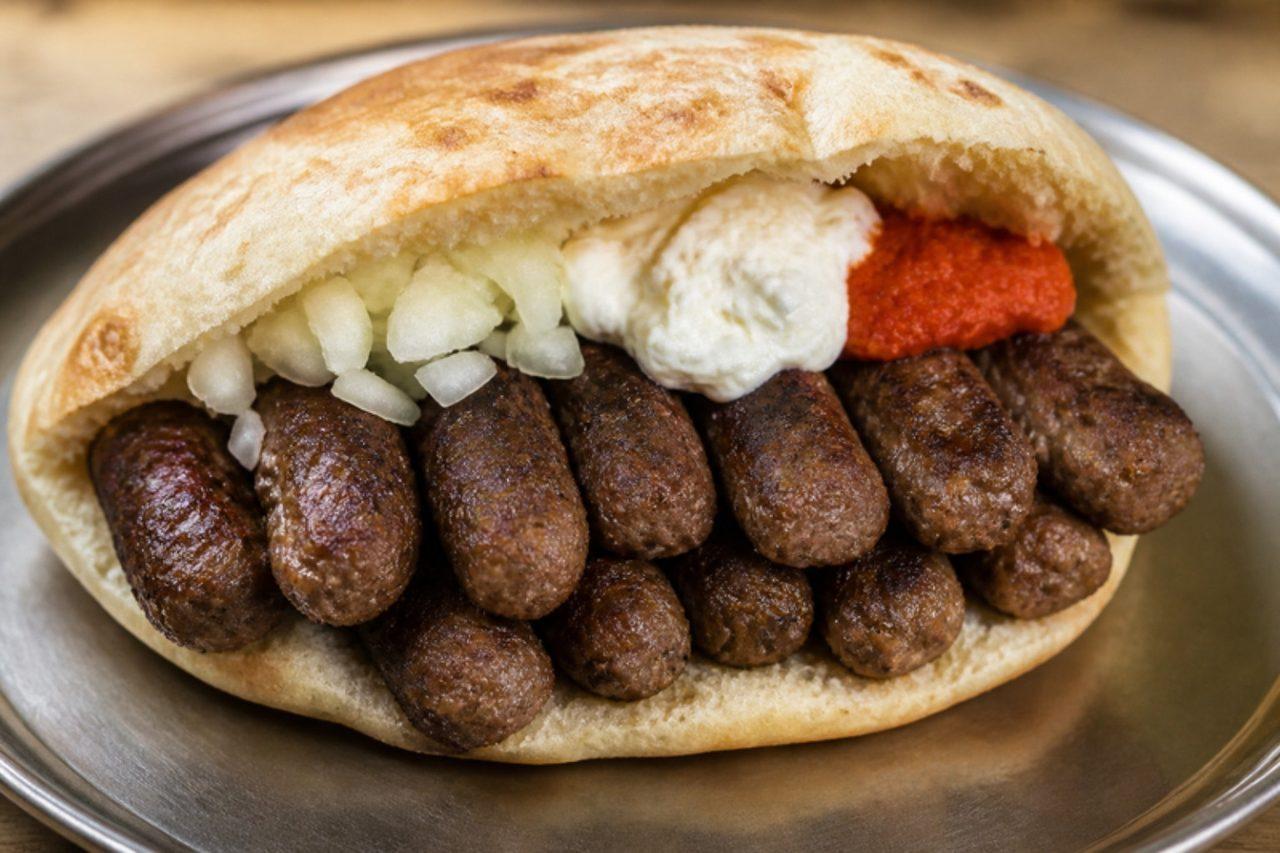
In Sarajevo's old Baščaršija bazaar, ćevabdžinicas grill ćevapi from morning till late night, serving them ten at a time stuffed into a puffy, griddle-warmed somun flatbread with raw onion and a spoon of kajmak. The little skinless fingers are made from beef (often mixed with lamb), seasoned with nothing more than salt, pepper, garlic and a little bicarbonate of soda, which gives them their bouncy bite. Belgrade and Banja Luka have their own versions, but the idea is the same: smoky meat, soft bread, sharp onion. People often over-season them with herbs and paprika; the Bosnian way is plain, letting the meat and charcoal speak. Chef's tip: chill the shaped ćevapi well before grilling and turn them only once or twice, so they keep a juicy centre and a crusty outside.

40 minBalkanMeat
by KrazyBadal 0 views

ČesnečkaGarlic soup

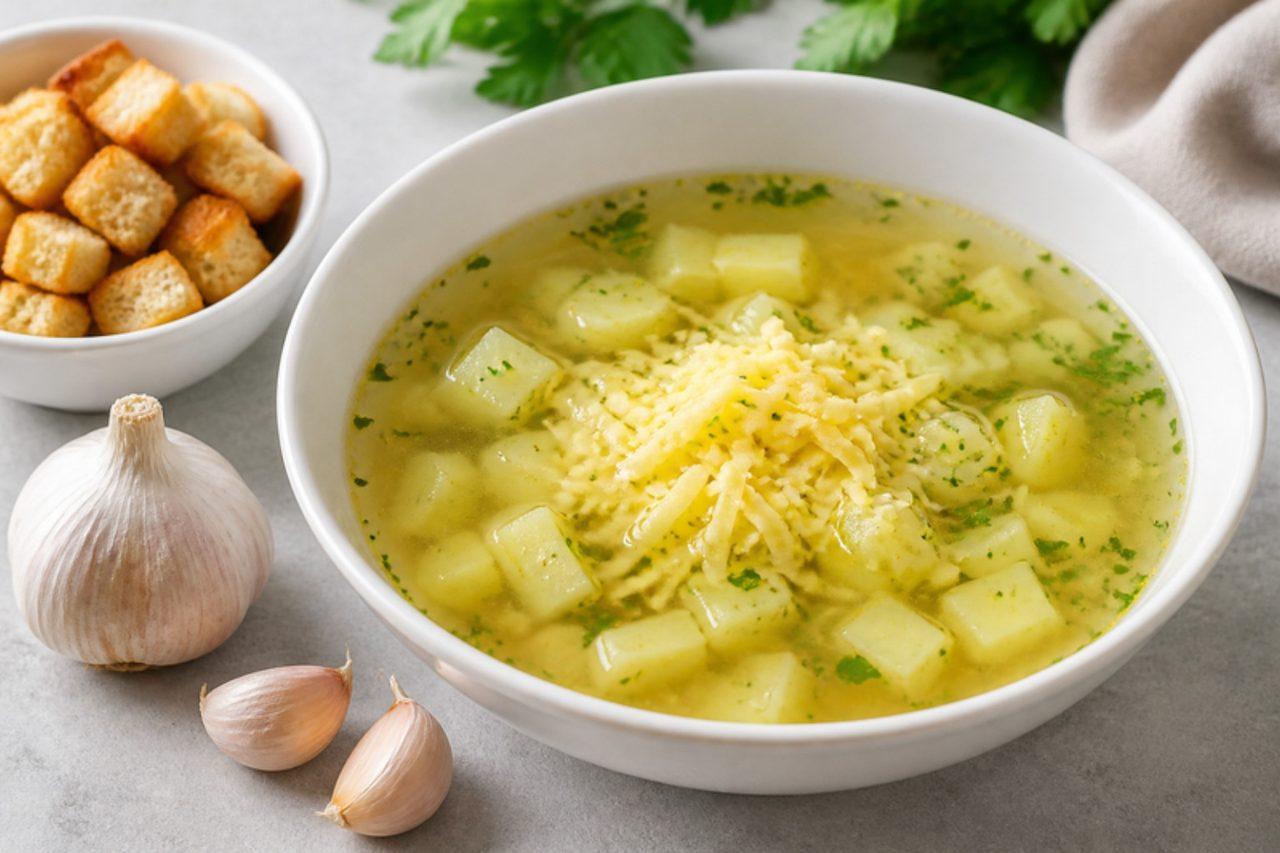
Česnečka is the soup Czechs swear by after a long night in a Prague pivnice: a thin, savoury broth fragrant with raw garlic, caraway and marjoram, with soft potato cubes, crunchy fried bread and a fistful of grated cheese melting into each bowl. It costs almost nothing, comes together in half an hour and is served in workers' canteens and village pubs all winter. This version uses vegetable stock instead of the old meat bouillon. Chef's tip: crush the garlic into the bowls or add it right at the end off the heat; boiled garlic goes sweet and mild, and česnečka should bite.

30 minCzechSoups
by KrazyBadal 0 views

JigarthandaChilled milk almond gum drink

Jigarthanda means 'cool heart', and on a hot evening in Madurai crowds queue around the carts near the Meenakshi temple for a tall glass of it. It's layered rather than blended: a spoonful of soaked almond gum (badam pisin), a glug of nannari (Indian sarsaparilla) syrup, chilled milk reduced until creamy and lightly caramel-coloured, then a scoop of vanilla ice cream on top. The result is cold, floral, wobbly and rich all at once. This home version uses shop-bought vanilla ice cream; check that yours is eggless and gelatine-free. Chef's tip: let the reduced milk chill overnight; cold, thick milk is what makes it taste like the street version rather than flavoured milk.

by KrazyBadal 0 views

KhashBeef foot broth

Khash is a winter ritual in Armenia: friends gather in the early morning between November and March, often at the weekend, to share bowls of plain broth made from beef feet that have cooked all night. Everyone seasons their own bowl at the table with crushed garlic and salt, crumbles dried lavash into it and eats with radishes, pickles and fresh herbs. The broth is rich, sticky with gelatine and deliberately unseasoned in the pot. Skimping on the cleaning and soaking is the classic error; it leaves the broth grey and smelling of the farmyard instead of clean and milky-white. Chef's tip: ask the butcher to clean the feet and saw them into pieces for you.

by KrazyBadal 0 views

Ceylon teaSpiced milk tea

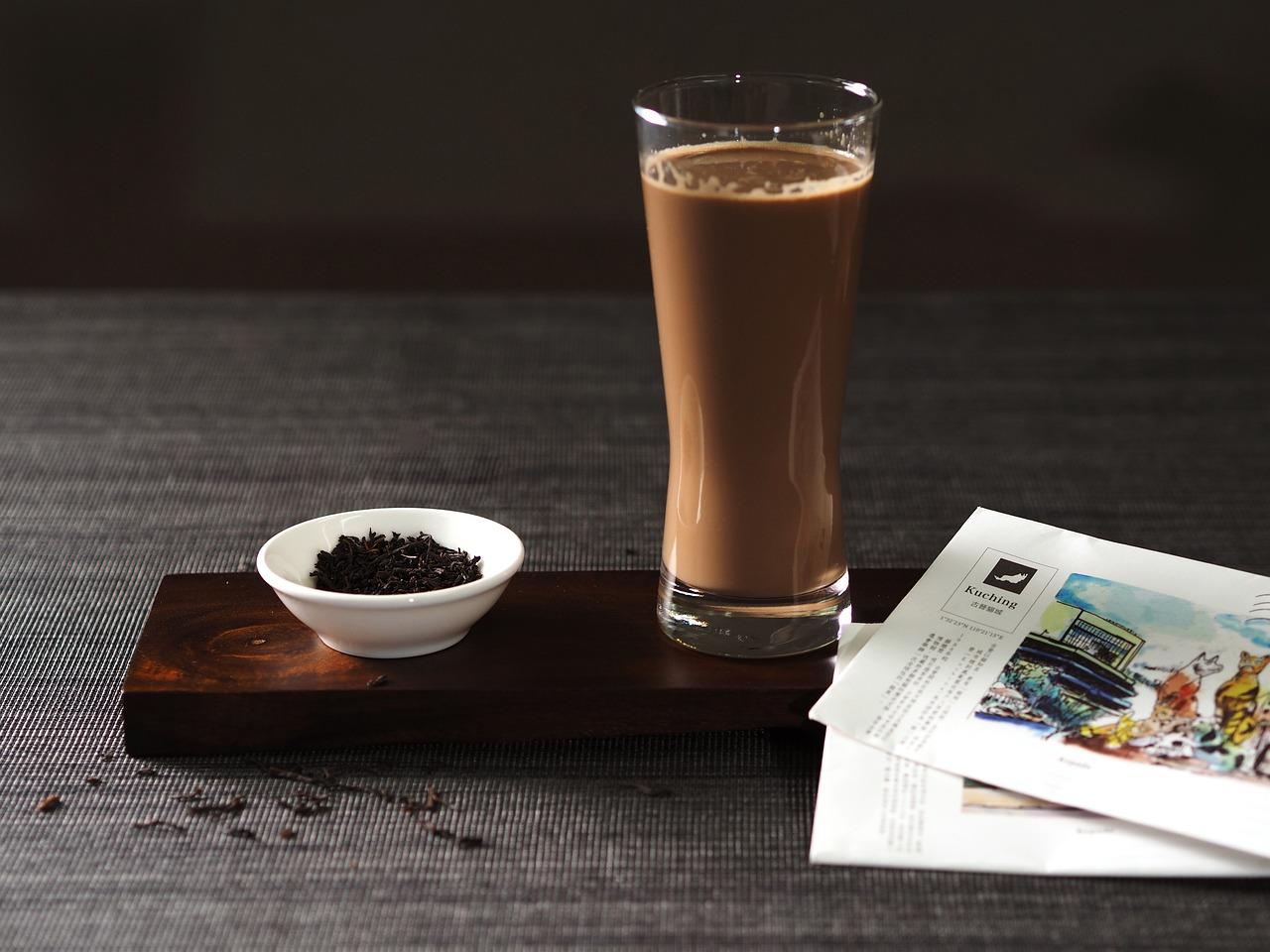
In the misty tea country around Nuwara Eliya, Hatton and Ella, and in every roadside tea kade across Sri Lanka, tea is made strong, sweetened generously and often whitened with milk, then poured from a height between two jugs so it cools a little and wears a frothy cap. Families drink it first thing, again at 'tea time' around four, and with every short eats snack in between. Unlike Indian masala chai there are no spices: the flavour comes from bright, brisk high-grown Ceylon black tea, often a BOP or BOPF grade. If you'd rather have it plain, kahata thé is the same tea with no milk and a bite of jaggery. The common mistake is stewing the leaves too long, which turns it bitter and tannic; three to four minutes is plenty. Chef's tip: pour from jug to jug four or five times; the 'pulled' tea is smoother and creamier.

by KrazyBadal 0 views

Khasta kachori with aloo sabziFlaky urad dal pastries with potato curry

In the lanes of Old Delhi, breakfast often means a leaf plate of khasta kachori broken into a hot, thin potato curry, with a dollop of pickle and a cup of chai. The kachoris are large and flat with a peppery filling of coarsely ground urad dal, fried slowly until they blister and puff, and the aloo sabzi is fiery with chilli and sharp with tomato and dried mango. It's a weekend dish, filling enough to last until lunch. Chef's tip: break the boiled potatoes by hand rather than chopping them; the rough edges melt into the gravy and thicken it naturally.

by KrazyBadal 0 views

KhatkhatemMixed vegetable and dal stew

Khatkhatem is the vegetable stew Goan Hindu families cook for Ganesh Chaturthi and wedding feasts, when onion and garlic are kept out of the kitchen. It takes whatever the monsoon garden gives: pumpkin, sweet potato, raw banana, corn on the cob, drumsticks, yam and the long Goan cucumber, simmered with a little toor dal in a ground paste of coconut, red chillies and coriander seeds. The flavour comes from tirphal, a dried berry from the Western Ghats with a woody, citrusy, slightly numbing bite. Serve it with rice and a crisp papad as part of the festive spread. Chef's tip: add the vegetables in stages, hardest first; khatkhatem should have every vegetable tender but whole, not a mush.

by KrazyBadal 0 views

CendolPandan jelly in coconut milk

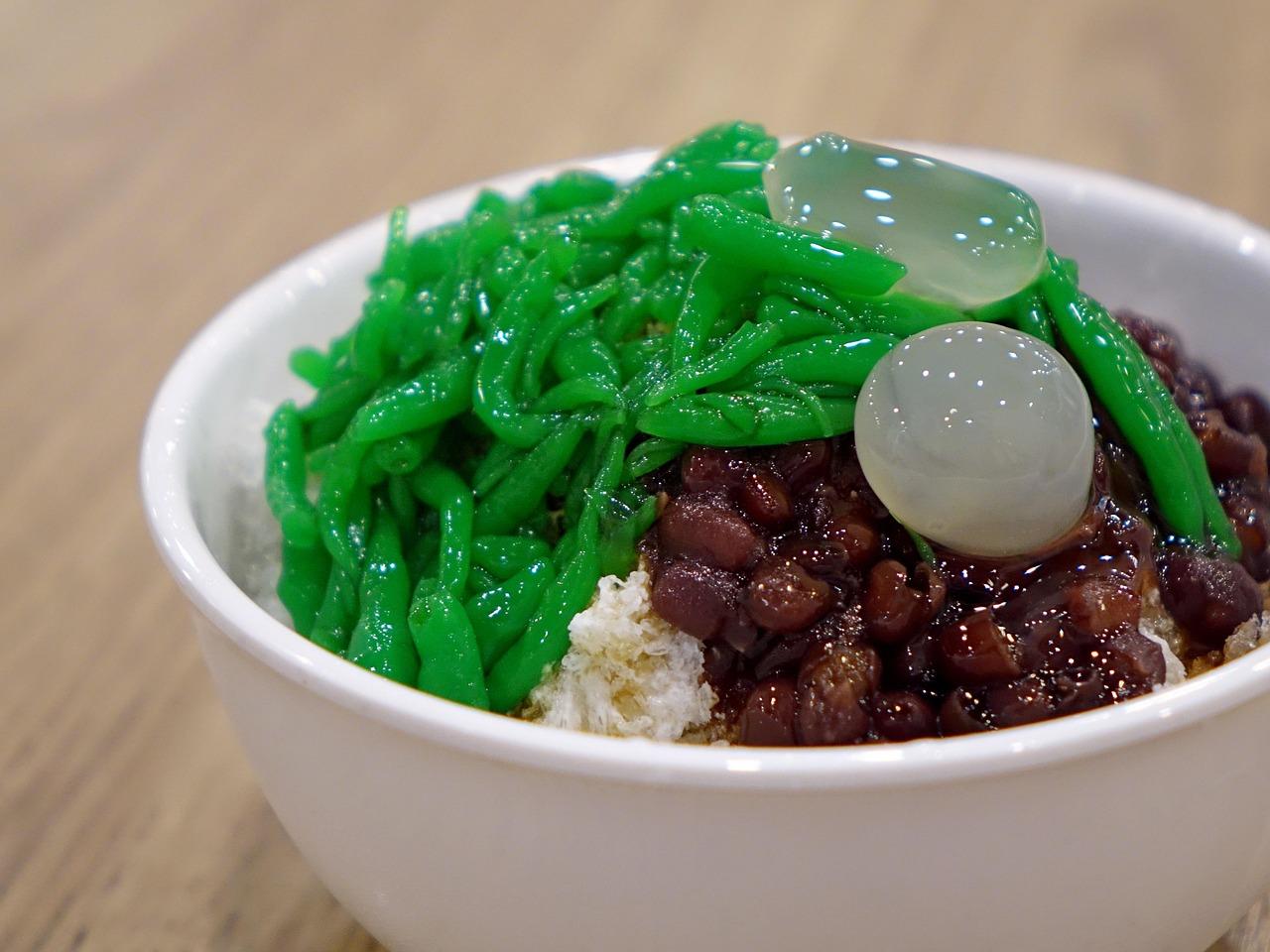
On a sweltering afternoon in Melaka, the queue snakes out of the cendol shops on Jonker Street: a bowl of shaved ice drenched in salted coconut milk and smoky, dark gula Melaka syrup, hiding soft green jelly 'worms' made from rice flour and pandan, with red beans at the bottom. It's sweet, salty, creamy and cold all at once, and it's the city's signature dessert. Melaka's own gula Melaka is the key; it should smell of caramel and woodsmoke. Chef's tip: a pinch of salt in the coconut milk makes the palm sugar taste deeper; without it the bowl tastes flat.

by KrazyBadal 0 views

Cazuela de vacunoBeef and vegetable soup

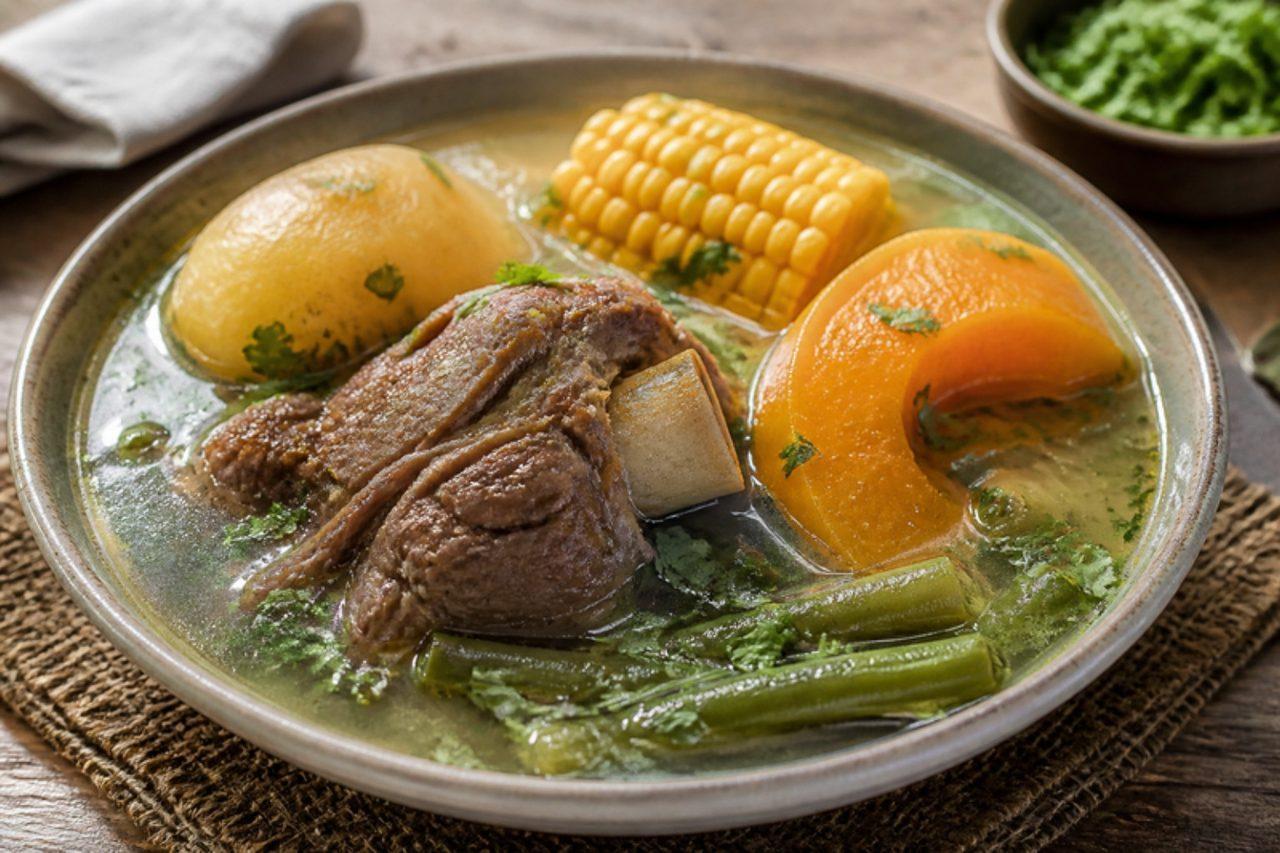
Cazuela is the soup Chilean grandmothers make all through winter, from Santiago's Central Valley to the farms of the south: each bowl gets a whole piece of beef on the bone, a whole potato, a wedge of pumpkin and a piece of corn in a clear broth, with a little rice or green beans and plenty of fresh coriander. It is eaten as a full meal, with pebre and bread. The mistake is cutting the vegetables small: they should stay in big pieces, one of each per person. Chef's tip: simmer the beef very gently and skim it well so the broth stays clear.

145 minChileanSoupsGluten free
by KrazyBadal 0 views

Causa limeñaLayered potato terrine

Causa limeña is Lima's cold potato terrine: yellow potatoes mashed with lime, oil and ají amarillo, pressed into layers and filled. In Lima it is a lunchtime starter sold in every menú and at every family party, often with tuna or chicken; this vegetarian causa is filled with ripe avocado and a creamy salad of corn, peas and carrot. The potato should be smooth, sunny yellow, tangy and gently hot, and the whole thing is served cold in neat slices. Make it in the morning for dinner, or the day before for a party. Chef's tip: mash the potatoes while warm but add the lime only once they have cooled; lime on hot potato turns the mash grey and gluey.

by KrazyBadal 0 views

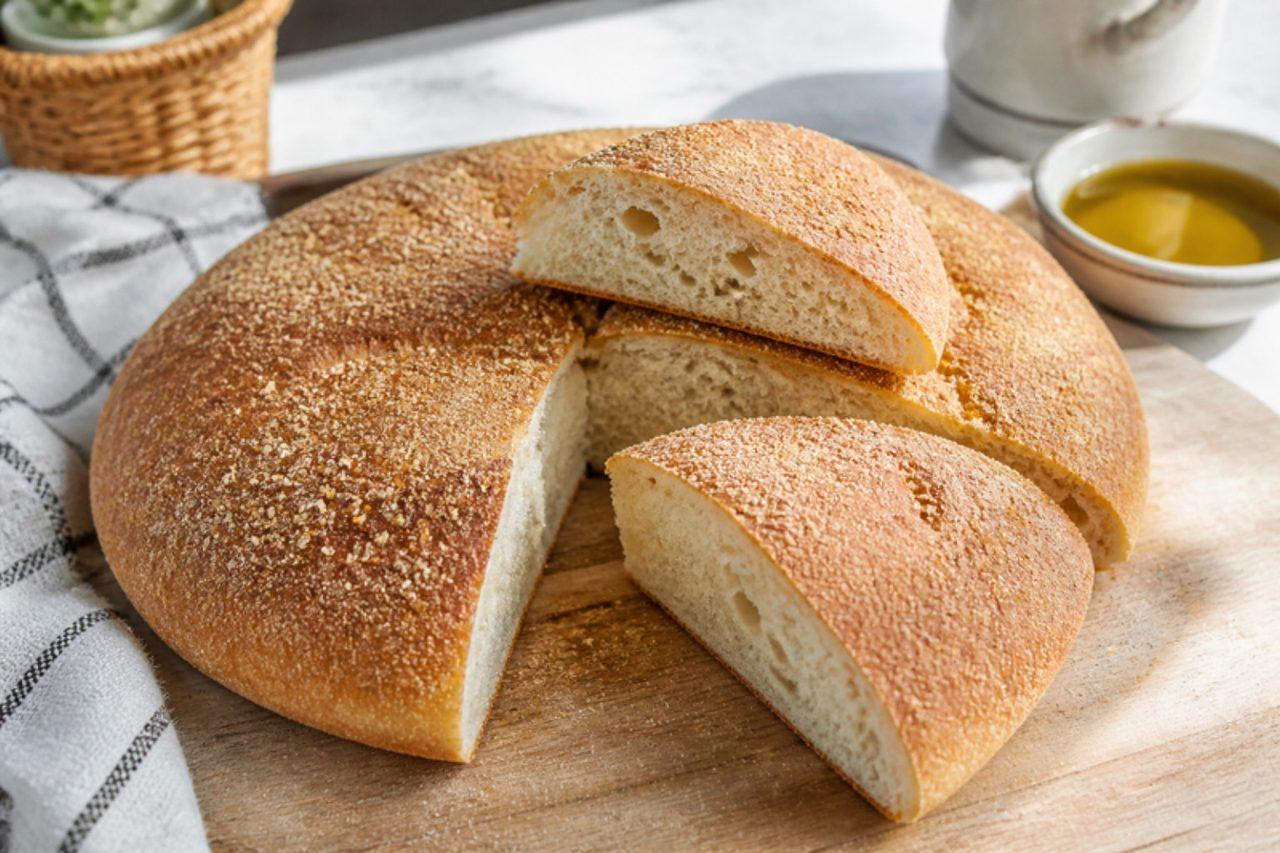
KhobzRound semolina bread

Khobz is the round, flat loaf that sits on every Moroccan table, used instead of cutlery to scoop up tagine and salads. In the older quarters of Fez and Marrakech families still shape their dough at home and carry it on wooden boards to the neighbourhood wood-fired oven, the ferran; at home it bakes perfectly on a hot tray. The semolina and wholemeal give it a slightly nutty taste and a soft, chewy crumb with a thin crust. It keeps for a day wrapped in a cloth and is wonderful toasted. Chef's tip: prick the top all over before baking so it rises evenly and stays flat instead of puffing like a pitta.

by KrazyBadal 0 views

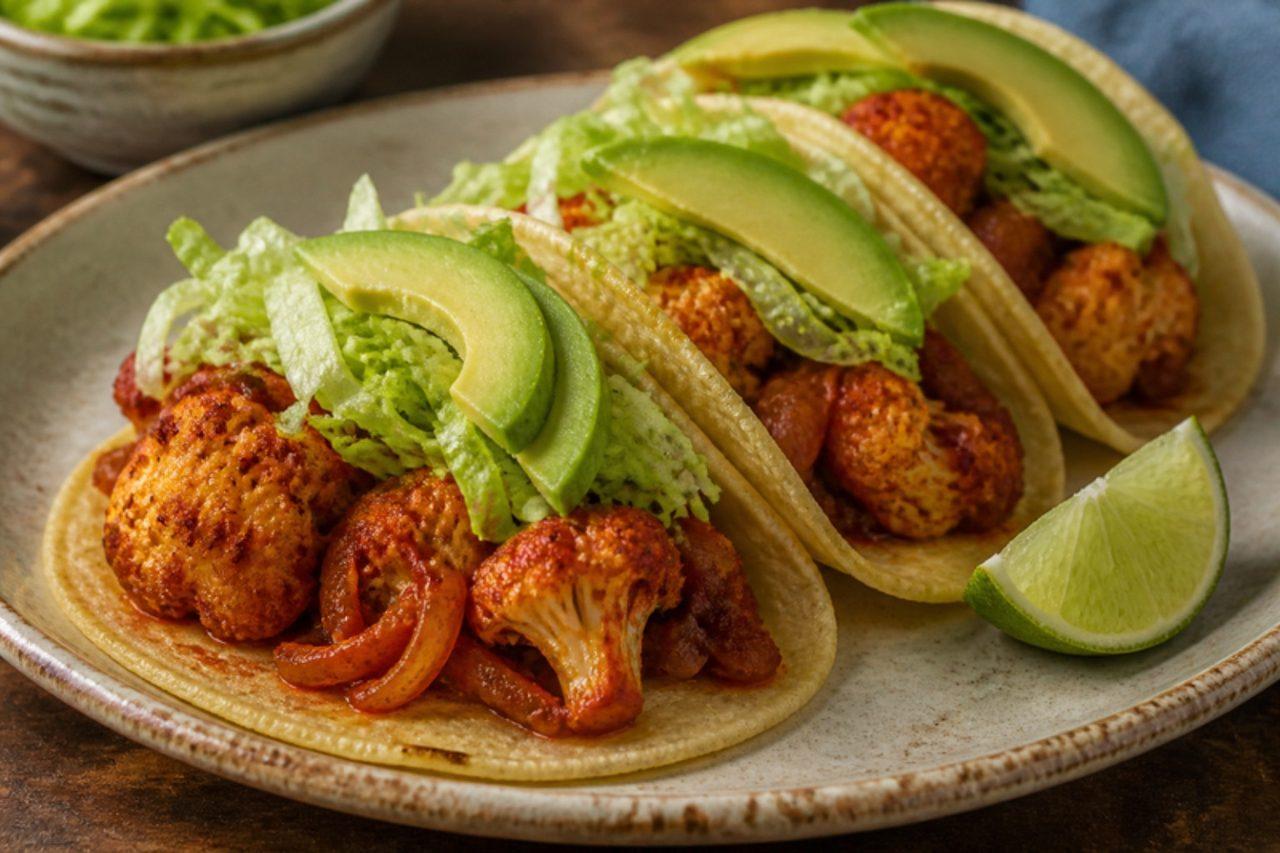
Cauliflower tinga tacosChipotle cauliflower tacos

Tinga comes from Puebla, where shredded meat is simmered in a sauce of sweet sliced onion, tomato and smoky chipotle chillies and piled onto tostadas or tacos. Here roasted cauliflower takes the place of the chicken: browned in a hot oven so it turns nutty and holds its shape, then folded through the brick-red sauce so every floret is glossy and smoky. The result, tinga de coliflor, is sweet, tangy and properly spicy; serve it in warm corn tortillas or on crisp tostadas with avocado, shredded lettuce and lime. Chef's tip: cook the onions slowly until soft and sweet before the tomatoes go in; the sweetness is what balances the heat of the chipotle.

by KrazyBadal 0 views

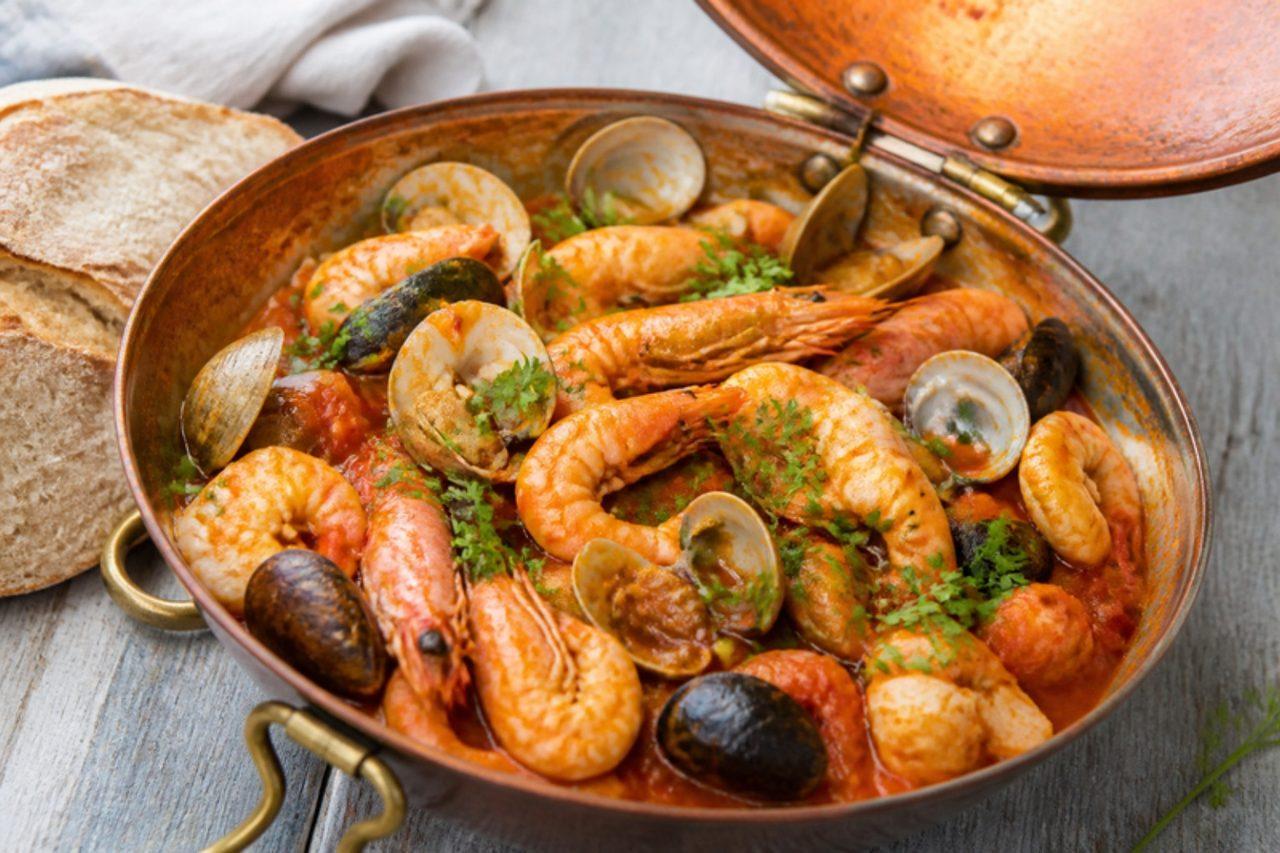
Cataplana de mariscoSeafood and sausage steam pot

Cataplana is the Algarve's showpiece, named after the hinged, clam-shaped copper pan it is cooked in, and it is served at the table in harbour towns like Olhão and Portimão, lid opened in a puff of steam. This version contains pork: smoky chouriço sausage goes in with the onion, peppers and tomato, then clams, prawns and firm white fish steam on top in their own juices. Bring bread for the broth. No cataplana? A wide casserole with a tight lid works. Chef's tip: purge the clams in salty water in the fridge for an hour so they spit out their sand before cooking.

by KrazyBadal 0 views

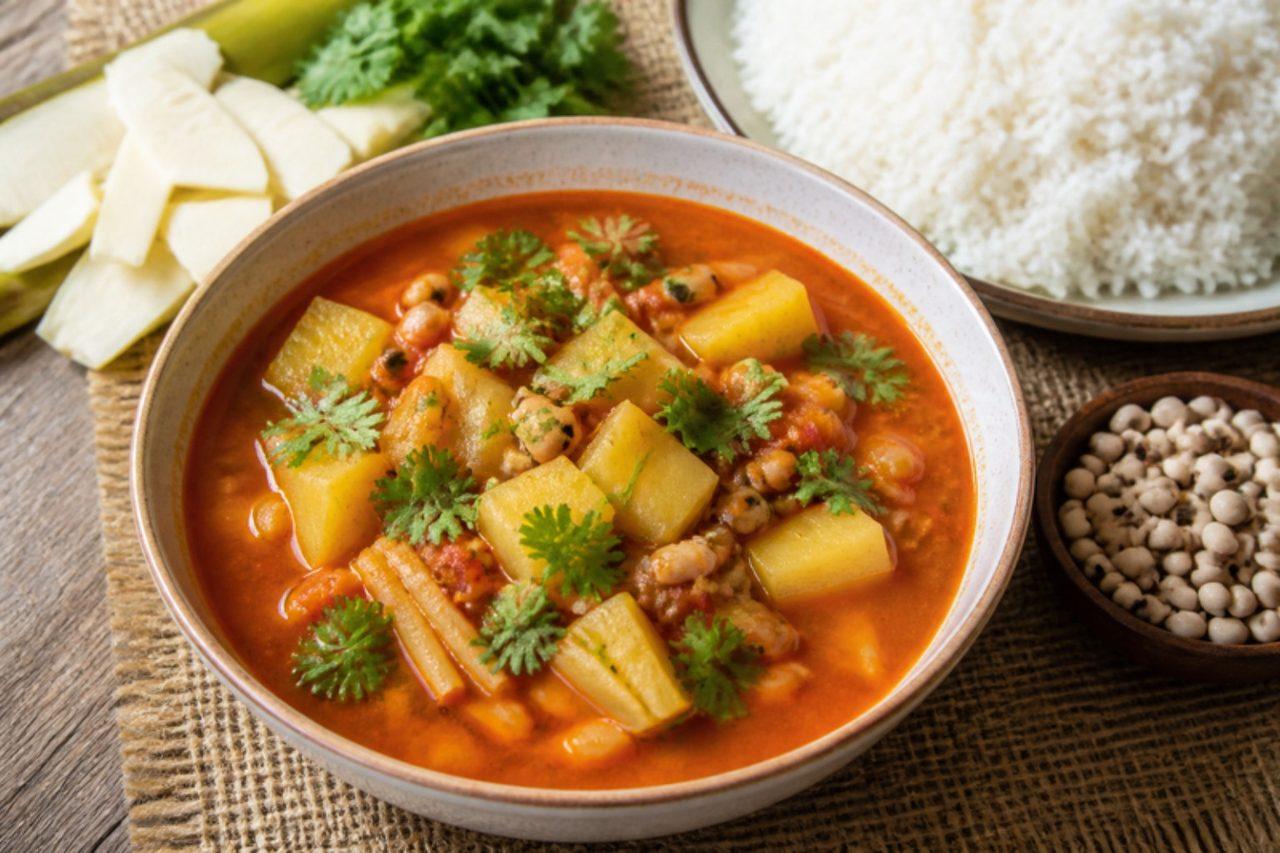
Aloo tamaPotato and bamboo shoot curry

Aloo tama is the curry that tells you you are in Nepal: potatoes (aloo) and black-eyed beans (bodi) simmered with tama, slivers of bamboo shoot that have been fermented until they are pleasantly sour and funky. It is a Newar dish at heart, cooked all over the Kathmandu Valley for weddings, feasts and cold winter evenings, and every Nepali restaurant abroad keeps a pot of it. The sourness comes from the bamboo, sharpened with tomato, and the warmth from fenugreek seeds burnt nearly black in mustard oil and a dusting of timur, the Nepali Sichuan pepper that numbs the lips. Eat it with rice or beaten rice (chiura). Don't skip rinsing the bamboo: straight from the jar it can be so sharp that it takes over the whole pot. Chef's tip: let the fenugreek seeds turn a deep reddish brown before anything else goes in; that bitter-sweet, almost maple smell is the backbone of the curry.

by KrazyBadal 0 views

Khorkhog-style lambHot stone-style lamb

Khorkhog is the feast of the Mongolian countryside, cooked when a herding family welcomes guests: a sheep is cut into pieces and sealed into a milk churn with hot river stones, onion, carrot and potato, and the churn is set over the fire until the meat is tender and smoky. Guests pass the hot, greasy stones from hand to hand for good health. This home version cooks the lamb in a heavy sealed casserole in the oven, which gives the same tender meat and rich juices; please don't heat stones in a kitchen pot, which is dangerous. The mistake is adding water: the lamb steams in its own juice with only a little liquid. Chef's tip: use lamb on the bone, such as neck or shoulder, for the deepest flavour.

by KrazyBadal 0 views

Khua klingDry-fried spicy minced pork

Ask for this at a rice-and-curry shop in Phuket or Hat Yai and it comes as a small, dark heap beside your rice, smelling of lime leaf and black pepper and hot enough to bring tears. There is no sauce at all: minced pork or beef is fried with a turmeric-heavy southern paste until every crumb is dry, separate and coated in spice. The heat is fierce, so it is always eaten with jasmine rice, sliced cucumber, raw long beans and herbs to cool the mouth. It also keeps well for a couple of days and is excellent cold in a lunchbox. Chef's tip: keep stirring and pressing the meat against the hot wok at the end; the name means 'roll and roast', and that last dry-frying is what makes it.

25 minThaiMeatGluten freeSpicy
by KrazyBadal 0 views

Aloo potala rasaPointed gourd and potato curry

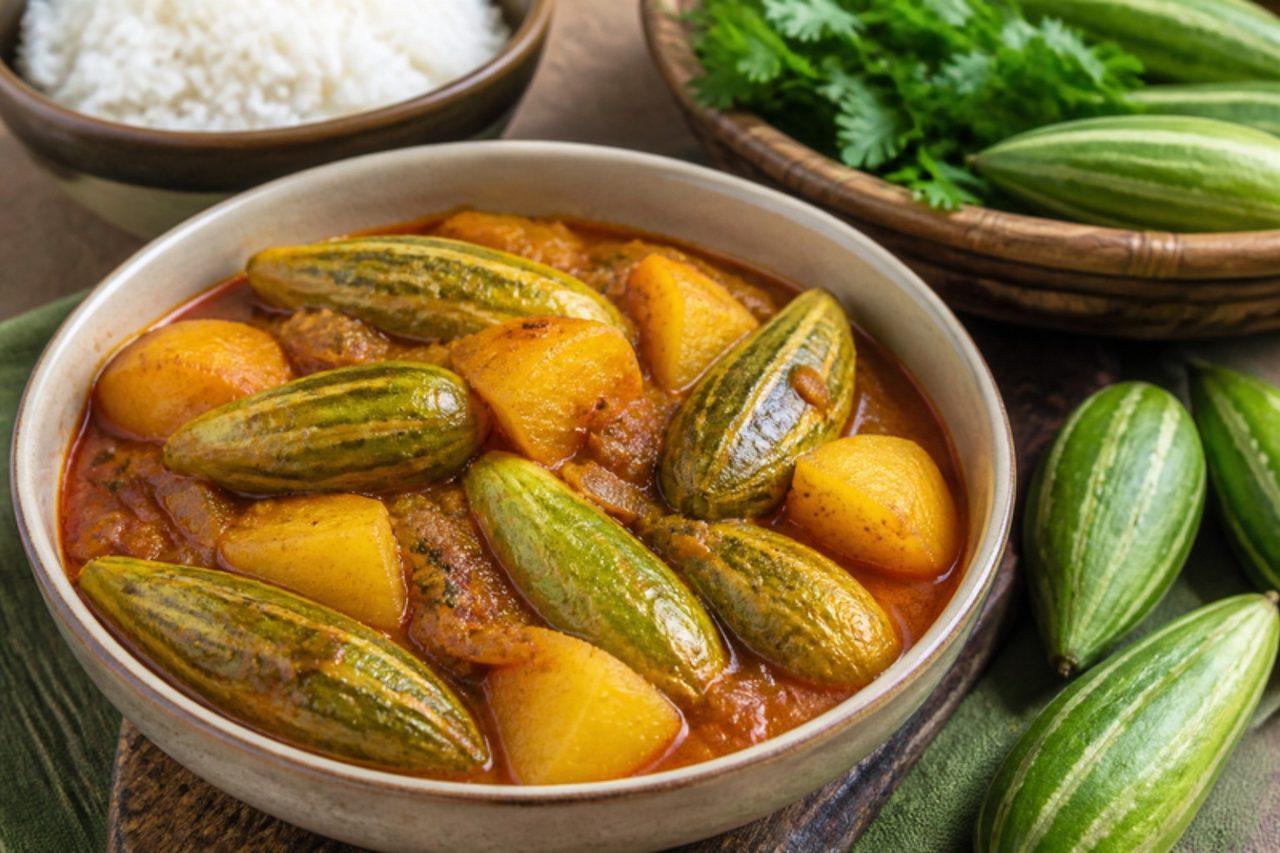
Aloo potala rasa is Odisha's favourite party curry: you will find it on the menu of every Odia wedding and thread ceremony, ladled over rice or eaten with puri. Pointed gourds (potala, parwal) are scraped, fried until blistered, and simmered with potatoes in a thick onion, tomato and ginger-garlic gravy perfumed with whole garam masala. Unlike the light everyday dishes of the state, this one is rich and slow-cooked. Chef's tip: scrape the potala lightly rather than peeling; the green streaks look pretty and hold the shape.

by KrazyBadal 0 views

CassouletWhite bean and duck stew

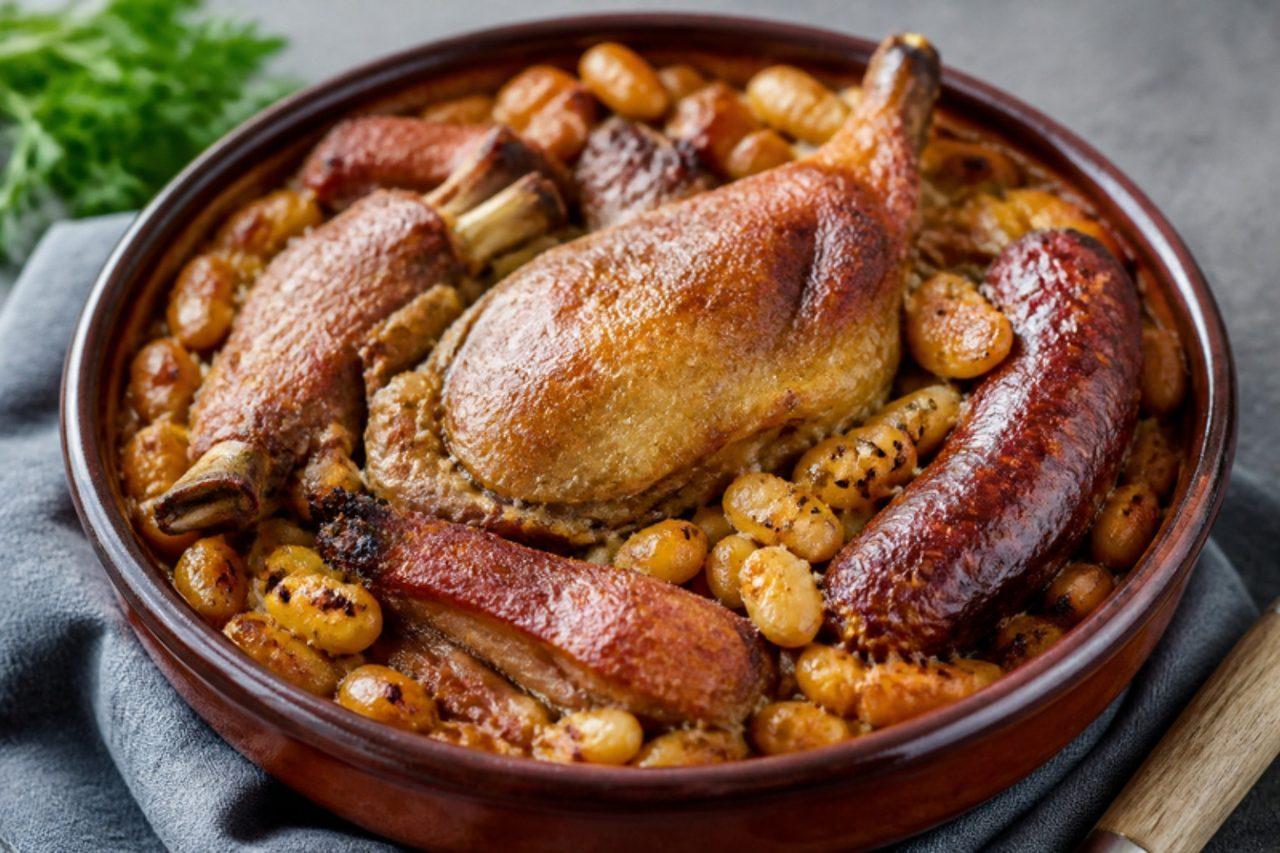
Cassoulet is the great winter feast of the Languedoc, and the towns of Castelnaudary, Carcassonne and Toulouse still argue over who makes it best. Contains pork: white beans cook with pork rind and belly, then bake for hours with duck confit and garlicky Toulouse sausages in a deep earthenware dish until a dark crust forms on top. It takes two days at a relaxed pace and feeds a crowd. Serve with nothing more than a green salad. Chef's tip: break the crust and push it under several times while it bakes; each new crust adds flavour and body.

280 minFrenchMeatGluten free
by KrazyBadal 0 views

Maeun galbijjimSpicy braised short ribs

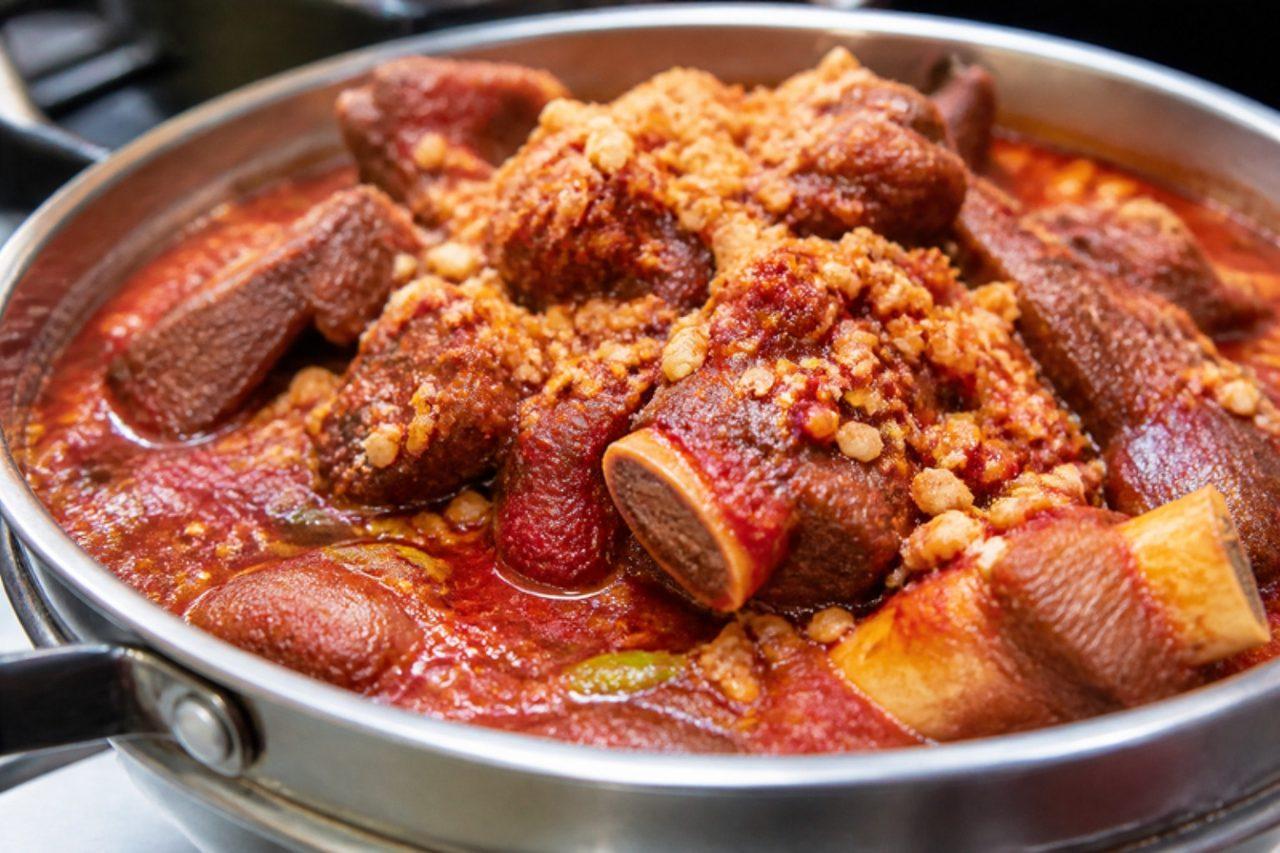
Dongin-dong in Daegu has a street of restaurants that serve one thing: beef short ribs braised until soft and smothered in a thick paste of red chilli and crushed garlic, brought to the table in battered aluminium pots. The dish is counted among Daegu's ten signature foods, and the city is known for liking its food hot. It's much spicier and less sweet than the soy-braised galbijjim made for holidays. Eat it with plenty of rice, lettuce and a cold drink, and keep a napkin handy. Chef's tip: use far more garlic than seems sensible; the crushed raw garlic stirred in at the end is what makes the Dongin-dong style.

120 minKoreanMeatSpicy
by KrazyBadal 0 views

KhuraBuckwheat pancakes

Khura are the buckwheat pancakes of the Monpa people of Tawang and West Kameng, high in Arunachal Pradesh, where buckwheat grows better than wheat. A thick, egg-enriched batter of buckwheat flour is cooked into soft, spongy pancakes for breakfast, eaten with butter tea, chilli-cheese chutney (chamin) or vegetable curry. They are earthy, slightly sour and filling on a cold morning. Chef's tip: let the batter stand for 20 minutes; buckwheat absorbs water slowly and the pancakes hold together much better.

by KrazyBadal 0 views

Casado vegetarianoRice, beans and plantain plate

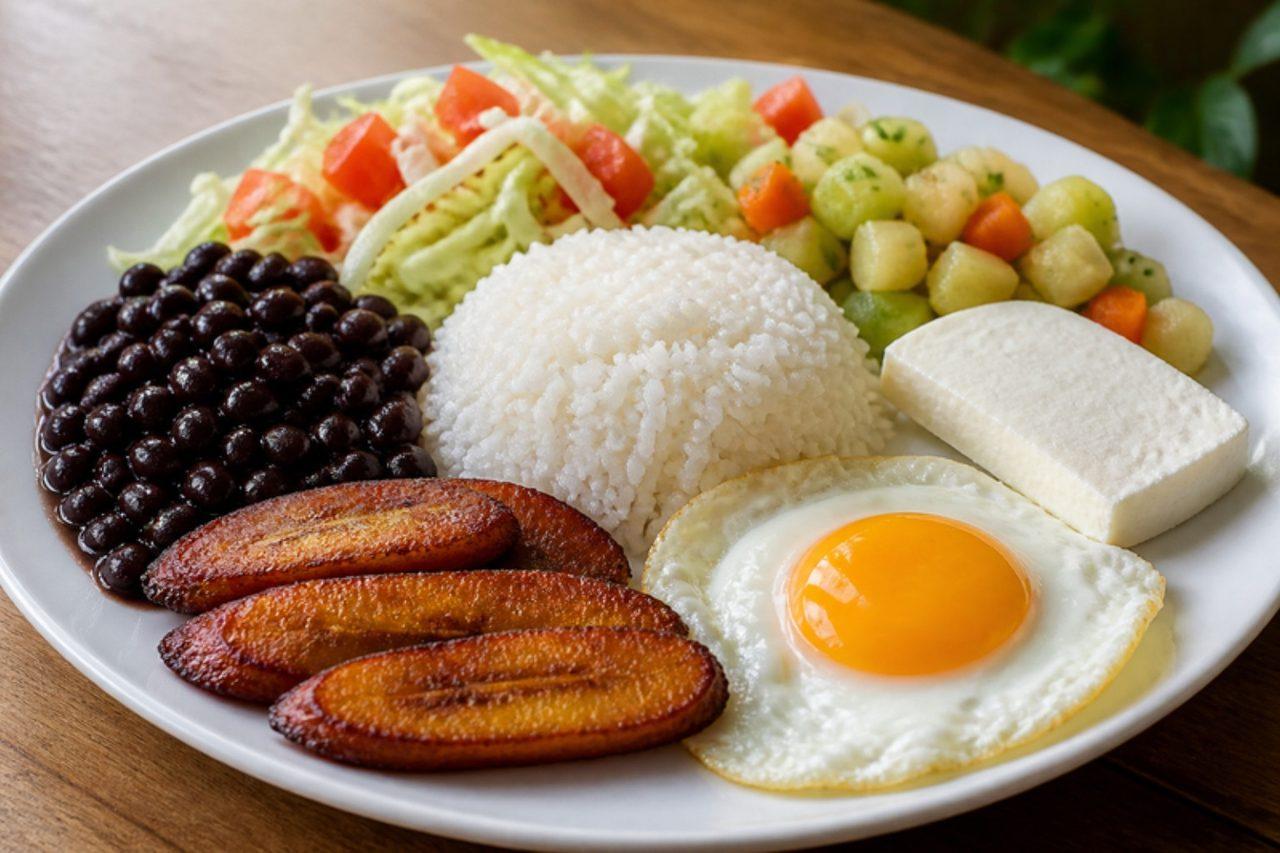
Walk into any soda (small family diner) in San José at lunchtime and the board will offer a casado: one plate where rice and beans are 'married' to salad, sweet plantain and a main. The meatless version is just as common, with a fried egg and a slice of fresh white cheese, plus a little picadillo of chopped vegetables. It's a full, balanced lunch, and every element is simple. Chef's tip: cook the plantain only when it's deeply black-skinned and soft; ripe plantain caramelises to sticky dark edges, green plantain just goes dry.

by KrazyBadal 0 views

KhuushuurFried mutton pasties

Khuushuur are the flat, crescent-shaped pasties sold hot from stalls at Naadam, the July festival of wrestling, archery and horse racing, and fried in Mongolian homes all summer: thin dough round a filling of minced mutton, onion and garlic, fried until blistered and crisp. People hold them in a napkin and bite through to the juicy filling. The mistake is rolling the dough thick; it should be thin so it crisps quickly while the meat cooks. Chef's tip: press out all the air before sealing, or the pasties balloon and burst in the oil.

by KrazyBadal 0 views

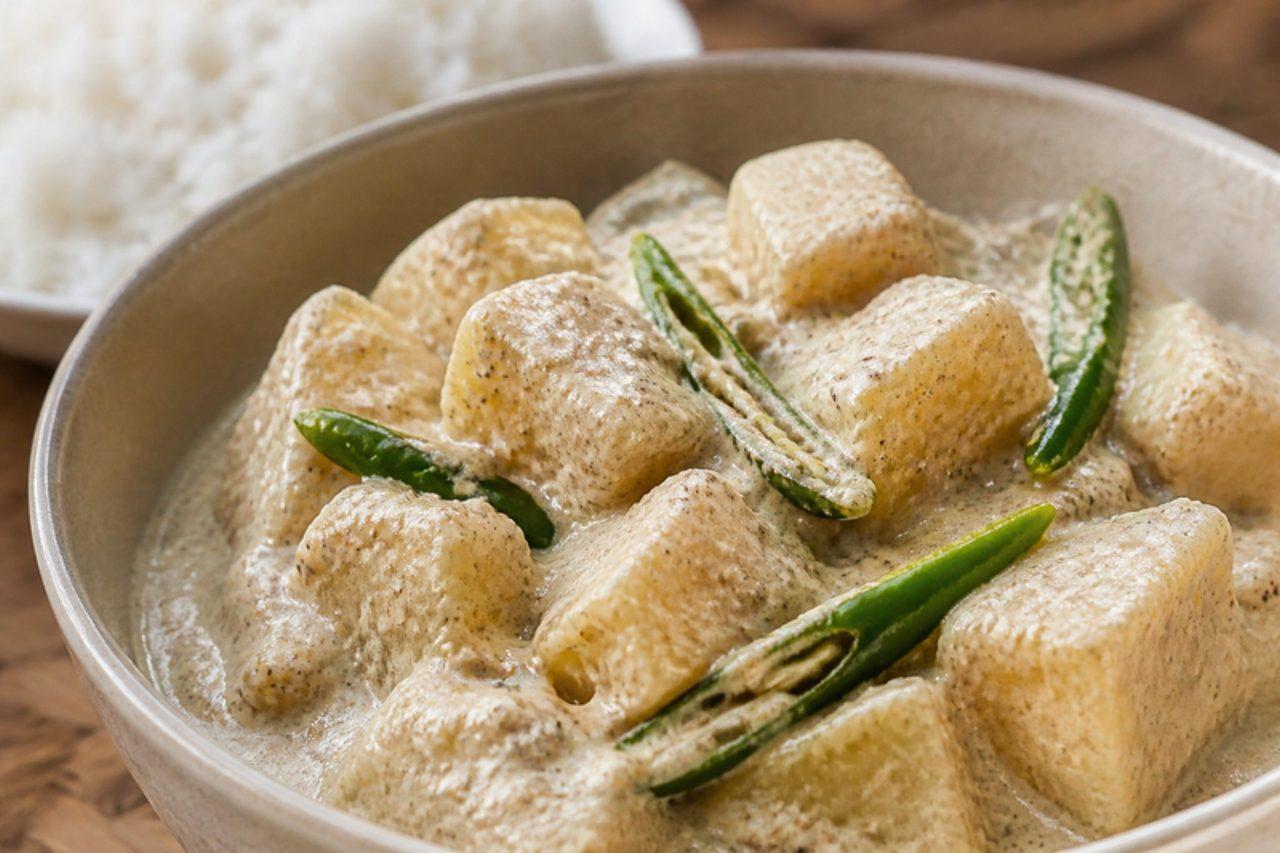
Aloo postoPotatoes in poppy seed paste

Aloo posto is one of West Bengal's best-loved everyday dishes: cubes of potato cooked gently in a thick paste of ground white poppy seeds, green chilli and mustard oil. The poppy seeds give a nutty, creamy coating without any dairy, and the nigella seeds and raw mustard oil add a sharp, fragrant edge. It's simple, mild and comforting, eaten with plain rice and dal in Kolkata homes. Chef's tip: grind the soaked poppy seeds with the green chillies and a splash of water until truly smooth; a gritty paste never turns creamy.

by KrazyBadal 0 views

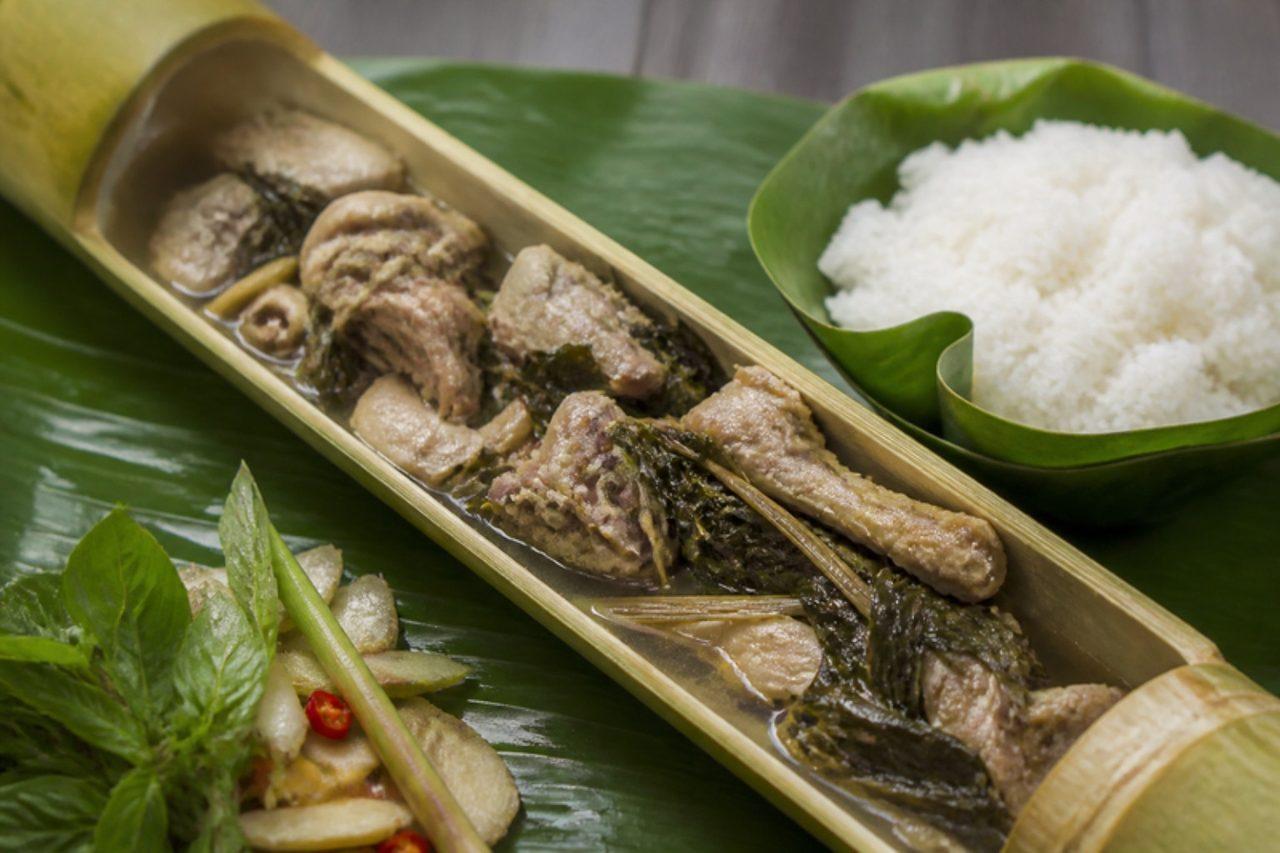
Manok pansohBamboo-cooked chicken

Iban longhouses in Sarawak cook manok pansoh for Gawai, the harvest festival at the start of June: chicken pieces packed into lengths of fresh bamboo with lemongrass, ginger, shallots and tapioca leaves, plugged with leaves and leaned over an open fire. No stock or water goes in; the chicken steams in its own juices, which turn into a clear, herby broth that tastes faintly of green bamboo. At home a lidded casserole wrapped in banana leaf gets you very close. Serve it with plain rice, and with the broth spooned over. Chef's tip: bruise the lemongrass and ginger hard with a pestle before packing; with no added liquid, crushed aromatics are what flavour the juices.

by KrazyBadal 0 views

Carne de porco à alentejanaPork and clams

Despite the name, this surf-and-turf dish of pork and clams is most often linked with the Algarve coast, where Alentejo pork met local shellfish; today it is served in tascas all over Portugal, especially for Sunday lunch. It is a pork dish: cubes of pork shoulder marinate in massa de pimentão (sweet red pepper paste), garlic and traditionally white wine, then are fried and tossed with steamed clams, crisp potato cubes, pickles and lots of coriander. For an alcohol-free version, swap the wine for chicken stock with a tablespoon of white wine vinegar. Chef's tip: buy the pork with a little fat on; lean loin turns dry and tough when fried.

by KrazyBadal 0 views

CarimañolasYuca fritters stuffed with beef

Carimañolas are torpedo-shaped fritters of mashed yuca filled with savoury minced beef, a breakfast and party snack in Panama City and along the Caribbean coast in Colón, often eaten with a cup of coffee or a spoon of hot sauce. The yuca dough is soft and smooth, the outside crisp after frying. The mistake is working the yuca dough while it is cold; mash and shape it while still warm, when it is smooth and pliable. Chef's tip: wet your hands with a little oil or water as you shape them so the dough doesn't stick.

by KrazyBadal 0 views

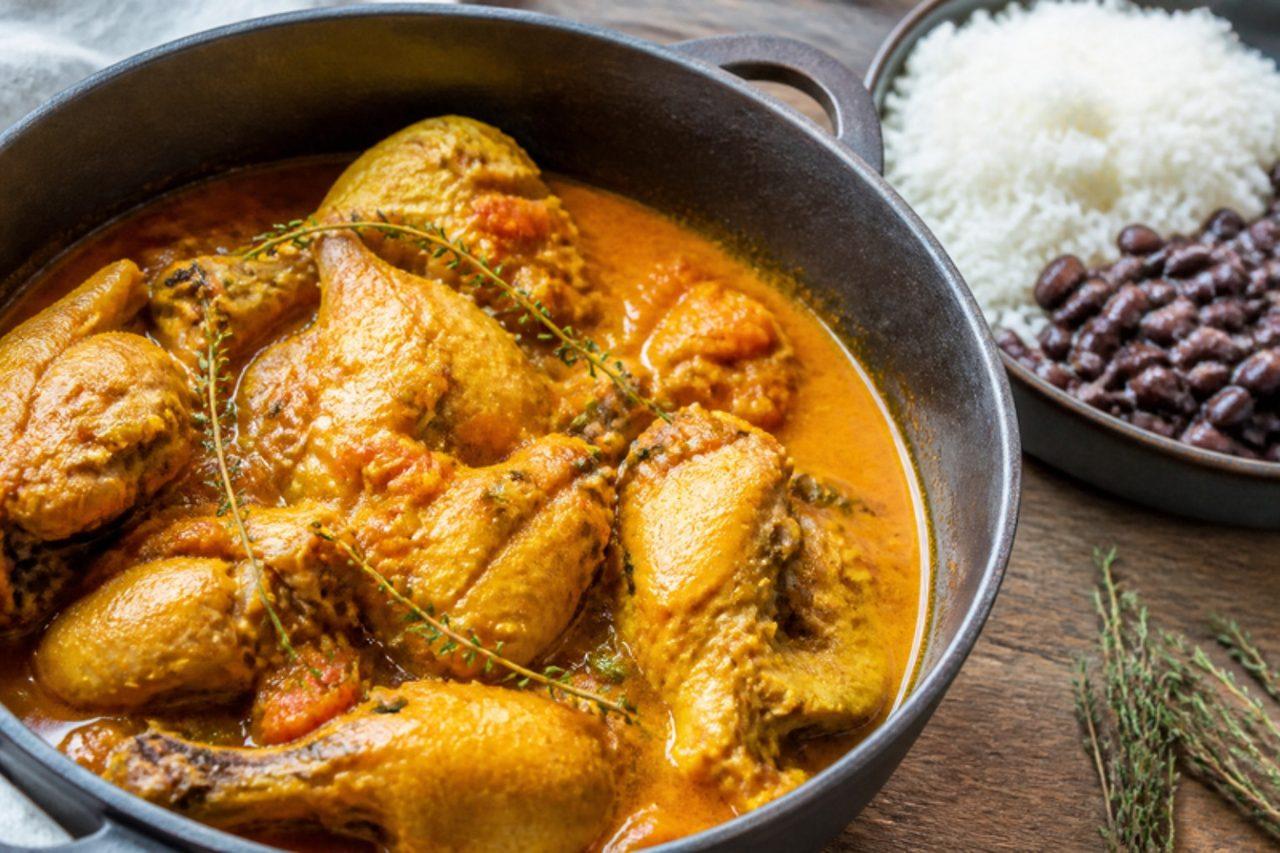
Cari pouletChicken curry

In Réunion a cari is any stew cooked with turmeric (called "safran" on the island), garlic, ginger, onion, tomato and thyme, and cari poulet is the dish families cook on Sundays in Saint-Denis and the mountain villages, often in a big cast-iron pot over a wood fire. It is served with white rice, red beans or lentils, and a fiery rougail on the side. The mistake is adding water too early: let the chicken brown and the tomatoes melt first, then add only a little. Chef's tip: thyme is essential in Réunionnais cooking; add it whole and fish it out before serving.

by KrazyBadal 0 views

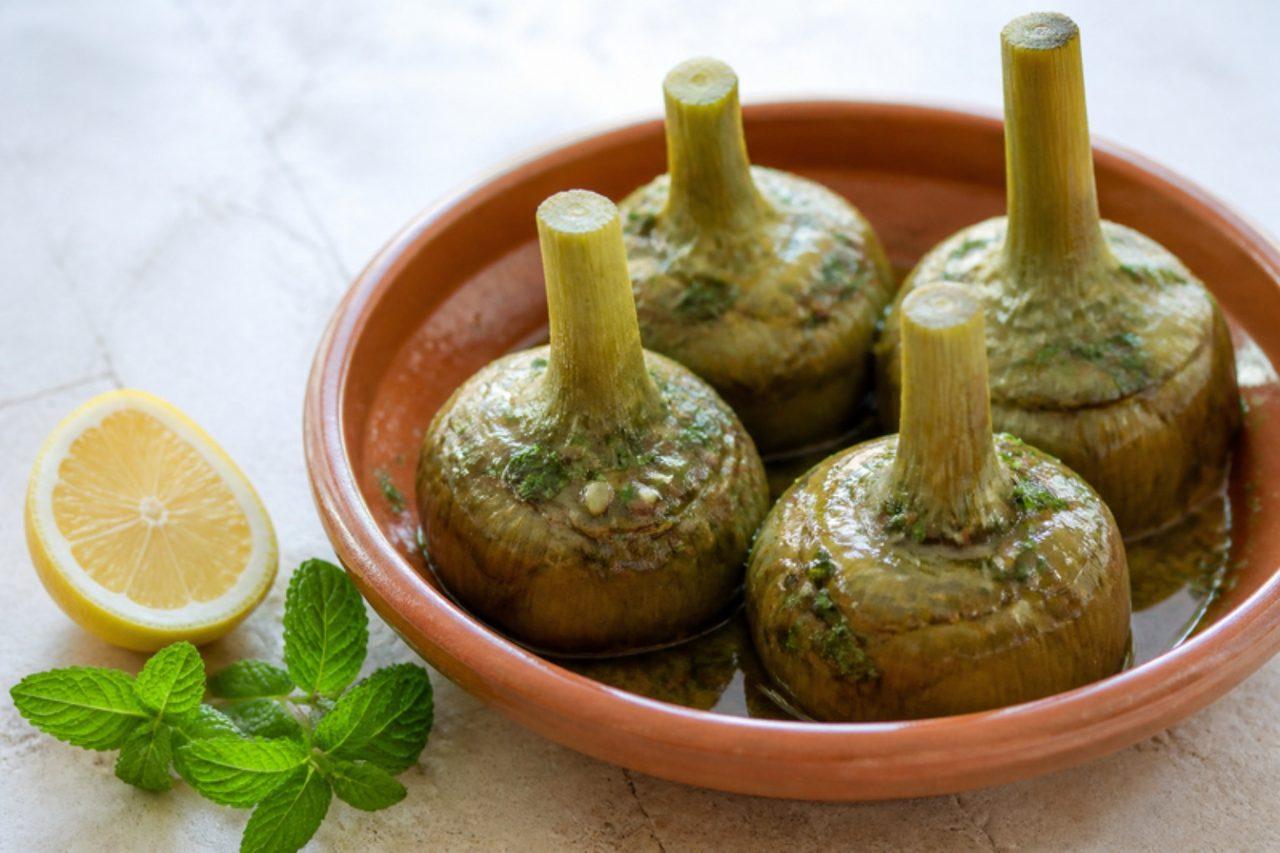
Carciofi alla romanaBraised artichokes with mint

Every spring, from February to April, Roman market stalls pile up round, thornless romanesco artichokes (cimaroli), and trattorie serve them alla romana: stuffed with wild mint, parsley and garlic and braised stem-up in oil and water until meltingly soft. They are eaten warm or at room temperature as a contorno, often next to their crisp cousins, carciofi alla giudia. Any large globe artichoke works at home. Chef's tip: braise them upside down, stems in the air and tightly packed, so the hearts sit in the liquid and the stems steam to the same tenderness.

by KrazyBadal 0 views

Showing 54 of 10,569 recipes

Show more recipes

Page 1,058 of 1,175