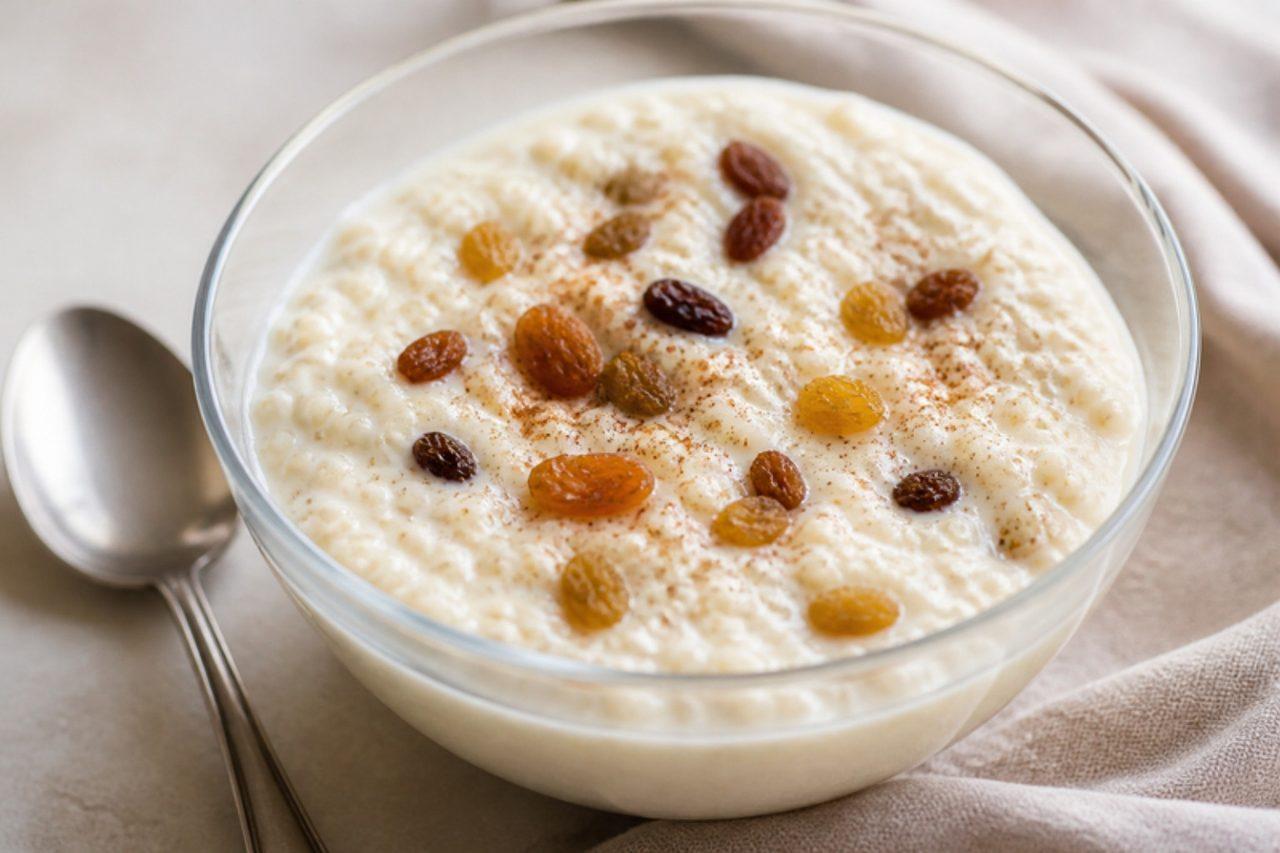



Skip to content
Santula
Featured recipe

Santula

Mildly spiced mixed vegetables

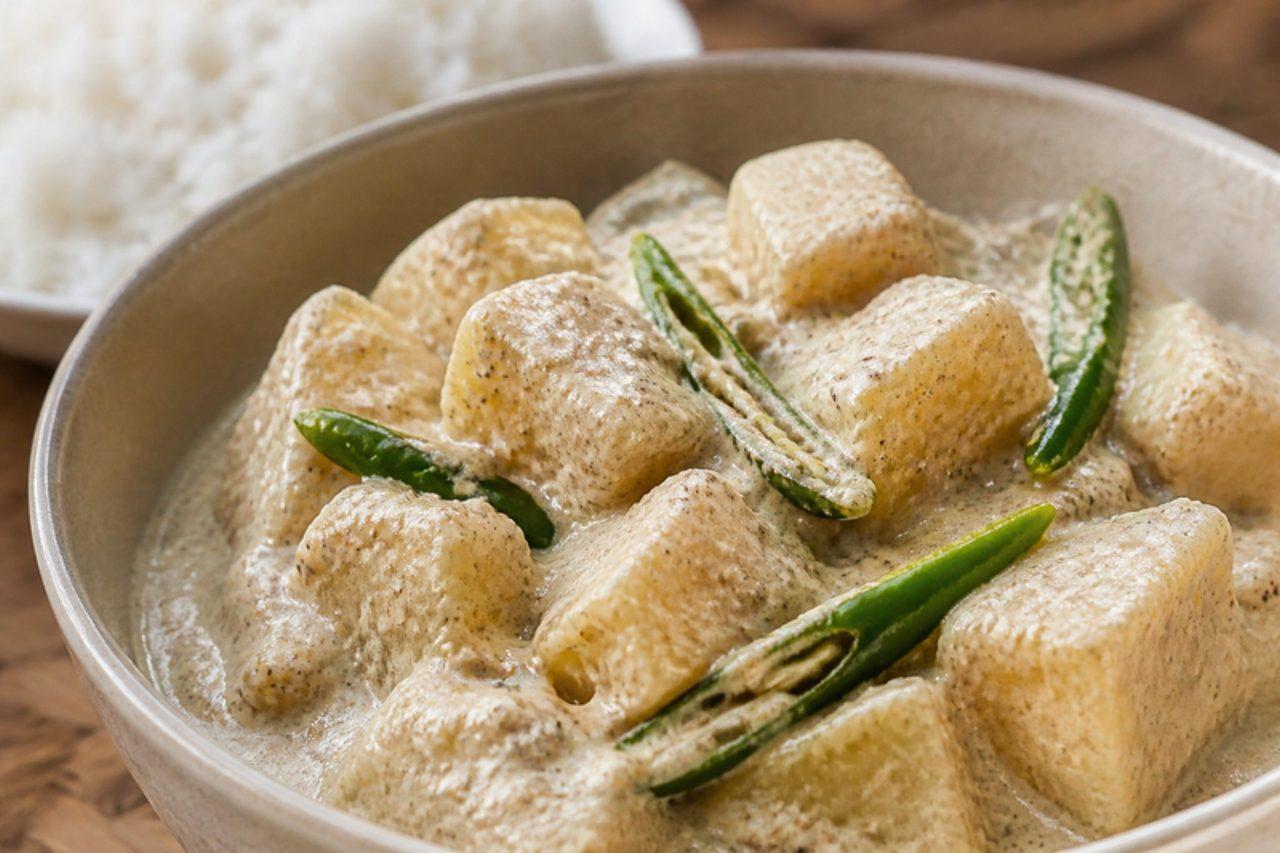
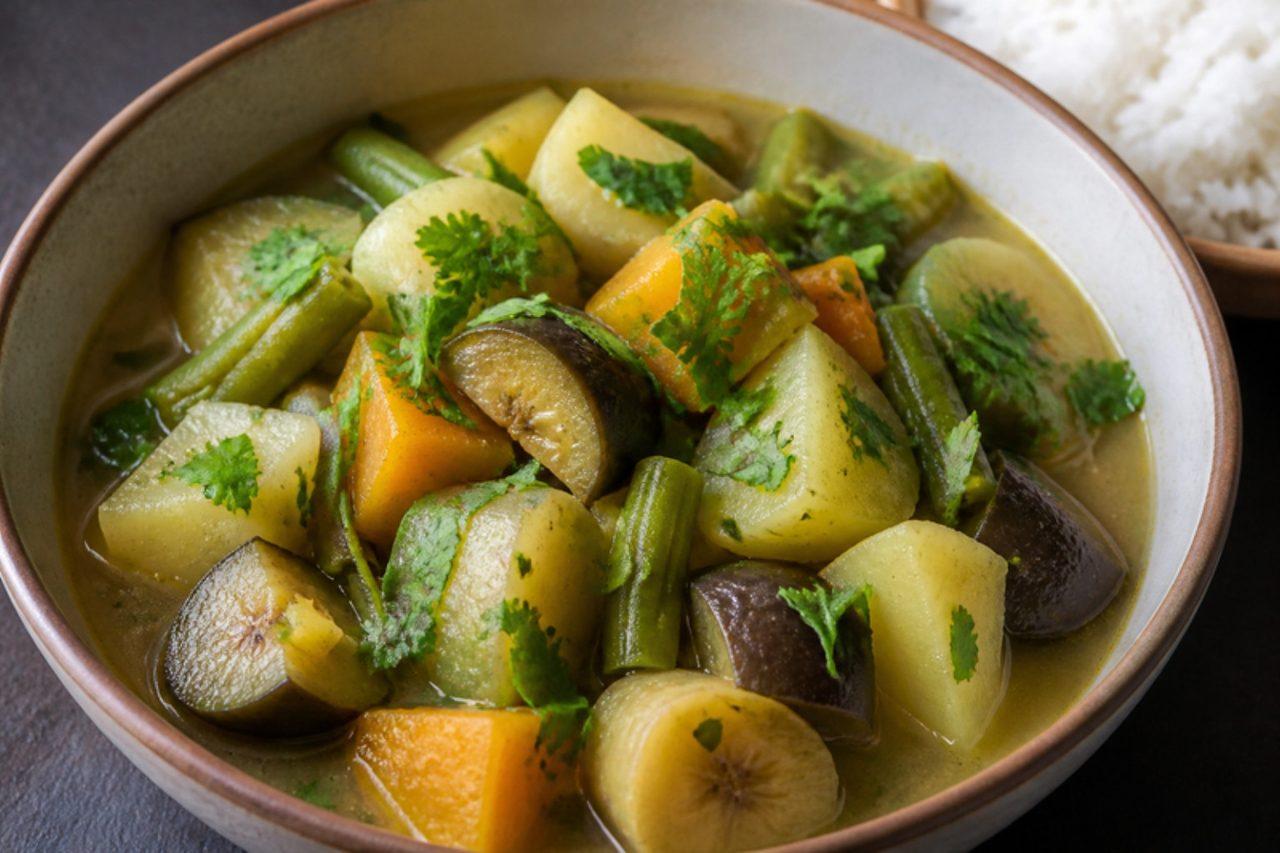
Santula is everyday Odia comfort food, the dish cooks in Bhubaneswar and Cuttack make when someone is unwell or when the family wants something light after festival meals. Papaya, potato, aubergine, pumpkin and raw banana are boiled with turmeric, then given a quick tempering of panch phoron, garlic and dried chilli in a little oil, and finished, in many homes, with a spoon of milk. It is soft, mild and slightly soupy, and eaten with rice and dal. Chef's tip: boil the vegetables only until just tender; santula should look like separate pieces, not a mash.

Read more 0 views

What to eat today?

Around the world

Today's trip: Peruvian

A new country every day, from every cuisine on the site.

Peruvian

Tacacho

Mashed roasted green plantain balls 35 minMore from Peruvian (111) →

This week's collection

Kid-friendly dinners
772 recipes · a new collection every Monday

Coming up

All occasions →

Latest recipes

Vol-au-ventChicken and mushroom pastry cases

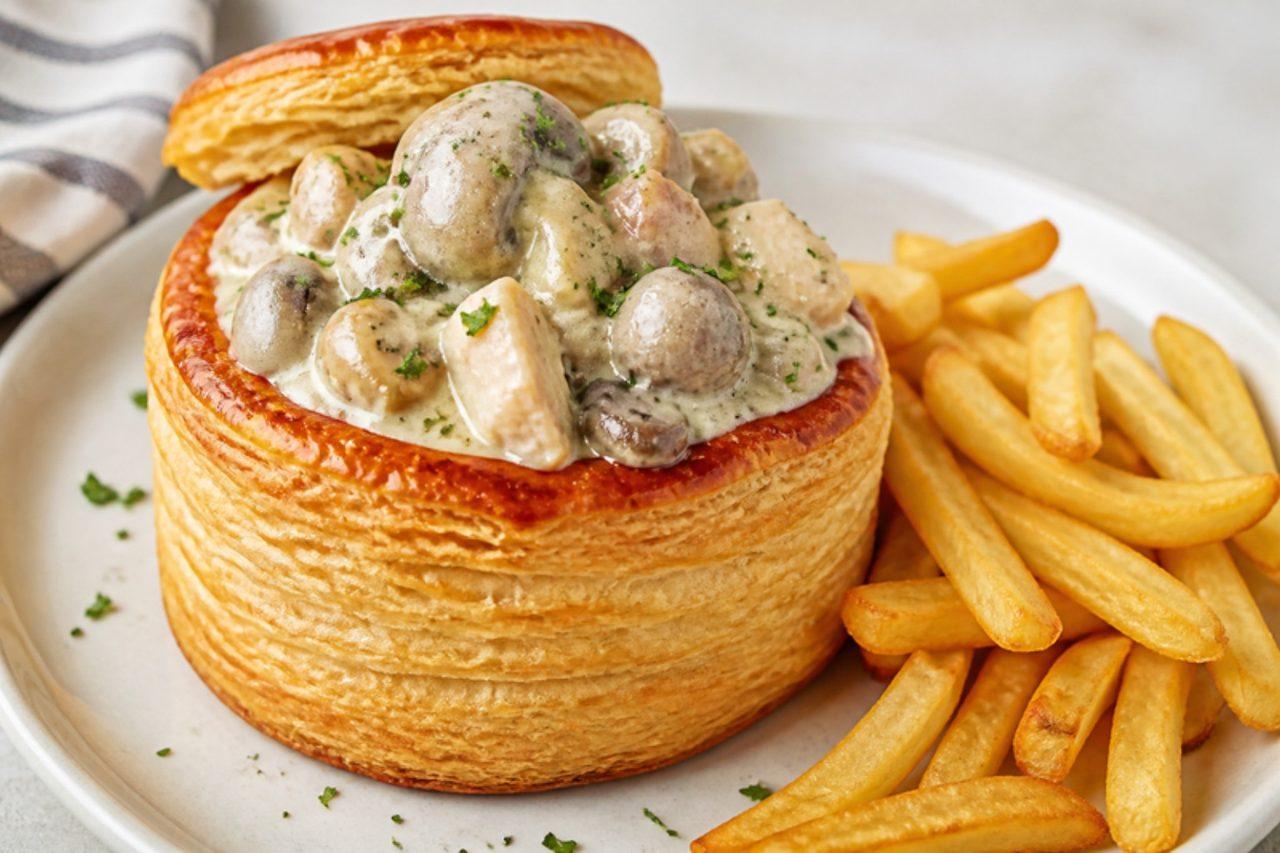
In Belgium a vol-au-vent is not a party nibble but a full plate: a big puff-pastry case filled with creamy chicken ragout, button mushrooms and tiny meatballs, served with chips in Brussels brasseries and for family celebrations and Sunday lunches all over the country. The little meatballs are made with pork mince, so this dish contains pork. The sauce is built on the poaching stock from the chicken, which gives it far more flavour than milk. A mistake many cooks make is filling the pastry too early, so the base turns soggy; fill the cases just before they go to the table. Chef's tip: poach the meatballs in the same stock as the chicken; they take just 5 minutes and season the broth further.

by KrazyBadal 0 views

Vegetarian vori voriCornmeal dumpling and vegetable soup

Vori vori is the soup Paraguayan grandmothers make on cold June and July evenings: a golden broth full of bori, small balls of cornmeal and cheese that swell soft as they simmer. The name is a Guaraní take on the Spanish 'bolita' (little ball). It's usually made with hen; this version gets its colour and body from pumpkin, carrot and a sofrito with saffron or turmeric. Chef's tip: shape the balls no bigger than a hazelnut; they double in size and larger ones stay raw inside.

by KrazyBadal 0 views

WaakyeRice and black-eyed beans

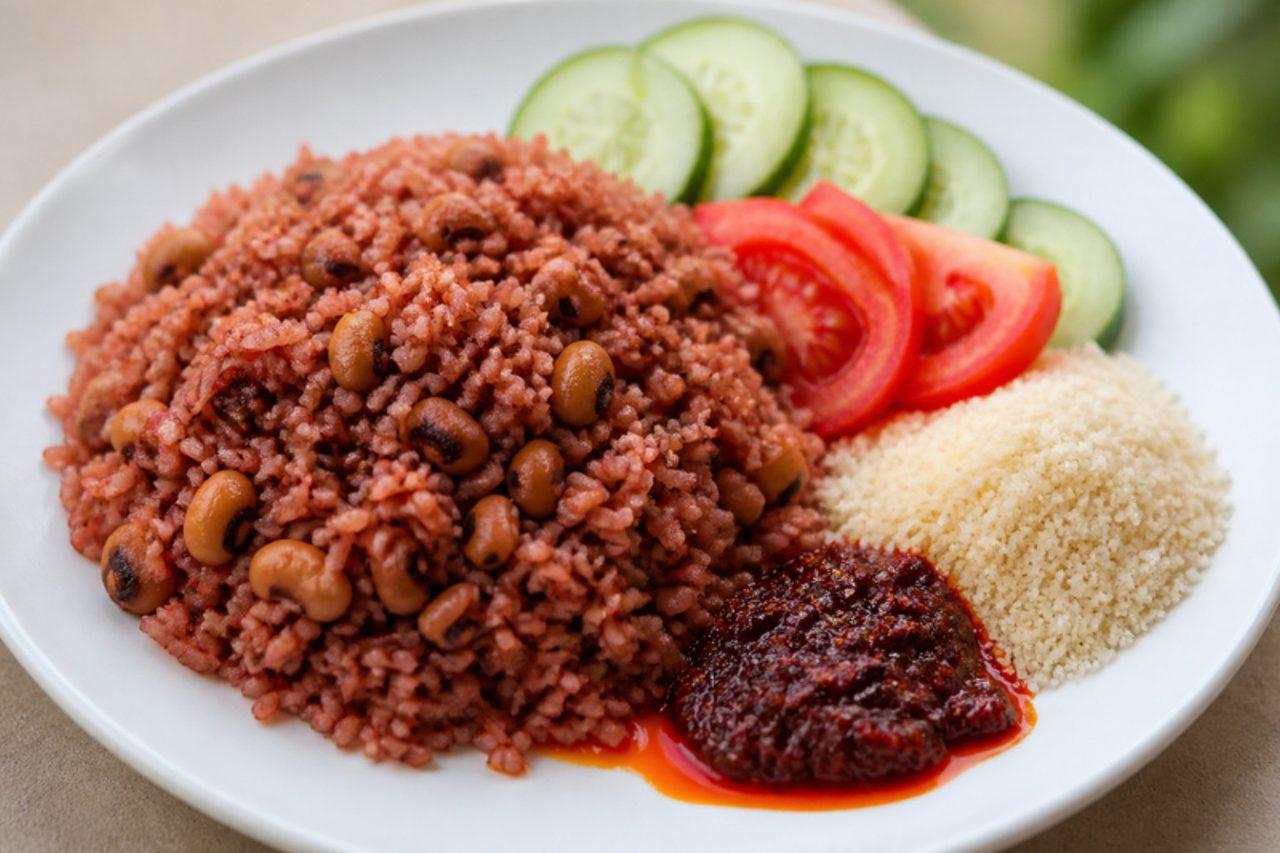
Waakye (say 'waa-chay') came south from the Hausa communities of northern Ghana and is now Accra's favourite breakfast and lunch, sold from big pots wrapped in leaves at roadside stalls before most offices open. Rice and black-eyed beans are cooked together with dried sorghum leaf stalks (waakye leaves), which dye the pot a deep reddish brown and add a faint earthy note. A full plate comes loaded with shito, gari, spaghetti (talia), salad and fried plantain. Chef's tip: cook the beans almost soft before the rice goes in; beans and rice finishing together is the whole trick.

by KrazyBadal 0 views

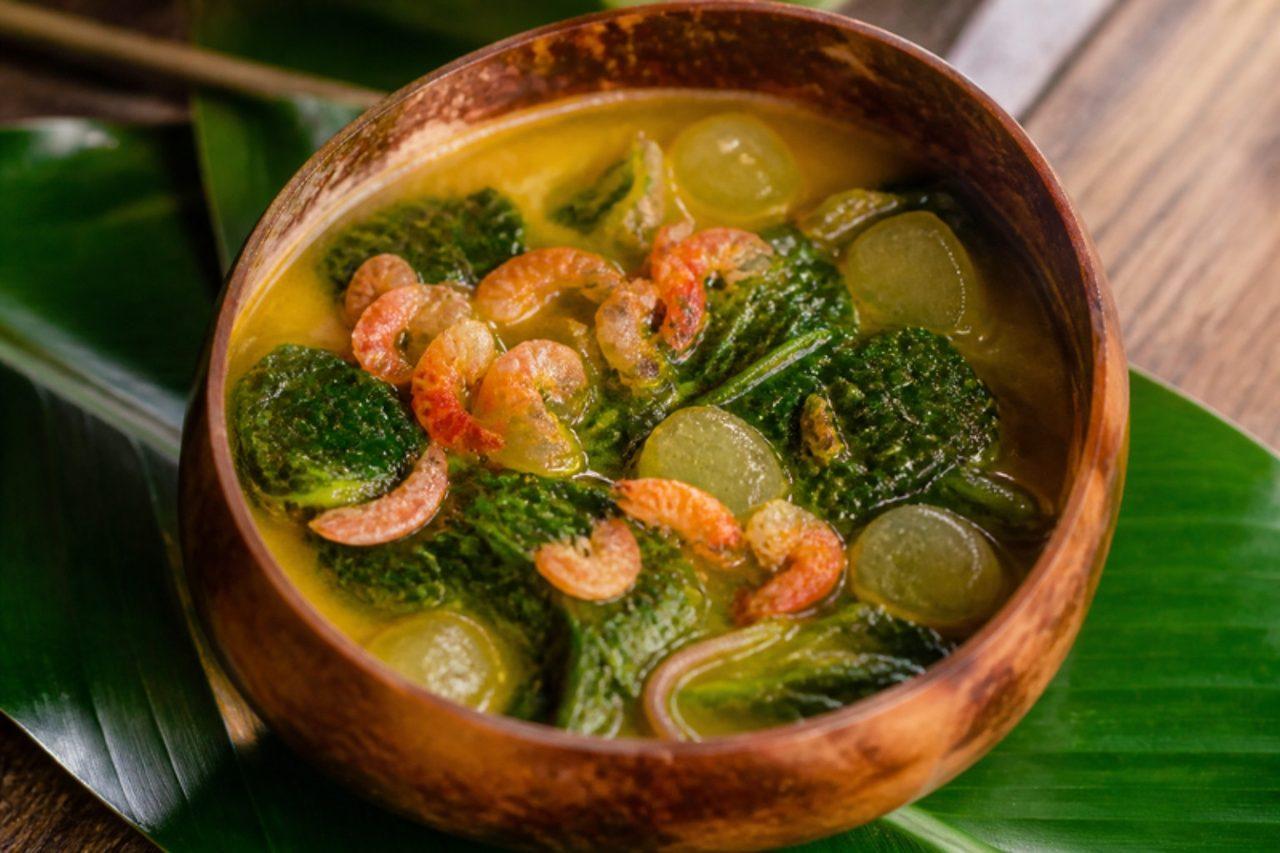
TacacáHot tucupi broth with shrimp

Around four in the afternoon in Belém, capital of Pará, the tacacazeiras open their street stalls and people queue for tacacá, served scalding hot in a cuia, a bowl made from a dried gourd. The broth is tucupi, the sour yellow juice of wild manioc, with a spoonful of tapioca gum, dried shrimp and jambu, an Amazon herb whose leaves make your lips and tongue tingle and go pleasantly numb. You drink the broth straight from the bowl and pick out the rest. Tucupi is sold cooked and bottled (or frozen) in Brazilian shops; it must be properly boiled before eating, which is explained in the steps. Chef's tip: soak and briefly boil the dried shrimp before they go in; straight from the bag they make the broth far too salty.

by KrazyBadal 0 views

TacachoMashed roasted green plantain balls

Tacacho is the breakfast of the Peruvian Amazon, from Tarapoto to Iquitos: green plantains roasted over coals, mashed with fat and salt and shaped into balls. There it comes with cecina (smoked pork) and is mashed with lard and crackling; this vegan tacacho uses good oil and a pinch of smoked paprika for the same savoury, smoky depth. The balls are dense, chewy and starchy, crisp at the edges where the plantain charred, and they are eaten hot with a fiery chilli sauce or alongside stews. Use plantains that are fully green and firm. Chef's tip: mash the plantains while they are still very hot; as green plantain cools its starch sets and it won't bind into a smooth ball.

by KrazyBadal 1 views

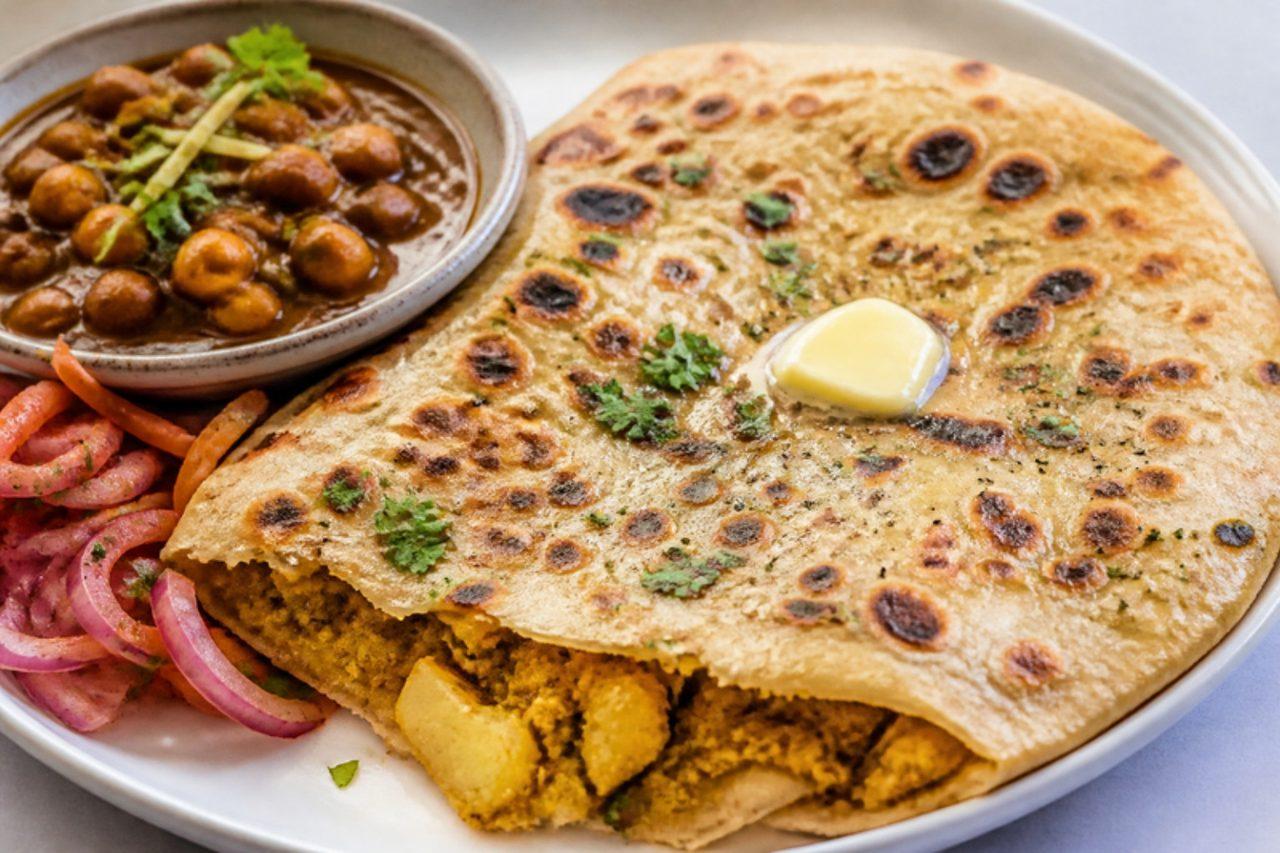
Amritsari kulchaStuffed flatbreads

Amritsari kulcha is the pride of Amritsar's dhabas in Punjab: a layered, leavened flatbread stuffed with potato, onion and sour pomegranate seed, slapped onto the wall of a tandoor and smothered in butter the moment it comes out. The outside shatters into crisp, flaky layers while the inside stays soft and steamy. In Amritsar it comes with a bowl of chole, a tangy onion-tamarind chutney and a glass of lassi. At home a very hot oven and a heavy tray stand in for the tandoor. Chef's tip: keep the filling dry and cool, with the onion squeezed of its juice, or the kulcha will tear and steam instead of turning crisp.

by KrazyBadal 0 views

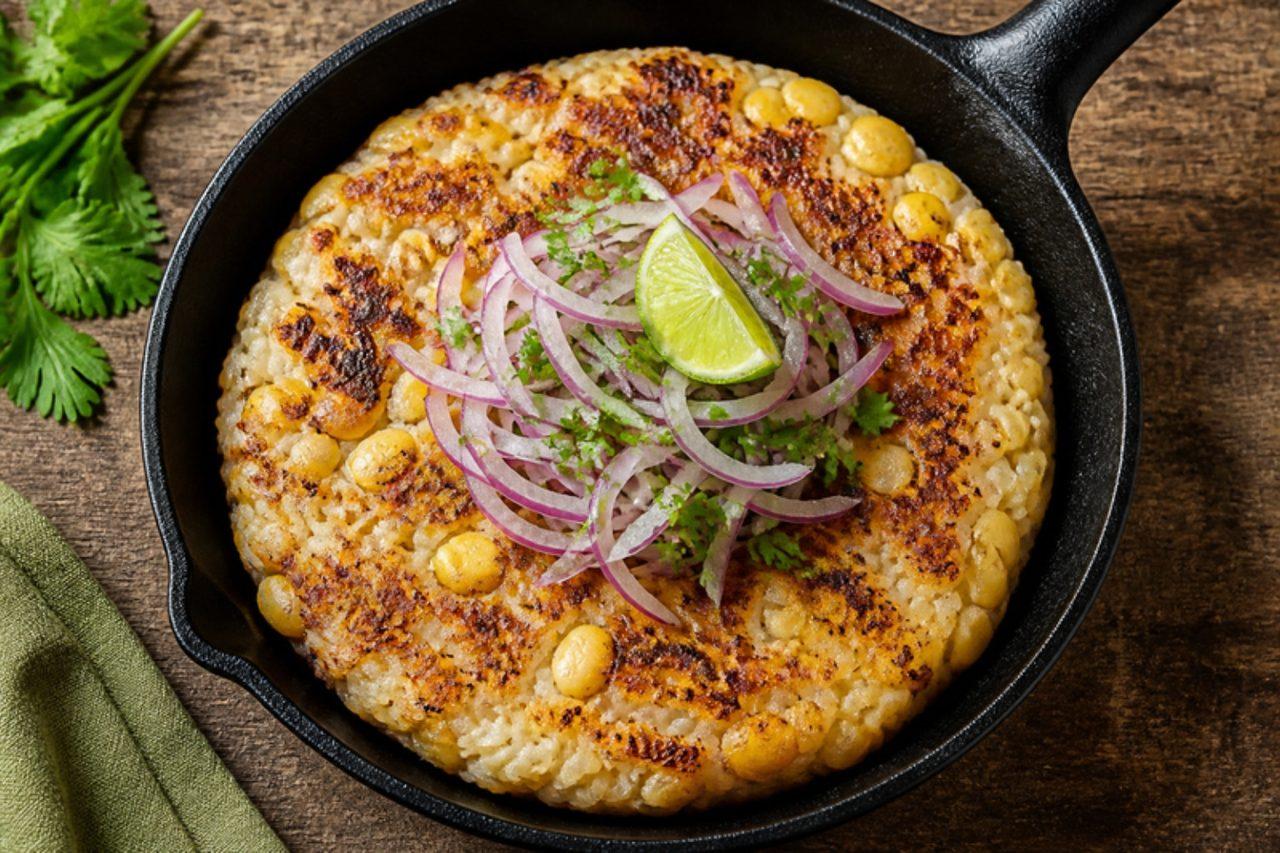
Tacu tacuPan-fried beans and rice cake

Tacu tacu was born in the Afro-Peruvian kitchens of Lima, as a thrifty way to turn yesterday's beans and rice into something new; today it appears on the menus of smart criollo restaurants too. Mashed canario beans and rice are fried with garlic, onion and ají amarillo, then shaped in the pan into a long, crisp-edged cake, soft inside and golden outside. It is a hearty lunch for two with a sharp salsa criolla of onion and lime, and often a fried ripe plantain on the side. Canario beans are pale yellow and creamy; pinto or cannellini beans work well. Chef's tip: use cold, day-old rice and beans; warm, freshly cooked ones are too soft to hold their shape and the tacu tacu falls apart.

by KrazyBadal 0 views

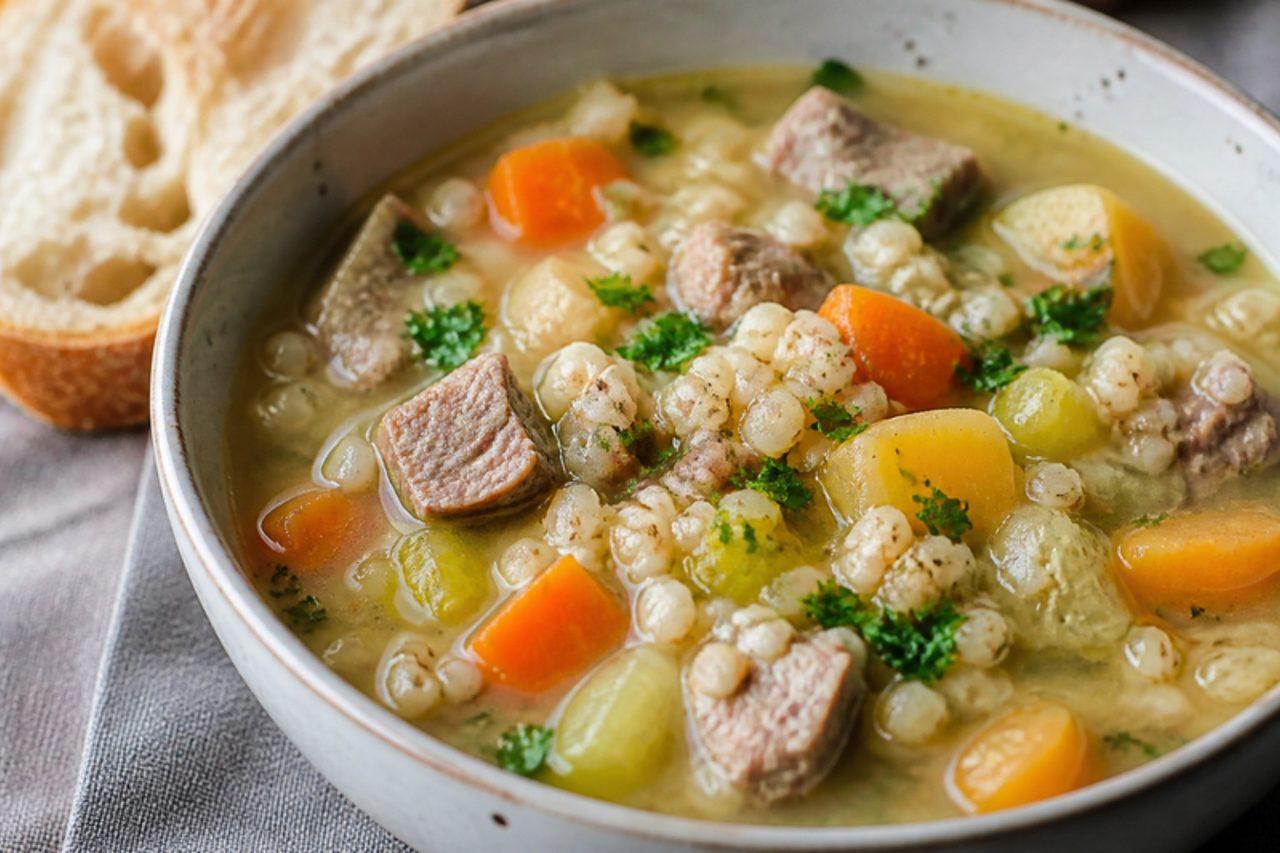
Scotch broth

Every Scottish granny has her own Scotch broth, the thick winter soup that simmers on stoves from the Borders to the Highlands and is often served on Burns Night. Lamb neck on the bone makes a rich stock with pearl barley, dried peas, leek, carrot, turnip and cabbage, and the meat is shredded back into the pot. It is a whole meal with crusty bread. Chef's tip: make it a day ahead; the barley keeps thickening it, and you can lift the solid fat off the top once chilled.

140 minBritishSoups
by KrazyBadal 0 views

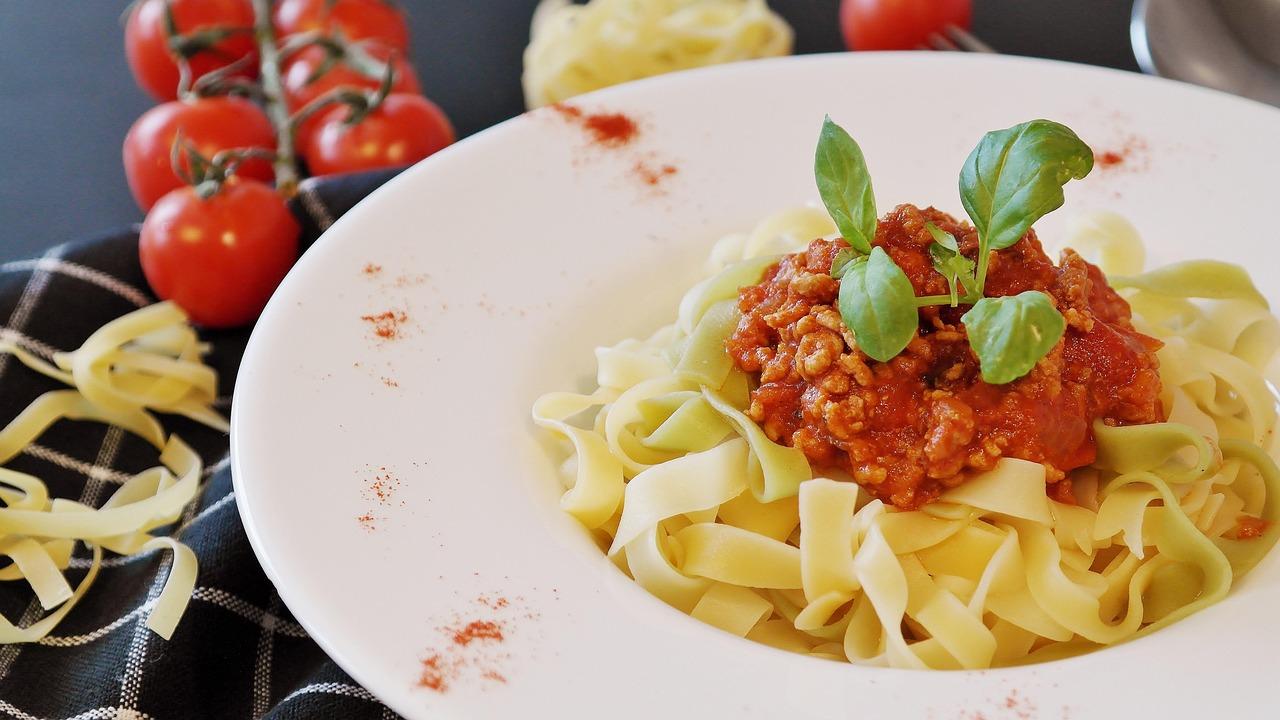
Tagliatelle al ragùTagliatelle with meat sauce

Ask for spaghetti bolognese in Bologna and you will get a polite smile: at home the ragù goes on wide ribbons of fresh egg tagliatelle, or into lasagne, never on thin spaghetti. It is a Sunday-lunch sauce, made with beef and pork mince, a little pancetta, a soffritto of onion, carrot and celery, white wine, milk and only a spoonful or two of tomato, then left to murmur for three hours until it turns deep, savoury and almost creamy. Freshly made tagliatelle are traditional, but good bought fresh or dried egg tagliatelle are absolutely fine. Grated parmigiano goes on at the table, and the ragù keeps for three days in the fridge or three months in the freezer. Chef's tip: make the ragù a day ahead; it thickens and tastes rounder after a night in the fridge, and reheating it gently with a splash of water brings it back to life.

by KrazyBadal 0 views

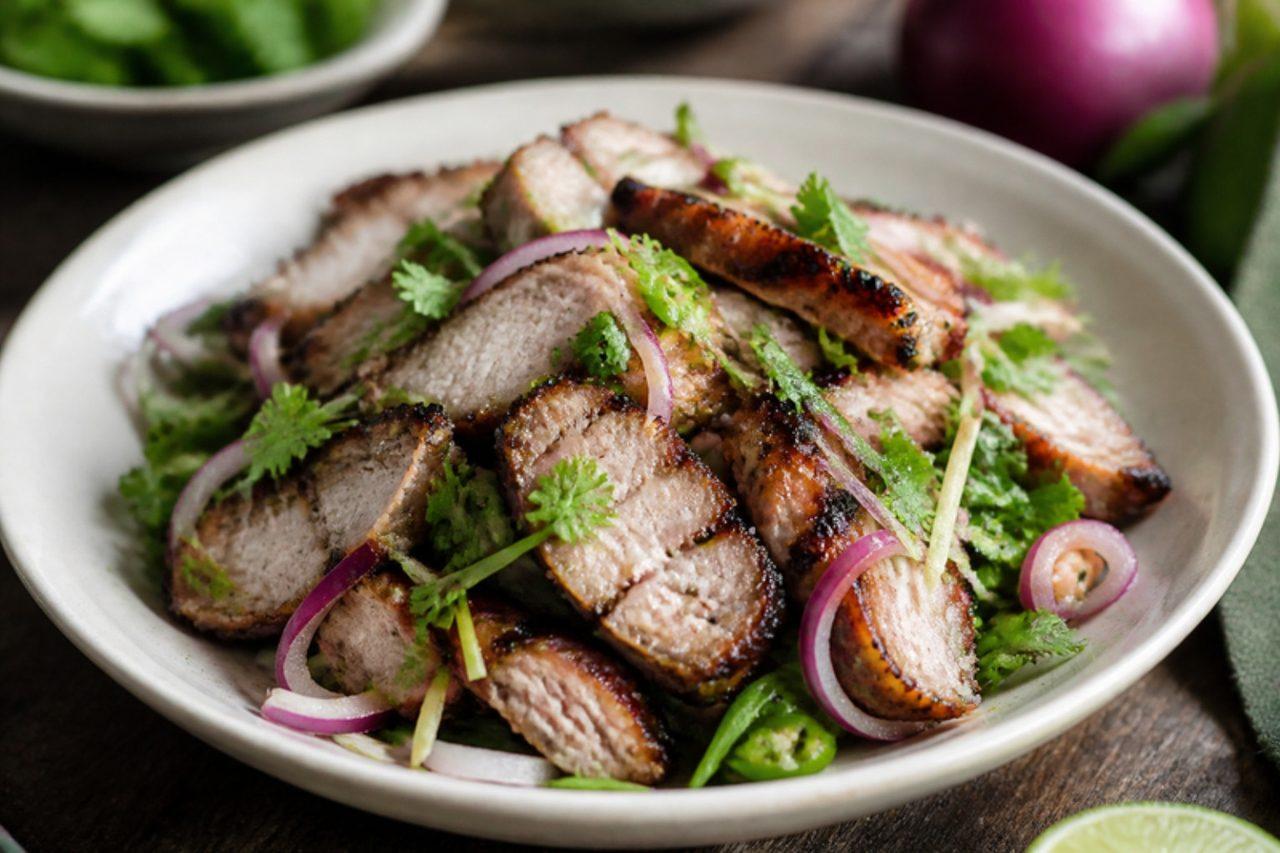
Wahan mosdengGrilled pork salad

Wahan means pork and mosdeng a fiery mashed relish in Kokborok, the language of the Tripuri people of Tripura. Pork is boiled until tender, grilled over charcoal for a smoky crust, then tossed with raw onion, green chilli, ginger and coriander. In Agartala and the villages it is party and festival food, eaten during Garia Puja in April with rice beer or rice. Chef's tip: grill the boiled pork really hot and fast; you want charred edges without drying the meat.

by KrazyBadal 0 views

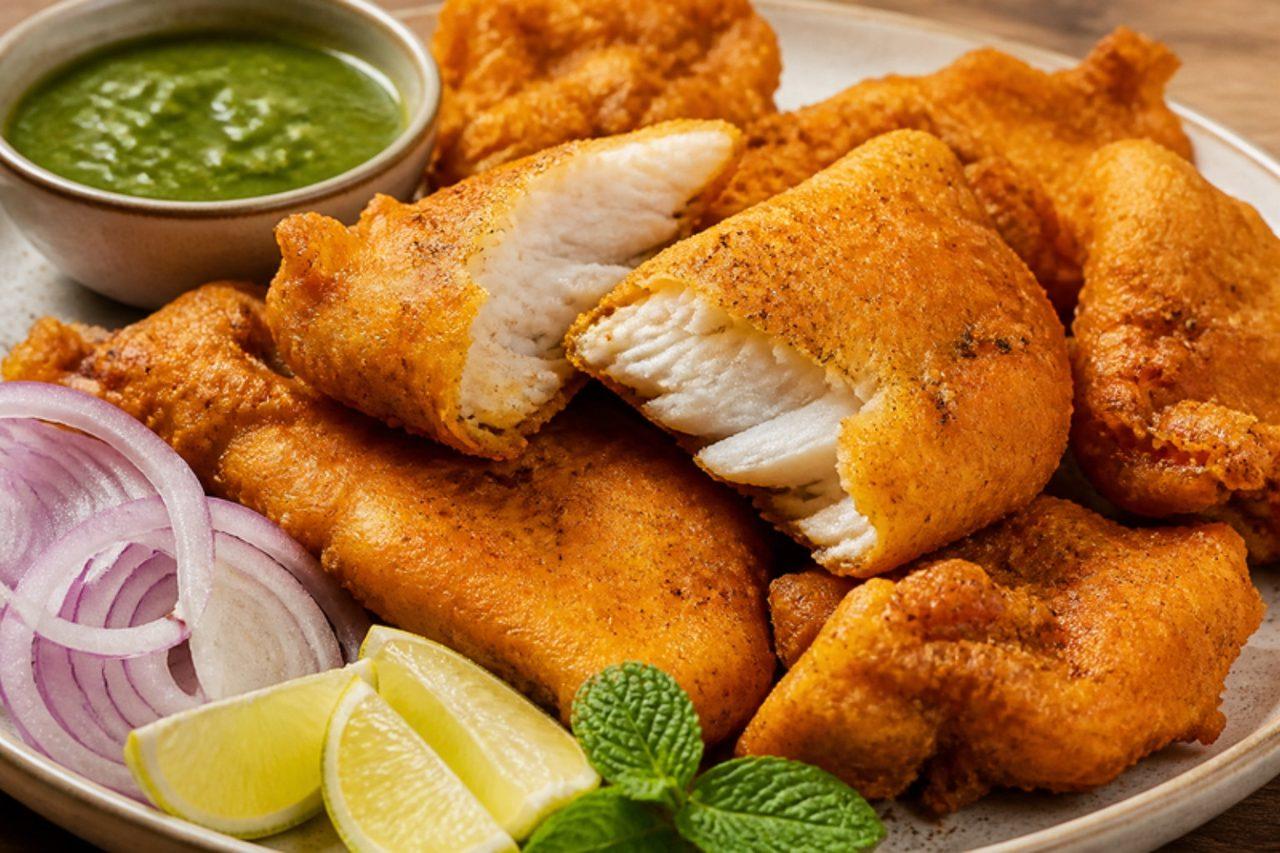
Amritsari fishCrisp fried fish

On winter evenings in Amritsar, roadside stalls near the old city fry river fish in huge karahis and sell it by weight, hot and crisp, sprinkled with chaat masala and lemon. The batter is made from gram flour rather than wheat and is fragrant with ajwain (carom seeds), which Punjabis say makes fried food easier to digest. It is a snack or starter, eaten with mint chutney and sliced onions; at home it is the treat that comes out when guests arrive. Use any firm white fish: singhara is traditional, but cod, haddock, basa or tilapia all work. Chef's tip: a little rice flour in the batter is what keeps it crisp for longer after frying.

45 minIndianFishGluten freeSpicy
by KrazyBadal 0 views

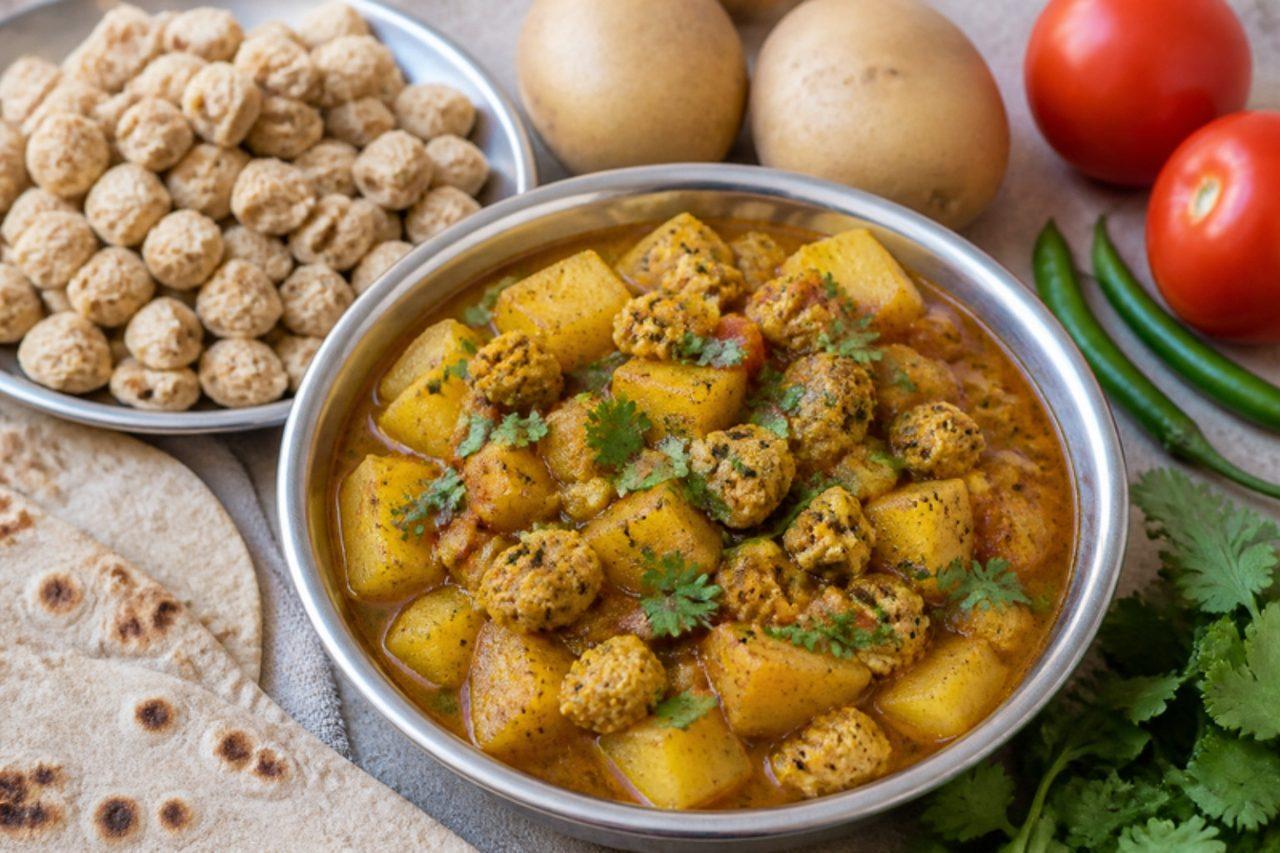
Amritsari aloo wadiyanPotato and lentil dumpling curry

Every winter, rooftops in Amritsar's old city are covered with trays of wadiyan: little cones of spiced urad-dal paste studded with black pepper and dried in the sun until rock hard. Punjabi homes break them into chunks, fry them until they smell nutty, and simmer them with potatoes in a mustard-oil gravy. The wadiyan soften into chewy, spicy, almost meaty pieces, and the potatoes soak up their pepper. It is everyday comfort food, eaten with hot phulkas or rice and a raw onion on the side. Chef's tip: wadiyan are already salted and spiced, so add salt only at the end, after tasting.

by KrazyBadal 0 views

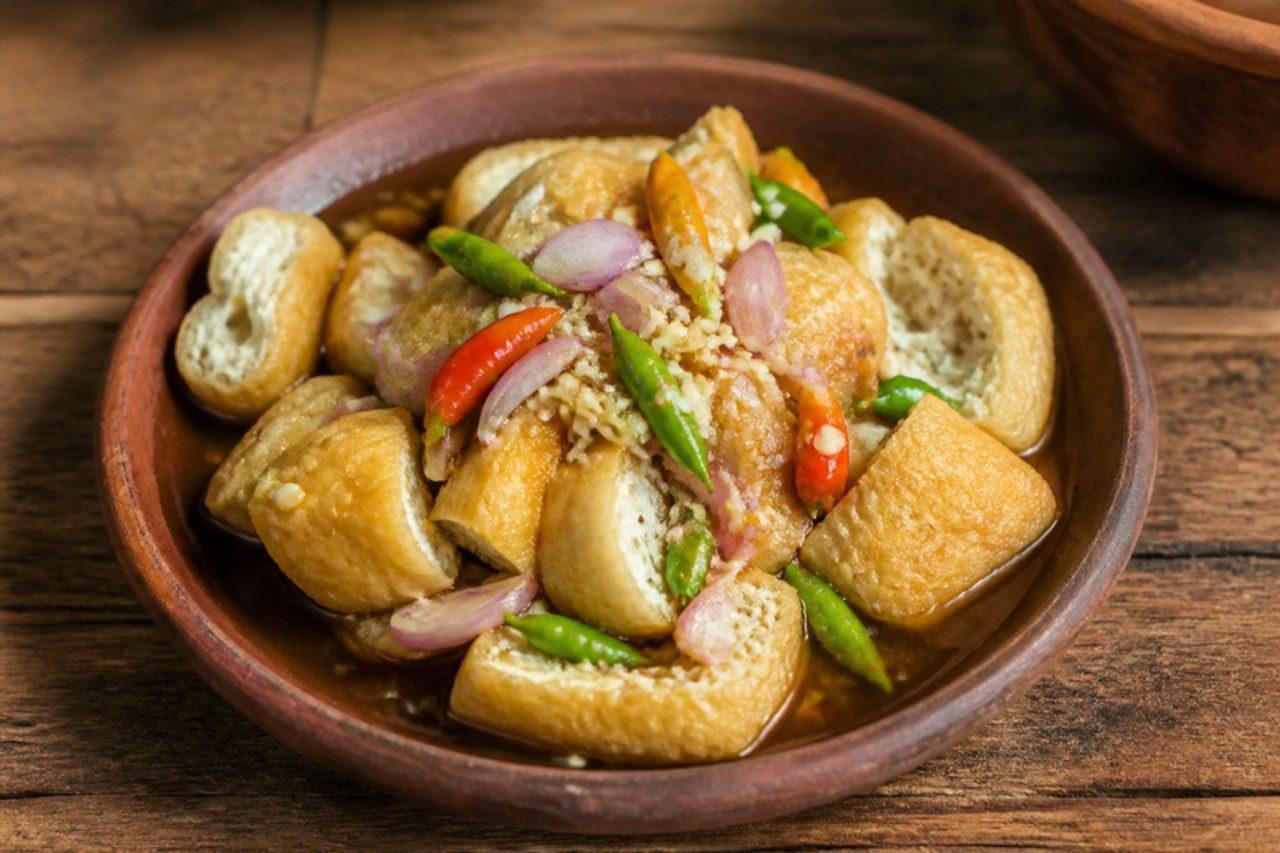
Tahu gejrotFried tofu in sweet-sour sauce

Tahu gejrot is street food from Cirebon on the north coast of West Java, where vendors carry their kit on a shoulder pole and serve it in little clay plates called cobek. Hollow fried tofu puffs are snipped into pieces and drenched in a runny palm sugar and tamarind sauce, poured over freshly crushed garlic, shallot and bird's eye chilli. It's a mid-afternoon snack: sweet, sour, garlicky and as hot as you can take it, with the puffy tofu soaking up every drop. Chef's tip: crush the garlic, shallot and chilli raw in the serving bowl and pour the sauce over while it's still warm, so the aromatics bloom without losing their bite.

by KrazyBadal 0 views

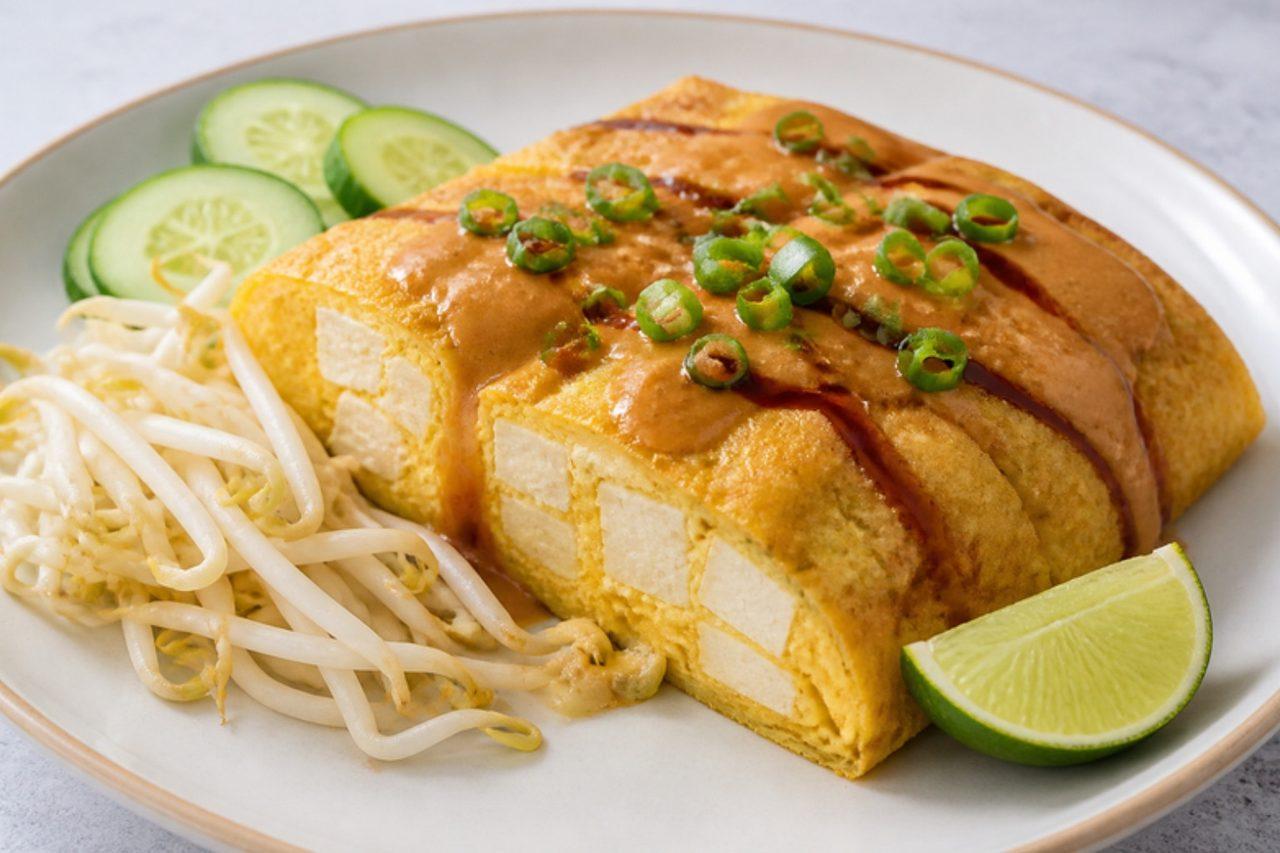
Tahu telurTofu and egg omelette

Tahu telur is a night-market favourite in Surabaya, East Java: cubes of tofu are stirred into beaten egg and fried in a small wok so the omelette rises into a thick, crisp-edged tower. It is topped with bean sprouts, cucumber and a dark sauce of peanuts and sweet soy. Sellers in Surabaya stir shrimp paste (petis) into the sauce; this vegetarian version uses a little extra garlic and kecap manis instead. Eat with rice or lontong for a filling supper. Chef's tip: use a small, deep pan so the egg piles up around the tofu instead of spreading thin.

by KrazyBadal 0 views

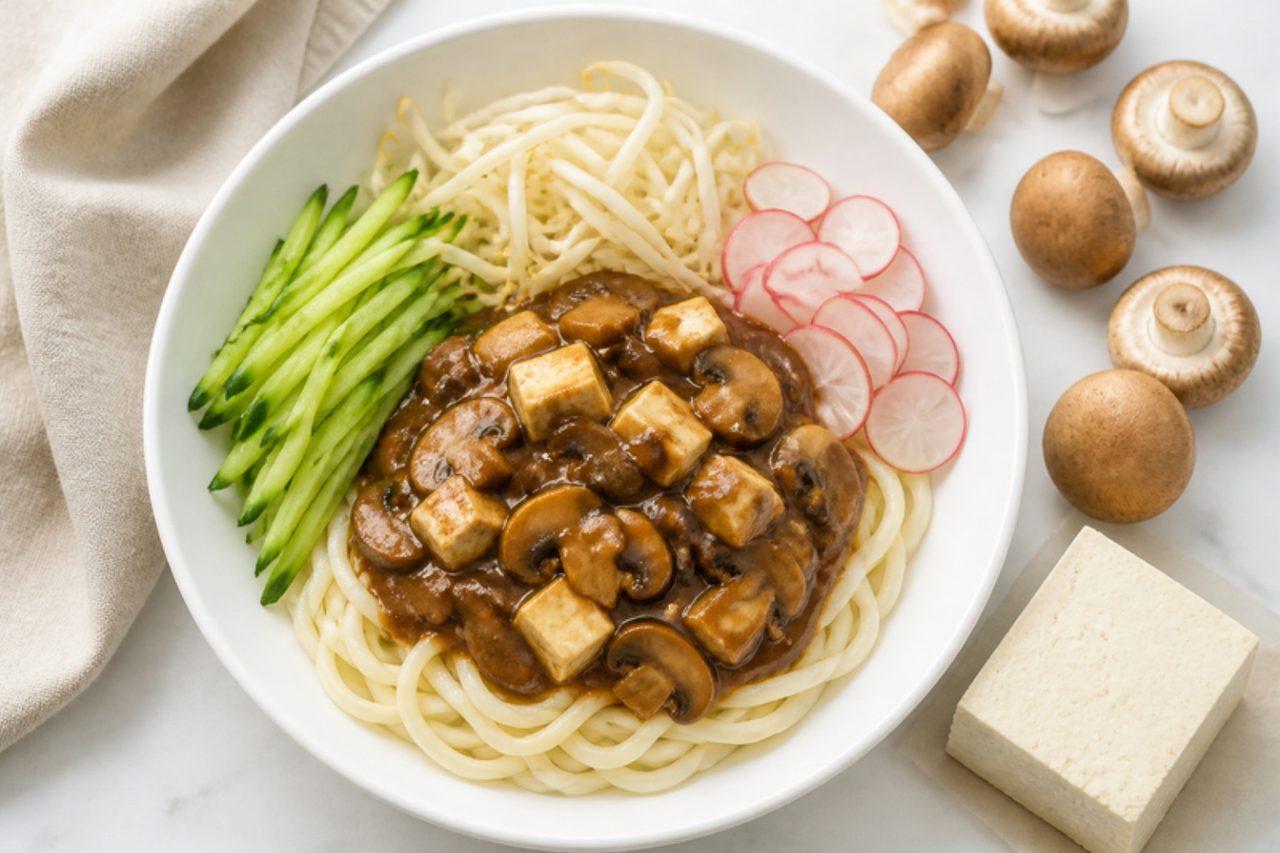
Zhajiangmian with mushroom and tofuNoodles in bean paste sauce

Zhajiangmian is old Beijing's comfort food, eaten in hutong noodle houses and at home on hot summer days. Thick wheat noodles are topped with a dark, salty-sweet sauce of fermented soybean paste fried slowly in oil, then piled with raw cucumber, radish and beansprouts that you mix in at the table. Pork is traditional; diced firm tofu and mushrooms give the sauce the same chunky body here. Chef's tip: fry the bean paste gently and patiently, on a low heat, until the oil separates out and it smells toasty; rushed, it tastes raw and harsh.

by KrazyBadal 0 views

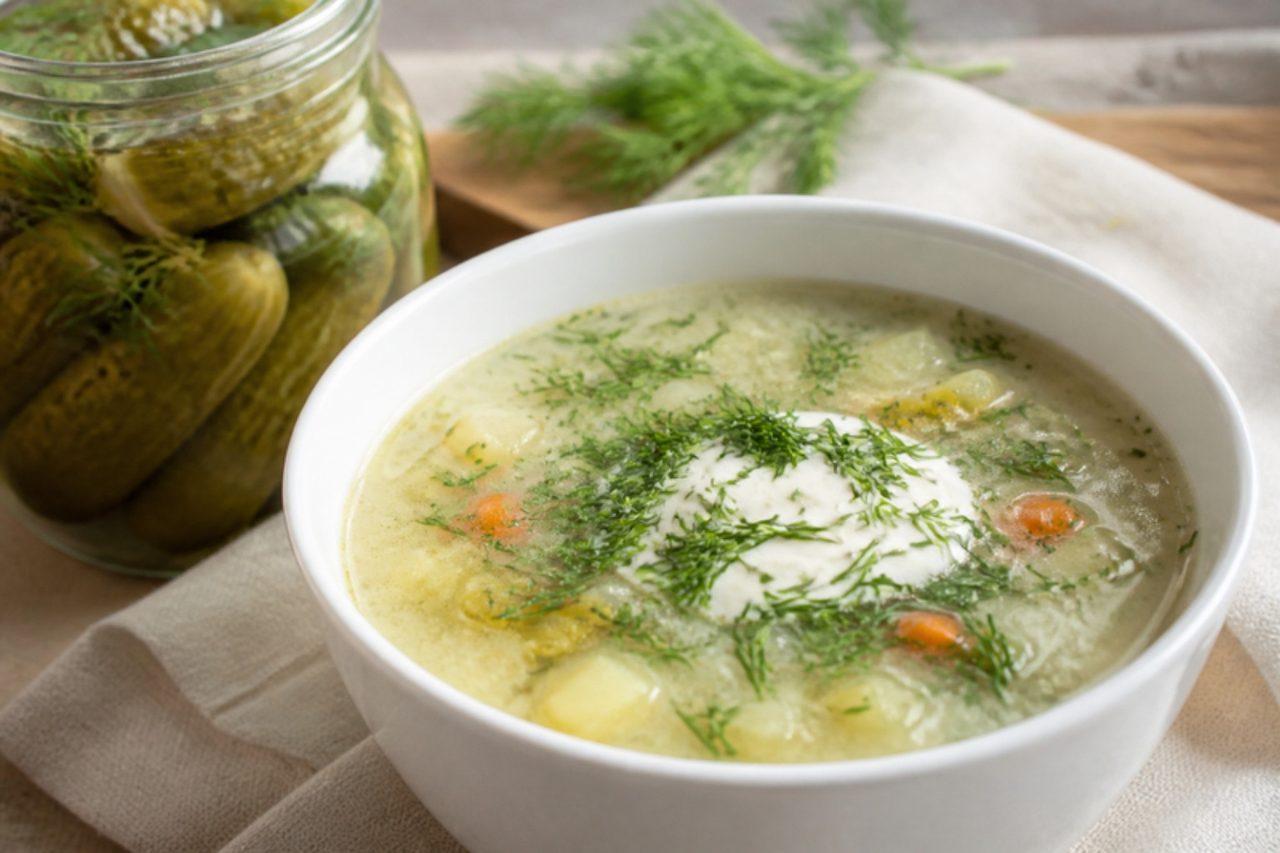
Zupa ogórkowaSour pickled cucumber soup

Zupa ogórkowa is the soup Polish families make when the crock of brine-fermented cucumbers from summer starts to run low in late autumn: grated sour pickles and their cloudy brine simmered with potatoes, carrot and root vegetables, then softened with soured cream and a fistful of dill. It is a staple of canteen lunches and Sunday-in-the-country cooking, from Mazovia to Silesia, and it tastes tangy, garlicky and comforting all at once. Traditionally it is made on meat stock; here a good vegetable stock does the job. Use real ogórki kiszone (fermented in salt water), not sweet vinegar gherkins. Chef's tip: stir the cucumbers in only after the potatoes are soft; acid stops potatoes from softening, so if they go in together the potatoes stay hard.

by KrazyBadal 0 views

Wantan meeEgg noodles with dumplings and pork

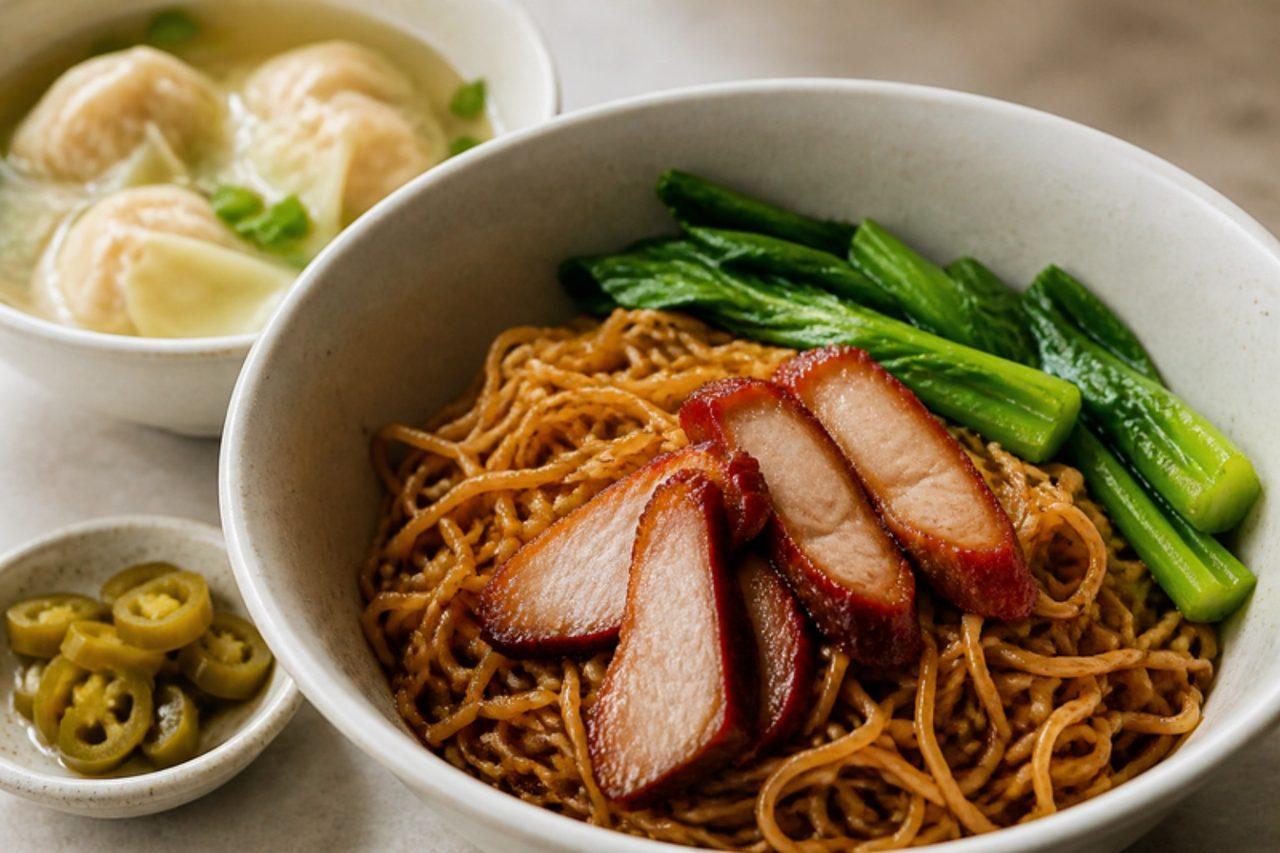
Kuala Lumpur eats wantan mee for breakfast, lunch and late supper, usually from a stall where a cook flicks springy egg noodles through boiling water and tosses them in a dark, glossy sauce. The KL style is 'dry' (kon loe): noodles coated in soy, oyster sauce and lard or shallot oil, topped with slices of sweet char siu and greens, with the dumplings served in a little bowl of clear soup. Pickled green chillies cut through the richness. Expect chewy noodles, silky wontons and a salty-sweet, slightly smoky sauce. Chef's tip: rinse the cooked noodles under cold water for a few seconds, then dunk them back in the boiling water; the shock gives them their springy bite.

by KrazyBadal 0 views

WarabimochiBracken starch jelly with soybean flour

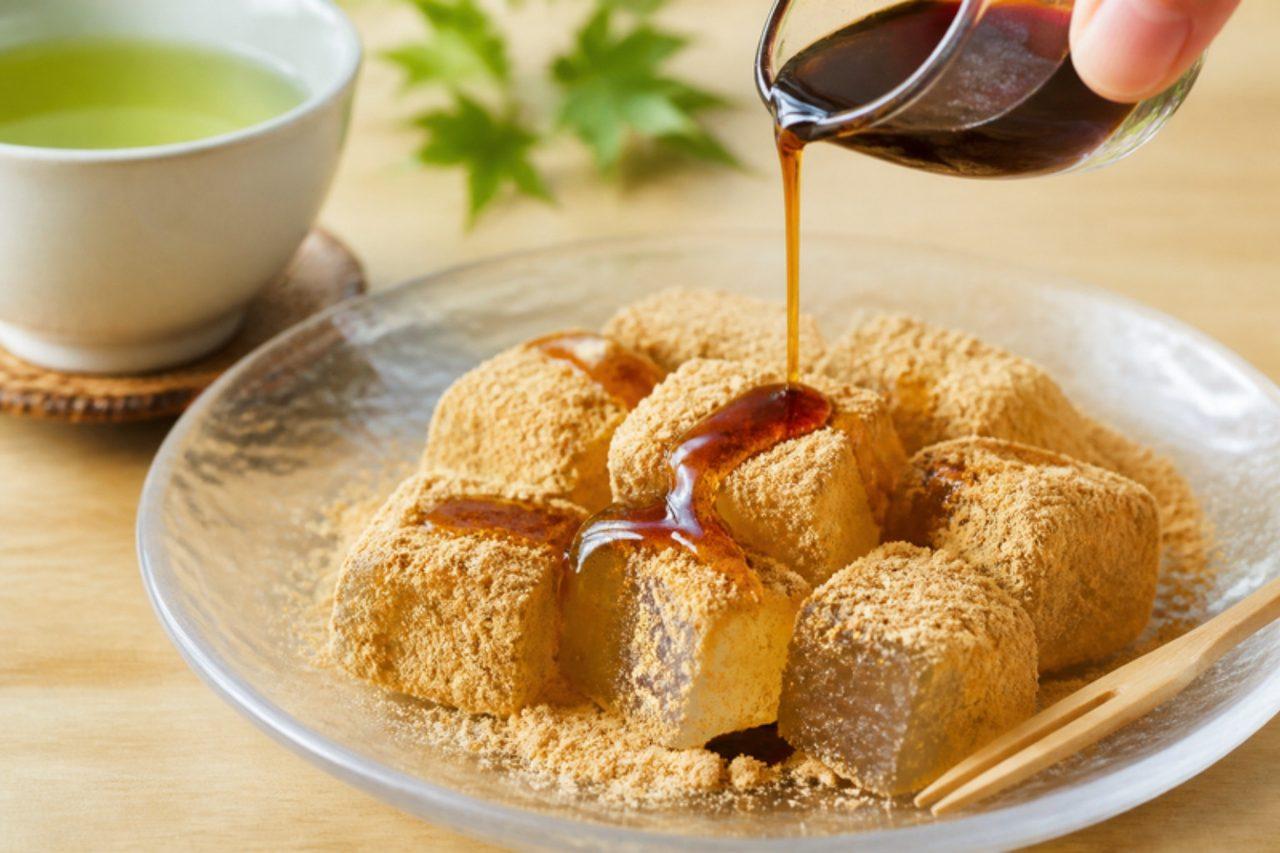
Warabimochi is Kyoto's summer sweet. Made from the starch of bracken fern roots, it is not really mochi at all but a clear, wobbly jelly that melts on the tongue, and on hot afternoons teahouses around Gion and Arashiyama serve it chilled on ice. It is dusted with kinako, a nutty roasted soybean flour, and finished with kuromitsu, a dark syrup of Okinawan brown sugar. Real warabi starch is costly and greyish-brown, so most home cooks buy warabimochi-ko, a blend with sweet potato or tapioca starch, which gives a clearer jelly. Chef's tip: keep stirring hard once it turns clear. Two more minutes of beating over the heat is what makes it springy rather than gluey.

by KrazyBadal 0 views

Warak enabRice-stuffed vine leaves

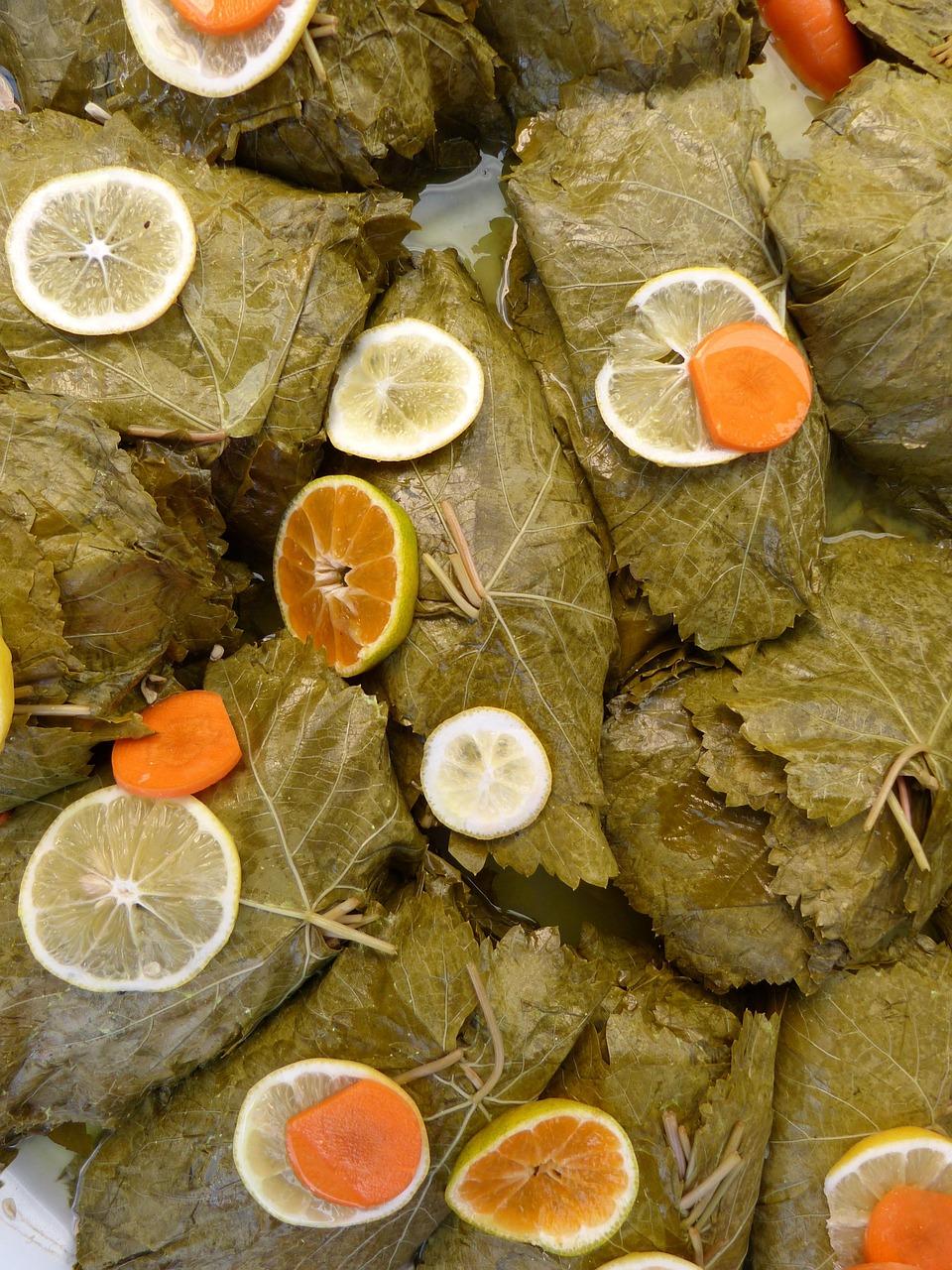
Warak enab bi zeit, vine leaves cooked in oil, is what Lebanese aunts make in big batches in early summer when the young grape leaves are tender, and it fills the cold mezze table at every wedding and family lunch. The meatless version, eaten on Lenten fast days, is packed with short-grain rice, tomato, parsley, mint and spring onion, seasoned with dried mint and seven spices, and simmered slowly in lemon juice until the leaves are silky and the filling sharp and fresh. It is served cold with a wedge of lemon and a spoonful of yogurt for those who are not keeping it vegan. Rolling too tightly is the mistake most people make: the rice swells and splits the leaves, so roll them snug but not stretched. Chef's tip: line the pan with sliced potato and tomato; they stop the rolls catching and are a cook's treat to eat straight from the pot.

by KrazyBadal 0 views

Gözleme with spinach and feta

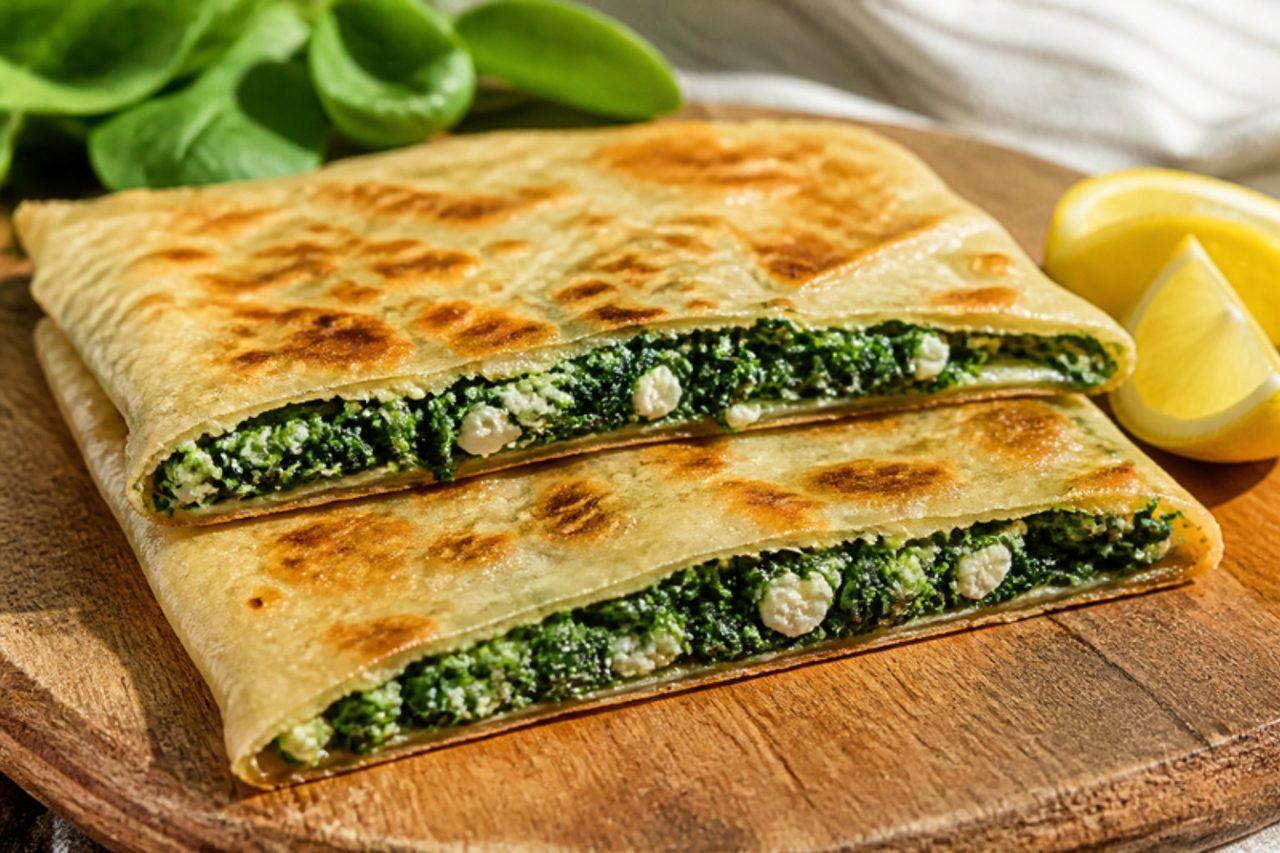
On roadsides and at weekly village markets across central Anatolia, women sit cross-legged by a domed iron griddle (saç), rolling dough paper-thin with a long thin rolling pin (oklava), filling it and cooking it to order. This is gözleme: a soft, blistered parcel of unleavened dough wrapped round spinach and salty white cheese, brushed with butter as it comes off the heat. Eat it hot, folded in paper, with a glass of ayran. A big frying pan or flat griddle at home does the job. Chef's tip: roll the dough so thin you can almost see the worktop through it; thick gözleme tastes doughy and the filling stays cold.

by KrazyBadal 0 views

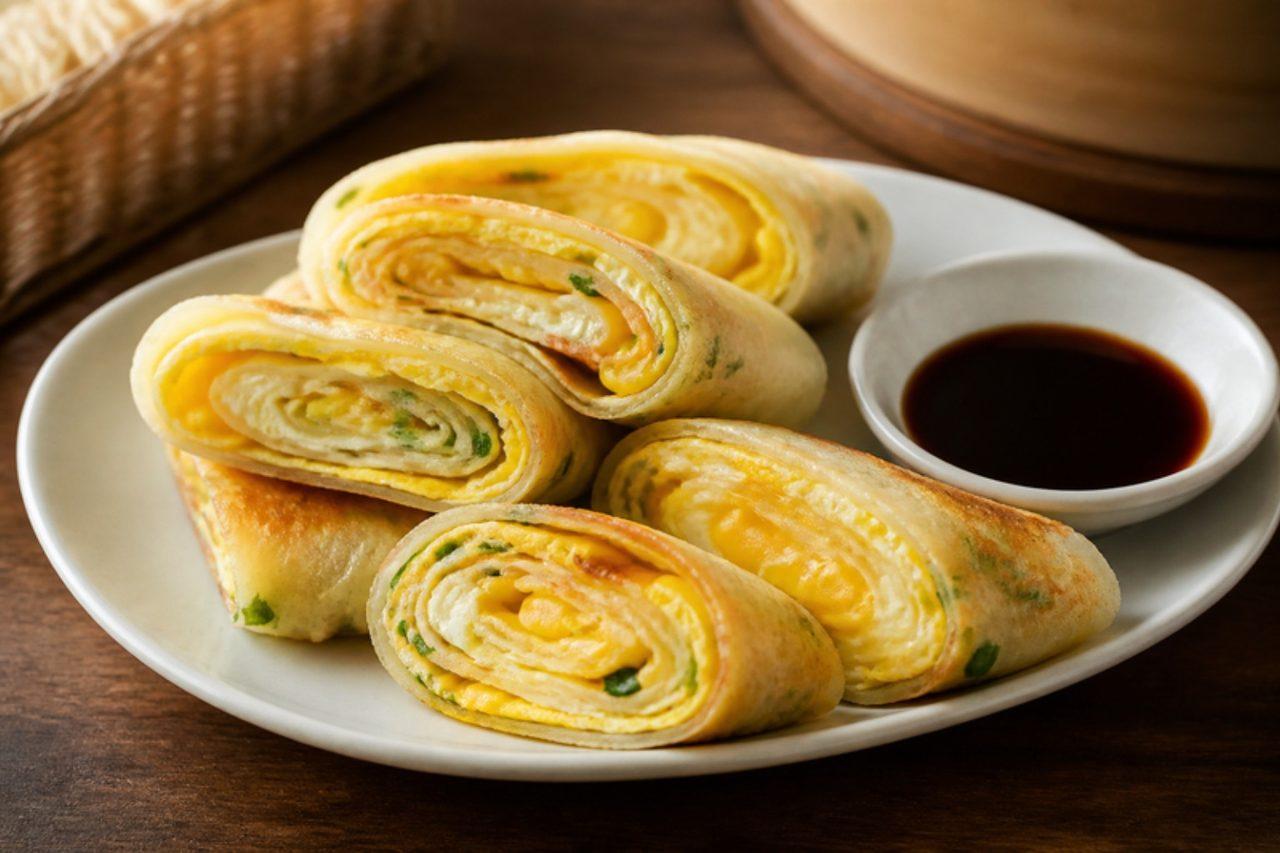
Taiwanese dan bingEgg crepe rolls

Every morning, breakfast shops on almost every block in Taiwan (zǎocān diàn) pour thin, chewy crêpes onto a flat griddle, crack an egg over them and roll them up into a soft log in under a minute. Customers order them plain, with corn, with cheese, or with basil, alongside a cup of soy milk or milk tea. The batter uses some tapioca starch, which gives that bouncy, slightly stretchy bite. Chef's tip: spread the egg over the crêpe while the top of the batter is still a little tacky; they bond into one layer and don't split apart when you roll.

by KrazyBadal 0 views

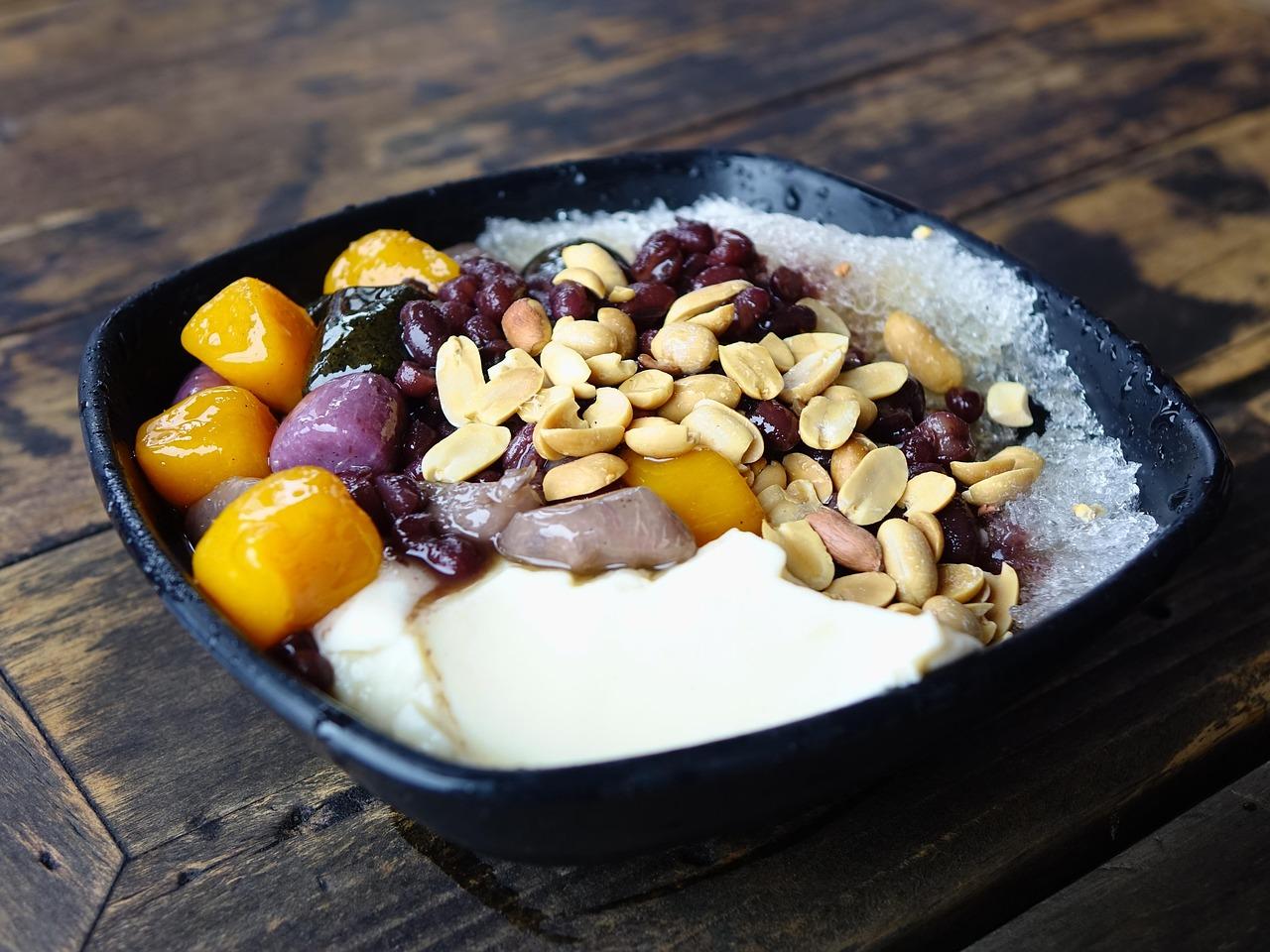
Douhua with ginger syrup and peanutsTofu pudding with ginger syrup

On summer evenings in Tainan and at old shops near Taipei's temples, douhua is ladled in wobbling scoops from a wooden bucket into bowls of cool syrup, then topped with soft-boiled peanuts, red beans or taro balls. In winter the same pudding is served warm with a sharper ginger syrup. It is just soy milk set into the most delicate curd, softer than any tofu you buy. Chef's tip: use a plain, unsweetened soy milk with at least 7% soy solids (or make your own); thin supermarket soy milk won't set properly.

by KrazyBadal 0 views

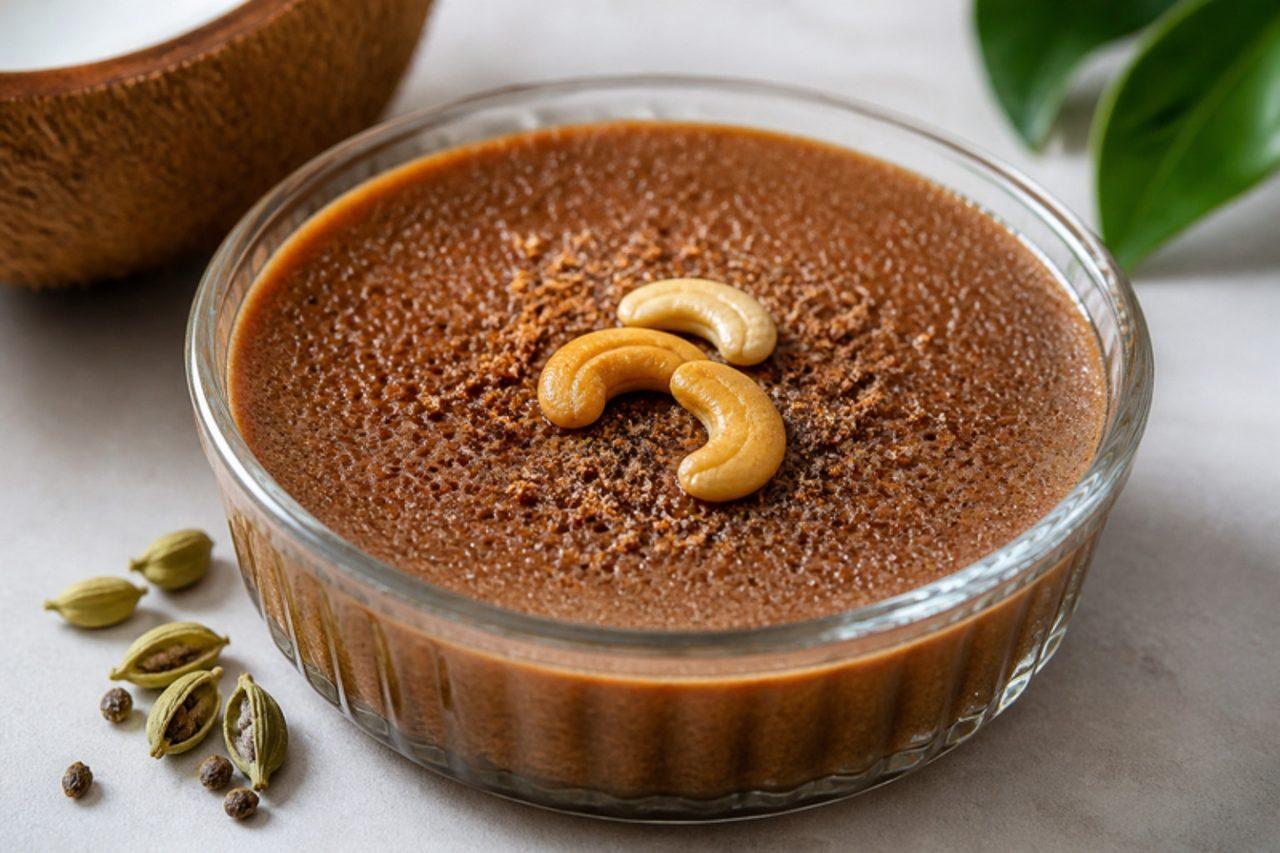
WatalappanJaggery and coconut custard

Watalappan came to Sri Lanka with the island's Malay and Muslim communities, and no Eid table in Colombo, Beruwala or Kandy is complete without it; it now turns up at weddings and birthdays across every community. Thick coconut milk and eggs are sweetened with kithul jaggery, the dark palm sugar from the fishtail palm, and spiced with cardamom, nutmeg and a little clove, then steamed until it sets into a wobbly, honeycombed custard the colour of toffee. Cashews scattered on top add crunch. Dark muscovado sugar works if you can't find kithul jaggery. The common mistake is steaming it on a fierce boil, which makes it full of large holes and watery; a steady, gentle simmer gives a smooth set with the fine honeycomb that's prized. Chef's tip: strain the mixture through a sieve before steaming to remove any stringy egg and jaggery grit.

by KrazyBadal 0 views

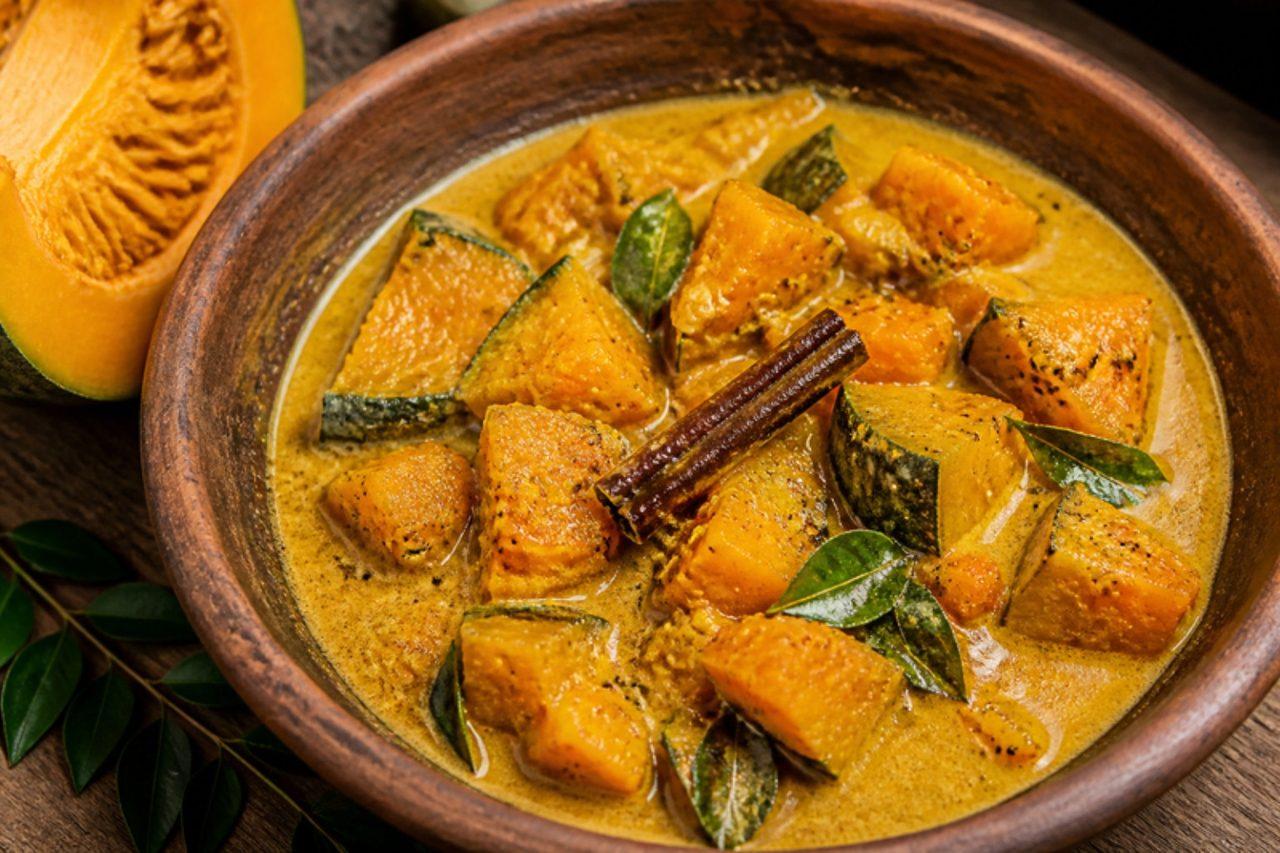
Wattakka curryPumpkin curry

Wattakka (pumpkin) curry is one of the soft, sweet dishes on a Sri Lankan buth (rice) spread, and in villages around Kurunegala it often appears at Poya day almsgivings, when temple meals are always meat-free. The pumpkin is cooked in its skin with dark roasted curry powder, cinnamon, a pinch of fenugreek and pandan, then thickened with coconut milk and a spoonful of ground mustard, which gives it a gentle tang. Some cooks also add toasted coconut paste (kalu pol); we keep it simpler. The common mistake is cutting the pumpkin too small, so it dissolves into mush before the gravy is ready; keep the chunks about 4 cm. Chef's tip: leave the skin on butternut or Kent pumpkin; it holds each piece together and softens completely as it cooks.

by KrazyBadal 0 views

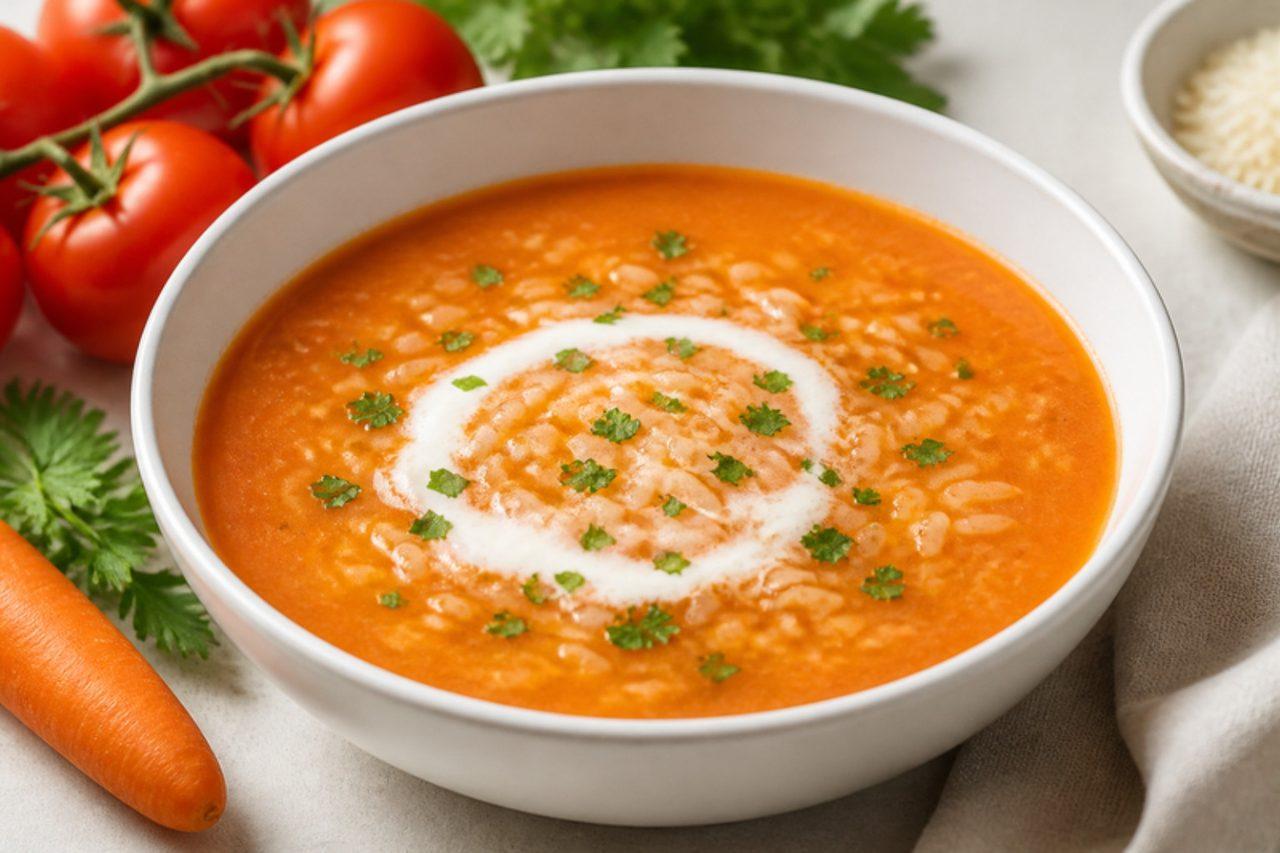
Zupa pomidorowaCreamy tomato soup with rice

In Poland, zupa pomidorowa is famously Monday's soup: on Sunday the family drinks rosół, and the next day the leftover broth becomes tomato soup with rice or thin noodles and a swirl of soured cream. Children across the country rank it as their favourite school-canteen dish. It is creamy, mild and a little sweet, nothing like a spicy Mediterranean tomato soup. This version starts from vegetable stock (the traditional base is chicken broth) and builds the flavour with carrot, celery root and tomato paste fried in butter. Serve it with rice cooked in the pot or with makaron (fine noodles). Chef's tip: fry the tomato paste in butter until it darkens one shade; raw paste tastes tinny and that one minute makes the soup taste like it simmered for hours.

by KrazyBadal 0 views

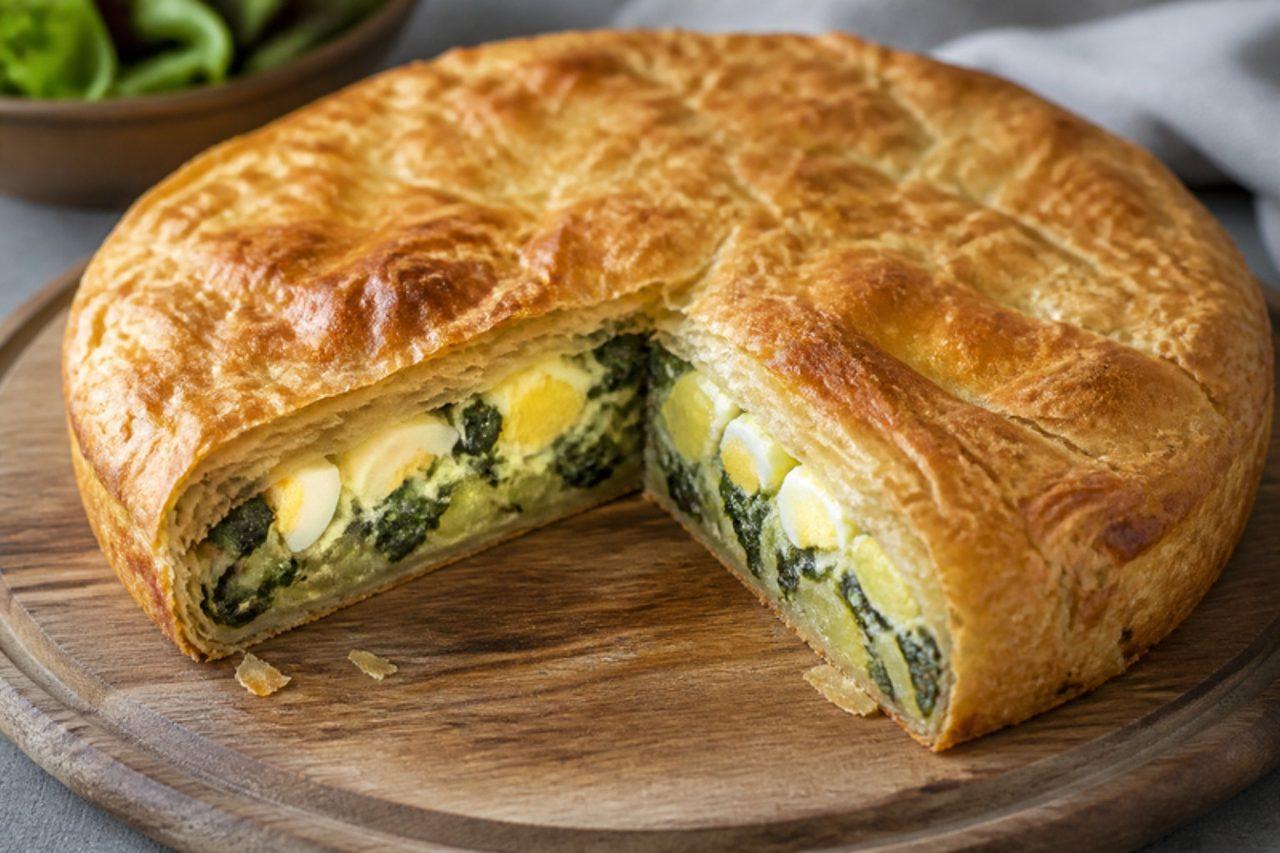
Tajine malsoukaBaked egg and cheese pie

In Tunisia a tajine is not a stew but a thick baked frittata, and tajine malsouka is the festive one: eggs, cheese and filling baked between layers of malsouka pastry so the top and bottom turn crisp and golden. It is served at Ramadan, weddings and Eid, cut into squares. Chicken is the usual filling; here spinach, potato and white beans give it body. Chef's tip: brush every pastry sheet with butter, edge to edge; dry corners burn in the oven.

by KrazyBadal 0 views

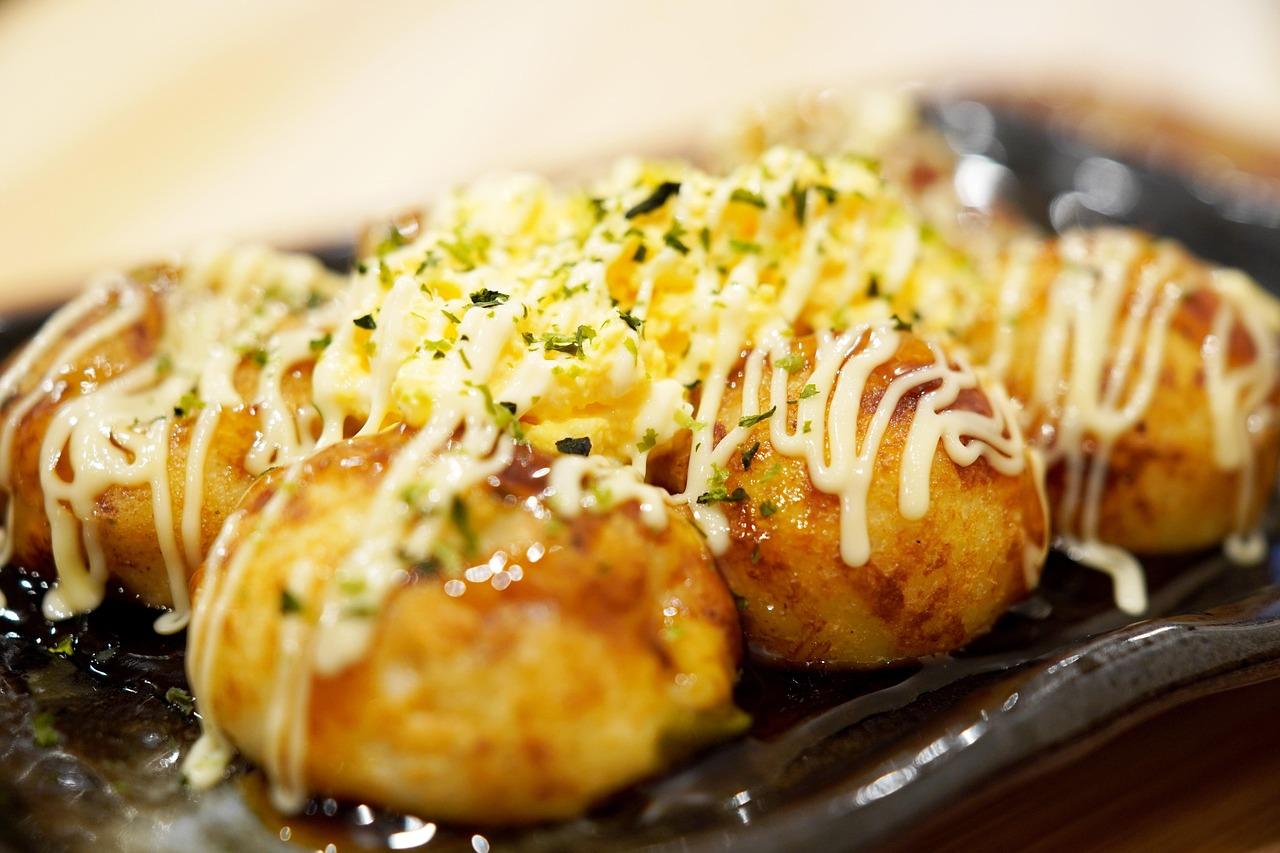
TakoyakiOctopus batter balls

Walk through Dotonbori in Osaka on any evening and you'll see cooks flicking dozens of batter balls around a cast-iron plate with metal picks. Stalls in the city have sold them since the 1930s, and they turn up at every summer festival, eaten from a paper boat with a cocktail stick. The outside is crisp, the inside almost molten, with a chewy piece of octopus at the centre. You need a takoyaki pan, either a stovetop cast-iron one or an electric plate. Chef's tip: fill the cups right to the top and let the batter flood across the whole plate, as the overflow is what you fold in to make each ball round.

by KrazyBadal 0 views

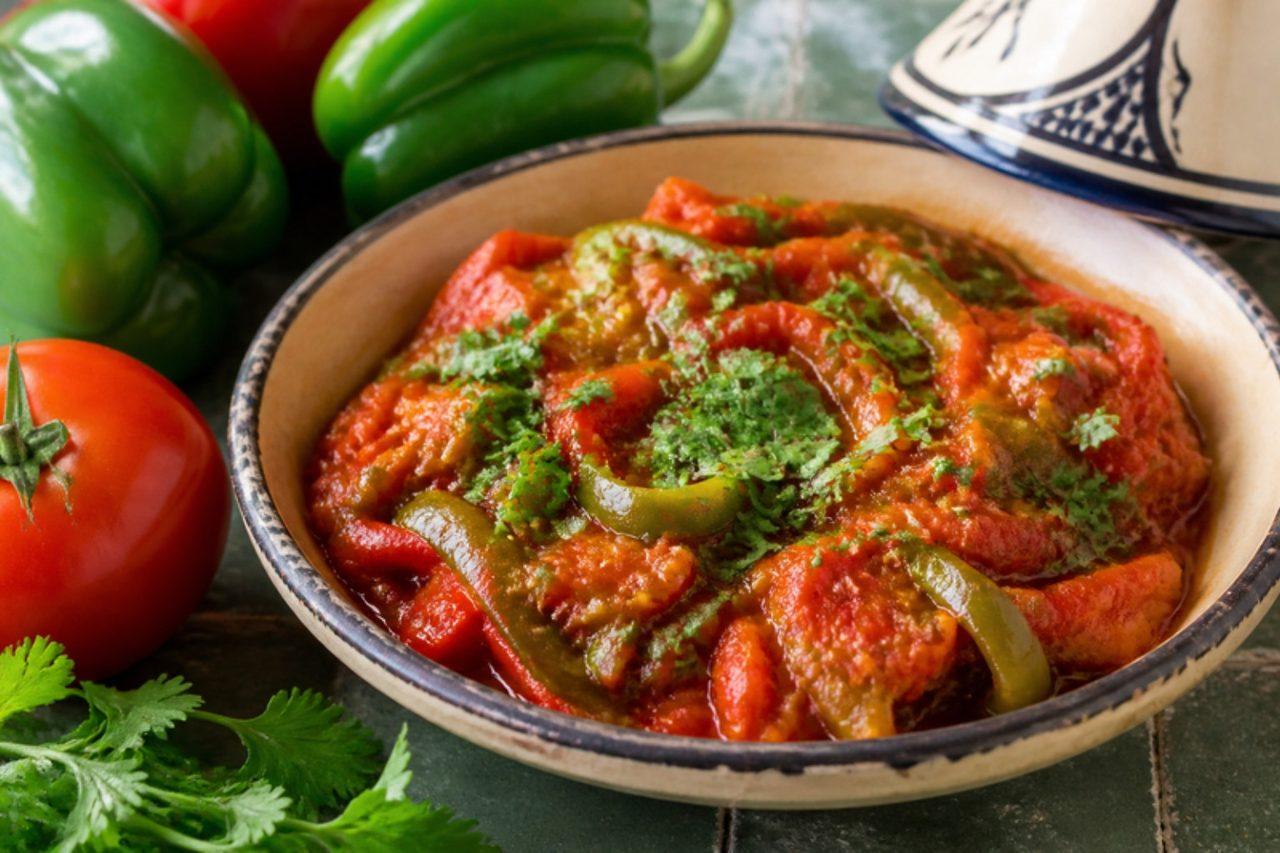
TaktoukaRoasted pepper and tomato salad

Taktouka is the pepper partner to zaalouk, served side by side on the salad plates of Moroccan homes and cafés, especially around Casablanca and the north. Grilled green peppers are peeled and cooked down with tomato, garlic and cumin until soft and jammy, then eaten lukewarm with bread or as a side to tagines and grilled vegetables. It is cheap, quick and keeps for three days in the fridge. Chef's tip: use the thin-skinned, slightly bitter green peppers if you can find them; they give a more authentic flavour than sweet bell peppers.

by KrazyBadal 0 views

Tallarín saltadoStir-fried noodles with vegetables

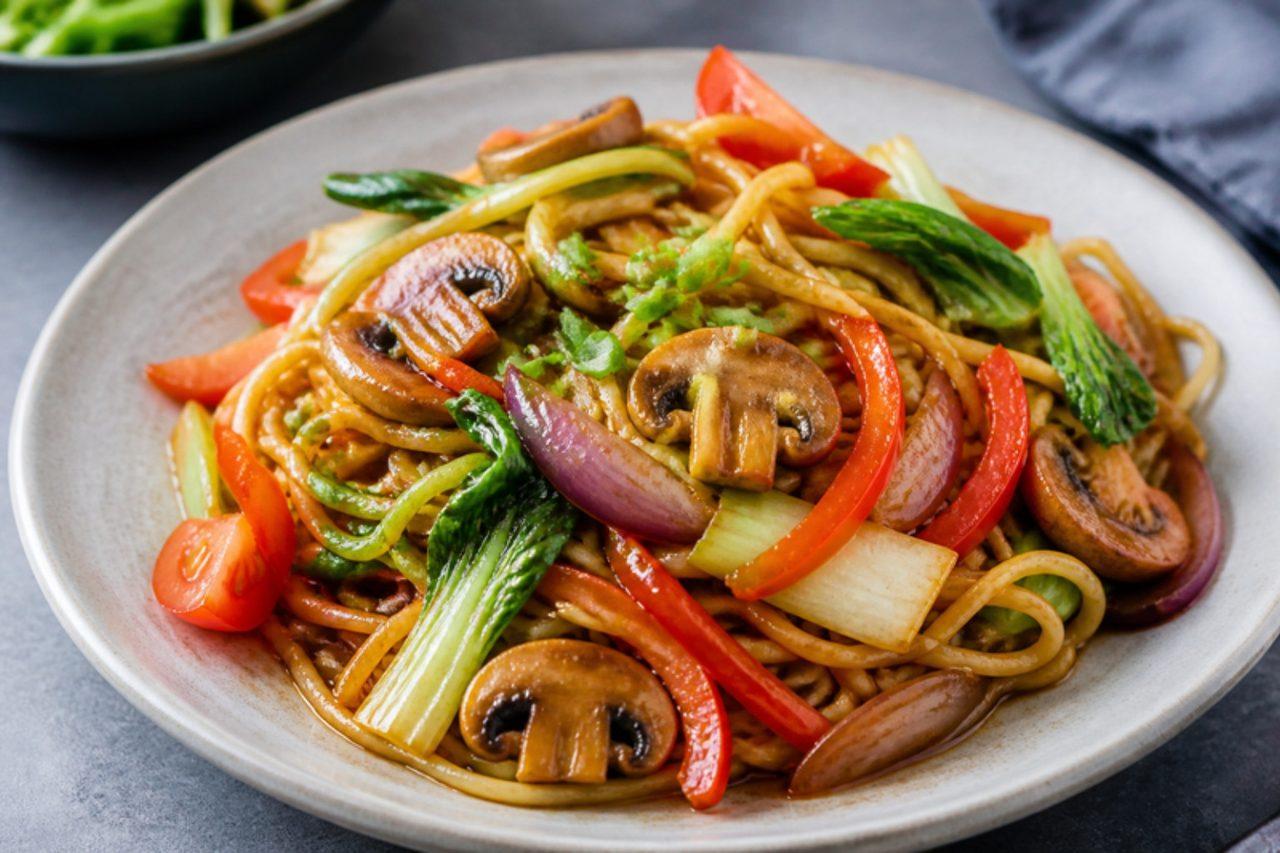
Tallarín saltado is the noodle cousin of lomo saltado, a chifa favourite from Lima where Chinese wok technique meets Peruvian ingredients. Spaghetti-style wheat noodles are tossed over a fierce heat with mushrooms, pak choi, red onion, tomato, ginger and ají amarillo, then glossed with soy sauce and a splash of vinegar. The noodles soak up the smoky, tangy sauce while the vegetables stay crisp. Peruvians use plain spaghetti from the shop on the corner, and so can you. Chef's tip: cook the noodles a minute short of the packet time and rinse them in cold water; they finish cooking in the wok and won't turn soft or clump.

by KrazyBadal 0 views

Andong jjimdakSoy-braised chicken and potatoes

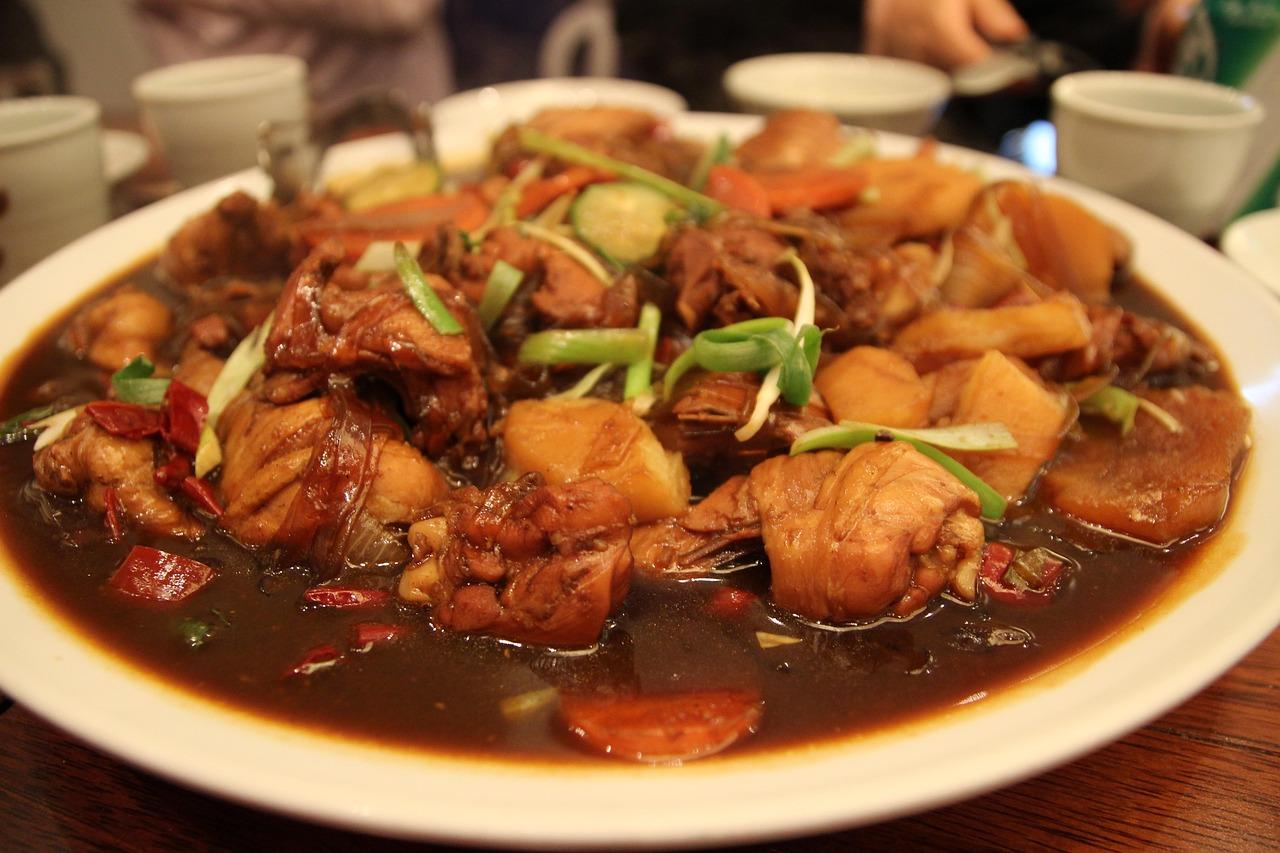
Andong jjimdak took shape in the 1980s in the old market of Andong, a city in North Gyeongsang province, where an alley of small restaurants still serves it on big platters for sharing. Chicken on the bone is braised in a dark, sweet soy sauce with potatoes, carrots and a few dried chillies, then slippery glass noodles are stirred in at the end to soak up the sauce. It is salty, sweet and only gently hot. Serve with rice and kimchi. Chef's tip: soak the glass noodles in warm water for 30 minutes before you start, so they only need 5 minutes in the pot.

by KrazyBadal 0 views

AmbaTangy mango pickle sauce

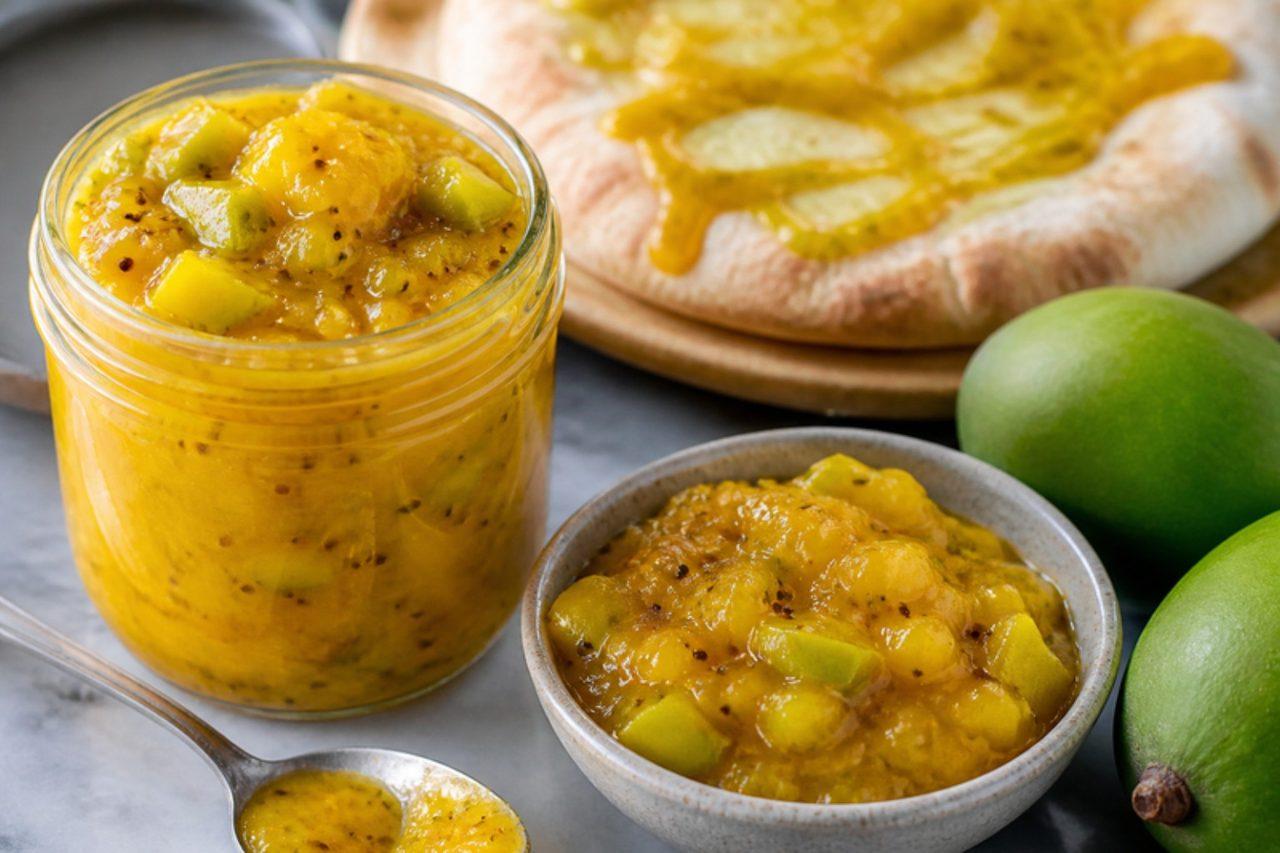
Amba is the golden, sour mango sauce that Iraqi Jews brought from Baghdad (where it had come from Indian traders), and in Israel it is the signature of sabich and a favourite in falafel pitas. Traditionally green mangoes are salted and left in the sun for days to ferment; this quicker stovetop version cooks unripe mango with turmeric, fenugreek, mustard seed and vinegar, then blends it into a smooth, pourable sauce with the same tangy, curry-like flavour. Chef's tip: use mangoes that are hard and green right through; ripe ones make a sweet jam, not amba.

by KrazyBadal 0 views

Cou-cou with Bajan vegetable stewCornmeal and okra with vegetable stew

Cou-cou is Friday lunch in Barbados, and paired with flying fish it makes the island's national dish, served in homes and the fish fry stalls of Oistins. Fine cornmeal is stirred into okra and its cooking water with a flat wooden cou-cou stick until it is smooth, thick and pulls away from the pot, then shaped in a buttered bowl. It's soft, mild and comforting, made for soaking up the rich tomato gravy around it. Here the gravy is a stew of peppers, tomatoes, aubergine and butter beans cooked with Bajan seasoning; flying fish steamed in the same sauce is the classic for fish eaters. Chef's tip: whisk the cornmeal into cold water before it goes into the pot; adding it dry to boiling liquid is the fastest way to lumps.

by KrazyBadal 0 views

Aloo tikki chaatPotato patties with chutneys

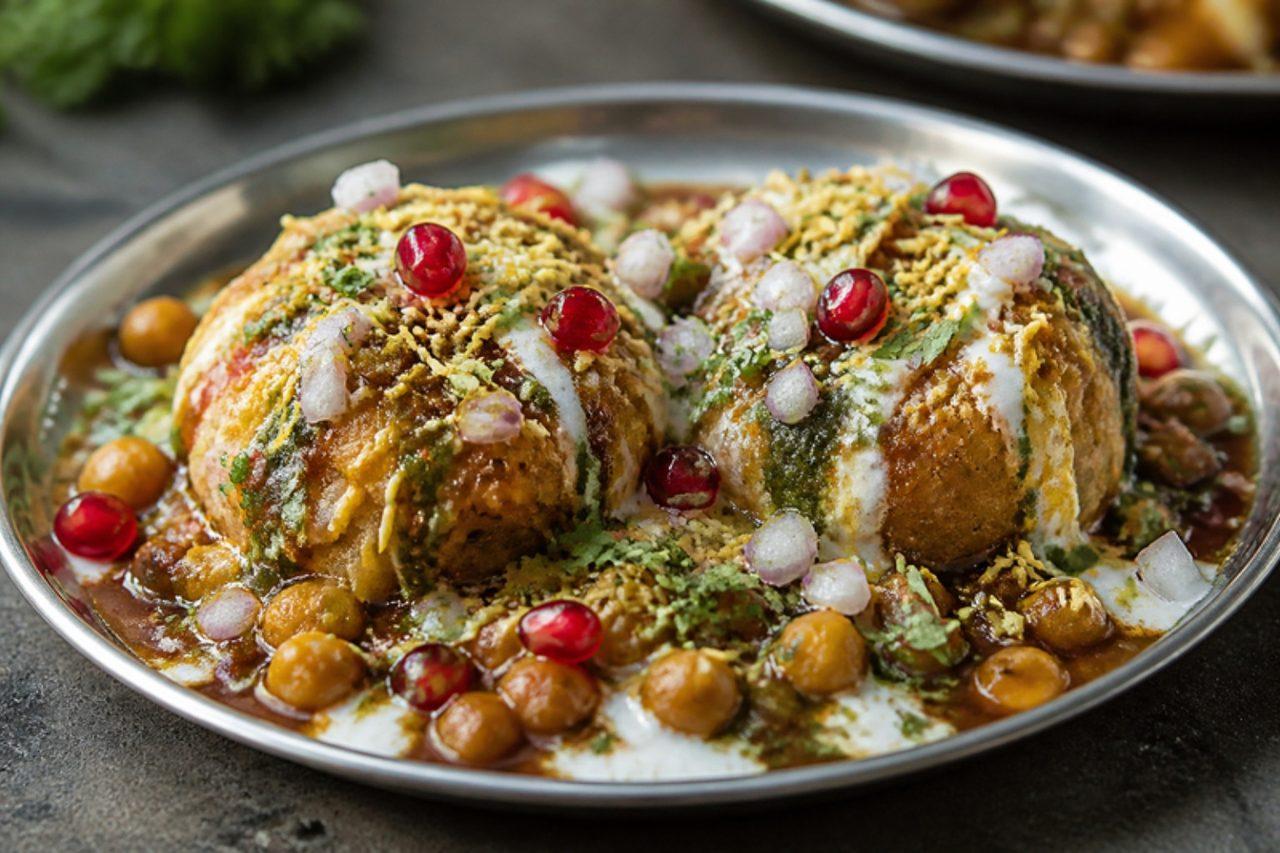
In Delhi, aloo tikki is fried on a giant iron tawa at the edge of a busy market, flattened with a spatula until the outside is shatteringly crisp, then smothered in spiced chickpeas, cool yogurt and green and tamarind chutneys. Places like Chandni Chowk and Lajpat Nagar have queues for it on winter evenings. Delhi tikkis are often stuffed with a little spiced chana dal, which adds bite inside the soft potato. Unlike Mumbai's ragda pattice, it's served with chole and a lot of yogurt. Chef's tip: let the tikkis sit undisturbed on the hot pan for the first 5 minutes; a crust forms that stops them breaking when you turn them.

by KrazyBadal 0 views

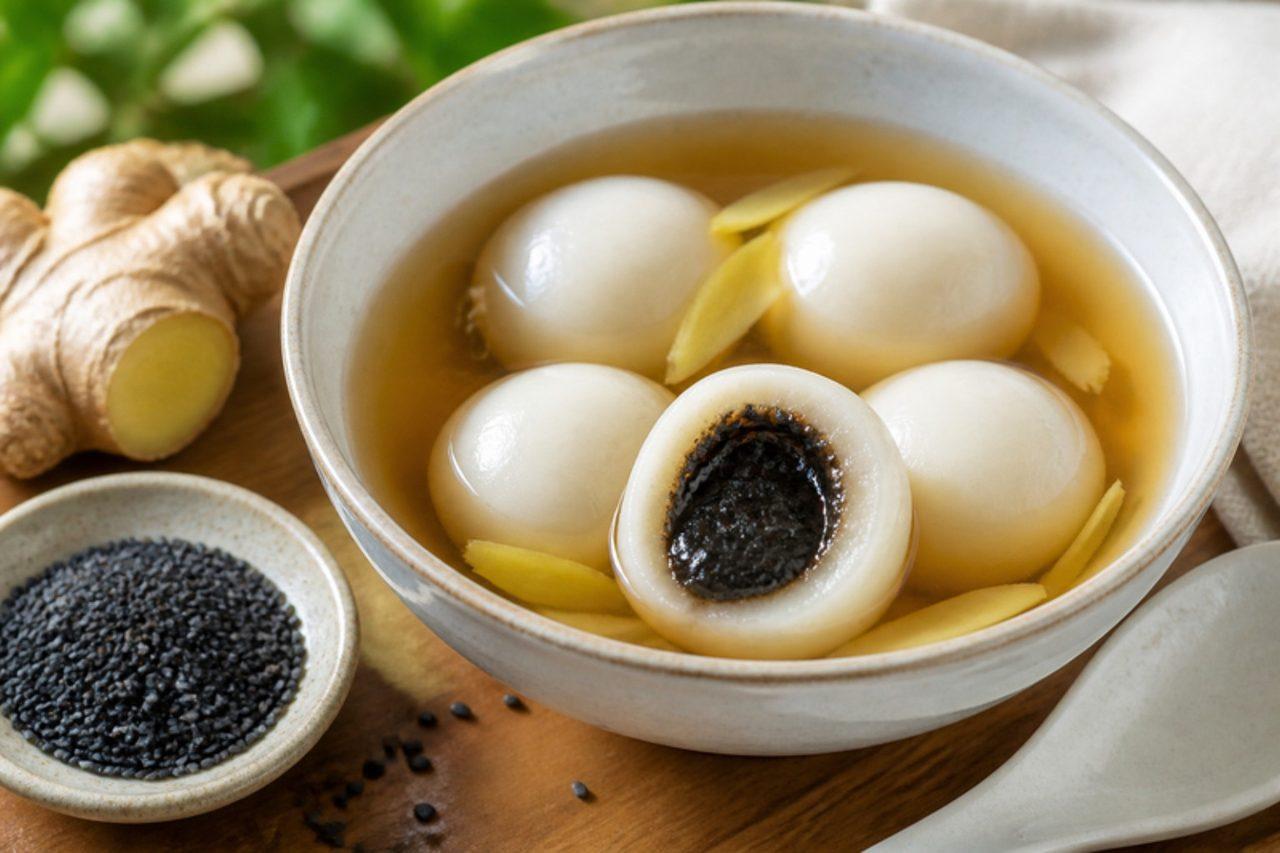
Black sesame tang yuan in ginger syrupSesame rice balls in ginger syrup

Tang yuan are eaten all over China at the Lantern Festival, on the fifteenth day of the Lunar New Year, and in the south also at the winter solstice; their roundness stands for family togetherness. The dough is glutinous rice flour, the classic filling black sesame, sugar and fat, served in a light ginger syrup. Lard is traditional in the filling; coconut oil sets just as firmly and keeps them vegan. Chef's tip: chill the filling until firm and roll it into balls before you start the dough; cold filling is far easier to wrap.

by KrazyBadal 0 views

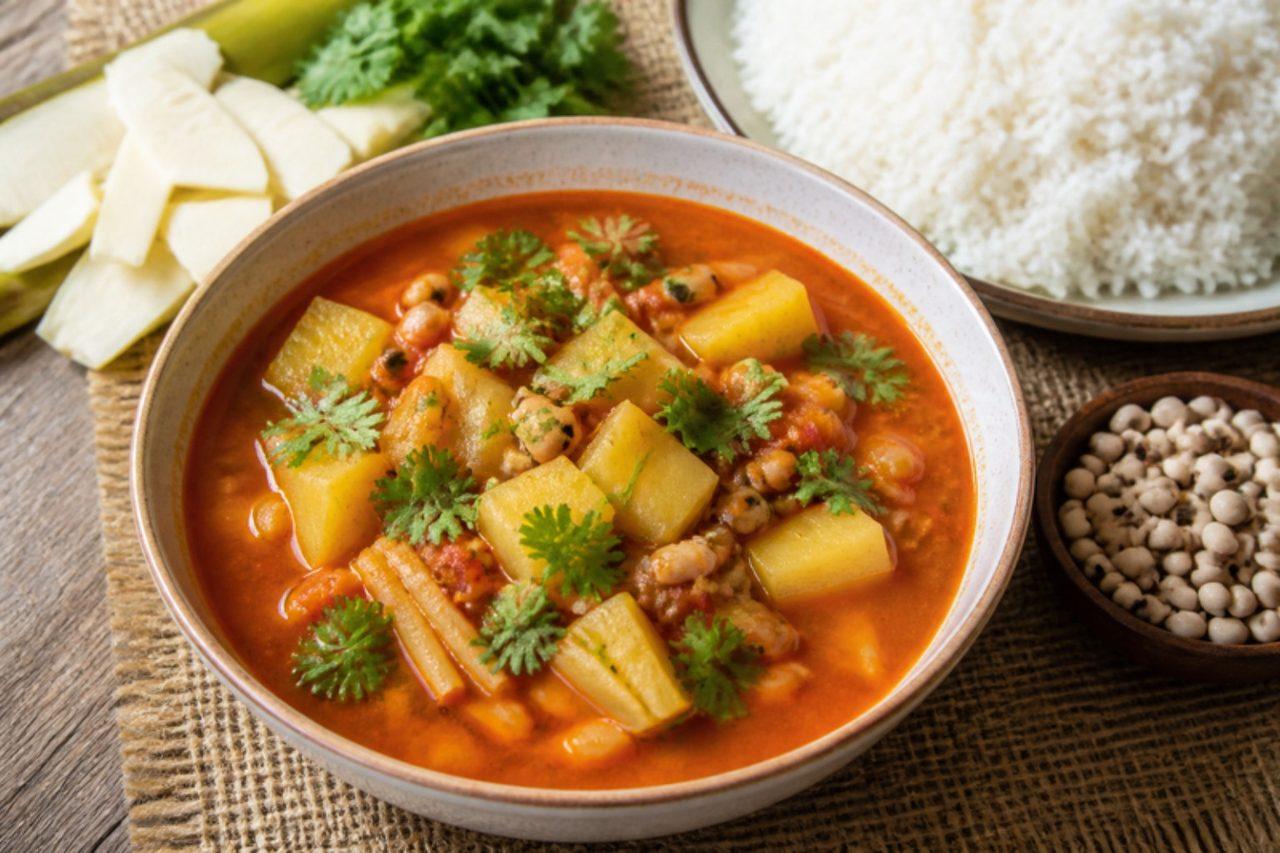
Aloo tamaPotato and bamboo shoot curry

Aloo tama is the curry that tells you you are in Nepal: potatoes (aloo) and black-eyed beans (bodi) simmered with tama, slivers of bamboo shoot that have been fermented until they are pleasantly sour and funky. It is a Newar dish at heart, cooked all over the Kathmandu Valley for weddings, feasts and cold winter evenings, and every Nepali restaurant abroad keeps a pot of it. The sourness comes from the bamboo, sharpened with tomato, and the warmth from fenugreek seeds burnt nearly black in mustard oil and a dusting of timur, the Nepali Sichuan pepper that numbs the lips. Eat it with rice or beaten rice (chiura). Don't skip rinsing the bamboo: straight from the jar it can be so sharp that it takes over the whole pot. Chef's tip: let the fenugreek seeds turn a deep reddish brown before anything else goes in; that bitter-sweet, almost maple smell is the backbone of the curry.

by KrazyBadal 0 views

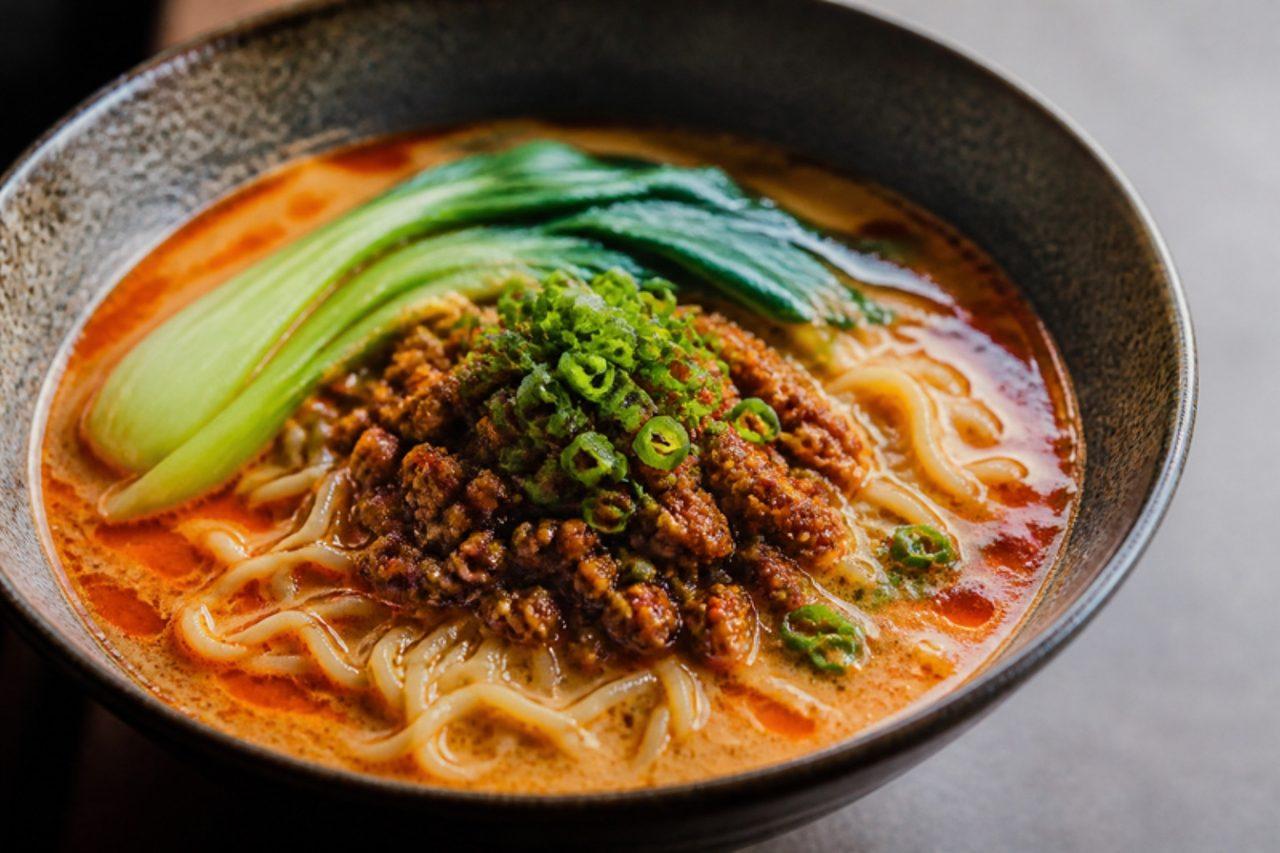
TantanmenSesame chilli noodle soup

Sichuan dan dan noodles are eaten almost dry, with just a spoonful of sauce, but Chinese chefs cooking in post-war Tokyo turned them into a full bowl of soup for Japanese diners. Today tantanmen sits on the menu of almost every Chinese-style restaurant and many ramen shops across Japan, and it sells best in the cold months. The broth is rich with sesame paste, softened with soy milk and lit up with chilli oil, then crowned with savoury fried pork. Pak choi adds a fresh, crunchy contrast. Chef's tip: fry the pork until it is properly brown and a little crisp before seasoning, so it keeps some bite in the soup instead of turning soft.

by KrazyBadal 0 views

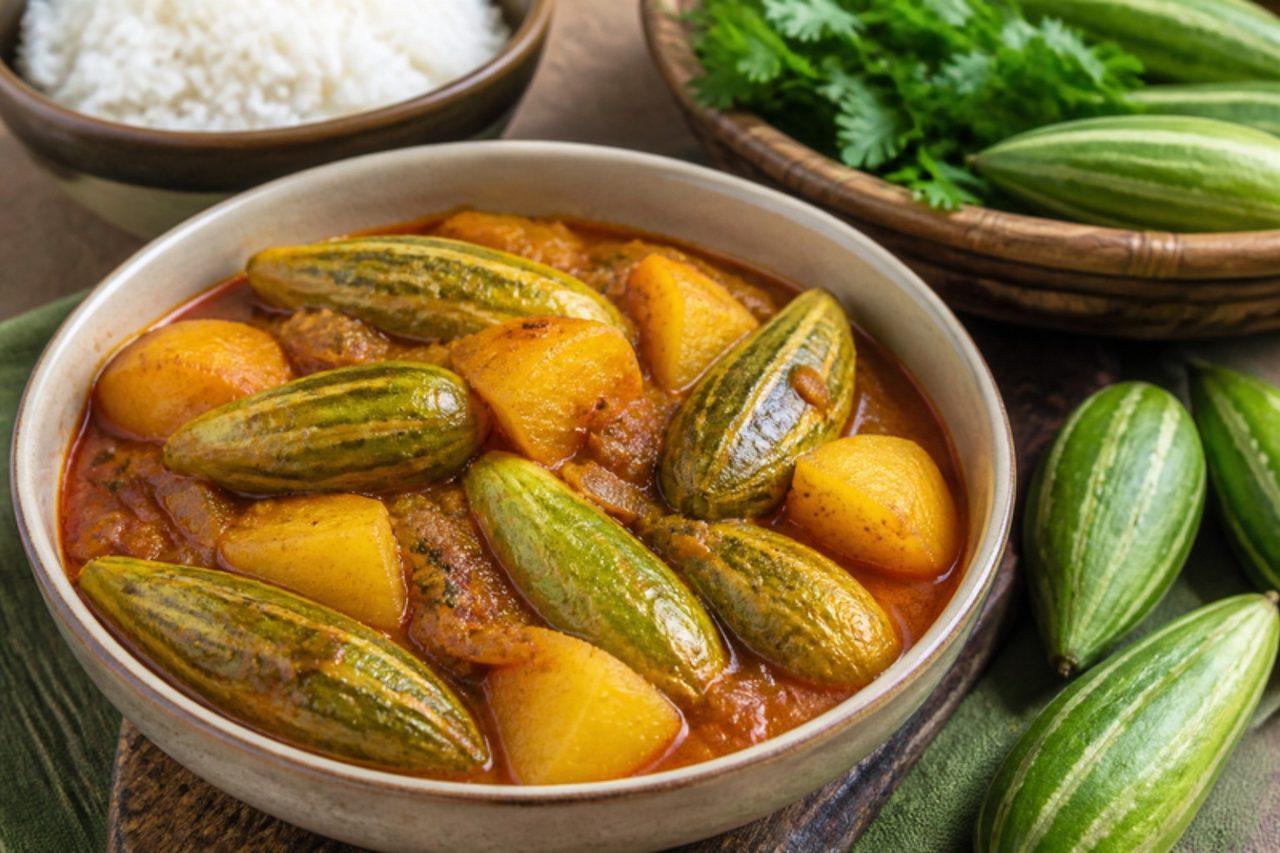
Aloo potala rasaPointed gourd and potato curry

Aloo potala rasa is Odisha's favourite party curry: you will find it on the menu of every Odia wedding and thread ceremony, ladled over rice or eaten with puri. Pointed gourds (potala, parwal) are scraped, fried until blistered, and simmered with potatoes in a thick onion, tomato and ginger-garlic gravy perfumed with whole garam masala. Unlike the light everyday dishes of the state, this one is rich and slow-cooked. Chef's tip: scrape the potala lightly rather than peeling; the green streaks look pretty and hold the shape.

by KrazyBadal 0 views

Aloo postoPotatoes in poppy seed paste

Aloo posto is one of West Bengal's best-loved everyday dishes: cubes of potato cooked gently in a thick paste of ground white poppy seeds, green chilli and mustard oil. The poppy seeds give a nutty, creamy coating without any dairy, and the nigella seeds and raw mustard oil add a sharp, fragrant edge. It's simple, mild and comforting, eaten with plain rice and dal in Kolkata homes. Chef's tip: grind the soaked poppy seeds with the green chillies and a splash of water until truly smooth; a gritty paste never turns creamy.

by KrazyBadal 0 views

Aloo acharPotato and sesame salad

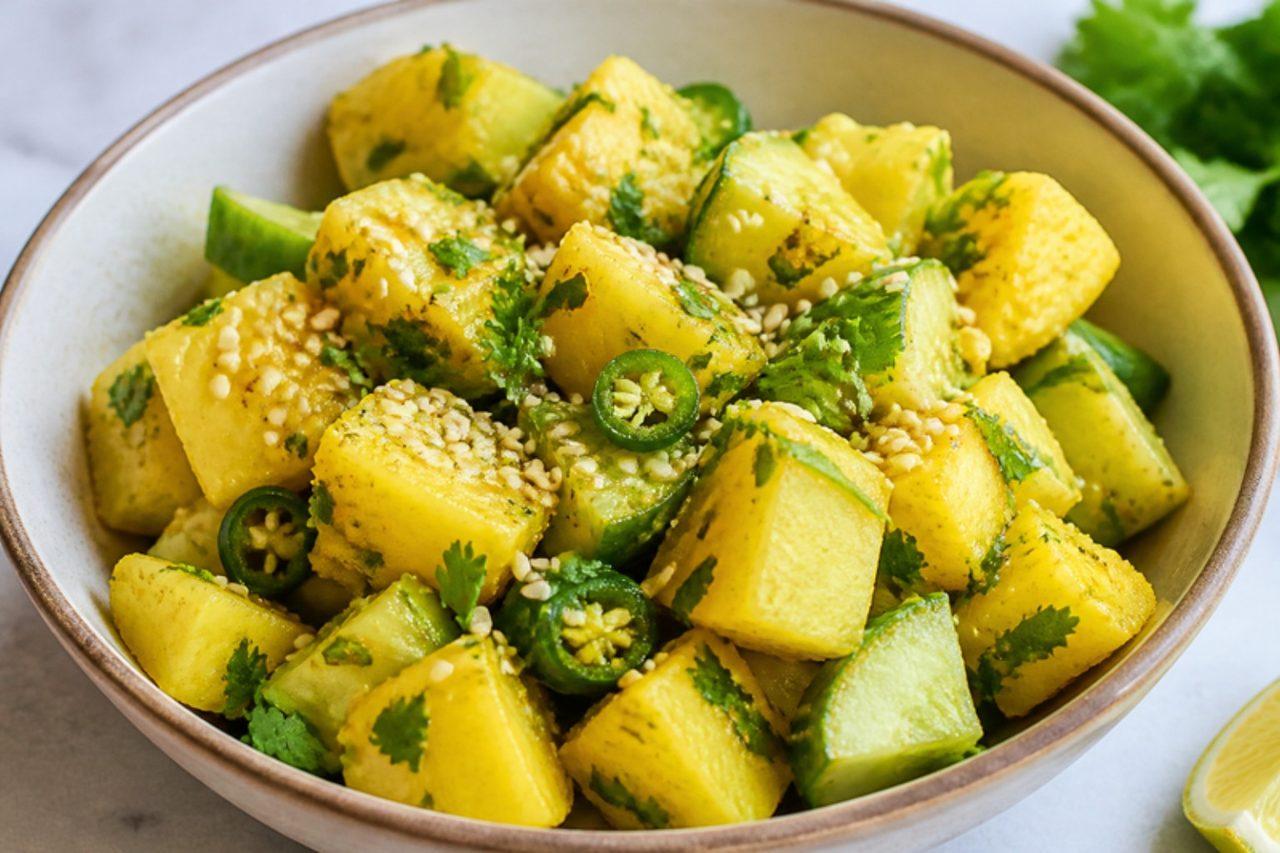
Aloo ko achar is the potato salad of Nepal, but tangy, nutty and hot rather than creamy. Boiled potatoes are tossed with ground toasted sesame, lemon juice, green chilli and timur, then finished with mustard oil in which fenugreek seeds have been fried dark. You find it everywhere: in tiffin boxes on the way to school, at picnics and on the long leaf plates of Newar feasts, alongside beaten rice and spicy beans, and it is a fixture at Dashain and Tihar gatherings when food has to sit out for hours. It keeps well, and the flavour improves after a rest. Dressing the potatoes while still hot is the usual mistake: they soak it up and turn mushy, so let them cool first. Chef's tip: toast the sesame until it just starts to pop and smells like popcorn, then grind it to a coarse sandy powder; it thickens the dressing and gives the salad its nuttiness.

by KrazyBadal 0 views

Aloo keemaMinced meat with potatoes

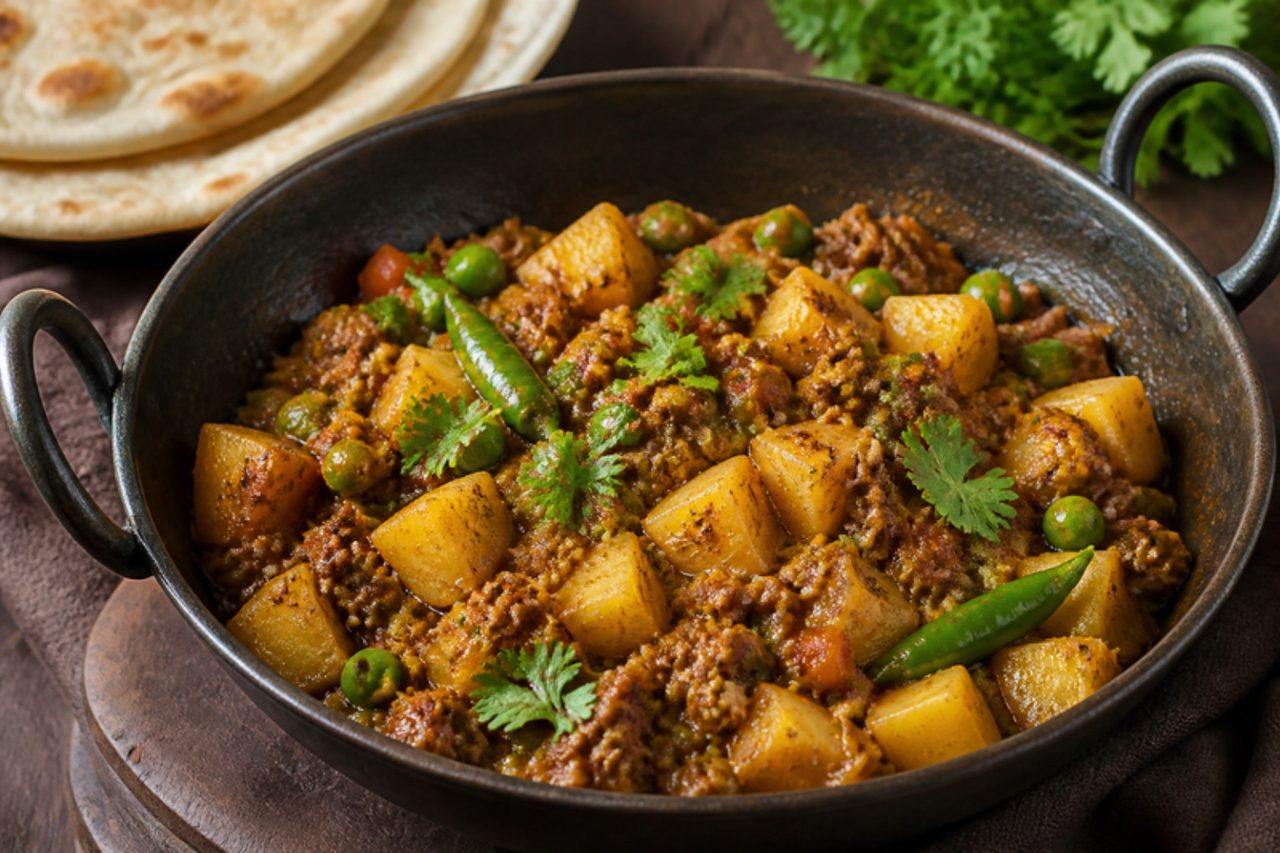
Aloo keema is the dinner that turns up in Pakistani homes from Karachi to Peshawar several times a month: quick, cheap, and loved by children and grandparents alike. Mince is browned with onion, tomato and whole spices, then simmered with potato cubes and peas until the potatoes soak up the masala. It is usually eaten with hot chapati or paratha, and leftovers become a filling for sandwiches and samosas the next day. Chef's tip: keep frying the mince until all the water it releases has gone and it starts to sizzle; that's where the browned, meaty flavour comes from.

by KrazyBadal 0 views

Aloo ke gutkePotato cubes with mountain spices

Ask anyone from Kumaon what they miss most from home and aloo ke gutke comes up quickly. Hill potatoes are boiled, cut into rough chunks and tossed in smoking mustard oil with jakhiya, a tiny wild seed that pops and crunches like mustard but tastes more like toasted cumin. It's served at tea time with a mug of chai, on festival plates next to puri, and in local dhabas with cucumber raita. Outside Uttarakhand jakhiya is hard to find, so use cumin seeds with a few black mustard seeds instead; the dish will still taste right. Chef's tip: boil the potatoes a few hours ahead, or the night before, so they firm up and fry into crisp-edged cubes instead of crumbling.

by KrazyBadal 0 views

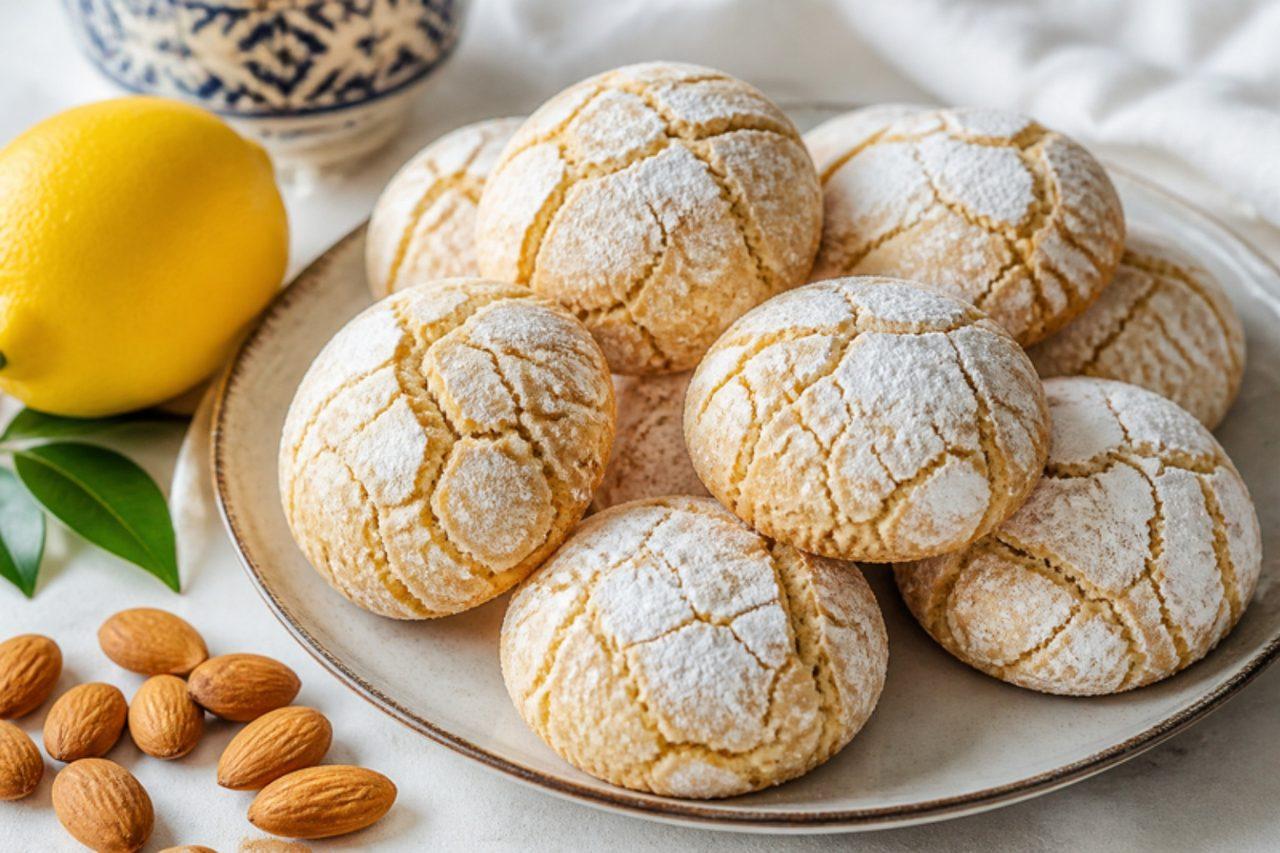
Almond ghribaChewy almond cookies

Ghriba are the crinkle-topped cookies that fill Moroccan biscuit trays for Eid, weddings and guests dropping by for tea; the almond version, ghriba bel louz, is especially loved in Fez and Tétouan. The dough is just ground almonds, sugar, egg and lemon zest, rolled in icing sugar so the top cracks into white rivers as it bakes. They are naturally gluten free, crisp at the edge and soft and chewy inside. Chef's tip: take them out when the cracks have formed but the centres still feel soft; they firm up as they cool, and overbaked ghriba turn hard.

by KrazyBadal 0 views

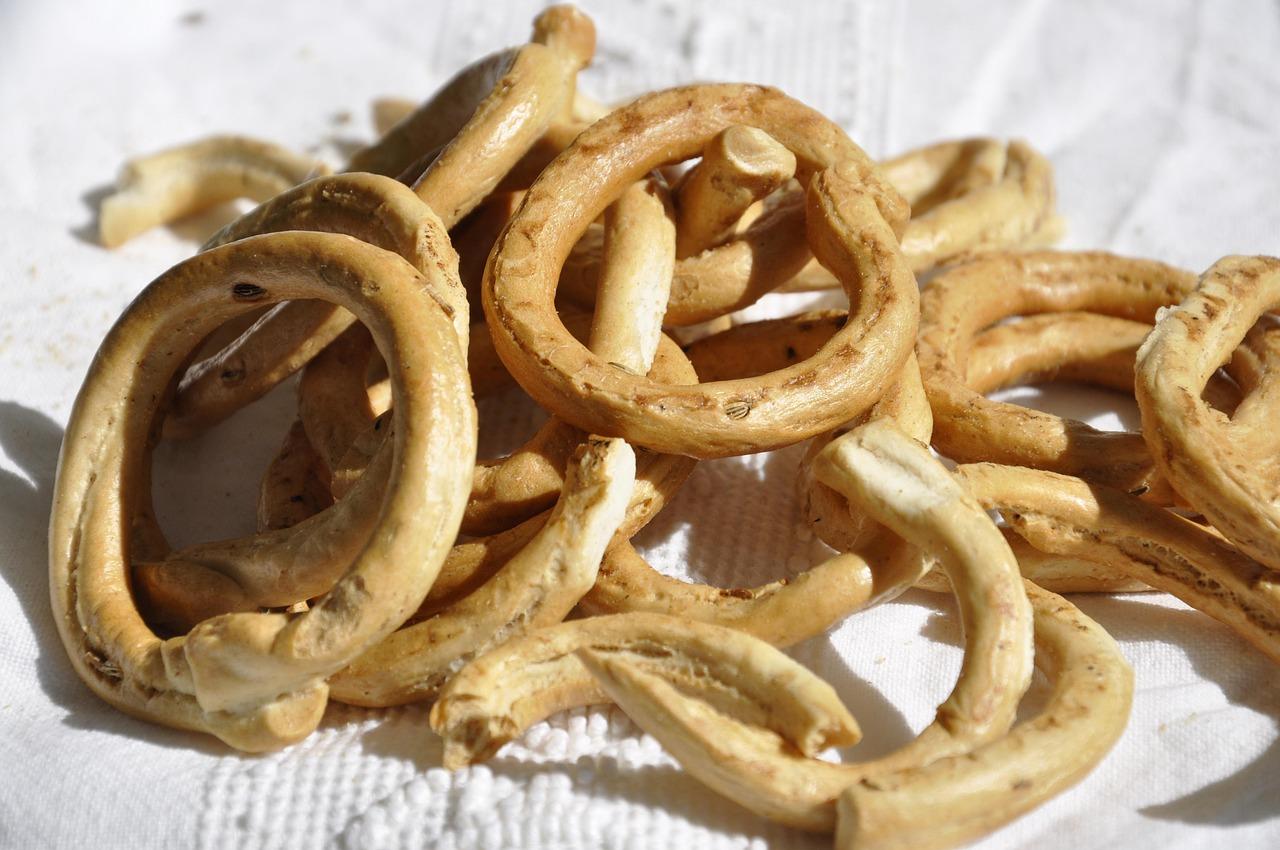
TaralliFennel and olive oil rings

Taralli are the crunchy rings found on every table in Puglia: with a glass of wine before dinner, in bags on the beach, or dunked in coffee. They are made with olive oil and dry white wine, no yeast or butter, and boiled briefly before baking, which gives them their shiny skin and fine, crumbly bite. Fennel seed is the classic flavour; black pepper or chilli are common too. They keep for weeks in a tin. Chef's tip: lift them out of the water the moment they float; longer boiling makes them hard and glassy instead of crumbly.

by KrazyBadal 0 views

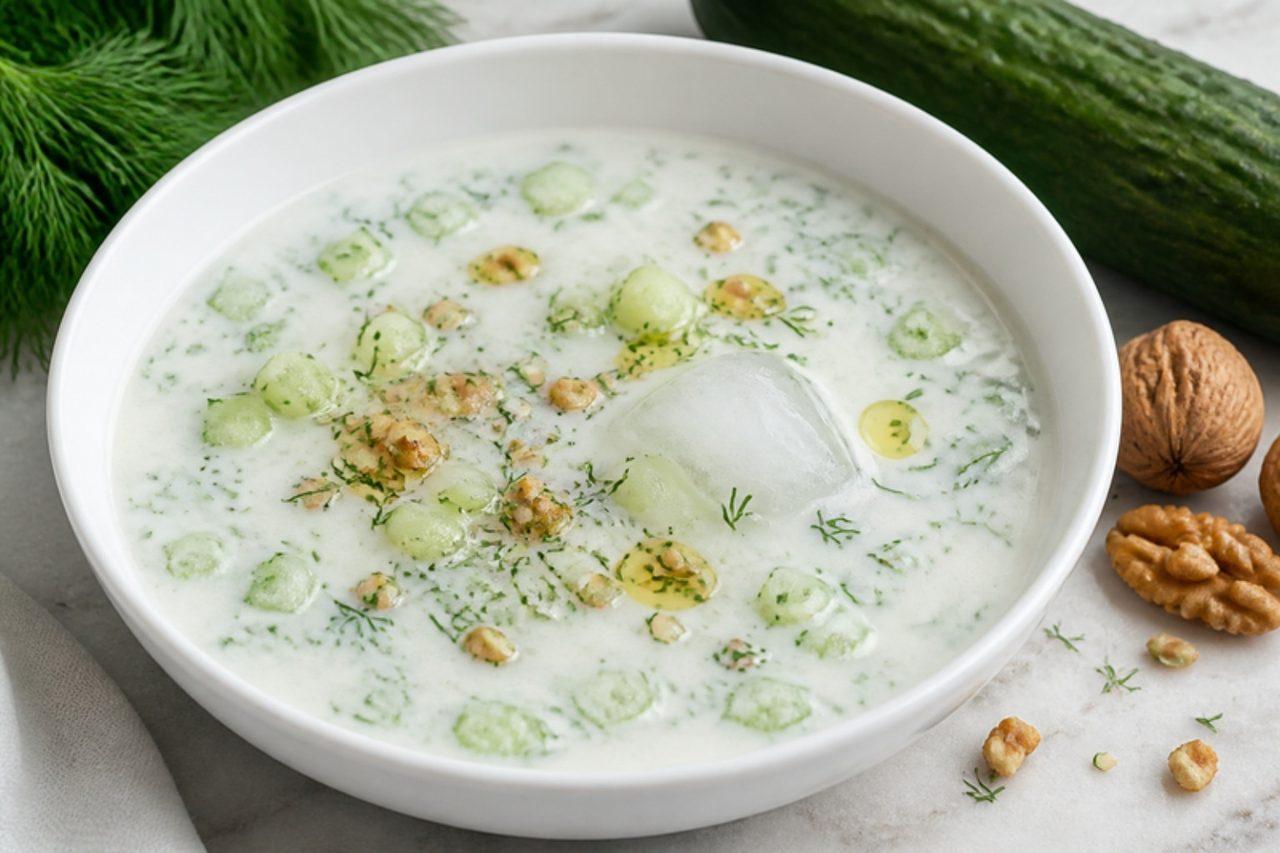
TaratorCold yogurt and cucumber soup

Tarator is what Bulgarians eat on hot July days, from the Black Sea resorts of Varna and Burgas to Sofia lunch counters: a cold, thin soup of tangy yogurt and water with grated cucumber, garlic, dill and crushed walnuts, a drizzle of sunflower oil on top and sometimes an ice cube floating in the bowl. It is served as a starter or drunk from a glass beside a plate of grilled vegetables. Chef's tip: use full-fat, sour, set yogurt and thin it to the consistency of single cream; making it too thick is the usual mistake, and it should be sippable.

by KrazyBadal 0 views

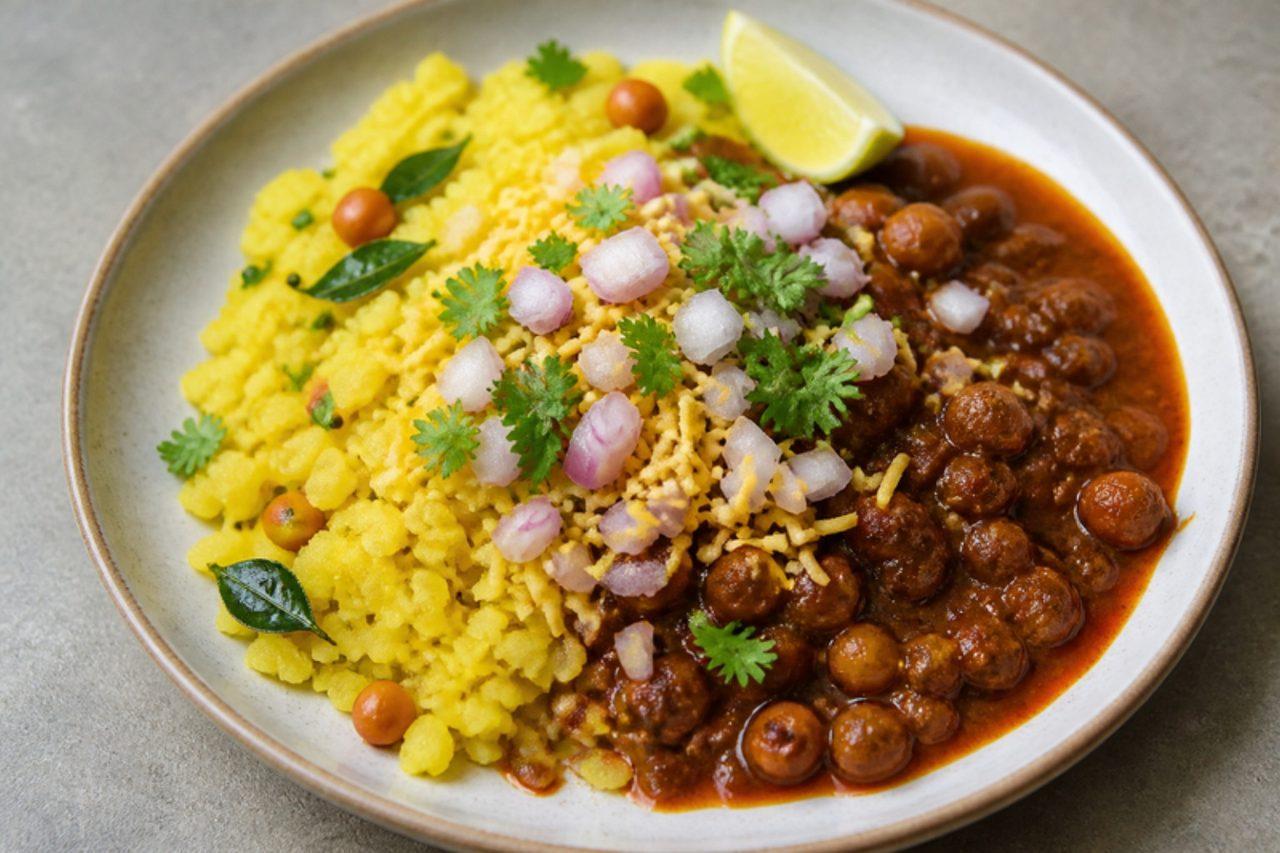
Tarri pohaFlattened rice with spicy chickpea curry

In Nagpur, winter mornings start at a poha stall: soft, turmeric-yellow flattened rice heaped onto a plate and then flooded with tarri, a spicy black-chickpea gravy with a slick of red oil on top, finished with raw onion, sev, coriander and a squeeze of lemon. It's Vidarbha's answer to the plain poha eaten elsewhere in India, louder and hotter, made for a cold morning and a cutting chai. Making it at home takes a little planning because the chana needs an overnight soak, but the tarri keeps for days. Chef's tip: don't skimp on the oil in the tarri; the red layer that floats on top is what soaks into the poha and gives the dish its name.

by KrazyBadal 0 views

Tarta de acelgaChard and cheese pie

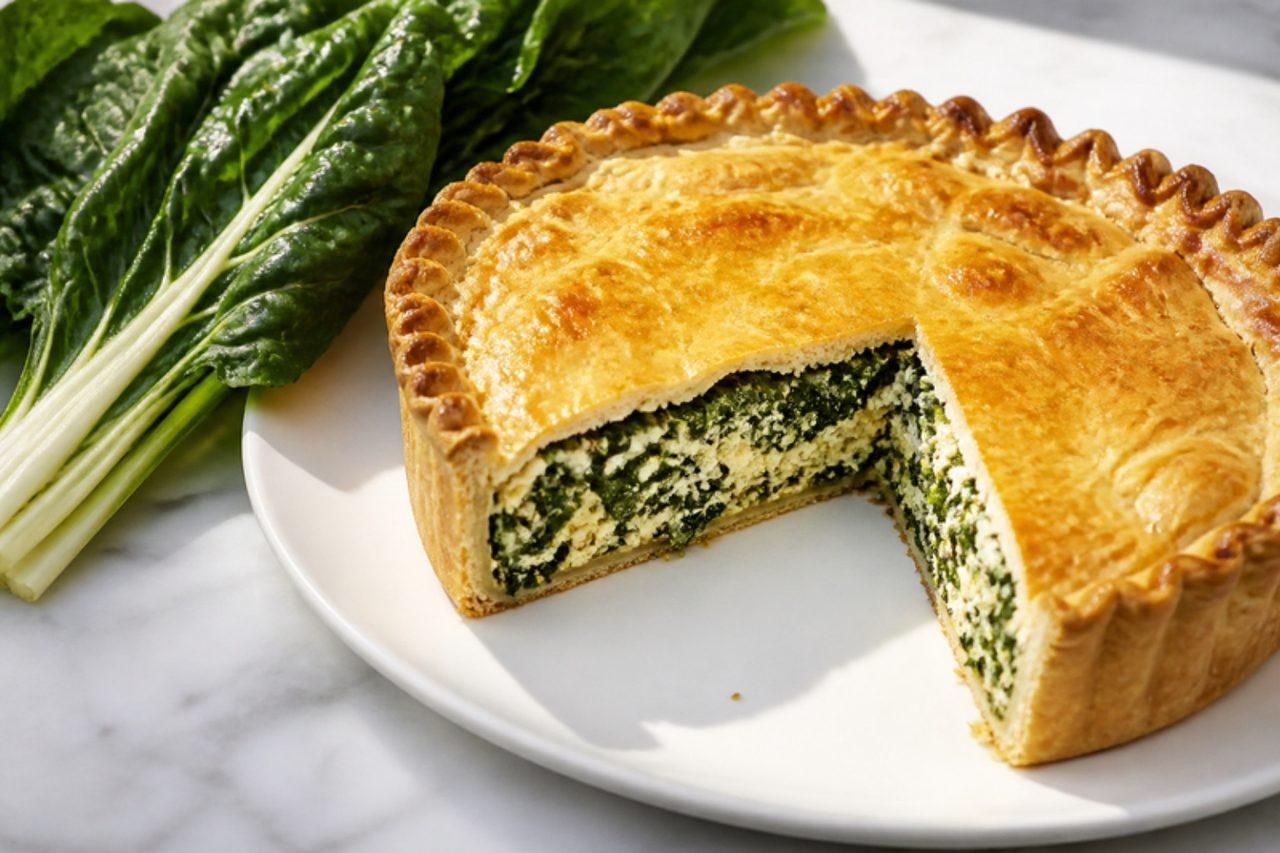
Tarta de acelga is the green, savoury pie found in every Argentine bakery window and on weeknight tables, a legacy of Italian torta pasqualina. Swiss chard is wilted with onion, bound with eggs and soft cheese, seasoned with nutmeg and baked between layers of pastry, sometimes with whole eggs hidden inside. It's eaten warm or cold, for dinner with a salad or packed for a picnic. Chef's tip: squeeze the cooked chard hard in your hands; any water left in it makes the pastry soggy.

by KrazyBadal 0 views

Tarte au rizRice pudding tart

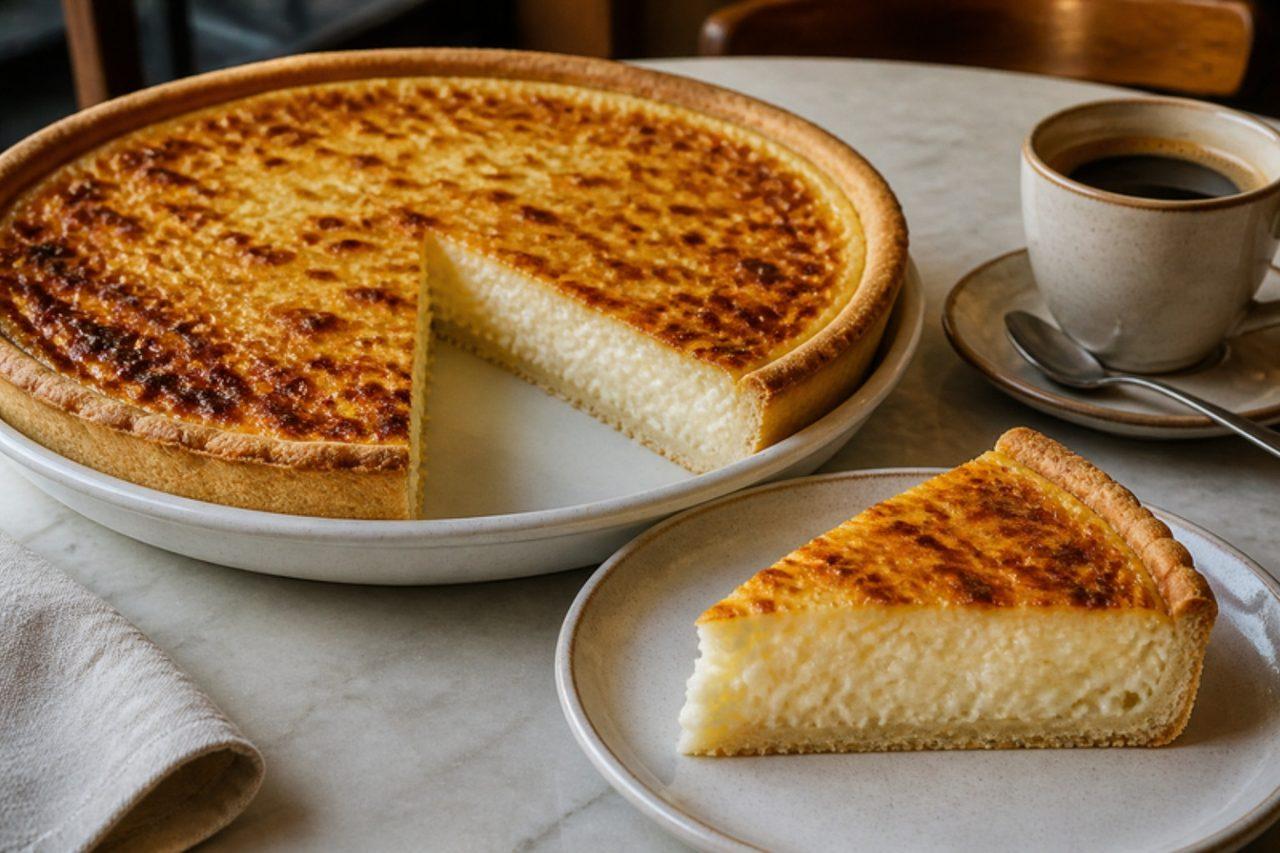
In the province of Liège, and above all in the town of Verviers, no village fair (ducasse) or family celebration happens without tarte au riz, called rijsttaart in Flanders. A thin, soft yeast-dough crust holds a thick layer of rice cooked slowly in milk with vanilla and sugar, enriched with egg yolks and baked until the top is speckled brown. People buy whole tarts from the bakery for a birthday and eat them cold with coffee. Chef's tip: cook the rice until a spoon drawn through it leaves a clear path that closes slowly; a runny filling never sets in the oven, and the crust turns soggy.

by KrazyBadal 0 views

Tarte au sucreMaple sugar pie

Tarte au sucre is the sweet that closes Québec's holiday réveillon (Christmas Eve feast) and the Sunday meal at grandmother's house. Brown sugar, cream and a little maple syrup are thickened with flour and baked in a buttery shell until set like soft fudge, glossy on top. It's very sweet, so slices are thin, often with a dollop of unsweetened whipped cream. Rural Acadian and Franco-Ontarian families make very similar pies. Chef's tip: let it cool completely, for at least 3 hours; warm sugar pie is runny and only sets as it cools.

by KrazyBadal 0 views

Tarte normandeApple tart with custard

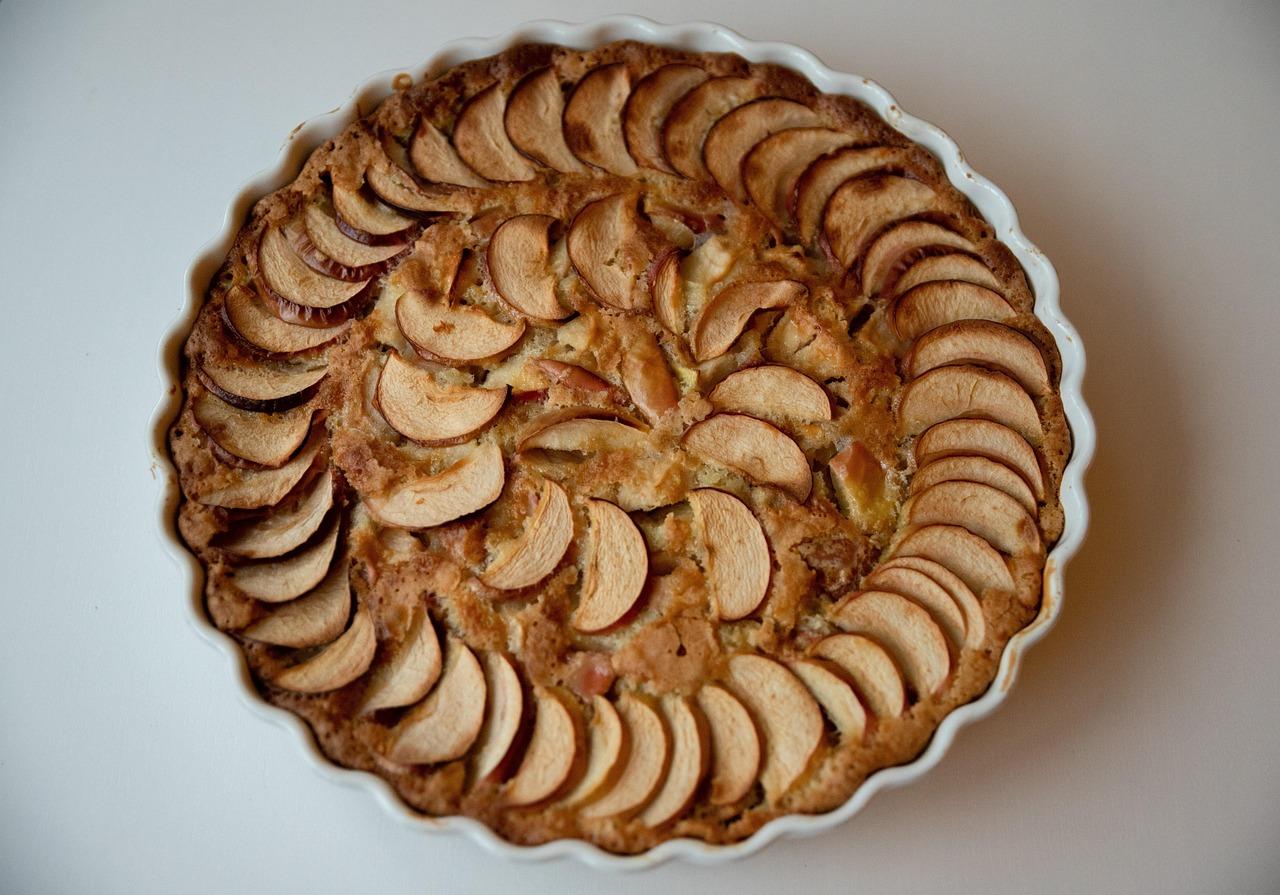
Normandy is the land of orchards and dairy cows, and its apple tart uses both: sliced apples baked in a buttery pastry case, then covered with a custard of eggs, crème fraîche and sugar that sets around the fruit, golden and slightly puffed. Some cooks add a splash of Calvados, the local apple brandy. It's served for Sunday lunch, at village fêtes in autumn, and with a glass of cider. The apples stay soft but hold their slices, and the custard tastes like baked cream. Chef's tip: pre-bake the pastry case before adding the custard; skipping it is the common mistake that leaves a pale, soggy base.

by KrazyBadal 0 views

Tarte tatinUpside-down apple tart

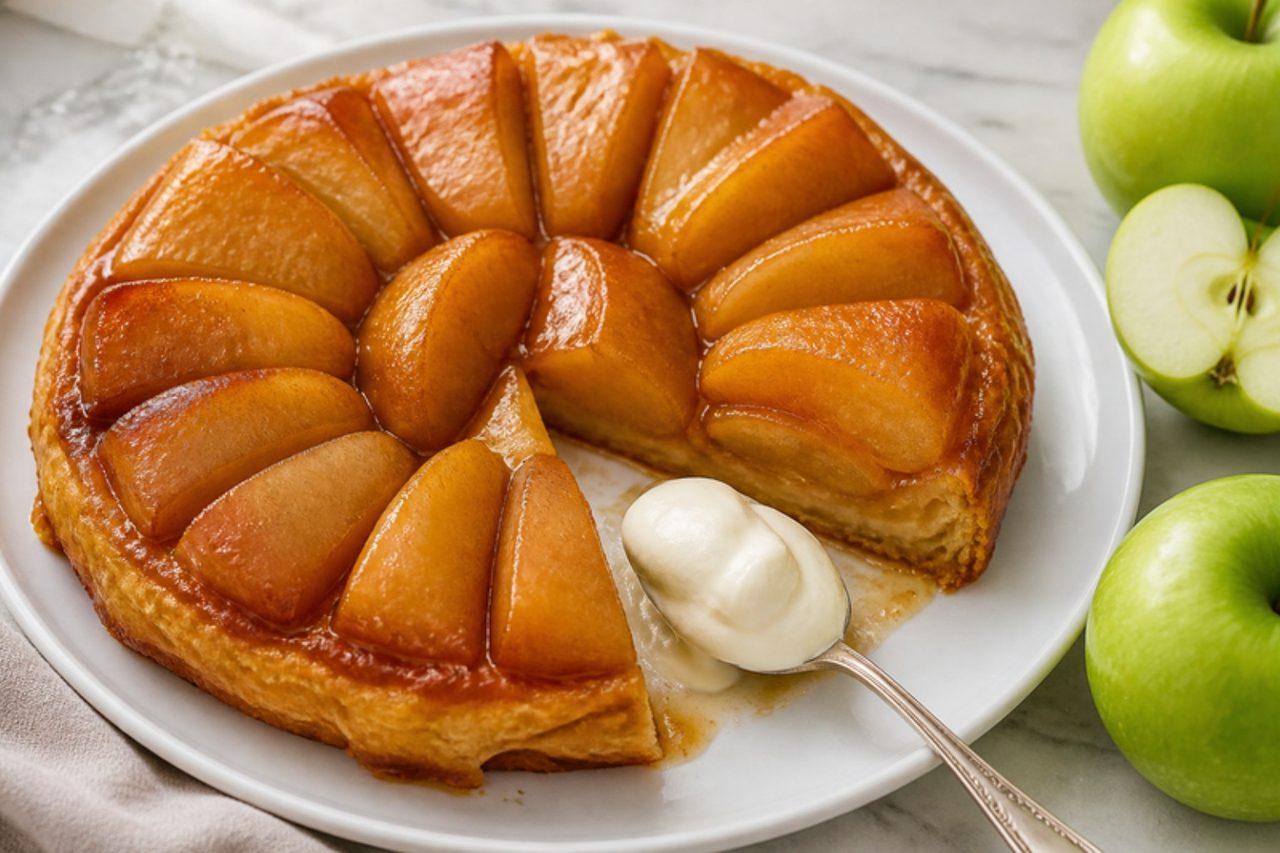
Tarte tatin is said to have been created at the Hôtel Tatin in Lamotte-Beuvron, in the Sologne, south of Orléans, where the Tatin sisters cooked for hunting parties in the 1880s. The apples are cooked in butter and sugar until they turn amber, covered with pastry, baked, then turned out so the glossy caramelised fruit sits on top of a crisp base. It is the French family dessert of autumn and winter, served warm with crème fraîche. This version uses an all-butter shortcrust made without egg. Chef's tip: pack in more apples than seem possible, as they shrink; using too few is the common mistake and leaves a flat tart with gaps.

by KrazyBadal 0 views

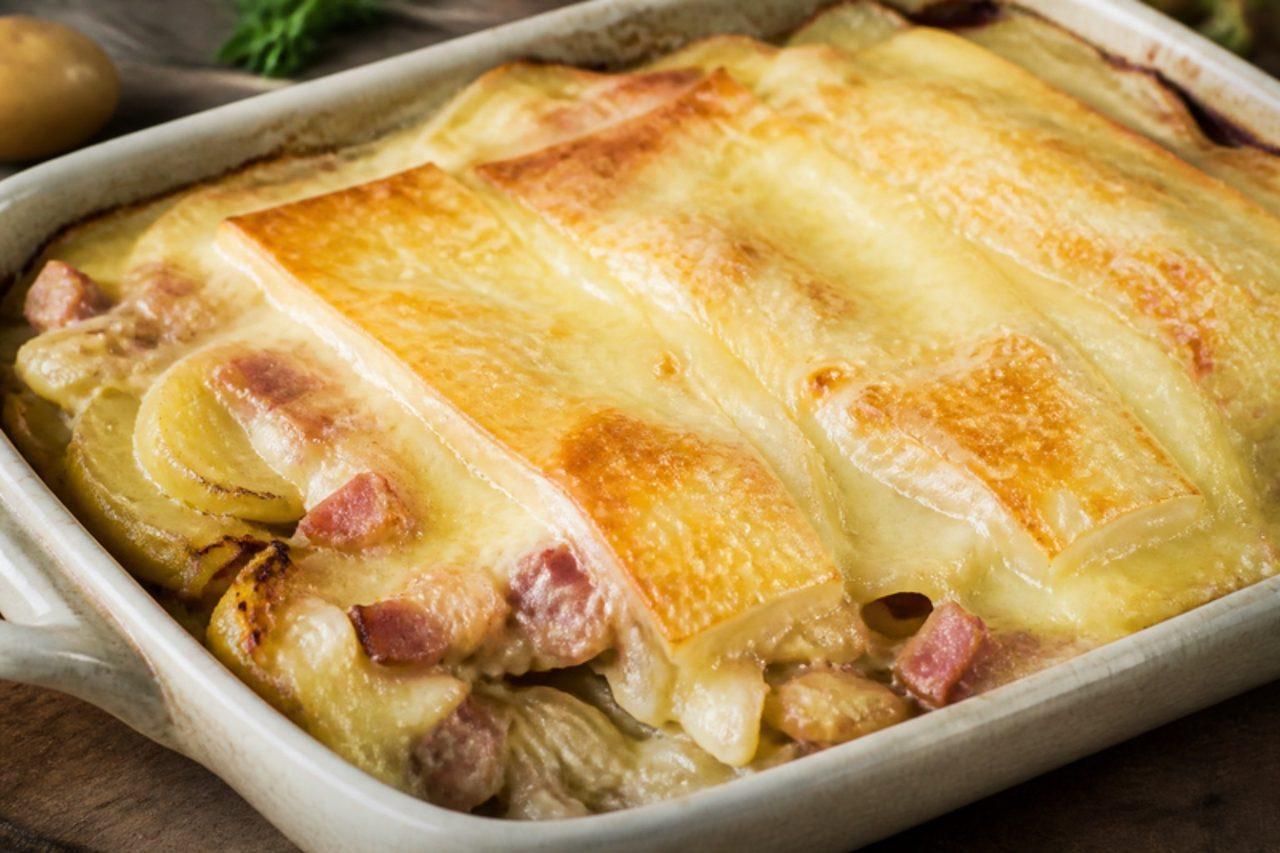
TartiflettePotato, bacon and Reblochon bake

Tartiflette is the dish skiers dream about on the last run of the day in the Savoie Alps, served bubbling in its dish in mountain restaurants from Annecy to Val d'Isère. It contains pork: sliced potatoes are layered with onion, smoky lardons and a splash of cream, then a whole Reblochon cheese is halved and laid rind-side up on top so it melts down through everything in the oven. Many cooks add a splash of white wine to the onions; this recipe leaves it out, so it is alcohol-free. Eat it with a sharp green salad and cornichons. Chef's tip: keep the rind on the Reblochon; it bakes to a golden, nutty crust.

75 minFrenchMeatGluten free
by KrazyBadal 0 views

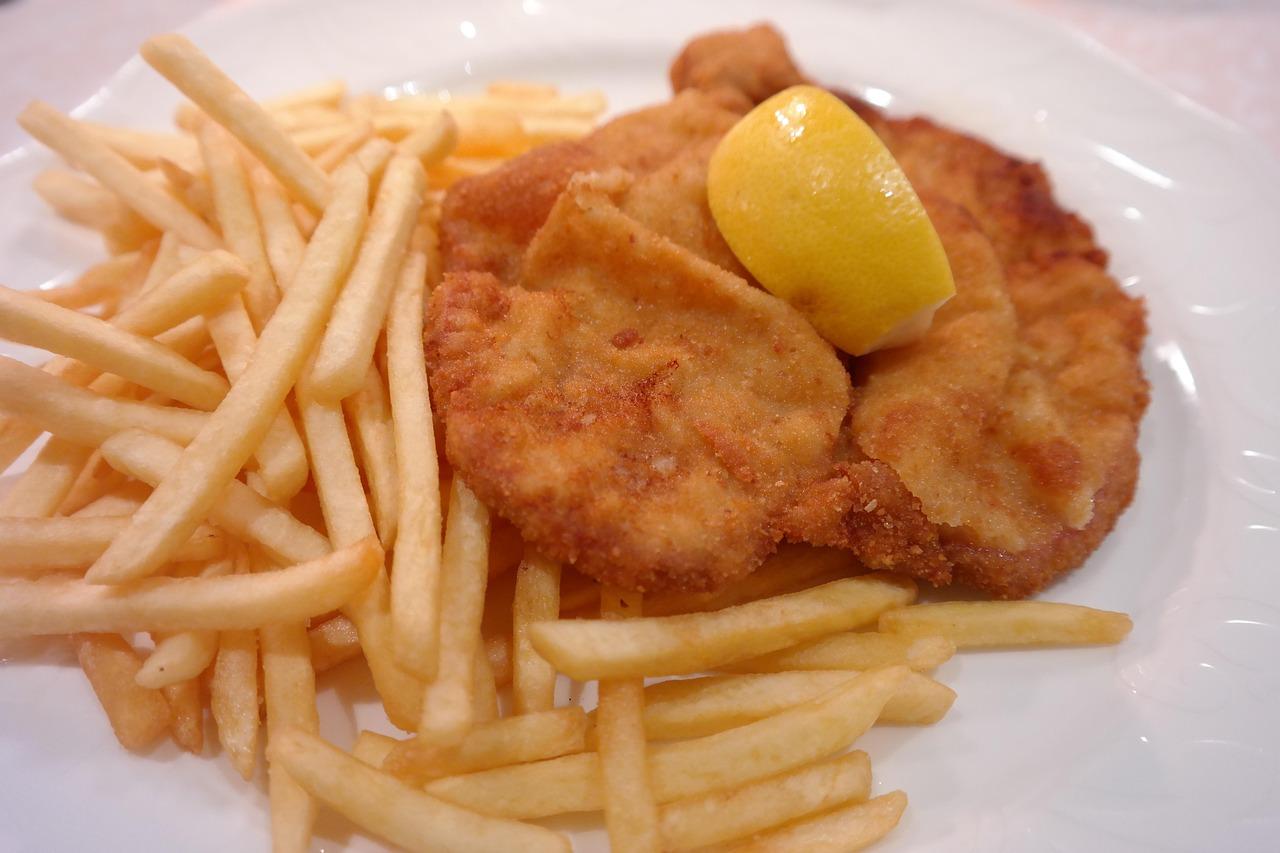
Wiener SchnitzelBreaded veal cutlet

In Vienna's old Beisl taverns the Schnitzel arrives so large it hangs over the plate: a veal escalope beaten thin, coated in flour, egg and fine breadcrumbs and fried in plenty of hot fat while the pan is swirled, so the crumb lifts away from the meat in golden waves. Austrian law keeps the name 'Wiener Schnitzel' for veal; the pork version, very common in German homes, is called Schnitzel Wiener Art and is cooked exactly the same way. Serve it with a lemon wedge, lingonberry jam and potato salad. The most common mistake is pressing the crumbs firmly onto the meat, which stops the coating from puffing. Chef's tip: shake off the crumbs and lay the cutlet in only when the fat is hot enough that a crumb sizzles at once.

32 minGermanMeat
by KrazyBadal 0 views

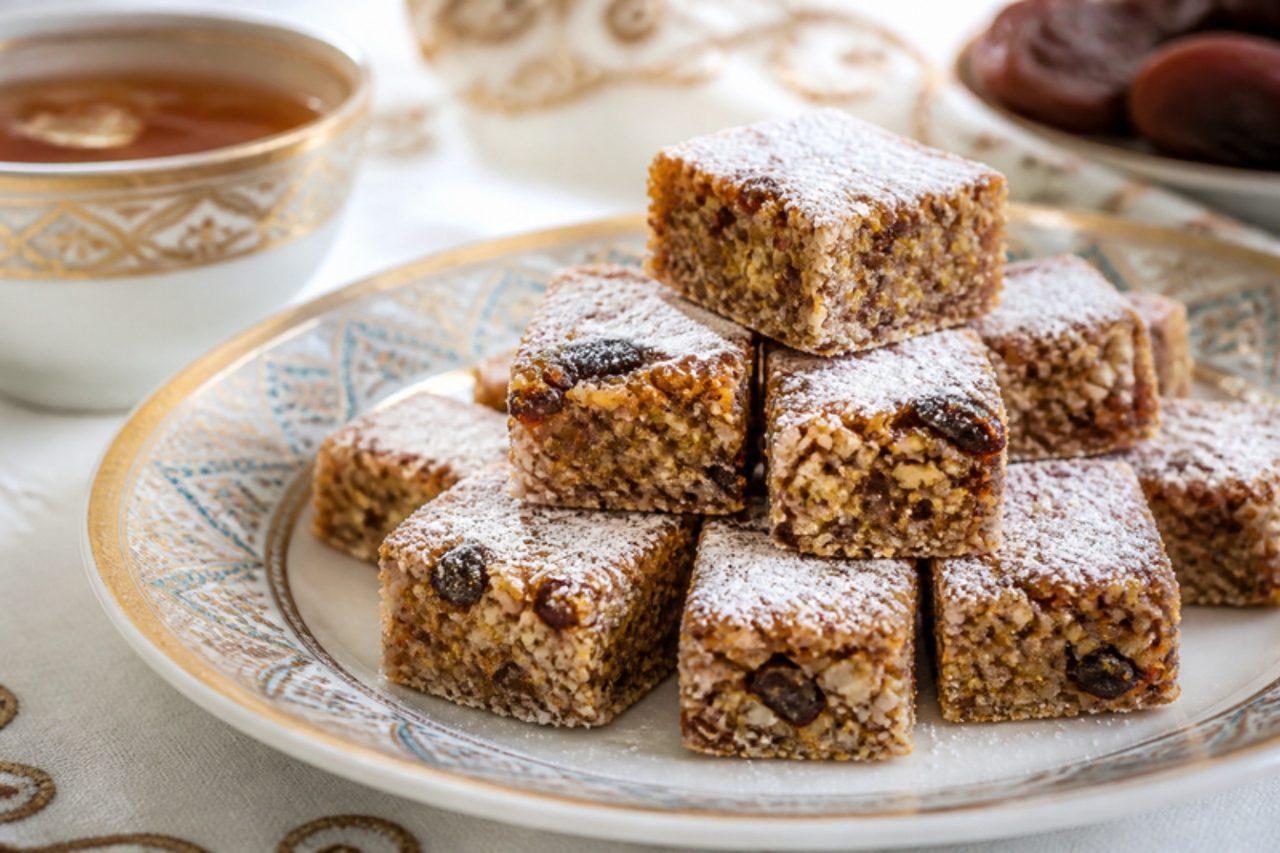
ZhentToasted millet and honey sweet

Zhent is one of the oldest Kazakh sweets: toasted millet (tary) pounded with dried kurt, dates or raisins, and bound with butter and honey into a crumbly, rich square. Herders made it to carry on long rides, and today it appears on the dastarkhan at Nauryz and weddings in southern Kazakhstan, beside baursak and dried fruit. It tastes nutty, salty-sour from the kurt and sweet, a bit like shortbread with a sharp edge. Chef's tip: toast the millet in a dry pan until it pops and smells like popcorn; under-toasted millet tastes raw and grassy.

by KrazyBadal 0 views

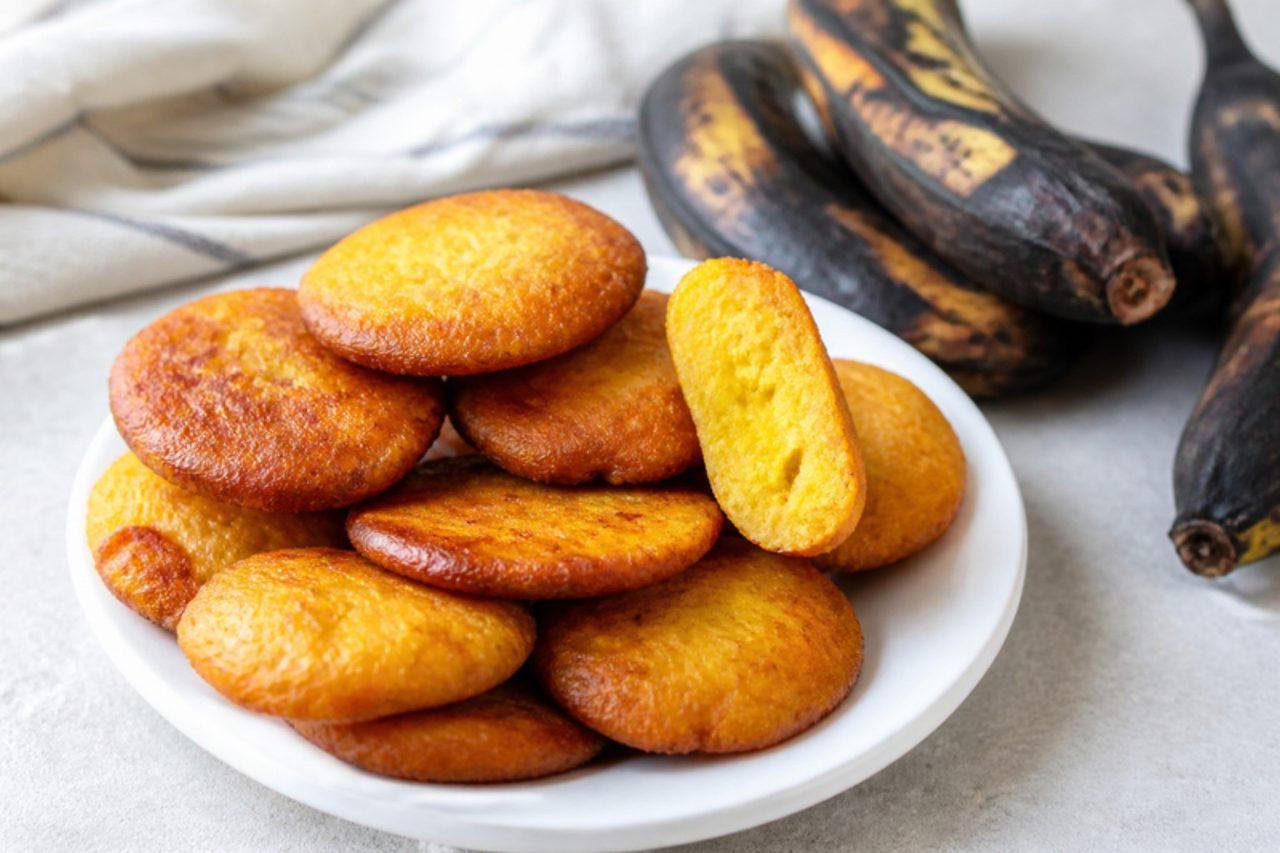
TataleSpiced plantain pancakes

Tatale is how Ghanaian cooks rescue plantains that have gone soft and black: they are mashed with onion, ginger and chilli, bound with a little flour, and fried as thick pancakes. In Accra and the Volta region they are sold warm from roadside pans and eaten as a snack or with a bowl of bean stew (aboboi). The outside crisps and caramelises while the inside stays soft and sweet. This version uses fine cornmeal, which keeps it gluten free. Chef's tip: the blacker the plantain skins, the better; they should feel soft like an overripe banana.

by KrazyBadal 0 views

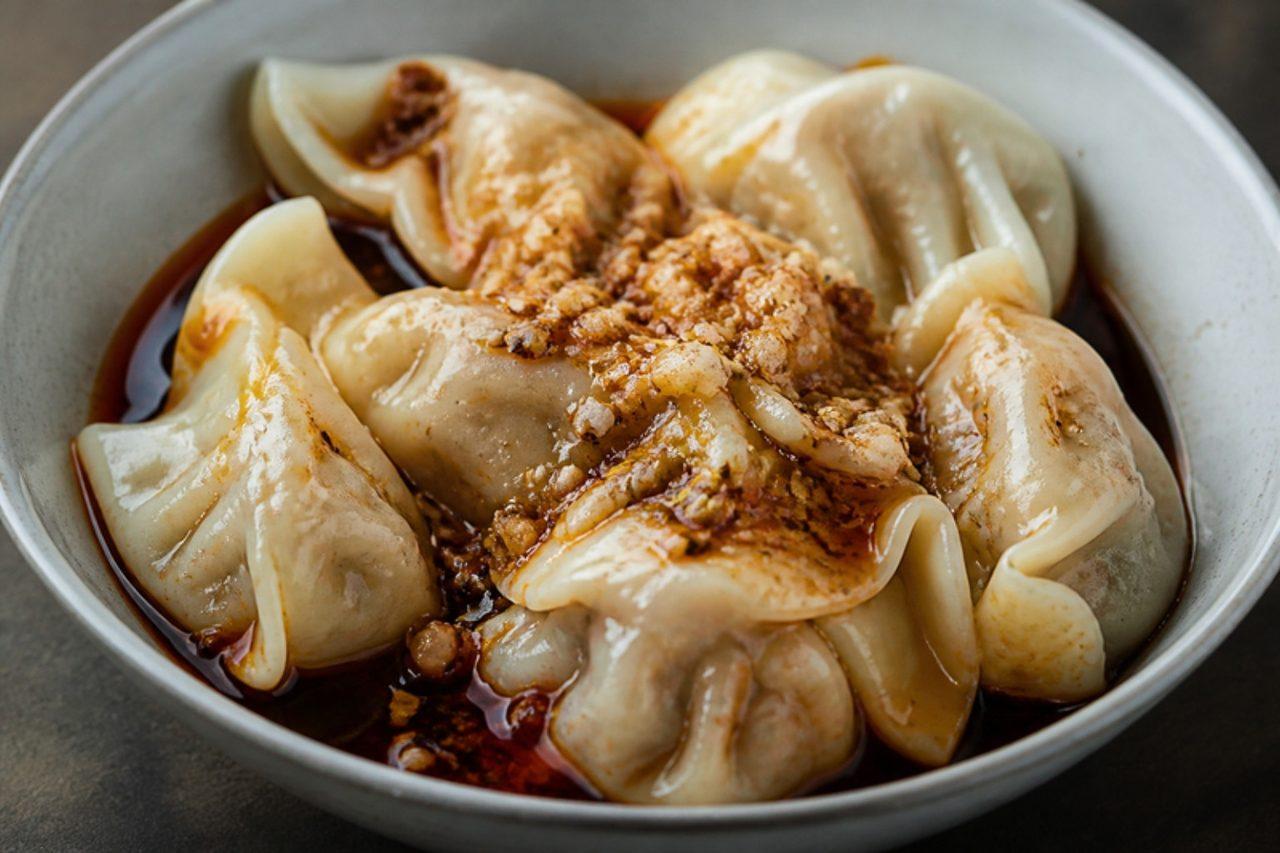
Zhong dumplingsPork dumplings in chilli oil

A snack shop opened by a Mr Zhong in Chengdu in the 1890s still serves these little half-moon dumplings, and every teahouse snack menu in the city has a version. Unlike northern dumplings, they hold only pork, no cabbage or chives, so the filling is soft, juicy and gingery. The magic is the sauce: a spiced, syrupy soy sauce simmered with brown sugar, star anise and cinnamon, spooned over with fiery chilli oil and a punch of raw garlic, so each bite is sweet, salty, hot and pungent at once. Eat them as an afternoon snack or a starter before noodles. Chef's tip: make the sweet soy sauce first; it keeps in the fridge for a month and is just as good on noodles or a plate of greens.

by KrazyBadal 0 views

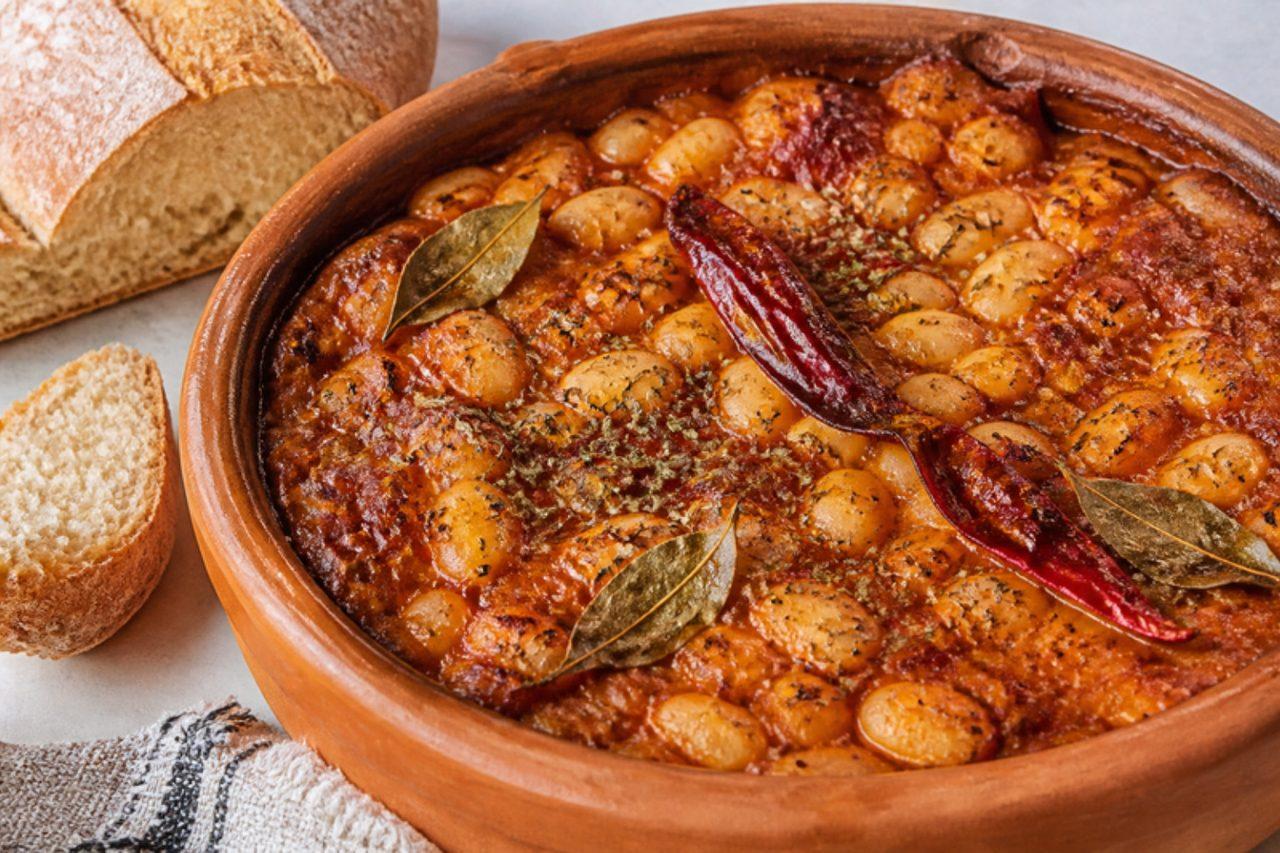
Tavče gravčeBaked white beans

Tavče gravče, 'beans in a pan', is the dish North Macedonians call their own: large white beans, ideally the Tetovo variety, cooked soft, then baked in a shallow earthenware tava with onions fried in paprika until the top forms a crust. In Skopje it is a Friday staple and a Christmas Eve fast-day dish, served in the same clay dish it baked in, with bread, pickled peppers and a cabbage salad. This version keeps to the meat-free fasting style, with a paprika-and-onion roux for depth. Chef's tip: let the paprika sizzle in the oil for only a few seconds off the heat; scorched paprika turns brown and bitter and spoils the whole dish, which is the most common slip.

by KrazyBadal 0 views

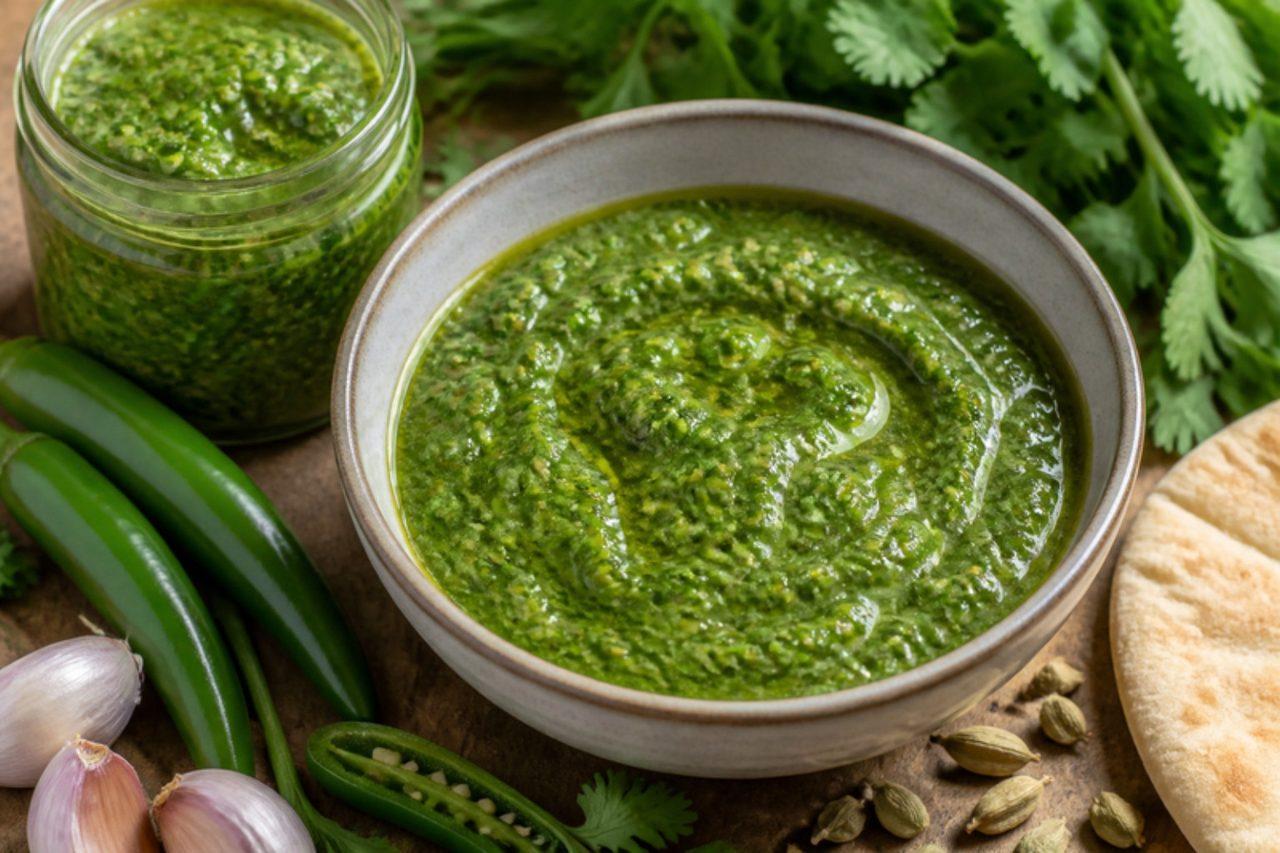
ZhugGreen chilli and coriander sauce

Zhug is the sauce Yemenite Jews brought to Israel, and now it sits beside the tahini and amba at every falafel and sabich stand in Tel Aviv and Jerusalem. Fresh green chillies are ground with a big bunch of coriander, garlic, cumin and cardamom into a bright green, punchy relish with a slow, warming heat. Spoon a little into soup, onto eggs, over jachnun or into a pita. Chef's tip: dry the herbs thoroughly after washing; wet leaves make a watery zhug that goes brown in the fridge.

by KrazyBadal 0 views

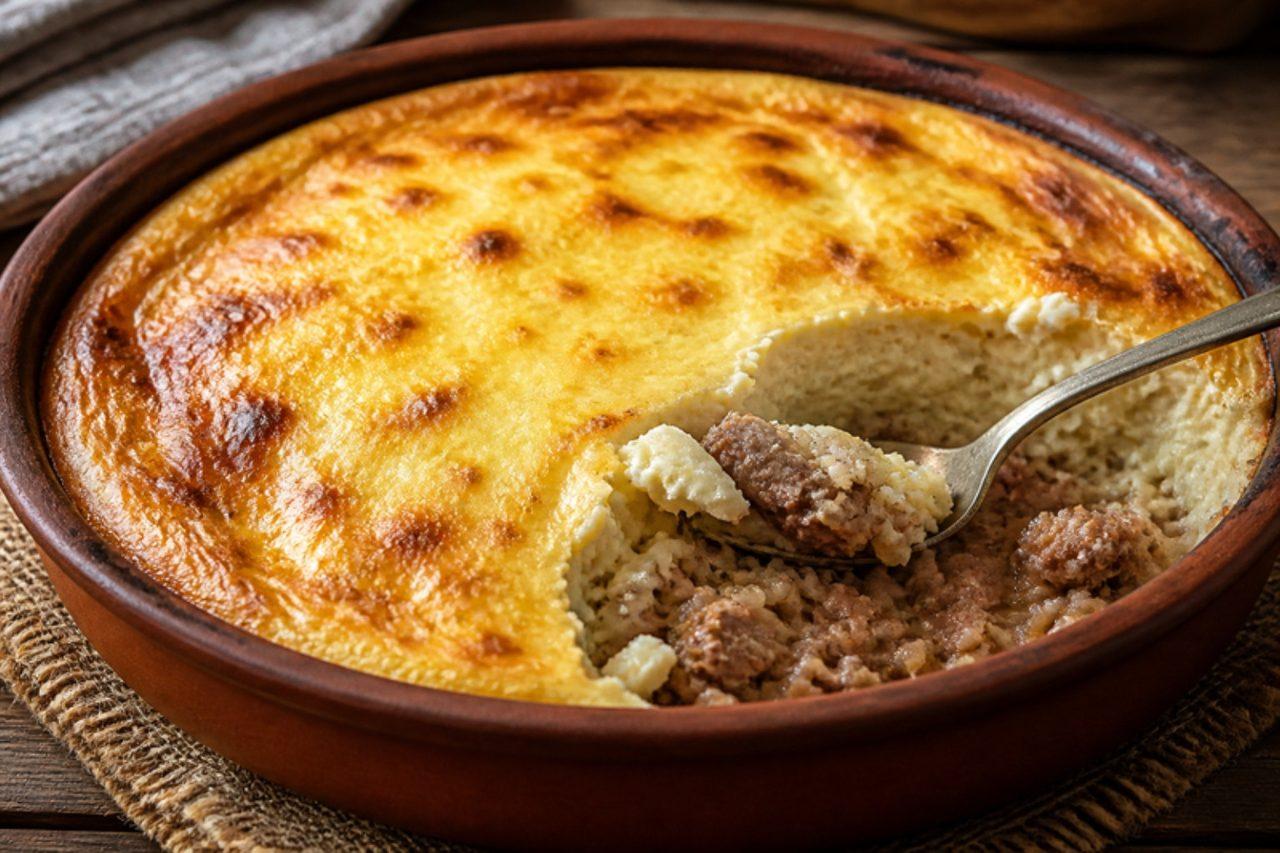
Tavë kosiBaked lamb and rice in yogurt

Elbasan, in central Albania, claims tavë kosi as its own and serves it on Dita e Verës, the spring festival in March, though families across Albania and Kosovo bake it all year. Pieces of lamb on the bone are browned with garlic and a little rice, then covered with a thick custard of tangy yogurt, eggs and a butter-flour roux and baked until puffed and golden on top. Inside, the custard stays soft and slightly sour against the rich meat. A classic slip is using thin, low-fat yogurt, which splits in the oven; use full-fat strained yogurt. Chef's tip: let the yogurt come to room temperature and whisk the warm roux in slowly, so the custard stays smooth.

135 minBalkanMeat
by KrazyBadal 0 views

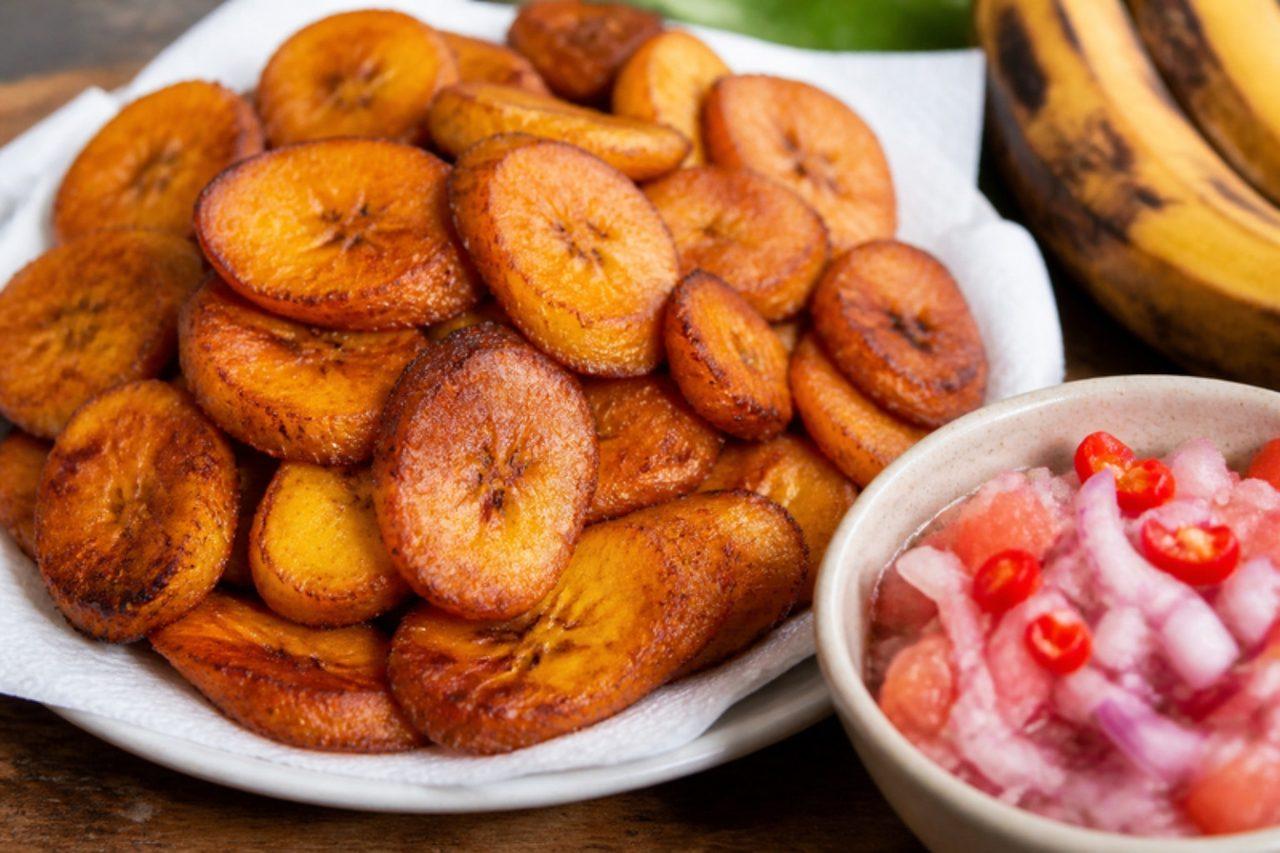
AllocoFried plantain with chilli sauce

Alloco is the evening street food of Abidjan, fried in palm or vegetable oil in big pans by vendors around the Allocodrome in Cocody and in every neighbourhood. Very ripe plantain is cut into thick slices or cubes, fried until caramelised at the edges, and eaten with a fiery raw sauce of onion, tomato and chilli. Unlike Ghanaian kelewele it is not marinated in spices: the sweetness of the fruit against the sharp sauce is the whole point. Chef's tip: wait until the plantain skins are mostly black; yellow plantain fries up dry and starchy.

by KrazyBadal 0 views

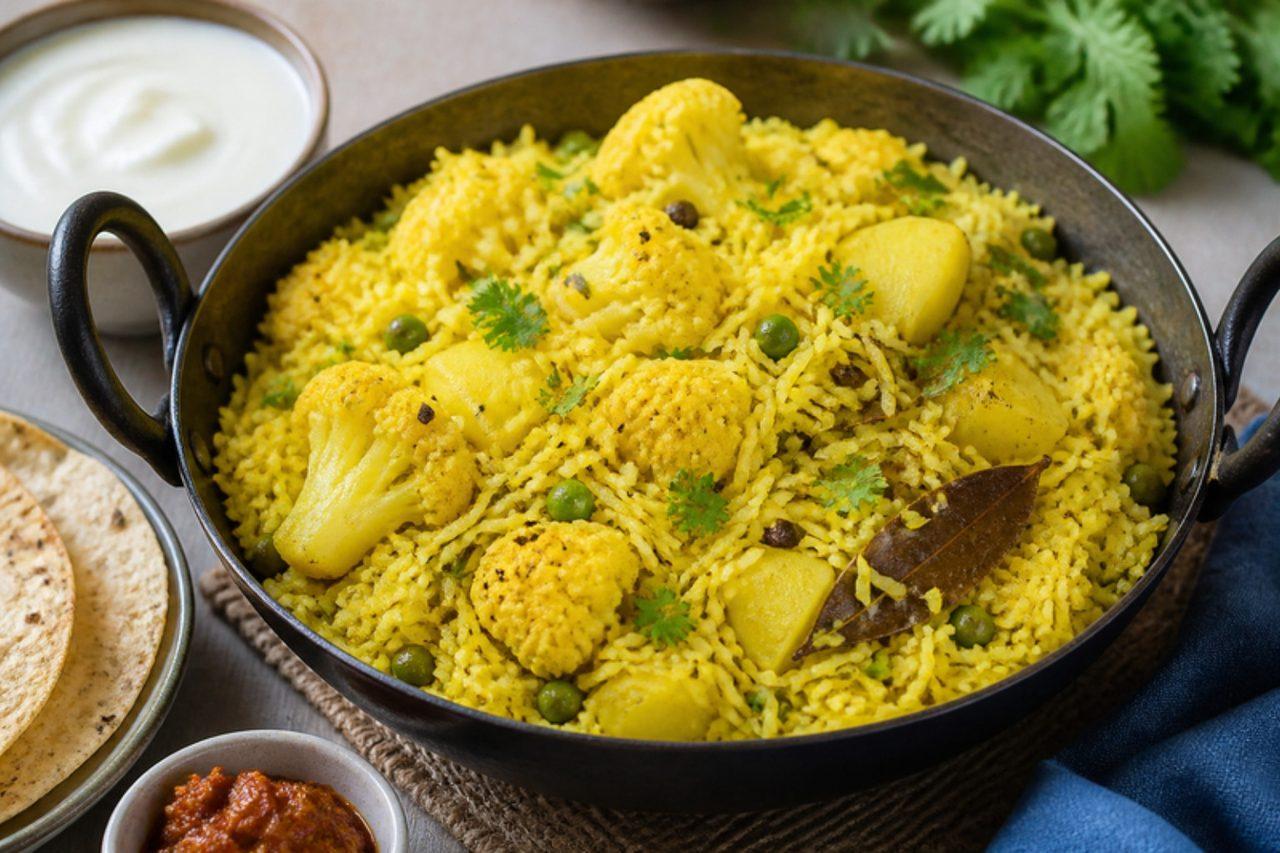
TehriYellow rice with vegetables

In many Uttar Pradesh homes, tehri is what happens on a cold evening when nobody wants to cook three dishes. Rice, potatoes, cauliflower and peas go into one pot with mustard oil, turmeric and whole spices, and come out yellow, fluffy and lightly spiced. Families in Kanpur, Allahabad and Varanasi eat it with plain yogurt, a spoon of mango pickle and roasted papad, and it is also cooked for winter picnics. It differs from pulao in its turmeric colour and the sharp warmth of smoked mustard oil. A frequent mistake is stirring after the water goes in, which breaks the grains and makes the rice gluey. Chef's tip: heat the mustard oil until it just smokes, then let it cool for a few seconds before adding spices; this mellows its bite without losing the flavour.

by KrazyBadal 0 views

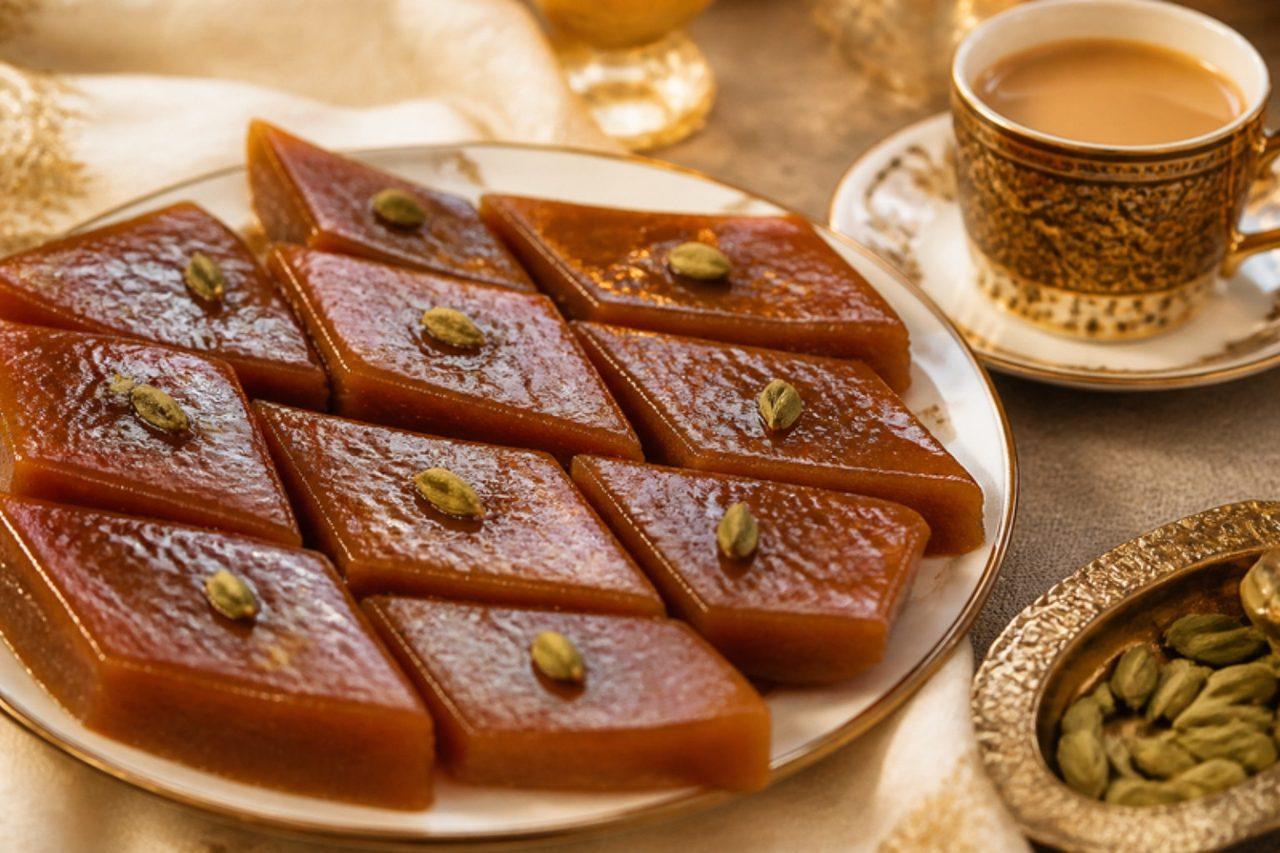
XalwoCardamom halwa

Xalwo is the sweet of Somali celebrations: weddings, Eid and the arrival of guests are all marked with a tray of this dark, glossy, chewy confection, cut into diamonds and served with coffee or spiced tea. Sugar is caramelised, then cooked slowly with cornflour and oil or ghee while the cook stirs without stopping until it pulls away from the pan. It is a cousin of Omani and Yemeni halwa. Chef's tip: stir constantly and keep going until the oil starts to separate and shine on the surface; stopped early, xalwo stays soft and does not set.

by KrazyBadal 0 views

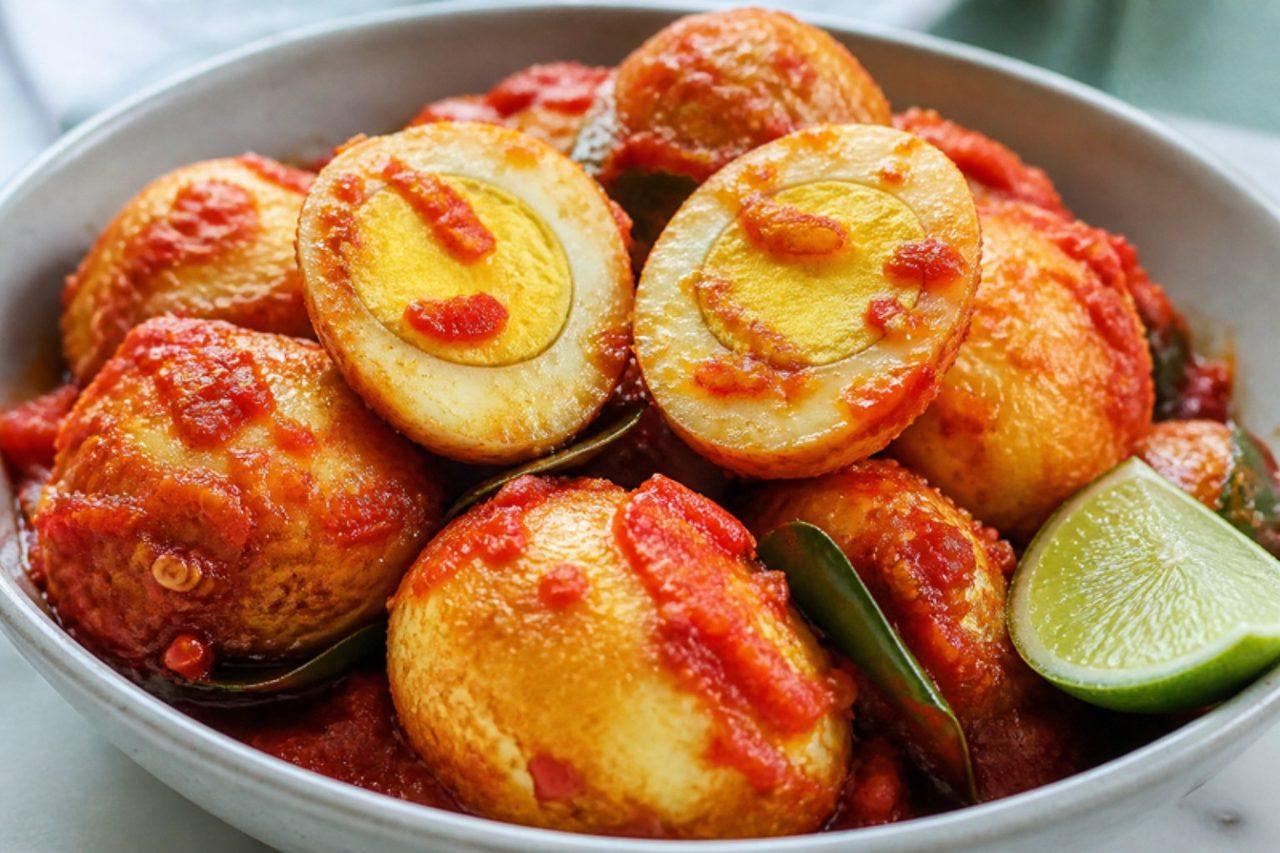
Telur baladoFried eggs in chilli sambal

Telur balado is a fixture of the nasi Padang counter and of West Sumatran home cooking: hard-boiled eggs fried until their whites blister and turn golden, then smothered in balado, the coarse red sambal of chilli, shallot and tomato that the Minangkabau cook with almost everything. The fried skin of the eggs grips the sauce, and the sambal is bright and fresh rather than long-cooked. It's a cheap, quick weekday lunch with rice and greens, and it travels well in lunch boxes. Chef's tip: grind the balado coarse, not smooth — the Padang version should look rough and glossy, with visible flecks of chilli skin.

by KrazyBadal 0 views

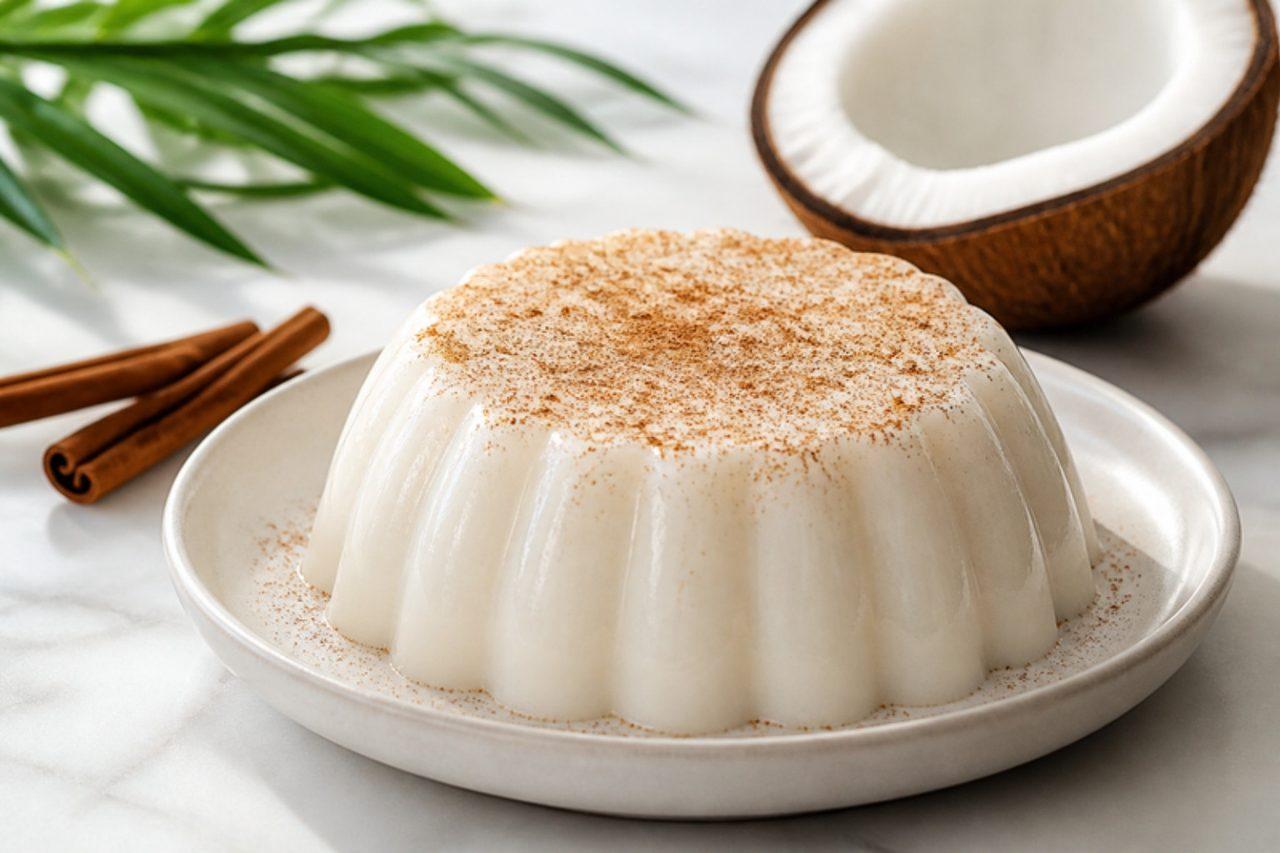
TemblequeCoconut milk pudding

Tembleque gets its name from the way it shivers (tiembla) when you set it on the table, and in Puerto Rico it is the dessert of the Christmas season, from the parrandas of December through to the Three Kings in January. It's nothing more than coconut milk, sugar and cornflour cooked into a silky custard, poured into a mould and chilled until it holds its shape. It is cool, pure white, lightly sweet and tastes completely of coconut, with a blush of cinnamon on top. Chef's tip: use full-fat tinned coconut milk; light coconut milk sets thin and tastes watery.

by KrazyBadal 0 views

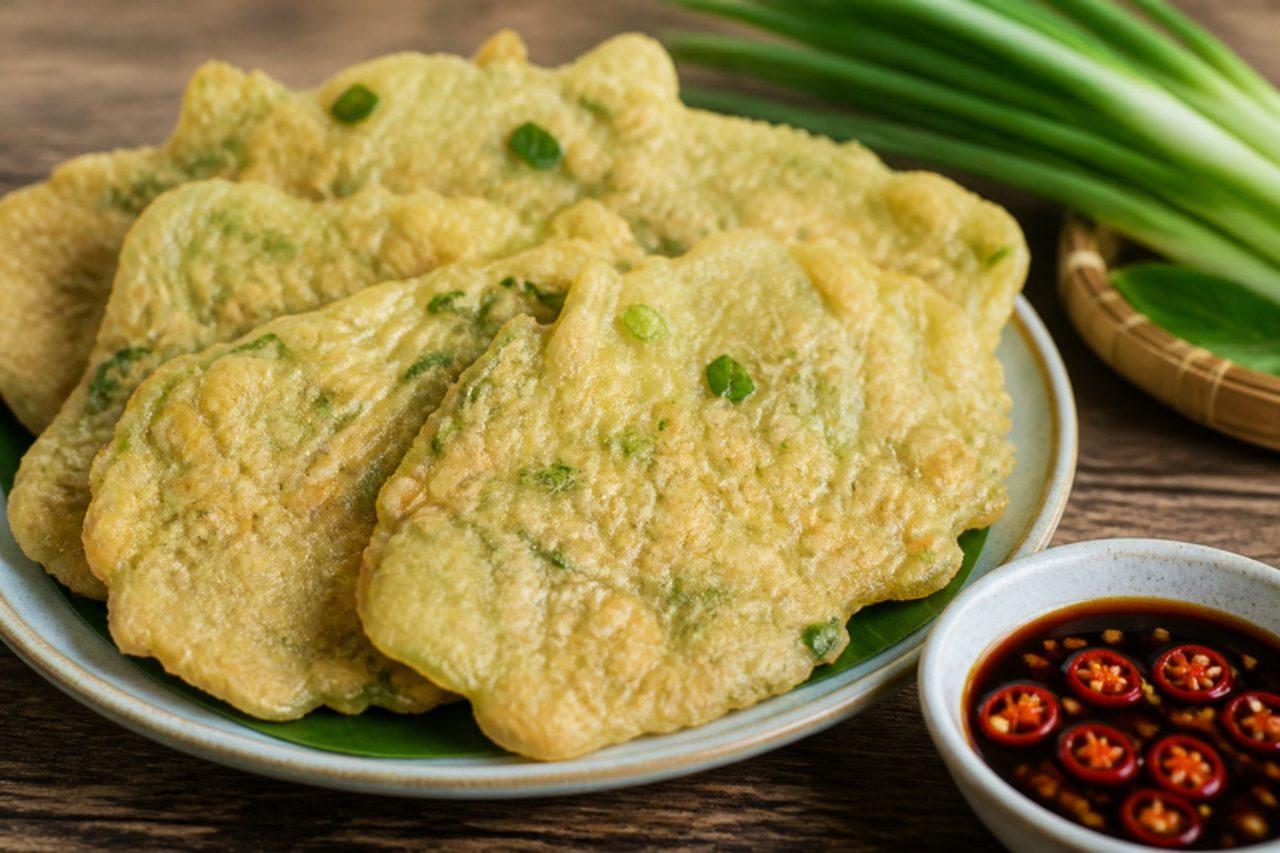
Tempe mendoanBattered fried tempeh

Mendoan comes from Banyumas in Central Java, and in Purwokerto it's sold by the stack at every roadside stall, eaten warm with a raw bird's eye chilli bitten between mouthfuls or dunked in sweet soy. The name comes from the Banyumas word mendo, meaning half-cooked: the batter is deliberately fried only until set and pale, so it stays soft and bendy rather than crisp. Make it with thin, wide tempeh slices so each one is mostly batter and herbs. Chef's tip: fry for barely a minute a side in very hot oil and pull the slices out while they're still pale gold and floppy — that limp, tender texture is the whole point.

by KrazyBadal 0 views

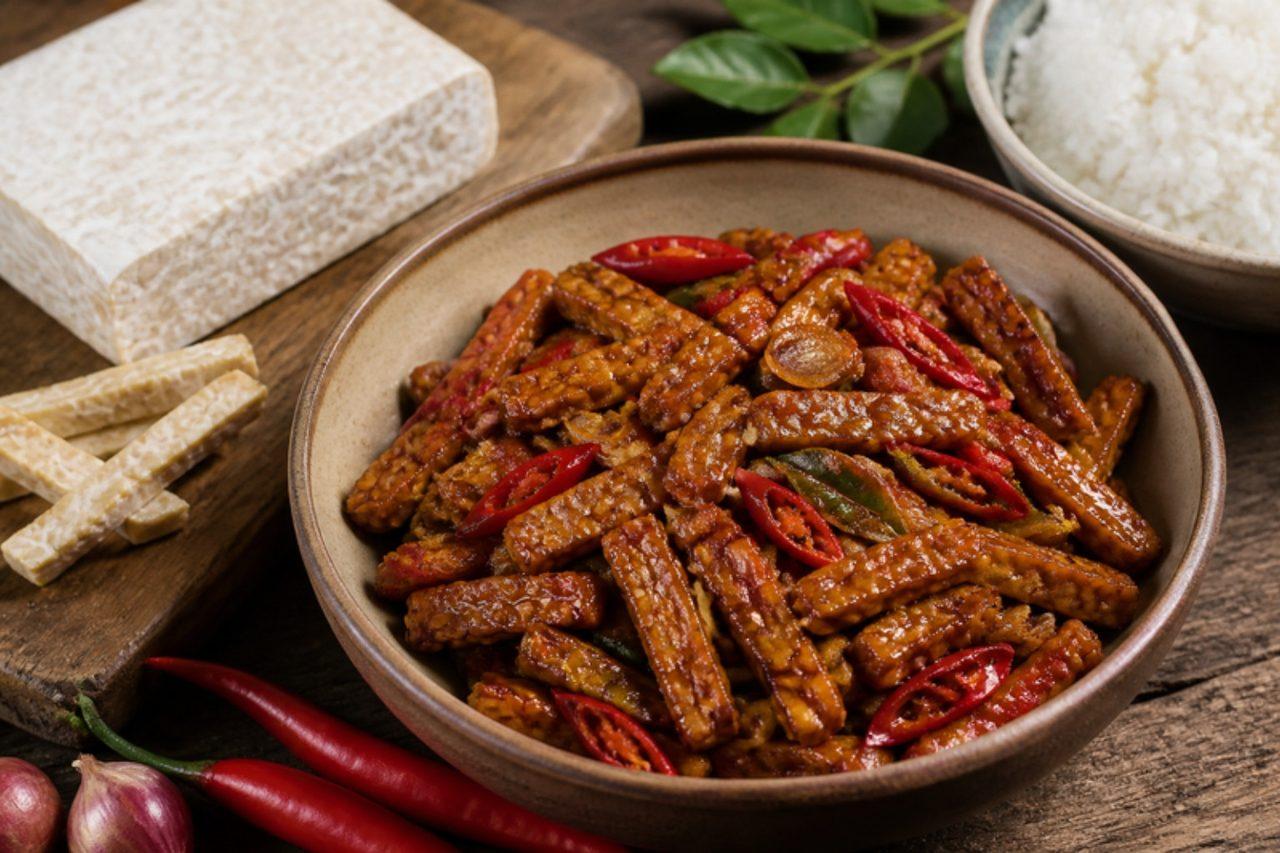
Tempe orekSweet crisp tempeh

Across Java, tempe orek is the side dish every household keeps in a tub: crisp sticks of tempeh fried and then tossed in a sweet-salty glaze of kecap manis, palm sugar, garlic and chilli. It goes into lunch boxes with plain rice, onto nasi campur plates, and lasts several days without losing its chew, which is why student boarding houses and office canteens rely on it. Some cooks add peanuts or green beans; this version stays classic. Chef's tip: fry the tempeh sticks properly crisp before glazing and keep the glaze to a thick syrup, so the tempeh stays crunchy rather than going soft.

by KrazyBadal 0 views

TequeñosFried cheese sticks

Tequeños are said to come from Los Teques, the town in the hills outside Caracas, and they are the party food of Venezuela: no birthday, wedding or office celebration is without a tray of these crisp pastry fingers wrapped around salty white cheese. The dough is spiralled around the cheese, then fried so the pastry is crunchy and the cheese just starts to melt. Serve with guasacaca (avocado sauce) or a sweet chilli dip. Use a cheese made with vegetarian rennet. Chef's tip: overlap each spiral of dough slightly and seal the ends well, or the cheese escapes into the oil.

by KrazyBadal 0 views

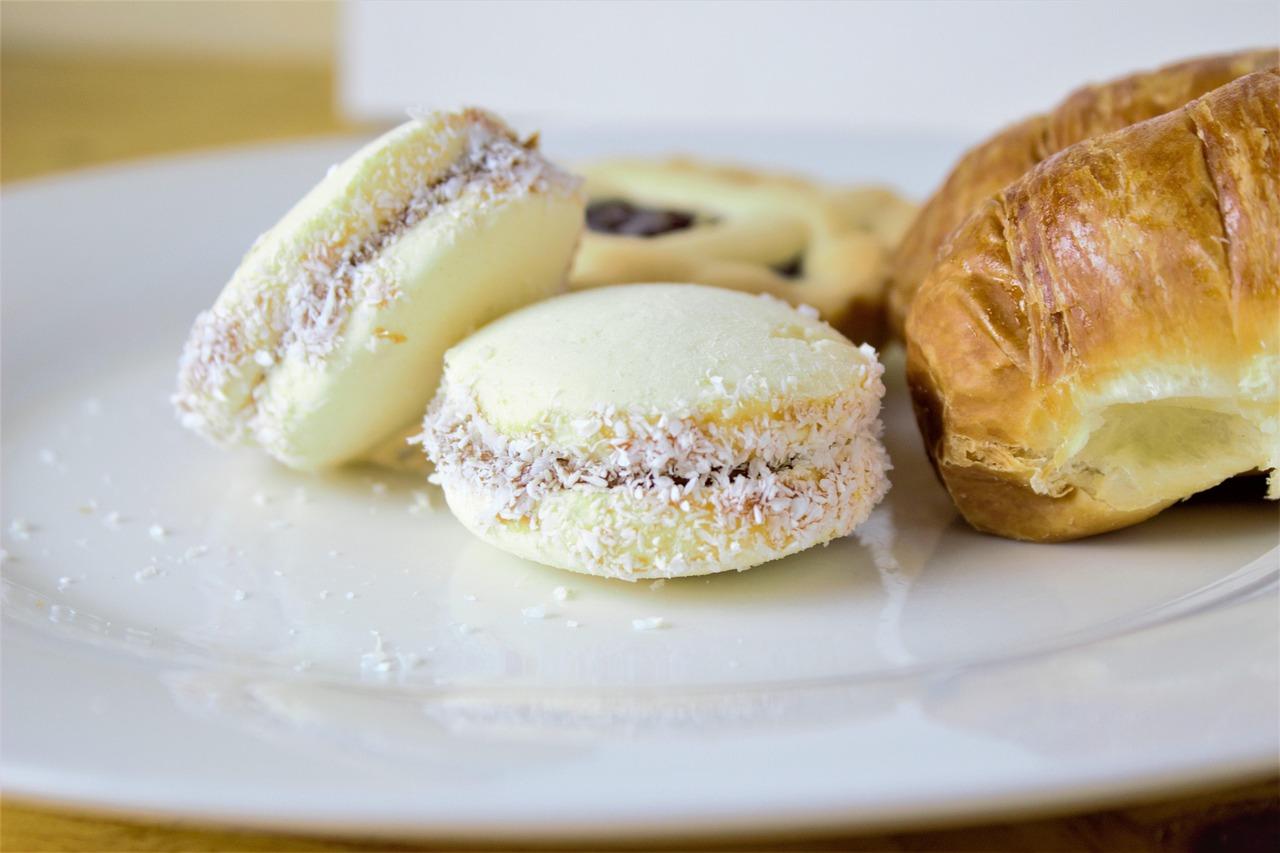
Alfajores de maicenaCornflour dulce de leche sandwich cookies

Alfajores de maicena are the homemade alfajor of Argentina and Uruguay, baked for birthdays, school fairs and merienda (afternoon tea) with mate. Two pale, melt-in-the-mouth biscuits made mostly with cornflour are sandwiched with a thick layer of dulce de leche and rolled in desiccated coconut around the edge. They should crumble at the first bite. Chef's tip: take them out of the oven while still pale; if they colour they lose their tender, sandy texture.

by KrazyBadal 0 views

ThiakryMillet couscous with sweet yogurt

Thiakry, called dégué in Mali and Burkina Faso, is the creamy dessert of Senegalese weddings, naming ceremonies and Tabaski: pellets of steamed millet stirred into sweetened yoghurt and soft fromage frais, scented with vanilla and nutmeg and served cold. Ready-made millet granules (arraw or sankhal) are sold in African grocers, which makes it a 15-minute job. Raisins and a little coconut are common in Dakar. Chef's tip: steam or soak the millet fully before it meets the yoghurt; undercooked grains stay hard and gritty in the cold.

by KrazyBadal 0 views

Terong baladoFried aubergine in chilli sambal

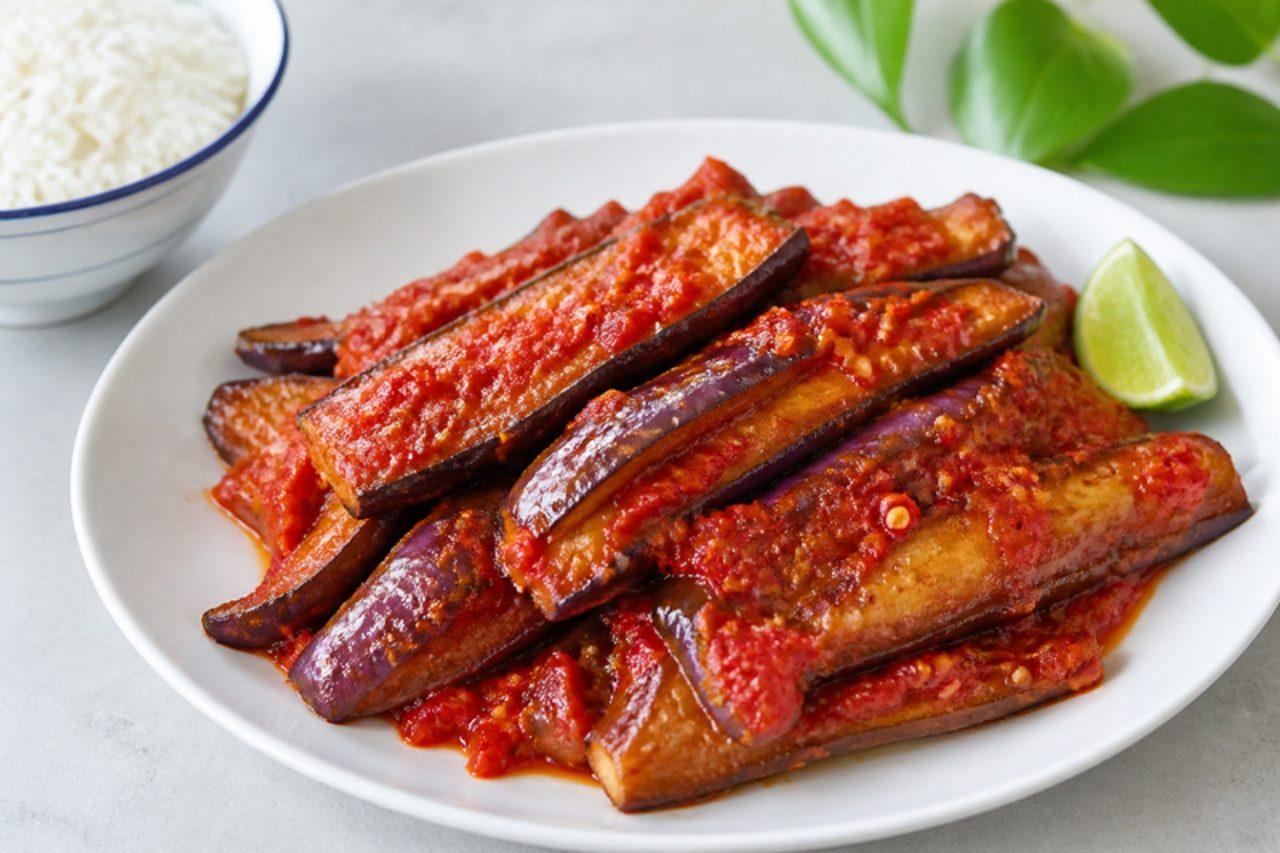
Balado is the Minangkabau way of smothering fried food in a coarse, shiny red chilli sambal, and in West Sumatra the aubergine version is a daily home dish as much as a restaurant one. The aubergine is fried until soft and creamy inside, then folded into a sambal of red chillies, shallots and tomato cooked down until sweet. Serve it at room temperature with rice and fried tofu. Chef's tip: grind the chillies coarsely rather than to a purée; Padang cooks want flecks of skin and seed in a balado.

by KrazyBadal 0 views

XawaashSomali spice blend

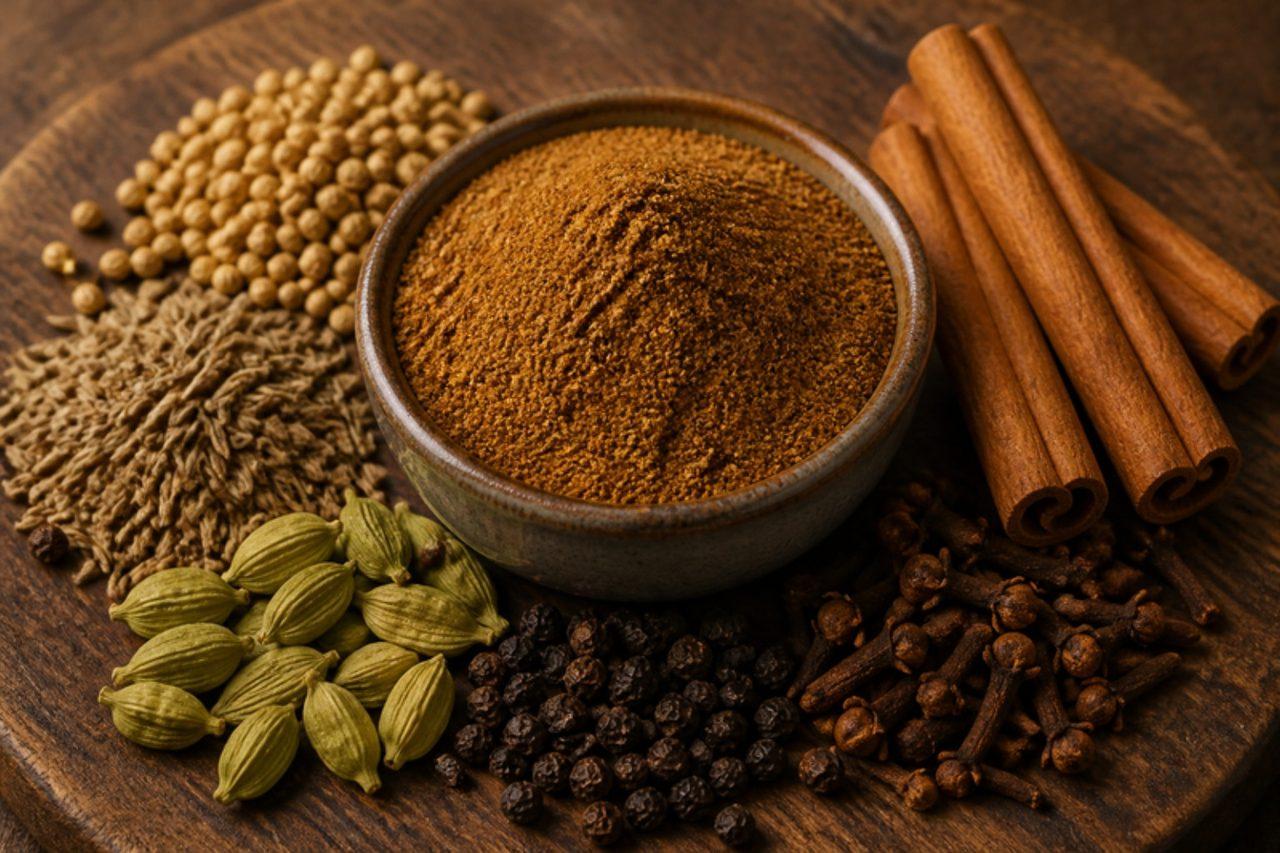
Xawaash (pronounced 'ha-wash') is the spice mix every Somali kitchen keeps in a jar, used in rice, soups, stews, sambuusa fillings and even tea. Families toast and grind their own, often in quantity before Ramadan, and the balance of warm cumin, earthy coriander and sweet cardamom and cinnamon varies from house to house. It is different from Yemeni hawaij and Ethiopian berbere: there is no chilli in it. Chef's tip: toast each spice only until it darkens a shade and smells warm; burnt cumin turns the whole jar bitter.

by KrazyBadal 0 views

ThalipeethMultigrain flatbread

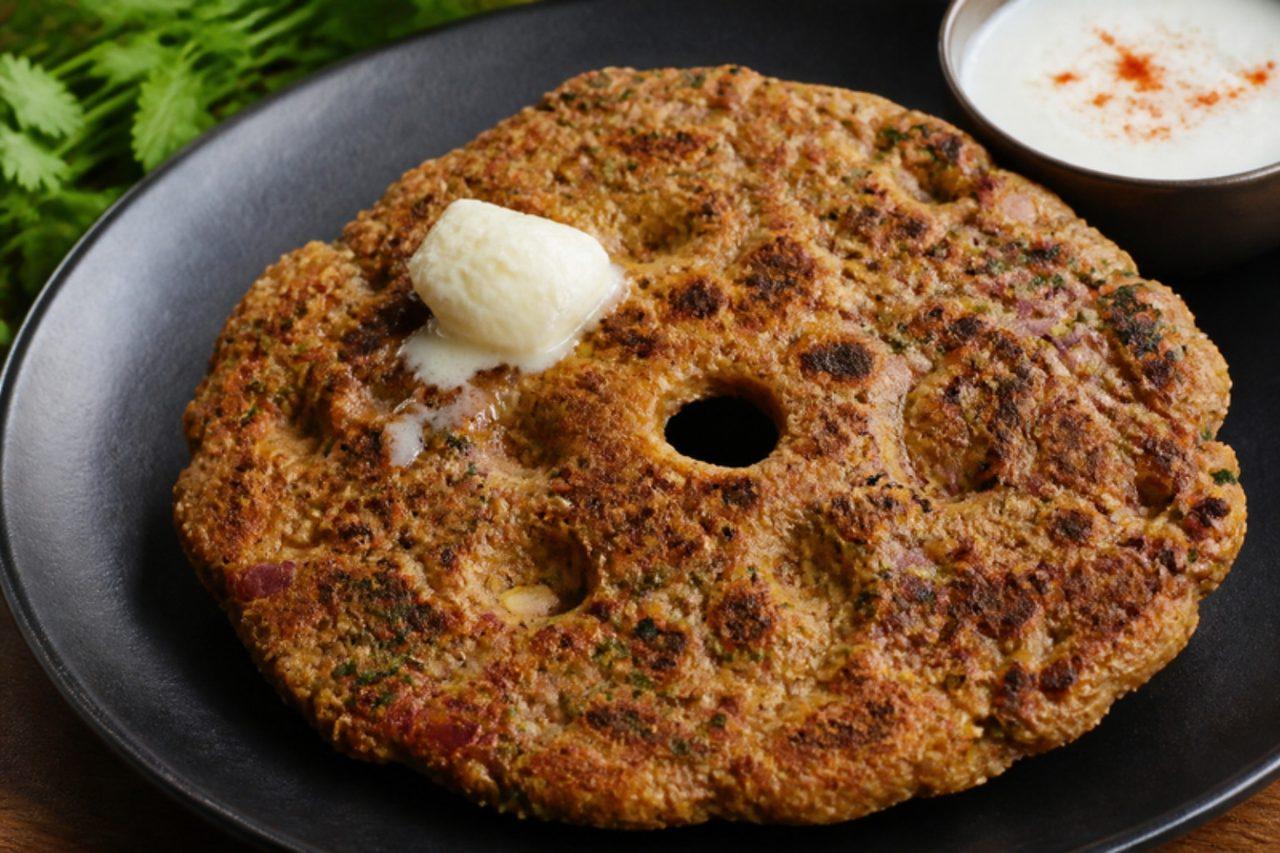
Thalipeeth is a rustic Maharashtrian flatbread made from bhajani, a flour of roasted grains and lentils. The dough is soft and sticky with onion, green chilli and coriander, and is patted out by hand straight onto the pan, with holes poked in it so the oil can crisp it from both sides. It comes off the tawa crunchy at the edges and soft in the middle, smoky with cumin and coriander seed. Eat it hot for breakfast with thick yogurt, white butter or a garlic and peanut chutney, or with lemon pickle. Chef's tip: pat the dough out on a damp cloth or wet baking paper and flip it straight onto the pan; it's too soft to roll, and wet hands keep it from sticking.

by KrazyBadal 0 views

Thayir sadamCurd rice

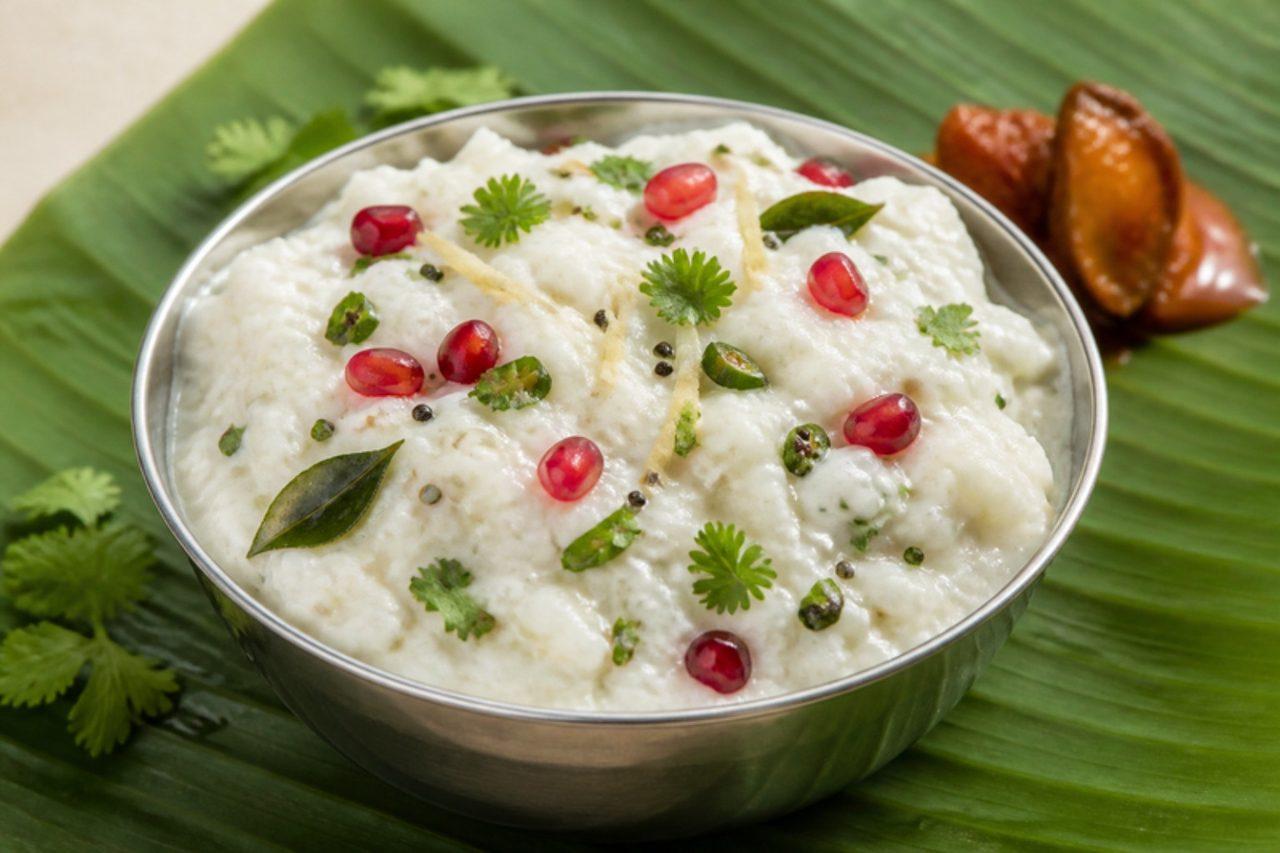
No Tamil meal is really finished without thayir sadam. It's the last course on a banana-leaf lunch, the comfort food packed for train journeys and school tiffins, and the prasadam handed out in some Tamil Nadu temples. Soft, mashed rice is mixed with cool yogurt and a splash of milk, seasoned with ginger, green chilli and curry leaves popped in hot oil, then dotted with pomegranate, grated carrot or green grapes. It's eaten slightly cool with a spoonful of pickle or a fried vathal on the side. Chef's tip: mix a little milk in with the yogurt; it keeps the rice creamy and stops it turning sour if you pack it for lunch several hours ahead.

by KrazyBadal 0 views

ThekuaWheat and jaggery cookies

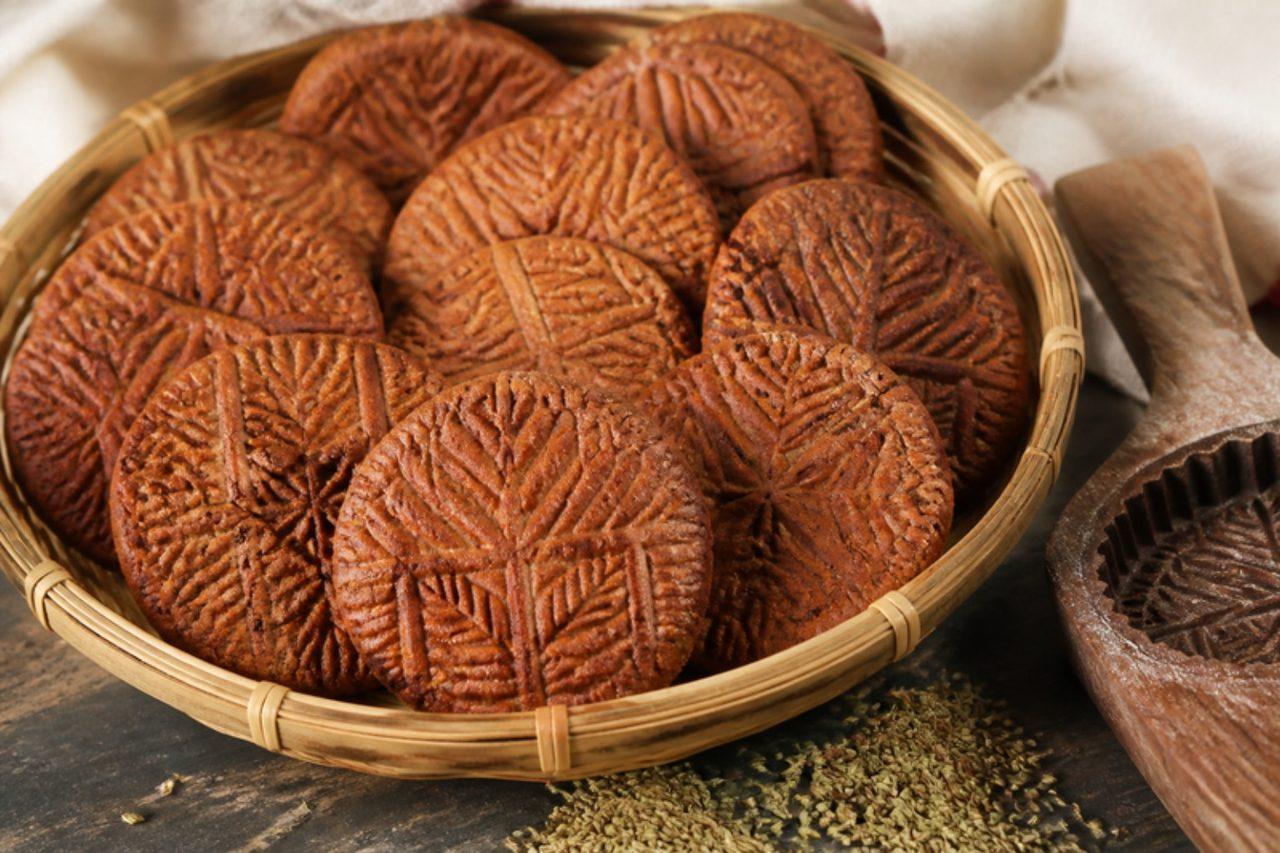
During Chhath Puja, when families across Bihar stand in rivers and ponds to make offerings to the setting and rising sun, thekua fill the bamboo baskets carried to the ghats. Women make them at home in the days before, pressing jaggery-sweetened wheat dough into carved wooden moulds (sancha) and frying them in ghee until dark and crunchy. Outside the festival they are the snack Bihari students take back to hostels in the city, because they keep for weeks. Chef's tip: the dough must be stiff, and the frying slow; soft dough loses the pattern and hot oil leaves them pale and soft inside.

by KrazyBadal 0 views

ThethriGram flour twists

No Teeja in Chhattisgarh passes without a tin of thethri: knotted and twisted pieces of gram-flour dough, seasoned with ajwain and chilli and fried slowly until they shatter when you bite. Married daughters coming home for the festival are sent back with them, alongside the sweet khurmi, and they keep for weeks. Each family has its favourite shape, from simple knots to little spirals and braided rings. Chef's tip: fry on a medium-low flame and be patient; thethri fried hot puff up and brown outside but stay soft and chewy inside.

by KrazyBadal 0 views

ThieboudienneFish and rice in tomato broth

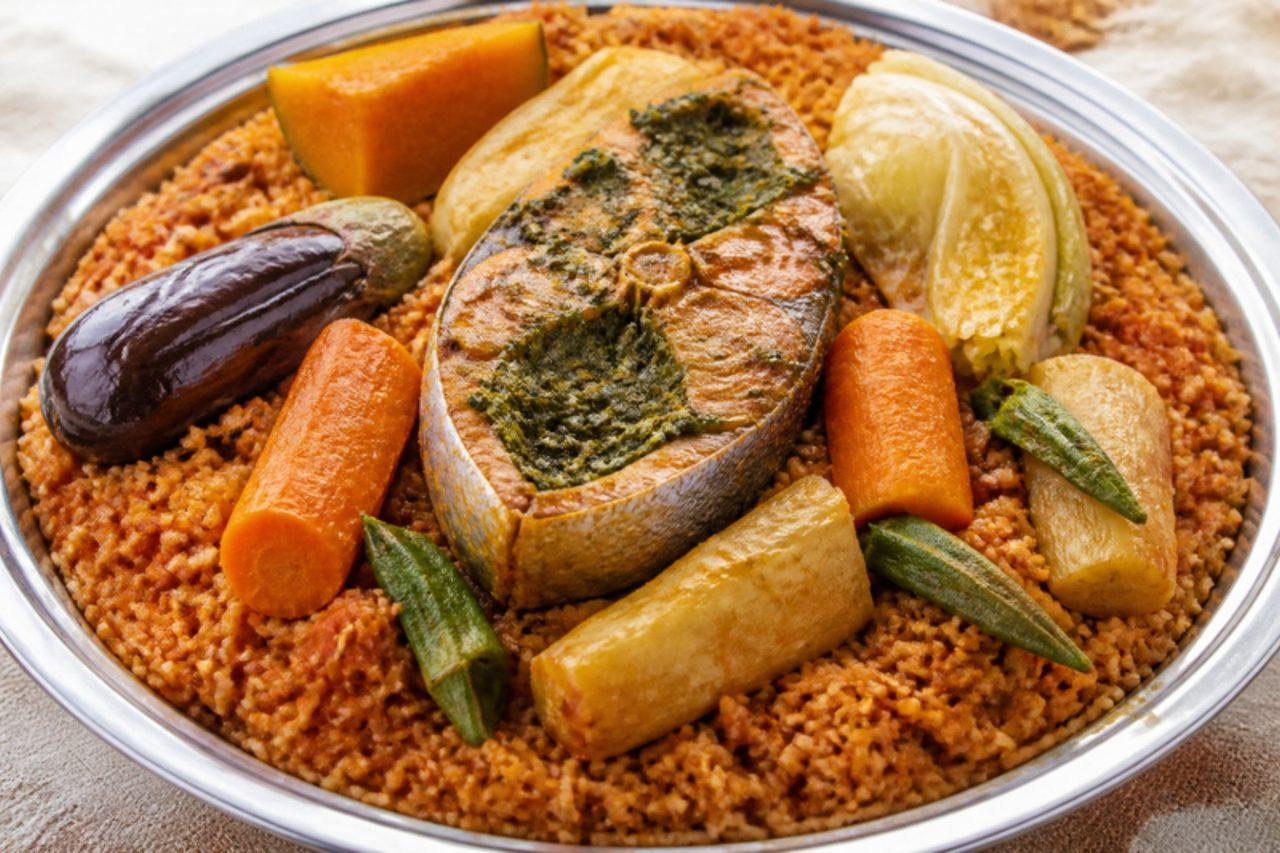
Ceebu jën, "rice and fish" in Wolof, is the dish Saint-Louis claims as its own and the whole of Senegal cooks for the big Friday or Sunday lunch, served on one wide platter that the family eats from together. Thick fish steaks are stuffed with a green paste of parsley, garlic and chilli, browned, then simmered in a deep tomato broth with whole cassava, carrot, cabbage and aubergine; the broken rice then soaks up that same broth until it turns orange and fragrant. The prized part is the xoon, the crust that forms at the bottom of the pot, which is shared out at the end. The usual mistake is leaving the fish in the pot while the rice cooks, so it falls apart; lift it out with the vegetables and keep it warm. Chef's tip: rinse the broken rice three times and steam it briefly before it goes into the broth, so the grains stay separate instead of turning to porridge.

by KrazyBadal 0 views

ZigniSpicy beef stew

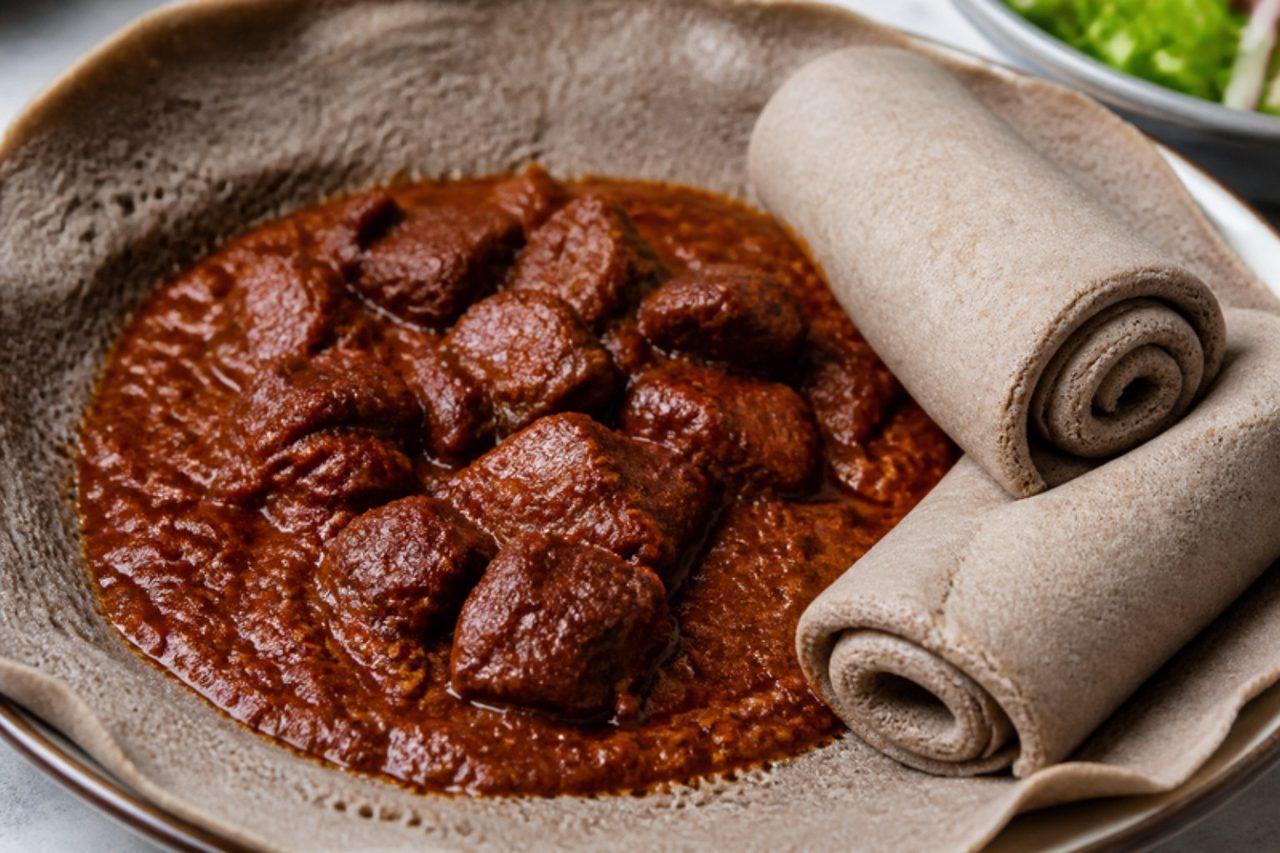
Zigni is the signature stew of Asmara and the Eritrean highlands, served on a wide platter of injera at weddings, Sunday lunches and the end of fasts. Red onions are cooked slowly in a dry pot until they collapse, then berbere, garlic, ginger and tomato go in, followed by beef that simmers until tender in a deep red, peppery sauce finished with spiced butter (tesmi). The mistake is rushing the onions: they must cook down for a good 20 minutes to give the sauce its sweet base. Chef's tip: the onions start in a dry pan with no oil, the traditional way; stir them often and add a splash of water if they catch.

120 minEritreanMeatGluten freeSpicy
by KrazyBadal 0 views

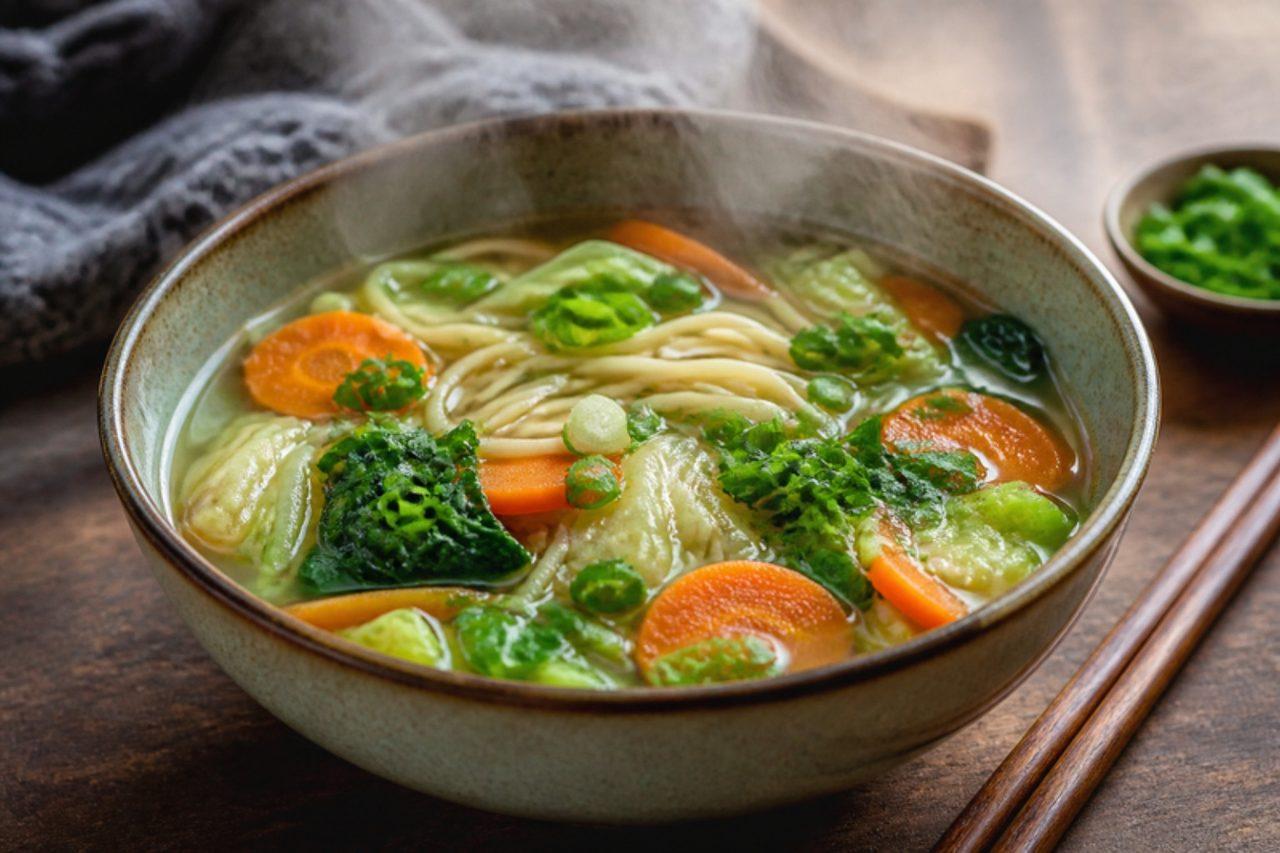
ThukpaHimalayan noodle soup

Thukpa is the warming noodle soup of the Himalayas, eaten in Sikkim, Ladakh and the Tibetan settlements of the hills on cold evenings. A gingery, garlicky broth is cooked with carrot, cabbage and tomato, then wheat noodles and spinach go straight into the pot. It's light yet filling, savoury with soy and pepper and as spicy as you like with chilli on the side. Serve in deep bowls with a squeeze of lemon. Chef's tip: cook the noodles in the soup only just before serving; left standing, they keep drinking up the broth and turn soft.

by KrazyBadal 0 views

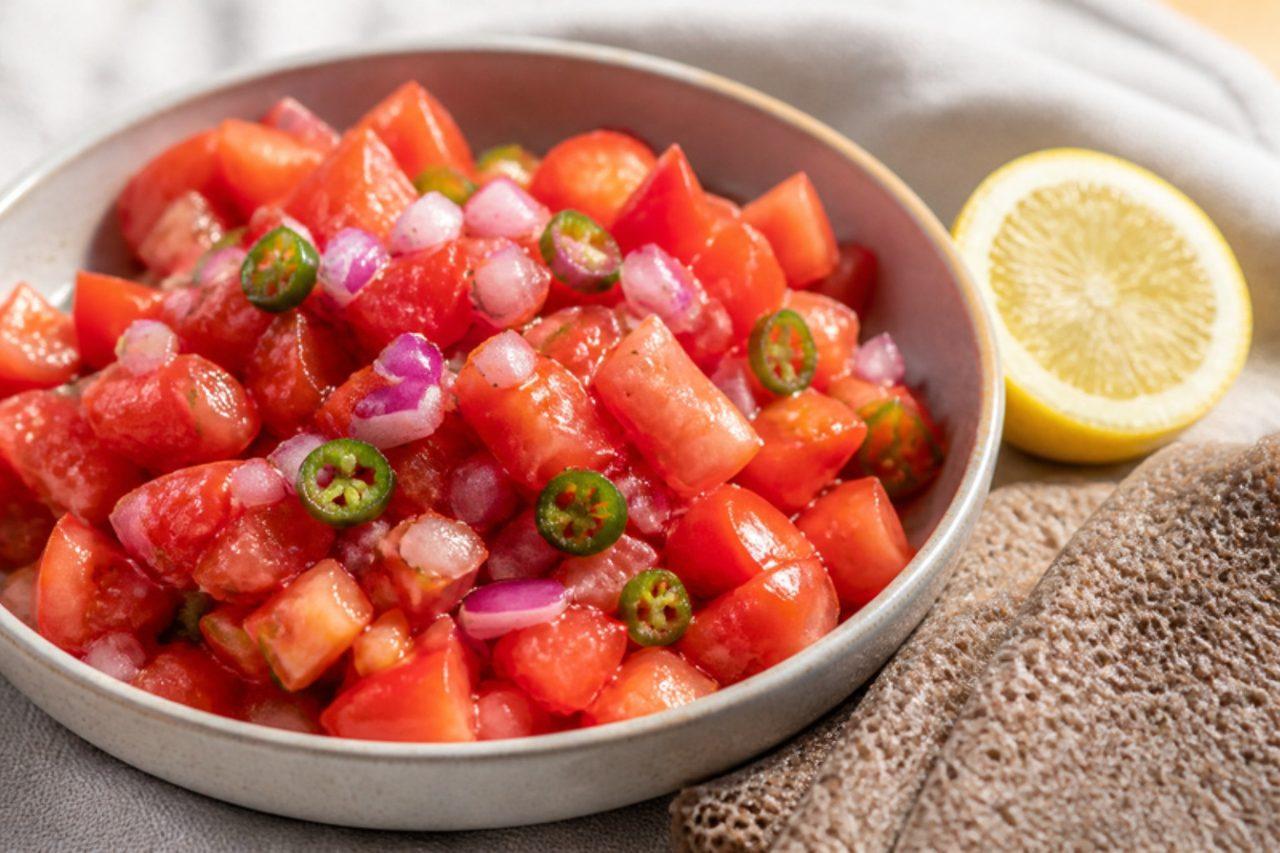
Timatim salataTomato and onion salad

Timatim salata is the cool, crunchy salad served alongside the stews of an Ethiopian meal, from roadside restaurants in Tigray to home tables in Addis Ababa. Ripe tomatoes, red onion and green chilli are dressed with lemon juice and oil, and the salad is left to stand so the juices mingle; mixed with torn injera it becomes timatim fitfit. Chef's tip: salt the tomatoes only a few minutes before serving, or they release so much liquid the salad turns soupy.

by KrazyBadal 0 views

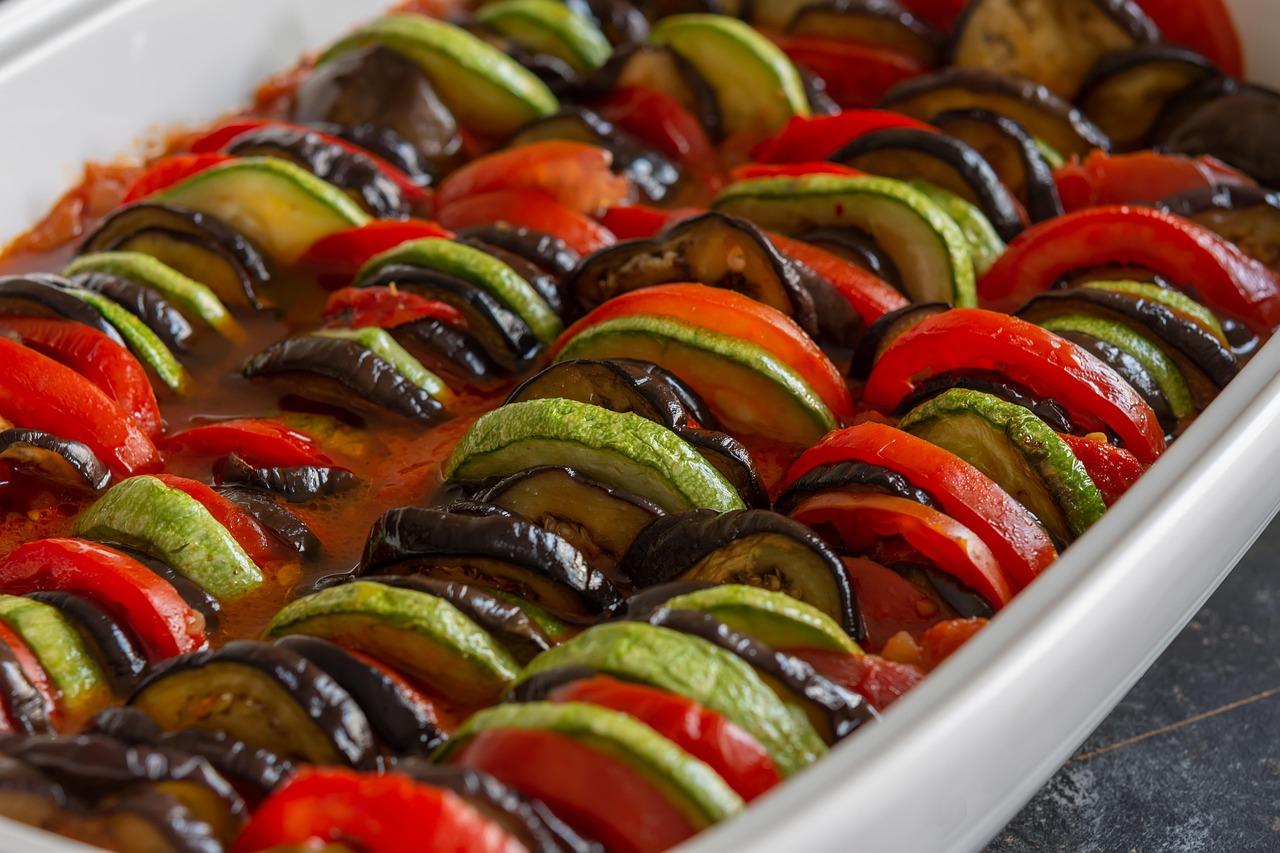
Tian provençalBaked layered summer vegetables

A tian is named after the shallow earthenware dish Provençal cooks use to bake vegetables, and the most famous version lines up thin slices of courgette, aubergine, tomato and onion in tight rows like roof tiles. In Provence it's a Sunday side for the whole family and a light supper with a green salad in summer. The vegetables roast in their own juices with olive oil, garlic and thyme until soft, sweet and lightly browned on top. Unlike ratatouille, nothing is fried first, so it is lighter and more delicate. Chef's tip: choose vegetables of the same width and slice them all 3–4 mm thick; uneven slices are the common mistake and cook unevenly, some raw, some collapsed.

by KrazyBadal 0 views

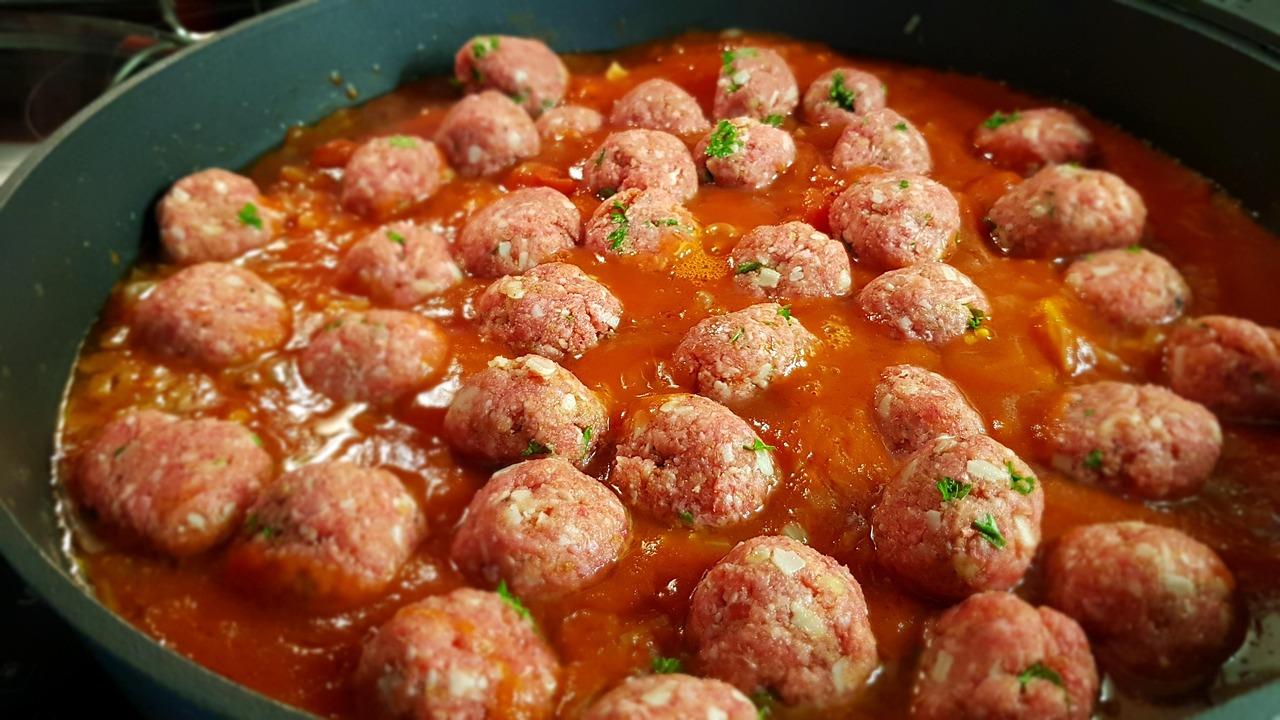
Albóndigas en salsaMeatballs in tomato almond sauce

Albóndigas turn up all over Spain: in a cazuelita on a tapas bar counter, as the second course of a weekday menú del día, and in home kitchens on a Sunday when there is time to roll them. These are made with pork and beef, softened with milk-soaked bread, browned and then simmered in a tomato sauce thickened the old Spanish way with ground fried almonds, which gives it body and a gentle nutty sweetness. Serve them with chips, rice or plenty of bread. They taste even better the next day. Chef's tip: wet your hands with cold water before rolling each meatball; the mixture won't stick and the balls come out smooth and round.

by KrazyBadal 0 views

Ala thel dalaDevilled potatoes

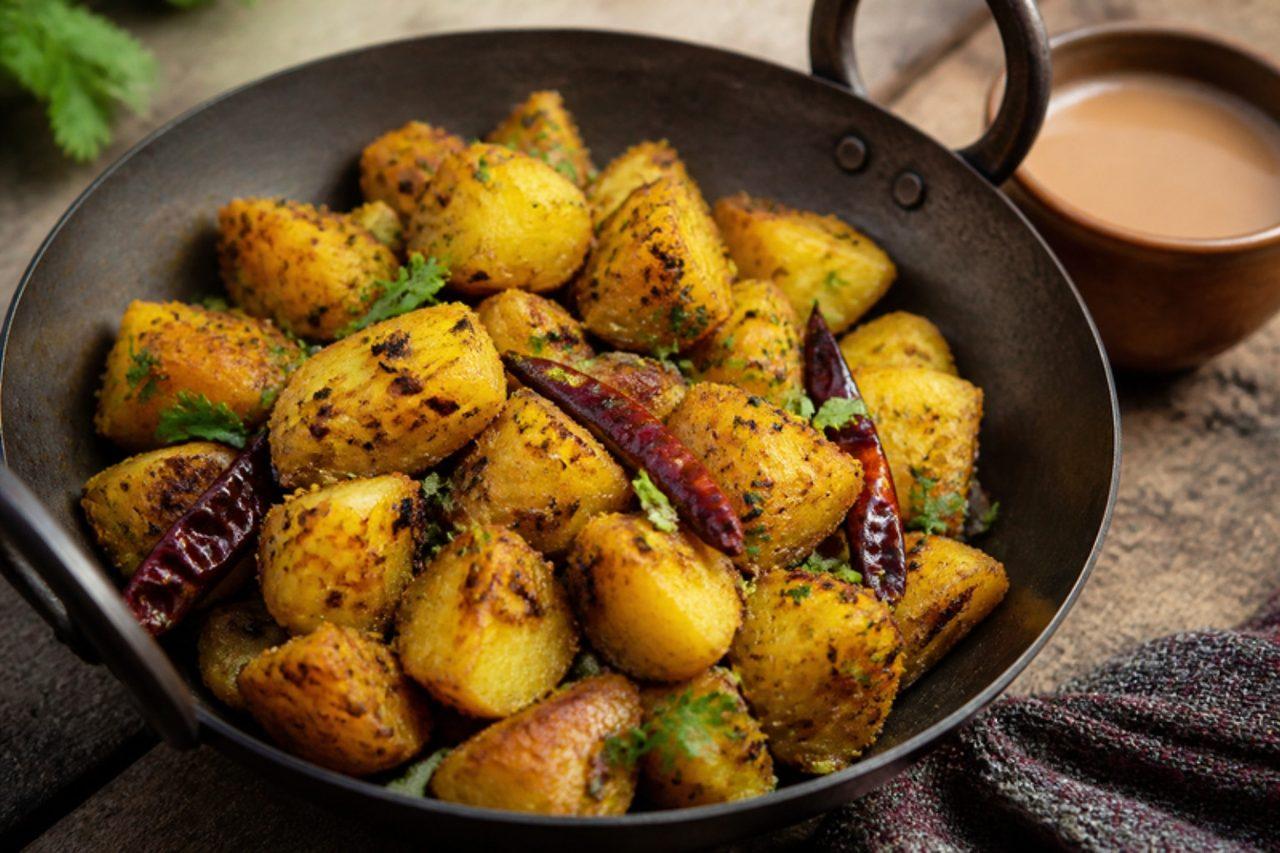
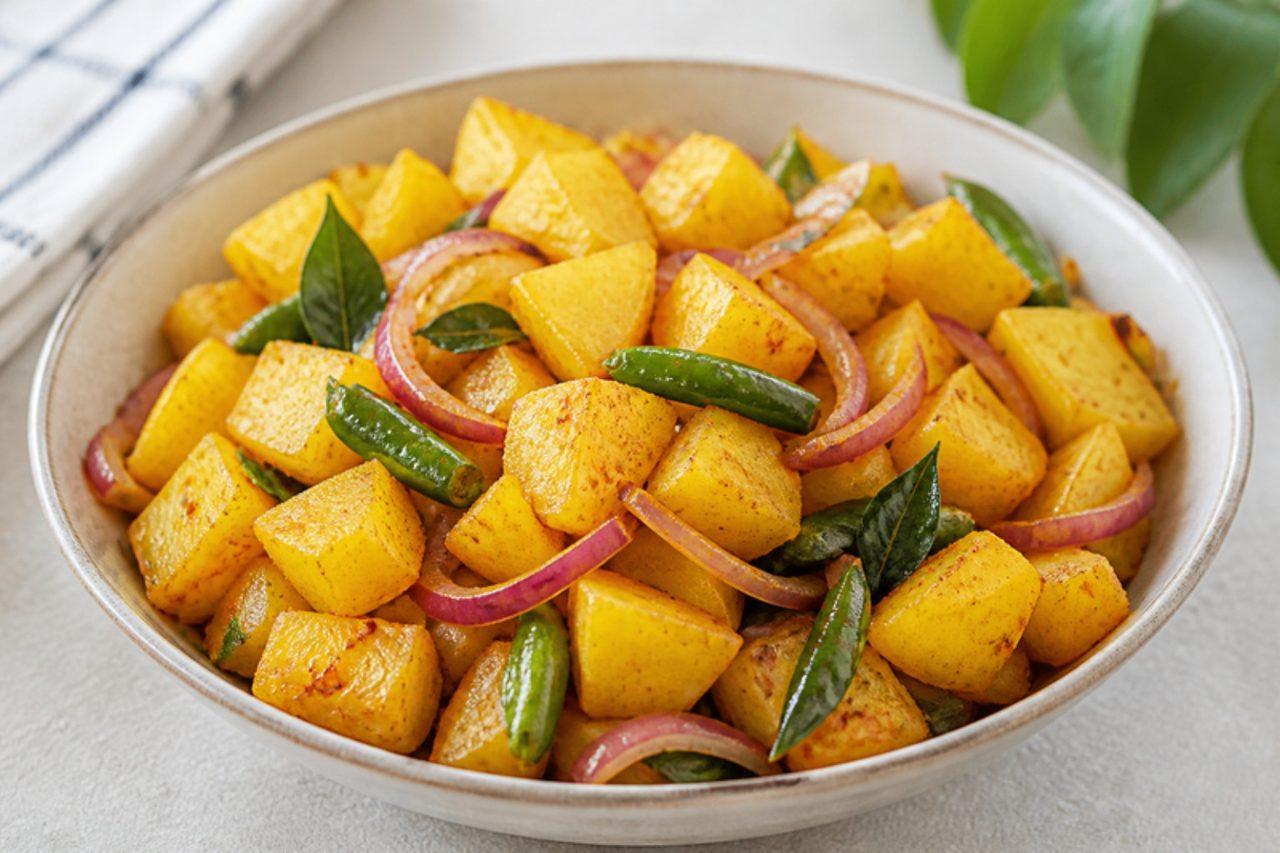
Ala thel dala means 'potato tempered in oil', and it's the quick, fiery potato fry that Sri Lankan mothers make when there's no time for a full curry, served with rice, packed into a lunch box with parippu, or eaten with bread at breakfast. Boiled potato cubes are tossed in hot oil with mustard seeds, plenty of red onion, curry leaves, turmeric and roughly crushed dried chilli until the edges turn golden and the onion goes soft and sweet. Unlike an Indian aloo sabzi there are no ground cumin or coriander, just chilli heat, onion and curry leaf. The usual mistake is boiling the potatoes until they're soft right through; they then break up in the pan. Chef's tip: stop boiling when a knife still meets a little resistance in the middle; the potatoes finish cooking in the pan and keep their shape.

by KrazyBadal 0 views

Showing 81 of 10,569 recipes

Show more recipes

Page 1,068 of 1,175