Skip to content
Arepitas dulces
Featured recipe

Arepitas dulces

Sweet fried corn cakes

In Lara and the Andean states of Trujillo and Mérida, breakfast often comes with a basket of arepitas dulces: small, puffy fried arepas made with corn and wheat flour, sweetened with papelón (unrefined cane sugar) and scented with anise seed. They are crisp outside, soft and cakey inside, and are split and filled with salty white cheese or eaten with coffee. The common mistake is frying them in oil that is too hot, so they brown before the middle cooks; keep the oil at about 170 °C. If you fill them with cheese, note that some white cheese is made with animal rennet, so choose a vegetarian one. Chef's tip: dissolve the papelón in the warm water first, so the sugar is spread evenly and doesn't form dark burnt spots in the oil.

Read more 0 views

What to eat today?

Around the world

Today's trip: Persian

A new country every day, from every cuisine on the site.

Persian

Ash-e doogh

Yogurt soup with rice and chickpeas 60 minMore from Persian (131) →

This week's collection

Kid-friendly dinners
537 recipes · a new collection every Monday

Latest recipes

Rum ballsChocolate rum balls

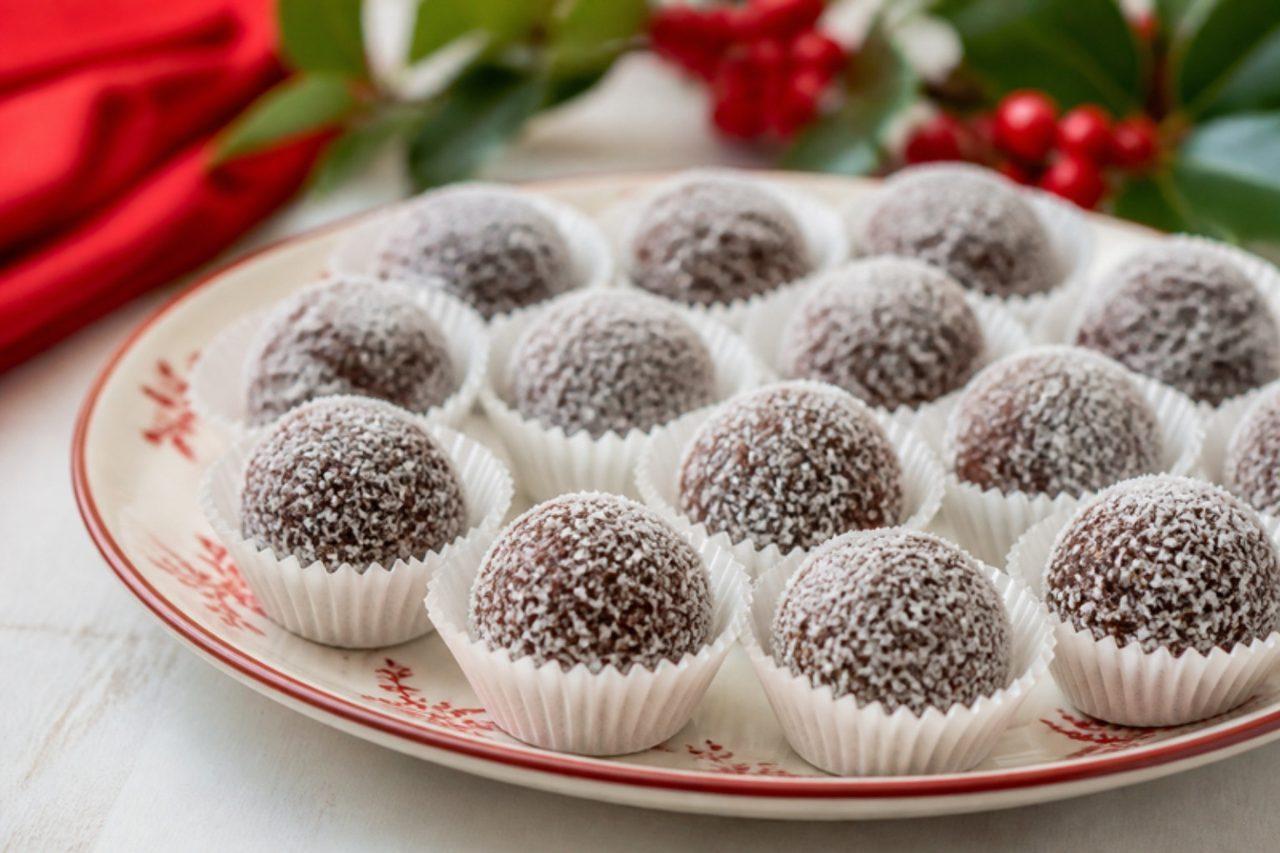
Rum balls are the grown-ups' Christmas sweet in Australia, rolled by the trayful in December and handed round at end-of-year parties from Sydney to Perth. They are made from chocolate cake crumbs or crushed biscuits, condensed milk, cocoa and dark rum, rolled in coconut. They contain alcohol and are for adults only; for children or anyone avoiding alcohol, use rum essence and a splash of orange juice instead. A common mistake is a mix that's too wet; chill it before rolling. Chef's tip: make them a day ahead so the flavours mellow.

by KrazyBadal 0 views

Finger bunsIced coconut finger buns

Finger buns are the classic Australian school canteen and tuckshop bun, sold in every suburban bakery and supermarket from Perth to Brisbane: soft, slightly sweet long rolls, sometimes with sultanas, topped with bright pink icing and a scatter of desiccated coconut. Kids eat them split and buttered. A common mistake is icing them warm, which makes it run off; let them cool completely. Chef's tip: brush them with a sugar glaze straight from the oven for a soft, shiny crust under the icing.

by KrazyBadal 0 views

Liangban zhusunCold bamboo shoots

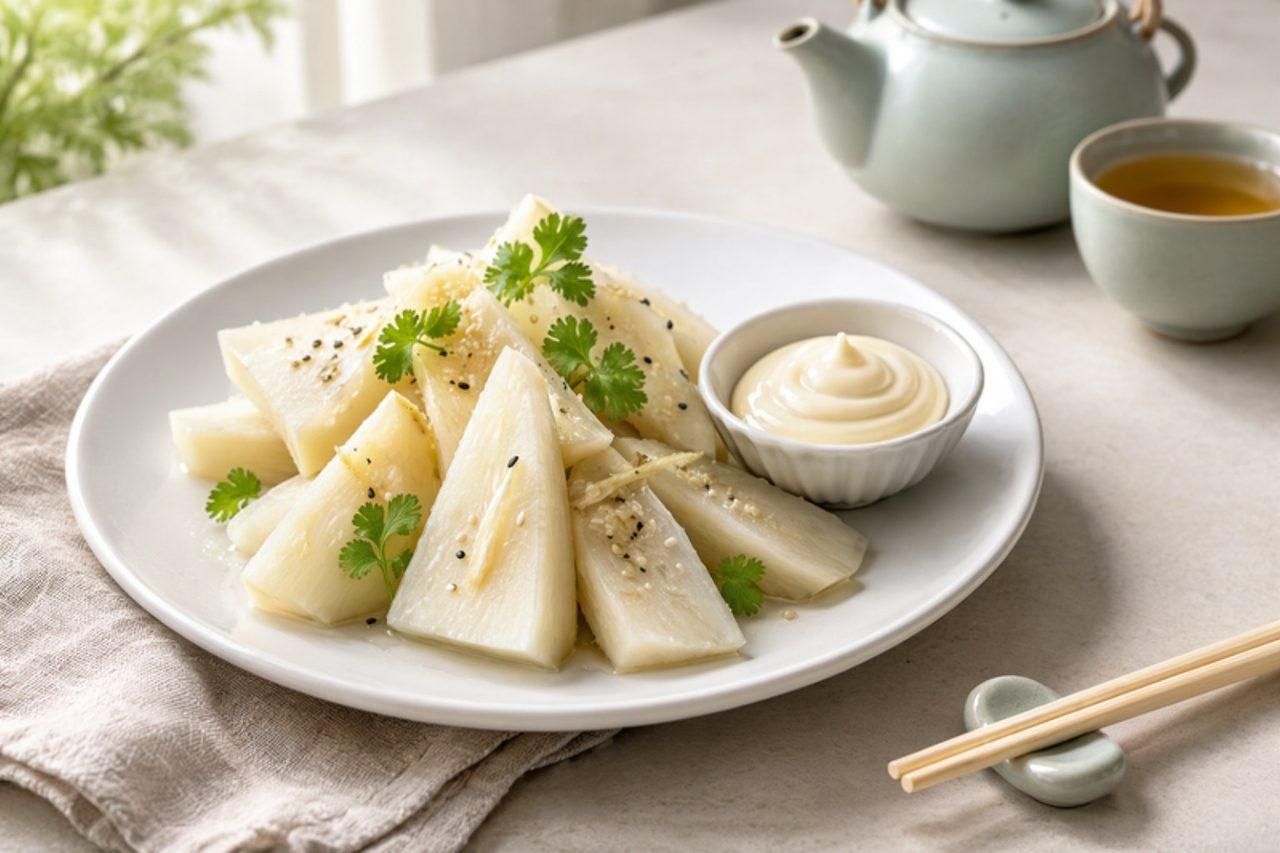
From May to August, sweet green bamboo shoots arrive in Taiwanese markets from the hills around Taipei and Tainan, and families boil them whole and chill them as a cool summer starter or side. The ivory shoots are crisp, juicy and almost sweet, cut into wedges and eaten plain, with a little mayonnaise in the Taiwanese way, or with soy sauce and sesame oil. Suitable as part of a balanced diet. About 70 kcal and 6 g carbohydrate per portion with a little mayonnaise. Fresh bamboo shoots must always be fully cooked: raw shoots contain natural compounds that are unsafe until boiled. The usual mistake is peeling them before boiling, which makes them bitter; boil them in their husks. Chef's tip: start them in cold water and let them cool completely in their cooking water, which keeps them sweet and tender.

by KrazyBadal 0 views

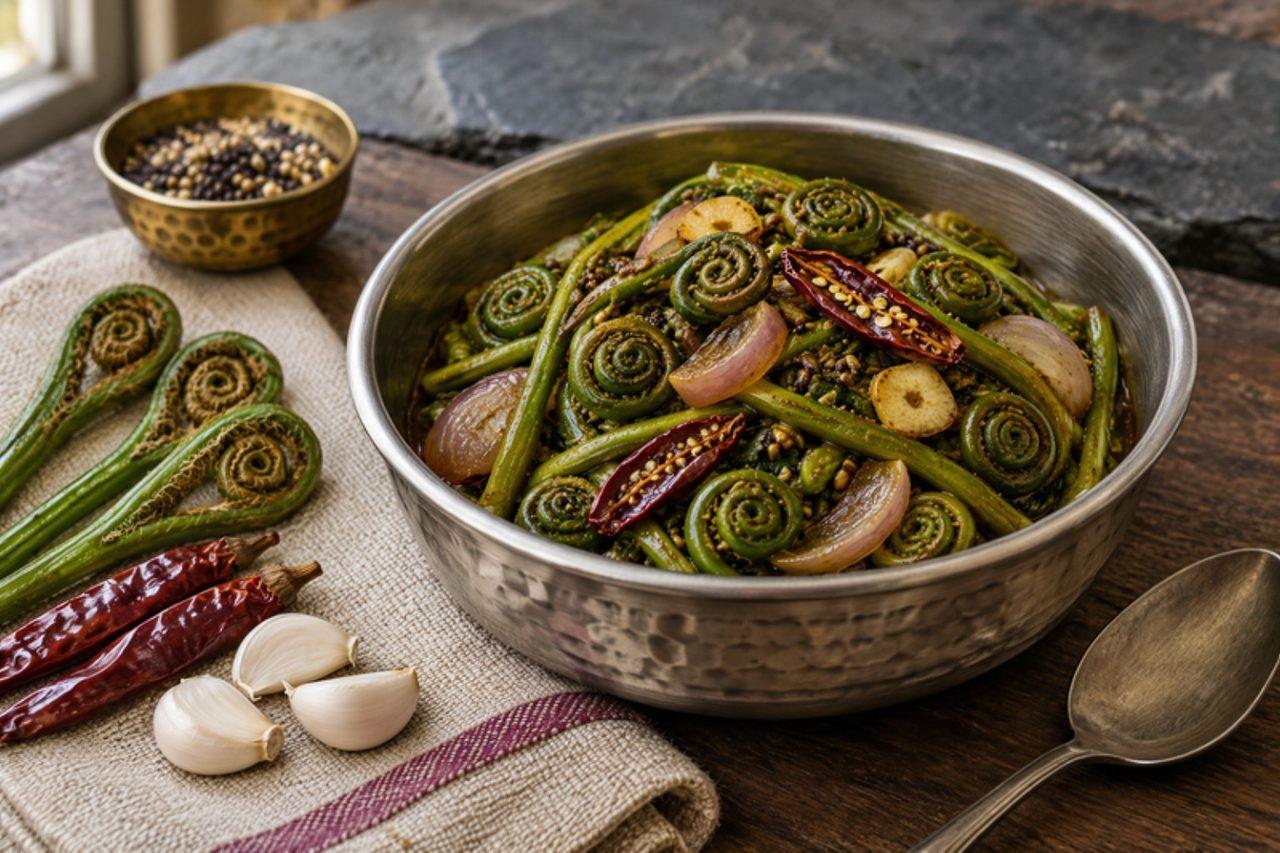
Lingdi ki sabziFiddlehead fern curry

When the monsoon arrives in the Kullu and Mandi valleys, coiled fiddlehead ferns (lingdi) appear along streams and in village markets, and families cook them as a quick dry sabzi with onion, garlic and chilli, or pickle them for winter. The young fronds taste a little like asparagus and green beans, with a pleasant snap. Only eat edible fiddlehead species from a trusted seller, and always cook them well: undercooked ferns can upset the stomach. The common mistake is skipping the blanching, which leaves them bitter and unsafe; boil them first, then fry. Chef's tip: rub off the brown papery scales under running water before trimming; they hold grit.

by KrazyBadal 0 views

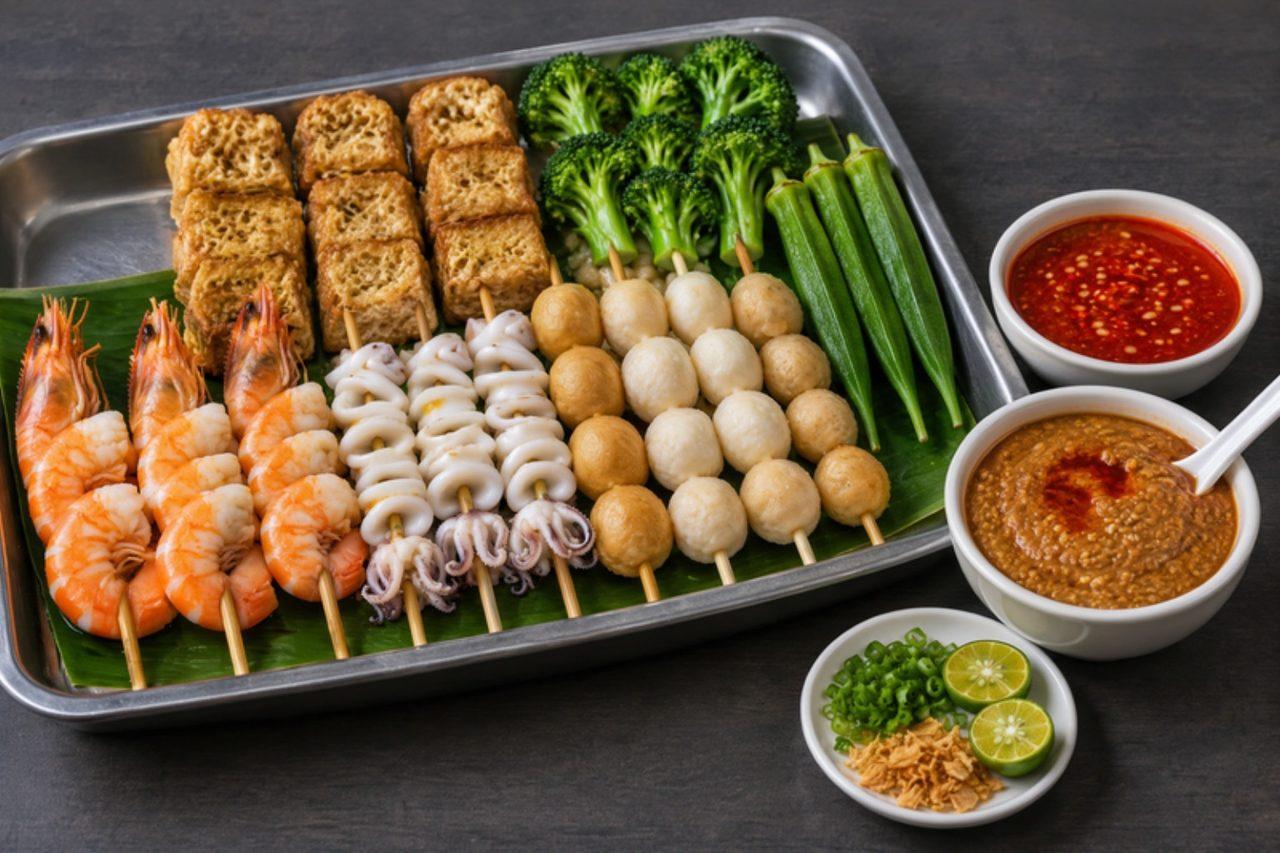
Lok lokBoiled skewers with dipping sauce

Late at night along Gurney Drive and in the back lanes of George Town, the lok lok vans open their side doors to reveal racks of colourful skewers: tofu, quail eggs, okra, mushrooms, fish balls, prawns and squid. You pick what you like, dunk it in a pot of bubbling water at the counter, then dip it in thick peanut satay sauce or sweet chilli sauce and pay by the colour of the stick. It makes a fun DIY supper at home, especially with children. Chef's tip: keep the water at a rolling boil and cook a few skewers at a time, so the seafood cooks through quickly.

by KrazyBadal 0 views

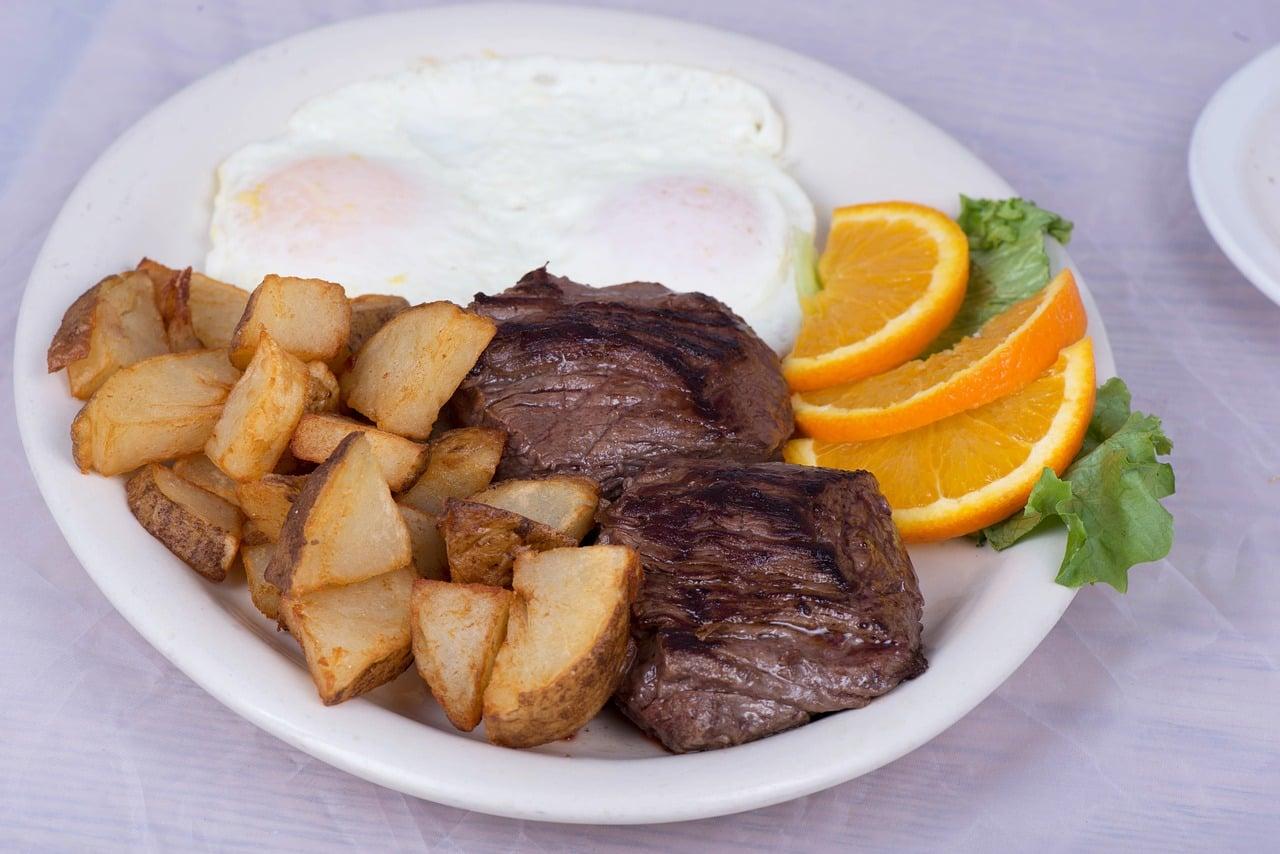
Lomo a lo pobreSteak with chips, onions and eggs

Lomo a lo pobre, 'poor man's steak', is a joke in its name: it is the most generous plate in any Santiago fuente de soda, a thick beef steak buried under a pile of chips, soft fried onions and two fried eggs. It is weekend lunch food, and truck drivers' food on the Panamericana. Getting the timing right is the trick; cooks who fry the onions fast end up with burnt, bitter strips. Start the onions first and give them a full 25 minutes on a low heat. Chef's tip: double-fry the chips, first at 160 °C and then at 190 °C, so they stay crisp under the eggs. For anyone pregnant, very young or vulnerable, fry the eggs until the yolks are firm.

by KrazyBadal 0 views

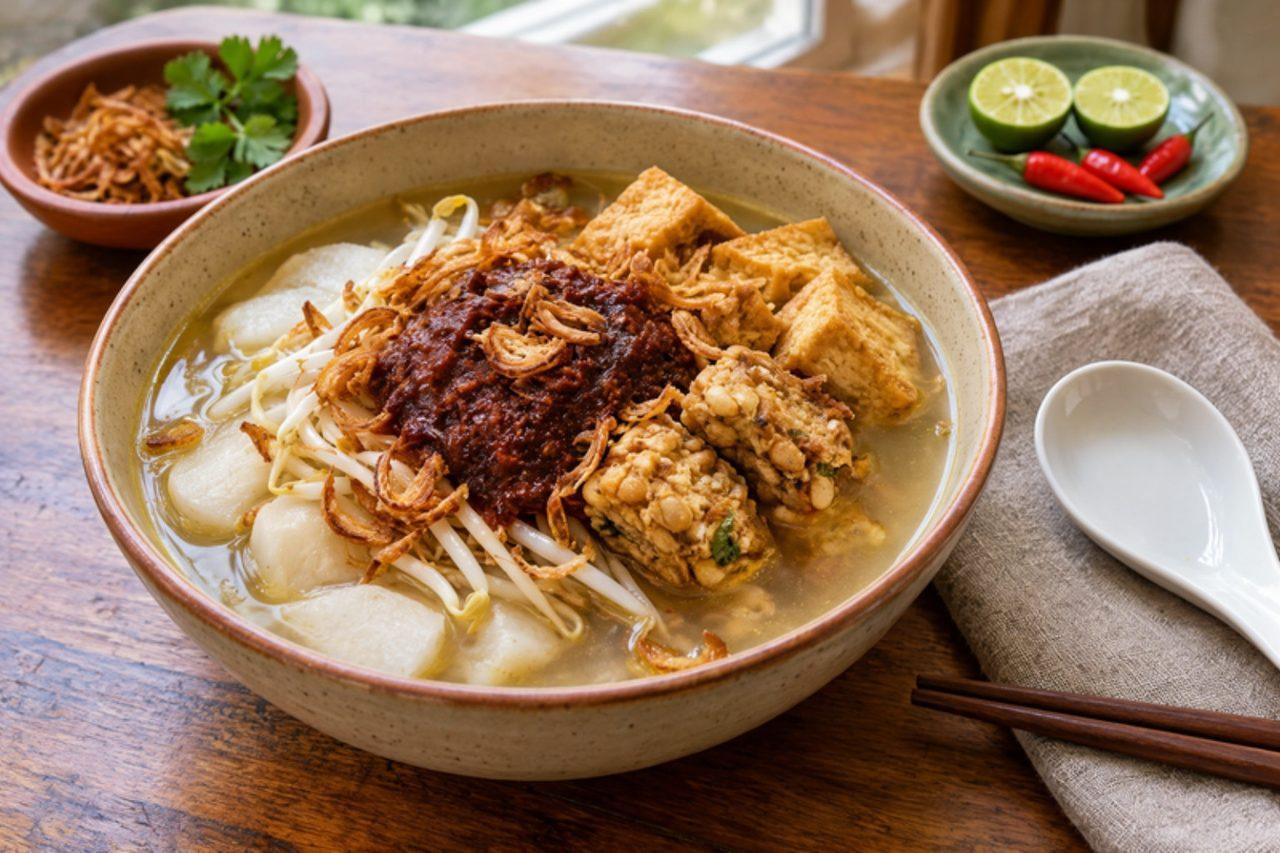
Lontong balapRice cakes and tofu in broth

Lontong balap is Surabaya's morning bowl, named after sellers who once raced (balap) each other to market with their heavy carts. Slices of compressed rice cake are piled with blanched bean sprouts, fried tofu and lentho, little fritters of black-eyed beans and cassava, then soaked with a light garlicky broth and a spoon of sambal mixed with petis, the dark, sweet shrimp paste of East Java. Eat it with skewers of sate kerang if you like. The common mistake is boiling the sprouts too long; they should keep a snap. Chef's tip: stir the petis into the sambal with a little hot broth first, so it melts into the bowl instead of sitting in a sticky blob.

by KrazyBadal 0 views

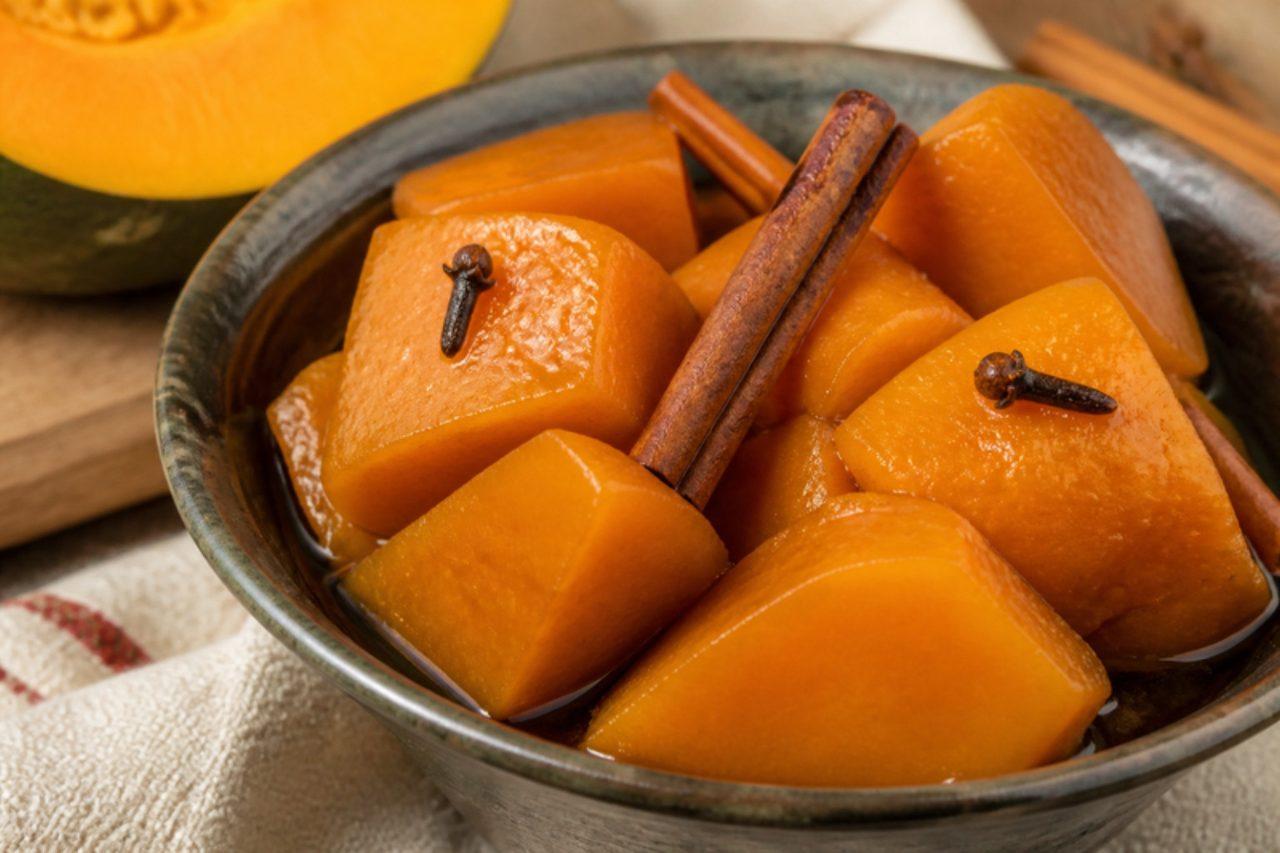
Ayote en mielSquash in spiced syrup

Nicaraguan grandmothers set a pot of ayote en miel on the stove on Holy Wednesday, so there is something sweet to share with neighbours right through Easter week, often alongside sweet green mango and coconut. Chunks of squash simmer in dark panela syrup with cinnamon, cloves and allspice until they are glossy and tender and the syrup tastes of caramel and spice. Stirring is the common mistake: a spoon breaks the soft squash into mush, so shake the pot instead. Chef's tip: leave the skin on the squash; it holds each piece together and turns soft enough to eat.

by KrazyBadal 0 views

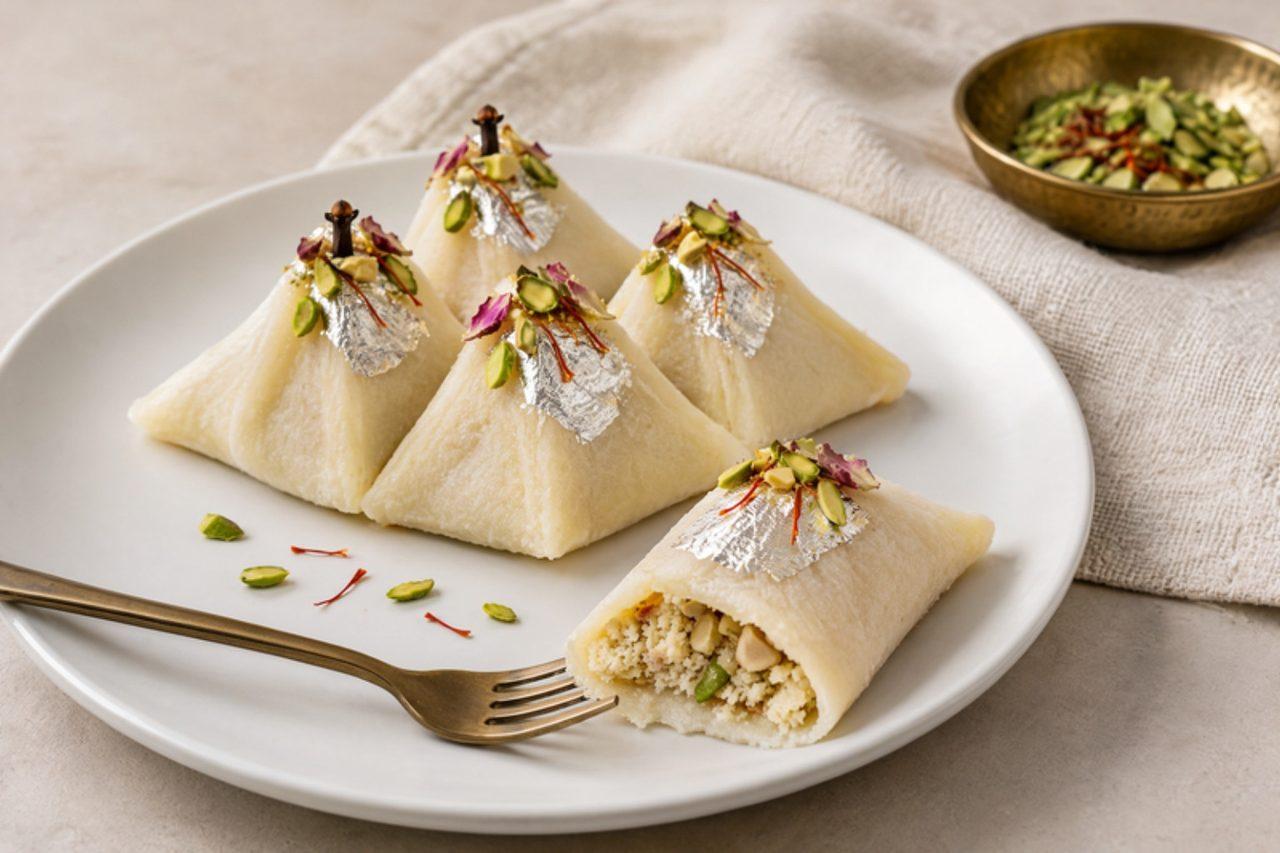
Malai giloriFolded milk cream sweets

Malai gilori is one of Lucknow's most delicate sweets, sold by the old sweet shops of the Chowk, where it is made from thick sheets of malai lifted from huge pans of slowly heated, cooled milk. Each square is folded into a triangle like a gilori of paan around a filling of khoya, sugar, cardamom and chopped nuts, sometimes finished with silver leaf. It melts in the mouth and is eaten at weddings, at Eid and on winter evenings. The home method needs a wide pan and a night in the fridge. If you use silver leaf, buy one certified vegetarian. Contains milk and tree nuts. Chef's tip: once the milk has simmered, do not stir or even move the pan; the cream sheet needs to form undisturbed.

by KrazyBadal 0 views

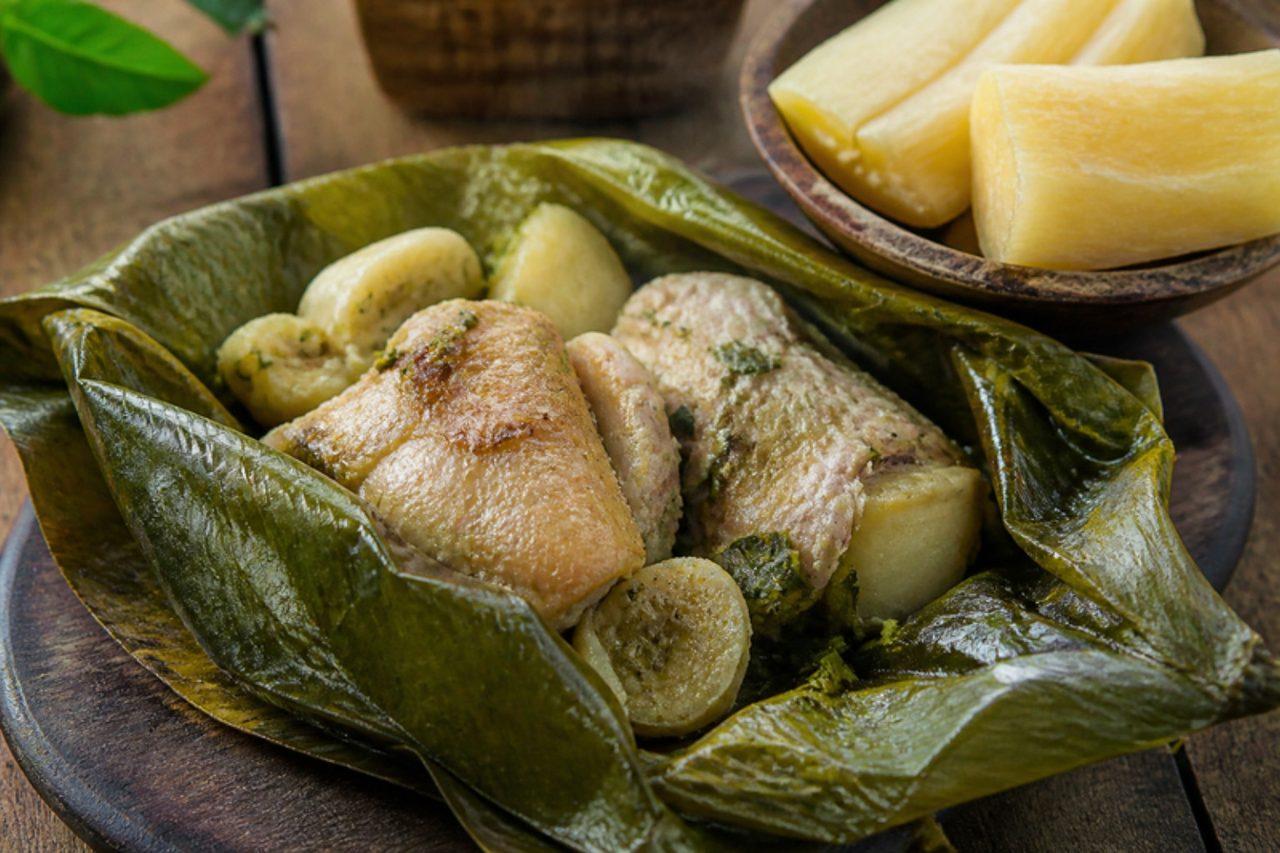
AyampacoLeaf-steamed chicken and palm heart

From Macas and the Shuar communities of Morona Santiago comes ayampaco: chicken with palm heart, garlic, culantro and spring onion wrapped in bijao leaves and cooked over the fire, so everything steams together into a fragrant, juicy bundle. It is a celebration dish at festivals and family gatherings, served with boiled cassava and a sharp chilli sauce. Banana leaves stand in for bijao at home. The usual mistake is packing the parcels too full, so the middle stays undercooked; keep them flat and check the chicken reaches 74 °C. Chef's tip: let the chicken marinate in the fridge for at least 30 minutes so the garlic and herbs flavour it right through.

by KrazyBadal 0 views

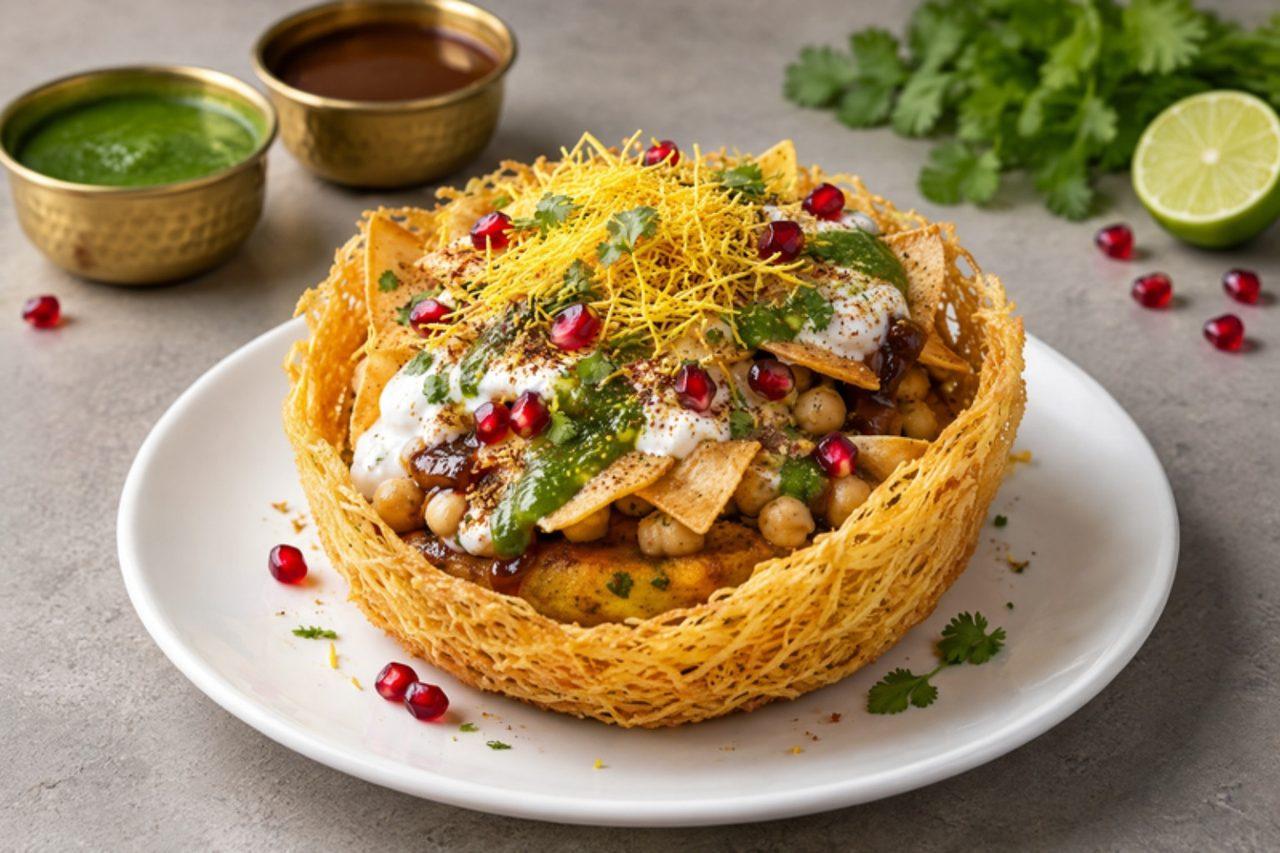
Tokri chaatPotato basket chaat

Tokri chaat was made famous by the chaat counter of Royal Café in Lucknow's Hazratganj, where families queue on winter evenings for an edible basket of crisp fried potato straws heaped with crushed aloo tikki, chickpeas, papdi, sweet yoghurt, chutneys, sev and pomegranate. It is as much a show-piece as a snack: you break the basket into the filling as you eat. You need two metal strainers or a nest-basket frier to shape the baskets. Chef's tip: rinse and dry the grated potato thoroughly; wet potato spatters and the basket falls apart.

by KrazyBadal 0 views

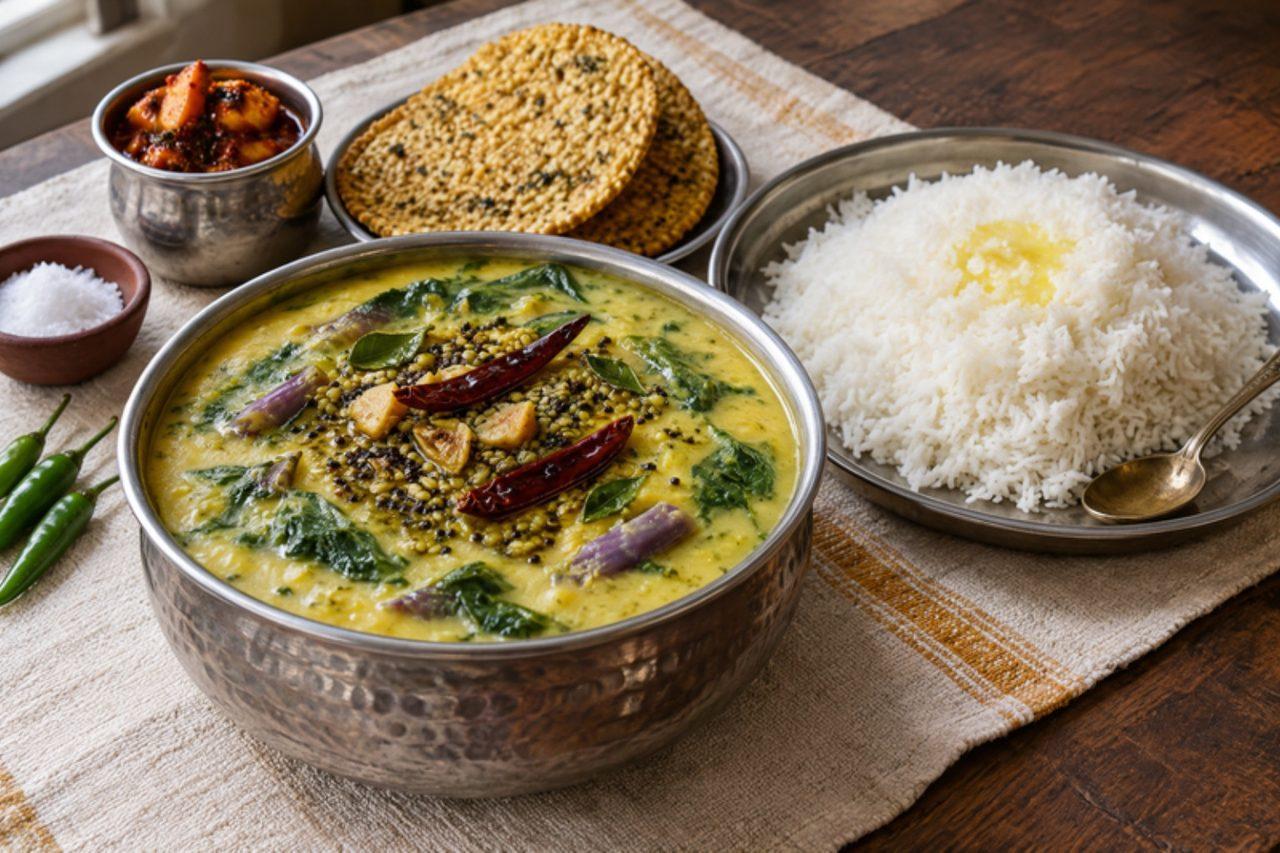
Bachali kura pappuDal with Malabar spinach

Bachali, or Malabar spinach, climbs over back walls all across Telangana and Andhra, and its thick, glossy leaves go into this everyday pappu that turns up at lunch several times a month with rice, ghee and a pickle. The leaves give the dal a silky body and a faint lemony note. People often overcook it until the greens turn khaki; add them after the dal is soft and cook just long enough to wilt. Chef's tip: use the tender stems too, chopped small; they add a pleasant crunch.

by KrazyBadal 0 views

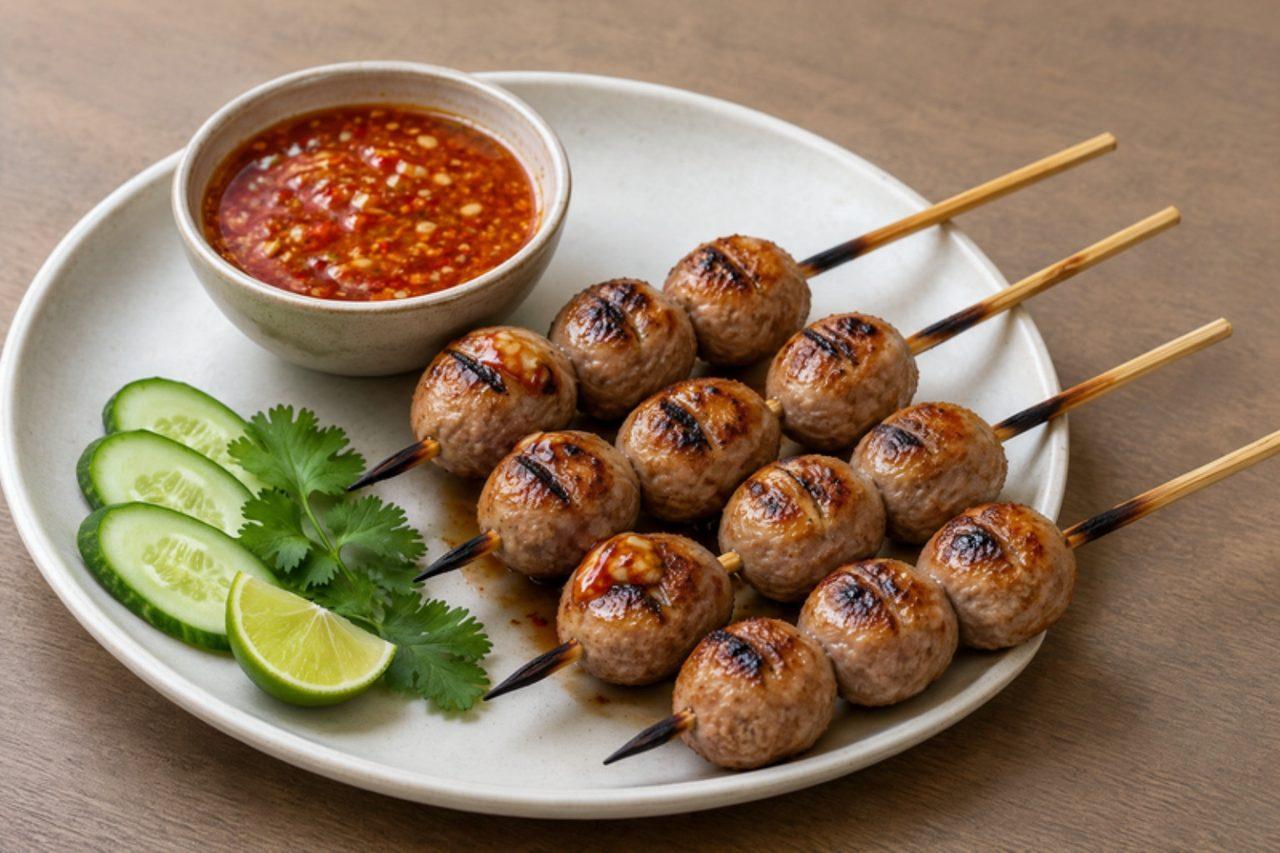
Luk chin pingGrilled pork ball skewers

Outside Bangkok's schools at going-home time, and all evening around Victory Monument, vendors fan little charcoal grills lined with skewers of luk chin, bouncy meatballs that are pulled off the coals, dunked in a tub of sticky sweet chilli sauce and handed over in a plastic bag. This home version makes the springy pork balls from scratch, poaching them first so they cook through before they char. Children love them; leave the chillies out of a portion of sauce for little ones. Chef's tip: process the pork with iced water until it turns into a sticky paste; that is what gives the balls their famous bounce.

by KrazyBadal 0 views

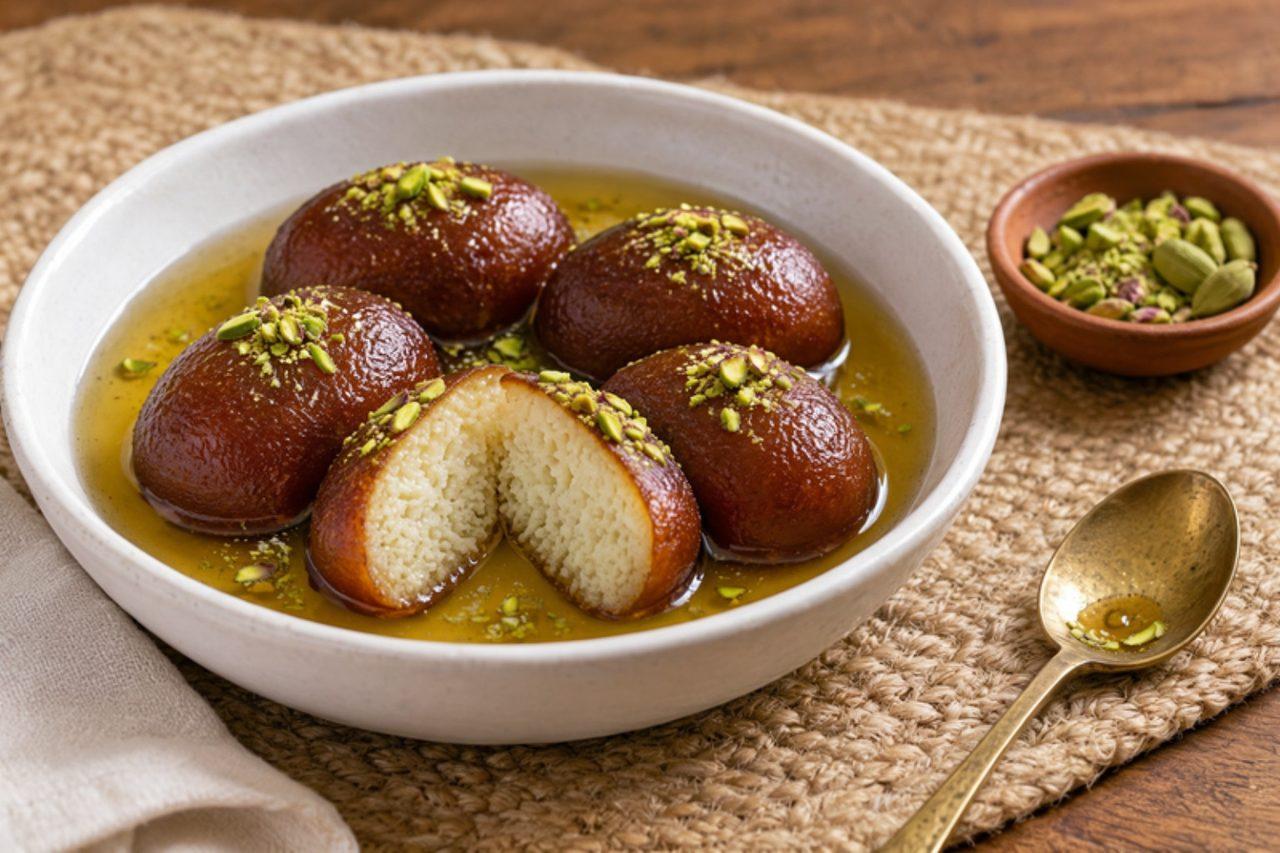
LyangchaFried milk sweets in syrup

Travellers on the road from Kolkata to Bardhaman stop at Shaktigarh for one reason: lyangcha, cylindrical sweets of chhena and khoya fried almost black and soaked in light syrup, sold hot from roadside shops and carried home in clay pots. The outside is caramelised and slightly chewy, the inside soft, juicy and milky. They are a winter and wedding favourite across Bengal. The common mistake is frying on high heat to get the dark colour quickly; the outside burns while the centre stays raw and the sweet splits in the syrup. Low, patient heat gives an even mahogany shell. Chef's tip: a teaspoon of sugar kneaded into the dough helps it darken evenly.

by KrazyBadal 0 views

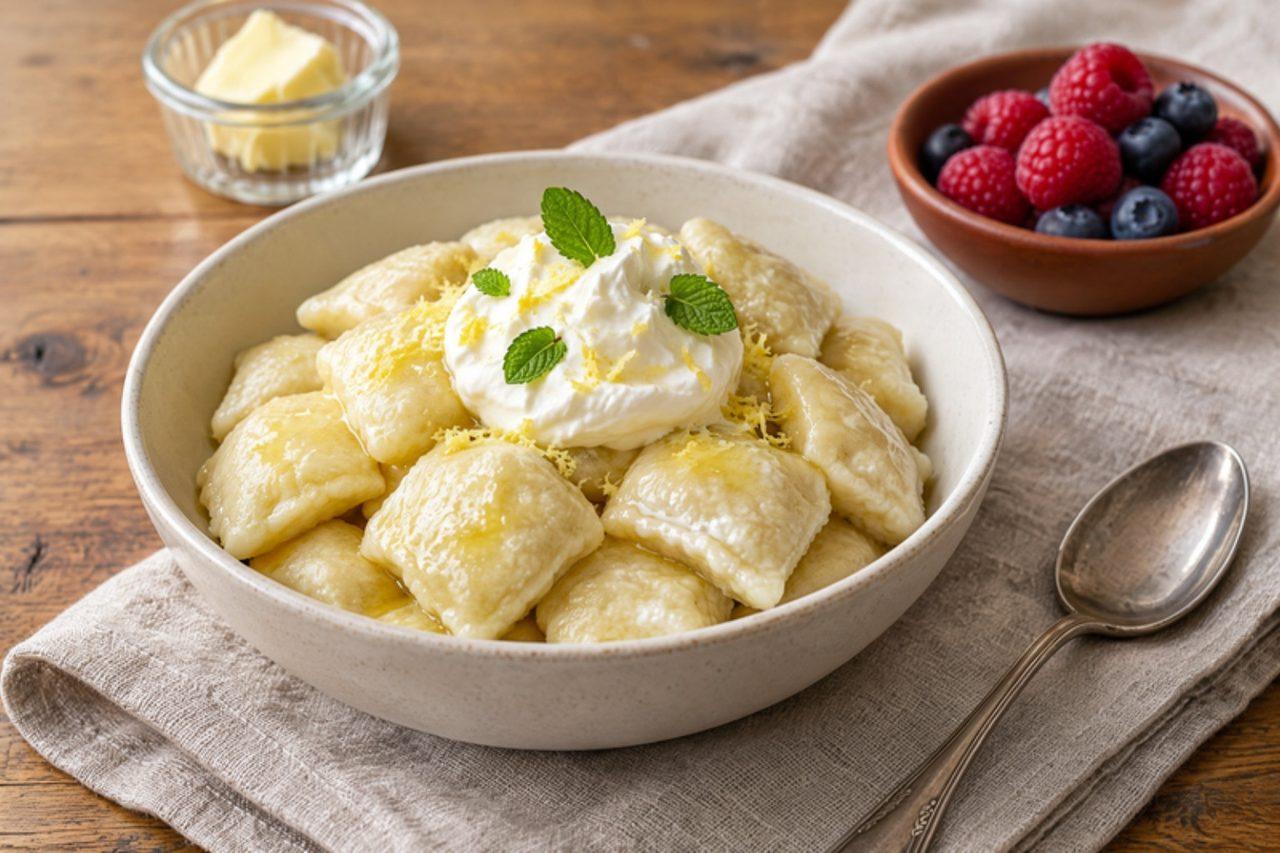
Lynyvi varenykyLazy curd dumplings

Lynyvi varenyky, 'lazy dumplings', are the Ukrainian weekday breakfast for families who love varenyky but have no time to fill them: the curd cheese goes into the dough itself, which is rolled into a log, sliced and boiled for a few minutes. They come out soft, tender and lightly sweet, finished with melted butter and a spoon of sour cream, sometimes with jam. The mistake is adding too much flour to make the dough easier to handle, which makes the dumplings heavy; the dough should stay soft and a little sticky. Chef's tip: dust your hands and board rather than the dough, and boil one test dumpling first; if it falls apart, add just one more tablespoon of flour.

by KrazyBadal 0 views

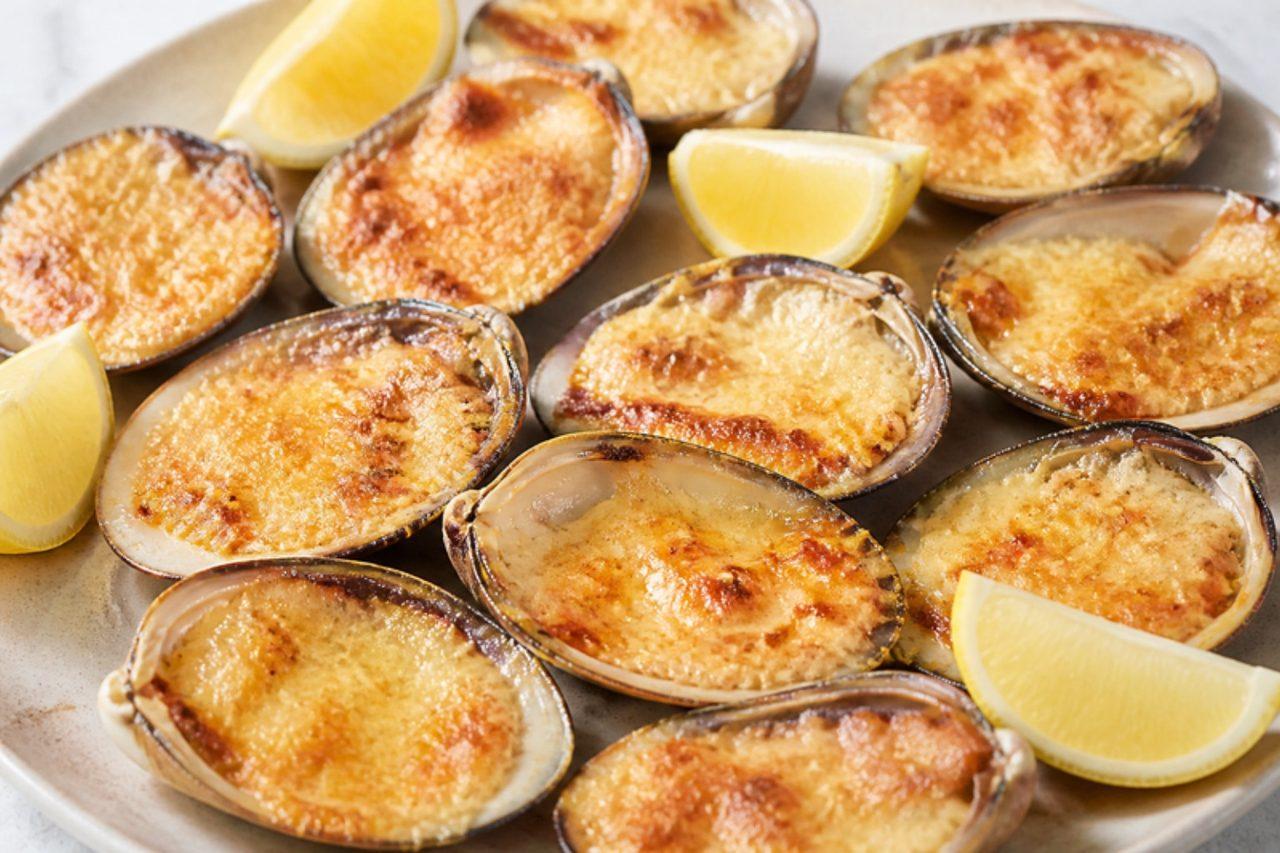
Machas a la parmesanaClams with parmesan

Machas a la parmesana arrive sizzling at almost every seafood restaurant on Chile's central coast: machas, the long, pink-tongued surf clams of the Pacific beaches, opened, set back in their shells and grilled under butter, cream and parmesan. Outside Chile, use razor clams or large clams. The usual mistake is grilling them too long; the clams are already cooked and turn to rubber. Grill only until the cheese browns. Chef's tip: open the clams briefly in a covered pan first rather than prising them raw, and keep any that stay shut out of the dish. Many restaurants add a splash of white wine; this version uses lemon juice instead.

by KrazyBadal 0 views

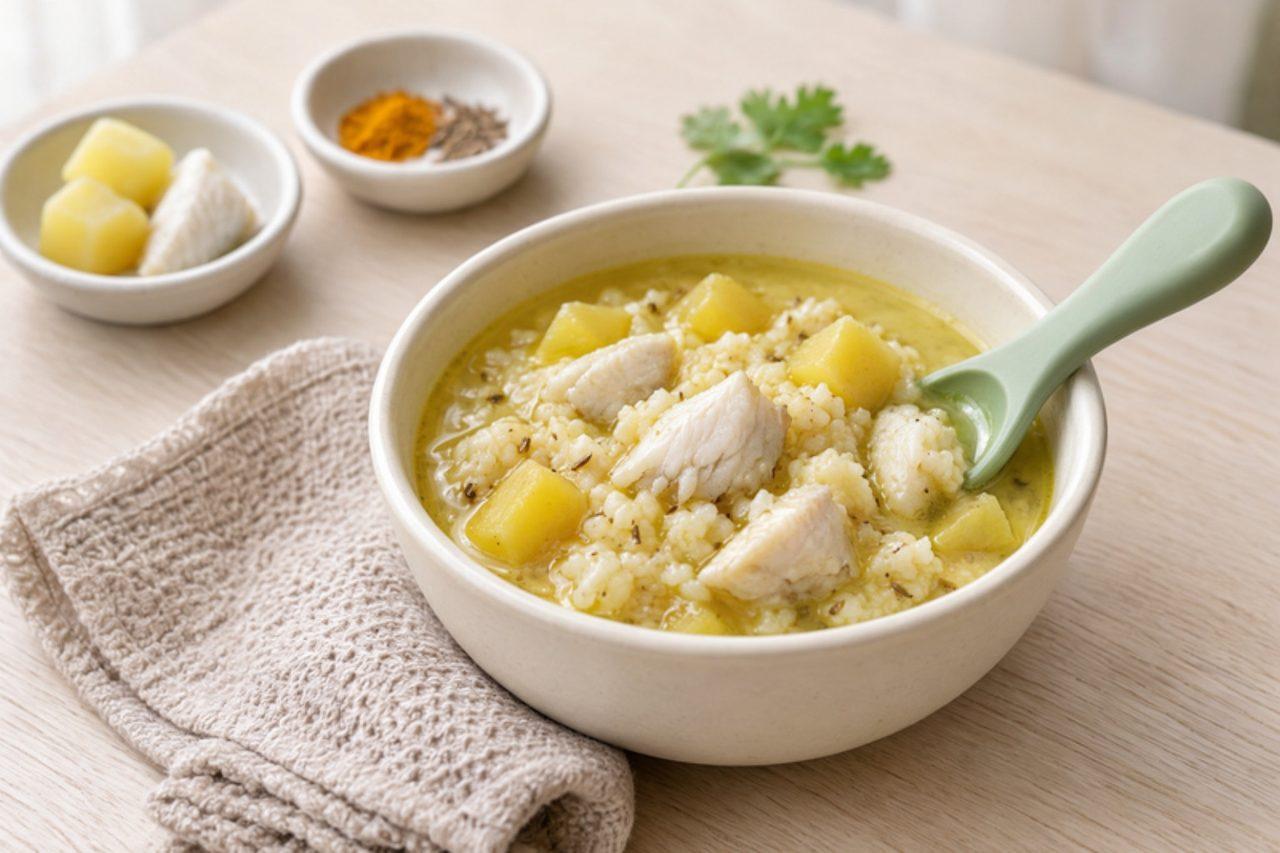
Macher jhol bhaat for babiesFish stew and rice for babies

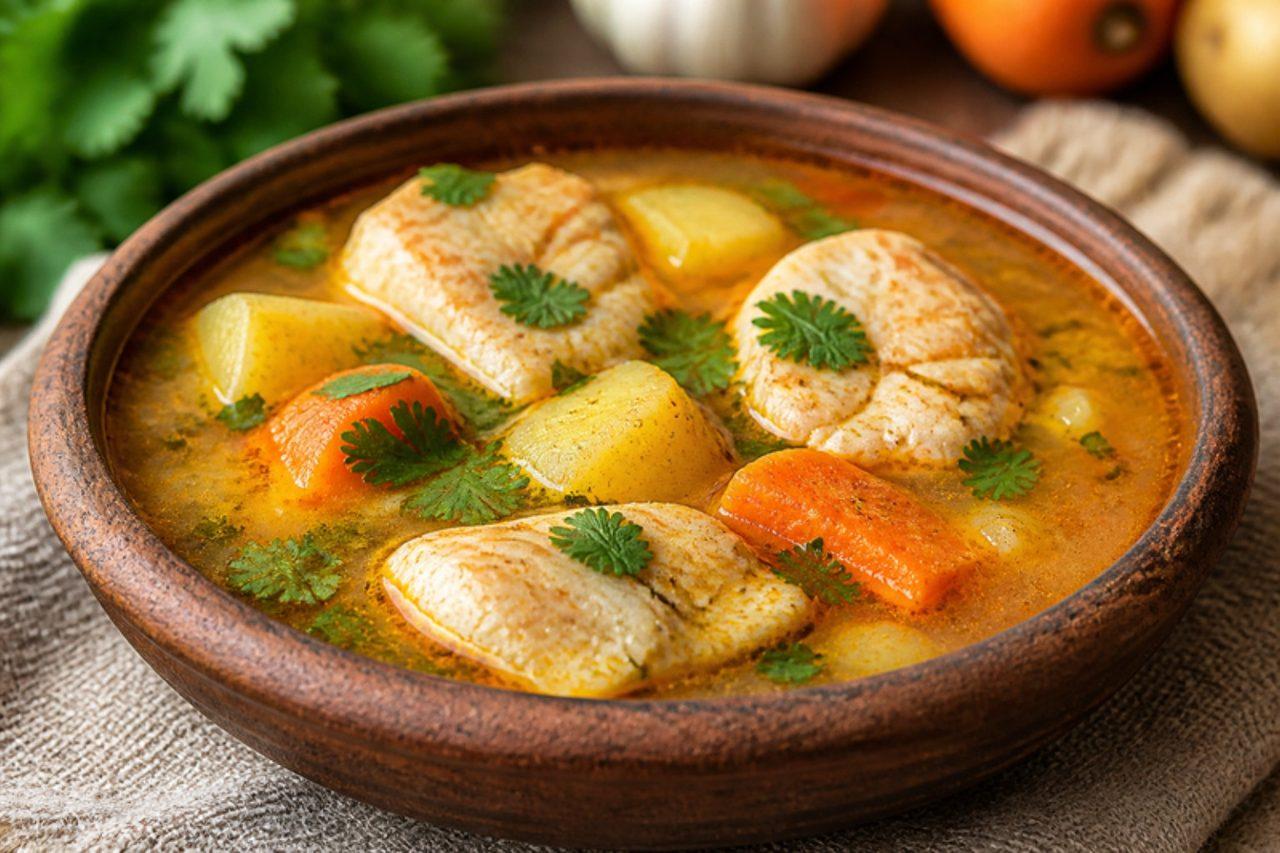
For Bengali families in Kolkata, macher jhol bhaat, rice with a thin fish and potato stew, is the taste of an ordinary weekday lunch, and fish is so central that many babies first try it at their mukhe bhaat, the rice ceremony. From about nine months, the jhol is made with only a pinch of turmeric, no chilli, mustard or salt, and boneless bhetki (barramundi) instead of the bony rohu. It is light, soothing and gently sweet from the potato. It contains fish and is free of milk, egg, gluten, nuts, soya and sesame. Chef's tip: if you use rohu, choose a piece from the belly, which has far fewer of the fine forked bones.

35 minIndianFishGluten free
by KrazyBadal 0 views

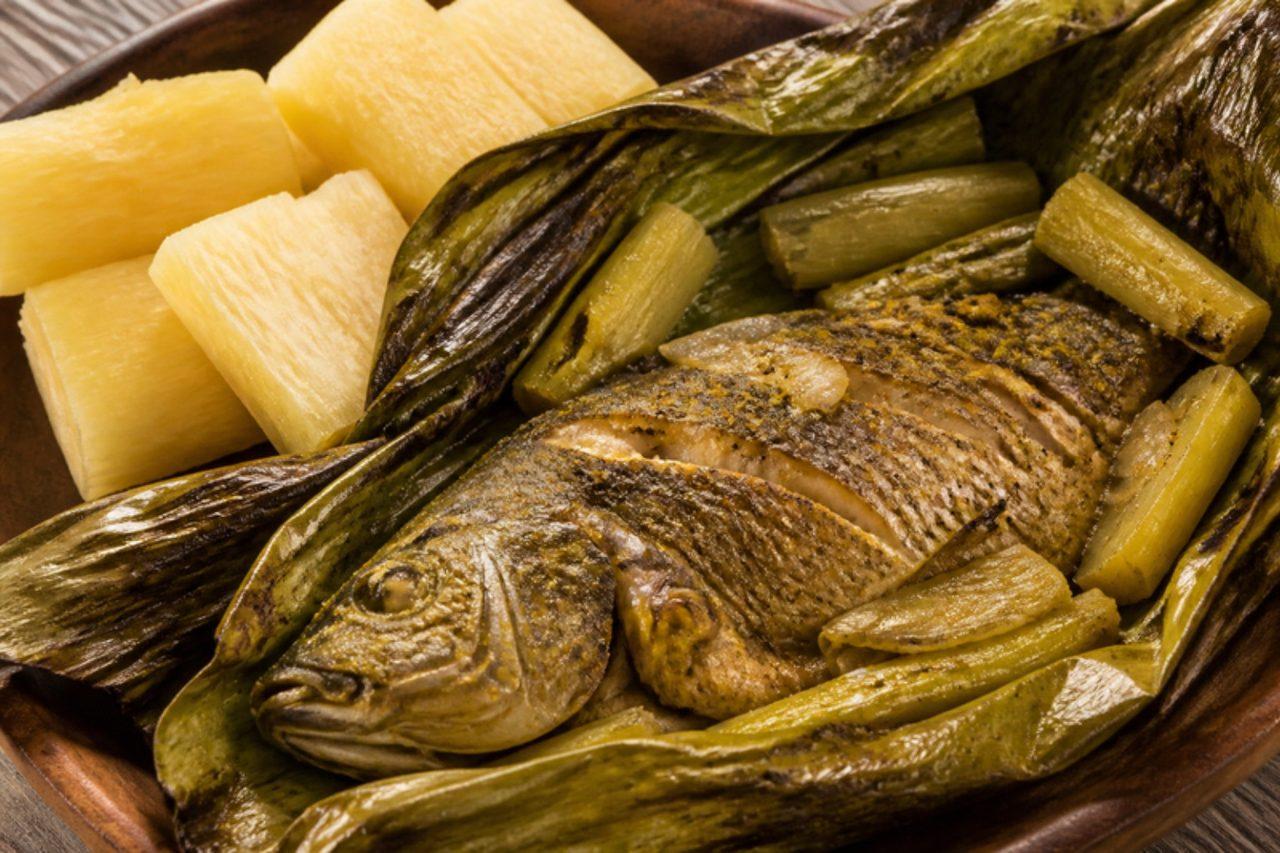
Maito de tilapiaLeaf-grilled tilapia with cassava

Maito is how Kichwa and Shuar cooks along the rivers around Puyo and Tena prepare fish: seasoned simply with salt, garlic and palm heart, wrapped in big bijao leaves and laid over glowing coals until the parcel blackens and the fish steams in its own juices. Banana leaves, sold frozen in Asian and Latin shops, work just as well at home. It comes to the table in its leaves with boiled sweet cassava, a fiery ají and a cup of guayusa. The common mistake is wrapping the fish in stiff leaves, which split and let the juices escape; soften them over a flame first. Chef's tip: open one parcel to check: the fish is ready when the flesh is opaque and lifts cleanly off the bone.

45 minAndeanFishGluten free
by KrazyBadal 0 views

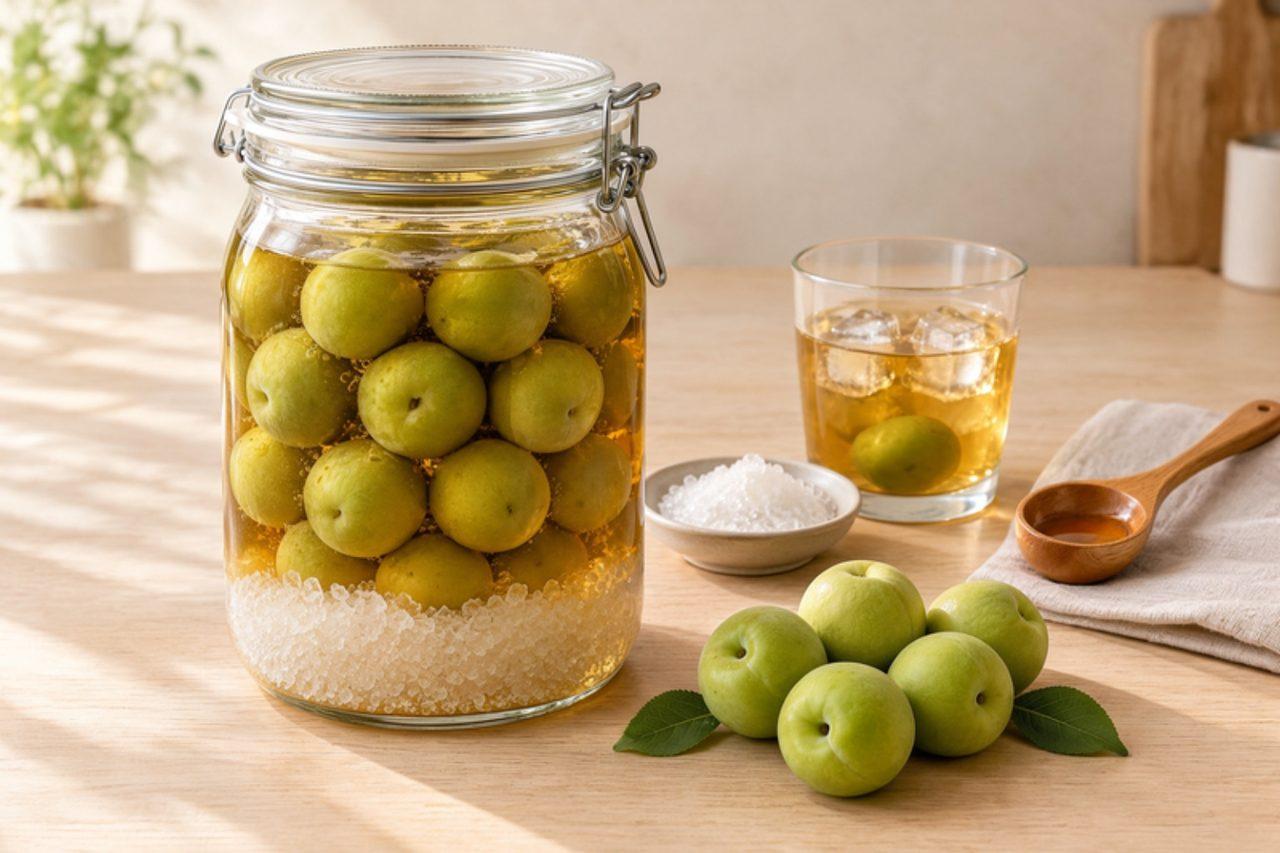
MaesilcheongGreen plum syrup

In early June, Gwangyang in South Jeolla holds its plum festival under hillsides of maesil trees, and across Korea families buy crates of hard green maesil plums to make maesilcheong. The plums are layered with an equal weight of sugar in big glass jars, and over 100 days the sugar draws out their juice into a tart, fruity amber syrup. It is the Korean kitchen's all-purpose sweetener: a spoonful in a marinade for bulgogi, in salad dressings and in kimchi, and diluted with cold water as a summer drink traditionally taken after a heavy meal. It tastes sweet, sour and almond-scented. Expect a little natural fermentation: a few bubbles and a trace of alcohol (well under 1%) are normal while the sugar dissolves, so keep the lid loose. The common mistake is wet fruit: any water left on the plums or stem scars can lead to mould, so dry them for hours. Ready when the plums have shrivelled and float, and the syrup is clear amber. Raw green plum stones contain compounds that release cyanide: never crush, bite or eat the stones, and remove the fruit after 100 days. No maesil? Use hard green apricots, with the same care. Chef's tip: use half brown sugar for a deeper colour and caramel note.

by KrazyBadal 0 views

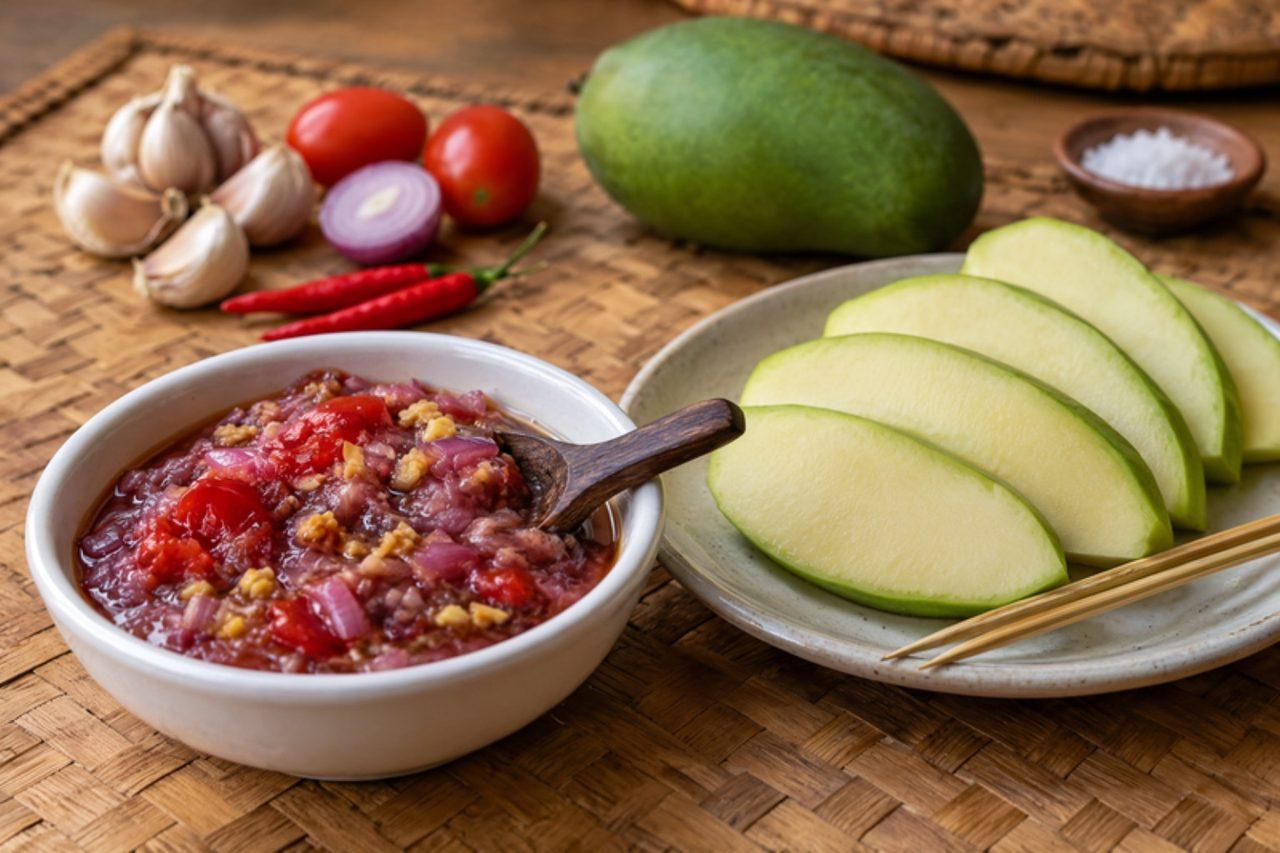
Bagoong alamangFried krill paste

Across Luzon, a jar of ginisang bagoong sits in nearly every kitchen. In the hot months from March to May, when green mangoes are sour and crisp, it becomes the classic merienda: thin slices of unripe mango dragged through sweet, salty, garlicky shrimp paste, often shared on a porch in the afternoon. It is also the essential partner to kare-kare and the base of binagoongang baboy. Raw salted alamang (tiny krill or shrimp) is sold pink and wet; frying it with garlic, onion and tomato, then sugar and cane vinegar, turns it deep reddish brown, thick, glossy and rounded, with the briny punch still there. The raw paste is a raw-cured seafood, so this recipe always cooks it right through; pregnant people, babies, older people and anyone with weak immunity should only eat bagoong that has been fully sautéed and kept cold. Common mistake: high heat after the sugar goes in, which scorches it and turns the bagoong bitter. Keep it at a medium-low simmer. It is ready when the oil separates and shines on top and it smells toasty rather than fishy. Chef's tip: a few slivers of crisp pork belly fried first make it richer.

by KrazyBadal 0 views

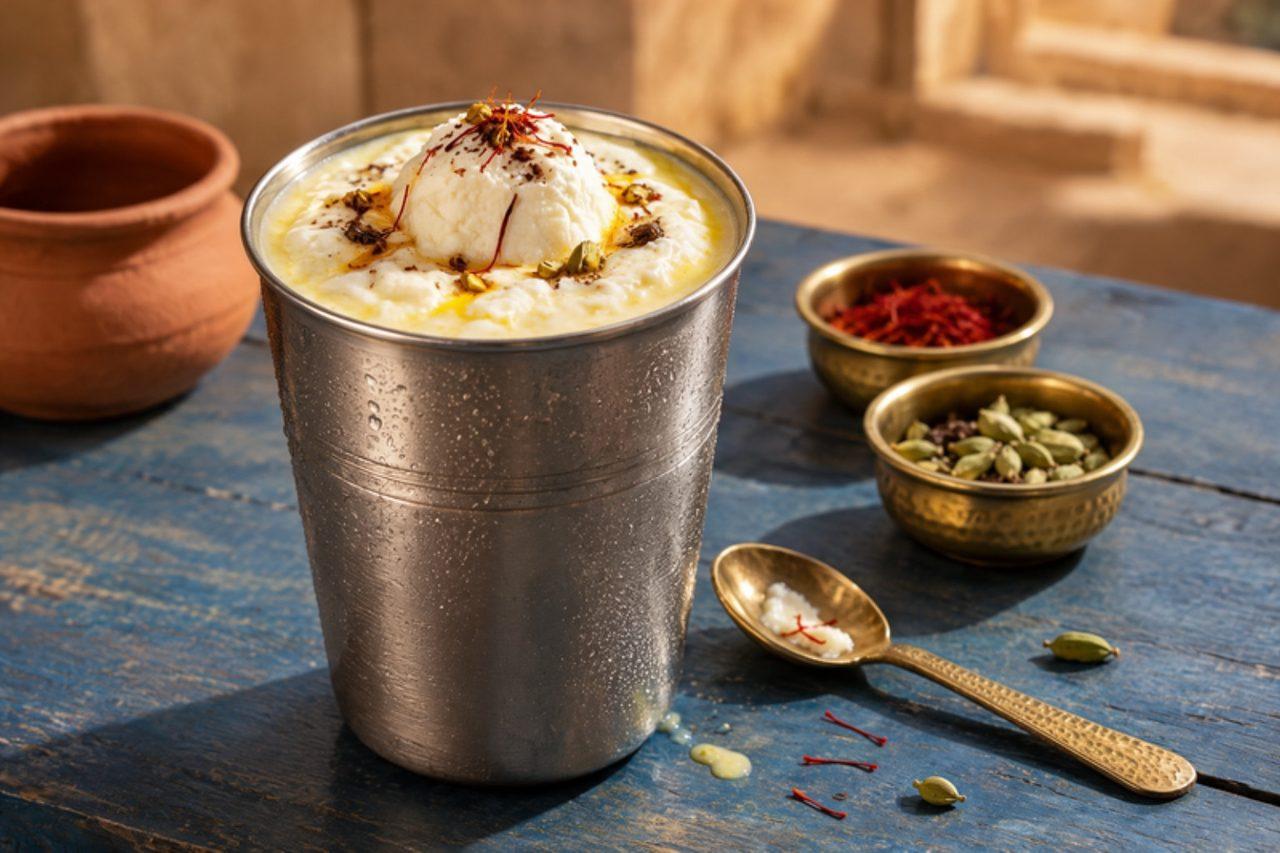
Makhaniya lassiSaffron lassi with butter

Around the clock tower and old city of Jodhpur, lassi shops churn this rich drink all day in summer: chilled set curd whisked with sugar, saffron and cardamom, poured into tall glasses and crowned with a spoon of fresh white butter (makhan) and a layer of malai. You drink the cool lassi and eat the butter and cream with a spoon. It is a meal in itself. The common mistake is thinning it with too much water or ice, which loses the thick, almost spoonable texture that makes it Jodhpuri. Chef's tip: use curd set from full-fat milk the night before and whisk it by hand or with a few pulses only.

by KrazyBadal 0 views

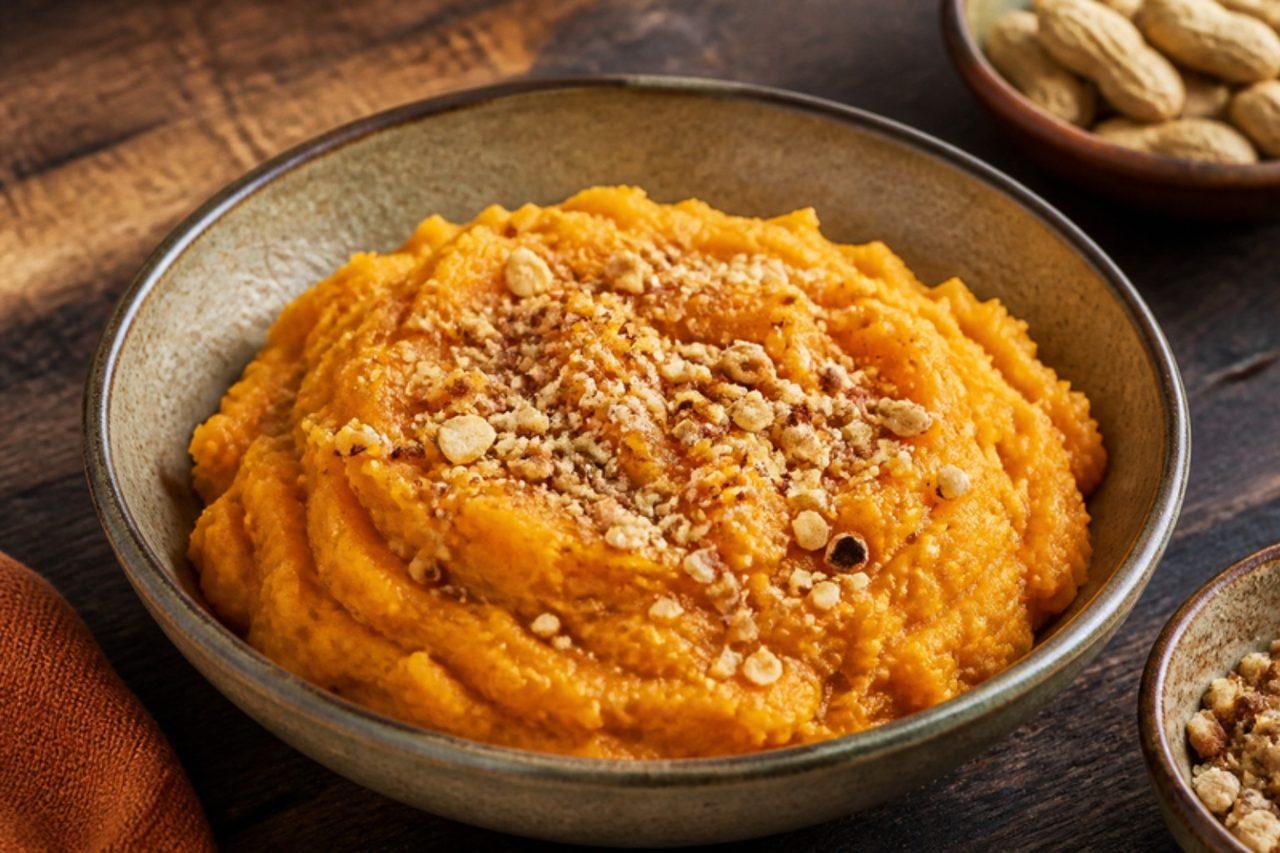
FutaliSweet potato groundnut mash

Futali is the rainy-season comfort dish of rural central Malawi, around Dedza and Kasungu, made when the sweet potatoes and pumpkins are in and the groundnut harvest is in the store. The vegetables are simmered in just enough salted water to cook them, then groundnut flour is beaten in, so the starchy liquid and peanut thicken into a soft, orange, savoury-sweet mash. It is eaten as a light lunch or breakfast on its own, or with a spoonful of tomato relish or greens on the side. Too much water is the mistake to watch for, making a soupy mash that never firms. Chef's tip: toast the groundnut flour in a dry pan for a couple of minutes first, for a deeper, roasted flavour.

by KrazyBadal 0 views

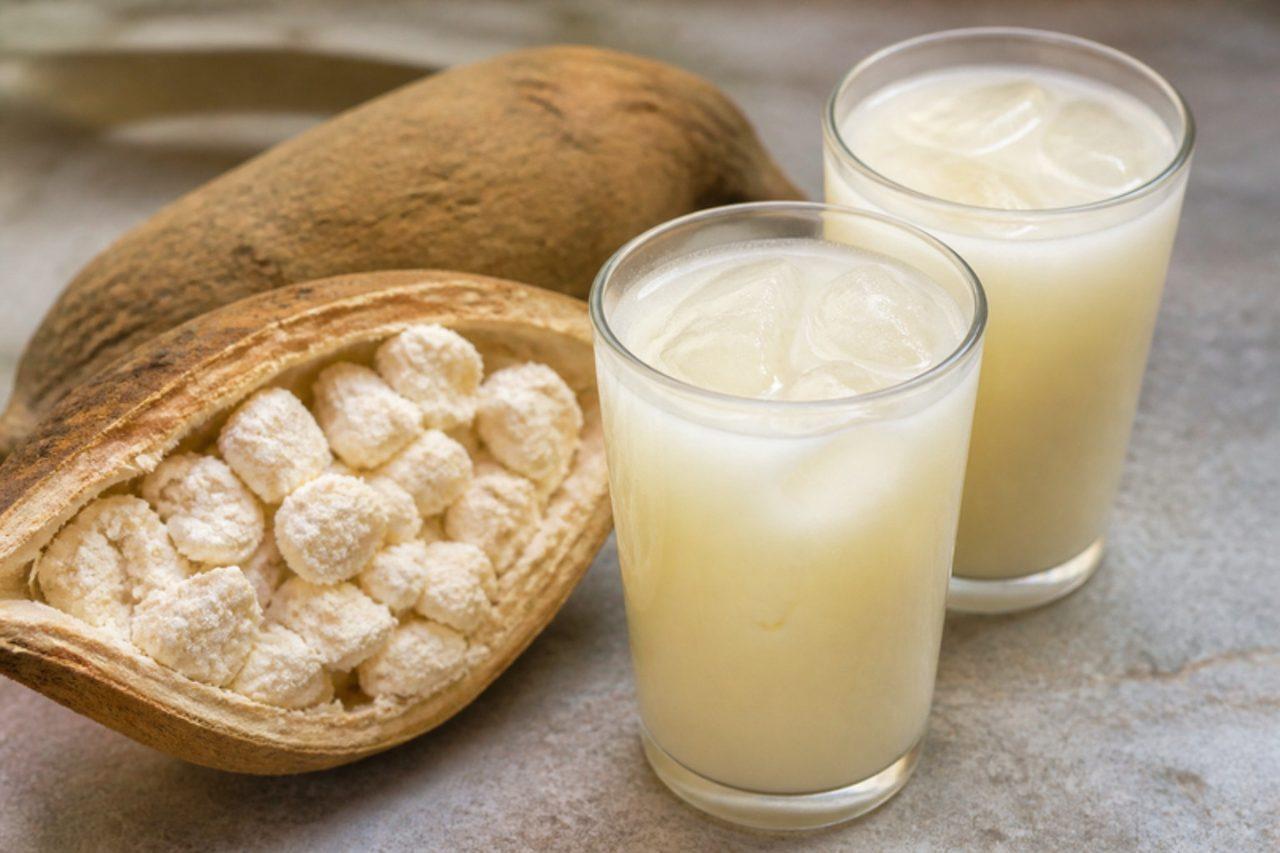
MalambeBaobab fruit drink

On the hot Lower Shire valley floor around Nsanje and Chikwawa, the hard, velvety baobab pods are cracked open in the dry season and their chalky white pulp is soaked to make malambe, a cooling drink sold by the cup at markets. It is pale and creamy-looking, tart like lemon sherbet with a hint of pear, and thicker than juice. Baobab pulp is sold abroad as dried chunks or fine powder; either works here, and the powder makes it a 15-minute drink. Not soaking the chunks long enough is the usual mistake, leaving the drink thin and gritty. Chef's tip: whisk the drink just before serving, because the pulp settles quickly to the bottom.

by KrazyBadal 0 views

Manda pithaSteamed rice dumplings with coconut

Manda pitha is the soft white dumpling of Odisha's Raja festival in mid-June, when girls swing on rope swings, wear new clothes and eat pitha for three days; it is also made for Prathamastami and other family feasts. A smooth dough of rice flour cooked in water is wrapped around a filling of coconut, jaggery, chhena, black pepper and cardamom, then steamed. The common mistake is mixing raw rice flour with cold water: the dough must be cooked with boiling water and kneaded hot, or it cracks when shaped. Chef's tip: grease your palms with a drop of ghee while shaping so the dough stays silky and the edges seal cleanly.

by KrazyBadal 0 views

MandocasCorn and plantain ring fritters

Maracaibo breakfasts often start with mandocas, chewy loops of corn dough sweetened with mashed ripe plantain and dark panela, fried until almost mahogany and eaten with butter, salty white cheese and a cup of coffee. They are sold hot from bakeries and street carts all over Zulia. Venezuelan white cheeses are usually made with animal rennet; feta-style or other vegetarian salty cheeses work. The mistake most people make is frying too hot: the panela darkens and turns bitter before the dough cooks through. Chef's tip: the riper the plantain, with black skin, the softer and sweeter the mandocas.

by KrazyBadal 0 views

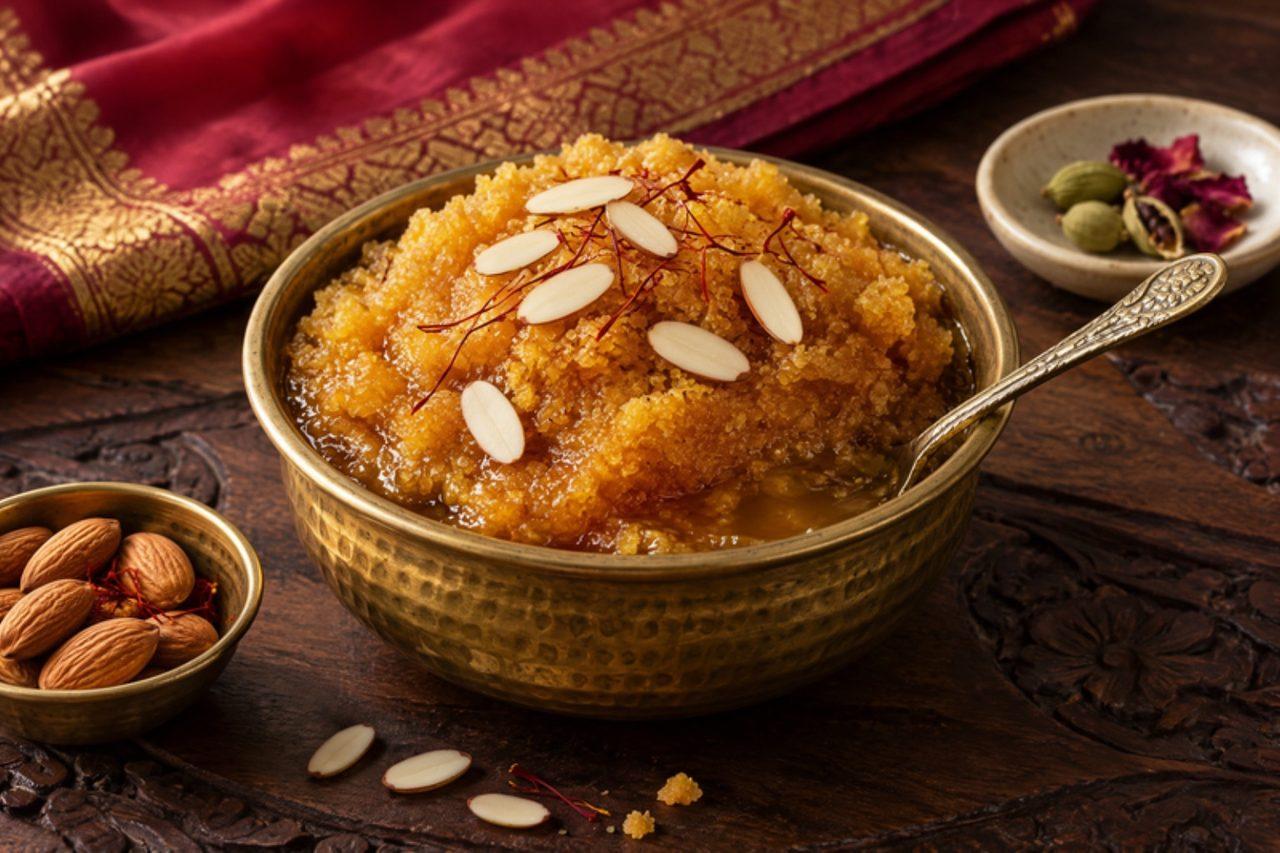
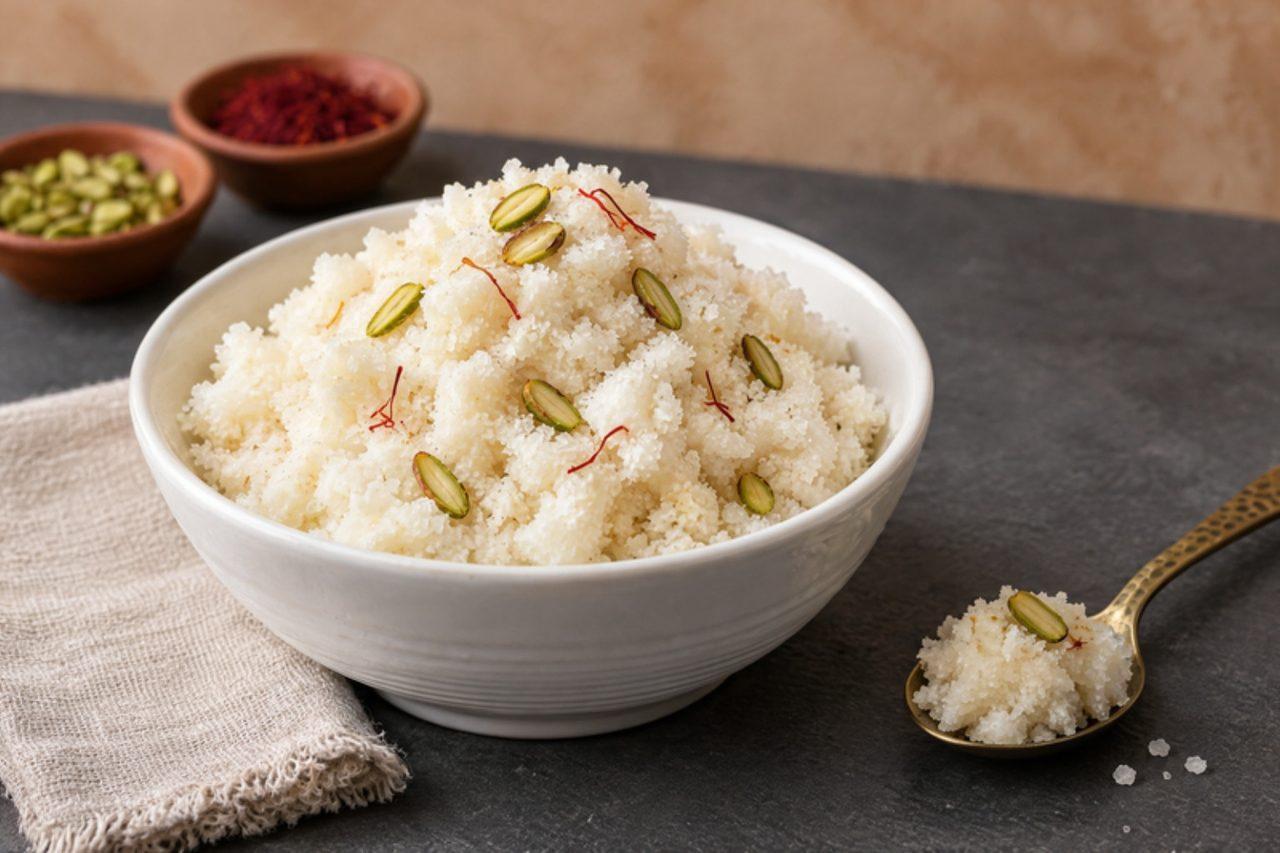
Badam ka halwaAlmond halwa

In Jaipur, badam ka halwa came out of the royal kitchens and now appears at winter weddings and on cold nights when someone wants a real treat. Soaked, peeled almonds are ground to a coarse paste and cooked slowly in ghee with milk, sugar and saffron until the halwa turns golden, glossy and leaves the sides of the pan. It is very rich, so a small bowl is enough. The common mistake is grinding the almonds too fine, which gives a pasty halwa instead of a soft, grainy one. Chef's tip: stop grinding when the almonds look like wet semolina and add the milk only during grinding, never water.

by KrazyBadal 0 views

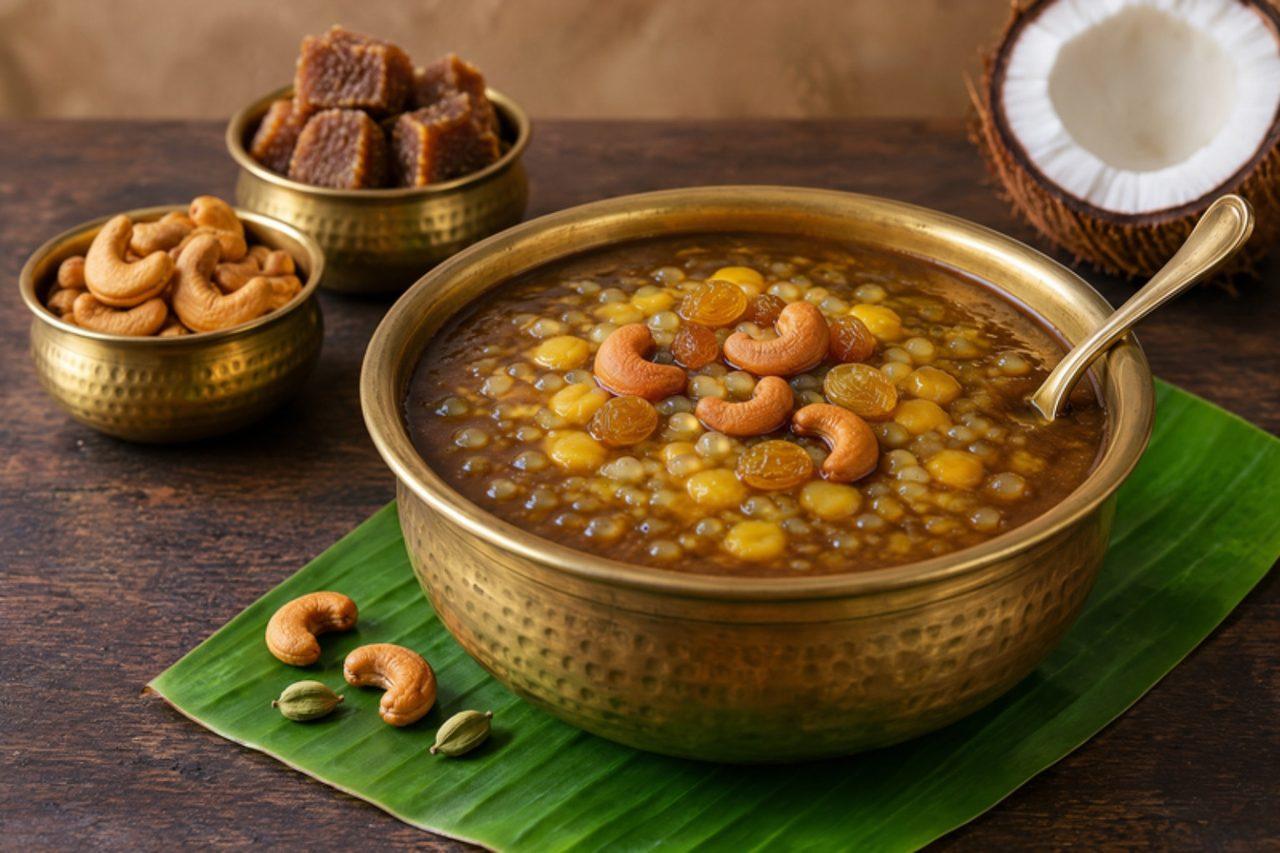
ManganeChana dal and sago pudding

In Goan Hindu homes, especially around Ganesh Chaturthi, a pot of mangane is cooked for the naivedya and handed round warm after the aarti. Soft chana dal and glassy sago pearls sit in a thick, caramel-coloured sauce of coconut jaggery and fresh coconut milk, scented with cardamom and studded with cashews. The common mistake is boiling the dal hard after the thick coconut milk goes in, which splits it into oily curds; once the first milk is added the pot should only steam gently. Serve it warm in small bowls, or cool so it sets a little and spoon it up like a soft pudding. Chef's tip: soak the sago only until the pearls just give when pressed, or they melt into glue in the pot.

by KrazyBadal 0 views

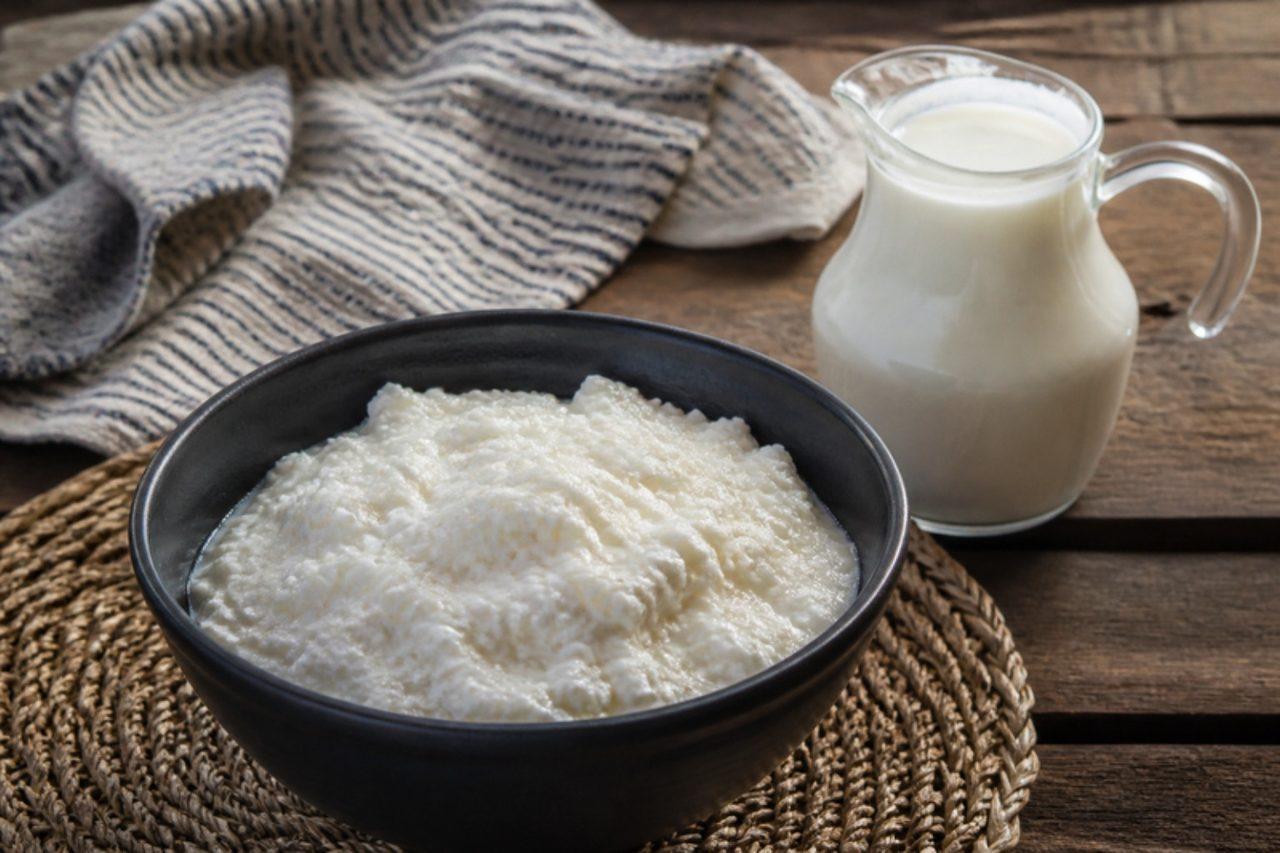
AmasiFermented milk with crumbly pap

Thick, tangy amasi was once soured in calabashes in Zulu and Xhosa homesteads, and it is still the drink-cum-meal that many South Africans crave on a hot afternoon, poured over crumbly pap as umvubo. At home it is easy and safe with pasteurised full-fat milk and a spoon of live cultured buttermilk as the starter; never use raw milk. Expect something like a pourable, sharper yoghurt with soft curds, cooling against the dry, crumbly maize. The common mistake is fermenting somewhere too warm, which makes the milk separate into watery whey and rubbery lumps. Chef's tip: once it has set, chill it for a few hours before eating; the cold firms the curd and rounds out the sourness.

by KrazyBadal 1 views

MarraquetaCrusty split bread rolls

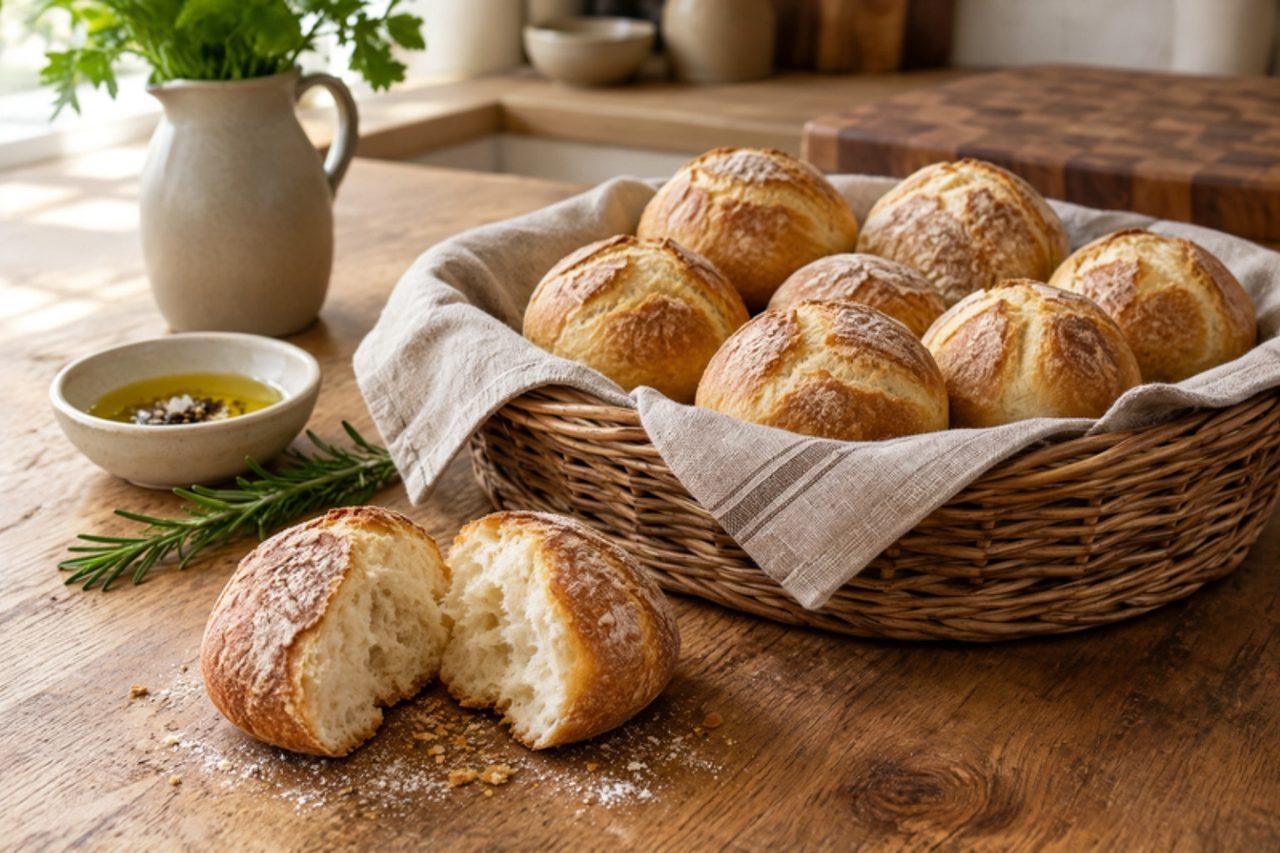
Chileans eat more bread than almost anyone, and in Santiago the bread is marraqueta (called pan batido or pan francés in other cities): a crackling, airy roll made of two twin halves, each scored deep so the whole thing breaks into four pieces. It is bought warm from the corner bakery for breakfast and for once, the evening tea, and filled with avocado, cheese or butter. The most common mistake at home is baking without steam: the crust comes out pale and leathery instead of thin and shattering. Chef's tip: press the oiled handle of a wooden spoon right down into each pair of balls, almost to the work surface; a shallow groove disappears as the roll rises.

by KrazyBadal 0 views

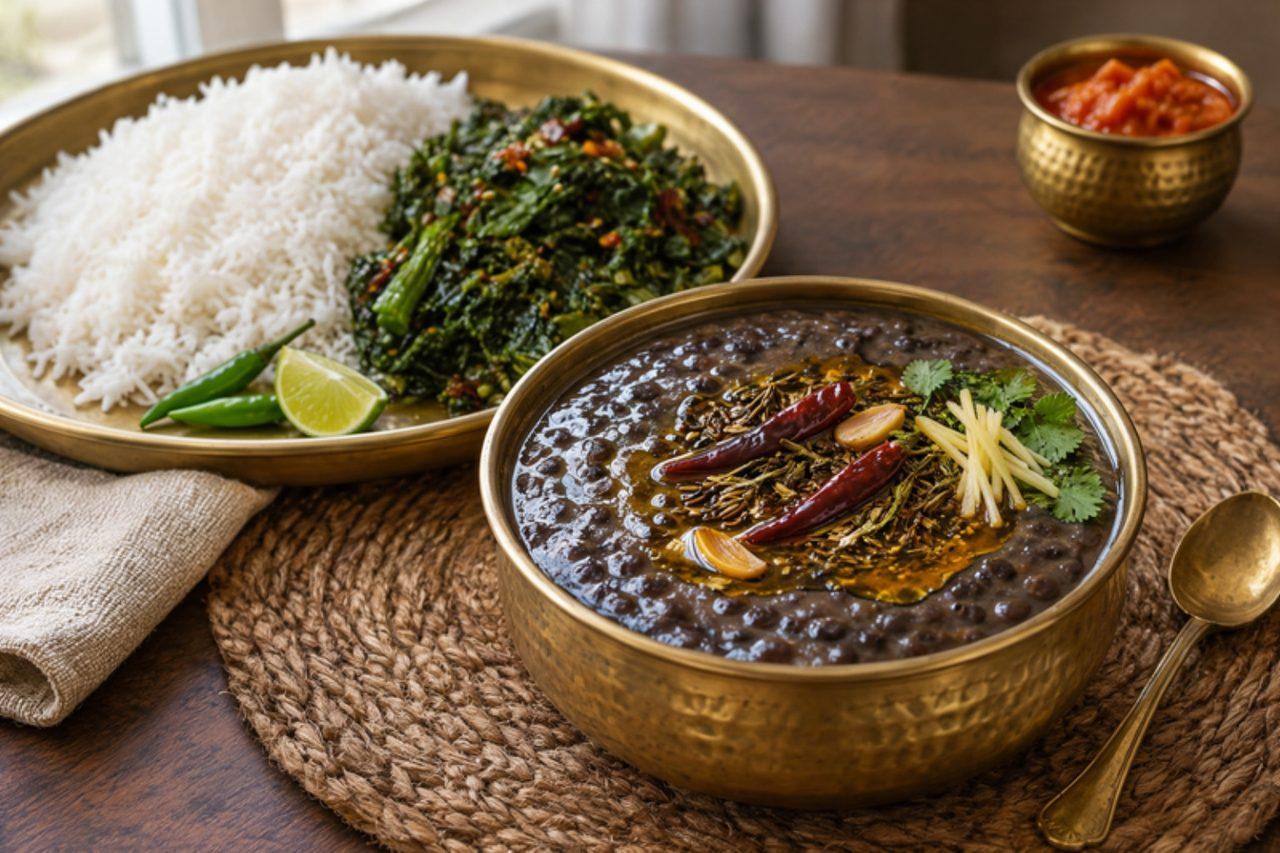
Mas ko dalBlack lentil dal

Mas ko dal, made from whole black urad, is the thick, dark dal of the Nepali hills, cooked in heavy pots in Kathmandu, Gorkha and the Newar towns, especially on cold days and for festival meals. Slow cooking makes it creamy and earthy, and the tempering of jimbu, garlic and cumin in hot mustard oil gives it the scent of the Himalaya. Eat with rice, roti or dhido. Suitable as part of a balanced diet, it is high in protein and fibre: about 250 kcal and 30 g carbohydrate per portion; brown rice or millet dhido suits it well. The usual mistake is not soaking the lentils, which leaves them hard and the dal thin; soak them overnight. Chef's tip: simmer the dal with a few ginger slices and mash it lightly with a wooden spoon at the end for the classic thick texture.

by KrazyBadal 0 views

Mas podichathuDry-fried flaked tuna

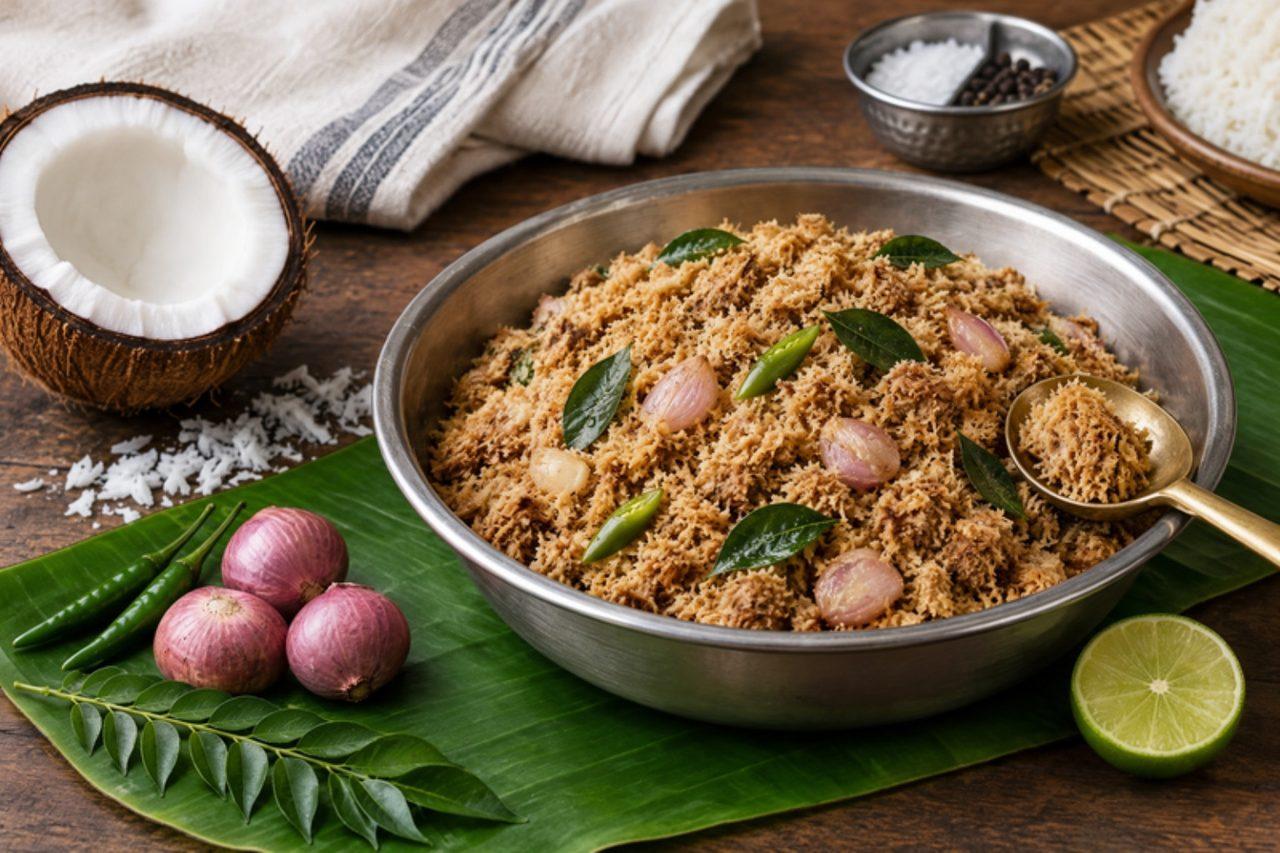
Tuna is the backbone of Lakshadweep cooking, and mas podichathu is how island families turn a piece of cooked tuna into a dry, fluffy side for rice, a filling for parotta, or a quick lunch with black tea. The fish is poached, flaked by hand and fried with shallots, green chilli, ginger, curry leaves and lots of grated coconut until each strand is separate and toasty. Traditionally it is made with mas, the islands' smoked and sun-dried tuna; fresh tuna is easier to find. The common mistake is mashing the fish into a paste; flake it with your fingers into long shreds. Fish is done when it is opaque and flakes easily before you start frying. Chef's tip: squeeze the poached fish gently in a cloth so it fries crisp instead of steaming.

40 minIndianFishGluten free
by KrazyBadal 0 views

SinasirRice pancakes

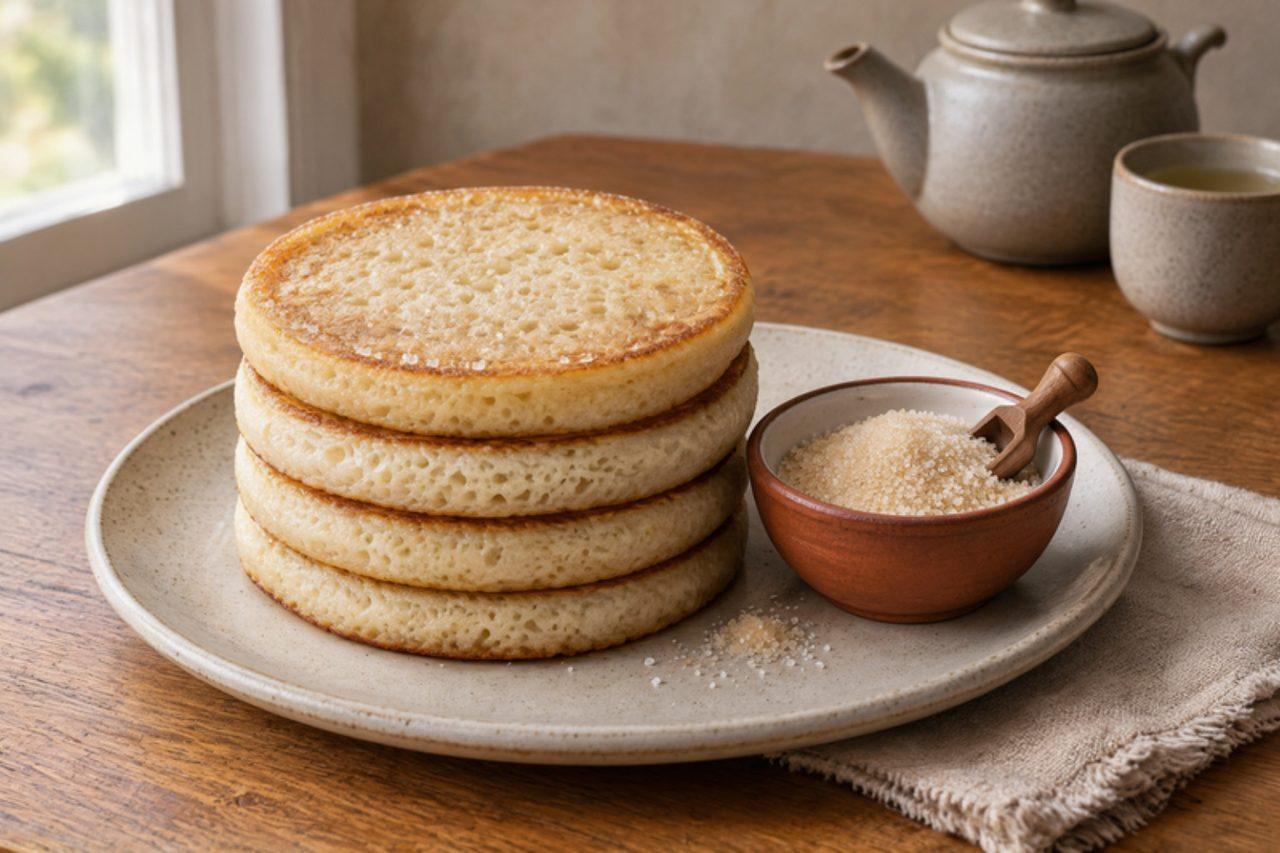
Across Kano, Zaria and Niger, sinasir is a breakfast and snack food: a fermented rice batter poured into a small pan, covered and cooked on one side only, so the top stays soft and covered in holes like a crumpet while the base turns lightly golden. They are eaten warm with sugar, with groundnut oil and yaji, or alongside miyan taushe (pumpkin soup). Traditionally the rice is soaked and ground; this home version uses rice flour plus a little cooked rice for the same soft chew. The common mistake is flipping them: sinasir is meant to have a pale, holey top, so cover the pan and let steam cook it instead. Chef's tip: the batter is ready when it has doubled and looks bubbly; if it hasn't, give it longer rather than adding more yeast.

by KrazyBadal 1 views

Mashed matooke for babiesMashed green banana for babies

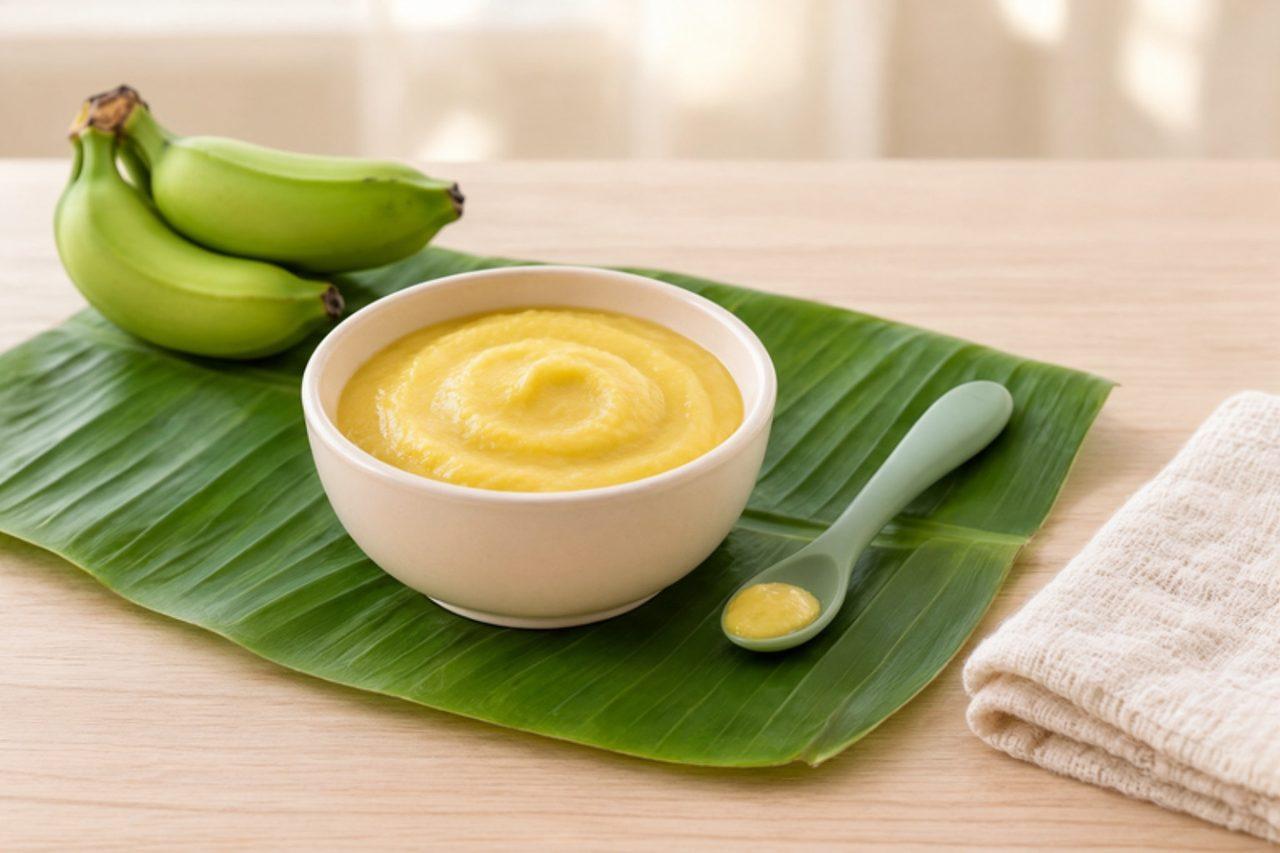
Matooke, the green cooking banana trucked into Kampala's Owino and Nakasero markets in great bunches, is Uganda's everyday staple, and the first food most Ugandan babies eat. The fingers are peeled, wrapped in banana leaves and steamed until they turn soft and golden, then mashed with a little of the steaming water into a smooth, mild, slightly earthy purée. Families feed it at the midday meal, on its own at first and later with groundnut sauce. Nothing is added for babies: no salt, sugar or honey. It is free of the major allergens. Chef's tip: oil your hands and knife before peeling; green matooke oozes a sticky sap that stains skin and boards.

by KrazyBadal 0 views

MoshOat and milk drink

In Guatemalan homes, mosh is what a mother hands a child on a chilly highland morning in Quetzaltenango or Huehuetenango: rolled oats cooked long and thin with water, milk, cinnamon and sugar, so it's drunk from a mug rather than eaten with a spoon. The common mistake is making it too thick like porridge; it should pour easily, so keep adding hot milk or water as the oats swell. Chef's tip: whisk it hard for a minute at the end; it breaks up the oats and makes the drink smooth and frothy.

by KrazyBadal 0 views

MasikitaGrilled beef skewers

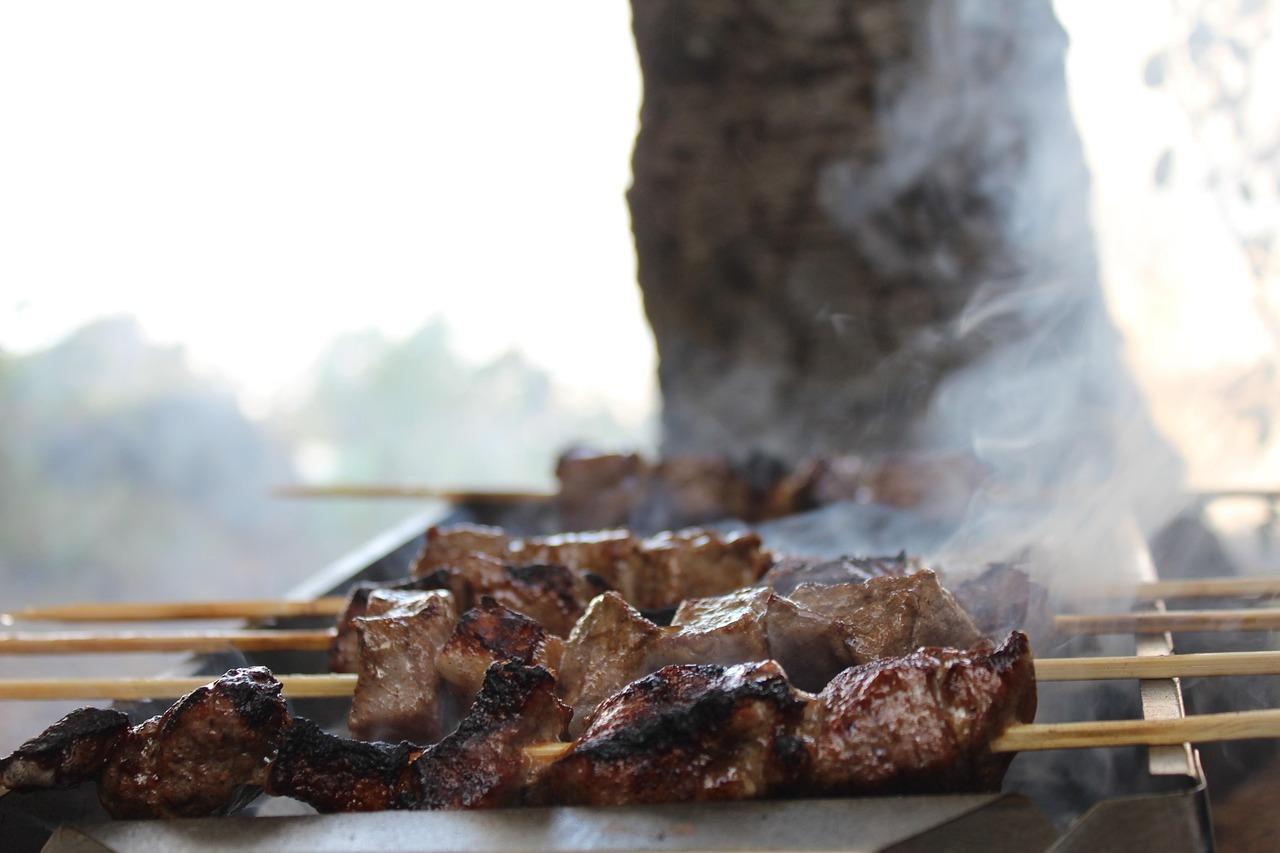
As the light fades in Mahajanga, Toliara and Antananarivo, the smoke from masikita grills drifts along the pavements, with vendors fanning glowing charcoal under rows of tiny skewers. In Madagascar they are made with zebu, the humped cattle that are central to life on the island; good beef rump or sirloin is the closest match at home. Small cubes are marinated with garlic, ginger, pepper and a little oil, threaded tightly and grilled fast, so the outside chars and the inside stays juicy. Eat them straight off the stick with sakay, a squeeze of lime and a cold drink, or with rice for dinner. Cutting the cubes too big is the common mistake: masikita should be bite-sized so they cook through in minutes. Chef's tip: soak wooden skewers for 30 minutes first so they don't burn before the beef is done.

by KrazyBadal 0 views

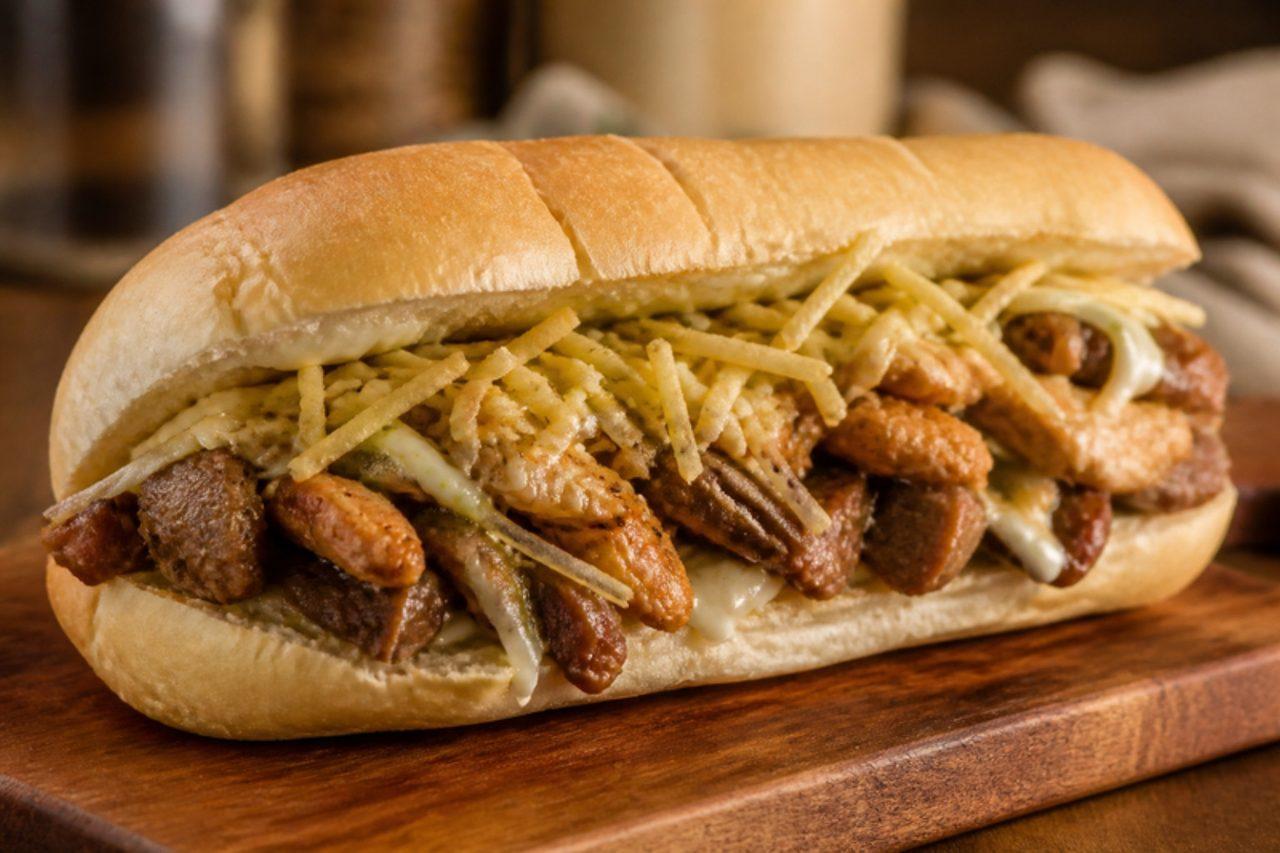
PepitoGrilled beef and chicken sub

When the bars close in Caracas, the queues form at the pepito stands of Las Mercedes and Altamira: long soft rolls stuffed with griddled strips of beef and chicken, grated cheese, lettuce and tomato, a crunchy handful of potato sticks and squiggles of garlic sauce, ketchup and mustard. It's messy, generous food, best eaten on the pavement. The common mistake is crowding the griddle, so the meat stews instead of searing. Chef's tip: cook the beef and chicken separately in a very hot pan, in small batches.

by KrazyBadal 0 views

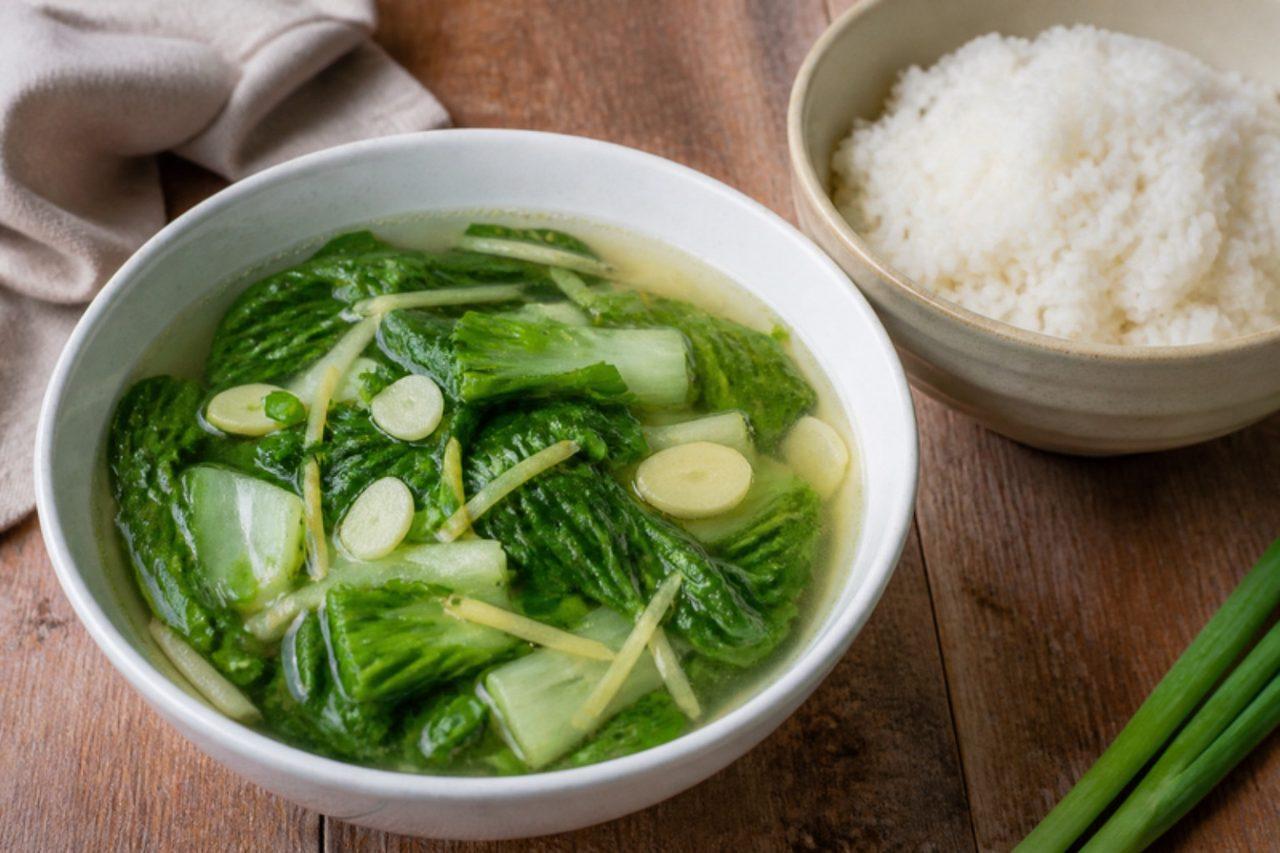
Bouillon brèdeGreens broth

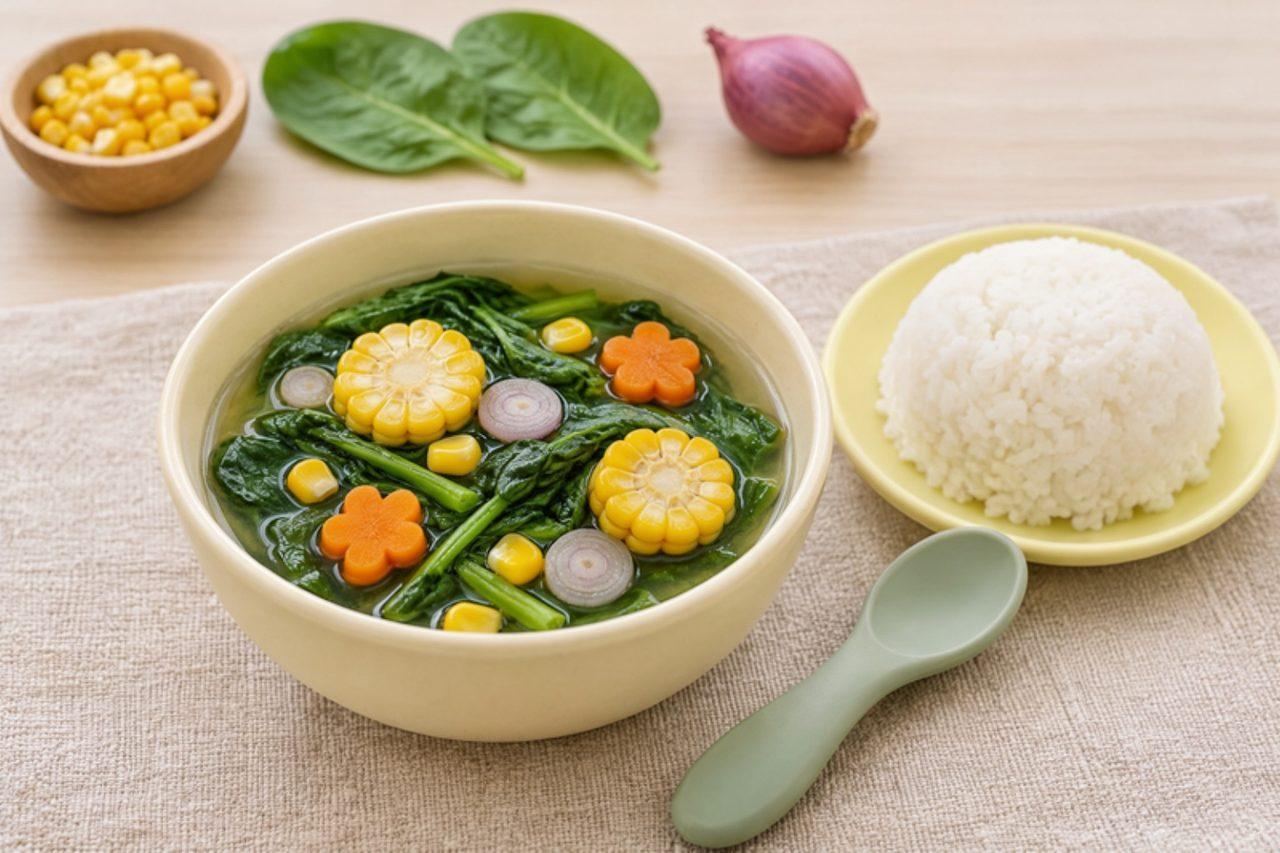
Ask a Mauritian what they eat when they are tired or under the weather and the answer is often a bowl of bouillon brède: a clear, gingery broth with soft greens, poured over plain rice next to a fried fish or a dish of lentils. The greens change with the market, from petsai (Chinese leaves) to watercress, pak choi or the leaves of the chayote vine, and the broth is never thickened, so it stays clean and almost sweet. It is done in under twenty minutes, which is why it turns up on so many weeknight tables from Rose-Hill to Mahébourg. People often boil the greens until they turn khaki and stringy; add them at the end and stop as soon as the stems are just tender. Chef's tip: crush the garlic and ginger, don't chop them, and fry them for just a minute so the broth smells warm without turning brown.

by KrazyBadal 0 views

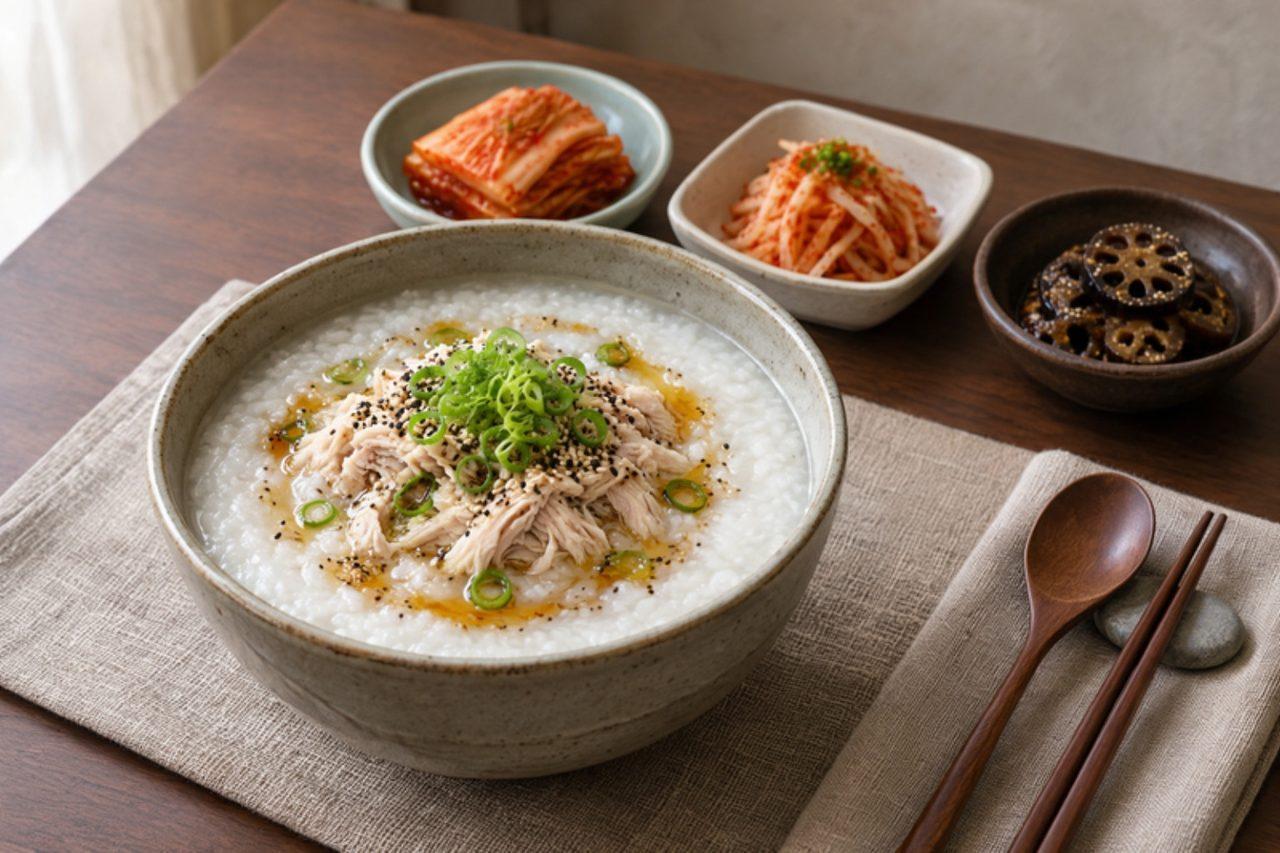
DakjukChicken and rice porridge

All over Korea, dakjuk is the bowl a mother makes on a cold morning or when someone is under the weather: chicken simmered with garlic and ginger, the meat pulled into shreds, and soaked rice cooked down in the broth until it turns into a soft, savoury porridge finished with sesame oil. It is eaten for breakfast or as a gentle lunch, with a little kimchi on the side. The usual mistake is boiling the chicken hard, which clouds the broth and toughens the meat; keep it at a lazy simmer. Chef's tip: fry the soaked rice in sesame oil for two minutes before the broth goes in, so the grains toast lightly and the porridge tastes nutty rather than flat.

by KrazyBadal 1 views

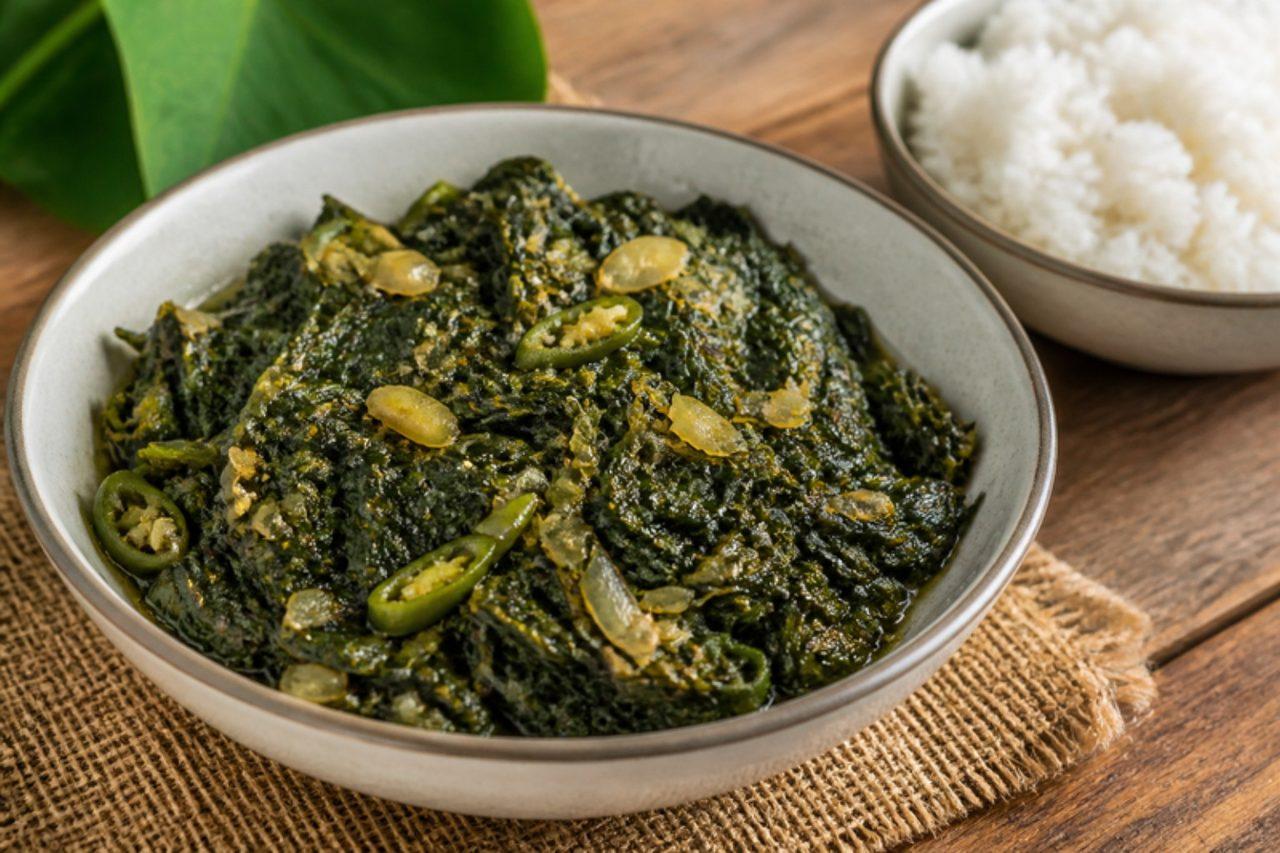
Bred songeBraised taro leaves

Songe is the island's name for the taro plant, and its big heart-shaped leaves end up in many Creole and Indo-Mauritian kitchens on a weekday night, braised down into a dark, silky tangle that tastes somewhere between spinach and artichoke. Buy the leaves from an Indian or Asian grocer, where they are sold as arbi or patra leaves; never pick them wild. Raw taro leaves contain needle-like crystals that make the mouth and throat prickle, and the commonest mistake is pulling them off the heat too soon, so they are blanched first and then cooked until completely soft, with a little tamarind to help. Spoon it next to rice, dholl and a fresh chatini, or tuck it into a farata. Chef's tip: taste a small piece before serving; if you feel even a faint scratch at the back of the throat, cover the pan and give it another five minutes.

by KrazyBadal 0 views

Huevos a la copaSoft-boiled eggs in a glass

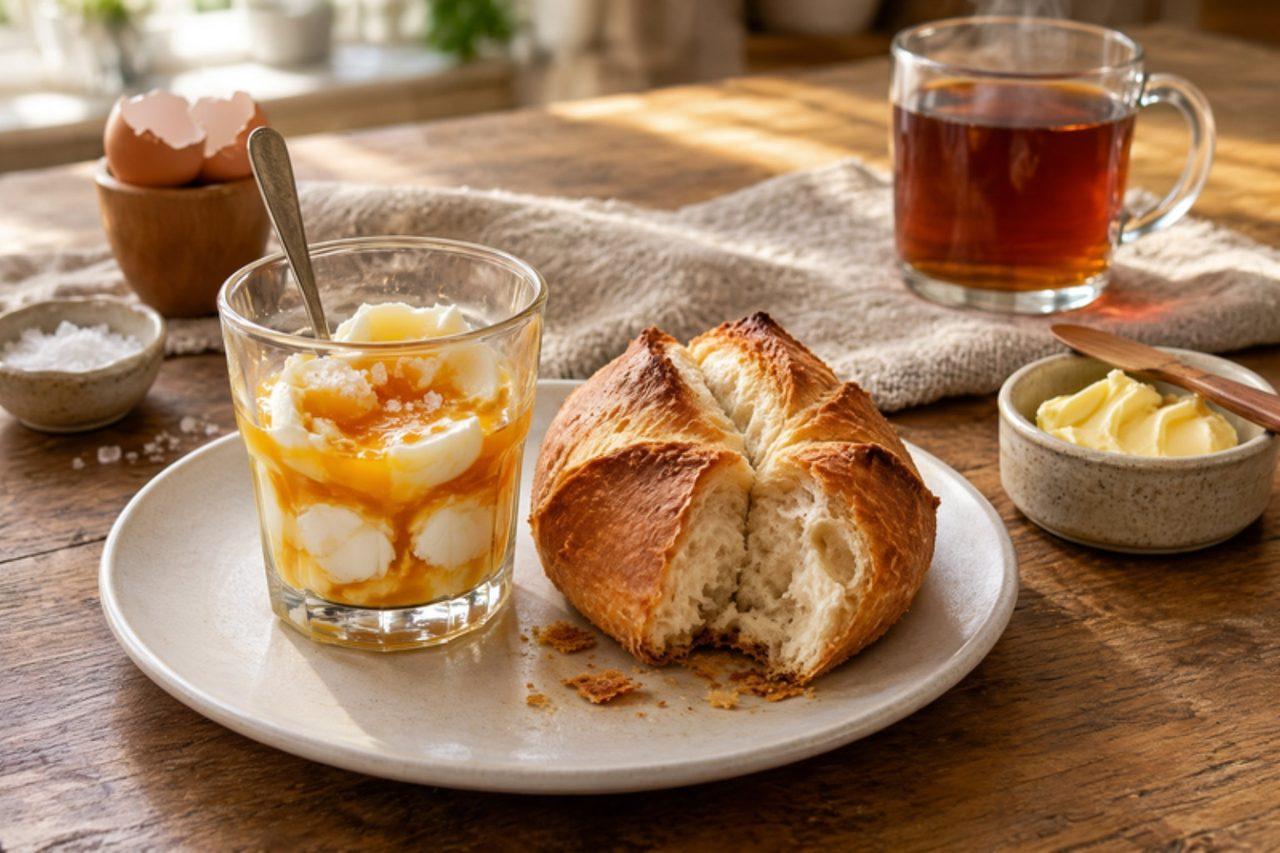
In Chilean homes, huevos a la copa are a weekday breakfast and a sick-day comfort: eggs boiled until the whites are just set and the yolks still runny, then scooped out of their shells into a small glass (the copa), broken up with a spoon, salted and eaten with warm marraqueta for dipping. The common mistake is timing from cold water, which makes the result unpredictable; lower the eggs into water that is already boiling. Runny yolks are not suitable for pregnant people, young children, older or vulnerable people; for them, boil the eggs for 9–10 minutes until fully set. If you need it gluten free, serve with gluten-free bread. Chef's tip: a tiny knob of butter stirred into the hot egg in the glass makes it silky.

by KrazyBadal 1 views

BahoSteamed beef, plantain and cassava

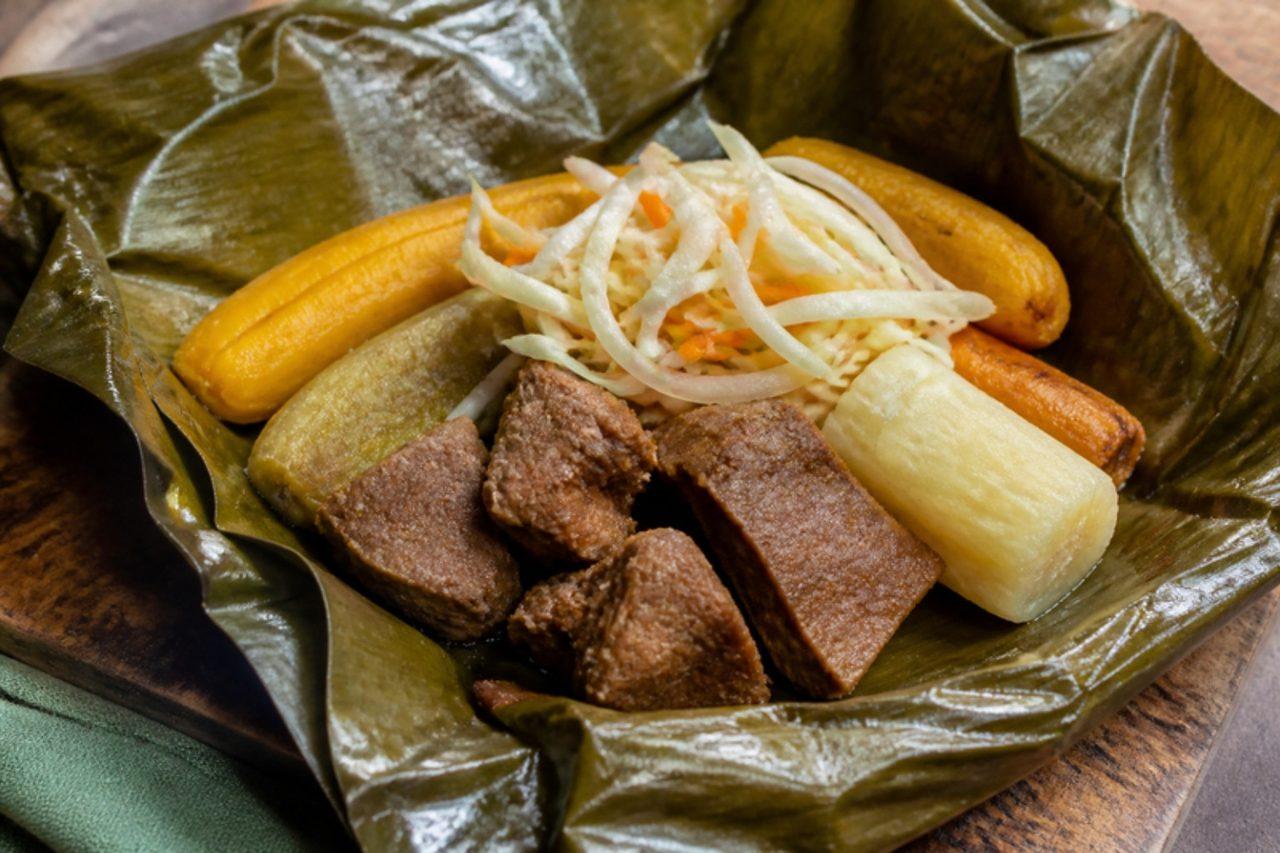
Baho, also spelled vaho, is the dish Nicaraguan families plan a Sunday around, especially in Granada and Managua: beef marinated overnight in sour orange and garlic, then steamed for hours in a big pot lined with banana leaves on a bed of green plantain, ripe plantain and cassava. Everything comes out tender and fragrant with the leaves, and it is served with a crunchy, vinegary cabbage salad to cut through the richness. Marinate the beef in the fridge, never at room temperature. The mistake that ruins it is letting the pot boil dry, which scorches the leaves and the plantain at the bottom; top up the water every hour. Chef's tip: keep a few banana leaves back to tuck over the top, so the steam stays trapped inside the parcel.

by KrazyBadal 0 views

MazavarooChilli paste

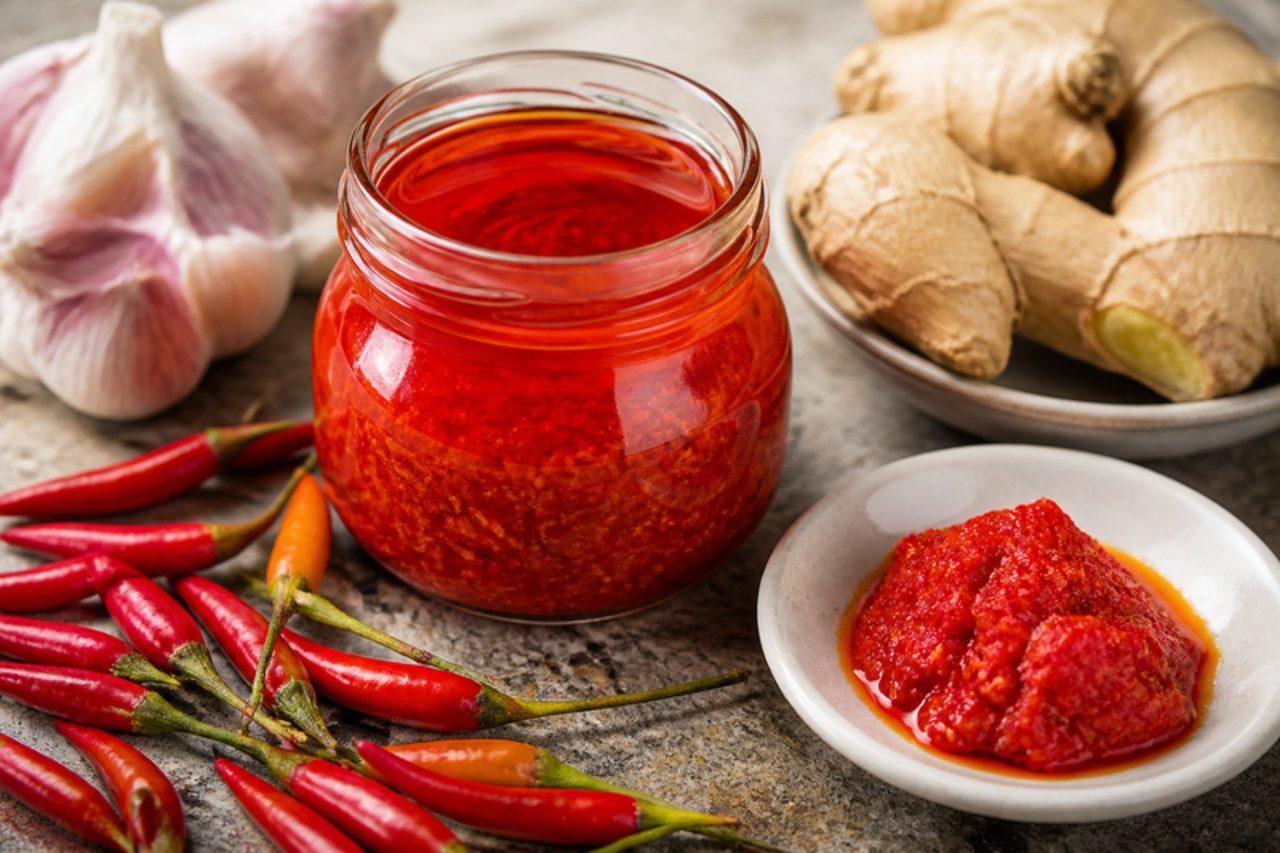
Every Mauritian table has a little jar of something red, and mazavaroo is the fiercest of them: bird's-eye chillies crushed with garlic, ginger and salt, then loosened with oil so it keeps. A pinhead goes on a dholl puri, into a bowl of noodle soup or beside fried snacks from a Port Louis vendor, and a teaspoon is enough to wake up a whole pot of lentils. The flavour is sharp and bright rather than smoky, with a garlicky bite. Wear gloves, and keep your hands away from your eyes; the classic mistake is to blitz it in an open blender and breathe the spray. Chef's tip: this is garlic in oil, so keep it in a clean jar in the fridge with the oil covering the surface and use it within two weeks.

by KrazyBadal 0 views

NapolitainesJam shortbread sandwiches with pink icing

Pink, round and glossy, napolitaines sit in the front window of every pâtisserie in Port Louis and Quatre Bornes, and they come out at birthday teas, christenings and school fêtes. Two discs of tender, barely sweet butter shortbread are glued together with strawberry jam and dipped in a thin pink icing that sets to a crisp shell; the biscuit should crumble against the sweet glaze, not snap. The common mistake is baking them until golden: they must stay pale, or the shortbread turns hard and tastes toasted. Look for a vegetarian red food colouring, as many red colourings are made from cochineal insects. Chef's tip: chill the cut rounds for 15 minutes before baking so they keep their sharp edges and do not spread.

by KrazyBadal 0 views

Vary sosoaRice soup with greens

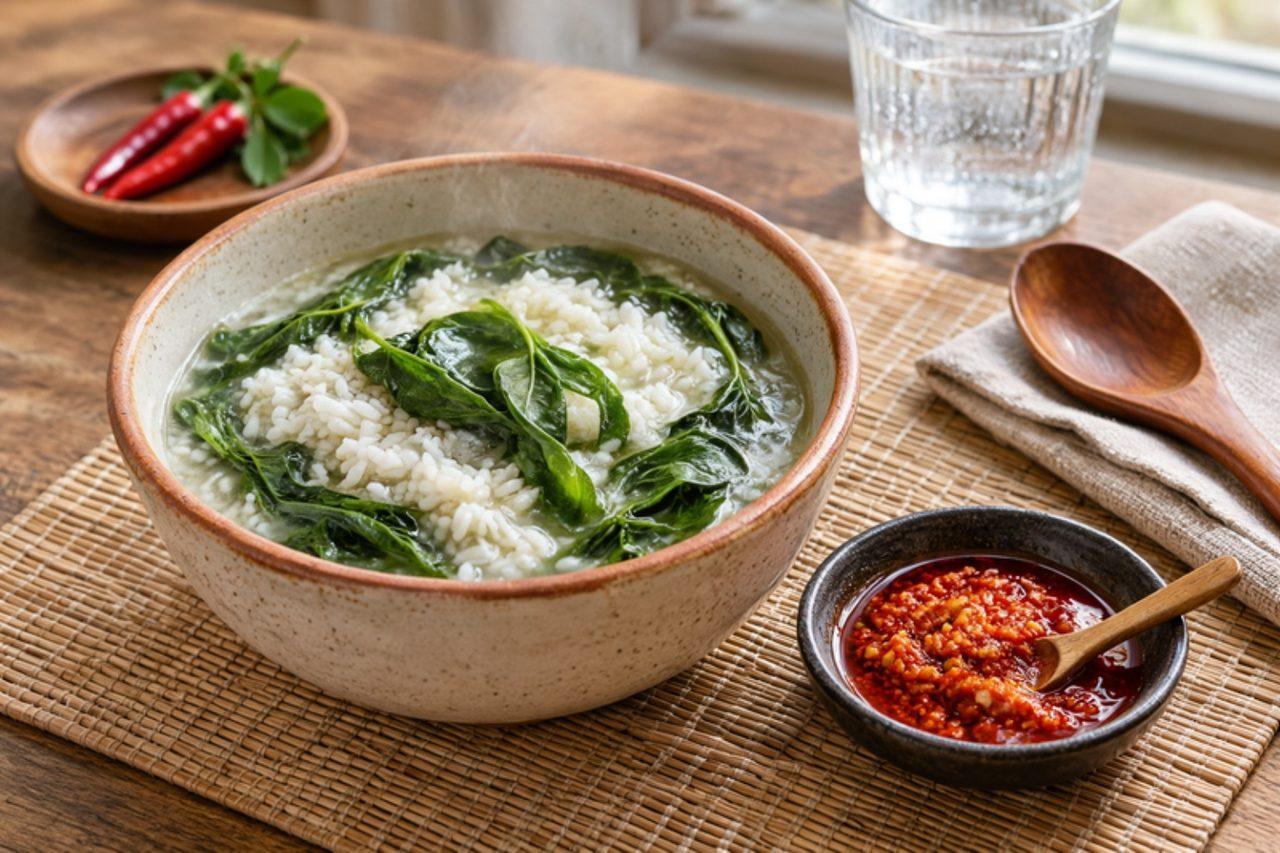
In Antananarivo and across the highlands, the day starts with a bowl of vary sosoa: rice cooked with plenty of water until the grains are soft and loose in their milky cooking liquid, wetter than plain rice but not as smooth as congee. Stalls serve it with kitoza (dried meat), eggs or a spoon of fiery sakay; this vegan version tops it with garlicky greens and homemade sakay chilli paste. The common mistake is stirring it like risotto, which makes it gluey; stir only now and then. Chef's tip: make the sakay the day before; the ginger and chilli mellow overnight in the oil.

by KrazyBadal 0 views

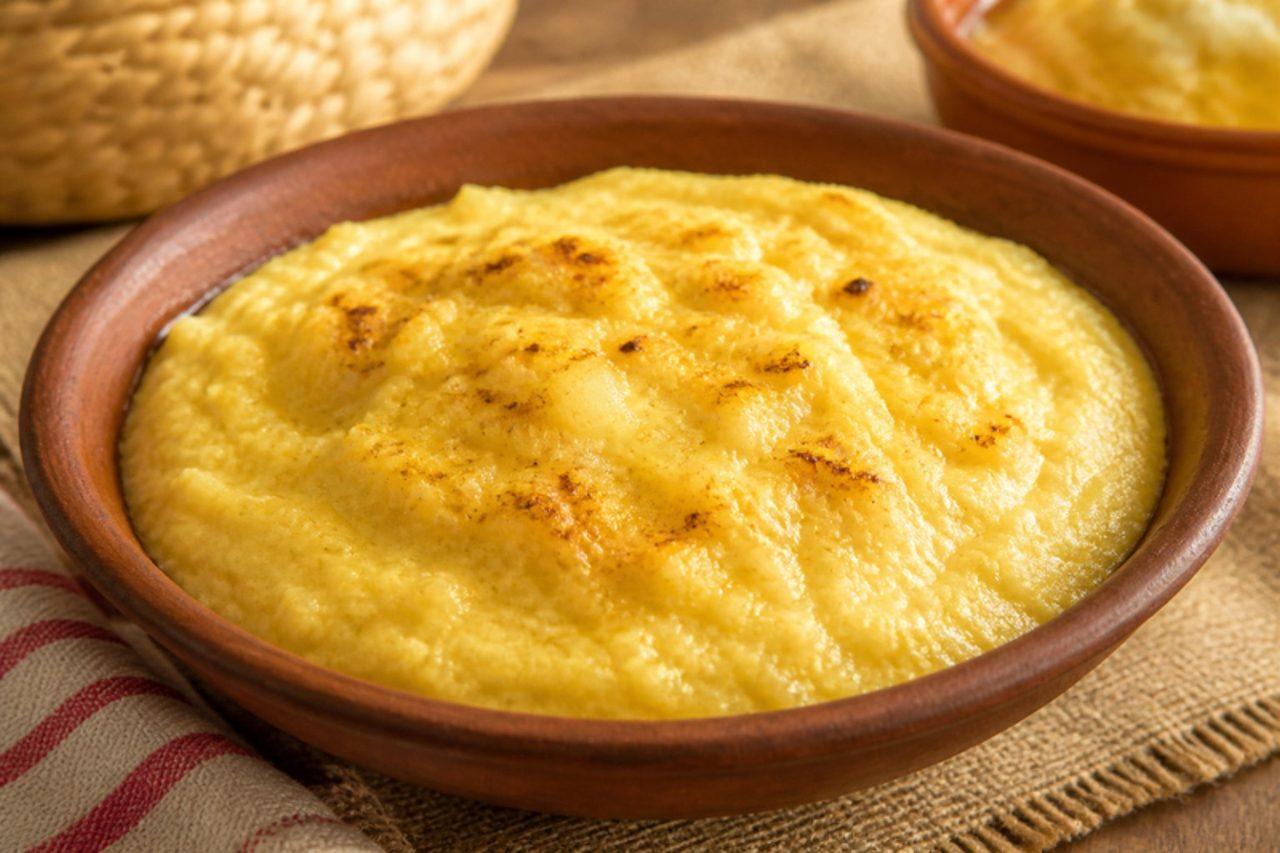
MbaipyCheesy polenta

Mbaipy (say 'mbai-PU') is Guaraní country cooking at its plainest: coarse corn flour stirred into milk and onion fried in oil until it thickens into a soft, spoonable porridge, finished with cubes of fresh cheese that melt into strings. In the Paraguayan countryside it is a cheap winter supper; cooks often stir in shredded chicken to make mbaipy so'o, but this is the meat-free version eaten on fasting days and in plenty of homes. Queso Paraguay is made with animal rennet, so use a vegetarian mozzarella or fresh cheese if you need to. The usual mistake is tipping the corn flour in all at once, which makes lumps that never cook out. Chef's tip: let it sit, covered, off the heat for five minutes before serving; it firms up slightly and the corn swells fully.

by KrazyBadal 0 views

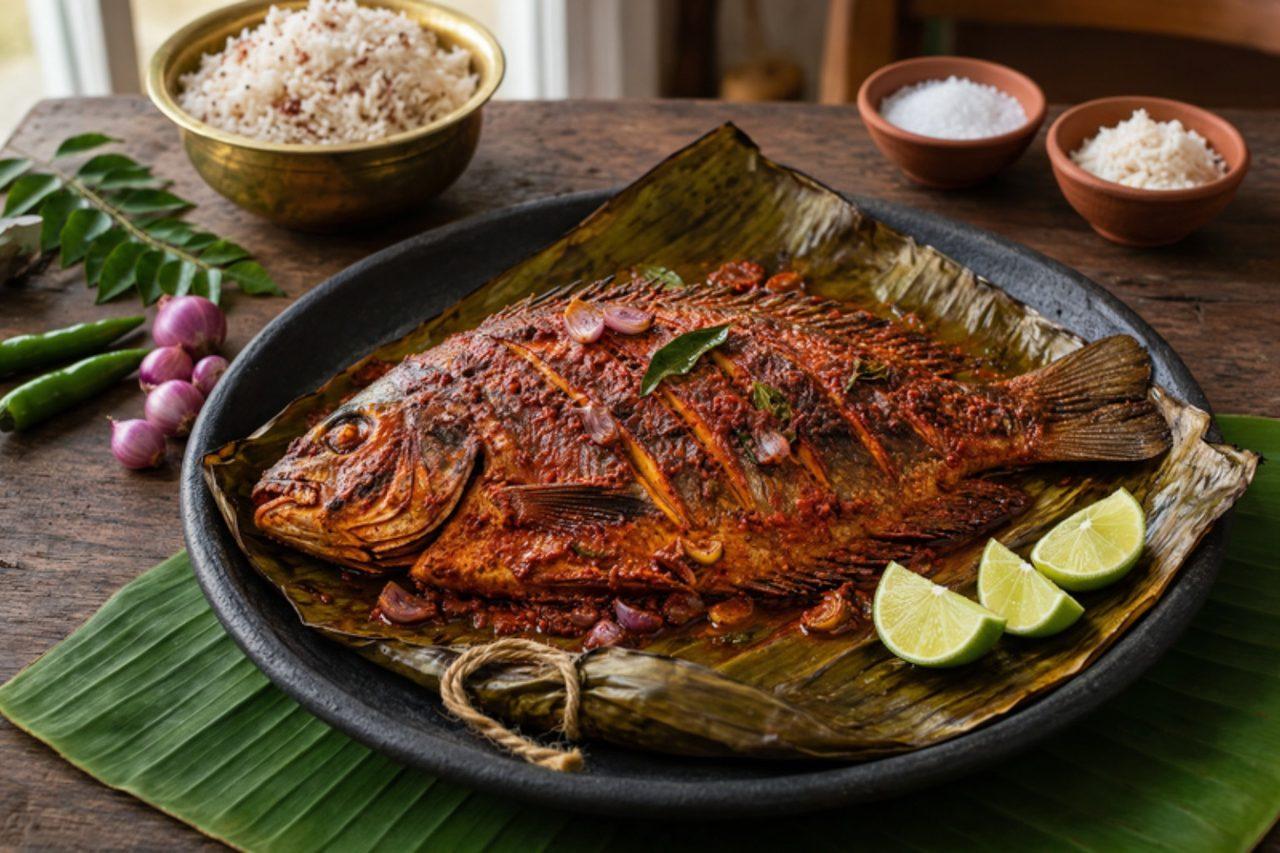
Meen pollichathuFish wrapped in banana leaf

Meen pollichathu belongs to the backwaters of Alappuzha and Kumarakom, where karimeen (pearl spot) is caught in the lagoons and served wrapped in banana leaf at toddy shops, houseboats and Syrian Christian Sunday lunches. The fish is rubbed with chilli and turmeric, briefly pan-fried, then wrapped with a thick masala of shallots, ginger, garlic, tomato, curry leaves and a little coconut milk and cooked on a pan until the leaf chars. Suitable as part of a balanced diet: high-protein fish with no flour. About 320 kcal and 9 g carbohydrate per portion; serve with a small portion of red matta rice or vegetables. The usual mistake is skipping the first light fry, which leaves the skin soft and lets the fish fall apart in the parcel. Sea bream or pomfret work well. Chef's tip: cook the masala until it is almost dry, or the parcel steams instead of roasting.

55 minIndianFishGluten free
by KrazyBadal 0 views

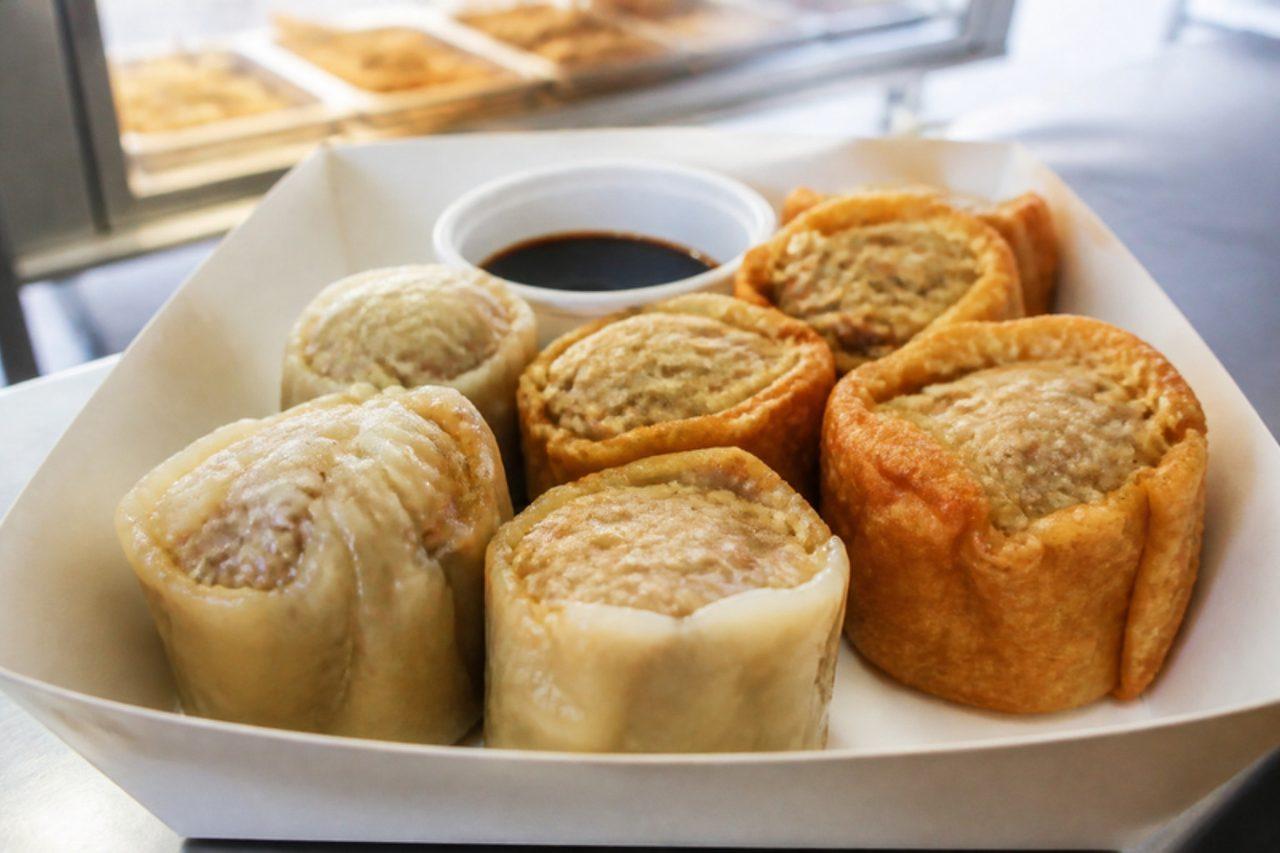
Dim simsPork and cabbage dumplings

The dim sim was invented in Melbourne in the 1940s by a Chinese-Australian cook and is now sold at every fish-and-chip shop and footy ground in Victoria, steamed or deep-fried and splashed with soy sauce. Much bigger and chunkier than Cantonese siu mai, it is filled with minced pork, cabbage and onion in a thick wrapper. This recipe contains pork. A common mistake is a dry, crumbly filling; mix the pork until sticky and add a little water. Chef's tip: steam them first, then deep-fry if you want the crunchy version, so the middle is surely cooked.

by KrazyBadal 0 views

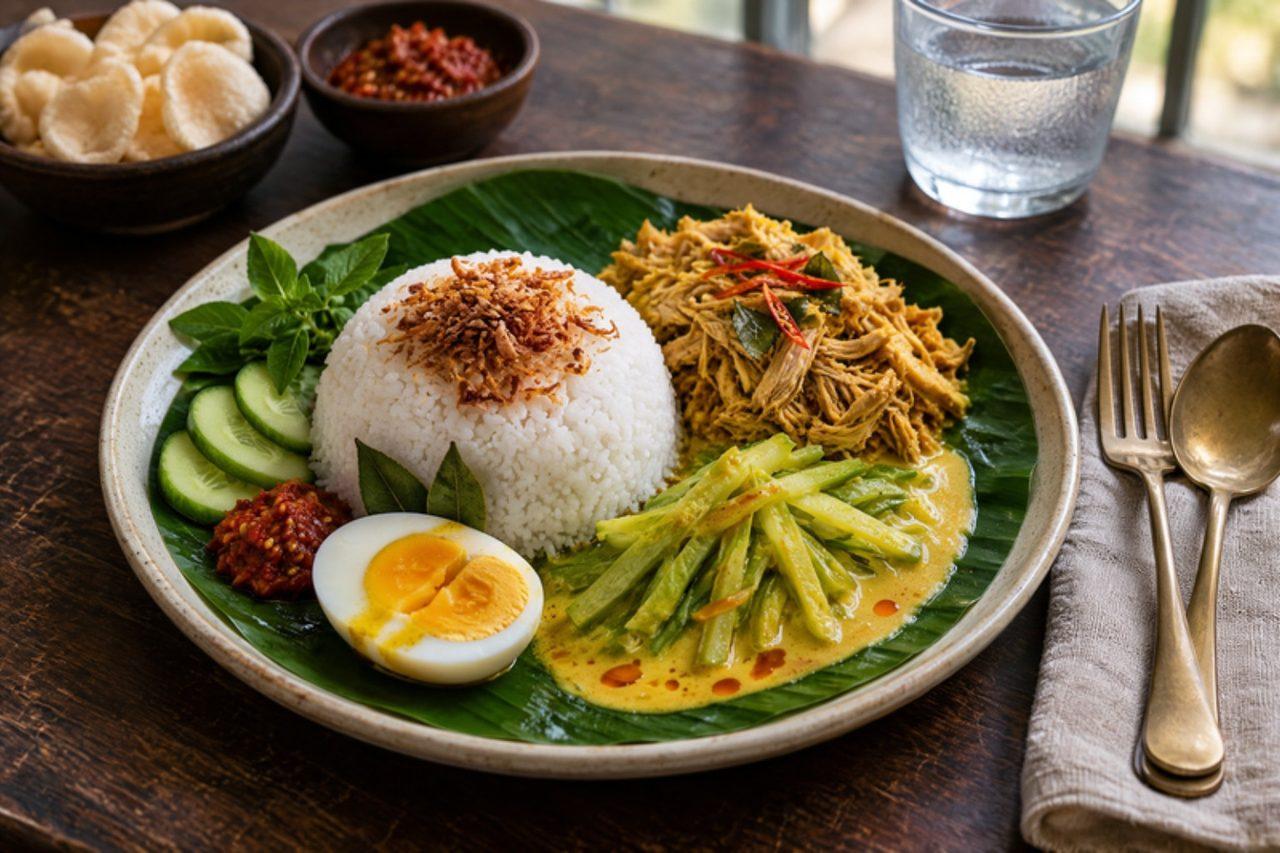
Nasi liwet SoloCoconut rice with shredded chicken

In Solo (Surakarta), Central Java, nasi liwet sellers set out at dawn with baskets of rice cooked in coconut milk and fragrant salam leaves, served on a banana leaf with shredded chicken, a mild chayote stew in coconut gravy (sayur labu siam) and a hard-boiled egg, all topped with a spoon of thick coconut cream called areh. It is a soft, gentle, savoury breakfast. The usual mistake is boiling the coconut rice too fast, which scorches the bottom before the grains are soft. Chef's tip: once the liquid is absorbed, finish the rice on the lowest heat with a clean tea towel under the lid so it steams fluffy, not wet.

by KrazyBadal 0 views

MerengadaStrawberry milk shake

Ask for a batido in Venezuela and you get fruit blended with water; ask for a merengada and it comes with milk, frothy and pale. The name is said to come from the old habit of beating in a little egg white like a meringue, which few cooks do now. Every panadería and fuente de soda from Maracaibo to Barcelona has a row of fruits on the counter, and strawberry from the Andes of Mérida, banana and guava are the favourites, ordered with a cachito or a pastelito at breakfast or as an after-school treat. A good merengada is cold, light and foamy, tasting clearly of fruit, not just of sweet milk. The common mistake is too little ice and too much milk, which gives a thin, warm drink with no froth. Blend the fruit with part of the milk first until perfectly smooth, then add the ice and the rest of the milk and blend hard. It is ready when a thick layer of pink foam sits on top and no fruit pieces are left. Banana or guava (strain the guava for seeds) work the same way. Chef's tip: frozen strawberries make it frostier; cut the ice by half if you use them.

by KrazyBadal 0 views

Pain maisonCrusty bread rolls

Every morning in Port Louis, Mahébourg and Rose-Hill, the boulangerie or a man on a bicycle delivers bags of pain maison: small, round white rolls with a thin, crackly crust and soft middle, split and filled with butter and cheese, with chilli-spiked gâteaux piments, or with leftover curry. They're a simple lean dough baked very hot. The common mistake is under-baking because they look golden early; give them the full time so the crust stays crisp after cooling. Chef's tip: spray the oven walls with water as the rolls go in; the burst of steam makes the shiny, cracked crust.

by KrazyBadal 0 views

Mermelada de ruibarboRhubarb jam

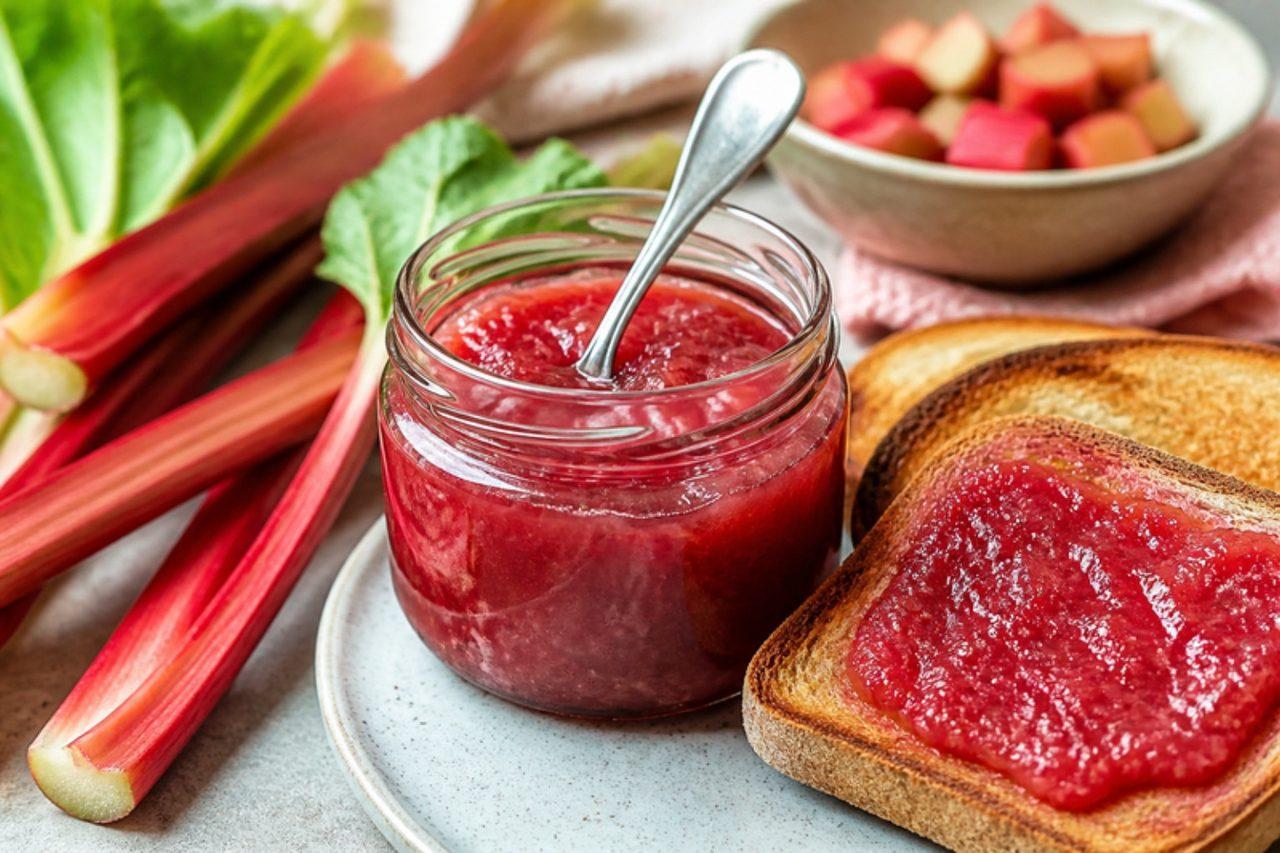
Rhubarb thrives in the cold, wet gardens of Aysén, around Coyhaique and Puerto Aysén, where it was planted by settler families and now grows almost wild beside the houses. Every summer the stalks go into big pots of jam, spread on warm sopaipillas or homemade bread at once (teatime) and given to visitors in jars. Use only the stalks: rhubarb leaves are poisonous and must be thrown away. The mistake most people make is boiling the jam too long, which turns it dull brown and stiff. Chef's tip: leave the chopped rhubarb in the sugar overnight; it releases its juice, so the jam cooks faster and keeps a pink colour and soft pieces.

by KrazyBadal 0 views

Bajre ki raabdiFermented pearl millet buttermilk porridge

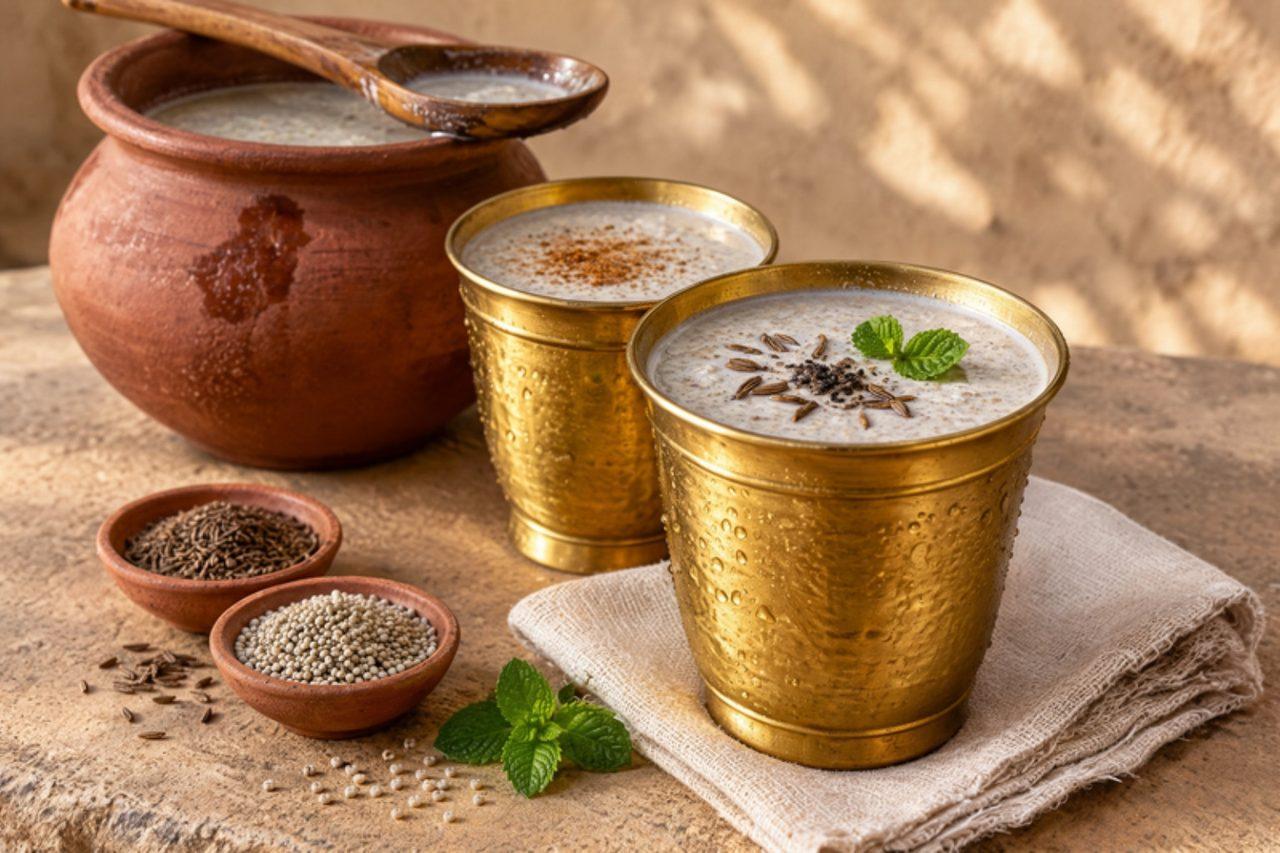
In the villages of Haryana and the Rajasthan border, raabdi is drunk at midday in May and June to keep cool in the fields. Pearl-millet flour is stirred into buttermilk and left to ferment for a few hours, then cooked slowly until thick, cooled in a clay pot and thinned with more buttermilk and salt. It tastes tangy and earthy, a little like a savoury porridge you can drink. Ferment at warm room temperature (25–32 °C) for 4–6 hours: it should smell pleasantly sour with a few bubbles. Throw it away if you see pink, black or furry mould or it smells rotten or of nail varnish. The common mistake is cooking on high heat, which scorches the millet and leaves raw lumps. Chef's tip: keep the cooked raabdi in the fridge and drink it within 2 days, thinning each glass to taste.

by KrazyBadal 0 views

Methi gajarCarrots with fenugreek leaves

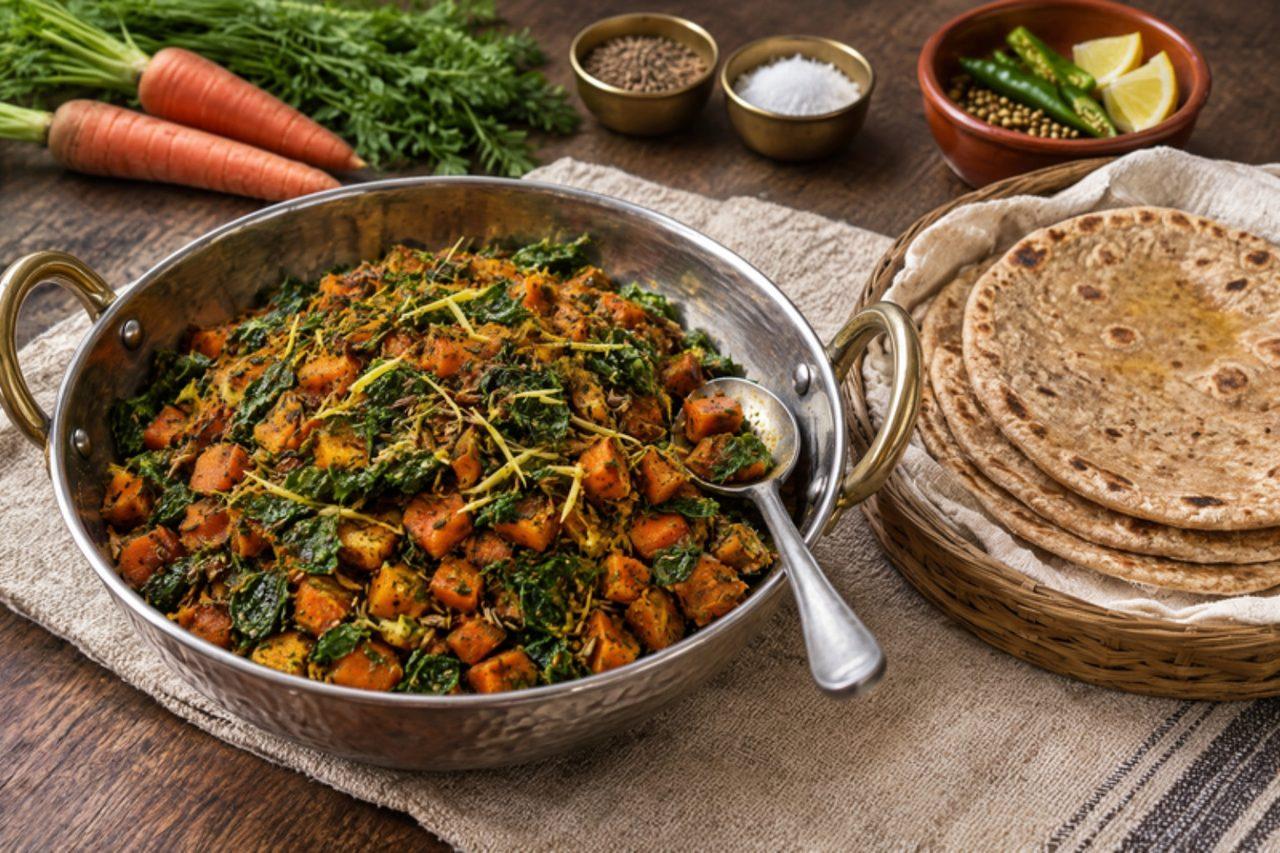
When the long red Delhi carrots and bunches of fresh methi fill the winter markets of Haryana and Punjab, this quick dry sabzi turns up beside every plate of rotis and dal. The slight bitterness of the fenugreek leaves and the sweetness of the carrots balance each other, helped along by a pinch of sugar and a squeeze of lemon. It takes about 25 minutes. The common mistake is adding the methi too early, which makes it bitter and dark. Chef's tip: rub the chopped methi with a little salt and squeeze it after 10 minutes; this tames the bitterness without losing the fragrance.

by KrazyBadal 0 views

Mi saoVegetable fried noodles

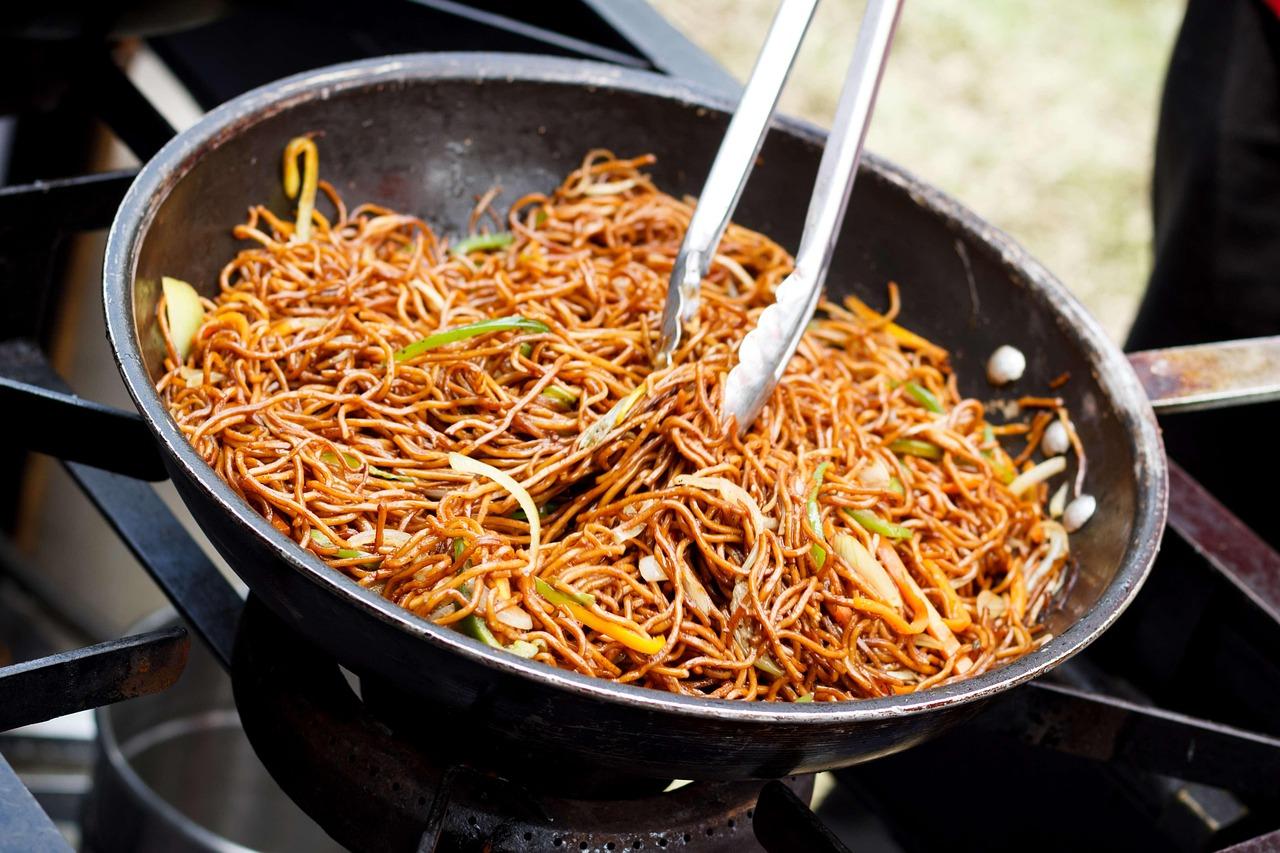
Chinese families who settled in Toamasina and Antananarivo a century ago brought mi sao with them, and it is now one of the most ordered plates at any hotely, often eaten at lunch with a bowl of clear soup on the side. This version is all vegetables: shredded cabbage, carrot, green beans and spring onion tossed with springy wheat noodles, garlic, ginger and soy sauce until glossy and a little smoky. Because of the soy sauce and wheat noodles it is not gluten free. Overcrowding the pan is the usual mistake; it steams everything into a limp tangle, so cook in two batches if your wok or pan is small. Chef's tip: rinse the boiled noodles in cold water and toss them with a few drops of oil, so they fry into separate strands instead of a sticky clump.

by KrazyBadal 0 views

Milagu kuzhambuBlack pepper tamarind gravy

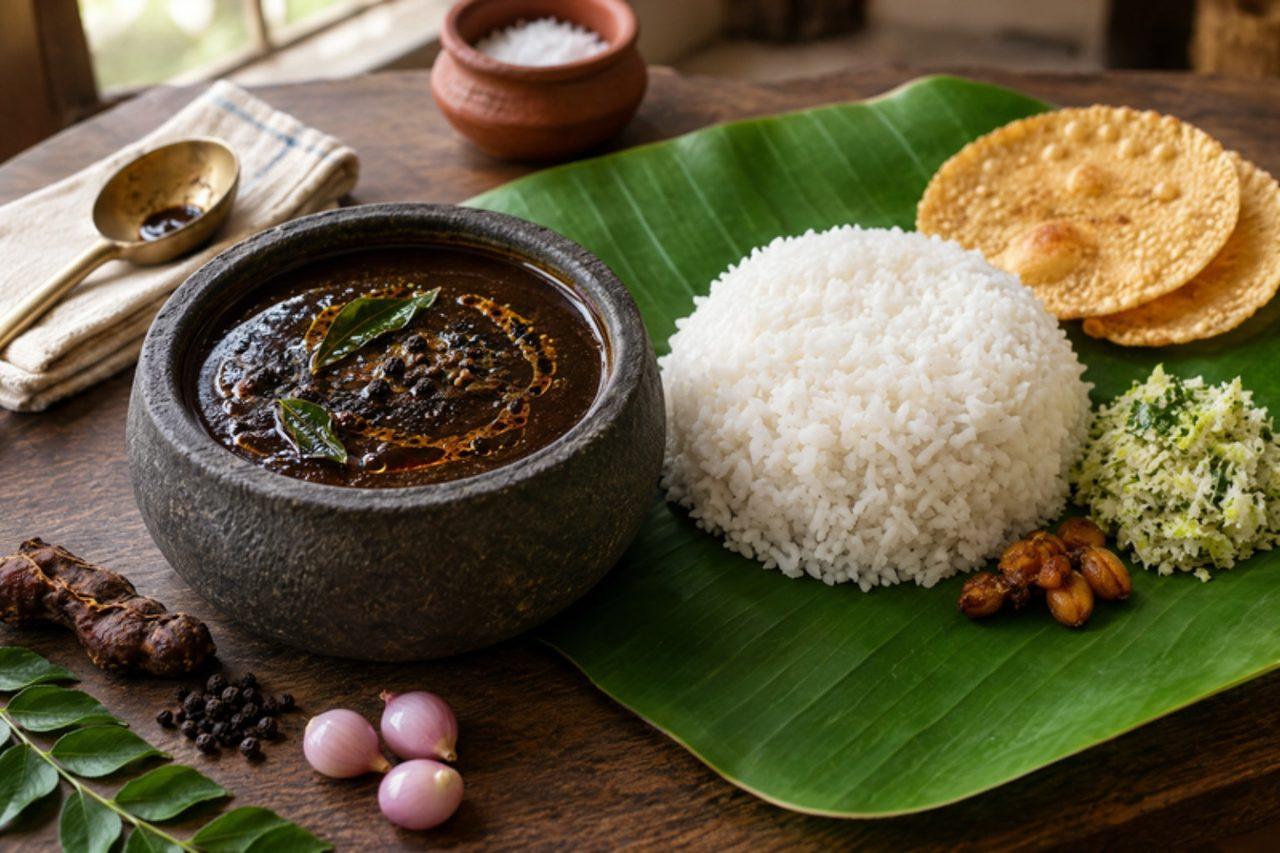
Milagu kuzhambu is the Tamil Brahmin travel curry: a dark, peppery tamarind gravy cooked down in sesame oil until thick, packed in a steel tin for train journeys and pilgrimages because it keeps for days without spoiling. At home it is mixed into hot rice with a spoon of ghee, on rainy days or when someone has a cold, and eaten with a plain poriyal or appalam. A little goes a long way: it is sharp, hot and slightly sweet. The usual mistake is pulling it off the heat too soon; it must reduce until the oil floats on top, or it tastes raw and won't keep. Store it covered in the fridge for up to 5 days and always use a dry spoon. Chef's tip: roast the pepper and lentils on a low heat until you smell them, not until they darken, because burnt pepper turns the whole pot bitter.

by KrazyBadal 0 views

GambirButtered pan-fried flatbread

Gambir is a flaky, layered flatbread found in Ulaanbaatar canteens and family kitchens, rolled thin, brushed with butter, folded and pan-fried until crisp in spots and tender within. It is eaten for breakfast with milk tea, often with a sprinkle of sugar, or filled with a layer of thick cream called öröm. A common mistake is rolling the dough without resting it, so it springs back; give it 20 minutes. Chef's tip: roll the buttered dough up like a rope, coil it and roll flat again; that's where the layers come from.

by KrazyBadal 0 views

Minil songaBamboo-roasted sticky rice

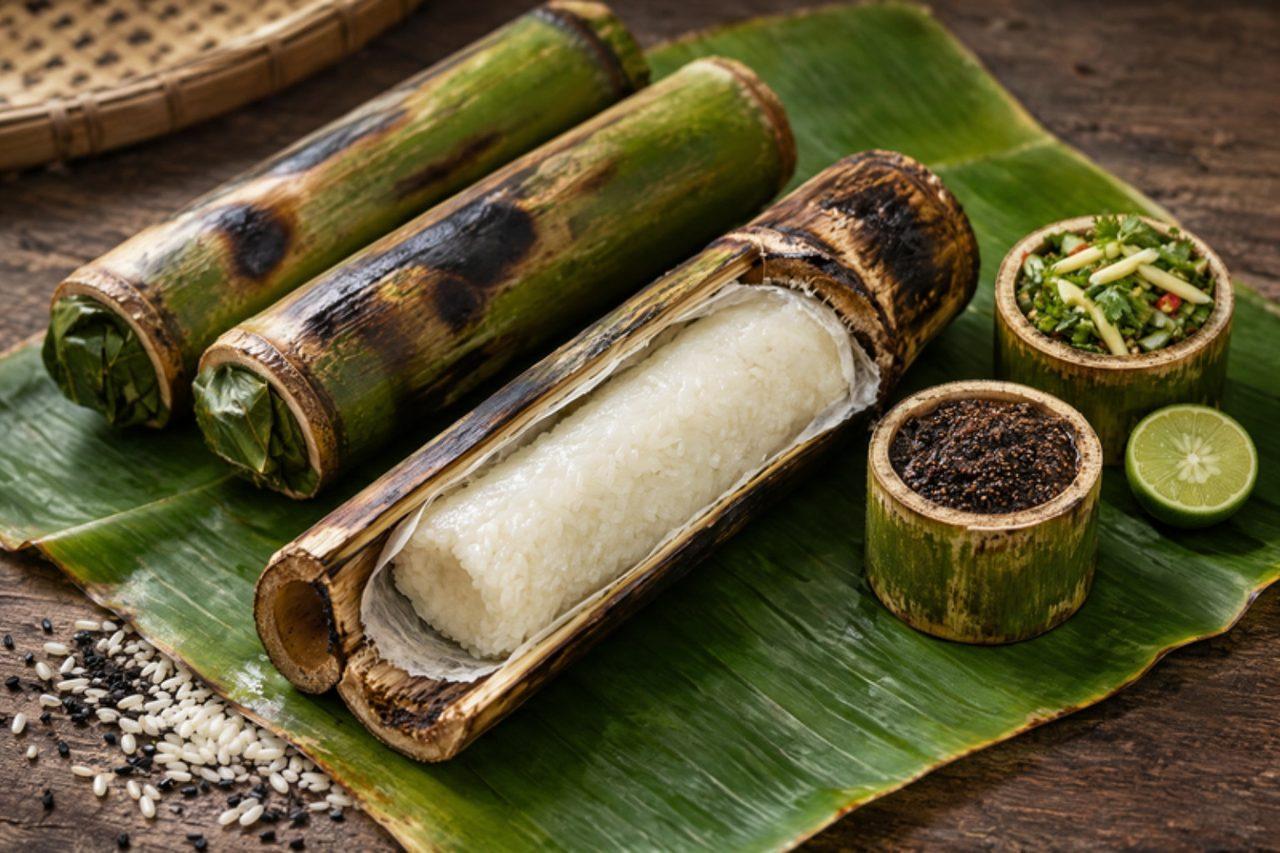
The Garo of western Meghalaya make minil songa for festivals, hunting trips and family picnics, packing soaked sticky rice into lengths of green bamboo and roasting them in the embers until the rice comes out fragrant, firm and faintly smoky. At home, a hot oven or a grill gives a very good result. The mistake to avoid is sealing the bamboo too tightly: steam must escape. Chef's tip: if you have no bamboo, roll the rice in a double layer of banana leaf and foil.

by KrazyBadal 0 views

MiscutRaw mango pickle

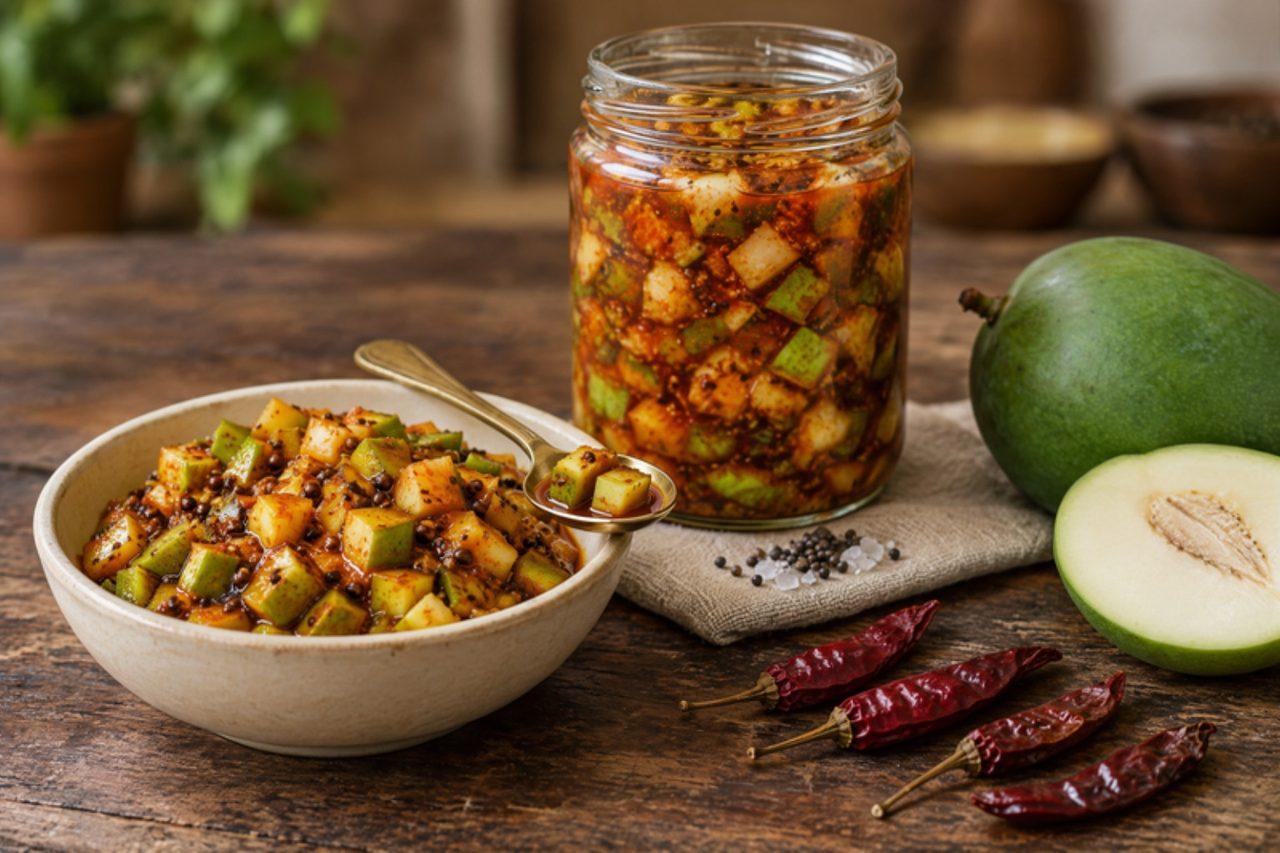
Before the monsoon breaks over Goa in late May, the first small, tender mangoes are knocked from the trees in Salcete and Bardez villages and cut for miscut, the pickle Goan Catholic families keep for the rainy months when fishing stops and the table relies on rice, curry and preserves. Unlike Gujarati pickles, miscut leans on toddy or cane vinegar: the mango is salted overnight, then folded into a paste of Kashmiri chilli, mustard, fenugreek, turmeric, garlic and ginger ground in vinegar, and finished with oil. It is sour, hot and garlicky, the mango still crisp, and a spoonful brightens a plate of red rice and dried-fish curry or a simple pez (rice gruel). Common mistake: grinding the masala in water; it must be vinegar only, or the pickle spoils. It is ready after 4–5 days, when the vinegar has soaked into the mango and the raw-garlic bite has gone. Because it contains fresh garlic and ginger, keep it in the fridge for up to 3 months, always covered by liquid, dry spoon each time; discard if you see mould, fizzing, sliminess or smell anything off. Chef's tip: use mangoes whose stones have not yet hardened so you can slice straight through.

by KrazyBadal 0 views

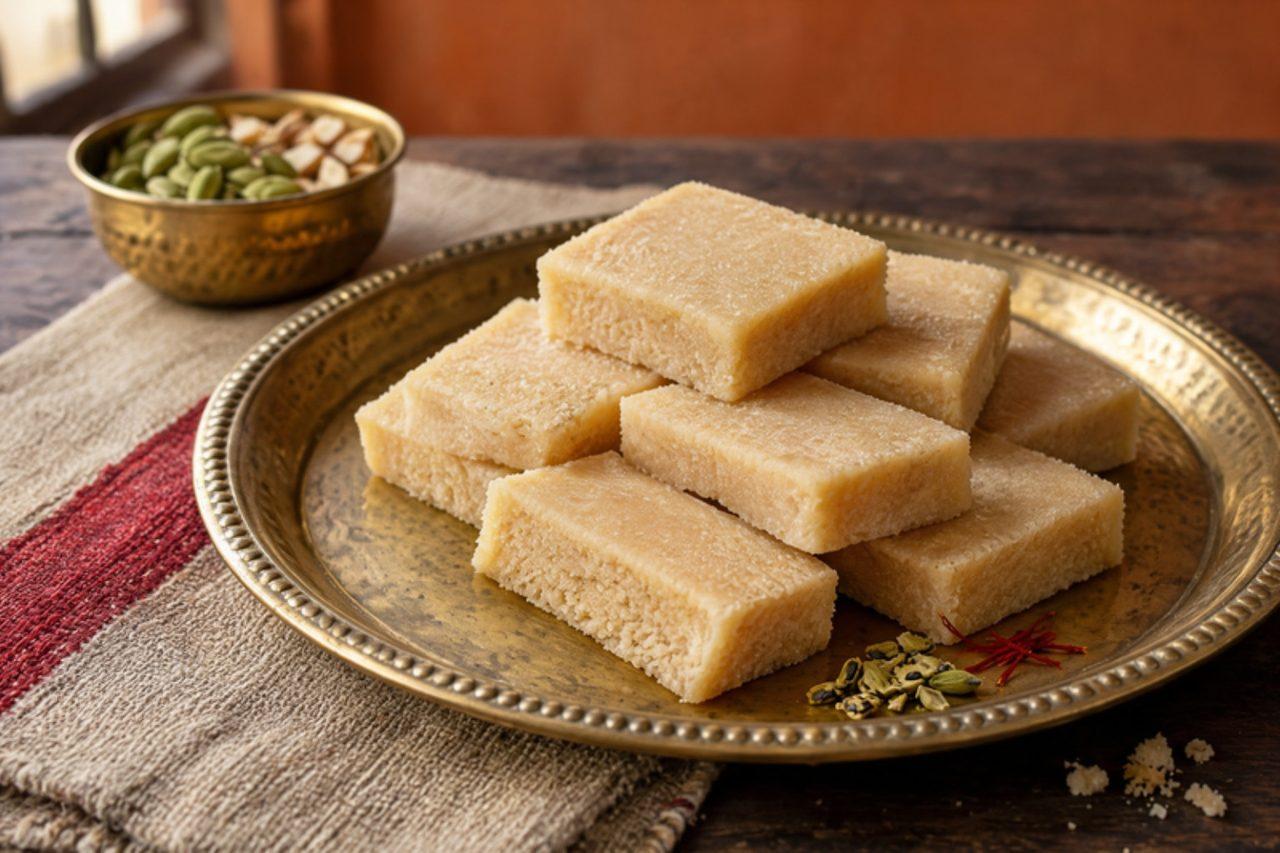
Mishri mawaSweet milk flakes

Mishri mawa is the pride of Jaipur's old sweet shops near Johari Bazaar: full-fat milk boiled down slowly with sugar and a little alum until it splits into tiny, sparkling grains, then set loosely so it breaks into soft flakes that melt on the tongue. It is bought for Diwali, weddings and when guests arrive from far away. Unlike kalakand, it is very white and only lightly set, with saffron and cardamom. The common mistake is letting the milk catch at the bottom; even a little scorching turns it beige and smoky. Chef's tip: use a wide, heavy pan and scrape the base and sides with a flat spatula every minute once the milk has halved.

by KrazyBadal 0 views

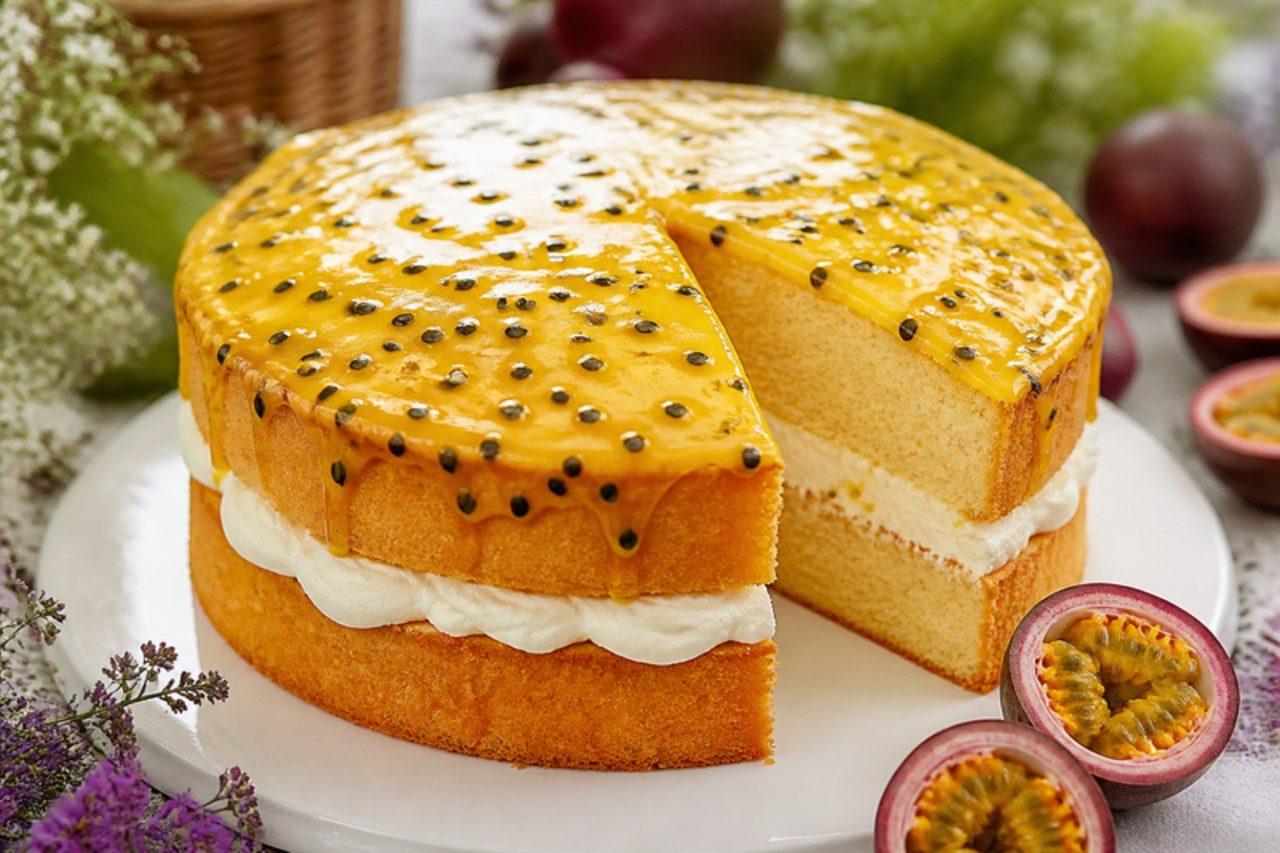
Passionfruit sponge

The passionfruit sponge is the star of the Australian country show cake table and every Sunday afternoon tea, made from the vines that cover back fences from Sydney to the Sunshine Coast. Two airy, fatless sponges are filled with whipped cream and topped with a tangy passionfruit icing. A common mistake is knocking the air out when folding in the flour; use a light hand and a big metal spoon. Chef's tip: beat the eggs and sugar for a full 8–10 minutes until thick enough to hold a trail.

by KrazyBadal 0 views

Ipoh white coffee

Ipoh's old town kopitiams, with their marble tables and morning crowds queueing for kai si hor fun and egg tarts, gave Malaysia its 'white coffee'. The name comes not from milk but from the roast: beans are roasted with palm-oil margarine, lighter than the dark, sugar-roasted kopi of the rest of the country, then brewed and served with condensed milk. It is smoother and less bitter than ordinary kopi, nutty and buttery, pale caramel in the cup, drunk hot at breakfast or iced in the afternoon heat. At home, buy ground Ipoh-style white coffee from an Asian grocer; you cannot easily reproduce the margarine roast in a kitchen. The common mistake is brewing it like espresso: forced extraction makes it bitter and kills the soft, toasty flavour. Steep it in a cloth sock or a coffee filter with water just off the boil. It is ready when the brew is reddish-brown and clear, not inky. This is a strong coffee with real caffeine, not for children. Chef's tip: warm the cups with hot water first; white coffee cools fast and loses its aroma.

by KrazyBadal 0 views

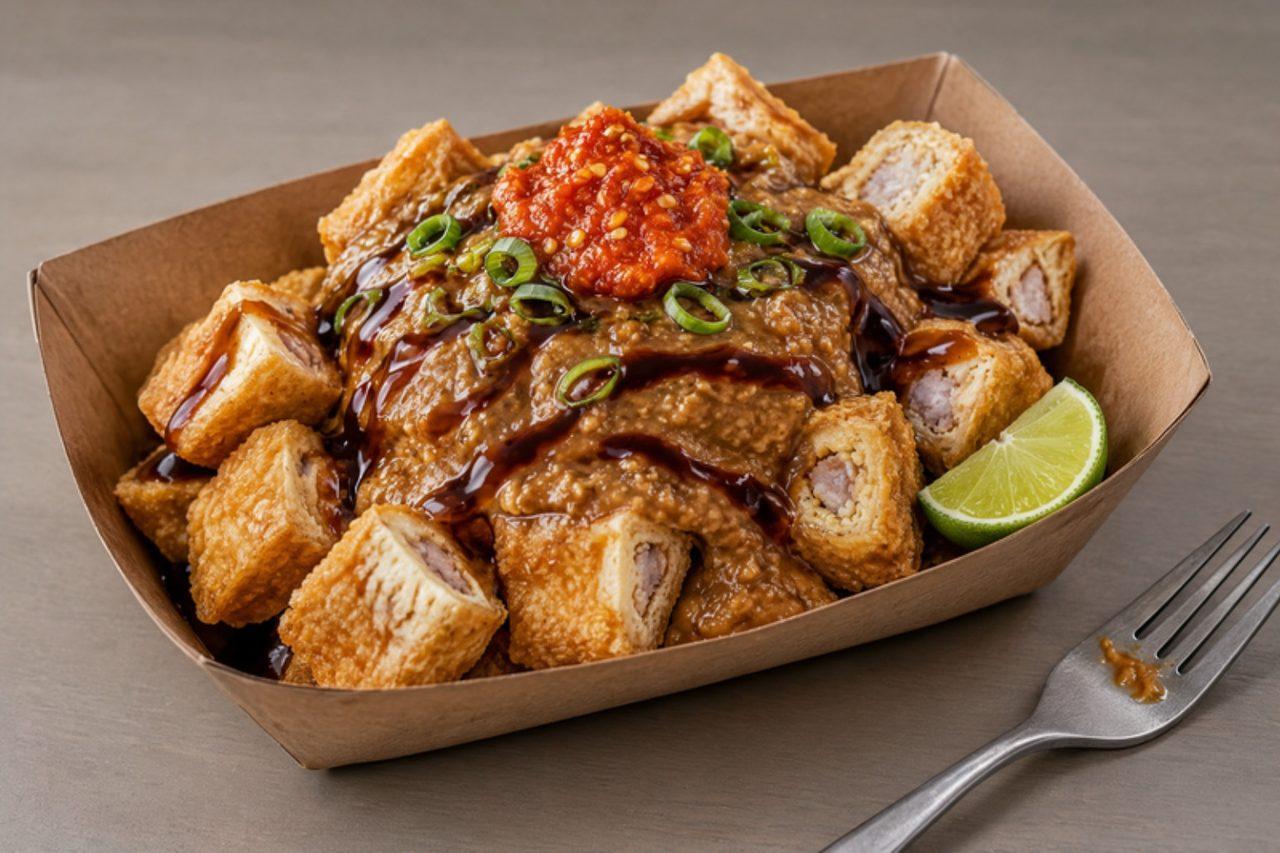
BatagorFried fish dumplings with peanut sauce

Batagor, short for bakso tahu goreng (fried fish-ball tofu), is the crunchy cousin of siomay and a favourite after-school snack sold from glass-sided carts outside Jakarta's schools and along Jalan Pecenongan's evening food strip. Tofu squares and wonton skins are stuffed with a mackerel and tapioca paste and deep-fried until golden and crackly, then snipped up and covered in a spicy peanut sauce, kecap manis and lime. The contrast of crisp skin and soft, bouncy fish is the whole point. Contains fish, peanuts, soy, egg and wheat. Chef's tip: fry the tofu side with the fish paste facing down first; it seals the filling so it doesn't puff away from the tofu.

by KrazyBadal 0 views

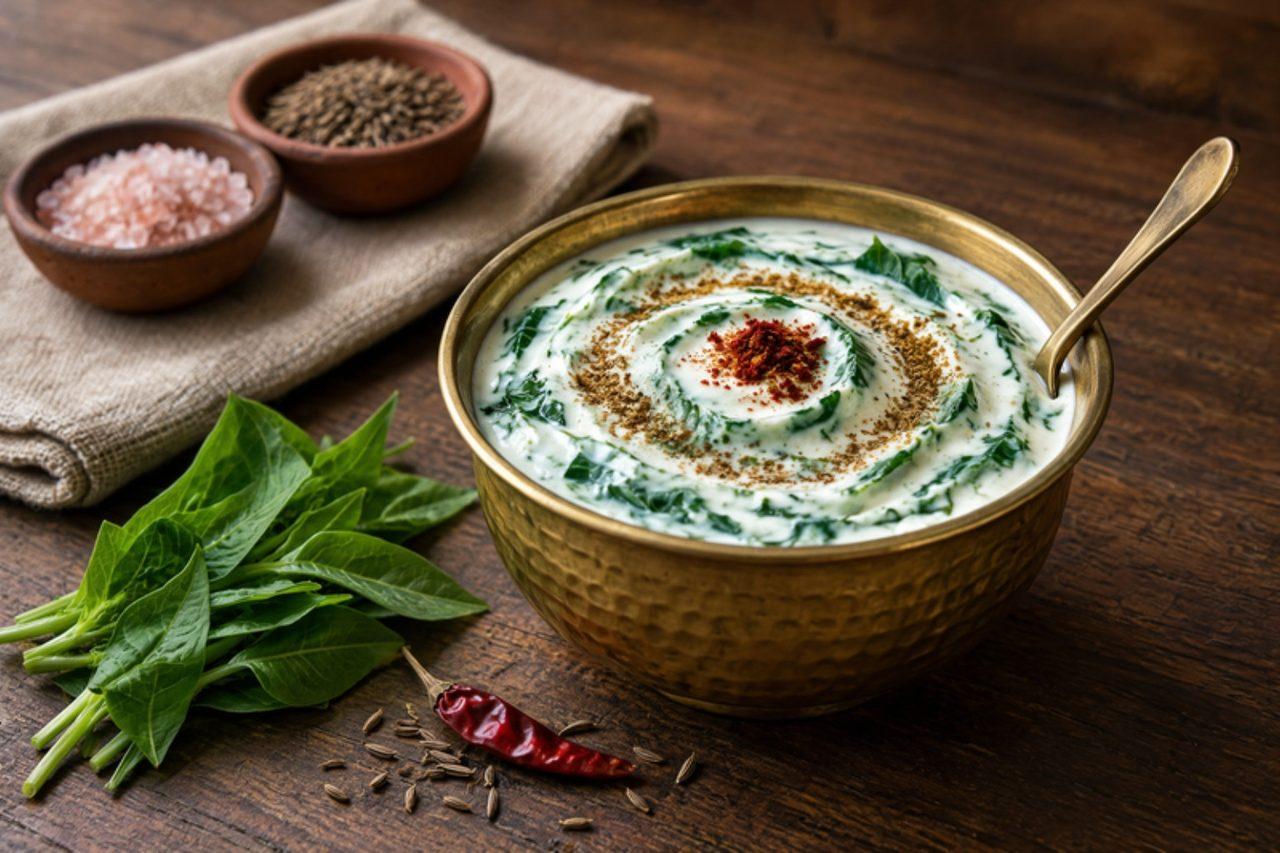
Bathua raitaChenopodium leaf yogurt

Bathua (chenopodium or lamb's quarters) grows wild in the wheat fields of western Uttar Pradesh and Haryana in winter, and from December to February families blanch it and stir it into yogurt as a cooling raita beside paratha, dal or bajra roti. The leaves are boiled briefly, chopped and folded into whisked yogurt with roasted cumin, black salt and a little green chilli, so it tastes earthy, tangy and fresh. It is suitable as part of a balanced diet. About 90 kcal and 7 g carbohydrate per portion. The usual mistake is adding the greens while they are still hot or wet, which makes the yogurt thin and grainy; squeeze them dry and cool them first. Chef's tip: grind half the blanched leaves to a paste so the raita turns an even pale green.

by KrazyBadal 0 views

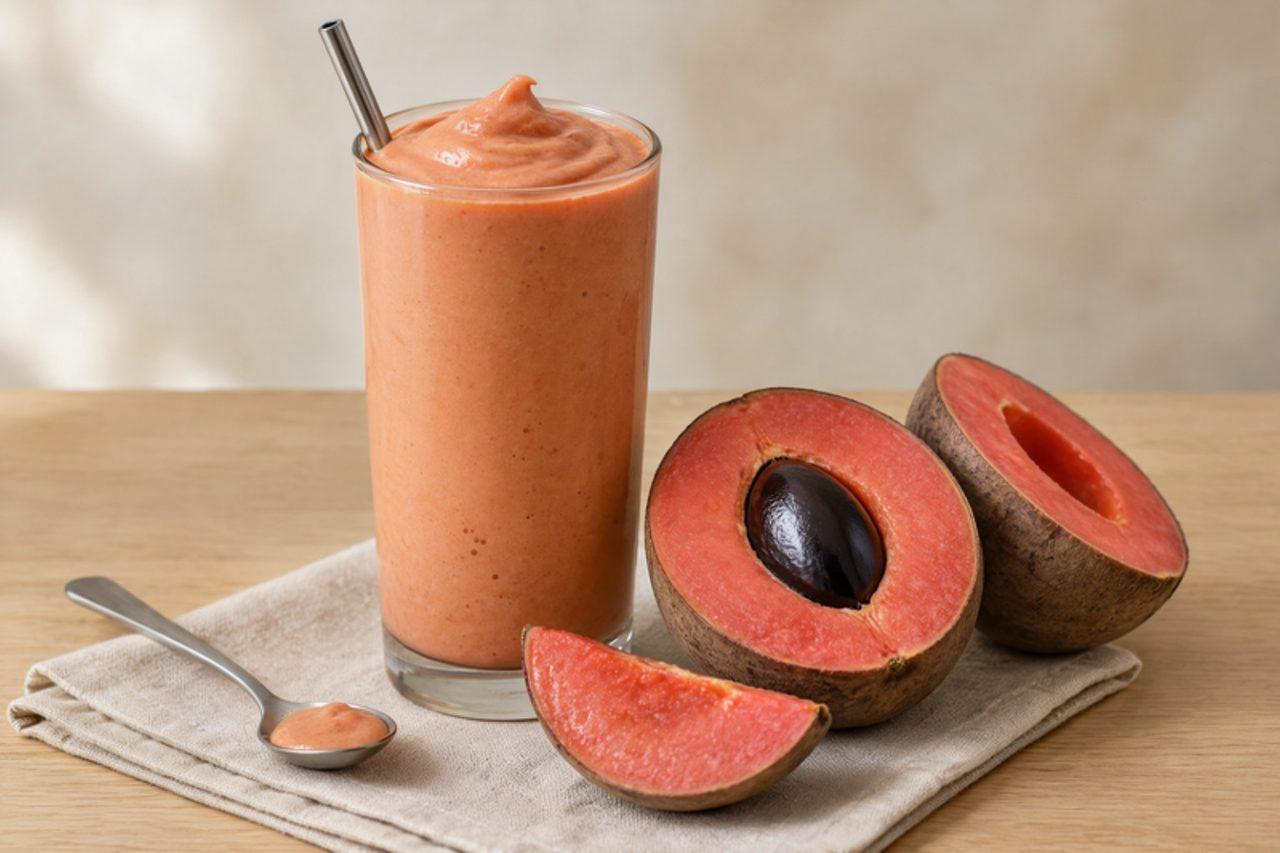
Batido de mameyMamey milkshake

In Havana and all over the island, the cafeteria counter has a blender that never stops, turning out batidos of mango, guanábana, papaya and the favourite of all, mamey. The fruit has a rough brown skin and a soft, salmon-red flesh that tastes like sweet potato, pumpkin pie, almond and apricot at once, and blended with cold milk it makes a shake so thick it is almost a dessert. It is drunk mid-afternoon on hot days, at breakfast with toast, or at a kid's birthday party; Miami's Cuban cafés keep the tradition alive with frozen pulp. The common mistake is using a hard mamey, which tastes starchy and slightly bitter; the fruit must give like a ripe avocado when pressed and show deep red flesh when you scratch the skin with a fingernail. The batido is ready when it is smooth, pumpkin-orange and pours slowly in a thick ribbon. Frozen mamey pulp from Latin American shops is a good substitute; reduce the ice because the pulp is already cold. Chef's tip: a pinch of salt and a drop of vanilla bring out mamey's almond notes.

by KrazyBadal 0 views

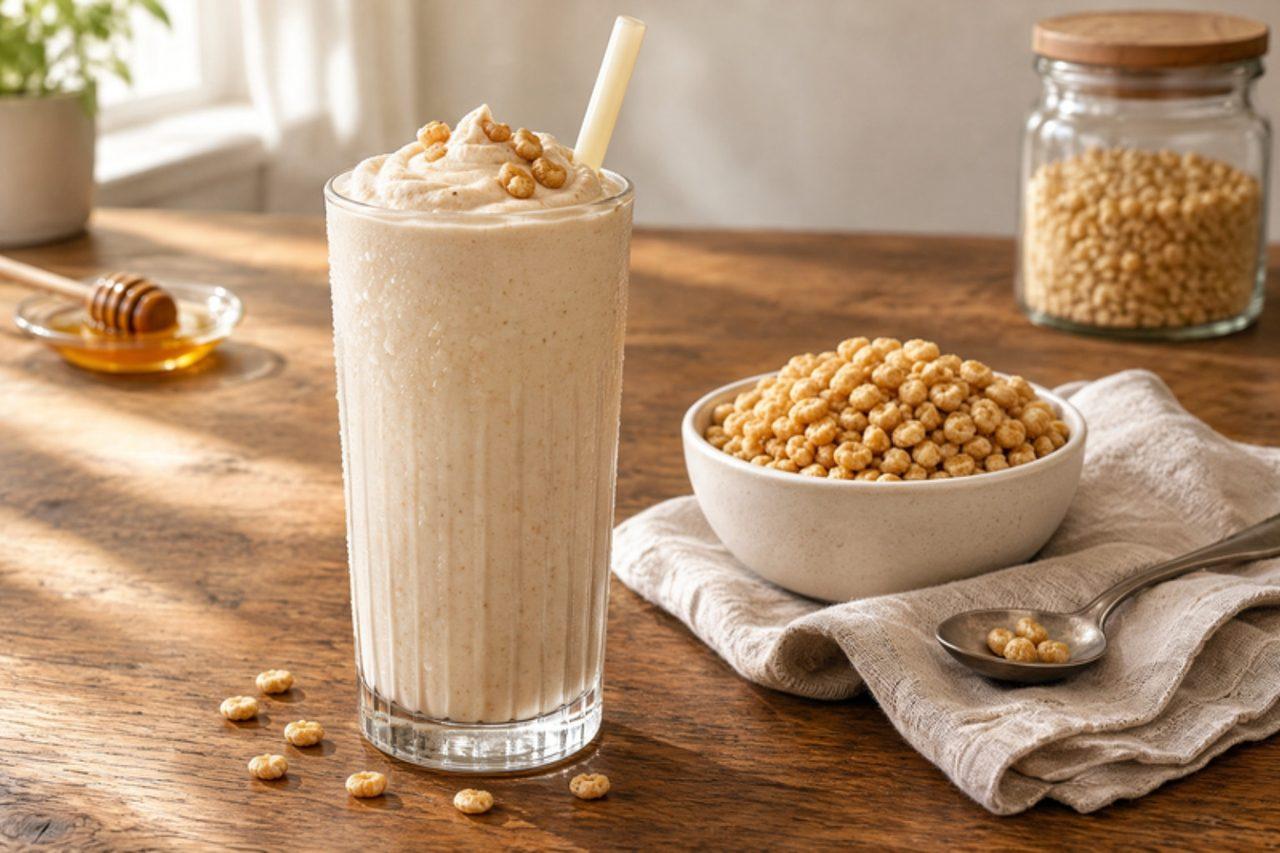
Batido de trigoPuffed wheat shake

Havana cafeterías and Miami ventanitas blend this for breakfast on the run: puffed wheat, cold milk, sugar and ice whizzed into a thick, frothy shake that tastes like a malted milk with toasted cereal. It is one of the most loved Cuban batidos, and quick to make at home. The common mistake is using sweetened, honey-coated cereal, which makes it cloying; plain puffed wheat lets the toasty grain flavour come through. Chef's tip: blend the puffed wheat with half the milk first until completely smooth, then add the ice, so you don't get soggy flecks of cereal.

by KrazyBadal 0 views

BelgramiChewy fresh cheese sweet

Belgrami belongs to Udwantnagar in Bihar's Bhojpur district, where sweet makers have cooked it for generations and travellers buy boxes on the way through. Fresh chhena is cooked down with sugar until it firms into a dense, slightly chewy, pale cream block with a gentle caramel note, then cut into pieces. It keeps for days, which makes it a favourite gift at weddings and Chhath. The common mistake is stopping too early: it must cook until the mass pulls into one lump and no longer sticks to the pan, or the pieces stay soft and weep. Chef's tip: use chhena from full-fat cow's milk and hang it for an hour, so it is dry enough to cook down quickly.

by KrazyBadal 0 views

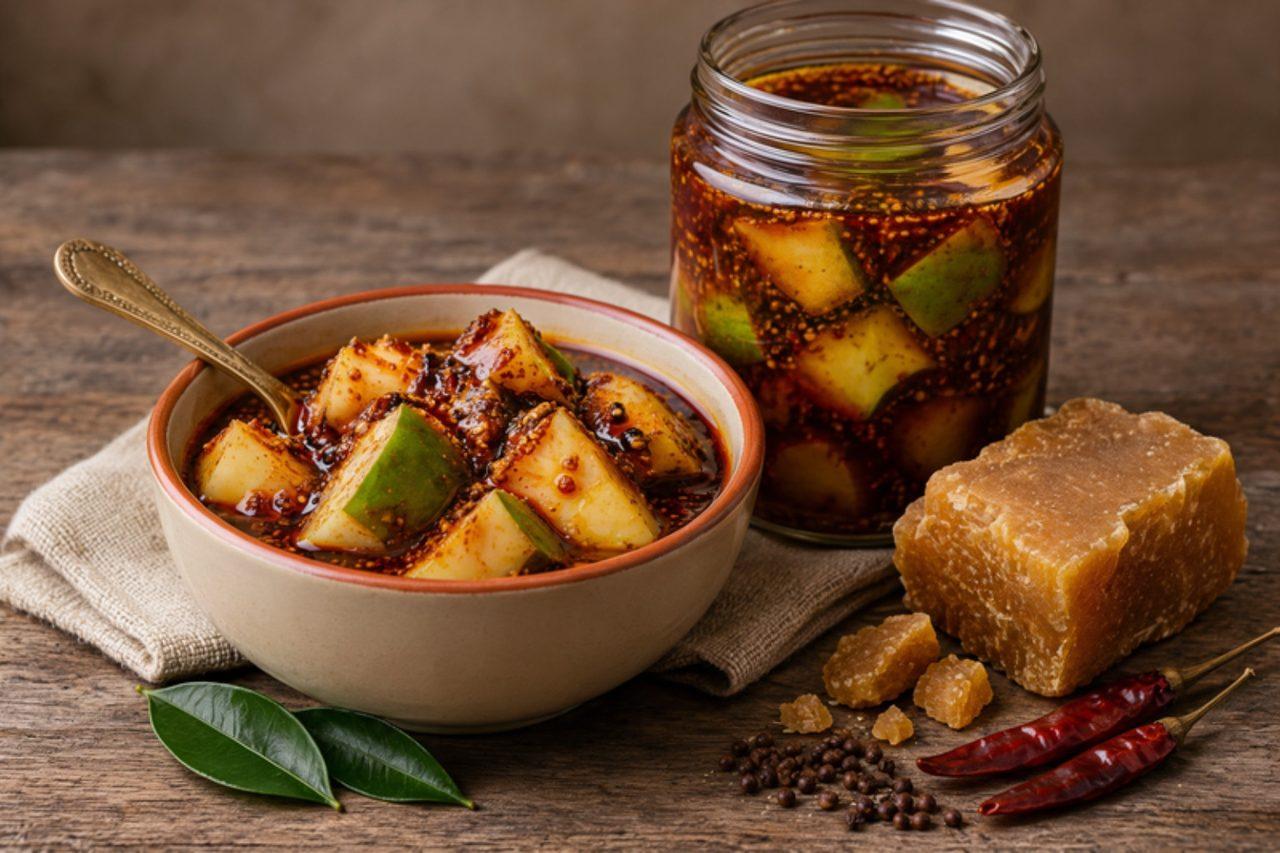
Bellam avakayaSweet raw mango pickle

In the Godavari districts of coastal Andhra, the same May afternoon that produces a jar of fiery avakaya usually produces a second jar of bellam avakaya for the children and anyone who likes it sweet. The mangoes are hacked into chunks with their skin and the hard shell of the stone still attached, then tossed with chilli, mustard powder, salt and plenty of grated jaggery. Over three or four days the jaggery melts into a dark, glossy syrup that clings to every piece. It tastes sweet first, then the mustard catches the nose and the chilli warms the back of the throat; the mango stays firm and sour. Eat it with pesarattu, dosa, chapati or curd rice. The salt is about 8% of the mango weight and the fruit is acidic, so it keeps all year under oil in a dry jar. Common mistake: cutting the mangoes wet or leaving sap and water on them; any moisture invites mould, so dry each piece with a cloth. It is ready when no jaggery grains remain and a film of oil rises to the top. Chef's tip: wipe off the milky sap at the stalk end before cutting; it stings the skin and tastes bitter.

by KrazyBadal 0 views

Frozen Christmas pudding

In the heat of an Australian December, many families swap the steamed pudding for a frozen one, ice cream packed with fruit, nuts and chocolate and set in a pudding basin so it still looks the part on the Christmas table in Brisbane or Perth. It is made days ahead and turned out just before serving. A common mistake is letting the ice cream melt too much while mixing, which makes it icy when refrozen; soften it only until stirrable. Chef's tip: soak the fruit in orange juice the night before so it stays soft when frozen.

by KrazyBadal 0 views

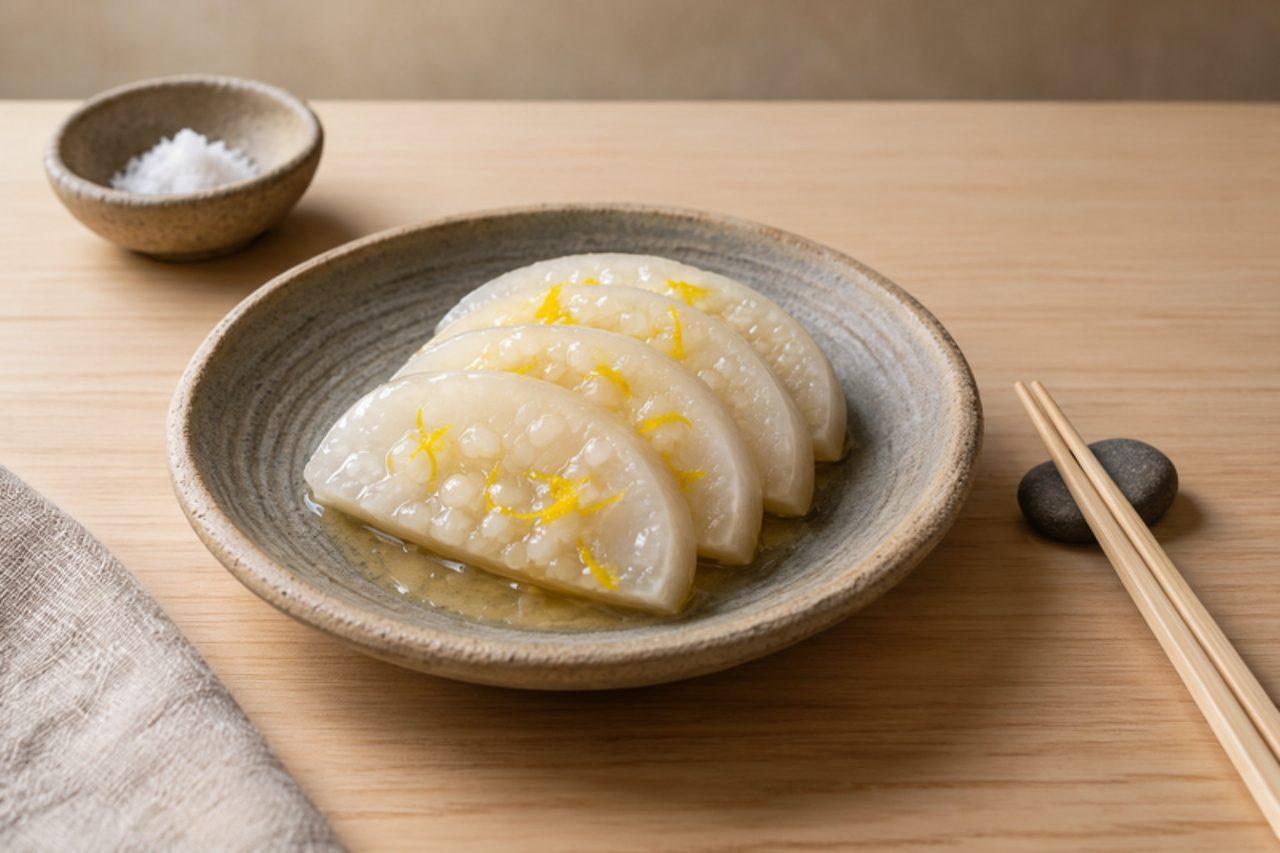
BettarazukeSweet koji-cured daikon

Every 19 and 20 October, the lanes around Takarada Ebisu Shrine in Nihonbashi fill with stalls for the Bettara-ichi, Tokyo's old pickle fair, where vendors hold up whole daikon dripping with rice koji and passers-by try not to get 'bettari', sticky. The pickle has been an Edo favourite since the 1700s: daikon salted, then buried in amazake, the sweet porridge that koji makes from rice. It tastes mild, sweet and fresh, with a clean crunch and a faint fermented, sake-lees perfume, which makes it a favourite with children and a pause between salty dishes. Bettarazuke is low in salt and acid, so it lives in the fridge from start to finish. The common mistake is adding the daikon while the amazake is still warm: it cooks the surface and softens the crunch, so cool it fully. It is ready when the daikon is translucent at the edges, juicy, and the koji coating tastes sweet with a light tang. Chef's tip: make the amazake in a rice cooker on keep-warm with the lid ajar and a cloth over it, so it holds about 60 °C; a thermometer helps the first time.

by KrazyBadal 0 views

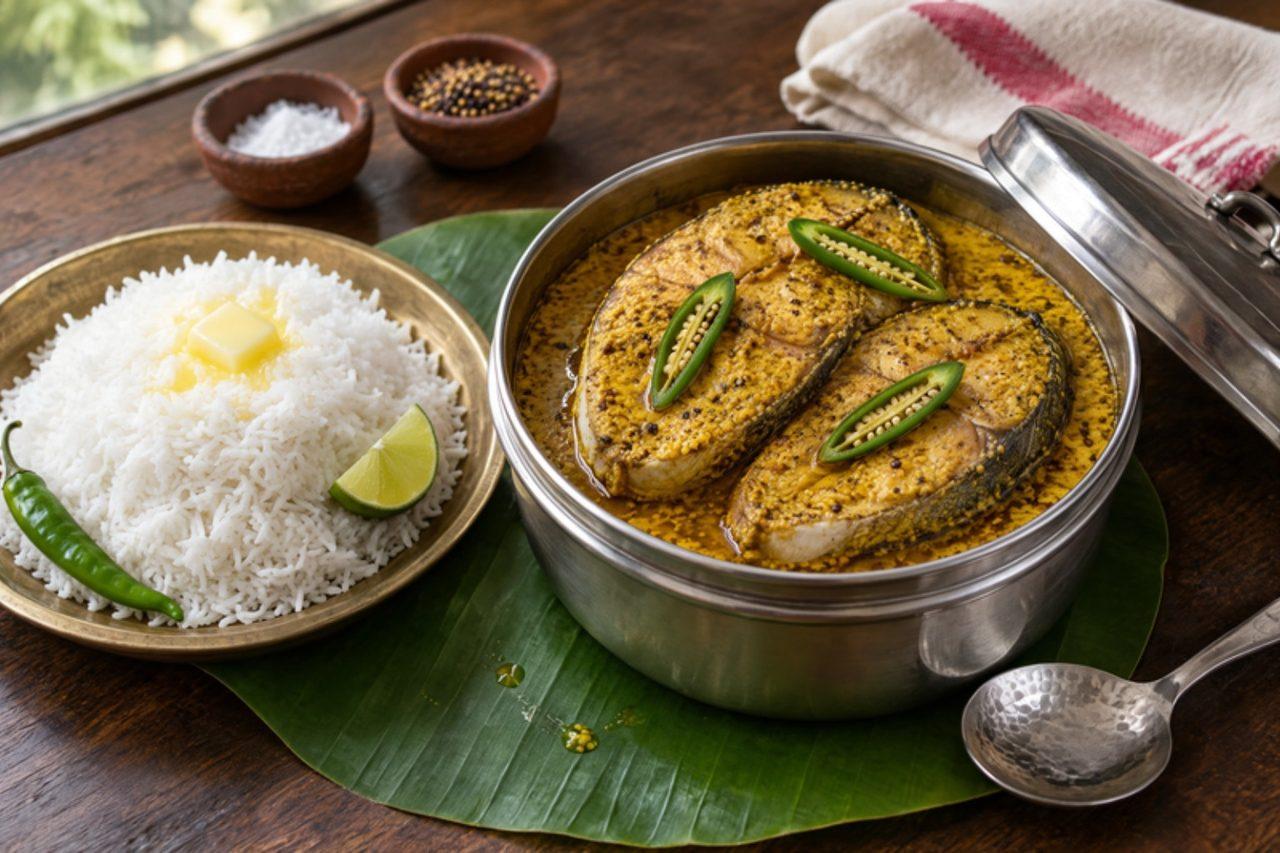
Bhapa ilishSteamed hilsa in mustard

When the monsoon brings hilsa up the Padma and Hooghly rivers, Kolkata households cook bhapa ilish, the fish steamed in a pungent paste of mustard seeds, green chilli and mustard oil in a closed tiffin box. It is the star of Jamai Sasthi and of any rainy-season Sunday, served with plain rice. The fish is rich and tender, with a nose-tingling mustard heat. Suitable as part of a balanced diet: high in protein and omega-3 fats, with no starch in the dish itself. About 340 kcal and 4 g carbohydrate per portion; keep the rice portion modest. The usual mistake is grinding the mustard seeds too long or with warm water, which turns the paste bitter; grind briefly with cold water, a pinch of salt and a green chilli. Hilsa is bony, so eat slowly and warn guests. Chef's tip: drizzle raw mustard oil over the top just before closing the box; it gives the true Bengali aroma.

40 minIndianFishGluten free
by KrazyBadal 0 views

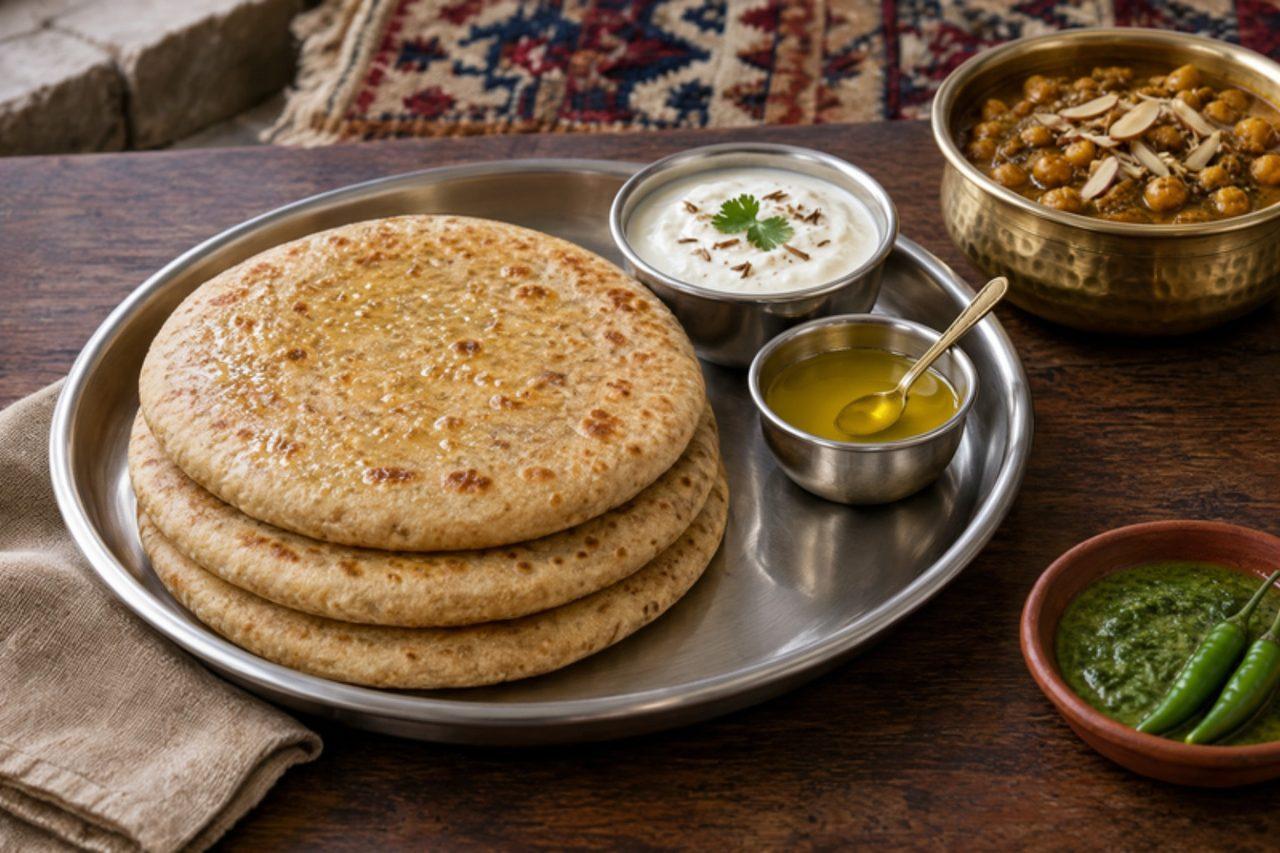
BhaturuStuffed fermented wheat bread

Bhaturu is the breakfast bread of the Kangra and Kullu valleys, made from wheat dough left to ferment overnight with a little old starter or curd until it is light and sour, then rolled out, sometimes stuffed with a spiced lentil filling, and baked on the griddle. It is eaten hot with ghee, a tangy chutney or the madra left from the night before, and is a fixture at village fairs. Ferment it somewhere warm (25–30 °C) for 8–10 hours; it should smell pleasantly sour and be bubbly. Discard the dough if it smells of nail varnish, turns pink, grey or fuzzy, or has a slimy feel. The common mistake is rolling it thin like a chapati, which loses the soft crumb; keep it as thick as your little finger. Chef's tip: cook it on a medium, not fierce, tawa so the centre bakes through before the outside burns.

by KrazyBadal 0 views

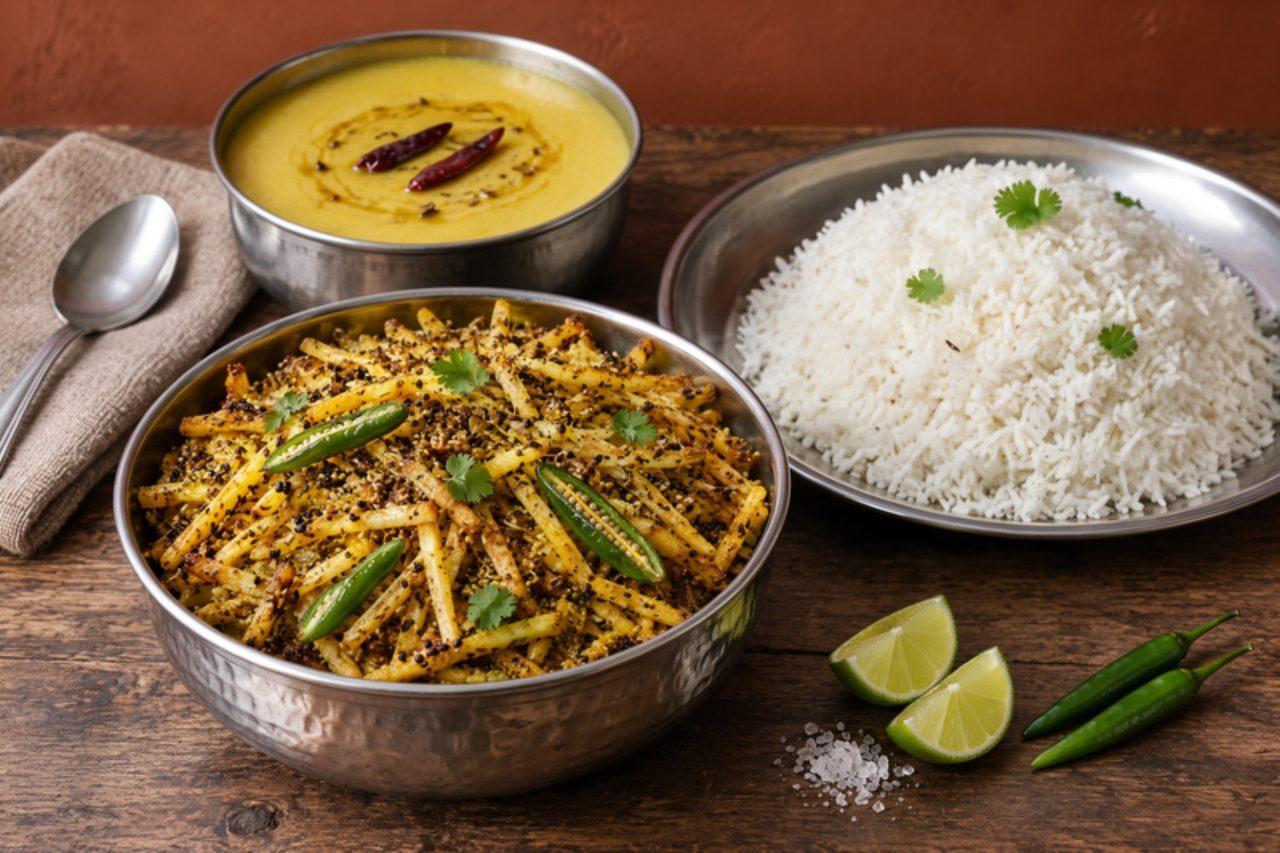
Bihari aloo bhujiaFried potato sticks

In Bihar, aloo bhujia is not the packaged snack but the everyday matchstick-potato fry that sits beside dal, bhaat and chokha on the lunch plate, cooked in mustard oil with panch phoron and a slit green chilli. Patna households make it most days of the week because it takes twenty minutes and pleases everyone. The common slip is crowding the pan and stirring too much, which turns the sticks to mash; give them room and toss gently. Chef's tip: soak the cut potatoes in cold water for 10 minutes and dry them well; washing off surface starch keeps the sticks separate and lightly crisp.

by KrazyBadal 0 views

Bilahi chutneySweet-sour tomato chutney

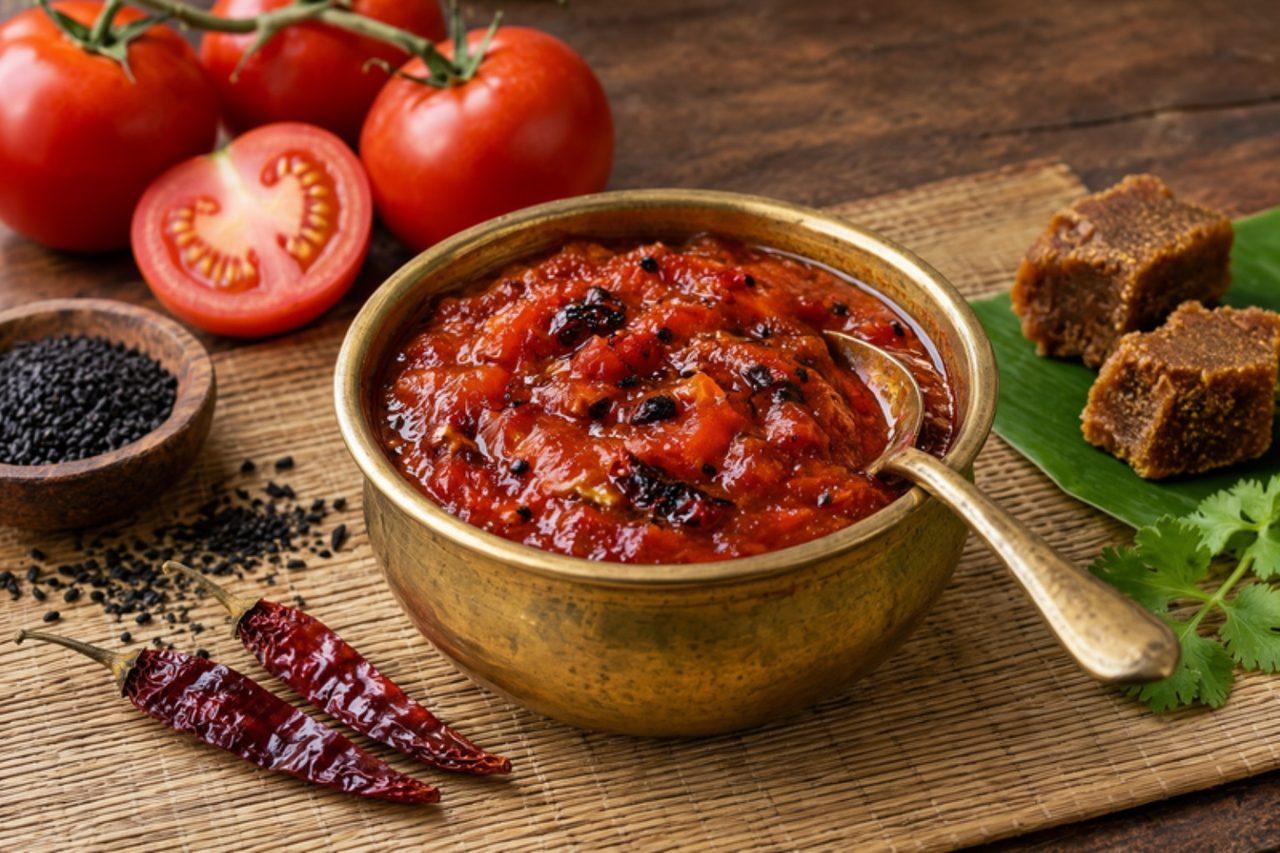
Bilahi is the Assamese word for tomato, and this glossy red chutney, sweet with jaggery and warmed with nigella and dried chilli, closes a festive Assamese meal, especially at weddings and on Bihu, as the sweet-sour last course before curd and sweets. Everyday cooks in Jorhat and Guwahati make a quick batch in winter when tomatoes are cheap. The mistake to avoid is adding the jaggery too early, which scorches before the tomatoes have broken down. Chef's tip: a few dates or raisins added with the jaggery give the chutney a deeper, jammy sweetness.

by KrazyBadal 0 views

Bir pletokSpiced ginger drink

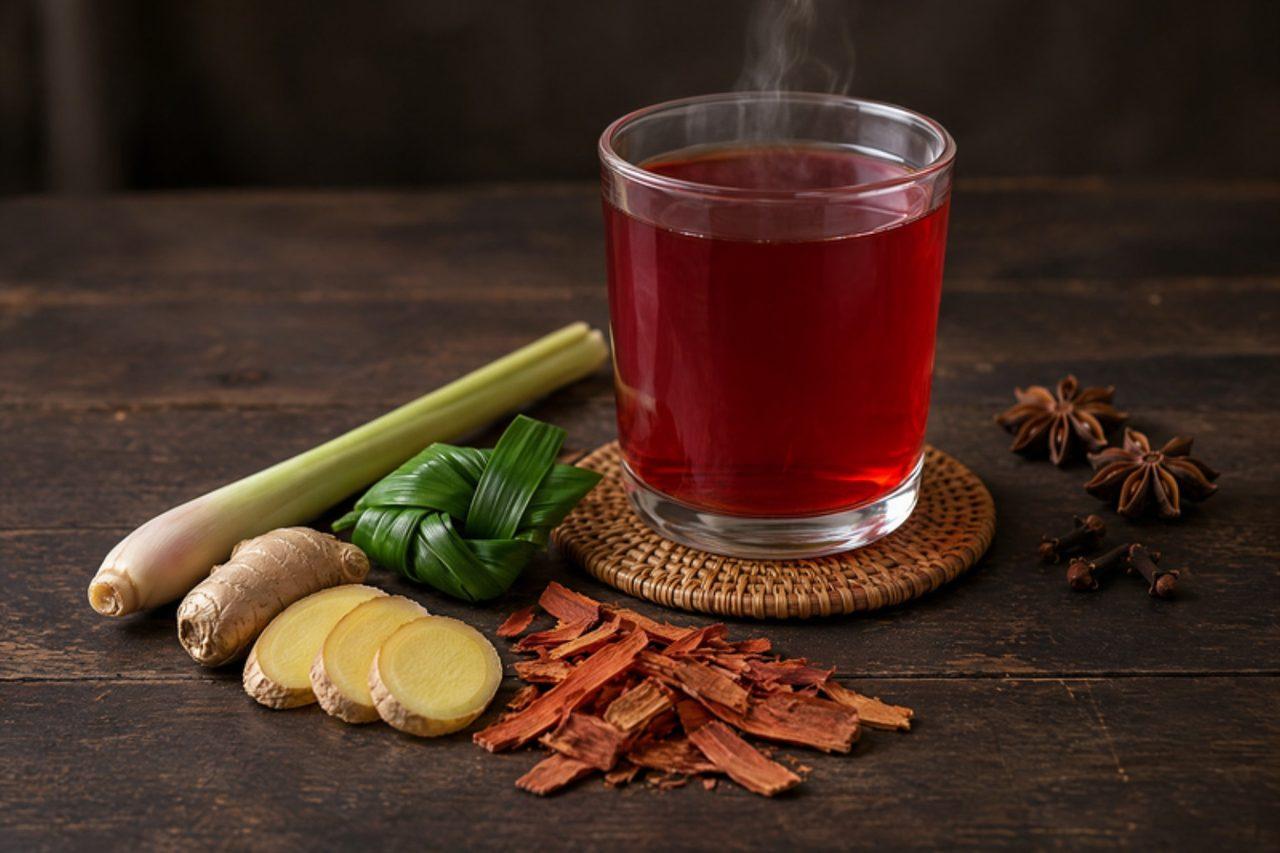
Bir pletok was the Betawi answer, in old Batavia, to the beer and wine drunk by the Dutch: a red, warming spice drink with no alcohol at all, served at weddings, at Lebaran open houses and in the evenings at Jakarta's Setu Babakan cultural village. 'Pletok' is said to be the popping sound it made when shaken in a bamboo tube to raise a foam. Ginger, lemongrass, pandan, cloves, cinnamon and cardamom are simmered with chips of secang (sappanwood), which turns the liquid deep ruby. It tastes hot and peppery from the ginger, perfumed from the pandan, sweet and lightly woody, and is drunk warm or with ice. The common mistake is skimping on ginger or slicing it thin and boiling briefly; you need plenty, bruised, and a slow simmer to draw out the heat. It is ready when the liquid is a clear ruby red and the ginger burn catches at the back of your throat. Secang chips are in Indonesian shops; dried hibiscus flowers give a similar red, slightly sourer. Keeps 5 days in the fridge. Chef's tip: shake each serving hard in a closed jar before pouring to get the foamy head.

by KrazyBadal 0 views

BlåbärssoppaBilberry soup

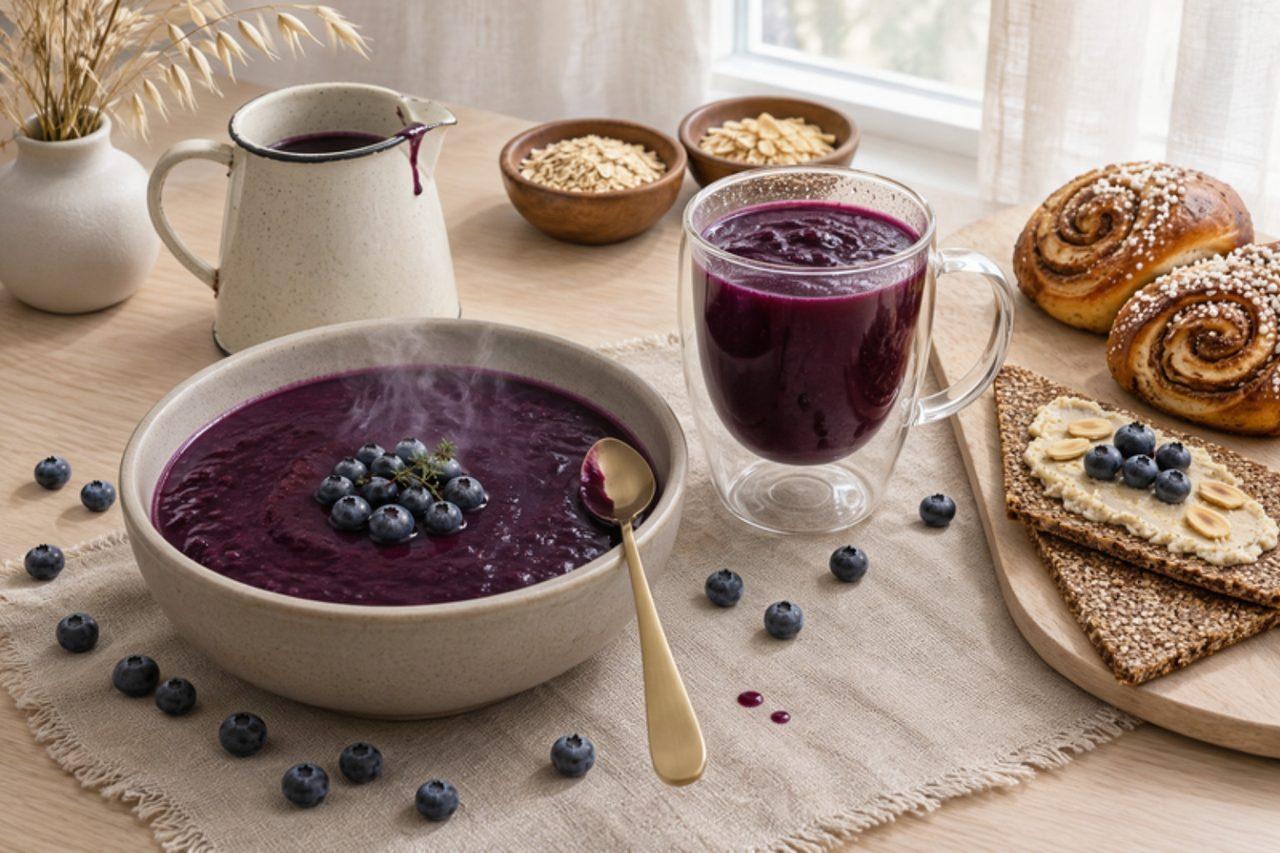
Swedes have drunk blåbärssoppa for generations, warm on a winter morning and cold from a cup after the Vasaloppet ski race, where skiers are handed it at every station. It is a thin, deep purple soup of bilberries or blueberries, sweetened and thickened just enough with potato starch to coat the tongue. The common mistake is boiling the soup after adding the starch: it turns stringy and then thins out again, so take it off the heat as soon as it thickens. Chef's tip: wild bilberries give a far deeper colour and flavour than cultivated blueberries, and frozen ones work perfectly.

by KrazyBadal 0 views

Bollitos pelonesBeef-stuffed corn dumplings in tomato sauce

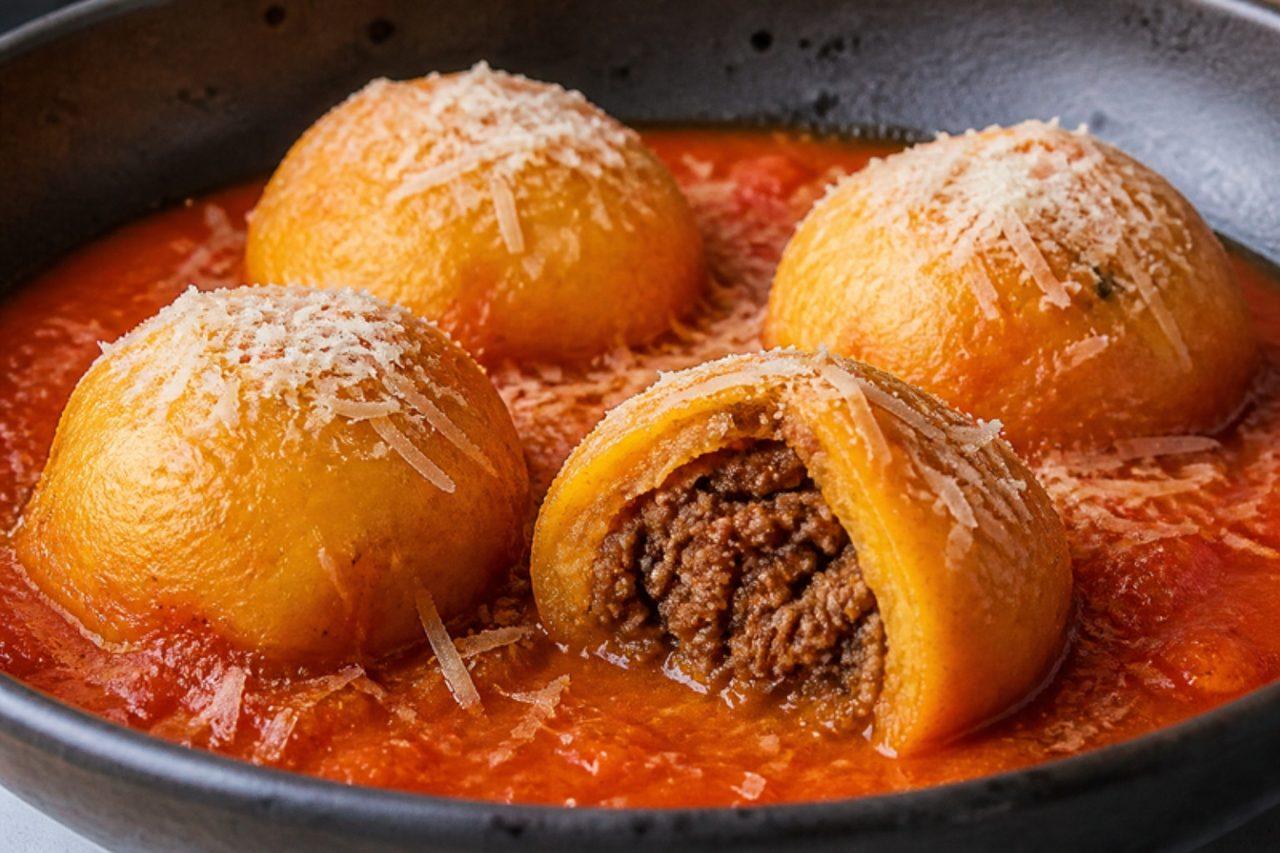
Bollitos pelones are proper home cooking from central Venezuela: little balls of corn dough tinted with onoto, stuffed with a spoonful of spiced minced beef and simmered in a light tomato sauce until the dough firms. Mothers make them for school-day lunches with white rice, and they reheat well. The common mistake is stirring the pot, which breaks the balls apart. Chef's tip: give the pan a gentle shake instead of stirring, and don't touch them for the first 10 minutes.

by KrazyBadal 0 views

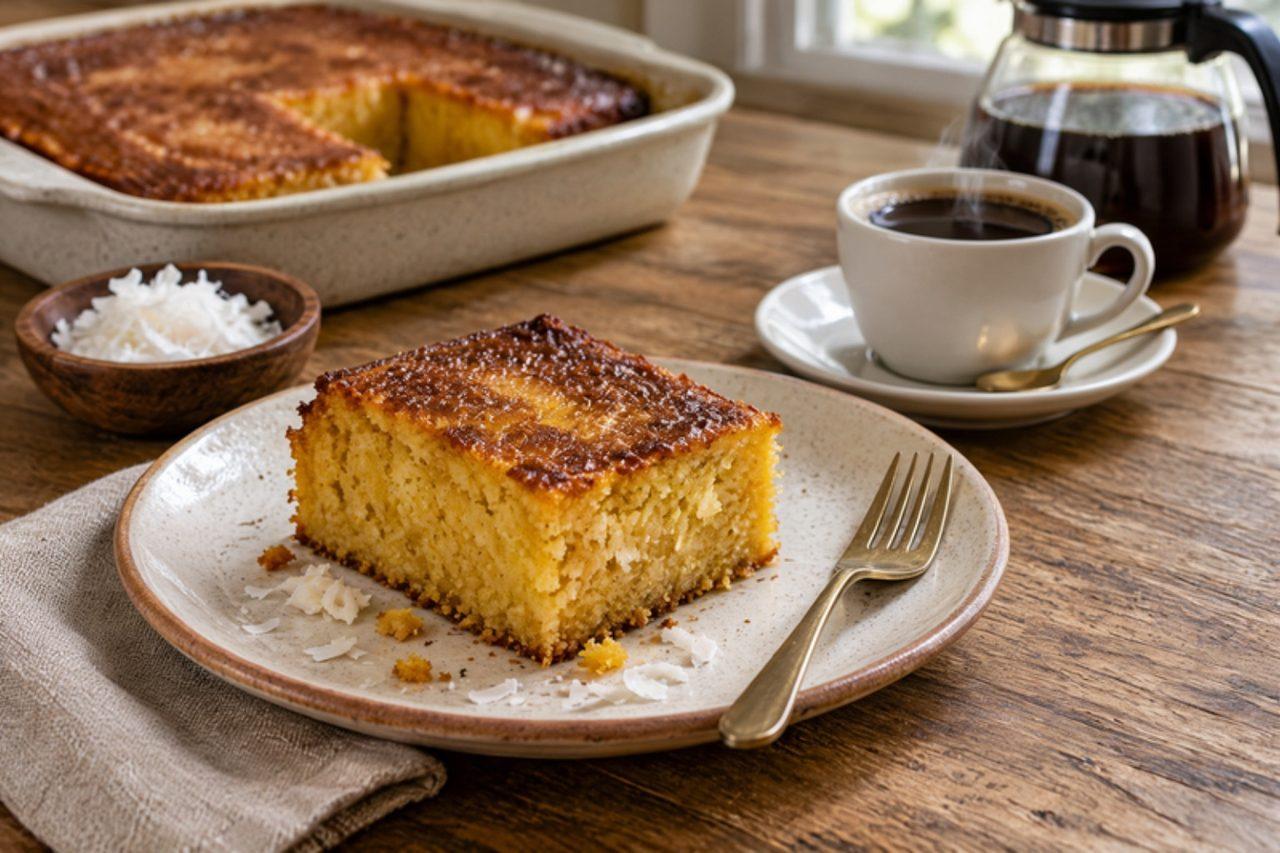
Bolo de pubaFermented cassava cake

In Bahia, Pernambuco and Maranhão the afternoon and early-morning coffee table often carries a slab of bolo de puba, a dense, custardy cake made from puba, cassava that has been soaked until it ferments and softens into a tangy white paste. Coconut milk, grated coconut, eggs and butter turn it into something between a cake and a pudding, with a caramel-brown crust and a moist, slightly springy middle; it is especially loved around the June São João festivals. Puba is sold in Brazilian and African grocers as massa puba or carimã; it contains no wheat, so the cake is naturally gluten free. The common mistake is cutting it hot: it sets as it cools and will be gummy if sliced too early. Chef's tip: squeeze the puba in a clean cloth first if it is very wet, so the batter is thick enough to hold the coconut in suspension rather than letting it sink.

by KrazyBadal 0 views

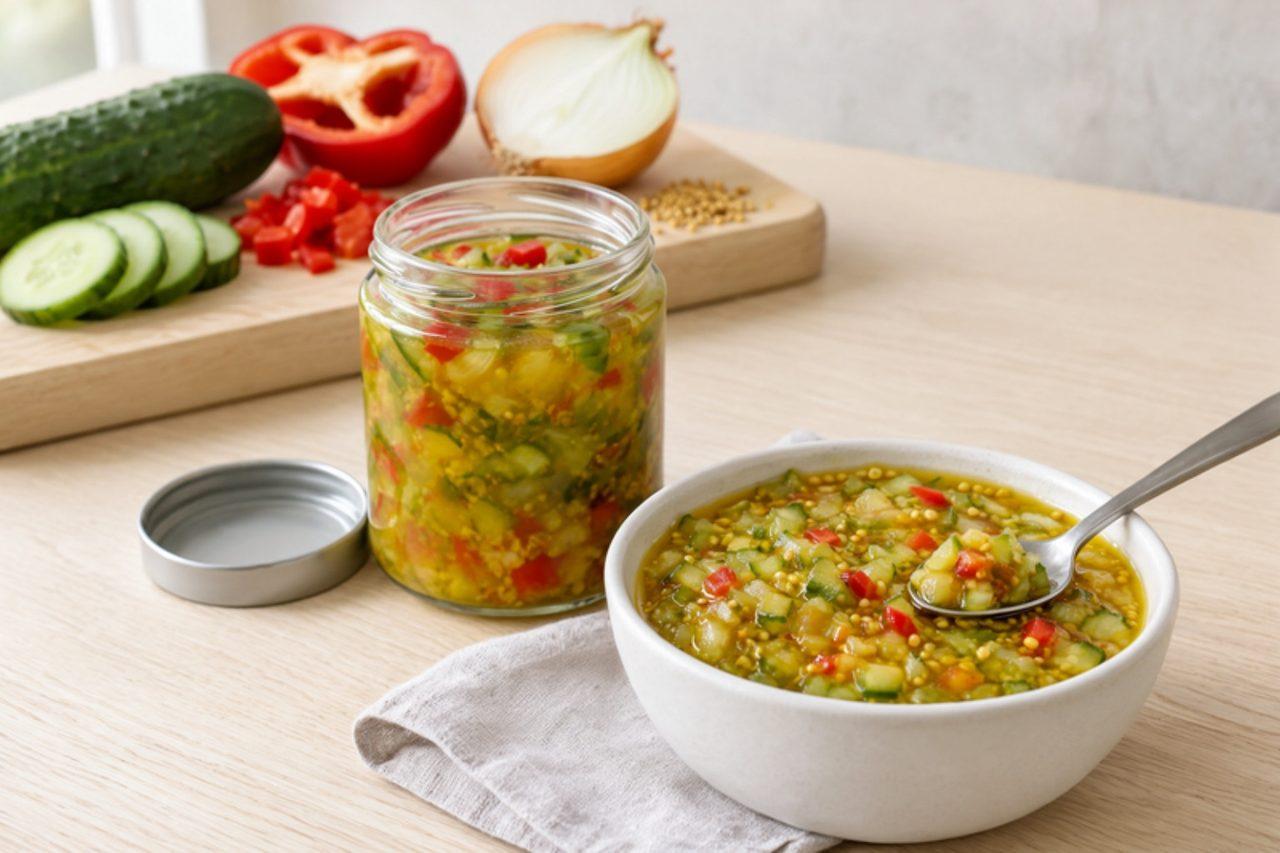
BostongurkaSweet cucumber relish

Every Swedish korvkiosk, from Stockholm's Södermalm to the ferry ports of Gothenburg, offers bostongurka in a squeeze bottle, and most Swedes still put it on their grillkorv with mustard, ketchup and crispy fried onions. Families make their own in August and September, when cucumbers are cheap at the farm stands, and spoon it onto hot dogs at summer barbecues, beside meatballs, into potato salad and onto cheese sandwiches all winter. It is a fine-chopped relish: sweet and sour, golden-yellow from turmeric, with crunch from the cucumber and the soft warmth of mustard seed. Common mistake: skipping the overnight salting; without it the cucumber leaks water and the relish turns soupy and dull. Squeeze the vegetables hard before cooking. It is ready when the vegetables are just tender but still crunchy and the liquid has thickened enough to cling to them. Chef's tip: chop by hand or pulse very briefly in a processor; a purée loses the crunch that makes it bostongurka.

by KrazyBadal 0 views

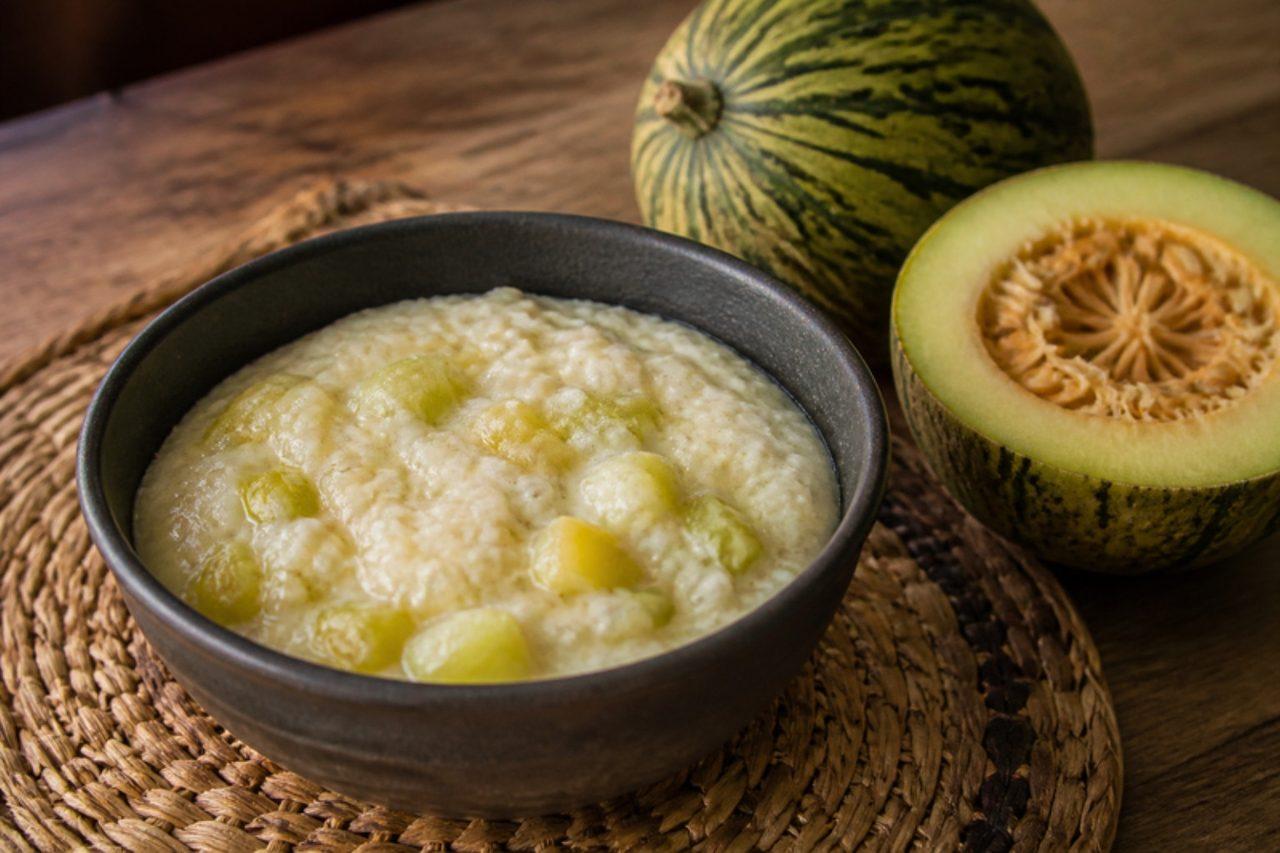
Bogobe jwa lerotseSorghum and melon porridge

When the lerotse melons ripen on the lands around Serowe and Mahalapye after the summer rains, households stir their pale flesh into the evening pot of sorghum, and the porridge turns soft, smooth and quietly sweet. Lerotse is a hard-skinned field melon, closer to a mild marrow than a dessert melon, so it melts into the bogobe and gives it a light, fresh taste against the sour, nutty grain. It is eaten as a side with seswaa, beans or morogo, or on its own for supper with a sprinkle of sugar. Outside Botswana, look for lerotse at African grocers; otherwise a firm cooking melon or a winter melon gives a very close result. Chef's tip: the mistake people make is dumping the sorghum in at once, which gives lumps; rain it in slowly while you whisk.

by KrazyBadal 0 views

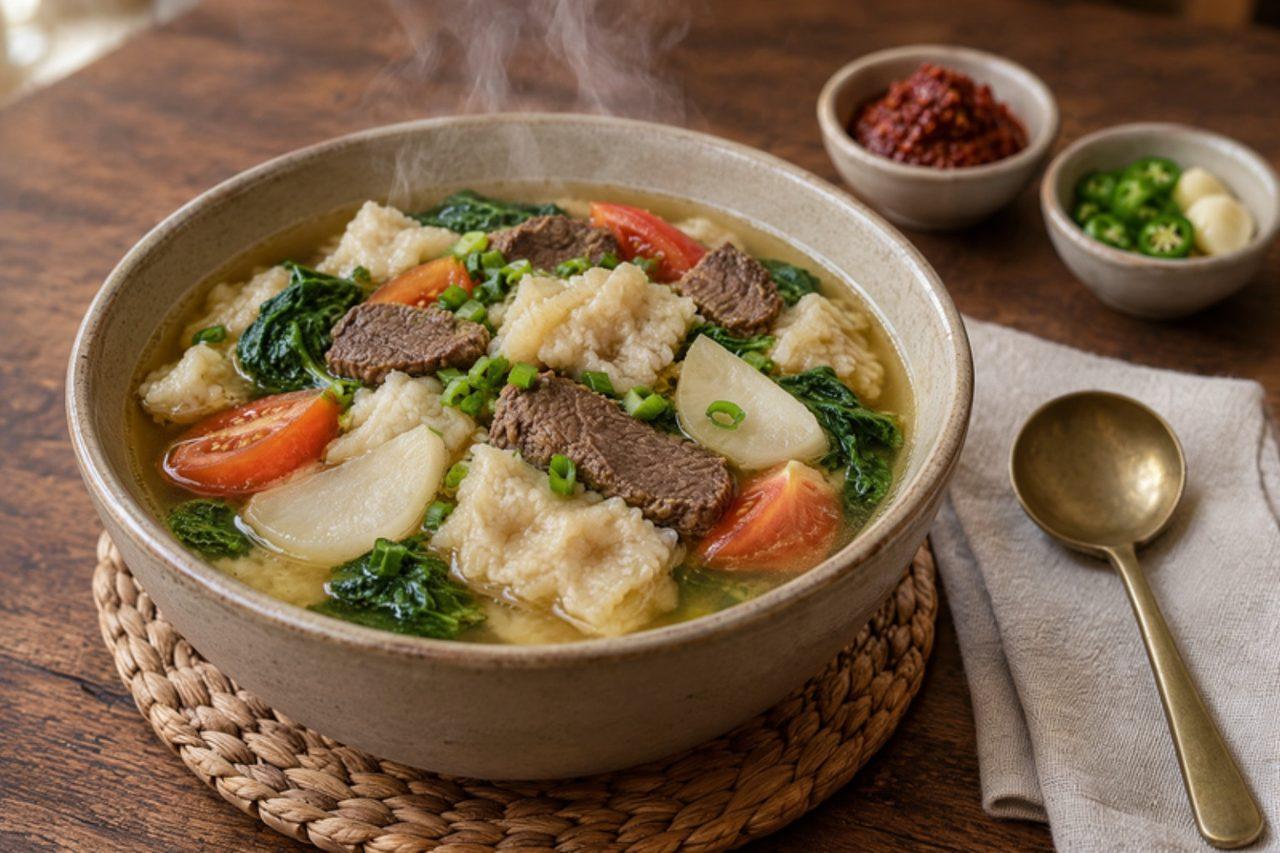
ThenthukHand-pulled noodle soup

In the Tibetan restaurants around Boudha stupa in Kathmandu, thenthuk is what people order on cold evenings and winter mornings: pieces of dough are pulled flat and pinched straight into a light broth with mutton or buffalo, tomato, radish and spinach. The noodles are thick, soft and slightly uneven, and the soup is gentle and warming, with a little soy and spring onion. This home version uses mutton or lamb. Contains wheat and soya. Chef's tip: pull the dough so thin you can almost see your fingers through it; thick pieces stay doughy in the middle.

by KrazyBadal 0 views

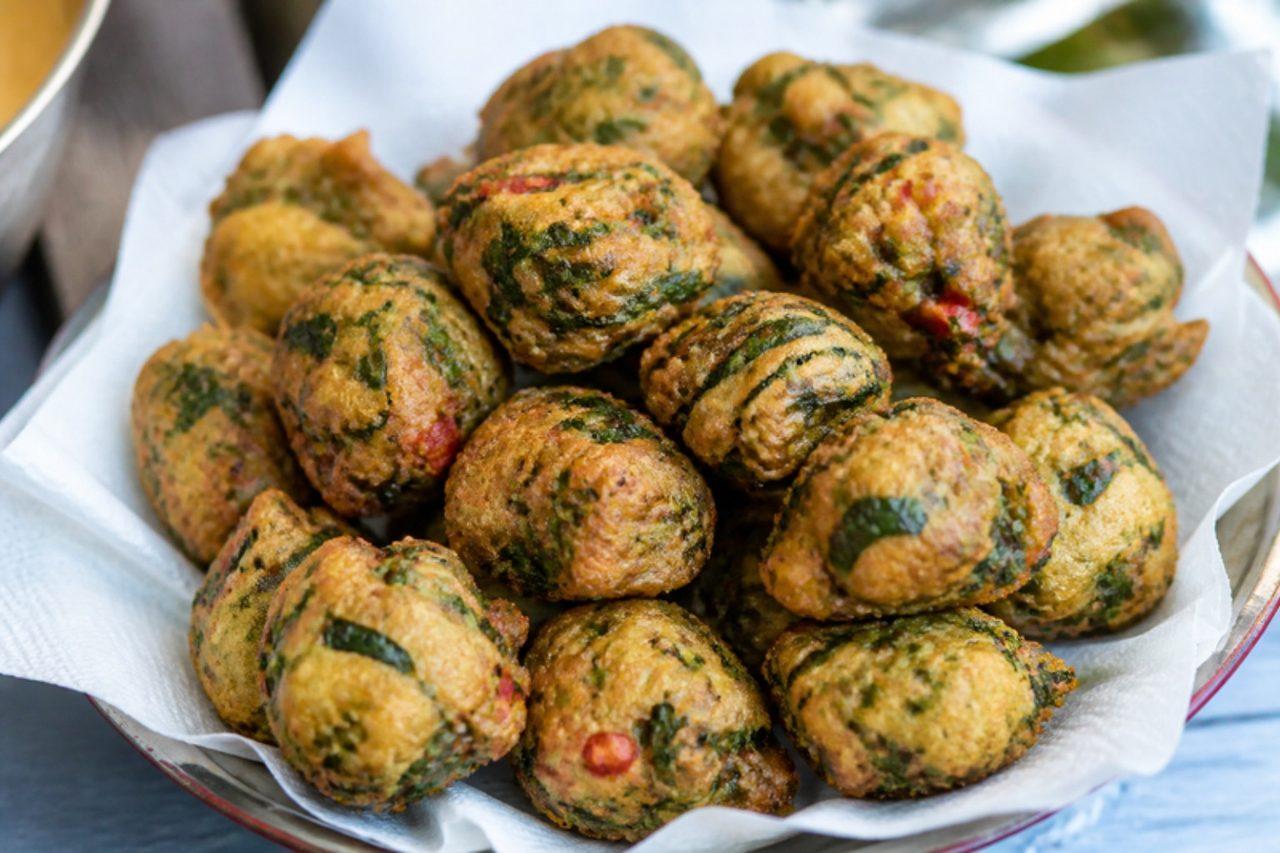
Mofo ananaGreens fritters

Stalls along Analakely market in central Antananarivo stack mofo anana in paper cones from mid-morning, and they rarely last past lunch. Each fritter is mostly leaves held together with a thin, savoury batter, so the outside fries lacy and crisp while the inside stays soft and grassy, with a lift from spring onion, garlic and chilli. Eat them hot as a snack with a cup of ginger tea, or set a plate of them beside a bowl of broth and some sakay for dipping. The usual mistake is a batter that is too thick: it should only just bind the greens, otherwise you end up with a heavy, doughy pancake. Chef's tip: squeeze the chopped leaves in a clean tea towel before mixing; wet greens spit in the oil and make the fritters soggy.

by KrazyBadal 0 views

Showing 81 of 7,762 recipes

Show more recipes

Page 116 of 863