


Skip to content
Saluf
Featured recipe

Saluf

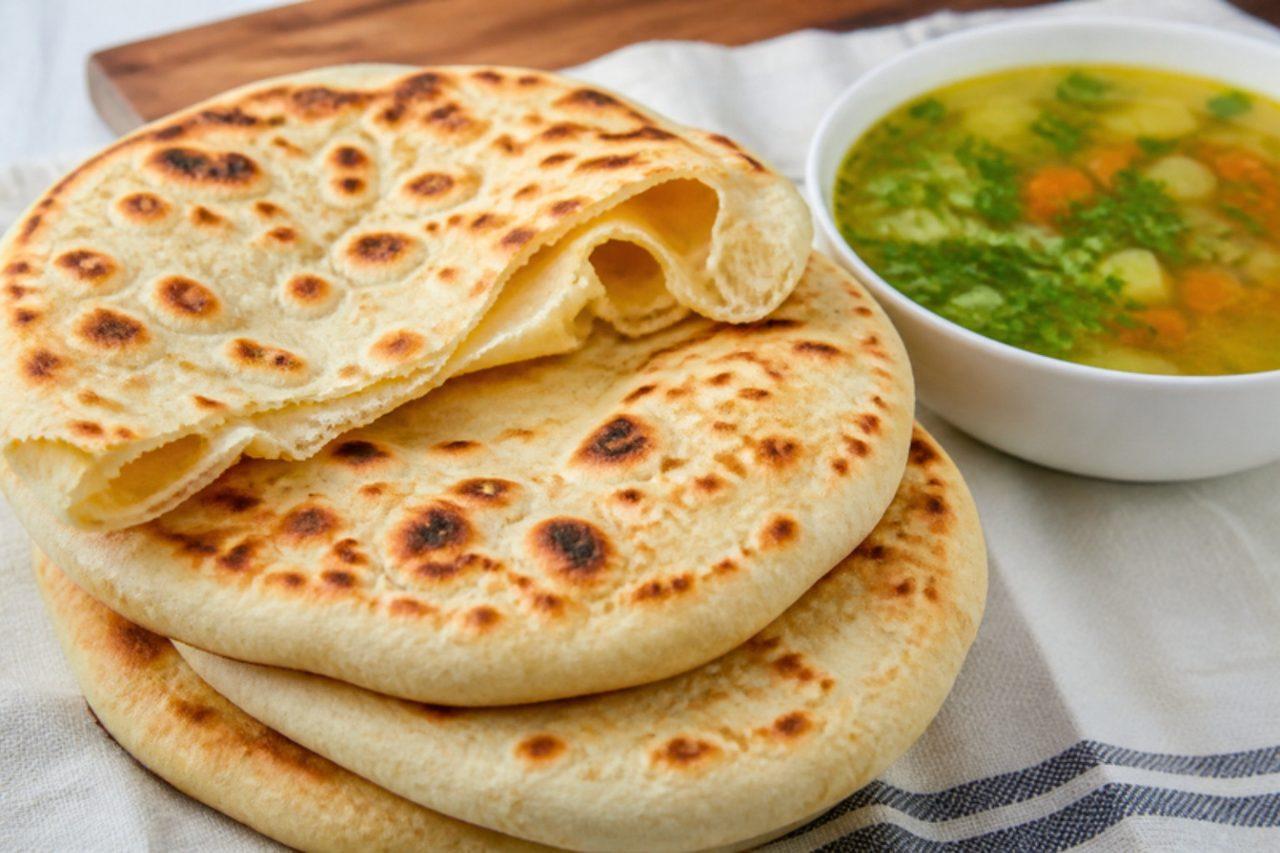
Puffy flatbread

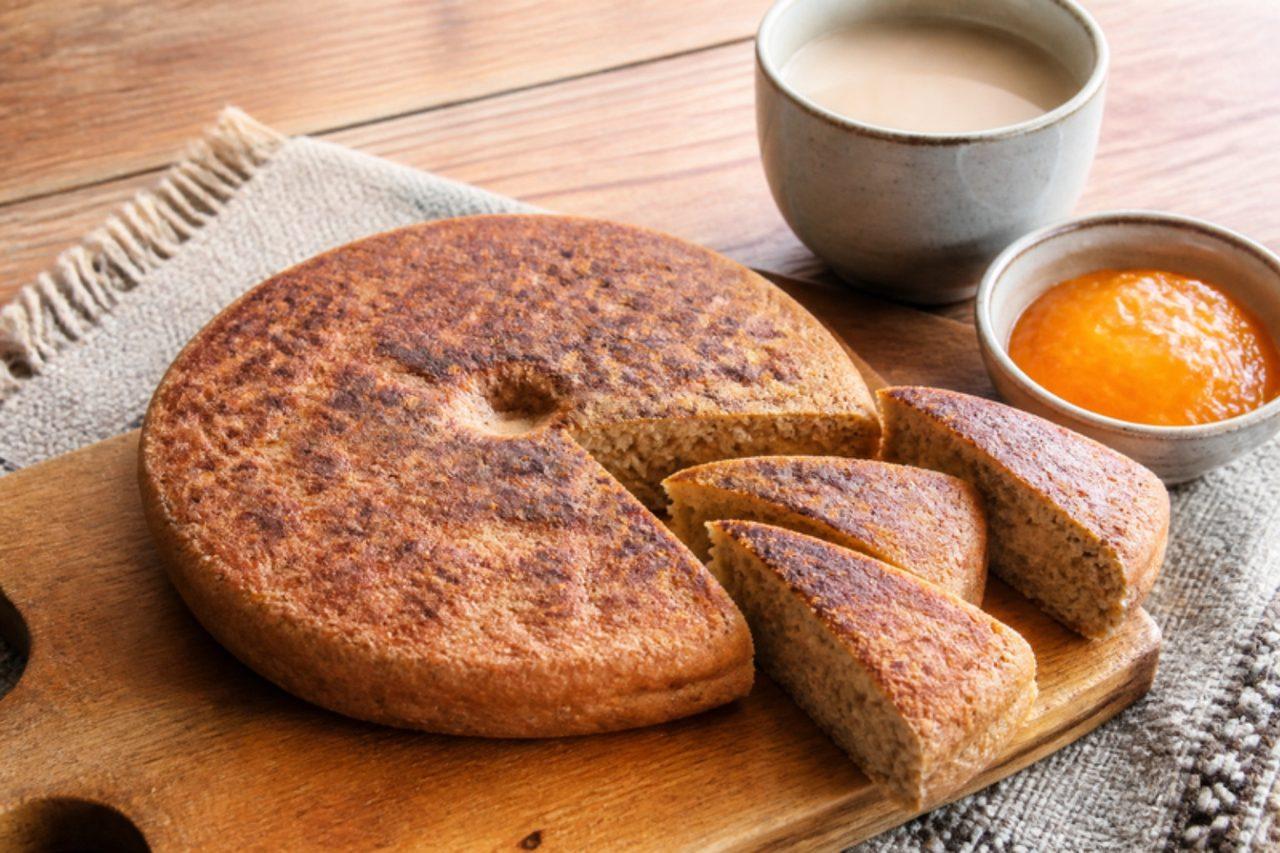
Saluf is the everyday bread of Yemenite Israelis, slapped onto a hot pan or taboon in Rosh HaAyin and Sha'arayim in Rehovot and eaten with marak temani, hilbe and zhug. It is soft and blistered, thicker than pita and with no pocket, made to tear and dunk. Home cooks often roll it too thin, which gives a cracker; it should be about 1 cm thick so it stays pillowy. Chef's tip: cook it under a lid on a very hot dry pan for the first minute, which traps steam and puffs it the way a taboon does.

Read more 1 views

What to eat today?

Around the world

Today's trip: Peruvian

A new country every day, from every cuisine on the site.

Peruvian

Tacacho

Mashed roasted green plantain balls 35 minMore from Peruvian (111) →

This week's collection

Kid-friendly dinners
772 recipes · a new collection every Monday

Coming up

All occasions →

Latest recipes

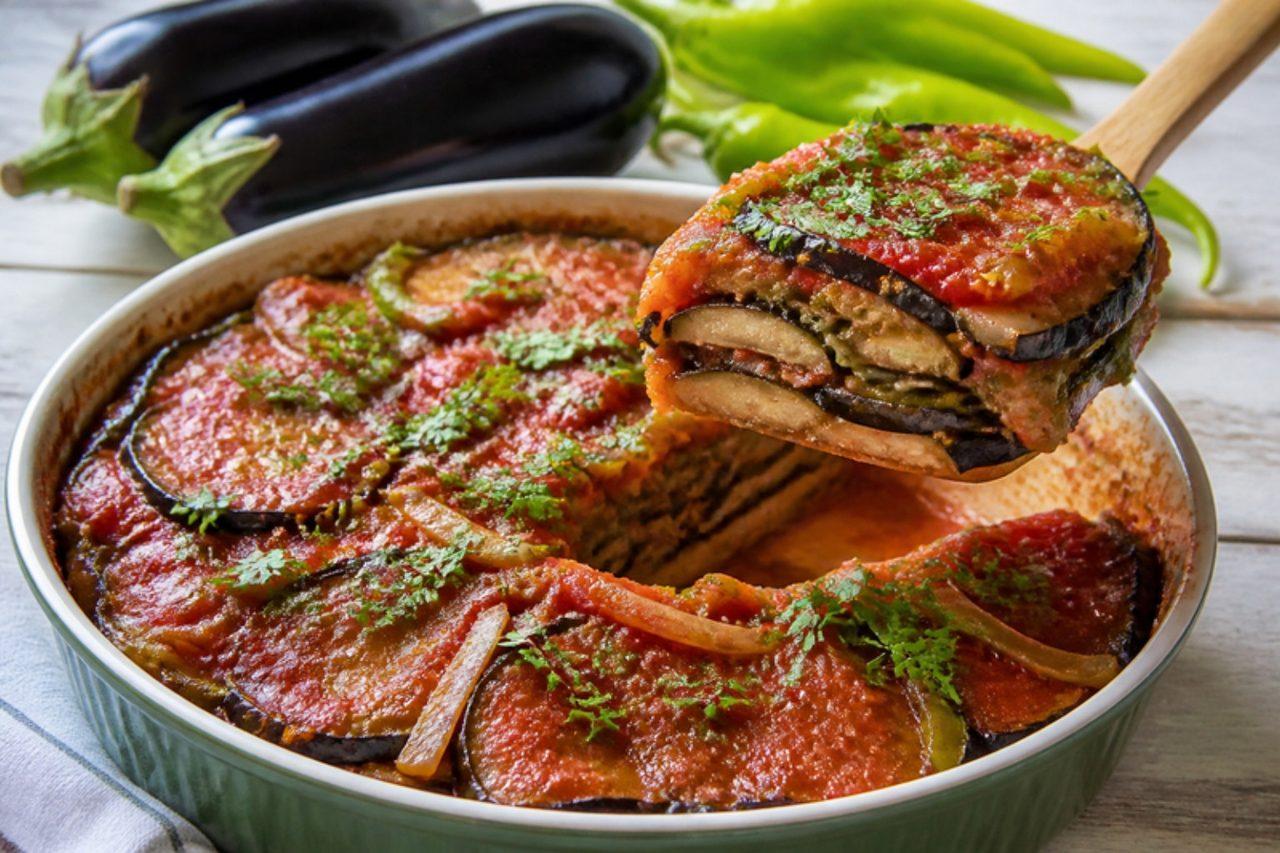
Mesaqa'aBaked aubergine and pepper

Mesaqa'a shares a name with Greek moussaka but is a different dish: there's no béchamel and no cheese, just fried aubergine slices baked in a garlicky tomato sauce with green peppers and chilli until soft and jammy. In Cairo it is a weekday family dish and a favourite during the summer heat and in the Coptic fasting seasons, when many families eat no animal products; it tastes even better the next day at room temperature, scooped up with baladi bread. Chef's tip: salt the aubergine and press it dry, then roast or shallow-fry it until truly golden; pale aubergine makes a watery, grey mesaqa'a.

by KrazyBadal 0 views

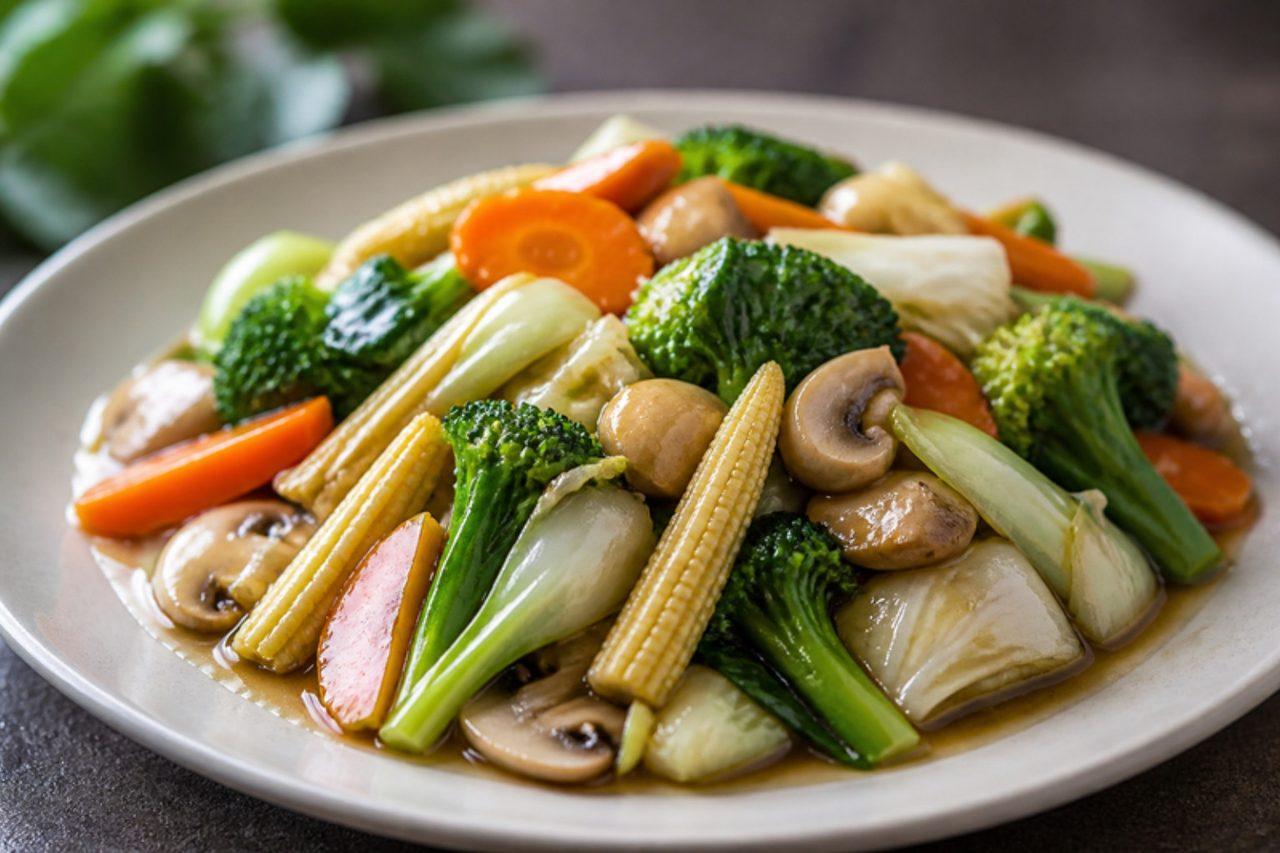
Pad pak ruamStir-fried mixed vegetables

Pad pak ruam, 'stir-fried mixed vegetables', is the dish every Bangkok made-to-order (aharn tam sang) cook can make in ninety seconds over a roaring flame, and the one Thai office workers add to a lunch order so there is something green on the table. The vegetables stay crisp and bright, coated in a thin, glossy sauce of garlic, soy and mushroom stir-fry sauce. Restaurants use oyster sauce; the vegetarian mushroom version tastes almost the same. Serve it with jasmine rice and a fried egg, or as a side to curry. Chef's tip: cut everything before you light the stove, and add the vegetables in order of hardness, so the carrots soften while the greens stay snappy.

16 minThaiSidesVegan
by KrazyBadal 0 views

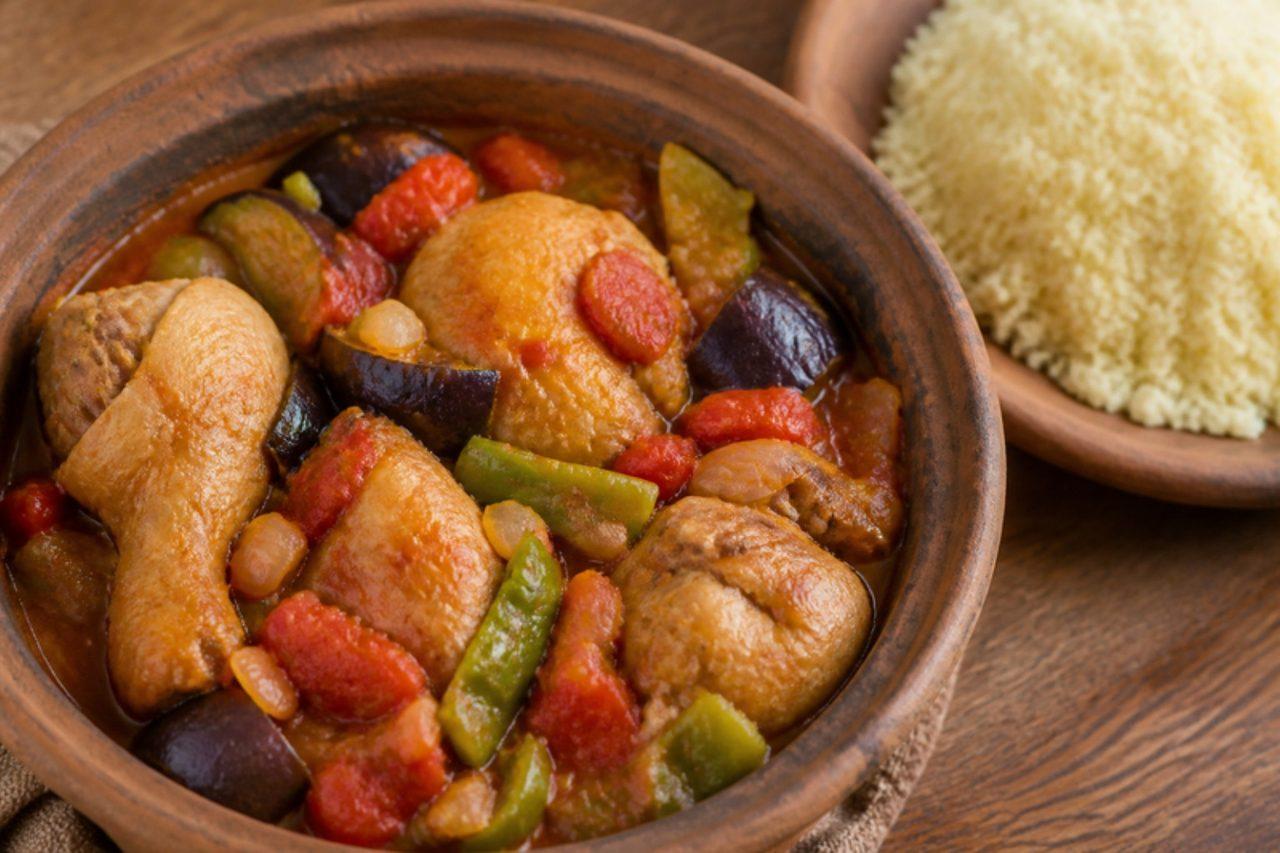
KedjenouPot-steamed chicken

Kedjenou comes from the Baoulé people of central Côte d'Ivoire, who cooked it in a sealed clay canari set in the embers and shook the pot instead of stirring it; today it is a weekend favourite in Abidjan's maquis, served with attiéké or rice. Chicken, tomato, onion, aubergine, ginger and chilli go into the pot with no water at all, and the vegetables release enough juice to make a light, intense sauce. The mistake is lifting the lid to stir: the steam escapes and the pot can burn, so seal it well and shake it instead. Chef's tip: a heavy casserole with a sheet of foil pressed under the lid works just like the clay pot.

by KrazyBadal 0 views

Keerai masiyalMashed greens

Keerai masiyal is the plain, green, buttery-soft mash Tamil mothers make with whatever keerai the market has that morning: arai keerai, siru keerai, amaranth or plain spinach. The leaves are cooked with shallots, garlic and green chilli and then mashed, traditionally with a wooden mathu, until smooth but still a little textured, then finished with a cumin tempering. It's eaten mixed into hot rice with a spoon of ghee or sesame oil, next to sambar or rasam, and it's a favourite first food for toddlers. Chef's tip: cook the greens uncovered; covering them traps the gases that turn the leaves dull olive instead of bright green.

by KrazyBadal 0 views

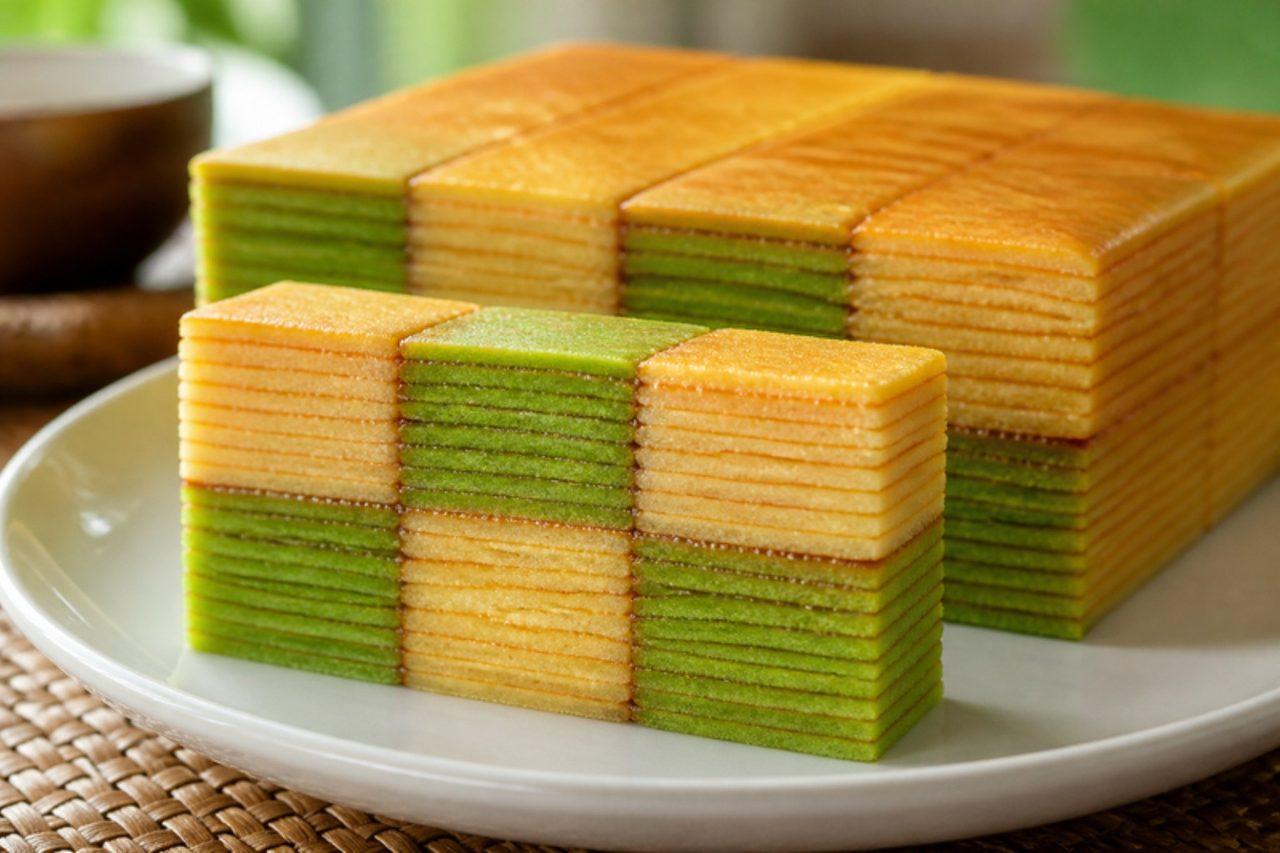
Kek lapis SarawakLayer cake

In Kuching, kek lapis Sarawak is baked for Hari Raya, Christmas and Gawai, and every family gives boxes of it away. Unlike Indonesia's spiced lapis legit, Sarawak cakes are sweet, dense and buttery, often made with condensed milk, and famous for their bright geometric patterns. Many layers are grilled one by one, then the cake is cut into strips and glued back together with jam to make the design. This is the beginner's chequerboard in plain and pandan green. Chef's tip: spread each layer thin and even with the back of a spoon; uneven layers make the pattern crooked.

by KrazyBadal 0 views

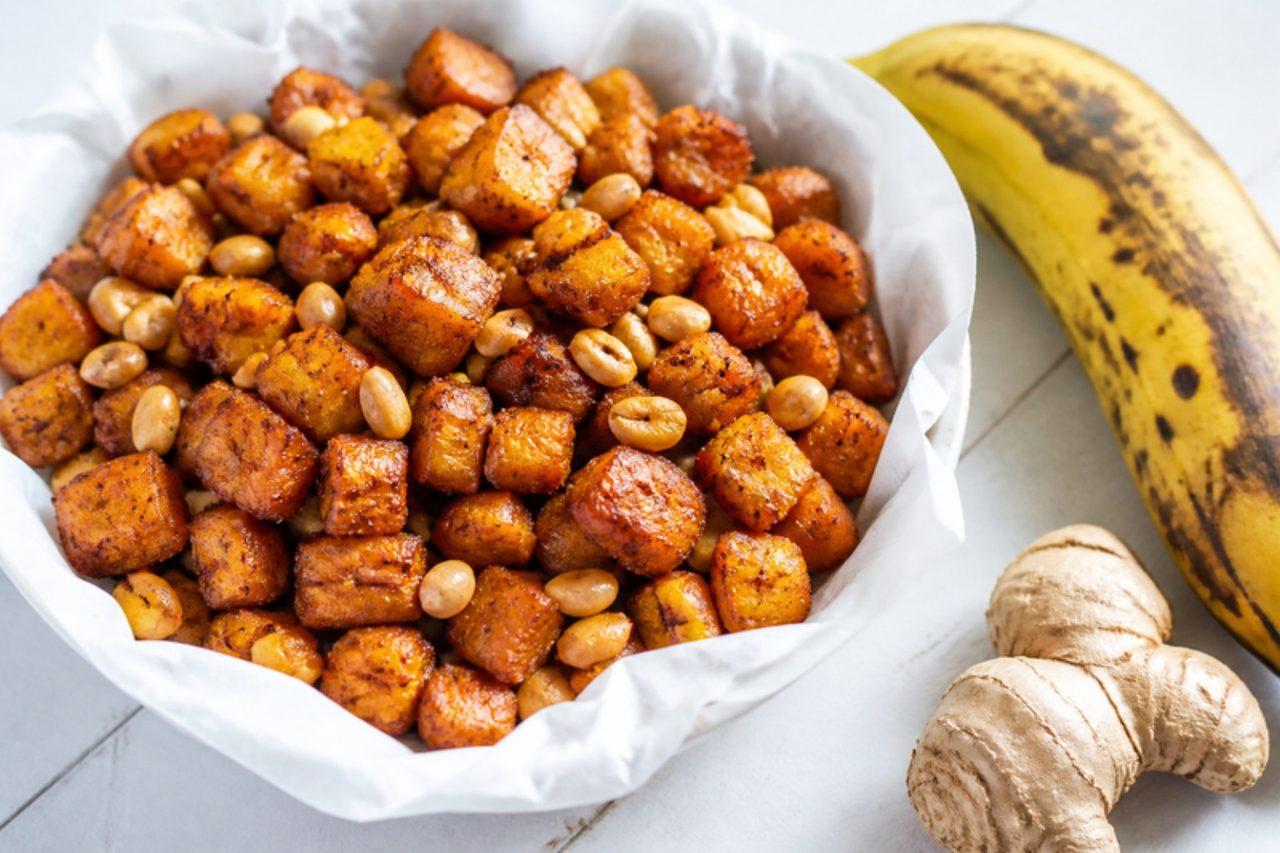
KeleweleSpiced fried plantain

Kelewele is what Accra smells like after dark: ripe plantain cubes tossed in a paste of ginger, onion, chilli and spice, then fried at roadside stalls lit by lamps and sold in paper cones. It is eaten as an evening snack, often with a handful of roasted peanuts, or as a side with red red. The outside caramelises while the spices turn toasty, so every piece is sweet, hot and spicy at once. Chef's tip: use plantains that are yellow with lots of black spots; fully black ones collapse in the oil and green ones never turn sweet.

by KrazyBadal 1 views

BakabanaFried plantain fritters

Bakabana are Suriname's favourite snack: long slices of ripe plantain dipped in a light batter and fried until crisp outside and custard-soft within. In Paramaribo they're sold from warung stalls (the Javanese-Surinamese snack bars), and in Dutch cities with Surinamese communities, always with a spicy peanut sauce on the side for dipping. The sweet fruit, crisp shell and salty-hot sauce make them hard to stop eating. Chef's tip: pick plantains that are yellow with lots of black spots but still firm; fully black and soft ones fall apart in the batter.

by KrazyBadal 0 views

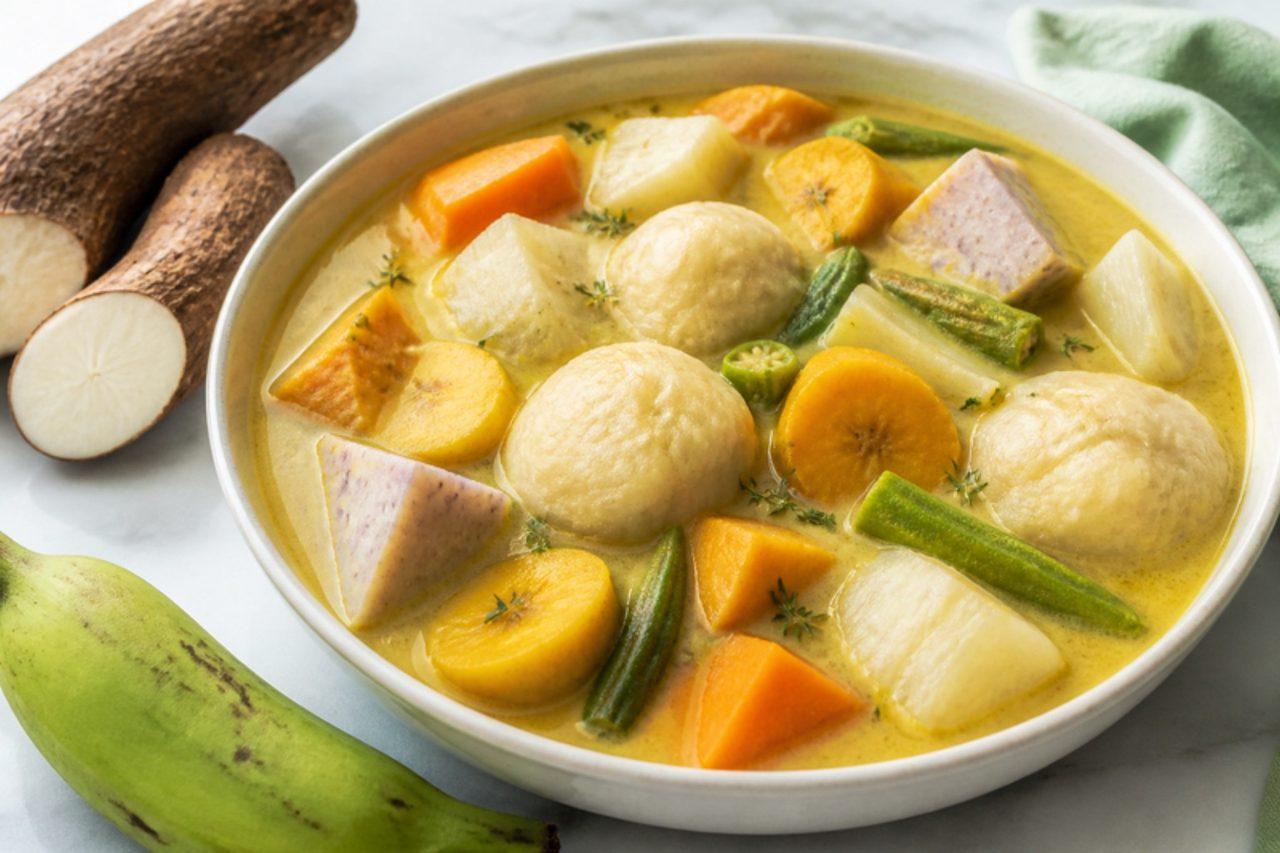
MetemgeeRoot vegetable and dumpling stew

Metemgee (also mettagee or 'mettem') is Guyanese country food from the coastal villages: ground provisions, cassava, eddoes, sweet potato, yam and plantain, layered in a pot and cooked in coconut milk until soft, with duff (dumplings) steamed on top. The broth thickens from the starch into a creamy, thyme-and-pepper gravy. It's usually served with fried salt fish; here it's all vegetables, with okra added. Chef's tip: layer the hardest vegetables at the bottom and the softest on top, then don't stir; everything ends up cooked at the same moment.

by KrazyBadal 0 views

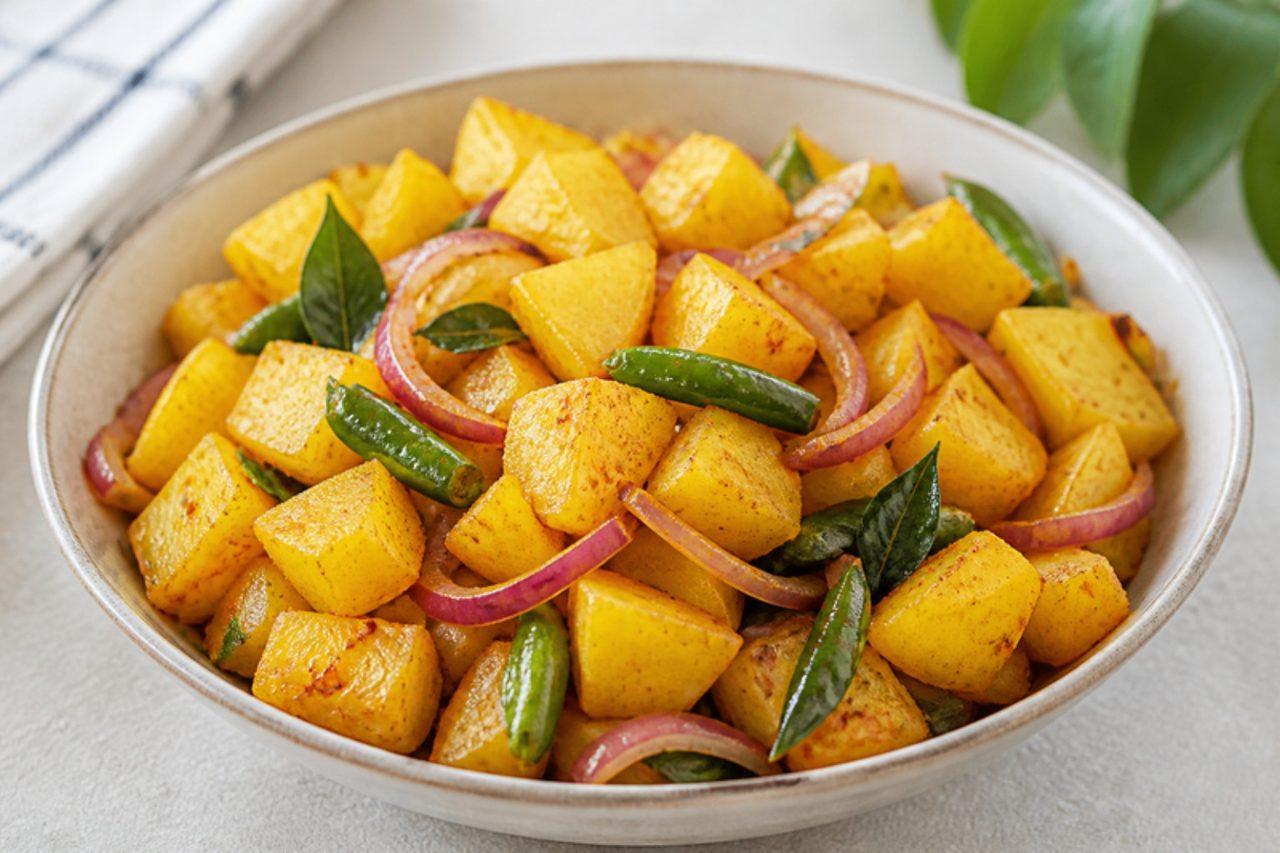
Ala thel dalaDevilled potatoes

Ala thel dala means 'potato tempered in oil', and it's the quick, fiery potato fry that Sri Lankan mothers make when there's no time for a full curry, served with rice, packed into a lunch box with parippu, or eaten with bread at breakfast. Boiled potato cubes are tossed in hot oil with mustard seeds, plenty of red onion, curry leaves, turmeric and roughly crushed dried chilli until the edges turn golden and the onion goes soft and sweet. Unlike an Indian aloo sabzi there are no ground cumin or coriander, just chilli heat, onion and curry leaf. The usual mistake is boiling the potatoes until they're soft right through; they then break up in the pan. Chef's tip: stop boiling when a knife still meets a little resistance in the middle; the potatoes finish cooking in the pan and keep their shape.

by KrazyBadal 0 views

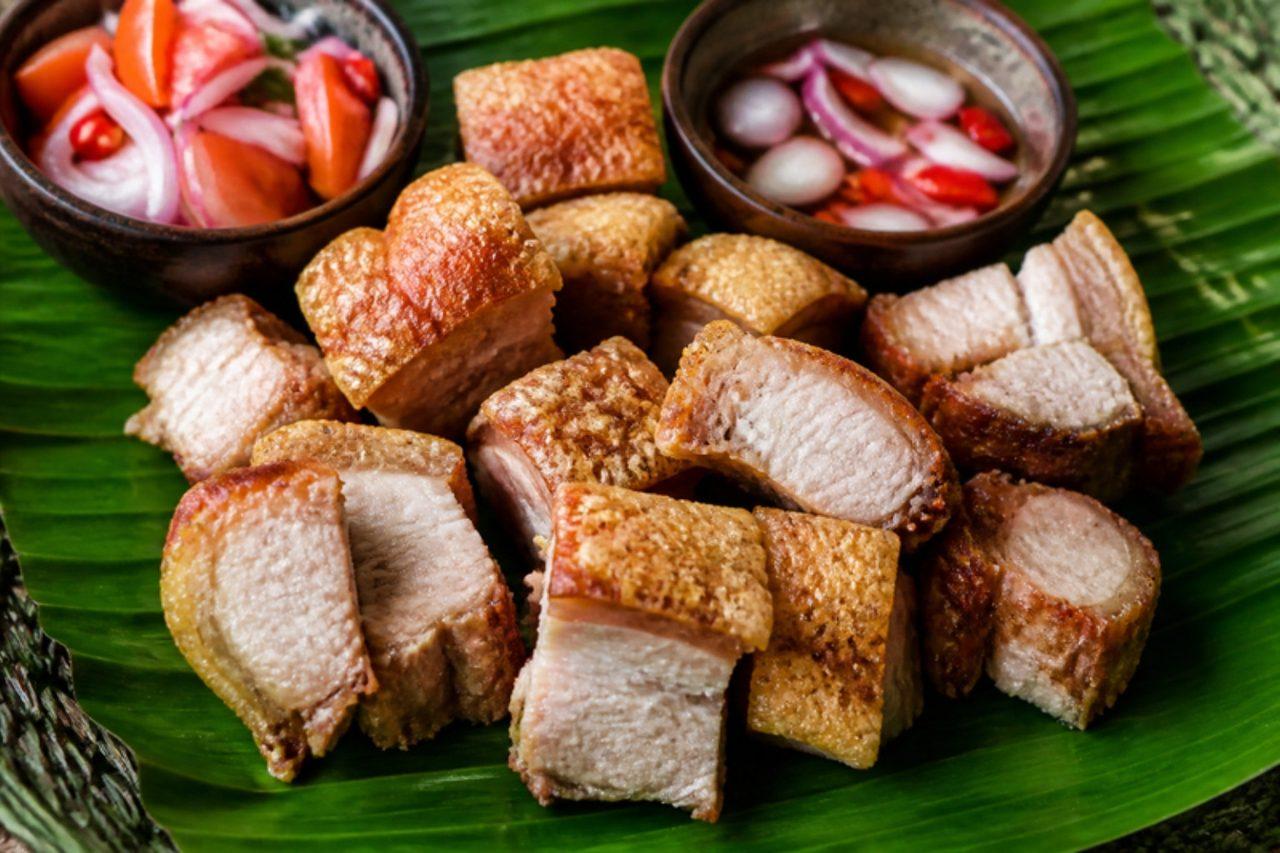
BagnetCrispy fried pork belly

Up in Ilocos Norte and Ilocos Sur, in towns like Vigan and Batac, bagnet hangs in market stalls in golden slabs: pork belly that has been boiled, dried and deep-fried so the rind is puffed and crunchy all the way through. Ilocanos chop it into rice bowls, add it to pinakbet and dinengdeng, or eat it with sukang Iloco, the region's dark sugarcane vinegar. It is richer and crunchier than lechon kawali because it is fried twice. A tomato and onion salad with a little shrimp paste cuts the fat. Chef's tip: the second fry, in hotter oil after a rest, is what makes the rind bubble; skip it and you get chewy skin.

150 minFilipinoMeatGluten free
by KrazyBadal 0 views

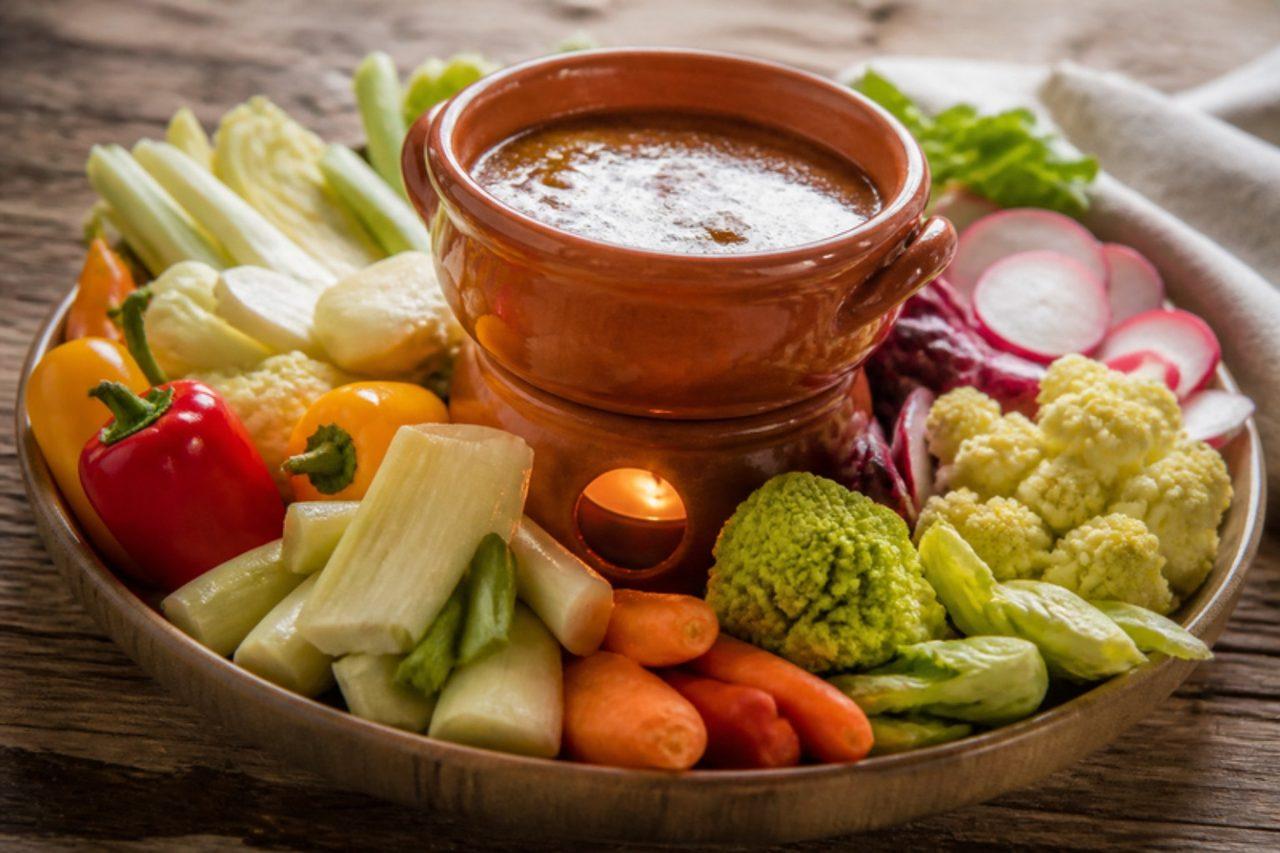
Bagna càudaWarm garlic and anchovy dip

When the grape harvest is over in the Langhe and Monferrato, Piedmontese friends gather round a terracotta pot of bagna càuda, the 'hot bath', kept warm over a little flame in the middle of the table. Everyone dips raw and cooked vegetables into it: peppers, cardoons, fennel, cabbage leaves, Jerusalem artichokes, boiled potatoes and beetroot. The sauce is mellow rather than fierce, because the garlic is poached in milk before it melts with anchovies into olive oil and a little butter, giving a rich, salty, nutty bath. Hunks of bread catch the drips, and a young red wine is the usual partner. Chef's tip: keep it hot but never bubbling, on a fondue burner or tea-light warmer; if it fries, the garlic turns bitter and the anchovies harsh.

by KrazyBadal 0 views

BaghrirThousand-hole semolina pancakes

Baghrir are the spongy, lacy pancakes that Moroccan families make for breakfast on weekends and at Ramadan, when they are piled high at the iftar table. A smooth semolina batter is blended until thin, rested so the yeast and baking powder can work, then cooked on one side only: as it heats, hundreds of tiny holes open across the surface. The holes soak up the warm butter and honey poured over before serving. Chef's tip: the batter must be as thin as single cream; too thick and the holes won't break through to the top.

by KrazyBadal 0 views

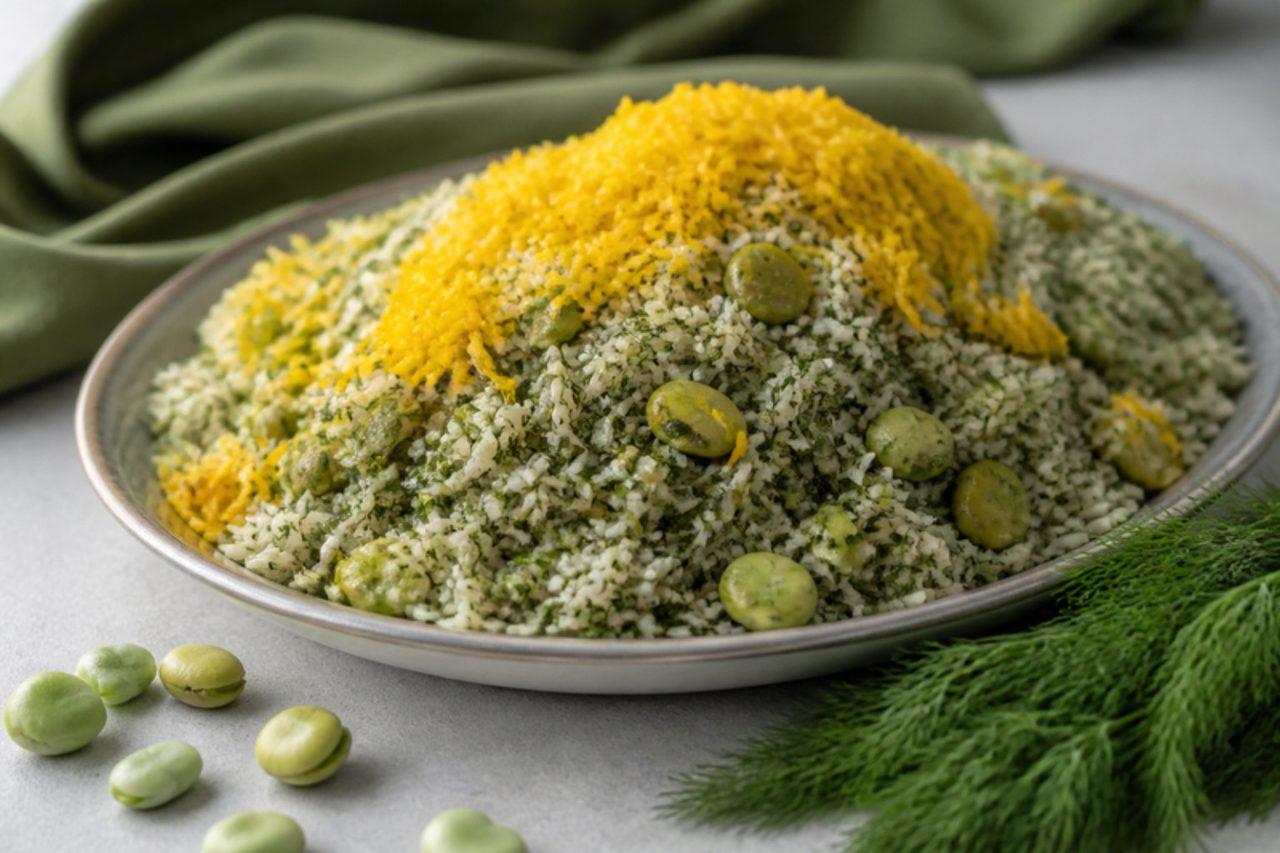
Baghali poloDill and broad bean rice

Baghali polo is the rice Iranians cook when fresh broad beans appear in the markets of Tehran and Shiraz in late spring, though frozen beans keep it on the table all year and it turns up at parties and weddings across the country. Bright green beans and plenty of dill are folded through steamed saffron rice, giving a soft, buttery, herb-heavy dish with sweet nuggets of bean in every mouthful. It is often served with lamb; at a vegetarian table pair it with a fried egg, mast-o khiar and a sharp salad. Chef's tip: peel the inner skins off the broad beans; the bright green centres are tender and sweet, the skins tough.

by KrazyBadal 0 views

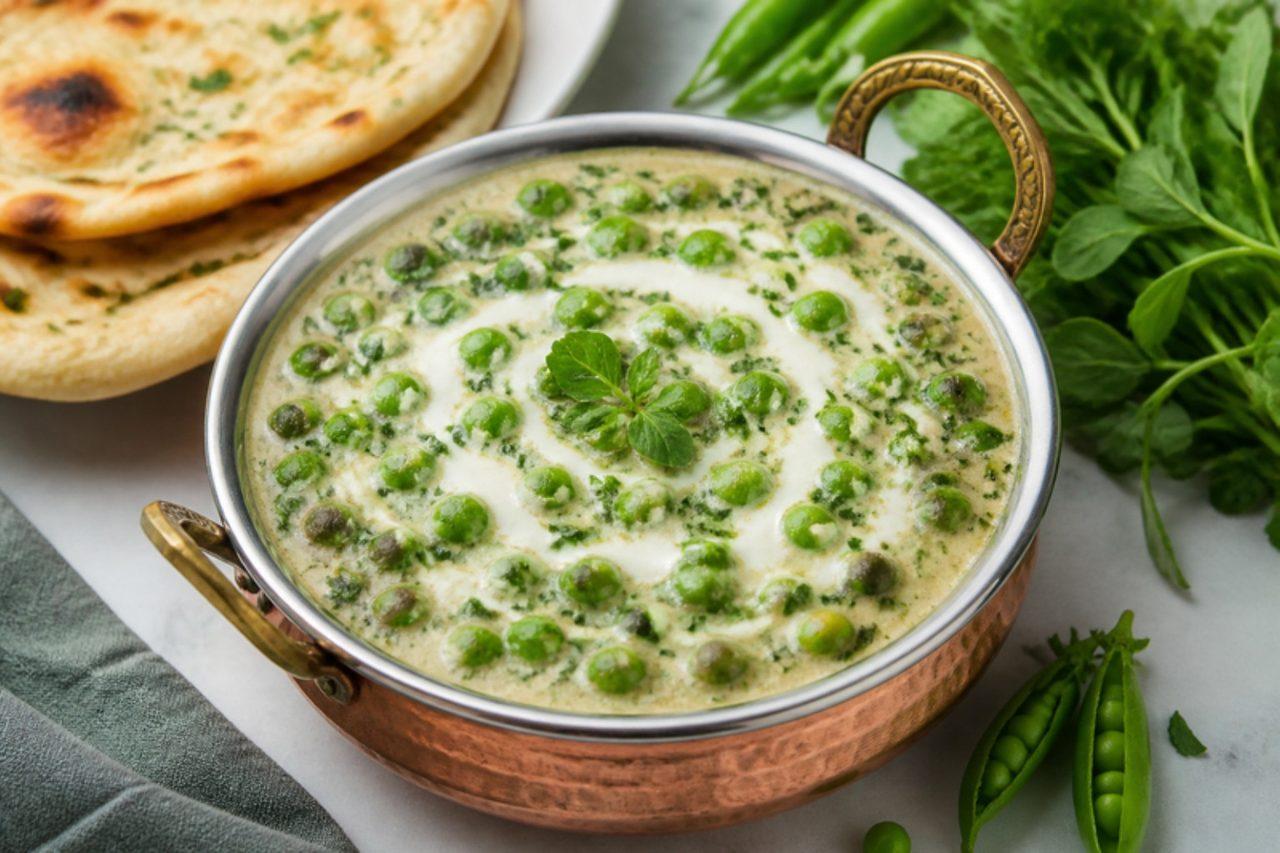
Methi matar malaiFenugreek and peas in cream gravy

Methi matar malai belongs to the Punjabi wedding buffet and the dhaba menu as much as to winter home cooking, when bunches of fresh fenugreek pile up in the markets of Ludhiana and Jalandhar. Bitter-sweet methi leaves and sweet green peas sit in a pale, silky gravy of onion, cashew and cream, mild enough for children and rich enough for a celebration. Serve it with butter naan, lachha paratha or jeera rice. Chef's tip: salt the chopped methi and squeeze it before cooking; it takes away much of the bitterness while keeping the flavour.

by KrazyBadal 0 views

Bagara bainganBaby aubergines in peanut sesame sauce

Bagara baingan is a Hyderabadi wedding dish of small aubergines cooked whole in a dark, tangy gravy of roasted peanuts, sesame, dried coconut and tamarind. Unlike a Gujarati stuffed brinjal, the aubergines here are only quartered at the base and fried until silky, then left to soak up a thin-but-rich sauce that is finished with a tempering, the 'baghar' that gives the dish its name. It's sour, nutty and gently spiced, and is served with biryani, bagara rice or plain rice. Chef's tip: choose small, glossy purple aubergines that feel heavy for their size; soft, light ones are full of seeds and turn mushy before the gravy has a chance to cling.

by KrazyBadal 2 views

Ker sangriDesert berries and beans

Ker sangri is a true desert dish from the Thar in Rajasthan: ker are small, sour wild caper berries and sangri are the thin, chewy bean pods of the khejri tree, both picked in summer and sun-dried to last the year. Soaked, boiled and fried in plenty of mustard oil with chilli, mango powder and coriander, they become tangy, earthy and almost pickle-like. It keeps for days, which is why it travelled with camel herders. Serve with bajra roti or puri, or as a side to dal baati. Chef's tip: taste a ker berry after boiling; if it is still very bitter, boil it again in fresh water before frying.

by KrazyBadal 0 views

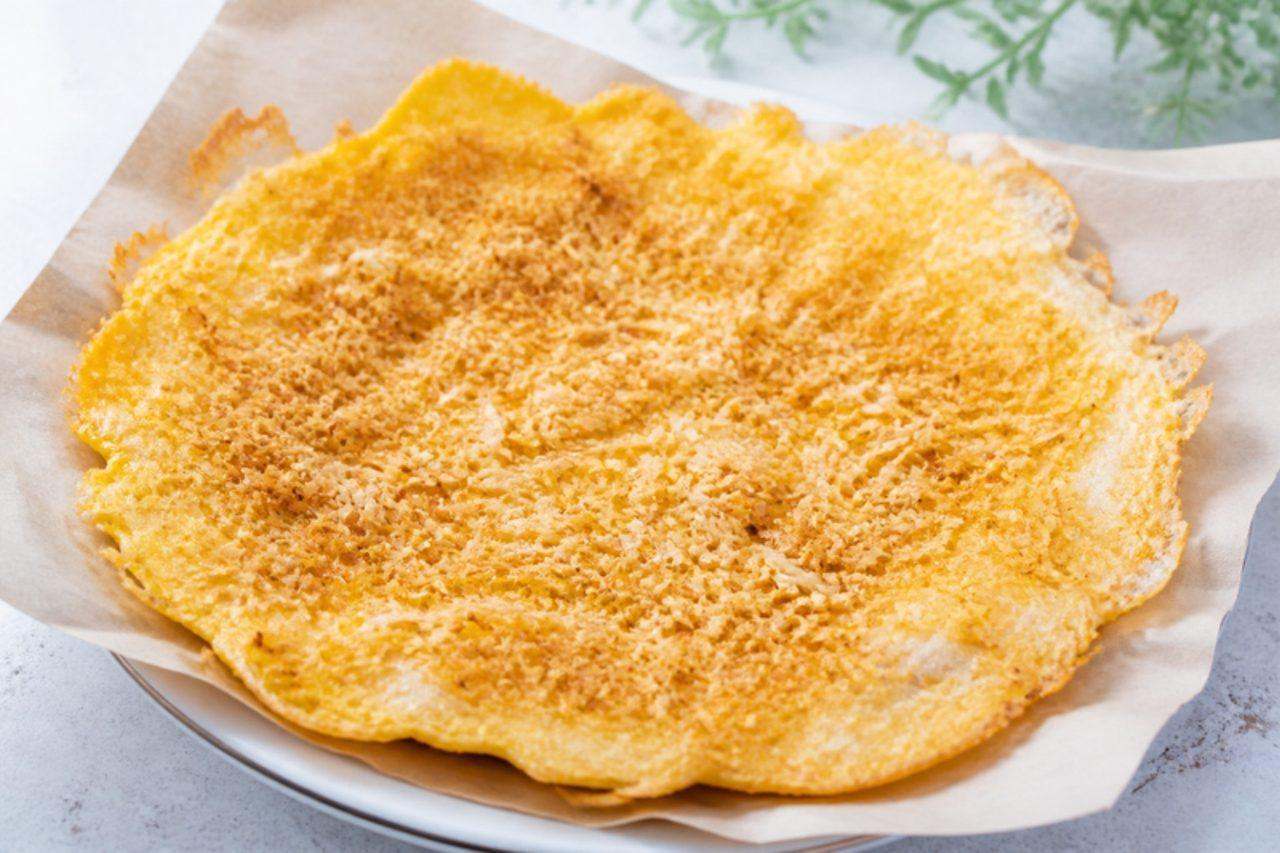
Kerak telorSticky rice and egg omelette

Kerak telor is the Betawi snack of Jakarta, cooked over charcoal by vendors at the Jakarta Fair and around Monas: a little soaked sticky rice is cooked in a tiny wok, an egg cracked on top, then the wok is turned upside down over the coals so the bottom forms a crust. It is finished with serundeng, a spiced toasted coconut, and fried shallots. Vendors usually add dried shrimp to the coconut; this version doesn't. Chef's tip: soak the sticky rice overnight; half-soaked grains stay hard in the middle.

by KrazyBadal 0 views

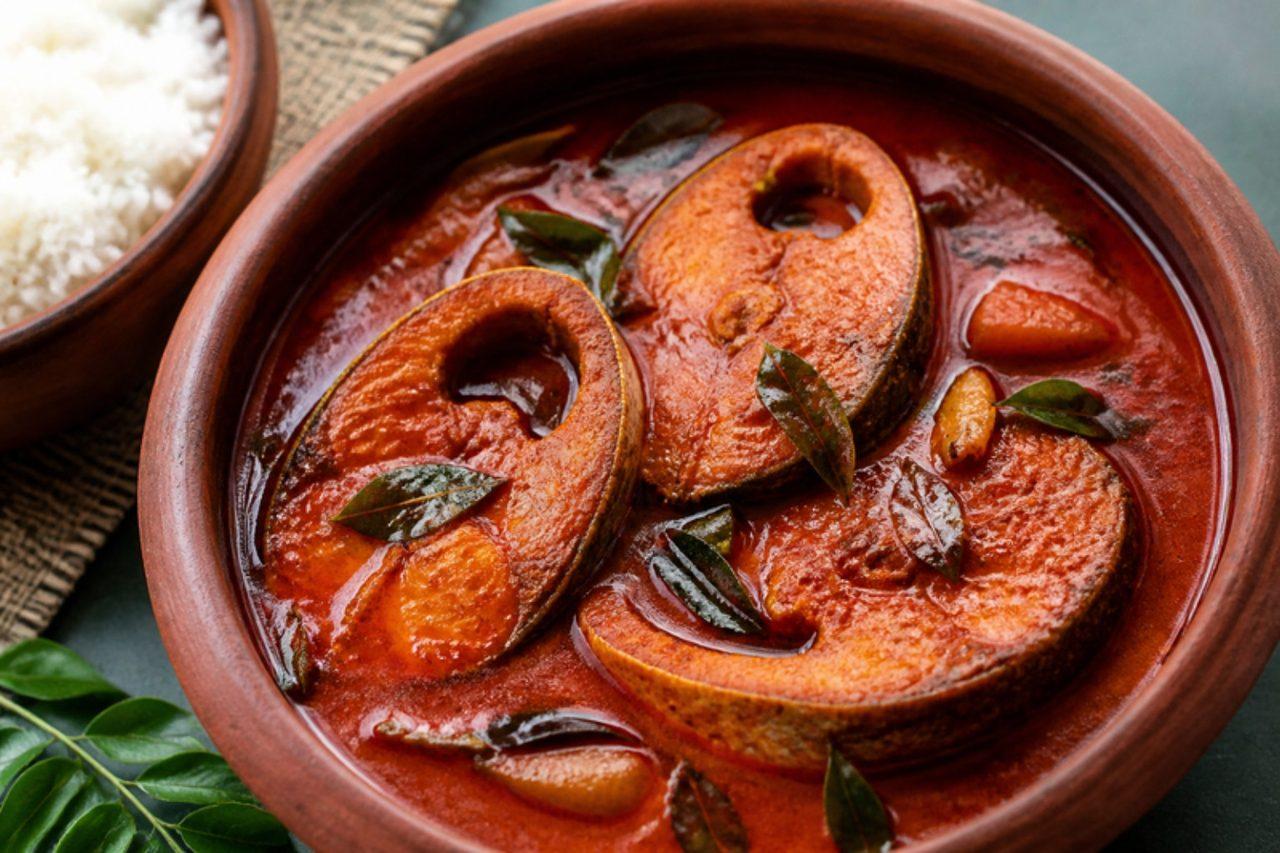
Kerala meen currySour red fish curry

Down the southern backwater districts of Travancore, around Kottayam and Alappuzha, the everyday fish curry has no coconut at all: just a brick-red gravy of chilli, shallots and coconut oil, made sour and smoky with kudampuli (Malabar tamarind). It is traditionally made in a clay pot (manchatti) and left to sit, because it tastes better hours later or the next morning, when the fish has soaked up the sourness. Kingfish, sardines and mackerel are the usual choices; eat it with boiled red Kerala rice or tapioca. Chef's tip: once the fish is in, never use a spoon — hold the pot with a cloth and swirl it so the sauce coats the pieces without breaking them.

45 minIndianFishGluten freeSpicy
by KrazyBadal 0 views

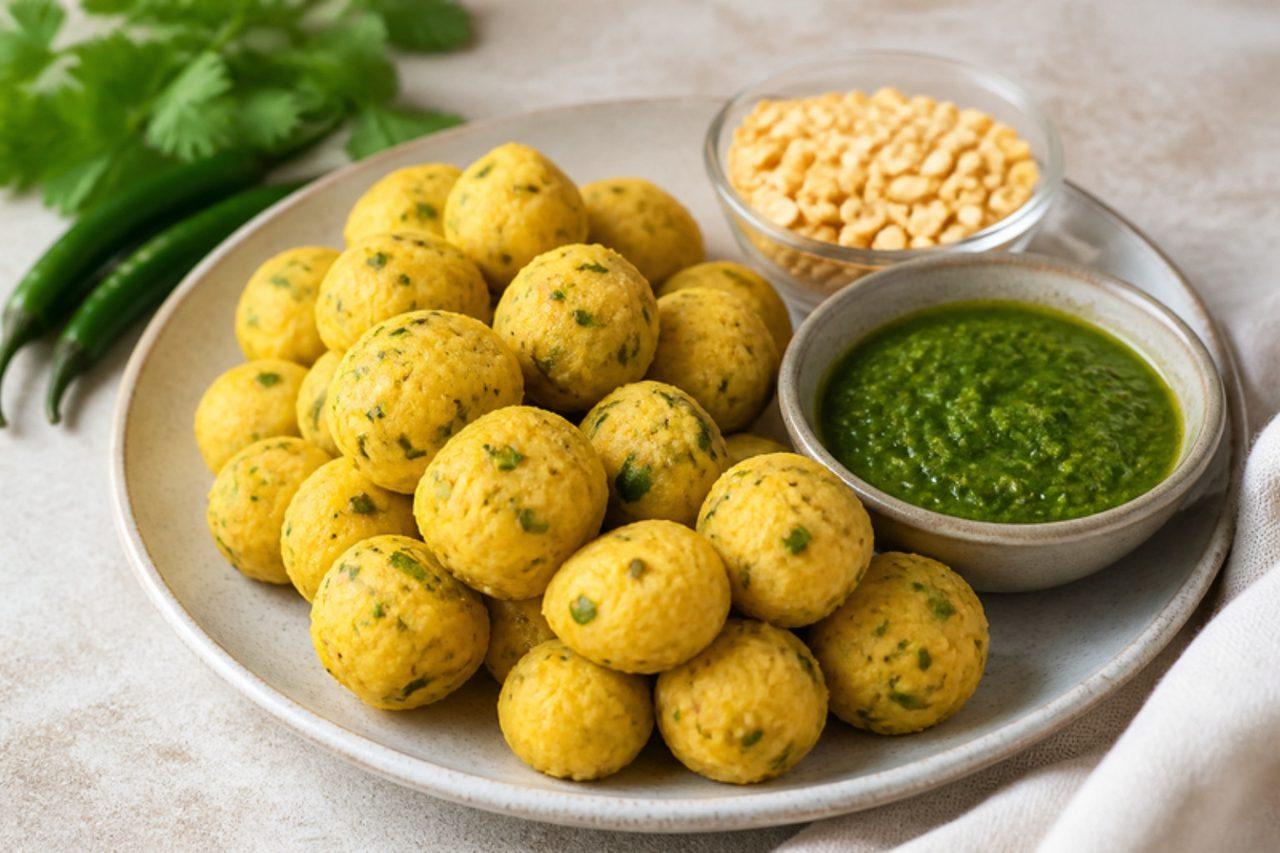
BafauriSteamed chana dal dumplings

Bafauri comes from the same Chhattisgarhi home kitchens that make fara and chila, and it is the region's answer to a fried pakora without the frying. Soaked chana dal is ground coarse with ginger, garlic and chilli, mixed with onion and herbs, then steamed into little dumplings that are firm, nubbly and high in protein. They are eaten hot at teatime with tomato chutney, and many families also toss them in a quick mustard-seed tadka. Chef's tip: grind the dal with only 2–3 tablespoons of water; a wet paste spreads flat in the steamer and loses the rough texture that makes bafauri good.

by KrazyBadal 0 views

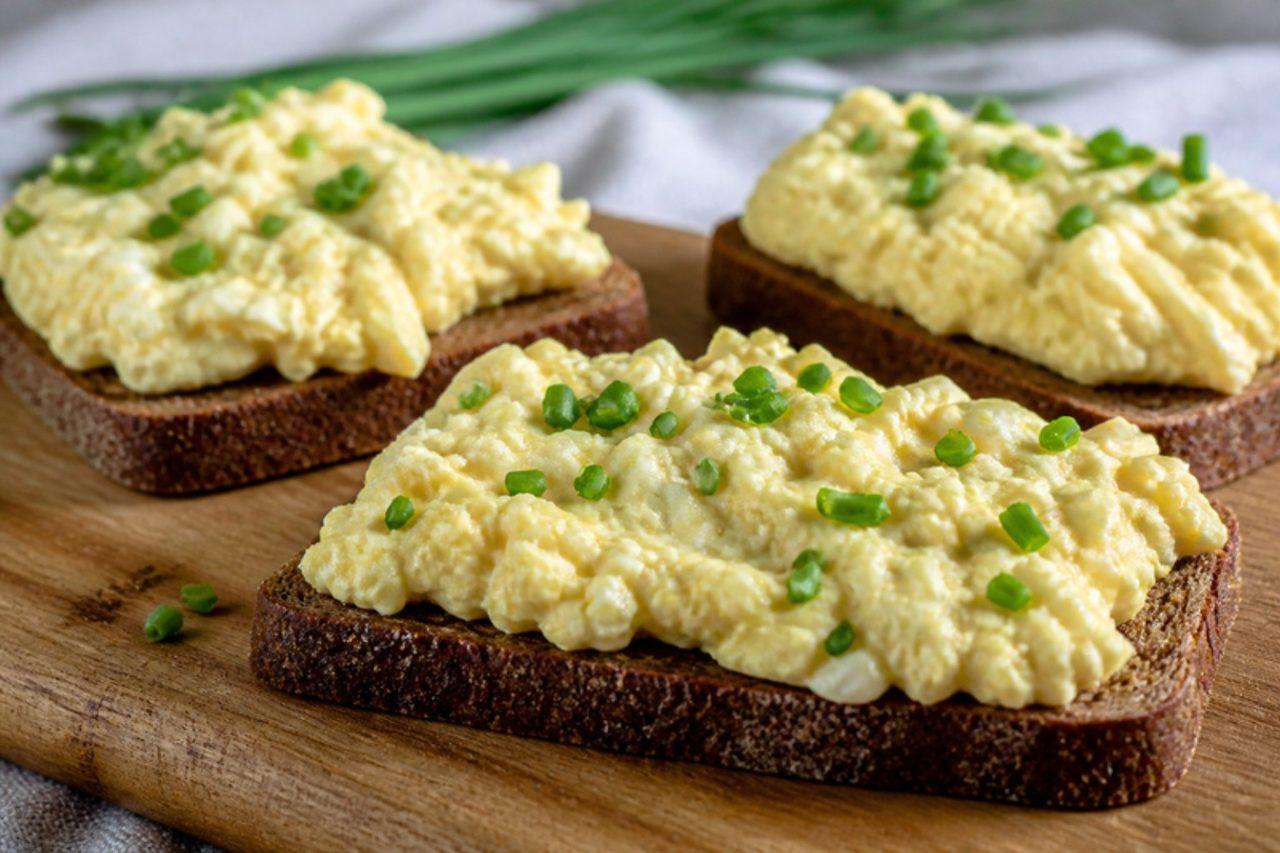
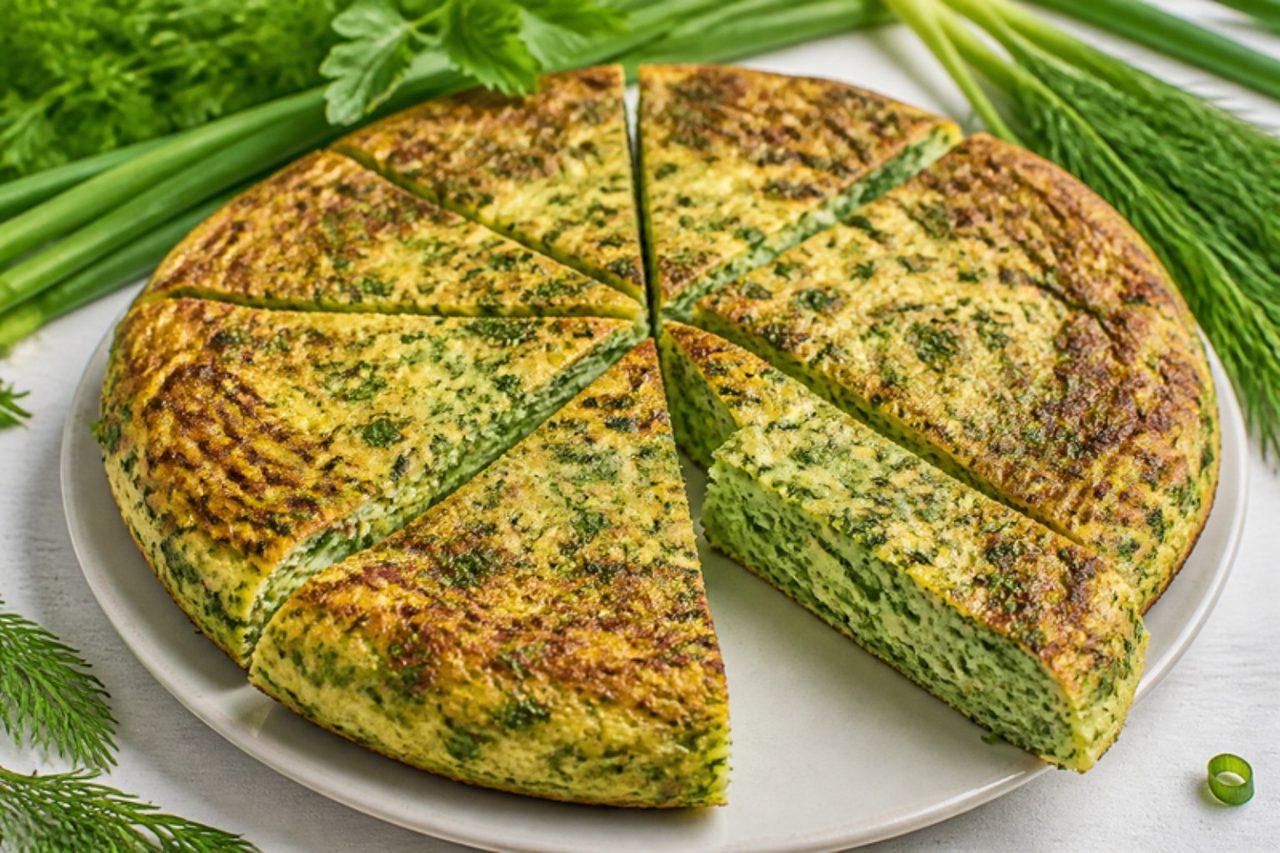
EggahHerb omelette

Eggah is the omelette Egyptian families make at home for breakfast or a light supper, often on a Friday morning alongside ful, falafel, cheese and baladi bread. It is thick and set rather than folded, packed with spring onion, parsley and dill and warmed with cumin, and it's cooked slowly so it puffs and browns on both sides. Slice it into wedges and eat it hot from the pan or cold in a sandwich. Chef's tip: grate the onion and squeeze it dry; wet onion makes the eggs weep and the eggah falls apart when you flip it.

by KrazyBadal 0 views

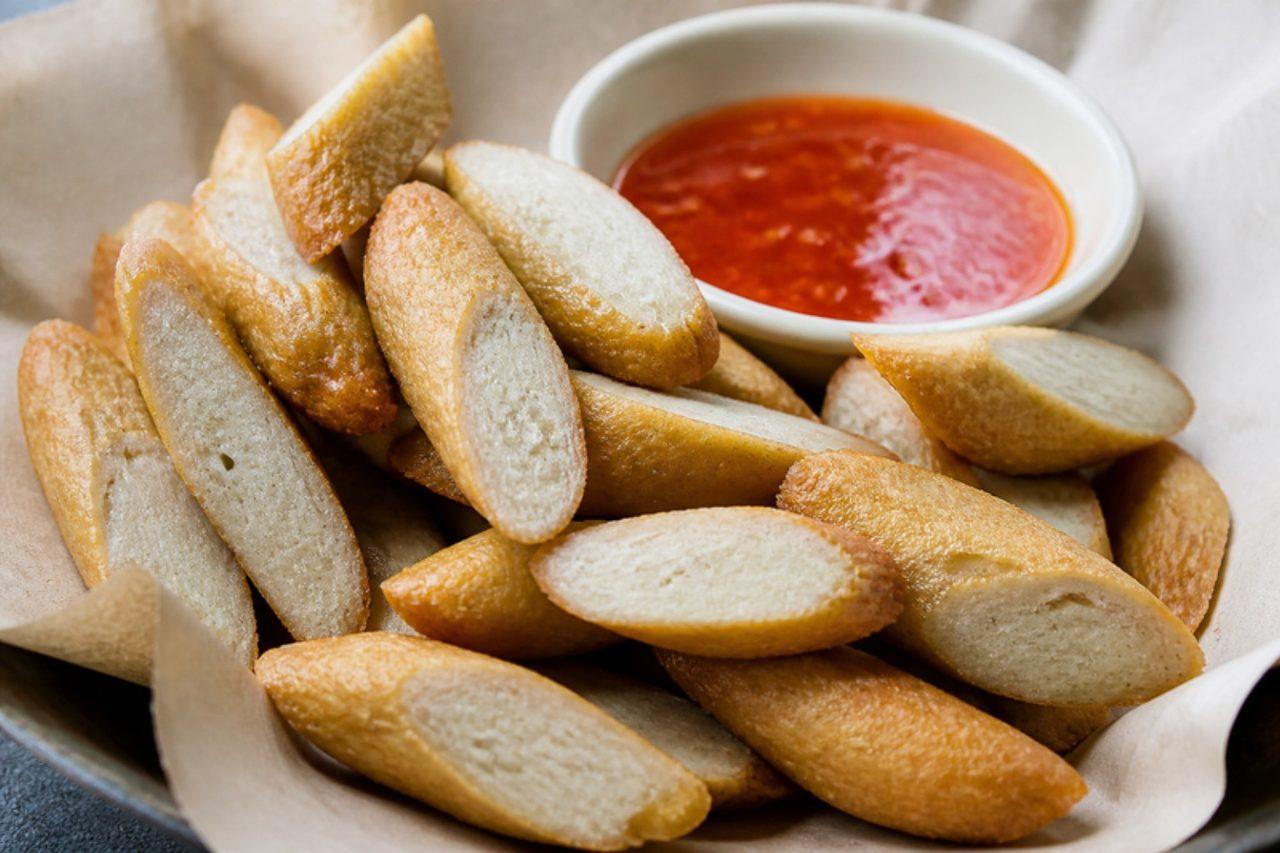
Keropok lekorFried fish sausages

Along the beach road from Kuala Terengganu to Marang, roadside huts sell keropok lekor in paper bags, still hot from the wok. These are long, grey-white sausages of fish and sago starch, boiled until they float and then sliced and fried, so the outside puffs and crisps while the inside stays dense, bouncy and tasting clearly of the sea. Locals dip them in a sweet, garlicky chilli sauce and eat them with tea in the late afternoon. They freeze well after boiling, ready to fry any time. Chef's tip: knead the fish with ice-cold water; keeping the dough cold is what gives the springy bite.

by KrazyBadal 0 views

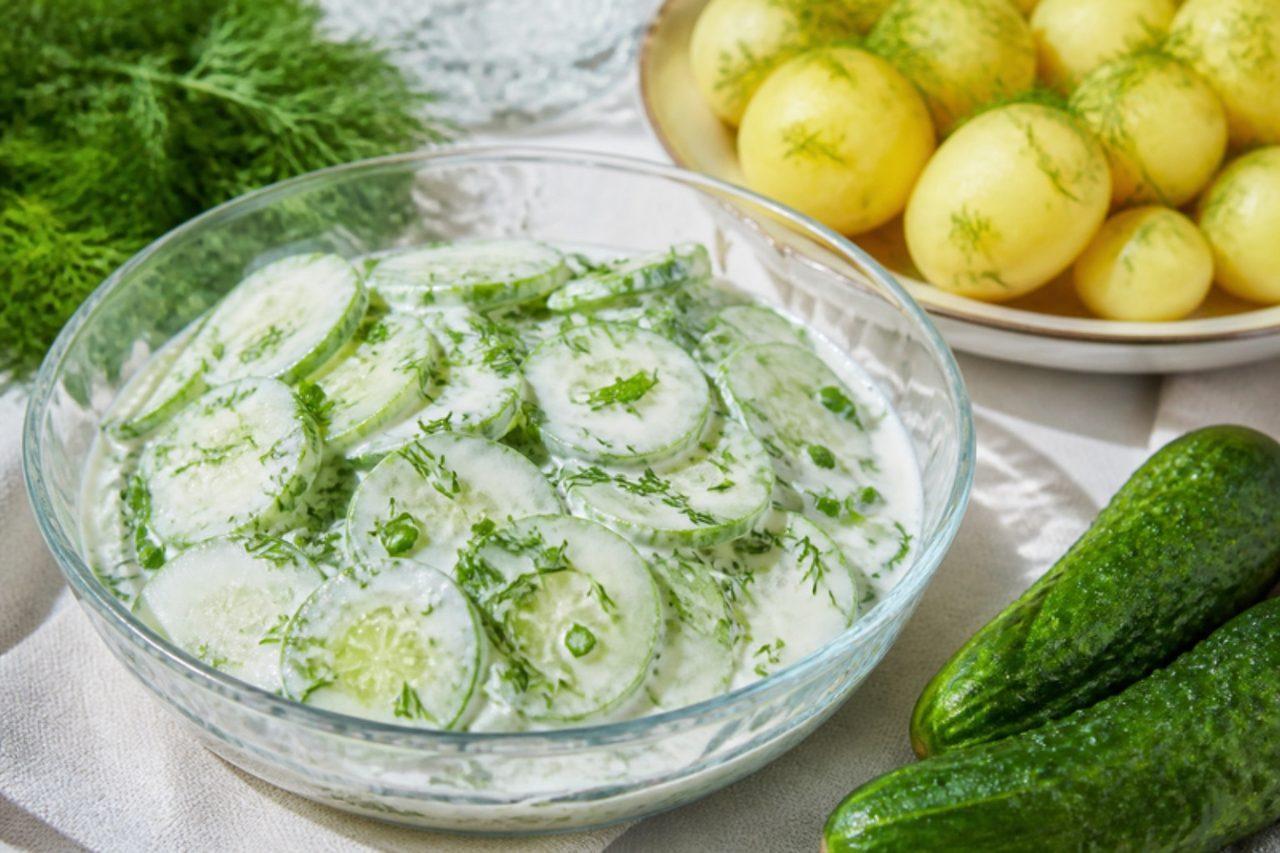
MizeriaCucumber salad with soured cream

Mizeria is the cool, creamy cucumber salad that sits beside Sunday dinner in Polish homes from May to September, especially next to young potatoes sprinkled with dill. Thin slices of cucumber are dressed in soured cream with dill, a pinch of sugar and a little lemon or vinegar, so it is fresh, tangy and slightly sweet. Legend links the name to Queen Bona Sforza longing for Italy, but in practice it is simply summer on a plate. Chef's tip: slice the cucumbers paper-thin on a mandoline or the slicing side of a box grater; thick slices never soak up the dressing.

by KrazyBadal 0 views

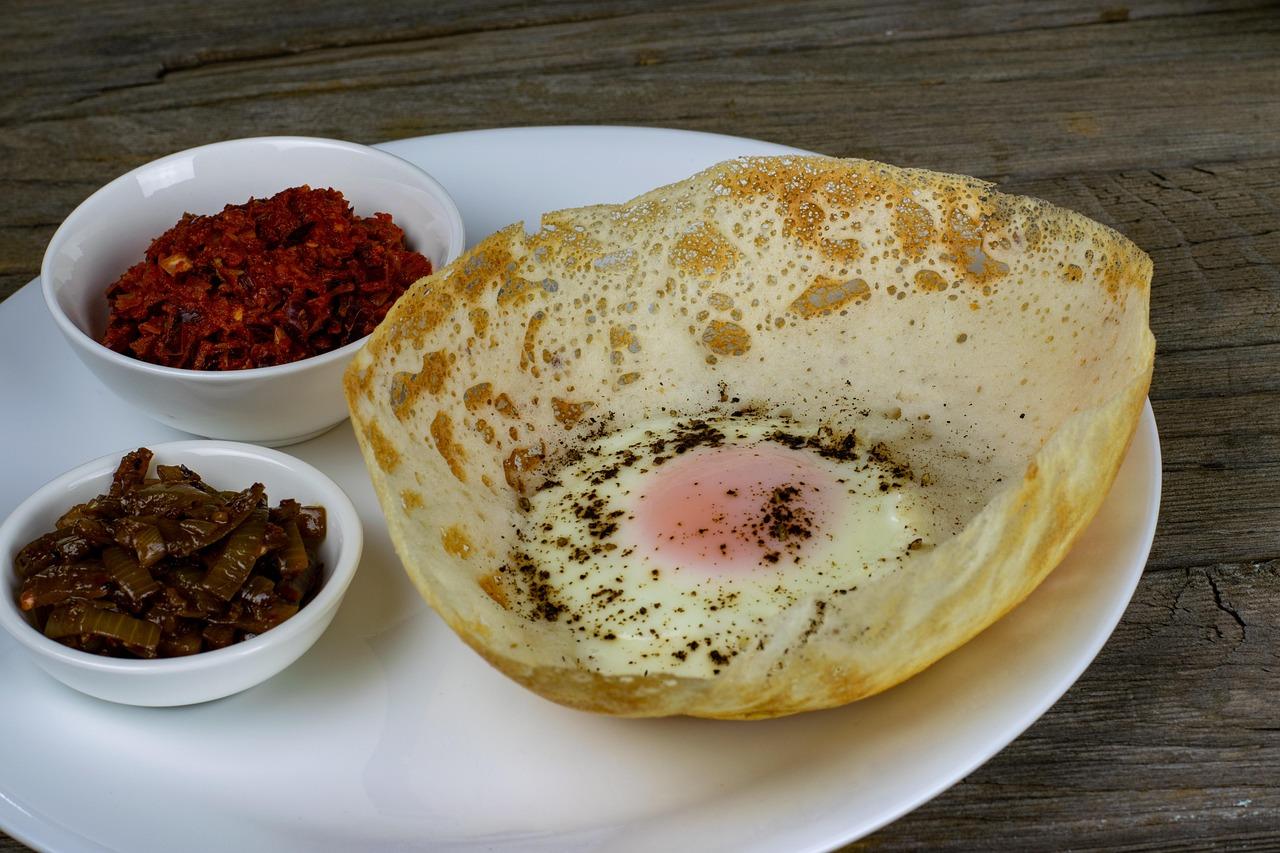
Egg hoppersBowl-shaped rice pancakes with egg

Hoppers (appa) are the crisp-edged, bowl-shaped pancakes that street cooks in Colombo, Kandy and Jaffna make in rows of small round pans every evening; an egg hopper has an egg cracked into the soft centre so it steams to a runny yolk. The batter of rice flour, coconut milk and yeast (traditionally toddy) is left to ferment until it's light and slightly sour, which gives the lacy, golden rim and the spongy middle. They're eaten hot with pol sambol and lunu miris, and plain hoppers come with sweet jaggery for dessert. Kerala's appam is a cousin, but Sri Lankan hoppers are thinner and crisper and the egg version is their own. The common mistake is a batter that's too thick, which gives heavy, pale hoppers; it should flow like single cream. Chef's tip: swirl the pan in one quick full turn the moment the batter goes in, then cover at once.

by KrazyBadal 0 views

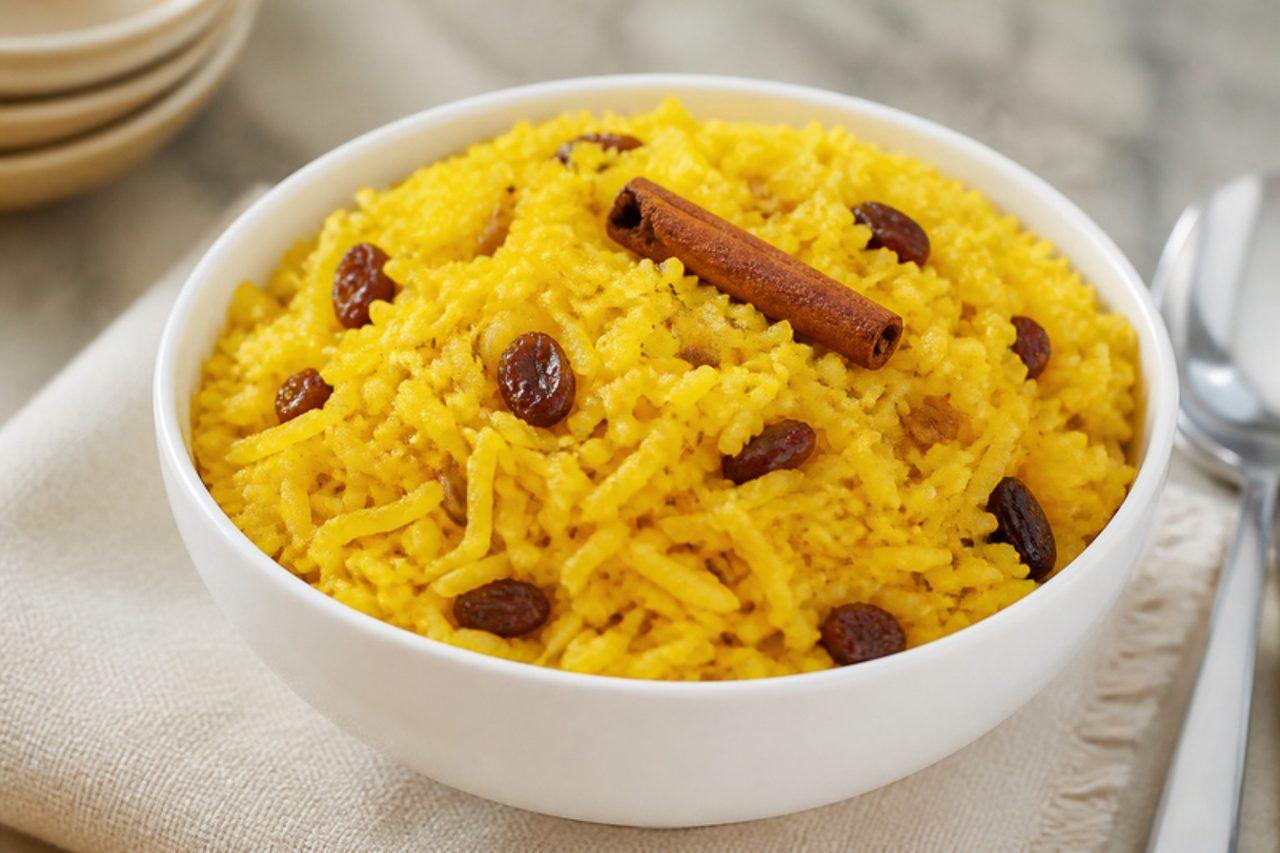
Yellow rice (geelrys)Sweet turmeric rice

Geelrys, or yellow rice, is the bright, faintly sweet rice that comes to the table in the Western Cape with bobotie, curries and Sunday roasts, and at Cape Malay weddings and funerals alike. It is cooked with turmeric, a stick of cinnamon, a little sugar and plump raisins, then finished with a knob of butter so the grains gleam. The sweetness is gentle, just enough to soften a spicy curry. Chef's tip: add the raisins at the start so they plump in the cooking water; added at the end they stay tough and chewy.

by KrazyBadal 0 views

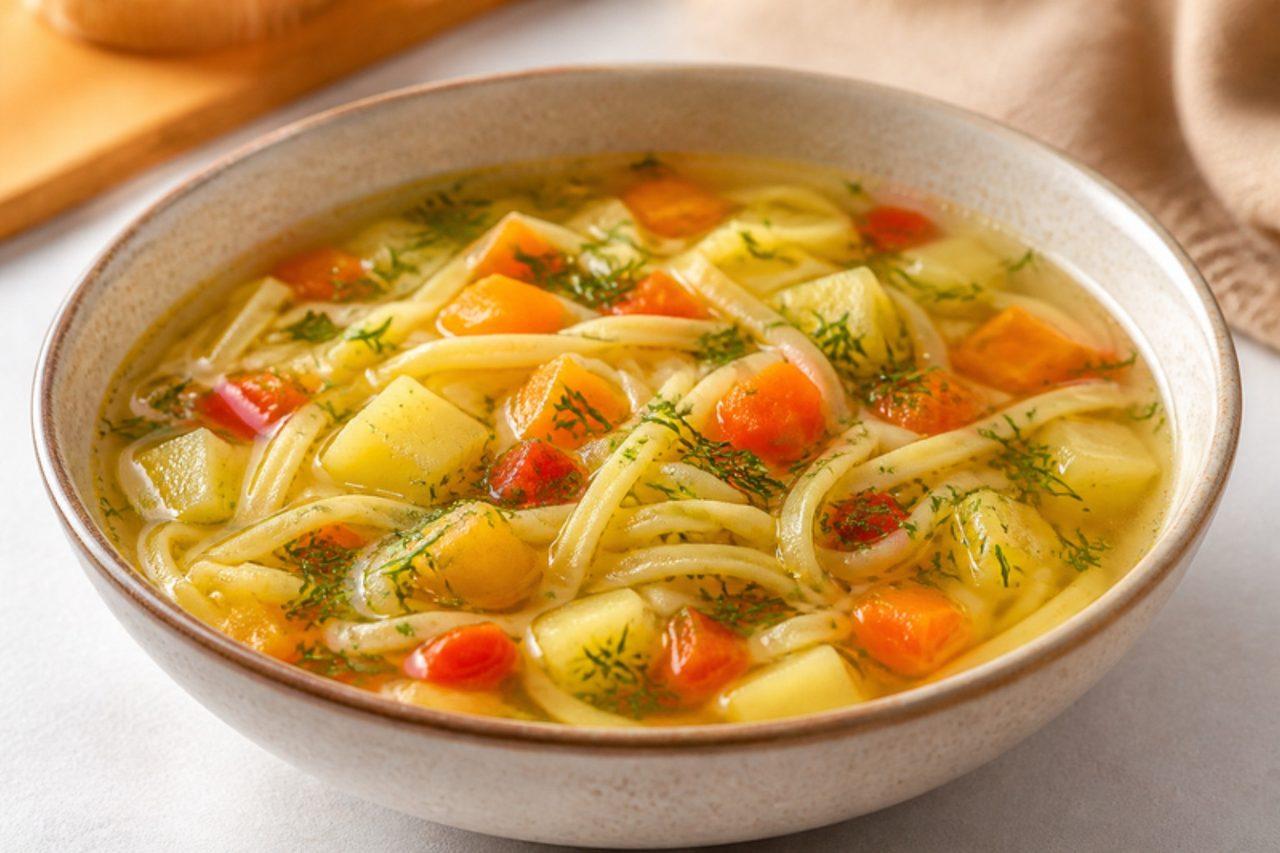
KespeEgg noodles in vegetable broth

Kespe is the plainest and most comforting of Kazakh soups: home-made egg noodles, cut thin with a knife, simmered in broth with potato, carrot and onion. The name comes from 'kesu', to cut. Grandmothers in villages around Karaganda and Pavlodar make it on winter evenings and for anyone feeling unwell, and in Kyrgyzstan the same soup goes by the same name. It is usually cooked in mutton broth; this version uses a well-browned vegetable broth. Chef's tip: dry the cut noodles for 20 minutes before cooking; they hold their shape and don't cloud the broth.

by KrazyBadal 0 views

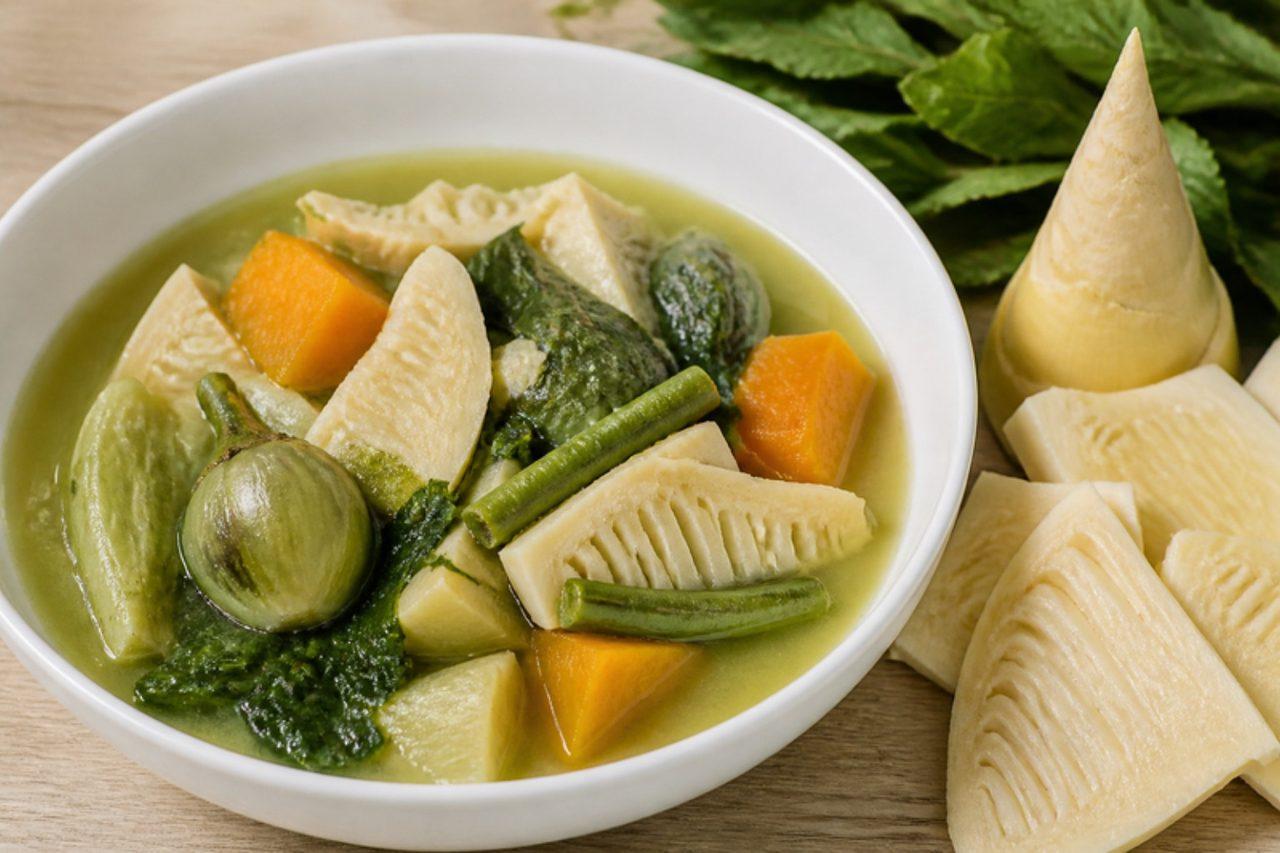
BaiVegetable and bamboo shoot stew

Bai is the everyday dish of Mizoram, cooked in Aizawl homes almost daily: a stew of greens such as mustard leaves or pumpkin leaves, bamboo shoot, pumpkin and beans, boiled in water with a pinch of soda (traditionally 'chingal', an ash-filtered alkali) that softens the greens. It has almost no oil and little spice, and often a spoonful of pork fat goes in; this vegetarian version leaves it out and adds a little more ginger. Bai is light, green and soothing, eaten with rice and a chilli dip. Chef's tip: add the soda with the greens, not before, and only a pinch; too much turns the stew slimy.

by KrazyBadal 0 views

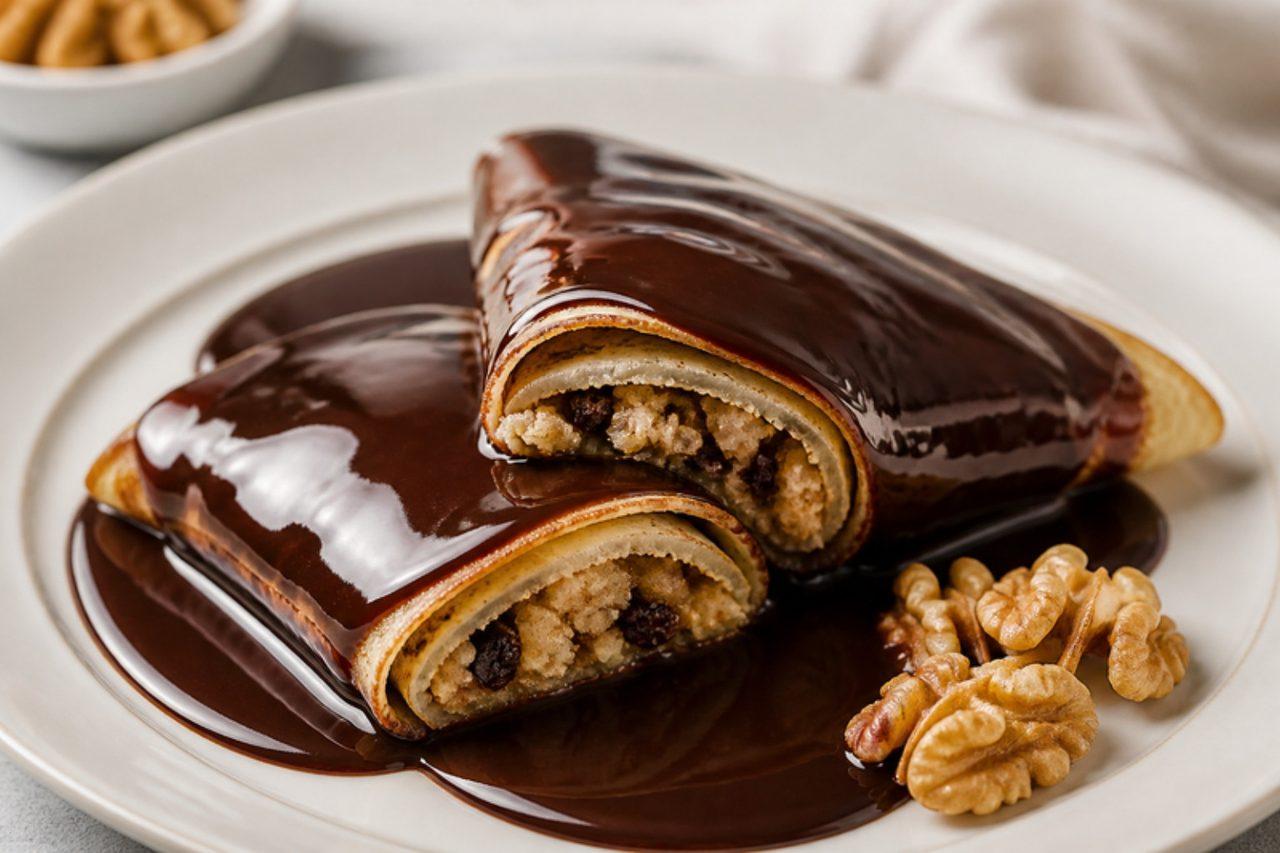
Gundel palacsintaWalnut pancakes with chocolate sauce

Gundel palacsinta is the festive pancake of Budapest, named after the Gundel restaurant by City Park, where it became the showpiece dessert of the mid-twentieth century. Thin Hungarian pancakes are filled with a rum-scented walnut and raisin paste, folded into triangles and drowned in a dark chocolate sauce, sometimes flamed at the table. Everyday palacsinta at home are simpler, rolled with apricot jam, cocoa sugar or sweet túró; this is the version for name days, Christmas and guests. Chef's tip: rest the batter for 30 minutes; the pancakes become thinner and more elastic and stop tearing when you fold them. Common mistake: overfilling, which makes the triangles burst open.

by KrazyBadal 0 views

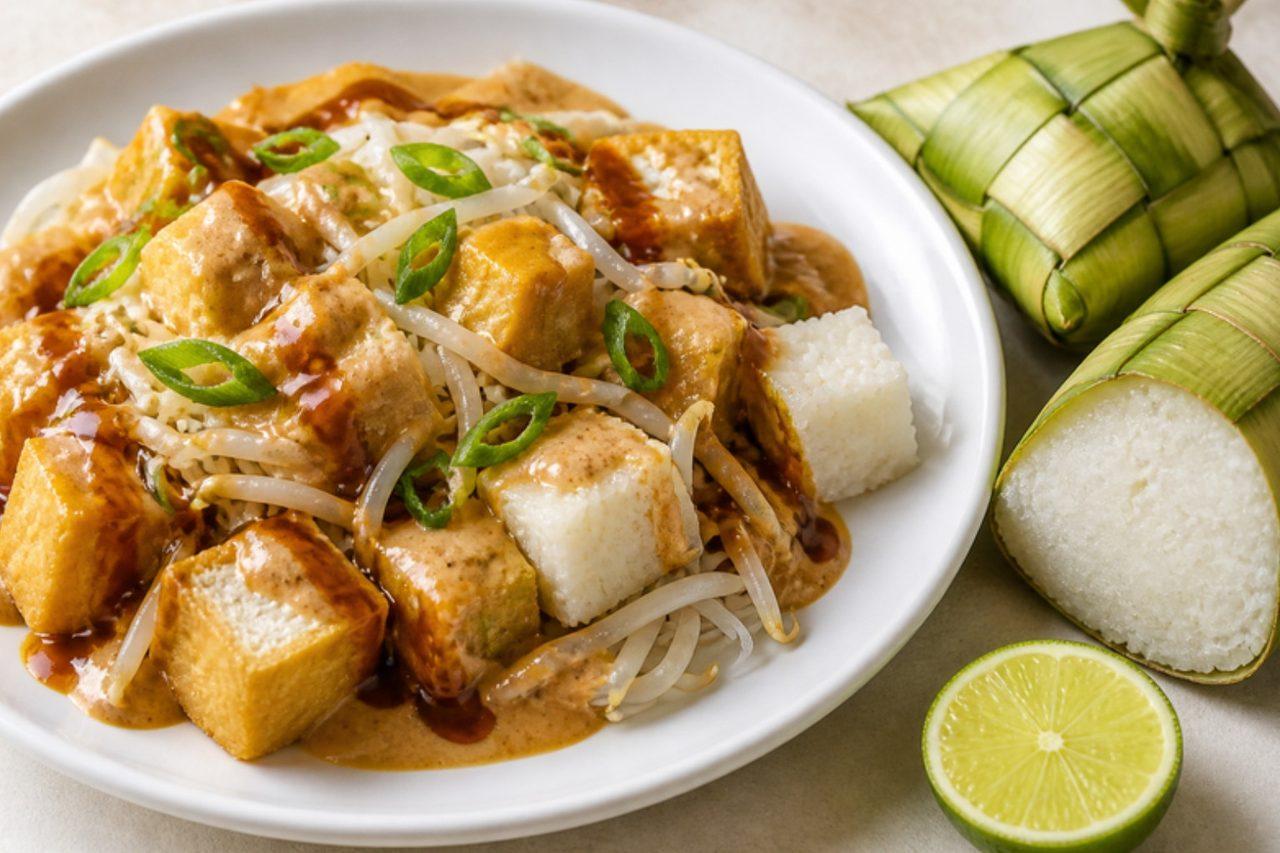
KetoprakTofu and noodles in peanut sauce

Ketoprak is a Jakarta cart dish, made to order: the seller grinds peanuts, garlic and chilli in a wide stone mortar, loosens them with water and sweet soy, then tips fried tofu, rice cake, rice vermicelli and bean sprouts on top. It is a cousin of gado-gado but simpler, with no egg-and-greens platter, and the raw-garlic sauce is the whole point. Eat it at lunch with plenty of crackers. Chef's tip: grind the garlic with the hot fried peanuts so the garlic mellows slightly; a raw paste made with cold nuts is harsh.

by KrazyBadal 0 views

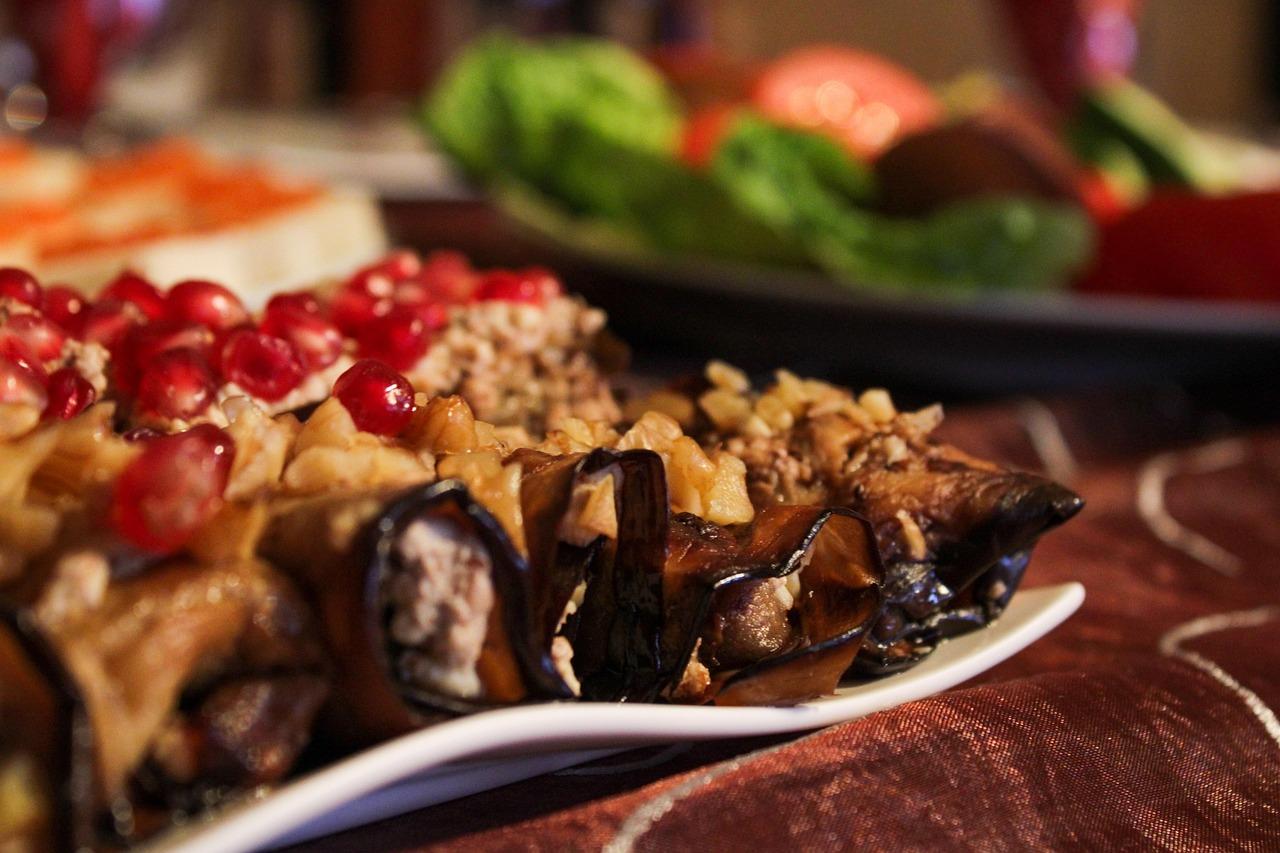
Badrijani nigvzitAubergine rolls with walnut paste

Badrijani nigvzit, aubergine with walnuts, is the summer starter of Tbilisi and Kakheti: thin slices of aubergine fried until silky, spread with a garlicky, spiced walnut paste and rolled up, then scattered with pomegranate seeds. They sit on every supra table between the cheeses and pkhali, and on restaurant menus from June until the frosts. Served cold, they are rich and soft, with sour pops of pomegranate. The common mistake is undercooking the aubergine: if it is still firm it cracks when you roll it and tastes raw, so fry each slice until it is limp and golden. Chef's tip: dry the fried slices on kitchen paper and press them gently; you lose surplus oil, and the paste spreads and sticks better.

by KrazyBadal 0 views

Key watSpicy beef stew

Ask for key wat at a restaurant in Addis Ababa and you get a bowl of tender beef drowned in a sauce so red it gives the dish its name: key means red in Amharic. It is everyday celebration food, cooked for Sunday lunch, weddings and the end of a fast, and it shares the slow-cooked onion base of doro wat but with chunks of beef and a sharper, more peppery heat. The sauce should be thick and glossy, with a layer of red oil on top. Spoon it over injera with a cooling plate of greens or lentils beside it. Chef's tip: cut the beef into small, even 2 cm cubes so it soaks up the sauce and becomes tender in under an hour and a half.

by KrazyBadal 0 views

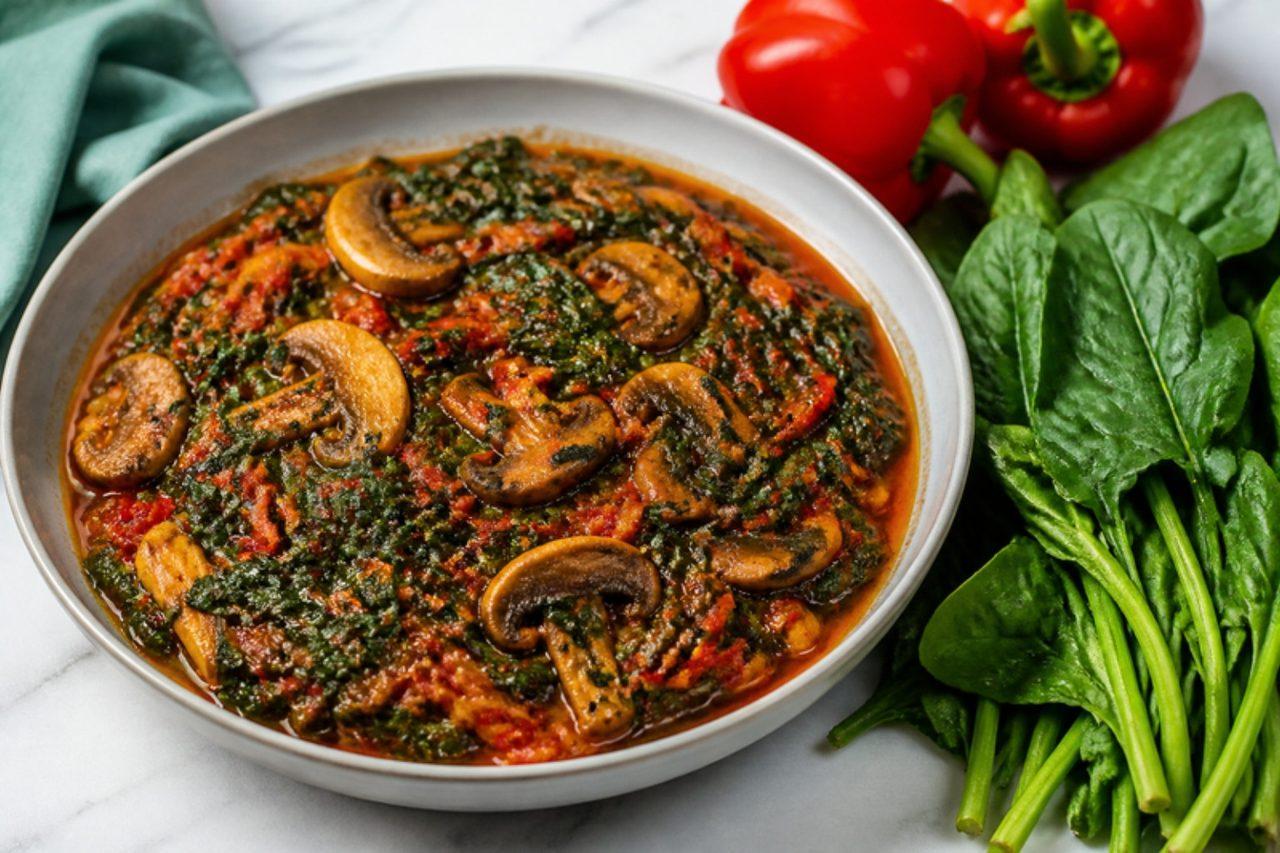
Efo riroSpinach stew

Efo riro, literally 'stirred greens', is the Yoruba vegetable stew cooked in homes from Ibadan to Lagos on any ordinary weekday, and eaten with pounded yam, eba or plain rice. Leafy greens are wilted into a rich base of blended peppers fried in palm oil with iru, the pungent fermented locust beans that give the dish its savoury backbone. Most families add assorted meats, stockfish and crayfish; some keep a little smoked fish on the side for those who want it. This version leans on mushrooms, iru and a touch of smoked paprika instead. Chef's tip: squeeze the blanched greens really dry before they go into the sauce; wet spinach thins the stew and washes out the flavour.

by KrazyBadal 0 views

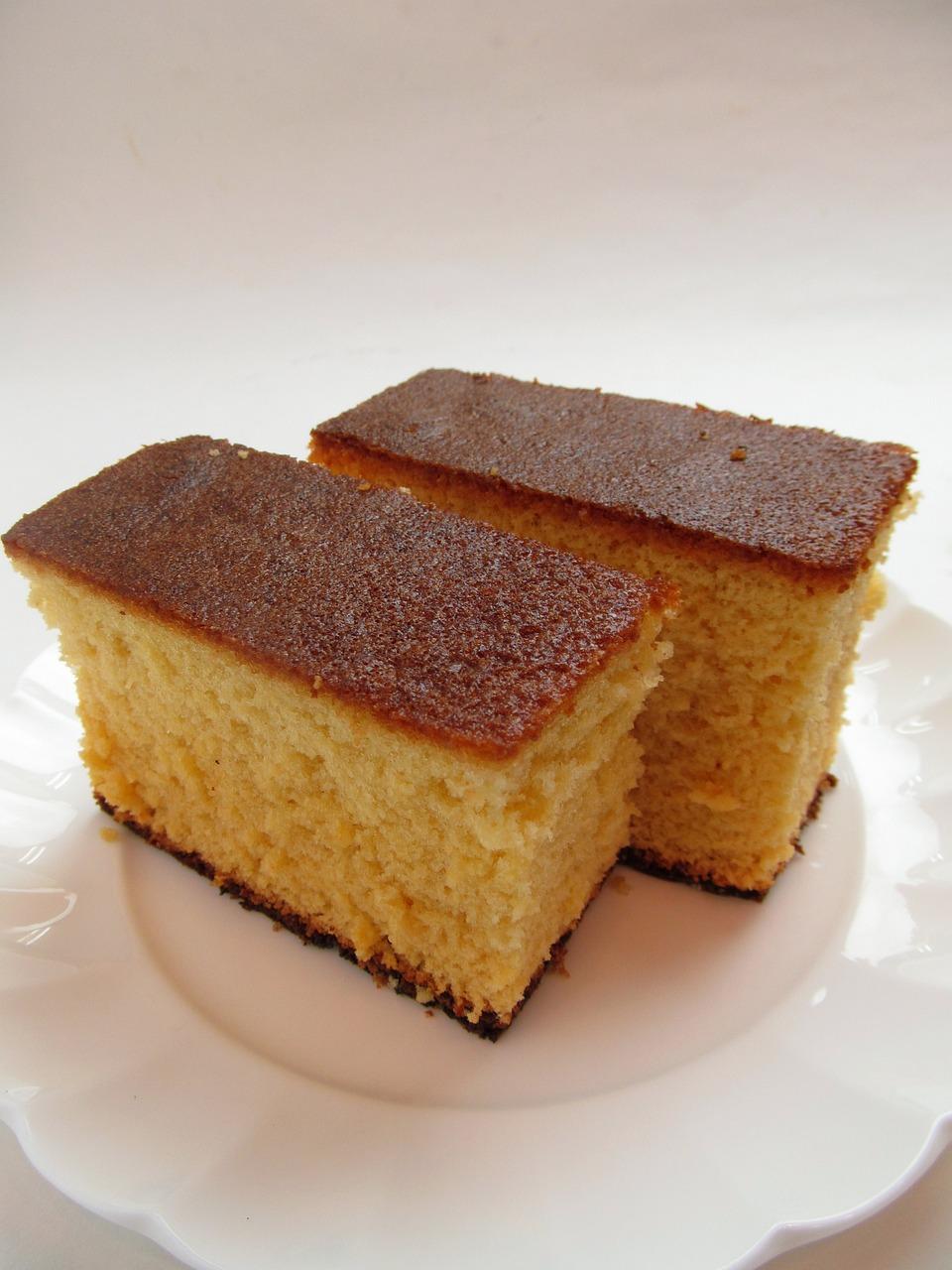
Nagasaki castellaHoney sponge cake

Castella arrived in Nagasaki with Portuguese traders in the 16th century, when the port was Japan's only window to Europe, and the name probably comes from 'pão de Castela', bread from Castile. Over 400 years Nagasaki's bakers turned it into something their own: a tall, fine-crumbed sponge made only of eggs, sugar, flour and honey, with a dark, sticky top and a layer of crunchy zarame sugar crystals at the bottom. It's still sold in long wooden boxes at old shops near the harbour and given as a formal gift. Cut it into neat slices and serve with green tea. Chef's tip: wrap the cake in cling film while still warm and rest it overnight. Its moist, springy texture develops as it rests.

by KrazyBadal 0 views

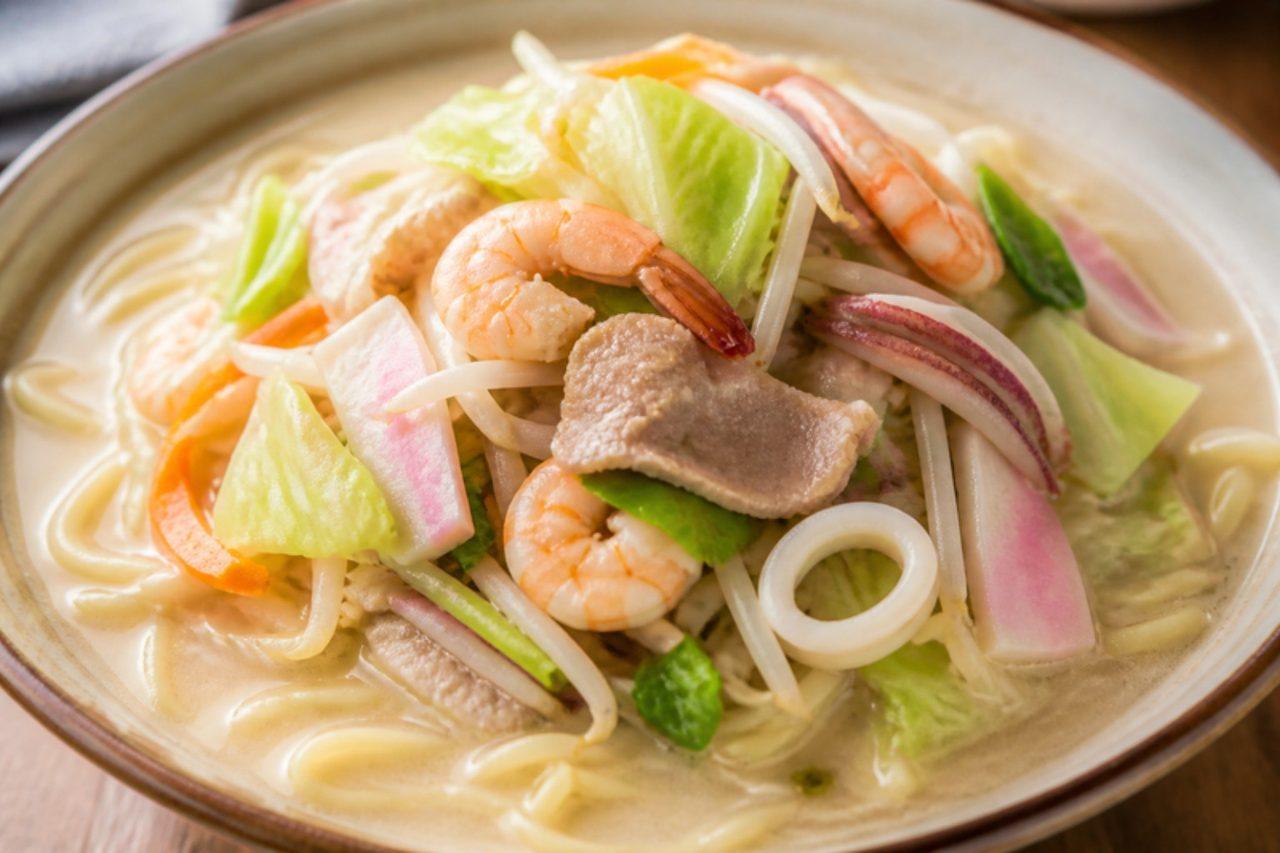
ChamponSeafood noodle soup

Champon belongs to Nagasaki, the port that stayed open to Chinese and Dutch traders for centuries. It was created there at the end of the 19th century by a Chinese restaurant owner who wanted a cheap, filling meal for Chinese students, and the city's Chinatown still serves it in huge bowls. Pork, squid, prawns, fishcake and a pile of cabbage are fried in one wok, then the stock goes in and the thick noodles cook right in the soup. Restaurants make the cloudy broth from long-boiled pork and chicken bones; at home a little milk gives the same mellow, creamy look. Chef's tip: fry everything over the highest heat in small batches; the slight scorch on the cabbage and pork is what flavours the soup.

by KrazyBadal 0 views

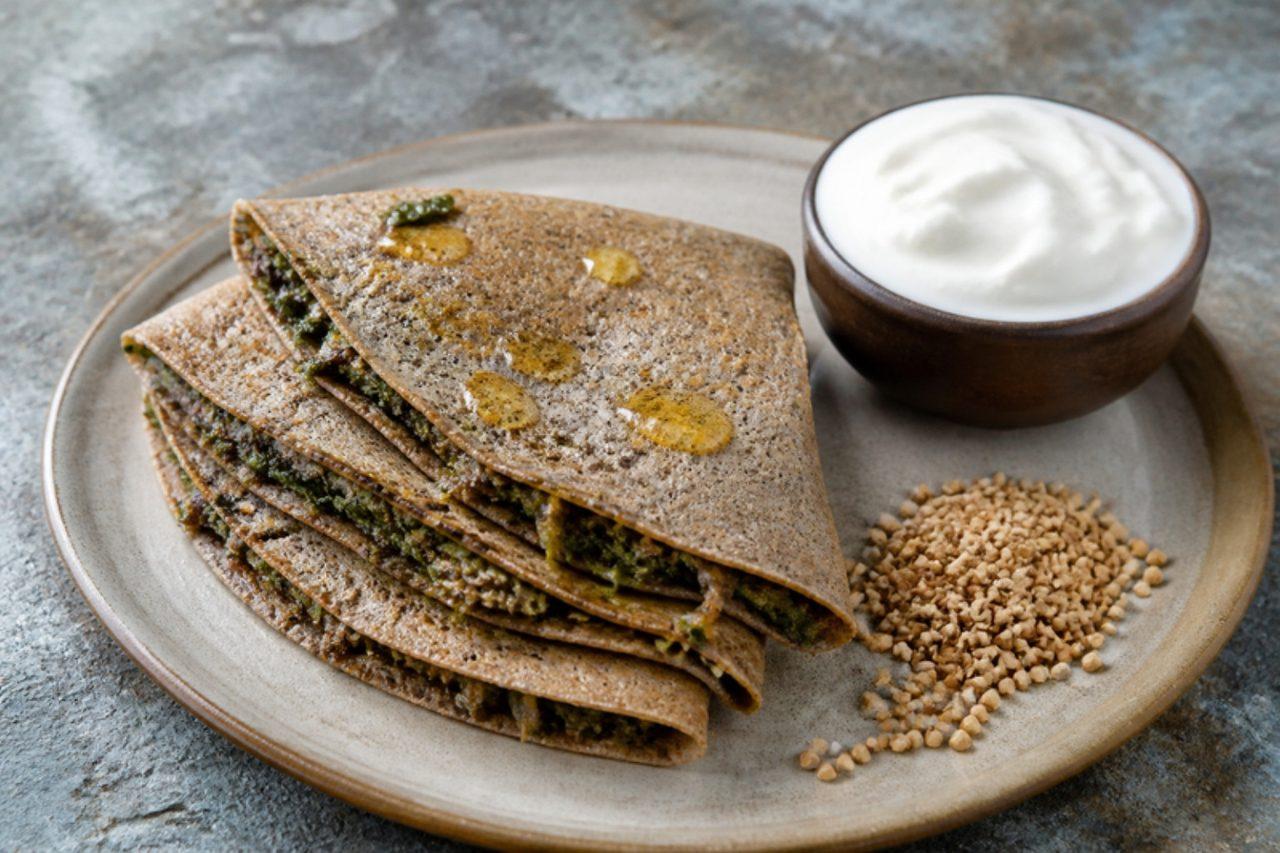
AktoriBuckwheat pancakes with greens

High in the Spiti and Lahaul valleys of Himachal Pradesh, where wheat struggles, buckwheat (kathu) grows in short summer fields and its leaves are eaten as a vegetable too. Aktori are thin buckwheat pancakes cooked with a layer of those greens inside, dotted with ghee and eaten warm with yogurt or salty butter tea. Families make them on festival mornings and through the long winter. Outside the valleys, spinach or young chard stands in well for buckwheat leaves. Chef's tip: keep the batter as thin as pouring cream; buckwheat has no gluten, so a thick batter cooks up gummy instead of tender.

by KrazyBadal 0 views

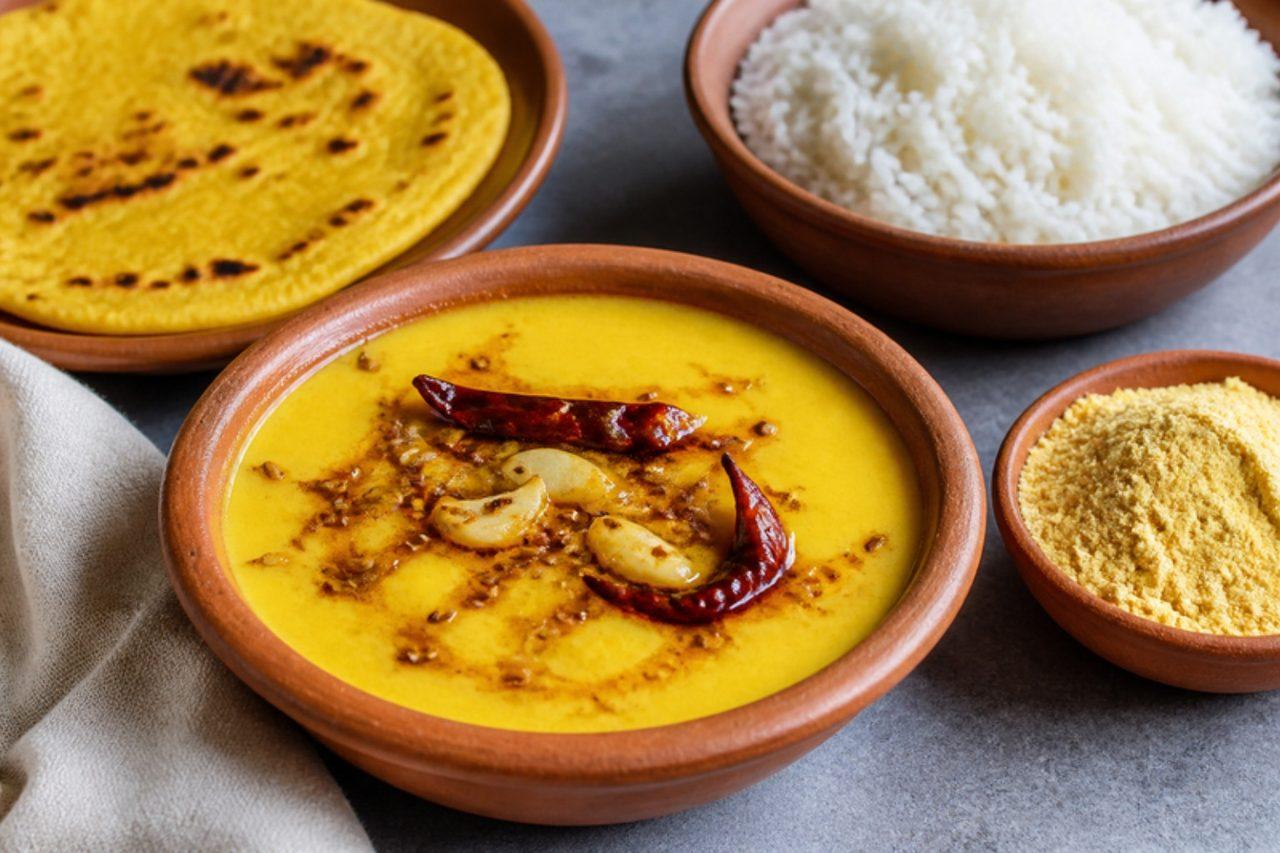
Mewari makki ki kadhiMaize flour yogurt curry

In the Mewar region around Udaipur, maize is a staple crop, and in winter it even goes into kadhi. Instead of gram flour, cooks thicken sour buttermilk with fine maize flour, which gives a golden, slightly earthy, gently sweet kadhi with no pakoras in it. It is ladled over makki ki roti or bajra roti, or eaten with plain rice and a raw onion on the side. The tadka is simple but bold: ghee, cumin, fenugreek, crushed garlic and whole red chillies. The usual mistake is not stirring until it boils—the yogurt splits into curds and whey. Chef's tip: simmer it longer than you would a besan kadhi, at least 20 minutes, until no raw corn taste remains.

by KrazyBadal 0 views

KhambirLeavened wholewheat bread

Khambir is the everyday bread of Ladakh: a thick, round wholewheat loaf with a dent pressed into the middle, browned on a griddle and finished in the heat of the kitchen stove. In homes in Leh and Kargil it appears at breakfast, torn into chunks and dipped into salty butter tea, or spread with apricot jam made from the region's dried apricots. The crust is chewy and toasty, the inside dense and slightly sour. Bakers in Leh's old town still sell it warm in the mornings. Chef's tip: let the dough rise until truly doubled; under-risen khambir is heavy and gummy in the middle.

by KrazyBadal 0 views

Mezbani beefSpicy feast beef curry

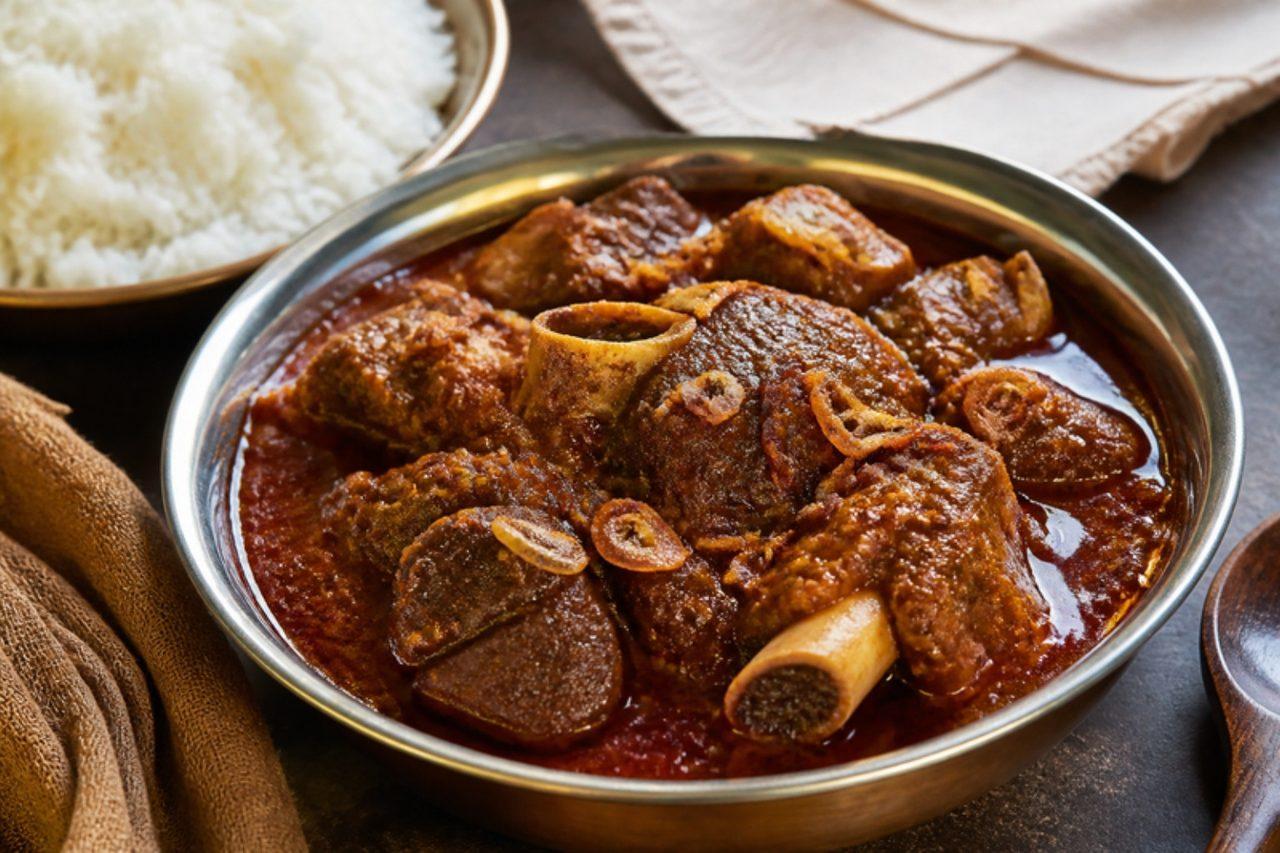
A mezban is the great community feast of Chittagong, held for a death anniversary, a new home or a good harvest, and the food is always the same: rice, dal and this dark, fiery beef curry cooked in giant pots by professional bawarchis. What makes it different from other Bangladeshi curries is its spice blend: mustard oil, lots of dried red chilli, and a ground mix of star anise, mace, nutmeg, cumin and white pepper that tastes warm and deep rather than hot alone. At home it is a weekend treat, eaten with rice or paratha. The common mistake is rushing the bhuna (frying) stage; the beef must fry in its spices until the oil floats free before any water goes in. Chef's tip: toast and grind the mezbani spice mix fresh on the day, because ready-ground spices lose their perfume in a curry this long.

by KrazyBadal 0 views

KhandviGram flour yogurt rolls

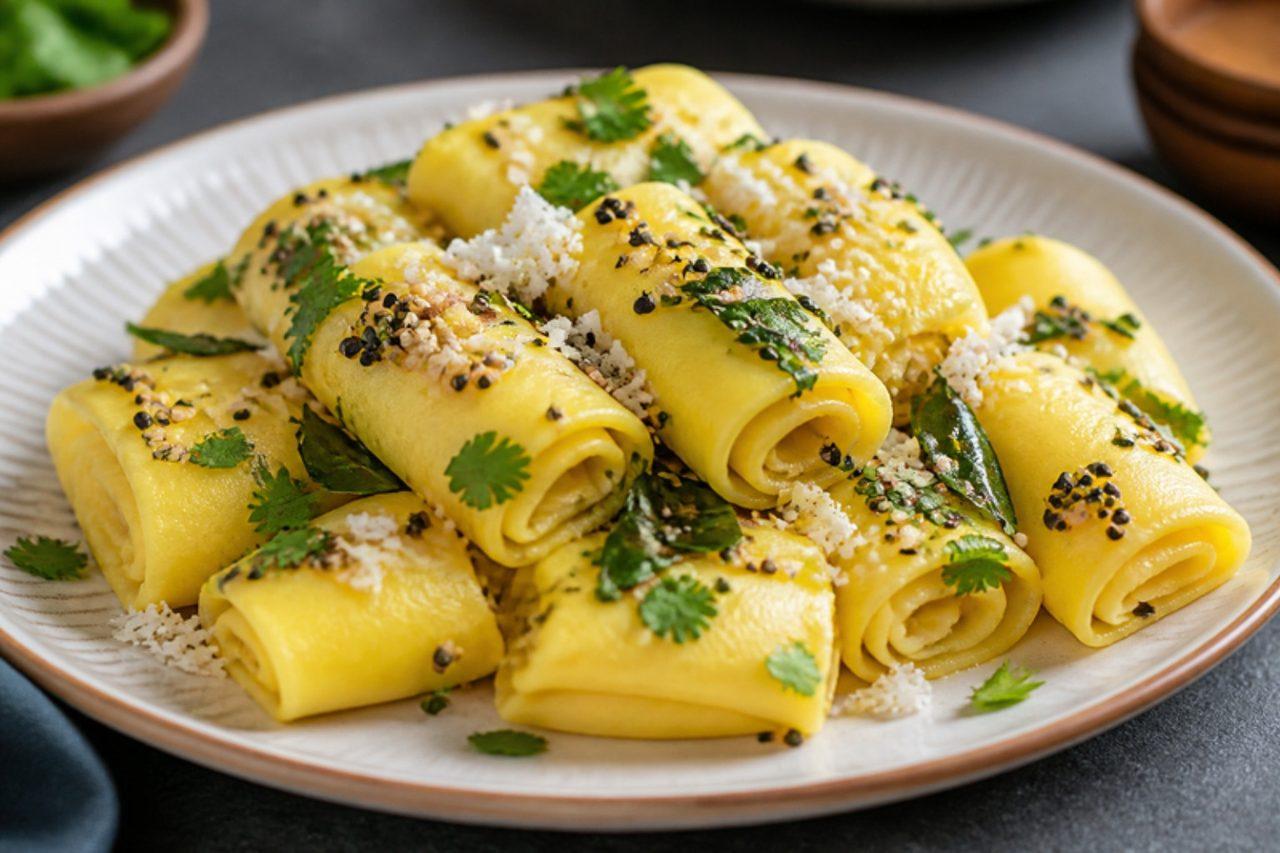
Khandvi are delicate, melt-in-the-mouth rolls from Gujarat, made by cooking gram flour with sour buttermilk until thick, spreading it paper-thin while hot and rolling it up. They're finished with a sizzling tempering of mustard seeds, sesame and curry leaves, plus fresh coconut and coriander. They're soft, tangy and gently spiced, and a favourite at Gujarati weddings and tea-time. They look tricky, but once you know when the batter is cooked, they're quick. Chef's tip: keep a plate by the stove and test the batter often; when a spoonful spread thin on the plate sets in 30 seconds and peels off in one piece, it's ready, and not a minute before.

by KrazyBadal 0 views

KhanfarooshSaffron rice-flour cakes

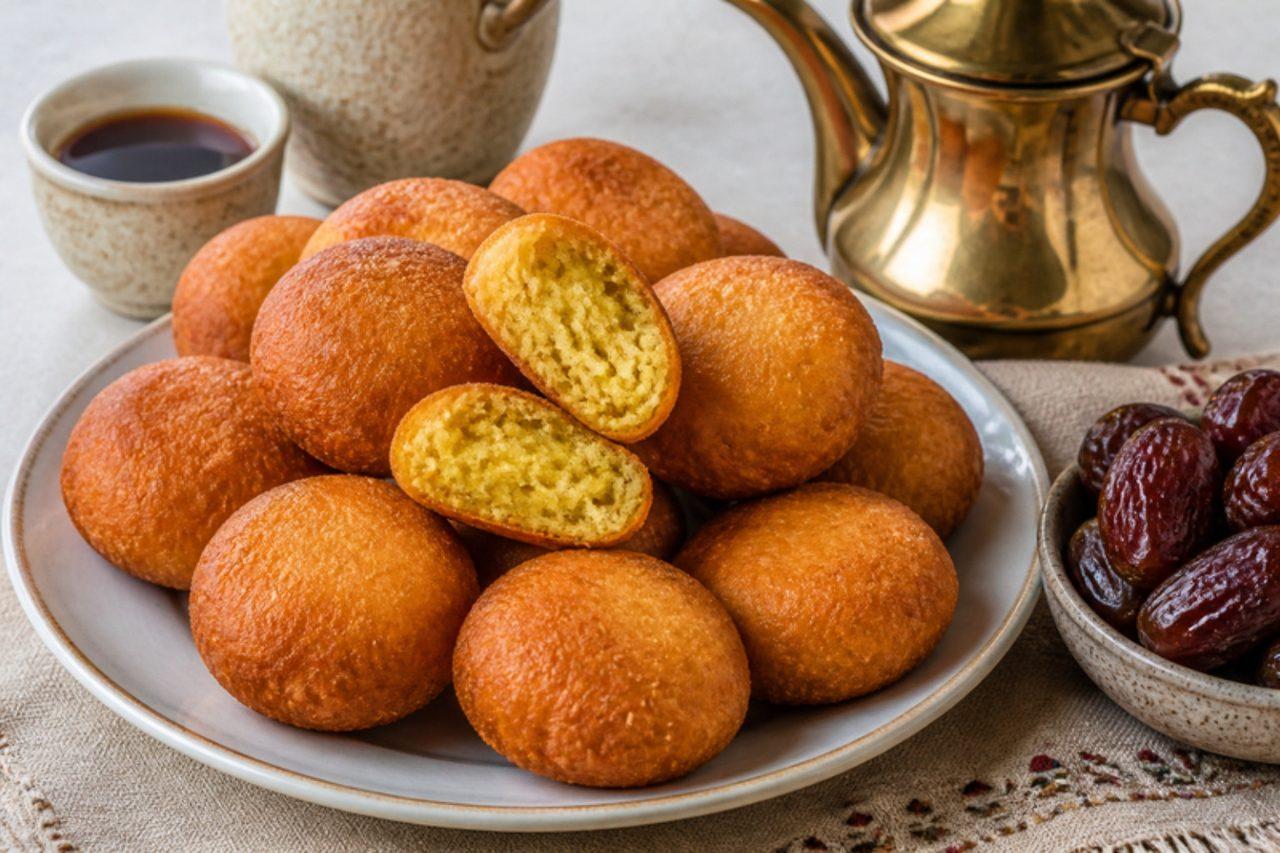
Khanfaroosh are an old Emirati sweet, made by grandmothers in Ras Al Khaimah and Fujairah and served with Arabic coffee when guests arrive, at weddings and during Eid. A rice-flour batter rich with eggs, saffron, cardamom and rose water is shallow-fried in small rounds that puff up, golden-brown with a lacy edge and a soft, spongy middle. They are less sweet than they look and best eaten warm from the pan. Chef's tip: let the batter rest for 30 minutes so the rice flour softens; unrested batter fries up gritty.

by KrazyBadal 0 views

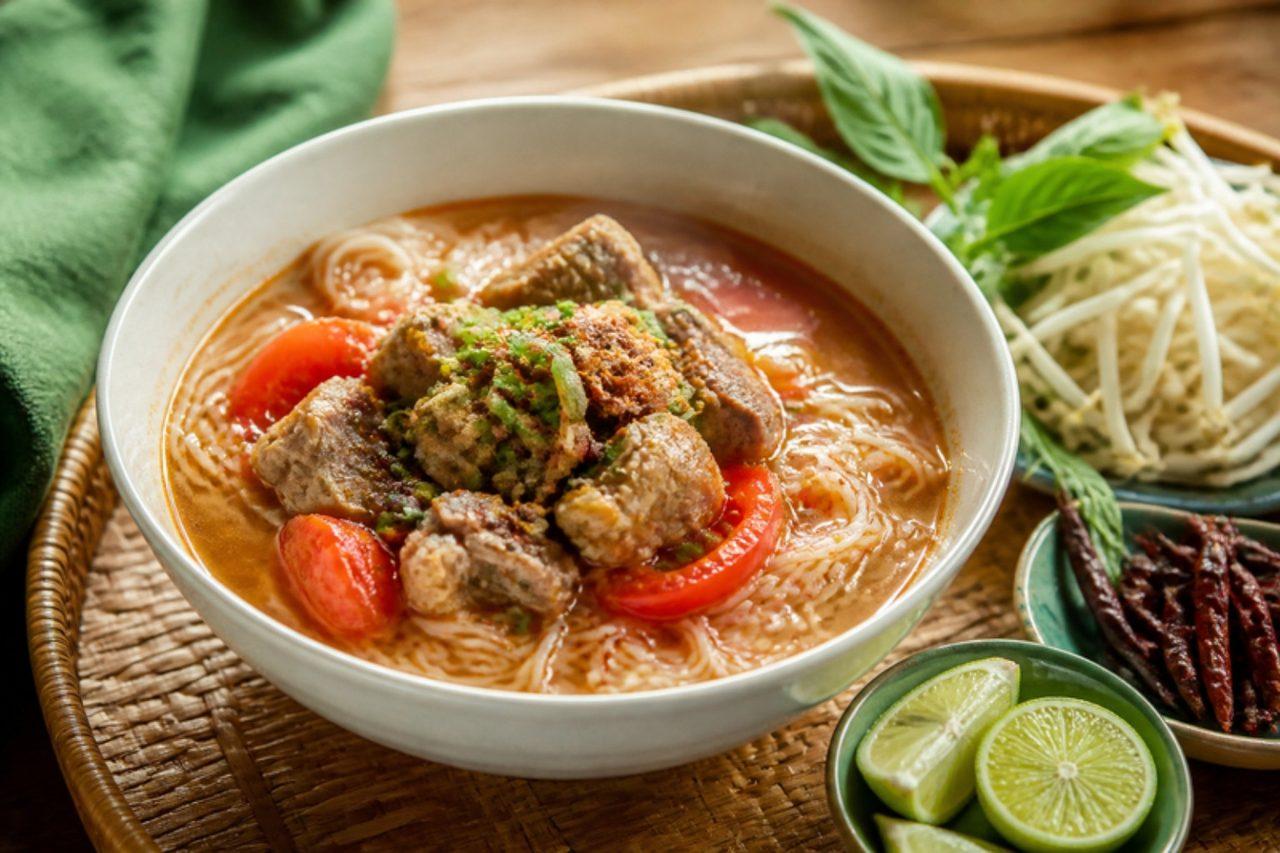
Khanom jeen nam ngiaoRice noodles in spicy pork broth

Breakfast stalls from Chiang Rai to Mae Sai ladle this tangy red broth over soft rice noodles from dawn until it sells out, usually before noon. The soup is light but full-flavoured: pork ribs give body, cherry tomatoes give a fresh sourness, and dried cotton-tree flowers (dok ngiao) add a faint floral, earthy chew. Each diner finishes their bowl at the table with bean sprouts, shredded cabbage, crispy garlic and lime. Cubes of cooked pig's blood are traditional; they are optional here and left out by default. Chef's tip: blanch the ribs and throw that first water away, so the finished broth stays clear and clean-tasting.

90 minThaiSoups
by KrazyBadal 0 views

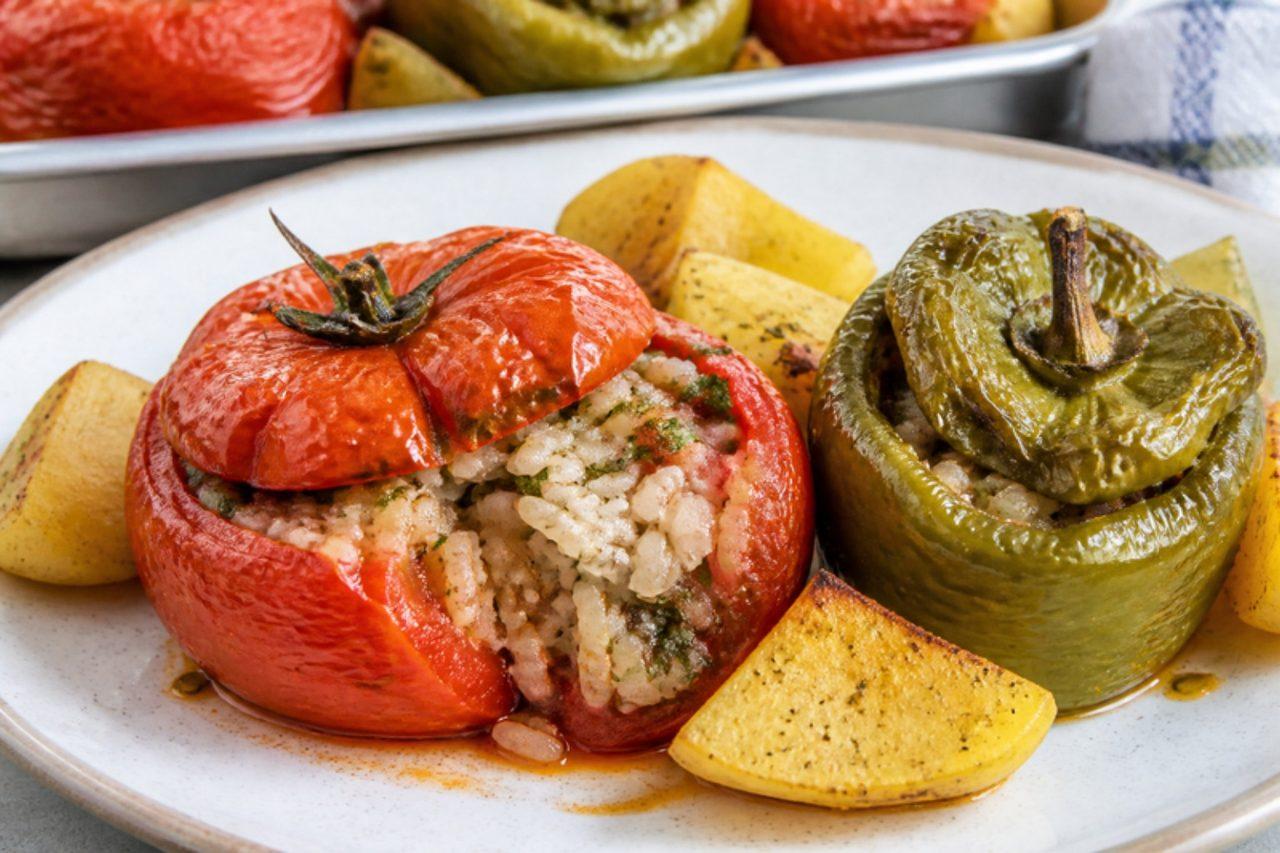
GemistaRice-stuffed tomatoes and peppers

Gemista is the dish of a Greek August, when tomatoes are cheap, sweet and bursting. Home cooks hollow out the tomatoes and peppers, stir the scooped-out pulp into rice with onions, mint and parsley, and bake everything in one big tray with wedges of potato tucked in between. The vegetables slump and blister, the rice soaks up the tomato juice and olive oil, and the potatoes go sticky at the edges. This vegetarian version is the one most families make in summer and during fasting periods. Serve warm or at room temperature with feta for those who eat dairy and plenty of bread to wipe the tray. Chef's tip: fill the vegetables only three-quarters full; the rice swells as it bakes, and overfilling is the common mistake that splits the tomatoes and leaves the rice hard.

by KrazyBadal 0 views

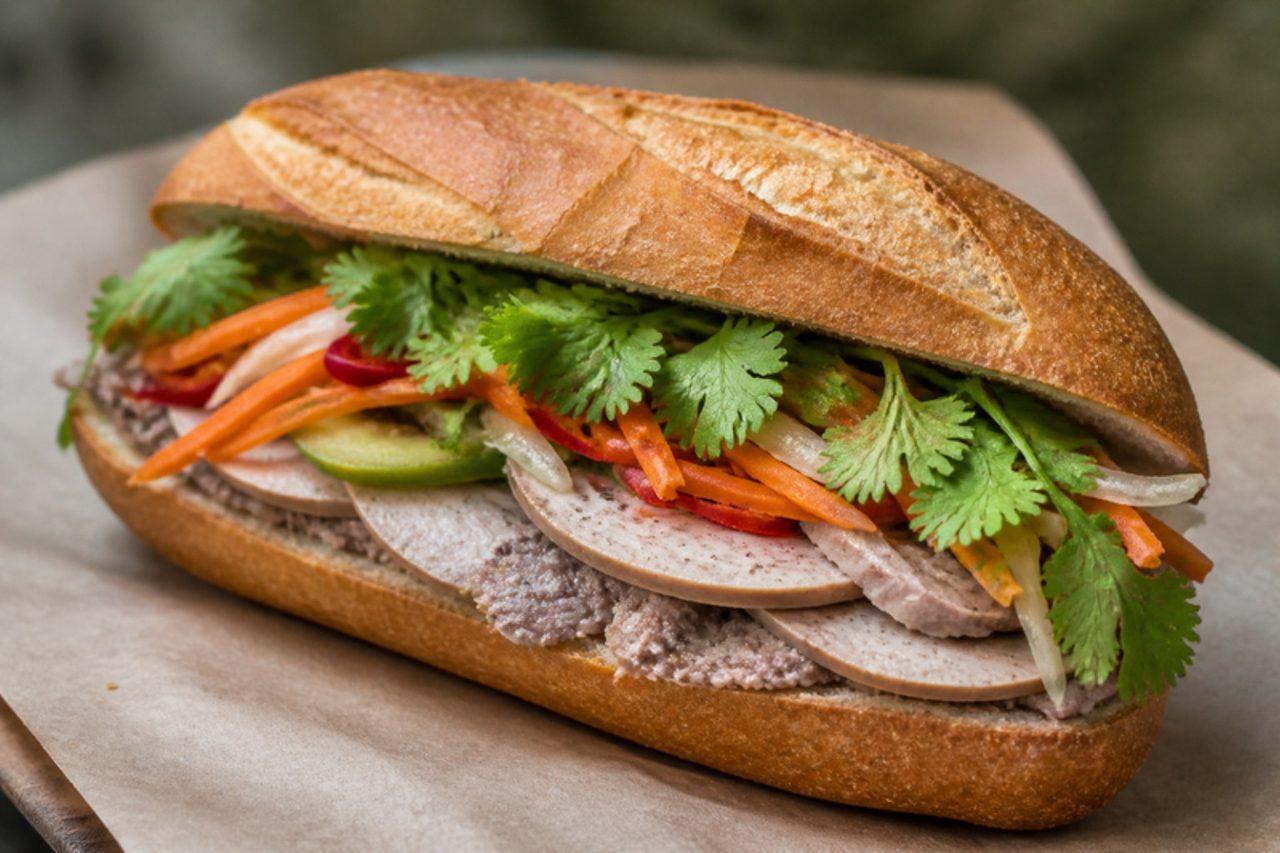
Khao jee pâtéBaguette sandwich with pâté

Khao jee pâté is the breakfast sandwich of Vientiane, sold from glass-fronted carts on street corners since the French era left Laos its love of baguettes. It is a pork sandwich: a crisp, light baguette is warmed over charcoal, spread with pork liver pâté and filled with Lao-style cold cuts (pork sausage or ham), pickled papaya or carrot, cucumber, herbs, chilli sauce and a splash of Maggi-style seasoning. Pregnant people should avoid pâté because of listeria risk. Chef's tip: warm the bread until the crust crackles; a soft baguette makes a soggy sandwich.

by KrazyBadal 0 views

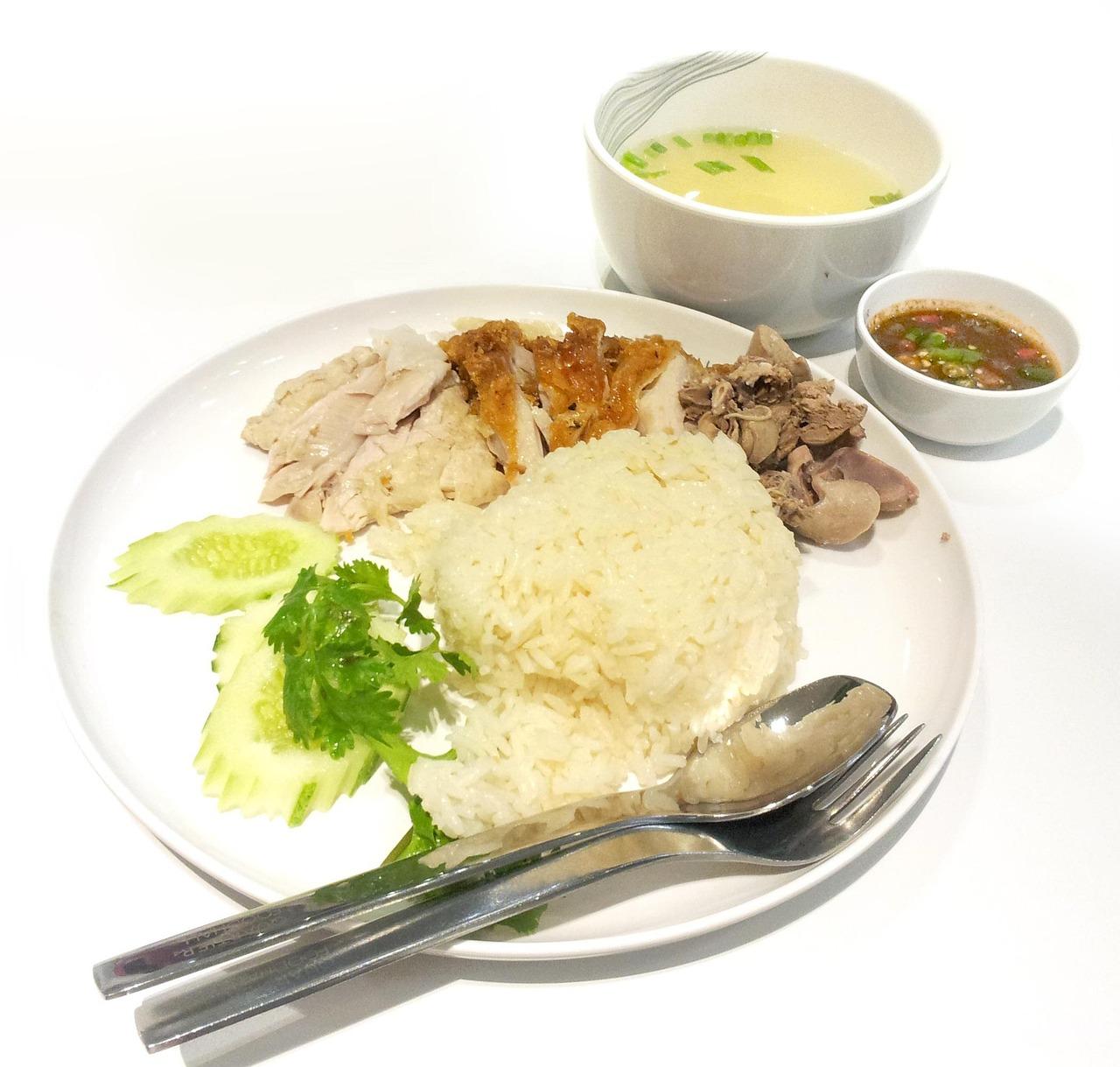
Khao man gaiChicken and ginger rice

Around Pratunam market in Bangkok, the khao man gai stalls are easy to spot: a queue, pale poached chickens hanging in a glass cabinet, and a cook slicing with a cleaver at speed. Like its Hainanese ancestor, the dish pairs silky chicken with rice cooked in the bird's fat and broth, but the Thai plate stands apart for its sauce, a punchy mix of fermented soybeans (tao jiao), ginger, garlic, chilli and vinegar, and for the little bowl of clear broth with winter melon served on the side. Bangkok eats it for breakfast, lunch or a late supper, always with cucumber slices and coriander. Chef's tip: plunge the cooked chicken into iced water for 10 minutes; the skin firms to a jelly-like snap and the meat stays juicy.

by KrazyBadal 0 views

Khao piak sen with mushroom brothRice noodles in mushroom broth

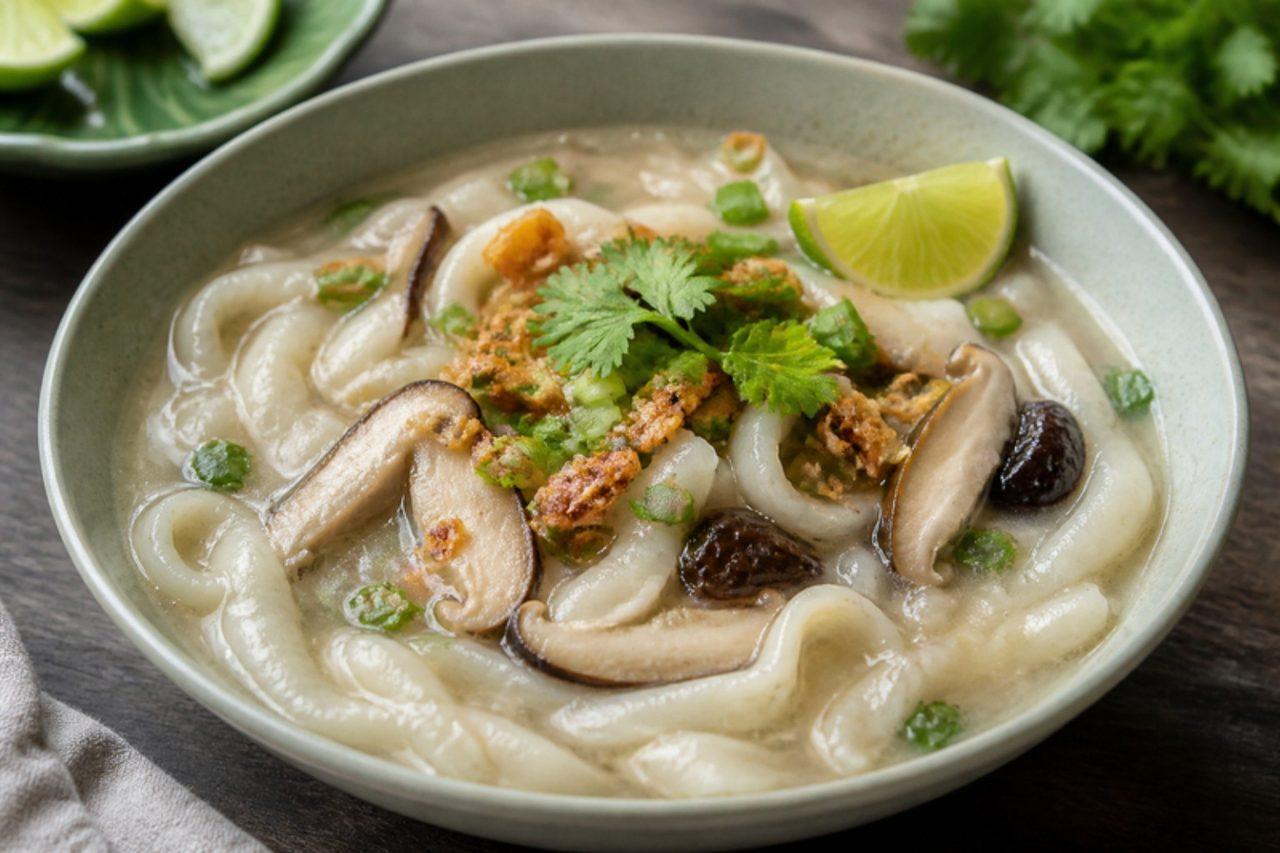
Khao piak sen is the soup Laotians crave on a cool morning or when they feel unwell, and roadside shops in Vientiane and Luang Prabang sell it from dawn. The noodles are cut by hand from a soft rice and tapioca dough and cooked straight in the broth, so their starch turns the soup thick, slippery and comforting. Instead of the usual chicken stock, this version builds a deep broth from dried shiitake, charred onion and ginger, and finishes it with crisp fried garlic, spring onion and coriander. Chef's tip: dust the cut noodles well with tapioca starch and keep them apart; they stick together into a clump in seconds if left in a pile.

75 minLaoSoupsVeganGluten free
by KrazyBadal 0 views

KuyrdakFried lamb with offal

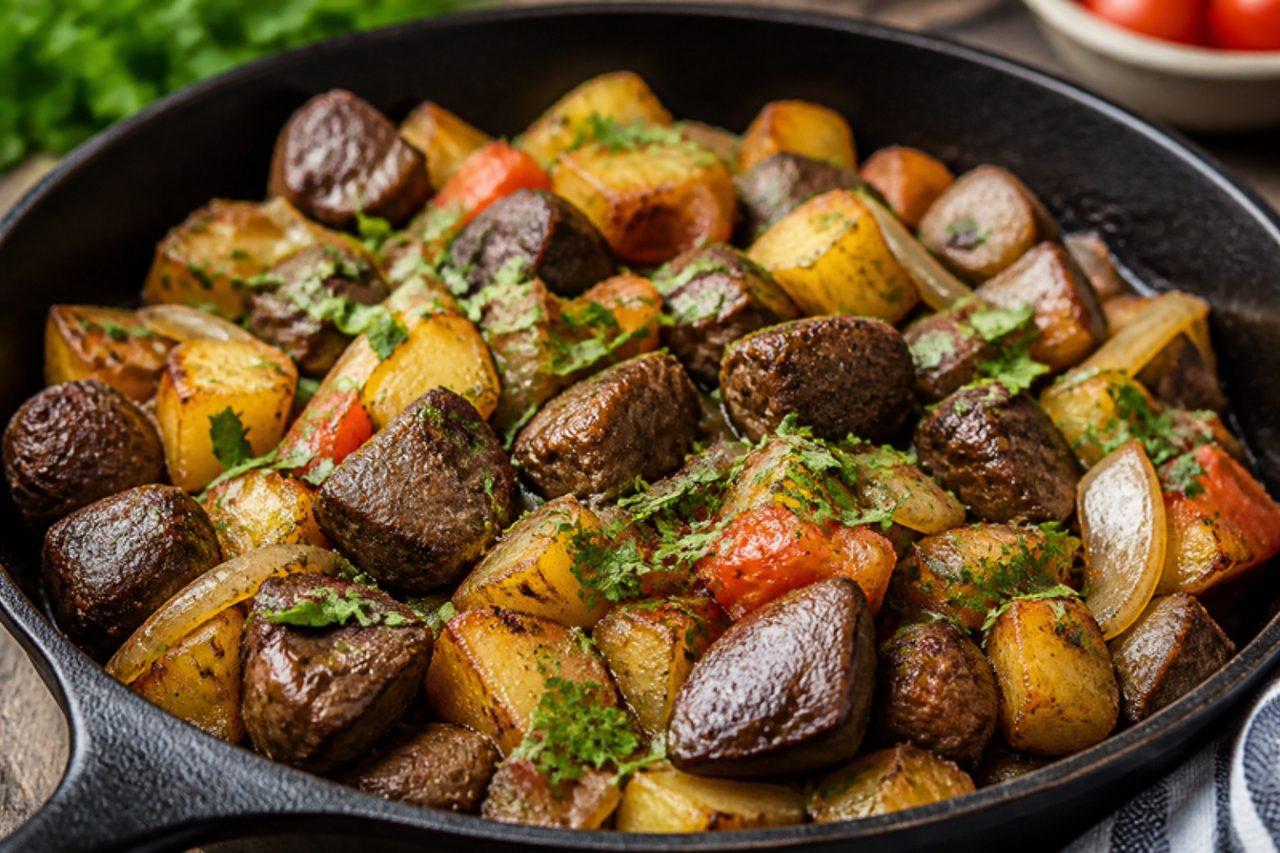
Kuyrdak is the first meal cooked when a sheep is slaughtered on a Kazakh farm, made quickly from the freshest cuts and the offal: lamb meat, liver, heart and kidneys fried in a kazan with onion and potatoes. Today it is an everyday dish in Almaty and the steppe villages, eaten hot from the pan with bread and strong tea. Every part is cut to the same size so it all cooks evenly. Overcooking the liver is the most common fault; it goes in last and should be just cooked through and still soft, not grainy. Chef's tip: soak the kidneys in salted cold water for 30 minutes to remove any strong smell.

80 minKazakhMeatGluten free
by KrazyBadal 0 views

KharRaw papaya and lentil dish

Every traditional Assamese lunch begins with khar, a mouthful of it mixed into the first ball of rice to settle the stomach. The defining ingredient is khar itself, an alkaline liquid filtered from the ash of dried bhim kol (seeded banana) peels; it gives the dish its soft, slightly soapy, earthy taste. Raw papaya and a handful of lentils are cooked in it with mustard oil, garlic and green chilli until silky. At home in Guwahati or Jorhat it is made several times a week. Chef's tip: outside Assam, use a small pinch of bicarbonate of soda in place of khar; too much tastes metallic, so start with ⅛ tsp.

by KrazyBadal 0 views

EloteMexican street corn

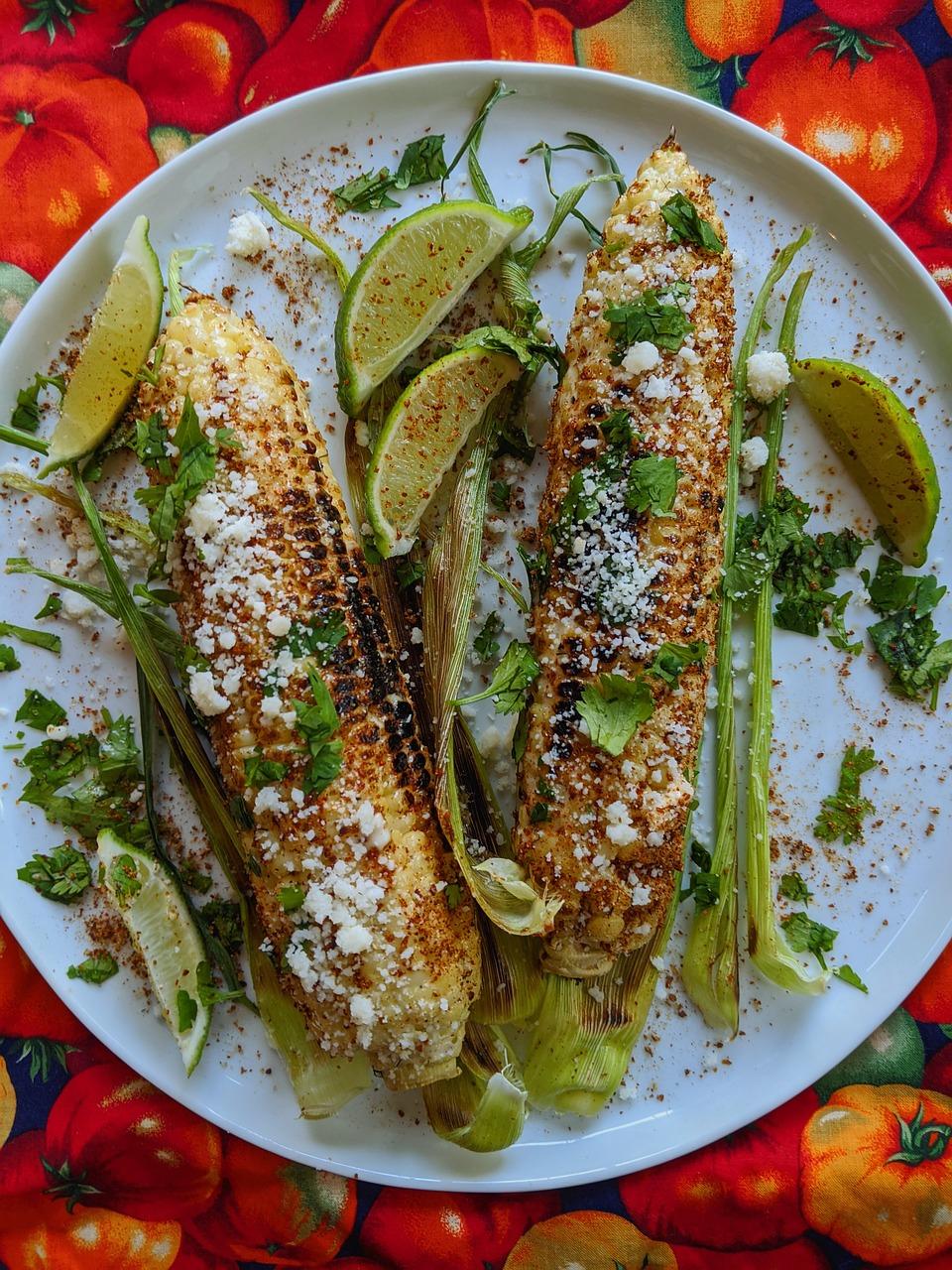
Elote (corn on the cob) is sold all over Mexico from street carts in the evening: grilled or boiled cobs speared on a stick, slathered in mayonnaise and crema, rolled in crumbly cotija cheese and dusted with chilli powder, with a squeeze of lime. Charring the corn adds smokiness to the sweet kernels, and the creamy, salty, sour and hot toppings make it irresistible. Serve it at a barbecue or as a snack; kids can skip the chilli. Cotija is often made with animal rennet, so use a vegetarian-rennet feta or a vegetarian hard cheese if that matters to you. Chef's tip: let the cobs cool for a minute before spreading the mayonnaise, so it clings rather than sliding off.

by KrazyBadal 0 views

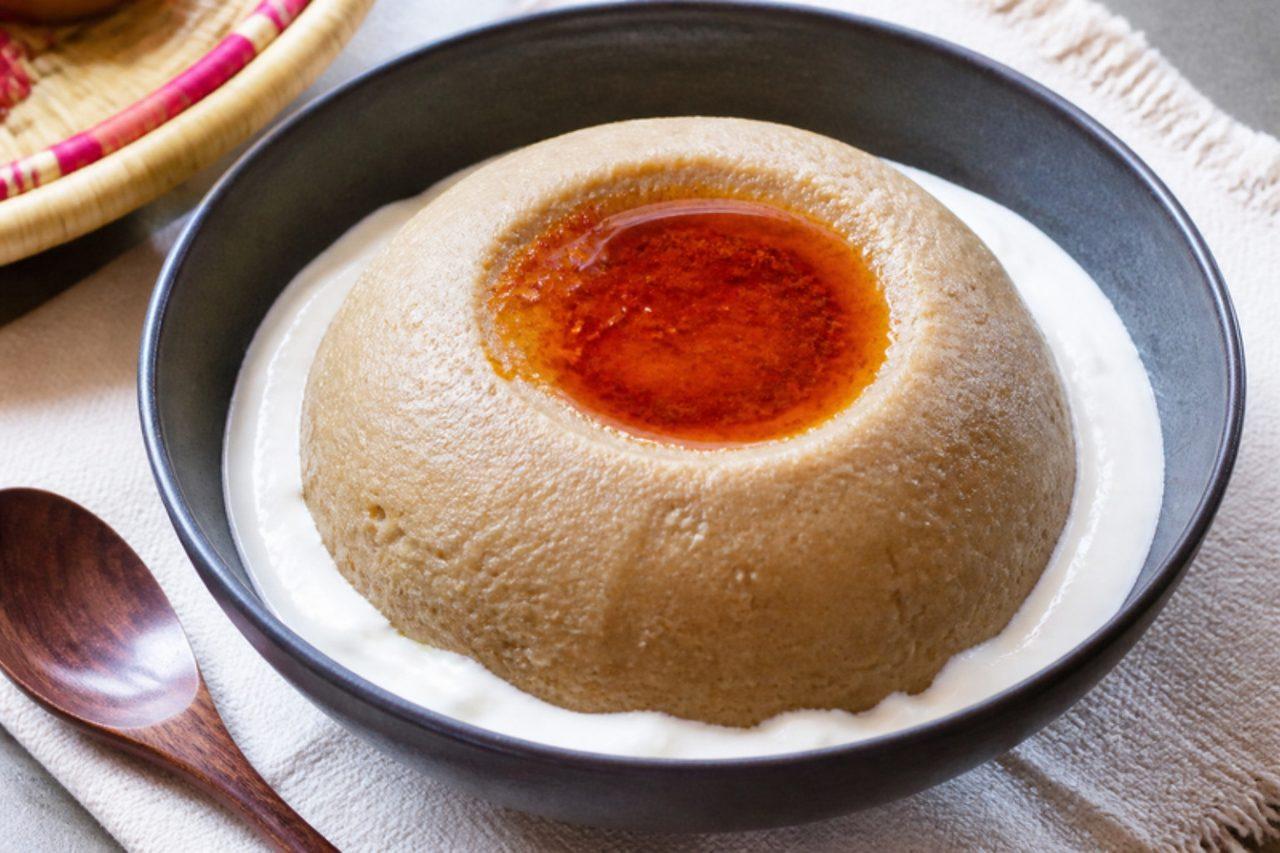
GenfoThick barley porridge

Genfo is a very thick barley porridge from the Tigray and Amhara highlands, cooked for breakfast on cold mornings and above all for new mothers, who are given it for weeks after birth to regain strength. The porridge is shaped into a mound, a hollow is made in the middle and filled with niter kibbeh and berbere, and everyone dips spoonfuls of porridge into the spicy butter, often with yoghurt around the edge. For a fasting version, fill the well with spiced oil. Chef's tip: stir with a wooden spoon the whole time you add the flour, and be firm; genfo is meant to be as thick as stiff mashed potato.

by KrazyBadal 0 views

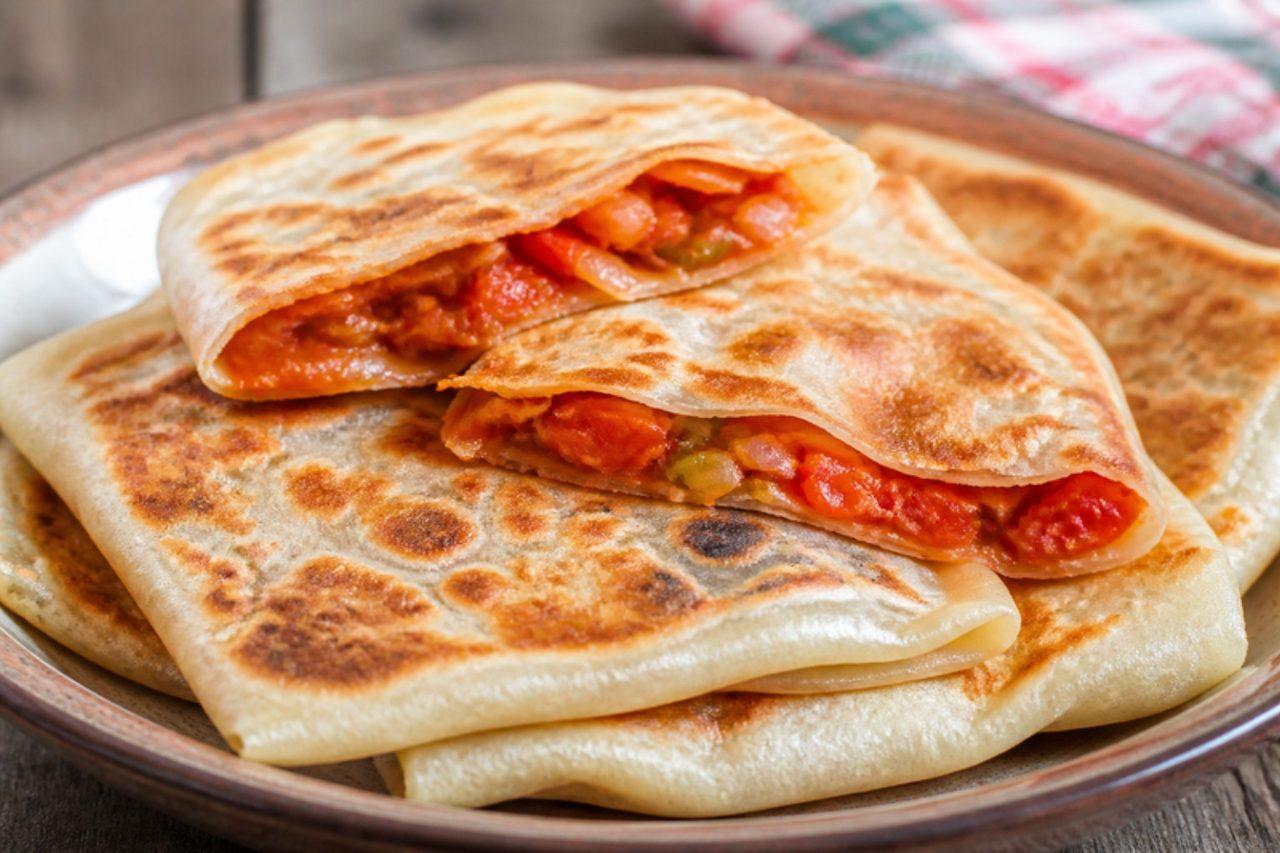
MhadjebStuffed semolina flatbreads

Mhadjeb (also mahjouba) are the folded flatbreads of Constantine and the east of Algeria, sold on street corners at teatime and made in every home during Ramadan. A stretchy semolina dough is pulled paper-thin with oiled hands, filled with a jammy stew of onion, tomato and pepper, folded into a square and cooked on a dry griddle until spotted brown. Chef's tip: knead the dough for the full 15 minutes; it must stretch almost transparent without tearing.

by KrazyBadal 0 views

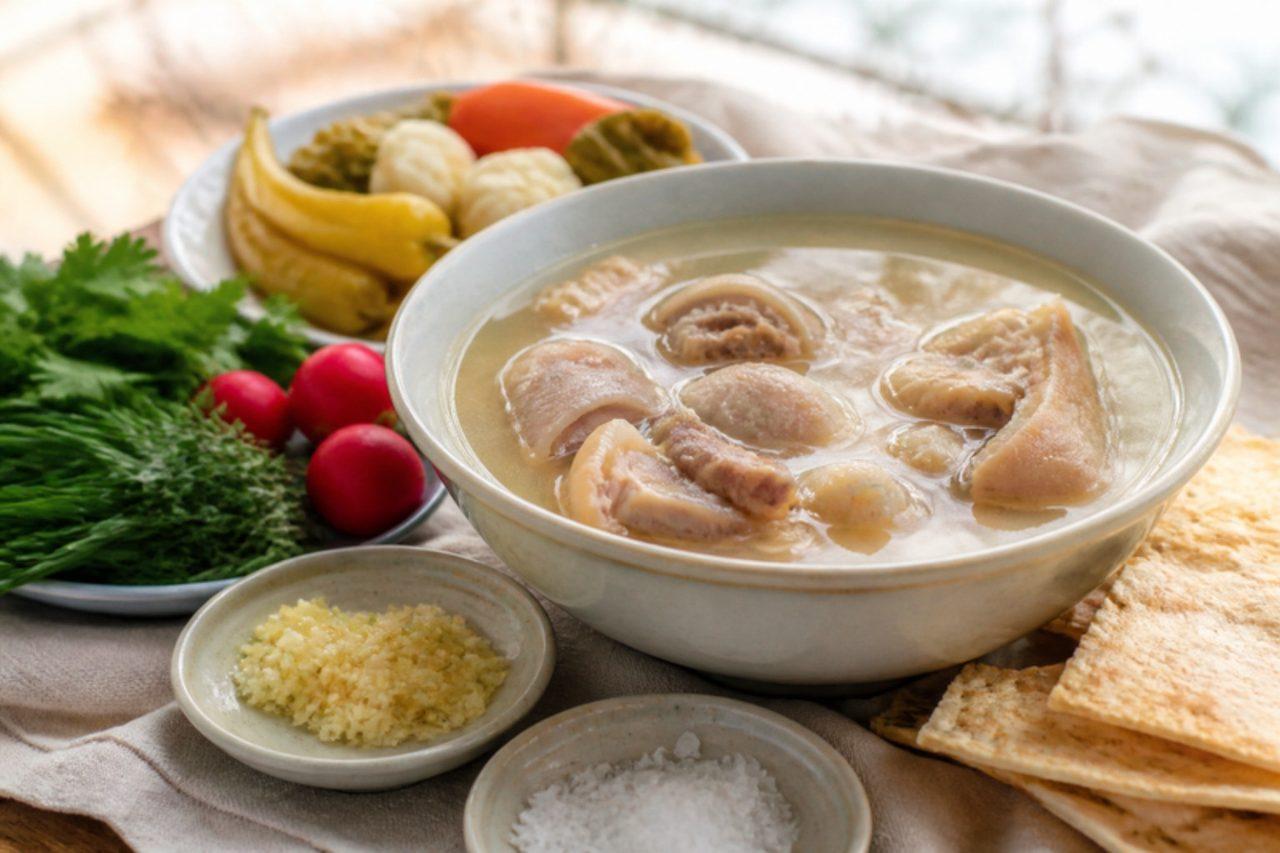
KhashBeef foot broth

Khash is a winter ritual in Armenia: friends gather in the early morning between November and March, often at the weekend, to share bowls of plain broth made from beef feet that have cooked all night. Everyone seasons their own bowl at the table with crushed garlic and salt, crumbles dried lavash into it and eats with radishes, pickles and fresh herbs. The broth is rich, sticky with gelatine and deliberately unseasoned in the pot. Skimping on the cleaning and soaking is the classic error; it leaves the broth grey and smelling of the farmyard instead of clean and milky-white. Chef's tip: ask the butcher to clean the feet and saw them into pieces for you.

by KrazyBadal 0 views

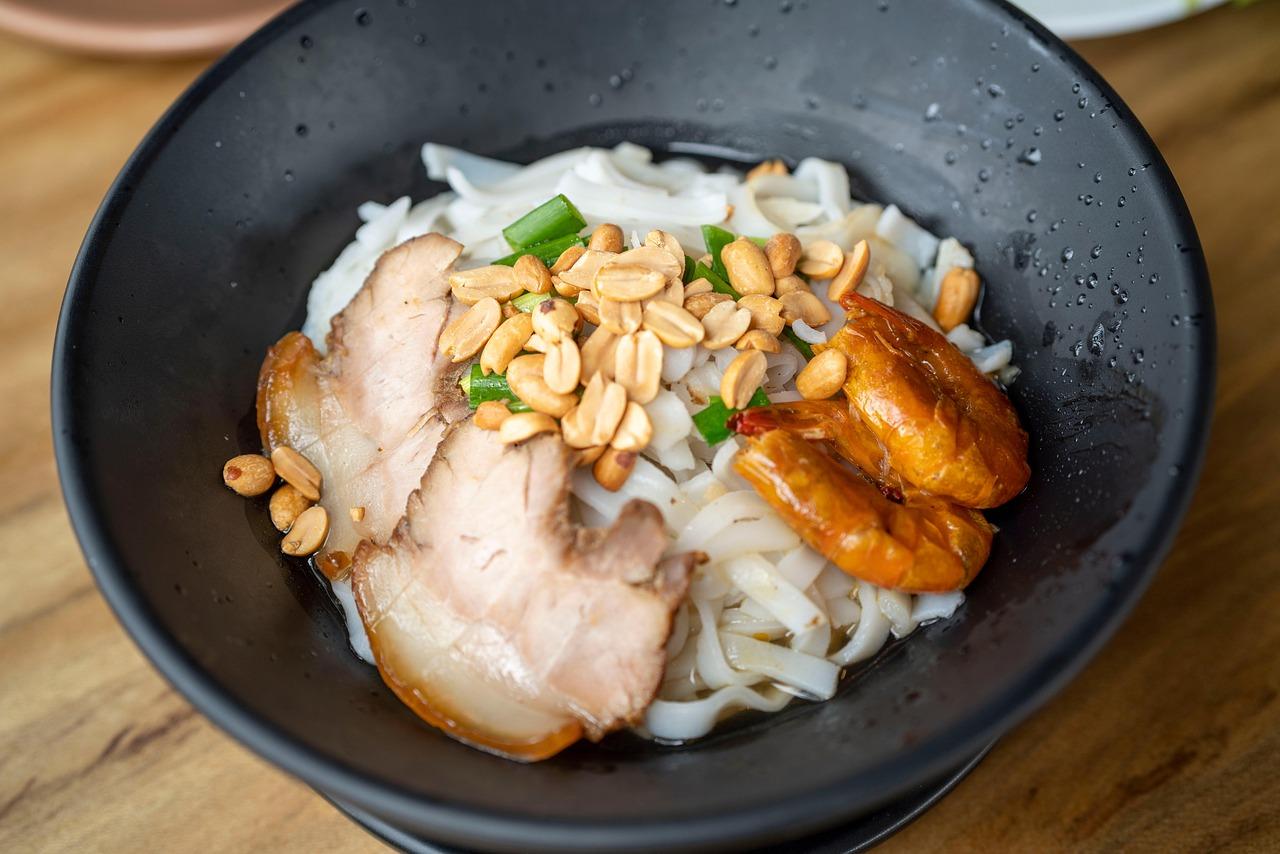
Mi QuangTurmeric noodles with pork and prawns

Mì Quảng comes from Quảng Nam province, around Hội An and Tam Kỳ, where it's eaten at any hour from roadside stalls and family tables. It sits halfway between soup and salad: wide yellow noodles get only a small ladle of rich, turmeric-coloured broth with braised pork and prawns, then a scatter of peanuts and herbs. A toasted sesame rice cracker is broken over the top for crunch. Every bite should be part noodle, part leaf, part cracker. Chef's tip: pour in just enough broth to come a third of the way up the noodles; any more and it becomes a soup and the crackers go soggy.

by KrazyBadal 0 views

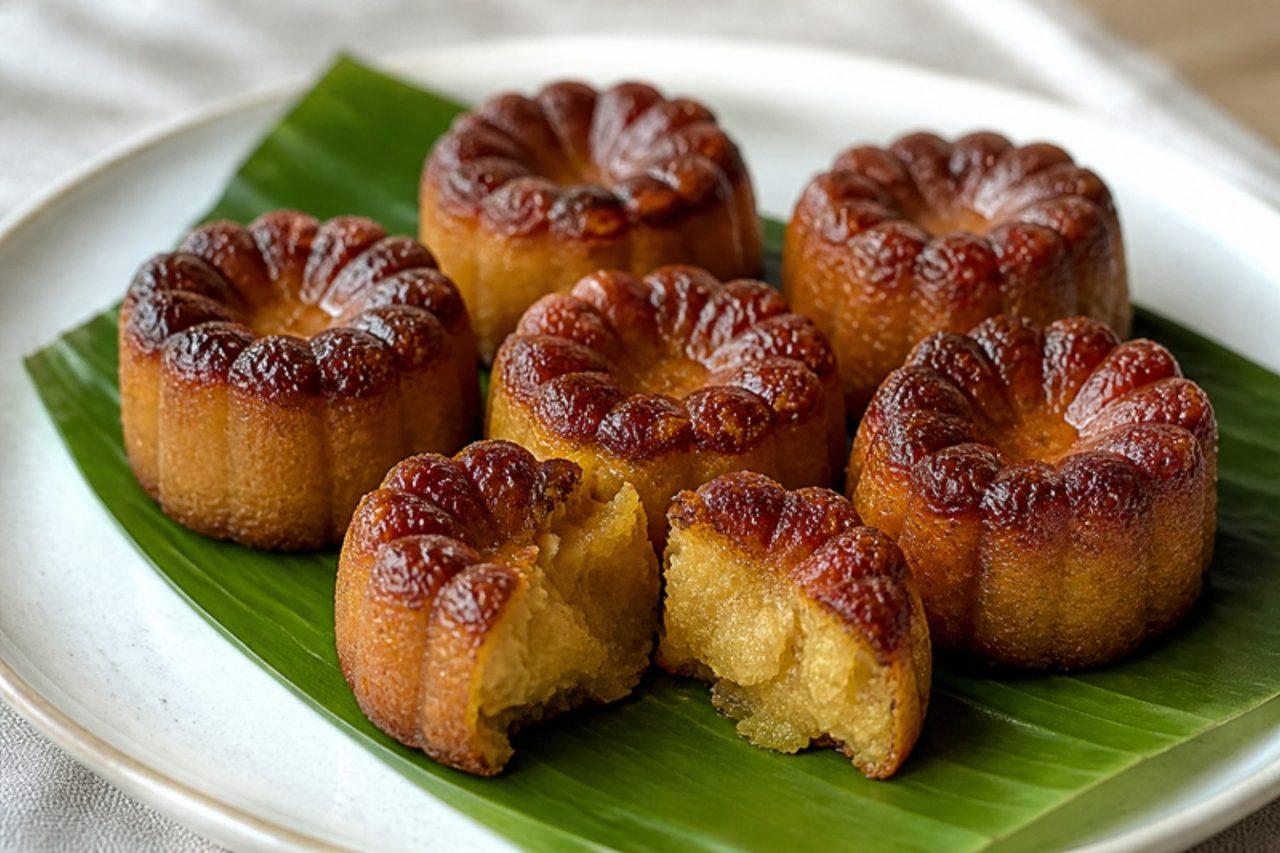
AkokCaramelised egg and coconut cakes

Akok is a Kelantanese kuih traditionally baked in small brass moulds over coals, with more coals laid on the lid, and it is a classic for breaking the fast in Kota Bharu during Ramadan. The batter is mostly eggs, coconut milk and dark gula melaka, so the little cakes come out custardy in the middle with a dark, caramelised, almost sticky crust. A mini-muffin tin in a hot oven gives a very close result. Chef's tip: heat the greased tin in the oven before filling it, which is how the base caramelises.

by KrazyBadal 0 views

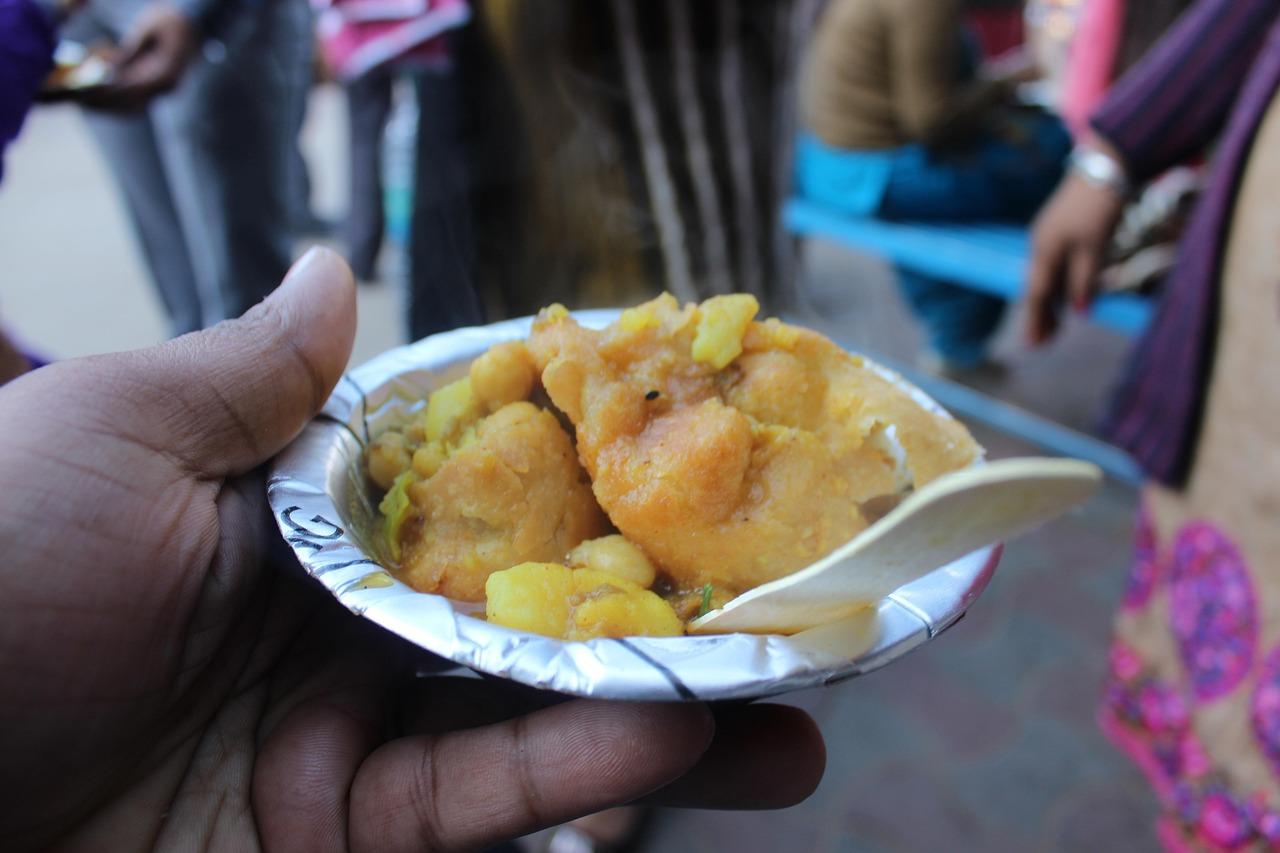
Khasta kachori with aloo sabziFlaky urad dal pastries with potato curry

In the lanes of Old Delhi, breakfast often means a leaf plate of khasta kachori broken into a hot, thin potato curry, with a dollop of pickle and a cup of chai. The kachoris are large and flat with a peppery filling of coarsely ground urad dal, fried slowly until they blister and puff, and the aloo sabzi is fiery with chilli and sharp with tomato and dried mango. It's a weekend dish, filling enough to last until lunch. Chef's tip: break the boiled potatoes by hand rather than chopping them; the rough edges melt into the gravy and thicken it naturally.

by KrazyBadal 0 views

KhatkhatemMixed vegetable and dal stew

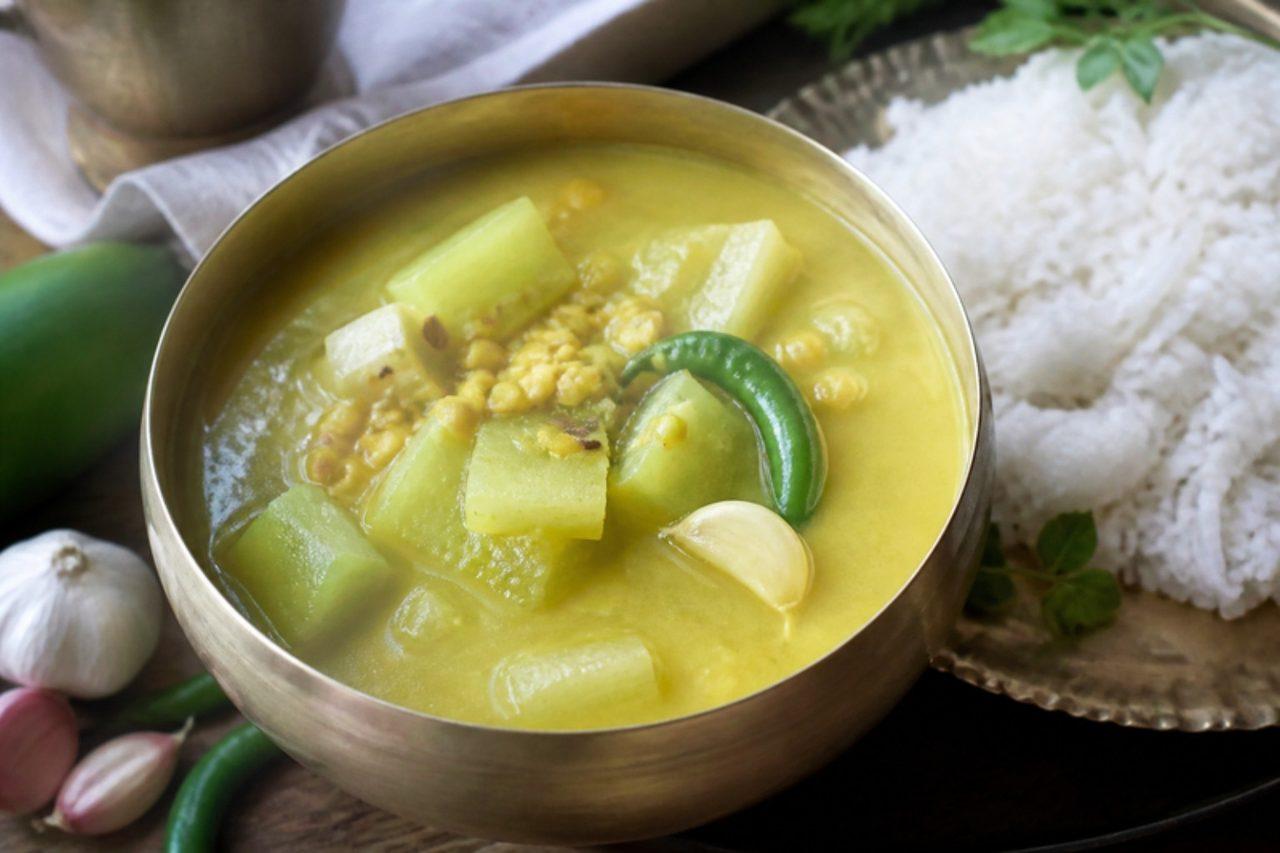
Khatkhatem is the vegetable stew Goan Hindu families cook for Ganesh Chaturthi and wedding feasts, when onion and garlic are kept out of the kitchen. It takes whatever the monsoon garden gives: pumpkin, sweet potato, raw banana, corn on the cob, drumsticks, yam and the long Goan cucumber, simmered with a little toor dal in a ground paste of coconut, red chillies and coriander seeds. The flavour comes from tirphal, a dried berry from the Western Ghats with a woody, citrusy, slightly numbing bite. Serve it with rice and a crisp papad as part of the festive spread. Chef's tip: add the vegetables in stages, hardest first; khatkhatem should have every vegetable tender but whole, not a mush.

by KrazyBadal 0 views

Hallabong adeSparkling tangerine drink

Hallabong (한라봉) is Jeju's pride: a large, sweet, easy-peel tangerine with a knob on top that is said to look like Hallasan, the island's volcano. Every café on Jeju sells hallabong ade (한라봉에이드), a tall glass of hallabong syrup topped up with sparkling water and ice, often with the fruit sliced into it. Koreans make the syrup, hallabong-cheong, by layering the sliced fruit with sugar in jars; this quick version is ready in 10 minutes. Outside Korea, use dekopon, sumo or any very sweet mandarin. Chef's tip: add a squeeze of lemon to the syrup; hallabong is so sweet that the drink tastes flat without a little extra acid.

by KrazyBadal 0 views

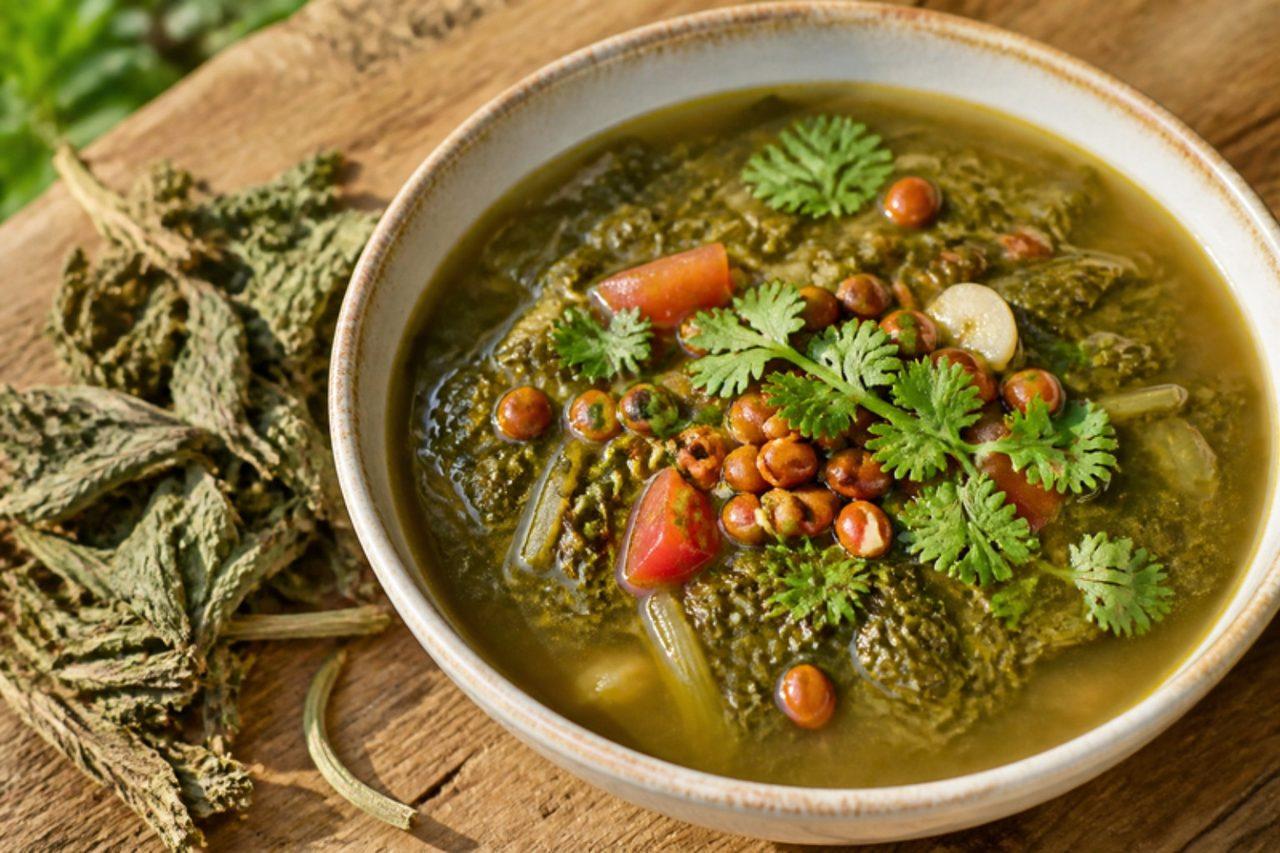
Gundruk ko jholSour fermented greens soup

In the terraced hill villages between Pokhara and Ilam, families pack mustard, radish and cauliflower leaves into clay pots after the autumn harvest, let them ferment for a week or two and then sun-dry them into gundruk. That dark, tangy leaf is the store cupboard of the winter months, and its most common use is this thin, sour soup (jhol), served on the side of dal bhat or with dhido, the stiff buckwheat or millet porridge of the hills. It tastes a little like a smoky, vinegary green tea and is light, warming and very cheap. A handful of roasted soybeans (bhatmas) is often thrown in for crunch. The mistake is to cook gundruk without soaking it first, which leaves it gritty and too sour. Chef's tip: squeeze the soaked leaves hard and fry them in the oil until they crackle before you add water; that frying gives the soup its toasty depth.

by KrazyBadal 0 views

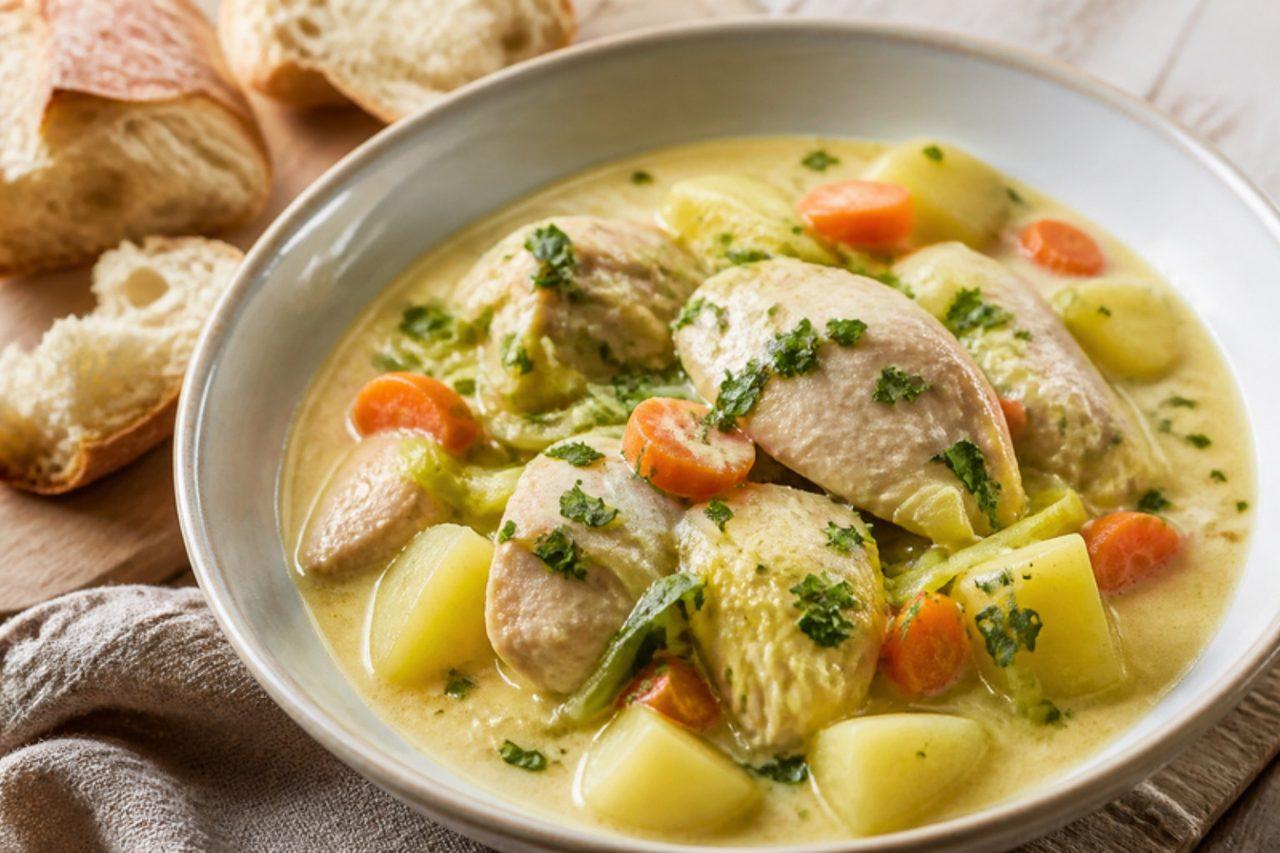
Gentse waterzooiCreamy chicken and vegetable stew

Ghent claims waterzooi as its own, and in the cafés around the Korenmarkt it is served in deep plates as a cross between soup and stew. Originally made with river fish, the city's version today is nearly always chicken, poached gently with leek, carrot, celery and potato, then the broth is enriched with cream and egg yolk until it turns silky and pale gold. It is eaten all year but tastes best on a damp Flemish evening, with crusty bread for the last of the broth. The mistake to avoid is boiling it after the yolks go in, which scrambles them; keep it below a simmer while it thickens. Chef's tip: cut the vegetables into fine, even julienne so they cook in the same time and look neat in the bowl.

by KrazyBadal 0 views

Nam prik noomRoasted green chilli dip

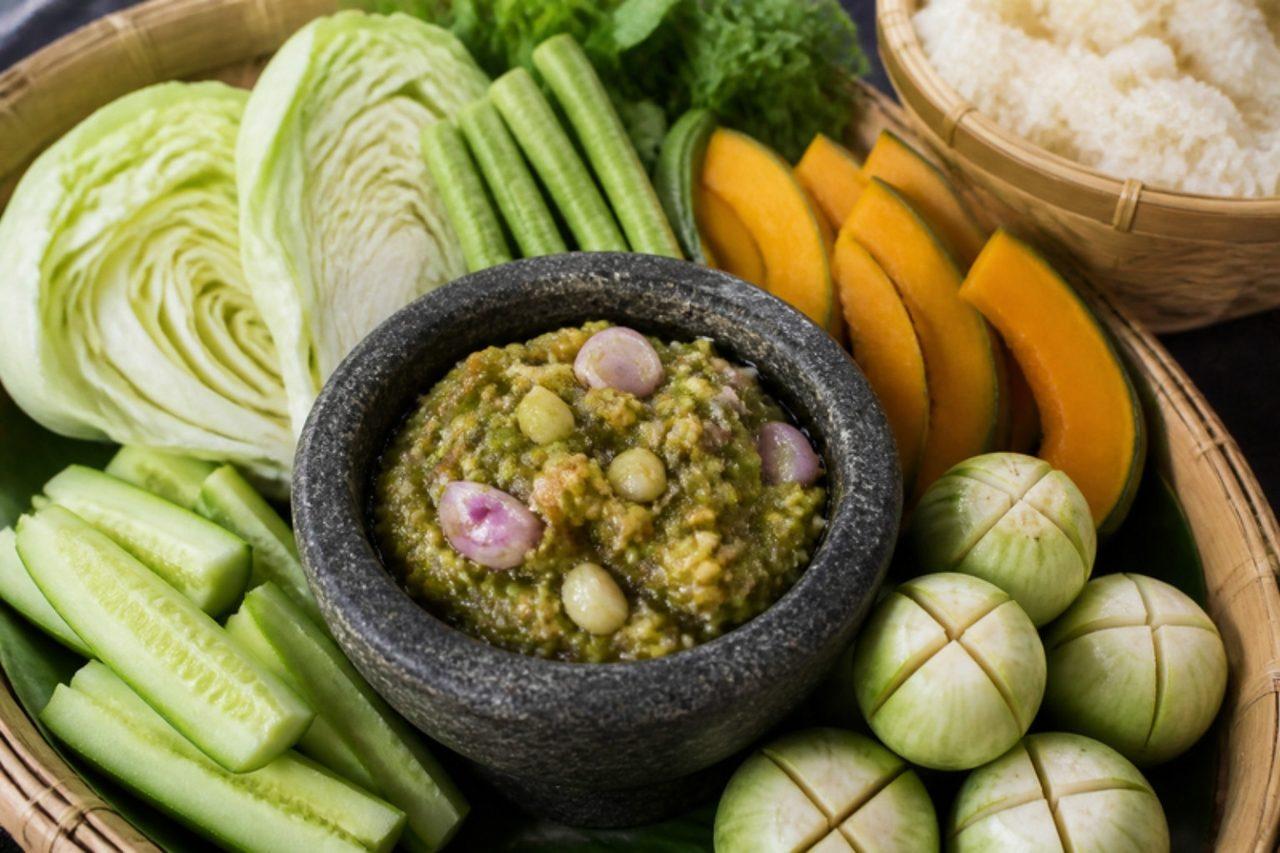
Nam prik noom is the relish Chiang Mai is proud of: long green chillies, shallots and garlic charred over coals until blistered and soft, then pounded into a rough, smoky, gently hot dip. At Warorot Market and the morning markets of the north it is sold by the bagful next to crunchy pork rinds and baskets of steamed vegetables, and it sits on almost every Lanna family table with sticky rice. Most versions are salted with fish sauce or pla ra; this one uses salt and a dash of soy, and the smokiness carries it just as well. Eat it with blanched cabbage, long beans, cucumber and sticky rice. Chef's tip: roast the vegetables until their skins are black in patches and they collapse when pressed; undercooked chillies taste raw and sharp.

by KrazyBadal 0 views

KhobzRound semolina bread

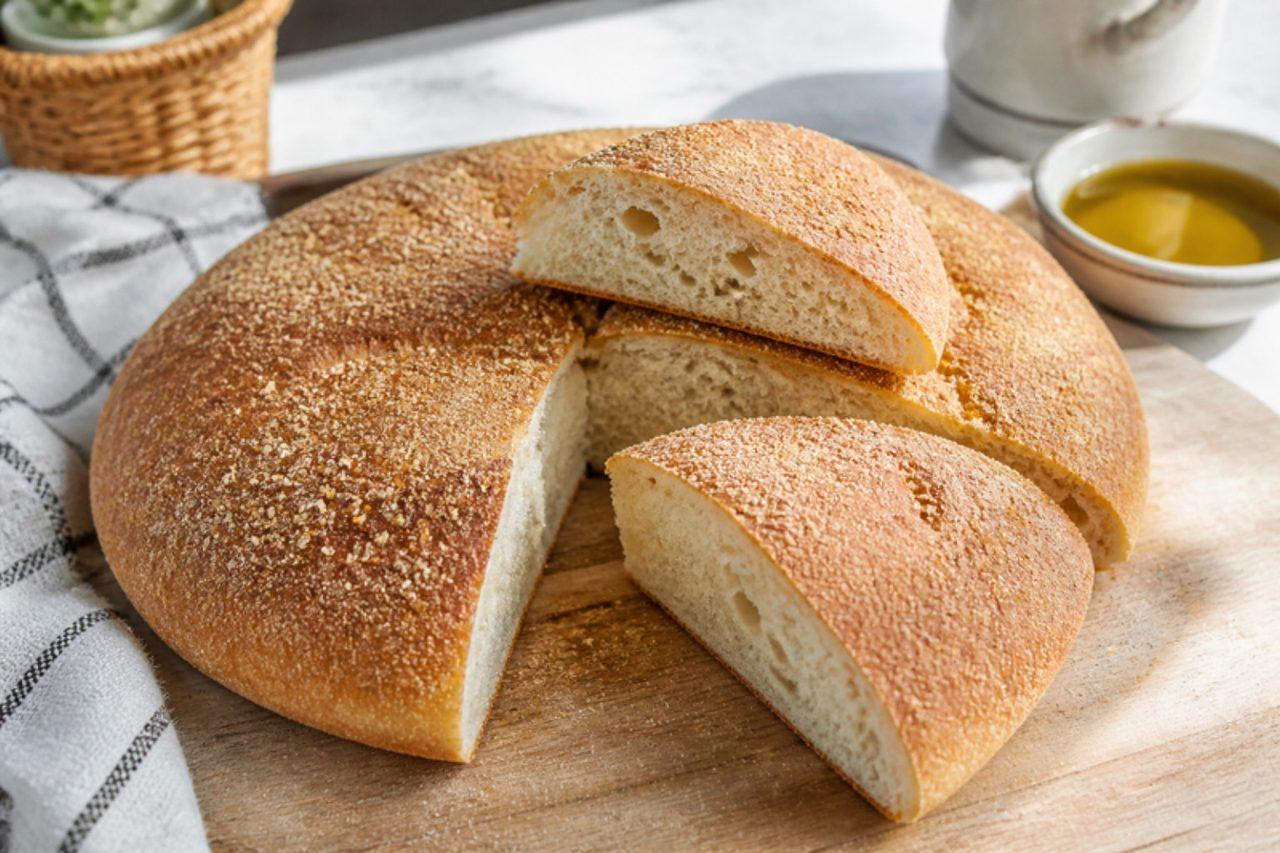
Khobz is the round, flat loaf that sits on every Moroccan table, used instead of cutlery to scoop up tagine and salads. In the older quarters of Fez and Marrakech families still shape their dough at home and carry it on wooden boards to the neighbourhood wood-fired oven, the ferran; at home it bakes perfectly on a hot tray. The semolina and wholemeal give it a slightly nutty taste and a soft, chewy crumb with a thin crust. It keeps for a day wrapped in a cloth and is wonderful toasted. Chef's tip: prick the top all over before baking so it rises evenly and stays flat instead of puffing like a pitta.

by KrazyBadal 0 views

Nam prik ongTomato and pork chilli dip

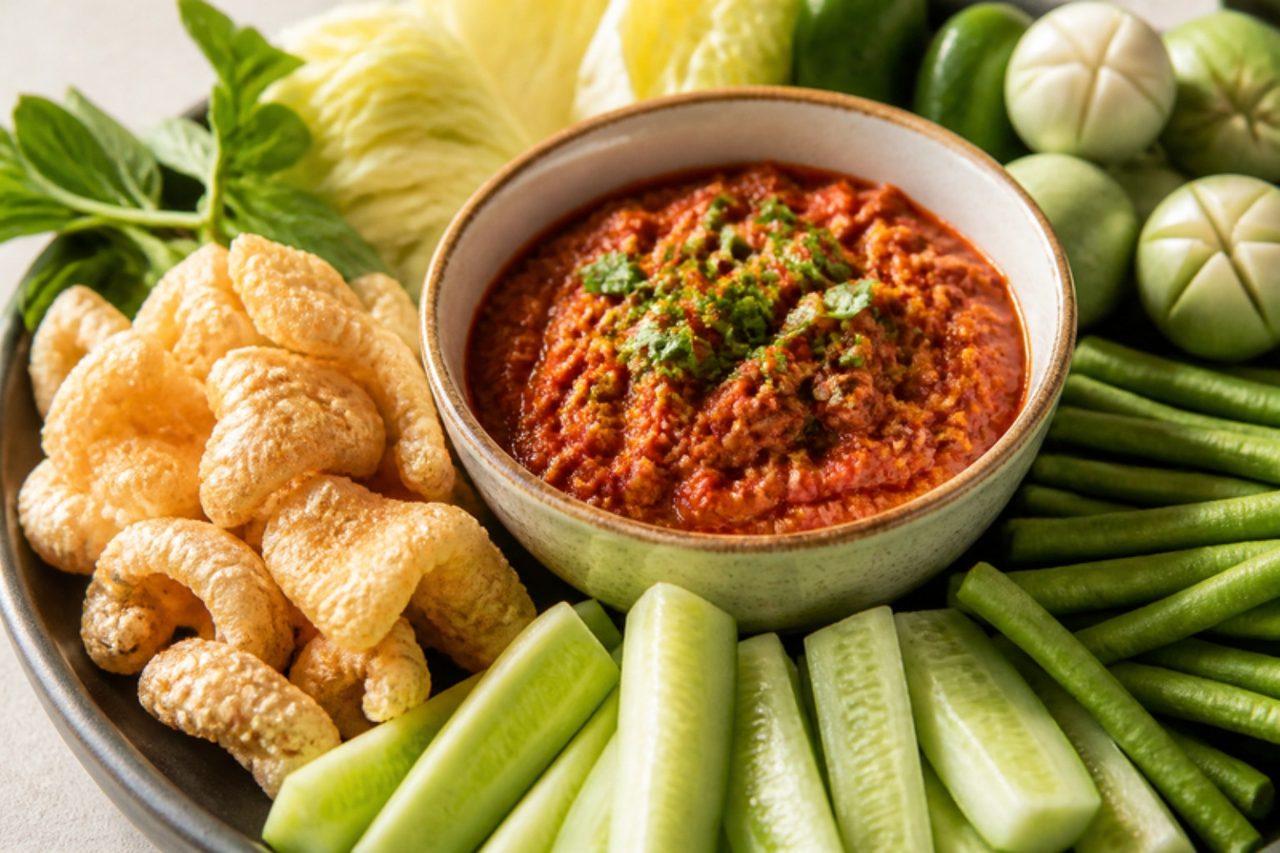
Every khantoke dinner in Chiang Mai sets out a bowl of this brick-red relish beside the sticky rice baskets, and morning markets sell it by the scoop in little plastic bags. It sits somewhere between a chunky meat sauce and a dip: sweet-sour from slow-cooked cherry tomatoes, savoury from shrimp paste and pork, with a gentle chilli warmth rather than a blast. Scoop it up with cucumber, blanched long beans, cabbage wedges and crisp pork crackling, or press a ball of sticky rice into it. Chef's tip: fry the pounded paste in the oil until it darkens and smells toasty before the pork goes in; that is where the deep, roasted flavour comes from.

by KrazyBadal 0 views

Nam tok neuaGrilled beef salad

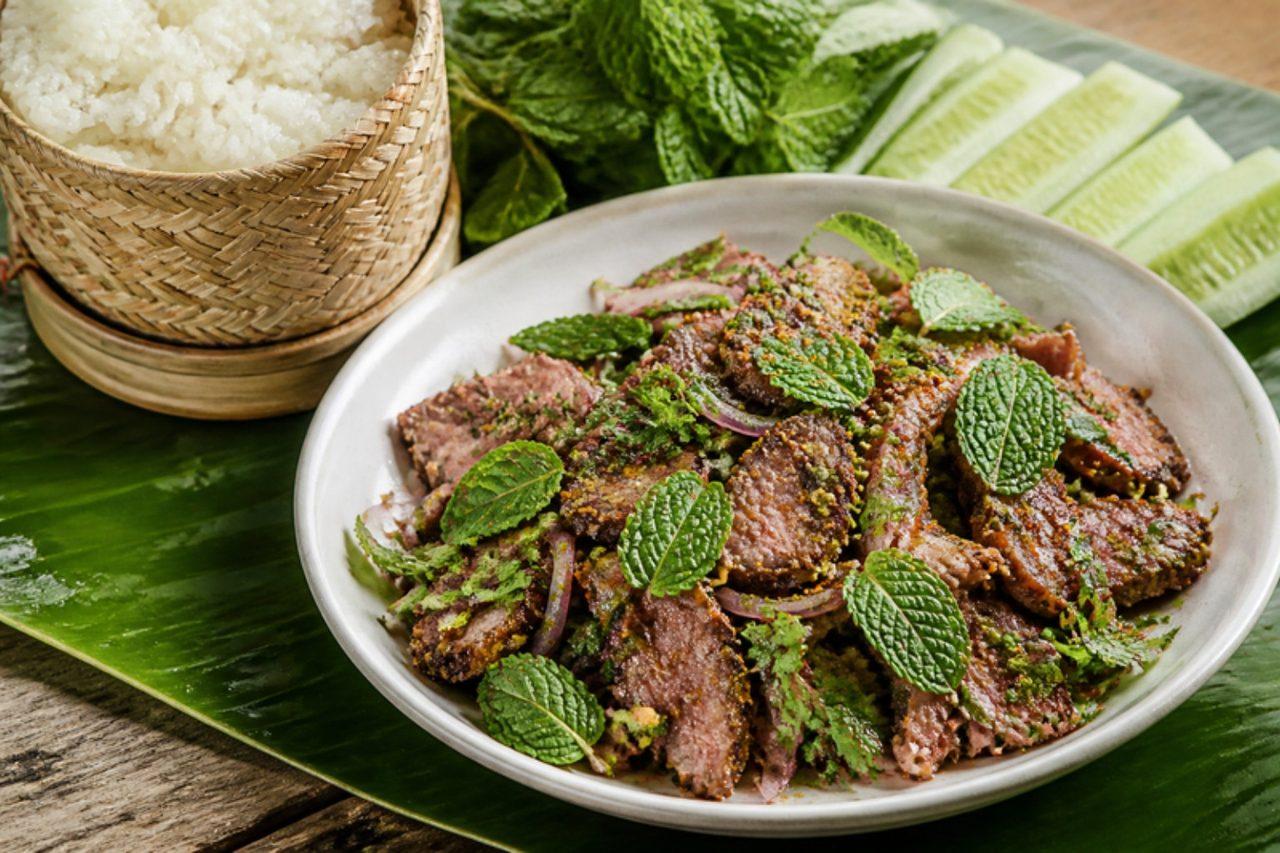
The name means 'waterfall', after the juices that drip from the beef onto the coals, and this salad is what Isan drinking spots and family barbecues serve when there is good meat on the grill. Smoky slices of pink steak are tossed while still warm with lime, fish sauce, chilli flakes, shallots and mint, then dusted with toasted rice powder for crunch. The meat soaks up the dressing like a sponge, so every bite is juicy, sour and hot. Pile it on a plate with sticky rice, cabbage, cucumber and long beans. Chef's tip: choose a steak with some marbling, such as sirloin or rump; very lean cuts turn dry and chewy once sliced thin.

30 minThaiSaladsGluten freeSpicy
by KrazyBadal 0 views

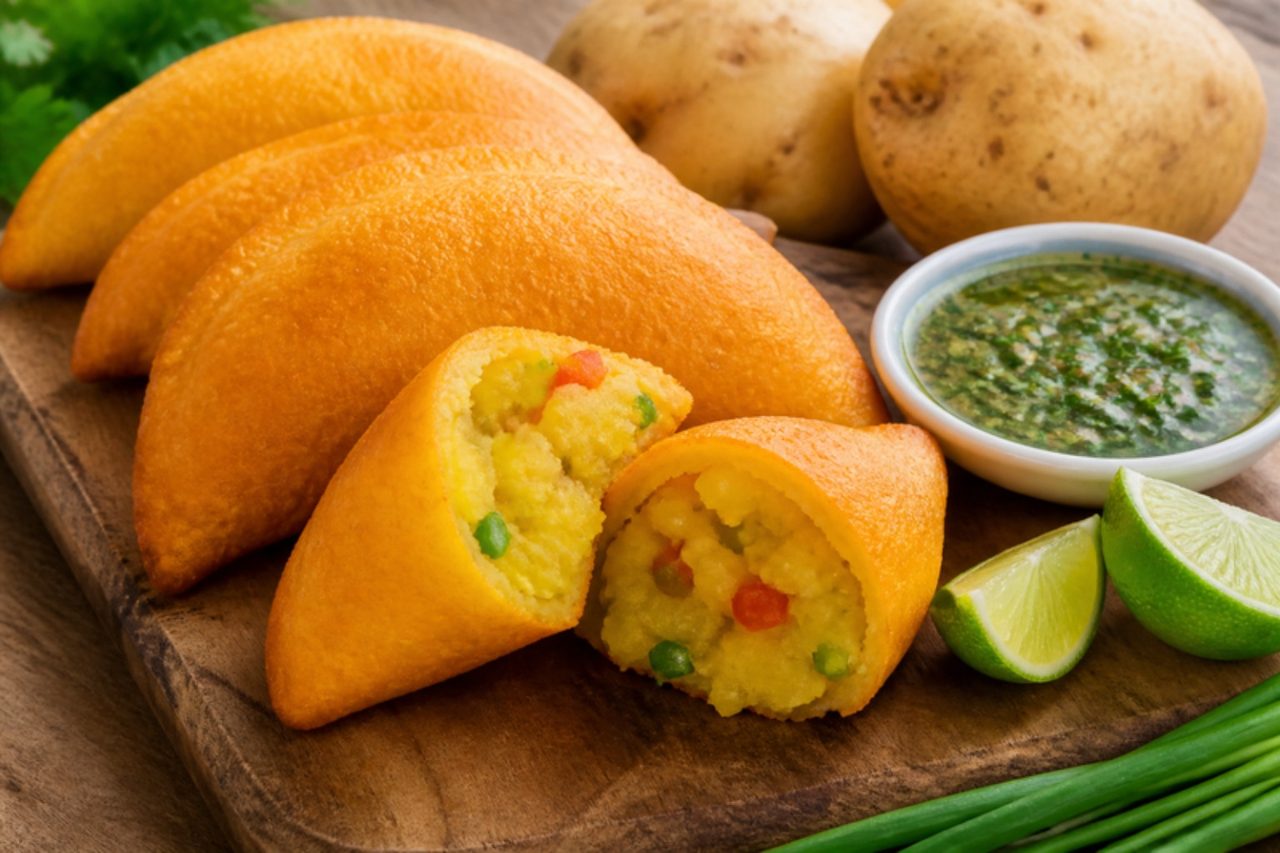
Empanadas colombianasPotato corn empanadas

Colombian empanadas are small, crunchy half-moons made with yellow corn dough rather than wheat, sold hot from street stands across Bogotá, Medellín and Cali and eaten with a squeeze of lime and a spoonful of ají. The classic filling mixes potato with hogao and often meat; this version keeps the potato and hogao, seasoned with cumin and coriander, which many families make on its own anyway. They are crisp outside and soft and savoury inside. Chef's tip: roll the dough thin, about 3 mm; thick corn dough stays heavy and absorbs oil.

by KrazyBadal 0 views

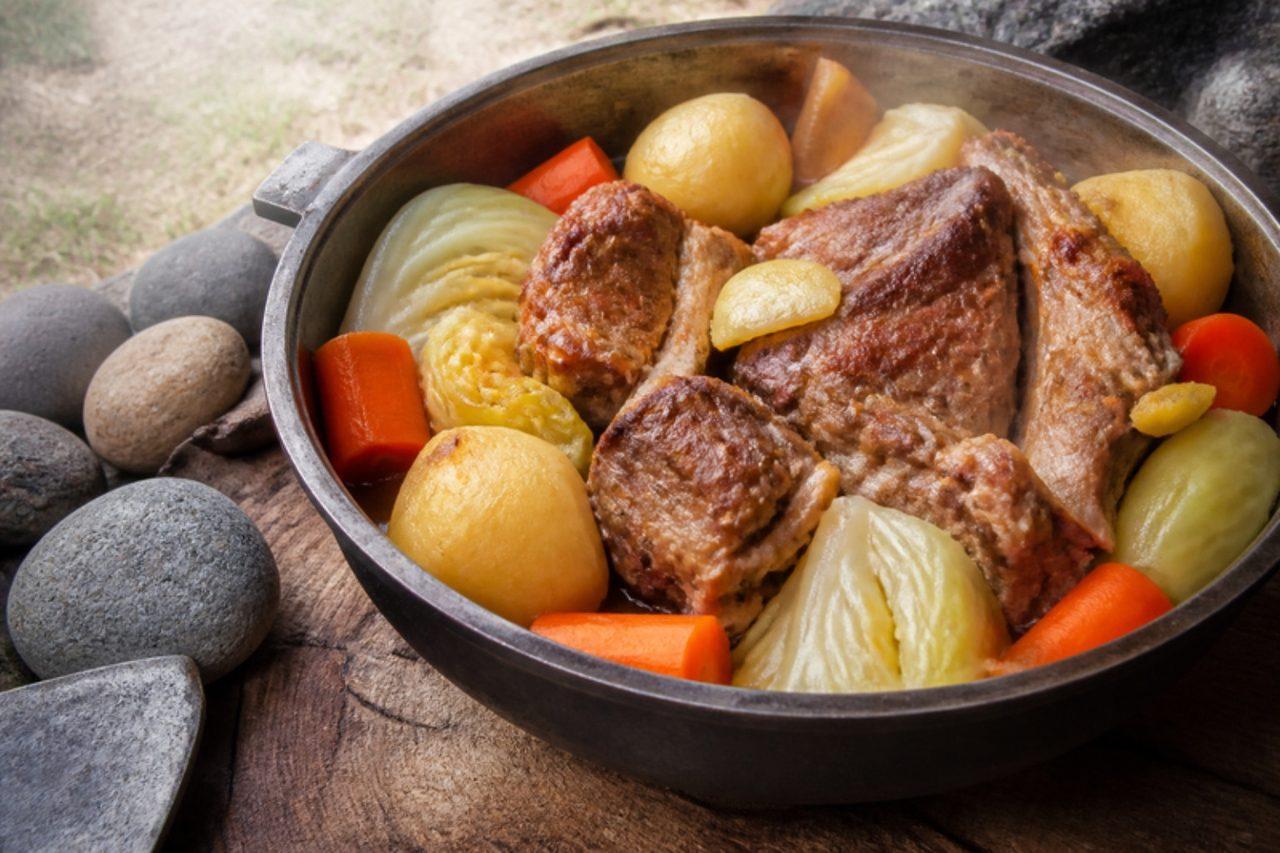
Khorkhog-style lambHot stone-style lamb

Khorkhog is the feast of the Mongolian countryside, cooked when a herding family welcomes guests: a sheep is cut into pieces and sealed into a milk churn with hot river stones, onion, carrot and potato, and the churn is set over the fire until the meat is tender and smoky. Guests pass the hot, greasy stones from hand to hand for good health. This home version cooks the lamb in a heavy sealed casserole in the oven, which gives the same tender meat and rich juices; please don't heat stones in a kitchen pot, which is dangerous. The mistake is adding water: the lamb steams in its own juice with only a little liquid. Chef's tip: use lamb on the bone, such as neck or shoulder, for the deepest flavour.

by KrazyBadal 0 views

Showing 63 of 10,569 recipes

Show more recipes

Page 1,087 of 1,175