Skip to content
Túrós csusza
Featured recipe

Túrós csusza

Pasta with curd cheese

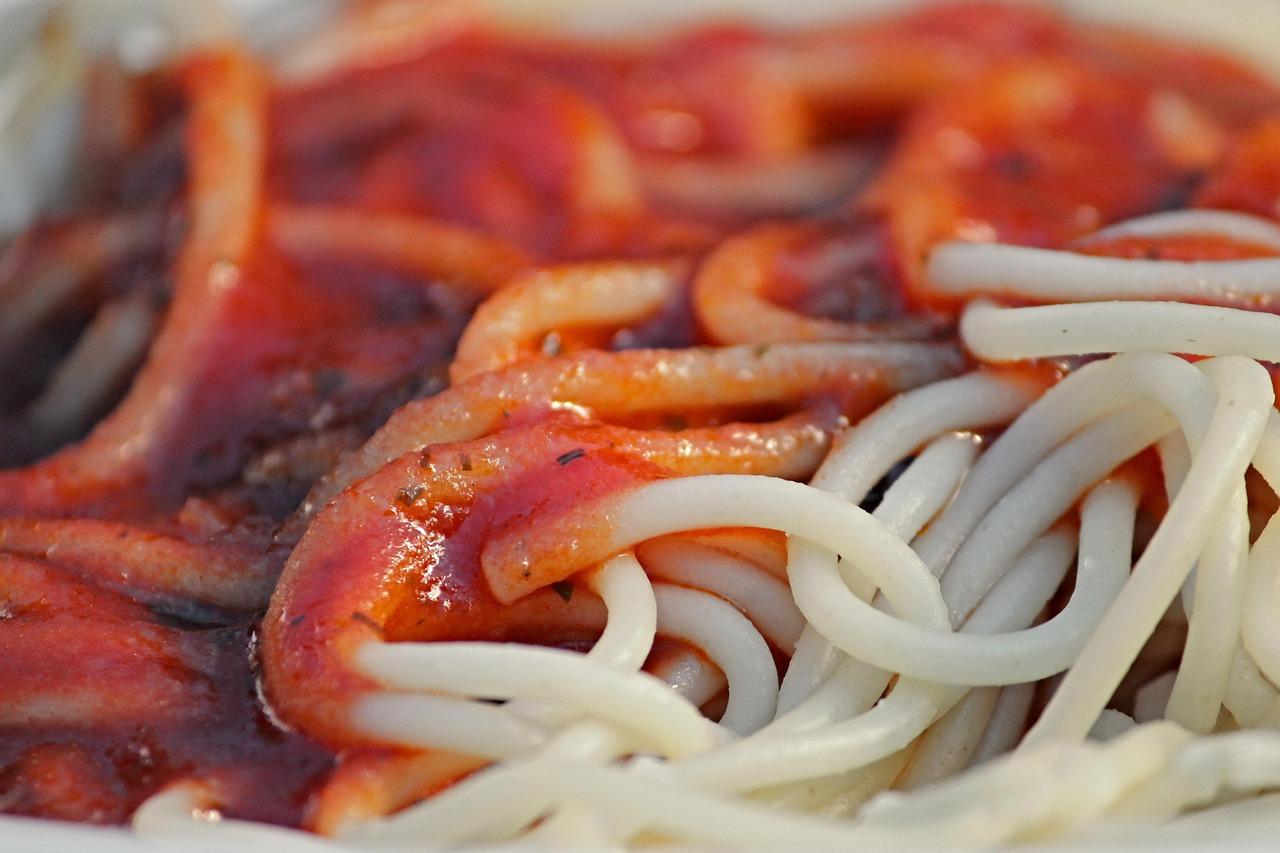
Túrós csusza is a simple dish of wide pasta squares tossed with crumbly túró curd cheese and sour cream, loved across Hungary and especially in the Danube villages, where it is served as a filling main after a bowl of fish soup. At home it is a Friday or end-of-the-month supper made from what is in the fridge. Traditionally it is topped with crisp pork crackling; here, fried onions and a little smoked paprika give the same crunch and savouriness. The flavour is mild, tangy and comforting. Chef's tip: toss the cheese into the pasta while it is still steaming so the túró warms through, but serve the sour cream cold on top for contrast.

Read more 0 views

What to eat today?

Around the world

Today's trip: Peruvian

A new country every day, from every cuisine on the site.

Peruvian

Tacacho

Mashed roasted green plantain balls 35 minMore from Peruvian (111) →

This week's collection

Kid-friendly dinners
772 recipes · a new collection every Monday

Coming up

All occasions →

Latest recipes

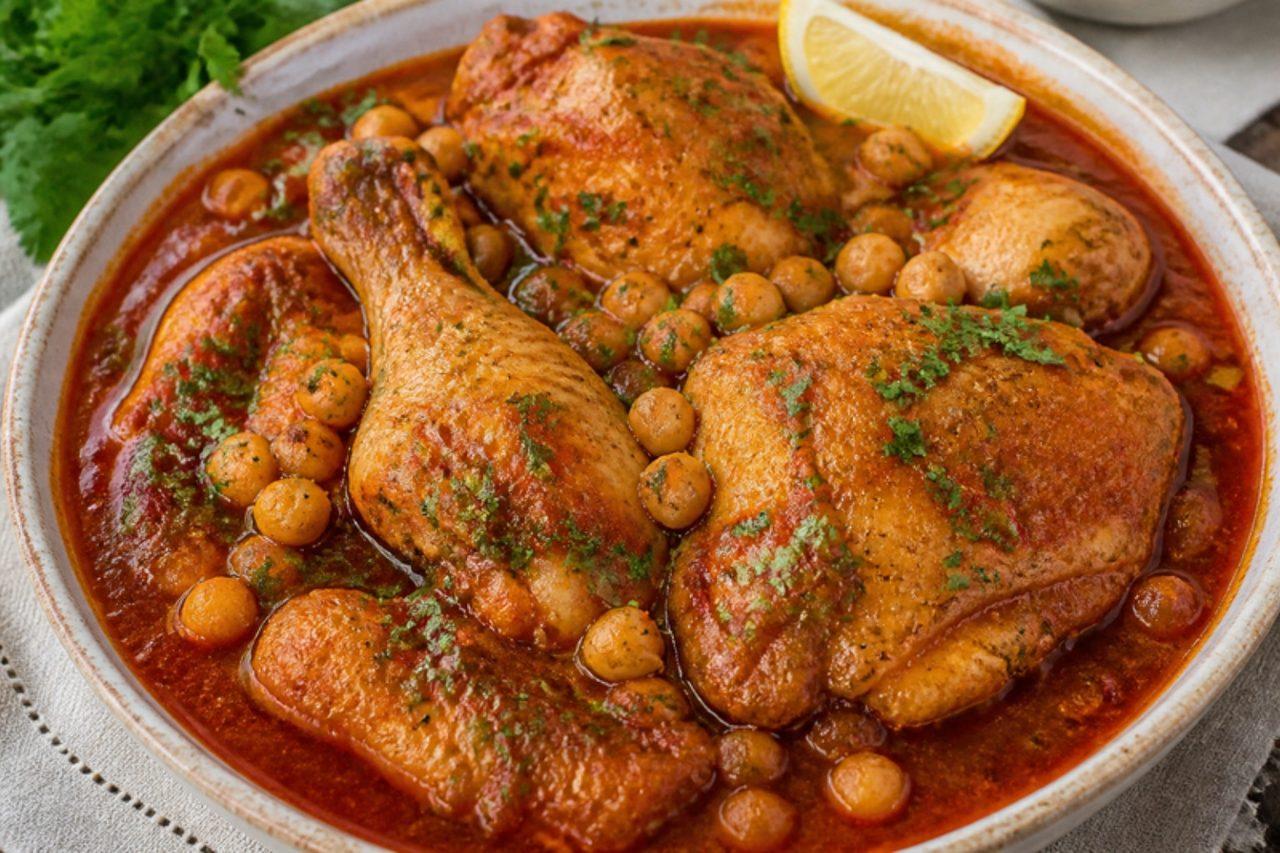
Chtitha djejChicken in paprika sauce with chickpeas

Chtitha djej is the everyday chicken of Algerian homes from Algiers to Constantine: chicken pieces simmered in a red sauce of paprika, cayenne, garlic and caraway with chickpeas, reduced until thick and clinging. It is mopped up with khobz or matlouh flatbread. The mistake is burning the garlic and paprika when they go into the oil, which turns the sauce bitter; keep the heat moderate and add water as soon as they smell toasted. Chef's tip: add a squeeze of lemon right at the end to brighten the spices.

by KrazyBadal 0 views

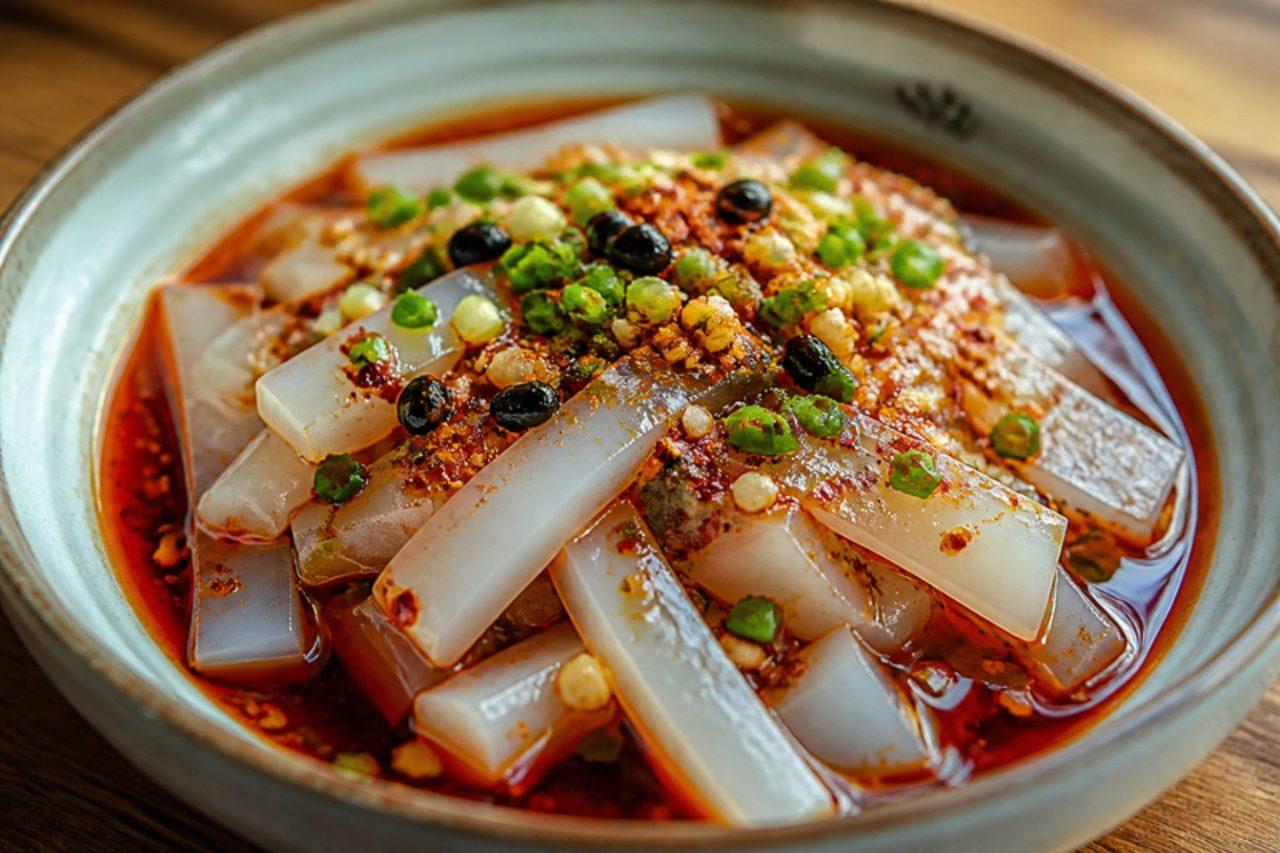
Chuanbei liangfenMung bean jelly in chilli oil

Nanchong, in the hills of north Sichuan, is famous for this snack: a soft, wobbly jelly set from bean starch, cut into thick ribbons and drowned in a red, glossy dressing. Street sellers keep it in big blocks and slice it to order, and people eat it as a mid-afternoon snack or a cold starter on hot days. The jelly itself tastes of almost nothing; the slippery texture and the punchy dressing are the point. Chef's tip: let the jelly set fully in the fridge, ideally overnight, so it is firm enough to cut cleanly but still trembles.

by KrazyBadal 0 views

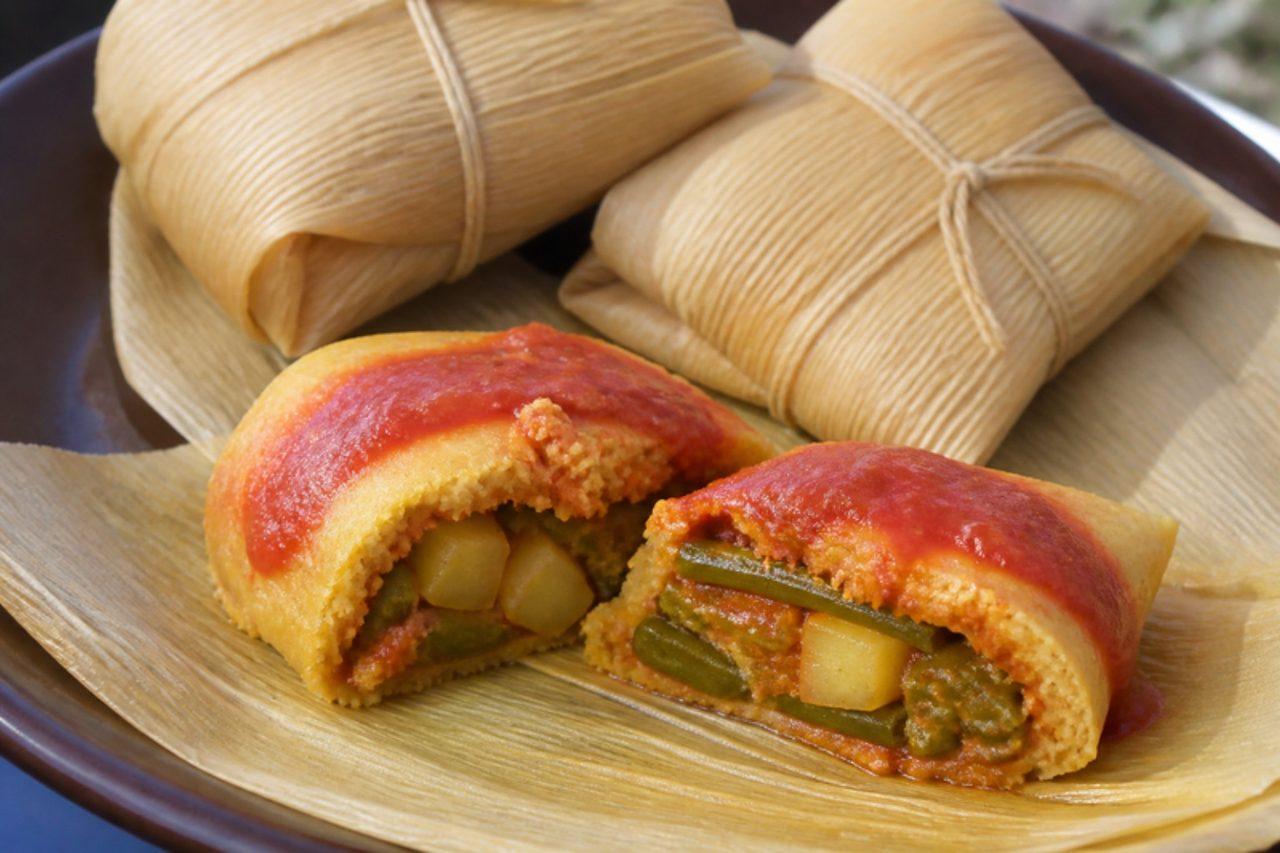
Chuchitos de verdurasSmall vegetable tamales

Chuchitos are Guatemala's everyday tamal: small, firm parcels of masa tied in corn husks, sold from steaming pots at markets in Antigua and Guatemala City and eaten on Saturdays with a spoon of tomato sauce and crumbled dry cheese. They're denser than Mexican tamales, with the masa itself tinted by the red recado. Here they're filled with potato, green beans and sweet pepper instead of chicken. Chef's tip: beat the masa until a pinch floats in a glass of water; that air makes them tender rather than stodgy.

by KrazyBadal 0 views

Chicken tagine with preserved lemon & olives

Few dishes say Fez quite like djaj mqualli, the golden chicken that turns up at family lunches, weddings and Friday tables across the old medina. The chicken simmers slowly in its own juices with grated onion, ginger and saffron until the meat slips off the bone and the onions melt into a thick, glossy, yellow sauce. Salty-sour preserved lemon and bright green olives go in near the end, cutting through the richness. Mop it up with crusty bread, or spoon it over plain couscous for a weekday dinner. Chef's tip: grate the onion rather than chopping it; it dissolves completely and gives the sauce its body without any flour.

by KrazyBadal 0 views

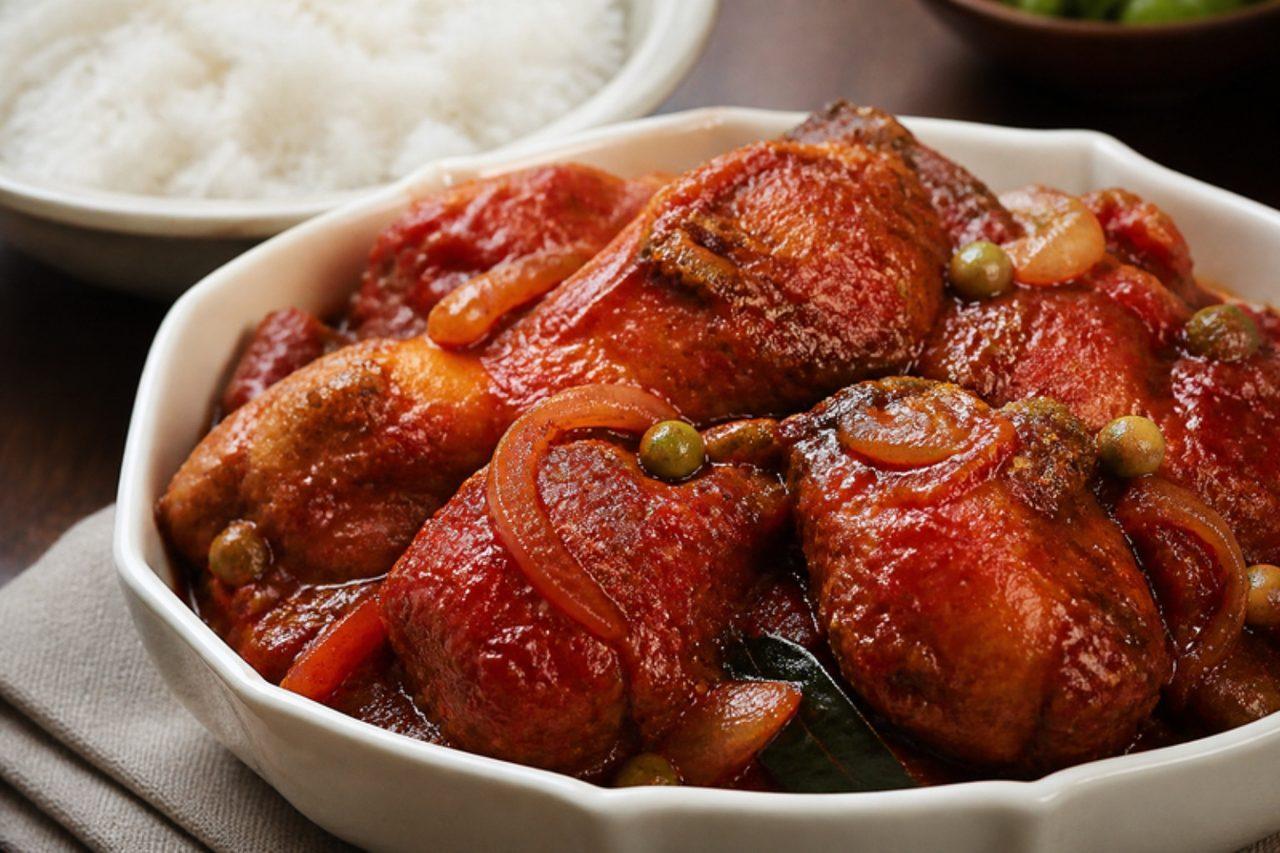
Ayam masak merahChicken in tomato chilli sauce

Red-cooked chicken turns up at almost every Malay kenduri (wedding feast) and Hari Raya open house across Malaysia, ladled out of huge pots beside nasi minyak or plain rice. The chicken pieces are fried first so the skin firms up, then simmered in a brick-red sauce of blended dried chillies, tomato and onion that tastes sweet first, then hot, then tangy. Cinnamon, star anise and cloves give it a warm, almost festive smell, and a splash of coconut milk at the end rounds off the edges. Serve it with steamed rice, cucumber slices and a spoon of acar (pickled vegetables). Chef's tip: fry the chilli paste until it darkens and the oil seeps out (pecah minyak) before any tomato goes in; raw paste makes the sauce taste harsh and bitter.

by KrazyBadal 0 views

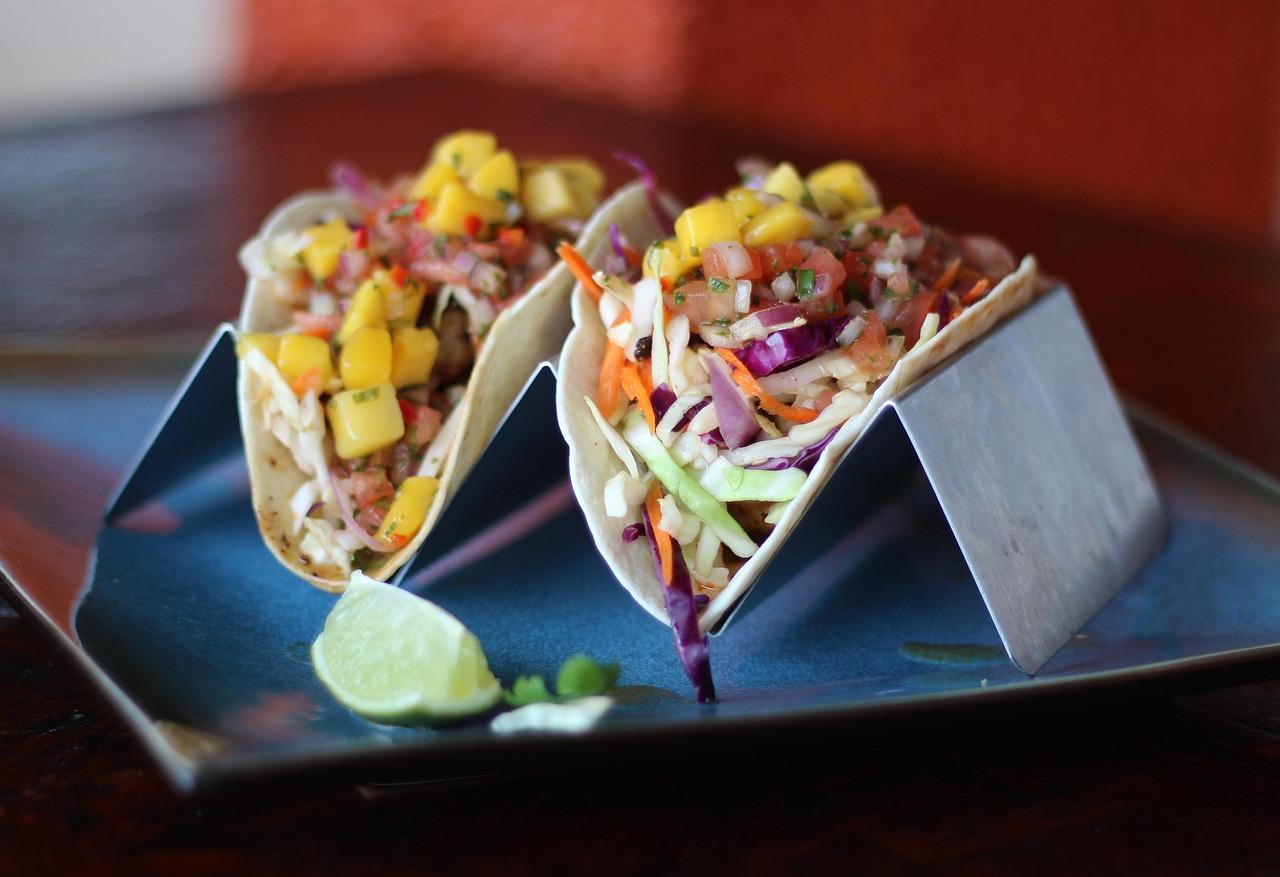
Baja fish tacos

Along the waterfront of Ensenada, in Baja California, fish taco stands open mid-morning and are often sold out by early afternoon. Strips of mild white fish go into a light, crackly batter, straight from the fryer into warm corn tortillas, and every customer finishes their own with shredded cabbage, a pour of crema and a squeeze of lime from the bowls on the counter. The batter here uses cold beer, which makes it puff and stay crisp; it contains alcohol, and ice-cold sparkling water gives almost the same lift without it. Chef's tip: keep the batter fridge-cold and mix it only until just combined, so the coating stays thin and shatters instead of turning bready.

by KrazyBadal 0 views

Ayam betutuSpiced slow-braised chicken

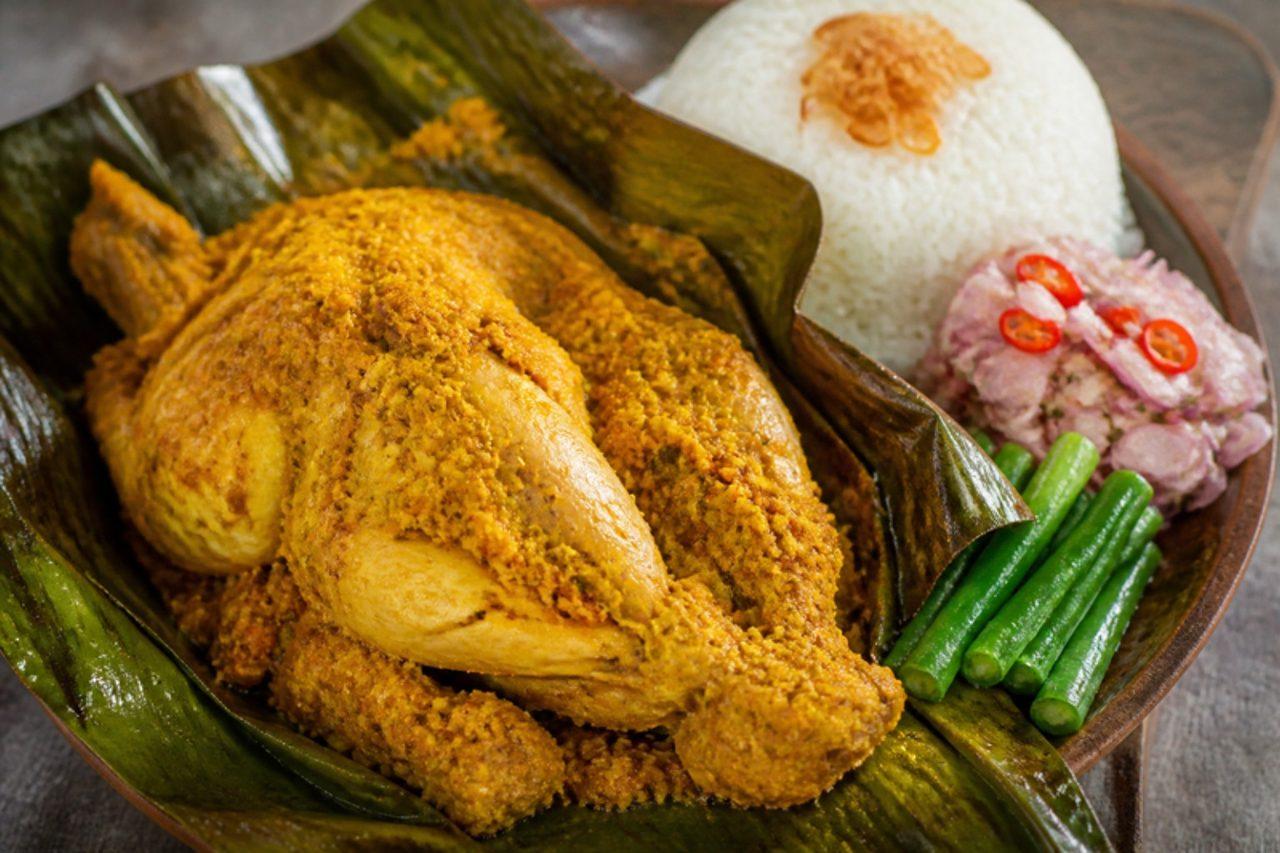
Drive through west Bali to the ferry port of Gilimanuk and the roadside warungs all sell the same thing: ayam betutu, chicken cooked so long in spice paste that it slumps off the bone into a fiery, turmeric-orange gravy. The paste is base genep, Bali's master seasoning of shallots, garlic, galangal, aromatic ginger, turmeric, chillies, candlenuts and shrimp paste, and it is rubbed inside and out before the bird braises gently in a covered pot. Expect deep heat, a little bitterness from the greens tucked inside and a rich, almost buttery sauce. Pile it on steamed rice with water spinach or a raw sambal matah to cut through. Chef's tip: braise it the day before; the paste mellows overnight and the chicken reheats beautifully.

by KrazyBadal 0 views

Axone porkPork with fermented soybean

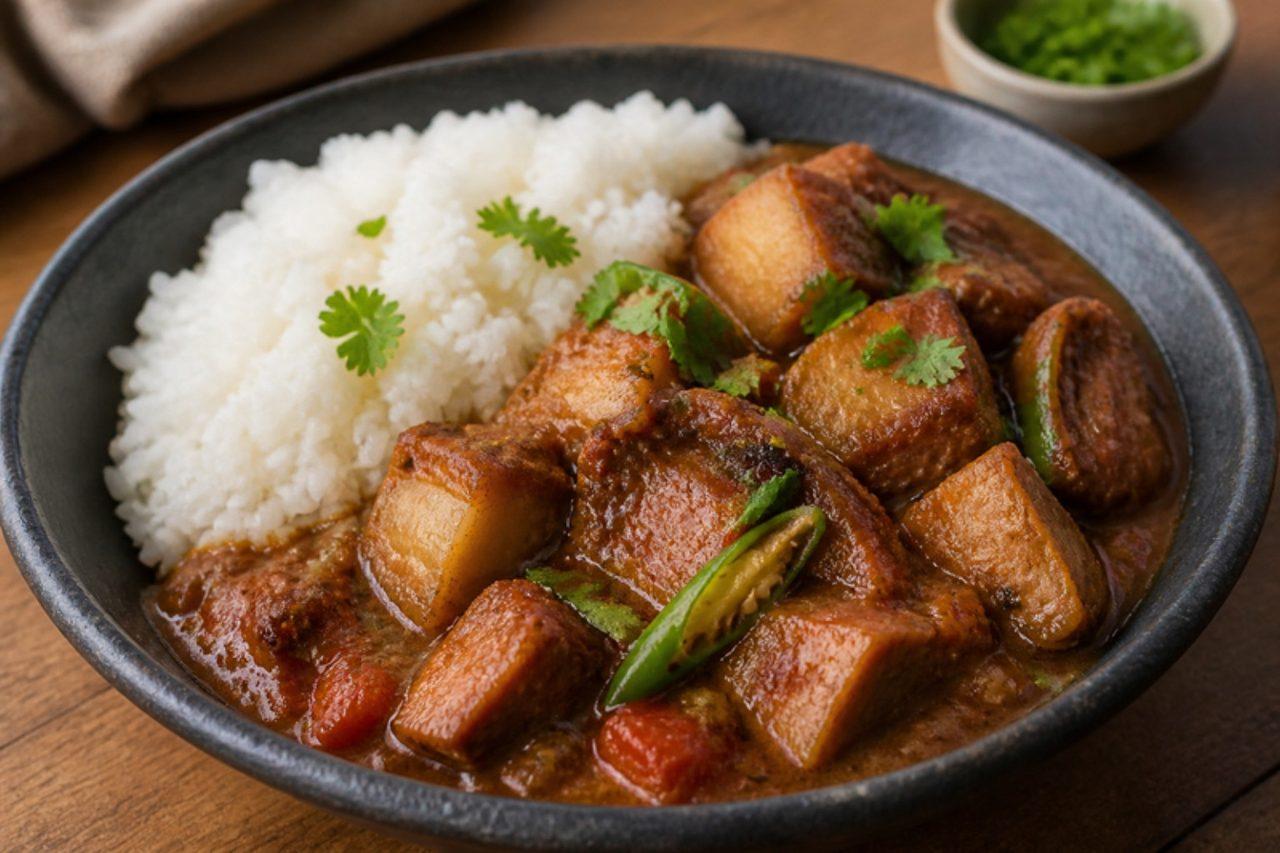
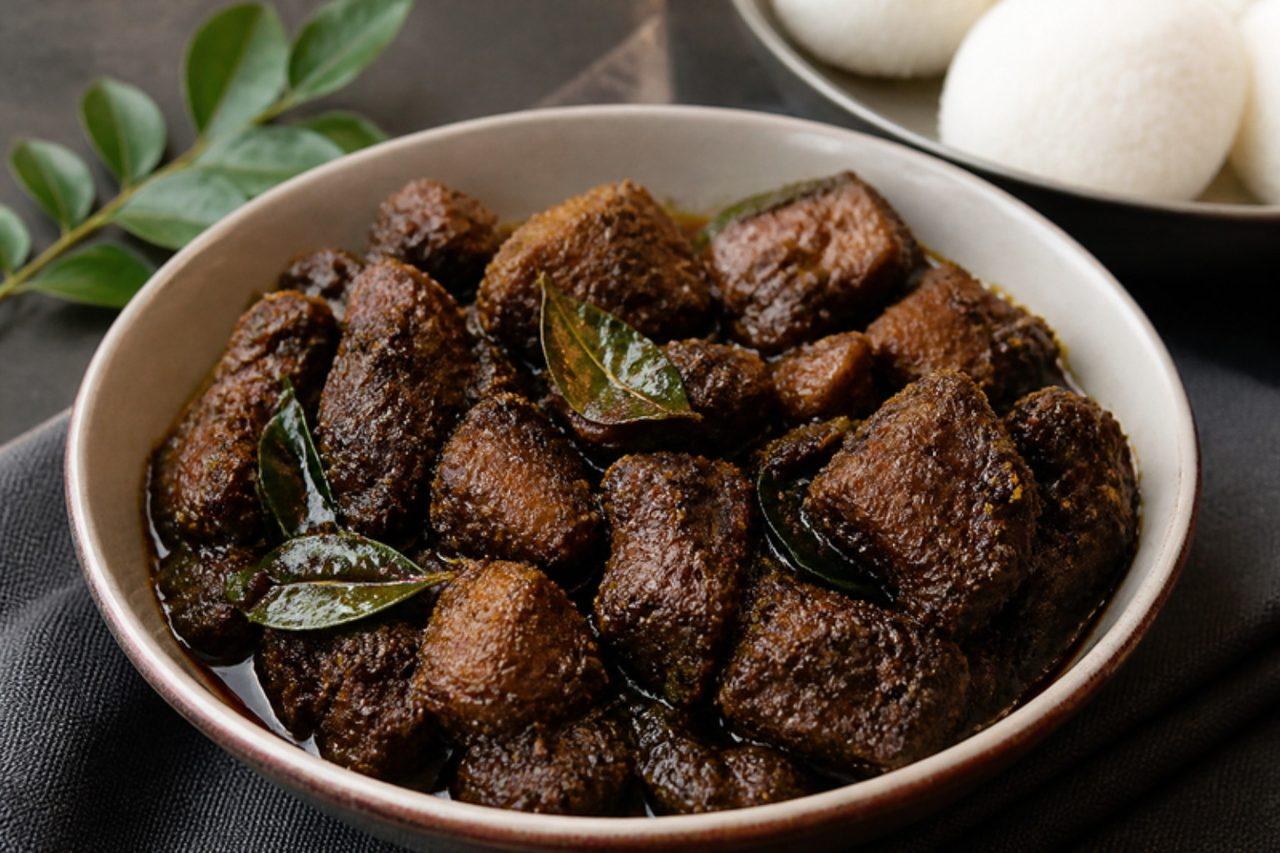
Axone, called akhuni in the Sumi Naga language, is soybean fermented in banana leaves until it is pungent and deeply savoury, and pork cooked with it is a signature of the Sumi people of Zunheboto in Nagaland. The smell is strong while it cooks, but the finished curry tastes rich, earthy and meaty, sharpened by tomato and chilli. Serve with rice and a green vegetable. Chef's tip: open a window and warn the household; axone is famously smelly in the pan and wonderful on the plate.

75 minIndianMeatGluten freeSpicy
by KrazyBadal 0 views

ChurchkhelaWalnuts in grape juice coating

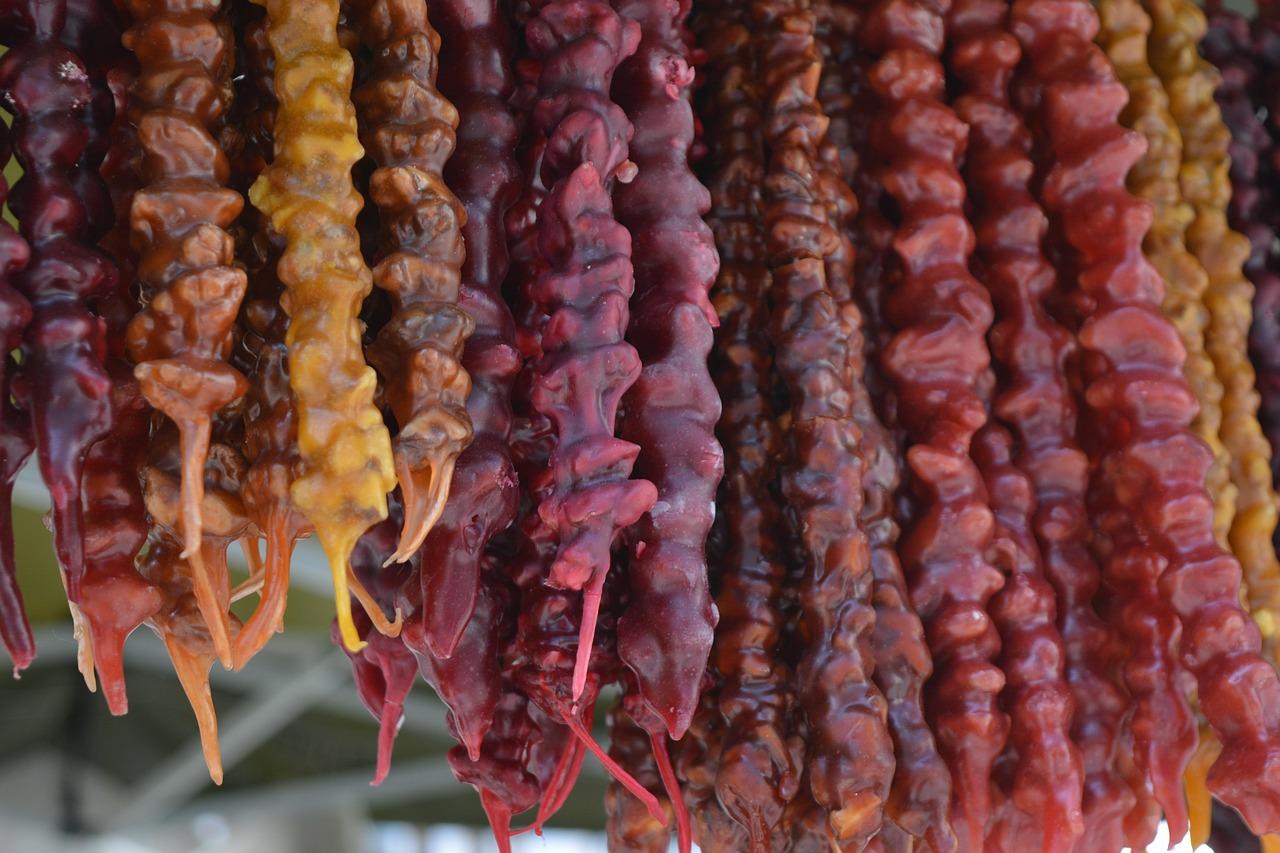
Churchkhela are the candle-shaped sweets you see hanging in bunches at every Georgian market, but they are made at home during rtveli, the grape harvest in Kakheti in September and October. Walnuts are threaded on a string and dipped again and again in tatara, fresh grape must thickened with flour, then hung up to dry for a week, until firm and chewy outside and tender within. They are eaten at New Year and kept for months. A common mistake is a tatara that is too thin, which slides off the nuts; it should coat the back of a spoon thickly and fall in ribbons. Chef's tip: let each coat set for 10–15 minutes before the next dip; three or four thin coats look and keep better than one thick one.

by KrazyBadal 0 views

AvialMixed vegetables in coconut yogurt

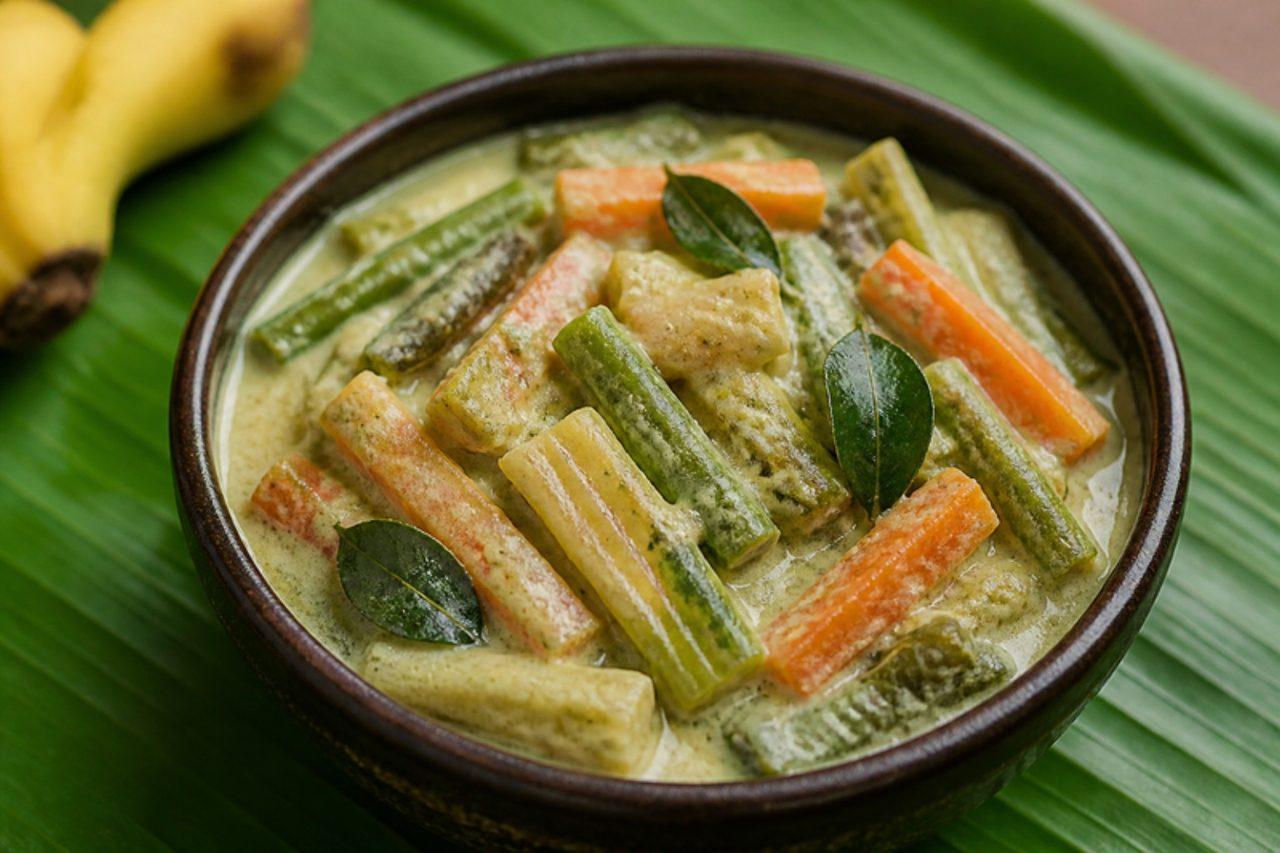
Avial is a mainstay of the Kerala sadya, the vegetarian feast served on a banana leaf at Onam and weddings. Batons of vegetables (raw banana, drumstick, yam, carrot, beans, ash gourd) are cooked just tender, then coated in a coarse paste of fresh coconut, cumin and green chilli, soured with curd and finished with raw coconut oil and curry leaves. It's thick rather than saucy, mild, tangy and fragrant. Serve with rice and sambar, or with adai. Chef's tip: cut every vegetable into the same 5 cm batons and add them in order of hardness, so they're all tender together and nothing turns to mush.

by KrazyBadal 0 views

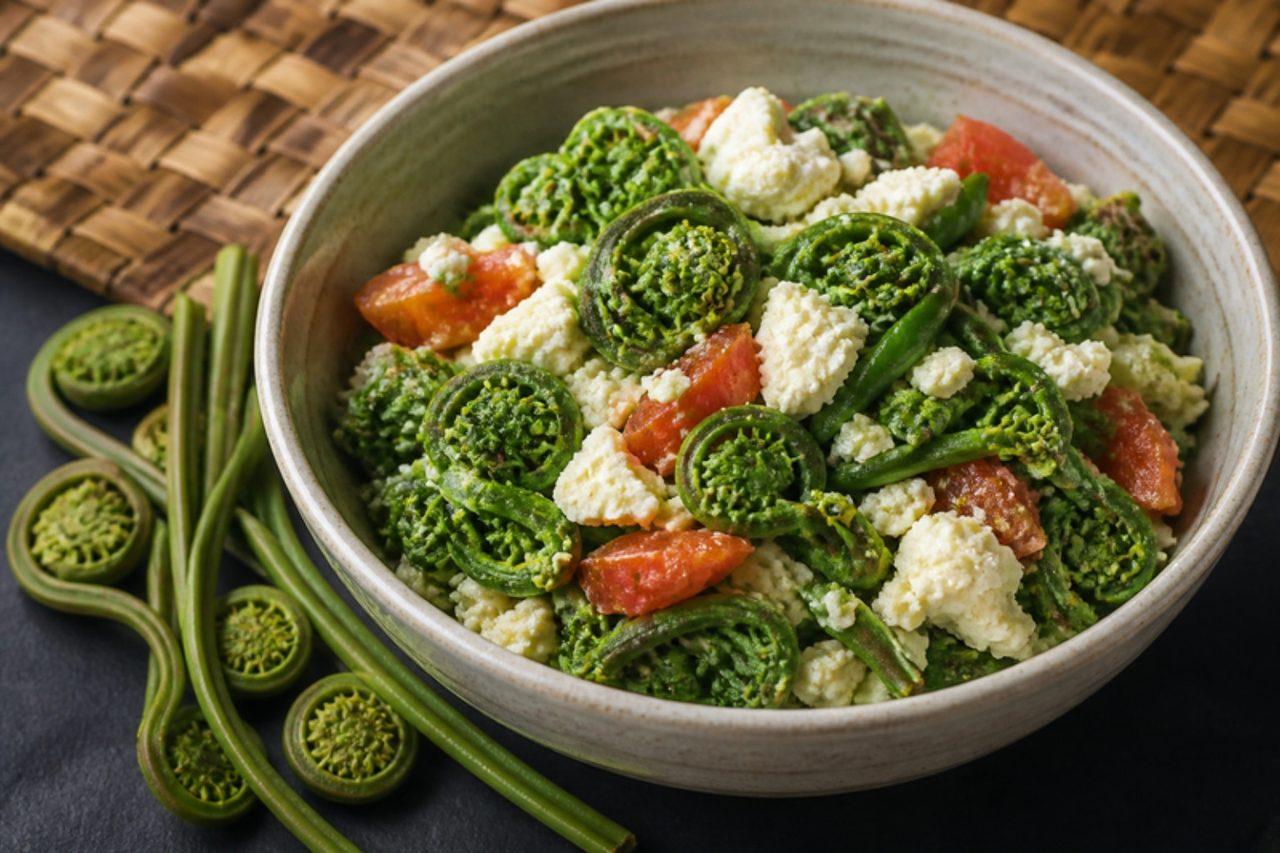
Churpi ningroFiddlehead fern curry

In the monsoon, ningro (fiddlehead fern) shoots appear in the hill markets of Gangtok, Namchi and Darjeeling, curled like violin scrolls. Sikkimese homes cook them quickly with onion, tomato and green chilli, then stir in crumbled soft churpi, a fresh, tangy cheese made from yak or cow's milk, which melts into a creamy, slightly sour sauce. It is a side dish for rice and dal, and tastes green and grassy, a little like asparagus. Chef's tip: always boil ferns for a few minutes and drain before cooking; it removes bitterness. Ricotta or crumbled feta is a fair stand-in for churpi.

by KrazyBadal 0 views

Chushki byurekFried cheese-stuffed peppers

Chushki byurek are one of the great autumn dishes of Bulgaria: in September, when the long red peppers ripen around Plovdiv and Pazardzhik, they are roasted, peeled, filled with sirene and egg, then dipped in flour, egg and breadcrumbs and fried. The outside crunches, the pepper is silky and sweet, and the salty cheese melts inside. They are served hot as a main course with a tomato salad, or cold the next day. Chef's tip: dry the peeled peppers well before filling; a wet pepper is the usual mistake, and the batter slides off and the oil spits.

by KrazyBadal 0 views

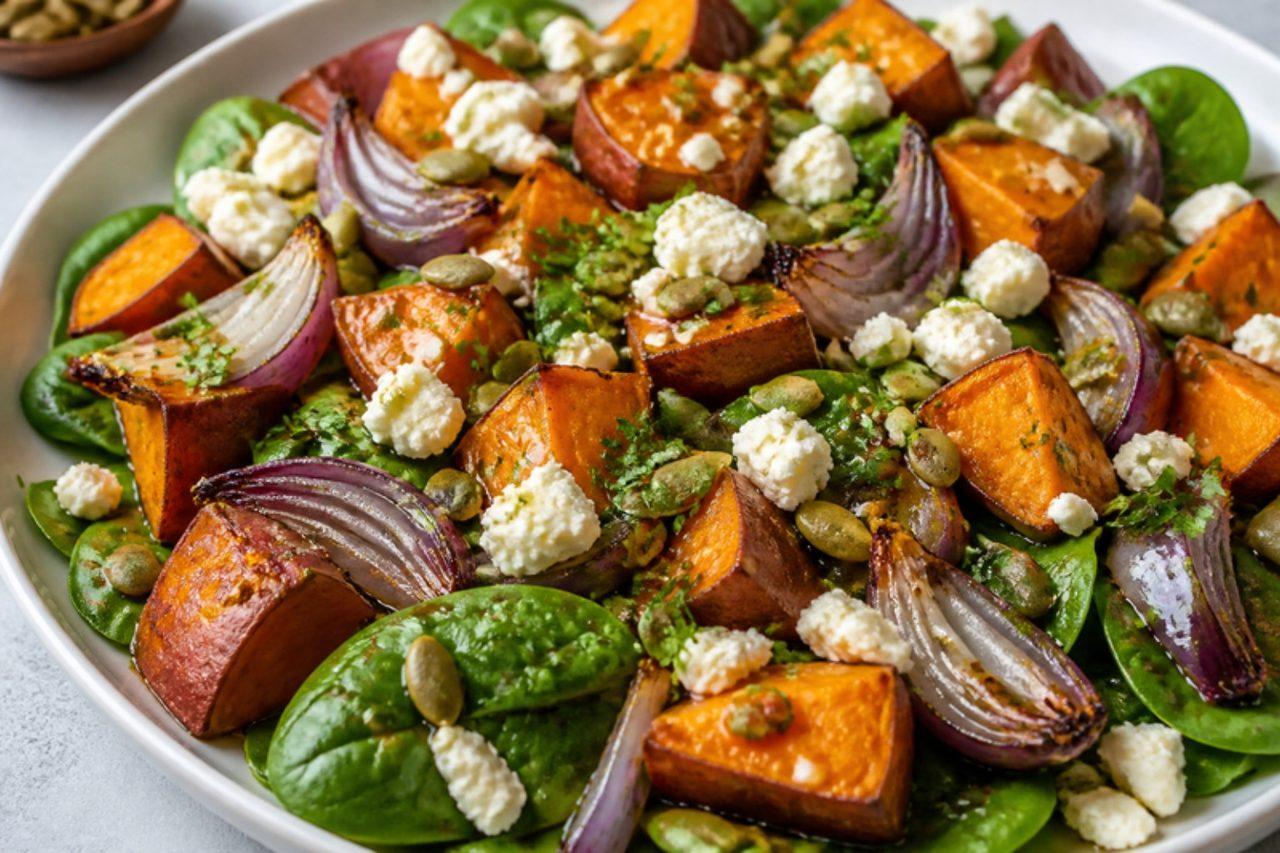
Kūmara and feta saladRoasted sweet potato and feta salad

Kūmara, the sweet potato the Māori brought to Aotearoa centuries ago, is grown mostly around Dargaville in Northland, and a big bowl of roasted kūmara salad turns up at just about every New Zealand barbecue, 'bring a plate' gathering and Christmas lunch. Chunks of red-skinned kūmara roast until sticky and caramelised, then get tossed while warm with red onion, baby spinach, salty feta and toasted pumpkin seeds in a sweet-sharp honey and mustard dressing. Chef's tip: give the kūmara plenty of room on the tray and a hot oven; crowded pieces steam and go soft instead of browning at the edges.

by KrazyBadal 0 views

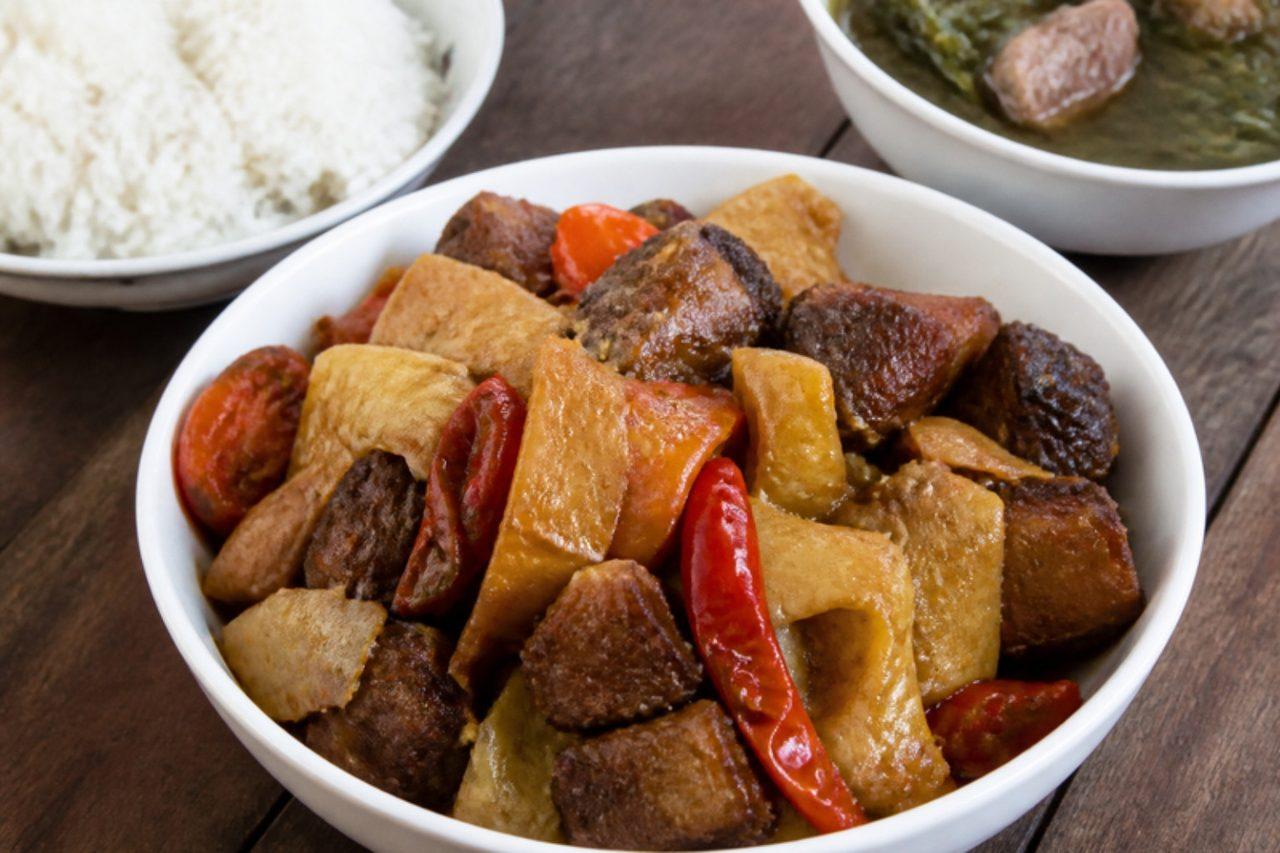
Naga smoked pork with bamboo shoot

Many Naga kitchens have a rack of pork hanging above the fire, slowly smoking for weeks, and this stew is what it is saved for. The smoky meat is simmered with sour fermented bamboo shoot, crushed ginger and garlic and raja mircha, the famously hot king chilli, with almost no oil and no ground spices. In Kohima it is festival food during the Hornbill Festival in December and Sunday food all year, served with rice and boiled greens. Chef's tip: smoked pork is already salty, so salt only at the very end.

85 minIndianMeatGluten freeSpicy
by KrazyBadal 0 views

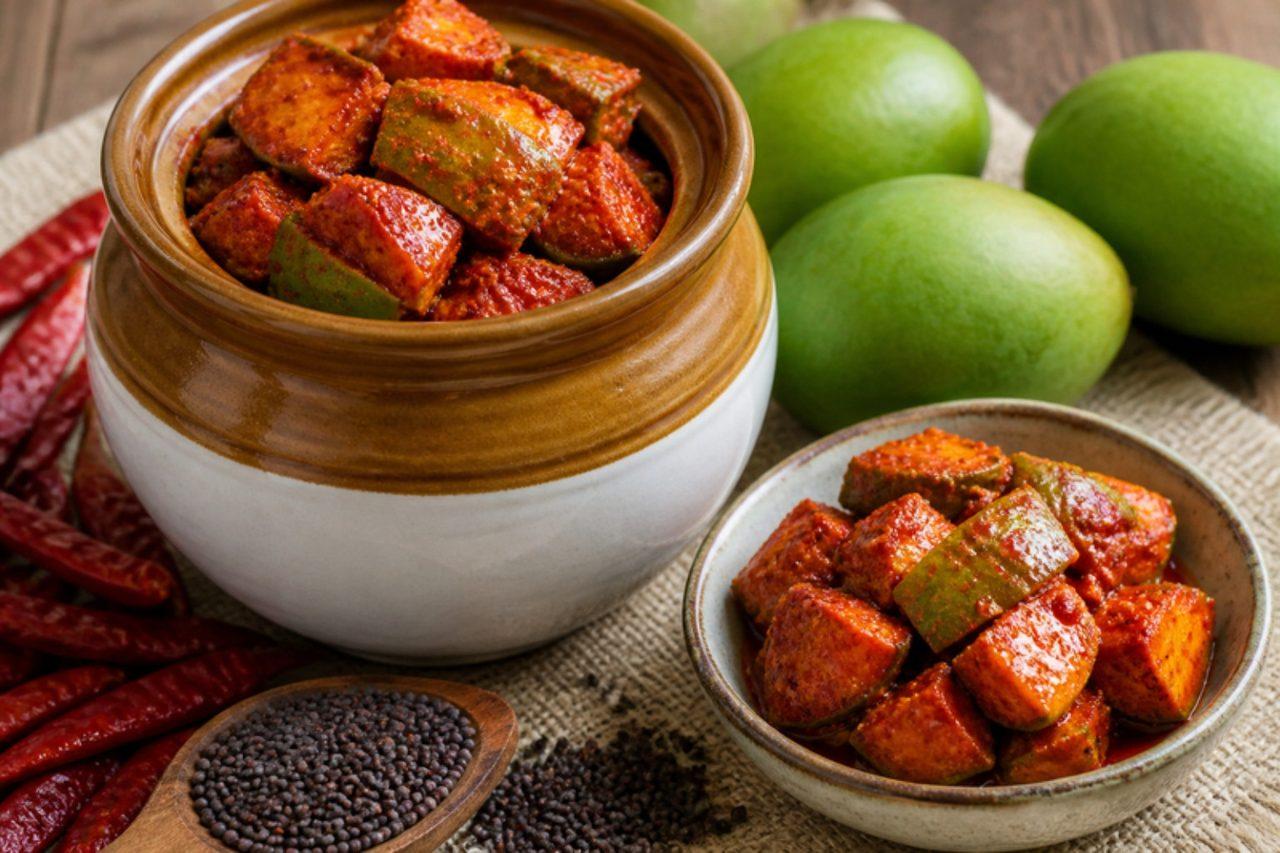
AvakayaRaw mango pickle

Every April and May, when the hard, sour green mangoes arrive, Andhra homes turn into pickle factories. The mangoes are cut, stone and all, with a heavy cleaver, then mixed with freshly ground mustard, fiery red chilli powder, salt and a flood of sesame oil, and packed into ceramic jars to mature. Avakaya is fierce, pungent, salty and sour, and a tiny piece mashed into hot rice with ghee and dal is many Telugu people's idea of perfect lunch. A jar lasts the whole year. Chef's tip: every piece of mango, every knife and the jar must be bone dry; a single drop of water can turn a whole batch mouldy.

by KrazyBadal 0 views

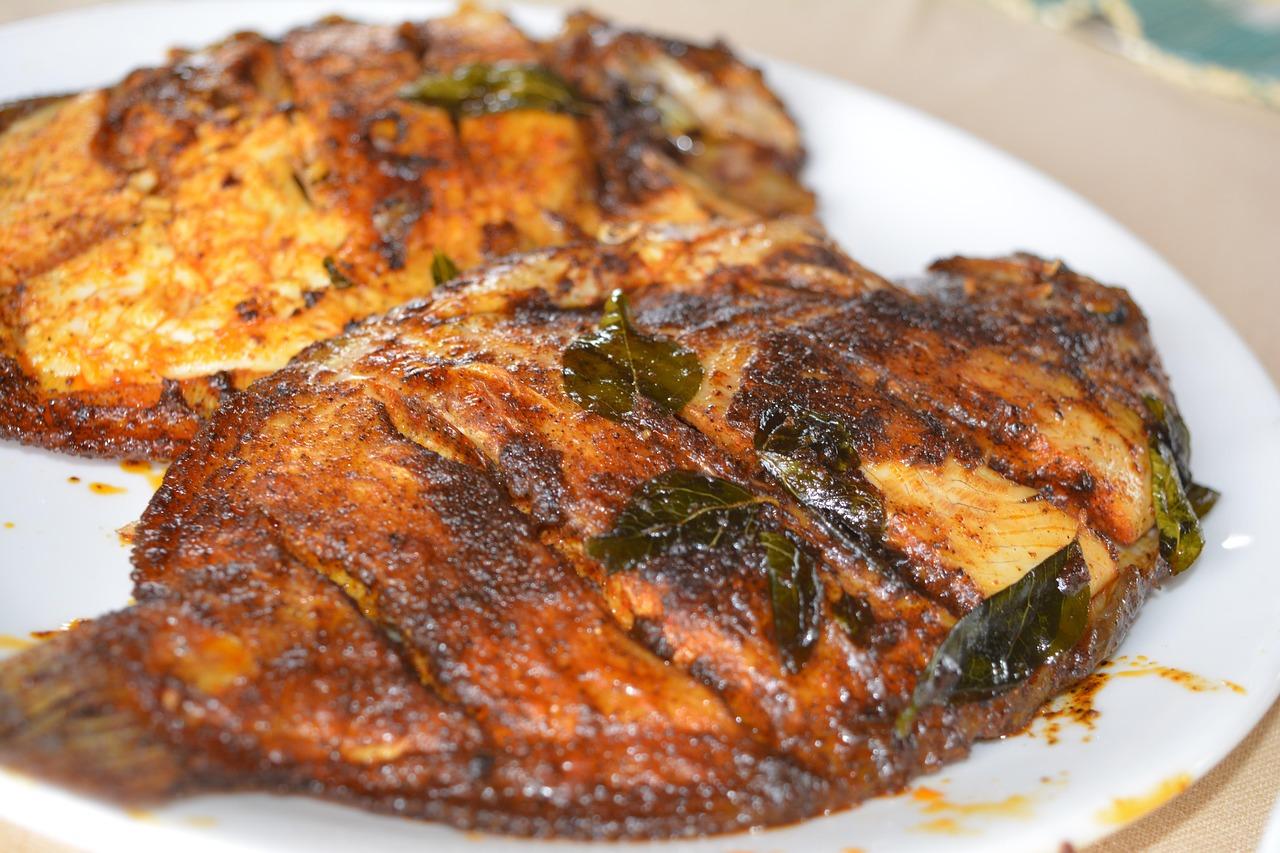
Andaman tamarind fried fish

Small seaside stalls at Corbyn's Cove and the fish shacks of Havelock fry the morning's catch this way: red snapper, mackerel or pomfret rubbed with a tangy paste of tamarind, chilli and garlic, dusted with rice flour and fried in a heavy pan until the edges blister. On the islands it is lunch with rice and dal, or a beach snack with onion rings and lime. It takes very little time, so cook it just before you eat. Chef's tip: dry the fish well with kitchen paper before the marinade goes on, so the paste sticks and the crust crisps.

37 minIndianFishGluten free
by KrazyBadal 0 views

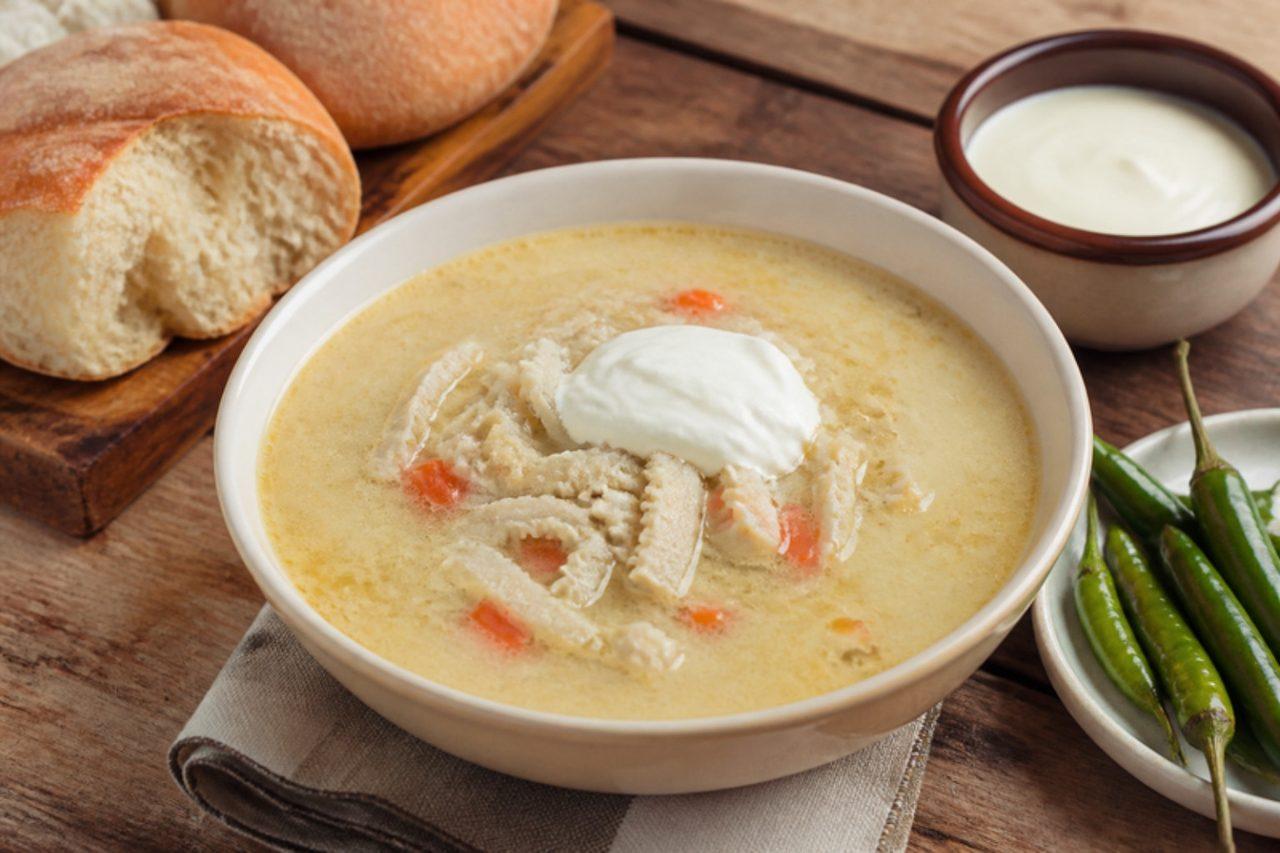
Ciorbă de burtăCreamy sour tripe soup

Romanians swear by ciorbă de burtă the morning after a wedding or a long night out, and in Bucharest there are restaurants that serve little else from breakfast onwards. Strips of beef tripe sit in a silky broth thickened with egg yolk and sour cream, sharpened with vinegar and served with mujdei, a raw garlic sauce, and a hot pepper on the side. It takes time, because tripe only turns tender after a long, slow simmer. The mistake most people make is boiling the soup after the yolks go in, which scrambles them into flecks. Chef's tip: buy cleaned, blanched (white, 'dressed') tripe from the butcher; it saves an hour of scrubbing and is much milder.

by KrazyBadal 0 views

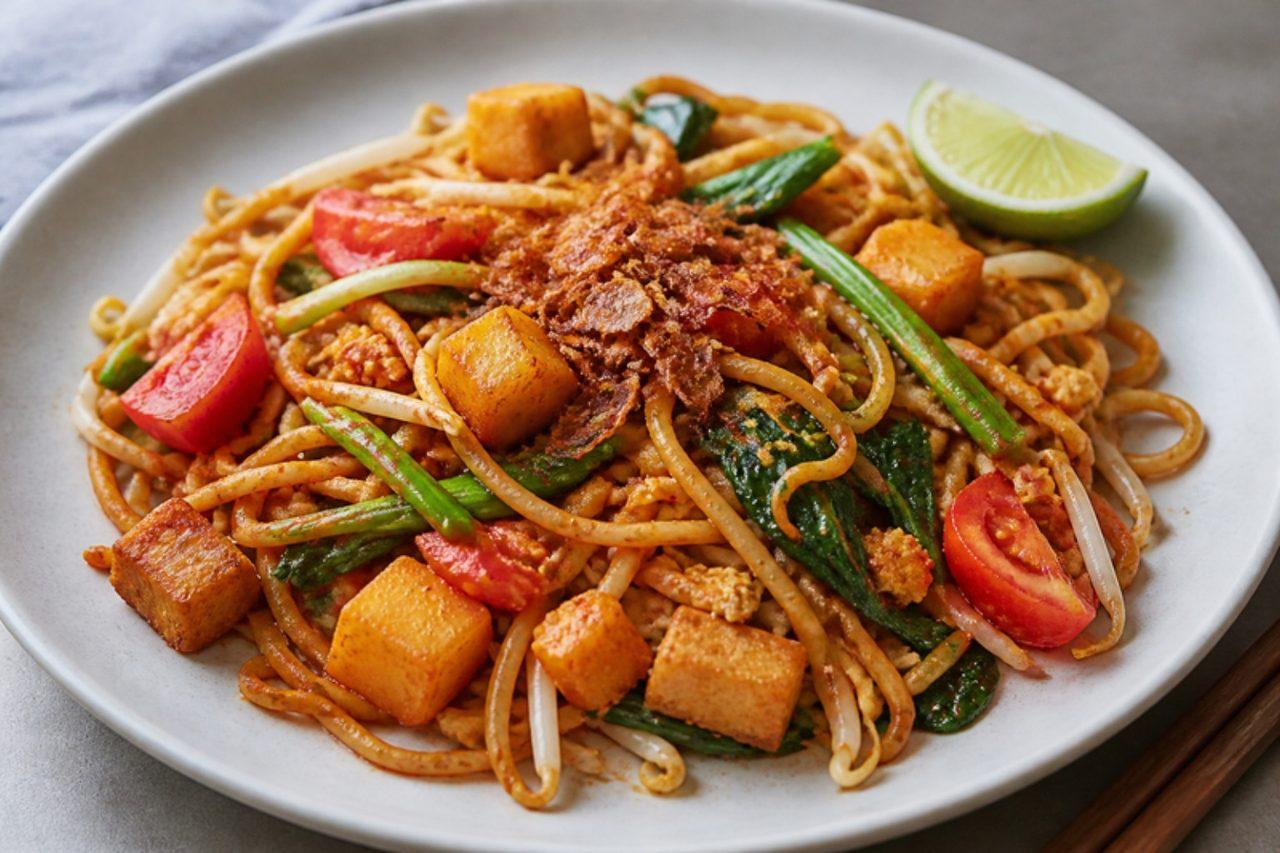
Mee goreng mamakFried yellow noodles

Mamak stalls, the round-the-clock cafés run by Malaysia's Tamil Muslim families, are where friends meet after a football match or a late film, and mee goreng mamak is the plate everyone orders with a glass of pulled tea. It's yellow noodles tossed hard in a wok with tomato sauce, chilli, soy, a pinch of curry powder, soft potato that breaks into the sauce, tofu, egg and bean sprouts, finished with a squeeze of lime. Stalls often add squid or prawns; here the tofu does that job. It's sweet, smoky, tangy and a little messy, as it should be. Chef's tip: get the wok really hot and let the noodles sit untouched for 20 seconds between tosses so they char in spots.

by KrazyBadal 0 views

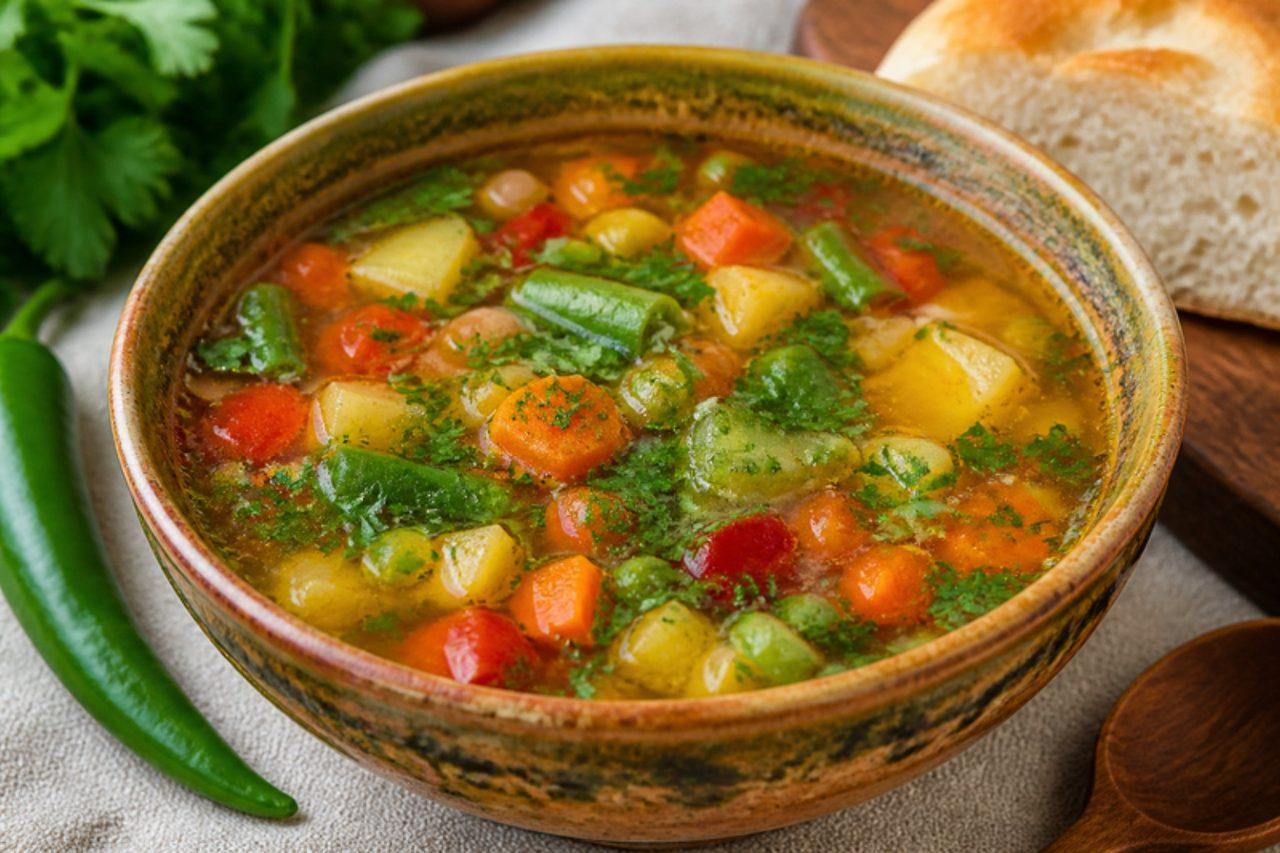
Ciorbă de legumeSoured vegetable soup

Ciorbă is the sour soup that opens a Romanian lunch, from canteens in Cluj to Sunday tables in Moldavia, and the vegetable version is cooked all through the fasting weeks before Easter and Christmas. Root vegetables, beans and peppers simmer in a light broth that is soured at the end with borș, the fermented wheat-bran liquid sold in bottles at Romanian shops, or with lemon juice. Fresh lovage (leuștean) gives its unmistakable celery-like perfume. It is eaten piping hot with bread and a fresh green chilli on the side. Chef's tip: add the borș only at the end and let it come back just to a simmer; boiling it hard dulls the sour tang.

by KrazyBadal 0 views

Ciorbă de perișoareSour soup with meatballs

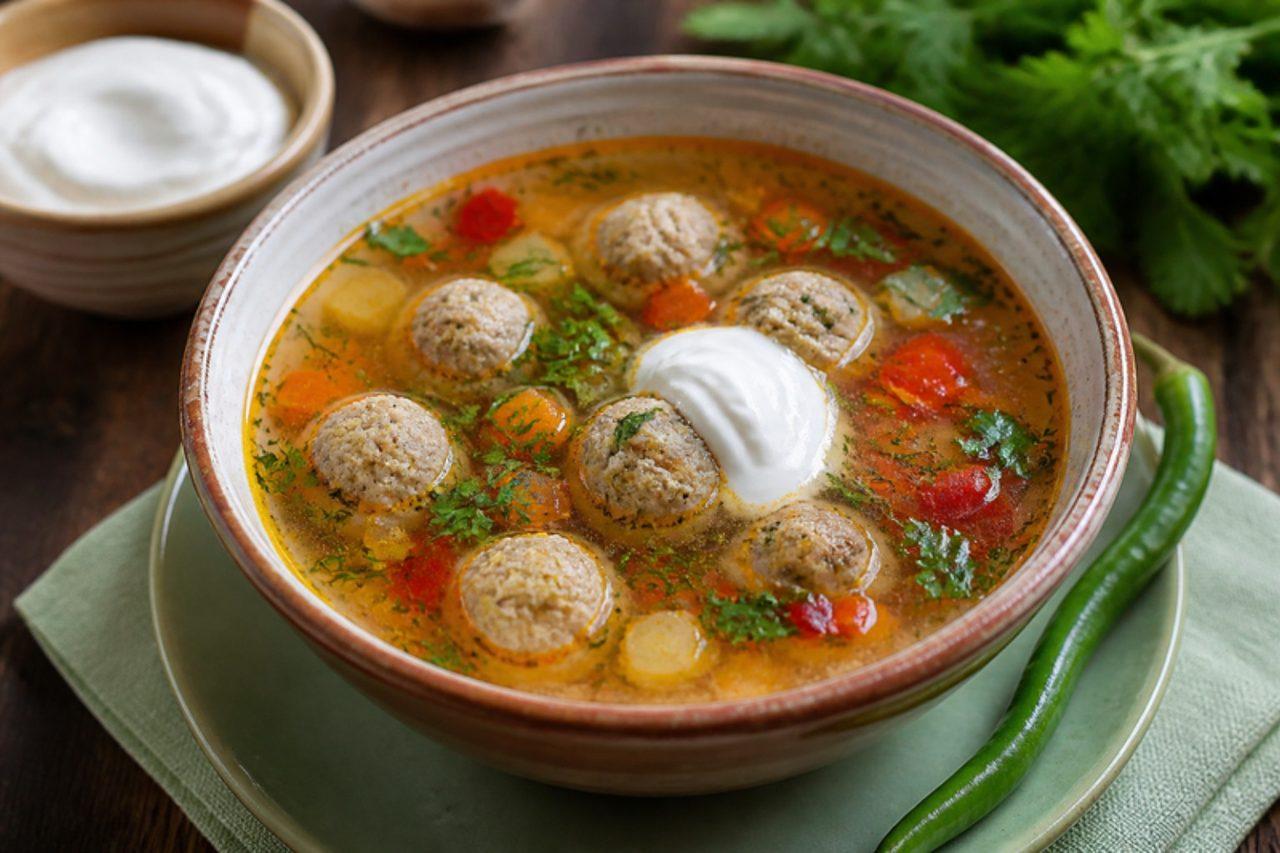
Across Romania, from Bucharest canteens to Moldavian grandmothers' kitchens, a pot of ciorbă de perișoare turns up on the Sunday table and again on Monday, when it tastes even better. This version contains pork: soft meatballs of minced pork and rice simmer in a clear vegetable broth that is soured at the end with borș (fermented wheat-bran liquid) or lemon juice, then finished with a handful of lovage. It is eaten very hot with a spoon of sour cream and a fresh green chilli to bite between spoonfuls. A frequent slip is boiling the soup hard once the meatballs are in, which breaks them apart and clouds the broth. Chef's tip: wet your hands in cold water before rolling each meatball; the mixture will not stick and the balls stay smooth and round.

by KrazyBadal 0 views

Mee hokkien PhuketThick yellow noodle stir-fry

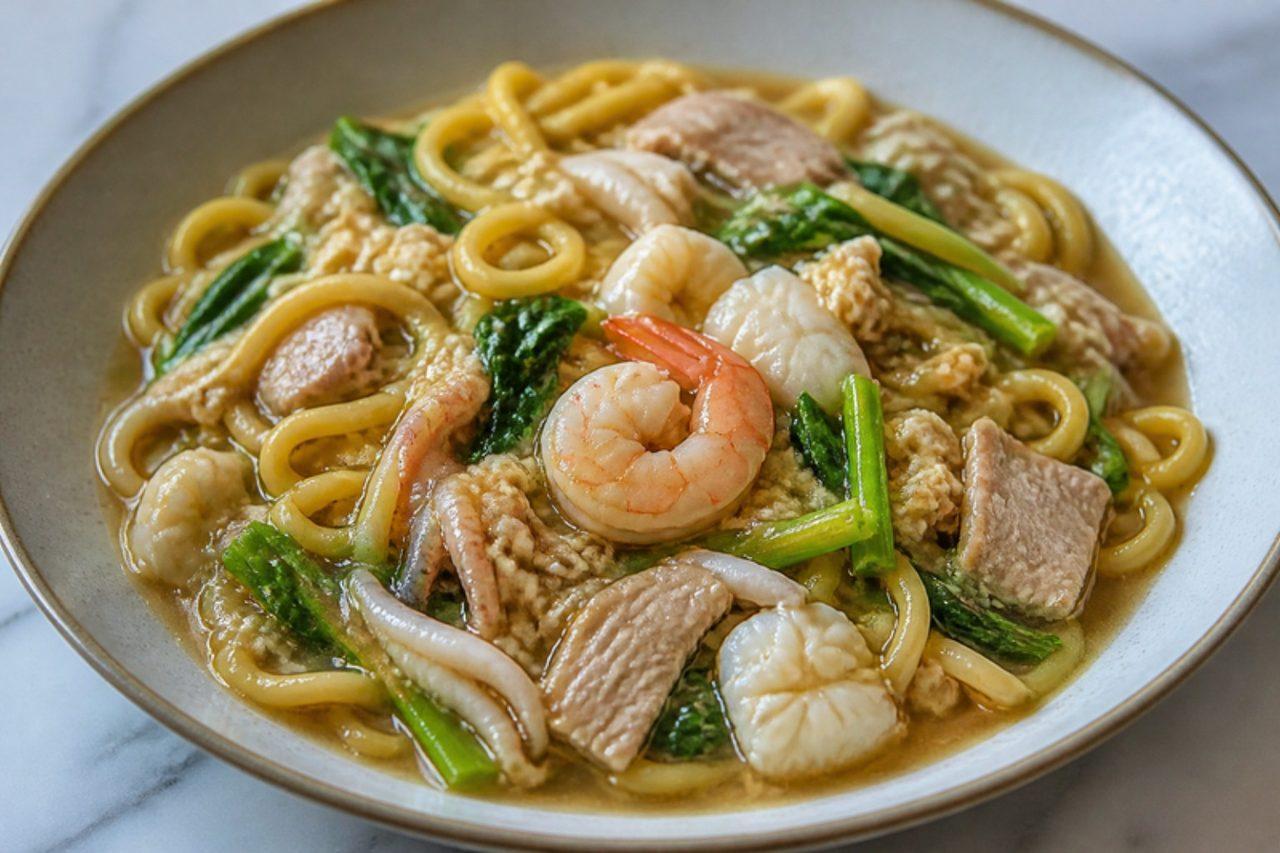
In the Sino-Portuguese shophouses of Phuket Town, descendants of Hokkien tin miners still begin the day with this: fat, chewy yellow egg noodles fried with pork, prawns and squid, then simmered in a little stock until the sauce becomes a savoury gravy that coats every strand, with an egg stirred through at the end. It is the island's signature noodle, ordered in old coffee shops with a glass of strong local coffee or a bowl of clear pork soup. The texture is slippery and thick, the flavour mellow and peppery rather than hot, so chilli vinegar goes on the table. Chef's tip: loosen the fresh noodles under hot water before they go in the wok; cold, stuck-together noodles snap into short pieces when tossed.

by KrazyBadal 0 views

Kunming grilled erkuaiGrilled rice cakes

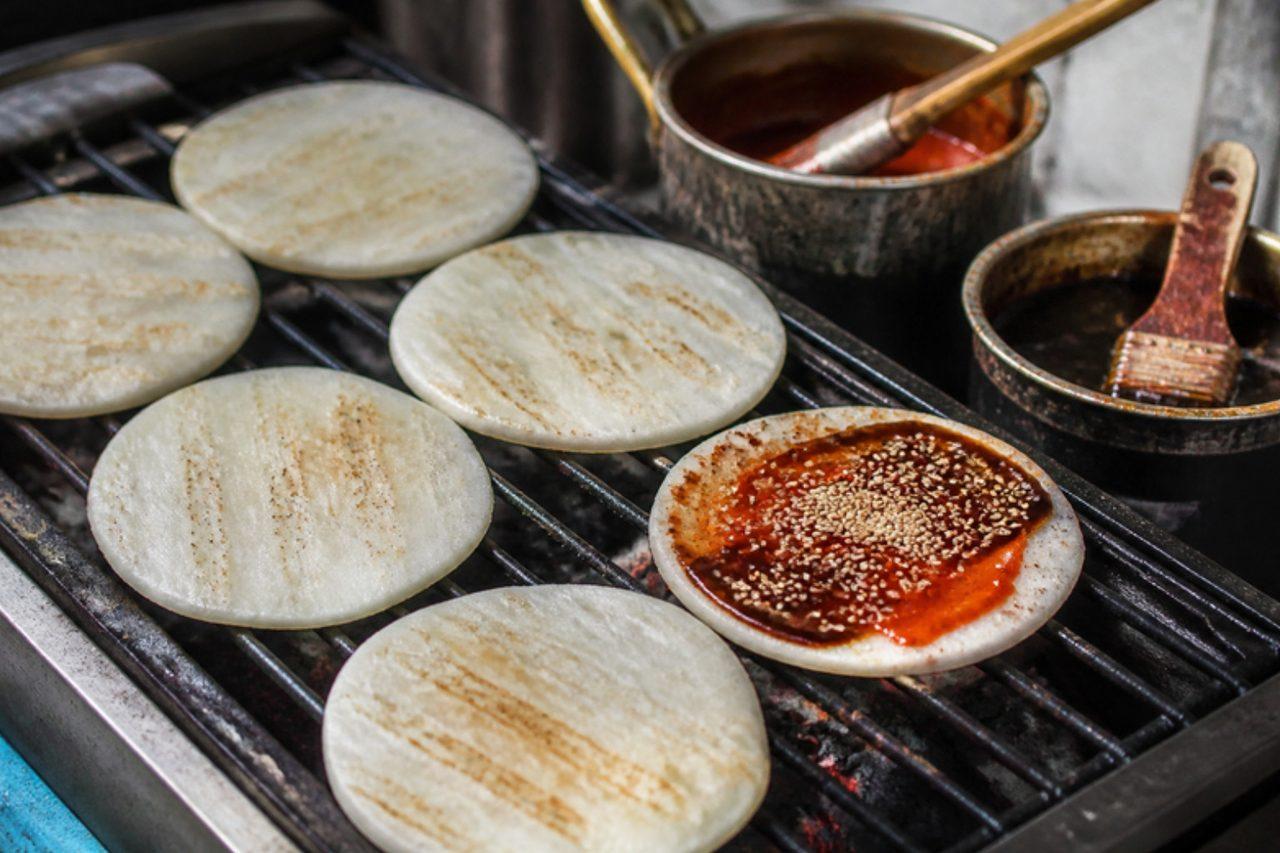
Erkuai is Yunnan's everyday rice cake, made by steaming and pounding rice into a dense, chewy dough. In Kunming and Tengchong, morning vendors grill thin rounds of it over charcoal until they blister, brush on sweet bean sauce, chilli and sesame, and fold it round fried dough or spicy potato shreds. Real erkuai is hard to find abroad, so the rounds here are made from rice flour and steamed, which comes close. Chef's tip: keep the rounds covered while you work, because the surface dries out and cracks quickly.

by KrazyBadal 0 views

Shanghai stir-fried rice cakes

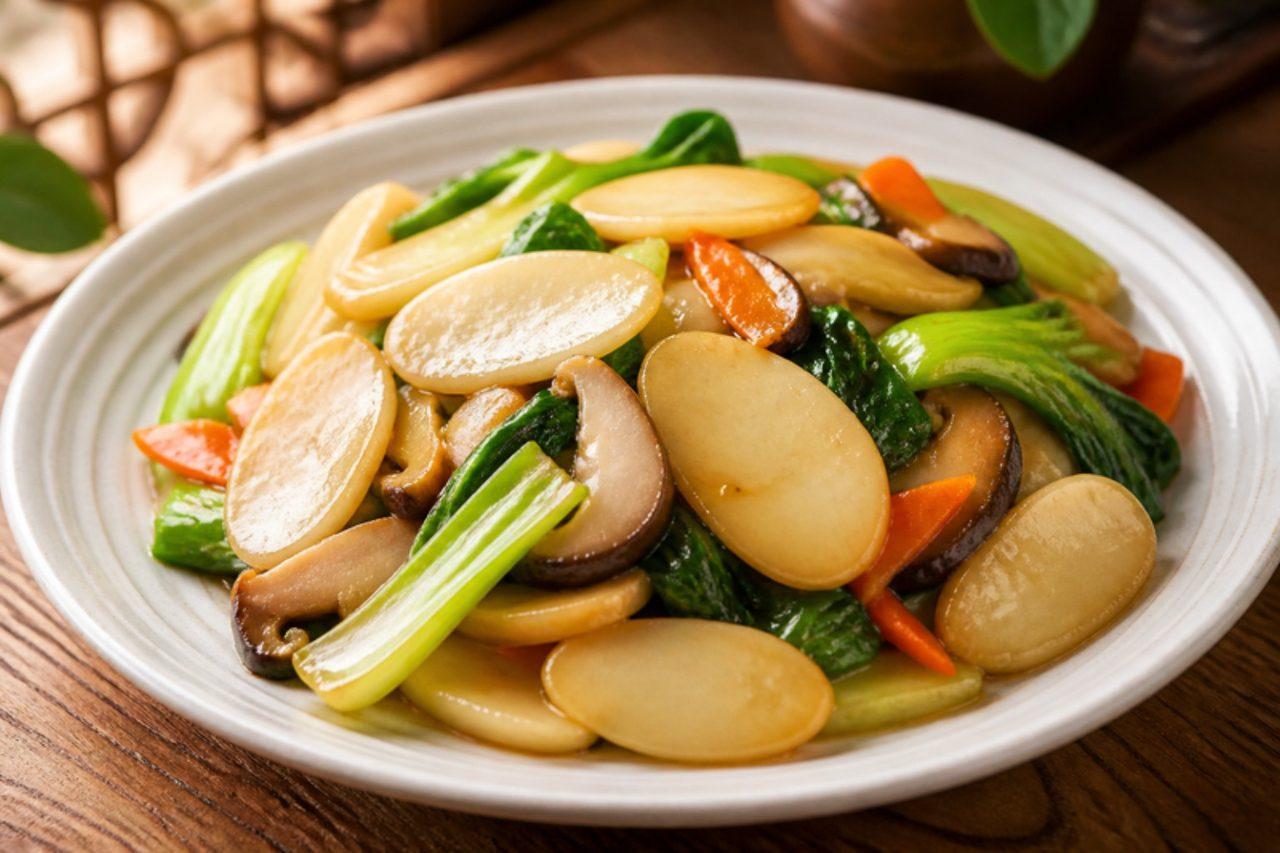
Every Shanghai noodle shop has this on the menu: oval slices of rice cake, made from pounded rice, tossed in a wok with Shanghai pak choi and mushrooms until chewy and glossy brown. At New Year it's eaten for luck, because niángāo sounds like 'higher every year'. The usual version adds shredded pork, but it's often made with vegetables alone. Look for packs of sliced rice cakes in the fridge or freezer of Chinese supermarkets. Chef's tip: soak the slices in cold water first, so they cook evenly and don't stick together.

by KrazyBadal 0 views

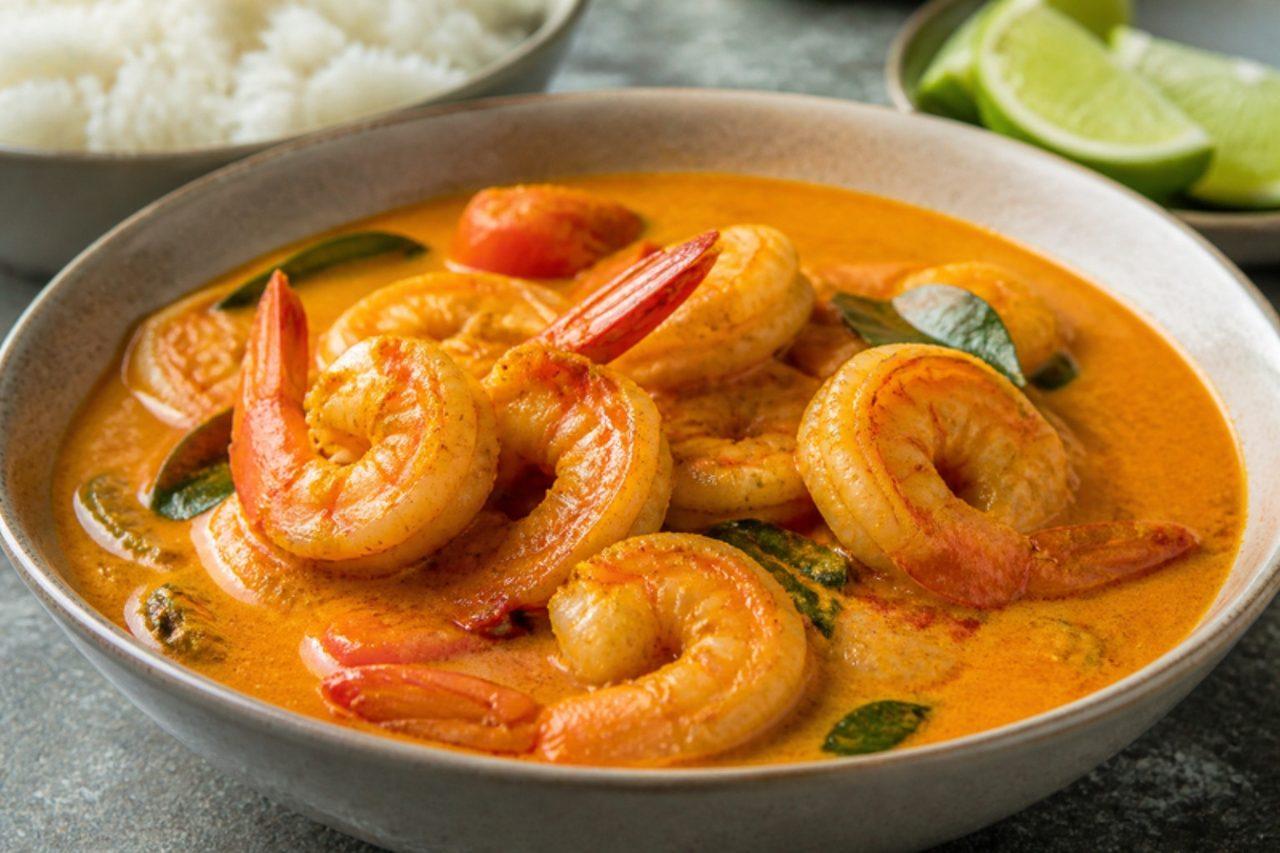
Andaman coconut prawn curry

Many families in Port Blair and the South Andaman villages trace their roots to Bengal, and their seafood cooking blends that heritage with the coconut palms growing everywhere on the islands. This prawn curry starts like a Bengali malaikari — mustard oil, bay leaf, whole garam masala and onion paste — but leans more heavily on fresh coconut milk, and the prawns come straight from the Junglighat fish market. It is everyday island food, eaten with plain rice and a squeeze of lime. Chef's tip: heat the mustard oil until it just smokes, then let it cool for a minute; that takes off the raw, sharp edge.

40 minIndianFishGluten free
by KrazyBadal 0 views

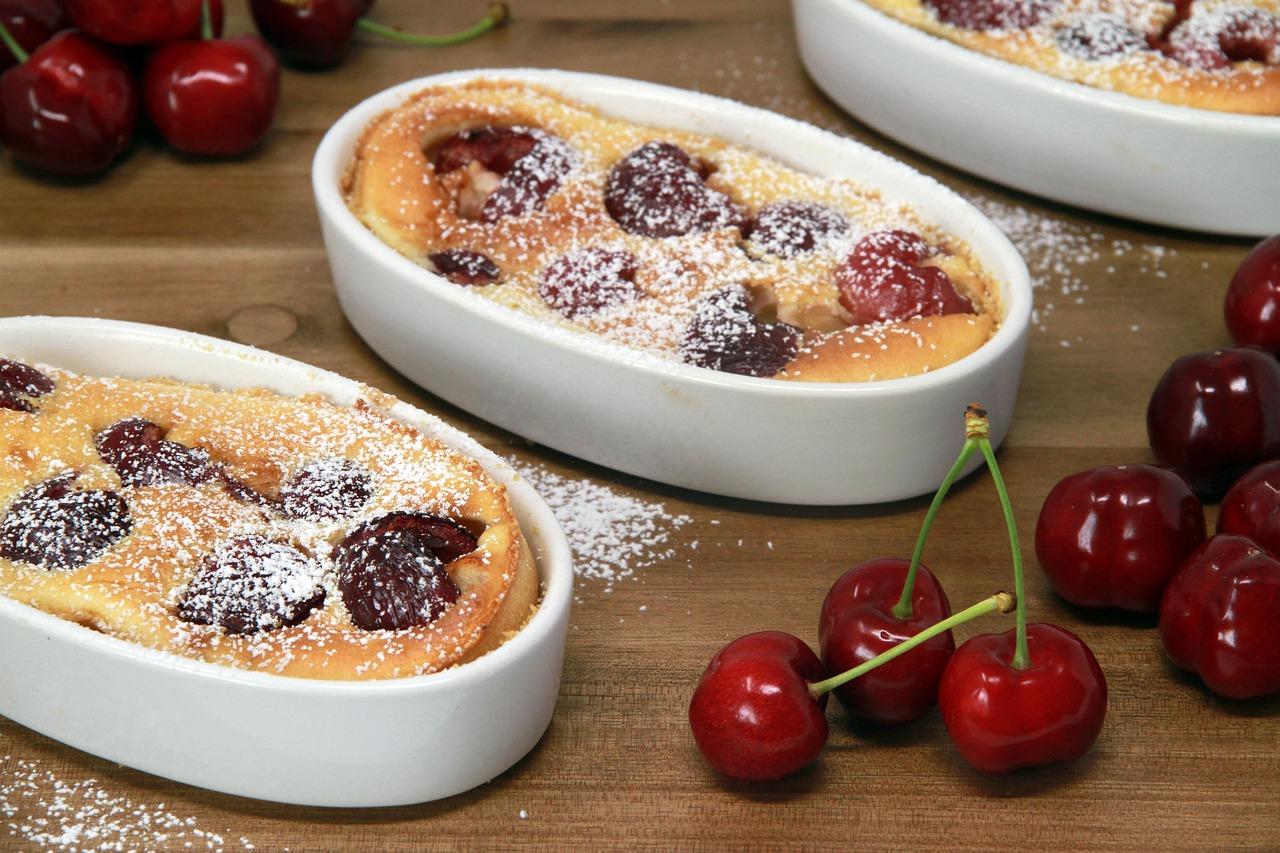
Clafoutis aux cerisesCherry batter pudding

Clafoutis comes from the Limousin in central France, where black cherries ripen in early summer and families make this simple pudding for Sunday lunch. Whole cherries are scattered in a buttered dish and covered with a sweet, eggy batter, like a cross between a pancake and a custard, then baked until puffed and golden. In the Limousin the cherries are left unstoned, which cooks say gives a faint almond flavour; stone them if you are serving children. It's best warm, dusted with icing sugar. Chef's tip: don't overmix the batter once the flour is in; beating it hard is the common mistake and makes the clafoutis tough and rubbery.

by KrazyBadal 0 views

Coastal Mombasa mixChickpea and potato coconut-mango broth

A Mombasa street-food bowl: chickpeas and potato simmered in coconut milk with raw mango and chilli, ladled into small bowls and topped with crisp lentil fritters, crunchy chevdo and red, green and tamarind chutneys. Make the fritters and chevdo ahead and assemble at the table. It's sweet, sour, hot and crunchy all at once.

by KrazyBadal 1 views

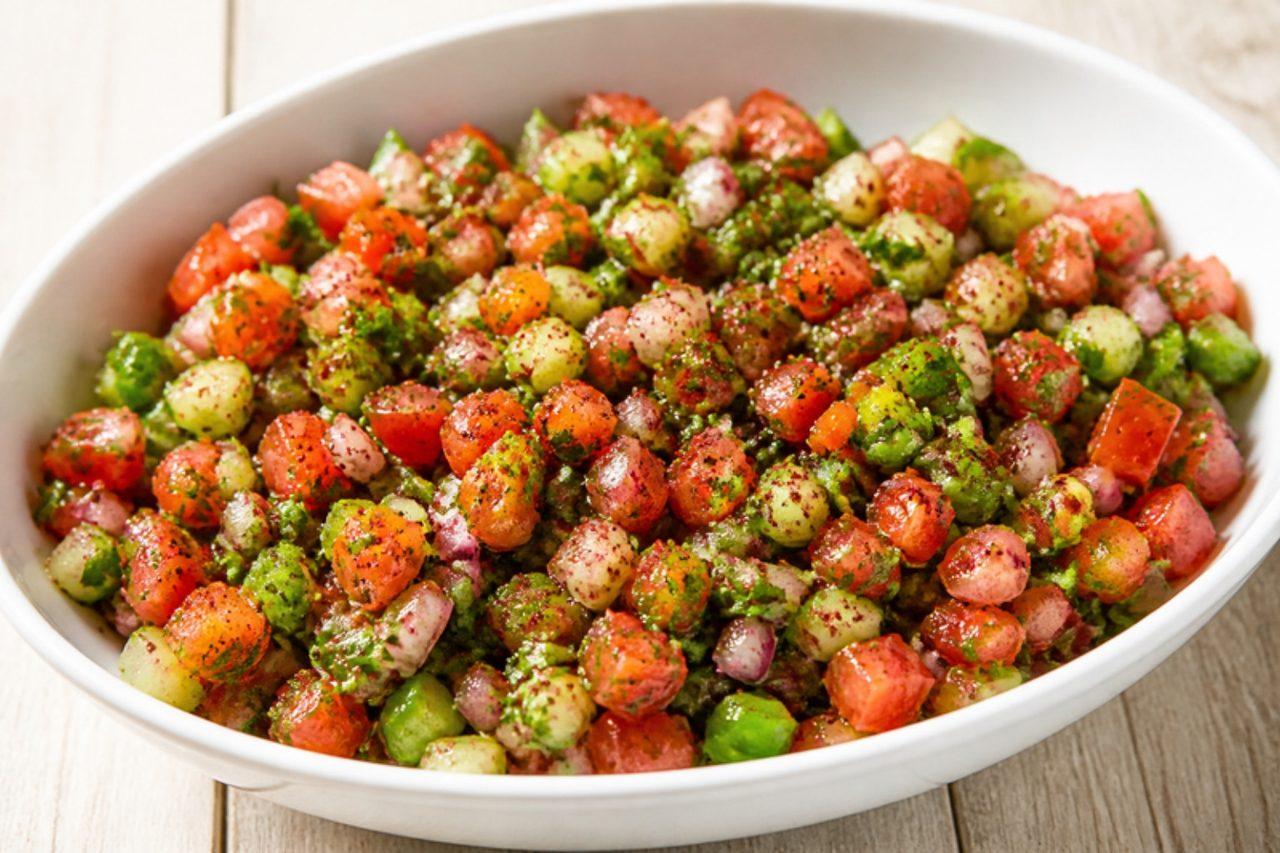
Çoban salatasıChopped tomato and cucumber salad

Çoban salatası, the shepherd's salad, is on the table at almost every Turkish meal from Edirne to Van, whether that is a home dinner, a lokanta lunch or a summer barbecue. It is simple by design: small dice of tomato, cucumber, green pepper and onion with parsley, dressed with lemon juice, olive oil and a little sumac. It is eaten alongside pilaf, beans, börek or anything grilled. The common mistake is salting it too early, which draws the water out of the tomatoes and leaves it swimming. Chef's tip: rub the onion slices with salt and sumac and rinse them before adding; the onion stays crunchy but loses its harsh bite.

by KrazyBadal 0 views

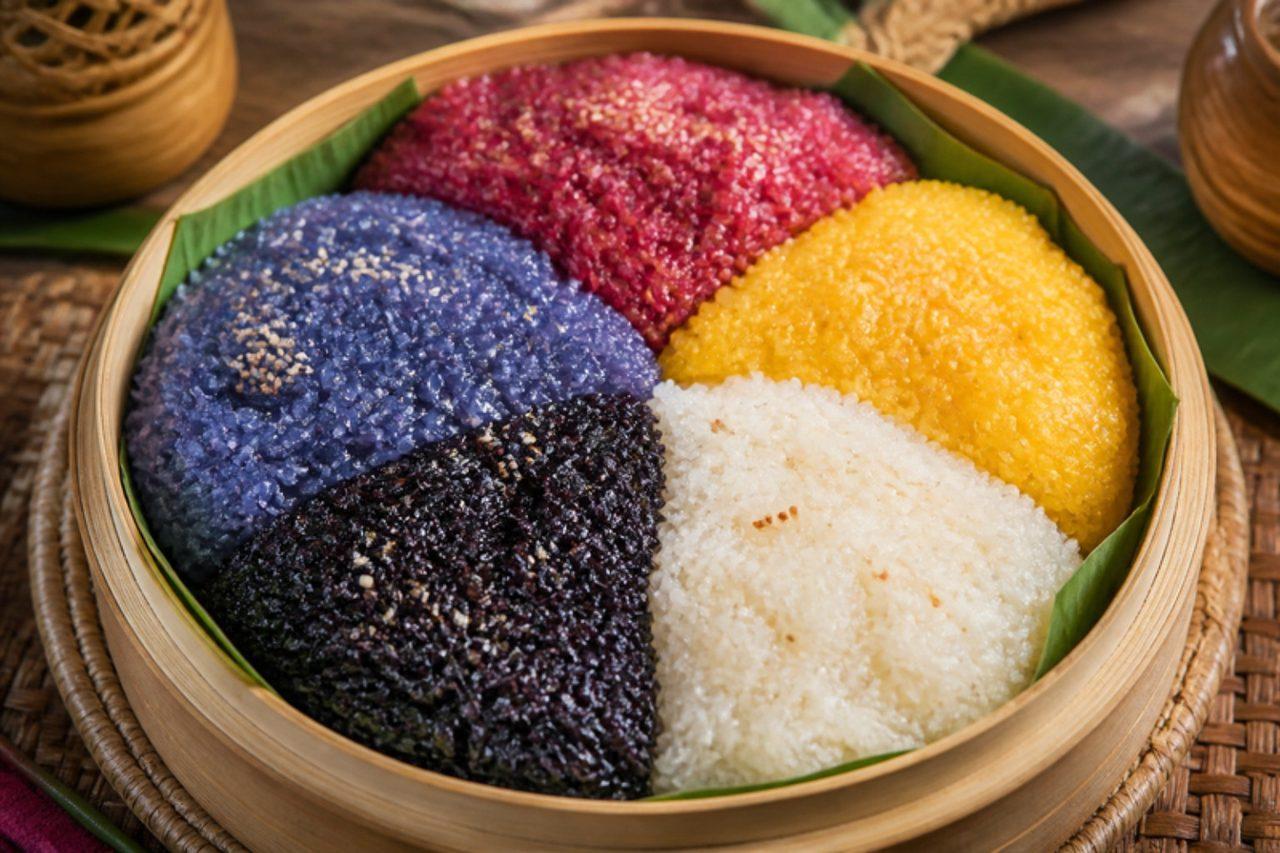
Guangxi five-colour sticky rice

The Zhuang people of Guangxi steam this rainbow rice for Sānyuèsān, the festival on the third day of the third lunar month, and for weddings and tomb-sweeping. In the villages the colours come from local leaves and flowers; at home, turmeric, beetroot, blue pea flowers and black rice give the same effect without any artificial dye. It's eaten plain, sprinkled with sugar or with savoury dishes. Soak the rice for 6 hours or overnight. Chef's tip: soak each colour in its own bowl and keep them apart in the steamer, so the colours stay clear.

by KrazyBadal 0 views

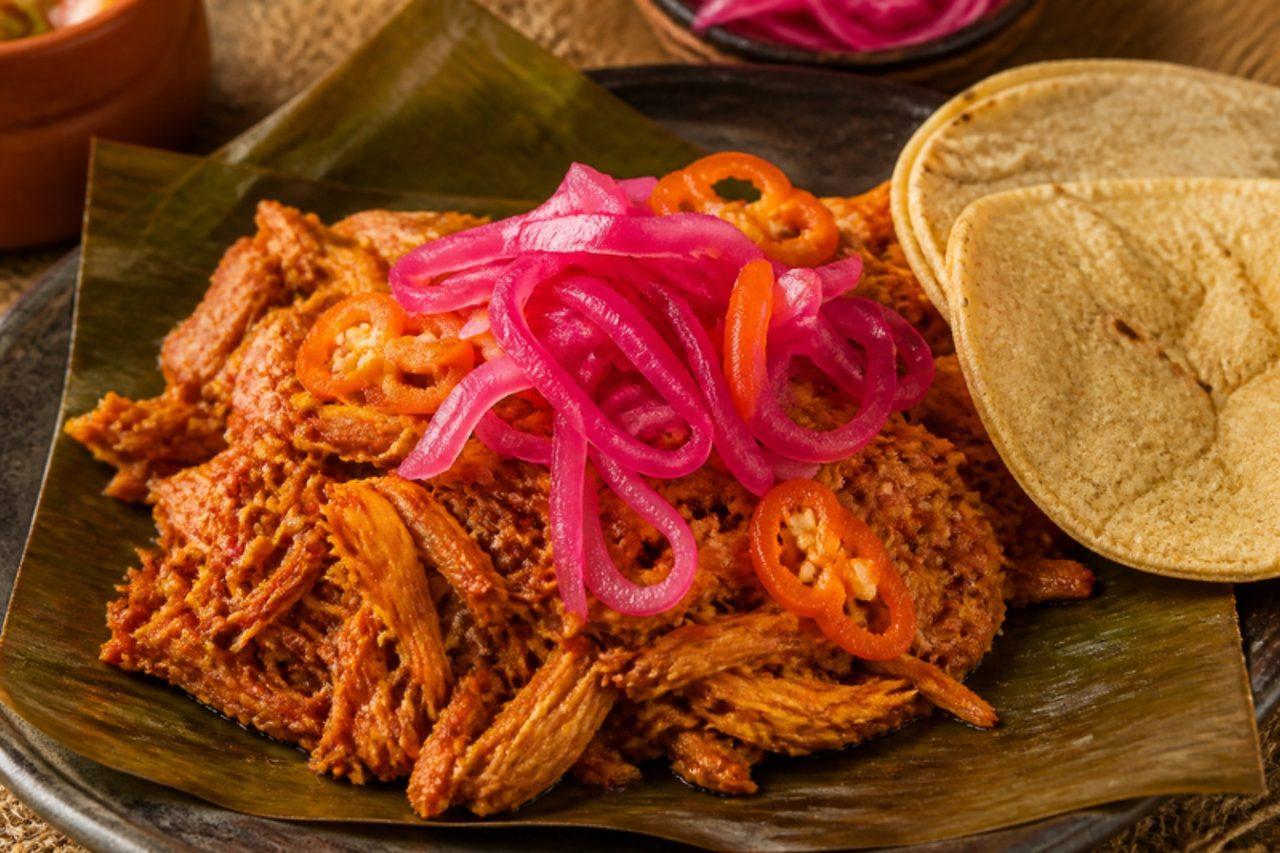
Cochinita pibilAchiote slow-roast pork

The Maya of the Yucatán peninsula cooked pork in a pib, a pit lined with hot stones, and in Mérida cochinita pibil is still sold at dawn from market stalls, piled into tacos and tortas for breakfast. Pork shoulder sits overnight in a brick-red paste of achiote and sour orange juice, then roasts slowly wrapped in banana leaves until it pulls apart, soaking in its own tangy juices. It goes into warm tortillas with bright pink pickled onions and, for the brave, a habanero salsa. Chef's tip: if you can't find bitter Seville oranges, mix sweet orange juice with lime juice; the sourness is what tenderises and balances the pork.

270 minMexicanMeatGluten free
by KrazyBadal 0 views

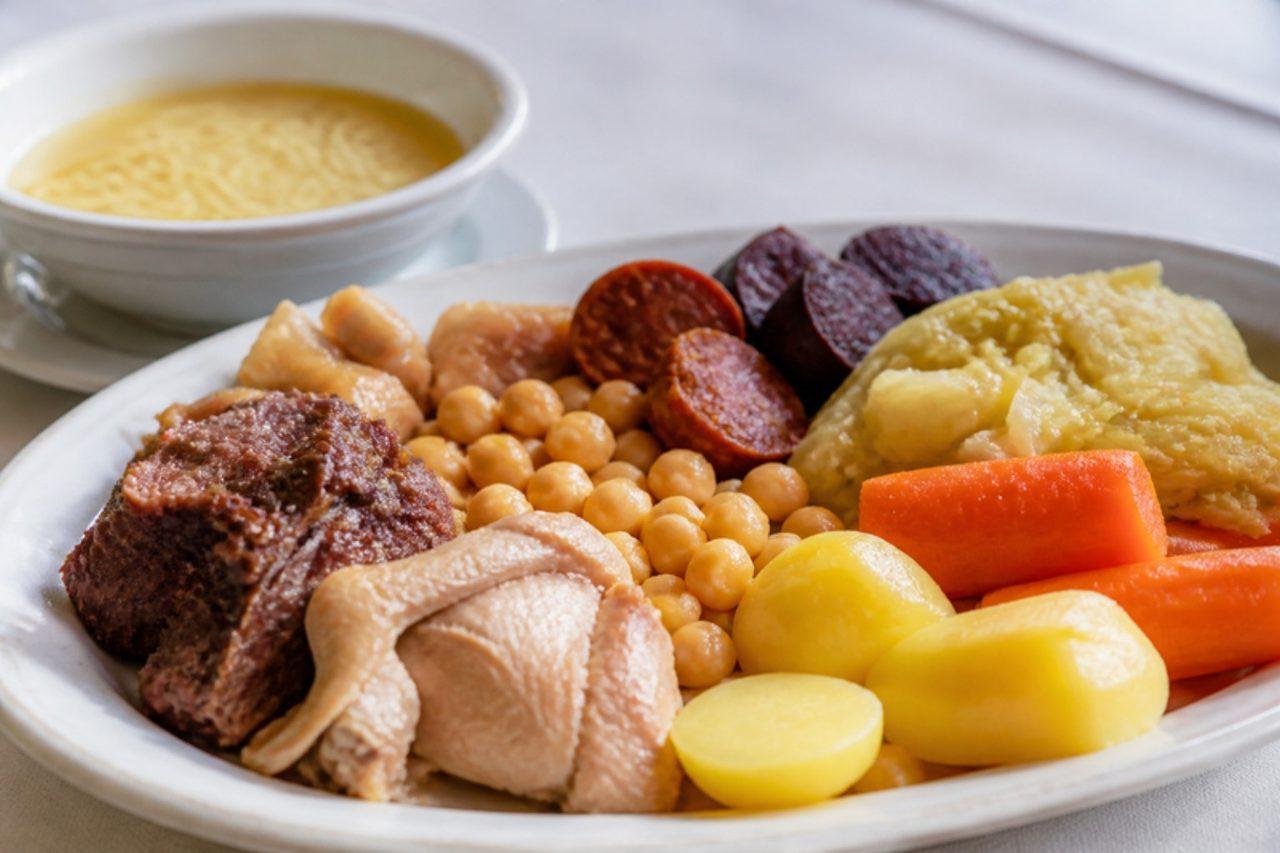
Cocido madrileñoChickpea and meat stew

Cocido madrileño is the slow pot of the capital's winter, served at lunch in old Madrid taverns and at home on cold weekends. Everything simmers together for hours (chickpeas, beef shin, chicken, pork belly, ham bone, chorizo, carrots and potatoes) and then it comes to the table in three vuelcos, or 'tippings out': first the broth as a soup with thin noodles, then the chickpeas and vegetables, then the platter of meats. Cabbage and chorizo are cooked in a separate pan so they don't cloud or redden the broth. It is a big project, but most of the time the pot looks after itself. Chef's tip: put the soaked chickpeas into a mesh bag or a loose muslin bundle; they're easy to lift out whole at the end and don't break up in the long simmer.

180 minSpanishMeat
by KrazyBadal 0 views

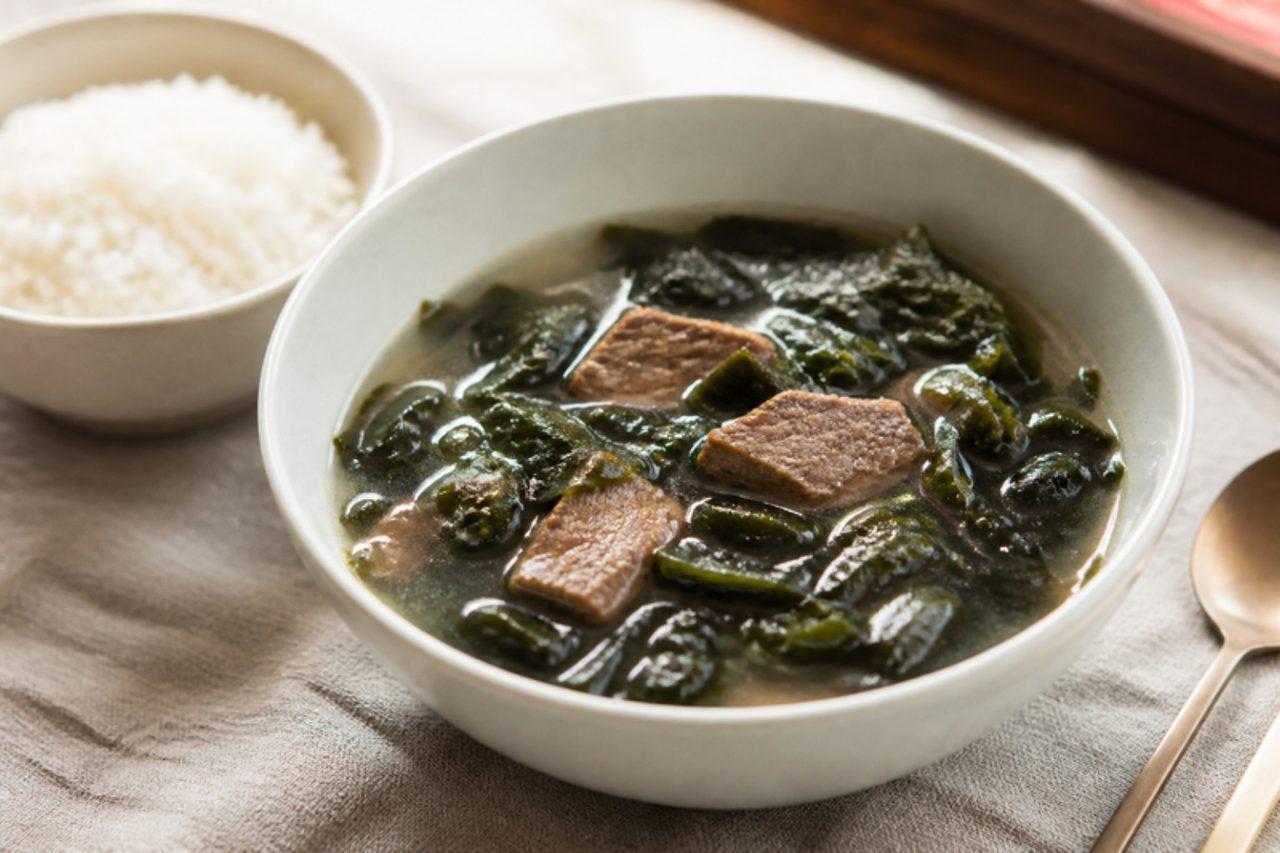
Miyeok guk with beefSeaweed soup with beef

Ask someone in Korea what they ate on their birthday morning and the answer is usually miyeok guk. The same soup is given to new mothers for weeks after a birth, as the seaweed is rich in iodine, calcium and iron. Some students avoid it on exam days, because slippery seaweed is said to make you 'slip' in the test. The broth is clear and mild, made with brisket fried in sesame oil and seasoned with soup soy sauce. Chef's tip: squeeze the soaked seaweed hard and fry it with the beef for a few minutes; it gives the broth a rounder, nutty taste.

by KrazyBadal 0 views

Attiéké with tomato and onionCassava couscous with tomato salad

Attiéké is the light, slightly sour cassava 'couscous' of the Ébrié and Adjoukrou peoples around Abidjan's lagoons, and it is eaten across Côte d'Ivoire every day of the week. In maquis (open-air restaurants) it comes heaped beside grilled fish with a raw salad of tomato, onion and chilli; at home many people eat it simply with that salad, fried plantain and a fried egg, which is how it is served here. Buy it frozen or dried in African shops. Chef's tip: steam attiéké rather than boiling it; water turns it to paste, while steam keeps the grains fluffy and separate.

by KrazyBadal 0 views

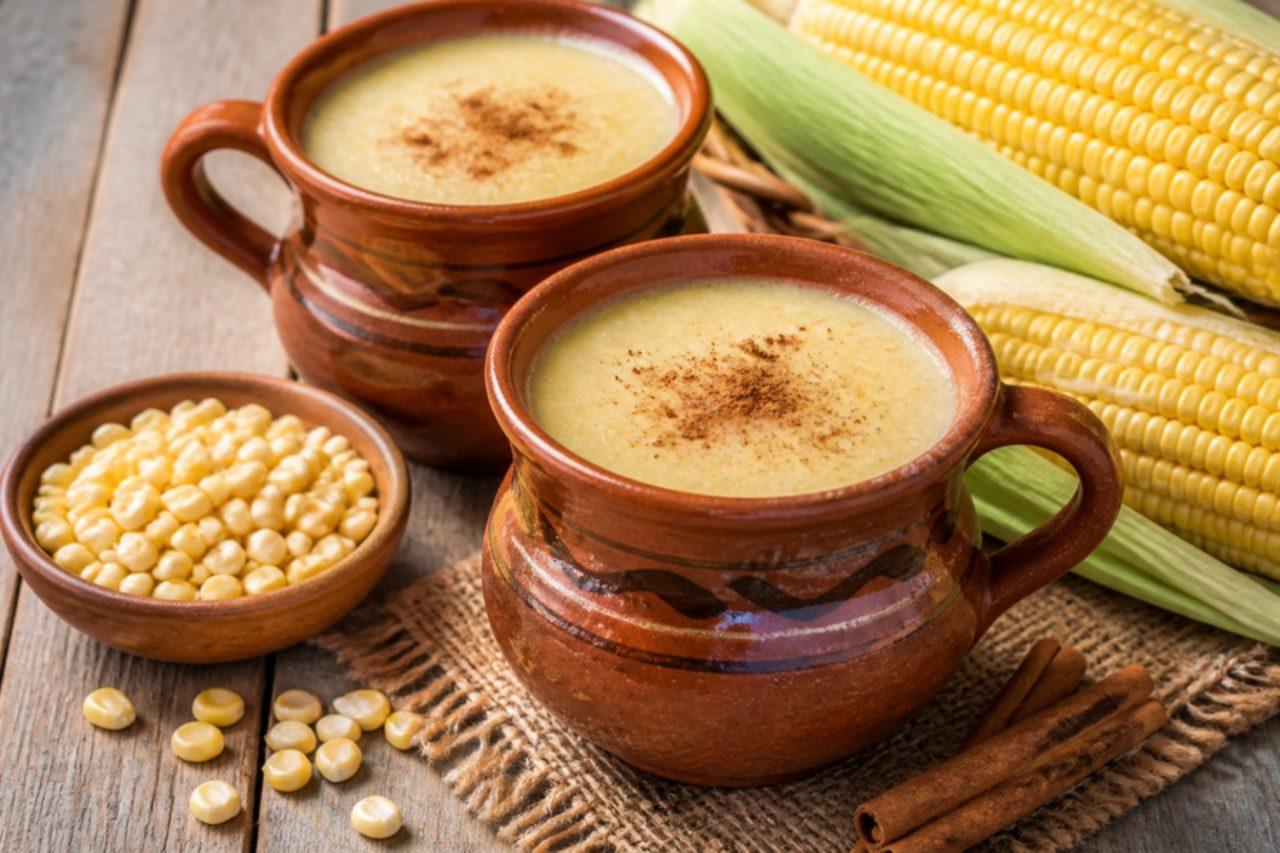
Atol de eloteWarm fresh corn drink

When the new maize comes in, Central Americans drink their corn: atol de elote is fresh sweetcorn blended, strained and cooked with milk and cinnamon into a thick, pale-yellow drink, sipped from a cup or a gourd. In El Salvador it's sold at roadside stands with tamales de elote; in Guatemala it warms chilly highland evenings. Taste is like sweet corn custard you can drink. Chef's tip: strain the blended corn through a fine sieve and press hard; the skins make the drink gritty.

by KrazyBadal 0 views

ConchasSweet bread buns

Conchas are the most famous pan dulce (sweet bread) in Mexico, piled high in every panadería and eaten for breakfast or merienda with hot chocolate or coffee. The bun is soft, slightly sweet and enriched with egg and butter, and it wears a crunchy, crumbly topping of sugar, fat and flour scored into the seashell pattern that gives it its name. Make some vanilla and some chocolate topping for the classic mix. Chef's tip: shape the dough into very tight balls before adding the topping; the tension makes them rise up instead of spreading out, so the shell cracks into neat stripes.

by KrazyBadal 0 views

Plain rice congee with toppingsRice porridge with toppings

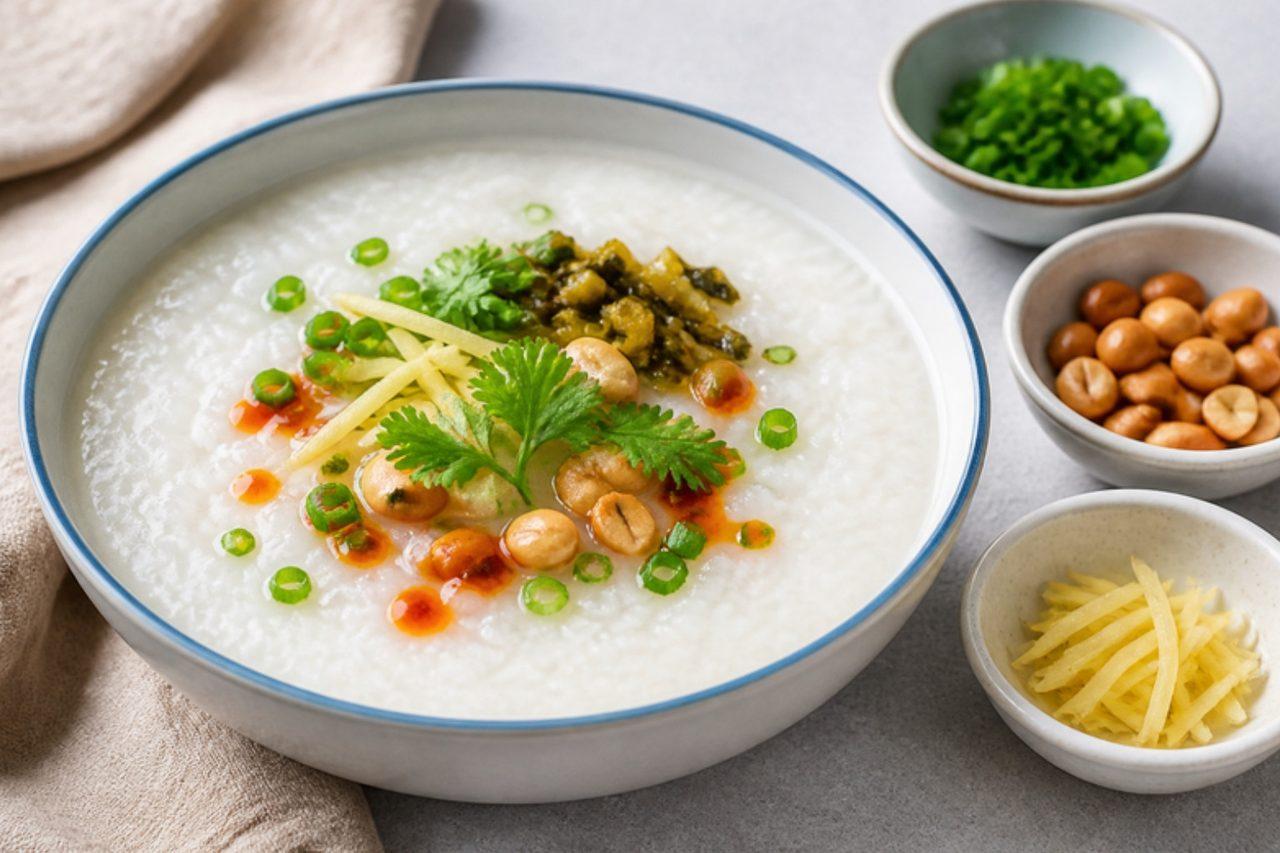
Congee (zhou in Mandarin, juk in Cantonese) is what much of China eats for breakfast, and what everyone is given when they are under the weather. The base is just rice and water cooked until the grains burst into a smooth, gentle porridge; the fun is in the toppings, from fried shallots to peanuts and salty pickles, so everyone builds their own bowl. Chef's tip: rinse the rice, then rub it with a little oil and salt and freeze it for an hour if you can; the grains crack and break down twice as fast.

by KrazyBadal 0 views

Assida zgougouAleppo pine seed pudding

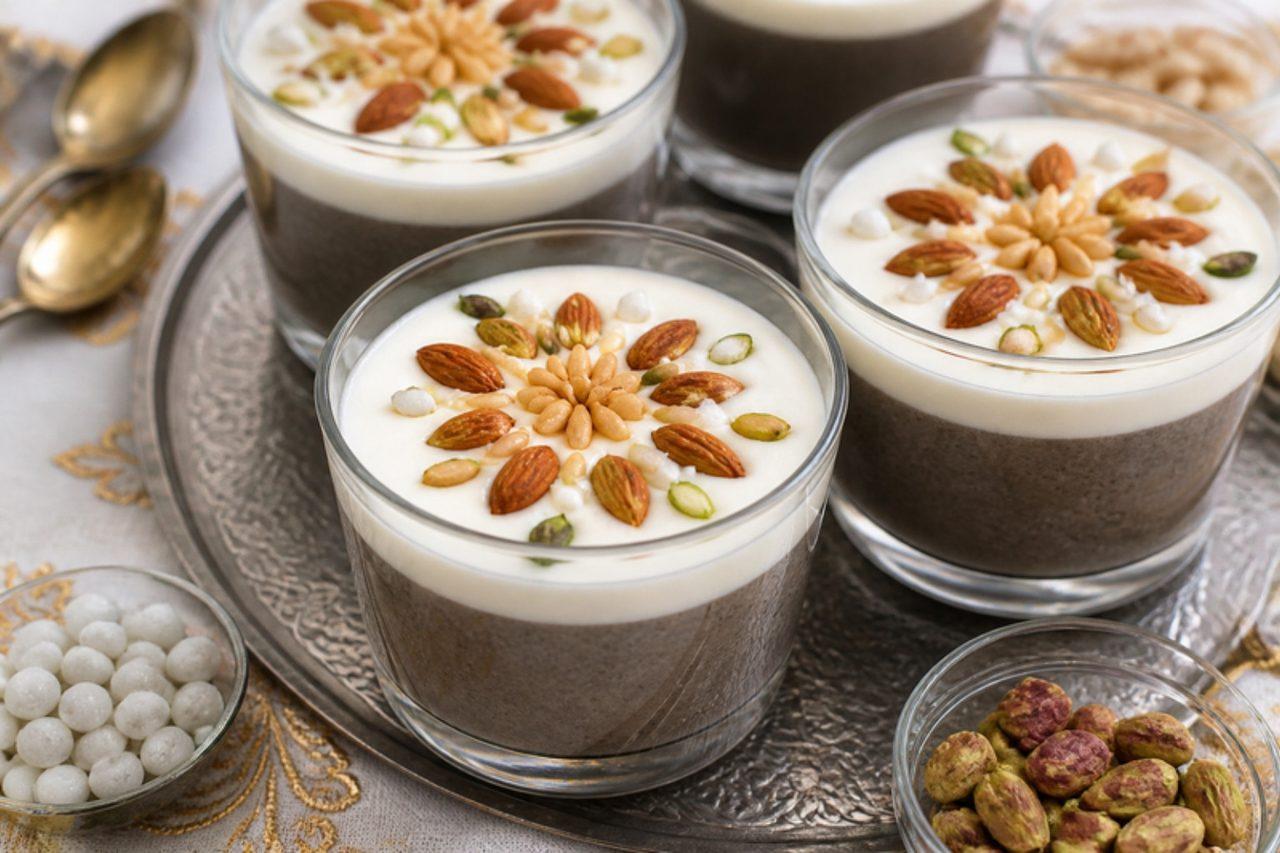
Assida zgougou is made in Tunisian homes once a year, for the Mouled (the Prophet's birthday): a dark, nutty pudding of Aleppo pine seeds (zgougou) cooked with flour and sugar, topped with a pale vanilla custard and decorated with almonds, pistachios, pine nuts and sugared almonds. Families make dozens of glasses to share with neighbours. Zgougou is sold in Tunisian and North African grocers; ground hazelnuts are a stand-in, though the taste is different. Chef's tip: strain the zgougou liquid through muslin twice; any grit ruins the smooth texture.

by KrazyBadal 0 views

ConkiesSteamed pumpkin and cornmeal parcels

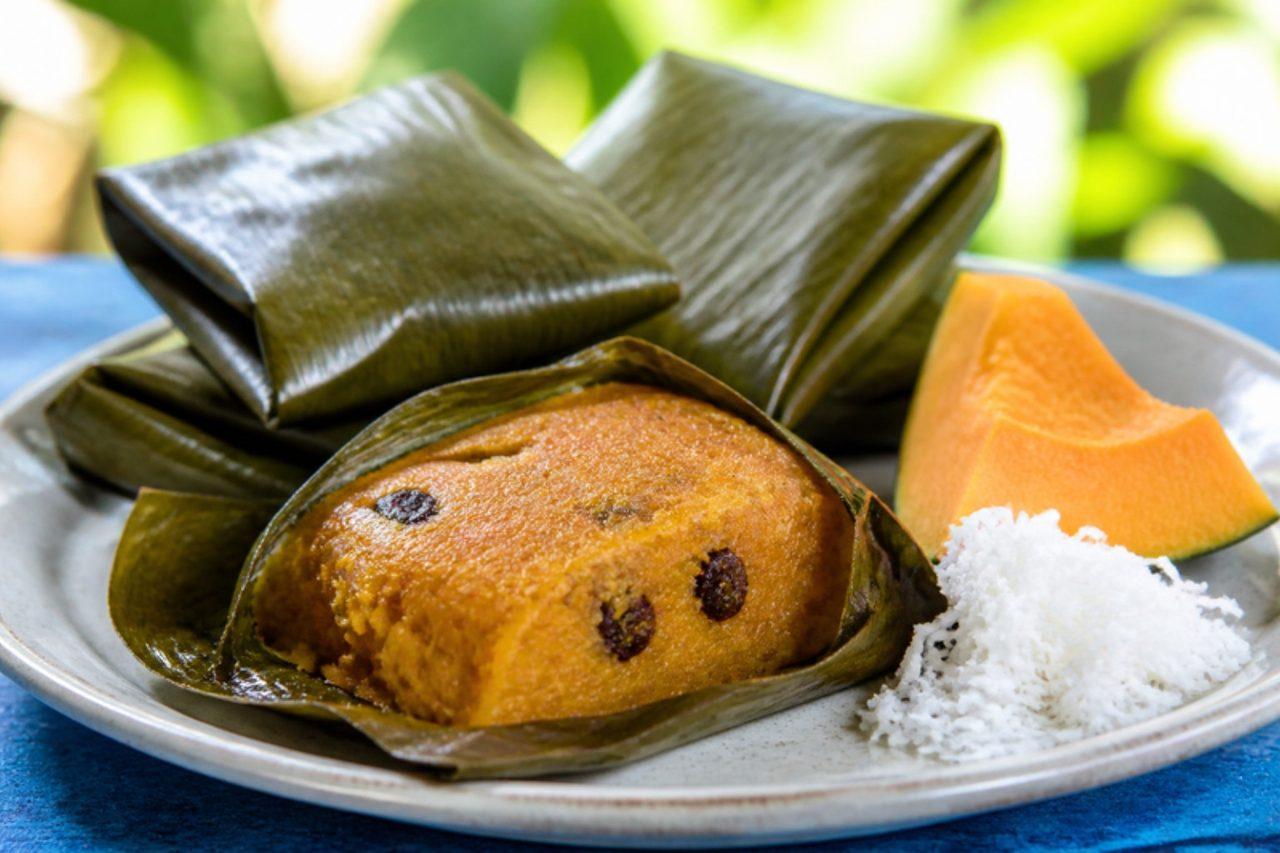
Conkies are made all over Barbados in late November for Independence Day on 30 November, when they're sold at roadside stalls and steamed in big pots at home; older Bajans remember them from Guy Fawkes Night, too. A spiced batter of grated pumpkin, sweet potato and coconut, cornmeal, sugar and raisins is folded into squares of banana leaf and steamed until it sets. Unwrapped, they're moist, dense, sweet and fragrant with nutmeg, almond and the faint green tea scent of the leaf. Chef's tip: pass the banana leaves briefly over a gas flame or dip them in hot water first; they turn glossy and supple and fold without splitting.

by KrazyBadal 0 views

Asperges à la flamandeWhite asparagus with egg and butter

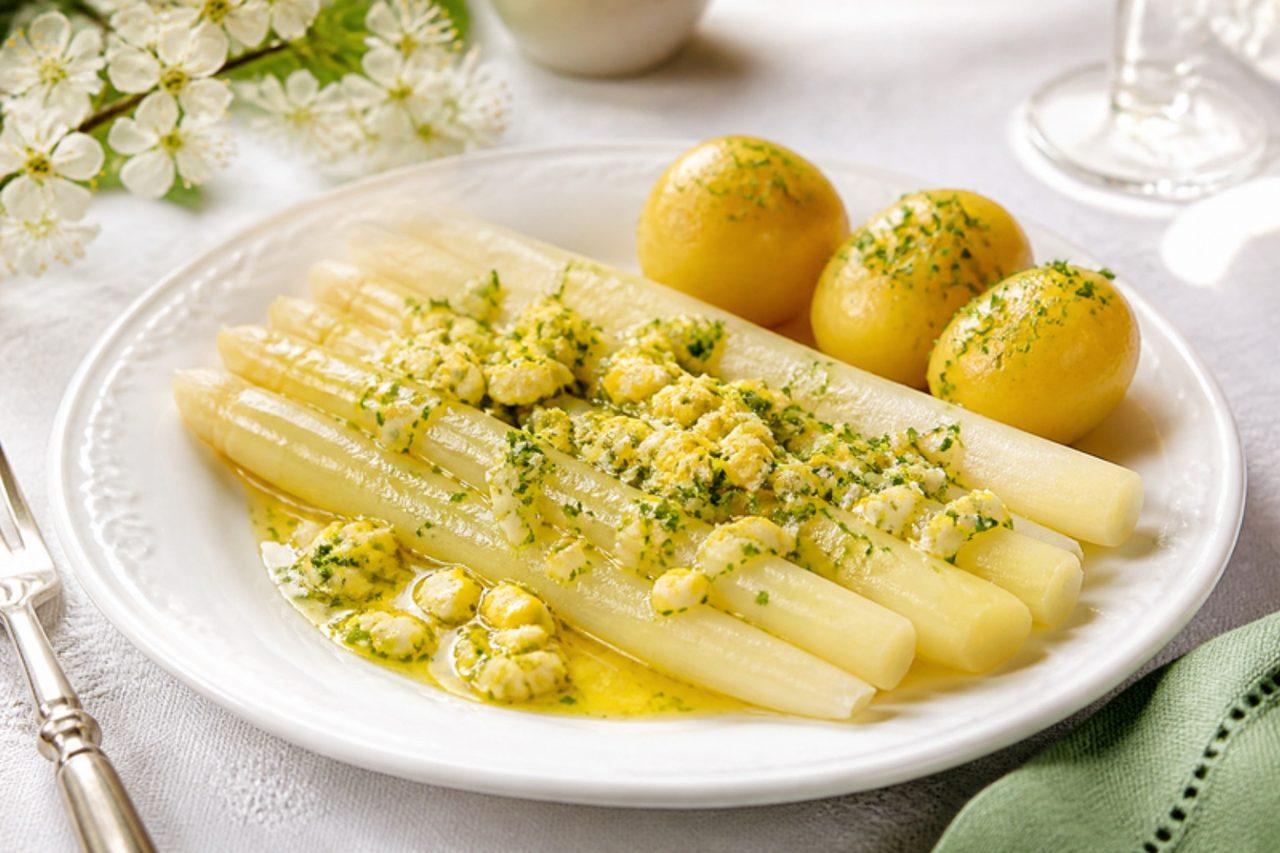
In May and June, white asparagus from Mechelen and the sandy fields around Limburg arrive in Belgian markets, and asperges à la flamande (asperges op Vlaamse wijze) is the way to eat them. The pale spears are peeled and cooked until tender, then covered with a warm sauce of melted butter, chopped hard-boiled egg, parsley and nutmeg that is half sauce and half garnish. It is served as a starter in Flemish restaurants all through the short asparagus season, sometimes with a slice of ham alongside; here it stays meat-free. Chef's tip: peel the spears from just below the tip all the way down with a swivel peeler; white asparagus has a thick, bitter skin, and missing even a strip leaves woody threads.

by KrazyBadal 0 views

Asmara pasta al sugoSpaghetti in berbere tomato sauce

Pasta is part of everyday life in Asmara, a legacy of the Italian years, and in Eritrean homes and cafés 'pasta al sugo' means spaghetti in a slow tomato sauce warmed with berbere, garlic and plenty of onion. It is eaten on weekdays and after church on Sundays, often with a banana or a green chilli on the side. The usual sauce has minced beef; this one uses finely chopped mushrooms and carrot for the same body. Chef's tip: cook the onions and berbere slowly before the tomato goes in; raw berbere tastes dusty.

by KrazyBadal 0 views

Coorg pandi curryDark spiced pork curry

Up in the coffee estates of Kodagu (Coorg), pandi curry is the dish of the Kodava people, cooked for Puttari, the harvest festival, and for every family gathering in between. Fatty pork simmers in its own juices with a masala of coriander and black pepper roasted almost black, then finishes with kachampuli, a dark, sour vinegar made from the Garcinia fruit. It is eaten with kadambuttu (steamed rice balls) or akki otti. Chef's tip: roast the spices slowly over a low heat until they are the colour of strong coffee; this is the dark colour and smoky flavour of a real pandi curry.

105 minIndianMeatGluten freeSpicy
by KrazyBadal 0 views

CoquitoCoconut rum drink

Coquito is Puerto Rico's Christmas in a glass: bottles of it are made in early December, given to neighbours and poured at every parranda, the late-night singing visits from house to house, until the Fiesta de San Sebastián in Old San Juan in January. This version contains alcohol: it blends coconut milk, sweet cream of coconut and condensed and evaporated milk with Puerto Rican white rum, cinnamon, nutmeg and vanilla. It's thick, cold and sweet, with the warmth of rum behind the spice. For children and anyone avoiding alcohol, make it without the rum as described in the steps. Chef's tip: let it rest in the fridge overnight; the spices bloom and the rum mellows, and it tastes far rounder on the second day.

by KrazyBadal 0 views

Corn bombSpiced corn on the cob chunks

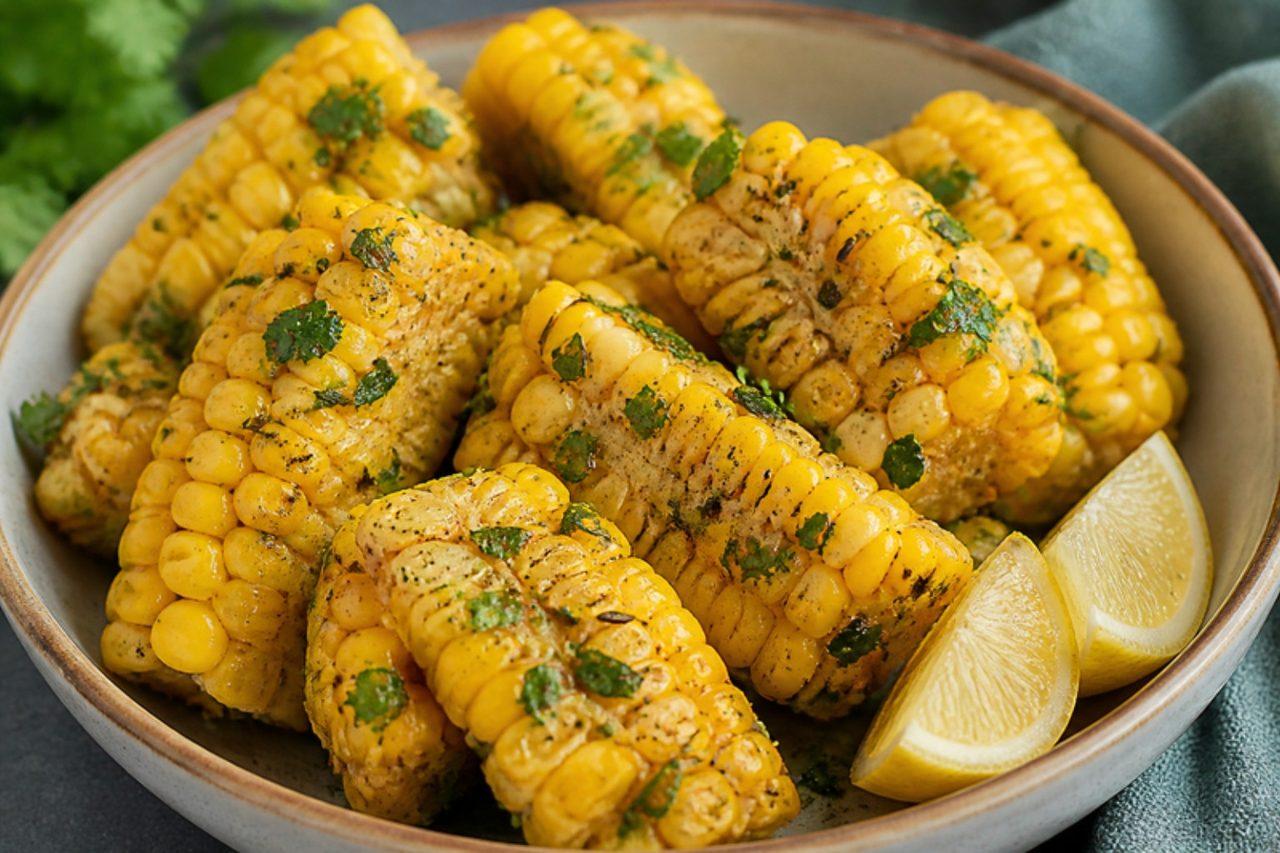
Chunks of tender corn on the cob tossed in hot oil with cumin, green chillies, fresh coriander, turmeric, black pepper and lemon until every kernel is coated. It's hot, tangy and messy to eat with your fingers. Serve hot from the barbecue.

by KrazyBadal 0 views

CornulețeJam-filled crescent cookies

Cornulețe are the little crescent cookies that fill tins in Romanian kitchens before Christmas and New Year, and that grandmothers in Sibiu and Timișoara bake by the hundred for weddings and name days. This version uses a tender yeasted dough made with butter and yogurt, wrapped around a spoonful of thick plum jam (magiun) or rose rahat and rolled into horns. They bake pale and soft, not flaky, and are rolled in vanilla sugar while warm (the recipe makes 32, two per serving), which sets them apart from the cream-cheese rugelach of Jewish baking. Chef's tip: use thick jam and pinch the ends shut; runny jam is the usual mistake and bubbles out and burns on the tray.

by KrazyBadal 0 views

Ashlyan-fuCold noodle soup with starch jelly

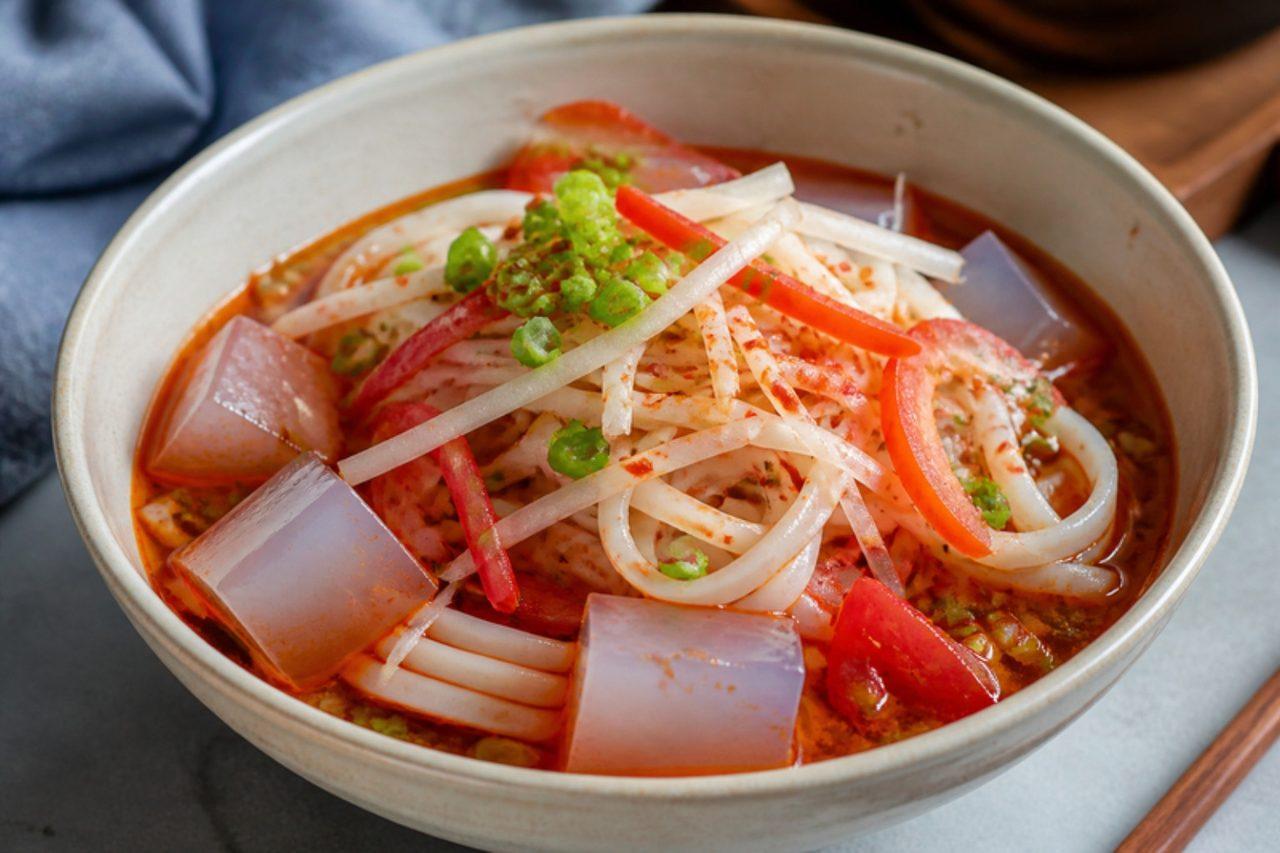
Ashlyan-fu is the street food of Karakol, the town on the eastern shore of Kyrgyzstan's Lake Issyk-Kul, brought by Dungan (Hui) families more than a century ago. Locals eat it for lunch on hot days at the 'ashlyan-fu row' near the bazaar: thick wheat noodles and cubes of wobbly starch jelly in a chilled, sour and fiery broth, with a strip of thin omelette, often alongside a fried potato pirozhok. It's eaten all over Kyrgyzstan and southern Kazakhstan now. This version uses a vegetable sauce rather than meat. Chef's tip: everything must be cold; chill the broth and the jelly properly, as lukewarm ashlyan-fu tastes flat.

by KrazyBadal 0 views

AshakLeek-filled dumplings

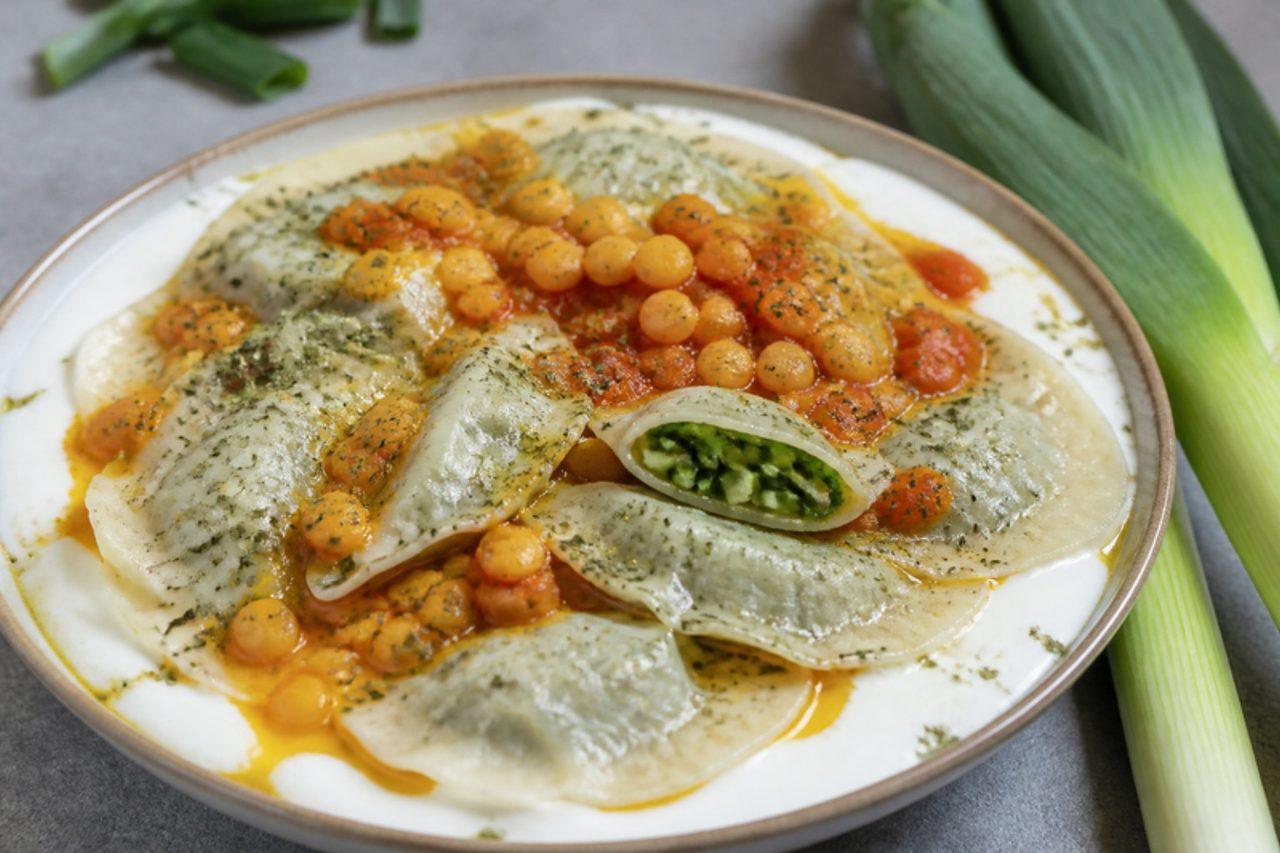
Ashak are the dumplings Kabul families fold together for Eid, Nowruz and weddings: thin wheat wrappers stuffed with gandana (Afghan garlic chives, here replaced with leeks and spring onions), boiled, then laid on a bed of garlicky strained yoghurt and topped with a tomato sauce and dried mint. Ashak usually come with a minced-meat sauce; this vegetarian version uses yellow split peas in a spiced tomato base, as many Afghan cooks do on meatless days. Making them is a sociable afternoon job, so rope in helpers. Chef's tip: squeeze the salted leeks hard in a cloth before filling; any water left in them soaks the wrappers and they split in the pot.

by KrazyBadal 0 views

Coto MakassarBeef and peanut soup

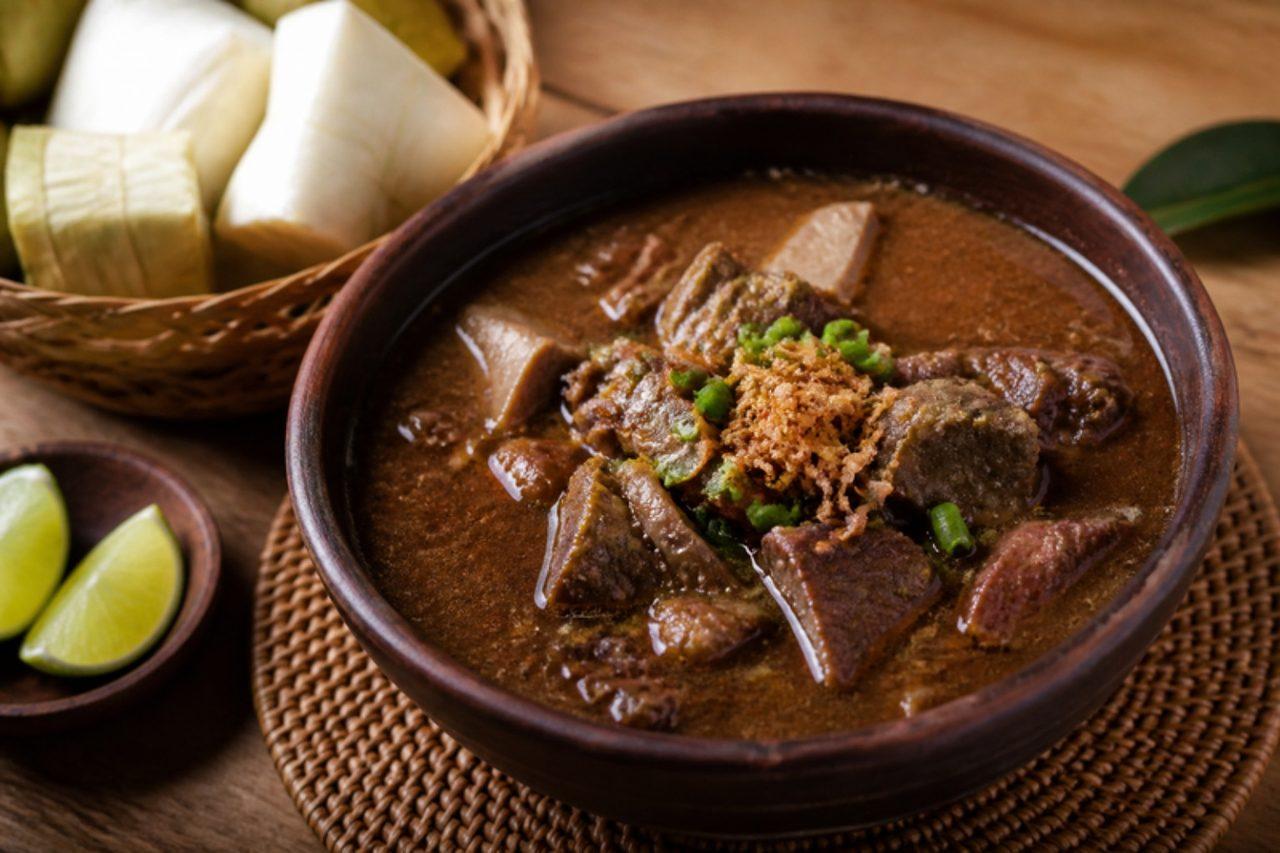
Before the sun is fully up over Makassar's harbour, coto warungs are already serving dockers and office workers alike from huge clay-coloured pots. This South Sulawesi soup is thick, brown and opaque, its body coming from roasted peanuts ground almost to flour and simmered into a broth made with the cloudy water from rinsing rice. Diced beef (and traditionally offal) sits in a nutty, cumin-and-pepper broth that's eaten with diamond-shaped ketupat rice cakes broken into the bowl, plus lime and a spoon of chilli. Chef's tip: grind the cooled peanuts in short bursts and stop while they're still sandy; a few seconds too long and you get peanut butter that turns the soup claggy.

by KrazyBadal 0 views

Cou-cou with Bajan vegetable stewCornmeal and okra with vegetable stew

Cou-cou is Friday lunch in Barbados, and paired with flying fish it makes the island's national dish, served in homes and the fish fry stalls of Oistins. Fine cornmeal is stirred into okra and its cooking water with a flat wooden cou-cou stick until it is smooth, thick and pulls away from the pot, then shaped in a buttered bowl. It's soft, mild and comforting, made for soaking up the rich tomato gravy around it. Here the gravy is a stew of peppers, tomatoes, aubergine and butter beans cooked with Bajan seasoning; flying fish steamed in the same sauce is the classic for fish eaters. Chef's tip: whisk the cornmeal into cold water before it goes into the pot; adding it dry to boiling liquid is the fastest way to lumps.

by KrazyBadal 0 views

Ash reshtehNoodle, bean and herb soup

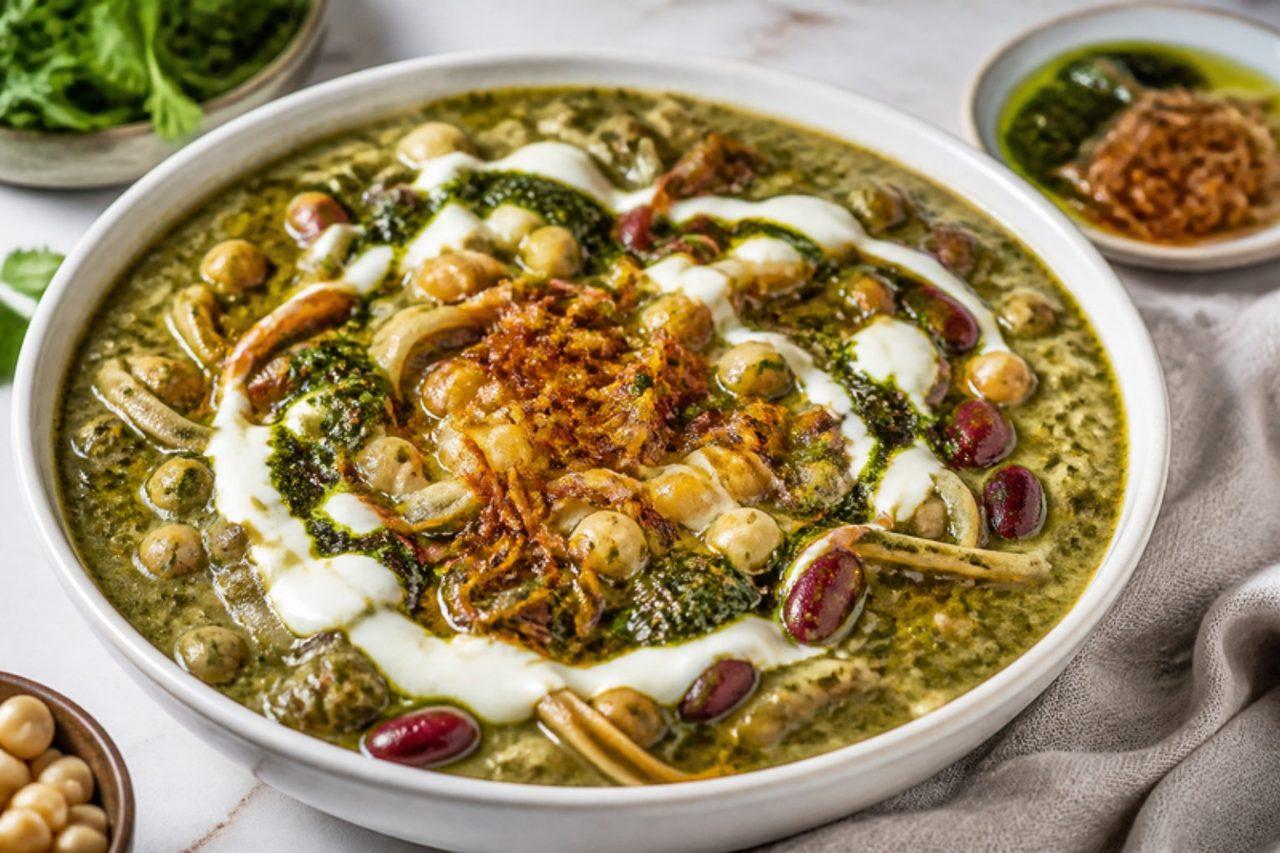
Ash reshteh is the thick soup Iranians cook in big pots in the days before Nowruz and for Sizdah Bedar, the spring picnic day, when the noodles (reshteh) are said to help you grasp the threads of good luck for the coming year. Chickpeas, beans and lentils are simmered with a mountain of green herbs and spinach, thickened with flat noodles and finished at the table with tangy kashk, crisp onions and a sizzling swirl of mint oil. It is a meal in a bowl, hearty and herby. Kashk is usually made without rennet, but check the label; strained yogurt is a good substitute. Chef's tip: add the noodles only once the beans are soft, and stir often after that, because they thicken the pot and it can catch on the bottom.

120 minPersianSoups
by KrazyBadal 0 views

AdjikaRed pepper and garlic paste

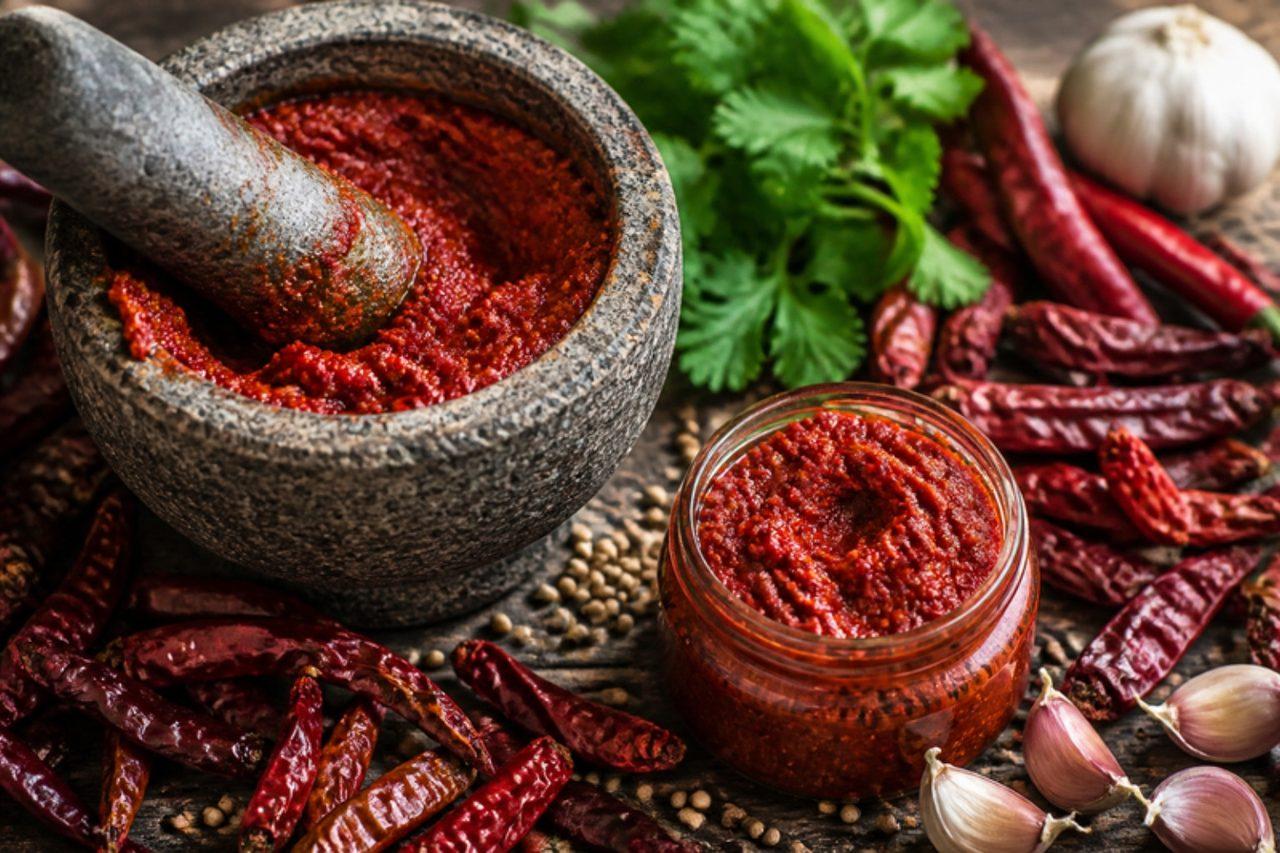
Adjika comes from Samegrelo and neighbouring Abkhazia in western Georgia, where it is a thick, fiery paste of dried red peppers, garlic and seeds, pounded in a stone mortar and stored in jars for the year. It is nothing like the tomato relishes sold as adjika in some shops: a little goes a very long way, stirred into beans, rubbed into vegetables before roasting, or spread thinly on mchadi with cheese. It needs no cooking, just patience while the peppers soak. A common mistake is skipping the soaking, which leaves the paste gritty with hard flakes of skin. Chef's tip: wear gloves while handling the peppers, and use a mix of mild and hot ones so you get colour and fruitiness, not just heat.

by KrazyBadal 0 views

Couscous royalCouscous with lamb, chicken and sausage

Couscous royal is the big-occasion couscous that Algerian and Moroccan families brought to France and that is now served for weddings and Sunday gatherings from Oran to Marseille: a pot of lamb and chicken simmered with vegetables and chickpeas in a mildly spiced broth, grilled merguez on the side, and a mountain of steamed couscous. The mistake is putting all the vegetables in at once; the courgettes go mushy while the turnips are still hard, so add them in stages. Chef's tip: brown the lamb and chicken well before the water goes in; that colour flavours the whole broth.

160 minAlgerianMeat
by KrazyBadal 0 views

Casado vegetarianoRice, beans and plantain plate

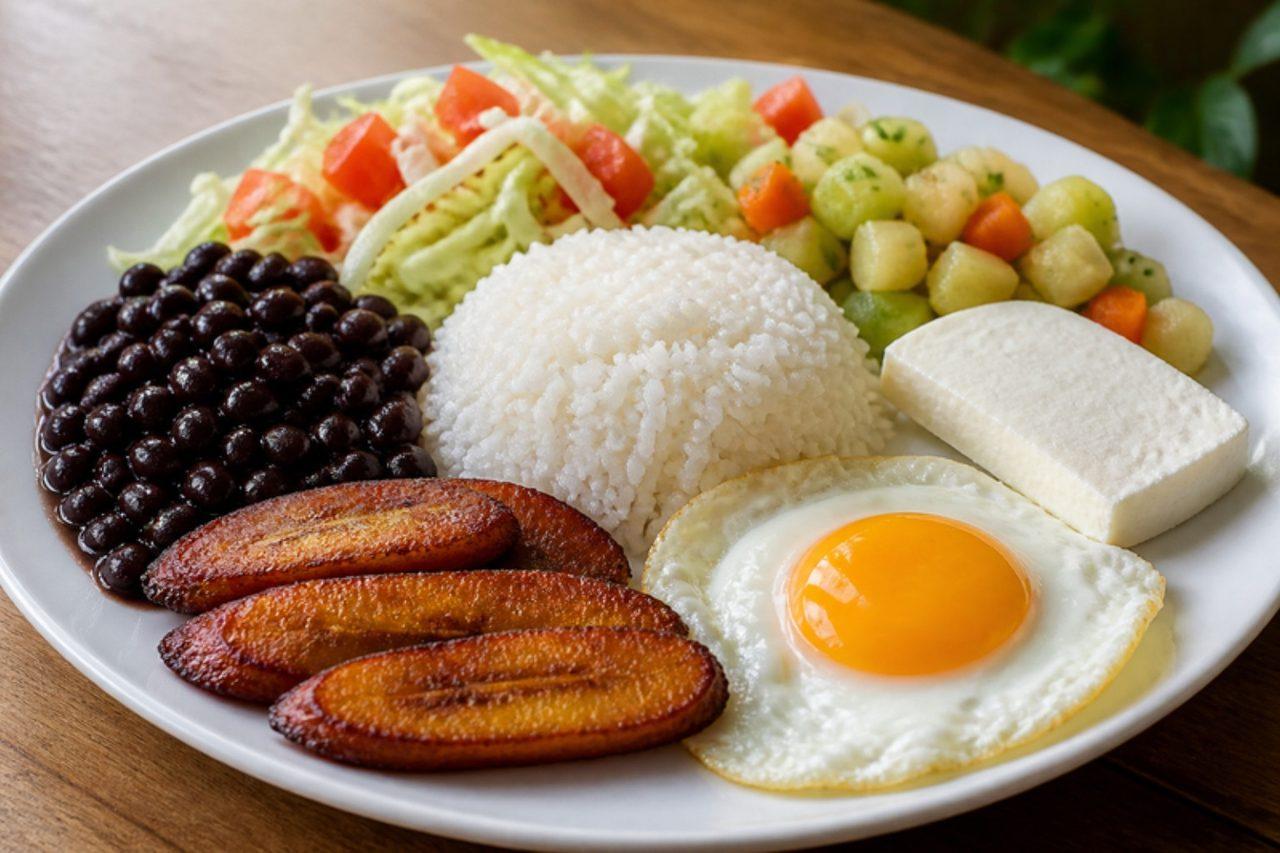
Walk into any soda (small family diner) in San José at lunchtime and the board will offer a casado: one plate where rice and beans are 'married' to salad, sweet plantain and a main. The meatless version is just as common, with a fried egg and a slice of fresh white cheese, plus a little picadillo of chopped vegetables. It's a full, balanced lunch, and every element is simple. Chef's tip: cook the plantain only when it's deeply black-skinned and soft; ripe plantain caramelises to sticky dark edges, green plantain just goes dry.

by KrazyBadal 0 views

Okinawan taco rice (vegetarian)

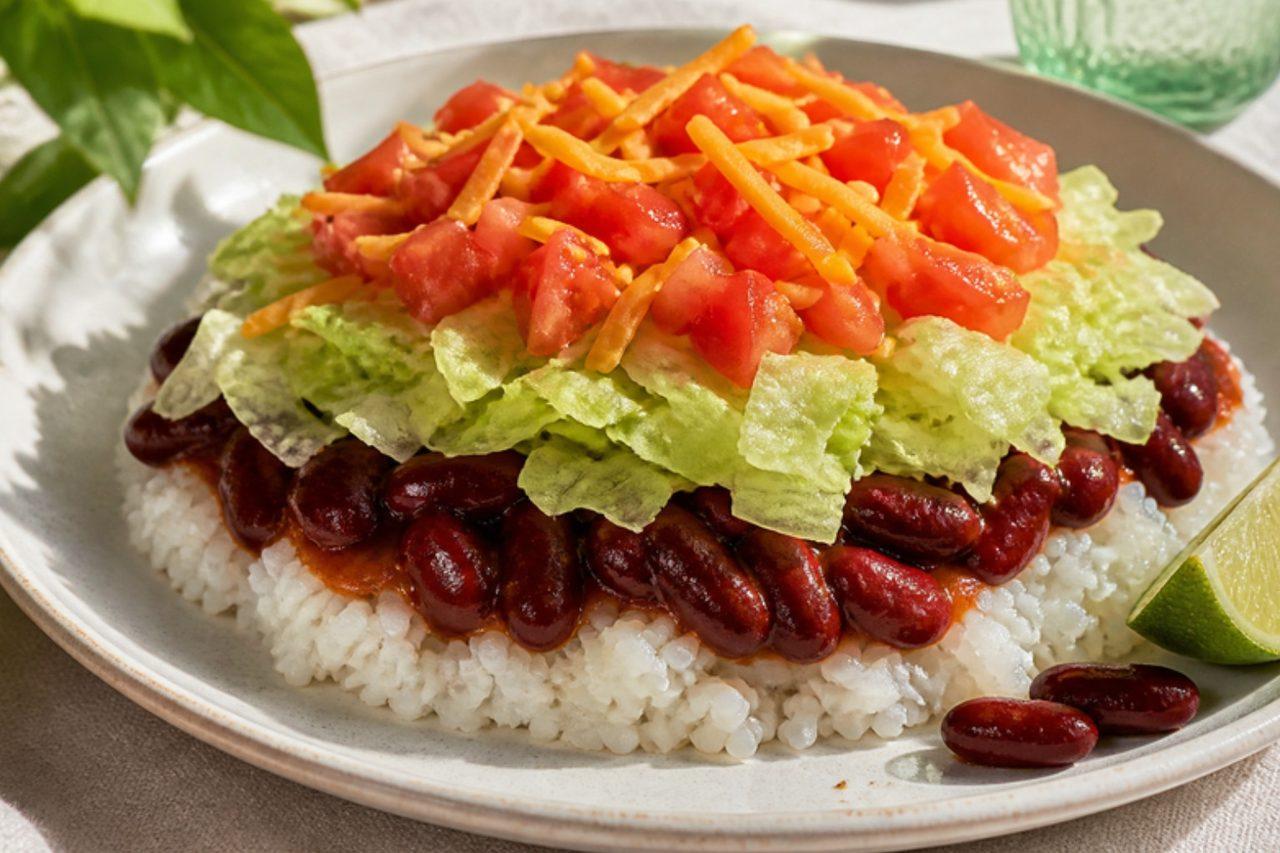
Taco rice was invented in 1984 in the town of Kin, Okinawa, next to a large US Marine base, by a café owner who put taco fillings on rice to make a cheap, filling plate for young soldiers. It became one of Okinawa's best-loved comfort foods and now turns up in school lunches, convenience stores and beach cafés across the islands. The usual filling is spiced minced beef; Okinawan cafés also offer bean versions, and ours uses kidney beans and walnuts for the same crumbly bite. Serve it with hot sauce and eat it from one bowl, mixing as you go. Chef's tip: cook the filling until it's almost dry. A juicy filling soaks the rice and the cheese won't melt into it properly.

by KrazyBadal 0 views

FirniGround rice milk pudding

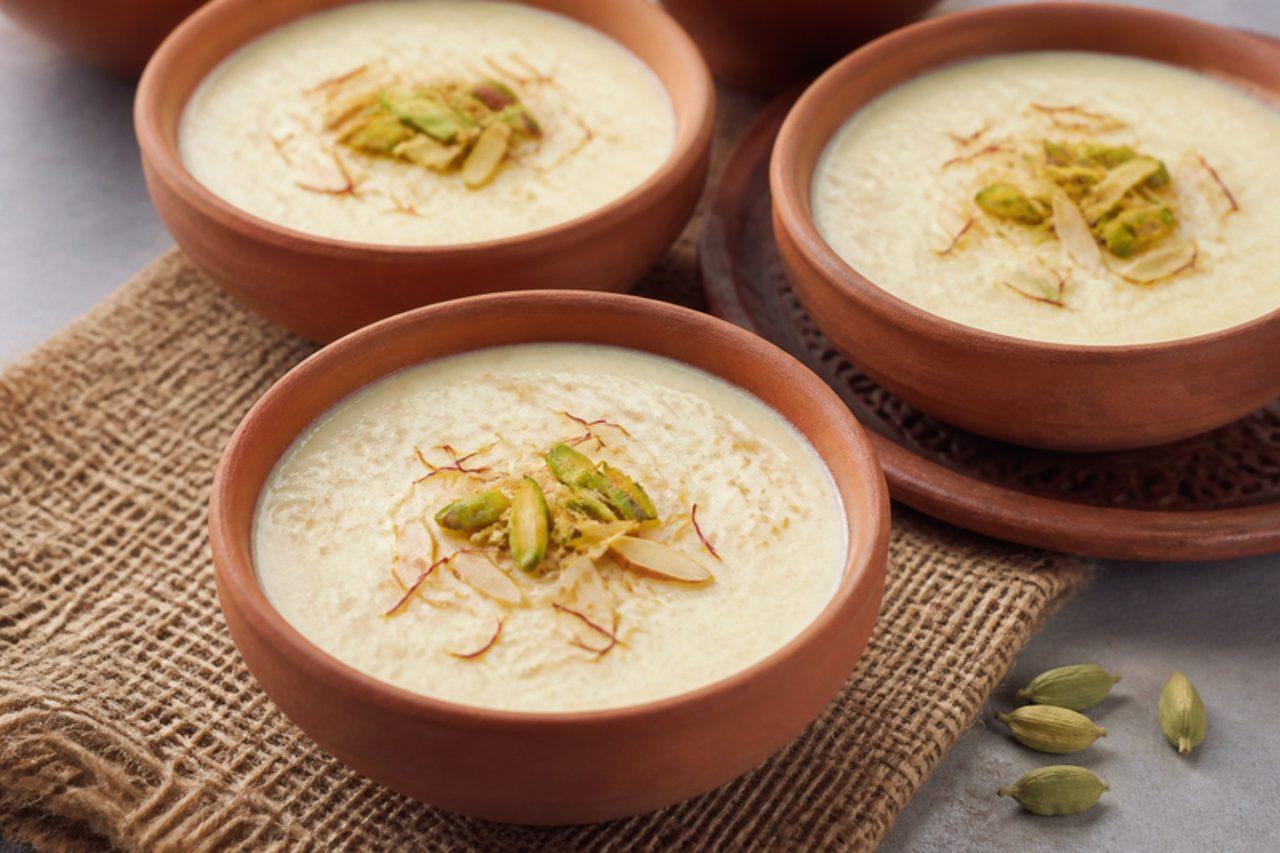
Firni is the dessert that turns up in little clay bowls on Eid tables across Bangladesh, especially after the evening meal on Eid-ul-Fitr. It is smoother and thicker than payesh: instead of whole rice grains, coarsely ground rice is simmered in milk until it sets into a silky pudding, scented with cardamom and rose water and scattered with pistachios and almonds. It is served chilled, so it's made a day ahead. Chef's tip: grind the soaked rice to a coarse semolina-like grit, not a fine powder; that slight texture is what makes firni feel rich.

by KrazyBadal 0 views

Hoba misoMiso grilled on magnolia leaf

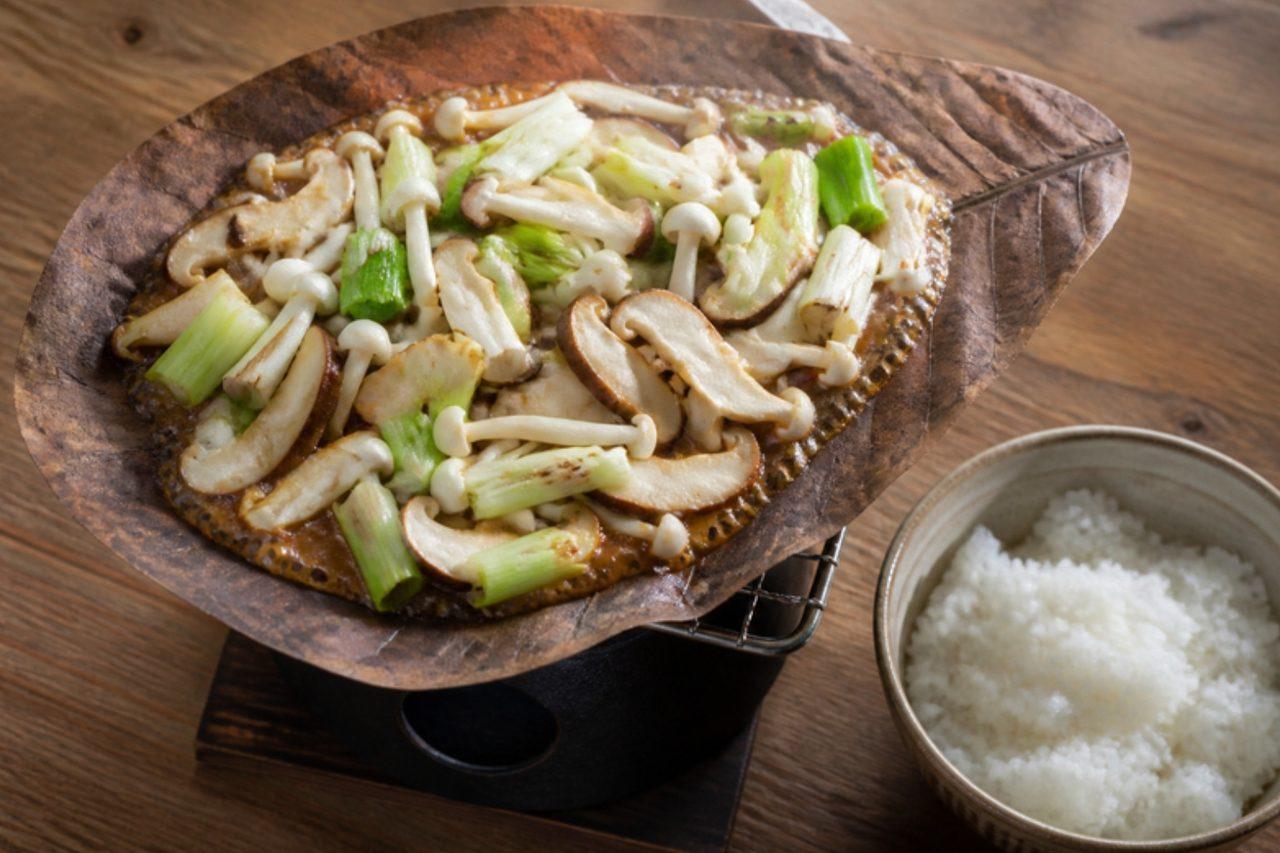
In the old mountain town of Takayama, in Gifu's Hida region, inns serve breakfast with a small charcoal brazier on the table and a dried magnolia leaf, hoba, resting on its grill. On it sits a mound of miso mixed with leek and mushrooms. As the leaf warms, the miso bubbles and gives off a smoky, woodsy smell, and you scoop it up with rice. It started as farmhouse winter food, when people toasted frozen pickles on leaves to thaw them. Dried hoba leaves are sold in Japanese shops and online; a sheet of baking paper works too, without the scent. Chef's tip: soak the leaf in water first. A damp leaf scorches slowly and perfumes the miso instead of catching fire.

by KrazyBadal 0 views

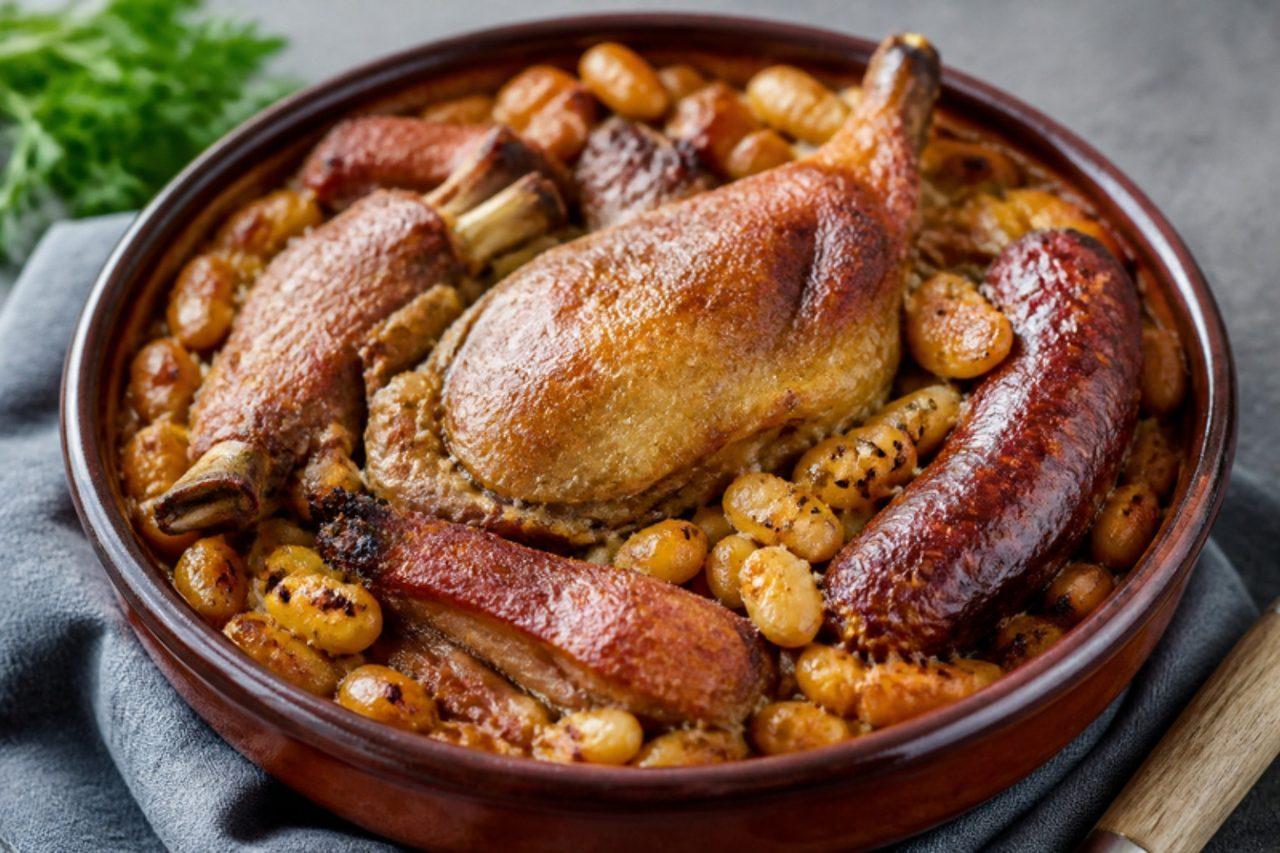
CassouletWhite bean and duck stew

Cassoulet is the great winter feast of the Languedoc, and the towns of Castelnaudary, Carcassonne and Toulouse still argue over who makes it best. Contains pork: white beans cook with pork rind and belly, then bake for hours with duck confit and garlicky Toulouse sausages in a deep earthenware dish until a dark crust forms on top. It takes two days at a relaxed pace and feeds a crowd. Serve with nothing more than a green salad. Chef's tip: break the crust and push it under several times while it bakes; each new crust adds flavour and body.

280 minFrenchMeatGluten free
by KrazyBadal 0 views

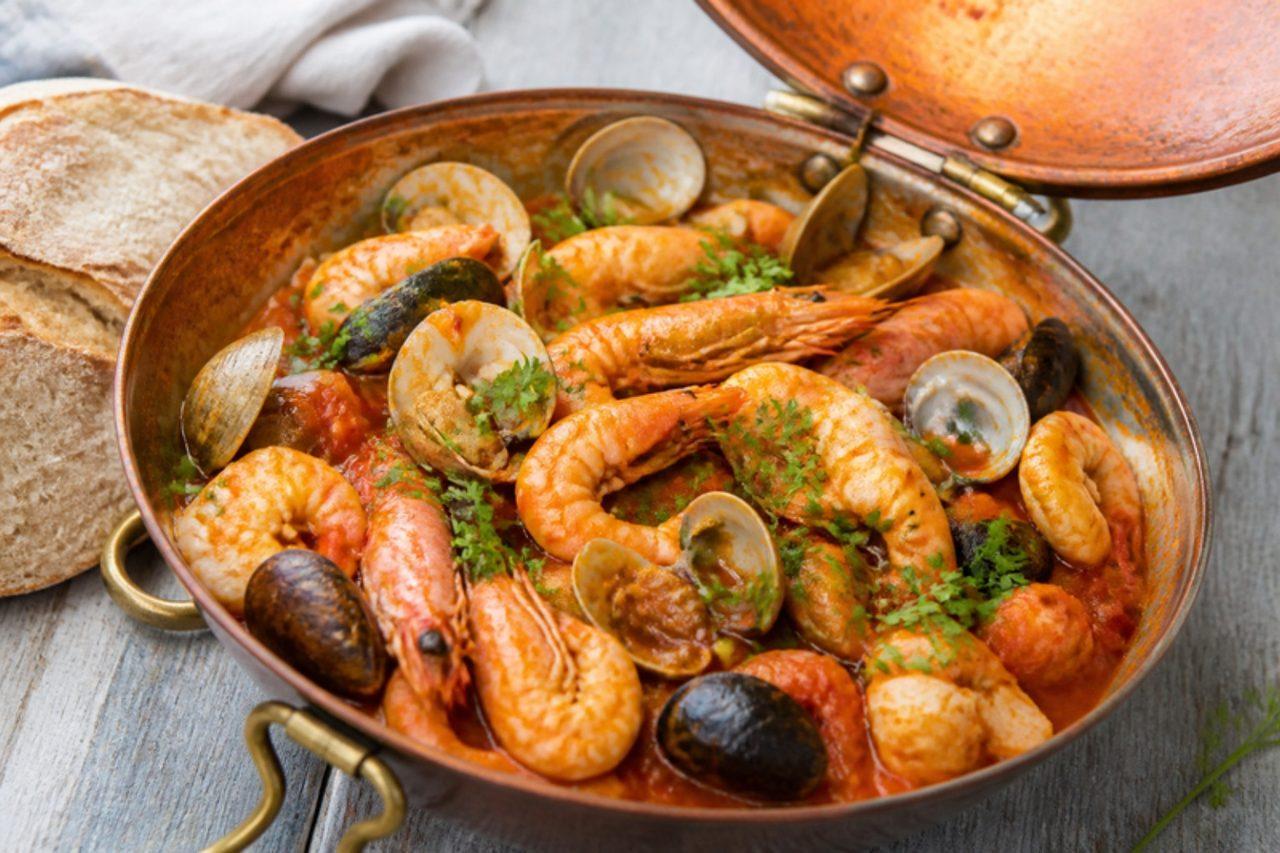
Cataplana de mariscoSeafood and sausage steam pot

Cataplana is the Algarve's showpiece, named after the hinged, clam-shaped copper pan it is cooked in, and it is served at the table in harbour towns like Olhão and Portimão, lid opened in a puff of steam. This version contains pork: smoky chouriço sausage goes in with the onion, peppers and tomato, then clams, prawns and firm white fish steam on top in their own juices. Bring bread for the broth. No cataplana? A wide casserole with a tight lid works. Chef's tip: purge the clams in salty water in the fridge for an hour so they spit out their sand before cooking.

by KrazyBadal 0 views

Kroeung (Khmer lemongrass paste)Lemongrass and galangal paste

Almost every Khmer kitchen, from Phnom Penh flats to village houses around Siem Reap, starts the day's cooking by pounding kroeung in a heavy stone mortar. This is the yellow kind, coloured with fresh turmeric and built on lemongrass, galangal, makrut lime leaf, garlic and shallot; it goes into amok, samlor korko, noodle curries and stir-fries. Homemade, it smells brighter and more citrusy than any jar, and a batch keeps for a week in the fridge or months in the freezer. Chef's tip: slice the lemongrass into paper-thin rounds across the grain before it goes near the mortar or blender; long fibres never break down and leave the paste stringy.

by KrazyBadal 0 views

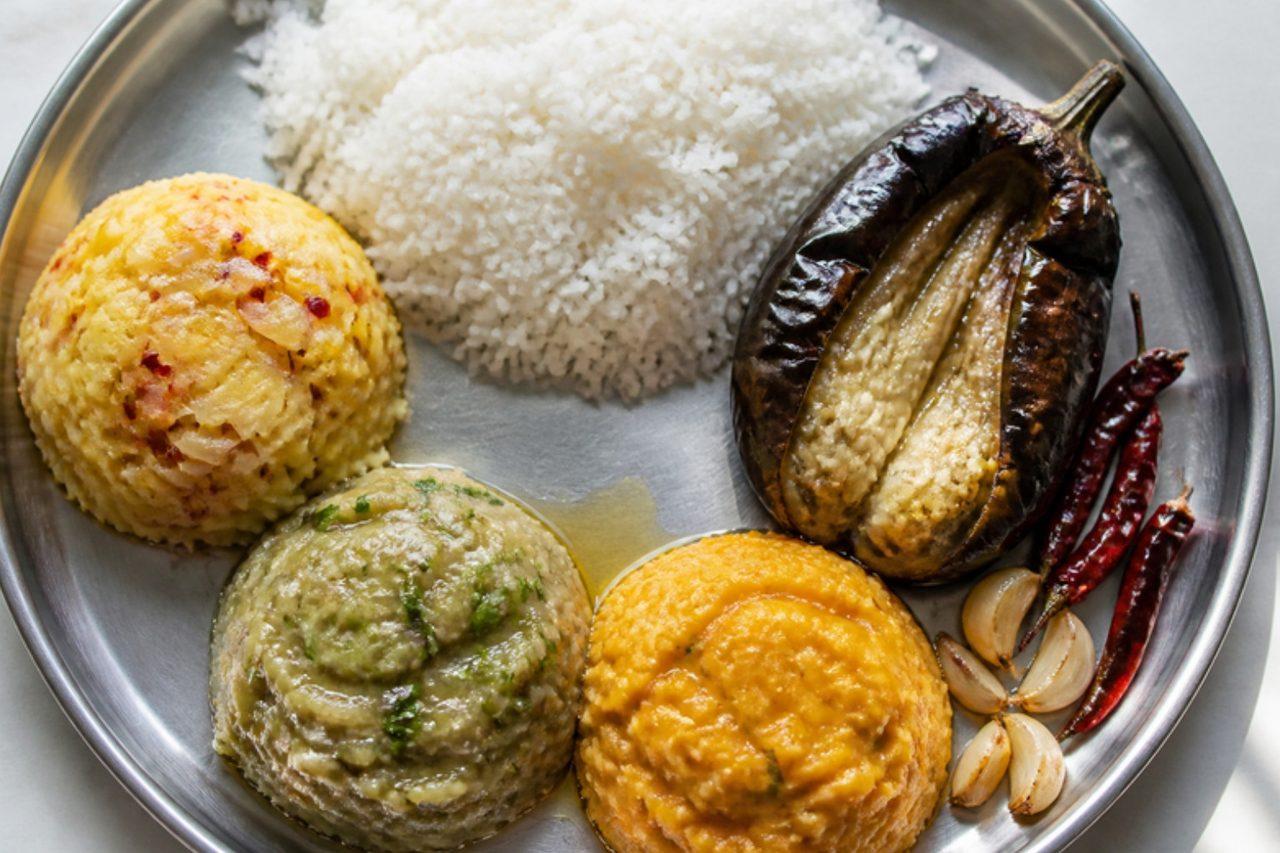
Bhorta platter (aloo, begun and dal bhorta)Mashed potato, aubergine and dal

No word says home cooking in Bangladesh like bhorta: anything boiled, roasted or fried, then mashed by hand with raw mustard oil, sliced onion, green or burnt chillies and coriander. A family lunch in Dhaka or Khulna might set out three or four bhortas in little heaps around a mound of rice, and this page makes the classic trio: aloo (potato), begun (fire-roasted aubergine) and dal (dry-fried red lentil). They share one method, so they live together here. Chef's tip: mash with your fingers, not a fork, rubbing the onion and chilli into the oil first; it bruises them and releases their sharpness into every bite.

by KrazyBadal 0 views

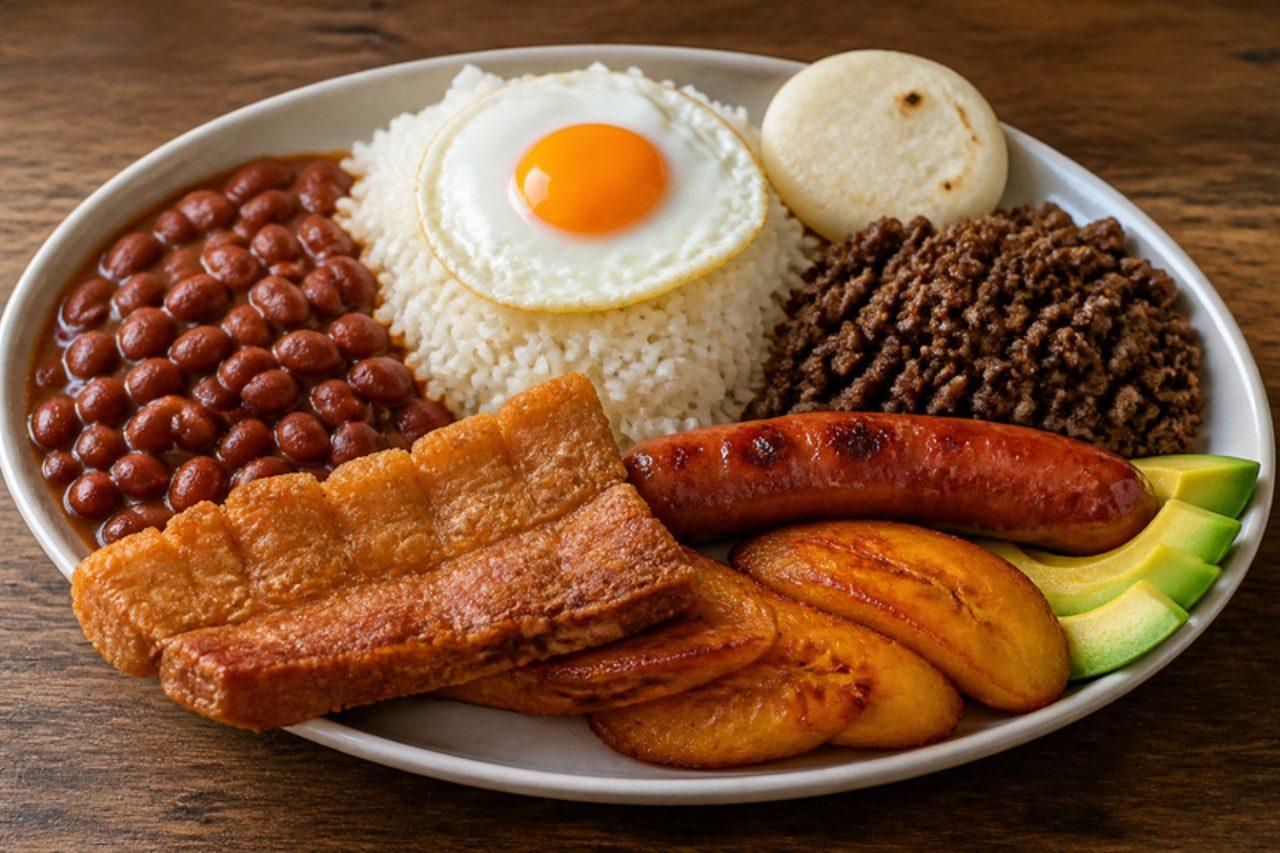
Bandeja paisaBeans, rice and pork platter

Bandeja paisa is the farmhouse feast of Antioquia and the coffee region around Medellín, served on an oval platter so big it barely fits on the table. This is a pork dish: crisp chicharrón (fried pork belly) and chorizo sit next to red beans, white rice, seasoned minced beef, a fried egg, ripe plantain, a small arepa and avocado. Paisas eat it for a long Sunday lunch, and restaurants in Medellín serve it every day. It looks like a lot of work, but most parts can be made ahead and finished together. The mistake most people make is frying the pork belly too hot from the start; it needs to simmer in its own fat first, or the outside burns before the inside turns tender. Chef's tip: cook the beans a day ahead; they thicken and taste better, and the day itself is then only frying.

by KrazyBadal 0 views

Banarasi tamatar chaatMashed tomato and potato chaat

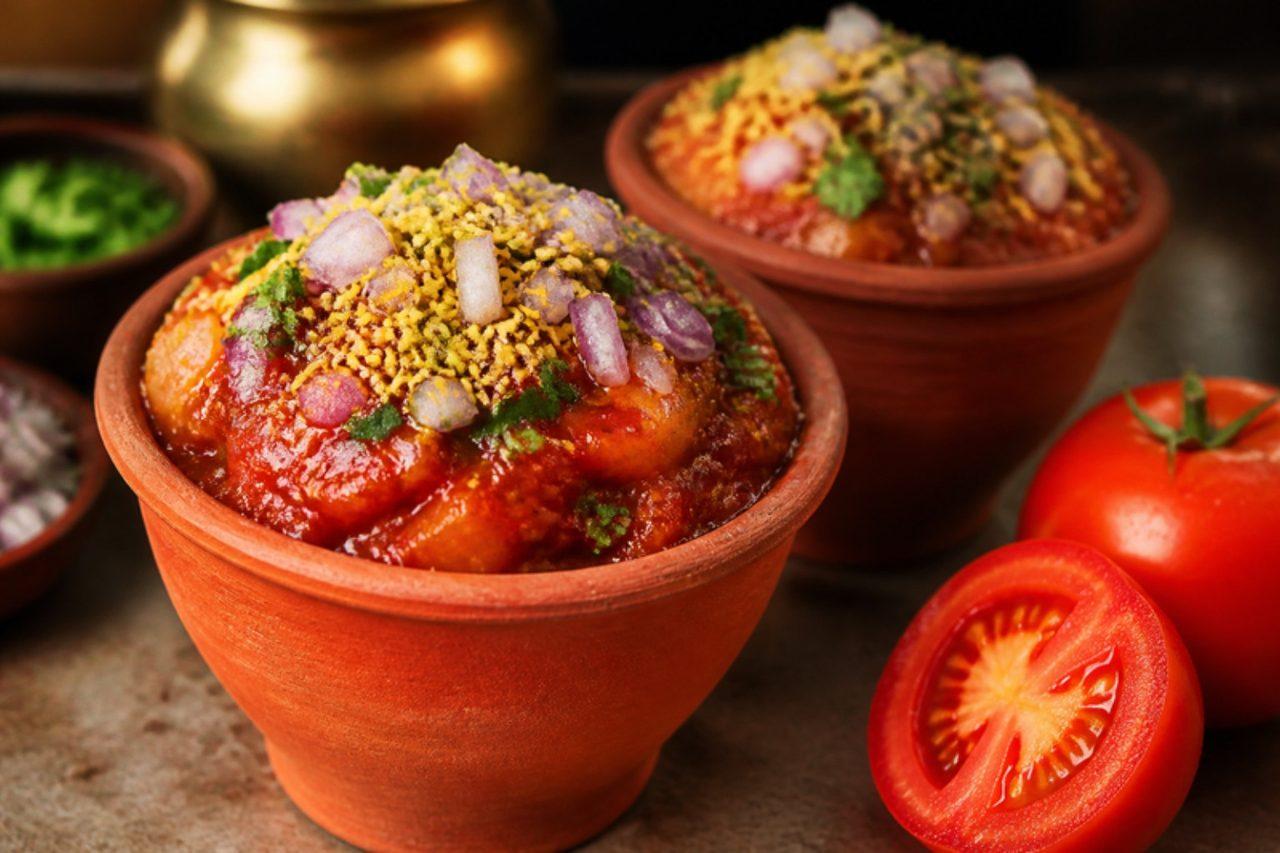
Walk through the lanes near Dashashwamedh Ghat in Varanasi in the evening and you will see vendors mashing tomatoes and potatoes in large iron pans, cooking them with ghee and spices until thick, then spooning the mixture into small clay cups. Tamatar chaat is unique to Banaras: served hot, spicy, tangy, and finished with a thin sugar syrup and a pinch of chaat masala, then topped with crisp sev for crunch. Locals eat it standing up after the aarti, often followed by a glass of lassi. Many people forget the sugar syrup, but that's what balances the sourness and makes it Banarasi. Chef's tip: use very ripe, soft tomatoes and mash them right in the pan with the back of the ladle, leaving some texture.

by KrazyBadal 0 views

Cauliflower tinga tacosChipotle cauliflower tacos

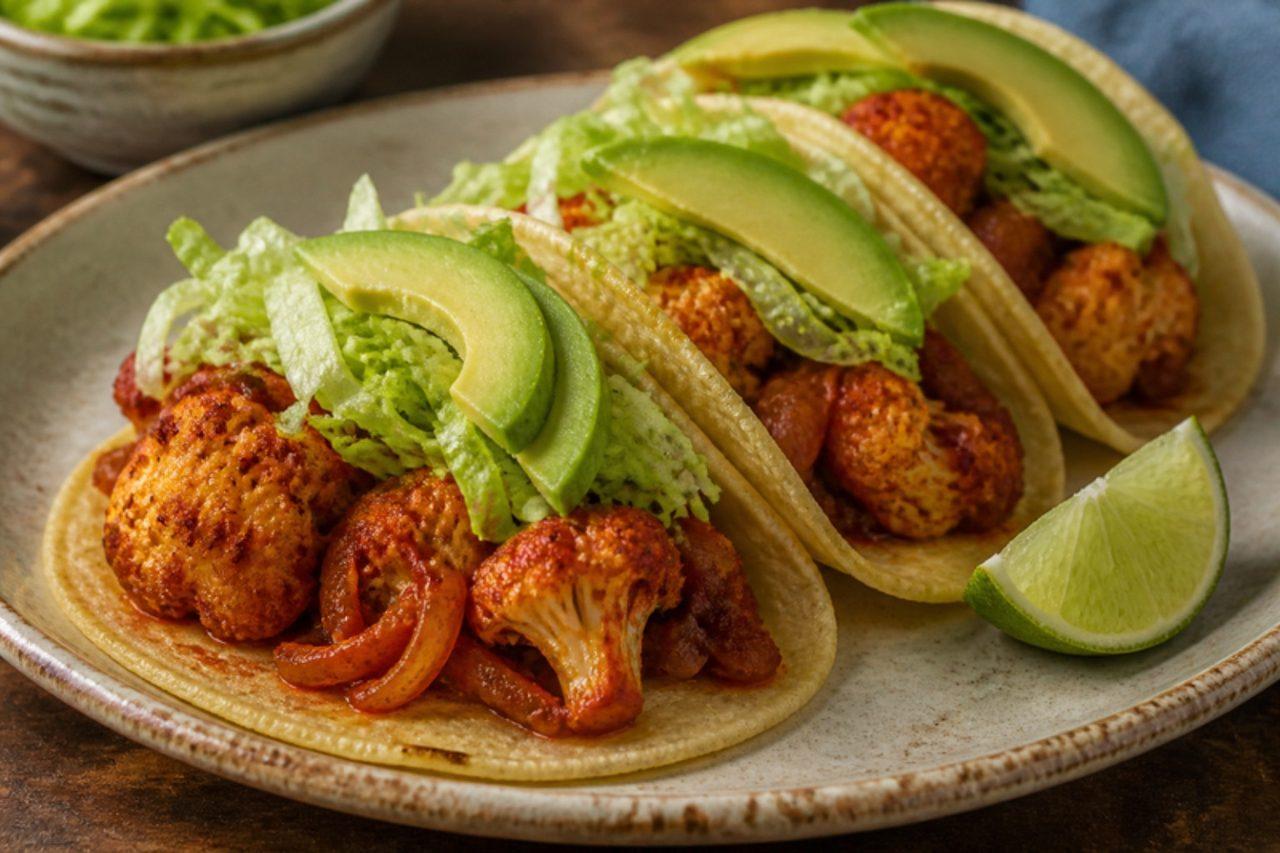
Tinga comes from Puebla, where shredded meat is simmered in a sauce of sweet sliced onion, tomato and smoky chipotle chillies and piled onto tostadas or tacos. Here roasted cauliflower takes the place of the chicken: browned in a hot oven so it turns nutty and holds its shape, then folded through the brick-red sauce so every floret is glossy and smoky. The result, tinga de coliflor, is sweet, tangy and properly spicy; serve it in warm corn tortillas or on crisp tostadas with avocado, shredded lettuce and lime. Chef's tip: cook the onions slowly until soft and sweet before the tomatoes go in; the sweetness is what balances the heat of the chipotle.

by KrazyBadal 0 views

Causa limeñaLayered potato terrine

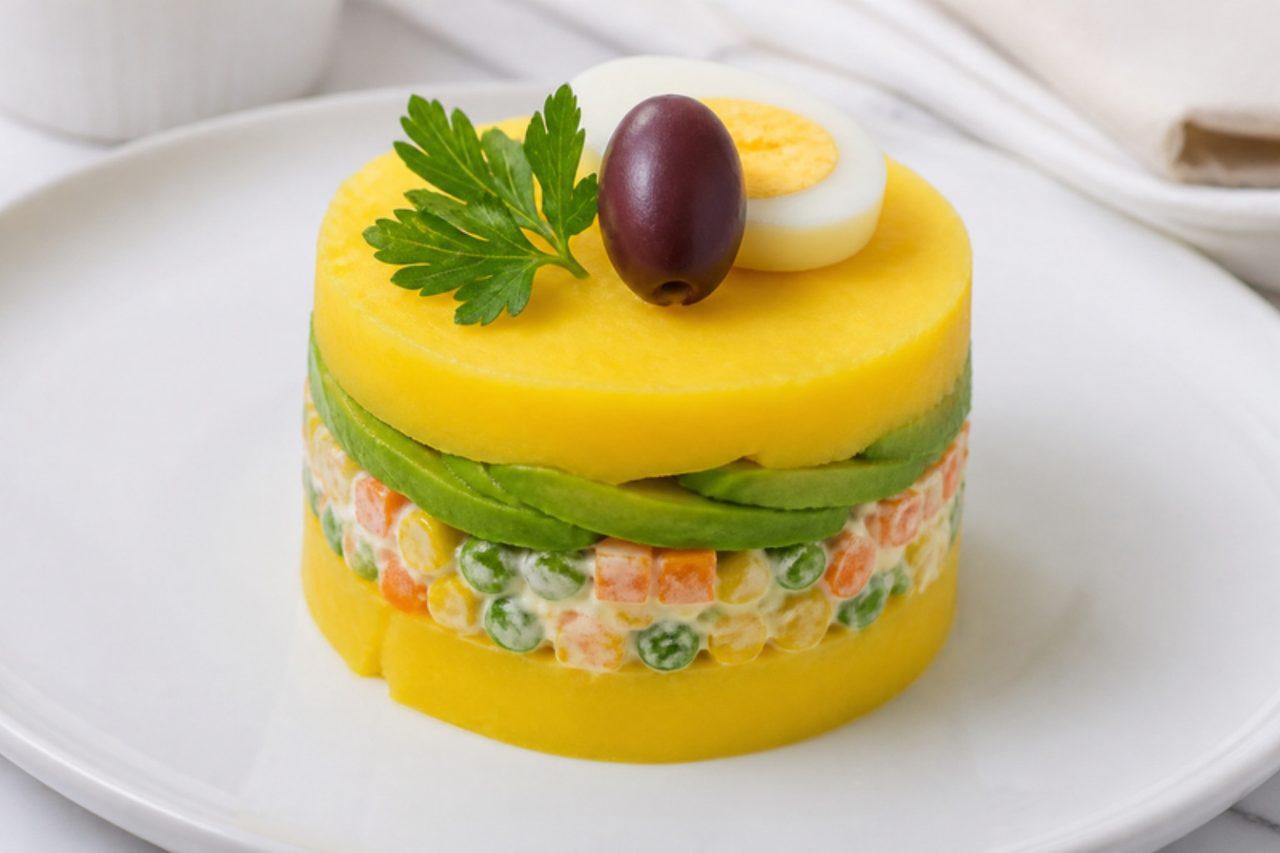
Causa limeña is Lima's cold potato terrine: yellow potatoes mashed with lime, oil and ají amarillo, pressed into layers and filled. In Lima it is a lunchtime starter sold in every menú and at every family party, often with tuna or chicken; this vegetarian causa is filled with ripe avocado and a creamy salad of corn, peas and carrot. The potato should be smooth, sunny yellow, tangy and gently hot, and the whole thing is served cold in neat slices. Make it in the morning for dinner, or the day before for a party. Chef's tip: mash the potatoes while warm but add the lime only once they have cooled; lime on hot potato turns the mash grey and gluey.

by KrazyBadal 0 views

Cazuela de vacunoBeef and vegetable soup

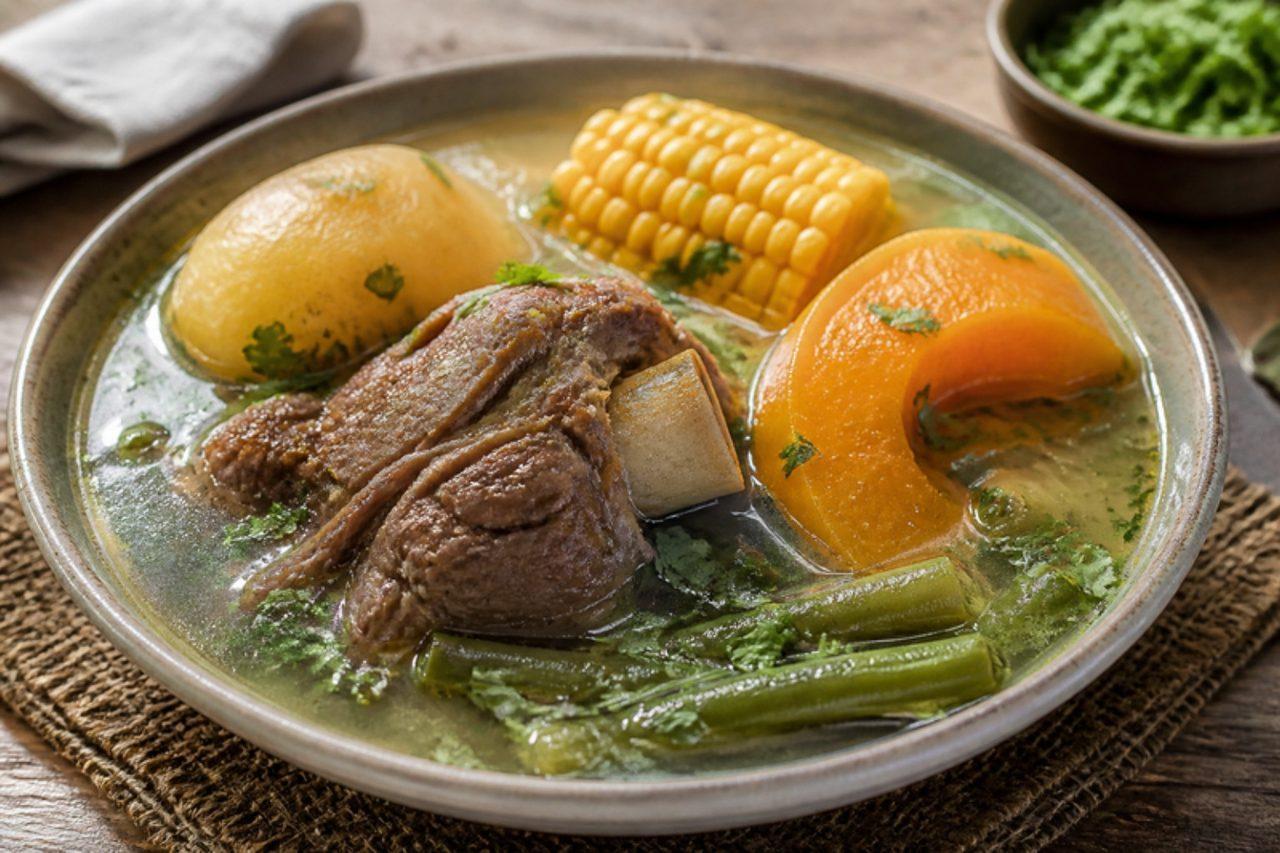
Cazuela is the soup Chilean grandmothers make all through winter, from Santiago's Central Valley to the farms of the south: each bowl gets a whole piece of beef on the bone, a whole potato, a wedge of pumpkin and a piece of corn in a clear broth, with a little rice or green beans and plenty of fresh coriander. It is eaten as a full meal, with pebre and bread. The mistake is cutting the vegetables small: they should stay in big pieces, one of each per person. Chef's tip: simmer the beef very gently and skim it well so the broth stays clear.

145 minChileanSoupsGluten free
by KrazyBadal 0 views

CendolPandan jelly in coconut milk

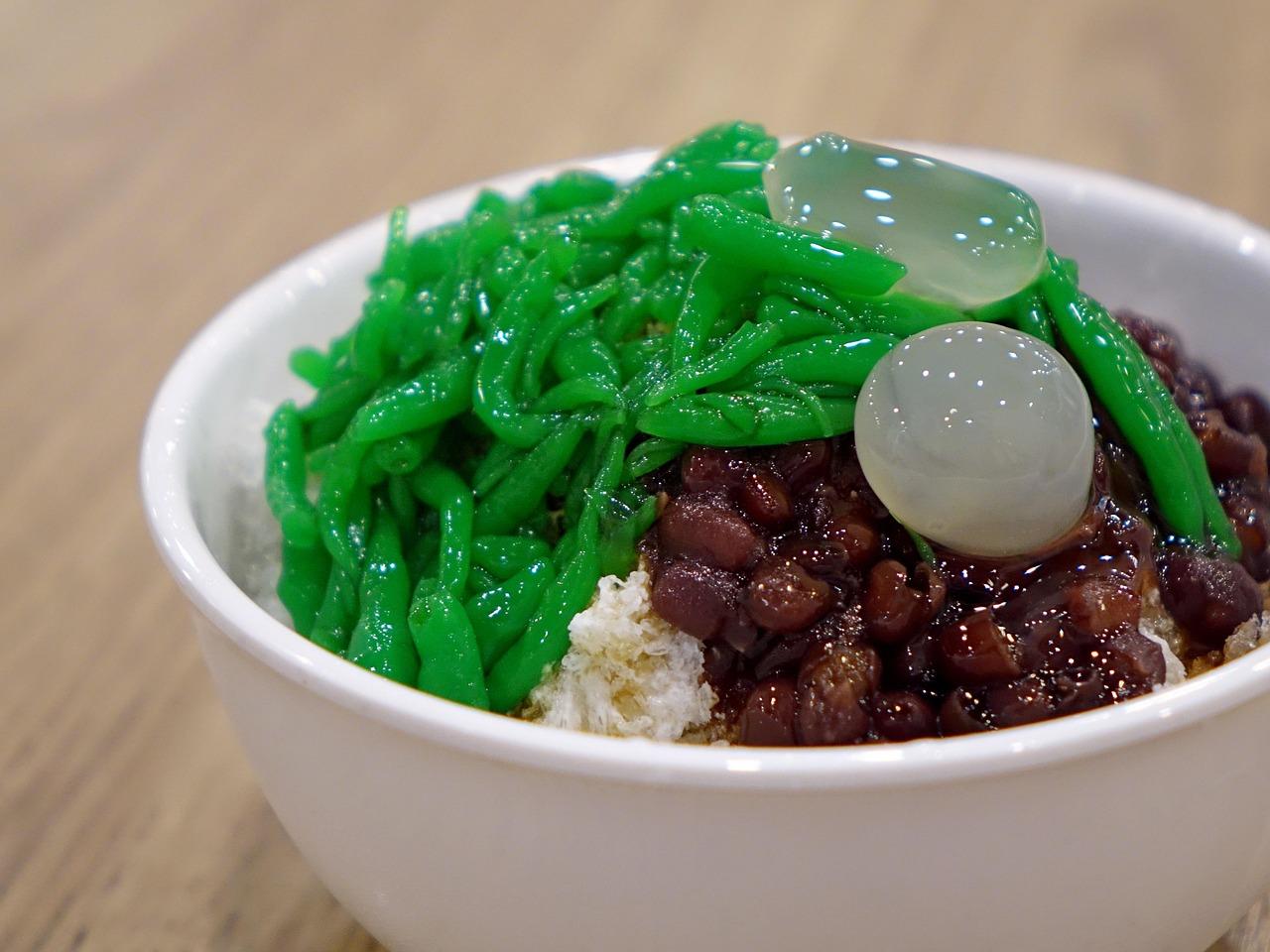
On a sweltering afternoon in Melaka, the queue snakes out of the cendol shops on Jonker Street: a bowl of shaved ice drenched in salted coconut milk and smoky, dark gula Melaka syrup, hiding soft green jelly 'worms' made from rice flour and pandan, with red beans at the bottom. It's sweet, salty, creamy and cold all at once, and it's the city's signature dessert. Melaka's own gula Melaka is the key; it should smell of caramel and woodsmoke. Chef's tip: a pinch of salt in the coconut milk makes the palm sugar taste deeper; without it the bowl tastes flat.

by KrazyBadal 0 views

Shinshu soba with spicy daikon dip

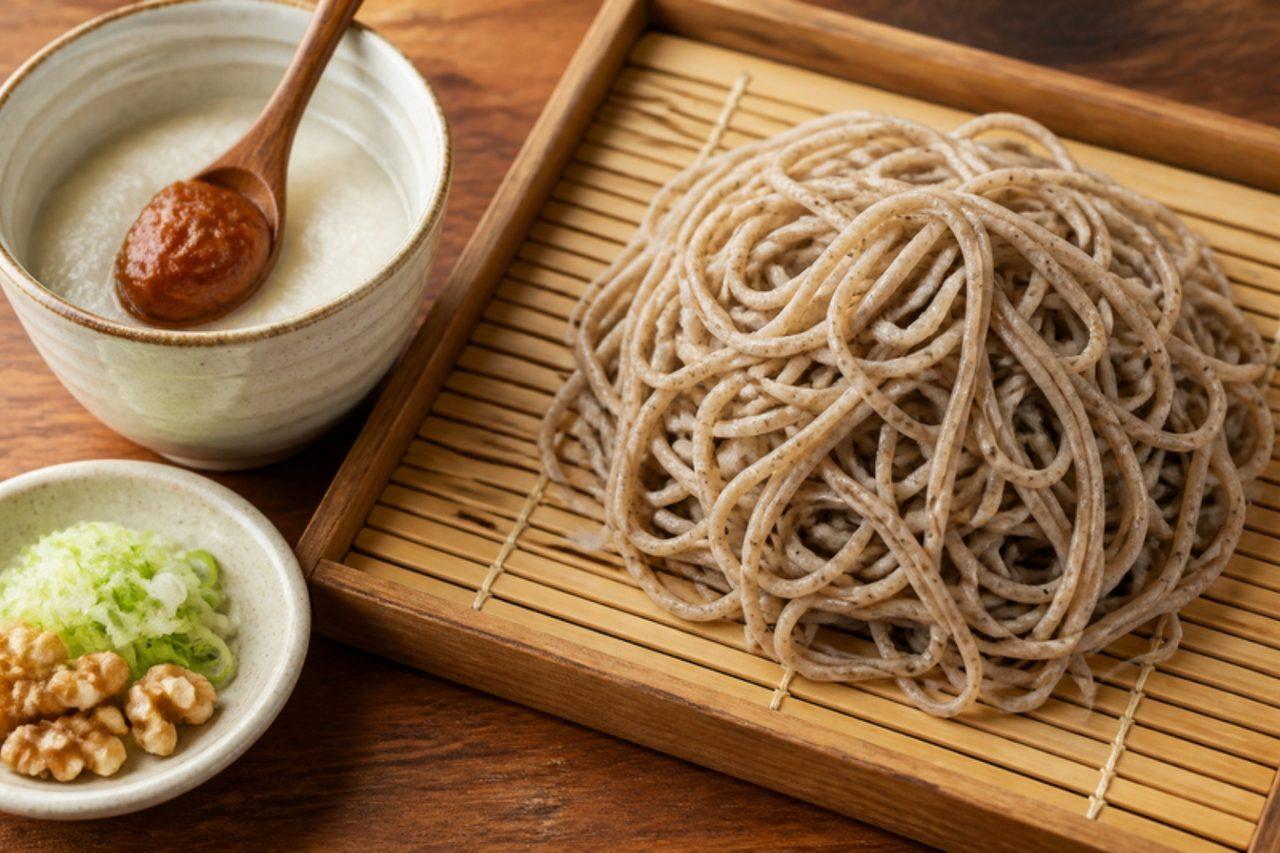
Nagano, the old province of Shinshu, grows buckwheat on cool mountain plateaux, and its soba is famous across Japan. In the castle town of Takato, and in the Aizu villages that took the custom with them, the noodles are not dipped in sweet soy sauce at all. Instead each diner gets a cup of juice squeezed from grated, eye-wateringly hot daikon, stirred with toasted miso. The result is sharp, clean and peppery, and it wakes up the earthy buckwheat. It's a summer lunch, eaten cold with a sprinkle of spring onion. Chef's tip: grate the daikon only just before serving. Its heat fades within 20 minutes, and the dish depends on that fresh bite.

by KrazyBadal 0 views

Ceylon teaSpiced milk tea

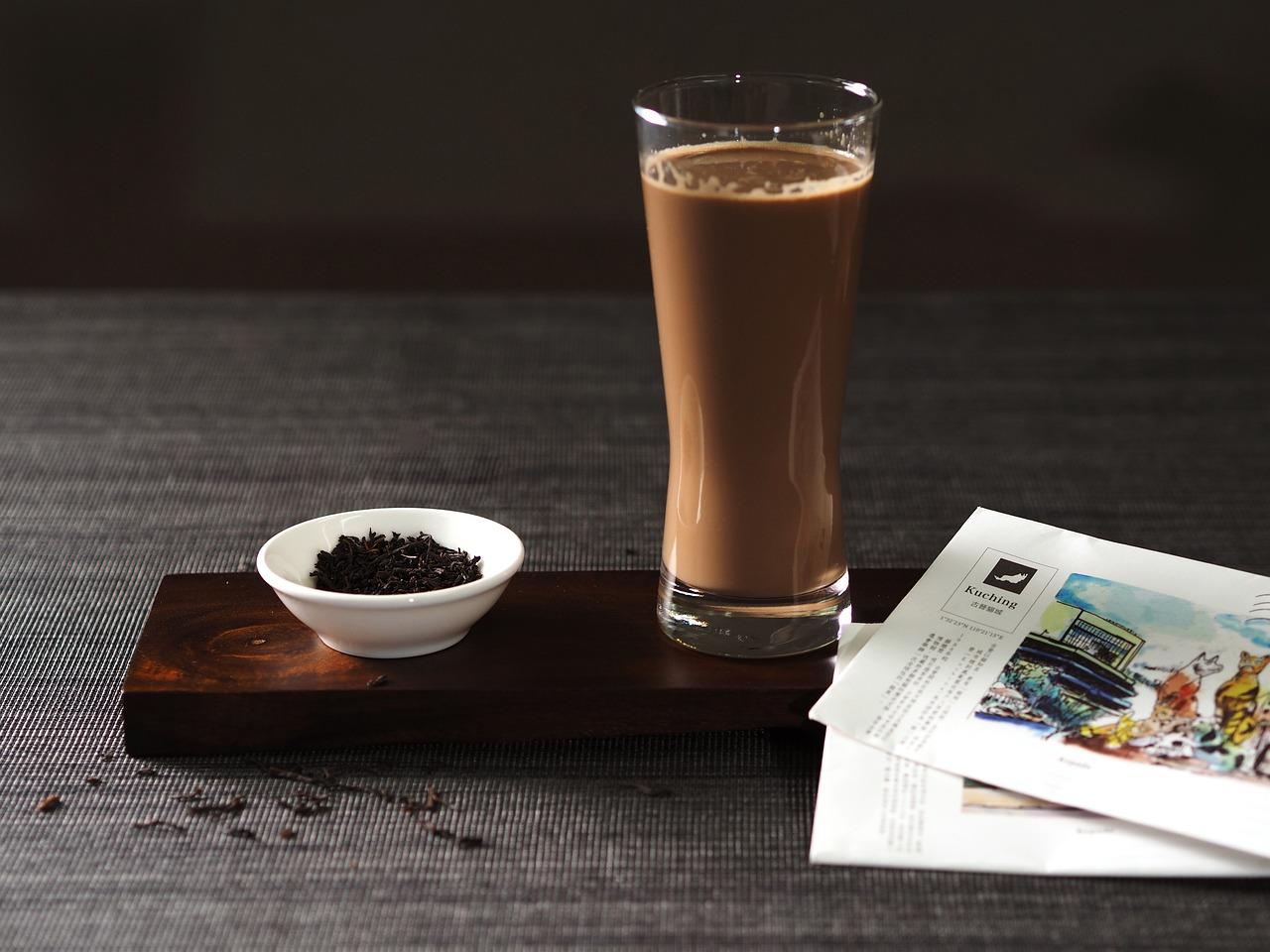
In the misty tea country around Nuwara Eliya, Hatton and Ella, and in every roadside tea kade across Sri Lanka, tea is made strong, sweetened generously and often whitened with milk, then poured from a height between two jugs so it cools a little and wears a frothy cap. Families drink it first thing, again at 'tea time' around four, and with every short eats snack in between. Unlike Indian masala chai there are no spices: the flavour comes from bright, brisk high-grown Ceylon black tea, often a BOP or BOPF grade. If you'd rather have it plain, kahata thé is the same tea with no milk and a bite of jaggery. The common mistake is stewing the leaves too long, which turns it bitter and tannic; three to four minutes is plenty. Chef's tip: pour from jug to jug four or five times; the 'pulled' tea is smoother and creamier.

by KrazyBadal 0 views

Banarasi kachori sabziUrad dal puris with potato curry

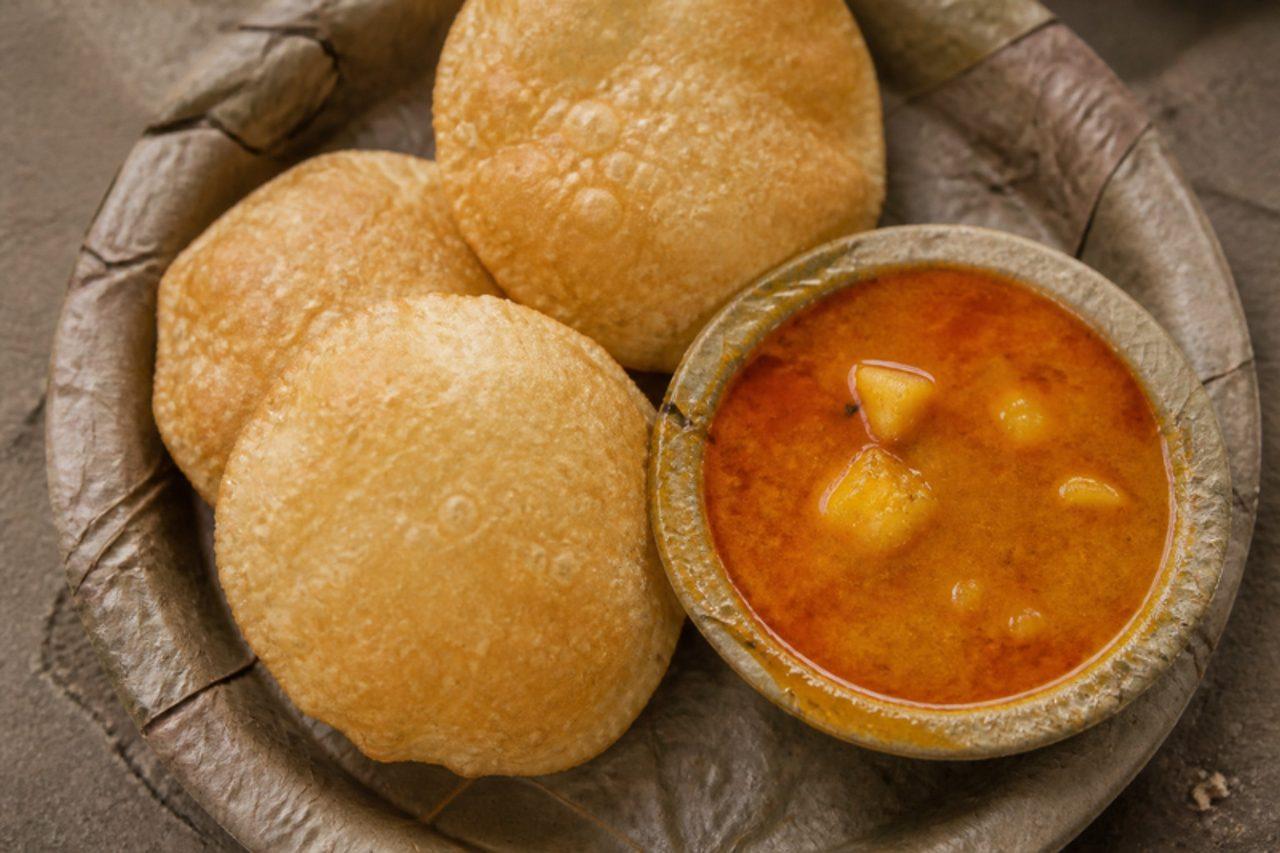
Walk the ghats of Varanasi in Uttar Pradesh at dawn and you'll smell kachori sabzi frying in huge karahis. Banarasi kachori is small and puffed like a puri, with soaked urad dal ground with ginger and fennel worked straight into the wholewheat dough rather than stuffed inside. It comes with a thin, peppery potato and tomato rasa made without onion or garlic, scented with hing and fenugreek seeds, and is usually followed by a hot jalebi. Chef's tip: roll the puris evenly to 3 mm and slide them into really hot oil, pressing gently with a slotted spoon; even thickness and fierce heat are what make them balloon.

by KrazyBadal 0 views

ČesnečkaGarlic soup

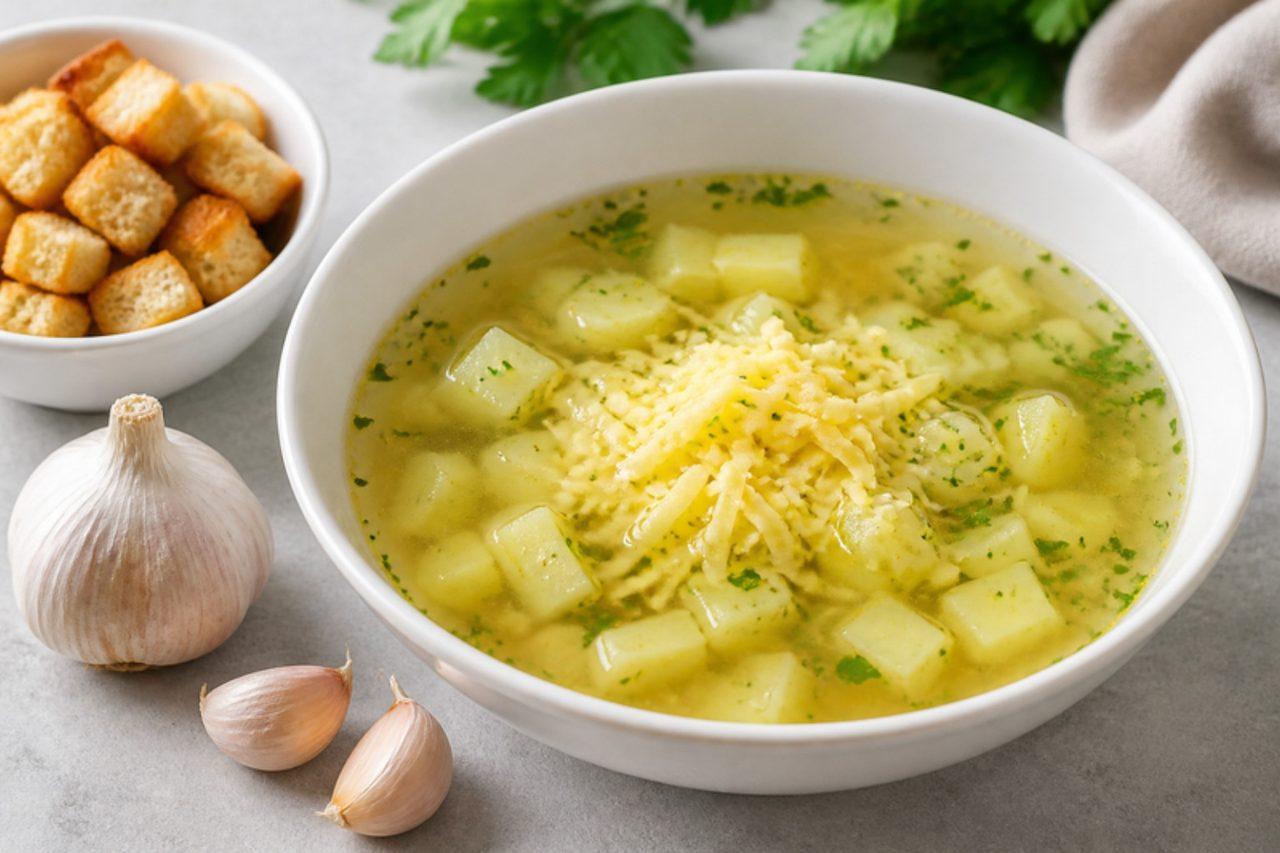
Česnečka is the soup Czechs swear by after a long night in a Prague pivnice: a thin, savoury broth fragrant with raw garlic, caraway and marjoram, with soft potato cubes, crunchy fried bread and a fistful of grated cheese melting into each bowl. It costs almost nothing, comes together in half an hour and is served in workers' canteens and village pubs all winter. This version uses vegetable stock instead of the old meat bouillon. Chef's tip: crush the garlic into the bowls or add it right at the end off the heat; boiled garlic goes sweet and mild, and česnečka should bite.

30 minCzechSoups
by KrazyBadal 0 views

ĆevapiGrilled minced meat fingers

In Sarajevo's old Baščaršija bazaar, ćevabdžinicas grill ćevapi from morning till late night, serving them ten at a time stuffed into a puffy, griddle-warmed somun flatbread with raw onion and a spoon of kajmak. The little skinless fingers are made from beef (often mixed with lamb), seasoned with nothing more than salt, pepper, garlic and a little bicarbonate of soda, which gives them their bouncy bite. Belgrade and Banja Luka have their own versions, but the idea is the same: smoky meat, soft bread, sharp onion. People often over-season them with herbs and paprika; the Bosnian way is plain, letting the meat and charcoal speak. Chef's tip: chill the shaped ćevapi well before grilling and turn them only once or twice, so they keep a juicy centre and a crusty outside.

40 minBalkanMeat
by KrazyBadal 0 views

Cha ca La VongTurmeric fish with dill

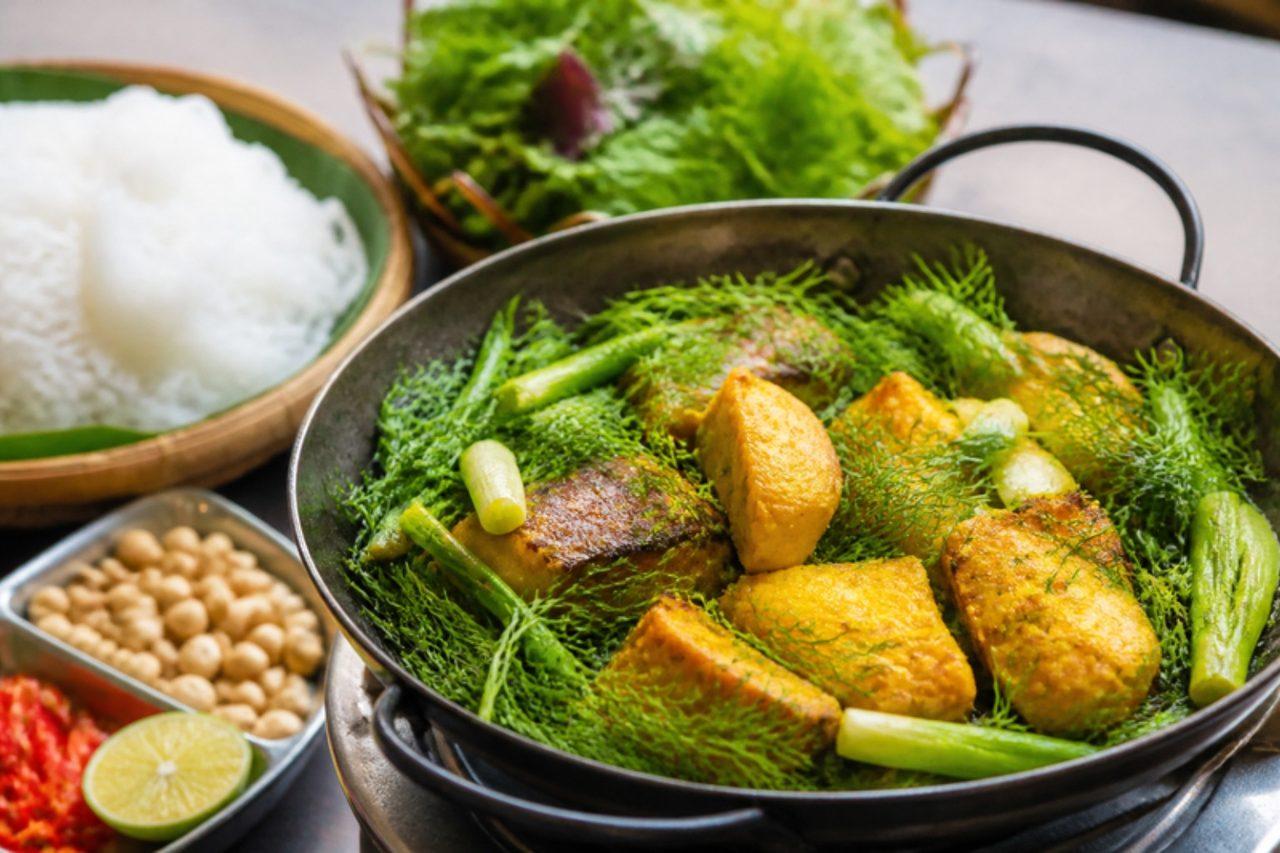
A family restaurant in Hanoi's Old Quarter served this one dish for so long that the street itself was renamed Chả Cá, Grilled Fish Street. Chunks of white fish are marinated in turmeric and galangal, cooked until golden, then brought to the table in a pan of hot oil where everyone throws in handfuls of dill and spring onion to wilt. You eat it over rice vermicelli with peanuts, fresh herbs and a pungent shrimp-paste dip. Dill is rare elsewhere in Vietnamese cooking, which is why this dish tastes so distinct. Chef's tip: use a lot more dill than seems sensible; it is treated as a vegetable here, not a garnish.

by KrazyBadal 0 views

Sapporo soup curry

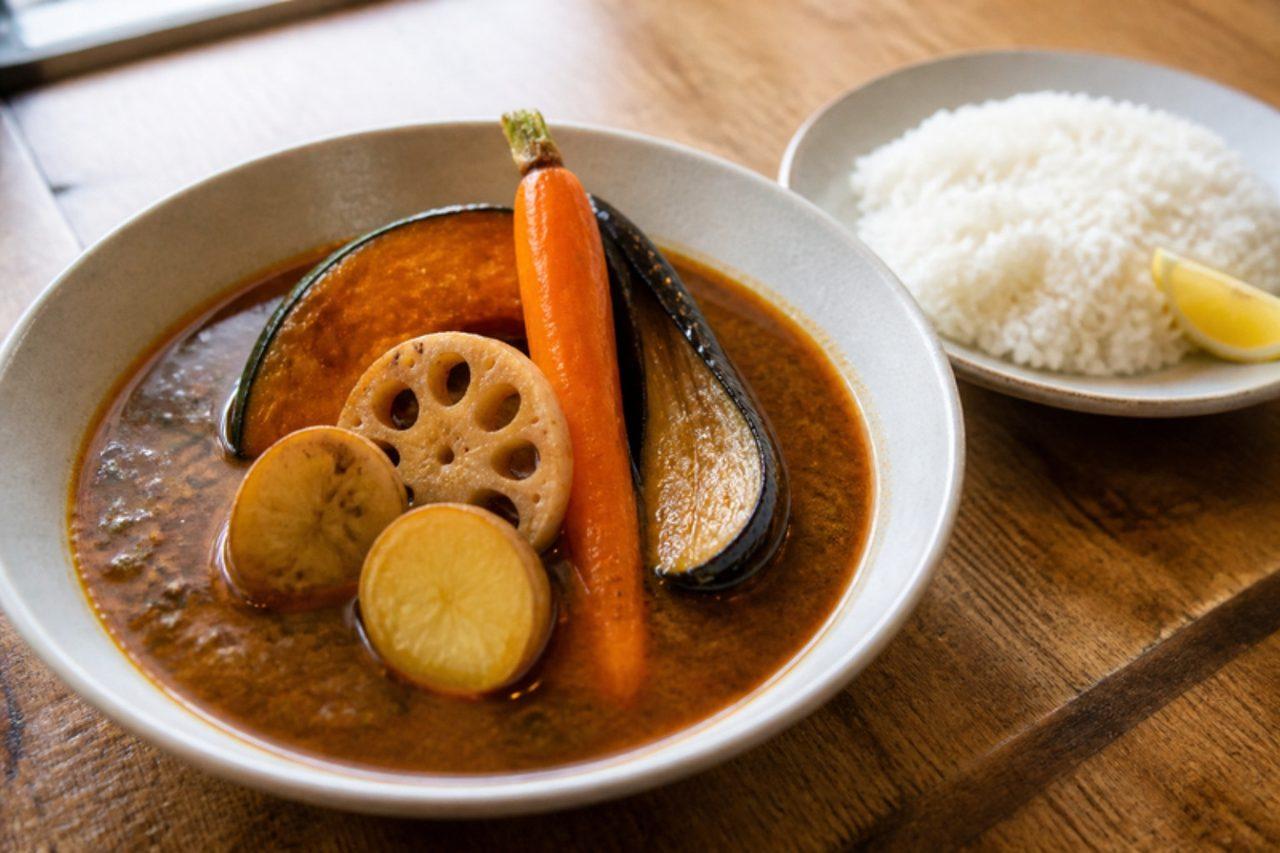
Sapporo's soup curry was born in the city's cafés in the 1970s and became a craze in the 2000s, when hundreds of small shops opened across Hokkaido's capital, each letting you pick a heat level from 1 to 30. It is nothing like the thick roux curry most of Japan knows: the broth is as thin as soup, aromatic with cumin, cardamom and garlic, and the vegetables arrive large and separately roasted, so each keeps its own colour and bite. Locals eat it in the long Hokkaido winter with a plate of rice on the side, taking a spoonful of rice and dunking it into the broth. Chef's tip: roast or fry the vegetables apart from the broth and only meet them in the bowl. The contrast of crisp-edged vegetables and hot, loose broth is the whole point.

by KrazyBadal 0 views

Shanxi cat's ear noodles

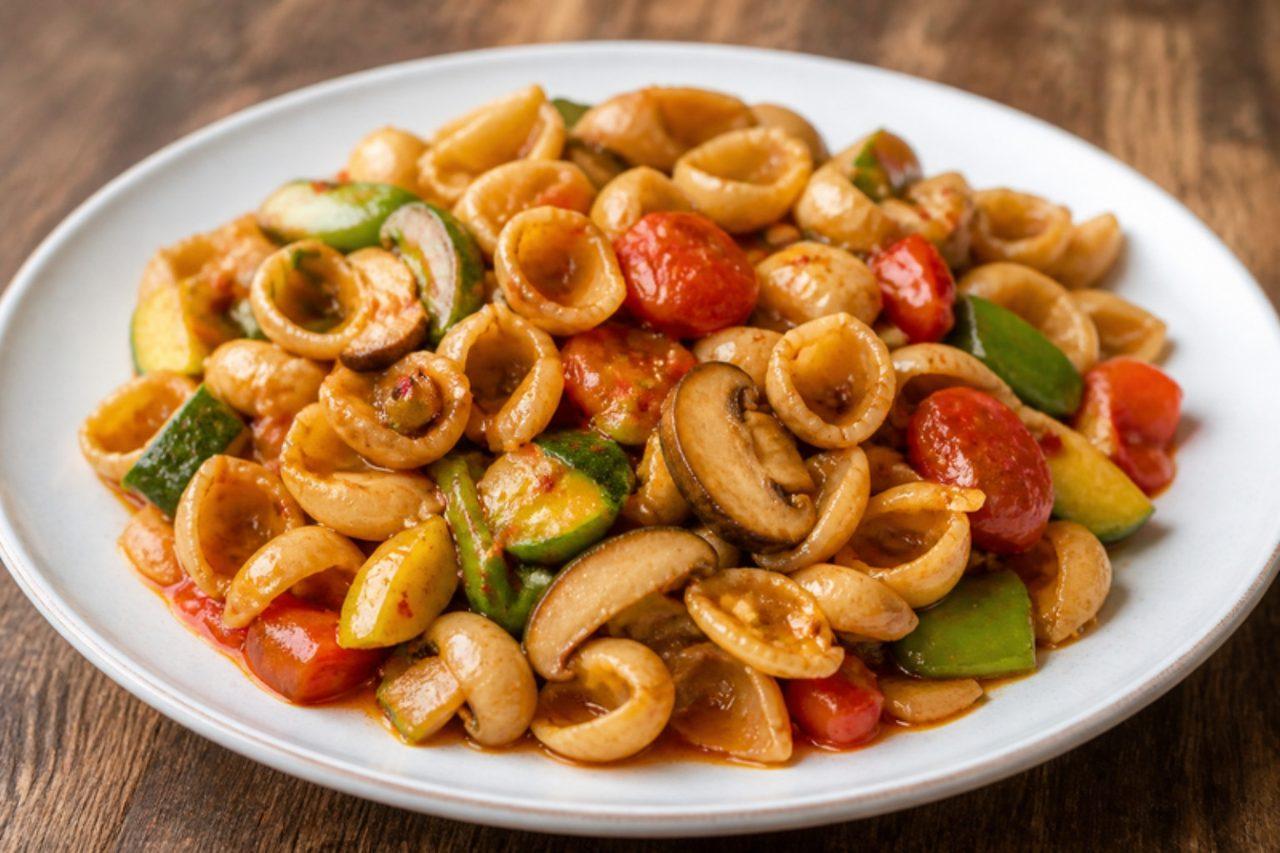
Shanxi has more pasta shapes than almost anywhere in China, and these are among the easiest to make by hand: small pieces of dough pressed and rolled with the thumb so they curl up like a cat's ear. Families in Taiyuan and Pingyao boil them and then stir-fry them with vegetables, or serve them in broth. The cupped shape catches the sauce. Children enjoy shaping them. Chef's tip: dust the board lightly with flour; too much and the dough slides instead of curling.

by KrazyBadal 0 views

Showing 72 of 10,569 recipes

Show more recipes

Page 1,091 of 1,175