


Skip to content
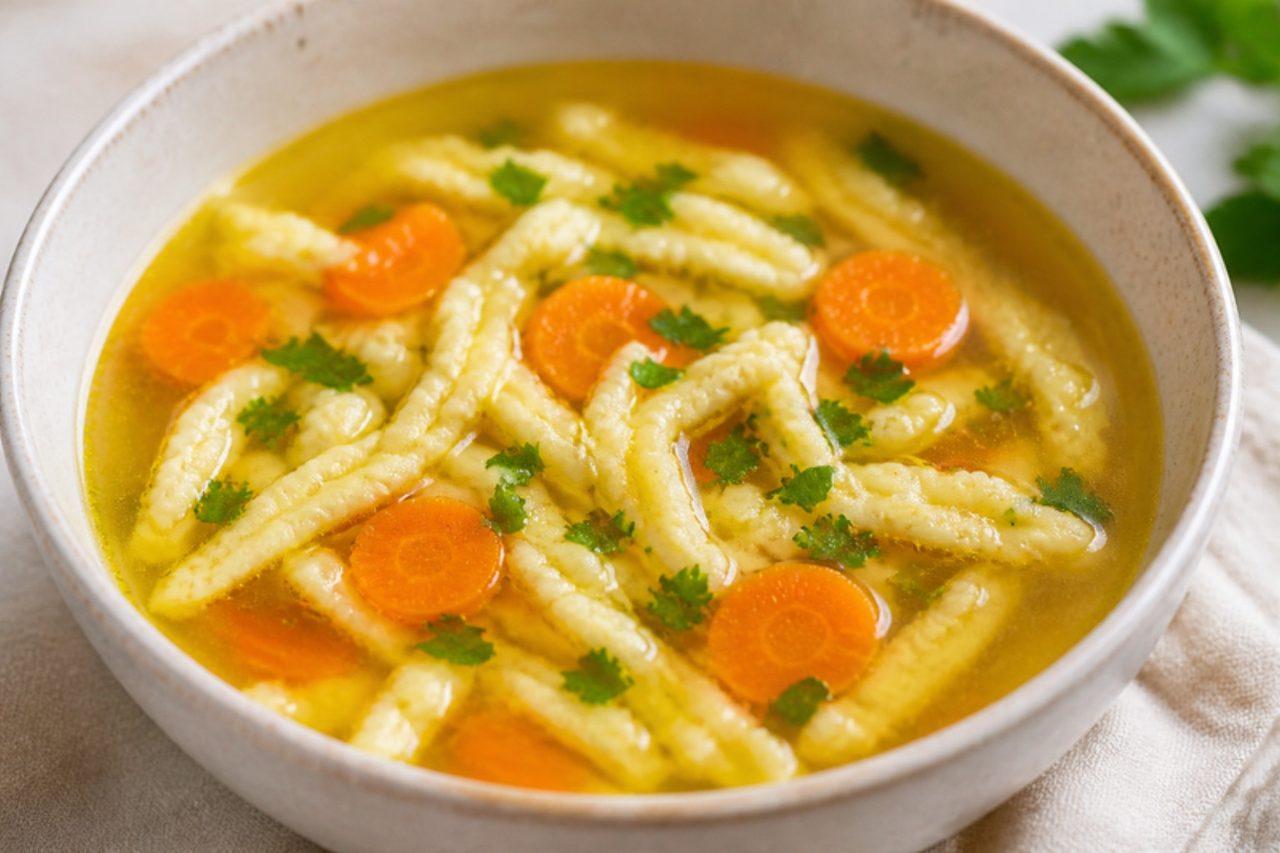
Minestrone soup
Featured recipe

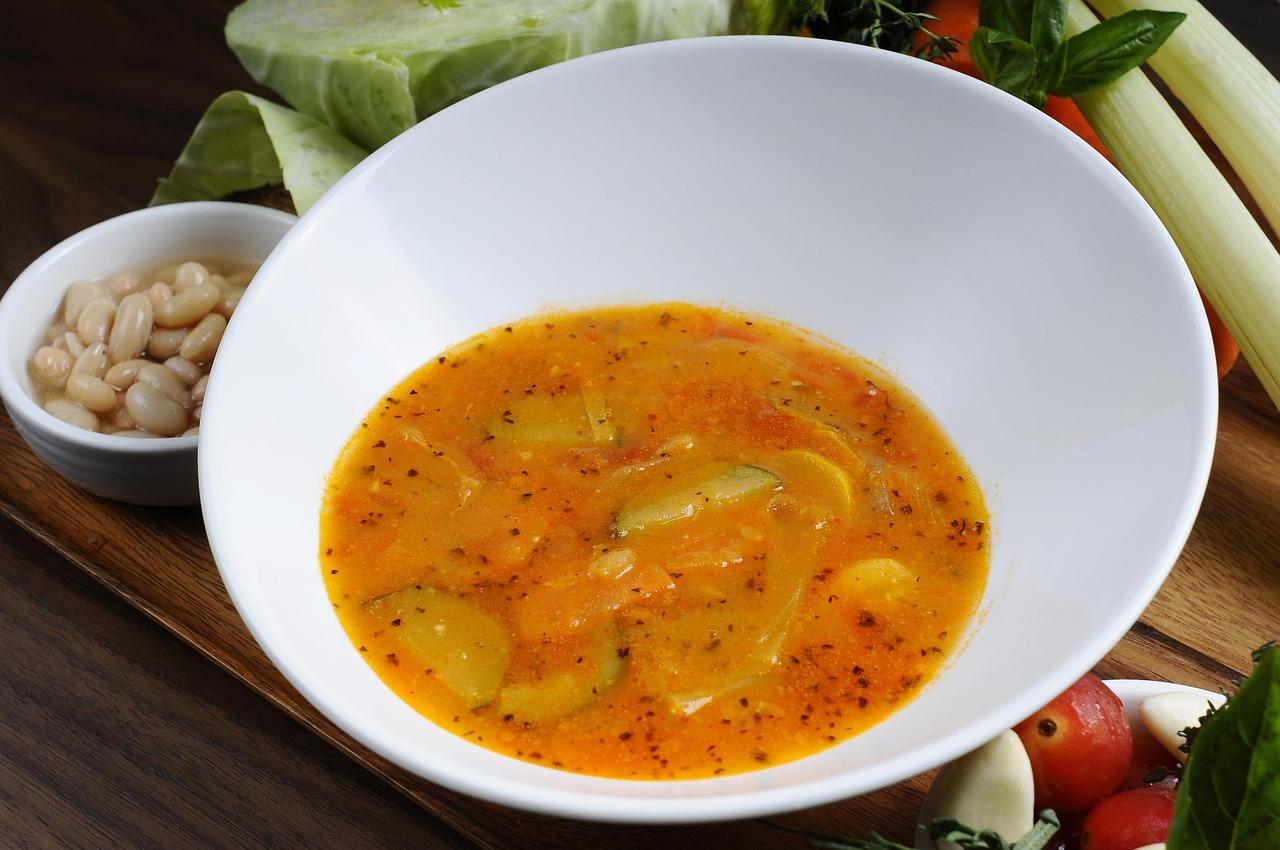
Minestrone soup

A hearty Italian vegetable soup with cannellini beans, cabbage and a little spaghetti, finished with a bright basil and tomato pesto stirred in at the end. Don't let it boil hard once the vegetables are in: over-boiled soups lose their colour and body. Serve hot with crisp garlic toast.

Read more 1 views

What to eat today?

Around the world

Today's trip: Peruvian

A new country every day, from every cuisine on the site.

Peruvian

Tacacho

Mashed roasted green plantain balls 35 minMore from Peruvian (111) →

This week's collection

Kid-friendly dinners
772 recipes · a new collection every Monday

Coming up

All occasions →

Latest recipes

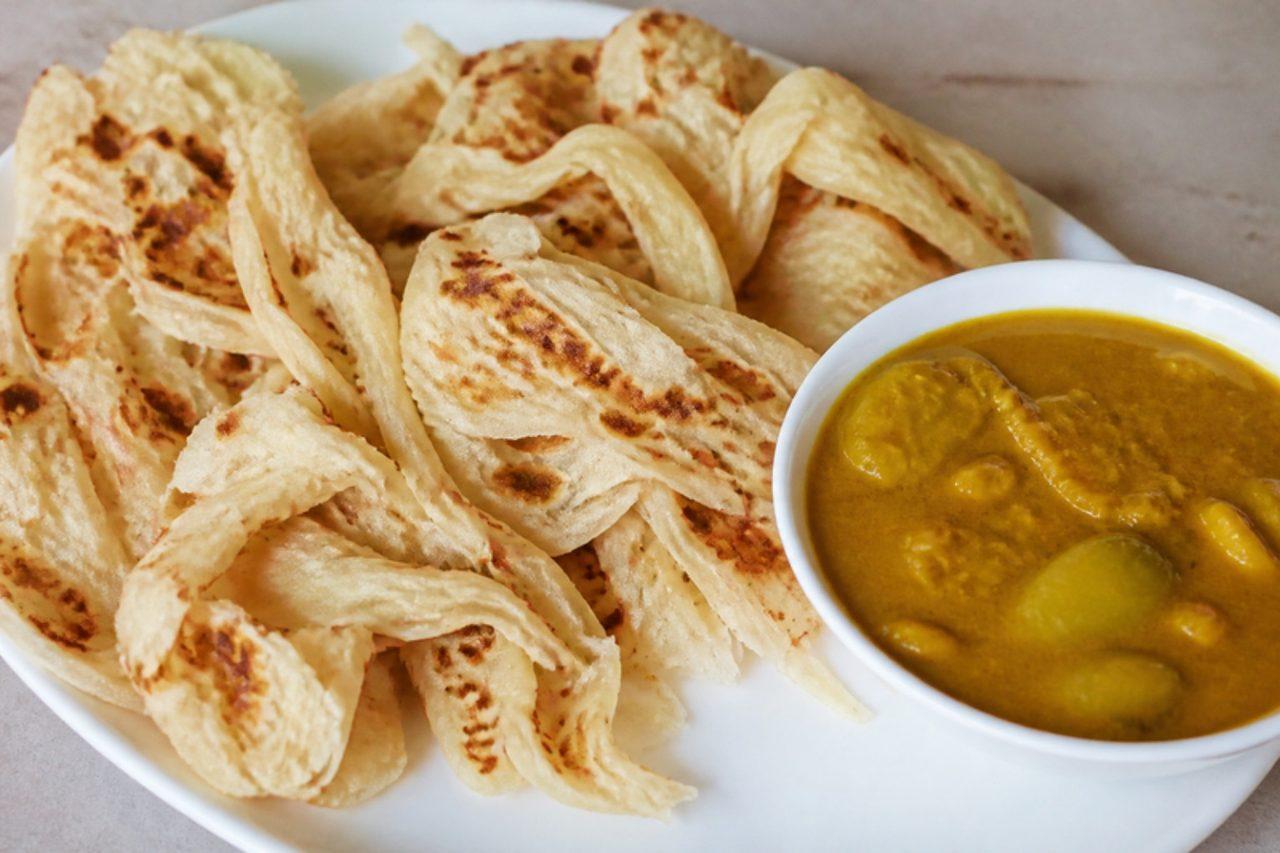
Buss-up-shutTorn paratha roti

Buss-up-shut is the paratha roti of Trinidad, so called because the torn, flaky pieces look like a 'burst-up shirt'. A soft dough is spread with butter and oil, rolled into a coil to build layers, cooked on a hot tawa, then clapped and beaten with wooden paddles until it breaks into soft, buttery, flaky shreds. It's served in roti shops across Trinidad for scooping up curries, and is always at Hindu weddings and Divali feasts. Chef's tip: beat the roti while it's still scalding hot. The steam inside is what separates the layers, so the moment it leaves the tawa, clap it between your hands (in clean oven gloves) or bash it with two wooden spatulas until it shreds.

by KrazyBadal 0 views

FestivalSweet fried cornmeal dumplings

Festival is a slightly sweet fried dumpling made with flour and cornmeal, and it's the classic partner to everything sold from the beach shacks at Hellshire in St Catherine, just outside Kingston. Each one is shaped like a little tapered log, fried until golden and crackly outside and soft and fluffy inside, with a hint of vanilla. Here they're served with escovitch-style pickled vegetables, steamed callaloo or jerk tofu instead of fried fish. Chef's tip: fry at a steady medium heat, around 170°C. If the oil is too hot, festival browns in a minute and stays raw and doughy in the middle.

by KrazyBadal 0 views

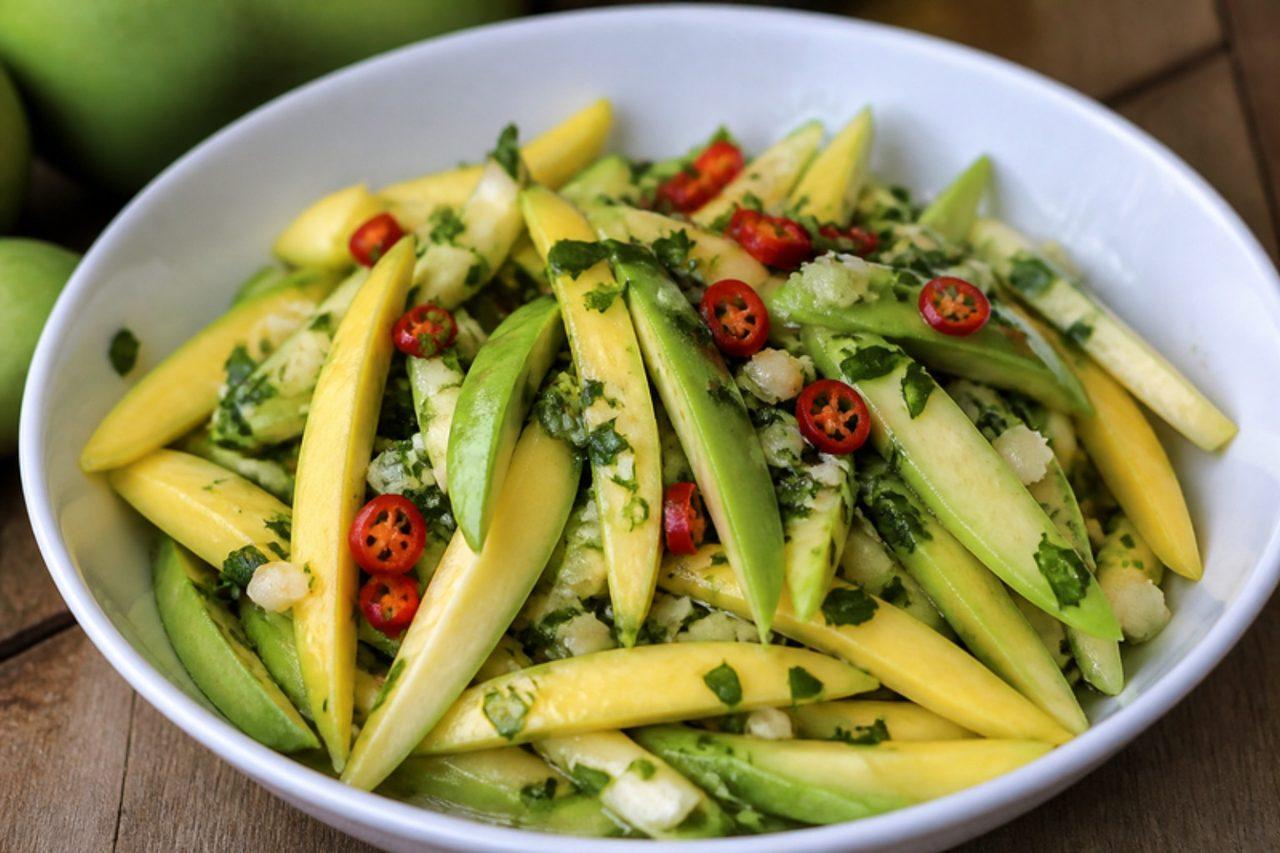
Mango chowSpiced green mango

Chow is what Trinidadians eat on a hot afternoon: fruit, most often half-ripe mango, sliced and tossed with lime juice, salt, garlic, chopped shado beni and plenty of hot pepper. It's sold in little bags at roadside stands, beach stalls and outside schools all over the island. It's crunchy, sour, salty, garlicky and fiery all at once. Pineapple, cucumber and pommecythere (golden apple) are made the same way. Chef's tip: let the chow sit for 10 minutes before eating. The salt and lime draw out the mango's juice into a tangy, peppery 'pickle' liquid, and that juice is the best part.

by KrazyBadal 0 views

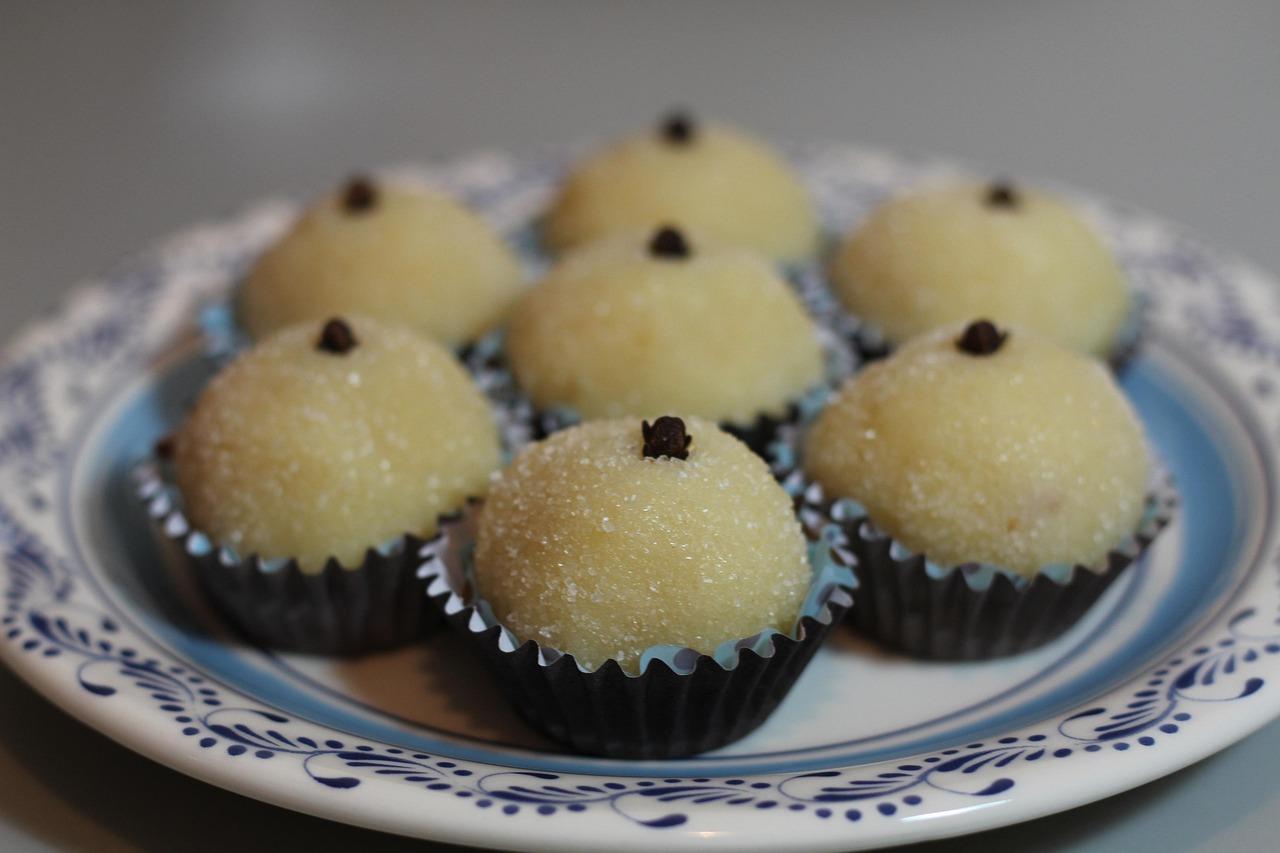
BeijinhoCoconut condensed milk sweets

Beijinho ('little kiss') is the white twin of brigadeiro, and the two always appear side by side at Brazilian birthday parties all over the country. Condensed milk is cooked with butter and coconut until thick, then rolled into small balls, coated in sugar or coconut and topped with a single clove. Chef's tip: don't skip the clove. It's the signature of a proper beijinho, giving a little warm, spicy perfume that balances all that sweetness (it's for decoration and aroma; take it out before eating).
by KrazyBadal 0 views

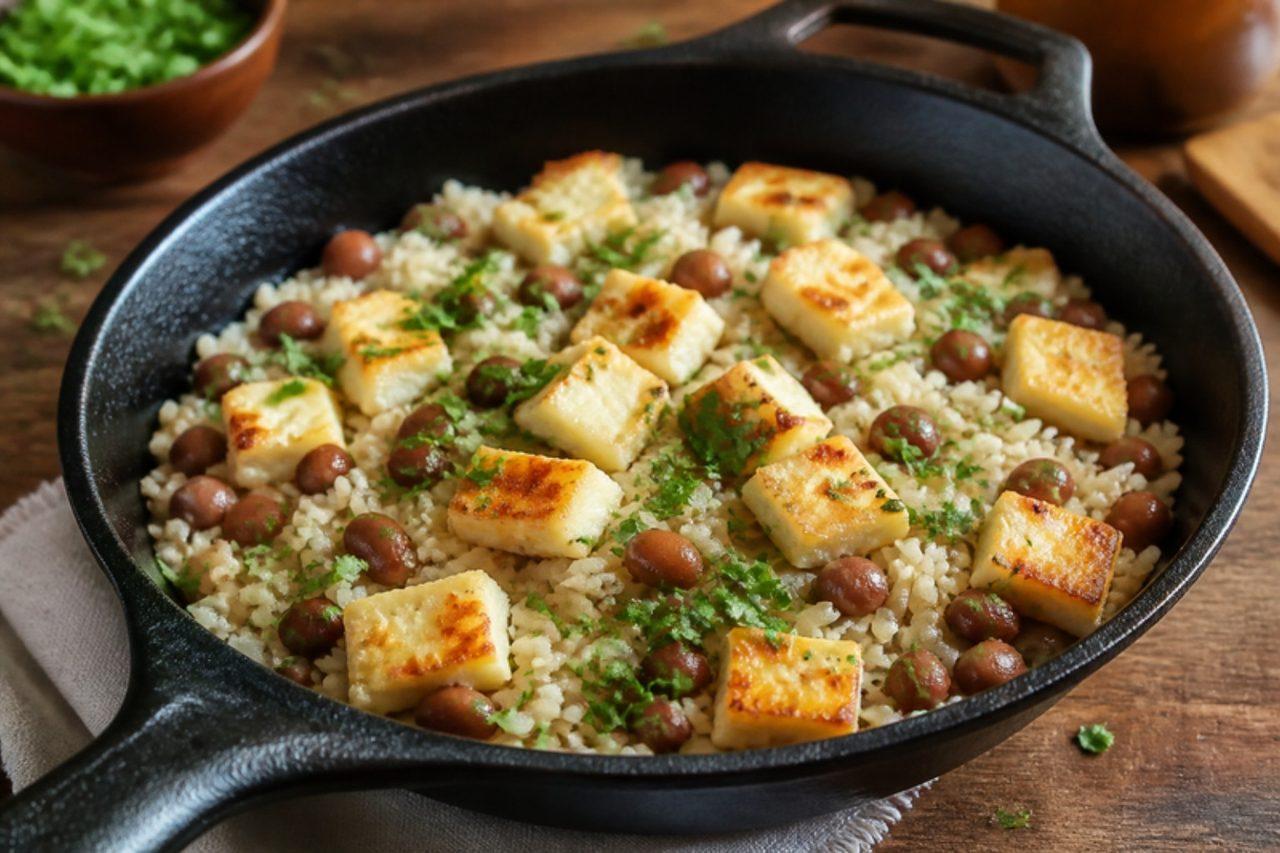
Baião de doisRice and beans with cheese

Baião de dois ('a dance for two') is the pride of Ceará and the Northeast sertão: rice cooked in the broth of feijão-de-corda (a small cowpea; black-eyed peas are the closest match), then folded with cubes of squeaky queijo coalho until they just start to melt. It's usually made with dried beef and bacon; this version keeps the smoky note with paprika and finishes with nutty clarified butter (manteiga de garrafa). It's a one-pot meal on its own, or great with vinagrete. Chef's tip: cook the rice in the bean cooking water, not fresh water. That's what gives baião its brownish colour and deep bean flavour.

by KrazyBadal 0 views

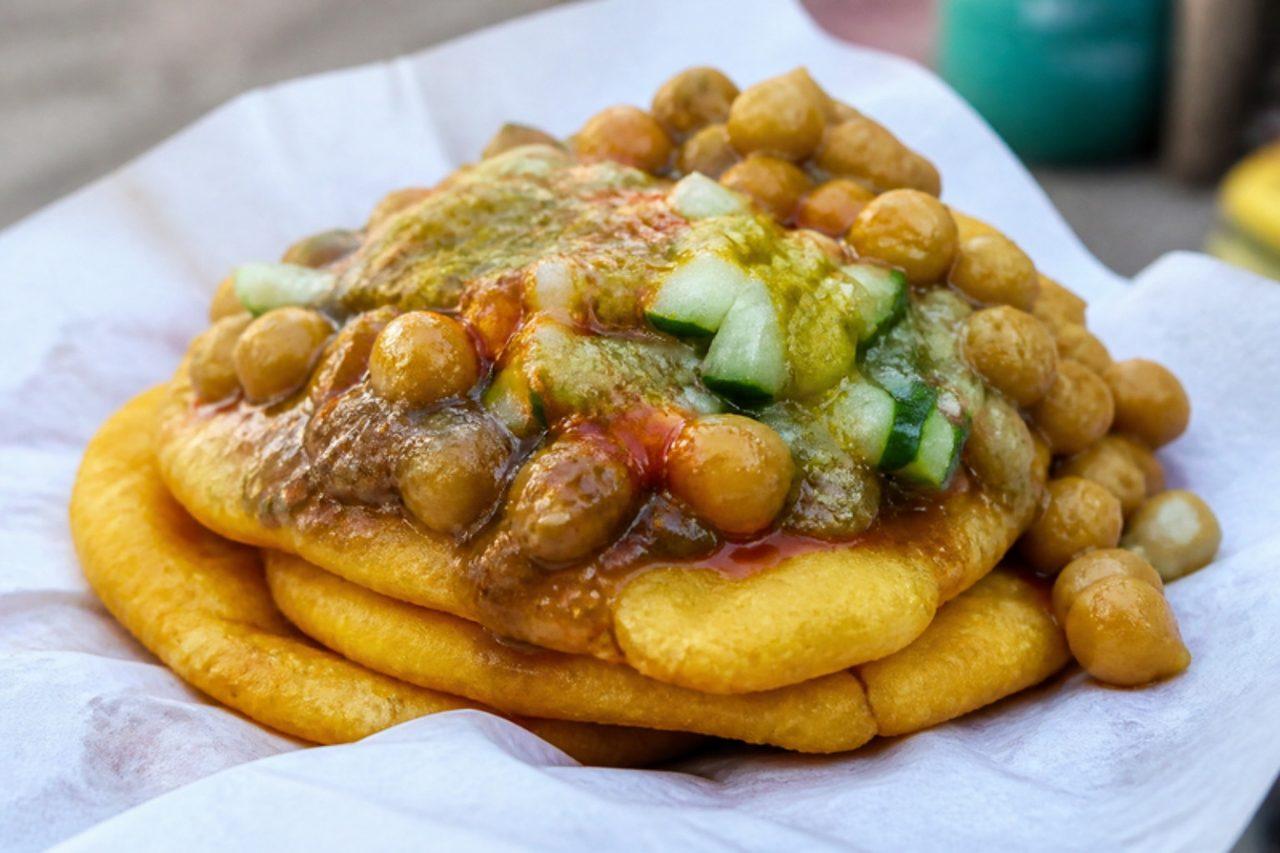
DoublesCurried chickpeas in fried bread

Doubles are Trinidad's favourite street food, sold from carts at dawn on corners from Curepe to San Fernando and said to have started in Princes Town in the 1930s. Two pieces of bara, a soft, puffy fried flatbread coloured with turmeric, are piled with soft curried chickpeas (channa), then spooned with sweet tamarind sauce, cool cucumber chutney, shado beni sauce and as much pepper sauce as you dare ('slight' or 'heavy'). They're messy, cheap and wonderful, eaten standing up from a square of paper. These are different from Indian chole bhature: the bara is light and yeasty, the channa is cooked very soft in Caribbean curry, and the toppings are sweet, sour and fiery all at once. Chef's tip: keep the bara dough very soft and wet, and handle it only with oiled hands. Stretch each ball thin over your fingers and slide it straight into the hot oil, so it puffs light and stays soft instead of turning into a crisp puri.

by KrazyBadal 0 views

Limonada suíçaCreamy lime drink

Limonada suíça is the creamy, frothy limeade served in juice bars and lunch counters all over Brazil. Despite the name ('Swiss lemonade'), nobody knows of any Swiss link, and it's made with whole Tahiti limes, blended briefly, skin and all, then strained and sweetened with condensed milk. It's cold, zingy and pale green, perfect with a hot lunch. Chef's tip: blend for no more than 10–15 seconds. Lime peel gives the drink its wonderful perfume, but blended too long it releases bitterness from the pith; serve it straight away for the same reason.

by KrazyBadal 0 views

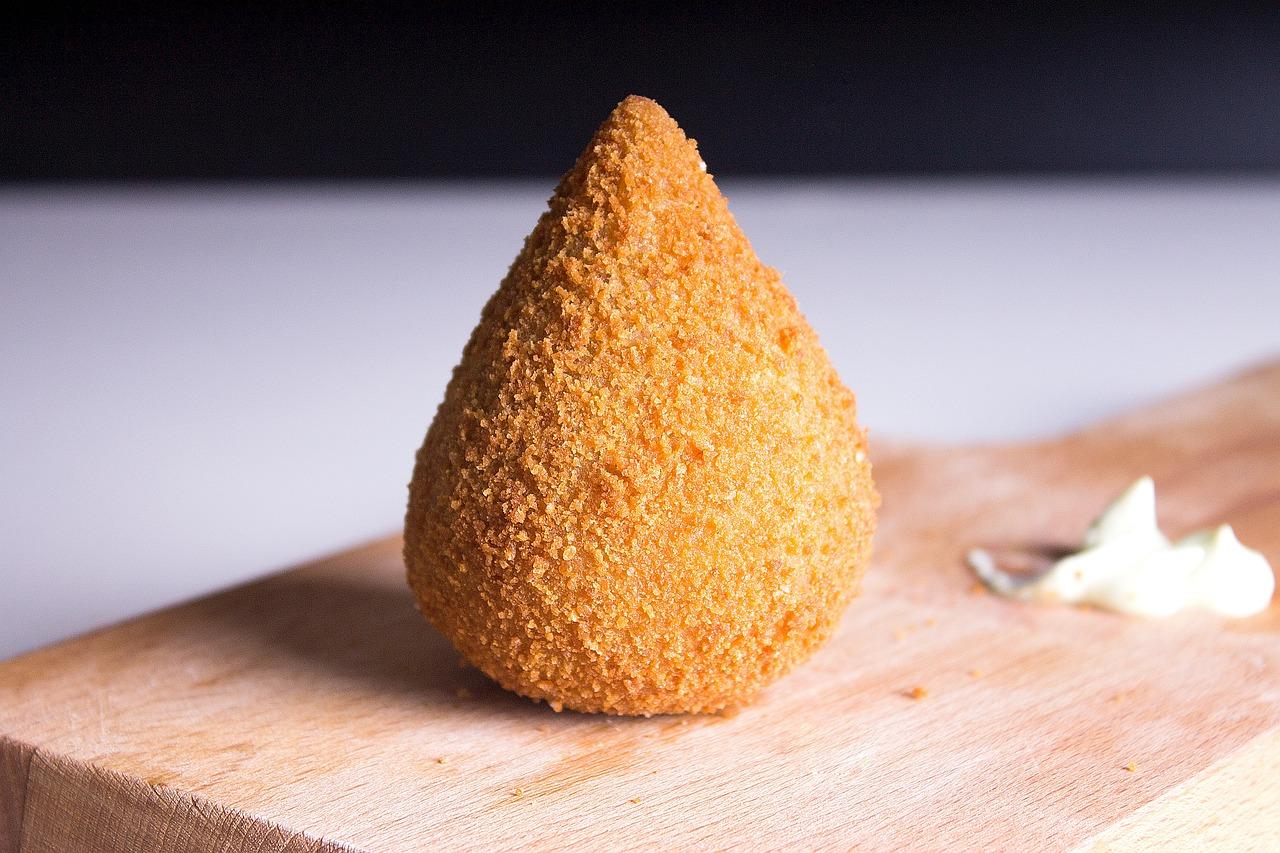
Heart of palm coxinhaHeart of palm croquettes

Coxinha is the king of Brazilian salgados, sold in every padaria and served at every birthday party, especially in São Paulo. The teardrop shape copies a chicken thigh, but coxinha de palmito, filled with soft heart of palm, tomato and creamy cheese, is a much-loved meat-free version. The dough is a cooked, savoury choux-like paste, rolled in breadcrumbs and fried until shatteringly crisp. Chef's tip: cook the dough until it comes away from the pan in one smooth ball, then knead it while still warm with oiled hands. Lumpy or under-cooked dough cracks in the fryer and lets the filling leak.
by KrazyBadal 0 views

Acarajé with vegan vatapáBlack-eyed pea fritters with coconut paste

Acarajé is the street food of Salvador da Bahia, fried to order by the baianas de acarajé in their white lace dresses; the craft is protected as part of Brazil's cultural heritage. Peeled black-eyed peas are ground with onion, whipped until light and fried in dendê into crisp, airy fritters, then split and filled with vatapá, a rich paste of coconut, peanuts, cashews and ginger. Street versions add dried shrimp; this one leaves it out and leans on dendê and toasted nuts for depth. Add vinagrete and pepper sauce as they do in Salvador. Chef's tip: beat the bean paste until it's pale and fluffy, and test a little in a glass of water: when it floats, it's ready. That trapped air is what makes acarajé light inside.

by KrazyBadal 0 views

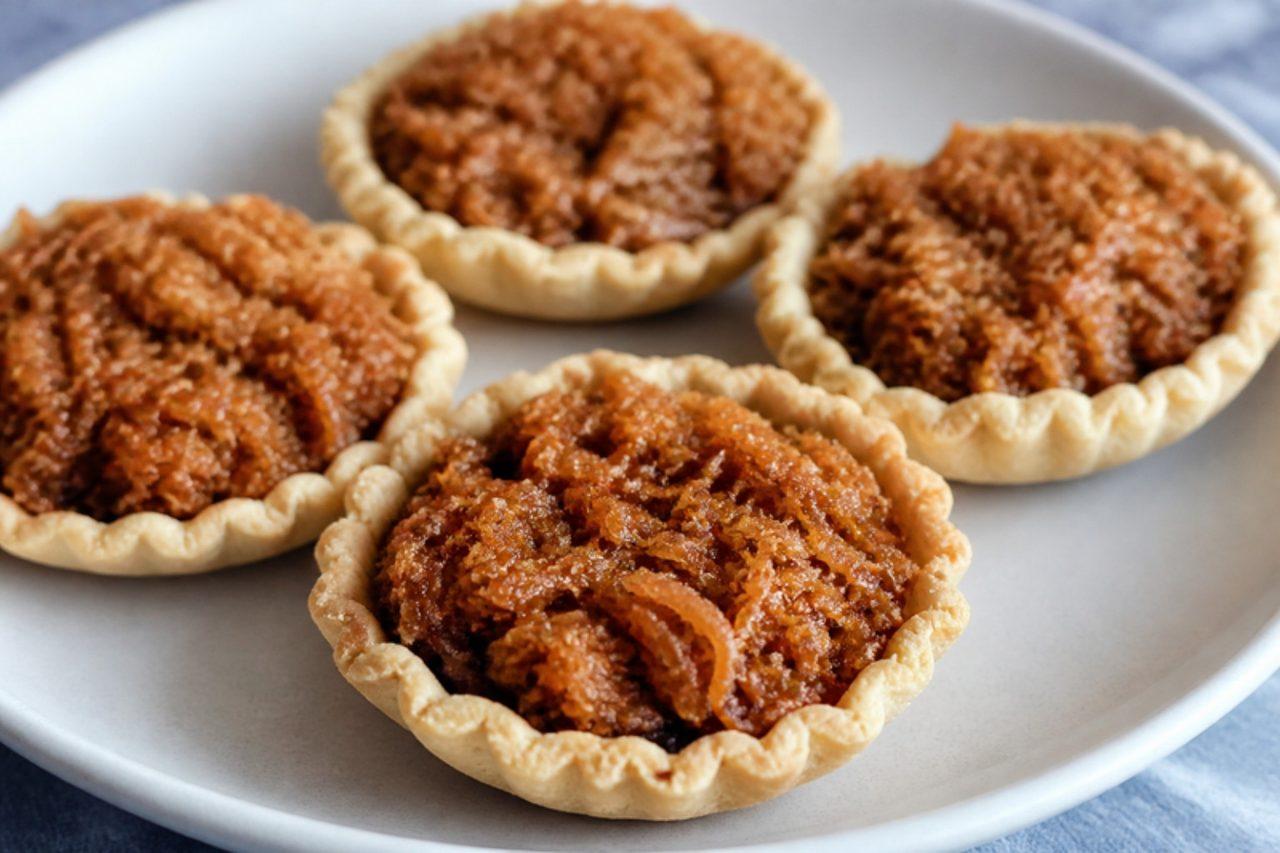
GizzadaCoconut tarts

Gizzada (also called 'pinch-me-round') is a little Jamaican tart with a crisp, crimped crust and a chewy filling of grated coconut cooked with brown sugar, nutmeg and ginger. It's sold in bakeries and roadside stalls across Jamaica; the name is thought to come from the Portuguese 'queijada', brought by Portuguese Jewish settlers. Eat it with a cup of tea or as an afternoon treat. Chef's tip: cook the coconut filling until it's sticky and almost dry, with no syrup pooling in the pan. A wet filling soaks into the pastry and the crust goes soft instead of crisp.

by KrazyBadal 0 views

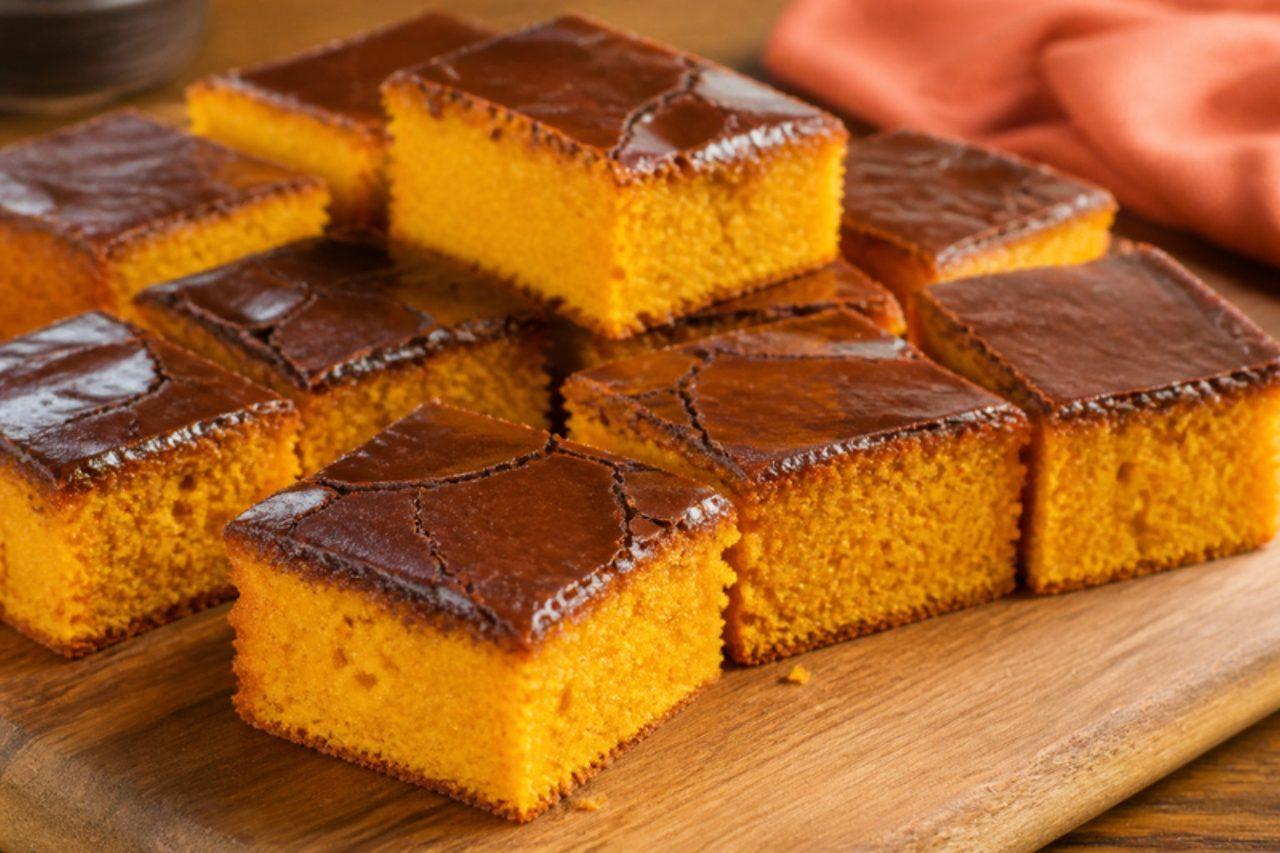
Bolo de cenoura com cobertura de chocolateCarrot cake with chocolate topping

Bolo de cenoura is the most loved homemade cake in Brazil, served with coffee at the afternoon lanche all over the country. It's nothing like the spiced, nutty carrot cake of the UK and US: raw carrots are blended smooth with eggs and oil, giving a bright orange, light and moist sponge, finished with a thick chocolate topping that sets with a thin crust. Chef's tip: blend the carrots with the eggs and oil until completely smooth, with no visible bits, and pour the chocolate topping over while the cake is still warm. The topping soaks in a little and sets with the shiny, crackly casquinha (crust) Brazilians love.

by KrazyBadal 0 views

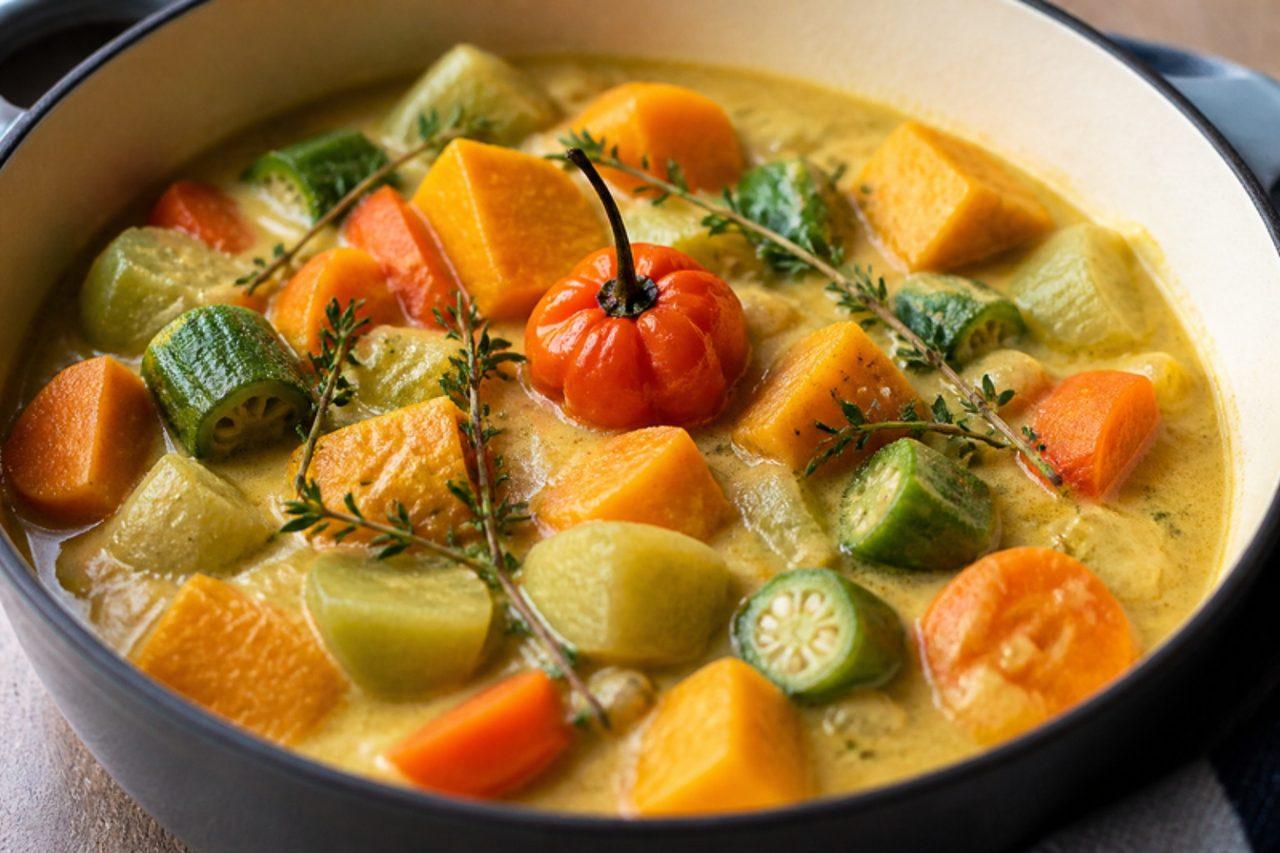
Ital stewPumpkin and sweet potato stew

Ital food is the cooking of the Rastafari, found from the hills of St Andrew to roadside Ital shops in Westmoreland and St Thomas. It is plant-based, close to the earth and traditionally made without added salt, built on fresh 'food' (ground provisions) and greens. This stew is golden and gently sweet, thickened by melting pumpkin and silky okra, with coconut milk, thyme and pimento giving warmth and a whole scotch bonnet giving fruity heat. Serve with rice and peas or boiled green bananas. Chef's tip: cut half the pumpkin very small and the other half in big chunks. The small pieces collapse into the coconut milk and thicken it naturally, while the big ones hold their shape.

by KrazyBadal 0 views

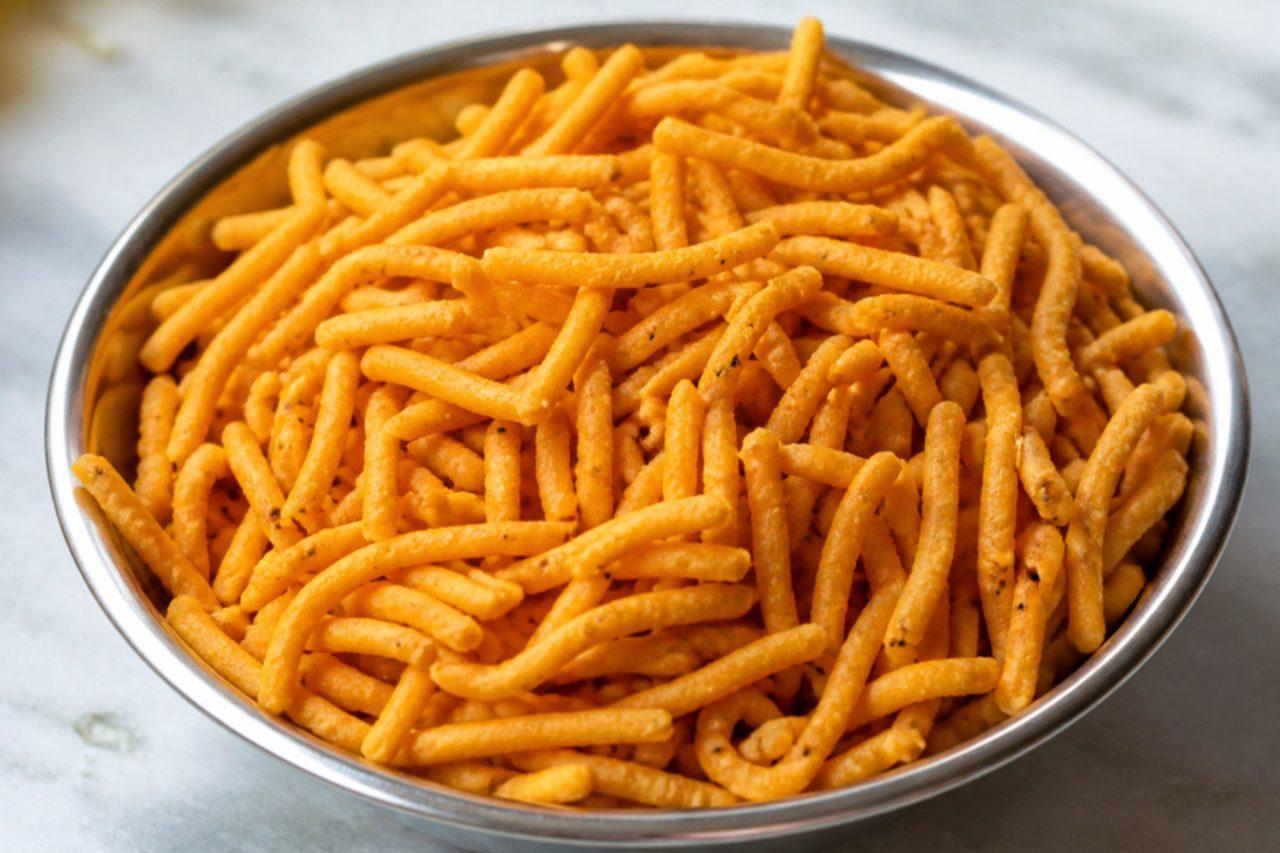
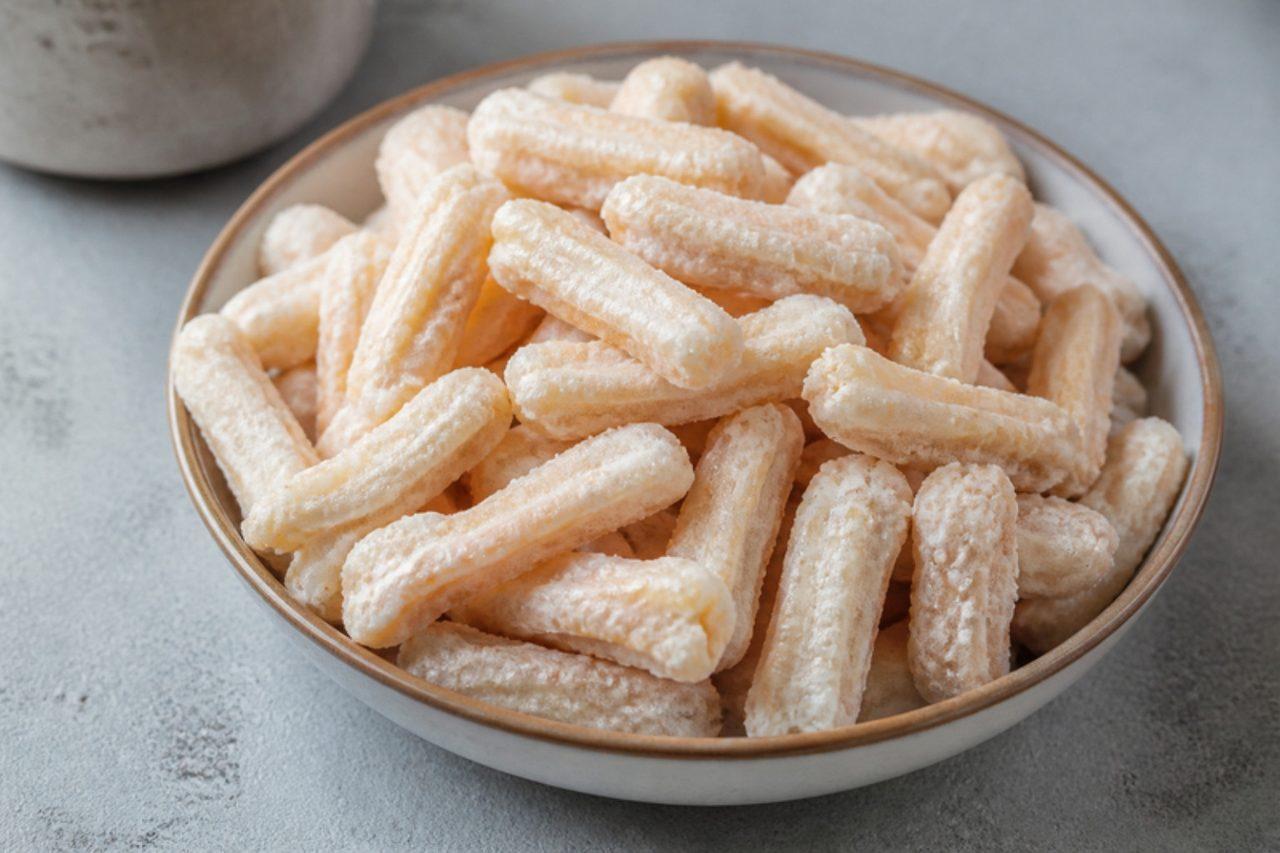
KurmaSweet fried dough sticks

Kurma is a crunchy Indo-Trinidadian sweet made for Divali, weddings and pujas, and sold in bags at roadside parlours in Central Trinidad. A rich dough flavoured with ginger, cinnamon and nutmeg is cut into thin sticks, fried until hard and golden, then tossed in a hot ginger sugar syrup until it dries into a frosty white coating. It keeps for weeks in a tin. Chef's tip: keep stirring the kurma in the syrup off the heat until the sugar suddenly turns opaque and sandy. That moment is the whole trick; stop too early and the coating stays sticky, and the 'frost' is what makes kurma kurma.

by KrazyBadal 0 views

BammyCassava flatbread

Bammy is one of Jamaica's oldest foods, a flatbread of grated cassava handed down from the Taíno people and still made by family producers in St Elizabeth, especially around Treasure Beach and the south coast. The cassava is grated, squeezed dry and pressed into firm rounds that keep for days. Before eating, they're soaked in coconut milk and fried, so they turn crisp outside and soft and chewy within, with a gentle nutty flavour. Serve with steamed callaloo, Ital stew or escovitch vegetables. Chef's tip: squeeze the grated cassava really, truly dry in a cloth, wringing it hard. Wet cassava steams into a gummy cake instead of setting into a firm bammy.

by KrazyBadal 0 views

BrigadeiroChocolate condensed milk truffles

Brigadeiro is Brazil's favourite sweet: no birthday party anywhere in the country is complete without trays of them in little paper cases. Condensed milk, cocoa and butter are stirred in a pan until thick, then rolled into soft, fudgy balls and coated in chocolate sprinkles. It's said to be named after Brigadeiro Eduardo Gomes, an air force officer who ran for president in 1945. Chef's tip: learn the ponto (the doneness point). Tilt the pan and drag your spatula through the mixture: when it slides as one mass and you can see the pan base for 2–3 seconds before it closes up, it's ready. Undercooked brigadeiros won't hold a shape; overcooked ones turn chewy.

by KrazyBadal 0 views

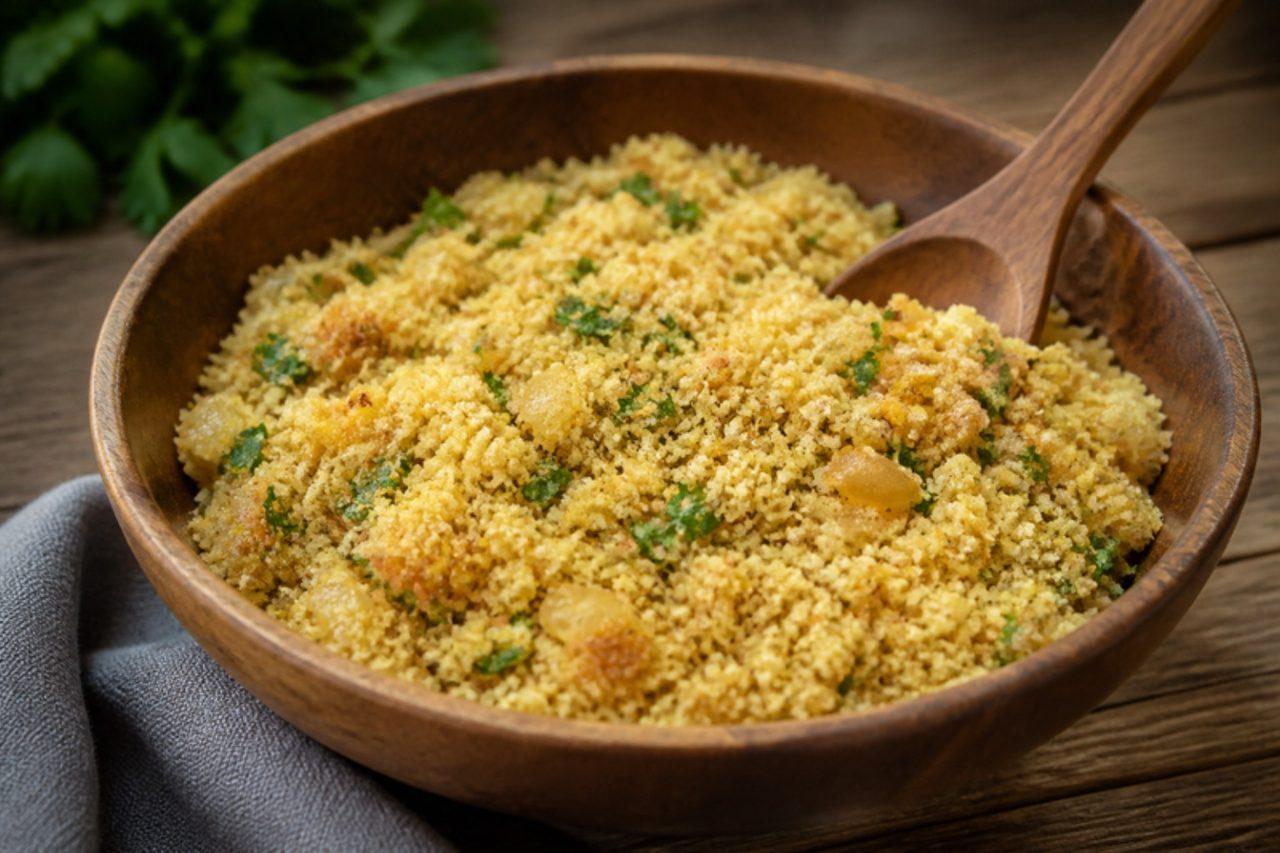
FarofaToasted manioc meal

Farofa is on the table at almost every Brazilian meal, from feijoada to Sunday barbecue: coarse manioc (cassava) meal toasted in butter or olive oil with onion and garlic until golden, sandy and nutty. Sprinkle it over beans, stews and moqueca to soak up the juices and add crunch. Bacon is common in the South-East; this butter version is the classic everyday one (use olive oil for a vegan farofa). Chef's tip: toast the manioc over a medium-low heat, stirring constantly, and go by smell and sound. It's ready when it smells like toasted hazelnuts and sounds dry and sandy against the spoon; high heat scorches it in seconds.
by KrazyBadal 0 views

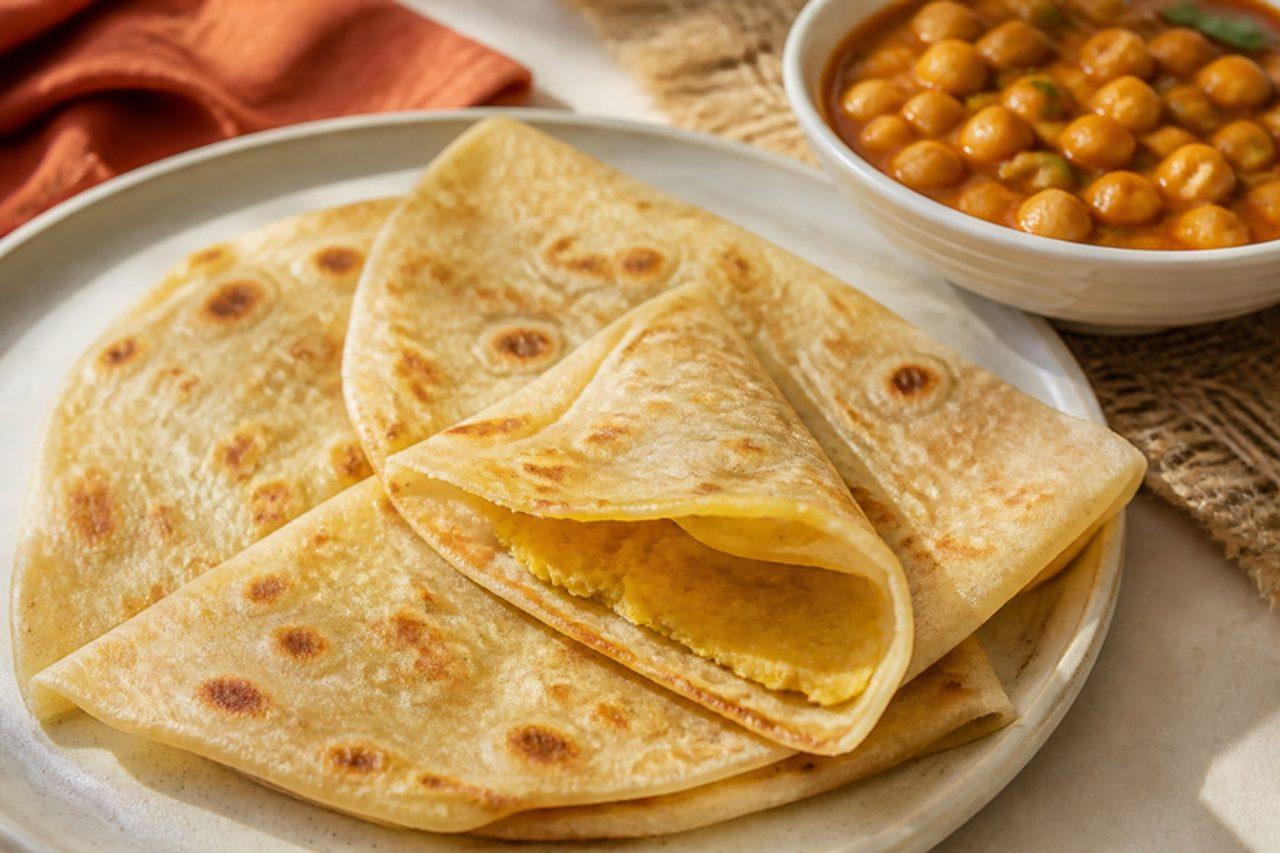
Dhalpuri rotiSplit pea filled flatbread

Dhalpuri is the pride of Trinidad's Indo-Caribbean kitchens and roti shops, from Chaguanas to San Fernando: a large, soft, thin roti with a hidden layer of finely ground, seasoned yellow split peas. It's wrapped around curry channa and aloo, curry pumpkin or curry mango to make a 'roti', or torn and eaten alongside. It came with Indian indentured workers in the 1800s and became something distinctly Trini: thinner and softer than an Indian dal paratha, cooked on a flat iron 'tawa'. Chef's tip: the split peas must be boiled only until just tender, drained, then dried and ground into a fine, dry powder. Any dampness and the roti will burst when you roll it out.

by KrazyBadal 0 views

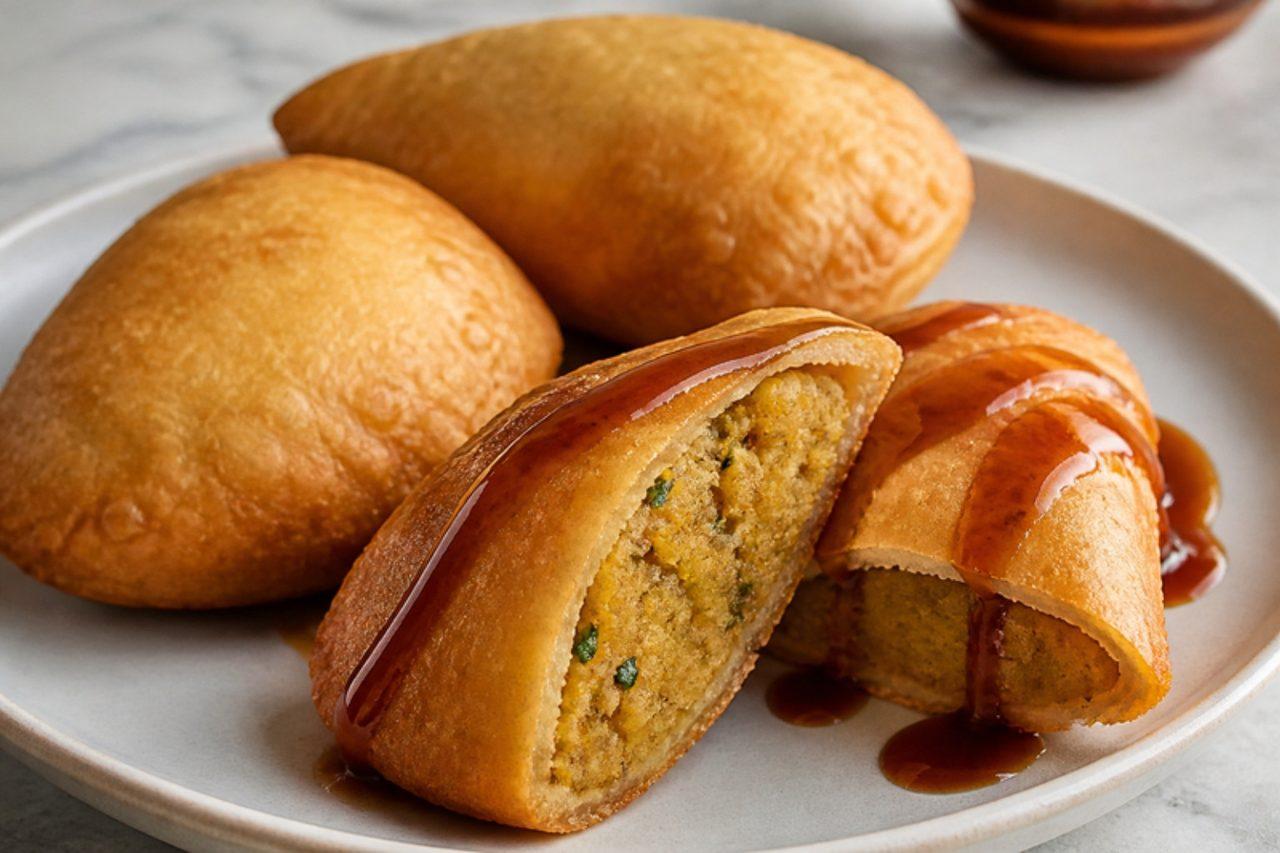
Aloo pieFried potato pastry pockets

Aloo pie is a Trinidadian street snack: a soft, chewy fried dough shaped like a big half-moon, filled with mashed potato seasoned with roasted geera, garlic, pepper and shado beni. It's sold at doubles stands, roti shops and school canteens all over the island, and the classic way to eat it is split open and loaded with curry channa, tamarind sauce and pepper. It's softer and breadier than an Indian samosa. Chef's tip: roast the geera seeds yourself until they're dark brown and fragrant, then grind them. That deep, smoky cumin flavour is what makes Trini aloo pie taste the way it should.

by KrazyBadal 0 views

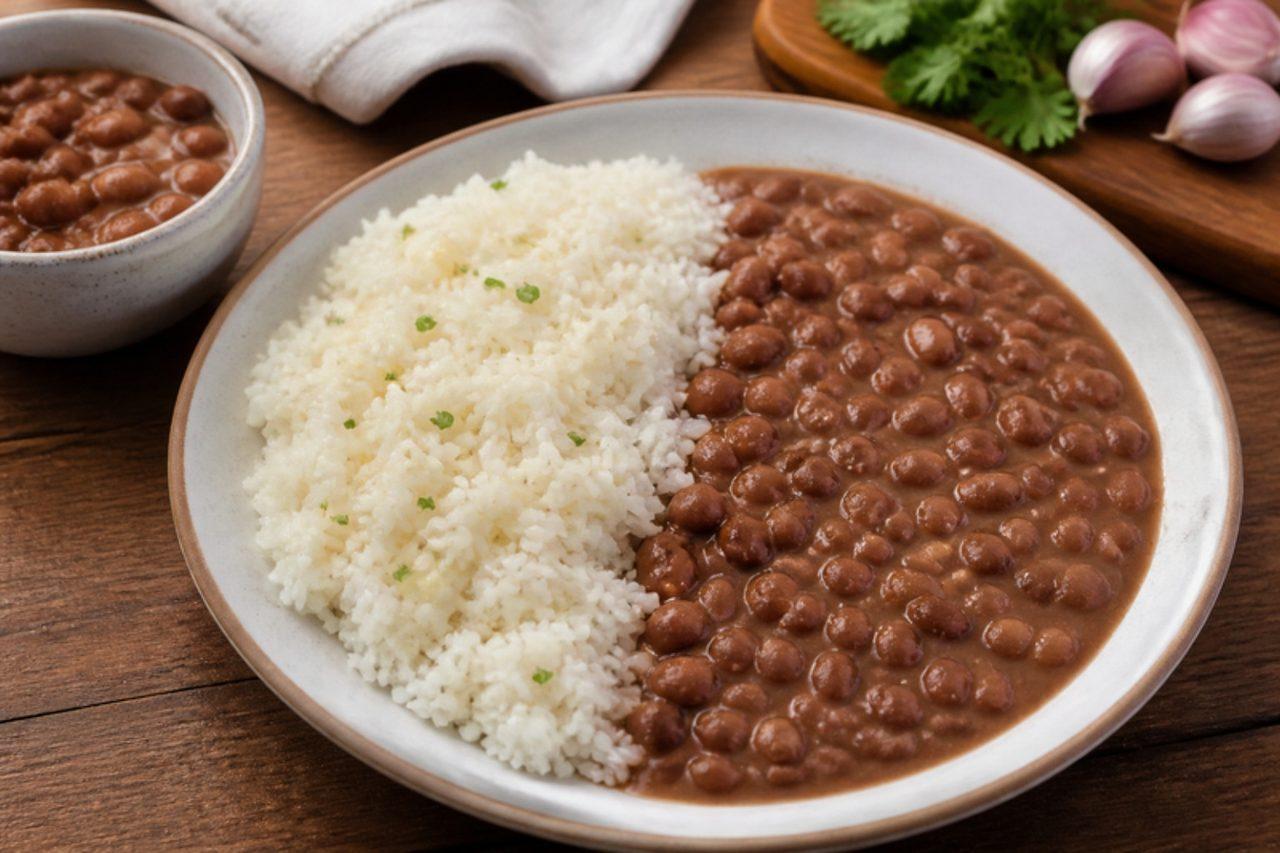
Arroz e feijãoRice and beans

Arroz e feijão is the heart of the Brazilian table, eaten at lunch nearly every day from Porto Alegre to Manaus. Each half is simple but made with care: the rice is fried with garlic before simmering so the grains stay loose (soltinho), and the beans are finished with a refogado of onion and garlic that thickens their broth. In the South and Rio black beans are the norm; elsewhere it's the beige carioca bean. Chef's tip: when the beans are tender, fry the garlic and onion, add a ladle of beans and mash them in the pan, then stir it all back into the pot. This tempero is the step that makes Brazilian beans taste like home.
by KrazyBadal 0 views

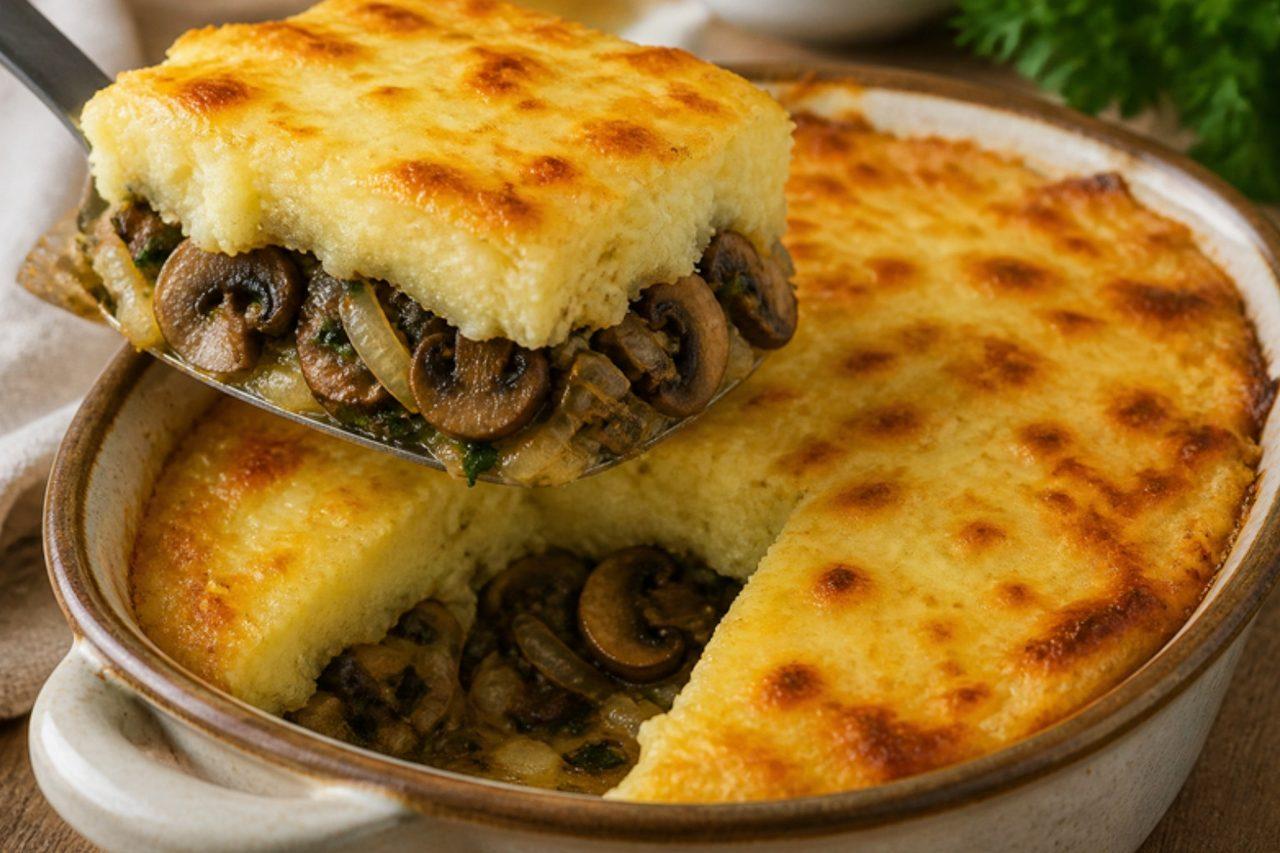
Mushroom and cassava escondidinhoMushroom and cassava bake

Escondidinho ('little hidden one') is a homely baked dish from the Northeast: a savoury filling hidden under a layer of creamy mashed cassava (mandioca or aipim), topped with cheese and baked until golden. The classic is made with carne de sol, the Northeast's sun-dried beef; this vegetarian escondidinho uses mushrooms browned hard with onion, tomato and smoked paprika for the same savoury depth. Serve it with a green salad or couve à mineira. Chef's tip: mash the cassava while it's piping hot and remove the woody core first. Cold cassava turns gluey, and the stringy core spoils the silky texture.
by KrazyBadal 1 views

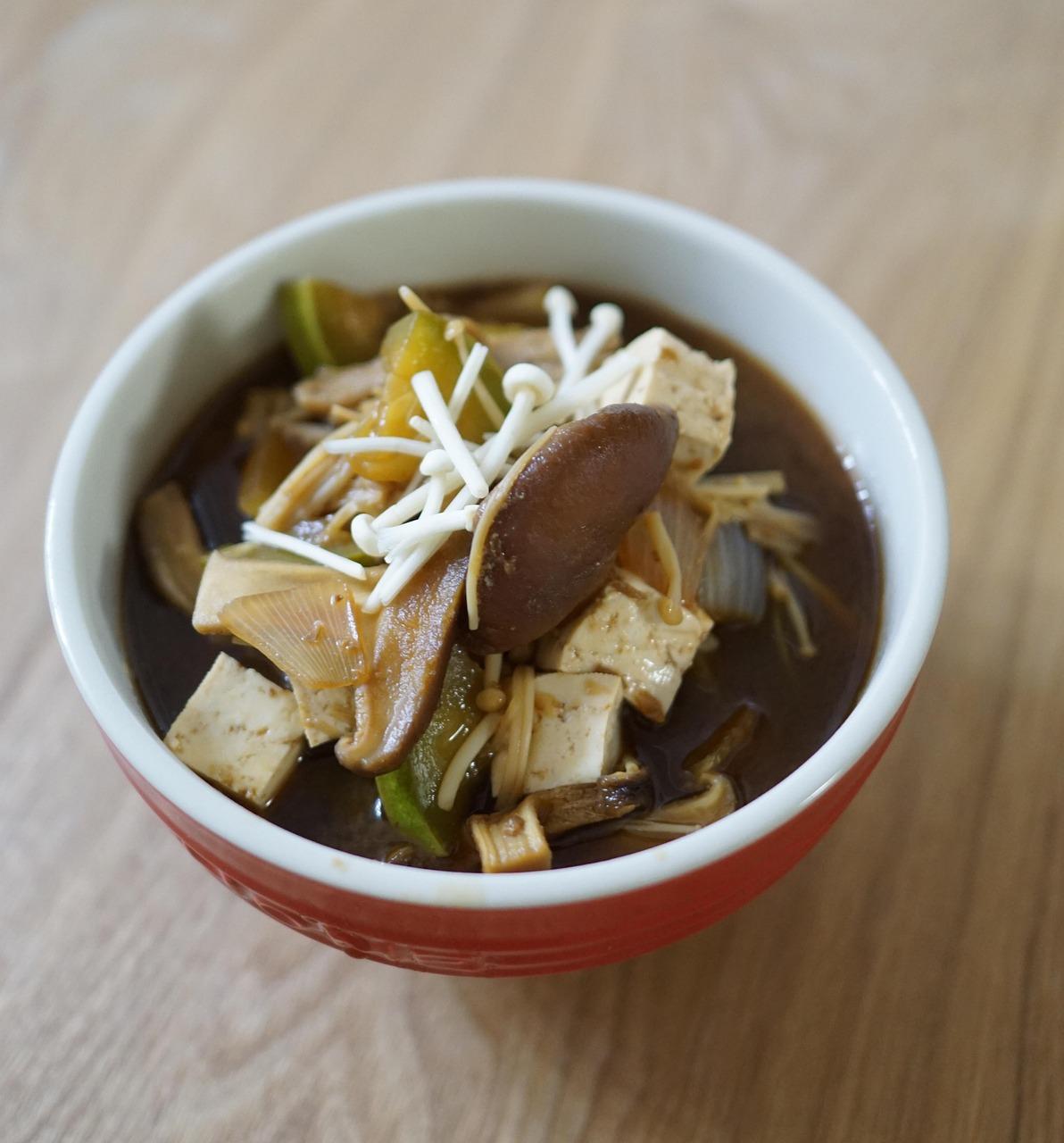
Doenjang jjigaeSoybean paste stew with tofu
Doenjang jjigae (된장찌개) is the stew Korean families all over the country eat most often: a bubbling pot of fermented soybean paste broth with tofu, potato, courgette, mushrooms and chilli, served with rice and banchan. Doenjang is deeper and funkier than Japanese miso, and it gives the broth a rich, earthy savouriness. It is usually made with anchovy stock; here a quick kelp and shiitake stock does the same job, so the stew is vegan. Serve it in the pot it was cooked in, still bubbling. Chef's tip: add the doenjang early and let it simmer. Its earthy depth comes out with a few minutes of bubbling, and it is better a little thick and salty than thin, as it is eaten with plenty of rice.
by KrazyBadal 0 views

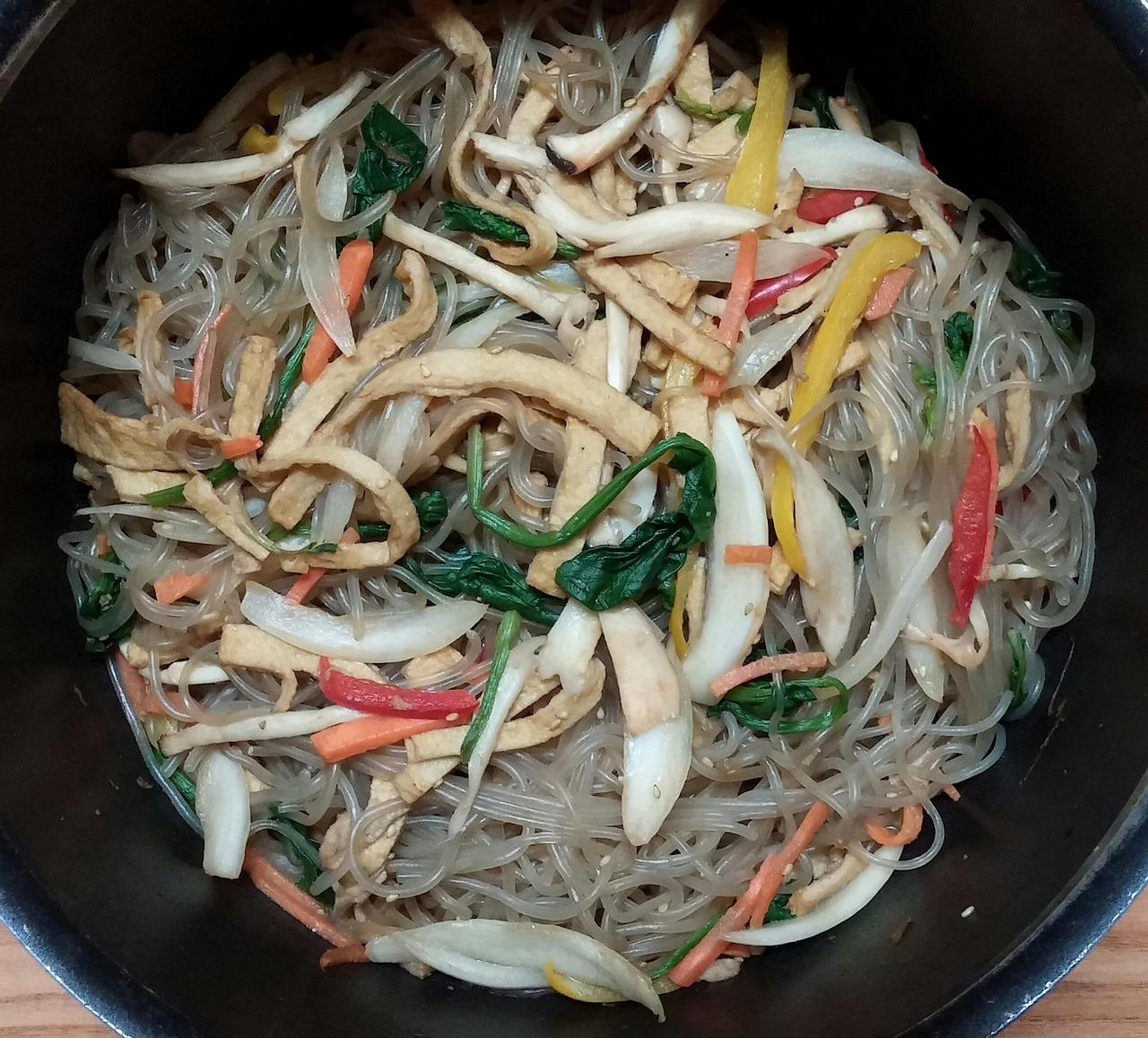
JapchaeGlass noodles with vegetables

Japchae (잡채) is a dish of chewy, translucent sweet potato starch noodles tossed with spinach, mushrooms and brightly coloured vegetables in a sweet soy and sesame dressing. It is made all over Korea for birthdays, holidays and big family meals, because it can be prepared ahead and is eaten warm or at room temperature. Each vegetable is cooked quickly on its own, then everything is mixed by hand so the noodles soak up the seasoning. Older recipes include beef; this one uses shiitake for the savoury depth. Chef's tip: dress the noodles while they are still hot and keep each vegetable crisp. Overcooked noodles clump and turn gluey, so pull them as soon as they are clear and chewy.

by KrazyBadal 0 views

BindaetteokMung bean pancakes

Bindaetteok (빈대떡) are thick, crunchy pancakes made from soaked and ground mung beans mixed with kimchi, bean sprouts and spring onions, then fried in plenty of oil. They are the signature dish of Gwangjang market in Seoul, where stalls grind the beans in stone mills and fry the pancakes in front of you. Market versions often include pork; this one keeps the classic vegetables and is naturally gluten free and rich in protein. The outside turns deep golden and crisp while the inside stays soft. Serve hot with a soy and onion dip. Chef's tip: grind the beans coarse, not silky, and fry in more oil than feels right. The slight grit is what makes Gwangjang-style bindaetteok so crunchy outside and fluffy inside.

by KrazyBadal 0 views

Dolsot bibimbapStone pot rice bowl with vegetables

Dolsot bibimbap (돌솥비빔밥) is bibimbap served in a heavy stone pot (dolsot) that is heated on the hob until the rice touching the stone turns into a crackling golden crust, called nurungji. It is eaten all over Korea and is still sizzling when it reaches the table. This vegetarian version tops the rice with seasoned spinach, bean sprouts, carrot, mushrooms and pan-fried tofu, and an egg that cooks gently in the heat of the pot. A small cast-iron pan works if you don't have stone bowls. Chef's tip: listen to the pot. A steady crackle with a toasty, nutty smell means the crust is forming; a sharp burnt smell means the heat is too high.

by KrazyBadal 0 views

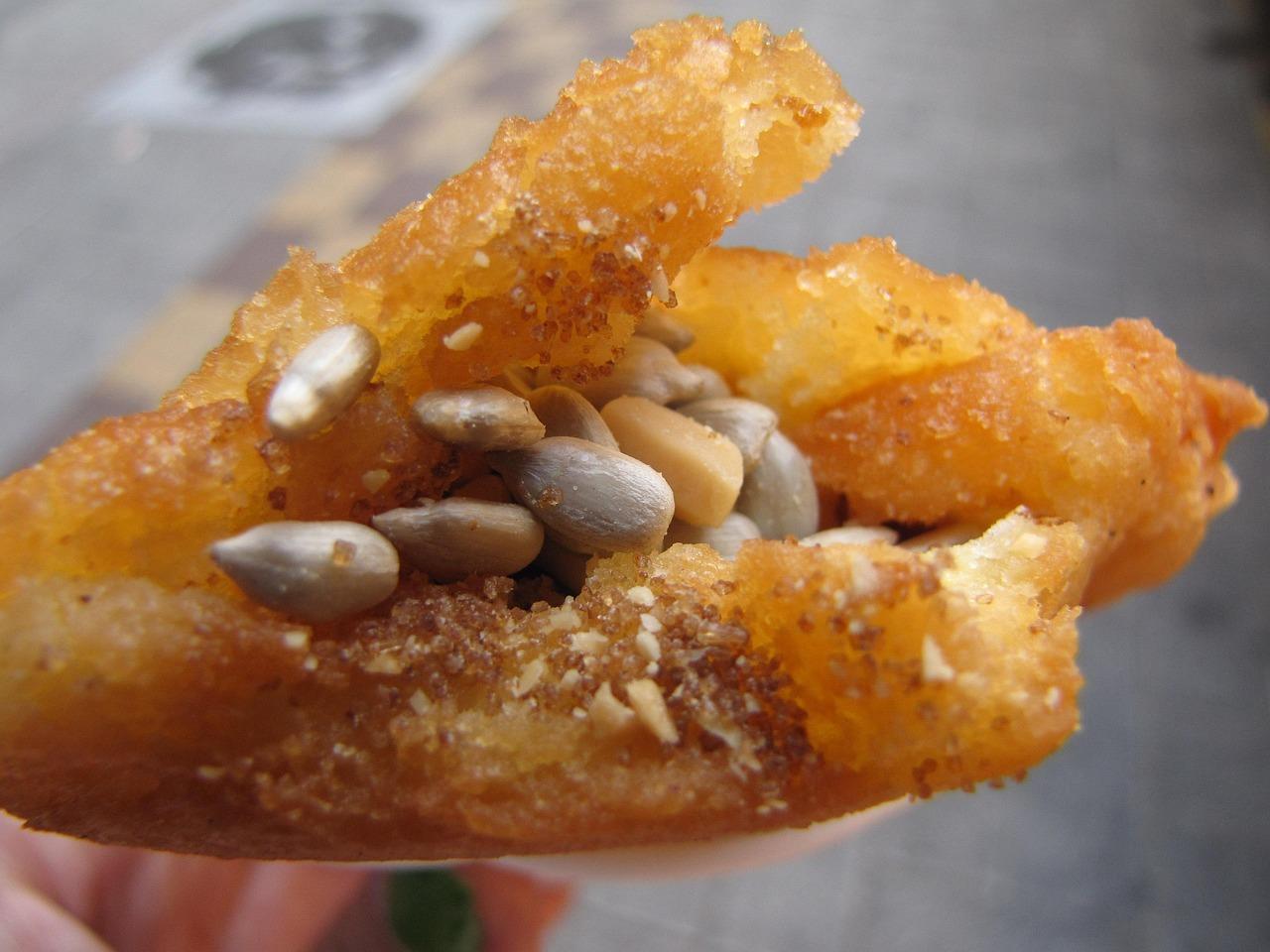
HotteokFilled sweet fried pancakes

Hotteok (호떡) are chewy, yeasted pancakes filled with brown sugar and cinnamon that melt into a hot syrup as they fry. They are a winter street snack all over Korea, but Busan is known for ssiat hotteok (씨앗호떡), where the fried pancake is slit open and stuffed with a handful of toasted sunflower and pumpkin seeds. Glutinous rice flour in the dough makes it soft and stretchy. Be careful with the first bite, as the filling is very hot. This dough uses milk, so it is vegetarian; use water instead for a dairy-free version. Chef's tip: rest the dough until it has properly doubled and is full of bubbles, and keep your hands oiled. A sticky, well-risen dough gives the chewy, stretchy texture.

by KrazyBadal 0 views

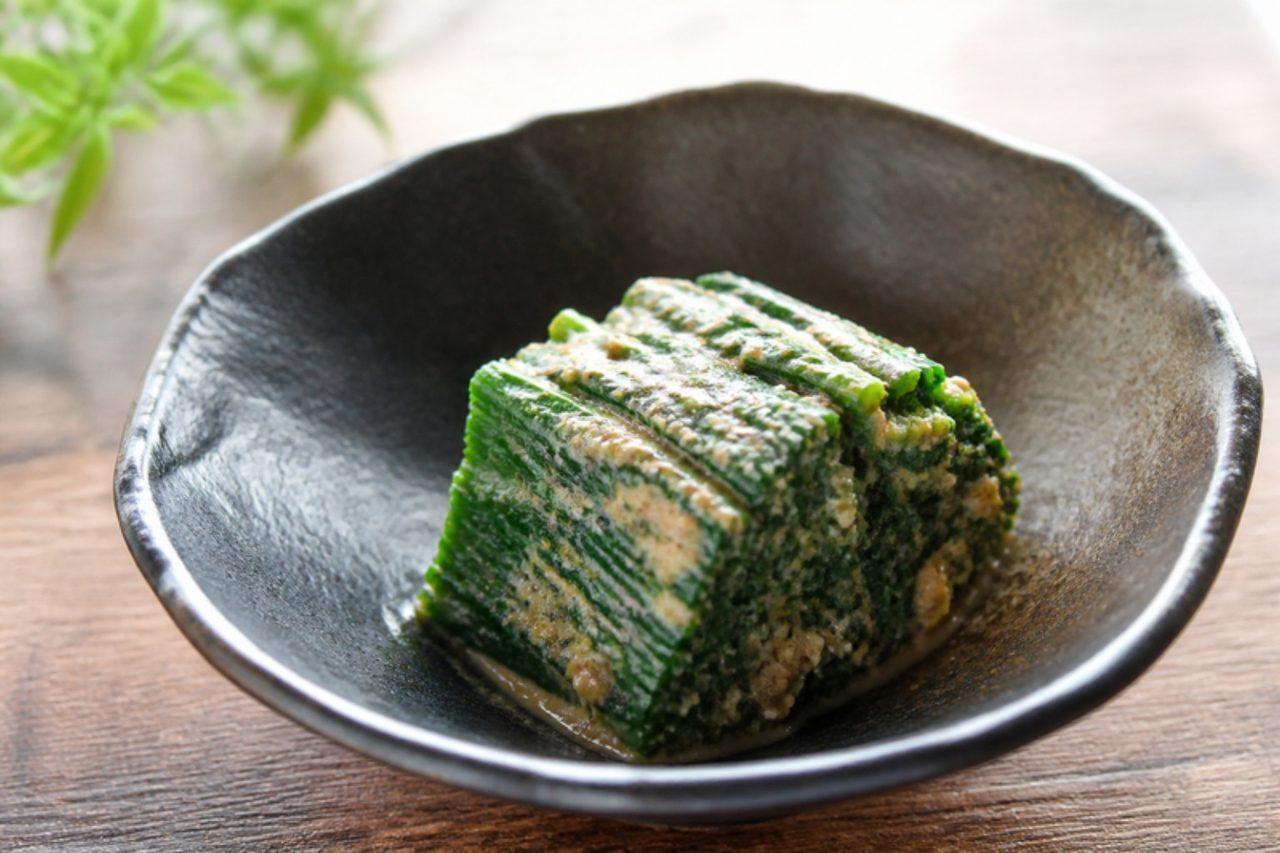
Horenso goma-aeSpinach with sesame dressing

Horenso no goma-ae (ほうれん草の胡麻和え) is one of the most common side dishes in Japanese home cooking and bento boxes. Spinach is blanched for a few seconds, squeezed dry and tossed in a nutty dressing of freshly toasted, crushed sesame seeds with soy and a little sugar. Toasting and grinding the seeds yourself makes all the difference. Serve as one of several small dishes with rice and miso soup. Chef's tip: toast and grind the sesame yourself just before mixing. Ready-ground sesame tastes flat; freshly ground seeds smell like roasted nuts and give the dish its rich flavour.

by KrazyBadal 0 views

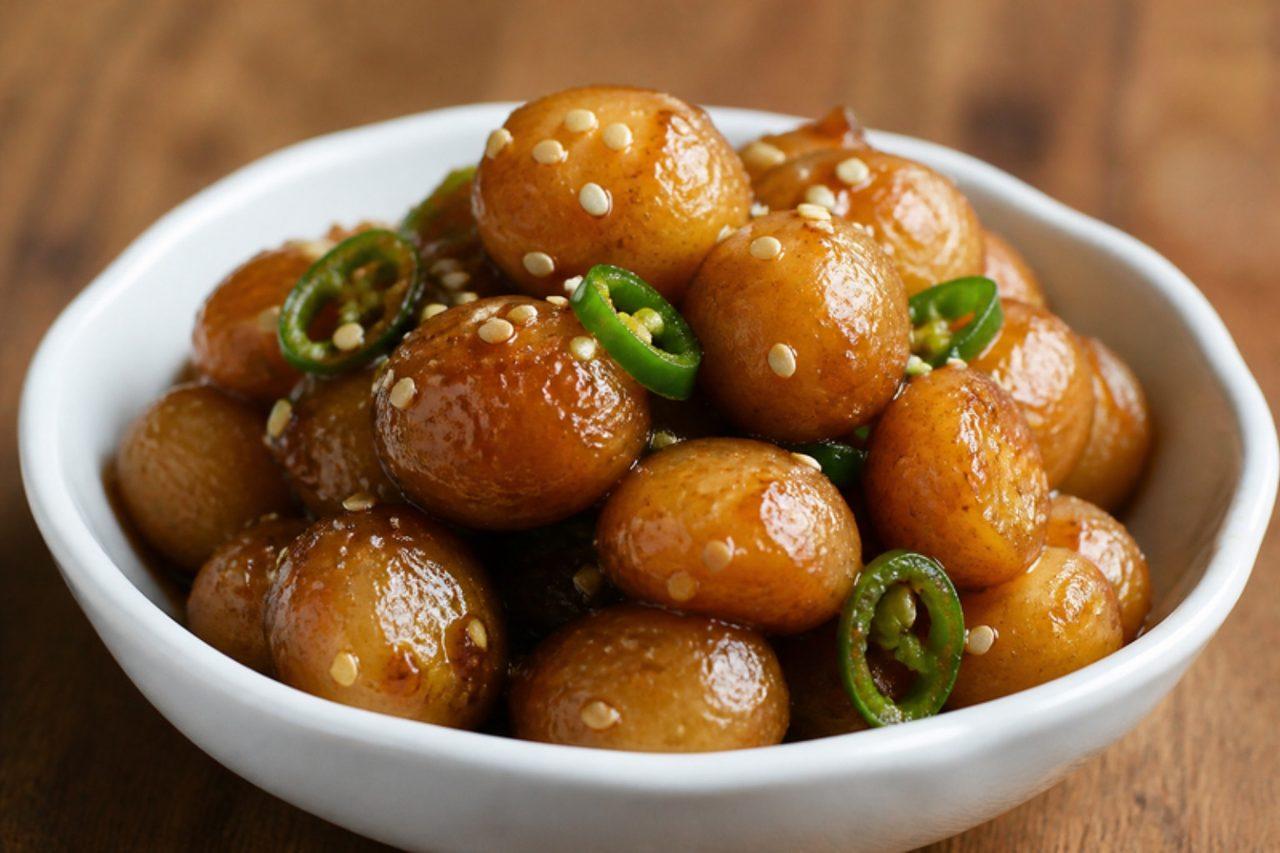
Gamja jorimSoy-braised baby potatoes

Gamja jorim (감자조림) are cubes or small potatoes simmered in soy sauce and sugar until the liquid reduces to a sticky, shiny glaze. They are a lunchbox and home-cooking favourite across Korea, loved by children for their sweet-salty taste. The potatoes turn soft inside but keep their shape, and they taste just as good cold the next day, so they are ideal to make ahead. Rice syrup gives the traditional shine; sugar alone works too. Chef's tip: add the syrup only at the end, when the potatoes are already tender. Added early it scorches and makes the potatoes tough on the outside.

by KrazyBadal 0 views

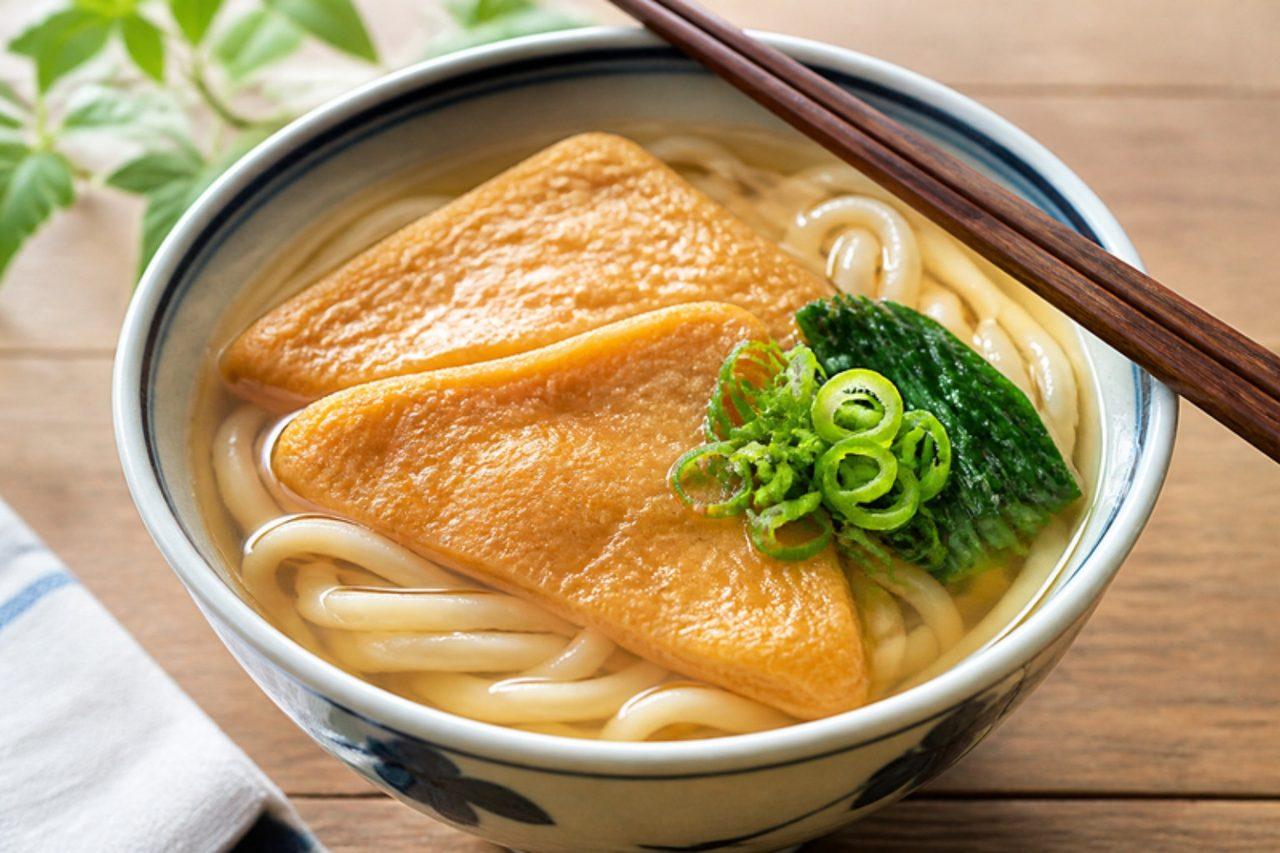
Kitsune udonUdon with fried tofu

Kitsune udon (きつねうどん, 'fox udon') comes from Osaka, where a noodle shop first floated a sheet of sweet simmered fried tofu on a bowl of udon in the 1890s. The name comes from the folk tale that foxes love fried tofu. Soft, chewy noodles sit in a pale, gently sweet broth, and the tofu soaks up the soup like a sponge. This version uses a kombu and shiitake dashi instead of bonito, so it is fully vegetarian. Chef's tip: let the sweet tofu cool in its simmering liquid if you have time; as it cools it drinks up the sauce, so every bite bursts with sweet soy juice in the hot broth.

by KrazyBadal 0 views

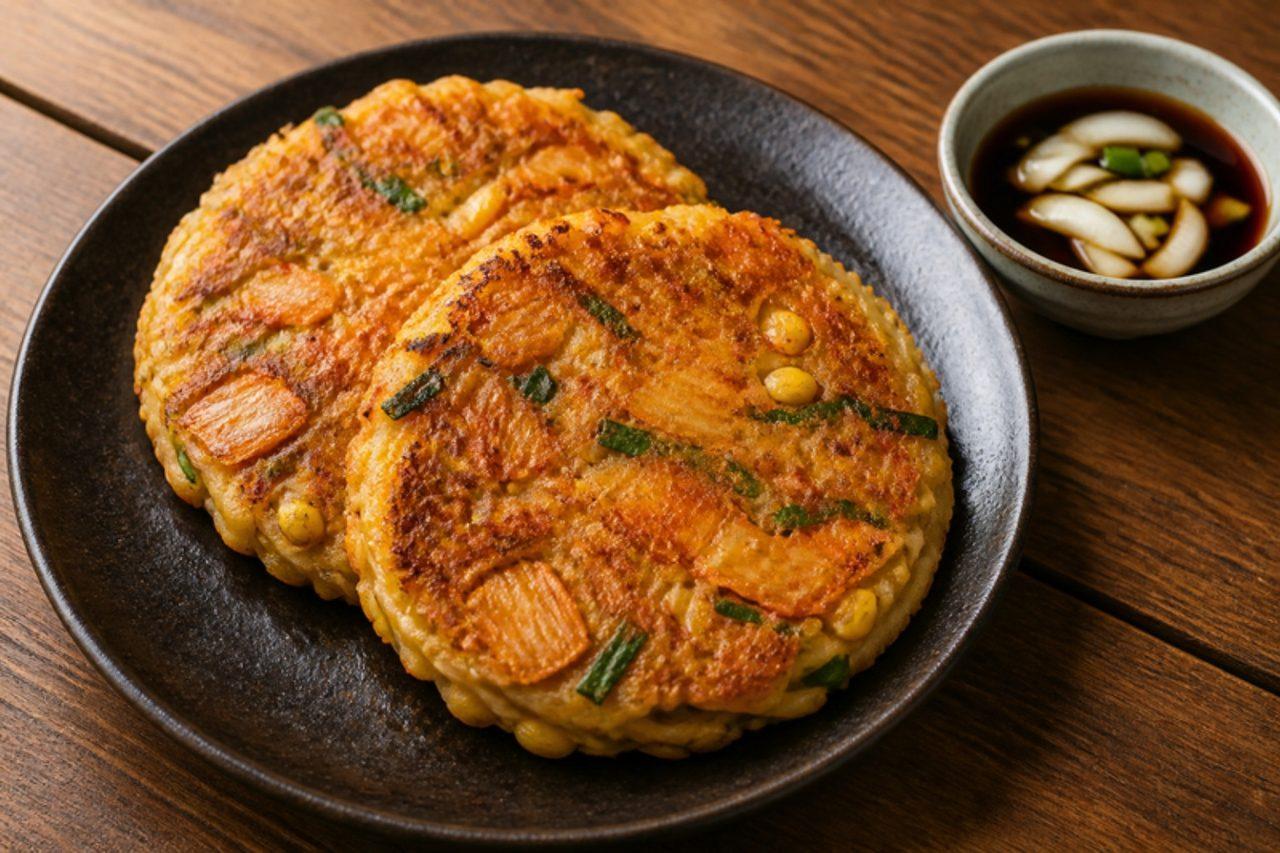
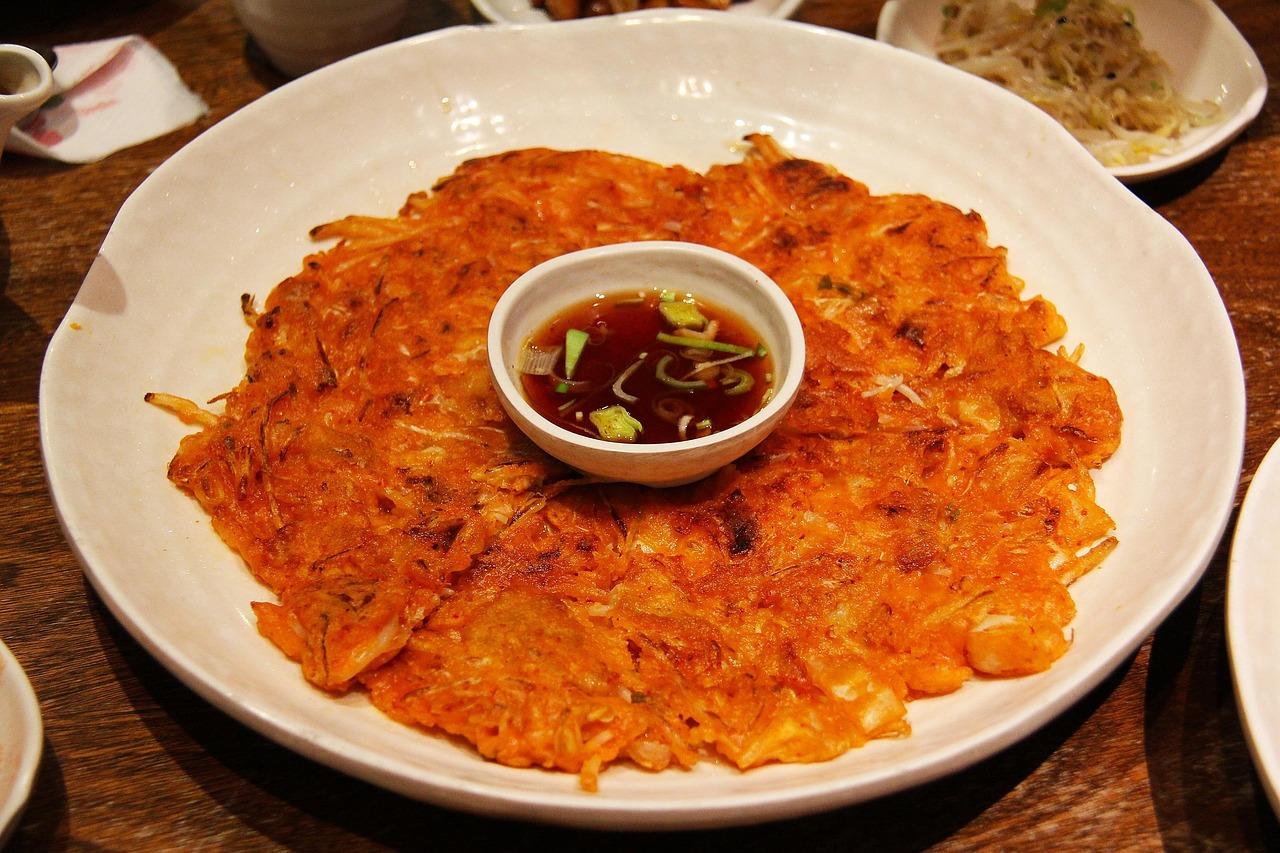
KimchijeonKimchi pancakes

Kimchijeon (김치전) is a thin, crisp pancake made by stirring chopped sour kimchi and its juice into a simple flour batter. Cooks all over Korea make it to use up kimchi that has fermented a little too far, and it is a favourite rainy-day snack with a glass of makgeolli. The kimchi juice colours the batter red and seasons it, so you need little else. This version is egg-free; a spoonful of starch in the batter makes the edges extra crunchy. Use vegetarian kimchi made without fish sauce or shrimp. Chef's tip: be generous with oil and keep the pancake thin. The crisp, almost lacy edge is the best part, and a thick pancake steams instead of frying.

by KrazyBadal 0 views

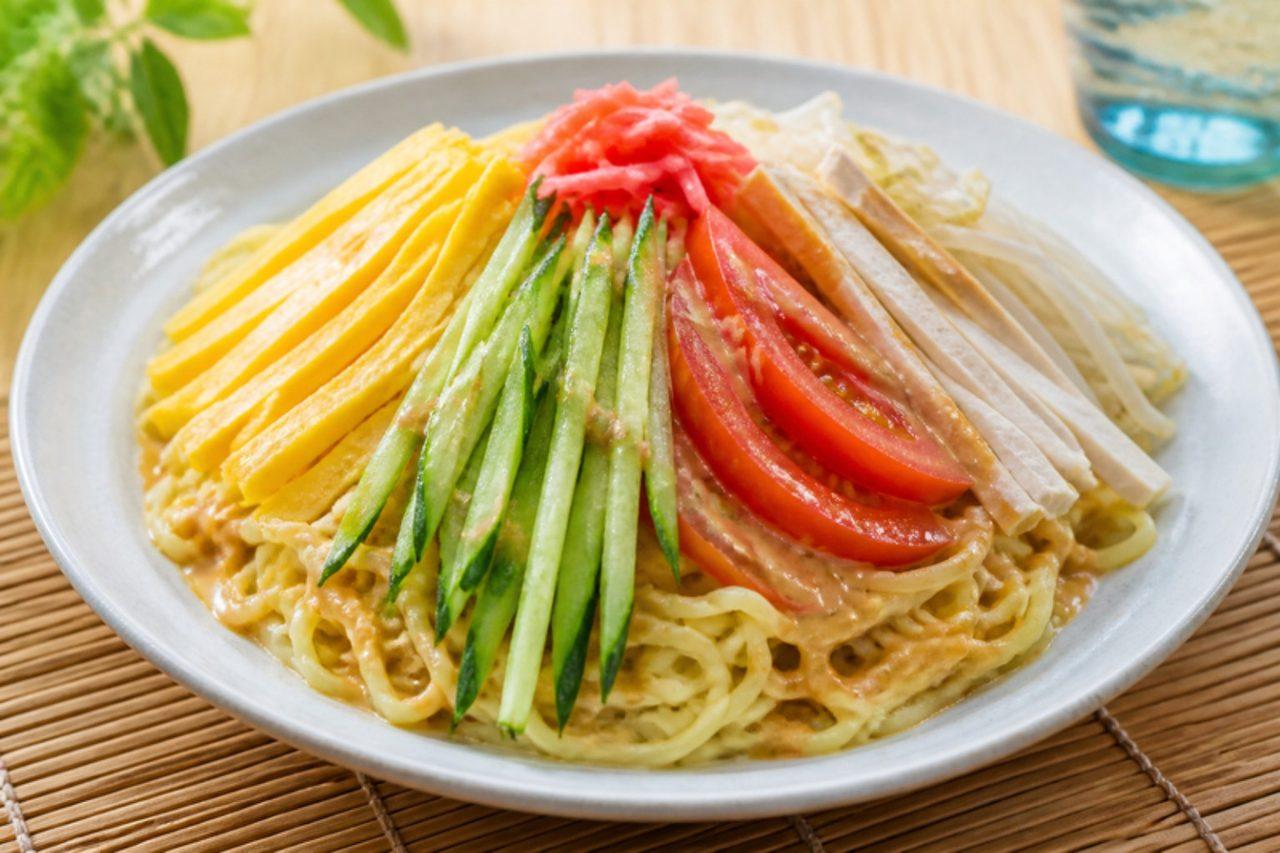
Hiyashi chukaChilled ramen noodles with toppings

Hiyashi chuka (冷やし中華) is Japan's summer noodle dish: shops all over the country hang up a 'hiyashi chuka hajimemashita' (we've started serving it) sign when the hot weather arrives. Cold, springy ramen noodles are topped with neat strips of thin omelette, cucumber, tomato and other vegetables, then dressed with a tangy soy, vinegar and sesame sauce. This vegetarian version uses sweetcorn and seasoned tofu in place of the usual ham. Fresh, light and ready in under half an hour. Chef's tip: rinse the noodles until they squeak and are truly cold, then shake them dry; any warmth or water left on them makes the dressing taste flat.

by KrazyBadal 0 views

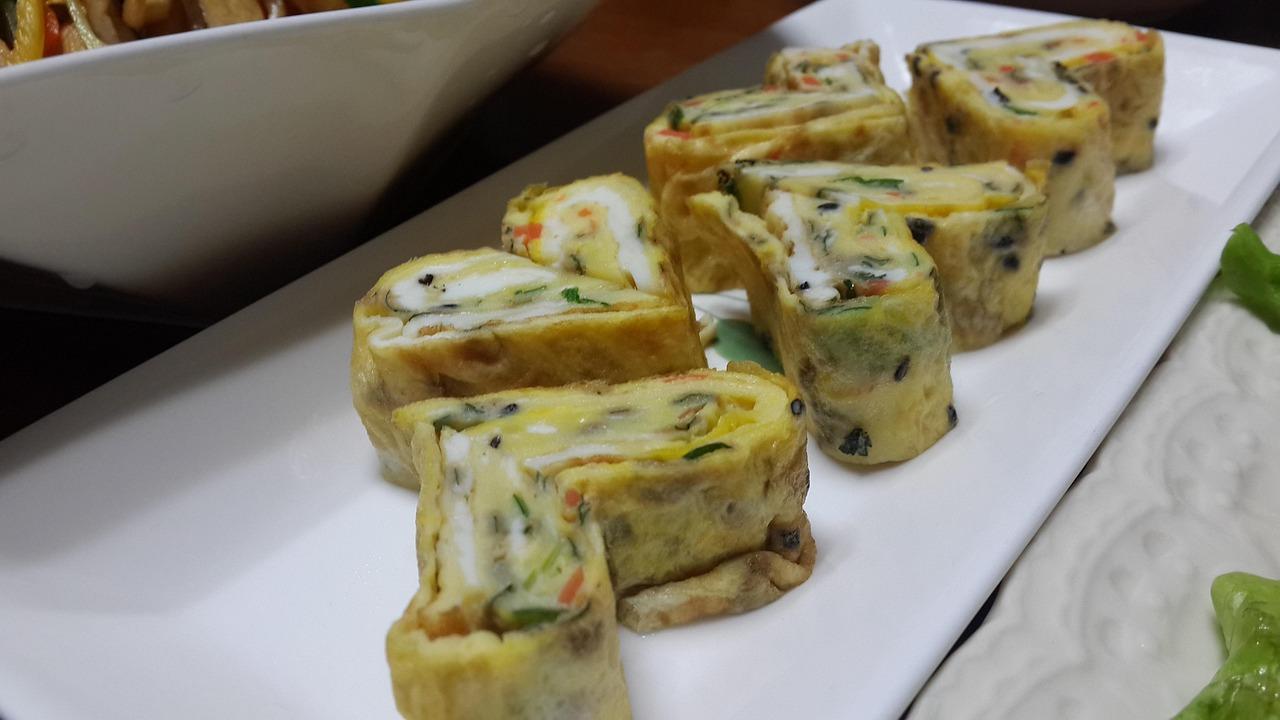
Gyeran mariRolled omelette

Gyeran mari (계란말이) is a Korean rolled omelette: beaten egg with finely chopped vegetables, cooked in thin layers and rolled up in the pan, then cut into thick slices that show a neat spiral. It is a much-loved side dish and lunchbox favourite nationwide, and children enjoy it with a little ketchup. The trick is a low heat, so the egg stays soft and yellow rather than brown. Serve warm or at room temperature with rice. Chef's tip: roll while the top of each layer is still slightly wet. The runny egg is the glue, and it keeps the roll soft and in one piece.

by KrazyBadal 0 views

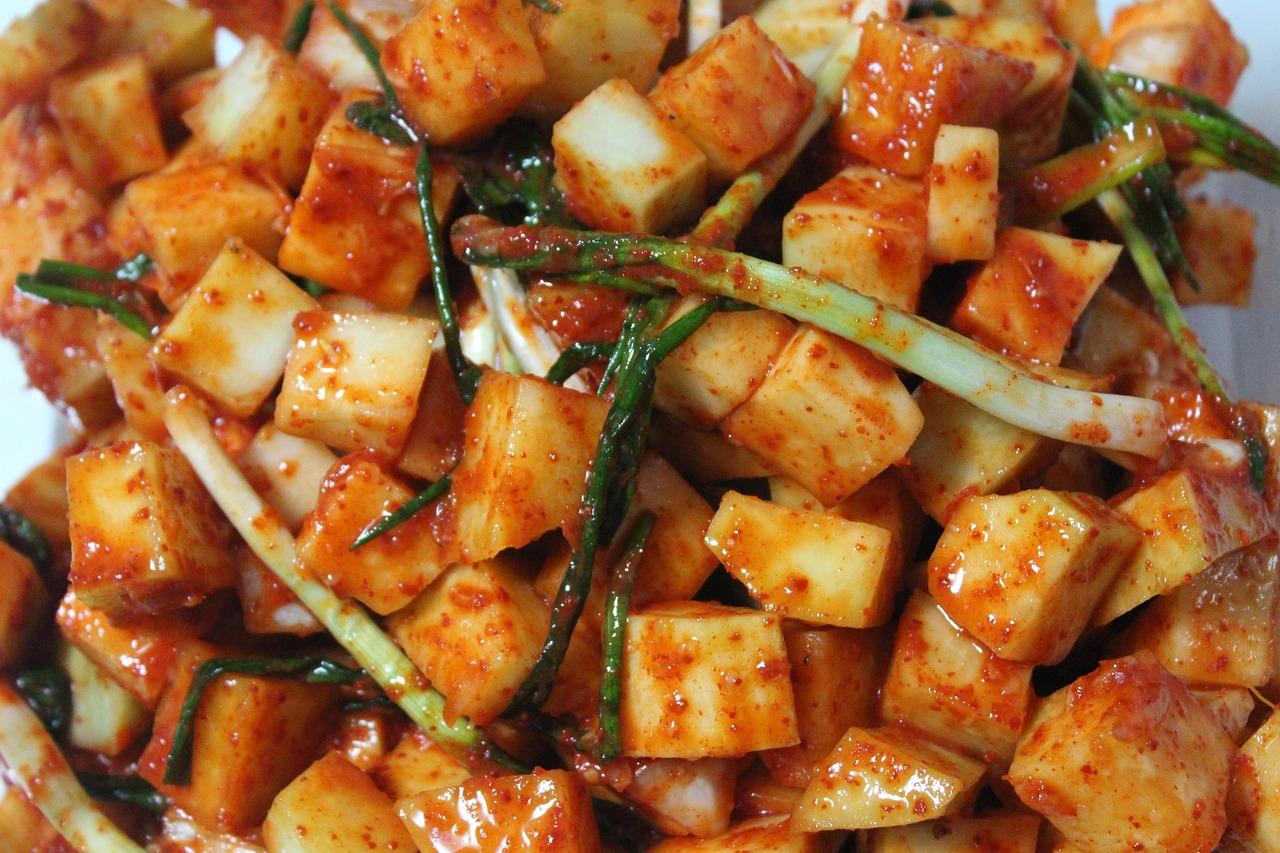
KkakdugiCubed radish kimchi

Kkakdugi (깍두기) is kimchi made from chunky cubes of Korean radish instead of cabbage. It is quicker to make than cabbage kimchi and stays crunchy and juicy, with a sweet, peppery bite. Made all over Korea, it is the classic partner to rich soups and noodles. Traditional versions are seasoned with fish sauce and salted shrimp; here soy sauce and a little grated pear give the same savoury-sweet depth, keeping it vegan. Ready to eat after a day or two of fermenting. Chef's tip: rub in the chilli flakes on their own first, before the wet seasonings. The red then clings to every cube, and the radish keeps its crunch.

by KrazyBadal 0 views

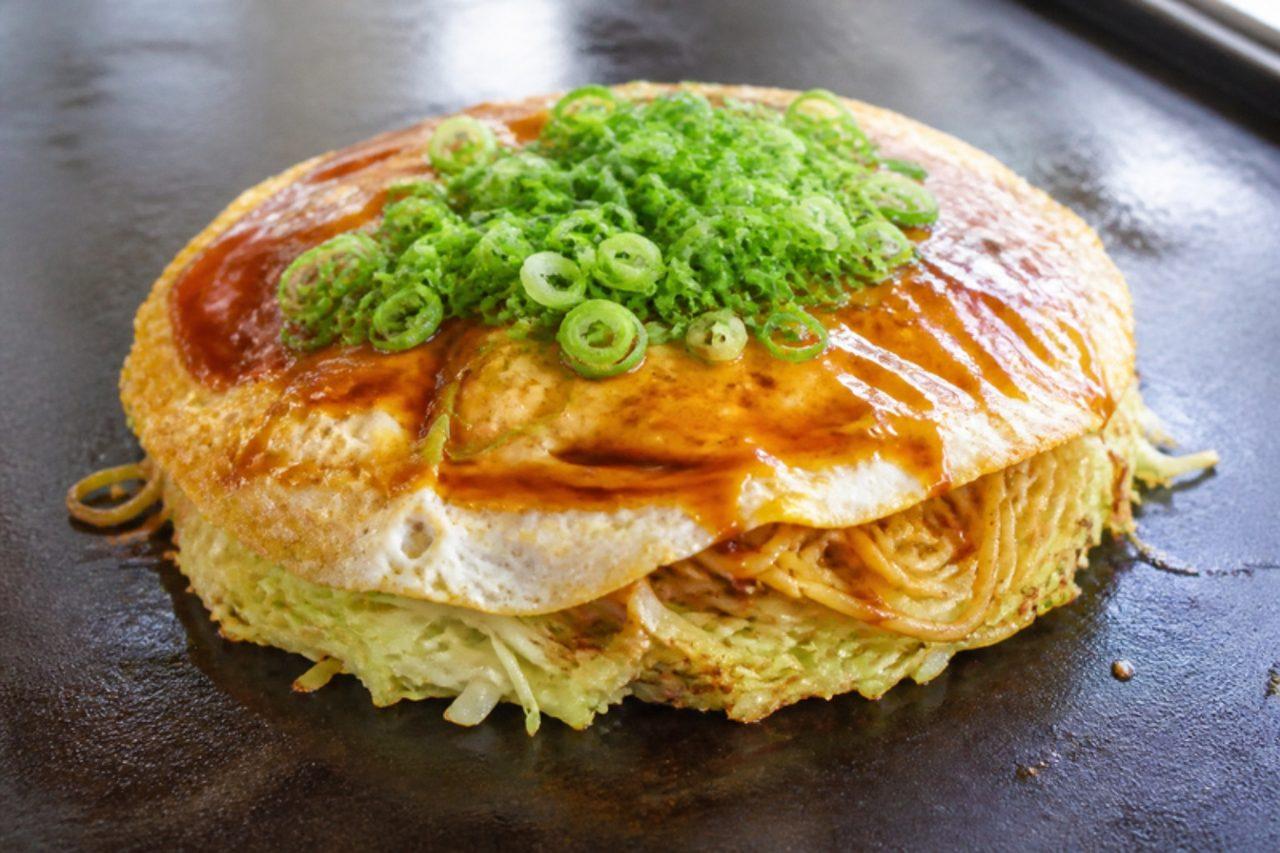
Hiroshima okonomiyakiLayered cabbage and noodle pancake

Hiroshima okonomiyaki (広島風お好み焼き) is built in layers rather than mixed: a thin crêpe, a tall heap of cabbage and bean sprouts, a layer of fried noodles and a fried egg, all pressed together on the griddle. It's the city's signature dish, and Hiroshima has hundreds of small okonomiyaki counters. Pork belly is the usual layer; this vegetarian version leaves it out and adds mushrooms. Take your time with the layering; it's worth it. Chef's tip: shred the cabbage as finely as you can and pile it high; it looks far too much, but it steams down by half under the crêpe, and that sweet, soft cabbage is the heart of the Hiroshima style.

by KrazyBadal 0 views

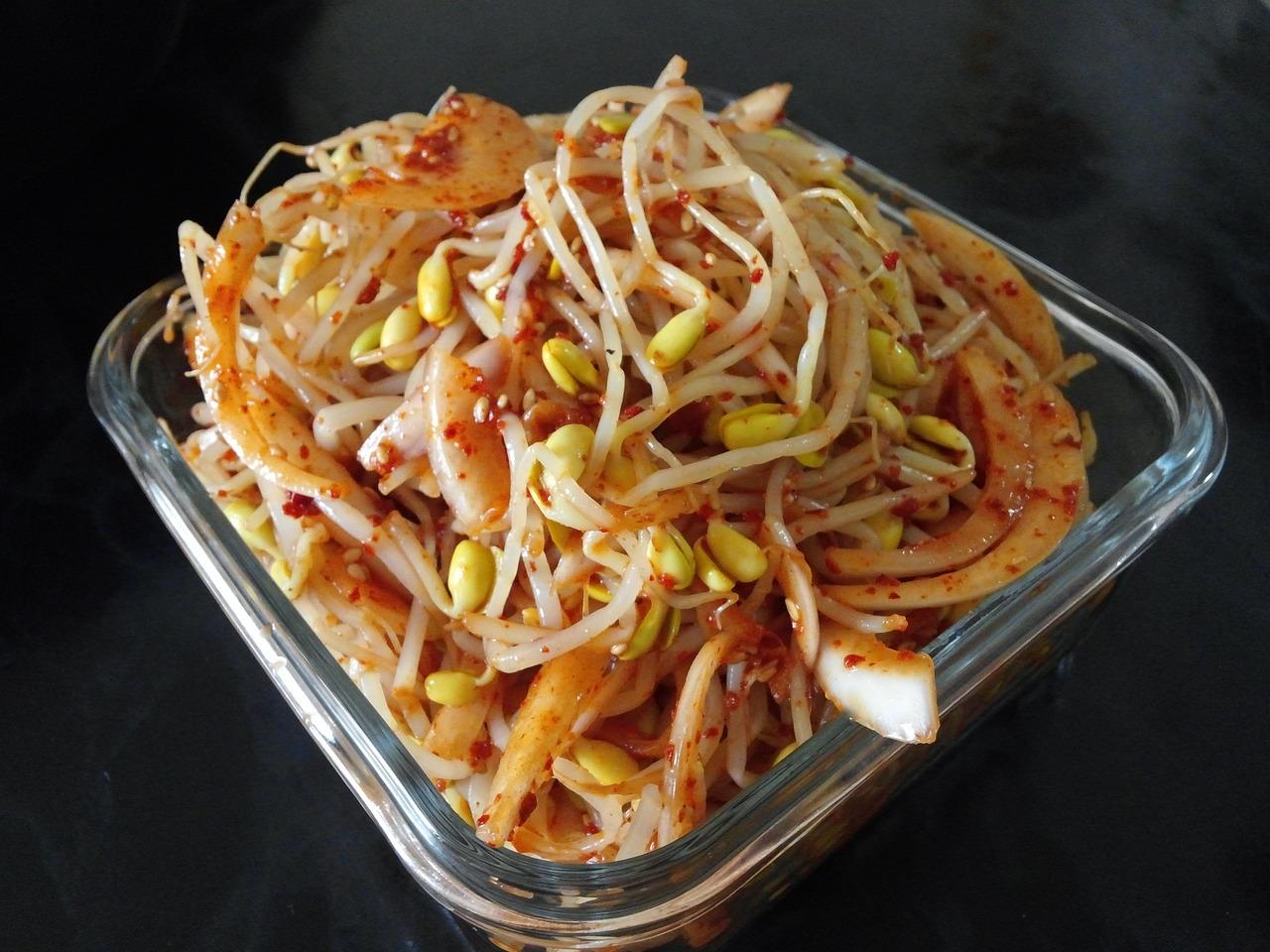
Kongnamul muchimSeasoned soybean sprouts

Kongnamul muchim (콩나물무침) is one of the simplest and most common banchan, the small side dishes served with every Korean meal across the country. Soybean sprouts are steamed in a little salted water until tender but still crunchy, then tossed with garlic, sesame oil and spring onion. The nutty, clean flavour goes with almost anything. For a spicy version, add a teaspoon of chilli flakes when you season it. Chef's tip: decide at the start whether the lid is on or off, and don't change your mind while they cook. Lifting it halfway is what gives sprouts a raw, beany smell.

by KrazyBadal 0 views

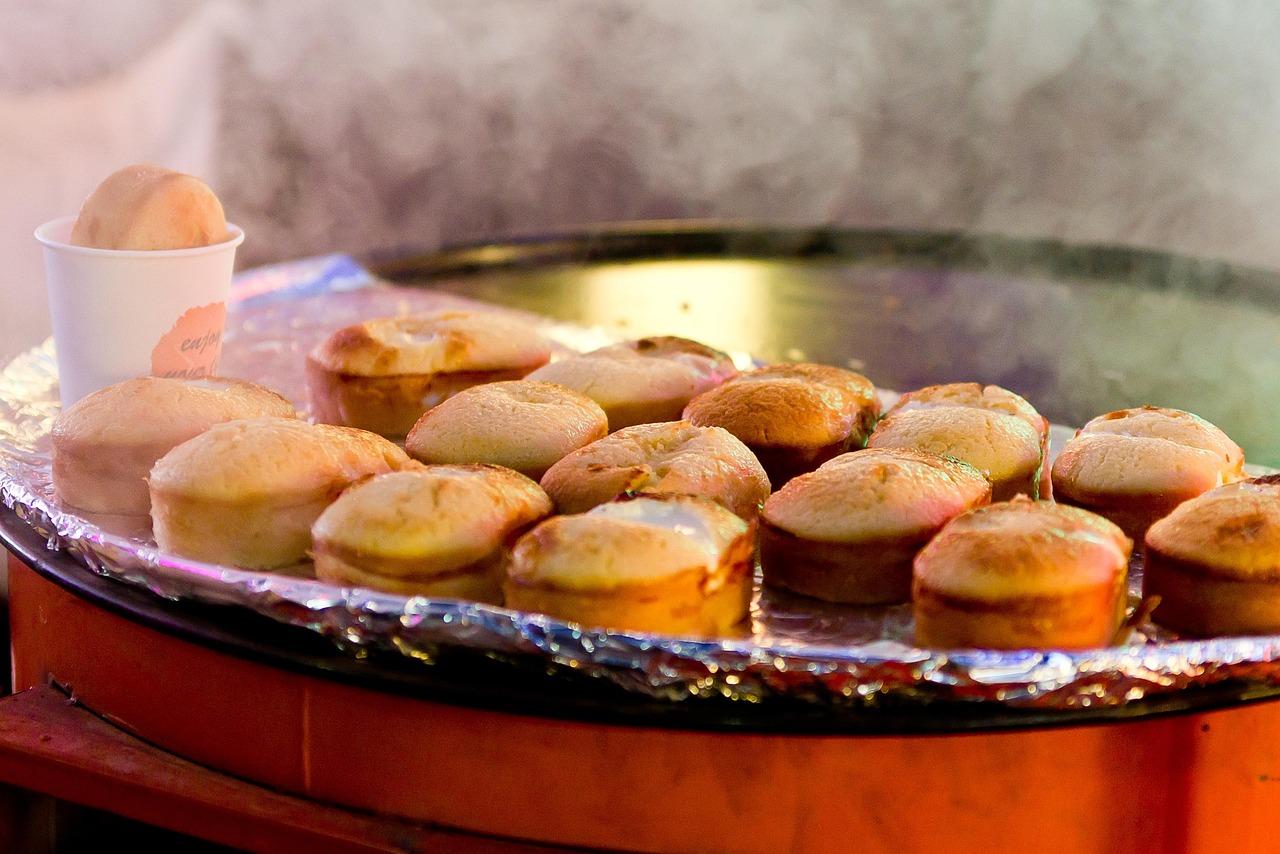
GyeranppangSweet egg bread

Gyeranppang (계란빵), or egg bread, is a winter street snack from Seoul: a small, sweet and fluffy bun with a whole egg baked right on top. Vendors bake them in special oval moulds, but a muffin tin works well at home. The soft, slightly sweet batter and the savoury egg are a lovely mix, making it a popular breakfast on the go. Bake until the white is just set if you like the yolk soft, or a few minutes longer for a firm yolk. Chef's tip: fill the moulds only a third full, so the egg sits in the batter as it rises rather than sliding off the side.

by KrazyBadal 0 views

DorayakiHoney pancakes with sweet bean filling

Dorayaki (どら焼き) are two small, golden honey pancakes pressed around a thick layer of sweet red bean paste (anko). They were first sold in their modern form by a Tokyo sweet shop in the early 1900s, and are now in every Japanese bakery and convenience store. The pancakes are soft, moist and slightly springy, with a deep brown, even surface. A good afternoon treat with green tea, and children love them. Chef's tip: wipe the pan almost dry of oil and keep the heat low. That's how Japanese sweet shops get the smooth, evenly brown 'gong' surface (dora means gong); too much oil gives a blotchy, spotted pancake.

by KrazyBadal 0 views

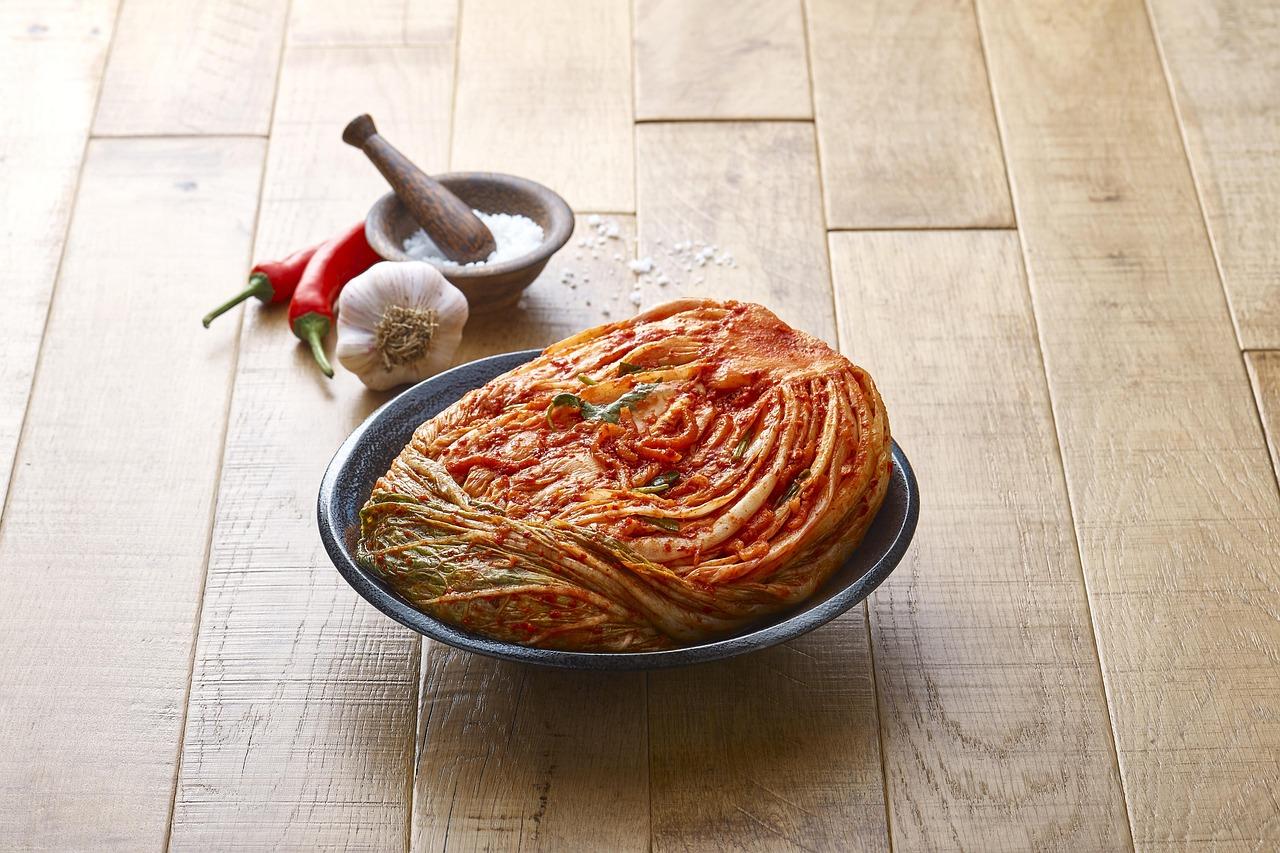
Baechu kimchiNapa cabbage kimchi

Baechu kimchi (배추김치) is the napa cabbage kimchi served at almost every Korean meal, from Seoul to Jeju. Salted cabbage quarters are rubbed leaf by leaf with a red paste of chilli flakes, garlic, ginger, radish and spring onion, then left to ferment until sour, fizzy and deeply savoury. Most recipes use fish sauce and salted shrimp; this one gets its depth from kelp stock and tamari, so it is vegetarian and gluten free. Eat it fresh after a day or two, or let it sour for a few weeks for kimchi fried rice, stews and pancakes. Salting takes about 2 hours, then allow 1–2 days for fermenting. Chef's tip: the salting is everything. Under-salted cabbage goes mushy and spoils; over-salted kimchi is harsh. Test a thick white stem: when it bends without snapping, rinse.

150 minKoreanBasicsVeganGluten freeSpicy
by KrazyBadal 0 views

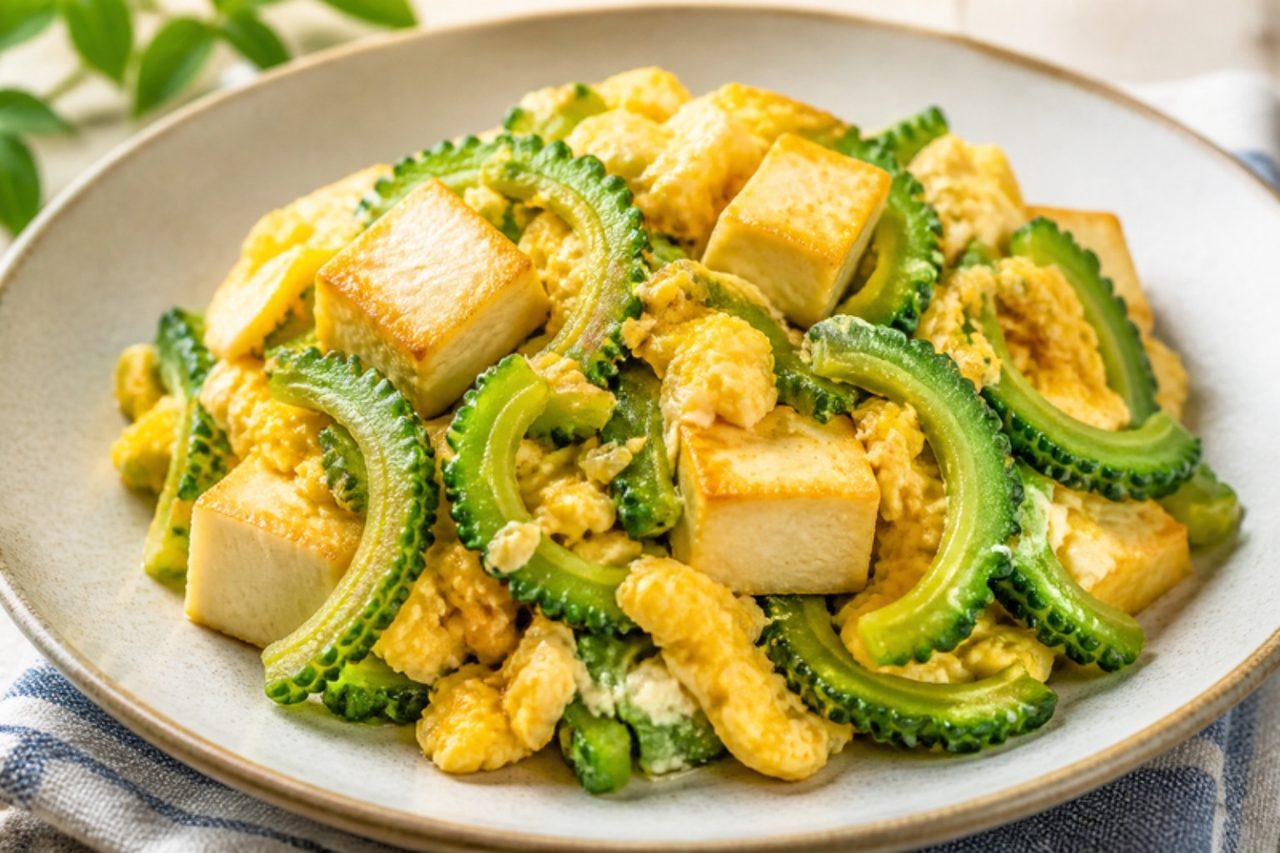
Goya champuruBitter melon stir-fry

Goya champuru (ゴーヤーチャンプルー) is the best-known dish of Okinawa, Japan's southern islands, where bitter melon (goya) grows on vines in summer. Champuru means 'mixed up' in the Okinawan language: slices of goya are stir-fried with firm tofu and egg, and the bitterness is balanced by soy and the richness of the egg. Pork or Spam is usual; this vegetarian version relies on well-browned tofu. Serve with rice. Chef's tip: scrape out every bit of the white pith from inside the goya. That's where most of the harsh bitterness lives, so a clean scrape gives you the pleasant, refreshing bitterness Okinawans love.

by KrazyBadal 0 views

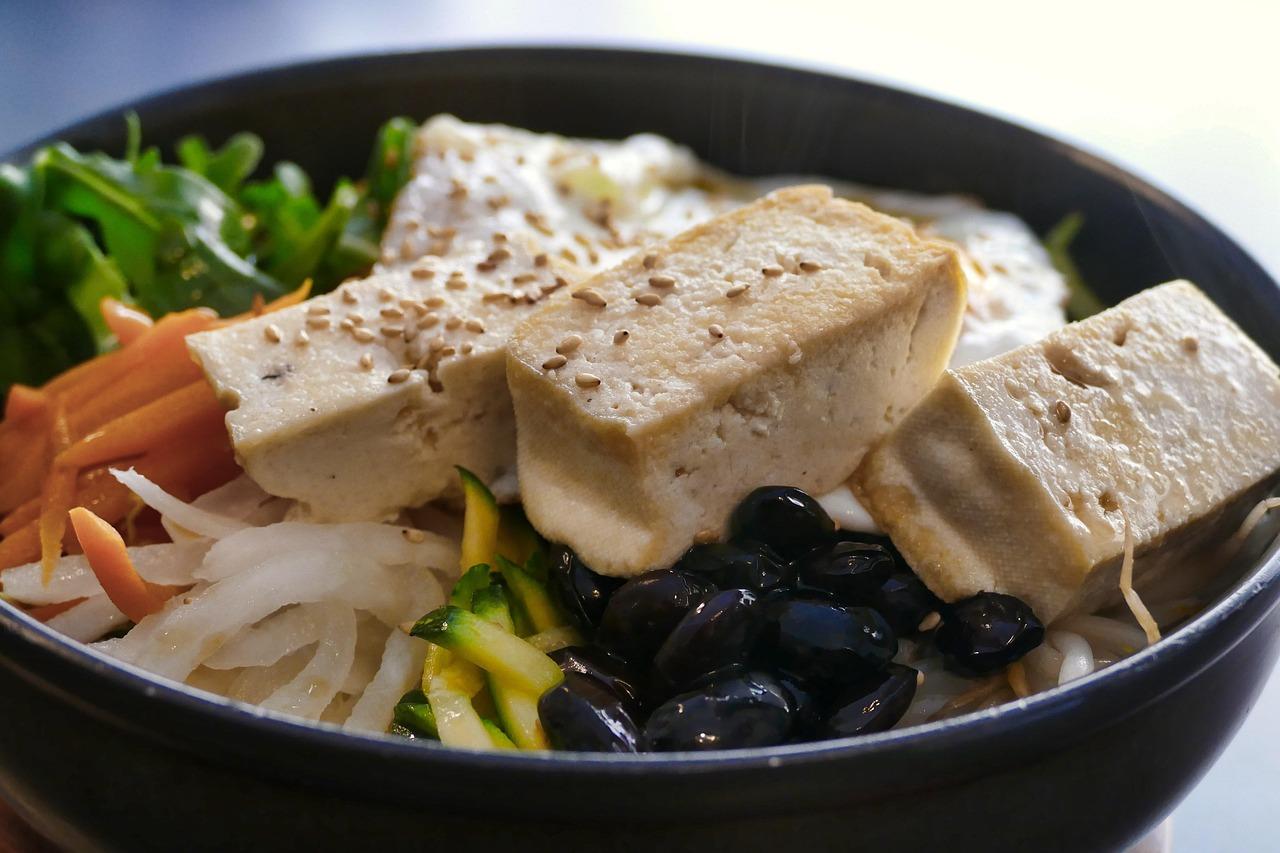
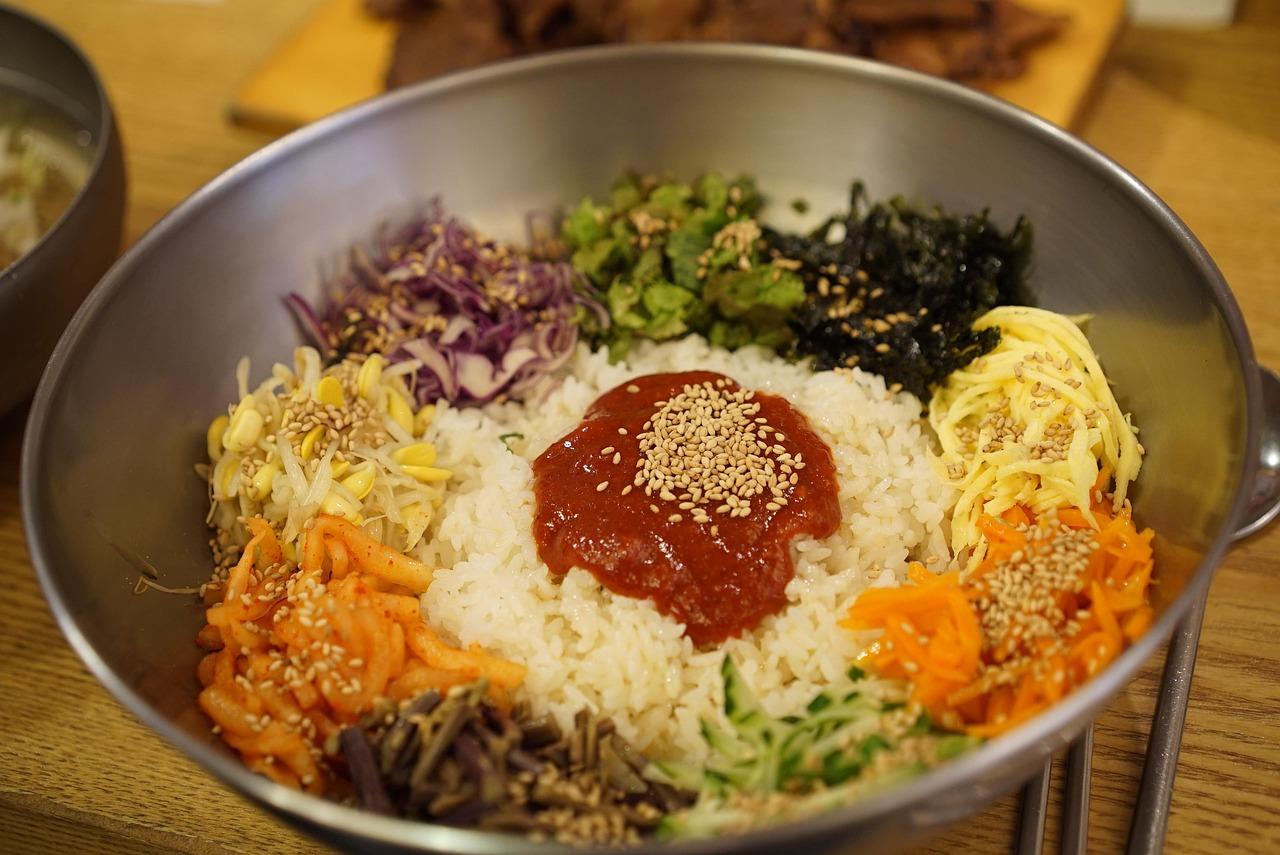
BibimbapRice bowl with seasoned vegetables

Bibimbap (비빔밥) means 'mixed rice': a bowl of warm rice topped with small heaps of separately seasoned vegetables, a fried egg and a spoonful of gochujang sauce, all stirred together at the table. The city of Jeonju in North Jeolla province is famous for it and serves it with a dozen or more toppings; this home version keeps five that are easy to find. Each vegetable is cooked on its own so it keeps its colour and texture, and the sauce brings sweetness, heat and a nutty sesame finish. Serve with kimchi and a light soup. Chef's tip: season every vegetable on its own, lightly, and taste each one. If each heap is good alone, the mixed bowl will be balanced; if they are all dressed alike, the bowl tastes flat.

by KrazyBadal 0 views

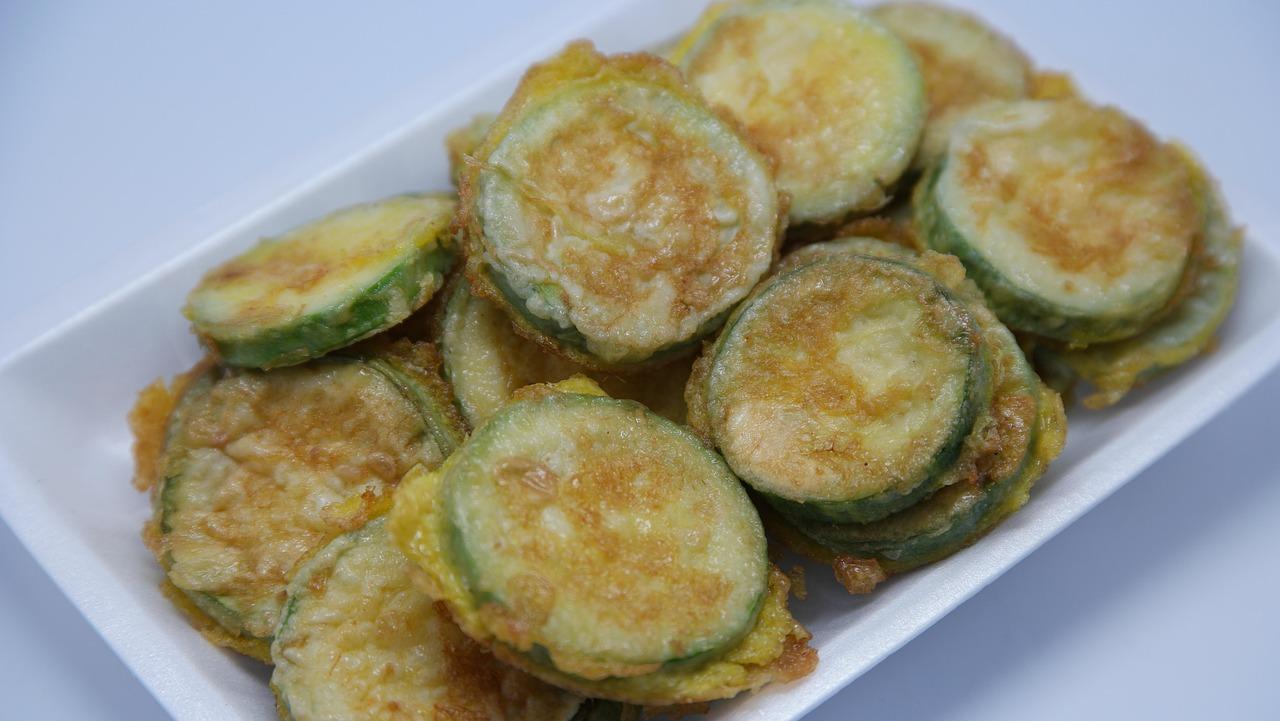
Hobak jeonPan-fried courgette rounds

Hobak jeon (호박전) are slices of Korean courgette dusted in flour, dipped in beaten egg and pan-fried until golden. They are one of the jeon that families all over Korea make for holiday tables, and they also make an easy side dish for an everyday meal. The courgette turns sweet and tender inside its soft egg coating. Korean aehobak is paler and sweeter than a regular courgette, but either works. Serve warm or at room temperature with a soy dipping sauce. Chef's tip: keep the heat gentle. Good hobak jeon is bright yellow with only light golden spots; a hot pan browns the egg before the courgette is tender.

by KrazyBadal 0 views

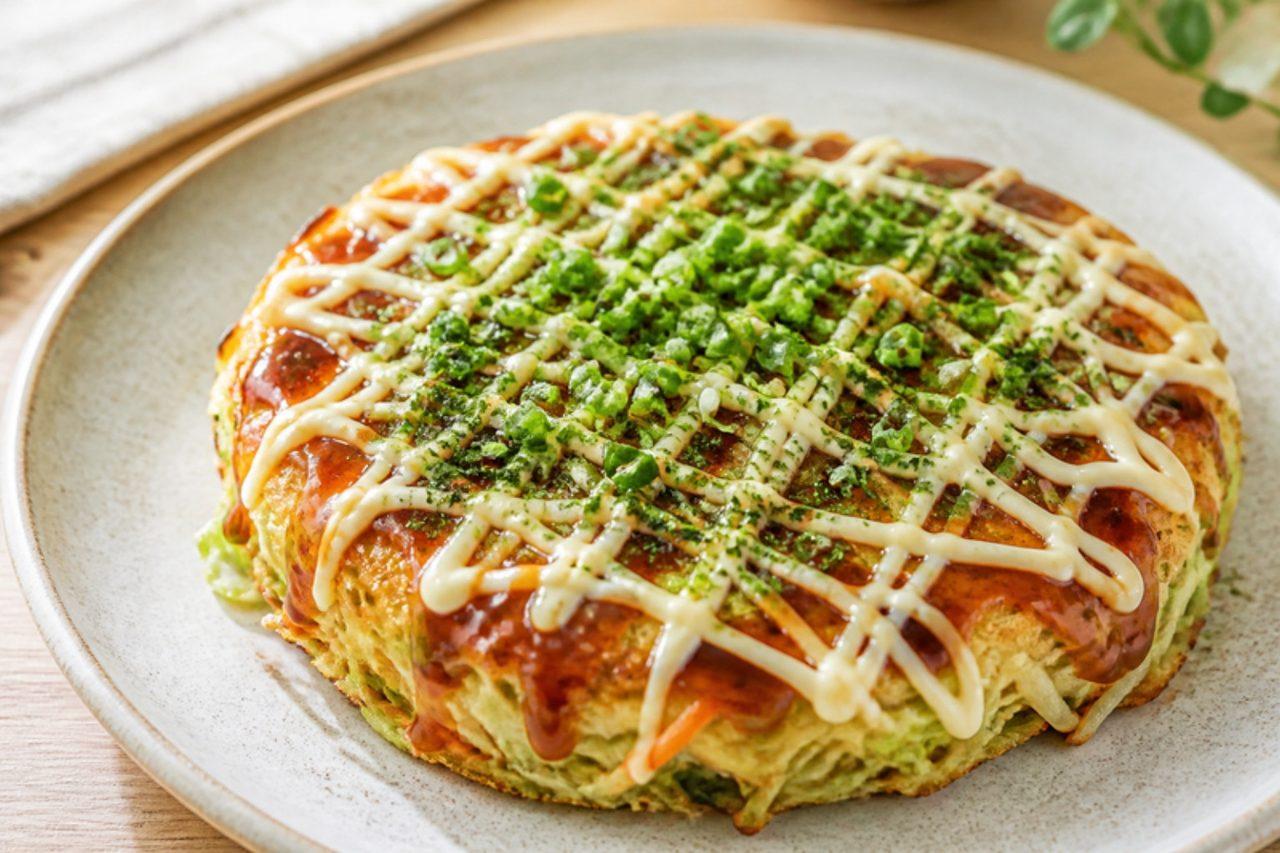
OkonomiyakiSavoury cabbage pancake

Okonomiyaki (お好み焼き, 'grilled as you like it') is the pride of Osaka, where it's cooked on hot iron griddles in lively restaurants. Finely shredded cabbage is folded into a light batter with egg and spring onion, then fried into a thick, soft pancake with a crisp outside. It's painted with a fruity brown sauce and zigzagged with mayonnaise. Bonito flakes are usual on top; this vegetarian version uses seaweed flakes and pickled ginger instead. Chef's tip: don't press the pancake down with your spatula while it cooks. Osaka cooks leave it alone so the cabbage steams inside and stays light and fluffy; pressing squeezes out the air.

by KrazyBadal 1 views

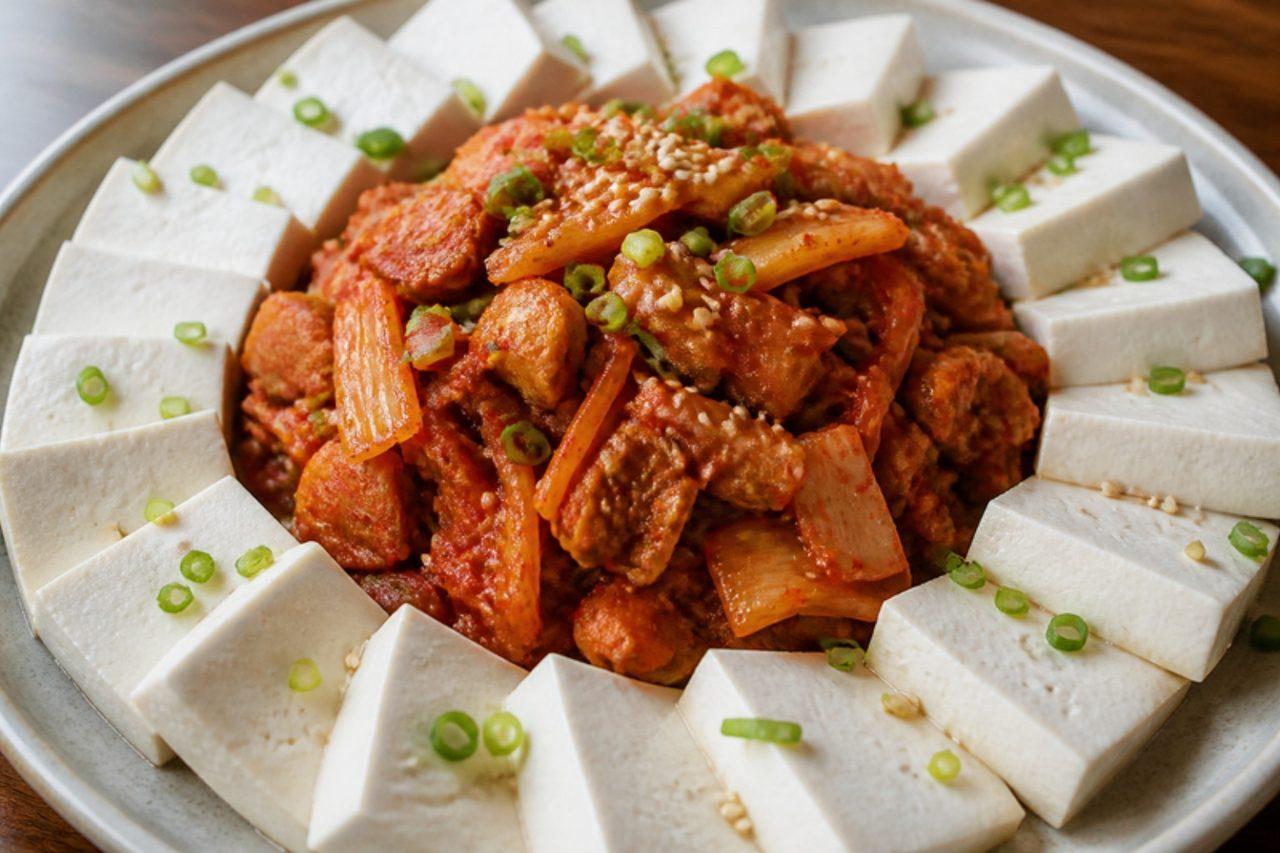
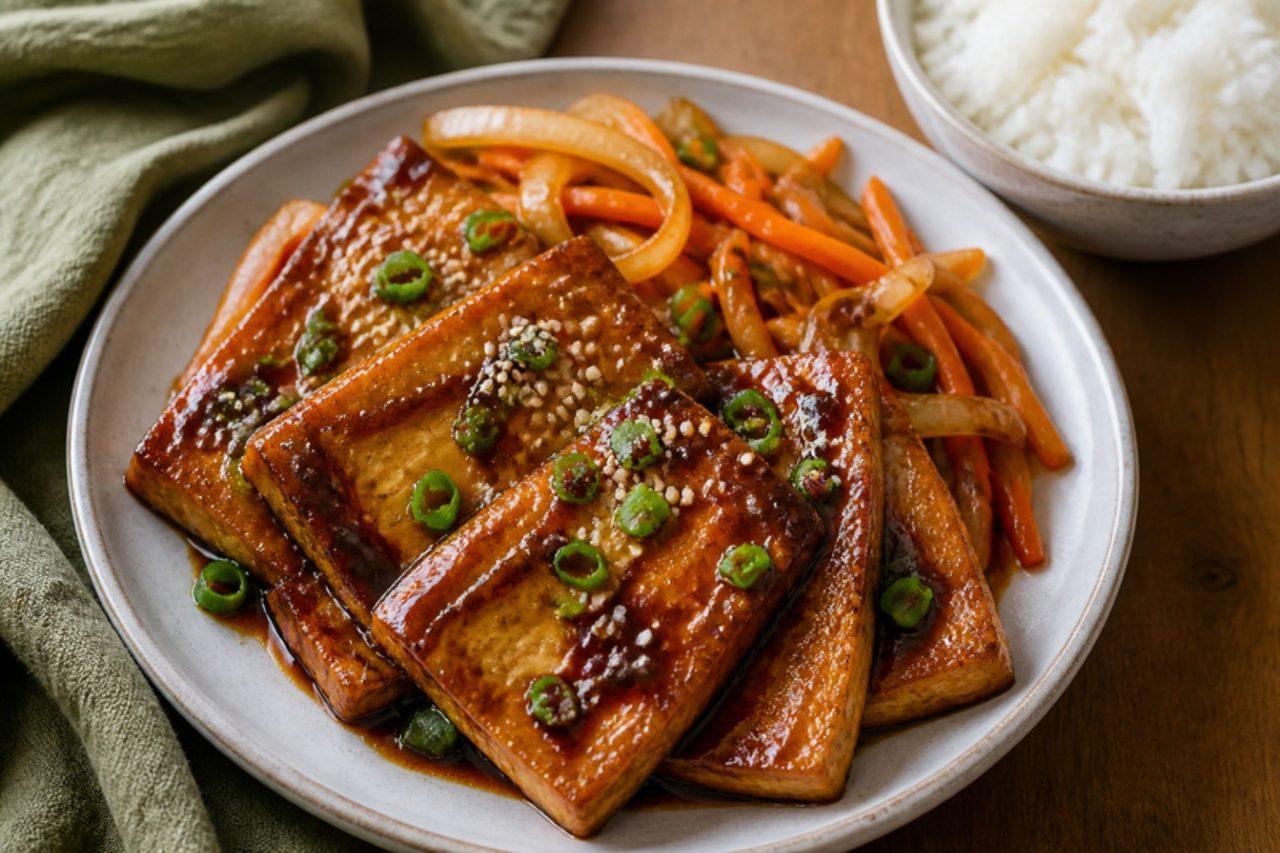
Tofu bulgogiTofu in bulgogi marinade

Tofu bulgogi (두부불고기) takes the famous sweet and savoury bulgogi marinade, usually made for thin slices of beef, and uses it on golden pan-fried tofu instead. It is a popular meat-free dish in homes and temple-style restaurants across Korea. Grated pear sweetens the soy and garlic sauce and makes it glossy, and the tofu is fried first so it holds its shape and soaks up the glaze. Serve with rice, lettuce leaves for wrapping and kimchi. Chef's tip: dry the tofu well and leave it alone in the pan until it releases by itself. A good golden crust is what lets it soak up the glaze without falling apart.

by KrazyBadal 0 views

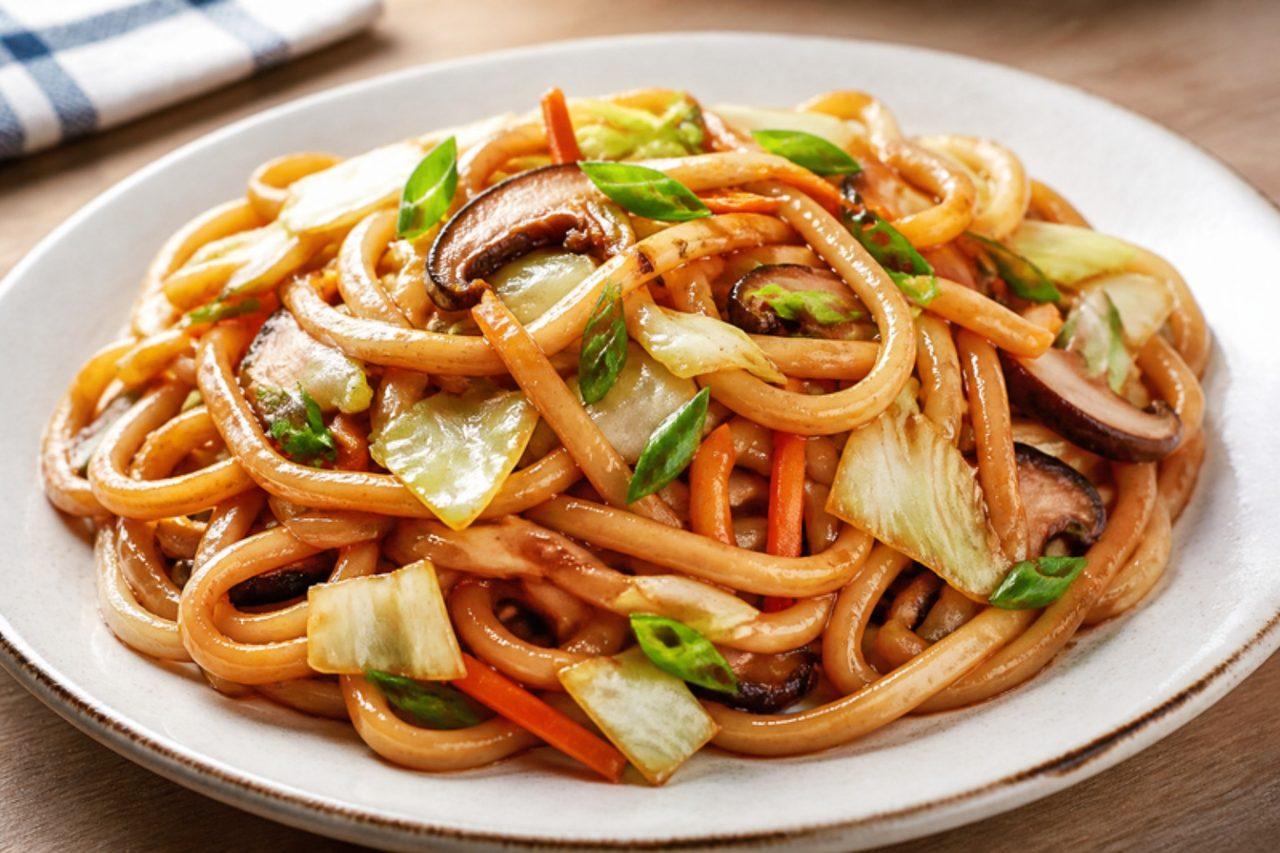
Yaki udonStir-fried udon noodles

Yaki udon (焼うどん) was first made in Kitakyushu, in northern Kyushu, just after the war, when a café owner ran out of soba for yakisoba and fried udon instead. The thick, chewy noodles are tossed in a hot pan with cabbage, onion, mushrooms and carrot, then glazed with soy, mirin and a little vegetarian Worcestershire-style sauce. Meat is usual in Japan; this vegetarian version gets its richness from shiitake and a fried egg on top. A fast, filling weeknight supper. Chef's tip: get the pan really hot and leave the noodles alone for 30 seconds at a time, so they pick up slightly charred edges; that smoky 'koge' is what makes yaki udon taste like the street-stall version.

by KrazyBadal 0 views

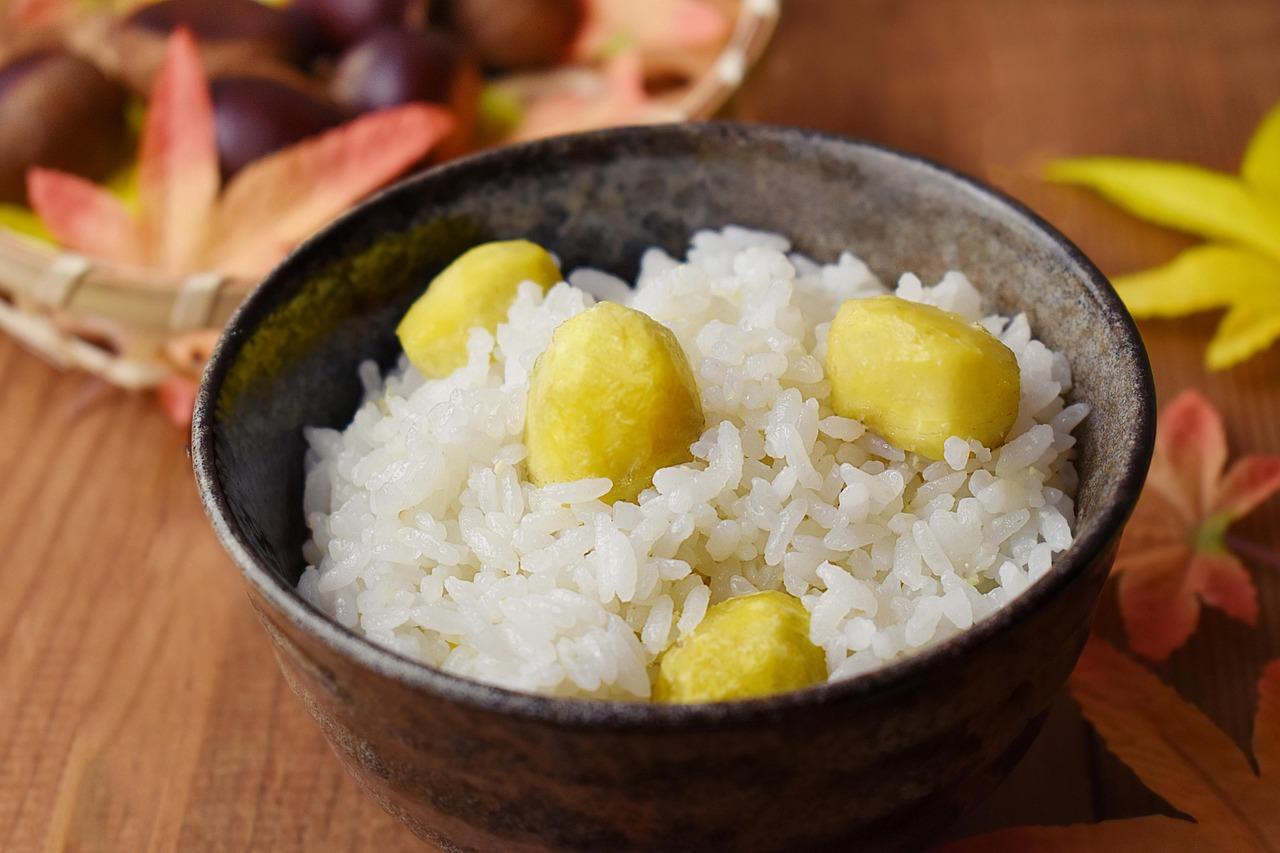
Takikomi gohanRice cooked with mushrooms and carrot

Takikomi gohan (炊き込みご飯) is mixed rice cooked in one pot with seasonal vegetables and a savoury broth, made in homes across Japan, especially in autumn when mushrooms and chestnuts are in season. Every grain soaks up the soy, mirin and mushroom flavour, and the bottom forms a prized toasty crust (okoge). This vegetarian version uses a kombu and shiitake dashi. Serve it with miso soup and pickles, or pack it into onigiri the next day. Chef's tip: never stir once the vegetables are on top, and don't lift the lid while it cooks. The heavy vegetables would sink and the rice cook unevenly; leaving it alone also gives you the toasty okoge crust at the bottom.

by KrazyBadal 0 views

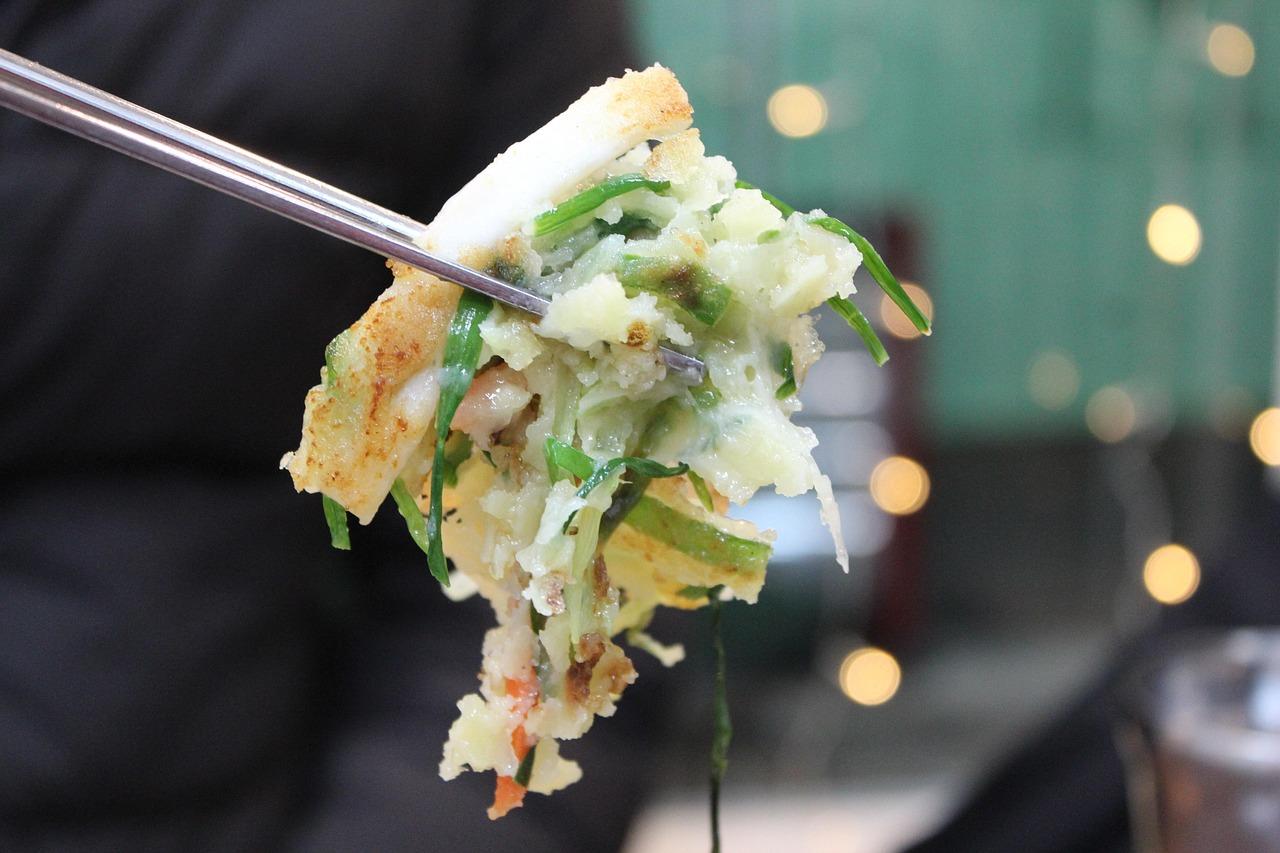
PajeonSpring onion pancake

Pajeon (파전) is a savoury pancake packed with whole spring onions held together by a thin batter. Dongnae, a district of Busan, is famous for its version, made with rice flour in the batter and finished with beaten egg poured over the top; Dongnae pajeon is usually loaded with seafood, which is left out here. Korean families often make it on rainy days and eat it with a soy and vinegar dip. Keep the batter ice cold and the pan hot for the crispest edges. Chef's tip: use just enough batter to glue the spring onions together. Dongnae cooks want you to taste spring onion first and batter second, so it should look lacy, not cakey.

by KrazyBadal 0 views

Showing 45 of 10,569 recipes

Show more recipes

Page 1,107 of 1,175