


Skip to content
Mock mint choc
Featured recipe

Mock mint choc

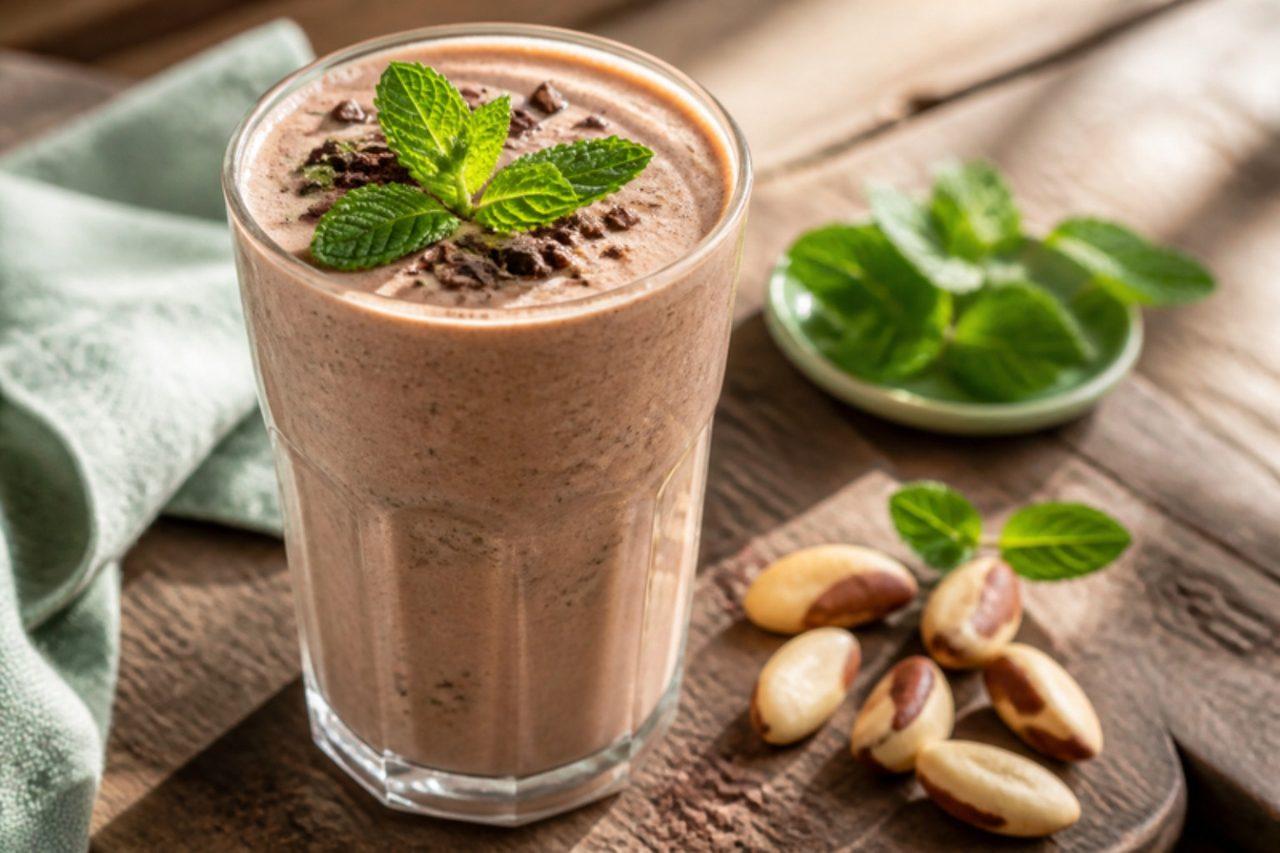
Carob and mint milk shake

A chocolatey-tasting shake made with carob powder instead of chocolate, blended with milk, yogurt, honey, fresh mint and ground brazil nuts. Creamy and lightly minty. Serve cold.

Read more 1 views

What to eat today?

Around the world

Today's trip: Persian

A new country every day, from every cuisine on the site.

This week's collection

Kid-friendly dinners
702 recipes · a new collection every Monday

Coming up

All occasions →

Latest recipes

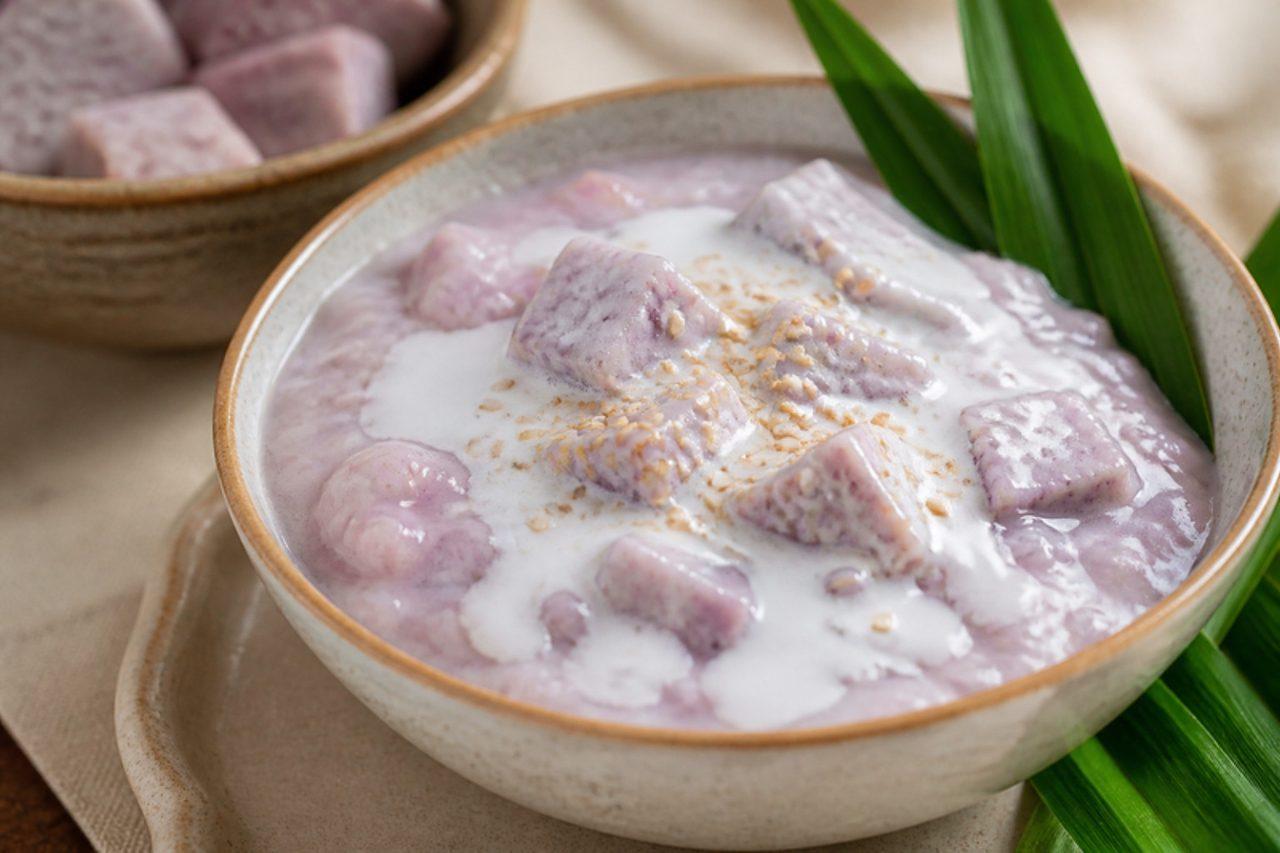
Chè khoai môn (taro and sticky rice in coconut milk)Taro coconut dessert

Southern Vietnamese cooks make chè khoai môn for ancestor offerings and for chilly monsoon evenings, when a warm, creamy bowl is welcome; Saigon stalls sell it hot from big pots. Chunks of taro, some left whole and some crushed into the pot, cook with glutinous rice until the whole thing turns thick and faintly lilac, then coconut milk is poured over. Chef's tip: wear gloves or oil your hands when peeling raw taro; the sap can make skin itch badly.

by KrazyBadal 0 views

SincronizadasHam and cheese tortilla sandwiches

Found on cafeteria menus and in school lunchboxes from Monterrey to Mérida, sincronizadas are two flour tortillas 'synchronised' around cooked ham (pork) and melting cheese, then toasted on the griddle until the cheese runs. Cut into wedges and served with guacamole or salsa, they're a ten-minute supper that children love. Chef's tip: keep the heat at medium, so the cheese melts before the tortillas scorch.

by KrazyBadal 0 views

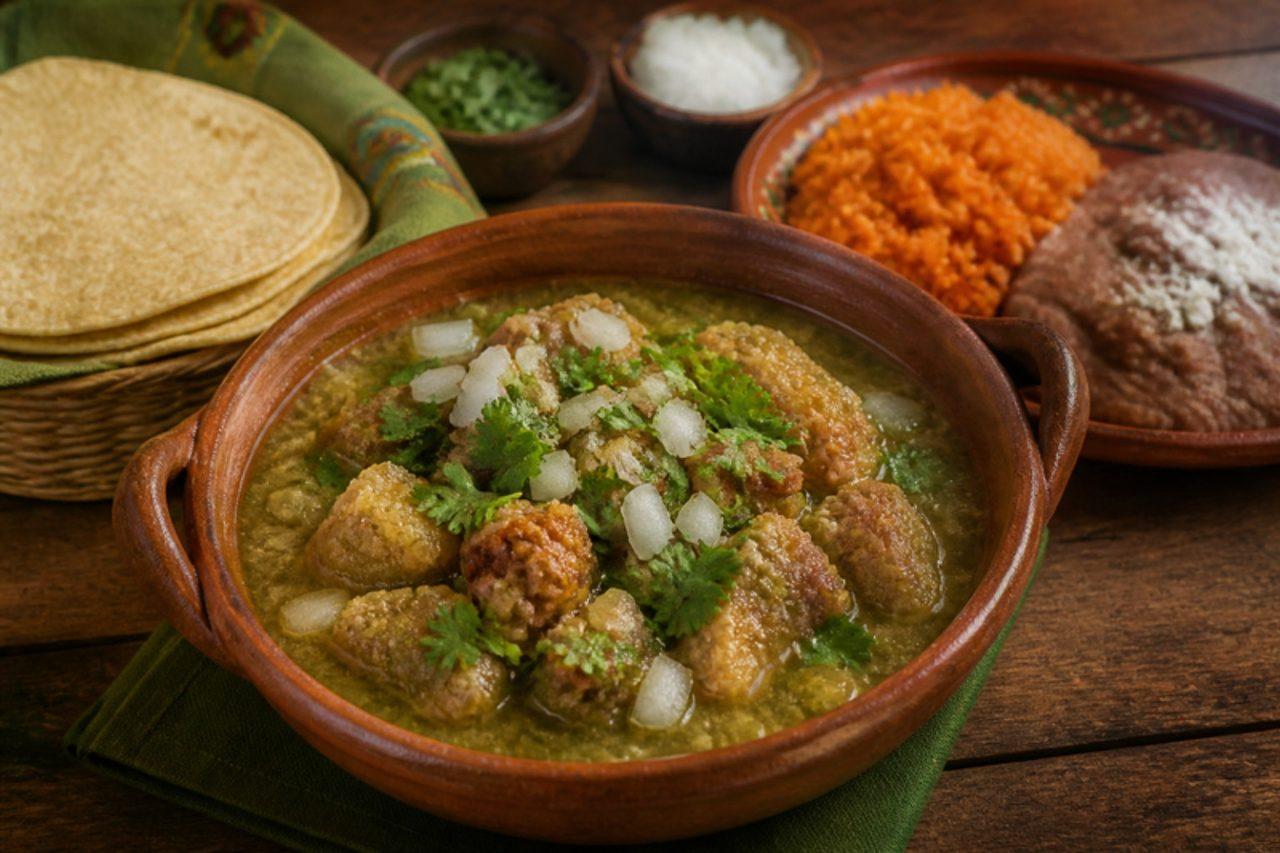
Chicharrón en salsa verdePork crackling in green salsa

This is a pork dish: sheets of chicharrón, deep-fried pork skin, are broken up and simmered in green tomatillo salsa until they soften into chewy, porky morsels. It's a fixture of Mexico City breakfast stalls and Sunday family tables, eaten in tacos, in a torta or with rice and beans. The sauce is sharp and lively, the crackling rich, and one pan feeds a crowd for very little money. Chef's tip: buy plain chicharrón from a Latin grocer or butcher, not flavoured snack crackling.

by KrazyBadal 0 views

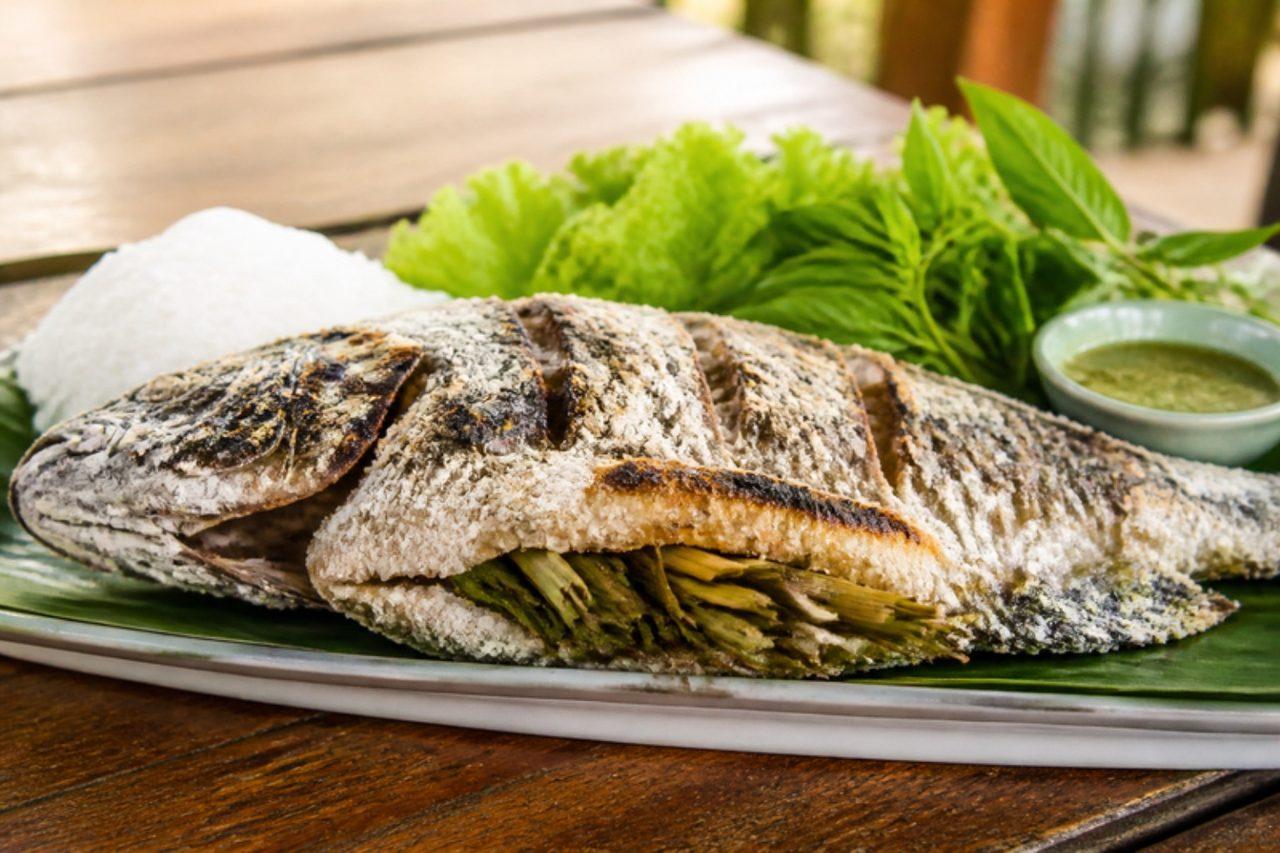
Pla pao (salt-crusted grilled fish)

Walk through any night market from Chiang Mai to Hat Yai and you will see rows of whole fish, white with crusted salt, grilling slowly over charcoal with lemongrass stalks poking out of their bellies. The salt shell keeps the flesh steaming in its own juice, so it comes out moist, clean-tasting and scented with lemongrass and pandan. People peel back the skin and eat the fish wrapped in lettuce with rice noodles, herbs and a fierce lime and chilli dip. Chef's tip: pat the fish completely dry before salting; a wet fish lets the crust slide off in the first five minutes.

55 minThaiFishGluten free
by KrazyBadal 0 views

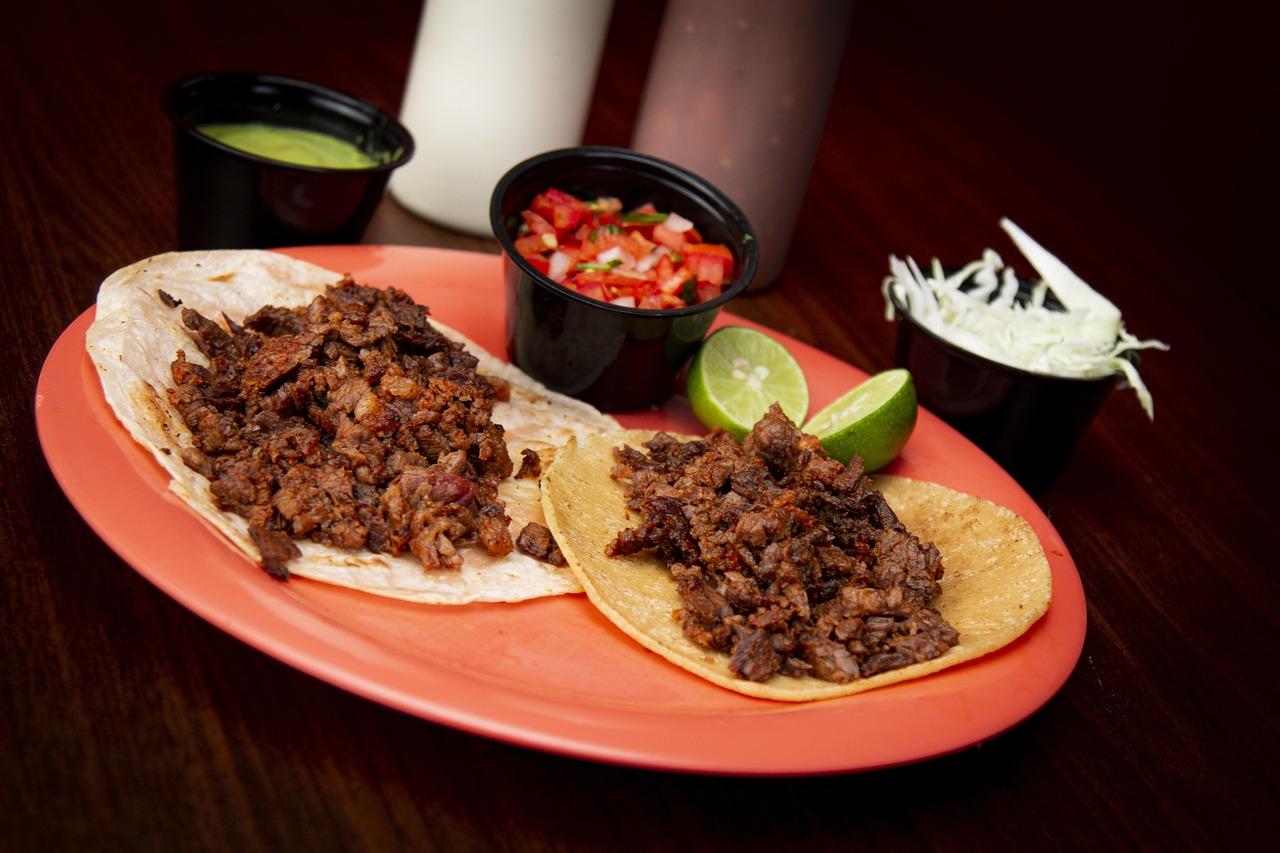
Tacos de carne asadaGrilled steak tacos

In Monterrey, Hermosillo and across the north, a Sunday carne asada means friends around the grill, thin skirt or flank steak seasoned simply with citrus, garlic and salt, cooked over hot coals and chopped straight onto tortillas. Grilled spring onions, guacamole and a smoky salsa go alongside. Use corn tortillas, or the soft flour tortillas of Sonora if gluten is no concern. Chef's tip: keep the marinade to 1–4 hours in the fridge; the citrus starts to toughen the meat after that.

by KrazyBadal 0 views

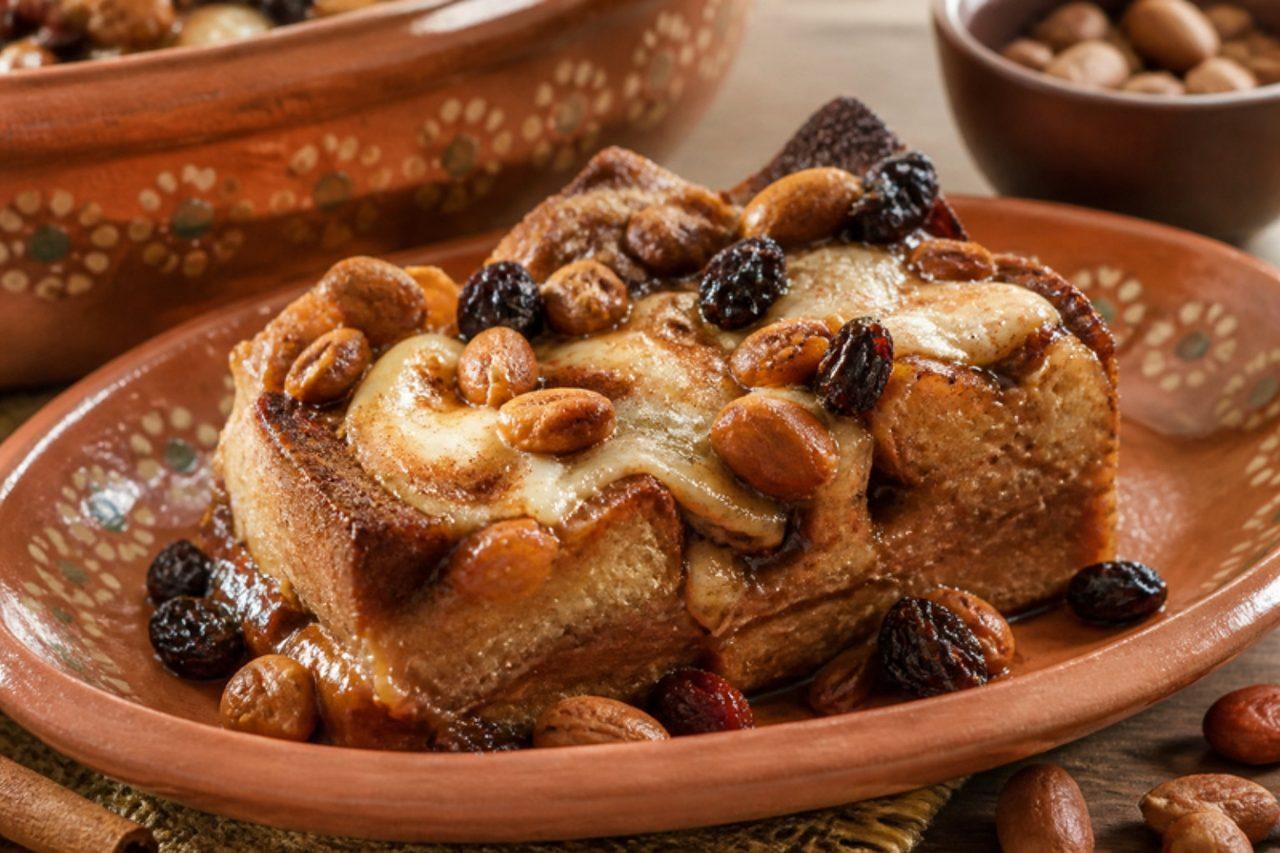
CapirotadaMexican bread pudding

On the Fridays of Lent and above all on Good Friday, grandmothers from Jalisco to Sonora layer stale bolillo with a dark syrup of piloncillo, cinnamon and cloves, then tuck in raisins, peanuts and crumbled cheese, a sweet-salty pudding that uses up bread when meat is off the menu. It comes out of the oven sticky at the edges and soft in the middle, and is eaten warm or at room temperature. The traditional cheese, queso añejo or cotija, is usually made with animal rennet, so use a vegetarian hard cheese or mild feta if you prefer. Chef's tip: fry or toast the bread until really dry and golden first; soft bread turns to porridge in the syrup.

by KrazyBadal 0 views

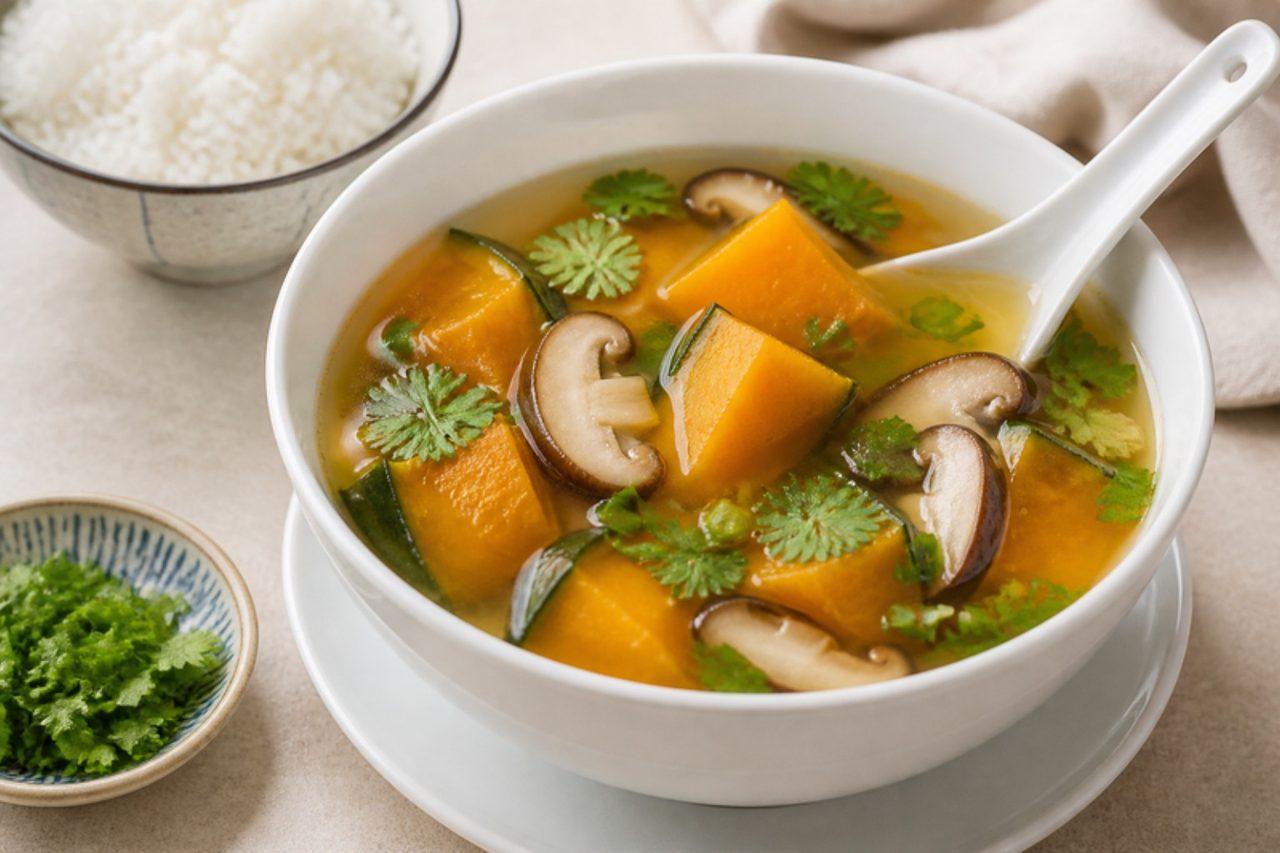
Canh bí đỏ chay (clear pumpkin soup)

Every Vietnamese family meal has a canh, a light soup to sip between mouthfuls of rice, and in autumn in the north the pot is often full of orange pumpkin. Unlike a blended Western pumpkin soup this one stays clear and brothy, with soft, sweet chunks you break with a spoon. Most kitchens add minced pork or dried prawns; this vegetarian version gets its depth from shiitake and a little soy. It is a good soup for children and for anyone recovering from a cold. Chef's tip: cut the pumpkin into even 3 cm chunks and stop cooking as soon as they are tender; overcooked pumpkin falls apart and turns the broth cloudy and porridge-like.

by KrazyBadal 0 views

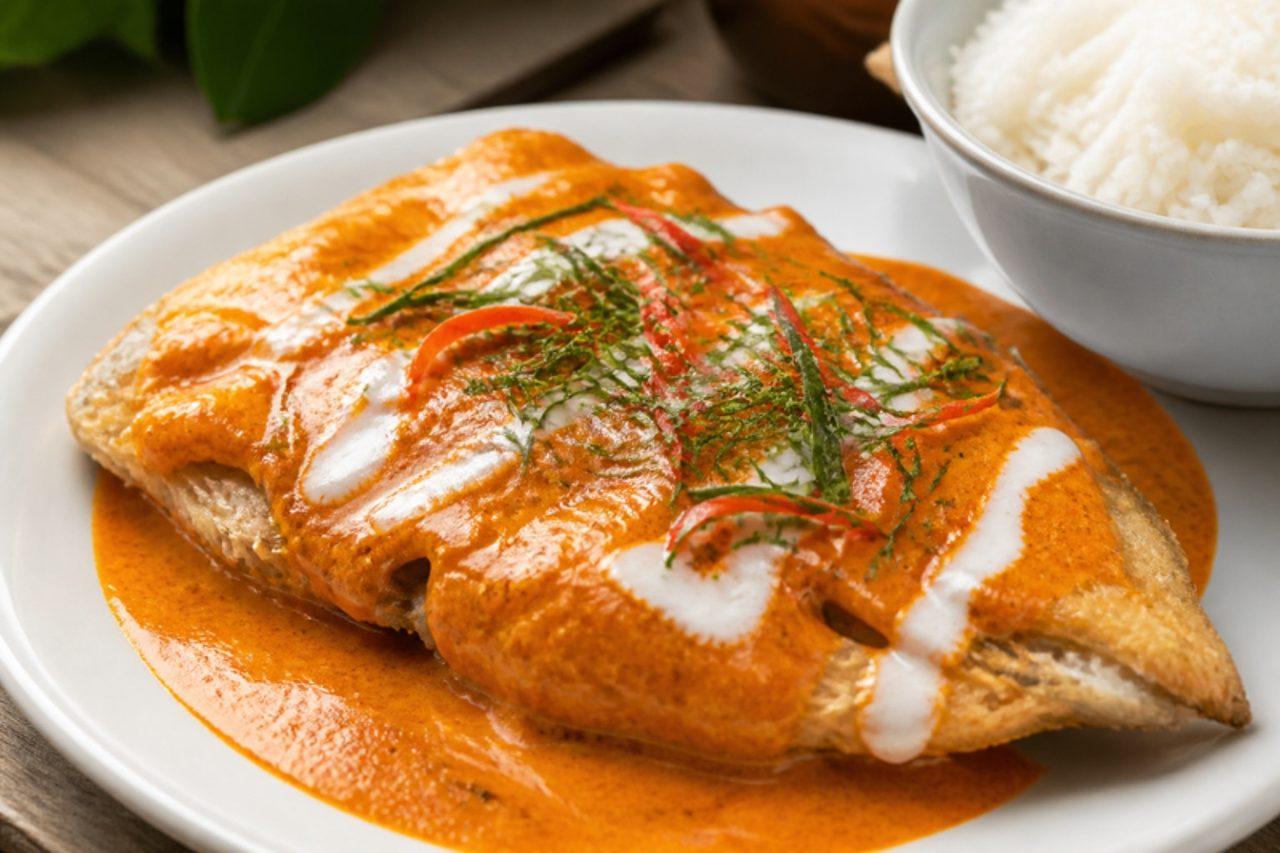
Choo chee pla (fish in thick red curry)

Riverside restaurants along the Chao Phraya, from Nonthaburi down to Samut Prakan, serve choo chee as a centrepiece for shared dinners: a crisp-fried fish smothered in a sauce so reduced it barely moves, red with curry paste, rich with coconut cream and scattered with threads of kaffir lime leaf. The name copies the sizzle of paste hitting hot cream. It is sweeter and thicker than a soupy gaeng phet, so serve plenty of jasmine rice and a clear soup or plain vegetables alongside. Chef's tip: fry the fish only after the sauce is ready and pour it over at the table; fish left to sit in the sauce goes soggy within minutes.

40 minThaiFishGluten freeSpicy
by KrazyBadal 0 views

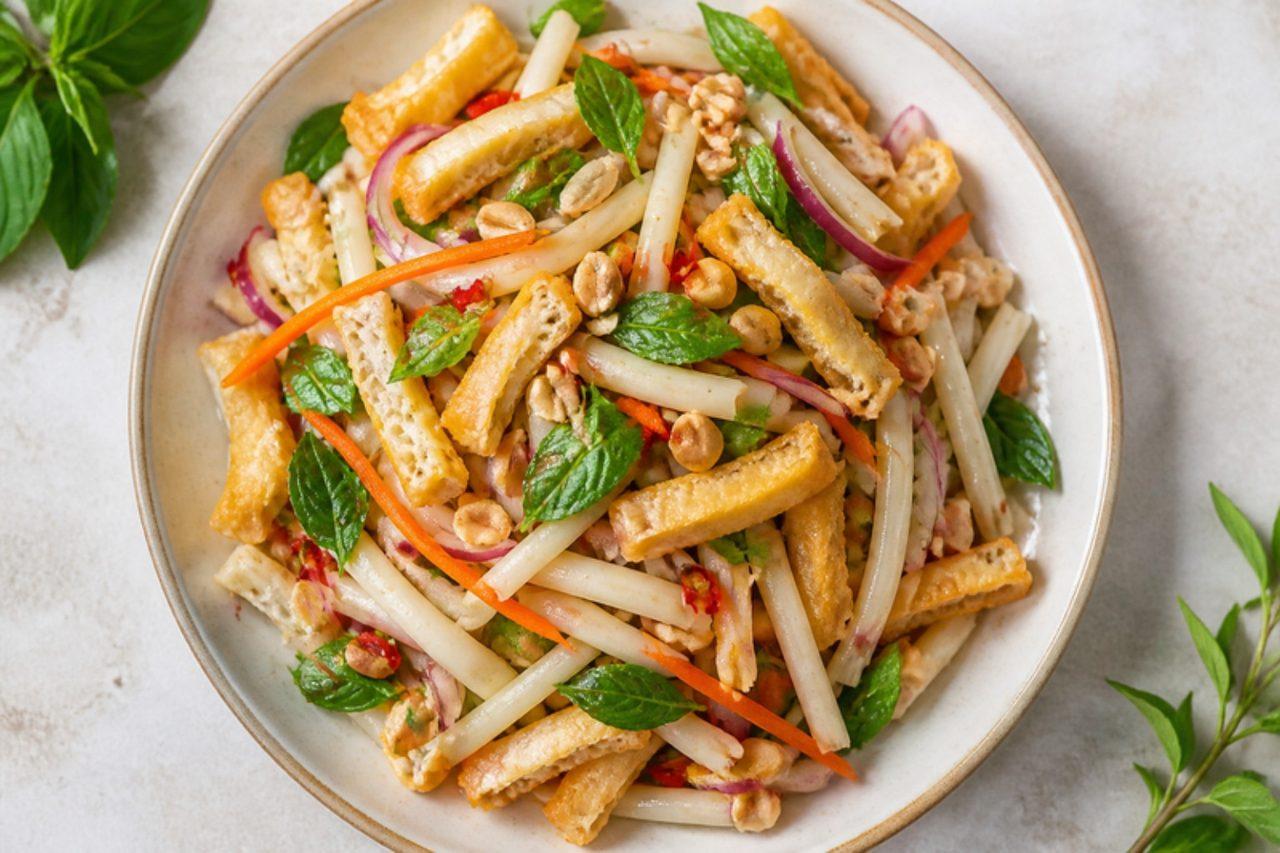
Gỏi ngó sen chay (lotus stem salad)

Wedding banquets and đám giỗ (death-anniversary) feasts across the south open with a platter of gỏi ngó sen, usually heaped with prawns and boiled pork belly. In vegetarian households and temple kitchens the shellfish and pork give way to strips of fried tofu, and the fish-sauce dressing becomes lime, sugar and soy. The pickled lotus stems are what matter: pale, crisp and juicy, like a mild bamboo shoot. Pile it onto prawn-free rice crackers or eat it beside rice. Chef's tip: rinse and squeeze the jarred lotus stems well; skipping this leaves the salad tasting of brine instead of lime.

by KrazyBadal 0 views

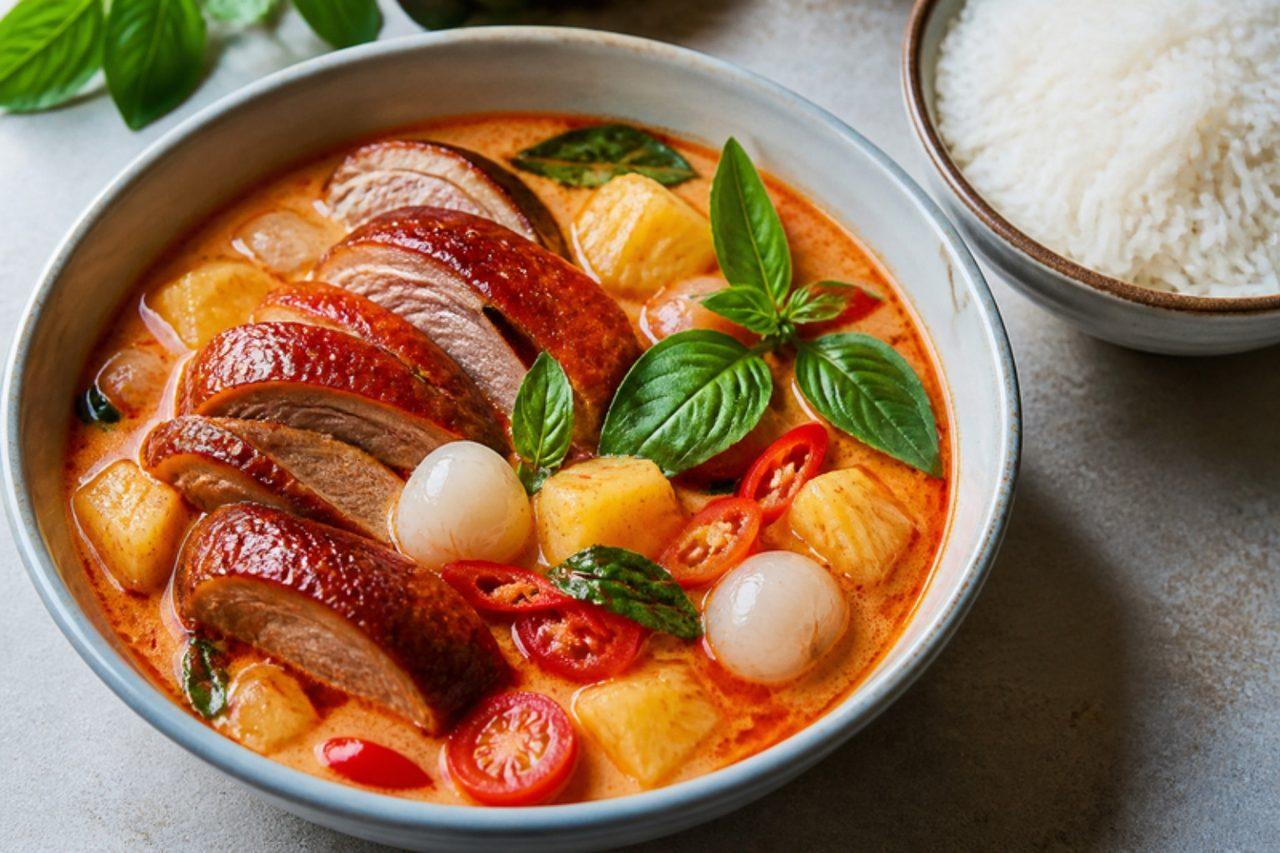
Gaeng phet ped yang (red curry with roast duck)

Bangkok's Chinese-Thai cooks invented this curry around the roast-duck shops of Yaowarat, where lacquered ducks hang in the windows: sliced duck simmered briefly in red curry with pineapple, cherry tomatoes and lychees, so every mouthful is rich, hot, sweet and a little sour. It is a dish for a special family dinner or a banquet table, eaten with jasmine rice. Buy a ready-roasted duck from a Chinese barbecue shop rather than roasting your own. Chef's tip: add the duck near the end and only heat it through; boiling it for long turns the meat stringy and the skin flabby.

45 minThaiMeatGluten freeSpicy
by KrazyBadal 0 views

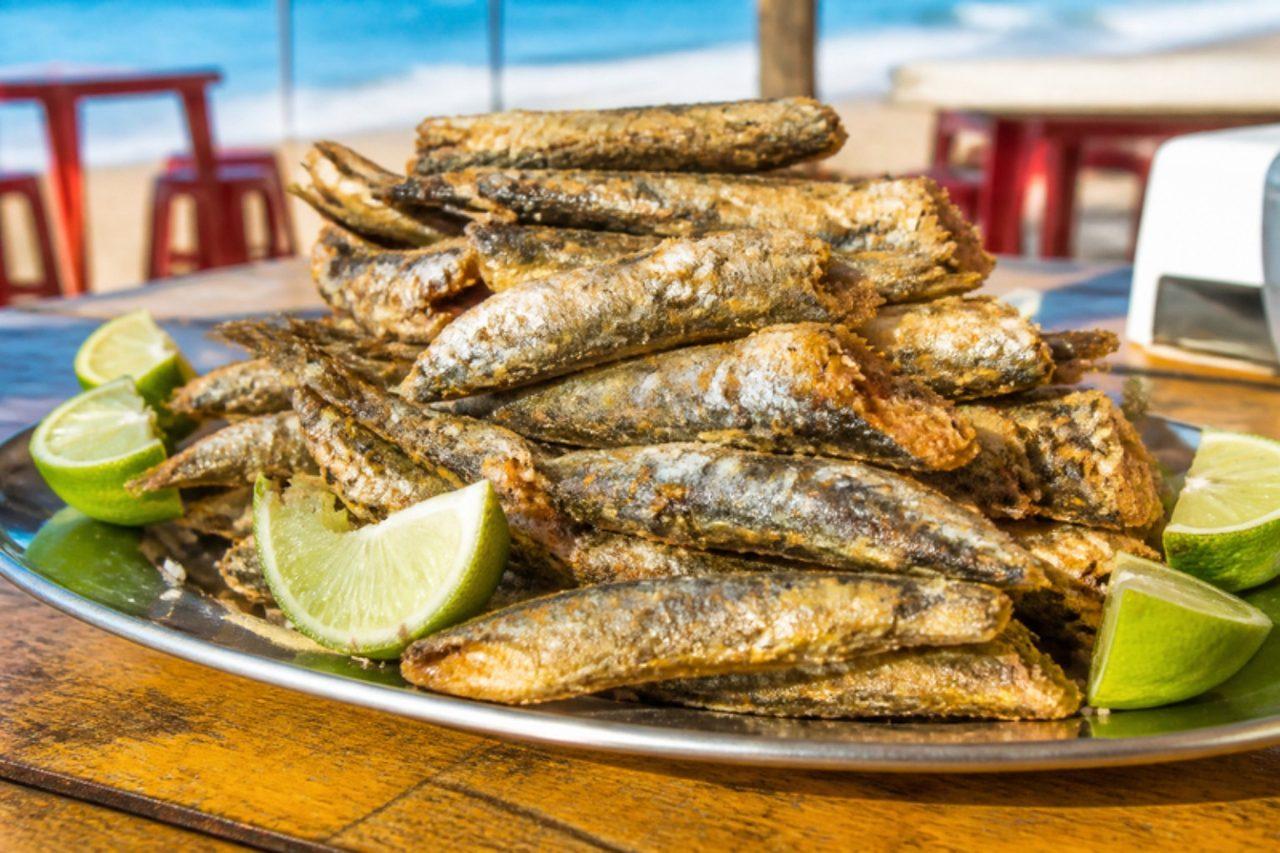
Sardinha fritaFried sardines

Rio de Janeiro has a long love affair with sardines, landed fresh at the fishing colony in Niterói across the bay, and a plate of them fried crisp is the thing to order at old-school botequins in the city centre with an ice-cold beer. Small fish are gutted, beheaded and dusted in flour and a little cornmeal, then fried quickly so the thin bones turn crunchy enough to eat. Chef's tip: dry the fish thoroughly before flouring so the oil doesn't spit and the coating stays crisp.

by KrazyBadal 0 views

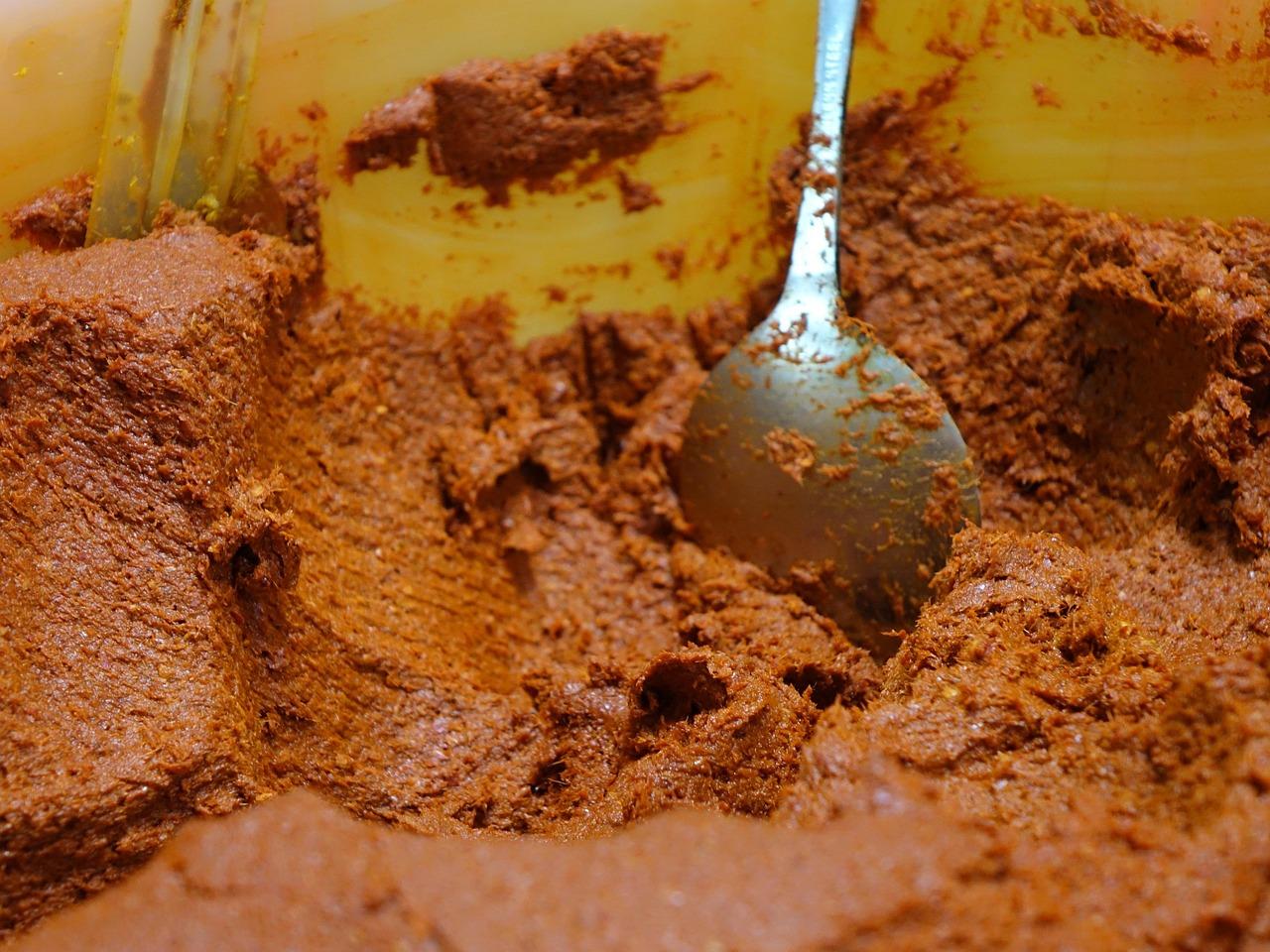
Thai red curry paste
Market stalls in Bangkok's Or Tor Kor and Khlong Toei sell red curry paste by the scoop from brick-red mounds, but a home batch pounded in a granite mortar smells far brighter. This is the base for gaeng phet, choo chee and red duck curry, and a spoonful also lifts fried rice and stir-fried long beans. The paste is coarse, deep red and fiercely aromatic, with lemongrass and galangal up front. Traditionally a teaspoon of kapi (fermented shrimp paste) goes in at the end; this version uses yellow soybean paste instead so it stays vegan. Add 1 tsp roasted shrimp paste in step 8 if you want the classic. Chef's tip: soak the chillies until fully soft and squeeze them dry before pounding; hard, wet chillies are the usual reason a paste stays gritty and watery.

40 minThaiBasicsVeganGluten freeSpicy
by KrazyBadal 0 views

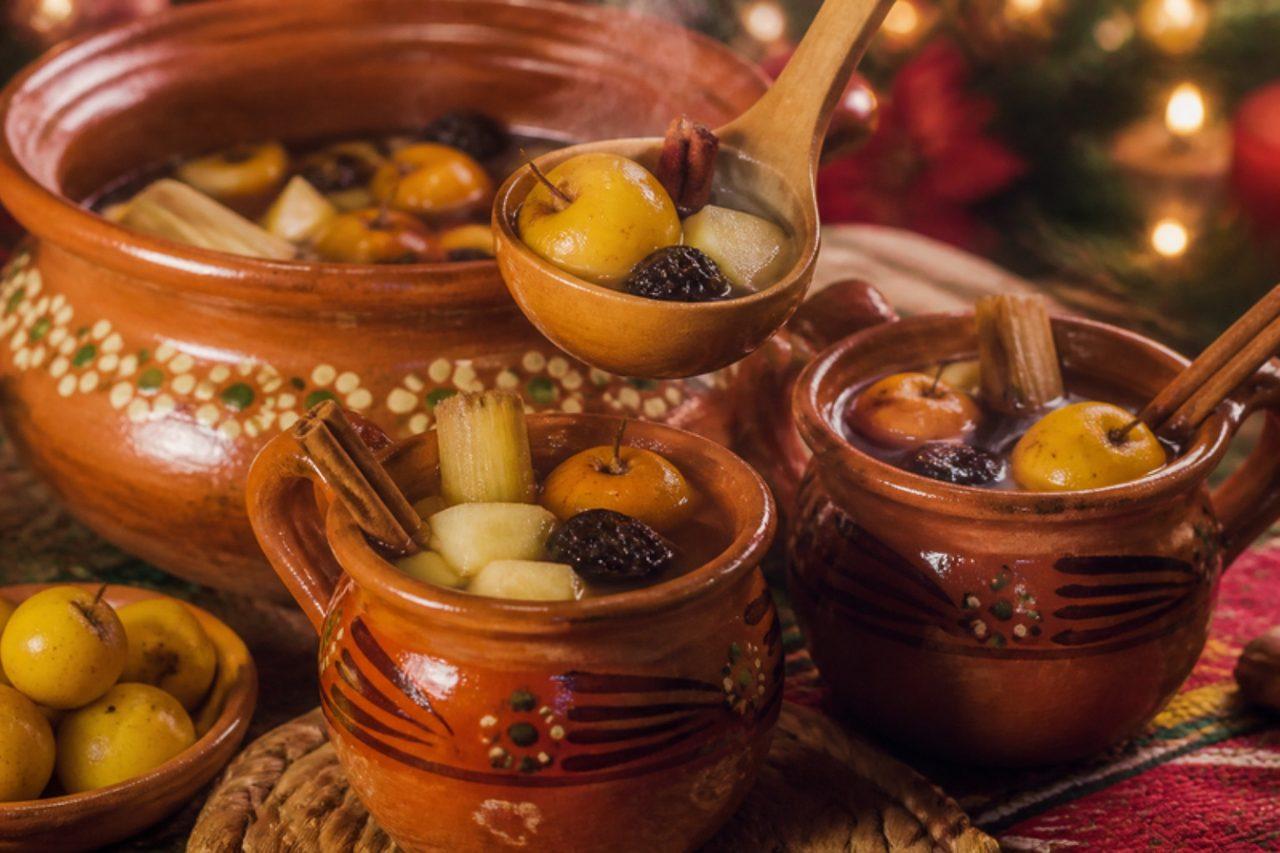
Ponche navideñoHot Christmas fruit punch

During the nine nights of posadas from 16 to 24 December, neighbours in central Mexico walk the streets singing for shelter, and the reward at the last door is a cup of steaming ponche ladled from a clay pot. Whole fruits, tejocotes, guavas, apple, prunes, sticks of sugarcane, simmer with hibiscus, cinnamon and piloncillo until the punch is fragrant and amber, and everyone fishes the soft fruit out with a spoon. This recipe is alcohol-free and good for all ages; some adults add a splash of rum to their own cup, but none is used here. Chef's tip: add the guavas late, as they collapse if cooked too long.

by KrazyBadal 0 views

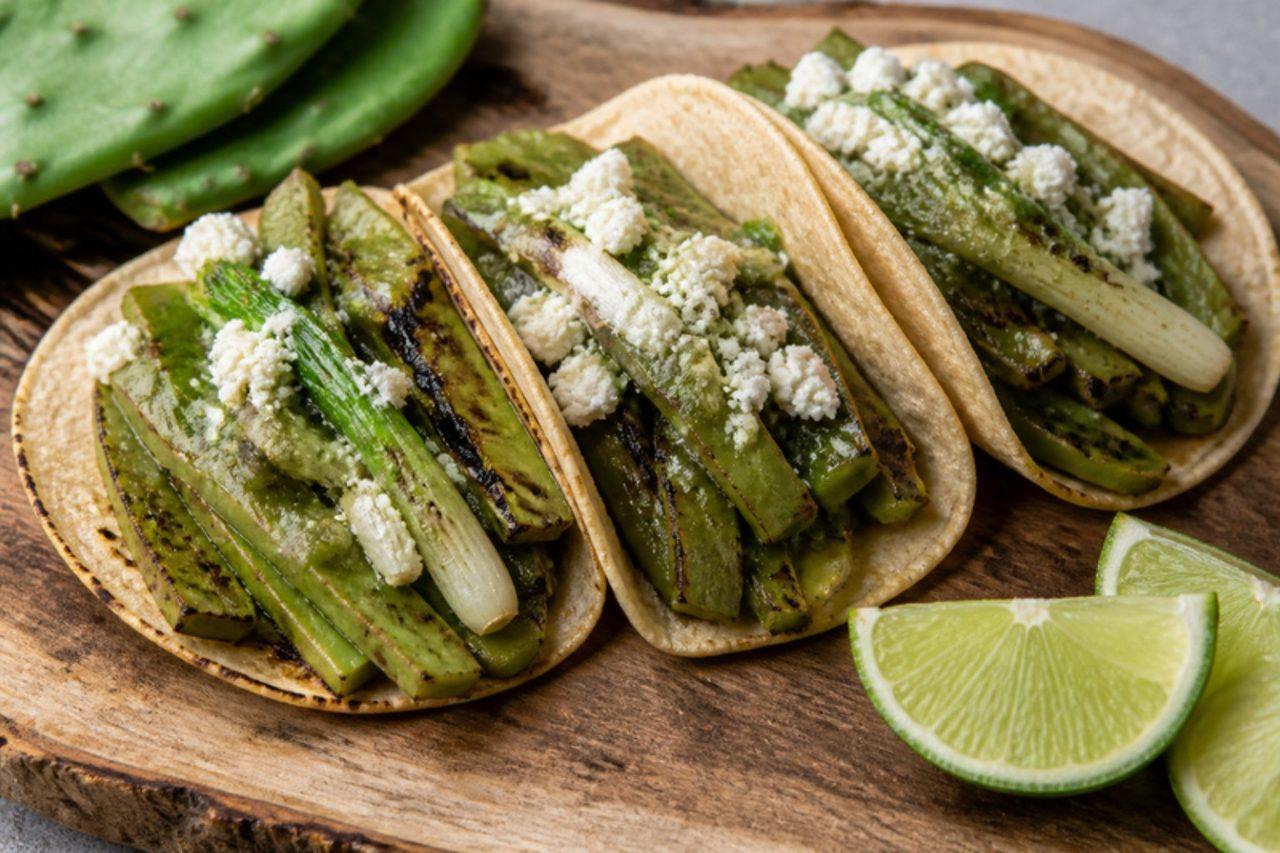
Tacos de nopales asadosGrilled cactus tacos

At weekend markets in Milpa Alta, the cactus-growing district on Mexico City's southern edge, whole nopal paddles are grilled until tender and folded into tortillas with charred spring onions and salsa verde. Grilling dries the natural slime the cactus is known for and leaves a lemony, green-bean flavour. It is a light, naturally vegan taco. Buy paddles with the spines already removed, or scrape them carefully with a knife. Chef's tip: score the paddles in a criss-cross before grilling so they cook evenly and stay flat.

by KrazyBadal 0 views

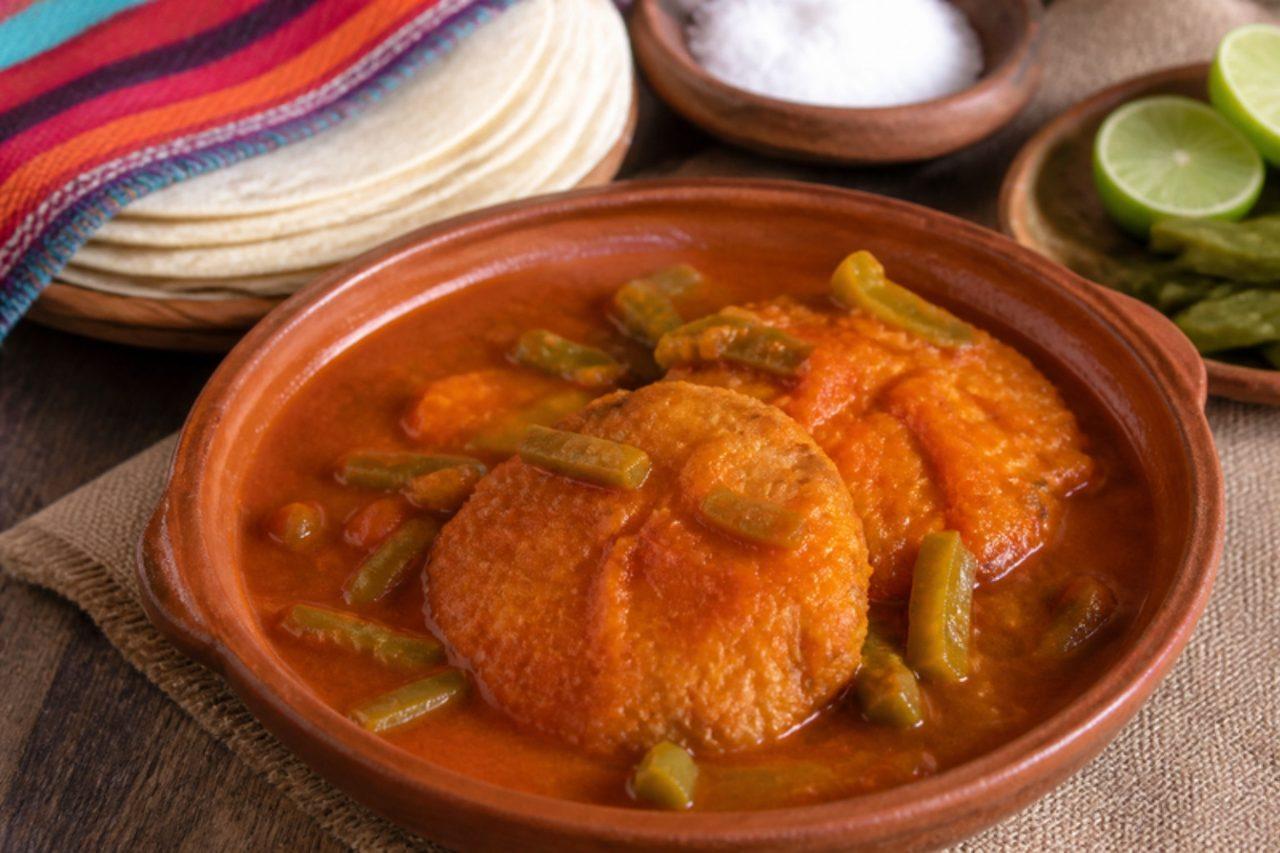
Tortitas de camarónShrimp fritters

Friday lunch during Lent in Mexico City, Puebla and Oaxaca often means tortitas de camarón: airy fritters of beaten egg and ground dried shrimp, fried golden and then simmered in a guajillo-ancho sauce with tender nopales. The dried shrimp gives a deep, briny savouriness that a little goes a long way with. Buy them at Mexican or Asian grocers; they should smell of the sea, not of ammonia, and be pink-orange, not grey. Chef's tip: grind the shrimp with heads and legs removed, then sieve the powder, so no sharp bits end up in the batter.

by KrazyBadal 0 views

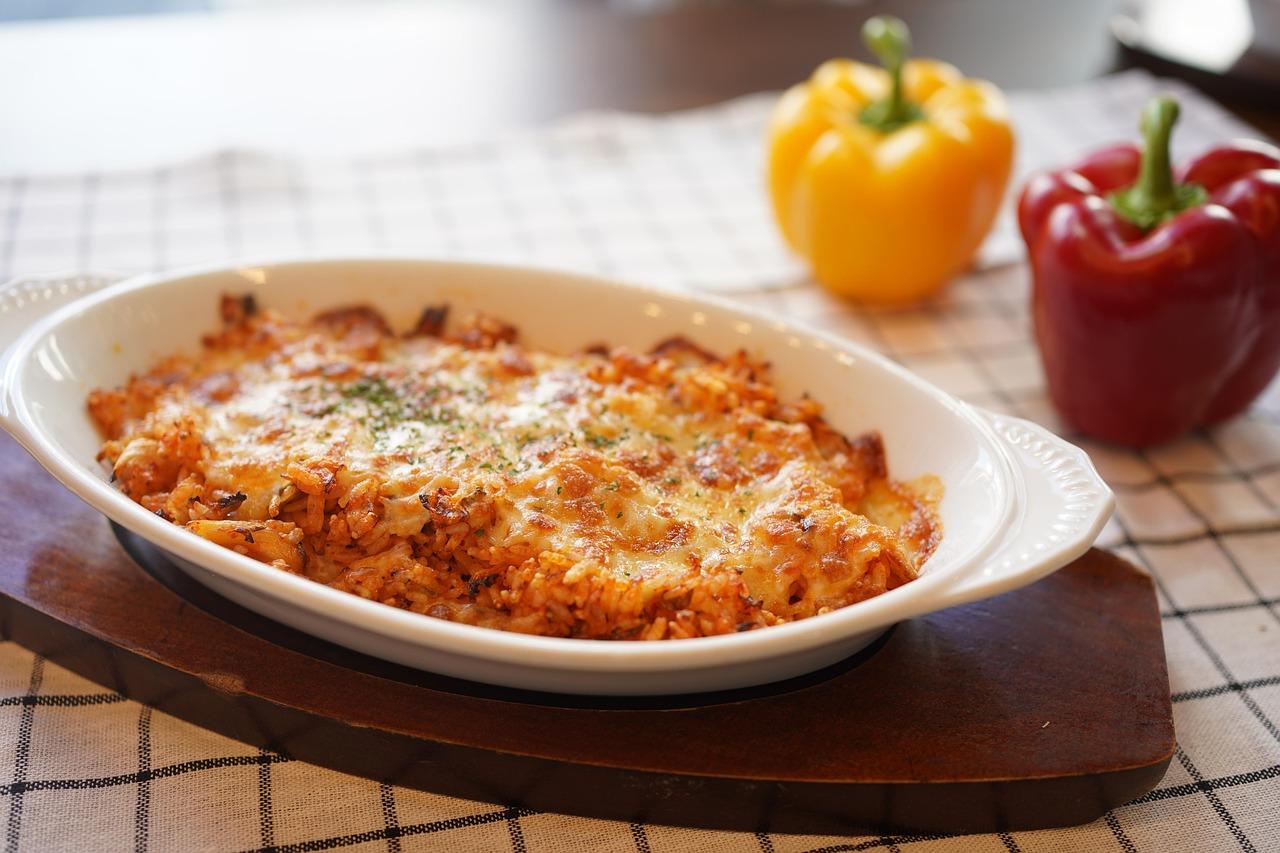
Arroz de fornoBaked rice with chicken and ham

Every Brazilian family has a version of arroz de forno, the Monday rescue for Sunday's leftover rice. The rice is mixed with shredded chicken, diced ham (pork), peas, sweetcorn, tomato sauce and creamy requeijão, then baked under cheese until the top is golden and crusty. It's a one-dish lunch, good with a green salad. Rice safety matters: use rice that was cooled within an hour of cooking and kept in the fridge for no more than a day. Chef's tip: leave some cheese for the very top so it forms a crisp lid.

by KrazyBadal 0 views

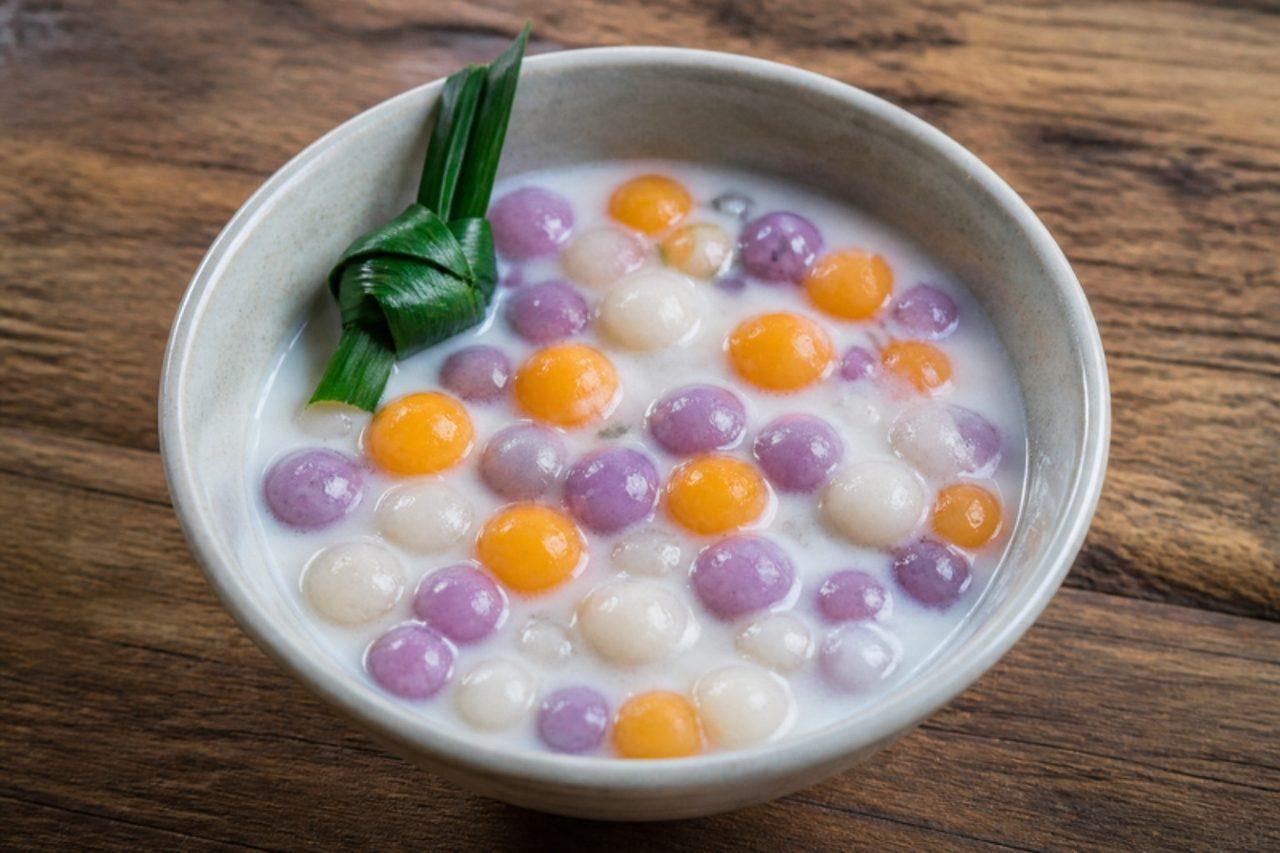
Bua loy (rice balls in coconut milk)

The name means 'floating lotus', and on cool evenings in Bangkok's Yaowarat and around temple fairs bowls of these tiny glutinous dumplings are ladled out warm. They are coloured with mashed pumpkin and taro, so they taste faintly of both, and the coconut milk around them is sweet with palm sugar and edged with salt. Some vendors add a soft-cooked egg to the bowl; this version keeps it plant-only. Chef's tip: the usual mistake is making the balls too big; keep them the size of a chickpea so they cook through and stay tender rather than gummy.

by KrazyBadal 0 views

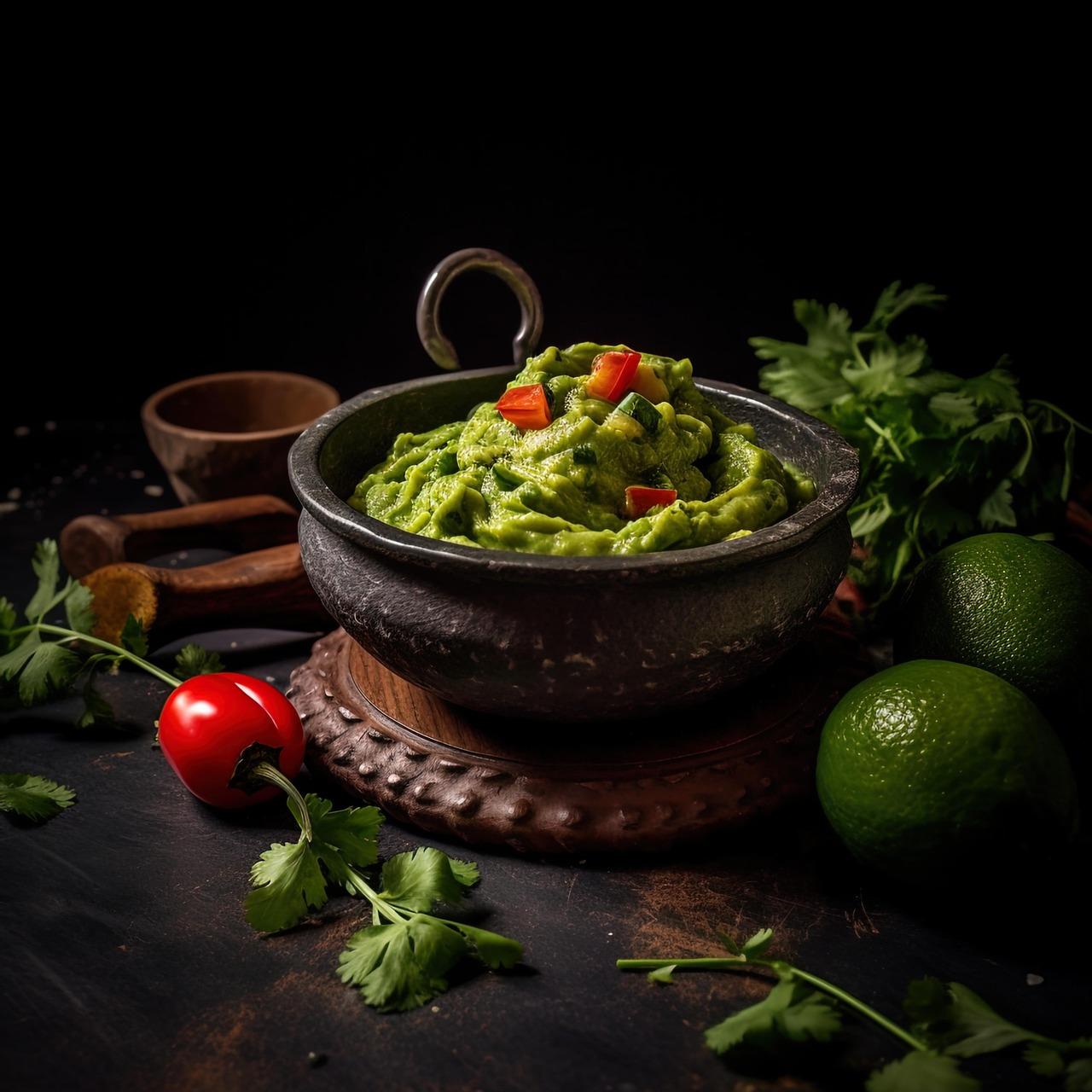
Guacamole

In fondas around Mexico City and at Sunday carne asada gatherings across Puebla and the Bajío, guacamole is pounded to order in a basalt molcajete and carried to the table still in the stone. No sour cream, no garlic powder: just ripe avocado crushed over a paste of onion, serrano chile, cilantro and salt, sharpened with lime. It is a dip for warm totopos, a topping for tacos and a side for grilled meat, and it is best eaten within the hour. Chef's tip: grind the chile, onion and salt to a wet paste first, so the heat spreads through every bite instead of sitting in chunks.

by KrazyBadal 0 views

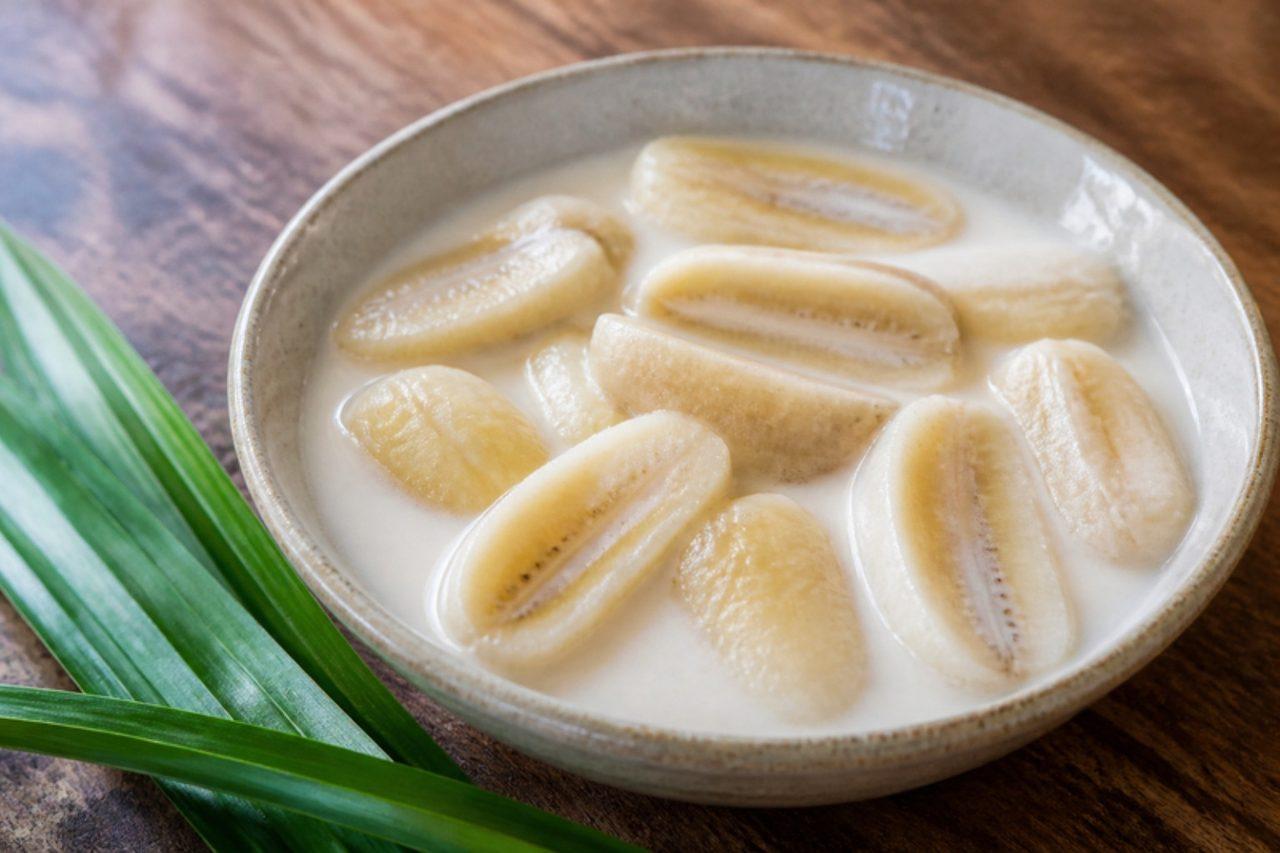
Kluay buat chi (bananas in coconut milk)

Rows of pots of this simple sweet sit on home stoves all over central Thailand, and it is often the first dessert a Thai cook learns. The name compares the pale bananas in white coconut milk to women ordained as nuns in white robes. Small, sweet namwa bananas soften without collapsing, and the milk is seasoned so salt and palm sugar balance. Eat it warm or at room temperature, as an afternoon snack or after a spicy dinner. Chef's tip: boiling the coconut milk hard is the usual error; it splits and turns oily, so keep it at a bare simmer.

by KrazyBadal 0 views

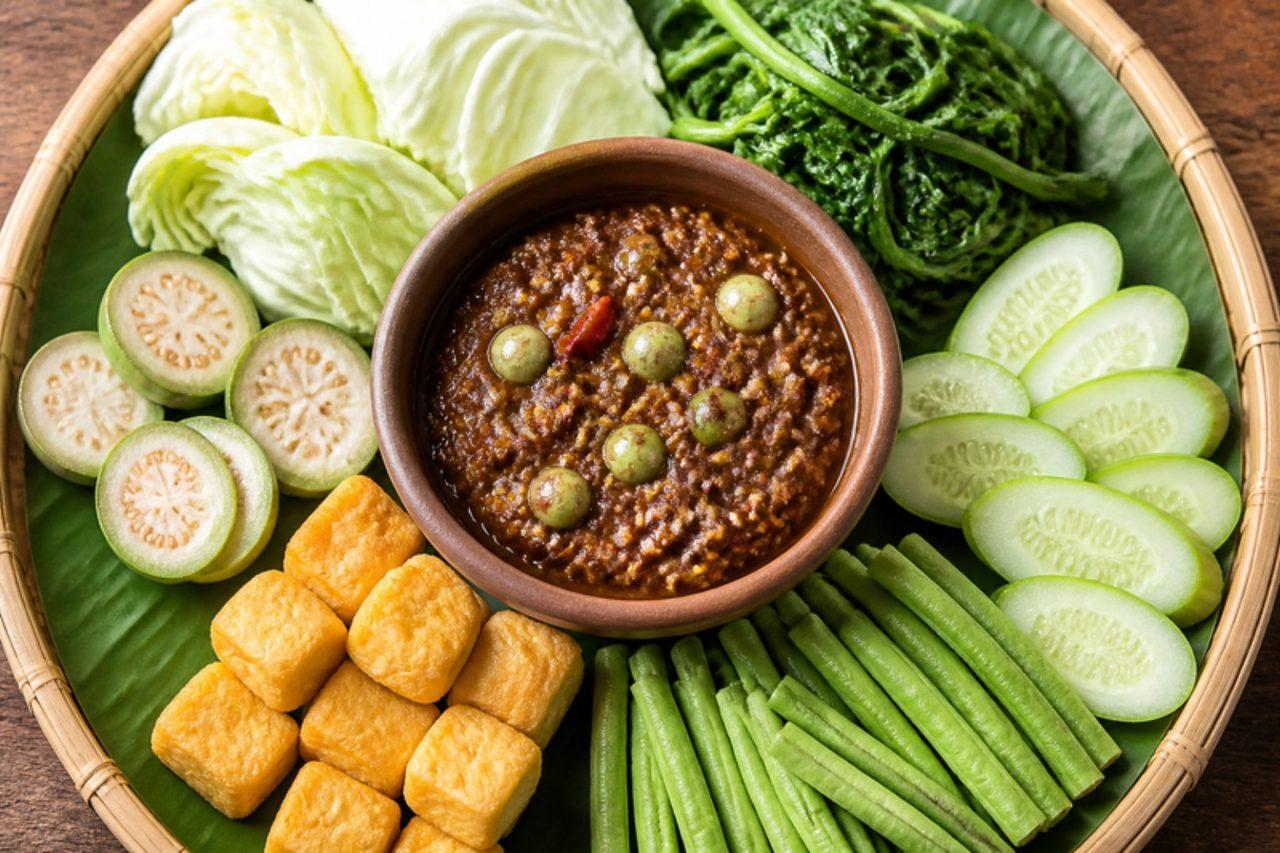
Nam prik kapi, vegan styleVegan chilli dip with vegetables

Across the central plains, a small bowl of nam prik kapi sits in the middle of the family tray with a platter of raw and boiled vegetables, a fried fish and rice, and everyone dips as they go. The classic is built on kapi, a pungent fermented shrimp paste, pounded with garlic, bird's-eye chillies, lime and palm sugar. This vegan version keeps the same sharp, hot, sweet-sour balance but swaps the kapi for yellow soybean paste and a little toasted nori for a sea note, and fried tofu takes the place of the mackerel. For the traditional dip, wrap 1½ tbsp kapi in foil, toast it in a dry pan for 2 minutes, use it instead of the soybean paste and nori, and season with fish sauce instead of tamari. Chef's tip: pound the garlic and chillies before the liquids go in; adding lime too early turns the mortar into a splashing mess and leaves the garlic in chunks.

by KrazyBadal 0 views

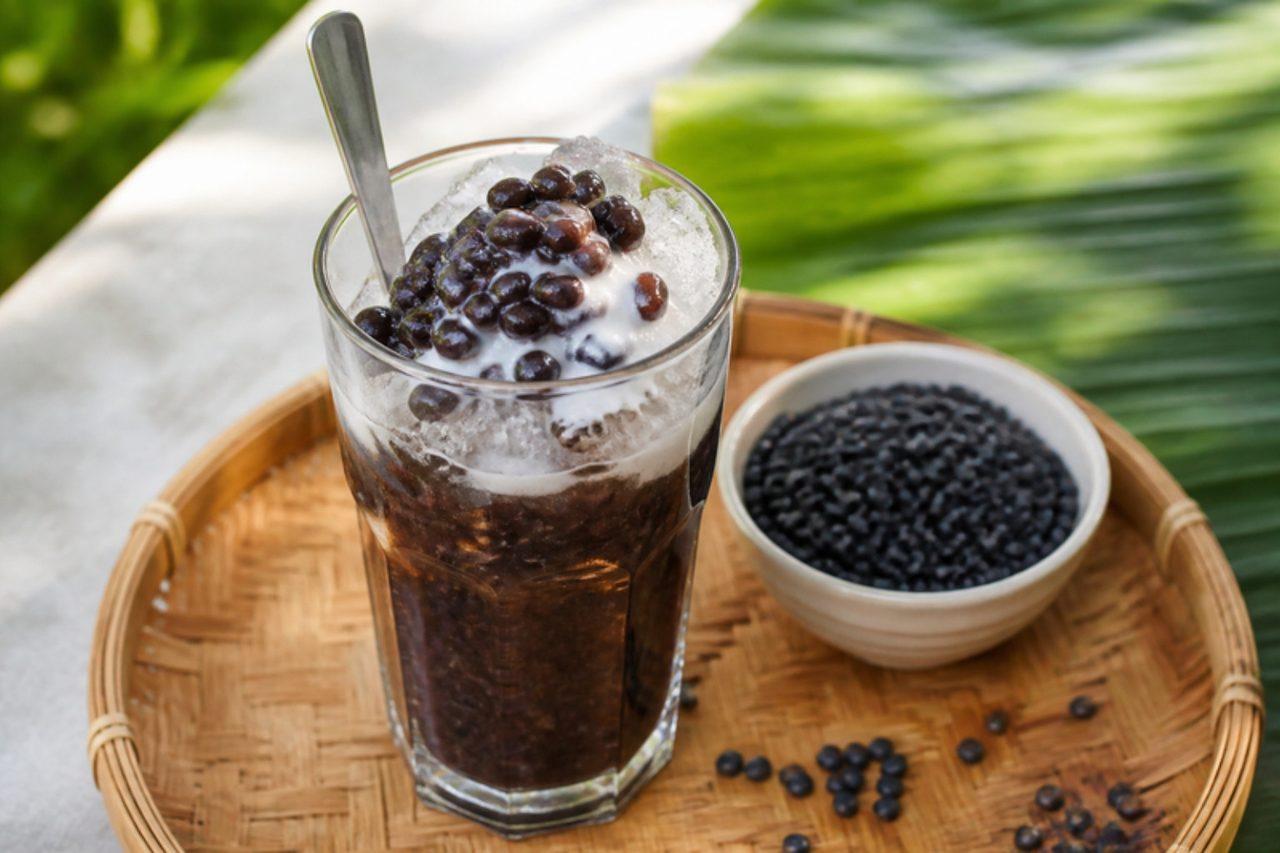
Chè đậu đen (black bean sweet soup)

In Hanoi summers, glass after glass of chè đậu đen is poured over crushed ice at pavement stalls, and many families keep a pot in the fridge because the beans are thought to cool the body. The beans are cooked whole until creamy inside but unbroken, then steeped in syrup until they turn dark and glossy; southern versions finish with a little coconut milk. Chef's tip: add the sugar only once the beans are completely tender; sugar too early toughens the skins and the beans never soften.

by KrazyBadal 0 views

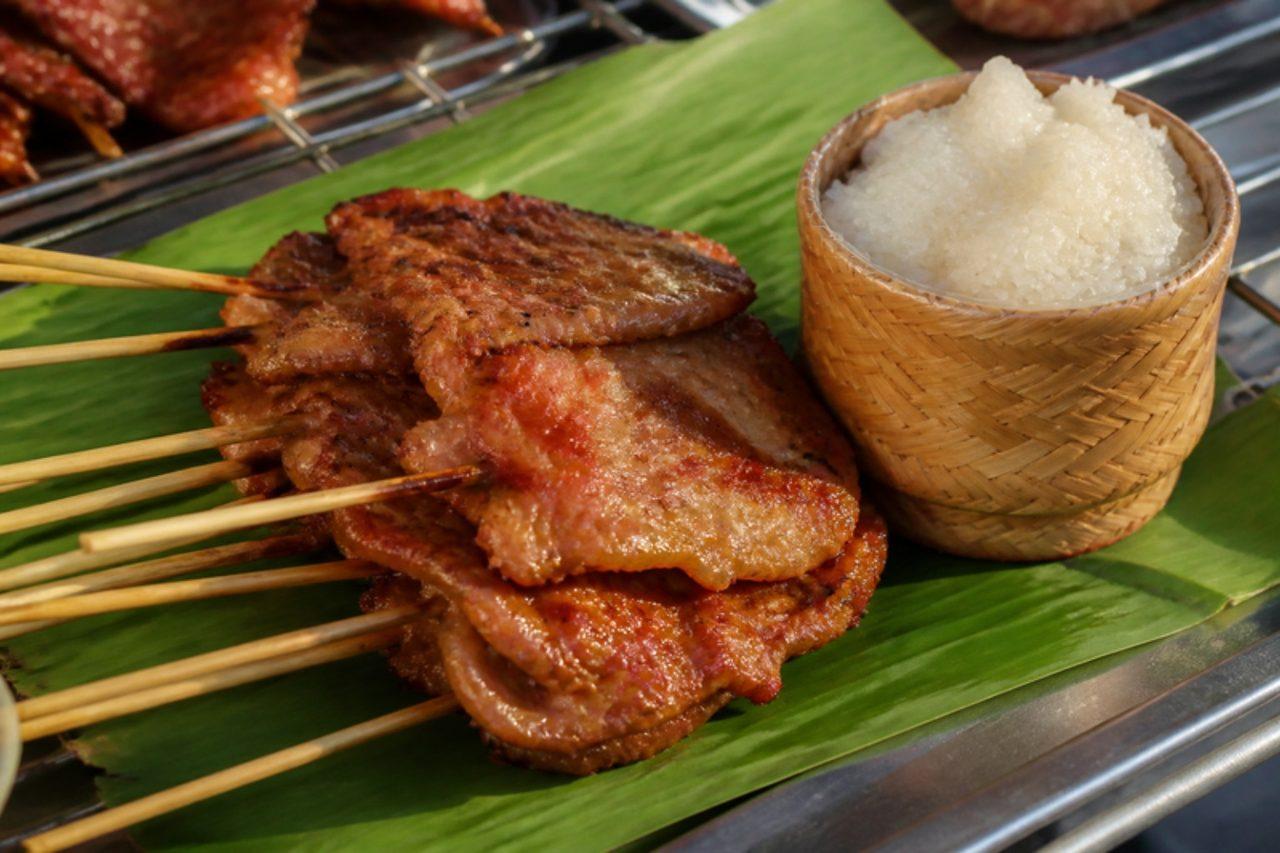
Moo ping (grilled pork skewers)

Bangkok wakes up to the smell of these pork skewers charring on little charcoal grills at sois and bus stops; office workers grab three with a bag of sticky rice for breakfast on the go. Thin slices of fatty pork shoulder are marinated in garlic, coriander root, white pepper and palm sugar, then basted with coconut milk as they grill, so they turn sticky, smoky and caramelised at the edges. Marinate in the fridge for at least 2 hours, or overnight. Chef's tip: lean pork is the mistake; you need shoulder or collar with fat running through it, or the skewers dry out before they char.

40 minThaiMeatGluten free
by KrazyBadal 0 views

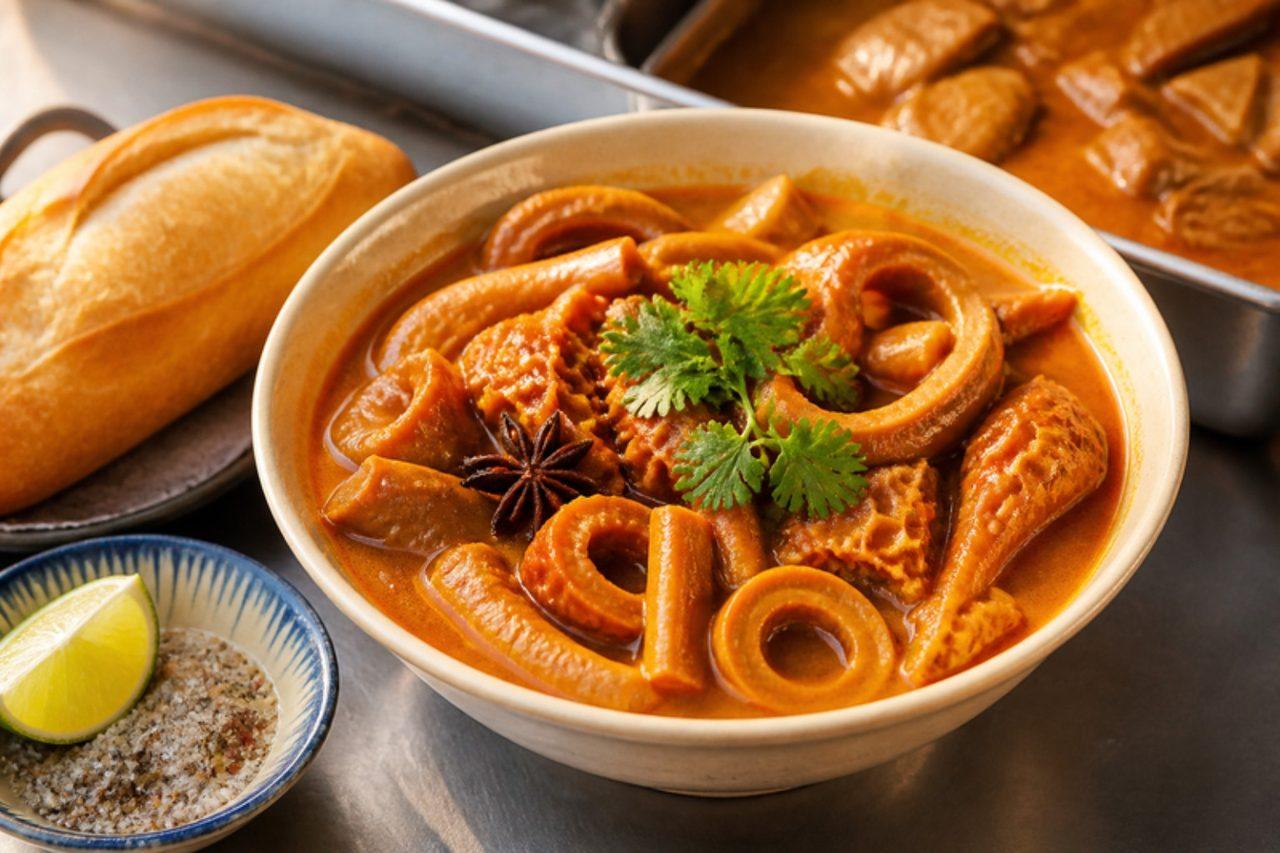
Phá lấu (five-spice braised pork offal)

In District 4 and Chợ Lớn, Saigon's Chinese quarter, phá lấu carts park outside schools and alleys every afternoon, ladling pork offal from a bubbling five-spice broth into bowls to eat with crusty bread and a dip of lime, salt and pepper. Teochew immigrants brought the braise; the Vietnamese version adds coconut water and a splash of coconut milk, which makes the broth rich, sweet and orange-red with annatto. Chef's tip: scrub and blanch the offal twice with salt and vinegar; skipping the cleaning leaves a strong smell that no amount of spice will hide.

by KrazyBadal 0 views

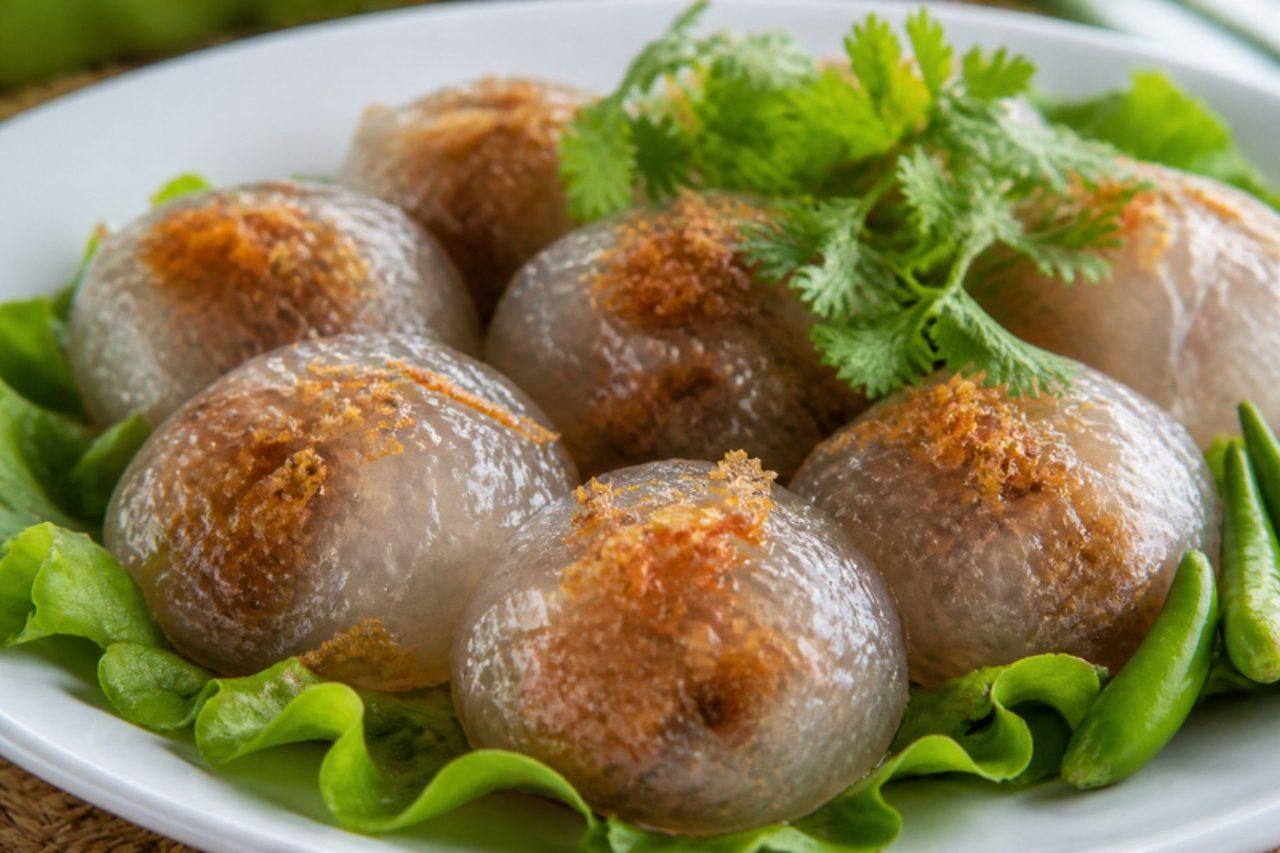
Sakoo sai moo (tapioca pork dumplings)

Market dessert-and-snack sellers across central Thailand, from Bangkok's Or Tor Kor to Ratchaburi's floating market, line these glassy dumplings up on banana leaves beside khao kriap pak mo. The tapioca skin is chewy and translucent, showing a sweet-salty filling of minced pork cooked with preserved radish, peanuts and palm sugar. They are eaten warm, wrapped in a lettuce leaf with coriander and a bird's-eye chilli, and dressed with garlic oil. Chef's tip: soaking the tapioca too long is the mistake; it needs only enough water to become a damp, mouldable dough, or it turns soupy.

by KrazyBadal 0 views

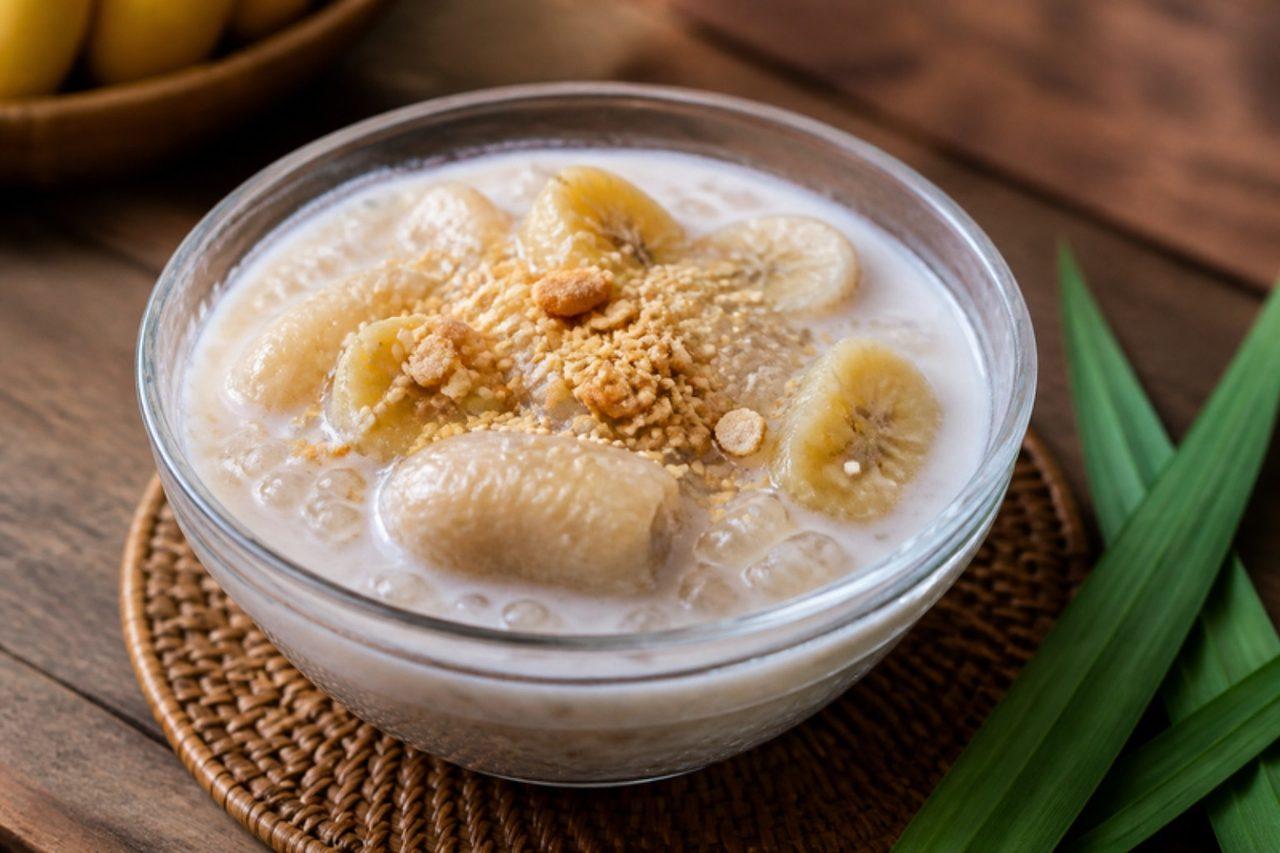
Chè chuối (banana and tapioca in coconut milk)Banana tapioca coconut dessert

Mekong Delta households, where banana trees line every canal, make chè chuối when the fruit is ripe and plentiful, and Saigon sweet-soup stalls sell it warm in the evening. Short, sweet bananas soften in coconut milk thickened with tapioca pearls, turning slightly pink as they cook, and the bowl is finished with toasted sesame and crushed peanuts. It is eaten warm, never iced. Chef's tip: use firm, just-ripe bananas; very soft ones dissolve into mush before the tapioca is cooked.

by KrazyBadal 0 views

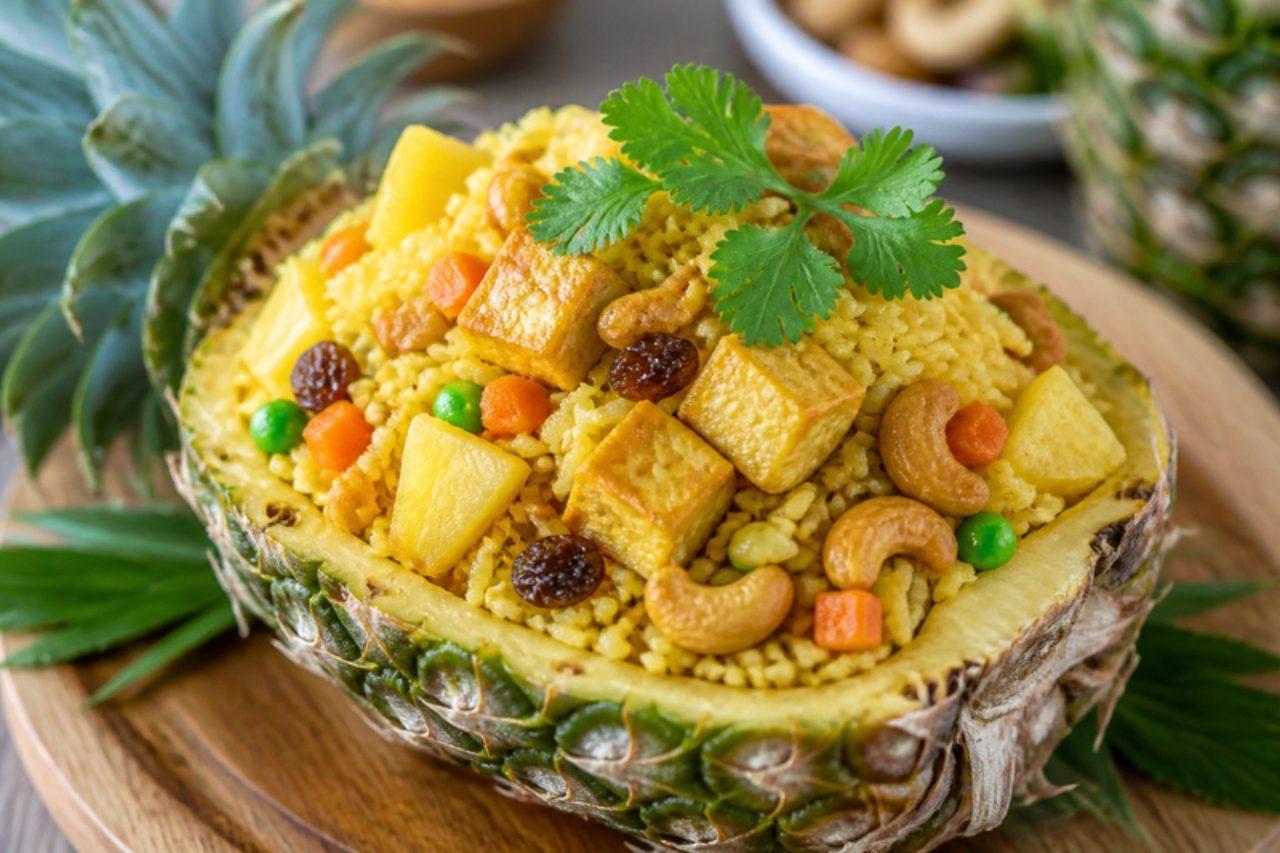
Khao pad sapparot (pineapple fried rice, jay style)

Served in a hollowed pineapple, this is the fried rice of Thai beach restaurants and Bangkok family dinners alike, usually loaded with prawns and pork floss. The jay festival version swaps those for fried tofu and keeps out the garlic and spring onion, relying on curry powder, toasted cashews and juicy caramelised pineapple for flavour. It is sweet, salty and golden, and children love it. Chef's tip: freshly cooked rice is the mistake; use rice cooked the day before and chilled, or the grains clump and steam instead of frying.

by KrazyBadal 0 views

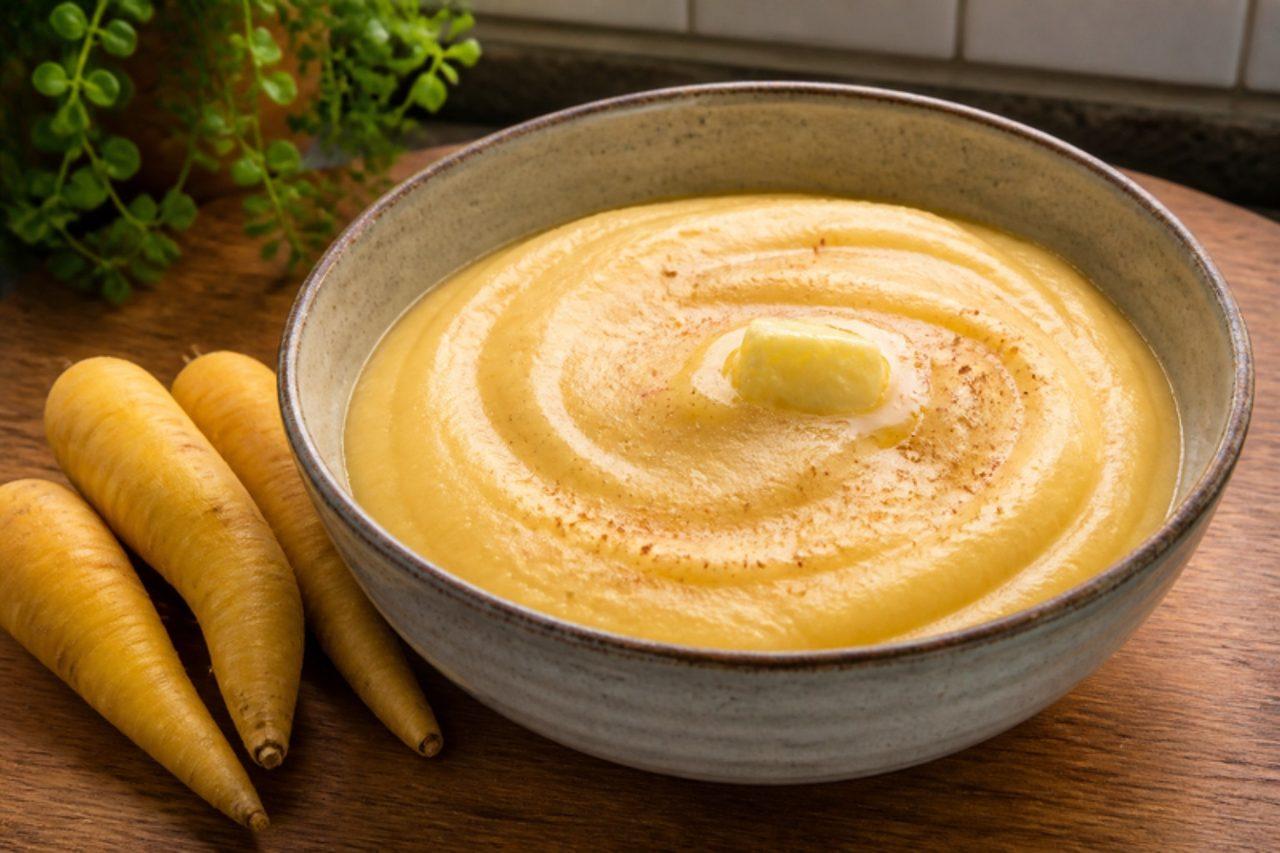
Purê de mandioquinhaArracacha purée

Mandioquinha, also called batata-baroa, is a pale-yellow root that tastes like a cross between parsnip, celery and chestnut. In São Paulo and Minas Gerais it's prized as a gentle, easy-to-digest food, and this buttery purée is what grandmothers make for children, for the sick and as a smart side for picadinho or a roast. It's naturally smooth and sweet. If you can't find it in a Latin grocer, use half parsnip and half floury potato. Chef's tip: mash it by hand, never in a blender.

by KrazyBadal 0 views

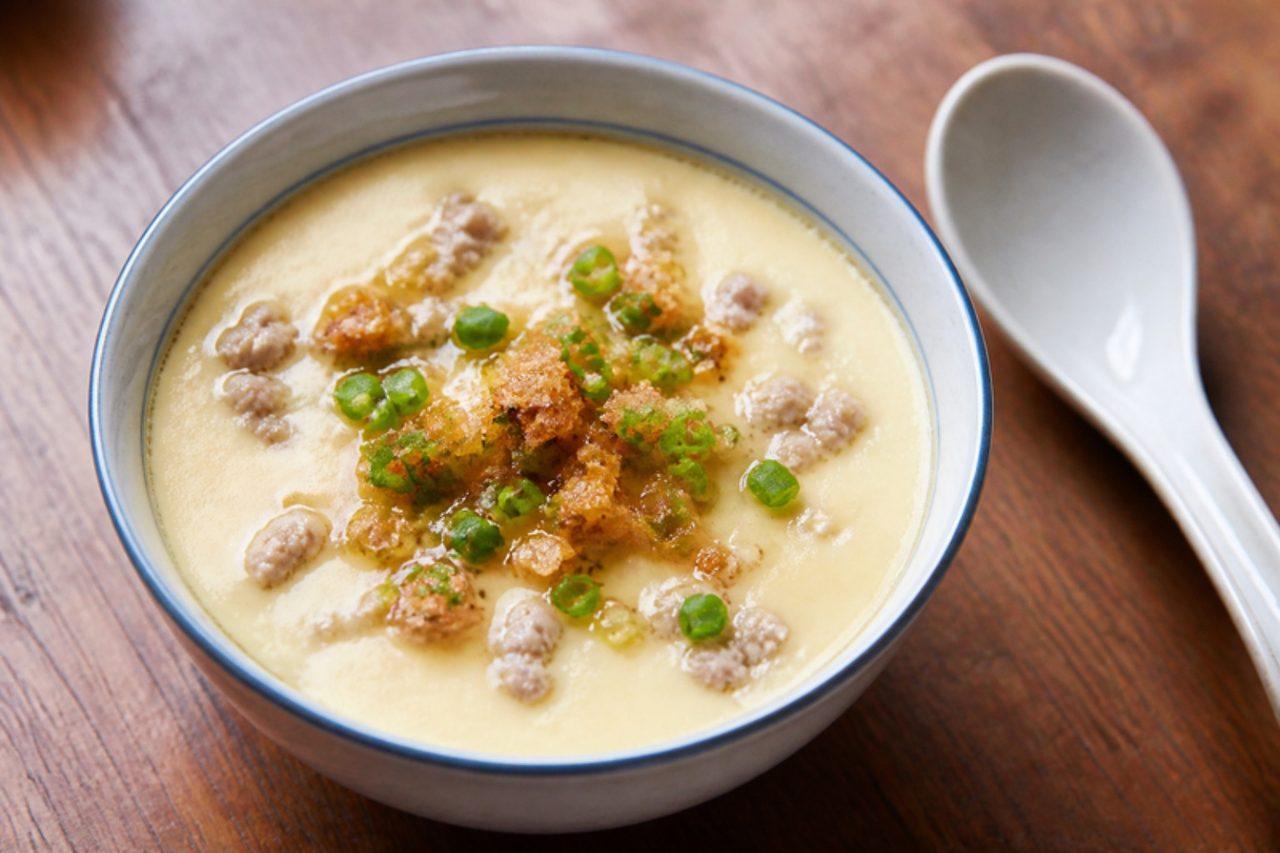
Khai toon (Thai steamed egg with pork)

Thai parents across the country make khai toon when a child is off their food or someone is unwell: eggs beaten with stock, a little minced pork and spring onion, steamed in a bowl until just set and wobbling. It goes on the table with rice and a stir-fry for supper and costs almost nothing. This version uses pork mince; for a vegetarian bowl, use chopped shiitake instead and season with salt or light soy sauce. It contains egg and fish sauce. Chef's tip: steam over a gentle simmer, not a rolling boil; high heat pocks the custard with holes and turns it spongy.

20 minThaiSidesGluten free
by KrazyBadal 0 views

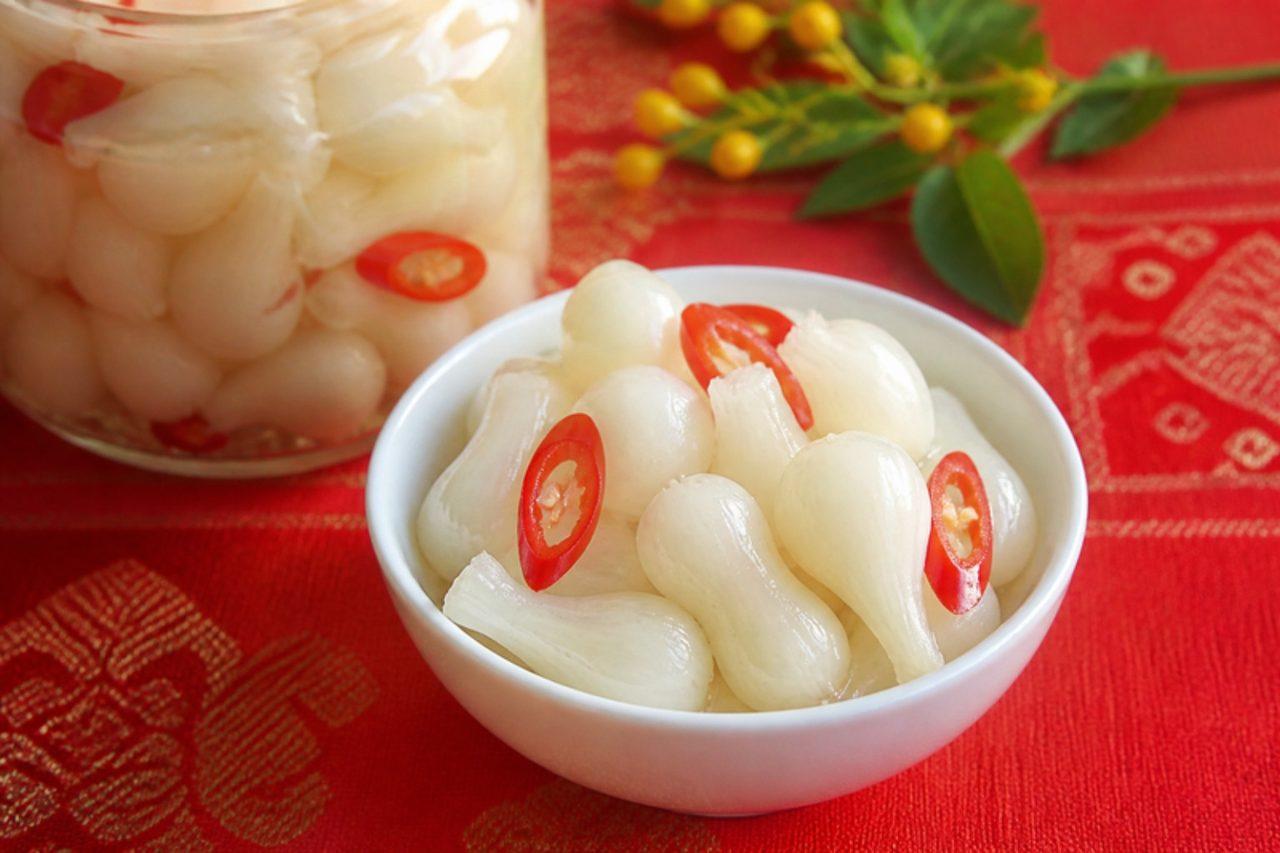
Củ kiệu (pickled scallion bulbs)

Southern markets sell mountains of muddy little kiệu bulbs in the last month of the lunar year, and households trim them by the kilo for the New Year table. After a salt soak and a sweet vinegar pickle they turn ivory, crisp and gently sharp, with a mild oniony bite. A bowl of them sits beside caramelised pork, boiled meats and bánh tét for the whole of Tết. Chef's tip: don't skip the overnight salt-water soak and the rinse; without it the bulbs stay harsh and pungent instead of mellow.

by KrazyBadal 0 views

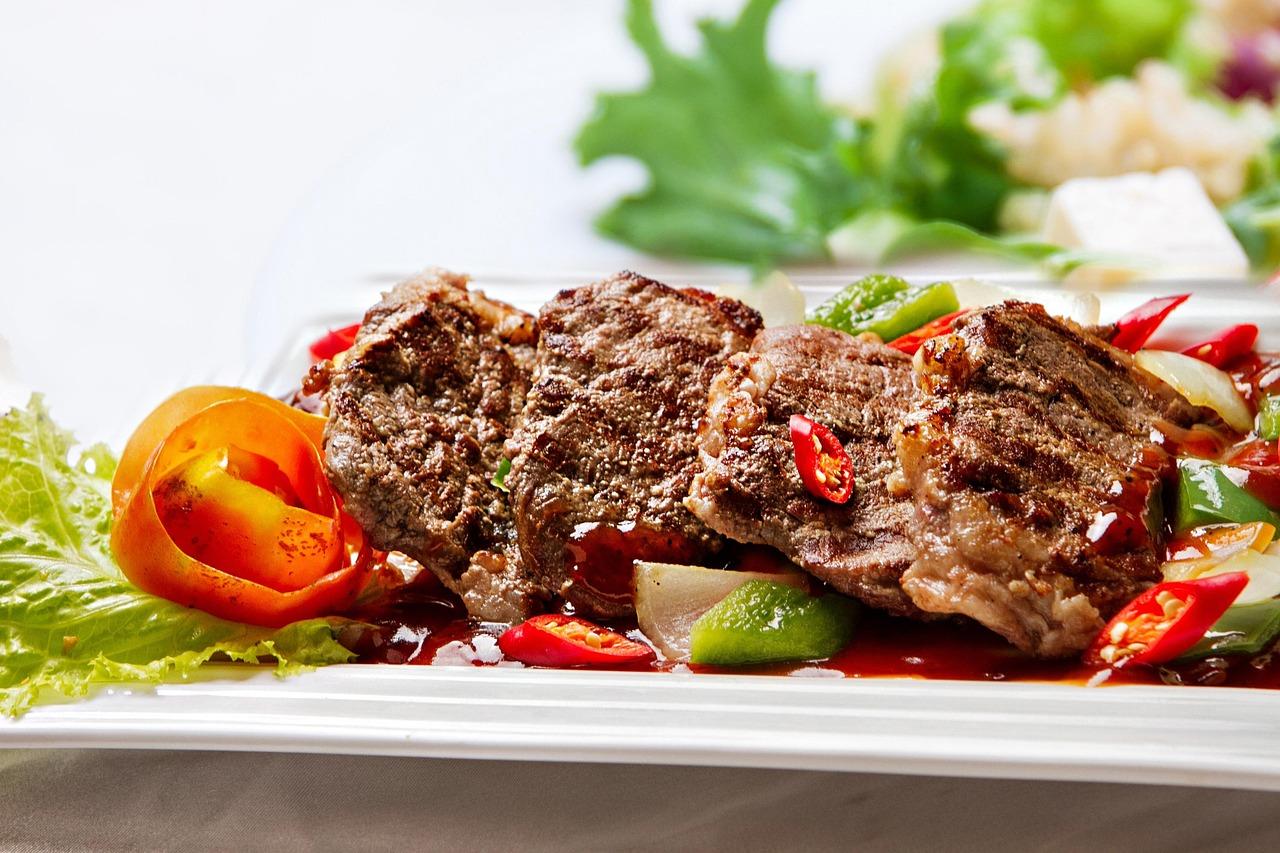
Yam nua (grilled beef salad)

Beer gardens and seafood restaurants around Bangkok put yam nua on the table as a drinking snack, but at home it is just as good with sticky or jasmine rice on a hot evening. Thick beef steak is grilled hard over charcoal, sliced and tossed while still warm with cucumber, tomato, onion, mint and coriander in a dressing that is very sour, salty and hot. Thai cooks often serve the beef quite rare; this recipe cooks it to medium so it is pink but not raw in the middle, which is safer for everyone at the table. Chef's tip: rest the steak before slicing and slice across the grain; cutting it straight off the grill floods the board with juice and leaves the strips chewy.

27 minThaiSaladsGluten freeSpicy
by KrazyBadal 0 views

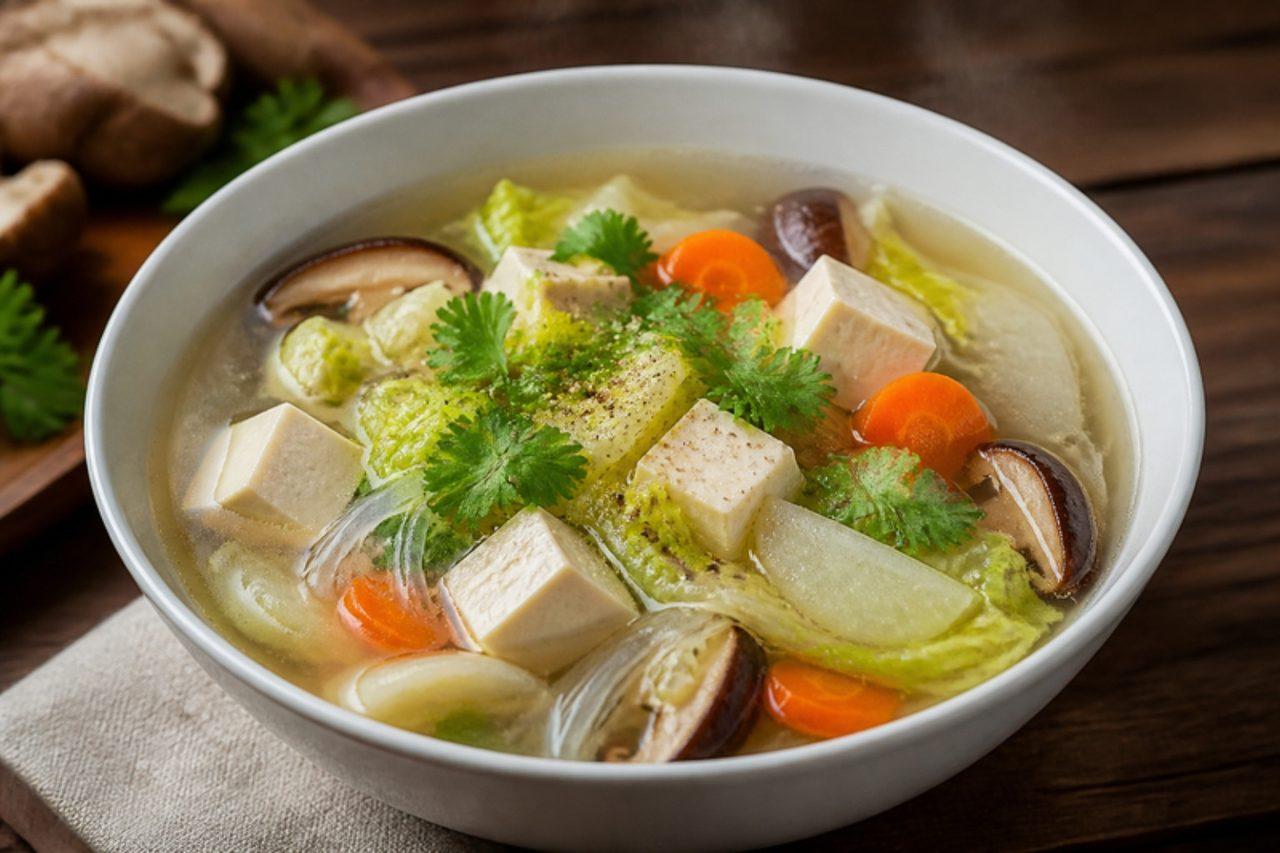
Gaeng jued tao hoo (clear tofu soup, jay style)

During the nine days of the Vegetarian Festival in Phuket Town and Bangkok's Chinatown, yellow flags mark the stalls selling food that is jay: no meat, no dairy and none of the pungent alliums. This gentle soup is what people drink alongside their stir-fries, a clear broth of daikon and dried shiitake sharpened with crushed white pepper and coriander root, holding soft silken tofu and slippery mung bean vermicelli. Out of festival season, cooks add garlic oil and minced pork. Chef's tip: don't boil after the tofu goes in; silken tofu breaks into crumbs, so let it warm through at a bare simmer.

30 minThaiSoupsVeganGluten free
by KrazyBadal 0 views

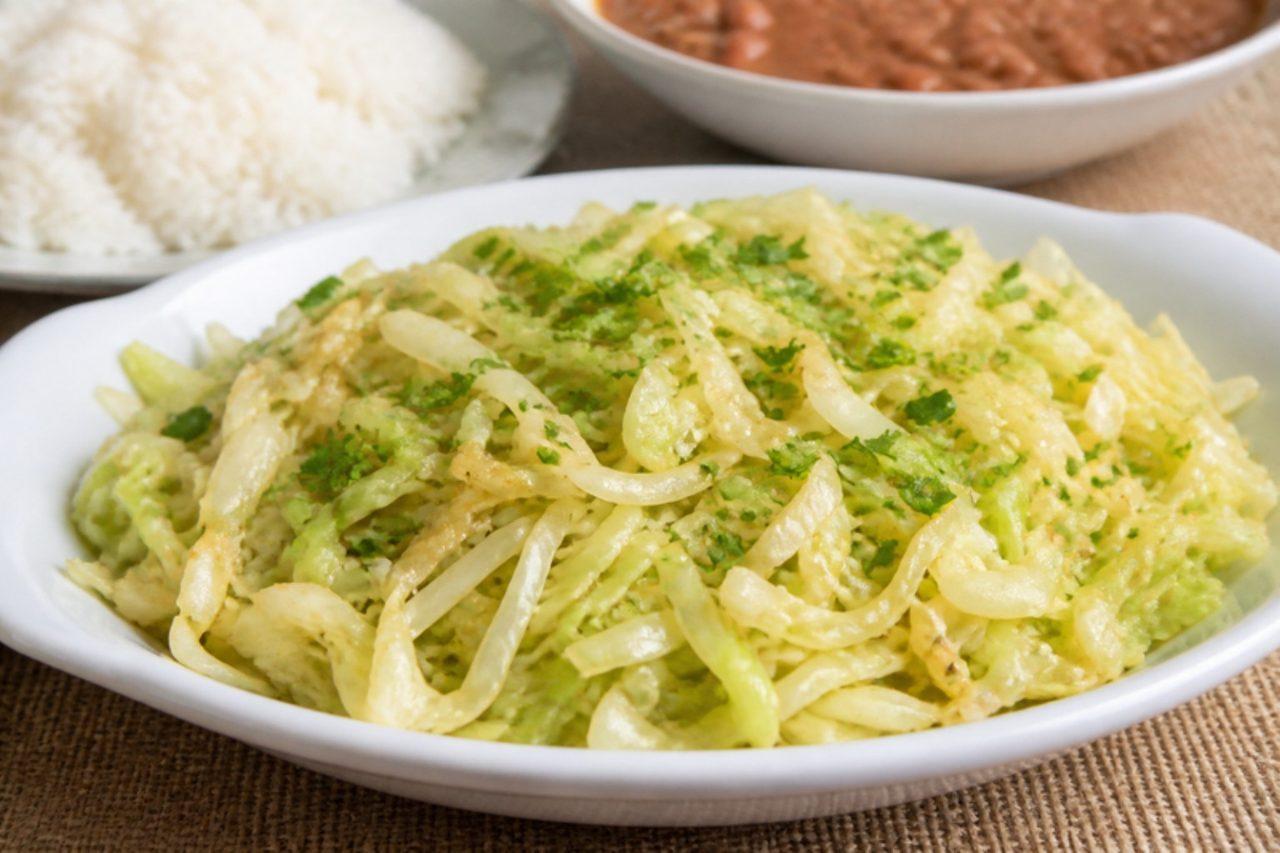
Repolho refogadoSautéed cabbage

Cheap, quick and good with everything, this pan of fine-shredded cabbage is a weekday staple in Brazilian homes and the self-service lunch spots of São Paulo and Rio. It's fried with garlic and onion just long enough to turn sweet and glossy while keeping a little crunch, then brightened with a splash of vinegar. Many families add bacon; this version is vegan. Chef's tip: shred the cabbage as finely as you can; thin ribbons cook evenly in minutes.

by KrazyBadal 0 views

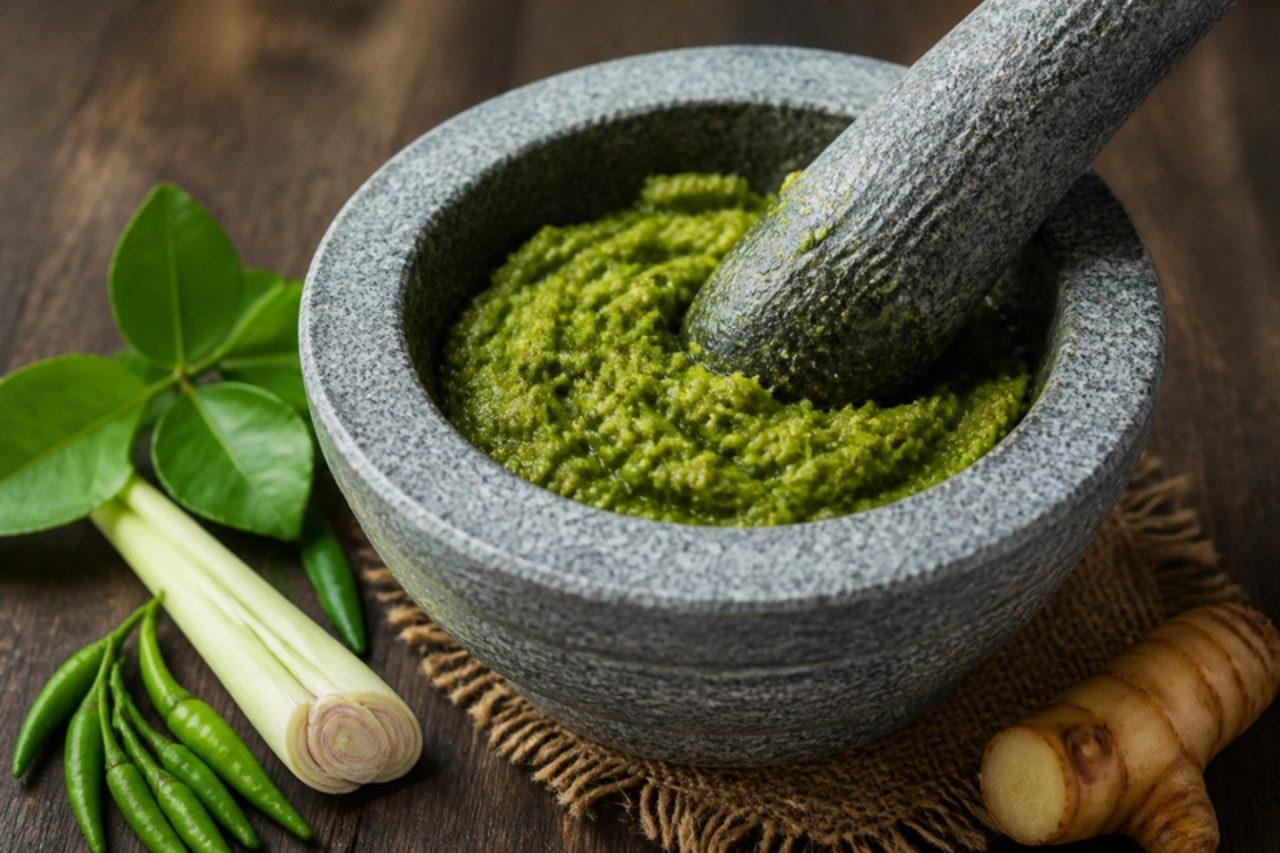
Thai green curry paste
Green curry is a central-plains dish, cooked in Bangkok shophouse kitchens and eaten over rice or khanom jeen noodles at lunch. Its paste uses fresh green chillies rather than dried red ones, so it tastes grassy, hot and citrusy, with cumin and white pepper underneath. Thai cooks would add kapi (shrimp paste) at the end; here yellow soybean paste gives the savoury depth so the paste is vegan, and 1 tsp roasted shrimp paste can go back in for the traditional version. Chef's tip: don't add water to get the blender going; a watery paste won't fry in coconut cream and the curry tastes flat. Use a spoonful of oil and patience instead.
38 minThaiBasicsVeganGluten freeSpicy
by KrazyBadal 0 views

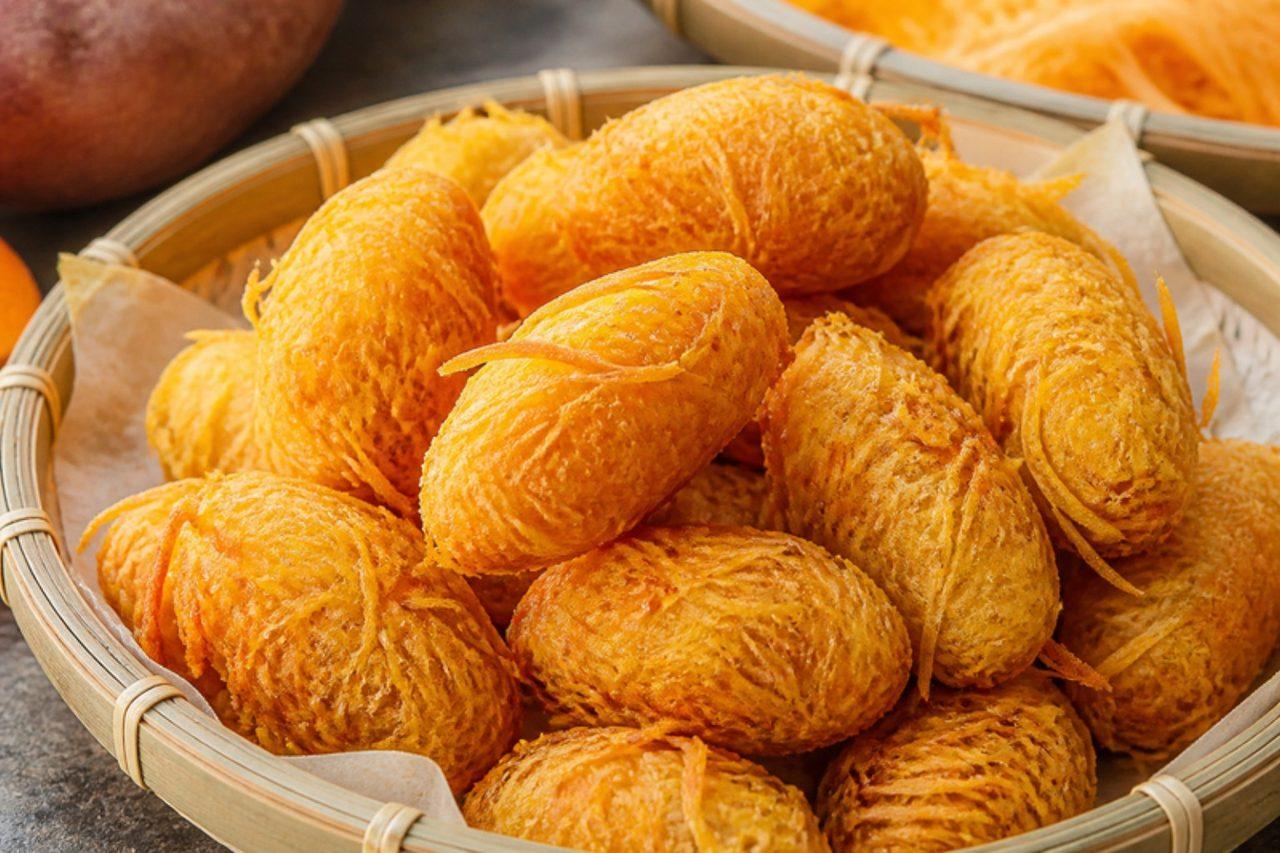
Khoai lang kén (sweet potato cocoons)Sweet potato fritters

Hồ Chí Minh City street carts fry these little 'cocoons' in big woks, and on rainy evenings a paper bag of them, still too hot to hold, is a favourite with students and children. The inside is soft, sweet mashed sweet potato bound with a little rice flour; the outside is a shaggy, crunchy coat of fine sweet-potato threads that looks like a silkworm's cocoon. Eat them plain, or dip in sweetened condensed coconut milk. Chef's tip: squeeze the shredded sweet potato dry and keep the oil at 170 °C; wet shreds and cool oil give greasy, limp cocoons.

by KrazyBadal 0 views

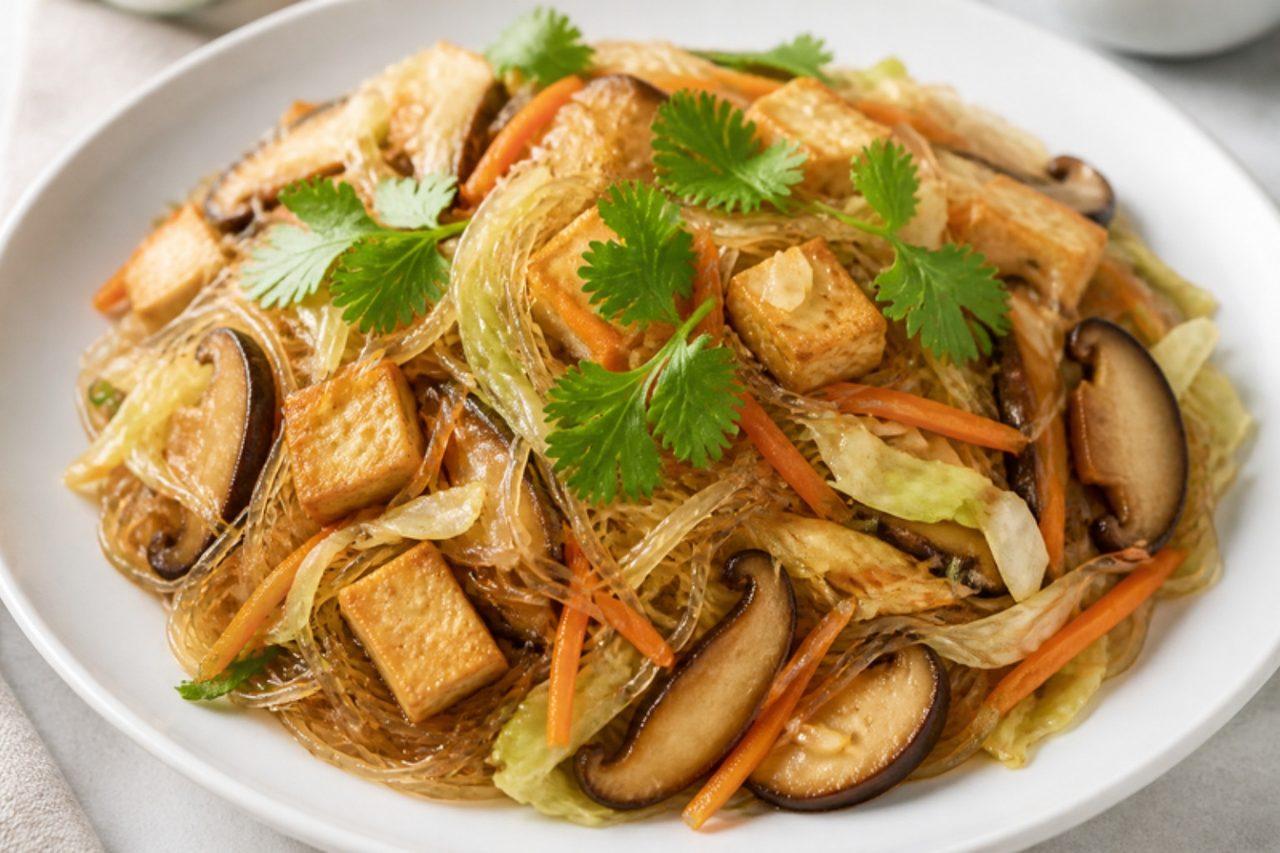
Pad woon sen jay (vegetable glass noodle stir-fry)

At home in central Thailand, pad woon sen is a quick lunch with egg, garlic and pork; the jay version served during the October Vegetarian Festival leaves all three out and leans on shiitake and soy instead. The noodles turn springy and translucent, catching the dark soy colour, with sweet cabbage and carrot through them and fried tofu for bite. Out of season, scramble in an egg and a clove of garlic. Chef's tip: soaking the noodles too long is the usual mistake; 10 minutes in warm water is enough, or they turn to mush in the wok.

by KrazyBadal 0 views

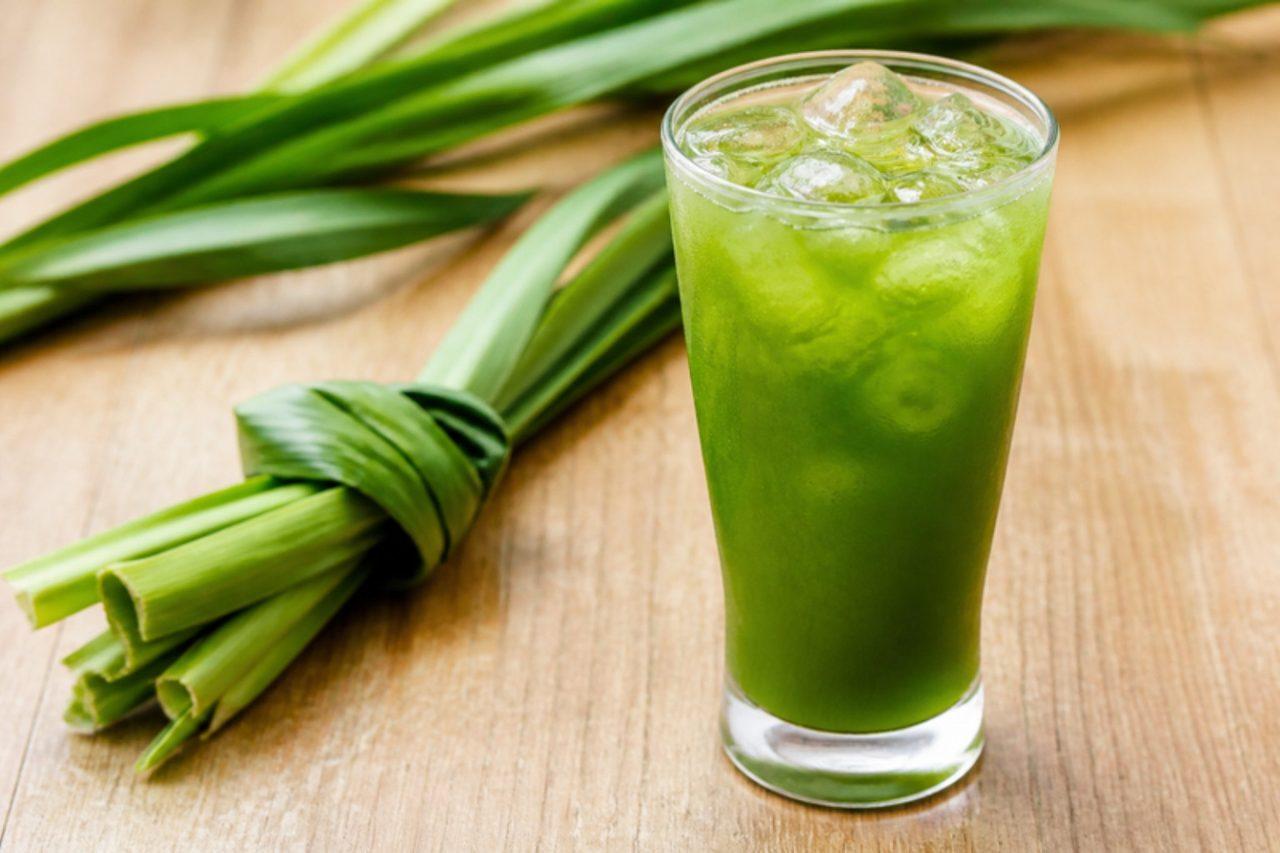
Nam bai toey (pandan drink)

Every Thai garden seems to have a clump of pandan by the tap, and on hot days cooks across the country blitz a handful of leaves into this bright green drink sold at temple fairs and noodle shops. It tastes sweet, grassy and faintly of vanilla and basmati, and is said to cool the body. Fresh leaves give the best colour; frozen ones from Asian shops work well too. Chef's tip: the mistake is serving it unstrained or leaving it for hours; strain it twice through cloth and drink it the same day, as it fades and turns grey.
15 minThaiDrinksVeganGluten free
by KrazyBadal 0 views

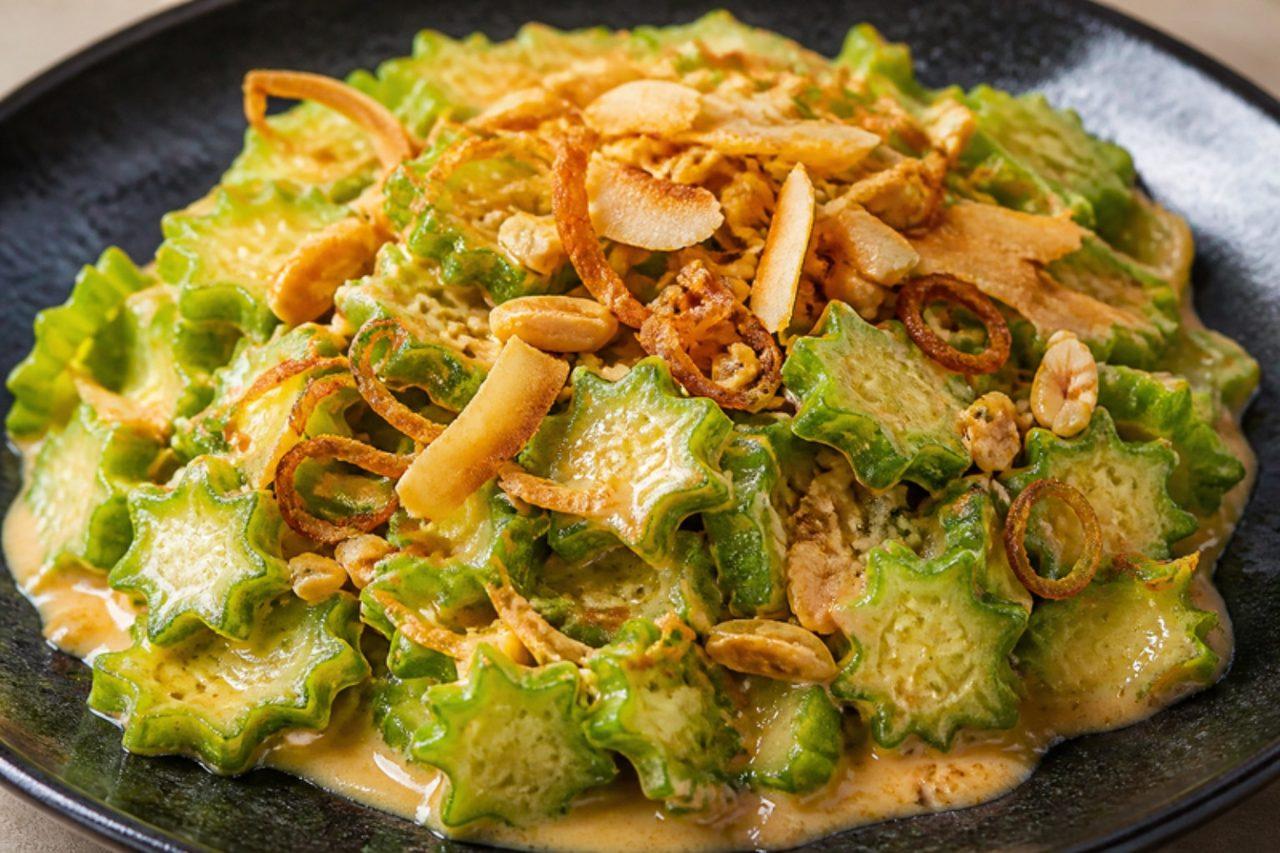
Yam tua plu (wing bean salad)

Wing beans grow on fences in back gardens all over central Thailand, and their frilly, four-edged slices make one of the most loved yam on a family table, eaten alongside a curry and rice at dinner. The beans are blanched for seconds so they stay crunchy and grassy, then coated in coconut cream sharpened with lime and nam prik pao, with peanuts and crisp shallots on top. The usual restaurant version adds poached prawns or minced pork and seasons with fish sauce; this one uses tamari, so it is vegan. Look for wing beans in Asian grocers; fine green beans work too. Chef's tip: the common mistake is overcooking the beans; blanch them for 30 seconds only and plunge into iced water, or they turn olive-grey and limp.

20 minThaiSaladsVeganGluten free
by KrazyBadal 0 views

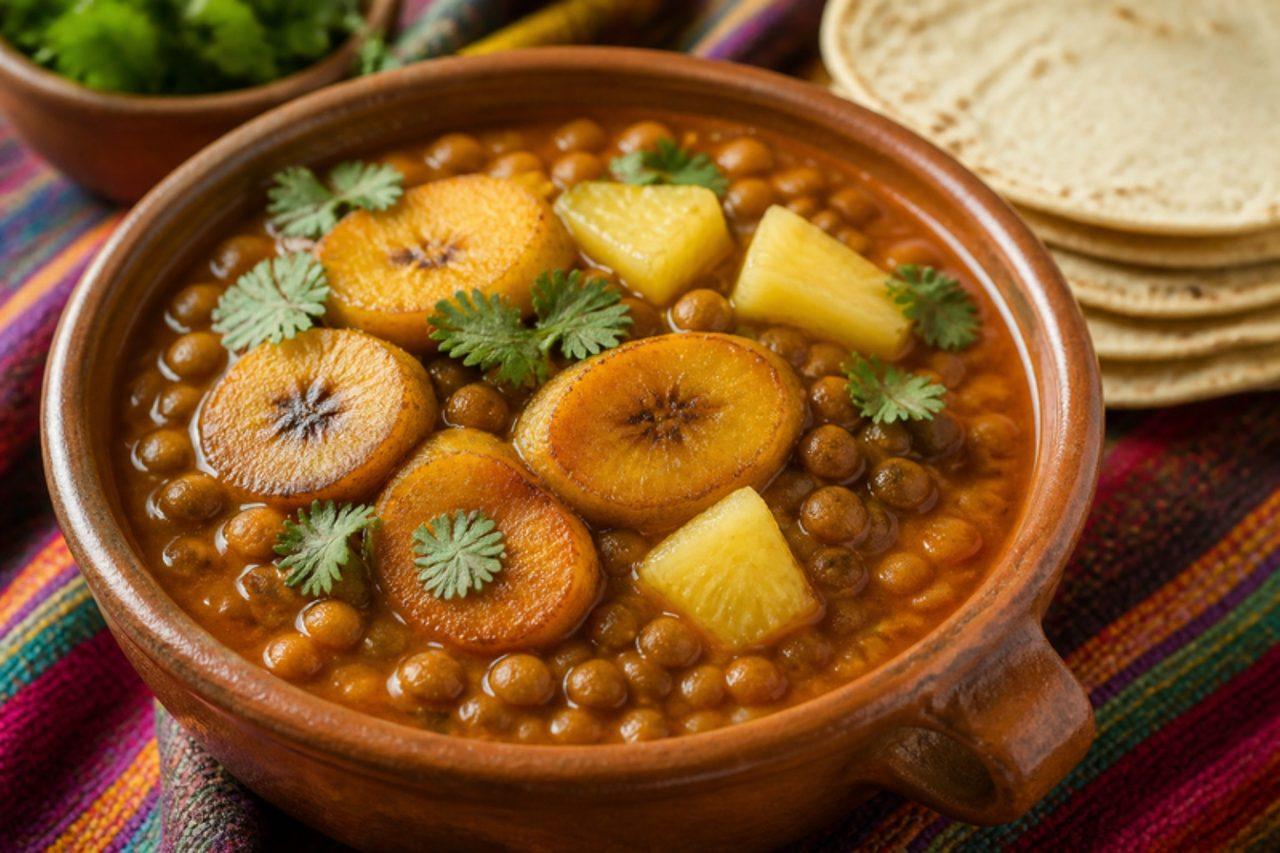
Lentejas con piña y plátanoLentils with pineapple and plantain

Sweet and savoury share a pot in this Lent favourite from Puebla and Mexico City kitchens: brown lentils simmered in a tomato and garlic broth, finished with chunks of pineapple and slices of fried ripe plantain. It sounds unusual but tastes balanced and comforting, and many families eat it on the Fridays before Easter with white rice and tortillas. Chef's tip: use a plantain with a black-speckled skin; green ones stay starchy and never sweeten.

by KrazyBadal 0 views

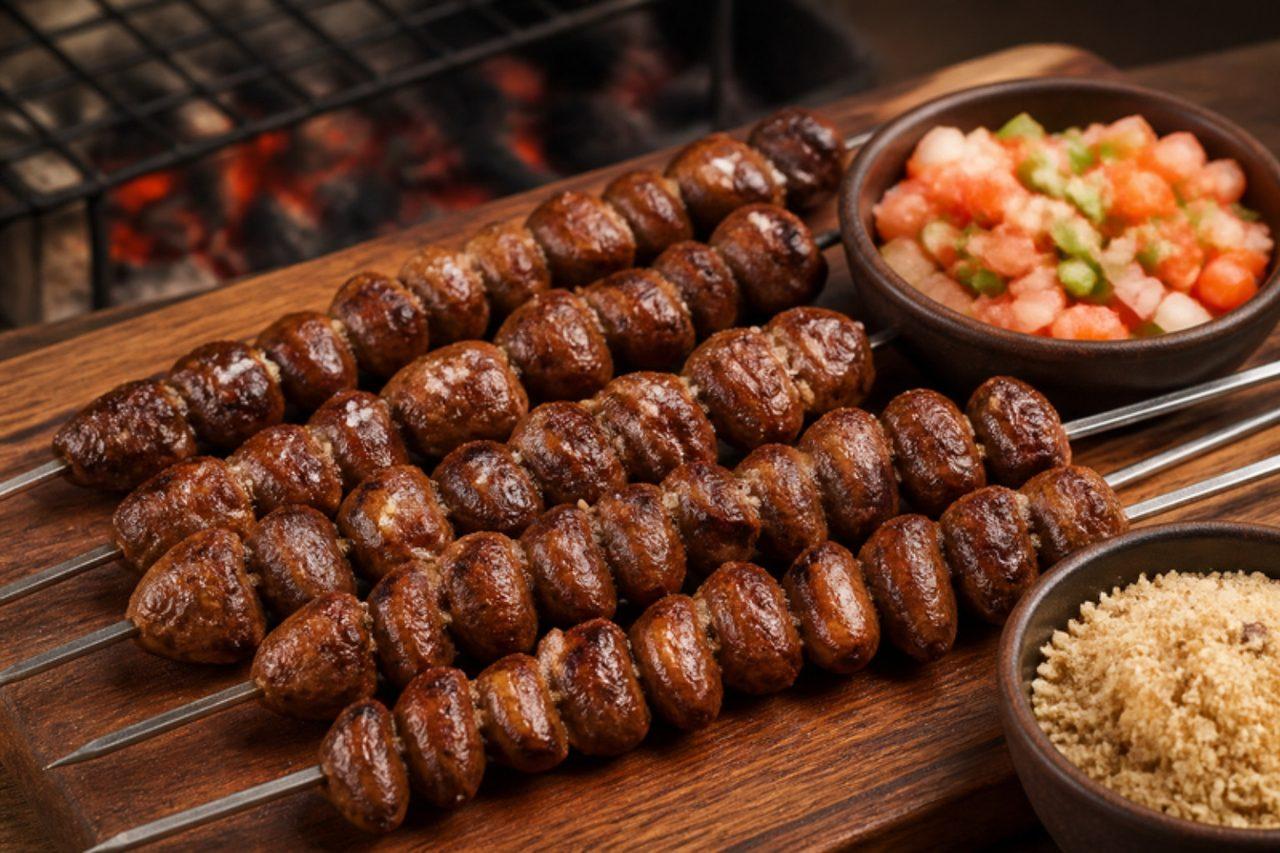
Coração de frangoGrilled chicken hearts

No gaúcho churrasco in Rio Grande do Sul is complete without a skewer of chicken hearts, and in the rodízio steakhouses of São Paulo they come round on swords between the cuts of beef. Rich and slightly chewy, they need nothing more than coarse salt, garlic and a quick turn over hot coals, and they are eaten straight off the skewer while the bigger meats cook. Chef's tip: trim off the fat and the small tubes at the top of each heart, which turn tough and bitter on the grill.

by KrazyBadal 0 views

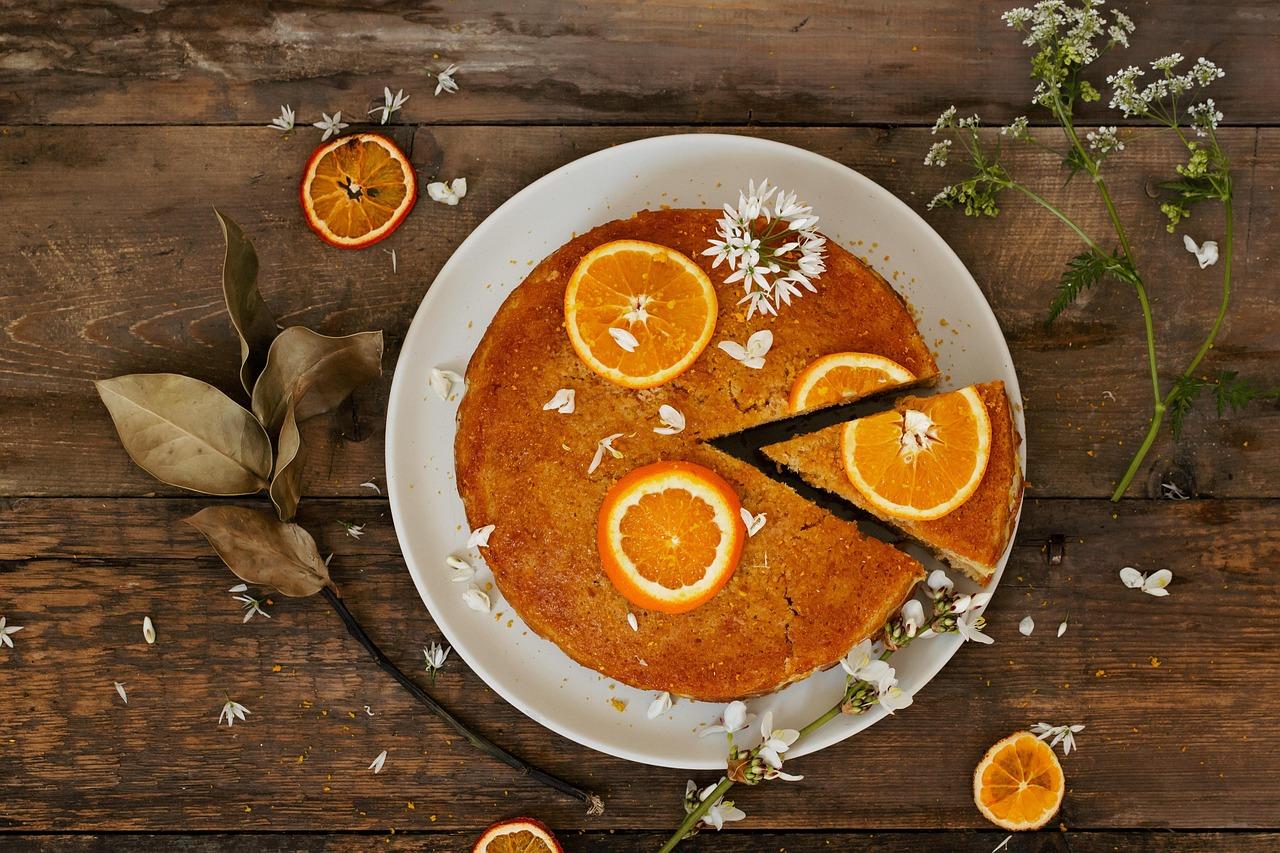
Bolo de laranjaOrange cake

Brazil grows more oranges than anywhere else, and in kitchens from São Paulo state's citrus belt to the Northeast this moist cake uses the whole fruit, peel and all, blended straight into the batter. It is the cake for a birthday at home, the school bake sale or a Sunday afternoon, and the warm syrup poured over at the end keeps it soft for days. Made with oil, it contains no butter or milk. Chef's tip: trim off both ends of the oranges and remove every seed, which would make the cake bitter.

by KrazyBadal 0 views

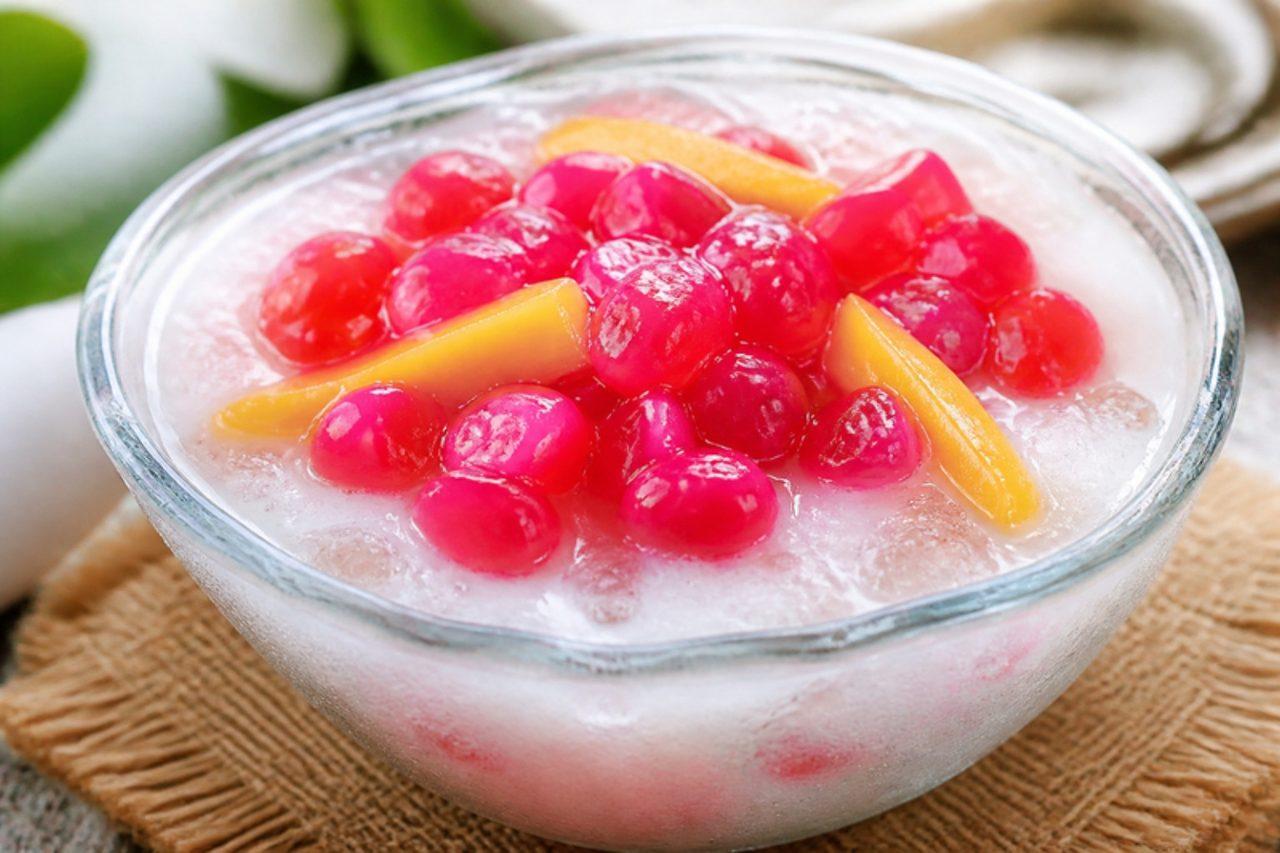
Tub tim grob (red rubies)Water chestnut in coconut milk

On a sticky afternoon in Bangkok, from the food courts of Siam to roadside dessert carts, this is the bowl people order to cool down. Each 'ruby' is a cube of water chestnut wrapped in a chewy, glassy coat of tapioca, so you get crunch inside slipperiness, all floating in jasmine-scented syrup and salted coconut milk with shaved ice. Some shops add jackfruit strips. Chef's tip: shake off excess starch before boiling; a thick coating turns into a gluey lump instead of a thin, see-through skin.

by KrazyBadal 0 views

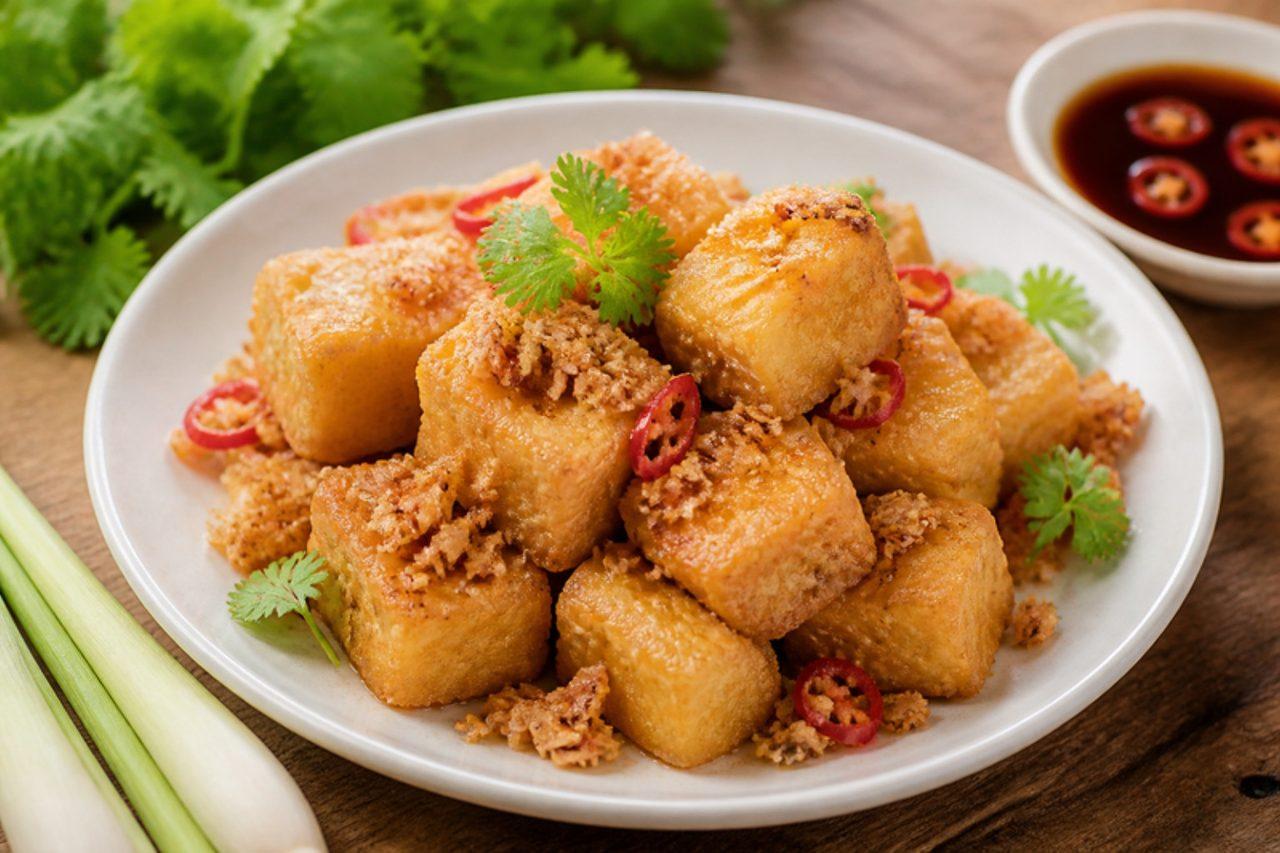
Đậu hũ chiên sả ớt (lemongrass chilli tofu)
Saigon's chay restaurants, the ones tucked beside pagodas that fill up on the 1st and 15th of each lunar month, nearly always have a plate of this on the table: golden tofu cubes buried under a crunchy, fragrant rubble of fried lemongrass and red chilli. The tofu stays soft inside, the lemongrass turns nutty and crisp, and a splash of tamari with a little sugar glazes everything. Eat it with steamed jasmine rice, sliced cucumber and a bowl of clear vegetable soup. Many chay cooks skip garlic and shallot, so this version leaves them out. Chef's tip: mince the lemongrass really finely and fry it on its own until golden; coarse chunks or lemongrass added with the tofu stay woody and chewy.

by KrazyBadal 0 views

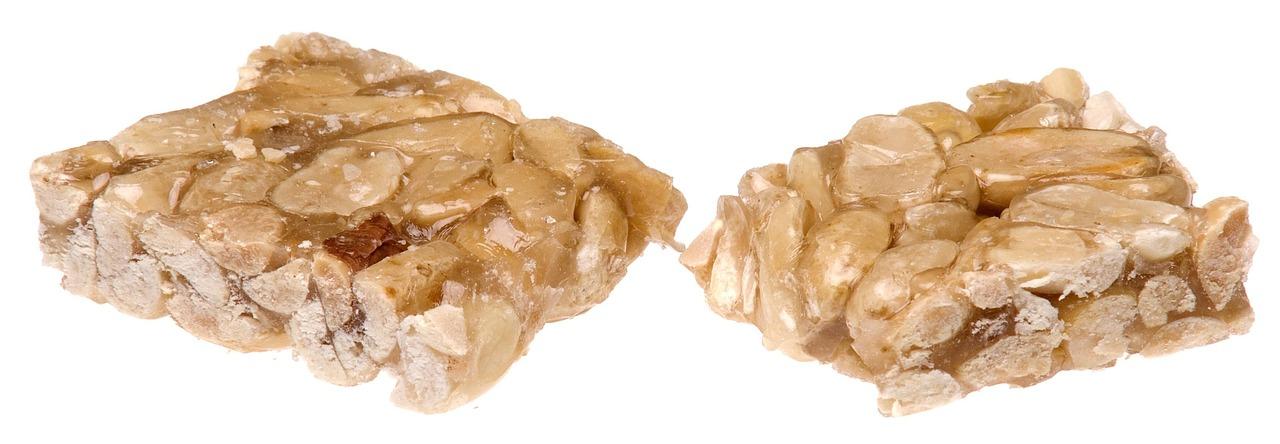
Palanquetas de cacahuatePeanut brittle bars

Bus-station vendors, school gates and the sweet stalls around the Basilica in Mexico City all sell palanquetas, crisp bars of roasted peanuts bound in amber piloncillo or sugar caramel. They are crunchy, toasty and only lightly salted, and families also make them with pumpkin seeds or sesame. They contain peanuts. Chef's tip: have everything oiled and ready before you start, because the caramel sets within a minute of leaving the heat.

by KrazyBadal 0 views

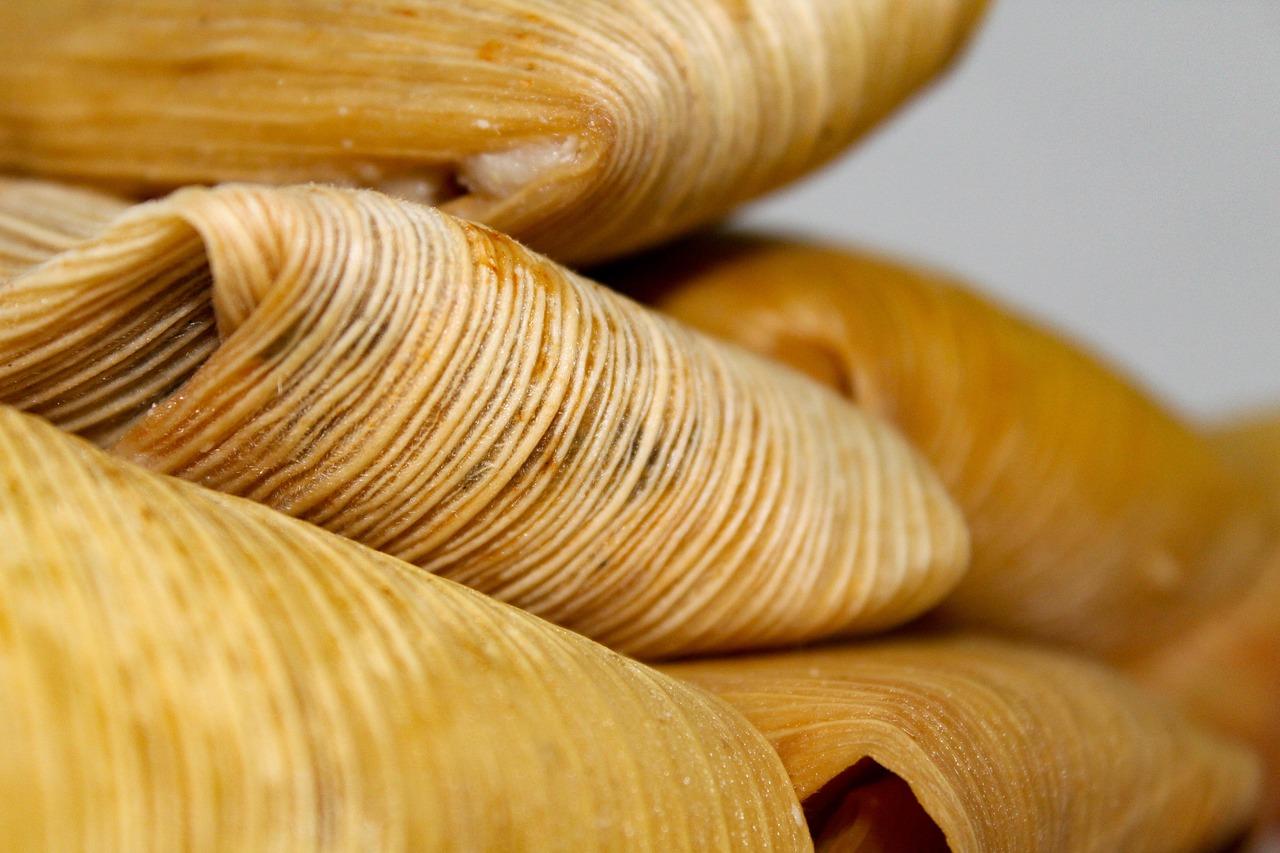
Tamales dulcesSweet tamales

Every tamal tray in Mexico City has a few pink ones tucked in among the green and red, and these sweet tamales are what children reach for first at December posadas and on 2 February, Día de la Candelaria. The masa is beaten with butter and sugar, tinted the colour of a sugared almond and studded with raisins, then steamed in husks until soft and cakey; they are eaten warm with atole or hot chocolate. This version uses butter and vegetable shortening, not lard. Chef's tip: add a few drops of colour at a time; the pink deepens as it steams.

by KrazyBadal 0 views

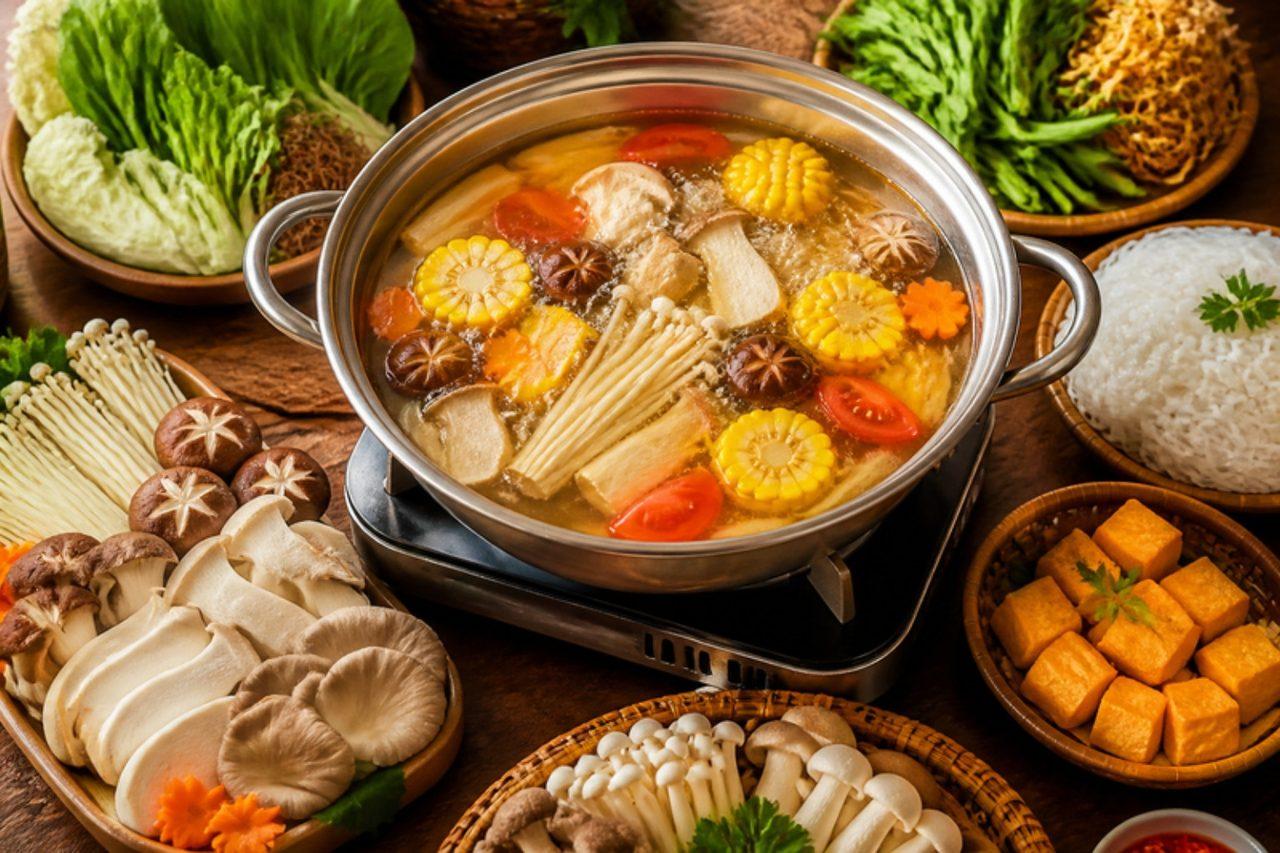
Lẩu nấm chay (vegetarian mushroom hotpot)Mushroom hot pot

Đà Lạt, cool and misty, made the mushroom hotpot famous, and vegetarian lẩu restaurants in Hanoi and Saigon now fill up with groups on cold or rainy evenings. A clear broth sweetened with daikon, corn cobs, carrot and apple sits on a burner in the middle of the table; everyone drops in mushrooms, tofu and greens, fishes them out a minute later and spoons them over rice noodles. Expect to top up the pot and keep eating for an hour. Chef's tip: simmer the broth vegetables gently and never boil hard; a rolling boil clouds the broth and dulls its natural sweetness.

by KrazyBadal 0 views

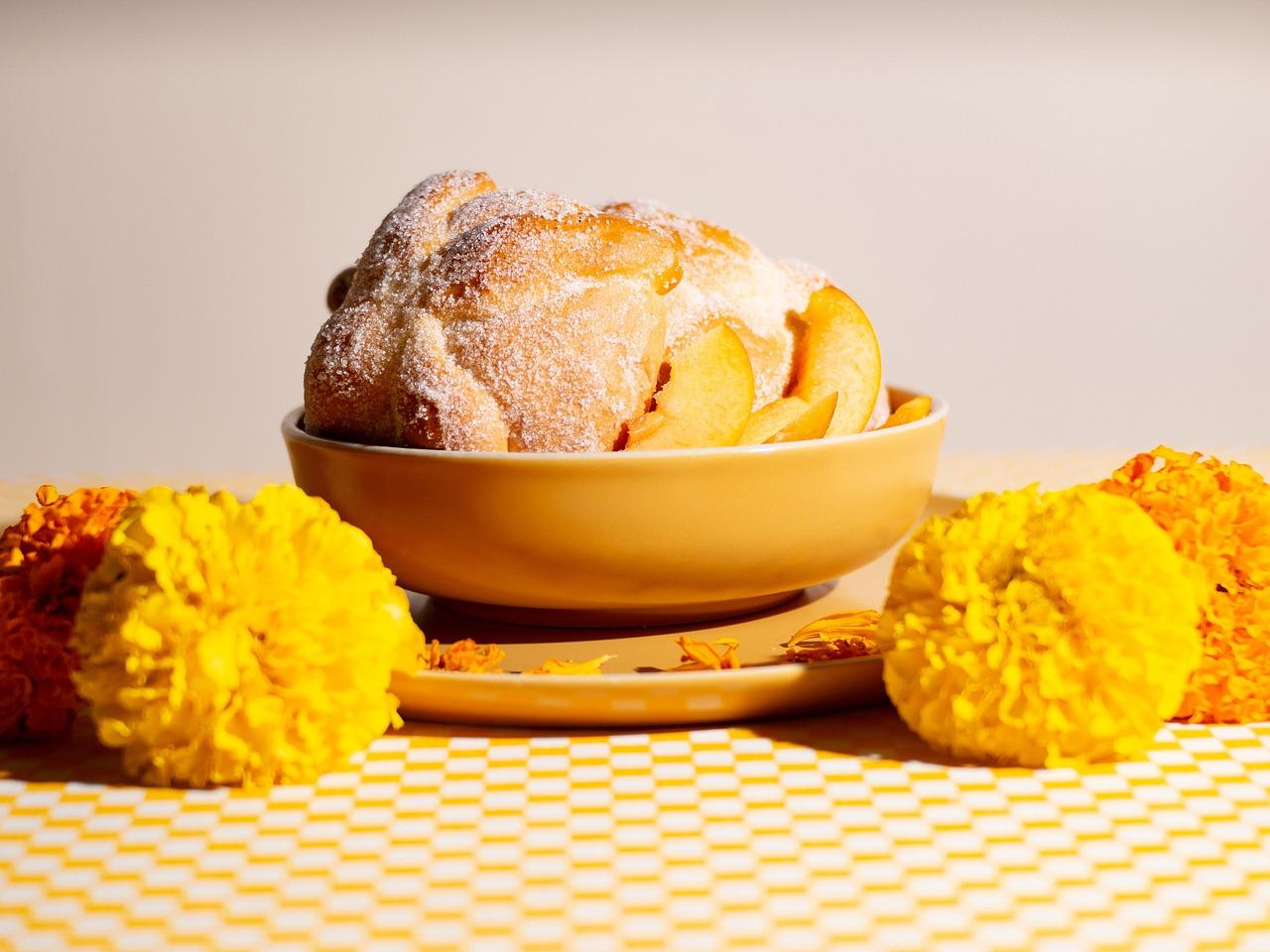
Pan de muertoDay of the Dead bread

From mid-October, bakeries from Mexico City to Puebla stack their shelves with these domed loaves, and families set one on the ofrenda for the souls who return on 1 and 2 November, then share the rest with hot chocolate. The crumb is soft and rich with butter and egg, scented with orange zest and orange-blossom water, and the knobbly strips across the top stand for bones, with a small ball for the skull. A sugar crust or a dusting of sesame finishes it. Chef's tip: shape the bones from dough you have held back and chilled, so they keep their ridges instead of melting flat in the oven.

by KrazyBadal 0 views

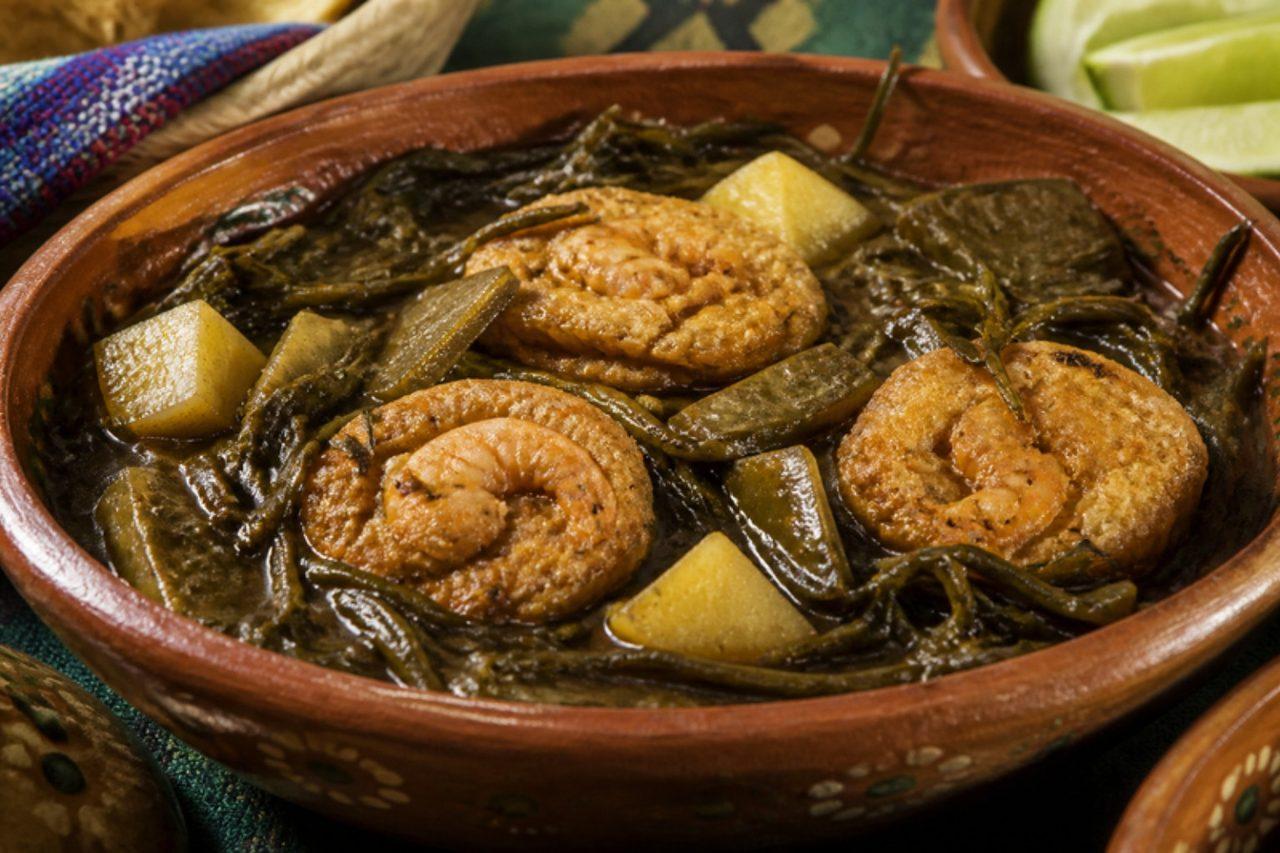
RomeritosSeepweed in mole

In Mexico City and the towns around it, Christmas Eve without romeritos is unthinkable: tender sprigs of seepweed (romerito) simmered in dark mole with little potatoes and cactus, crowned with fritters of dried shrimp and egg. It is eaten again at Lent, when meatless dishes rule. Find romeritos at Mexican grocers in December; samphire tips or tender spinach stems are the closest swap. A ready mole paste keeps this to an afternoon. For a vegetarian version, leave out the shrimp tortitas and use vegetable stock. Chef's tip: blanch the romeritos briefly and squeeze them well, or their bitterness and water flood the mole.

by KrazyBadal 0 views

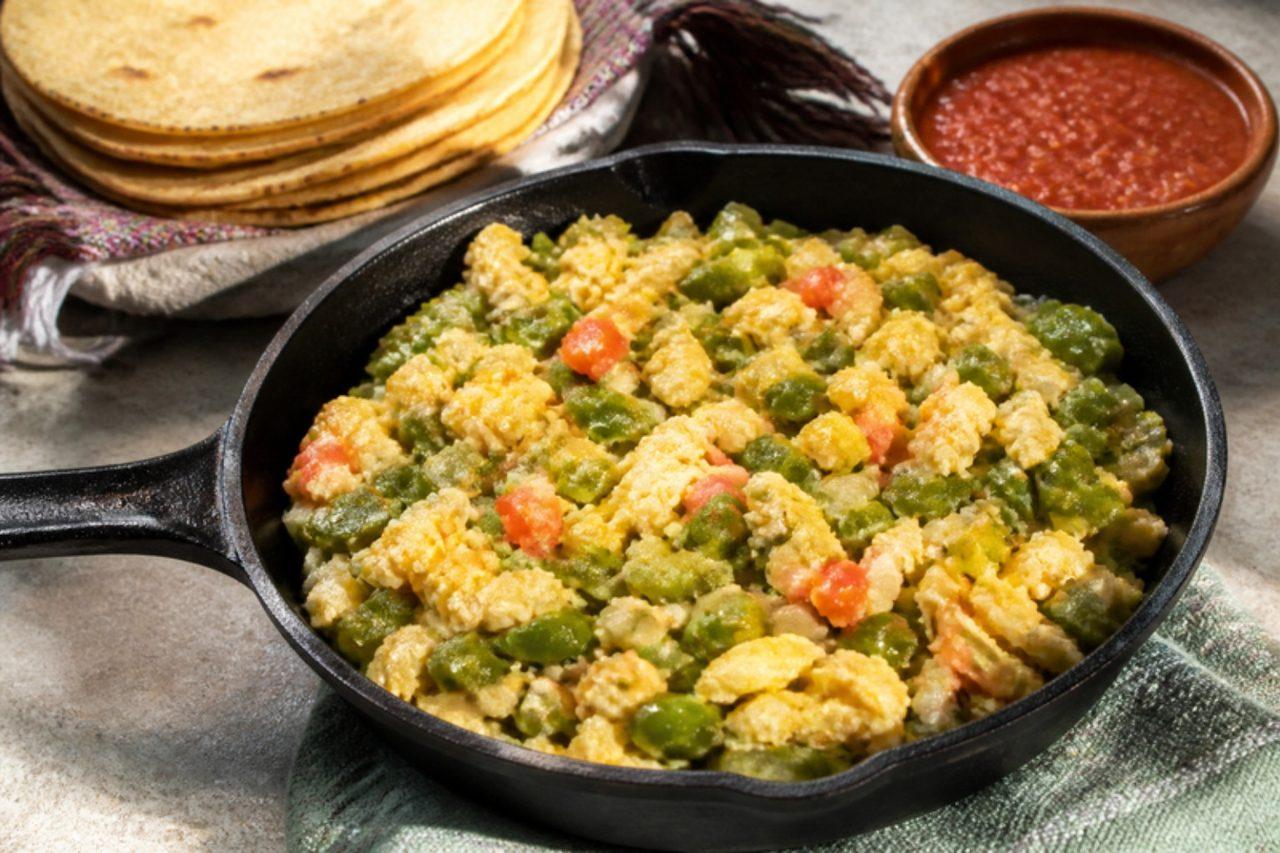
Nopales con huevoCactus and scrambled eggs

Tender cactus paddles are sold cleaned and diced in bags at every market in Mexico City and Michoacán, and the quickest breakfast they make is this: nopales fried with onion, tomato and green chile until their sticky juice cooks off, then folded through softly scrambled eggs. It is light, green and tangy, and wrapped in a warm tortilla it becomes a taco to eat on the way out. Chef's tip: cook the nopales uncovered until the slime has gone completely before the eggs go in.

by KrazyBadal 0 views

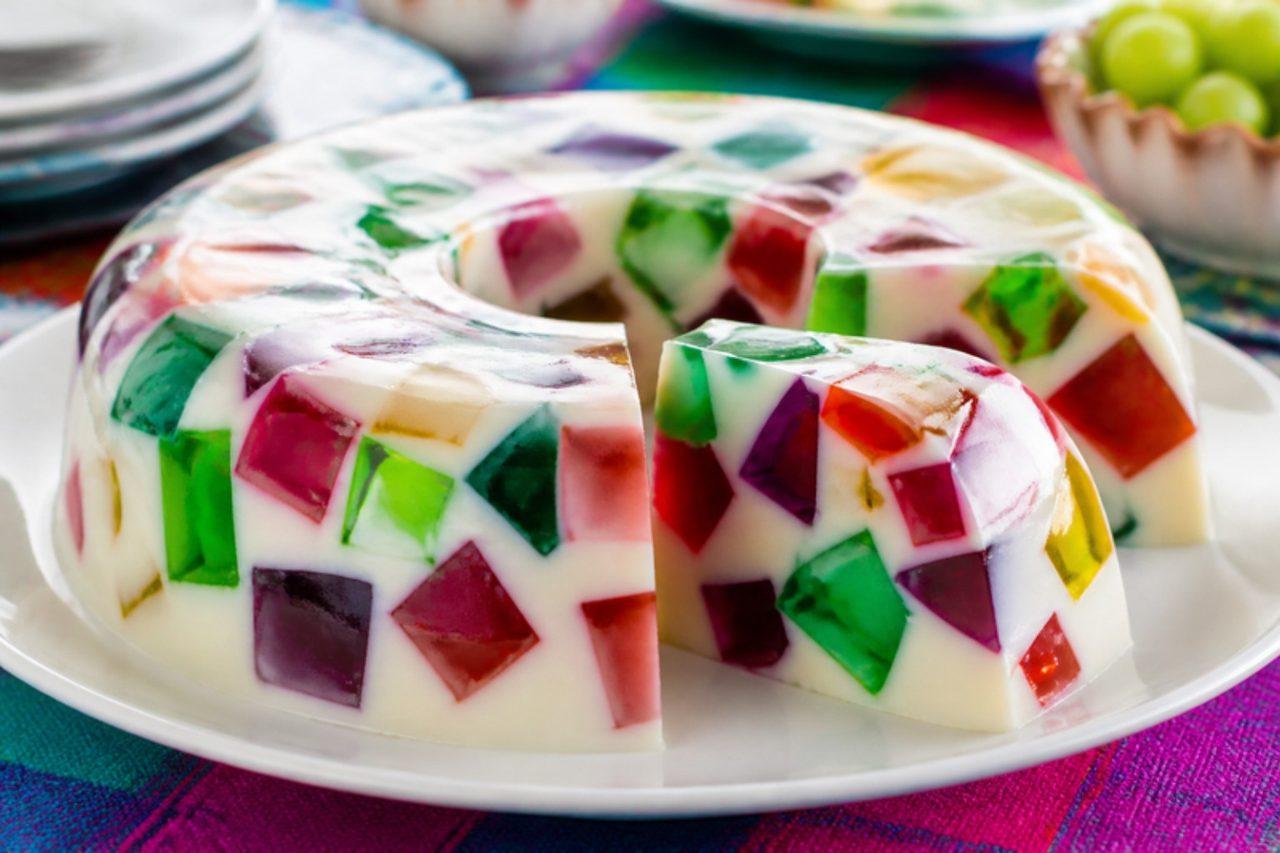
Gelatina de mosaicoMosaic milk jelly

Mexico has a whole street culture of gelatinas, sold in cups from glass carts in town plazas, and the mosaic or 'cathedral window' jelly is the star of birthday parties: bright cubes of red, green and yellow jelly suspended in a creamy condensed-milk jelly. Traditionally it is set with gelatine, which is made from animal collagen, so this version is not vegetarian; to make it vegetarian, use agar powder instead, as shown in the steps. Chef's tip: cool the milk jelly until it is only just warm before pouring it over the cubes, or the colours bleed.

by KrazyBadal 0 views

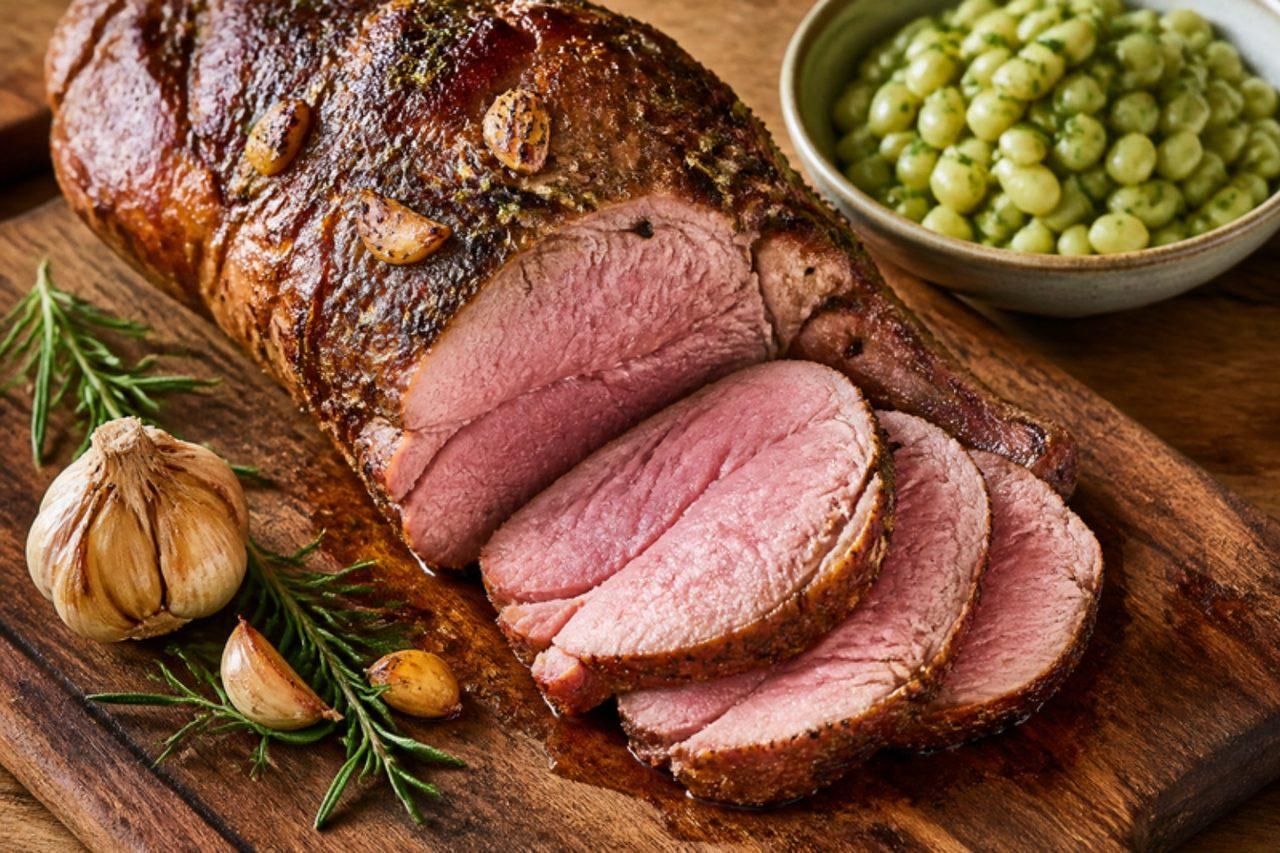
Gigot d'agneau pascalRoast leg of lamb with beans

Roast leg of lamb, studded with garlic and rosemary and served pink with flageolet beans, is the traditional Easter Sunday lunch across France, especially in the south and in the salt-meadow country of the Mont-Saint-Michel bay. The lamb is roasted on a bed of onions, rested and carved at the table. The common mistake is carving straight from the oven, so the juices run out. Chef's tip: roast to 57 °C in the thickest part for pink, then rest 20 minutes; it rises to about 63 °C. Cook to 70 °C or more for well done.

100 minFrenchMeatGluten free
by KrazyBadal 0 views

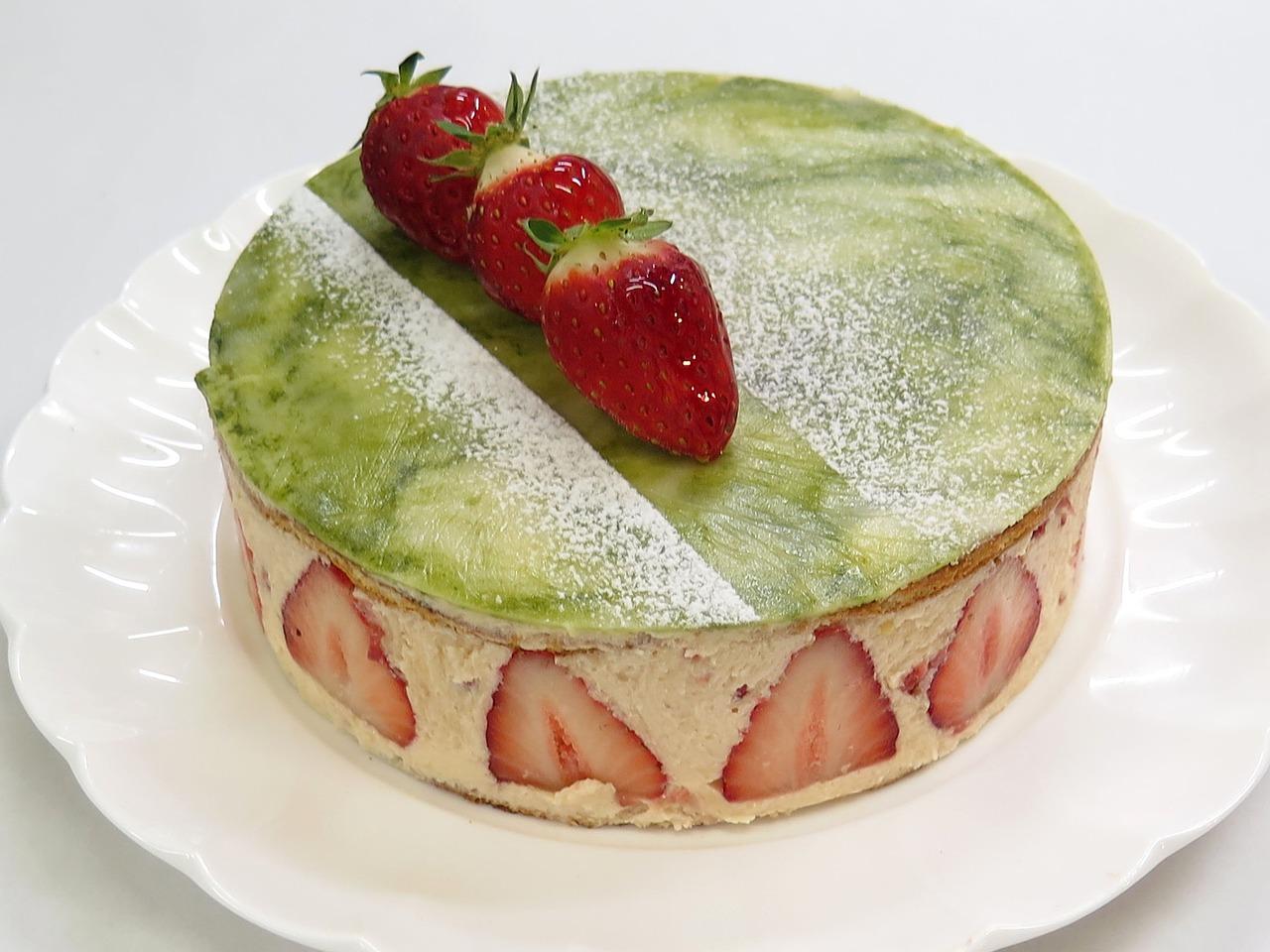
FraisierStrawberry cream cake

The fraisier is the spring celebration cake of France, made for Mother's Day and family birthdays as soon as the first strawberries arrive: two layers of light génoise soaked in syrup, filled with vanilla mousseline cream and a ring of halved strawberries showing at the sides, finished with a thin layer of pink almond paste. The common mistake is assembling it with soft cream, so the strawberries slip. Chef's tip: build it in a ring lined with acetate and chill overnight; it slices cleanly with a hot knife.

by KrazyBadal 0 views

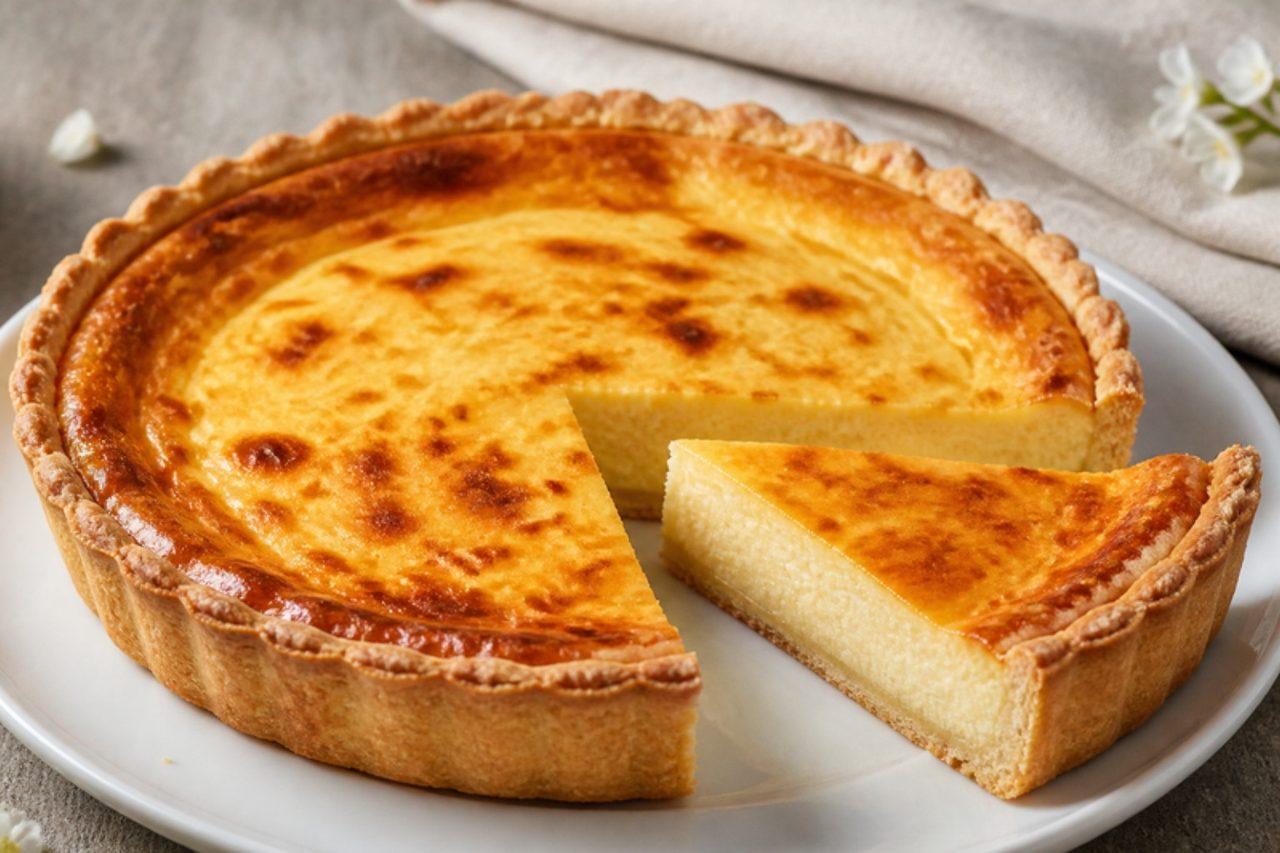
FlauneFresh cheese orange blossom tart

The flaune is the old Easter tart of the Aveyron and the Causses, the Roquefort country of southern France, a pastry case filled with fresh ewe's-milk curd (the same milk as Roquefort), eggs, sugar and orange-blossom water and baked until puffed and golden. It was once made for Easter and village fêtes and is still sold in Millau bakeries. Raw-milk ewe's curd is traditional in the villages; use a pasteurised ewe's-milk ricotta or fresh cheese, because raw-milk cheese is not for pregnant women, young children or anyone with a weakened immune system. The common mistake is not draining the cheese, so the tart is watery. Chef's tip: drain the curd in a sieve overnight in the fridge.

by KrazyBadal 0 views

Gâteau rouléJam Swiss roll

The gâteau roulé is the jam roll of French home baking, a light sponge rolled round raspberry or apricot jam, sliced into spirals for goûter, birthday parties and picnics. It takes under half an hour from start to finish. The common mistake is overbaking the sponge, which cracks when rolled. Chef's tip: take it out as soon as it springs back, and roll it up in a damp tea towel while hot.

by KrazyBadal 0 views

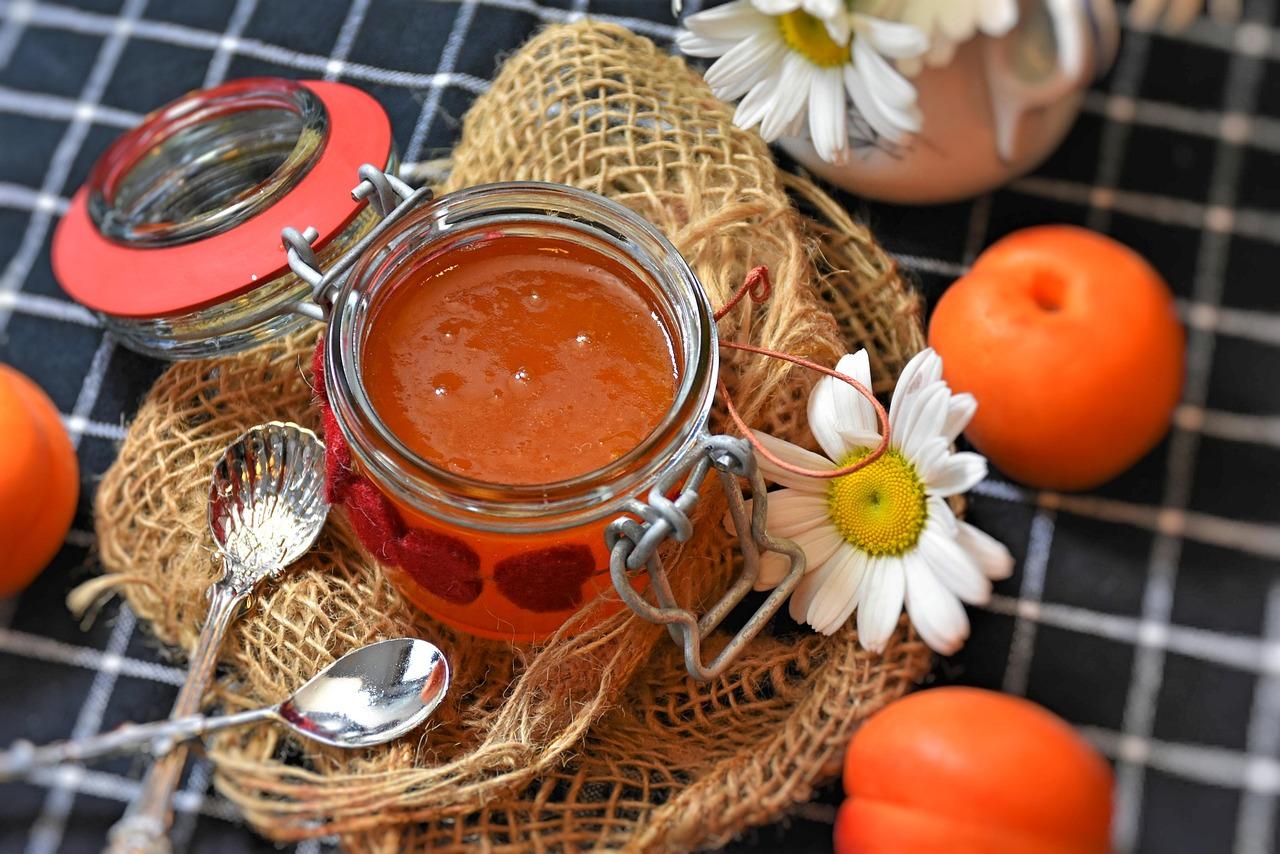
Confiture d'abricotsApricot jam

Apricot jam is the most loved jam in France, made in July with the apricots of the Roussillon and the Rhône valley and used for breakfast, for glazing fruit tarts and for filling croissants. Halved apricots are macerated with sugar, then boiled quickly so they keep their bright orange colour. The common mistake is stirring too hard, which breaks up the fruit. Chef's tip: add a few drops of almond extract at the end for the taste of the kernels; do not add the kernels themselves, which are not safe to eat in quantity.

by KrazyBadal 0 views

Showing 54 of 9,592 recipes

Show more recipes

Page 144 of 1,066