


Skip to content
Pickled watermelon
Featured recipe

Pickled watermelon

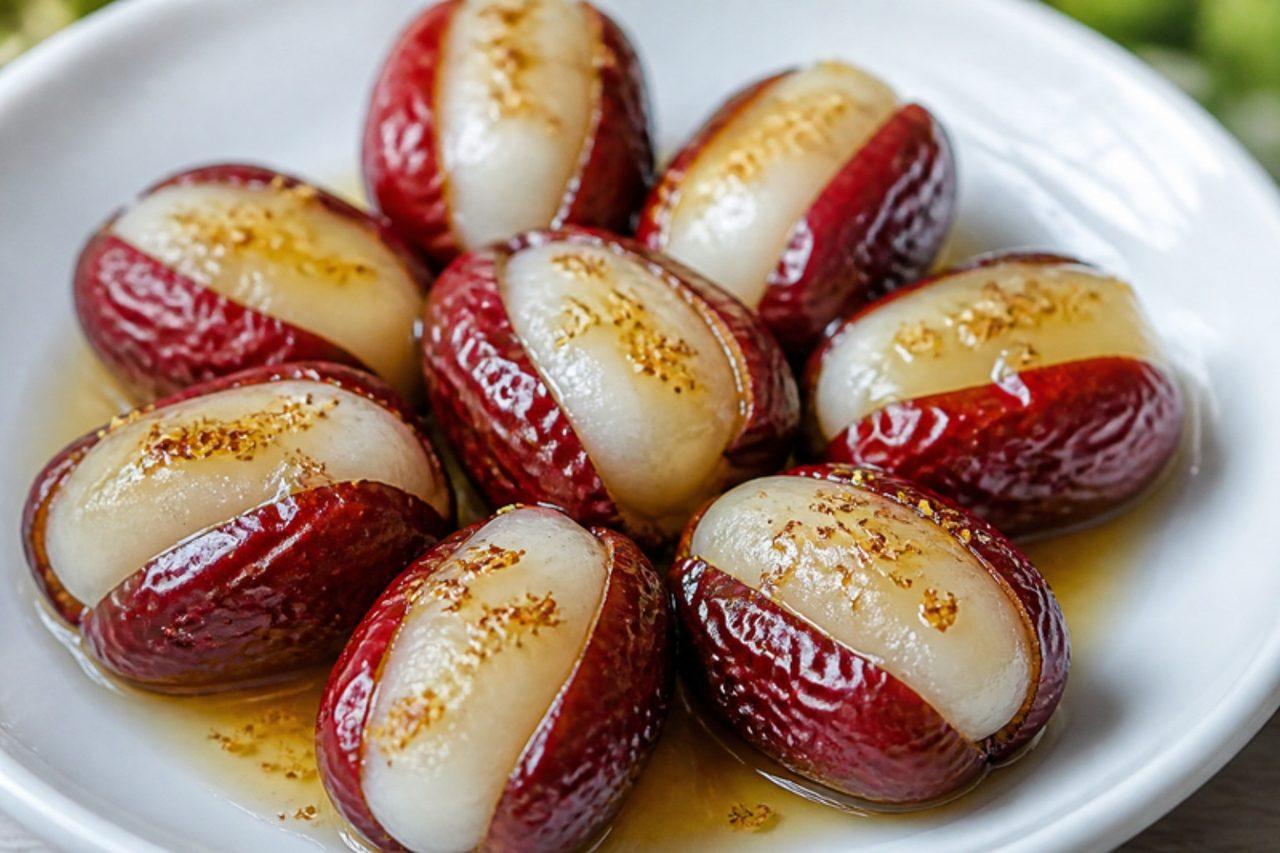
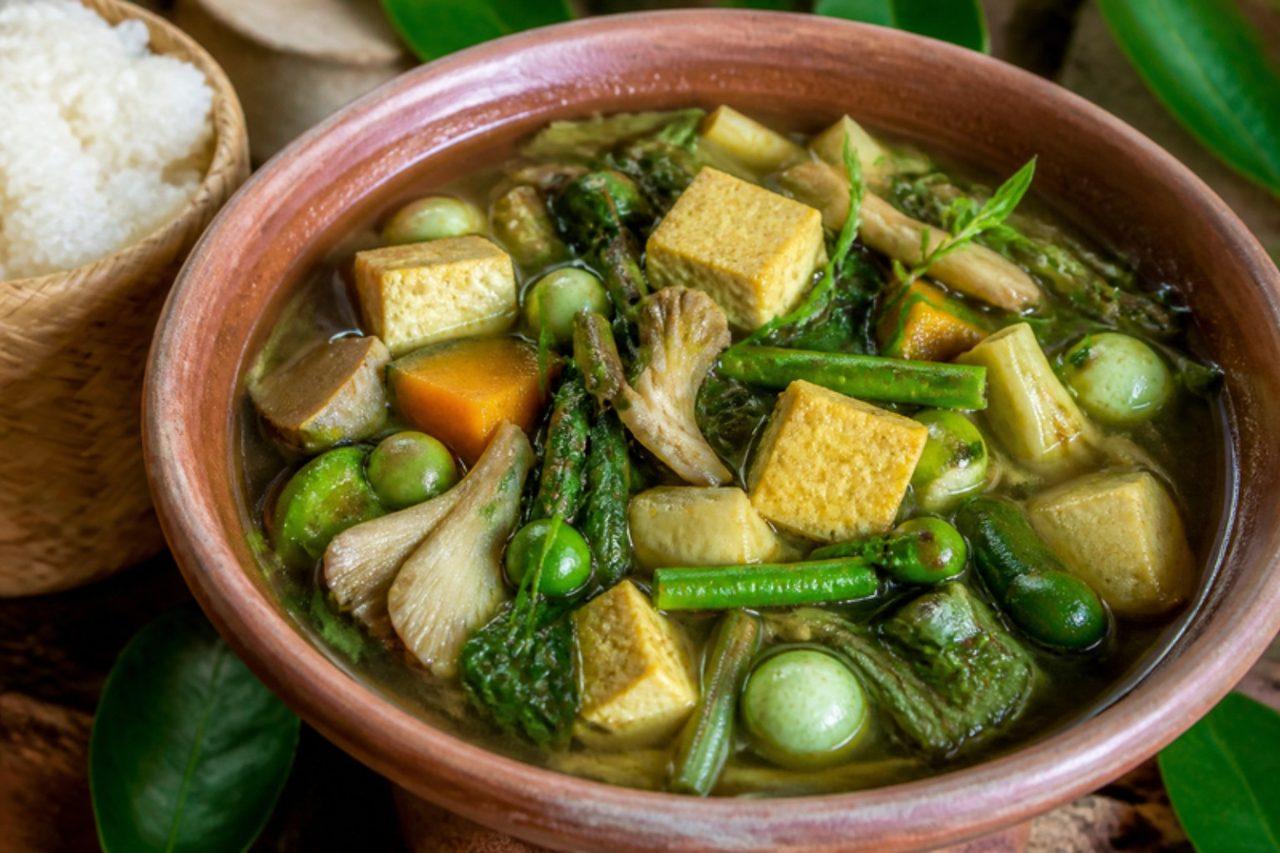
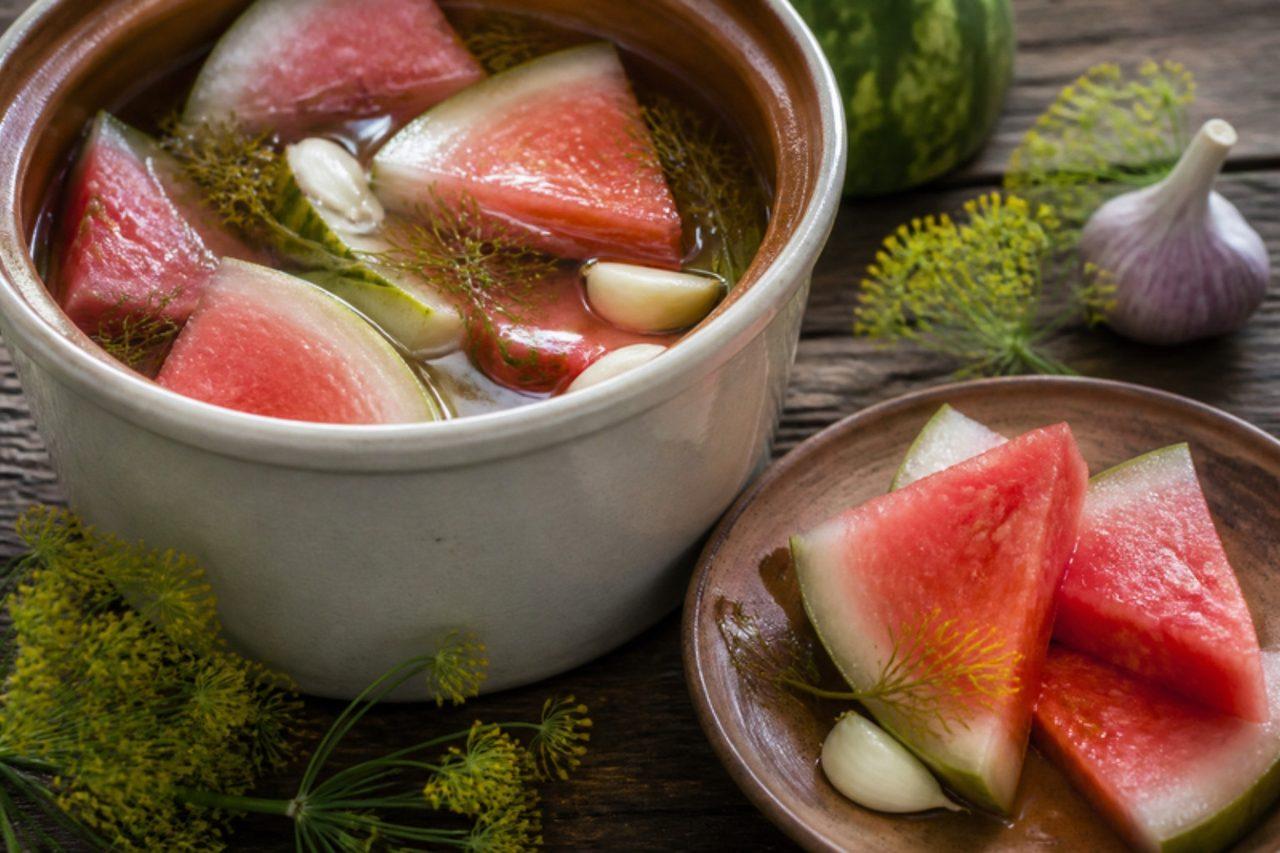
When the melon fields of Kherson and Mykolaiv end their season, the small, late watermelons that never got properly sweet go into barrels of brine. A few weeks later they come out fizzy, salty and sour, with the pink flesh still faintly sweet and the rind crisp like a pickled cucumber. Southern families eat them through the winter with boiled potatoes, buckwheat or a plate of fried mushrooms. A big glass jar works just as well as a barrel for wedges. The classic error is using a ripe, soft watermelon, which turns to mush in the brine; pick small, firm ones with pale pink flesh. Keep everything under the brine and throw out the batch if fuzzy or coloured mould appears or it smells rotten rather than sour. Chef's tip: slip a horseradish or cherry leaf into the jar; the tannins keep the rind crunchy for weeks.

Read more 0 views

What to eat today?

Around the world

Today's trip: Persian

A new country every day, from every cuisine on the site.

Persian

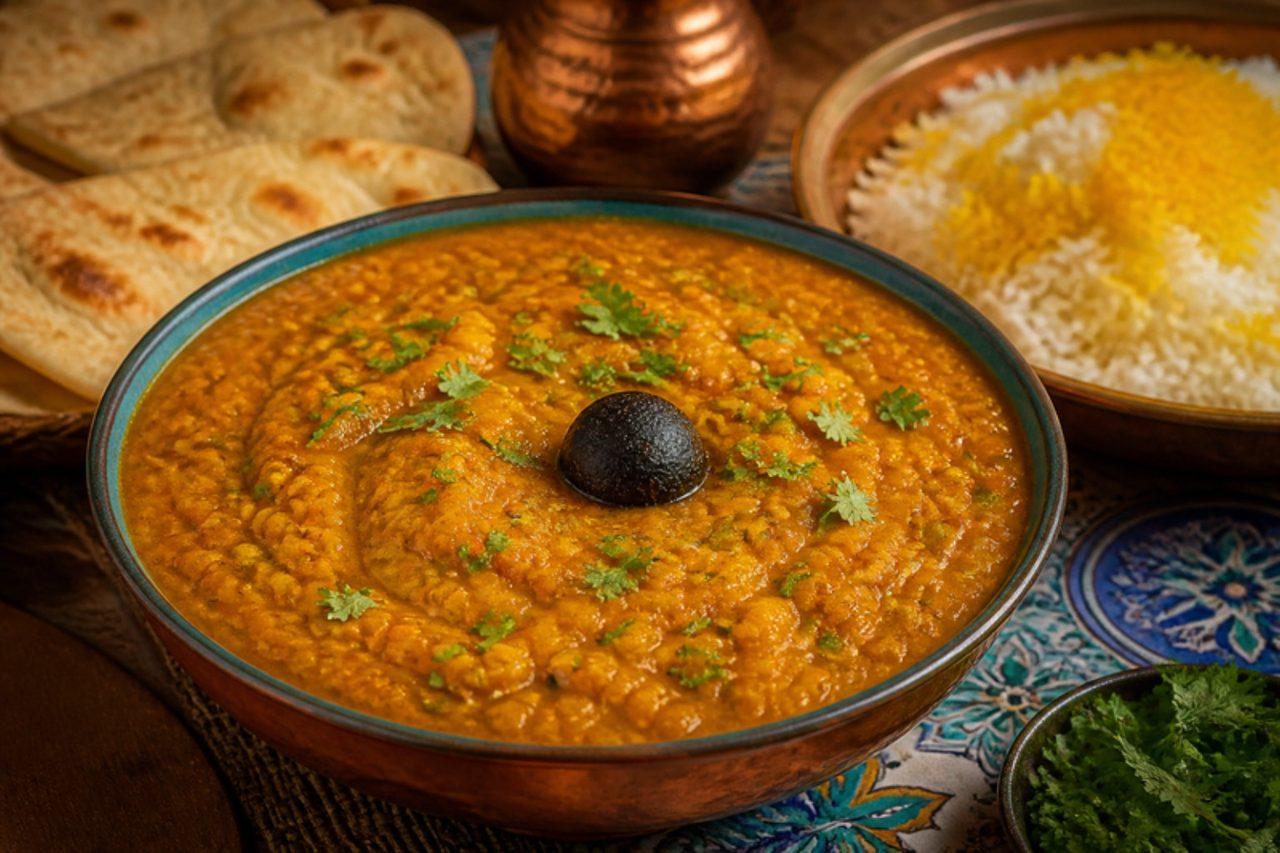
Dal adas

Red lentil curry with dried lime 50 minMore from Persian (177) →

This week's collection

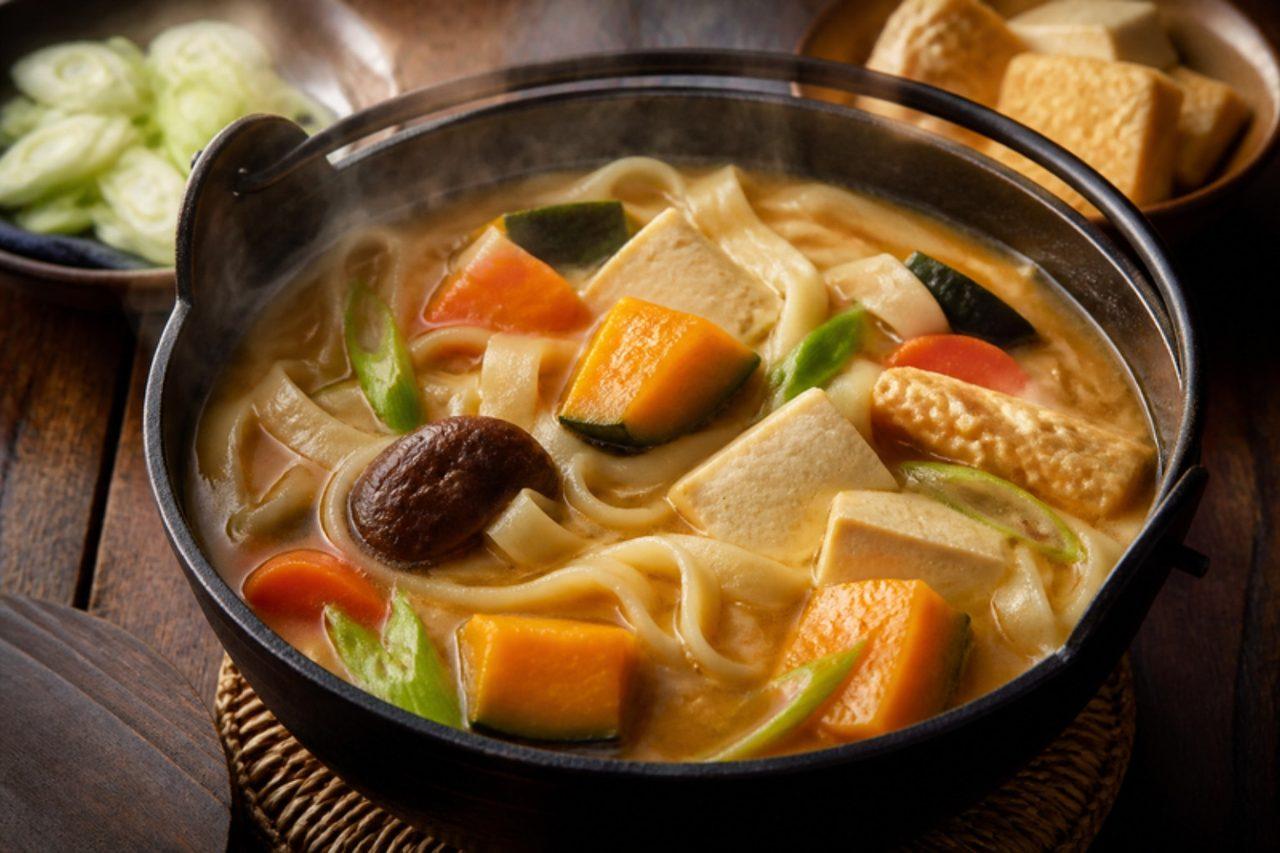
Kid-friendly dinners
739 recipes · a new collection every Monday

Coming up

All occasions →

Latest recipes

Vegetarian turnip cake (lo bak go)

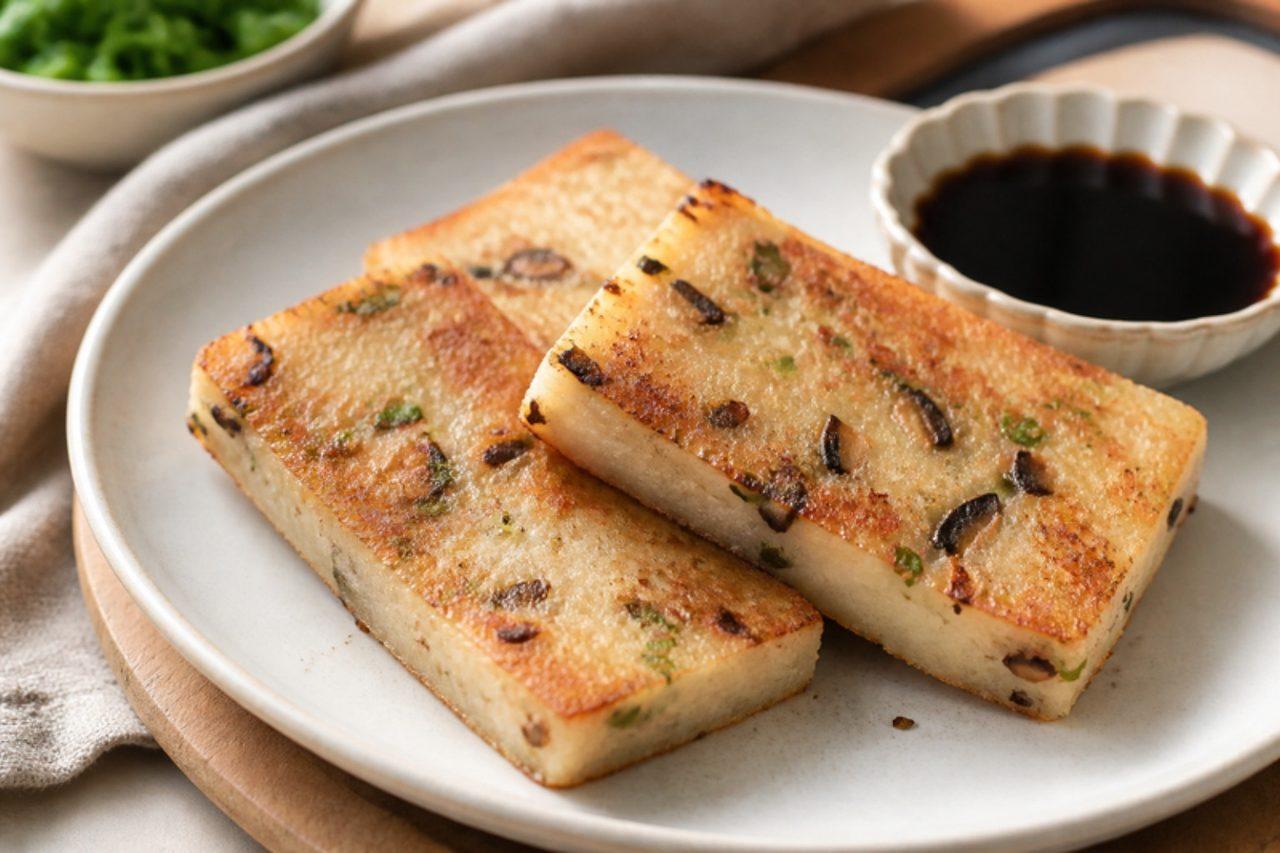
Every Cantonese dim sum trolley in Guangzhou and Hong Kong carries lo bak go, and families steam a big tray of it in the week before Chinese New Year, because 'turnip' (really daikon) sounds like good fortune. This version keeps the soft, savoury radish cake and its crisp golden crust but leaves out the usual Chinese sausage and dried shrimp, getting its depth from soaked shiitake and their soaking liquid instead. Serve the slices hot with chilli sauce or hoisin. The most common mistake is slicing the cake while it is warm: it smears and falls apart, so chill it overnight first. Chef's tip: squeeze nothing out of the grated daikon; its juice is the liquid that sets the cake.

by KrazyBadal 0 views
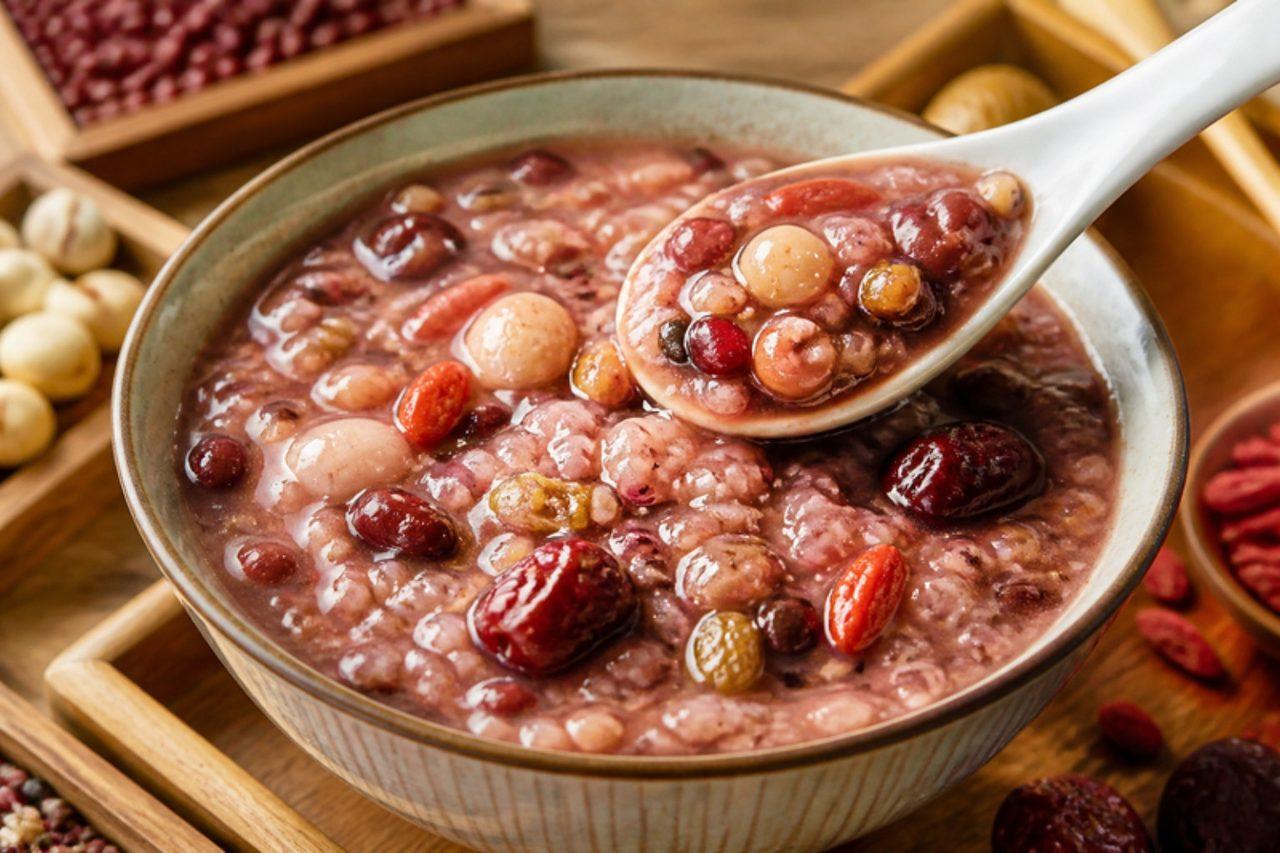
Laba congeeMixed grain and bean porridge

On Laba, the eighth day of the twelfth lunar month, Buddhist temples across China from Beijing's Yonghe Temple to Hangzhou's Lingyin hand out bowls of this porridge to everyone who queues, marking the day the Buddha is said to have reached enlightenment. Families cook it at home the same morning, and it signals that the New Year is on its way. It is thick, gently sweet and full of different textures: chewy black rice, soft red beans, creamy lotus seeds and sticky dates. A common mistake is putting everything in at once; the beans need a head start or they stay hard while the rice turns to glue. Chef's tip: soak the beans and black rice overnight, and cook the porridge low and slow with the lid ajar so it does not boil over.

by KrazyBadal 0 views

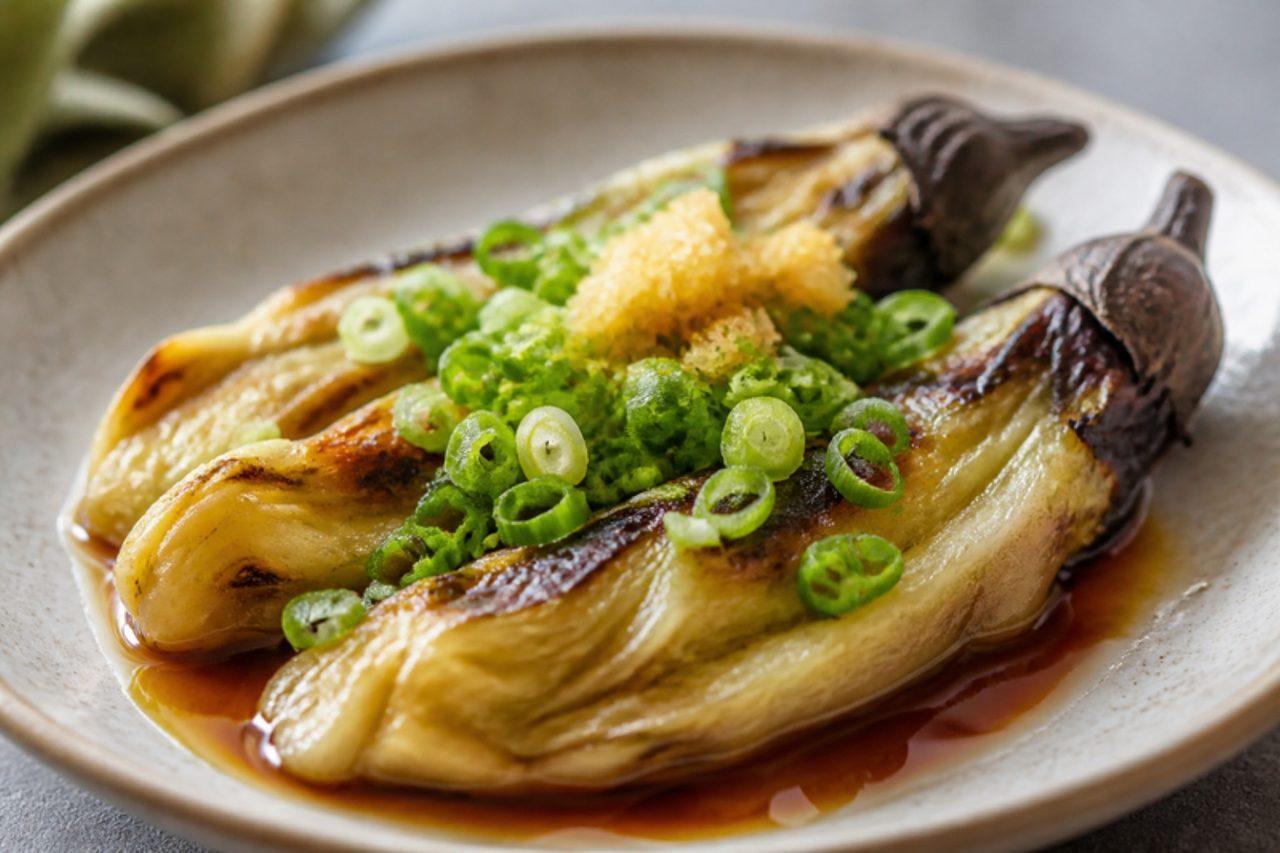
Nasu dengakuMiso-glazed aubergine

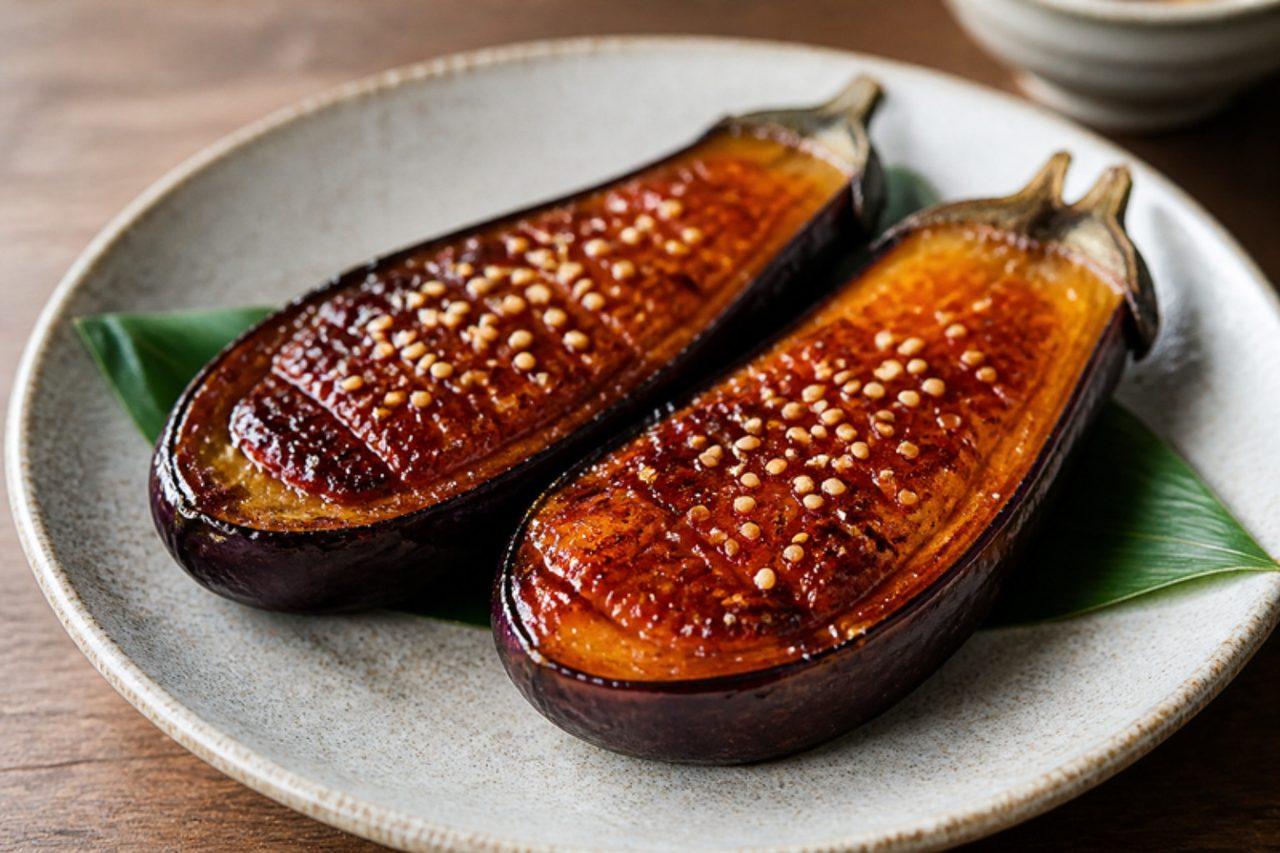
Dengaku began in Kyoto as tofu on skewers brushed with miso and grilled at temple festivals; today the aubergine version is a favourite izakaya plate across Japan, best in late summer when Japanese aubergines are at their sweetest. The halves are scored, cooked until the flesh is custard-soft, then spread with a glossy sweet miso and grilled until it bubbles and blisters. The mirin and sake contain alcohol but simmer away in the glaze; the notes give alcohol-free swaps. The usual mistake is grilling the miso before the aubergine is fully soft: it burns while the inside stays spongy. Chef's tip: score the cut side in a deep criss-cross, almost to the skin, so the heat and the glaze both get right in.

by KrazyBadal 0 views

Kinpira goboBurdock and carrot stir-fry

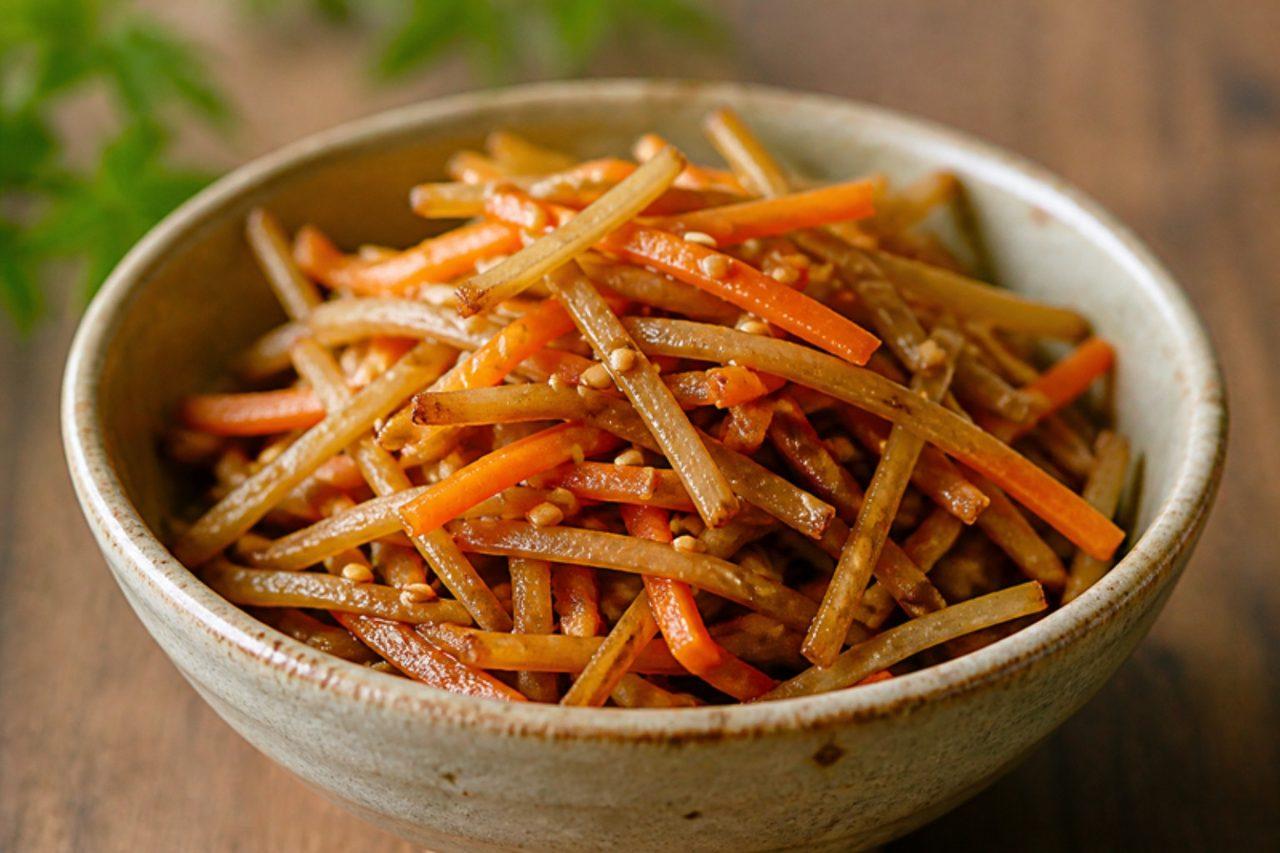
Open almost any home-packed bento in Tokyo or Osaka and there is a small heap of kinpira tucked into a corner: burdock root and carrot cut into matchsticks, fried in sesame oil, then cooked down with soy, mirin and a little chilli until glossy and almost dry. It is earthy, sweet-salty and crunchy, and it keeps for four days in the fridge, which is exactly why mothers make a big pan on Sunday. The mirin and sake both contain alcohol; the ingredient notes give alcohol-free swaps. The most common mistake is soaking the cut burdock for too long, which washes away its flavour; five minutes in water is plenty. Chef's tip: leave a little skin on the burdock by scrubbing with the back of a knife rather than peeling, because most of the aroma sits just under it.

by KrazyBadal 0 views

Doi maachFish in spiced yogurt gravy

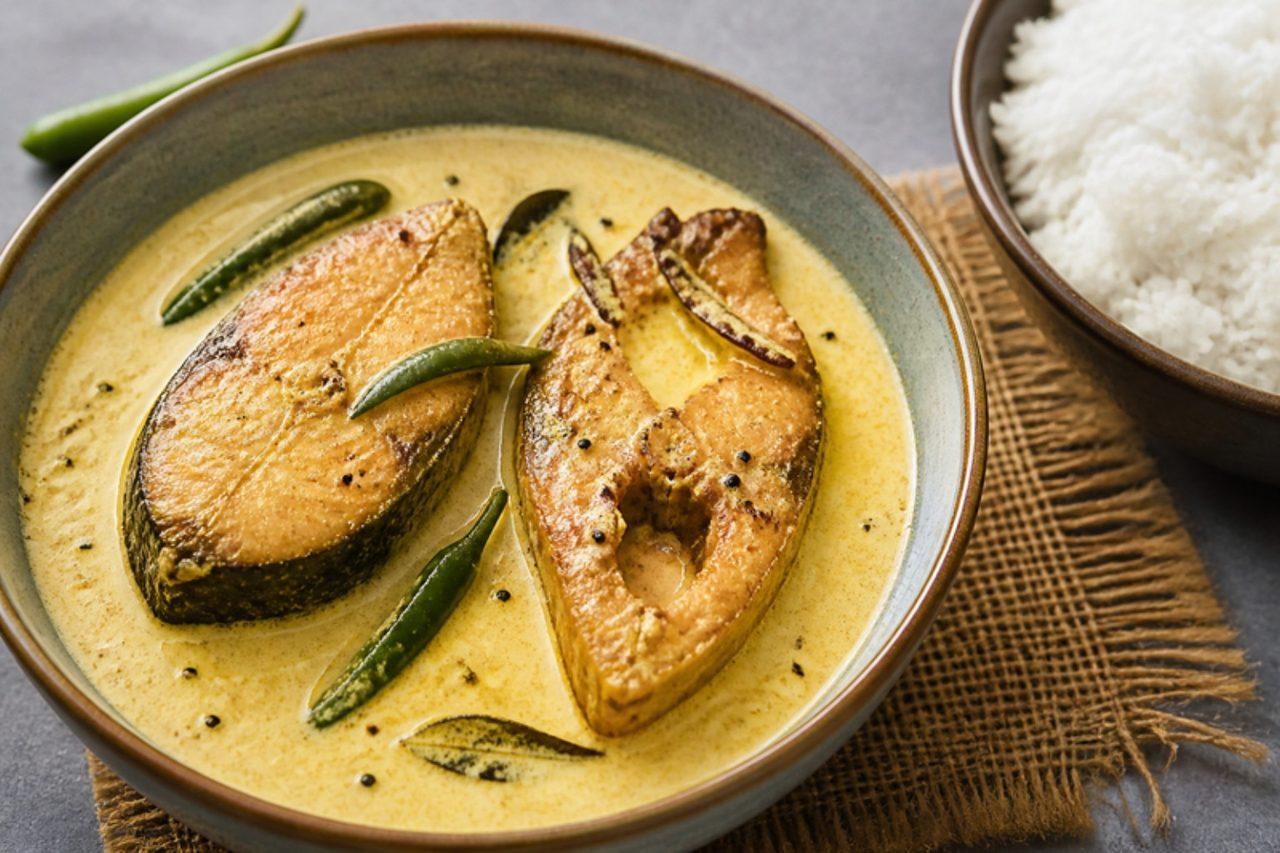
At a Bengali wedding feast or on Jamai Shashthi, when sons-in-law are fed like kings, doi maach is the fish course everyone waits for. Thick steaks of rohu or katla, the big freshwater carp of Bengal's ponds, are rubbed with turmeric and salt, fried in sharp mustard oil and then simmered in a pale, creamy gravy of whisked yogurt, ginger and onion paste and whole garam masala, sweetened just enough to balance the tang. It is mild and fragrant rather than hot. Carp has fine bones, so eat it slowly. Cook the fish until it is opaque and flakes easily from the bone. Serve with steamed gobindobhog or plain white rice, and a squeeze of gondhoraj lime if you can find it. Common mistake: tipping cold yogurt straight into hot oil, which splits it into grainy curds. Chef's tip: whisk the yogurt with the spice powders and a spoonful of the hot gravy first, then add it over the lowest heat.

50 minIndianFishGluten free
by KrazyBadal 0 views

Ball curryMutton meatball curry

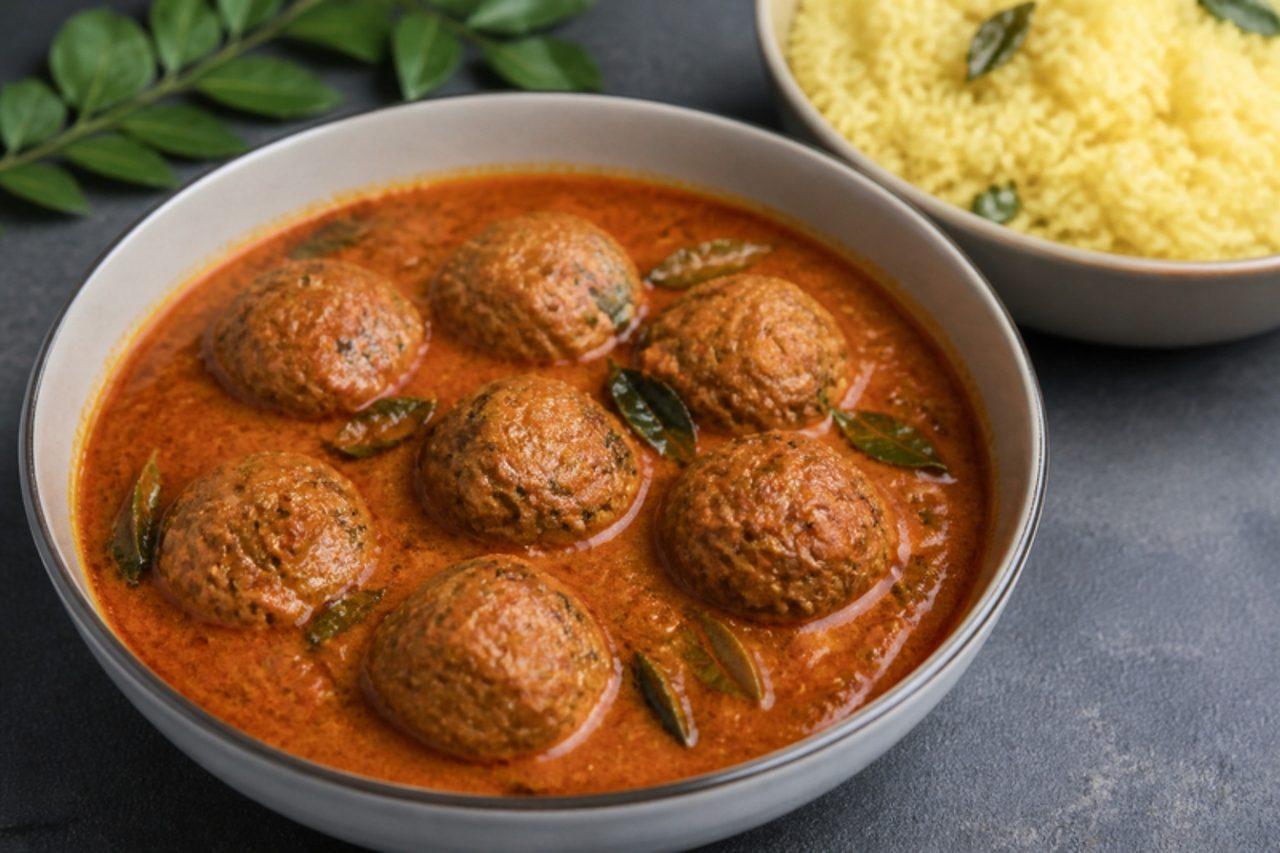
Ask any Anglo-Indian family in Kolkata, Chennai or Bengaluru what's on the Christmas lunch table and ball curry will be near the top, along with yellow coconut rice, roast chicken and a fruit cake for later. The 'balls' are soft koftas of spiced minced meat with onion, green chilli, mint and coriander, dropped raw into a simmering coconut and tomato curry so they absorb its flavour as they cook. Many homes use beef mince; this recipe uses mutton (goat) mince, which is easier to find in most Indian cities and gives a lighter, sweeter flavour. Lamb mince is a good swap. The curry is medium-hot, tangy from tomato and rounded off with coconut milk. Because it is minced meat, cook the koftas through to 71 °C in the centre. Serve with yellow rice, plain rice or appam. Chef's tip: wet your hands with cold water while rolling; the koftas come out smooth with no cracks and stay whole in the gravy.

75 minIndianMeatGluten free
by KrazyBadal 0 views

Kakori kebabMinced mutton skewers

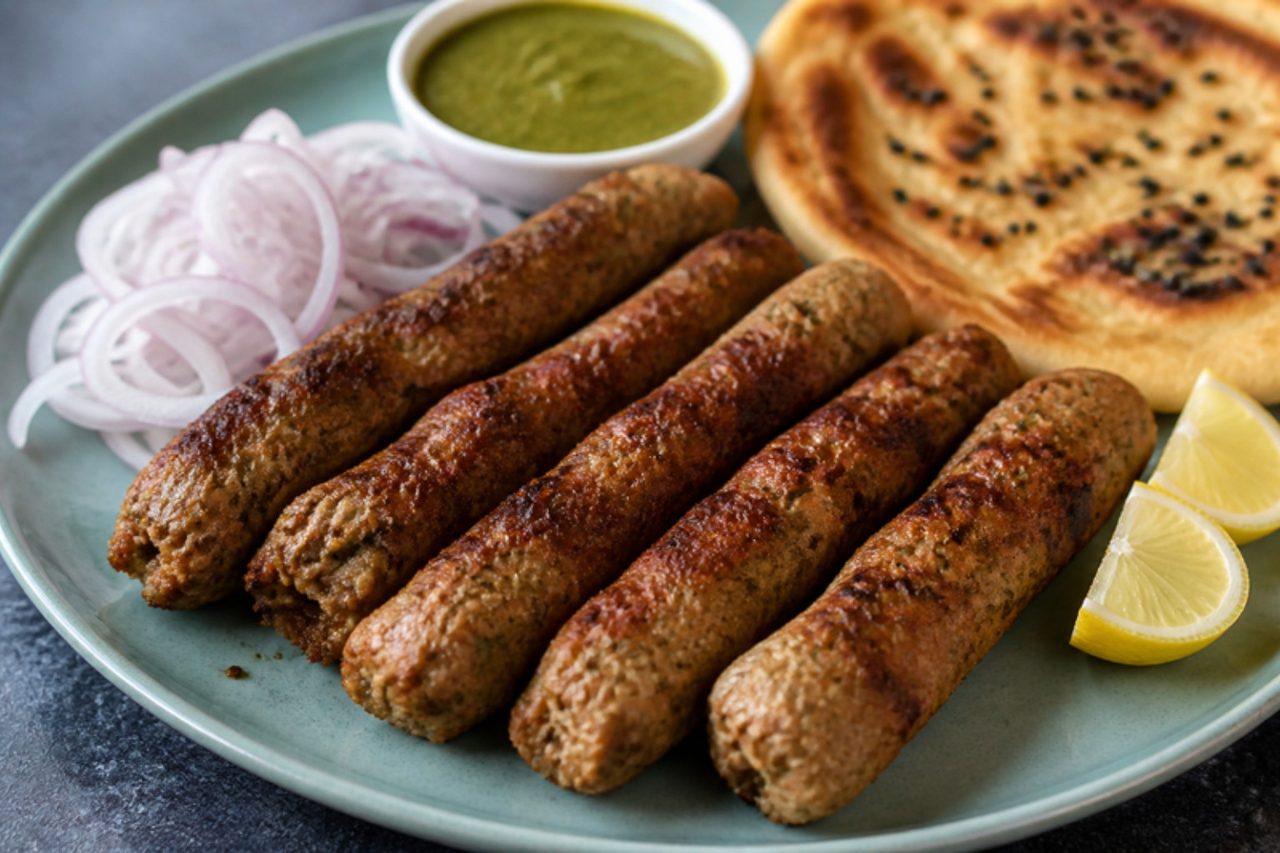
The village of Kakori, just outside Lucknow, gave its name to the softest kebab of Awadh, said to have been created for a nawab who could no longer chew. Mutton (goat) mince, ground twice until it is almost a paste, is bound with roasted gram flour, khoya and fried onion, tenderised with raw papaya and perfumed with mace, green cardamom, rose petals and a few drops of kewra. It is wrapped around long skewers and cooked over charcoal until the outside is lightly charred and the inside so delicate that it falls apart on the tongue. Lamb mince with some fat is the best swap. Kakori kebabs are an Eid and wedding favourite, served wrapped in thin rumali roti or ulte tawe ka paratha with mint chutney and onion rings. Because it is minced meat, cook it to 71 °C in the centre. Chef's tip: ask the butcher for mince from the shoulder with about 20 per cent fat and have it ground twice; lean mince makes dry kebabs that won't cling to the skewer.

60 minIndianMeatGluten free
by KrazyBadal 0 views

Bread upmaBread cube stir-fry

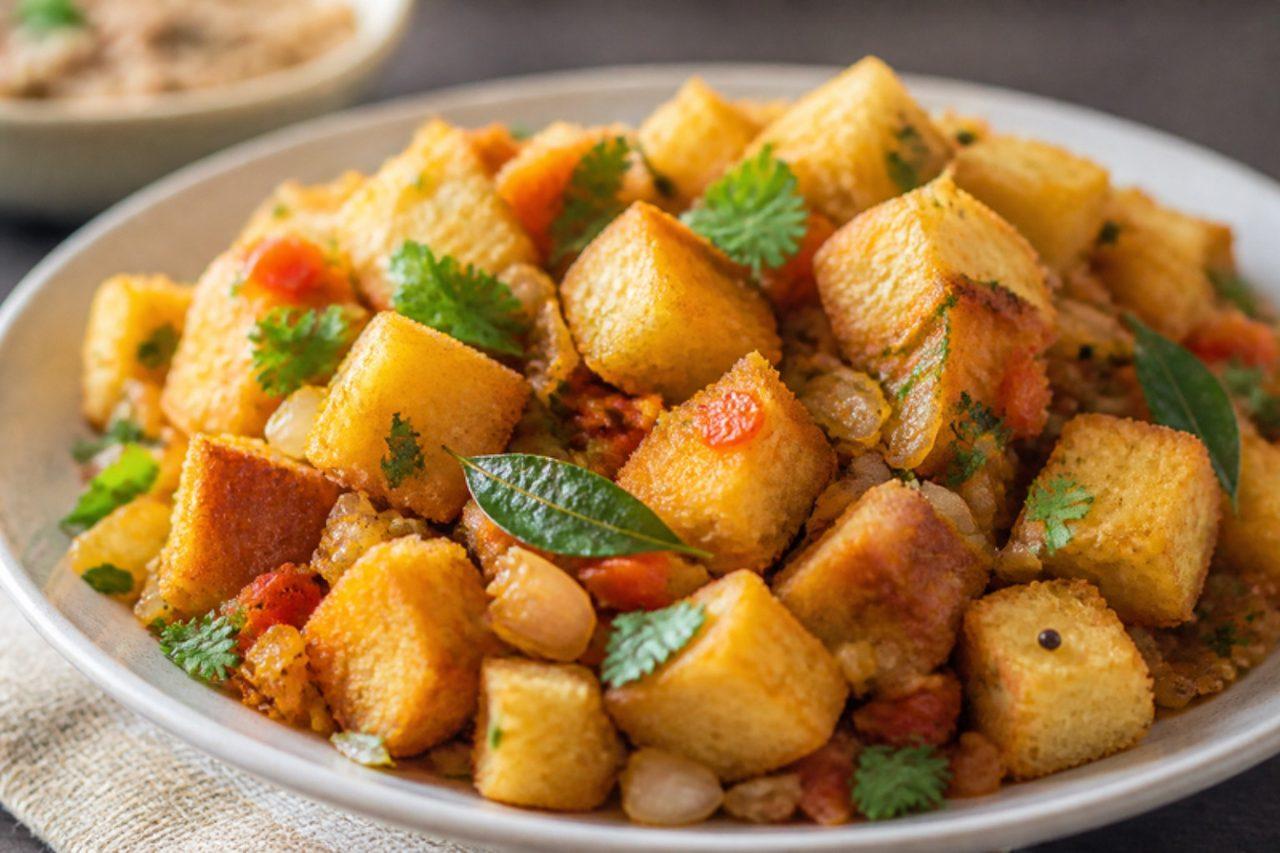
In hostel kitchens and busy homes from Pune to Hyderabad, the last slices of a loaf become bread upma by Monday morning. Cubes of bread are tossed in a South Indian tempering of mustard seed, urad dal and curry leaves with onion, tomato and green chilli, and finished with lemon and coriander. The bread soaks up the tangy masala and stays soft in the middle with a few toasty edges. It is a breakfast with filter coffee or chai and an easy school tiffin that children like. The common mistake is pouring water over the bread, which turns it to porridge; sprinkle just a couple of tablespoons over the masala, then add the bread and toss. Chef's tip: lightly toasted or a day-old loaf works best, as fresh soft bread goes gummy.

by KrazyBadal 0 views

Aam pannaRaw mango cooler

When the first hard green mangoes arrive in April, kitchens from Lucknow to Pune start boiling them for panna. The cooked pulp is blended with roasted cumin, black salt, mint and sugar or jaggery into a thick concentrate that keeps in the fridge for a week, then diluted glass by glass with cold water. Grandmothers swear by it against loo, the hot dry wind of a North Indian summer, and in Maharashtra the same drink, called kairi panha, is served to guests at Gudi Padwa and haldi-kumkum gatherings. It tastes sour first, then sweet, then smoky from the cumin. A common mistake is using mangoes that have begun to ripen and turn yellow: the panna tastes flat and fruity rather than bracing, so pick firm, green, sour ones. Chef's tip: pressure cooking the mangoes whole in their skins keeps the pulp pale and fragrant; scraping too close to the skin and stone adds bitterness.

by KrazyBadal 1 views

Nannari sarbathSarsaparilla and lime cooler

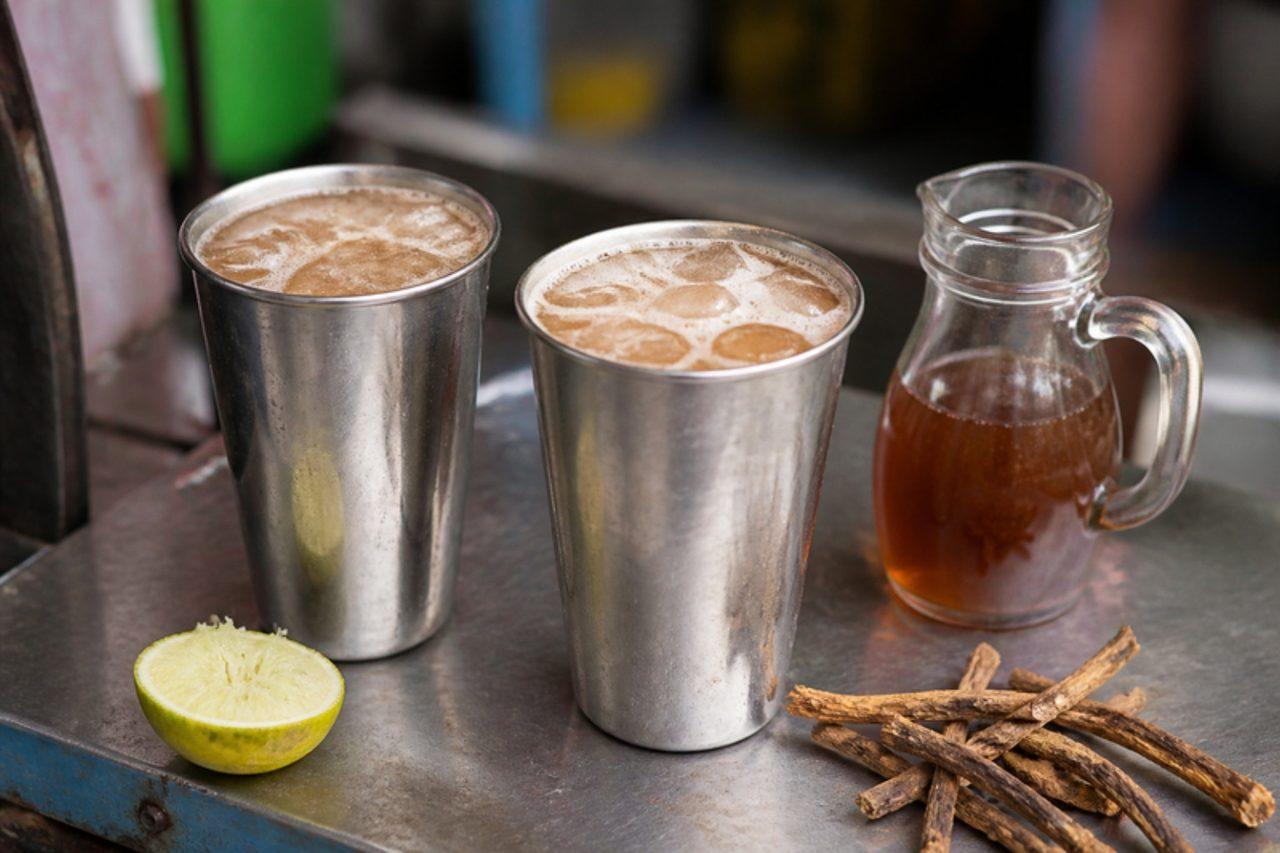
Walk past any sarbath kadai in Madurai, Tiruchi or Chennai's Parry's Corner in summer and you'll hear the clink of a glass being stirred with a long spoon. Nannari, the sweet, woody, vanilla-like root of Indian sarsaparilla, is cooked into a dark syrup; the vendor pours a little into a glass, squeezes in a whole lime, adds a pinch of salt and ice, and tops it with water or a fizz of soda. It is sweet, sharp and earthy all at once, and nothing like the milky jigarthanda made with the same syrup. Many shops add soaked sabja seeds for texture. The common mistake is too much syrup: the root flavour gets lost in sweetness, so start with less and let the lime lead. Chef's tip: squeeze the lime straight into the glass and drop in one squeezed half; a little oil from the peel gives that roadside freshness.

by KrazyBadal 0 views

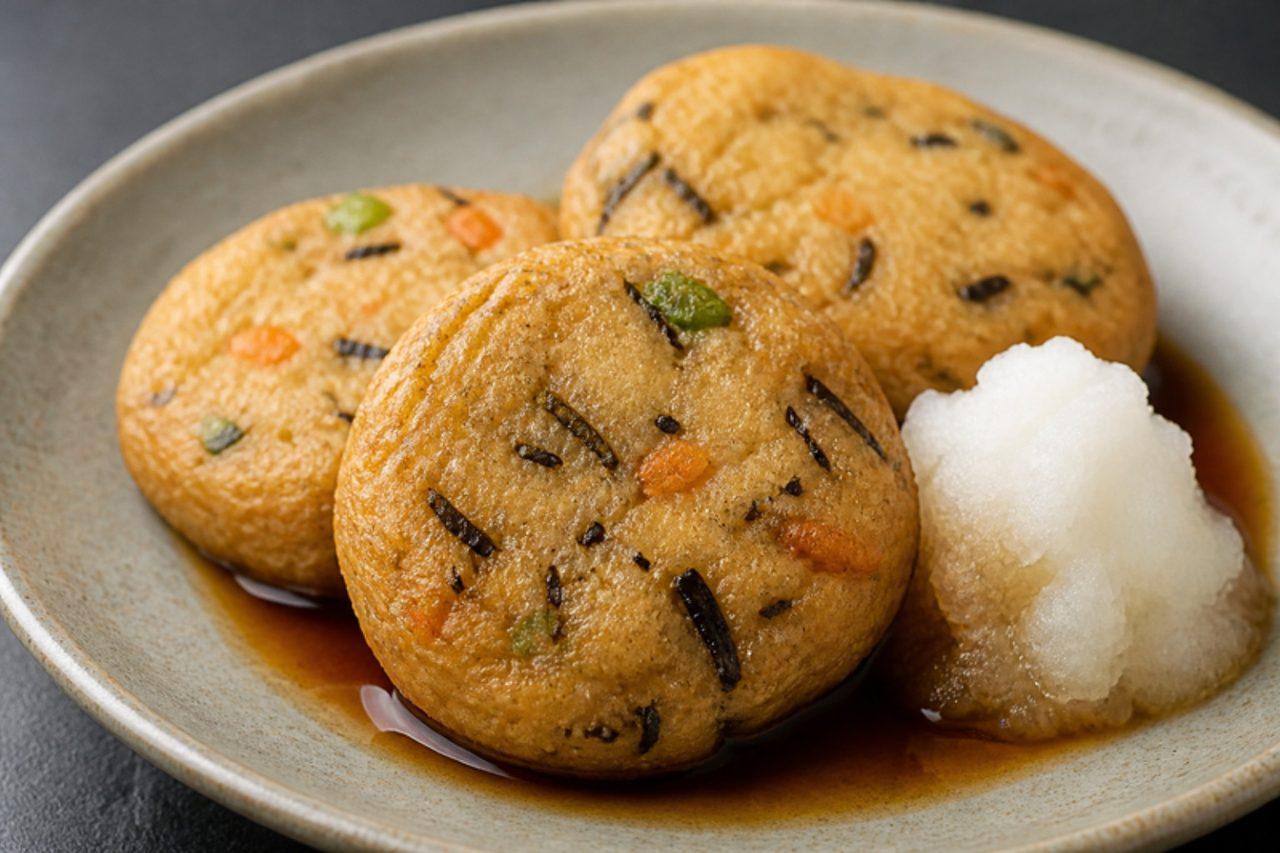
GanmodokiTofu and vegetable fritters

The name means 'mock goose', a hint that these fritters were invented by Buddhist monks who wanted something rich and satisfying without meat; in Kyoto they are called hiryōzu. Firm tofu is pressed, mashed with grated yam, carrot, hijiki and sesame, then fried into golden discs that are crisp outside and soft and springy within. Eat them hot with ginger and soy, or simmer them in oden or sweet dashi on cold days. The common mistake is not pressing the tofu enough; wet tofu makes fritters that split and spit in the oil. Chef's tip: a little grated Japanese mountain yam (nagaimo) binds the mix without egg and makes it fluffier; potato starch alone gives a denser fritter.

by KrazyBadal 0 views

Jau gok (crispy peanut dumplings)

In Hong Kong and Guangdong households, the days before New Year mean a production line at the kitchen table: one person rolls, another fills, a grandparent crimps the rope-like edge, and the finished jau gok go into big tins for visitors. Their purse shape stands for silver ingots, and the filling of roasted peanuts, toasted sesame, coconut and sugar crunches under a flaky, blistered shell. Leaving air pockets inside is the mistake that makes them burst in the oil, so press the filling down before sealing. Chef's tip: fry them at a moderate heat, not high, so the shell cooks through and stays crisp for weeks in an airtight tin.

by KrazyBadal 0 views

Koya dofu no nimonoSimmered freeze-dried tofu

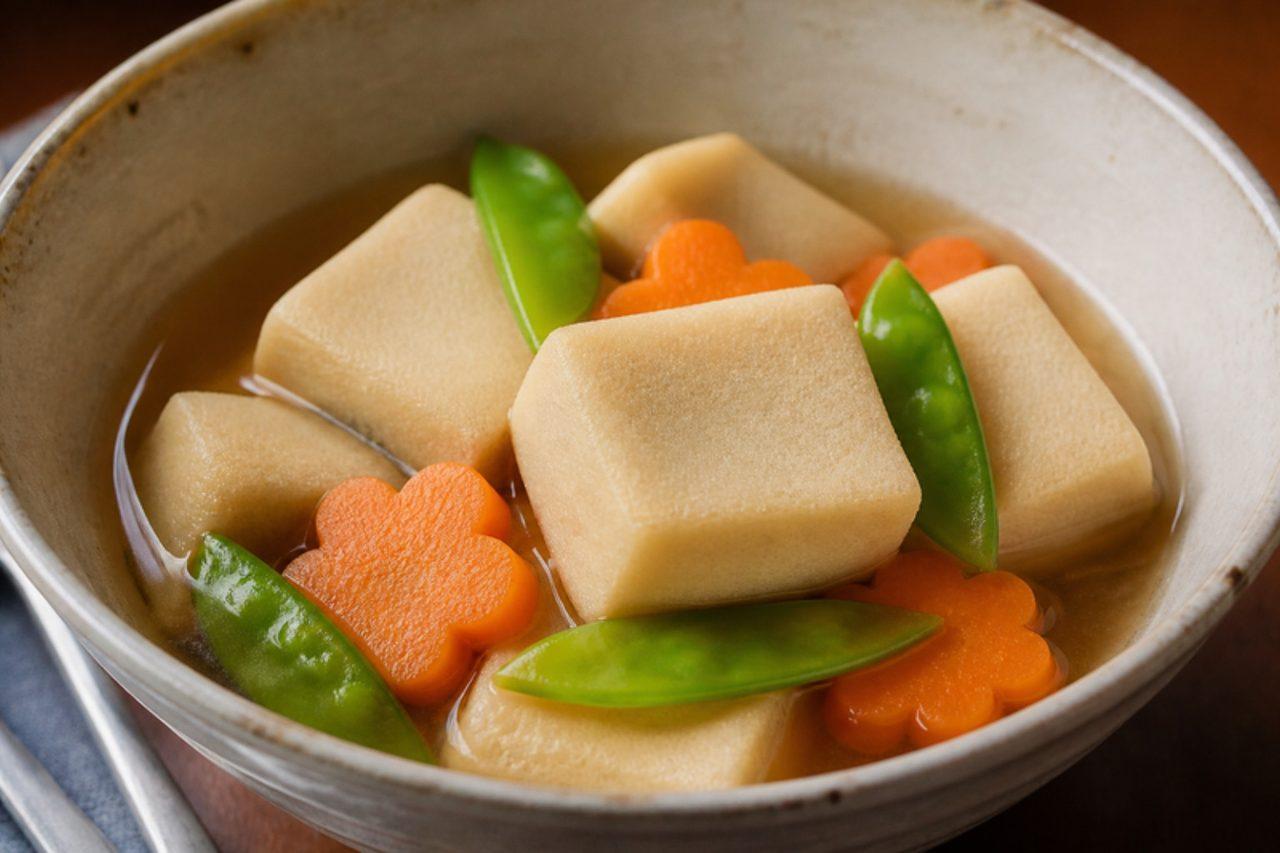
Kōya-dōfu takes its name from Mount Kōya, where monks discovered that tofu left out in the winter frost dried into light, spongy blocks that would keep for months. Rehydrated and simmered in sweet dashi, it soaks up broth like a sponge, so every bite releases a mouthful of savoury-sweet liquid. It is a regular in bento boxes, osechi and temple meals across Japan. Mirin contains alcohol but simmers away; see the note for an alcohol-free swap. The common mistake is boiling it hard, which makes it crumble; keep the pan at a lazy simmer. Chef's tip: after soaking, press each block between your palms in fresh water until the water runs clear, or it tastes faintly of the packet.

by KrazyBadal 0 views

Coconut milk jelly

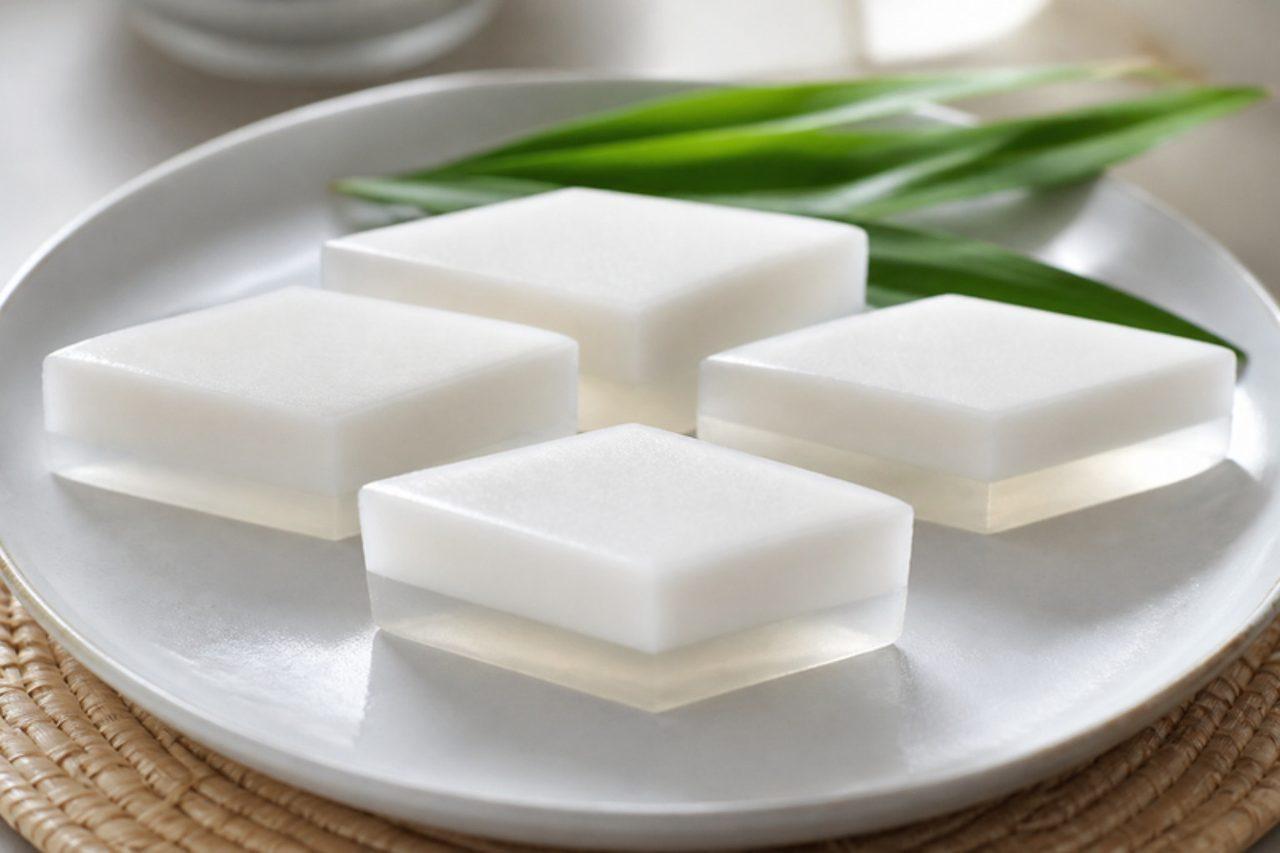
Hong Kong yum cha halls finish a long Sunday lunch with plates of these cool white-and-clear diamonds, and Guangdong homes set a tray in the fridge for hot summer evenings. The bottom layer is rich coconut milk, the top a clear, gently sweet jelly, both set with agar so it is fully vegan and holds firm even on a warm table. Set the layers too far apart in time and they peel away from each other, which is the usual mistake: pour the second layer while the first is set on top but still warm. Chef's tip: shake the can of coconut milk hard before opening, or the rich cream stays in a lump at the top.

by KrazyBadal 0 views

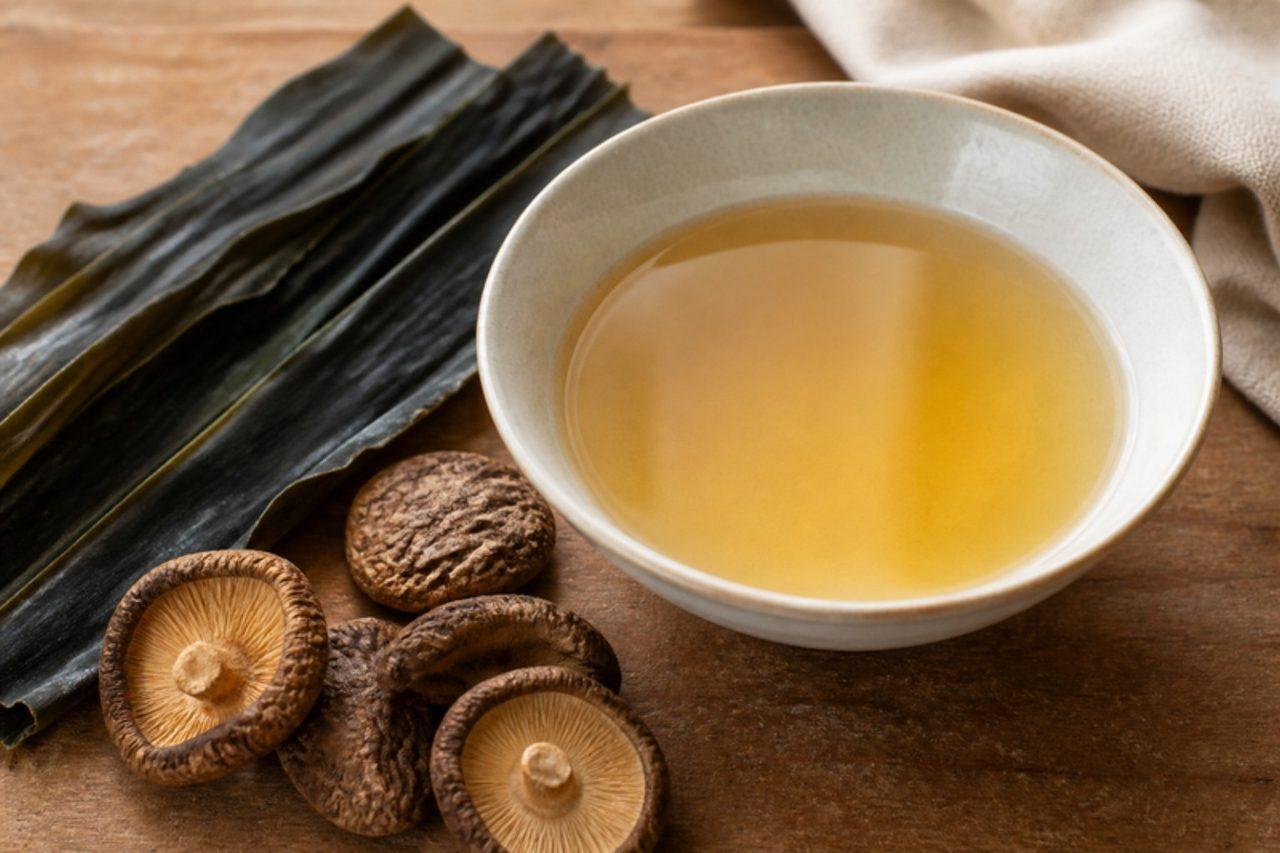
Shojin dashiKombu and shiitake stock

Zen temples in Kyoto and Kamakura build their whole cuisine on this stock: kombu kelp and dried shiitake soaked in cold water until the liquid turns golden and deeply savoury, with no bonito at all. It is the vegan dashi for miso soup, simmered vegetables, noodle broths and dipping sauces, and every vegetarian Japanese recipe on this site can use it. The common mistake is boiling the kombu, which releases slime and bitterness; it should never go beyond a gentle simmer, and taking it out just before boiling gives the cleanest flavour. Chef's tip: soak overnight in the fridge (mizudashi) for the best, roundest flavour with no effort, then keep the softened shiitake for a simmered dish.

by KrazyBadal 0 views

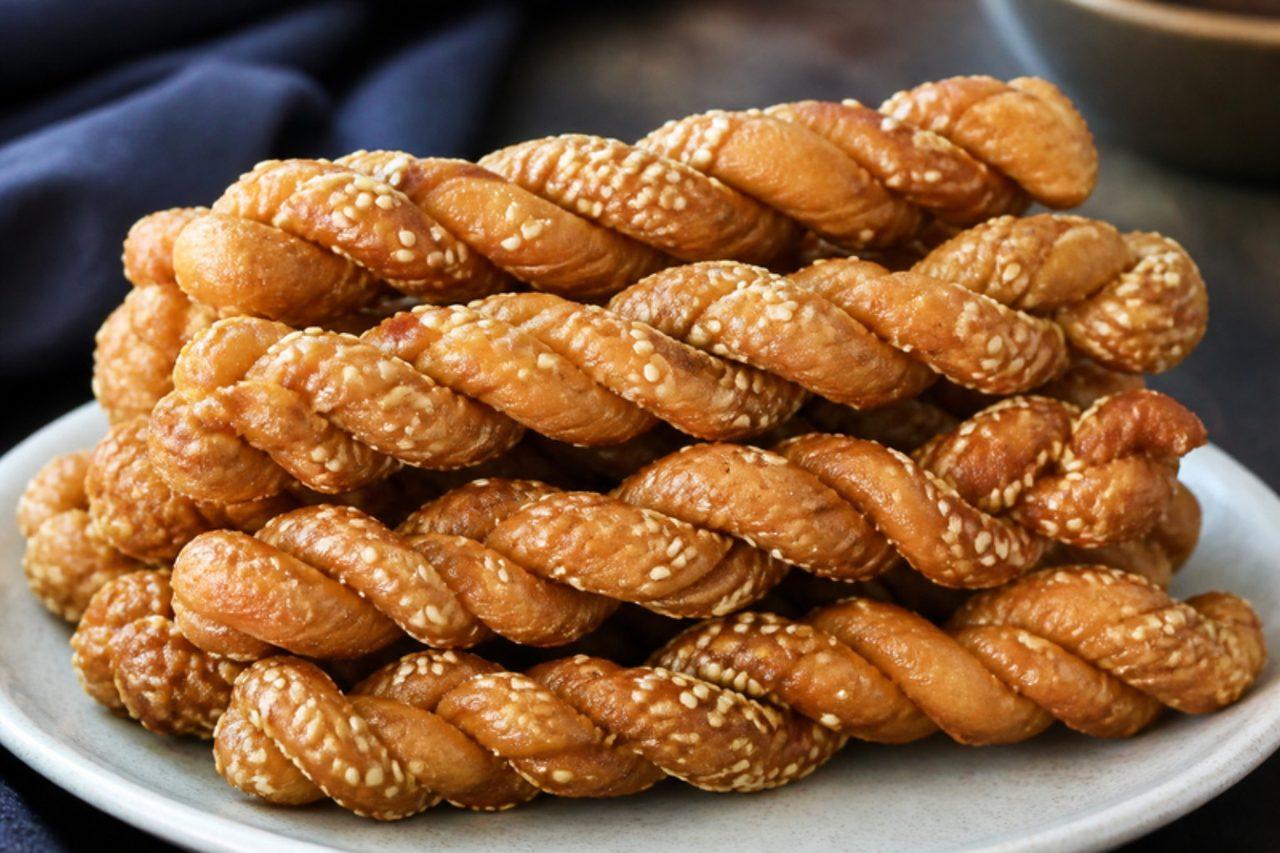
Mahua (crisp fried dough twists)

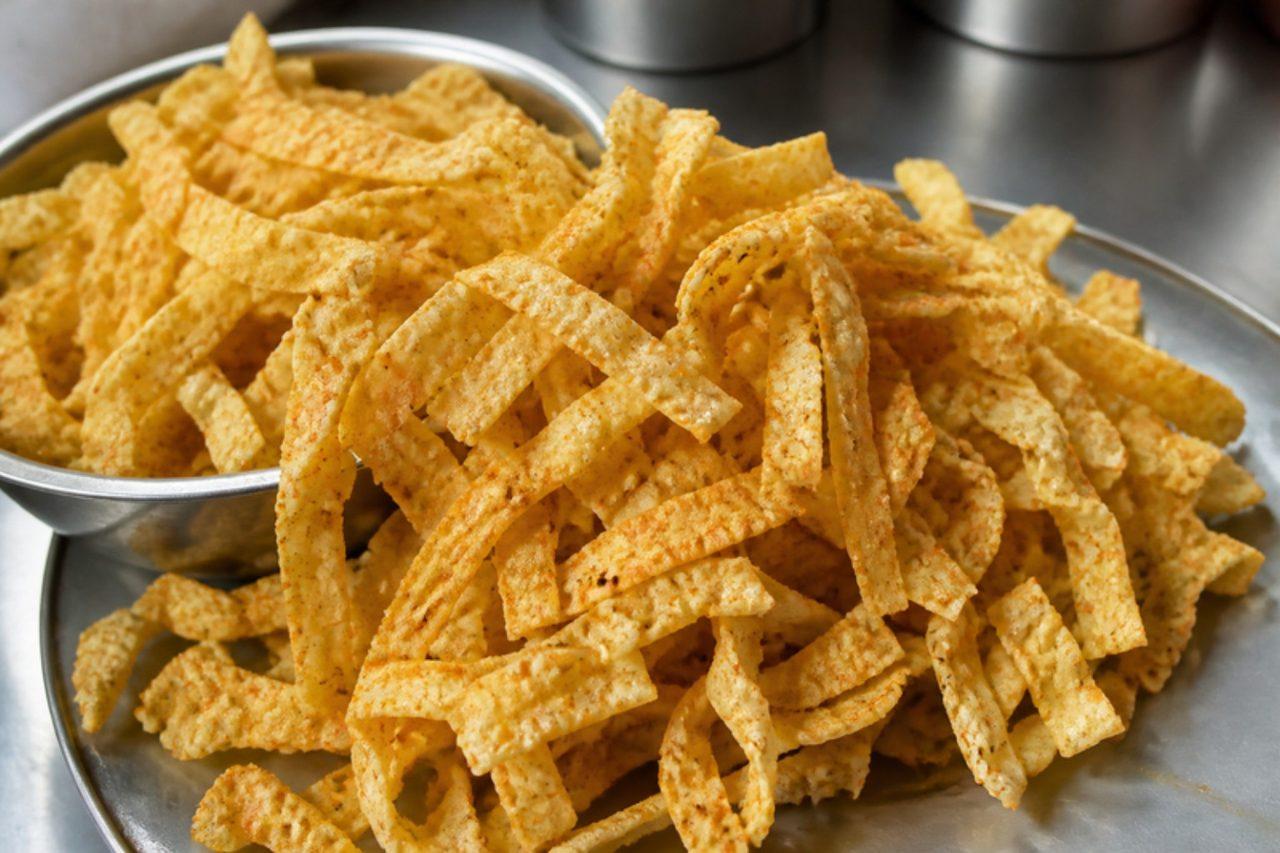
Tianjin in northern China is famous for mahua, and the shops on Guifaxiang street sell giant ones stuffed with candied fruit; but the everyday kind is a small, hard, golden twist sold in bags in every corner shop and eaten with tea or as a snack on the train. This home version is crisp right through with a little sweetness and toasted sesame. The common mistake is frying too hot: the outside browns while the thick twist stays doughy and raw in the middle. Keep the oil at about 160 °C and give them time. Chef's tip: let the shaped twists rest 10 minutes before frying so the dough relaxes; tight twists spring open in the oil.

by KrazyBadal 0 views

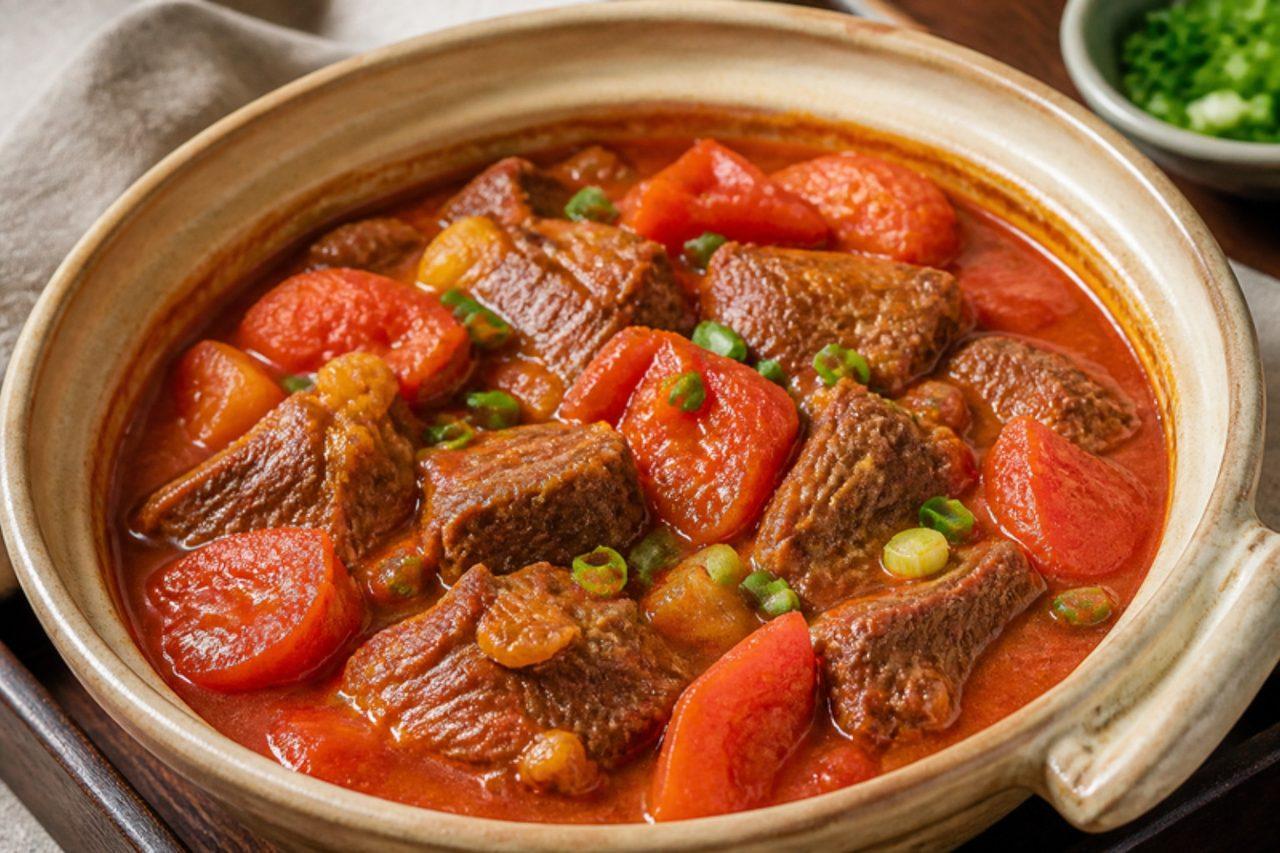
Tomato beef brisket (fan qie niu nan)

Many Cantonese families in Guangzhou and Hong Kong grew up on this pot of beef brisket stewed slowly with a mountain of tomatoes until the meat falls into soft, gelatinous chunks and the sauce turns rich, tangy and bright red; it's a weekend dish, served ladled over rice or noodles, and better still the next day. The mistake is using only fresh tomatoes and ending with a thin, pale sauce; a spoonful of tomato paste and a long simmer give it body and colour. Chef's tip: add half the tomatoes at the start to melt into the sauce and the rest for the last 30 minutes, so there are still soft pieces.

by KrazyBadal 0 views

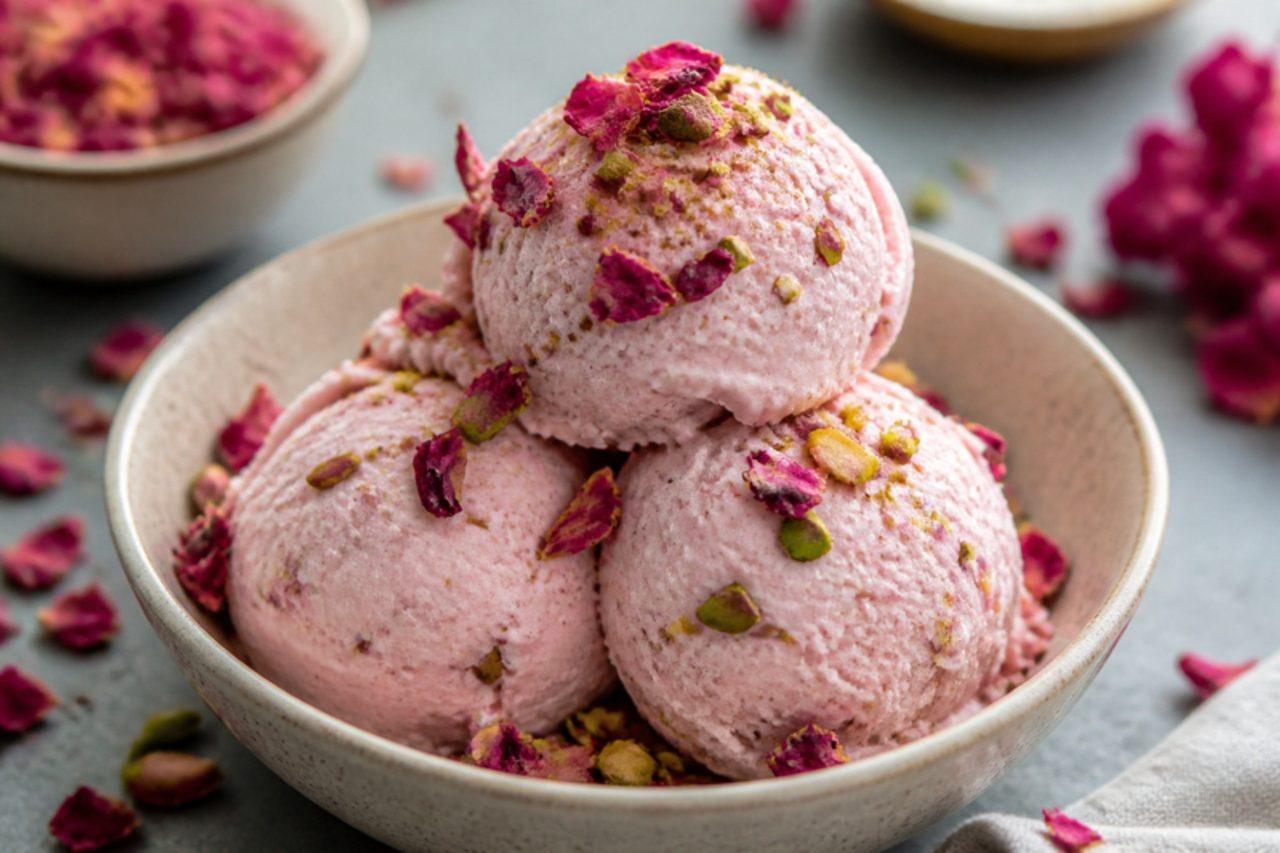
Gulkand ice creamRose petal ice cream

Gulkand, rose petals pounded with sugar and left to mature in the sun, is what gives a meetha paan its sweet floral heart, and Mumbai parlours and Delhi dessert shops have long turned it into a pink-flecked ice cream. This no-churn version needs no machine: whipped cream and condensed milk freeze smooth, and the gulkand stays in soft, jammy ribbons that taste of roses and honey. Serve it after a Mughlai dinner, at a summer party, or between slices of malpua. The common mistake is overwhipping the cream until grainy; then the ice cream feels buttery. Stop at soft, floppy peaks. Chef's tip: loosen the gulkand in the condensed milk before folding; stirred in on its own, it sinks as sticky clumps.

by KrazyBadal 0 views

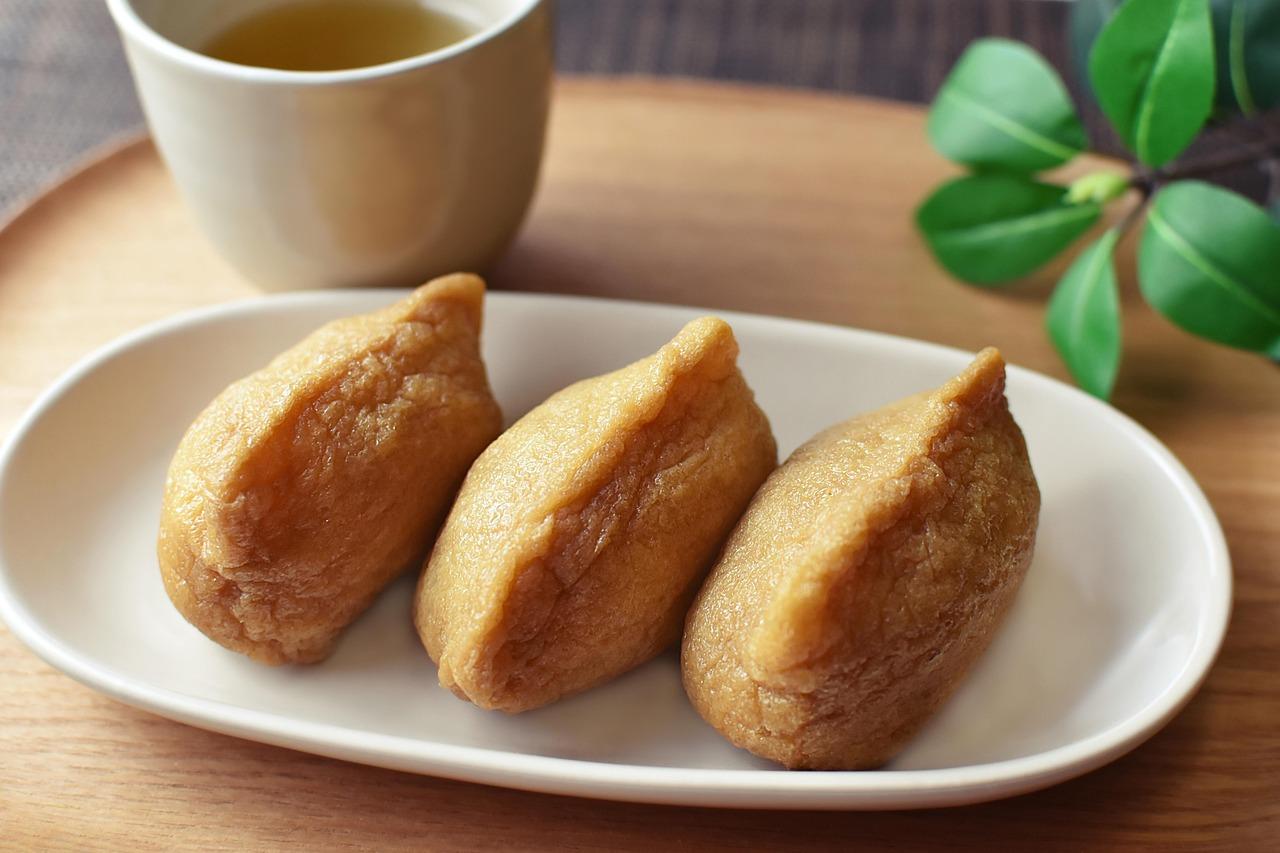
InarizushiTofu pouch sushi

Named after the Inari shrines, whose fox messengers are said to love fried tofu, inarizushi are sold by the dozen in Tokyo department-store food halls and packed for school sports days, picnics and long train rides. Thin aburaage pouches are simmered in a sweet soy broth, then filled with vinegared rice and sesame, giving a juicy, sweet-salty bite. Mirin contains alcohol; see the note for an alcohol-free swap. The common mistake is squeezing the pouches dry after simmering; leave them moist so they stay juicy, but drain them enough that they don't drip. Chef's tip: roll a chopstick firmly over each sheet before cutting it, which loosens the layers so the pouch opens without tearing.

by KrazyBadal 0 views

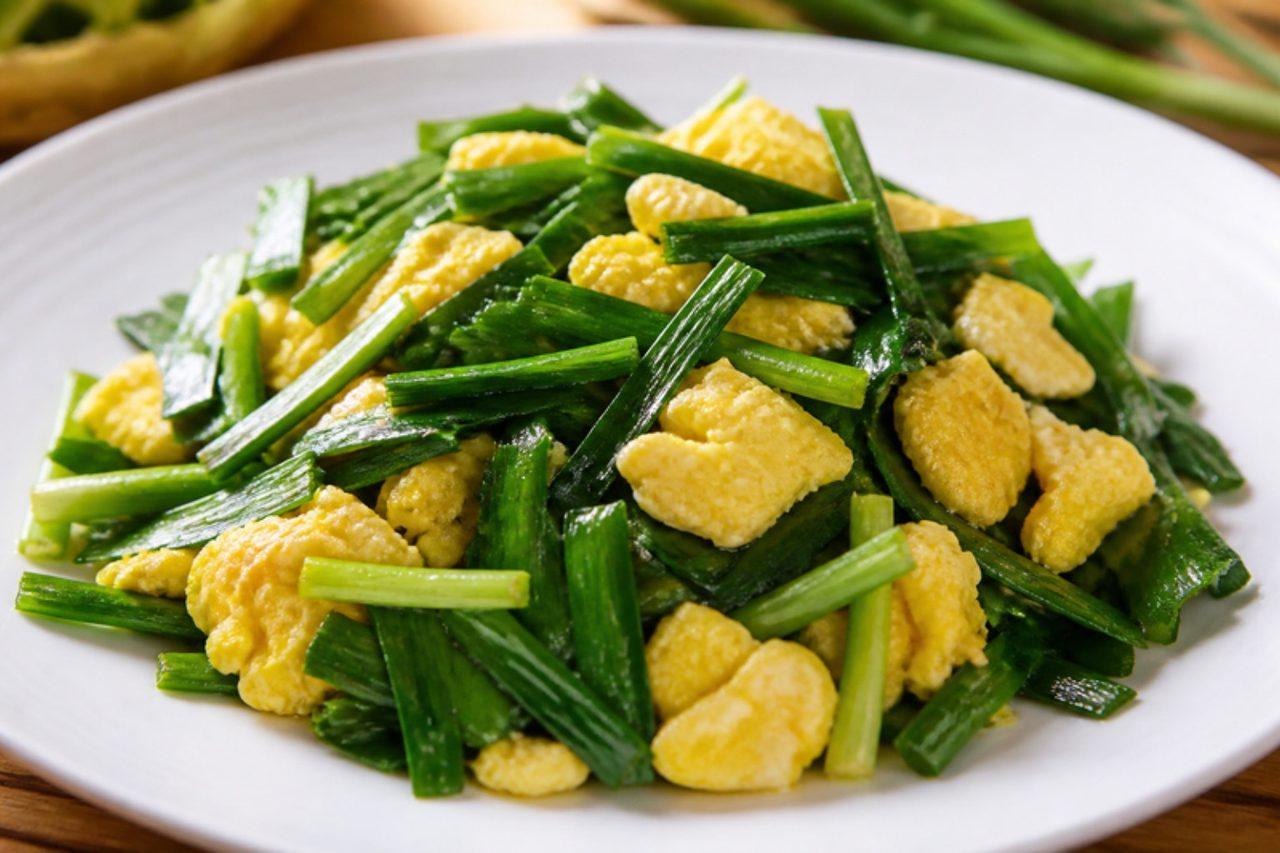
Chive and egg stir-fry

From Shandong farmhouses to student kitchens in Guangzhou, garlic chives fried with egg is one of the first dishes a Chinese child learns to cook and one of the last things a busy parent forgets how to make. The flat chives turn sweet and garlicky in the hot oil and the egg stays in soft, golden curds. It is on the table at ordinary weeknight dinners with rice and a soup, and is also the filling of many chive pockets and dumplings. The most common mistake is cooking the chives and egg together from the start, so the eggs go rubbery while the chives are still raw; cook them separately and bring them together at the end. Chef's tip: dry the chives well after washing, because water in the wok makes them limp and grey.

by KrazyBadal 0 views

Yaki nasuGrilled aubergine

Summer evenings in Japanese homes and izakaya often bring a plate of yaki nasu: whole aubergines blackened over a flame until the skin is burnt and the inside collapses into smoky, silky strands. Peeled while hot, they are served chilled or warm with grated ginger, soy and spring onion. The classic topping is bonito flakes; this vegetarian version uses toasted sesame and a kombu–shiitake dashi in the dressing instead. The common mistake is pulling the aubergine off the flame too early, leaving a firm, bitter centre; it should feel completely floppy. Chef's tip: plunge the charred aubergines into iced water for a few seconds only, which makes them easy to peel without washing away the smoky flavour.

by KrazyBadal 0 views

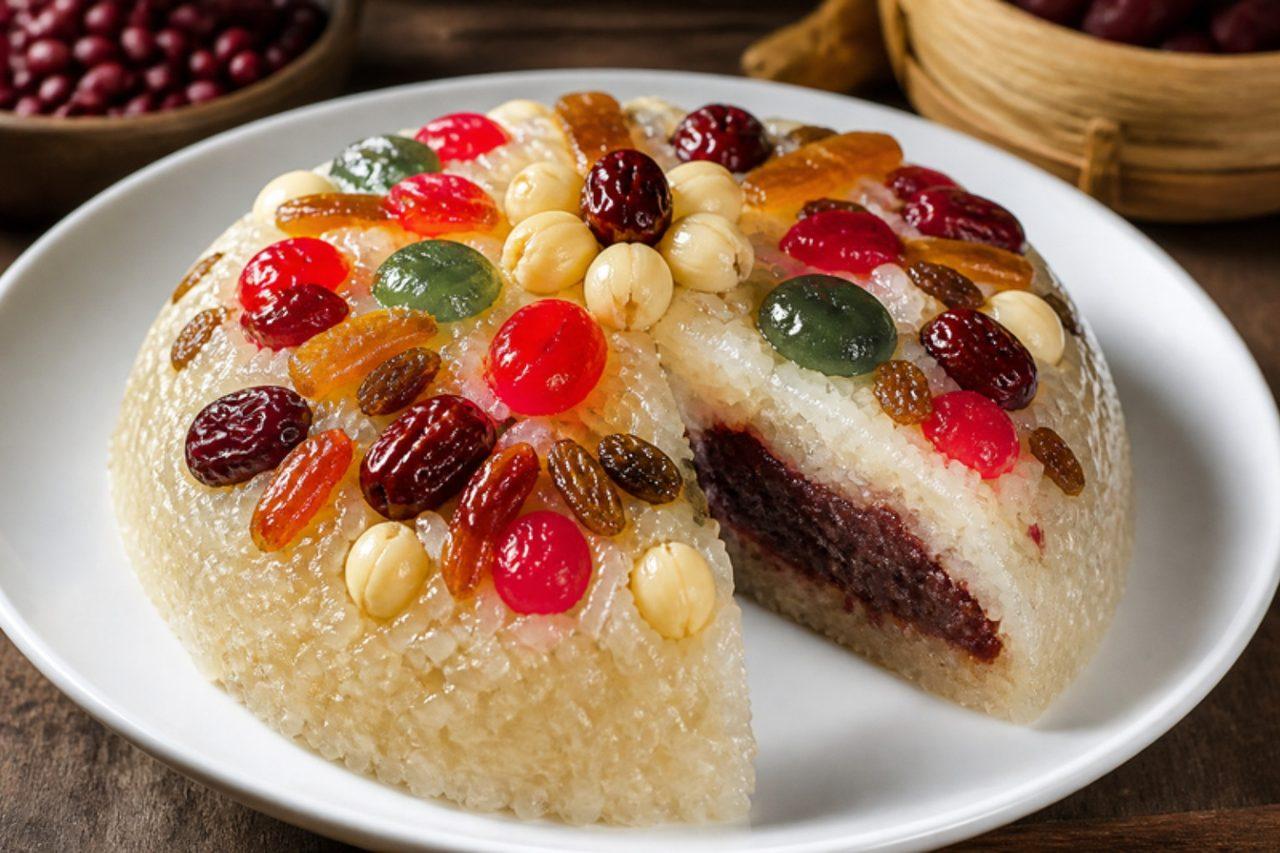
Eight treasures rice

On New Year's Eve in Shanghai and the towns of Jiangnan, the reunion dinner ends with a dome of sticky rice turned out onto a plate, its top patterned with red dates, raisins, goji berries, walnuts and lotus seeds, and a heart of sweet red bean paste. A glossy syrup goes over just before it reaches the table. Older recipes use lard; this one uses neutral oil, so it is vegan. The usual mistake is undercooking the rice at the first steaming: if it is still chalky before shaping, it never turns tender. Chef's tip: pack the fruit pattern into the bowl first and press the rice firmly over it, so the design comes out sharp.

by KrazyBadal 0 views

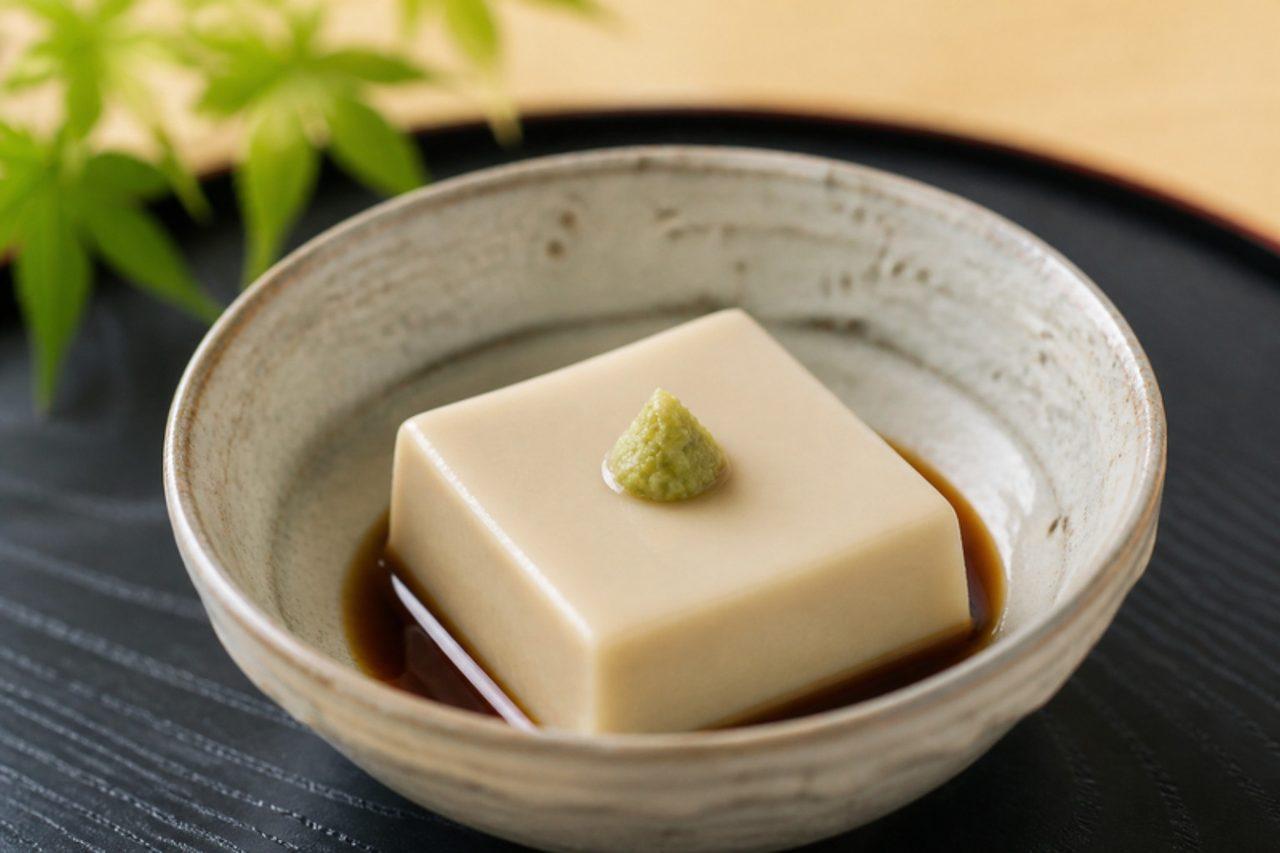
Goma dofuSesame tofu

Despite its name, goma dofu contains no soybeans: it is a pale, wobbly block of ground sesame and water, set with kudzu starch, and it is the signature dish of the temple lodgings on Mount Kōya in Wakayama, served at breakfast and at the start of shojin ryori meals. It has a bouncy, almost mochi-like texture and a deep, toasty sesame flavour, eaten with a dab of wasabi and soy. The common mistake is stopping the stirring too soon: it must be beaten hard over the heat for a full 15 minutes, or it sets soft and pasty instead of springy. Chef's tip: use pure white sesame paste (neri goma) rather than tahini if you can; it is more roasted and gives a richer, creamier flavour.

by KrazyBadal 0 views

Kenchin jiruRoot vegetable and tofu soup

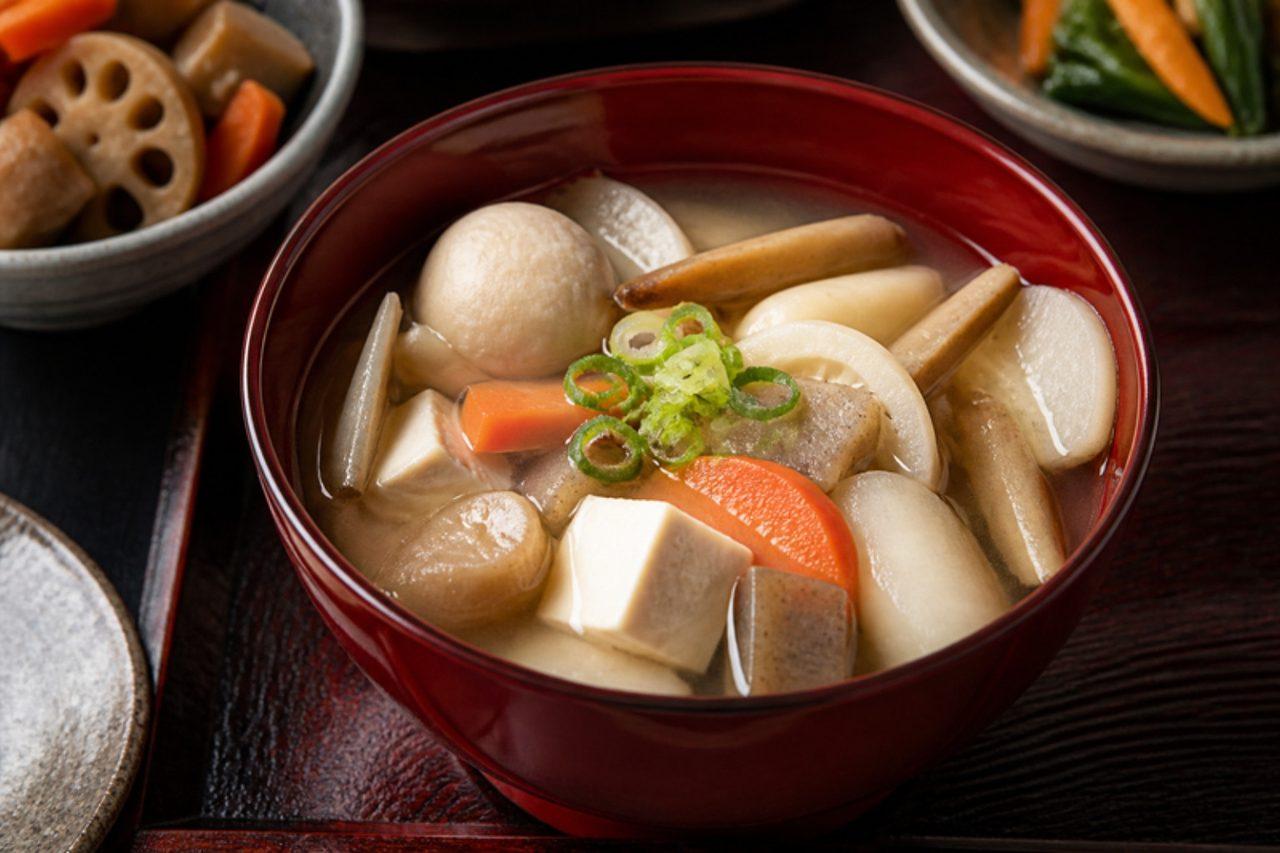
This hearty, clear soup is said to have been created at Kenchō-ji, the great Zen temple in Kamakura, where monks fried scraps of root vegetables and crumbled tofu in sesame oil before simmering them, so nothing was wasted. Today it is a winter staple in Kanto homes, especially in Ibaraki and Kanagawa: soft daikon, carrot, burdock, taro and konnyaku in a soy-seasoned kombu broth, nutty with sesame. A spoon of sake goes in at the end and simmers off; the note gives an alcohol-free swap. The common mistake is skipping the frying stage; it is the sesame oil that gives kenchin its richness. Chef's tip: tear the konnyaku and tofu with your hands instead of cutting, so the rough surfaces catch more broth.

by KrazyBadal 0 views

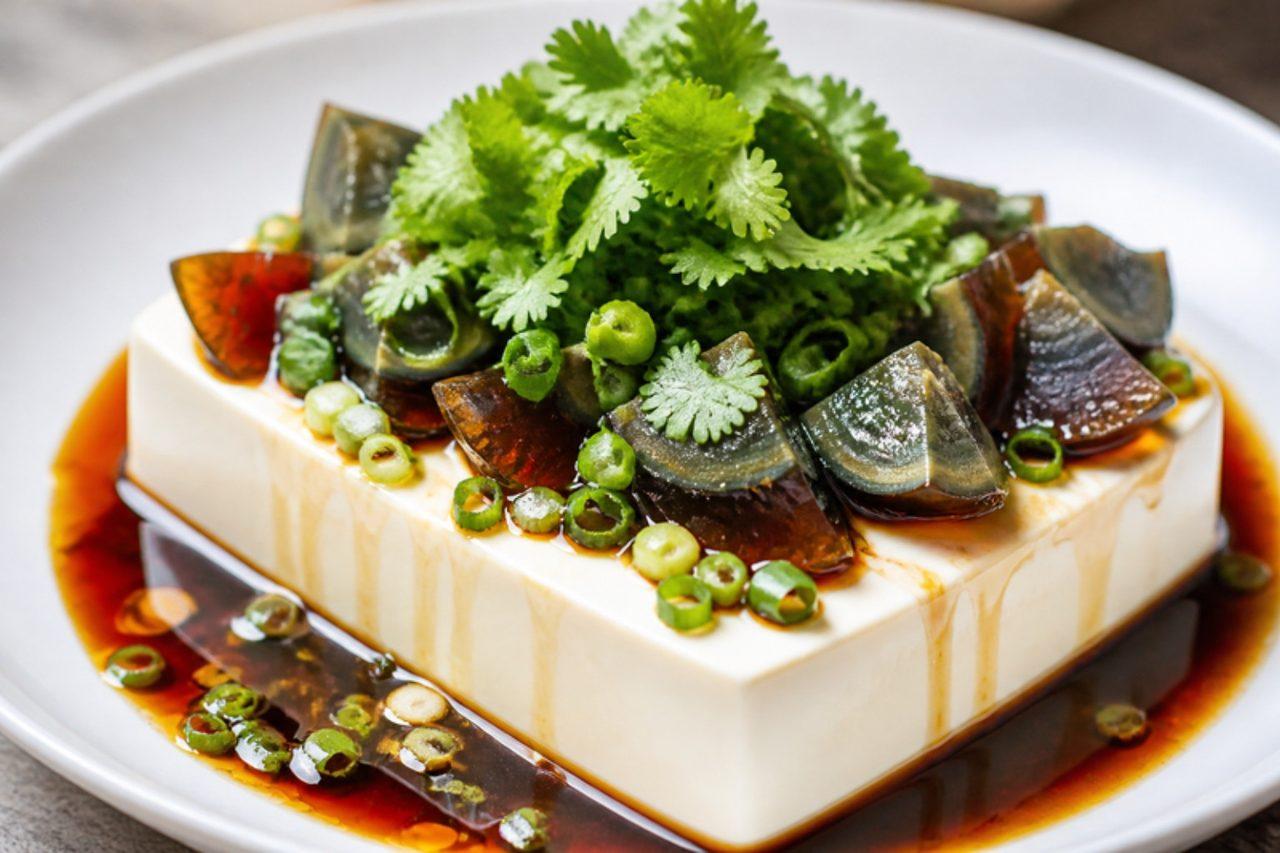
Pidan tofu (century egg tofu)Silken tofu with century egg

This cold plate is a summer standby in homes from Shanghai to Taipei and turns up in nearly every Sichuan and Hunan restaurant as a starter: a block of chilled silken tofu, chopped century egg with its amber white and creamy dark-green yolk, and a sharp dressing of soy, black vinegar and sesame oil. It is cool, silky and deeply savoury, and takes ten minutes. Eat it before a meal or with rice and porridge. Buy century eggs from a shop that sells them labelled lead-free; they are fully preserved and need no cooking. The mistake to avoid is skipping the drain, because water seeping out of the tofu dilutes the dressing into a puddle. Chef's tip: chill the eggs before peeling and cut them with a knife dipped in water, or with thread, so the soft yolk doesn't smear.

by KrazyBadal 0 views

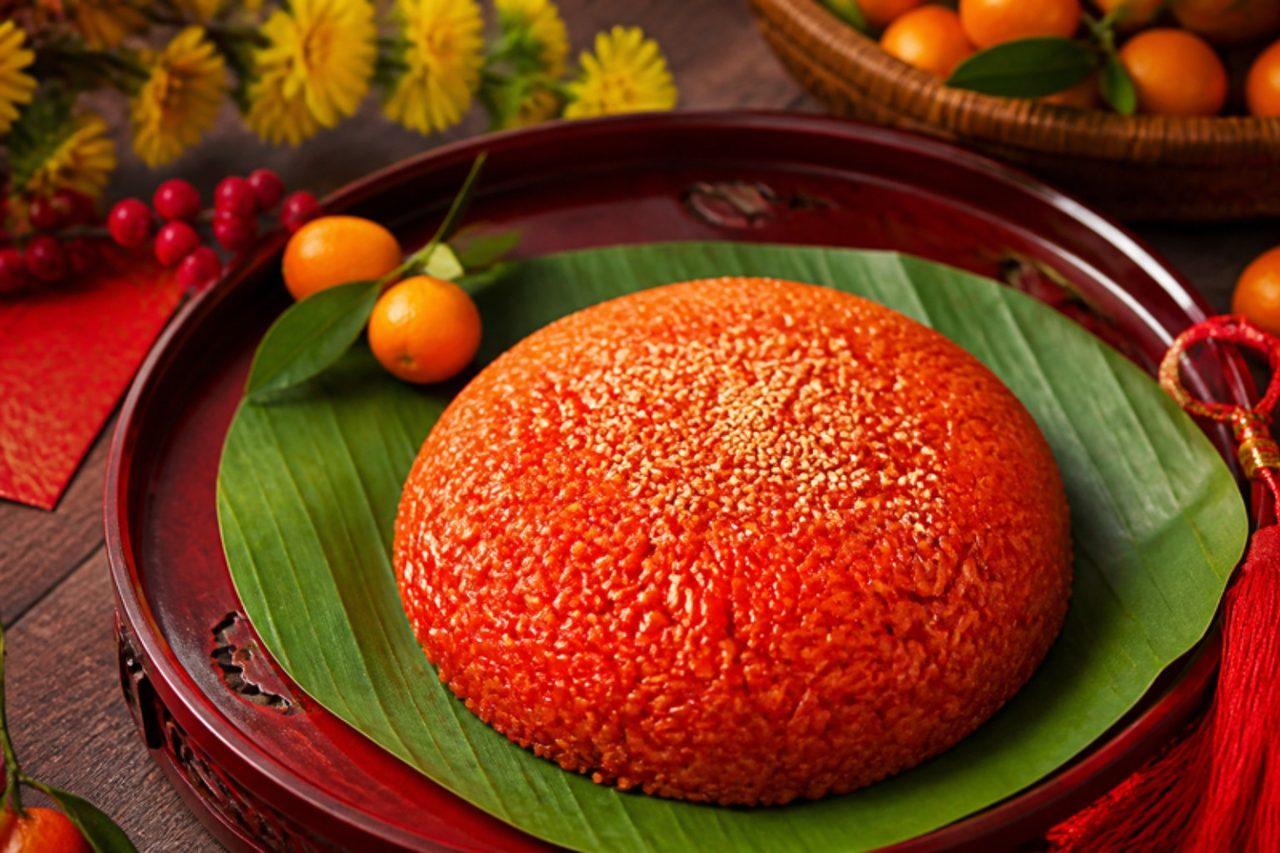
Xôi gấc (red gấc sticky rice)

On the first morning of Tết, and again at weddings and ancestor offerings, northern families set a dome of brilliant red xôi gấc on the altar: red for luck, sticky for a family that holds together. The colour comes from the arils of the spiky gấc fruit, which also gives a faint, melon-like sweetness, and coconut milk makes the grains rich and shiny. Frozen gấc pulp from Asian grocers works perfectly. Serve it warm, pressed into moulds, with a little sugar and toasted sesame, or beside giò lụa. Chef's tip: soak the rice for at least 6 hours; unsoaked glutinous rice stays chalky in the middle however long you steam it.

by KrazyBadal 0 views

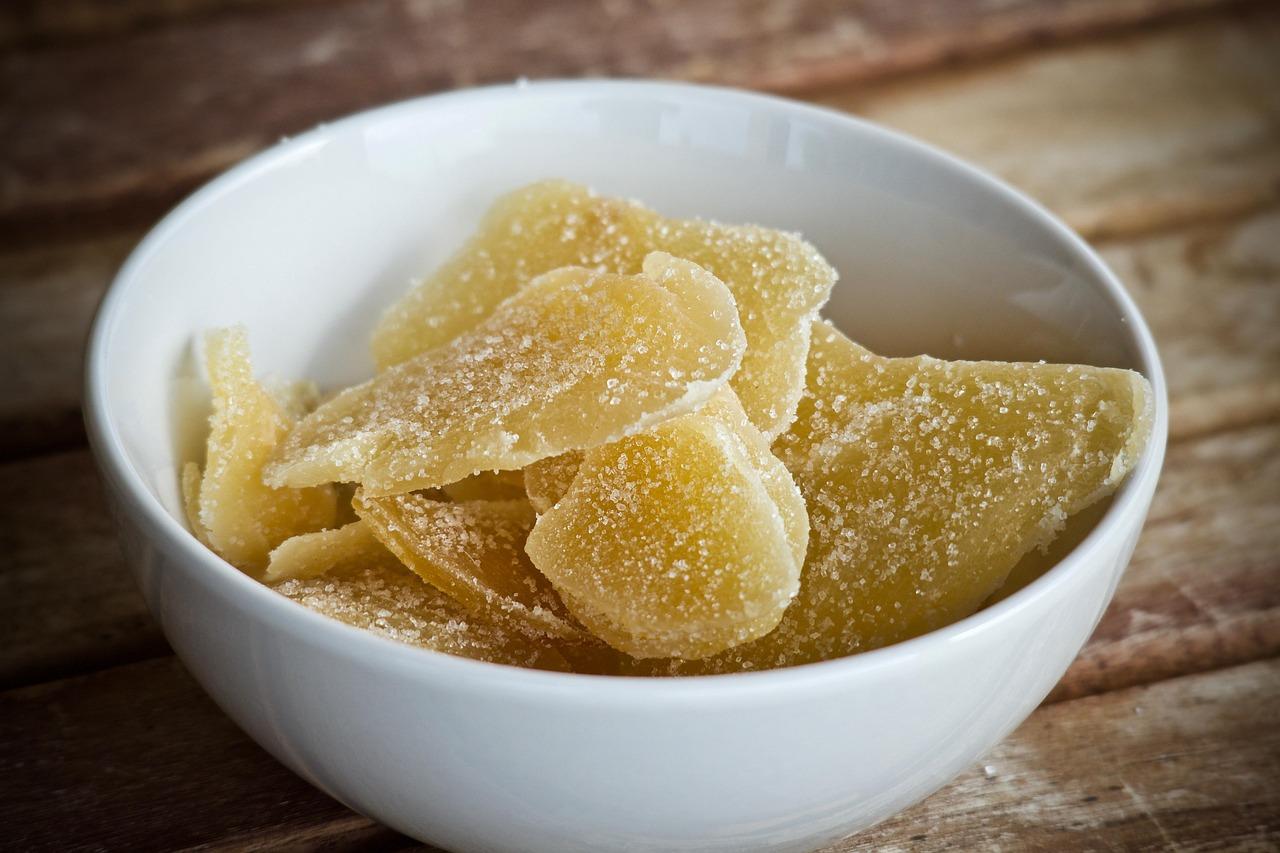
Mứt gừng (candied ginger)

Hanoi grandmothers hand out mứt gừng in the cold, damp days of Tết as much for warmth as for sweetness: each slice is sugary at first, then hot and spicy. The northern style uses plump young ginger, soaked to tame its fire, then candied until each slice is bright yellow and frosted white. It sits on the New Year tray with candied coconut, lotus seeds and roasted watermelon seeds, and goes with a pot of green tea. Chef's tip: choose young, smooth-skinned ginger and slice it thinly across the grain; old fibrous ginger stays stringy and painfully hot.

by KrazyBadal 0 views

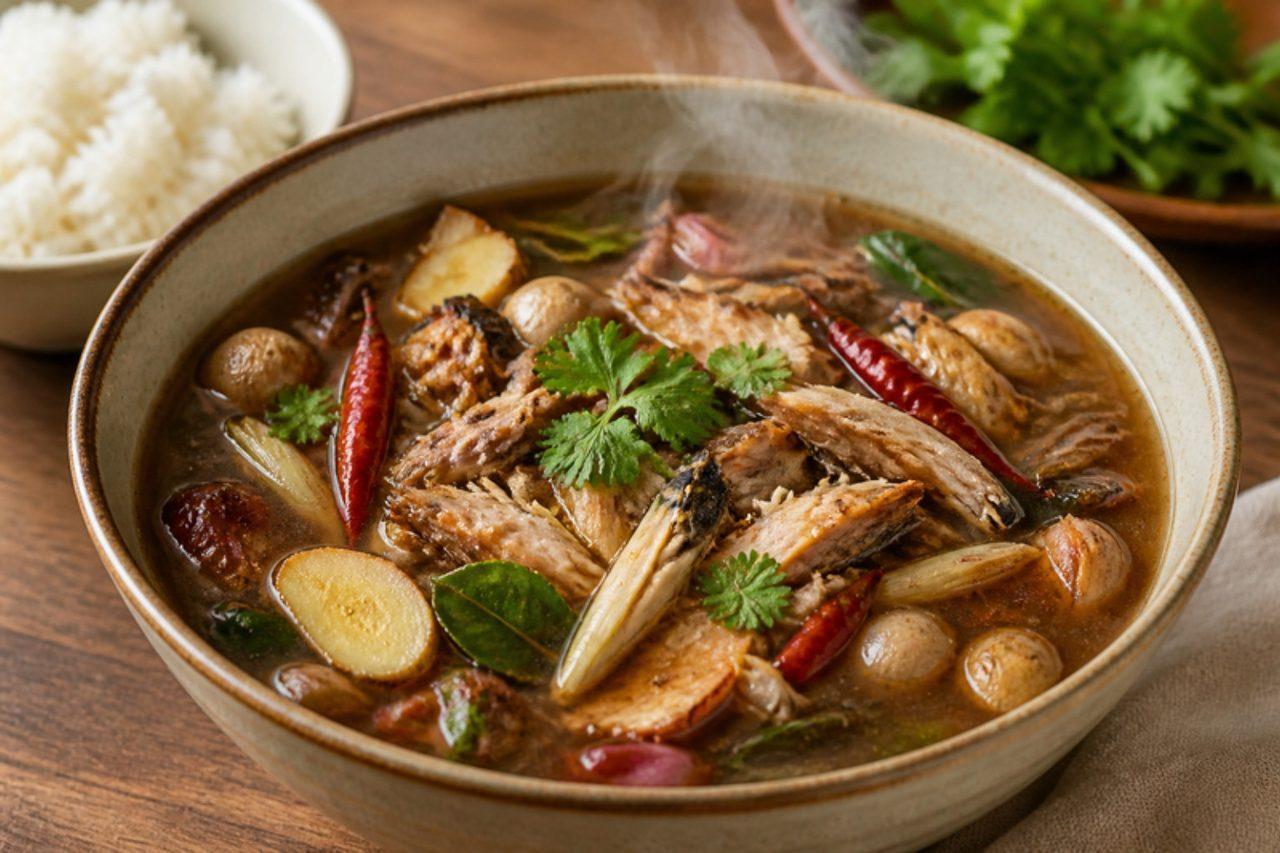
Tom klong (smoky sour dried-fish soup)

Tom klong is the older, rustic cousin of tom yum, cooked in central Thai homes along the rivers of Suphan Buri and Ang Thong, where fish was dried and smoked to keep through the rains. Shallots, garlic and dried chillies are charred first, then simmered with tamarind, lemongrass and galangal, and smoked dried fish turns the clear broth deep and savoury. It is sour, smoky and hot, eaten with rice and a plain omelette. Look for dried smoked fish (pla krob or pla salid) in Asian grocers, or use smoked mackerel. Chef's tip: grill the aromatics until blackened in patches; pale, raw shallots give a thin soup without the smoke that defines it.

35 minThaiSoupsGluten freeSpicy
by KrazyBadal 0 views

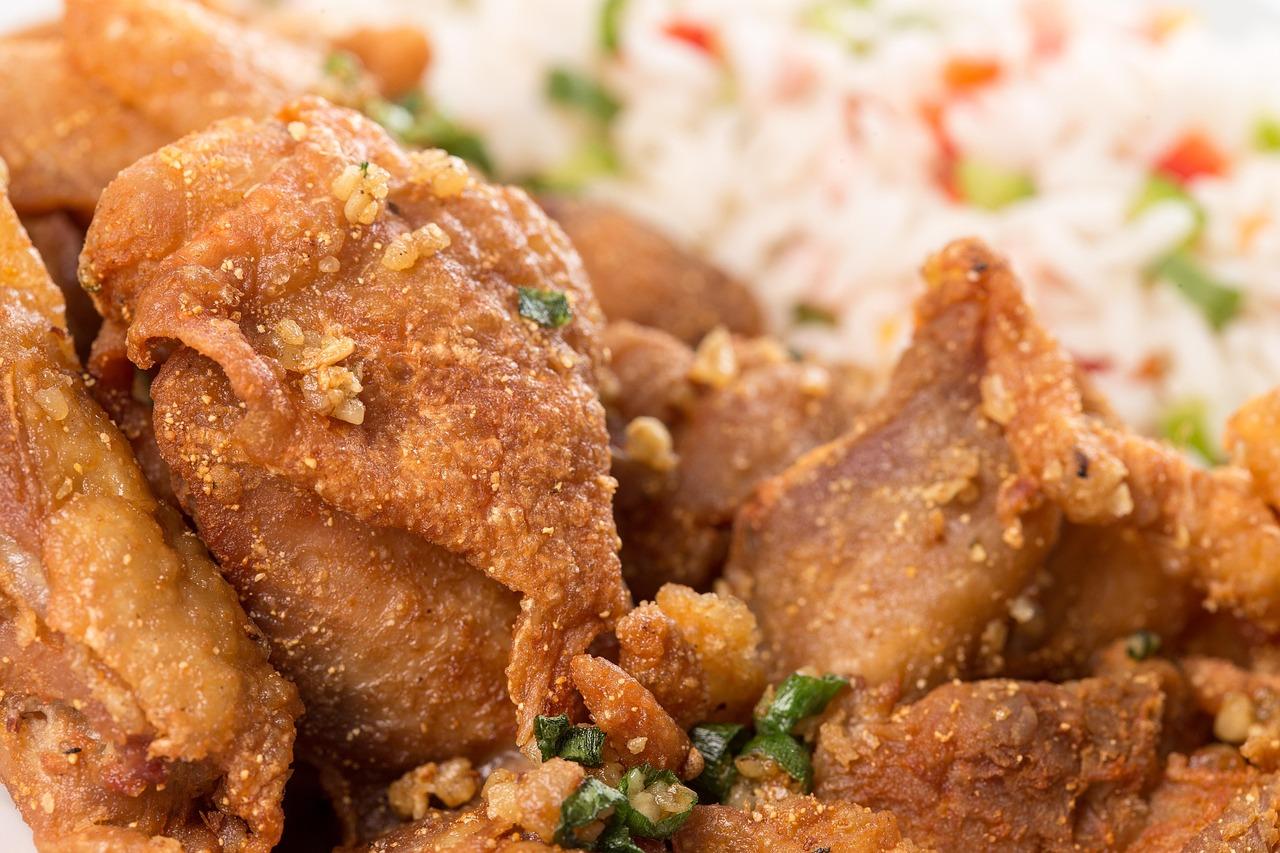
Frango a passarinhoFried chicken pieces with garlic

Chopped into bite-sized, bird-sized pieces, which is where the name comes from, this fried chicken is the dish Brazilians order by the plate in botecos from Belo Horizonte to Porto Alegre, usually with cold beer and plenty of napkins. The bone-in pieces soak in lime and garlic, are dusted in cornflour and fried until the skin crackles, then are buried under a shower of crisp fried garlic and parsley. Chef's tip: fry the garlic slices on a low heat and pull them out the moment they turn pale gold, as they keep darkening off the heat.

by KrazyBadal 0 views

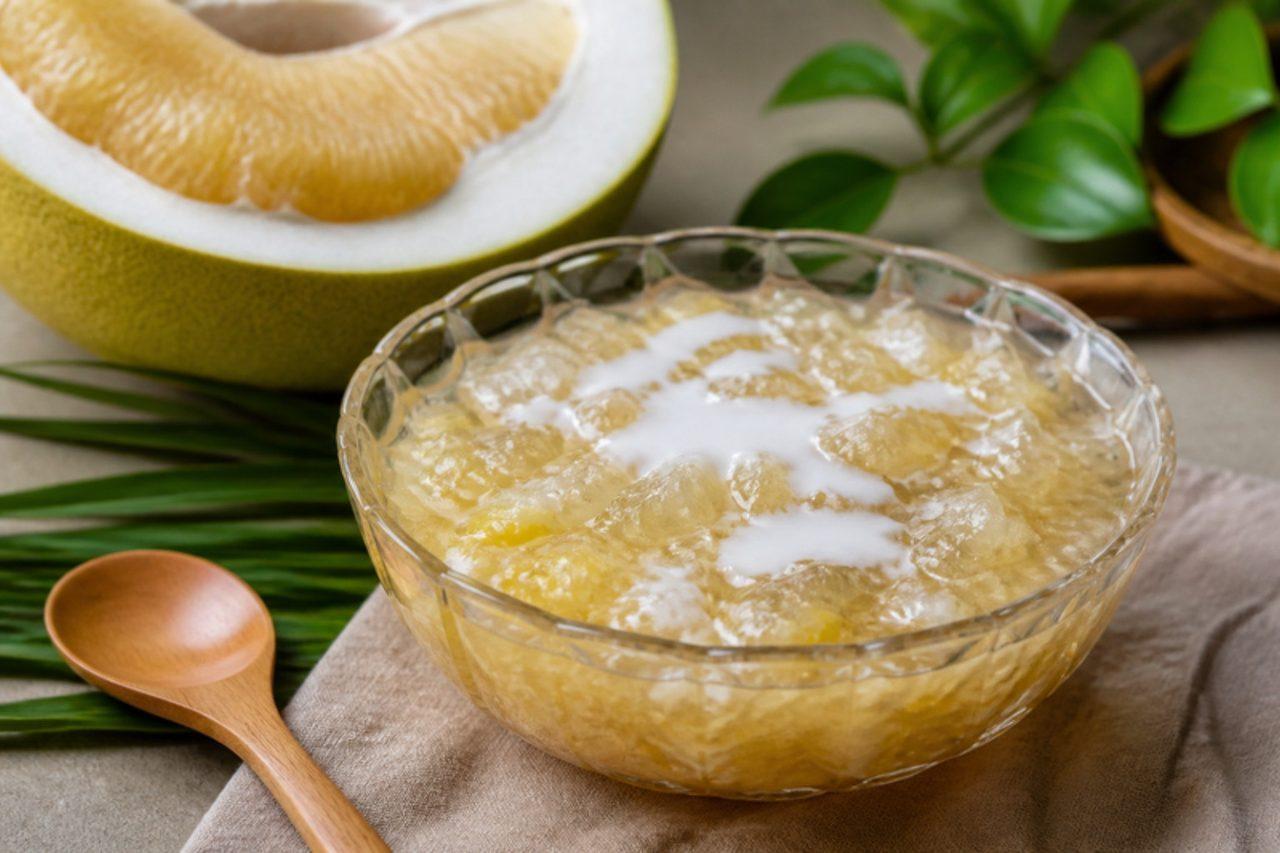
Chè bưởi (pomelo pith pudding)

Cần Thơ and Vĩnh Long, deep in the Mekong Delta's pomelo country, turn the thick white pith of the fruit into this thrifty, much-loved sweet soup. After salting and rinsing away its bitterness, the pith is coated in tapioca starch and cooked into clear, crunchy-chewy nuggets, served with soft split mung beans and a swirl of coconut milk. Sold at Saigon chè stalls, it is eaten cold or warm. Chef's tip: wash and squeeze the salted pith in several changes of water until it tastes neutral; one rinse leaves the whole pot bitter.

by KrazyBadal 0 views

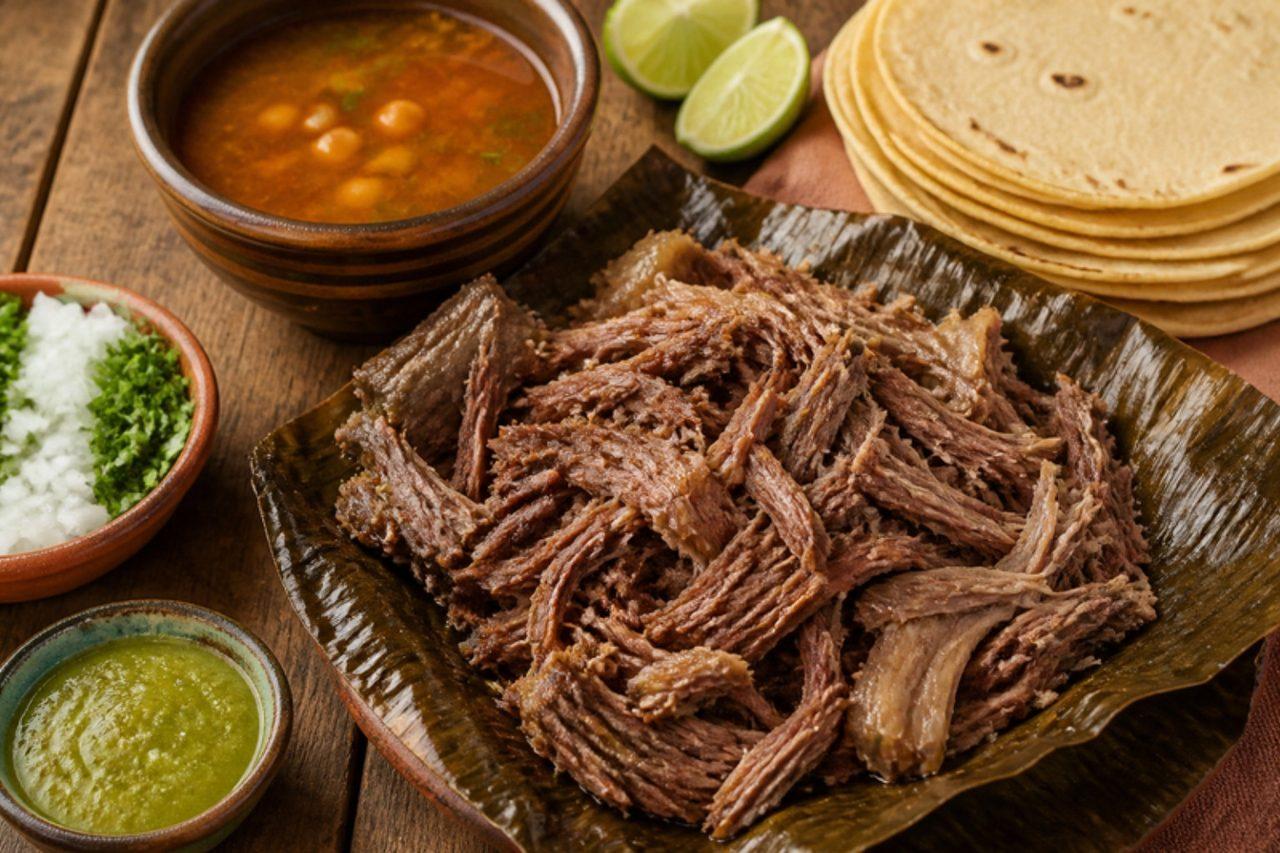
Barbacoa de borregoSlow-cooked lamb

In Actopan and the towns of Hidalgo, Sunday starts with barbacoa: lamb wrapped in maguey leaves and cooked overnight in an earth pit, with a pot underneath catching the juices for a rich consommé of chickpeas, rice and guajillo. This home version wraps lamb shoulder in banana leaves and cooks it low and slow in the oven over the consommé. The meat is pulled into tacos with onion, cilantro and salsa, and the broth is sipped alongside. Chef's tip: seal the pot well with foil under the lid so no steam escapes; the lamb should cook in its own vapour.

450 minMexicanMeatGluten free
by KrazyBadal 0 views

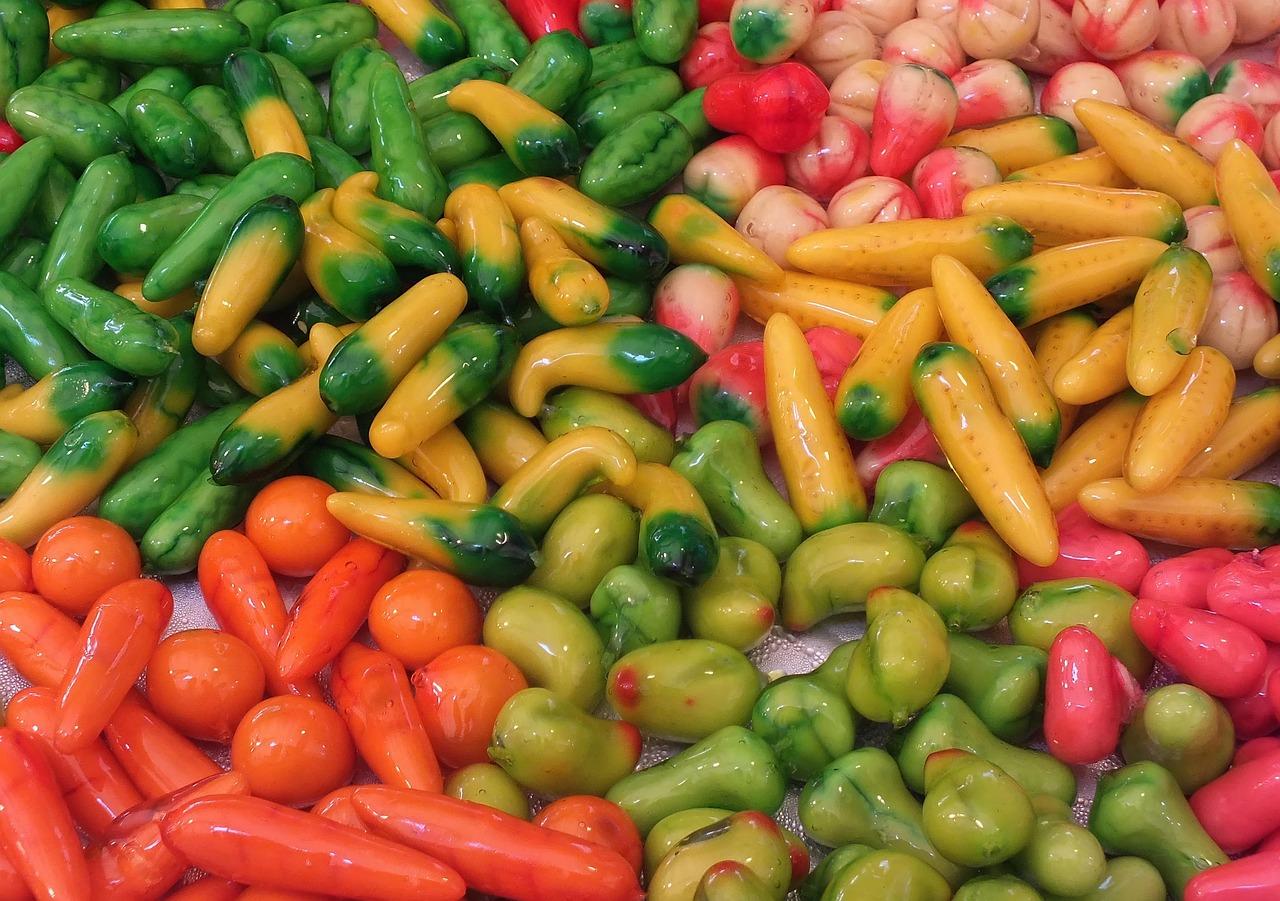
Look chupMung bean fruit sweets

Once made in the palace kitchens of Ayutthaya, these miniature chillies, mangosteens and mangoes now fill gift boxes in Bangkok bakeries for weddings, merit-making and Mother's Day. The inside is a smooth, sweet paste of mung beans and coconut milk; the outside is a thin, shiny skin of jelly, so each one tastes a little like marzipan in a glass coat. Making them is an afternoon project best shared. Chef's tip: a paste that is too wet won't hold a shape and slides off the stick; cook it until it pulls away from the pan in one soft ball.

150 minThaiDessertsVeganGluten free
by KrazyBadal 0 views

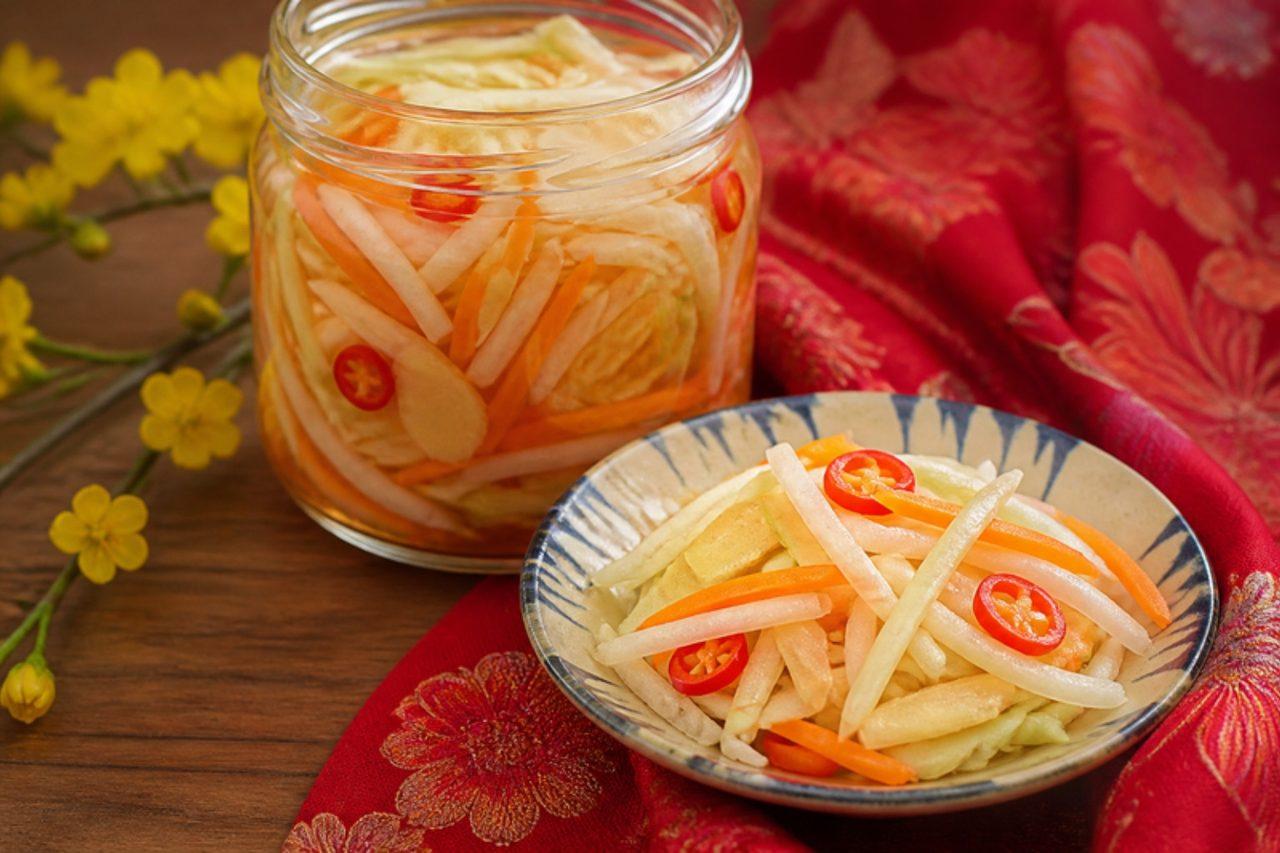
Dưa món chay (Tết pickled vegetables)

In the Mekong Delta, the week before Tết means trays of papaya, daikon and carrot strips drying in the sun on every balcony, to be packed into jars for dưa món. The drying makes the vegetables wonderfully crunchy and lets them drink up a sweet, salty brine. Families eat a little alongside thịt kho trứng and bánh tét to cut the richness over the holiday. The classic brine uses fish sauce; this one uses tamari, which keeps it vegan and gives a deep amber colour. Chef's tip: dry the strips until they bend like leather; damp vegetables go soft and cloudy in the jar.

by KrazyBadal 0 views

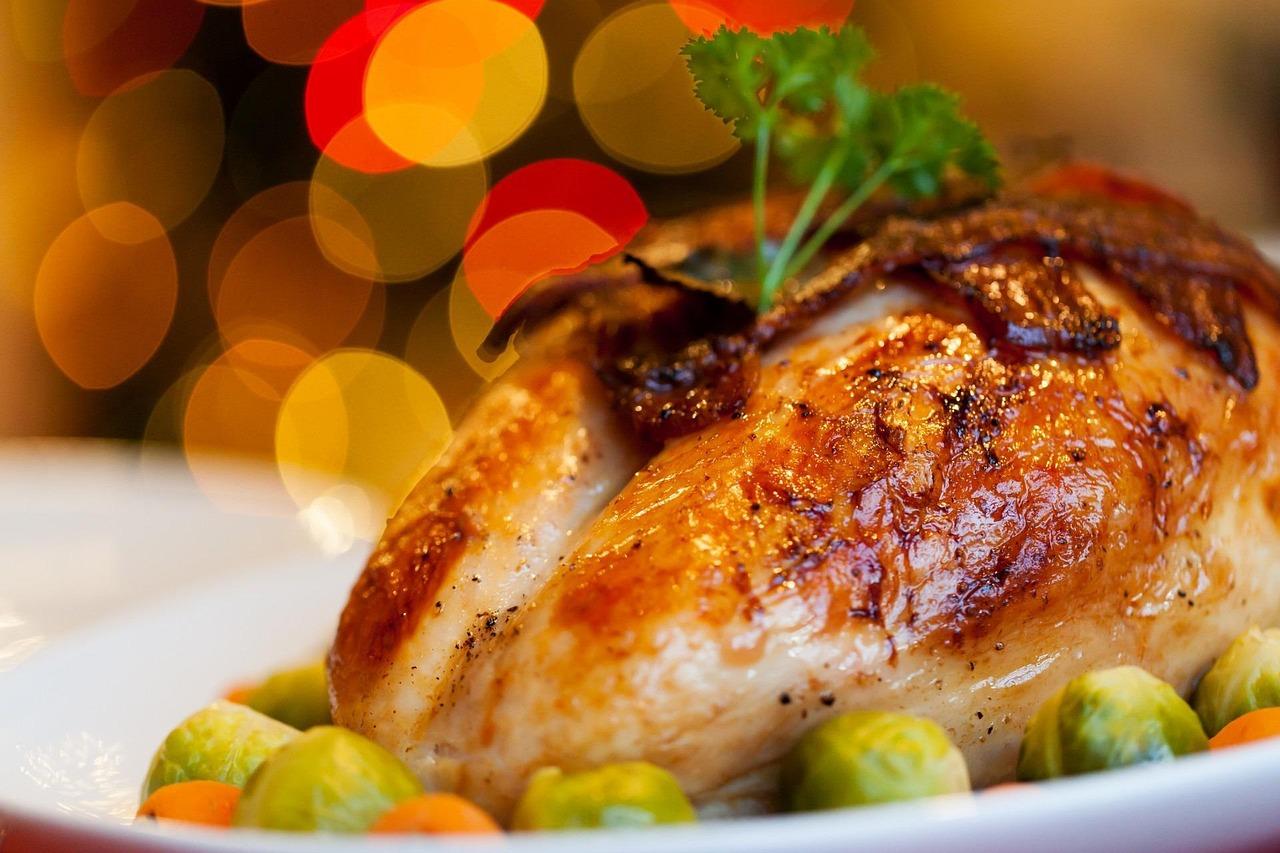
Peru de NatalChristmas roast turkey

For many Brazilian families the ceia de Natal, eaten late on Christmas Eve, is built around a glossy roast turkey surrounded by farofa, rice and fruit. The bird is marinated for a day in garlic, onion, lime, herbs and dry white wine, then roasted slowly under foil so it stays moist. The marinade traditionally contains wine; for an alcohol-free version swap it for the same amount of unsweetened apple juice with 2 tablespoons of white wine vinegar. Chef's tip: trust a meat thermometer in the thickest part of the thigh, not the clock or a pop-up timer.

by KrazyBadal 0 views

Bánh gối (pillow pastries)Fried pork pastries

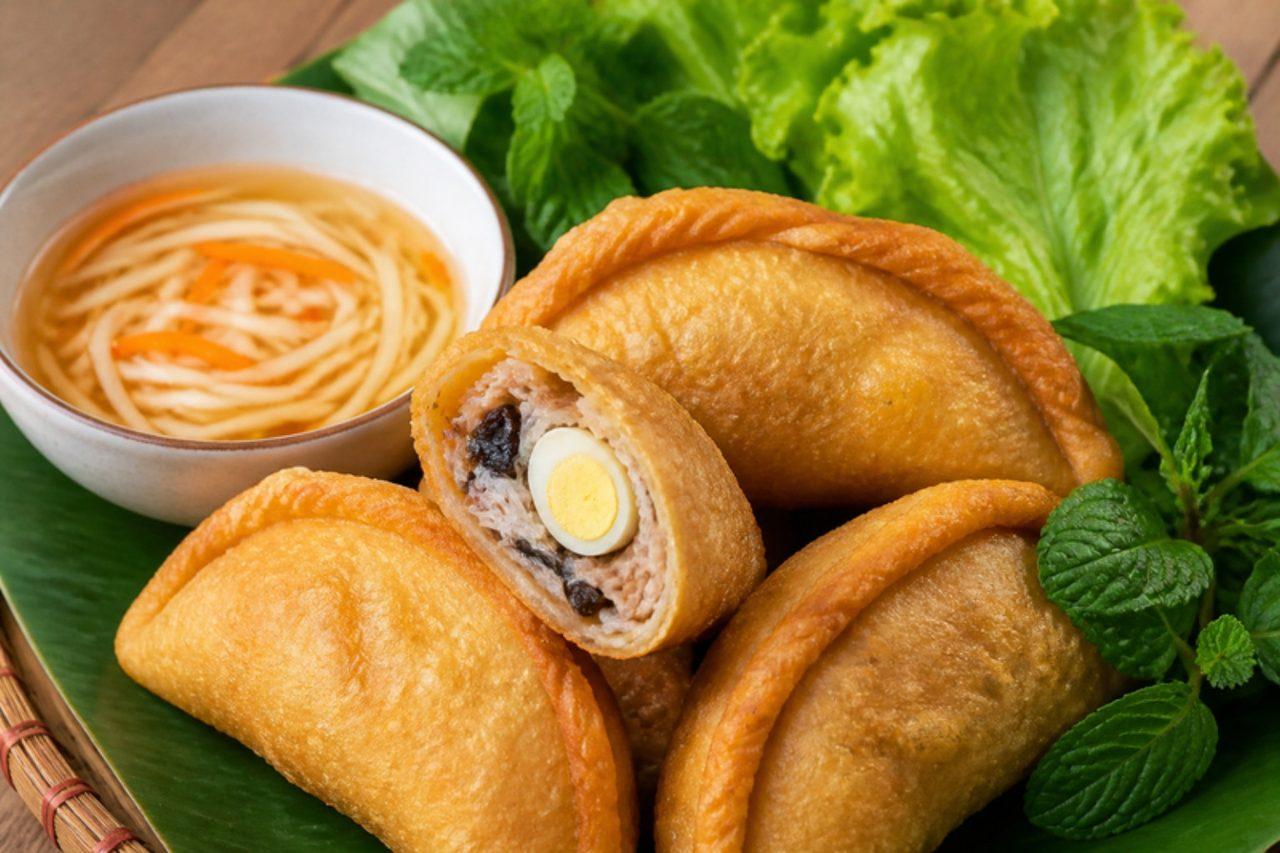
Along Lý Quốc Sư street in Hanoi's Old Quarter, bánh gối come out of the fryer puffed and blistered, piled on trays beside spring rolls, and are eaten with a sweet-sour dip full of pickled green papaya and carrot. Each 'pillow' is a thin wheat pastry folded around minced pork, mung bean vermicelli, wood ear mushroom and half a quail egg. They are an afternoon snack in the cold months, eaten while the pastry is still shatteringly crisp. Chef's tip: seal the edges with a little water and press out the air; trapped air makes the pastries burst open in the oil.

by KrazyBadal 0 views

Canh khổ qua nhồi thịt (stuffed bitter melon soup)

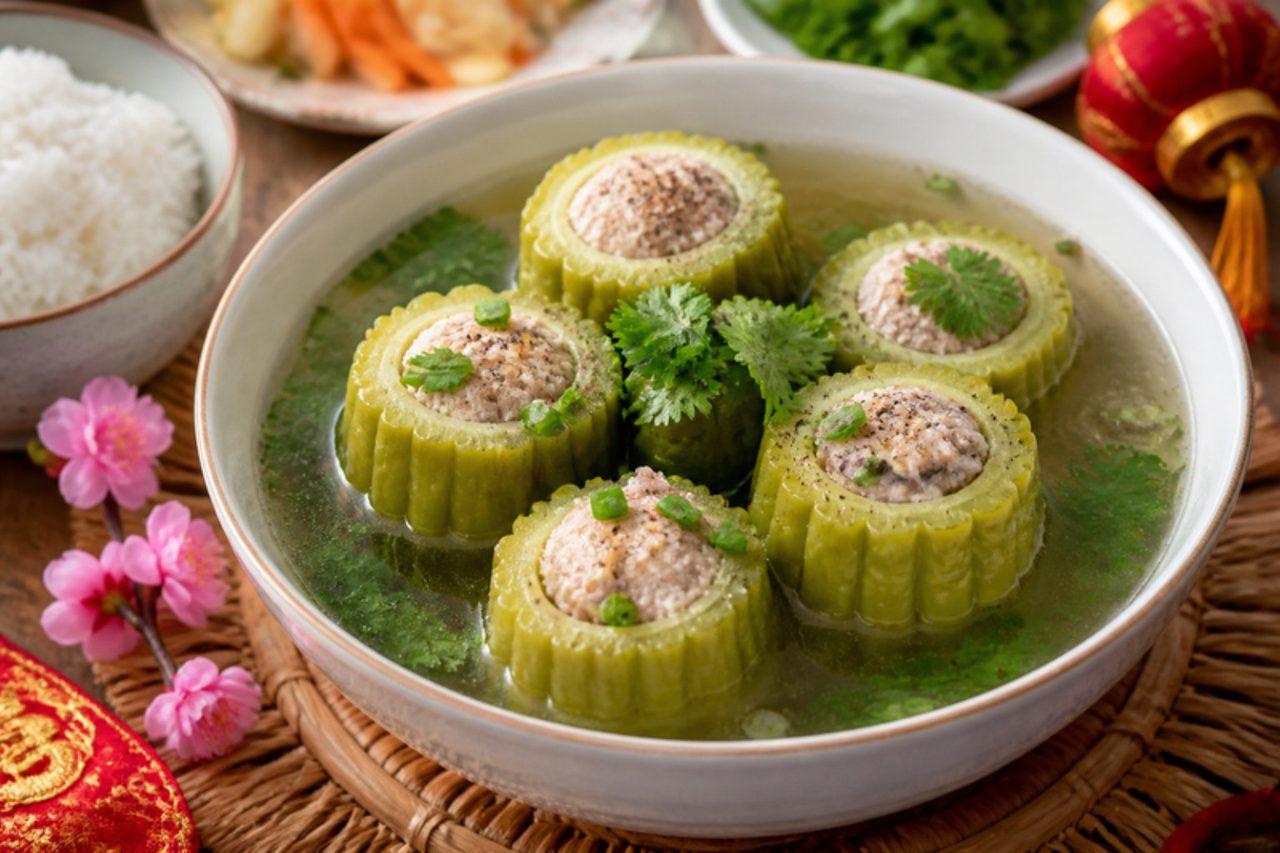
Southern families serve this soup on the first days of Tết because khổ qua sounds like 'the hardship has passed'. Short lengths of bitter melon are hollowed out, packed with seasoned minced pork, wood ear mushroom and mung bean vermicelli, and simmered until the green skins turn soft and the pork is juicy. The broth is clear and gently bitter, a welcome counterpoint to sweet braised dishes. A vegetarian stuffing of crumbled tofu and mushrooms works the same way. Chef's tip: scrape out all the white pith along with the seeds and blanch the melon briefly; leaving the pith in is what makes the soup aggressively bitter.

by KrazyBadal 0 views

Khanom jeep (Thai pork and prawn dumplings)

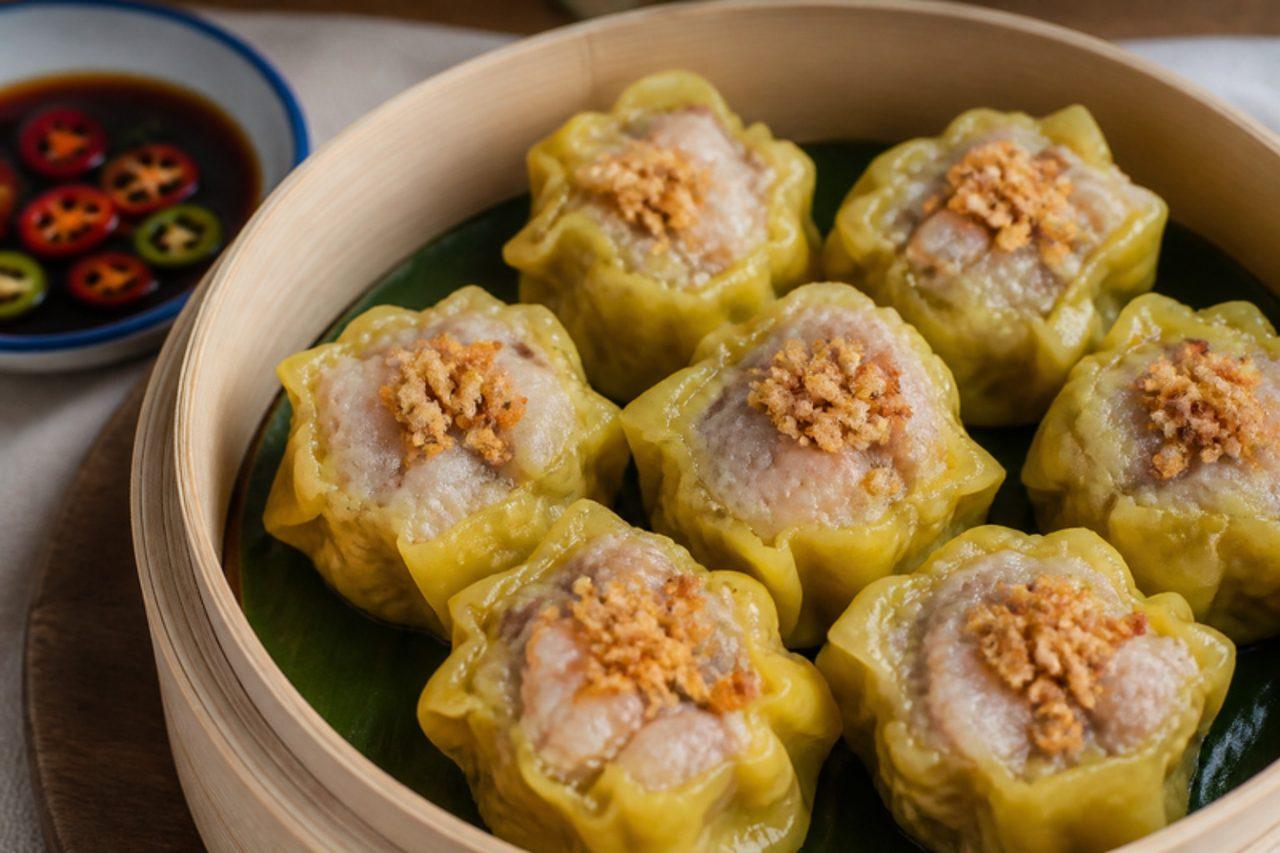
Steamer stacks of khanom jeep sit outside Bangkok's 7-Elevens and on Chinatown dim sum carts all day, sold by the half-dozen in a plastic bag with a squirt of sweet soy and a spoon of fried garlic. These Thai cousins of Cantonese siu mai are filled with springy minced pork and chopped prawns seasoned with coriander root and white pepper, gathered into yellow wrappers and steamed. Eat them as a snack or with rice soup for breakfast. Chef's tip: an underworked filling is the usual mistake; beat the pork and prawn mix hard for a few minutes so it turns sticky and springs back.

by KrazyBadal 0 views

Mứt dừa (candied coconut ribbons)

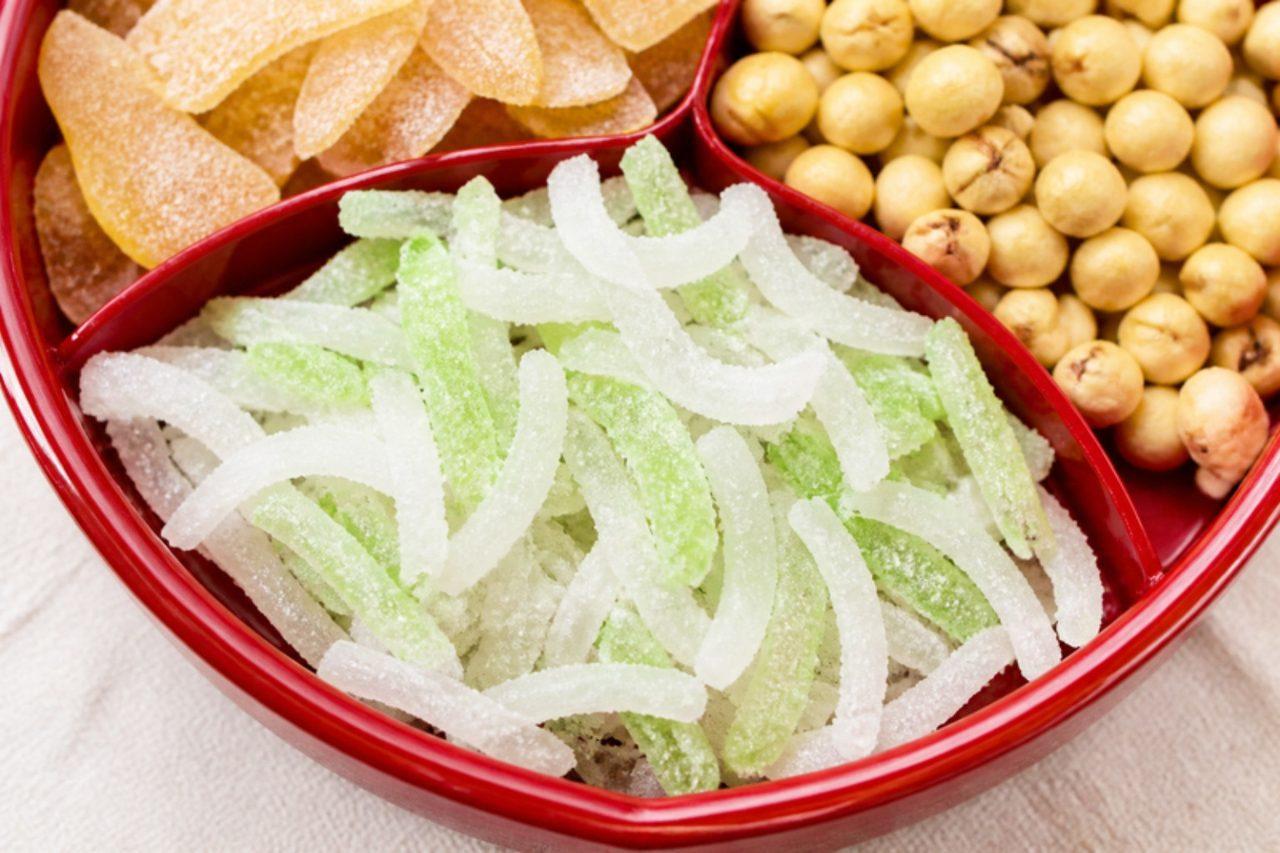
Bến Tre, the coconut province of the Mekong Delta, supplies most of the country's mứt dừa, but plenty of families still make a batch at home for the lacquered khay mứt, the tray of sweets put out for New Year visitors with green tea. The ribbons are chewy-soft in the middle and dry and sugary outside, white or dyed pale green with pandan, pink with dragon fruit or orange with gấc. Chef's tip: keep stirring gently over a low heat as the syrup thickens; high heat browns the coconut and the ribbons break if you stir roughly.

by KrazyBadal 0 views

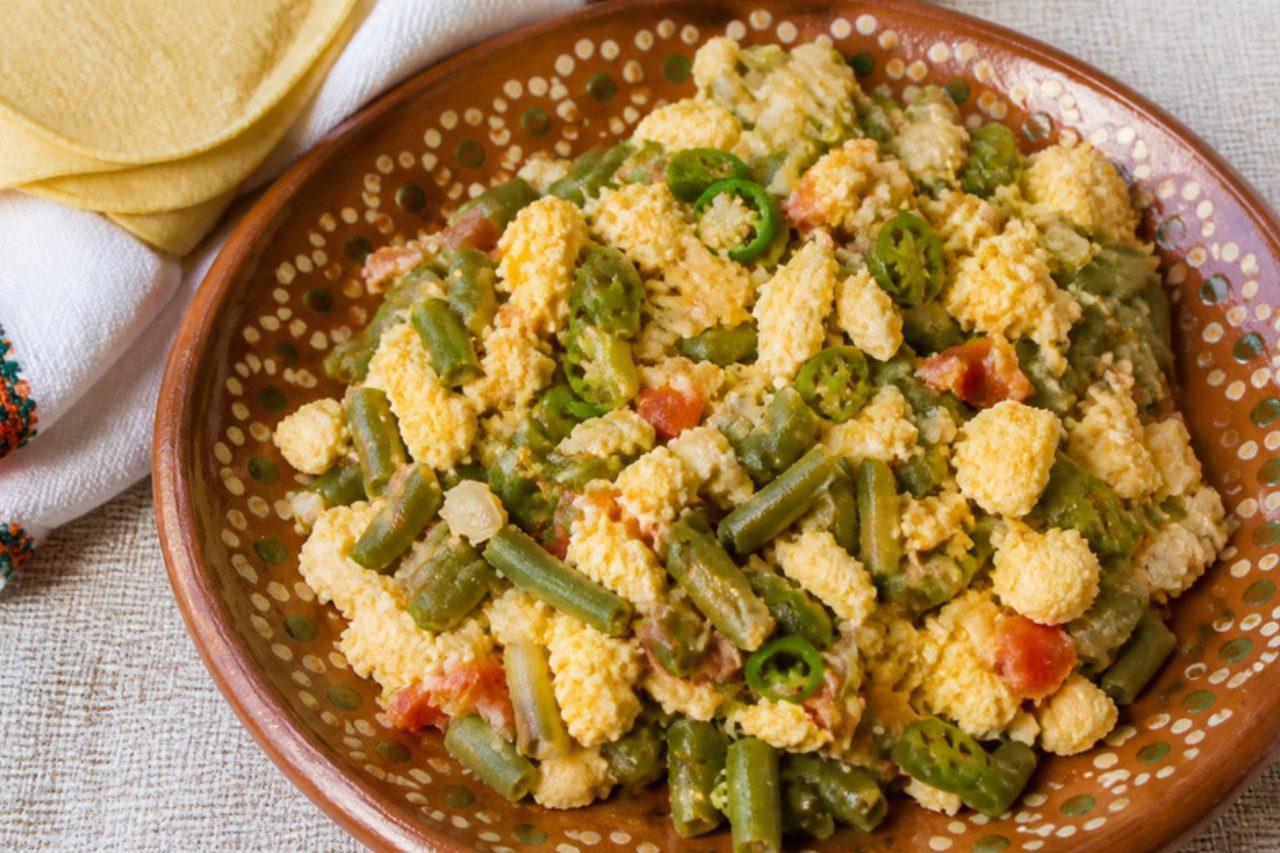
Ejotes con huevoGreen beans with egg

Cheap, fast and filling, this is the kind of dish that turns up on Mexican home tables on a Lent Friday, at breakfast or as the main course of a weekday comida. Green beans are blanched, tossed through a quick tomato and serrano sofrito and bound with softly scrambled egg. Spoon it into warm corn tortillas or eat it with frijoles de la olla and rice. Chef's tip: cut the beans on a slant into short pieces so every forkful catches some egg.

by KrazyBadal 0 views

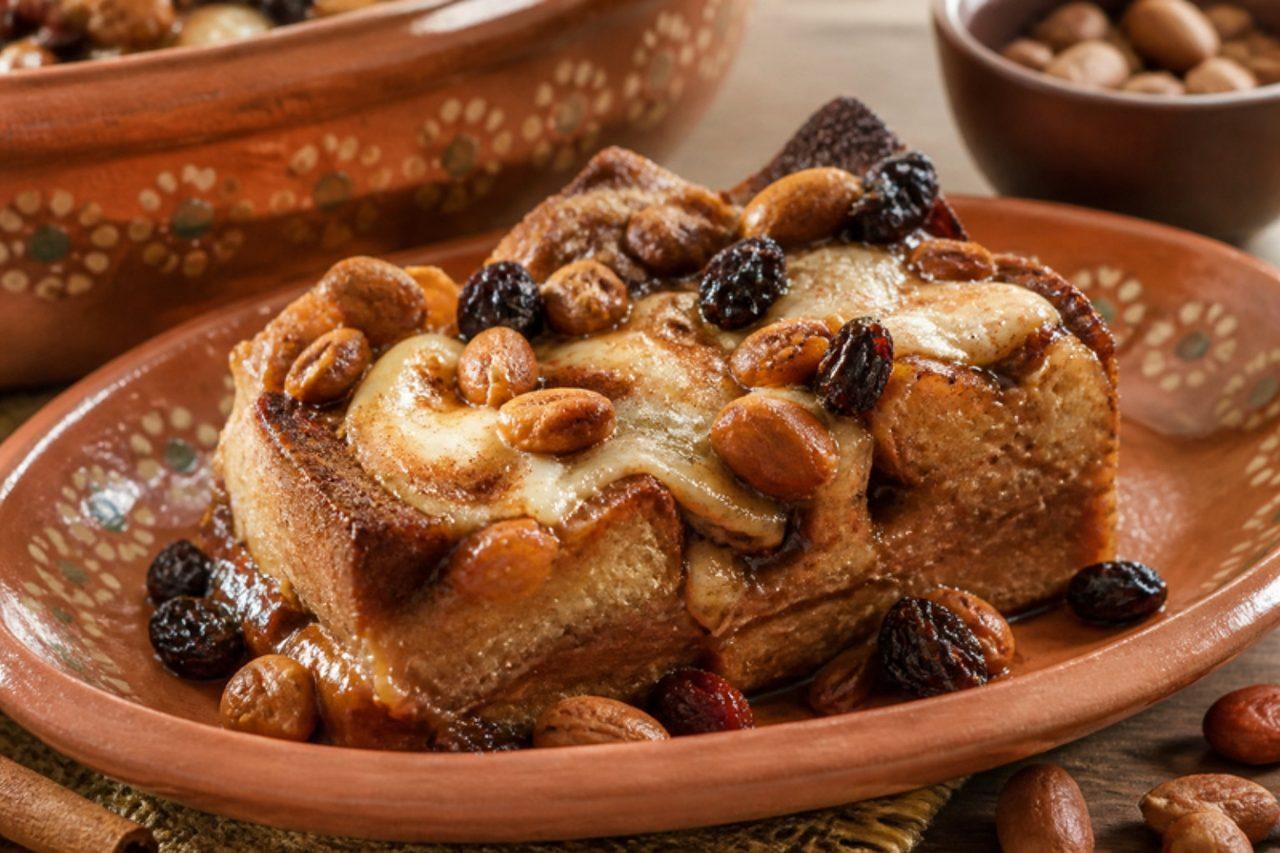
CapirotadaMexican bread pudding

On the Fridays of Lent and above all on Good Friday, grandmothers from Jalisco to Sonora layer stale bolillo with a dark syrup of piloncillo, cinnamon and cloves, then tuck in raisins, peanuts and crumbled cheese, a sweet-salty pudding that uses up bread when meat is off the menu. It comes out of the oven sticky at the edges and soft in the middle, and is eaten warm or at room temperature. The traditional cheese, queso añejo or cotija, is usually made with animal rennet, so use a vegetarian hard cheese or mild feta if you prefer. Chef's tip: fry or toast the bread until really dry and golden first; soft bread turns to porridge in the syrup.

by KrazyBadal 0 views

Nam dok anchan (butterfly pea lemonade)

Vines of butterfly pea climb fences in gardens all over Thailand, and cafés from Bangkok to Krabi serve the flowers as an iced drink that changes colour at the table. The tea itself is mild and earthy, blue as ink; stirring in lime juice turns it violet and makes it tangy, which children love to watch. Chef's tip: the common mistake is mixing the lime in beforehand; serve the blue tea and lime separately so the colour change happens in the glass.

15 minThaiDrinksVeganGluten free
by KrazyBadal 0 views

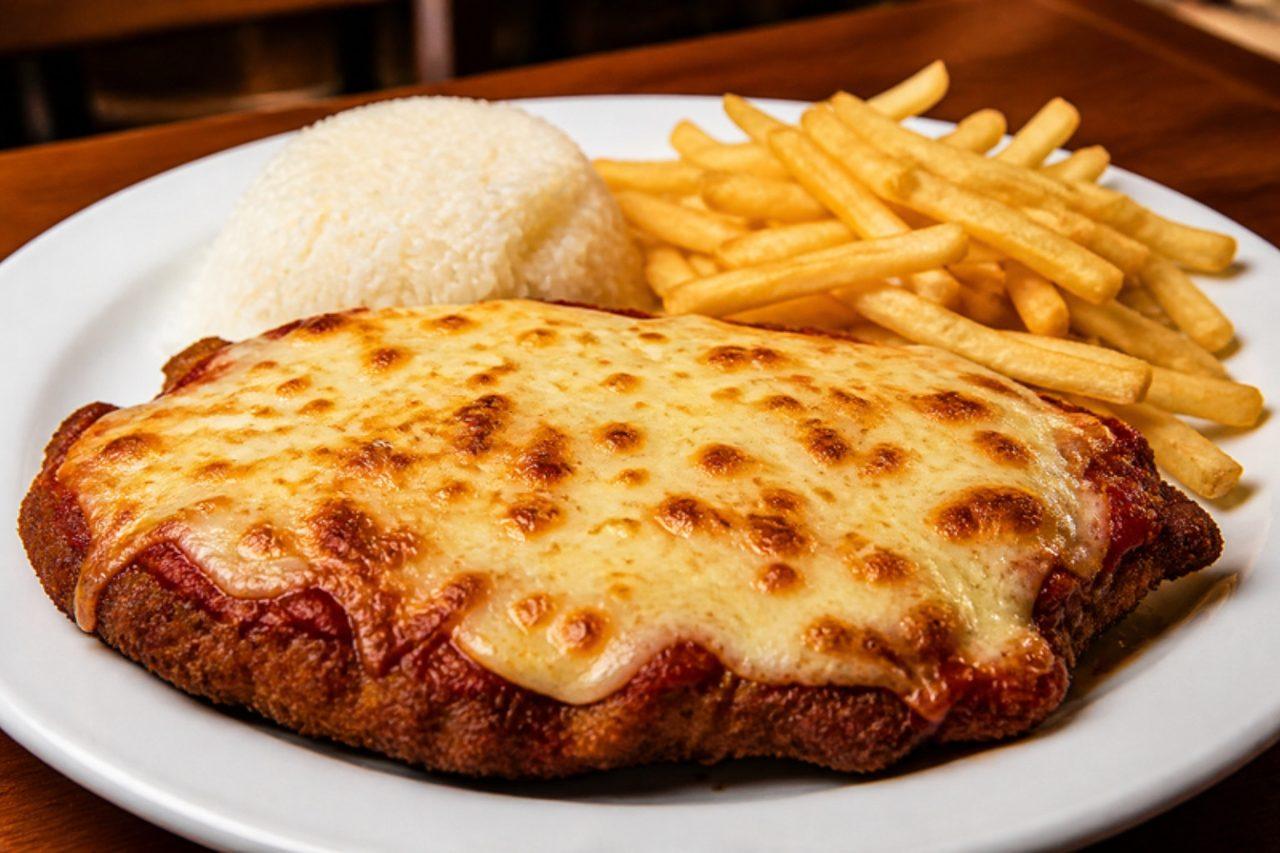
Filé à parmegianaBreaded beef with tomato and cheese

Born in the Italian-run restaurants of São Paulo and now a pride of Rio's botecos, filé à parmegiana is served in portions big enough for two, with white rice and chips. Beef fillet is pounded thin, breaded and fried, then covered in tomato sauce and mozzarella and baked until bubbling. It's crisp underneath, gooey on top and very generous. For a vegetarian version, use thick slices of aubergine, salted and patted dry, with vegetarian cheeses. Chef's tip: pound the meat evenly so it fries in the time it takes the crust to turn golden.

by KrazyBadal 0 views

Paletas de fresa con cremaStrawberry cream ice pops

Pink, creamy and dotted with red fruit, fresa con crema pops are the milky paletas children pick first at any paletería michoacana, and they echo the strawberries and cream sold in cups in Irapuato. Fresh strawberries are folded into a sweet milk-and-cream base that freezes smooth. It contains dairy. Chef's tip: macerate the strawberries in sugar first, as the syrup keeps the fruit soft rather than icy.

by KrazyBadal 0 views

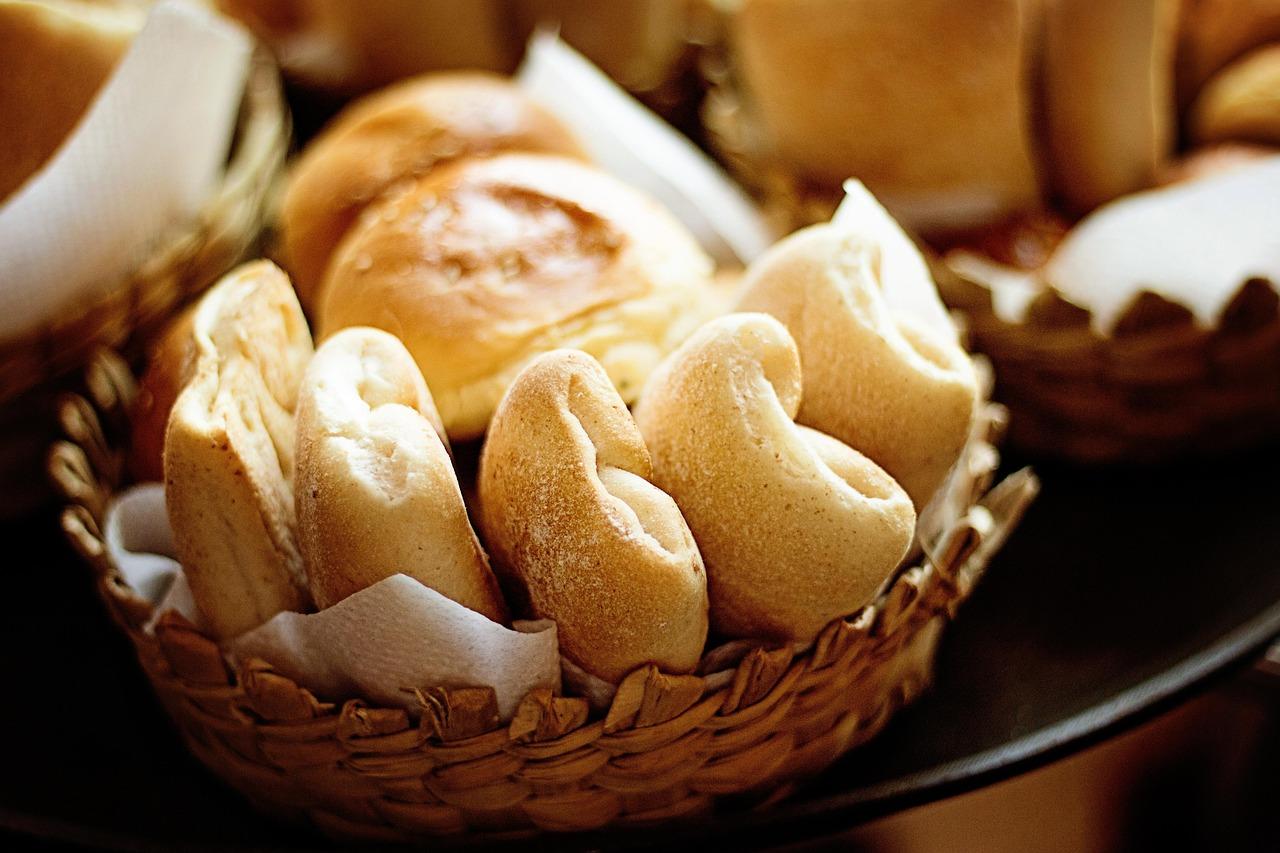
Pão francêsCrusty bread rolls

Every neighbourhood padaria in Brazil pulls trays of these small, golden rolls from the oven at dawn and again in the late afternoon, and people buy them by the half-dozen for breakfast with butter and milky coffee or for a pão na chapa on the griddle. The name means French bread, but the roll is Brazil's own: a thin, crackling crust with a raised lip along the cut, called the pestana, around a very light, fluffy crumb. Chef's tip: a tray of boiling water in the oven gives the steam that makes the crust thin and shiny.

by KrazyBadal 0 views

Sardinha fritaFried sardines

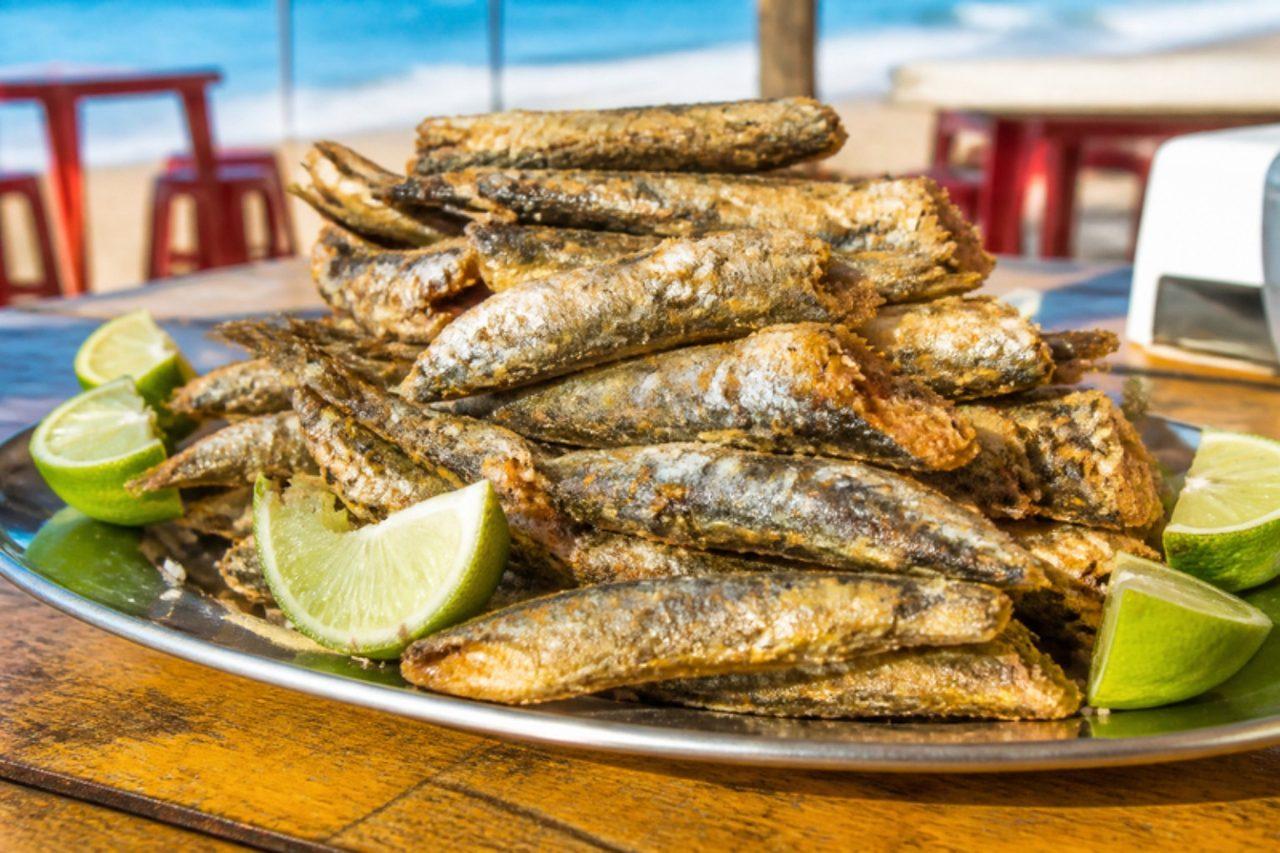
Rio de Janeiro has a long love affair with sardines, landed fresh at the fishing colony in Niterói across the bay, and a plate of them fried crisp is the thing to order at old-school botequins in the city centre with an ice-cold beer. Small fish are gutted, beheaded and dusted in flour and a little cornmeal, then fried quickly so the thin bones turn crunchy enough to eat. Chef's tip: dry the fish thoroughly before flouring so the oil doesn't spit and the coating stays crisp.

by KrazyBadal 0 views

Chongos zamoranosMilk curds in cinnamon syrup

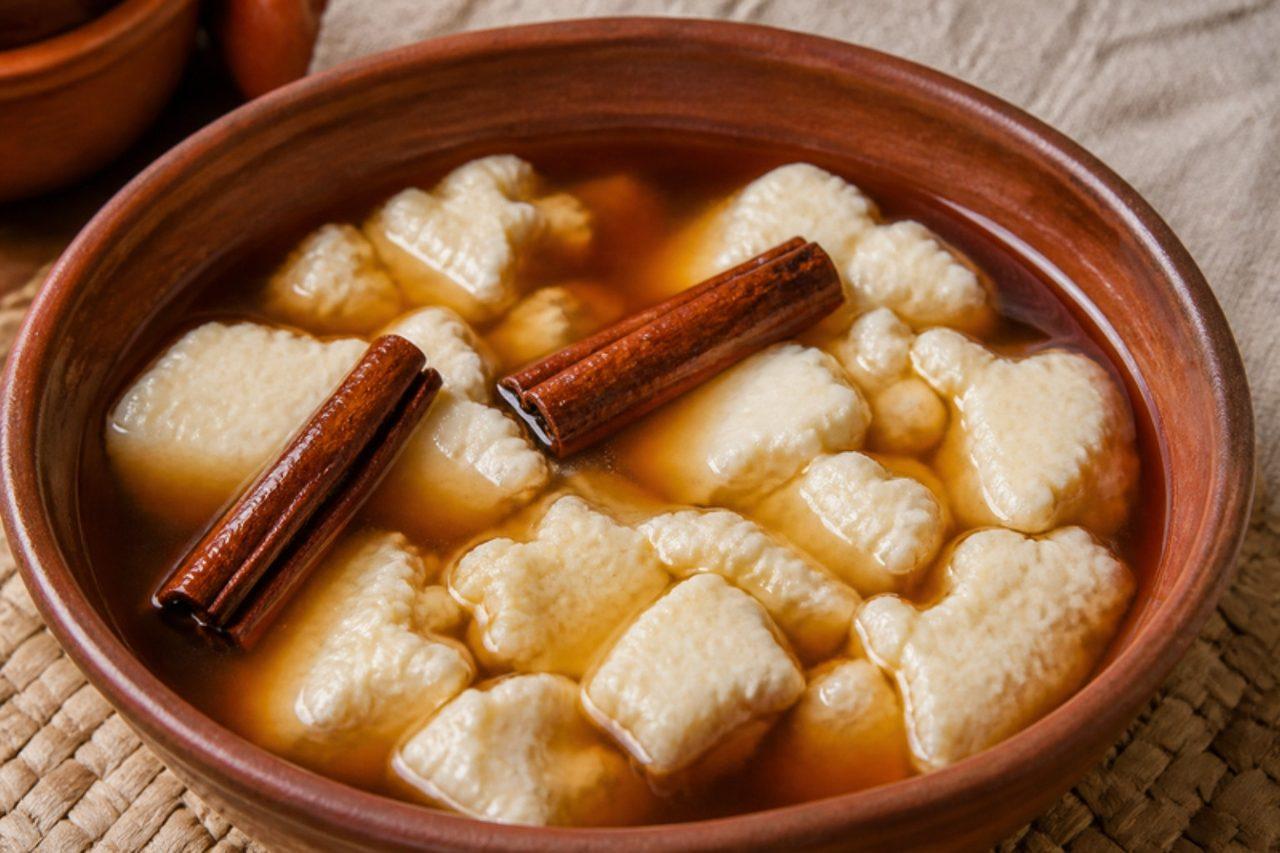
Zamora in Michoacán gave its name to chongos, soft knots of fresh milk curd slowly poached in their own whey with sugar and cinnamon until the syrup turns golden and the curds turn springy. They are served cool in small glass bowls after Sunday lunch, and jars are sold at roadside stands across the Bajío. Traditionally the milk is set with animal rennet; use a vegetarian rennet (microbial or plant-based) to keep it vegetarian. Chef's tip: never stir after the curds form, only tilt the pan, or they break into crumbs.

by KrazyBadal 0 views

Agua de pepino con limónCucumber lime drink

Pale green and very refreshing, agua de pepino is the cooler sold from market juice stands in Mexico City and Oaxaca when the afternoon heat builds, and families blend a jug for comida on hot days. Cucumber, lime and a few mint leaves give a clean, light taste with very little sugar. Chef's tip: leave some of the peel on the cucumber for colour, but strain the drink so it stays silky.

by KrazyBadal 0 views

Pão doceSweet custard bread

A long, shiny braid of sweet bread with a ribbon of vanilla custard and a sprinkle of coconut down the middle is one of the most familiar sights in a Brazilian padaria, sold by the slice for the late-afternoon coffee break known as the café da tarde. The enriched dough is soft and milky, and the syrup brushed on as it leaves the oven gives the crust its sticky shine. Chef's tip: make the custard first so it is completely cold before it goes onto the dough.

by KrazyBadal 0 views

Nem chua rán, cooked fresh-pork versionCrumbed fried pork sticks

On Hanoi's Tạ Hiện and Hàng Buồm streets, plates of crumbed fried pork sticks with chilli sauce are a classic evening snack with friends. The original nem chua is raw pork paste left to ferment for days before it is crumbed and fried; because raw fermented pork is a food-safety risk at home, this recipe uses only fresh minced pork, gets its tang from a little lime and pickled garlic, and poaches the sticks through to 71 °C before they ever reach the oil. You get the same sour, garlicky, crunchy-outside, bouncy-inside bite. Chef's tip: chill the poached sticks before crumbing; warm, damp sticks shed their coating in the fryer.

by KrazyBadal 0 views

Lentejas con piña y plátanoLentils with pineapple and plantain

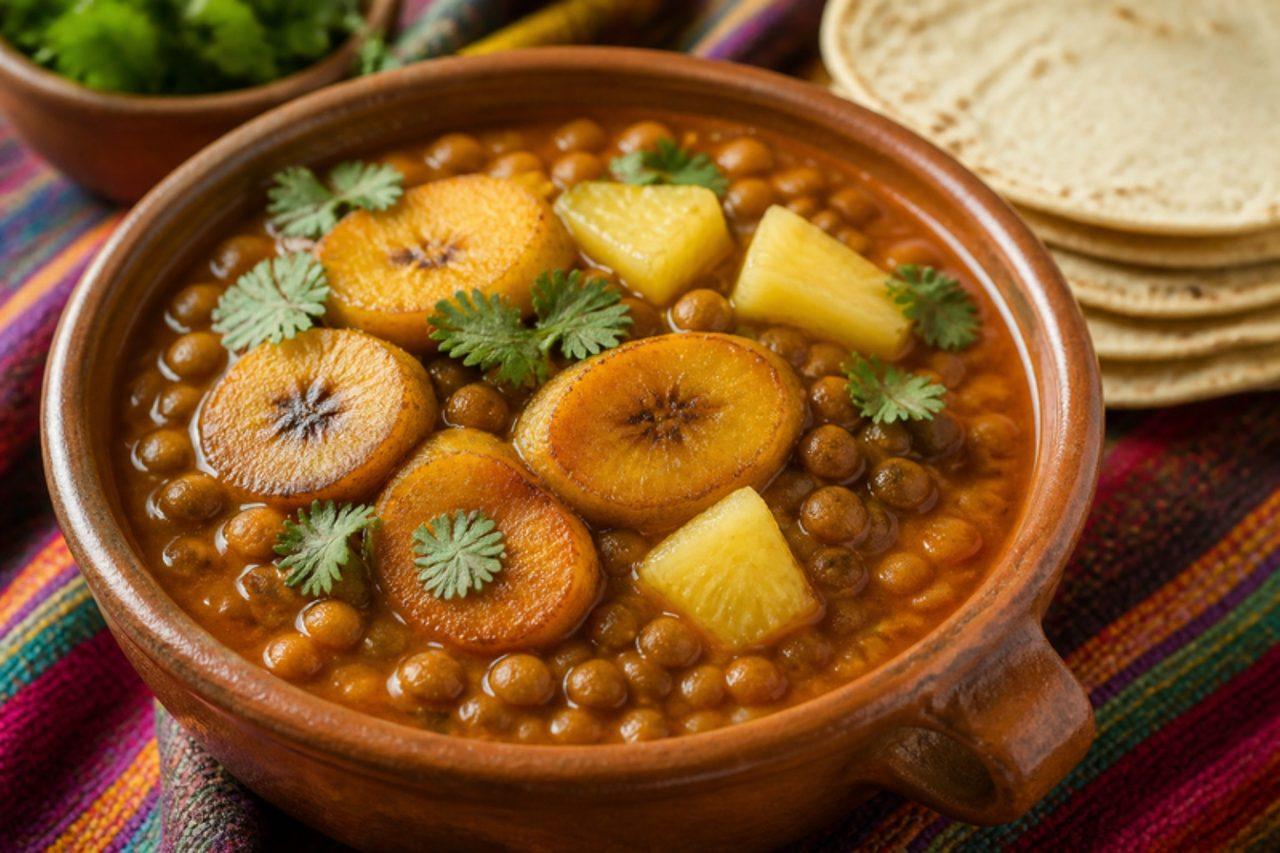
Sweet and savoury share a pot in this Lent favourite from Puebla and Mexico City kitchens: brown lentils simmered in a tomato and garlic broth, finished with chunks of pineapple and slices of fried ripe plantain. It sounds unusual but tastes balanced and comforting, and many families eat it on the Fridays before Easter with white rice and tortillas. Chef's tip: use a plantain with a black-speckled skin; green ones stay starchy and never sweeten.

by KrazyBadal 0 views

Palanquetas de cacahuatePeanut brittle bars

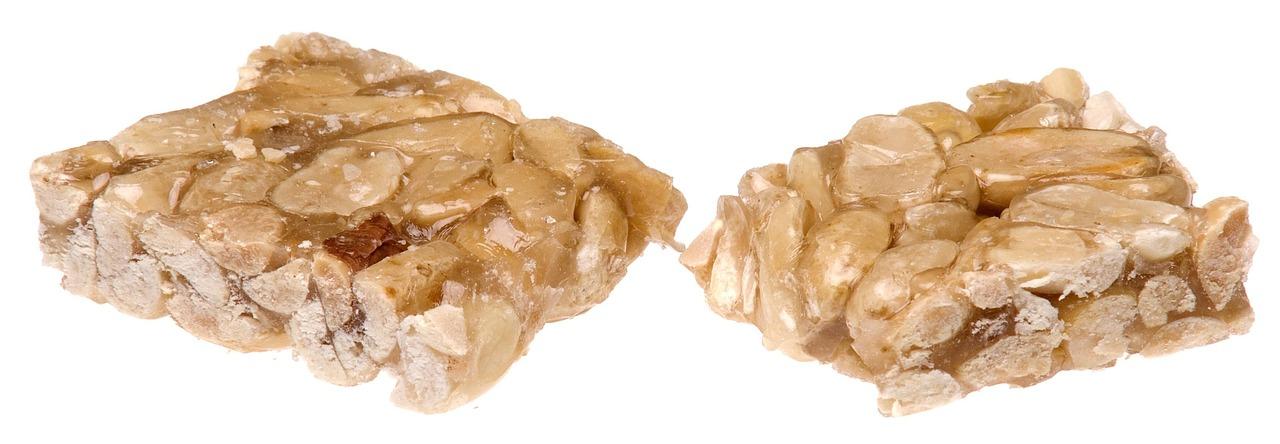
Bus-station vendors, school gates and the sweet stalls around the Basilica in Mexico City all sell palanquetas, crisp bars of roasted peanuts bound in amber piloncillo or sugar caramel. They are crunchy, toasty and only lightly salted, and families also make them with pumpkin seeds or sesame. They contain peanuts. Chef's tip: have everything oiled and ready before you start, because the caramel sets within a minute of leaving the heat.

by KrazyBadal 0 views

Lombo de porco assadoRoast pork loin

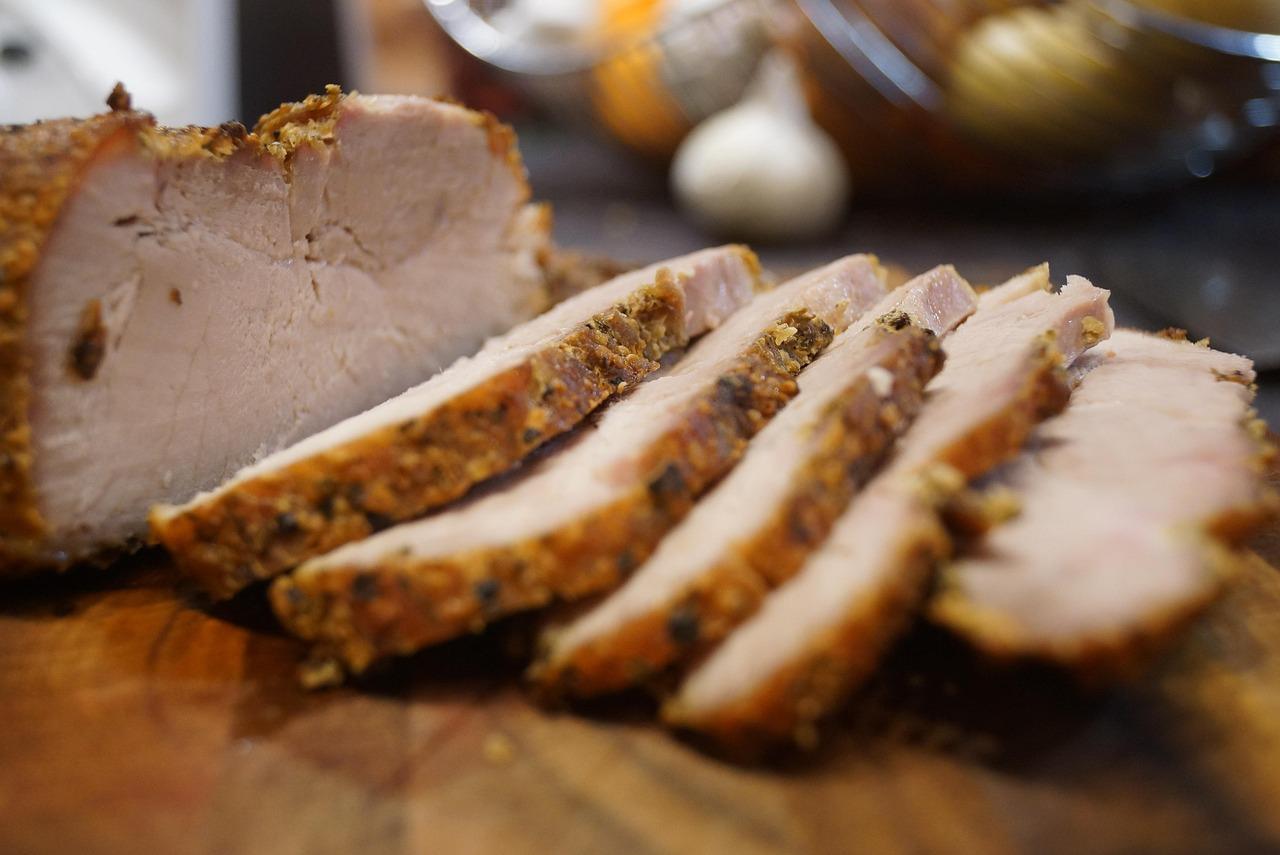
Brazilians like pork on the Réveillon table because a pig roots forward as it feeds, a sign of progress in the new year, while chicken and turkey scratch backwards. This boneless pork loin is soaked overnight in garlic, lime, orange and paprika, then roasted over potatoes and onions that drink up the juices. It is the centrepiece of many New Year's Eve dinners in São Paulo and Minas Gerais, sliced thin with farofa and rice. Chef's tip: take the pork out at 63 °C in the centre and let it rest; it stays juicy and slightly pink.

by KrazyBadal 0 views

Huevos divorciadosEggs in red and green salsa

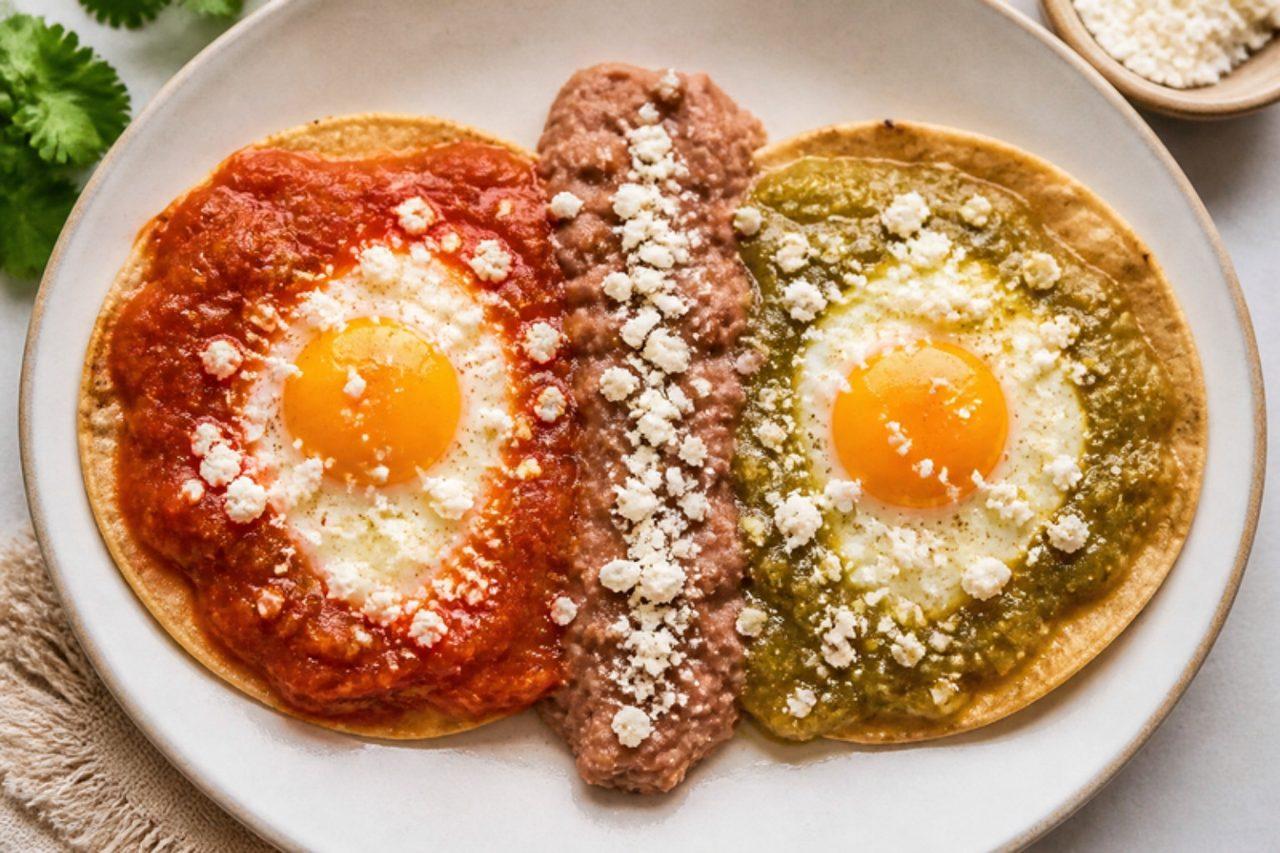
Order 'divorced eggs' in any Mexico City café or roadside fonda and you get a plate split down the middle: one fried egg on a tortilla under smoky red salsa, the other under tangy green tomatillo salsa, with a ridge of refried beans keeping the couple apart. It is a cheerful weekend breakfast and a good way to use up leftover salsas. Mexican crumbling cheese is often made with animal rennet, so choose a vegetarian one if needed. Chef's tip: warm the tortillas in the egg pan first, so they are soft but not greasy.

by KrazyBadal 0 views

Nega malucaChocolate cake

Every Brazilian has eaten this dark, moist chocolate cake at a children's party or a family afternoon, cut into squares in the tin with the glossy glaze dripping into each piece. It is mixed by hand in one bowl with oil and hot water, so it is the cake that home bakers from Porto Alegre to Recife can make without thinking. The topping is a simple cocoa and milk syrup boiled until it just coats a spoon. Chef's tip: pour the glaze over while the cake is still warm so it soaks a little into the top.

by KrazyBadal 0 views

Gelatina de mosaicoMosaic milk jelly

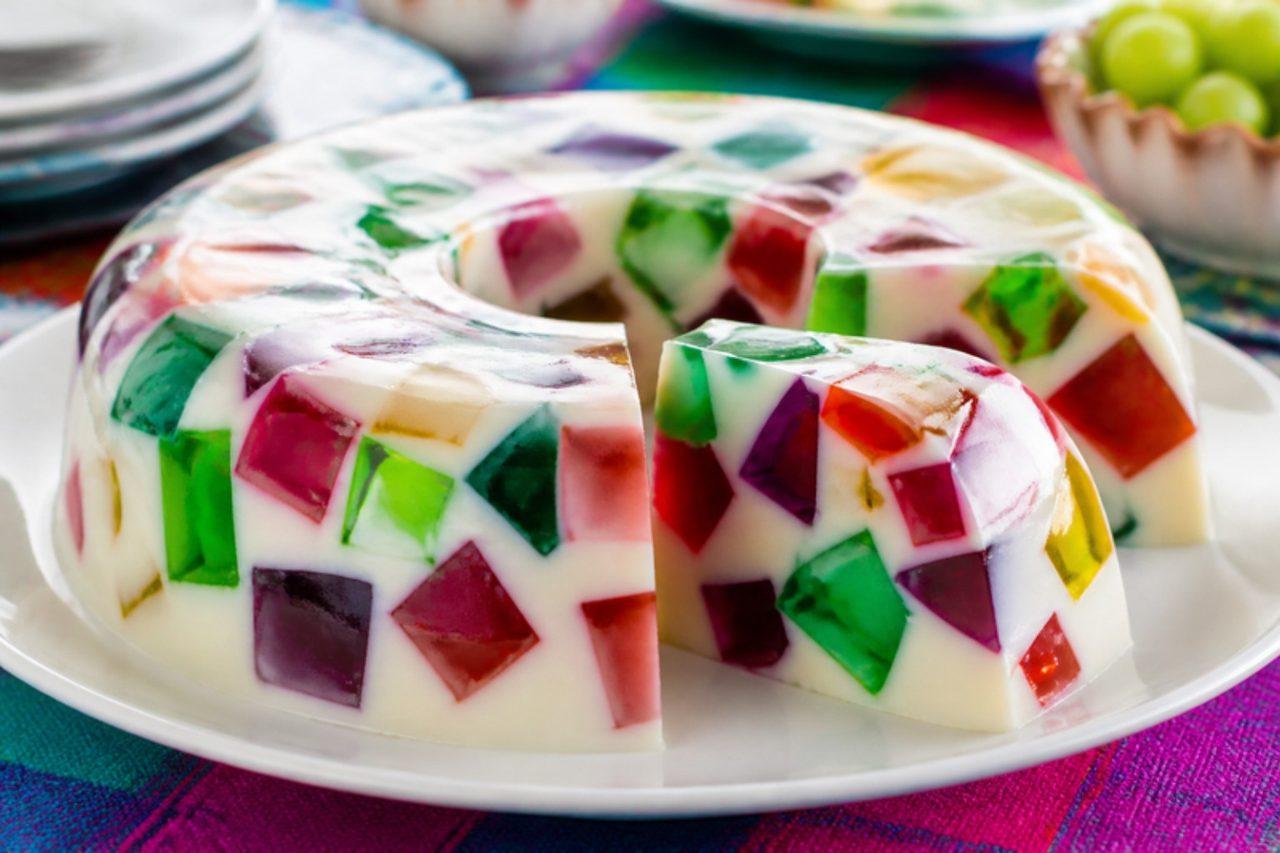
Mexico has a whole street culture of gelatinas, sold in cups from glass carts in town plazas, and the mosaic or 'cathedral window' jelly is the star of birthday parties: bright cubes of red, green and yellow jelly suspended in a creamy condensed-milk jelly. Traditionally it is set with gelatine, which is made from animal collagen, so this version is not vegetarian; to make it vegetarian, use agar powder instead, as shown in the steps. Chef's tip: cool the milk jelly until it is only just warm before pouring it over the cubes, or the colours bleed.

by KrazyBadal 0 views

AnchoïadeAnchovy dip

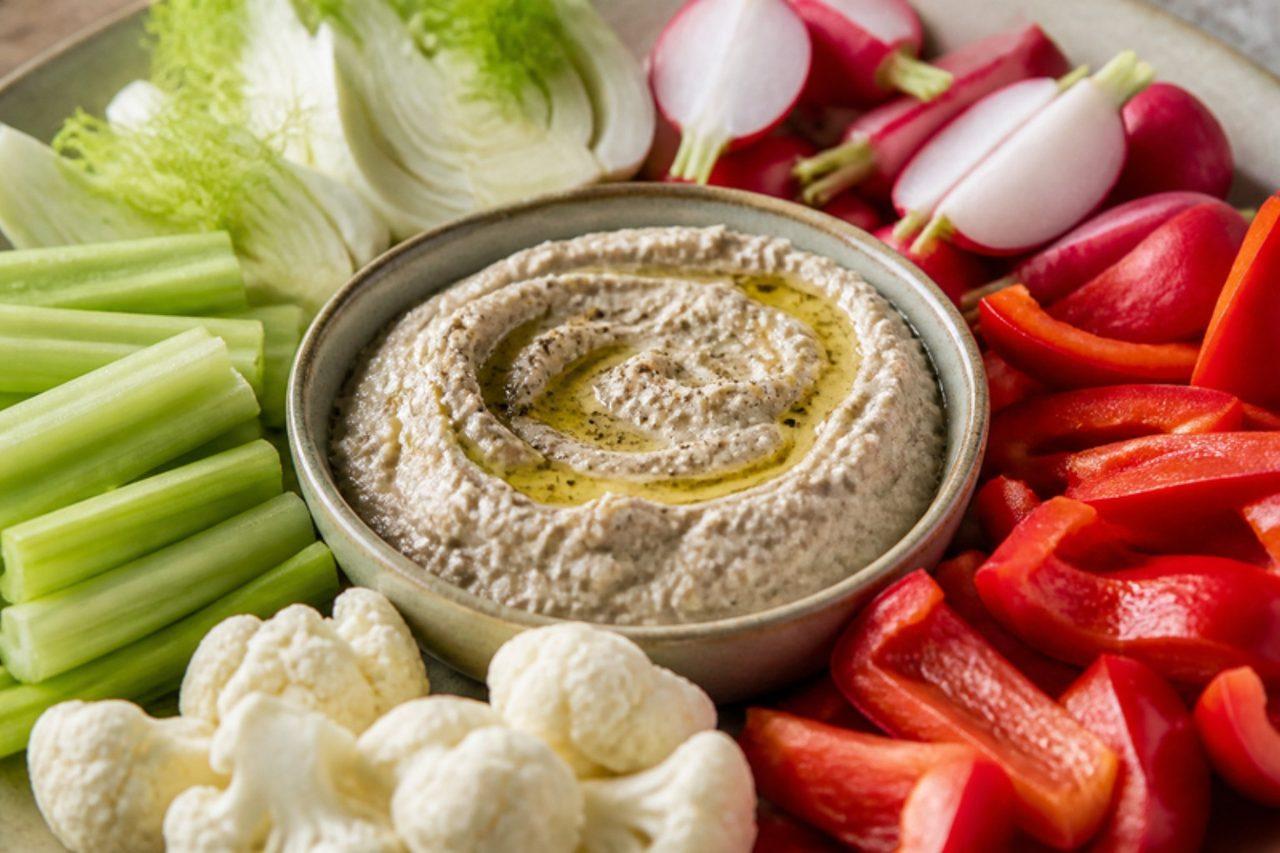
Anchoïade is the anchovy dip of Provence, pounded with garlic and olive oil and served at the apéro or as a summer starter with a big basket of raw vegetables, celery, fennel, radishes, peppers and cauliflower, for everyone to dip; in Marseille and Nice it is also spread on toast. It uses salted (cured) anchovies, which are not cooked: cured fish is not for pregnant women, young children or anyone with a weakened immune system; for a safer version, warm the finished anchoïade gently in a small pan for 3–4 minutes until steaming hot before serving. The common mistake is adding the oil too fast, so it splits. Chef's tip: soak the salted anchovies in milk or water for 10 minutes to soften their saltiness.

by KrazyBadal 0 views

Caldo de camarónSpicy shrimp broth

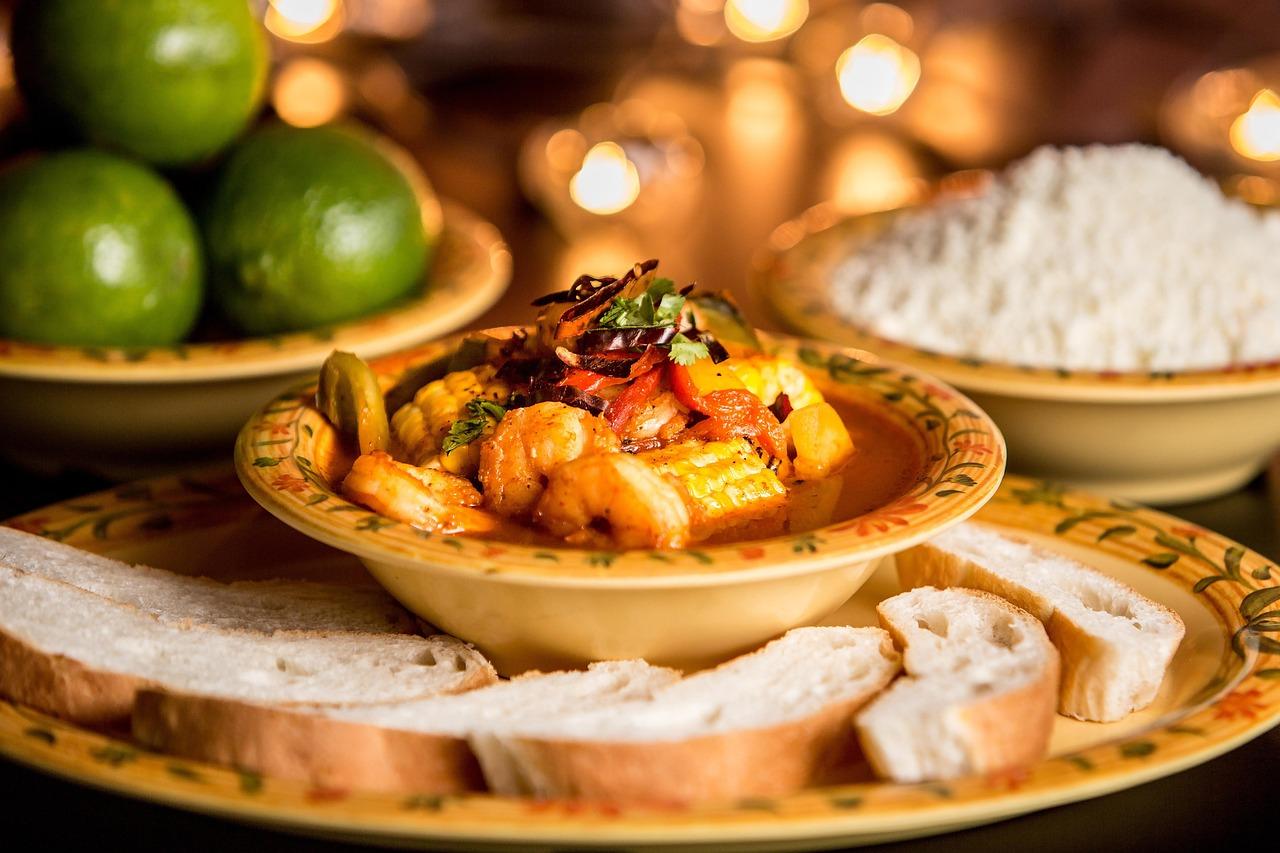
At beach stalls in Mazatlán and Veracruz and in market fondas in Mexico City, a steaming, brick-red caldo de camarón is the cure for a long night and the Lenten Friday lunch of choice. The broth gets its depth from shrimp shells and dried guajillo chillies, and shell-on prawns, carrot, potato and courgette are cooked in it briefly at the end. Serve with lime, chopped onion and coriander, and tostadas. Chef's tip: add the prawns only in the last 3 minutes; they keep cooking in the bowl and toughen quickly.

by KrazyBadal 0 views

Pan de eloteFresh corn cake

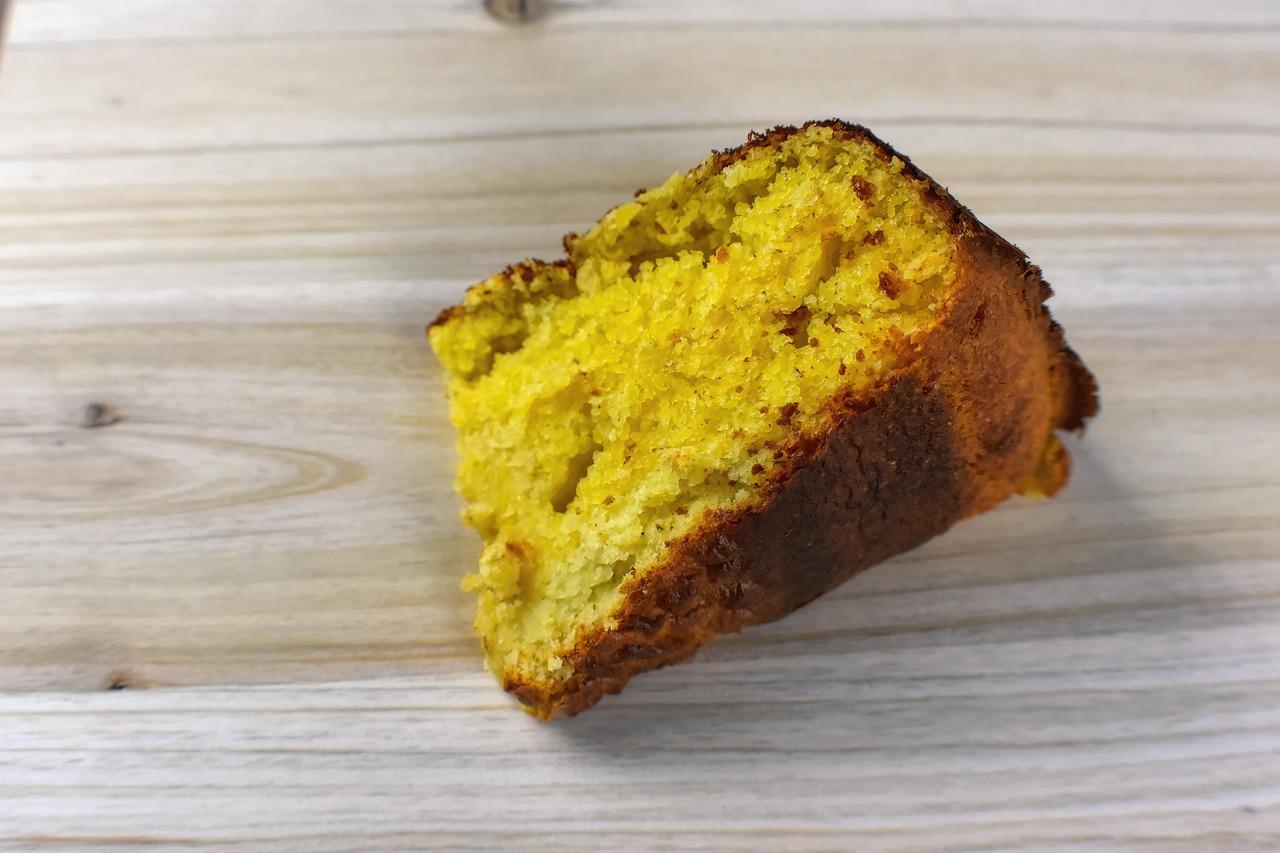
Across central Mexico, from Morelos to the State of Mexico, pan de elote is baked when fresh corn is cheap in late summer and sold by the slice at market stalls. Despite its name it is more cake than bread: fresh kernels blended with butter, eggs and condensed milk bake into a dense, custardy, golden loaf that tastes of sweet corn. It contains wheat and egg. Chef's tip: use the starchiest, most mature corn you can find, because young sweetcorn makes a wetter, flatter cake.

by KrazyBadal 0 views
Bacalao navideñoSalt cod stew

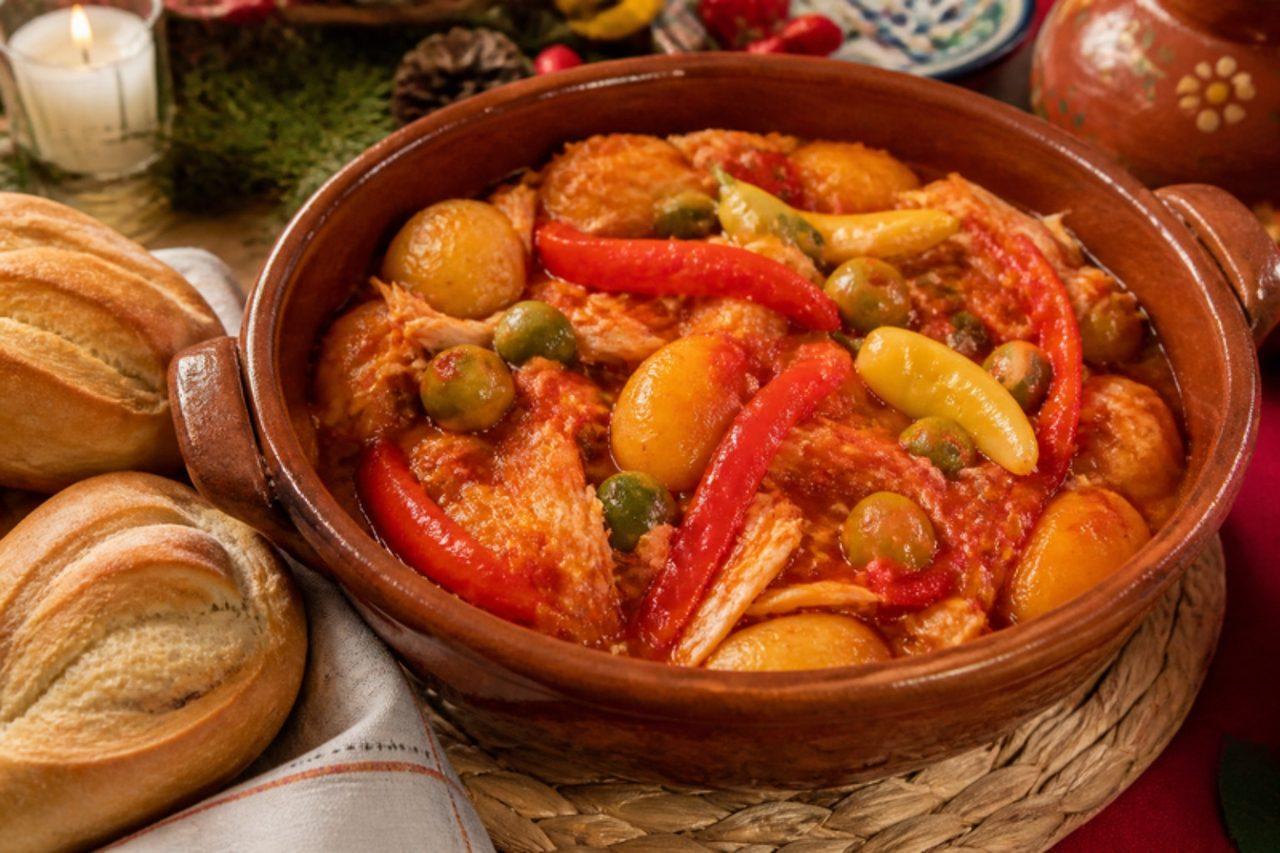
Mexican families inherited bacalao from Spain, but the version on the Christmas Eve table in Mexico City, Guadalajara and Puebla has gone its own way. Instead of the Basque sauce of dried choricero peppers with whole cod pieces, the cod here is soaked, finely shredded and cooked down for an hour with a lot of fresh tomato, olive oil, almonds, green olives, capers and pickled güero chiles until thick enough to pile into bolillo rolls. It tastes even better the next day, which is when the leftover tortas are eaten. Chef's tip: soak the cod in the fridge for 36–48 hours, changing the water four times a day, and taste a flake before cooking; it should be pleasantly salty, not briny.

130 minMexicanFishGluten free
by KrazyBadal 0 views

Pollo en salsa verdeChicken in green salsa

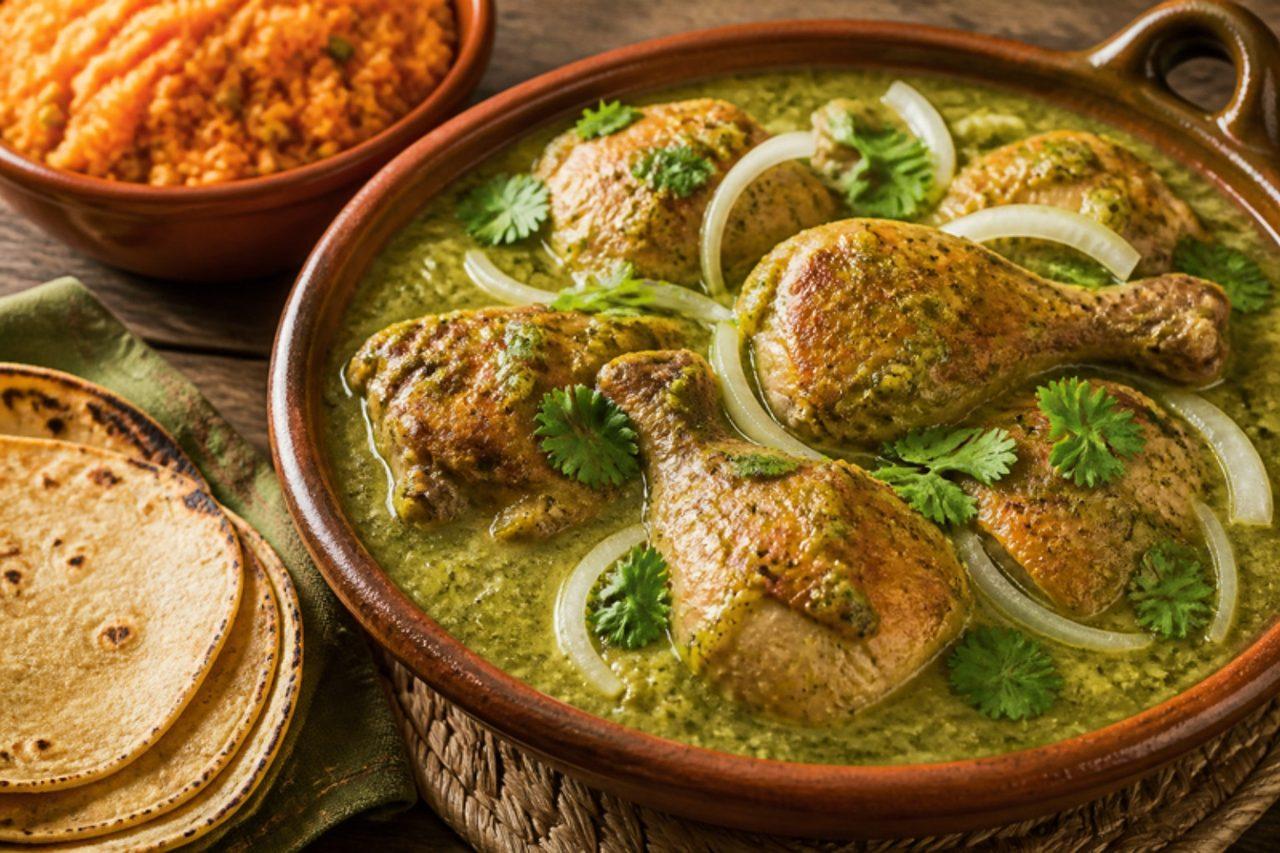
Tangy, fresh and deeply savoury, this is one of the most common weekday dishes in Central Mexican kitchens, from Mexico City to Puebla and Hidalgo. Chicken pieces are browned, then simmered in a sauce of boiled tomatillos, serrano chiles, garlic and coriander until the meat is tender and the sauce coats it. Serve with white rice, beans and tortillas. Chef's tip: a few potato chunks or nopal strips simmered in the sauce stretch it to feed more people.

by KrazyBadal 0 views
Calabaza en tachaCandied pumpkin

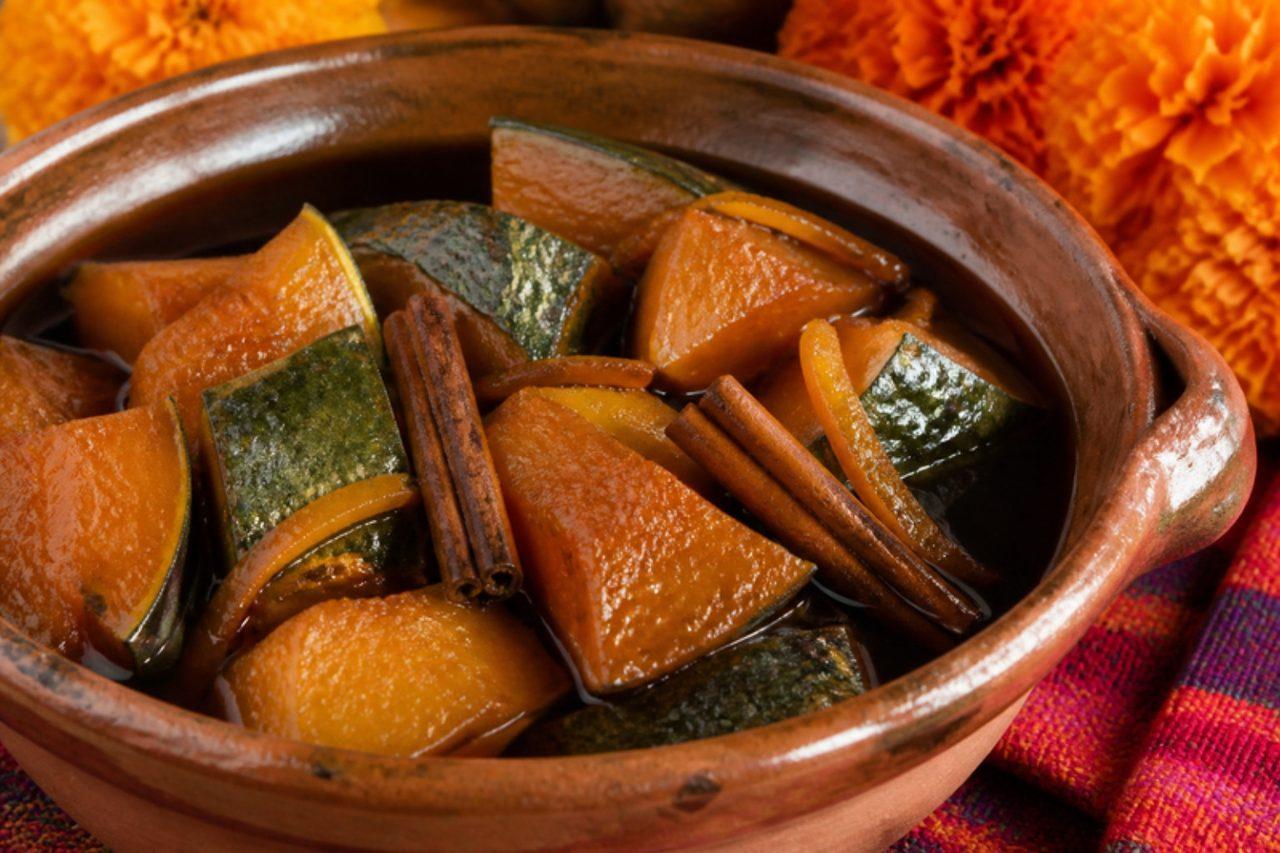
When the first squash of autumn arrives, kitchens across Puebla, Tlaxcala and Mexico State fill with the dark caramel smell of calabaza en tacha, a sweet that goes on the ofrenda on 1 November and is eaten warm at breakfast with a splash of cold milk. Wedges of pumpkin simmer slowly in piloncillo, the cone-shaped raw cane sugar, with cinnamon bark, orange and a few cloves until the flesh turns glossy amber and the syrup thickens. It is homely, deeply sweet and spiced. Chef's tip: lay the pumpkin skin side down and never stir, just baste, so the pieces stay whole.

by KrazyBadal 0 views
Tamales dulcesSweet tamales

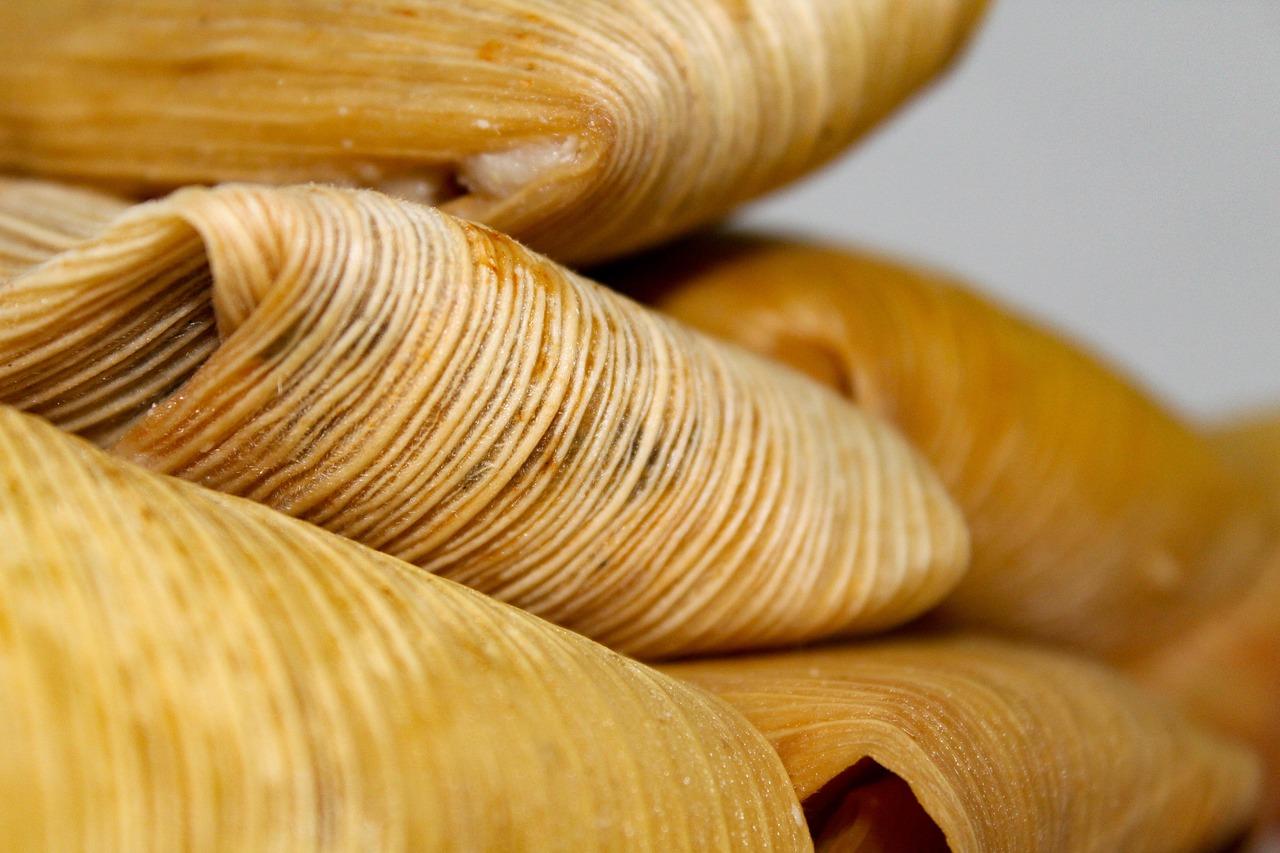
Every tamal tray in Mexico City has a few pink ones tucked in among the green and red, and these sweet tamales are what children reach for first at December posadas and on 2 February, Día de la Candelaria. The masa is beaten with butter and sugar, tinted the colour of a sugared almond and studded with raisins, then steamed in husks until soft and cakey; they are eaten warm with atole or hot chocolate. This version uses butter and vegetable shortening, not lard. Chef's tip: add a few drops of colour at a time; the pink deepens as it steams.

by KrazyBadal 0 views
Rebanadas de mantequillaButtered sweet bread slices

When yesterday's pan dulce goes stale, Mexican bakeries slice it thick, spread it with butter, dust it with sugar and toast it until crisp, and the result, rebanadas, often sells out first. At home it is a ten-minute afternoon treat with hot chocolate or a glass of cold milk, and a good way to use up a loaf of brioche, a pan de yema or a few bolillos. This version uses butter, so it is vegetarian. Chef's tip: let the butter get really soft so it sinks into the bread instead of sitting on top.

by KrazyBadal 0 views
Bánh tiêuSesame doughnuts

In Saigon and the Mekong towns, bánh tiêu are fried in big woks at the edge of the morning market and sold warm in paper bags, often torn open and filled with a stick of quẩy or eaten alongside soy milk. A soft, lightly sweet dough is rolled thin, coated with sesame and dropped into hot oil, where it balloons into a hollow, chewy round with a crackly seeded shell. The dough uses no egg or butter, so the doughnuts are vegan. Chef's tip: roll the rounds evenly thin and keep the oil hot; thick spots or a cool pan give you flat, oily discs that never puff.

by KrazyBadal 0 views
Coração de frangoGrilled chicken hearts

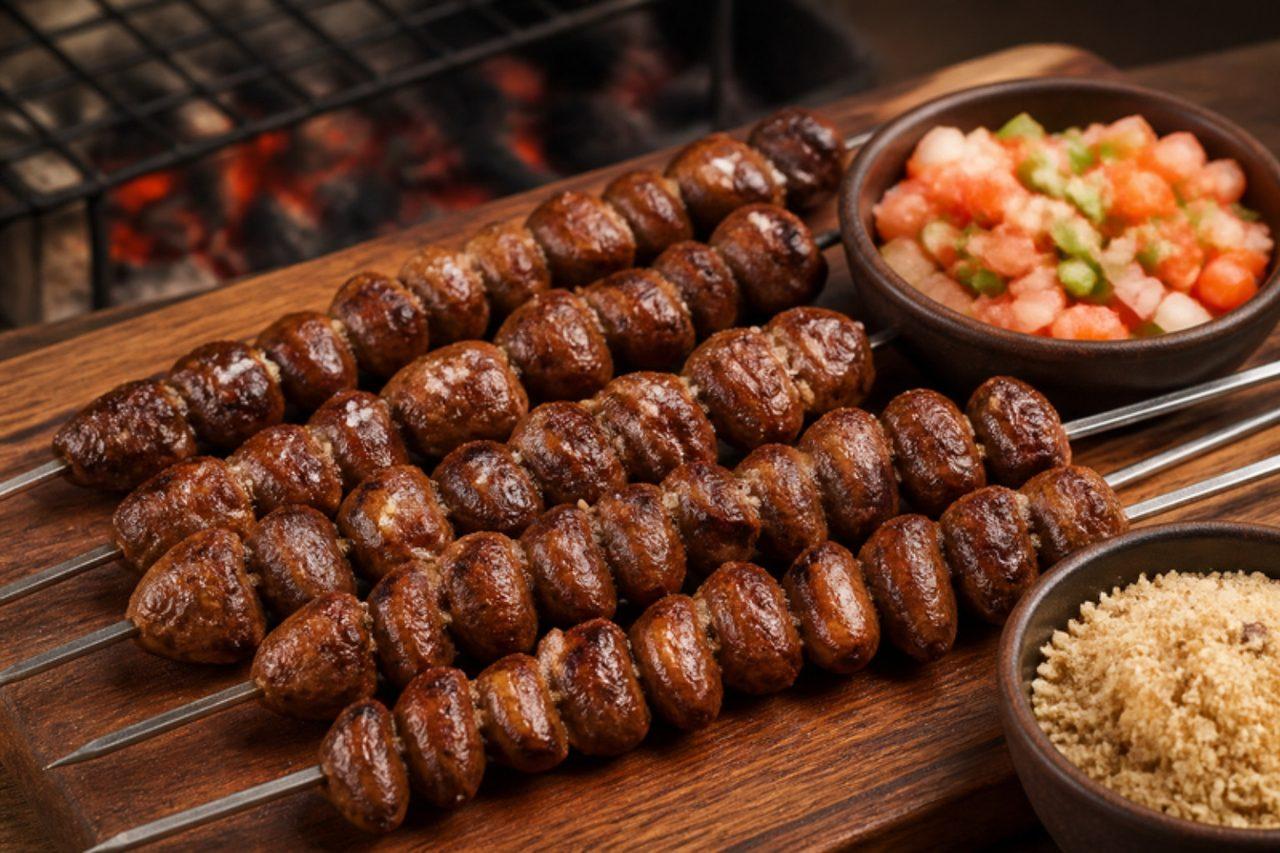
No gaúcho churrasco in Rio Grande do Sul is complete without a skewer of chicken hearts, and in the rodízio steakhouses of São Paulo they come round on swords between the cuts of beef. Rich and slightly chewy, they need nothing more than coarse salt, garlic and a quick turn over hot coals, and they are eaten straight off the skewer while the bigger meats cook. Chef's tip: trim off the fat and the small tubes at the top of each heart, which turn tough and bitter on the grill.

by KrazyBadal 0 views
Yam talay (Thai seafood salad)

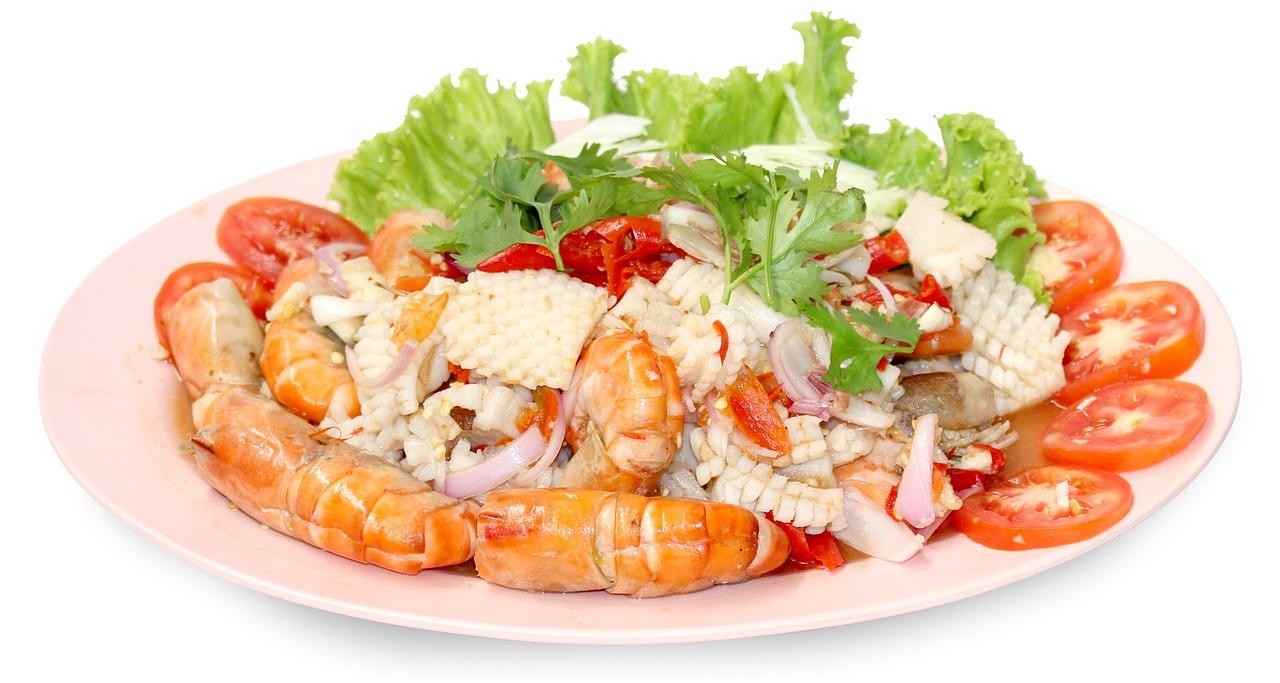
Beach shacks on Koh Samet and along the Pattaya coast bring yam talay out in a heap, the seafood still warm, glistening with lime and fish sauce, and scattered with Chinese celery and onion. It is light and very sour, eaten with ice-cold drinks before the grilled fish arrives, or with rice for lunch. Use whatever is freshest; the mix below is easy to find. Chef's tip: poach each type of seafood separately and briefly; tipping everything in together overcooks the squid into rubber bands before the mussels open.

25 minThaiFishGluten freeSpicy
by KrazyBadal 0 views
RomeritosSeepweed in mole

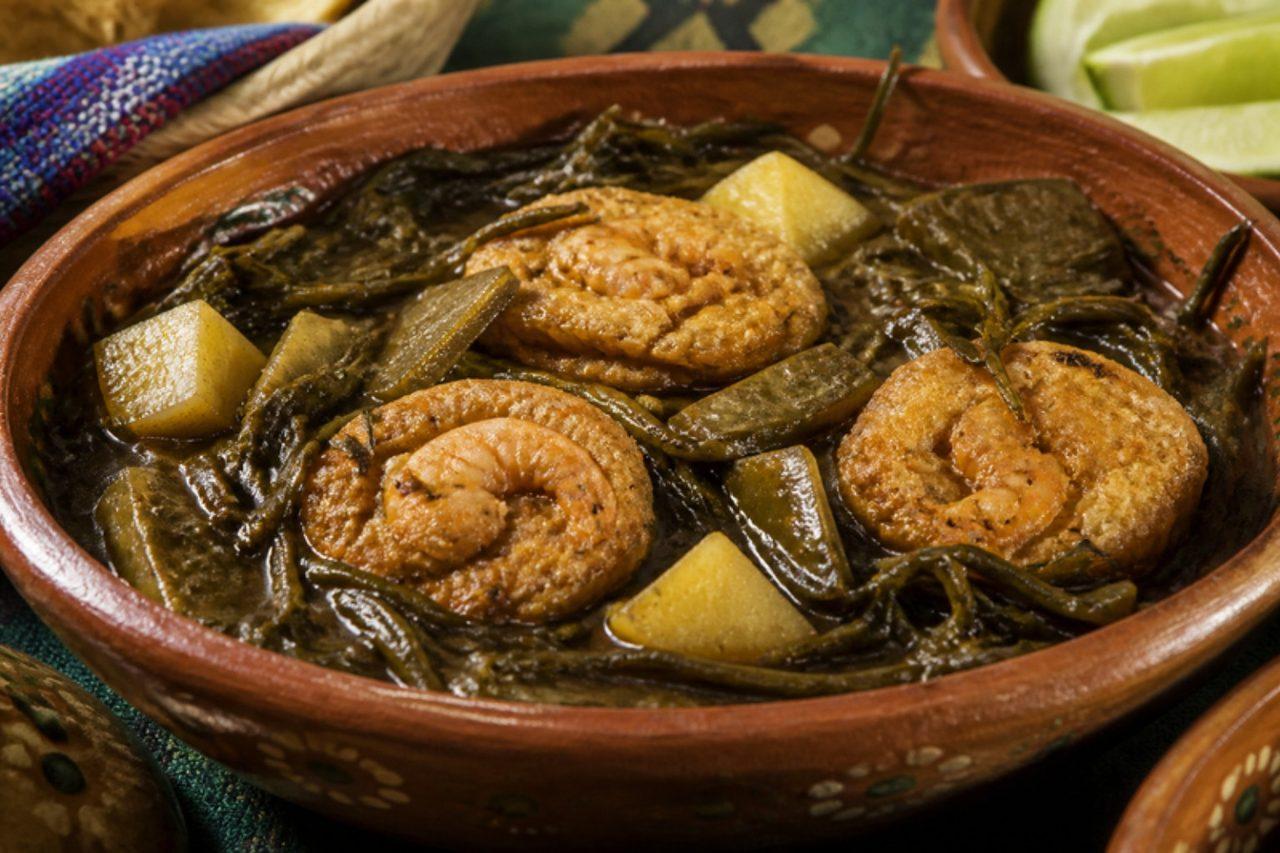
In Mexico City and the towns around it, Christmas Eve without romeritos is unthinkable: tender sprigs of seepweed (romerito) simmered in dark mole with little potatoes and cactus, crowned with fritters of dried shrimp and egg. It is eaten again at Lent, when meatless dishes rule. Find romeritos at Mexican grocers in December; samphire tips or tender spinach stems are the closest swap. A ready mole paste keeps this to an afternoon. For a vegetarian version, leave out the shrimp tortitas and use vegetable stock. Chef's tip: blanch the romeritos briefly and squeeze them well, or their bitterness and water flood the mole.

by KrazyBadal 0 views
Atole blancoWarm masa drink

Long before coffee arrived, atole was the morning drink of central and southern Mexico, and in villages of Oaxaca, Puebla and Tlaxcala plain atole blanco is still drunk hot with tamales at breakfast or on cold evenings. Fresh masa is whisked into water and cooked until it thickens to a silky, gently sweet drink with a toasty corn taste. Made with water it is vegan. Chef's tip: strain the masa before cooking, so the atole is smooth with no lumps.

by KrazyBadal 0 views
Pierna adobadaAdobo roast pork leg

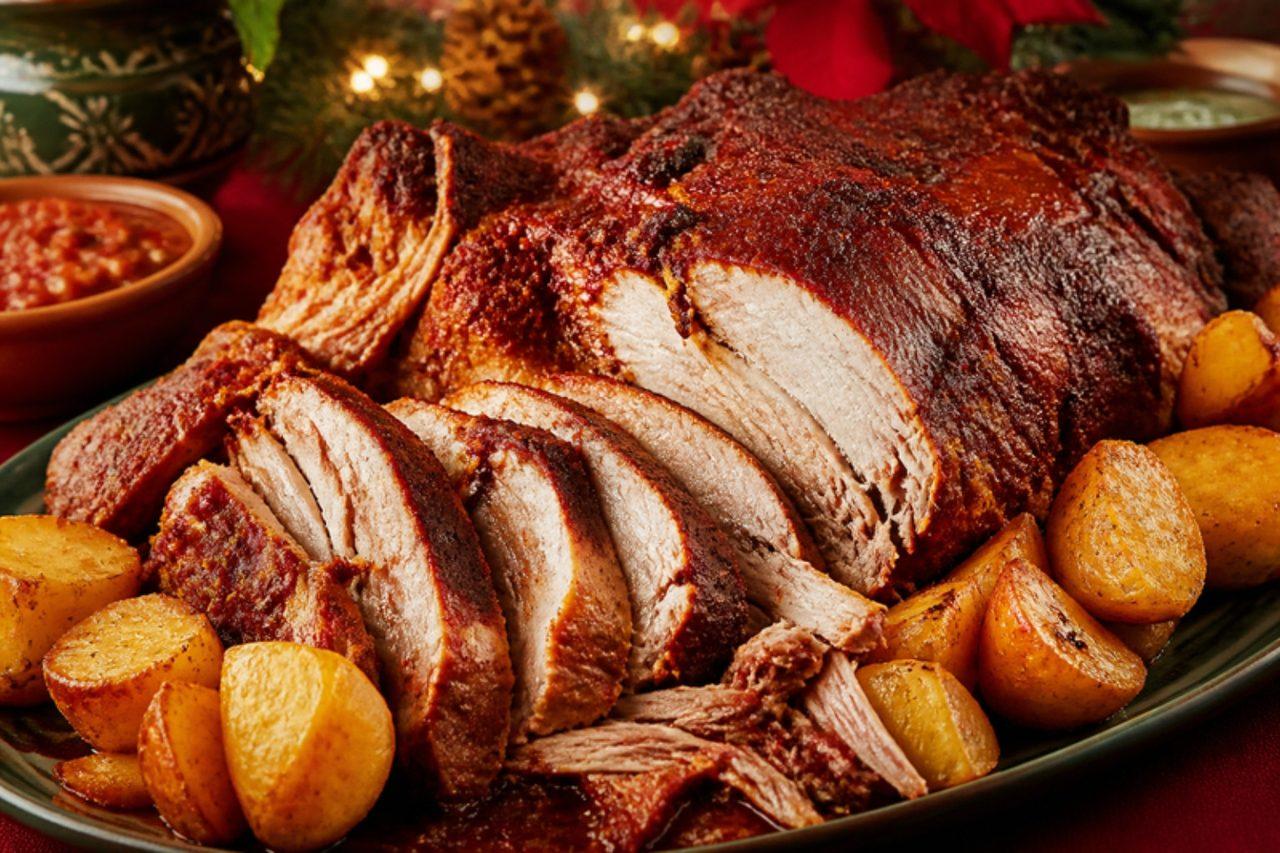
From Puebla to Monterrey, a dark red leg of pork comes out of the oven on 24 or 31 December, its adobo of ancho and guajillo chiles, garlic, vinegar and orange caramelised into a sticky crust. It is sliced at the table with apple salad and Christmas rice, and the leftovers fill tortas for days. This recipe uses a smaller boneless leg or shoulder joint of pork that fits a home oven; it marinates overnight in the fridge and roasts low and slow. Chef's tip: baste with the pan juices every half hour once the foil comes off, so the adobo glazes rather than burns.

300 minMexicanMeatGluten free
by KrazyBadal 0 views
Misto quenteHam and cheese toastie

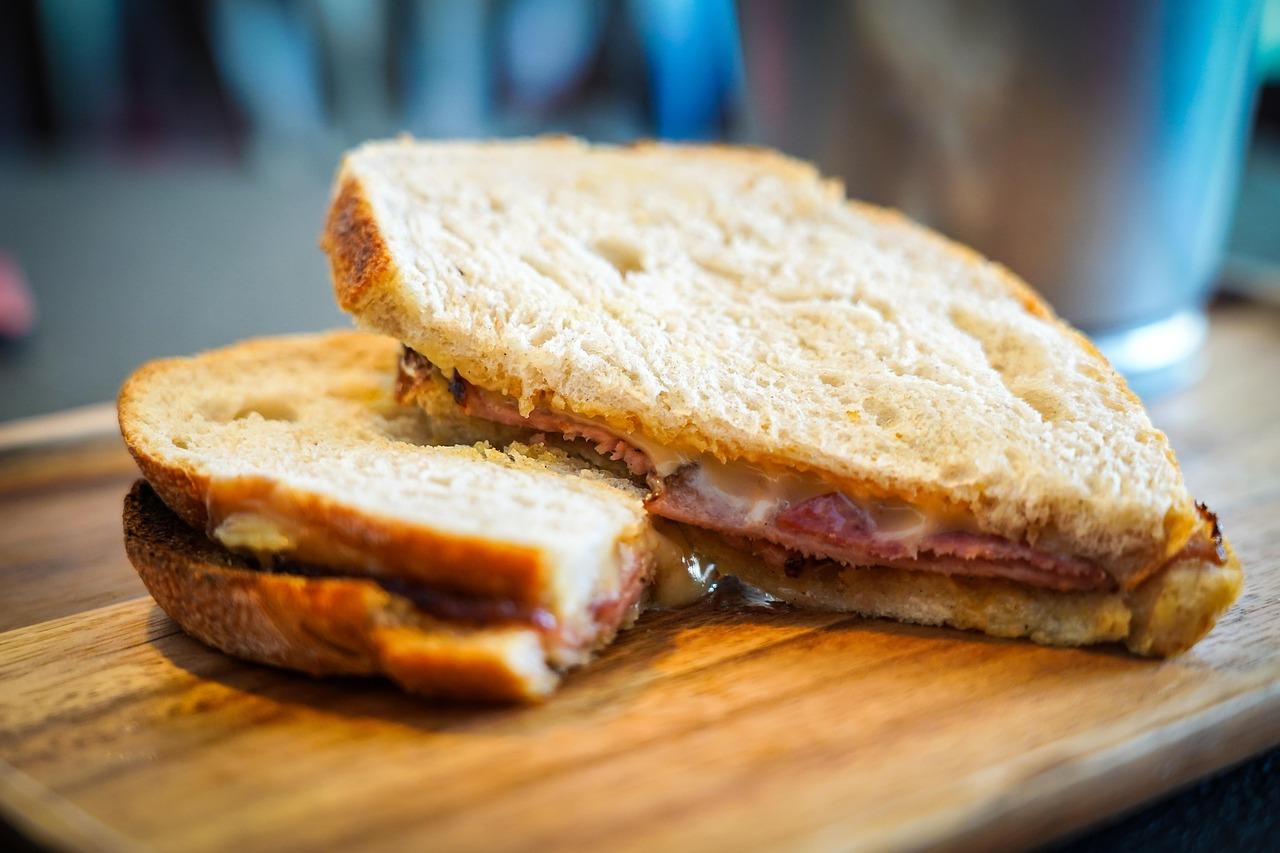
Order a misto quente at any padaria counter in Brazil and it arrives in minutes, pressed flat and golden in a hot sandwich iron, with a glass of orange juice or a pingado coffee. It is the go-to breakfast, school snack and late-night bite from São Paulo to Salvador. The filling is simple sliced cooked ham, which is pork, and melting cheese such as mozzarella or the local queijo prato between slices of soft white bread. Chef's tip: butter the outside of the bread, not the inside, for an even, crisp crust.

by KrazyBadal 0 views
Polvorones de nuezPecan butter cookies

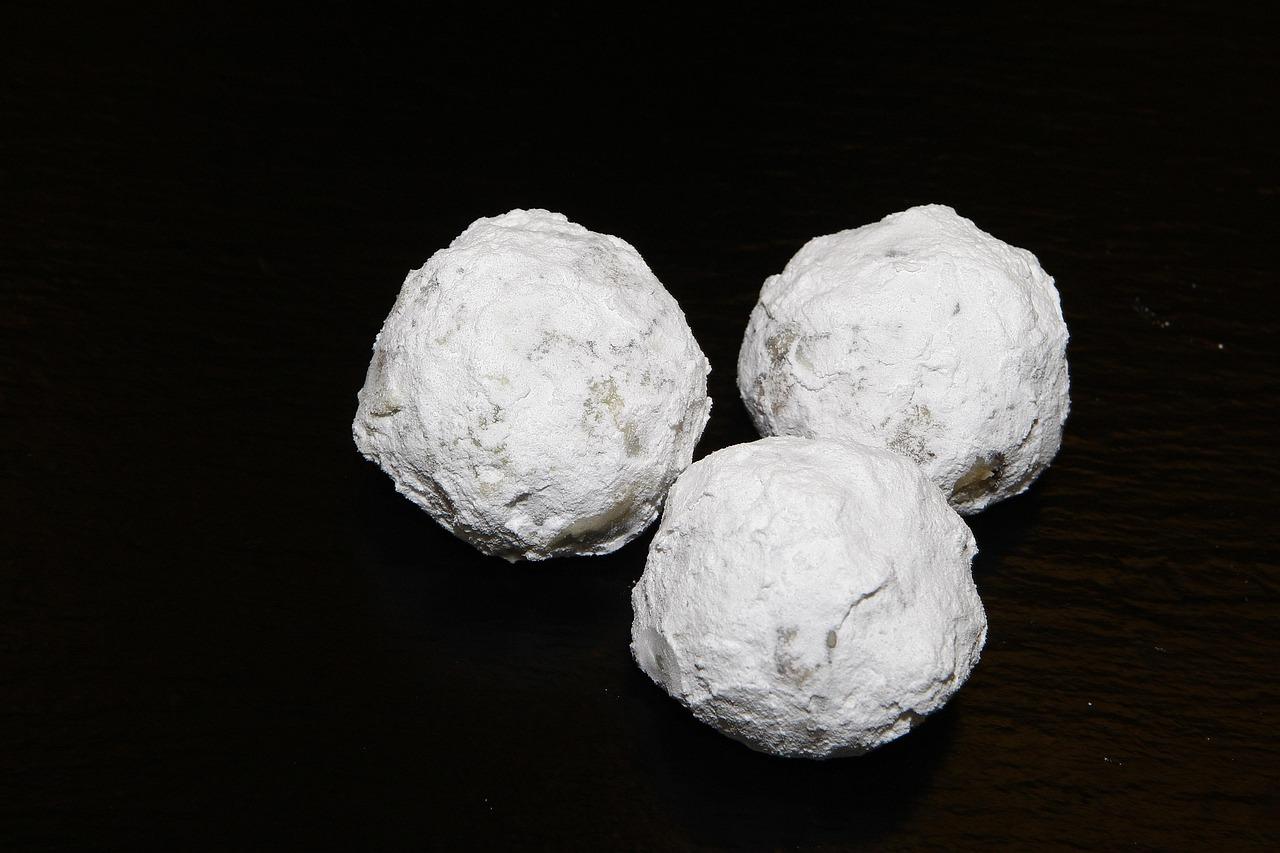
Christmas cookie tins, wedding tables and bakery counters all over northern and central Mexico hold polvorones, small domes of toasted pecan shortbread that crumble to dust in the mouth, which is how they got their name. They are rolled twice in icing sugar, once warm and once cold, so they look snowy. Old recipes used lard; this one uses butter, so it is vegetarian, and it contains wheat and tree nuts. Chef's tip: toast the pecans first, which turns a plain cookie into a deeply nutty one.

by KrazyBadal 0 views
SincronizadasHam and cheese tortilla sandwiches

Found on cafeteria menus and in school lunchboxes from Monterrey to Mérida, sincronizadas are two flour tortillas 'synchronised' around cooked ham (pork) and melting cheese, then toasted on the griddle until the cheese runs. Cut into wedges and served with guacamole or salsa, they're a ten-minute supper that children love. Chef's tip: keep the heat at medium, so the cheese melts before the tortillas scorch.

by KrazyBadal 0 views

Showing 72 of 9,812 recipes

Show more recipes

Page 146 of 1,091