


Skip to content
Gaz
Featured recipe

Gaz

Pistachio nougat

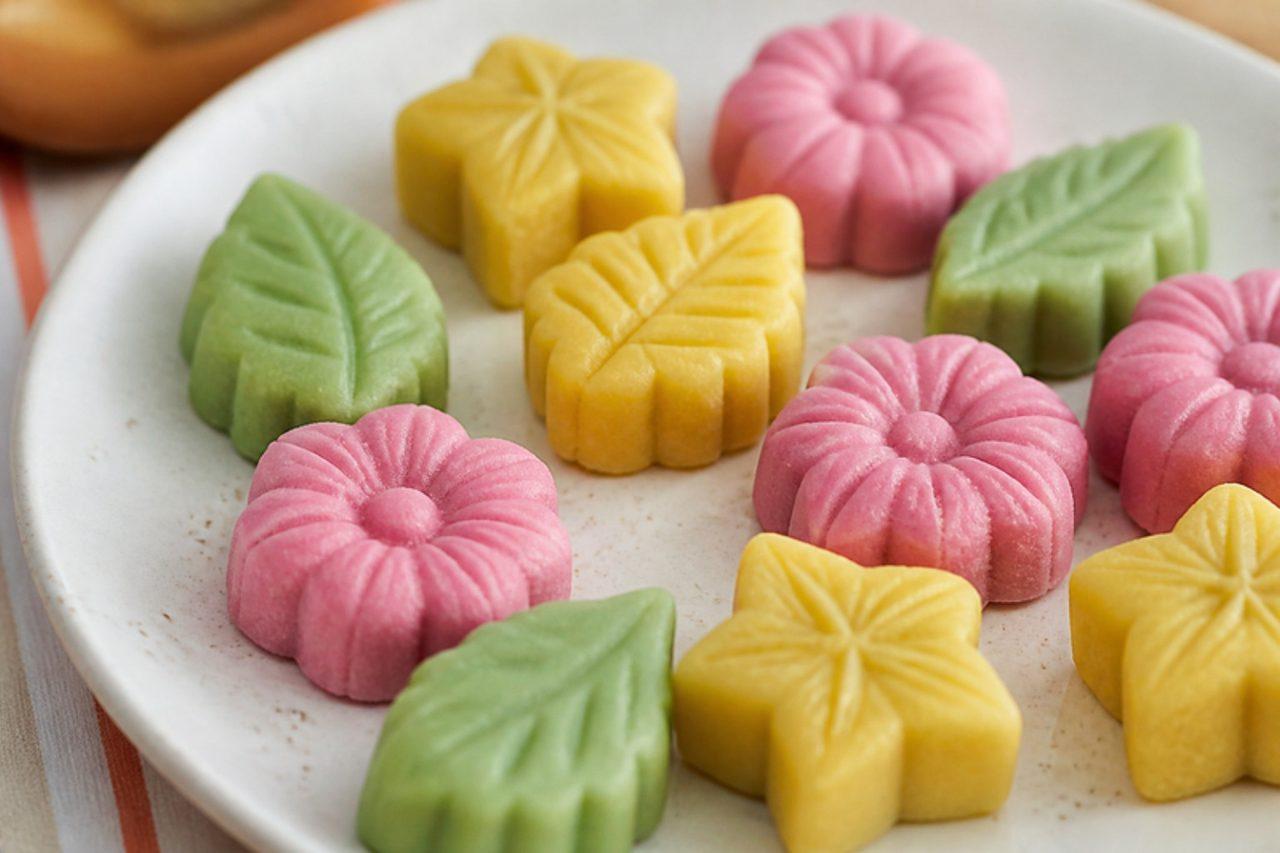
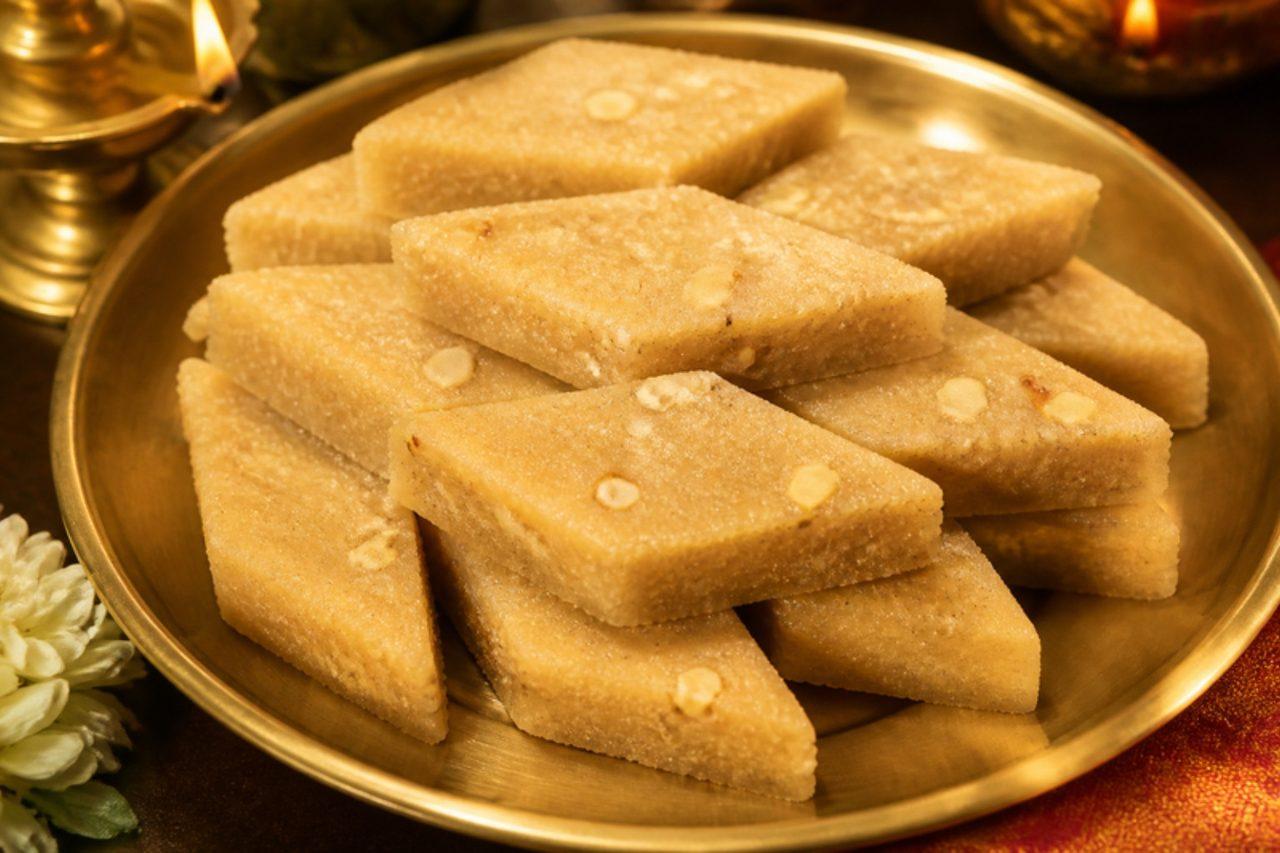
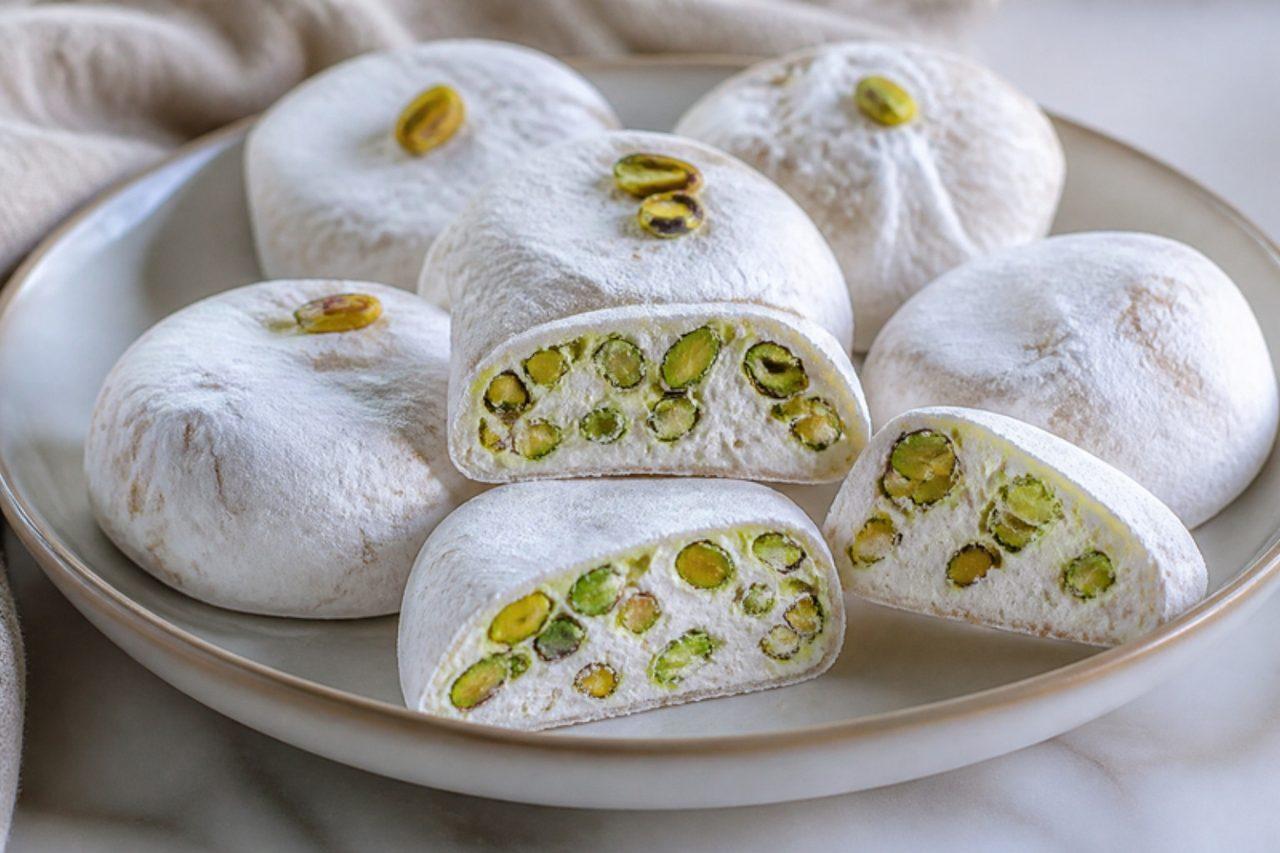
Gaz is the sweet every visitor carries home from Isfahan, sold in round tins of floury, pistachio-studded pieces at the bazaar near Naqsh-e Jahan square and handed round with tea at Nowruz. Isfahan's confectioners make it with angebin, a sap gathered from tamarisk shrubs, which is hard to find abroad; this home version whips egg white into a hot sugar and glucose syrup to get the same soft, chewy, white nougat, scented with rosewater. A common mistake is pulling the syrup off the heat too soon: below 140 °C the gaz stays sticky and never sets. Chef's tip: cut it with a knife dipped in hot water and toss the pieces straight into flour so they don't stick to each other.

Read more 0 views

What to eat today?

Around the world

Today's trip: Persian

A new country every day, from every cuisine on the site.

This week's collection

Kid-friendly dinners
541 recipes · a new collection every Monday

Latest recipes

Citron presséFresh lemon drink

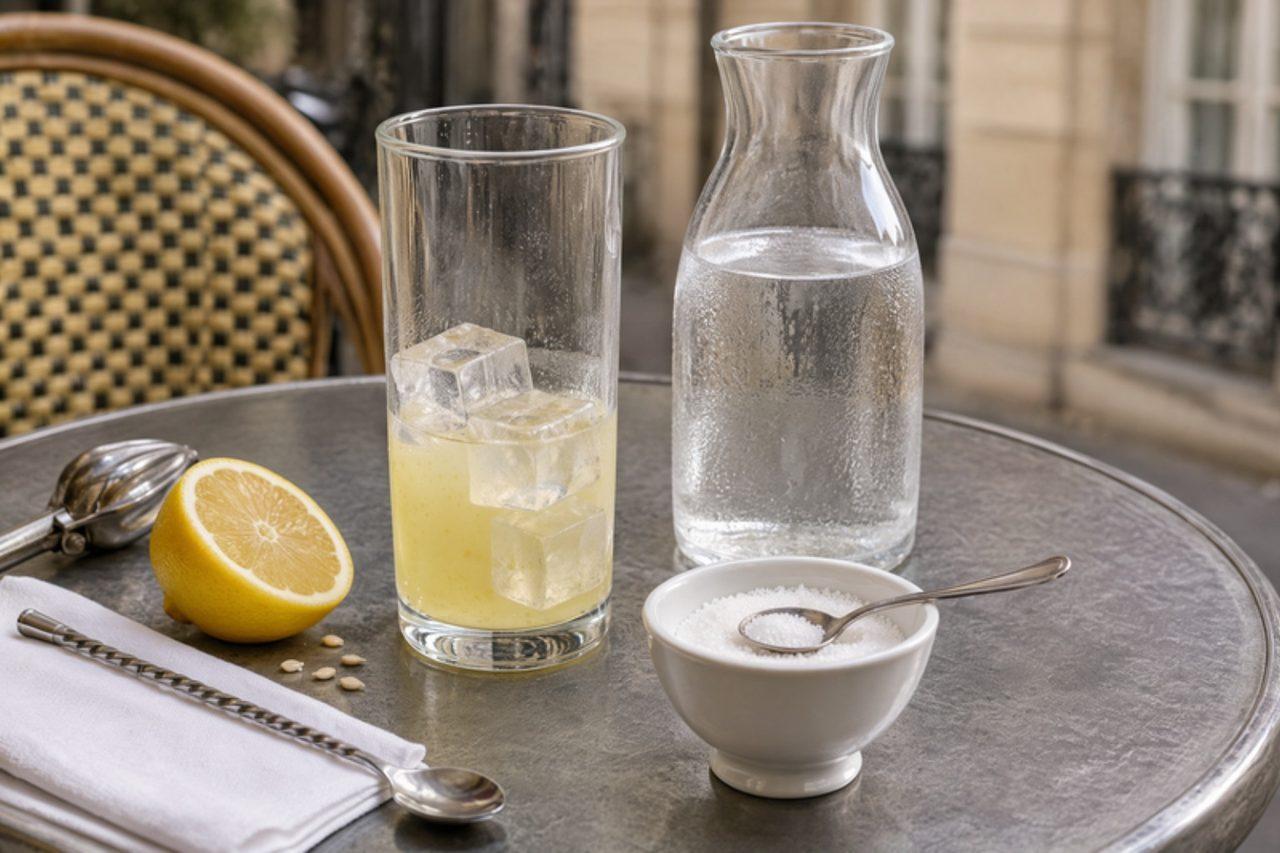
Order a citron pressé on a Paris terrace in July, or at a café in Nice after the beach, and the waiter brings a tall glass with an inch of freshly squeezed lemon juice, a carafe of iced water, a sugar bowl or a little jug of syrup and a long spoon. You build the drink yourself, as sharp or as sweet as you like, which is half the pleasure; French children learn to drink it with plenty of sugar, grown-ups often with almost none. It is bright, sour and cleansing, nothing like bottled lemonade, and best in the late afternoon heat. The common mistake is stirring granulated sugar straight into cold lemon water: it sinks and never dissolves, so the first sips are sour and the last a sludge. Dissolve the sugar in the juice first, or use a quick syrup. It is ready when the sugar has vanished, the drink tastes balanced to you and the glass is beaded with cold. Unwaxed lemons matter if you add a twist of peel. Chef's tip: pour the water over ice slowly and taste after half the carafe; most people find they need less water than they expect.

by KrazyBadal 0 views

CuchuflíFilled wafer tubes

Cuchuflí are the thin, crisp wafer tubes filled with manjar that vendors sell from baskets on Chilean beaches and outside football stadiums, and that children beg for at the Fiestas Patrias fondas. At home you can bake the wafers yourself and roll them round a wooden spoon handle. The usual mistake is waiting too long to roll them: the wafers set within seconds and crack. Bake only three at a time. Chef's tip: fill them with a piping bag just before serving, or the manjar softens the wafer; dip the ends in melted chocolate if you like.

by KrazyBadal 0 views

Cocido quemadoBurnt sugar mate drink

Cocido is how Paraguay starts the day: in Asunción, in the villages of Guairá and Itapúa, and in school kitchens, a pot of burnt yerba is brewed and poured into cups with chipa, the cheesy cassava bread, or with a hard galleta. The old way is to drop a glowing piece of charcoal into a pot with yerba and sugar and stir until the sugar burns. On a home stove you caramelise them together in a dry pan instead, which is safer and gives the same smoky, toffee-like taste. The drink is clear amber-brown, with roasted, slightly bitter mate notes over burnt-sugar sweetness; with milk added it becomes cocido con leche, creamy and coffee-coloured. Yerba mate contains caffeine, so treat it like a cup of coffee. The common mistake is letting the sugar go black: it turns acrid and bitter. Pull it off the heat when the caramel is deep amber and the yerba smells toasted, not burnt. It is ready when the liquid is a clear dark amber and tastes of toffee and smoke. Chef's tip: the water will spit fiercely when it hits the hot caramel, so pour it in from the side, at arm's length.

by KrazyBadal 0 views

Colada moradaPurple corn and berry drink

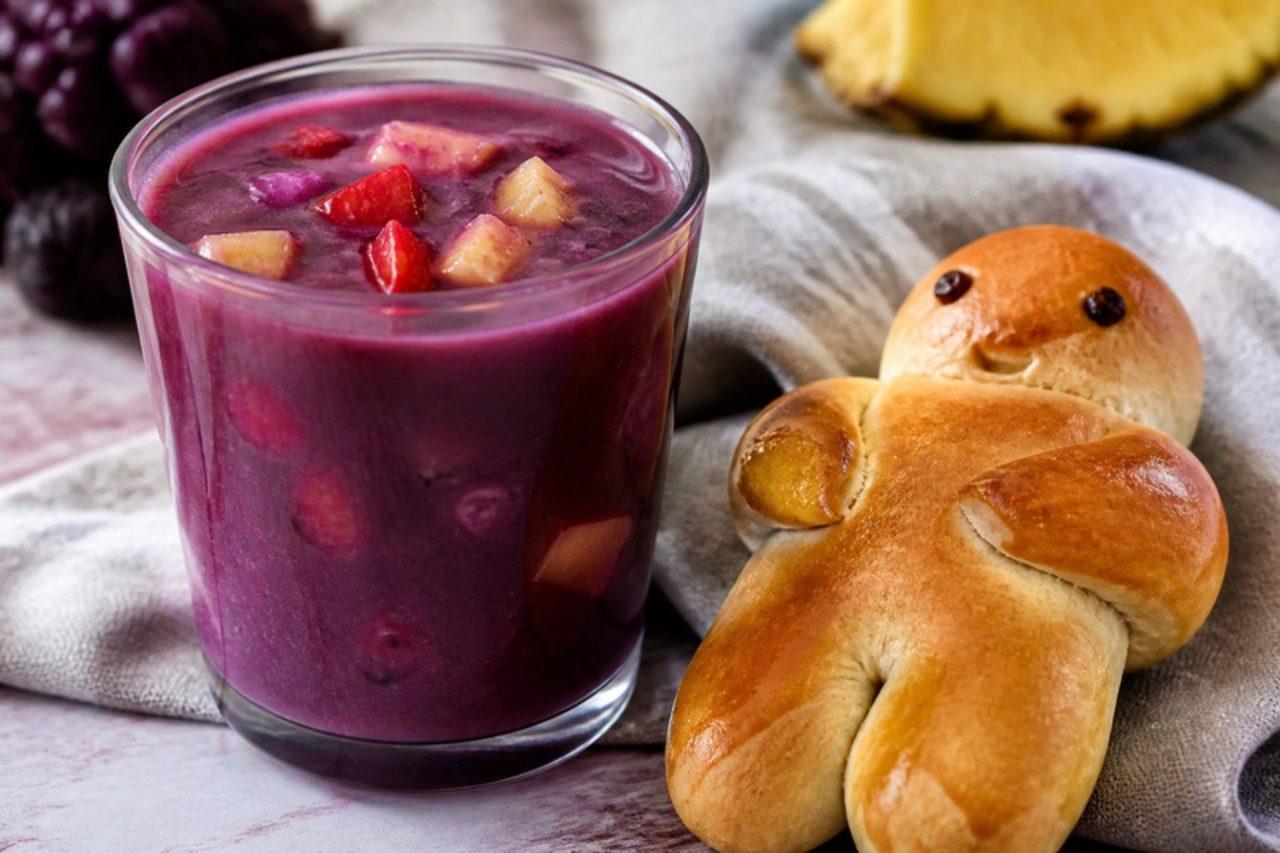
Every year in the days before 2 November, the Día de los Difuntos, Quito's kitchens and bakeries fill with the smell of colada morada: a warm, spoon-thick drink of purple corn flour cooked with blackberries, blueberries, pineapple and a bundle of fragrant herbs and spices. It is deep violet, sweet-tart and full of chopped fruit, and it is always served with guaguas de pan, the bread babies, often shared with family at the cemetery. The most common mistake is stirring the corn flour straight into hot liquid, which makes lumps: whisk it into cold water first. Chef's tip: lemon verbena and lemongrass give the authentic perfume; if you can find naranjilla or a few orange leaves, add them to the spice pot too.

100 minAndeanDrinksVeganGluten free
by KrazyBadal 0 views

Cola de monoCoffee and milk liqueur drink

In Santiago, December means cola de mono: bottles of cold, coffee-coloured spiced milk that families make days ahead and open on Christmas Eve and New Year's Eve, poured beside slices of pan de pascua, the dense Chilean fruit cake. The traditional version is for adults only, spiked with grape aguardiente; pour small glasses and drink responsibly. It tastes like a sweet, cold café con leche with cinnamon, clove and orange, the aguardiente adding a warm finish, and the texture is smooth and light, never thick. Each glass has about as much caffeine as a small, weak coffee, so use decaf for anyone sensitive. The classic mistake is adding the aguardiente while the milk is still hot: much of the alcohol steams away and the milk can catch and curdle. Let the spiced milk cool completely first. It is ready when the colour is an even tan, the spices smell strong but the milk tastes clean, and it is fridge-cold. It keeps 3–4 days in the fridge in clean bottles; shake before pouring and throw it out if it smells sour. Chef's tip: make it two days ahead; the spices keep blooming and it tastes noticeably rounder.

by KrazyBadal 0 views

NoribenSeaweed and fish cake bento

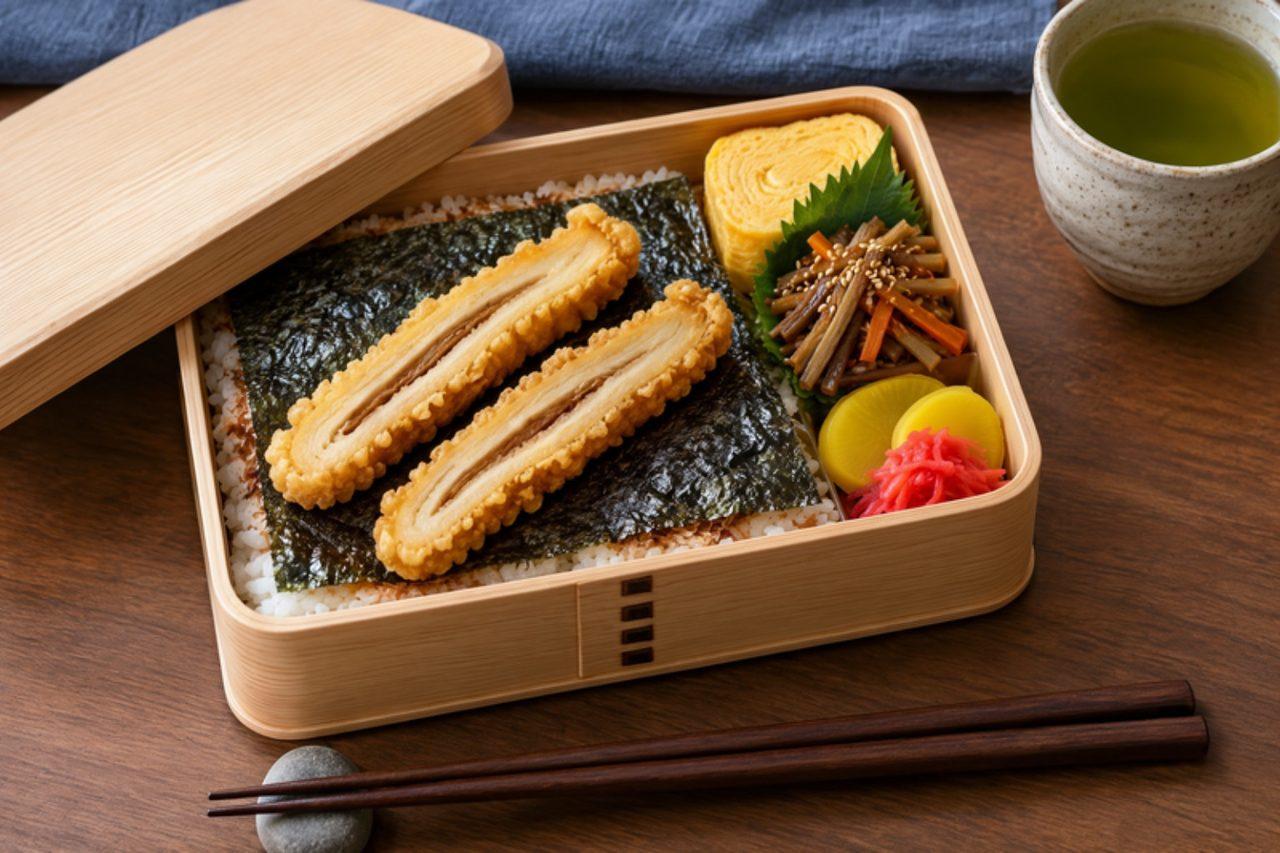
Noriben is the humblest and most nostalgic Japanese packed lunch: rice spread with okaka (bonito flakes in soy) and covered with a whole sheet of nori, sometimes twice in layers, then topped with something fried such as chikuwa fish cake or white fish. Convenience stores and bento shops across Japan sell it for a few hundred yen. The usual mistake is laying the nori on steaming rice and closing the lid, which leaves it soggy and torn; let the rice cool a little first. Chef's tip: snip the nori into a few strips before it goes on, so it is easy to bite through with chopsticks.

by KrazyBadal 0 views

CortaditoEspresso with steamed milk

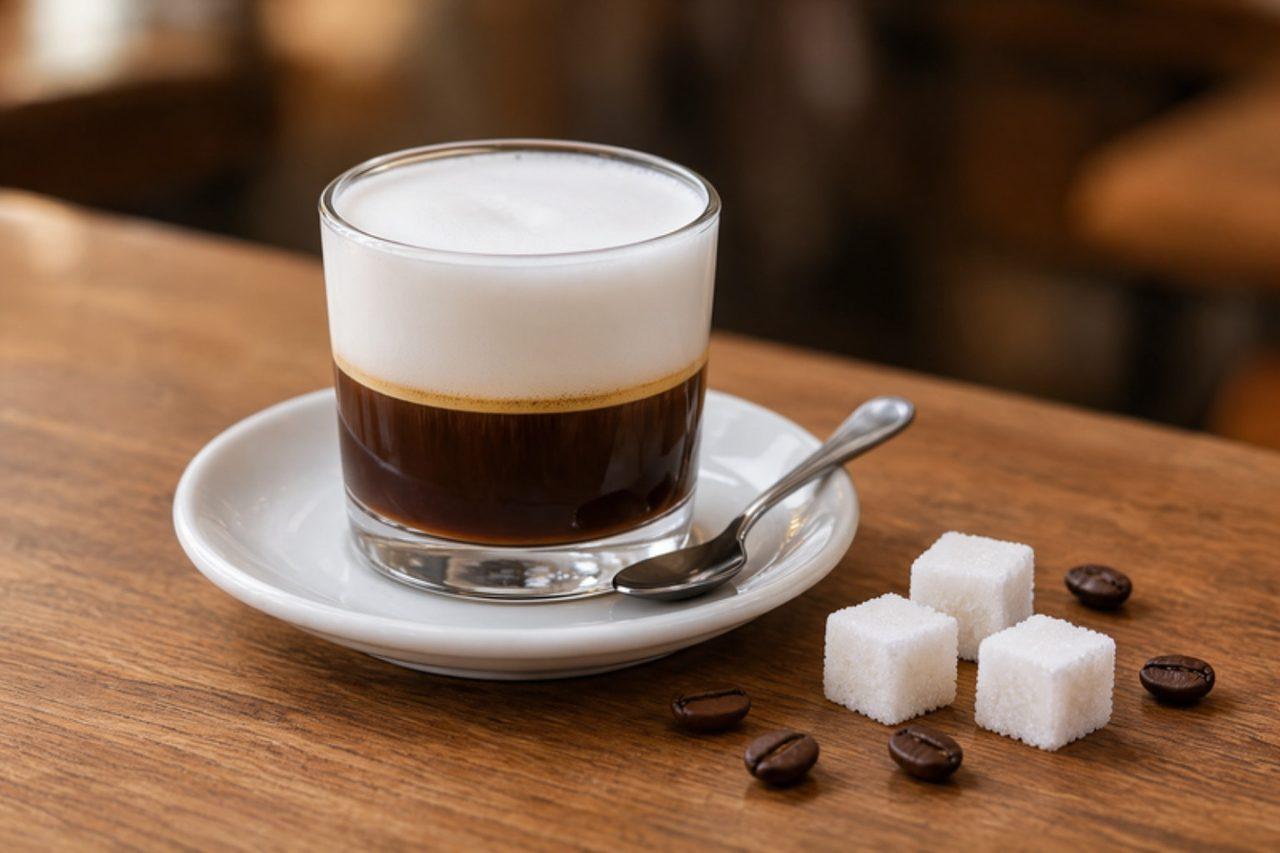
Havana runs on small cups of coffee: a cafecito standing at a ventanita, a colada shared in tiny plastic cups at work, and in the afternoon or with breakfast, a cortadito, which is Cuban coffee cut (cortado) with roughly as much hot milk. The coffee is brewed in a stovetop cafetera, and the first dark drops are whipped hard with sugar into a pale, thick espumita that floats on top of the cup. The result is rich, very sweet and caramel-like, with a velvety milk body and a strong, bitter edge underneath. It is high in caffeine, so it is not one for children. The common mistake is adding sugar to the pot or stirring it in at the end; without the espumita you get a thin, flat drink. Beat the first concentrated coffee with the sugar until it turns light tan and holds soft folds, then pour in the rest. It is ready when a pale foam floats on the cup and the milk has been heated until steaming, with small bubbles around the edge but not boiling. Chef's tip: catch only the first 2–3 teaspoons of coffee for the foam; later coffee is too thin to whip.

by KrazyBadal 0 views

KongjukSoybean and rice porridge

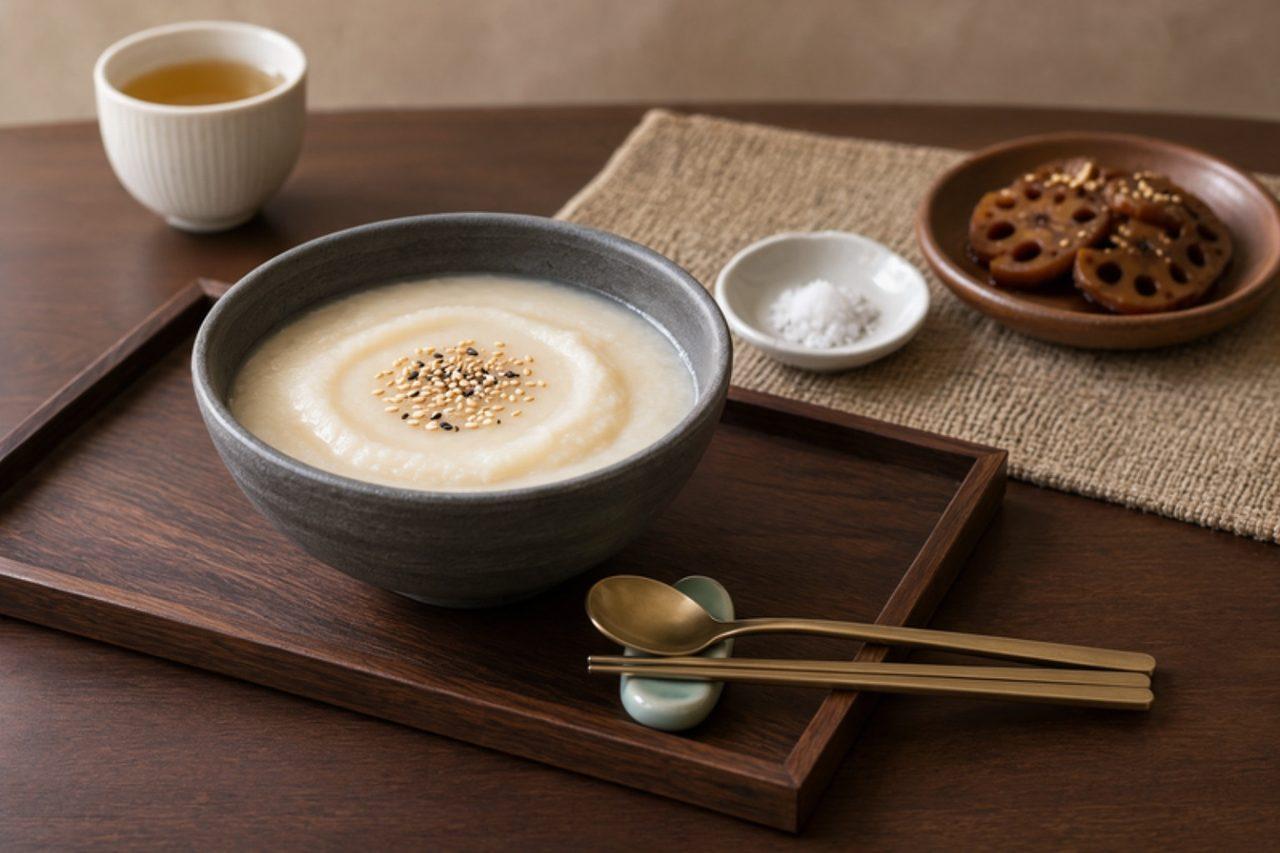
Kongjuk is the porridge Korean families make when they want something filling but plain: soaked soybeans ground into a milk with rice and cooked until it is thick, pale and creamy. It is a breakfast and a summer staple in the countryside, eaten with a little salt and some kimchi or radish on the side. The mistake to avoid is under-blending the beans: gritty bean skins make the porridge grainy, so blend long and fine, or sieve it. Stir often too, because soy milk catches on the bottom quickly. Chef's tip: skim off the loose skins after soaking by rubbing the beans between your palms under water; the porridge comes out silkier and whiter.

by KrazyBadal 0 views

Gahat ke paratheHorse gram stuffed parathas

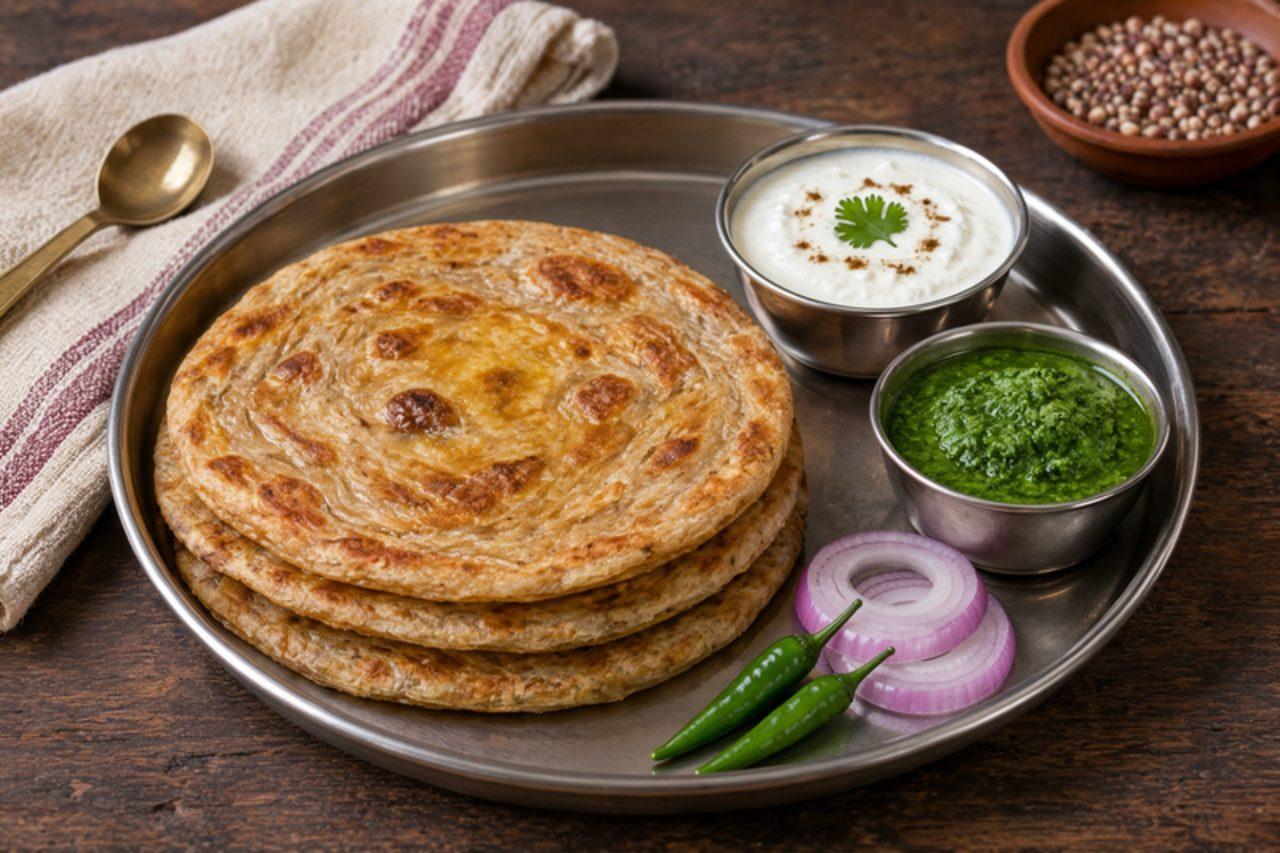
Gahat (horse gram) is the warming winter lentil of Uttarakhand, and in Garhwal it is boiled, mashed and stuffed into parathas for cold mornings, served with butter, curd and a hill pickle. The filling is spiked with ginger, garlic, green chilli and coriander, and the parathas keep you full for hours. Gahat is hard, so it needs a long soak and a pressure cooker. The common mistake is leaving the filling wet; moisture steams through the dough and the paratha tears. Chef's tip: dry the mashed gahat in a pan for a few minutes after mashing until it holds together like a soft crumble.

by KrazyBadal 0 views

TenmusuPrawn tempura rice balls

Tenmusu, short for tempura musubi, began in Tsu and became a Nagoya speciality: small salted rice balls with a crisp little prawn tempura poking out of the top, wrapped in nori and sold in boxes at Nagoya Station as a travel lunch. The common mistake is wrapping hot, crunchy tempura straight into the rice, so it steams soft; let it cool on a rack first. Use raw prawns that smell of the sea; throw away any that smell of ammonia. Chef's tip: brush the cooled tempura with a quick sweet soy dip before you shape the rice round it, which is the Nagoya secret to its flavour.

by KrazyBadal 0 views

CorvichePlantain and peanut fish fritters

Along the Manabí coast and in Guayaquil's afternoon snack stalls, corviches are torpedo-shaped fritters with a crisp, peanut-rich green-plantain crust and a filling of fish cooked with onion, pepper and cumin. They are eaten hot with pickled red onion and a dash of chilli, often for breakfast or as an afternoon bite. Peanuts are a major allergen. The usual mistake is making the plantain shell too thick, which leaves raw starchy dough inside; keep it about 1 cm and fry at a steady 170 °C. Chef's tip: grate the plantain on the finest holes of a box grater; a fine grate makes a smooth dough that seals without cracks.

by KrazyBadal 0 views

Cà ri chayVegetarian sweet potato curry

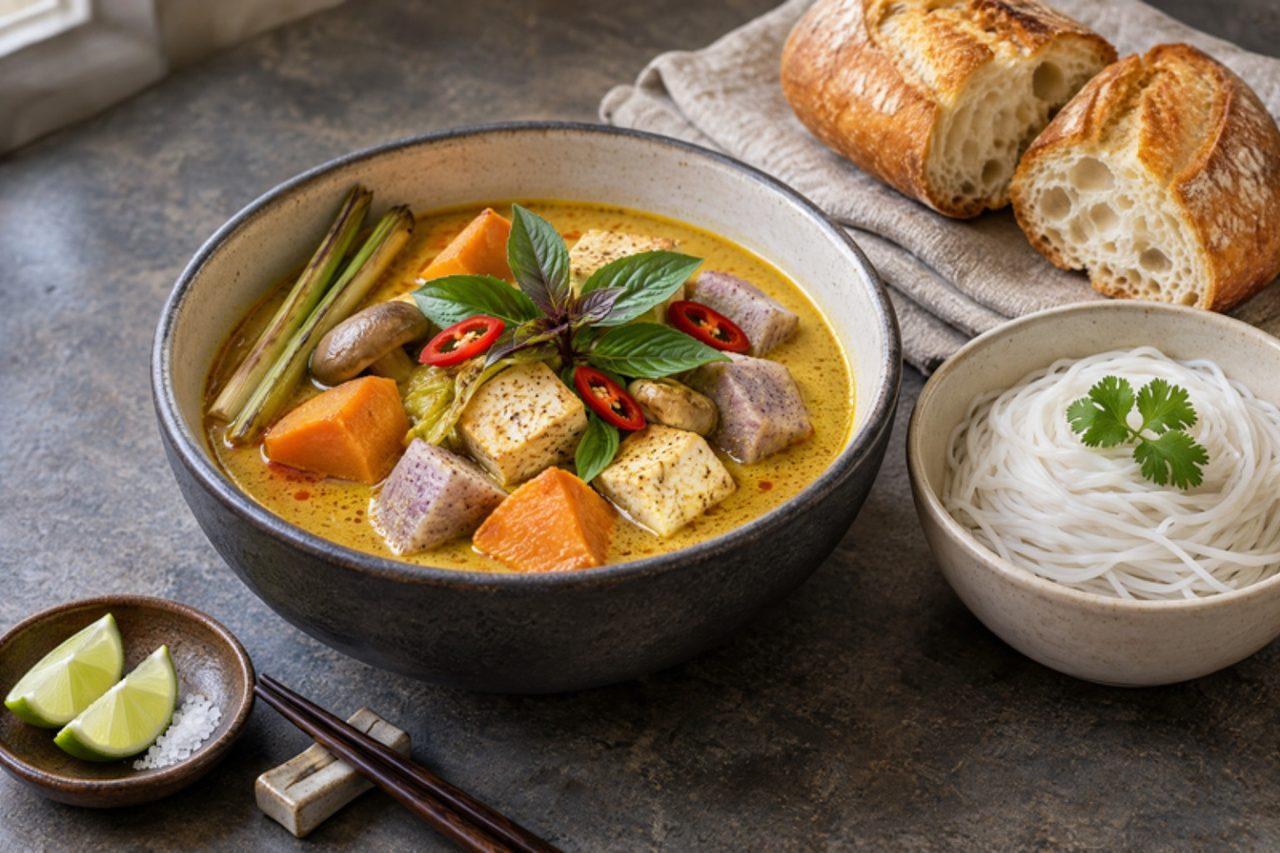
Cà ri chay is served at Buddhist temples and vegetarian restaurants across Saigon and the Mekong Delta, and many families cook it at home on rằm days, the first and fifteenth of the lunar month, when they eat no meat. Sweet potato and taro soften into a golden, lemongrass-scented coconut curry with fried tofu and meaty oyster mushrooms; it is mild and fragrant rather than fiery. Mop it up with a crusty baguette, or ladle it over rice vermicelli. The usual mistake is putting all the vegetables in at once: the sweet potato dissolves before the taro is cooked. Chef's tip: fry the taro and sweet potato briefly before simmering, which seals the outside so the chunks hold their shape in the sauce.

by KrazyBadal 0 views

CouacToasted cassava meal

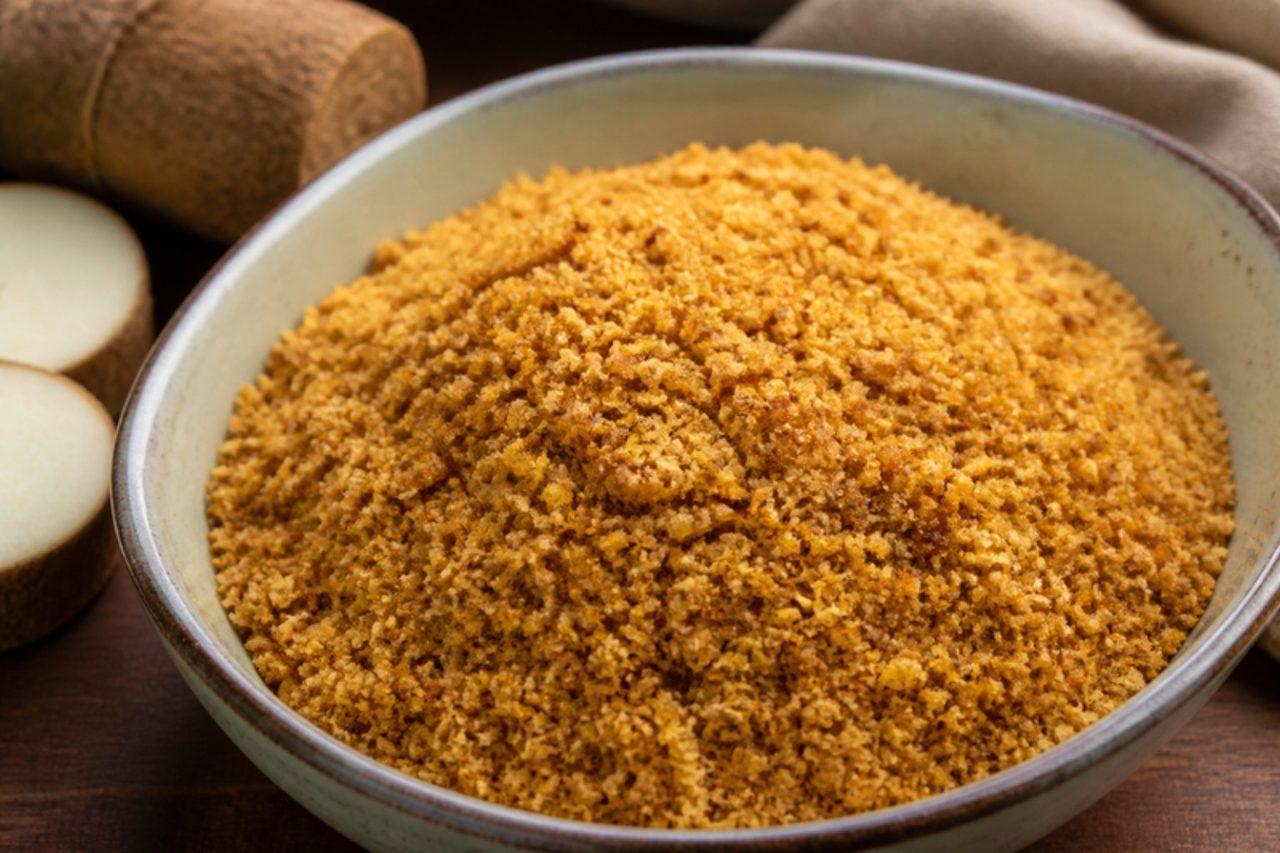
In French Guiana couac is on the table at almost every meal, sprinkled over fish in sauce, stirred into stews or soaked in water with sugar as a snack, and it is still made in the carbets (open-sided sheds) of Amerindian and Maroon villages along the Maroni river. Traditionally it is made from bitter cassava, which is poisonous until its juice has been pressed out and the meal roasted for hours. This home version uses only sweet cassava (yuca), and still presses out and discards all the juice and toasts the meal until fully dry, because cassava must never be eaten raw. The usual mistake is a heat that is too high: the outside scorches while the inside is still damp. Chef's tip: stir almost constantly over a medium-low heat; the couac is done when it rattles in the pan, smells nutty and a grain snaps cleanly between your teeth.

by KrazyBadal 0 views

Masu zushiPressed trout sushi

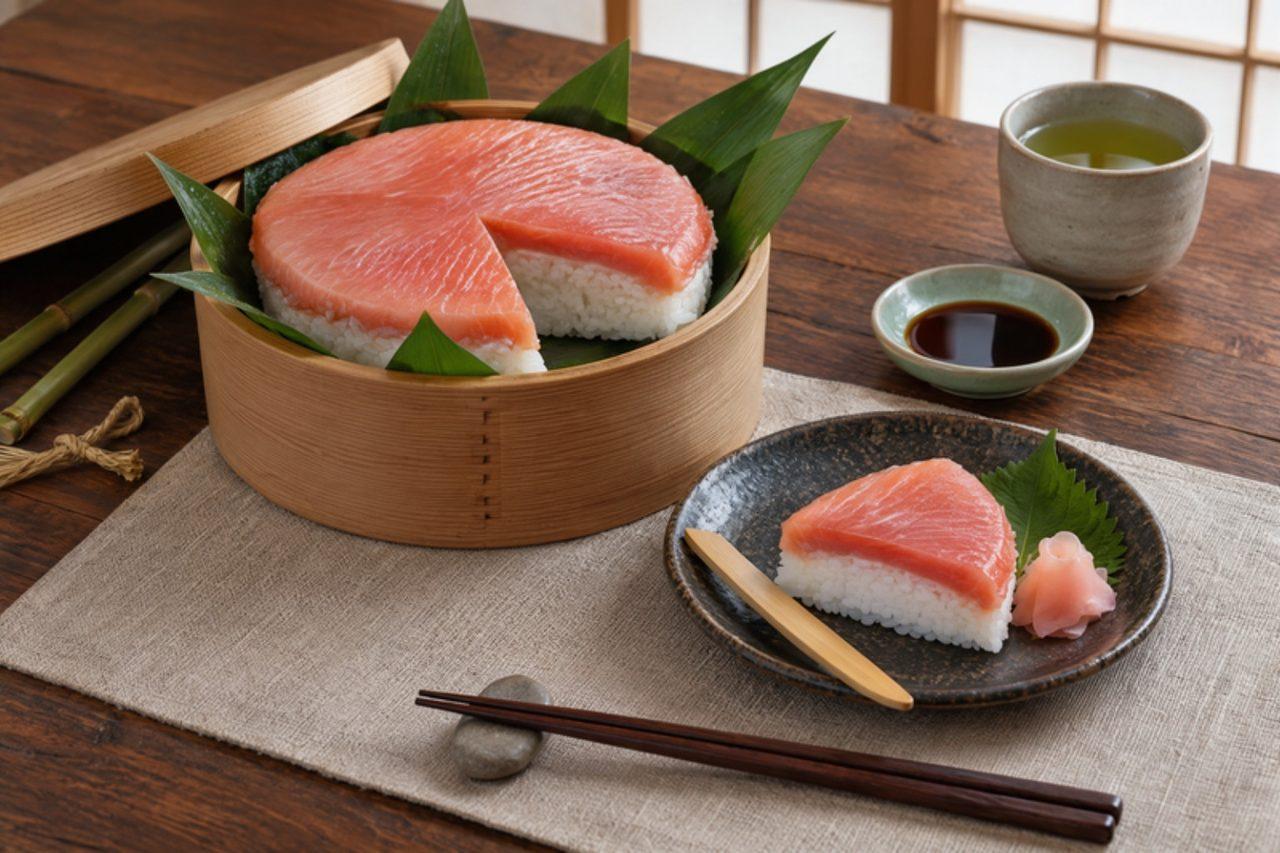
Masu zushi is Toyama's famous ekiben, the boxed lunch sold at the station for the train ride: a round, flat cake of vinegared rice pressed under a layer of salted, vinegar-cured trout and wrapped in bright green bamboo leaves, cut into wedges like a pie. The fish is cured but raw, so use only fish sold as safe to eat raw and previously frozen, and keep everything cold; this version is not for pregnant women, young children or anyone with a weakened immune system. For a safer version, use hot-smoked trout fillet instead, which is fully cooked. The usual mistake is pressing the rice while it is still warm, which turns it mushy; cool it to body temperature first. Chef's tip: press the cake for a full hour under a heavy weight so it slices cleanly, then cut it with a wet knife.

by KrazyBadal 0 views

PutharoSteamed rice flour cakes

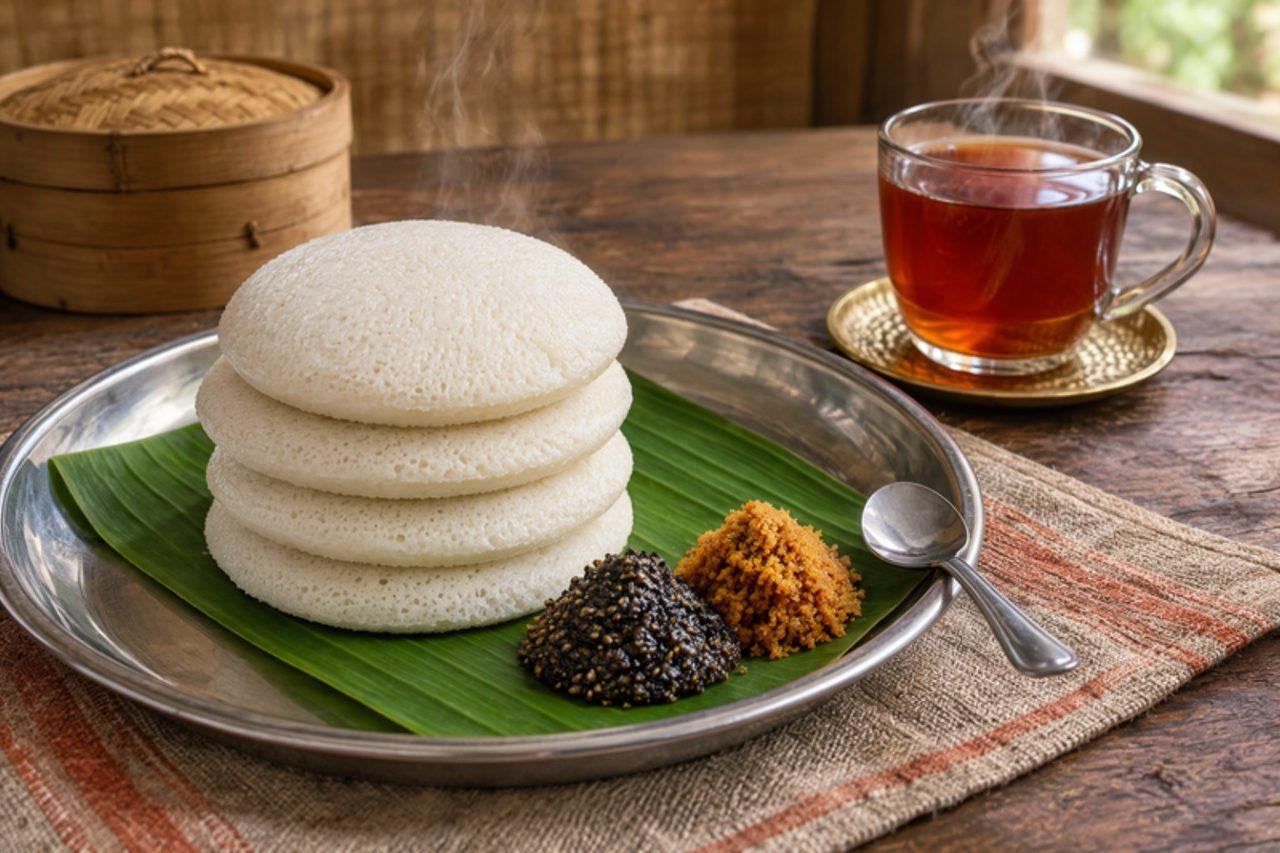
In Shillong and the Khasi Hills, putharo are plain steamed rice-flour cakes eaten at breakfast with red tea or with a bowl of curry. Freshly milled, slightly damp rice flour is what makes them soft. The common mistake is using dry supermarket flour without moistening it, which gives crumbly, dusty cakes; sprinkle the flour with water and rub until it holds when squeezed. Chef's tip: steam on a cloth so the bottoms don't turn soggy.

by KrazyBadal 0 views

Twigim (vegetable and egg)

Twigim is the fried side of Seoul's bunsik stalls: a glass case of sweet potato, vegetable fritters, boiled eggs and squid in a thicker, crunchier batter than Japanese tempura. Around the student bars of Sinchon and in Tongin Market, people order a mixed plate in the evening and have the pieces snipped and drowned in tteokbokki sauce. Squid is the other classic; this version keeps it vegetarian. It contains egg and wheat. Chef's tip: fry everything twice, the second time hotter, the way the stalls do; it is the secret to batter that stays crisp under sauce.

by KrazyBadal 0 views

Puttu and banana for toddlersRice cake and banana for toddlers

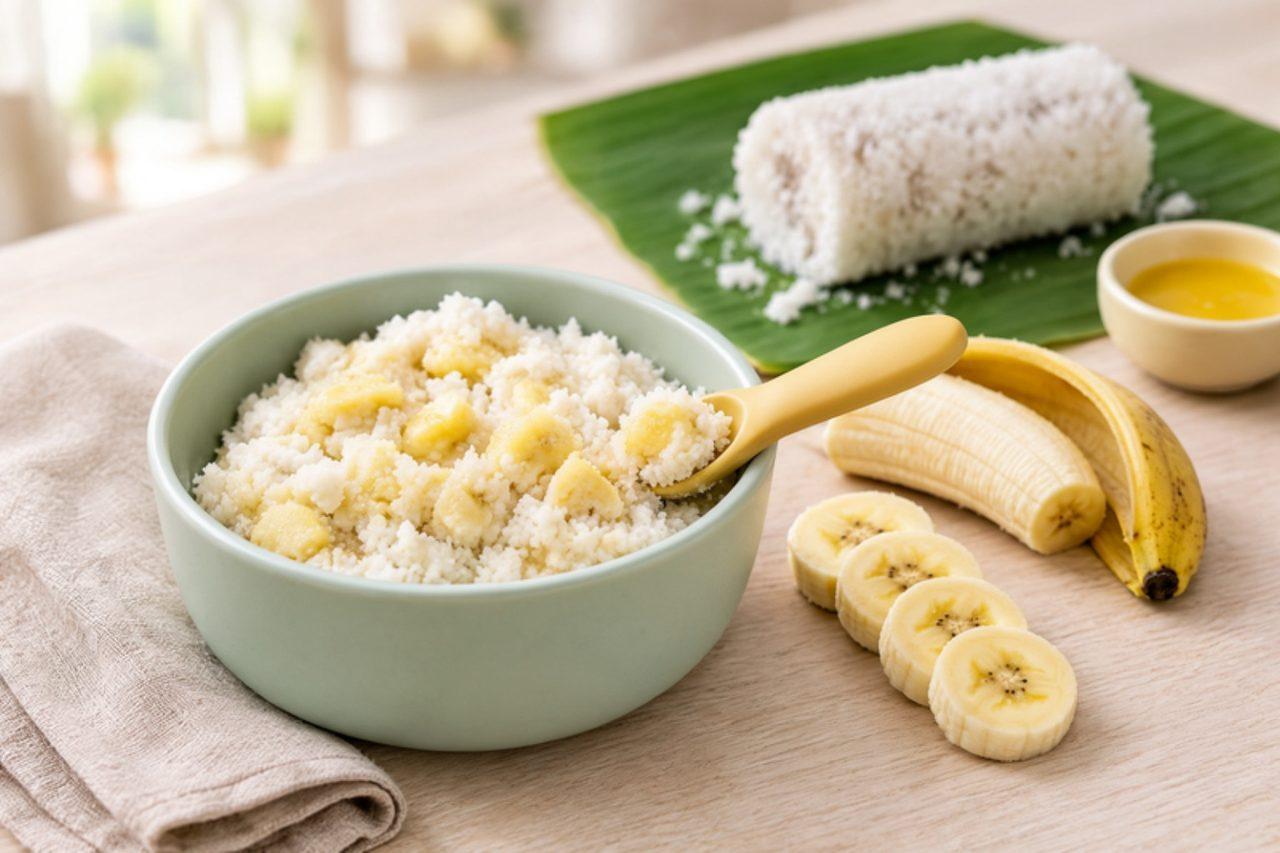
In Kerala homes from Thrissur to Thiruvananthapuram, breakfast often arrives as a steaming log of puttu pushed out of its tall metal mould, and the little ones get theirs crumbled into a bowl and mashed with a sweet, ripe poovan banana. The rice flour and fresh coconut steam into soft, fluffy crumbs that soak up the banana, and a splash of warm milk makes it spoonable for toddlers from 12 months. There is no added salt or sugar: the banana does the sweetening. It contains coconut, and milk if you add it; there is no gluten, egg, nuts or soya. Chef's tip: dampen the flour until a squeezed handful just holds its shape, then crumbles when you poke it.

by KrazyBadal 0 views

Đậu hũ khoBraised tofu with shiitake

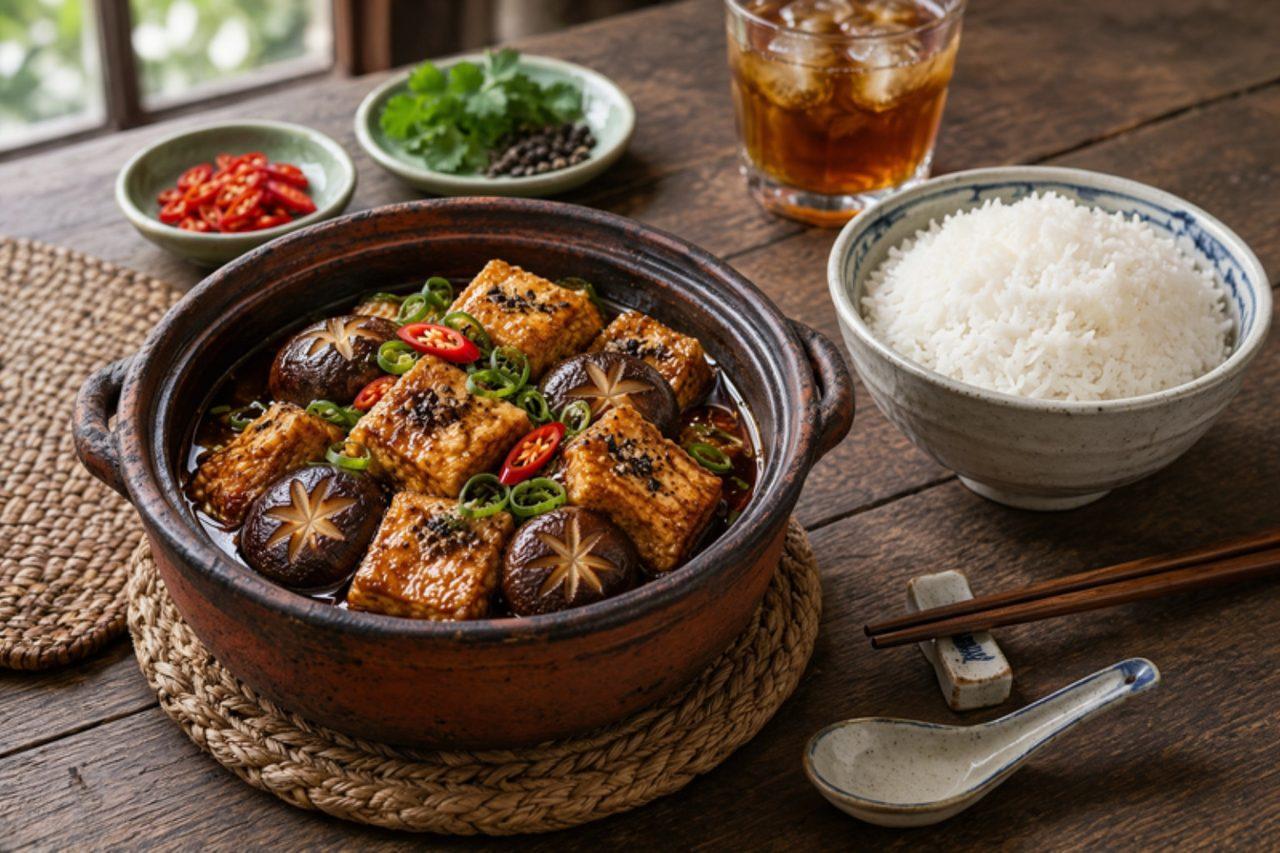
Đậu hũ kho is the vegetarian cousin of the caramel braises (kho) cooked in clay pots all over Vietnam, and in the south it is a standard of Buddhist fasting days and a good companion for a pot of rice through the week. Golden fried tofu and chewy shiitake are braised in a dark caramel, soy sauce and coconut water until the sauce turns sticky, salty-sweet and peppery. Serve with steamed rice, a plate of fresh cucumber and a light soup. The usual mistake is letting the caramel go too dark, which makes the whole dish bitter; stop when it is the colour of strong tea. Chef's tip: coconut water gives a rounder sweetness than plain water, and the braise keeps for 3 days in the fridge.

by KrazyBadal 0 views

Qorma-e-lubiaRed kidney bean stew

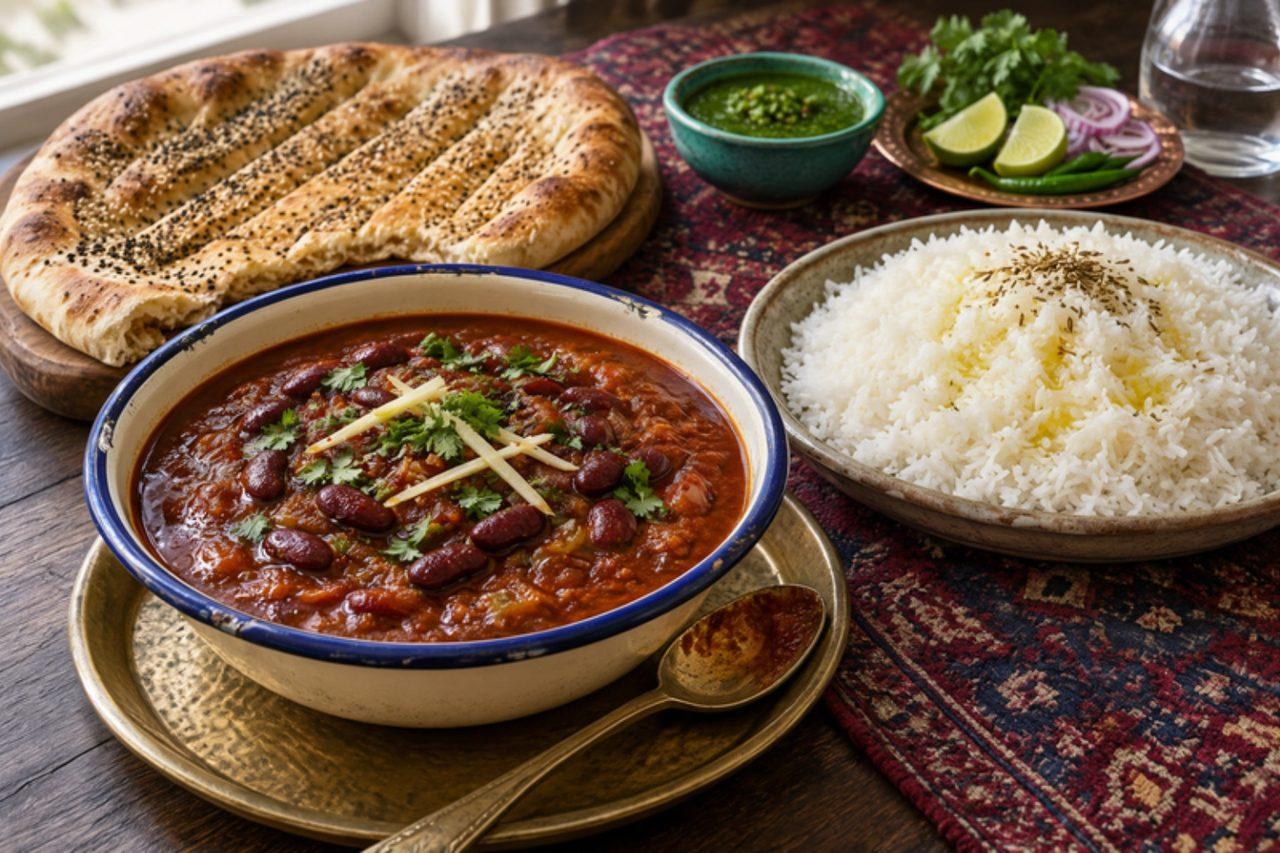
Qorma-e-lubia is everyday Afghan home cooking, made in Kabul and Herat kitchens for weekday lunches and sold from big pots at roadside eating houses with fresh naan. Red kidney beans simmer slowly in a sauce built on deeply browned onion, tomato, garlic and ground coriander until it turns rich and brick-red. Eat it with naan, or with plain challow rice and a salad of tomato and onion. The usual mistake is putting dried kidney beans straight into a slow cooker: they must be boiled hard for 10 minutes first, or they can make you ill. Slow-cooker option: after browning and the hard boil, cook on low for 8 hours. Chef's tip: brown the onions until properly dark, about 15 minutes; that colour is where the stew's depth comes from.

by KrazyBadal 0 views

Frijoles coladosStrained black beans

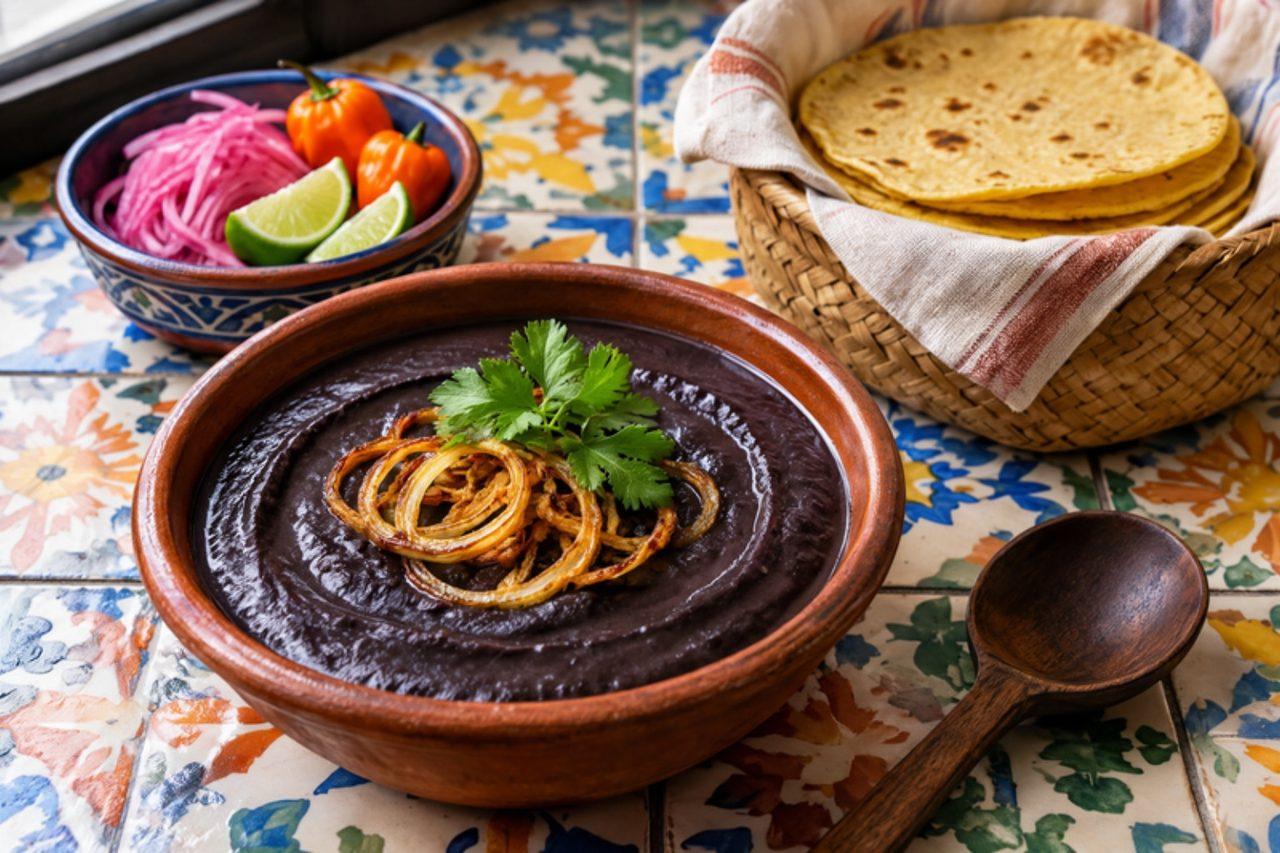
Every cocina económica and family kitchen in Mérida keeps a pot of frijoles colados for the midday meal, the smooth, almost soupy black beans that sit beside cochinita, poc chuc, eggs or simply rice and tortillas across the Yucatán. The beans are cooked soft with epazote, pushed through a sieve, then simmered with onion fried until sweet. Traditionally the onion is fried in pork lard; this version uses oil so it is vegan. The usual mistake is straining beans that are not fully cooked, which gives a gritty, floury purée, so cook them until they crush with no effort. Chef's tip: drop a whole habanero into the simmering purée for 5 minutes for perfume without much heat, then fish it out.

120 minMexicanSidesVeganGluten free
by KrazyBadal 0 views

QuarkbrötchenQuark bread rolls

In German homes Quarkbrötchen are the Sunday-morning answer to an empty bread bin: no yeast, no rising, just quark, egg, flour and baking powder, shaped and in the oven while the coffee brews. They come out with a thin golden crust and a soft, slightly tangy crumb, best split warm with butter and jam or a slice of cheese. The usual mistake is kneading the dough like bread, which makes the rolls tough and flat; mix only until it comes together. Chef's tip: if your quark is very wet, drain it in a sieve for 10 minutes first, or the dough turns sticky and you end up adding so much flour that the rolls go dry.

by KrazyBadal 0 views

Chungmu gimbapRice rolls with spicy squid

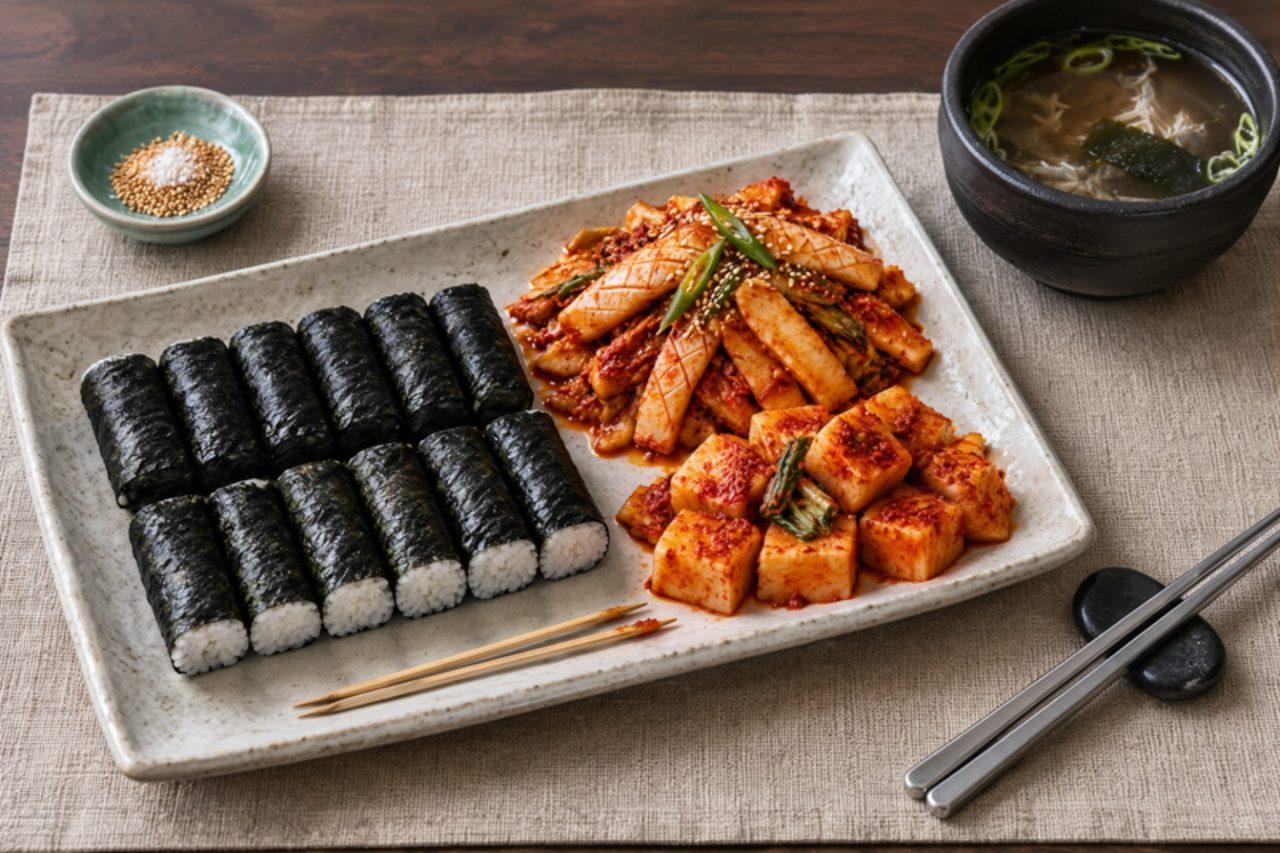
In the harbour town of Tongyeong (once called Chungmu), fishermen's wives made plain rice rolls in laver with the spicy side dishes packed separately, because filled gimbap spoiled in the heat of the boats. Today Chungmu gimbap is a lunchbox and road-trip classic all over Korea: finger-sized rolls eaten with a toothpick, sweet-spicy squid and fish cake, and crunchy radish kimchi. The common mistake is overcooking the squid, which goes rubbery; blanch it just until it turns white and curls. Chef's tip: brush the gim lightly with sesame oil before rolling, which keeps it from going chewy.

by KrazyBadal 0 views

Daing na bangusMarinated fried milkfish

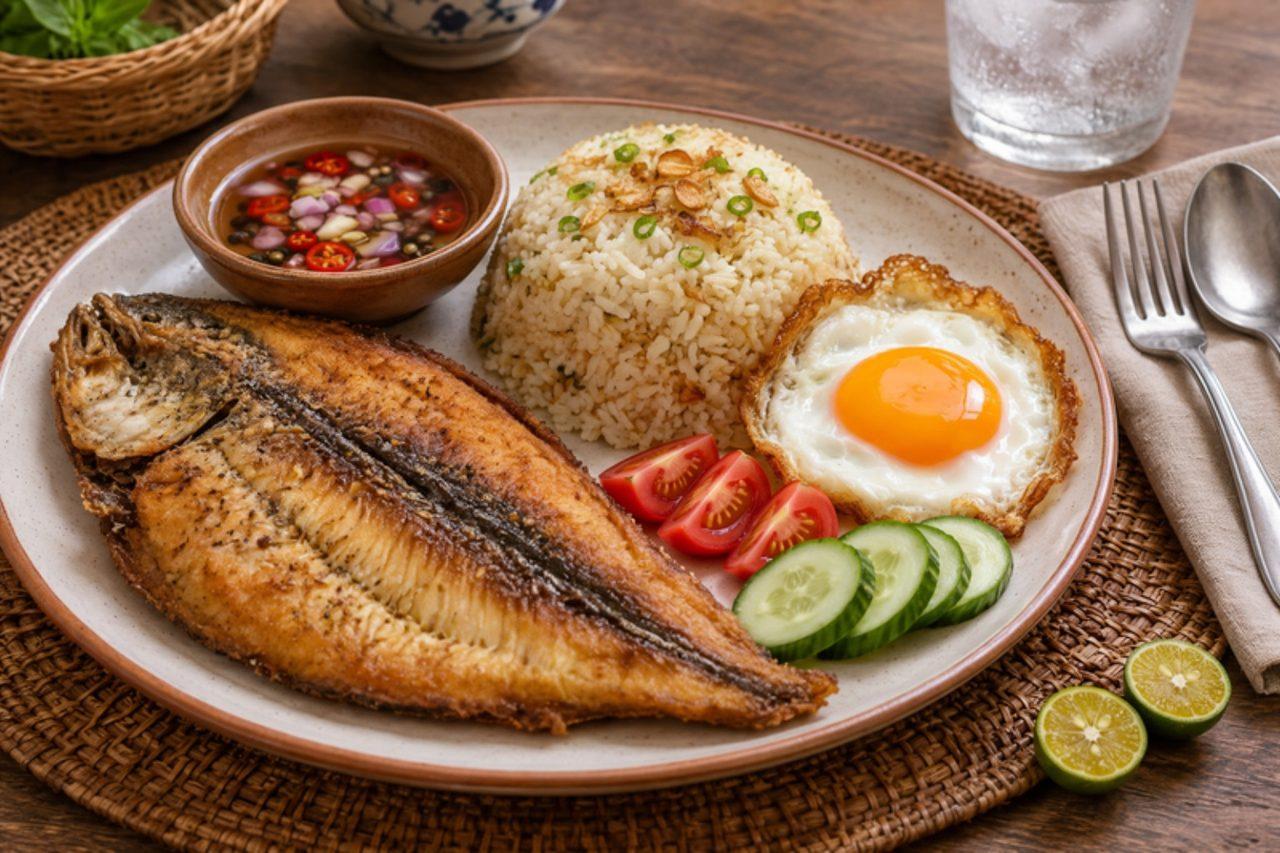
Bangus (milkfish) is the national fish of the Philippines, and daing na bangus, butterflied and soaked overnight in vinegar, garlic and pepper, then fried until the skin shatters, is a favourite morning plate from Pangasinan to Manila. It comes with garlic rice, a fried egg and a dip of spiced vinegar. Buy it boneless (deboned bangus) from Filipino shops, or use mackerel fillets. The usual mistake is putting the wet fish straight into the oil, which spits and stops it crisping. Chef's tip: pat the fish completely dry and fry skin side down first, pressing gently, without moving it for five minutes.

by KrazyBadal 0 views

Frijoles maneadosPinto beans with chile and cheese

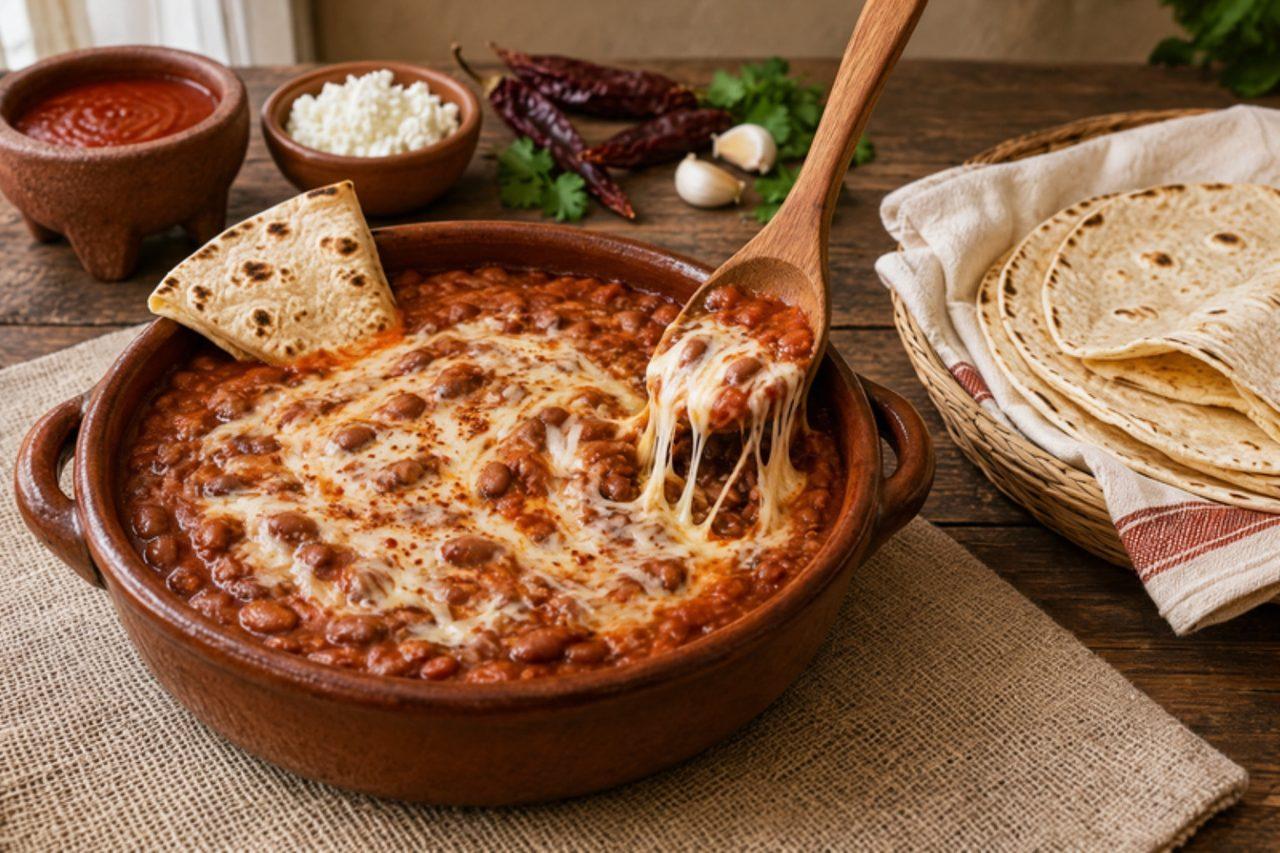
Frijoles maneados are the rich party beans of Sonora in northern Mexico, cooked for carne asada gatherings, weddings and Sunday lunch, and spooned onto flour tortillas. Soft pinto beans are mashed and beaten (maneados means stirred or worked) with dried red chile colorado, milk and so much melting cheese that the pot pulls into strings. Serve them with flour tortillas, grilled vegetables and a sharp salsa. The usual mistake is adding the cheese while the pot is boiling hard, which makes it go rubbery and oily; take the heat right down first. Chef's tip: Sonoran queso regional or Chihuahua cheese is often made with animal rennet, so for a vegetarian pot choose a vegetarian Monterey Jack-style or mild Cheddar cheese labelled suitable for vegetarians.

by KrazyBadal 0 views

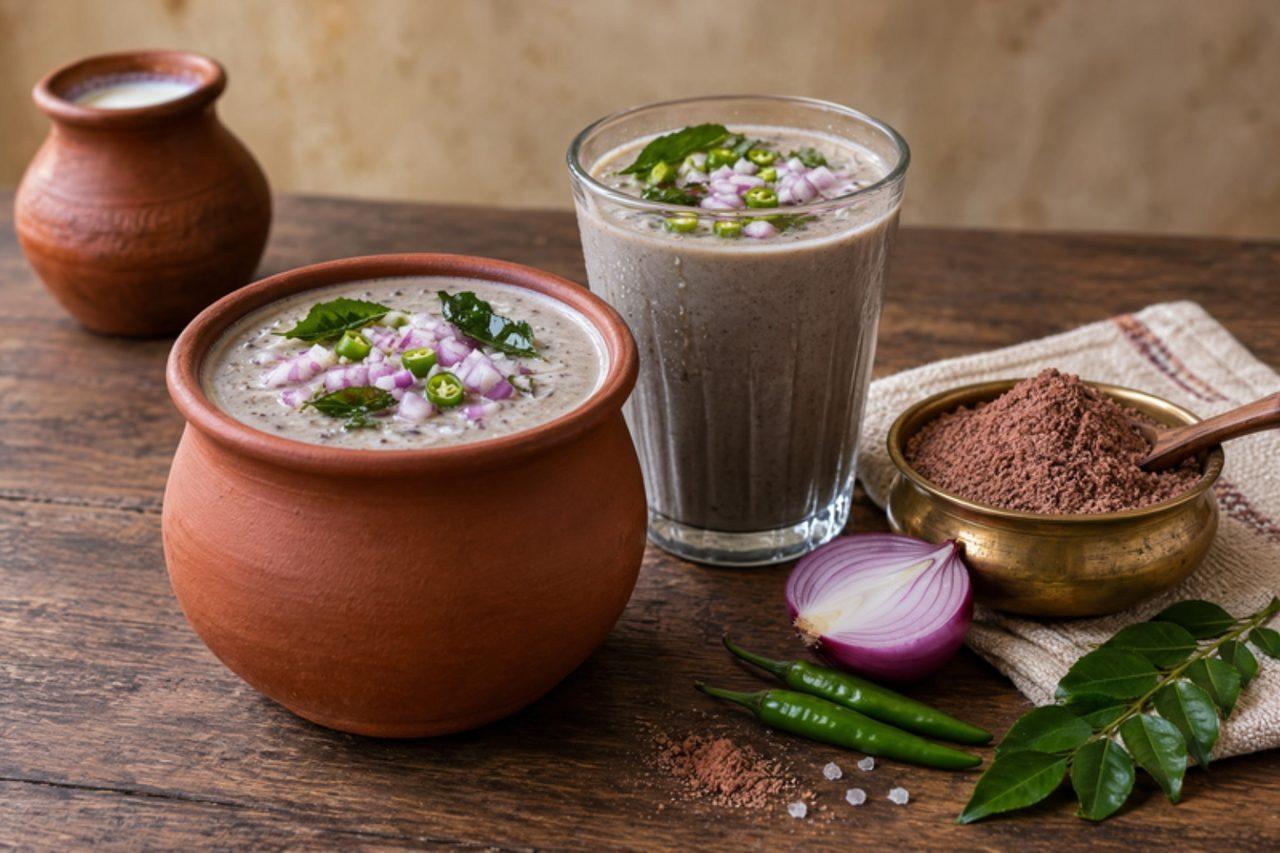
Ragi ambaliFinger millet porridge drink

Across rural Andhra Pradesh and Telangana, farm workers drink a big glass of ragi ambali in the early morning before the summer heat, and clay pots of it are sold at roadside stalls in April and May. Finger-millet flour is cooked into a thick paste, left overnight to ferment lightly, then thinned with buttermilk and stirred with raw onion, green chilli and curry leaves into a cool, tangy, savoury drink. It is suitable as part of a balanced diet. About 140 kcal and 22 g carbohydrate per portion. The usual mistake is pouring the ragi flour straight into boiling water, which makes lumps; mix it with cold water first. Chef's tip: cook the paste until it turns glossy and darker, about 8 minutes; undercooked ragi tastes raw and floury.

by KrazyBadal 0 views

Guiso de fideosBeef and pasta stew

Guiso de fideos is the winter weeknight stew of Argentina, cooked in Buenos Aires flats and on estancias alike, and as loved by children as by grandparents. Beef, potatoes and vegetables simmer in a light tomato and sweet-paprika broth, then short pasta cooks straight in the pot and thickens it into something between a soup and a stew. Serve it in deep plates with crusty bread and grated cheese for those who want it. The usual mistake is adding the pasta too early, so it swells and turns mushy; it goes in only for the last 10–12 minutes. Chef's tip: cut the beef into small cubes, about 2 cm, so it is tender in under an hour.

by KrazyBadal 0 views

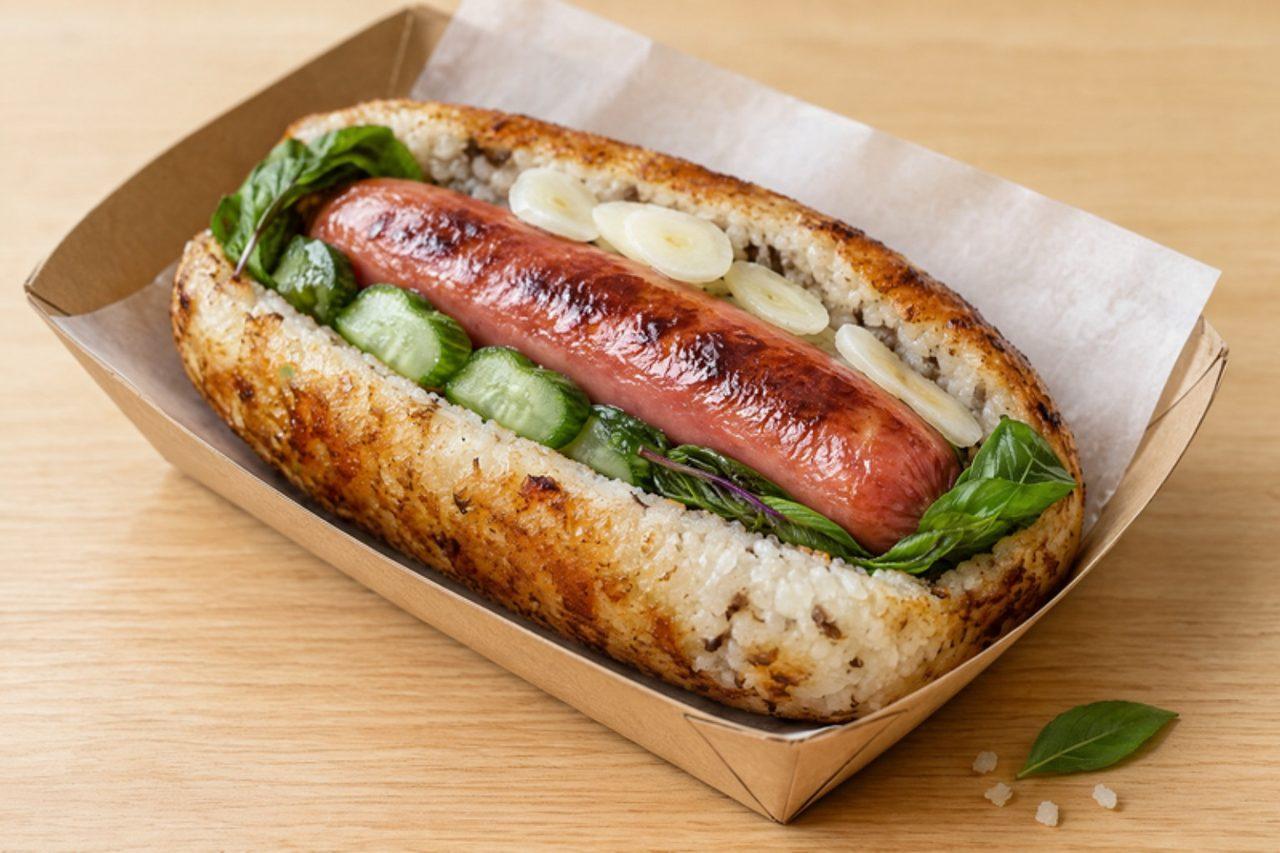
Da chang bao xiao changSausage in a sticky rice bun

'Big sausage wraps small sausage' is one of the most photographed snacks at Shilin and Raohe night markets in Taipei. A plump, garlicky glutinous-rice sausage is grilled until crisp, split like a hot-dog bun and stuffed with a sweet Taiwanese pork sausage, pickled cucumber, sliced raw garlic, basil and a smear of sauce. This home version shapes the sticky rice in cling film instead of casing, so you do not need intestines. The Taiwanese sausage is pork and must be cooked through. Contains soy and peanuts. Chef's tip: chill the steamed rice log overnight; it slices and grills cleanly and holds its crust.

by KrazyBadal 0 views

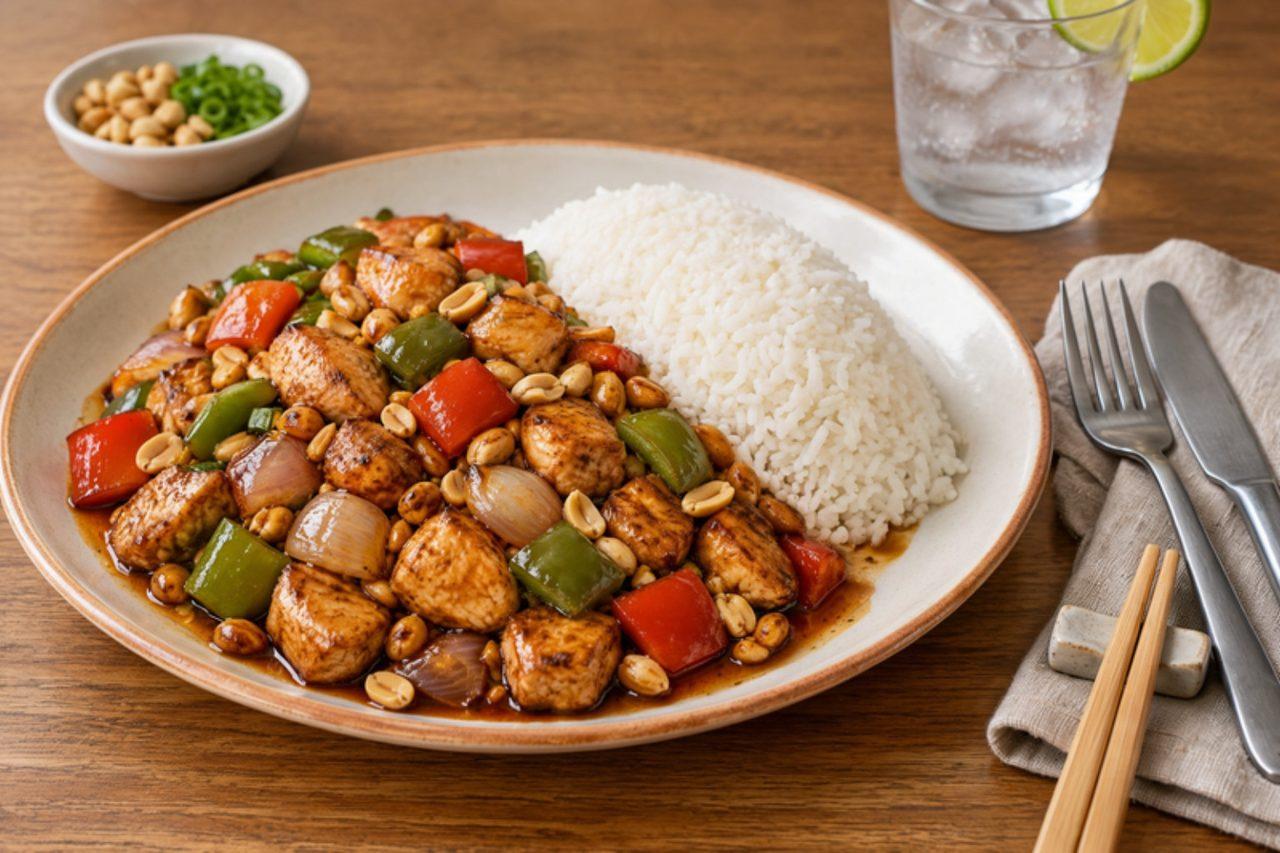
Frango xadrezChicken and pepper stir-fry

Frango xadrez, "chessboard chicken", was born in São Paulo's Chinese-Brazilian restaurants and named for its neat squares of chicken, pepper and onion. It is now a staple of lunch counters, delivery menus and the home-packed marmita, eaten over white rice. The common mistake is overcrowding the pan, so the chicken stews grey instead of searing; cook it in two batches. Chef's tip: toss the chicken with soy sauce and cornflour 15 minutes ahead; the coating keeps it juicy and thickens the sauce.

by KrazyBadal 0 views

Rántott sajtFried breaded cheese

Rántott sajt is the Hungarian answer to a hungry evening: thick slabs of mild trappista or Edam, breaded twice and fried until the crumb is golden and the inside just begins to ooze. In Budapest it is sold at the büfé stands of the Nagyvásárcsarnok (the Great Market Hall), at the Lehel market and at lángos counters by Lake Balaton, almost always with chips and a dollop of tartar sauce. Traditional trappista and Edam are often made with animal rennet, so choose a cheese labelled vegetarian (made with microbial rennet) if that matters to you. Chef's tip: freeze the breaded slices for 10 minutes before frying, so the crust sets before the cheese melts.

by KrazyBadal 0 views

Jinmichae bokkeumGlazed dried squid strips

Jinmichae, shredded seasoned dried squid, is one of the most popular banchan in Korean lunchboxes: chewy, sweet and a little spicy, and it keeps for a week. Children across Korea find it in their dosirak and parents make a big tub on Sunday. The common mistake is glazing it over the heat, which turns the squid hard as wire; mix the strips into the warm sauce off the heat. Chef's tip: soak the squid briefly in water first and squeeze it out, so it stays tender even straight from the fridge.

15 minKoreanFishSpicy
by KrazyBadal 0 views

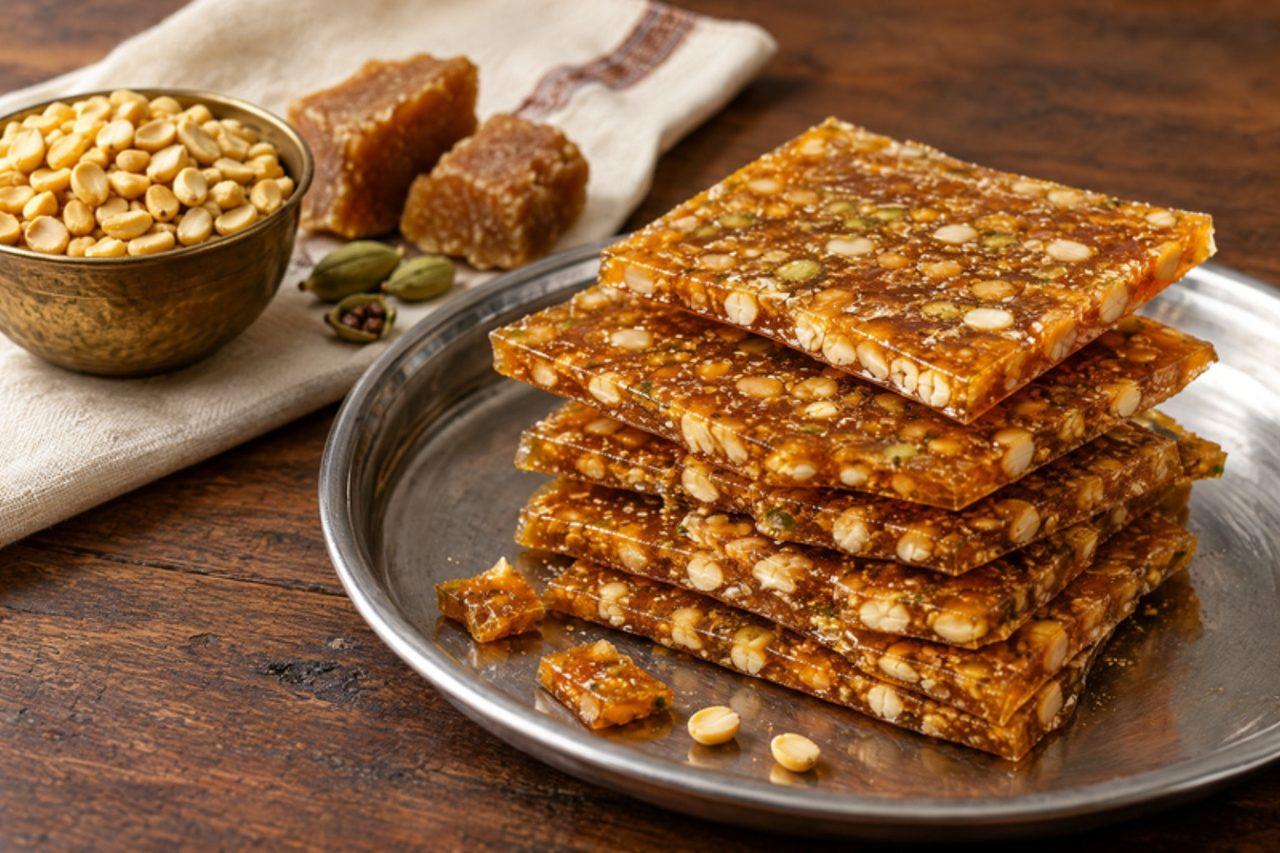
Dalia chikkiRoasted chana and jaggery brittle

For Uttarayan, the January kite festival, every Gujarati kitchen turns out trays of chikki, and dalia (roasted split chana, the yellow dal sold for chutneys) is the one that gets forgotten until someone tastes it. It is lighter and crunchier than peanut chikki, with a toasty, slightly savoury edge from the dal. It is all about the jaggery syrup. The common mistake is pulling the jaggery off too early; underdone syrup gives sticky, chewy chikki that never snaps. Chef's tip: drop a little syrup into cold water: when it sets hard and cracks cleanly (hard-crack stage), tip in the dalia straight away.

by KrazyBadal 0 views

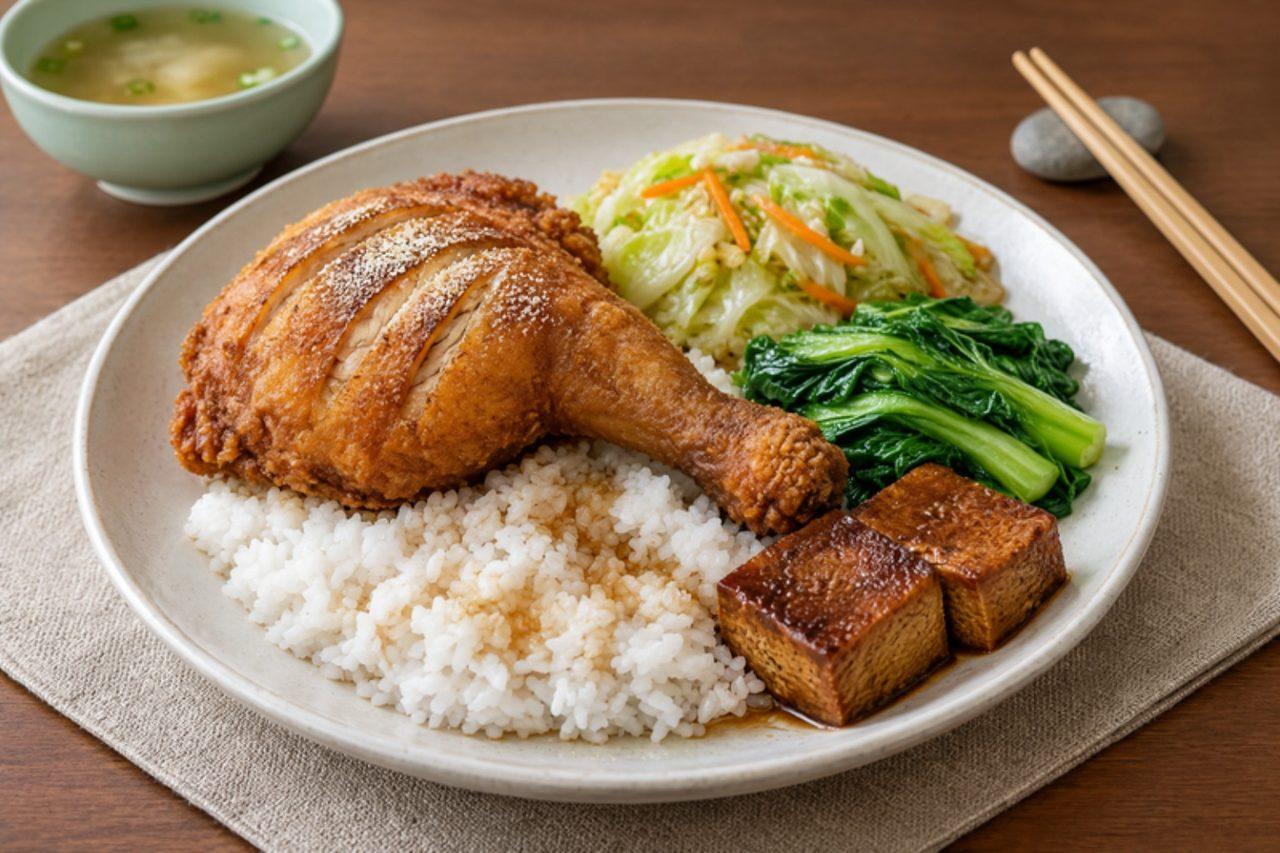
Jitui fanFried chicken leg rice

In every Taiwanese town, the biandang shop at lunchtime sells jitui fan: a whole chicken leg marinated in soy, garlic and five-spice, coated in coarse sweet potato starch and fried crisp, laid over rice with three small vegetable sides and a scoop of minced-pork sauce if you ask. Office workers and students carry the paper boxes back to their desks. The common mistake is frying in oil that is too hot, so the coating browns while the meat by the bone stays raw; fry gently, then crisp it at the end. Chef's tip: let the starch-coated legs sit for 5 minutes until the coating looks damp, so it fries into crunchy little pebbles.

by KrazyBadal 0 views

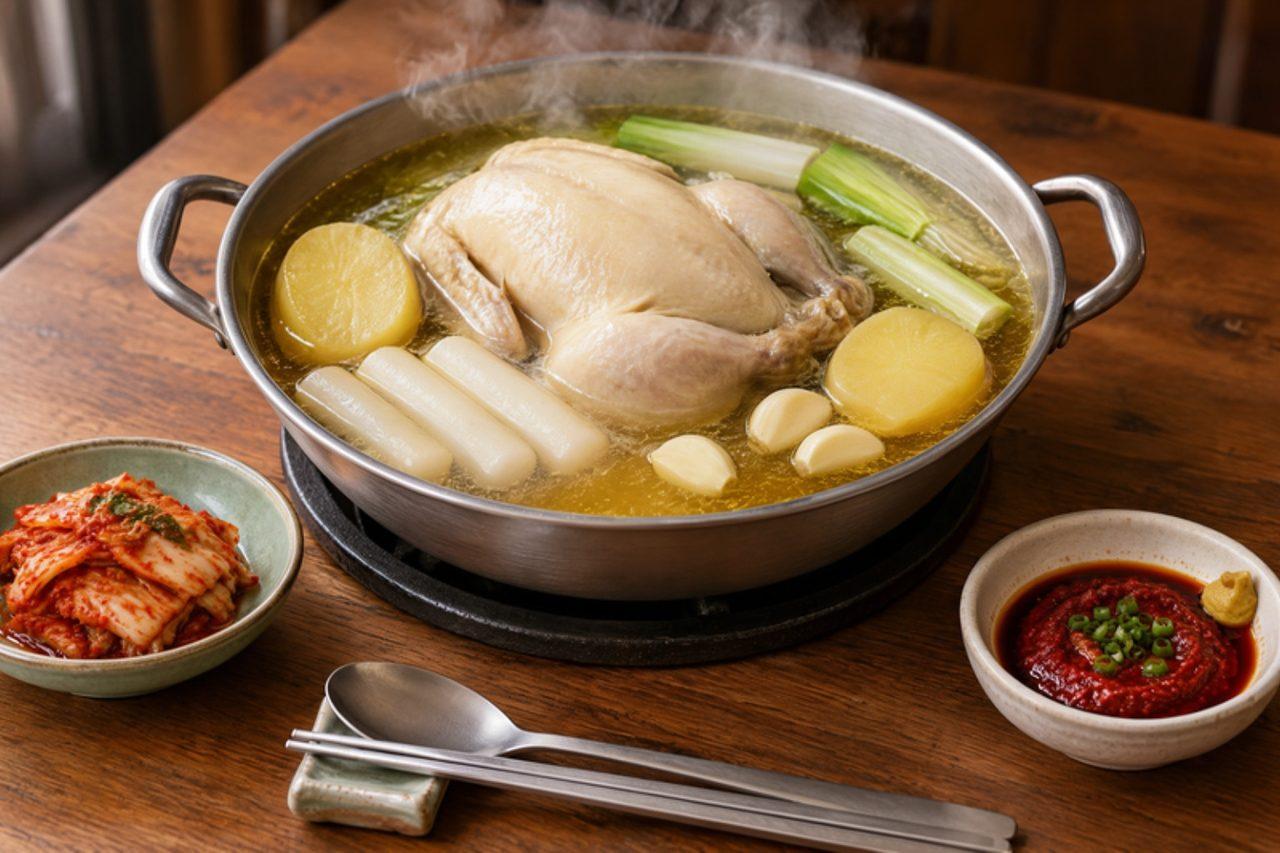
Dak hanmariWhole chicken hot pot

Dak hanmari, literally 'one chicken', comes from the alley of restaurants beside Dongdaemun market in Seoul, where a whole chicken arrives in a basin of pale broth and finishes cooking on a burner at the table. Potatoes and chewy rice cakes simmer alongside, and each piece is dunked in a sharp dipping sauce of chilli, soy, vinegar and mustard that you mix to your own taste. When the chicken is gone, knife-cut noodles go into the broth. The usual mistake is rushing the first simmer: the broth needs its full time with garlic and leek to taste of chicken. Chef's tip: let everyone build their own dip, adding a spoon of hot broth so the chilli flakes bloom.

by KrazyBadal 0 views

Bol renverséUpside-down rice bowl

Order a bol renversé in a Port Louis canteen or a Grand Baie food court and it arrives as a neat dome of rice with a fried egg perched on top; break into it and a glossy stir-fry of chicken, prawns, mushrooms and Chinese leaves spills out. The trick is building it backwards in a bowl, egg first, then the stir-fry, then rice packed down, before flipping it onto a plate. The sauce should be thick enough to coat the vegetables but loose enough to soak into the rice. People often make the sauce too thin and the dome slides apart in a flood, so simmer it until it glazes the back of a spoon. Chef's tip: fry the eggs only until the whites are set and the edges are crisp, and lay them yolk-side down in the bowl so the yolk faces up and stays runny when you turn it out.

by KrazyBadal 0 views

Estonian kringle

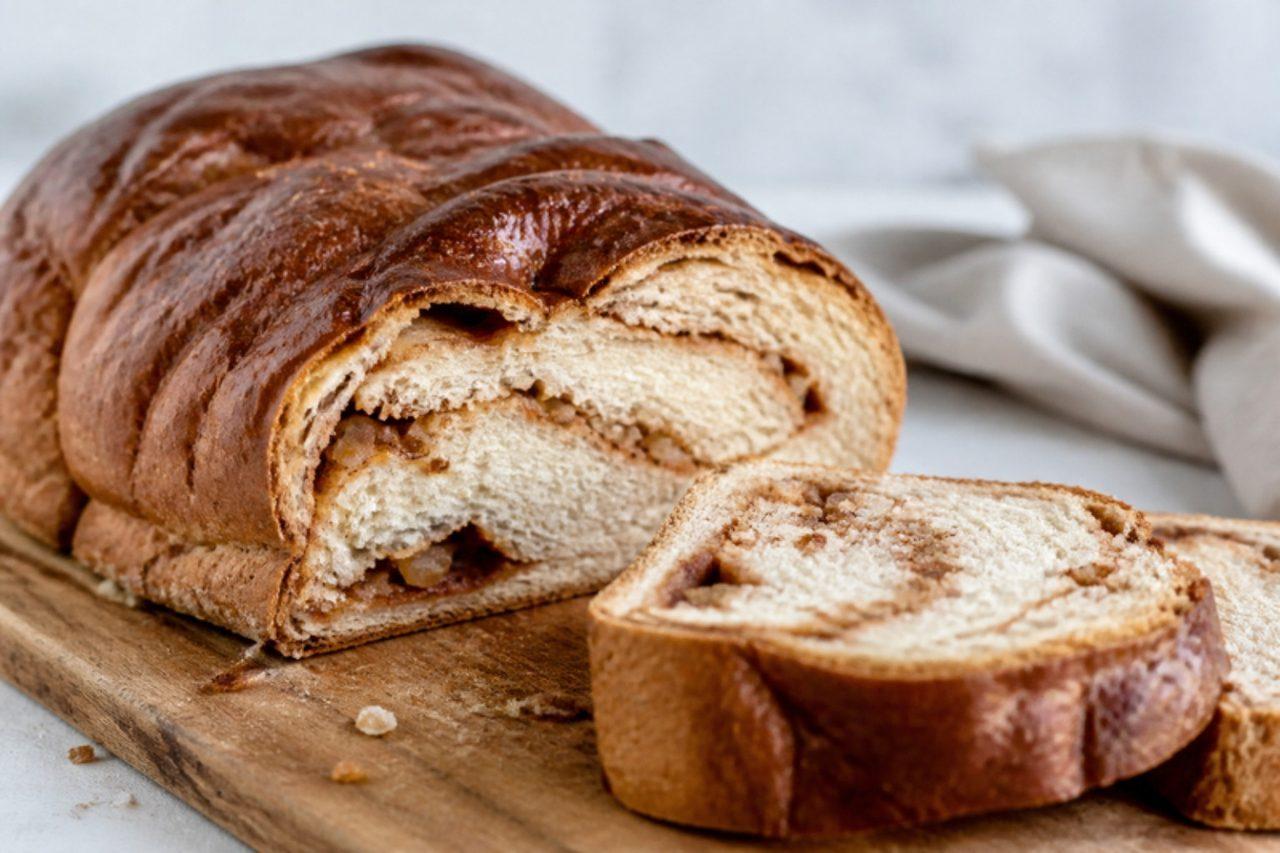
Kringel is the celebration bread of Estonia, baked for birthdays and name days and carried to every visit: a rich yeast dough rolled with cinnamon butter and sugar, sliced lengthways, twisted into a braided wreath so the layers show, and baked until golden. In Tallinn's old-town cafés it is sold by the slice with coffee. A common mistake is cutting the roll with a blunt knife, which squashes the layers. Chef's tip: chill the filled roll for 15 minutes before slicing; it cuts cleanly and twists without the filling escaping.

by KrazyBadal 0 views

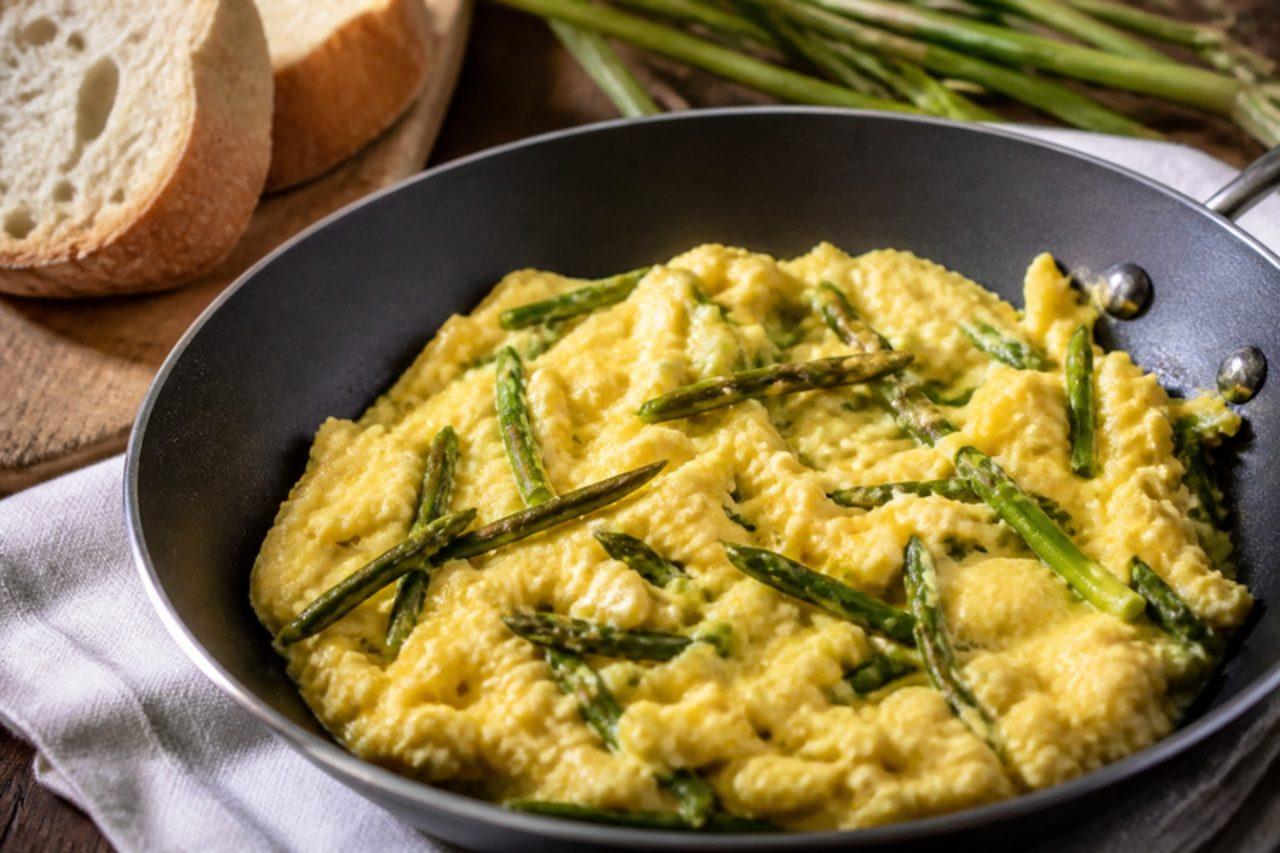
Fritaja sa šparogamaWild asparagus scrambled eggs

Come April, families across Istria and the Kvarner coast of Croatia walk the hedgerows picking thin, dark wild asparagus, and the first bunch nearly always becomes fritaja. Despite the name it is softer than an omelette: the spears are fried in olive oil, then beaten eggs are stirred through until they set in loose, creamy curds. Wild asparagus tastes greener and slightly bitter, which is lovely against the rich egg; thin garden asparagus works if you can't forage. Eat it for breakfast or a light supper with crusty bread and a glass of cold water or fresh juice. The usual slip is cooking the eggs hard and dry; stir gently over a low heat and stop while they still look moist. Chef's tip: snap each spear and keep only the part that breaks cleanly; the woody ends never soften.

by KrazyBadal 0 views

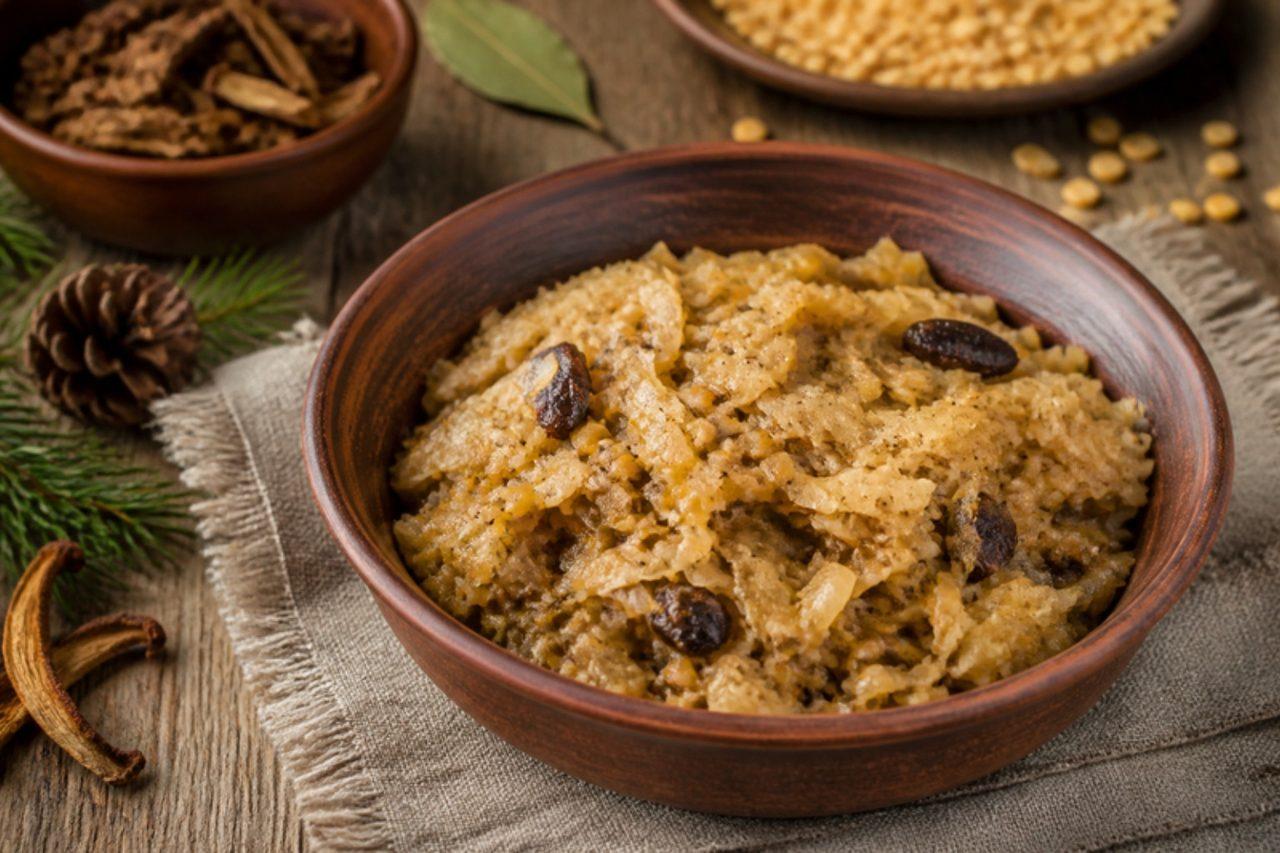
Cabbage with peas

Of the twelve dishes on a Polish Christmas Eve table, this is the humblest and often the one people go back to for seconds. Sour, tangy sauerkraut is braised slowly with yellow split peas until the peas collapse into a soft, savoury mash that binds the cabbage, with dried mushrooms and golden onion for depth. Serve it warm next to pierogi or potatoes, and know that it tastes even better reheated the next day. The usual slip is adding salt before the peas are cooked, which keeps them hard; season only at the end, as the sauerkraut is salty anyway. Chef's tip: if your sauerkraut is very sour, rinse it once and squeeze it, keeping a little juice to adjust the sharpness later.

by KrazyBadal 0 views

Christmas mushroom soup

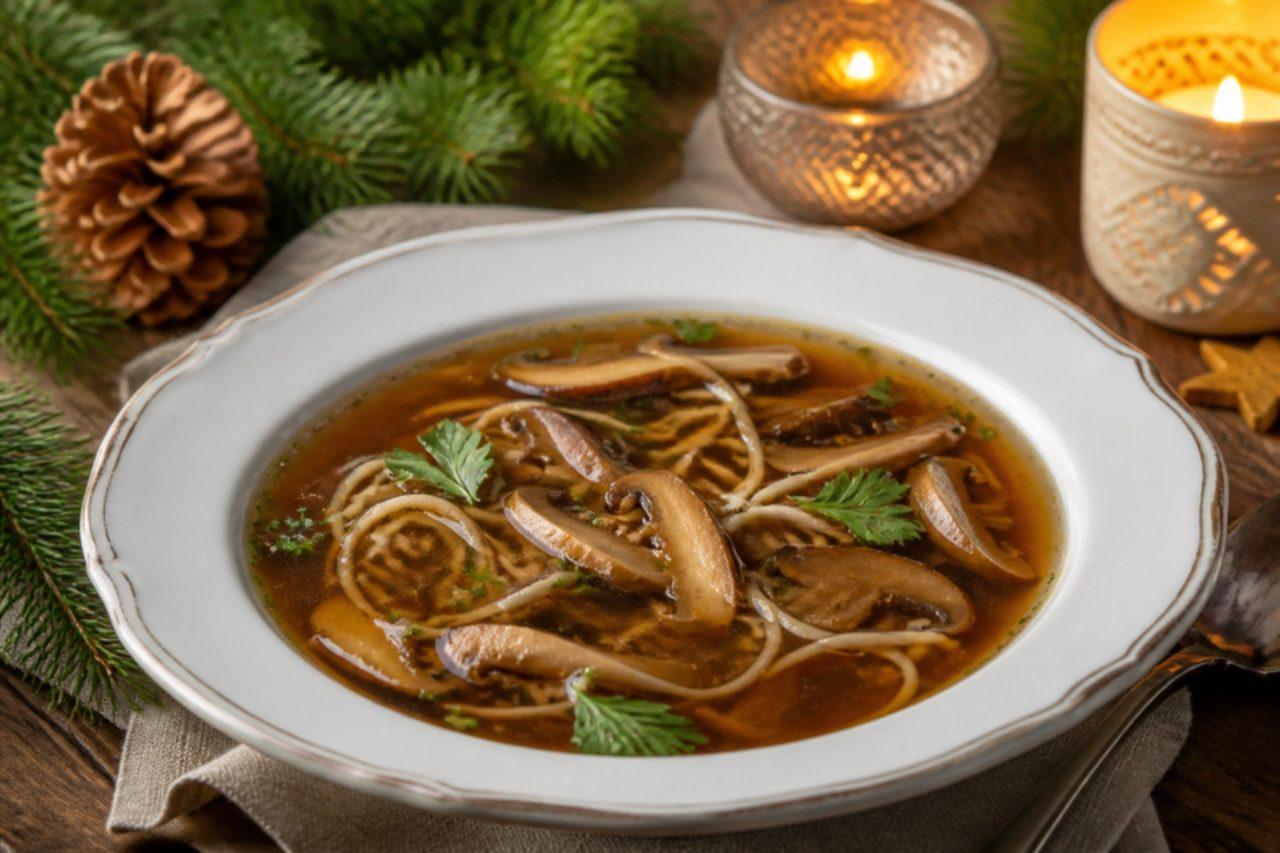
In many Polish homes the Christmas Eve supper opens with either beetroot barszcz or this soup, and families argue about which is better. Dried porcini picked and threaded on strings in September are soaked and simmered with root vegetables into a clear, deep-brown broth with a smoky, almost meaty depth, then served with thin noodles or łazanki. It is fully meat-free, as Wigilia tradition requires, and kept dairy-free here. A common mistake is pouring the soaking water in with its grit; let it settle and leave the last spoonfuls behind. Chef's tip: soak the mushrooms overnight in cold water and cook them in that water for the most flavour.

by KrazyBadal 0 views

Hong Kong iced lemon tea

Ask for 'ling cha, dung' at any Hong Kong cha chaan teng and a tall glass arrives crammed with ice, a heap of thin lemon slices and a long spoon for pounding them, the default thirst-quencher with set lunches all year round. The tea is brewed almost bitter, so it holds its own against the ice, and the sharp lemon and simple syrup turn it bright, tangy and refreshing. It is drunk with everything from macaroni soup breakfasts to afternoon pineapple buns. The common slip is brewing tea at normal strength, which tastes thin and watery once the ice melts; double the tea. Chef's tip: press the lemon slices with the back of the spoon only a few times to release juice and oil from the zest; grinding them to a pulp brings out bitterness from the pith.

by KrazyBadal 0 views

Jamaican gungo pea soup

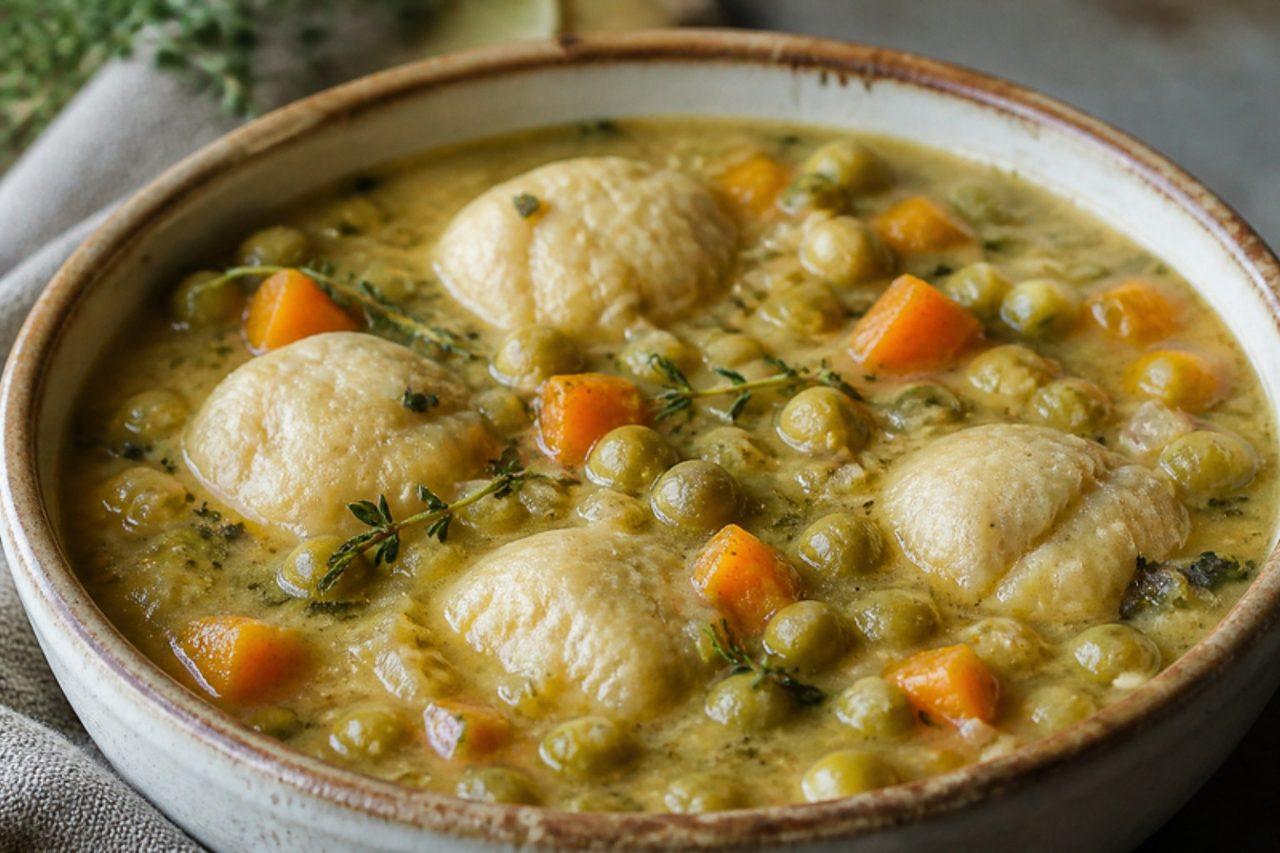
Gungo peas ripen around December, so this soup belongs to the Christmas season in Jamaica, when the same peas also go into the festive rice and peas. Fresh or frozen green pigeon peas give a nutty, earthy broth that coconut milk, thyme and pumpkin turn rich and golden, and flour dumplings make it a meal. A common mistake is boiling the coconut milk hard for the whole time, which makes it split and oily; add it once the peas are soft and keep the pot at a simmer. Dried pigeon peas work too: soak them overnight and allow an extra 40 minutes. Chef's tip: blitz about a quarter of the soup and stir it back in for body while keeping plenty of whole peas.

by KrazyBadal 0 views

Frikandel speciaalSausage with mayo and onion

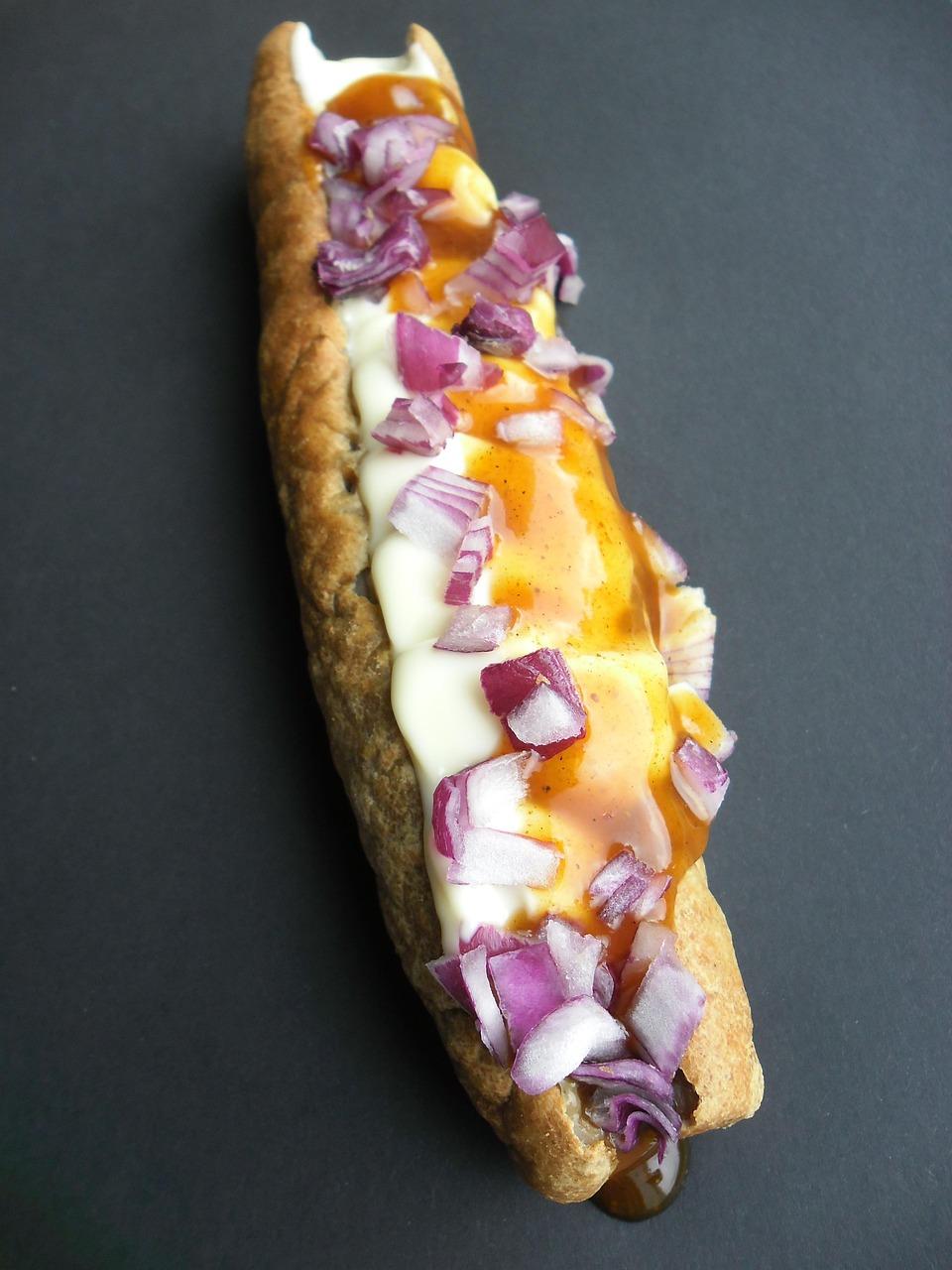
The frikandel is the snack-bar sausage of the Netherlands, fried from frozen in every cafetaria and eaten at football matches and after a night out: a long, skinless sausage of finely minced meat, and 'speciaal' means split open and topped with mayonnaise, curry ketchup and raw chopped onion. Factory frikandellen use a mix of meats; this homemade version uses beef and pork mince, so it contains pork. A common mistake is skipping the poaching step, so the sausages break up in the fryer. Chef's tip: roll them in cling film and poach first, then chill; they hold their shape and fry crisp in minutes. Minced meat must reach 71 °C.

by KrazyBadal 0 views

Chanterelles in cream

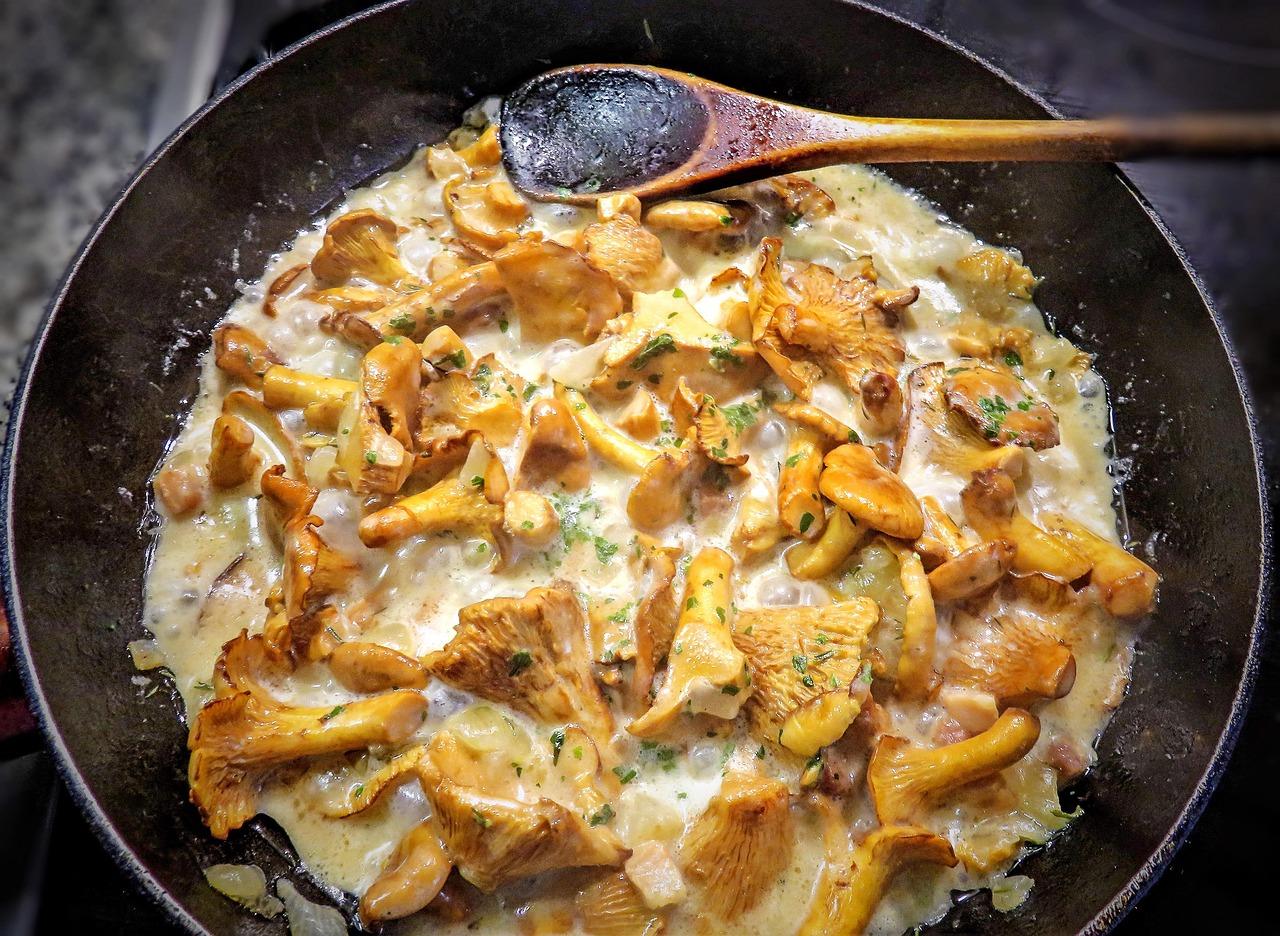
From July, roadside sellers along the lake roads of Masuria hold up baskets of golden chanterelles, and holidaymakers in Mrągowo and Giżycko cook them the same evening. The mushrooms are fried with onion until their juices cook away, then bathed in sour cream and dill, giving a sauce that is peppery, faintly apricot-scented and very rich. Spoon it over new potatoes, buckwheat or a thick slice of toast. Where most people go wrong is washing chanterelles under the tap, so they boil in their own water and turn rubbery. Only eat wild mushrooms you have bought from a trusted seller or that an expert has identified. Chef's tip: brush the mushrooms clean, tear large ones and cook them in a hot, wide pan so they sear rather than stew.

by KrazyBadal 0 views

SalufPuffy flatbread

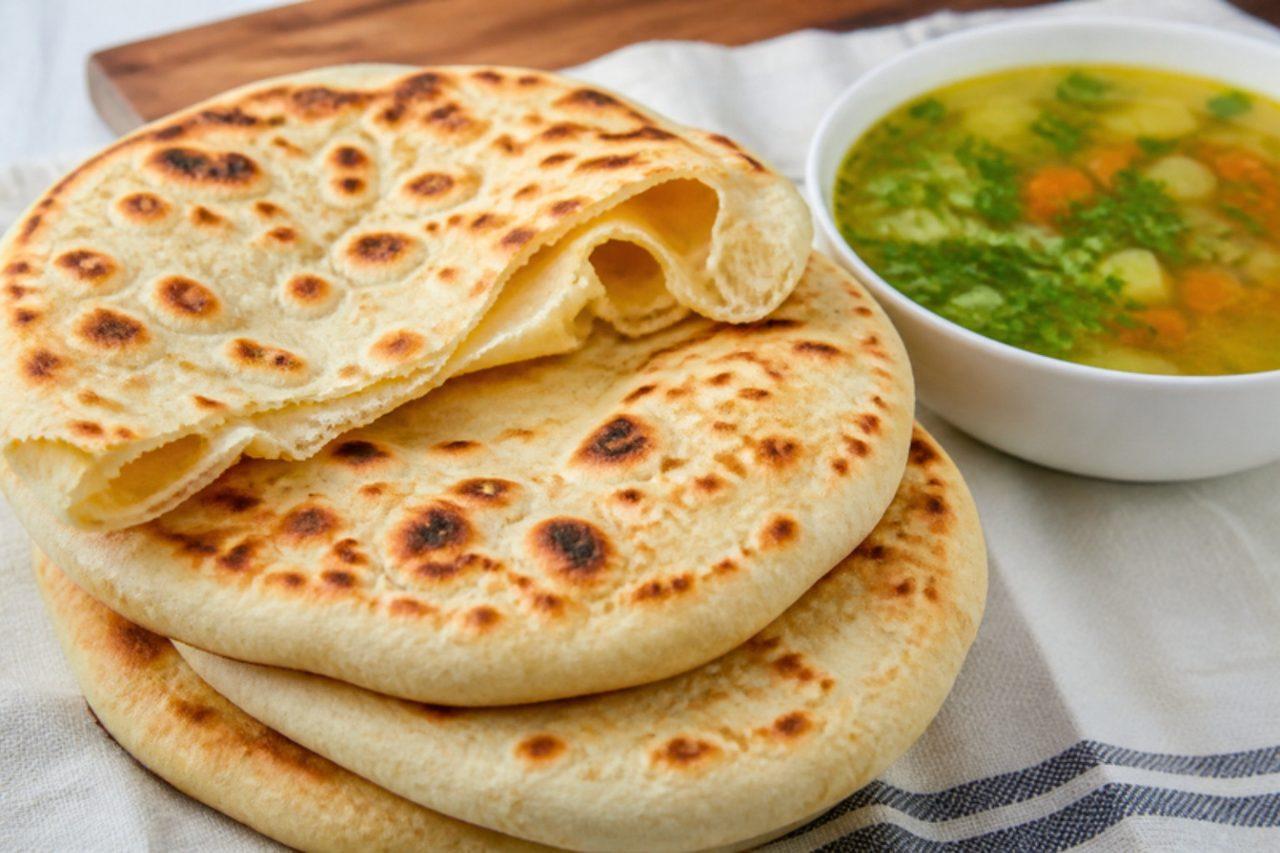
Saluf is the everyday bread of Yemenite Israelis, slapped onto a hot pan or taboon in Rosh HaAyin and Sha'arayim in Rehovot and eaten with marak temani, hilbe and zhug. It is soft and blistered, thicker than pita and with no pocket, made to tear and dunk. Home cooks often roll it too thin, which gives a cracker; it should be about 1 cm thick so it stays pillowy. Chef's tip: cook it under a lid on a very hot dry pan for the first minute, which traps steam and puffs it the way a taboon does.

by KrazyBadal 1 views

FrikkadelsFried spiced meatballs

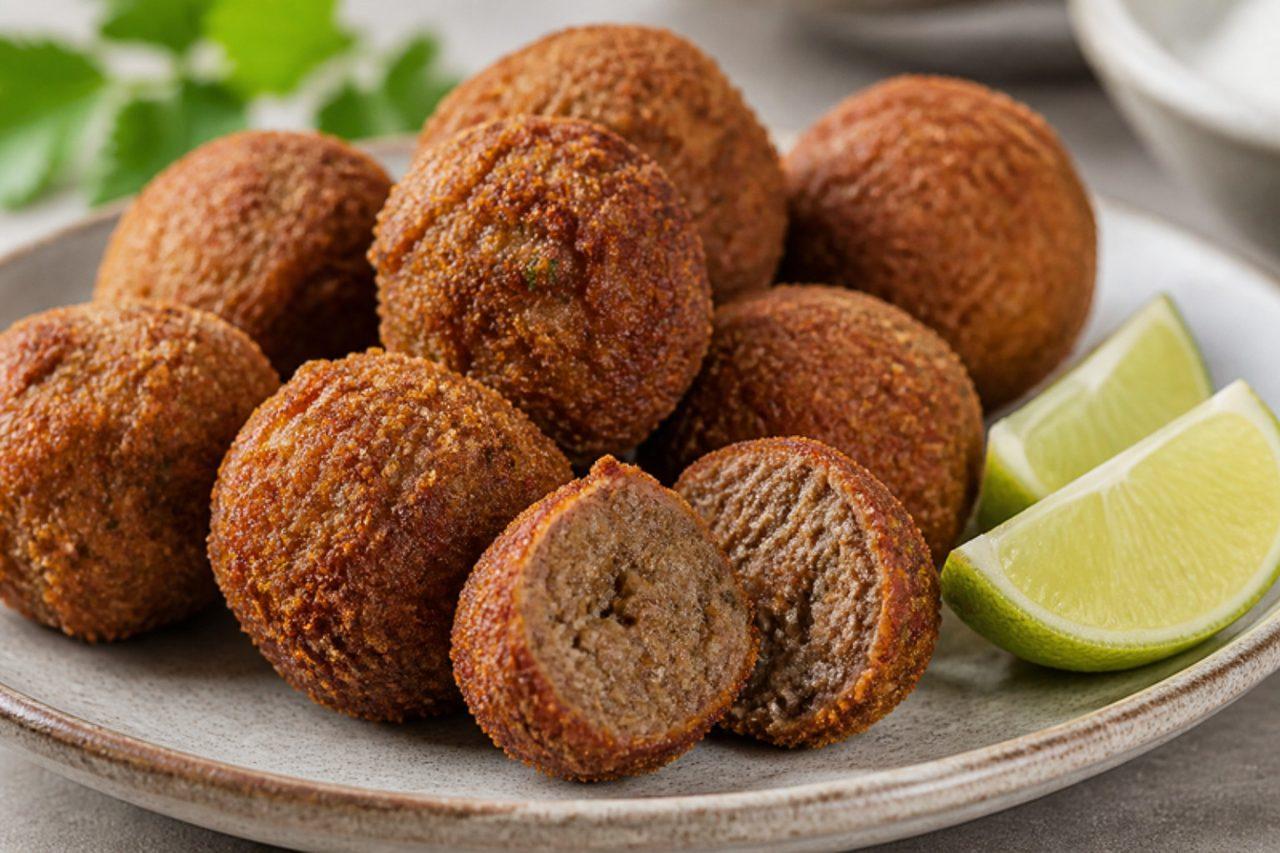
Frikkadels came to Sri Lanka with the Dutch in the 1600s and were reinvented by the Burgher community into small, crumbed, deep-fried meatballs scented with onion, garlic, cinnamon, cloves and dill. They are party food first, piled on platters at Burgher Christmas gatherings, christenings and Colombo club teas, and they are also tucked into lamprais parcels or eaten with a sharp seeni sambol and bread. Good ones are crunchy outside and very juicy within, never dense or dry. The trap to avoid is overworking the mince and skipping the soaked bread, which together make the balls tough. Chef's tip: shape them the size of a walnut and chill them for 30 minutes before crumbing, so the coating sticks and they hold their round shape in the hot oil.

by KrazyBadal 0 views

Jamaican pepper shrimp

Drive through Middle Quarters in St Elizabeth and women by the roadside will lean into the car window holding bags of bright red pepper shrimp, calling "pepa swimps!" The river shrimp are boiled whole in a fiery brine of scotch bonnet, pimento, garlic and salt, then left to soak up the heat, and eaten with the fingers, shells and all sucked clean. Large shell-on prawns make a fine substitute. The usual mistake is overboiling, which leaves the shrimp rubbery; they need only a few minutes before steeping off the heat. Discard any shrimp that smell of ammonia or have soft, slimy shells before cooking. Chef's tip: a teaspoon of annatto or paprika gives the deep red colour of the roadside bags.

by KrazyBadal 0 views

Guda cheese

Tush shepherds make guda in summer huts high above the Alazani valley, pressing sheep's-milk curd into bags sewn from sheepskin, where it ripens into a crumbly, pungent cheese that travels down to Telavi markets in autumn. You cannot copy the sheepskin at home, but you can make a firm, salty sheep's-milk cheese and ripen it in a cloth in the fridge for two to three weeks, which gives a similar sharp, grassy bite. Traditionally the milk is set with animal rennet; vegetarian (microbial) rennet works the same way. A common mistake is cutting the curd before it gives a clean break, which leaves a soft, wet cheese that sours instead of ripening. Chef's tip: grate aged guda over hot ghomi or khinkali; its strong flavour goes a long way.

by KrazyBadal 0 views

Fricasé de polloChicken stew with olives and raisins

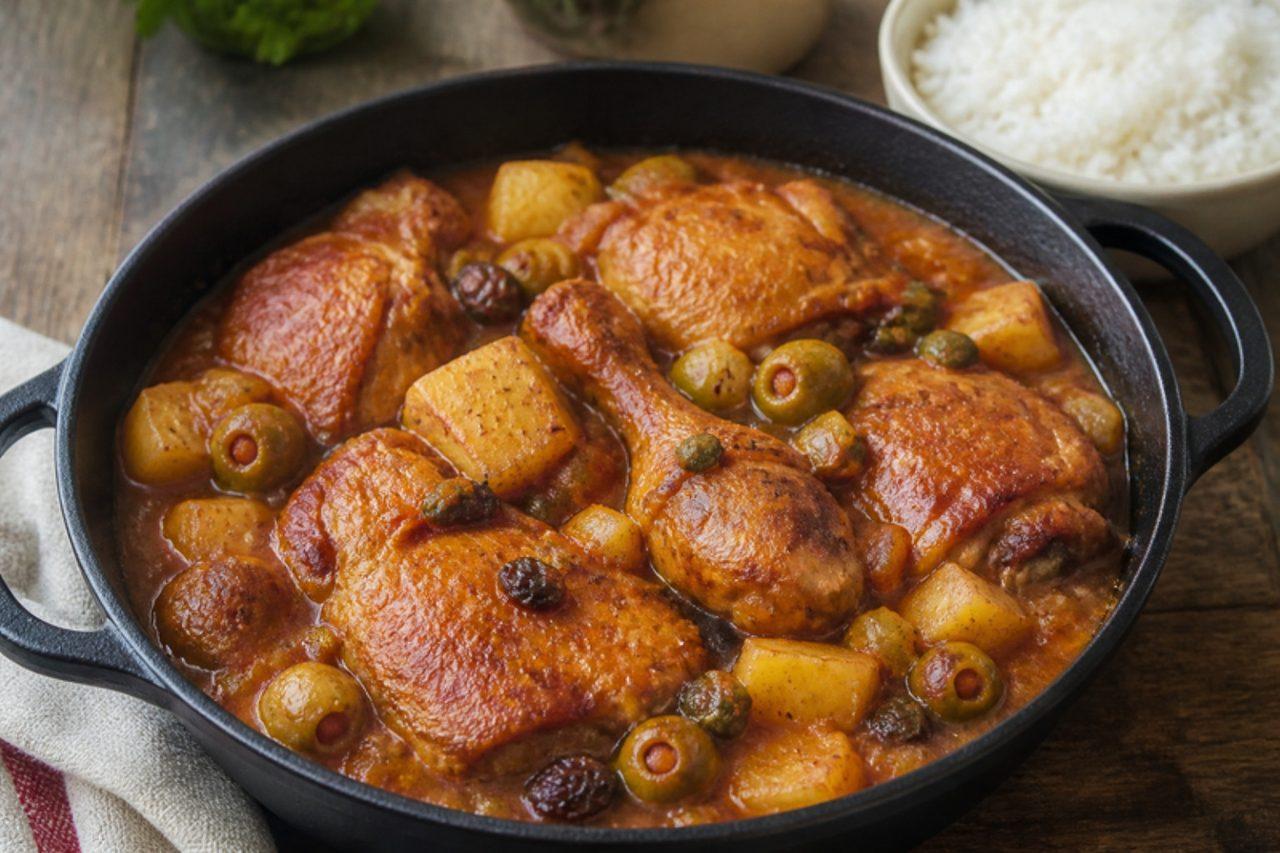
Fricasé de pollo is a family dinner all over Cuba: chicken pieces marinated in sour orange and garlic, browned, then simmered with potatoes, green olives, capers and a few raisins in a light tomato sauce. The sweet-salty balance is what makes it so Cuban. A frequent mistake is skipping the marinade time; even an hour in the fridge seasons the meat right through. Serve with white rice. Chef's tip: add the raisins with the potatoes rather than at the start, so they plump up but don't melt into the sauce.

by KrazyBadal 0 views

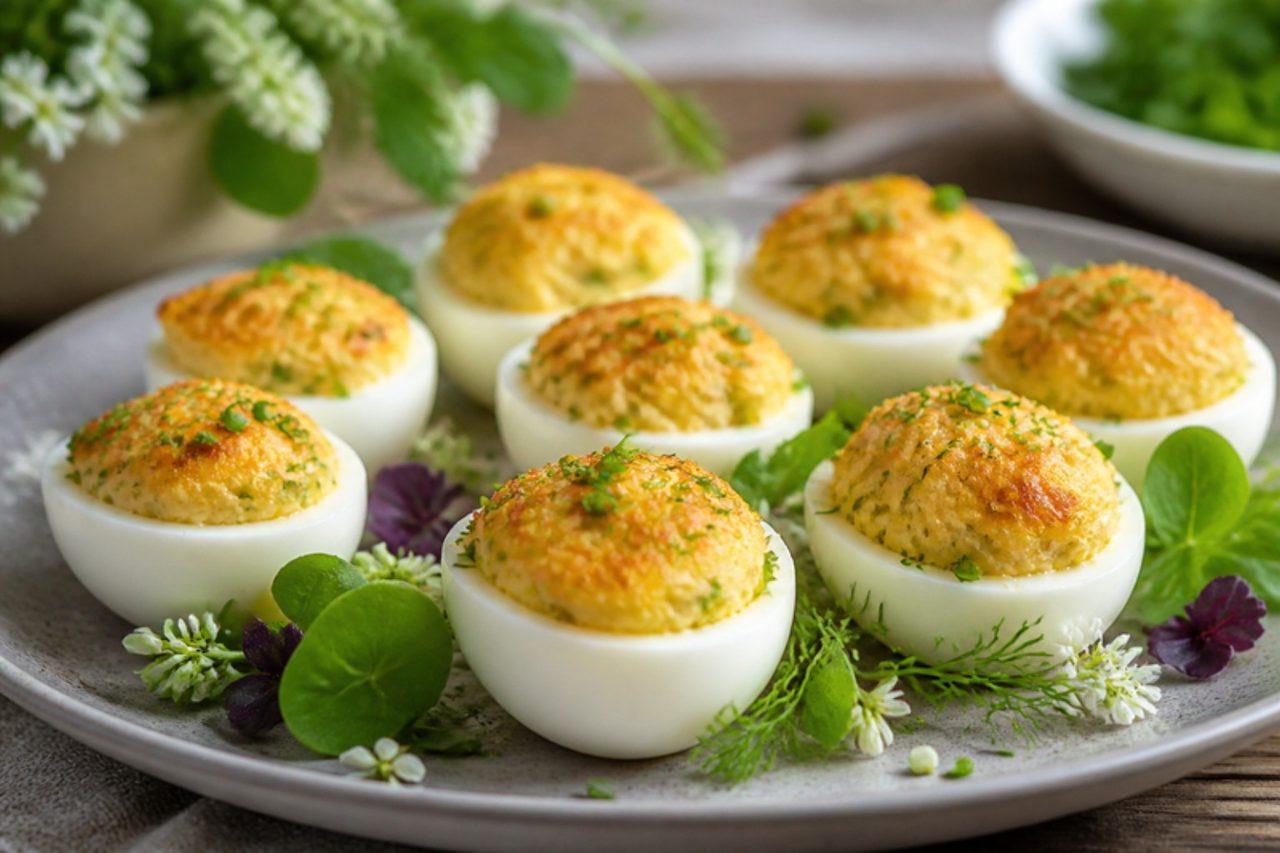
Stuffed eggs

The clever bit of the Polish Easter version is that the eggs are halved lengthways shell and all with a sharp knife, then the filling goes back into the shells and the cut sides are fried until crusty. It is a dish of the Easter breakfast and of name-day parties, served hot from the pan or cold from the fridge. The filling of mashed yolk, chives, mayonnaise and a little mustard turns golden and slightly crisp on top while staying soft beneath. Where most people go wrong is cutting with a blunt knife, which shatters the shell; use a large, very sharp knife and one firm stroke. Chef's tip: chill the boiled eggs fully before cutting so the white holds together.

by KrazyBadal 0 views

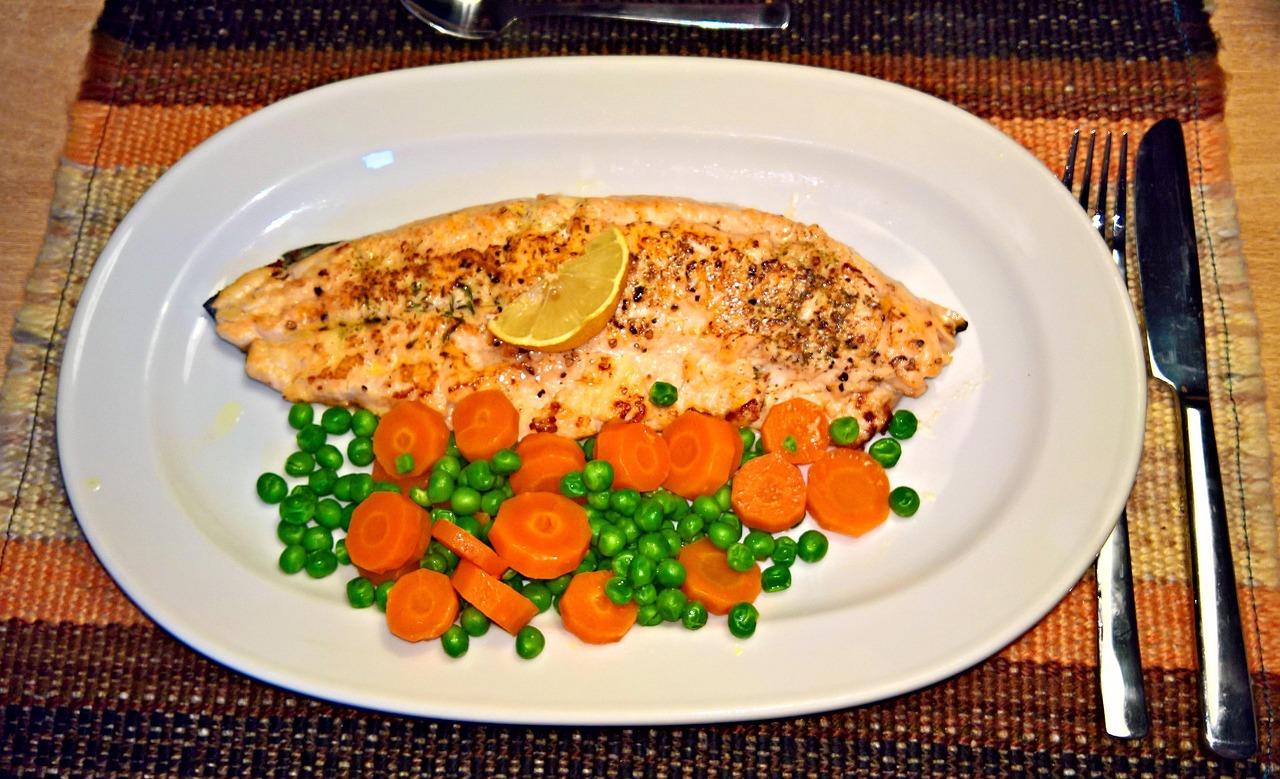
Highland grilled trout

Trout farms fed by cold Tatra streams supply the roadside grills and mountain inns of Podhale, and pstrąg po góralsku is what hikers order on the terrace with a view of Giewont: a whole fish, stuffed with garlic and fresh herbs, crisped in butter until the skin crackles. The flesh is sweet and delicate, scented by dill and parsley from the inside out. Serve it with boiled new potatoes, lemon and a cucumber salad with sour cream. The classic error is flipping too early, so the skin tears and sticks; leave it until it releases on its own. If you have a grill basket, the same fish is excellent over charcoal. Chef's tip: score the thickest part of each side twice, right down to the bone, so the head end cooks as fast as the tail.

28 minPolishFishGluten free
by KrazyBadal 0 views

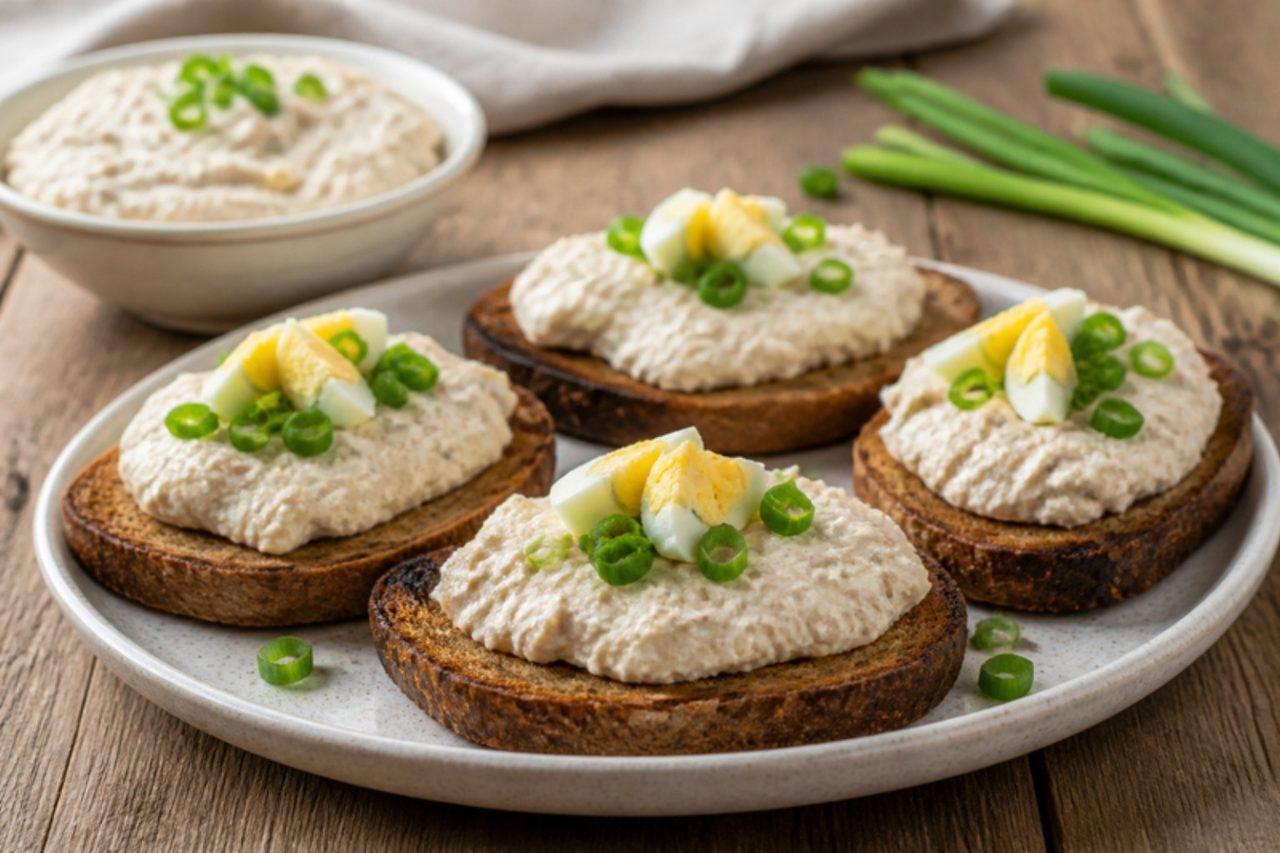
ForshmakChopped herring pâté

Forshmak came to Odesa with its Jewish community and became a citywide favourite, spread on toast at family celebrations, in Moldavanka courtyards and on restaurant zakuska boards. Salted herring is chopped with tart apple, hard-boiled egg, onion and bread soaked in milk, then whipped with soft butter into a pale, creamy pâté that is salty, sweet and gently sharp all at once. Serve it on toasted rye or white bread with spring onion. Herring for forshmak is cured but not cooked, so buy ready-salted fillets from a good fishmonger, commercially prepared or previously frozen, keep everything cold and eat within 2 days; it is not for pregnant women, young children or anyone with a weakened immune system. Blitzing it to a smooth paste is the usual error; Odesa cooks like a little texture. Chef's tip: grate the apple at the last moment and add a squeeze of lemon, so it stays white and fresh.

by KrazyBadal 0 views

FrenaShabbat flatbread

In Moroccan-Jewish homes from Ashdod to Kiryat Shmona, frena comes out of the oven on Friday afternoon and sits on the Shabbat table beside a dozen little salads: carrots with cumin, matbucha, beetroot, roasted peppers. The dough is wet and soft, pressed into a pan pooled with olive oil, so the base fries as it bakes and turns crackly while the inside stays airy and chewy. It is torn, never sliced, and dragged through the salads. The usual mistake is adding flour until the dough feels easy to handle; a stiff dough gives a dense, bready frena. Chef's tip: dimple the risen dough hard with oiled fingers right down to the pan, so the oil rises into the pockets and every bite has a crisp edge.

by KrazyBadal 0 views

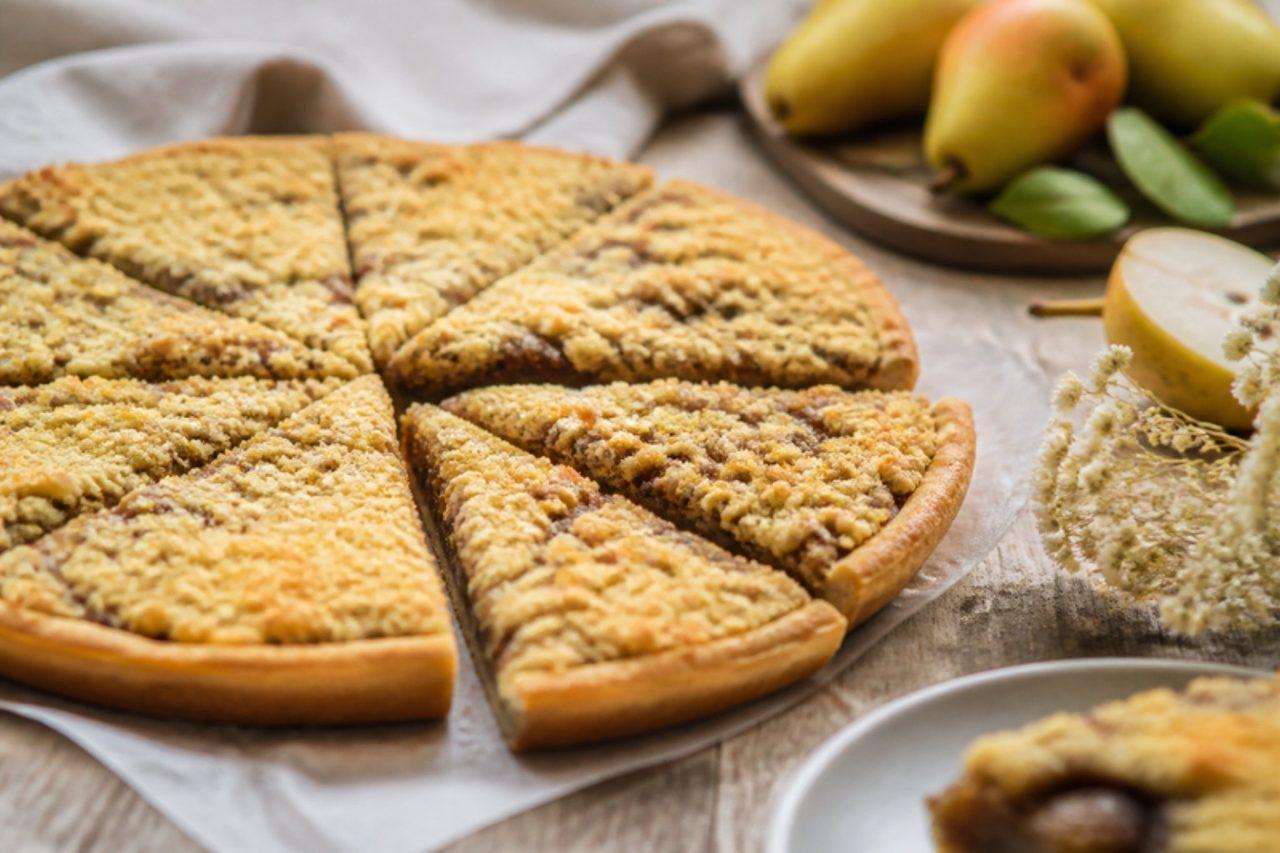
FrgályYeast tarts with pear or cheese

At weddings and church fairs in Moravian Wallachia, in the hills around Rožnov and Vsetín, tables are stacked with frgály: yeast tarts as wide as a dinner plate, rolled so thin the filling seems to sit on a crisp, chewy disc. The classic toppings are dried pear mixed with plum butter, sweet tvaroh (Czech quark), or poppy seed, all scattered with a buttery crumble. This recipe makes four, two with each of the first two fillings. Tvaroh is usually set without rennet, but some brands use it, so check the label. The usual slip is leaving the dough thick in the middle, which makes a bready tart; roll right to the edge, about 3 mm thick. Chef's tip: bake on the lowest oven shelf on a hot tray, so the base browns before the filling dries.

150 minCzechBaking
by KrazyBadal 0 views

Grilled oscypek with cranberry

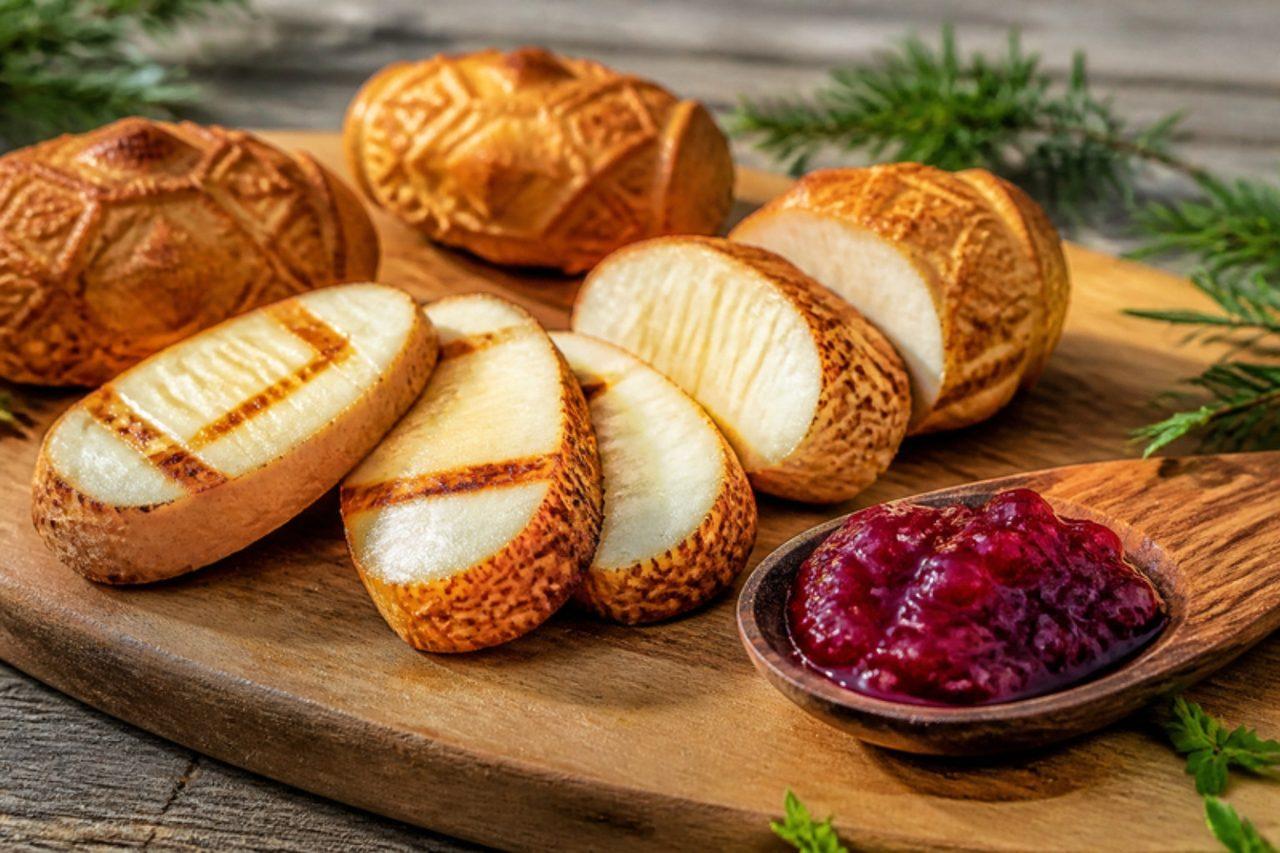
Walk down Krupówki street in Zakopane in any season and the smell of smoke and warm cheese leads you to the grills, where highlanders turn thick slices of oscypek until they are striped and soft. The real thing is a spindle-shaped, carved sheep's milk cheese smoked in mountain huts; grilled, it turns chewy and squeaky outside, salty and smoky within, and the sharp-sweet cranberry cuts through it perfectly. Oscypek is made with animal rennet, so for a vegetarian plate use a smoked sheep's or cow's cheese made with vegetarian rennet, firm enough to hold its shape. The usual slip is slicing too thin; the cheese then melts through the grill. Chef's tip: oil the pan, not the cheese, and don't move the slices until they release on their own.

by KrazyBadal 0 views

Jamaican pumpkin rice

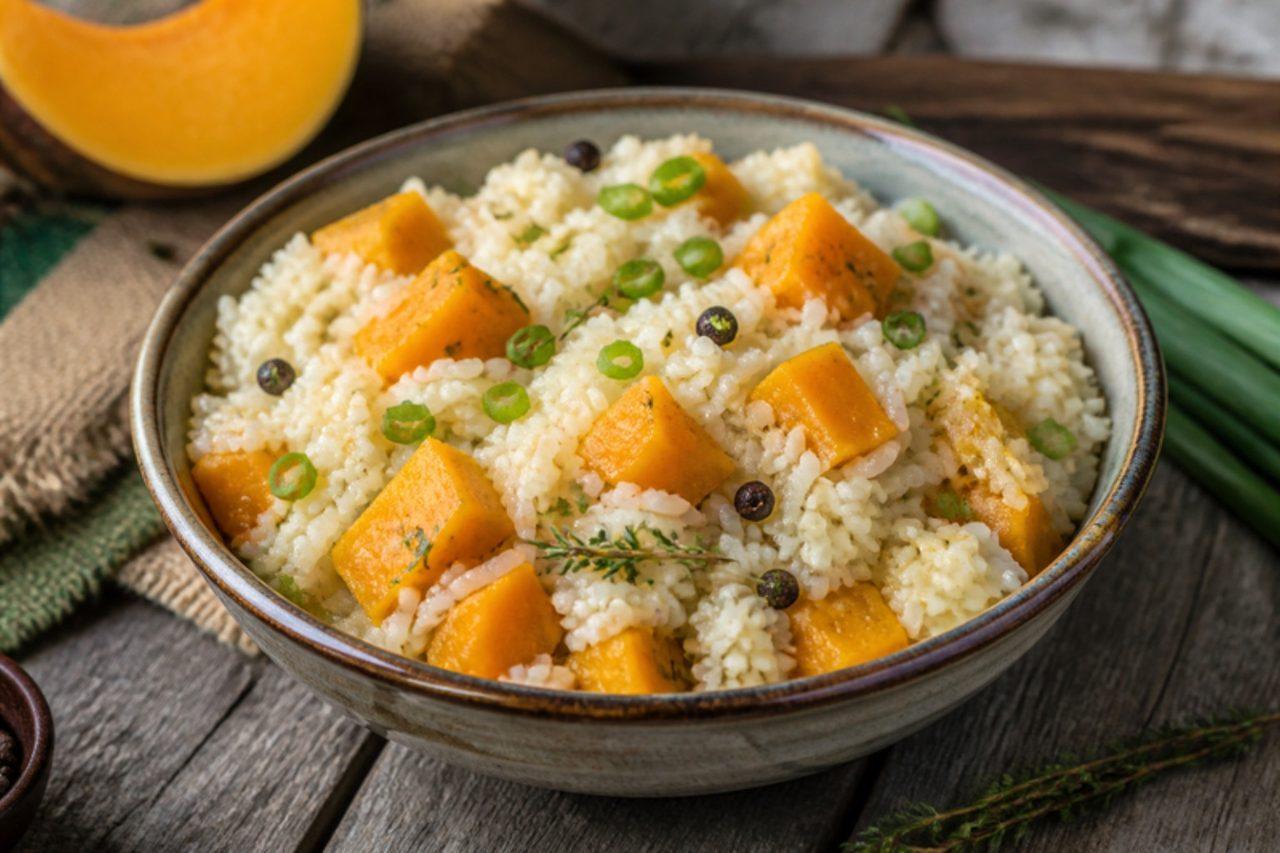
Along the north coast between Montego Bay and Ocho Rios, pumpkin rice turns up beside escovitch fish and steamed vegetables at Sunday lunch, the soft orange squash melting into the grains as they cook. Coconut milk, a sprig of thyme, scallion and a few pimento berries give it a gentle, savoury sweetness, and a whole scotch bonnet adds fragrance without much heat as long as it stays unburst. The common mistake is cutting the pumpkin too small, so it vanishes completely; 2 cm cubes partly melt and partly hold. Serve it with stew peas, jerk tofu or fried plantain. Chef's tip: rinse the rice until the water runs nearly clear, or the starch and pumpkin turn the pot sticky.

by KrazyBadal 0 views

Fries suikerbroodCinnamon sugar bread

Fries suikerbrood, sûkerbôle in Frisian, is the bread Frisian families bring when a baby is born: a soft white loaf filled with large sugar nibs and cinnamon, so that as it bakes the sugar melts into sticky, crunchy pockets. Leeuwarden bakeries sell it every day, sliced and buttered with coffee. A common mistake is using fine sugar, which dissolves completely; it must be the big pearl sugar nibs. Chef's tip: knead in the sugar only at the end and gently, and bake the loaf in a tin so the melting sugar caramelises against the sides.

by KrazyBadal 0 views

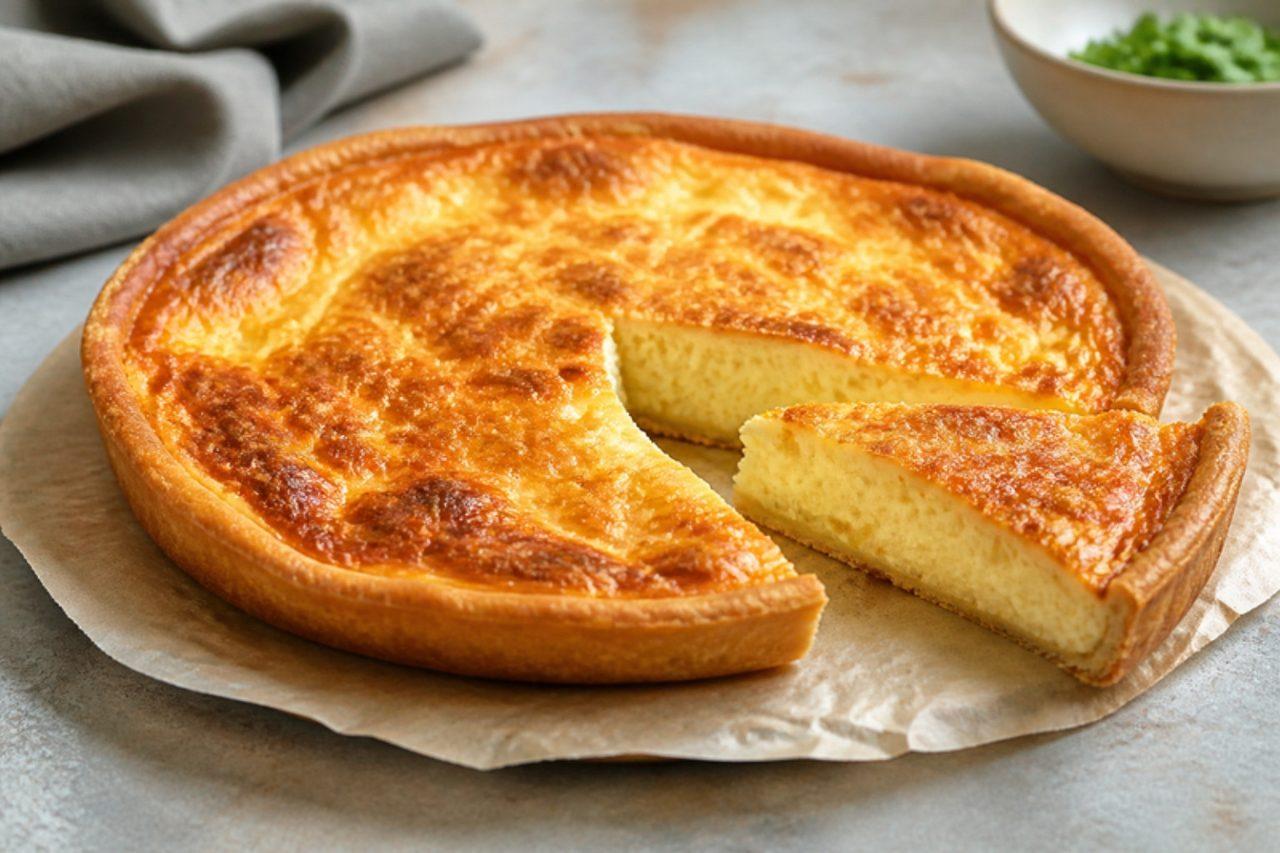
FrüchtewäheFruit custard tart

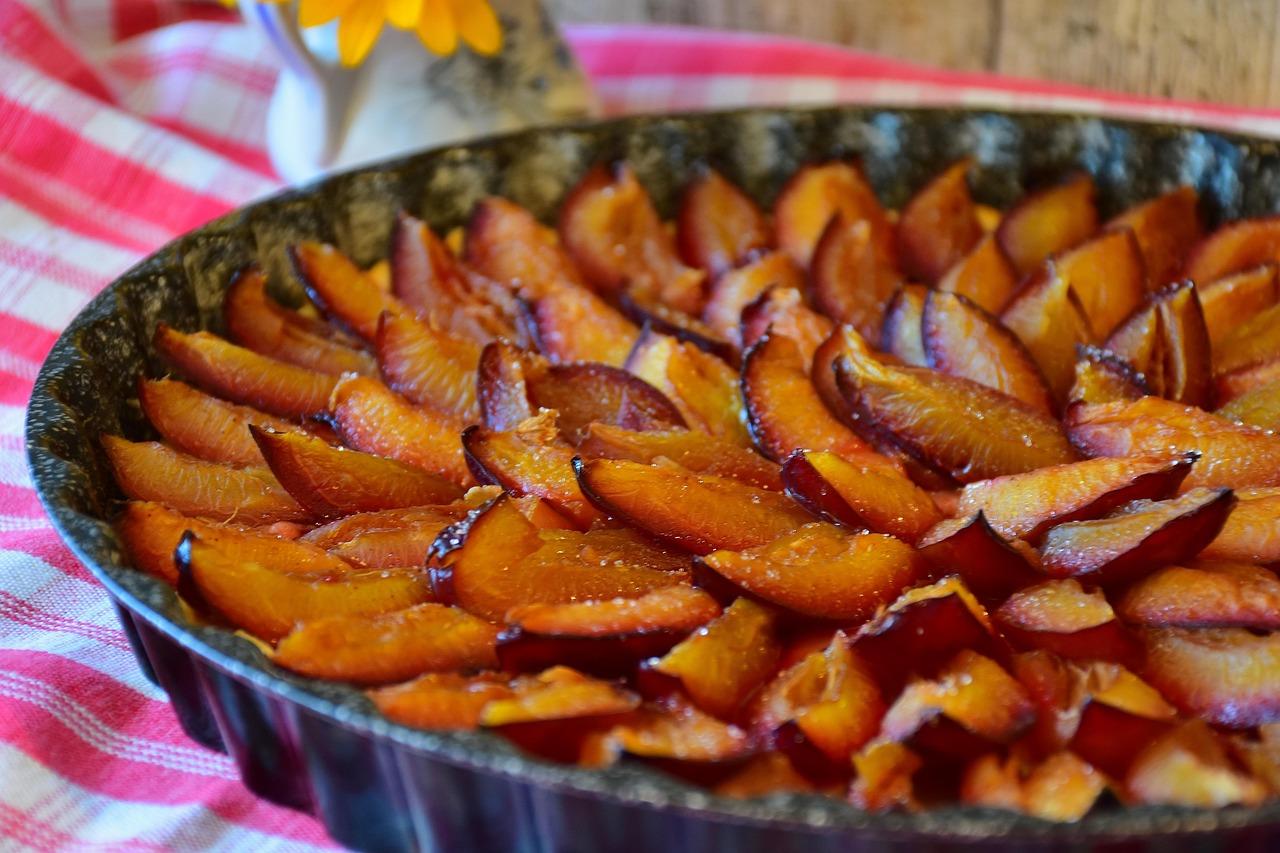
The Wähe is the open tart of German-speaking Switzerland, known as Kuchen or Fladen depending on the canton: a thin pastry base covered with sliced apples, plums, apricots or cherries, then a simple custard of cream, egg and sugar poured around the fruit and baked until set. Swiss families eat it as a light supper on Fridays, sometimes after a bowl of soup, and fruit Wähe is often dusted with cinnamon sugar. A common mistake is skipping the ground nuts on the base, which lets the fruit juice soak the pastry. Chef's tip: scatter ground hazelnuts on the pastry first; they soak up the juice and keep the base crisp.

by KrazyBadal 0 views

Sri Lankan buryani

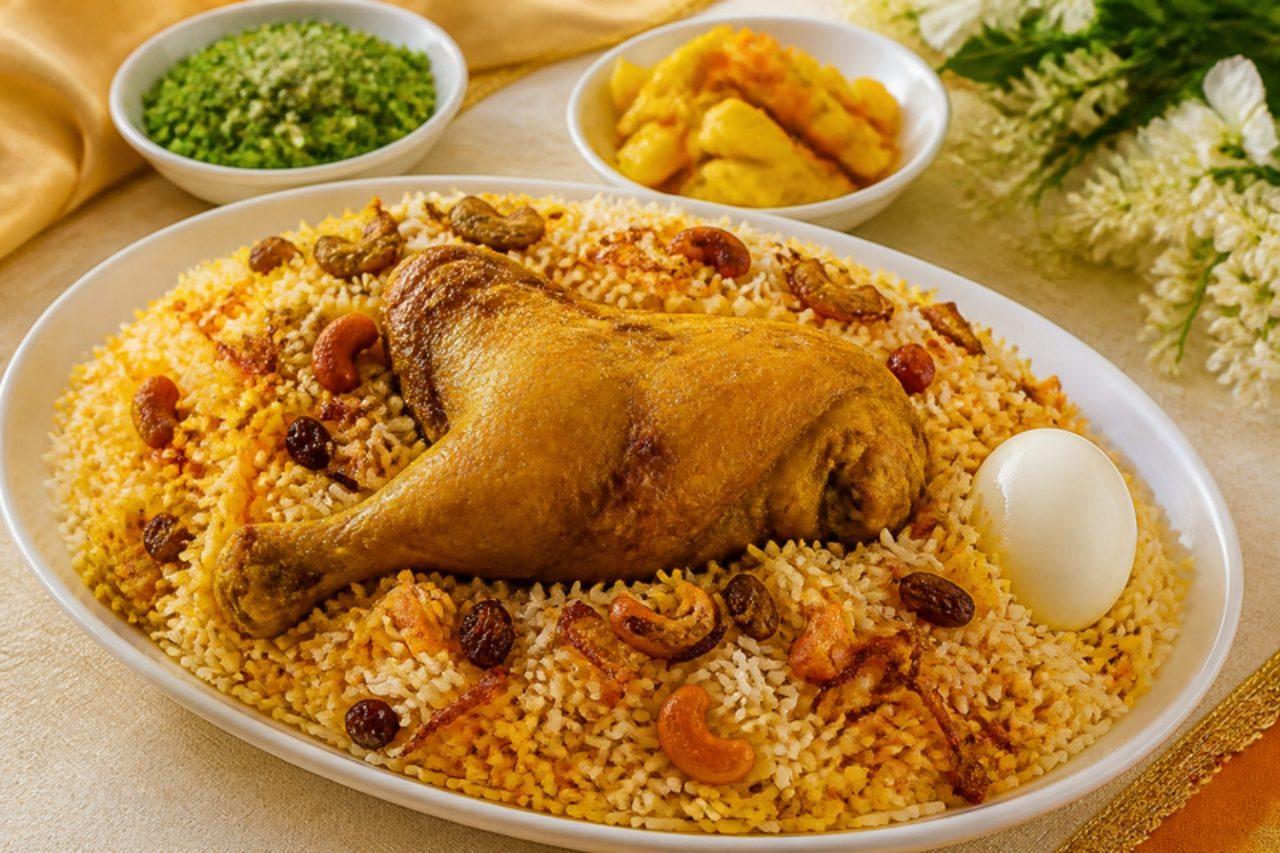
At a Sri Lankan Muslim wedding or a Friday gathering in Colombo's Maradana or Kandy's old town, buryani arrives on huge platters, each portion crowned with a leg of chicken, a halved boiled egg, fried cashews and sultanas. It is lighter and more perfumed than most mainland Indian versions, built on chicken marinated in yoghurt and warm spices, layered with long-grain rice, fried onions, mint and rose water, then sealed and steamed so the grains take on the aroma. It is never eaten alone: a sharp mint sambol, a sweet-sour pickle called achcharu and a bowl of raita-like salad are the expected companions. A frequent misstep is boiling the rice fully before layering, which leaves it mushy after the steaming. Chef's tip: drain the rice when it is about 70 percent cooked, still with a firm white core, because it finishes in the steam.

by KrazyBadal 0 views

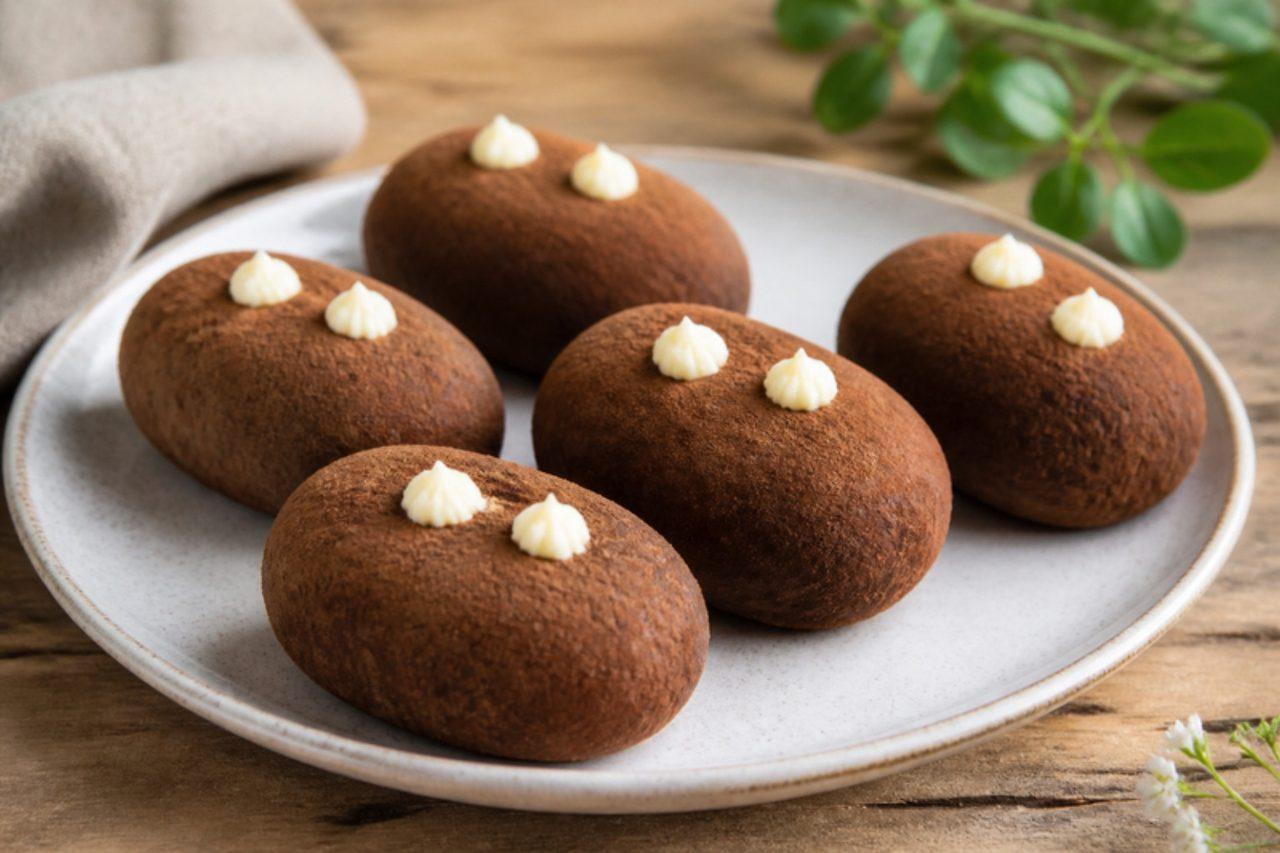
Kartoshka cakeCocoa and cake crumb truffles

Soviet cafés and school canteens sold these knobbly brown 'potatoes' for a few kopecks, and they began as a thrifty way to use up sponge and biscuit trimmings at the bakery. Crumbs are bound with butter and sweetened condensed milk, flavoured with cocoa and vanilla, shaped into little potatoes, rolled in cocoa and finished with two dabs of pale butter cream for the sprouts. They are fudgy and dense like a brownie truffle, need no oven, and children love making them. Traditional bakers added a spoonful of rum, an optional extra for adult batches only; this version is alcohol-free with vanilla. The usual slip is coarse crumbs, which make the potatoes crack, so blitz them as fine as sand. Chef's tip: chill the shaped potatoes for at least 20 minutes so they hold their shape and slice cleanly.

by KrazyBadal 2 views

FlødebollerChocolate marshmallow wafer treats

Flødeboller, 'cream buns', are Denmark's favourite party sweet: a soft, fluffy meringue foam piped onto a thin wafer or marzipan base and dipped in dark chocolate, so it bites like a cloud in a crisp shell. Children take them to school on birthdays, and Copenhagen chocolatiers make fancy versions with liquorice or raspberry. This version uses a cooked sugar-syrup meringue, so the egg whites are heated safely. A common mistake is dipping warm foam into chocolate; it melts and slides. Chef's tip: chill the piped foam well, then pour the chocolate over rather than dipping, which is easier and gives a smooth shell. For gluten free, use marzipan bases.

by KrazyBadal 0 views

Rose petal jam

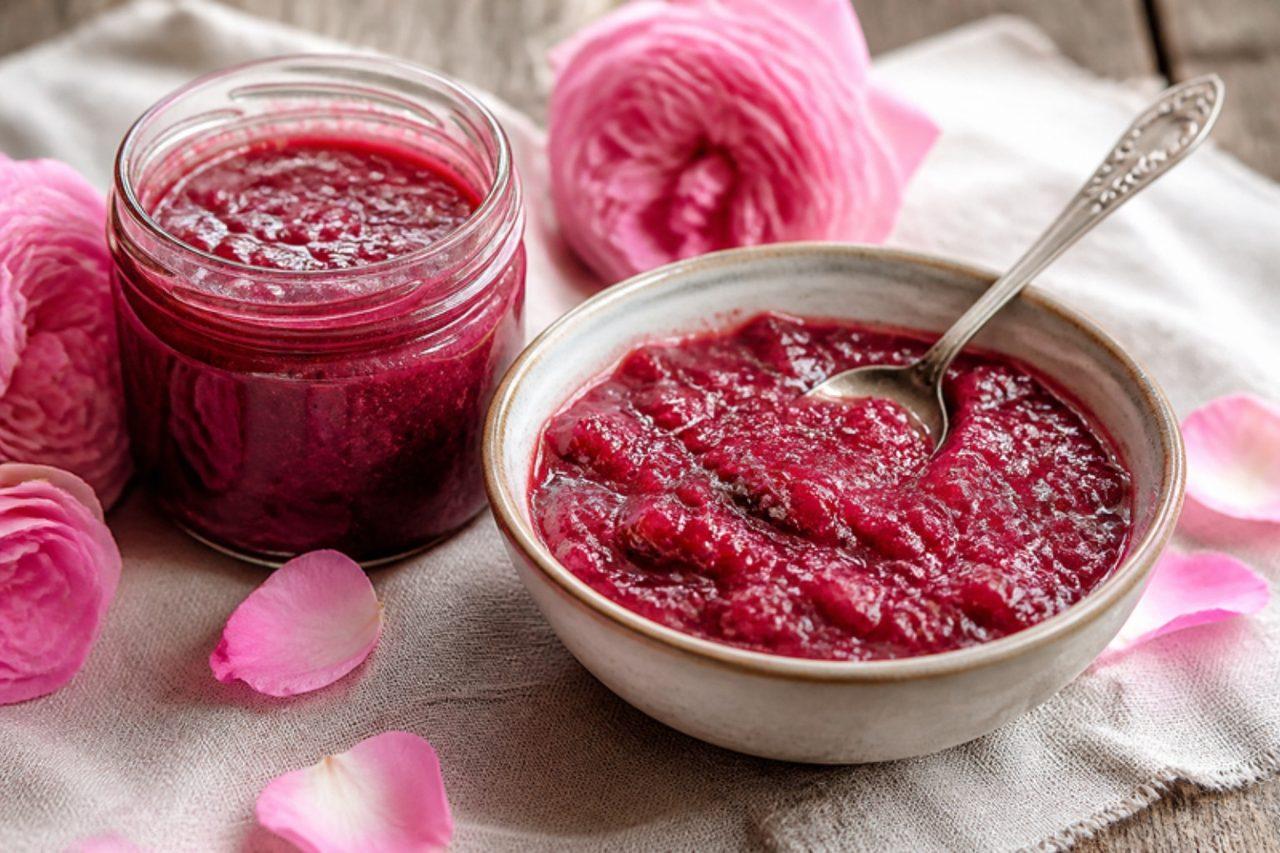
Ask a Polish baker what goes inside a proper pączek and the answer is rose jam, not strawberry. In June, families gather the scented pink petals of wild beach roses (Rosa rugosa) from hedges along the Baltic coast and in gardens, then pound them with sugar into a sticky, intensely perfumed paste that keeps for a year. The flavour is floral and sweet with a little sharpness from lemon, lovely in doughnuts, swirled into yoghurt or spread on cheesecake. Pick only from plants that have not been sprayed and away from roads. Where most people go wrong is leaving the bitter white base of the petals on; snip it off. Chef's tip: lemon juice turns dull petals bright magenta, so add it right at the start.

by KrazyBadal 0 views

Sri Lankan Chinese rolls

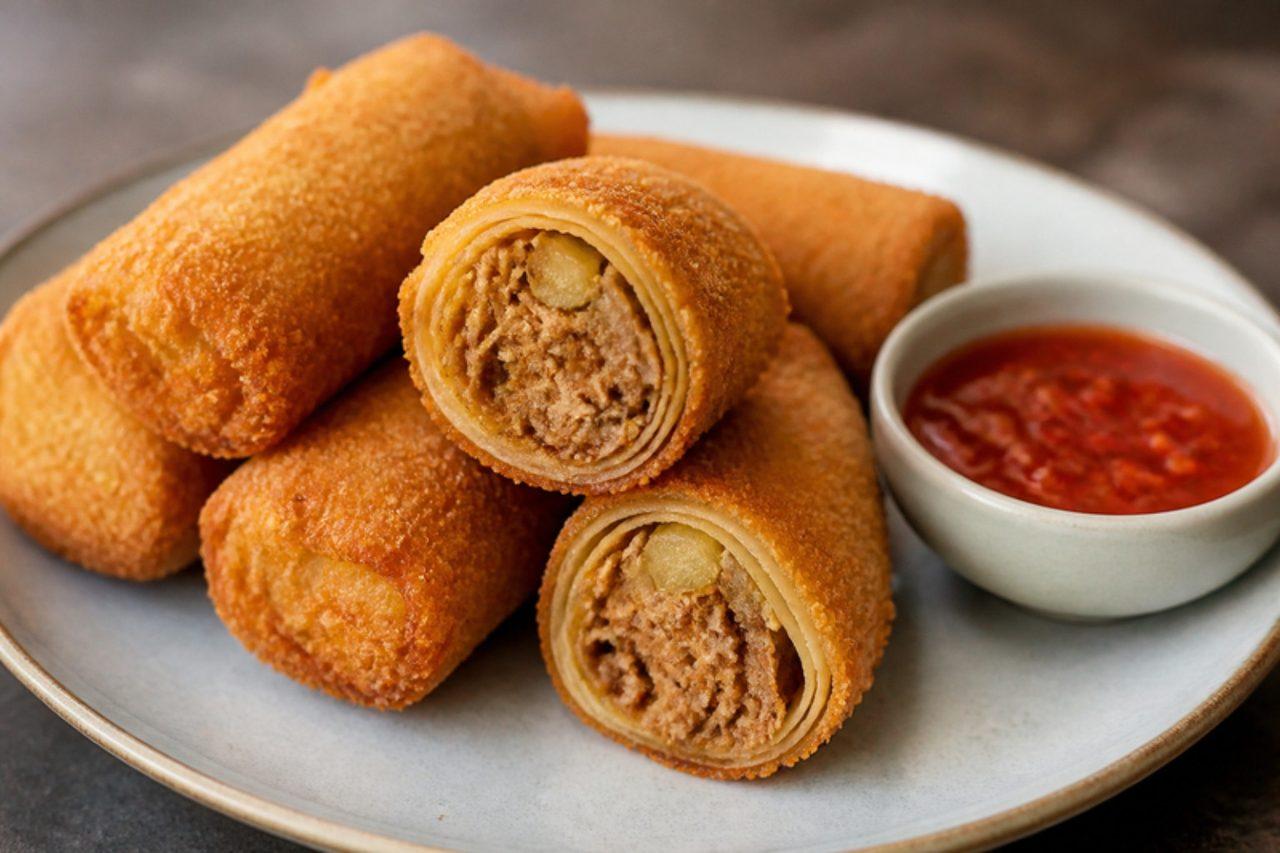
Nobody in Sri Lanka quite knows why they are called Chinese rolls, but every bakery glass case and tea-shop counter from Kandy to Matara has a tray of them: thin crêpes wrapped around a peppery filling, dipped in batter, rolled in breadcrumbs and fried to a golden crunch. Fish is the classic, usually tuna or mackerel cooked with potato, leeks, onion, curry leaves and green chilli, and the rolls go to office tea breaks, almsgiving receptions and children's birthday parties, always with a bottle of chilli sauce. A potato and leek version without fish is just as popular and makes them vegetarian. People often go wrong by making the pancakes too thick, which gives a doughy roll that never crisps. Chef's tip: roll each one tightly like a spring roll, tucking the sides in, so the filling cannot burst out in the oil.

by KrazyBadal 0 views

FlijaLayered batter pie

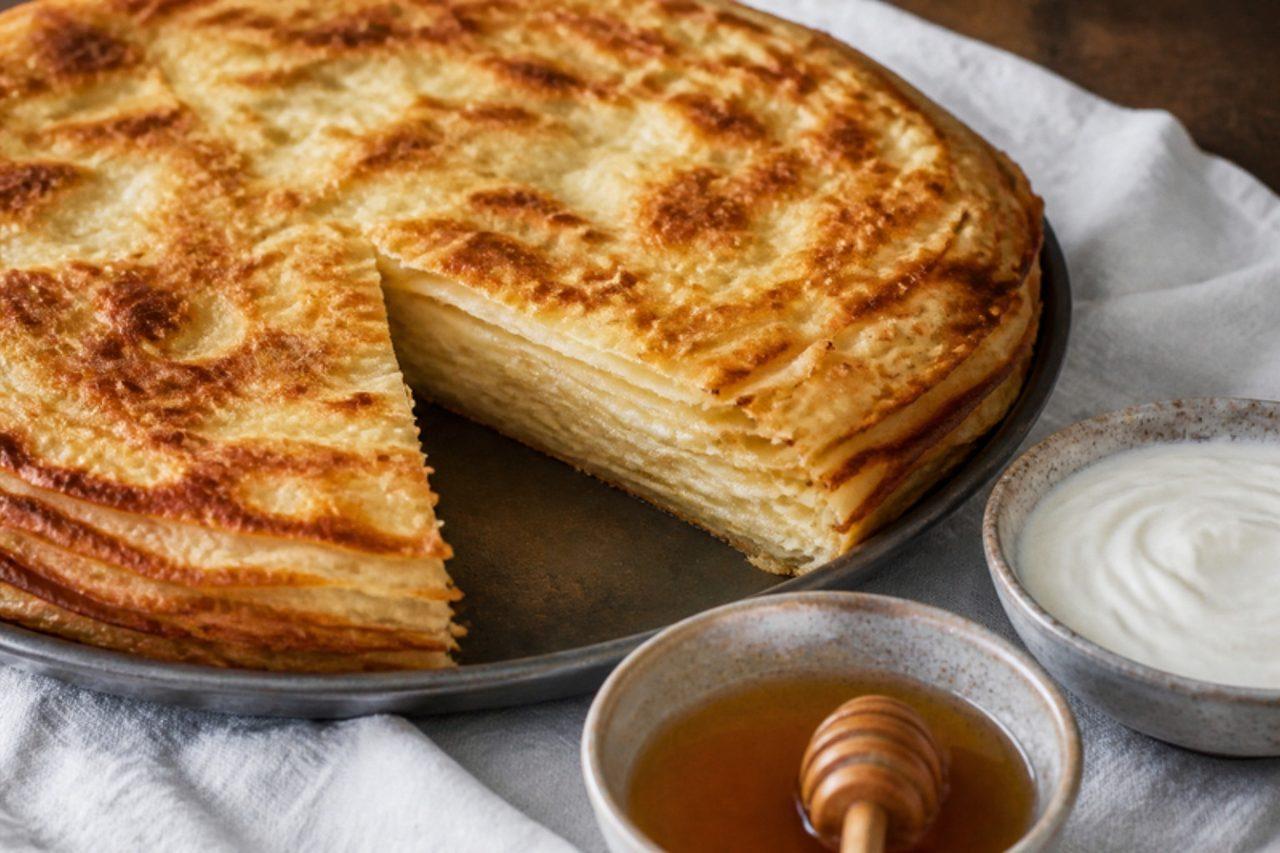
Flija is the dish of long summer afternoons in Kosovo, from the Rugova valley to the villages around Prizren, when friends gather and take turns tending the saç, a domed iron lid heaped with embers. Thin batter is painted onto a round tray in spokes, cooked under the heat, brushed with a mix of sour cream and yogurt, then painted again, until 15 or more layers have built up over a couple of hours. Cut into wedges, it is chewy, buttery and lightly scorched, served with honey, white cheese, pickled peppers or a bowl of yogurt. At home, a very hot oven grill stands in for the saç. The most frequent mistake is crowding the batter: each spoke must leave a finger-wide gap for the next layer to fill, or the pie becomes a thick, gummy pancake. Chef's tip: keep the batter as thin as single cream, and whisk in a spoonful of water whenever it thickens as it stands.

240 minBalkanBaking
by KrazyBadal 0 views

FlódniFour-layer poppy seed and fruit pastry

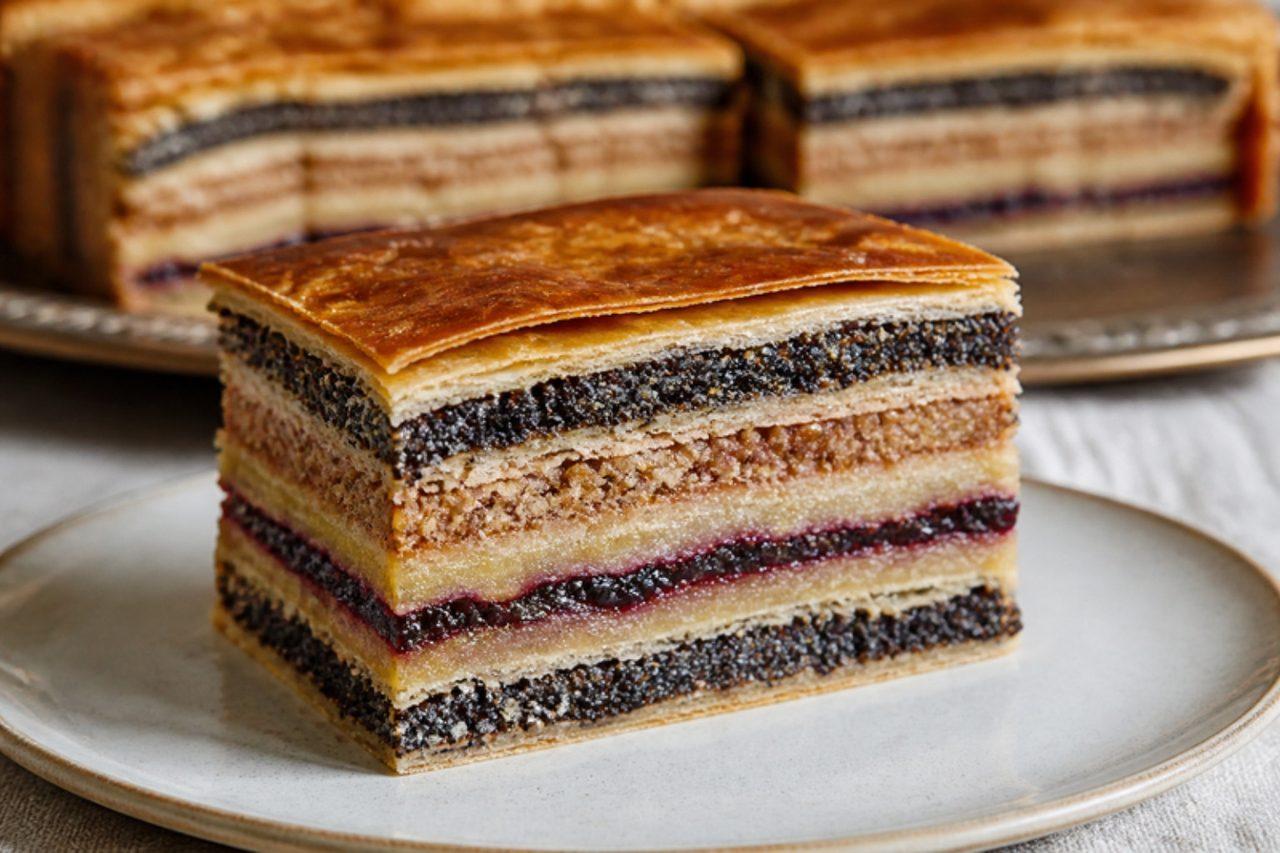
Four stripes of filling, black poppy seed, golden apple, nutty walnut and dark plum jam, stacked between thin sheets of shortcrust: that is flódni, the Hungarian-Jewish pastry of Budapest's old Jewish quarter around Kazinczy and Dob streets. Jewish families bake it for Purim and Hanukkah, and the bakeries of the seventh district sell it by the slab all year. Each cut slice should be moist, dense and not too sweet, best with a glass of tea or black coffee. Many families make the dough with a little sweet white wine and use margarine so it can follow a meat meal; this version keeps it alcohol-free with grape juice, and you can swap the butter for a firm baking margarine to make it dairy-free. The usual slip is rolling the sheets too thick, so the pastry swamps the fillings; each one should be barely 3 mm. Chef's tip: bake it a day ahead and slice it cold with a hot, wet knife, because the layers settle overnight and cut cleanly.

by KrazyBadal 0 views

Dominican berenjena guisadaStewed aubergine

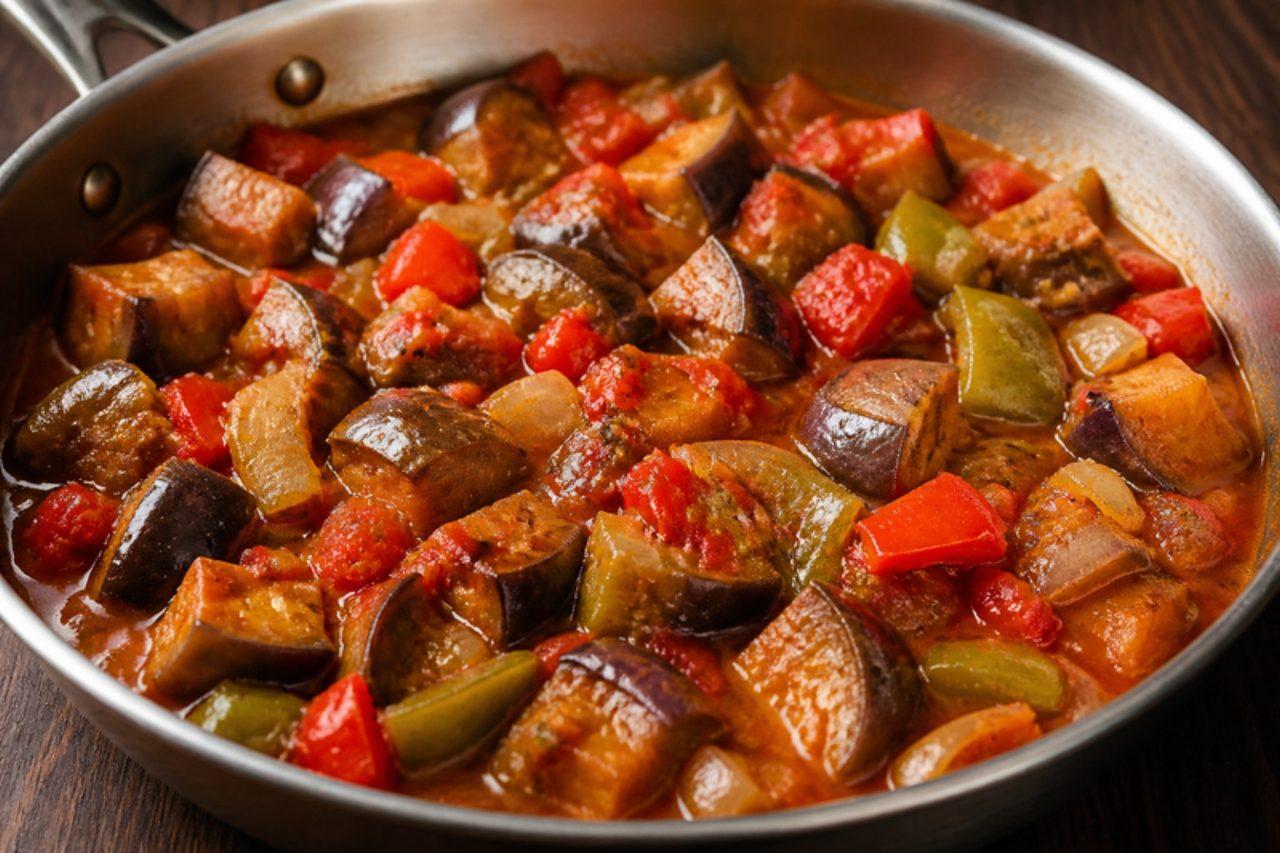
Dominican home cooks make berenjena guisada as a weekday side next to white rice and beans, the aubergine stewed down with tomato, sweet peppers and plenty of dried oregano into a soft, savoury guiso. It is light, quick and good hot or at room temperature. The common mistake is adding all the water at the start, which boils the aubergine grey; let it soak up the oil and sofrito first, then add liquid a little at a time. Chef's tip: rub the dried oregano between your palms as it goes in, to release the oils; Dominican cooks swear by it.

by KrazyBadal 1 views

Jamaican roast breadfruit

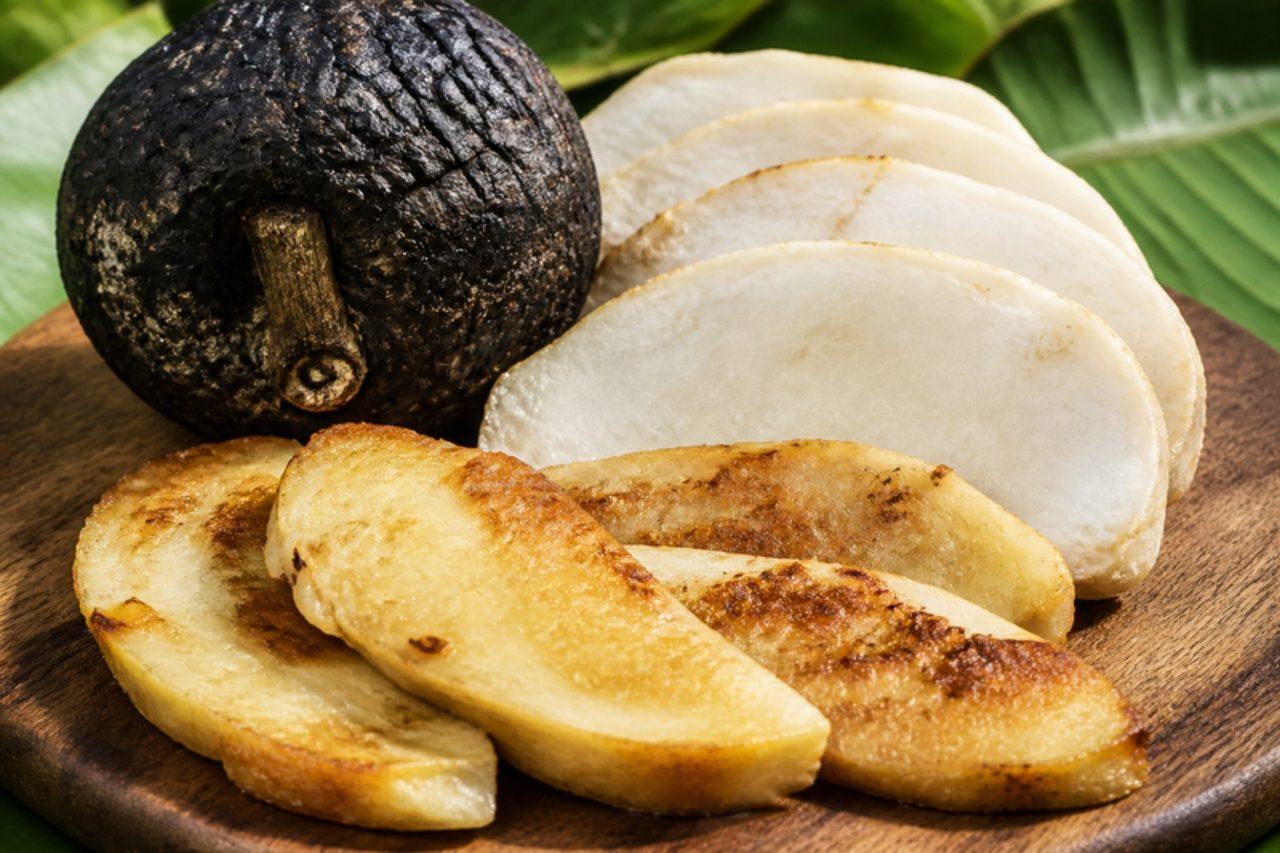
Portland roadsides smell of smoke when breadfruit is in season, with whole fruit sitting straight in wood fires until their green skins turn black. Inside, the flesh steams to a soft, fragrant cream somewhere between potato and fresh bread, and it is eaten in thick slices with ackee and saltfish, callaloo or a knob of butter, or fried the next morning. People often pick a fruit that is either too ripe (it turns mushy and sweet) or too young (it stays hard and gluey); you want a heavy, firm one with a little sap beading on the skin. A gas hob or a hot oven works when there is no open fire. Chef's tip: cut a small cross in the stem end before roasting so steam can escape, and push a skewer into it to check doneness without opening the fruit.

by KrazyBadal 0 views

Jaffna goat curry

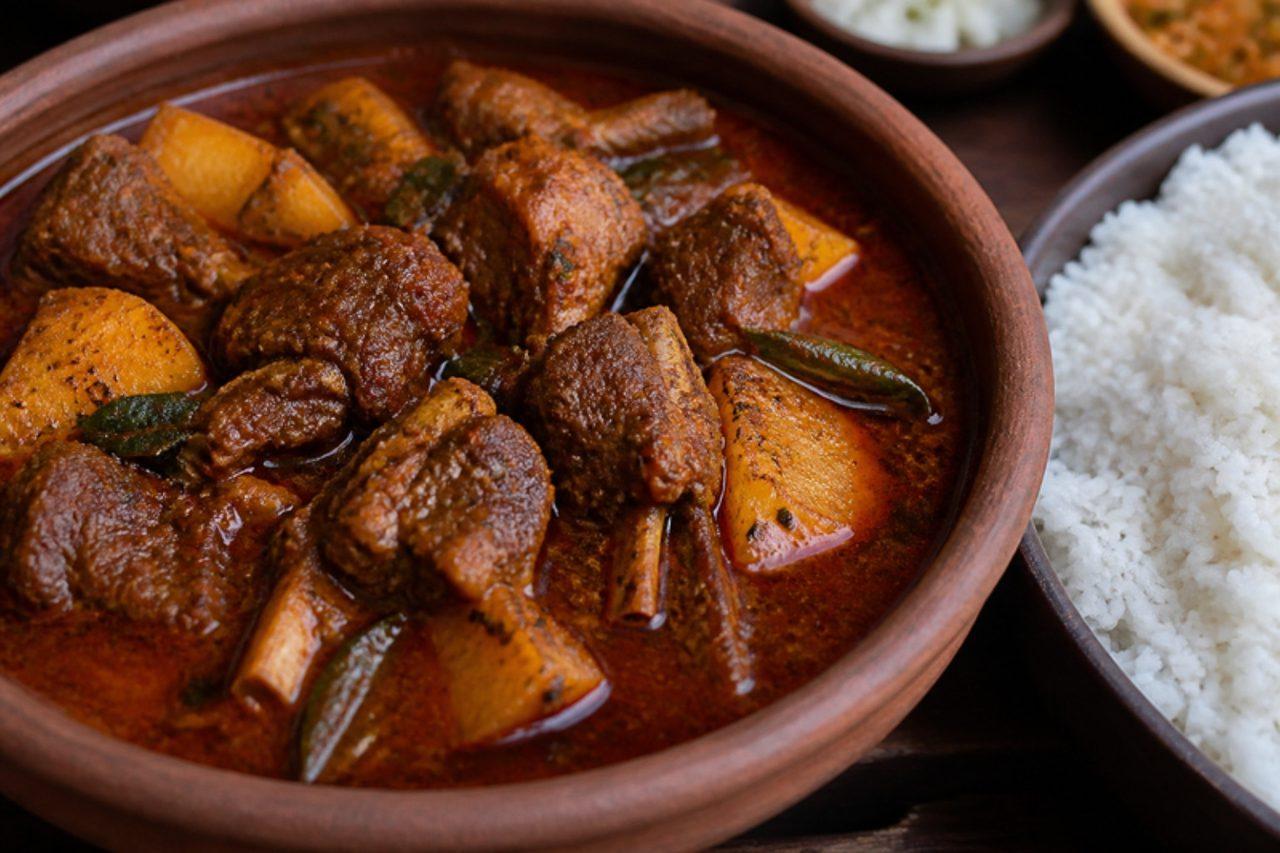
Goat is the celebration meat of the Tamil north, and a Jaffna aattukkari cooked for a temple feast day, a wedding lunch or a Sunday at home is thick, brick-red and ferociously spicy. The secret is the local curry powder, roasted much darker and hotter than in the south, fried in oil with onion, garlic and fennel until it almost catches, then simmered slowly with the meat until the gravy reduces to a coating. Chunks of potato soak up the sauce, and the whole thing is eaten with rice, idiyappam or Jaffna-style puttu, with a cooling bowl of curd or coconut sambol on the side. The pitfall here is rushing the simmer; goat needs patience and goes chewy if it is cooked hard and fast. Chef's tip: brown the meat well in the spice paste before any liquid goes in, which gives the gravy its deep, almost smoky flavour.

by KrazyBadal 0 views

Sri Lankan patties

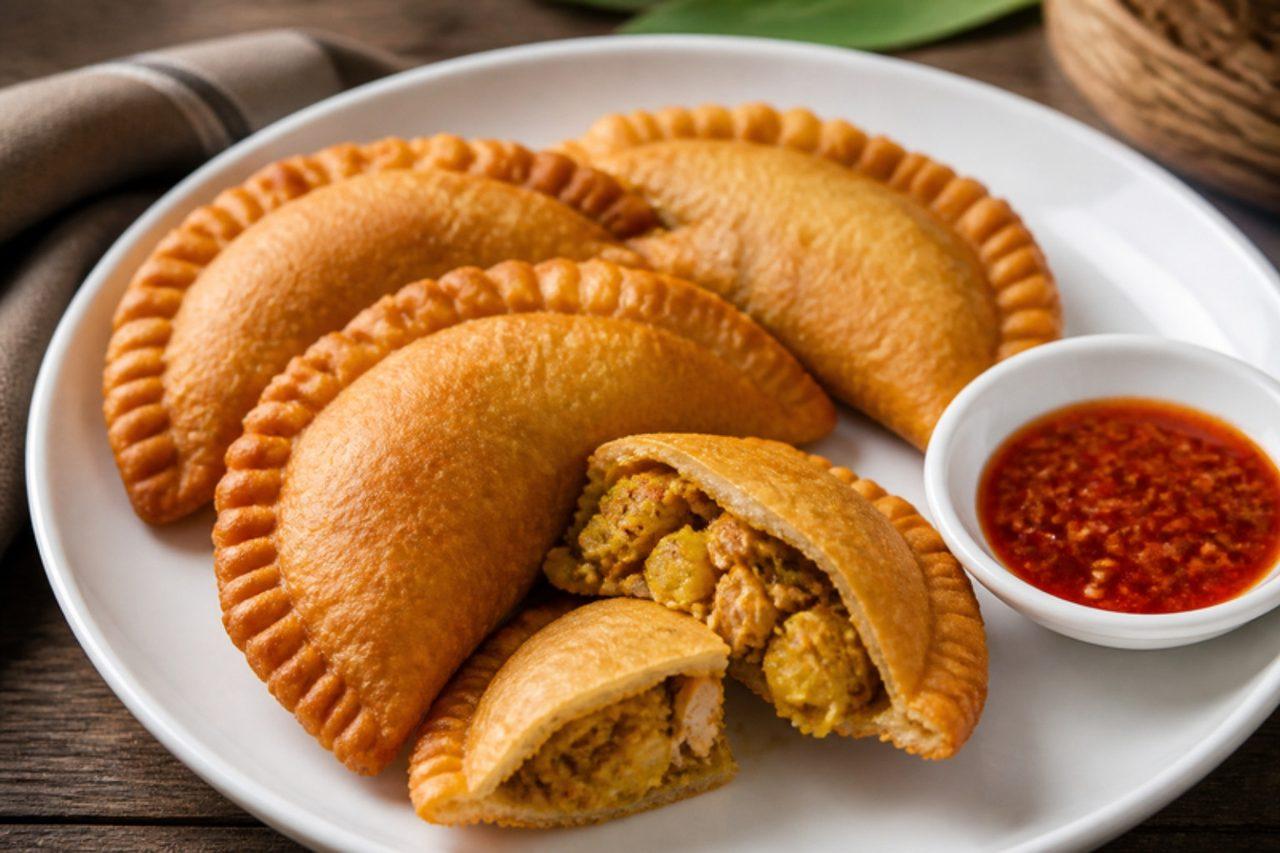
Patties are the short eat that marks a Sri Lankan celebration, made by the hundred for weddings, Avurudu New Year visits and Christmas open houses, and sold warm from bakeries in paper bags. The pastry is the clue to their identity: rich with butter, egg and coconut milk, rolled thin, folded into half-moons and crimped with a fork, then fried until blistered and flaky. Inside is a gently spiced mix of chicken, potato and leeks with a hint of cinnamon, and a vegetable filling of potato, carrot and leek is equally common when guests are vegetarian. It goes wrong when the filling is still warm when it meets the pastry, which then softens, tears and leaks in the oil. Chef's tip: rest the pastry in the fridge for half an hour before rolling, and press the edges with a fork dipped in flour so they seal firmly.

by KrazyBadal 0 views

FlatkökurRye flatbread

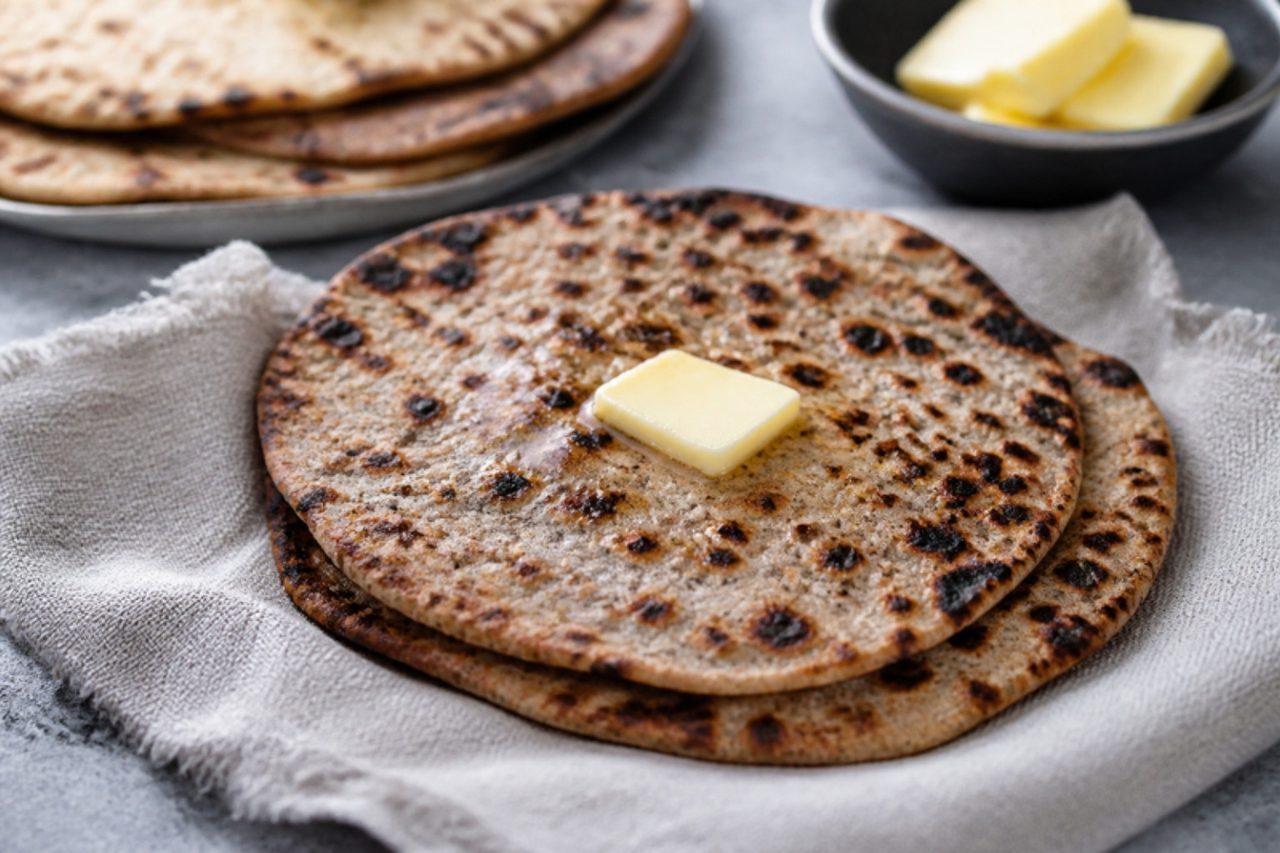
Flatkökur are round, flat rye breads that Icelanders char straight on the hot plate of the stove, or over a gas flame, until they are speckled black and smoky; they are eaten buttered, with smoked lamb (hangikjöt) or cheese, at every Christmas and confirmation and in lunchboxes all year. The dough is made with boiling water so it is soft and easy to roll. A common mistake is letting the dough cool before rolling; scalded rye dough stiffens and cracks. Chef's tip: roll it while warm and prick all over with a fork so it stays flat as it chars.

by KrazyBadal 0 views

Flygande JacobChicken, banana and bacon bake

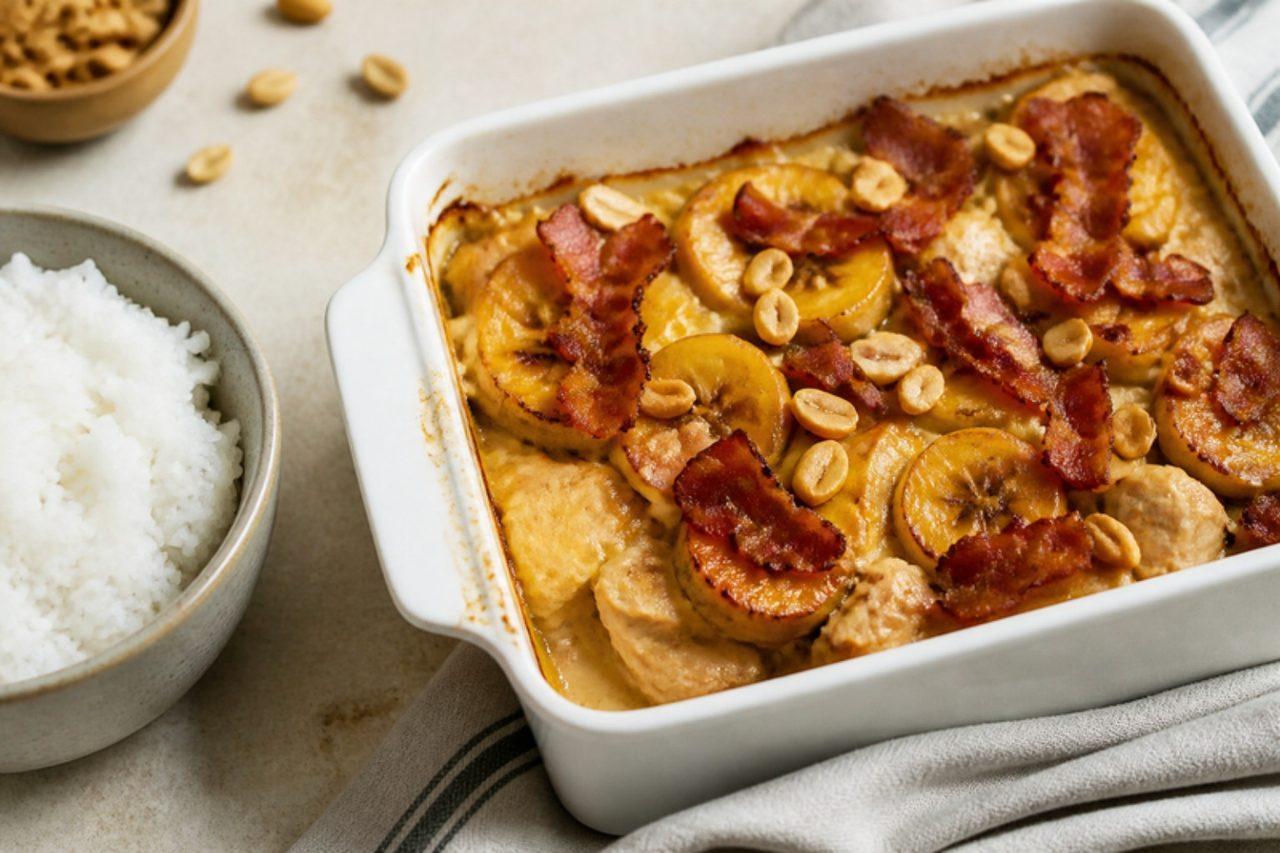
Flygande Jacob, 'flying Jacob', was invented in 1976 by Ove Jacobsson, an air-freight worker, and the recipe appeared in a Swedish magazine; within years it was one of the most-made party dishes in Sweden. Cooked chicken is mixed with whipped cream and chilli sauce, layered with sliced banana, baked, then topped with crisp bacon and salted peanuts and served with rice. This dish contains pork, in the bacon. It is sweet, salty and creamy, and gloriously retro. A common mistake is using raw chicken, which leaks juice and makes the sauce thin. Chef's tip: use roast chicken from the day before; it must already be cooked to 74 °C.

by KrazyBadal 0 views

Barley water

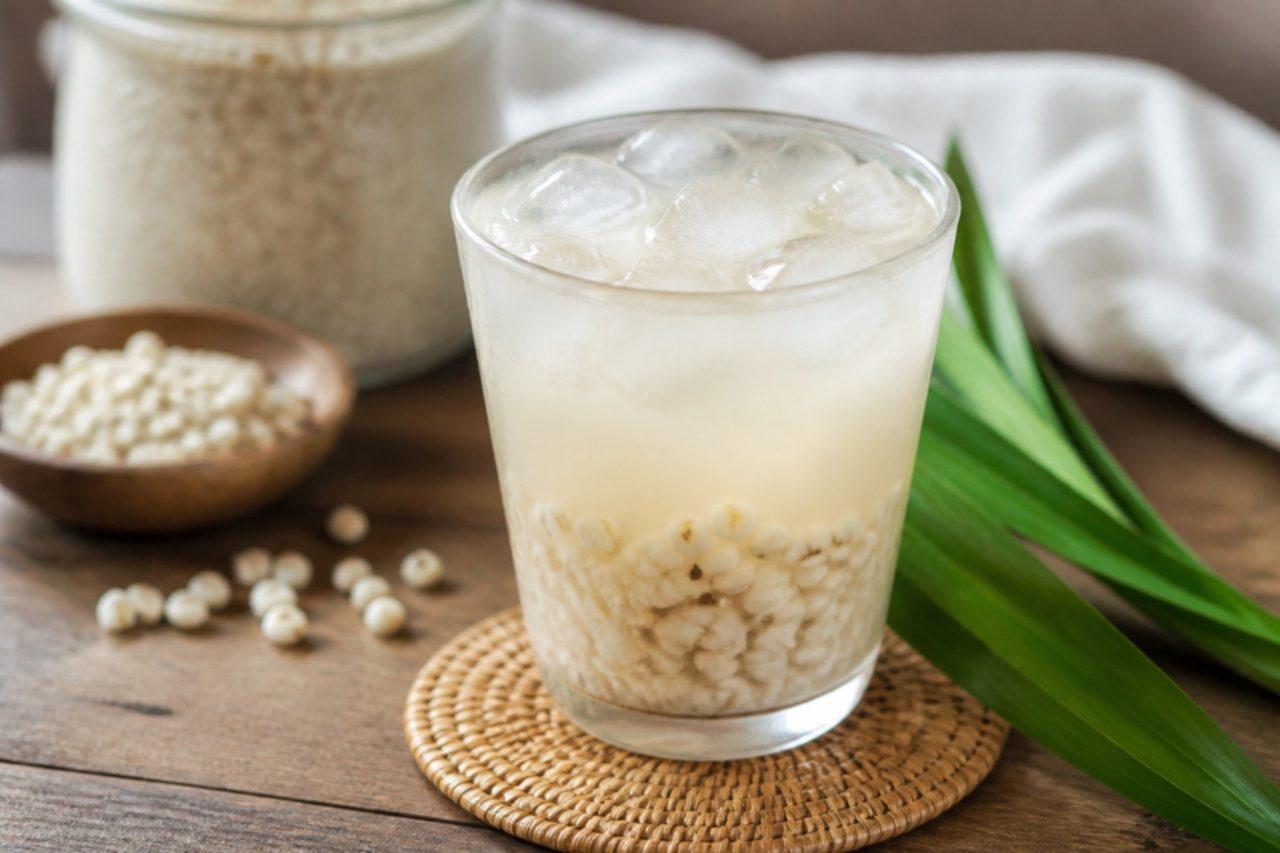
Ask for 'barley' at any drinks stall in a Singapore kopitiam and you get a tall glass of cloudy, faintly sweet barley water, the drink older relatives swear by on the hottest afternoons because it is said to cool the body. Home cooks simmer pearl barley for an hour with knotted pandan leaves, and in Teochew and Cantonese households chunks of winter melon go in as well for a gentle, cucumber-like sweetness. The result is light and clean, ideal beside a plate of chicken rice, char kway teow or anything greasy and salty. The usual mistake is boiling it hard, which turns the liquid starchy and slimy instead of smooth and pale; keep it at a gentle simmer. Chef's tip: don't throw away the softened barley grains; spoon some into each glass, as the stalls do, or eat them warm with a little rock sugar as a light dessert.

by KrazyBadal 0 views

SulguniStretched cheese

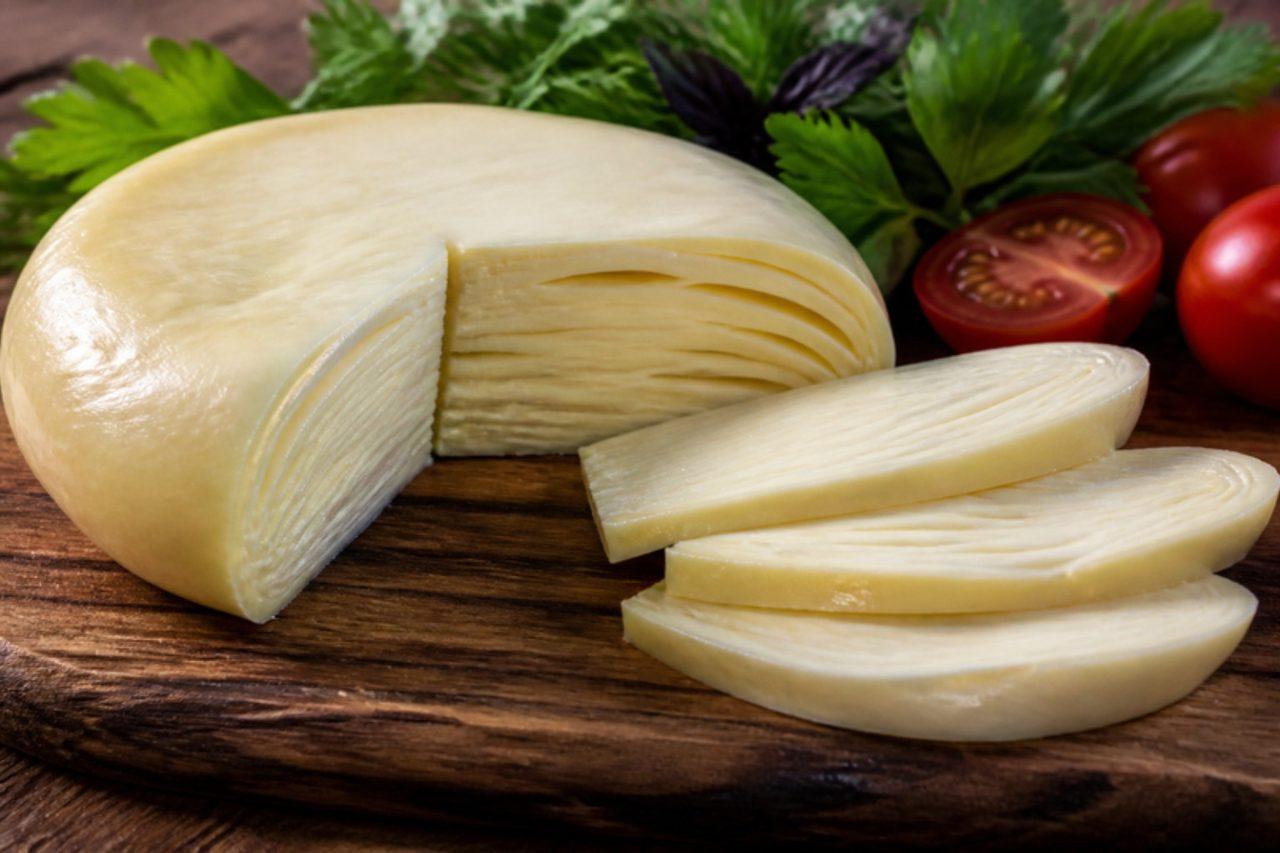
Sulguni is the famous cheese of Samegrelo, made in Zugdidi homes by taking fresh, slightly soured curd, cutting it up and working it in hot water until it can be pulled into a glossy, layered, salty ball. It is eaten in thick slices, melted into elarji and khachapuri, and smoked over embers for a darker version. The curd has to be acidic enough to stretch, so you make the cheese one day and stretch it the next, or buy fresh Imeretian cheese and start from there. Traditionally animal rennet is used; vegetarian rennet works too. A common mistake is trying to stretch fresh, sweet curd; it melts into a puddle instead of pulling. Chef's tip: test a small piece in hot water first; if it stretches 30 cm without breaking, the curd is ready.

by KrazyBadal 0 views

FlæskestegRoast pork with crackling

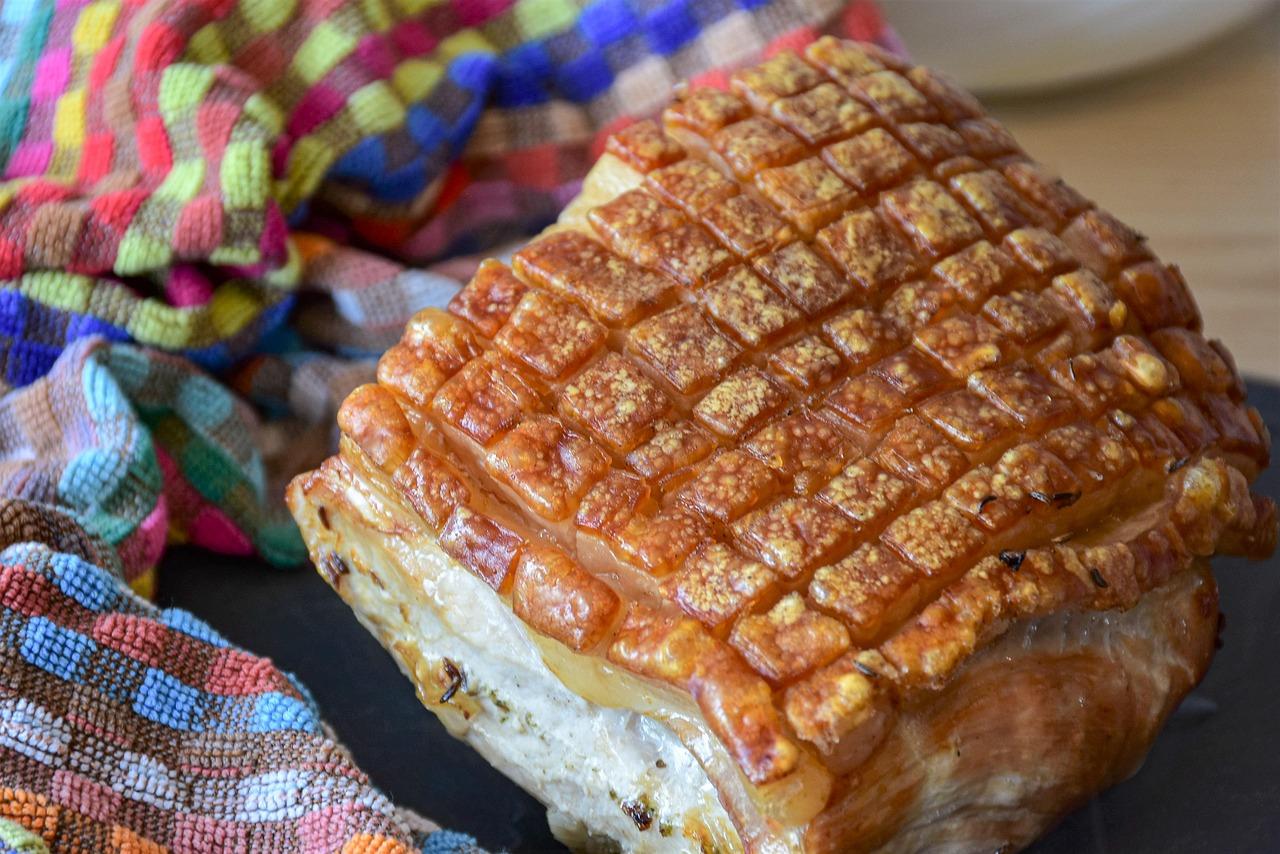
Flæskesteg is the Danish Christmas Eve roast: a pork loin or belly with its rind scored deep, rubbed with salt and bay, and roasted until the crackling puffs into crisp, golden ridges. This is a pork dish. It is served with brunede kartofler, red cabbage, plain boiled potatoes and gravy, and the crackling is the prize everyone fights over. A common mistake is scoring the rind too shallow or not all the way across, so it cracks unevenly. Chef's tip: start the joint rind-down in a little boiling water for 20 minutes, which softens the rind, then turn it up and roast; it crackles evenly. Whole pork joints are safe at 63 °C followed by a 15-minute rest.

by KrazyBadal 0 views

Arayeche (almond star pastries)

Picture a star with three plump arms: arayeche are shaped from a ball of orange-blossom almond paste wrapped in very thin pastry and pinched into points, baked pale, dipped in honey and then rolled in icing sugar until snow-white. Along with dziriettes and makrout, they are fixtures of the sweet trays at weddings and Eid in Algiers, set out in paper cases with mint tea. The pastry is crisp and fine, the almond filling dense and fragrant, and the coating of sugar sticks to the honey in a sweet crust. Chef's tip: pull them out of the oven while still pale with barely golden tips; browned arayeche are a common mistake and taste dry once the sugar goes on.

by KrazyBadal 0 views

Seven-layer tea

Visitors to the tea gardens of Srimangal, in Sylhet's Moulvibazar district, queue at small tea cabins to see a glass of tea striped in seven distinct bands, from creamy white at the bottom to pale green-gold at the top. The original recipe is a closely guarded secret of the tea-maker who made it famous, but the principle is simple physics: each layer carries a different amount of sugar, so the heaviest sits at the bottom and the lightest floats on top. This home version uses condensed milk, green tea, strong black tea, milk tea, lemon tea, spiced tea and plain tea, and it is drunk slowly, layer by layer, with a long spoon. Pouring too fast is what ruins it; each layer should trickle down the inside of the glass over the back of a spoon. Chef's tip: let all the brews cool to warm, about 50 °C, so temperature differences don't stir the layers.

by KrazyBadal 0 views

FiskekakerWhite fish cakes

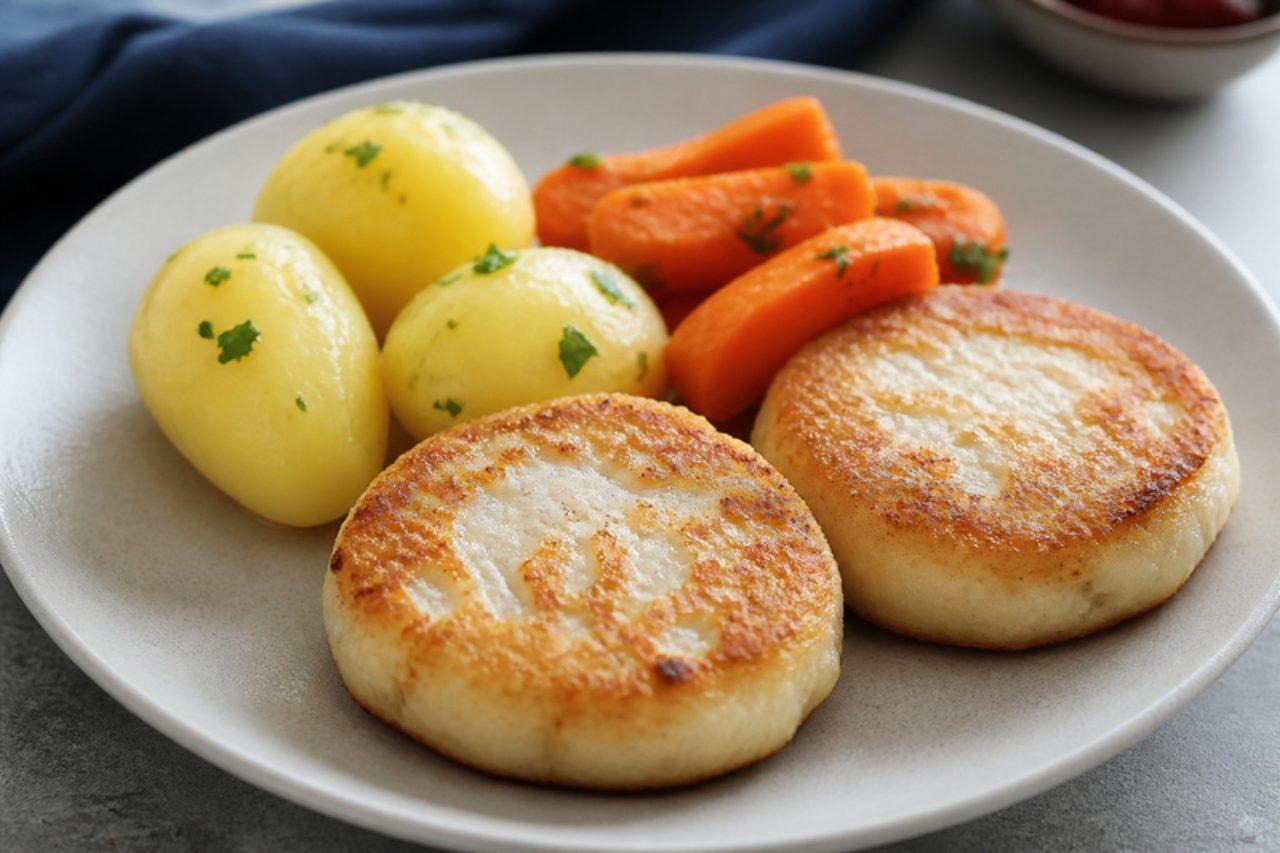
In Bergen, the fishmongers at the harbour fish market sell fresh fiskekaker made that morning: white fish such as haddock or pollock blended with milk, potato starch and nutmeg into a soft, pale paste, shaped into flat cakes and fried in butter. They are served with boiled potatoes, grated raw carrot and a white sauce or melted butter, or cold in a sandwich. A common mistake is adding the milk too fast, which makes the mix loose. Chef's tip: blend the fish with salt first until sticky, then add the cold milk a little at a time, so the cakes come out springy and smooth. They are cooked when firm and opaque in the middle.

by KrazyBadal 0 views

Flaki po warszawskuBeef tripe soup

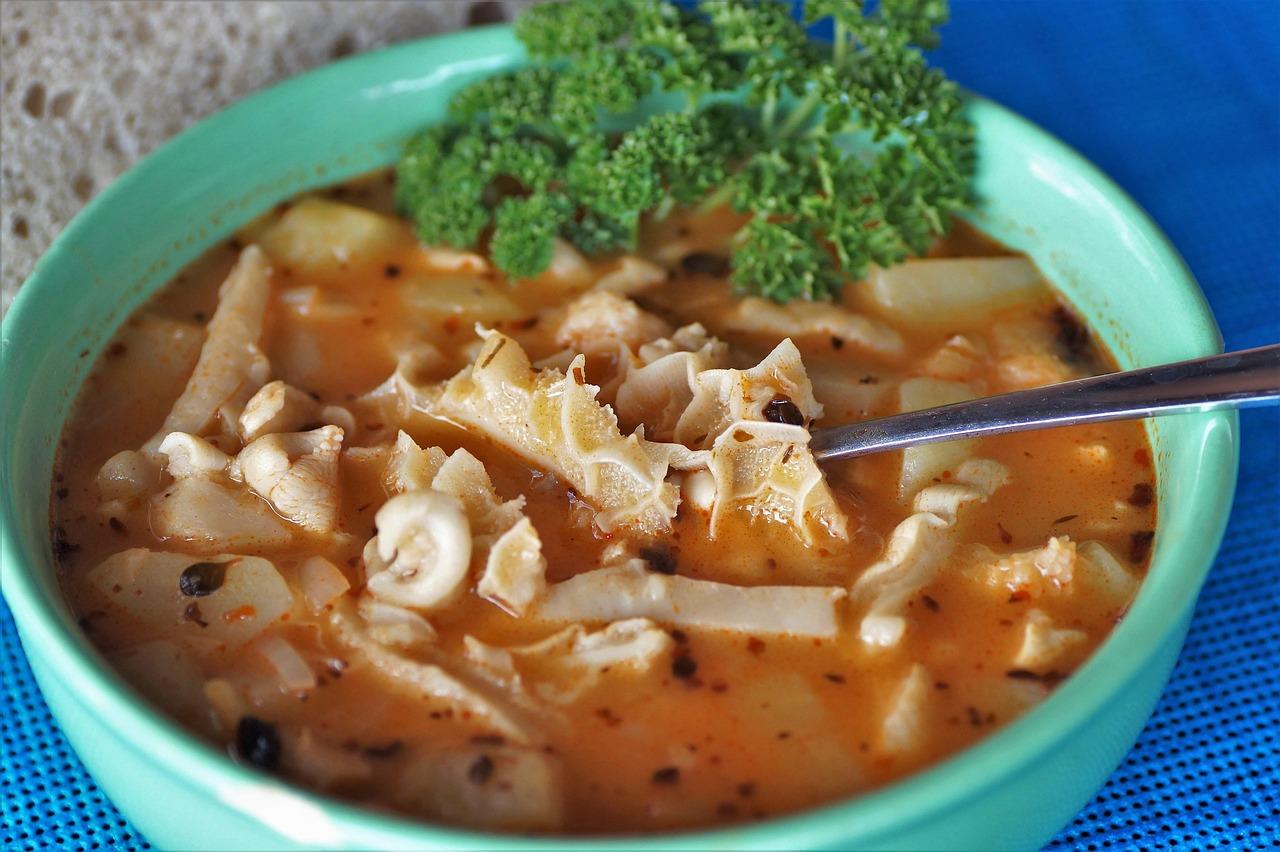
Warsaw's old milk bars and wedding receptions share one great soup: flaki, a peppery tripe broth scented with marjoram, nutmeg and ginger, served piping hot, traditionally late at night to revive tired guests. The Warsaw version adds tender beef meatballs (pulpety) and plenty of julienned root vegetables, so it is heartier than the plain flaki of other regions. Tripe has a soft, slightly chewy bite and soaks up the warm spices. Buy cleaned, blanched beef tripe from a butcher. A mistake that ruins many pots is skipping the first blanching: without it the soup smells strongly and never tastes clean. Make it a day ahead if you can; it improves overnight. Chef's tip: add the marjoram twice, a spoon during cooking and a generous pinch rubbed between your palms just before serving, which is what gives Warsaw flaki its signature smell.

240 minPolishSoups
by KrazyBadal 0 views

Jamaican sweet potato pudding

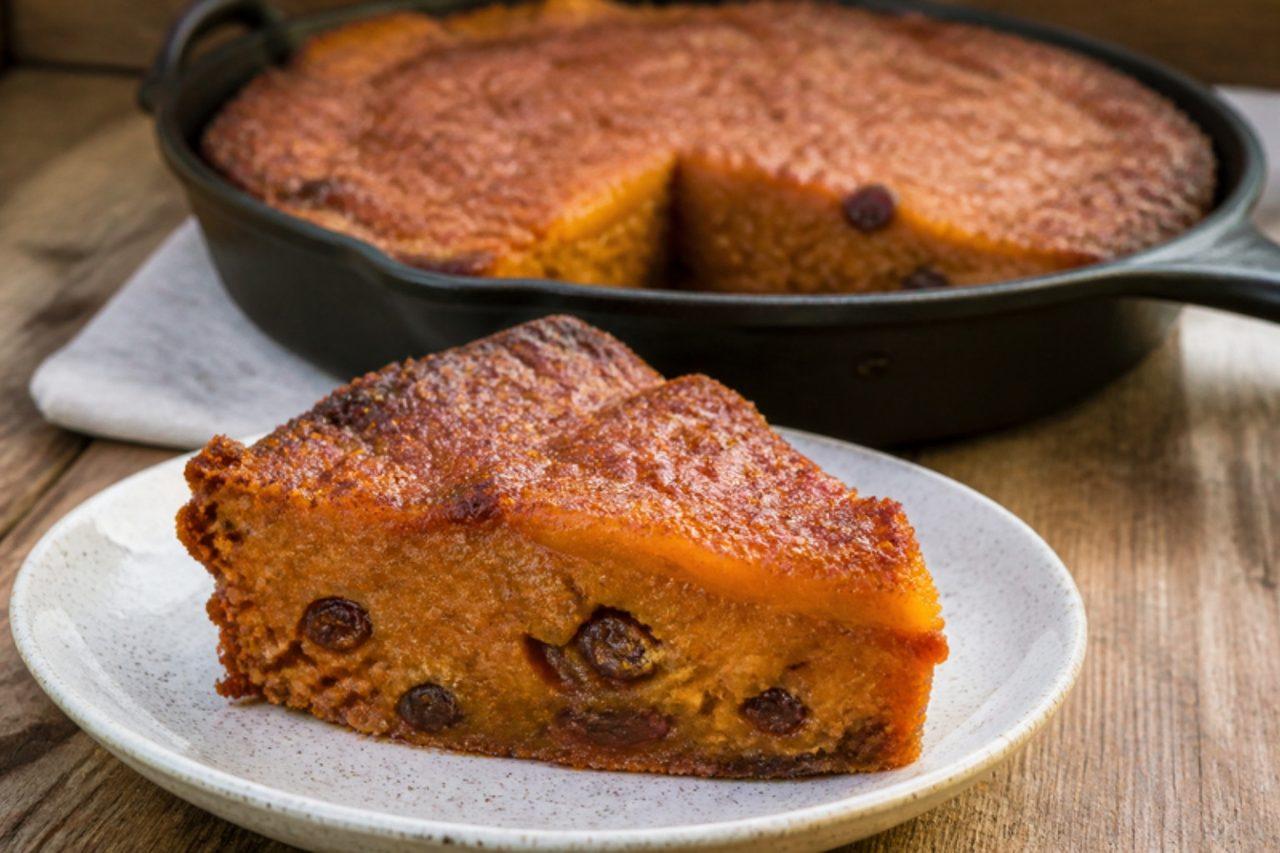
Once baked in Dutch pots with coals heaped on the lid, Jamaica's sweet potato pudding gave rise to the saying "hell a top, hell a bottom, hallelujah in the middle", and it is still a Sunday and Christmas favourite in homes across the island. Grated sweet potato, coconut milk, a little flour-free cornmeal and spice bake into a dense, moist slab with a soft, custardy layer on top. People often cut it hot, but it needs to cool for at least an hour to set. Chef's tip: grate the sweet potato on the fine side of the grater; coarse shreds make a grainy pudding.

by KrazyBadal 0 views

Mushrooms on ketsi

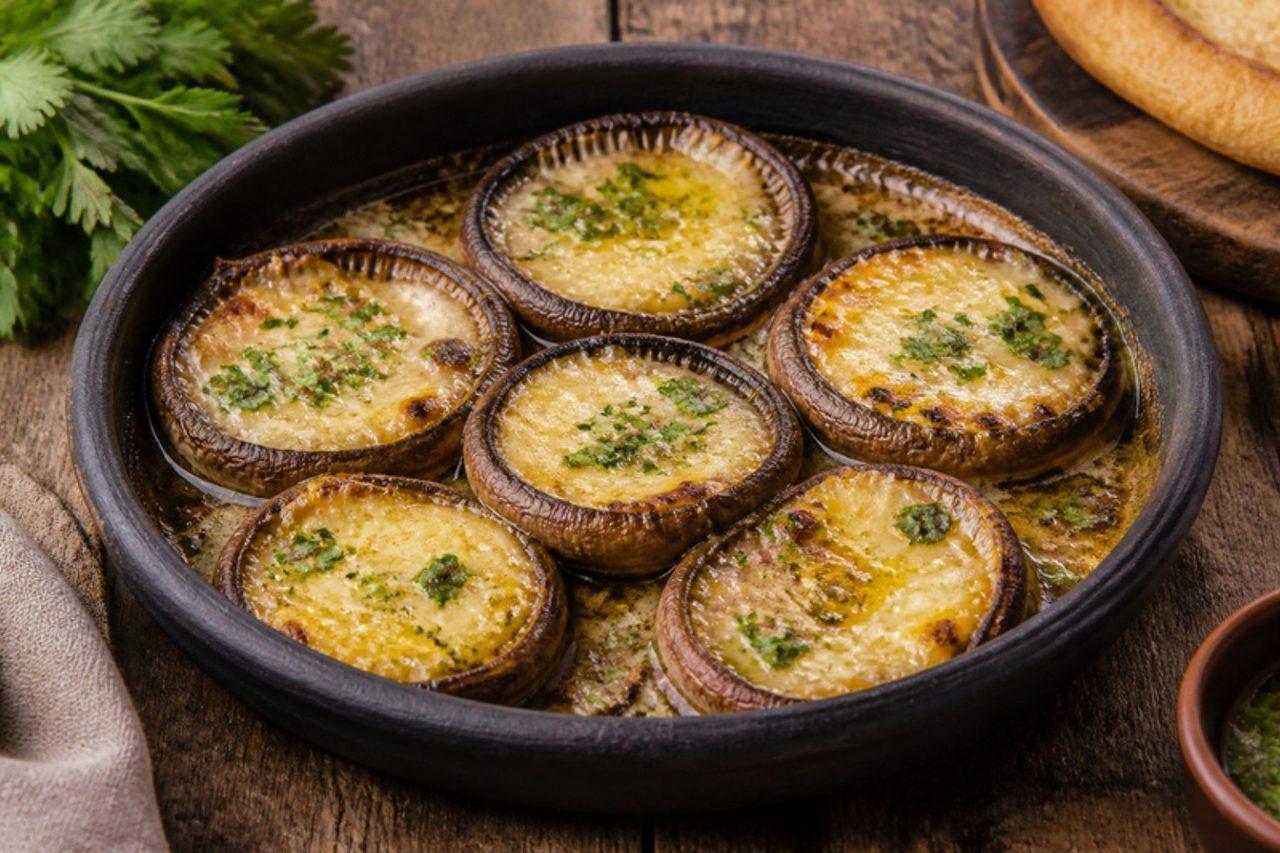
Every Tbilisi tavern has its sizzling ketsi, a shallow clay dish heated on the fire, and mushrooms baked in one with butter and a crust of melted sulguni are among the most ordered starters, brought to the table still crackling. In autumn, Georgian cooks use wild oyster mushrooms or field mushrooms; cups set gills up hold the butter like little bowls. A common mistake is overcrowding the dish, which makes the mushrooms steam instead of browning. Chef's tip: salt the mushrooms only after the first 10 minutes, so their juices stay inside and they cook in their own butter. Sulguni is usually made with animal rennet, so choose a vegetarian cheese.

by KrazyBadal 0 views

Fried gobies

Odesa's beloved bychky, the little big-headed gobies of the Black Sea, are sold by the bucket at Pryvoz market and fried in sunflower oil in kitchens and beach cafés all summer. Dusted with seasoned flour and fried hard, they come out crunchy and golden, with sweet white flesh and bones so small they are eaten whole. Serve with lemon, a tomato and cucumber salad, bread and plenty of dill. Most people go wrong by using too little oil, so the fish stick and the coating flakes away; you want a good centimetre in the pan. Outside the Black Sea region, smelt, sprats or small whiting work the same way. Chef's tip: for the crunchiest result, ask for the heads to be removed and the fish gutted, salt them 10 minutes in the fridge, then dry them very well before flouring.

by KrazyBadal 0 views

Arroz con maízRice with sweetcorn

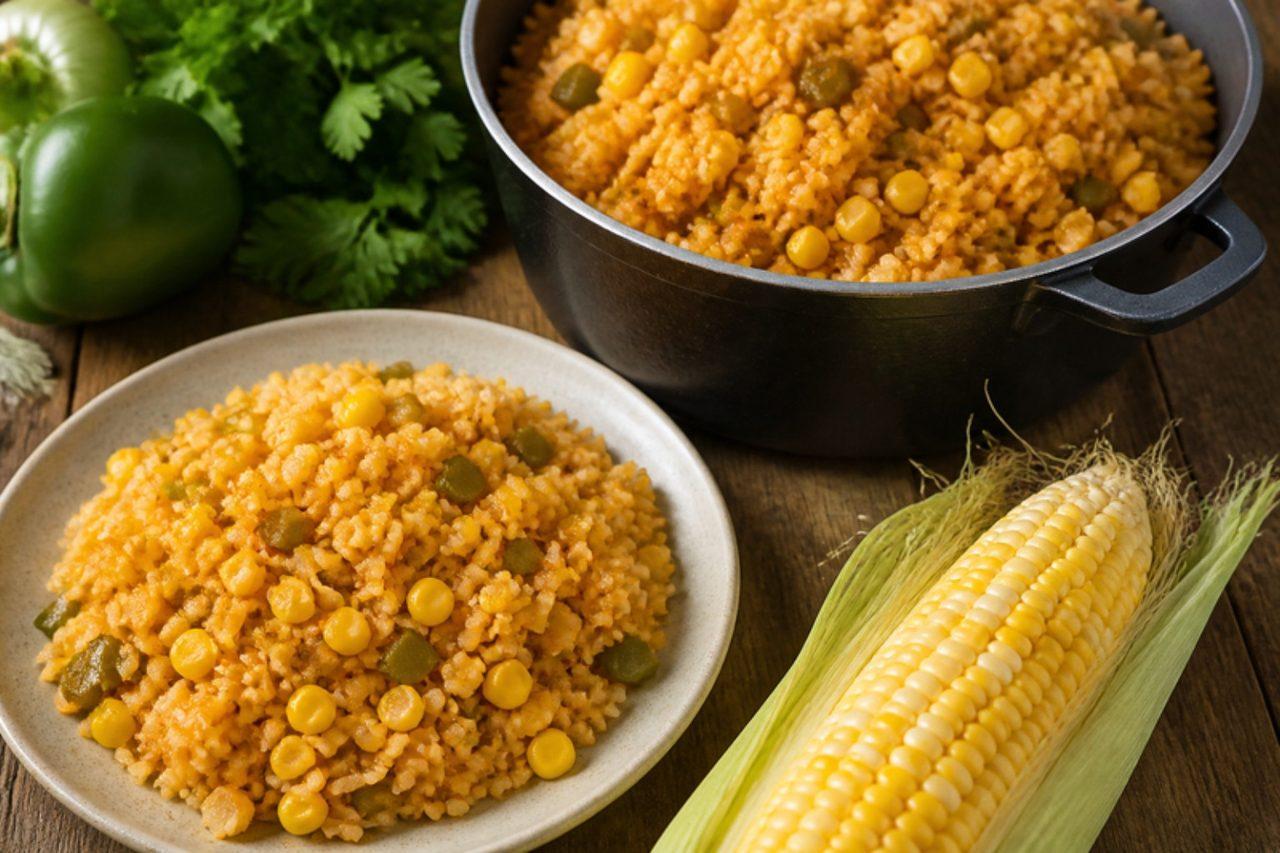
In central Cuba, when the fields are full of young corn, families cut the kernels straight off the cob into the rice pot with a sofrito of onion, pepper, garlic and annatto, cooking everything together until golden and sticky at the base. Many farm cooks add salt pork; this vegan version leans on cumin and a little smoked paprika. A common mistake is using too much water, as fresh corn releases its own milk, so keep to the amounts given. Serve with black beans or a tomato and avocado salad. Chef's tip: scrape the cobs with the back of the knife after cutting off the kernels and add that milky pulp; it gives the rice a creamy sweetness.

by KrazyBadal 0 views

Flamiche dinantaiseStrong cheese tart

The flamiche of Dinant is eaten only one way: straight from the oven, so hot it burns the fingers, as the townspeople say. It is a rich, wobbly tart of strong fresh boulette or Herve-style cheese beaten with eggs and plenty of butter on a thin yeasted base, and Dinant's 'Confrérie de la Flamiche' still holds an annual tasting. Boulette and Herve cheeses are usually made with animal rennet; a strong vegetarian soft cheese mixed with fromage frais works. A common mistake is letting it cool; it sets and loses its creaminess. Chef's tip: serve it the moment the top puffs and turns golden.

by KrazyBadal 0 views

FogueteFried pastry tubes with pumpkin preserve

Foguete means rocket in Portuguese, and these slim, golden pastry tubes, fried crisp and stuffed with sticky ash-pumpkin preserve, really do look like little fireworks lined up on the Christmas tray of a Portuguese Burgher household. A rich dough of flour, egg, butter and coconut milk is rolled thin, wrapped around metal tubes and fried until blistered, then filled with chopped preserve mixed with cashews, cardamom and rosewater. They shatter when you bite, then give way to a soft, fragrant, honeyed centre, and are eaten with tea through the Christmas week. The trap is frying in oil that is too hot, so the pastry browns before it crisps and goes soft once cool; keep it steady at about 170 °C. Use cannoli tubes, or short lengths of thick, clean wooden dowel. Chef's tip: grease the tubes well and seal each pastry with egg white only along the overlap, never on the tube, or the tubes will be impossible to slide out.

by KrazyBadal 0 views

Fuži s tartufimaHand-rolled pasta with truffle

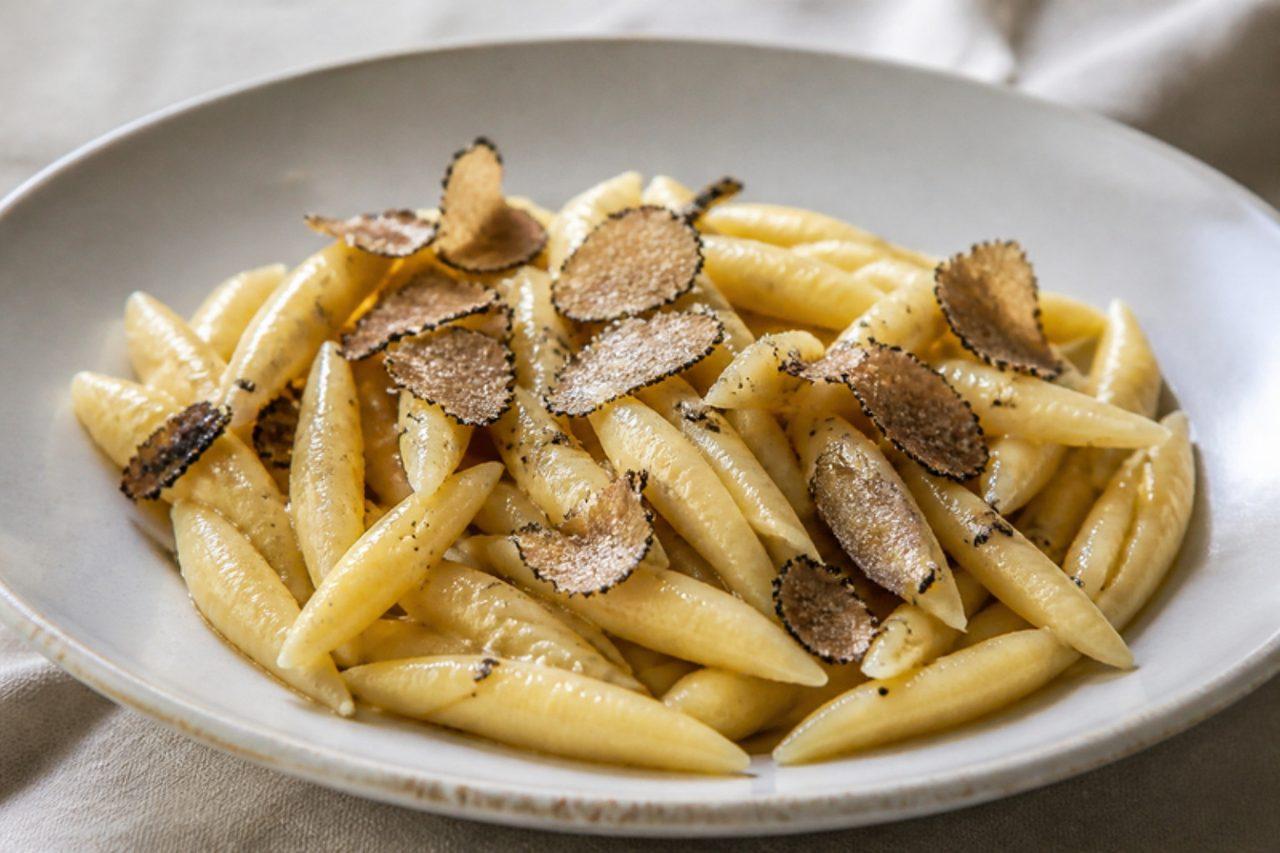
Autumn in the Mirna valley of inland Istria, around Motovun and Buzet, means truffle hunters and dogs in the oak woods and plates of fuži in every village konoba. Fuži are small squares of egg pasta wrapped round a stick into quills, and here they are tossed with butter, a splash of their cooking water and grated truffle, so each one carries a glossy, earthy coat. Fresh black or white truffle is best; a little truffle paste works too, but read the label and avoid products that rely on artificial truffle aroma. The aged hard cheese is often made with animal rennet, so choose a vegetarian hard cheese if you need to. Where most people go wrong is cooking the truffle: heat kills its scent, so add it off the heat. Chef's tip: store the fresh truffle overnight in a closed jar in the fridge with the eggs for the dough; they soak up its perfume through the shell.

by KrazyBadal 0 views

Mullah tagalia (Sudanese dried-meat and okra stew)

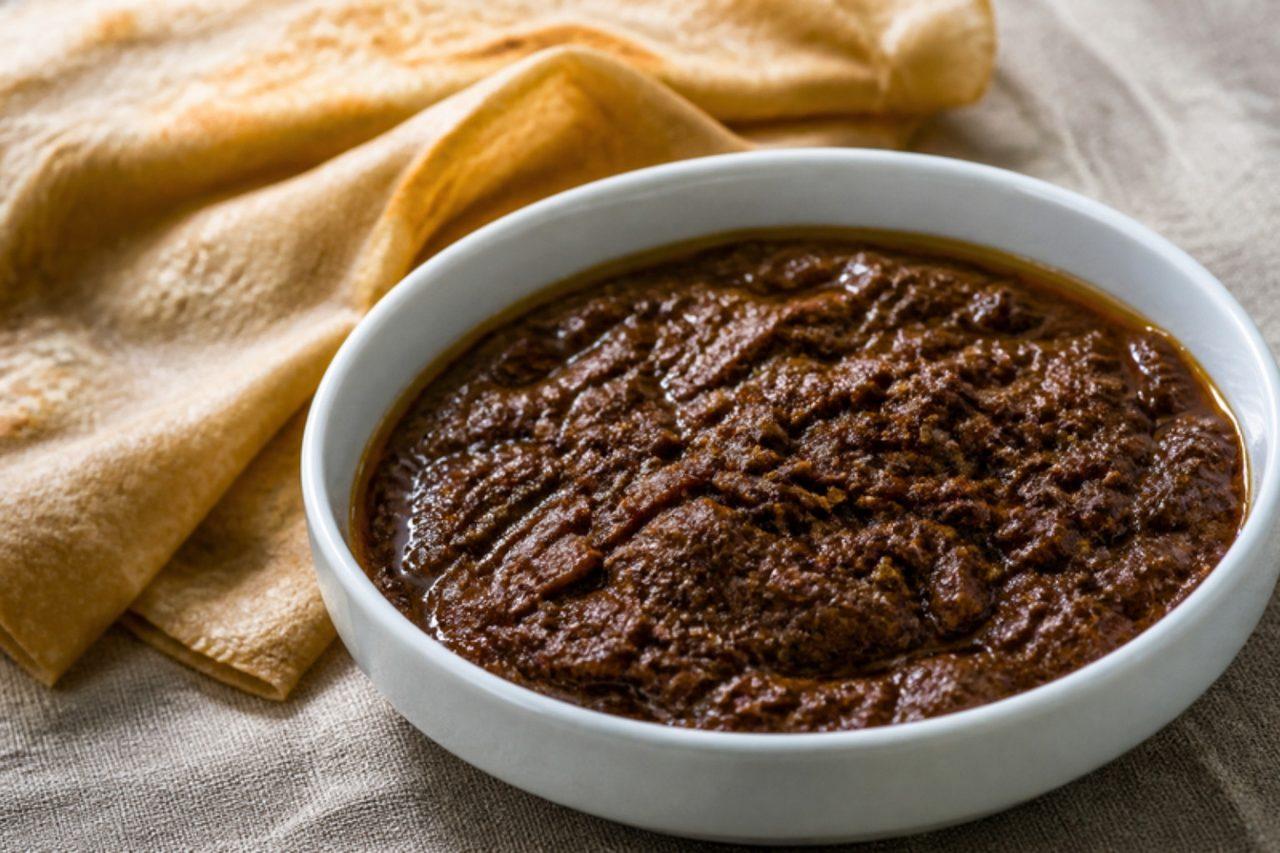
Tagalia is the stew northern Sudanese families turn to for everyday lunches and when guests arrive unannounced, because it is made almost entirely from the store cupboard: pounded sharmout, dried okra powder called weika and a mountain of onions fried slowly until dark. Unlike mullah bamia, which uses fresh okra, it is smooth, thick and dark brown, with a rich, savoury, slightly smoky taste, and it is scooped up with kisra or aseeda from one shared bowl. Cooks in Nubia and along the Nile say good tagalia is all in the onion. Dumping the weika in at once is the classic mistake, and it sets into slimy lumps; sprinkle it slowly while whisking. Chef's tip: keep frying the onions until they are a deep chestnut colour but never black; burnt onion makes the whole pot bitter.

by KrazyBadal 0 views

Kawari (Sudanese trotter soup)

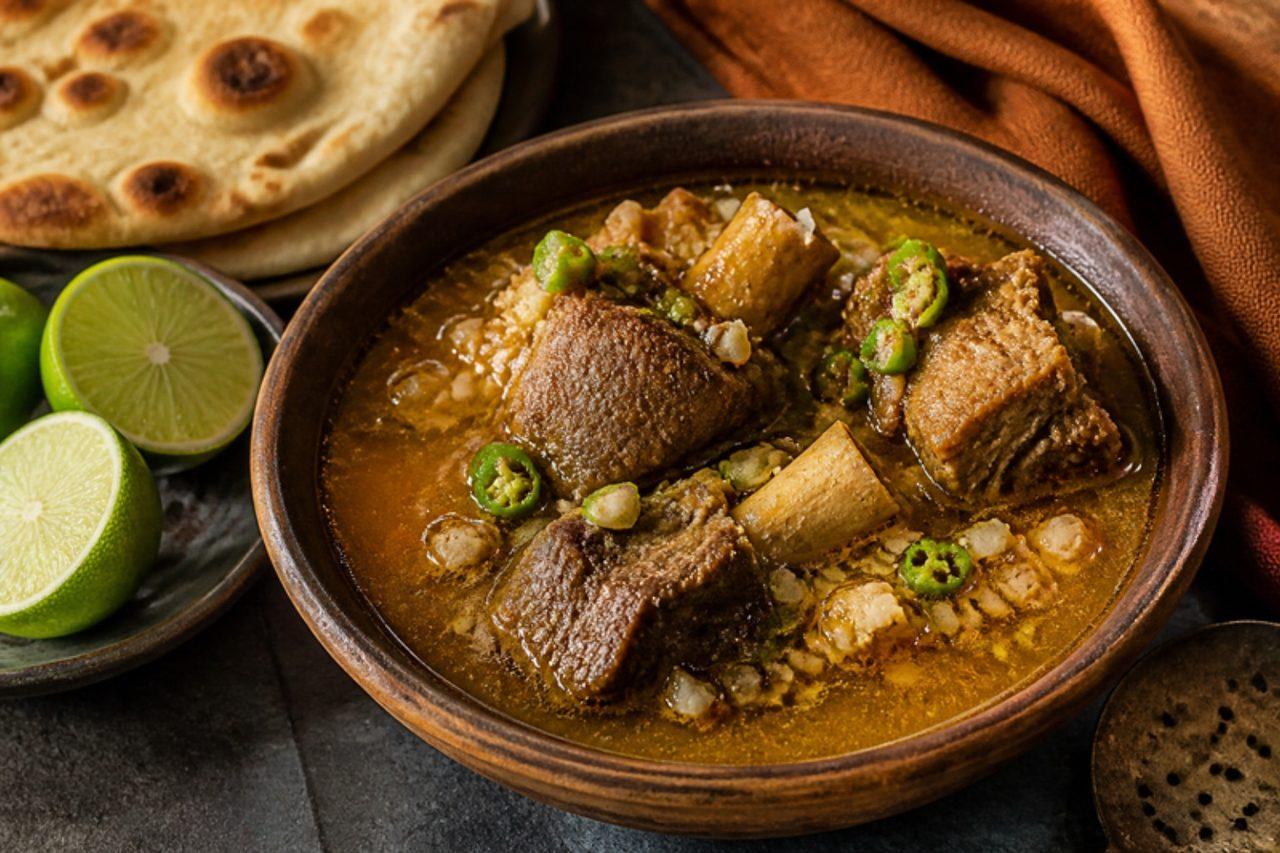
Small restaurants in Khartoum's markets open early to sell bowls of kawari, a soup of cow's or sheep's trotters cooked for hours until the meat and gelatinous skin slip off the bone and the broth turns rich and sticky. It is seasoned simply with onion, garlic, cardamom and black pepper and then brightened at the table with lime, chilli and raw garlic, and it is eaten with bread, especially on cold mornings and as a reviving breakfast. The flavour is deep and meaty, the texture silky. Skipping the first blanch is the usual mistake: it leaves the soup murky and smelling of the farmyard. Buy trotters already cleaned and cut by the butcher, and scrape off any remaining hair. Chef's tip: a pressure cooker cuts the simmering to about 1½ hours.

by KrazyBadal 0 views

Filets de percheFried perch fillets

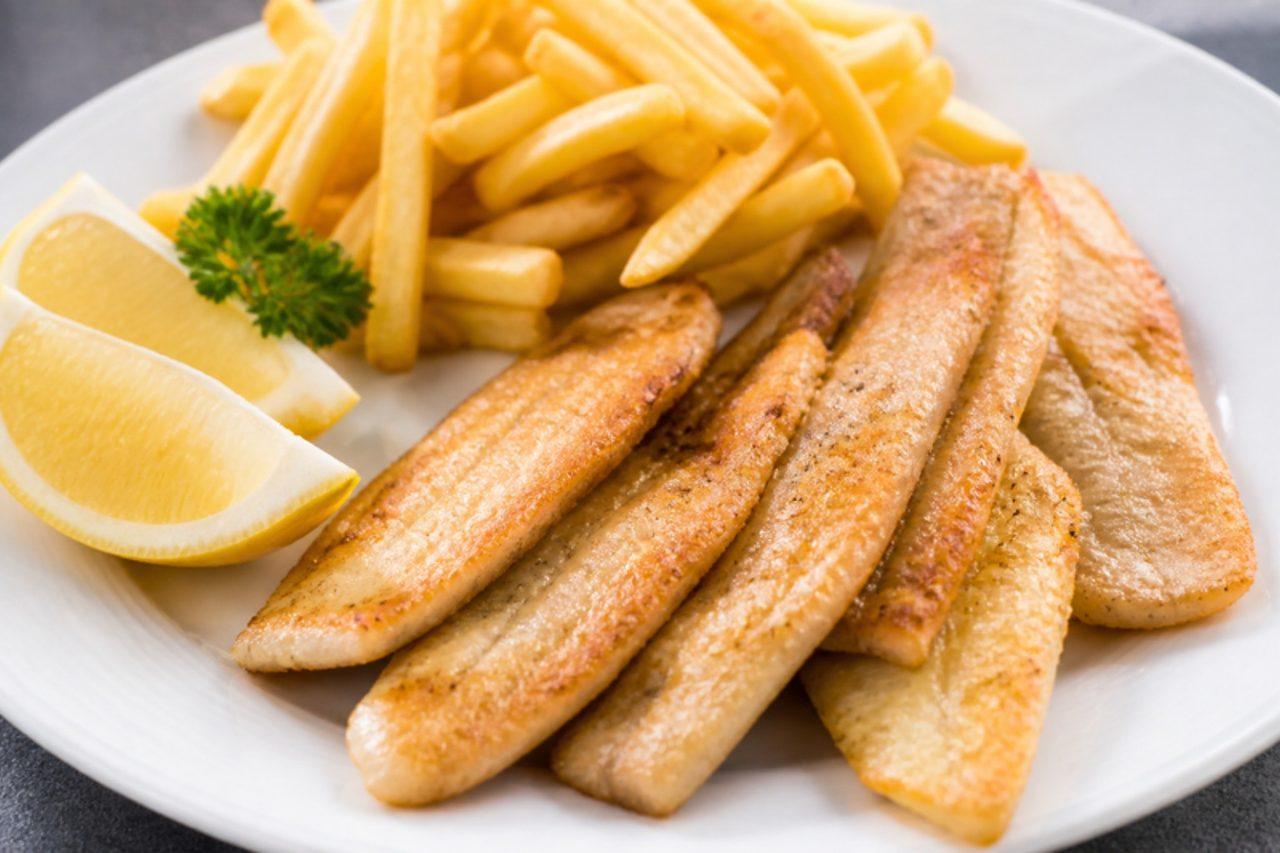
Filets de perche are the signature dish of the lakeside restaurants around Lake Geneva, from Geneva to Lausanne and Montreux: small, delicate perch fillets dusted with flour, fried quickly in butter until golden, and served with lemon, tartare sauce, a pile of fries and a green salad on a summer terrace. Lake perch is scarce today; ask for responsibly sourced perch or use small fillets of pike-perch or another delicate white fish. A common mistake is crowding the pan, which steams the thin fillets. Chef's tip: fry in batches in foaming butter for just a minute or so a side; the fish is done when opaque and it flakes.

25 minSwissFish
by KrazyBadal 0 views

Tlitli (Algerian rice-shaped pasta with chicken)

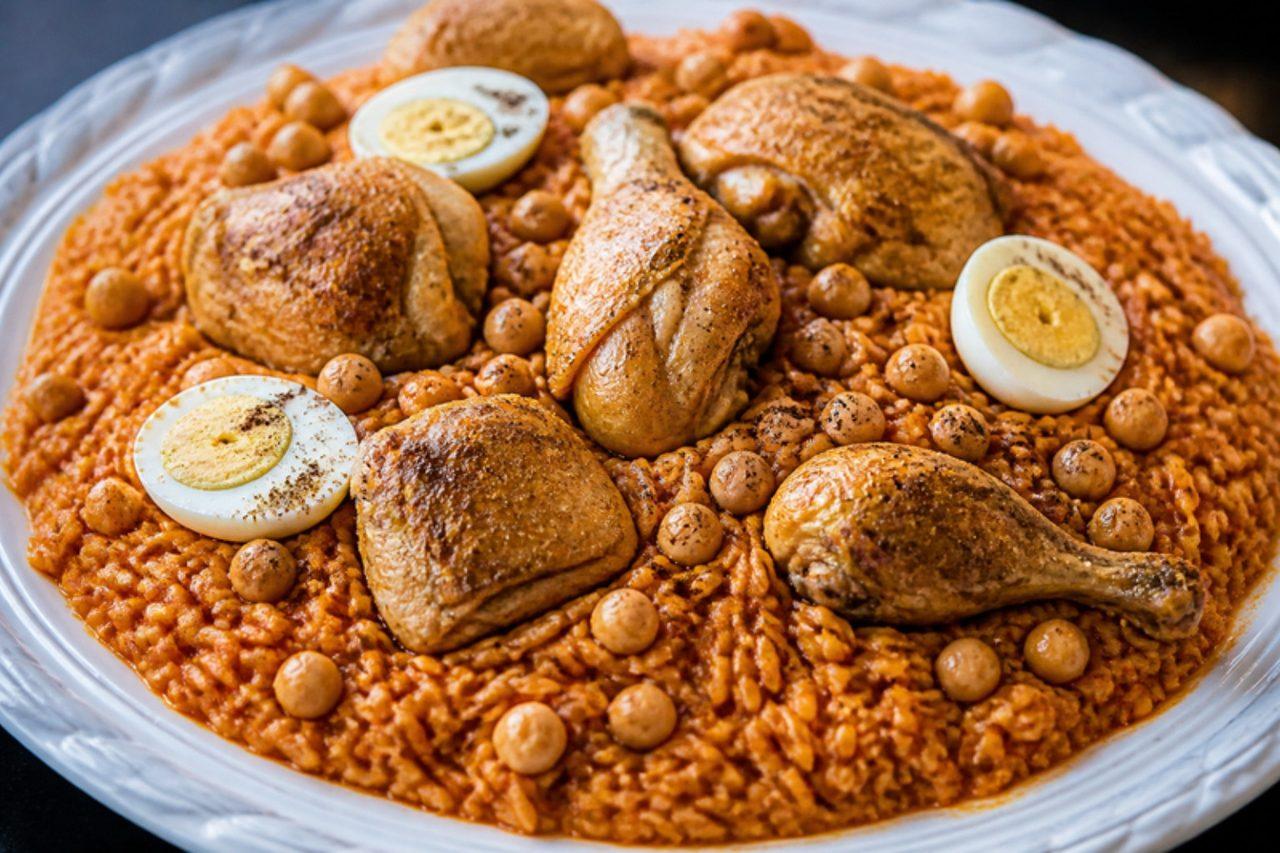
Tlitli is a tiny pasta shaped like grains of rice, once rolled by hand and now sold dried, and in Algiers and Constantine it is cooked for family feasts such as Ennayer, the Amazigh New Year, or the return of a pilgrim. The pasta soaks up a red sauce of chicken, onion, tomato, paprika, cinnamon and chickpeas, and is piled on a platter with the chicken and halved boiled eggs on top. Expect a cosy, gently spiced dish, a bit like a red risotto, with soft pasta and tender chicken. Orzo is a good stand-in if you cannot find tlitli. Chef's tip: toast the pasta in oil before adding sauce; untoasted tlitli tends to clump and turn mushy, a common mistake.

by KrazyBadal 0 views

FijuelasHoney-soaked fried dough spirals

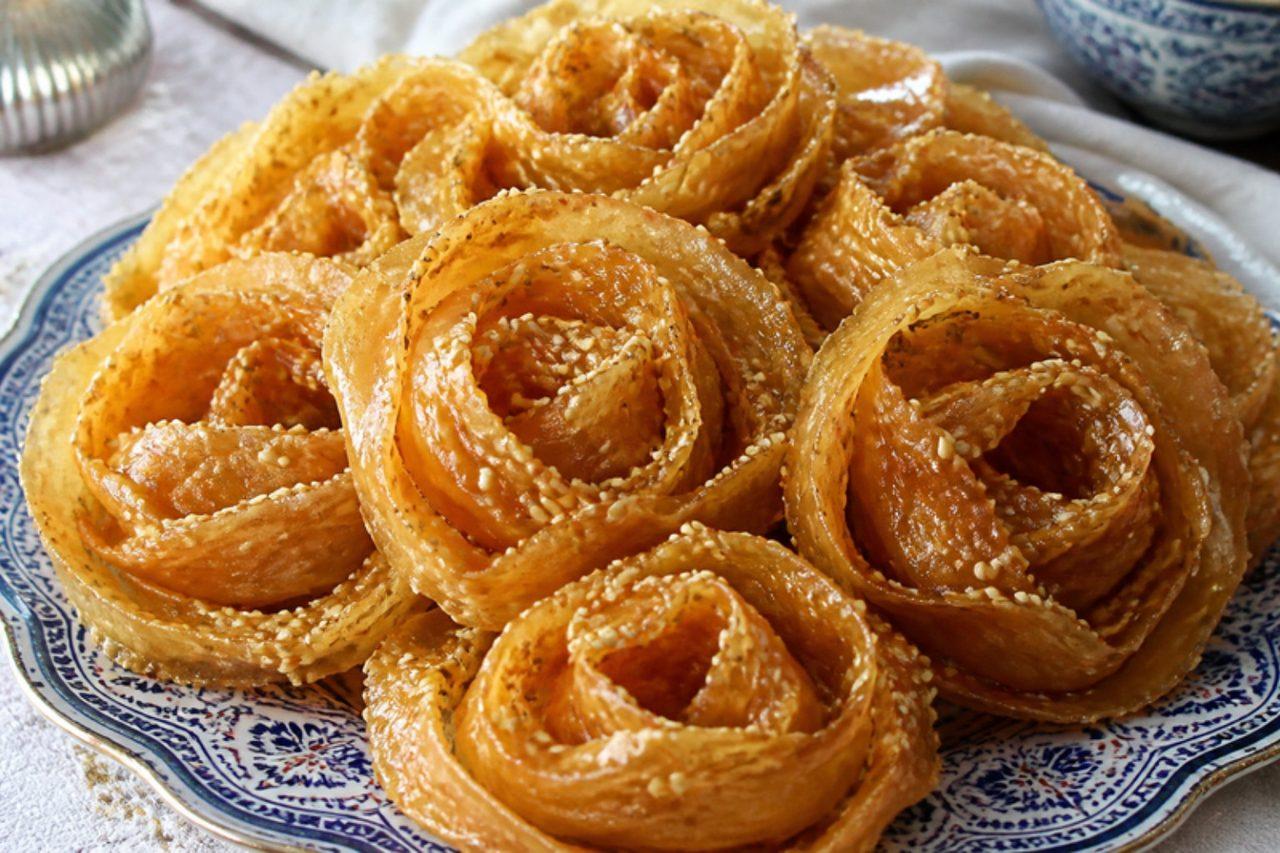
Fijuelas are the Hanukkah sweet of Moroccan Jews, also made for weddings and bar mitzvahs, and grandmothers in Netanya and Ashkelon still roll them by the hundred on a fork. Paper-thin strips of egg dough are wound into spirals as they hit the hot oil, puffing into crisp, lacy roses, then dipped in warm honey syrup with orange blossom. They should shatter when bitten and taste of honey rather than grease. The mistake that ruins them is rolling the dough too thick, which makes them chewy and oily; you should almost see the counter through it. Chef's tip: keep the syrup warm and the fried spirals cool, so they absorb a thin glaze and stay crisp for days.

by KrazyBadal 0 views

AluwaRice flour diamond sweets

Pale, smooth and cut into precise little diamonds, aluwa brings a touch of order to the crowded Avurudu sweet tray, and it is often the first sweet children learn to help make because there is no deep-frying involved. Rice flour is roasted until it smells like biscuits, then kneaded with hot sugar syrup, chopped cashews and cardamom into a firm dough, rolled out and cut. The finished sweet is dense, slightly crumbly and not too sweet, with a gentle nuttiness, and it keeps for weeks in a tin to be offered to visitors with tea. The point where it goes wrong is the syrup: too thin and the aluwa never sets, too thick and the dough cracks before you can roll it, so aim for the one-thread stage. Chef's tip: roll the dough between two sheets of baking paper and cut it while it is still warm and pliable; once cold it breaks instead of slicing.

by KrazyBadal 0 views

Rachan ham

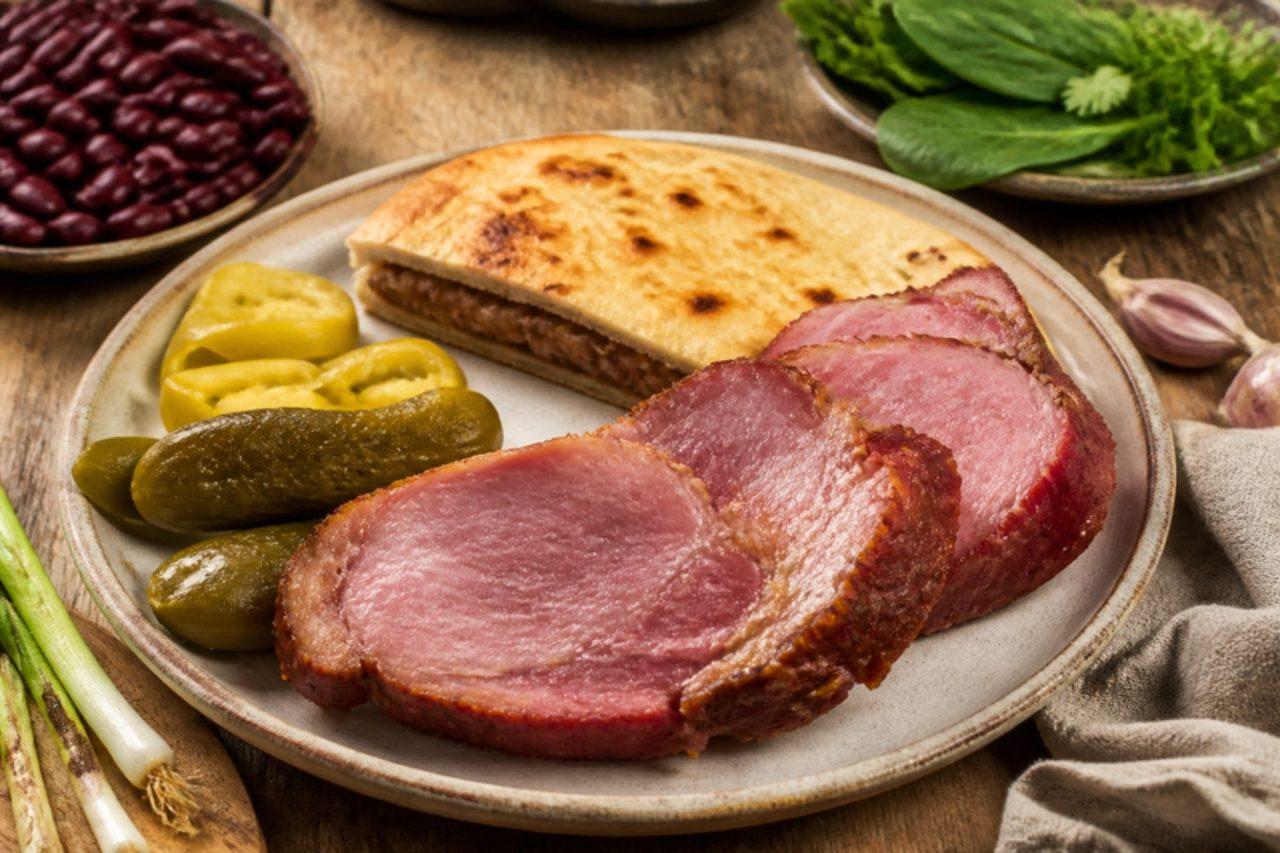
Rachuli lori is the pride of Racha: pork legs salted and hung in the smoky rafters above a wood fire, then sliced and fried until crisp, and above all eaten with lobiani bean bread, which in Racha is made with fried ham inside. This is a pork dish. Home kitchens cannot copy months in a chimney, so this version brines a boneless pork leg joint for two days in the fridge and then hot-smokes and roasts it until cooked through, giving a ham you can slice cold or fry. A common mistake is skipping the rinse after brining, which makes the ham far too salty. Chef's tip: smoke over fruit wood with a few dried bay leaves for the dark, sweet smoke of a Rachan kitchen. Whole pork joints are safe at 63 °C followed by a 10-minute rest.

240 minGeorgianMeatGluten free
by KrazyBadal 0 views

Showing 90 of 7,888 recipes

Page 187 of 877