


Skip to content
Yaprak sarma
Featured recipe

Yaprak sarma

Rice-stuffed vine leaves

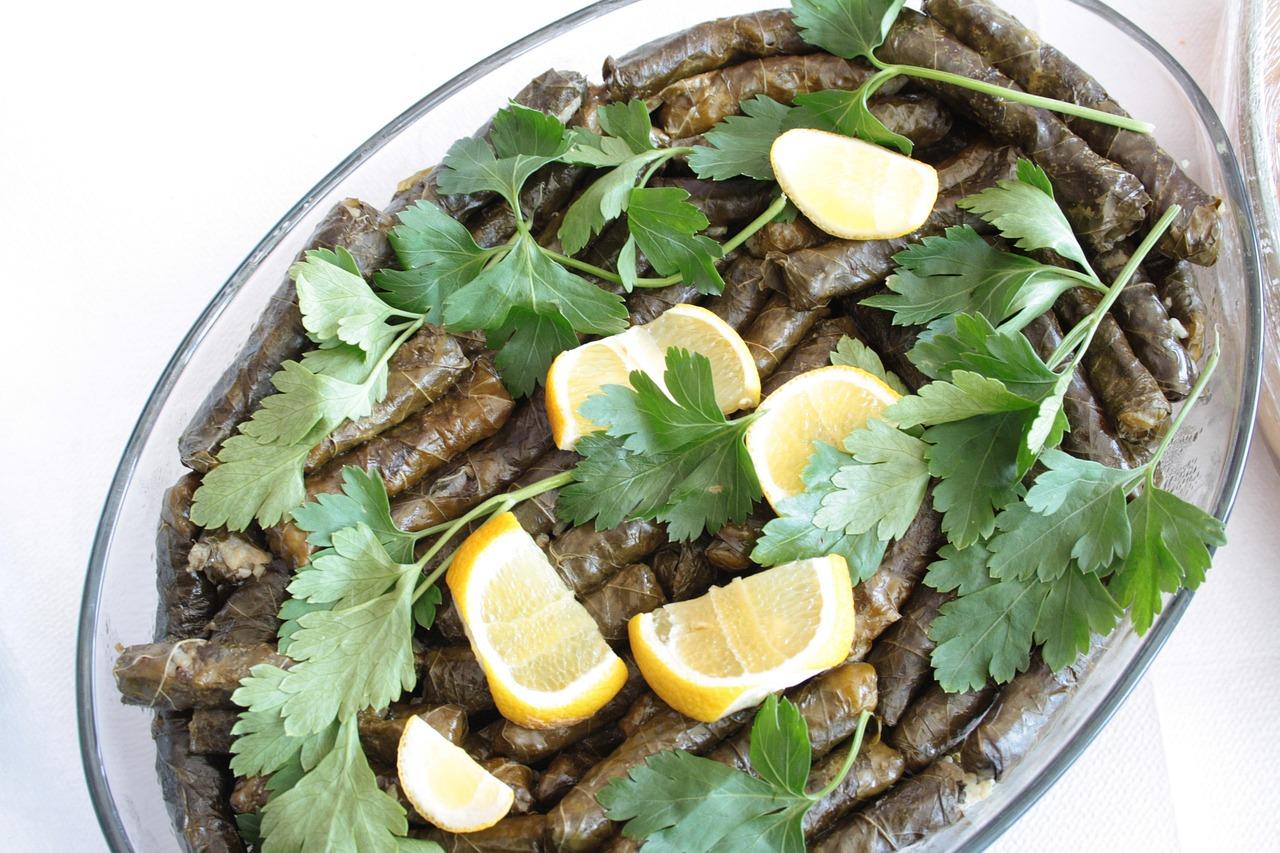
Rolling yaprak sarma is a social job in Aegean kitchens around Ayvalık and Manisa, where vineyards supply the leaves: a tray of grape leaves, a bowl of spiced rice and two or three people talking while they roll. This meat-free version is the olive-oil kind, filled with rice, onion, pine nuts, currants, mint and a pinch of cinnamon and allspice, and served cold as a meze or at tea-time gatherings. Good sarma are thin as a finger and hold together when bitten. A common mistake is overfilling: the rice swells as it cooks and splits the leaves. Chef's tip: use only a teaspoon of filling per leaf and roll firmly but not tight, leaving room for the rice to grow.

Read more 0 views

What to eat today?

Around the world

Today's trip: Persian

A new country every day, from every cuisine on the site.

Persian

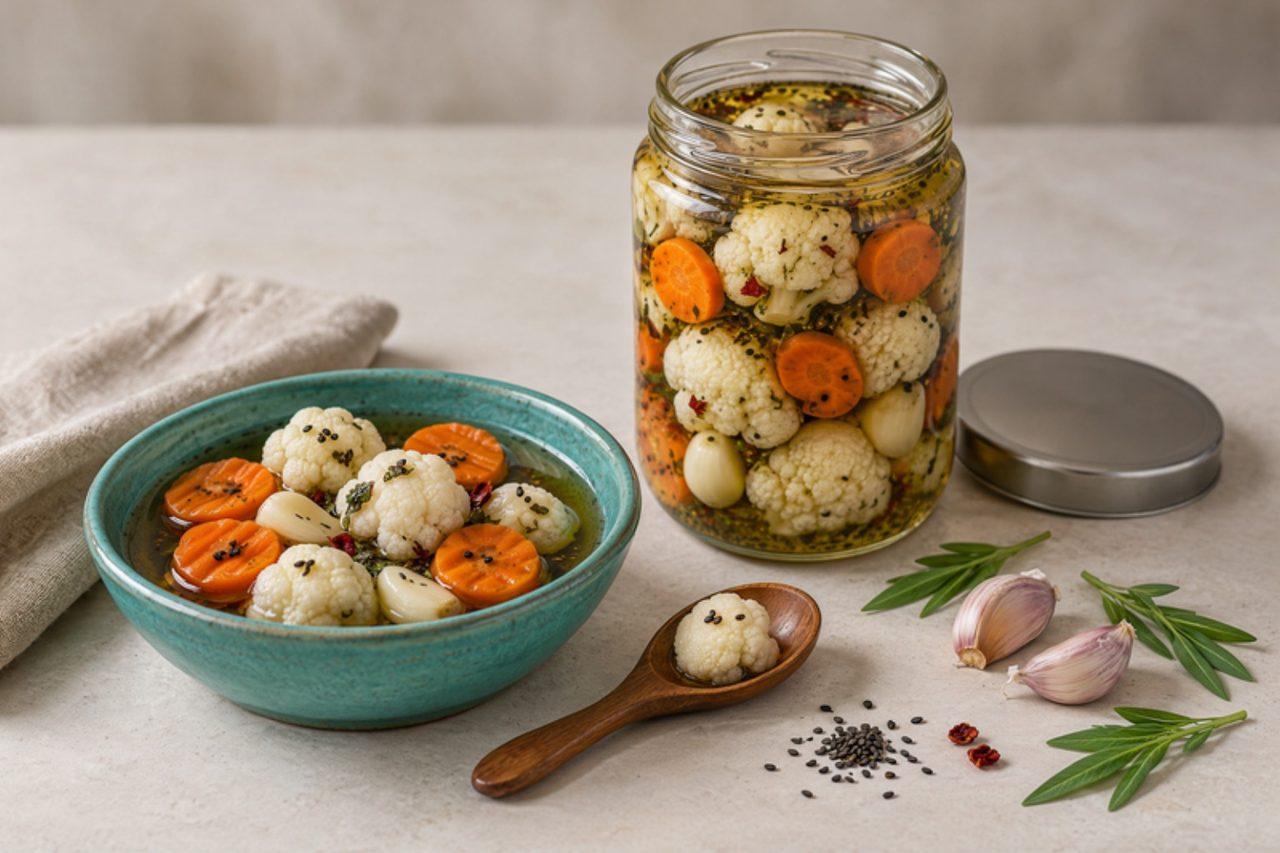
Torshi gol kalam

Cauliflower and carrot pickle 35 minMore from Persian (131) →

This week's collection

Kid-friendly dinners
541 recipes · a new collection every Monday

Latest recipes

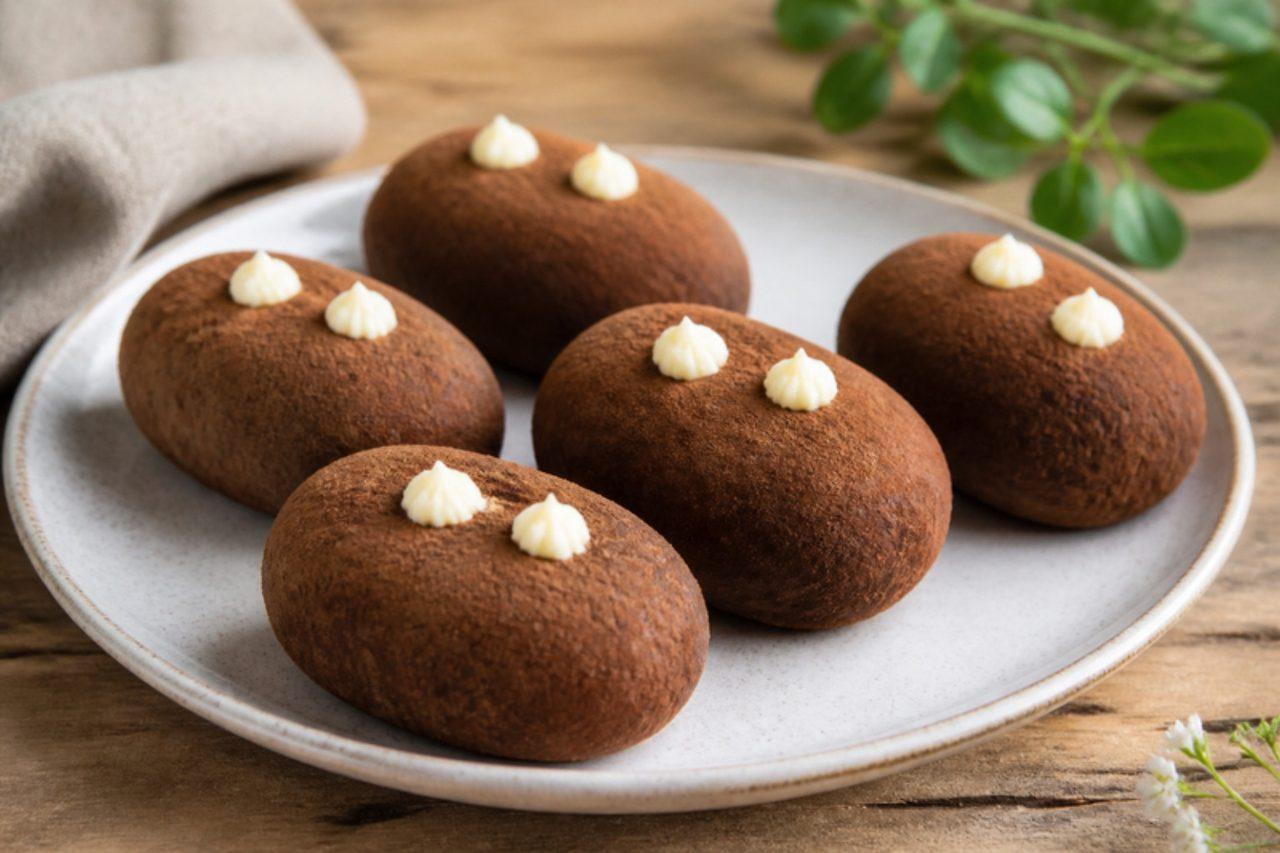
Kartoshka cakeCocoa and cake crumb truffles

Soviet cafés and school canteens sold these knobbly brown 'potatoes' for a few kopecks, and they began as a thrifty way to use up sponge and biscuit trimmings at the bakery. Crumbs are bound with butter and sweetened condensed milk, flavoured with cocoa and vanilla, shaped into little potatoes, rolled in cocoa and finished with two dabs of pale butter cream for the sprouts. They are fudgy and dense like a brownie truffle, need no oven, and children love making them. Traditional bakers added a spoonful of rum, an optional extra for adult batches only; this version is alcohol-free with vanilla. The usual slip is coarse crumbs, which make the potatoes crack, so blitz them as fine as sand. Chef's tip: chill the shaped potatoes for at least 20 minutes so they hold their shape and slice cleanly.

by KrazyBadal 2 views

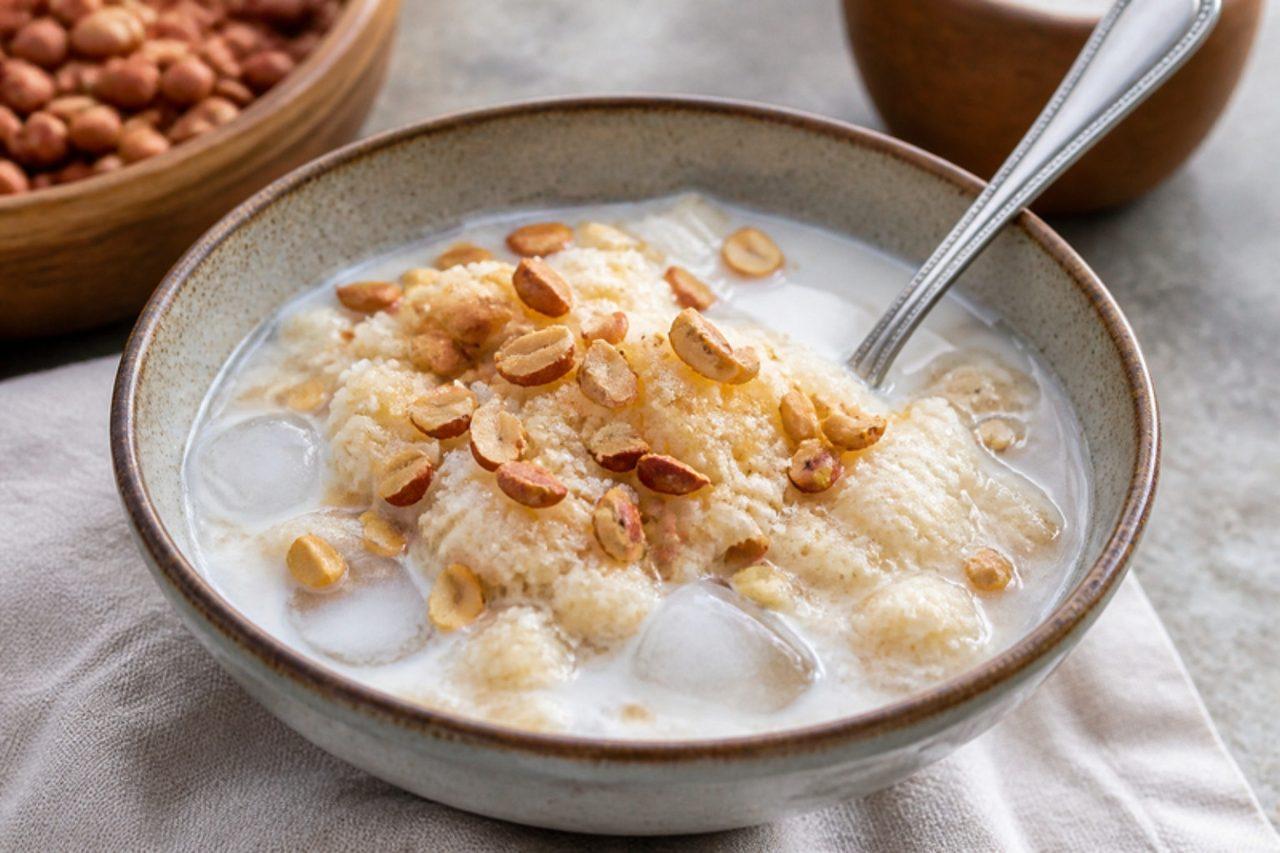
Gari soakingsSoaked gari with milk and groundnuts

Every Ghanaian who went to boarding school has a story about gari soakings, the cheap, quick fill-up that keeps students going between meals, and on hot Accra afternoons it is still the snack people make without thinking. Toasted cassava grains are soaked in cold water until they swell, then sweetened with sugar and evaporated milk and topped with roasted groundnuts, so it is cool, slightly sour, creamy and crunchy at once. Some add ice cubes or a little coconut. For a vegan bowl, swap the milk for coconut milk. A common slip is adding the groundnuts too early, so they go soft; scatter them on just before eating. Chef's tip: rinse the gari first and pour away the cloudy water with any floating husks, which makes the bowl cleaner and less sandy; eat it within a few minutes, before the grains go mushy.

by KrazyBadal 0 views

Gurian Christmas pie

On Christmas Eve, 6 January, kitchens across Guria, around Ozurgeti and Lanchkhuti, smell of baking ghvezeli: large crescent pies stuffed with fresh cheese and chunks of boiled egg, their shape said to recall the crescent moon. They are baked in batches, carried to relatives and eaten through the holidays with tea. A common mistake is overfilling, which makes the crescent split at the seam in the oven. Chef's tip: let the yeasted dough rise once, shape the pies, then give them 15 minutes more so they puff into soft, rounded crescents. Imeruli and sulguni usually use animal rennet; look for vegetarian ones.

by KrazyBadal 0 views

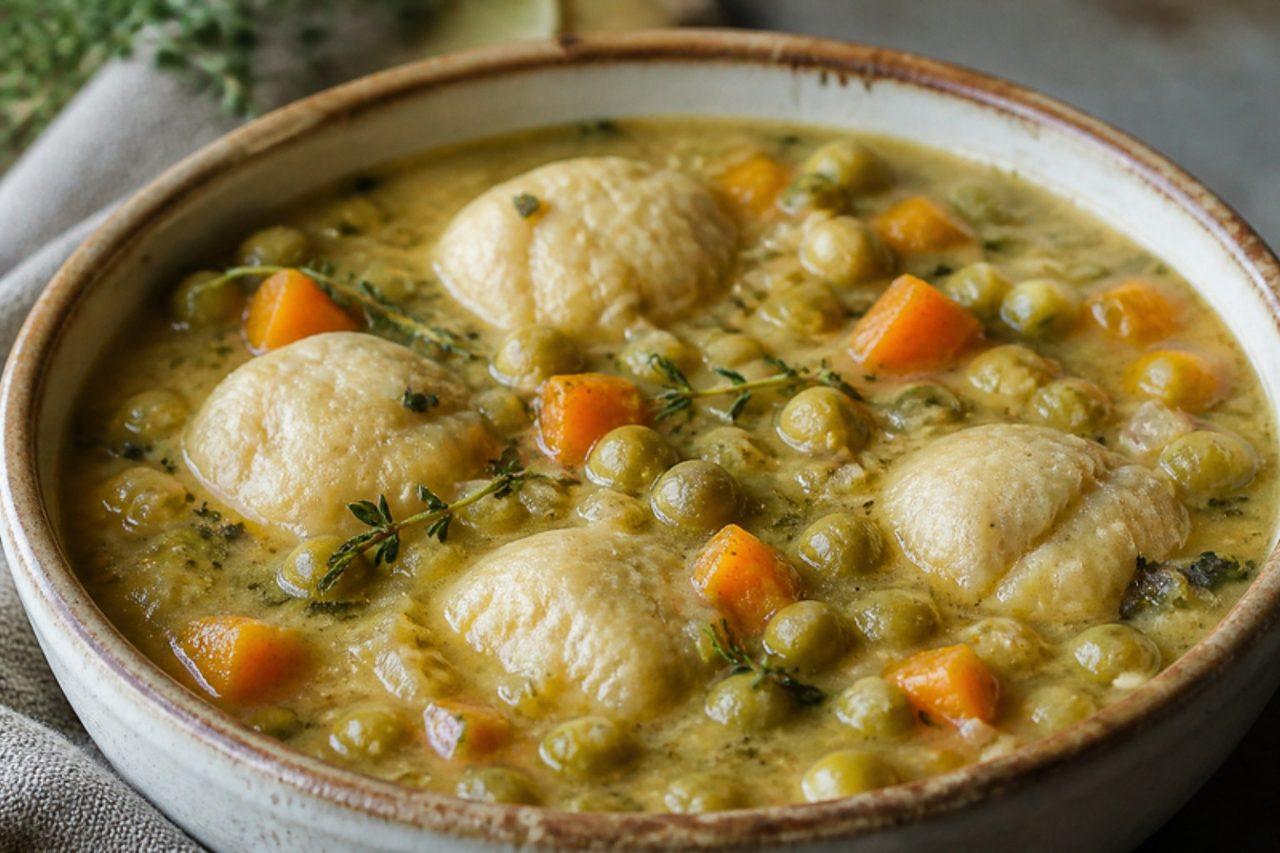
Jamaican gungo pea soup

Gungo peas ripen around December, so this soup belongs to the Christmas season in Jamaica, when the same peas also go into the festive rice and peas. Fresh or frozen green pigeon peas give a nutty, earthy broth that coconut milk, thyme and pumpkin turn rich and golden, and flour dumplings make it a meal. A common mistake is boiling the coconut milk hard for the whole time, which makes it split and oily; add it once the peas are soft and keep the pot at a simmer. Dried pigeon peas work too: soak them overnight and allow an extra 40 minutes. Chef's tip: blitz about a quarter of the soup and stir it back in for body while keeping plenty of whole peas.

by KrazyBadal 0 views

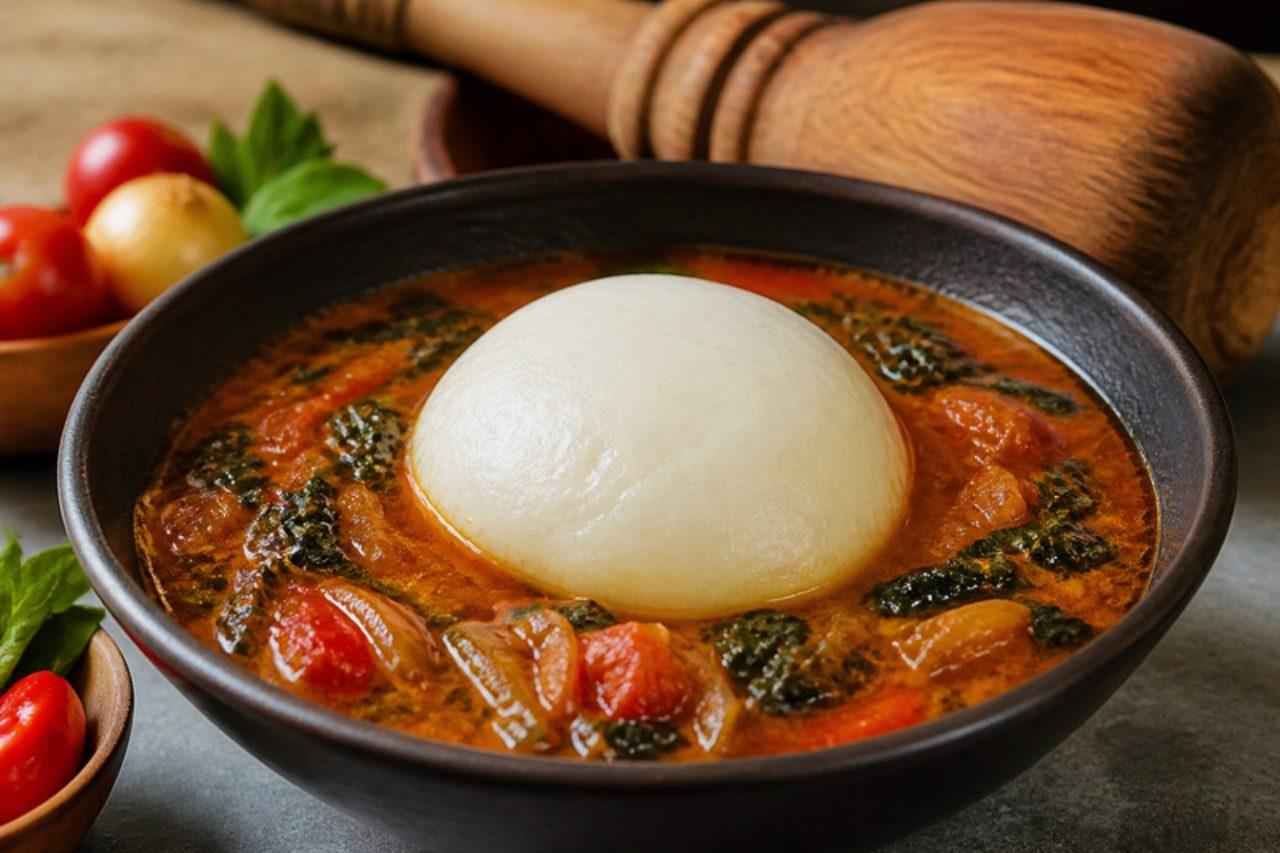
Ghanaian fufuPounded cassava and plantain

The rhythmic thud of a pestle in a wooden mortar is the sound of lunchtime in Kumasi, where fufuo is pounded by two people, one lifting the pestle and one turning the dough between strokes. Boiled cassava and unripe plantain are beaten together until they become a soft, stretchy, slightly springy ball, served in a bowl of light soup, palm nut soup or groundnut soup and eaten with the right hand. Those soups are usually made with meat or fish; serve it with a vegetable soup for a meat-free meal. Cassava must always be fully cooked, never eaten raw. A food processor makes a good version at home. Chef's tip: pound the plantain first, then add the cassava; adding too much water is the common mistake and leaves the fufu sticky instead of smooth and elastic.

by KrazyBadal 0 views

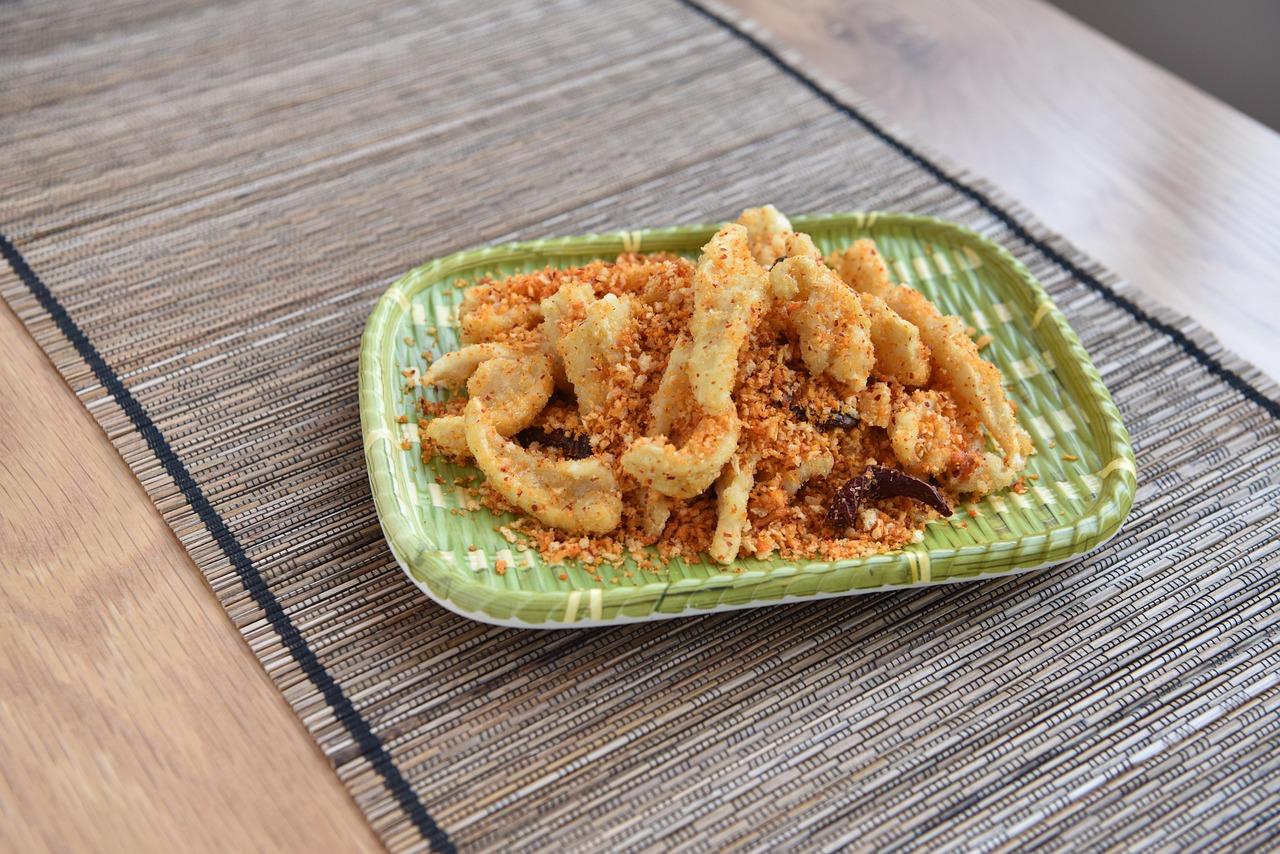
Salt and pepper squid

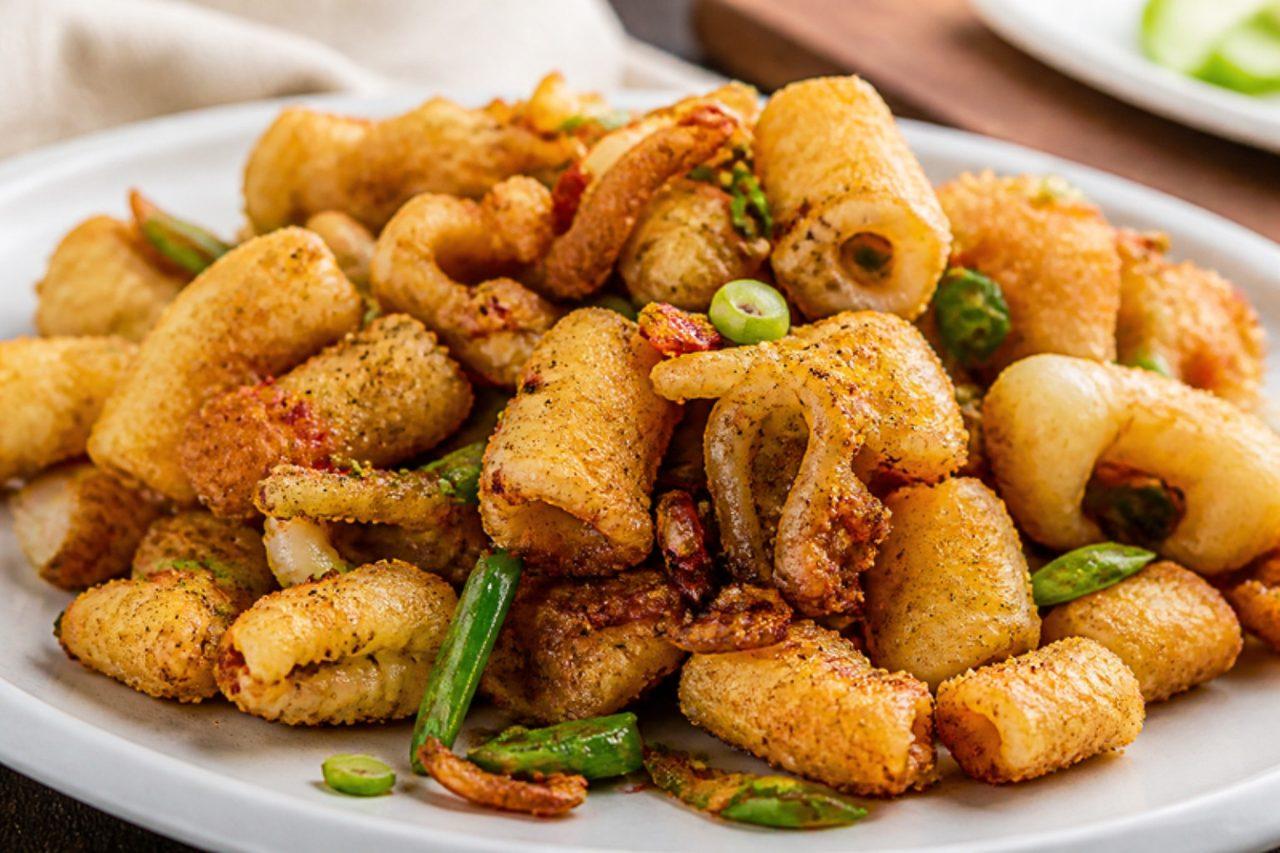
Late at night in Temple Street, or at a seafood restaurant on Lamma Island after a ferry ride, someone at the table always orders the jiu yim squid: tender pieces under a thin, shattering coat, wok-tossed with a heap of fried garlic, chilli and spring onion and showered with a peppery spiced salt. It is crunchy, salty and a little fiery, ideal with a cold soft drink or as one of several dishes with rice. Squid cooks in seconds. The most frequent mistake is crowding the oil, which drops its temperature so the coating turns soggy and the squid goes rubbery while you wait; fry in small batches. Chef's tip: score the inside of the squid in a criss-cross pattern so it curls up and catches more of the salt.

by KrazyBadal 0 views

Taiwanese radish omelette

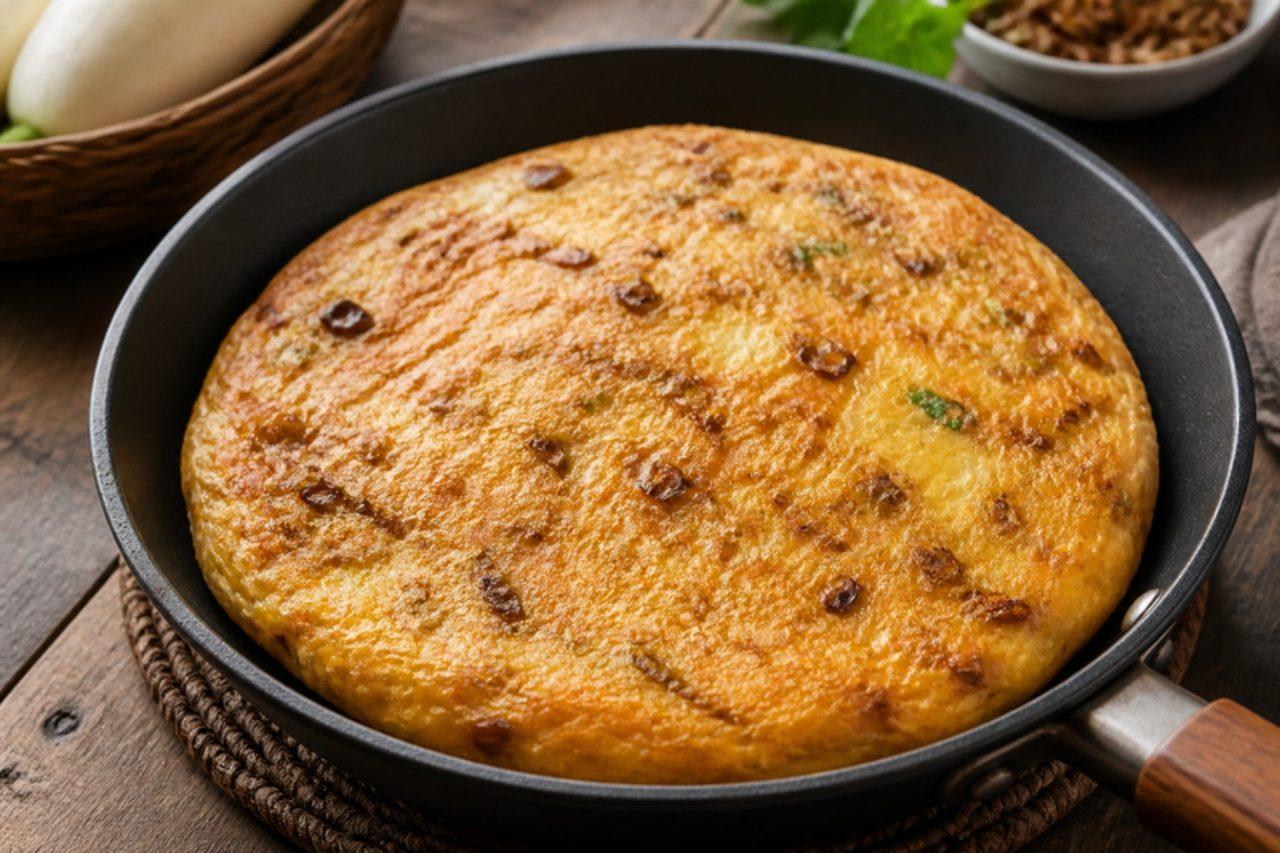
Ask a Taiwanese grandmother what to cook when there's nothing in the fridge and the answer is often this: a few eggs and a handful of preserved radish turned into a thick, golden omelette, cut into wedges and passed round. It's a staple of the rice-and-small-dishes spread at Taipei breakfast shops and late-night congee counters, and it reappears on the stir-fry restaurant table and in home lunchboxes. The chopped radish fries up crunchy and caramel-sweet inside soft, puffy egg, with crisp brown lacy edges. Skipping the rinse is where most go wrong: unrinsed radish makes the omelette far too salty. Chef's tip: dry-fry the radish first until it smells toasty, then use plenty of oil and a hot pan so the egg puffs and the edges frill.

by KrazyBadal 0 views

Jamaican sweet potato pudding

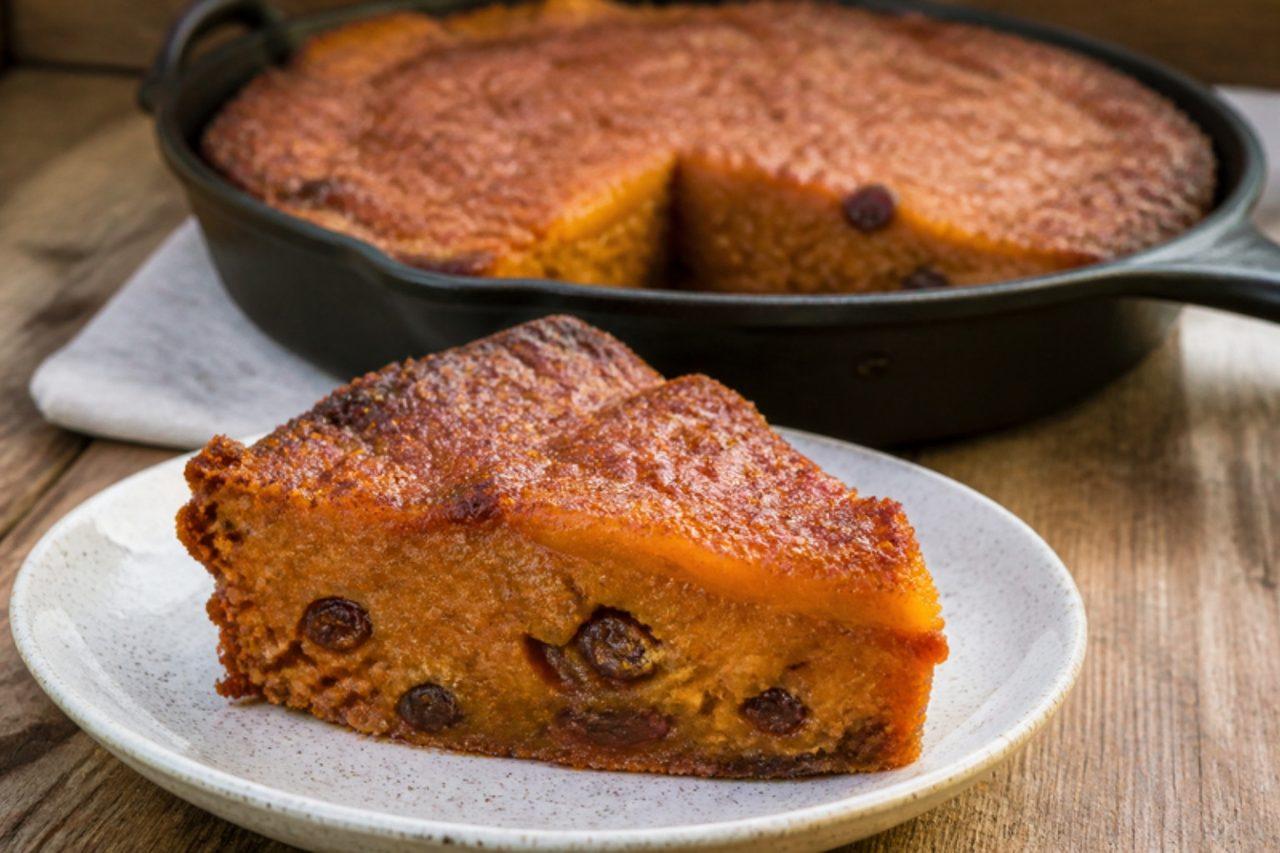
Once baked in Dutch pots with coals heaped on the lid, Jamaica's sweet potato pudding gave rise to the saying "hell a top, hell a bottom, hallelujah in the middle", and it is still a Sunday and Christmas favourite in homes across the island. Grated sweet potato, coconut milk, a little flour-free cornmeal and spice bake into a dense, moist slab with a soft, custardy layer on top. People often cut it hot, but it needs to cool for at least an hour to set. Chef's tip: grate the sweet potato on the fine side of the grater; coarse shreds make a grainy pudding.

by KrazyBadal 0 views

Guda cheese

Tush shepherds make guda in summer huts high above the Alazani valley, pressing sheep's-milk curd into bags sewn from sheepskin, where it ripens into a crumbly, pungent cheese that travels down to Telavi markets in autumn. You cannot copy the sheepskin at home, but you can make a firm, salty sheep's-milk cheese and ripen it in a cloth in the fridge for two to three weeks, which gives a similar sharp, grassy bite. Traditionally the milk is set with animal rennet; vegetarian (microbial) rennet works the same way. A common mistake is cutting the curd before it gives a clean break, which leaves a soft, wet cheese that sours instead of ripening. Chef's tip: grate aged guda over hot ghomi or khinkali; its strong flavour goes a long way.

by KrazyBadal 0 views

BankuFermented corn and cassava dough

Chop bars from Jamestown to Teshie serve banku all day, usually beside grilled tilapia, okro stew and a fierce raw pepper sauce. Fermented corn dough and cassava dough are cooked together and turned hard with a wooden spatula until they become a smooth, stretchy, faintly sour ball that you pinch off with your fingers and dip into soup or stew. At home it is good with any Ghanaian soup, and a meat-free okro stew or pepper sauce keeps the whole meal vegan. Ready-made doughs are sold in African grocers. A lumpy banku comes from adding dough to hot water; always mix it with cold water first, then heat. The commonest mistake is stopping the stirring; banku needs constant turning with a wooden spoon or it goes lumpy and raw in patches. Chef's tip: keep a bowl of water next to the pot and wet the spatula and your hands as you shape the balls, so the banku comes out glossy and nothing sticks.

by KrazyBadal 0 views

Ghiya chana daalChickpea dal with bottle gourd

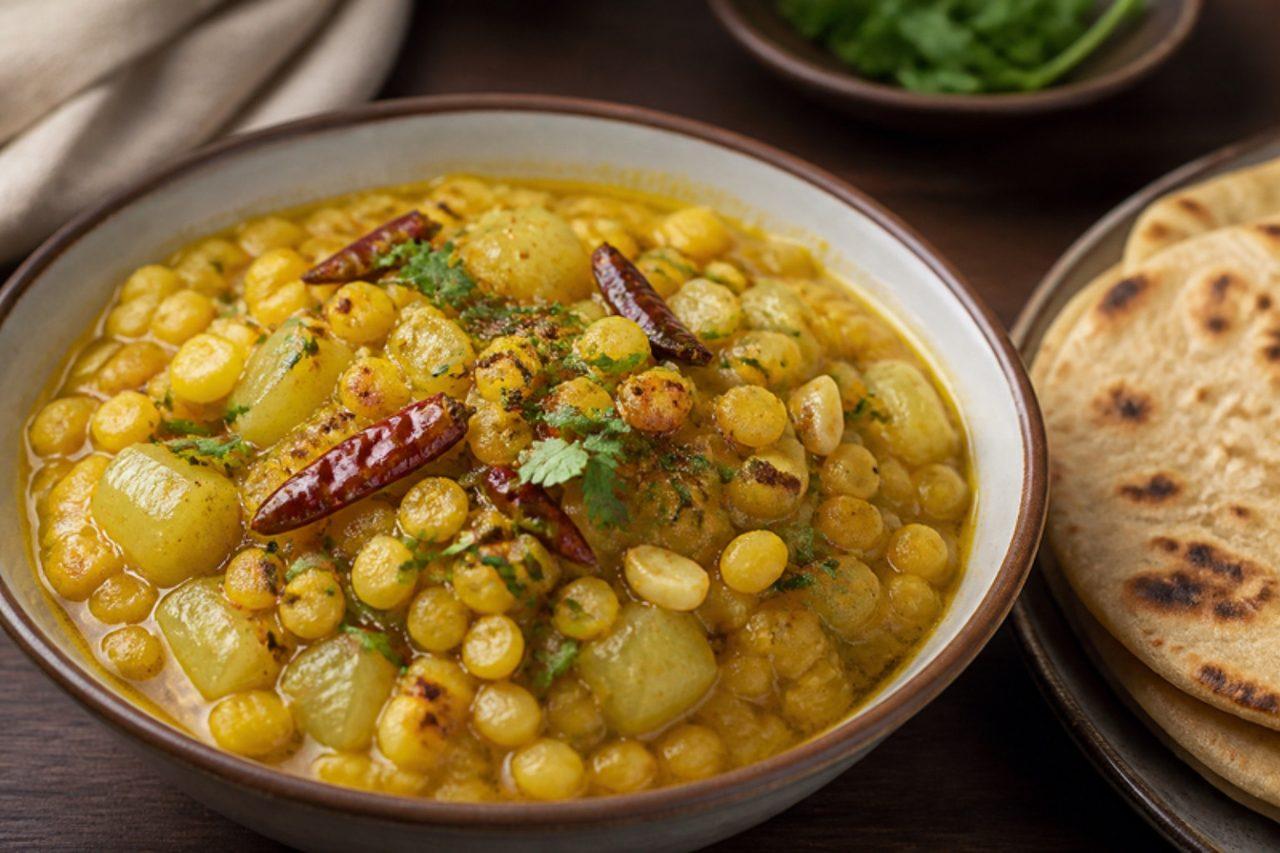
Bottle gourd is the vegetable Punjabi mothers reach for when someone in the house needs something gentle, and pairing it with chana daal turns that mildness into a proper meal. The split chickpeas cook until creamy but still slightly nubbly, the ghiya melts into soft, translucent pieces and lends the pot a quiet sweetness, and a last-minute tarka of cumin, garlic and dried red chilli wakes the whole thing up. You will find it on everyday tables from Gujranwala to Sahiwal, eaten with chapati or plain boiled rice and a little sliced onion on the side. A common slip is adding the gourd at the start with the dal, so it disappears completely by the time the lentils are soft. Chef's tip: give the soaked dal a 20-minute head start and add the ghiya only then, so both are done together.

by KrazyBadal 0 views

Qolqas (taro with chard and coriander)

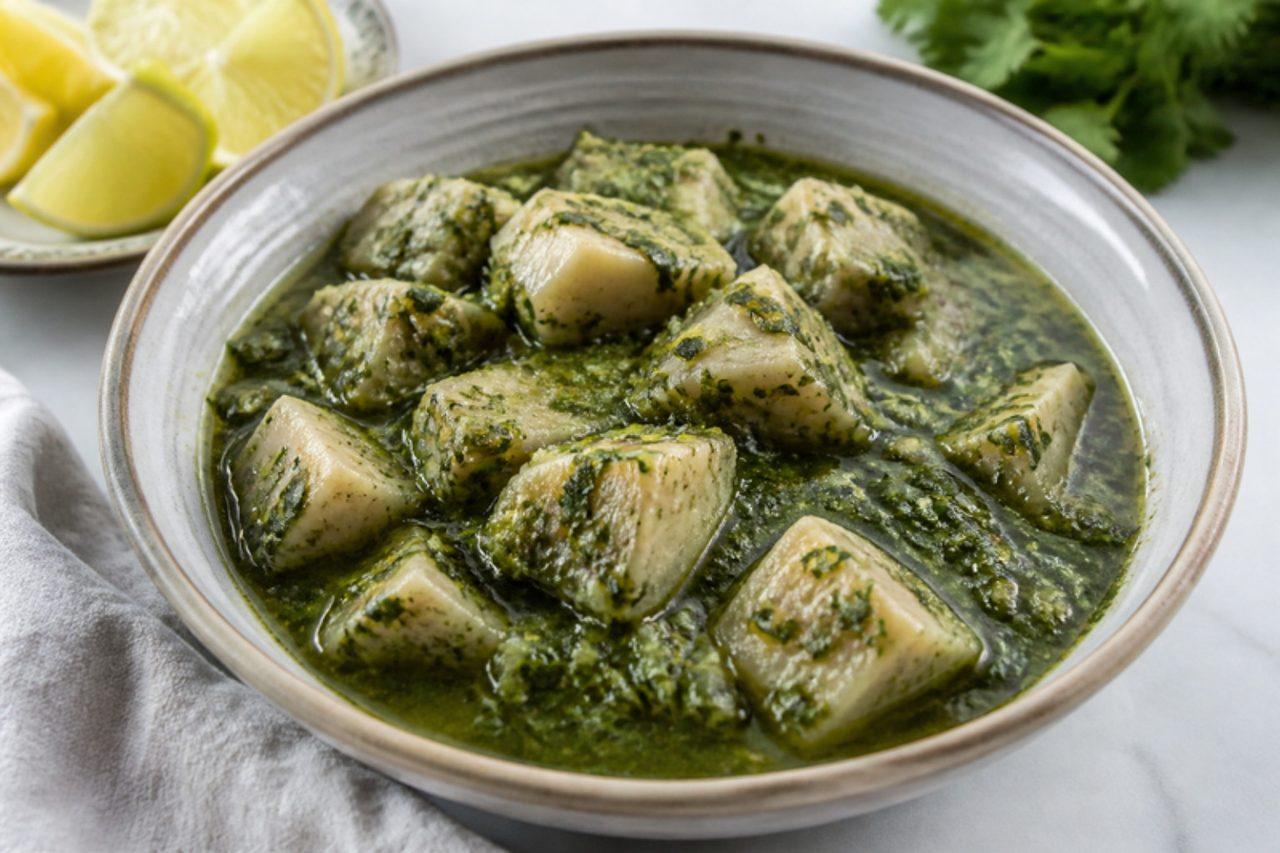
Coptic Christians across Egypt eat qolqas for the Feast of the Epiphany (Eid el-Ghitas) in January, together with sugarcane and oranges, and it is a winter favourite in Muslim homes too. Peeled taro is cut into cubes and simmered in chicken or beef stock until soft and almost creamy, then a green paste of chard, fresh coriander and garlic fried in oil is stirred through, turning the broth a deep, herby green. The texture is soft and slightly velvety from the taro's natural starch, and the flavour fresh and garlicky. It is served with white rice and often with the meat from the stock. Raw taro irritates the skin and mouth, so wear gloves to peel it and always cook it until completely tender. The usual mistake is touching peeled taro with bare hands or eating it undercooked; both bring an itchy, scratchy feel. Chef's tip: rub the cut cubes with lemon juice before cooking to keep them pale and reduce their sliminess.

by KrazyBadal 0 views

SulguniStretched cheese

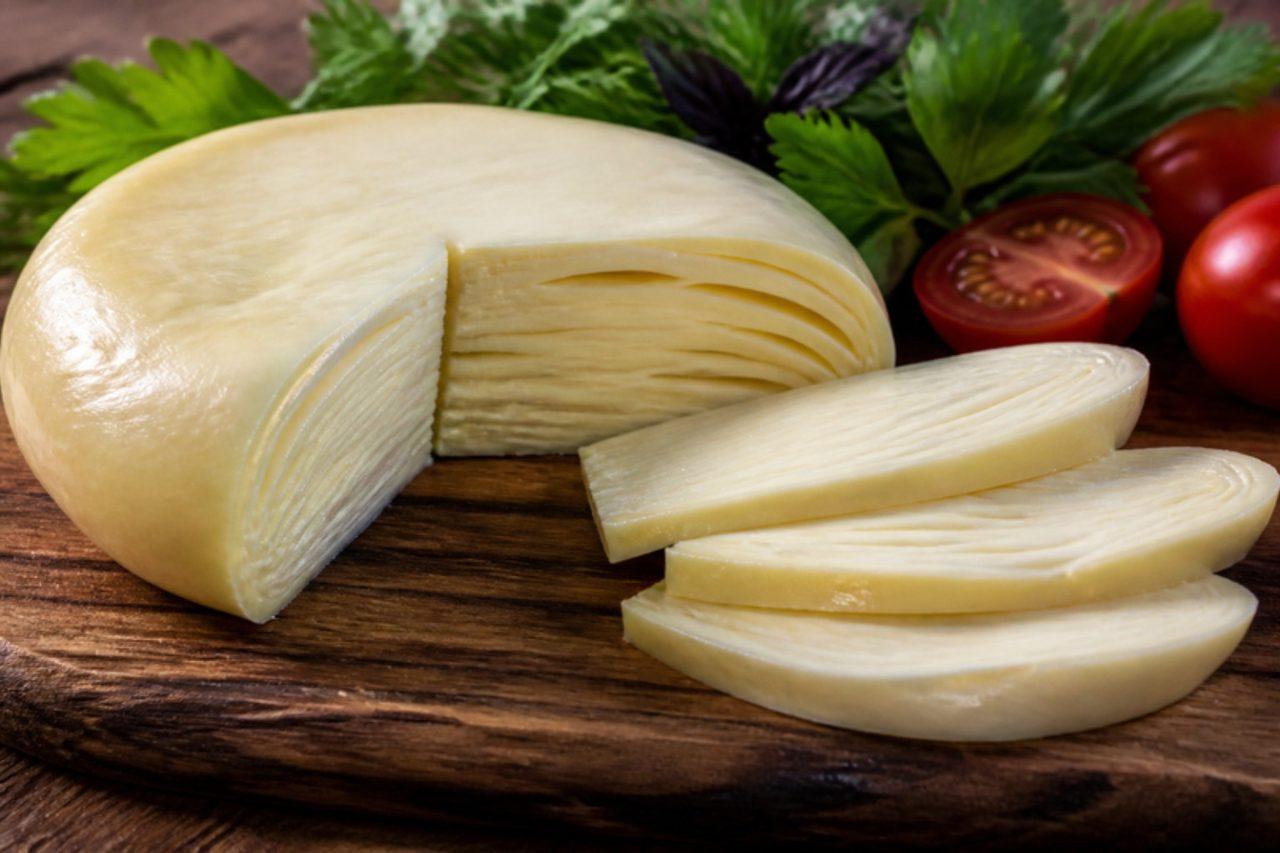
Sulguni is the famous cheese of Samegrelo, made in Zugdidi homes by taking fresh, slightly soured curd, cutting it up and working it in hot water until it can be pulled into a glossy, layered, salty ball. It is eaten in thick slices, melted into elarji and khachapuri, and smoked over embers for a darker version. The curd has to be acidic enough to stretch, so you make the cheese one day and stretch it the next, or buy fresh Imeretian cheese and start from there. Traditionally animal rennet is used; vegetarian rennet works too. A common mistake is trying to stretch fresh, sweet curd; it melts into a puddle instead of pulling. Chef's tip: test a small piece in hot water first; if it stretches 30 cm without breaking, the curd is ready.

by KrazyBadal 0 views

Gers ogailySaffron cardamom sponge cake

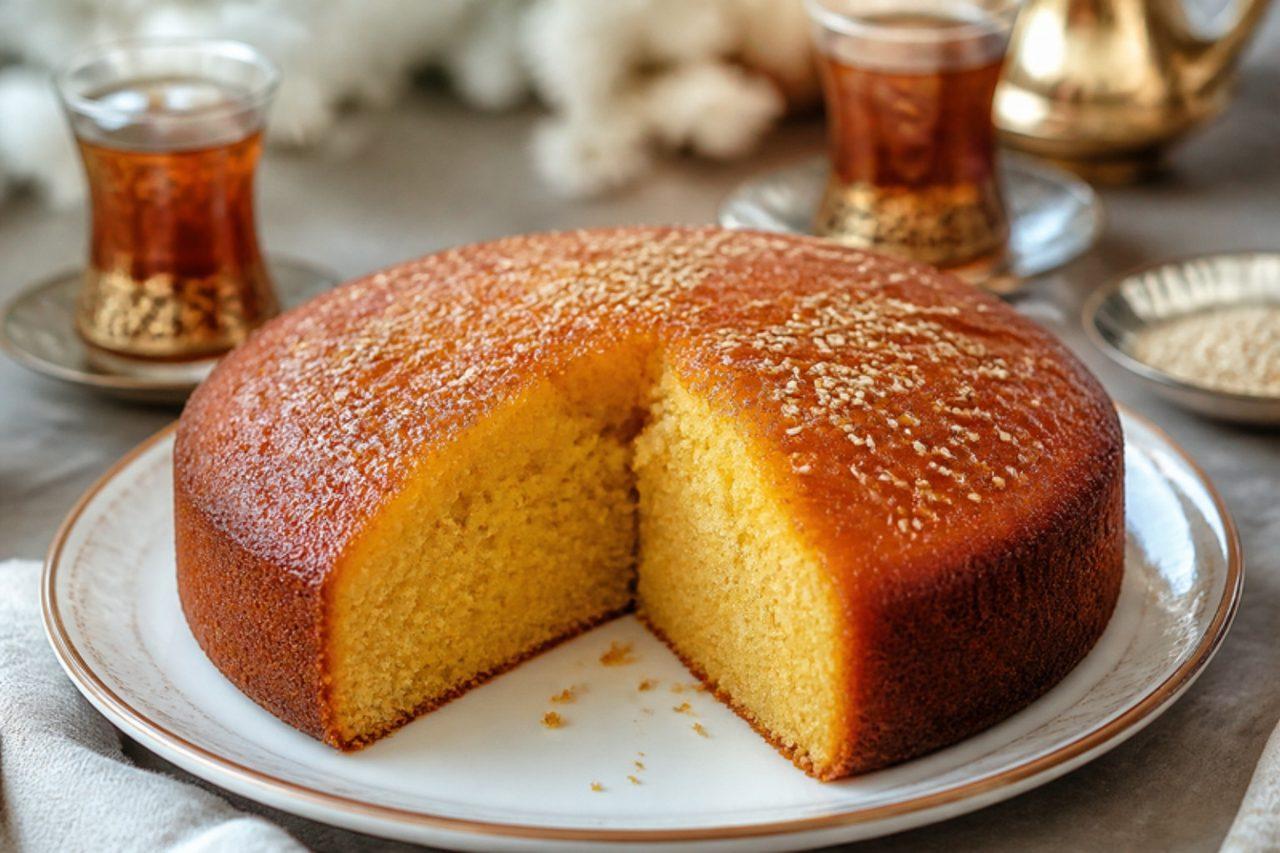
Gers ogaily is the plain, golden sponge cake that sits on every coffee tray in Kuwait and the UAE: served to visitors, at Eid gatherings and after Friday lunch with small cups of cardamom coffee. It is light and springy but not fluffy like a Western sponge, more like a fragrant, slightly firm tea cake, yellow with saffron and with sesame seeds toasted on top. A slice needs nothing else beside it but coffee or tea. The mistake to avoid is whisking the eggs and sugar too briefly; the whole rise depends on that foam, as there is little baking powder. Chef's tip: soak the saffron in warm rosewater before you begin, so its colour spreads evenly through the batter.

by KrazyBadal 0 views

Smoked eel

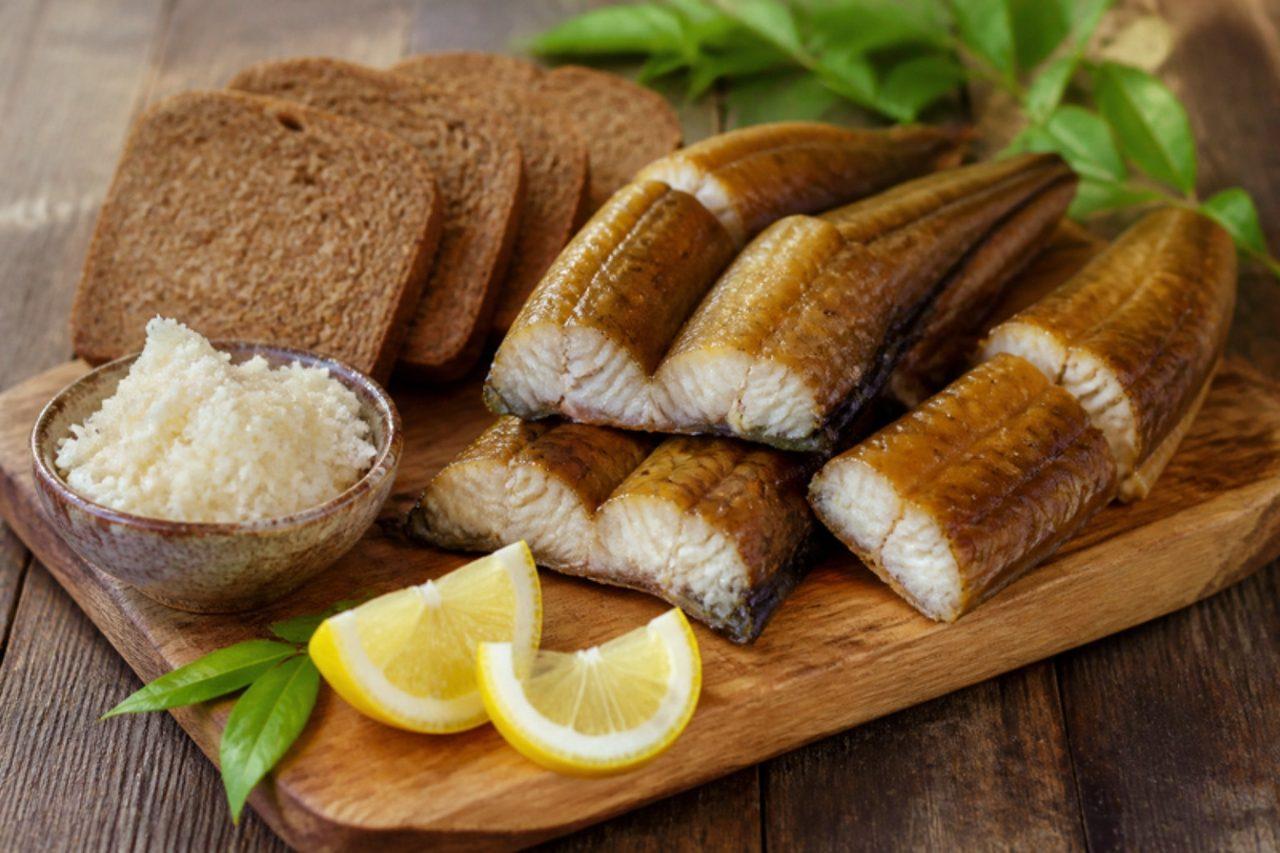
Fish smokehouses dot the shores of the Great Masurian Lakes, and an eel hot-smoked over alder, golden-skinned and glistening, is the prize of any summer trip to Węgorzewo or Ruciane-Nida. The flesh is rich, soft and smoky-sweet, and it is eaten cold on rye bread with grated horseradish and a squeeze of lemon. European wild eel is endangered, so buy farmed eel from a responsible fishmonger, ready gutted. This is a fully hot-smoked version: the fish is brined in the fridge and cooked through in the smoker. Smoked fish can carry listeria if it is not cooked through or kept cold, so it is not for pregnant women, young children or anyone with a weakened immune system unless reheated until steaming. Many home smokers run the heat too low throughout, which leaves the eel smoky but undercooked. Chef's tip: ready hot-smoked eel from a lakeside smokehouse is the easy route; just serve it well chilled with the same garnishes.

240 minPolishFishGluten free
by KrazyBadal 0 views

Fried vendace

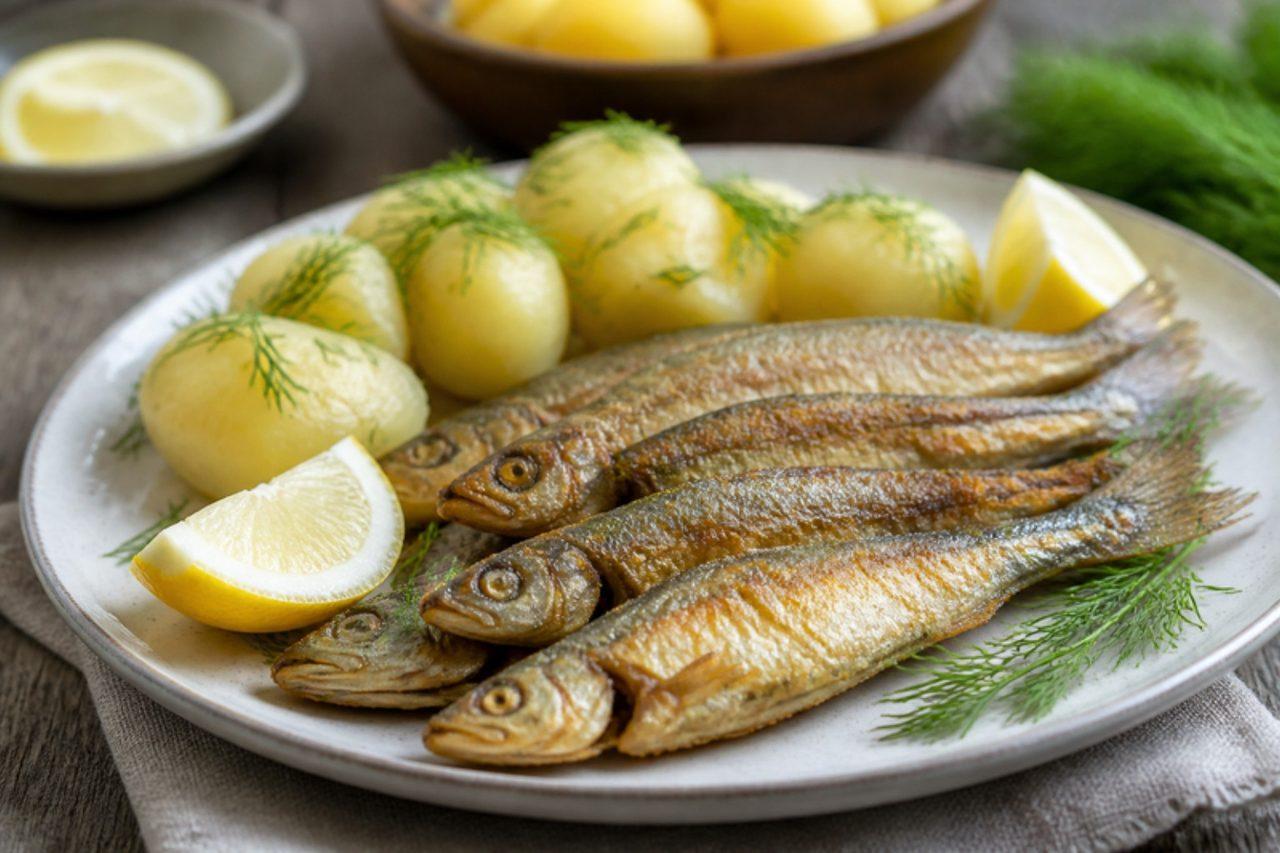
Sielawa, the small silvery whitefish of the deep Masurian lakes, is a holiday treat in Mikołajki, Giżycko and the lakeside fish huts, sold freshly fried on paper plates with a lemon wedge and a slice of bread. The fish are so slender that, once floured and fried in butter, the fine bones become soft enough to eat and the skin turns golden and crunchy around sweet, delicate flesh. A cold cucumber salad or chips are the usual companions. Overcrowding the pan is the chief error: the fish steam instead of frying and the coating goes pale and soggy. If vendace is hard to find, smelt, small whiting or sprats work the same way. Chef's tip: dry the fish properly before flouring and fry in two batches, adding a little fresh butter and oil each time so it never burns.

25 minPolishFish
by KrazyBadal 0 views

Babka wielkanocnaEaster yeast cake

A golden babka standing tall in the Easter basket used to be a matter of family pride, and old cooks whispered while it baked, convinced a slammed door would make it sink. The dough is soft and rich with egg yolks and butter, beaten until it is elastic, then baked in a fluted ring tin into a cake with a fine, feathery, saffron-yellow crumb. Raisins are often soaked in rum; this version uses orange juice, but a couple of spoons of rum work if you prefer. The usual slip is adding too much flour to a sticky dough, which makes the babka dry; it should stay soft and almost batter-like. Chef's tip: cool the babka on its side, turning it now and then, so the delicate crumb doesn't collapse.

185 minPolishBaking
by KrazyBadal 0 views

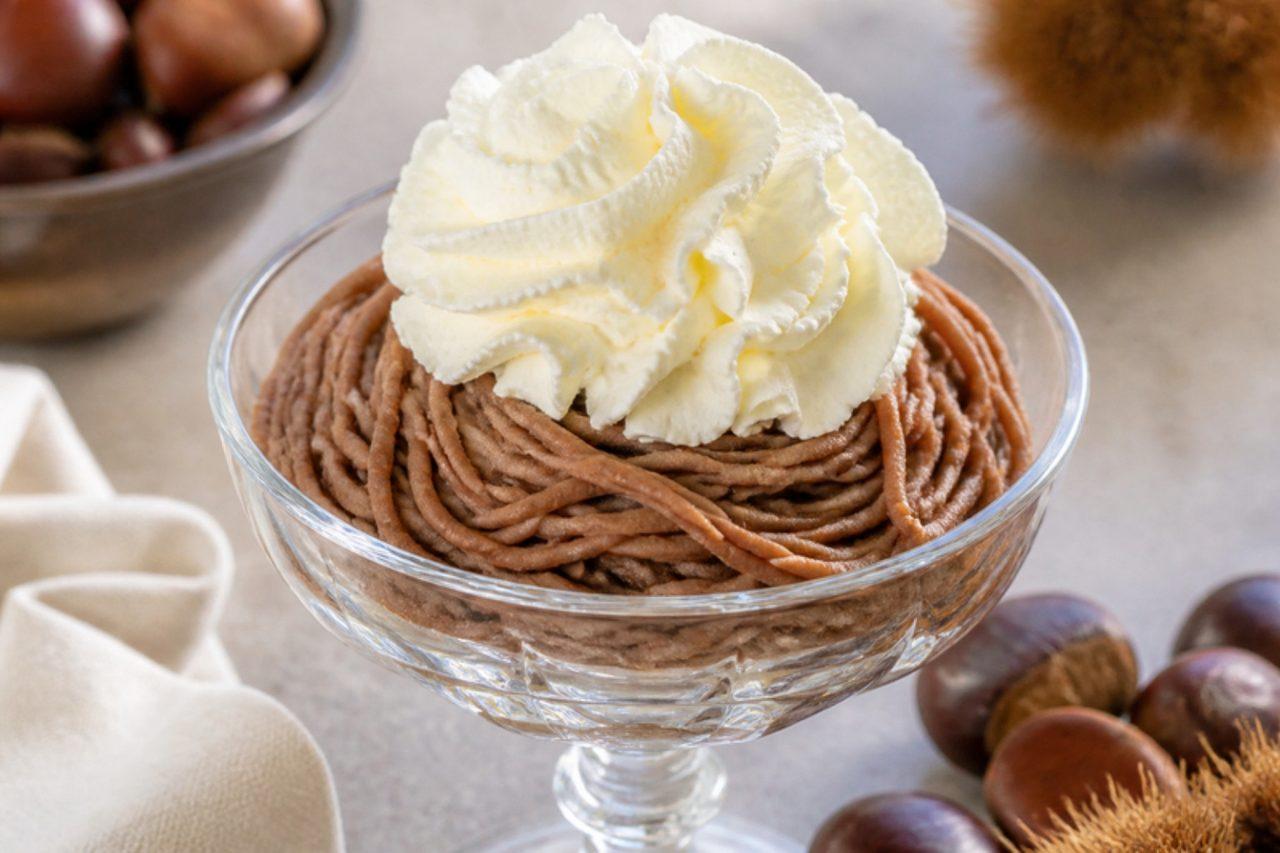
GesztenyepüréChestnut purée with cream

No Budapest cukrászda menu in autumn is complete without a glass of gesztenyepüré: sweet chestnut purée pushed through a potato ricer so it falls in loose brown strands, crowned with a cloud of whipped cream and often a glacé cherry. It is soft, nutty and creamy rather than sugary, and it came to Hungary from Viennese kitchens in the days of the empire. Classic café versions add a splash of rum to the chestnuts; this one leaves it out and uses vanilla and a little cocoa, so it is alcohol-free. A common mistake is pressing the purée into the glass with a spoon, which turns it into a dense paste; let the strands fall loosely straight from the ricer. Chef's tip: chill the purée well before ricing, because cold purée holds its strands and the cream stays on top.

by KrazyBadal 0 views

Grenadian nutmeg ice cream

Grenada, the Spice Isle, grows much of the world's nutmeg, and in St George's ice cream parlours the local favourite is a rich egg-custard ice cream scented with freshly grated nutmeg. The flavour is warm and almost floral, nothing like the dusty jar spice, and it is lovely with fried plantain or a slice of black cake. The common mistake is overheating the custard so the eggs scramble; take it off the heat as soon as it coats a spoon. Chef's tip: grate the nutmeg straight into the hot milk and let it steep for 20 minutes before making the custard, so the flavour runs all the way through.

by KrazyBadal 0 views

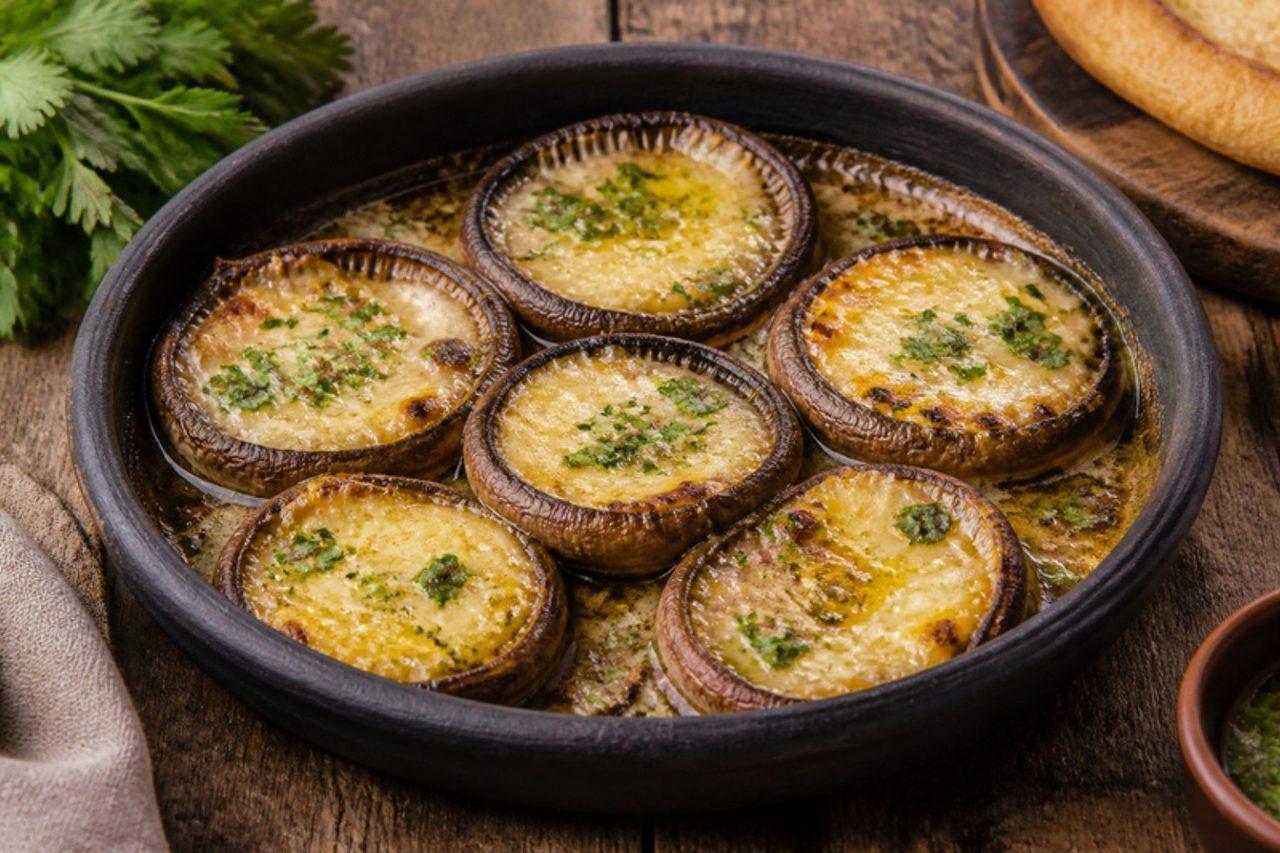
Mushrooms on ketsi

Every Tbilisi tavern has its sizzling ketsi, a shallow clay dish heated on the fire, and mushrooms baked in one with butter and a crust of melted sulguni are among the most ordered starters, brought to the table still crackling. In autumn, Georgian cooks use wild oyster mushrooms or field mushrooms; cups set gills up hold the butter like little bowls. A common mistake is overcrowding the dish, which makes the mushrooms steam instead of browning. Chef's tip: salt the mushrooms only after the first 10 minutes, so their juices stay inside and they cook in their own butter. Sulguni is usually made with animal rennet, so choose a vegetarian cheese.

by KrazyBadal 0 views

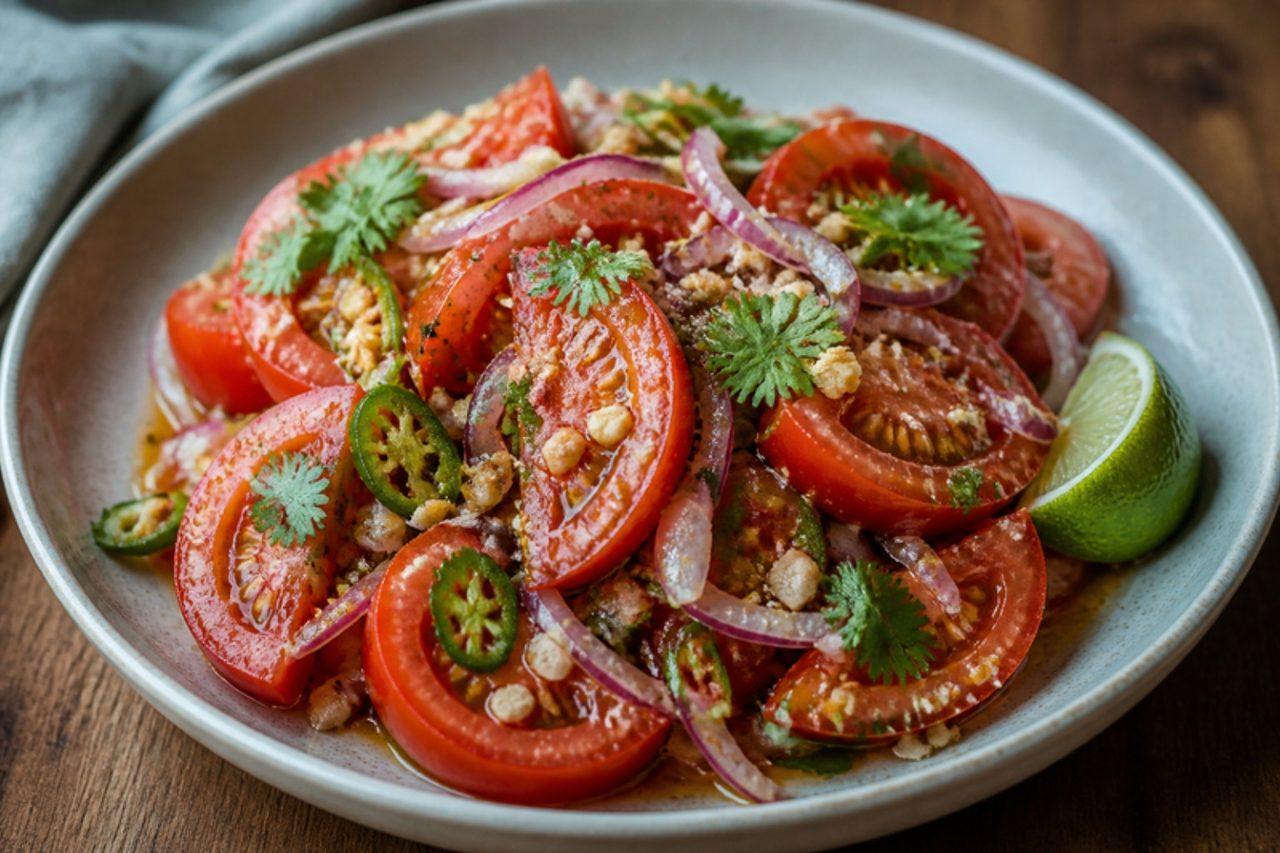
Burmese tomato salad

Come the cool season, when tomatoes are at their sweetest in Mandalay and the dry towns of Upper Burma, this thoke (a salad 'mixed by hand') is the quick dish that appears beside rice and curry at almost every meal. Slices of ripe tomato and onion are squeezed together with toasted chickpea flour, crushed peanuts and fried shallots in their oil, so the juices and flour turn into a light, nutty dressing that clings to every piece. Lime and fresh chilli sharpen it, and coriander lifts it. Home cooks often add fish sauce; this vegetarian version uses salt and a pinch of sugar. Dressing it too early is the most common mistake: salt pulls water from the tomatoes and leaves a soupy plate. Chef's tip: mix with your fingertips just before serving, pressing lightly so some tomato juice blends into the flour.

by KrazyBadal 0 views

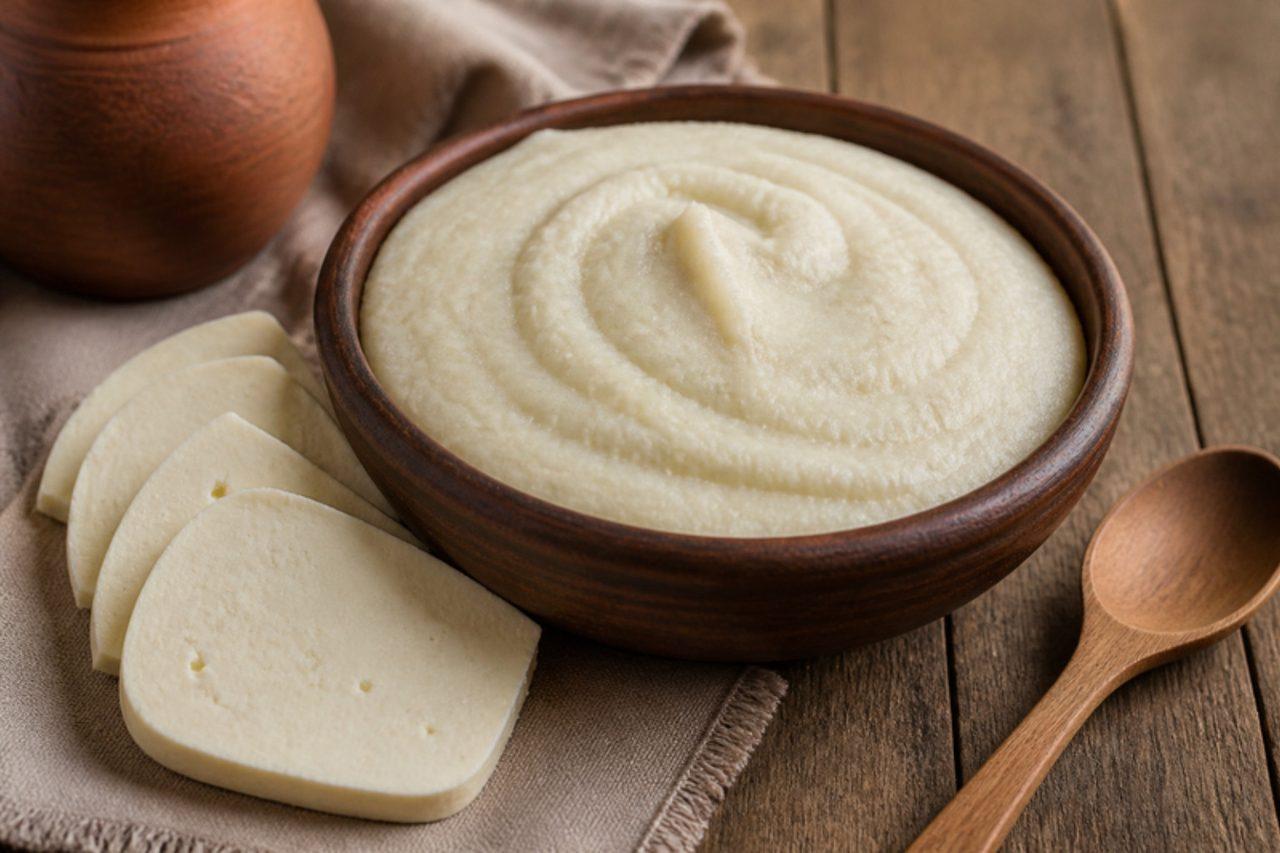
GhomiWhite corn porridge

Across Samegrelo and Guria, ghomi plays the role bread plays elsewhere: a soft, smooth porridge of white corn and cornmeal, set on the table unseasoned so that slices of sulguni can be pushed into it to melt, and so that bazhe, ajika or bean stew can be scooped up with it. In Zugdidi homes it is cooked in a heavy pot and stirred with a flat wooden paddle. A common mistake is stirring too little; ghomi catches easily and lumps form at the bottom. Chef's tip: cook it until it comes away from the sides in one smooth mass, then wet a spoon and smooth the top; ghomi should feel like soft polenta that can be scooped, not runny porridge.

by KrazyBadal 0 views

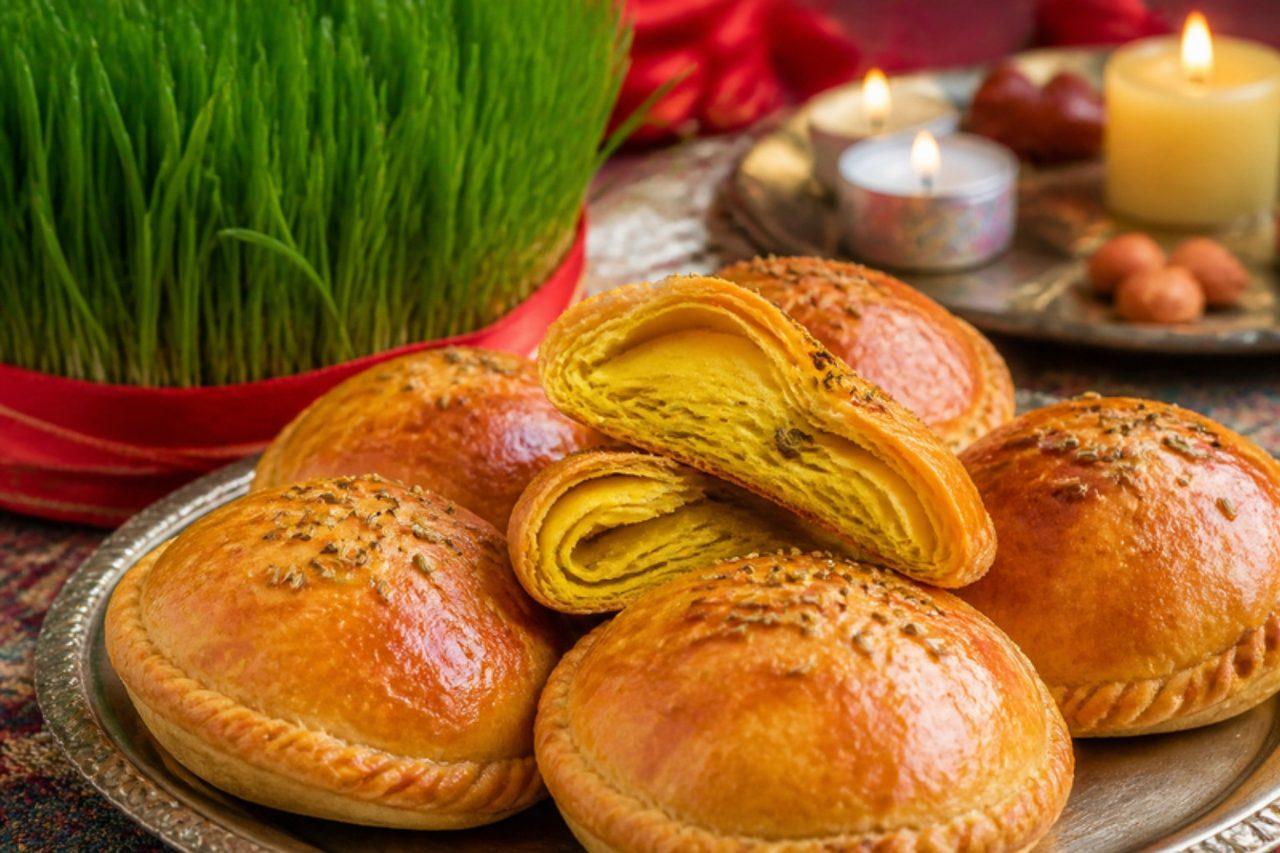
GogalFlaky fennel and turmeric pastry

Gogal is baked for Novruz, the spring new year on 20 March, in kitchens all over Baku and the Absheron villages, beside shekerbura and pakhlava on the festive tray. A soft dough is rolled thin, brushed with butter mixed with ground fennel, turmeric and salt, then rolled, coiled and flattened again so it bakes into crisp, savoury, golden layers. A common mistake is using cold, hard butter for the spread; it tears the dough. Chef's tip: let the coiled pastries rest before flattening so the layers relax and stay distinct in the oven.

by KrazyBadal 0 views

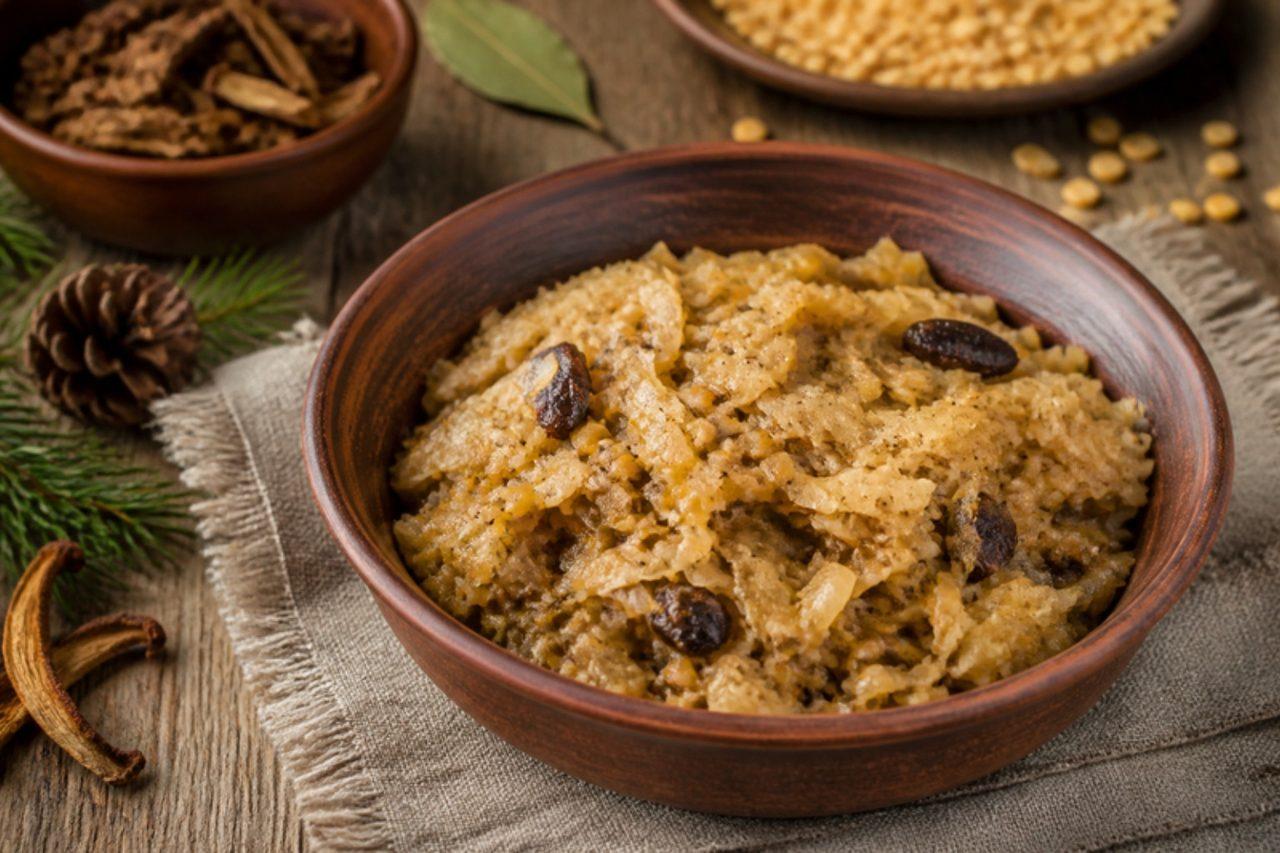
Cabbage with peas

Of the twelve dishes on a Polish Christmas Eve table, this is the humblest and often the one people go back to for seconds. Sour, tangy sauerkraut is braised slowly with yellow split peas until the peas collapse into a soft, savoury mash that binds the cabbage, with dried mushrooms and golden onion for depth. Serve it warm next to pierogi or potatoes, and know that it tastes even better reheated the next day. The usual slip is adding salt before the peas are cooked, which keeps them hard; season only at the end, as the sauerkraut is salty anyway. Chef's tip: if your sauerkraut is very sour, rinse it once and squeeze it, keeping a little juice to adjust the sharpness later.

by KrazyBadal 0 views

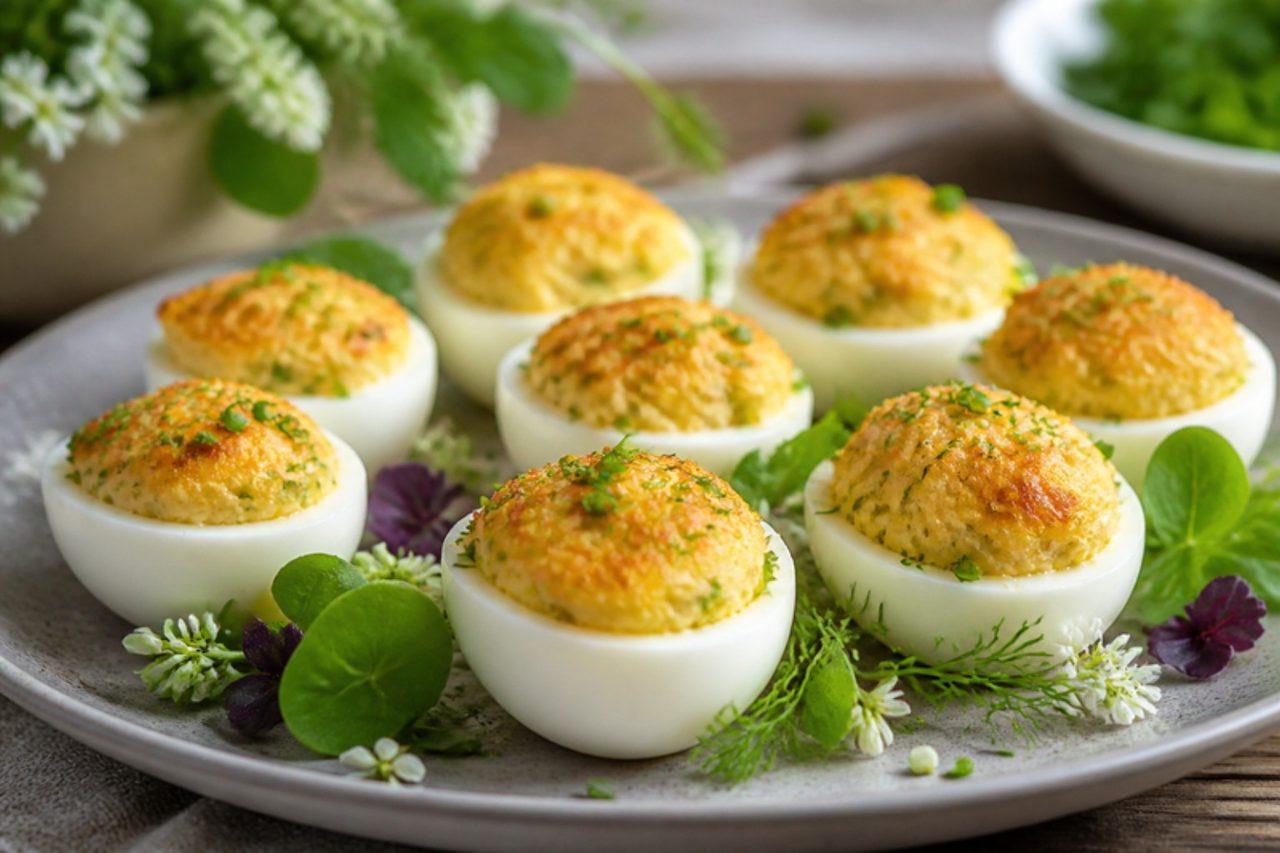
Stuffed eggs

The clever bit of the Polish Easter version is that the eggs are halved lengthways shell and all with a sharp knife, then the filling goes back into the shells and the cut sides are fried until crusty. It is a dish of the Easter breakfast and of name-day parties, served hot from the pan or cold from the fridge. The filling of mashed yolk, chives, mayonnaise and a little mustard turns golden and slightly crisp on top while staying soft beneath. Where most people go wrong is cutting with a blunt knife, which shatters the shell; use a large, very sharp knife and one firm stroke. Chef's tip: chill the boiled eggs fully before cutting so the white holds together.

by KrazyBadal 0 views

Dundun (fried yam)

In the evenings, Lagos street corners fill with the smell of dundun: big woks of oil, sliced white yam frying next to plantain and akara, sold by the piece in a twist of paper with a spoon of pepper sauce. Good dundun is golden and crisp outside and soft and fluffy as a baked potato inside, with a faint sweetness from the yam. At home it is a favourite Saturday breakfast or a quick supper, and children happily eat it on its own while the adults pile on the sauce. Don't fry over a very high heat: the outside browns before the middle cooks, the commonest dundun mistake. Chef's tip: soak the yam pieces in salted water for 5 minutes and pat them dry; the salt seasons them through and they fry crisper.

by KrazyBadal 0 views

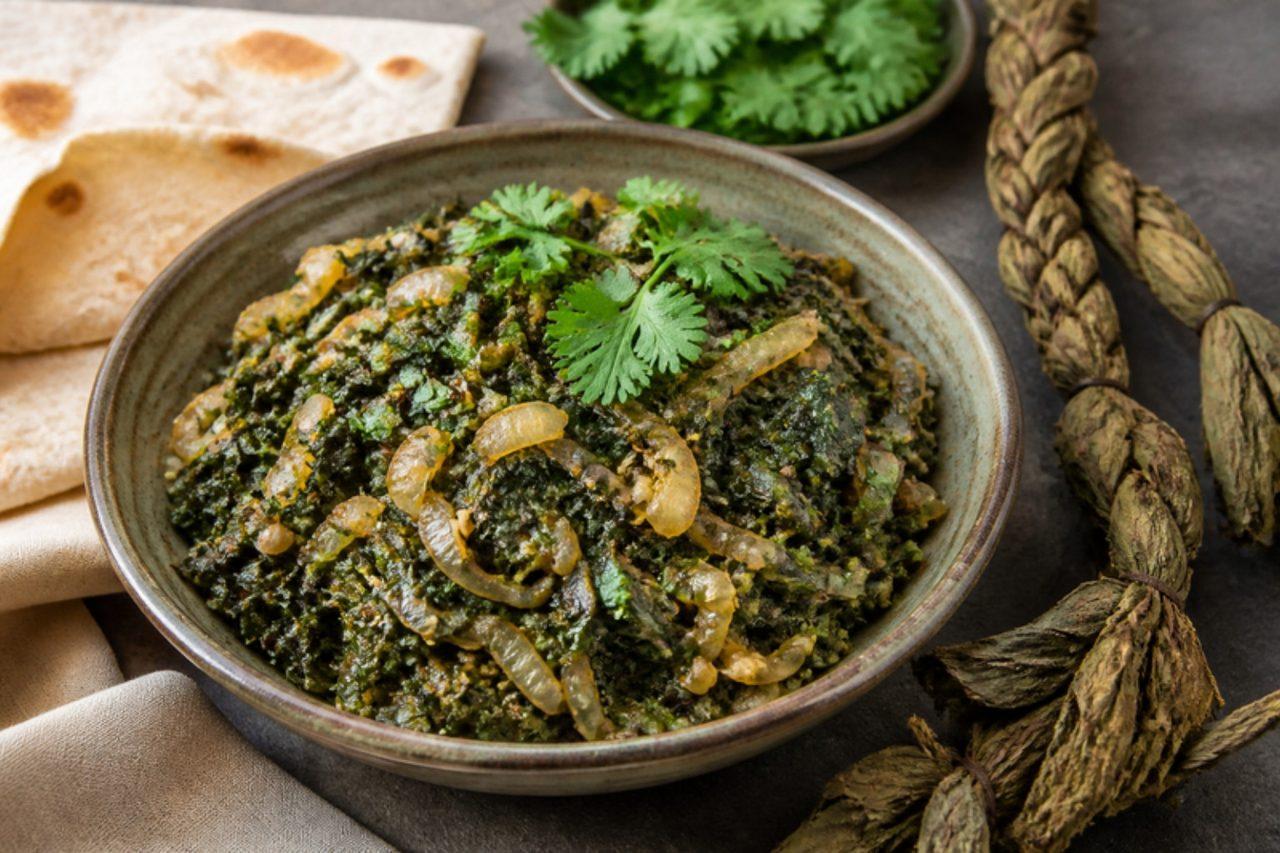
AvelookDried braided sorrel with walnuts

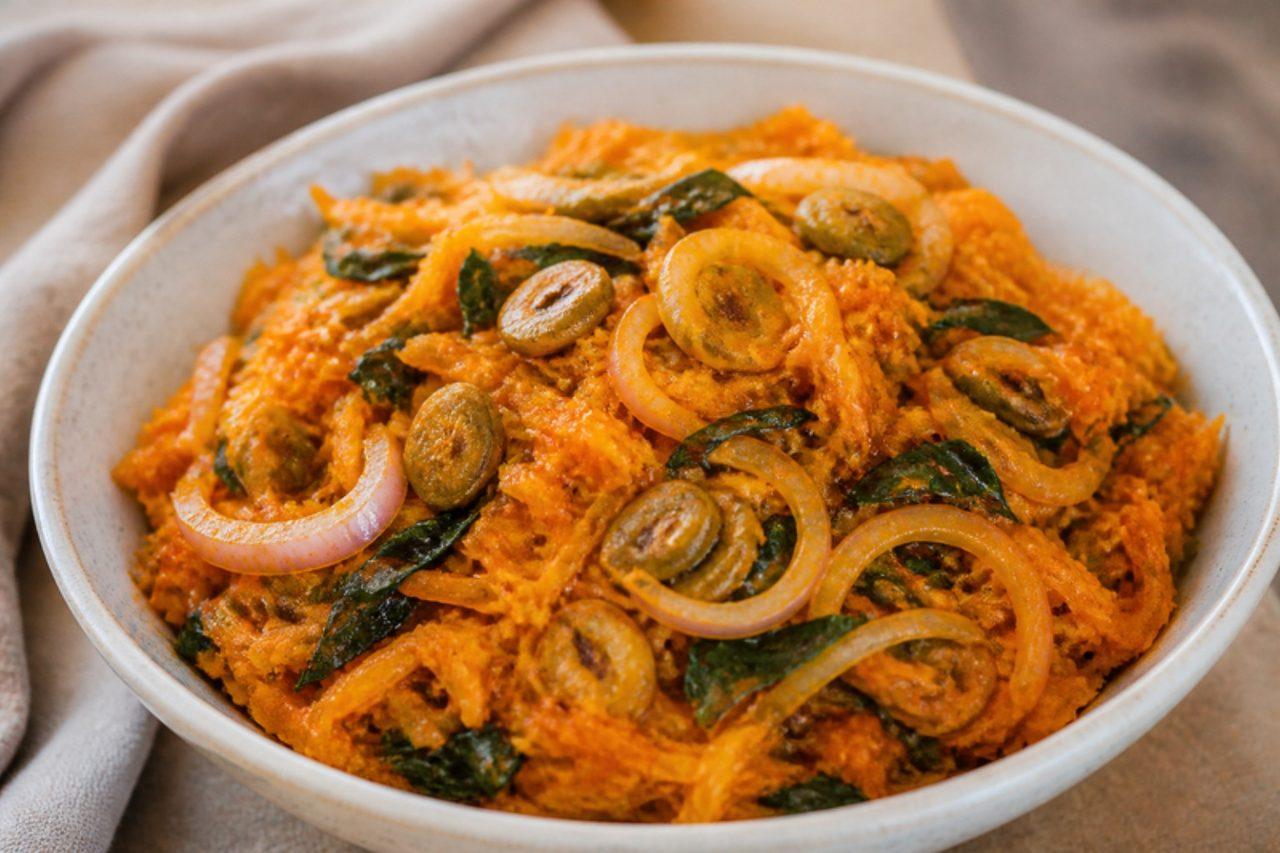
In Syunik, the mountainous south of Armenia around Goris, women pick wild mountain sorrel in May and braid the long leaves into ropes that hang drying in every kitchen. In winter and during Lent the braids are soaked, simmered until soft and fried with onion and walnuts, giving a dark, earthy, sour salad with a taste somewhere between spinach and olives. Braids are sold in Armenian shops. A common mistake is skipping the second boil, which leaves the leaves bitter and tough. Chef's tip: squeeze the cooked sorrel well and fry it long enough to dry and slightly crisp at the edges; that is when the flavour deepens.

by KrazyBadal 0 views

AluwaRice flour diamond sweets

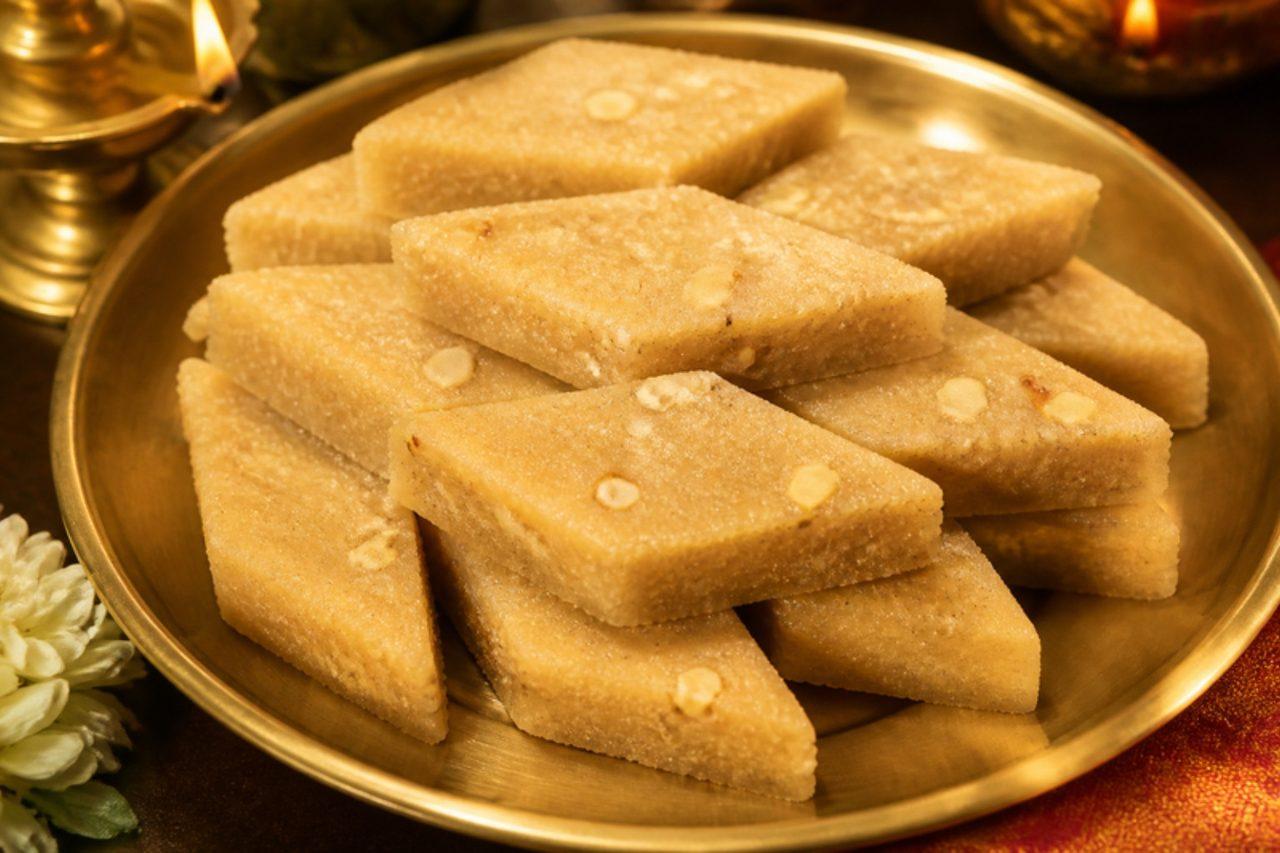
Pale, smooth and cut into precise little diamonds, aluwa brings a touch of order to the crowded Avurudu sweet tray, and it is often the first sweet children learn to help make because there is no deep-frying involved. Rice flour is roasted until it smells like biscuits, then kneaded with hot sugar syrup, chopped cashews and cardamom into a firm dough, rolled out and cut. The finished sweet is dense, slightly crumbly and not too sweet, with a gentle nuttiness, and it keeps for weeks in a tin to be offered to visitors with tea. The point where it goes wrong is the syrup: too thin and the aluwa never sets, too thick and the dough cracks before you can roll it, so aim for the one-thread stage. Chef's tip: roll the dough between two sheets of baking paper and cut it while it is still warm and pliable; once cold it breaks instead of slicing.

by KrazyBadal 0 views

Trini curry duck

Curry duck is the dish of the riverside lime in south and central Trinidad, cooked in a big iron pot over a wood fire while friends cool off in the water. The duck is chopped small, marinated in green seasoning, then "burnt" into a curry paste fried until almost black, which gives the sauce its dark colour and deep, slightly bitter edge. It's served with rice, dhal and sada or paratha roti. A common mistake is serving it before the duck has fully broken down: duck is chewy and needs long, slow cooking. Chef's tip: spoon off the yellow duck fat that rises during cooking and keep it for roasting potatoes.

by KrazyBadal 0 views

GebzhaliaCheese rolls in mint yogurt sauce

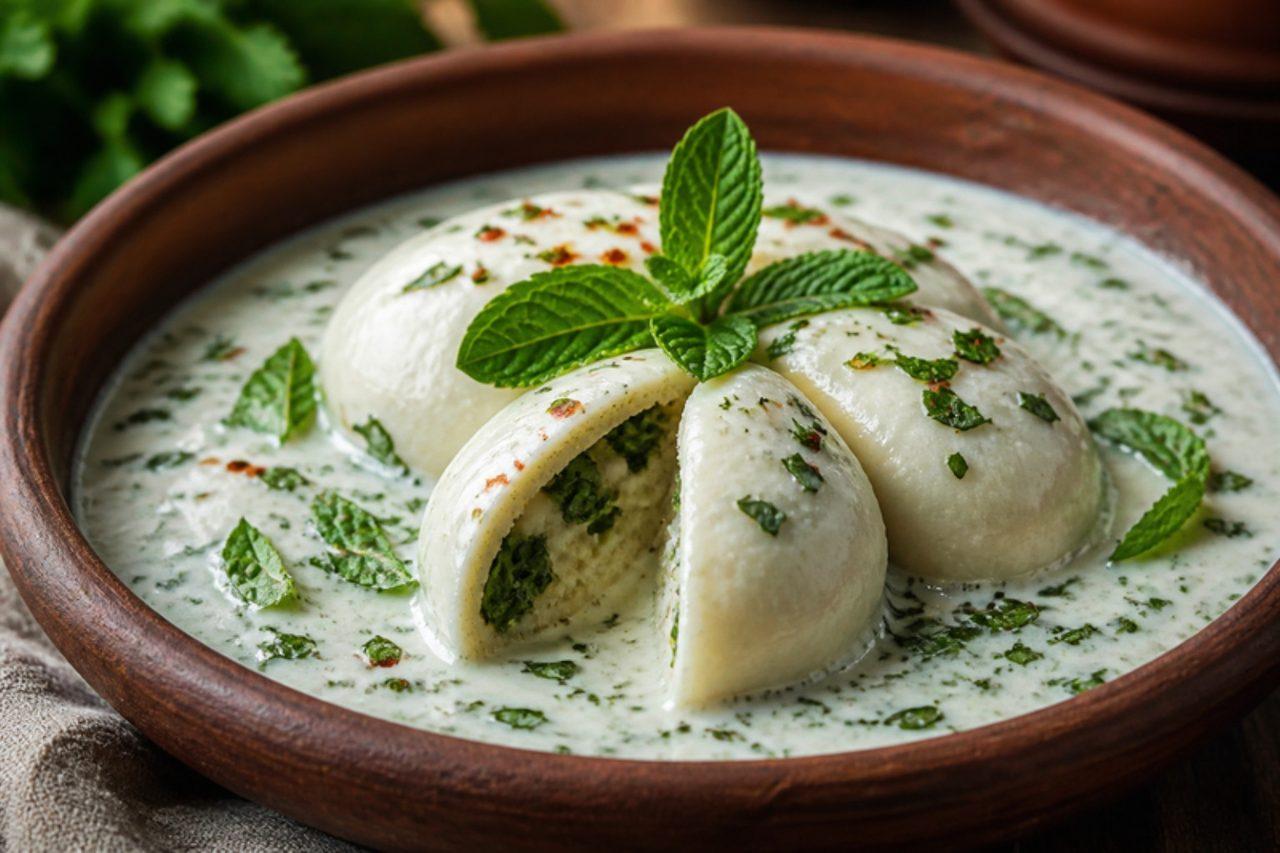
Gebzhalia is one of the dishes Mingrelian hosts in Zugdidi and Martvili bring out when guests arrive: soft, freshly made cheese is warmed in hot milk until pliable, flattened into sheets, scattered with mint and rolled up, then served in a cool, minty yogurt sauce. It is mild, salty and refreshing, served as a starter at a supra. Fresh imeruli cheese is the traditional choice; fresh mozzarella curd works well too. A common mistake is overheating the cheese, which makes it squeaky and tough instead of silky. Chef's tip: keep the milk just below a simmer and work the cheese with a spoon until it is soft enough to stretch, then roll while it is still warm. Fresh cheeses are often made with animal rennet, so choose a vegetarian one.

by KrazyBadal 0 views

Gefilte fishPoached fish dumplings

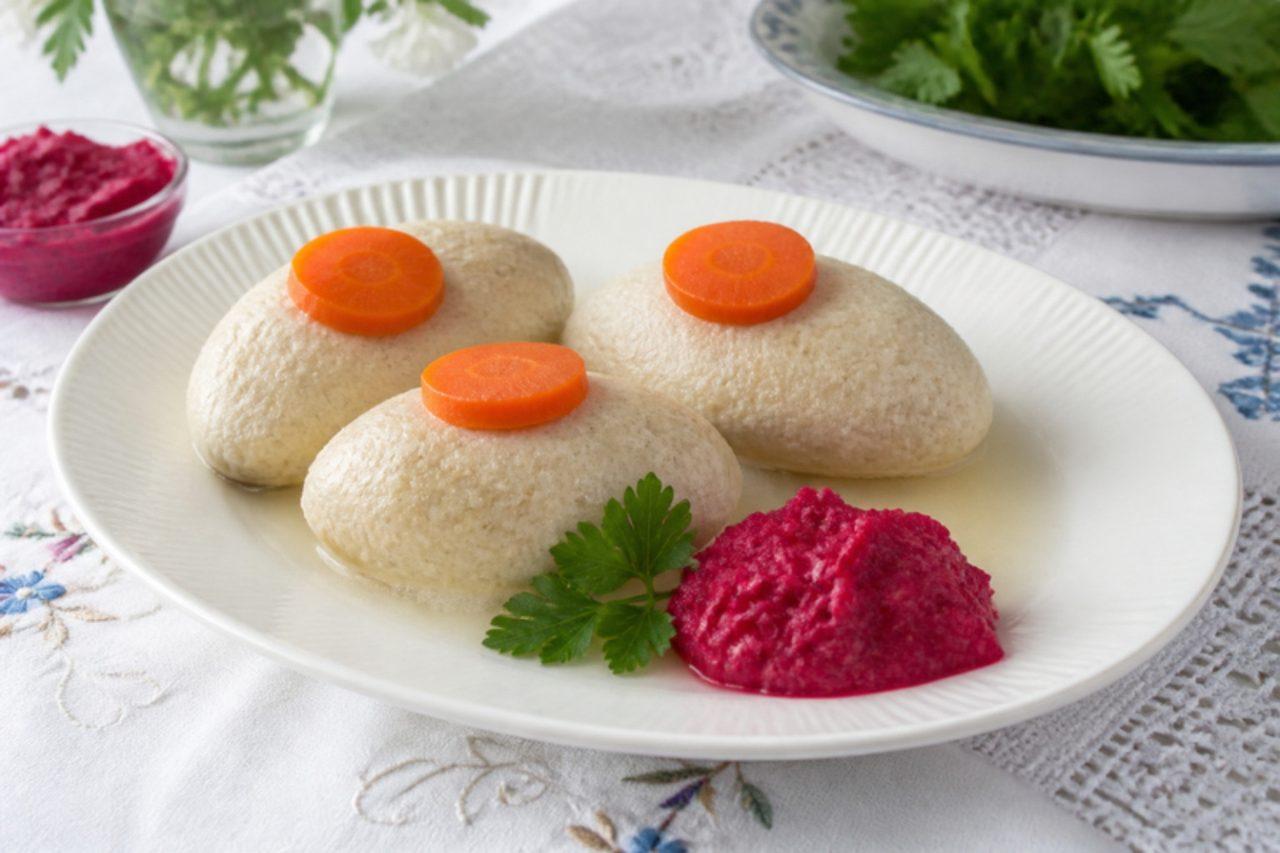
Poached fish dumplings start the Shabbat and Passover meal in many Ashkenazi homes across Israel, and families still argue about whether they should be sweet, Polish-style, or peppery like the Lithuanian version. Minced carp, pike or whiting is beaten with onion, egg and matzo meal, shaped into ovals and simmered in a broth made from the fish bones and vegetables, which sets into a light jelly when chilled. Each piece is served cold with a coin of carrot on top and a spoonful of sharp beetroot horseradish. The commonest mistake is boiling the broth hard, which makes the dumplings tough and breaks them up; it should barely tremble. Chef's tip: wet your hands with cold water before shaping each dumpling so the soft mixture does not stick.

120 minIsraeliFish
by KrazyBadal 0 views

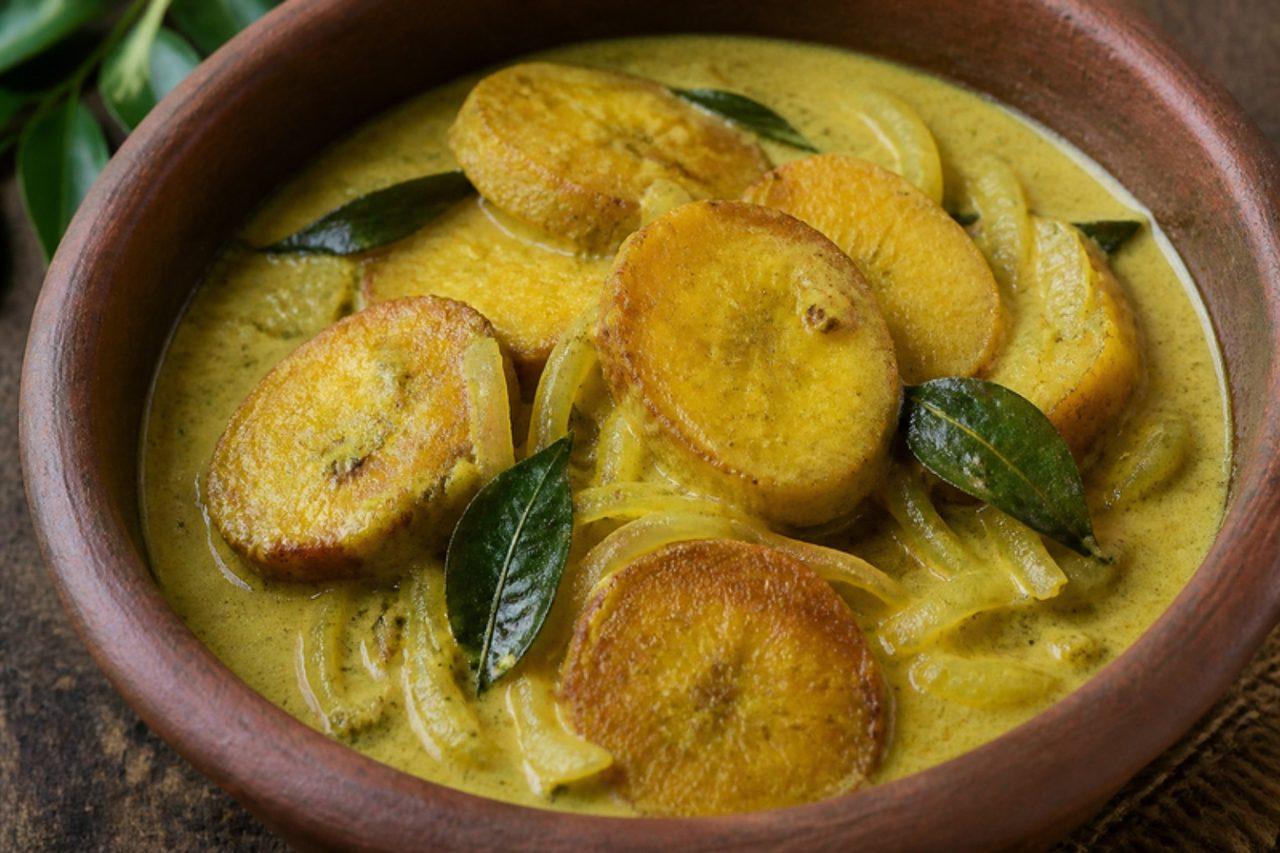
Alu kesel curryPlantain turmeric curry

Alu kesel, the grey-skinned cooking plantain whose name means ash banana, is picked green and treated like a vegetable, and this creamy curry is a regular on Kandyan lunch tables and at temple almsgivings, where it fills out the spread cheaply and well. The slices are rubbed with turmeric and salt, fried until golden at the edges, then simmered in coconut milk with unroasted curry powder, fenugreek, cinnamon and pandan, so they turn soft and starchy like potato with a hint of banana sweetness. It sits happily beside parippu, a green mallung and a sharp pickle. Peeling the plantains with dry hands is a messy mistake, because the sap stains skin and knives black; oil your hands and the blade first. Chef's tip: frying the slices before they go into the gravy keeps them in neat pieces; unfried plantain tends to fall apart and thicken the curry into paste.

by KrazyBadal 0 views

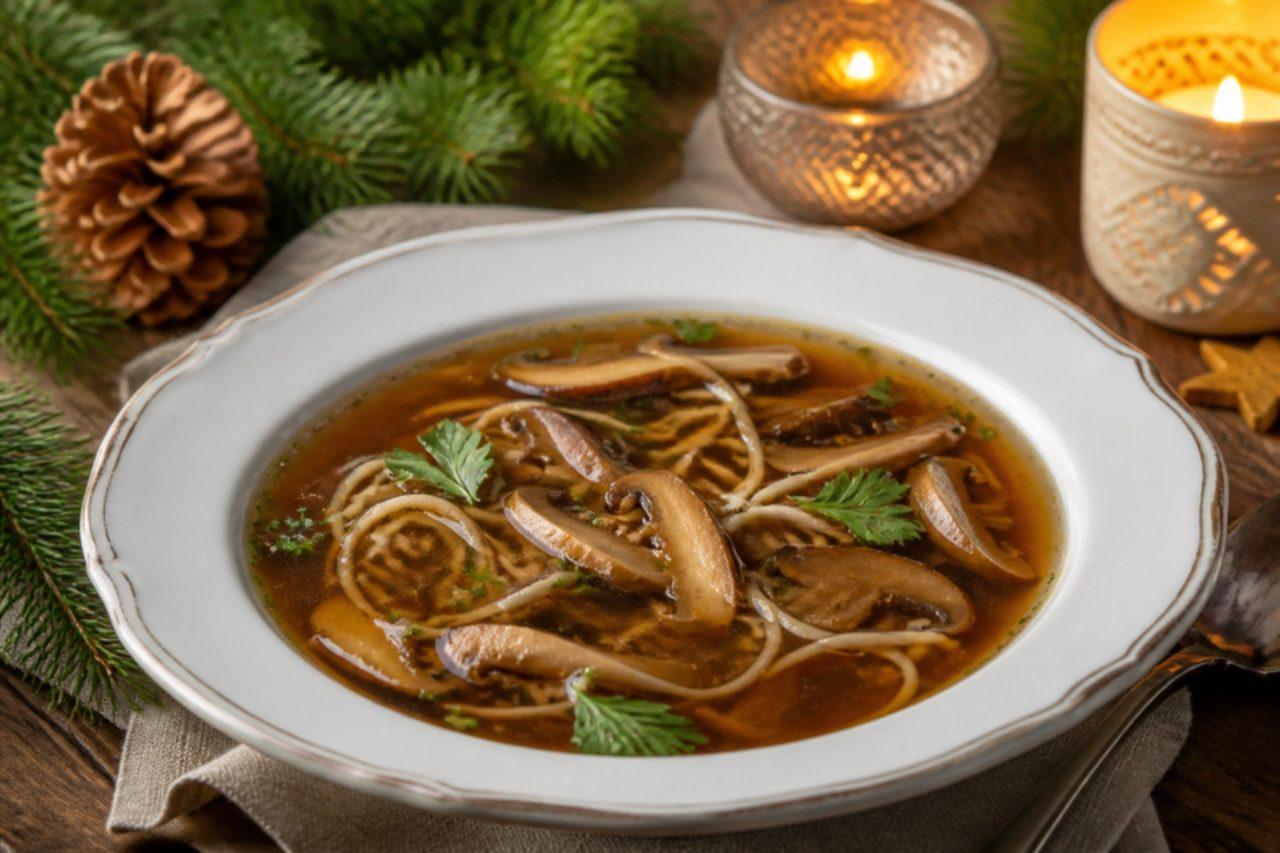
Christmas mushroom soup

In many Polish homes the Christmas Eve supper opens with either beetroot barszcz or this soup, and families argue about which is better. Dried porcini picked and threaded on strings in September are soaked and simmered with root vegetables into a clear, deep-brown broth with a smoky, almost meaty depth, then served with thin noodles or łazanki. It is fully meat-free, as Wigilia tradition requires, and kept dairy-free here. A common mistake is pouring the soaking water in with its grit; let it settle and leave the last spoonfuls behind. Chef's tip: soak the mushrooms overnight in cold water and cook them in that water for the most flavour.

by KrazyBadal 0 views

Estonian kringle

Kringel is the celebration bread of Estonia, baked for birthdays and name days and carried to every visit: a rich yeast dough rolled with cinnamon butter and sugar, sliced lengthways, twisted into a braided wreath so the layers show, and baked until golden. In Tallinn's old-town cafés it is sold by the slice with coffee. A common mistake is cutting the roll with a blunt knife, which squashes the layers. Chef's tip: chill the filled roll for 15 minutes before slicing; it cuts cleanly and twists without the filling escaping.

by KrazyBadal 0 views

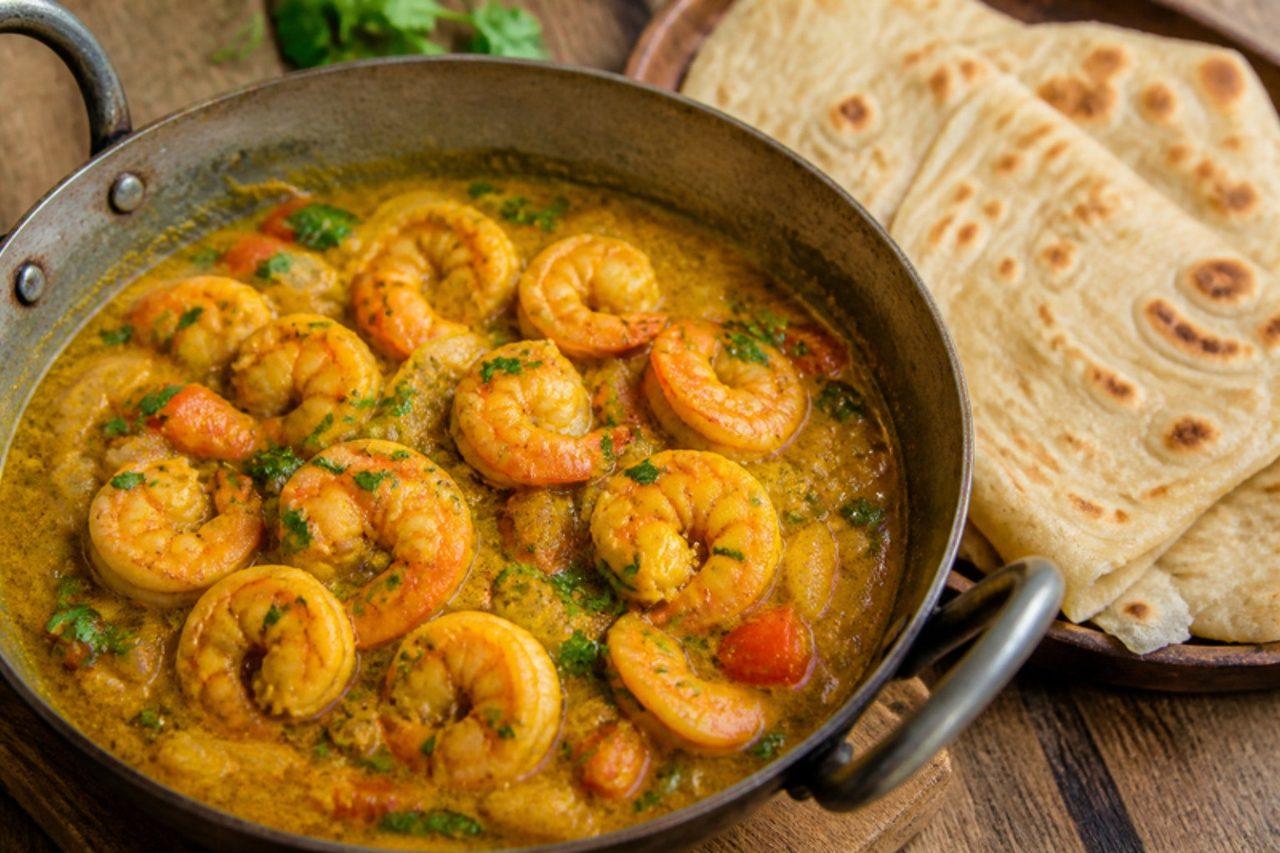
Trini curry shrimp

Sold from food stalls in San Fernando and eaten at south Trinidad family lunches, curry shrimp is the fast curry of the island: the sauce is built in minutes, and the shrimp go in only at the very end. Plenty of garlic, roasted geera and hot pepper give a bright, punchy curry that you wipe up with dhalpuri or spoon over rice. The mistake nearly everyone makes the first time is stewing the shrimp, which turns them rubbery; they need three or four minutes, no more. Chef's tip: save the shells, simmer them in the water for 10 minutes and use that stock in the curry for a much deeper seafood flavour.

by KrazyBadal 0 views

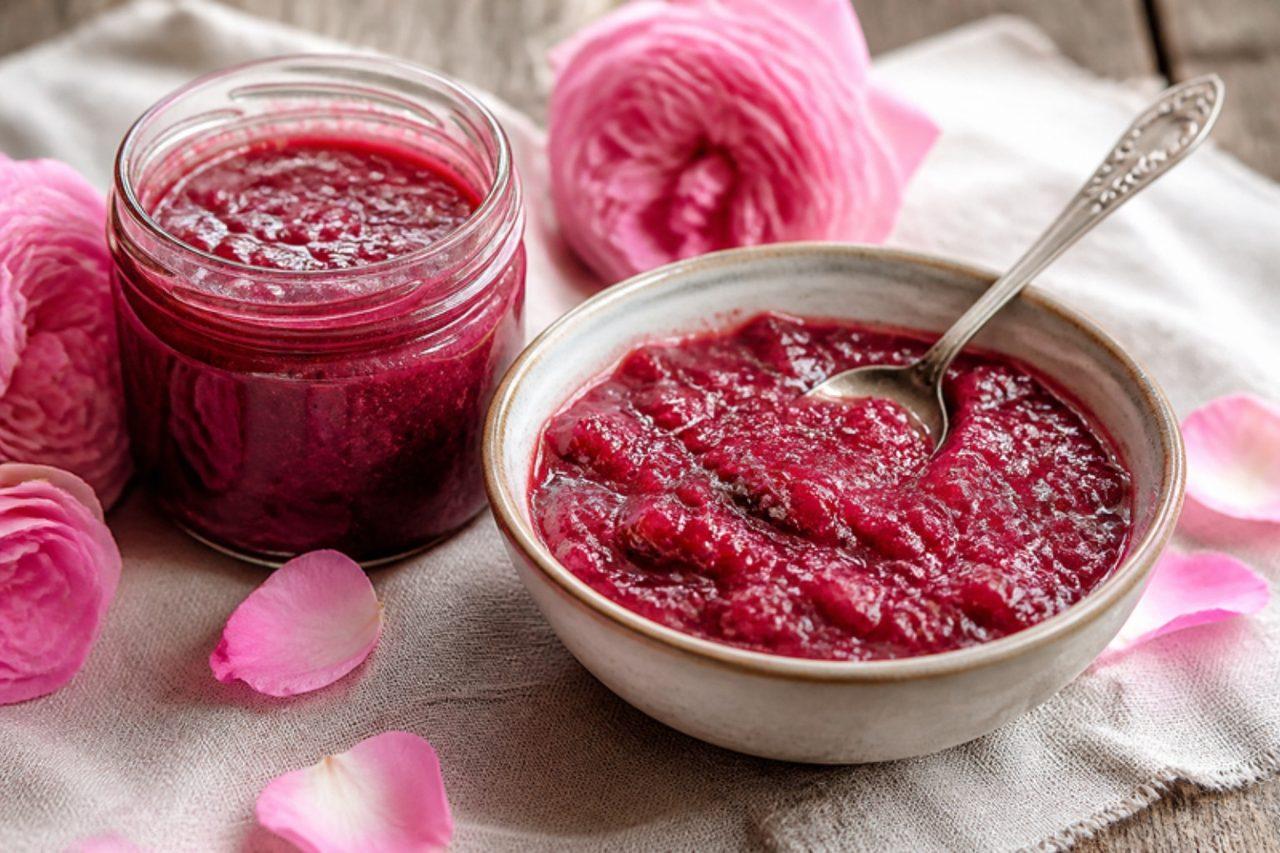
Rose petal jam

Ask a Polish baker what goes inside a proper pączek and the answer is rose jam, not strawberry. In June, families gather the scented pink petals of wild beach roses (Rosa rugosa) from hedges along the Baltic coast and in gardens, then pound them with sugar into a sticky, intensely perfumed paste that keeps for a year. The flavour is floral and sweet with a little sharpness from lemon, lovely in doughnuts, swirled into yoghurt or spread on cheesecake. Pick only from plants that have not been sprayed and away from roads. Where most people go wrong is leaving the bitter white base of the petals on; snip it off. Chef's tip: lemon juice turns dull petals bright magenta, so add it right at the start.

by KrazyBadal 0 views

Kokoro (crunchy maize sticks)

Kokoro is sold in clear bags at motor parks, markets and school gates across the Southwest, and it is the snack people tuck into a pocket for a long bus ride. The dough is made by cooking part of the maize flour with water into a thick paste, then kneading in more flour with a little sugar, salt, chilli and ginger, and rolling it into thin sticks that are fried slowly until hard and golden. The result is very crunchy, lightly sweet and peppery, and it keeps for weeks. Children love it, and it is traditionally eaten with roasted groundnuts or coconut. Avoid frying in oil that is too hot; the outside browns before the sticks are crisp all the way through. Chef's tip: roll the sticks no thicker than a pencil and fry them at a moderate heat so they crisp right through; thick sticks fried hot stay hard outside and doughy inside.

by KrazyBadal 0 views

GarnaalkrokettenGrey shrimp croquettes

Along the Flemish coast, from De Panne to Knokke, the North Sea grey shrimp is king, and garnaalkroketten are the dish every seaside restaurant is judged by: a molten, creamy shrimp-flavoured béchamel packed with little brown shrimps, set firm, crumbed and fried until golden, served with fried parsley and lemon. In Oostduinkerke, shrimp fishers on horseback still drag their nets through the shallows. A common mistake is a béchamel that isn't thick enough, so the croquettes burst in the oil. Chef's tip: make a strong shrimp stock from the shells, if you have them, for the béchamel, and chill the mix overnight so it is firm to shape. The shrimp are already cooked; fry until golden and hot through.

by KrazyBadal 0 views

GazozFruit syrup soda

Before bottled soft drinks, the kiosks along Rothschild Boulevard and in Florentin sold gazoz: a squirt of fruit syrup topped up with fizzy water from a tap. Tel Aviv cafés have revived it as a glass crammed with fresh and lightly fermented fruit, flowers and herbs, so it is pretty, tart and only gently sweet. Make it on hot afternoons, for children's birthdays or as an alcohol-free welcome drink. The mistake is pouring the soda too early, so it goes flat before you drink it. Chef's tip: macerate the fruit in syrup for at least 30 minutes, ideally overnight in the fridge, so it bleeds colour into the glass.

by KrazyBadal 0 views

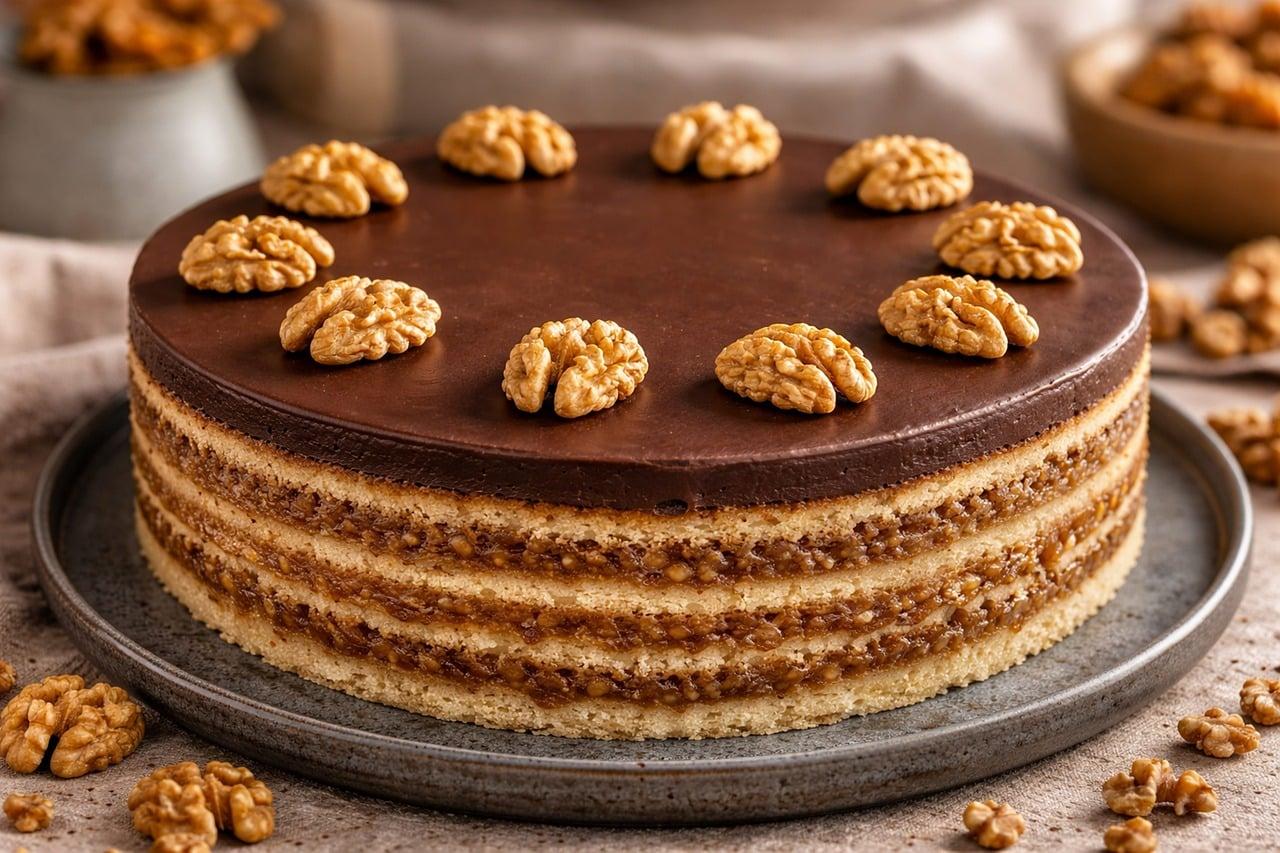
Reform tortaWalnut meringue chocolate cake

Belgrade pastry shops have sold reform torta since the early twentieth century, and it is still the cake Serbian families bring out for birthdays, weddings and the slava. Three thin layers of walnut meringue, crisp at the edge and chewy inside, are stacked with a dense chocolate butter cream made with egg yolks cooked over steam until thick. It is very rich, so cut thin slices and serve with strong coffee. The usual slip is beating the butter into a chocolate mixture that is still warm, which melts it and splits the cream; let it cool to room temperature first. Chef's tip: assemble the cake the day before; overnight in the fridge the meringue softens a little and the cake slices cleanly with a hot knife.

150 minBalkanBaking
by KrazyBadal 1 views

Jamaican pepper shrimp

Drive through Middle Quarters in St Elizabeth and women by the roadside will lean into the car window holding bags of bright red pepper shrimp, calling "pepa swimps!" The river shrimp are boiled whole in a fiery brine of scotch bonnet, pimento, garlic and salt, then left to soak up the heat, and eaten with the fingers, shells and all sucked clean. Large shell-on prawns make a fine substitute. The usual mistake is overboiling, which leaves the shrimp rubbery; they need only a few minutes before steeping off the heat. Discard any shrimp that smell of ammonia or have soft, slimy shells before cooking. Chef's tip: a teaspoon of annatto or paprika gives the deep red colour of the roadside bags.

by KrazyBadal 0 views

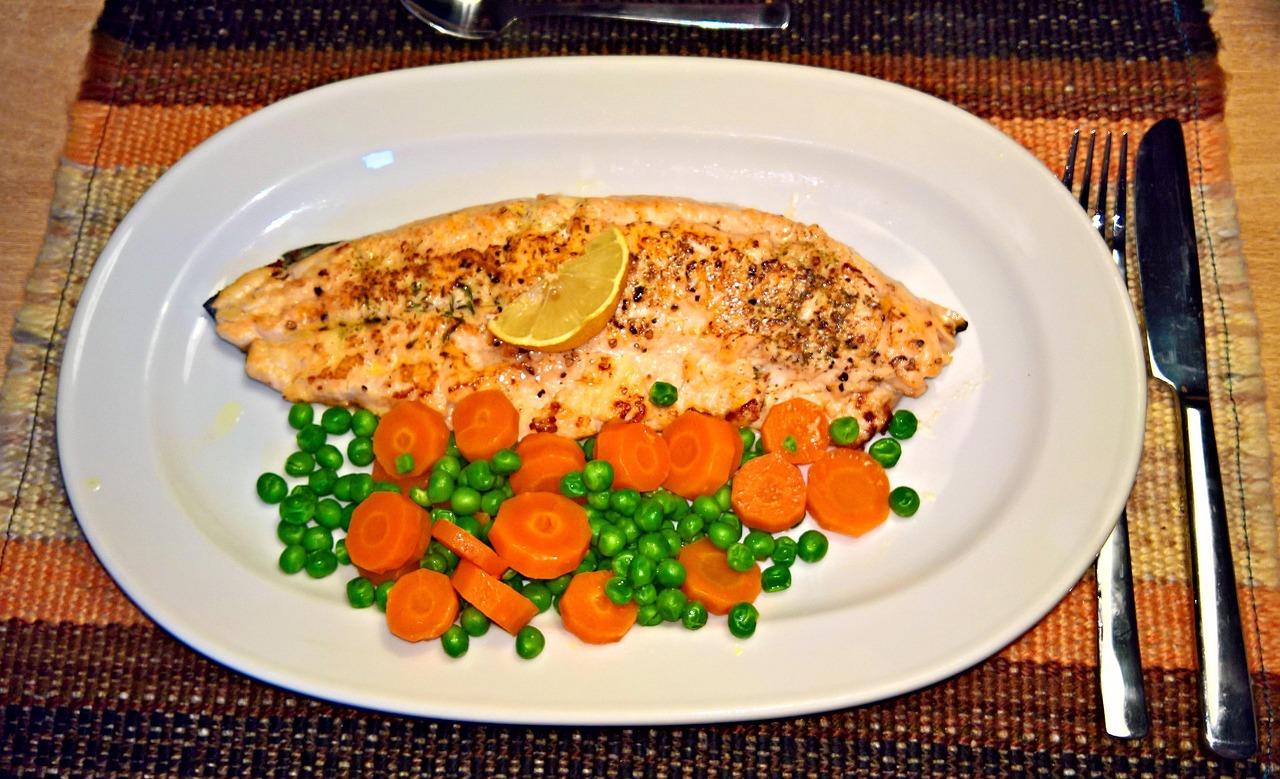
Highland grilled trout

Trout farms fed by cold Tatra streams supply the roadside grills and mountain inns of Podhale, and pstrąg po góralsku is what hikers order on the terrace with a view of Giewont: a whole fish, stuffed with garlic and fresh herbs, crisped in butter until the skin crackles. The flesh is sweet and delicate, scented by dill and parsley from the inside out. Serve it with boiled new potatoes, lemon and a cucumber salad with sour cream. The classic error is flipping too early, so the skin tears and sticks; leave it until it releases on its own. If you have a grill basket, the same fish is excellent over charcoal. Chef's tip: score the thickest part of each side twice, right down to the bone, so the head end cooks as fast as the tail.

28 minPolishFishGluten free
by KrazyBadal 0 views

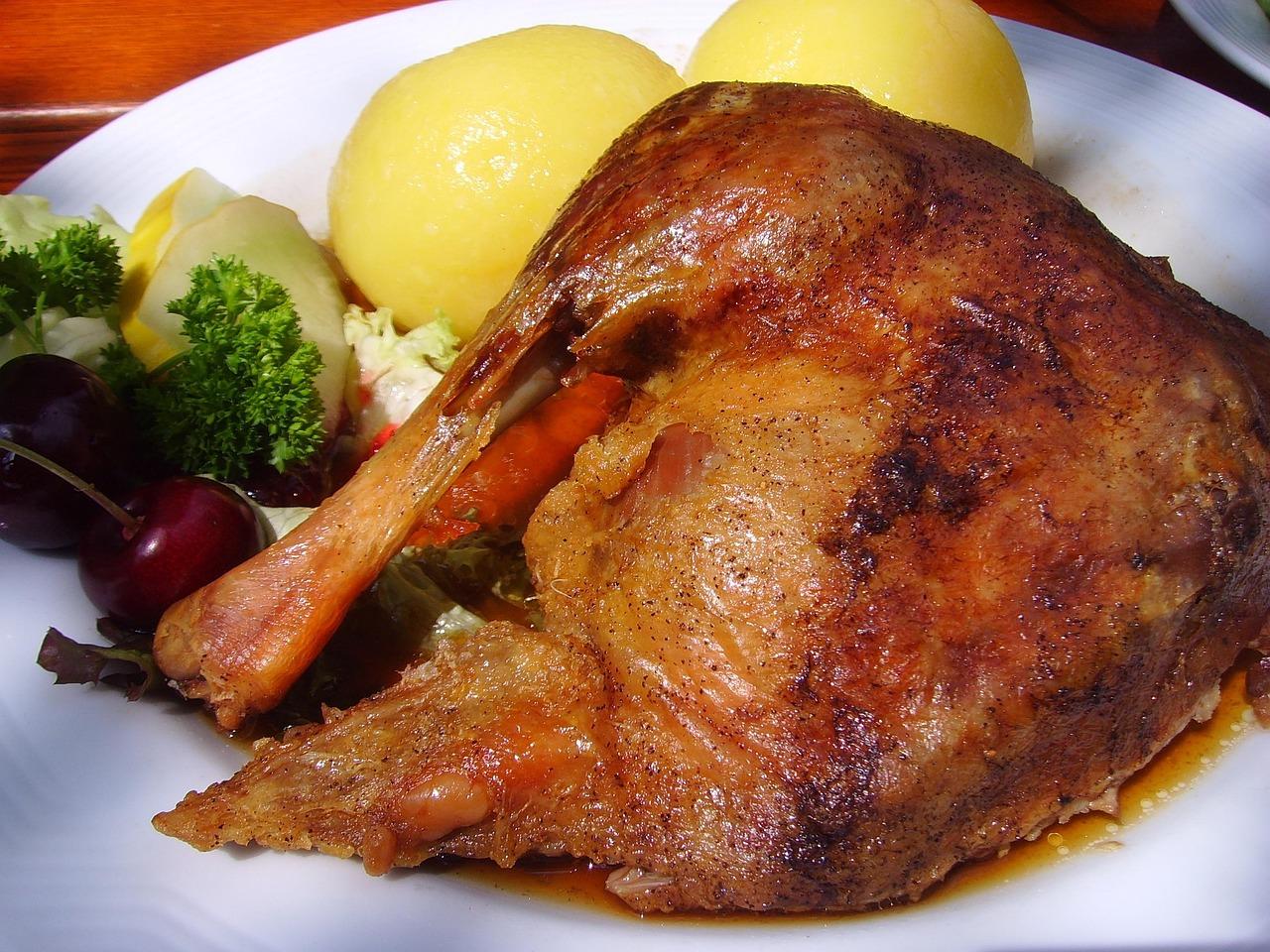
Roast goose with apples

On 11 November, St Martin's Day and Poland's Independence Day, roast goose comes back to tables from Poznań to Gdańsk, and Pomeranian and Kujawy farms still raise their own white geese for it. The bird is rubbed with marjoram, garlic and salt, left overnight in the fridge, then stuffed with sharp apples and roasted slowly so the fat renders out and the skin turns crisp and mahogany. The meat is dark and rich, the apples collapse into a tart sauce. Serve with braised red cabbage, potato dumplings and the pan juices. Most people forget to drain the fat as it roasts, and the bird ends up frying in its own puddle; pour it off every half hour and save it for roast potatoes. Allow an extra night for the marinade. Chef's tip: prick the skin all over, especially under the wings and thighs, without piercing the meat, so the fat has somewhere to escape.

240 minPolishMeatGluten free
by KrazyBadal 0 views

Grilled oscypek with cranberry

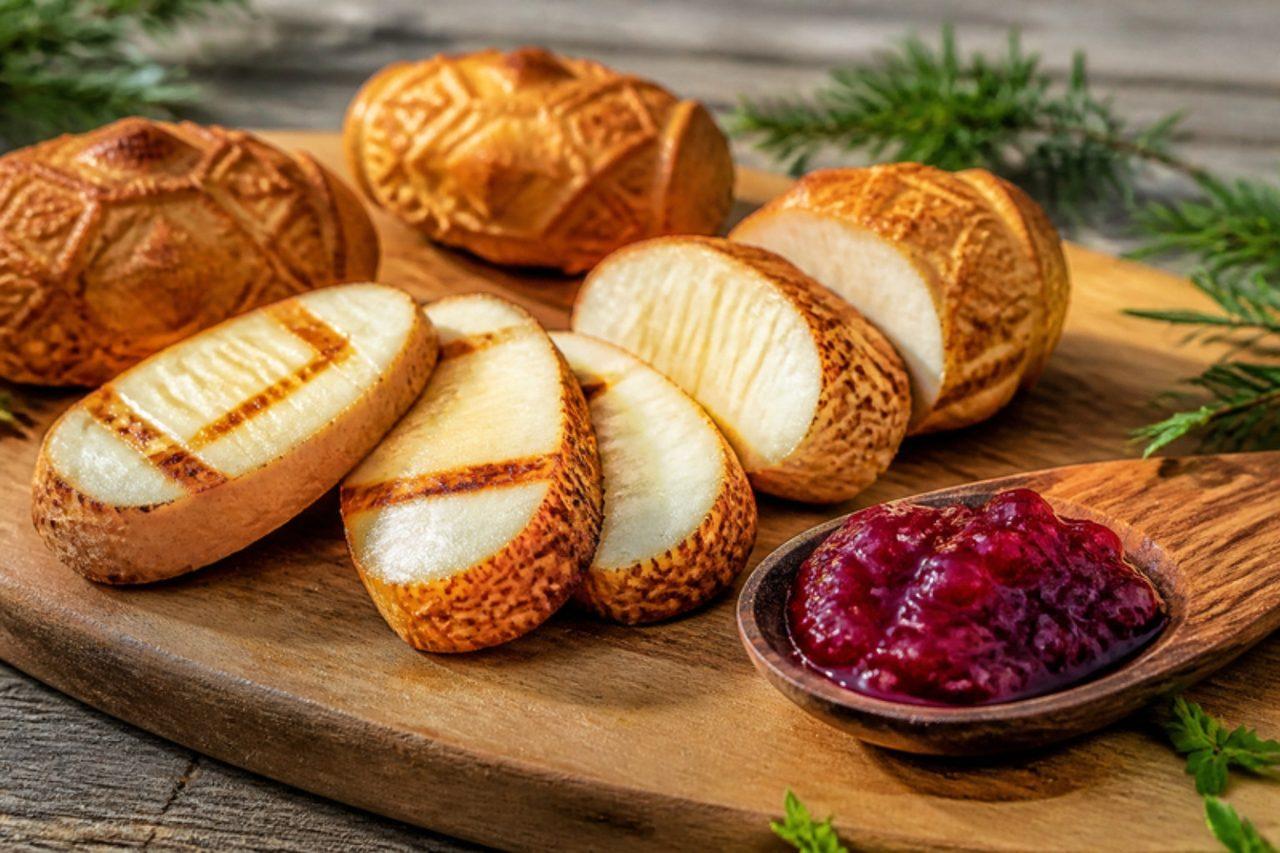
Walk down Krupówki street in Zakopane in any season and the smell of smoke and warm cheese leads you to the grills, where highlanders turn thick slices of oscypek until they are striped and soft. The real thing is a spindle-shaped, carved sheep's milk cheese smoked in mountain huts; grilled, it turns chewy and squeaky outside, salty and smoky within, and the sharp-sweet cranberry cuts through it perfectly. Oscypek is made with animal rennet, so for a vegetarian plate use a smoked sheep's or cow's cheese made with vegetarian rennet, firm enough to hold its shape. The usual slip is slicing too thin; the cheese then melts through the grill. Chef's tip: oil the pan, not the cheese, and don't move the slices until they release on their own.

by KrazyBadal 0 views

Tarragon lemonade

Tarkhuna is the emerald-green soda that every Tbilisi child knows, sold from street fountains since the early 1900s and still poured in tall glasses at cafés on Rustaveli Avenue. The bottled kind is coloured; the home version gets its green from blitzing fresh tarragon with lemon and syrup, giving an aniseedy, sweet-sour fizz. A common mistake is boiling the tarragon, which dulls the colour and turns the flavour stewed. Chef's tip: blitz the herb into cool syrup and strain it straight away; the drink stays vivid green for a day in the fridge.

by KrazyBadal 0 views

Fried gobies

Odesa's beloved bychky, the little big-headed gobies of the Black Sea, are sold by the bucket at Pryvoz market and fried in sunflower oil in kitchens and beach cafés all summer. Dusted with seasoned flour and fried hard, they come out crunchy and golden, with sweet white flesh and bones so small they are eaten whole. Serve with lemon, a tomato and cucumber salad, bread and plenty of dill. Most people go wrong by using too little oil, so the fish stick and the coating flakes away; you want a good centimetre in the pan. Outside the Black Sea region, smelt, sprats or small whiting work the same way. Chef's tip: for the crunchiest result, ask for the heads to be removed and the fish gutted, salt them 10 minutes in the fridge, then dry them very well before flouring.

by KrazyBadal 0 views

Bermuda fish chowder

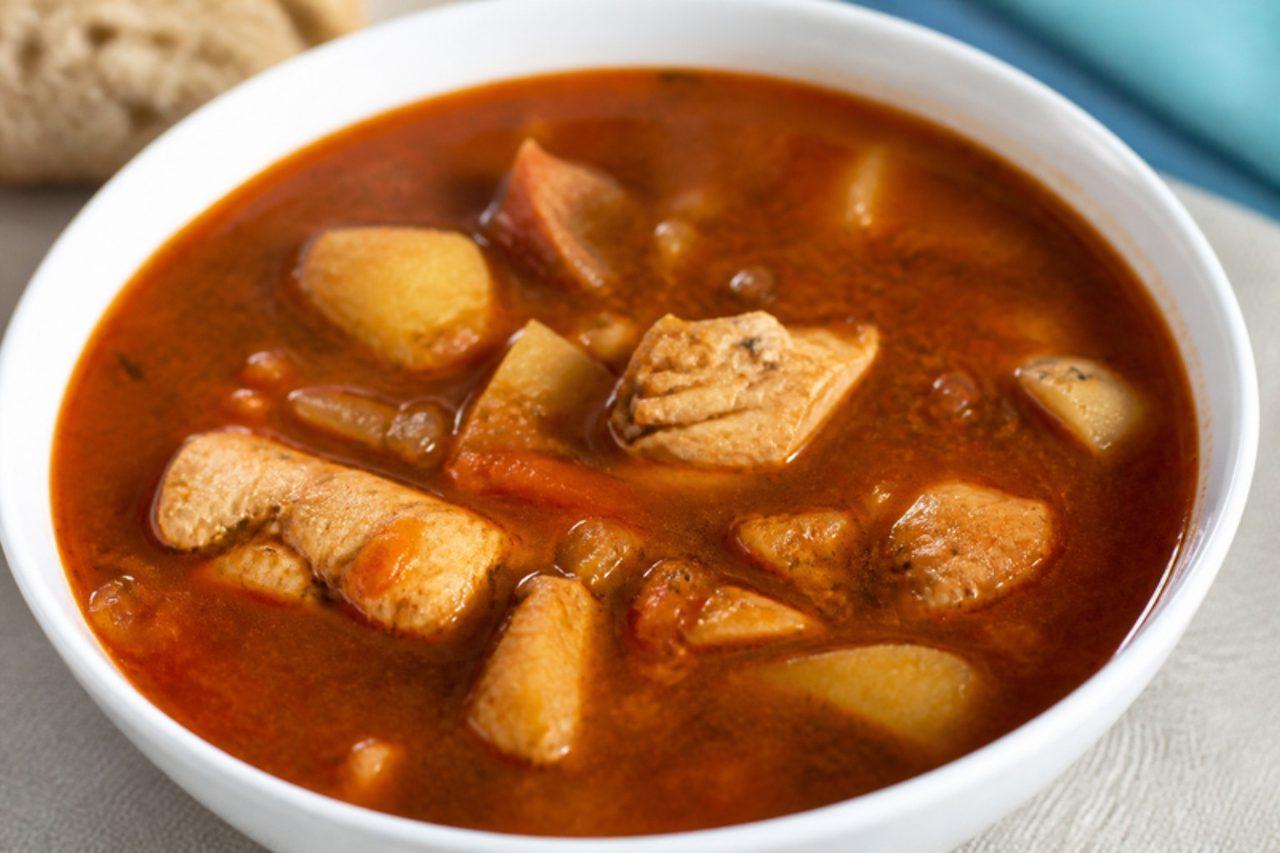
Bermudians call fish chowder their national dish, and every Sunday brunch and Cup Match picnic has a pot of it: a dark, thick soup made from a long-simmered fish-head stock with tomatoes, vegetables and white fish, seasoned at the table with a splash of black rum and sherry peppers sauce (hot peppers steeped in sherry). This recipe contains alcohol in those optional table seasonings; for an alcohol-free bowl, use a few drops of hot pepper sauce and a little molasses instead. The mistake to avoid is a thin, watery stock; the bones must simmer long enough to give body. Ask your fishmonger for heads and frames from white fish, gills removed. Chef's tip: let the finished chowder rest for 30 minutes before serving; it thickens and the flavours deepen.

by KrazyBadal 0 views

Chakma bamboo shoot curry

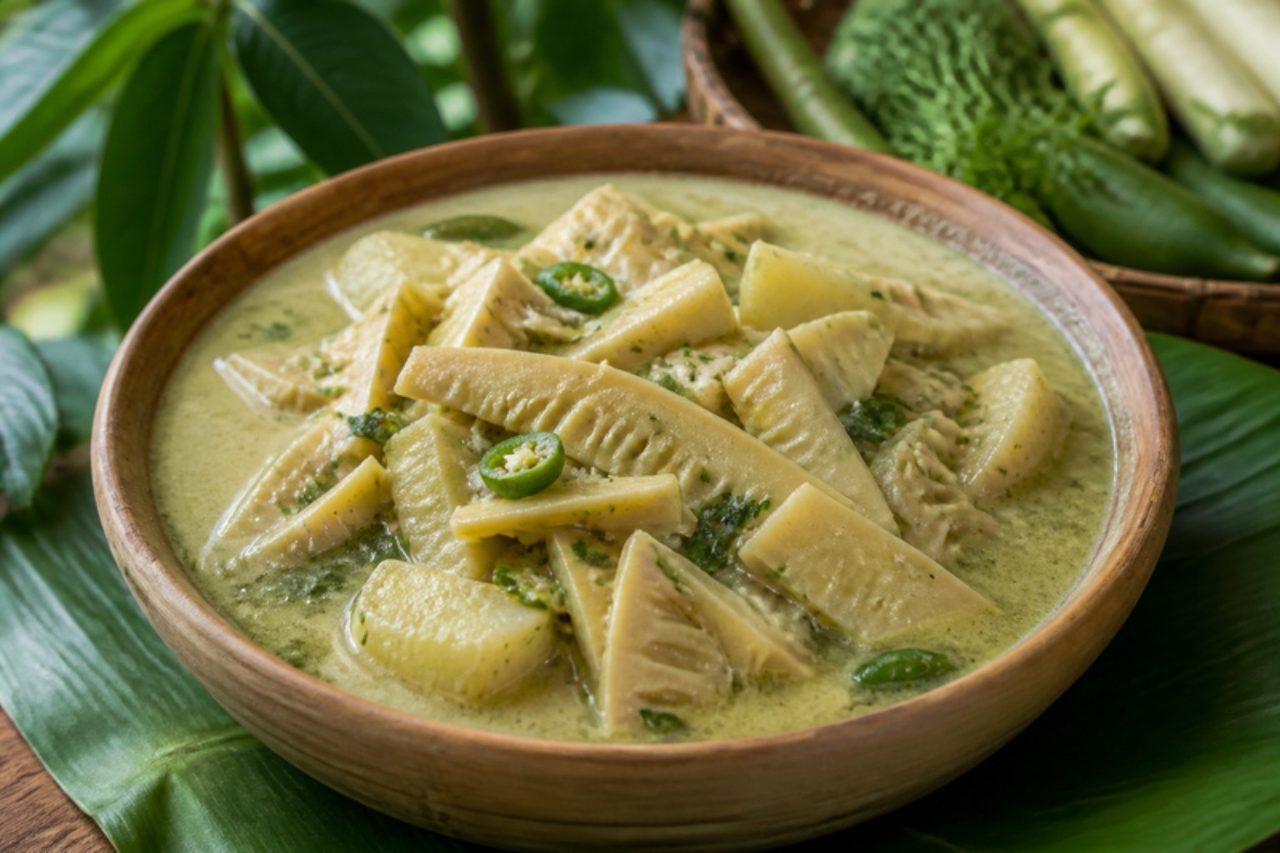
When the monsoon reaches the Chittagong Hill Tracts, young bamboo shoots push up through the forest floor around Rangamati and Bandarban, and Chakma and Marma families cut them for a quick, clean-tasting curry. Hill cooking uses very little oil and few dry spices; the flavour comes from fistfuls of green chilli, garlic and herbs such as culantro (sawtooth coriander), and a spoon of ground rice thickens the broth. At home it is very often cooked with shidol, a fermented dried fish paste, or nappi; this version is fully vegetarian. The shoots are crunchy and faintly sweet, and the curry is eaten with plenty of plain rice. Raw fresh bamboo shoots contain natural toxins, so they must always be boiled first and the water thrown away; skipping that step is the one mistake you cannot make here. Chef's tip: if you use canned or vacuum-packed shoots, rinse and boil them for 5 minutes anyway to freshen their taste.

by KrazyBadal 0 views

Lao bamboo shoot soup

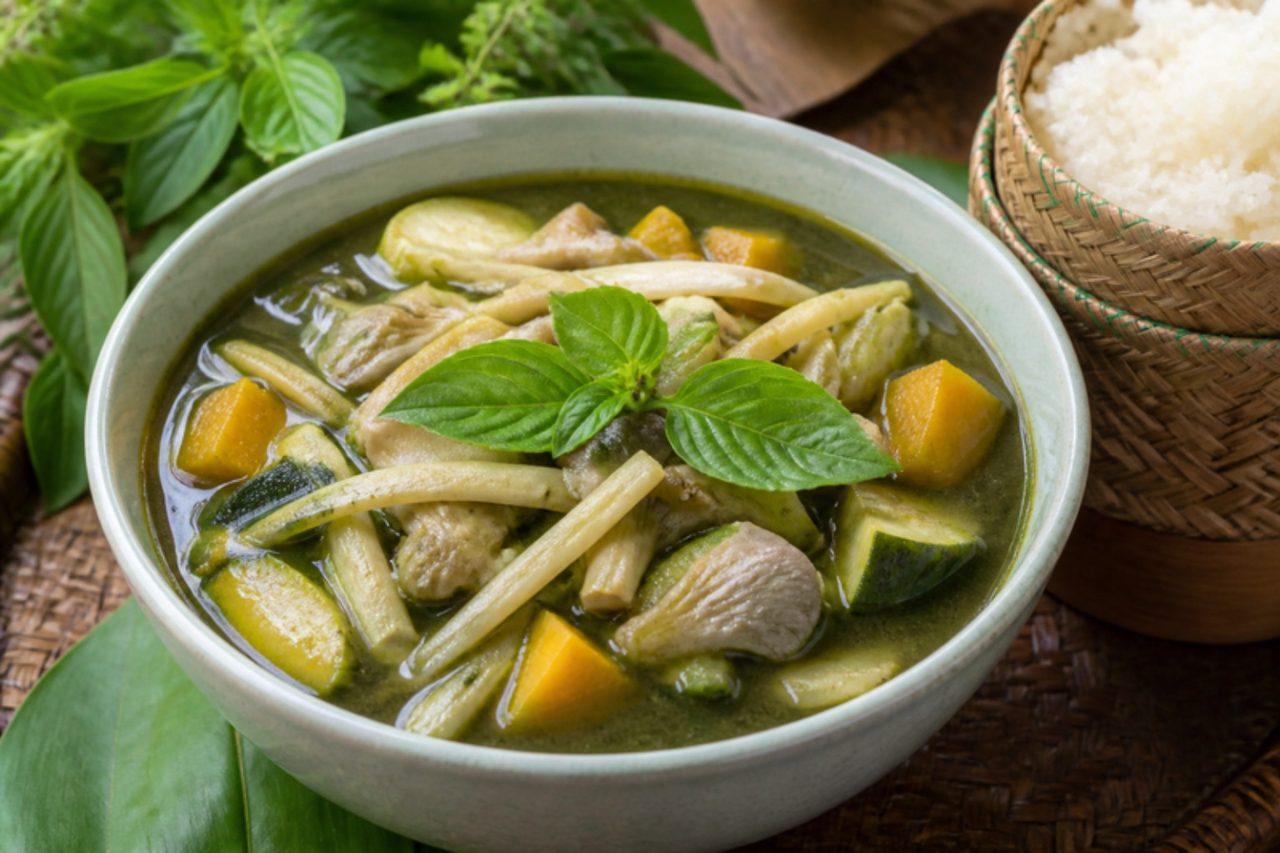
When the rains arrive in June, Vientiane's morning markets fill with pale, freshly dug bamboo shoots, and pots of kaeng nor mai start simmering in kitchens across the city for the family lunch. The broth is a deep olive green, tinted by the juice squeezed from yanang leaves, and thickened with a spoonful of pounded soaked sticky rice so it coats the spoon. Earthy bamboo, sweet pumpkin and slippery mushrooms float in it with lemon basil on top, and a basket of sticky rice and a dish of jeow sit alongside. Skipping the pre-boil of the bamboo is where most cooks go wrong: raw shoots taste bitter and need cooking through to be safe, so always blanch fresh ones and drain. This version leaves out the fermented fish of village kitchens and seasons with salt and tamari. Chef's tip: squeeze the yanang leaves in cold water, never hot, or the broth turns brown and loses its grassy freshness.

60 minLaoSoupsVeganGluten free
by KrazyBadal 0 views

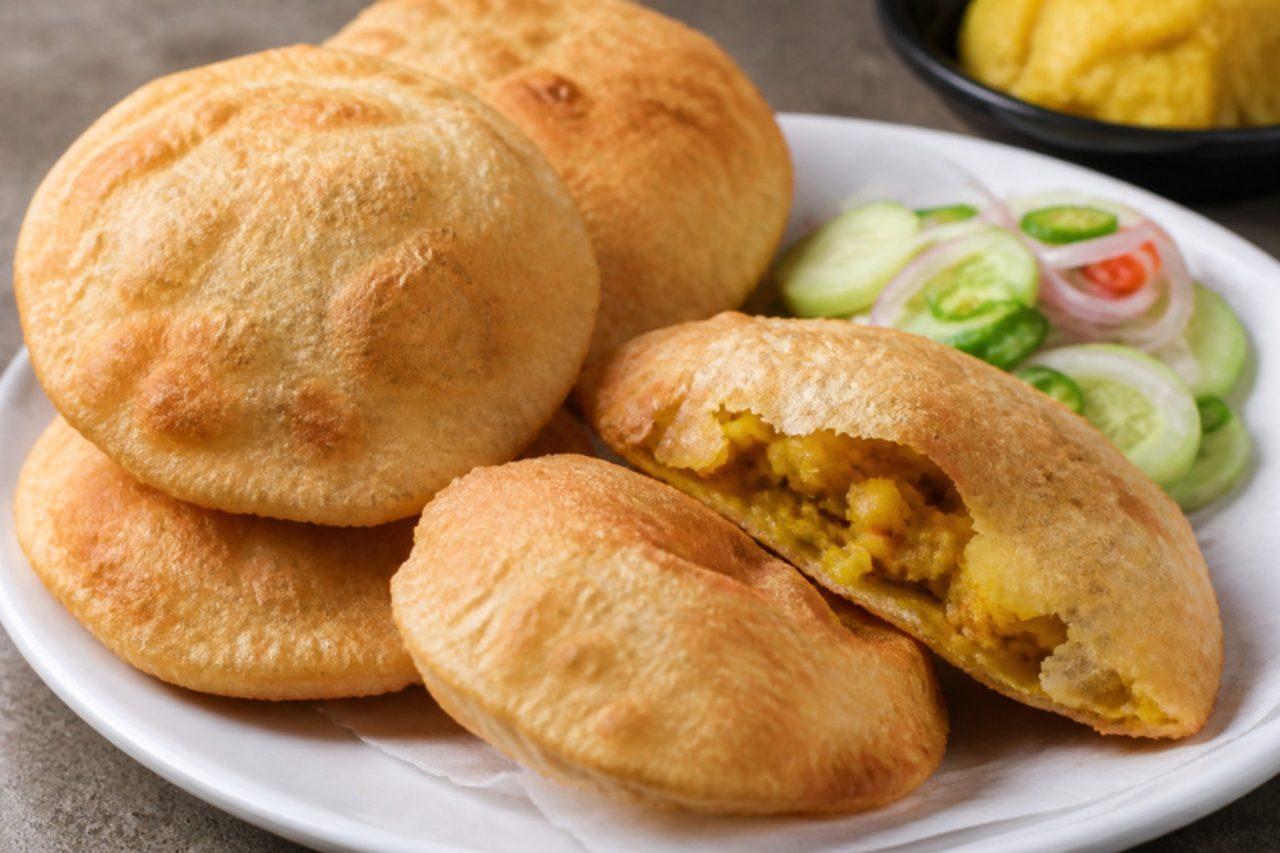
Bangladeshi dal puriLentil-filled puri

Wherever there is a tea stall in Dhaka, from the Nilkhet book market to the gates of the university, there is a wok of oil and a man rolling dal puri at speed, three or four at a time. These are thin and flat, not puffed, with a seam of dry, cumin-scented red lentil filling that you can see through the blistered skin; they are eaten straight from the wok with a cup of sweet tea, a spoon of tamarind chutney or just a pinch of raw onion and green chilli. Students treat them as lunch and office workers as an afternoon snack. Where people usually go wrong is a filling that is too wet, which bursts through the dough and spits in the oil. Chef's tip: cook the lentils just until they crush, then dry the mash in the pan with the onions until it holds together like crumbly dough.

by KrazyBadal 0 views

Bajan pumpkin fritters

Barbadian grandmothers turn leftover boiled pumpkin into these little fritters for Sunday tea, frying spoonfuls of a soft, spiced batter until puffed and golden, then rolling them in sugar while still hot. Inside they are tender and custardy, with cinnamon, nutmeg and a hint of vanilla. They're best eaten warm, straight from the paper towel. The common mistake is a watery batter from wet pumpkin, which makes flat, greasy fritters: drain the cooked pumpkin well. Chef's tip: use the dense, orange West Indian pumpkin or butternut squash; watery jack-o'-lantern pumpkins don't work well.

by KrazyBadal 0 views

KletskoppenLacy almond biscuits

Kletskoppen are the lacy, crackly biscuits of Bruges, sold in the old city's bakeries and served with coffee in the cafés around the Markt: brown sugar, butter and chopped almonds with very little flour (this version uses none), baked until they spread into thin, see-through, toffee-flavoured lace. A common mistake is putting them too close on the tray; they spread enormously and join up. Chef's tip: let them cool for a minute on the tray before lifting, and drape them over a rolling pin while still warm if you want curved tuiles.

by KrazyBadal 0 views

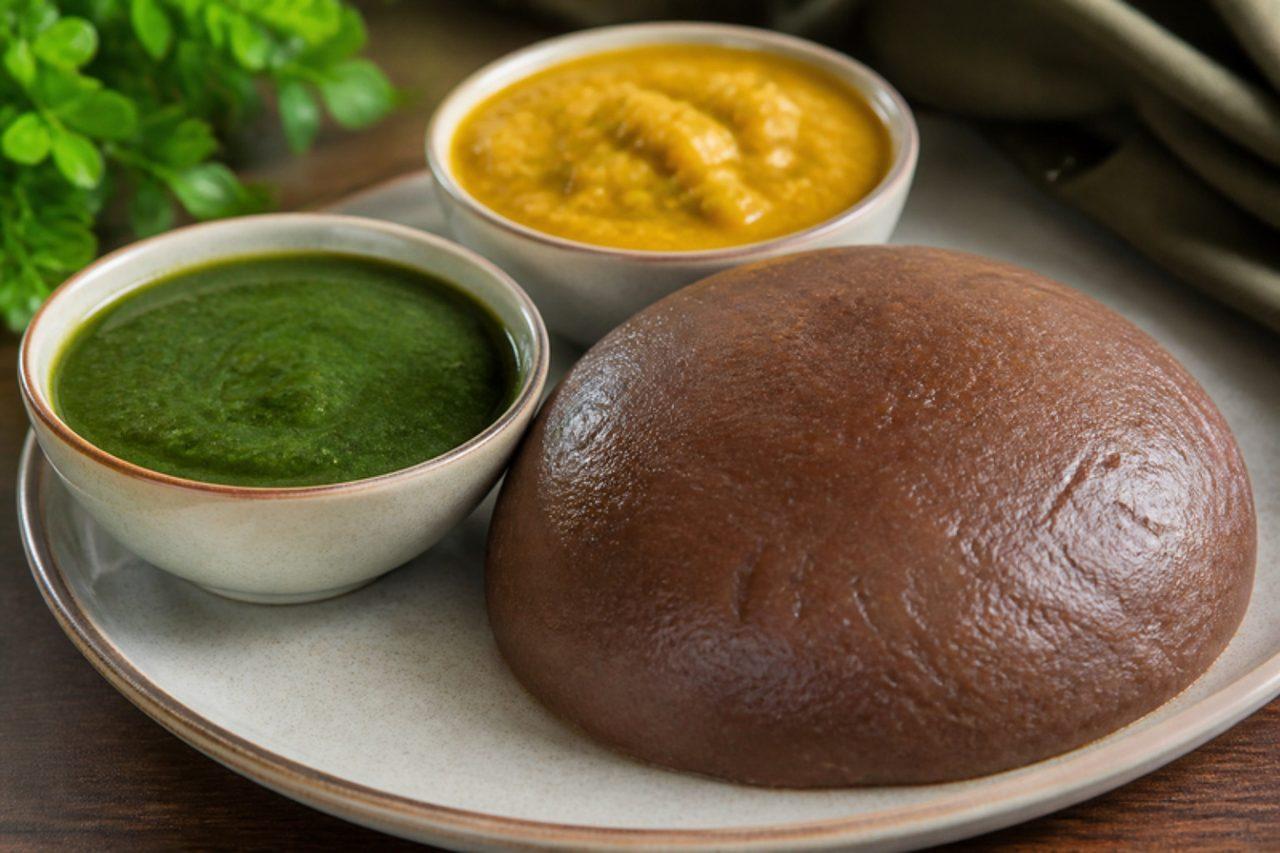
Amala (yam flour swallow)

Amala gets its dusky brown colour from elubo, yam that has been peeled, sliced, sun-dried and milled, which gives it a faintly smoky, earthy taste. Ibadan's amala joints serve it from morning to night, soft and steaming, wrapped in leaves or cling film, with ewedu, gbegiri and stew; it is pinched off with the fingers and dipped, never chewed for long. Making it takes five minutes and a strong arm: the flour goes into boiling water and is stirred and turned against the side of the pot until it is perfectly smooth and stretchy. Lumps are the usual mistake, so add the flour off the heat and stir hard from the first second. Chef's tip: use a sturdy wooden spatula (omorogun) and press the dough against the pot rather than just stirring it round; that is what makes it silky.

by KrazyBadal 0 views

Sri Lankan patties

Patties are the short eat that marks a Sri Lankan celebration, made by the hundred for weddings, Avurudu New Year visits and Christmas open houses, and sold warm from bakeries in paper bags. The pastry is the clue to their identity: rich with butter, egg and coconut milk, rolled thin, folded into half-moons and crimped with a fork, then fried until blistered and flaky. Inside is a gently spiced mix of chicken, potato and leeks with a hint of cinnamon, and a vegetable filling of potato, carrot and leek is equally common when guests are vegetarian. It goes wrong when the filling is still warm when it meets the pastry, which then softens, tears and leaks in the oil. Chef's tip: rest the pastry in the fridge for half an hour before rolling, and press the edges with a fork dipped in flour so they seal firmly.

by KrazyBadal 0 views

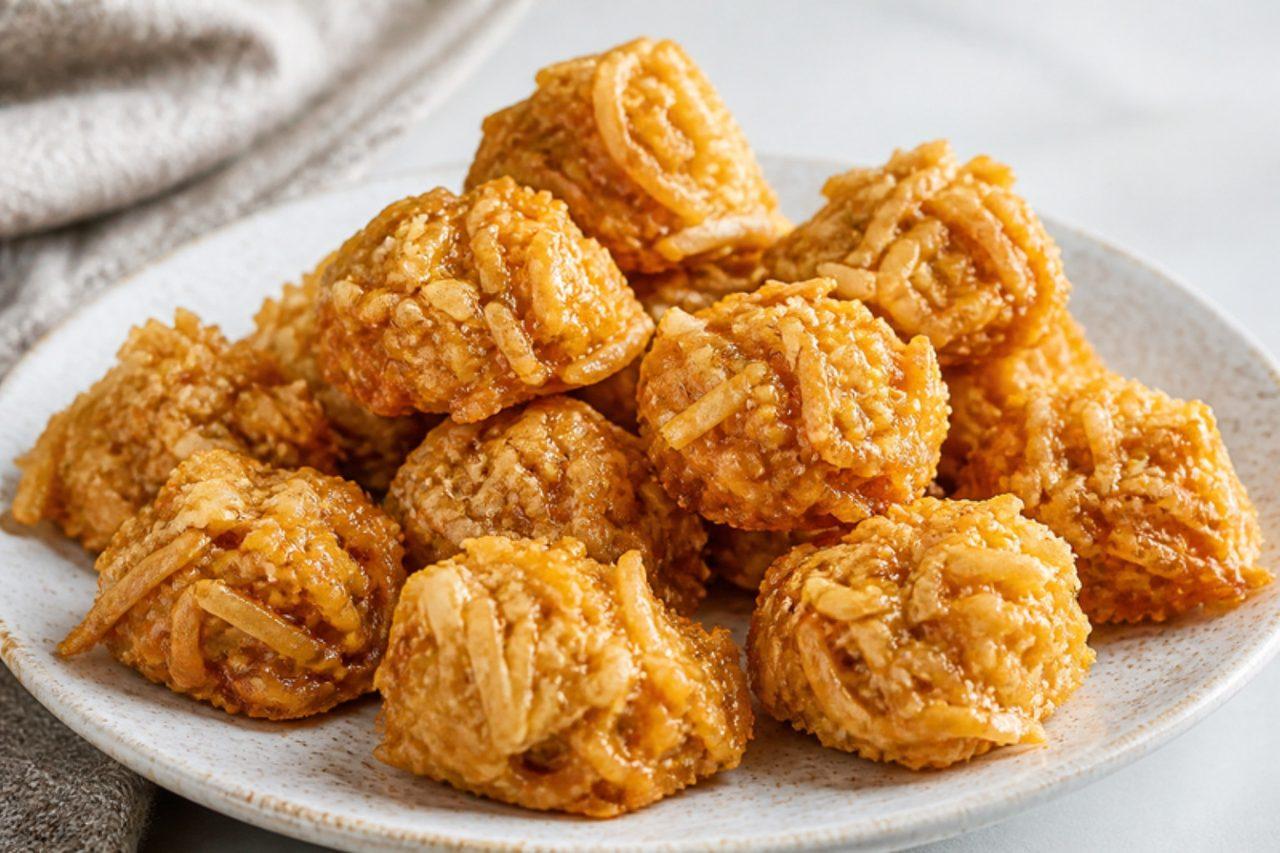
Nigerian coconut candy

Children across Nigeria spend their pocket money on coconut candy, little clusters of fresh coconut set in amber caramel, sold in small bags by school gates and at market stalls. Made at home it takes about half an hour, with a chewy-crunchy bite and a toffee flavour against the clean taste of fresh coconut. Taking the caramel too far is the common mistake, since dark caramel tastes bitter, so stop at a deep golden colour. Children can help shape the cooled candy, but keep them away from the hot sugar. Chef's tip: use freshly grated coconut, not desiccated; its moisture keeps the clusters chewy in the centre.

by KrazyBadal 0 views

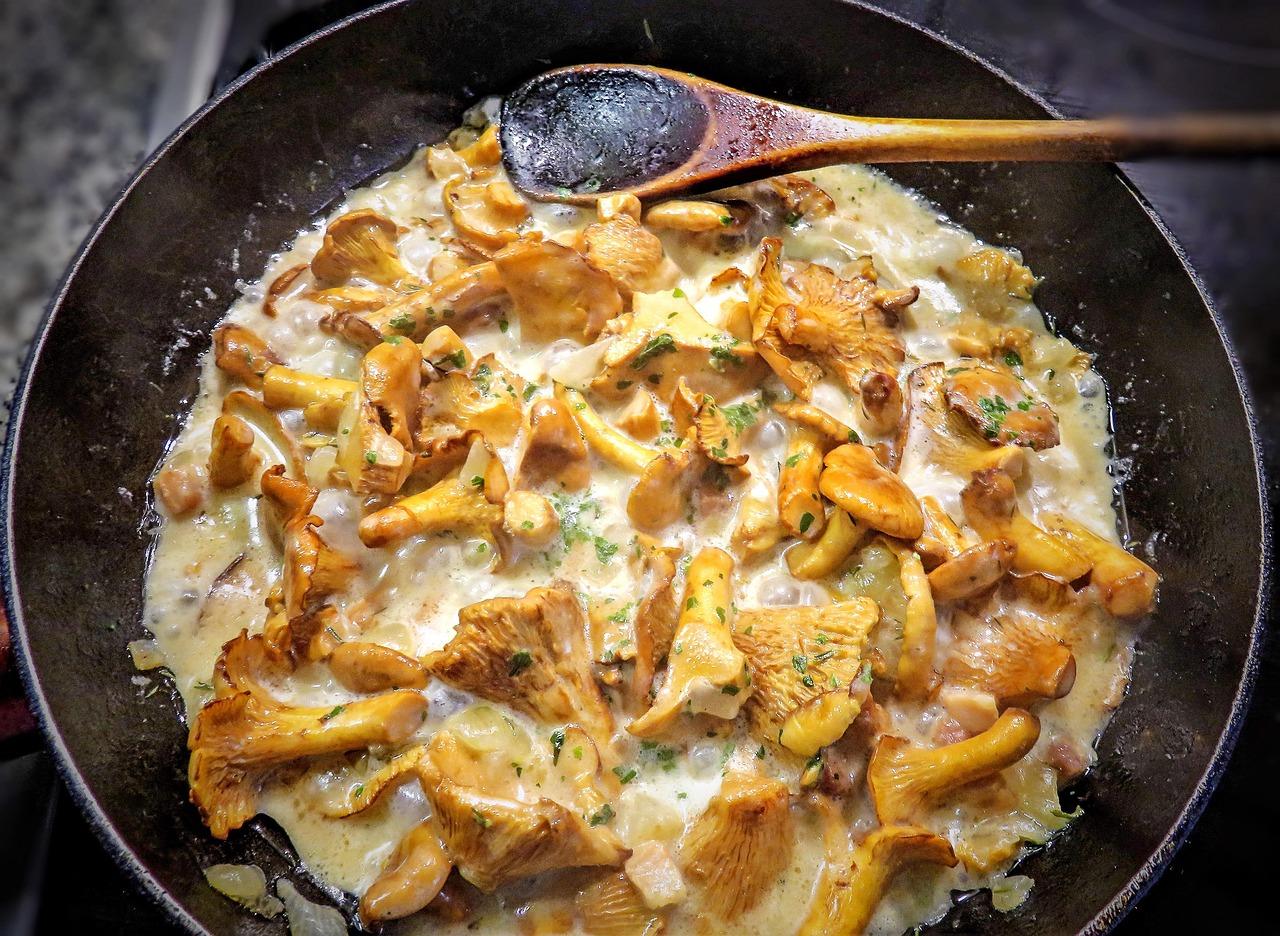
Chanterelles in cream

From July, roadside sellers along the lake roads of Masuria hold up baskets of golden chanterelles, and holidaymakers in Mrągowo and Giżycko cook them the same evening. The mushrooms are fried with onion until their juices cook away, then bathed in sour cream and dill, giving a sauce that is peppery, faintly apricot-scented and very rich. Spoon it over new potatoes, buckwheat or a thick slice of toast. Where most people go wrong is washing chanterelles under the tap, so they boil in their own water and turn rubbery. Only eat wild mushrooms you have bought from a trusted seller or that an expert has identified. Chef's tip: brush the mushrooms clean, tear large ones and cook them in a hot, wide pan so they sear rather than stew.

by KrazyBadal 0 views

AwazeBerbere chilli dipping paste

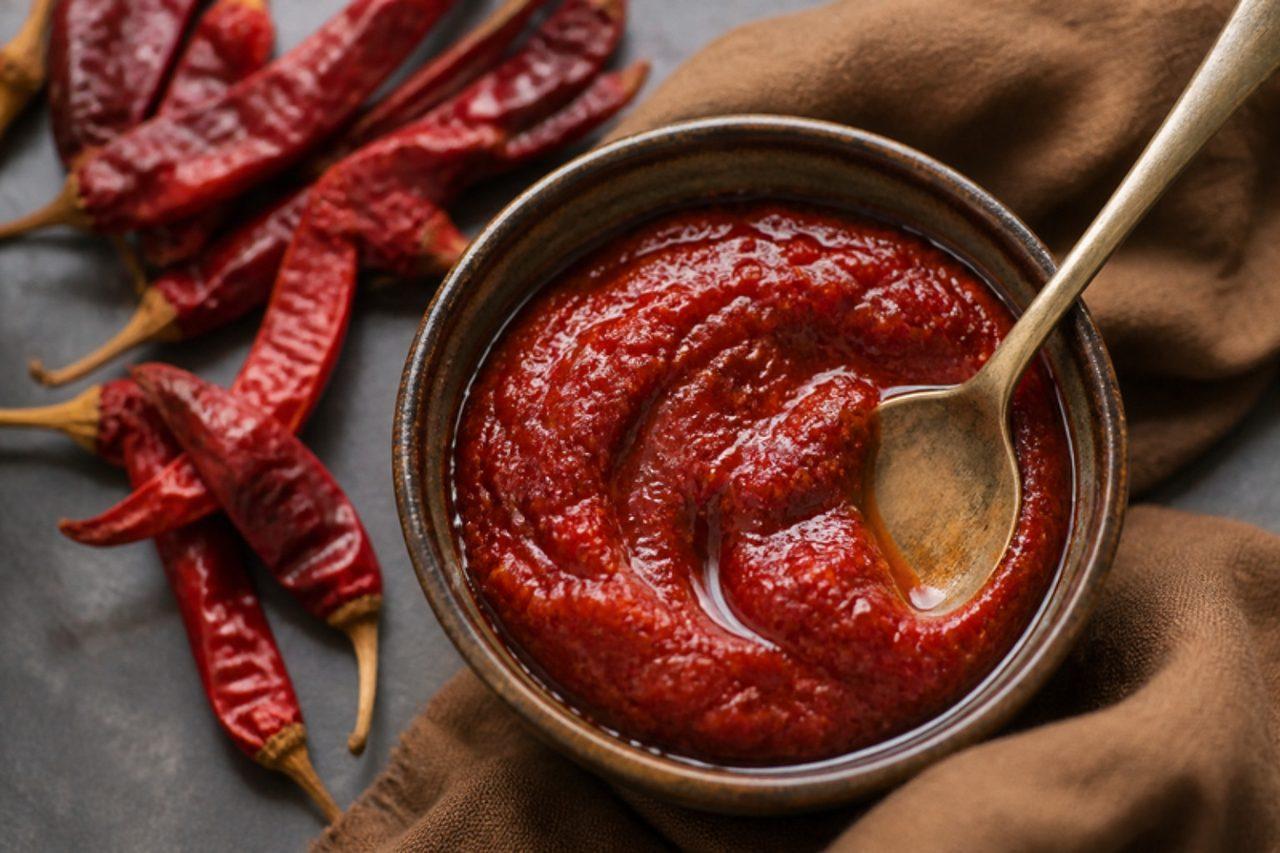
Wherever tibs are fried or meat is grilled in Ethiopia, from roadside butcher-restaurants on the edge of Addis Ababa to wedding feasts, a small dish of brick-red awaze sits beside it. It is berbere turned into a thick, glossy paste: hot, garlicky, a little sharp from lemon, with a rounded warmth from the spices. Strips of meat are dabbed into it, it is stirred into a pan of tibs at the last moment, and a spoon of it livens up plain lentils too. Some cooks loosen it with tej (honey wine) or red wine, both of which contain alcohol; this version uses water and lemon juice and is entirely alcohol-free. Chef's tip: let it rest for an hour before using; the raw edge of the chilli softens and the garlic mellows into the paste.

by KrazyBadal 0 views

Gari fotoGari with tomato and egg

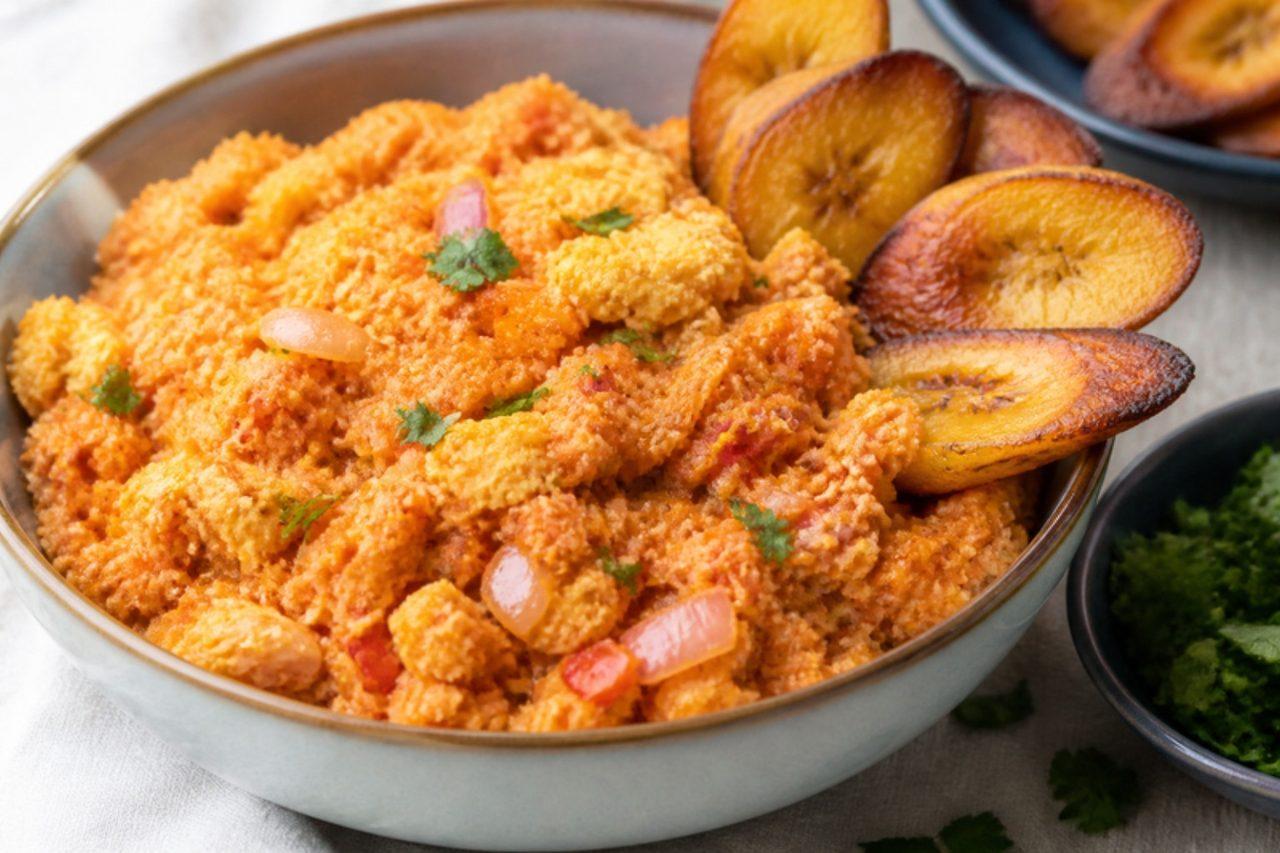
Gari foto is Ghanaian fast home cooking at its best, most associated with the Volta Region but made in student hostels everywhere: a quick tomato and onion sauce, eggs scrambled into it, then gari folded through until it soaks up the juices and becomes moist and fluffy. It is savoury, slightly tangy and comforting, and it is eaten with fried ripe plantain or avocado on the side. Many cooks add tinned sardines or corned beef; this egg version is vegetarian. The common mistake is adding gari dry, which makes it sandy and heavy, so sprinkle it with water first. Chef's tip: take the pan off the heat before folding in the gari, so it absorbs the sauce gently without sticking.

by KrazyBadal 0 views

GogoșiFried yeast doughnuts

Fairground stalls, seaside promenades in Constanța and every grandmother with a big frying pan produce gogoși, fat, golden rounds of yeast dough fried and rolled in sugar while still too hot to hold. They are an everyday treat rather than a feast-day one, eaten with a mug of milk or filled with plum jam, sour cherry jam or sweet cheese. The dough is soft and enriched with eggs, milk and butter, so the inside should be fluffy and the outside thin and crisp, never greasy. Where most people go wrong is the oil temperature: too cool and the doughnuts soak up fat, too hot and they brown before the centre cooks. Keep a thermometer in the pan and never leave hot oil unattended. Chef's tip: fry one test doughnut first and break it open, so you can adjust the heat before the whole batch.

by KrazyBadal 0 views

Devilled chicken

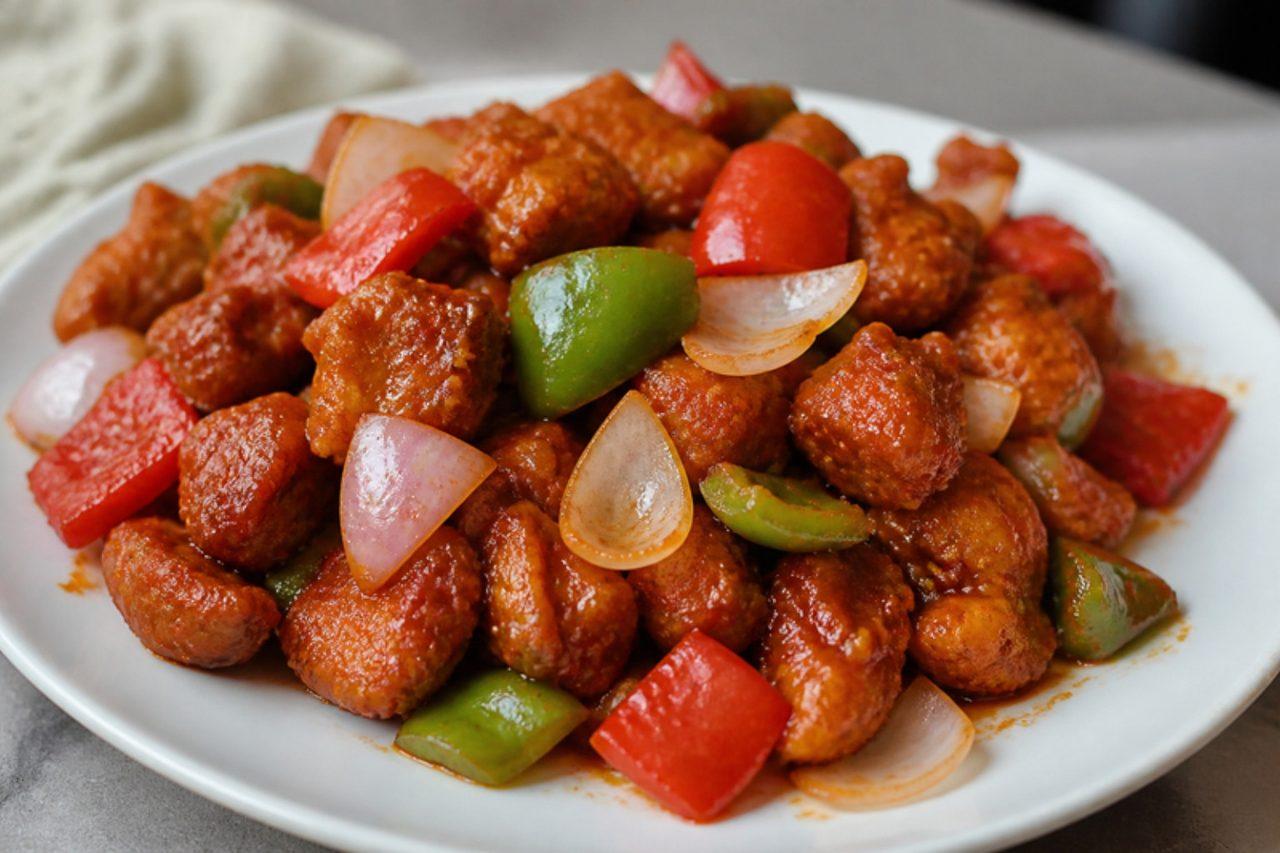
Few plates are more Colombo than devilled chicken, the sticky, fiery stir-fry born in the city's Sri Lankan-Chinese restaurants and now cooked in home kitchens for birthday parties, Saturday fried-rice nights and office lunch boxes. Bite-sized pieces of chicken are fried crisp, then tossed in a wok with wedges of onion, green capsicum and tomato in a glossy sauce of chilli flakes, ketchup and soy, so every piece is sweet, salty and hot at once. It is served with yellow fried rice or simply as a side to a rice-and-curry spread, and for a meat-free version you can devil button mushrooms or parboiled potato cubes in exactly the same sauce. Where most people go wrong is overloading the wok with vegetables, which then steam and go limp instead of staying crunchy. Chef's tip: separate the onion wedges into single petals before they hit the pan, so they char at the edges in under a minute.

by KrazyBadal 0 views

Gammeldags æblekageLayered apple compote dessert

'Old-fashioned apple cake' is not a cake at all but a Danish trifle, made on autumn weekends when the apple trees are heavy: tart apple compote layered in a glass bowl with breadcrumbs or crushed macaroons toasted in butter and sugar, topped with whipped cream and a few dots of redcurrant jelly. The crumbs stay crunchy against the soft fruit. A common mistake is assembling it hours ahead, which turns the crumbs soggy. Chef's tip: toast the crumbs until deep golden and crisp, and assemble within an hour of serving.

by KrazyBadal 0 views

Hot butter cuttlefish

Along Colombo's Galle Road and in the seafood restaurants of Negombo, hot butter cuttlefish is the dish nearly every table orders first, a heap of golden, crunchy strips that disappear while the rice and curries are still on their way. The cuttlefish is scored, dipped in a light, chilli-spiked batter and fried hard, then thrown into a pan of foaming butter with garlic, dried chilli flakes, green chilli and a big handful of spring onion. The result is crisp outside, tender within, rich, salty and properly hot, and it is eaten as a starter or alongside fried rice and a fresh lime. It goes wrong when the cuttlefish fries too long, because it turns rubbery after about two minutes in the oil. Chef's tip: score the inside of each piece in a fine criss-cross so it curls and grabs the batter, and fry in small batches so the oil stays hot.

by KrazyBadal 0 views

Tamina (roasted semolina with honey)

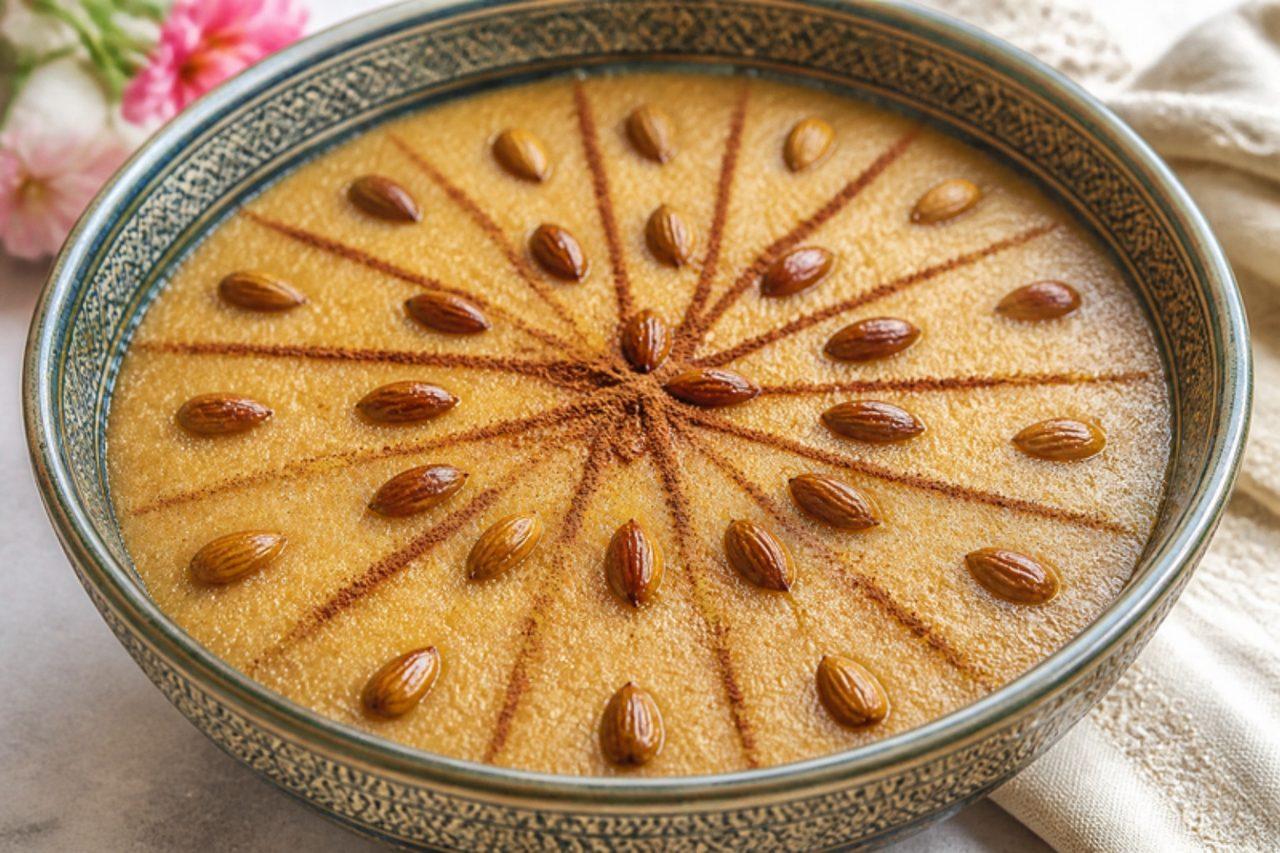
Word of a birth in an Algiers household brings a steady flow of visitors, and each is offered a small dish of tamina with coffee: semolina roasted in a dry pan until it smells like toasted hazelnuts, then bound with melted butter and honey and dusted with cinnamon. It is soft, crumbly and sweet, a little like a spoonable halva, and is said to give strength to the new mother. Tamina is also made for Mawlid and served with tea, with the cinnamon often sifted over in a lattice pattern. Chef's tip: toast the semolina slowly over a medium-low heat and stir without stopping; burnt dark specks make the whole batch bitter and cannot be picked out.

by KrazyBadal 0 views

GanfanRice with stir-fried beef and peppers

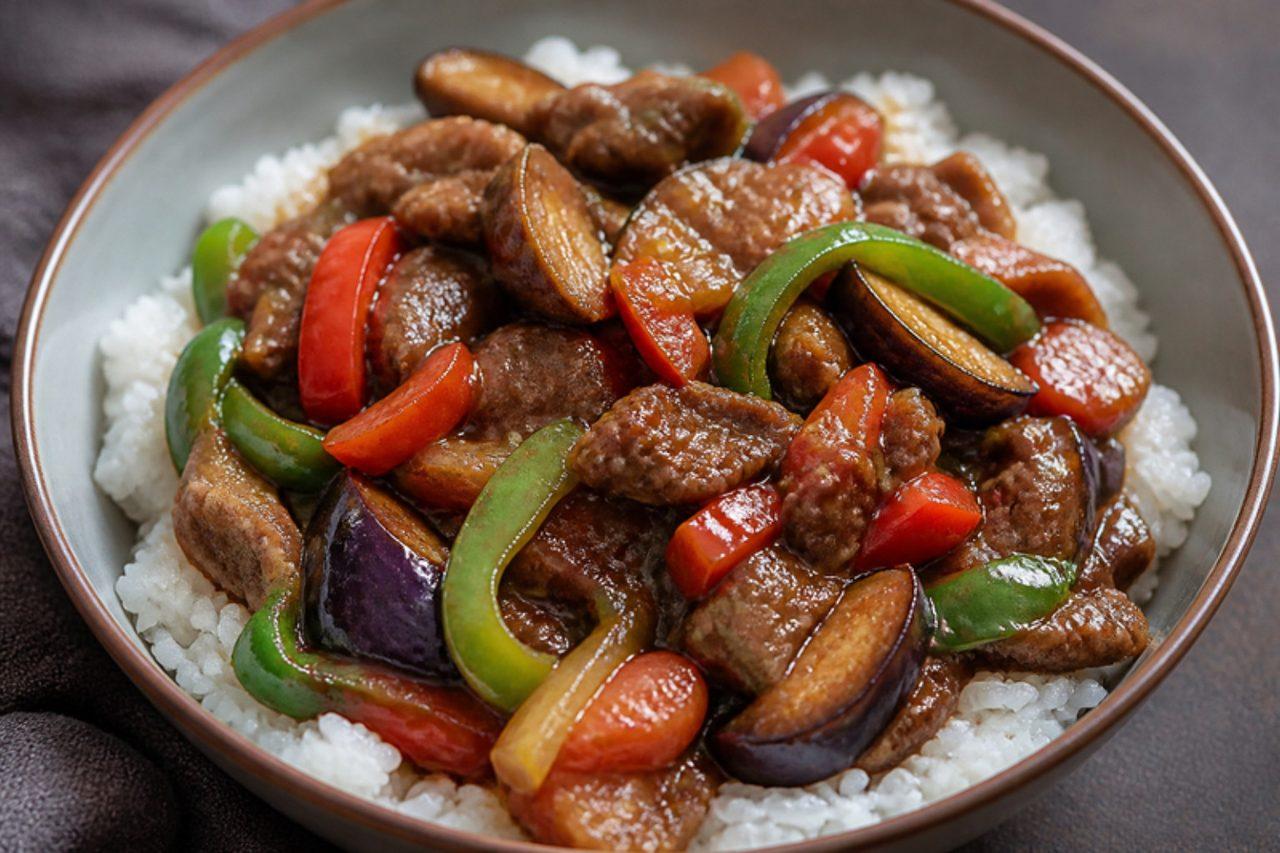
Ganfan is a dish of the Dungan people, Chinese Muslim communities who settled in Kyrgyzstan and Kazakhstan in the 1870s, and it is ordered in every Dungan café in Bishkek and Karakol: a plate of plain rice with a ladle of stew on top, made by stir-frying thin strips of beef or lamb with peppers, aubergine, celery, tomato and garlic, seasoned with soy sauce and vinegar. A common mistake is crowding the wok, which makes the meat grey and watery. Chef's tip: cut the beef into thin strips against the grain and stir-fry it first in small batches over a fierce heat, then return it at the end. No pork is used in Dungan cooking. Beef strips are done when no pink remains.

by KrazyBadal 0 views

Ojojo (water yam fritters)

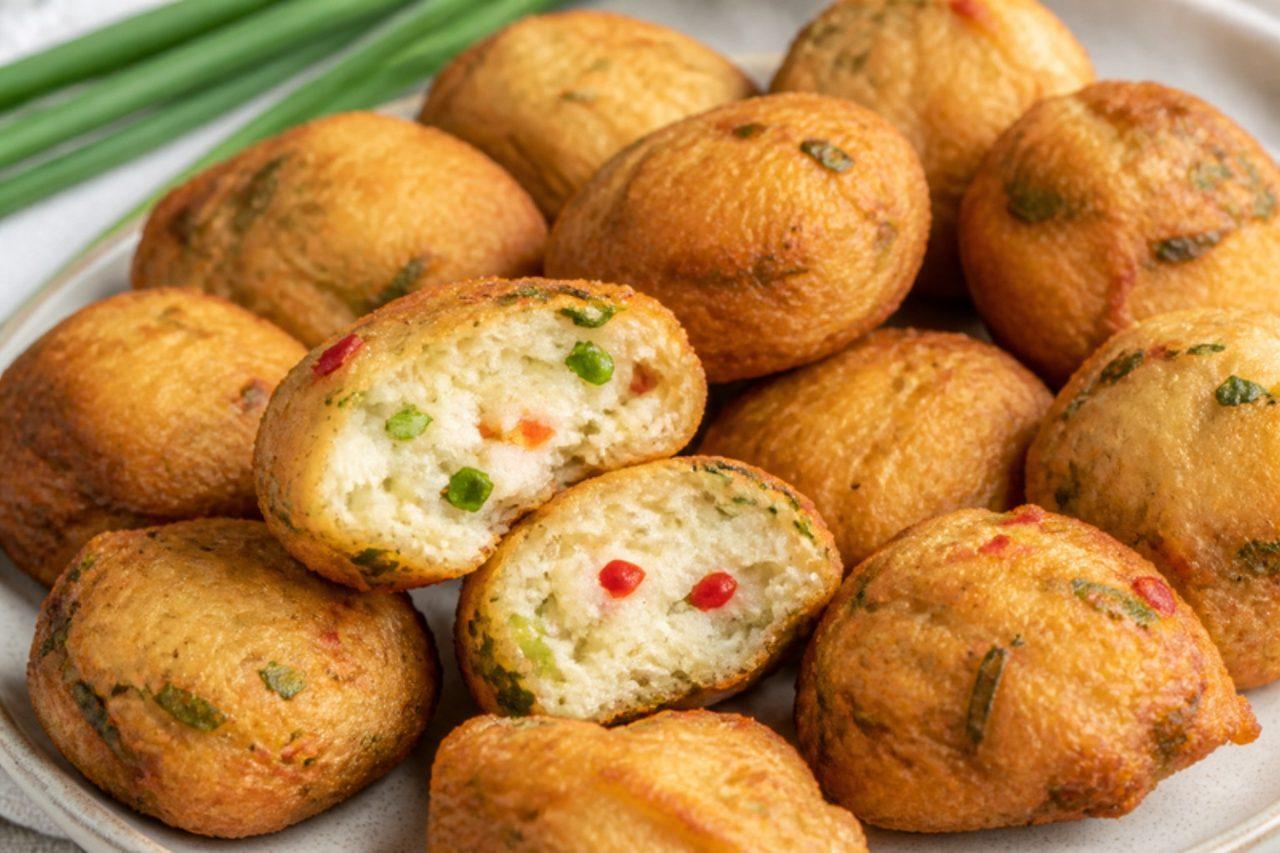
Ojojo is what Yoruba households do with water yam when they want a snack instead of a pottage, and roadside fryers in the Southwest sell it hot in paper with akara. The grated yam is mixed with chopped onion, fresh chilli and salt, then dropped by the spoonful into hot oil, where it puffs into craggy, golden fritters with a crisp shell and a soft, slightly chewy centre. Eat it hot with a pepper sauce, or with ogi (fermented corn pap) for breakfast. Wear gloves to peel and grate water yam, which makes the skin itch. Chef's tip: grate the yam just before frying and don't let the batter sit; it darkens and loosens as it stands.

by KrazyBadal 0 views

Jaffna crab curry

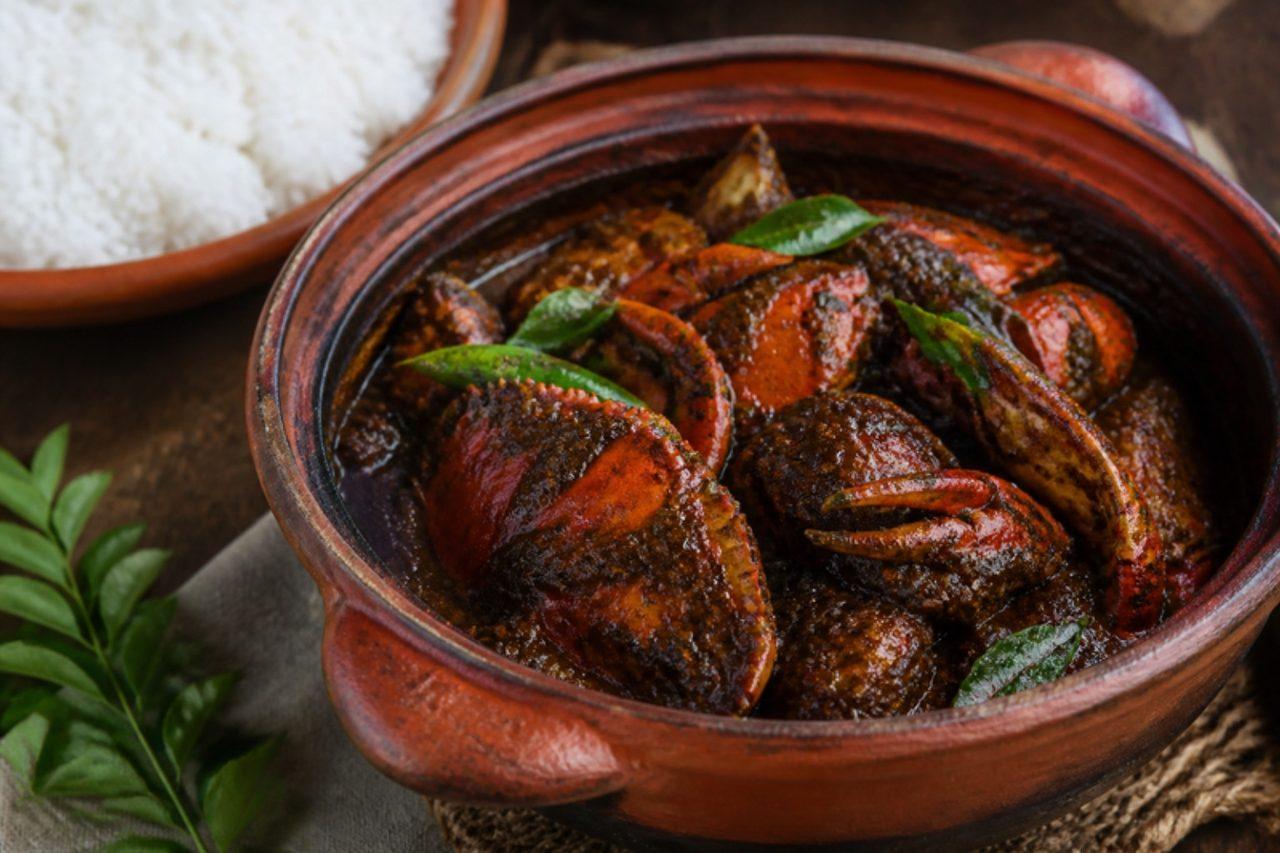
The shallow lagoons around Jaffna and the islands of Kayts and Delft produce big, sweet mud crabs, and the town's answer to them is a curry so dark and hot that visitors are warned before they order. Jaffna curry powder, heavy with roasted red chilli, coriander and fennel, is fried in sesame oil with onion and garlic, then loosened with tamarind and a little coconut milk so the sauce clings to every crack in the shell. A handful of moringa leaves wilted in at the end adds a grassy note, and the crab is eaten with the hands, sucked from the shell, alongside plain rice or puttu. A frequent misstep is boiling the crab hard for too long, which makes the meat dry and stringy. Chef's tip: crack the claws before cooking so the sauce soaks in and the meat is easy to reach at the table.

by KrazyBadal 0 views

Sri Lankan chicken curry

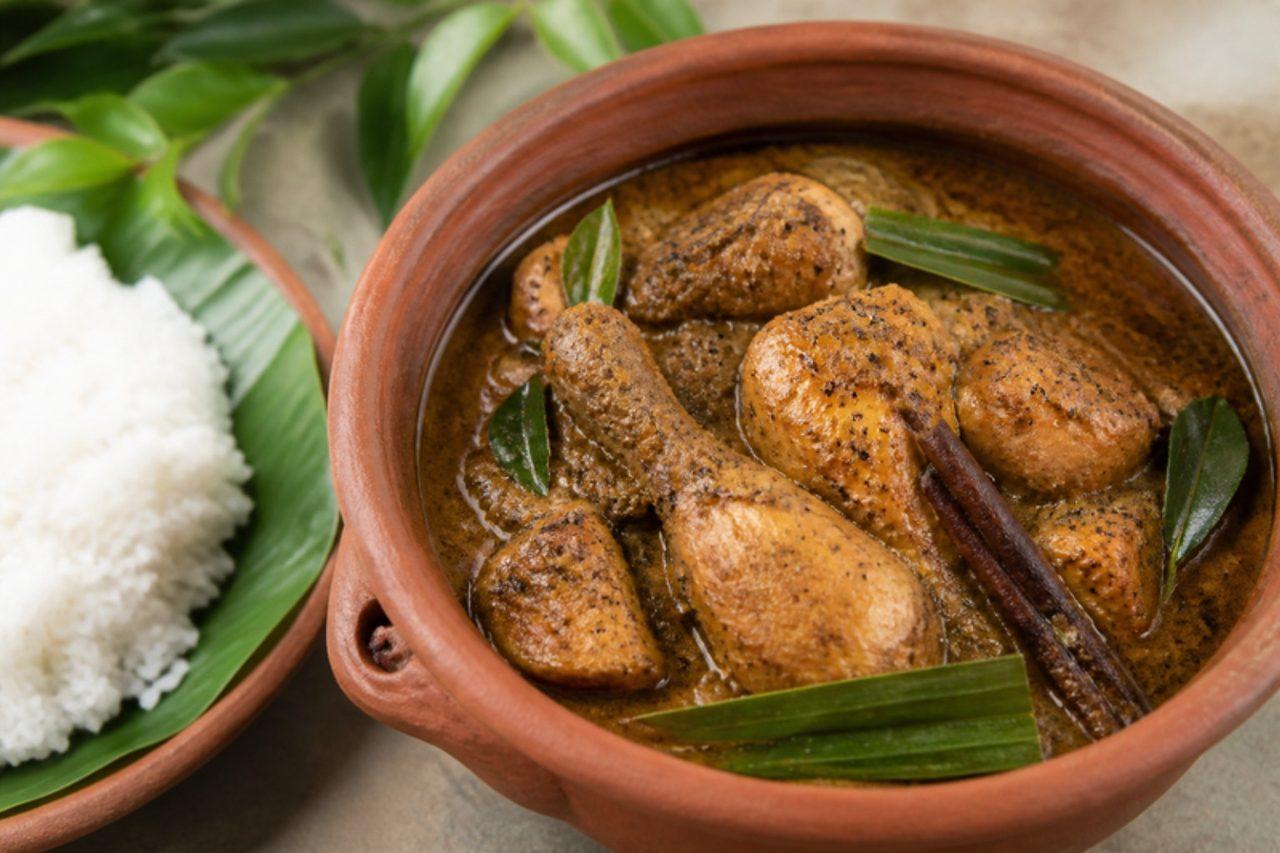
Sunday lunch in a Colombo family home very often means a pot of kukul mas curry, the chicken chopped small on the bone and simmered in a gravy darkened by curry powder that has been roasted until it smells almost like coffee. Pandan leaf, curry leaves, cinnamon bark and cardamom carry the perfume, while coconut milk stirred in towards the end rounds off the chilli heat without making the sauce heavy. It shares the table with red rice, parippu, pol sambol and a green mallung, and whatever is left over tastes even better the next morning with string hoppers. A common slip is using raw, unroasted curry powder, which tastes dusty and flat instead of deep and smoky. Chef's tip: roast the spices for the powder until they are the colour of milk chocolate and grind them while still warm, so the oils release into the powder.

by KrazyBadal 0 views

Jamaican hominy corn porridge

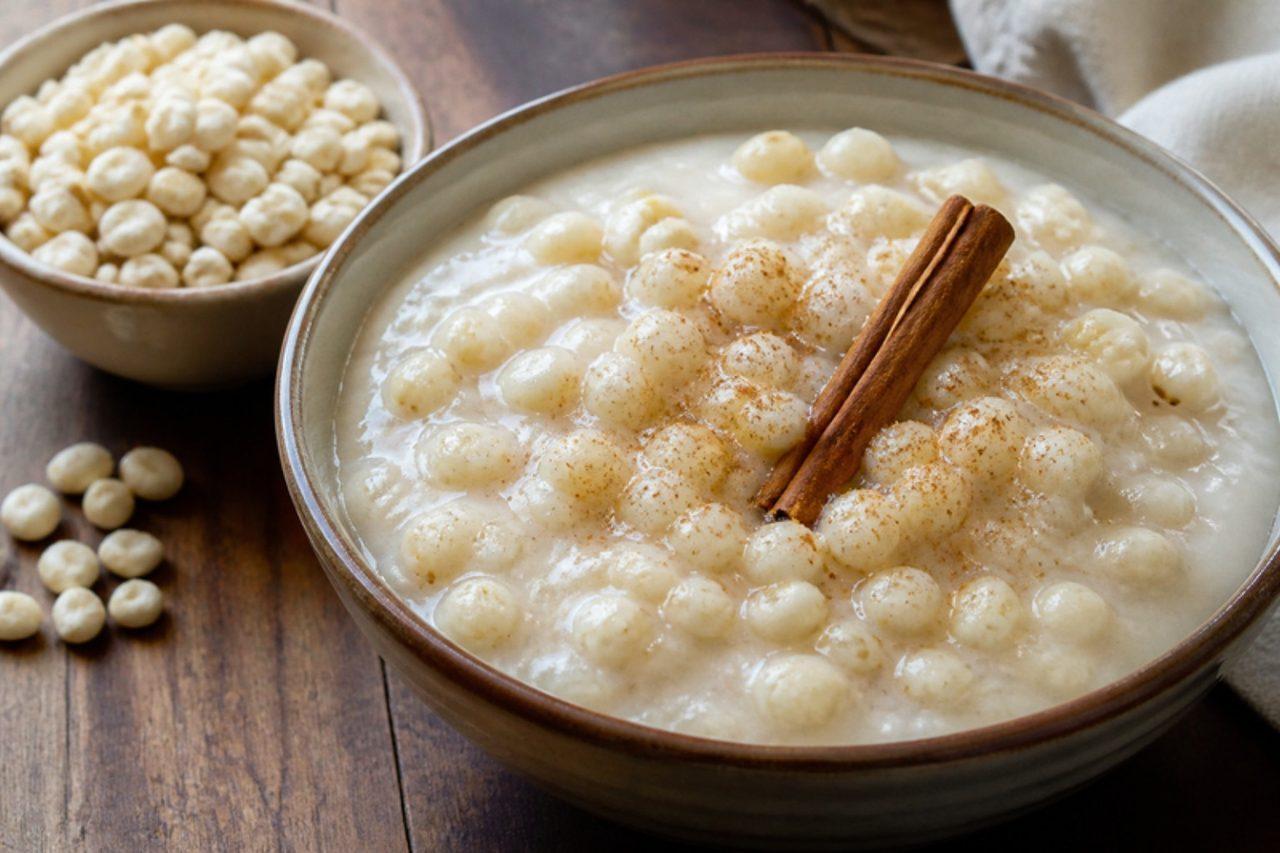
Hominy porridge is a weekend job in Jamaican homes from Spanish Town to Mandeville: the dried, hulled corn kernels need soaking overnight and a long, slow simmer before they burst open, tender and chewy, in a creamy coconut and spice base. The finished porridge is thick and comforting, sweetened with condensed milk and perfumed with cinnamon, nutmeg and vanilla, and it reheats beautifully through the week. The mistake many people make is adding the coconut and milk at the start, where they catch and burn during the long cook; boil the corn in water first. Look for dried white hominy at Caribbean or Latin shops, and remember the overnight soak. Chef's tip: stir in a spoonful of cornmeal or flour mixed with water at the end if you like it thicker, as many Jamaican cooks do.

by KrazyBadal 0 views

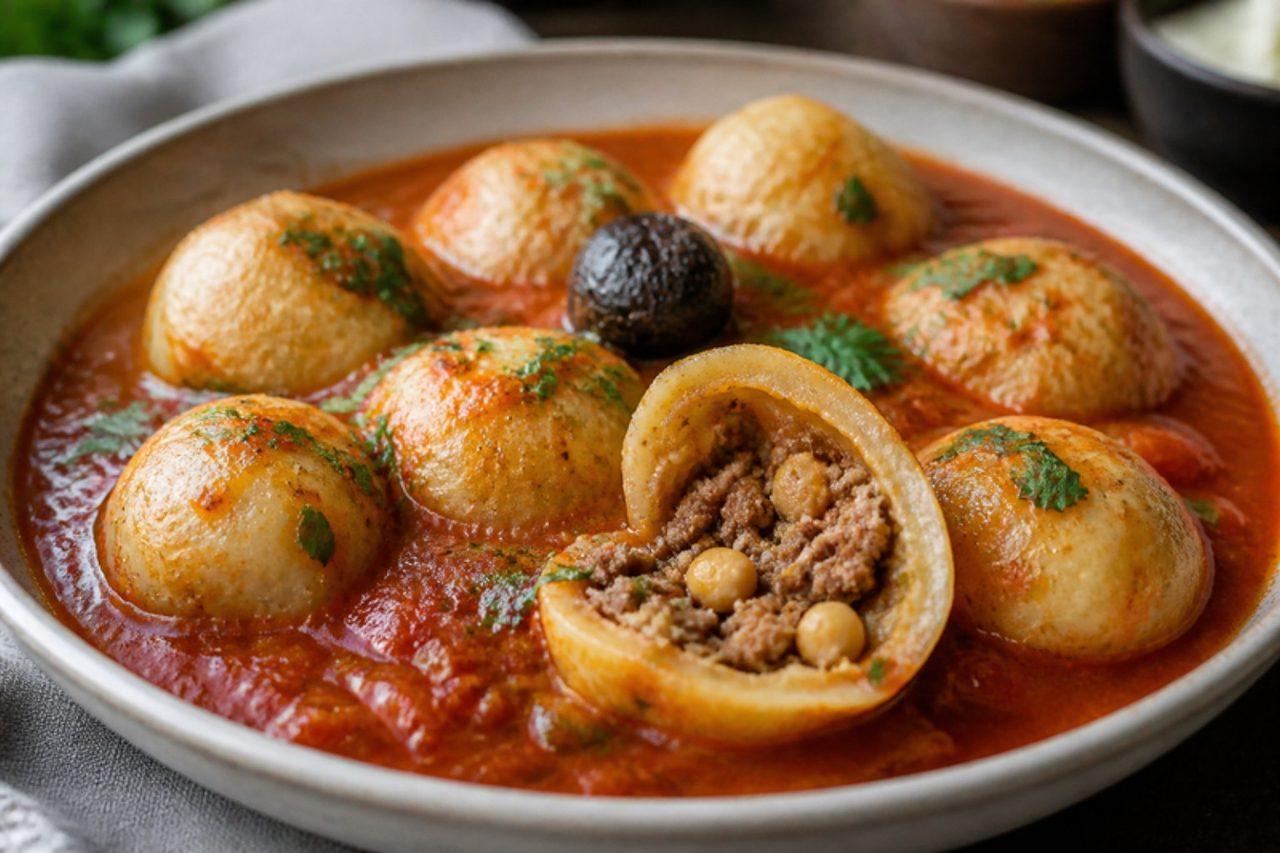
GaboutStuffed dumplings in tomato stew

Gabout is old Kuwaiti home cooking, the kind grandmothers in Kuwait City still make for family lunches in winter, and a close relative of the Iraqi dumplings brought along the trading routes of the Gulf. Soft flour dough is wrapped around spiced lamb or beef mince with chickpeas, and the dumplings are simmered in a sour tomato and dried-lime stew until they are tender and plump. It is filling and comforting, eaten with bread or on its own. The mistake people make is rolling the dough too thick, which makes the dumplings heavy and doughy. Chef's tip: wet your fingers when sealing, the dough must close tightly or the filling leaks into the stew.

by KrazyBadal 0 views

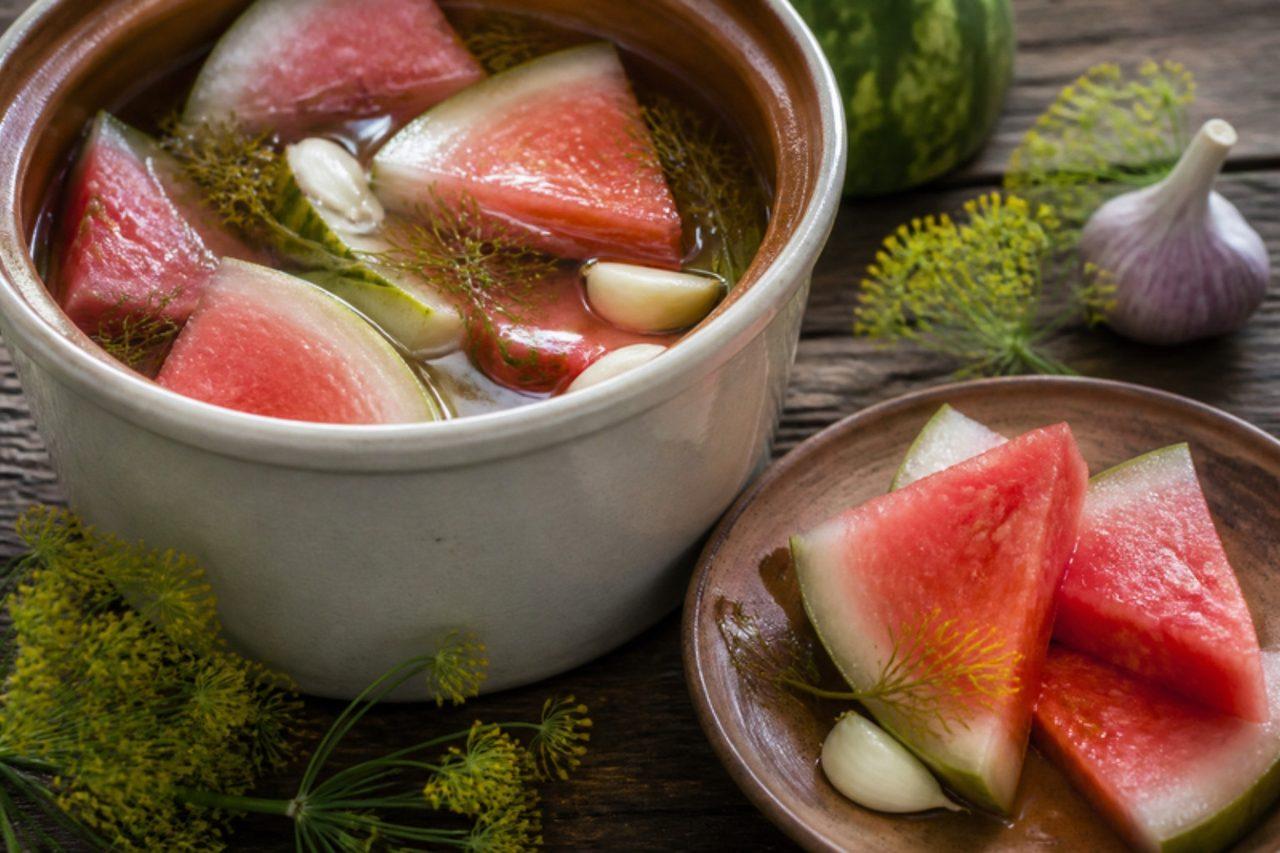
Pickled watermelon

When the melon fields of Kherson and Mykolaiv end their season, the small, late watermelons that never got properly sweet go into barrels of brine. A few weeks later they come out fizzy, salty and sour, with the pink flesh still faintly sweet and the rind crisp like a pickled cucumber. Southern families eat them through the winter with boiled potatoes, buckwheat or a plate of fried mushrooms. A big glass jar works just as well as a barrel for wedges. The classic error is using a ripe, soft watermelon, which turns to mush in the brine; pick small, firm ones with pale pink flesh. Keep everything under the brine and throw out the batch if fuzzy or coloured mould appears or it smells rotten rather than sour. Chef's tip: slip a horseradish or cherry leaf into the jar; the tannins keep the rind crunchy for weeks.

by KrazyBadal 0 views

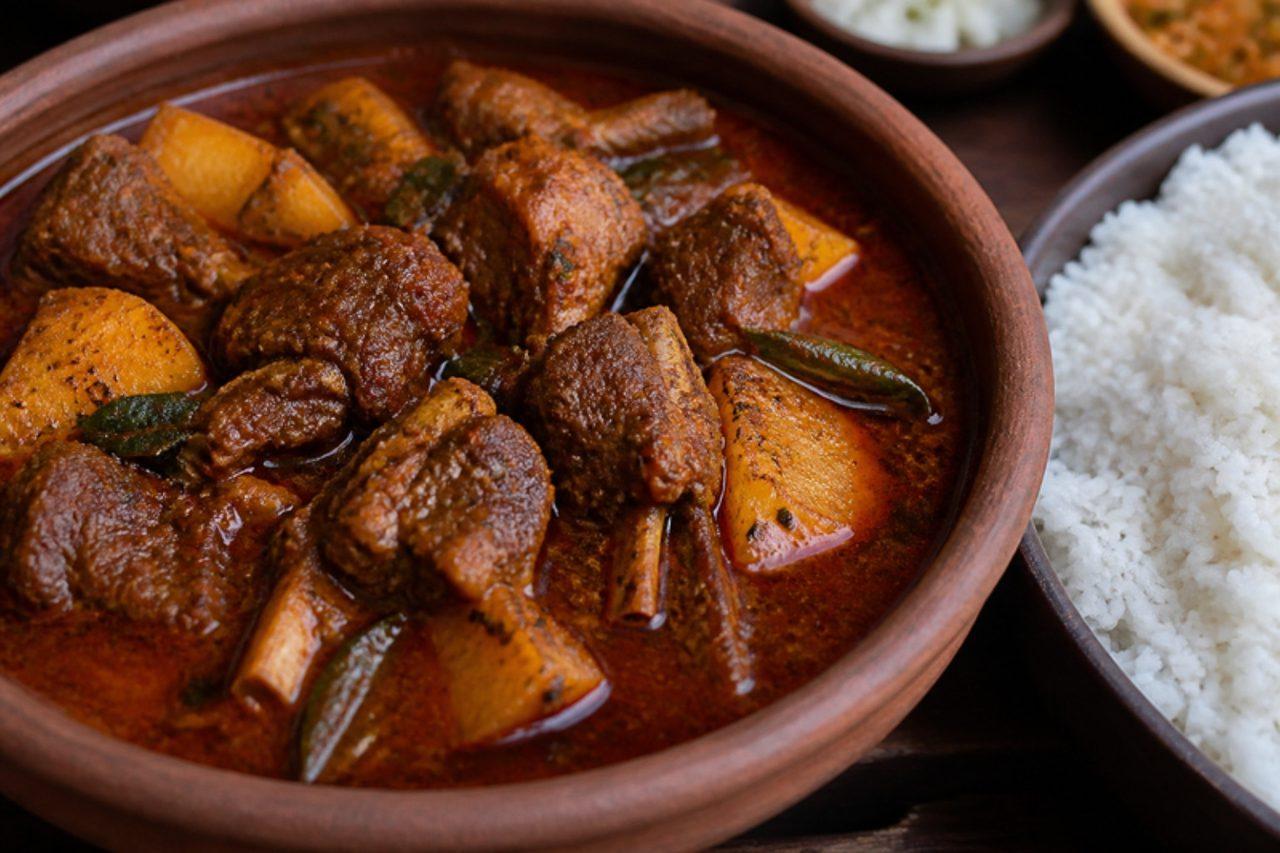
Jaffna goat curry

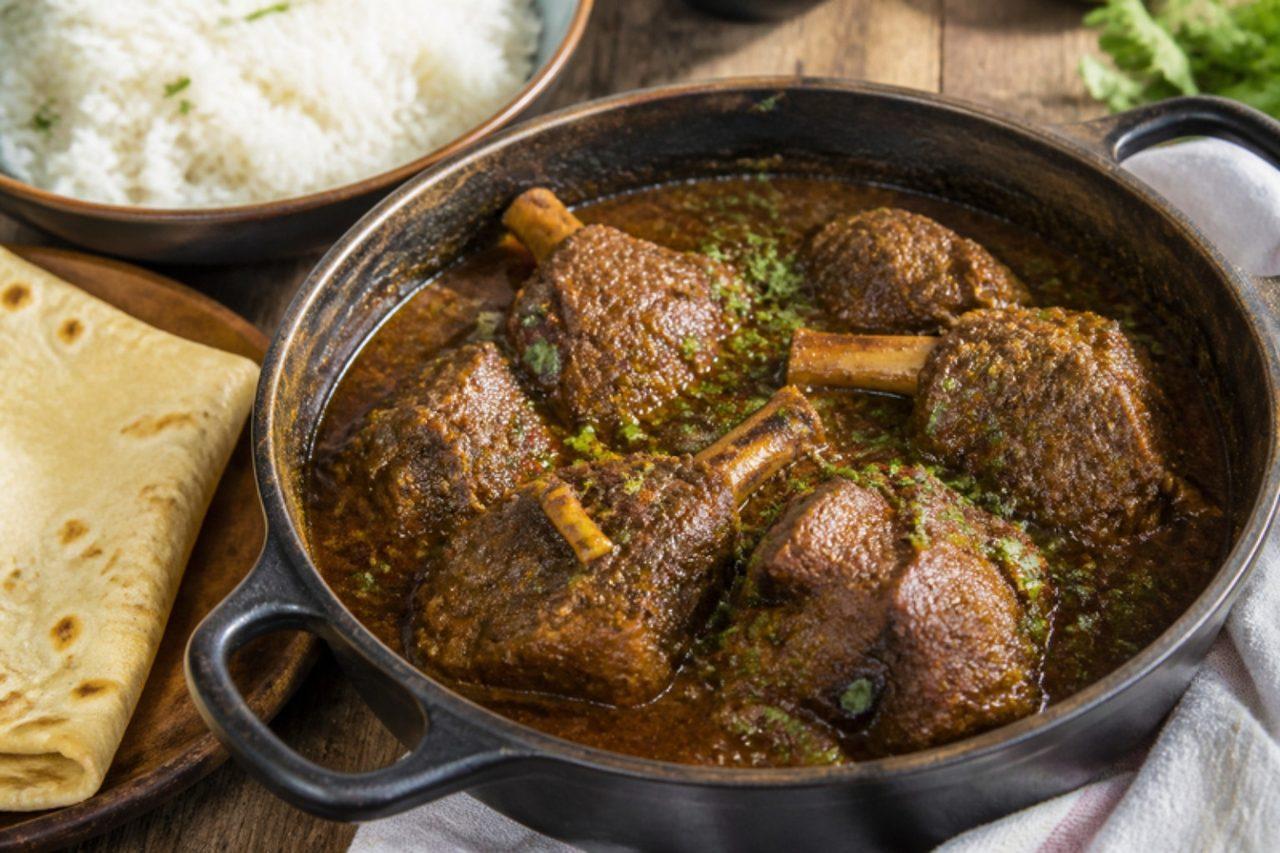
Goat is the celebration meat of the Tamil north, and a Jaffna aattukkari cooked for a temple feast day, a wedding lunch or a Sunday at home is thick, brick-red and ferociously spicy. The secret is the local curry powder, roasted much darker and hotter than in the south, fried in oil with onion, garlic and fennel until it almost catches, then simmered slowly with the meat until the gravy reduces to a coating. Chunks of potato soak up the sauce, and the whole thing is eaten with rice, idiyappam or Jaffna-style puttu, with a cooling bowl of curd or coconut sambol on the side. The pitfall here is rushing the simmer; goat needs patience and goes chewy if it is cooked hard and fast. Chef's tip: brown the meat well in the spice paste before any liquid goes in, which gives the gravy its deep, almost smoky flavour.

by KrazyBadal 0 views

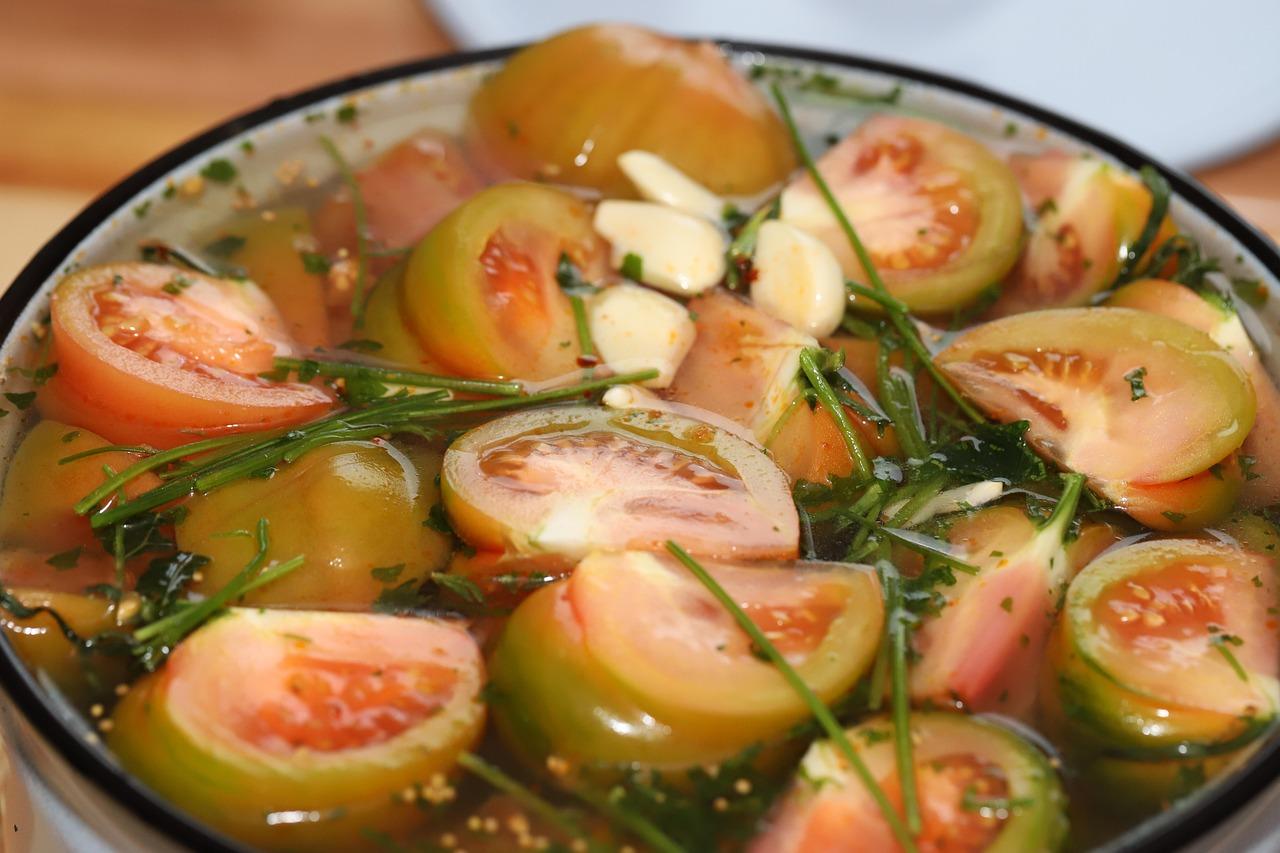
Pickled green tomatoes

In southern Ukraine the first cold nights of October leave every garden full of hard green tomatoes that will never ripen, and rather than waste them, cooks around Odesa and Kherson slit each one and stuff it with a punchy paste of garlic, dill, parsley and hot chilli. A week in brine turns them sour and fizzy, with a crunch and a slow burn from the chilli. They are the pickle everyone reaches for at the winter table, next to potatoes fried with onions or a bowl of buckwheat. Most people go wrong by cutting the tomatoes right through, so the filling falls out; slice only two-thirds of the way. As with any ferment, keep everything below the brine and discard the jar if it grows fuzzy or coloured mould or smells rotten. Chef's tip: pick tomatoes that are just starting to blush pale; fully hard dark-green ones stay bitter.

by KrazyBadal 0 views

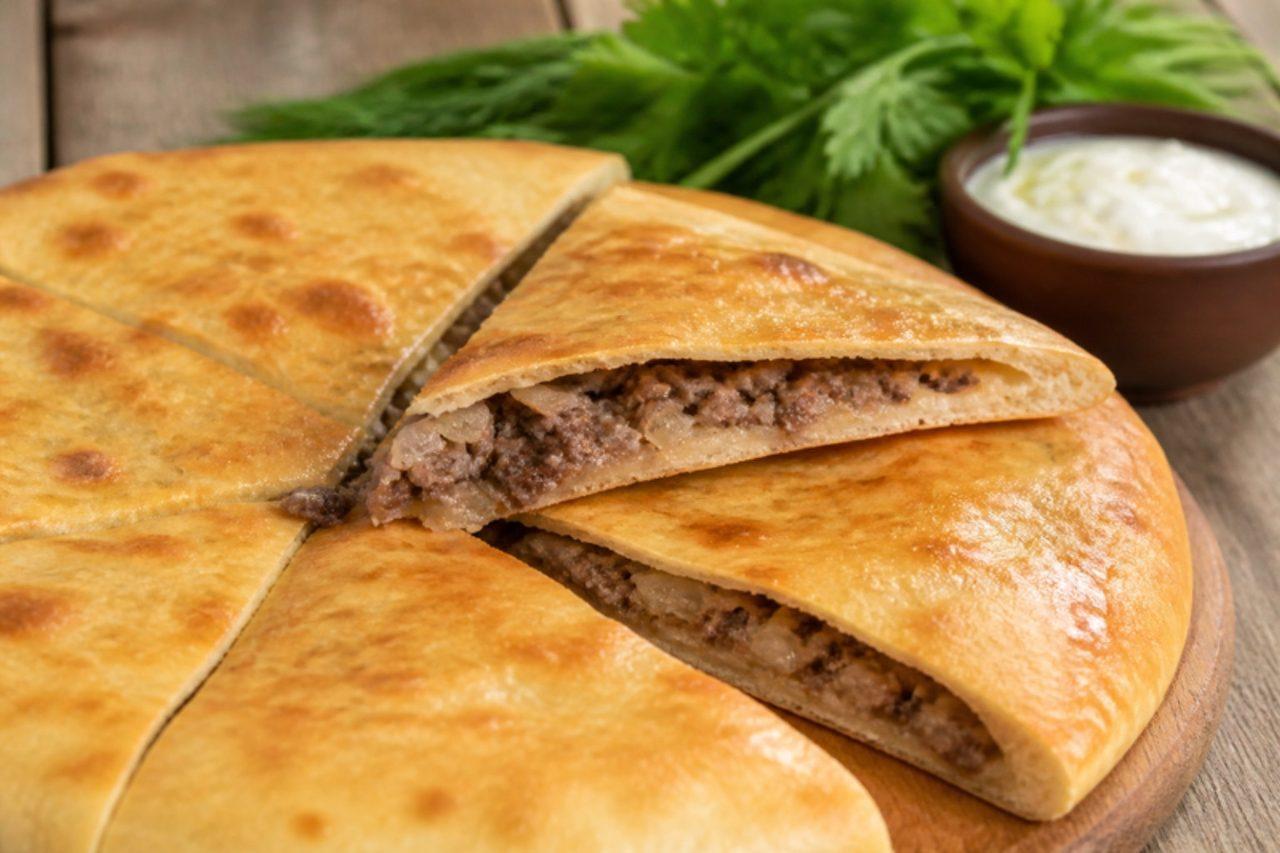
FyddzhynBeef and onion pie

In North Ossetia, pies come in threes, for the sun, earth and sky, and the meat pie in that stack is fyddzhyn: a thin, soft yeast crust wrapped around juicy minced beef, onion, garlic and a little chilli, with a small hole in the middle to let out steam. The Ossetian people serve it at every family gathering and feast, hot and dripping with butter brushed on as it leaves the oven, cut into wedges and eaten with the hands. A common mistake is rolling the crust thick; good fyddzhyn is all filling and the dough should be barely 4 mm. Chef's tip: add a few spoons of cold stock to the mince; it turns to steam in the oven and keeps the filling juicy.

105 minRussianMeat
by KrazyBadal 0 views

Cocktail bunCoconut-filled sweet buns

Bakeries across Hong Kong pull trays of cocktail buns from the oven before the morning rush, and schoolchildren and commuters buy them warm in paper bags to eat on the bus or with milk tea at a cha chaan teng. The story goes that 1950s bakers invented them to use up day-old bread mixed with sugar and coconut, so the name is a playful nod to a cocktail of leftovers. Today the soft, milky roll holds a sweet, buttery coconut filling that's slightly sandy and chewy, under two piped stripes and a scatter of sesame seeds. A soft, warm filling tends to ooze out during proving and baking, so chill it until firm before you roll the buns. Chef's tip: roll each bun up tightly from the long side and pinch the seam well, then place it seam-down; loose rolls split open in the oven.

by KrazyBadal 0 views

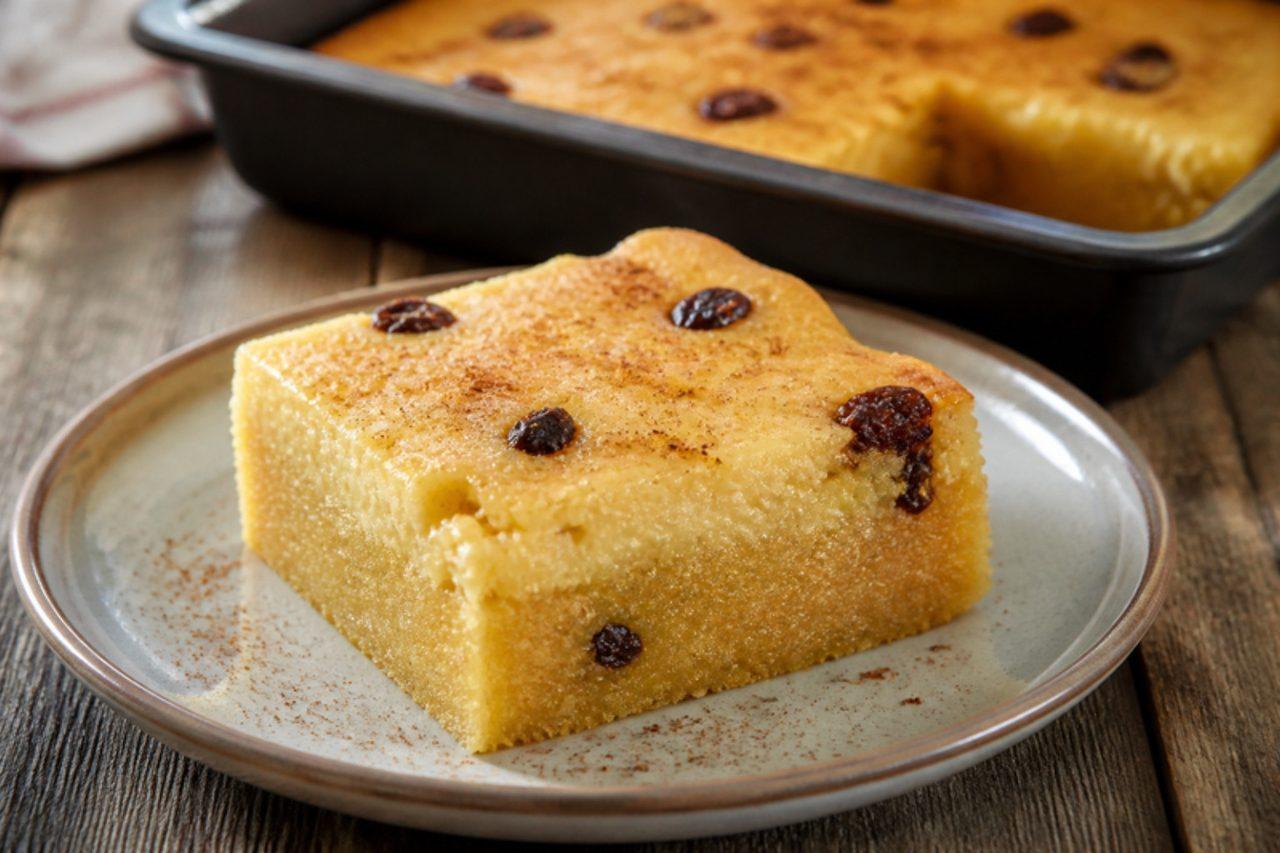
Jamaican cornmeal pudding

Jamaican cornmeal pudding is the cousin of sweet potato pudding, cheaper and quicker to make, and a fixture at Sunday dinner and church harvest suppers from Kingston to the hills of Manchester. Cornmeal is first cooked on the stove in coconut milk with sugar and nutmeg, then baked until firm, sliceable and caramel-edged, with a thin, soft layer on top. The classic mistake is pouring raw cornmeal straight into hot liquid, which makes lumps; whisk it into cold liquid first. Chef's tip: pour a little extra coconut milk over halfway through baking to get that custardy "hallelujah" top.

by KrazyBadal 0 views

Sri Lankan milk toffee

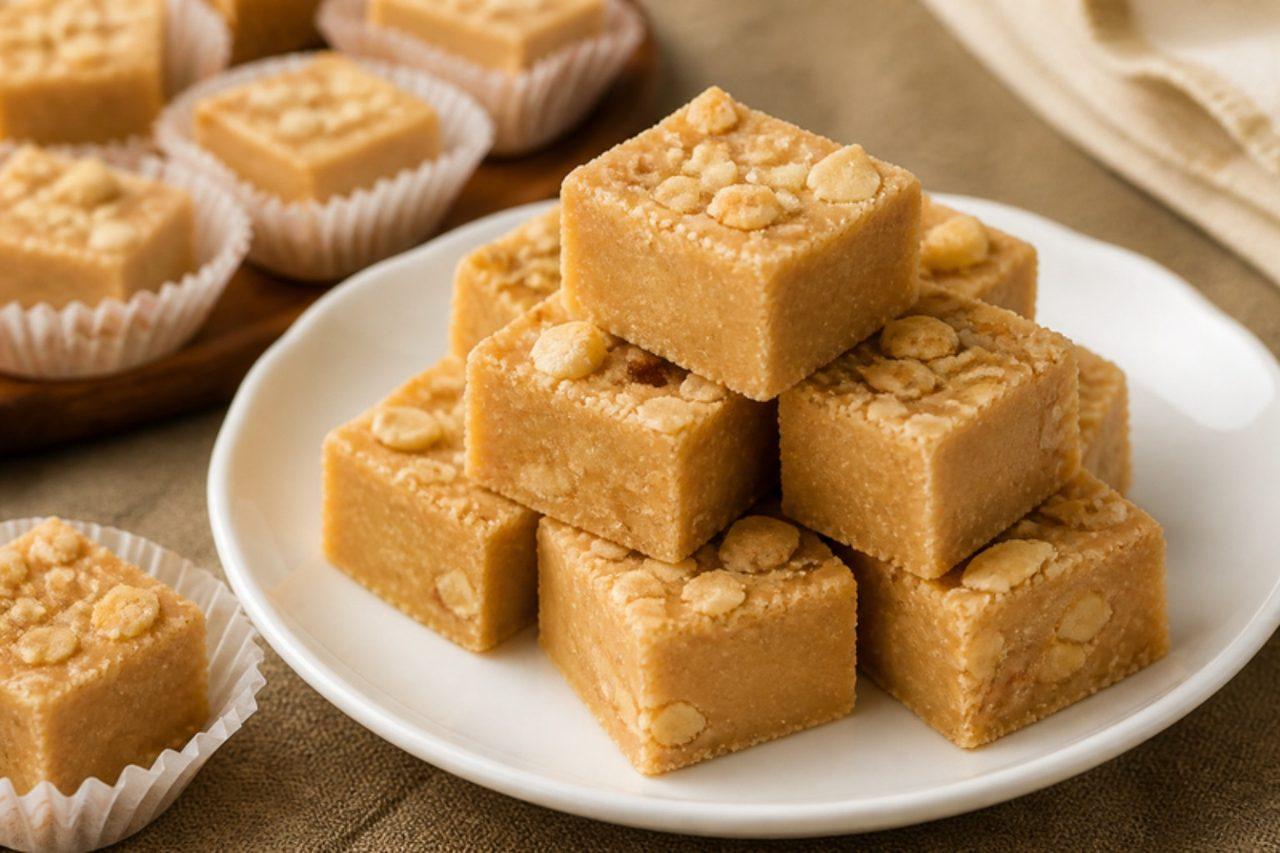
Every school fair, office bake sale and Avurudu table in Sri Lanka has a plate of milk toffee, the pale golden squares that are firm when you pick them up yet melt away in a sweet, slightly grainy crumble in your mouth. A tin of condensed milk is cooked with sugar and butter, stirred constantly for half an hour until it thickens and leaves the pan, then flavoured with chopped cashews and a whisper of cardamom and vanilla. It is simple enough for children to help with, as long as an adult does the hot stirring. Stopping too early is the trap almost everyone falls into, leaving a soft, chewy fudge instead of the proper crumbly snap. Cook until the mixture rolls into a ball, turns a shade darker and a drop set in cold water is firm. Chef's tip: mark the squares with a buttered knife while the toffee is still warm, because once it cools it will only break into rough pieces.

by KrazyBadal 0 views

Abacha (African salad)

Abacha is the evening snack of Anambra and Enugu, sold by women on street corners and served at Igbo weddings and funerals, where people call it African salad. Dried cassava shreds are softened in water and tossed in ncha, a thick yellow emulsion made by stirring palm oil with potash water, together with fermented oil bean (ugba), sliced onion, pepper and ground calabash nutmeg, then finished with garden egg leaves and fresh garden eggs. It is chewy, oily, peppery and fresh all at once. Stockfish, ponmo or crayfish are often added; this is the meat-free way. Outside Nigeria, African shops sell abacha and ugba; leave the ugba out if you cannot find it. Chef's tip: soak the abacha only until it is just pliable; left too long it turns mushy, which is the mistake that ruins the texture.

by KrazyBadal 0 views

Mbesses (Kabyle semolina cake)

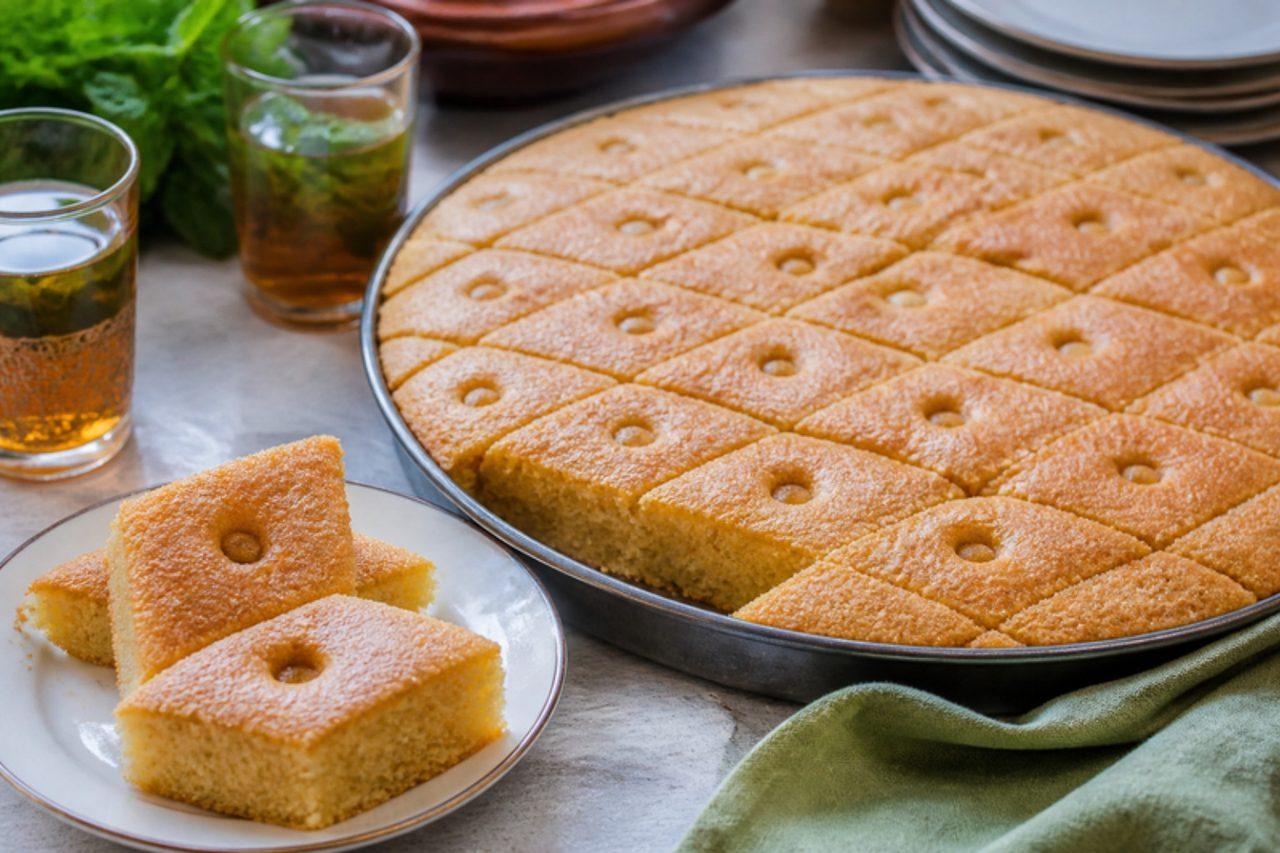
Somewhere between shortbread and cornbread, mbesses is the plain cake of Kabyle kitchens, a shallow tray of semolina rich with melted butter, lightly sweetened and baked until golden on top. The texture is sandy and tender, breaking into crumbs that taste of toasted grain and butter, with a hint of orange blossom. It is cut into diamonds and served with milky coffee in the afternoon, or offered to guests who drop by during Ramadan evenings. Some households scatter sesame or nigella seeds over the top before baking. Chef's tip: spread the mixture into the tray with a light hand; pressing it down hard is the most common mistake and gives a dense, heavy cake.

by KrazyBadal 0 views

Fuži s tartufimaHand-rolled pasta with truffle

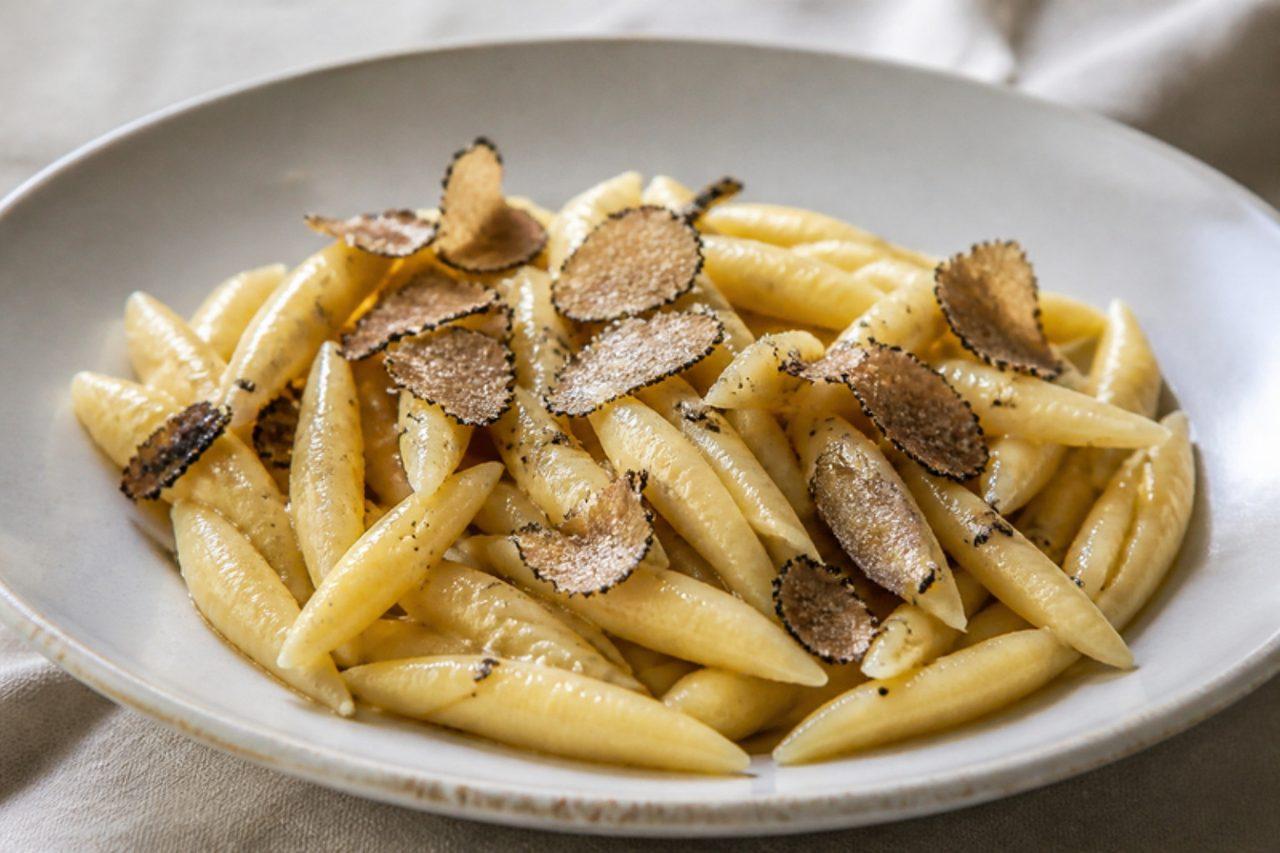
Autumn in the Mirna valley of inland Istria, around Motovun and Buzet, means truffle hunters and dogs in the oak woods and plates of fuži in every village konoba. Fuži are small squares of egg pasta wrapped round a stick into quills, and here they are tossed with butter, a splash of their cooking water and grated truffle, so each one carries a glossy, earthy coat. Fresh black or white truffle is best; a little truffle paste works too, but read the label and avoid products that rely on artificial truffle aroma. The aged hard cheese is often made with animal rennet, so choose a vegetarian hard cheese if you need to. Where most people go wrong is cooking the truffle: heat kills its scent, so add it off the heat. Chef's tip: store the fresh truffle overnight in a closed jar in the fridge with the eggs for the dough; they soak up its perfume through the shell.

by KrazyBadal 0 views

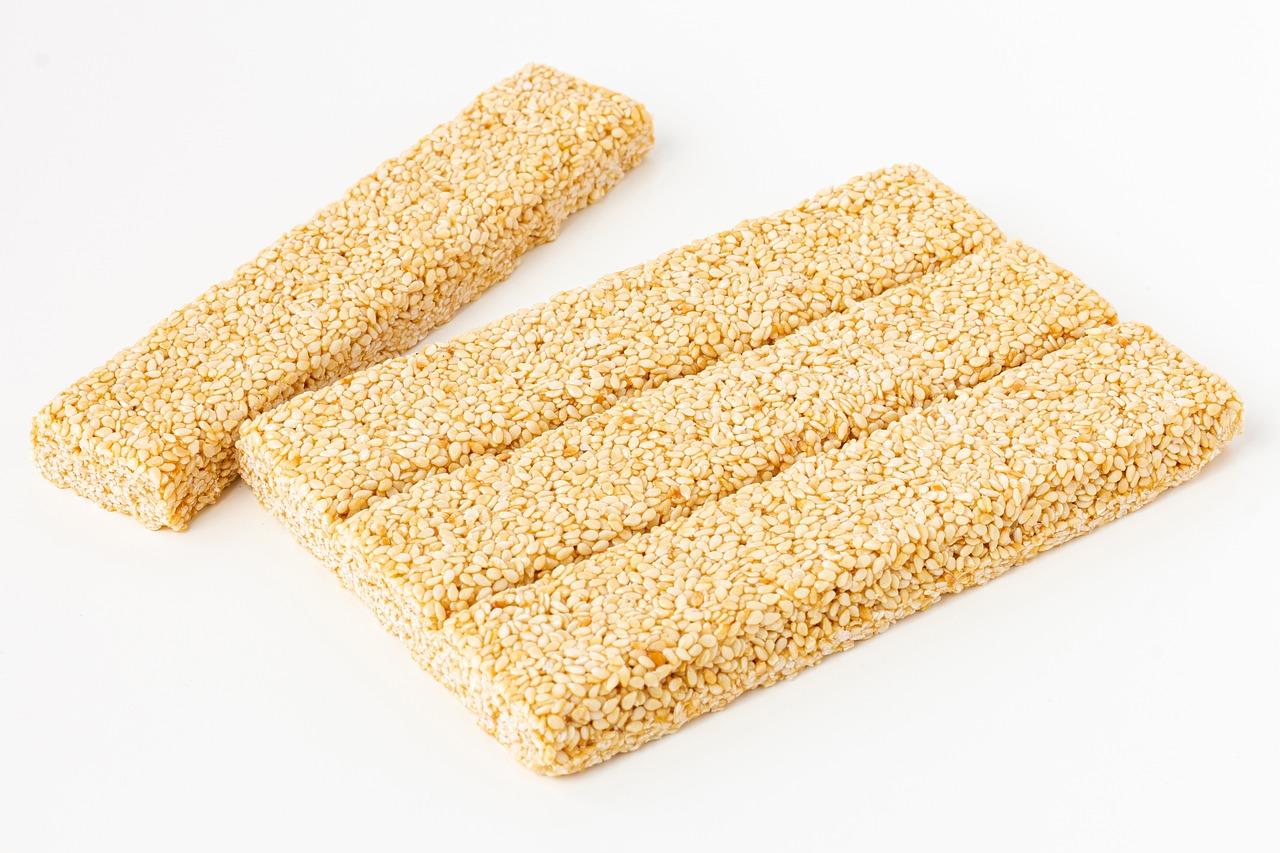
GajakSesame jaggery brittle

Winter in Punjab has a sound, and it is the snap of gajak: thin, glossy sheets of toasted sesame bound in jaggery, sold from piled trays outside the sweet shops of Multan, Gujranwala and Lahore from the first cold week of December. It is nutty, crunchy and toffee-sweet, with the earthy depth of gur, and families keep a tin of it beside the heater to nibble after dinner with green tea or to share with visitors. The commercial kind is hammered and pulled into flaky layers, but the home version poured thin and rolled flat is what most households make. The pitfall is pulling the jaggery off the heat too early, which gives a brittle that turns chewy and sticky after a day. Chef's tip: test the syrup by dropping a little into cold water; it must snap cleanly at once, and that hard-crack stage is reached quickly, so have the sesame warm and ready. Take care: the syrup is far hotter than boiling water.

by KrazyBadal 0 views

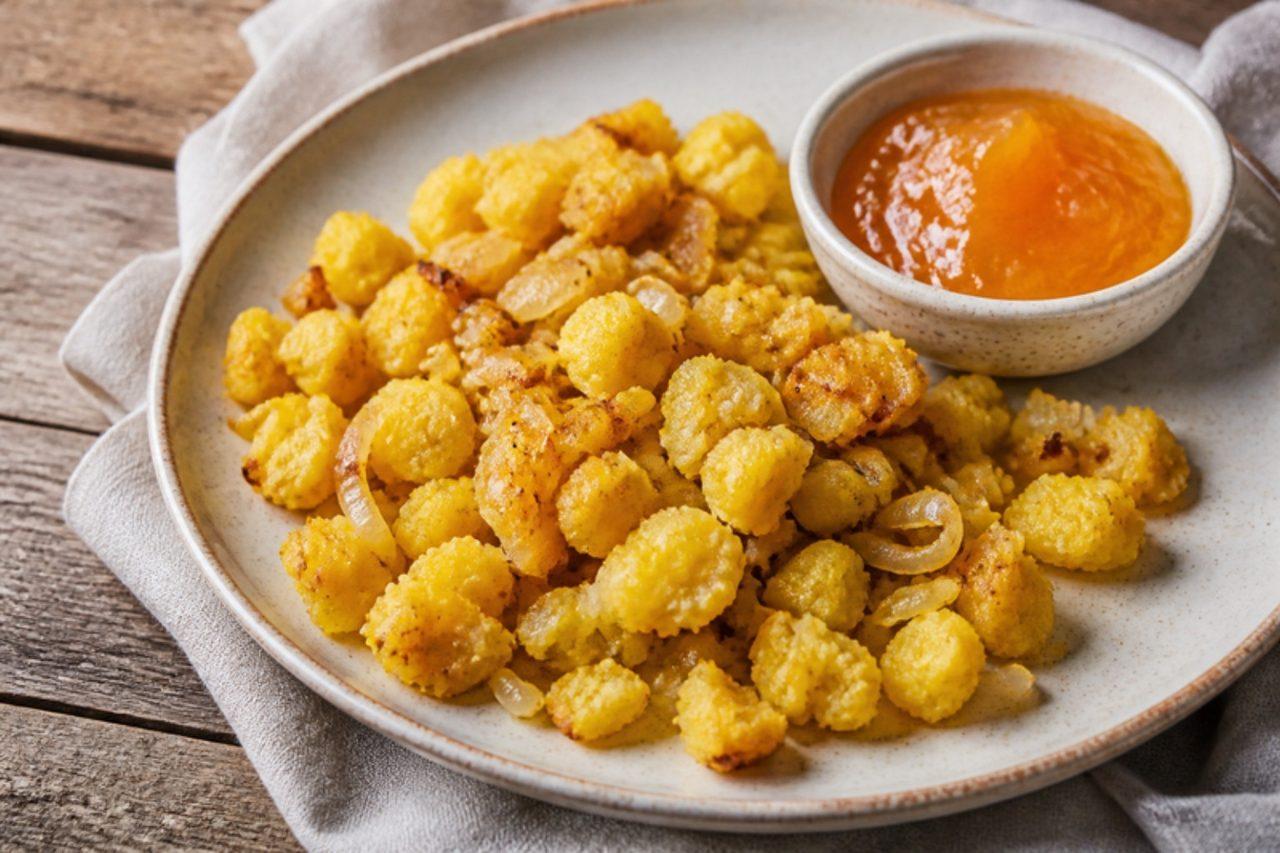
GánicaPotato and flour crumble

Up in the hills of northern Hungary, in Nógrád and Borsod, potatoes and flour were often all a farmhouse kitchen had in late winter, and gánica made a meal of them. The potatoes are mashed with flour into a heavy dough, then torn apart with two forks into small, uneven crumbs, which are tossed in a pan of onion-scented oil until golden in places. The result is soft and fluffy with crunchy edges, more like a savoury crumble than a dumpling. Eat it as a side with a mushroom stew, or sweet, spooned over with plum jam. The usual slip is under-cooking the flour, which leaves the crumbs pasty; give it the full time over the heat while you beat it. Chef's tip: tear the dough while it is still hot; once it cools it sets into a lump and will not crumble.

by KrazyBadal 0 views

Showing 81 of 7,888 recipes

Show more recipes

Page 192 of 877