


Skip to content
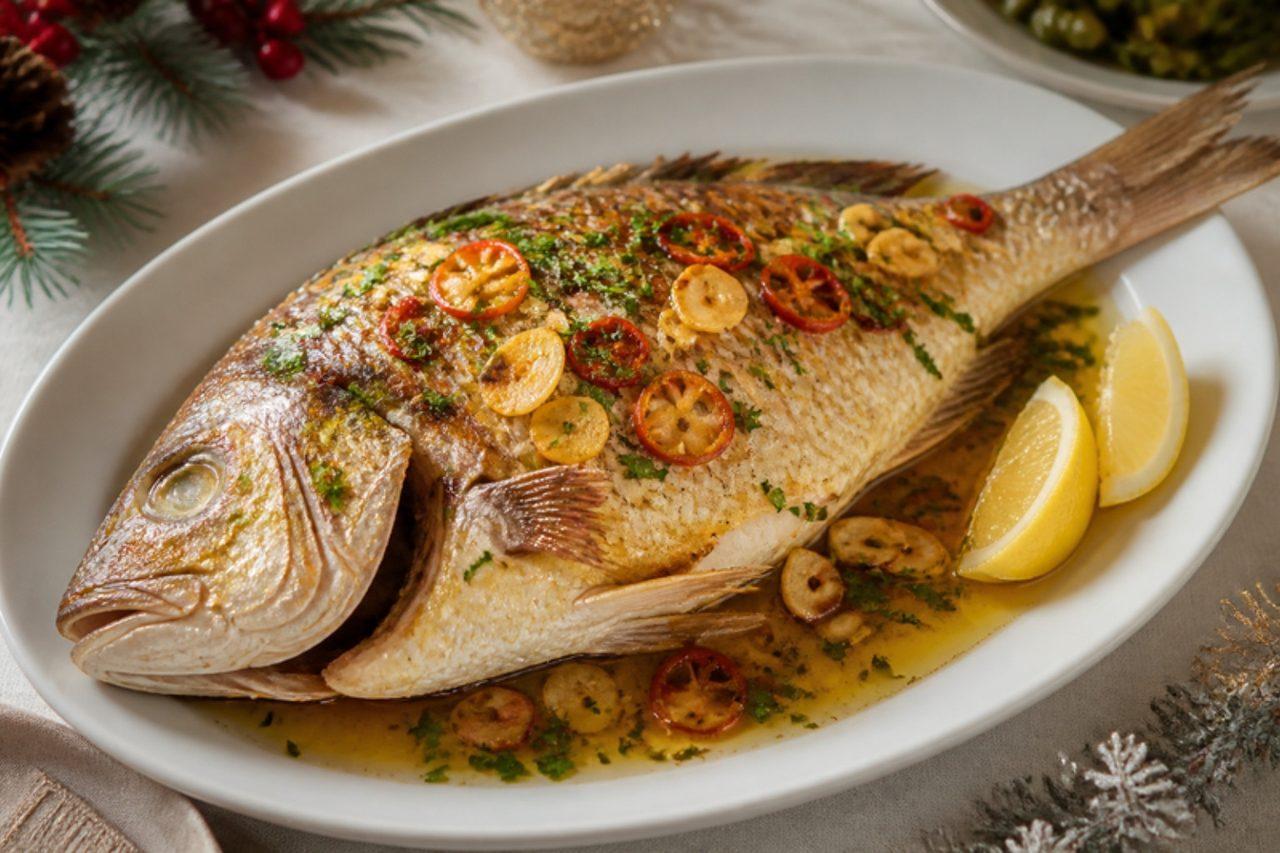
Besugo a la donostiarra
Featured recipe

Besugo a la donostiarra

Sea bream with garlic vinegar dressing

For many San Sebastián families, Christmas Eve dinner isn't complete without a whole sea bream, roasted or grilled and finished with a refrito: hot olive oil with sliced garlic, dried chilli and a splash of vinegar poured over at the table. The traditional fish is red sea bream (besugo), but gilt-head bream works well. A common mistake is letting the garlic go dark brown, which makes the dressing bitter; take it off when it is pale gold. Chef's tip: cut a few slashes into the thick part of the fish so it cooks evenly and the dressing soaks in.

Read more 0 views

What to eat today?

Around the world

Today's trip: Paraguayan

A new country every day, from every cuisine on the site.

Paraguayan

Cocido quemado

Burnt sugar mate drink 14 minMore from Paraguayan (27) →

This week's collection

Kid-friendly dinners
537 recipes · a new collection every Monday

Latest recipes

Unripe plantain porridge

Green plantain porridge is everyday home food in Rivers and Delta states and well beyond, and many Nigerians cook it when they want something filling but lighter than yam or rice. Hard, green plantains are cut into chunks and cooked in a pepper broth with a little palm oil until they soften and the starch thickens the liquid into a savoury, slightly tangy stew, finished with peppery scent leaf. Smoked fish, crayfish or periwinkles often go in; this version is meat-free and still deeply savoury. It is a meal in itself. Adding the scent leaf too early is the usual mistake; stir it in at the very end so it stays fragrant rather than bitter. Chef's tip: oil your hands before peeling green plantain to stop the sticky sap staining your skin.

by KrazyBadal 0 views

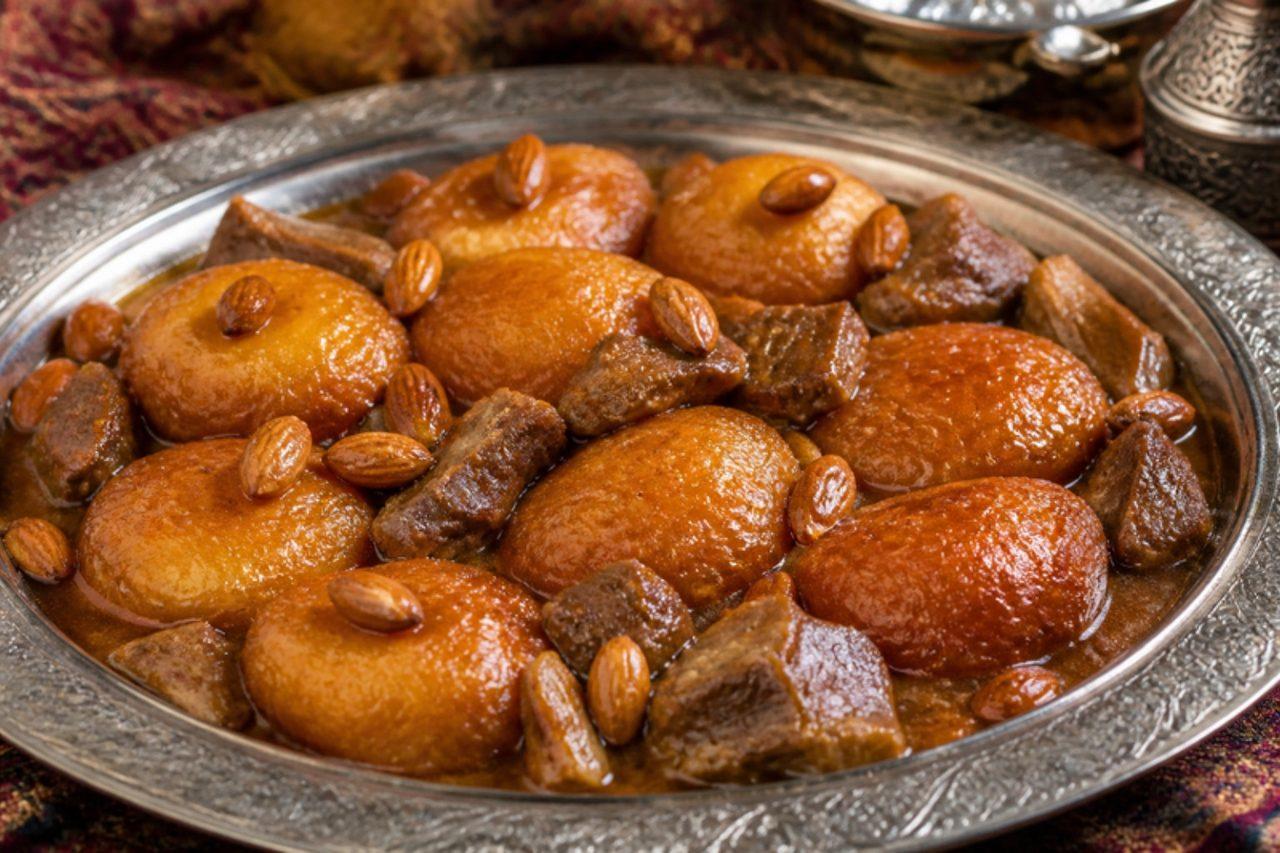
Chbah essafra (almond fritters in lamb sauce)

Cooks in Algiers bring out chbah essafra for weddings and grand family dinners, where it is served as the sweet main course: diamonds of almond paste scented with lemon and cinnamon are dipped in egg, fried golden and laid around tender lamb in a pale, buttery sauce sweetened with sugar and orange-blossom water. The contrast of savoury meat and soft, sweet almond is the point, and the dish is rich, so small portions with bread are usual. Chicken can replace the lamb, with a shorter cooking time. Chef's tip: warm the fritters in the sauce only at the table; dropping them into bubbling sauce is a common mistake, and they fall apart.

130 minAlgerianMeat
by KrazyBadal 0 views

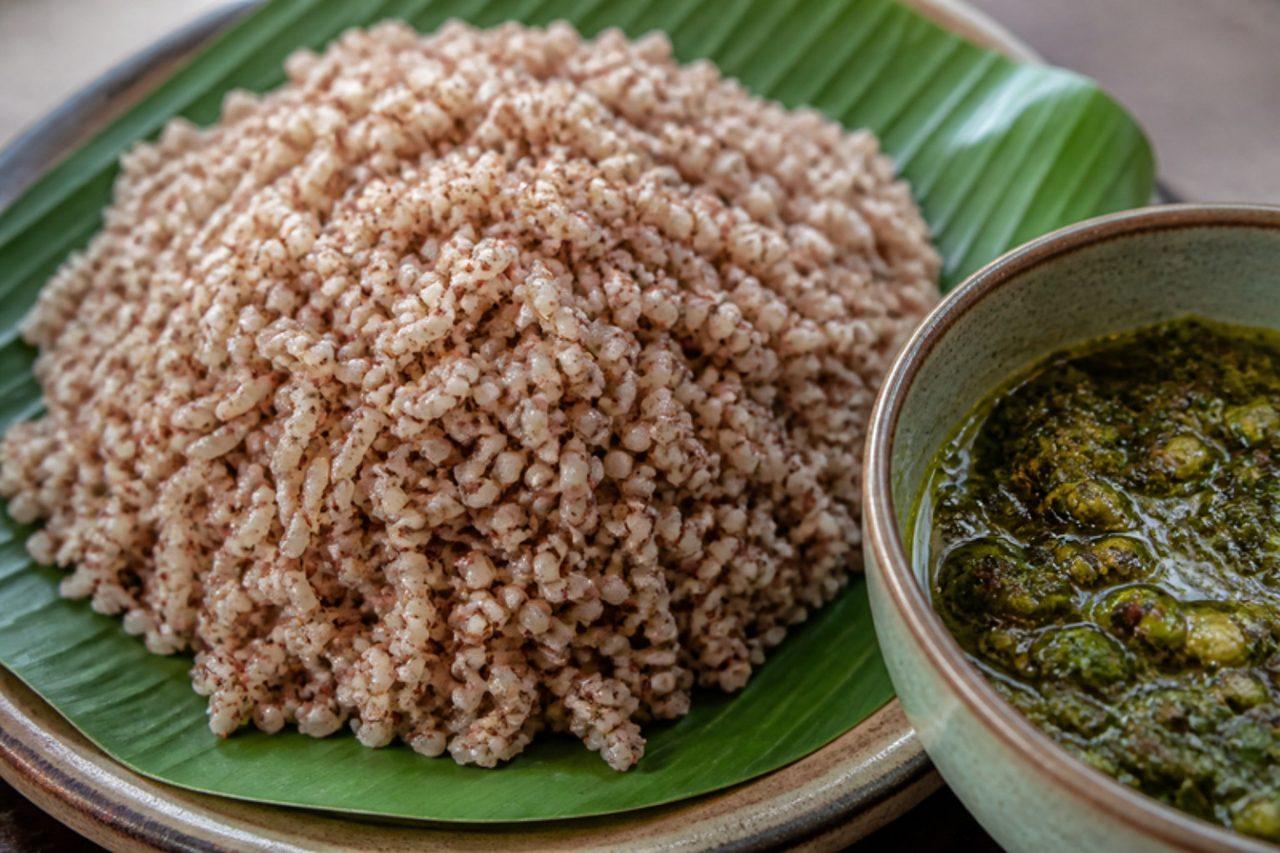
Ofada rice with green pepper sauce

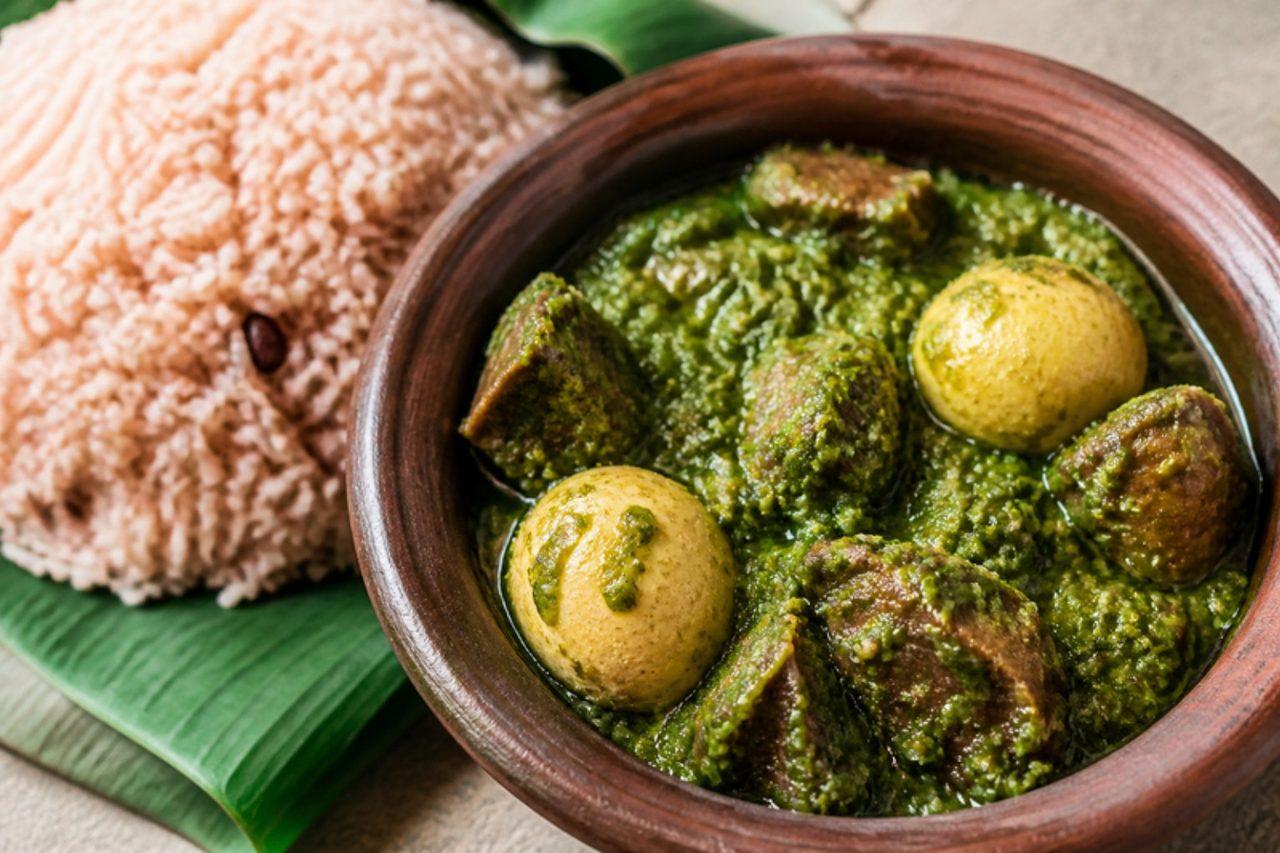
Ofada rice takes its name from a town in Ogun State and is grown on small farms across the Southwest; the grains are short, unpolished and sometimes speckled, with a nutty, earthy aroma that some love and others find strong. It is served wrapped in uma (thaumatococcus) leaves at parties and in Lagos restaurants, with ayamase, a fiery green pepper sauce cooked in bleached palm oil. Ayamase is usually loaded with assorted meats and boiled eggs; this vegan version keeps the green peppers, scotch bonnets and locust beans and adds mushrooms if you like. Banana leaves or a plain plate stand in for uma leaves. The mistake to avoid is skipping the picking and washing: local rice often holds small stones and husk. Chef's tip: bleach the palm oil with the lid nearby, the window open and the extractor on full, and never leave the pan.

by KrazyBadal 0 views

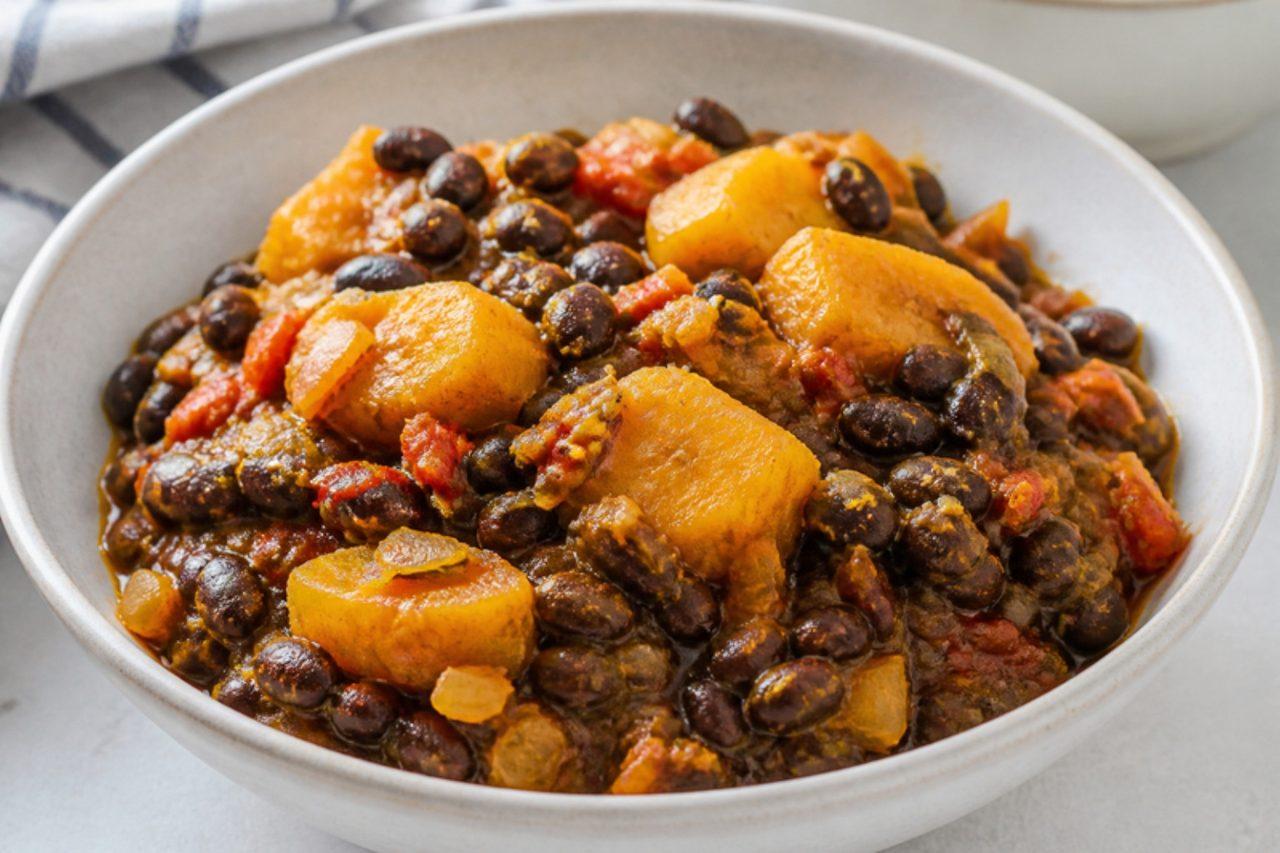
Akidi (Igbo black beans with plantain)

Akidi, a small, glossy black bean, is a quiet staple of Igbo home cooking around Enugu, Anambra and Imo, cooked like beans porridge and usually with ripe plantain for sweetness. After a long simmer the beans turn creamy inside while holding their shape, and they are finished with palm oil, onion, scotch bonnet and a handful of fragrant leaves, so the pot tastes earthy, sweet and peppery. It is a filling meal on its own, often eaten with a cold drink or a side of fried plantain. If you cannot find akidi, black turtle beans are a good substitute. Chef's tip: add the plantain only for the last 15 minutes; put in at the start, it dissolves into the beans, which is the usual mistake.

by KrazyBadal 0 views

Miyan kuka (baobab leaf soup)

Dried baobab leaves, pounded to a fine green-grey powder, give miyan kuka its earthy, faintly tea-like taste and its slippery body, a little like okra. Northern households from Kano to Sokoto cook it as everyday food and pair it almost always with tuwon shinkafa or tuwon masara. Dried fish or a handful of meat often goes into the pot; this meat-free version, as many homes cook it when the budget is tight, gets its depth from dawadawa, onion and a peppery tomato base instead. A common mistake is tipping the kuka in all at once, which leaves stubborn green lumps; sift it in slowly while whisking. Chef's tip: once the kuka is in, simmer only 2–3 minutes, because long boiling dulls its colour and its fresh, grassy edge.

by KrazyBadal 0 views

Tlitli (Algerian rice-shaped pasta with chicken)

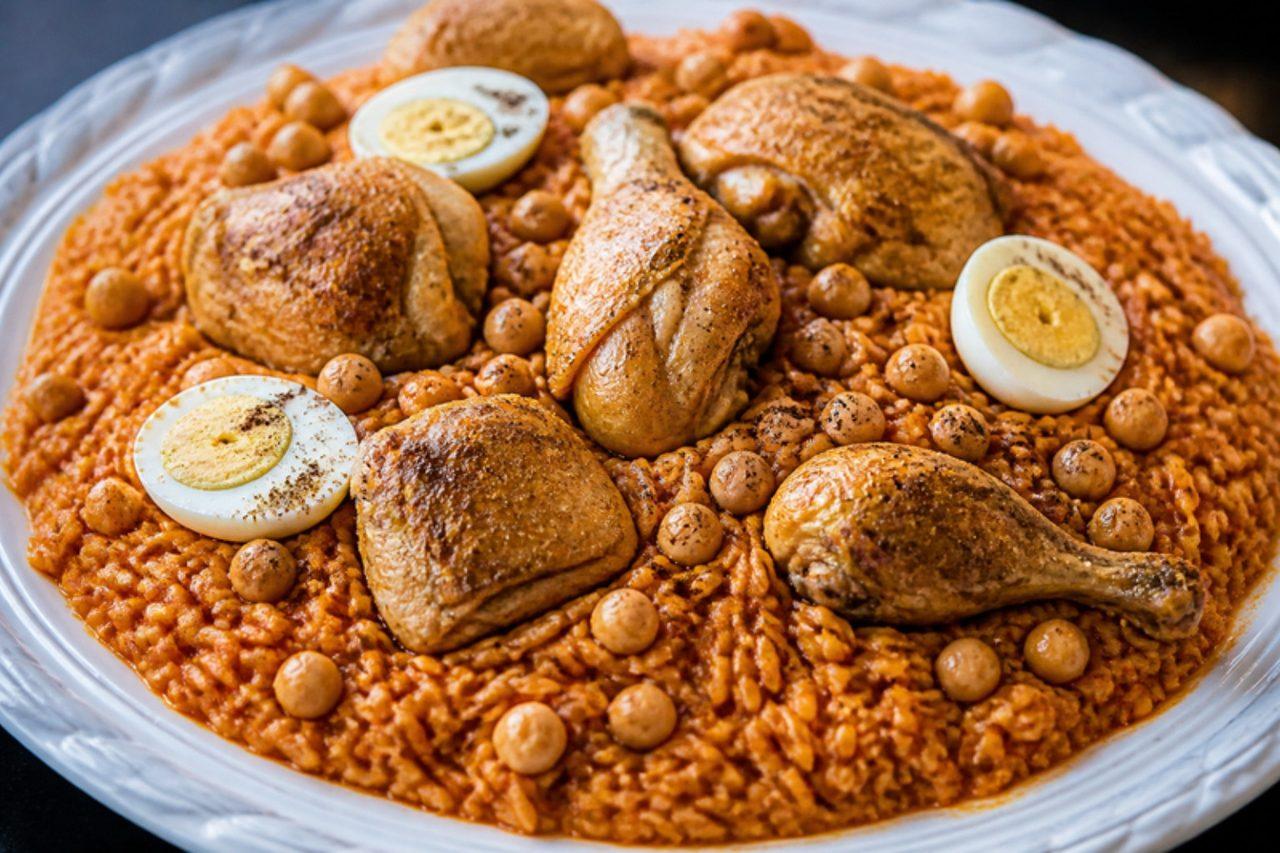
Tlitli is a tiny pasta shaped like grains of rice, once rolled by hand and now sold dried, and in Algiers and Constantine it is cooked for family feasts such as Ennayer, the Amazigh New Year, or the return of a pilgrim. The pasta soaks up a red sauce of chicken, onion, tomato, paprika, cinnamon and chickpeas, and is piled on a platter with the chicken and halved boiled eggs on top. Expect a cosy, gently spiced dish, a bit like a red risotto, with soft pasta and tender chicken. Orzo is a good stand-in if you cannot find tlitli. Chef's tip: toast the pasta in oil before adding sauce; untoasted tlitli tends to clump and turn mushy, a common mistake.

by KrazyBadal 0 views

Ebbeh (Gambian cassava and fish soup)

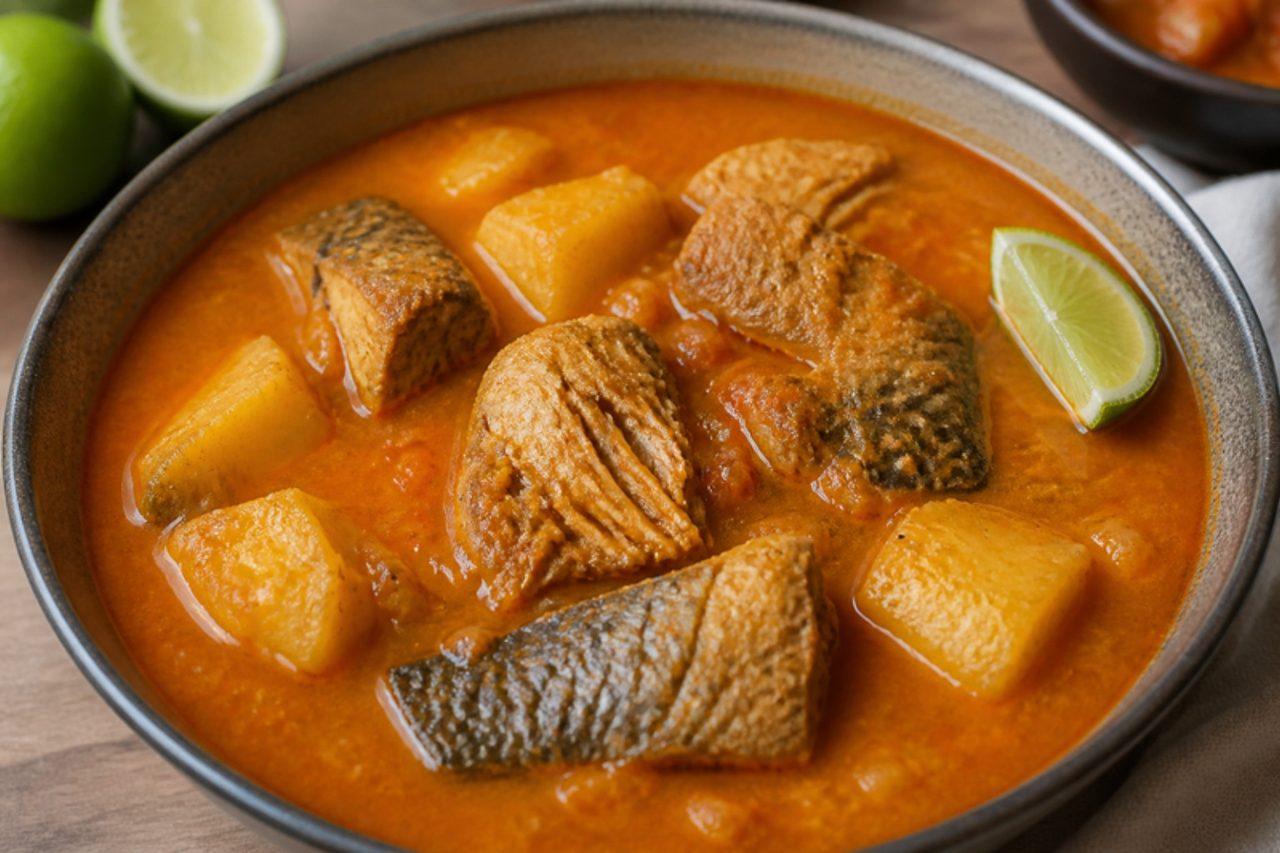
Bowls of ebbeh are a favourite late-afternoon snack and supper at Gambian markets and beach stalls, sold steaming from big pots. Cassava is boiled until it breaks down and thickens the broth, then fish, red palm oil, onion and plenty of chilli go in, and the soup is finished with a sharp squeeze of lime. It is thick and starchy, hot, sour and savoury all at once, with soft chunks of cassava and flaky fish. Some cooks add crab or a little smoked fish; this version uses fresh fish with smoked fish for depth. Avoid stirring hard once the fish goes in, or it breaks into shreds. Chef's tip: cook the cassava until some of it collapses before adding the fish, because the cassava itself is the thickener; undercooked cassava gives a thin soup and is unsafe to eat.

by KrazyBadal 0 views

Sfiria (cheese croquettes in chicken sauce)

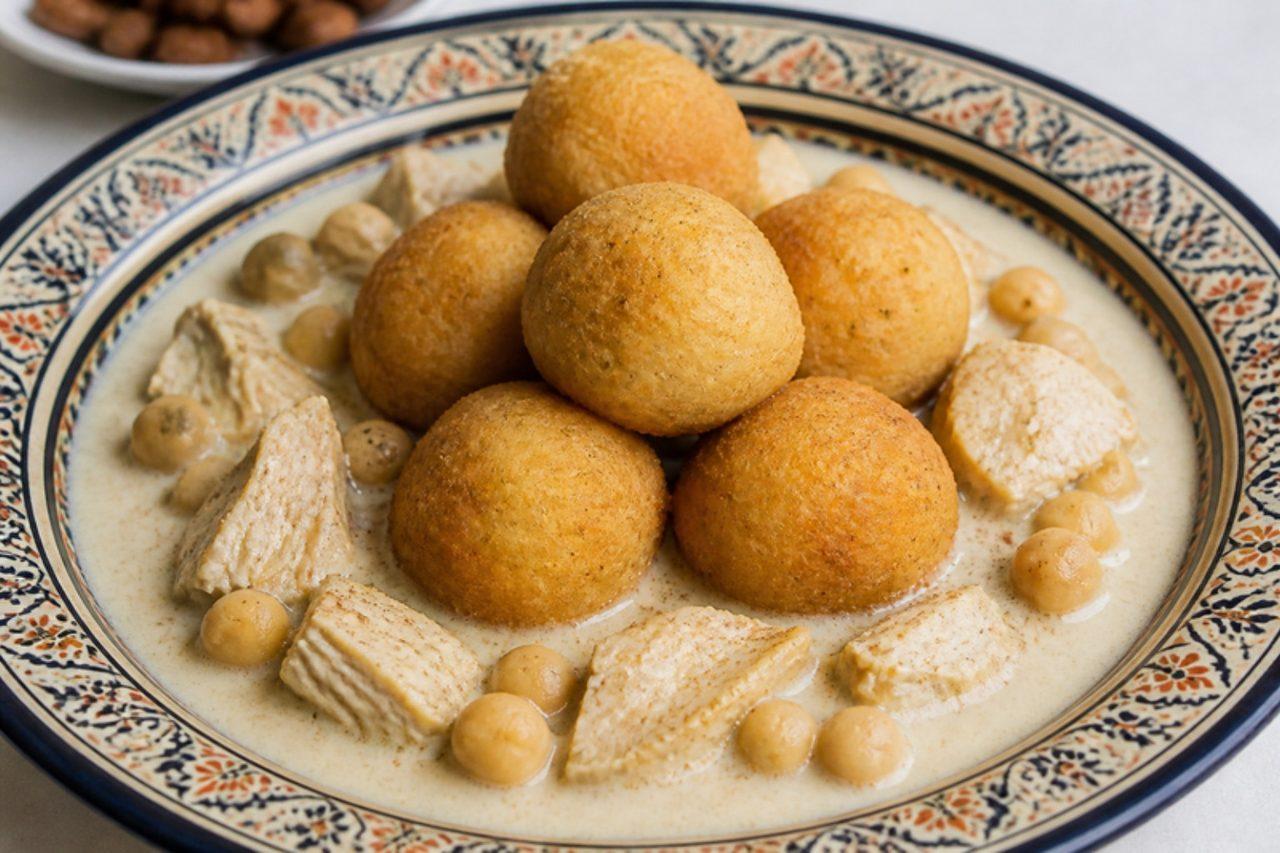
Sfiria belongs to the old bourgeois cooking of Algiers, served on Ramadan evenings and at family celebrations: little croquettes of soaked bread, grated cheese and egg, scented with cinnamon, are fried golden and then laid in a pale chicken and chickpea sauce flavoured with cinnamon and white pepper. The croquettes are light and spongy, soaking up just enough sauce to be juicy, and the dish tastes delicate and faintly sweet. Day-old white bread without crusts gives the best texture. Chef's tip: add the croquettes to the sauce only at the last minute; leaving them to simmer is the common mistake, and they swell, go soggy and fall apart.

by KrazyBadal 0 views

Chorba beida (Algerian white chicken soup)

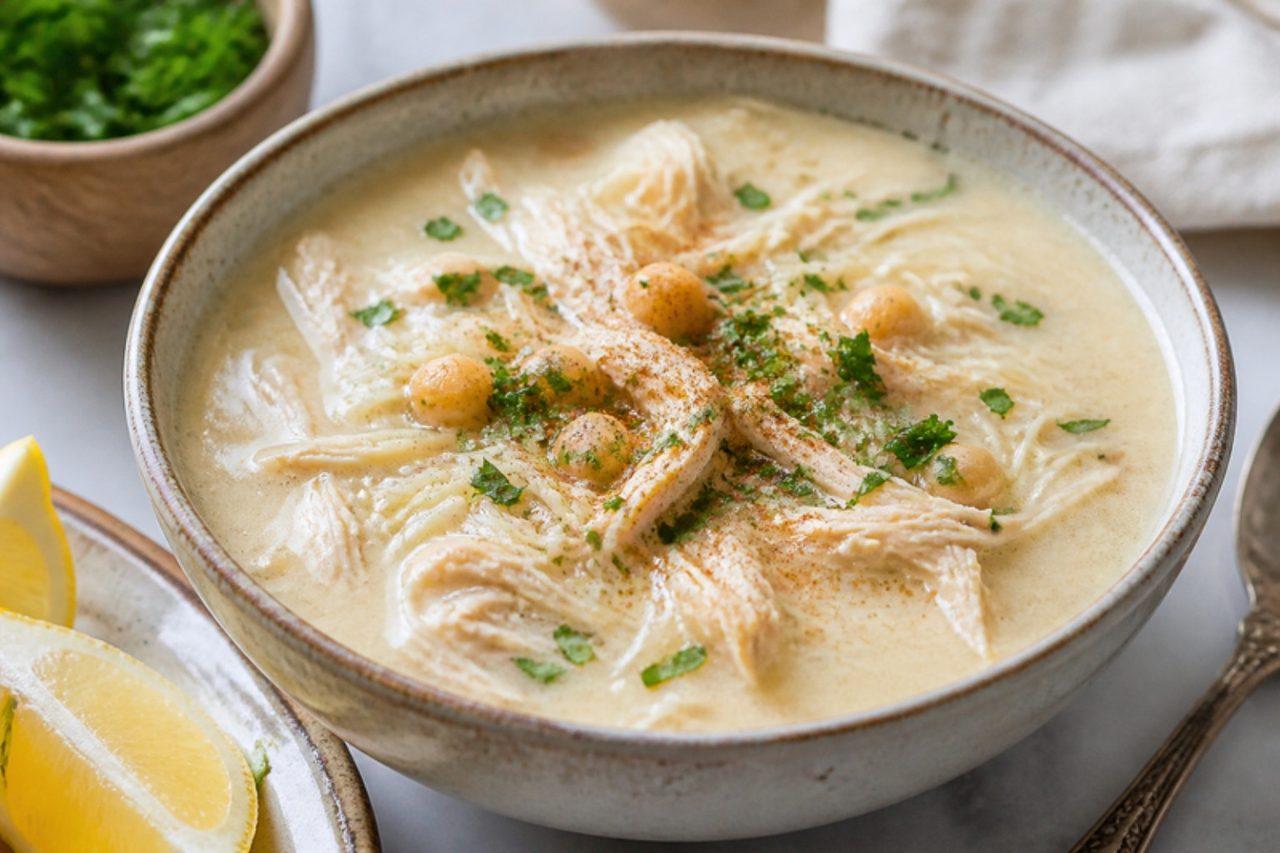
Unlike the red chorba of the rest of the country, the 'white' chorba of Algiers has no tomato at all: chicken, onion and a cinnamon stick are cooked gently in butter, simmered with chickpeas and fine vermicelli, then thickened at the end with egg yolks and lemon. It is a classic of Ramadan tables in the capital, and is also cooked for guests at weddings and family gatherings. The soup is silky and pale gold, mild and comforting, with a soft lemony tang. Serve it with bread and a squeeze of extra lemon. Chef's tip: once the egg yolks are in, never let the soup boil; boiling is the common mistake that curdles it into scrambled threads.

by KrazyBadal 0 views

Sour cream raisin pie

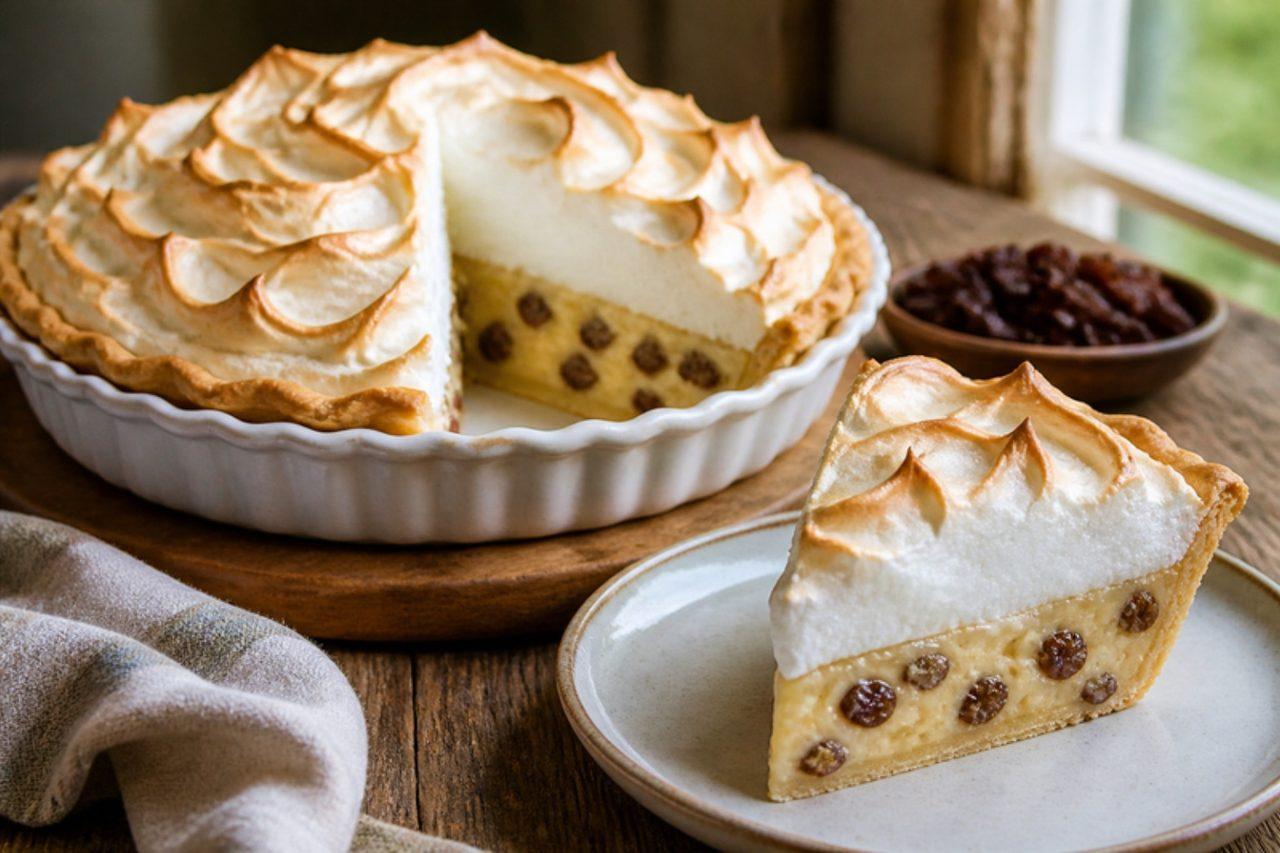
Sour cream raisin pie is a farm-kitchen dessert from the Old Order Mennonite communities of Waterloo County, Ontario, found at the St Jacobs market and at church suppers around Elmira. Plump raisins sit in a tangy sour-cream custard, warm with cinnamon and clove, under a tall cloud of meringue. It is made ahead and served cool, cut in generous wedges. A common mistake is spreading the meringue on a cold filling, which makes it weep; spread it while the filling is hot. Chef's tip: simmer the raisins first so they are soft and juicy instead of chewy in the custard.

by KrazyBadal 0 views

Tuwo shinkafa (soft rice swallow)

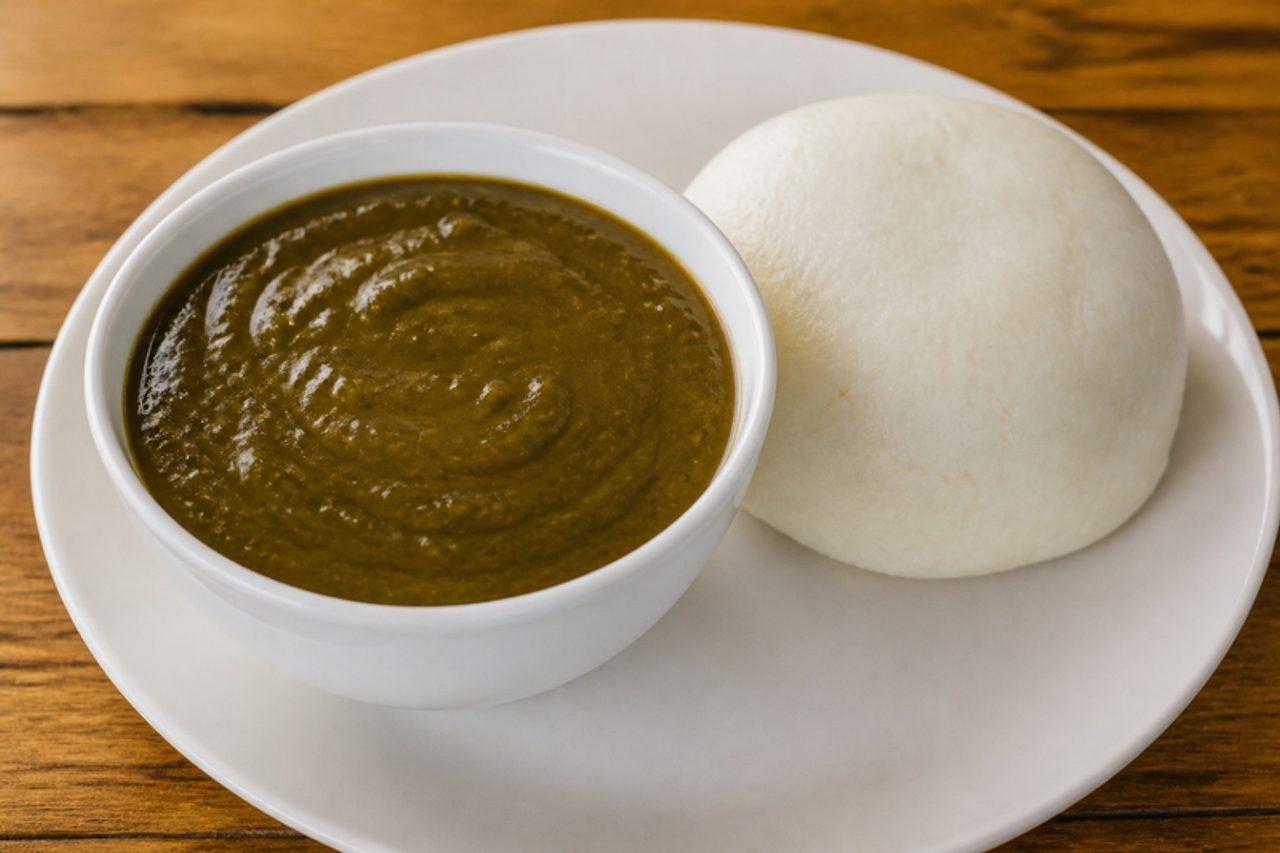
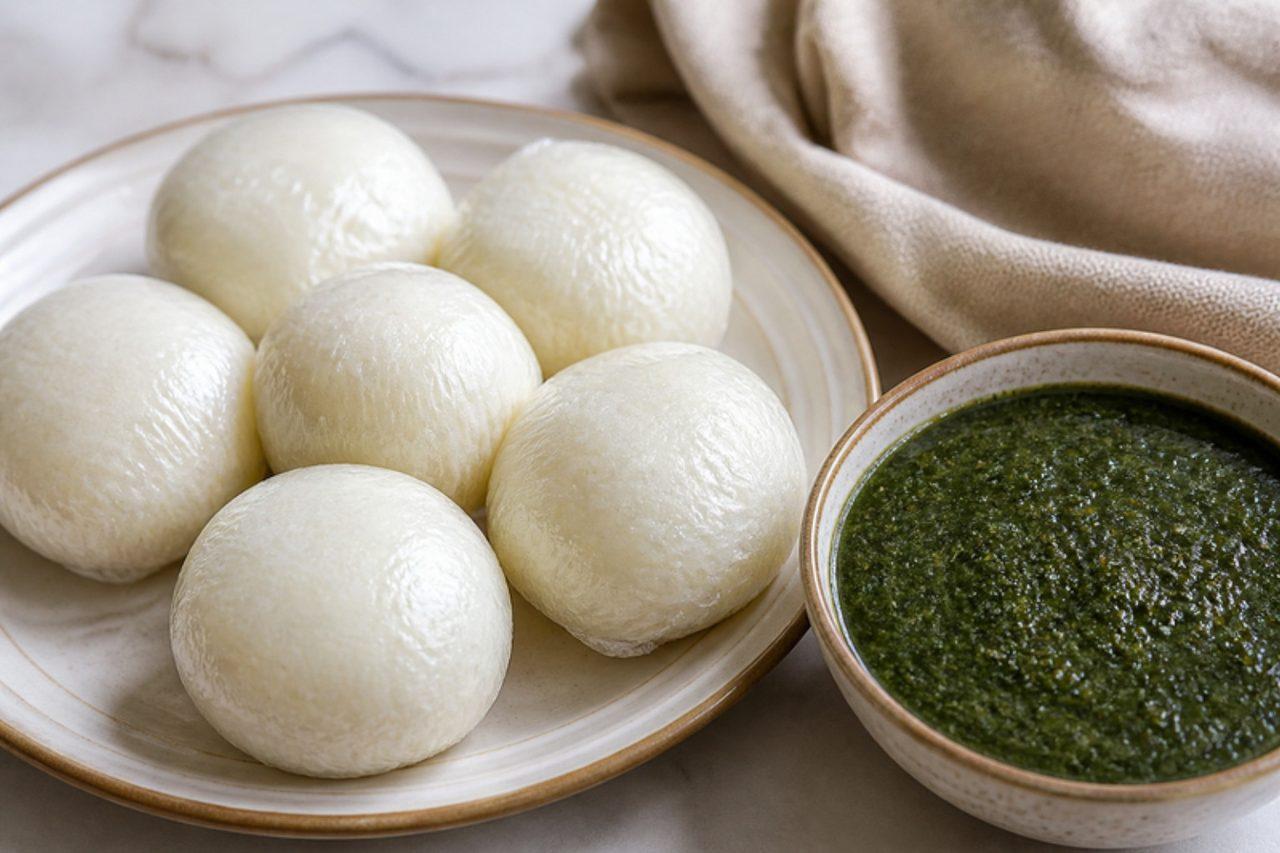
Across Kano, Kaduna and the wider Hausa north, the evening meal very often means a dome of tuwon shinkafa beside a bowl of soup. Short-grain rice is cooked well past the point most cooks would stop, then beaten with a wooden spoon until the grains collapse into a smooth, faintly sticky mass that still shows a few soft grains. It tastes mild and clean, which is exactly its job: you pinch off a piece, dip it into miyan kuka, miyan taushe or an okra soup and swallow. It also turns up at naming ceremonies and weddings, wrapped in plastic or leaves and carried home by guests. Chef's tip: wet the bowl or cup you mould it in, and the balls slide out glossy and round instead of tearing.

by KrazyBadal 0 views

Smoked kutumHot-smoked white fish

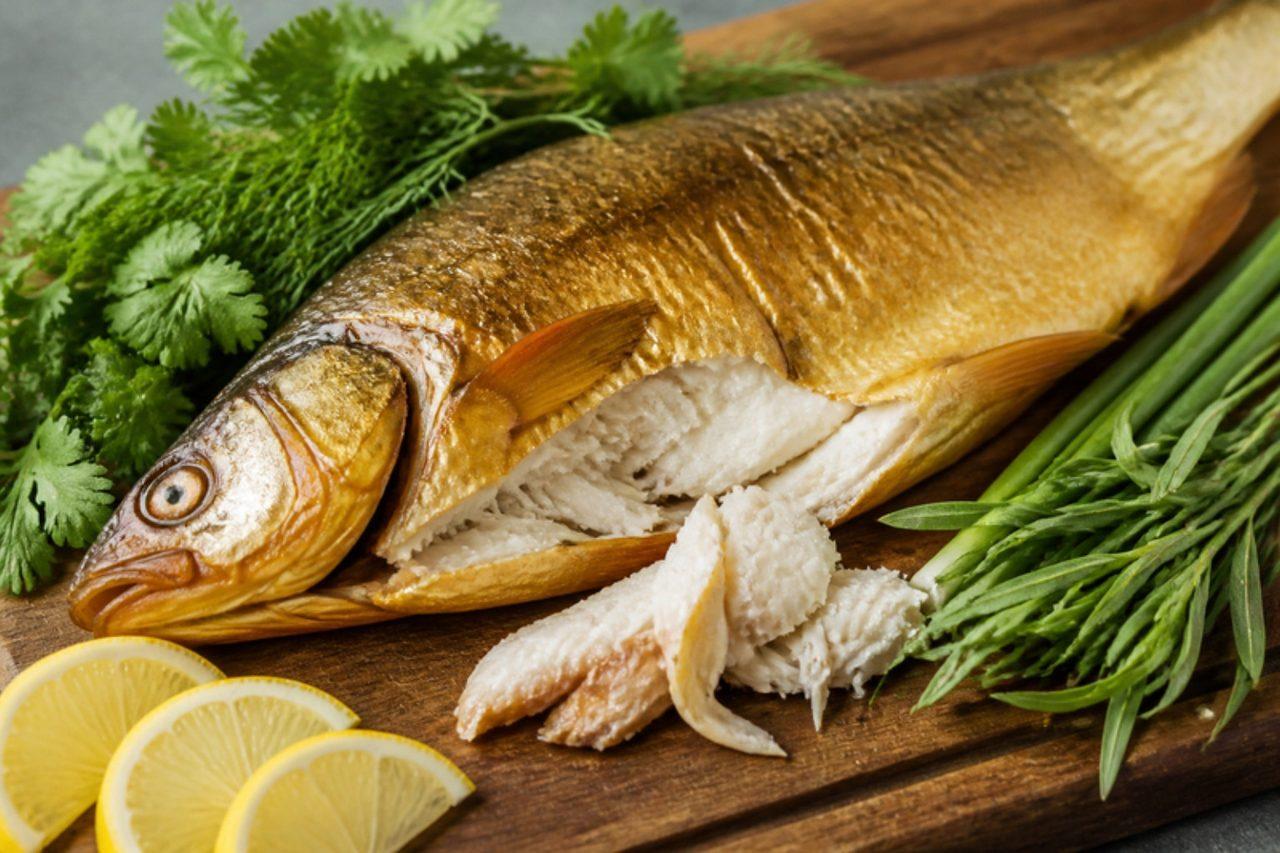
Kutum, the Caspian white fish, is the favourite catch of the Azerbaijani coast from Lankaran to Baku, and in spring fishermen's families salt it and hang it in smoke so it keeps for weeks. The traditional cold-smoked fish is not cooked by the smoke; this home version is hot-smoked instead, so the fish is cooked right through, which is safer. Use kutum, mullet, sea bass or trout. A common mistake is putting wet fish into the smoker; the smoke cannot stick and it tastes steamed. Chef's tip: let the salted fish dry, uncovered, in the fridge for a few hours until the surface feels tacky, which gives a glossy golden skin. Eat it with greens, fresh herbs and bread.

by KrazyBadal 0 views

Miyan zogale (moringa leaves with groundnut)

Moringa trees grow by the compound walls of many northern Nigerian homes, and their small, round leaves end up in this quick, nourishing relish. The leaves are blanched, then cooked down with onion, tomato and dawadawa and bound with groundnut paste, giving a green, slightly peppery dish with a nutty finish. Families in Kano, Katsina and Zaria eat it with tuwo, or as a light meal on its own. Because only a little groundnut goes in, it stays light. Chef's tip: strip the leaves off their stalks completely, since even thin stems stay stringy after cooking.

by KrazyBadal 0 views

Djelbana (Algerian lamb and pea stew)

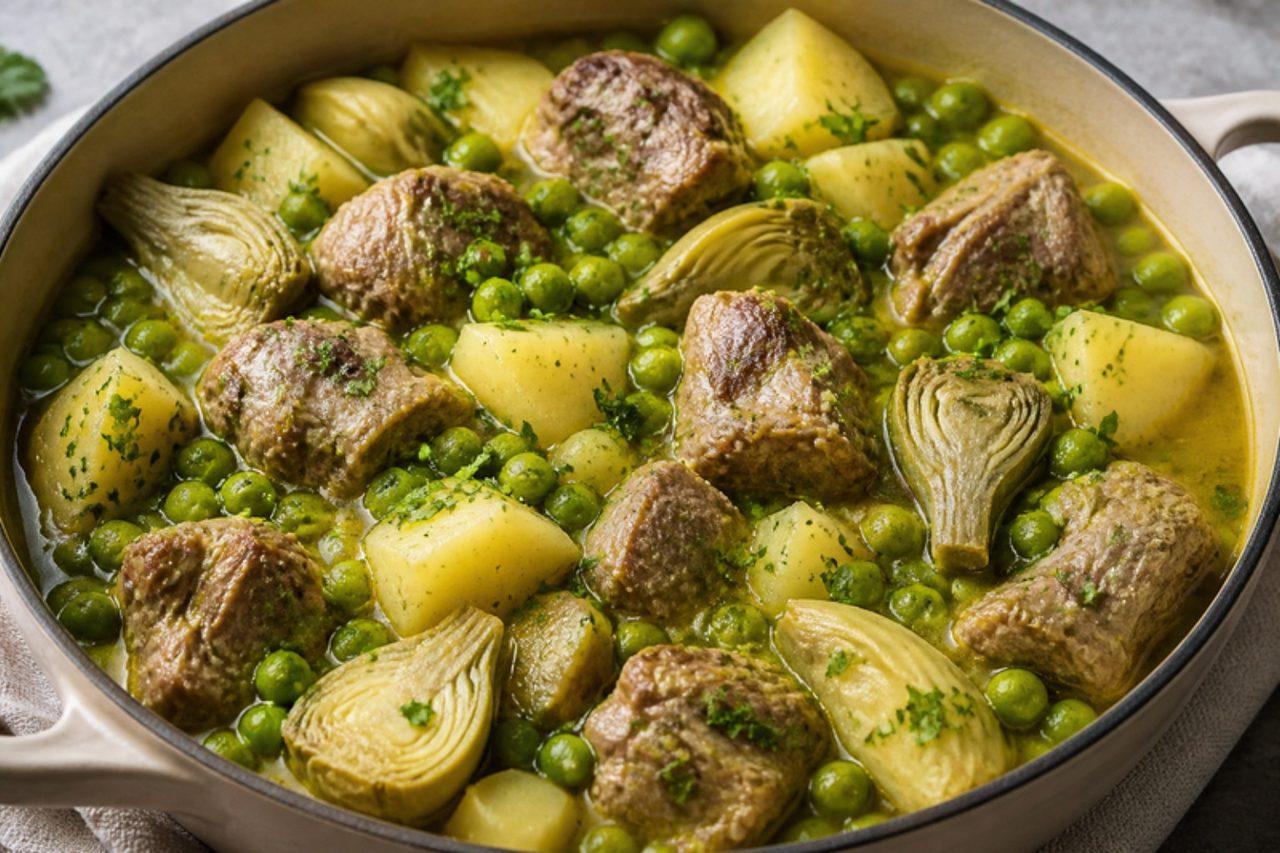
Spring markets in Algiers fill with sacks of fresh peas and violet artichokes, and that is the moment for djelbana, a light, pale stew of lamb, peas, artichoke hearts and potatoes cooked with onion, garlic and a little turmeric, finished with fresh coriander. Families serve it at lunch with plenty of bread to soak up the sauce; on meat-free days it is made the same way without the lamb. It tastes fresh, sweet and gently peppery rather than heavily spiced. Frozen peas and artichoke hearts are fine out of season. Chef's tip: add the peas only for the last 10 minutes; peas put in with the meat are the usual mistake and turn grey and mushy.

by KrazyBadal 0 views

Ayamase (ofada green pepper stew)

Ofada rice, the short, fragrant local rice from Ogun State, is almost always served in Lagos with ayamase, a stew so green and so hot it is sometimes called designer stew. Green bell peppers and green scotch bonnets are blended coarse, dried out in the pot, then fried in palm oil that has been bleached clear, with plenty of iru for a deep, funky savouriness. Assorted meat (beef, tripe and cow skin) and boiled eggs are folded in. Watery pepper is the mistake that makes it taste sour and raw, so boil the blended pepper dry before it meets the oil. Chef's tip: bleaching palm oil makes heavy smoke; open the windows, keep the lid nearby and never leave the pot.

120 minNigerianMeatGluten freeSpicy
by KrazyBadal 0 views

Molasses with tahini

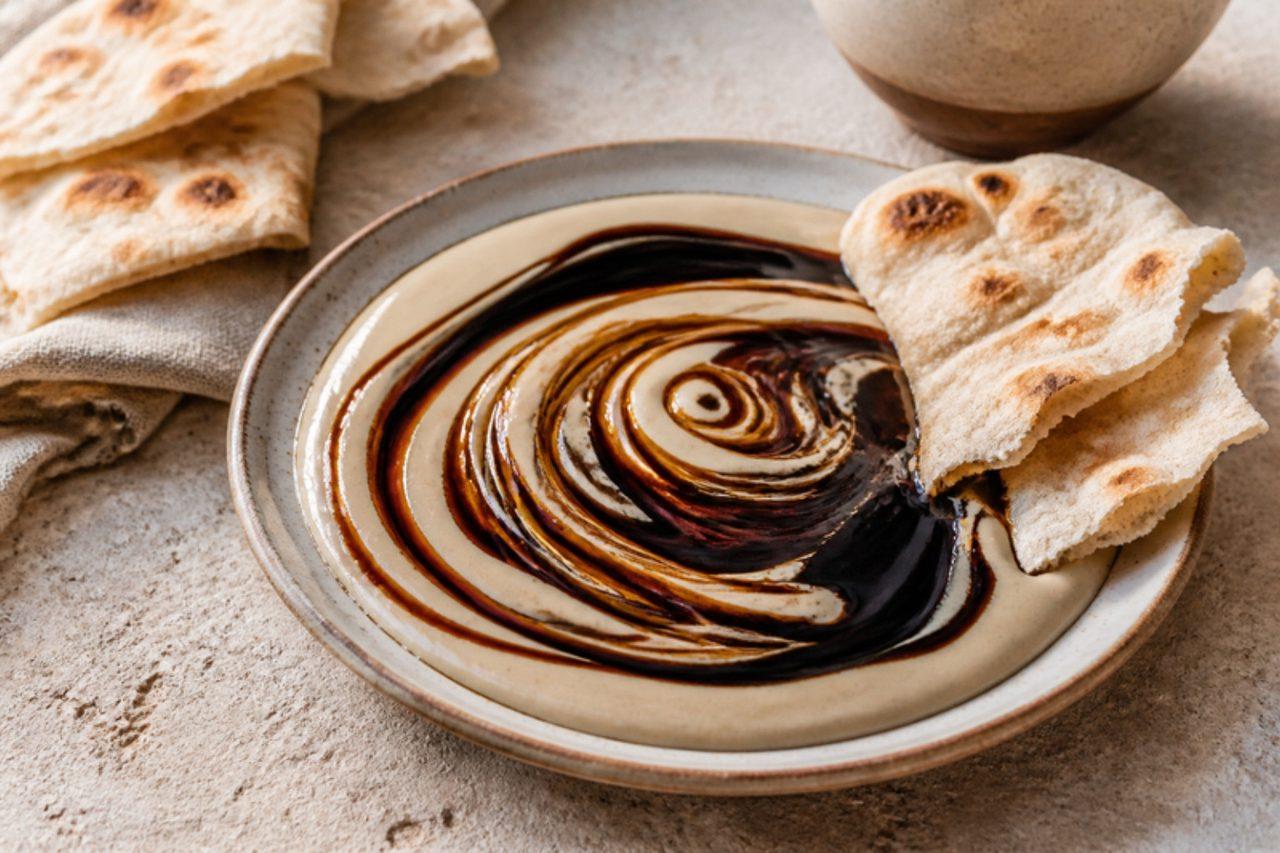
Upper Egypt grows the country's sugarcane, and its dark molasses, asal eswed or black honey, has found its way onto breakfast and supper tables from Aswan to Alexandria. Spooned over tahini and swirled together, it becomes a glossy, bittersweet, nutty dip that children love and grown-ups eat after a light evening meal, scooped up with warm aish baladi or fino. Many families eat it in winter, when they want something warming and filling. A frequent slip is stirring the molasses and tahini together completely; leave them swirled so each bite gets both. Chef's tip: stir the tahini jar thoroughly first; the thick paste at the bottom and the oil on top must be mixed, or the dip comes out stiff and dry.

by KrazyBadal 0 views

Ogi (pap, fermented maize porridge)

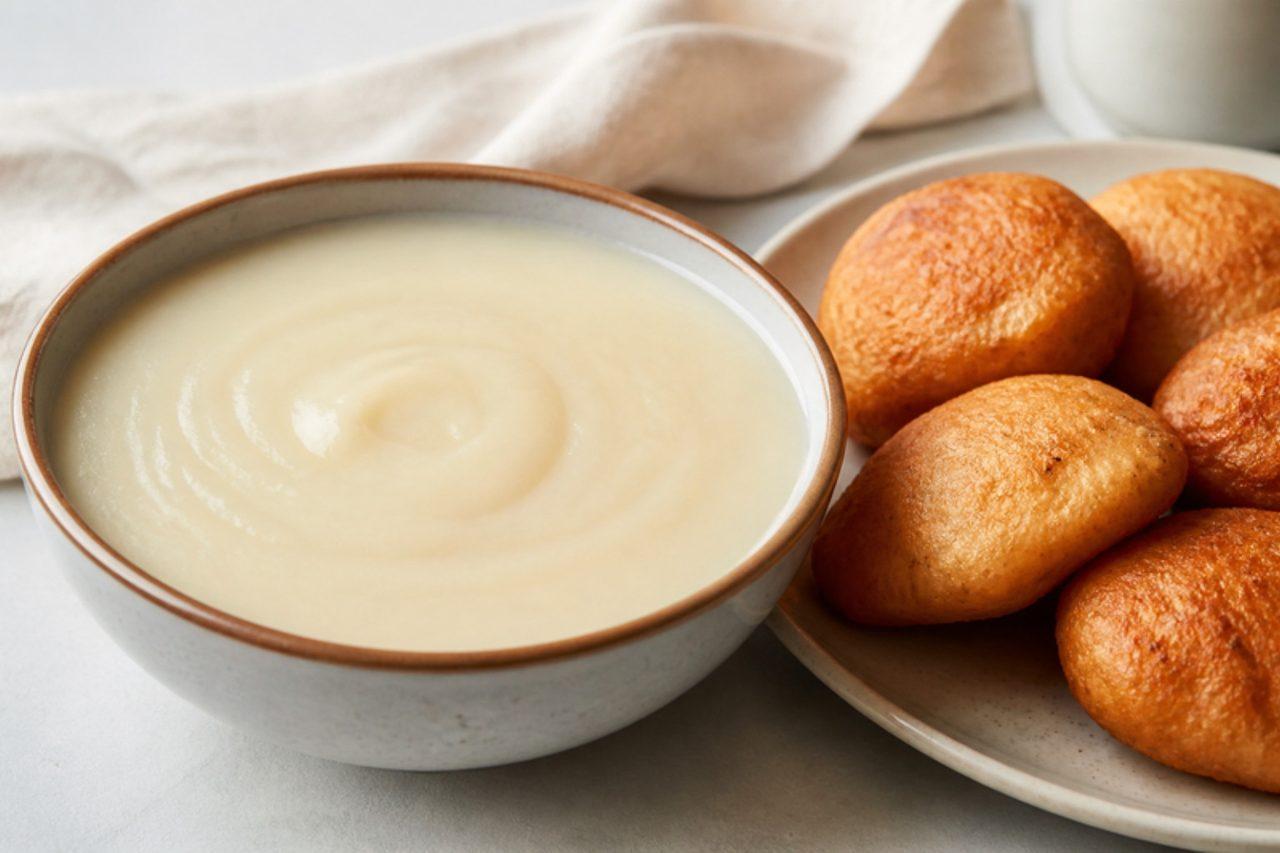
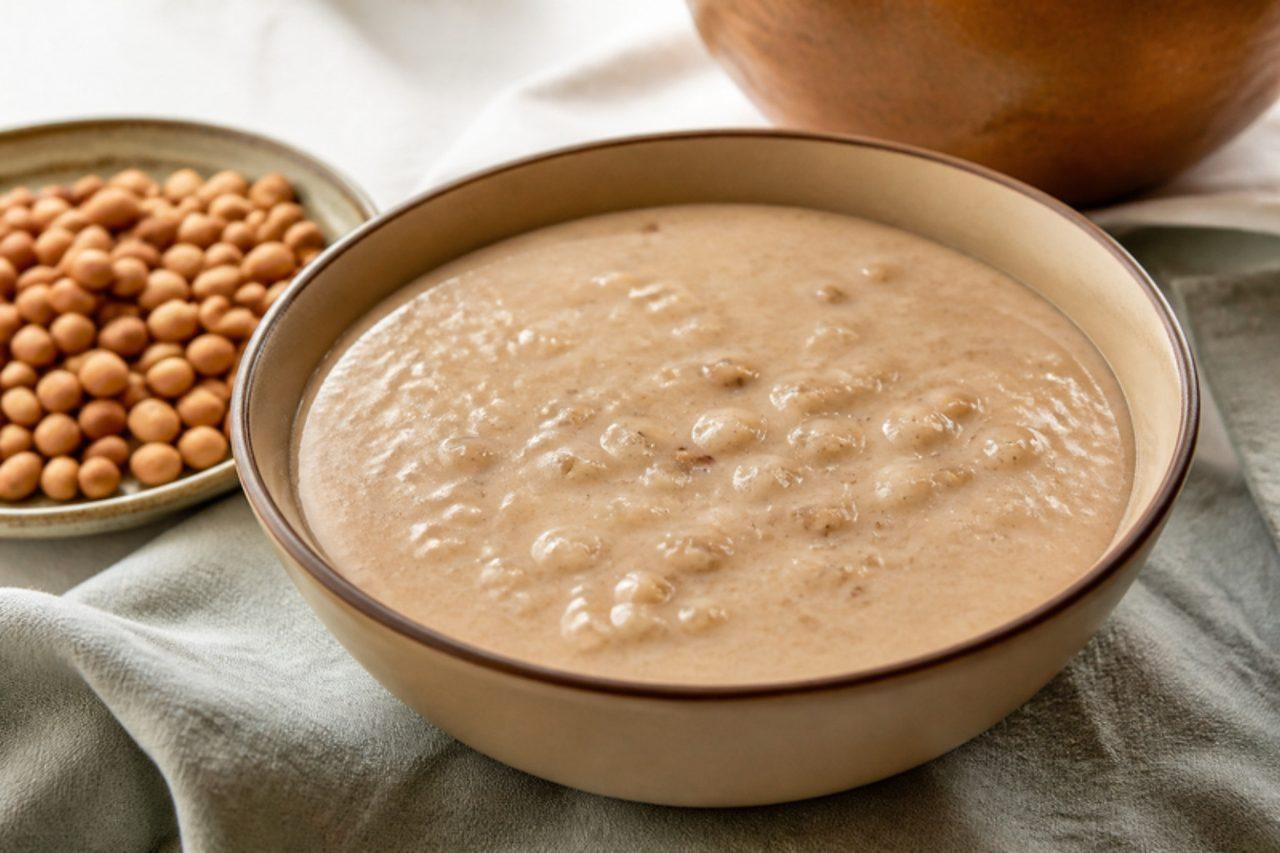
Early mornings across Nigeria smell of akara frying and ogi being stirred: the smooth, pourable porridge that Yoruba homes call ogi and Igbo homes call akamu. It is made from maize soaked for two or three days, ground, sieved and left to settle into a soft white paste, which is sold fresh in markets wrapped in leaves or plastic. Boiling water turns the paste glossy and thick, with a clean sourness that is often softened with sugar and milk. Water that is merely hot rather than boiling is the usual mistake, leaving the pap thin and chalky; if that happens, stir it over a low flame for a minute. Chef's tip: sorghum ogi (ogi baba) is redder and earthier, and millet ogi is lighter; all three cook the same way.

by KrazyBadal 0 views

Rouz jerbi (Djerban steamed rice)

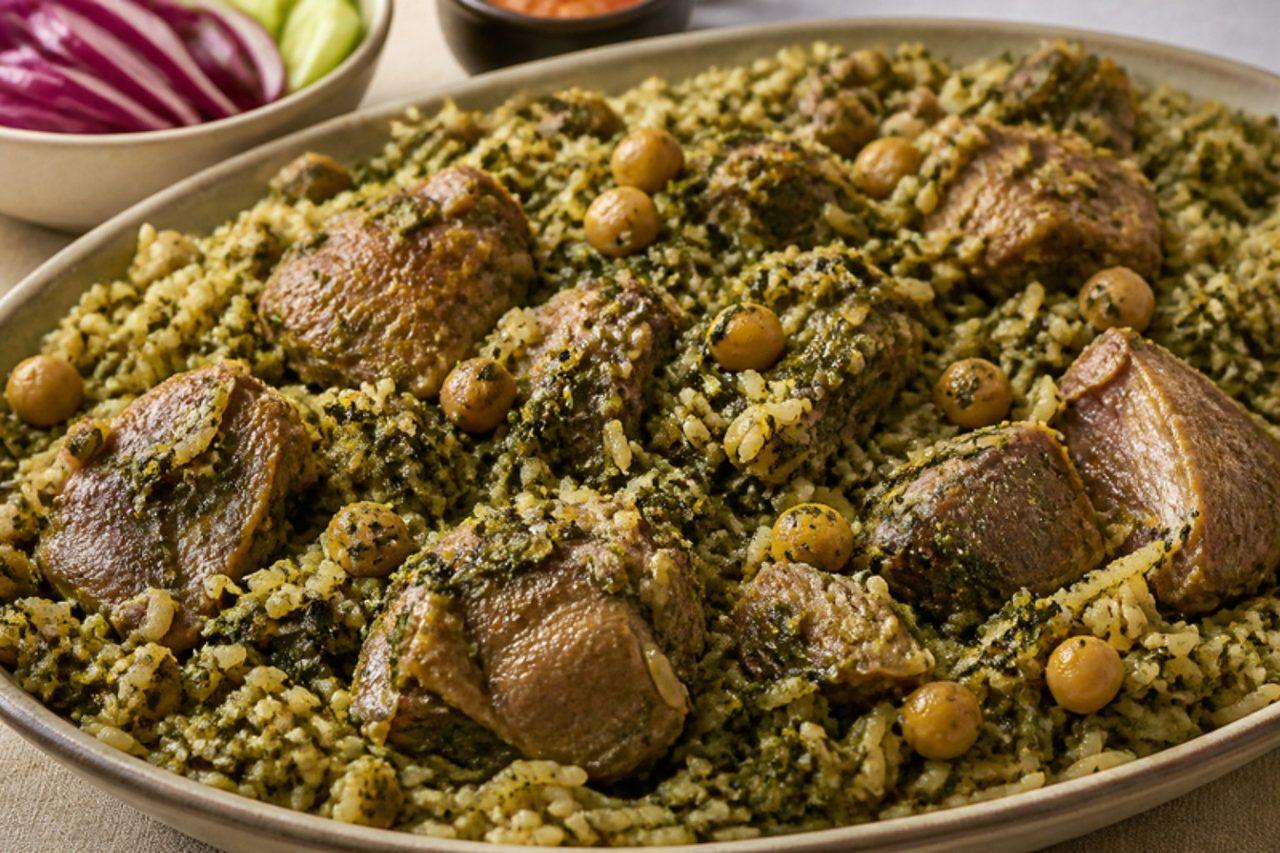
Djerba islanders cook rice the way the rest of Tunisia cooks couscous, in the top of a couscoussier: raw rice is mixed with small pieces of lamb, chopped spinach, a mound of herbs, chickpeas, tomato paste, harissa and spices, then steamed over boiling water until every grain is tender and stained red-gold. Rouz jerbi is a Friday and family-gathering dish on the island, served from one large platter. The rice stays separate and fluffy, the greens melt in, and the lamb picks up the scent of mint and tabil. Chef's tip: stir the rice from the bottom every 20 minutes; leaving it untouched is a common mistake, as the bottom turns soggy while the top stays hard.

by KrazyBadal 0 views

Mullah rob (Sudanese peanut and yoghurt stew)

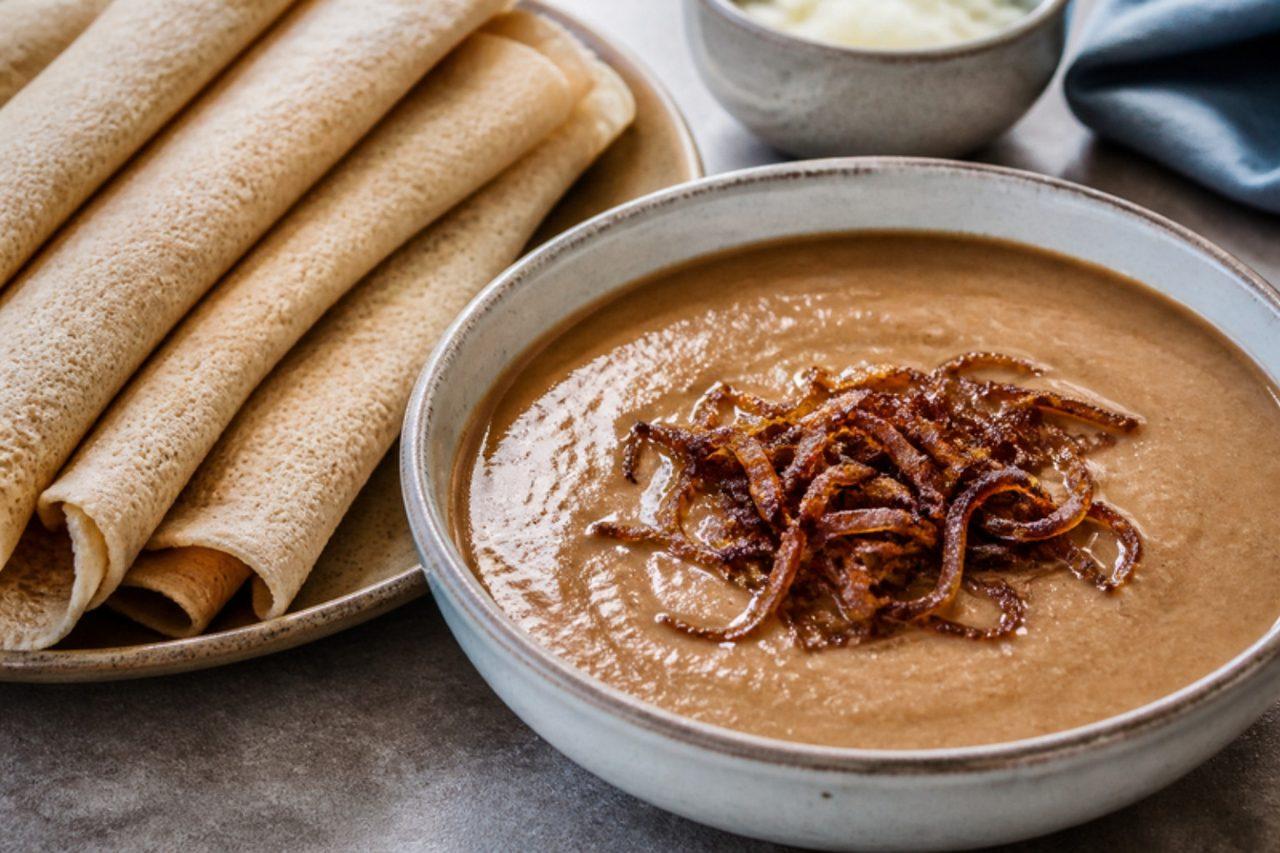
Rob is the Sudanese word for soured milk, and in Khartoum kitchens it goes into one of the simplest, most comforting stews of all: onions cooked down until sweet, peanut butter stirred in for body, and rob whisked through at the end to make a creamy, tangy, pale-gold sauce. It is everyday food, eaten at lunch with sheets of kisra or a mound of aseeda, and it costs very little to make. Without fermented milk to hand, pasteurised natural yoghurt thinned with water does the job well. Boiling the sauce once the yoghurt is in is the classic mistake, because it curdles into grainy flecks; keep it just below a simmer. Chef's tip: let the onions go properly soft and golden, about 15 minutes; they carry the flavour of the whole dish.

by KrazyBadal 0 views

Dakhine (rice with peanut sauce and lamb)

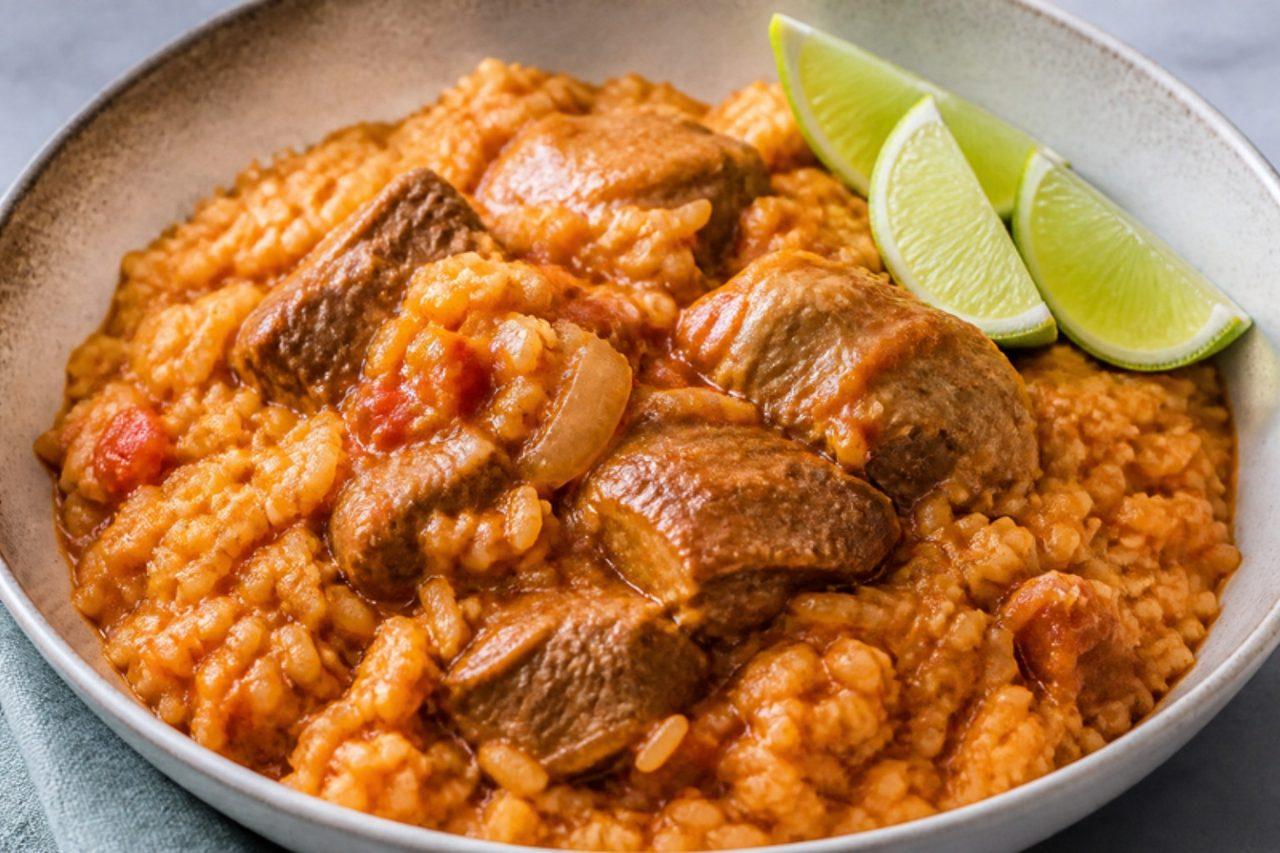
Somewhere between mafé and a risotto, dakhine is everyday Dakar comfort food: lamb or beef simmered in a peanut and tomato sauce, with the rice cooked right in the same pot until it soaks up all that nutty, savoury flavour. The result is thick, rich and very filling, the meat falling apart into the rice and a gentle heat from a whole Scotch bonnet. It is eaten from a shared bowl at lunchtime, with a squeeze of lime or a little chilli sauce on the side. Chef's tip: make sure the lamb is completely tender before the rice goes in, because the rice sets the timetable after that; adding it too early is the common mistake that leaves tough meat in mushy rice.

by KrazyBadal 0 views

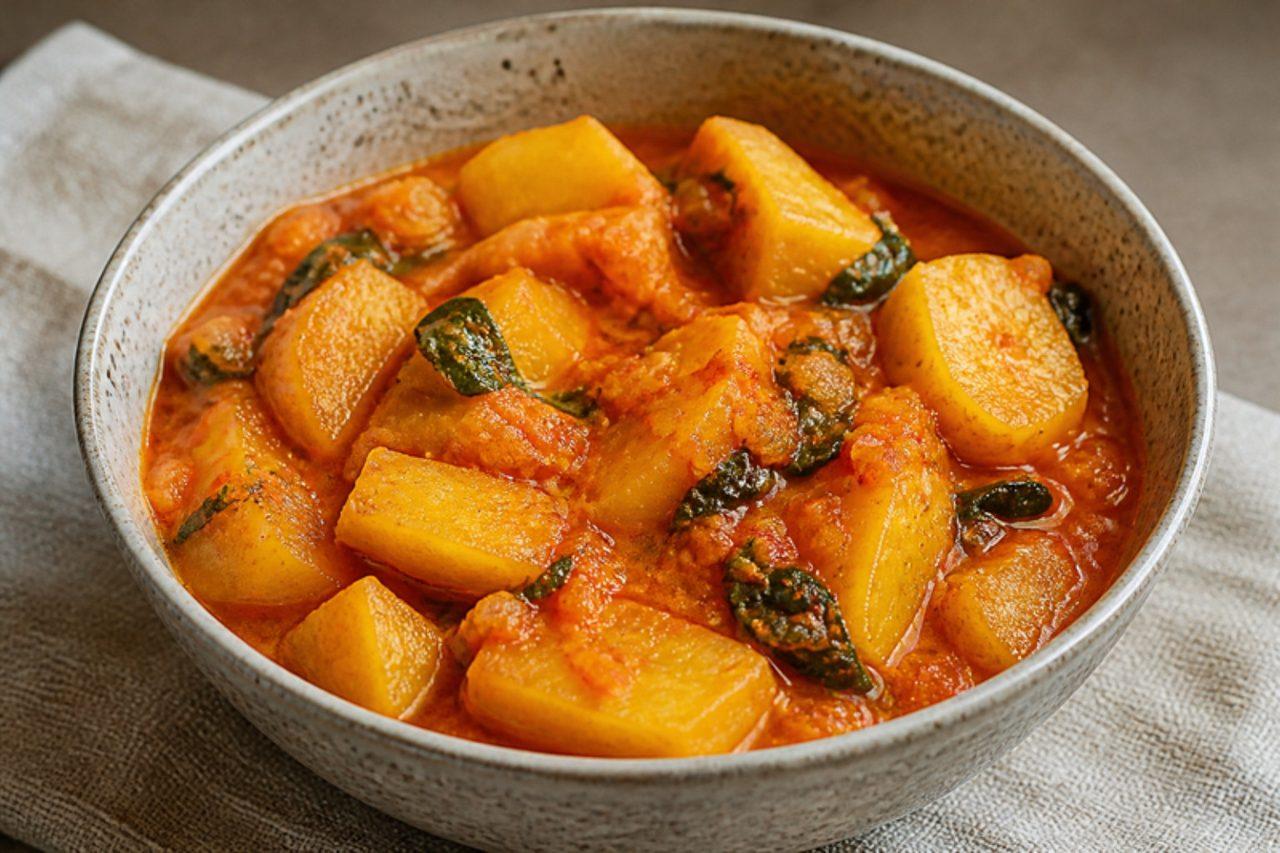
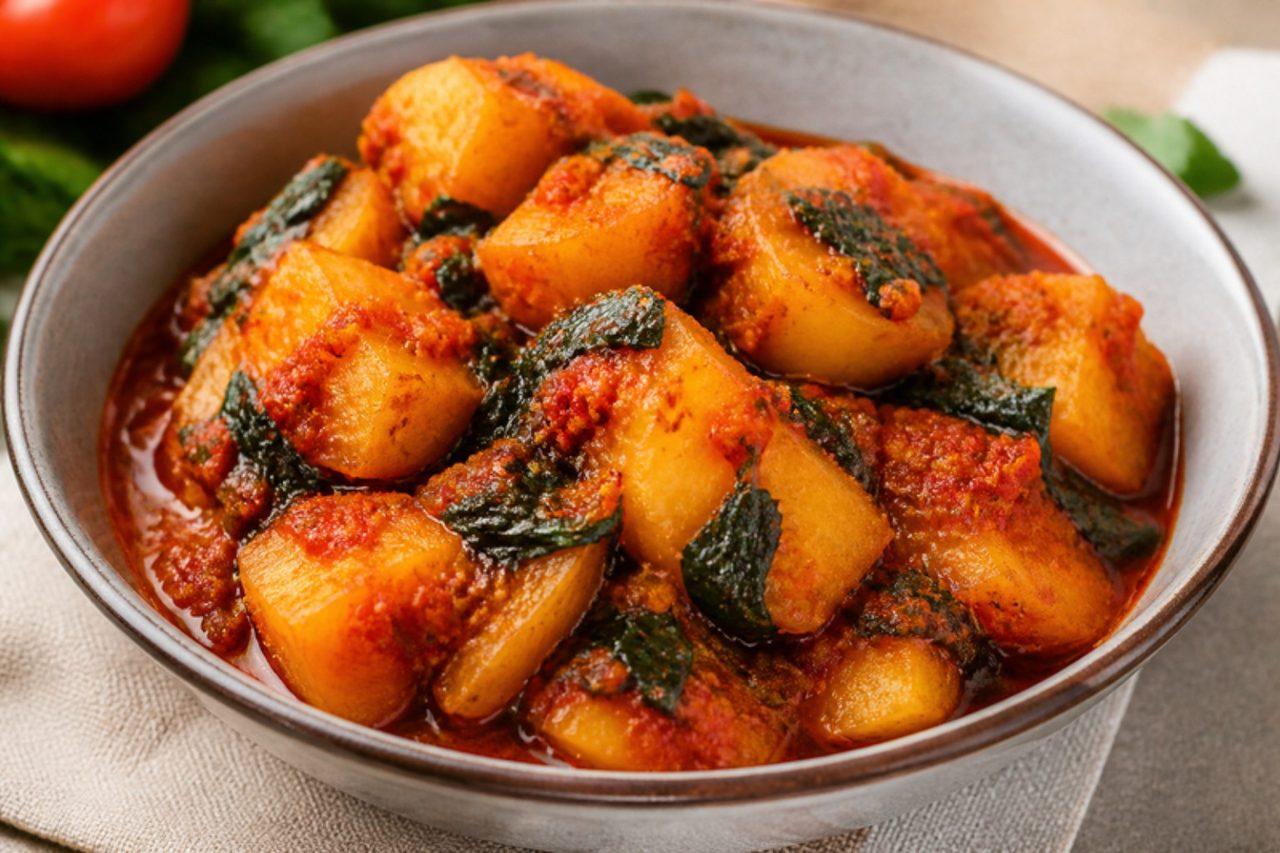
Jos potato pottage

Jos and the cool Plateau highlands grow most of Nigeria's potatoes, which everyone there calls Irish potatoes, and this pottage is how many households cook them on a weeknight. Chunks of potato simmer in a palm-oil, tomato and pepper sauce until some fall apart and thicken the pot while others stay whole, giving a comforting, gently spicy stew. It is often cooked with crayfish or fish; this version keeps it vegan, and children usually love it with the chilli kept mild. Dicing everything small and even is the mistake that turns it into mash, so cut big and small pieces on purpose. Chef's tip: finish with a handful of greens to brighten the orange sauce.

by KrazyBadal 0 views

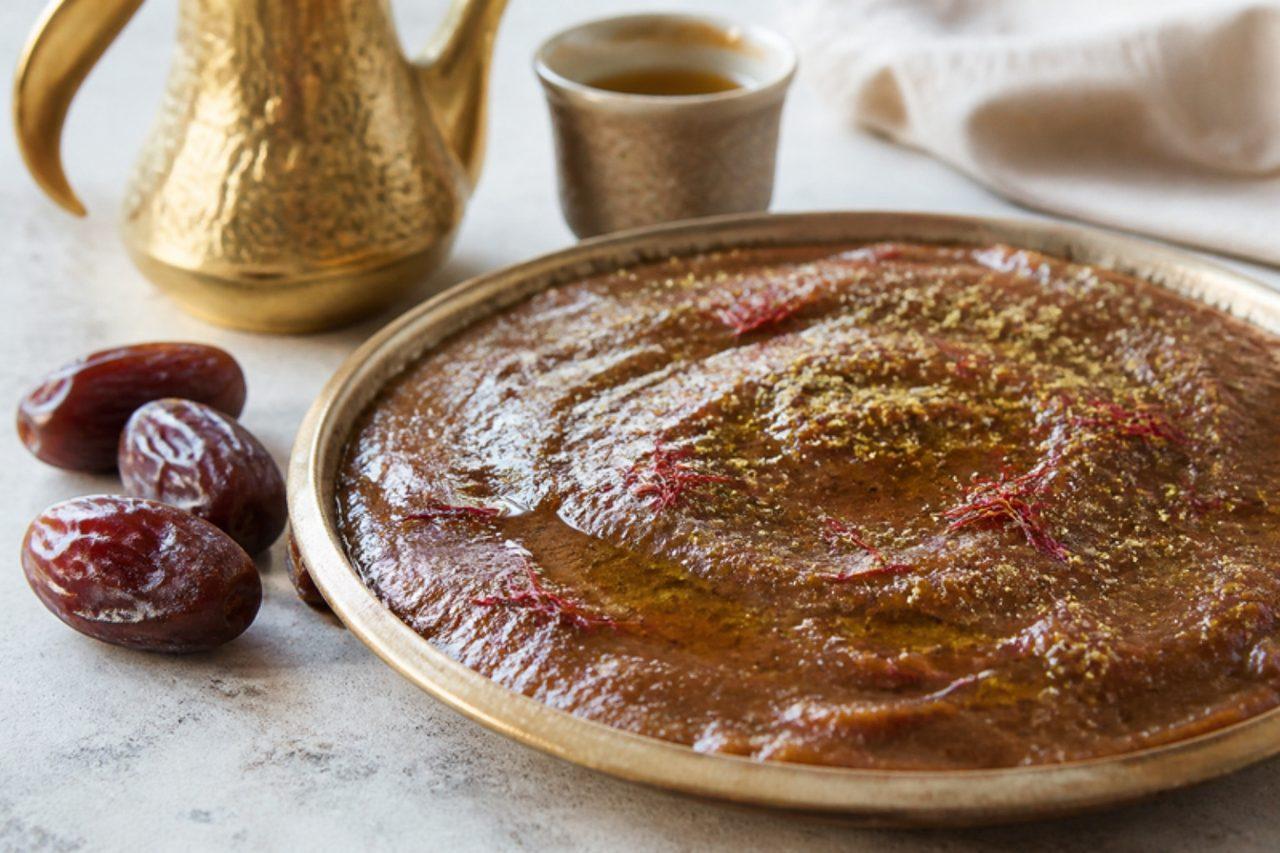
HininyDate and bread crumble

When the first cold nights reach Najd and Qassim, Saudi families make hininy, a warm sweet of soft dates melted into crumbled brown bread with plenty of ghee and cardamom. It is eaten from a shared plate in the evening or at breakfast with tiny cups of saffron-tinted Arabic coffee, and it is said to keep you warm on desert nights. The texture is soft and fudgy with a little crumb, the flavour like sticky toffee and toasted bread. The mistake to avoid is using hard, dry dates, which never melt; choose soft, moist ones or soak them first. Serve it warm, pressed into a mound. Chef's tip: toast the bread crumbs in a dry pan for two minutes before mixing; it gives a nutty depth that plain crumbs lack.

by KrazyBadal 0 views

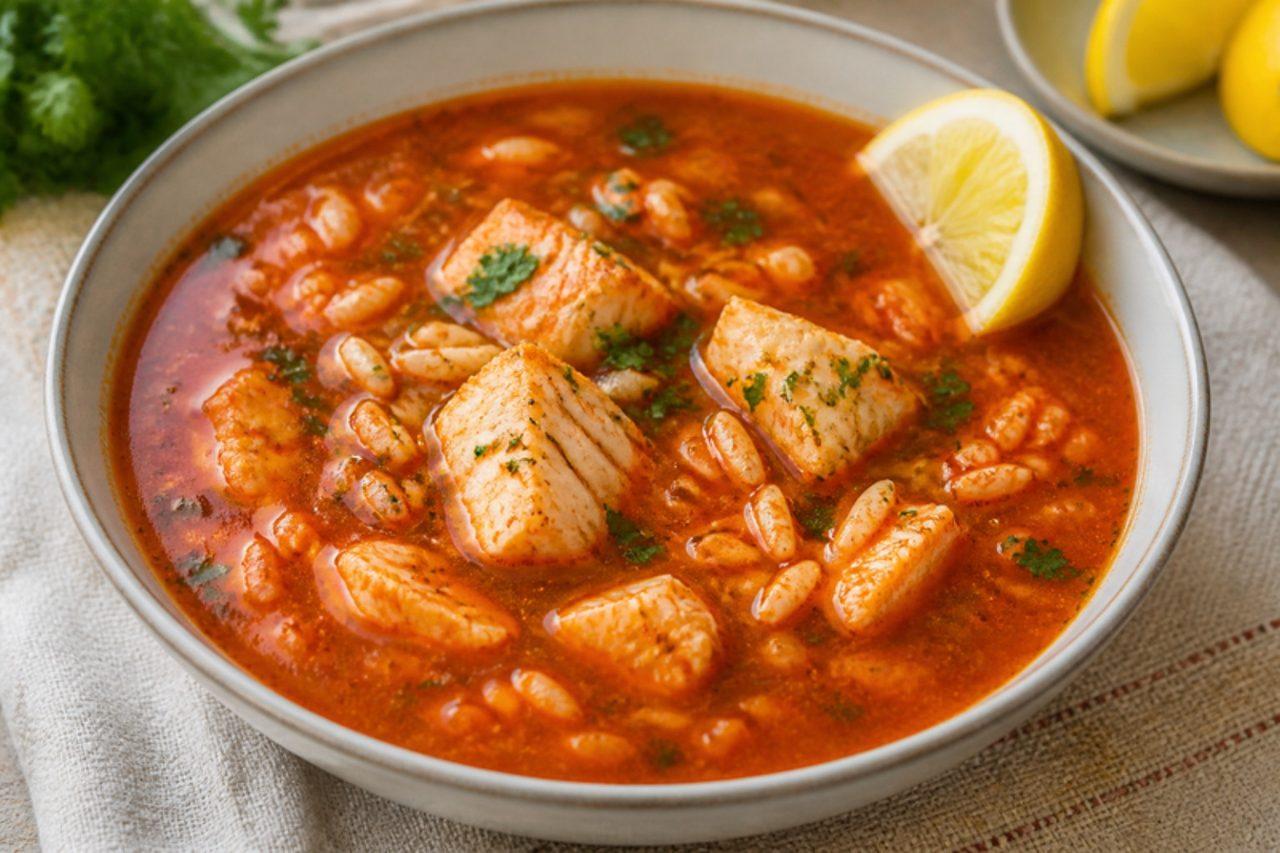
Chorbet hout (Sfax fish soup)

Along the coast around Sfax, a bowl of chorbet hout often opens the meal at Ramadan iftar, after dates and water: a red, peppery broth of tomato, harissa and caraway, thick with tiny bird's-tongue pasta and flakes of white fish, finished with a squeeze of lemon. Grouper, sea bream or mullet are the local choices, and any firm white fish works. The soup is warming and spicy with a fresh lift from parsley and celery, and goes well with bread and a brik. Chef's tip: poach the fish briefly, lift it out and only return the flakes at the end; leaving it to boil with the pasta is the common mistake, and it breaks into threads.

by KrazyBadal 0 views

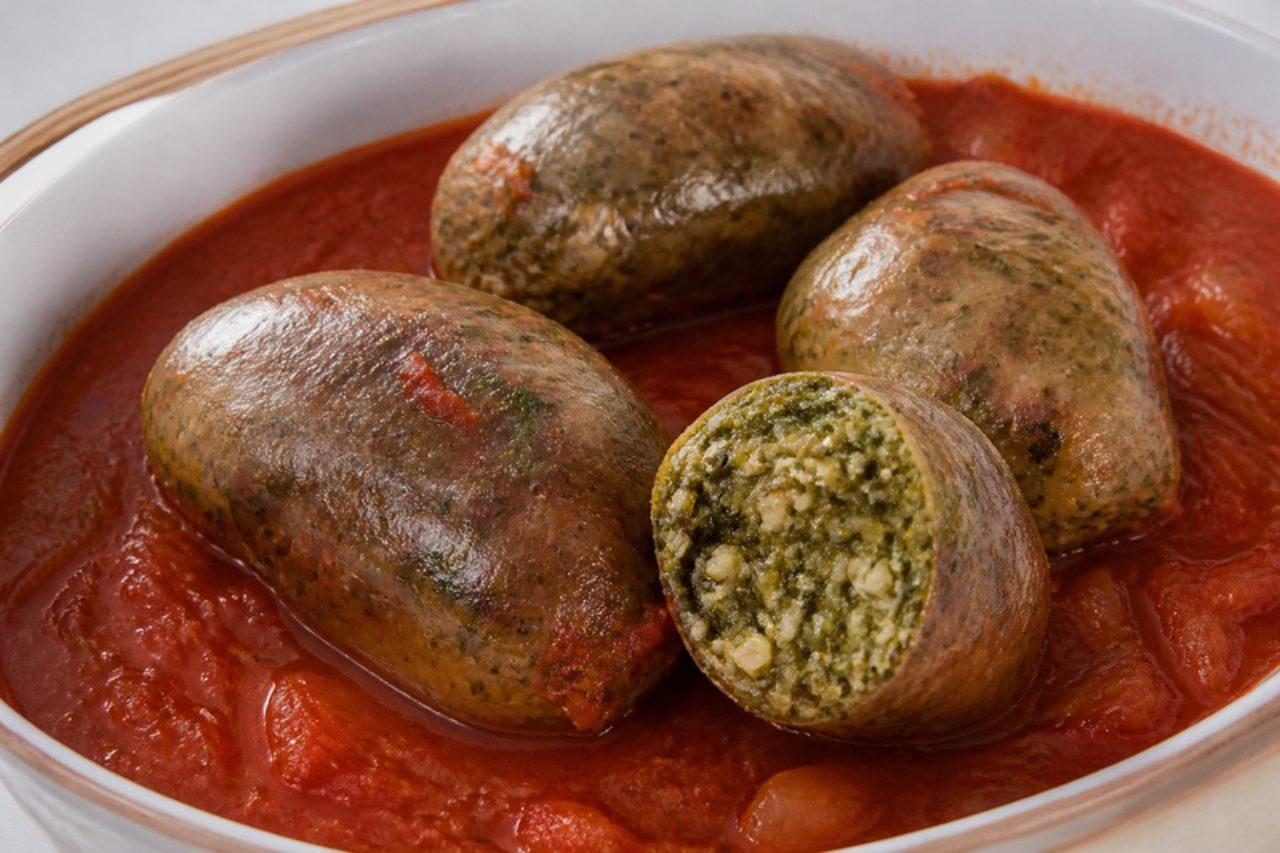
Osban (Tunisian stuffed lamb sausages)

Eid al-Adha in Tunisia means using every part of the sheep, and osban is how the tripe is honoured: cleaned pieces are sewn into pouches and packed with rice, chopped liver and lamb, chard, a big bunch of parsley and coriander, dried mint and harissa, then simmered in a red chickpea sauce and served over couscous. Families all over the country, from Tunis to the south, make a batch and freeze some for later. The filling cooks into a soft, herby, peppery sausage and the tripe turns tender. Buy tripe that the butcher has already cleaned and scalded, or use natural sausage casings for an easier version. Chef's tip: fill the pouches only two-thirds full and prick them with a needle; the rice swells as it cooks, and overstuffed osban burst, which is the most common mistake.

180 minTunisianMeat
by KrazyBadal 0 views

Agidi (set fermented maize in leaves)

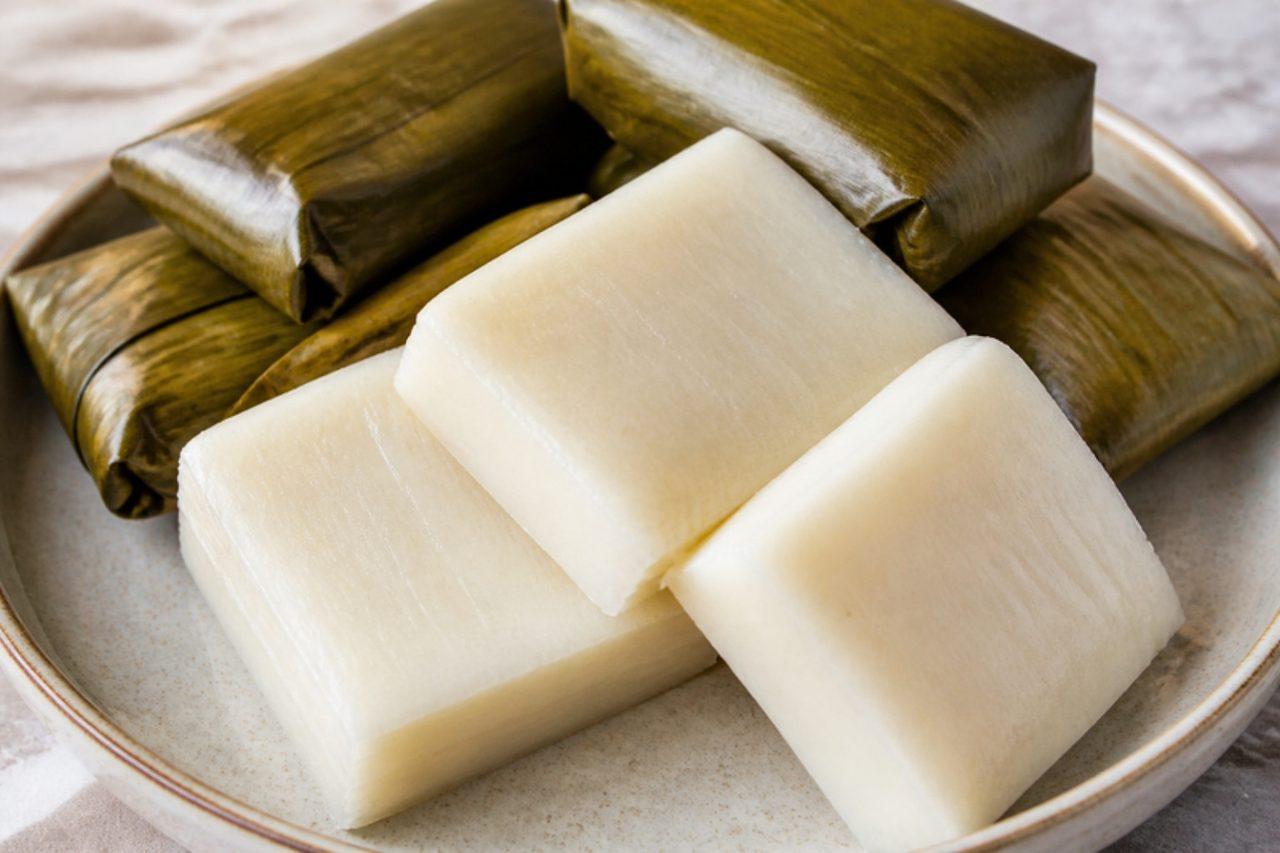
Wrapped in green leaves and stacked in pyramids, ẹ̀kọ (Yoruba) or agidi (Igbo) is the solid form of ogi: the same fermented maize paste cooked much thicker, then left to set into a cool, wobbly block. It tastes gently sour and very clean, which is why it suits a hot pepper stew, moi moi, akara or a bowl of efo. Buka in Lagos and Ibadan sell it at breakfast and lunch. Undercooking is the most common mistake, and the agidi then stays soft and runny, so cook until a spoon leaves a clear trail across the pot. Chef's tip: pass banana leaves quickly over a flame until they turn shiny and supple, and they will fold without tearing.

by KrazyBadal 0 views

Honey dill sauce

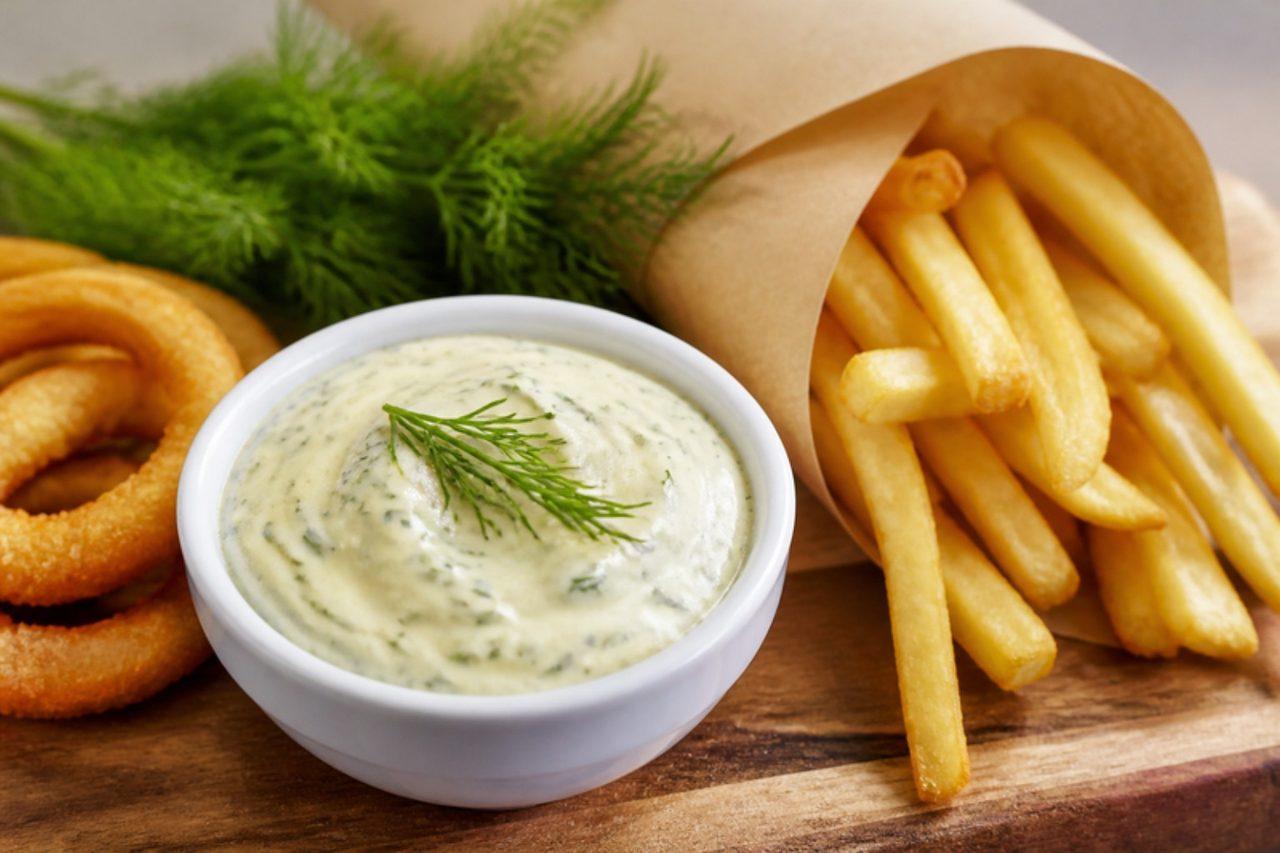
Ask for honey dill anywhere outside Manitoba and you'll get a blank look, but in Winnipeg every pub, burger stand and school canteen serves it with chicken fingers, fries and onion rings. It is simply mayonnaise sweetened with liquid honey and full of fresh dill, and it takes five minutes. It is also good on veggie burgers and baked potatoes. A common mistake is using thick set honey, which won't blend; warm it first. Chef's tip: make it an hour ahead so the dill flavours the whole sauce.

by KrazyBadal 0 views

Kunun gyada (groundnut and rice gruel)

Breakfast sellers in Kano and Zaria pour kunun gyada from big flasks into bowls, steaming hot on cool mornings and at Ramadan suhoor. Raw groundnuts are blended into a milk, boiled with rice until it thickens, and then soured with tamarind, which gives a creamy, nutty, sweet-sour gruel with soft grains of rice. It is filling enough to stand as breakfast on its own, or with a few pieces of kosai. Groundnut milk foams up just like dairy milk and is the cause of the most common mishap, so use a big pan and stay close. A frequent slip is adding the tamarind too early, which can make the groundnut milk curdle; stir it in at the end. Chef's tip: add the tamarind off the heat; boiling it hard can make the gruel split grainily.

by KrazyBadal 0 views

Fura da nono (millet balls in cultured milk)

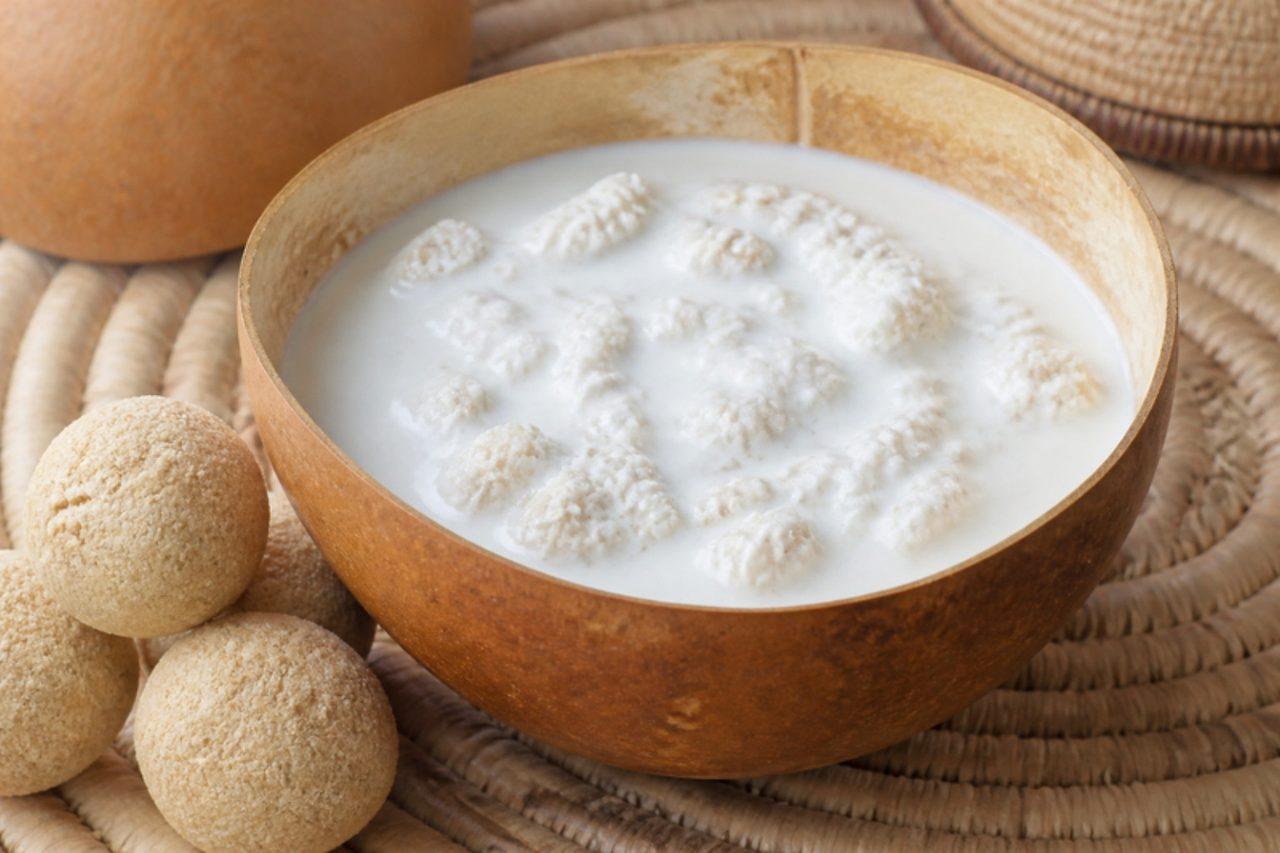
Fulani women carry fura da nono to markets across the north in calabashes balanced on their heads: balls of spiced, cooked millet dough sold next to nono, cow's milk that has been left to sour. Crumbled into the milk and sweetened, the fura makes a thick, cooling drink that is part breakfast, part refreshment, tangy with ginger and a gentle heat from the spices. Traditional nono is made from raw milk; this home version uses pasteurised yoghurt and milk for safety, and it should be kept in the fridge. Mashing the fura straight into all the milk leaves lumps, so crumble it with a little milk first. Don't crumble the fura balls coarsely; large lumps stay chalky in the drink. Chef's tip: dust the shaped fura in millet flour and it keeps for 3 days in the fridge, ready to mix.

by KrazyBadal 0 views

Ofe nsala (catfish white soup)

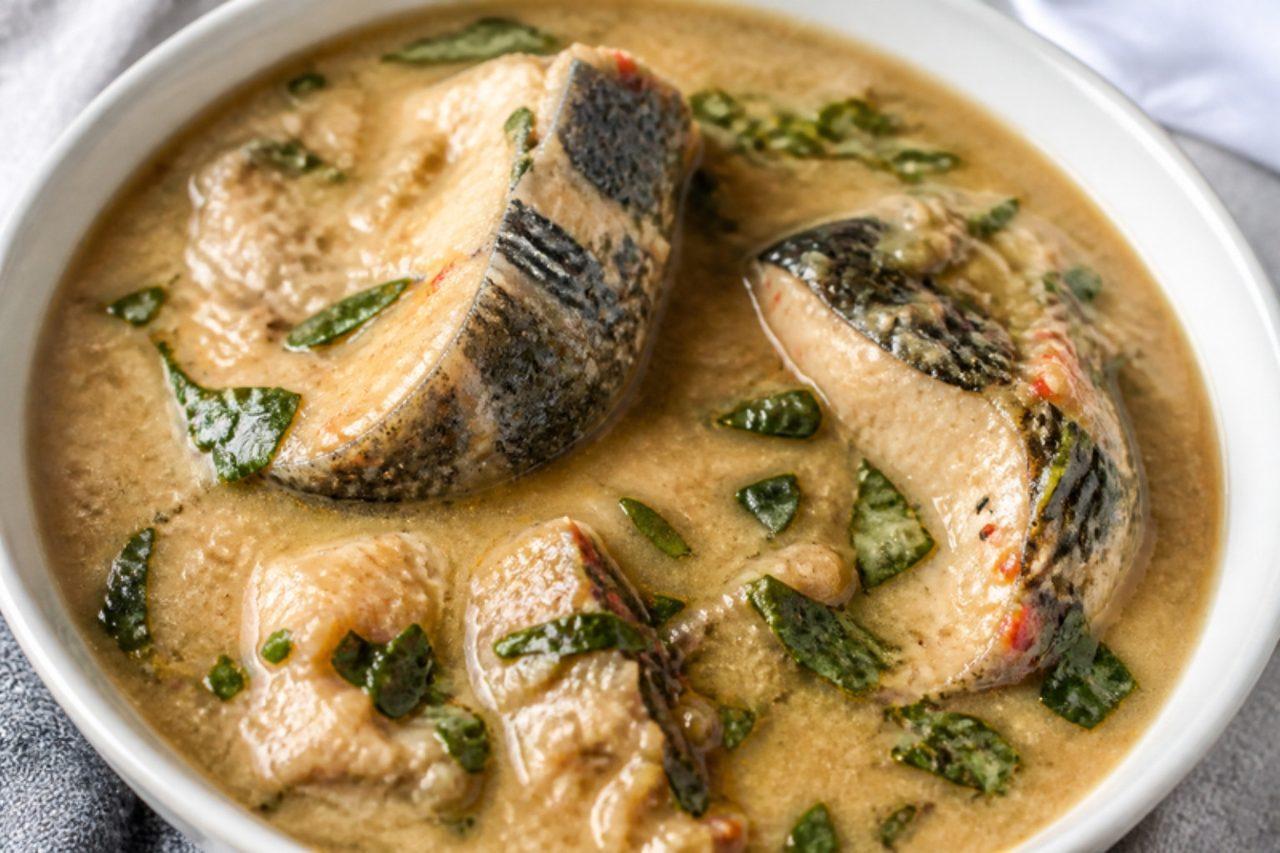
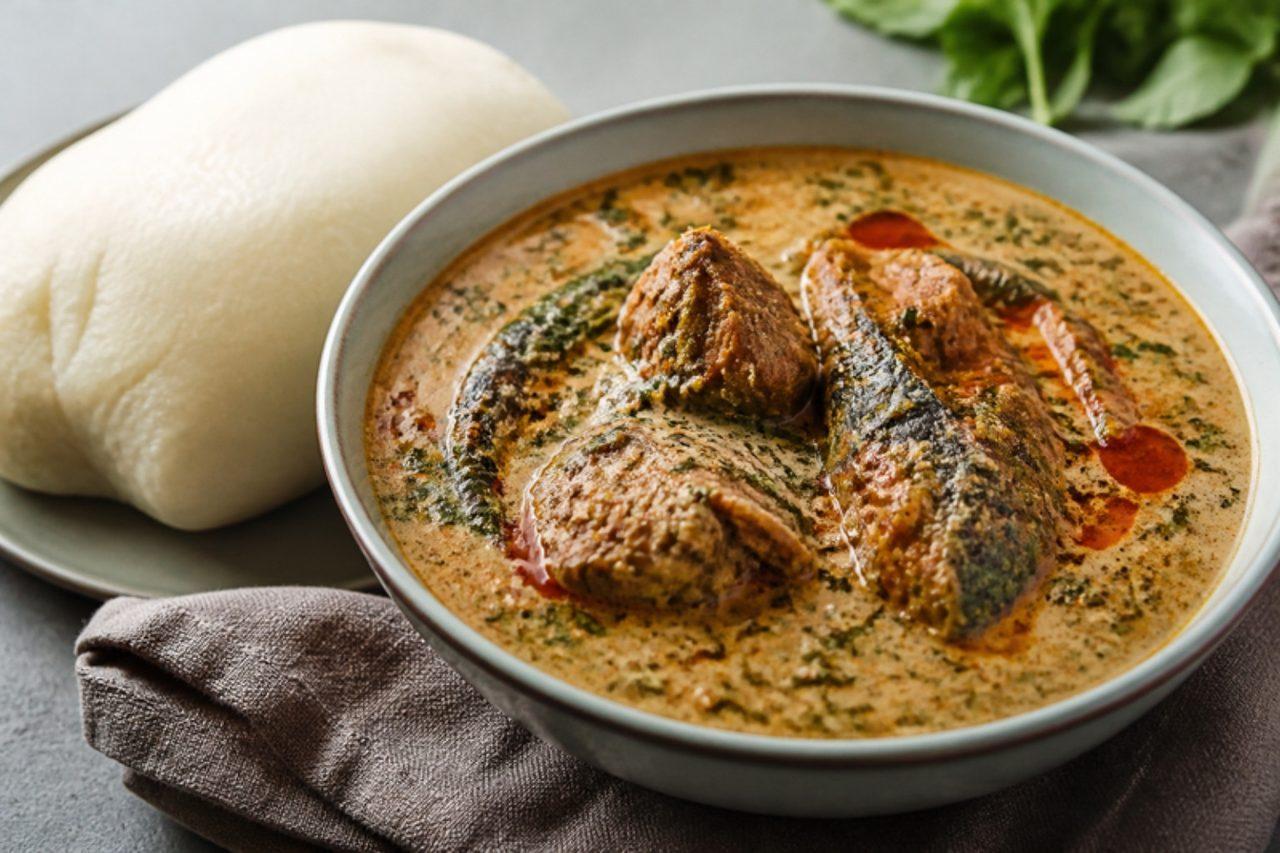
No palm oil goes into ofe nsala, which is why Igbo cooks in Anambra, Enugu and Imo call it white soup: a light, peppery broth of fresh catfish thickened with pounded yam and perfumed with uziza seeds. It is warming and clean-tasting, often cooked for new mothers and for anyone feeling under the weather, and served with pounded yam. Stirring hard after the fish goes in is the usual mistake, as catfish breaks up easily, so swirl the pot instead. Chef's tip: scrub the catfish with hot water and a little salt before cooking to remove the slime, which keeps the broth clear.

by KrazyBadal 0 views

Kammounia (Tunisian cumin beef stew)

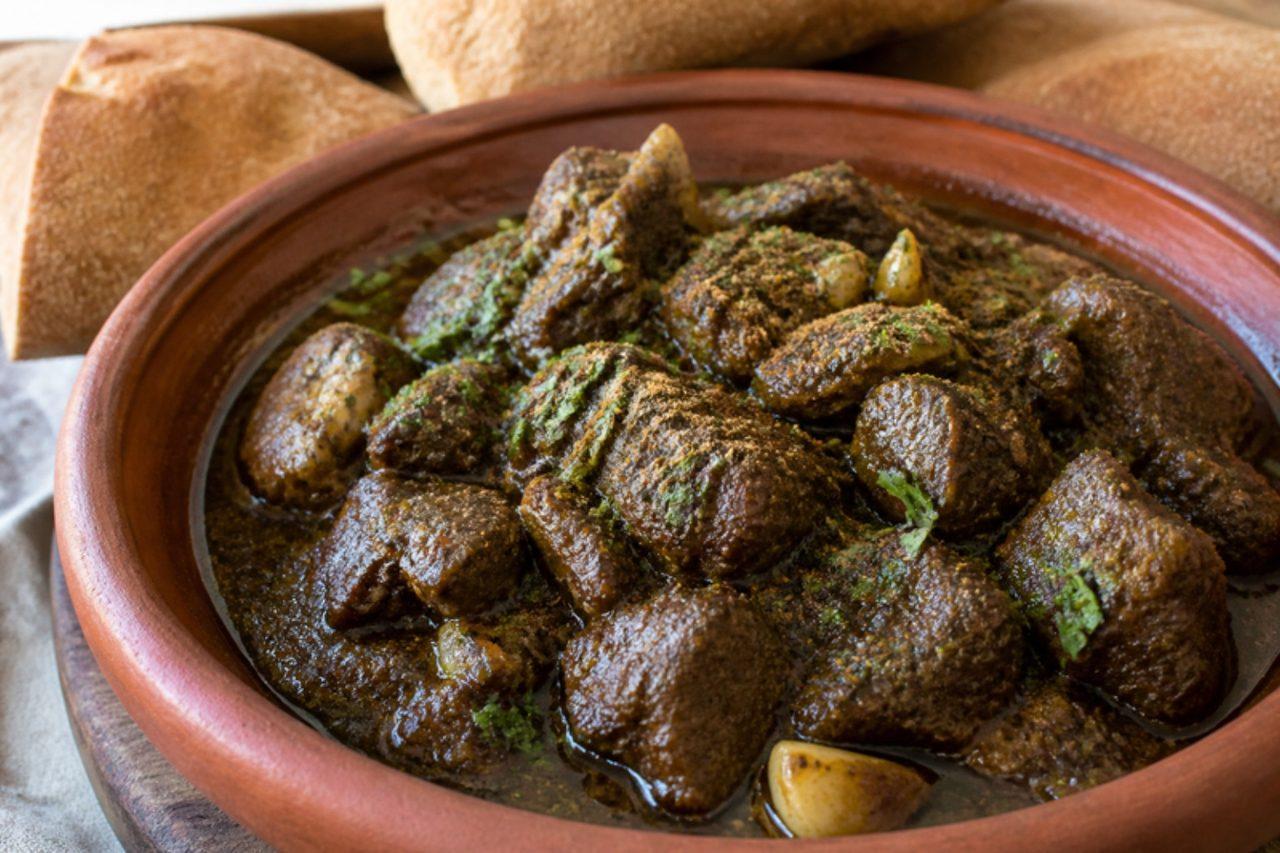
Cumin, kammoun in Arabic, gives kammounia its name, and the dish uses it boldly: chunks of beef, or in many Tunis homes lamb's liver, simmer in a thick, dark sauce of garlic, tomato paste and a generous amount of ground cumin until the meat is tender and the sauce clings to it. It is everyday family food in Tunis and Sfax, scooped up with crusty bread or served alongside a salad and olives. The flavour is earthy, warm and garlicky with a gentle heat from harissa. The usual mistake is adding the cumin at the start and frying it hard, which makes it bitter; it goes in once the sauce is simmering. Chef's tip: add half the cumin at the start and the rest in the last 10 minutes; all of it at once risks a flat, slightly bitter sauce, while the late addition keeps the aroma bright.

by KrazyBadal 0 views

Bkaila (Tunisian spinach and beef stew)

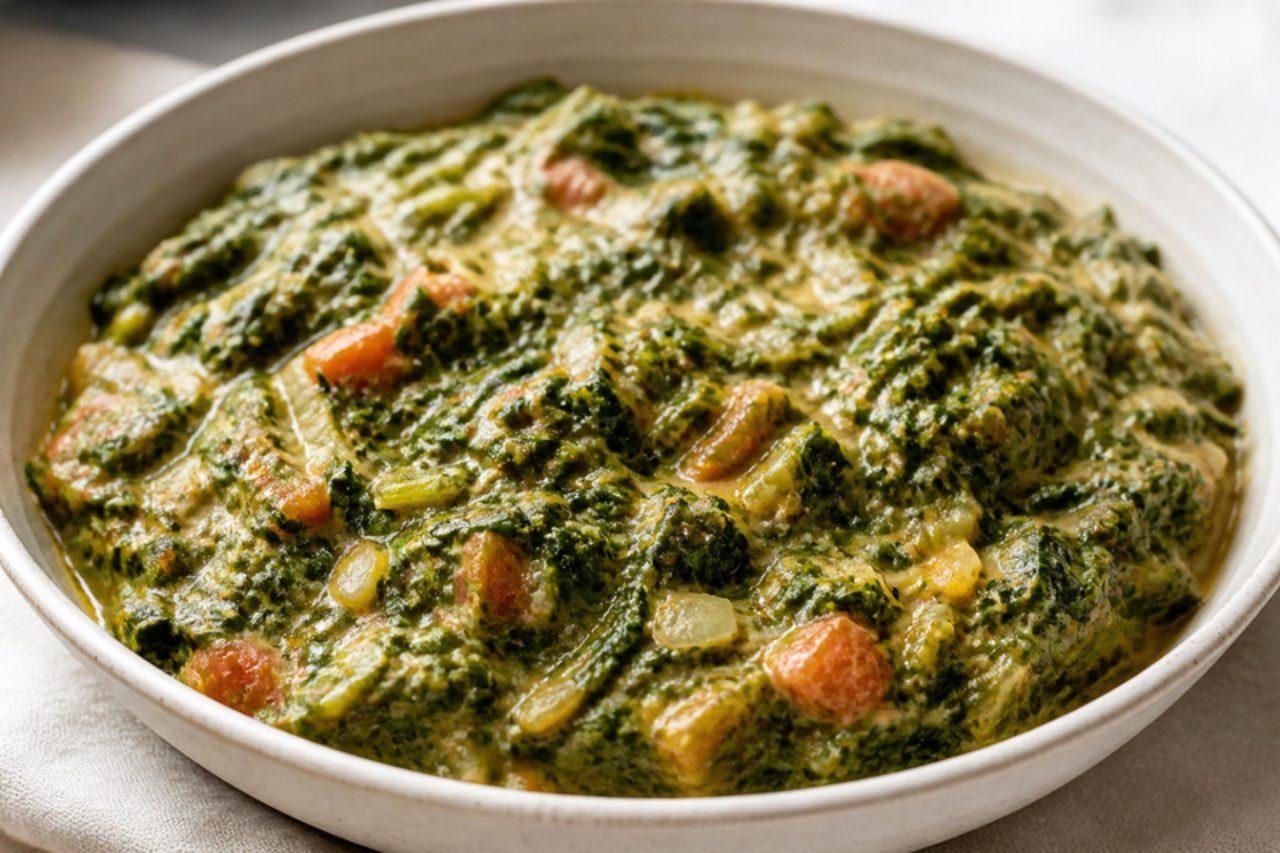
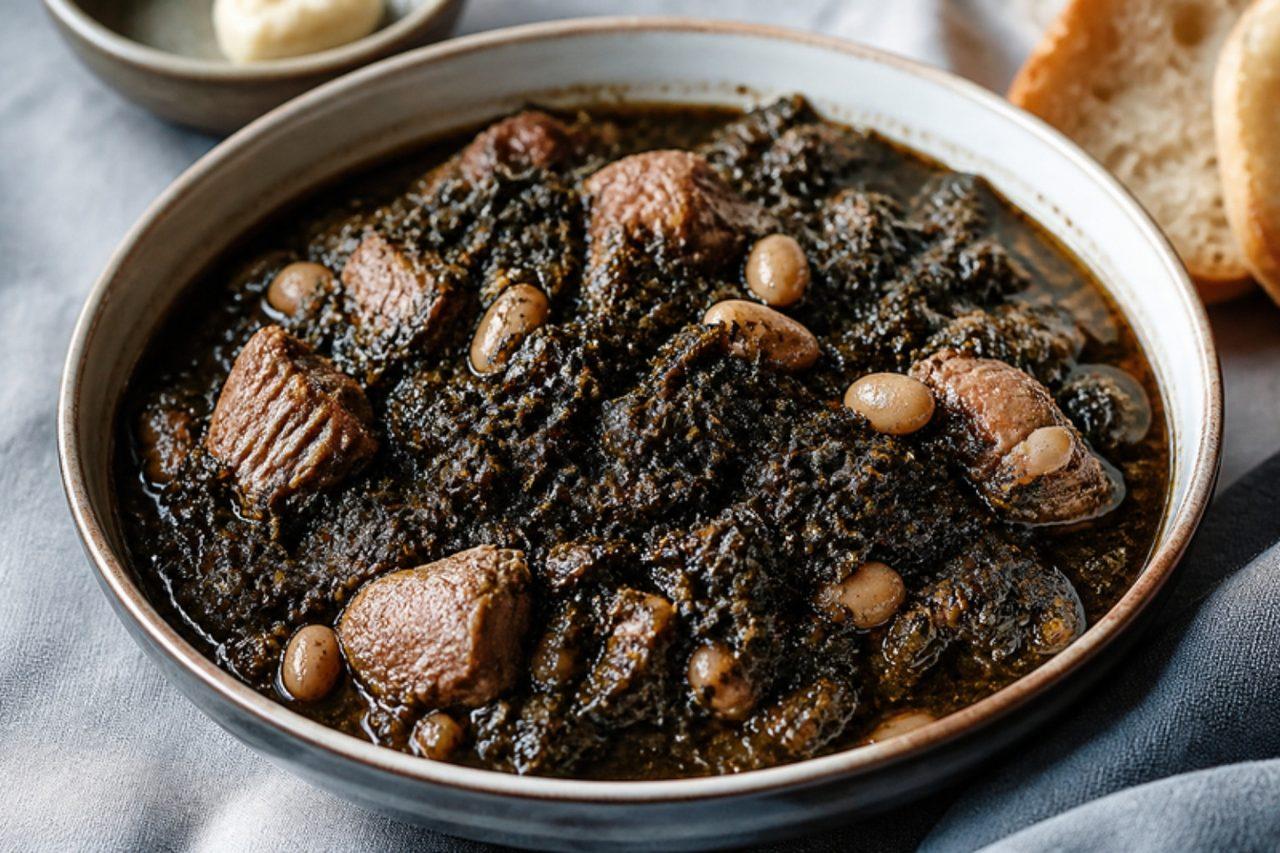
Tunisian Jewish families in Tunis, and those who carried the dish to Paris and Israel, cook bkaila for Rosh Hashanah and for Friday-night dinners: a heap of spinach is fried in olive oil for over an hour, until it shrinks to a dark, almost black, crumbly paste, then simmered for hours with chunks of beef, white beans, garlic and dried mint. The result looks dramatic and tastes deep and earthy, a little like a long-braised green sauce, with tender meat and creamy beans. It is eaten with couscous or bread, and is even better reheated the next day. Start the beans soaking the night before. Chef's tip: fry the spinach over a medium-low heat and stir often; turning up the heat to save time is the classic mistake, scorching the leaves so the whole pot turns bitter.

240 minTunisianMeatGluten free
by KrazyBadal 0 views

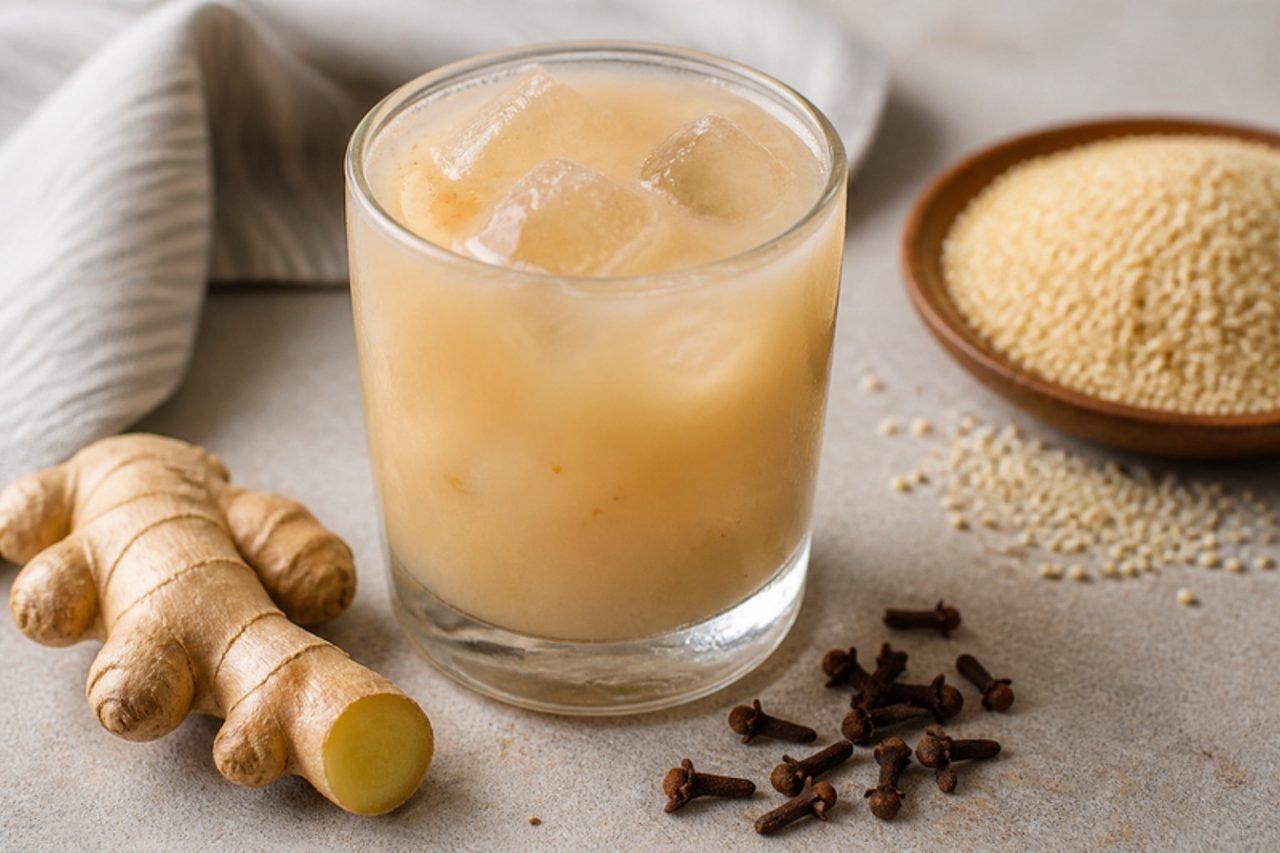
Kunun zaki (millet and ginger drink)

Chilled kunun zaki is what people reach for in the heat of Kano and Kaduna afternoons, and at Ramadan iftar it is one of the first things poured. Millet is soaked, ground with fresh ginger and cloves, then partly cooked; the uncooked portion stirred back in sweetens the drink naturally and gives it a light, refreshing tang. It is creamy-looking but thin, spicy at the back of the throat and best ice cold. Pouring boiling water over all the slurry is the classic mistake, since it stops the natural sweetening, so always keep a third raw. Chef's tip: start a day ahead (12 hours soaking, 4–6 hours resting) and strain twice through a fine cloth for a silky drink with no grit.

by KrazyBadal 0 views

Gizdodo (gizzards and plantain in pepper sauce)

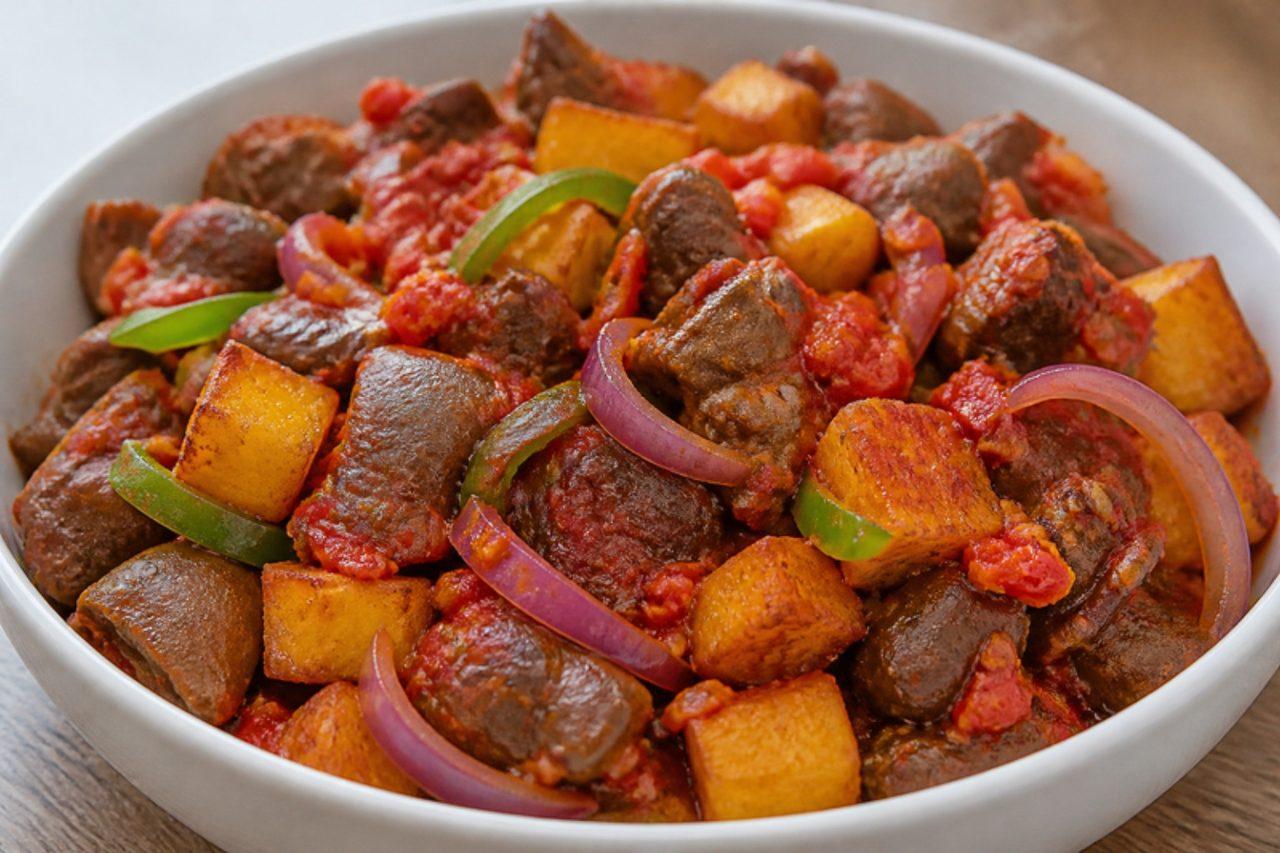
No Lagos owambe buffet is complete without a tray of gizdodo, where chewy fried chicken gizzards and caramelised cubes of ripe plantain (dodo) are tossed together in a glossy, fiery tatashe and scotch bonnet sauce. It is sweet, hot and savoury all at once, and served as a starter, a side to jollof or a snack. Gizzards must be boiled until tender before frying, and for safety they should reach 74°C in the thickest part, which they easily do by the end of the simmer. Frying plantain that is too green is a common mistake, leaving it starchy instead of sweet, so choose yellow fruit with black spots. Chef's tip: fry the plantain last, just before tossing, so it stays crisp-edged rather than soggy.

by KrazyBadal 0 views

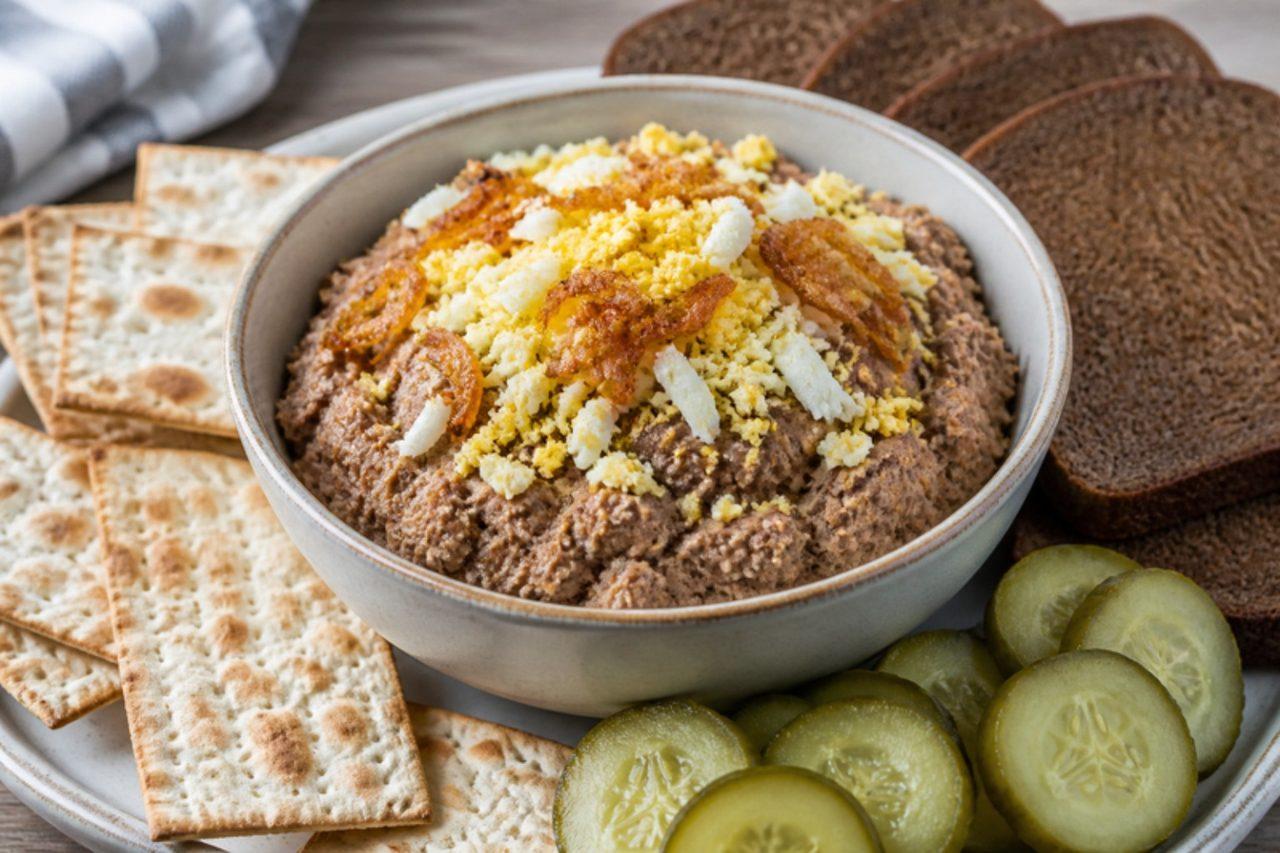
Chopped liver

Chopped liver is the first course of many Friday-night dinners in Ashkenazi homes from Haifa to Petah Tikva, spread on challah before the soup, and Tel Aviv delis still sell it by weight on Thursdays. Chicken livers are cooked through in schmaltz with a mountain of slowly browned onion, then chopped with hard-boiled egg into a coarse, rich spread that is sweet from the onion and deeply savoury. It is served cool, with challah, crackers or rye bread and a pickled cucumber. People often undercook the livers to keep them soft, but for safety they must have no pink left inside; the onion and schmaltz keep the texture tender anyway. Chef's tip: pulse in short bursts or chop by hand; a smooth purée loses the rustic texture that makes this different from a French pâté.

by KrazyBadal 0 views

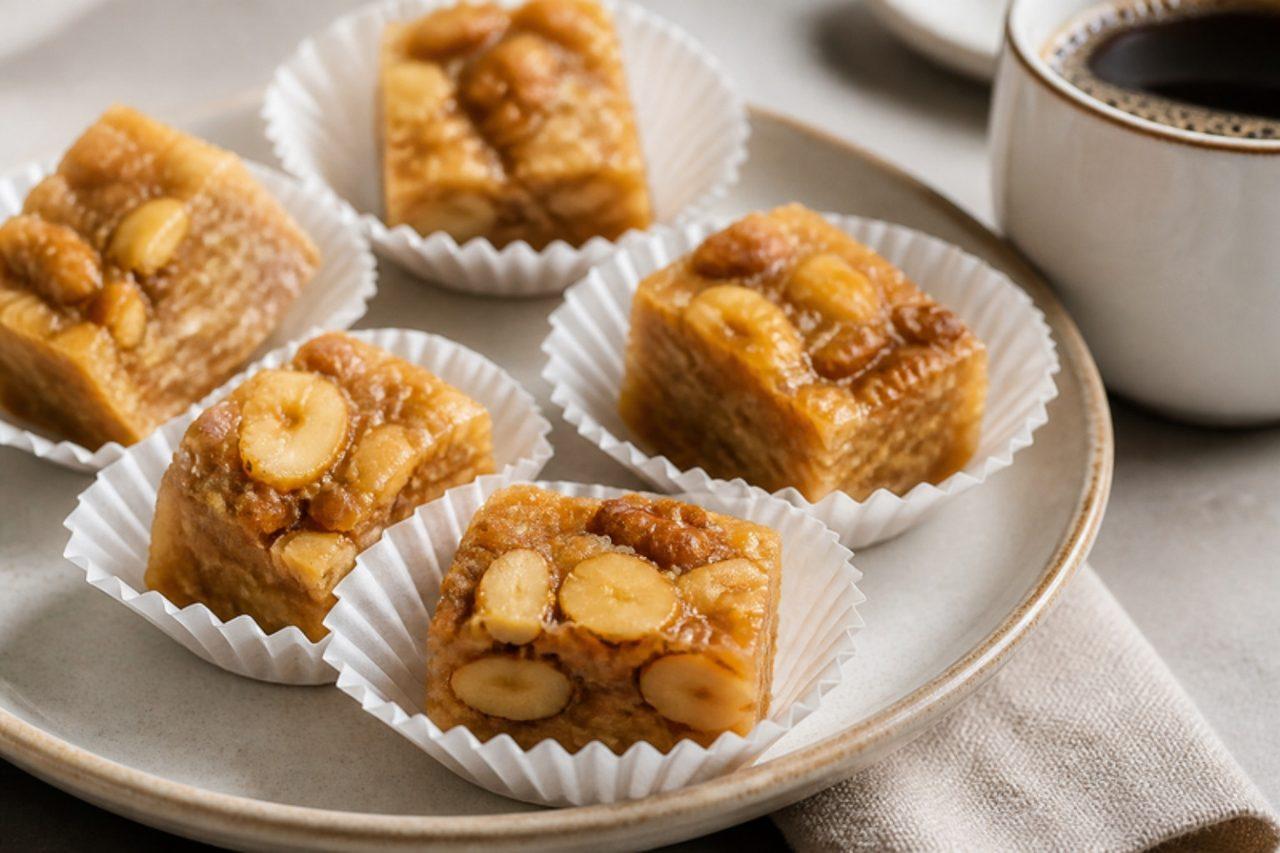
Djouzia (walnut and honey nougat)

Shops in old Constantine wrap djouzia in twists of paper and sell it by weight, a soft, pale caramel-coloured nougat of honey, whipped egg white and plenty of walnuts. It is chewier and darker than white Provençal nougat, with a deep honey flavour and the slight bitterness of walnut skins. Djouzia is a gift sweet, carried to weddings and offered with coffee to visitors, and keeps for weeks. A sugar thermometer makes it reliable. Chef's tip: cook the honey syrup to 125 °C; syrup that is pulled off too early is the most common mistake, and the nougat stays sticky and will not set enough to cut.

by KrazyBadal 0 views

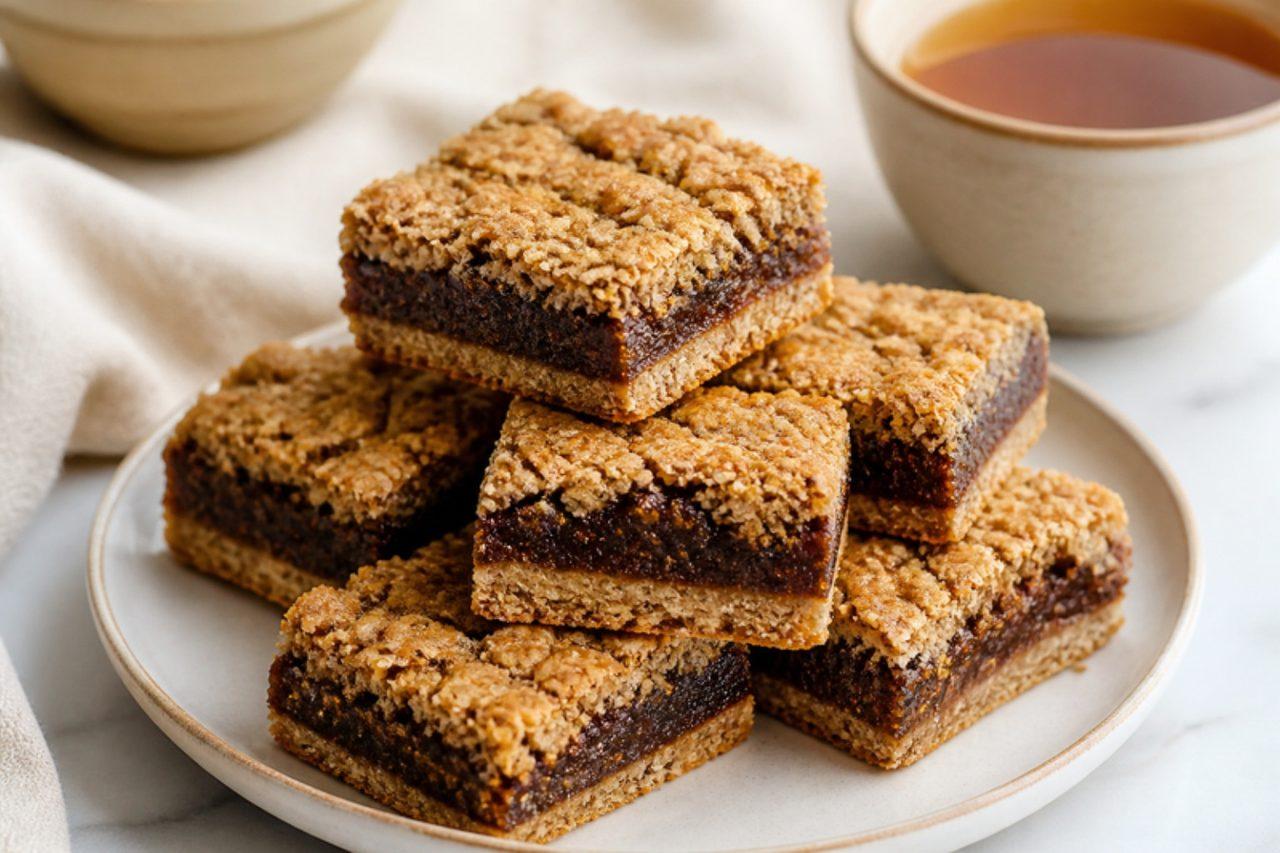
Date squares

Date squares are on the tea table in every Canadian church hall and school bake sale, called carrés aux dattes in Quebec and matrimonial cake in the West. A buttery oat crumble is pressed into a tin, spread with a soft date filling and covered with more crumble, then baked until golden. They keep for days and freeze well. A common mistake is spreading the dates while hot onto loose crumb, which makes the base soggy; press the base firmly. Chef's tip: add a strip of orange zest to the dates for a brighter flavour.

by KrazyBadal 0 views

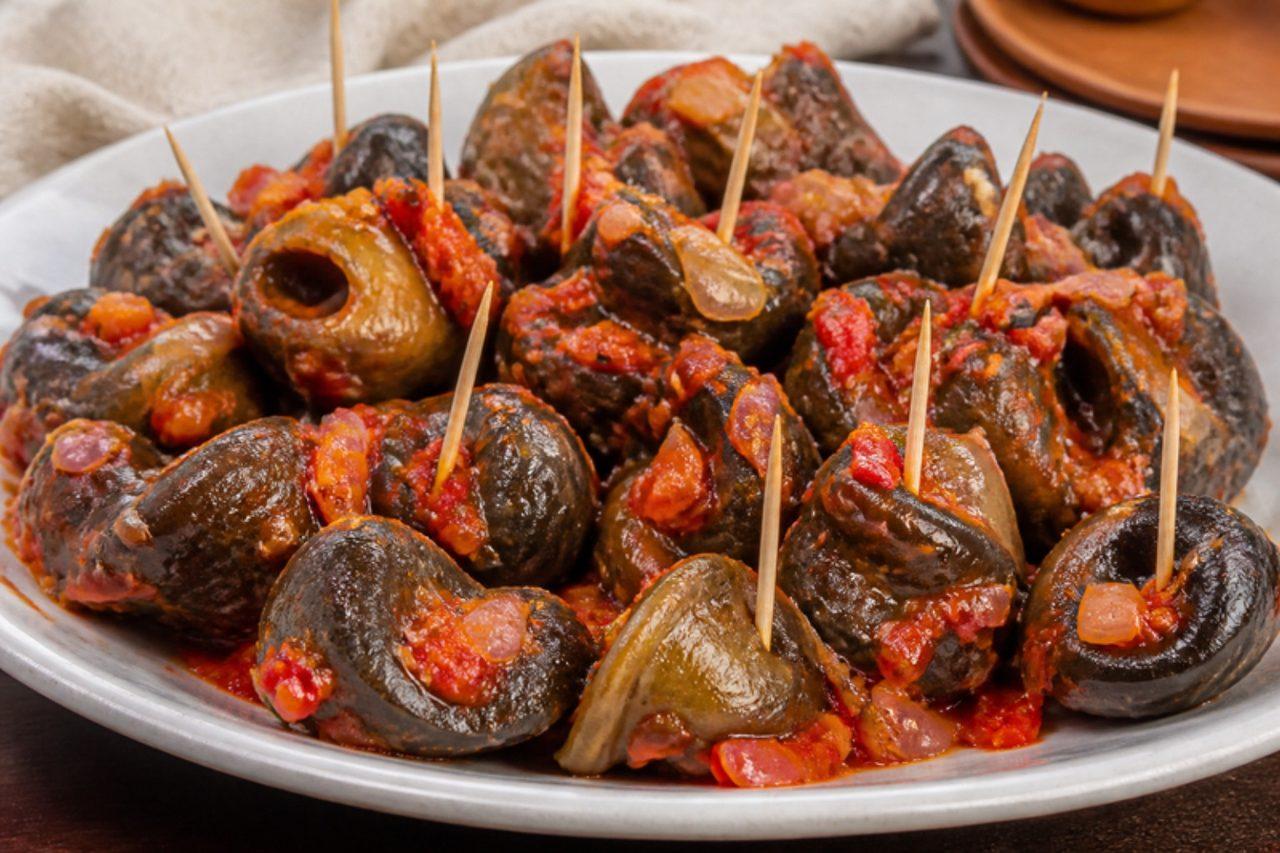
Peppered snail

Peppered snail is a Yoruba delicacy, served on cocktail sticks at Lagos and Ibadan parties and in restaurants as a pricy small chop. The big African land snail has firm, meaty flesh like a cross between mushroom and clam; it is cleaned of its slime, boiled with seasoning, then fried briefly in a hot sauce of scotch bonnet and red pepper. Only use farmed snails that are sold cleaned and shelled, from a reputable African grocer or fishmonger; never collect wild snails, which can carry parasites. Cook them through, and wash your hands, boards and knives well after handling them raw. Chef's tip: do not skip the rubbing with lime and salt; leftover slime is the common mistake, and it makes the sauce cloudy and the snails slippery.

by KrazyBadal 0 views

Blini

Maslenitsa, the week of butter before Lent, is when Russia makes blini by the stack: thin, lacy, slightly sour pancakes raised with yeast and fried one after another in a hot pan, each brushed with melted butter. Old Moscow recipes used buckwheat, and a share of it here gives a nutty, earthy flavour and a speckled grey-gold colour. Eat them folded into quarters with sour cream, jam, honey or condensed milk; red caviar is the festive classic, but this version stays vegetarian. The usual slip is a pan that is not hot enough, which makes thick, pale blini that stick; the first one is always a test. A splash of boiling water whisked in at the end gives the lacy holes. Chef's tip: stack the blini on a plate and cover with a bowl as you go; the steam keeps them soft and supple.

by KrazyBadal 0 views

Maple syrup pie

Tarte au sirop d'érable closes many a family meal in Quebec at Easter and through the sugaring season, a cousin of the sugar pie made with real maple syrup. The filling of syrup, cream and egg bakes into a soft, trembling, caramel-brown layer that tastes deeply of maple. Slice it thin; it is rich. A spoonful of crème fraîche or plain whipped cream cuts the sweetness. A common mistake is skipping the blind bake, which leaves a soggy base. Chef's tip: take the pie out while the centre still wobbles like jelly; it sets as it cools and over-baking makes it weep.

by KrazyBadal 0 views

Lac-Saint-Jean blueberry pie

Around Lac-Saint-Jean in Quebec the low wild blueberries ripen in August, and the region is so proud of them that locals are nicknamed bleuets. Every church supper and roadside casse-croûte there sells a deep tarte aux bleuets with a flaky top crust and a dark, jammy filling that holds when sliced. Wild berries are smaller and more intense than cultivated ones and frozen wild berries work well. Serve slightly warm with vanilla ice cream or a jug of cream. A common mistake is skimping on the cornflour, which leaves a soupy filling. Chef's tip: let the pie cool for at least three hours so the juices set; cut it hot and the filling runs all over the plate.

by KrazyBadal 0 views

Vitamin salad

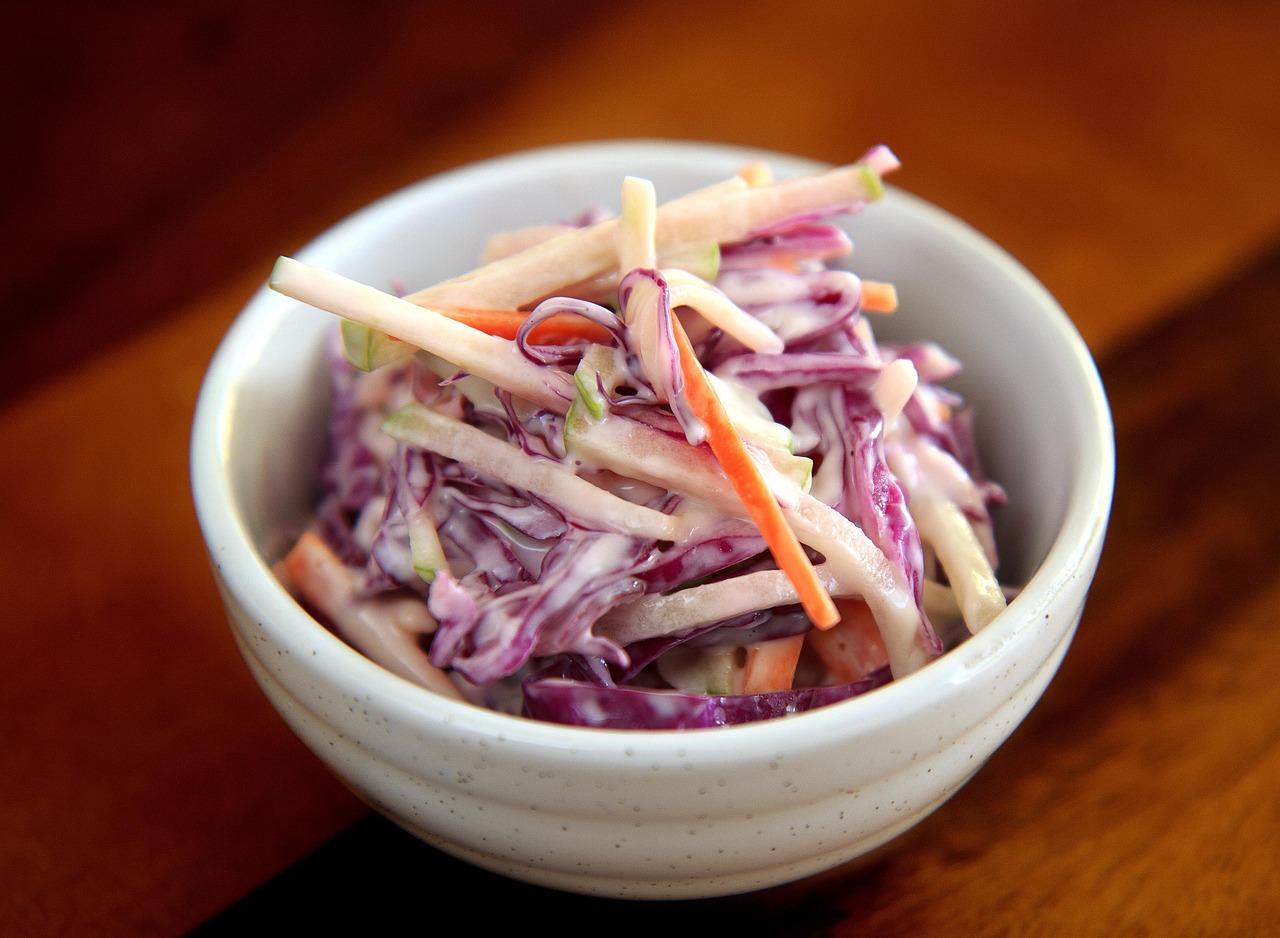
"Vitamin" salad was the bright spot on every Soviet stolovaya tray, scooped from a steel tray beside the cutlets and buckwheat, and it is still how many Russians start a light lunch. Fresh white cabbage, carrot and green apple are rubbed with salt and sugar, then dressed simply with sunflower oil and vinegar, so it tastes crisp, juicy and sweet-sour. It goes with almost anything hot and is a good way to use half a cabbage. A common mistake is skipping the squeeze: crushing the cabbage with salt for a minute or two softens it and draws out juice that becomes part of the dressing. Grate the apple last so it does not brown. Chef's tip: unrefined, toasted-seed sunflower oil gives the true canteen flavour; a splash goes a long way.

by KrazyBadal 0 views

Maple cream

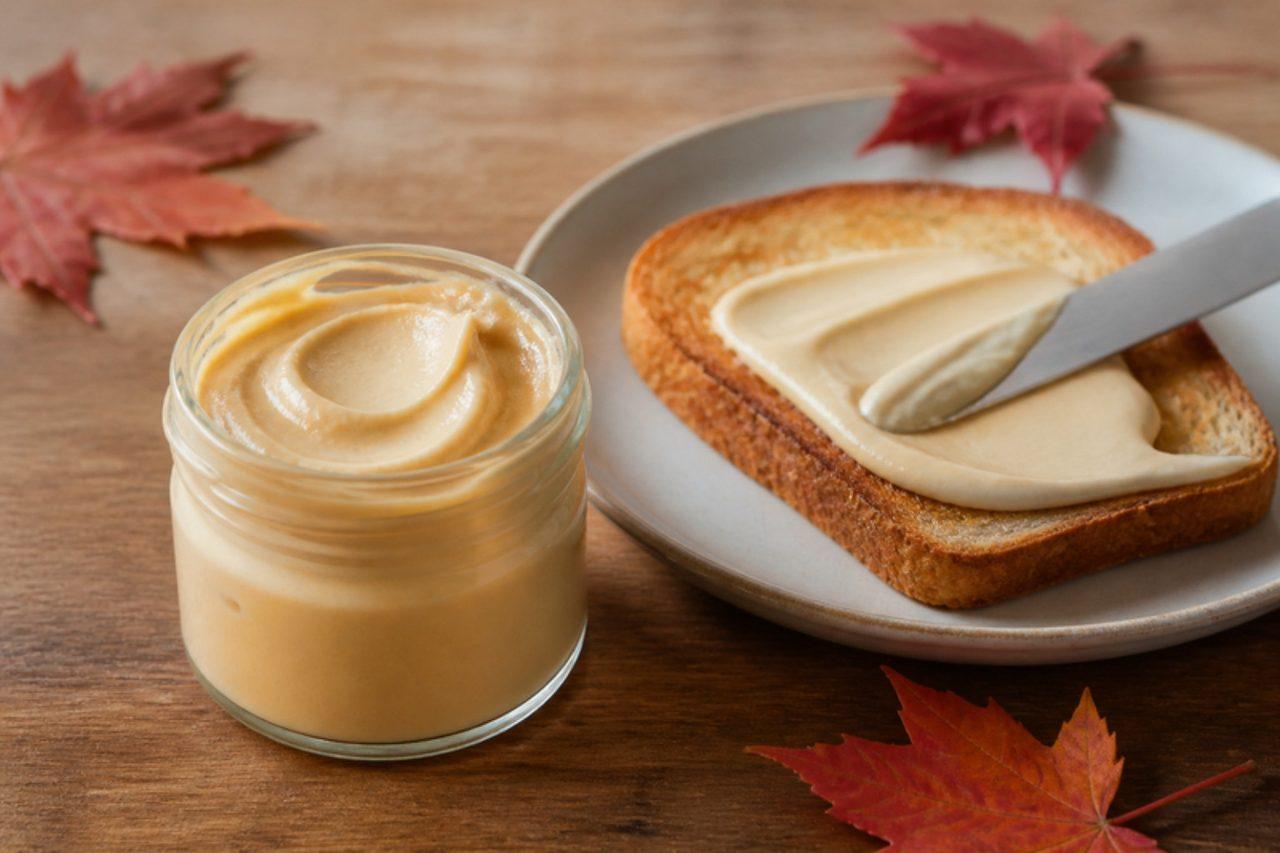
Crème d'érable is sold in little jars in every Quebec market from Jean-Talon to the Beauce farm stands, and despite the name there is no cream in it: pure maple syrup is boiled to the soft-ball stage, cooled without stirring and then beaten until it turns pale and creamy. It is spread on toast, crêpes and warm bagels. Patience and a thermometer are the whole trick. The common mistake is stirring the syrup while it cools, which sets off large grainy crystals instead of a smooth cream. Chef's tip: use a light, golden syrup; dark syrups taste stronger but can stay runny.

by KrazyBadal 0 views

Ocho beniseed soup

Beniseed, the local name for sesame, grows widely in Benue, and the Idoma turn it into ocho: a creamy, nutty soup thickened with the ground seeds, cooked with beef, dried fish and green leaves. It has a gentle, toasty flavour and a slightly grainy, pleasant texture, and it is eaten with pounded yam, often at family gatherings and festive meals. Cooks vary the leaves; spinach or ugu are easy to find. Some families add palm oil and some leave it pale; this version uses a little. Chef's tip: toast the beniseed in a dry pan only until it smells nutty and turns light gold; the common mistake is letting it go brown, which makes the whole pot bitter.

by KrazyBadal 0 views

Nigerian sausage roll

Every Lagos bakery and supermarket counter has a tray of these, wrapped in paper and eaten mid-morning with a cold soft drink, at school break or on the way to work. The Nigerian sausage roll is made with seasoned minced beef rather than pork sausage meat, flavoured with onion, thyme, curry powder and a little chilli, and wrapped in a rich, short pastry that flakes rather than puffs. Children love them, and they freeze well before baking. The filling goes in raw, so bake until the meat reaches 71 °C in the centre. Chef's tip: keep the butter and water ice cold and stop mixing as soon as the dough comes together; warm, overworked pastry is the common mistake that bakes up tough.

by KrazyBadal 0 views

Nigerian fish roll

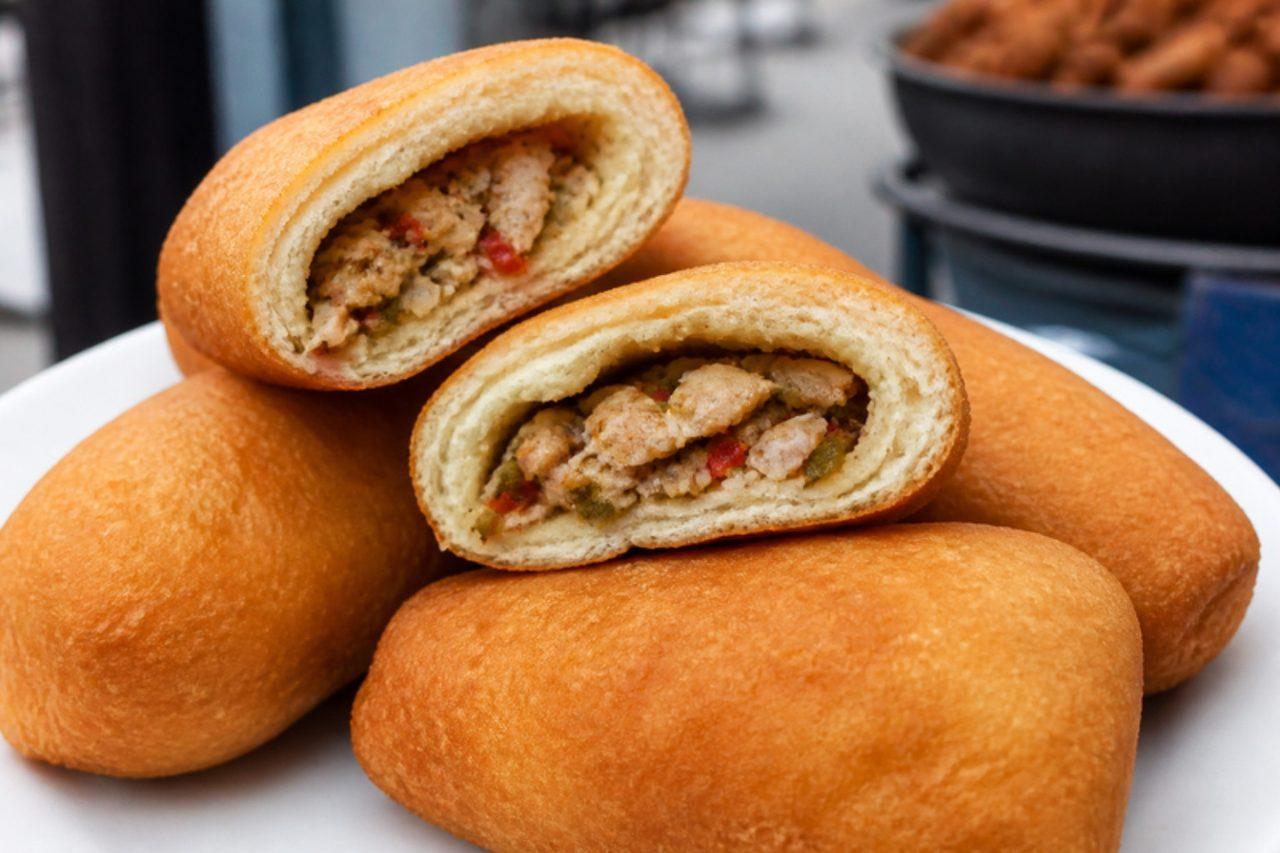
Hawkers carry glass boxes of fish rolls through Lagos traffic, and they are a fixture at parties among the small chops. The dough is a sweetish, slightly cakey one, wrapped around mackerel mashed with onion, pepper and thyme, then deep-fried to a deep gold with a crisp shell. They are good warm or at room temperature, with a soft drink or tea. Tinned mackerel works as well as fresh; poach fresh fish until it flakes before mashing. This version uses oil in the dough, so it is dairy free. Chef's tip: keep the oil at 170 °C; the common mistake is frying too hot, which browns the outside while the inner layer of dough stays raw.

by KrazyBadal 0 views

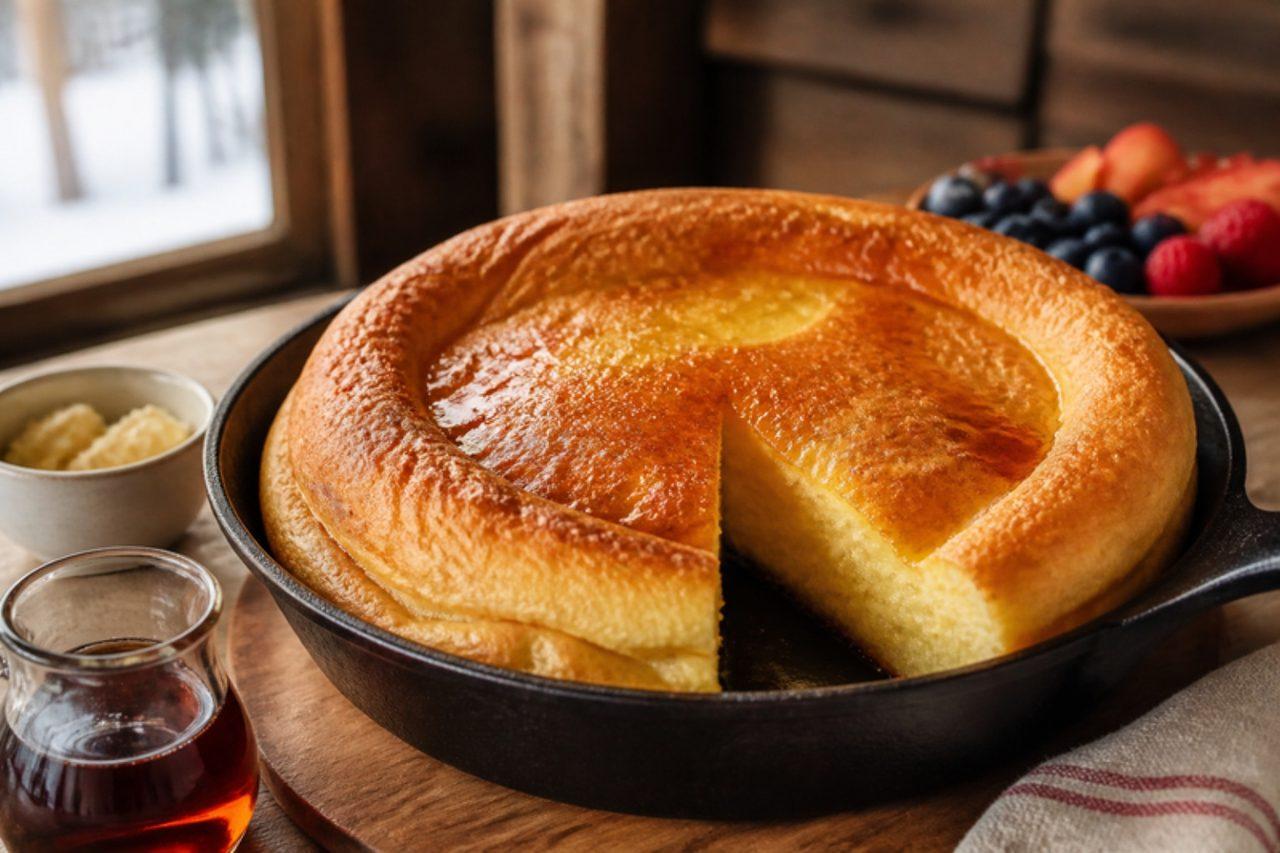
Puffed maple omelette

A tall, golden puffed omelette arrives on every table at the cabanes à sucre of the Laurentians and the Eastern Townships, sliced into wedges and drowned in fresh maple syrup alongside beans and ham. The eggs are separated, the whites whipped and folded back in, then the omelette starts on the hob and finishes in the oven so it rises like a soufflé. It must go to the table at once, before it sinks. A common mistake is beating the whites until stiff and dry, which makes the omelette grainy. Chef's tip: fold the whites in with a large metal spoon in three goes, keeping as much air as you can.

by KrazyBadal 0 views

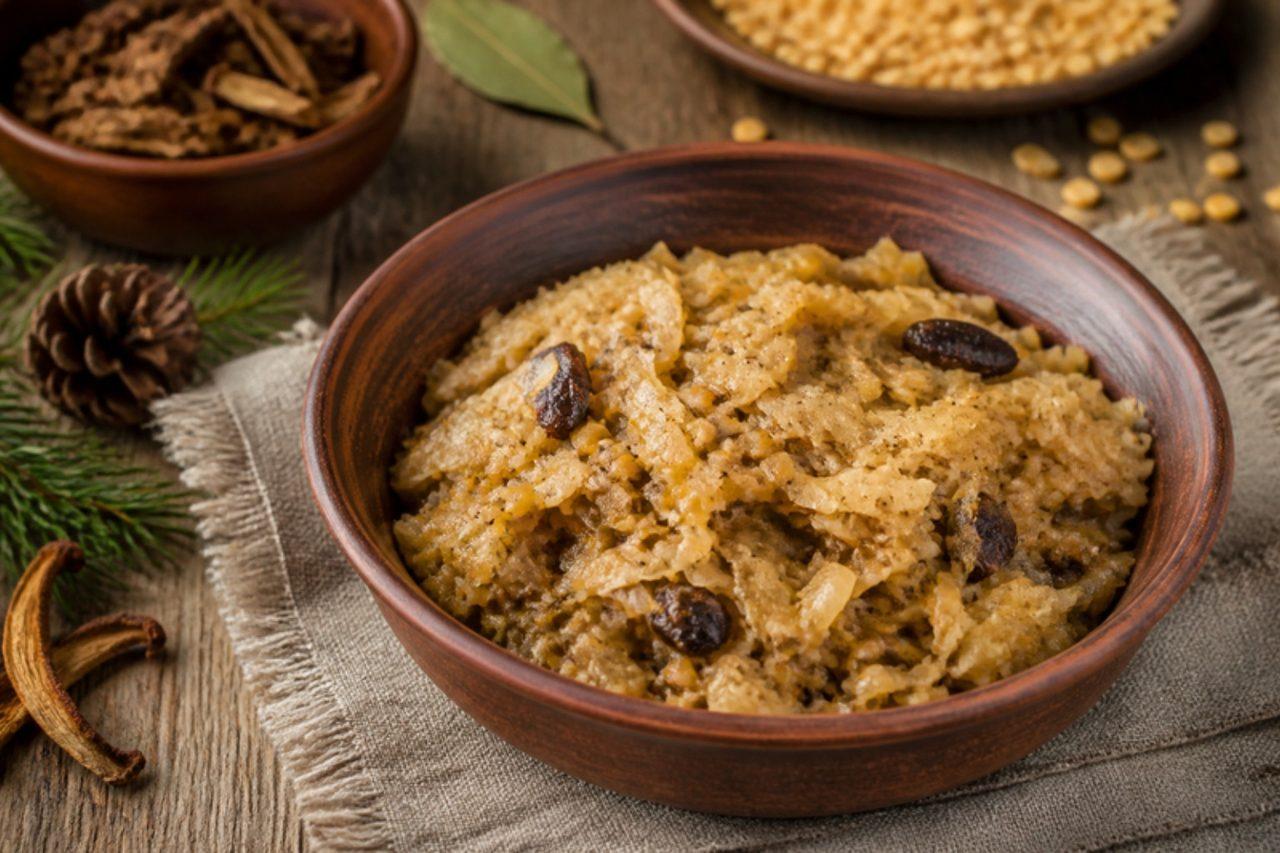
Cabbage with peas

Of the twelve dishes on a Polish Christmas Eve table, this is the humblest and often the one people go back to for seconds. Sour, tangy sauerkraut is braised slowly with yellow split peas until the peas collapse into a soft, savoury mash that binds the cabbage, with dried mushrooms and golden onion for depth. Serve it warm next to pierogi or potatoes, and know that it tastes even better reheated the next day. The usual slip is adding salt before the peas are cooked, which keeps them hard; season only at the end, as the sauerkraut is salty anyway. Chef's tip: if your sauerkraut is very sour, rinse it once and squeeze it, keeping a little juice to adjust the sharpness later.

by KrazyBadal 0 views

Asaana (caramelised corn drink)

Chilled in plastic bottles and sold from cool boxes at lorry parks, schools and roadside stalls, asaana is one of the most loved soft drinks in Ghana. Maize is soaked, ground and left to sour for a day, then boiled and strained, and the pale liquid is coloured and sweetened with sugar caramelised almost to bitterness. The result is tangy, toasty and refreshing, a little like a light malt drink. Boiling after the souring stops the fermentation, so asaana is a non-alcoholic drink. It needs about two days of mostly hands-off waiting. Chef's tip: take the caramel to a deep mahogany colour before adding water; pale caramel is the usual mistake and gives a flat, sugary drink without the classic toasted edge.

by KrazyBadal 0 views

Lamugin (spiced ginger millet drink)

Around Tamale and across Northern Ghana, lamugin is the drink that bites back: millet flour stirred into ginger water spiked with cloves, black pepper and chilli, then sweetened and served very cold. Sellers keep it in sachets or calabashes at markets and roadside stands, and it is handed round at gatherings and during Ramadan evenings. It is cloudy and slightly thick from the millet, with a sweet start and a long peppery warmth. This version is non-alcoholic and cooks the millet briefly so it tastes clean rather than raw. Chef's tip: pass the ginger water through a fine cloth before adding the millet, so the drink stays smooth instead of stringy.

by KrazyBadal 0 views

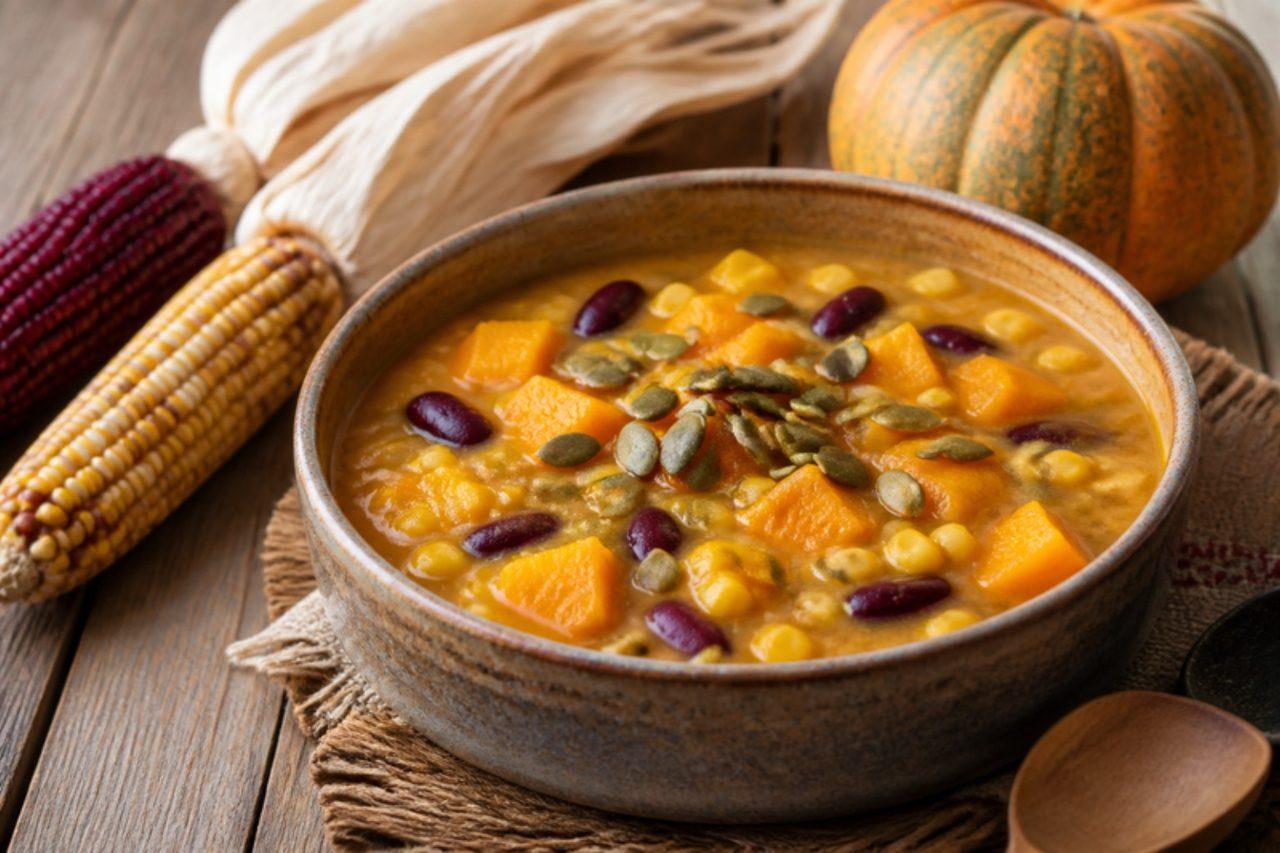
Three Sisters soup

The Three Sisters, corn, beans and squash planted together in one mound, are the heart of Haudenosaunee farming in what is now southern Ontario and Quebec, and of many other Eastern Woodlands nations. Simmered together, they make a filling, golden autumn soup served at harvest gatherings and at home through the winter. This version uses dried beans and fresh squash for a thick, naturally sweet pot. A common mistake is adding the corn too early, which makes it tough; it goes in for the last 10 minutes. Chef's tip: roast half the squash first for a deeper, nuttier flavour.

by KrazyBadal 0 views

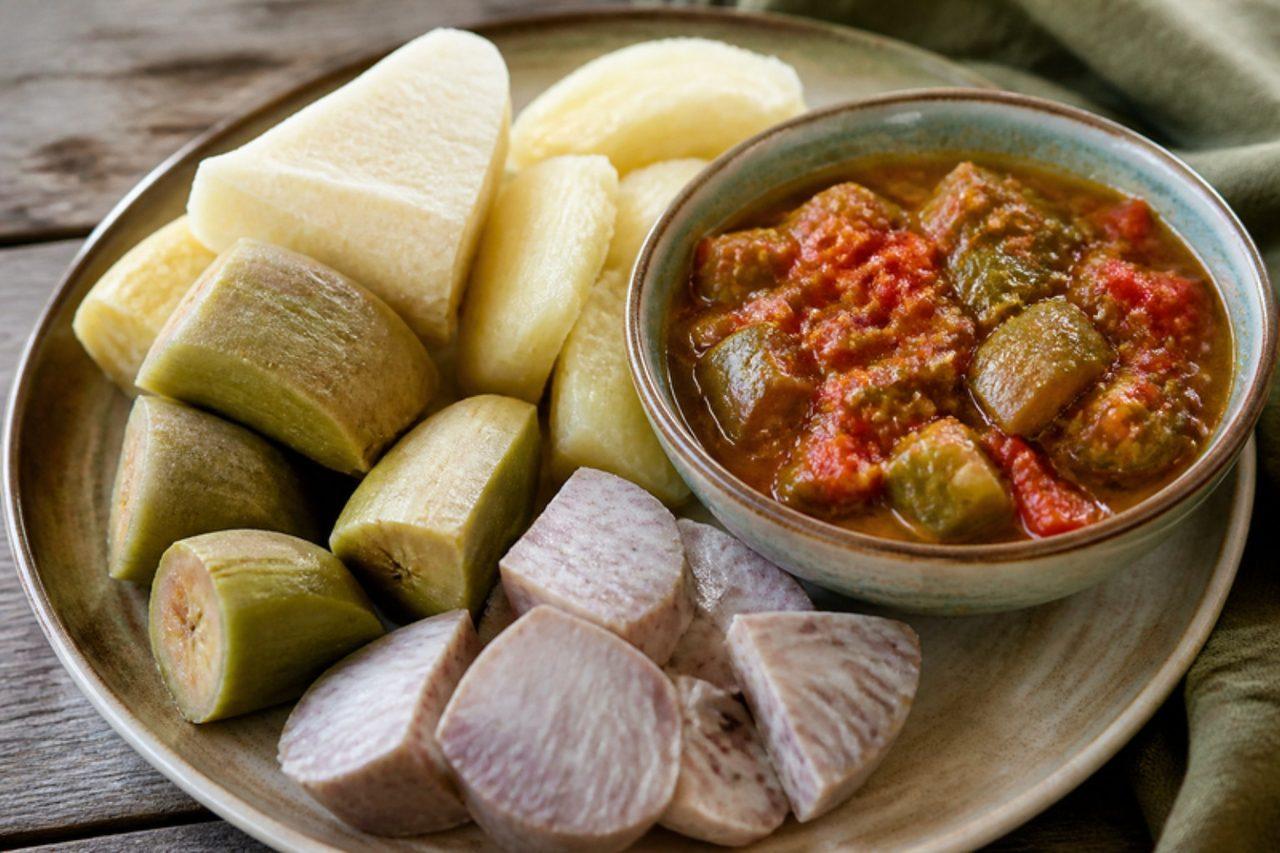
Ampesi with garden egg stew

Ampesi is about as plain and honest as Ashanti food gets: slices of yam, green plantain and cocoyam boiled until tender and eaten with a stew, here one made from garden eggs, the small white or green African eggplants sold by the bowlful in Kumasi markets. They are boiled, mashed and simmered with onion, tomato and pepper into a soft, slightly bitter, savoury stew with very little oil. Ghanaian homes often add fish or egg to it; this version is fully vegan and light. Asian or Thai aubergines are a good swap if you cannot get garden eggs. Chef's tip: boil the yam, plantain and cocoyam separately or add them in stages; cooking them together from the start is the common mistake, and the yam turns to mush before the plantain is done.

by KrazyBadal 0 views

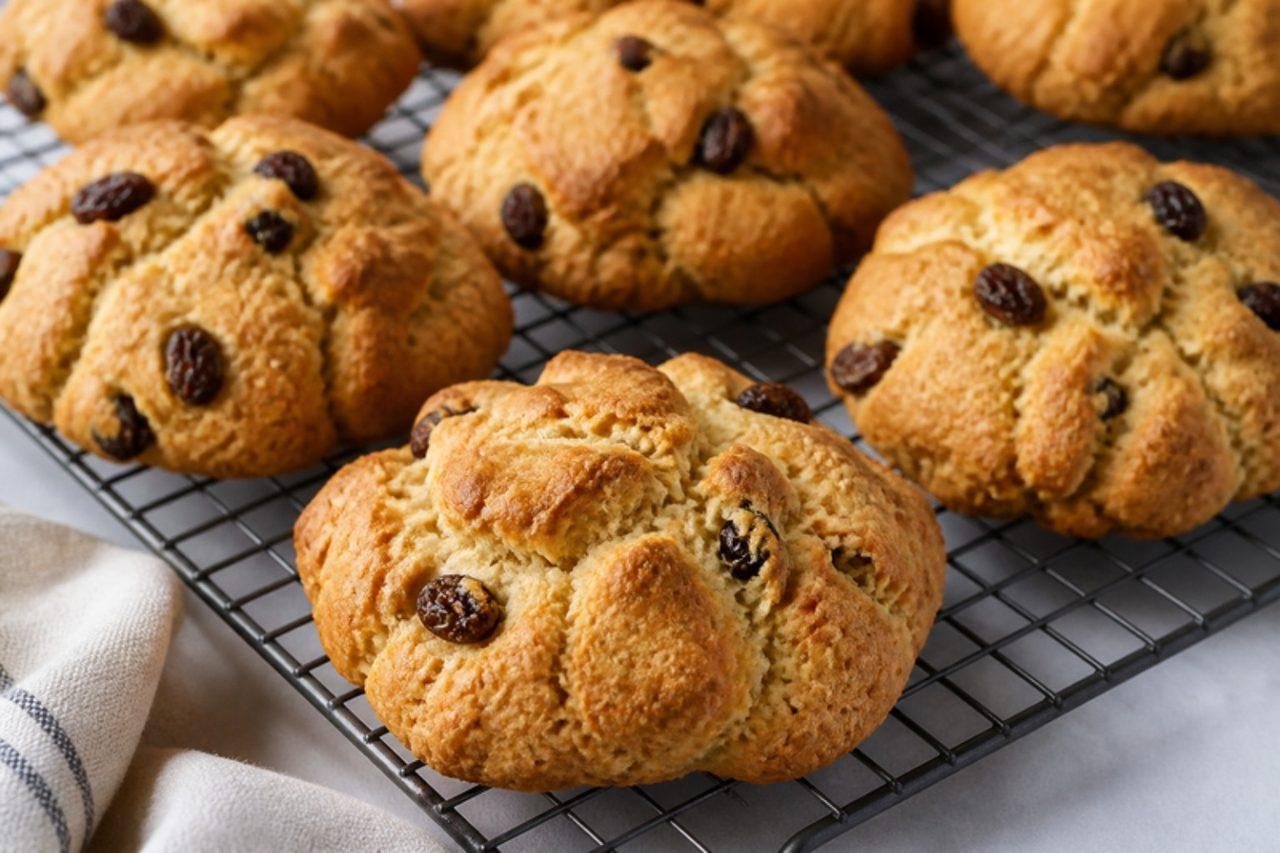
Ghanaian rock buns

Rock buns came to Ghana with colonial-era baking and never left: every neighbourhood bakery and many school canteens sell these rough, golden mounds, eaten with tea in the morning or with a soft drink after school. They are crisp on the craggy outside, soft and cakey inside, scented with nutmeg and studded with raisins. They take minutes to mix and are a good first bake for children. Chef's tip: keep the dough stiff and drop it in rough heaps without smoothing; too much milk is the common mistake, and the buns spread into flat cookies instead of rising into 'rocks'.

by KrazyBadal 0 views

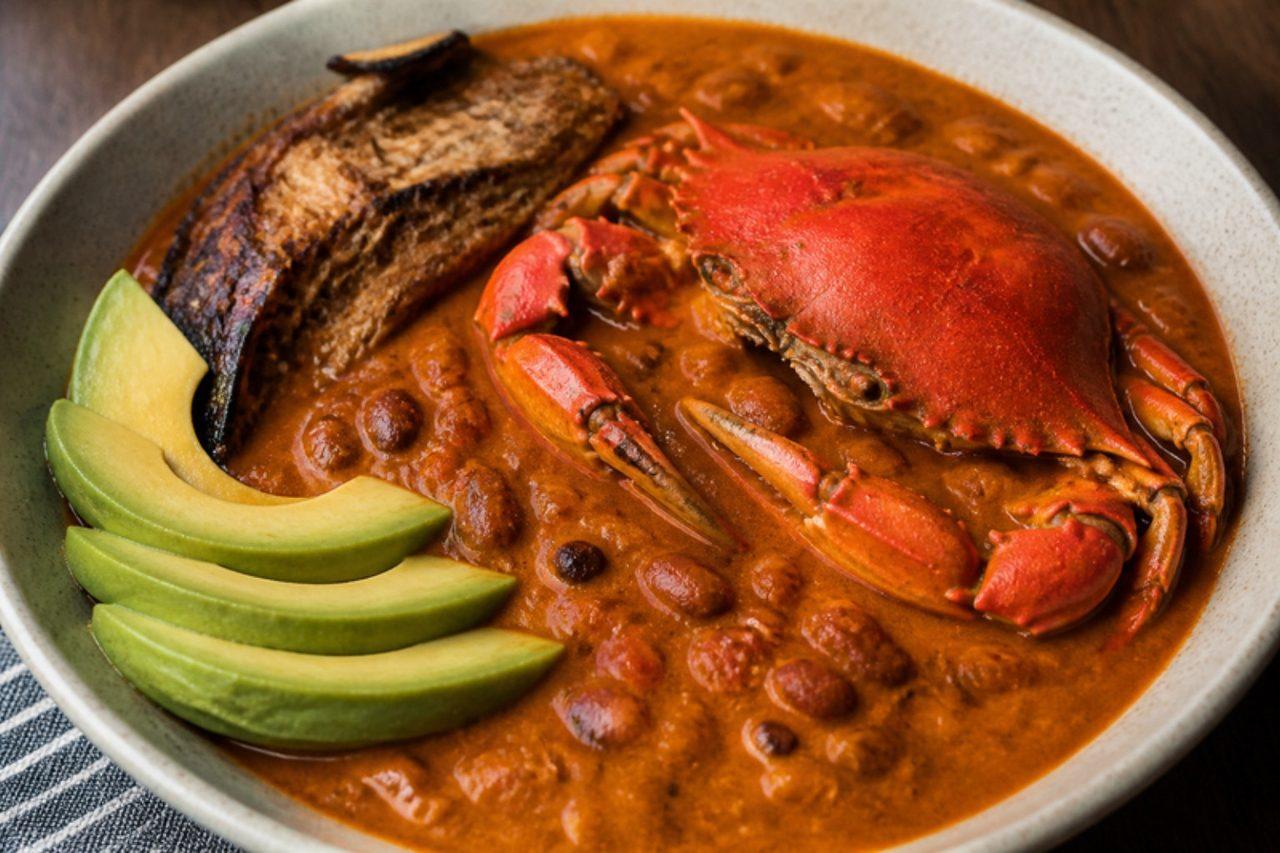
Aprapransa (Fante palm nut pottage with crab)

A coastal Fante dish from Cape Coast and the Central Region, aprapransa is made for festive days and big family meals: palm-nut soup with crab and smoked fish is stirred with toasted corn flour until it becomes a thick, spoonable pottage, then finished with tender black-eyed beans. The texture is somewhere between a stew and a soft dumpling, the colour a deep orange-brown, and the toasted corn gives a nutty, almost biscuity flavour under the rich palm fruit. It is often served with sliced avocado. Live crabs must come from a good fishmonger; discard any that are dead or smell off. The usual mistake is adding the toasted corn flour all at once, which makes lumps; sprinkle it in while stirring. Chef's tip: toast the corn flour until it is evenly deep golden and smells like popcorn, then add it to the soup gradually while stirring, because tipping it in at once is how the pottage turns lumpy.

by KrazyBadal 0 views

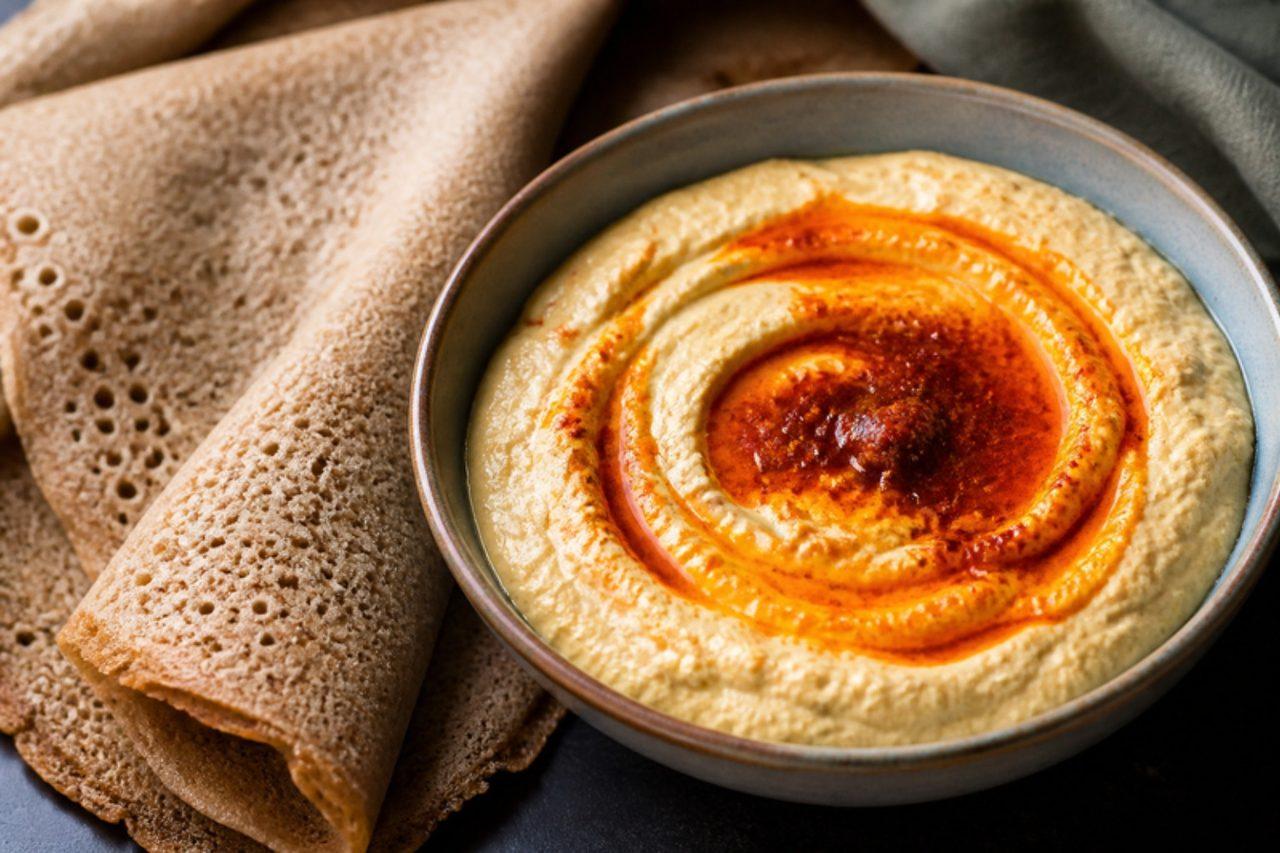
HilbetLentil and fenugreek paste

Hilbet is one of the dishes that tells you you are in Eritrea rather than Ethiopia. Asmara households make it in big bowls for Lent and the other fasting days and serve it cold, swirled with a ribbon of red berbere oil, as part of a spread on injera. Fenugreek soaked and beaten with water turns pale and foamy, much like whipped egg white, and folding it into puréed lentils or broad-bean flour gives a dip that is fluffy, faintly bitter, garlicky and creamy. Market stalls sell a ready-mixed hilbet flour; this home version uses red lentils, which are easy to find. Chef's tip: beat the soaked fenugreek with an electric whisk for a full 5 minutes; that long whipping is what makes hilbet light instead of dense.

by KrazyBadal 0 views

Showing 54 of 7,762 recipes

Show more recipes

Page 199 of 863