


Skip to content
Khurmi
Featured recipe

Khurmi

Wheat and jaggery biscuits

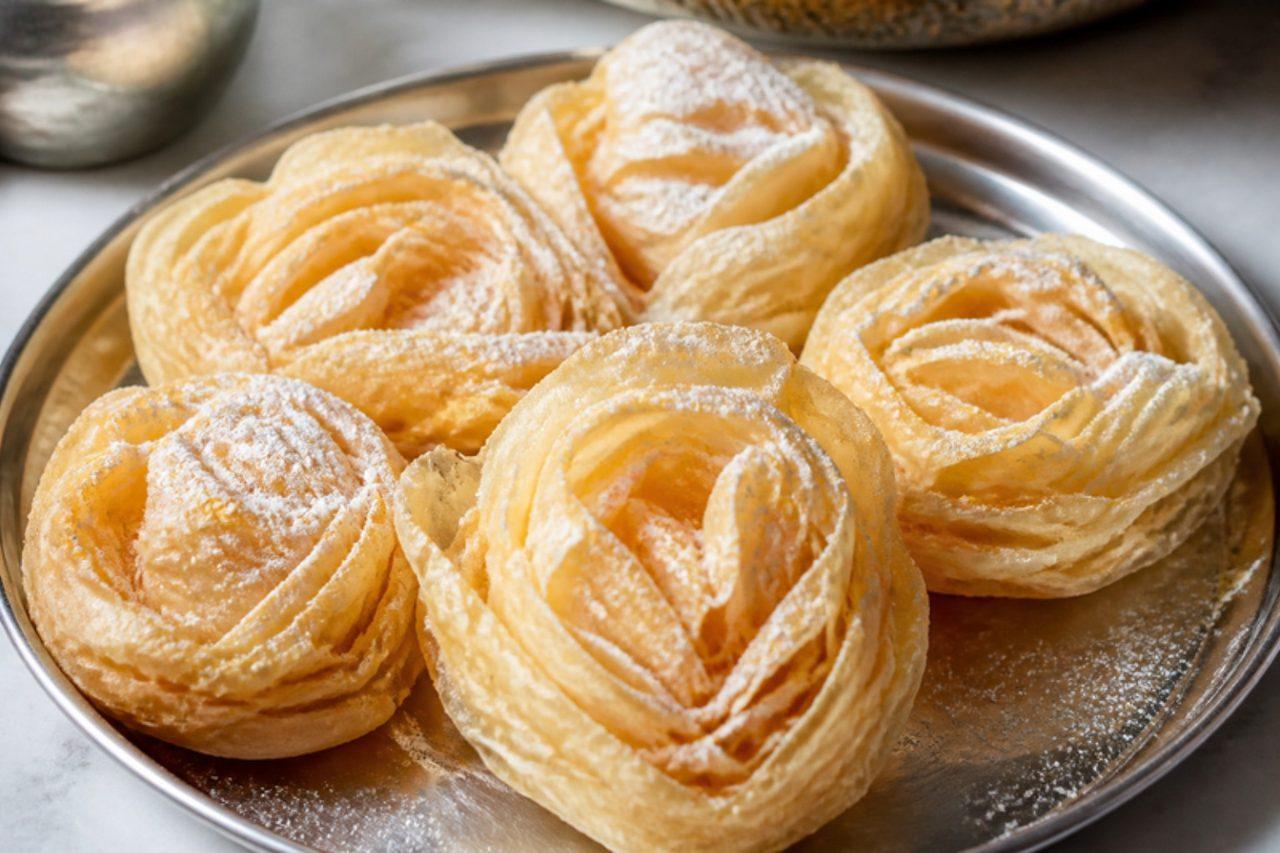
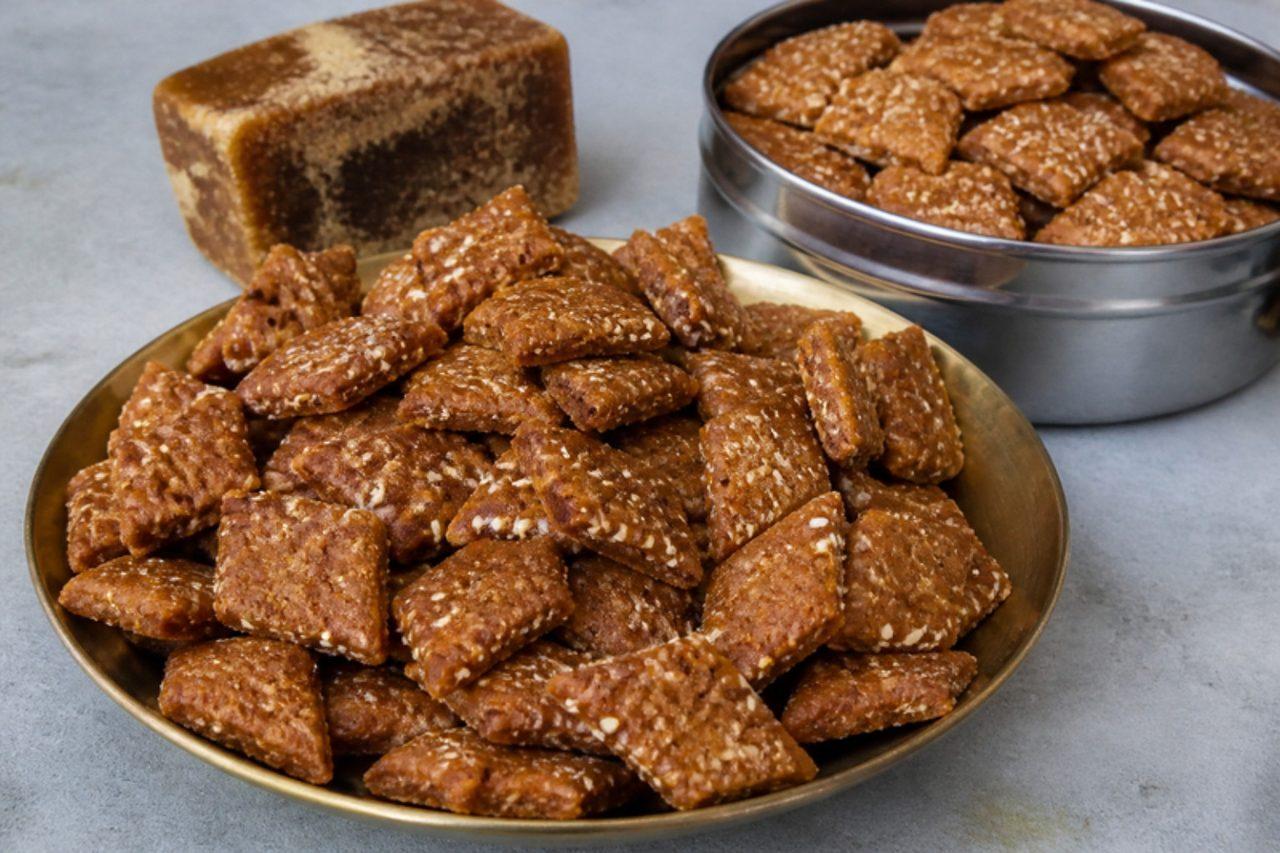
Khurmi are the sweet half of Chhattisgarh's Teeja-Pola festival snacks, made in big batches alongside the salty thethri. The dough is wheat flour and a little semolina bound with melted jaggery, studded with sesame and coconut, then cut into diamonds or pressed into small patterned shapes and fried until dark gold. They have a hard, crunchy bite and a deep caramel flavour, and they last for weeks in a steel dabba, ready for visitors and children back from school. Chef's tip: cool the jaggery water to lukewarm before kneading; hot jaggery makes a slack dough that spreads and soaks up oil.

Read more 1 views

What to eat today?

Around the world

Today's trip: Persian

A new country every day, from every cuisine on the site.

This week's collection

Kid-friendly dinners
702 recipes · a new collection every Monday

Coming up

All occasions →

Latest recipes

Wiener MelangeCoffee with milk and foam

In Vienna you never simply order 'a coffee'; you order by name, and the Melange is the one most Viennese ask for. It arrives in a large cup on a small silver tray with a glass of water and often a tiny chocolate, and you may sit over it for an hour with the newspapers at Café Prückel or Hawelka, mid-morning or after lunch. Traditionally it is a mild, longer espresso (a Verlängerter) with roughly equal hot milk and a soft cap of milk foam; it is gentler than a cappuccino and the foam is looser and creamier. Expect a round, nutty, slightly sweet cup with little bitterness. The common mistake is overheating the milk: once it passes about 70 °C it smells cooked and loses its sweetness and the foam turns big-bubbled and dry. Stop when the jug is too hot to hold for more than a second or two. It is ready when the foam sits in a smooth, glossy dome about a finger thick and the coffee shows as a brown ring at the edge. One cup has about the caffeine of a single espresso. Chef's tip: always serve the glass of water alongside, as Vienna does; it is drunk first to clear the palate.

by KrazyBadal 0 views

White ChristmasPuffed rice and coconut slice

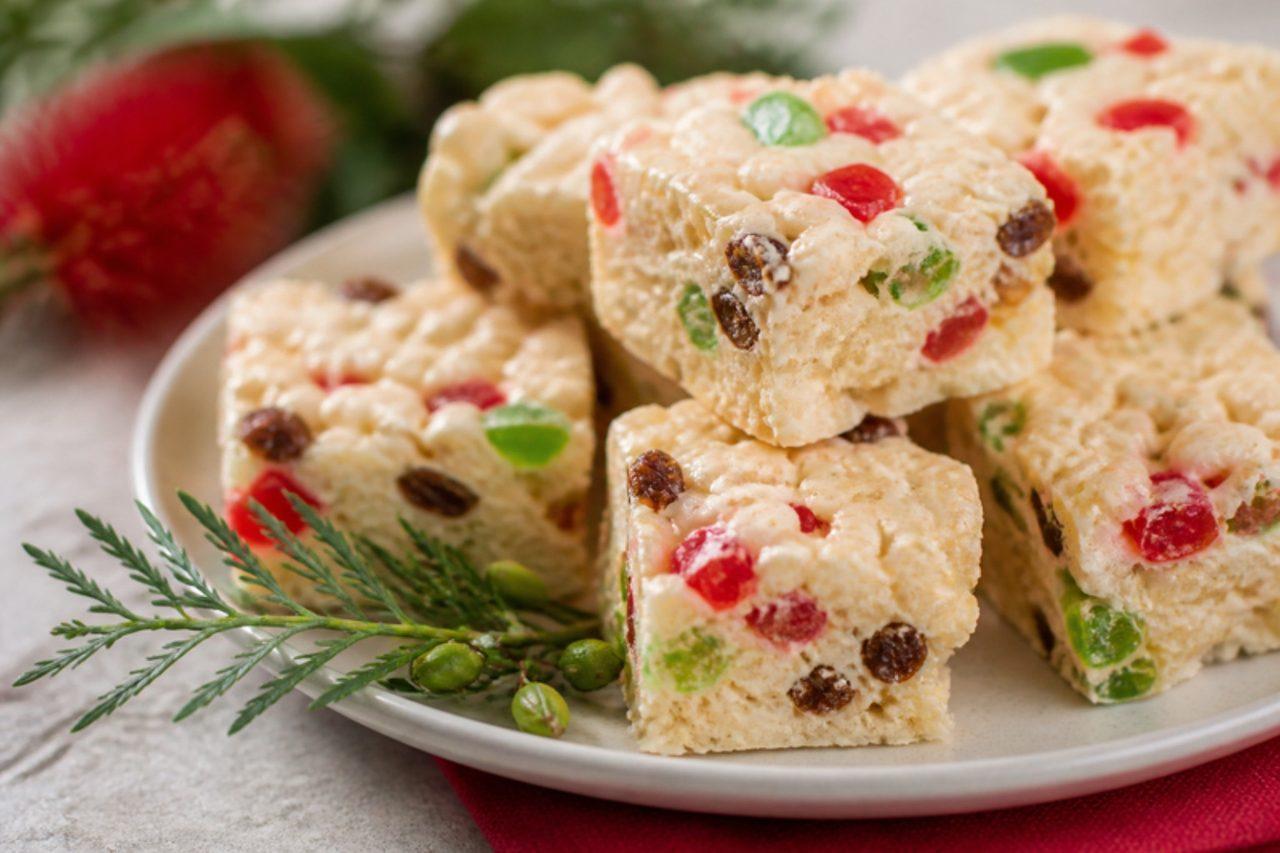
White Christmas is an Australian Christmas tradition from the days when a hot December made baking a misery, a no-bake slice of puffed rice, dried fruit, glacé cherries and coconut set in white chocolate or coconut fat. It is cut into squares and kept in the fridge for drop-in visitors through the holidays. A common mistake is overheating the white chocolate, which seizes; melt it gently. Chef's tip: red and green glacé cherries make it look festive.

by KrazyBadal 0 views

BotaMaize porridge with peanut butter

Before school buses leave Bulawayo and Gweru, pots of bota are already ticking on the stove: a thin, pourable porridge of white maize meal, much looser than the stiff sadza eaten later in the day. A good spoonful of peanut butter turns it pale gold and gives it a toasty, slightly savoury richness, and a little sugar makes it a favourite with children. Some families stir in lacto, the Zimbabwean sour milk, or squeeze in lemon for tang; this version keeps it plant-based. Lumps are the classic fault, and they come from tipping dry meal into boiling water. Chef's tip: always whisk the maize meal into cold water first, then heat it, and the porridge stays velvet-smooth.

by KrazyBadal 0 views

Refresco de coconaCocona cooler

In Iquitos, Pucallpa and the river towns of Loreto, heat and humidity make a cold refresco part of every lunch, and cocona is one of the favourites sold from plastic jugs at the Belén market. The fruit looks like a fuzzy orange tomato and tastes between tomato, lemon and apricot: very sour, aromatic and juicy. Blended with water and sugar it makes a tangy, golden drink with a light pulp, served with juane or tacacho con cecina. The usual mistake is skipping the fuzz: cocona skin is covered in fine hairs that make the drink scratchy, so rub them off under running water before you start. Blend only briefly, too, so the many seeds do not crack. It is ready when the refresco is opaque orange, sour first and sweet after, with no grit. Outside the Amazon, look for frozen cocona pulp in Latin American shops; naranjilla (lulo) pulp is the closest substitute. Chef's tip: a pinch of salt makes the fruit taste sweeter and fruitier without more sugar.

by KrazyBadal 0 views

Refresco de linazaFlaxseed and pineapple drink

In La Paz, Cochabamba and Sucre the refresqueras at the market stalls ladle linaza from big glass jars alongside mocochinchi and somó, and at home it is a standard jug in the fridge for the midday almuerzo. Flaxseed is simmered with pineapple peel, cinnamon and cloves until the water turns faintly silky, then strained, sweetened and chilled. It is pale gold, smooth and almost slippery on the tongue, tasting of pineapple and spice, with lime to wake it up. It is traditionally drunk to cool down and to settle the stomach. The common mistake is simmering too long or leaving the seeds in as it cools: the liquid turns into a thick, slimy gel. Strain it while still hot, as soon as a spoon dipped in comes out lightly coated, like thin syrup. It is ready when it pours freely but feels smooth, and tastes sweet, spiced and fresh. Using the peel and core of a pineapple is the thrifty Bolivian way and gives more flavour than the flesh. Chef's tip: if it thickens too much in the fridge, whisk in cold water a little at a time until it pours easily again.

by KrazyBadal 0 views

Satsumaimo gohanSweet potato rice

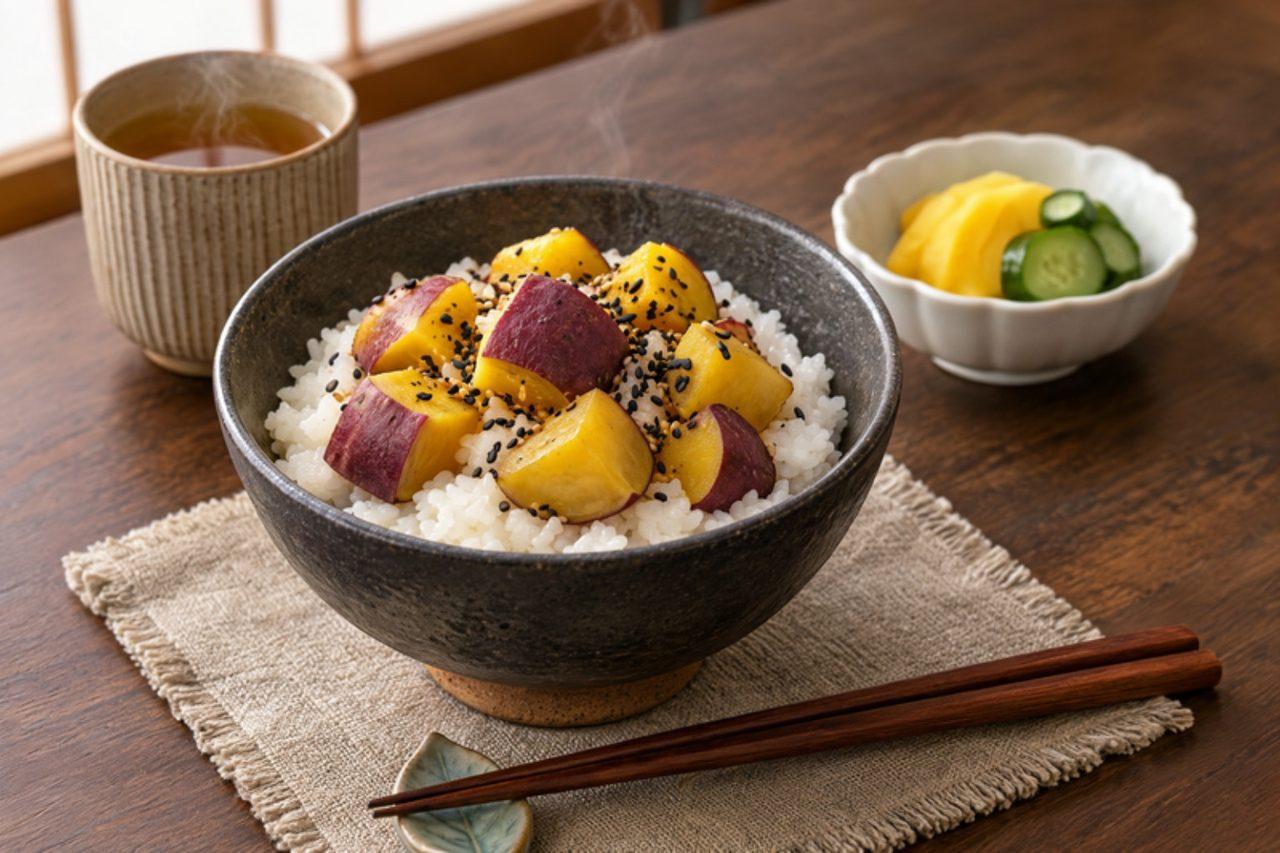
When the first purple-skinned satsumaimo arrive in Japanese shops in October, families cook them right into the rice pot: the cubes turn soft and honeyed, and a sprinkle of black sesame and salt makes it taste like autumn. It is a favourite in children's bento boxes and needs nothing but a pickle on the side. The common mistake is skipping the soak for the sweet potato, so it bleeds starch and turns the rice grey and gummy. Chef's tip: leave the skin on; it holds each cube together and gives the rice its purple-and-gold look.

by KrazyBadal 0 views

TúrókrémWhipped curd cheese cream

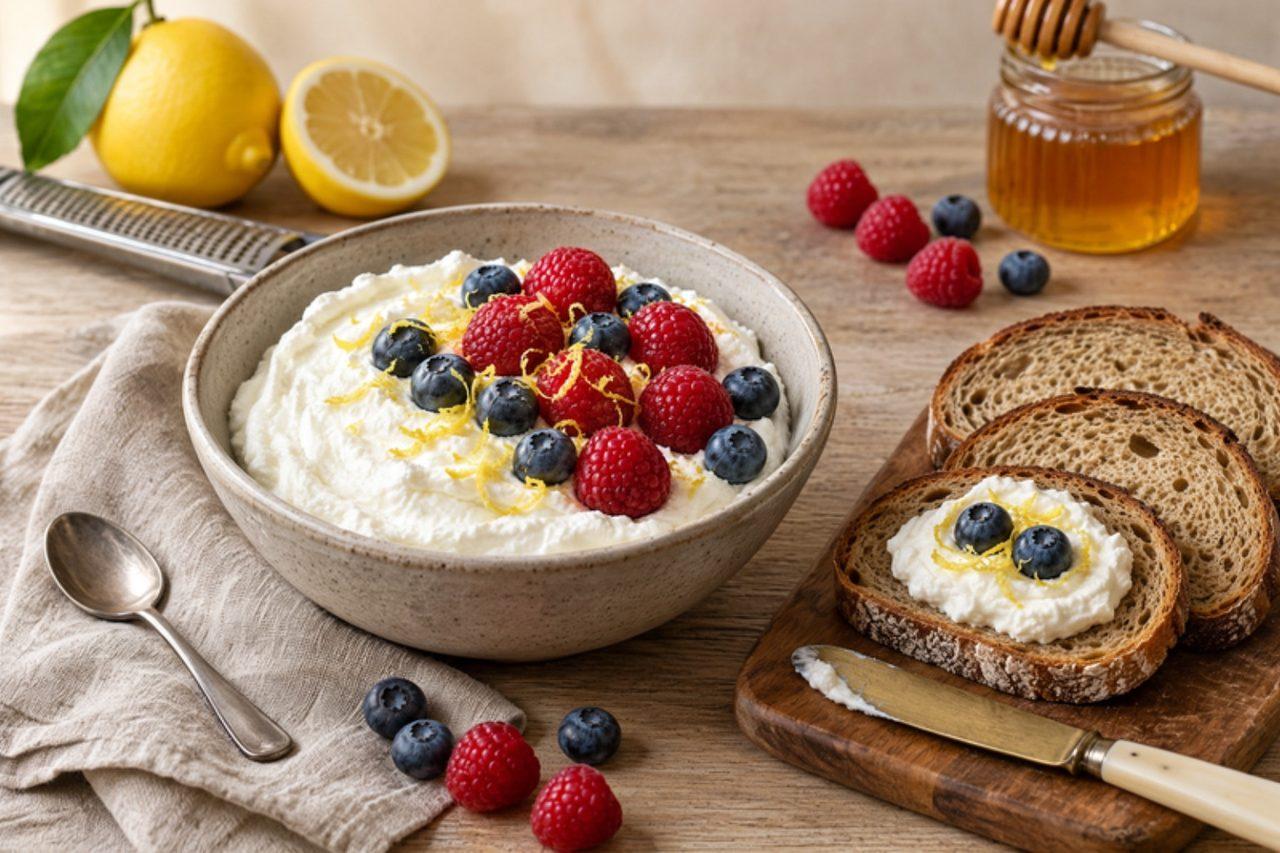
Hungarian kitchens use túró, a crumbly fresh curd cheese, for everything from noodles to pastries, and túrókrém is its simplest breakfast form: túró beaten with sour cream, sugar, vanilla and lemon zest into a light, fluffy cream. It is spread on bread or kalács, eaten with fresh berries, or spooned onto pancakes. The mistake is beating crumbly túró straight in a bowl and ending up with a grainy cream; push it through a sieve or blitz it first. Chef's tip: túró is acid-set and contains no rennet; if you can't find it, drained cottage cheese or quark works, but blend cottage cheese until completely smooth.

by KrazyBadal 0 views

Snoek braaiGrilled snoek with apricot glaze

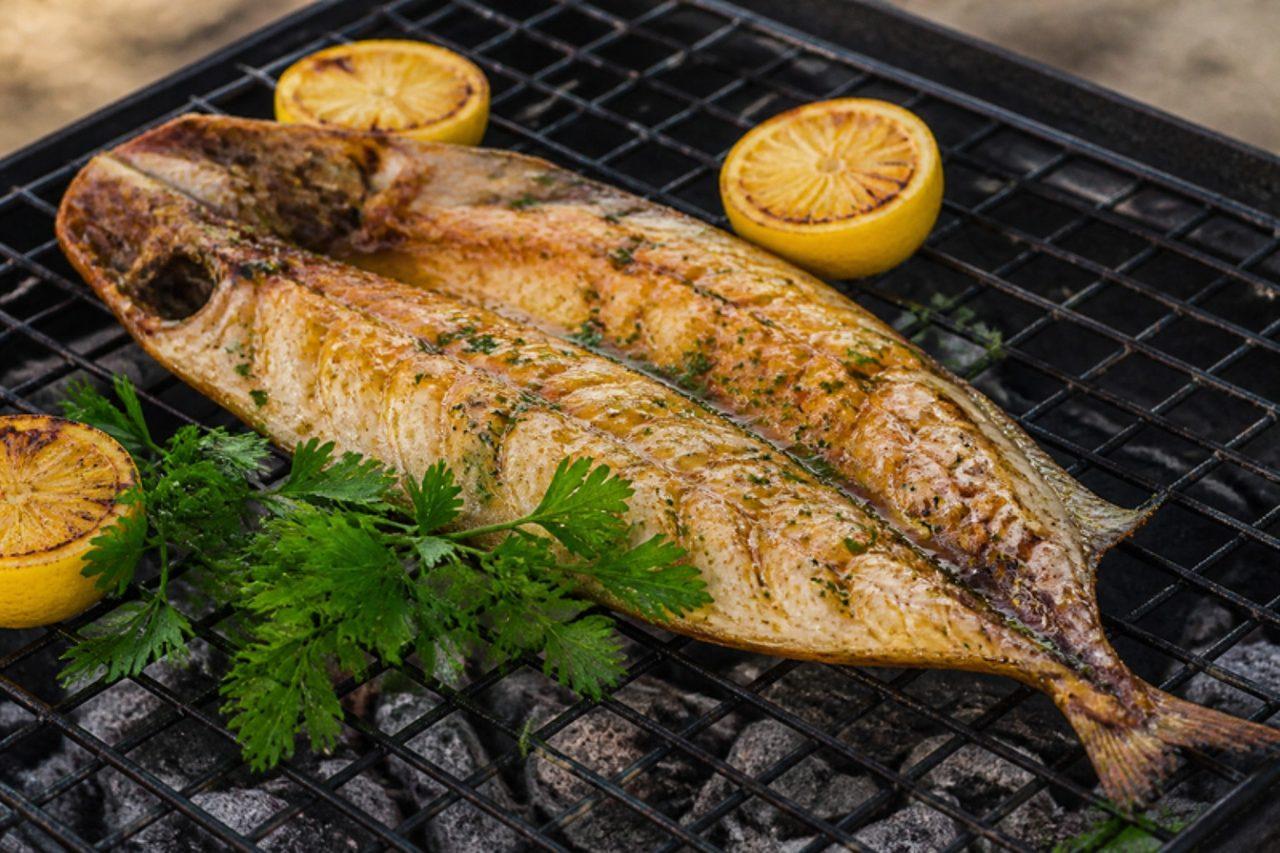
When the snoek run along the West Coast, the harbours at Lambert's Bay, Paternoster and Kalk Bay fill with bakkies, and by evening half the braais in the Cape have a butterflied fish in a hinged grid. Snoek is a long, firm, oily fish with plenty of fine bones; grilled skin-side down over gentle coals, it turns smoky and juicy, and a buttery apricot-jam baste gives it a sticky, sweet-salty edge. Serve it the West Coast way with baked sweet potatoes, a green salad and bread with butter and apricot or grape jam. Outside South Africa, use a butterflied Spanish mackerel or barracuda, or thick skin-on fillets of either. Chef's tip: the usual mistake is coals that are too hot, which burns the jam before the fish is cooked, so start with low coals and baste only in the second half.

by KrazyBadal 0 views

TereréIced yerba mate

In Asunción the hottest part of the day stops for tereré: a horn or cup packed with yerba mate, topped up again and again with ice water infused with crushed herbs, and passed round the group through a metal straw. It was recognised by UNESCO as part of Paraguay's cultural heritage, and the herbs (yuyos) change with the season and the drinker's mood. Yerba mate contains caffeine, so it isn't one for small children. The common mistake is pouring water straight into loose yerba, which then clogs the straw; tilt the yerba to one side first. Chef's tip: for tereré ruso, swap the water for cold orange or grapefruit juice.

by KrazyBadal 0 views

Pon ye gyiFermented bean sauce

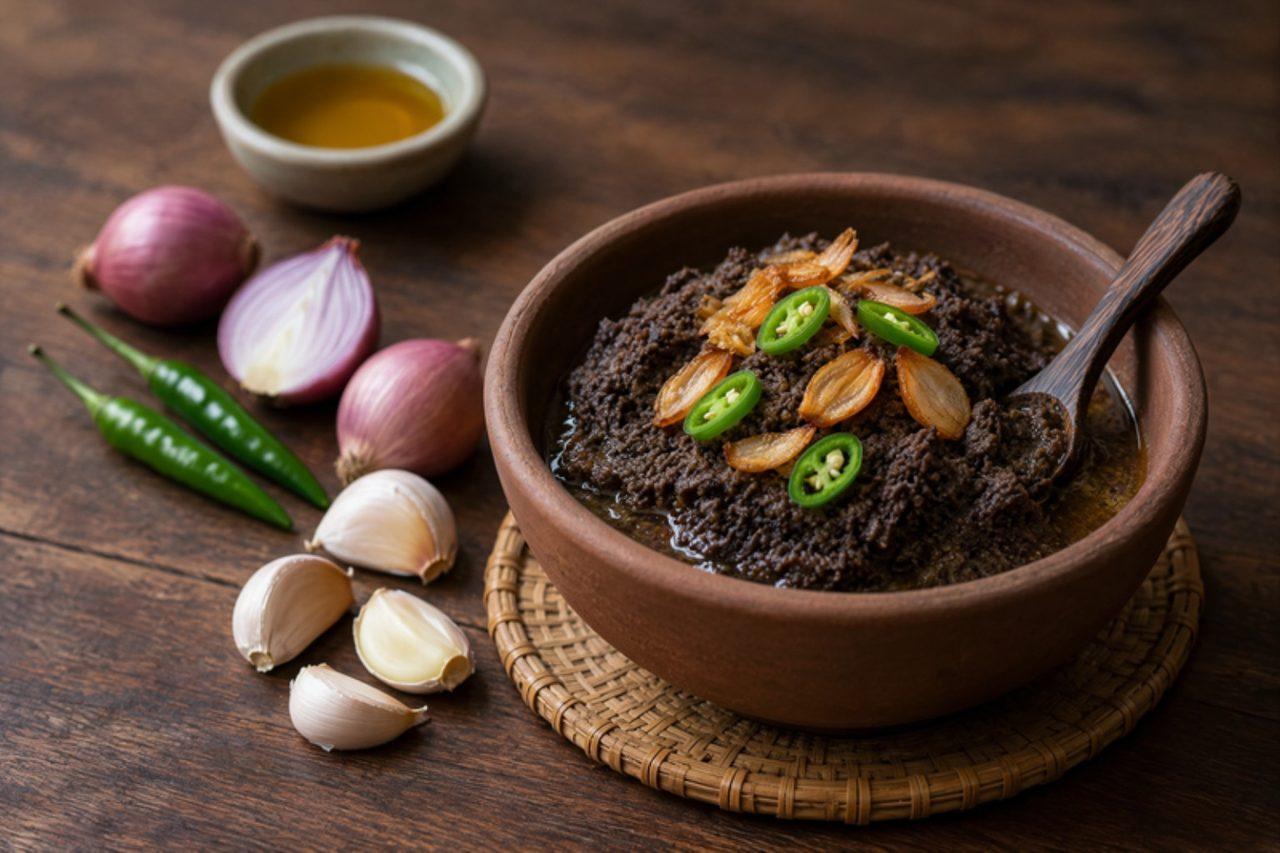
Bagan, among its thousands of temples, is just as known in Myanmar for pon ye gyi, the thick, glossy black bean paste sold in clay pots at Nyaung-U market. Workshops there boil beans, ferment them under cloth, steep them in brine and boil the dark liquid down for hours. At home it is a seasoning rather than a dip: fried with garlic, onion and chilli as pon ye gyi kyaw, it becomes the savoury base for pork or chicken curries and for stir-fried greens, and is eaten with rice and raw vegetables through the hot dry season. The taste is deeply salty, savoury and slightly sweet-bitter, with a soft funk like miso and black bean sauce combined, and a texture like thick molasses. Common mistake: stopping the reduction too soon; a thin brown sauce will not keep and lacks depth, so cook it until it is black, glossy and falls from the spoon in ribbons. Bagan makers use different beans; this home method uses soybeans with a Bacillus-style ferment like thua nao. It is ready when a spoonful sets into a thick gloss on a cold plate. Chef's tip: stir more often near the end, when it can catch.

by KrazyBadal 0 views

Sauce gomboOkra and fish sauce

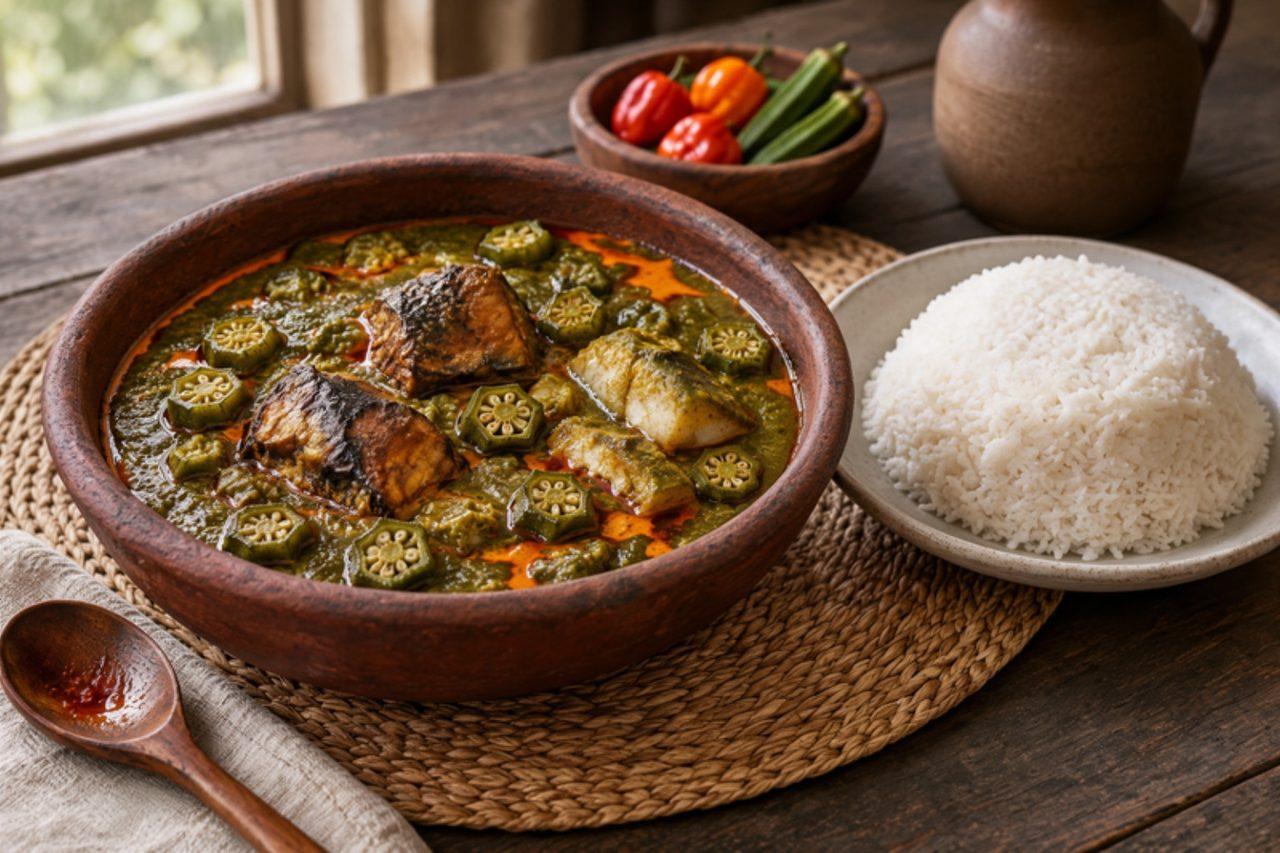
Sauce gombo is one of the everyday sauces of Côte d'Ivoire, simmered in Abidjan compounds and village kitchens for lunch and eaten with foutou, rice or attiéké. Sliced okra cooks down with tomato, onion, chilli and a little red palm oil until it turns pleasantly silky and draws together, and smoked fish gives it a deep savoury flavour, with fresh fish added at the end. High in fibre and protein and suitable as part of a balanced diet; serve with a modest portion of brown rice or attiéké. About 290 kcal and 12 g carbohydrate per portion. The usual mistake is stirring hard and often, which makes the okra stringy; stir gently. Chef's tip: pick small, bright okra pods that snap cleanly, as large pods are woody.

by KrazyBadal 0 views

TequicheCornmeal and coconut baked pudding

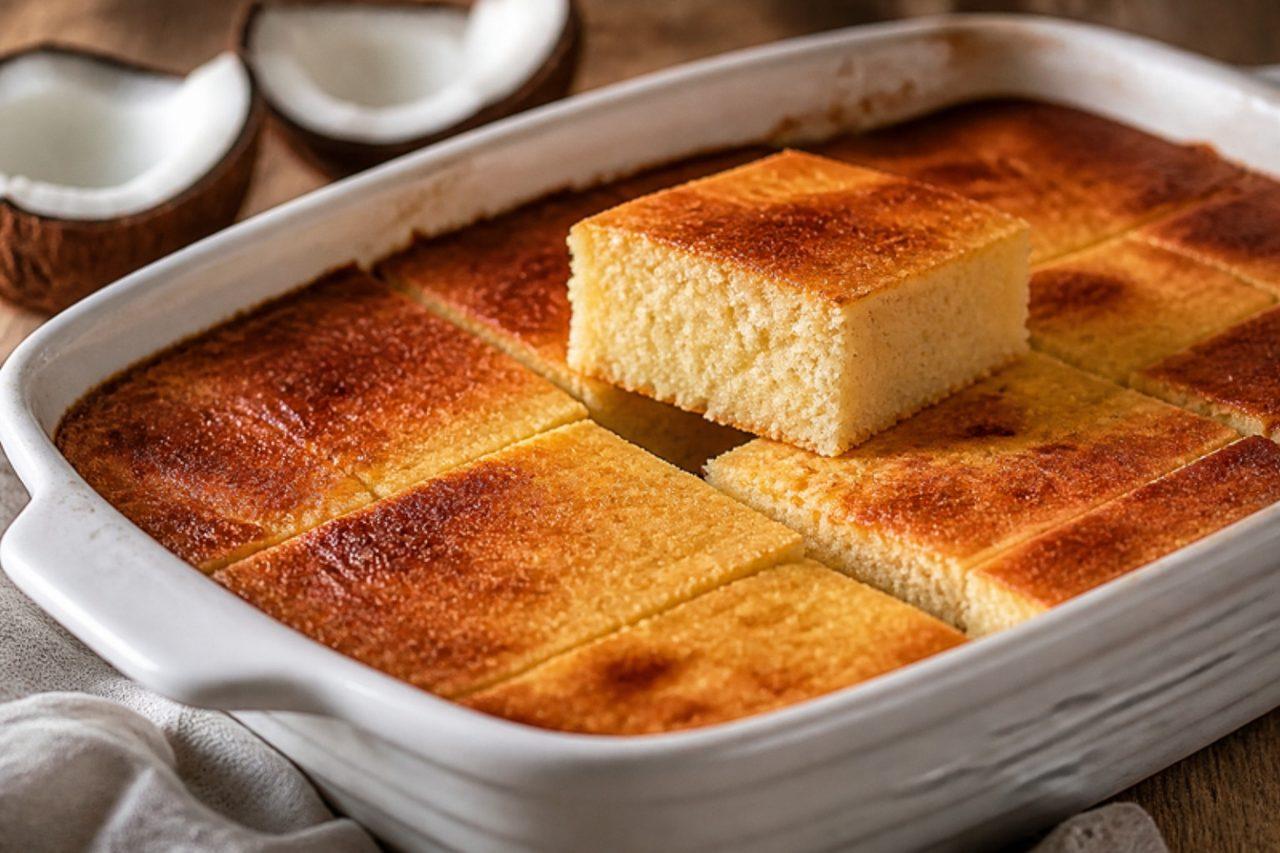
Tequiche comes from the shores of Lake Maracaibo, where coconut palms are everywhere: toasted cornmeal is cooked with coconut milk, milk and sugar, then baked into a soft, golden pudding with a nutty, almost caramel taste. In Zulia homes it's cut into warm squares for an afternoon snack with coffee. The usual mistake is toasting the cornmeal too little, which leaves a raw, floury flavour. Chef's tip: keep toasting until it smells of popcorn and turns a light tan; that toast is the whole character of the dish.

by KrazyBadal 0 views

Sauce pistacheMelon seed stew with smoked fish

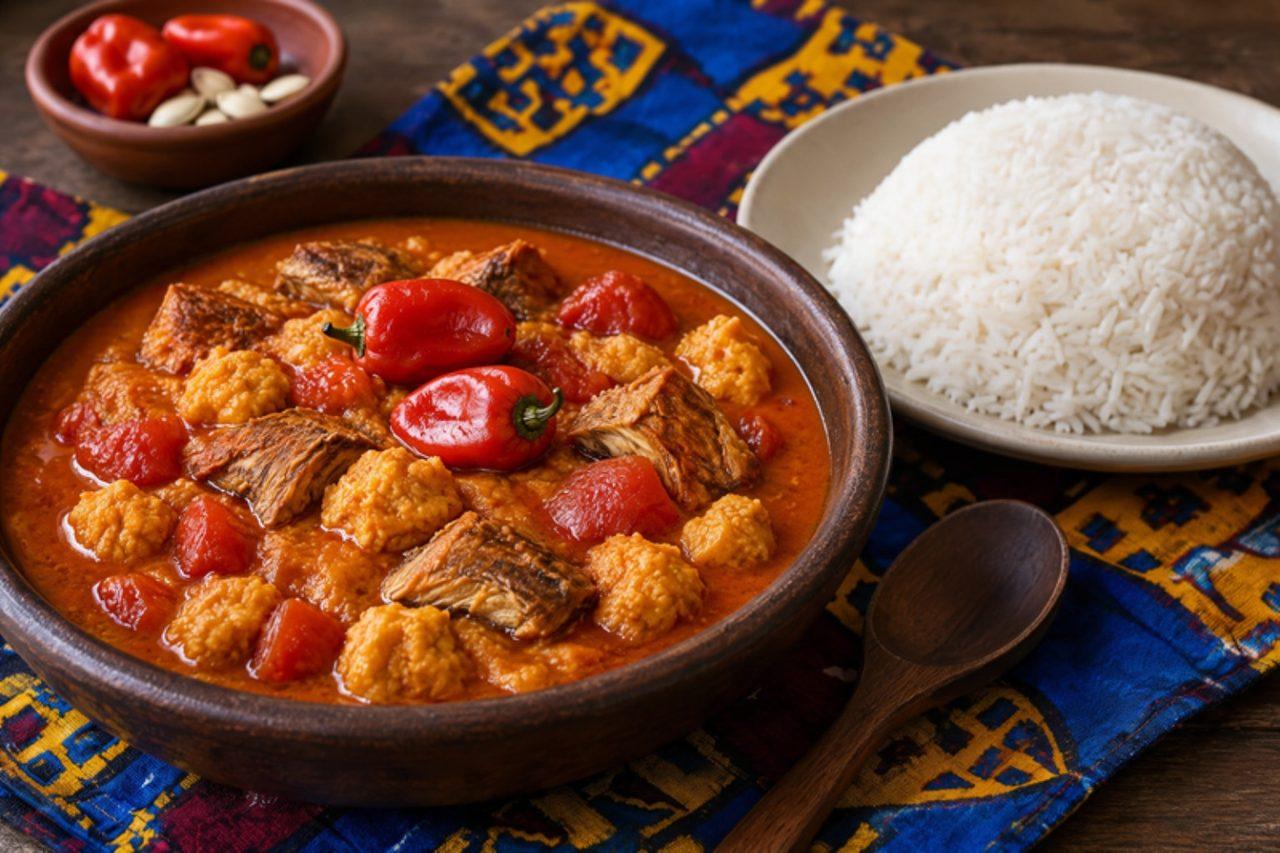
In Côte d'Ivoire, 'pistache' means the creamy white seeds of a wild melon (the same family as West African egusi), and sauce pistache is a beloved stew of the Baoulé and Abidjan home kitchens, served for Sunday lunch with foutou, rice or attiéké. The ground seeds are mixed with water into a paste, then simmered with smoked fish, beef or chicken, tomato and chilli until they set into soft, savoury curds in a rich orange sauce. The usual mistake is stirring as soon as the seed paste goes in, which breaks it into grainy specks; leave it alone for 10 minutes so it can form lumps. Fish is done when it flakes easily. Chef's tip: toast the seed flour very lightly in a dry pan before mixing, for a nuttier, deeper sauce.

by KrazyBadal 0 views

MunkoyoFermented maize drink

Munkoyo is the drink of Zambian village afternoons and long bus rides, sold in reused bottles at roadside stands from Kabwe to Mansa: a thin maize porridge sweetened and loosened by the pounded roots of the munkoyo shrub, then left to ferment lightly for about a day. It tastes gently sweet and sour, a little like a thin, cool maize yoghurt drink, and is drunk by everyone, children included, because it is not meant to be alcoholic. Munkoyo root is hard to find outside Zambia, so this recipe uses ground sorghum malt (sold as sorghum malt flour), which carries the same kind of starch-thinning enzymes; barley diastatic malt powder also works but makes it no longer gluten free. The big mistake is adding the root or malt to boiling-hot porridge, which kills the enzymes so it never thins. Chef's tip: drink it within two days and keep it chilled after fermenting, because if it ferments for longer it keeps souring and can start to develop traces of alcohol.

by KrazyBadal 0 views

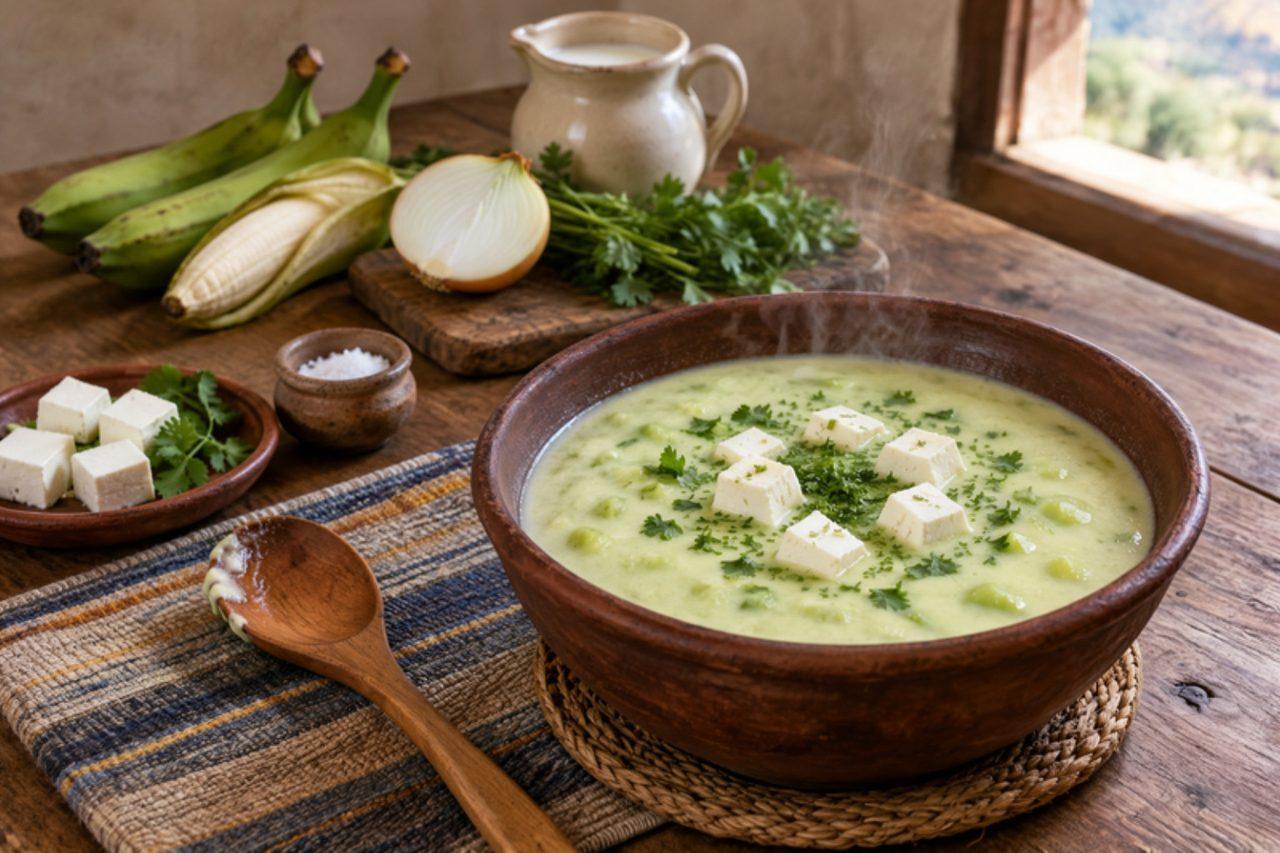
Repe lojanoGreen banana and milk soup

Repe is the comfort soup of Loja in southern Ecuador, eaten at lunch on chilly Andean days and often as the first course of the main midday meal. Green bananas are cooked in a light onion and achiote broth until they break down, then milk and crumbled fresh cheese turn it creamy and gently savoury, with coriander on top and avocado on the side. Lojano quesillo is usually made with animal rennet; use a fresh cheese labelled vegetarian or paneer instead. The usual mistake is cutting the bananas with a knife: break them into rough pieces by hand, as the rough edges dissolve and thicken the soup. Chef's tip: once the milk is in, keep the soup just below a simmer so it doesn't catch or curdle.

by KrazyBadal 0 views

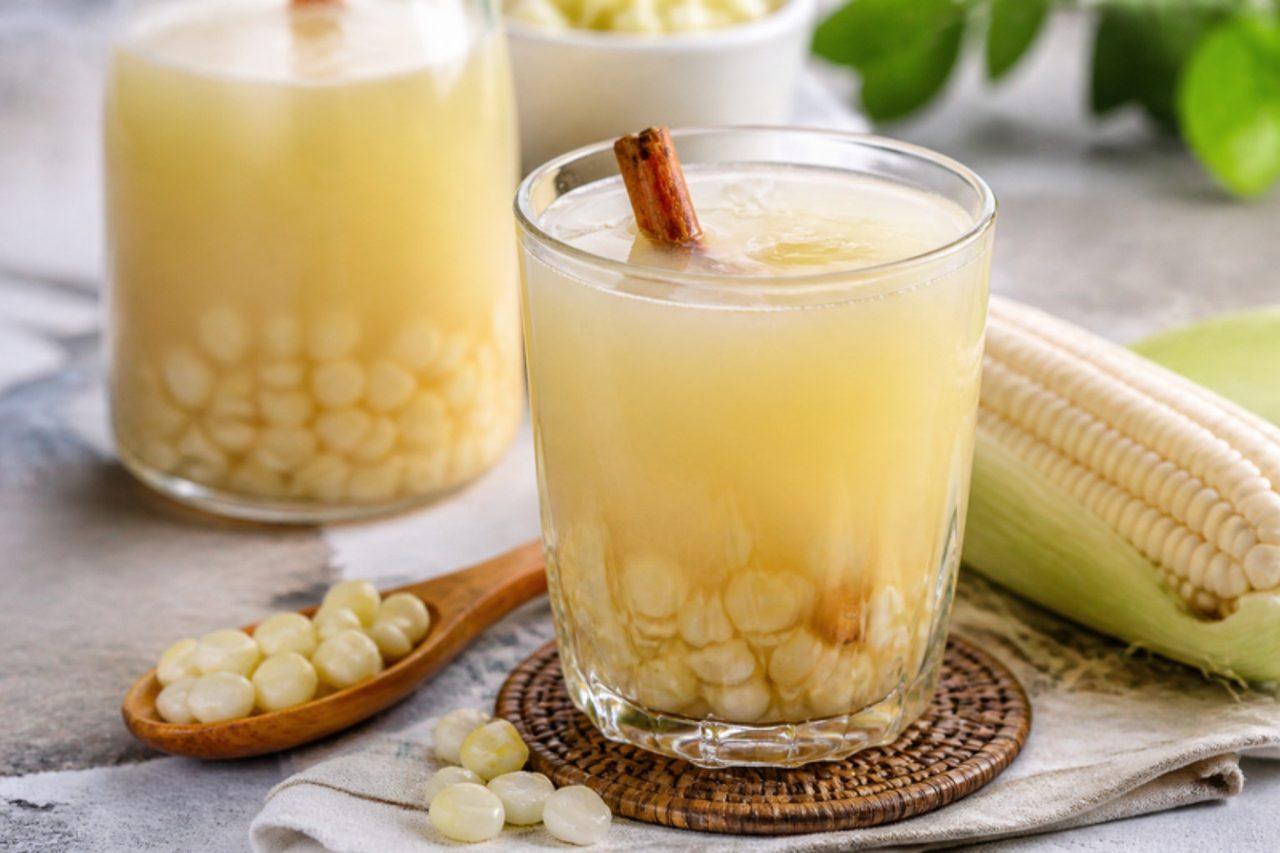
SomóCold spiced corn drink

Somó is how Santa Cruz cools down: big tubs of chilled, sweet, cinnamon-scented corn water sold in markets and at the door of lowland homes, with soft kernels of white corn floating in every glass to be eaten with a spoon. It is a simple drink, but it needs time, because the dried corn must soak and then simmer until each kernel bursts open. People often serve it before the kernels have fully opened, and then they are hard and chalky. Chef's tip: add a strip of orange peel with the spices for a fresher note, as some cruceño grandmothers do.

100 minAndeanDrinksVeganGluten free
by KrazyBadal 0 views

Saure KartoffelrädlePotato slices in vinegar sauce

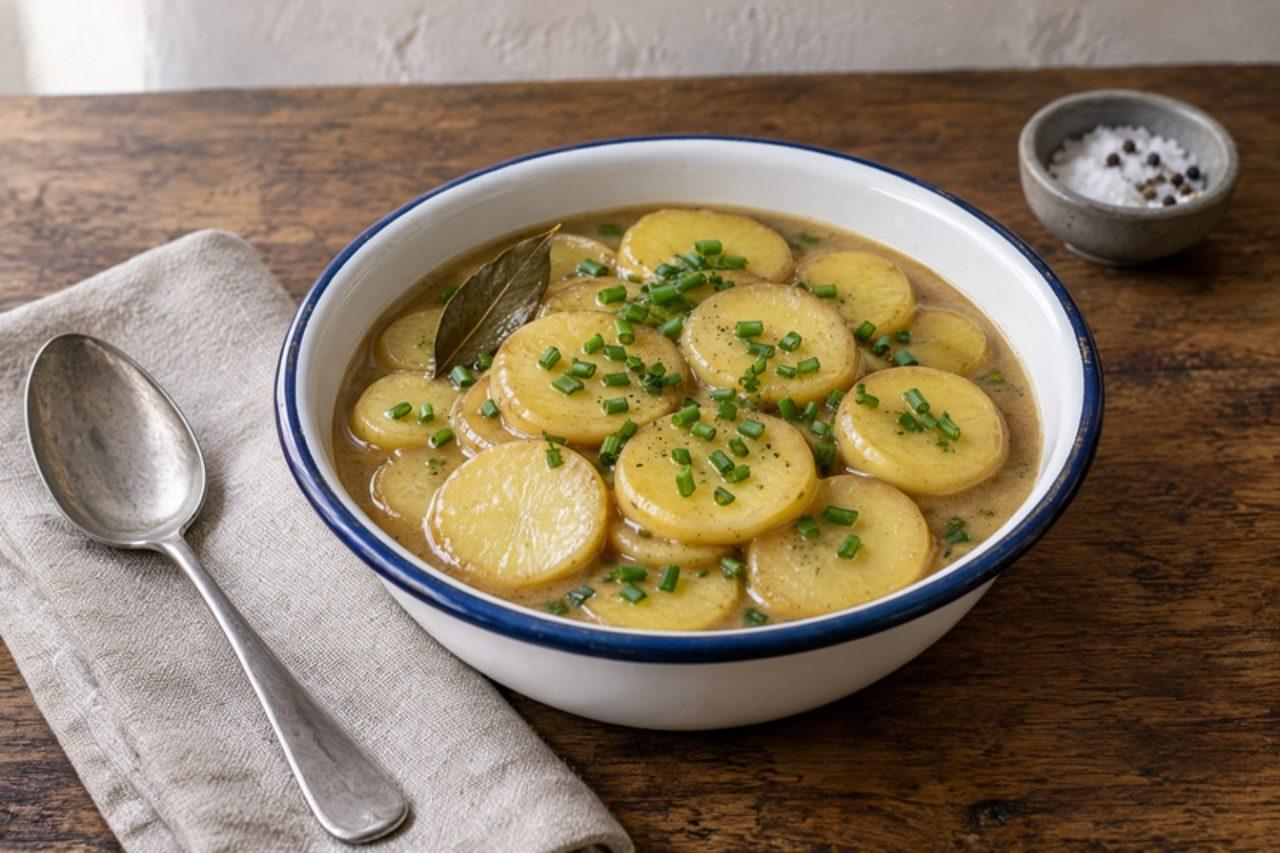
Saure Rädle, 'sour little wheels', are old Swabian farmhouse food from the villages around Stuttgart and the Swabian Alb, cooked on Fridays or at the end of the month when there was no meat. Potato slices simmer in a nutty brown roux sauce sharpened with vinegar and scented with bay and clove, so the slices turn tender and the sauce glossy and tangy. Some families add a few pieces of bacon; this version is meat-free. Eat with a green salad or pickled gherkins. The usual mistake is rushing the roux: pale flour gives a floury, grey sauce, so brown it slowly to the colour of hazelnuts. Chef's tip: add the vinegar at the end, a splash at a time, and taste; the sauce should be pleasantly sour, not sharp.

by KrazyBadal 0 views

KalembulaSweet potato leaves with groundnuts

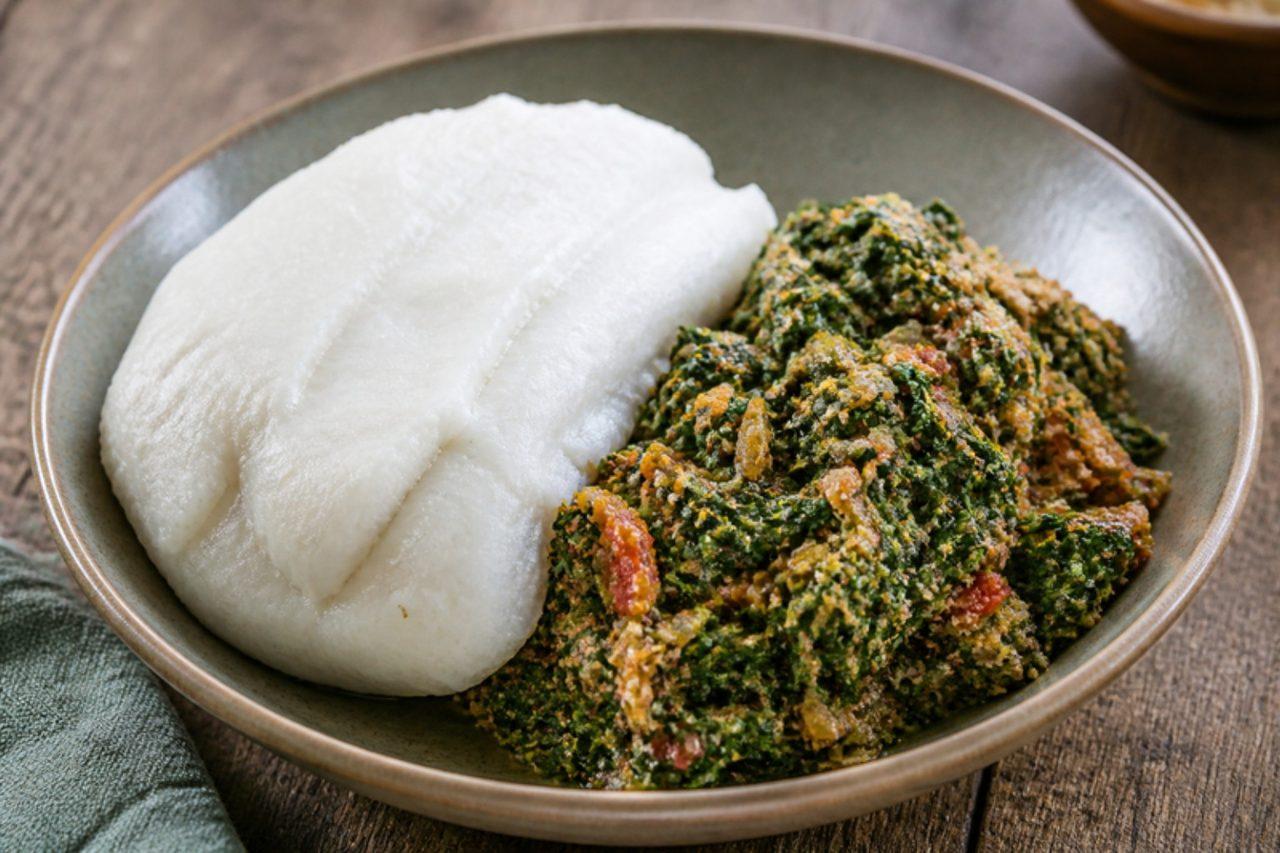
Kalembula grows wherever there is a patch of sweet potato, so it is as common in Eastern Province villages as it is in the backyard gardens of Kitwe, and it is usually picked minutes before it is cooked. The heart-shaped leaves are softer than pumpkin leaves and need no peeling; they wilt into a smooth, slightly mucilaginous relish with a pleasant, faintly bitter edge. Here the onion and tomato are fried first into a sweet base, the leaves go in after, and groundnut powder enriches the pot at the finish. Serve beside nshima and beans, or with fried kapenta for the non-vegetarians in the house. Overcooking turns it olive-drab and mushy, so stop as soon as the leaves are tender. Chef's tip: shred the leaves very finely, almost like a chiffonade, so they cook in minutes and stay green.

by KrazyBadal 0 views

ResbaladeraBarley and rice milk drink

Resbaladera comes from Guanacaste, the dry, sunny cattle province of northwest Costa Rica, and is sold by the cup at the Fiestas de Santa Cruz in January, at the July celebrations of the Anexión in Liberia, and from carts at rodeos and turnos all through the hot months. Pearl barley and a little rice are cooked with cinnamon and cloves until bursting, then blended with milk and sweetened, giving a cold, slightly thick, creamy drink, smooth and milky like rice pudding in a glass, with warm spice and vanilla. The name hints at how easily it slips down. The common mistake is undercooking the barley: if the grains still have bite, the drink is gritty and thin however long you blend. Cook until they are swollen, split and very soft. It is ready when it is pale cream, completely smooth after straining and tastes of vanilla, cinnamon and nutmeg. Barley means it is not gluten free. Chef's tip: chill it properly before serving and stir in a splash of cold milk if it thickens in the fridge overnight; it should pour easily.

by KrazyBadal 0 views

QuymoqFried breakfast puffs

Quymoq are small fried dough cakes that Uzbek grandmothers make on weekend mornings in Tashkent and the Fergana Valley, served hot in a pile with green tea, sugar, honey or fruit jam. A soft batter of kefir, egg and flour is dropped into hot oil, puffs up and turns golden. The mistake is frying in oil that is not hot enough; the cakes drink it and turn heavy. Test with a drop of batter first. Chef's tip: use a spoon dipped in oil to drop the batter; it slides off cleanly and every cake keeps a neat round shape.

by KrazyBadal 0 views

DeleleOkra relish

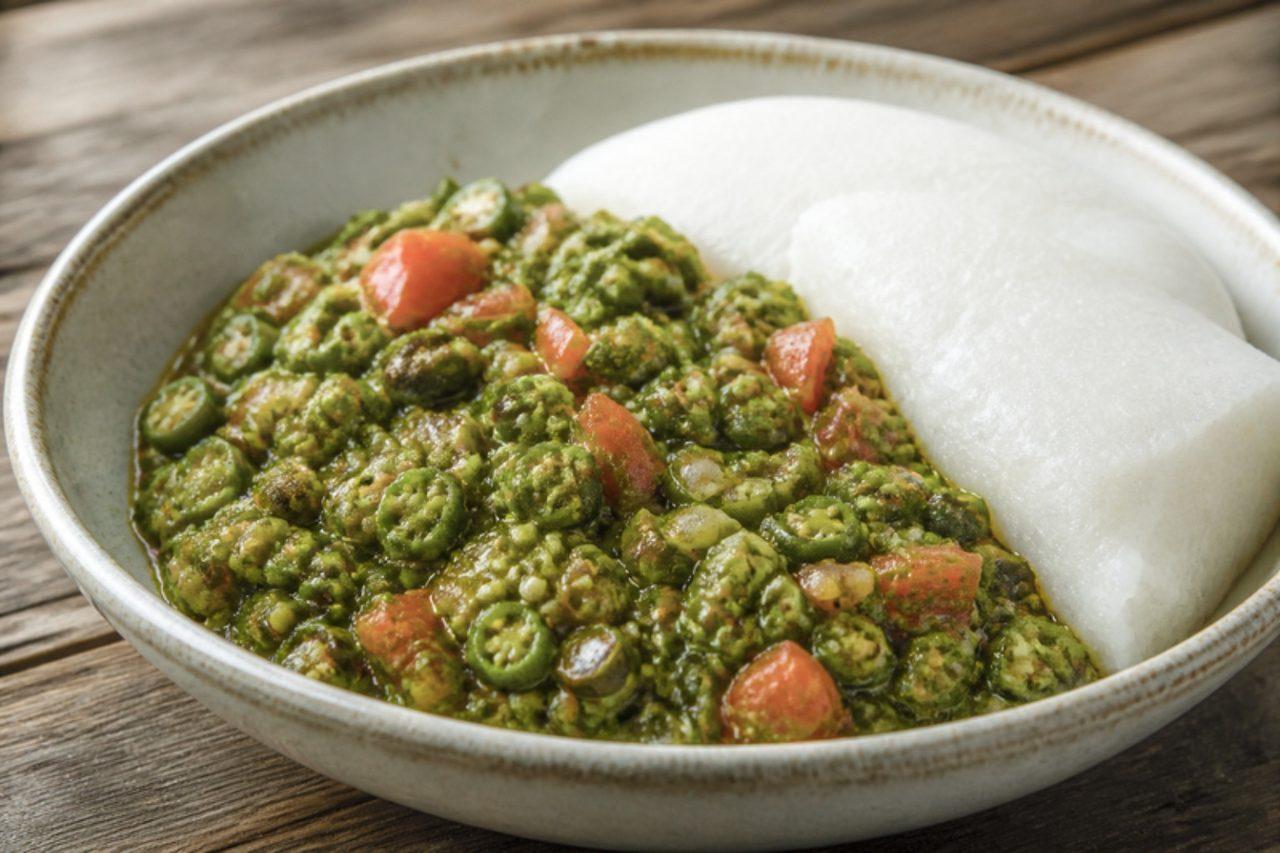
Delele is the relish that Zambians either adore or tease each other about, because it is meant to be slippery: sliced okra cooked fast with a pinch of soda until the pot turns stretchy and the relish slides off a ball of nshima. In Southern and Western Province homes it is often cooked with chidulo, a lye filtered from wood ash, while town cooks use bicarbonate of soda. The flavour is fresh, green and lightly sweet from tomato, and the texture is the whole point, so don't try to fight it. The common mistake is adding too much soda, which turns the okra soapy-tasting and grey. Chef's tip: whisk the okra hard as it cooks, ideally with a small balloon whisk, to draw out the strands and break the pods into a loose, glossy relish.

by KrazyBadal 0 views

Sayur bening bayam for toddlersSpinach and corn soup for toddlers

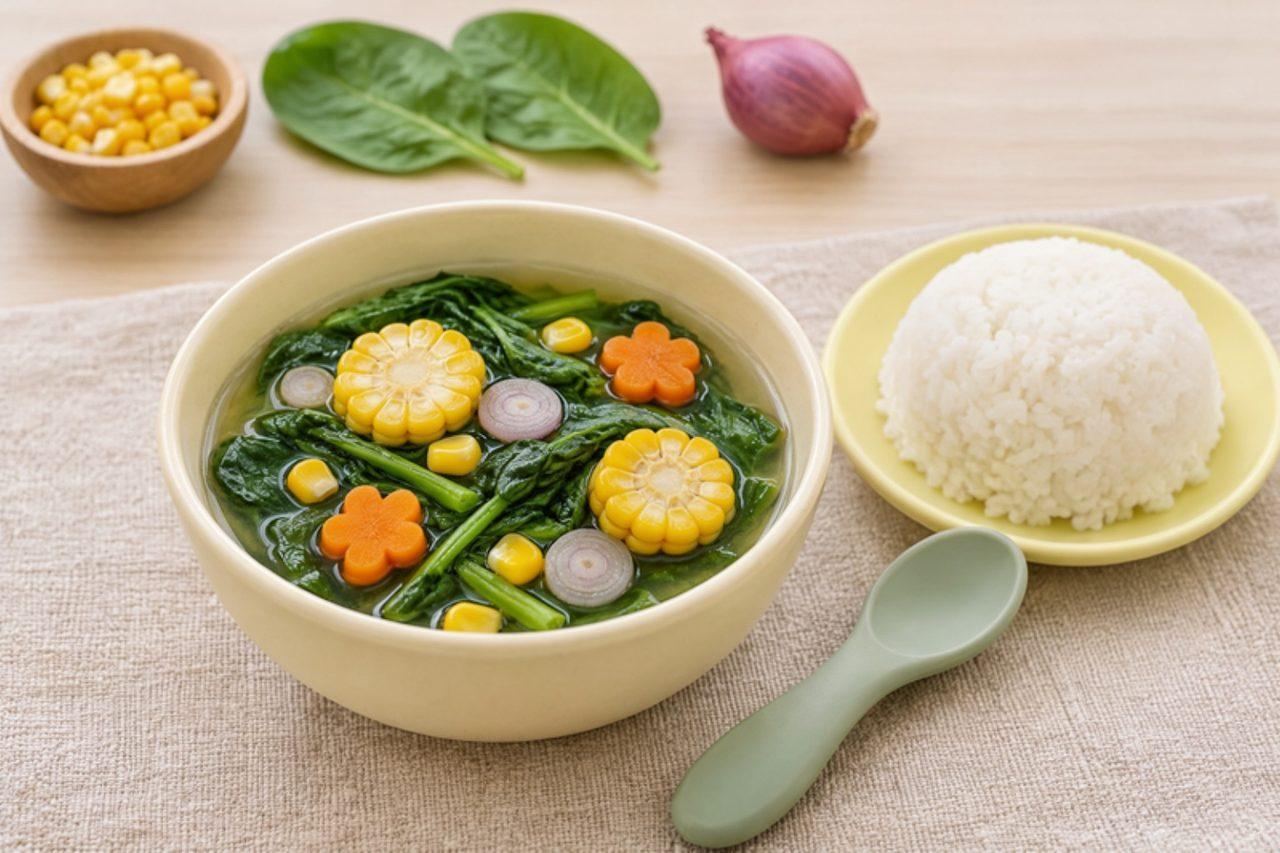
Sayur bening, 'clear vegetables', is the light soup that turns up at nearly every Javanese family lunch in Yogyakarta and Solo, and it is one of the first family dishes Indonesian children share. Spinach and sweet corn are simmered for just a few minutes in water scented with shallot and temu kunci (fingerroot), giving a sweet, fresh broth to spoon over rice. For toddlers from 12 months it is made with no salt or sugar, and the corn is chopped. It is vegan and free of the major allergens. Chef's tip: add the spinach at the very end; overcooked bayam turns grey and bitter.

by KrazyBadal 0 views

Sayur boborGreens in coconut milk broth

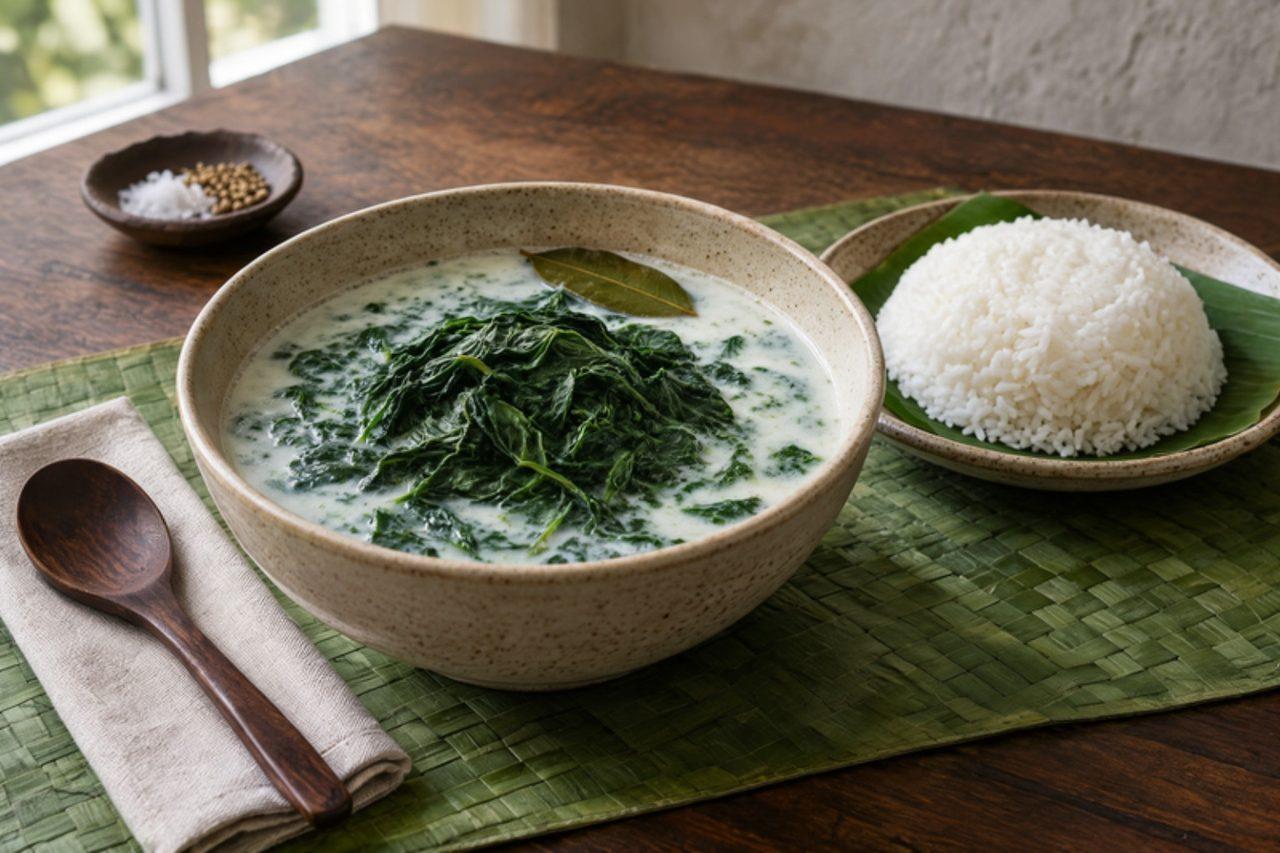
Sayur bobor is the gentle everyday soup of Central Javanese homes around Semarang and Solo, ladled over rice at lunch and often made for children, older relatives and anyone feeling poorly. Spinach, amaranth or moringa leaves are simmered for just a few minutes in a thin coconut broth scented with galangal, coriander seed and salam leaves, so it tastes creamy and mild with a hint of sweetness. Eat it with rice, fried tempeh and sambal. The usual mistake is boiling the greens too long, which turns them khaki and slimy; they need only 2–3 minutes. Chef's tip: add a few chayote or young corn pieces with the broth for a more filling bowl.

by KrazyBadal 0 views

Rántott sajtFried breaded cheese

Rántott sajt is the Hungarian answer to a hungry evening: thick slabs of mild trappista or Edam, breaded twice and fried until the crumb is golden and the inside just begins to ooze. In Budapest it is sold at the büfé stands of the Nagyvásárcsarnok (the Great Market Hall), at the Lehel market and at lángos counters by Lake Balaton, almost always with chips and a dollop of tartar sauce. Traditional trappista and Edam are often made with animal rennet, so choose a cheese labelled vegetarian (made with microbial rennet) if that matters to you. Chef's tip: freeze the breaded slices for 10 minutes before frying, so the crust sets before the cheese melts.

by KrazyBadal 0 views

ScafataBroad bean and chard stew

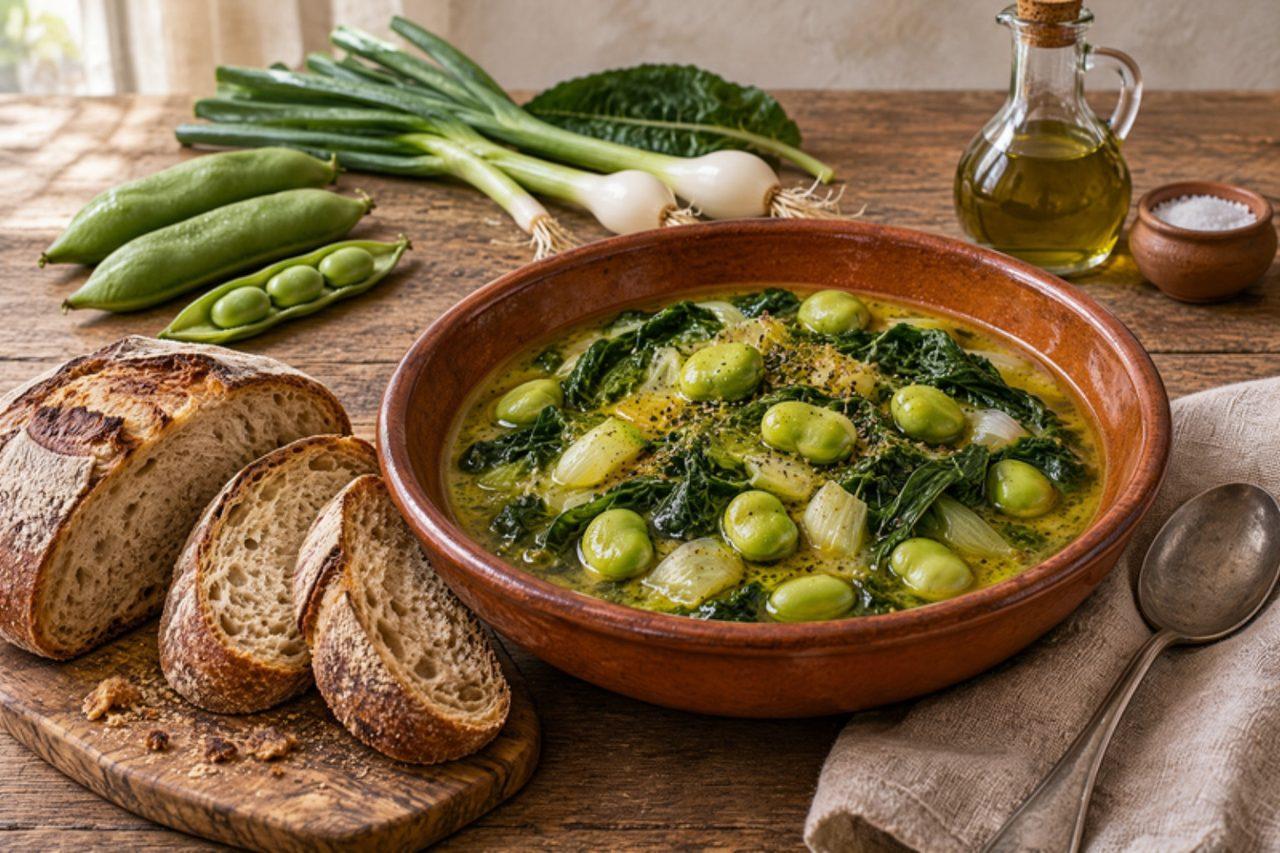
Scafata comes from the hill towns of Umbria, around Spoleto and Foligno, where it is cooked in late April and May when the first fresh broad beans, chard and spring onions arrive together. The beans are stewed slowly in olive oil and tomato until they are soft and creamy, with the chard melting into a green, fragrant sauce scented with wild fennel or mint. Eat it warm with a slice of wholegrain bread. Suitable as part of a balanced diet, it is rich in fibre and plant protein: about 240 kcal and 22 g carbohydrate per portion. The usual mistake is boiling it fast, which toughens the beans; it needs a lazy simmer. Chef's tip: double-pod only the large, older beans; young ones can be cooked in their pale skins.

by KrazyBadal 0 views

ScagliuozziFried polenta triangles

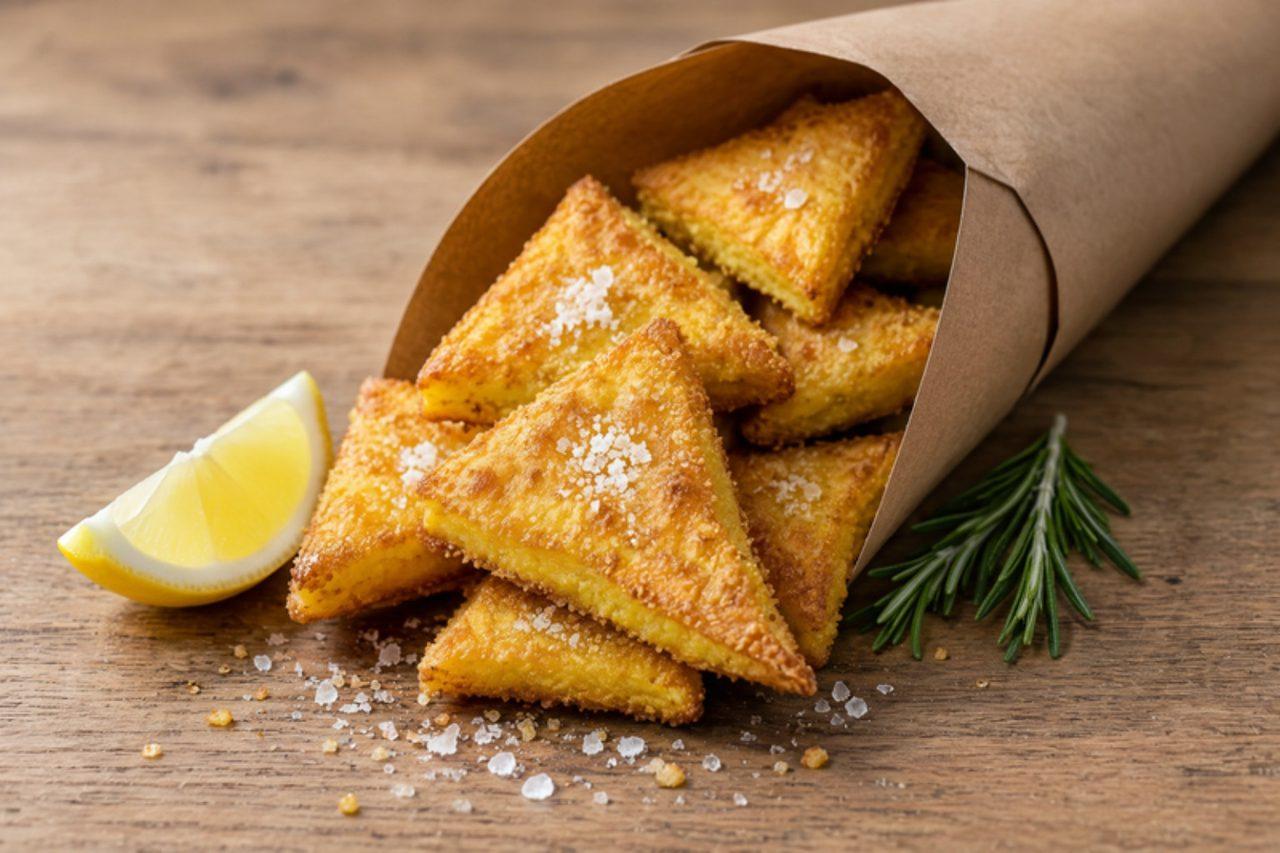
Scagliuozzi are triangles of firm polenta fried until blistered and golden, and in Naples they are rarely eaten alone: the friggitorie of Via dei Tribunali and the Pignasecca market tuck them into a cuoppo, a cone of brown paper, with zeppoline and potato croquettes. People buy them mid-morning or on the evening passeggiata and eat them walking, still too hot to hold. The outside shatters, the inside stays soft and sweet with corn. Make the polenta the day before so it sets firm. Chef's tip: cook the polenta thick enough that a spoon stands up in it; soft polenta spits and falls apart in the oil.

by KrazyBadal 0 views

Yachae jeonVegetable pancakes

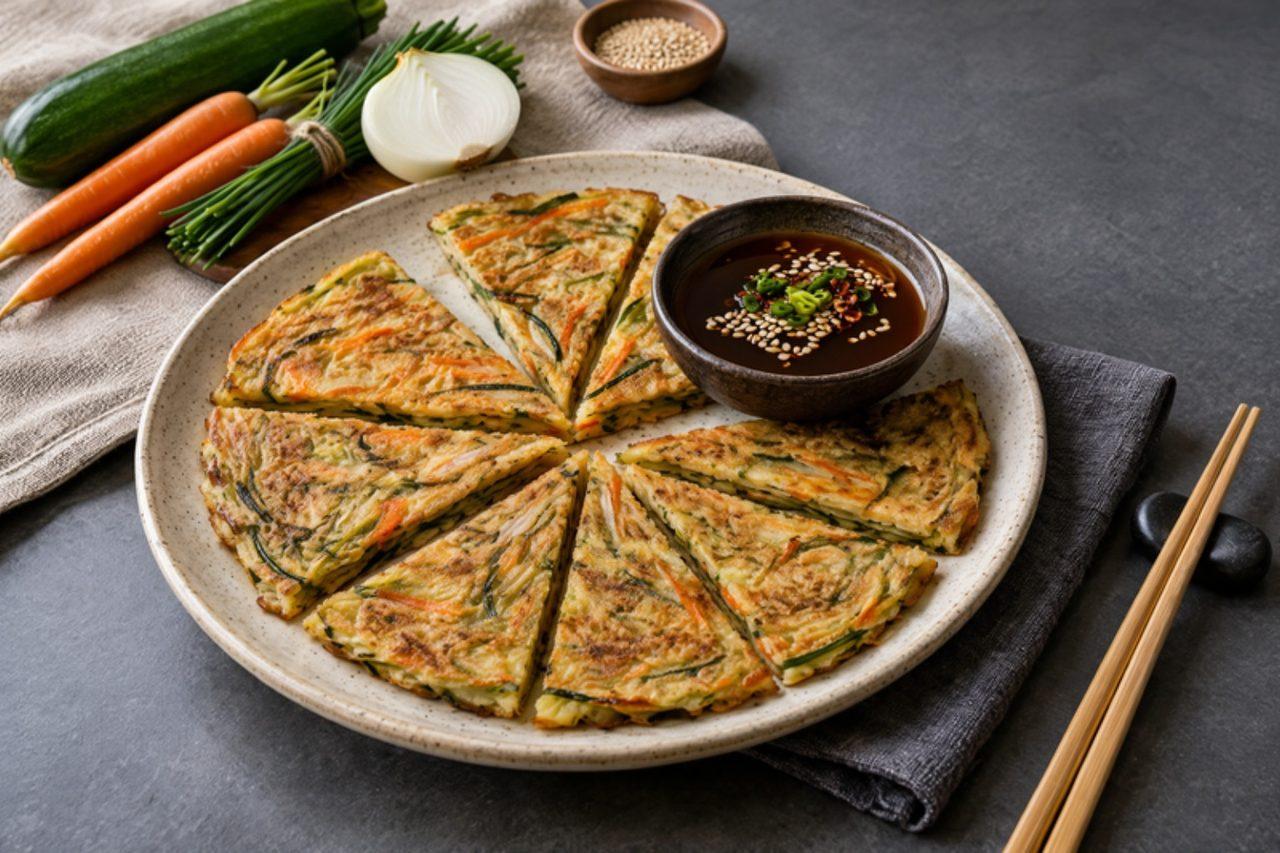
Korean fridge-clearing at its best: courgette, carrot, onion and chives shredded thin and bound with just enough batter to hold them together, then fried into lacy pancakes. Hot, they are a rainy-day snack with makgeolli; cut into wedges the next day, they fill a dosirak and taste good cold. The common mistake is too much batter, which gives a thick, doughy pancake; the vegetables should look barely coated. Chef's tip: use ice-cold water in the batter and press each pancake flat with the spatula after flipping, for crisp edges that last until lunchtime.

by KrazyBadal 0 views

ChikandaOrchid tuber and peanut loaf

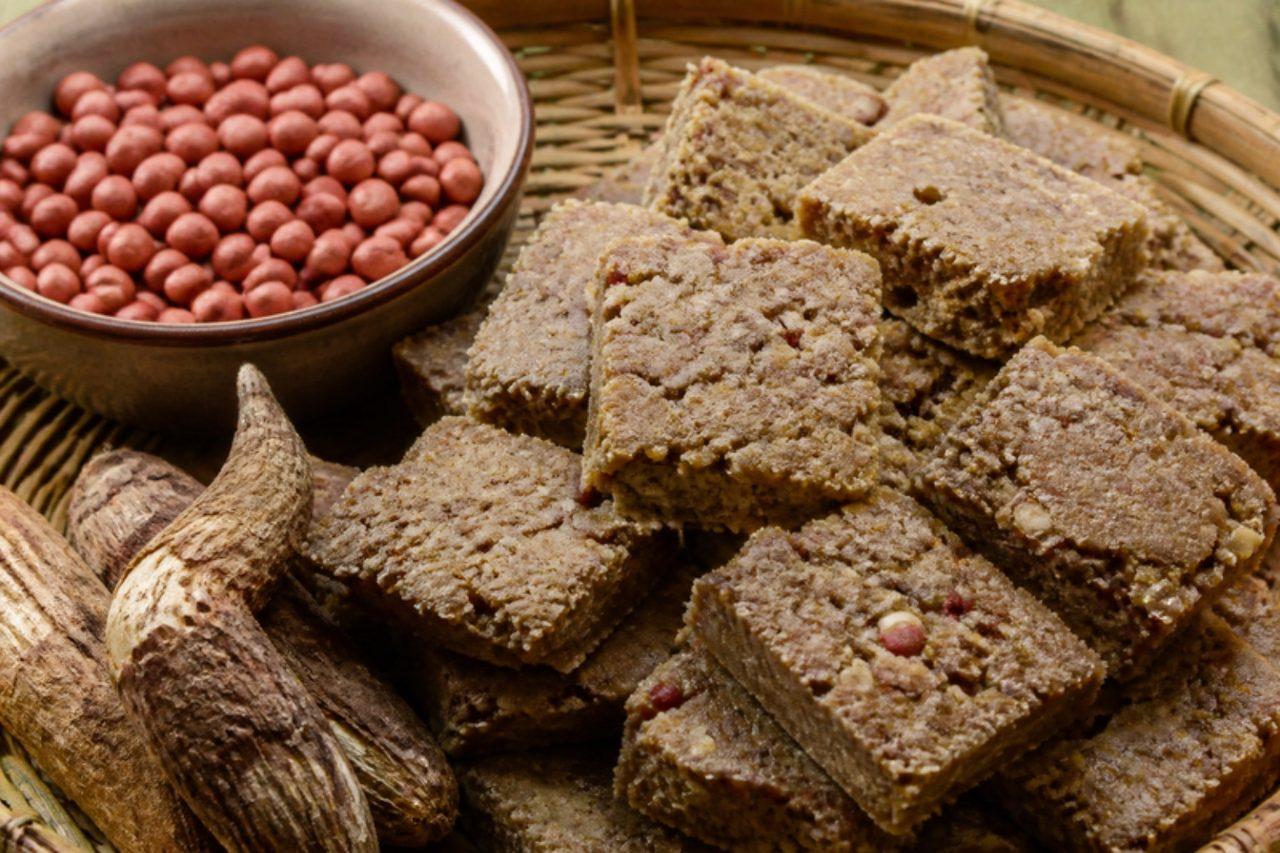
In Kasama and across the Bemba country of northern Zambia, chikanda is cooked for weddings, funerals and family gatherings, then sliced and sold on Lusaka street corners as 'African polony' because it looks like a pale sausage. It is made from the dried, pounded tubers of ground orchids mixed with groundnut flour, chilli and a little bicarbonate of soda, stirred over the fire until thick and then baked until firm. The texture is dense and springy, a little like a savoury jelly, with a nutty, earthy flavour and a gentle heat. Use bought dried chikanda powder from Zambian or Southern African grocers; wild orchids are badly over-harvested, so buy only from a trusted supplier. Too little stirring is the usual mistake, and it leaves raw lumps of powder through the loaf. Chef's tip: let the slices cool completely before frying or eating, as the loaf firms up a lot as it sets.

by KrazyBadal 0 views

Tindora nu athanuIvy gourd pickle

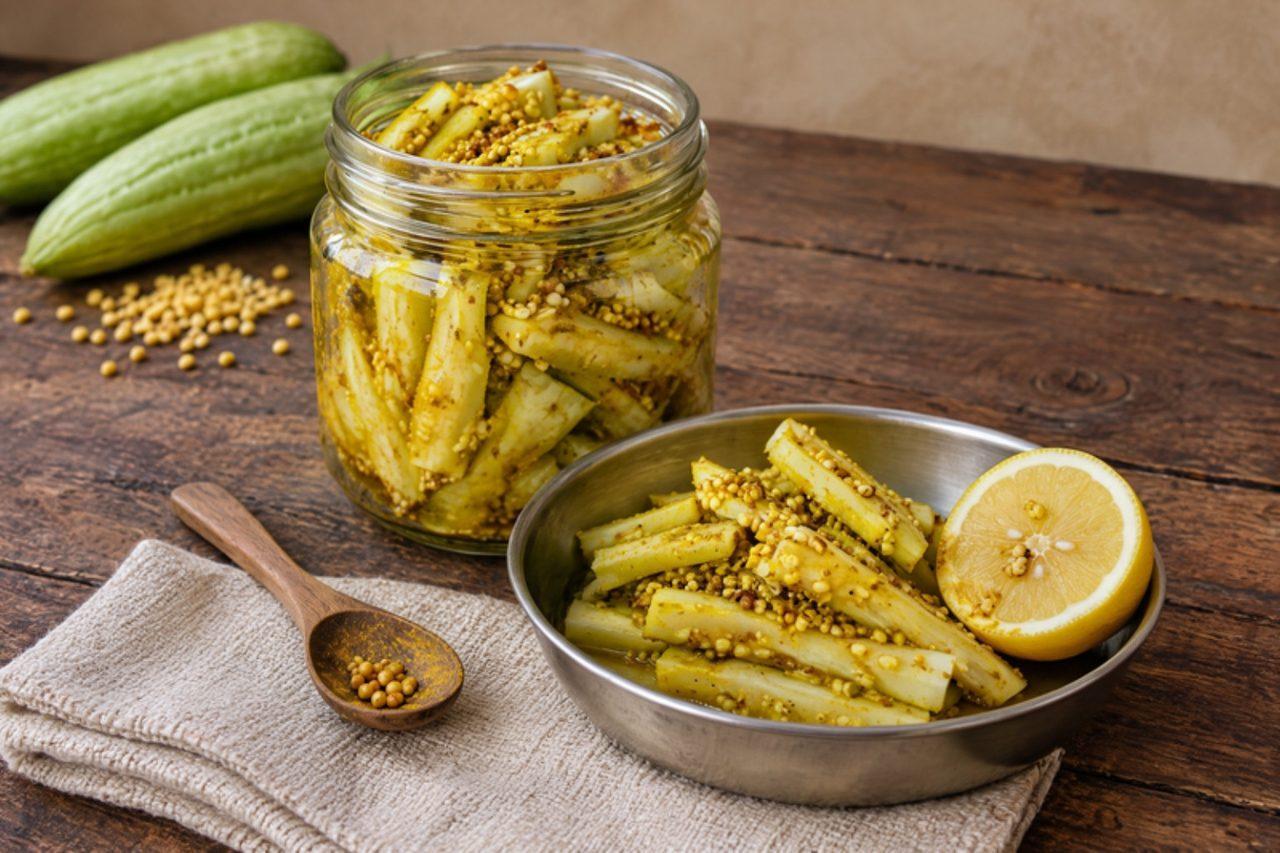
In Gujarati homes from Surat to Rajkot, tindora nu athanu is the pickle you make on a Tuesday for the rest of the week, not the big summer jar. Thin sticks of tindora (ivy gourd) are tossed with rai na kuria (split mustard seed), salt, turmeric, a pinch of hing and lemon juice, then dressed with warm oil. By the next lunch the mustard has bloomed into a nose-tingling heat, the lemon has softened the raw edge and the sticks are still crunchy, a sharp counterpoint to dal-bhaat, khichdi or a plate of thepla. Choose firm, bright green tindora; once they turn red inside they go soft and seedy. Common mistake: pouring smoking-hot oil straight onto the kuria, which scorches it bitter; let the oil cool until just warm. It is ready when the sticks look slightly glossy and darker and a few drops of juice gather in the jar. Because it is fresh vegetable with little salt, it lives in the fridge and is best eaten within 7 days; throw it out if it smells rotten, turns slimy or grows any mould. Chef's tip: no kuria? Pound yellow mustard seeds coarsely in a mortar; you want cracked halves, not powder.

by KrazyBadal 0 views

ChibwabwaPumpkin leaves with groundnuts

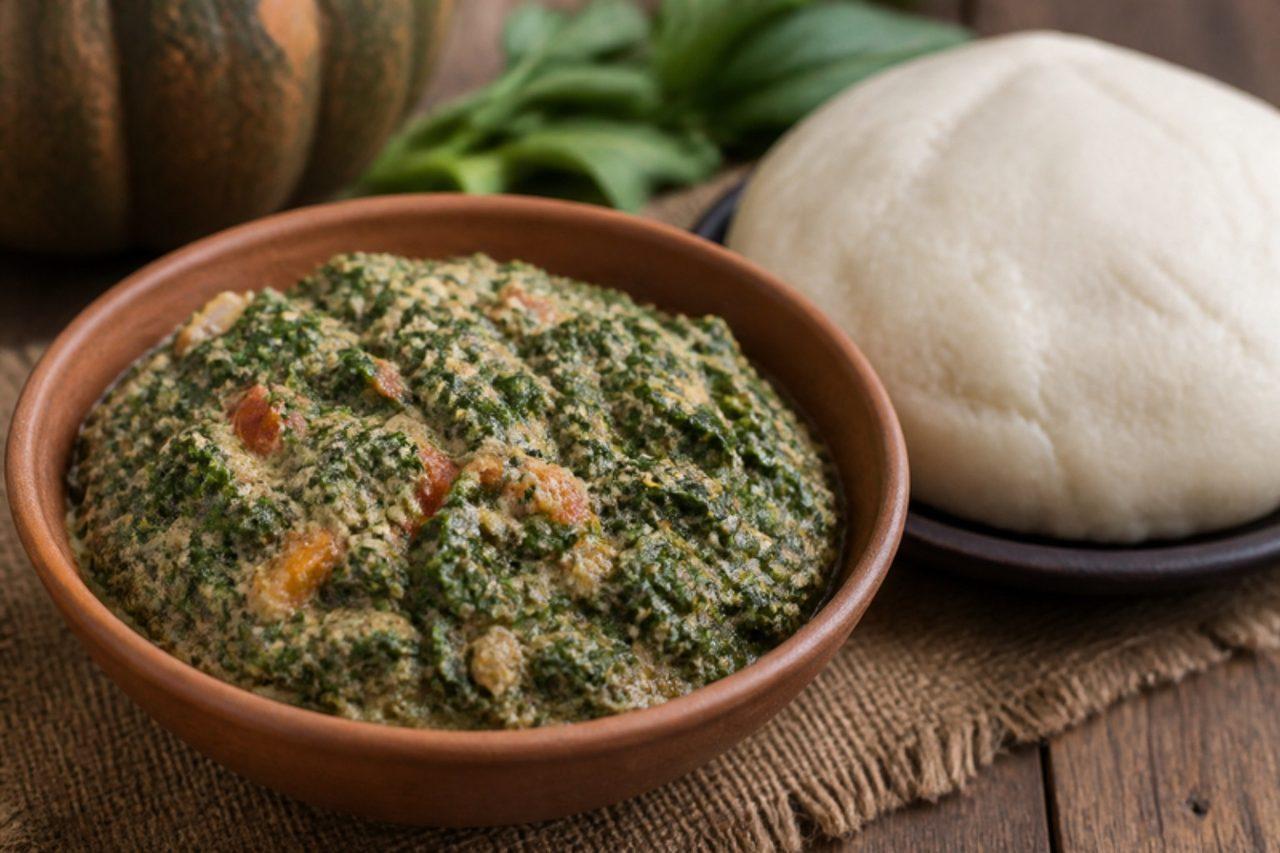
From December to March, when pumpkin vines sprawl over every compound fence in Lusaka and the Copperbelt, chibwabwa is on the table almost daily as a relish for nshima. The tender leaves and shoots are stripped of their hairy outer fibres, cooked down until silky and finished with tomato, onion and freshly pounded groundnuts, which thicken the juices into a creamy, nutty sauce. The taste is green and mildly sweet, closer to young spinach than to pumpkin itself. Look for pumpkin leaves at African or South Asian grocers; spinach mixed with a little chard is a fair stand-in. Skipping the peeling is the mistake people make, and it leaves the stems stringy and prickly. Chef's tip: add the groundnut powder only at the end and simmer it gently, or it sinks and scorches.

by KrazyBadal 0 views

Supo esiPapaya and coconut cream soup

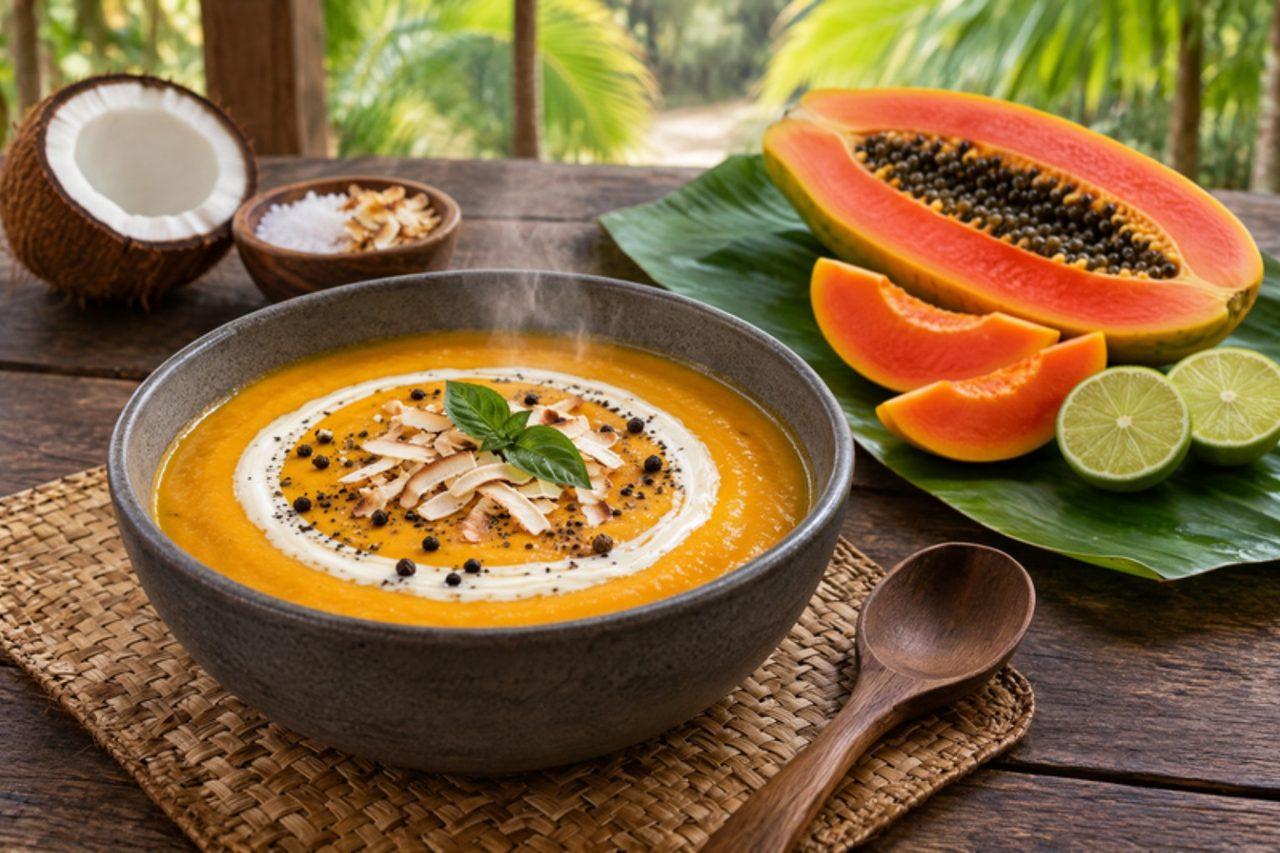
In Samoan villages a big pot of supo esi is a Sunday and everyday breakfast: ripe papaya simmered soft, thickened with tapioca or arrowroot, and enriched with fresh coconut cream (pe'epe'e), served warm with buttered bread or panikeke. It is sweet, silky and tropical, like a warm fruit pudding you drink. The common mistake is boiling it after the coconut cream goes in, which splits the cream into an oily film; add it at the end and only warm through. Chef's tip: a squeeze of lime at the end wakes up the papaya and stops it tasting flat.

by KrazyBadal 0 views

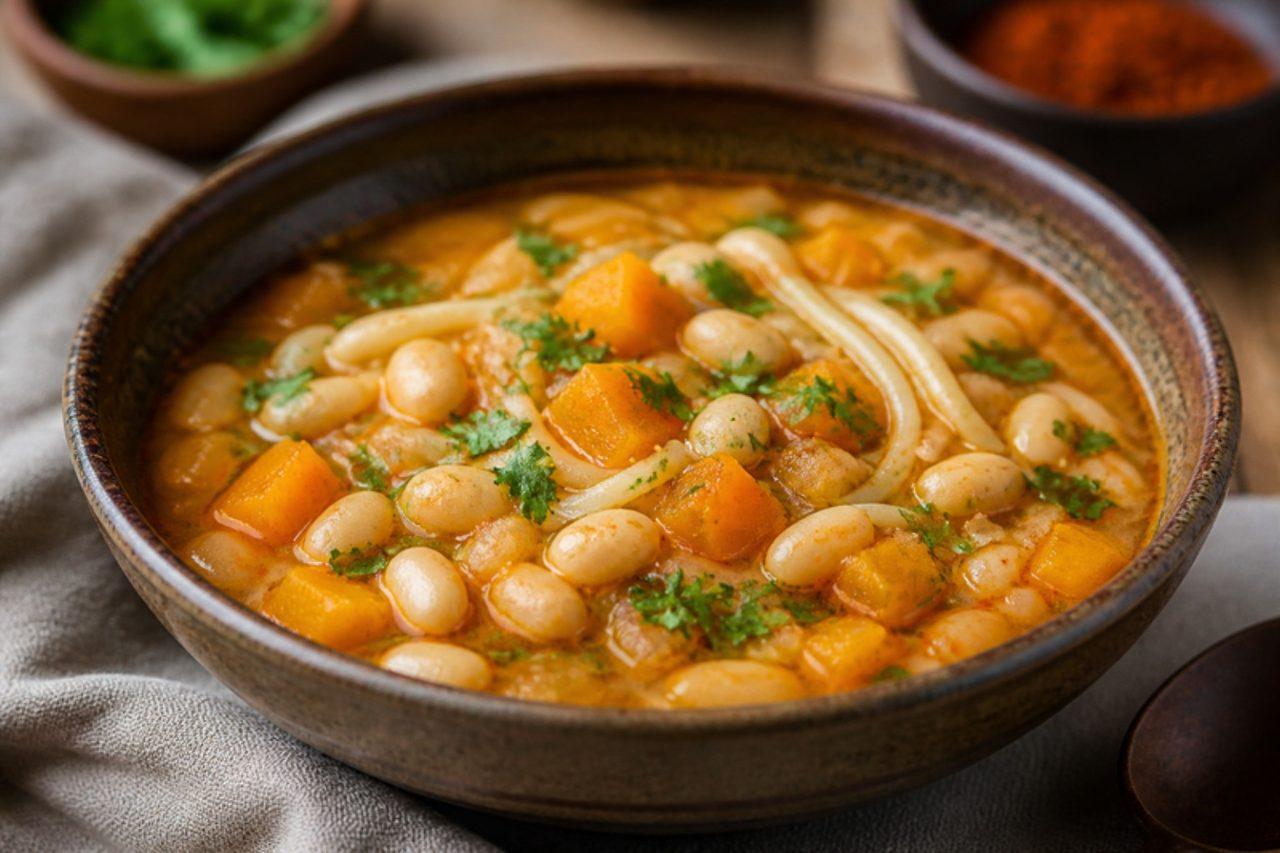
Porotos con riendasBean and squash stew with spaghetti

When the Andes turn white above Santiago, lunch counters in the Mercado Central and home kitchens all over the Central Valley put on a pot of porotos con riendas, dried beans stewed with squash until thick and orange, with broken spaghetti, the 'reins', stirred through at the end. It is served in deep plates with a spoonful of pebre or a tomato salad alongside. Many cooks add longaniza sausage; this version keeps it meat-free and relies on smoky paprika and slow-cooked onion. Adding the pasta too early is the common mistake: it swells, goes soft and drinks all the liquid. Chef's tip: grate a third of the squash so it melts into the beans and thickens the stew, and dice the rest so you still get chunks.

by KrazyBadal 0 views

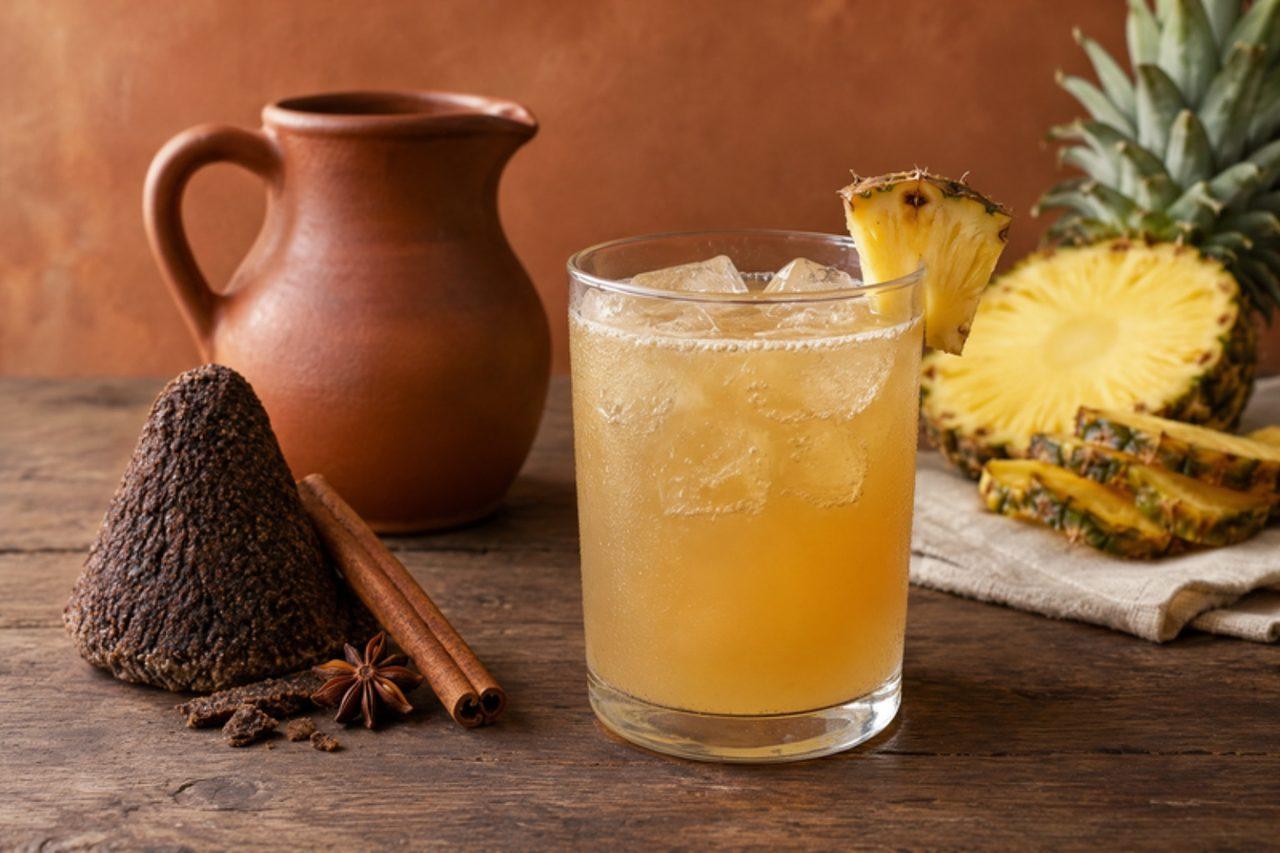
TepacheFermented pineapple drink

In Guadalajara and markets across central Mexico, tepacheros sell this drink from big clay jars, ladled over ice into bags with a straw on hot afternoons. It is the thrifty drink of the house: the peel and core left after eating a pineapple are fermented for two or three days with piloncillo, cinnamon and cloves until the liquid turns golden, faintly fizzy and pleasantly sour, like a spiced pineapple cider. Wild yeasts from the peel do the work, so it makes a trace of alcohol, well under 1% when drunk young; the longer it sits, the sourer and more alcoholic it gets. The common mistake is leaving it too long in a warm kitchen, when it turns vinegary and cloudy; in hot weather check after 36 hours. It is ready when it has a layer of fine bubbles, smells sweet-sour and fruity, and tastes tart rather than syrupy. White, flat foam can be skimmed; fuzzy, coloured mould, a slimy texture or a rotten smell mean throw it away. Keep it in the fridge 3–5 days, and if you bottle it for fizz, burp the bottles daily so pressure cannot build. Chef's tip: use an organic pineapple and do not scrub the peel, as the yeasts live on its skin.

by KrazyBadal 0 views

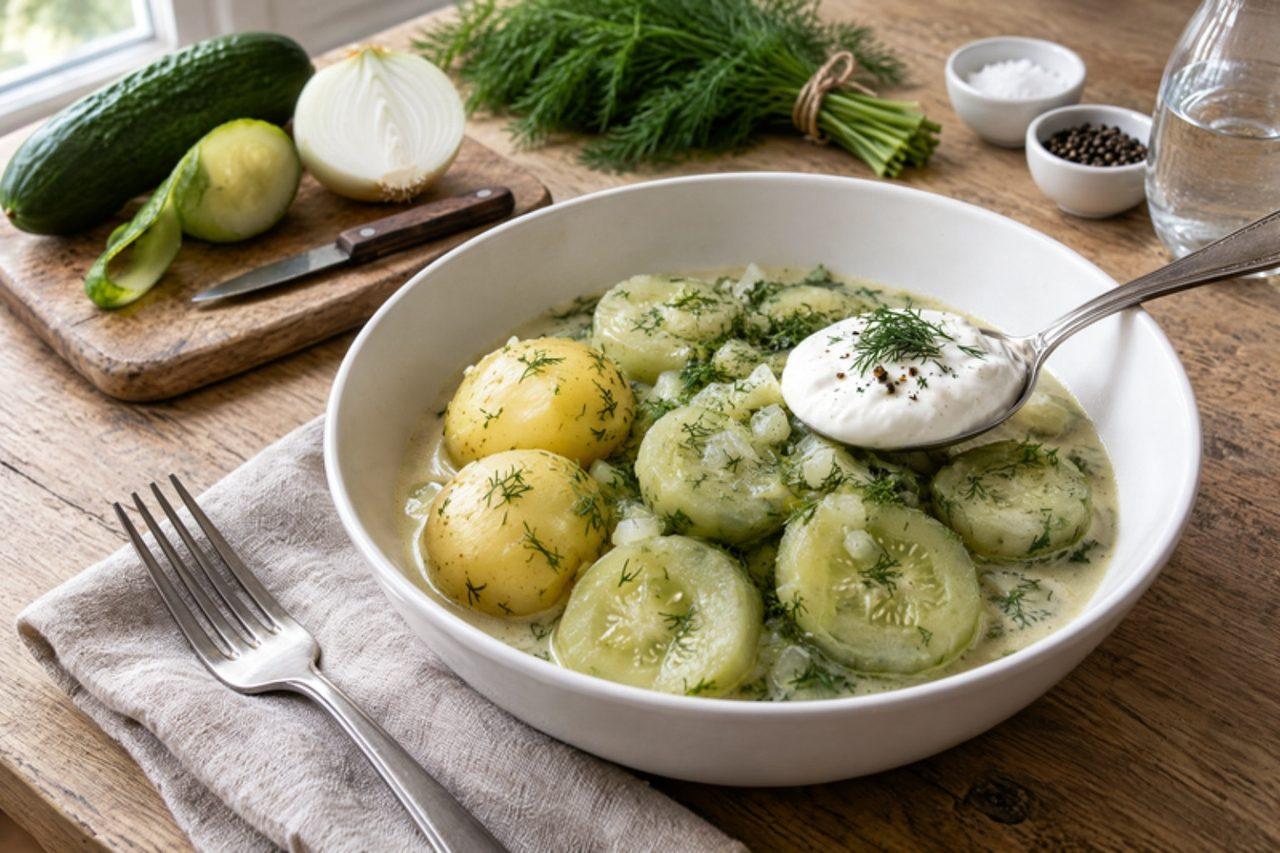
SchmorgurkenBraised cucumbers

Schmorgurken are a late-summer dish of Berlin and the Spreewald, the market-garden country south-east of the city, where big, thick braising cucumbers are piled up in August. Peeled and seeded, they are braised with onion and a little stock until tender and juicy, then finished with dill, mustard and a spoon of sour cream. Many families add minced meat or bacon; this is the vegetarian version, good with boiled new potatoes or a fried egg. Suitable as part of a balanced diet, it is a low-starch vegetable dish: about 110 kcal and 9 g carbohydrate per portion. The usual mistake is braising them for too long until they collapse into mush; they are ready when just translucent. Chef's tip: scrape out the seeds thoroughly, or the dish turns watery.

by KrazyBadal 0 views

SchnitzelsemmelSchnitzel in a bread roll

Austrians setting off on a train journey, a ski day or a building-site shift pack a Schnitzelsemmel: a crisp Kaisersemmel roll holding a cold, golden pork schnitzel (veal for special days), a leaf of lettuce and a squeeze of lemon, sometimes with a smear of mustard or a gherkin. Leftover Sunday schnitzels are made for it. The common mistake is pressing the breadcrumbs on hard; they should sit loosely so they puff up and ripple away from the meat as it fries. Chef's tip: shake the pan constantly while frying so hot fat washes over the top, and the crust soufflés into those famous waves.

by KrazyBadal 0 views

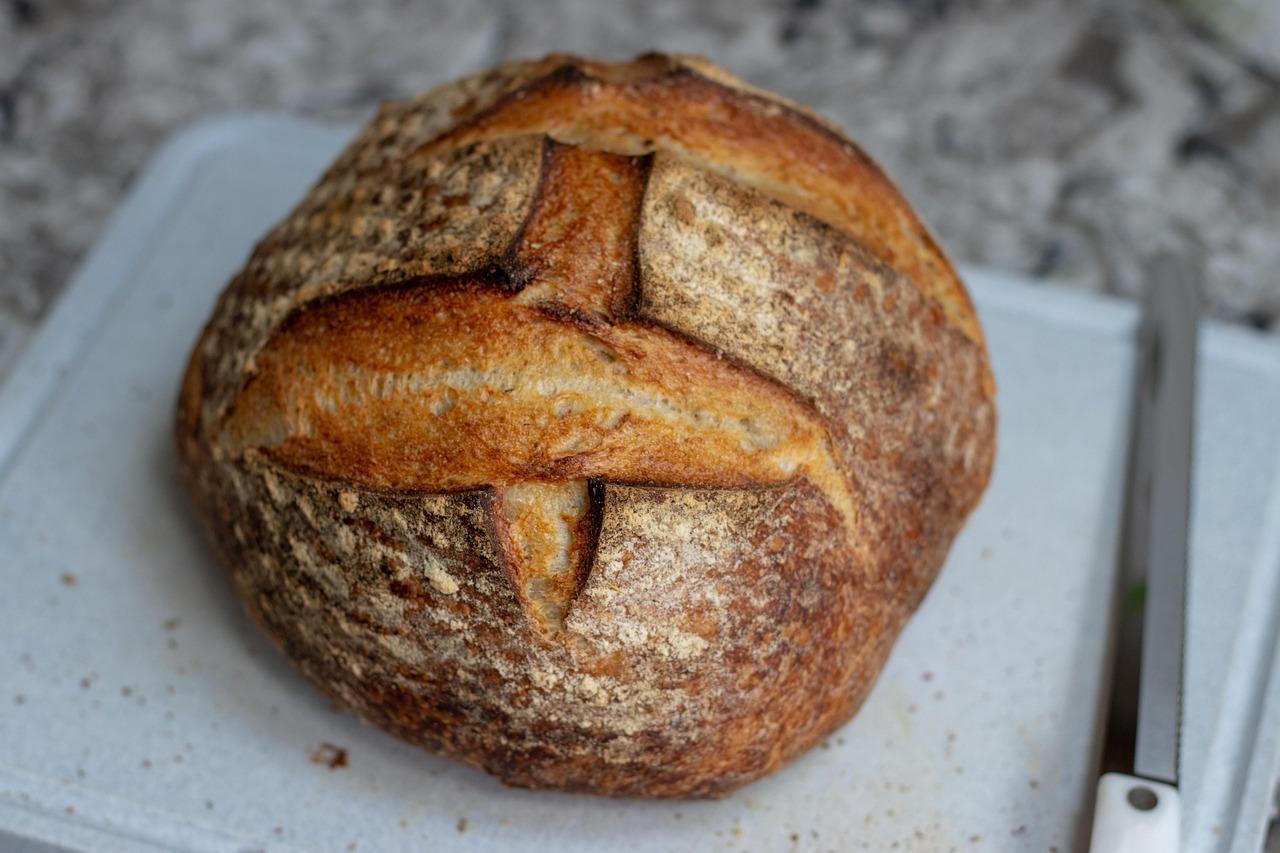
Rēwena breadPotato starter bread

Rēwena parāoa is the bread of Māori marae and family kitchens across Aotearoa New Zealand, served at hui and tangi with boil-up, butter and golden syrup. Its rise comes from a fermented potato starter, the bug, which families keep going for years. The loaf has a soft, close crumb with a mild tang and a crusty top. Making the bug takes 2–3 days, so plan ahead. A common mistake is using hot potato water, which kills the starter; it must be lukewarm. Chef's tip: feed the bug with a little potato water and flour each time you bake and it will keep in the fridge for months.

by KrazyBadal 0 views

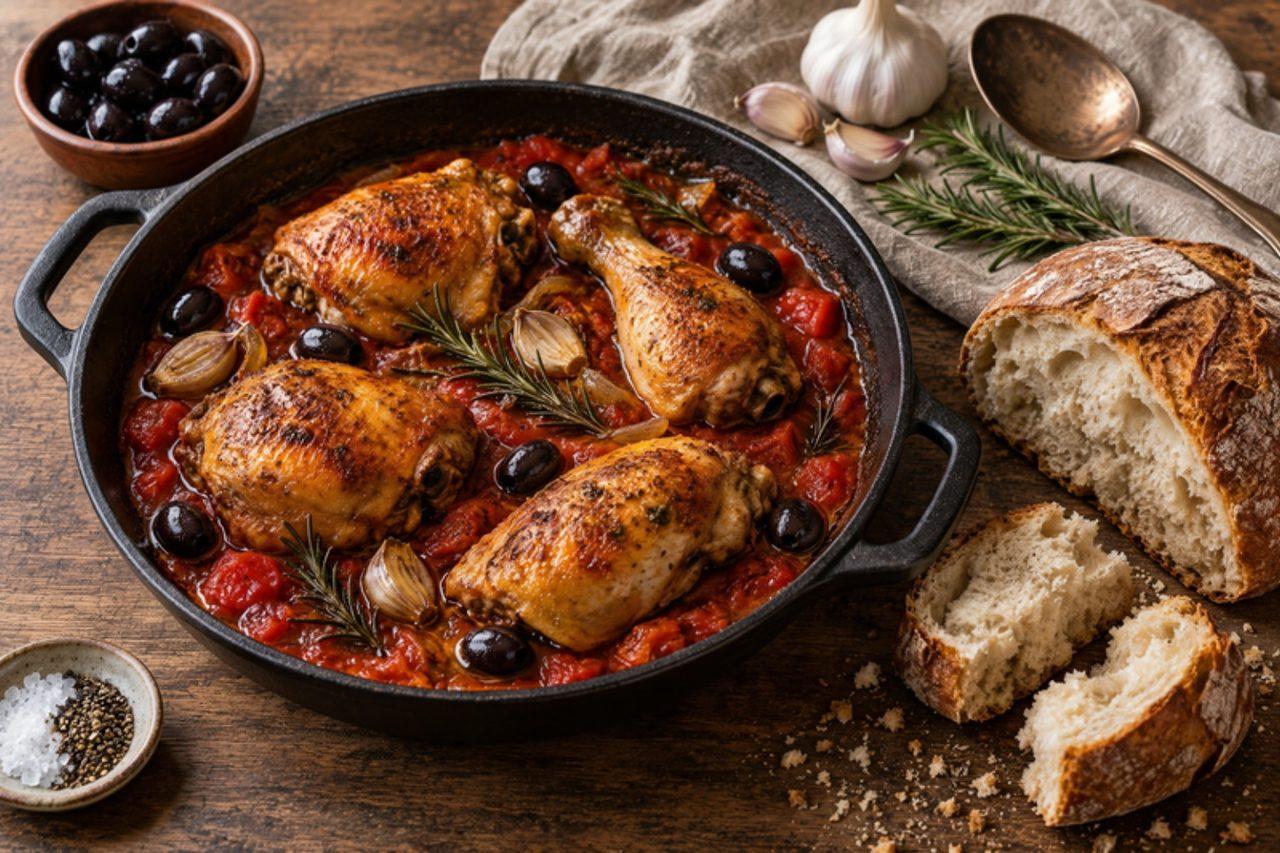
Pollo alla cacciatoraHunter's chicken

Pollo alla cacciatora, the hunter's chicken, is cooked in every family from Tuscany to Lazio for Sunday lunch, and each household guards its own version. This one follows the central Italian habit of deglazing with a splash of red wine vinegar instead of wine, so it is alcohol-free: chicken pieces are browned in olive oil, then braised with garlic, rosemary, tomato and black olives until the sauce clings and the meat falls from the bone. Serve with bread or soft polenta. The usual mistake is crowding the pan when browning: the chicken steams pale instead of turning golden, and the sauce lacks depth. Chef's tip: let the vinegar boil off for a full minute before adding the tomatoes, so it leaves tang without sharpness.

by KrazyBadal 0 views

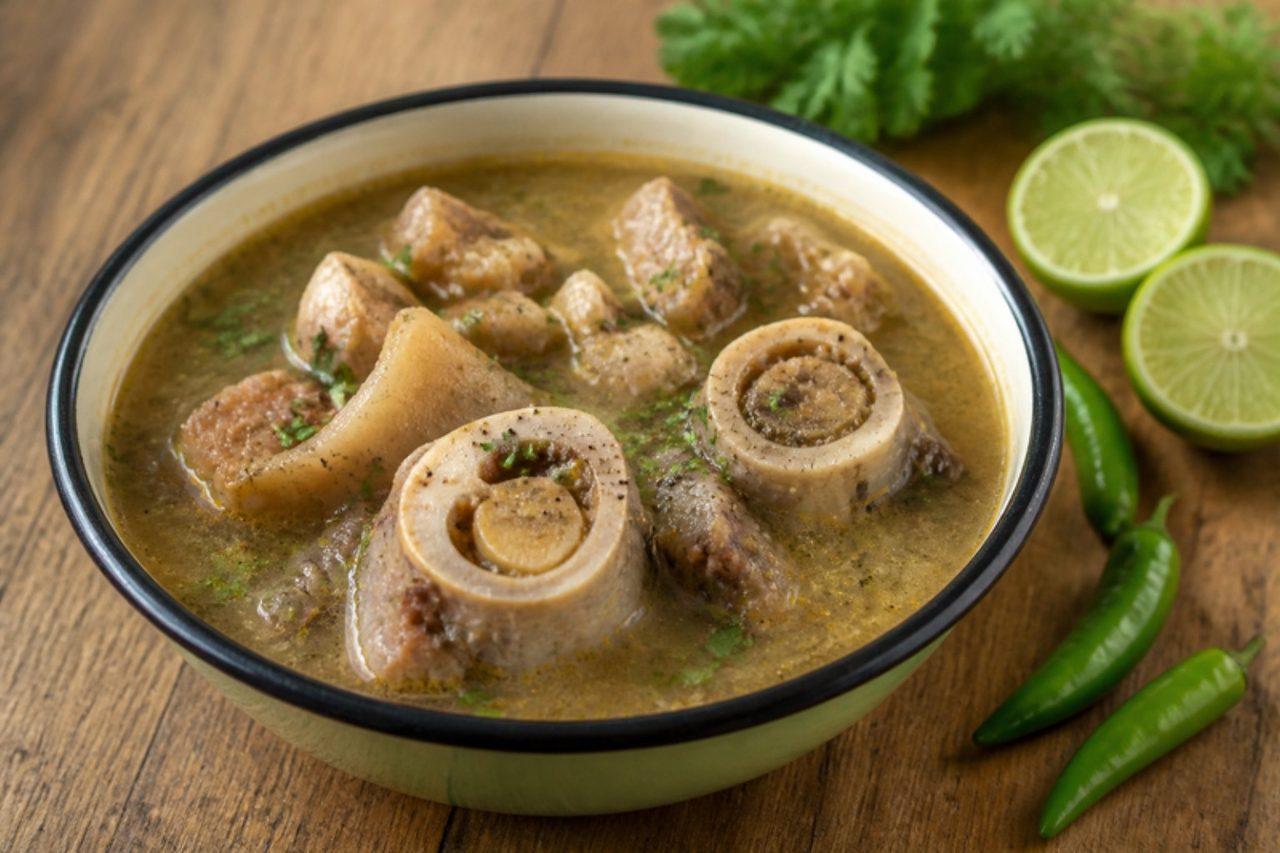
Supu ya kongoroCow trotter soup

Before the daladalas are full, soup sellers in Dar es Salaam's Kariakoo and Manzese are already ladling supu ya kongoro from huge pots that have been bubbling since before dawn, served with chapati or a hot mandazi and a squeeze of lime. Hours of simmering turn cow trotters (kongoro) into a broth that is peppery, garlicky and so full of gelatine that it sets firm in the fridge, with soft, sticky meat and skin to pick from the bones. Many people swear by it after a long night or when they feel run down. Ask the butcher for cleaned cow trotters split into pieces; scrubbing and long simmering are what make the soup taste clean, and the commonest mistake is not cooking them long enough, leaving the skin rubbery. Chef's tip: let the finished soup sit for 10 minutes and skim off the fat that rises, then add lime and chilli at the table.

by KrazyBadal 0 views

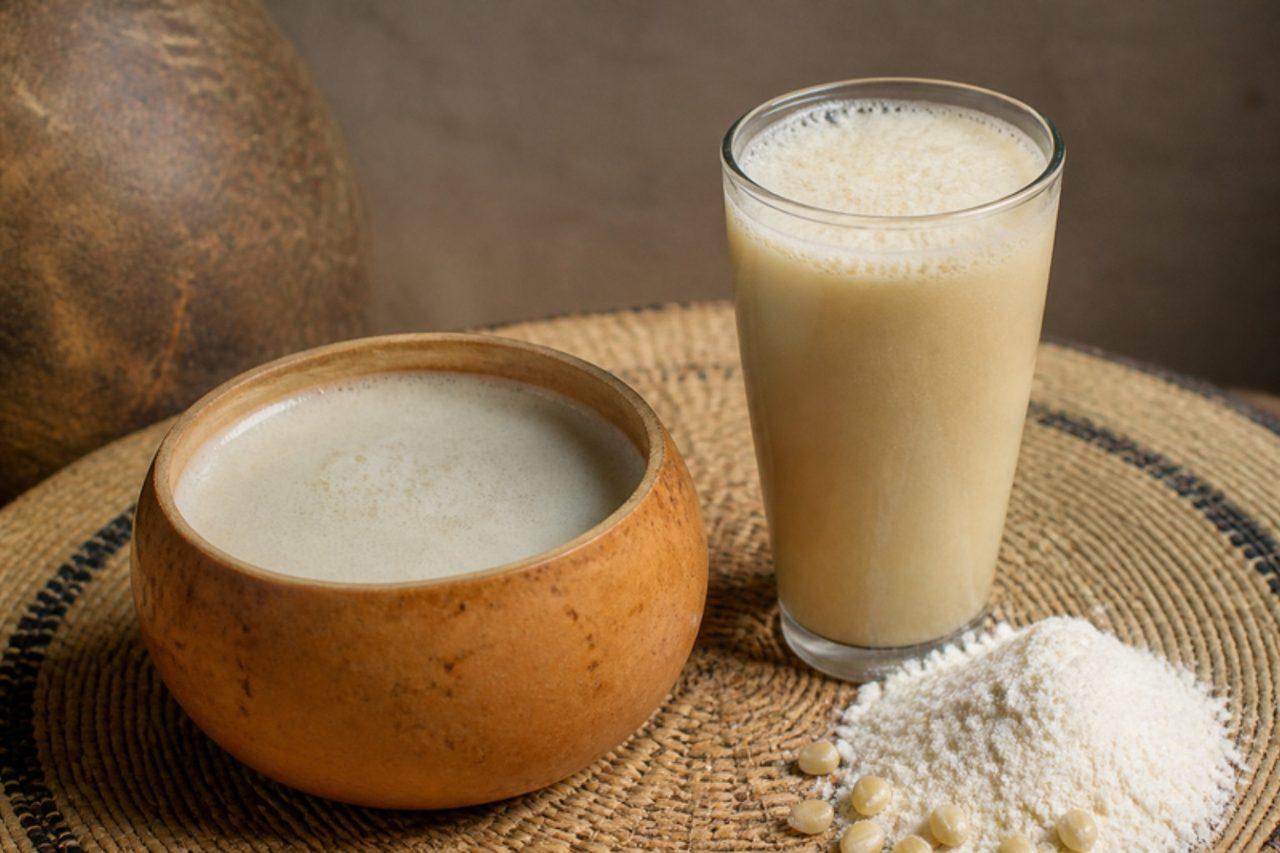
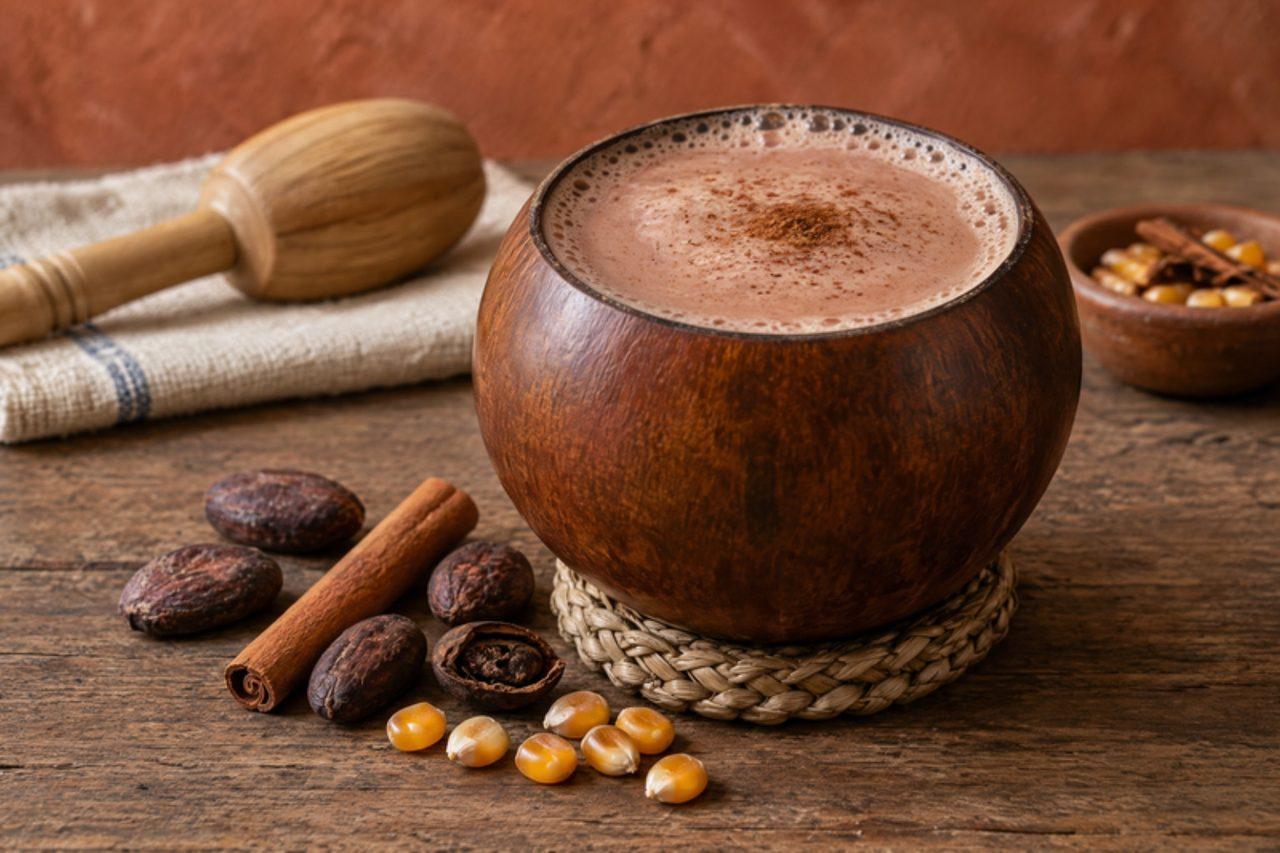
TisteMaize and cacao drink

In Nicaragua tiste belongs to the hot season and to the countryside around León, Chinandega and Masaya, where it is served in a jícara, a polished half-gourd, at fiestas patronales, at markets and to anyone arriving tired from the fields. Dried maize and cacao beans are toasted until fragrant, ground with cinnamon to a fine flour, then stirred into cold water with sugar. It is grainy in a pleasant way, with the taste of toasted corn, a deep cocoa bitterness and warm cinnamon; in the north they add a little achiote for colour. The common mistake is under-toasting the maize: it needs to go a deep golden-brown, with a few kernels popping, or the drink tastes raw and floury. It is ready when the powder smells like popcorn and chocolate, and the mixed drink is a cloudy cocoa brown that needs stirring as it settles. Traditionally the grinding was done on a stone; a high-powered blender or grain mill works well. If you cannot get dried maize, toast 150 g masa harina in a dry pan until golden instead. Chef's tip: make a double batch of the powder and keep it in a jar; it lasts a month and a glass takes one minute.

by KrazyBadal 0 views

QuarkbrötchenQuark bread rolls

In German homes Quarkbrötchen are the Sunday-morning answer to an empty bread bin: no yeast, no rising, just quark, egg, flour and baking powder, shaped and in the oven while the coffee brews. They come out with a thin golden crust and a soft, slightly tangy crumb, best split warm with butter and jam or a slice of cheese. The usual mistake is kneading the dough like bread, which makes the rolls tough and flat; mix only until it comes together. Chef's tip: if your quark is very wet, drain it in a sieve for 10 minutes first, or the dough turns sticky and you end up adding so much flour that the rolls go dry.

by KrazyBadal 0 views

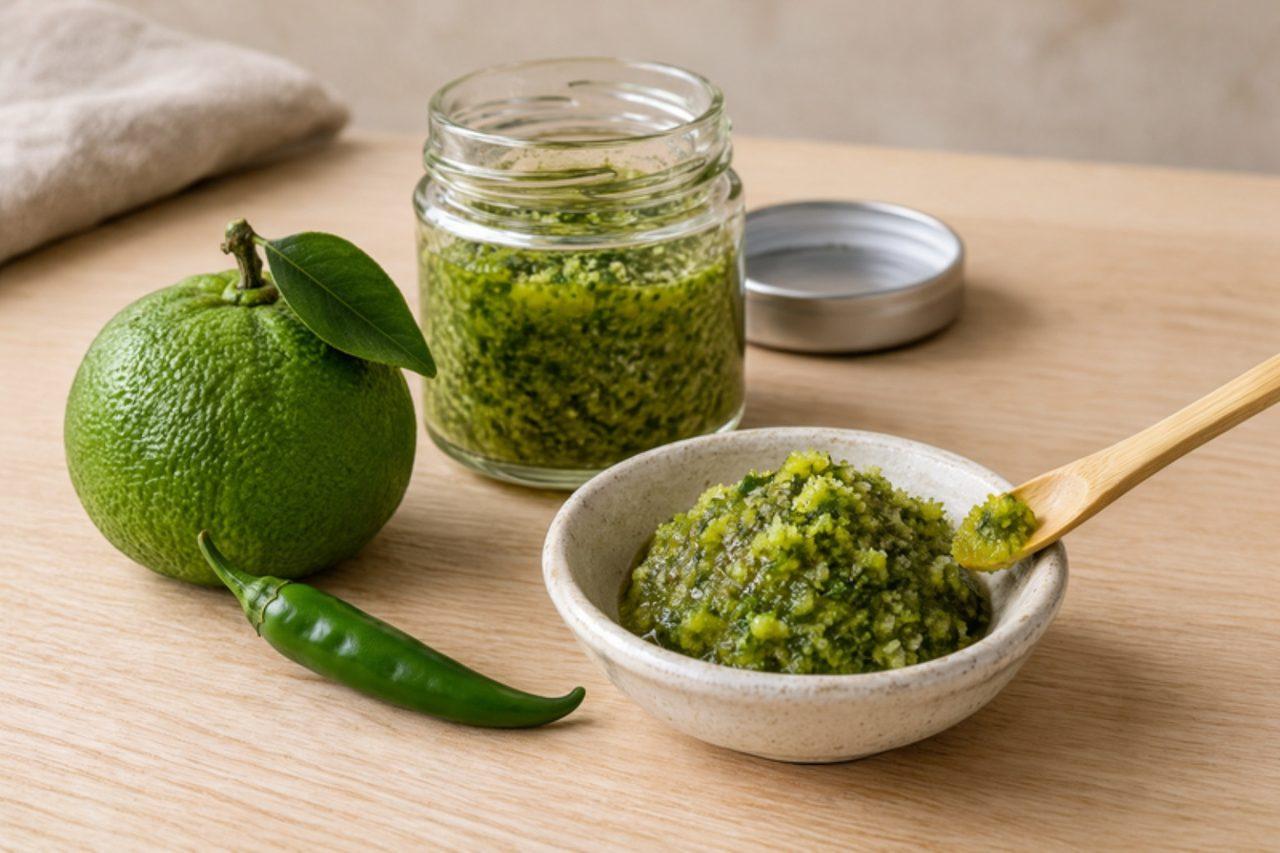
Yuzu koshoYuzu and chilli paste

In the mountain villages of Kyushu, especially Oita and Fukuoka, families make yuzu kosho in late summer, when yuzu are still green and the chillies are at their hottest (in Kyushu dialect 'kosho' means chilli, not pepper). Zest and chillies are ground with salt in a suribachi until they turn into a bright, coarse paste, then left to mature for a week or more. A tiny dab lifts hot-pot, grilled chicken or fish, sashimi, miso soup and even a bowl of udon; it is intensely citrusy, salty and hot all at once. It is a fresh chilli paste, so it lives in the fridge or the freezer, never on the shelf, and the salt (about 15% of the paste) is what keeps it. The common mistake is grating into the white pith, which makes it bitter; take only the thin green layer. It is ready when the paste is fine, moist and evenly coloured and the raw chilli edge has softened into a rounded heat, after about a week. No yuzu? Use the zest of green limes with a little lemon, or sudachi or kabosu. Wear gloves when you handle the chillies. Chef's tip: ripe yellow yuzu with red chillies makes the orange version for winter; same method.

by KrazyBadal 0 views

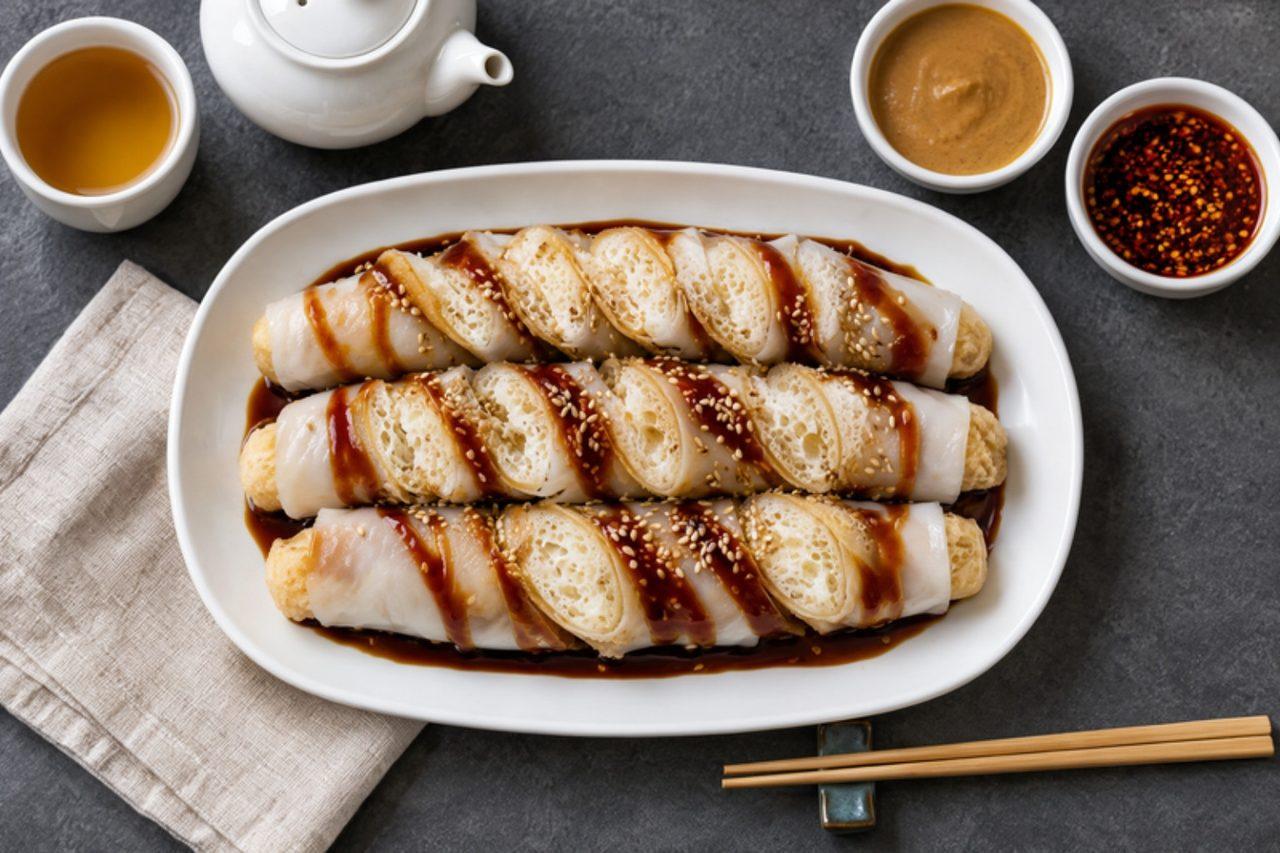
ZhaliangRice noodle roll with fried dough

In Hong Kong dim sum halls and congee shops, zhaliang is a morning favourite: a fried dough stick wrapped in a slippery steamed rice noodle sheet, cut into pieces and doused in sweet soy, with hoisin and sesame paste or seeds on the side. The joy is the contrast between soft and crisp. The mistake is wrapping a stale dough stick; re-crisp it in the oven first, or it turns leathery inside the sheet. Store-bought dough sticks sometimes contain egg or milk, so check the label for a vegan plate. Chef's tip: steam the rice sheets in a lightly oiled tin no thicker than 2 mm, and roll them round the dough stick while still hot so they cling.

by KrazyBadal 0 views

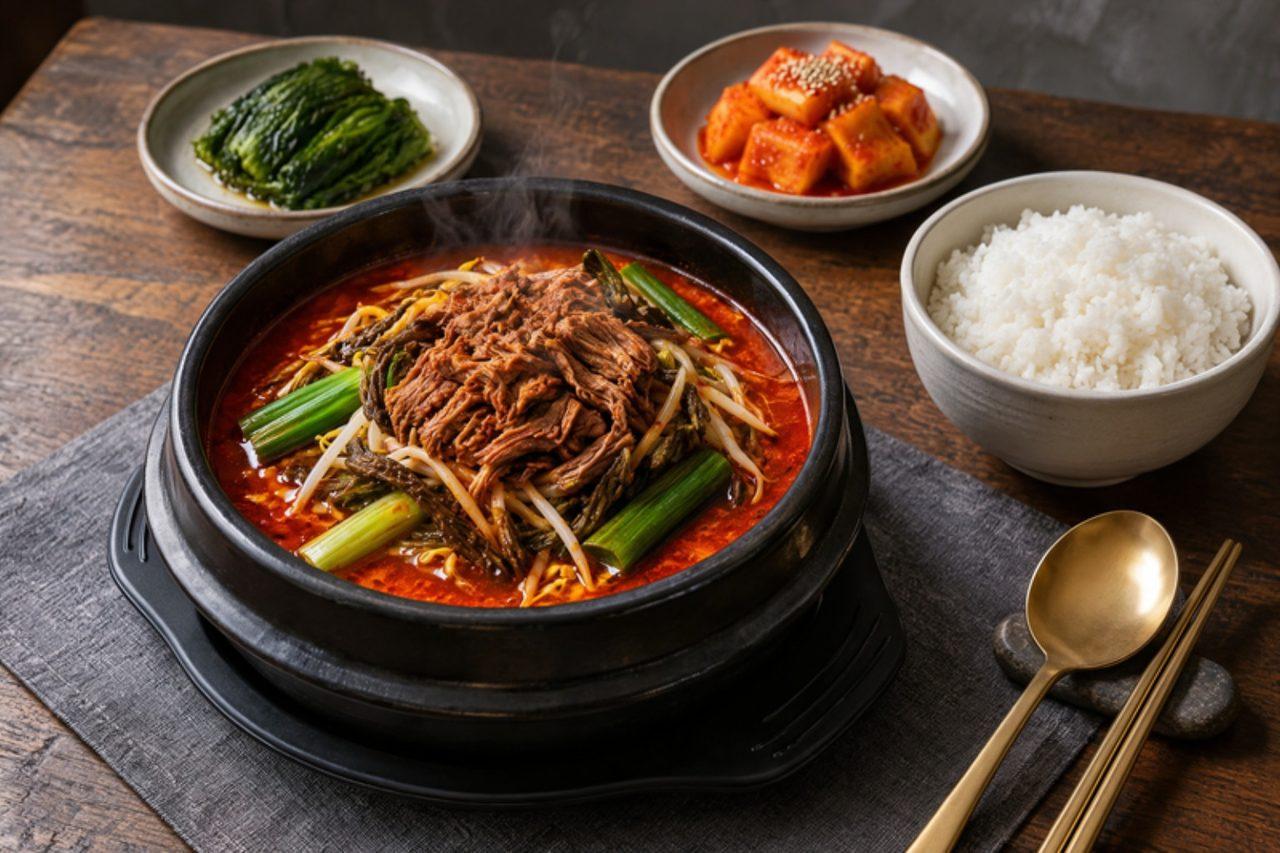
YukgaejangSpicy shredded beef soup

Yukgaejang is the red, chilli-slicked beef soup Koreans eat on the hottest days of summer to sweat out the heat, and it is also the soup served to mourners at funerals all over the country. Beef brisket is simmered for a couple of hours, shredded by hand and tossed with chilli flakes, garlic and soy, then returned to the broth with soaked bracken (gosari), bean sprouts and armfuls of leek. The flavour is deep and beefy with a slow chilli burn. Serve with a bowl of rice and kimchi. The usual mistake is adding the chilli flakes straight to the soup, where they taste raw and dusty; cooking them first in oil turns them sweet and red. A pressure cooker gets the brisket tender in 40 minutes. Chef's tip: shred the beef along the grain with your fingers rather than slicing it, so every strand soaks up the seasoning.

180 minKoreanSoupsSpicy
by KrazyBadal 0 views

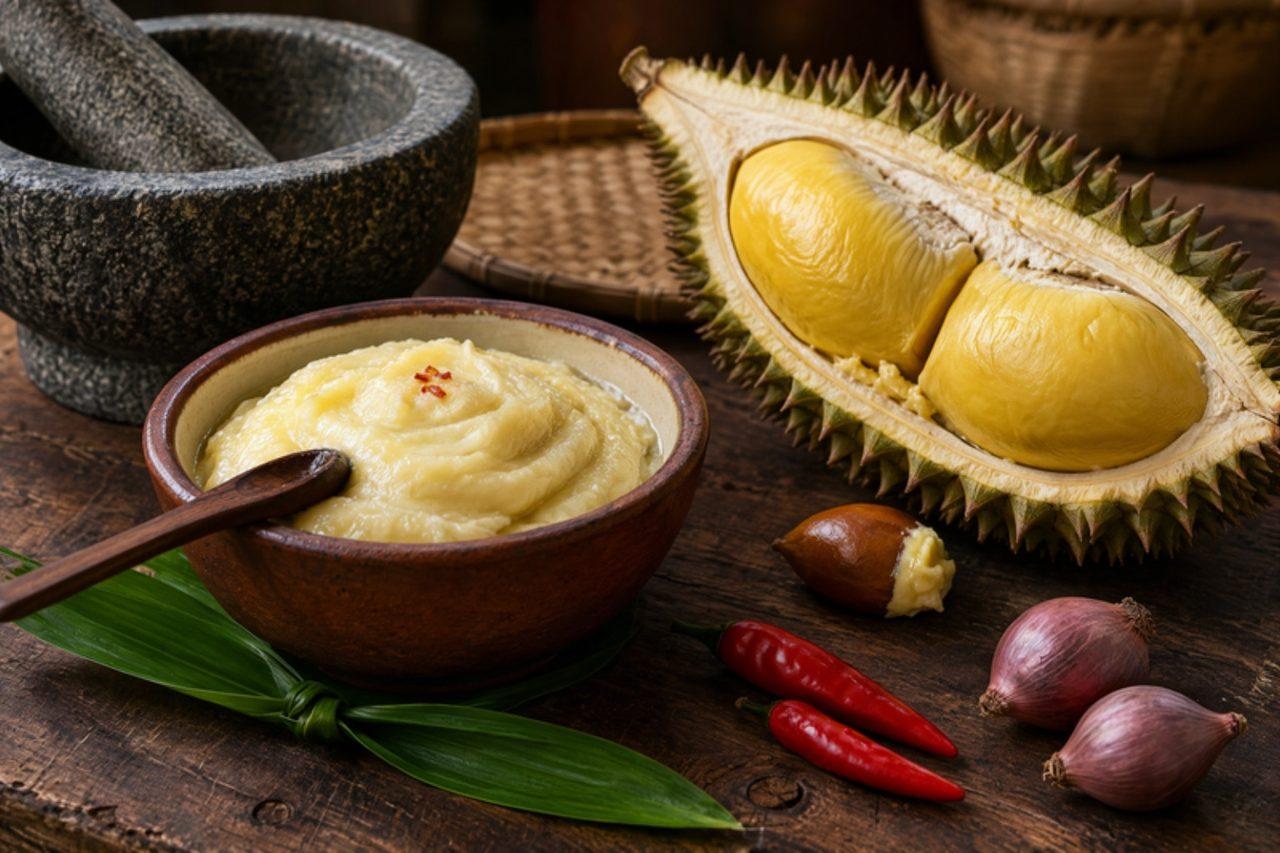
TempoyakFermented durian

When the durian season peaks in Pahang and Perak, from June to August, there are always more fallen, over-ripe fruit than anyone can eat, and the surplus becomes tempoyak. The flesh is mashed with salt, packed into a jar (traditionally a clay tajau) and left for a few days until it turns from sweet and custardy to pale, sharply sour and powerfully aromatic. In Temerloh it is cooked into gulai tempoyak ikan patin, a yellow river-fish curry; elsewhere it is pounded with chilli into sambal tempoyak for raw ulam, or stirred into stir-fried greens. Abroad, frozen durian flesh from Asian grocers works well once thawed. The salt level is about 3% of the flesh (15 g to 500 g); do not cut it. Common mistake: letting water in from washed hands, a damp spoon or the outside of the husk, which invites mould; keep everything dry and press out air pockets. It is ready when the colour has faded to ivory, it smells sour and fruity rather than sweet, and it tastes sharply tangy. Chef's tip: everyday kampung durians make better tempoyak than prized varieties; their sharper flavour ferments well.

by KrazyBadal 0 views

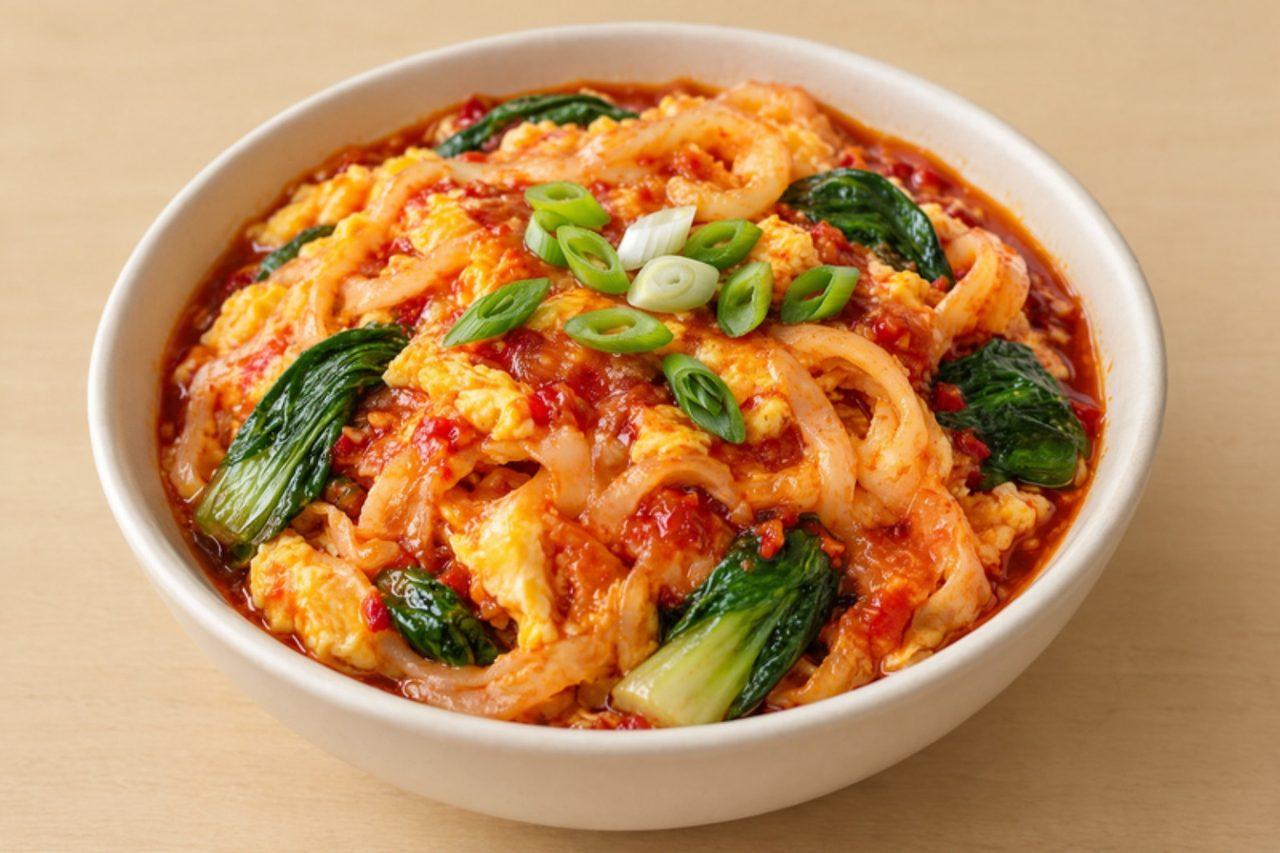
SeblakSoaked crackers in spicy broth

Seblak came from Bandung, but it now fills countless warung stalls in Jakarta, from the lanes behind Blok M to the campuses of Depok, where students order it in the evening by spice level. Raw, dried kerupuk crackers are soaked until bendy, then cooked in a fiery paste of garlic, shallot, chilli and kencur (aromatic ginger) with scrambled egg and greens, until they turn chewy, slurpy and saucy. This is the simple egg-and-vegetable version; stalls add meatballs or sausage on request. Choose plain garlic or tapioca kerupuk (kerupuk bawang or kerupuk aci) and check the packet, as many crackers contain shrimp or fish. Chef's tip: kencur gives seblak its sharp, camphor-like fragrance; use 2 cm of fresh root, or 1 tsp of kencur powder.

by KrazyBadal 0 views

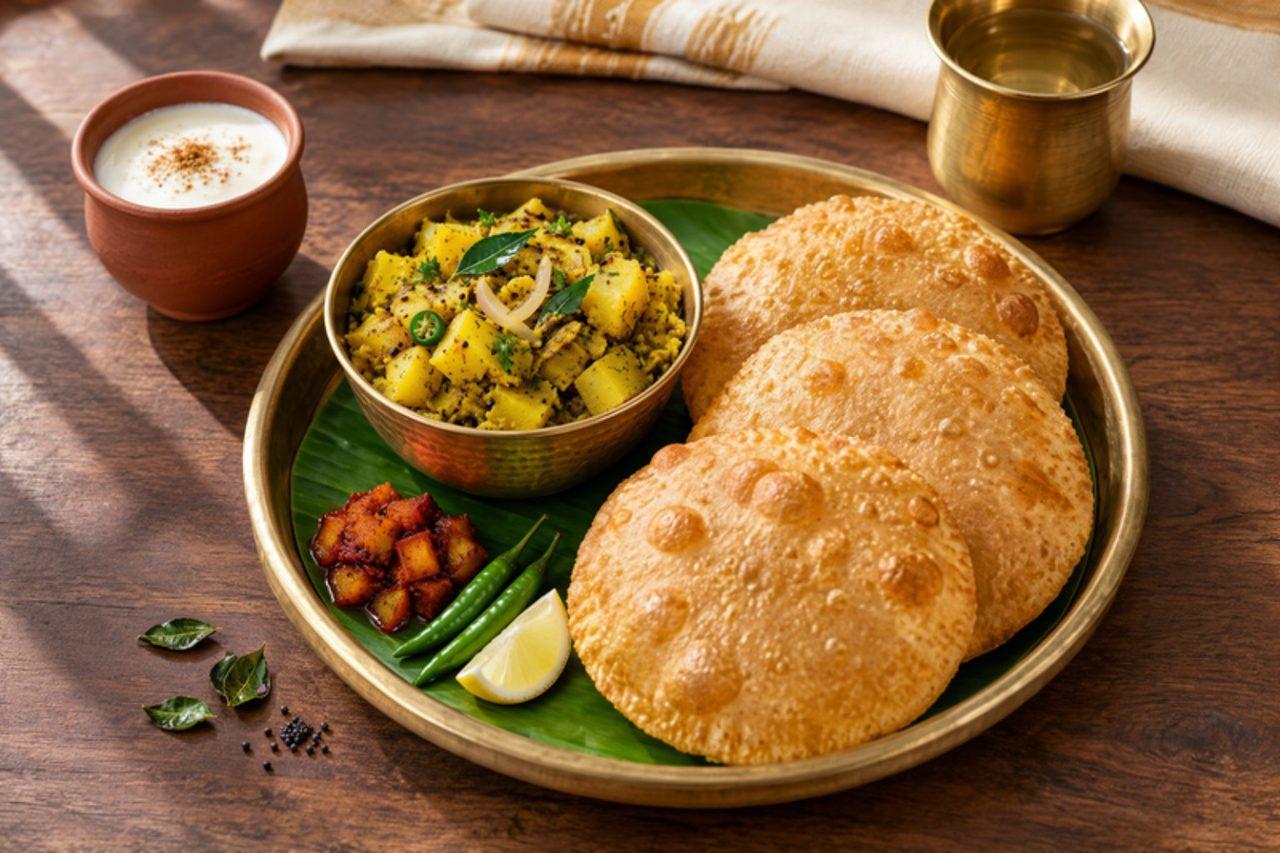
Puri bhajiPuffed bread with potato curry

In Mumbai, Pune and across Gujarat, puri bhaji is what goes into the steel dabba on exam days and into the bag for a long train ride: small puffed puris and a dry, sunny-yellow potato bhaji spiked with mustard seeds, green chilli and curry leaves. Because the bhaji is dry, it never soaks the puris, and both taste good at room temperature by lunchtime. The common mistake is a soft dough, which drinks oil and gives flat, greasy puris; knead it stiff, like a firm chapati dough. Chef's tip: mash only a third of the potatoes and leave the rest in rough chunks, so the bhaji clings together in the box without turning to paste.

by KrazyBadal 0 views

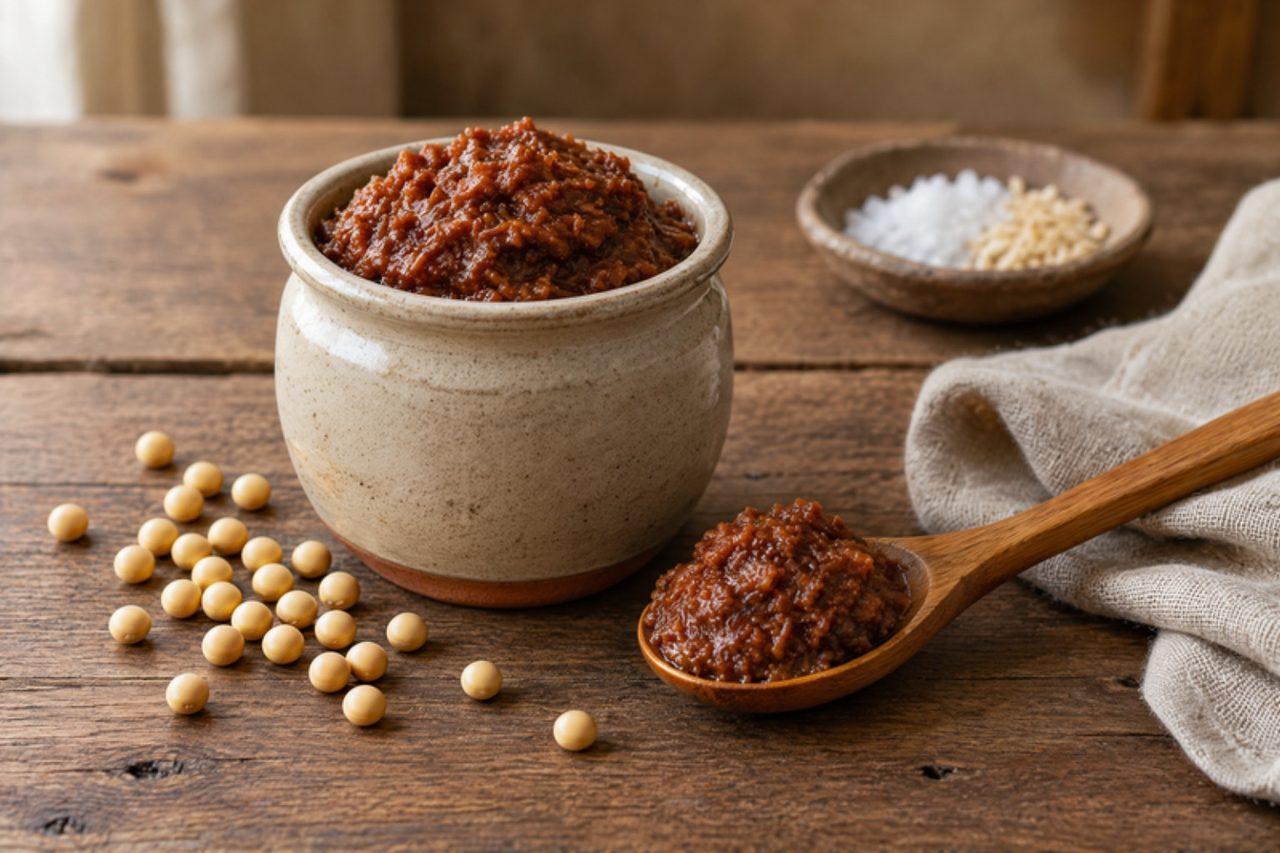
Temae misoHomemade miso

Temae miso means 'my own miso', and the phrase also means bragging about your own work, because every family thinks theirs is the best. Across rural Japan the cold months of January and February are miso-making season: the low temperatures let the mash settle in slowly before summer's warmth speeds up the fermentation. Dried soybeans are soaked, simmered until soft, mashed, mixed with rice koji and salt, then packed tightly into a crock under a salt cap and a weight. By autumn it has turned from pale beige to reddish brown, sweet-salty and rich, with a rounder, fruitier flavour than shop miso. The salt, about 12% of the finished weight, is what keeps it safe, so measure it rather than guessing. The common mistake is leaving air pockets when packing, which is where mould grows; throw the mash into the container in balls and press each one down hard. It is ready when it smells sweet and savoury like soy sauce, tastes well-balanced rather than raw and floury, and dark liquid (tamari) has pooled on top. Chef's tip: make it with friends; a kilo of beans is a lot of mashing, and the batch tastes better for the company.

by KrazyBadal 0 views

Surinamese bojoCassava and coconut cake

At a verjaardag (birthday) party in Paramaribo, there is nearly always a tray of bojo on the side table, cut into squares next to fiadoe and pom. It is a dense, moist cake of grated cassava and coconut, sweetened and scented with cinnamon, vanilla and almond, with plump raisins through it and a golden, chewy crust. Cassava must always be cooked thoroughly, and this cake bakes for a full hour so the centre sets properly. The usual mistake is cutting it warm, when it is still gummy; give it time to cool and firm up. Eggs and coconut are the allergens to note. Chef's tip: frozen grated cassava, thawed and squeezed dry, gives the smoothest result and saves a lot of grating.

by KrazyBadal 0 views

ZlevankaBaked cornmeal and buttermilk cake

Zlevanka, from the Slovenian for 'poured', is a farmhouse batter cake from the Prekmurje and Štajerska regions, poured into a tin and baked for breakfast, then cut into squares and eaten with a big cup of milky white coffee. This sweet version is made with cornmeal and buttermilk, which give it a soft, moist, slightly crumbly crumb with a golden crust; some families add fruit on top. The common mistake is overmixing the batter once the flour goes in, which makes it tough; stir only until combined. Chef's tip: soak the cornmeal in the buttermilk for 15 minutes before mixing, so it softens and the cake isn't gritty.

by KrazyBadal 0 views

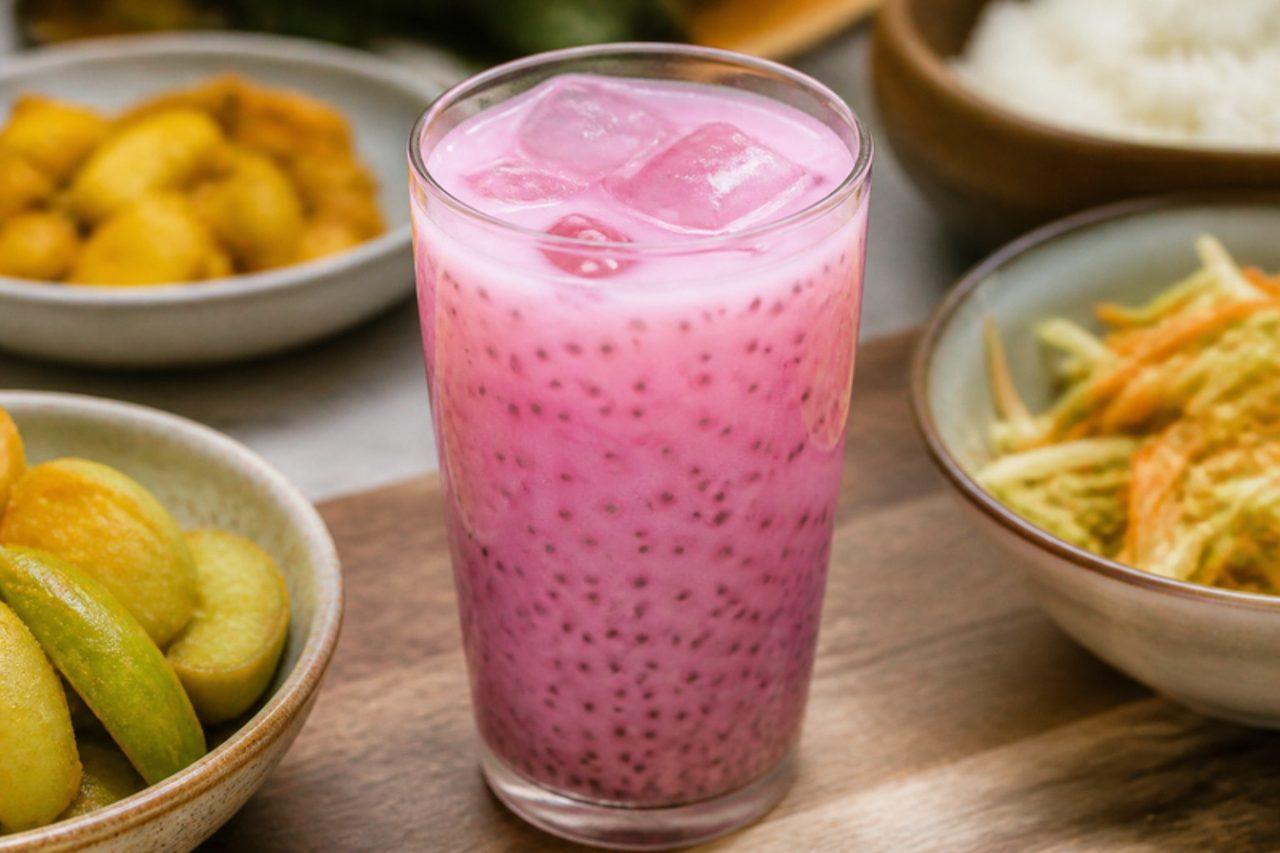
Surinamese dawetCoconut milk and lemongrass drink

Javanese Surinamers brought dawet from Java, and today it is sold cold from big jars at warungs in Lelydorp and the Paramaribo district of Blauwgrond, especially on hot Sunday afternoons. In Suriname it has become its own drink, quite different from the Malaysian cendol with its green noodles: chilled coconut milk sweetened with a lemongrass and pandan syrup, often tinted pale pink and studded with soaked basil seeds or soft jelly strips. The common mistake is boiling the coconut milk, which makes it split and taste flat; it should only be warmed. Chef's tip: bruise the lemongrass hard with a rolling pin before simmering it, so the syrup tastes bright and lemony.

by KrazyBadal 0 views

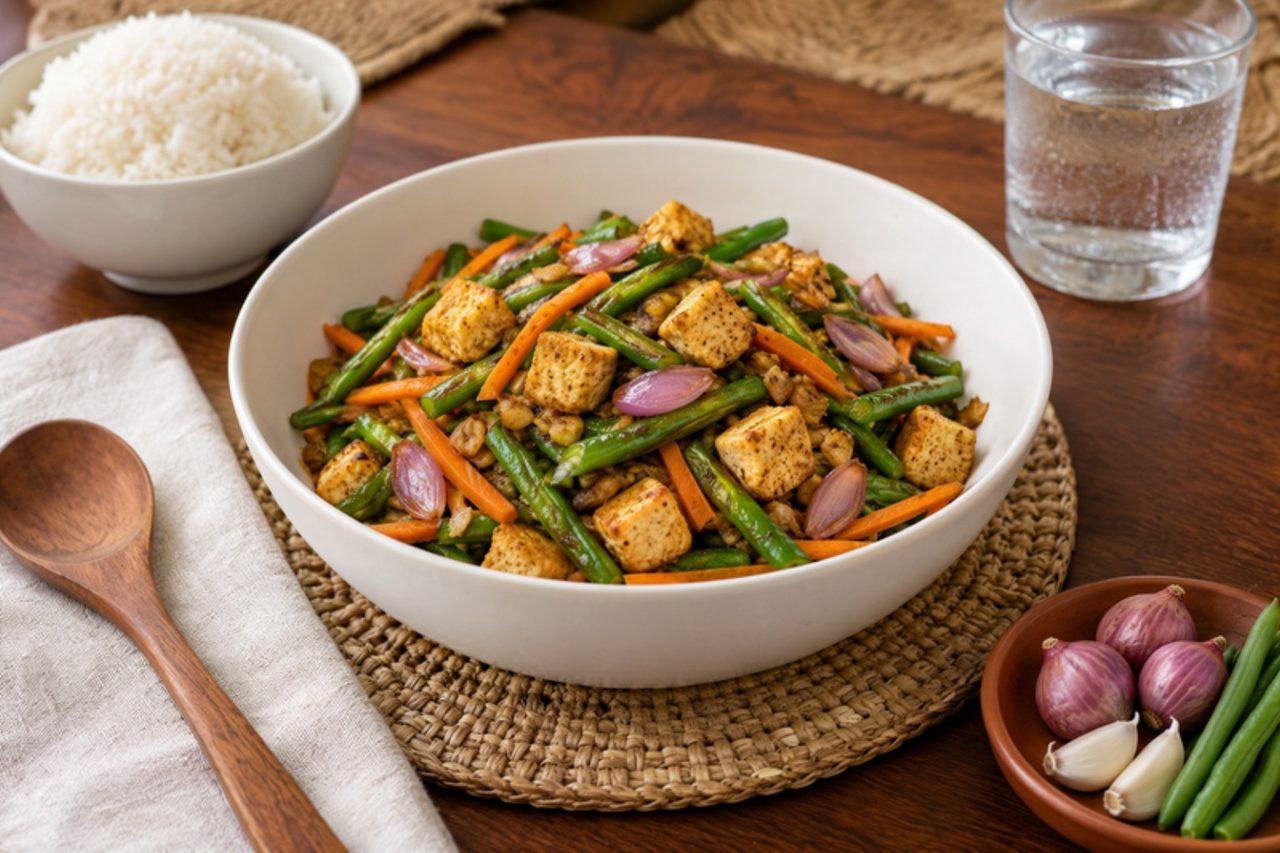
Tumis buncisStir-fried green beans

Every Indonesian warung and school bekal box has a vegetable tumis, a quick stir-fry, and green beans with carrot are the everyday favourite: crunchy, garlicky and slightly sweet, ready in a quarter of an hour. Cubes of tofu are often added to make it more filling. The common mistake is covering the wok, which steams the beans an army green; cook them uncovered with a splash of water so they stay bright. Chef's tip: slice the beans on a sharp diagonal so they cook in the same time as the thin carrot and pick up more of the seasoning.

by KrazyBadal 0 views

Potato scallopsBattered potato slices

Order a potato scallop in a Sydney or Newcastle fish-and-chip shop and you get a thick slice of potato in crisp batter; cross the border into Victoria and the very same thing is a potato cake, a friendly argument Australians never settle. They are eaten hot from the paper at the beach, sprinkled with chicken salt or plain salt and vinegar. This batter is made with flour, cornflour and fizzy water, so they are vegan. A common mistake is cutting the potato thin; at 1 cm it stays fluffy inside while the batter crisps. Chef's tip: par-boil the slices for 4 minutes so the middles are tender by the time the batter is golden.

by KrazyBadal 0 views

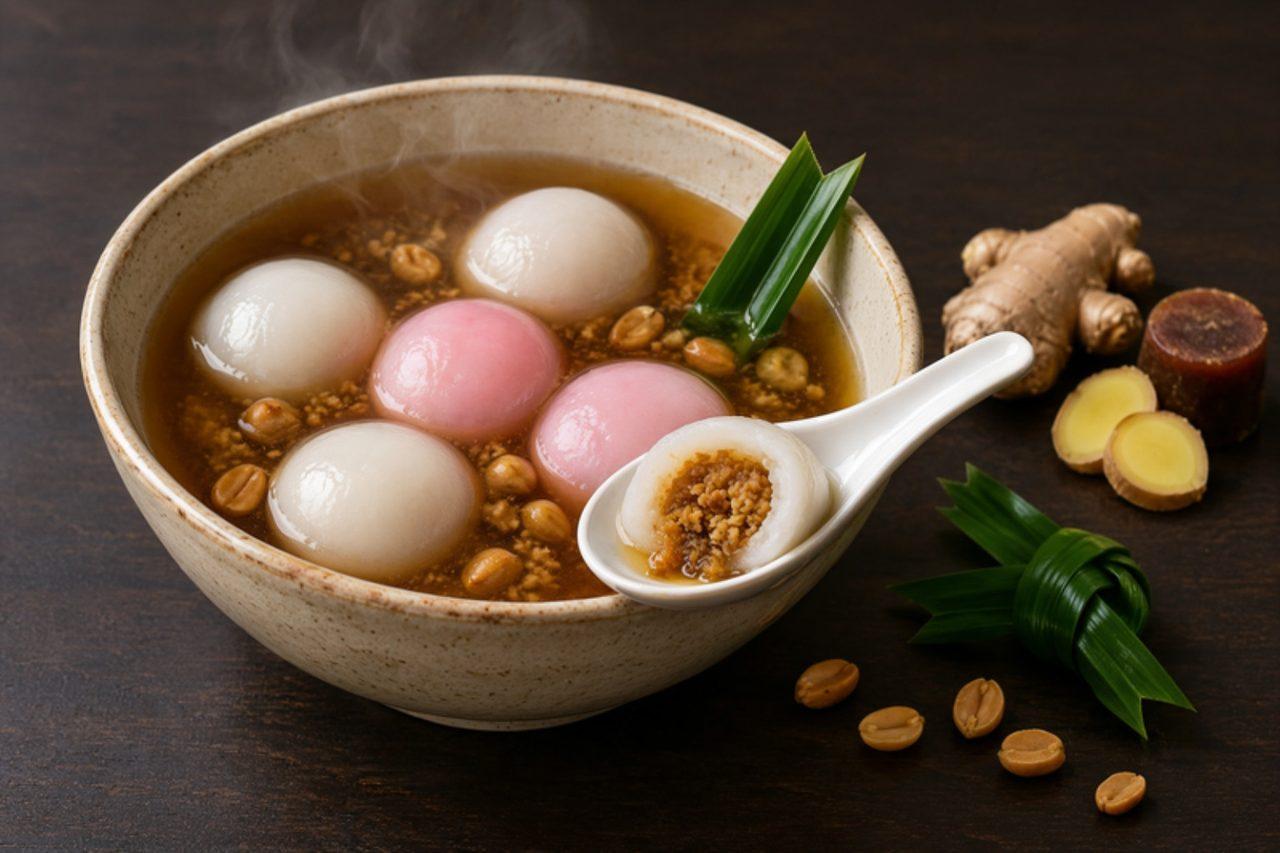
Wedang rondeRice balls in ginger syrup

Wedang ronde came to Java with Chinese tangyuan, eaten at the winter solstice, and in Yogyakarta it has become an all-year evening treat: sellers set up on the Alun-Alun Kidul and along Malioboro, and families sit on mats eating it as the night cools down. Soft, chewy balls of glutinous rice, some white and some pandan green, are filled with crushed peanuts and palm sugar, and floated in hot ginger syrup scented with pandan and lemongrass, sometimes with roasted peanuts and kolang-kaling on top. Bite one and the filling oozes warm and sticky against the clean burn of the broth. The common mistake is making the dough too dry: it cracks as you shape it and the filling leaks out during boiling. Add water until the dough feels like soft earlobe and smooth any cracks with a wet finger. The balls are done when they float, then stay at the top for two more minutes. Make the broth first so it is ready as soon as the balls are cooked. Chef's tip: chill the filling into little balls before wrapping; firm filling is much easier to seal.

by KrazyBadal 0 views

Ricotta hotcakesRicotta pancakes

Ricotta hotcakes became famous at a Bondi café in the 1990s and are now on brunch menus right across Sydney, served in a tall stack with sliced banana, maple syrup and a disc of honeycomb butter. Ricotta and whipped egg whites make them soft and almost soufflé-like in the middle. Most ricotta is made with acid, but some uses rennet; check the label if you need it strictly vegetarian. A common mistake is beating the batter after folding in the whites, which knocks out the air. Chef's tip: cook them low and slow with a lid on for a minute so the thick centres set.

by KrazyBadal 0 views

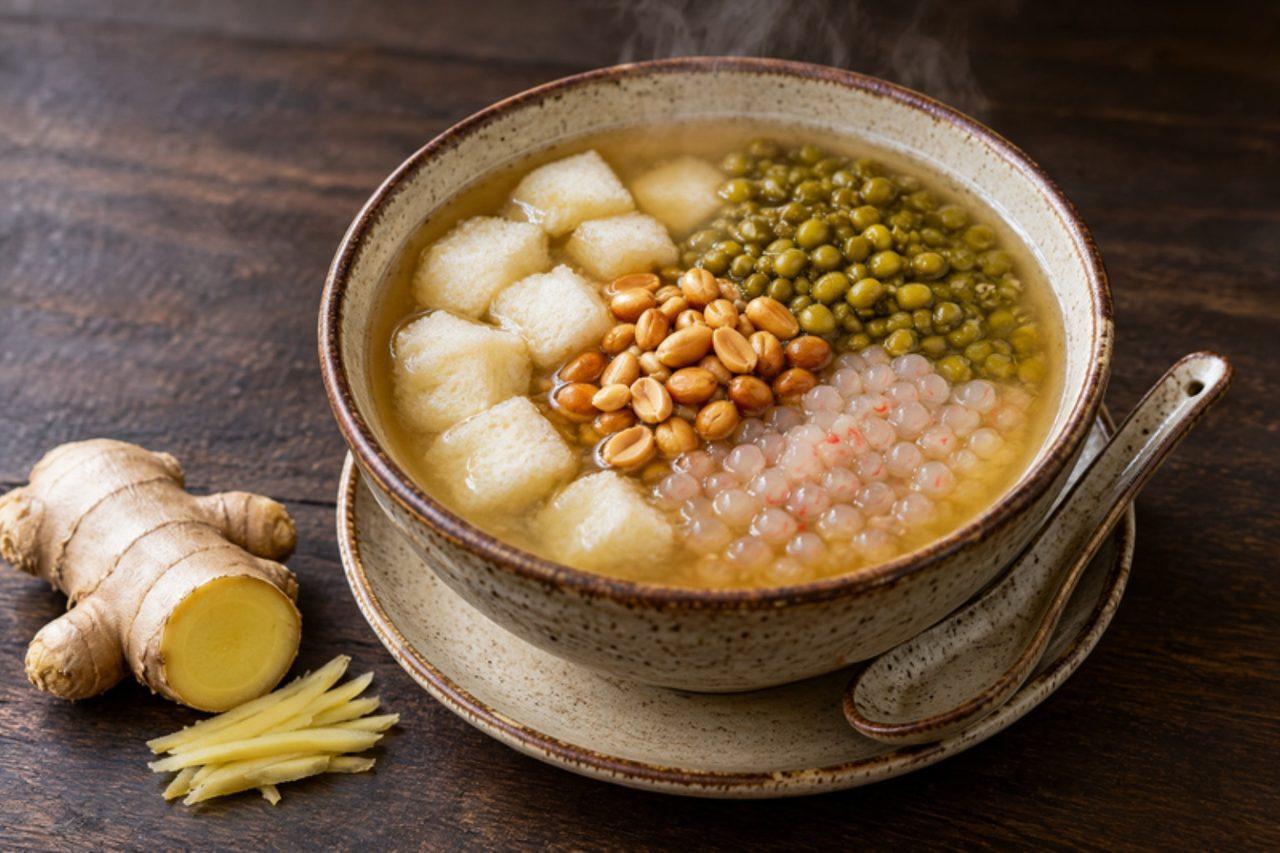
SekotengGinger drink with peanuts

After dark in Semarang, Solo and the towns of Central Java, the sekoteng seller pushes his cart round the kampung, a copper pot of ginger water steaming on a charcoal stove and little jars of toppings lined up beside it. You get a bowl of roasted peanuts, soft mung beans, chewy pink pacar cina pearls and cubes of white bread, drowned in sweet, fiery ginger broth; on rainy nights, people say, it warms you down to the feet. The bread soaks up syrup and turns soft at the edges, the peanuts stay crunchy and the ginger bites. The common mistake is cooking the sago pearls in the ginger water: they release starch and make the broth gluey and cloudy. Boil them separately, rinse, and add to each bowl. The broth is ready when it is pale gold, clear and hot enough to make you cough a little. Pacar cina are small red sago pearls; plain small tapioca pearls coloured with a drop of red food colouring or beet juice work. Some sellers add condensed milk; this version stays dairy-free. Chef's tip: roast the ginger before simmering for a deeper, rounder heat.

by KrazyBadal 0 views

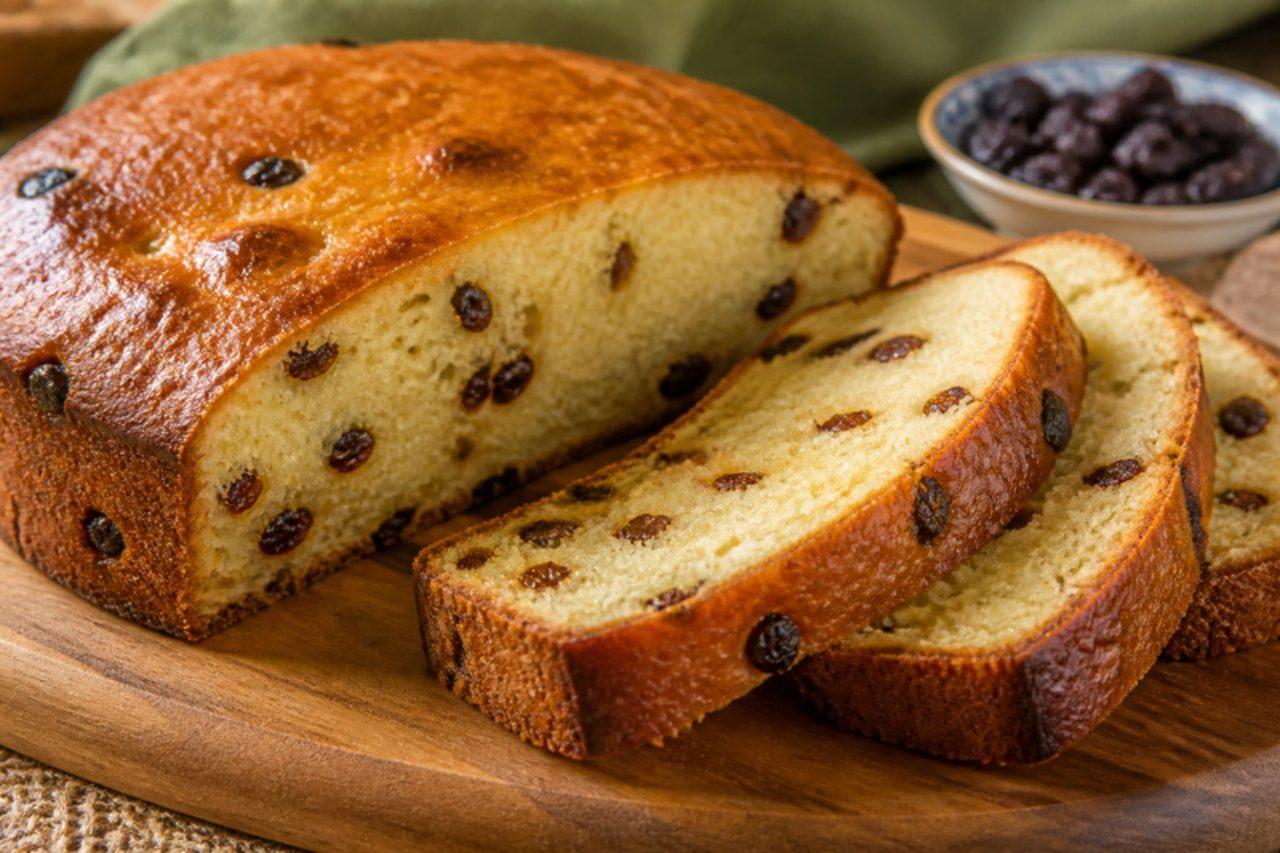
Surinamese fiadoeRaisin spice yeast cake

Fiadoe belongs to Creole family celebrations in Paramaribo, from birthdays to New Year, where it is cut into squares and handed round with a glass of something sweet. It is a rich yeast dough baked in layers with butter, raisins, currants, chopped nuts and warm spices, so each slice is soft and bready with sticky, fruity streaks. Many families soak the fruit in rum; this version plumps it in warm orange juice instead, so it is alcohol-free. The common mistake is baking it too hot, which browns the top before the thick middle is cooked. Chef's tip: cover the tin loosely with foil for the last 15 minutes if the top is darkening too fast.

by KrazyBadal 0 views

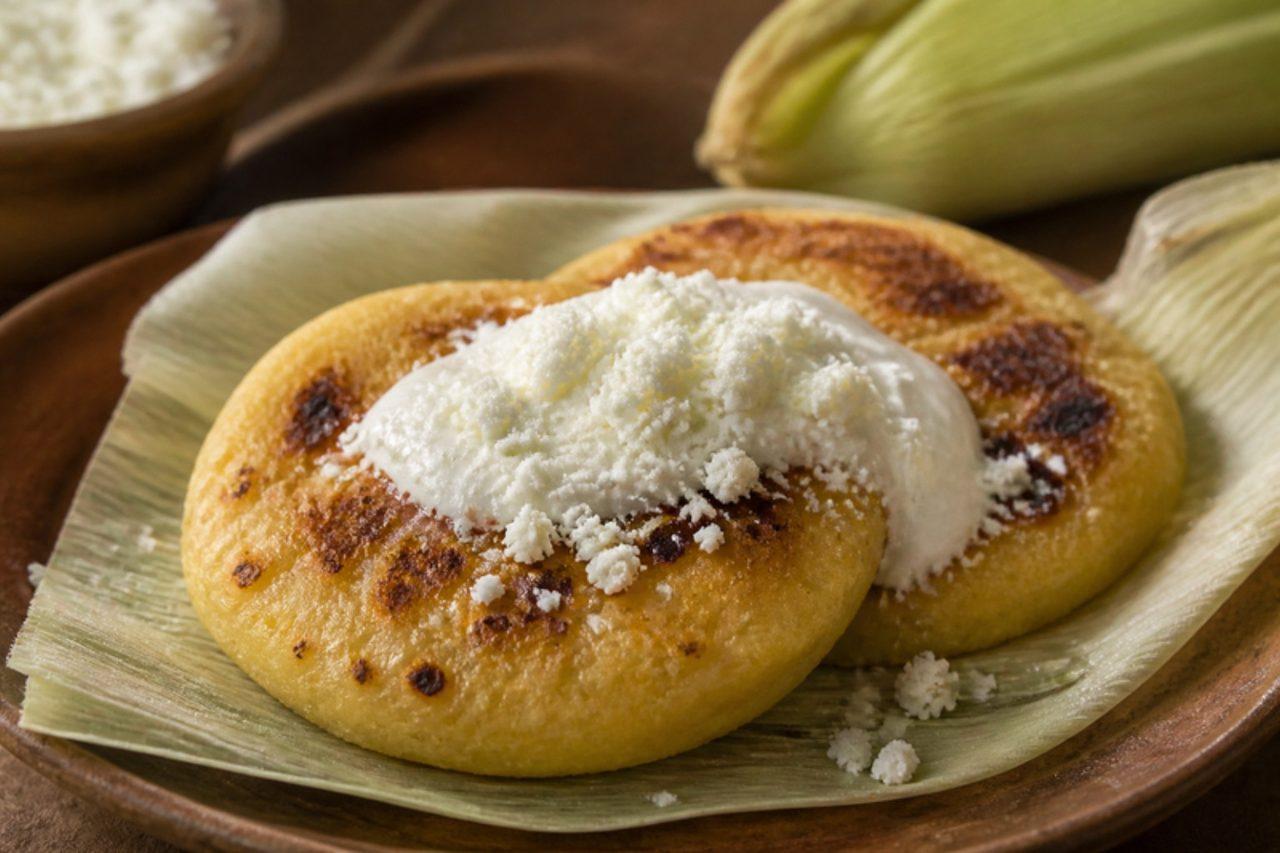
RiguasSweet corn cakes

When the elote harvest comes in around August, roadside stalls between San Salvador and Santa Ana sell riguas: thick little cakes of freshly ground sweet corn cooked on a griddle on corn husks or banana leaf, so the outside caramelises while the middle stays soft and custardy. They are eaten warm for breakfast or merienda with thick cream and crumbled fresh cheese. The most common mistake is using starchy, old corn; the batter must be milky and sweet or the cakes turn dense and dry. Traditional queso fresco is made with animal rennet, so pick a vegetarian fresh cheese if that matters to you. Chef's tip: cook them over a medium-low heat with a lid on for the first few minutes; the steam sets the inside before the husk scorches.

by KrazyBadal 0 views

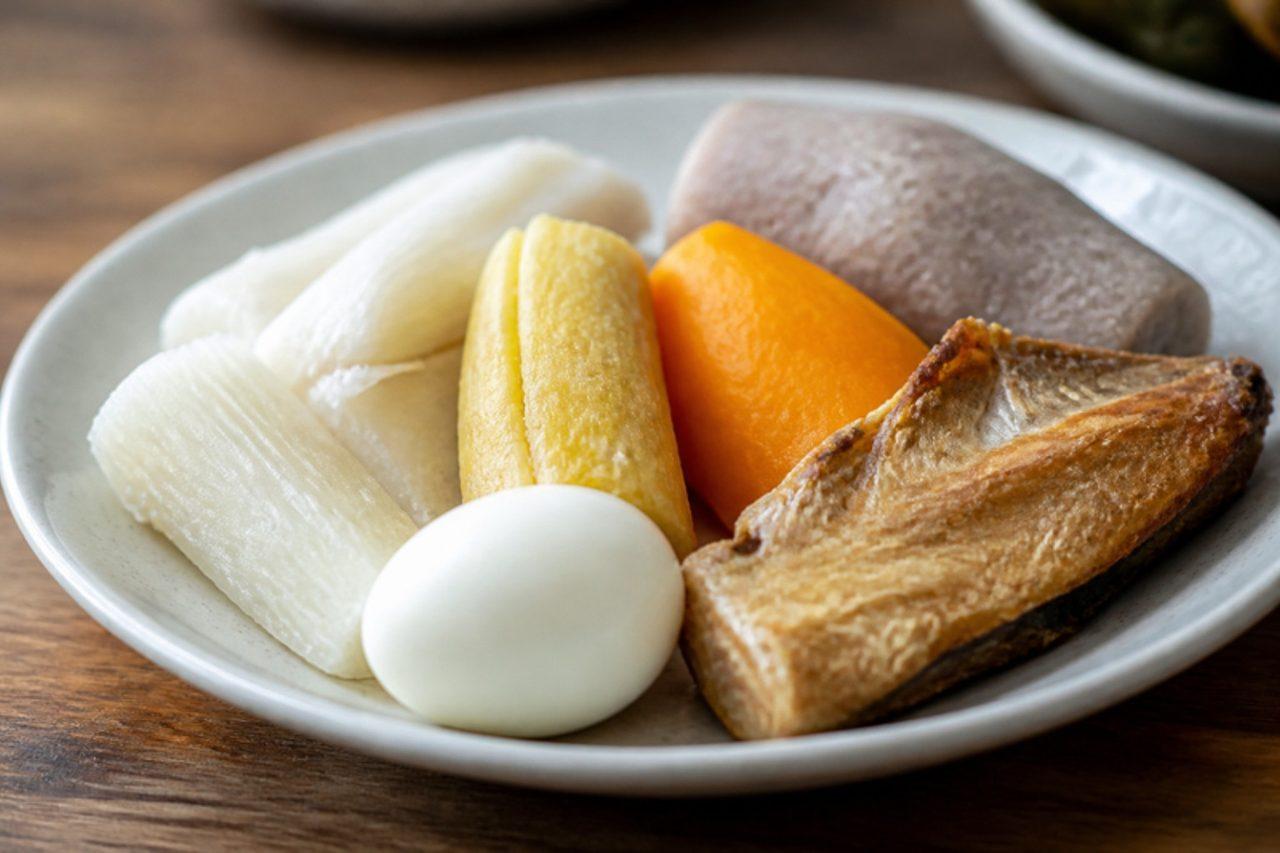
Surinamese heri heriBoiled roots with salt fish

Heri heri is one of the oldest dishes in Suriname, rooted in the plantation era and still cooked by Afro-Surinamese families around Paramaribo, especially on Keti Koti (1 July), the day the end of slavery is remembered. It is plain, filling food: boiled cassava, plantain, sweet potato and tayer, with salted fish fried with onion, tomato and pepper, and a boiled egg on the side. The fish is soaked to remove excess salt, always in the fridge. People often boil all the roots together, so the plantain turns mushy while the cassava is still hard; add them in stages. Chef's tip: keep a little of the onion and tomato oil from the fish pan and spoon it over the roots.

by KrazyBadal 0 views

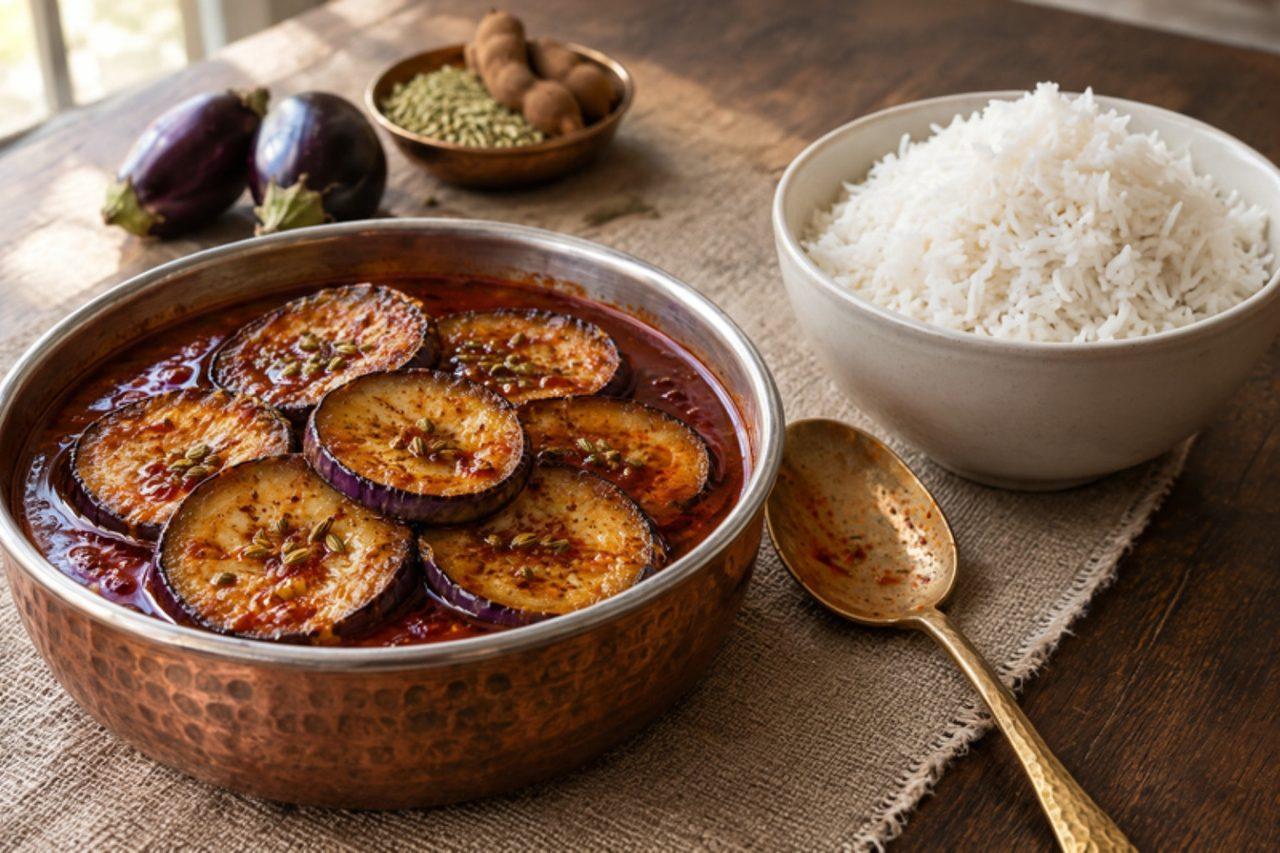
Tschok wangunSour tamarind aubergine

Tschok wangun is a Kashmiri Pandit dish from the Srinagar valley, cooked on ordinary weekdays and on fasting days when onion and garlic are kept out of the kitchen. Thick wedges of aubergine are fried in smoking mustard oil, then simmered in a thin, tart tamarind broth flavoured with ground fennel, dried ginger and Kashmiri chilli, so the pieces keep their shape but turn silky inside. Serve it with plain steamed rice and a bowl of dal. The usual mistake is adding the tamarind before the aubergine is properly fried: the pieces then soak up the sour liquid, collapse and taste raw. Chef's tip: heat the mustard oil until it just smokes, then let it cool for a minute before frying, which takes away its harsh edge.

by KrazyBadal 0 views

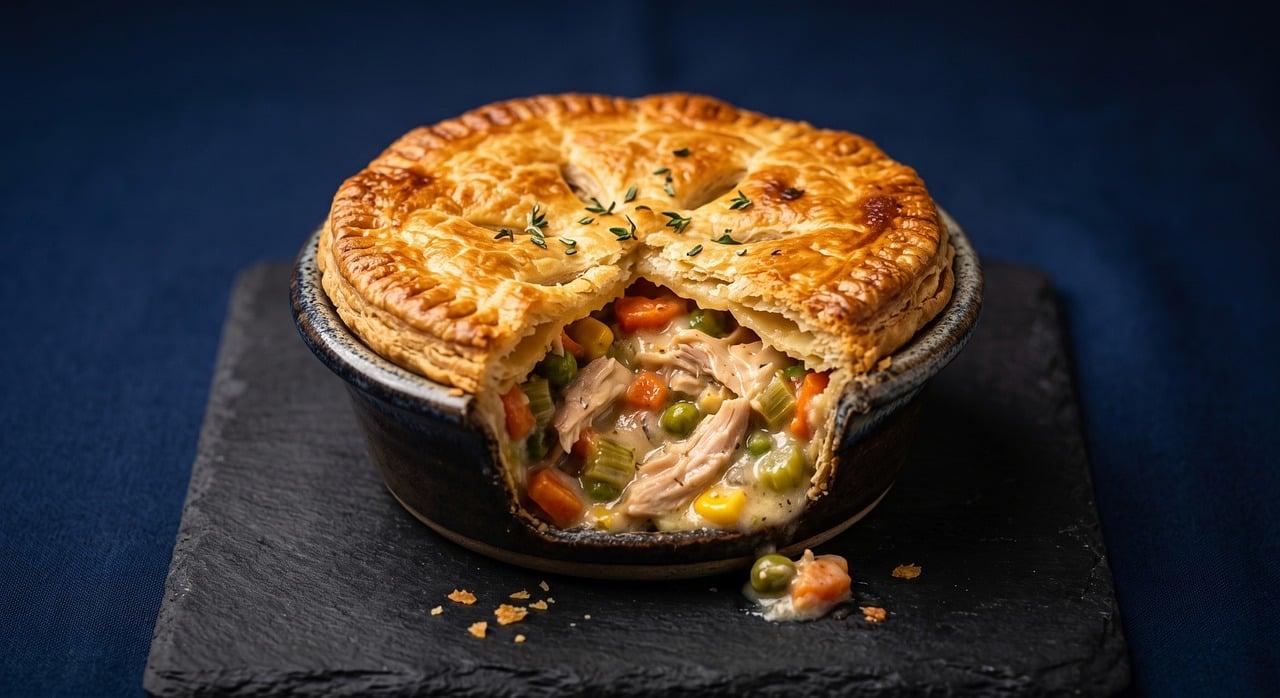
Surinamese pasteiChicken pot pie

Pastei comes out at birthdays, weddings and Christmas in Paramaribo, baked in a big dish and cut at the table: shredded chicken with carrots, peas, celery and sometimes hard-boiled egg and capers in a soft, savoury sauce, under a buttery shortcrust lid. It shows the Dutch side of Surinamese cooking, seasoned with the local taste for garlic and a little hot pepper. Watery filling is the usual problem; let the sauce thicken properly and cool before topping, or the pastry goes soggy. Chef's tip: poach the chicken in the same stock you'll use for the sauce so the filling tastes deeply of chicken.

by KrazyBadal 0 views

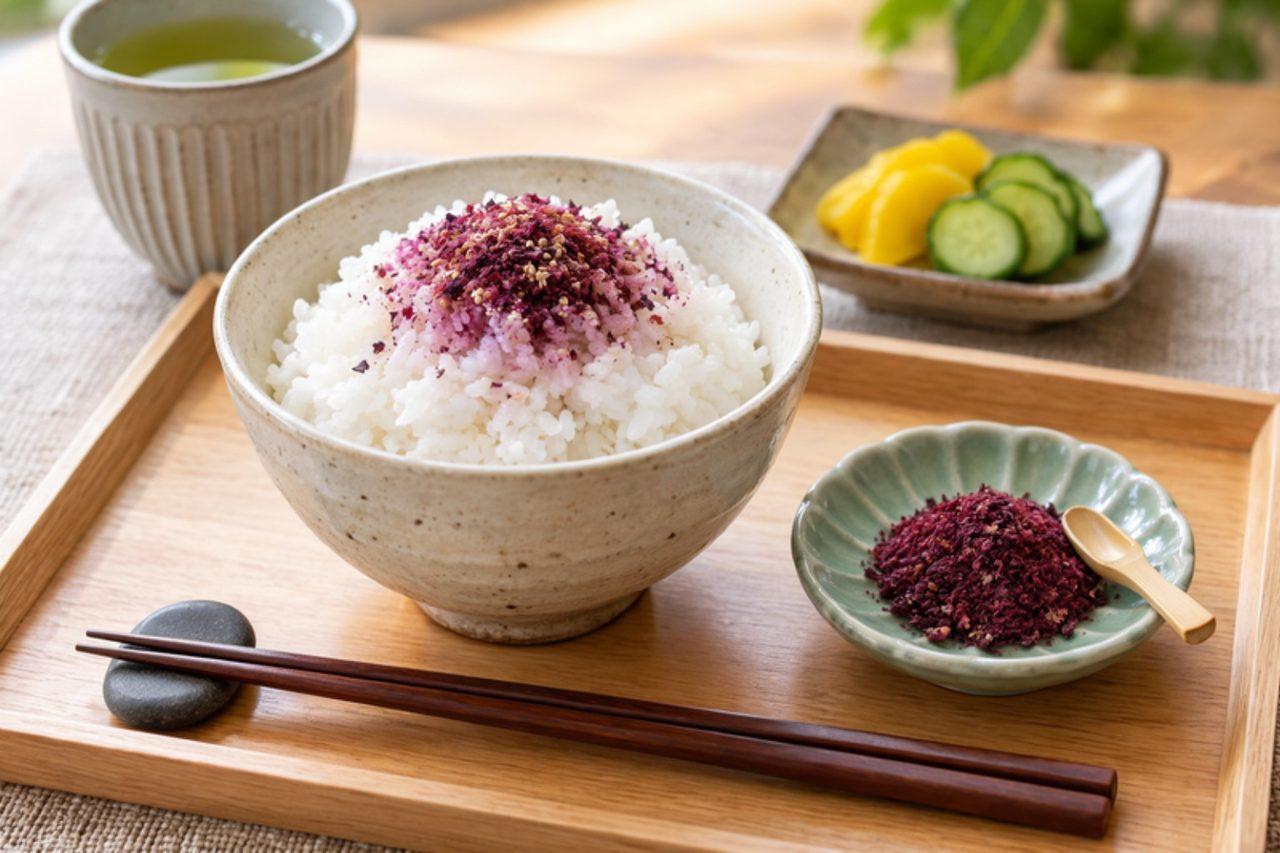
Yukari shiso saltRed shiso rice seasoning

Yukari is the bright purple, salty-sour shaker that Japanese parents sprinkle over plain rice so that a bento looks cheerful and tastes of something even when it has gone cold. Traditionally it is made from the red shiso leaves left after pickling umeboshi plums; this home version gets the same flavour by salting and souring fresh red shiso in early summer. The common mistake is drying the leaves too hot, which turns them brown and bitter. Chef's tip: keep the oven no hotter than 80 °C and leave the door ajar, and the colour stays a jewel-like magenta.

by KrazyBadal 0 views

Semita altaLayered sweet bread with pineapple jam

Salvadoran panaderías sell two semitas: the flat semita pacha and this tall one, built from soft sweet dough layered with pineapple or panela jam, so each slice shows dark stripes of fruit. It is bought by the slab for breakfast and afternoon coffee across the country. Dry dough is the common mistake; it should feel soft and slightly tacky, or the layers bake up like biscuit. Chef's tip: make the pineapple jam the day before and chill it; cold, thick jam spreads cleanly and doesn't leak out of the layers.

by KrazyBadal 0 views

Waterblommetjie bredieLamb and water hawthorn stew

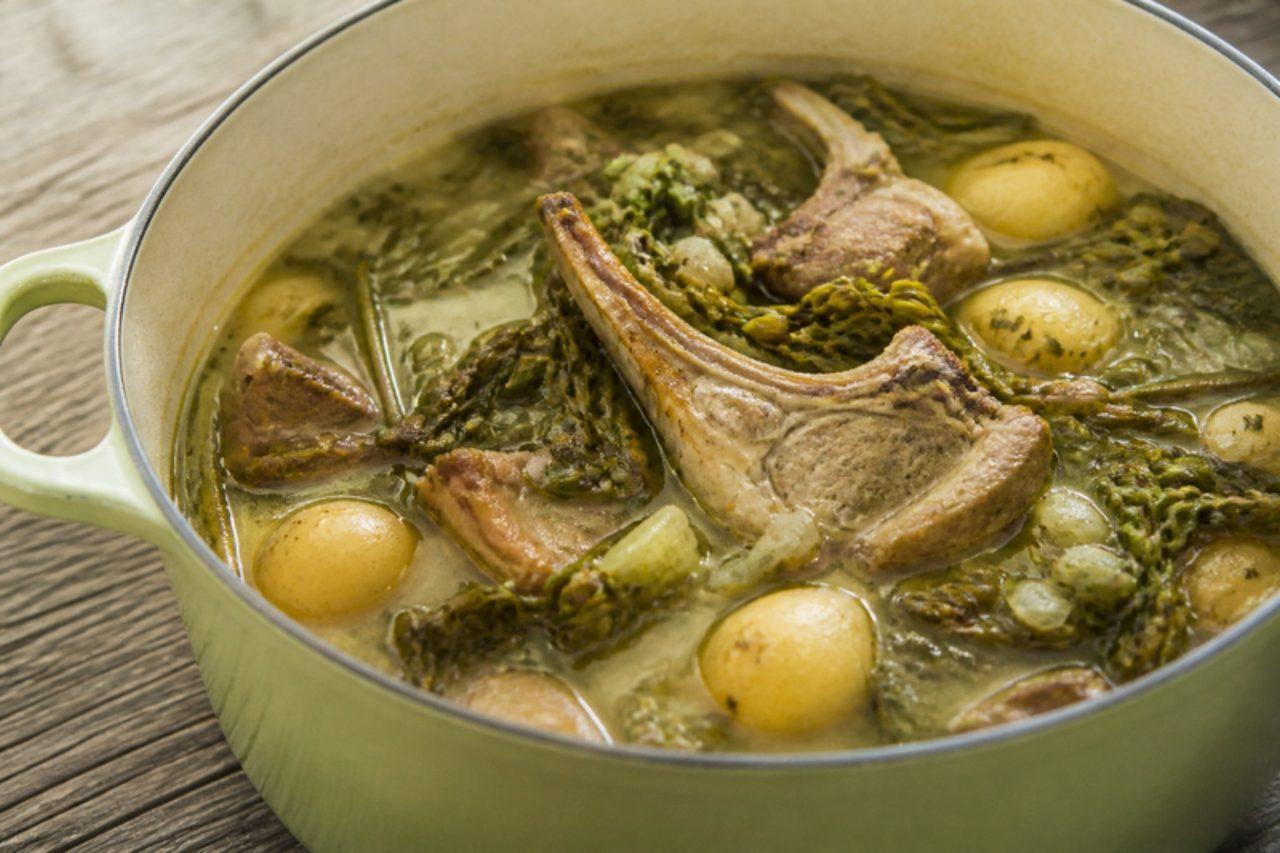
Between June and September, farm stalls along the roads out of Paarl and Stellenbosch sell bags of waterblommetjies, the flower buds of a pondweed that grows in Western Cape vleis, and that is the cue to make this bredie. The buds taste like a cross between green beans and artichoke, and they turn silky as they stew with lamb, potatoes and a little sorrel that gives the gravy a lemony edge. Buy them fresh in season from a greengrocer or farm stall, or use tinned or bottled ones from South African shops; never pick them from dams yourself. Out of the Cape, a mix of green beans and artichoke hearts gives a surprisingly close result. Serve over white rice. Chef's tip: add the waterblommetjies only for the last half hour; stirred in at the start they disappear into a slippery mush.

by KrazyBadal 0 views

Surinamese peprewatraHot pepper fish broth

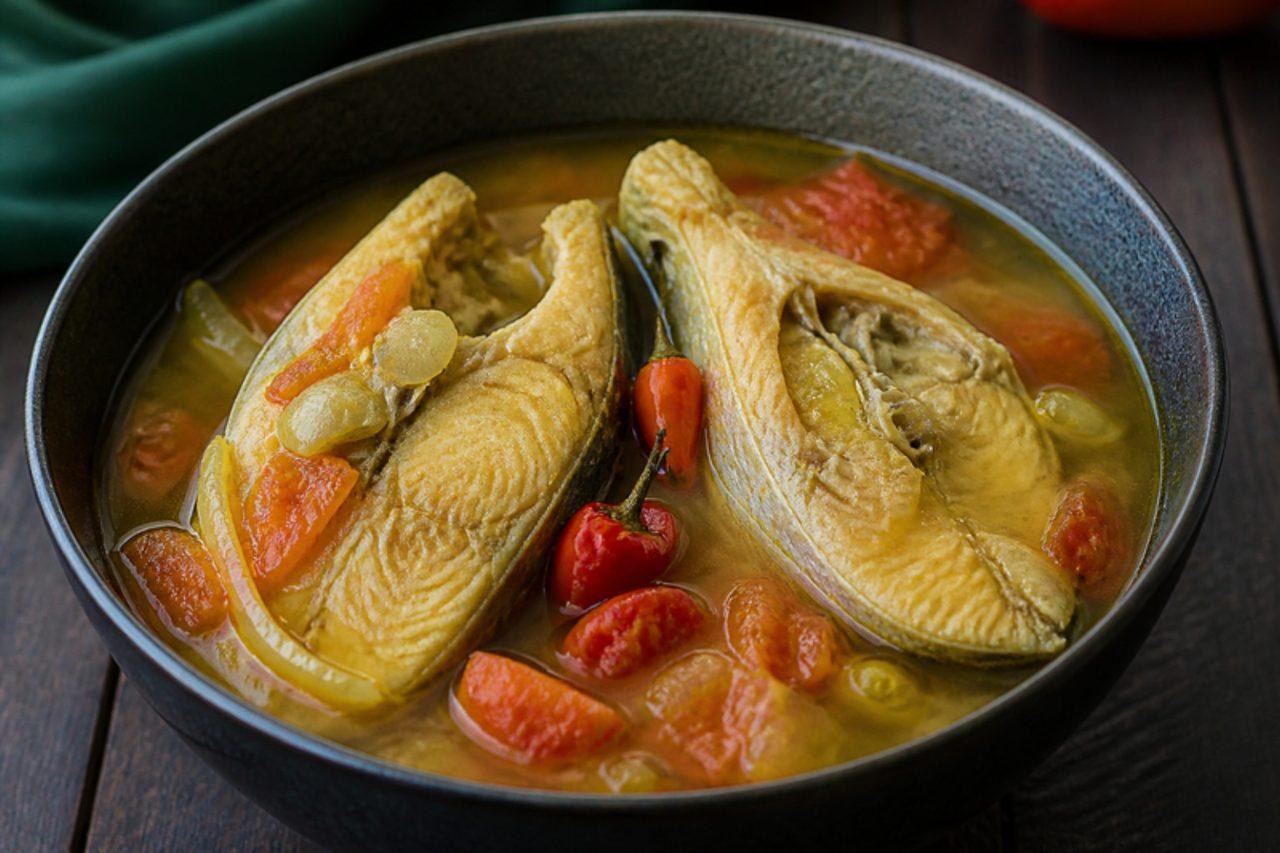
Peprewatra means 'pepper water' in Sranan Tongo, and in Paramaribo it is the broth people reach for after a long night, on a rainy day or when they feel a cold coming: a clear, very spicy fish soup with Madame Jeanette peppers, onion, tomato and lots of herbs, often with a few pieces of cassava or plantain to make it a meal. Use firm white fish steaks with the bone in for flavour. The usual mistake is boiling the fish hard, so it breaks into shreds; add it to the hot broth and keep it just simmering. Chef's tip: drop the whole pepper in first and pierce it once; take it out when the broth is as hot as you like it.

by KrazyBadal 0 views

Surinamese telohFried cassava with salt fish

Teloh is Javanese-Surinamese comfort food, sold from roadside stalls in Commewijne and Wanica and eaten on the run at lunchtime: crisp fried cassava with a spoonful of sautéed salted cod (bakkeljauw) cooked with onion, tomato and garlic, and a fierce sambal on the side. Salt fish must be soaked to draw out the salt, and it is done in the fridge, changing the water. The common mistake is frying raw cassava straight away; it must be boiled first until tender or it stays hard and fibrous in the middle. Chef's tip: let the boiled cassava steam dry and cool before frying, and the outside goes glassy and crisp.

by KrazyBadal 0 views

Warrigal greensGarlic native spinach

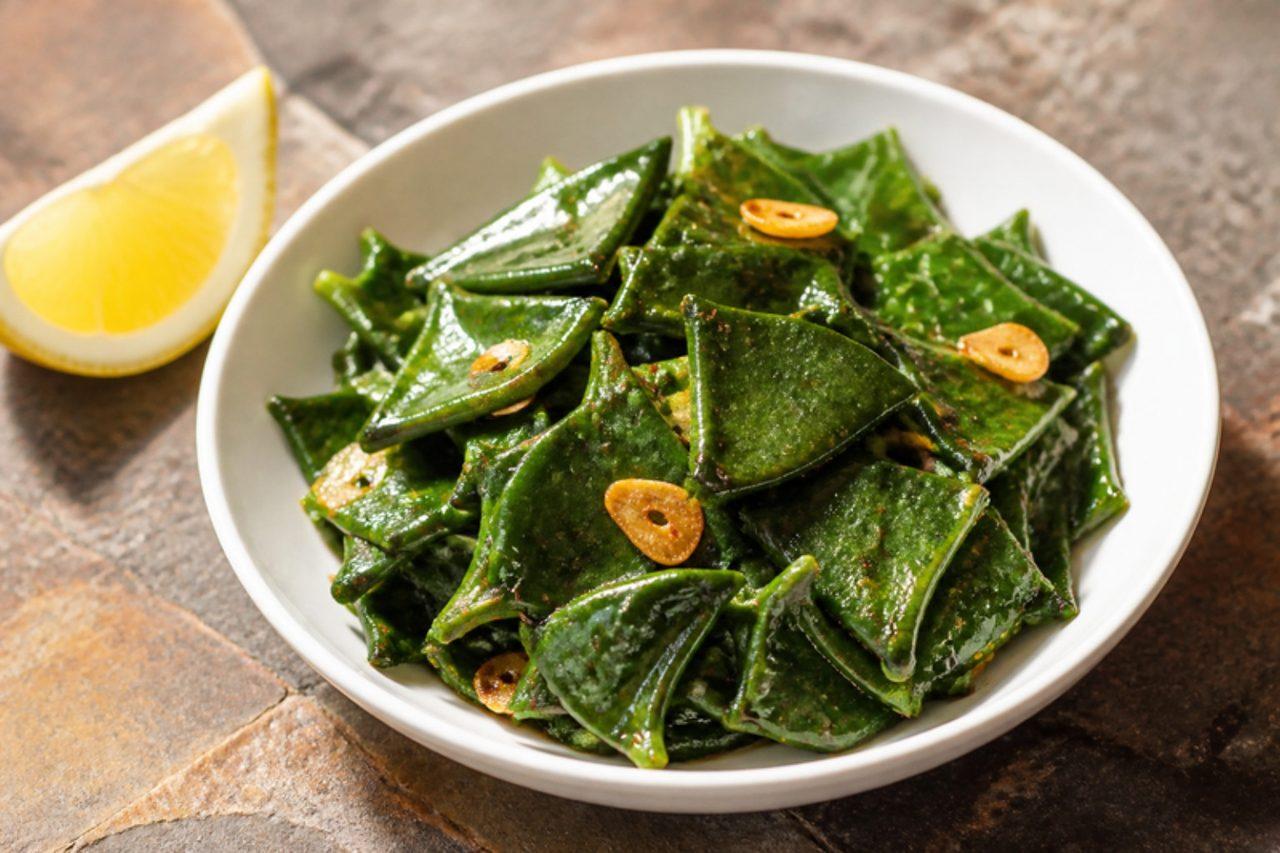
Warrigal greens grow wild along the beaches and estuaries of the New South Wales and Queensland coast and were cooked by Aboriginal people long before Captain Cook's crew ate them to fight scurvy. The thick, triangular leaves taste like a salty, more robust spinach. They hold oxalates, so they must be blanched briefly and the water thrown away before cooking. Sautéed with garlic and lemon they make a quick side for grilled fish or barramundi. A common mistake is skipping the blanch; the leaves taste bitter and are not good for you raw. Chef's tip: use tender tips only and discard woody stems.

by KrazyBadal 0 views

Tibetan fried breadPuffed fried bread

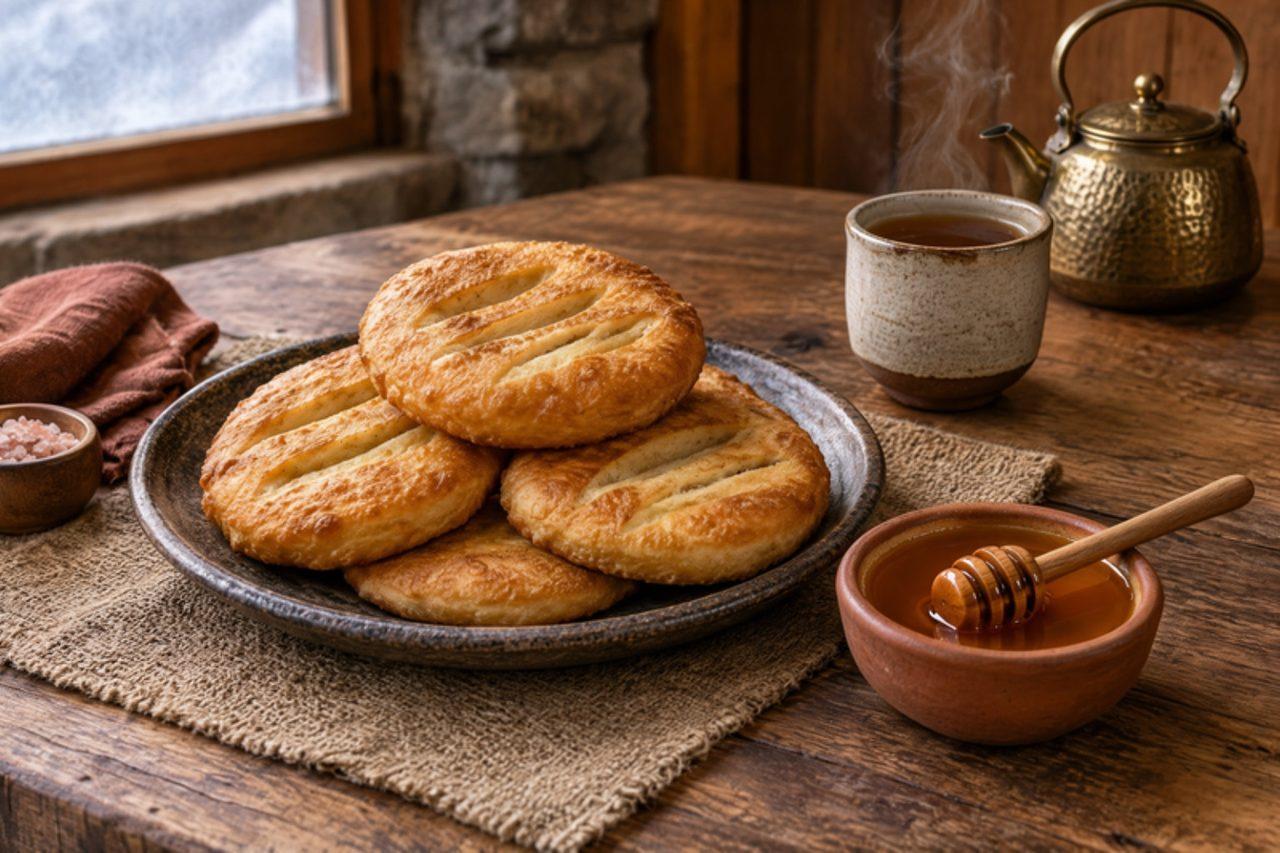
Trekkers in the Everest and Annapurna regions, and early risers in Kathmandu's Boudha neighbourhood, know this bread: rounds of dough slashed down the middle and fried until they puff, golden outside and soft inside. Tibetan families eat it with honey or jam, with a bowl of potato or chickpea curry, and with salty butter tea. The mistake is rolling the dough too thin; at about 1 cm thick it stays tender, while thin dough fries into a hard cracker. Chef's tip: let the shaped rounds rest for 10 minutes before frying so the gluten relaxes and the bread balloons evenly.

by KrazyBadal 0 views

TsaramasoWhite beans with pork

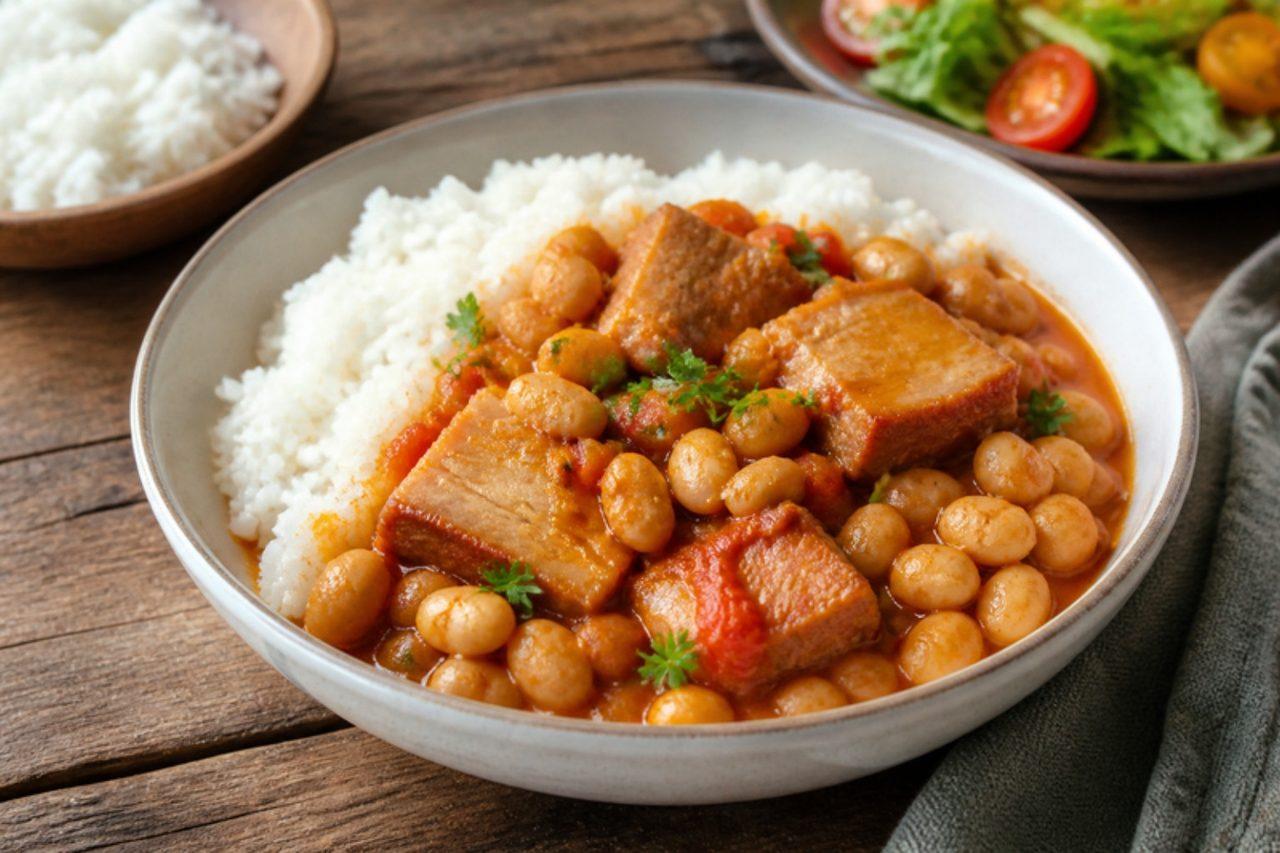
Sunday lunch in a Highland family home often means a big pot of tsaramaso sy henakisoa, white beans stewed slowly with pork until the beans are creamy and the meat falls apart, ladled over a mound of plain rice. Pork belly or shoulder is browned first so its fat flavours the whole pot, then onion, tomato, garlic and ginger cook down into a thick, savoury, gently sweet sauce that the beans soak up. A spoon of sakay and a tangle of lasary achards on the side cut the richness. Adding salt or tomato before the beans are tender is the mistake that keeps them hard, so season only once they crush easily. The pork should reach at least 71 °C, though by the end it will be far past that and spoon-tender. Chef's tip: soak the beans overnight and simmer them separately first; it keeps the stew from burning while the beans take their time.

by KrazyBadal 0 views

Sopa de capirotadasSoup with corn and cheese dumplings

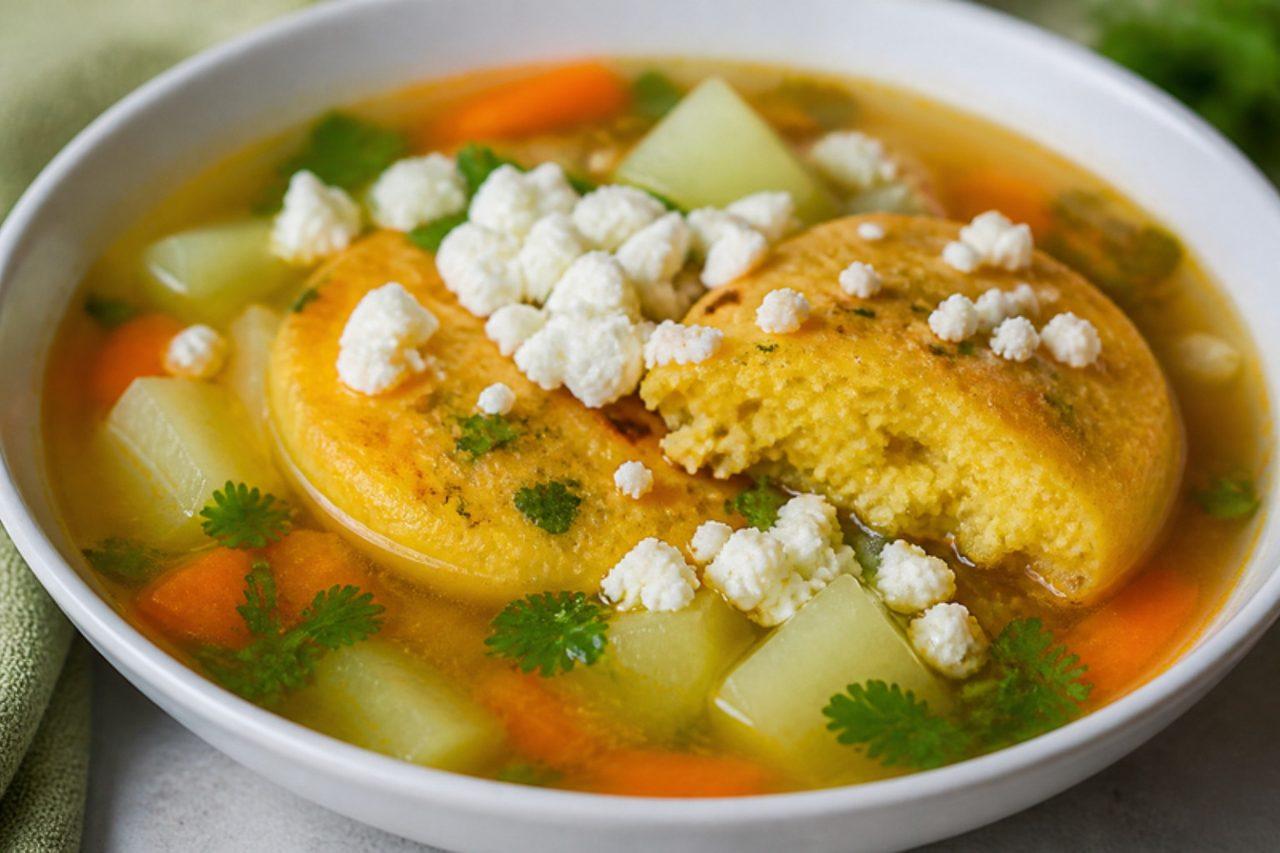
During Lent, Honduran kitchens from Tegucigalpa to Comayagua turn meatless Fridays into an excuse for capirotadas: little cakes of corn dough and salty dry cheese, fried until golden and then dropped into a tomato and sweet-pepper broth tinted orange with achiote. The dumplings drink up the broth and turn soft and cheesy outside while staying firm in the middle; eat it with warm tortillas and a squeeze of lime. Honduran queso duro is usually made with animal rennet, so for a strictly vegetarian pot use a vegetarian hard cheese such as an aged vegetarian feta. The mistake most people make is a dough that is too wet: soft capirotadas fall apart first in the oil and then again in the soup. Chef's tip: fry the dumplings a few hours ahead and add them to the broth only for the last five minutes, so they keep their shape.

by KrazyBadal 0 views

Surti cold cocoaThick chilled cocoa milk

Long after dinner, the lanes around Surat's Chowk Bazaar and Athwa Lines fill with families queueing for cold cocoa, a thick, almost milkshake-like chocolate milk poured from big steel cans into tall glasses. The secret is cooking cocoa and a spoon of cornflour into rich milk first, then chilling it for hours so it thickens and the cocoa flavour deepens, before whisking it frothy to order. The common mistake is stirring cocoa powder straight into cold milk, which leaves bitter, dusty lumps floating on top. Chef's tip: make it the night before and whisk with a hand blender for 30 seconds just before pouring for the classic foamy head.

by KrazyBadal 0 views

PutharoSteamed rice flour cakes

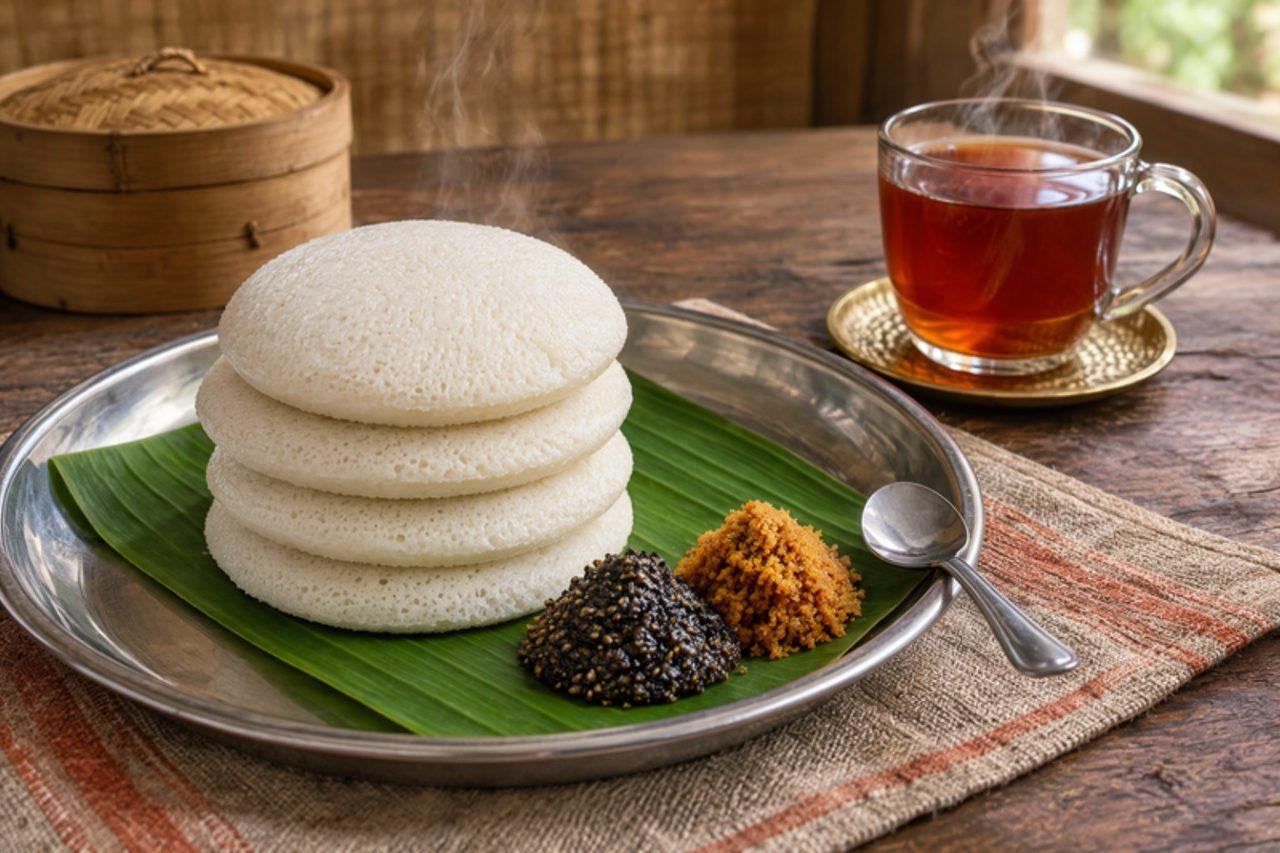
In Shillong and the Khasi Hills, putharo are plain steamed rice-flour cakes eaten at breakfast with red tea or with a bowl of curry. Freshly milled, slightly damp rice flour is what makes them soft. The common mistake is using dry supermarket flour without moistening it, which gives crumbly, dusty cakes; sprinkle the flour with water and rub until it holds when squeezed. Chef's tip: steam on a cloth so the bottoms don't turn soggy.

by KrazyBadal 0 views

SenmaizukePickled sliced turnip

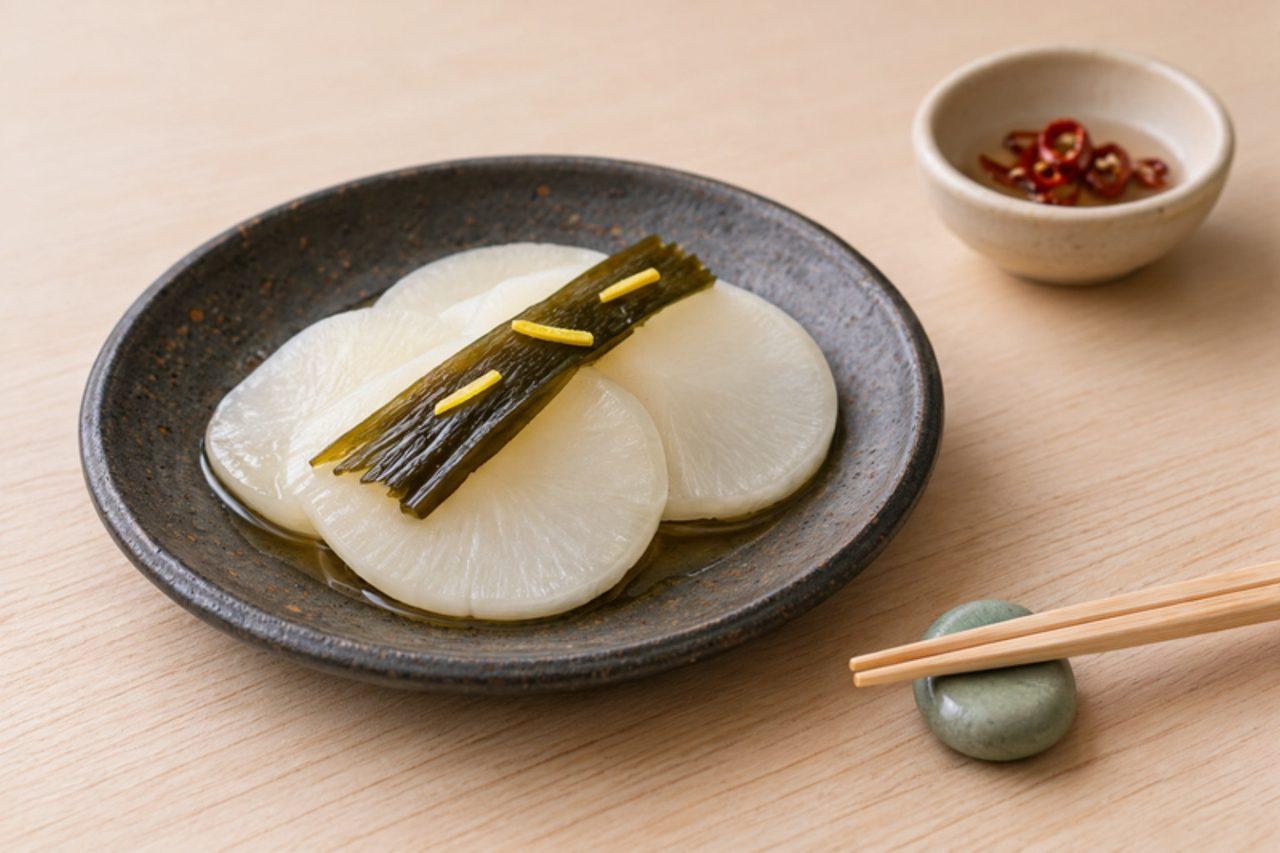
Senmaizuke is the pickle Kyoto sends home with winter visitors: great white Shogoin turnips, sliced so thin you can read through them, layered in fan shapes with kombu and a mild sweet vinegar. Pickle shops along Nishiki Market start making it in November, when the turnips swell and sweeten in the cold, and it stays on New Year tables and beside winter rice through February. It tastes gently sweet and sour with a deep savoury note from the kombu, which turns slightly sticky and coats each slice; the turnip stays crisp at the edge and silky in the middle. Outside Japan use large, firm white turnips (or a young daikon); avoid woody, spongy ones. The common mistake is skipping the first salting: unsalted slices weep water into the vinegar, dilute it and go limp. Salt them, press for an hour and squeeze gently first. It is ready when the slices are translucent, bend without breaking and the kombu feels slick. It is a fridge pickle, not a shelf one. Chef's tip: slice on a mandoline at 2 mm and keep the slices in order, so you can stack them back into a 'turnip' shape for a pretty presentation.

by KrazyBadal 0 views

DakkochiChicken and spring onion skewers

Dakkochi carts line the evening streets of Myeong-dong and the backstreets of Jongno, where chicken skewers sizzle on flat grills under a cloud of sweet, smoky steam. Juicy pieces of thigh alternate with thick spring onion, and the vendor slaps on a sticky glaze of gochujang, chilli and rice syrup at the end, or a mild soy version for children. They are eaten standing, as a late snack. Chef's tip: brush on the glaze only in the last few minutes; it is sugary and burns long before the chicken is cooked.

by KrazyBadal 0 views

GimmariFried seaweed glass noodle rolls

Gimmari, literally "seaweed rolls", sit in a golden heap on every bunsik stall in Seoul, from the snack alleys of Mangwon Market to the carts outside schools at four o'clock. Seasoned sweet-potato glass noodles are rolled tightly in sheets of gim, dipped in a thin batter and fried, and most people ask for them to be cut up and dunked straight into the stall's sweet-spicy tteokbokki sauce. The outside crackles; the noodles inside stay soft and savoury. Chef's tip: season the noodles boldly; the seaweed and batter mute them.

by KrazyBadal 0 views

KkwabaegiTwisted doughnuts

Kkwabaegi are the twisted doughnuts piled high at Namdaemun and Mangwon markets and in the little neighbourhood shops that open in the afternoon, sold three or four to a paper bag while still warm. A little glutinous rice flour in the yeast dough makes them springy and slightly chewy rather than cakey, and the cinnamon sugar crunches on the outside. They contain wheat, milk and egg. Chef's tip: twist the rope tightly and let it twist back on itself; it should hold its shape without you pinching it.

by KrazyBadal 0 views

Tornado potatoSpiral potato on a stick

The tornado potato took off at the evening carts of Myeong-dong and the weekend crowds in Hongdae, where vendors twist a whole potato onto a long stick with a special drill and fry it into a crisp golden spiral. People walk around eating it from the top down while they shop. At the stalls it is dusted with cheese or honey-butter powder; this home version stays vegan with a smoky paprika, garlic and onion seasoning that children love. Chef's tip: stretch the spiral out along the stick so there is a gap between each turn, or the inside stays pale and soft.

by KrazyBadal 0 views

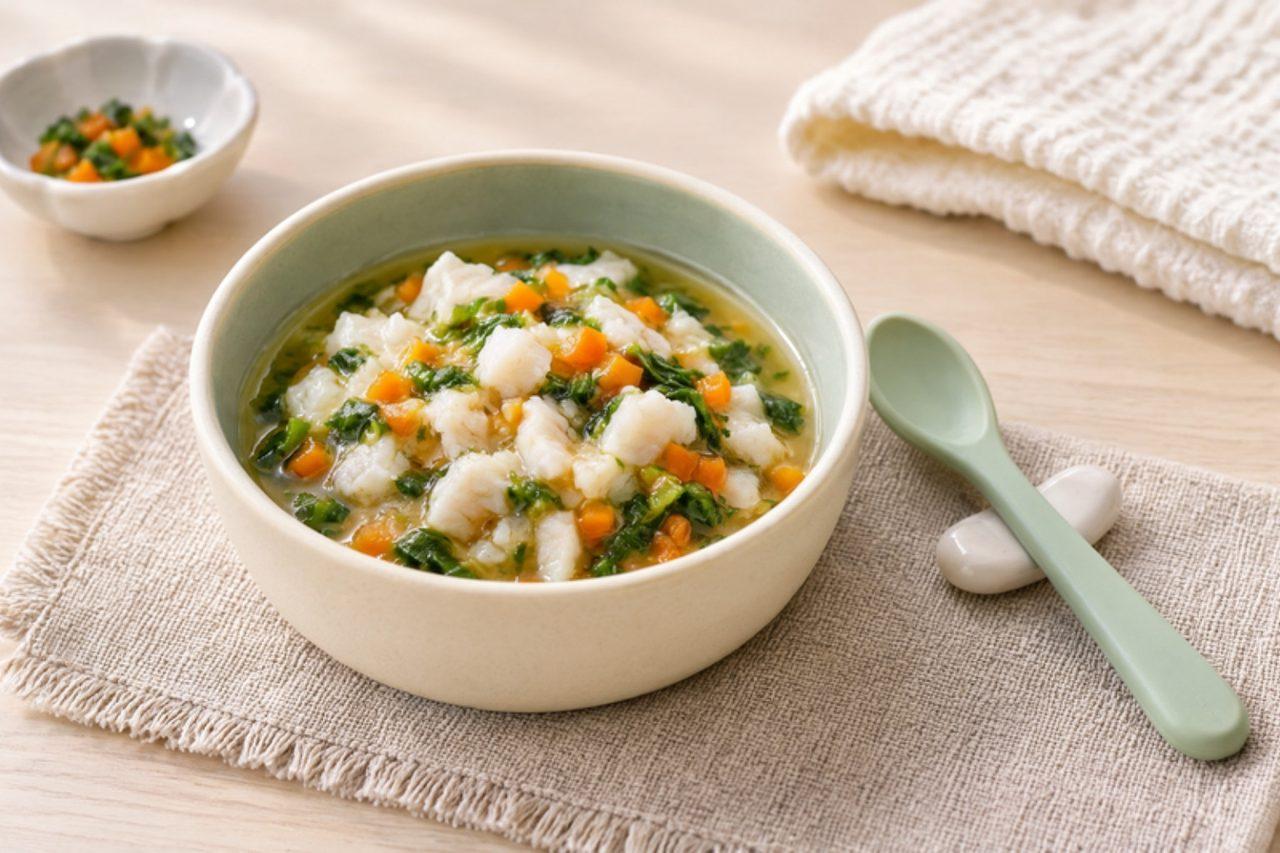
Tara no ankake for babiesCod in vegetable sauce for babies

Ankake is the glossy, starch-thickened sauce that Japanese cooks spoon over tofu, rice and fish, and baby-food cookbooks in Japan use it for the kamikami stage around nine months, because it binds flakes of fish and soft vegetables into something babies can swallow easily. Fresh cod (nama-dara) is mild, white and soft, and here it is poached in unsalted kombu dashi with carrot, daikon and spinach. It contains fish and is free of milk, egg, gluten, nuts, soya and sesame. Chef's tip: mix the potato starch with cold water and stir it in off the boil; it thickens smoothly with no lumps.

by KrazyBadal 0 views

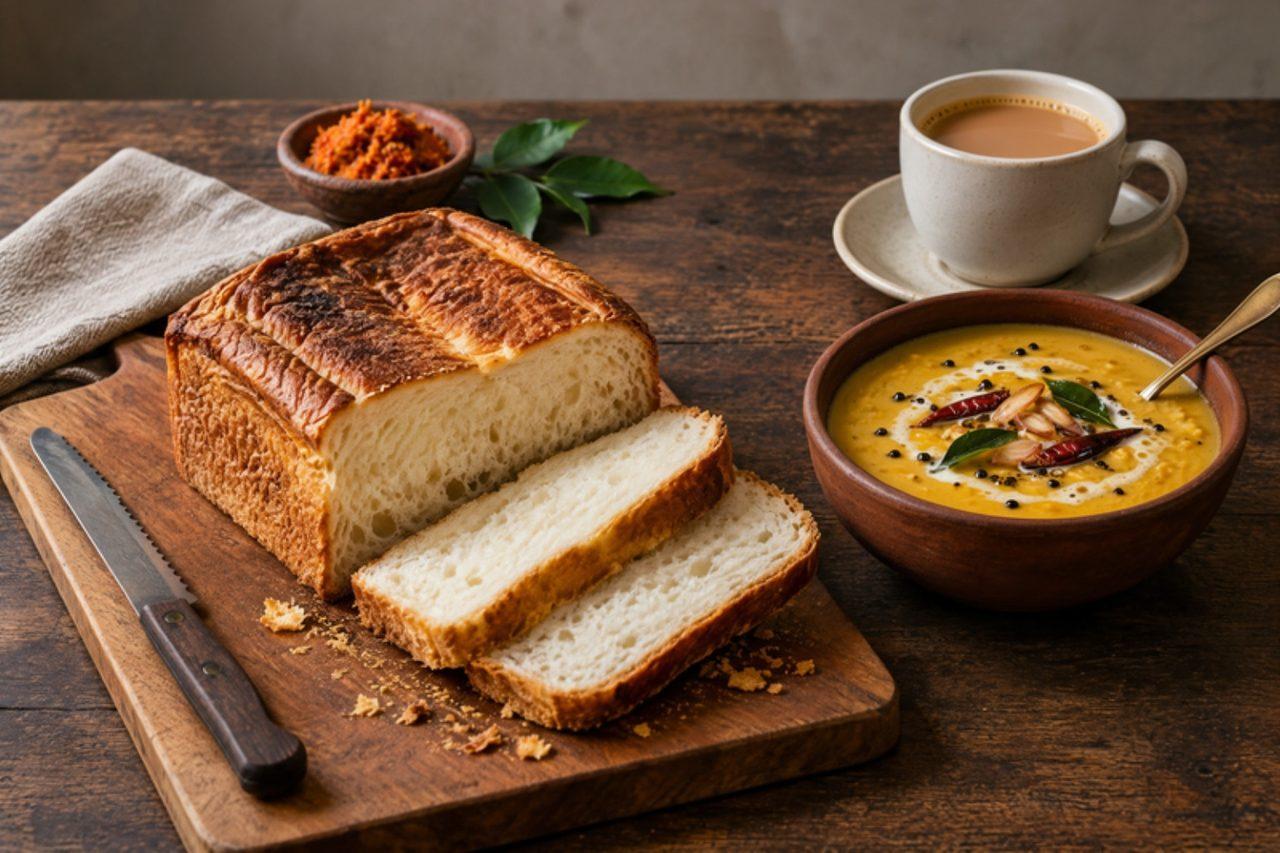
Roast paanCrusty bakery loaf

Every Sri Lankan neighbourhood bakery turns out roast paan before dawn: square loaves baked close together in a wood-fired oven until the tops are dark and crusty while the sides stay soft and pull apart. Bought warm, it is torn and eaten with dhal curry, pol sambol, or kiri hodi, the mild coconut milk gravy. The mistake is baking at too low a temperature, which gives a pale, sandwich-style loaf; it needs a really hot oven and a final blast to blister the top. Allow about 2½ hours with rising. Chef's tip: bake the dough as four balls snug in one square tin so they rise into each other; pulling the soft sides apart is half the pleasure.

by KrazyBadal 0 views

YujacheongYuja citron preserve

When the first frost comes to Goheung in South Jeolla and Namhae island in November, the yuja orchards turn gold, and households slice the knobbly, deeply perfumed fruit into sugar to make yujacheong. Through the winter, a few spoonfuls in a mug of hot water make yuja-cha, the tea Koreans reach for on cold evenings and when they feel a cold coming on; it is also spooned over yoghurt, toast or into salad dressings. It tastes floral, sharp and sweet, with tender strips of peel and a thick golden syrup. The sugar is what preserves it: equal weights of fruit and sugar, kept in the fridge once the sugar dissolves. The common mistake is leaving it warm too long: after a day or two on the counter it can start to ferment and fizz, so move it to the fridge as soon as the sugar has mostly melted. It is ready after about a week, when the peel is translucent and the syrup thick. No yuja? Use Meyer lemons, or two lemons for every mandarin. Bubbles or a boozy smell mean it has started to ferment: refrigerate it at once; mould means throw it away. Chef's tip: scrub the skins with baking soda first; you are eating the whole peel, so it must be spotless.

by KrazyBadal 0 views

PristiñosFried pastry rings in syrup

In Quito and Riobamba, pristiños come out at Christmas and for the Novena gatherings before it: thin rings of orange-scented pastry fried until blistered and shatteringly crisp, then drenched in hot panela syrup flavoured with cinnamon and cloves. They are eaten warm with a mug of hot chocolate or coffee. The common mistake is frying in oil that isn't hot enough, which leaves them greasy and pale; keep it at 175 °C. Chef's tip: roll the dough really thin, about 2 mm, so it puffs into bubbles and stays crisp under the syrup.

by KrazyBadal 0 views

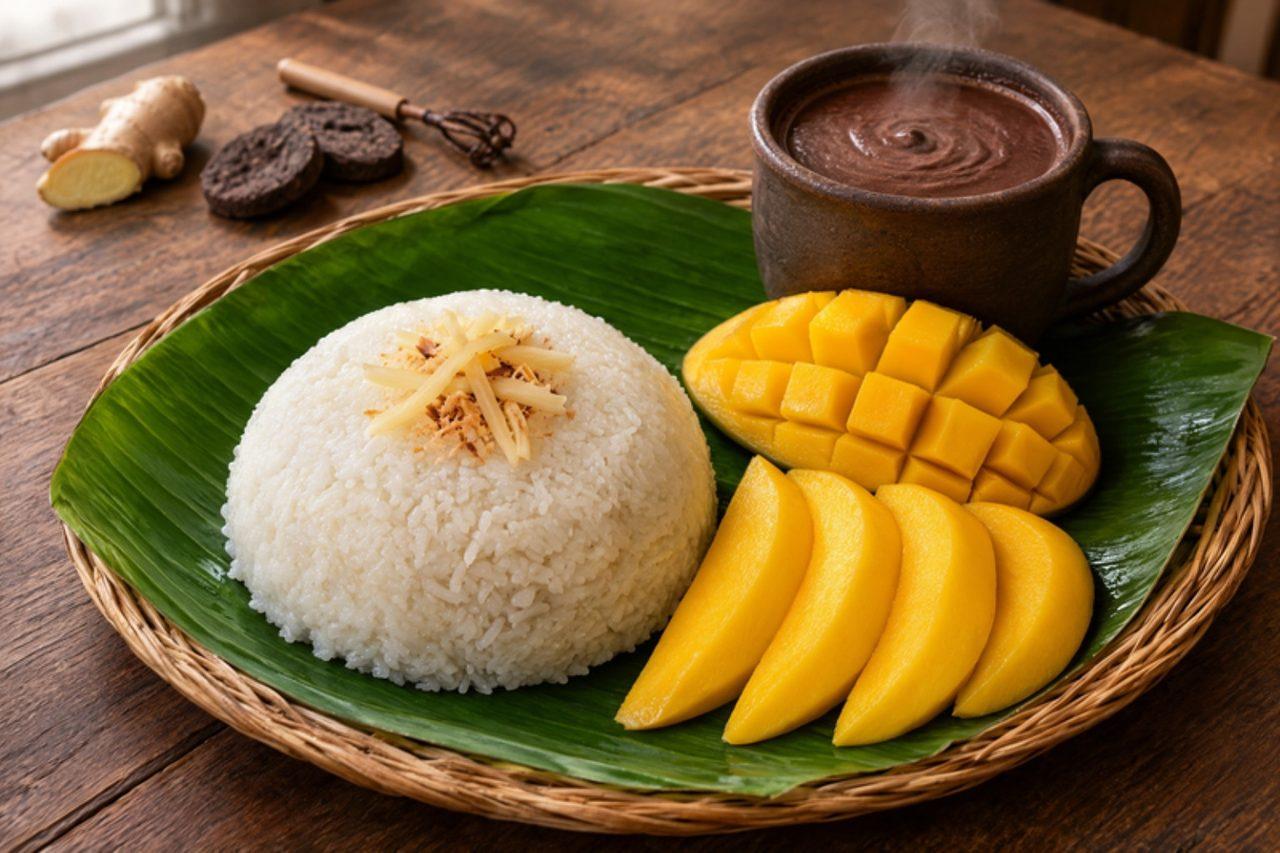
Puto mayaGinger sticky rice with mango

At dawn in Cebu's Carbon Market and in towns across the Visayas, vendors sell puto maya: sticky rice steamed with coconut milk and ginger, often purple from heirloom rice, shaped into little mounds. It is eaten with a cup of sikwate, a thick drink of local tablea cacao, and slices of sweet ripe mango. The mistake is skipping the soak; unsoaked glutinous rice steams up hard in the middle. Soak it for at least 4 hours or overnight. Chef's tip: steam the rice first with half the coconut milk, then fold in the rest and steam again; the rice stays chewy and glossy instead of gluey.

by KrazyBadal 0 views

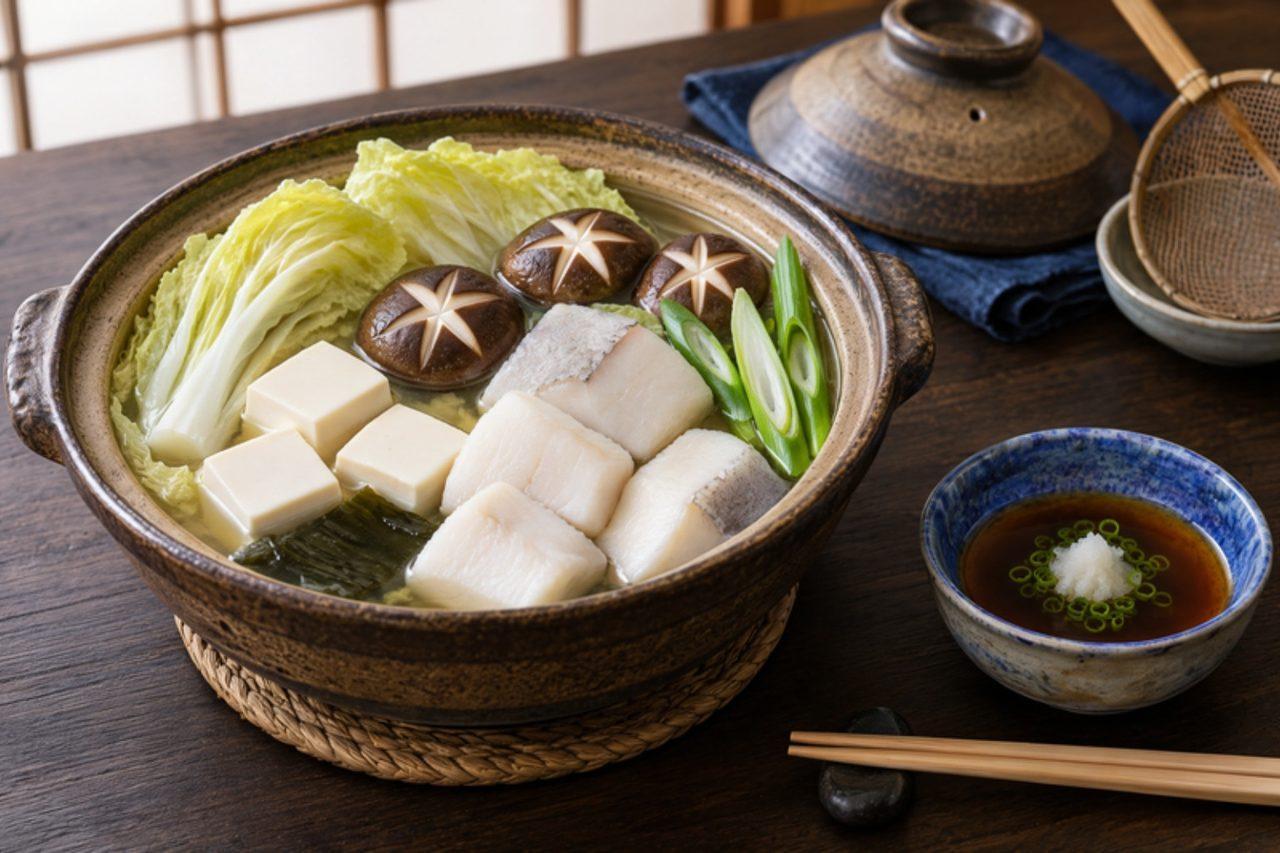
Tara chiriCod and tofu hot pot

Tara chiri is a winter hot pot from all over Japan, cooked at the table on cold nights in December and January when Pacific cod is at its fattest and cheapest. The broth is only kombu and water, so the clean taste of the fish comes through; cod, tofu, napa cabbage, leek and mushrooms poach gently, and each mouthful is dipped into citrusy ponzu with grated daikon and chilli. Suitable as part of a balanced diet: lean protein and plenty of vegetables, with no rice needed. About 260 kcal and 12 g carbohydrate per portion. The usual mistake is boiling the fish hard, which breaks it into flakes in the pot; it should poach just below a simmer. Chef's tip: pour boiling water over the cod pieces and rinse them in cold water first (shimofuri); it removes any fishy smell and keeps the broth clear.

by KrazyBadal 0 views

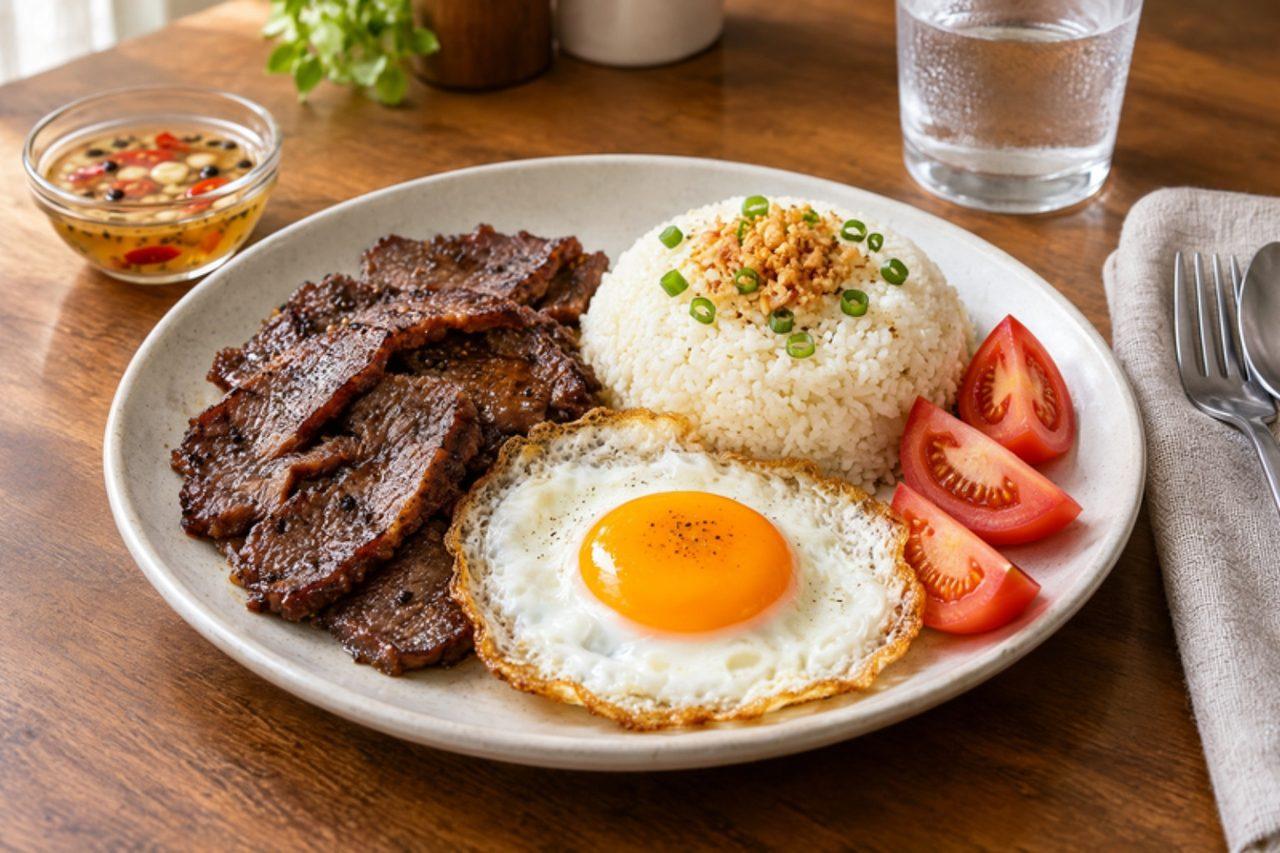
TapsilogBeef, garlic rice and fried egg

Tapsilog gave its name to the whole family of Filipino silog breakfasts: tapa (cured beef), sinangag (garlic fried rice) and itlog (egg), eaten from Manila carinderias to truck stops on the way north. The beef is sliced paper-thin and cured overnight with garlic, sugar and calamansi, then fried until the edges caramelise. Serve with spiced vinegar and sliced tomato. The usual mistake is cutting the beef thick; it must be thin enough to see the knife through, or it turns chewy. Chef's tip: half-freeze the beef for 40 minutes before slicing, and use day-old cold rice for the sinangag so the grains fry separately.

by KrazyBadal 0 views

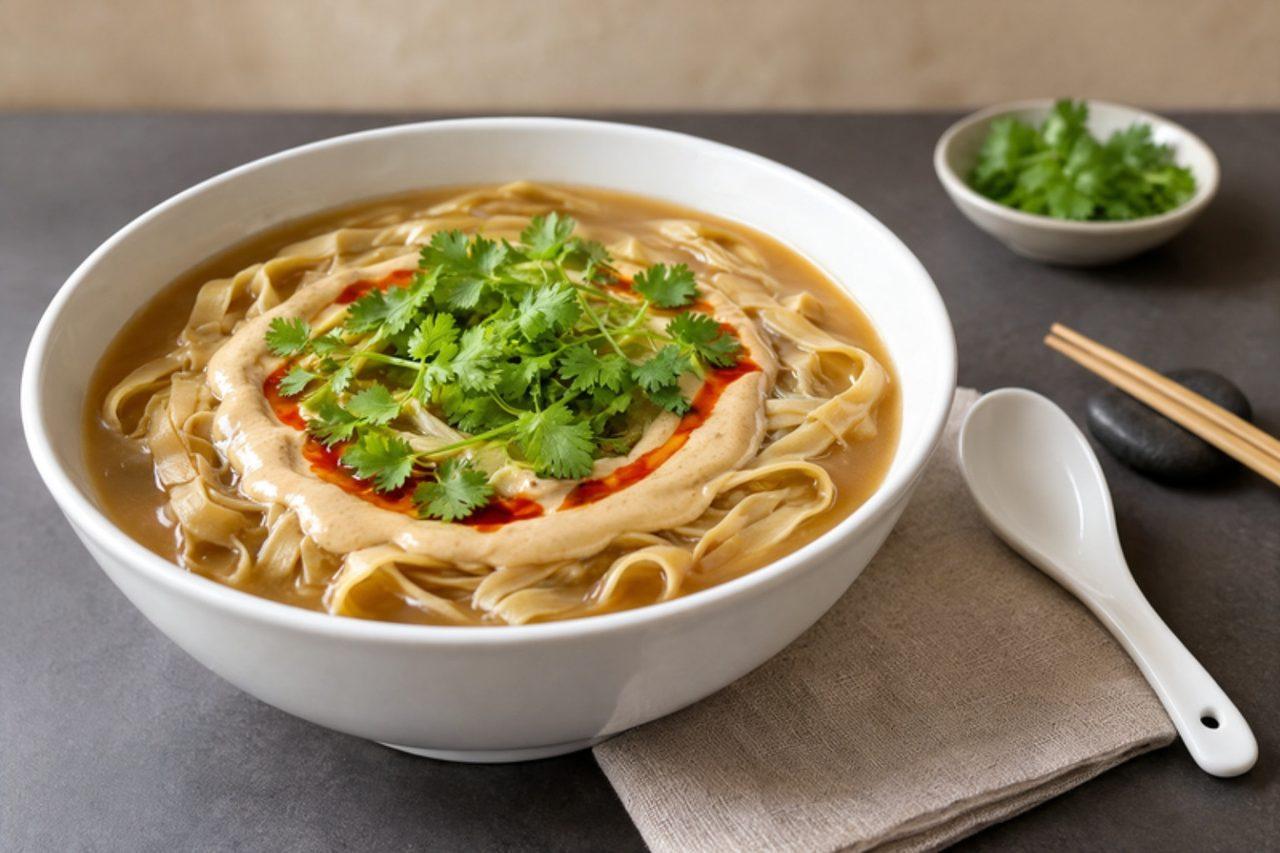
Tianjin guobacaiCrepe strips in spiced gravy

Guobacai is pure Tianjin: at breakfast stalls in the city, thin crêpes of mung bean and millet are cut into strips and drowned in a thick, glossy gravy scented with star anise, then dressed with sesame paste, fermented bean curd sauce, chilli oil and coriander. It is eaten with a spoon alongside a jianbing or a fried dough stick. The common mistake is a watery gravy; it should be thick enough to cling to the strips like a sauce. Chef's tip: dry the crêpes for an hour, or overnight, before cutting; slightly firm strips keep their bite in the hot gravy.

by KrazyBadal 0 views

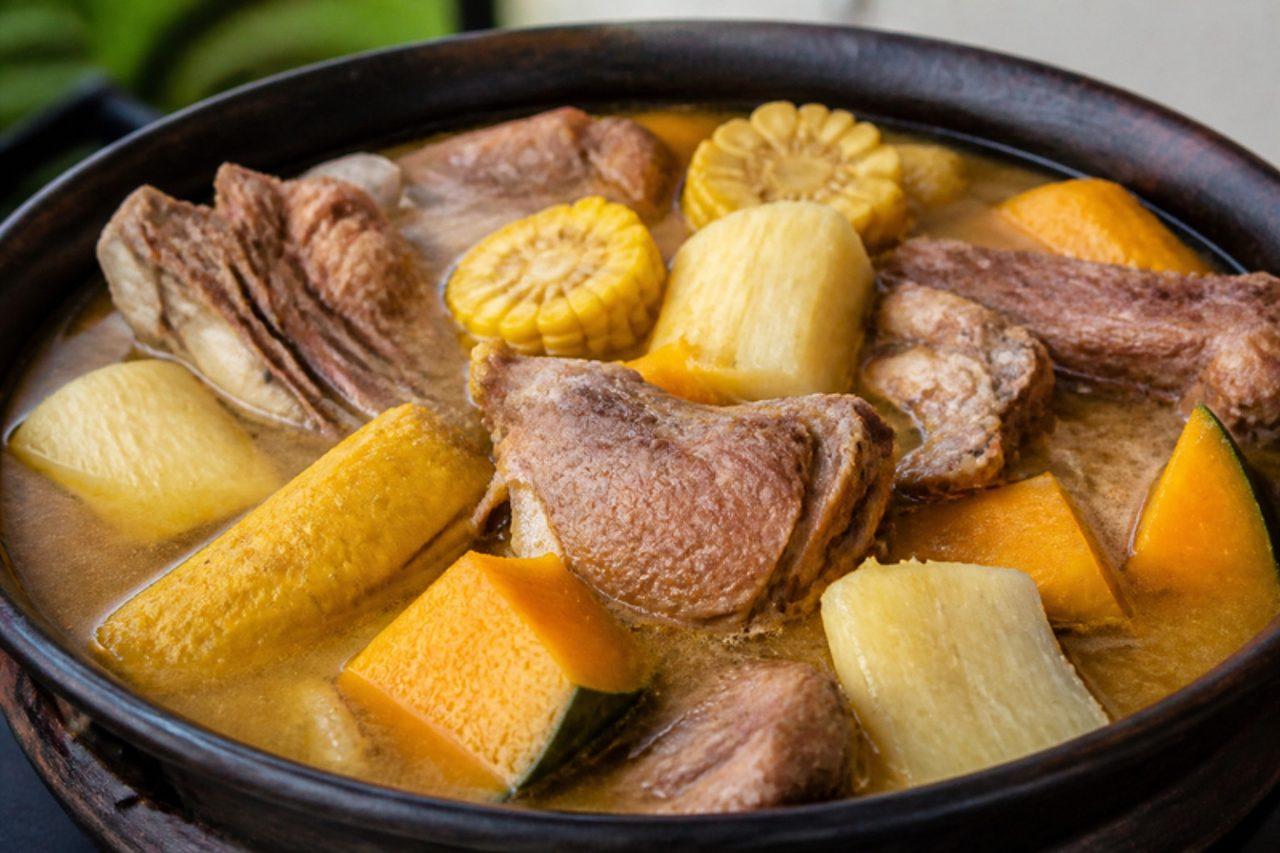
Tapado olanchanoSalted beef and root vegetable stew

Cattle country in Olancho, eastern Honduras, gives its name to this big Sunday pot of salted beef, pork ribs, plantain, cassava, taro and vegetables, cooked slowly in one broth and eaten with corn tortillas and a hot sauce on the side. It is a filling, gently smoky stew where every root takes on the salty, meaty flavour of the beef. The pork is pork spare ribs; cook them until they pull away from the bone. The mistake to avoid is skipping the soak: salted beef straight from the packet makes the whole pot too salty to eat. Chef's tip: add the roots in order of hardness, cassava first and ripe plantain last, so everything is tender at the same moment.

by KrazyBadal 0 views

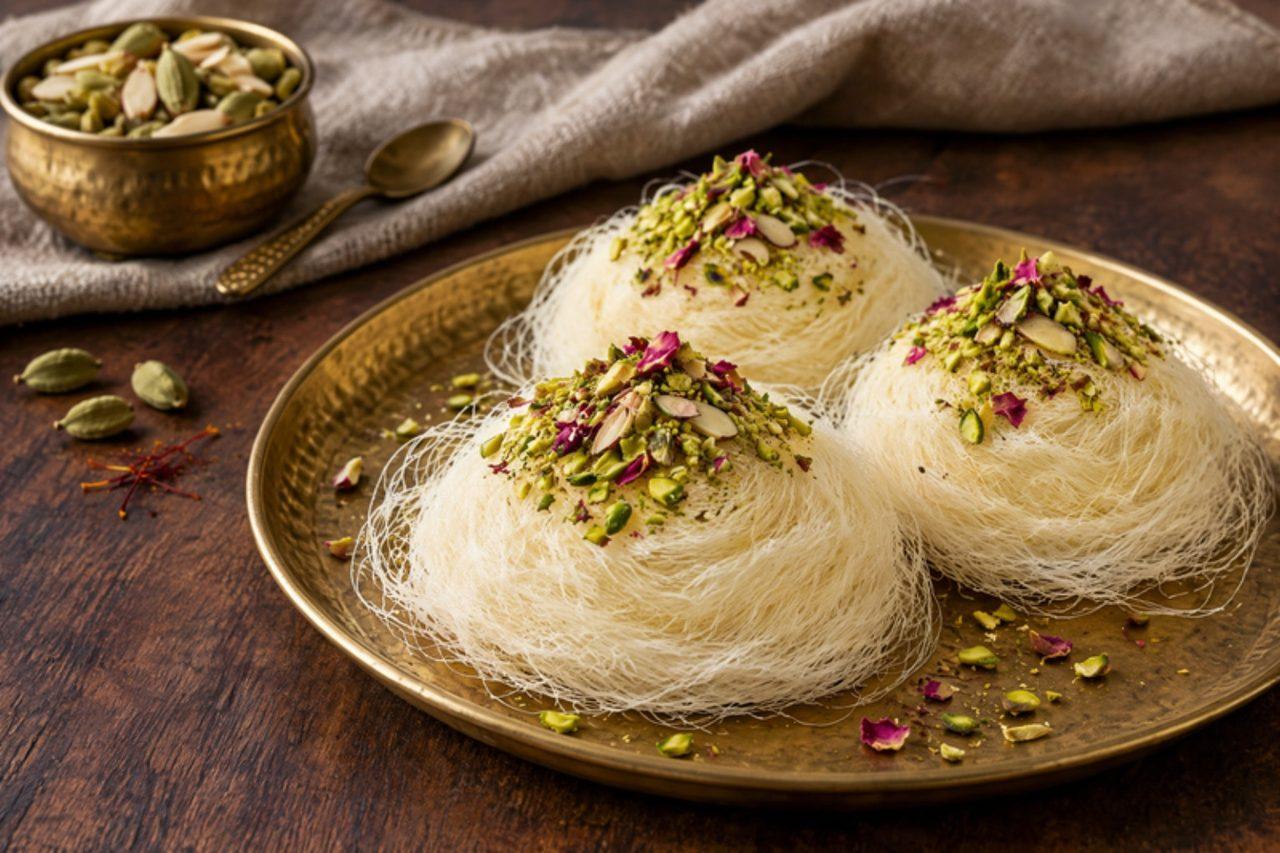
SutarfeniSpun sugar thread sweet

Sutarfeni, cotton-thread sweet, is made by Khambhat and Ahmedabad halwais for Diwali: a hot sugar caramel is pulled into a ring, dragged again and again through ghee-roasted flour until it separates into hundreds of silky threads, then loosely nested with pistachio and cardamom. It is a two-person job at home and needs patience, but the melt-in-the-mouth result is worth one afternoon a year. The usual mistake is letting the sugar cool too far before pulling, so it snaps into brittle shards instead of stretching. Chef's tip: wear clean, well-greased food-safe gloves, work in a warm kitchen, and keep a tray in a barely warm oven to soften the sugar again if it stiffens.

by KrazyBadal 0 views

Teliya maahBlack lentils in mustard oil

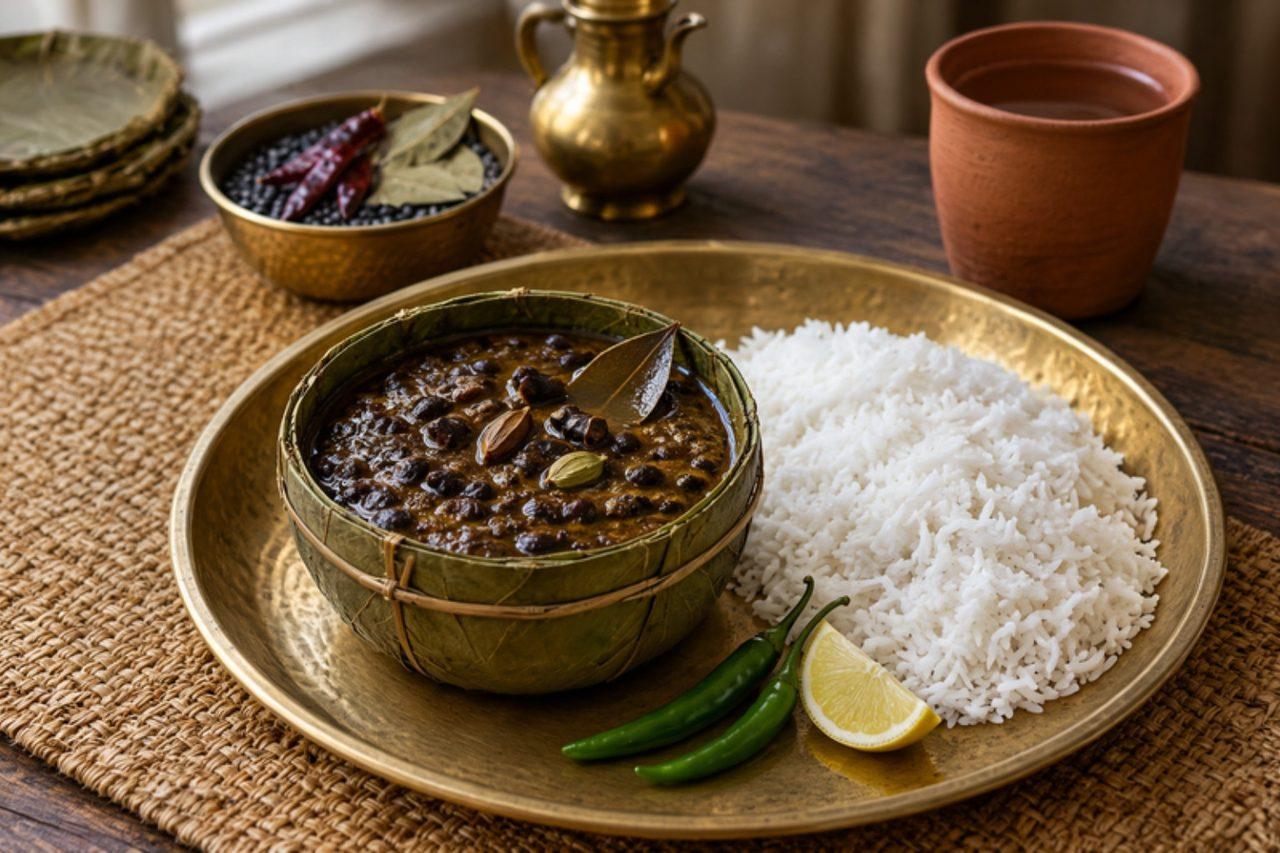
Teliya maah is one of the dishes of the Himachali dham, the feast cooked by hereditary cooks (botis) in big brass pots for weddings and temple fairs in Mandi, Kangra and Chamba, and served on leaf plates with rice. Whole black urad is cooked slowly with plenty of mustard oil, whole spices, ginger and fennel until each bean is soft but whole and glossy with oil; like most dham dishes, it uses no onion or garlic. Serve with rice and a sour madra or khatta. The usual mistake is stirring hard once the urad is soft, which turns it into a mushy dal instead of separate, oily beans. Slow-cooker option: put the soaked urad, spices and water on low for 8 hours, then finish uncovered on the hob. Chef's tip: heat the mustard oil until it smokes, then let it cool for a minute, which takes away its raw bite before the spices go in.

by KrazyBadal 0 views

Tapado garífunaSeafood and coconut stew

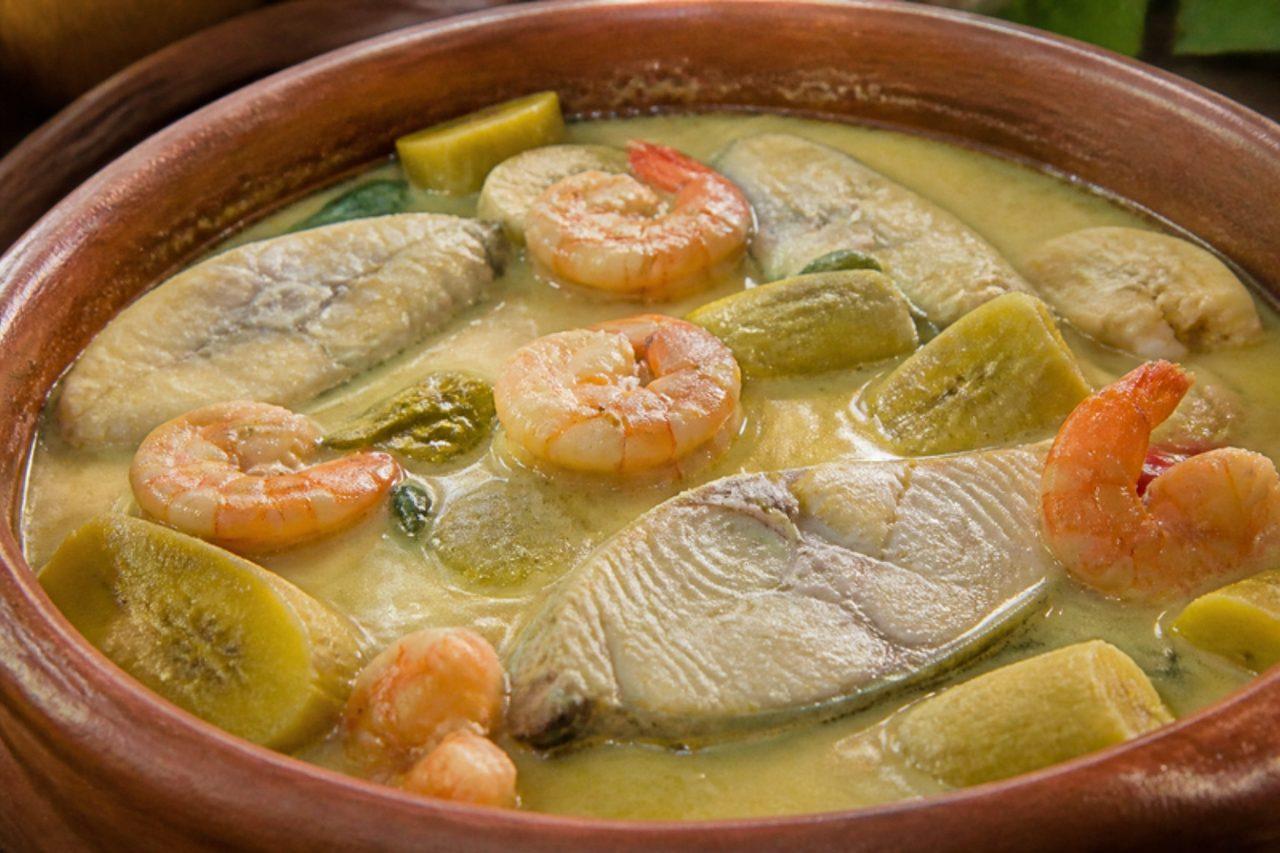
Livingston in Guatemala, Dangriga in Belize and Trujillo in Honduras all cook tapado, the Garifuna seafood stew where fish steaks, prawns and sometimes crab simmer in coconut milk with green and ripe plantain, basil and culantro. It is creamy, a little sweet from the ripe plantain, and fragrant with herbs, best eaten from a wide bowl with rice or pan de coco. Use raw prawns that smell of the sea and fish with bright flesh; if you add crab, buy cleaned raw crab pieces from the fishmonger. The common mistake is adding the fish too early, so it breaks into shreds; it goes in for the last few minutes only. Chef's tip: mash one cooked piece of green plantain into the broth to thicken it, the way Garifuna cooks do.

by KrazyBadal 0 views

Ndizi nyamaGreen banana and beef stew

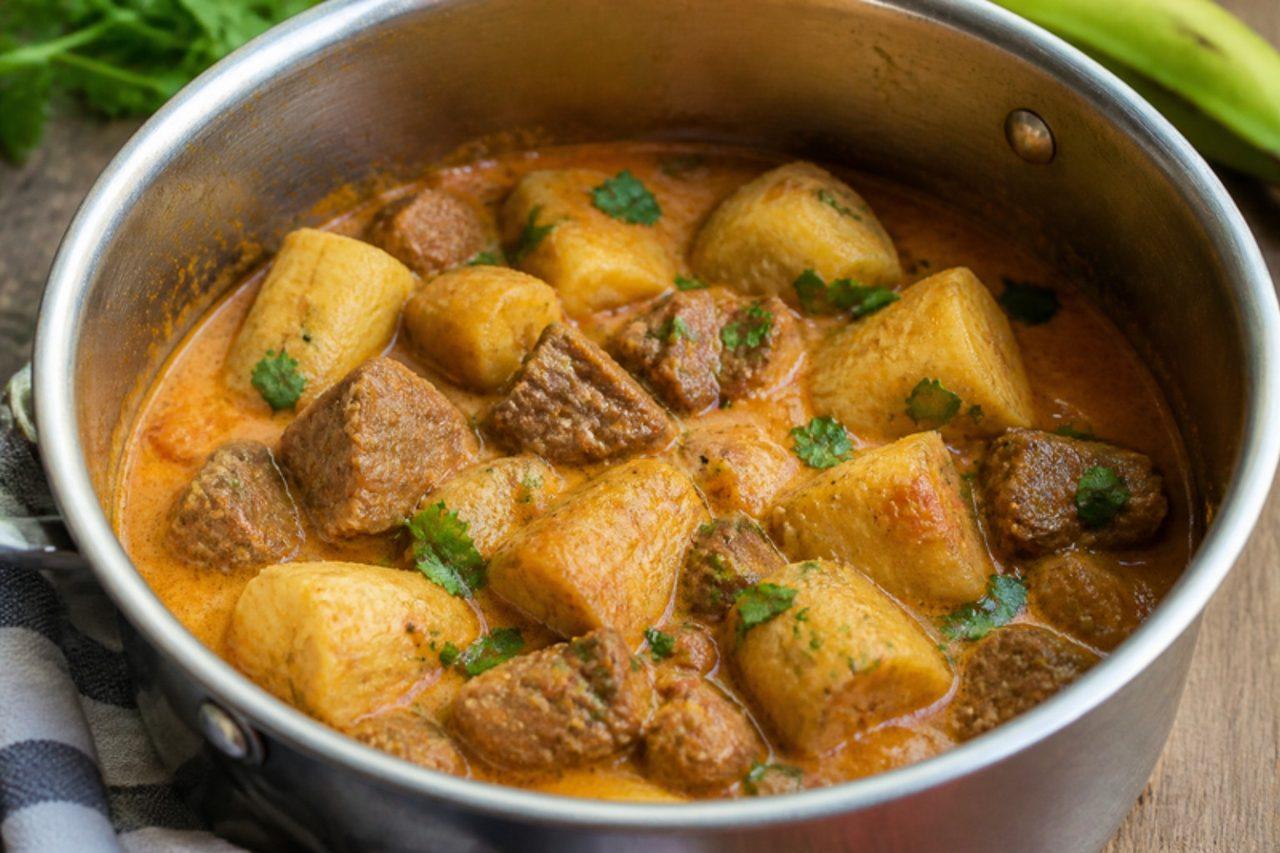
Ask someone from Arusha or Moshi for their favourite home dish and ndizi nyama comes up again and again: green cooking bananas and chunks of beef stewed together in one pot with onion and tomato until the bananas soak up the meaty juices. The bananas soften to something between potato and plantain, a few break down and thicken the sauce naturally, and a little coconut milk at the end, common in Dar and on the coast, rounds it off. It is a complete meal in a bowl, though a side of mchicha or kachumbari is welcome. The usual mistake is adding the bananas too early, so they turn to mush before the beef is tender. Chef's tip: cook the beef almost all the way first, then give the bananas the last 20 minutes only.

by KrazyBadal 0 views

NhedziMushroom and peanut butter soup

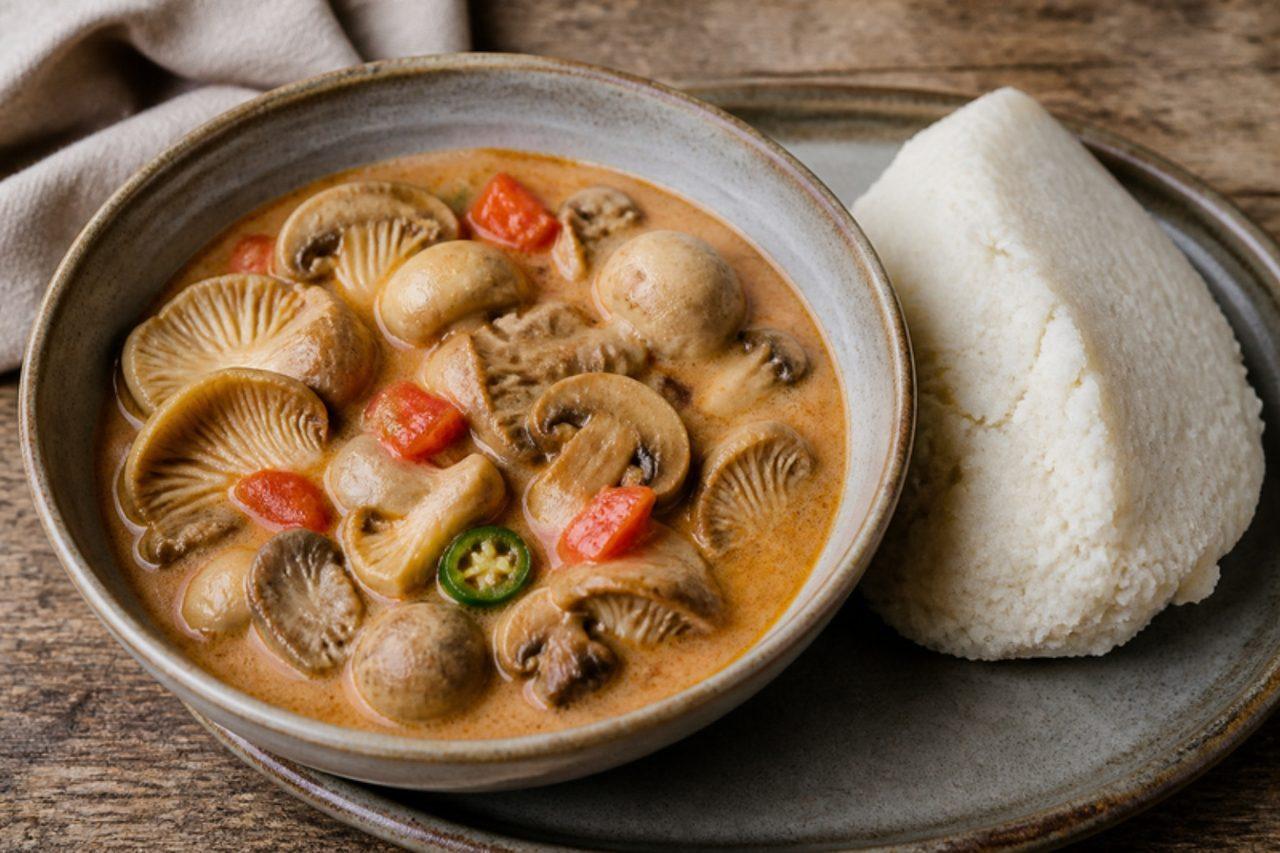
When the first summer rains soak the msasa woodlands of Manicaland and Mashonaland, women and children sell bundles of nhedzi on the roadside: large, meaty wild mushrooms that appear for only a few weeks a year. At home they are torn and simmered with onion, tomato and peanut butter into a thick, earthy soup that is ladled over sadza. Wild mushrooms can be deadly look-alikes, so never forage for them without an expert; this recipe uses a mix of chestnut, oyster and shiitake mushrooms from the shop, which give a similar deep, woody flavour and soft-but-chewy bite. Overcrowding the pan is the common slip: the mushrooms stew grey in their own juice instead of browning. Chef's tip: tear the mushrooms by hand rather than slicing them, so the rough edges catch the peanut sauce.

by KrazyBadal 0 views

Showing 90 of 9,360 recipes

Page 327 of 1,040