


Skip to content
Lasary voatabia
Featured recipe

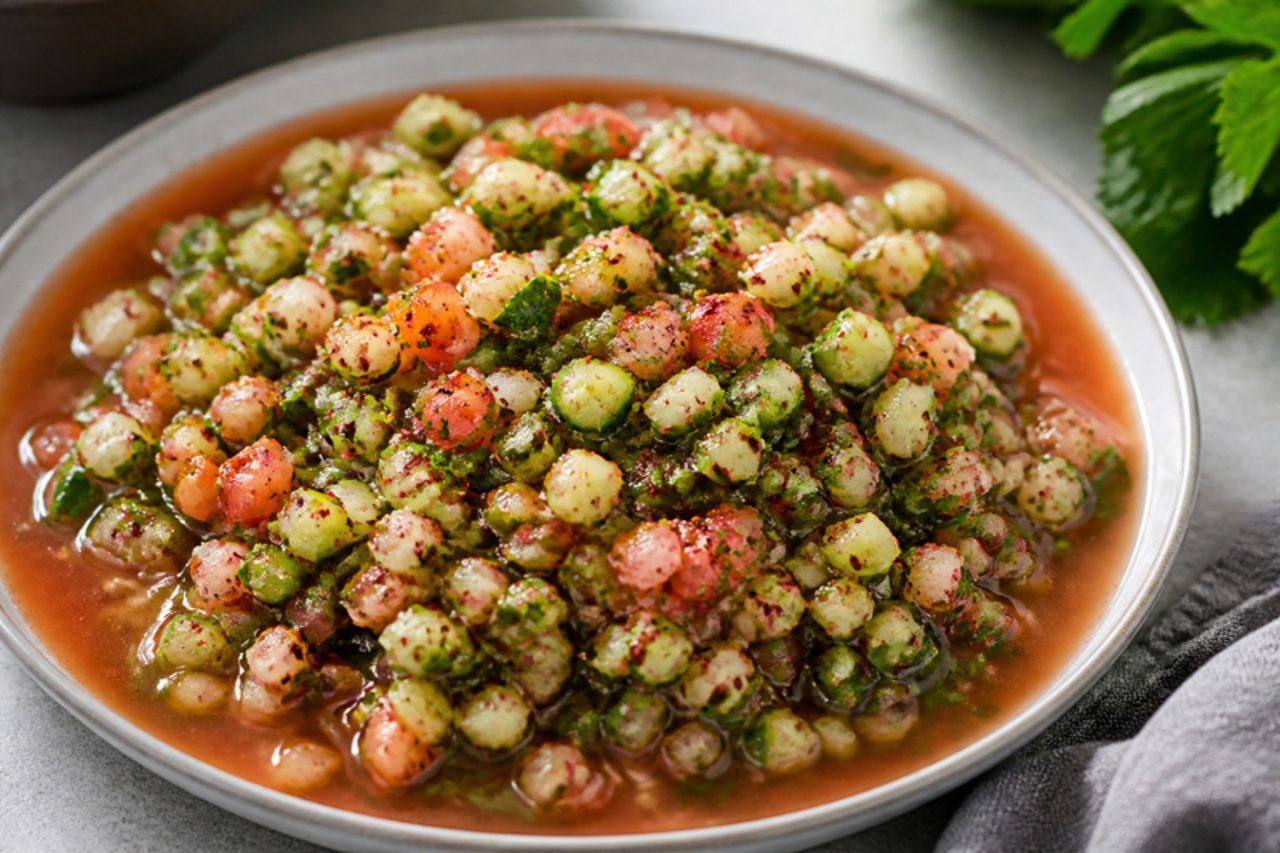
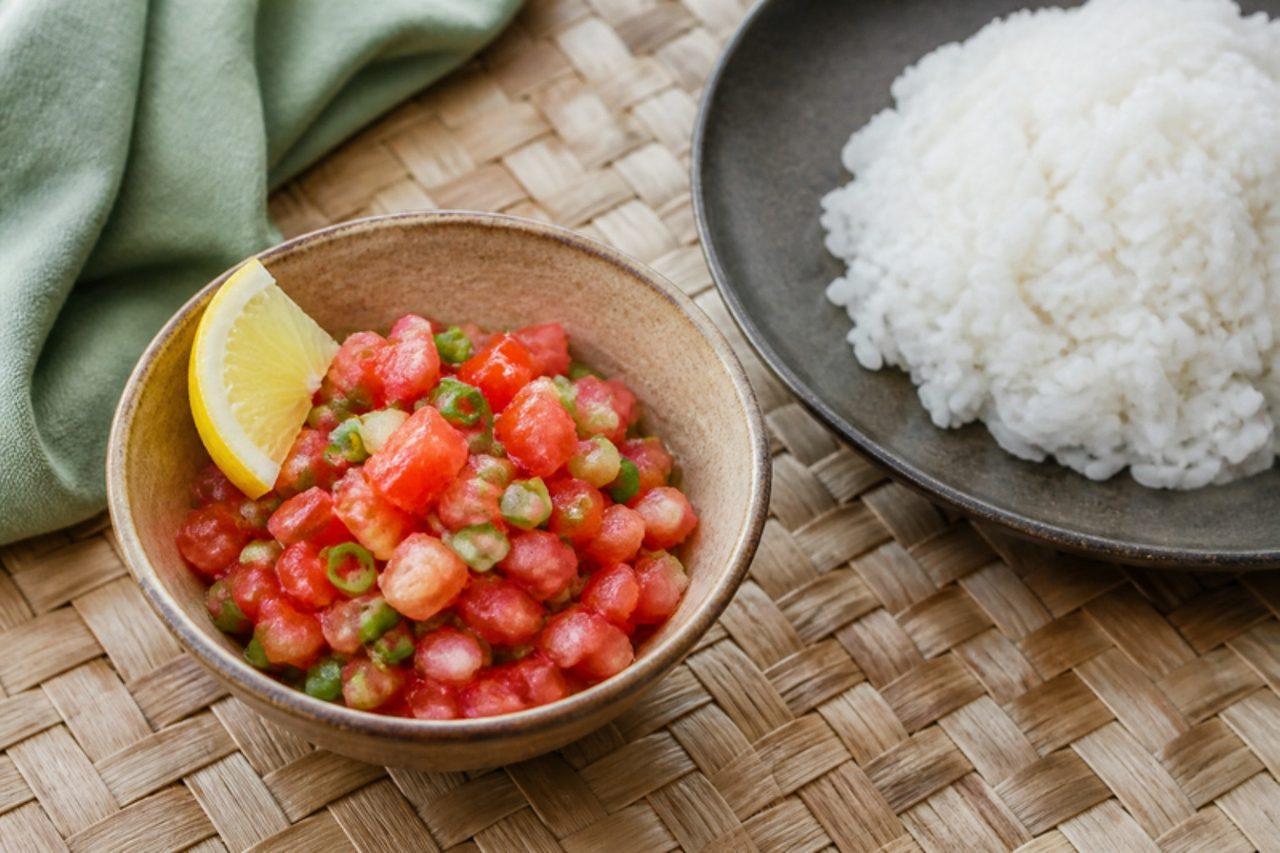
Lasary voatabia

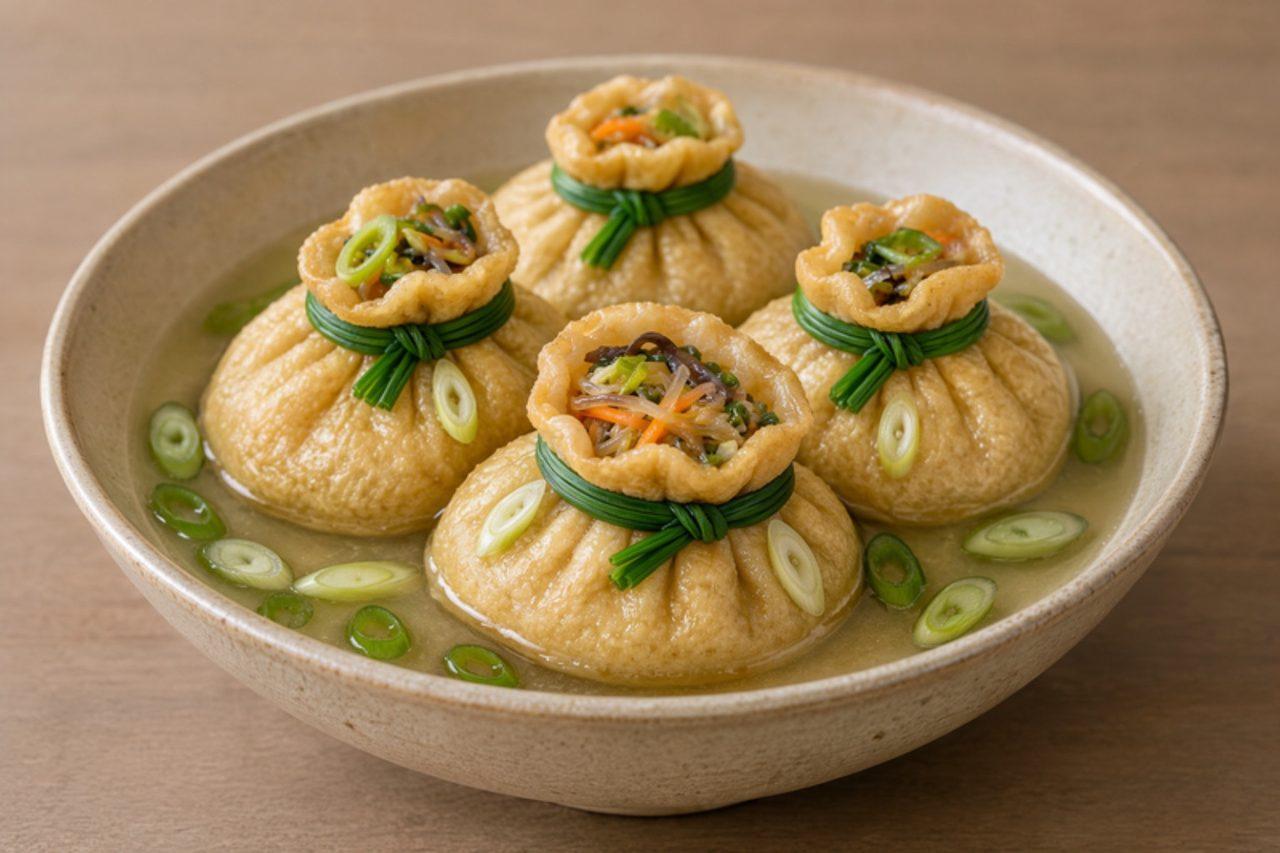
Tomato and spring onion relish

Lasary voatabia is the fresh tomato relish served beside the rice at almost every Malagasy meal, from Antananarivo's highland homes to the coast. Tomatoes and spring onion are chopped very small, sharpened with lime or vinegar and a little sakay (chilli), and spooned onto the rice to wake up broths like romazava. It is juicier and finer than a salad. Chef's tip: chop the tomatoes very small, almost to a pulp at the edges; the juice is meant to soak into the rice.

Read more 0 views

What to eat today?

Around the world

Today's trip: Persian

A new country every day, from every cuisine on the site.

Persian

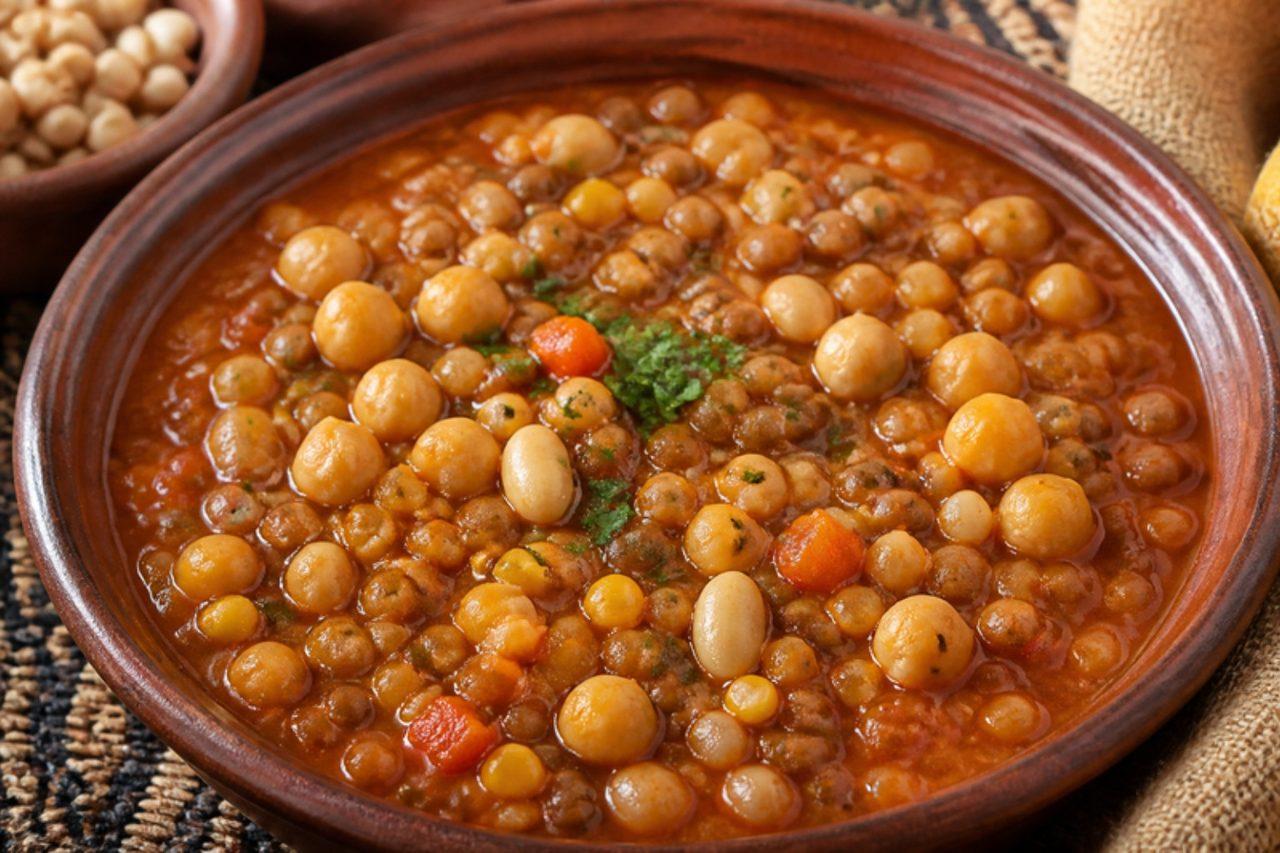
Dizi

Lamb and chickpea stew 245 minMore from Persian (131) →

This week's collection

Kid-friendly dinners
537 recipes · a new collection every Monday

Latest recipes

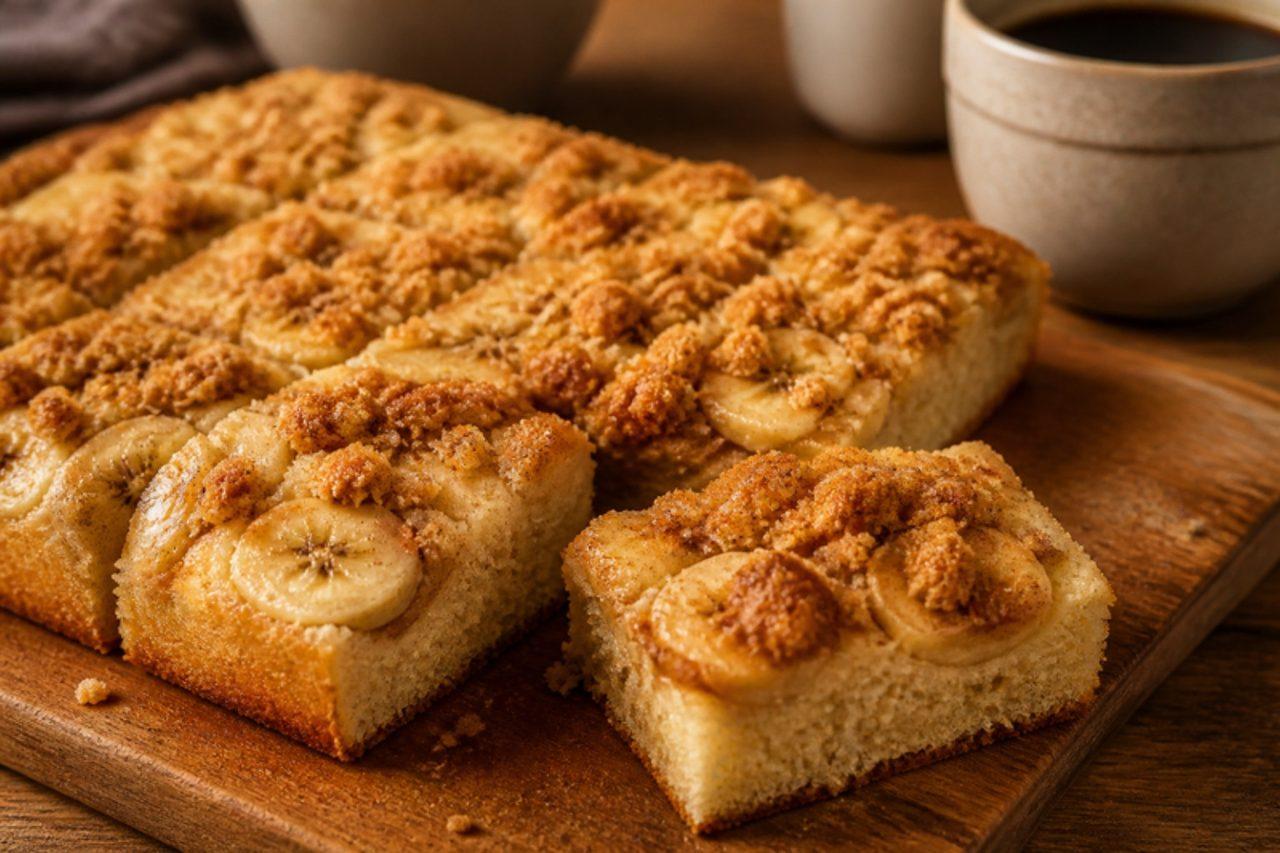
CucaBanana crumble yeast cake

German settlers in Rio Grande do Sul and Santa Catarina brought the Streuselkuchen, and their descendants call it cuca: a soft, enriched yeast dough baked under a layer of fruit and a thick, buttery crumble called farofa. In Blumenau, Pomerode and the serra gaúcha it is sold in colonial bakeries and roadside cafés and served at the long afternoon café colonial with coffee, jams and cheeses. Banana with cinnamon is the classic, but grape, apple and guava versions are common. The usual misstep is letting the dough rise in a cold kitchen and then baking it anyway: it stays heavy and dense, so wait until it really has doubled. Chef's tip: rub the crumble together and chill it in the freezer while the dough rises, so it stays in big, crunchy clusters in the oven.

by KrazyBadal 0 views

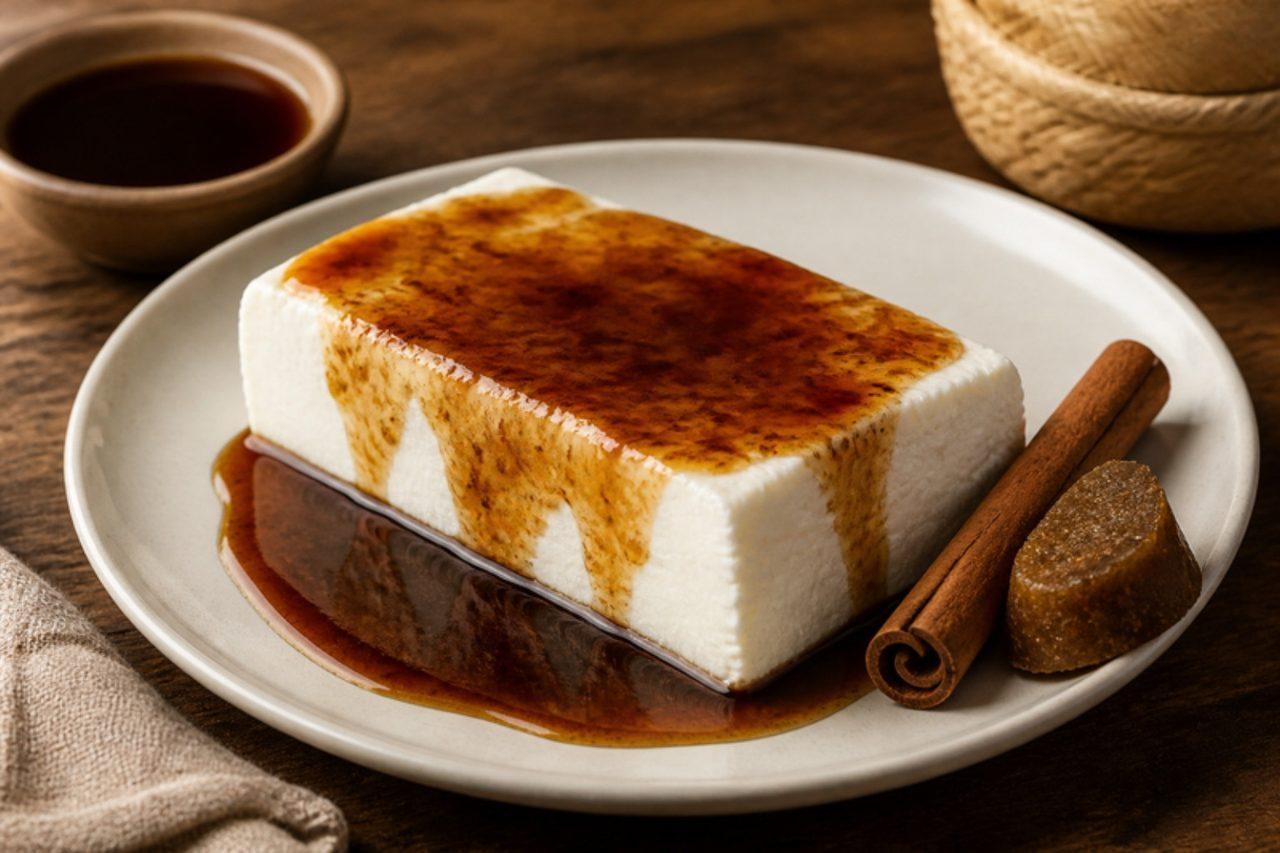
Cuajada con melaoCurd cheese with panela syrup

Simplicity is the charm of this Andean dessert: a slab of fresh, milky cuajada, barely salted, with a dark syrup of panela poured over it, still warm. Highland fondas between Bogotá and Boyacá serve it after a lunch of ajiaco or sancocho, and the contrast of cool, squeaky curd with molasses-deep, spiced syrup is the point. Cuajada is set with rennet, traditionally animal; buy a vegetarian curd or fresh ricotta-style cheese, or make cuajada at home with microbial rennet. Panela is unrefined cane sugar; dark muscovado is the closest swap. The mistake is boiling the syrup too long: it turns to toffee as soon as it meets the cold cheese. Take it off when it coats a spoon thinly. Chef's tip: a strip of lime zest in the syrup cuts the sweetness beautifully.

by KrazyBadal 0 views

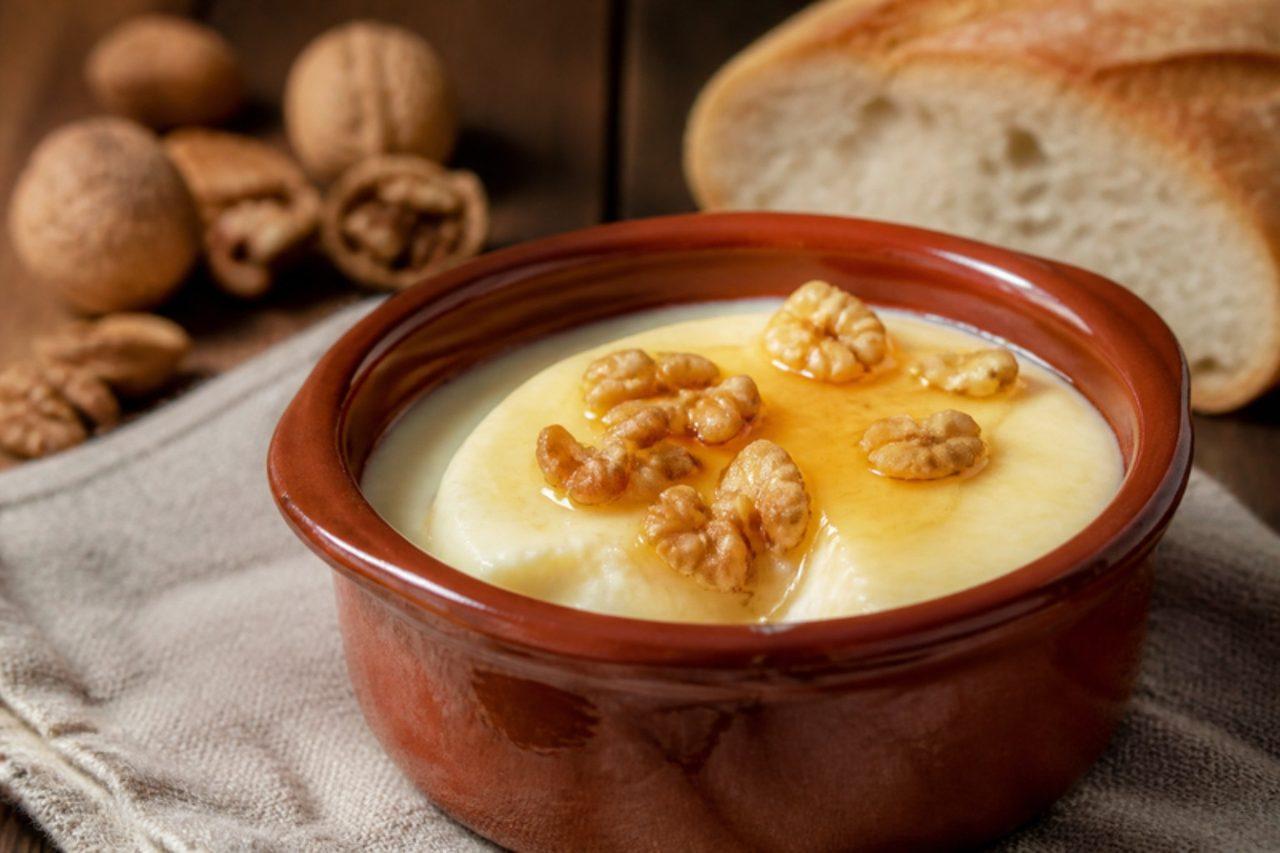
CuajadaSheep's milk junket with honey

In the green valleys of northern Navarre, Ultzama and Roncal above all, sheep's milk is set into cuajada, a wobbly, faintly tangy junket that is eaten as dessert in village restaurants and sold in little clay pots at Pamplona's markets. Shepherds once warmed the milk by dropping a red-hot stone into a wooden pot, which is why some cuajadas taste lightly smoky. It is always eaten cold, with honey and walnuts. Most rennet is made from calves' stomachs; for a vegetarian cuajada use a microbial or vegetable rennet. Chef's tip: once the rennet is in, don't move the pots at all until they have set, or they turn grainy and weep.

by KrazyBadal 0 views

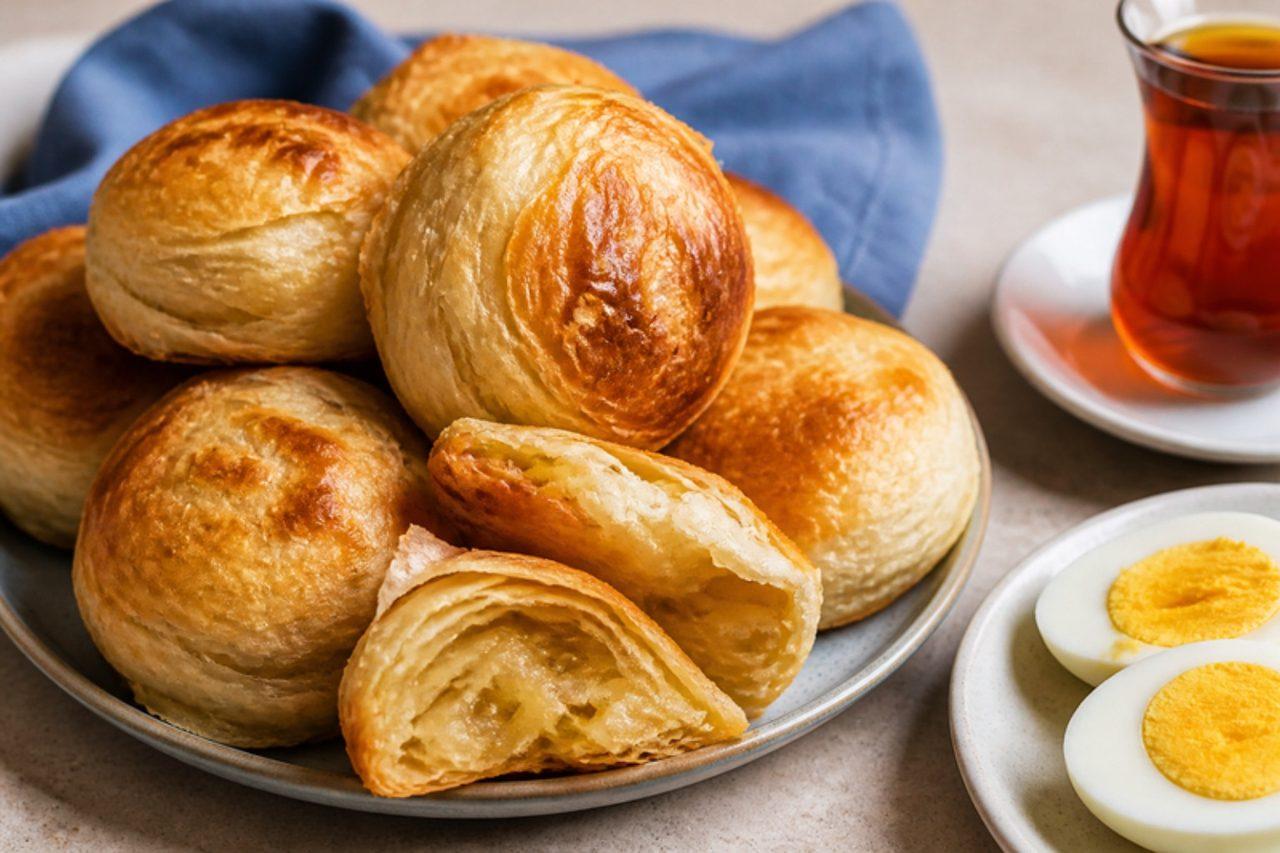
BoyozFlaky layered breakfast pastry

İzmir mornings begin at a boyoz stand in Alsancak or Kemeraltı: a small round pastry of paper-thin, oil-stretched dough, coiled into a snail and baked until the layers shatter, eaten beside a halved hard-boiled egg and a glass of tea. Sephardic Jews brought it to the city centuries ago, and İzmir has guarded it ever since. The dough itself is plain; the magic is in the long rest in oil and the stretching. Chef's tip: let the dough balls sit submerged in oil for a full two hours; they relax so completely that you can stretch them almost transparent without tearing.

by KrazyBadal 0 views

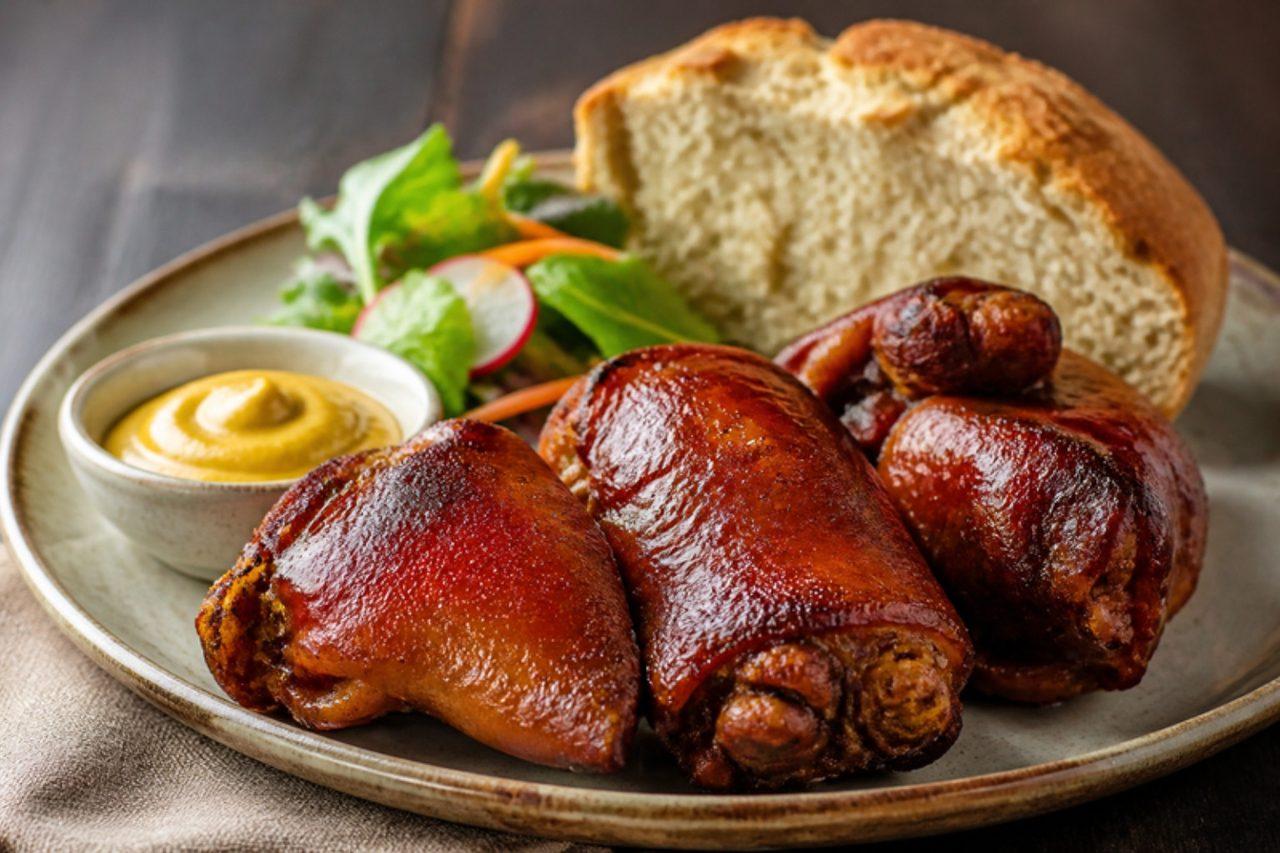
CrubeensCrisped pig's trotters

Crubeens are boiled pig's trotters, once sold hot from stalls at fairs and in Cork and Dublin pubs as a salty, sticky snack to go with a pint. They are pork, and very gelatinous: simmered for hours until the meat almost falls from the bone, then crisped in the oven with a mustard and breadcrumb coating, which is how many cooks finish them today. Eat them with your fingers, with brown bread and pickles. Chef's tip: ask your butcher for split, cleaned trotters, and singe off any stray hairs with a kitchen blowtorch before cooking.

220 minIrishMeat
by KrazyBadal 0 views

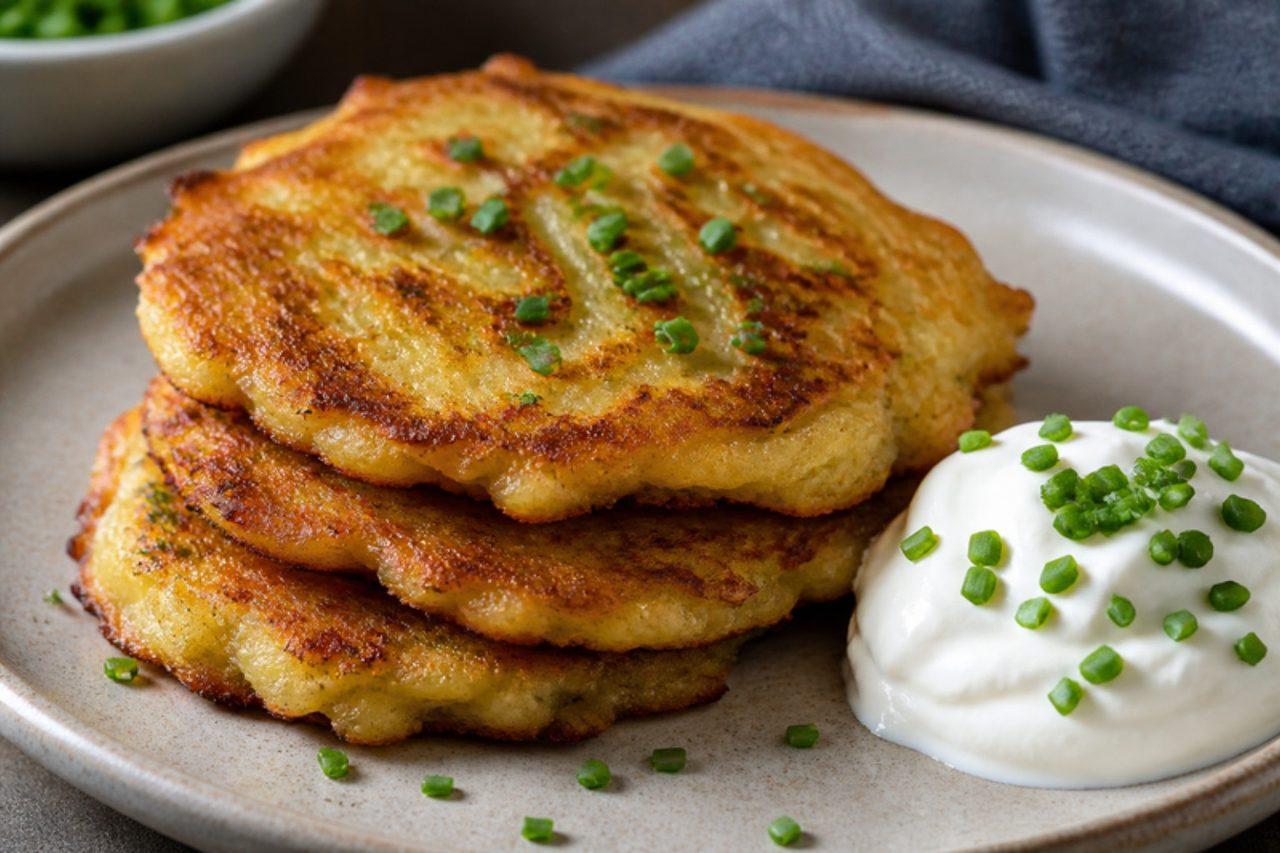
BoxtyPotato pancakes

Boxty is the potato pancake of the north midlands, from Leitrim, Cavan and Fermanagh, remembered in the rhyme 'boxty on the griddle, boxty in the pan'. Raw grated potato is mixed with mashed potato, flour and buttermilk, then fried, giving a cake that is crisp and lacy outside and soft and slightly chewy inside. Eat it for breakfast with eggs and tomatoes, or wrapped round a creamy mushroom filling. Chef's tip: squeeze the grated potato hard in a cloth; wet potato gives soggy, grey boxty.

by KrazyBadal 0 views

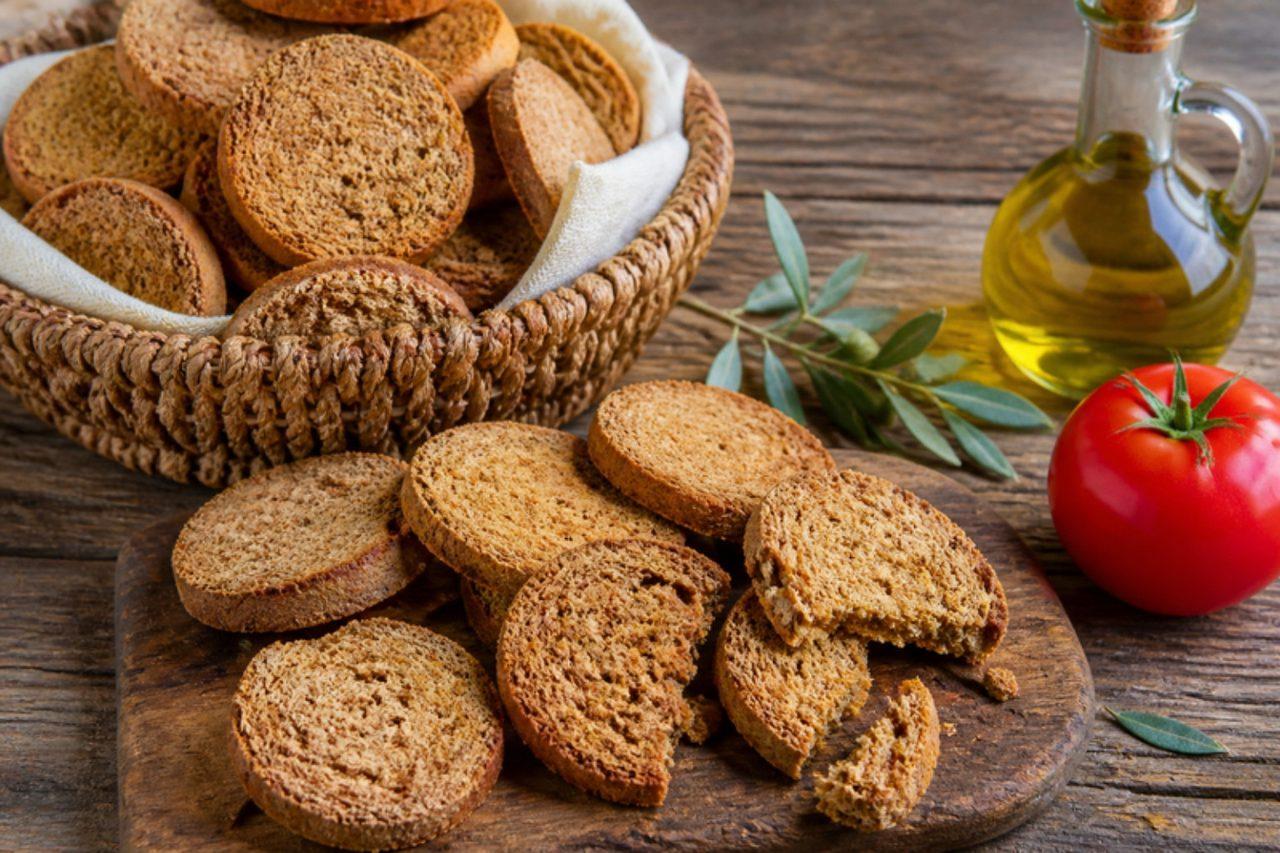
Kritika paximadiaTwice-baked barley rusks

Every Cretan bakery stacks bags of dark, rock-hard paximadia, and every Cretan home keeps a tin: barley bread baked once, sliced, then dried slowly until it will keep for months. Farmers carried them to the fields, and they are still the base for dakos, softened with a splash of water and piled with grated tomato and soft cheese, or broken into salads and dunked into coffee. They taste nutty and faintly sweet, with a crunch that softens to chewiness when moistened. Common mistake: drying them too hot, which browns the outside while the centre stays soft and goes mouldy in the tin. Chef's tip: dry the slices at the lowest oven setting with the door slightly ajar; they are ready when one snaps cleanly and sounds hollow.

by KrazyBadal 0 views

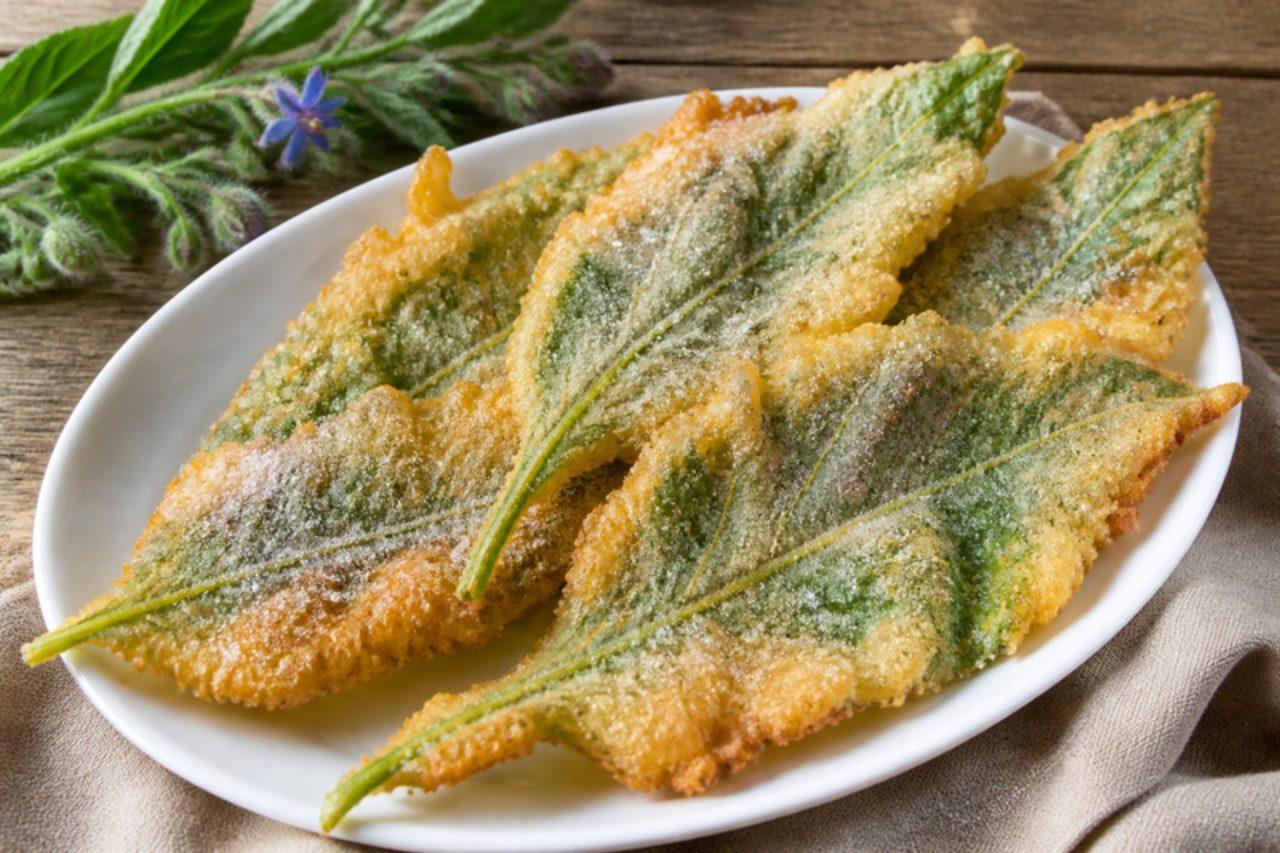
Crespillos de borrajaSugared borage leaf fritters

In the villages around Zaragoza and Huesca, the large, soft leaves of the borage plant become a sweet in spring: each leaf is dipped in a light batter, fried until it puffs and crackles, and dusted with sugar and cinnamon. Crespillos are made for Holy Week and for the Easter Monday picnics, and the leaf inside stays green and tender, with a fresh taste that cuts the richness of the frying. Some families add a splash of anise liqueur to the batter; this version leaves it out and uses lemon zest and a pinch of ground anise instead. A common mistake is using wet leaves, which make the oil spit and the batter slide off. Spinach or chard leaves work if borage isn't available. Chef's tip: hold each leaf by its stalk and let the extra batter drip off for a few seconds; a thin coat fries lacier and crisper.

by KrazyBadal 0 views

Creole calasSweet rice fritters

Calas are little fritters of cooked rice, egg and nutmeg that were once sold hot in the early mornings of the French Quarter by free and enslaved Black women calling 'Belle cala, tout chaud!'. Many saved the earnings to buy their freedom. Today they appear at Creole brunches and on Mardi Gras mornings, dusted with sugar or drizzled with cane syrup. Chef's tip: use cold, day-old rice, which holds the batter together; fresh warm rice makes the fritters fall apart.

by KrazyBadal 0 views

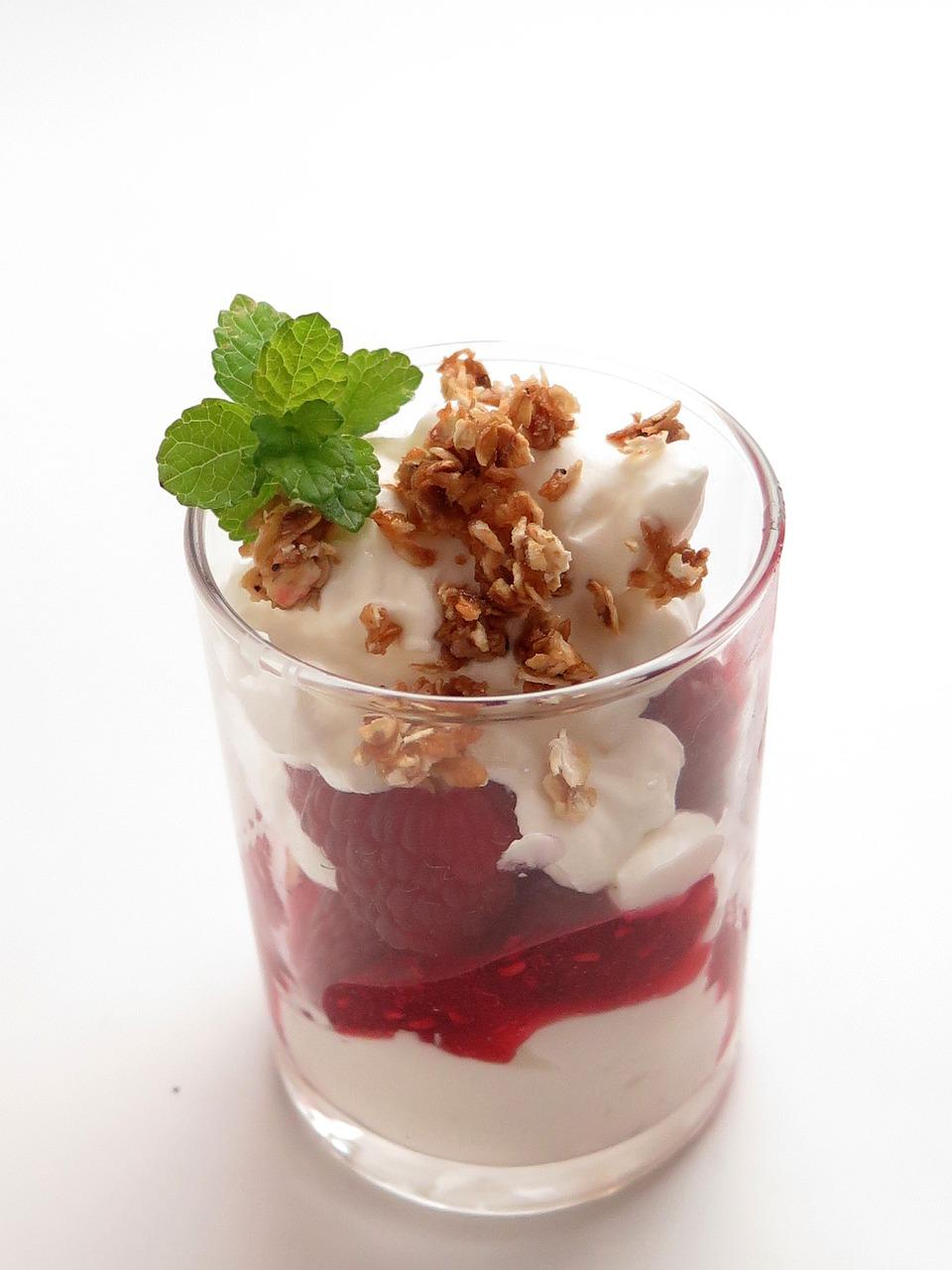
CranachanOat, raspberry and whisky cream dessert

Cranachan began as a harvest-home dessert in the Highlands, made when the raspberries ripened in June and July, and it is now served on Burns Night and at Scottish weddings. Layers of whipped cream sweetened with heather honey, toasted pinhead or rolled oats and fresh raspberries make it crunchy, rich and sharp all at once. The traditional splash of Scotch whisky contains alcohol; for an alcohol-free version use a few drops of vanilla and a squeeze of orange juice instead. Chef's tip: toast the oats until they smell nutty and look golden; raw oats taste floury.

by KrazyBadal 0 views

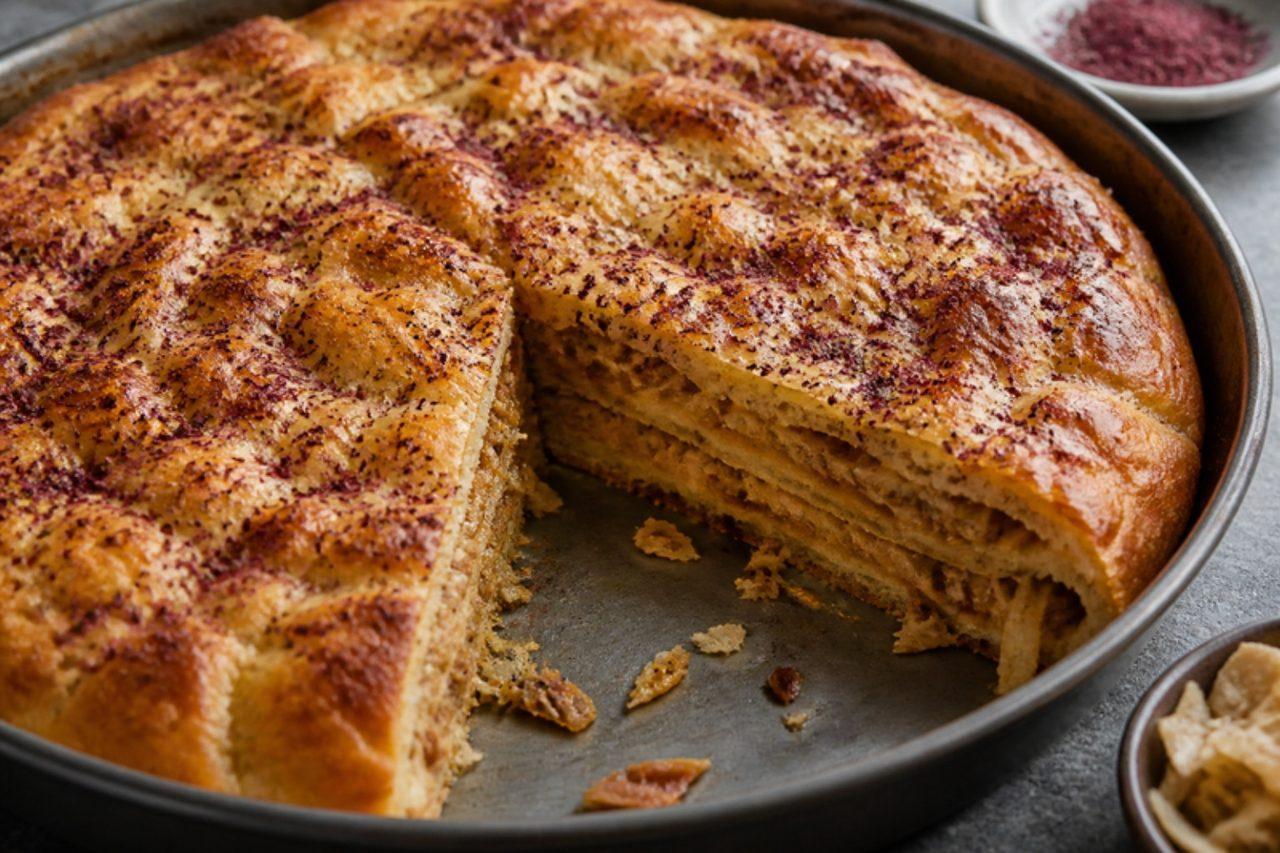
MakmouraLayered chicken and onion bread bake

Makmoura (meaning 'buried') is a village dish from around Jenin in the northern West Bank, made in olive harvest season when there is fresh oil to spare: layers of thin bread dough are baked over chicken and a heap of onions slow-cooked in olive oil with sumac and spice, so the bottom soaks up the juices and the top turns crisp. Families tear it apart by hand and eat it with yoghurt and olives. Common mistake: rushing the onions; they need a full half hour to turn sweet and jammy. Chef's tip: use good, fruity olive oil and don't skimp — it is the soul of the dish.

by KrazyBadal 0 views

Sonoran hot dog

The Sonoran hot dog came north from Hermosillo in Mexico and is now the late-night street food of Tucson, Arizona, sold from carts and small stands called dogueros. A frankfurter is wrapped in bacon (pork) and griddled until crisp, then tucked into a soft, split-top bolillo roll with pinto beans, onion, tomato, mayonnaise, mustard and jalapeño salsa. Chef's tip: wind the bacon tightly in a spiral and start it seam-side down, so it sticks and doesn't unravel.

by KrazyBadal 0 views

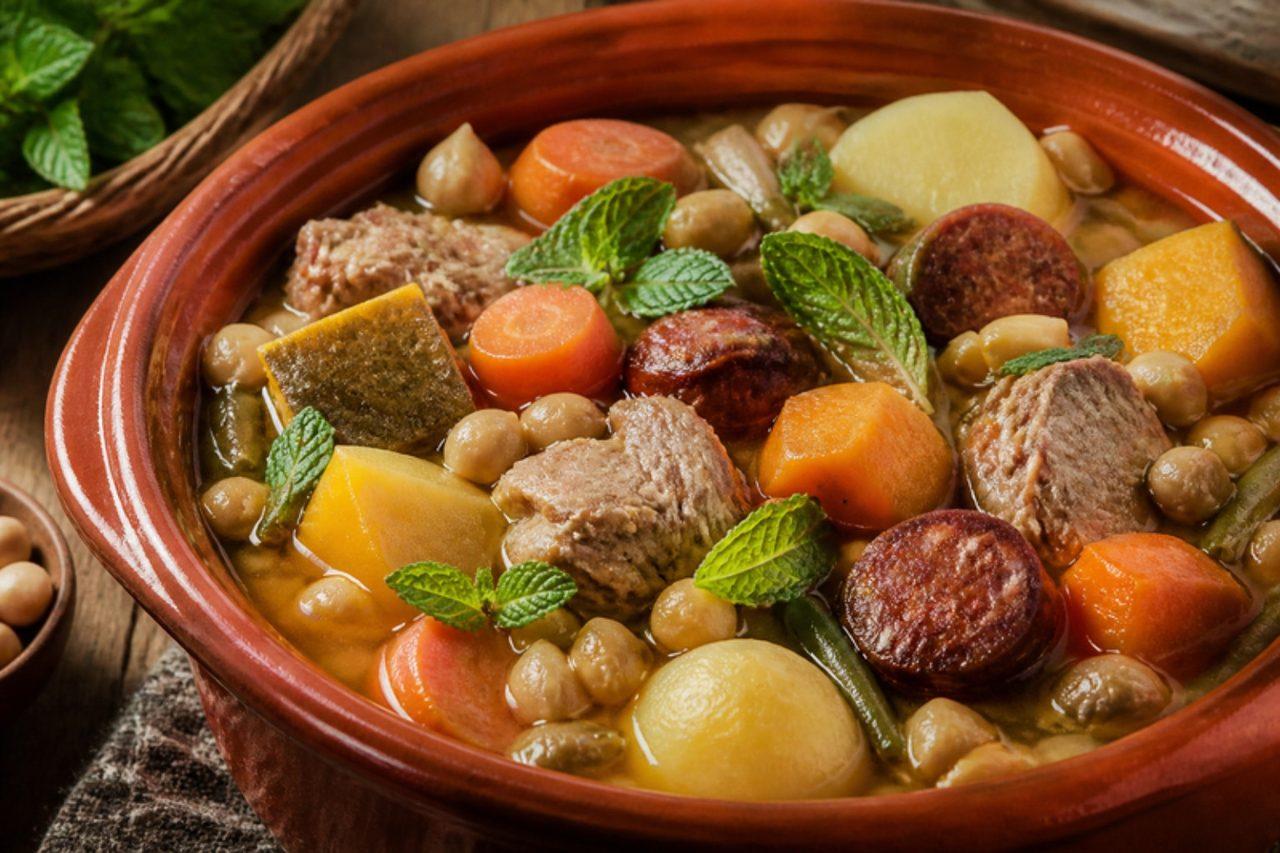
Cozido de grãoChickpea stew with pork and chouriço

Inland Alentejo makes its cozido with chickpeas instead of the cabbage-heavy versions of the north: a big pot of chickpeas, pork, chouriço and blood sausage, with potatoes, carrots, green beans and pumpkin all cooked together and finished with fresh mint. It is a winter Sunday lunch, and leftovers become soup the next day. This contains pork (pork belly, chouriço and morcela). Start the chickpeas the night before. A common mistake is adding the vegetables at the start; they go in near the end so they hold their shape. Chef's tip: keep the sausages whole while they simmer, then slice them, so they flavour the broth without falling apart.

by KrazyBadal 0 views

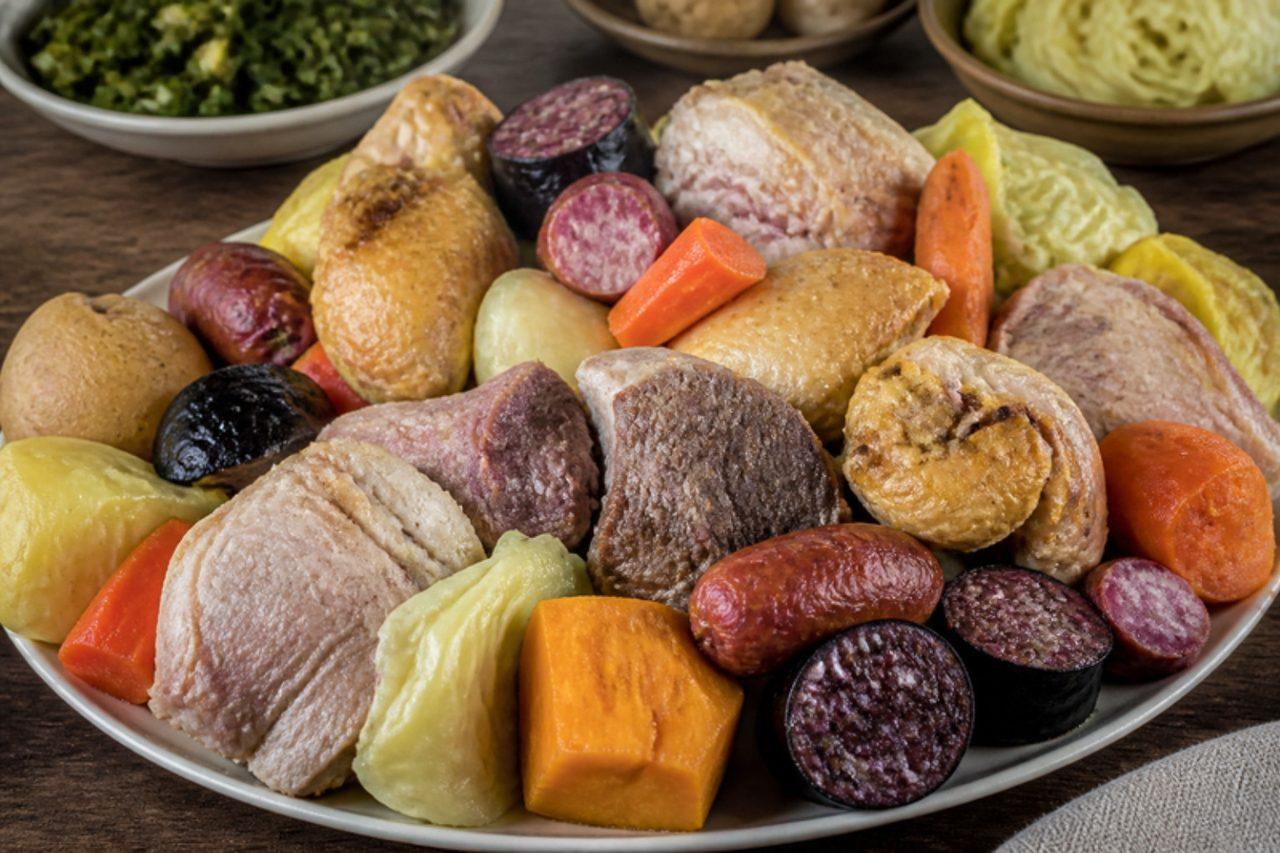
Cozido das FurnasSlow-cooked meat and vegetable pot

In Furnas, on São Miguel, cooks lower tall pots of meat and vegetables into holes in the hot volcanic ground by the lake at dawn, cover them with earth and dig them up at lunchtime six hours later. The steam cooks everything gently in its own juices, so the meats are falling apart and the cabbage tastes of smoked sausage. A low oven gives a very similar result at home. This contains pork (belly, chouriço and blood sausage). Chef's tip: seal the pot tightly with foil under the lid; the dish relies on steam, not added water.

by KrazyBadal 0 views

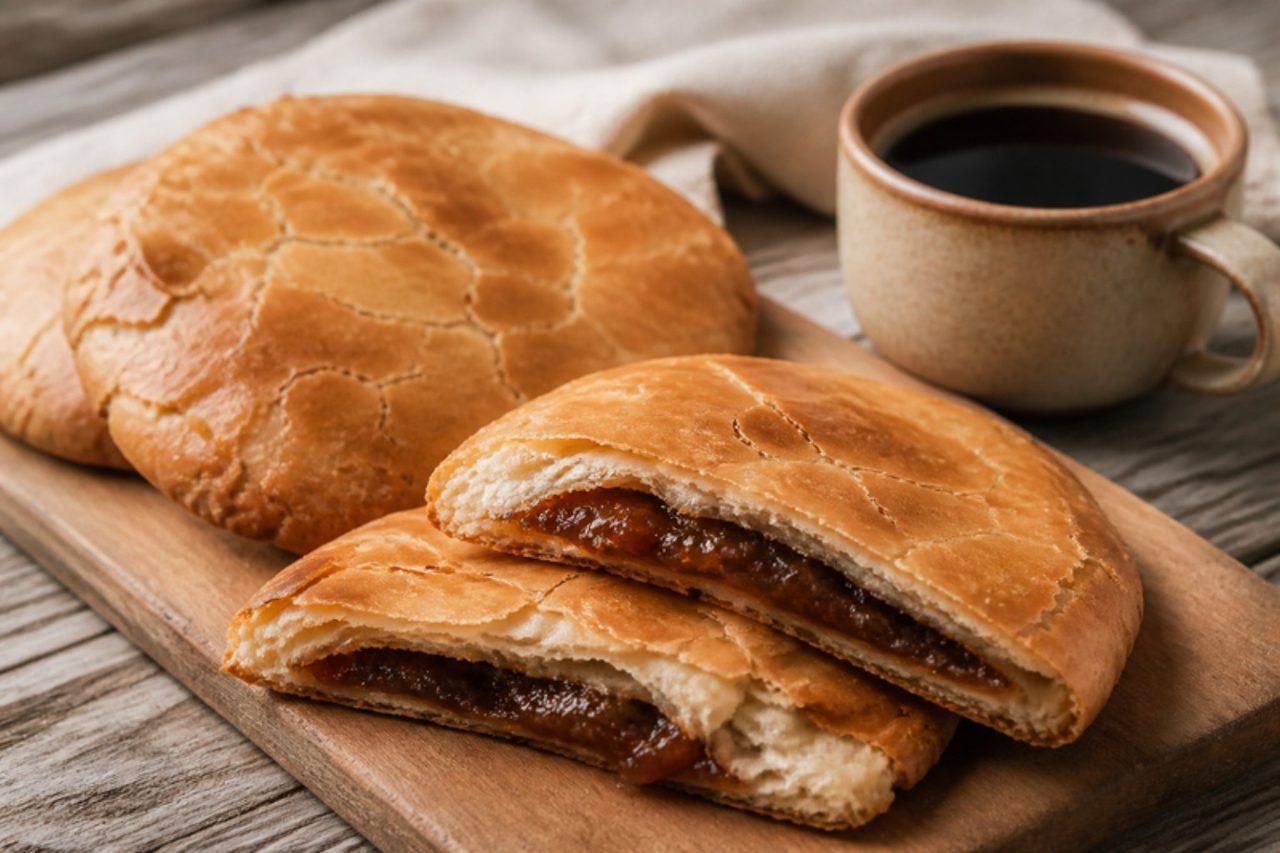
CoyotasPiloncillo-filled turnovers

Coyotas were first baked in the Villa de Seris neighbourhood of Hermosillo, and today Sonorans buy them by the dozen in paper bags to eat with morning coffee or take as a gift when they travel. They are flat, round, pale pastries with a crisp, crumbly crust and a thin layer of molten piloncillo inside, like a giant cookie with a toffee middle. Some bakers add guava or cajeta, but brown sugar loaf is the classic. Chef's tip: pinch the edges firmly and prick the tops; otherwise the hot sugar bubbles out and burns on the tray.

by KrazyBadal 0 views

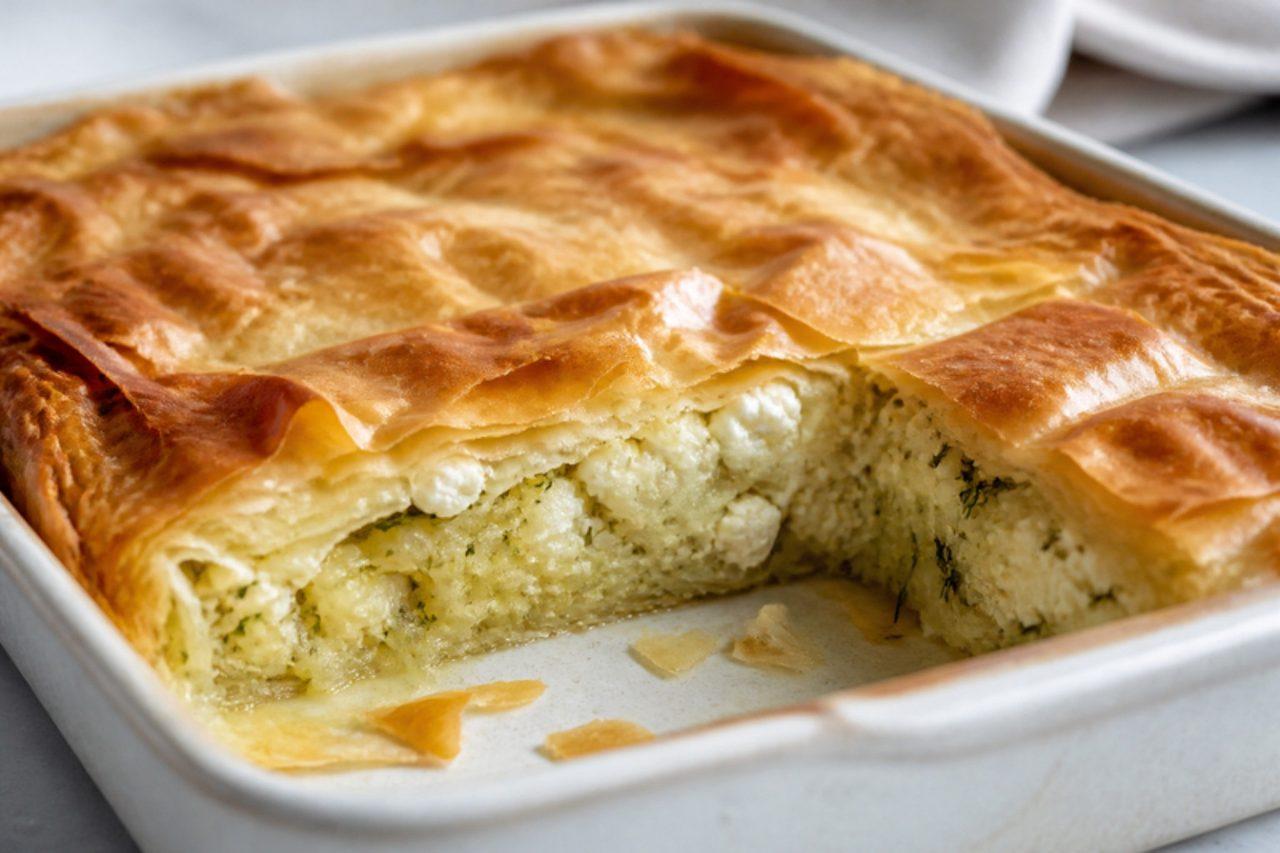
KremidopitaOnion and cheese pie

Mykonian grandmothers made kremidopita long before the island filled with beach clubs: a pie of slowly softened onions, tangy fresh cheese, eggs and dill between sheets of filo, baked for name days and family Sundays. The onions go sweet and jammy, the cheese keeps it creamy and sharp, and it is eaten warm or cold with a tomato salad. Feta is usually made with animal rennet, so pick a vegetarian feta if you need to. Common mistake: frying the onions hard and fast; they must sweat gently until soft, or the filling turns bitter and crunchy. Chef's tip: cool the onions completely before mixing in the eggs and cheese, so the filling doesn't start to set before baking.

by KrazyBadal 0 views

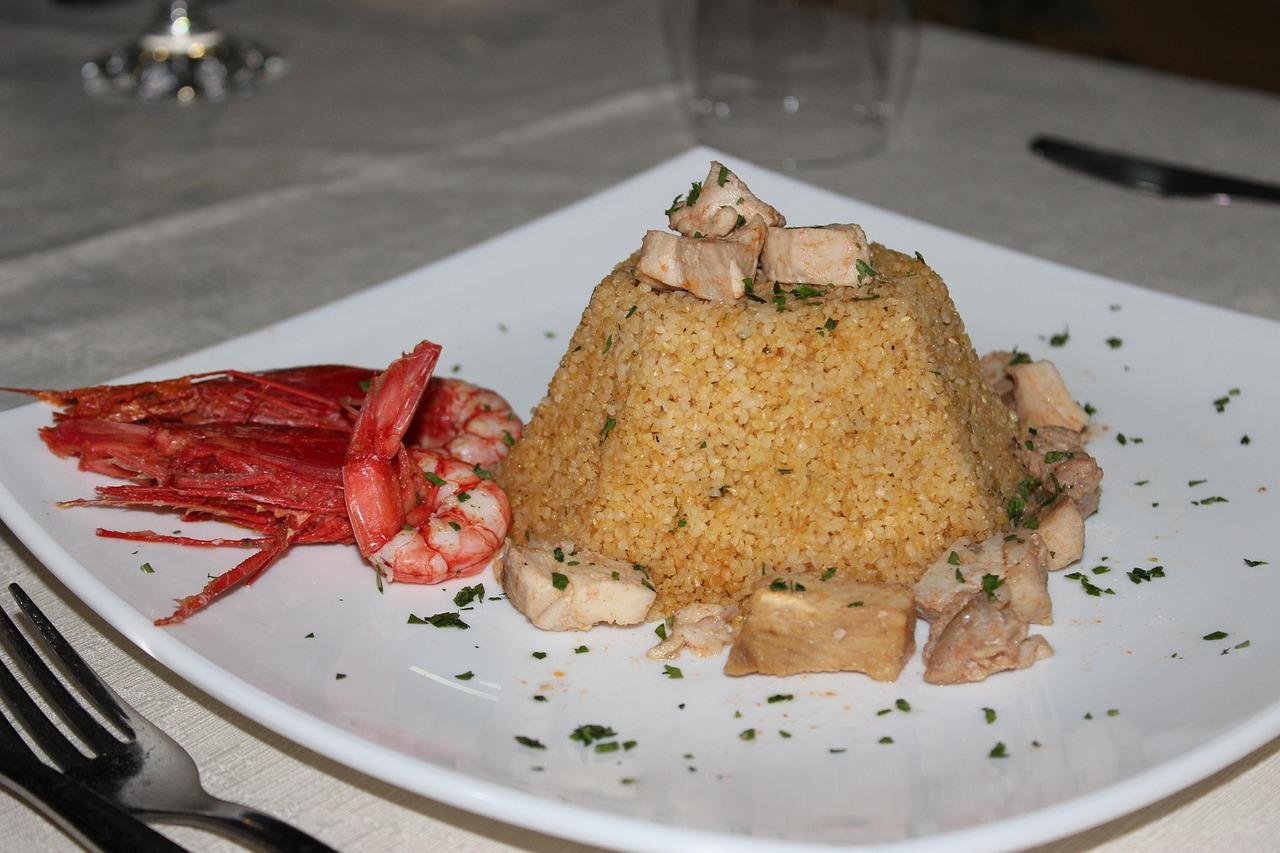
Couscous trapaneseFish couscous

Trapani, on Sicily's western tip, looks across the sea to Tunisia, and its cuscusu is the clearest sign of that old connection; every September the nearby town of San Vito Lo Capo holds a whole festival for it. The couscous is steamed, then soaked in a deep, saffron-tinged fish broth made from mixed fish, tomato and ground almonds, so the grains swell and taste of the sea; the fish itself is served alongside. Traditionally the grains are rolled by hand, but bought couscous is perfectly fine. Serve with a bowl of extra hot broth for each person. Chef's tip: after pouring the broth over the couscous, cover it tightly and leave it alone for a full 20 minutes; this resting is what makes the dish.

105 minItalianFish
by KrazyBadal 0 views

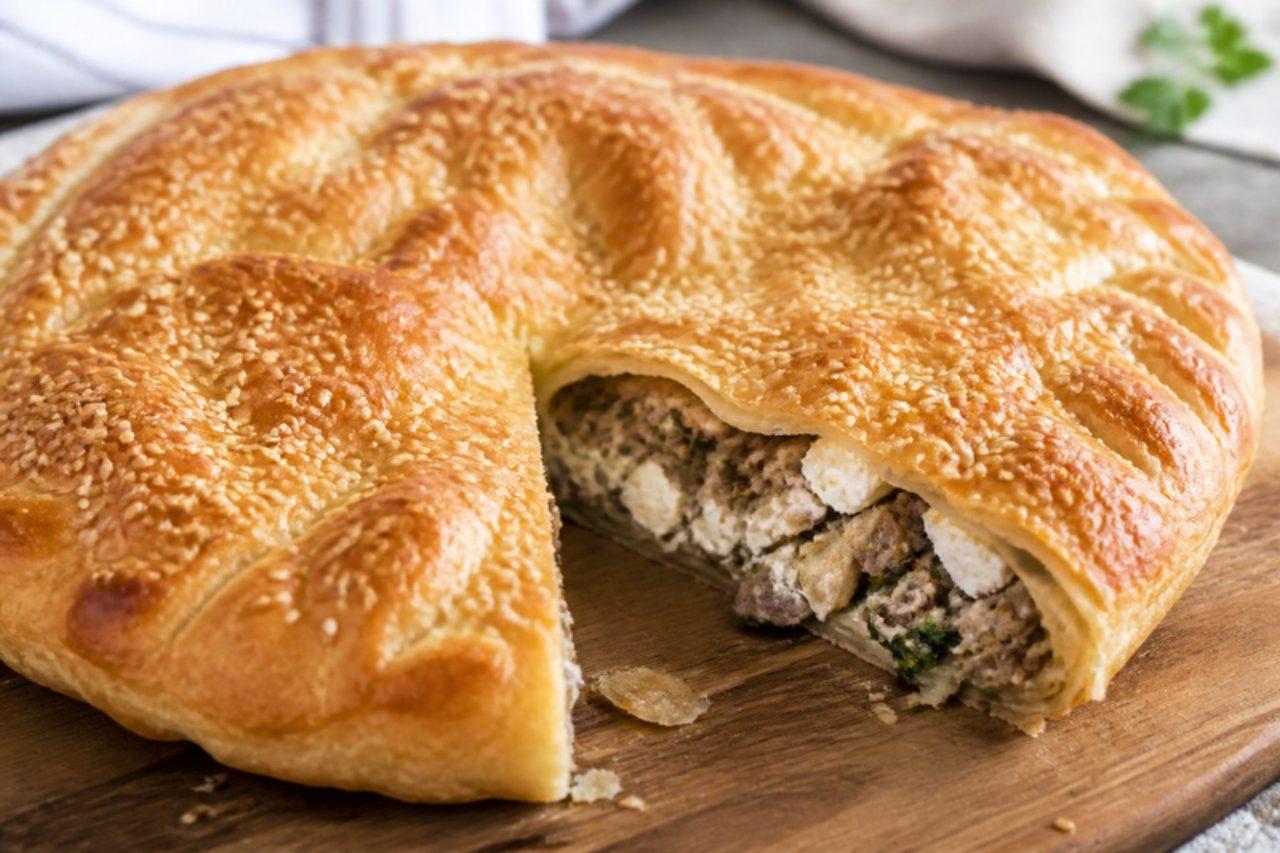
KreatotourtaLamb, cheese and mint pie

In Chania and the villages of western Crete, kreatotourta is baked on Easter Saturday so it is ready for the Sunday feast: a tall pie of tender lamb pieces layered with soft fresh cheese and mint, sealed in a crisp olive-oil pastry. It is cut into wedges and eaten warm or at room temperature, and leftovers vanish over the following days. The traditional cheeses are fresh mizithra and some graviera. Common mistake: putting raw lamb in the pie, which leaves the pastry burnt before the meat is tender; simmer the lamb first. Chef's tip: save a ladle of the lamb's cooking liquid and pour it through the steam hole halfway through baking so the filling stays juicy.

195 minGreekMeat
by KrazyBadal 0 views

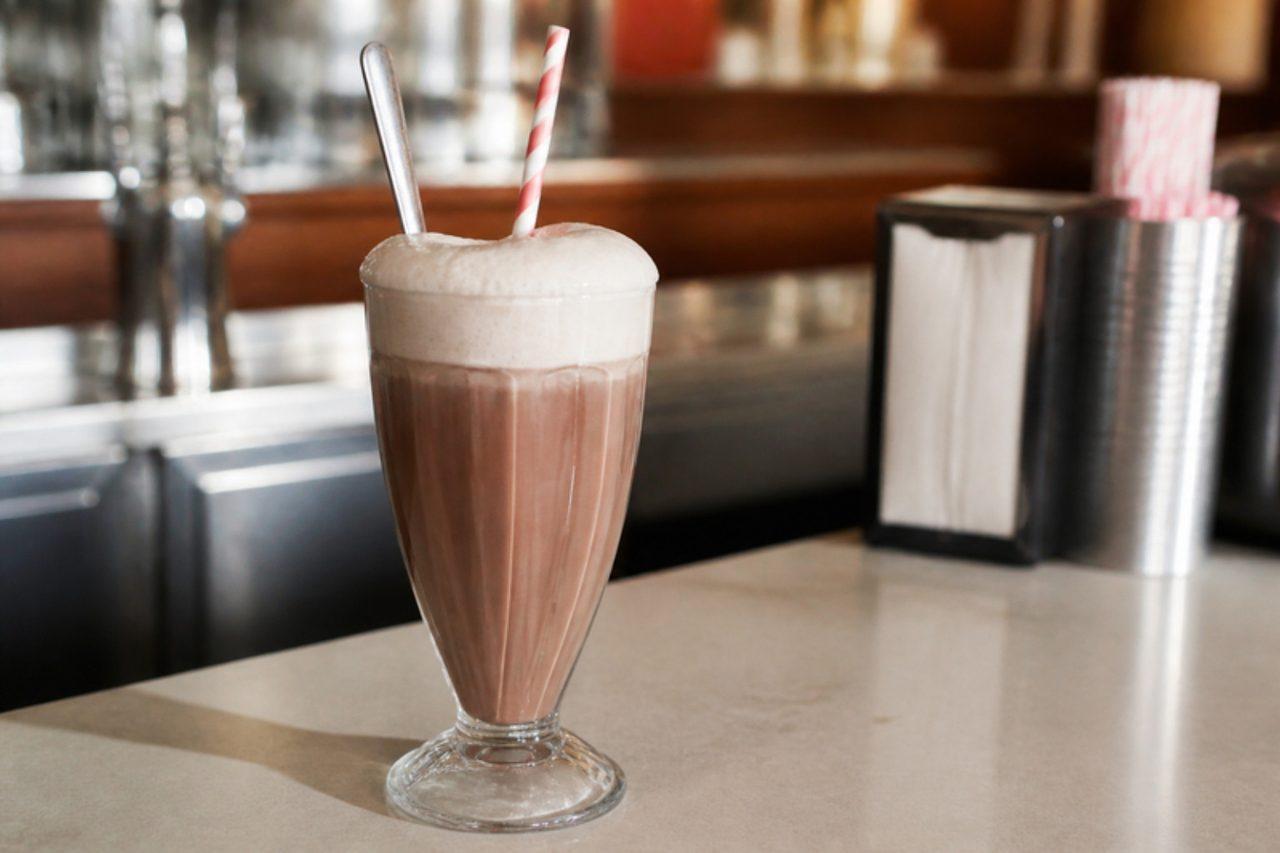
Chocolate egg cream

The egg cream contains neither egg nor cream: it is the old soda-fountain drink of Brooklyn and the Lower East Side, made of cold milk, chocolate syrup and a hard jet of seltzer that whips up a tall white foam. It was sold for pennies at candy stores and corner luncheonettes, and New Yorkers still argue about the right order to pour. Chef's tip: everything, glass included, must be ice-cold, or the foam collapses.

by KrazyBadal 0 views

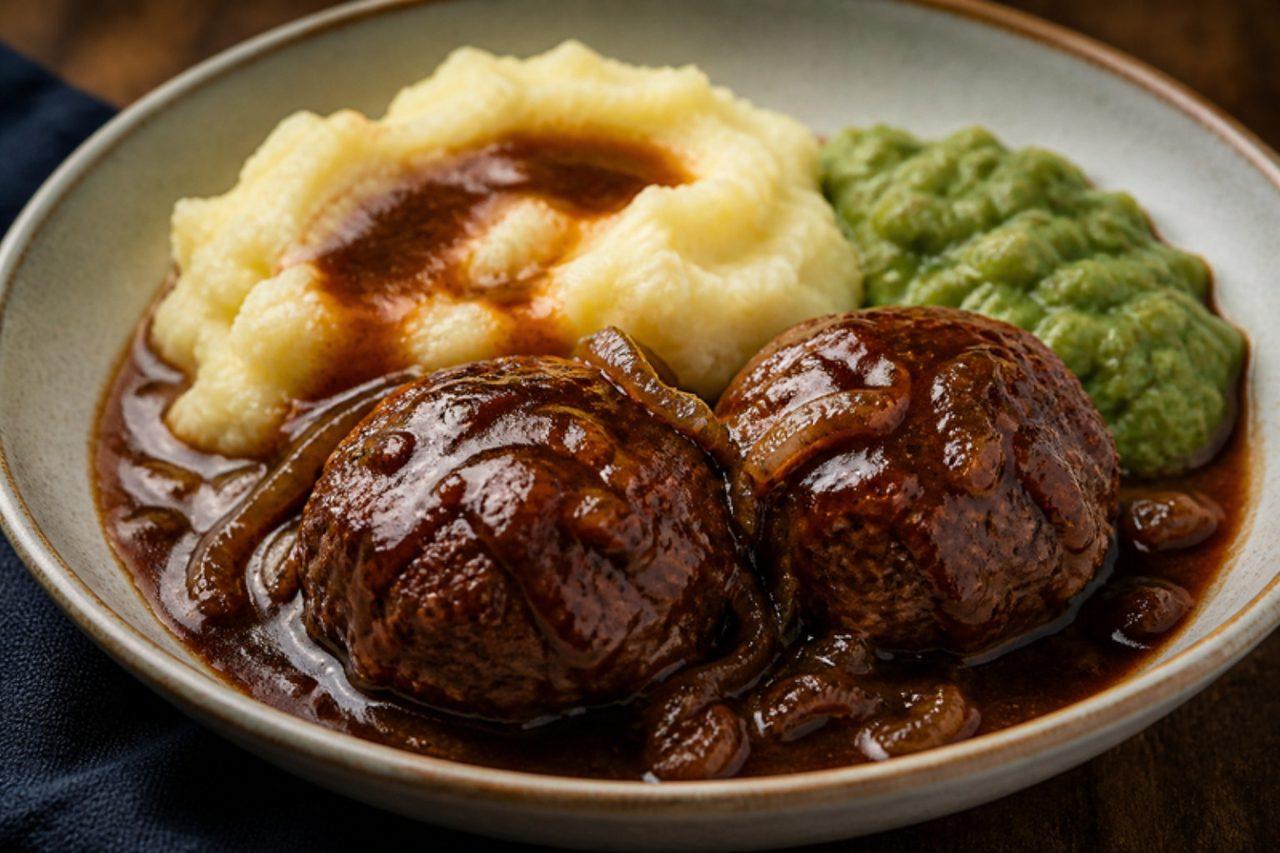
Black Country faggotsPork liver meatballs in gravy

Faggots are the thrifty meatballs of the Black Country, the industrial towns west of Birmingham, sold by butchers and served at chip shops with mushy peas and gravy. They are made from pork liver, pork belly and onion with breadcrumbs, sage and mace, and baked in a deep onion gravy. This is a pork dish. Chef's tip: wrap each faggot in caul fat if your butcher has it; it bastes them and holds them together.

by KrazyBadal 0 views

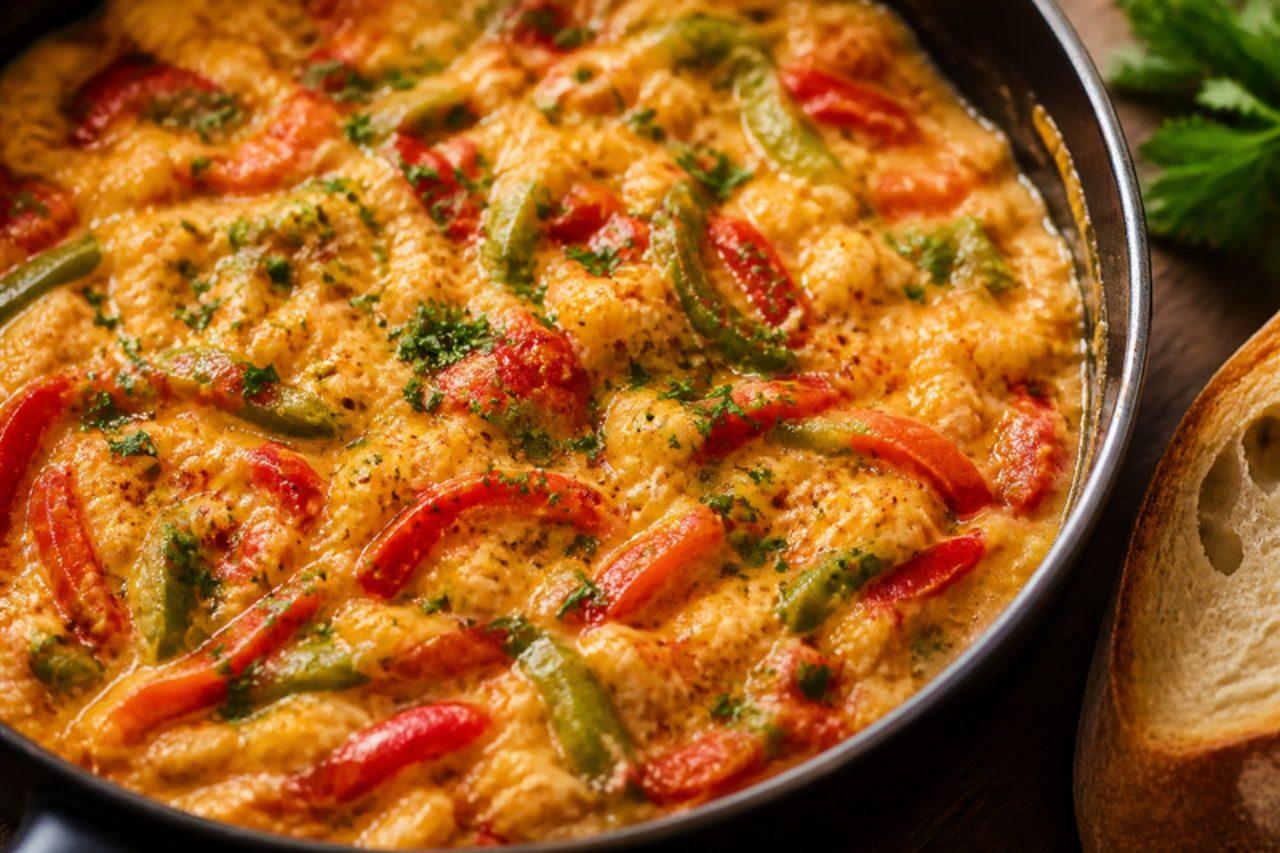
PiperadePepper and tomato stew

Red, white and green, the colours of the Basque flag, sit in one pan in piperade, the summer dish of Bayonne, Espelette and the villages of the French Basque Country. Green peppers, onions and ripe tomatoes are stewed in olive oil until soft and sweet, then warmed with the region's mild, fruity Espelette pepper. Basque families eat it at lunch with crusty bread, spooned beside rice, or with eggs softly scrambled into it; restaurants often add a slice of Bayonne ham, which this version leaves out. Chef's tip: cook it slowly and let the liquid reduce; a good piperade is jammy, not watery.

by KrazyBadal 0 views

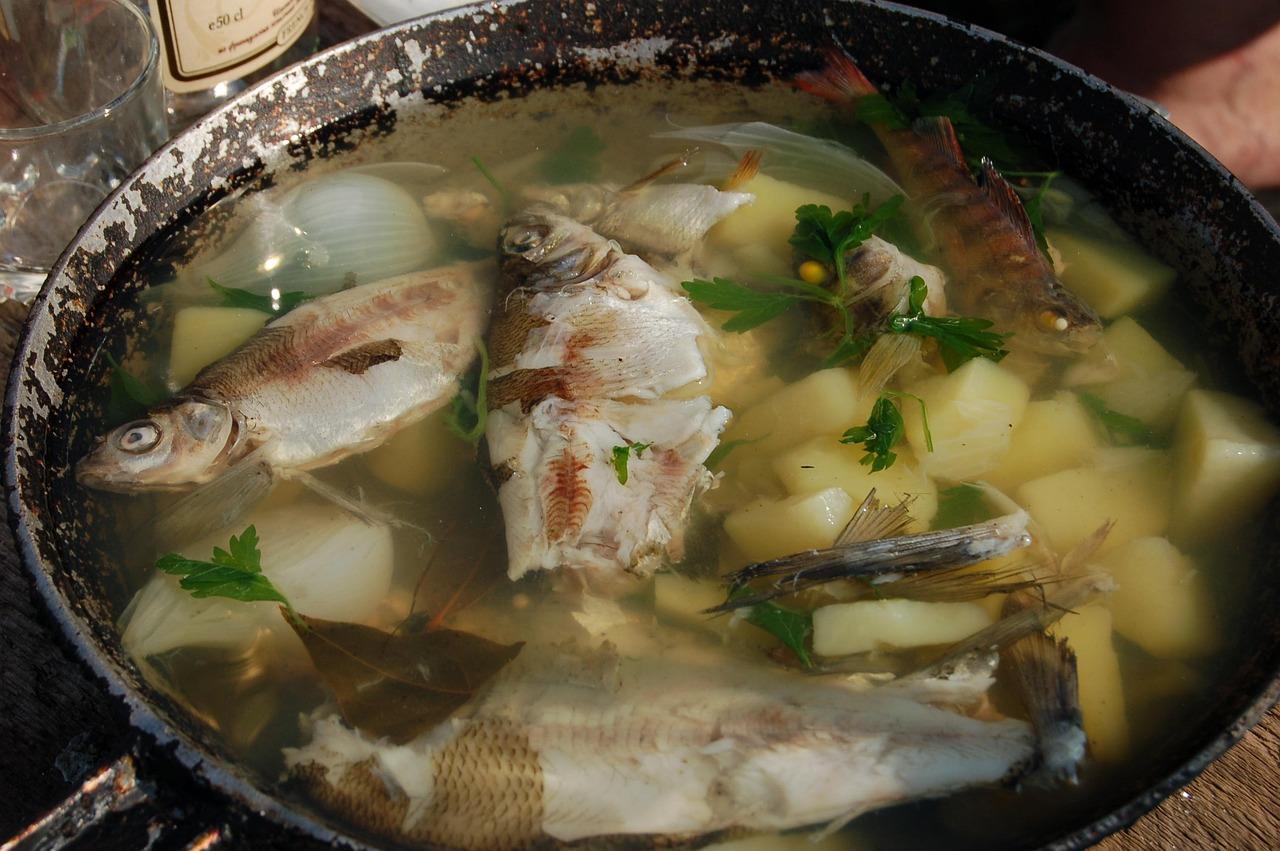
CotriadeFish and potato soup

Cotriade is the Breton answer to bouillabaisse, plainer and kinder on the purse, made in the ports of the south coast from Concarneau to Quiberon with whatever the boats could not sell. Chunks of several fish, both firm and oily, are poached with potatoes and onions in a thyme-scented broth, then served in two parts: the broth poured over toasted bread, and the fish and potatoes moistened with a sharp mustardy vinaigrette. The contrast of the soft, buttery broth and the bright dressing is the whole point. Serve it with good bread and salted butter. Chef's tip: add the firm fish first and the delicate ones last, so nothing falls to pieces in the pot.

by KrazyBadal 0 views

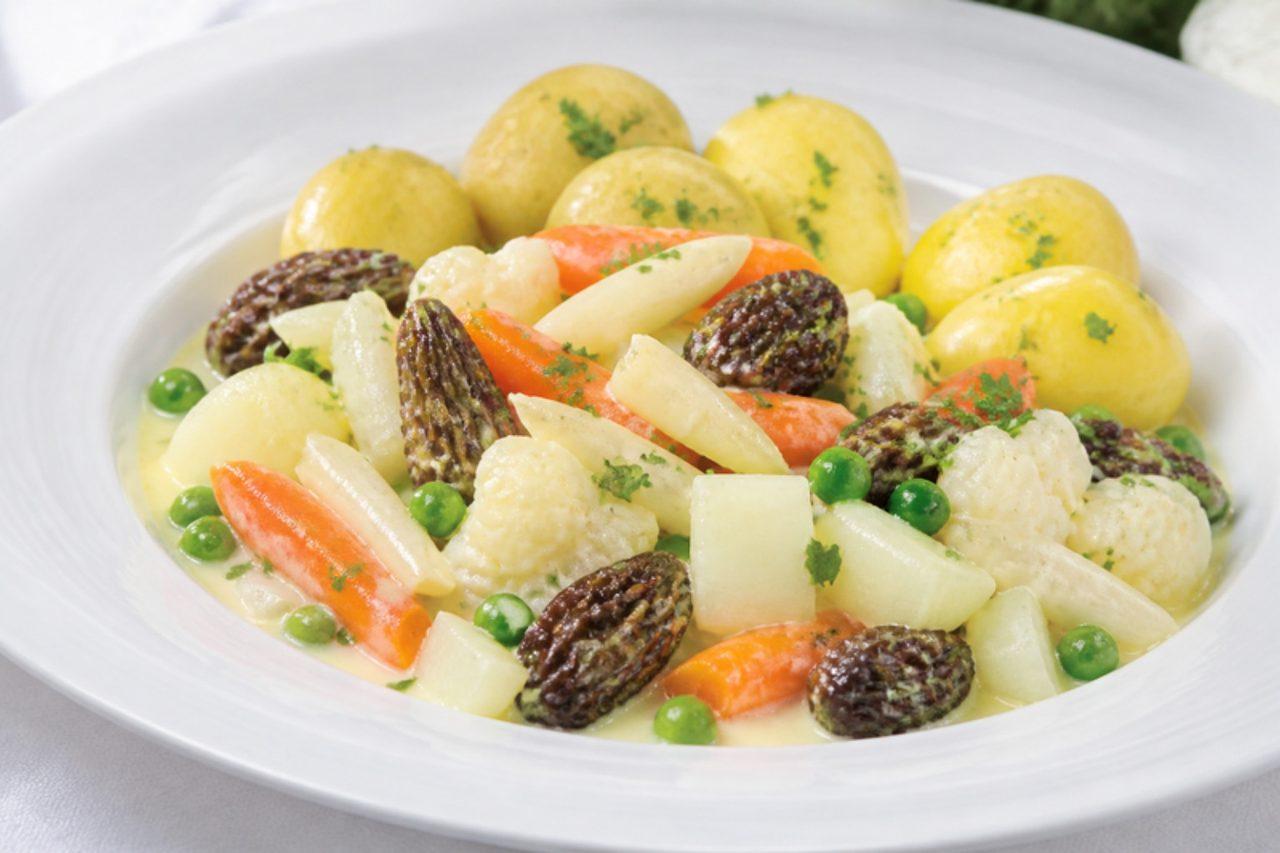
Leipziger AllerleiSpring vegetables with morels

Leipziger Allerlei is Leipzig's showpiece of spring: young carrots, peas, asparagus, kohlrabi and cauliflower, each cooked separately until just tender, then brought together in a light butter sauce with morel mushrooms. The traditional dish also includes crayfish and bread dumplings; this vegetarian version keeps the morels and vegetables, which were always the heart of it, and serves it with new potatoes. Dried morels are easiest to find and give a deep, smoky flavour. A common mistake is boiling everything together in one pot, which turns the dish muddy and over-soft. Chef's tip: save the vegetable cooking water and morel soaking liquid; together they make the stock for the sauce.

by KrazyBadal 0 views

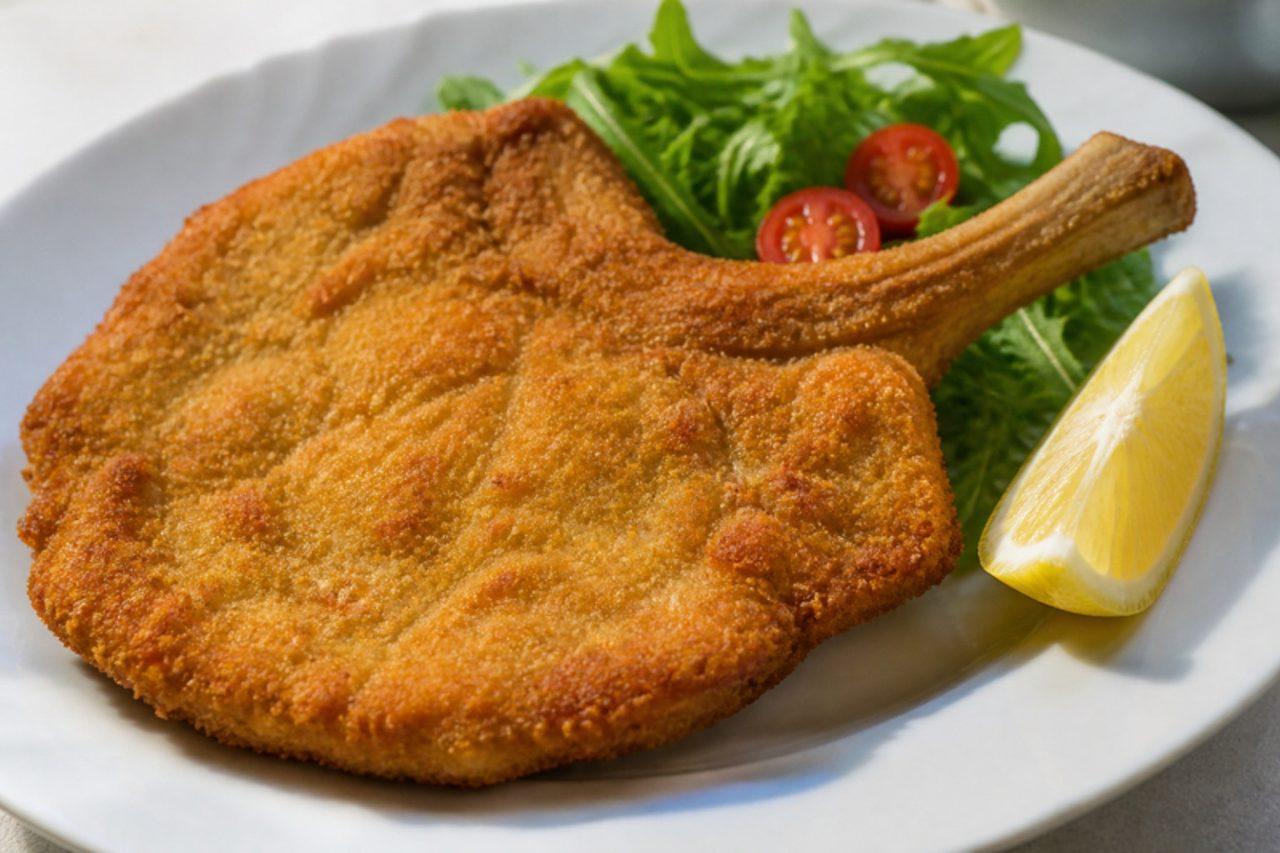
Cotoletta alla milaneseBreaded veal cutlet

The Milanese cotoletta is a thick, bone-in veal rib chop, dipped in egg and breadcrumbs and fried slowly in clarified butter until the crust is deep gold and the meat inside is still juicy and faintly pink. It is the standard Sunday and celebration dish in Milan's old trattorie, served with just a lemon wedge and perhaps a rocket and tomato salad or a few roast potatoes. Unlike the thin, beaten schnitzel, the true cotoletta keeps its bone and is only lightly flattened, so it stays tender. Chef's tip: clarify the butter yourself or use ghee; ordinary butter burns at frying heat and leaves bitter black specks on the crumb.

by KrazyBadal 0 views

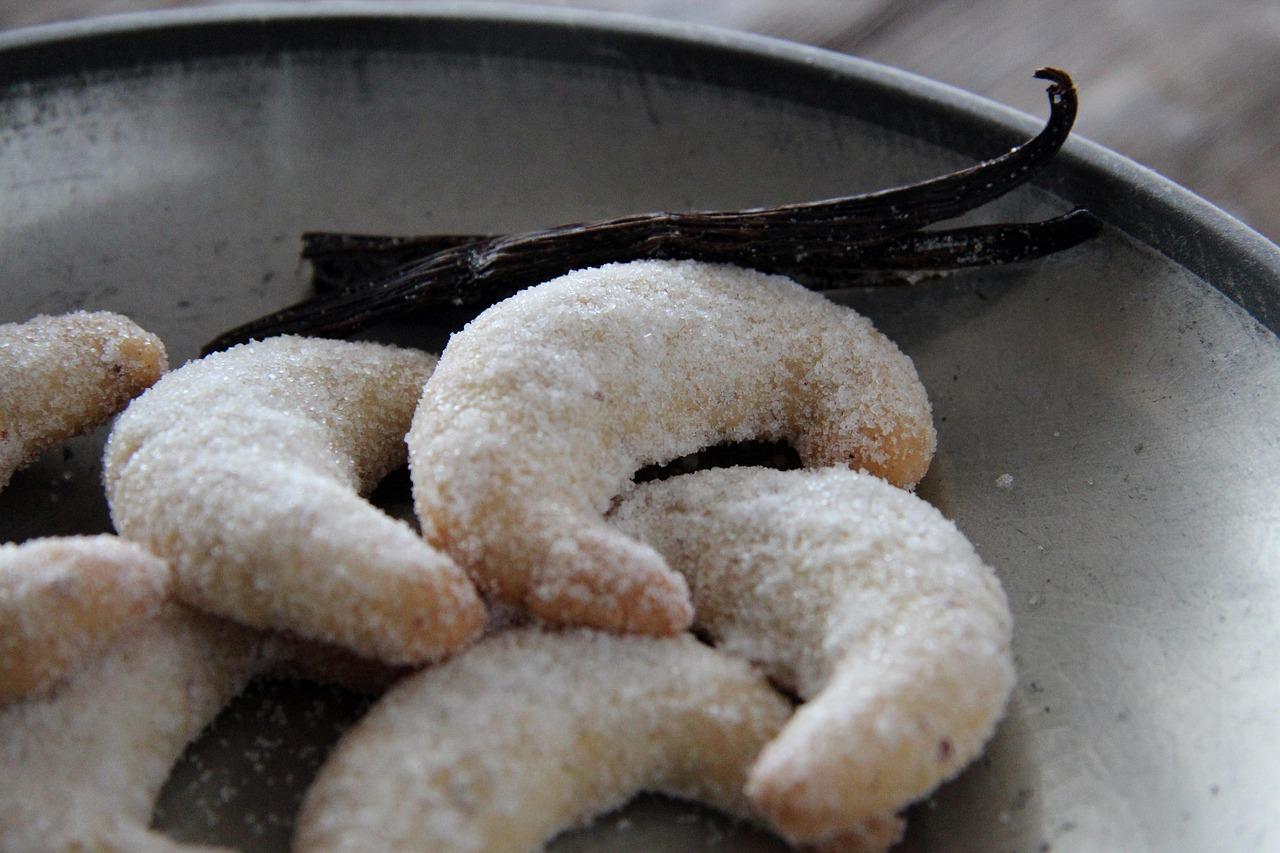
KourabiedesAlmond butter cookies

Snow-white kourabiedes are piled into pyramids at Greek Christmas, New Year and christenings, and in Macedonia they are handed out at weddings, so guests leave with sugar on their clothes. The crumb is short and sandy from well-whipped butter and toasted almonds, with a whisper of rose or orange-blossom water. Common mistake: dusting with icing sugar while the cookies are still hot, which melts into a paste instead of a soft coat. Chef's tip: beat the butter for a full 10 minutes until almost white; the air you whip in is what makes them melt in the mouth.

by KrazyBadal 0 views

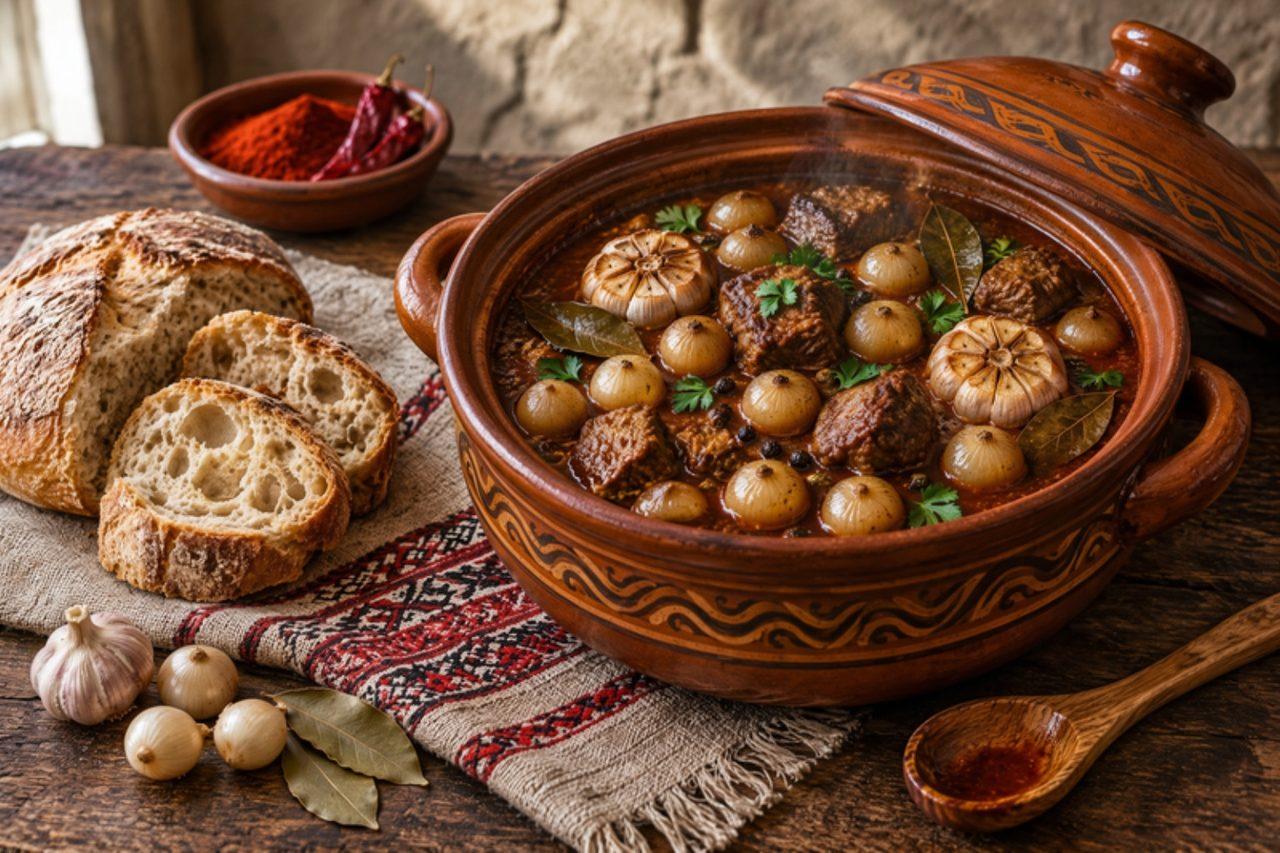
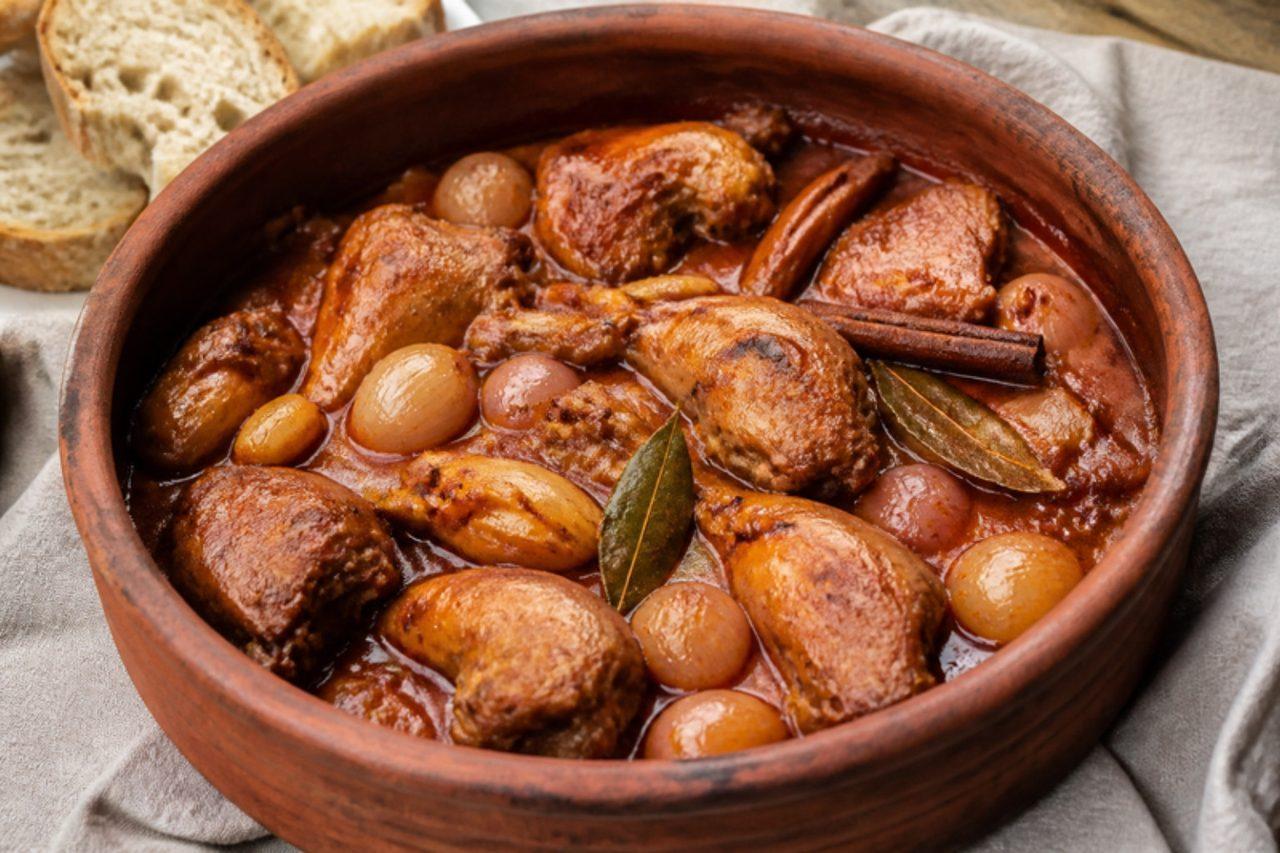
Kouneli stifadoRabbit stew with shallots and wine

Rabbit is a favourite winter Sunday dish in Crete and across the Greek countryside, and stifado is the way most cooks prepare it: jointed rabbit simmered slowly with a mountain of small whole onions in a glossy, sweet-sour sauce of tomato, red wine and vinegar, scented with cinnamon, allspice and bay. The sauce reduces until the onions are soft and jammy, and it is served with fried potatoes or rice and bread to wipe the plate. This recipe uses red wine; for an alcohol-free version use red grape juice with an extra spoon of vinegar. Common mistake: stirring once the onions go in, which breaks them up; shake the pot instead. Chef's tip: peel the shallots more easily by soaking them in boiling water for 5 minutes first.

140 minGreekMeatGluten free
by KrazyBadal 0 views

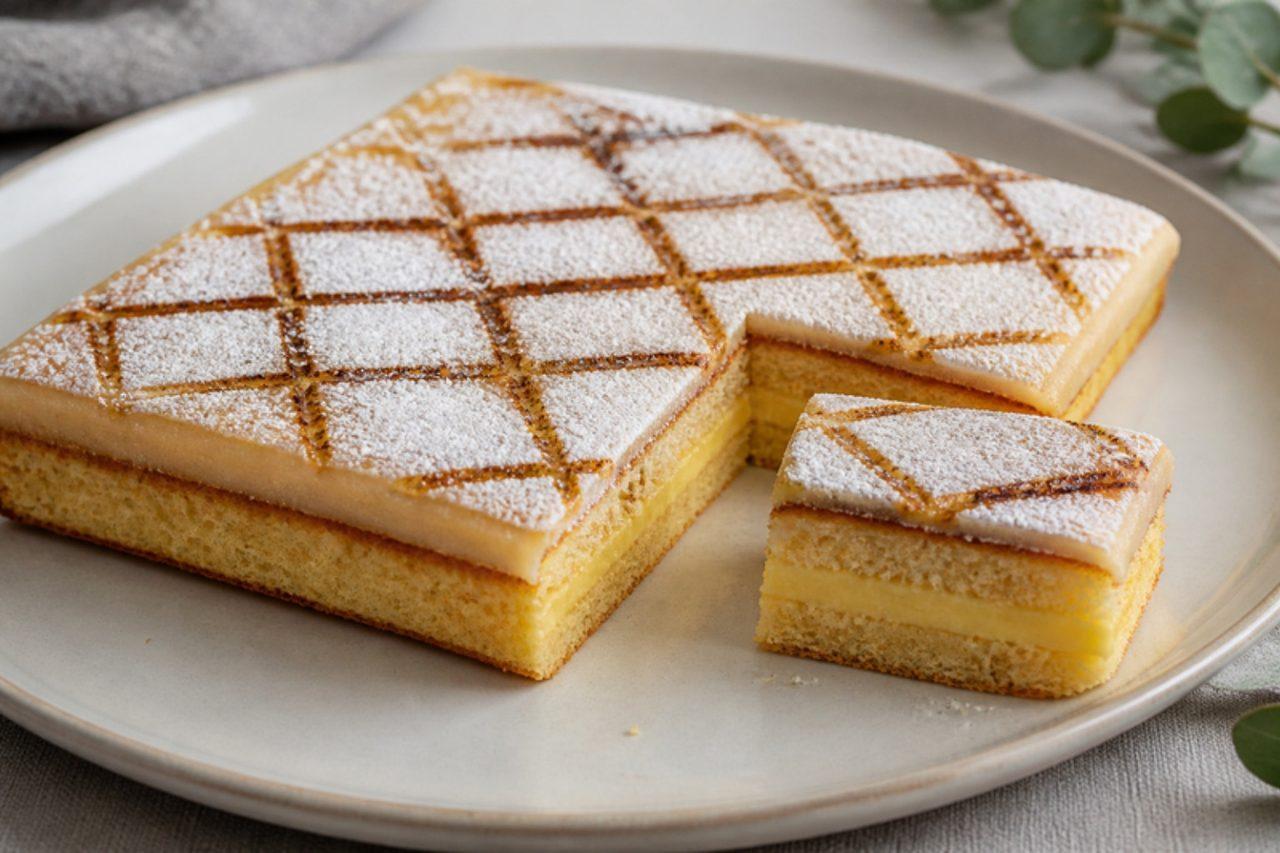
Ponche segoviano

Segovia's confiterías have sold ponche since the 1920s: layers of light sponge brushed with syrup, sandwiched with thick custard and wrapped in a thin coat of marzipan whose sugared top is branded into a diamond lattice with a hot iron. It is the cake for a family celebration, or the sweet finish after a roast suckling-pig lunch in the old town. The syrup is traditionally laced with liqueur; leave it out, or swap it for orange juice, for an alcohol-free cake. Chef's tip: let the custard cool and set completely before assembling, or the layers slide.

by KrazyBadal 0 views

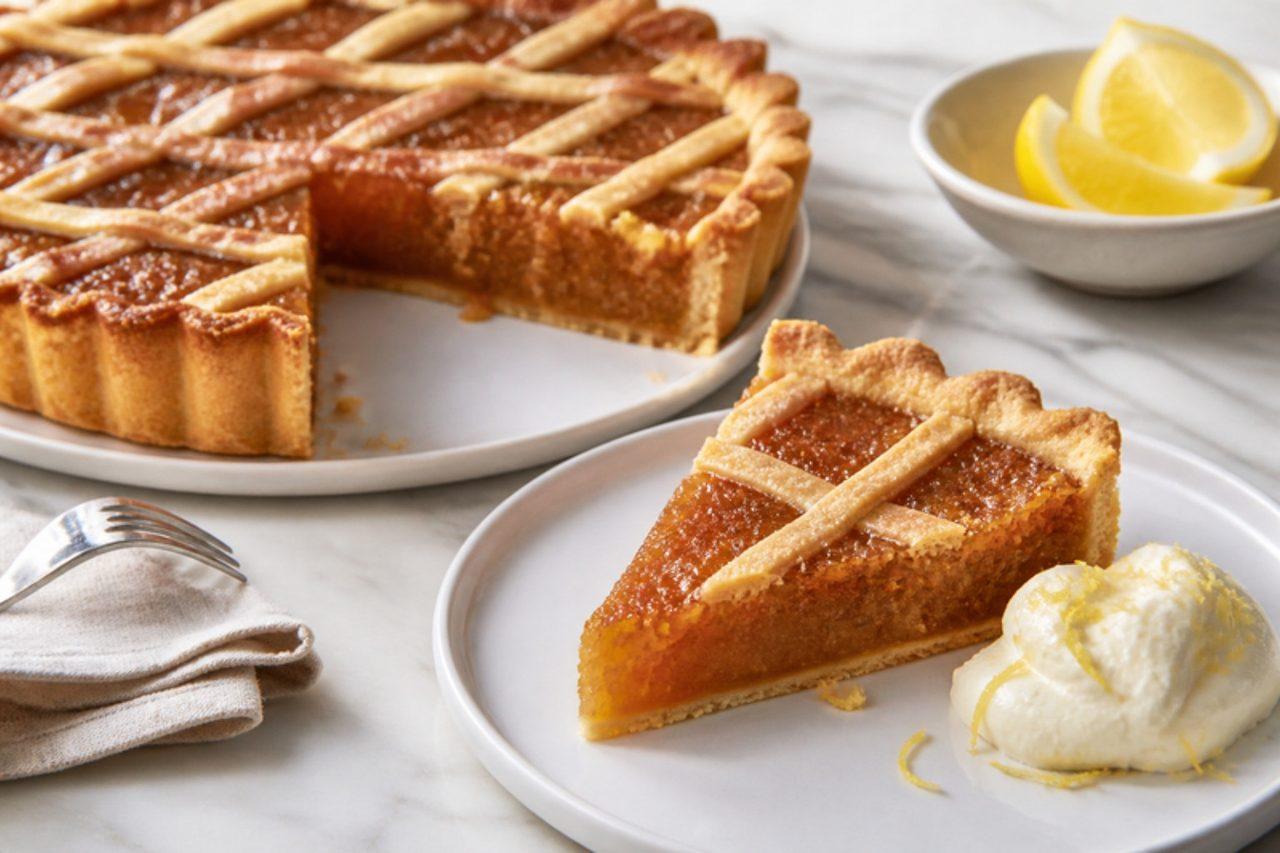
Treacle tart

Treacle tart is an old English nursery pudding, a favourite of Victorian kitchens and still served with clotted cream or custard in pubs and school canteens. Despite the name it's made with golden syrup thickened with fresh breadcrumbs, sharpened with lemon zest and juice, baked until chewy at the edges and soft in the middle. Chef's tip: warm the syrup before mixing so the breadcrumbs soak it up evenly.

by KrazyBadal 0 views

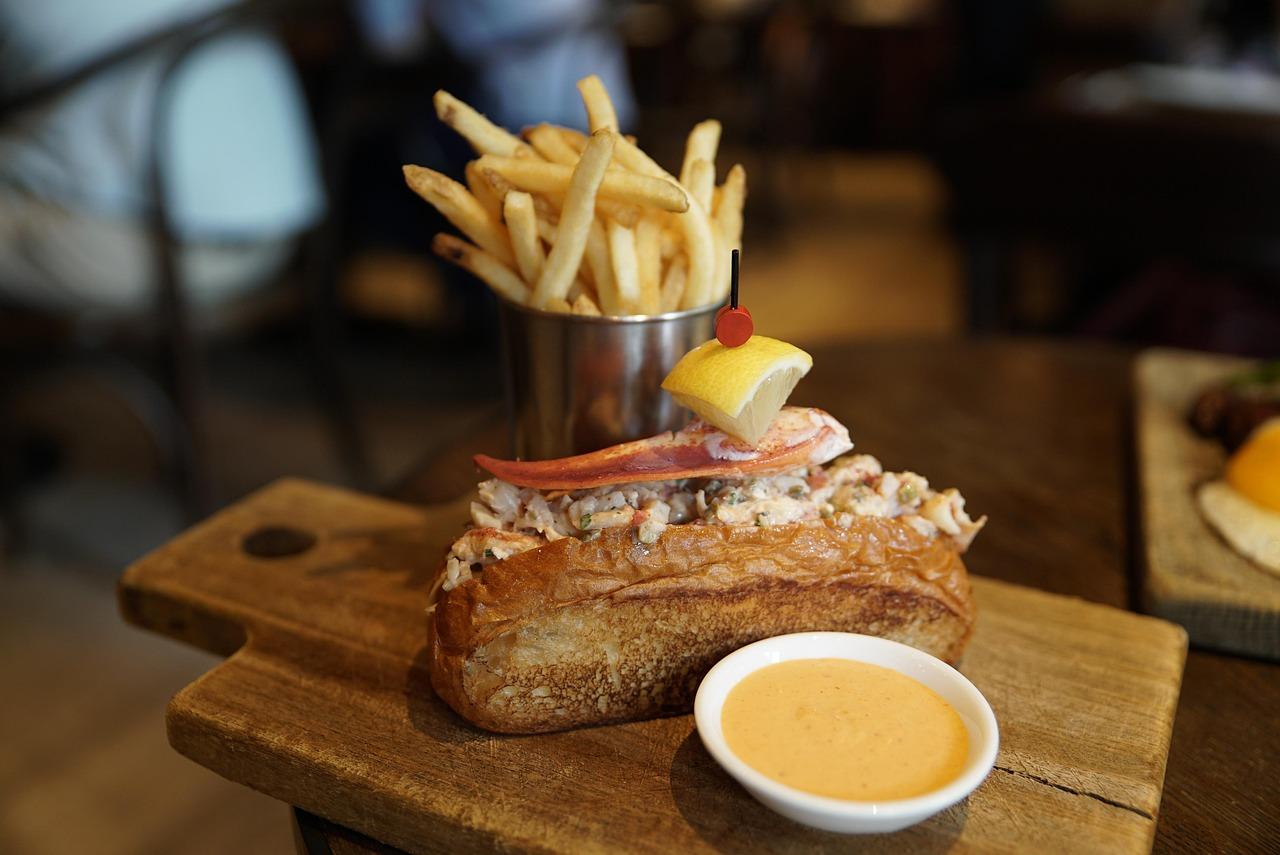
New England lobster roll

From Kittery to Bar Harbor, roadside lobster shacks on the Maine coast serve this every summer: big chunks of sweet lobster meat, barely dressed with mayonnaise, lemon and celery, piled into a hot-dog bun toasted in butter. Over the border in Connecticut they serve it warm with melted butter instead, and both camps think the other is wrong. Chef's tip: dress the lobster lightly, just enough to gloss it; the meat should be the star, not the mayonnaise.

by KrazyBadal 0 views

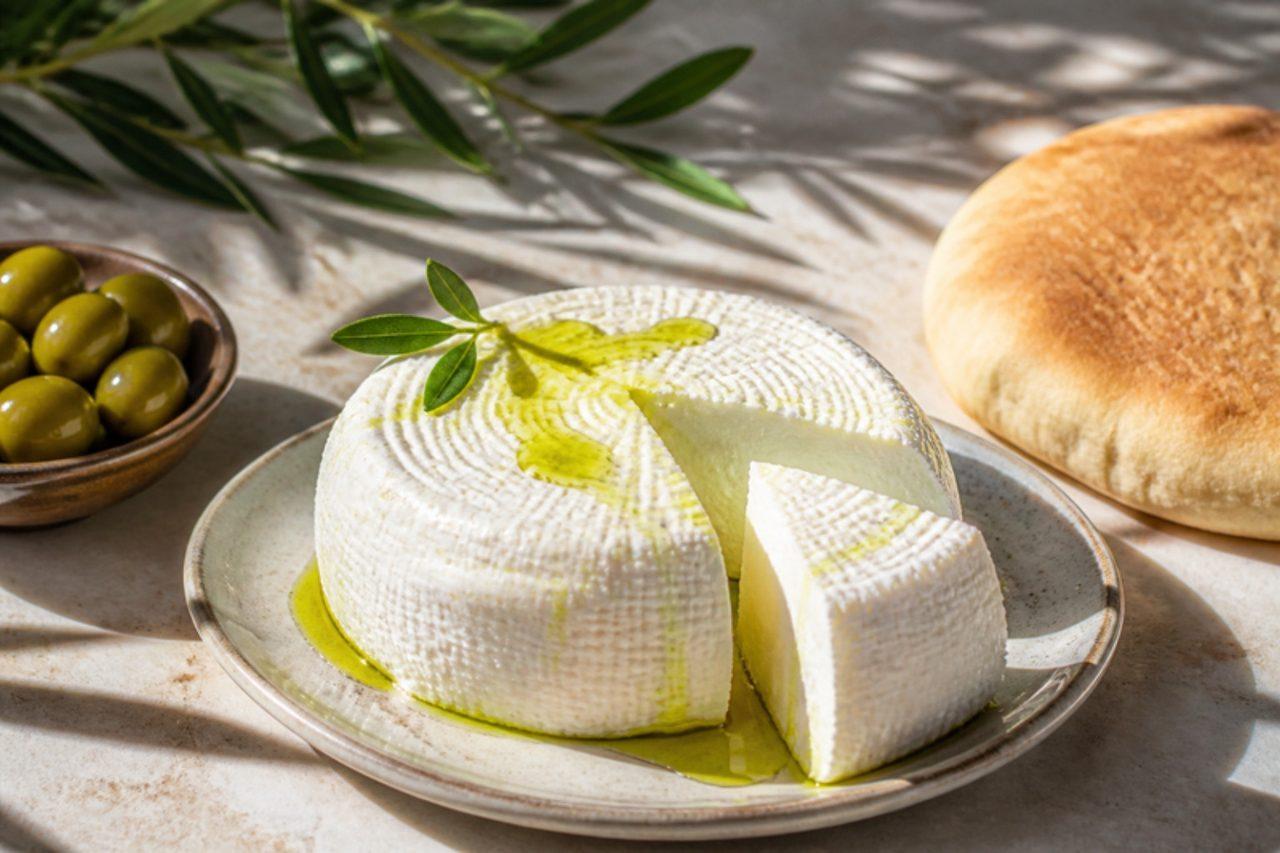
Jben (fresh Moroccan cheese)
On the road into Chefchaouen, women from the Rif villages sit with rounds of jben wrapped in palm leaves, a fresh, soft, lightly salted cheese with a clean, milky tang. Breakfast in the north often means a slab of it drizzled with olive oil, sprinkled with dried thyme or za'atar, with olives, honey and warm bread. Traditionally jben is curdled with animal rennet (sometimes with thistle or fig sap), so check if you buy it; this home version uses vegetarian (microbial) rennet and pasteurised milk, and is drained in the fridge. Hands-on time is about an hour; the curd then needs 1–2 hours to set and 4–6 hours to drain. Keep it chilled and eat it within 4 days. Chef's tip: avoid UHT and ultra-pasteurised milk, which will not set into a firm curd; ordinary pasteurised whole milk works well.

by KrazyBadal 0 views

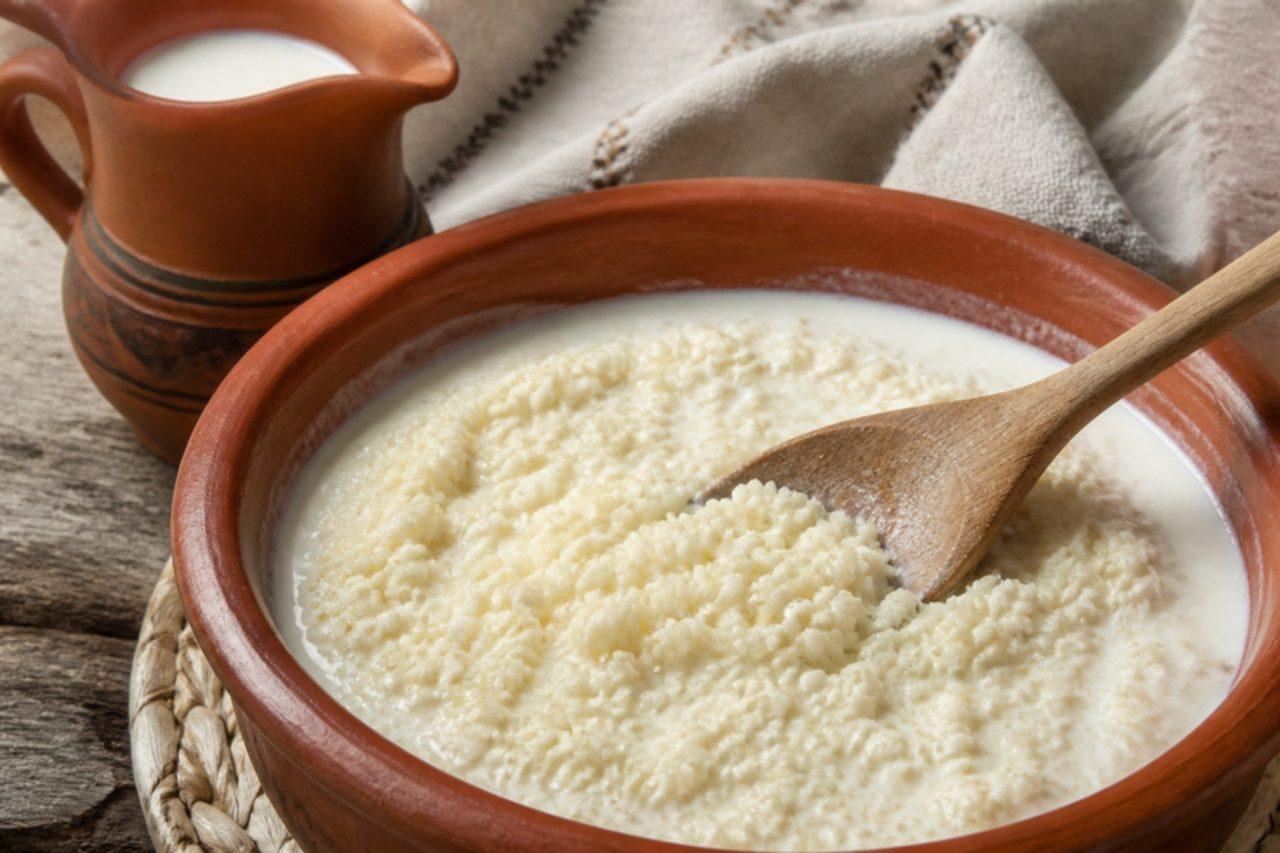
Saykouk (couscous in cold buttermilk)

On hot evenings in the villages of the Middle and High Atlas, supper is often nothing more than saykouk: steamed couscous, usually barley, cooled and then drowned in ice-cold lben, the tangy buttermilk left after churning butter. It is eaten with spoons from a big shared bowl and is wonderfully cooling, sour and creamy, with the grains soaking up the milk as you eat. Some families sweeten it with a little sugar, others keep it salty; both are right. This quick version uses instant couscous so it is ready in about 20 minutes. Don't pour the buttermilk over warm couscous: it should be fully cool, or the buttermilk splits and the dish loses its refreshing chill. Chef's tip: let the couscous cool completely before the buttermilk goes in, or it turns the buttermilk warm and slightly grainy.

by KrazyBadal 0 views

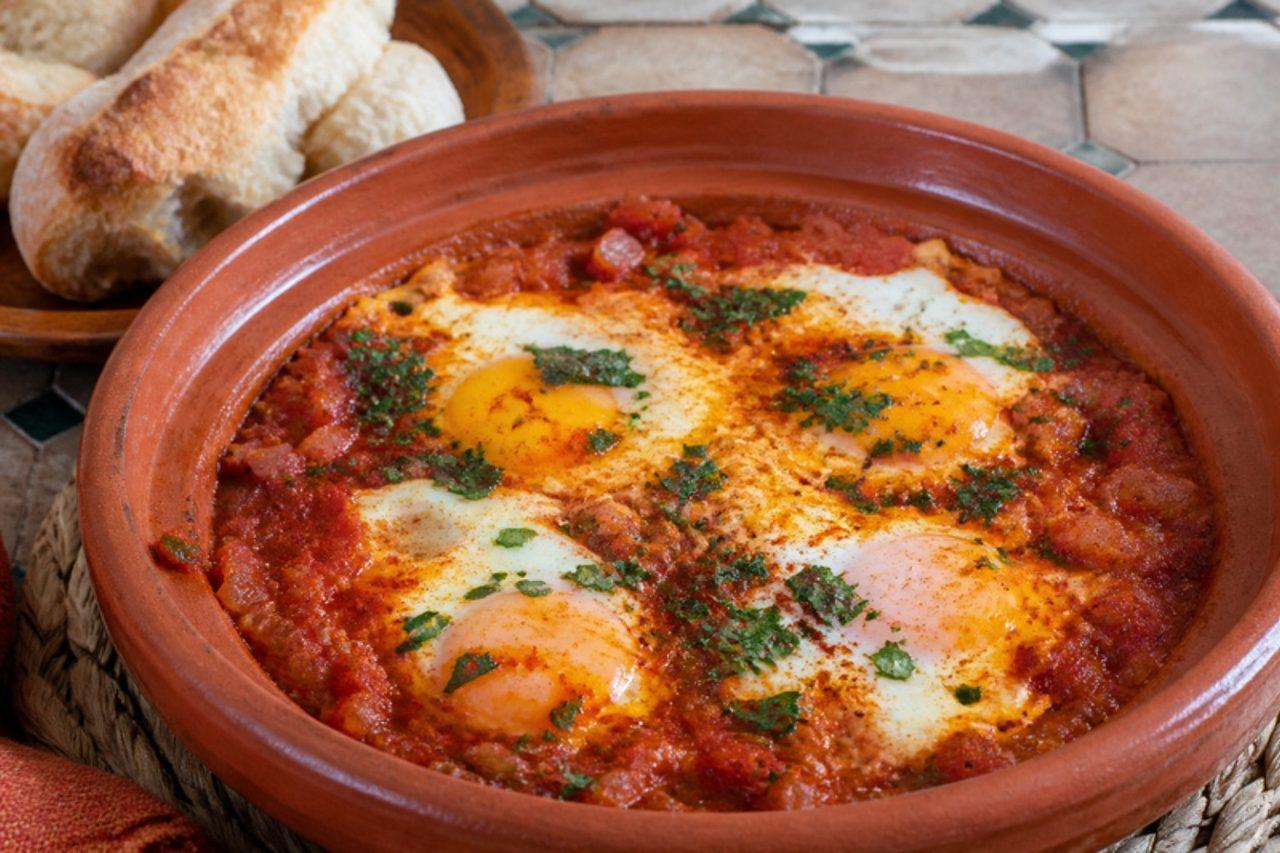
Berber omelette

Roadside cafés on the mountain passes of the High Atlas keep small clay tagines warming over charcoal, and the one most travellers order for breakfast or a quick lunch is the Berber omelette: eggs cracked over a bubbling base of tomato, onion, cumin and paprika, then covered until they just set. It arrives sizzling with olives and herbs on top and plenty of bread to wipe the dish clean, usually with a glass of mint tea. At home you can use a small tagine on a heat diffuser or a lidded frying pan. For anyone pregnant, very young, older or with a weak immune system, cook until the yolks are firm. Chef's tip: never put a clay tagine straight onto a high flame; use a diffuser and medium-low heat, or it can crack.

by KrazyBadal 0 views

BostanaChopped tomato and cucumber salad

In Şanlıurfa a bowl of bostana goes on the table beside every summer meal of kebab, köfte or bulgur pilaf. Tomatoes, cucumbers, green peppers, onion and fistfuls of parsley and mint are chopped very small, seasoned with isot and drowned in lemon juice and a little water, so you spoon up the juices as well as the vegetables. It is meant to be cold, sour and refreshing in the city's fierce heat. Common mistake: making it hours ahead; the cucumber goes limp. Chef's tip: chill the bowl and add a couple of ice cubes just before serving, as Urfa grandmothers do.

by KrazyBadal 0 views

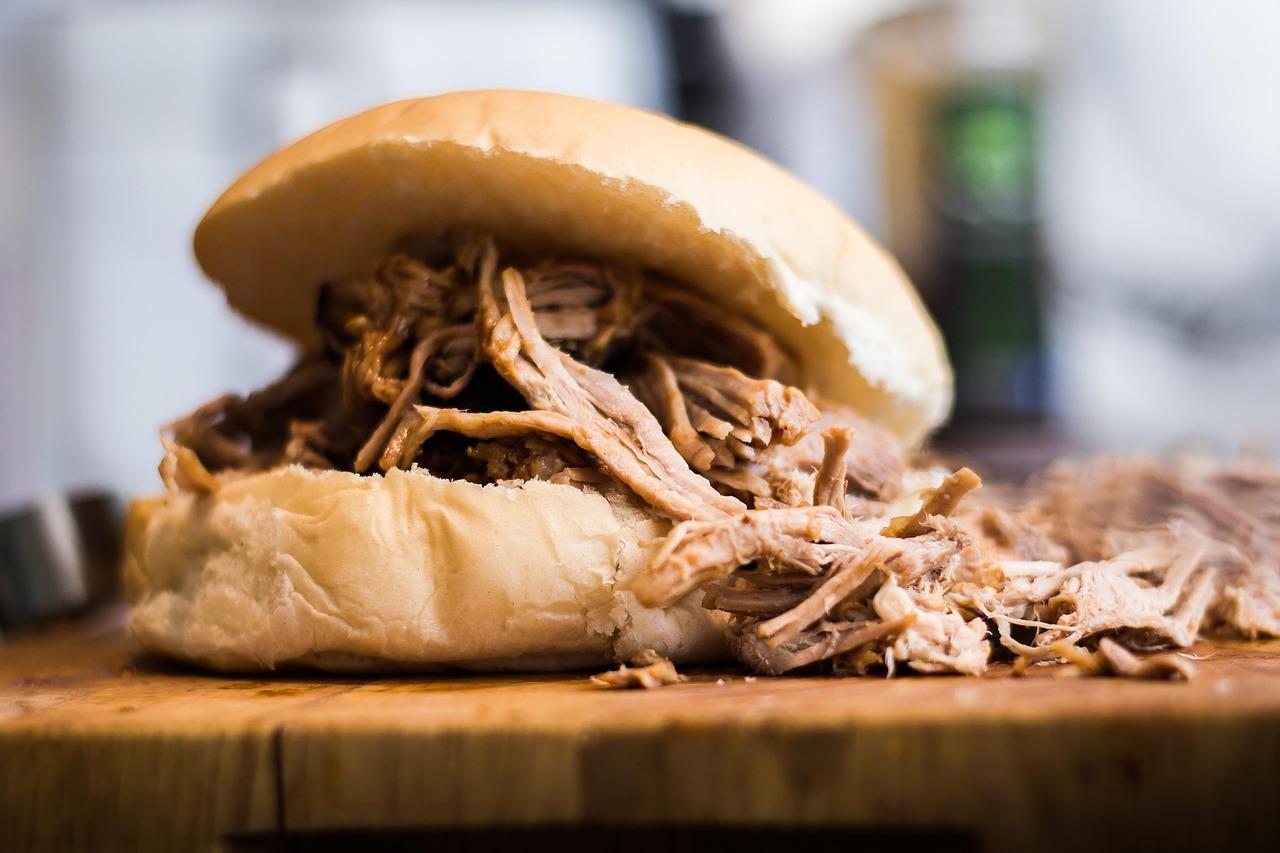
Eastern Carolina pulled pork

In eastern North Carolina barbecue means pork, slow-smoked whole hog or shoulder chopped and dressed with a thin sauce of cider vinegar, chilli flakes and pepper, with no tomato at all. It is served at pit-cooked joints around Ayden and Goldsboro with slaw and hushpuppies, and piled into soft buns at cookouts. This oven version slow-roasts a pork shoulder until it pulls apart. Chef's tip: dress the meat with the sauce while it's still warm, so it soaks right in.

440 minAmericanMeatGluten free
by KrazyBadal 0 views

Ourkimen (Yennayer pulse and grain stew)

Ourkimen is cooked across the Souss and the Atlas for Yennayer, the Amazigh New Year on 12–13 January, when a pot of mixed dried beans, chickpeas, wheat berries and corn is simmered for hours to wish for a plentiful harvest. Many families add lamb's feet or dried meat; this is the meat-free version, made the way many cooks prepare it when meat is not on the table, and it is still deeply savoury from tomato, cumin, paprika and a good dose of olive oil. The grains turn chewy and the pulses creamy, and the stew is eaten hot from bowls with bread. Start the soaking the night before; the stew then needs about 3 1/2 hours of gentle simmering. People who have G6PD deficiency (favism) should leave out the dried broad beans and use more white beans. Chef's tip: stir from the bottom every 20 minutes in the last hour; as the stew thickens it catches easily.

by KrazyBadal 0 views

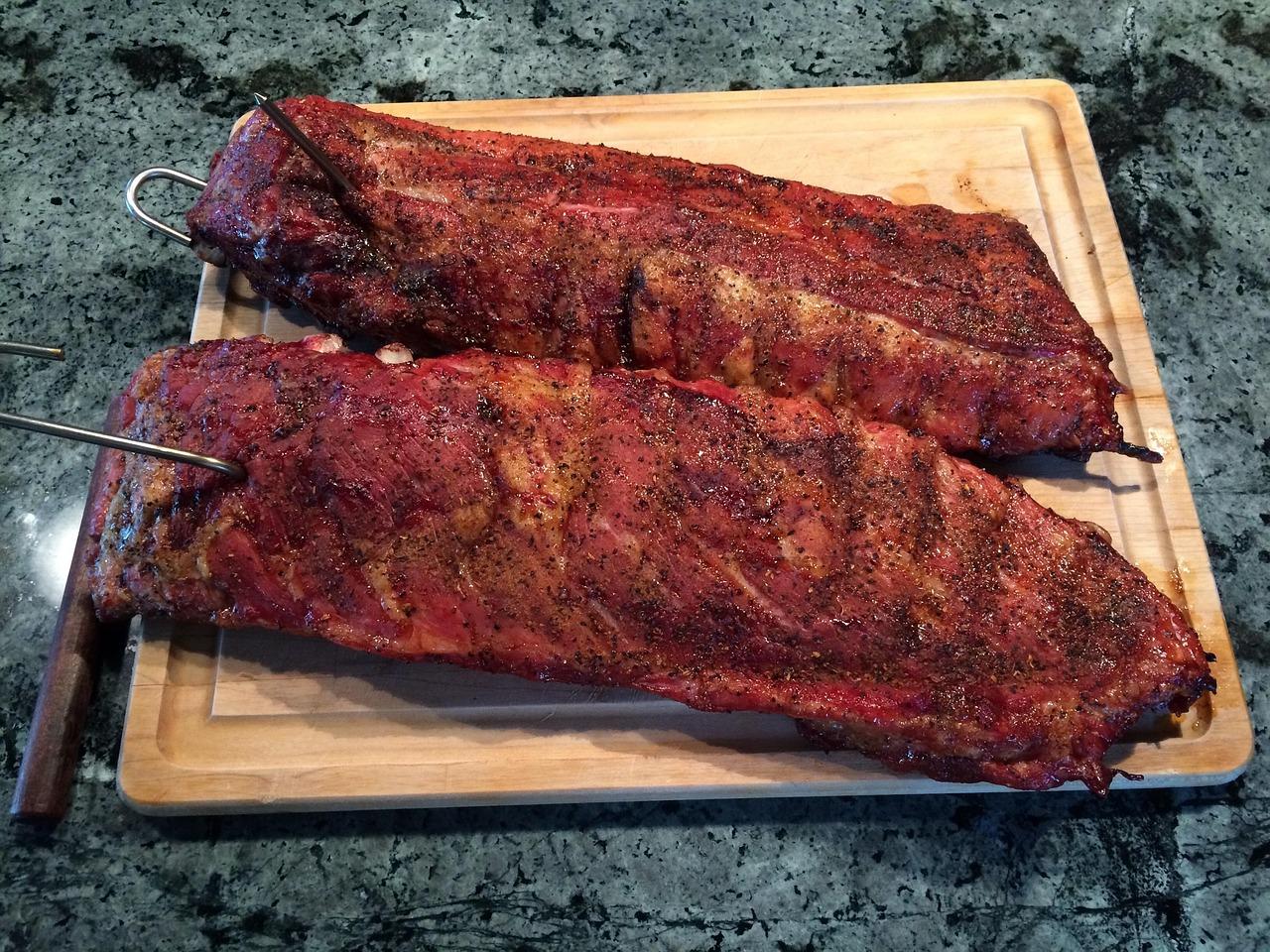
Memphis dry-rub ribs

Memphis is famous for pork ribs served 'dry': coated in a spice rub of paprika, garlic and chilli and slow-cooked until tender, then dusted with more rub instead of sauce. Basement rib joints downtown and the World Championship Barbecue Cooking Contest every May keep the style alive. This oven method gets close to the smoked version. Chef's tip: peel the papery membrane off the back of the ribs before rubbing; it blocks the seasoning and turns leathery.

230 minAmericanMeatGluten freeSpicy
by KrazyBadal 0 views

Amlou (almond, argan oil and honey spread)

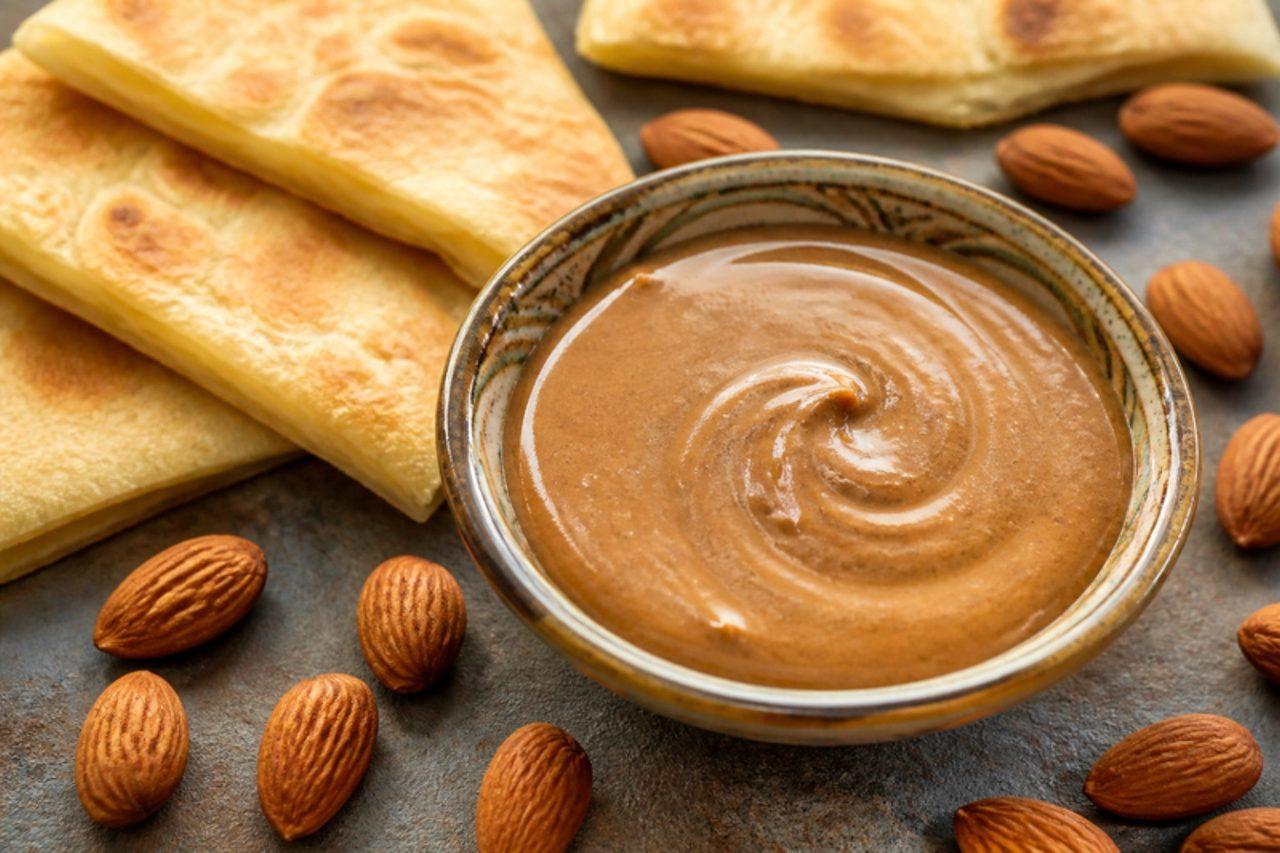
Between Essaouira and Agadir, where argan trees grow on the dry hills, breakfast is not complete without a bowl of amlou: roasted almonds ground to a paste with culinary argan oil and honey until it is pourable, nutty and sweet with a deep, toasty flavour. It is spread on warm bread, msemen or baghrir, eaten with tea, and taken by many as a quick source of energy on cold mornings. Culinary argan oil is made from roasted kernels and is not the same as cosmetic argan oil, which is unroasted; if you cannot find it, roasted walnut oil gives a similar result. Chef's tip: roast the almonds until they are golden right through to the centre; pale almonds give a flat-tasting amlou.

by KrazyBadal 0 views

Alabama white sauce chicken

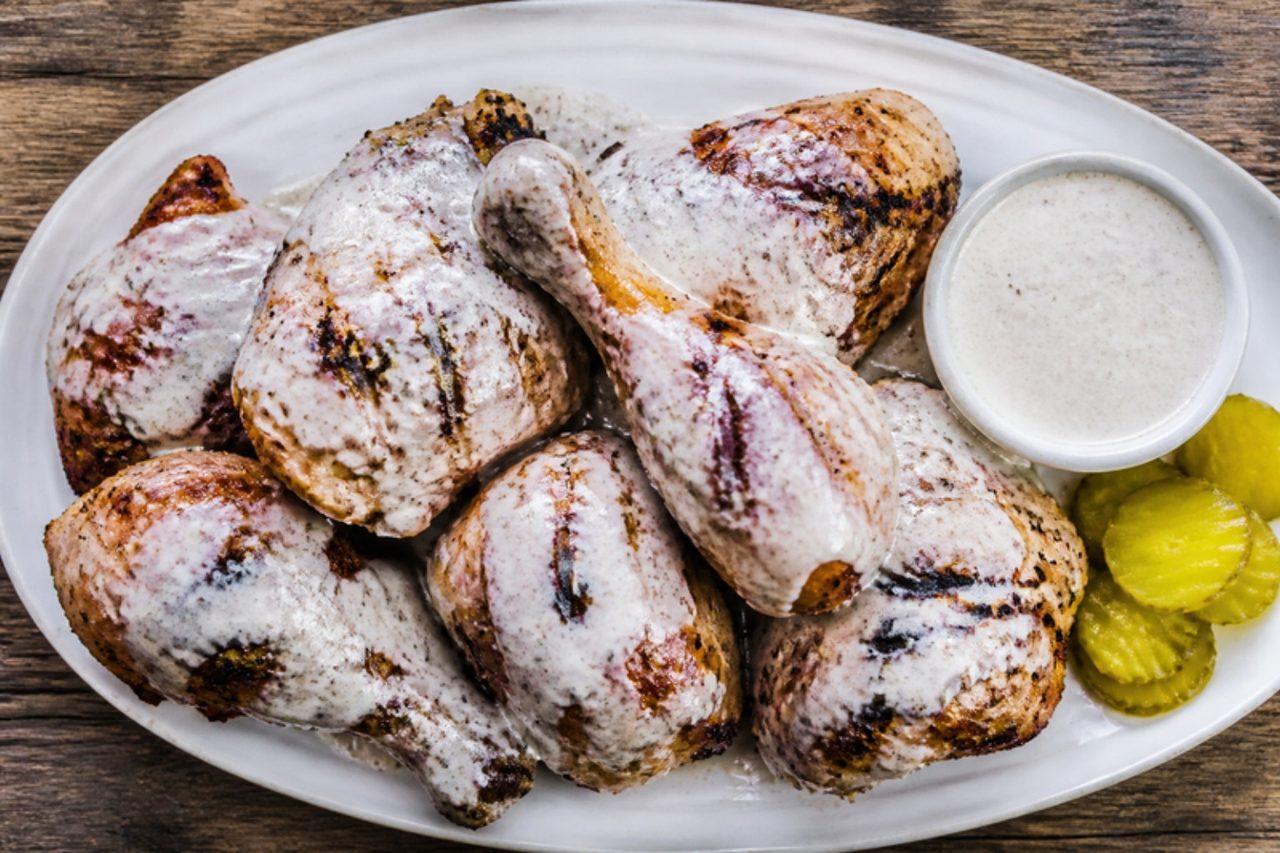
White barbecue sauce was created in 1925 at a barbecue pit in Decatur, north Alabama, and it is still what that corner of the state puts on smoked and grilled chicken: a peppery mixture of mayonnaise, cider vinegar and horseradish. The hot chicken is dunked in it straight off the grill, so the tangy sauce soaks into the crisp skin. Chef's tip: keep half the sauce separate before it touches raw-chicken brushes, for serving at the table.

by KrazyBadal 0 views

Vermont maple cream pie

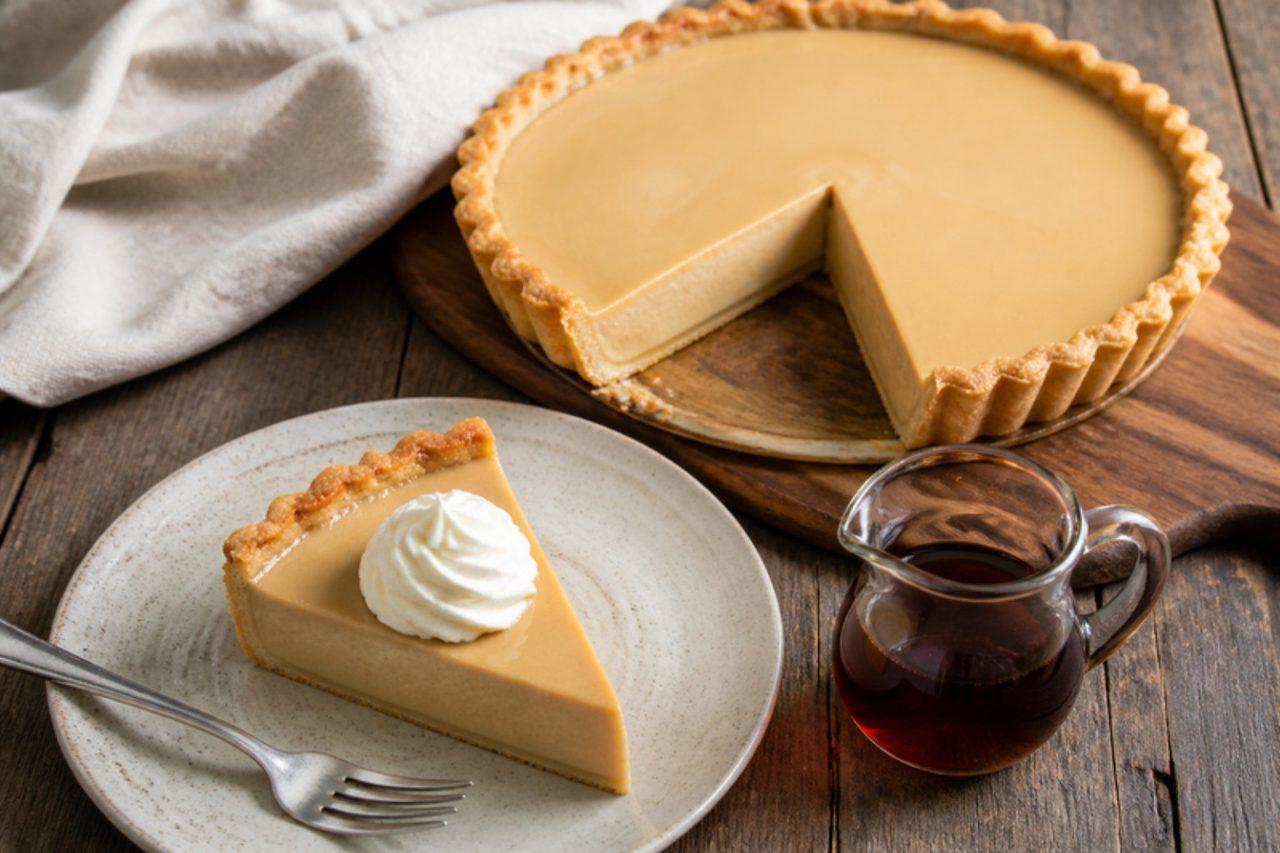
In March, when the sugarhouses of Vermont steam day and night boiling sap, diners and country stores sell this pale caramel-coloured pie made with the new season's syrup. The filling is a simple custard of maple syrup, cream and eggs, so the flavour is pure maple, deep and woody. Use dark, strong-tasting maple syrup, not pancake syrup. Chef's tip: bake until the edges are set but the middle still wobbles like jelly; it firms as it cools.

by KrazyBadal 0 views

California avocado toast

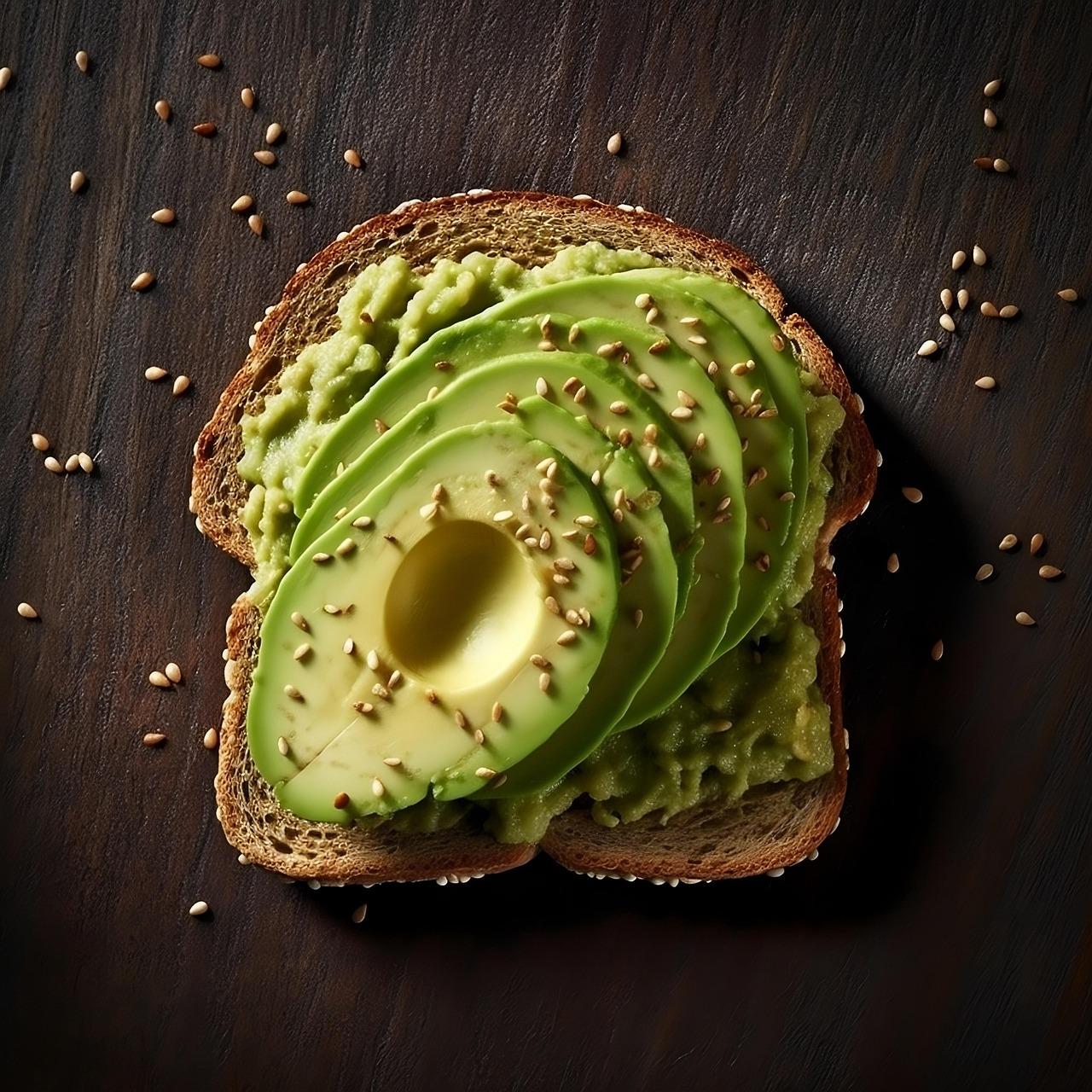
Avocado toast took off in the cafés of Los Angeles and San Francisco, where California's Hass avocados are grown, and it is now the state's standard weekend brunch. The trick is simple ingredients done well: thick sourdough toasted hard, ripe avocado smashed with lemon and good salt, and something crunchy and sharp on top. Chef's tip: season the avocado more than you think, with salt and lemon; underseasoned avocado tastes flat.

by KrazyBadal 0 views

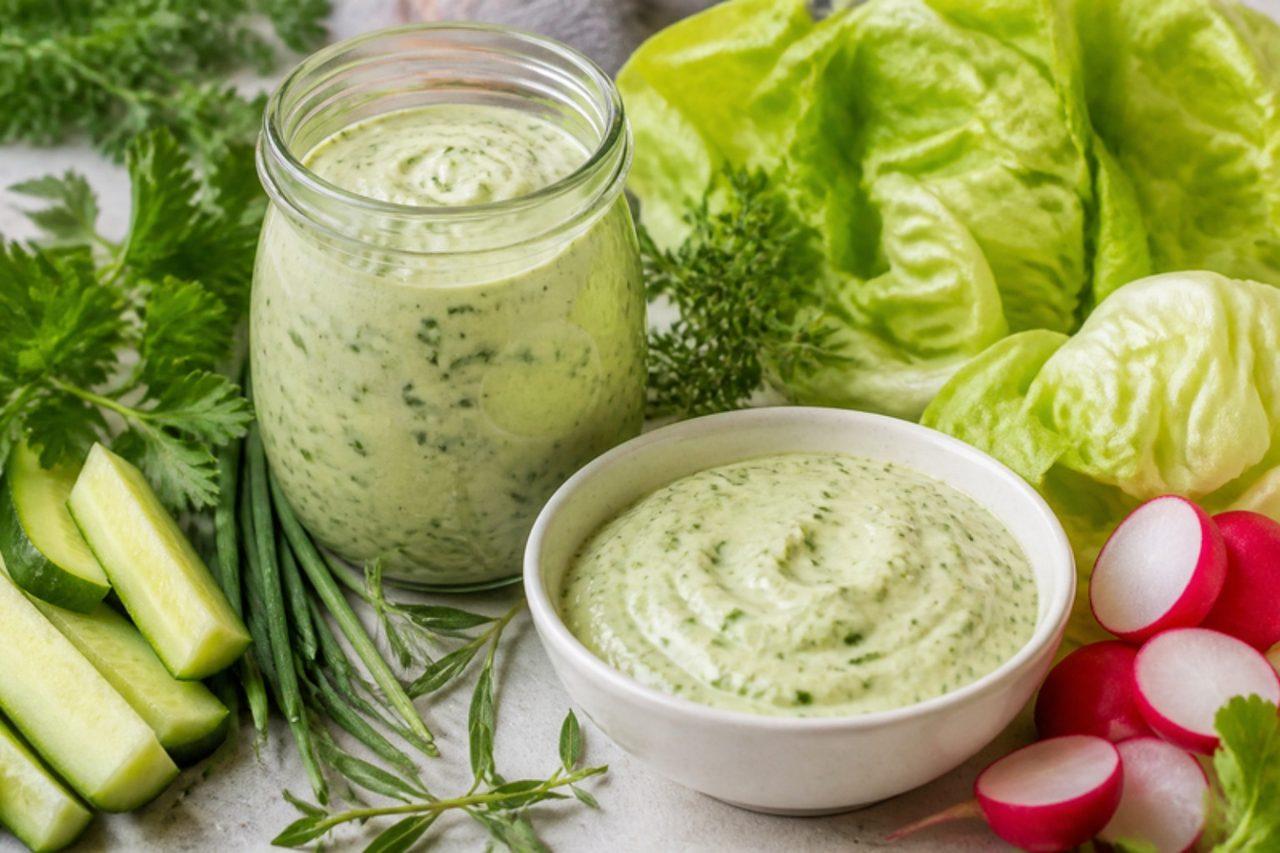
Green goddess dressing

Green goddess dressing was created at the Palace Hotel in San Francisco in the 1920s, named after a popular play, and it came back as the herb-packed dressing of California salad bars and grain bowls. It is pale green and creamy, full of tarragon, parsley and chives. The hotel's original used anchovies; this vegetarian version gets its savoury punch from capers. Use it on salads, as a dip for crudités or on roast vegetables. Chef's tip: blend the herbs with the lemon first, before the creamy ingredients, so they break down fully and turn the dressing bright green.

by KrazyBadal 0 views

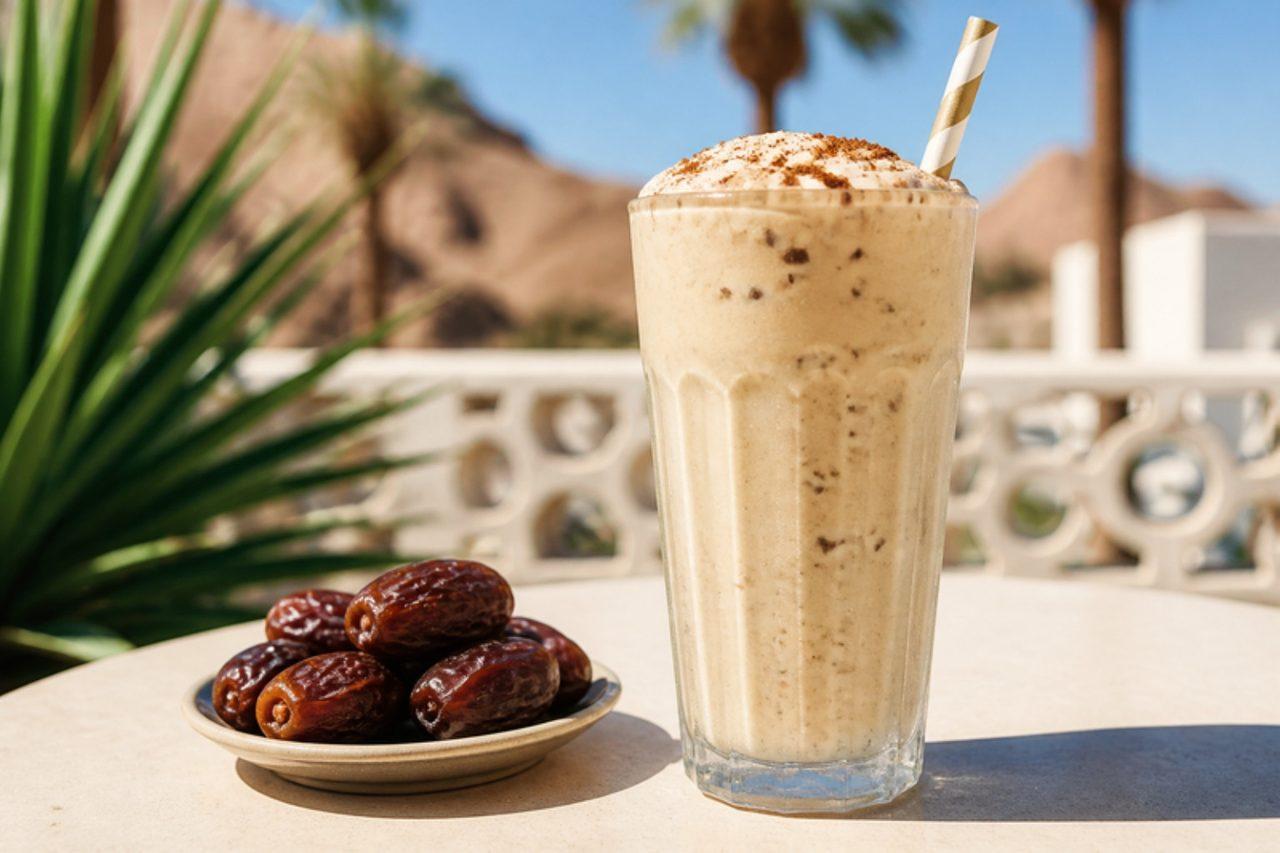
Palm Springs date shake

The Coachella Valley around Palm Springs and Indio grows most of America's dates, and roadside date farms along the desert highway have sold this shake to thirsty drivers since the 1930s. Soft Medjool dates are blended with vanilla ice cream and milk into a thick, caramel-flavoured shake. Chef's tip: soak the chopped dates in a little warm milk for 10 minutes first, so they blend completely smooth instead of leaving chewy bits in the straw.

by KrazyBadal 0 views

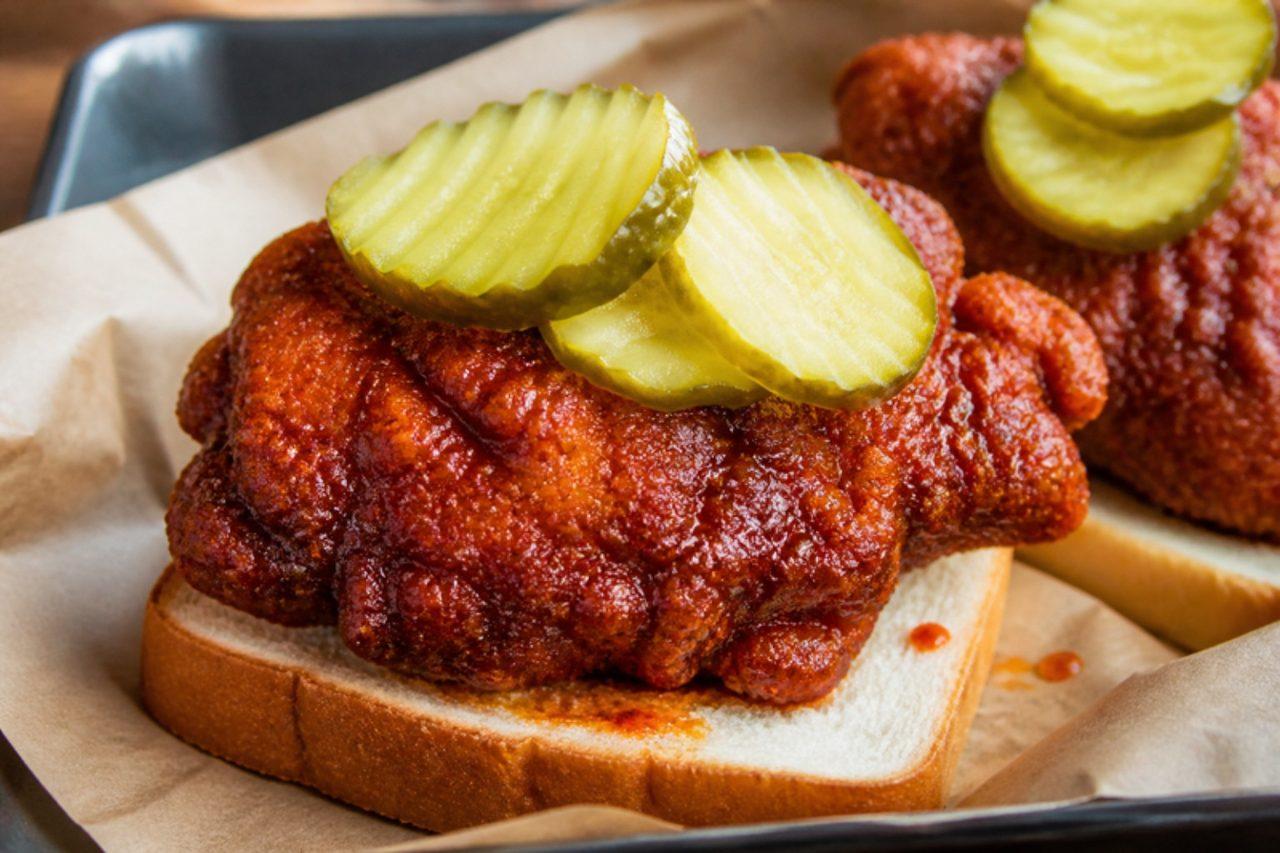
Nashville hot chicken

Hot chicken has been a Nashville institution since the 1930s and is eaten at late-night shacks and the city's summer hot-chicken festival: crisp buttermilk-brined fried chicken painted while hot with a paste of cayenne and brown sugar in hot oil, served on a slice of white bread with dill pickle chips to cool things down. Chef's tip: brine the chicken overnight in the fridge; it seasons the meat right through and keeps it juicy under all that heat.

by KrazyBadal 0 views

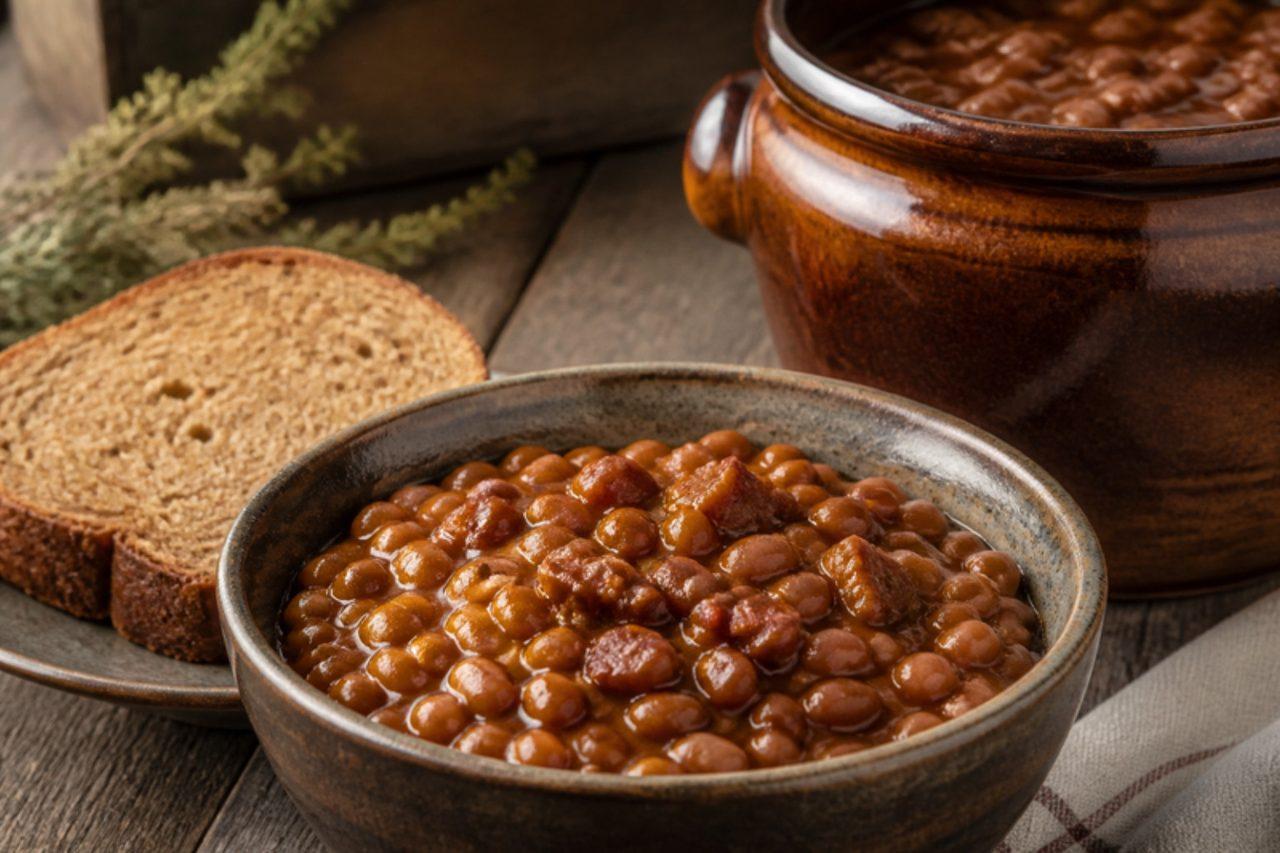
Boston baked beans

Boston earned the nickname Beantown from this pot: small white beans baked all day with salt pork, molasses and mustard, traditionally put in the oven on Saturday morning to be eaten that night with brown bread and kept warm for Sunday. The pork, cured belly with its rind, melts into the beans and gives a savoury richness against the dark, sweet sauce. Chef's tip: keep the beans just covered with water as they bake; if they dry out on top they turn hard and leathery.

435 minAmericanMeat
by KrazyBadal 0 views

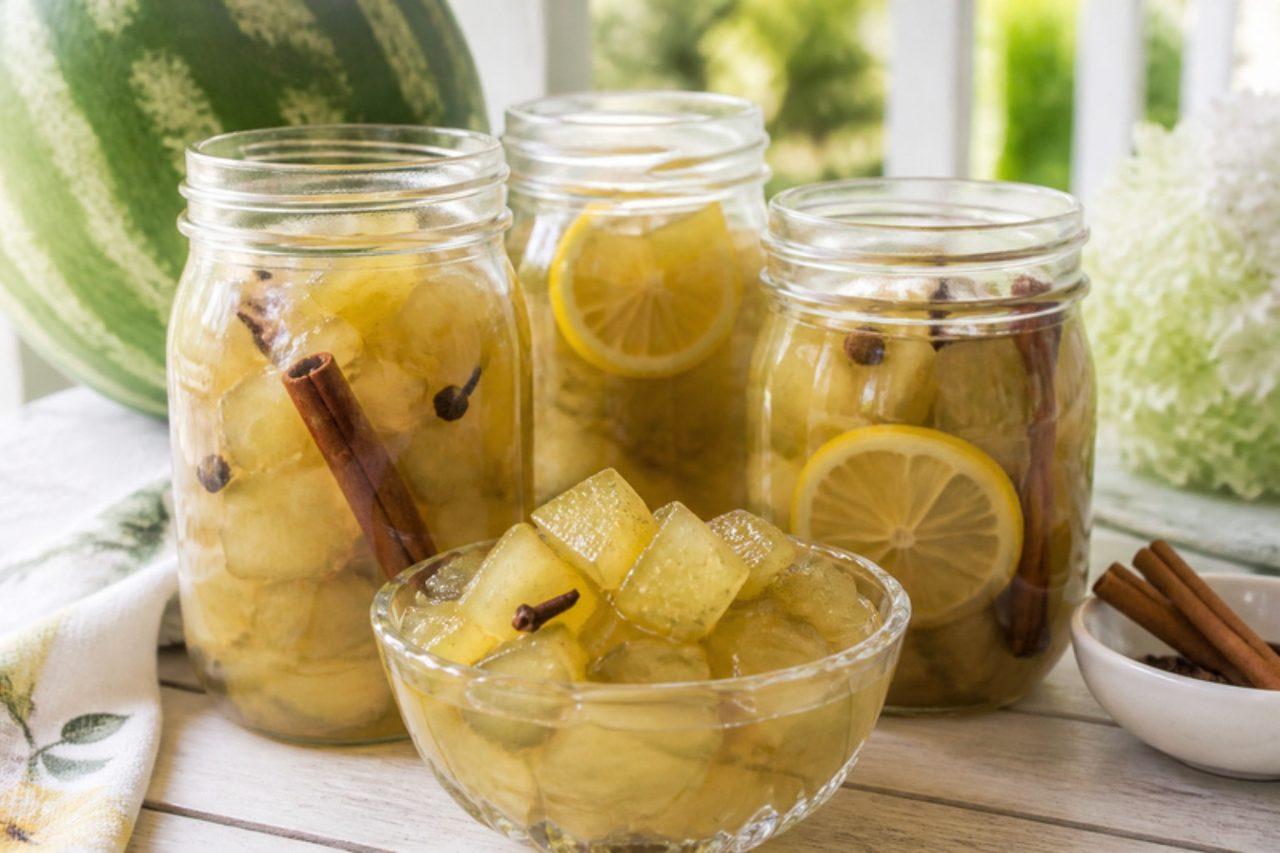
Watermelon rind pickles

Waste-not Southern cooks in Georgia and the Carolinas turned the white part of the watermelon rind into these sweet, glassy pickles, served on relish trays at Christmas and with fried chicken in summer. The rind is brined, then simmered in a cinnamon and clove syrup until translucent and crisp-tender. Chef's tip: cut away every bit of green skin and pink flesh; the skin stays tough and the flesh goes mushy.

by KrazyBadal 0 views

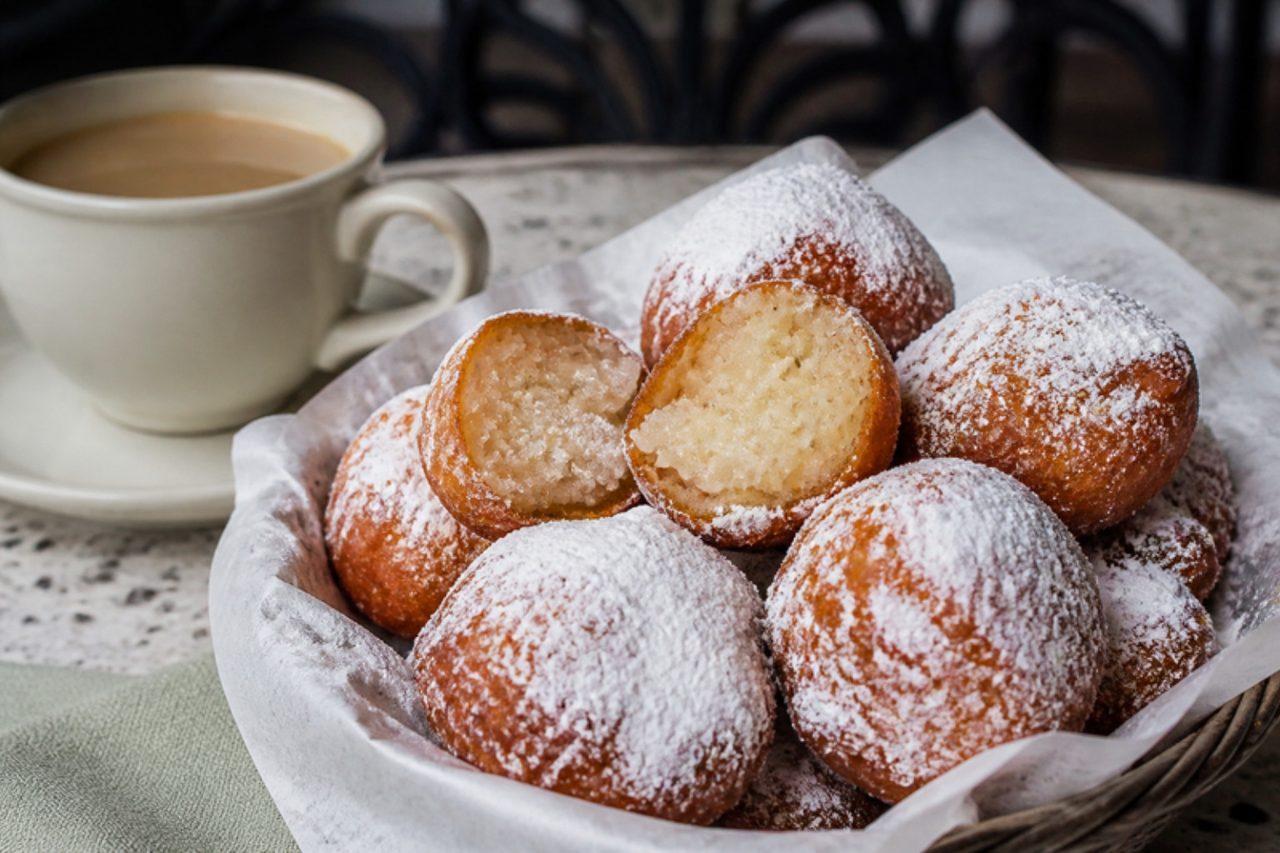
New Orleans beignets

Beignets are the pillowy fried dough squares served three to a plate, under a drift of icing sugar, at the open-air coffee stands of the French Quarter in New Orleans, day and night. The dough is a soft, slightly sweet yeast dough enriched with evaporated milk, and the squares puff up hollow in hot oil. Drink them with chicory café au lait. Chef's tip: roll the dough only 5 mm thick; thicker squares stay doughy in the middle.

by KrazyBadal 0 views

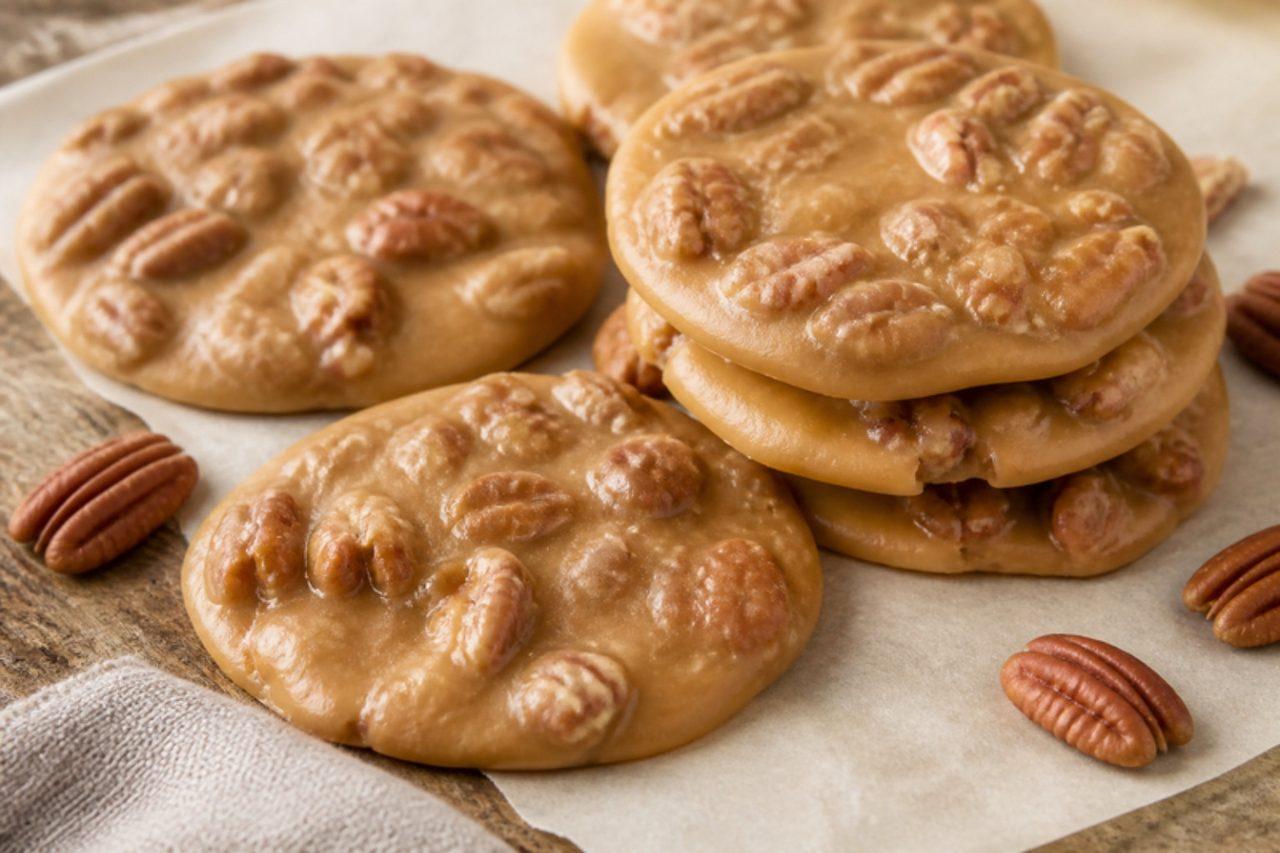
New Orleans pralines

In New Orleans a praline (say 'praw-leen') is a flat, fudgy disc of pecans set in brown sugar and cream, sold in waxed paper from candy shops along Decatur Street and by street vendors since the 1800s. It melts on the tongue rather than snapping like brittle. Chef's tip: use a sugar thermometer and take the pan off at 114 °C; a few degrees more and they turn grainy and hard.

by KrazyBadal 0 views

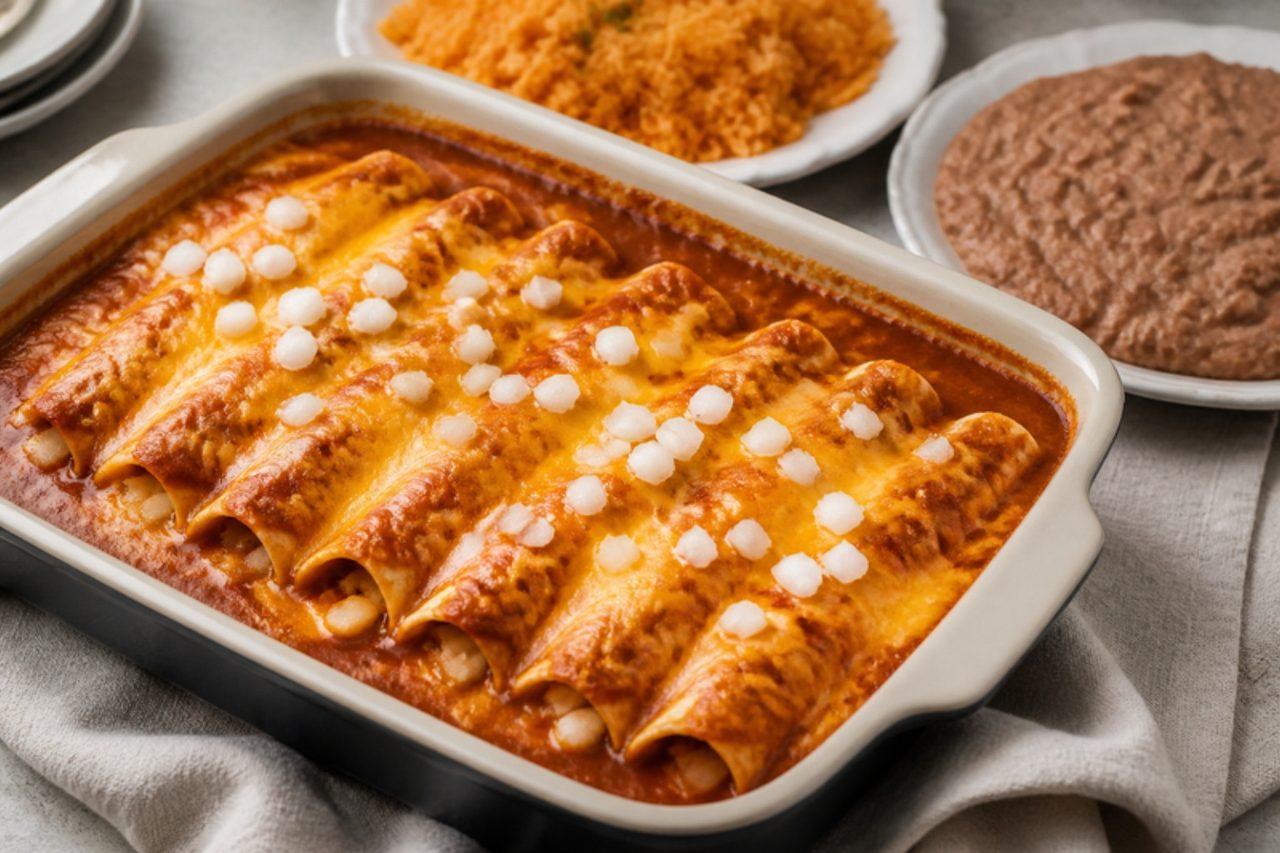
Tex-Mex cheese enchiladas with chili gravy

Cheese enchiladas in chili gravy are the heart of the Tex-Mex combination plate, served in Houston, Dallas and San Antonio cafés since the early 1900s with rice and refried beans. Unlike Mexican enchiladas in fresh chile sauce, the Texas version uses a roux-thickened 'chili gravy' spiced with chili powder and cumin, and lots of melted yellow cheese with raw onion inside. Traditional cheddar is often made with animal rennet; choose a vegetarian cheese. Chef's tip: dip each tortilla in hot oil for a few seconds first, so it rolls without cracking and doesn't go soggy.

by KrazyBadal 0 views

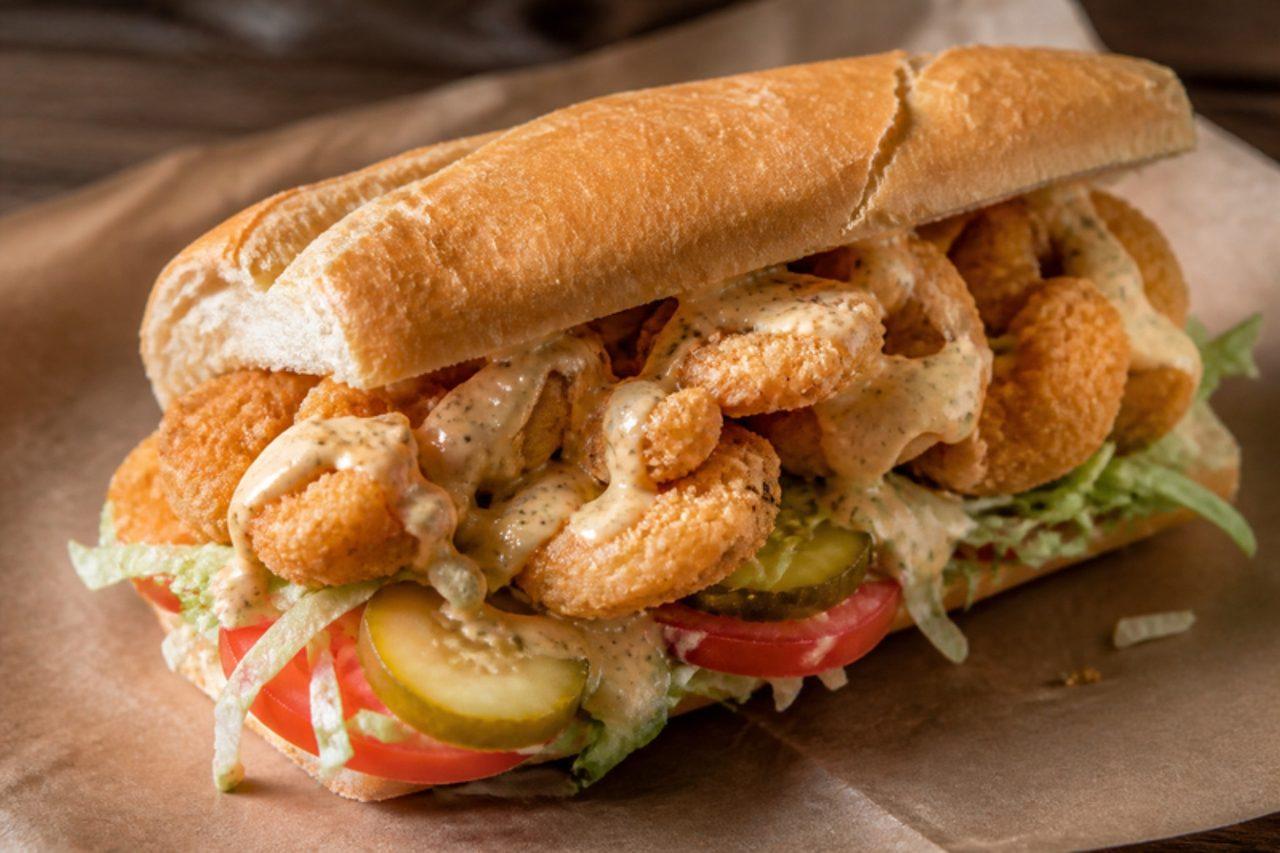
Fried shrimp po'boy

The po'boy was born in 1929 when two former streetcar drivers fed striking workers free sandwiches at their New Orleans restaurant, and today every neighbourhood joint from Mid-City to the Bywater fries them. The bread is a light, flaky-crusted French loaf, and a shrimp po'boy comes 'dressed' with shredded lettuce, tomato, pickles and rémoulade or mayonnaise. Chef's tip: use the lightest, crustiest baguette you can find and warm it; dense bread fights the filling.

by KrazyBadal 0 views

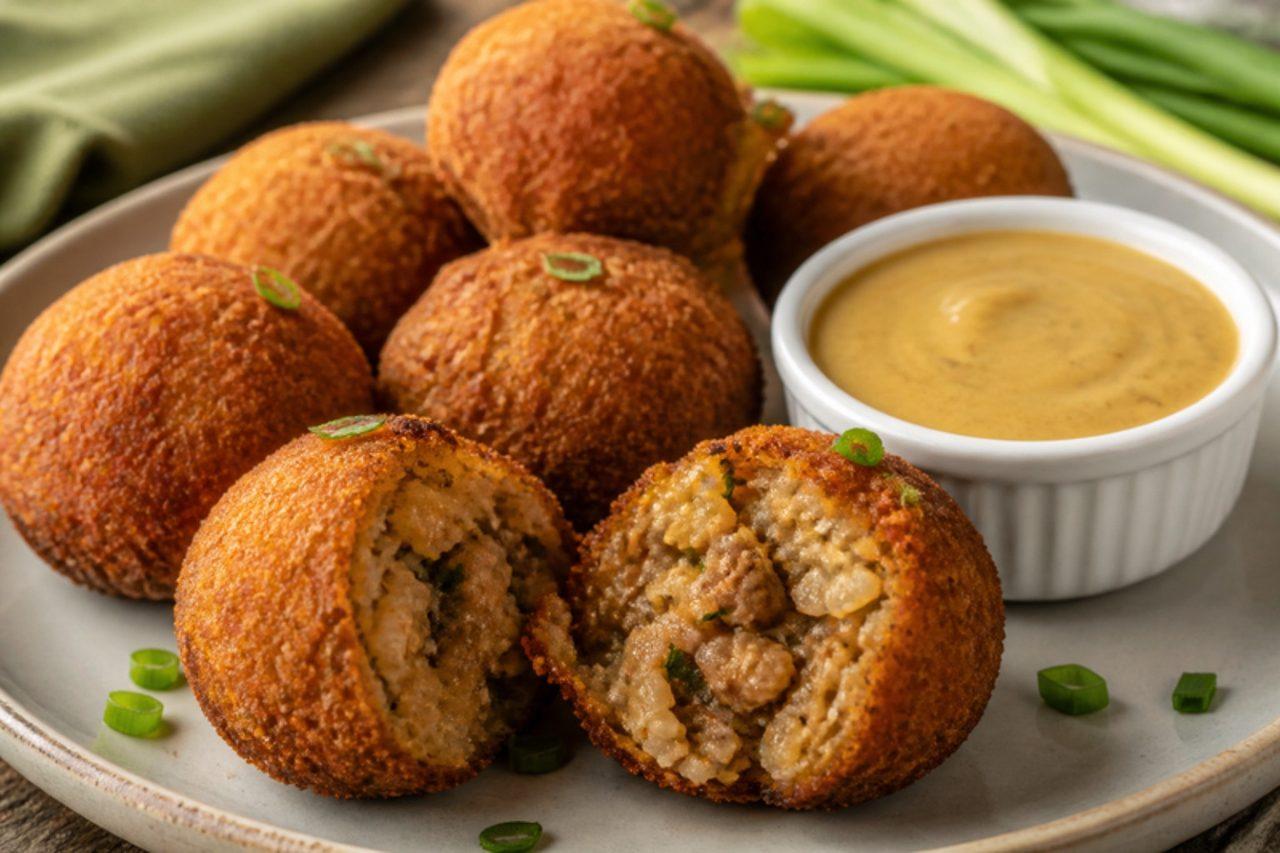
Boudin balls

Boudin is a soft Cajun sausage of pork, pork liver, rice and the holy trinity sold hot from the counters of meat markets and petrol stations along Interstate 10 between Lake Charles and Lafayette. Boudin balls take the same filling, roll it in breadcrumbs and fry it, and they are the snack of LSU tailgates and crawfish boils. This recipe uses pork shoulder and pork liver. Chef's tip: chill the rolled balls for 30 minutes before frying so they keep their shape.

by KrazyBadal 0 views

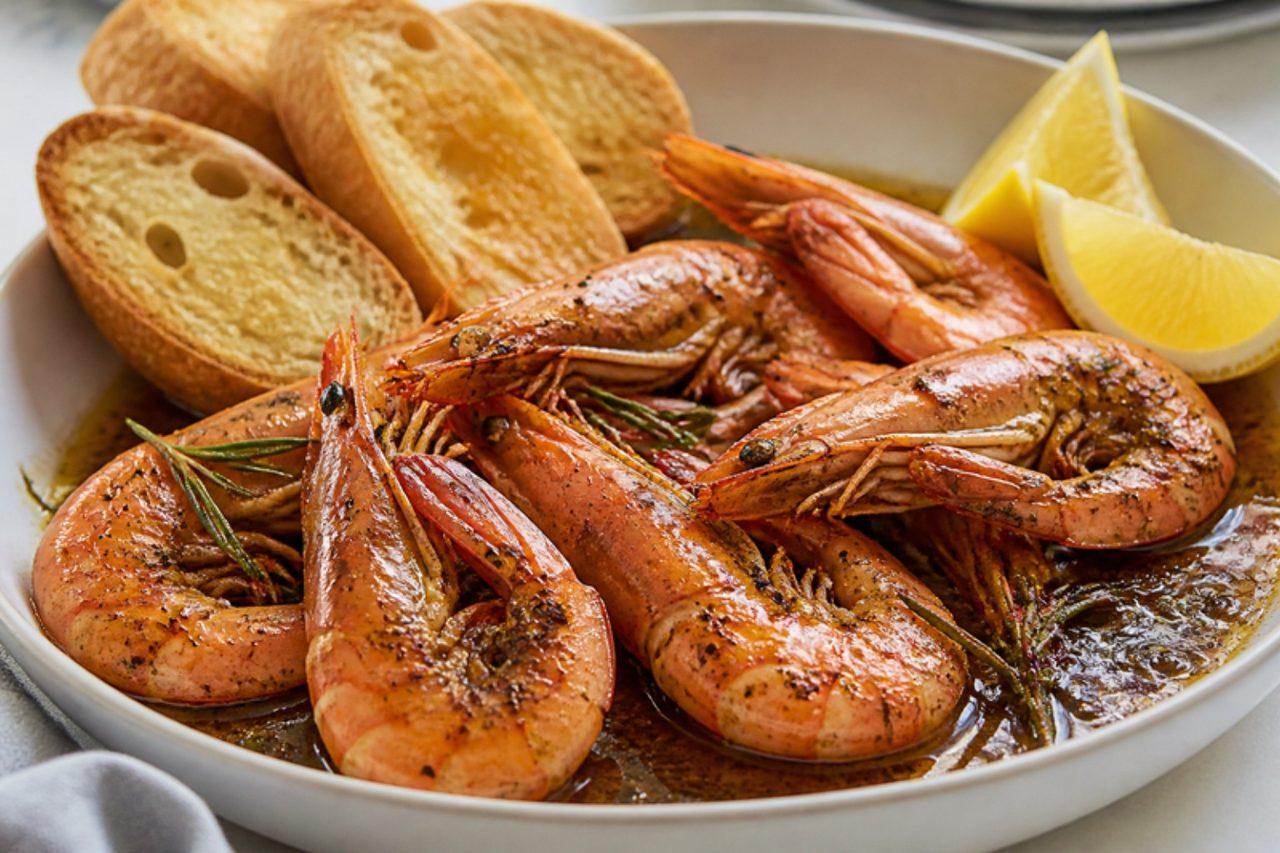
New Orleans barbecue shrimp

New Orleans barbecue shrimp never touch a grill or a barbecue sauce: they are big head-on Gulf prawns baked or pan-cooked in an outrageous amount of butter, black pepper, garlic, Worcestershire sauce and lemon, made famous in an Uptown restaurant in the 1950s. You peel them at the table and mop up the sauce with French bread. Some cooks add a splash of beer, which contains alcohol; this version uses stock, so it is alcohol-free. Worcestershire sauce contains anchovy. Chef's tip: keep the heads on; they hold the juices that make the sauce.

by KrazyBadal 0 views

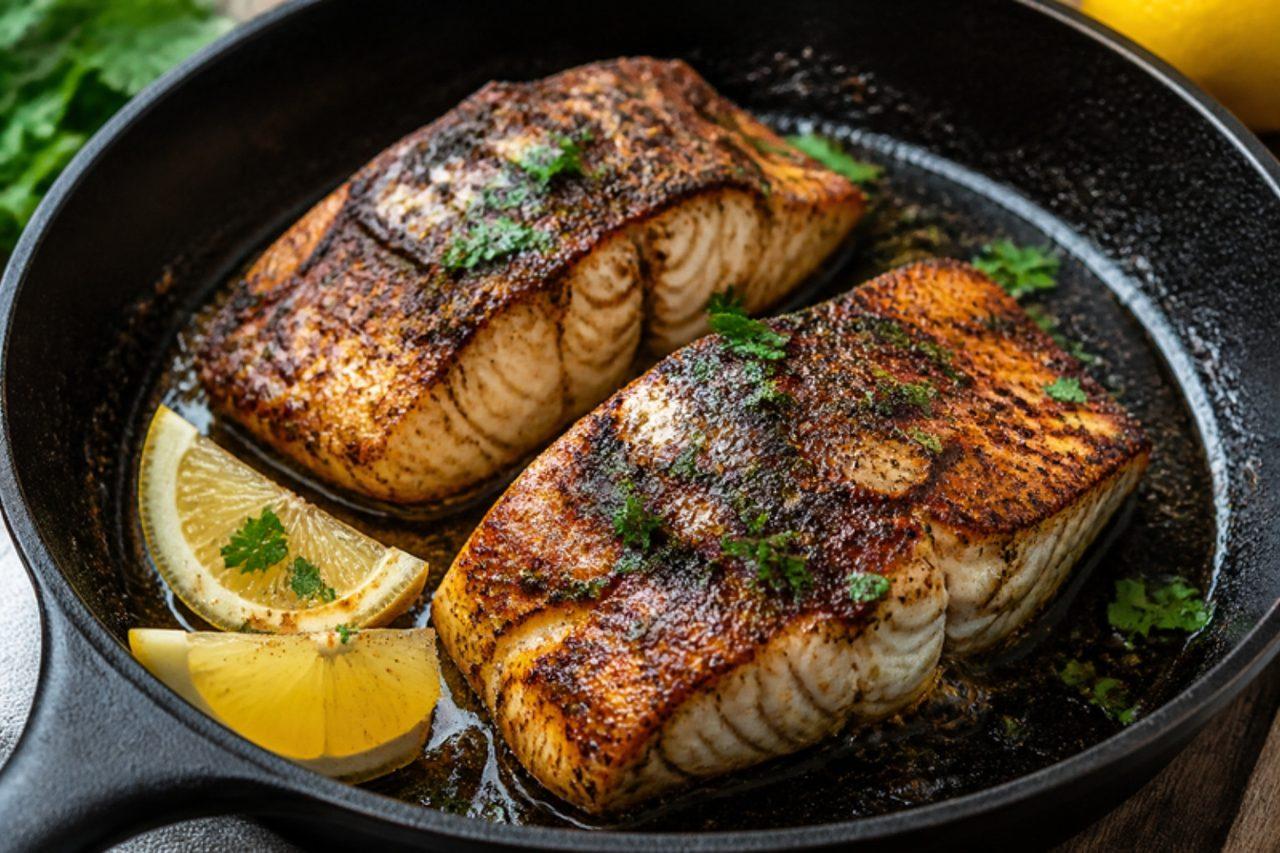
Blackened redfish

Blackened redfish was the dish that made Cajun cooking famous across America in the 1980s, created in a New Orleans restaurant by a chef from Opelousas. Fillets are dipped in butter, coated thickly in paprika, cayenne, thyme and pepper and seared in a white-hot cast-iron pan, so the spices char into a dark, smoky crust while the fish stays moist. It produces a lot of smoke, so open the windows or cook it outside. Chef's tip: the pan must be heated empty for a full 5 minutes; a lukewarm pan steams the fish instead of blackening it.

by KrazyBadal 0 views

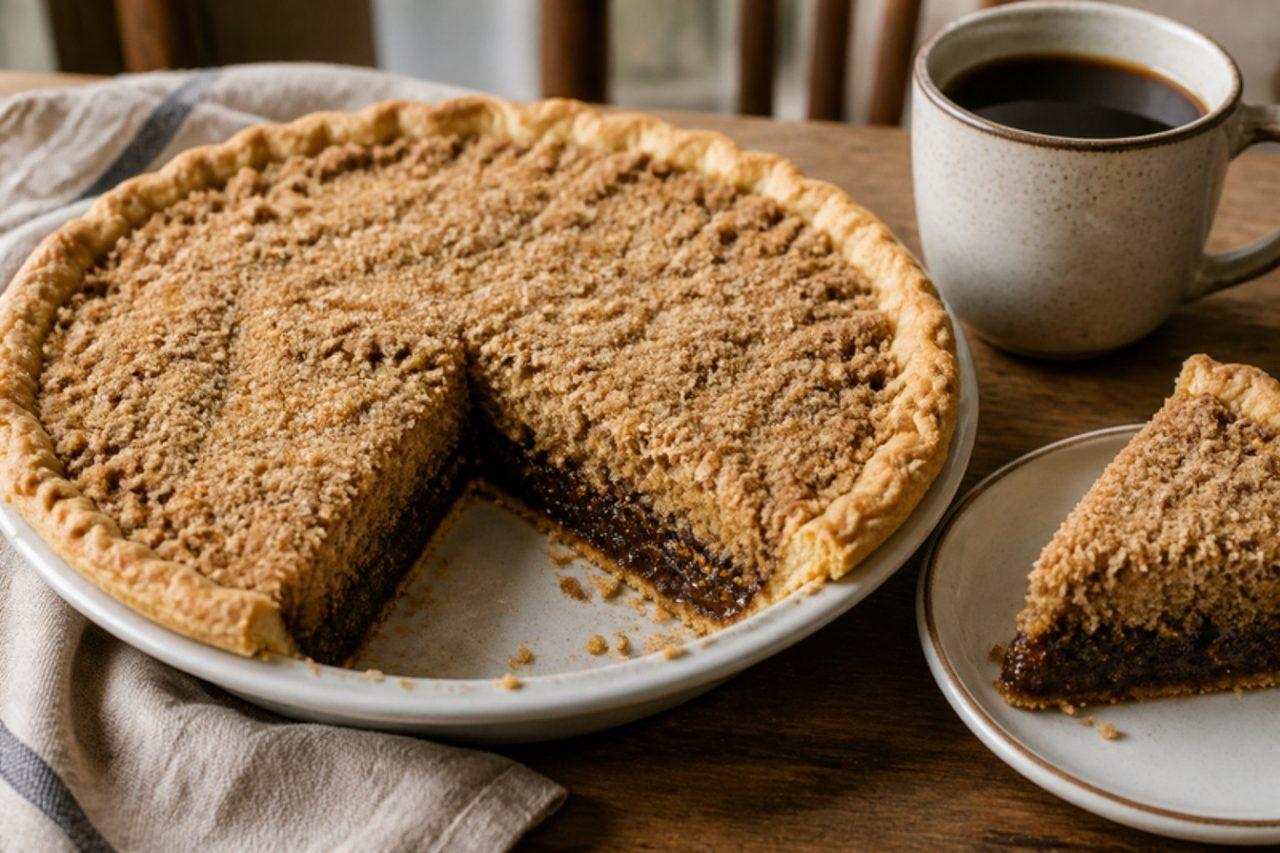
Shoofly pie

Shoofly pie is the signature sweet of the Amish and Mennonite farms around Lancaster, Pennsylvania, sold at roadside stands and farmers' markets and eaten for breakfast with strong coffee as often as for dessert. This is the 'wet-bottom' kind: a gooey layer of molasses custard under a cakey middle and a buttery brown-sugar crumb. Chef's tip: use mild, light molasses; strong blackstrap makes it bitter.

by KrazyBadal 0 views

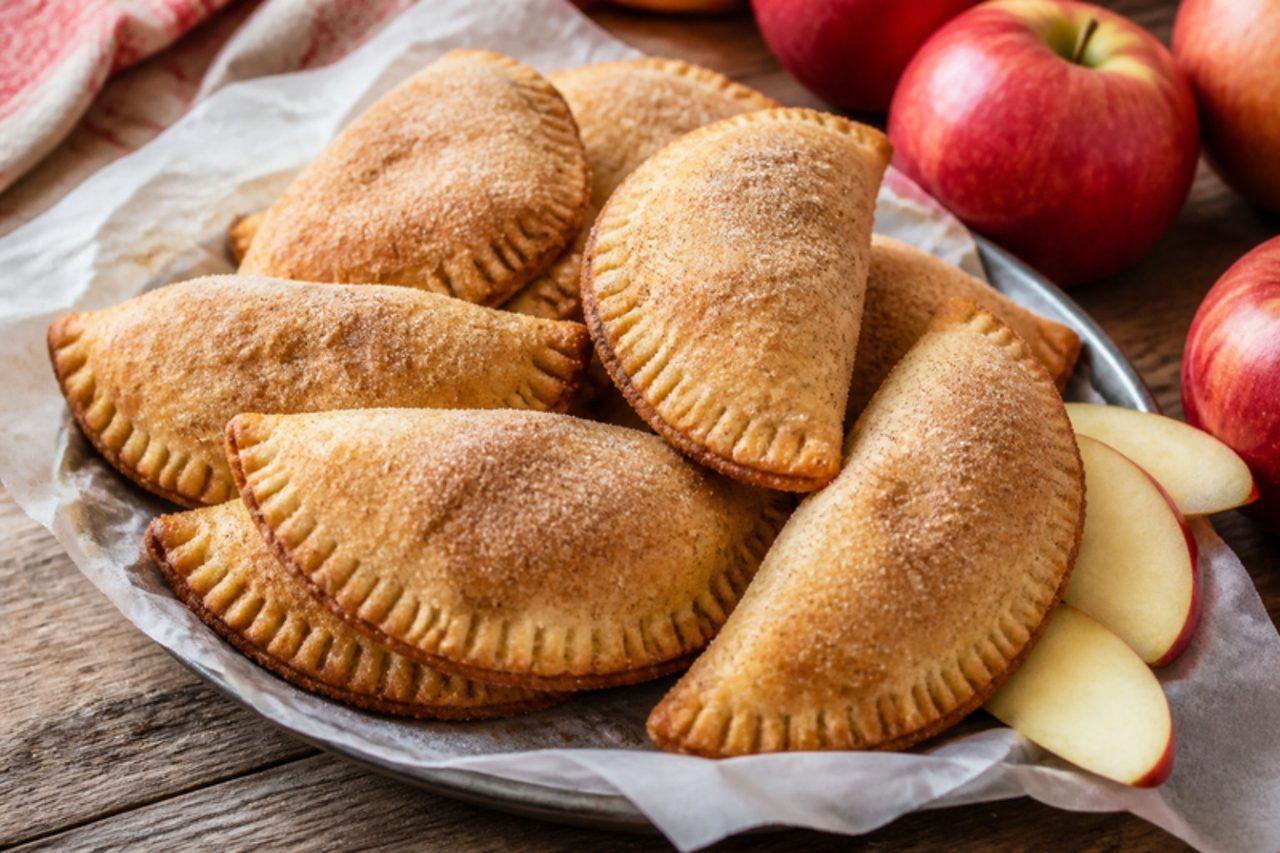
Fried apple hand pies

Fried pies are a staple of Appalachian bake sales, country stores and Grand Ole Opry-era lunch pails across Tennessee, Kentucky and north Georgia, made from apples dried on the porch roof in autumn. The rich filling of stewed dried apple is folded into rounds of tender pastry, crimped with a fork and fried crisp in a skillet. Chef's tip: let the filling go completely cold and use only a heaped tablespoon; overfilled pies burst in the pan.

by KrazyBadal 0 views

New England corn chowder

When the sweetcorn stands in late summer at farm stands from Maine to Connecticut, corn chowder is what goes on the stove. It is a milky, chunky soup of corn, potato and onion, thickened by simmering the stripped cobs in the stock. Many cooks start it with salt pork; this vegetarian version gets its depth from butter, smoked paprika and the cob stock instead. Chef's tip: scrape the bare cobs with the back of a knife to get the sweet corn 'milk' into the pot.

by KrazyBadal 0 views

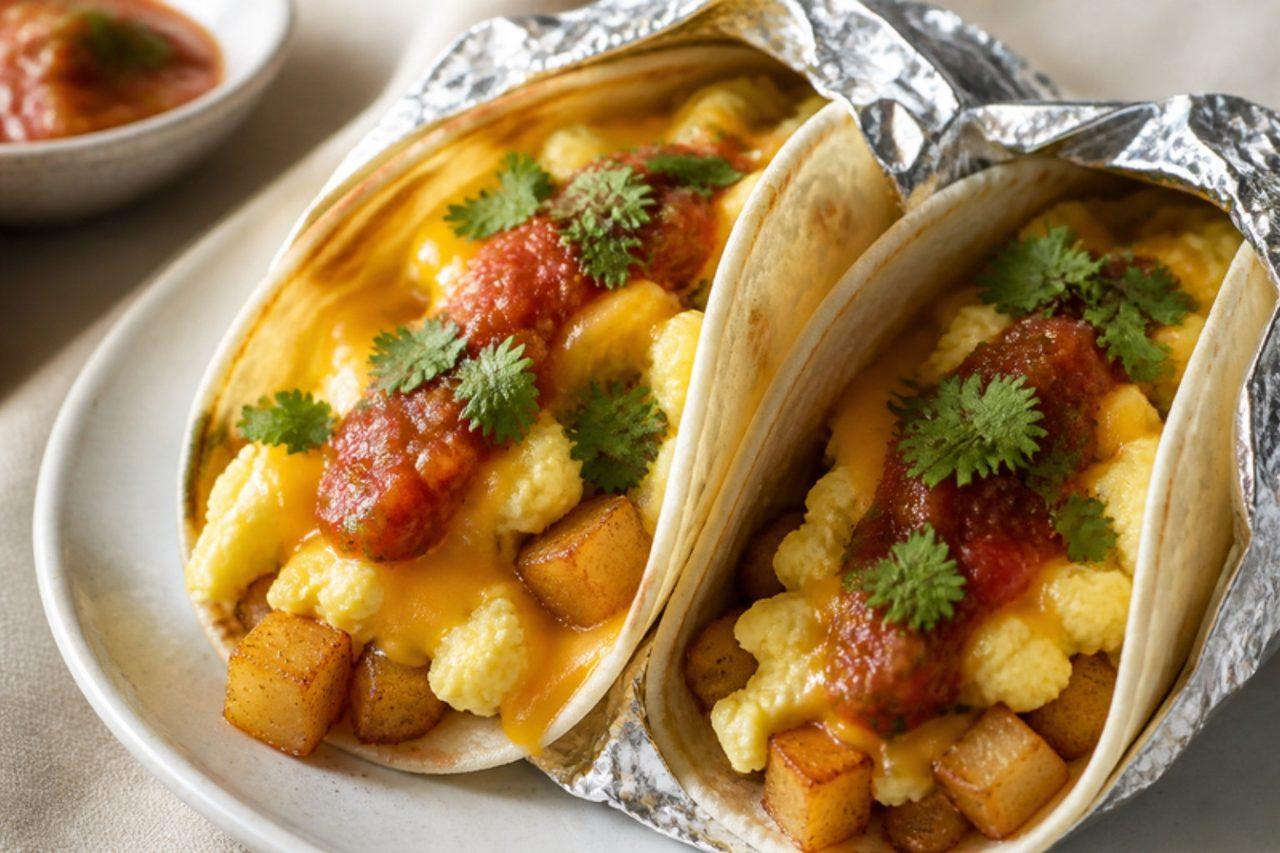
Texas potato and egg breakfast tacos

In Austin and San Antonio the breakfast taco is the morning commute: soft flour tortillas wrapped around fillings like crispy potato, scrambled egg and cheese, bought in foil from taquerías and petrol stations and eaten with salsa. Potato and egg is the classic meatless pairing. Chef's tip: fry the diced potatoes in one layer without stirring for the first few minutes so they get a real crust.

by KrazyBadal 0 views

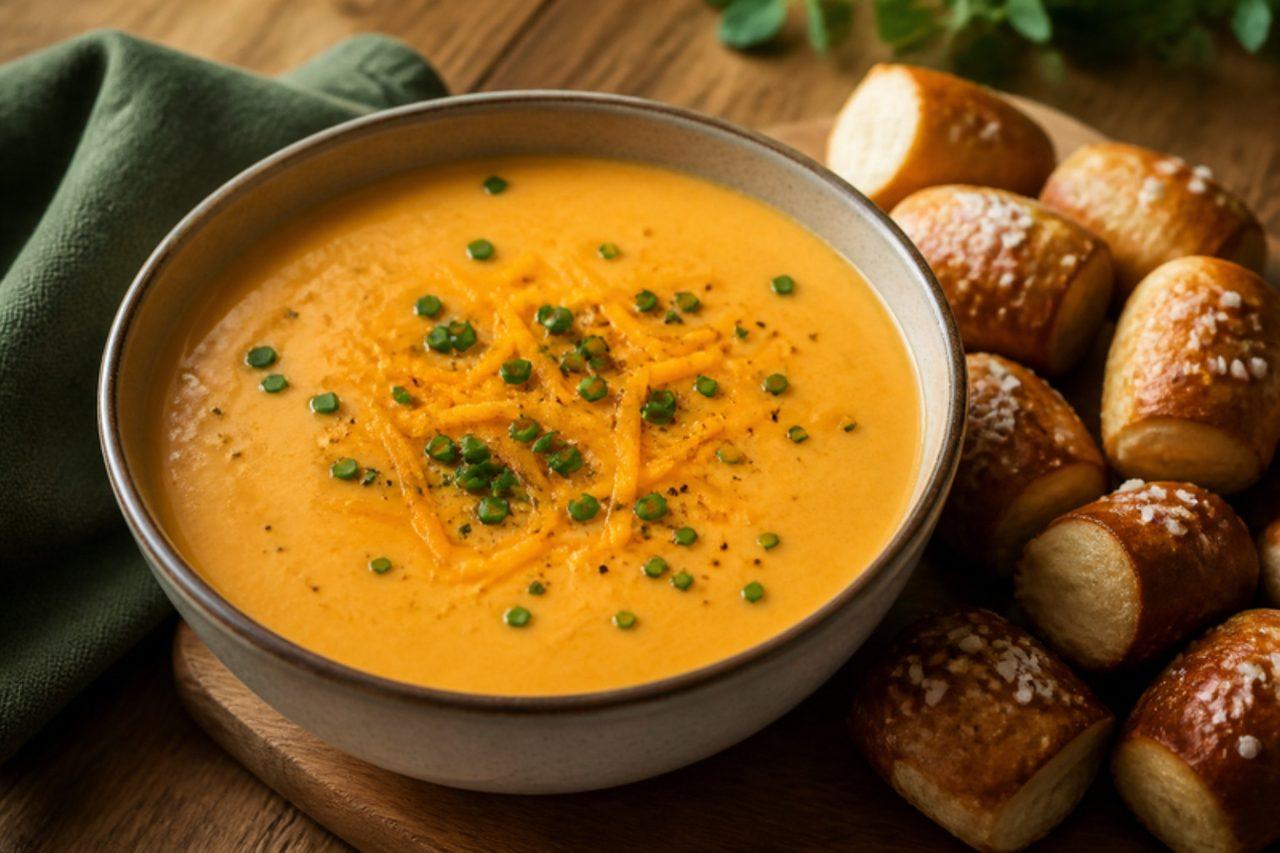
Wisconsin beer cheese soup

Beer cheese soup is a Wisconsin tavern and Packers game-day classic, made with the state's sharp cheddar and a local lager and served with soft pretzels or popcorn on top. It is thick, silky and tangy, with a little mustard and smoked paprika. It contains beer; most of the alcohol cooks off but not all, so for an alcohol-free version use alcohol-free lager or extra stock with 1 tsp cider vinegar. Aged cheddar is often made with animal rennet, so use a vegetarian cheddar. Chef's tip: add the cheese off the heat, a handful at a time, or it turns grainy.

by KrazyBadal 0 views

Chicago giardiniera

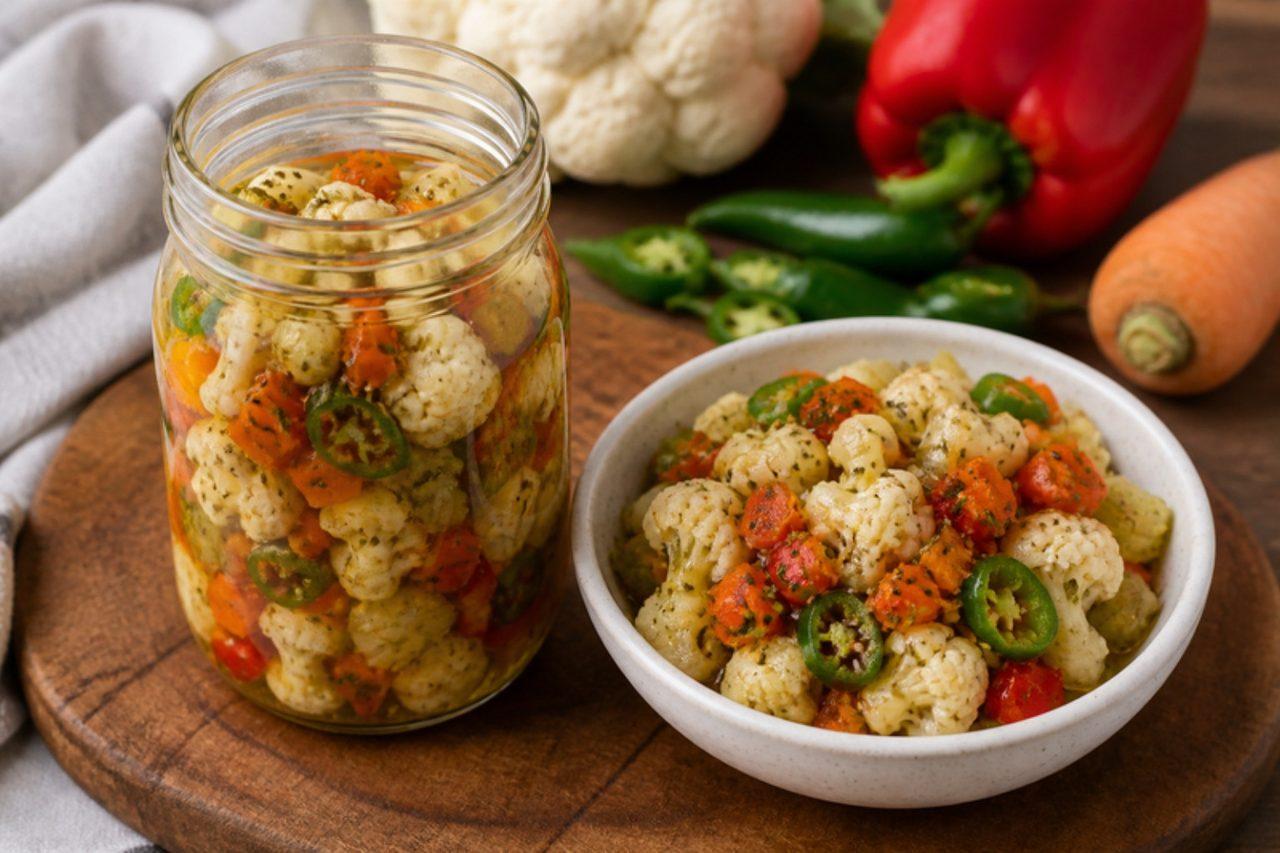
Giardiniera came to Chicago with Italian immigrants, and the city made it its own: a hot mix of chopped chillies, celery, carrot and cauliflower, brined overnight then packed in vinegar and oil. It is what Chicagoans pile on an Italian beef sandwich, a pizza or a sausage, and every deli has its own heat level. Chef's tip: don't skip the overnight salt brine; it draws out water so the vegetables stay crunchy for weeks.

by KrazyBadal 0 views

Green bean casserole from scratch

Green bean casserole was invented in a test kitchen in the 1950s and spread across the Midwest via church cookbooks; today it is on most American Thanksgiving tables. This version skips the tins: fresh beans in a homemade mushroom cream sauce, topped with crisp shallots you fry yourself. Chef's tip: blanch the beans only until bright green and still squeaky, because they cook again in the oven.

by KrazyBadal 0 views

Castroville fried artichokes

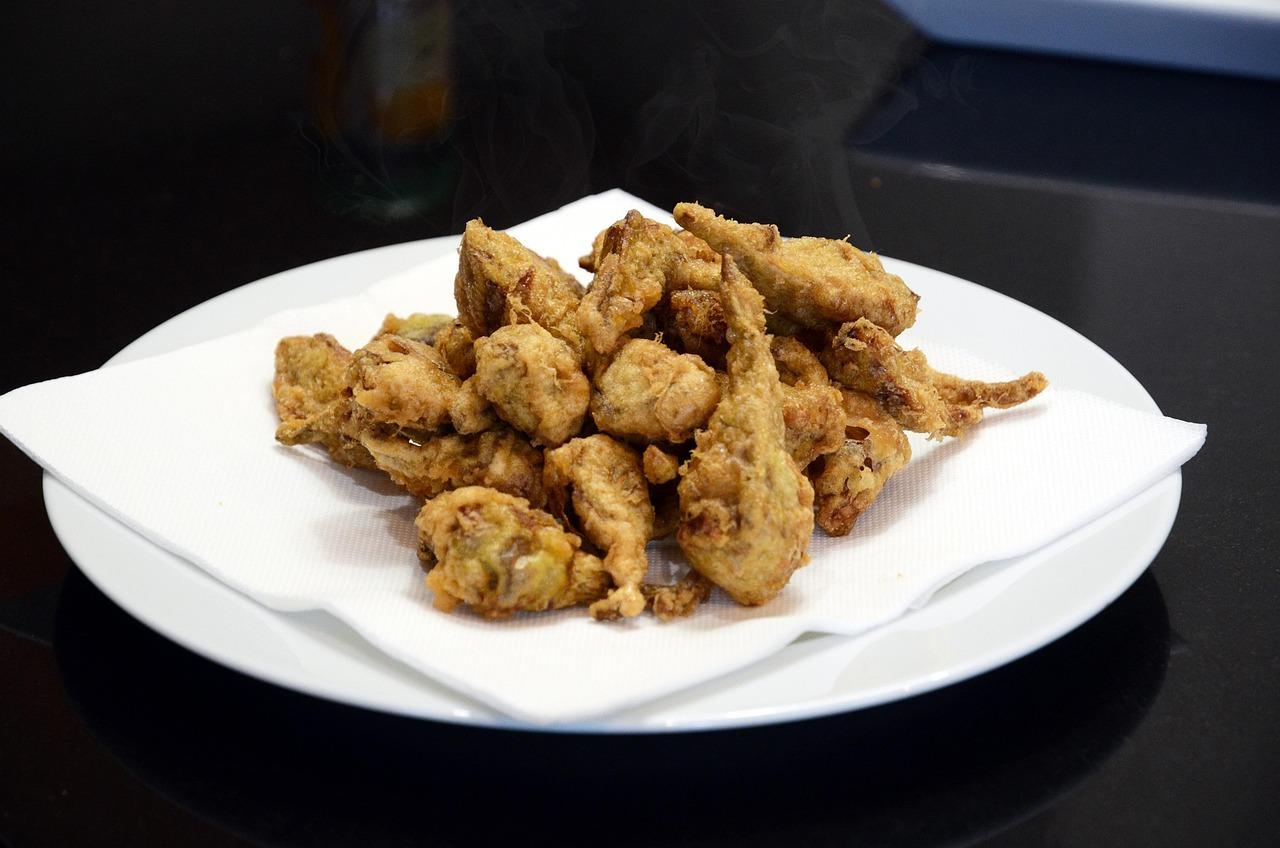
Castroville, near Monterey on California's central coast, grows most of America's artichokes and calls itself the artichoke centre of the world. Roadside stands and the annual artichoke festival sell them crisp-fried, the tender hearts dipped in a light batter and served with lemon and garlic mayonnaise. Small 'baby' artichokes are best, as they have almost no choke. Chef's tip: drop each trimmed artichoke straight into lemon water; cut artichokes turn brown within minutes.

by KrazyBadal 0 views

Fortune cookies

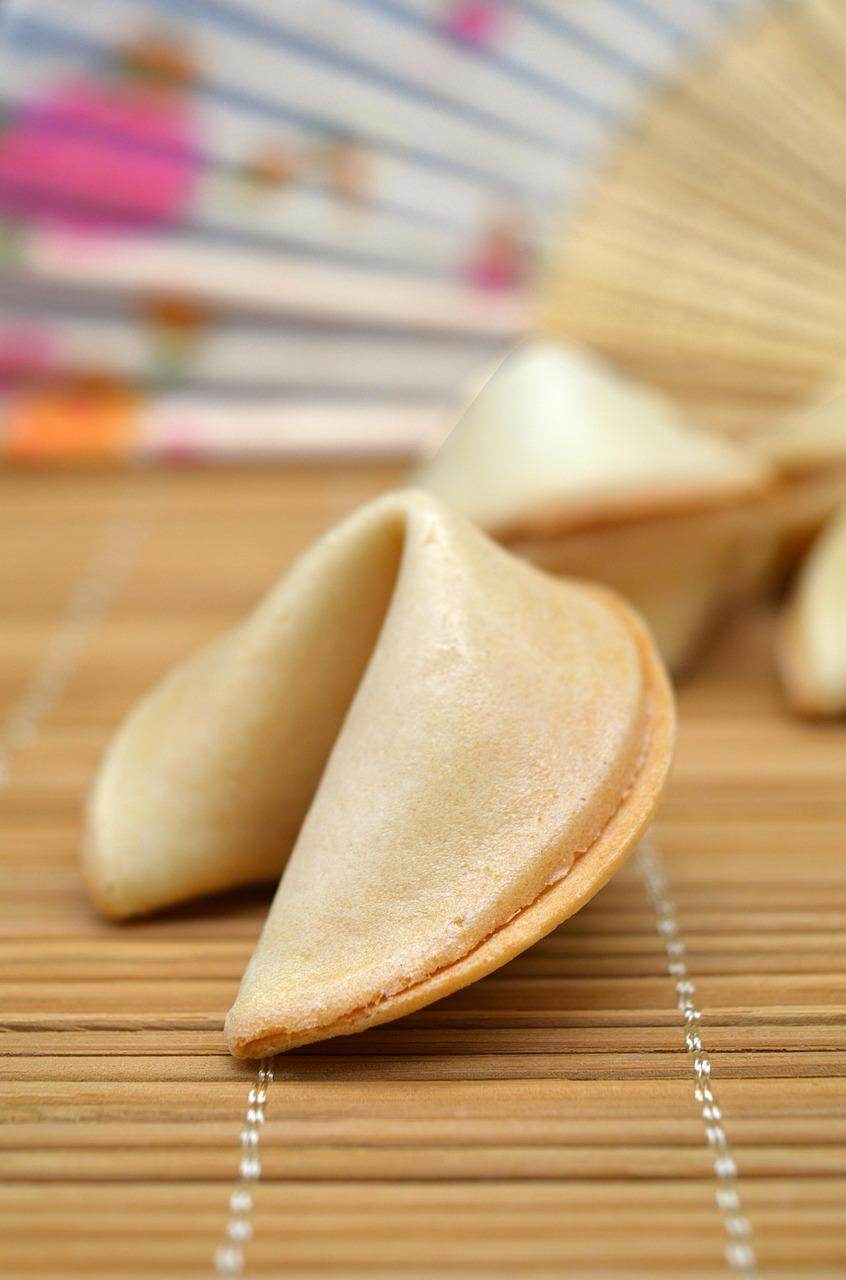
Fortune cookies are not from China at all: they were first sold in San Francisco and Los Angeles in the early 1900s, probably from a Japanese tea garden recipe, and Chinese-American restaurants made them famous. A thin vanilla and almond batter is baked into a wafer, then folded while hot around a paper message. Write your own fortunes for a party. Chef's tip: bake only two or three at a time; the wafers set in seconds and crack if you can't fold them fast enough.

by KrazyBadal 0 views

Chermoula

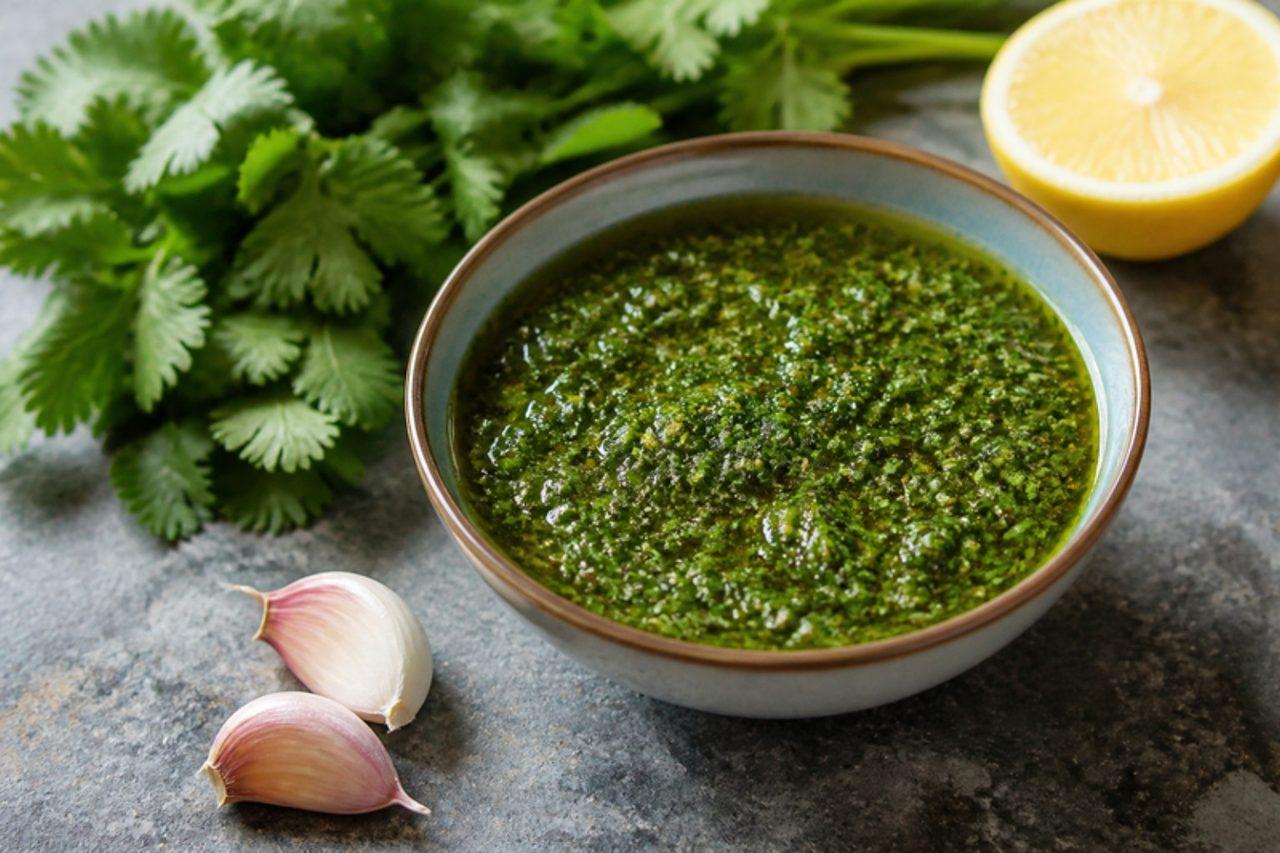
Along the Atlantic coast, in the fish stalls by Essaouira harbour and in home kitchens up and down the coast, chermoula is the green, garlicky paste that seasons almost everything from the sea: whole fish for the oven, sardines for the grill and fish tagines with potatoes and peppers. It works just as well on vegetables: toss it with potatoes, aubergine or carrots before roasting, spoon it over chickpeas, or stir it into a vegetable tagine. Bright, herby and tangy, it is warm with cumin and paprika and has a little chilli heat. When you use it on fish, marinate in the fridge, never on the counter, and for no more than 2 hours, or the lemon starts to cook the flesh and turns it mushy. Chef's tip: chop by hand or pulse only briefly; blended to a smooth purée, the herbs bruise and taste grassy.

by KrazyBadal 0 views

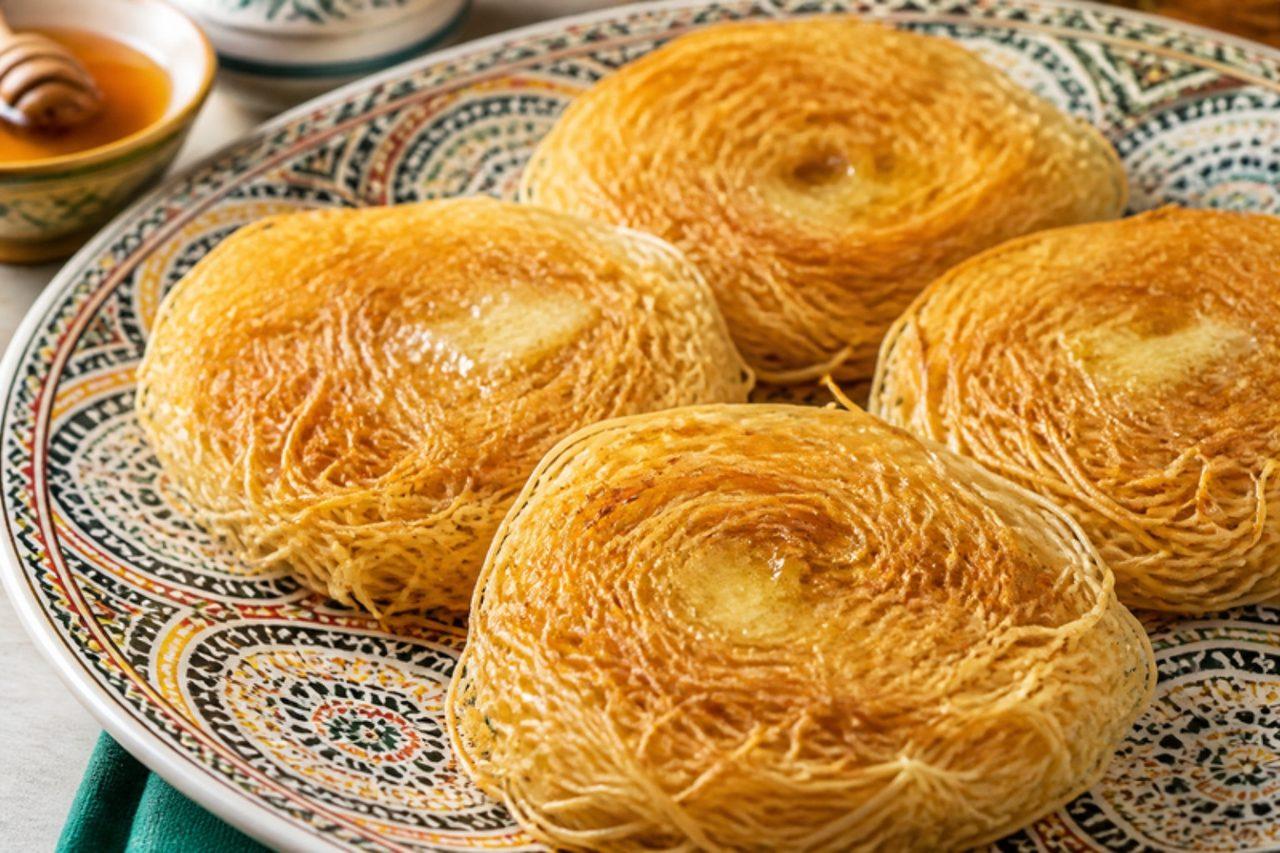
Rziza (coiled thread pancakes)

Rziza is one of the showpieces of the Ramadan table in the old imperial cities: a soft dough is stretched into a sheet, rolled up and pulled into a long, thin cord, then wound around the fingers into a skein, flattened into a nest and griddled until crisp outside and tender within. At iftar the nests are pulled apart into their fine strands and drenched in warm honey and melted butter, to eat with harira, dates and mint tea. Making it takes patience and practice; the first one or two may tear, and that is fine. Chef's tip: keep everything well oiled, your hands, the board and the dough balls; too little oil is the common mistake, and the dough then tears instead of stretching.

by KrazyBadal 0 views

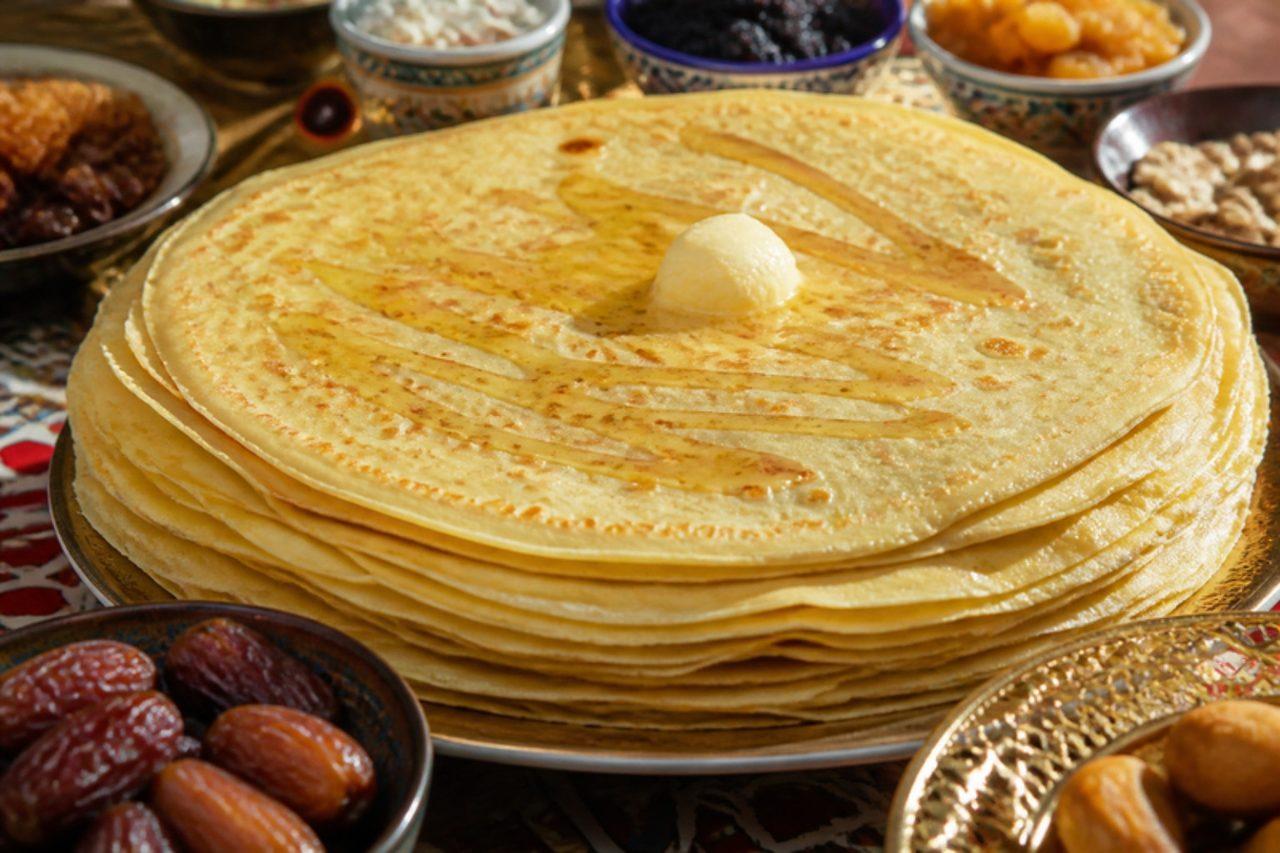
Mufleta (Mimouna stacked crêpes)

On the evening Passover ends, Moroccan Jewish families celebrate Mimouna by opening their doors to neighbours and friends, and the star of the table is mufleta: paper-thin rounds of unleavened dough stretched by hand and cooked one on top of another in a single pan, so a whole warm stack comes out at once. Each layer is peeled off, spread with butter and drizzled with honey, and rolled up to eat with mint tea, among sweets, dried fruits and flowers. They are soft, a little chewy and lightly crisp at the edges. The dough has no yeast, fitting for the night bread returns. The usual mistake is stretching the dough with too little oil on the board, so the sheets tear and stick together in the stack. Chef's tip: cook over a medium-low heat; a pan that is too hot scorches the bottom layer before the stack is built.
by KrazyBadal 0 views

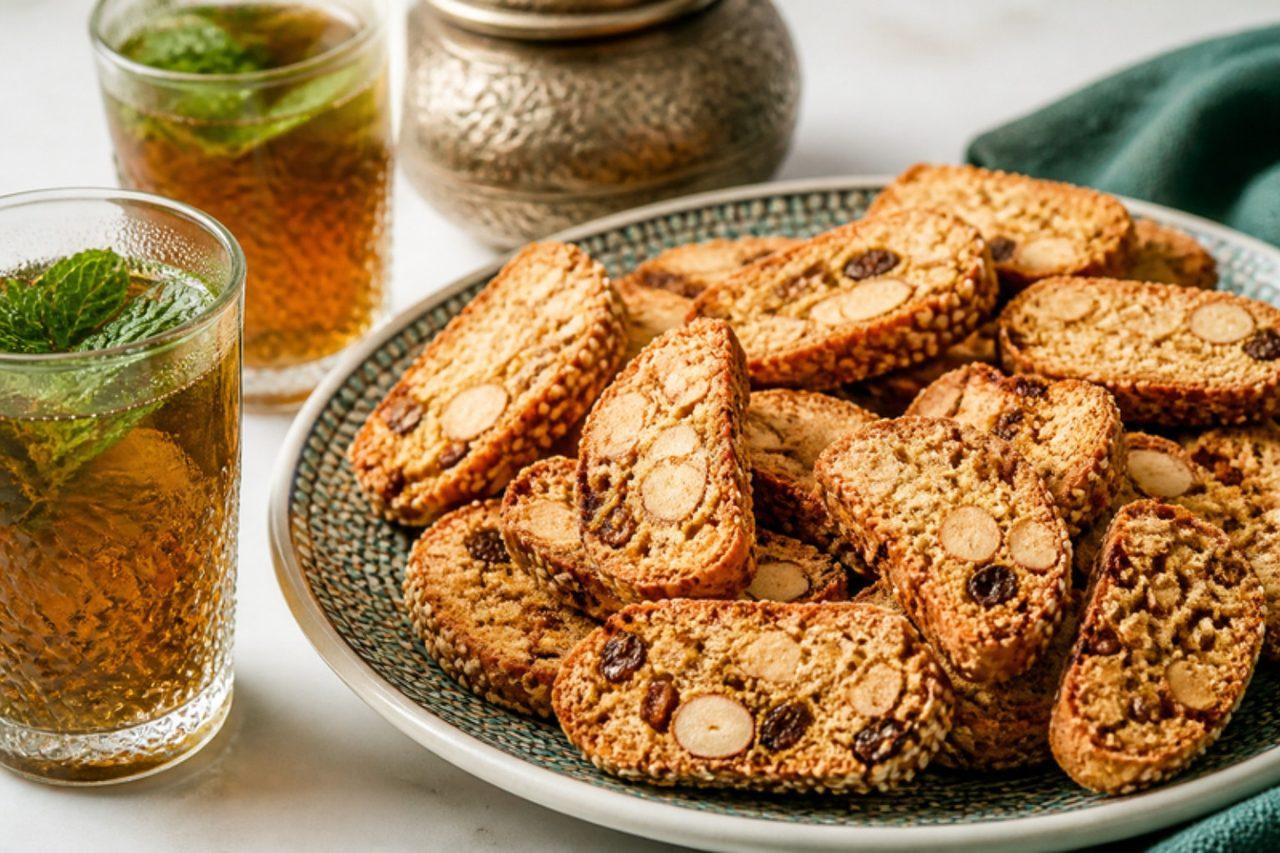
Fekkas (twice-baked almond biscuits)

Before Eid and during Ramadan, Moroccan kitchens fill with the scent of fekkas: logs of a soft, eggy dough studded with almonds, raisins, aniseed and sesame are baked, cooled, sliced thin and baked again until dry, golden and very crunchy. They are offered to guests on trays with ghriba and other biscuits and dunked into mint tea or milky coffee, and they keep for weeks in a tin, so they are perfect to make ahead. The flavour is gently sweet, with liquorice notes from the anise and a little lemon. Avoid slicing the logs while they are still hot from the first bake; they crumble. Let them firm up first. Chef's tip: let the baked logs cool completely, ideally overnight, before slicing; warm logs crumble under the knife.
by KrazyBadal 0 views

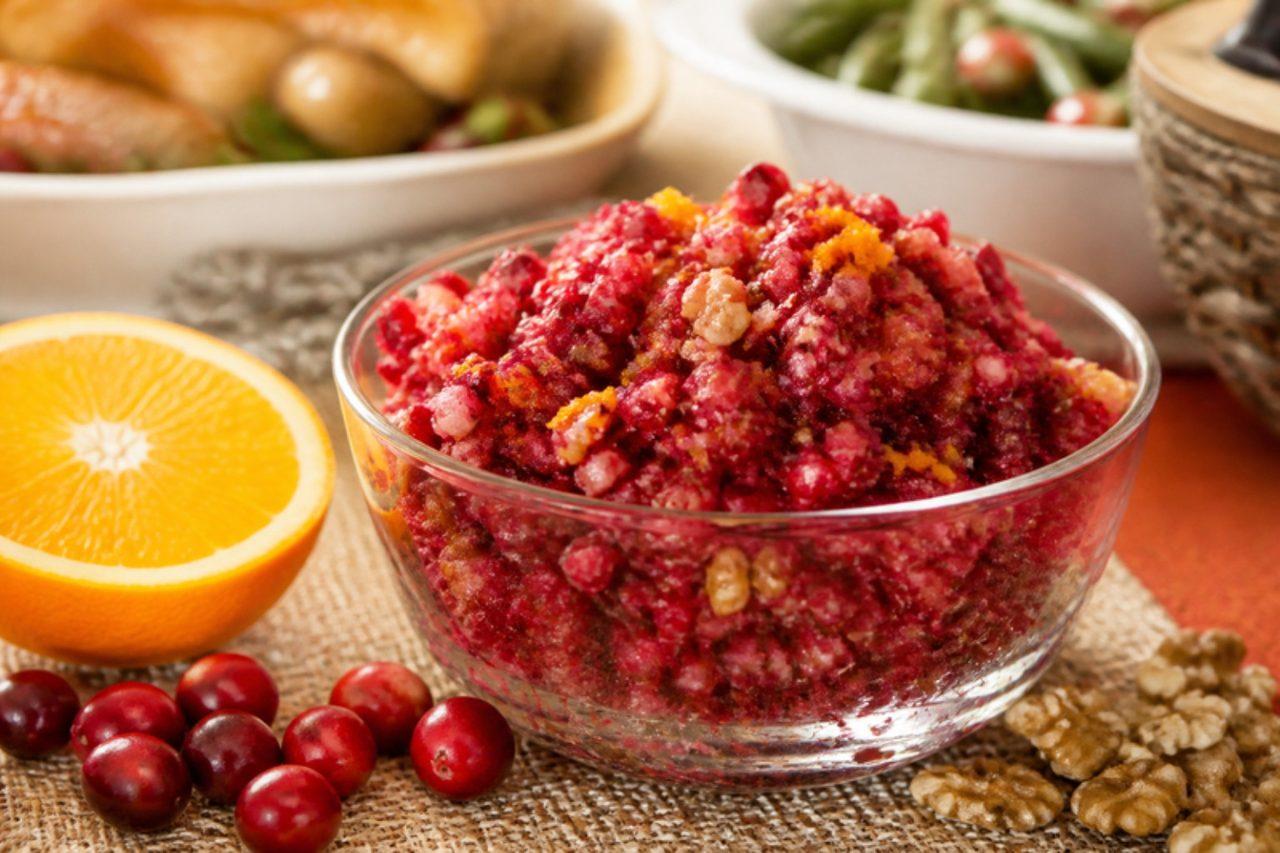
Cranberry orange relish

Cape Cod and the bogs of south-eastern Massachusetts grow much of America's cranberry crop, and this uncooked relish is the sharp, bright alternative to cooked cranberry sauce on many New England Thanksgiving tables. Fresh cranberries are chopped with a whole orange, peel and all, then sweetened, so it is crunchy, tart and fragrant, lovely with roast vegetables, nut roasts or cheese. Chef's tip: make it a day ahead; the sugar draws out the juices and softens the bitterness of the peel overnight.

by KrazyBadal 0 views

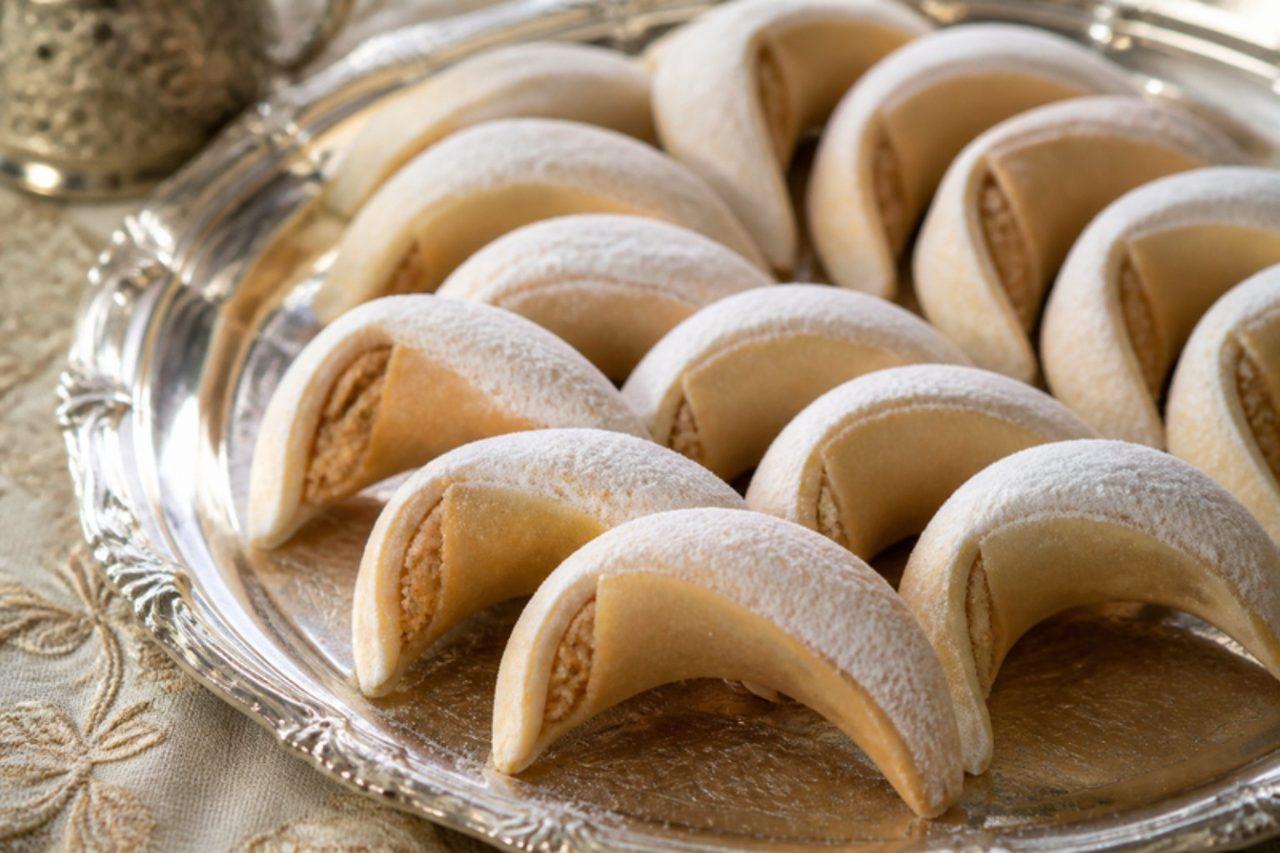
Kaab el ghzal (gazelle horns)

Kaab el ghzal, 'gazelle ankles' or horns, are the most elegant of Moroccan biscuits: a slim crescent of fragrant almond paste flavoured with orange-flower water, wrapped in a pastry rolled so thin it is almost transparent, then baked only until it sets and stays pale. They are made for weddings, Eid, engagements and any visit that deserves honour, and are served with mint tea. The filling is soft and marzipan-like, the pastry delicate and barely crisp. They take time, so make a full batch and freeze half. Chef's tip: bake them until just firm and barely coloured; browning is the common mistake and makes the pastry hard.
by KrazyBadal 0 views

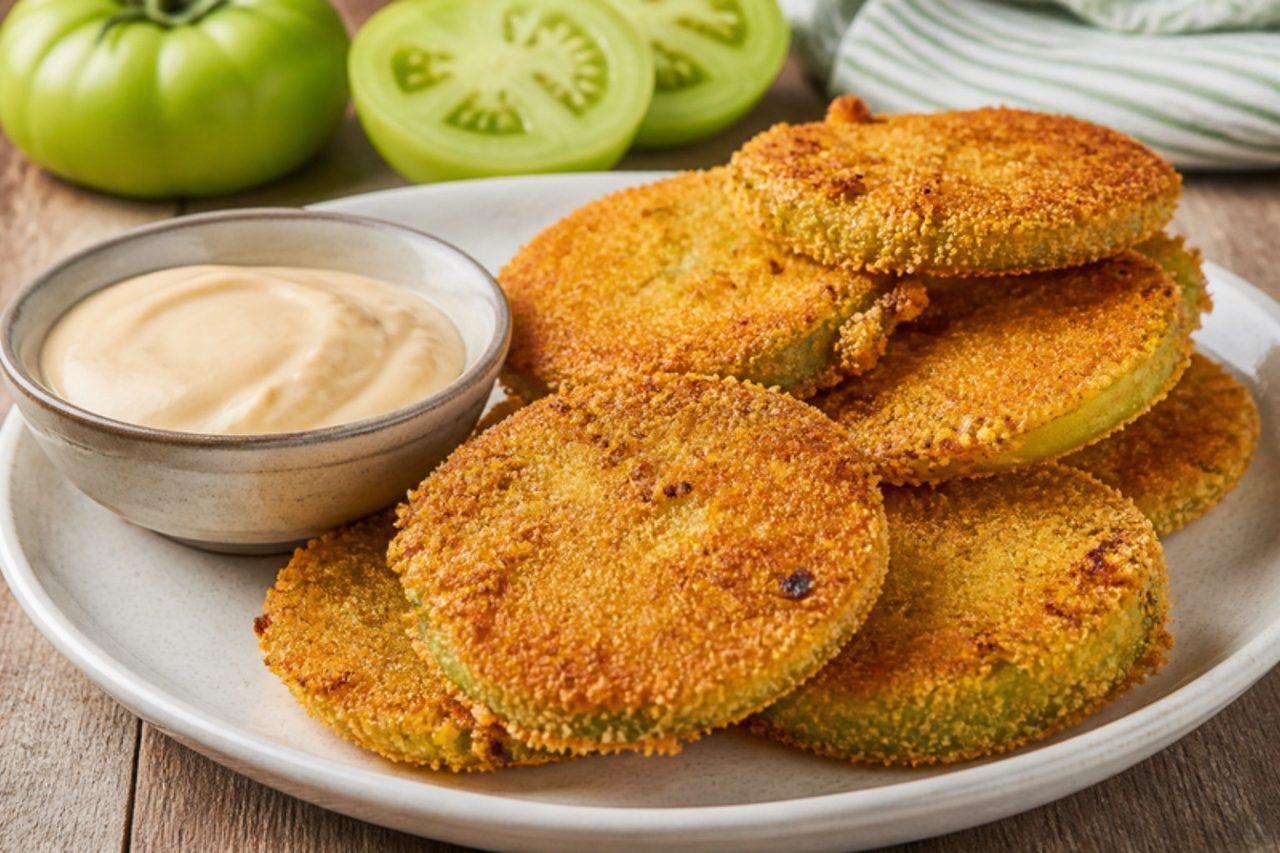
Fried green tomatoes

Fried green tomatoes are the early-summer and end-of-season treat of Alabama and Georgia kitchens, when the garden is full of firm, unripe fruit. Thick slices are dipped in buttermilk and a cornmeal crust and fried until crisp outside, while the inside softens and stays tangy. Serve them hot with a spoonful of pimento cheese or a dab of remoulade. Chef's tip: salt the slices and let them drain for 10 minutes so the crust doesn't go soggy.

by KrazyBadal 0 views

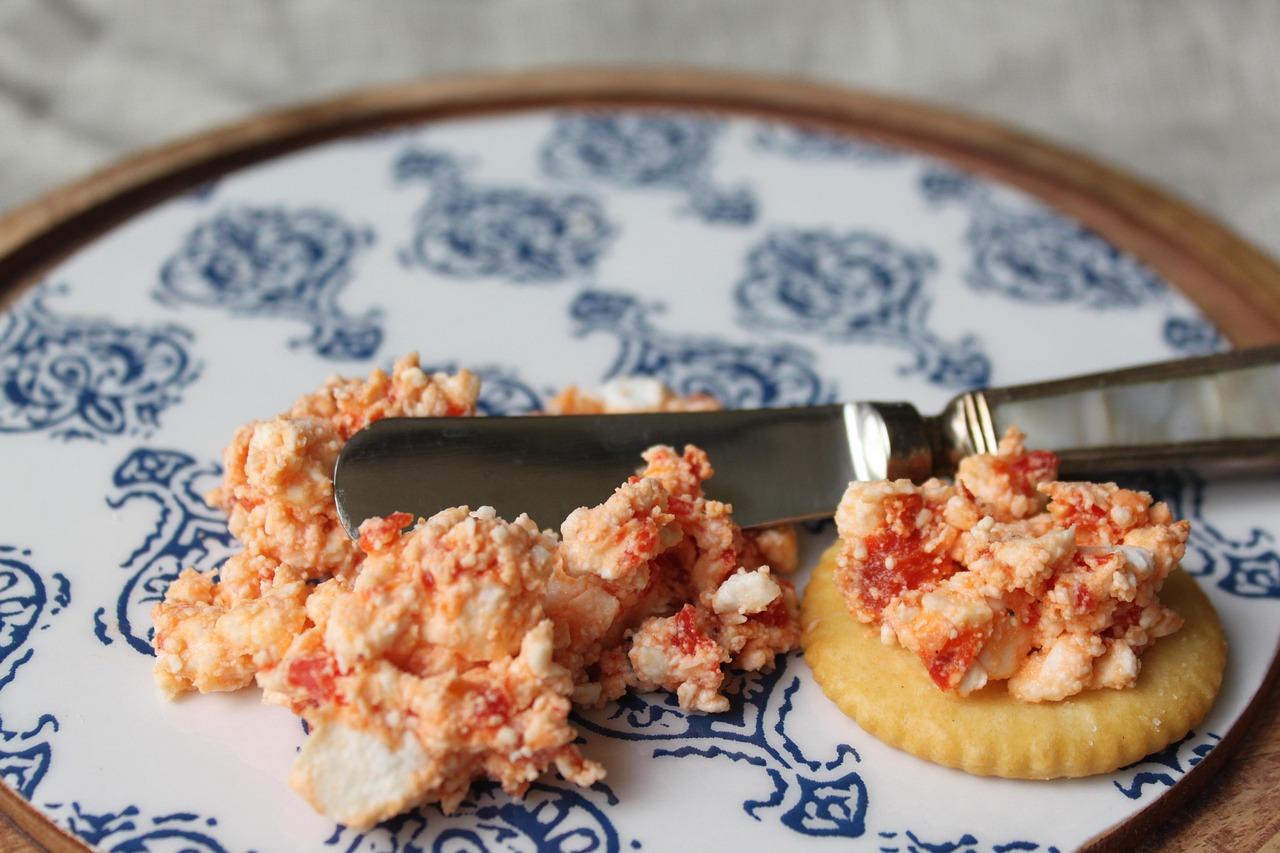
Pimento cheese

Pimento cheese is the 'caviar of the South', sold in tubs in every Carolina supermarket and spread in white-bread sandwiches at the Masters golf tournament in Augusta. Grated sharp cheddar, sweet red pimento peppers and mayonnaise are mashed together with a little heat, and it ends up on crackers, celery, burgers and fried green tomatoes. Traditional cheddar is made with animal rennet, so choose a vegetarian cheddar if you need to. Chef's tip: grate the cheese yourself; pre-grated cheese is coated in starch and makes a dry, grainy spread.

by KrazyBadal 0 views

Southern banana pudding

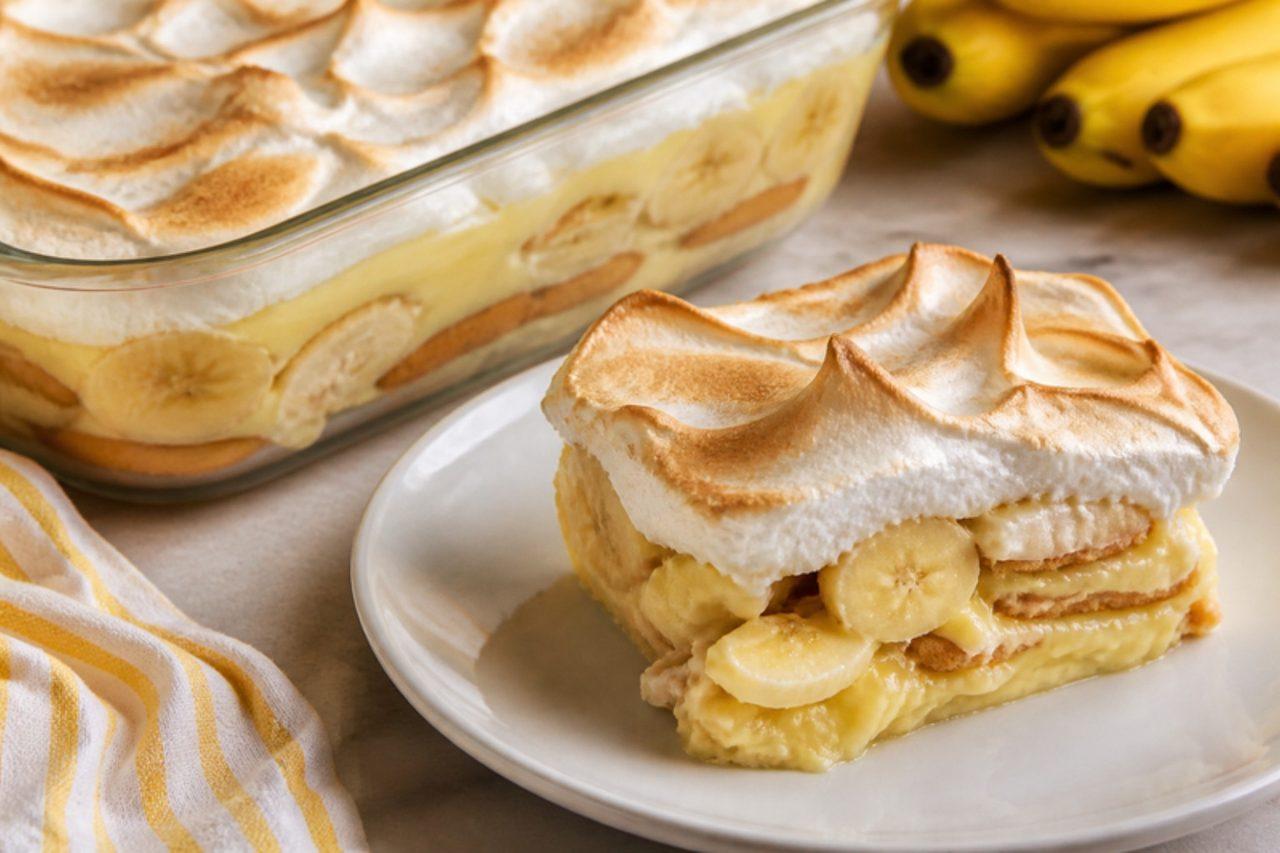
Banana pudding is the potluck and barbecue-joint dessert of Tennessee, the Carolinas and Mississippi, scooped from a deep dish next to the pulled pork. Vanilla wafers, sliced bananas and a stove-top custard are layered so the biscuits soften to cake, then the top is finished with toasted meringue the old-fashioned way. Chef's tip: pour the custard on while it is still warm so it seeps into the wafers.

by KrazyBadal 0 views

Georgia peach cobbler

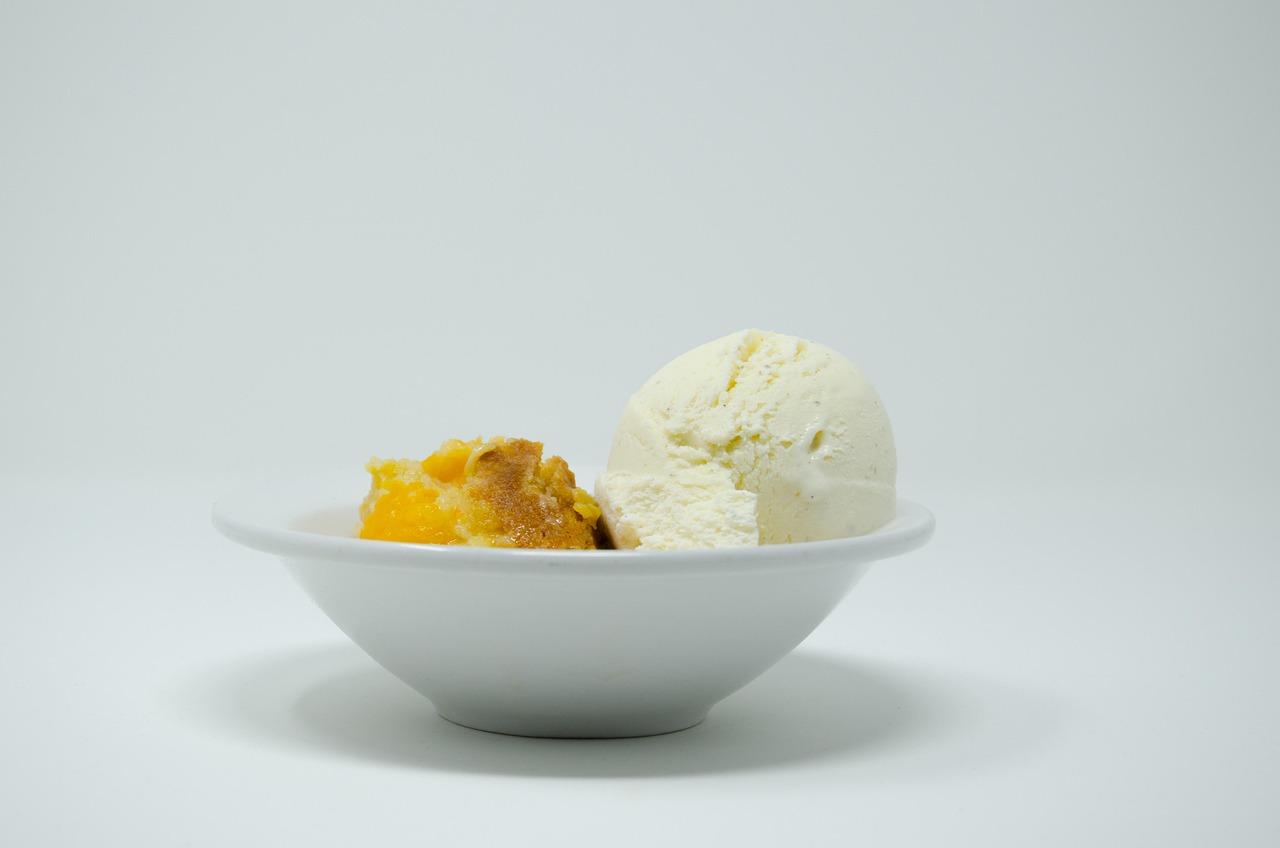
Georgia calls itself the Peach State, and in June and July roadside stands around Fort Valley sell peaches by the basket for this summer cobbler. In the old Southern style, a simple batter is poured over melted butter, then the peaches go on top; as it bakes the batter rises up around the fruit into a golden, cakey crust with crisp edges. Serve warm with vanilla ice cream. Chef's tip: don't stir after the peaches go in; the layers sort themselves out in the oven.

by KrazyBadal 0 views

Chess pie

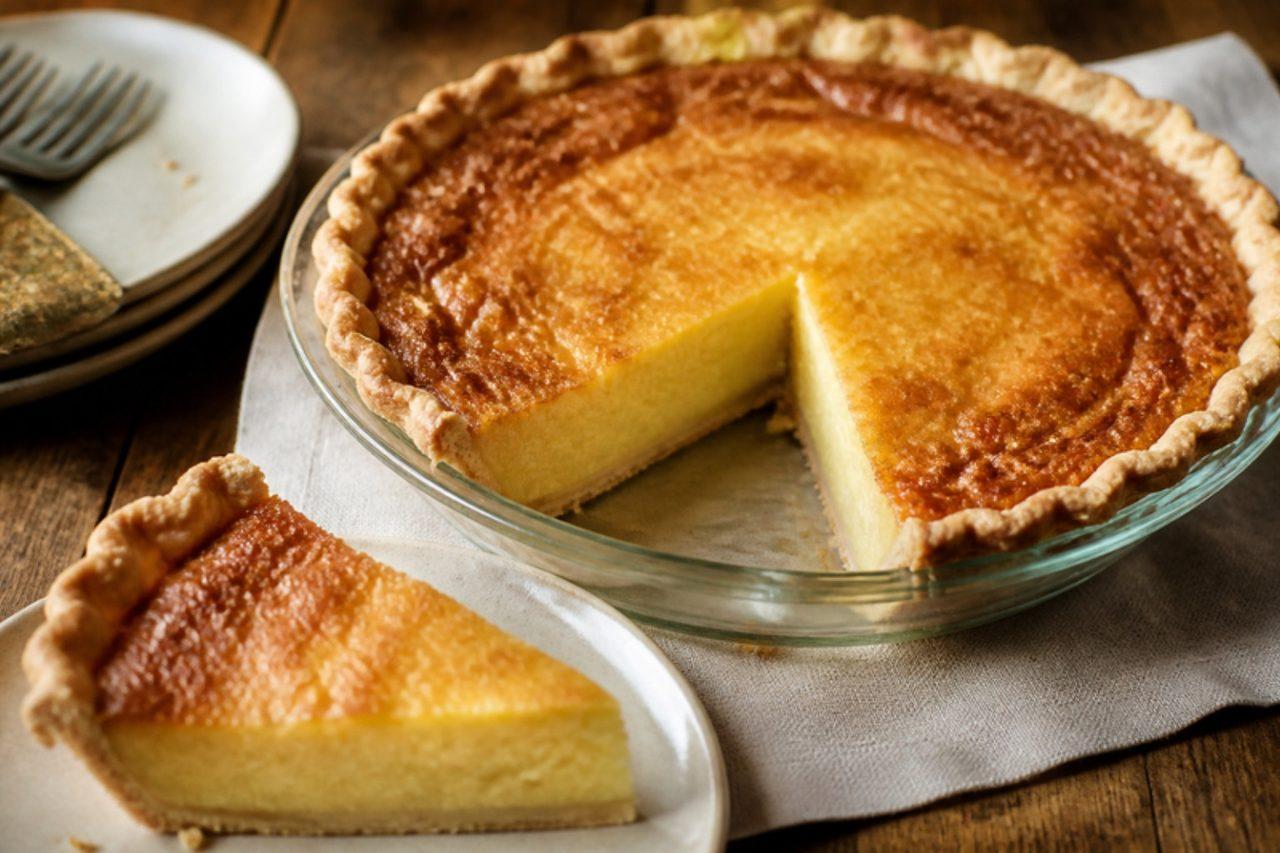
Chess pie is the plain-pantry pie of Virginia, Kentucky and the Carolinas, made with nothing but butter, sugar, eggs and a spoonful of cornmeal, so it was baked year-round when there was no fruit. It sets into a rich, translucent custard with a crackly, golden sugar crust on top. Nobody agrees on the name; one story says a cook called it 'jes' pie'. Chef's tip: the cornmeal and vinegar aren't optional; they stop the very sweet custard from being cloying and help it set.

by KrazyBadal 0 views

Southern sweet tea

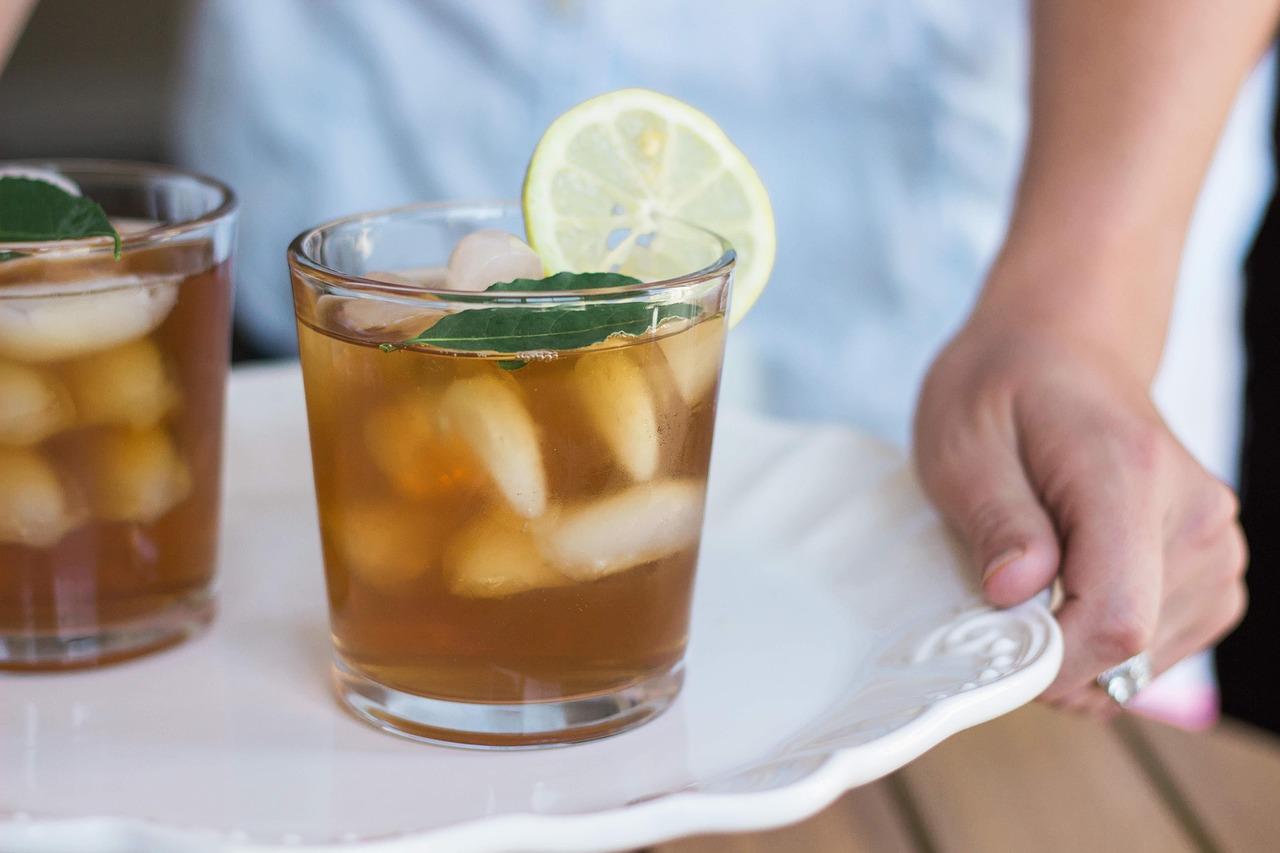
Sweet tea is the house wine of the South, poured by the jug at every barbecue joint, meat-and-three and Sunday lunch from South Carolina to Texas. Strong black tea is sweetened while hot so the sugar dissolves completely, then cooled and poured over plenty of ice with lemon. A pinch of bicarbonate is an old trick that softens bitterness and keeps it clear. Chef's tip: let the tea cool to room temperature before chilling; putting it straight in the fridge hot makes it go cloudy.

by KrazyBadal 0 views

Southern boiled peanuts

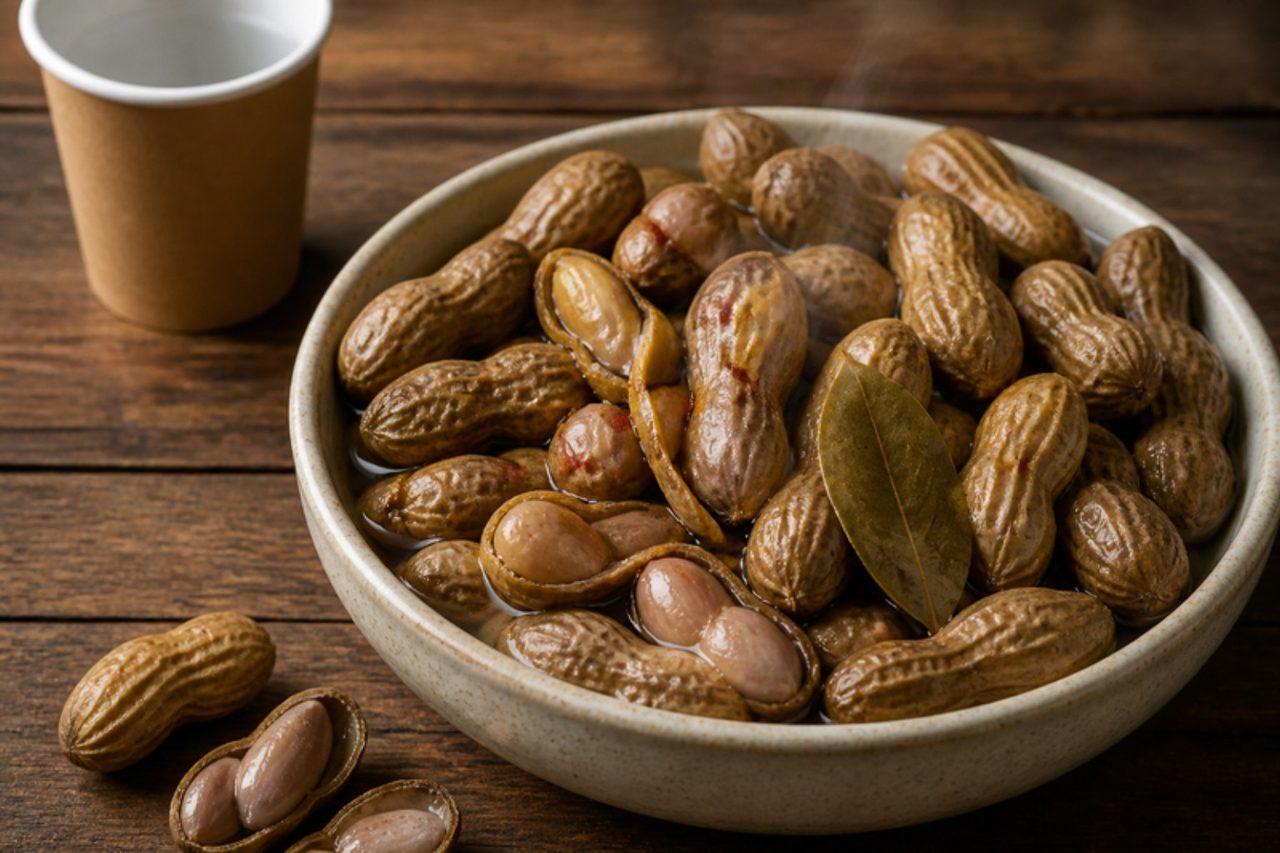
Boiled peanuts are sold steaming from roadside stands and petrol stations all along the back roads of South Carolina, Georgia and Alabama, ladled into paper bags in late summer when the green peanut harvest comes in. Raw peanuts are simmered for hours in heavily salted water until soft as cooked beans, salty and earthy. A Cajun-spiced version with chilli is popular too. Chef's tip: taste a peanut every hour; they are done when the kernel is completely soft with no crunch.

by KrazyBadal 0 views

Southern tomato pie

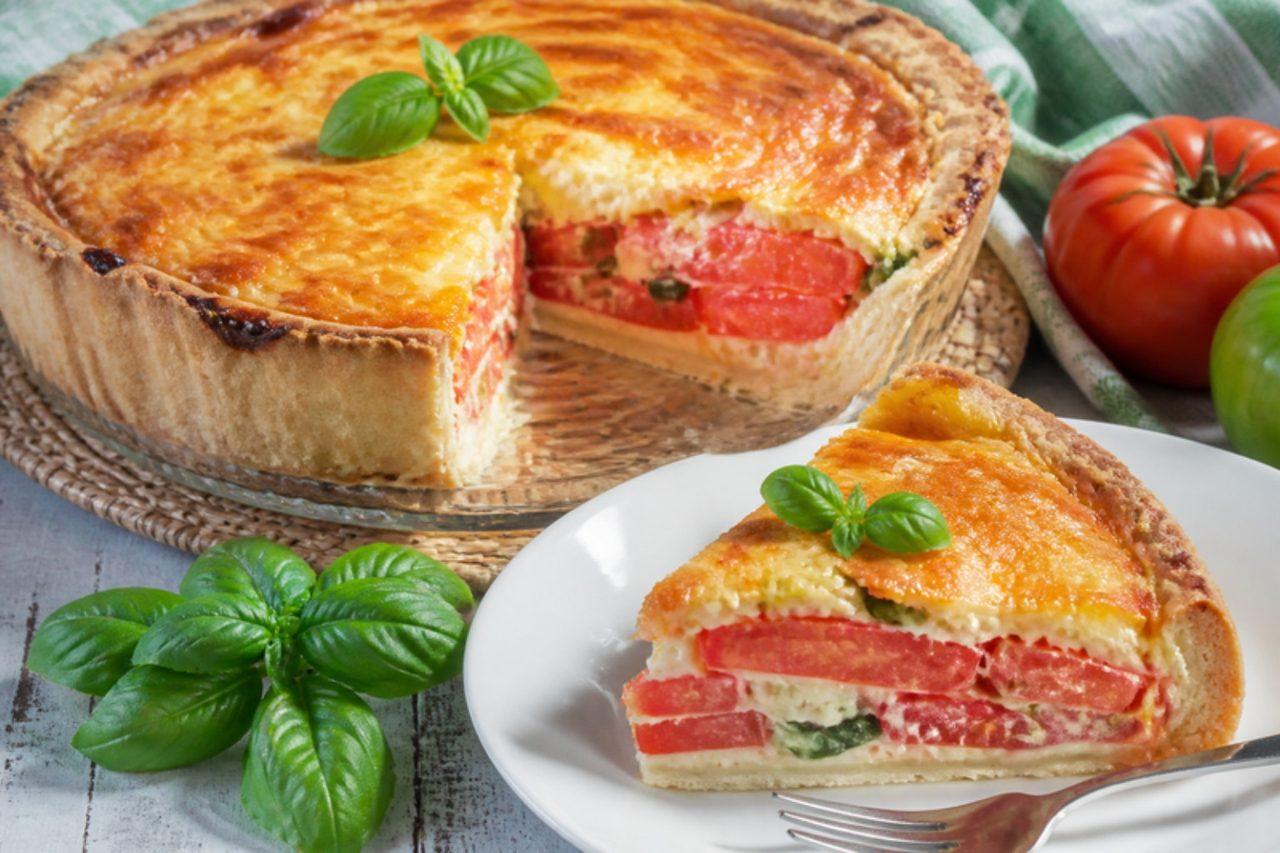
Tomato pie is the high-summer lunch of the Carolinas and Virginia, made when the ripe tomatoes are piling up on the windowsill. Salted, drained tomato slices are layered in a pastry case with basil and spring onion, then covered with a rich topping of cheddar and mayonnaise that bakes golden and bubbly. It is best warm or at room temperature with a green salad. Choose a vegetarian cheddar if needed, as traditional cheddar uses animal rennet. Chef's tip: salting and draining the tomatoes is the difference between a sliceable pie and a soggy one.

by KrazyBadal 0 views

Boston brown bread

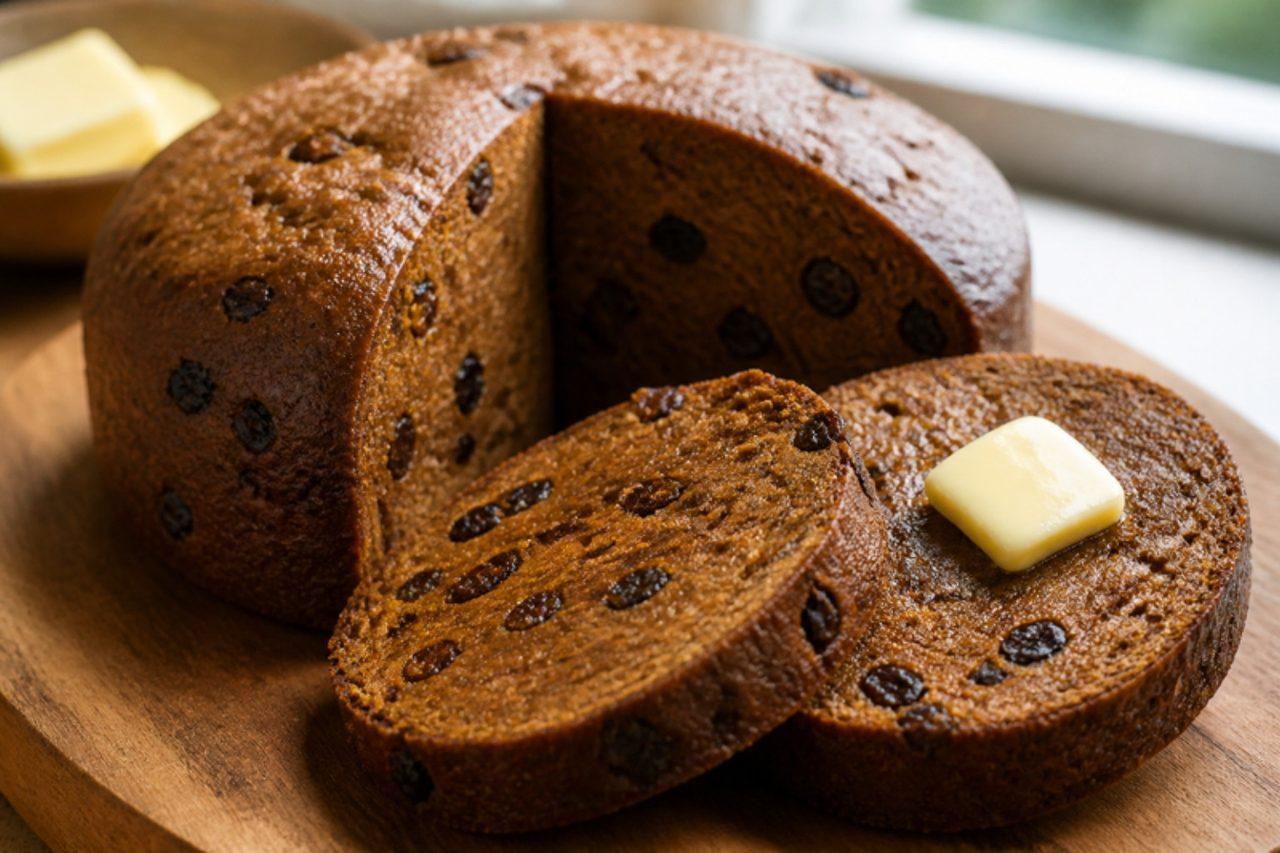
Boston brown bread is the dark, moist loaf New England families steam in a tin can and slice next to a pot of Saturday-night baked beans. It mixes rye flour, wholemeal and cornmeal with buttermilk and molasses, so it is sweet, slightly sour and almost cake-like, with no yeast and no oven. Eat it warm with butter or cream cheese. Chef's tip: steam it in clean food tins or a pudding basin covered tightly with buttered foil, because any steam that gets in makes the top soggy.
by KrazyBadal 0 views

Anadama bread

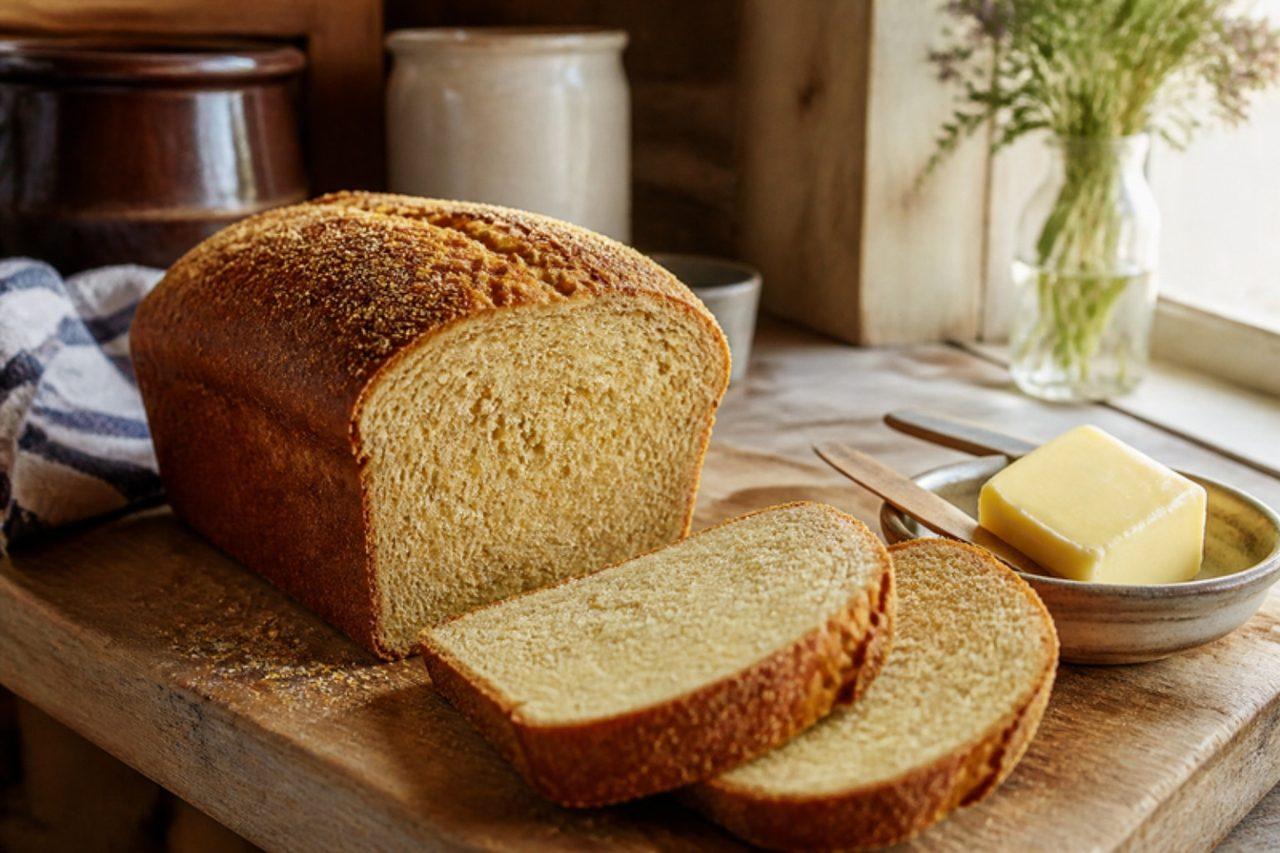
Anadama is a cornmeal and molasses sandwich loaf from the fishing towns of Rockport and Gloucester on Cape Ann, where it was sold from bakery vans for generations. The cornmeal is cooked into a mush first, which keeps the crumb soft and gives it a gentle sweetness and a golden colour. It makes excellent toast with butter and jam. Chef's tip: let the cornmeal mush cool to lukewarm before adding the yeast, or the heat will kill it.

by KrazyBadal 0 views

Rhode Island johnnycakes

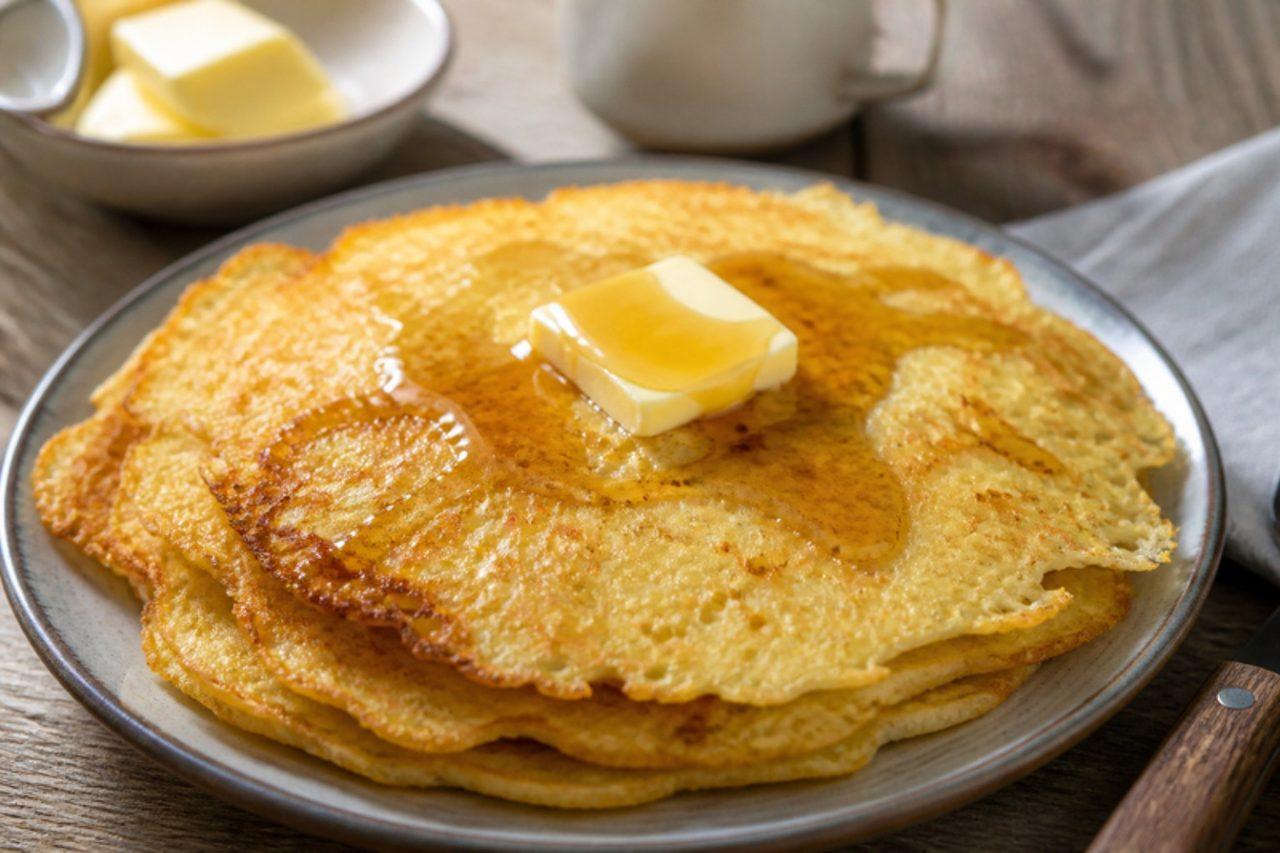
Johnnycakes are Rhode Island's own cornmeal pancakes, cooked on a griddle at diners and church breakfasts from Narragansett to Westerly, and argued over across the state line. They are made with stone-ground white cornmeal scalded with boiling water, so there is no flour or egg, and they come out crisp and lacy outside and soft within. Serve with butter and maple syrup. Chef's tip: let the scalded batter rest for 10 minutes so the cornmeal swells; skipping the rest gives gritty cakes.

by KrazyBadal 0 views

New England Indian pudding

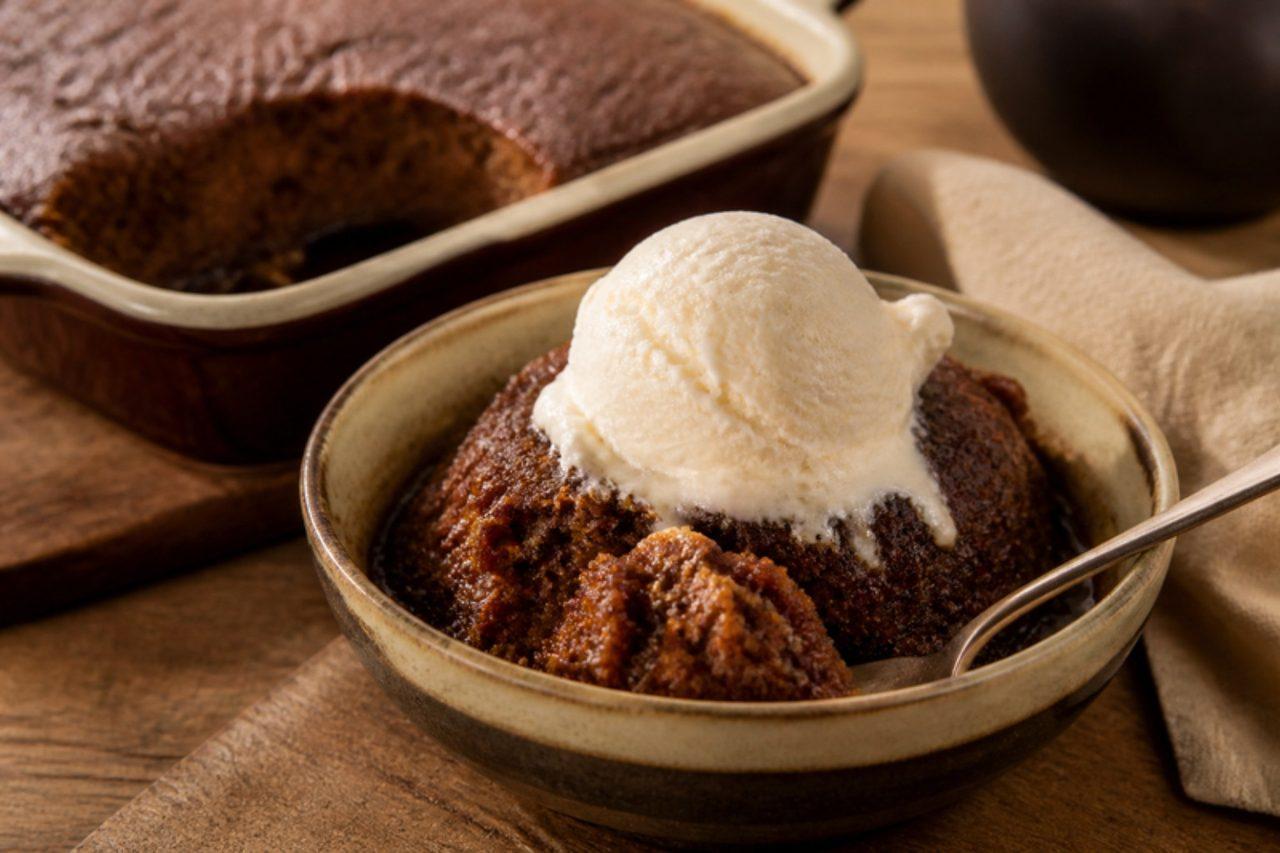
Indian pudding is the old colonial dessert of Massachusetts and Connecticut, still on the menu at historic Boston taverns and at autumn church suppers. Cornmeal, then called Indian meal, is cooked in milk with molasses, ginger and cinnamon and baked very slowly until it turns dark, soft and spoonable, a bit like a spiced polenta custard. Serve it warm with vanilla ice cream melting on top. Chef's tip: pour cold milk over the top halfway through baking; it makes the soft, whey-like layer the dish is known for.

by KrazyBadal 0 views

Boston cream pie

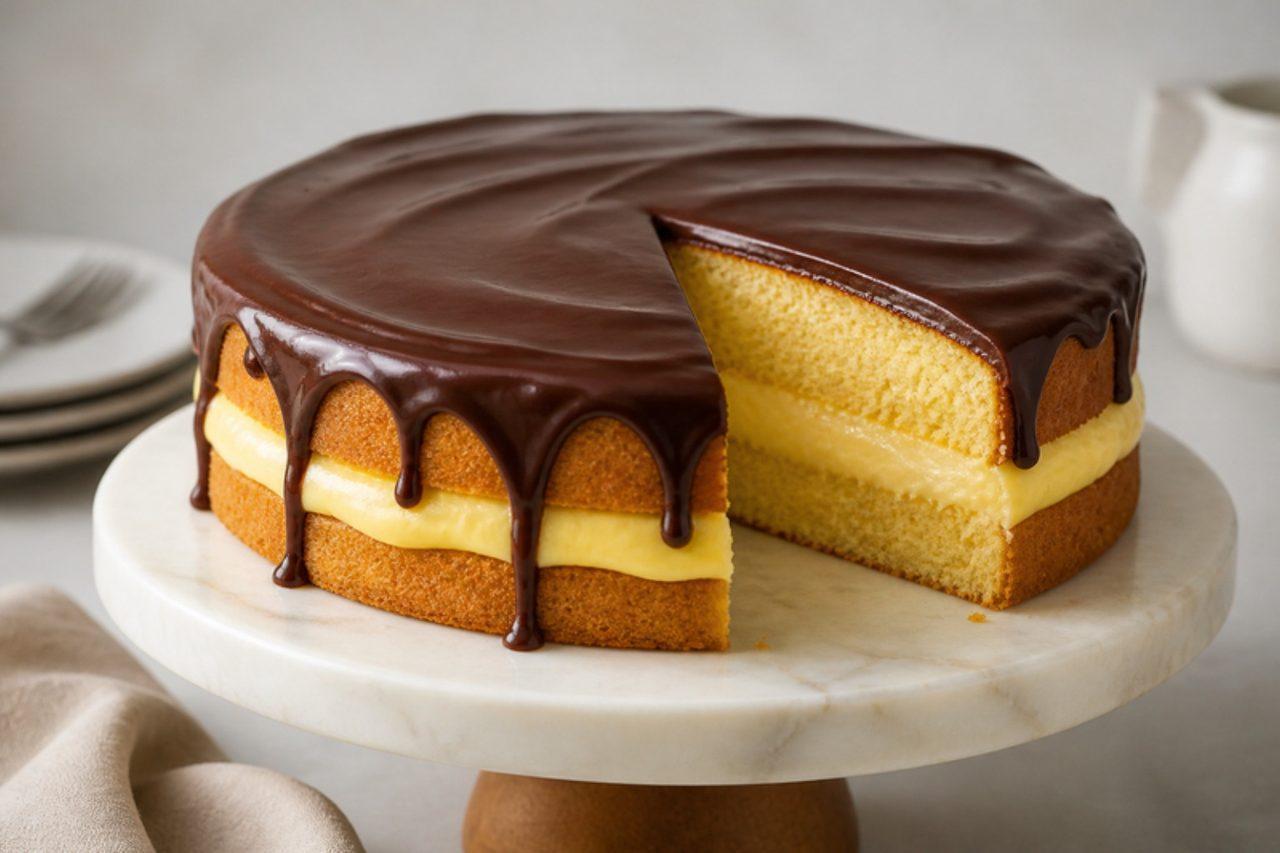
Despite the name, Boston cream pie is a cake: two layers of butter sponge with a thick vanilla pastry cream between them and dark chocolate glaze poured over the top. It was created at the Parker House hotel in Boston in the 1850s and is now the official dessert of Massachusetts, served at birthdays and diners across the state. Chef's tip: chill the filled cake for 30 minutes before glazing so the custard sets and the layers don't slide.

by KrazyBadal 0 views

Whoopie pies

Whoopie pies are Maine's official state treat and a lunchbox favourite in Pennsylvania Dutch country too; you find them wrapped in cling film by the till at petrol stations and bake sales all over New England. Two domed, soft chocolate cakes hold a thick, fluffy white filling. This filling is a meringue buttercream, so there's no gelatine-based marshmallow. Chef's tip: pipe or scoop the batter in even mounds and leave room, as they spread to 8 cm.

by KrazyBadal 0 views

Maine wild blueberry pie

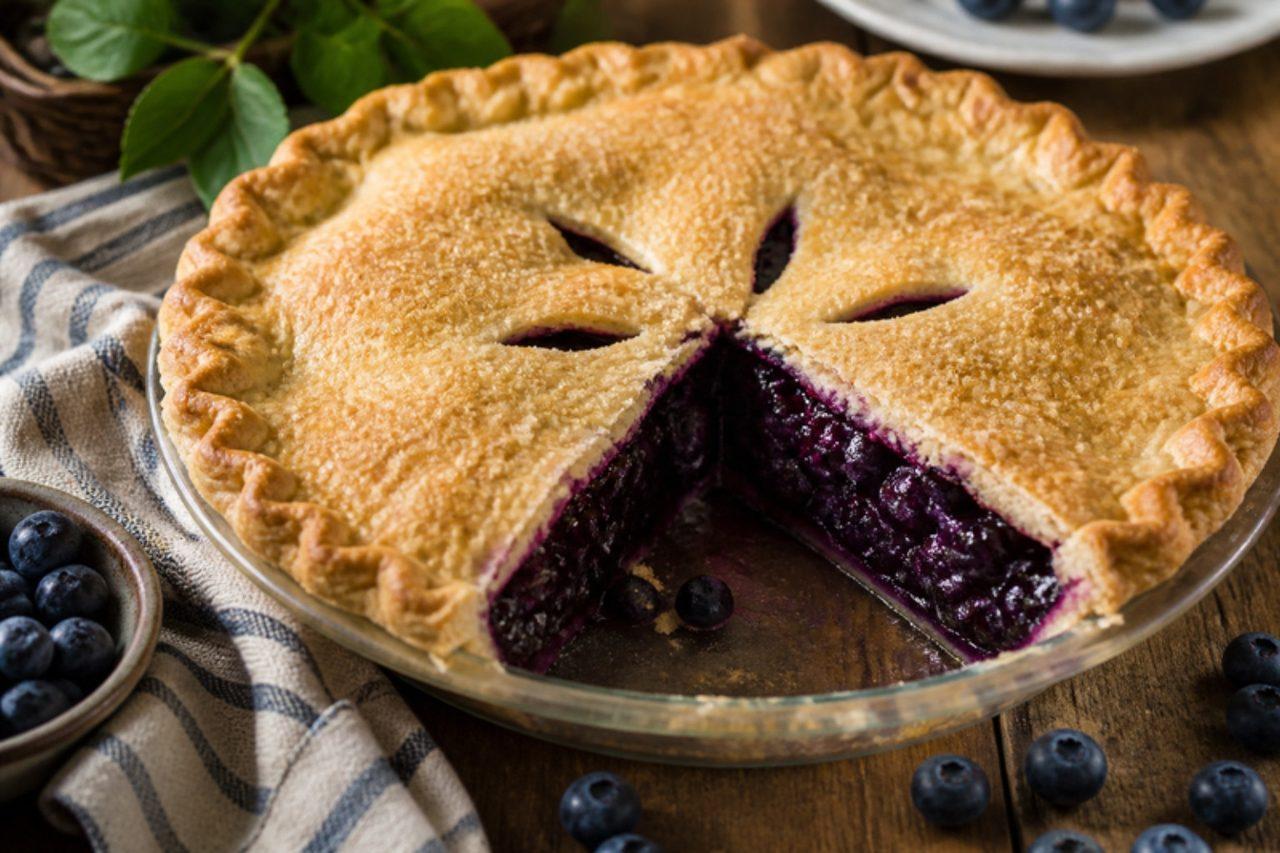
In August the barrens of Down East Maine turn blue with lowbush blueberries, smaller and more intense than the cultivated kind, and every diner and county fair sells this pie. The filling is just berries, sugar, lemon and a little thickener under a buttery double crust, so it tastes of fruit rather than spice. Frozen wild blueberries work well all year. Chef's tip: bake until the juices bubble thickly through the vents in the centre, not just the edges; that is when the thickener has worked.

by KrazyBadal 0 views

Apple cider doughnuts

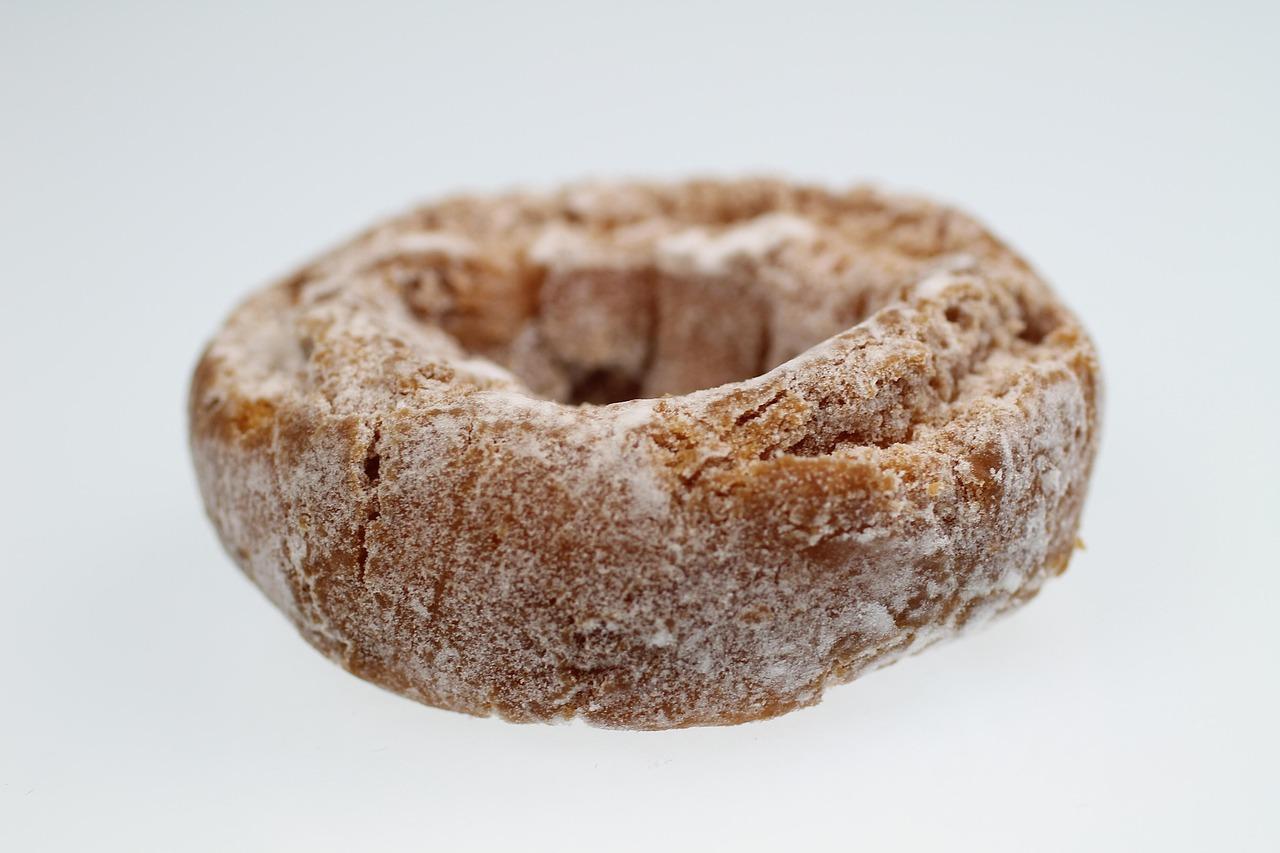
On autumn weekends the orchards of Vermont, New Hampshire and the Hudson Valley fry cider doughnuts by the hundred for families who come to pick apples. Fresh, cloudy apple cider (unfiltered apple juice, not the alcoholic kind) is boiled down to a syrup so the tender cake doughnut tastes of apple, then rolled hot in cinnamon sugar. Chef's tip: keep the oil at 180 °C with a thermometer; cooler oil makes greasy doughnuts and hotter oil burns them before the middle cooks.

by KrazyBadal 0 views

Parker House rolls

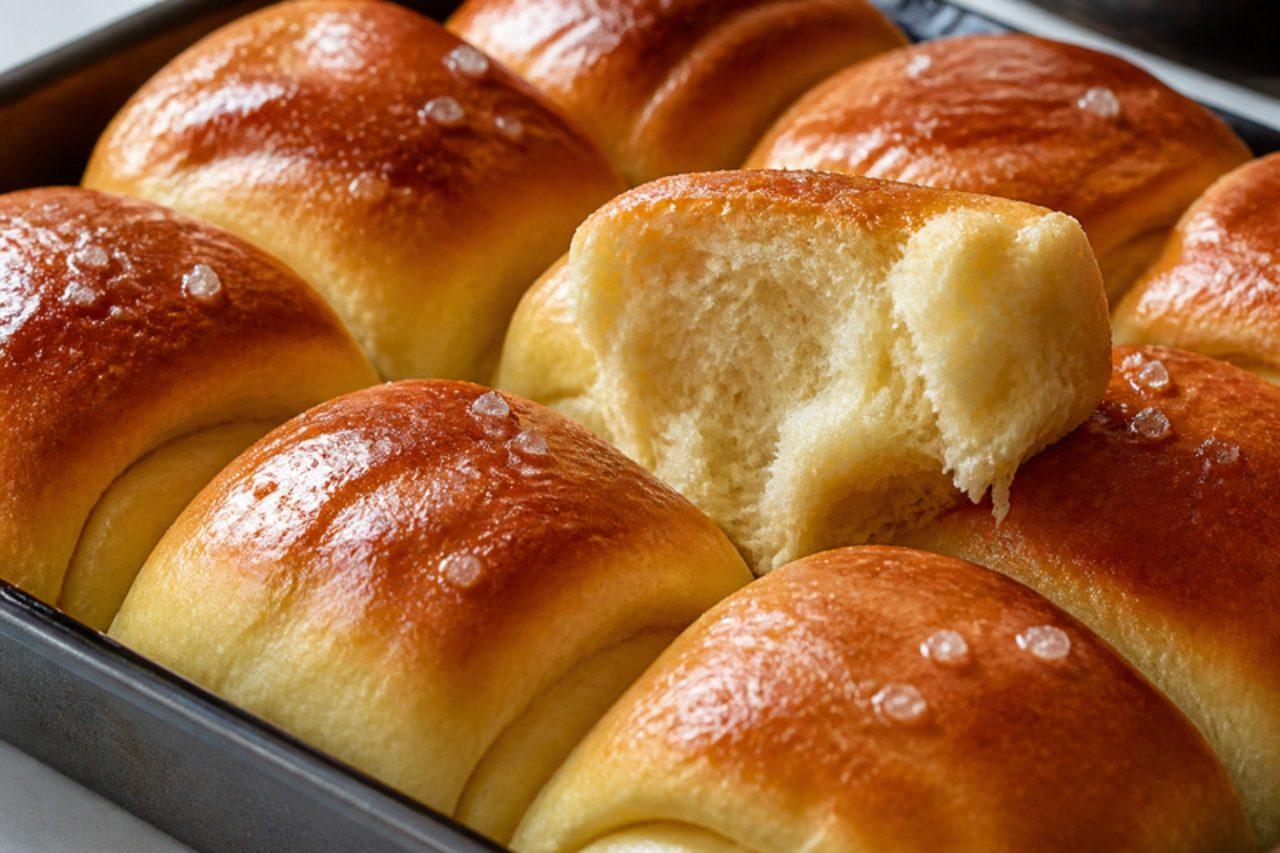
These soft, folded rolls come from the Parker House hotel in Boston, where bakers in the 1870s brushed rounds of milk dough with butter and folded them in half like a pocket book. They are the bread basket at New England Thanksgiving tables, pulling apart in tender layers. Chef's tip: fold each round slightly off centre, so the top half overhangs a little; it keeps them from springing open in the oven.

by KrazyBadal 0 views

Philadelphia soft pretzels

Philadelphians eat more soft pretzels than anyone in America, bought by the dozen from corner bakeries in the morning and from street vendors with yellow mustard. The Philly pretzel is shaped like a figure eight and baked touching its neighbours, so you tear them apart in a row with soft sides. A bath in a bicarbonate solution gives the brown, chewy skin. Chef's tip: bake the bicarbonate of soda first; it makes it more alkaline and gives a darker, more pretzel-like crust.

by KrazyBadal 0 views

Bananas Foster

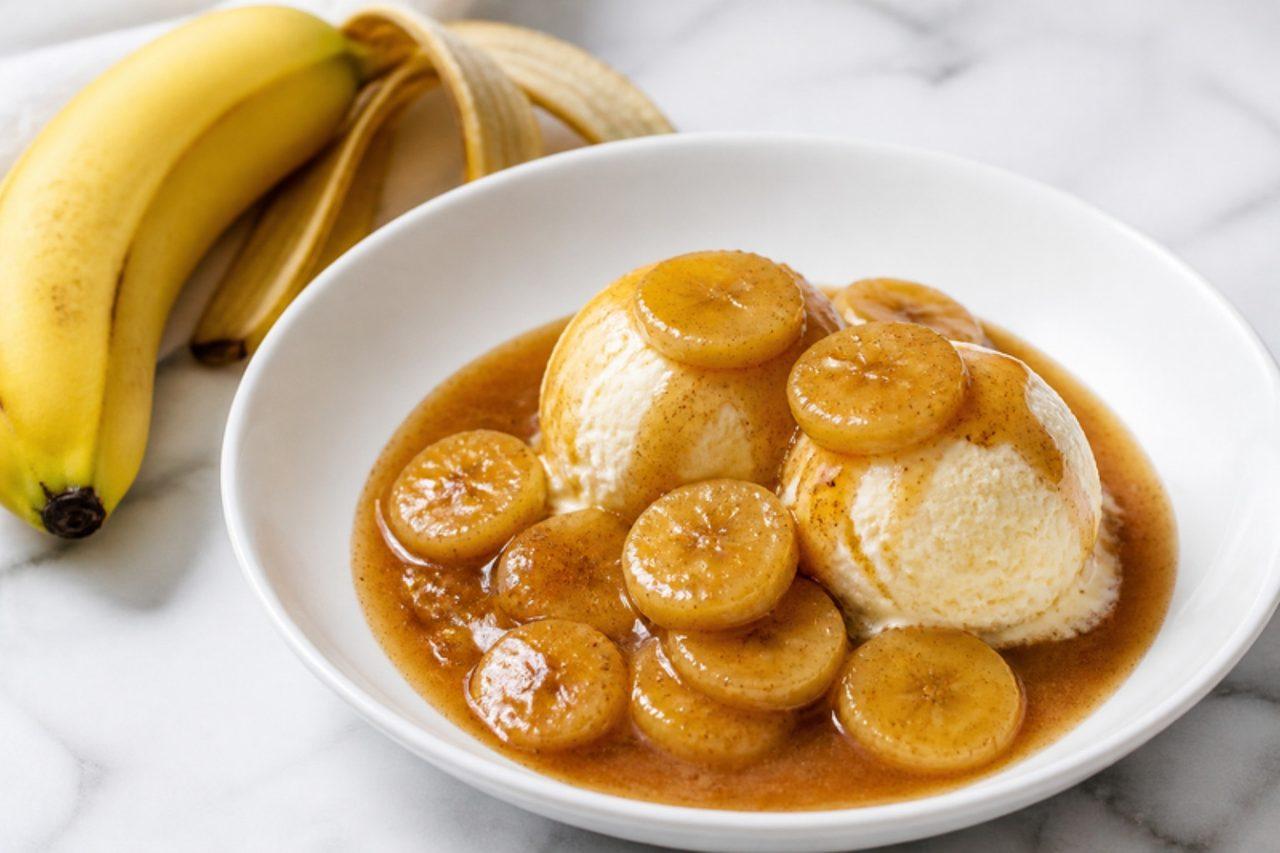
Bananas Foster was invented in the 1950s at a family restaurant in the French Quarter, when New Orleans was the main port for bananas from Central America, and it is still flamed at the table there for birthday dinners. Bananas are cooked in butter, brown sugar and cinnamon, then flambéed with dark rum and banana liqueur and spooned over vanilla ice cream. It contains alcohol; for an alcohol-free version replace the rum and liqueur with 4 tbsp orange juice and a few drops of rum flavouring and skip the flaming. Chef's tip: use bananas that are ripe but still firm, or they turn to mush.

by KrazyBadal 0 views

Cajun maque choux

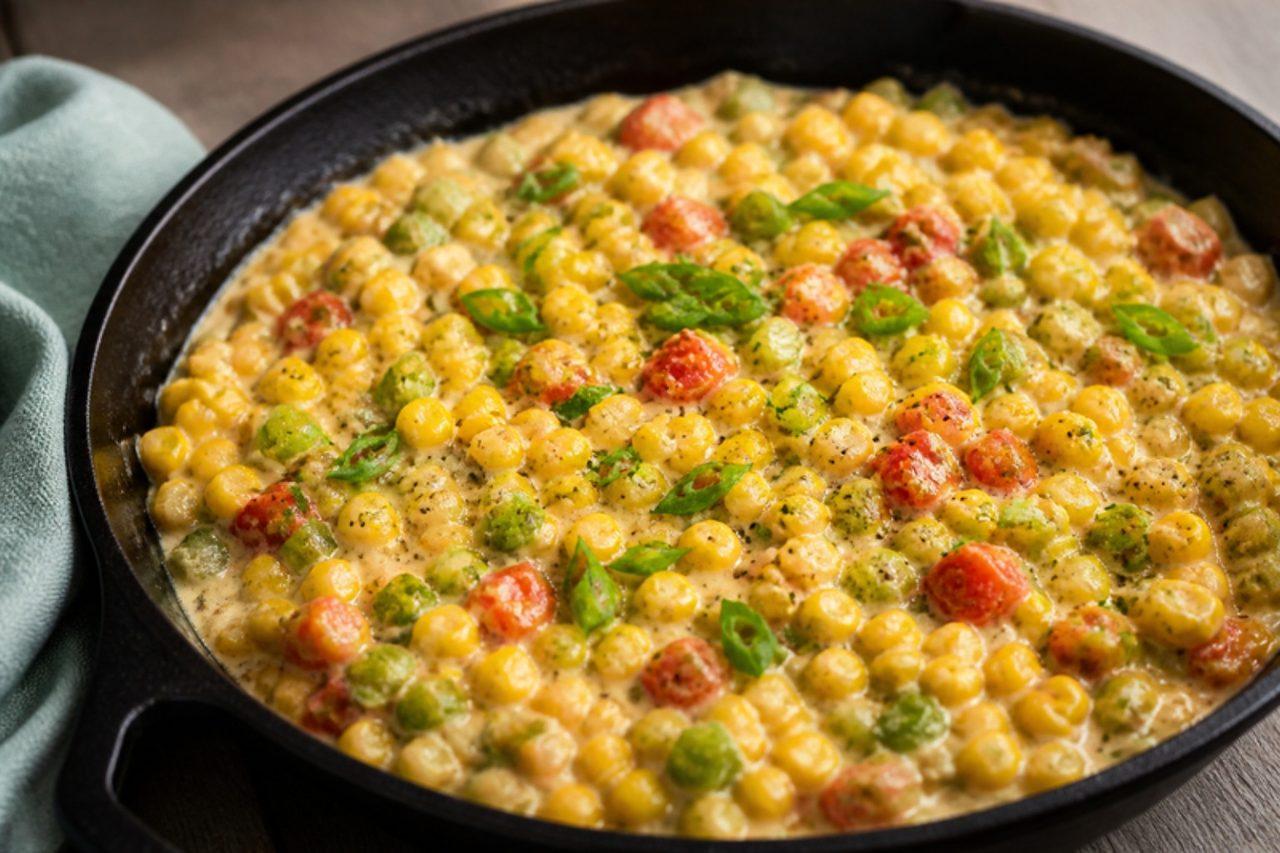
Maque choux (say 'mock shoe') is a Cajun side of fresh corn smothered with the 'holy trinity' of onion, celery and green pepper, made in the bayou country of south-west Louisiana when the corn comes in during June and July. Cooks scrape the cobs for their milk and simmer everything with butter and a splash of cream until sweet and silky. Many add bacon; this version is meat-free. Serve with rice and beans or grilled vegetables. Chef's tip: let the corn catch slightly on the bottom of the pan before stirring; those browned bits are the flavour.

by KrazyBadal 0 views

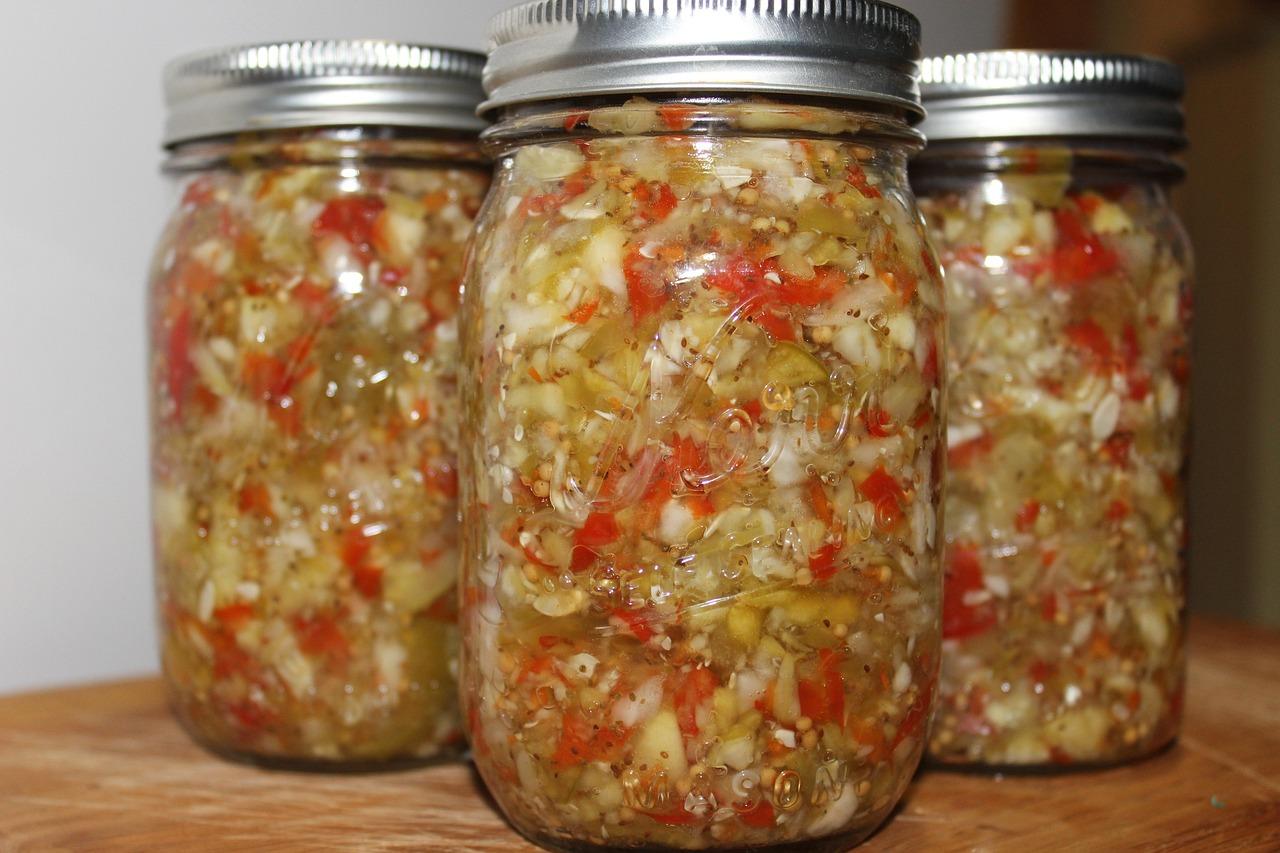
Pennsylvania Dutch chow-chow

Chow-chow is the end-of-summer pickle of Pennsylvania Dutch kitchens, a way of using up the last beans, peppers, cauliflower and green tomatoes before the frost. It is one of the 'seven sweets and seven sours' set out on Lancaster farm tables, bright with mustard seed and turmeric, sweet and sharp, and good with cheese, bean dishes and sandwiches. Chef's tip: cut every vegetable to roughly the size of a kidney bean so it cooks evenly and looks right in the jar.

by KrazyBadal 0 views

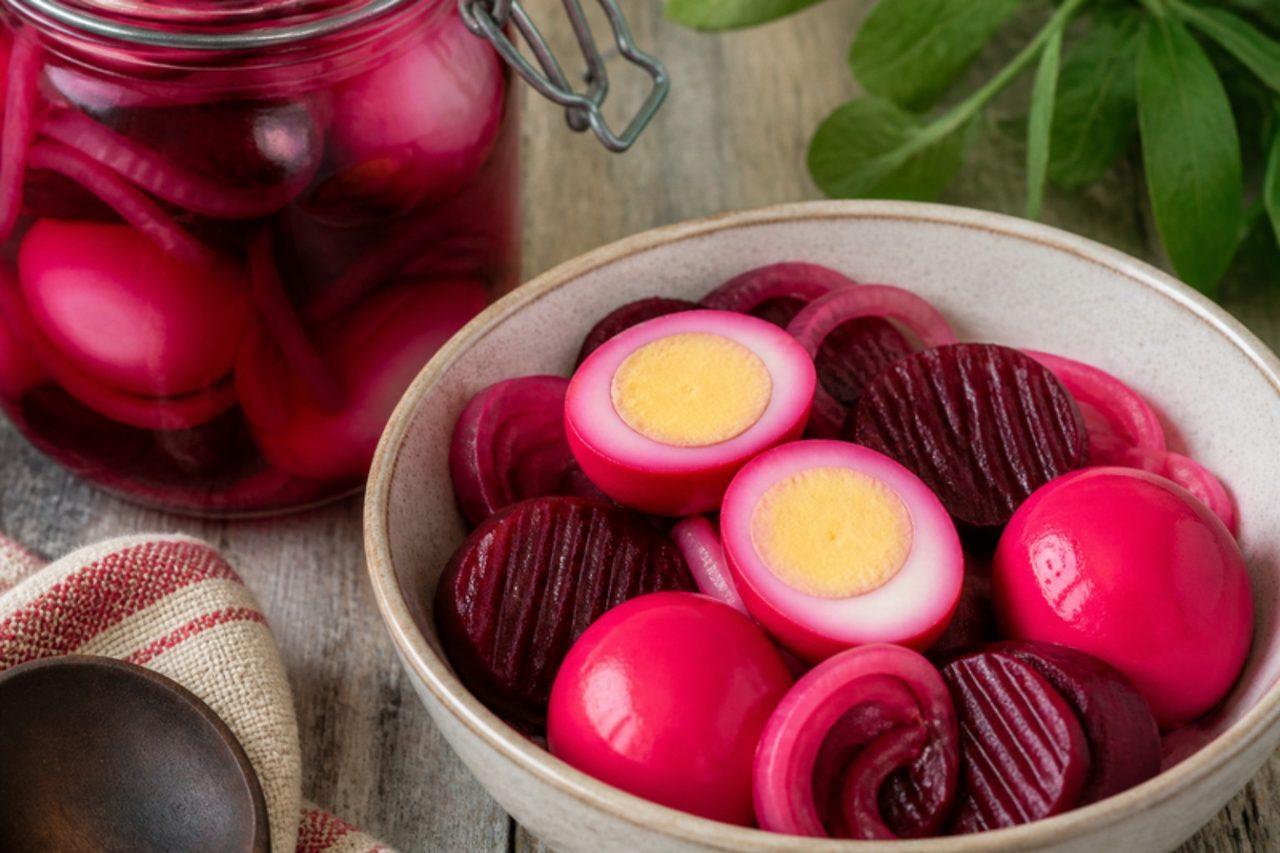
Pickled red beet eggs

Red beet eggs are on the table at every Pennsylvania Dutch church picnic and Easter lunch, a jar of shocking-pink eggs sitting in the same sweet-sour brine as the pickled beets. The whites take on colour and tang from the outside in, while the yolks stay creamy. Slice them on a salad or eat them whole with a pinch of salt. Chef's tip: two days in the brine gives a thin pink ring; leave them four days for colour almost to the yolk.

by KrazyBadal 0 views

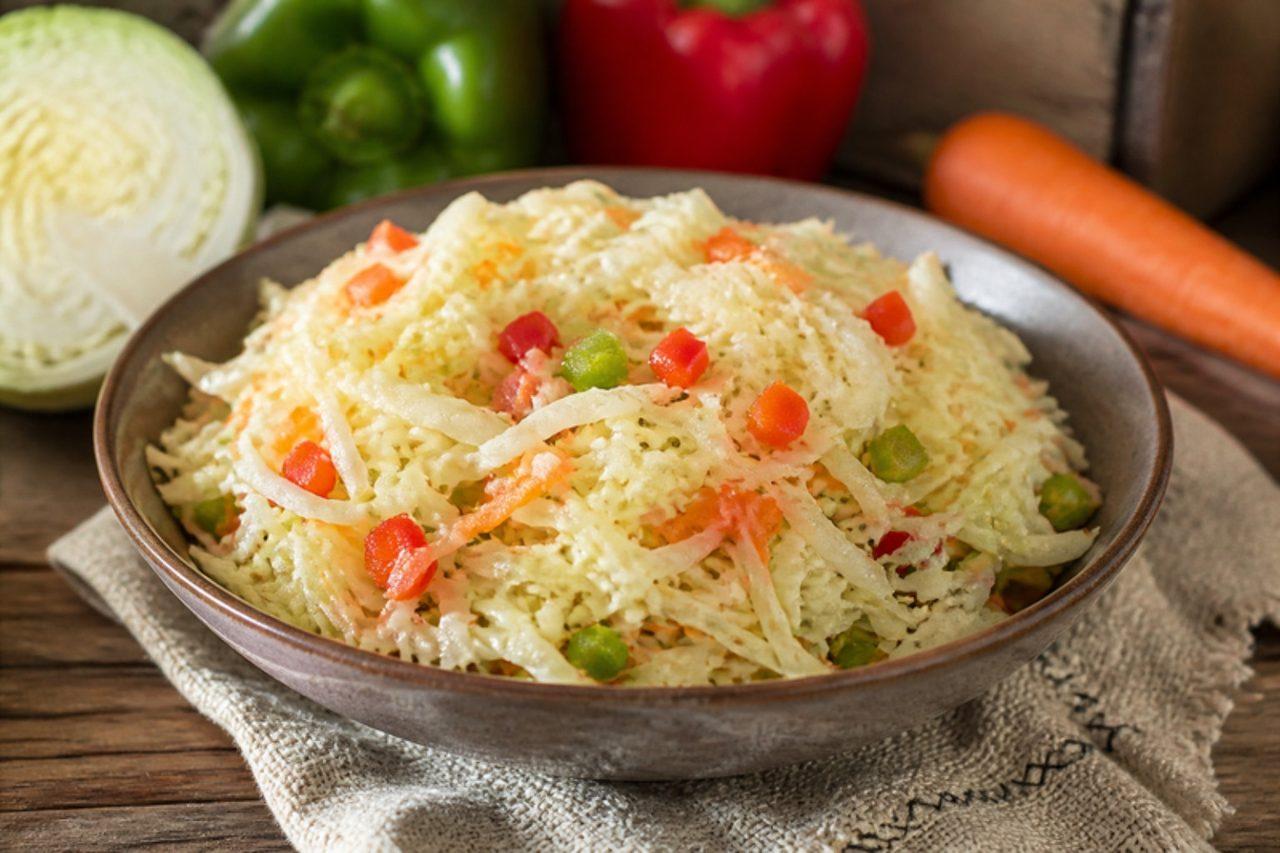
Pepper cabbage

Pepper cabbage is the oil-free, vinegar-dressed slaw served alongside chicken pot pie and roast pork dinners in Berks and Lancaster counties, and at fire-hall suppers all over south-eastern Pennsylvania. Finely shredded cabbage is tossed with sweet peppers, celery seed, sugar and vinegar, so it is crisp, cold and sweet-sharp. Chef's tip: shred the cabbage as fine as you can; thick ribbons never soak up the dressing.

by KrazyBadal 0 views

Showing 90 of 7,762 recipes

Page 416 of 863