


Skip to content
Pain surprise
Featured recipe

Pain surprise

Filled party sandwich loaf

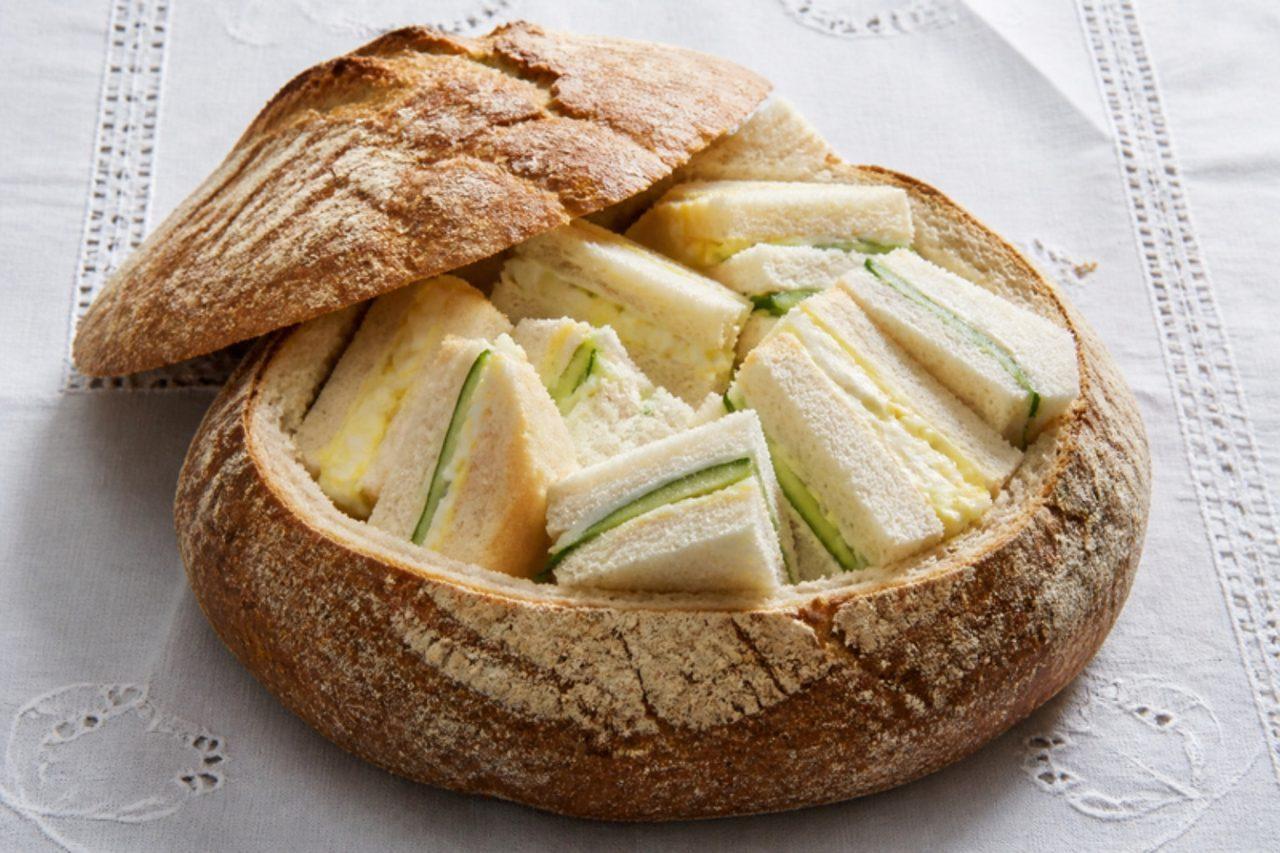
The pain surprise is the showpiece of French birthday parties, weddings and New Year apéros, a big round loaf hollowed out and refilled with stacks of tiny sandwiches made from its own crumb, so guests lift the lid and find it full. Classic fillings are ham and pâté; this vegetarian version uses herbed cream cheese with cucumber, egg mayonnaise, and butter with Comté (use a vegetarian cheese, as Comté uses animal rennet). The common mistake is cutting the sandwiches unevenly, so they do not fit back. Chef's tip: chill the loaf before cutting out the centre, and use a long serrated knife.

Read more 0 views

What to eat today?

Around the world

Today's trip: Persian

A new country every day, from every cuisine on the site.

This week's collection

Kid-friendly dinners
702 recipes · a new collection every Monday

Coming up

All occasions →

Latest recipes

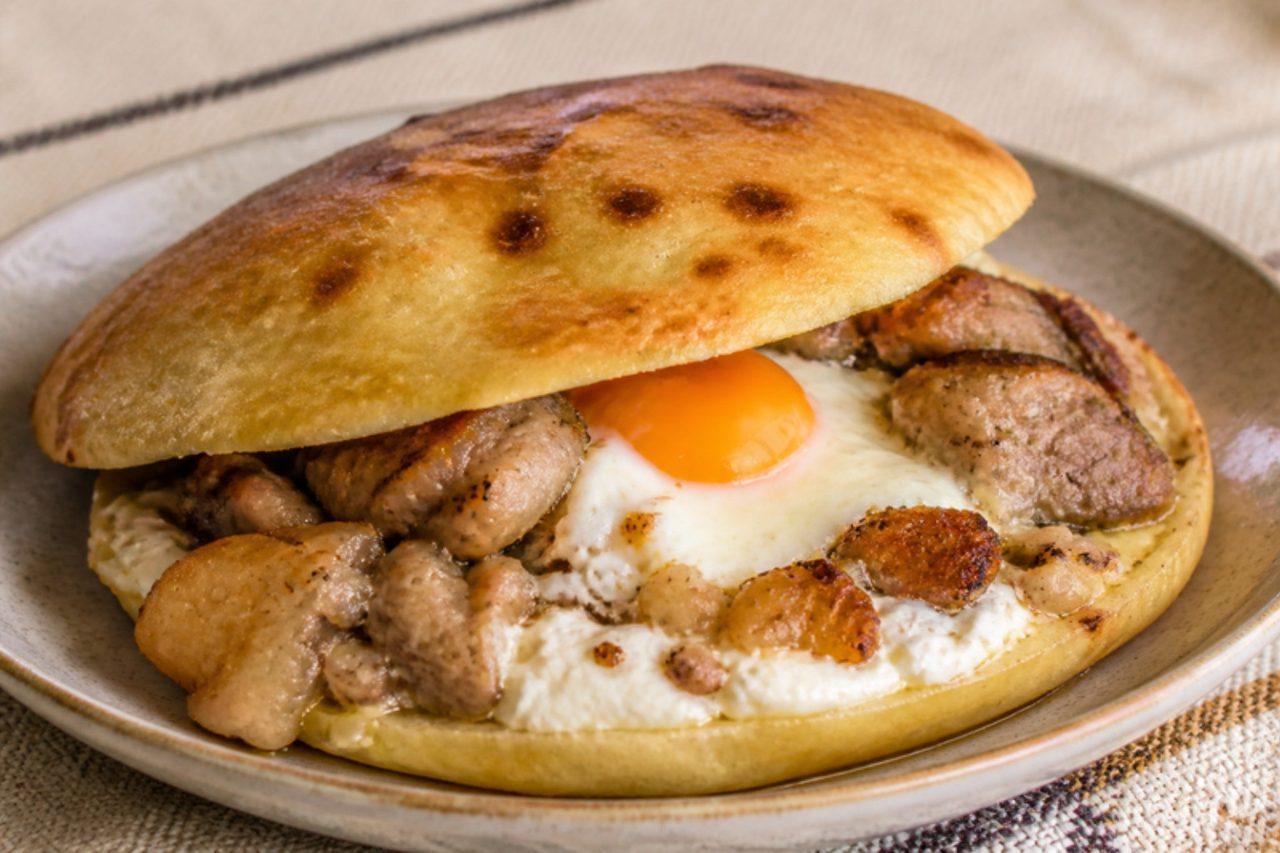
Komplet lepinjaFlatbread with kajmak and egg

Roadside inns in the hills around Užice and Zlatibor in western Serbia serve this as a breakfast for people with a long day ahead: a round flatbread hollowed out and filled with kajmak and an egg, baked, then soaked with pretop, the hot fat and juices left from roasting pork or lamb. It is rich, salty and messy, eaten with your hands with a yogurt drink and pickled peppers. At home, save the drippings from a Sunday pork roast, keep them in the fridge and reheat until bubbling. The usual slip is cutting the lid too thin, which leaves no room for the egg and it spills over the side. Bake until the white is fully set; for anyone pregnant, very young, elderly or unwell, bake on until the yolk is firm too. Chef's tip: put the lid back on for the last two minutes so it toasts, then dunk it straight into the hot drippings.

by KrazyBadal 0 views

Supă de chimenCaraway soup

Banat Swabian families around Timișoara, the German-speaking farmers settled on the plain in the 18th century, called it Kümmelsuppe, and their Romanian and Hungarian neighbours took it up as supă de chimen. Caraway seeds are fried in butter with flour until the roux turns the colour of hazelnuts, then whisked into stock and finished with ribbons of beaten egg and crisp croutons. It is a cheap, warming soup for cold mornings and for the morning after a feast, nutty and toasty with a gentle aniseed note. A common mistake is browning the roux on a high heat, where it burns and turns bitter in seconds; keep the heat medium and stir without stopping. Chef's tip: lightly crush the caraway first to release more flavour.

by KrazyBadal 0 views

Kaha bathTurmeric coconut rice

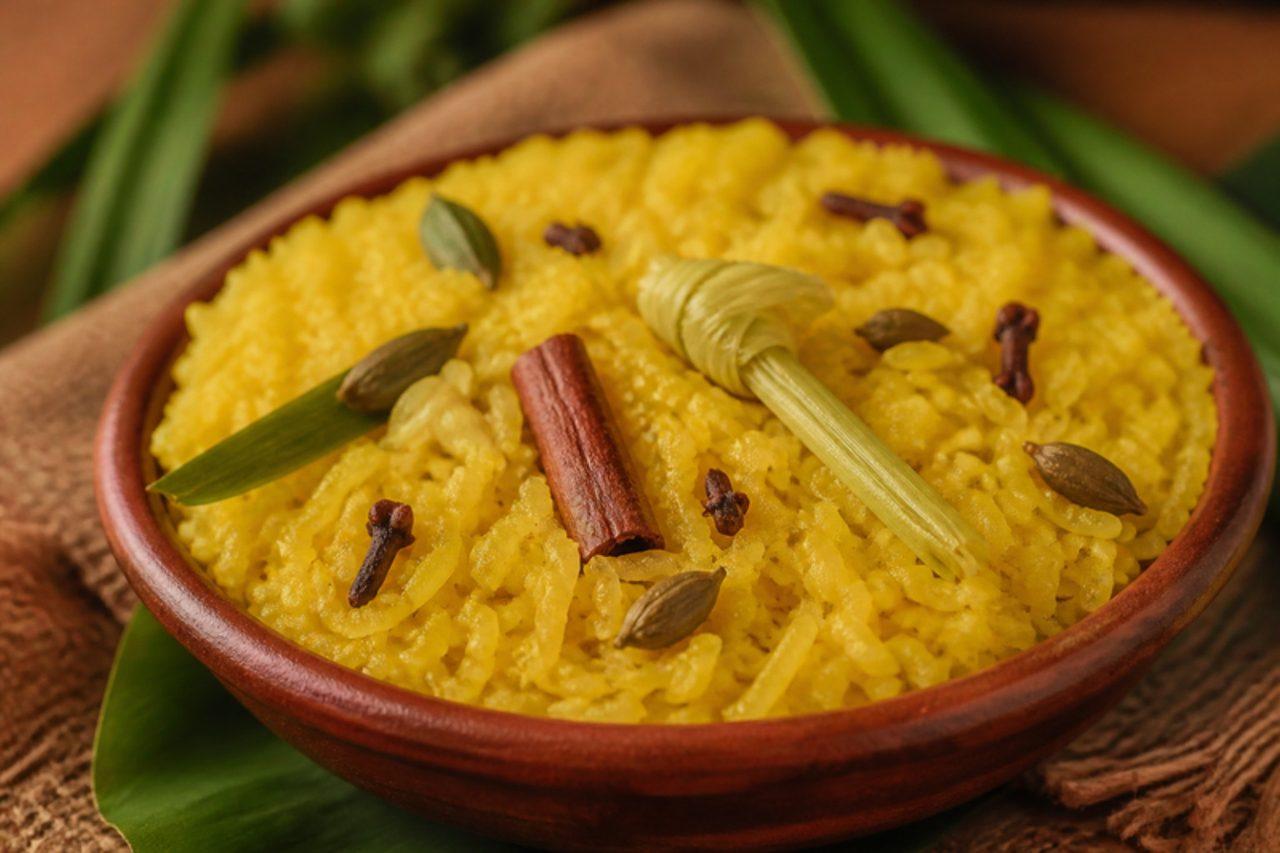
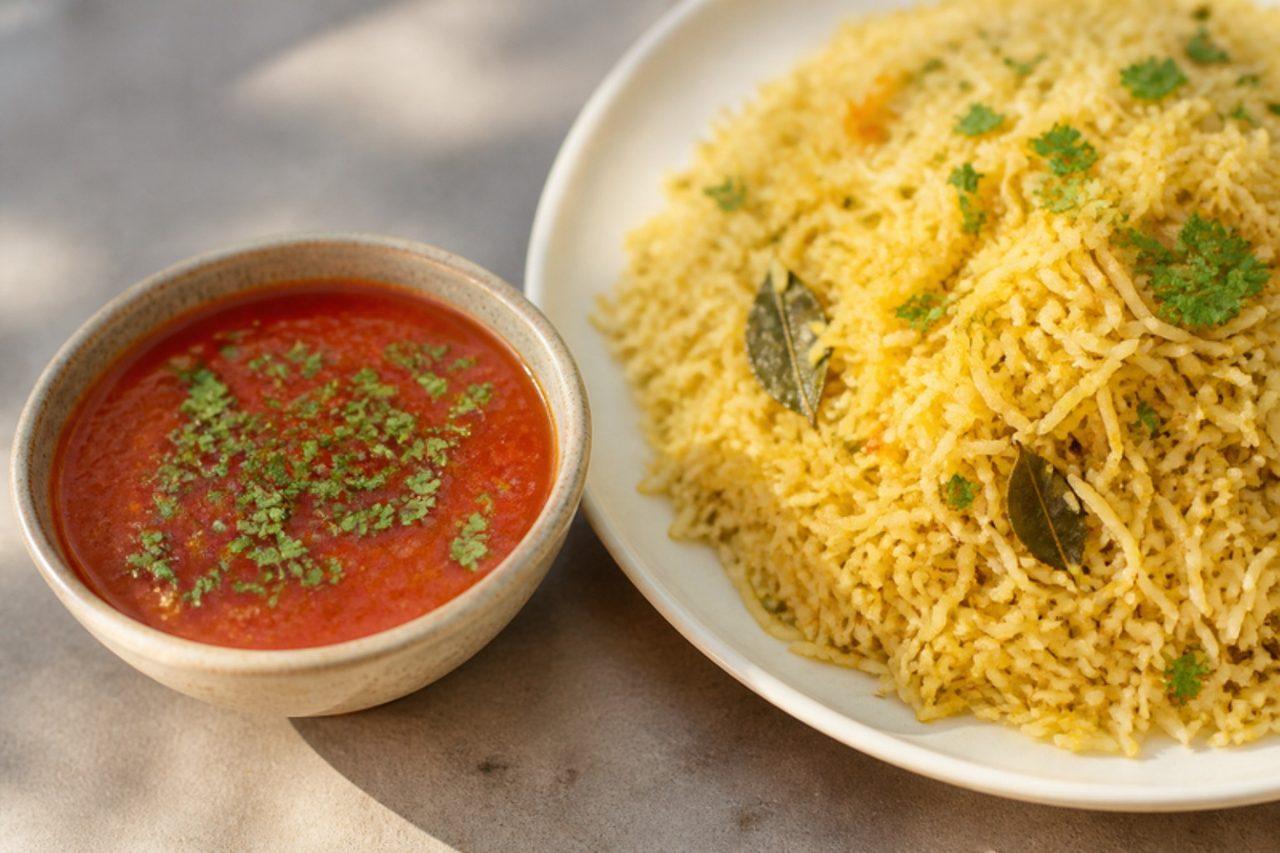
Burgher Sunday lunches, Christmas tables and Colombo wedding buffets share one thing: a heap of fragrant, saffron-coloured kaha bath, the yellow rice that also forms the base of lamprais. Long-grain or samba rice is fried with onion, cinnamon, cardamom, cloves and curry leaves, then cooked in coconut milk with turmeric, lemongrass and pandan until every grain is separate, glossy and perfumed. It is served with chicken or beef curry, brinjal moju and a sharp achcharu, and is often scattered with fried cashews and raisins. Burgher cooks usually use ghee or butter and chicken stock; this version is vegan, with coconut oil and coconut milk carrying the richness. Lifting the lid to stir while it cooks is the slip that turns it mushy, so seal the pot and leave it alone. Chef's tip: rinse the rice until the water runs clear and drain it well; dry grains toast better in the oil and stay fluffy.

by KrazyBadal 0 views

KahiFlaky pastry with date syrup

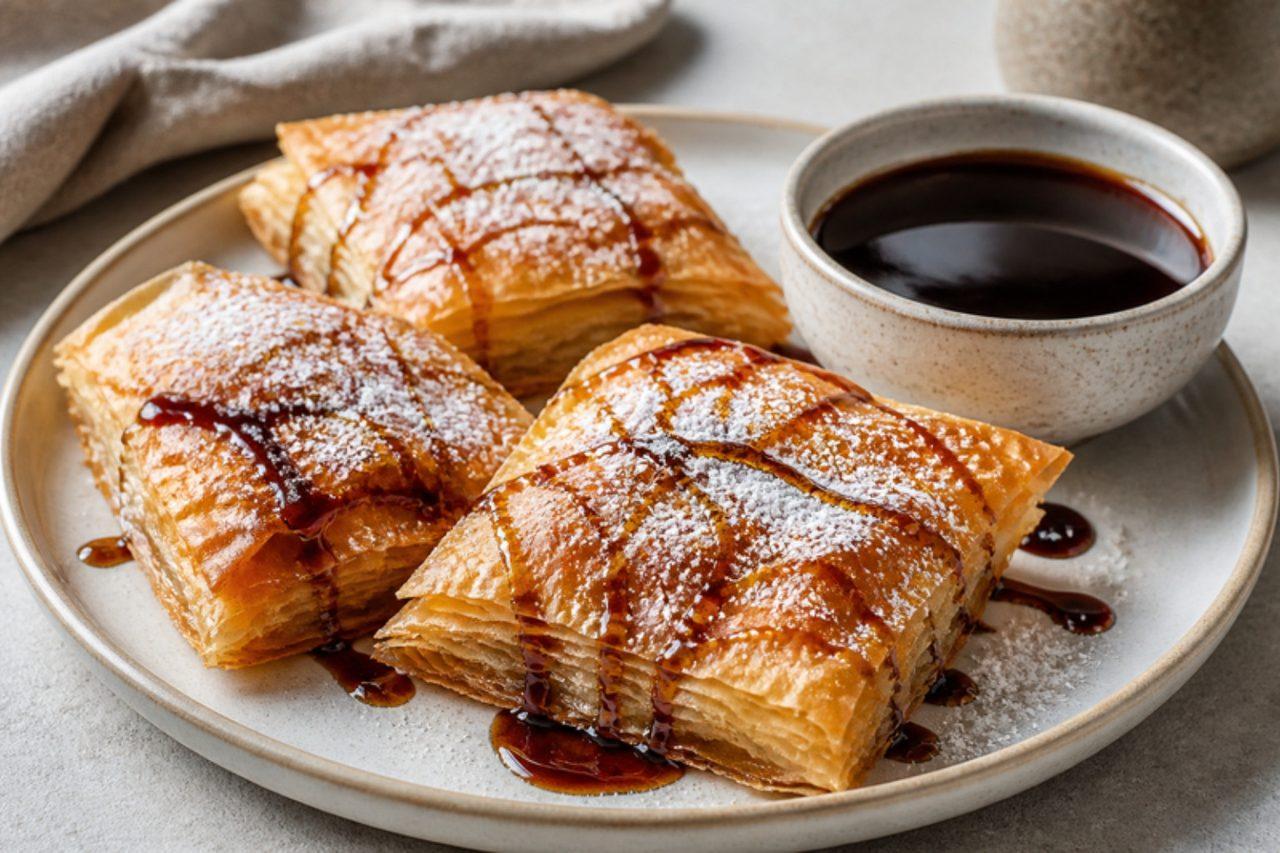
Kahi is what Baghdadi families in Ramat Gan and Or Yehuda make on Shavuot and festival mornings: squares of dough folded with butter into many layers, baked until flaky, then doused with silan (date syrup) or sugar and eaten with tea or a little yogurt. Outside it shatters; inside the layers stay soft and buttery. The common mistake is letting the butter melt into the dough while folding, which leaves you with a flat, bready square. Chef's tip: chill the folded dough for 20 minutes between rolls if your kitchen is warm, and bake in a really hot oven so the layers puff.

by KrazyBadal 0 views

BombolinoSugared doughnuts

A legacy of the Italian years, bombolino is still part of the morning ritual in Asmara: a warm doughnut rolled in sugar, eaten at a café counter on Harnet Avenue with a small, strong macchiato. Eritrean bombolini are unfilled, either round or ring-shaped, with a pale band around the middle, a feather-light crumb and a hint of lemon in the dough. Bakeries fry them in the early morning and they sell out quickly. At home they make a lovely weekend treat; allow about 1½ hours for the dough to rise and prove. The most common mistake is frying in oil that is too hot, so the outside goes dark while the centre stays doughy; keep it at 170 °C and test the first one. Chef's tip: roll them in sugar while they are still warm, not hot, so the sugar clings without melting.

by KrazyBadal 0 views

FlæskestegRoast pork with crackling

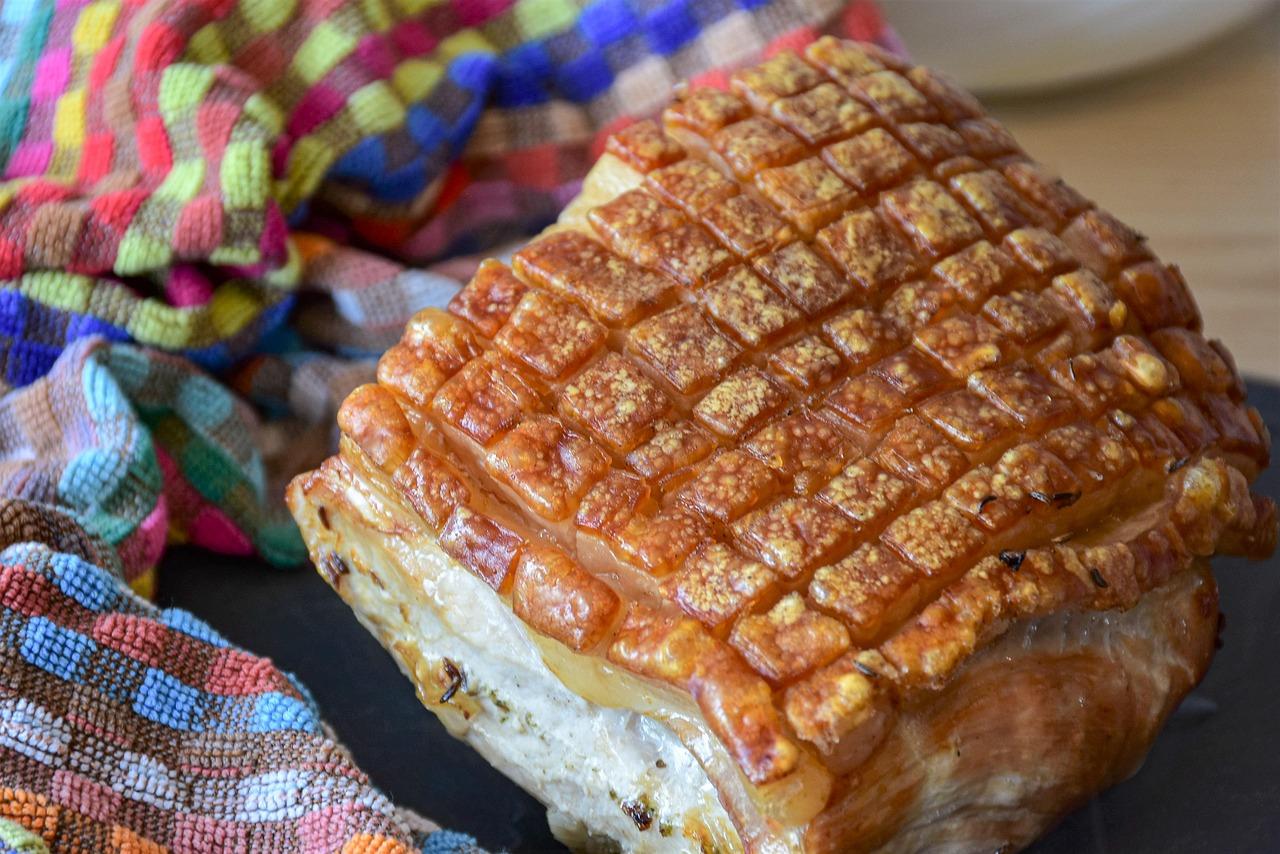
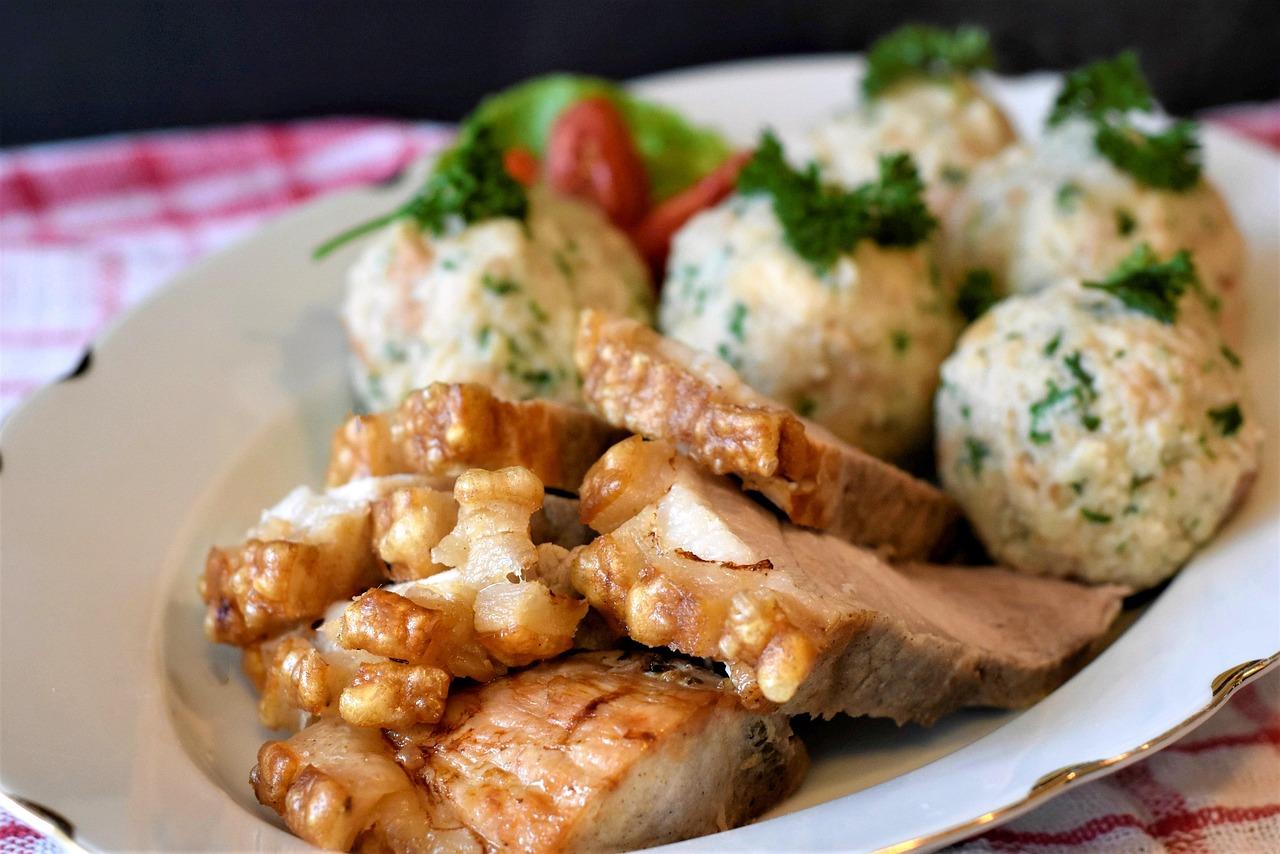
Flæskesteg is the Danish Christmas Eve roast: a pork loin or belly with its rind scored deep, rubbed with salt and bay, and roasted until the crackling puffs into crisp, golden ridges. This is a pork dish. It is served with brunede kartofler, red cabbage, plain boiled potatoes and gravy, and the crackling is the prize everyone fights over. A common mistake is scoring the rind too shallow or not all the way across, so it cracks unevenly. Chef's tip: start the joint rind-down in a little boiling water for 20 minutes, which softens the rind, then turn it up and roast; it crackles evenly. Whole pork joints are safe at 63 °C followed by a 15-minute rest.

by KrazyBadal 0 views

Dal chawal paliduLayered rice and dal

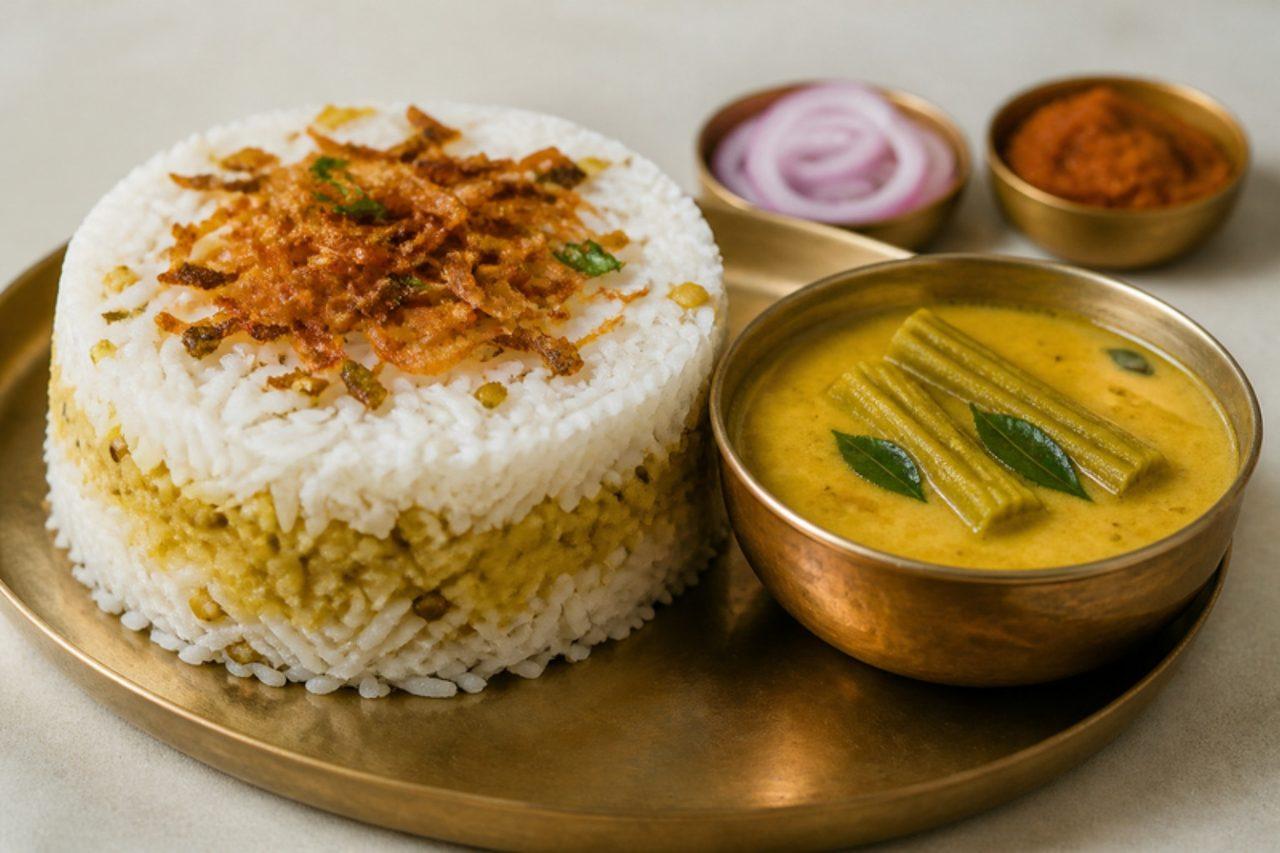
In the Dawoodi Bohra community of Karachi's Saddar and Kharadar, dal chawal palidu is the comfort meal of Sunday lunch and of the shared thaal at community gatherings, and nobody who grew up with it considers it complete without all three parts. Long-grain rice is layered with whole, separate grains of spiced toor dal and crisp fried onion, then steamed, while palidu, a thin, tangy curry made from the dal's own cooking water thickened with gram flour, tempered with mustard seed, curry leaves and garlic and studded with drumsticks, is poured over at the table. It is gentle, sour and deeply savoury. Overcooking the dal is the error to avoid, since it must stay in whole grains for the layers. Chef's tip: drain the toor dal as soon as it is tender and save every drop of the water, because that water is the base of the palidu.

by KrazyBadal 0 views

Flaki po warszawskuBeef tripe soup

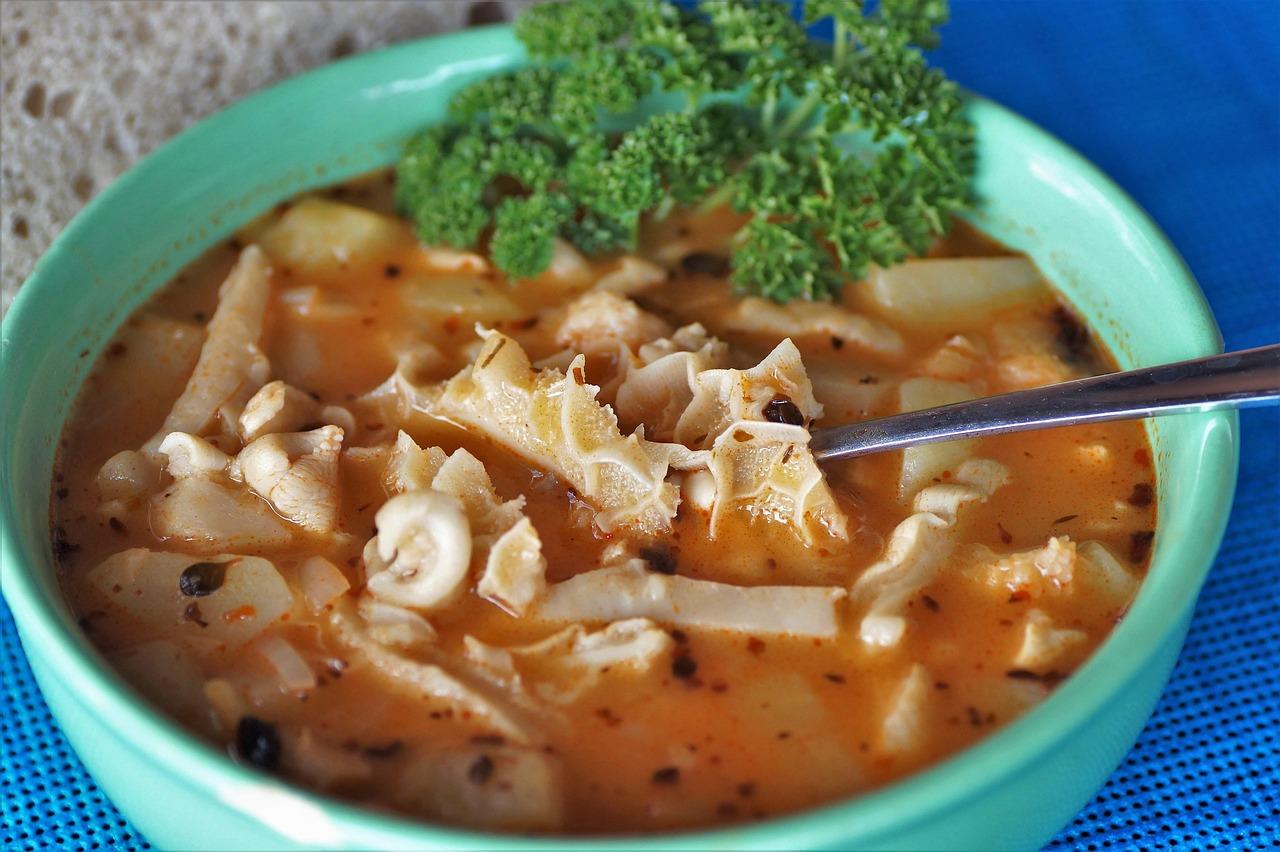
Warsaw's old milk bars and wedding receptions share one great soup: flaki, a peppery tripe broth scented with marjoram, nutmeg and ginger, served piping hot, traditionally late at night to revive tired guests. The Warsaw version adds tender beef meatballs (pulpety) and plenty of julienned root vegetables, so it is heartier than the plain flaki of other regions. Tripe has a soft, slightly chewy bite and soaks up the warm spices. Buy cleaned, blanched beef tripe from a butcher. A mistake that ruins many pots is skipping the first blanching: without it the soup smells strongly and never tastes clean. Make it a day ahead if you can; it improves overnight. Chef's tip: add the marjoram twice, a spoon during cooking and a generous pinch rubbed between your palms just before serving, which is what gives Warsaw flaki its signature smell.

240 minPolishSoups
by KrazyBadal 0 views

KajmakClotted milk cream

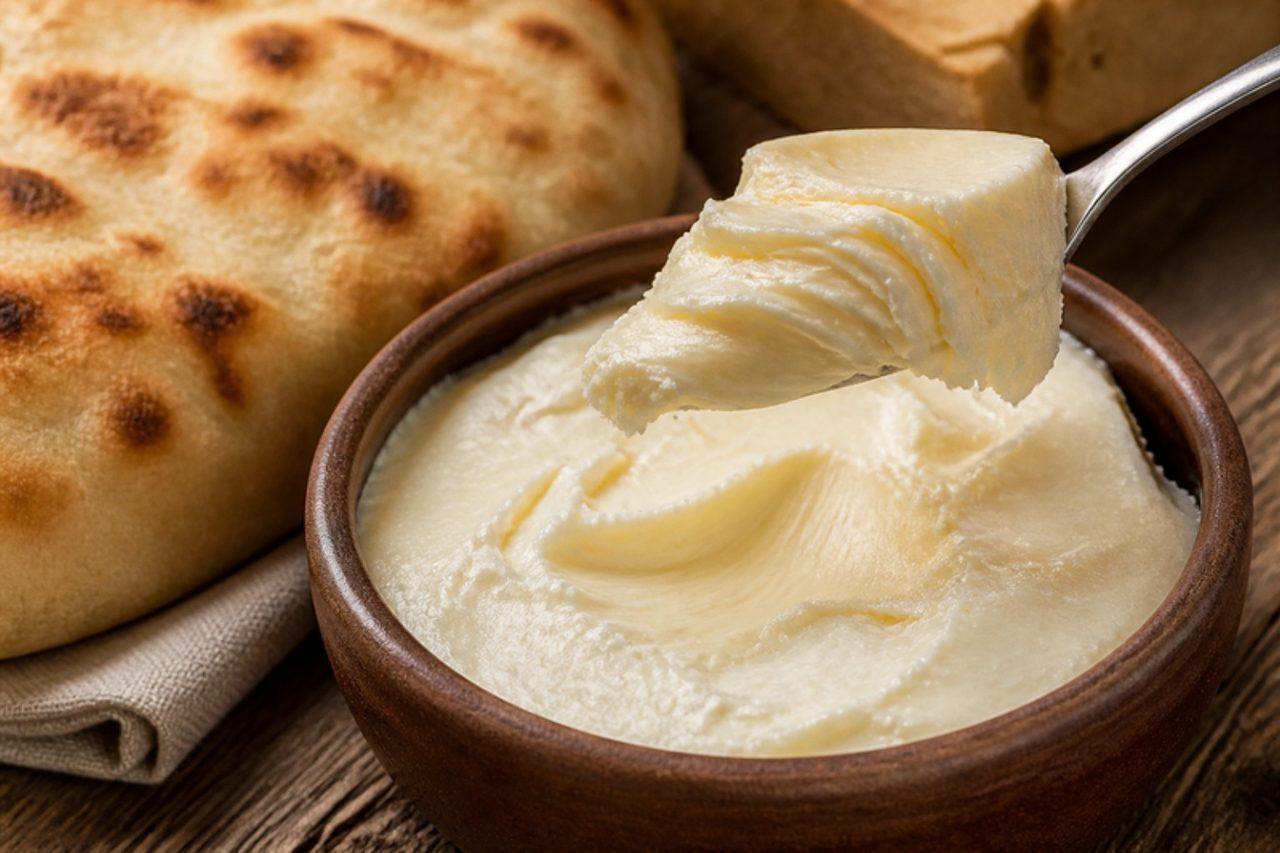
At the Zlatibor and Čačak markets, women sell kajmak from wide tubs, cut in soft ivory folds that taste of cooked milk, butter and a little salt. It is made by slowly heating rich milk, letting it settle in shallow pans and lifting off the thick skin that forms as it cools, then layering those skins with salt. This home version uses pasteurised milk and cream and stays in the fridge throughout; the long-aged, raw-milk kajmak of the villages is not something to copy at home. Spread it on warm lepinja or proja, or stir it into hot potatoes. A common mistake is letting the milk boil: the bubbles tear the skin and you end up with flecks instead of a thick sheet. Chef's tip: keep the skimmed milk left underneath for porridge, proja or pancakes; nothing goes to waste.

1440 minBalkanBasicsGluten free
by KrazyBadal 0 views

Kaju maluwaCashew and pea coconut curry

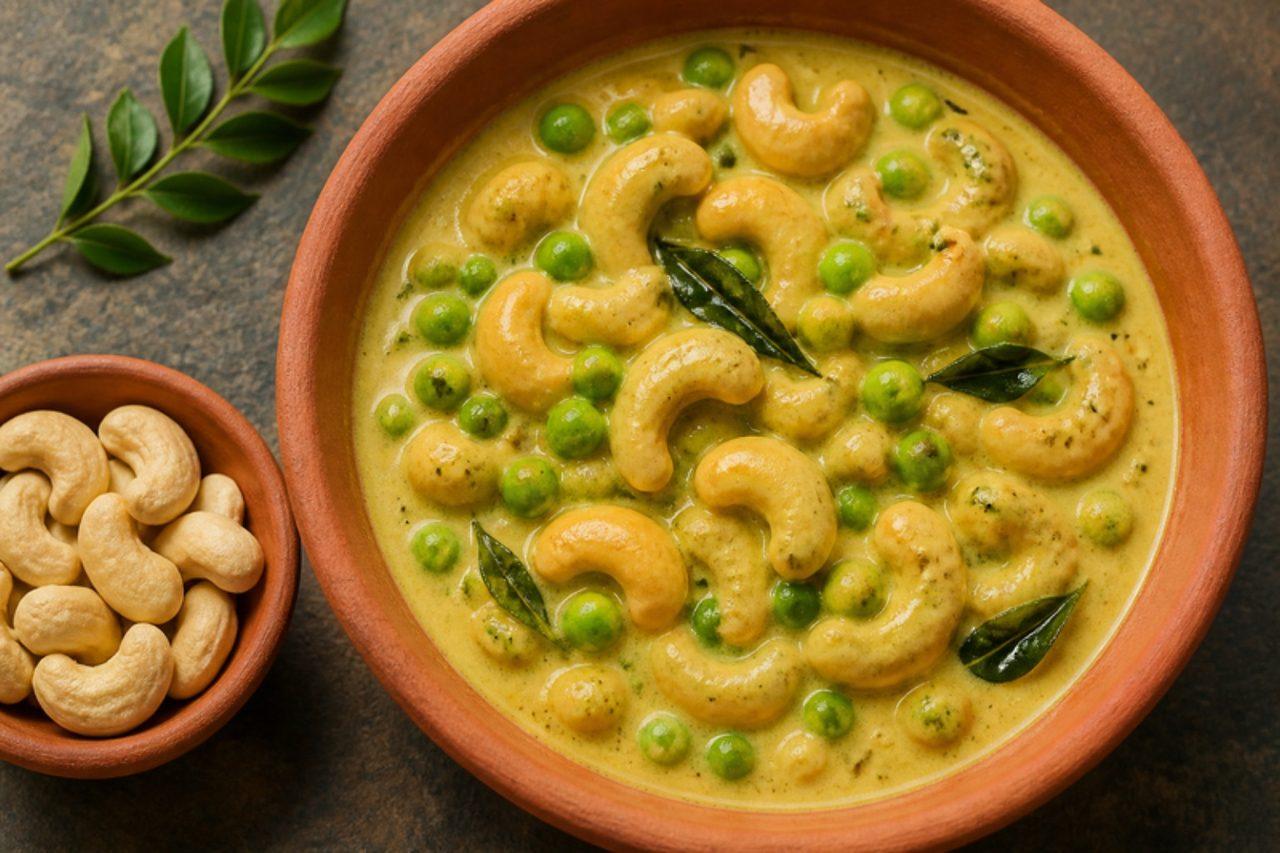
In the cashew-growing country north of Colombo, around Kurunegala and Puttalam, fresh green cashews are cooked into this creamy curry for weddings, almsgivings and the Avurudu table, and no one would dream of calling it everyday food. The nuts turn soft and buttery in a mild, pale gravy of coconut milk scented with cinnamon, pandan and unroasted curry powder, with green peas for colour, and it sits on the festive spread beside yellow rice and a sharp pickle. Fresh cashews are hard to find outside Sri Lanka, so this recipe uses raw dried ones soaked until they are almost like the fresh kind. Not soaking them long enough is the usual mistake; they stay chalky in the middle however long they simmer, so give them at least six hours, or overnight. Chef's tip: a pinch of bicarbonate of soda in the soaking water softens the nuts faster and gives them that tender, just-picked texture.

by KrazyBadal 0 views

KololakBeef and rice meatballs in broth

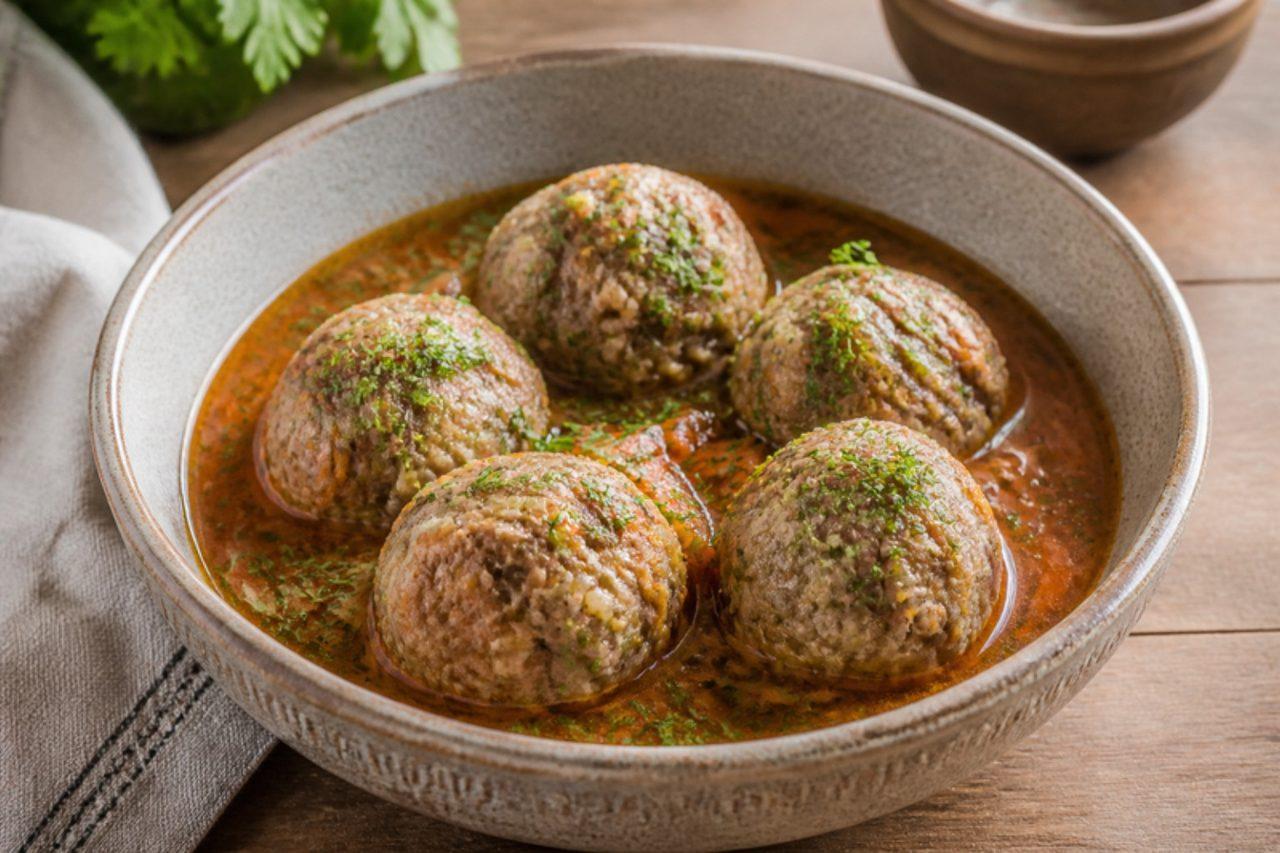
Kololak are the big, soft meatballs of Gyumri, Armenia's second city, where they are cooked for family Sunday dinners: very finely minced beef is beaten with rice, onion and egg until smooth and springy, shaped into balls the size of a small orange and simmered in a light broth with tomato and herbs. The broth is served first as soup, the meatballs after. A common mistake is skipping the long kneading, which makes the meatballs crumble in the pot. Chef's tip: wet your hands with cold water while shaping, and lower the balls into broth that is only just simmering, so they hold together. Minced meat must reach 71 °C in the centre.

by KrazyBadal 0 views

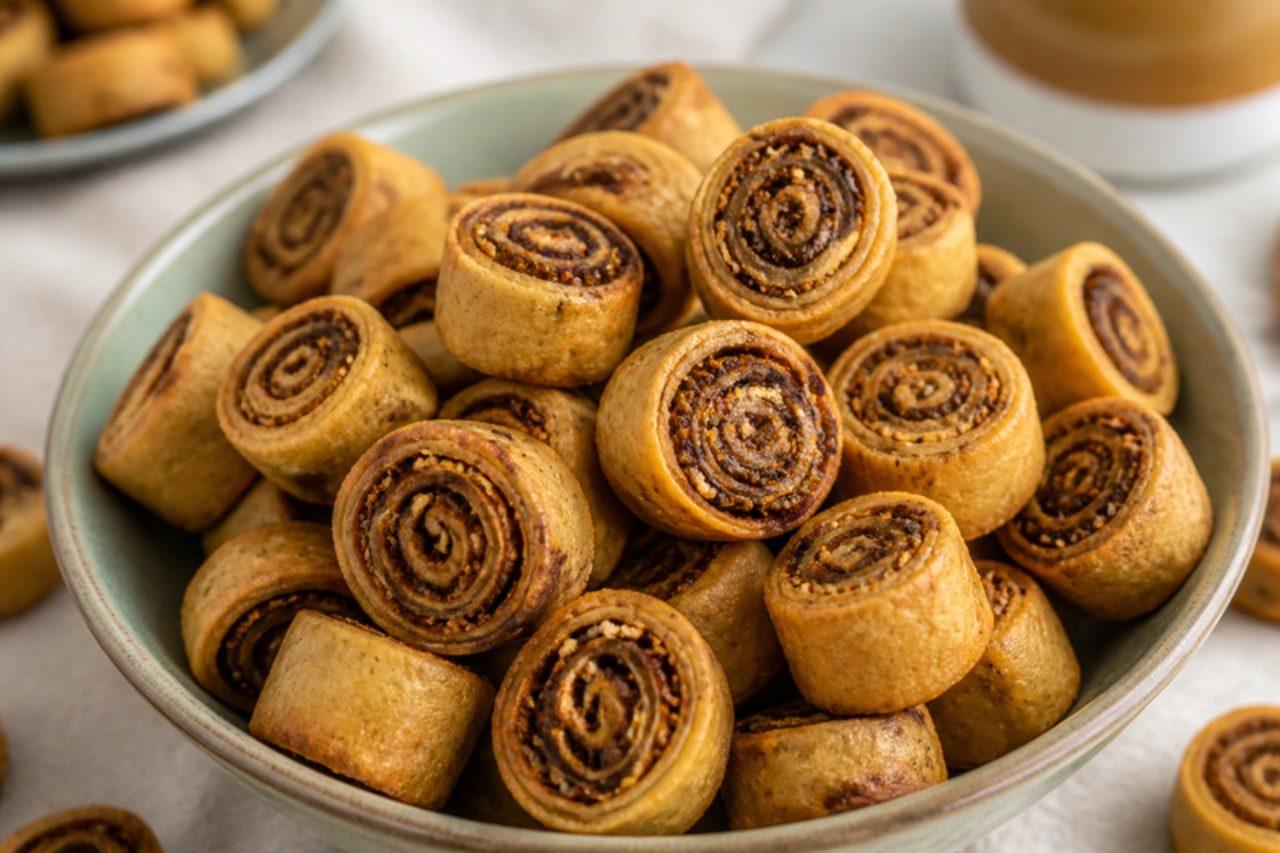
Kakaós csigaCocoa yeast snails

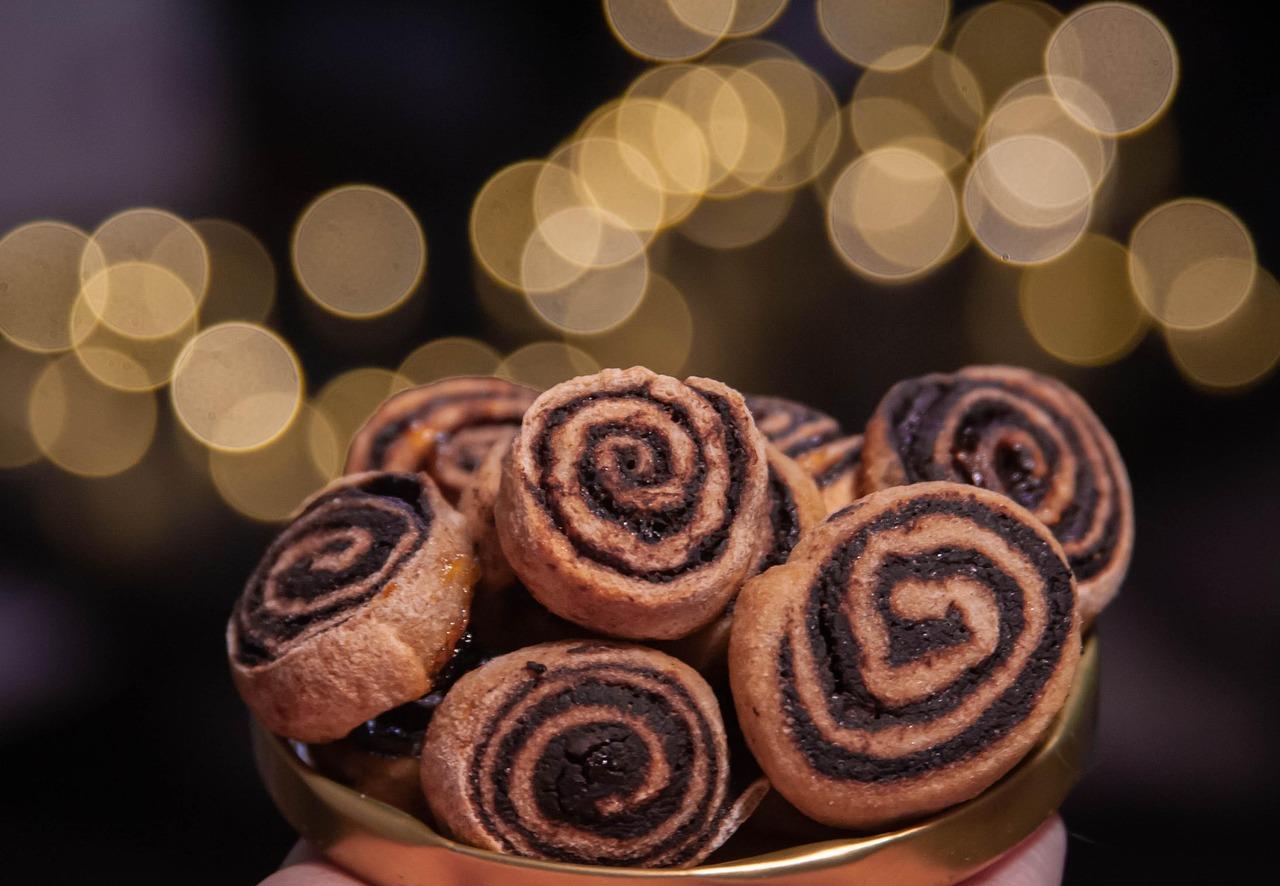
Walk into any Hungarian bakery at seven in the morning and the window will hold trays of kakaós csiga, cocoa snails, glossy on top and dark-striped inside. Children eat them on the way to school with a carton of chocolate milk, and office workers grab one with a coffee. The dough is soft and milky, rolled up with butter, cocoa and sugar so the swirl turns fudgy and slightly sticky; a brush of syrup after baking keeps them shiny and moist for a day. Where most people go wrong is spreading the filling on too-warm dough, which tears; let the risen dough rest for a few minutes after rolling. Chef's tip: roll the dough up from the long side quite tightly and cut with dental floss or a very sharp knife, so the snails keep their round shape.

by KrazyBadal 0 views

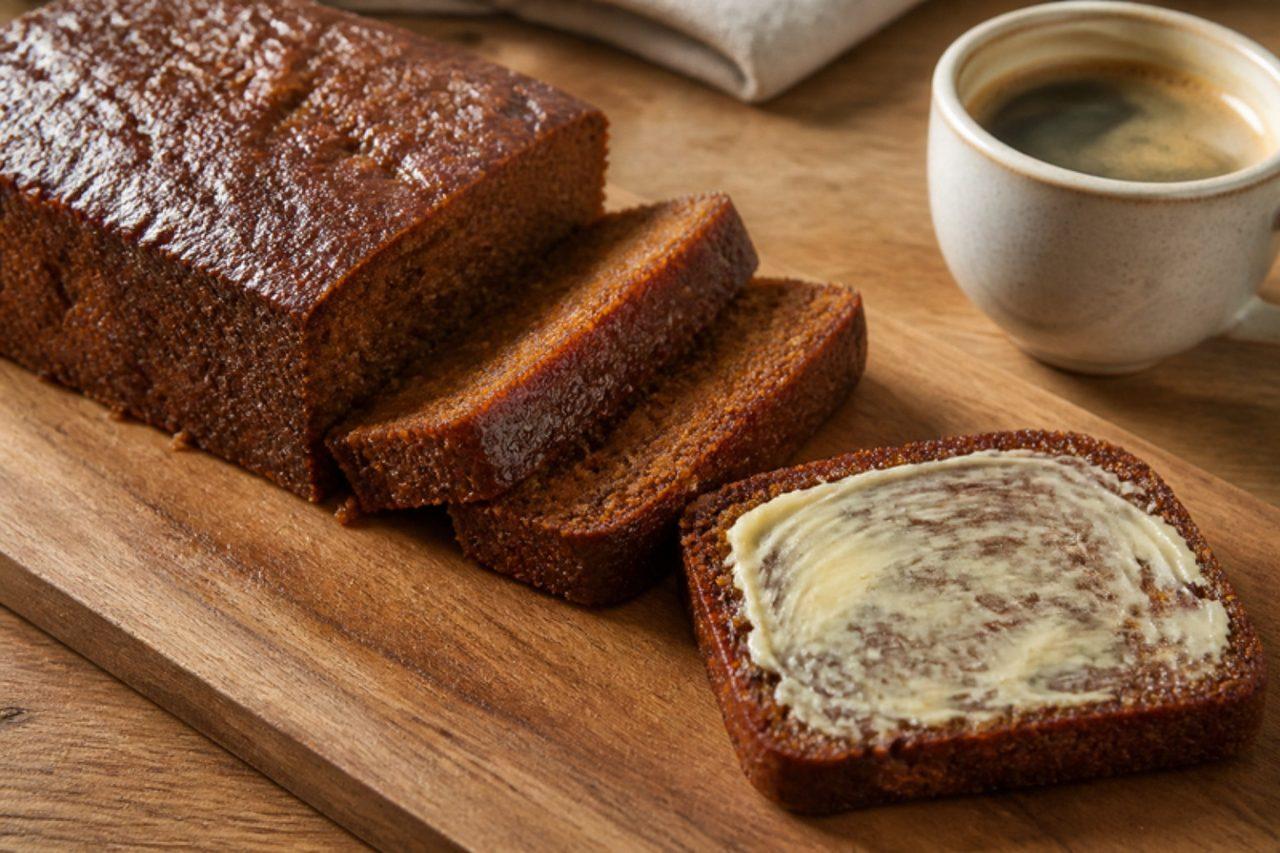
Bonbon siwoMolasses gingerbread cake

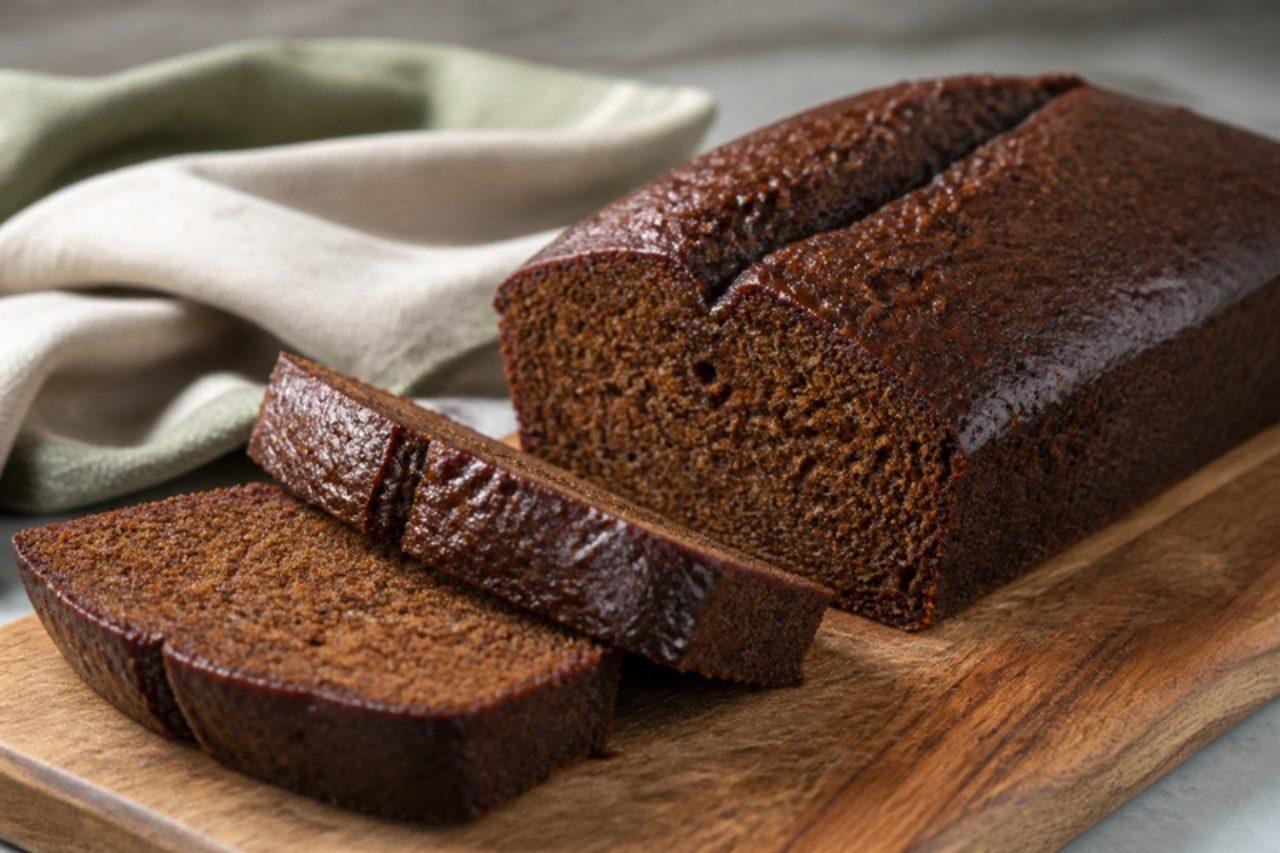
Bonbon siwo, "syrup cake", is the moist, dark gingerbread that Haitian families bake for birthdays, church sales and an ordinary Sunday, sliced into squares and eaten with a cup of sweet coffee. The siwo is molasses or cane syrup, which gives it a slightly bitter, smoky sweetness alongside ginger, cinnamon and nutmeg. The common mistake is overbaking: take it out as soon as a skewer comes out clean, or the edges dry and turn crusty. It contains egg, wheat and dairy. Chef's tip: mix the bicarbonate of soda into the hot water before adding it to the batter so it fizzes and lifts the cake evenly.

by KrazyBadal 0 views

KesäkeittoSummer vegetable and milk soup

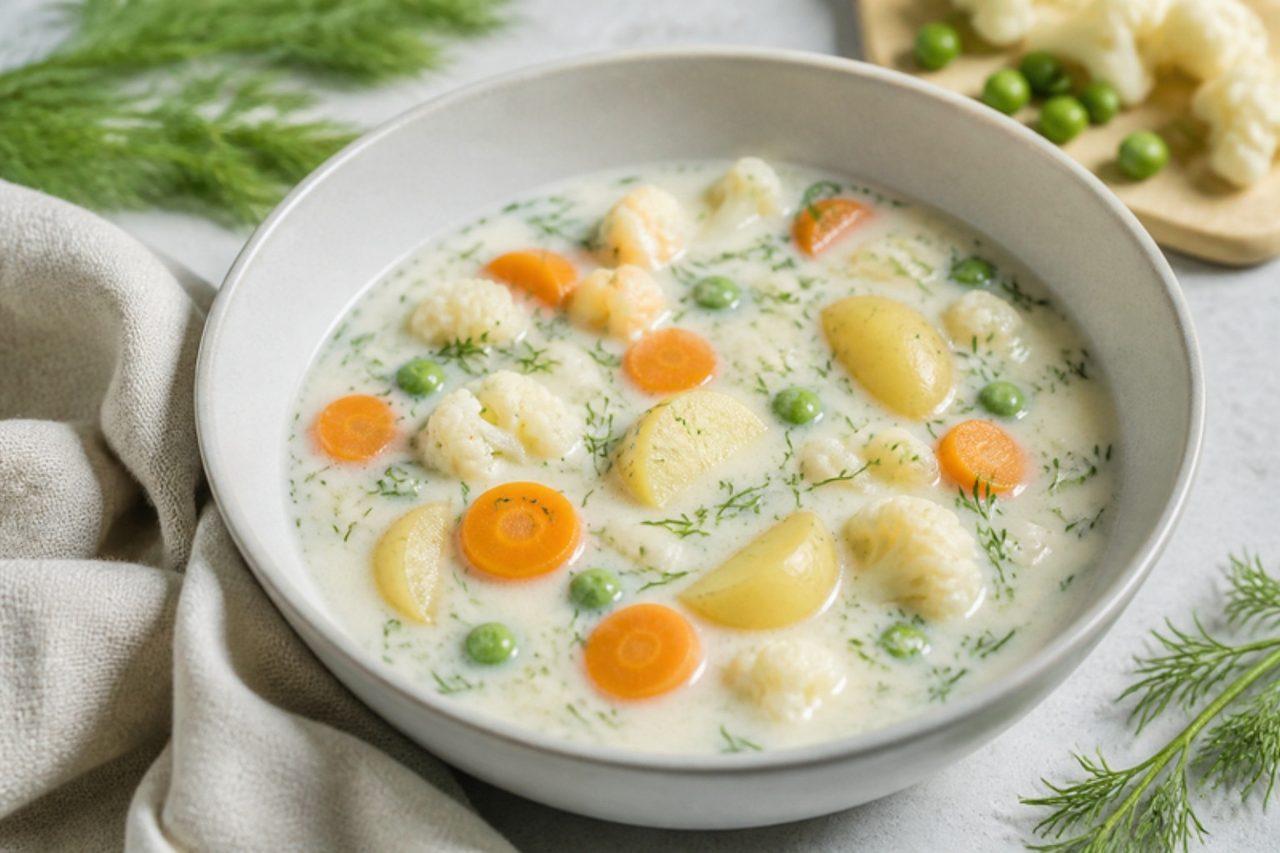
In July, when Finland's first new potatoes, baby carrots, peas and cauliflower arrive at market stalls in Helsinki and Turku, families make kesäkeitto: the vegetables simmered in water until just tender, then finished with milk and a knob of butter and lots of dill. It is light, sweet and pale green, eaten with rye bread and butter. A common mistake is boiling it once the milk is in, which can curdle the soup. Chef's tip: add the vegetables in order of cooking time, so each is just tender and keeps its colour.

by KrazyBadal 0 views

Kołocz śląskiSilesian cheese yeast cake

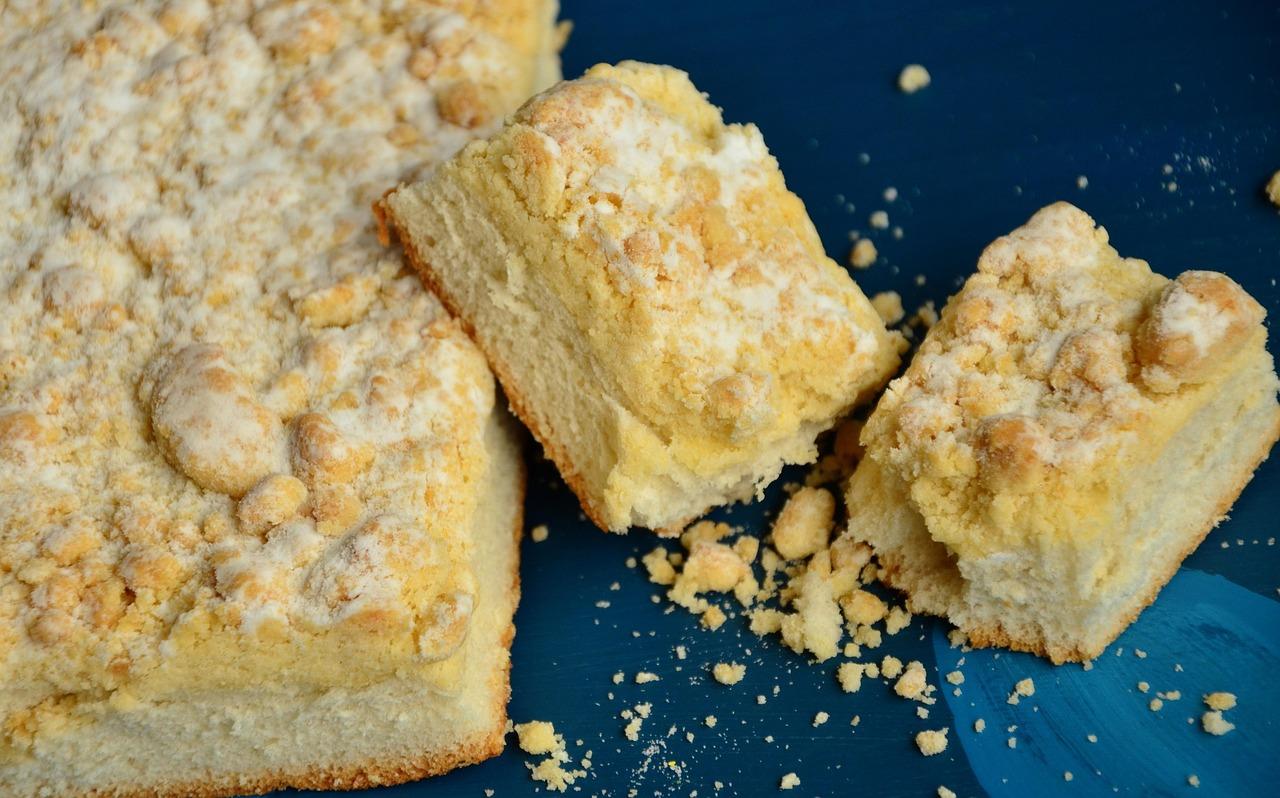
Silesian weddings once had kołocz delivered to every neighbour as a thank-you, and the wide trays still appear at christenings, harvest festivals and church fairs in Opole and around Katowice. The base is a soft, lightly sweet yeast dough, spread with a thick layer of vanilla twaróg and covered with a buttery crumble that bakes into craggy golden lumps. It keeps well for two days and cuts into neat squares for coffee. A common mistake is baking it before the dough has had its second rise under the topping, which gives a dense, bready base. Twaróg is usually rennet-free, but check the label. Chef's tip: keep the crumble in the fridge until the last moment so it stays in distinct lumps in the oven.

150 minPolishBaking
by KrazyBadal 0 views

MorkovchaSpicy Korean-style carrot salad

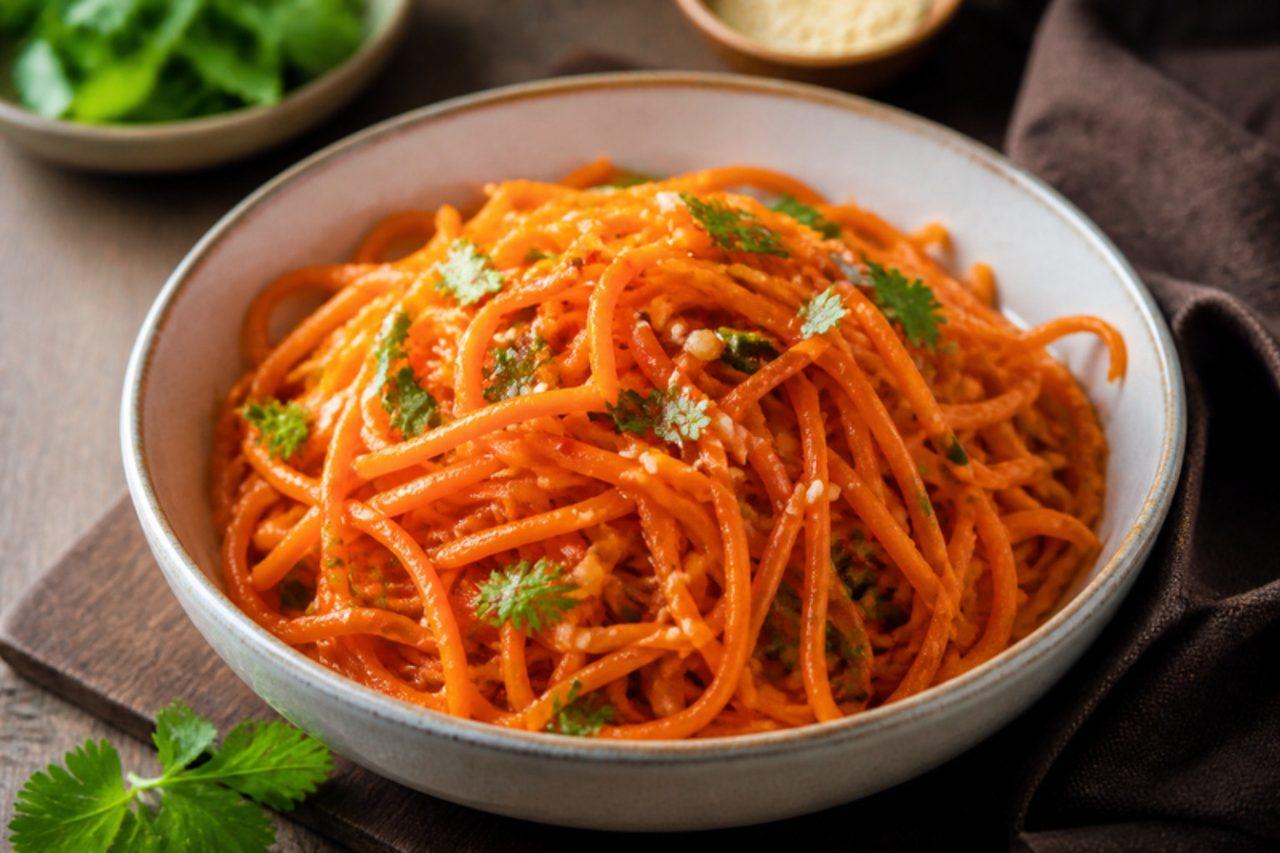
Koreans deported to Central Asia in 1937, the Koryo-saram, could not find napa cabbage for kimchi, so they shredded carrots instead, and the result spread to every market in Russia, where it is still sold by weight as "Korean carrots". Thin strands of raw carrot are salted, sharpened with vinegar and garlic, then dressed with sizzling oil poured over ground coriander and chilli. It is crunchy, sweet, sour and hot all at once, and it sits happily beside boiled potatoes, plov or a zakuski board. A common mistake is cutting the carrots too thick: they need to be long, matchstick-fine strands so the dressing soaks in. Pass the onion through the oil to flavour it, then lift it out. Chef's tip: leave it in the fridge overnight; by the next day the carrots soften slightly and taste twice as good.

by KrazyBadal 0 views

Kakra bhunaMud crab masala

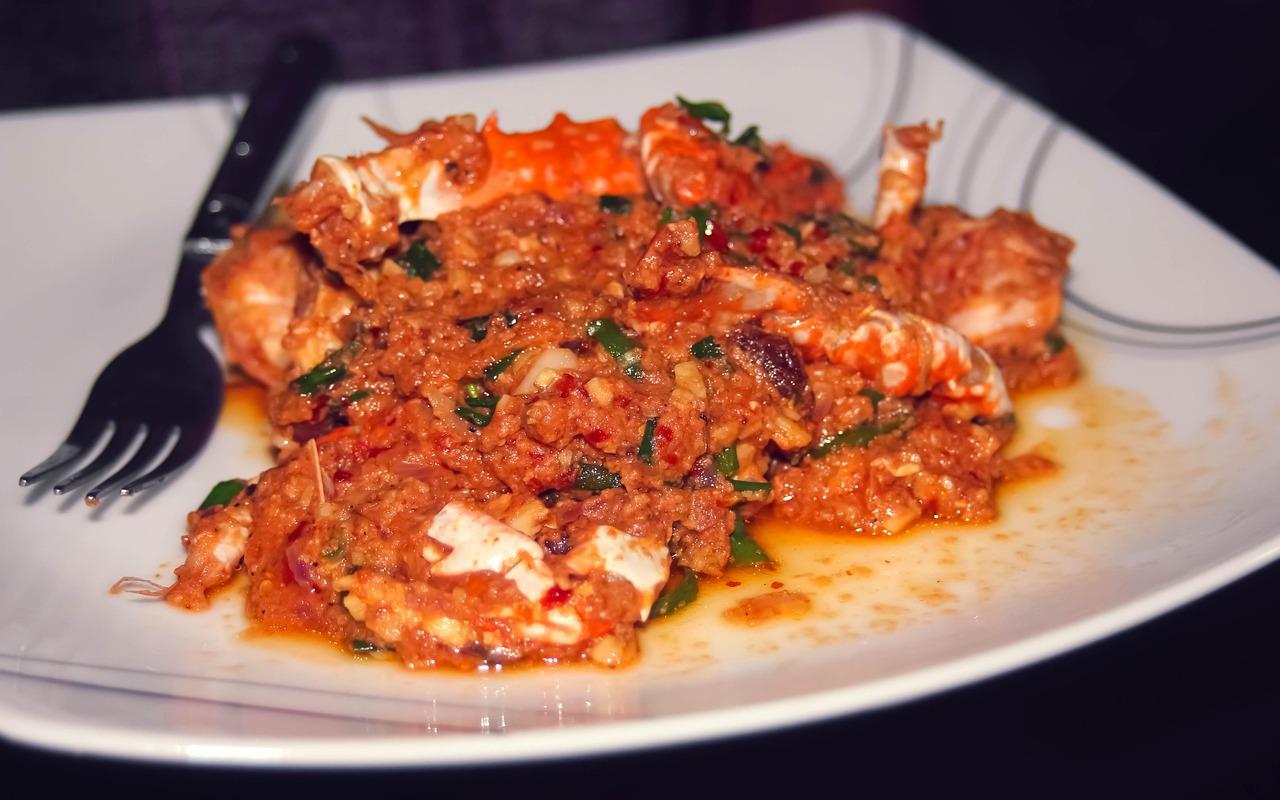
The muddy channels of the Sundarbans and the shrimp farms around Shyamnagar and Paikgachha are crab country, and in Khulna homes the big-clawed mud crabs are chopped in half, fried and then cooked down in a thick, fiery masala until it coats every crack and crevice. It is a dish for eating with your hands, sucking the masala from the shells and cracking the claws, with plain rice and a bowl of water for your fingers. Crabs must be bought alive and lively, or freshly cooked from a fishmonger you trust: throw away any that are dead before cooking, have a cracked shell or smell unpleasant. Ask the fishmonger to dispatch and clean them for you if you are not confident doing it yourself. Undercooking is the risk to avoid; the shells should be bright orange-red and the meat white and opaque right through. Chef's tip: crack the claws lightly before they go in, so the masala seeps inside.

by KrazyBadal 0 views

Sup tulangSpicy mutton bone soup

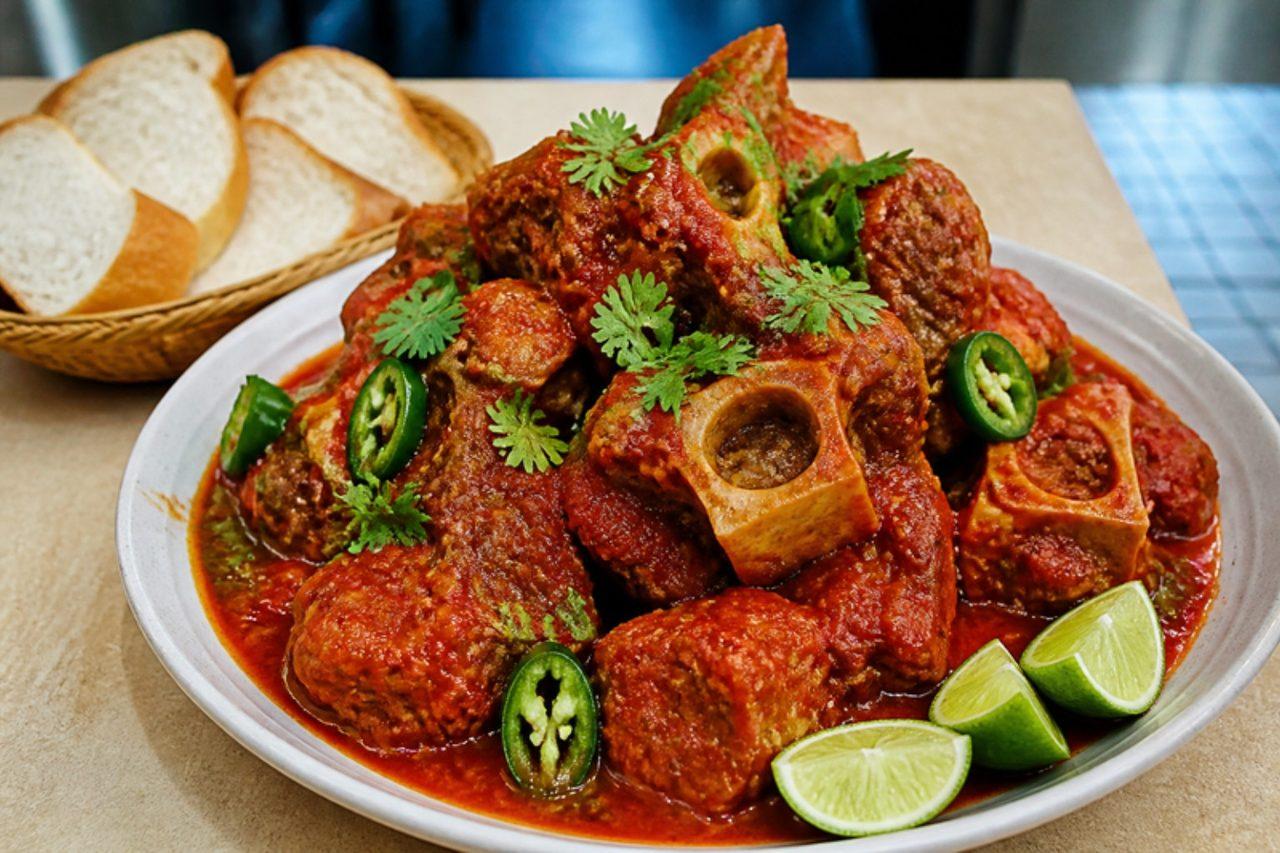
Few dishes are as gloriously messy as the sup tulang served by the Indian-Muslim stalls along Singapore's Beach Road and Golden Mile, where supper crowds sit hunched over plates of mutton bones in a vivid red gravy, armed with straws to suck out the marrow. The gravy is thick, sweet, tangy and gently fiery, built on tomato, chilli and warm whole spices, and it clings to every scrap of meat on the bone. It is mopped up with slices of soft white bread (leave the bread out if you need it gluten free), with green chillies and lime alongside, and plenty of napkins. Stopping the simmer too early is where it goes wrong: the meat must be soft enough to fall off and the marrow wobbling, which takes a good hour and a half. Chef's tip: ask the butcher to saw the bones crossways into short lengths so the marrow is exposed at both ends and easy to reach.

by KrazyBadal 0 views

Kala bhunaDark mustard oil beef curry

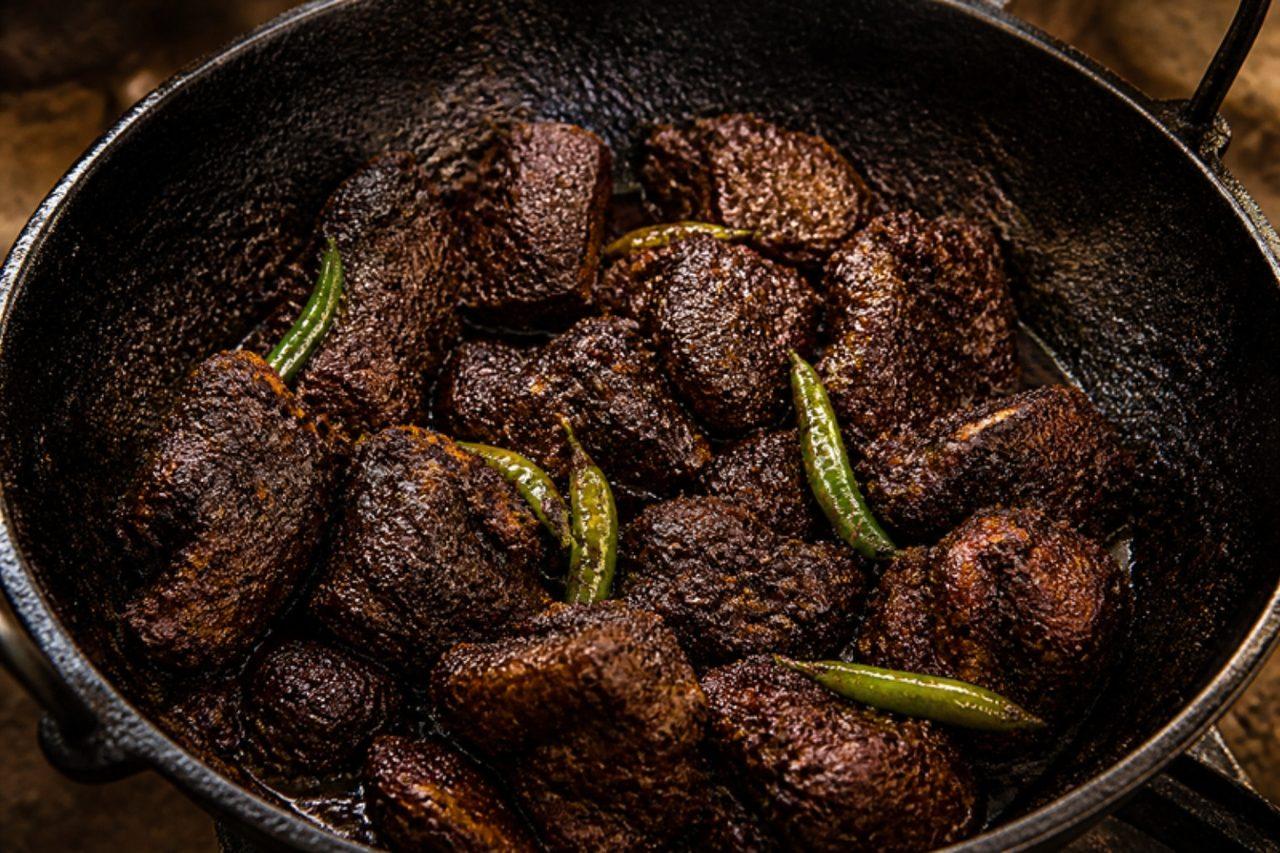
Kala means black, and that is the colour you are aiming for: Chittagong's kala bhuna is beef that is first cooked with spices until tender and then fried and stirred, patiently, for the best part of an hour until the pieces turn dark brown to nearly black and the masala clings to them like a crust. It is a dish from the port city's wedding and Eid kitchens, now a fixture of Chittagong restaurants in Dhaka, eaten with plain rice, khichuri or rice-flour chitoi ruti. The taste is deep and roasted, sharp with mustard oil, black pepper and a little nutmeg and mace, with no gravy at all. The most common slip is turning up the heat to speed up the blackening, which burns the spices bitter rather than caramelising the meat. Chef's tip: it improves overnight, so make it a day ahead and re-fry it briefly before serving.

by KrazyBadal 0 views

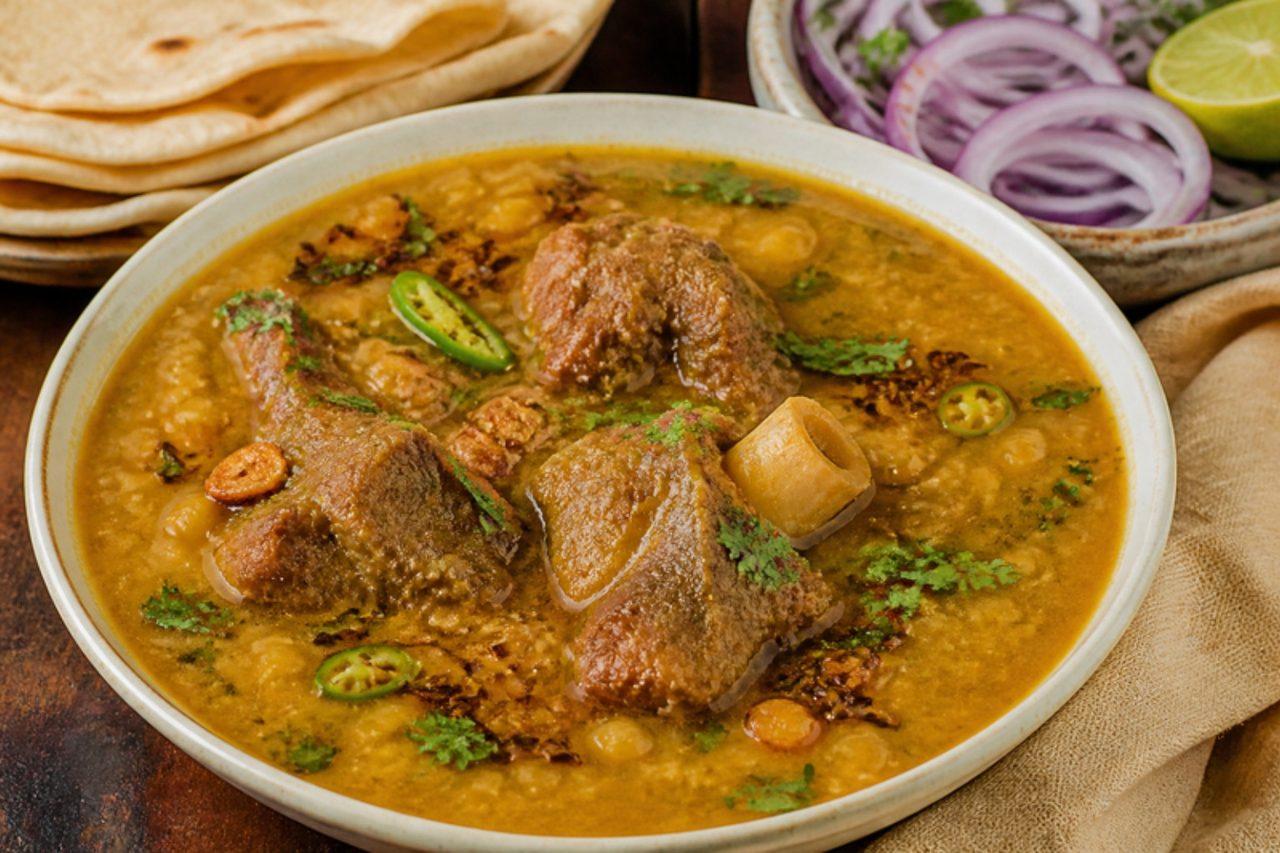
Dal goshtMutton and chickpea stew

Stretching a kilo of mutton to feed a big family is an old Pakistani household skill, and dal gosht is its most loved result: chana dal cooked with the meat until the lentils melt into a thick, golden, peppery gravy that is half curry, half stew. It turns up for Friday lunch in Punjab and for everyday dinners in Karachi Urdu-speaking homes, eaten with hot chapati, rice and a sharp salad of onion and tomato. Done right, some dal stays whole while the rest thickens the gravy. A common slip is adding raw dal to the pot at the same time as the meat; dal cooks faster, so it collapses into paste before the mutton is tender. Chef's tip: finish with a tarka of ghee, cumin and fried garlic for a Sunday version, or leave it plain with oil for an everyday pot that stays dairy free.

by KrazyBadal 0 views

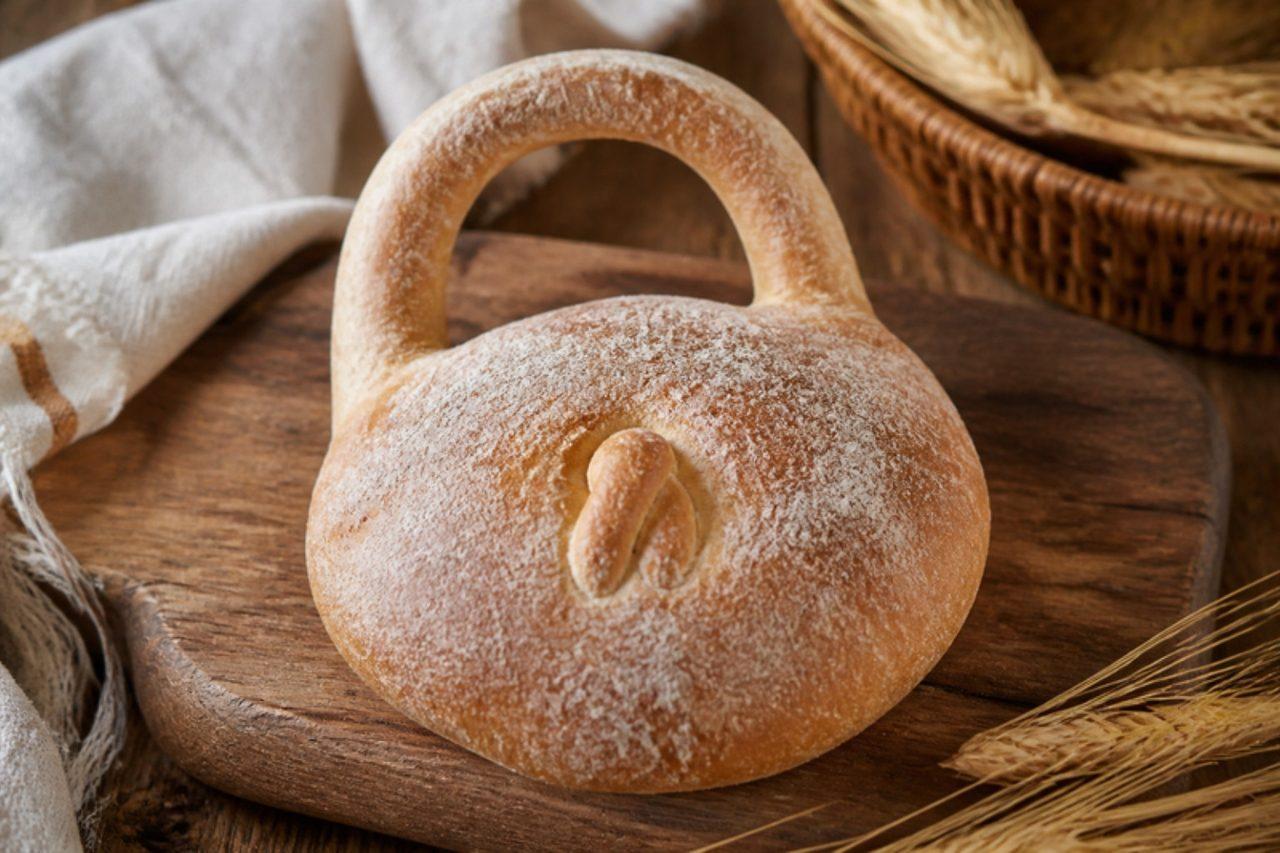
KalachPadlock-shaped wheat bread

Street sellers in nineteenth-century Moscow shouted for kalachi hot from the oven, and the town of Murom near Vladimir had its own famous version. The loaf is shaped like a padlock with a thin arched handle; carters and labourers held it by the handle with grimy hands, ate the plump body and, so the story goes, left the handle for the poor, which gave Russian the phrase 'to come to the handle' for hitting rock bottom. The dough is lean and vegan, just flour, water, yeast and salt, kneaded firm and chilled, so the crumb comes out white, chewy and close under a thin crisp shell. Eat it warm with soup, or tear it with tea and jam. A common mistake is a slack dough; it must feel firm, or the handle loses its shape. Chef's tip: pour hot water into a tin on the oven floor as the bread goes in; the steam gives the glossy, pale crust.

by KrazyBadal 0 views

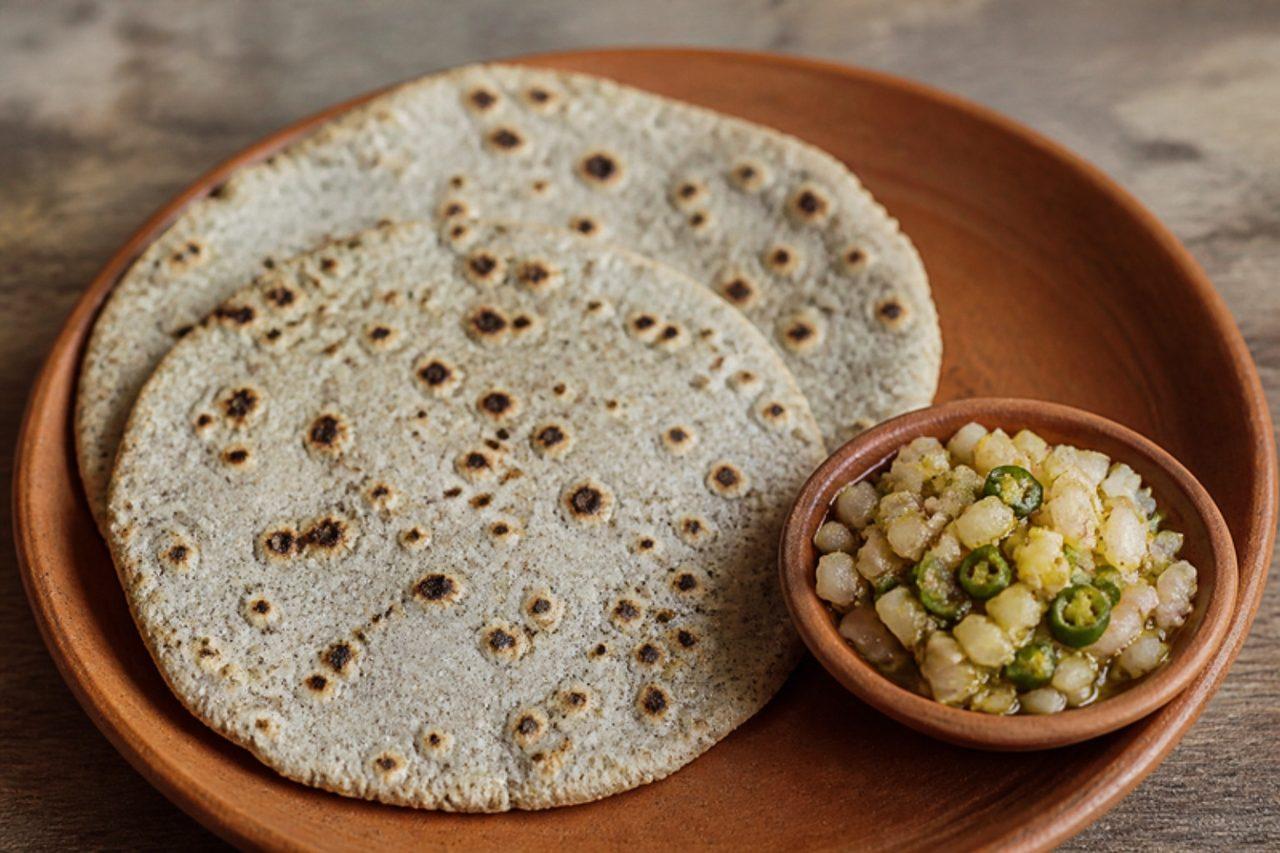
Kalai rutiUrad dal and rice flour bread

In Chapai Nawabganj and Rajshahi, kalai ruti stalls fire up as the weather turns cold, and the bread has become such a regional symbol that people from Dhaka make the trip just to eat it. Flour ground from mashkalai, or urad dal, is mixed with rice flour and hot water, then patted by hand between wet palms into thick rounds and baked on a clay tawa until speckled and toasty. The texture is dense, soft and slightly chewy, with an earthy, nutty taste. It is always eaten with something sharp: a raw bhorta of onion, green chilli and mustard oil, a smoky begun bhorta, or duck or beef curry in winter. Over-wet dough is what defeats most first attempts; it should be soft but hold its shape when patted. Chef's tip: keep a bowl of water beside you and wet your palms before shaping each ruti, which stops sticking and gives the characteristic smooth surface.

by KrazyBadal 0 views

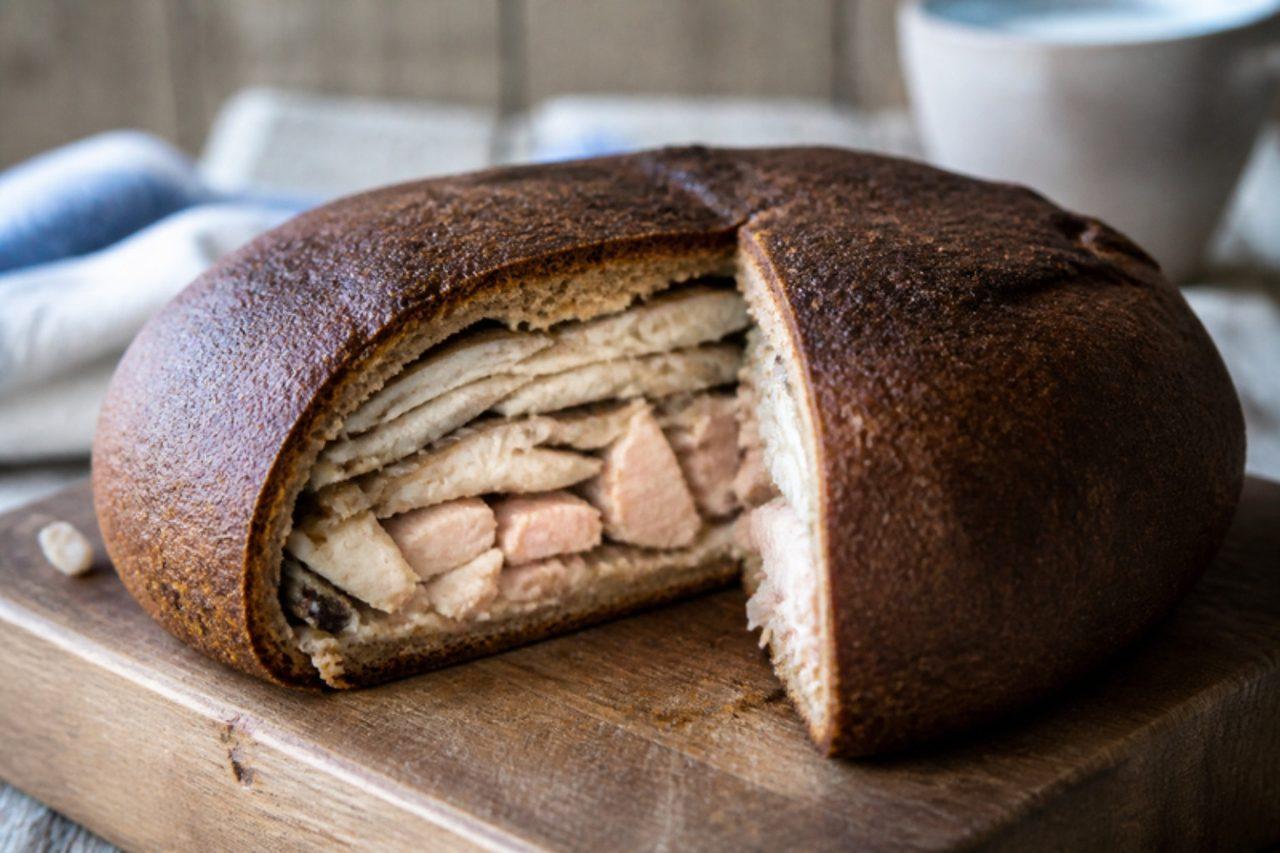
KalakukkoFish and pork rye loaf

Kalakukko is the travelling food of Savonia in eastern Finland, a speciality of Kuopio's market square: a thick rye crust packed with small whole fish, usually vendace (muikku) or perch, and slices of fatty pork belly, sealed and baked for five or six hours, until the fish bones soften completely and the juices soak the inside of the crust. This dish contains pork. It is cut open like a lid and eaten in slices, crust and all, hot or cold. A common mistake is a crack in the crust, which lets the juices escape and dries out the fish. Chef's tip: patch any cracks with a little rye dough during baking, and wrap the loaf in foil and a towel after baking to rest.

by KrazyBadal 0 views

BoniatilloSweet potato pudding

Boniatillo comes from the sweet tooth of old Havana, where white-fleshed boniato is boiled, puréed and cooked in a cinnamon and lime-peel syrup until it turns into a thick, glossy pudding. It is served at room temperature in small bowls, often dusted with cinnamon, at birthdays or simply after Sunday lunch. The mistake to avoid is using orange sweet potato alone, which makes it wet and very sweet; Cuban boniato or a white sweet potato gives the right dry, chestnutty texture. Chef's tip: beat in the egg yolks off the heat with a little of the hot purée first, so they thicken the pudding without scrambling.

by KrazyBadal 0 views

Dal pakwanFried bread with spiced chana dal

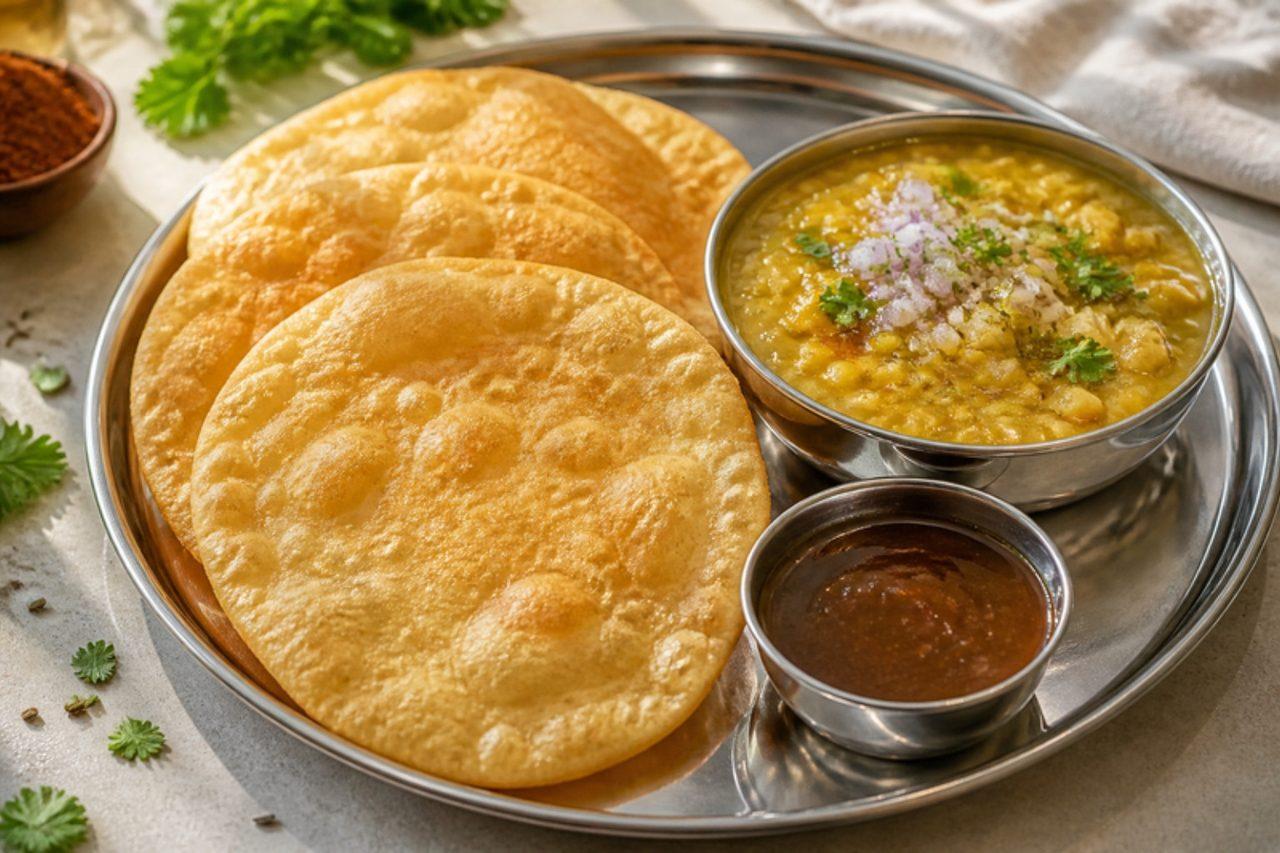
Sunday morning in Karachi's old Sindhi neighbourhoods, and in Hyderabad, means a queue at the dal pakwan stall, or a home kitchen hot with frying oil. Pakwan are crisp, bubbly discs of cumin and black-pepper dough, fried until they shatter like a cracker, and they are eaten broken into a bowl of soft, lightly spiced chana dal, then topped with sweet-sour tamarind chutney, raw onion and a dusting of chilli. The contrast of crunchy, soft, sweet and sharp is the whole point, so the parts are kept separate until the last moment. Thick pakwan are the most common disappointment: rolled too thick, they turn chewy instead of crisp. Chef's tip: roll each one as thin as you can and prick it all over with a fork before frying, so it puffs only a little and stays flat and crunchy.

by KrazyBadal 0 views

Tandir goshtSlow-cooked oven lamb

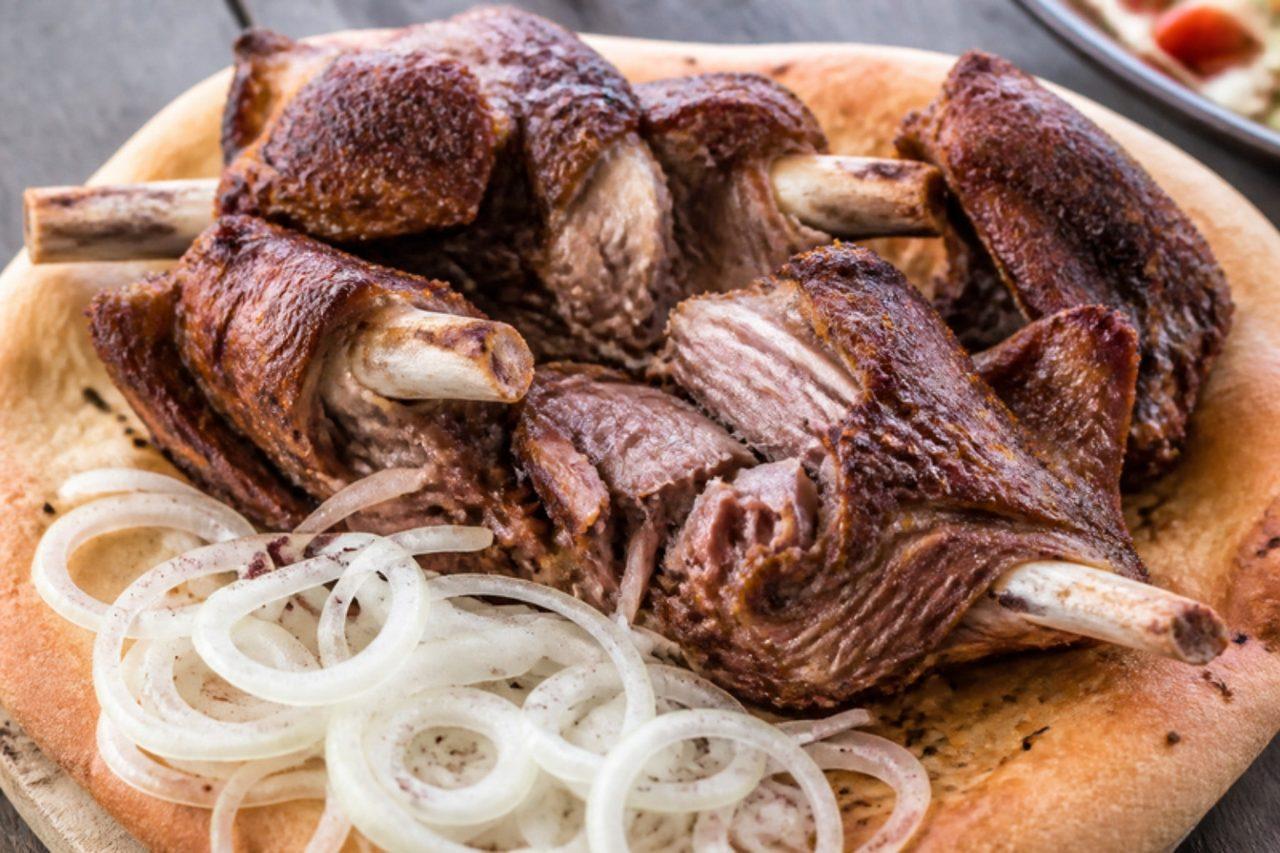
In Samarkand and Jizzakh, tandir gosht is cooked in a clay tandir oven that is fired until white-hot, then the coals are raked out, big pieces of lamb on the bone are hung inside on hooks, wrapped in leaves of the dzhida tree or grape, and the oven is sealed with clay for hours. The meat comes out smoky, falling-apart tender and crusty at the edges. This home version wraps the lamb in vine leaves and foil and slow-roasts it, finishing uncovered for colour. A common mistake is unwrapping too early; the meat needs the full time to turn tender. Chef's tip: rub the lamb with salt, cumin and a little crushed coriander the night before so the seasoning goes deep.

320 minUzbekMeat
by KrazyBadal 0 views

KoloRoasted barley and peanut snack

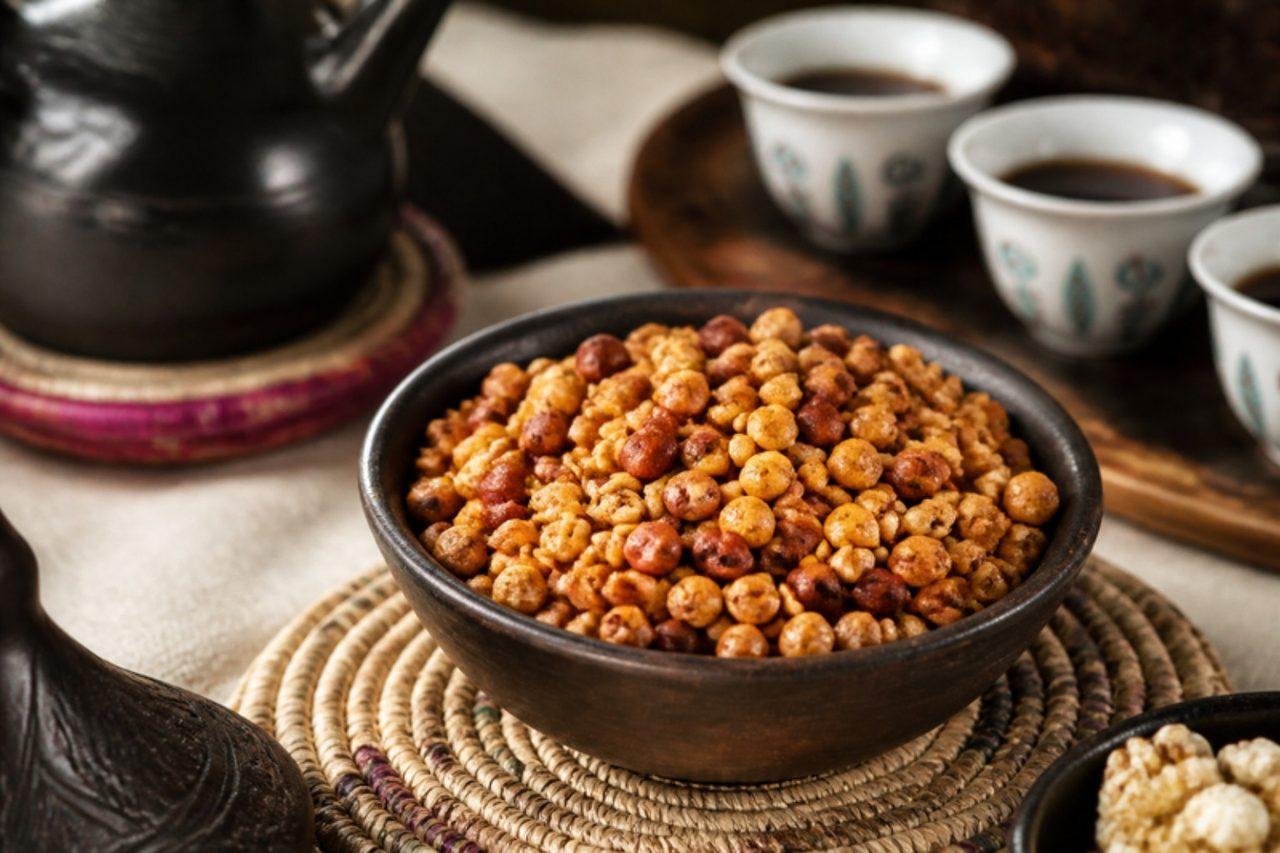
While the beans are roasted and the coffee is brewed three times over, a basket or small bowl of kolo goes round the room, and guests take a handful between cups. It is the simplest of snacks: whole barley grains roasted in a dry pan until they crack and smell like toast, mixed with roasted chickpeas and peanuts, sometimes with sunflower seeds or a little berbere. The barley is crunchy and nutty, the peanuts rich, the chickpeas mealy. Street sellers in Addis Ababa scoop it into paper cones, and families keep a jar for children's lunchboxes and long journeys. Note that barley contains gluten. Chef's tip: sprinkle a little salted water over the barley in the last minute of roasting; it evaporates instantly and leaves the salt clinging to every grain.

by KrazyBadal 0 views

Morir soñandoOrange and milk drink

Its name means "to die dreaming", and on a hot afternoon in Santo Domingo a tall glass of it from a colmado or juice stand feels exactly like that: fresh orange juice and ice-cold evaporated milk, sweetened and stirred over lots of ice into something like a creamsicle. Many Dominican families make it with dinner on Sundays. The common mistake is pouring the milk into the juice, or using warm ingredients, which curdles it; the juice goes slowly into very cold milk. Chef's tip: squeeze sweet, low-acid oranges and chill the juice and milk for an hour first, and it will stay smooth.

by KrazyBadal 0 views

Flamiche dinantaiseStrong cheese tart

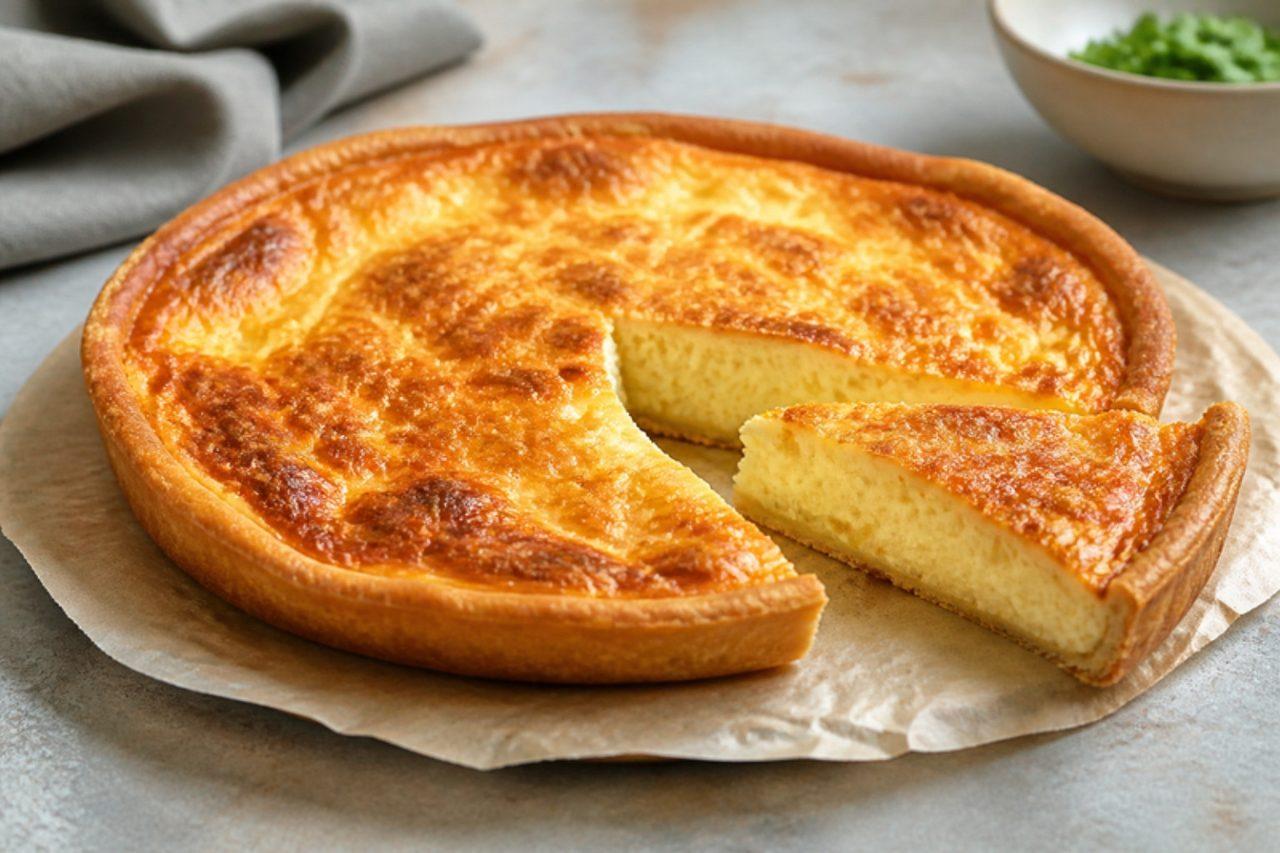
The flamiche of Dinant is eaten only one way: straight from the oven, so hot it burns the fingers, as the townspeople say. It is a rich, wobbly tart of strong fresh boulette or Herve-style cheese beaten with eggs and plenty of butter on a thin yeasted base, and Dinant's 'Confrérie de la Flamiche' still holds an annual tasting. Boulette and Herve cheeses are usually made with animal rennet; a strong vegetarian soft cheese mixed with fromage frais works. A common mistake is letting it cool; it sets and loses its creaminess. Chef's tip: serve it the moment the top puffs and turns golden.

by KrazyBadal 0 views

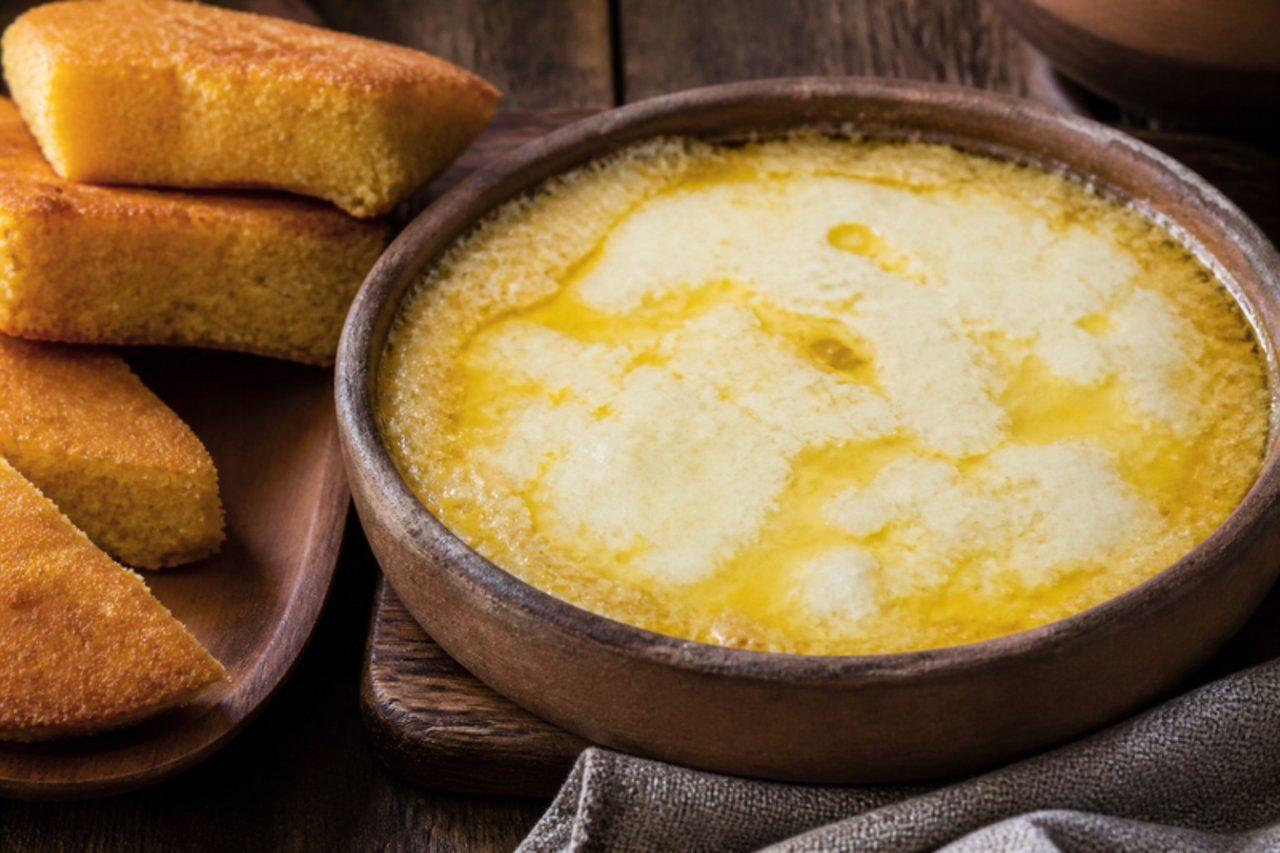
BoranoMelted cheese in hot butter

In the hill villages behind Batumi, where cows graze the Adjarian mountains in summer, borano is what a shepherd's family makes when someone drops in: a pan of golden butter, a heap of young cheese melted into it until it turns stretchy and oily, and squares of hot mchadi cornbread to drag through it. It is rich, salty and meant to be shared straight from the pan at the table. A common mistake is using a very hard, dry cheese, which turns grainy and oily instead of stretching. Chef's tip: use clarified butter or ghee so the butter can get really hot without burning, and add the cheese in one layer so it melts evenly. Sulguni and imeruli are often made with animal rennet, so choose a vegetarian cheese.

by KrazyBadal 0 views

Masyaura ko tarkariLentil nuggets and potato curry

Through the dry autumn in the eastern hills of Dhankuta, Bhojpur and Khotang, rooftops are spread with mats of masyaura, little nuggets of ground black gram mixed with grated taro or yam and sun-dried until rock hard, so that there is something nourishing for the lean winter months; Nepali grocers sell them in bags. To cook them they are fried until puffed, then simmered with potatoes in a tomato, garlic and ginger curry until they soften and soak up the sauce, giving a meaty, chewy texture and a deep, slightly sour flavour. The curry is eaten with rice, roti or dhido and keeps well for a couple of days. Beginners tend to throw the dried nuggets straight into the curry, where they stay hard and taste raw. Chef's tip: fry them first in hot oil until they swell and turn a shade darker, which gives both flavour and a tender bite.

by KrazyBadal 0 views

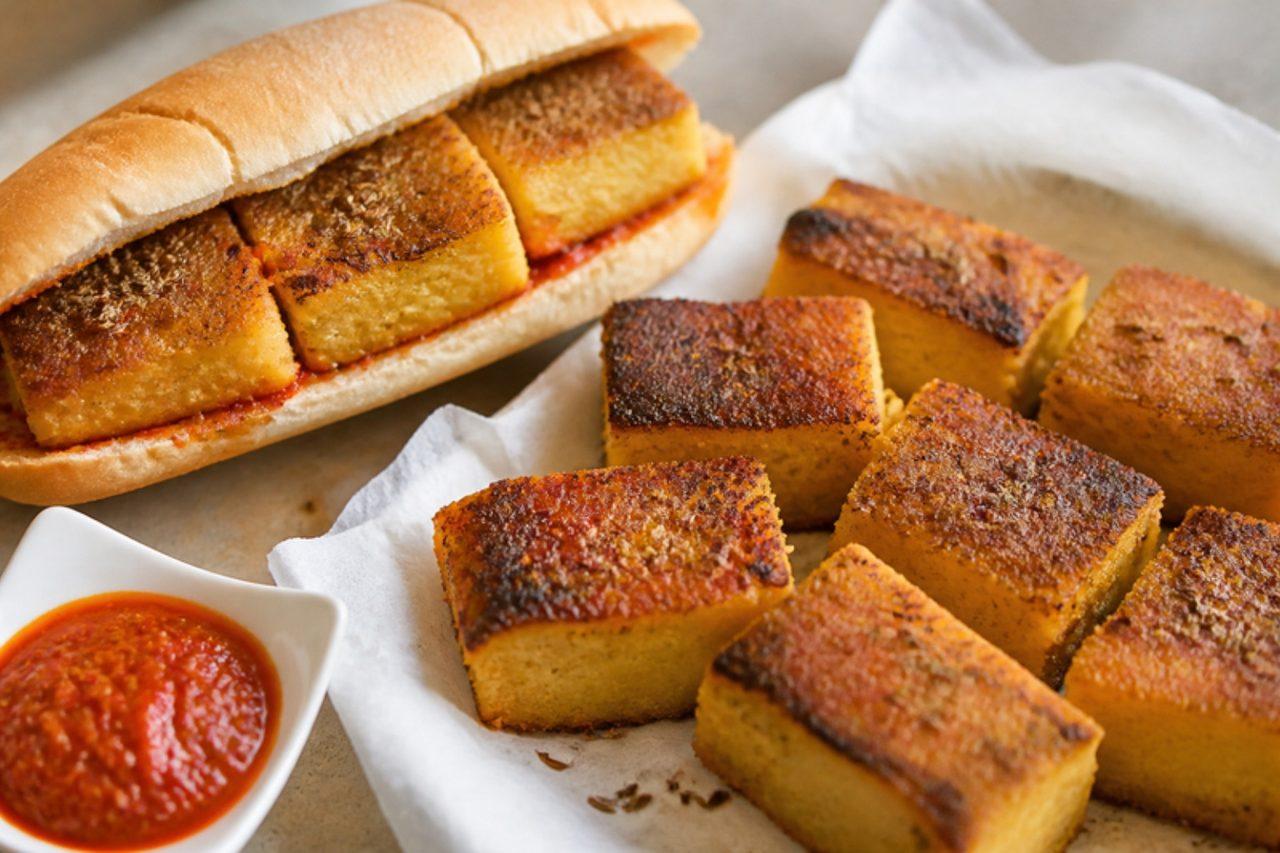
KarantikaBaked chickpea flour flan

Schoolchildren in Oran spend their pocket money on karantika, a savoury chickpea-flour flan baked in huge trays and cut into squares by street vendors, who sprinkle it with cumin and harissa and often stuff it into a piece of baguette. Its roots go back to the Spanish calentica of Oran's past, and it has spread across western Algeria. Made with only chickpea flour, water, oil and egg, it bakes into a soft, custardy, slightly wobbly middle under a crisp, burnished top. Serve it warm, cut into squares, with harissa; to keep the dish gluten free, skip the bread. Chef's tip: rest the batter for at least 30 minutes before baking; the flour hydrates and the flan sets smooth instead of grainy.

by KrazyBadal 0 views

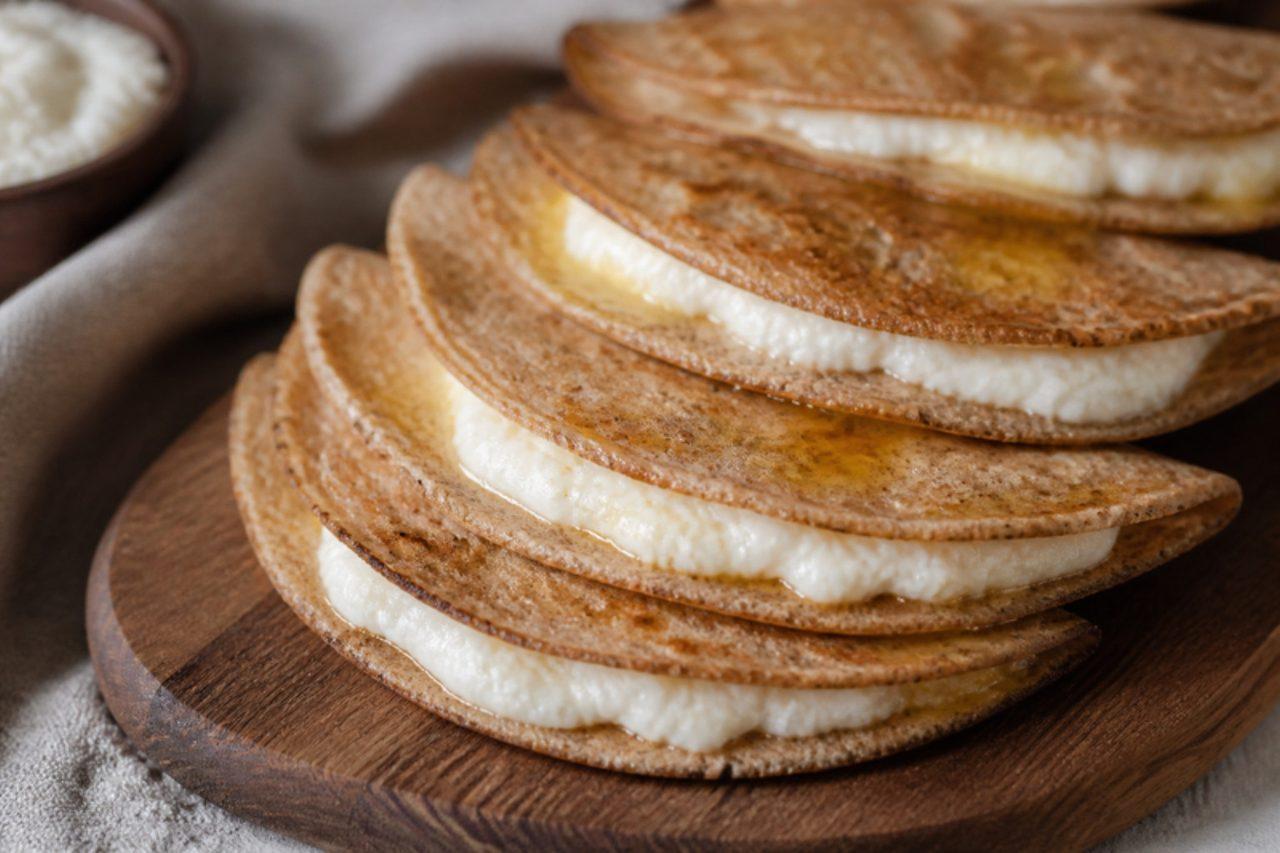
SultsinaRice-filled rye flatbreads

Sultsina come from Karelia, the region on the Finnish-Russian border, cousins of the better-known Karelian pies: thin, soft flatbreads of rye and wheat, cooked on a griddle, then filled with creamy rice or semolina porridge, folded in half and brushed with melted butter. Karelian families make them for Sunday coffee and church holidays, and some fill them with sweet porridge and jam. A common mistake is overcooking the flatbreads, which turns them stiff; they must stay pliable. Chef's tip: stack the cooked flatbreads under a damp cloth while you finish the rest, so they stay soft enough to fold.

by KrazyBadal 0 views

Moravský vrabecRoast pork cubes with garlic

"Moravian sparrow" has no bird in it: it is cubes of pork shoulder, roughly sparrow-sized, rubbed with garlic and caraway and roasted with onion until browned and tender, a Sunday lunch dish of the villages and inns of Moravia. Unlike the sliced pork roast of Bohemia, the small pieces give lots of crispy edges and a rich, garlicky pan juice. It comes with bread dumplings and stewed sauerkraut to soak it all up. The usual slip is cramming the meat into a small dish, so it boils instead of browning; spread it out in one layer. Pork should reach 71 °C and be tender enough to cut with a fork. Lard is the traditional fat; oil works too. Chef's tip: rub the pork with the garlic and caraway the night before and leave it covered in the fridge; the flavour goes right through.

120 minCzechMeat
by KrazyBadal 0 views

KalkanFried turbot steaks

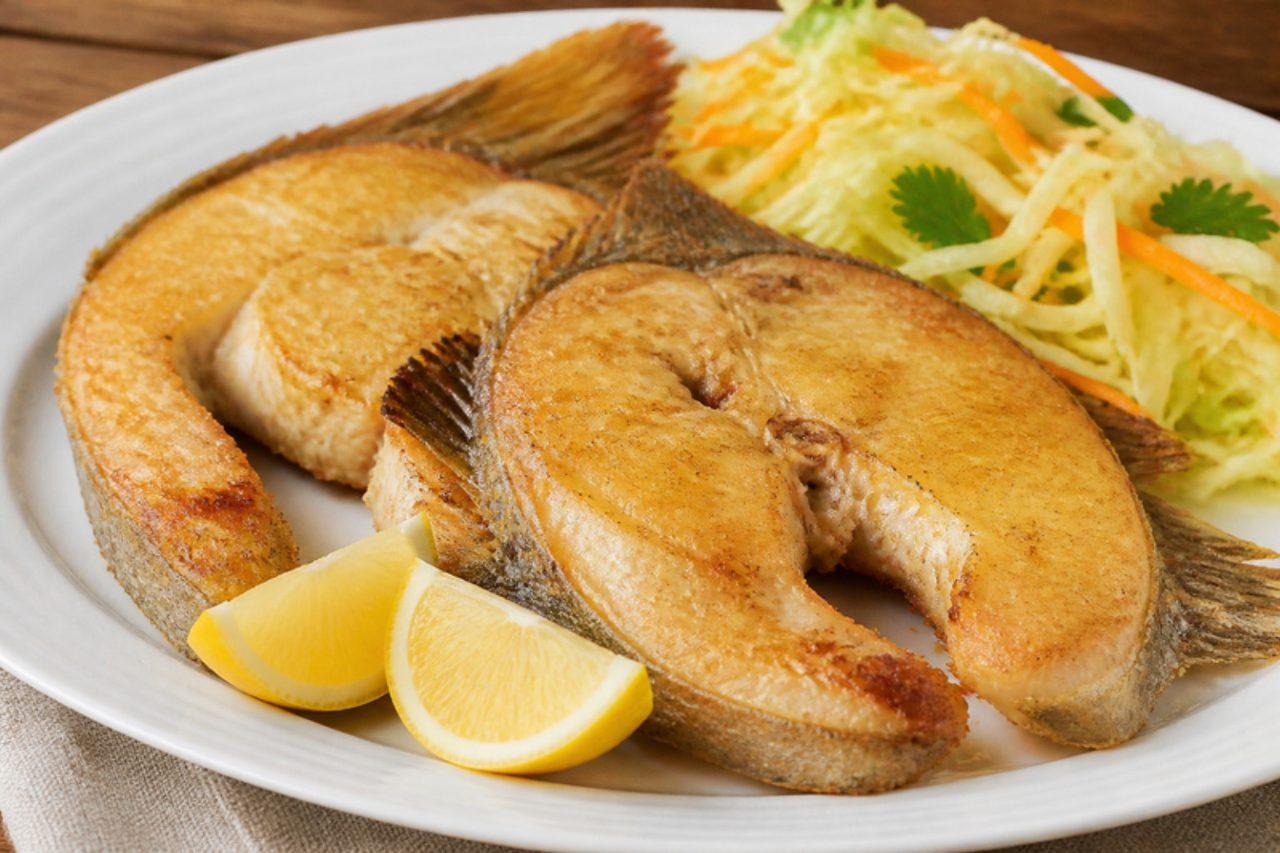
Turbot season on the Bulgarian Black Sea is short and strictly controlled, so in spring locals in Burgas and Balchik queue at the fish market for kalkan, the flat, diamond-shaped fish with firm, sweet white flesh. Seaside restaurants cut it across the bone into thick steaks, dust them with flour and fry them in sunflower oil until the skin is crisp and the flesh pearly, then serve them simply with lemon and a crunchy salad of shredded cabbage and carrot dressed with vinegar. Brill or halibut steaks work the same way if turbot is out of reach. A common mistake is turning the fish too soon, which tears the crust; leave it until it releases from the pan by itself. Chef's tip: score the dark skin twice so the steaks stay flat and cook evenly.

by KrazyBadal 0 views

BorșFermented wheat bran sour liquid

Before lemons were common in Moldavian and Wallachian villages, every household kept a crock of borș, the cloudy, tangy liquid that turns a plain soup into a ciorbă. Wheat bran and a little cornmeal are steeped in hot water, seeded with a starter and left to ferment for 3–4 days in total, so although the hands-on work is short, plan a long weekend: the timings shown cover only the first two days of waiting. It is naturally vegan and a staple of the fasting (post) kitchen, where it sours nettle, bean and vegetable ciorbe. Where people go wrong is using a jar that is not properly clean, which lets the wrong microbes win and turns the borș slimy or mouldy. Chef's tip: keep a few spoonfuls of the drained bran, dried, as the starter (huște) for your next batch.

by KrazyBadal 0 views

Kalo jeera bhortaNigella seed mash

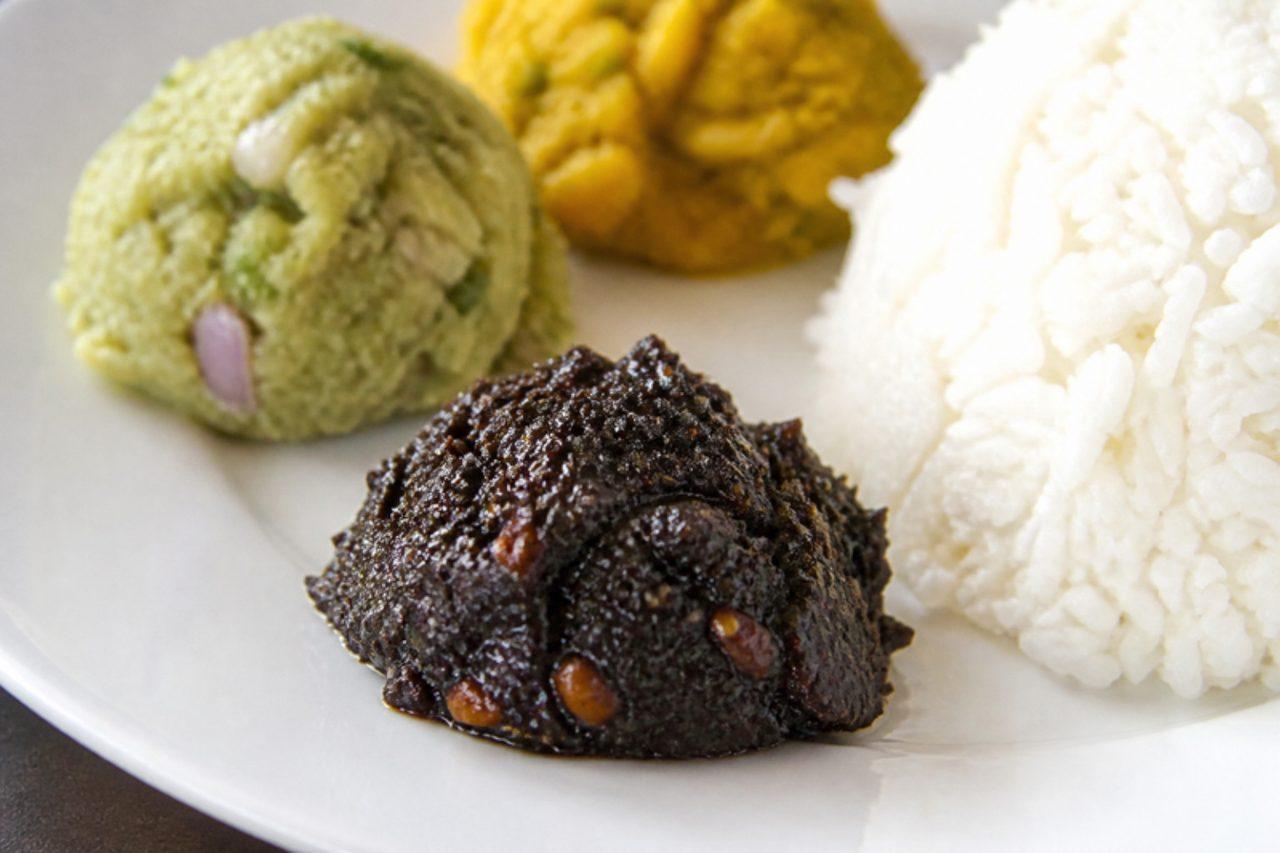
A bhorta lunch spread in a Bangladeshi home always has one tiny, dark mound that people eat a pinch at a time, and that is kalo jeera bhorta. Nigella seeds are toasted until fragrant, then ground on the shil-pata, the stone slab and roller, with garlic, roasted dried chilli, onion and mustard oil into a coarse, almost black paste that is nutty, bitter and fiery all at once. Grandmothers serve it in winter, believing it wards off colds, and a little is mixed into the first handful of hot rice before moving on to fish or dal. Burnt seeds make it acrid, so the trap is toasting over too high a heat; stop as soon as they smell toasty and start to pop. Chef's tip: grind the seeds alone first, then add the garlic and oil, for a smoother paste in a small grinder.

by KrazyBadal 0 views

KålrabistappeMashed swede

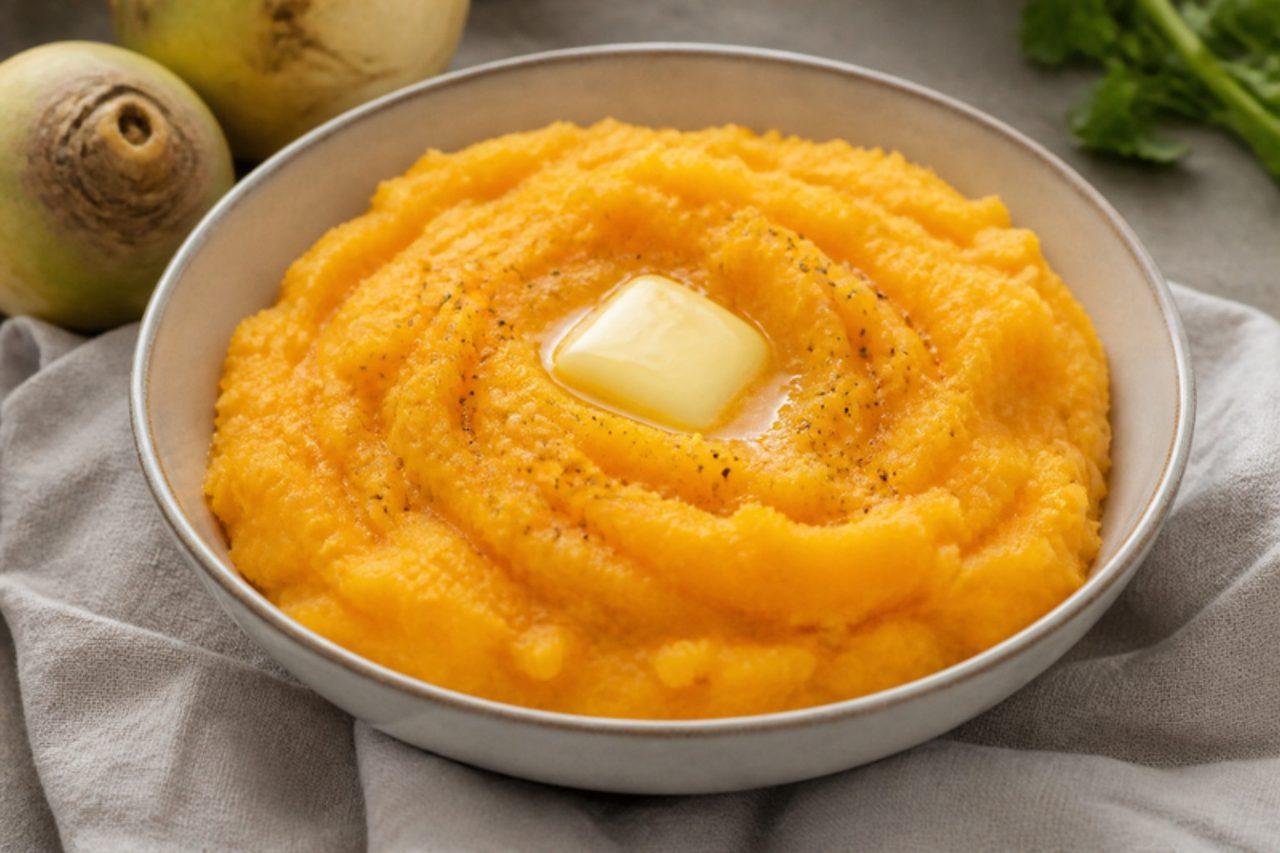
Kålrabistappe is the bright orange mash of swede that sits beside almost every Norwegian winter dinner: with pinnekjøtt lamb ribs at Christmas in western Norway, with raspeballer on Thursdays, with salted meat and sausages. It is simple: swede and a little potato boiled soft and mashed with butter, a splash of the cooking water and nutmeg. A common mistake is mashing it in a blender, which makes it gluey. Chef's tip: let the swede steam dry in the pan for a couple of minutes after draining; the mash stays fluffy, not watery.

by KrazyBadal 0 views

Sukuti sadekoDried meat salad

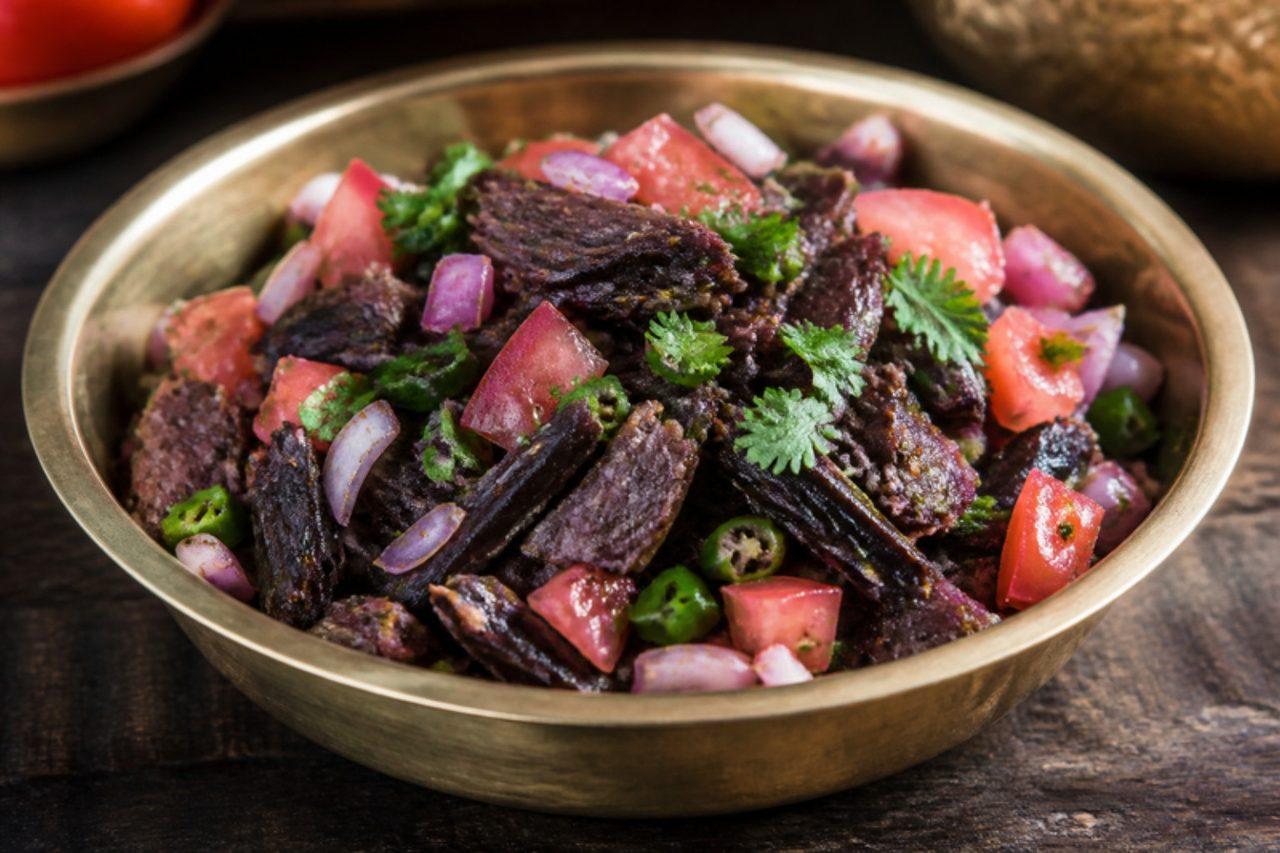
Up in Mustang and the high Thakali villages of the Kali Gandaki, strips of buffalo or yak meat are hung in the cold, dry wind until they turn dark and hard, and that sukuti keeps families in protein through the winter. Sadeko means mixed or dressed, and sukuti sadeko is the bar-snack and festival nibble that every Nepali restaurant from Jomsom to Kathmandu serves: the dried meat roasted or fried until it softens and smokes, pulled into shreds and tossed with red onion, tomato, garlic, green chilli, numbing timur and a splash of hot mustard oil. It is chewy, smoky and fiercely savoury. Buy sukuti from a reputable Nepali or Asian grocer, or use good dried beef jerky without sugar glaze. The usual misstep is skipping the roasting step, which leaves the meat too tough to chew. Chef's tip: pound the roasted sukuti lightly in a mortar before shredding, so it breaks along the grain.

30 minNepaliMeatGluten freeSpicy
by KrazyBadal 0 views

Kalu dodolRice flour and jaggery sweet

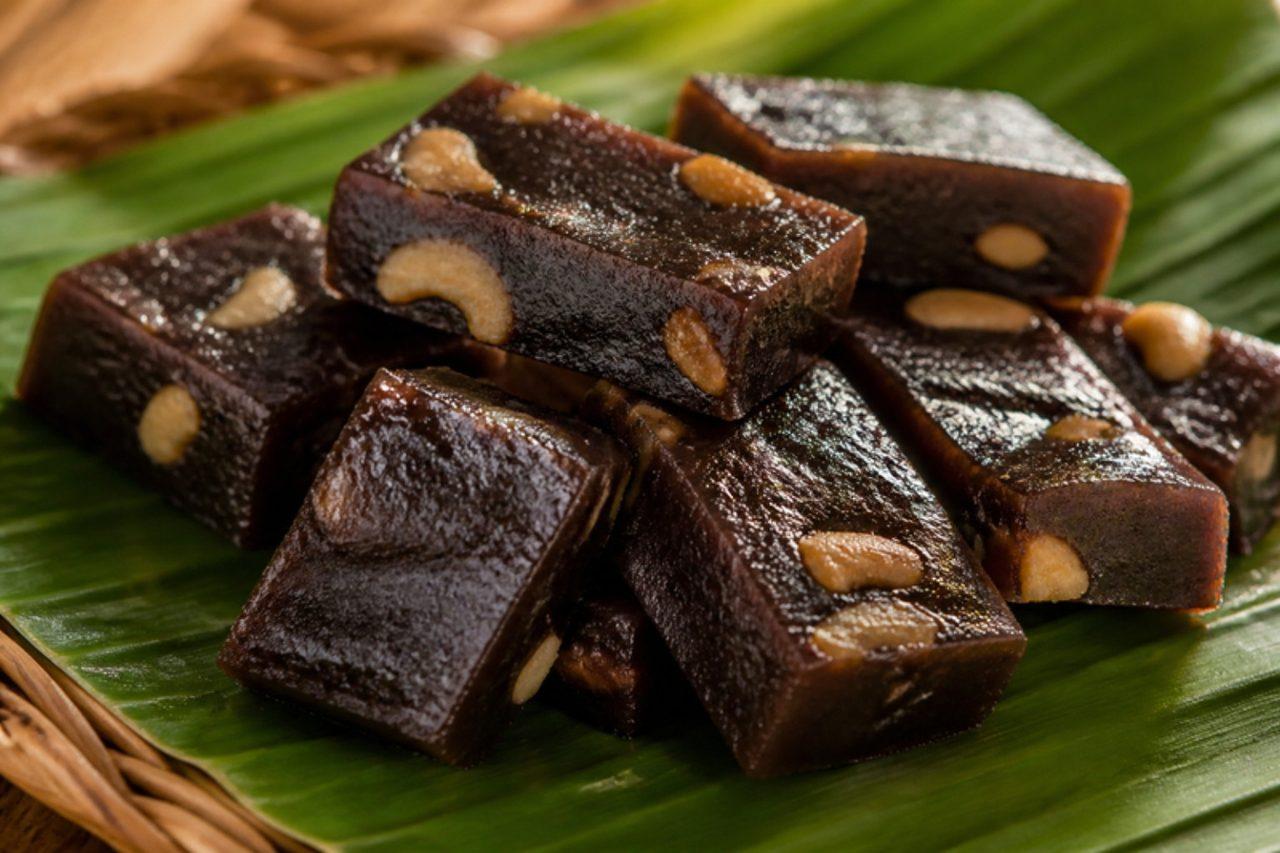
Hambantota and Kalutara both claim the best kalu dodol, and roadside shops in each town sell long, black, glistening slabs wrapped in paper, bought by travellers as gifts for the family back home. The sweet is a test of stamina: coconut milk is cooked down until its oil separates, then rice flour and kithul jaggery are stirred in and the mixture is worked over the heat for two to three hours until it turns dark, glossy and stiff, with cashews and cardamom added at the end. It sets into a chewy, fudgy sweet with a deep caramel and coconut flavour, and is served in thin slices during Avurudu and at weddings. Giving up too early is the one mistake everyone makes once; undercooked dodol stays sticky and grey instead of firm and almost black. Chef's tip: use the widest heavy pan you have and a long wooden spoon, and keep stirring the same direction, scraping the base, so nothing catches.

by KrazyBadal 0 views

Dambun namaSpiced shredded beef floss

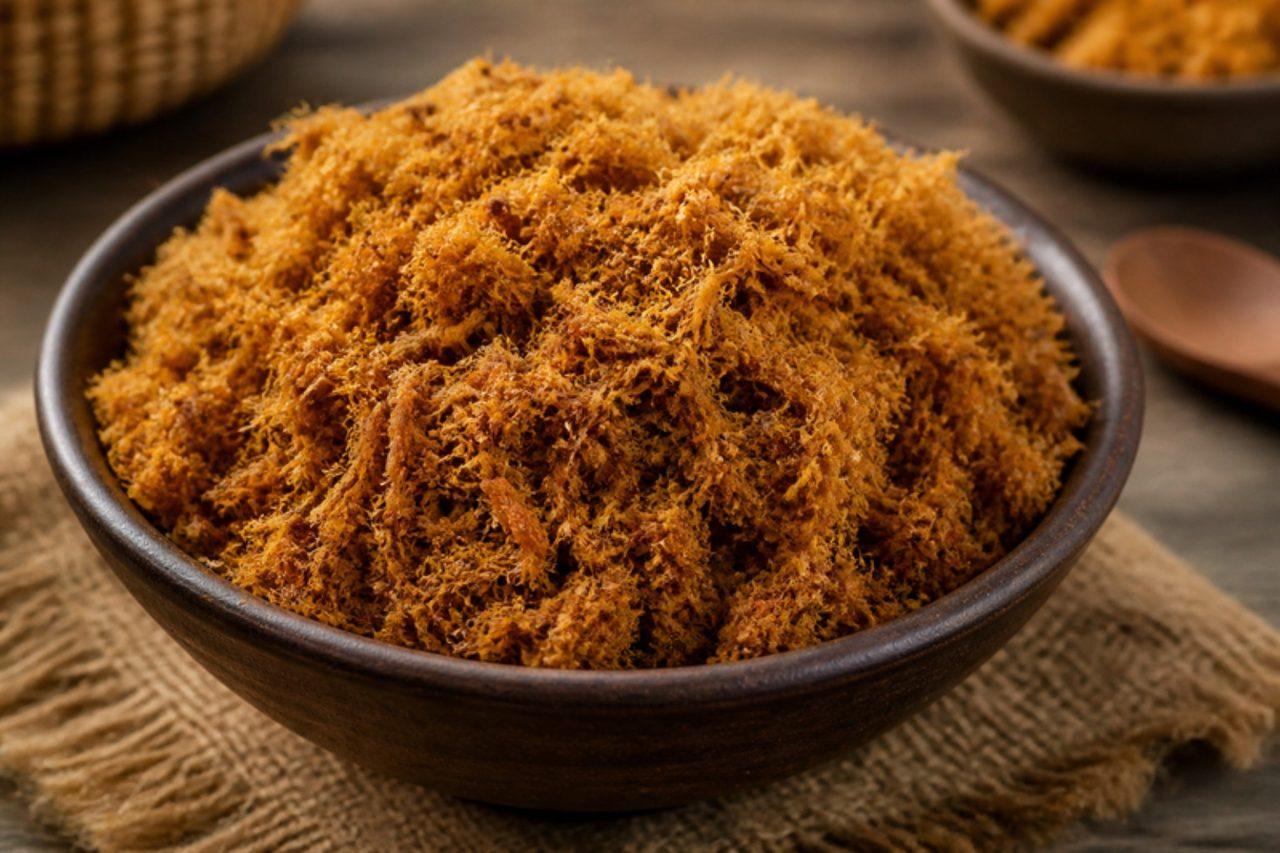
During Ramadan and Eid in Kano, Kaduna and Maiduguri, tins of dambun nama appear on every table: beef boiled tender with onion and ginger, pounded in a mortar until it falls into fine threads, then fried slowly with onion and spices until it is dry, fluffy and golden. It keeps well, which is why it was made before long journeys, and it is eaten as a snack, with rice or tucked into bread. The texture should be like soft wool, not crunchy crumbs. Because the meat is fully cooked before drying, it is safe; store it in the fridge. Chef's tip: let the boiled beef steam dry for ten minutes before pounding, as wet meat clumps in the pan instead of separating into threads, which is the usual mistake.

130 minNigerianMeatGluten free
by KrazyBadal 0 views

MeshabekLacy syrup-soaked fritters

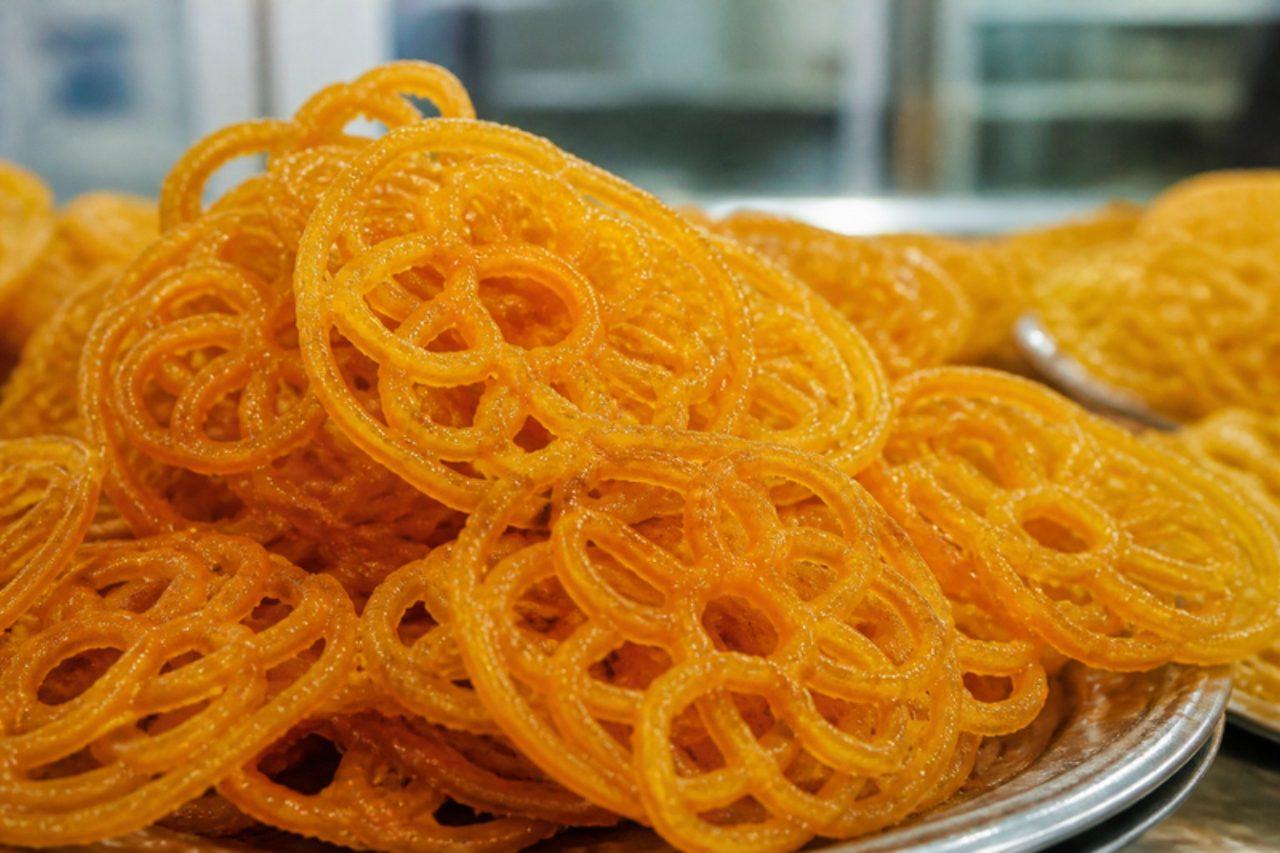
Damietta, the port city where the Nile meets the Mediterranean, is famous across Egypt for its sweet shops, and meshabek is one of their signatures: lattice wheels of fermented batter piped into hot oil and dunked in syrup. Fresh from the fryer they shatter like glass and drip with sugar; by the next day they soften into something chewy and just as good. Families buy them by the box for Ramadan evenings, visits and holidays. The batter needs an hour to ferment before frying. The common mistake is frying in oil that is not hot enough, which leaves them pale, soft and greasy, so test it first. Chef's tip: a squeeze bottle with a 4 to 5 mm opening gives the neatest, thinnest lines.

by KrazyBadal 0 views

KamaRoasted grain flour with kefir

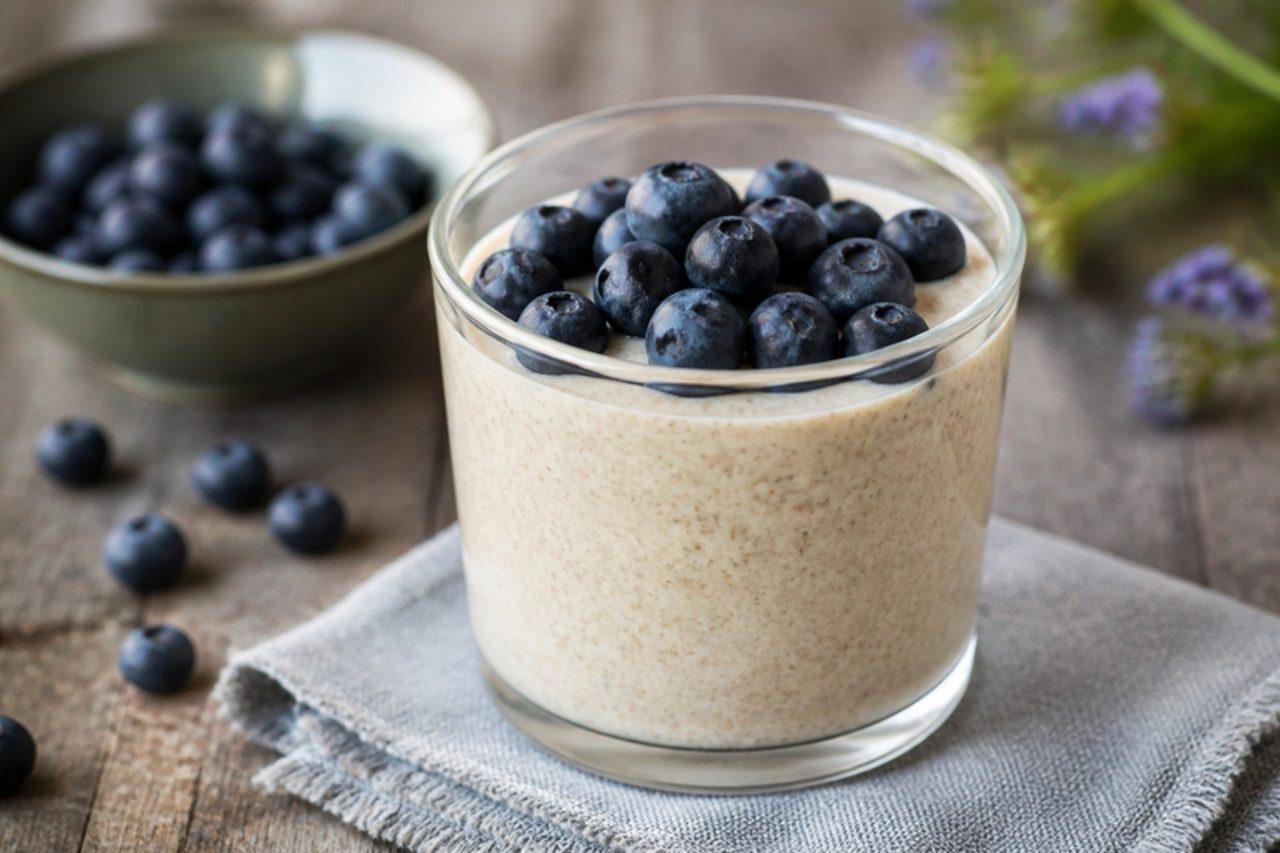
Kama is a uniquely Estonian food: a fine flour of roasted barley, rye, oats and peas, sold in every Tallinn supermarket, stirred into kefir, buttermilk or yogurt with a little sugar or honey and berries. It was once farmers' food for the fields; today it is a fast, filling breakfast and the flavour of Estonian ice creams and sweets. If you can't find kama, roast equal parts barley, rye and oat flour with a little pea flour in a dry pan until nutty. A common mistake is eating it at once; give it a few minutes to thicken. Chef's tip: stir in the kama, leave for 5 minutes, then add the berries, so it thickens like a mousse.

by KrazyBadal 0 views

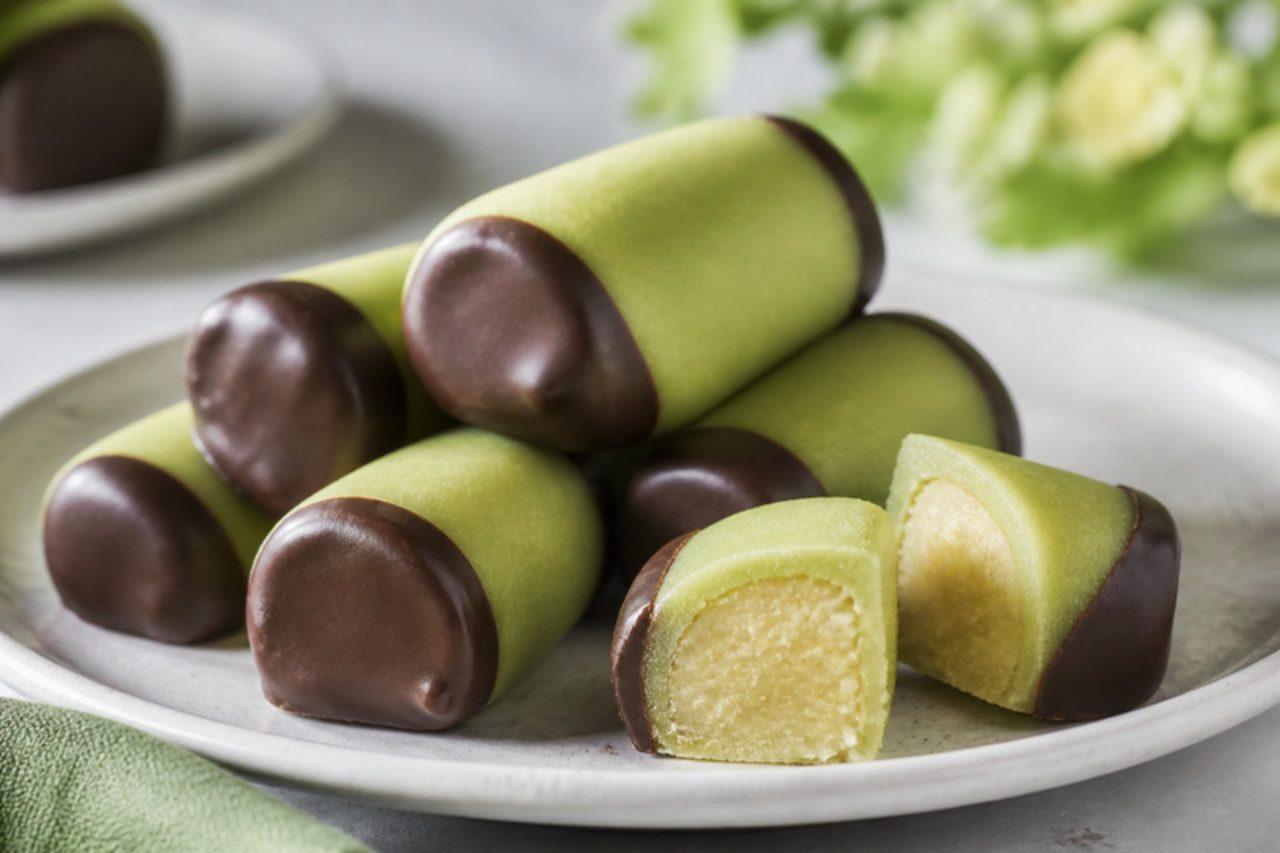
DammsugareMarzipan cake-crumb rolls

The dammsugare, 'vacuum cleaner', got its name because Swedish bakeries invented it to use up crumbs and offcuts of cake swept up at the end of the day: the crumbs are mixed with butter, cocoa and flavouring, rolled into logs, wrapped in bright green marzipan and dipped in dark chocolate at both ends. Bakeries usually flavour the filling with punsch, a sweet arrack liqueur; this version uses vanilla and a little orange, and is alcohol-free. A common mistake is rolling the marzipan too thick, which makes it cloying. Chef's tip: roll the marzipan thin between sheets of baking paper and chill the filled logs before cutting.

by KrazyBadal 0 views

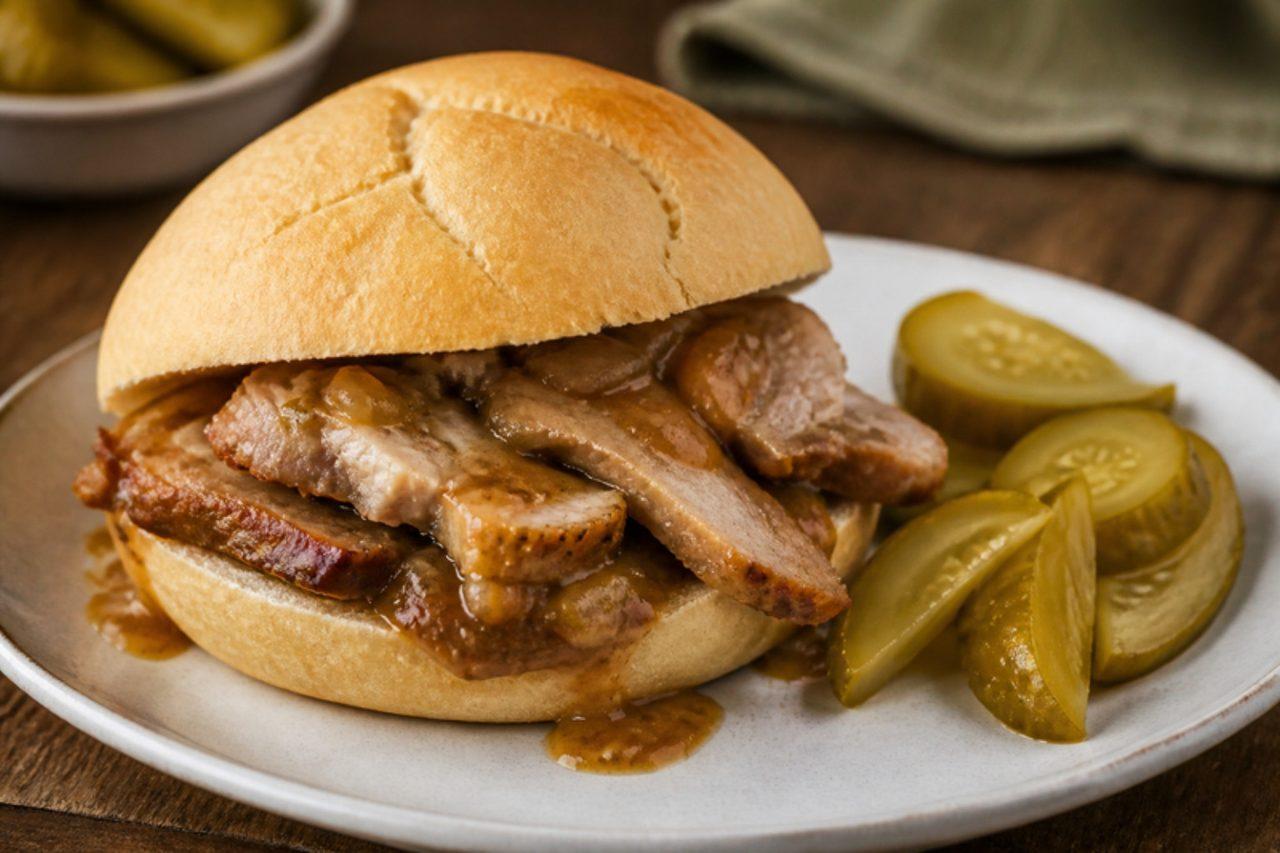
Maczanka po krakowskuPork roll in caraway juices

Long before burgers reached the Rynek, Kraków's taverns sold maczanka, a soft bread roll split, dunked in the cooking juices of slowly braised pork shoulder and stuffed with sliced meat. The name comes from maczać, to dip, and the dipping is the whole point: the roll should drip, so eat it over a plate with a knife and fork or a stack of napkins. The pork is braised with plenty of onion, caraway and marjoram until it slices like butter, and the juices go glossy and savoury. Serve it with a pickled cucumber and a sharp beetroot and horseradish relish (ćwikła). Where most people go wrong is rushing the braise at a boil, which tightens the meat instead of softening it. Chef's tip: braise the shoulder the day before, chill it in its juices and slice it cold; it cuts neatly and reheats beautifully in the liquid.

150 minPolishMeat
by KrazyBadal 0 views

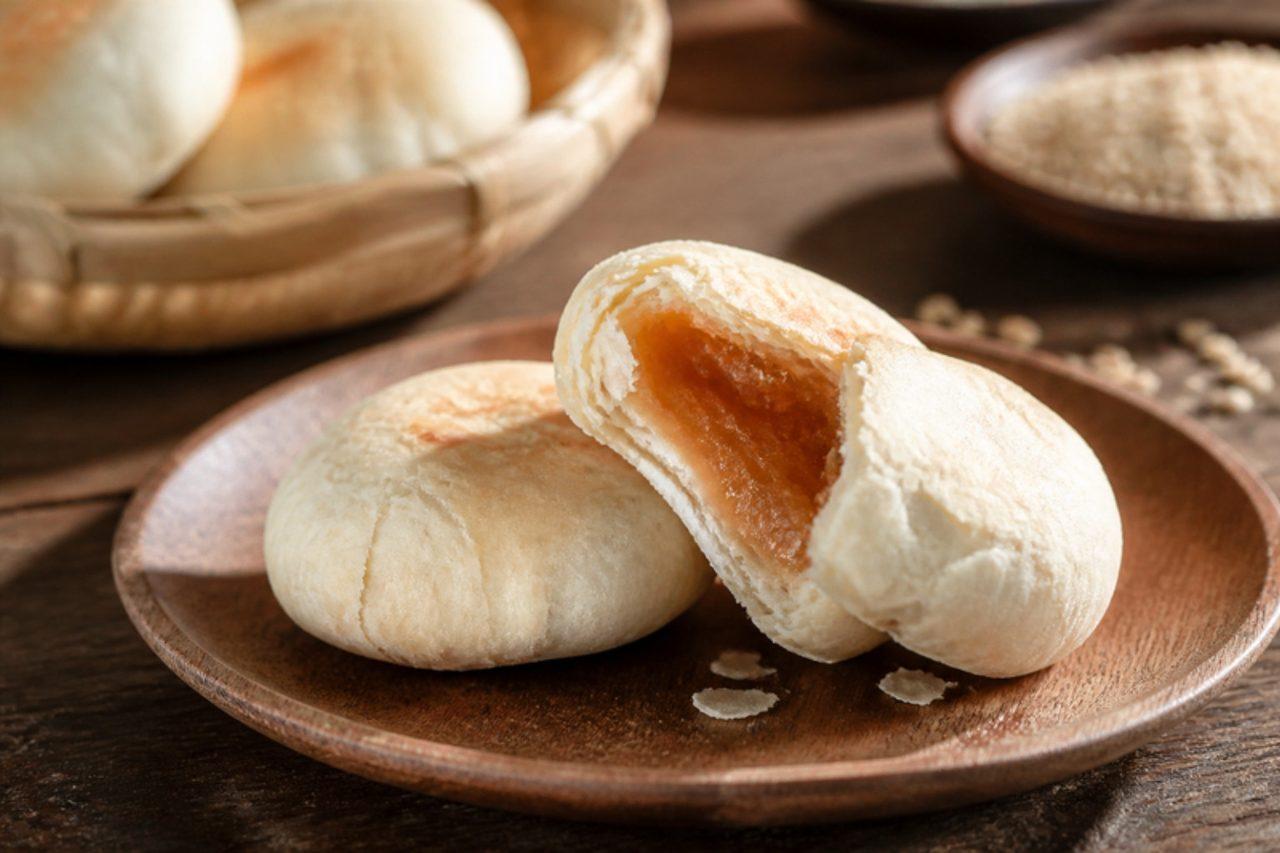
Taichung sun cakesFlaky maltose pastries

Walk down Ziyou Road in Taichung and almost every second shopfront sells boxes of these round, pale pastries, the gift every visitor is expected to bring home. Paper-thin layers shatter at the first bite onto a soft, chewy, honey-like centre of maltose and butter; they're eaten with oolong tea, and older locals break them into a bowl of hot water to make a sweet, milky porridge. Traditional bakeries use lard in the pastry, so this vegetarian version swaps in vegetable shortening, with butter in the filling. Overbaking is the classic error: sun cakes should stay creamy white with only a faint gold tinge, not brown. Chef's tip: keep the dough covered at every stage, because the thin skin dries quickly and then cracks instead of flaking.

by KrazyBadal 0 views

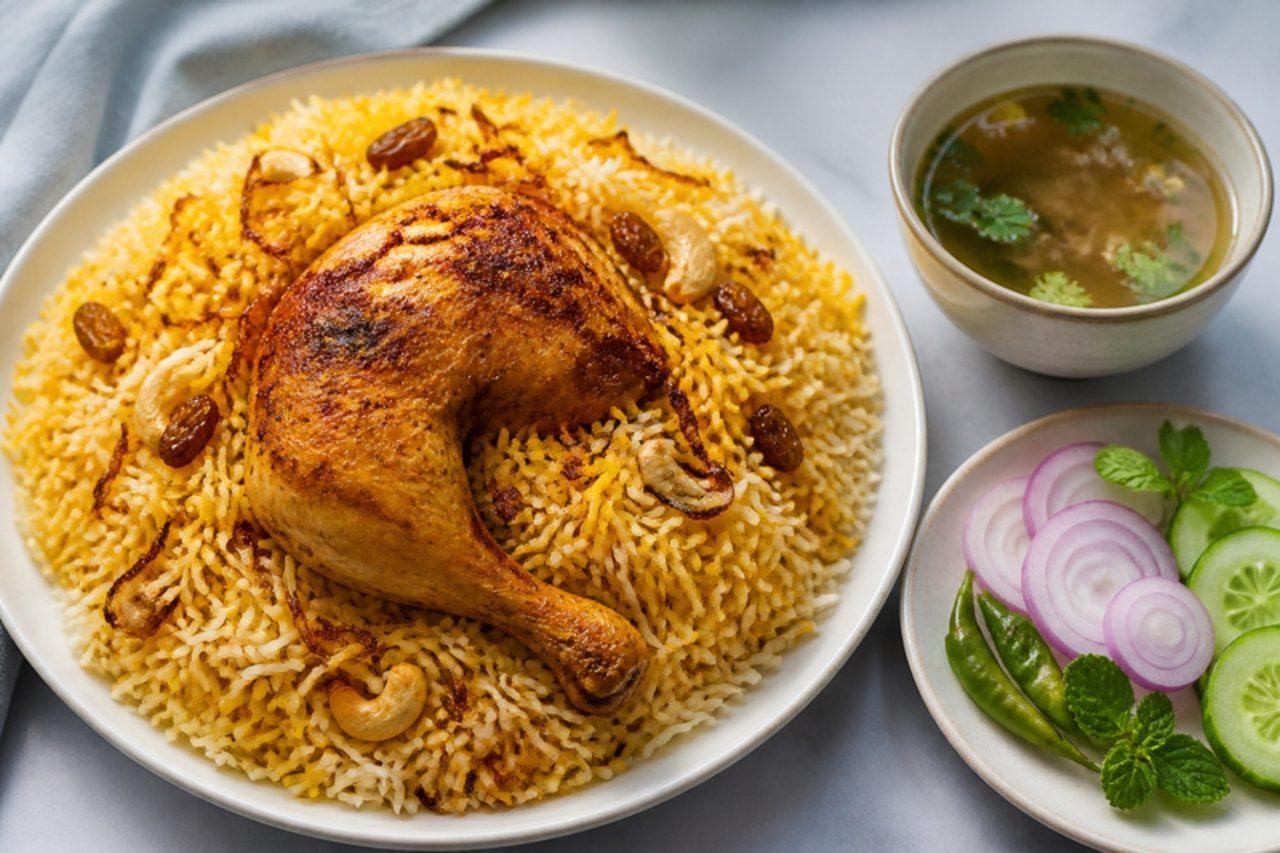
DanbaukChicken biryani

Weddings, birthday donations and the Friday lunch crowd after mosque prayers in downtown Yangon all call for danbauk, the Burmese take on biryani brought by the city's Indian-Muslim families. It is gentler than most South Asian versions: long grains scented with cardamom, cloves and butter, tender yoghurt-marinated chicken hidden underneath, and a crown of fried onions, plump raisins and golden cashews. Every plate comes with a bowl of sour onion, cucumber and green-chilli salad that cuts through the richness, and often a thin sour soup on the side. The usual slip is boiling the rice fully before layering; it then turns to mush during the slow steam, so pull it while each grain still has a chalky white core. Chef's tip: once the pot is sealed, leave the lid alone and dig in from the side at the table so every scoop brings up chicken and rice together.

by KrazyBadal 0 views

Kancha aam makhaSpiced green mango

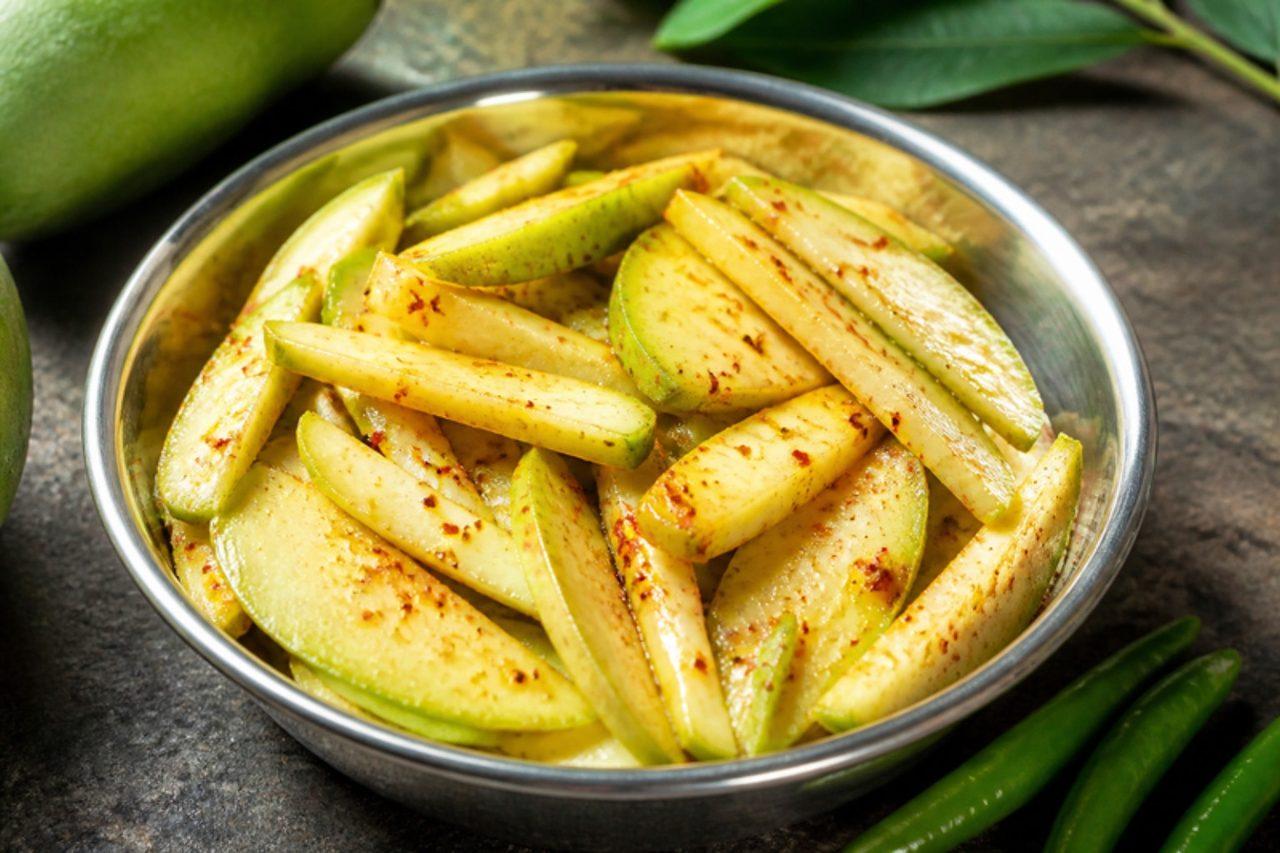
Outside every school gate in Bangladesh during the hot months, a vendor with a glass box on his cart sells green mango makha: unripe mango sliced paper-thin and squeezed by hand with salt, sugar, chilli and a splash of mustard oil, handed over in a cone of newspaper with a toothpick. Makha means mixed by hand, and the hand matters, as the squeezing bruises the mango so it softens and drinks in the seasoning. It tastes sour, sweet, salty and hot all at once, with the sharp nose-burn of raw mustard oil, and it is eaten as an afternoon snack in April and May, especially around Pohela Boishakh. Slicing the mango too thick is the error that leaves it hard and bland in the middle. Chef's tip: stir in a spoon of kasundi, Bengali mustard relish, for the version the street sellers call kasundi makha.

by KrazyBadal 0 views

Kancha aamer tok dalGreen mango lentil dal

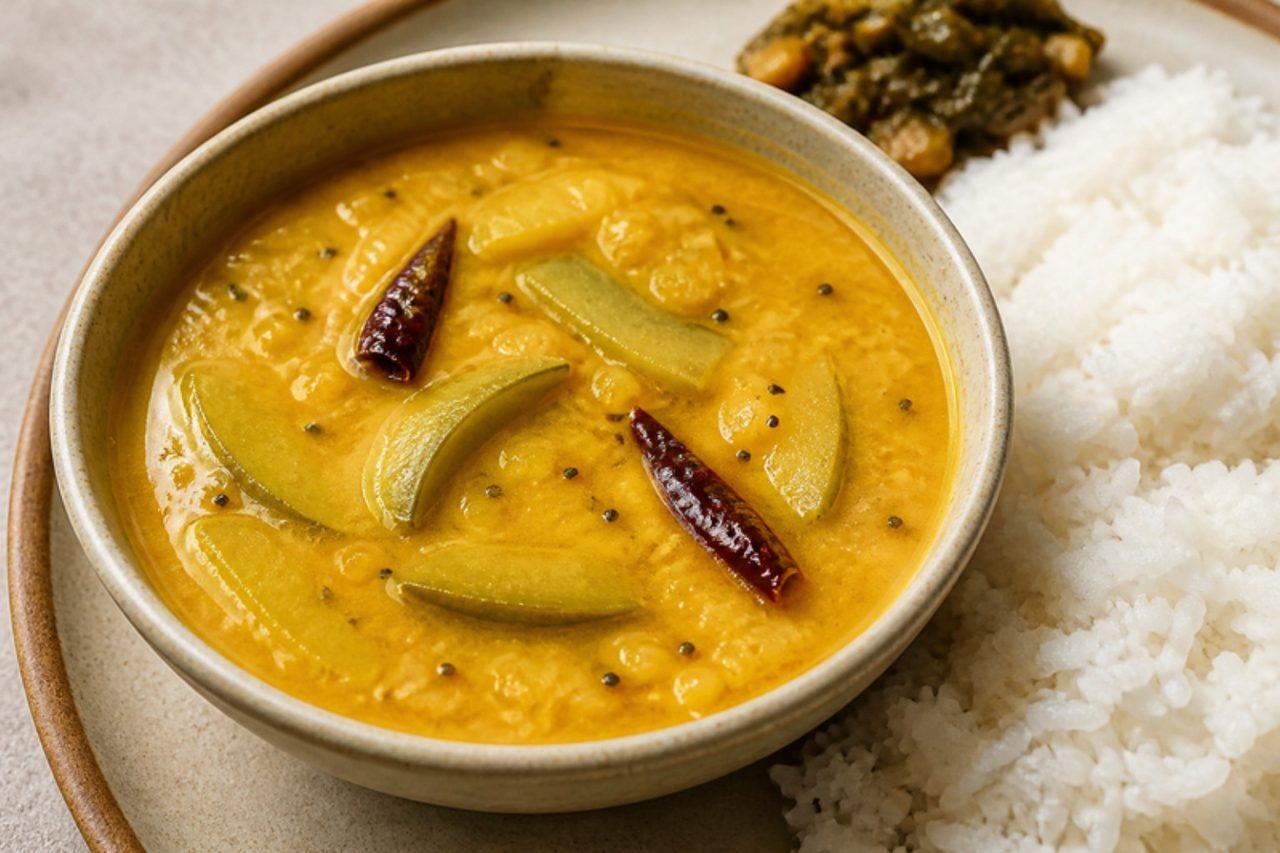
When the first hard, green mangoes fall from the trees around Rajshahi in April and May, cooks slice them into the dal pot, and the result is the most refreshing bowl of the hot season. Tok dal is deliberately thin, almost like a soup, with soft red lentils and slices of green mango that turn tender and tangy, finished with mustard seed and dried chilli crackling in mustard oil. It is eaten poured over plain rice, often as the last thing before a light fish or vegetable curry, because the sourness is meant to cool the body in the heat. Adding the mango at the start leaves it mushy and the dal overly sour, so it goes in once the lentils are soft. Chef's tip: taste the mango first; very sour fruit may need a pinch more sugar to balance it.

by KrazyBadal 0 views

Bossche bolChocolate-dipped cream puff

The Bossche bol is the famous pastry of 's-Hertogenbosch (Den Bosch) in North Brabant: a choux bun the size of a tennis ball, filled to bursting with lightly sweetened whipped cream and dipped in glossy dark chocolate. Bakeries like Jan de Groot sell them by the thousand, and you eat it with your hands, leaning over the plate. A common mistake is taking the choux out too early, which makes it collapse. Chef's tip: bake until deep golden, then pierce the base and return to the switched-off oven for 10 minutes to dry out.

by KrazyBadal 0 views

Kancha gollaFresh cheese balls with cardamom

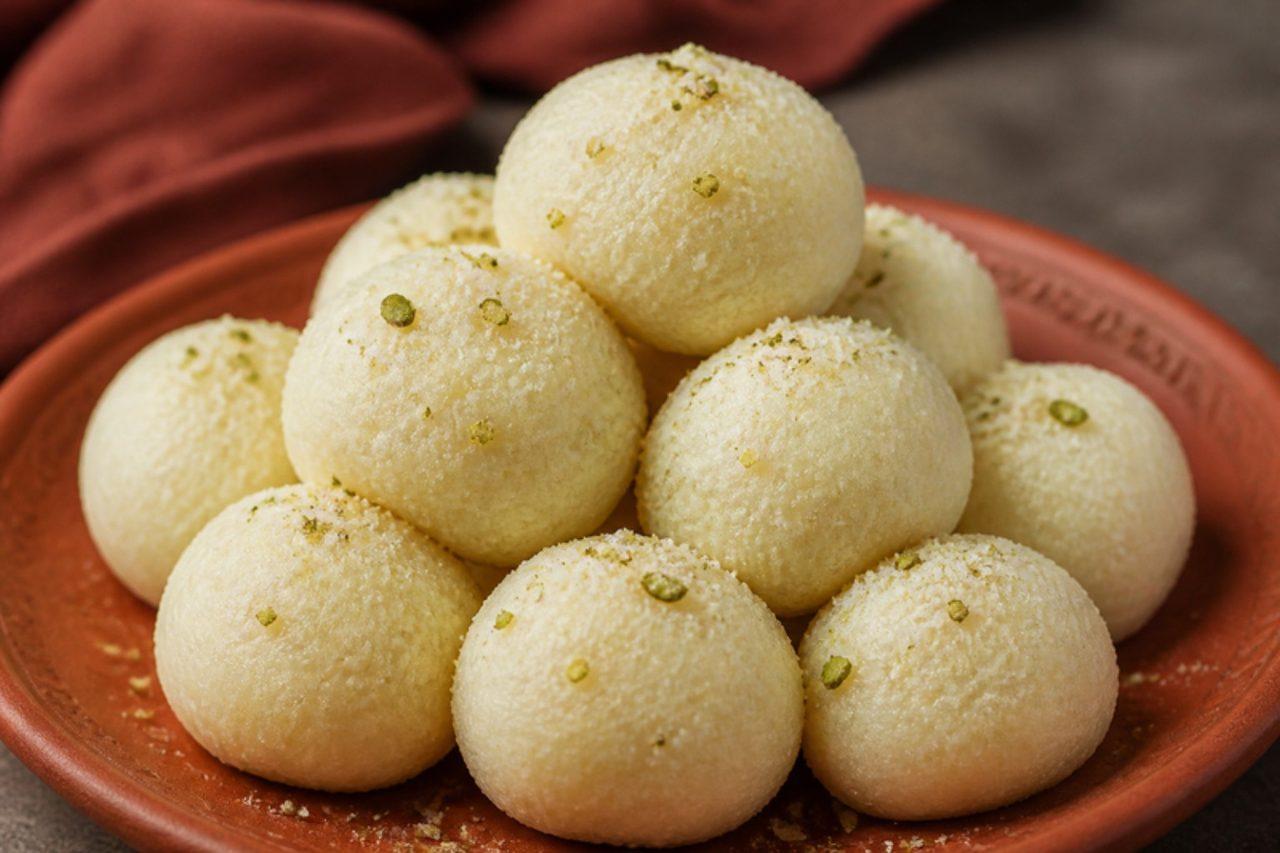
Natore, a quiet district town north of the Padma, is known throughout Bangladesh for one sweet, and a visit there is incomplete without a clay pot of kanchagolla to carry home. Kancha means raw, and the name is a joke at the sweet's expense: unlike rasgulla or chomchom, it is never boiled in syrup but simply kneaded fresh chhana with sugar, warmed in a pan for a few minutes and rolled into soft balls scented with cardamom. The texture is moist and faintly grainy, the taste milky and gently sweet, best eaten within a day or two. Cooking the mixture too long is what most home cooks get wrong; it turns dry and crumbly, more like sandesh. Chef's tip: make the chhana from full-fat milk and squeeze it only lightly, so plenty of moisture stays in for that melting Natore texture.

by KrazyBadal 0 views

Kancha kola bhortaGreen banana mash

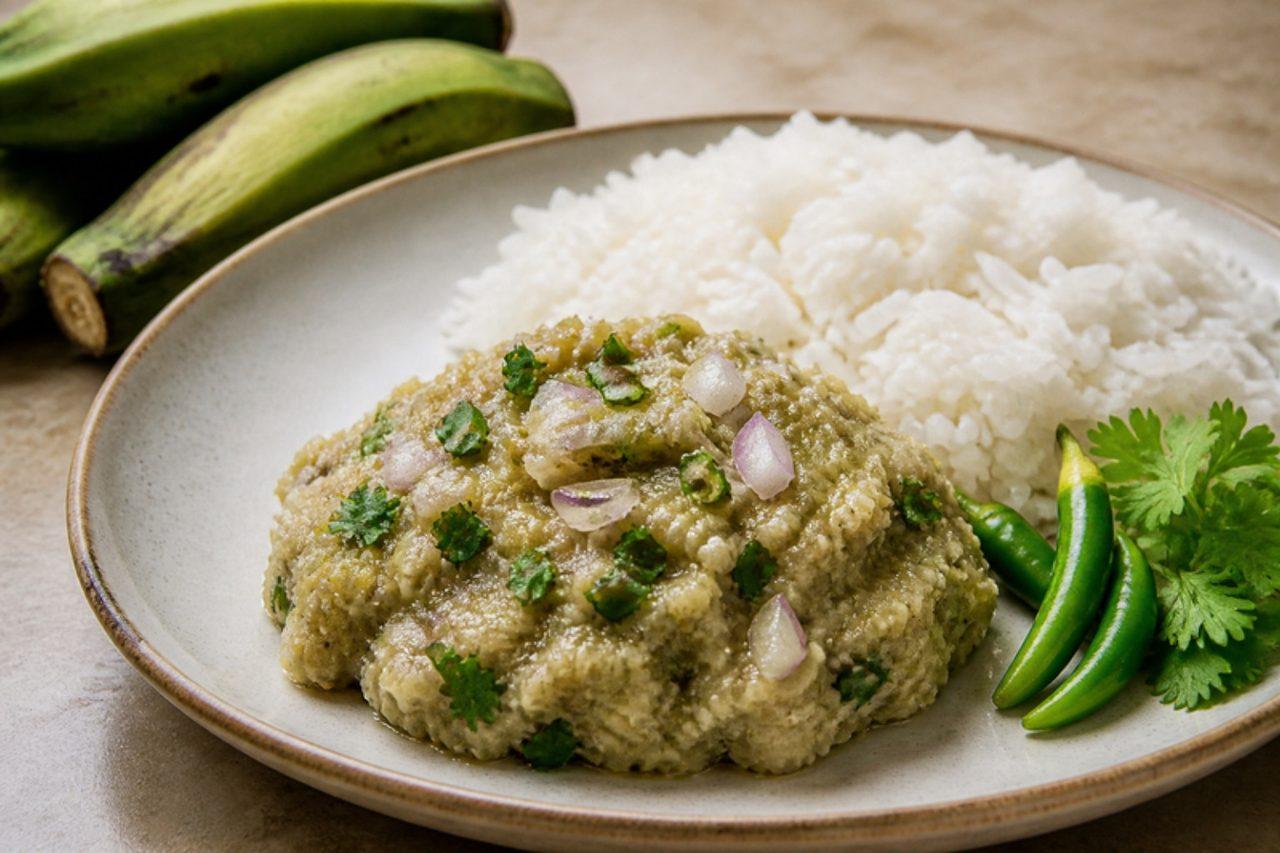
Green cooking bananas are cheap all year in Bangladeshi markets, and in homes from Comilla to Kushtia they are boiled whole and turned into a pale, gently starchy bhorta that is more filling than it looks. The flesh is mashed while warm with raw onion, green chilli, coriander and a generous splash of mustard oil, so it tastes mild and earthy with a sharp, nose-tingling finish. It is a weekday lunch with rice and dal, food for someone recovering from illness, and a regular on the bhorta platter during the Pohela Boishakh meal. Peeling the bananas before boiling makes them waterlogged and gluey, so they go into the pot in their skins. Chef's tip: mash while still warm; cold green banana goes hard and lumpy and won't absorb the oil.

by KrazyBadal 0 views

KanchembaFried buckwheat fingers

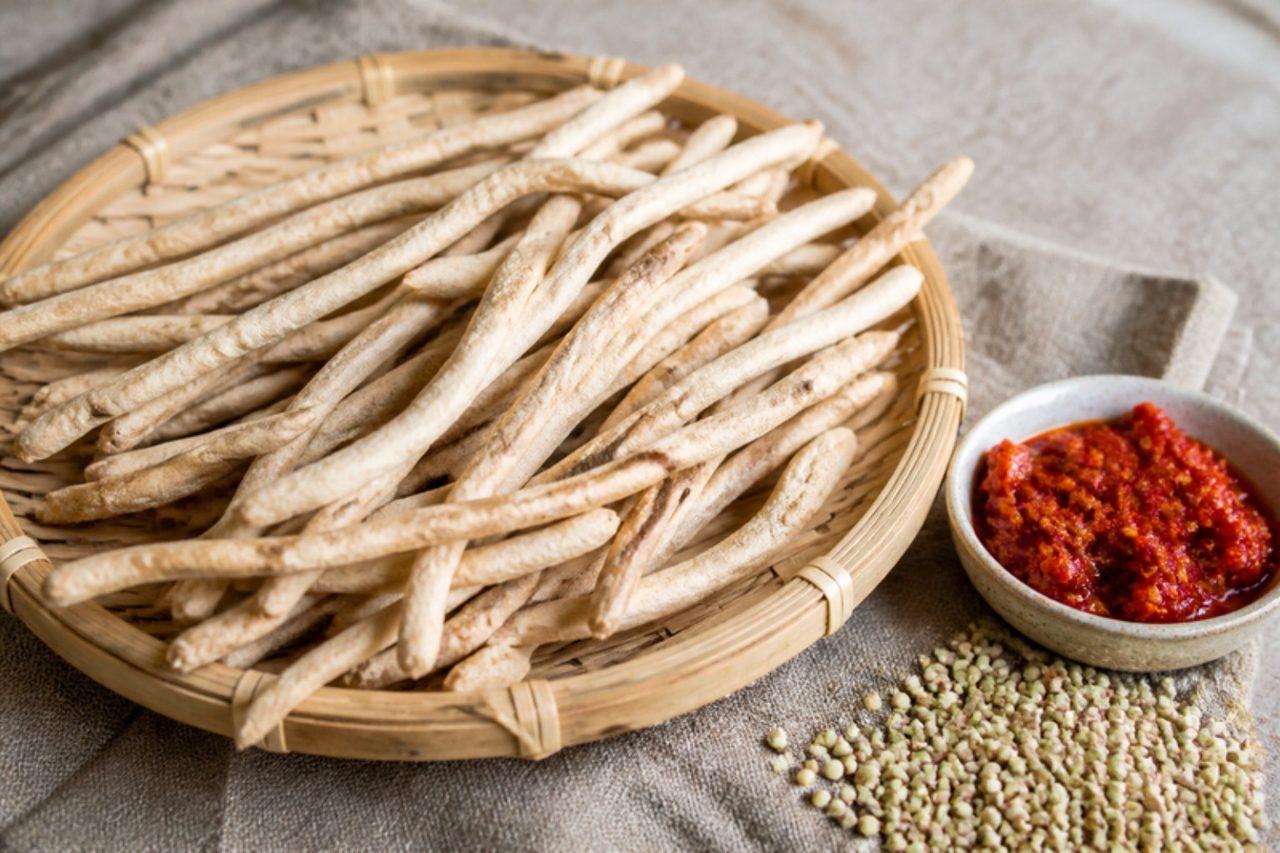
In the Thakali villages of Thak Khola, kanchemba is what is fried when visitors arrive in the afternoon or when the family gathers on a winter evening, and it has since become a favourite snack in Thakali restaurants in Pokhara and Kathmandu. The buckwheat dough is seasoned with turmeric, chilli and a little onion, rolled into thick fingers, then deep-fried until crunchy outside and soft and nutty in the centre. A punchy dipping achar of tomato, chilli, garlic and roasted timur comes alongside, and the pair is eaten with a bowl of salty butter tea or a glass of hot water. The trouble usually starts when the fingers are too thick, so the middle stays pasty while the outside darkens. Chef's tip: keep the fingers no thicker than your own, and fry at a moderate heat so they cook through before they brown.

by KrazyBadal 0 views

Kandahari tikkaGrilled lamb chunks

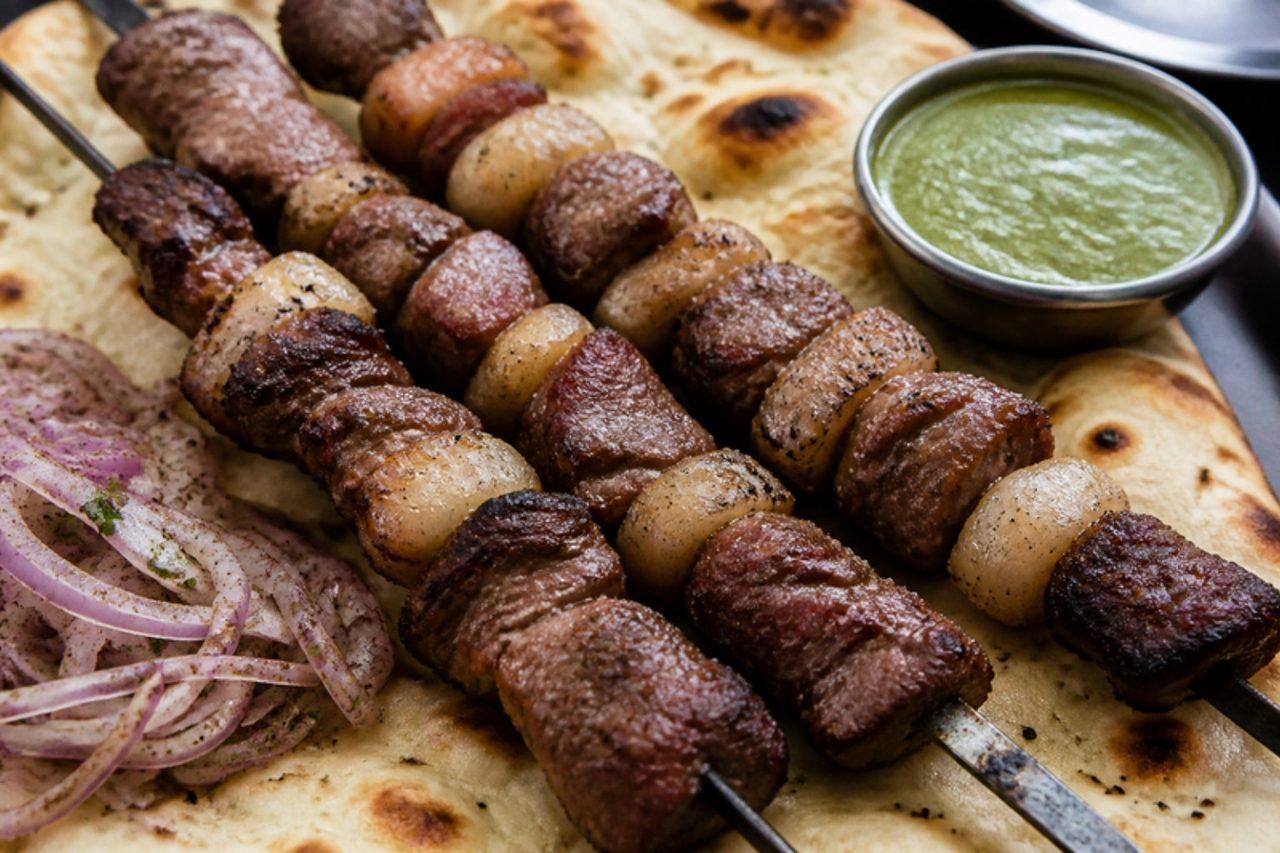
Kandahar's tikka houses pride themselves on doing very little to the meat: chunks of lamb, threaded on wide iron skewers with small pieces of tail fat between them, are rubbed with grated onion, salt and black pepper and grilled over fierce charcoal until the fat drips and flares. The result is smoky, juicy and peppery, with crisp edges and a clean lamb flavour, and it is served on hot naan with raw onion, tomato and a sharp green chutney. Over-marinating in onion is a common misstep, as the juice softens the surface into mush after a day; two to four hours is plenty. Chef's tip: let the skewers rest for 2 minutes on the naan before eating, so the bread soaks up the juices.

27 minAfghanMeatGluten free
by KrazyBadal 0 views

Wheel cakesRed bean or custard griddle cakes

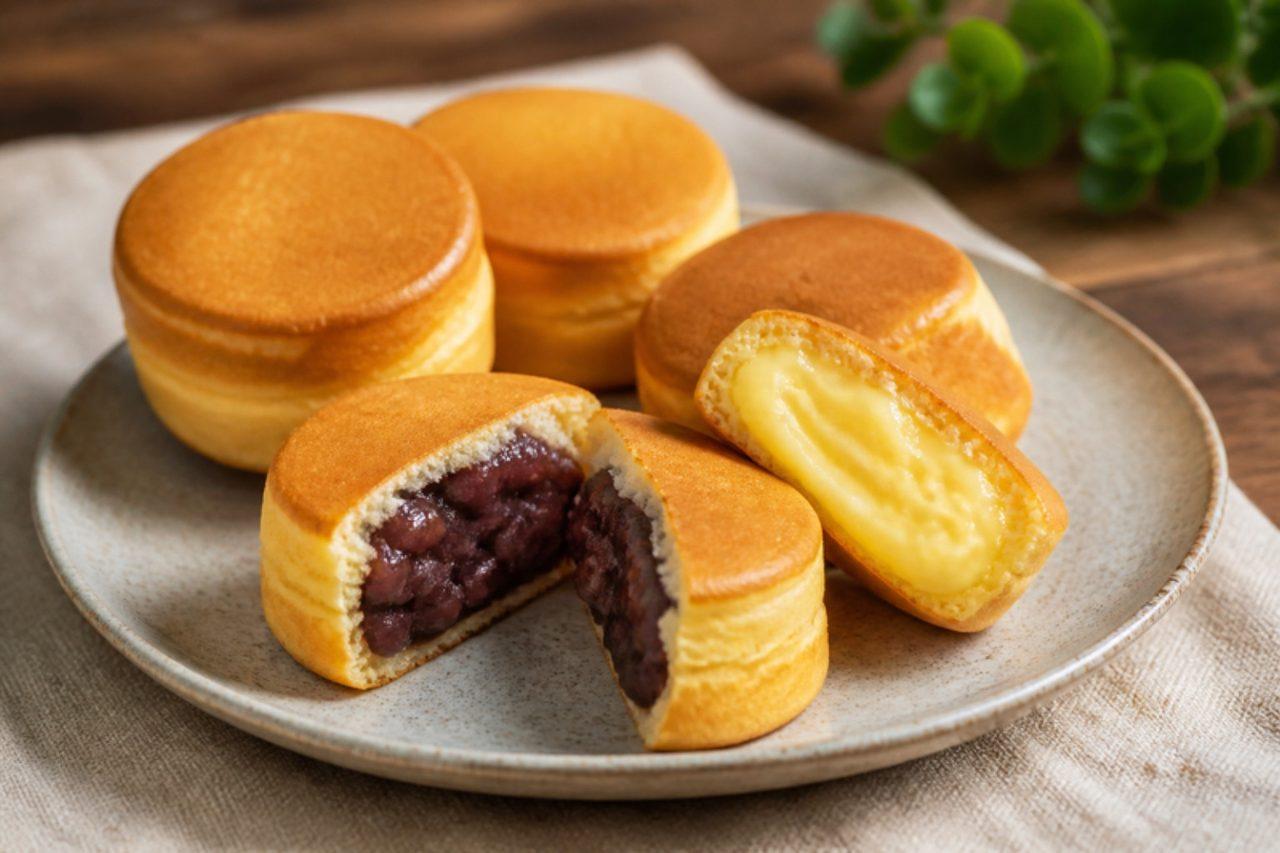
Outside school gates and at the entrance of nearly every night market, a vendor in front of a cast-iron plate full of round wells turns out these fat, wheel-shaped cakes by the dozen, and the after-school queue tells you they're a children's favourite. A soft, slightly crisp shell, like a cross between a pancake and a waffle, encloses a generous centre of sweet red bean paste or warm vanilla custard; taro paste and even savoury fillings appear too. A wheel-cake or imagawayaki pan gives the right shape, though egg rings in a frying pan work. Overfilling the moulds with batter is the usual misstep: the halves then spill and won't close neatly. Chef's tip: grease the moulds well before every batch and keep the heat low, so the shells turn evenly golden while the filling heats through.

by KrazyBadal 0 views

DaqqusTomato garlic chilli sauce

Spoon by spoon, daqqus goes over almost every plate of kabsa, mandi and machboos from Riyadh to Kuwait City: a thin, bright sauce of ripe tomato, lots of garlic and hot chilli that cuts through rich rice. Restaurants in Najd serve it in little bowls beside the rice tray, and some families make it raw, others cook it briefly as here, which mellows the garlic and deepens the colour. It should be pourable and tangy, not thick like ketchup. People often overcook it into a paste; keep it loose with a splash of water. It also works with grilled fish and eggs. Chef's tip: grate the tomatoes on a box grater and discard the skins for a silky sauce without blending.

by KrazyBadal 0 views

Teler pithaFried rice and jaggery cakes

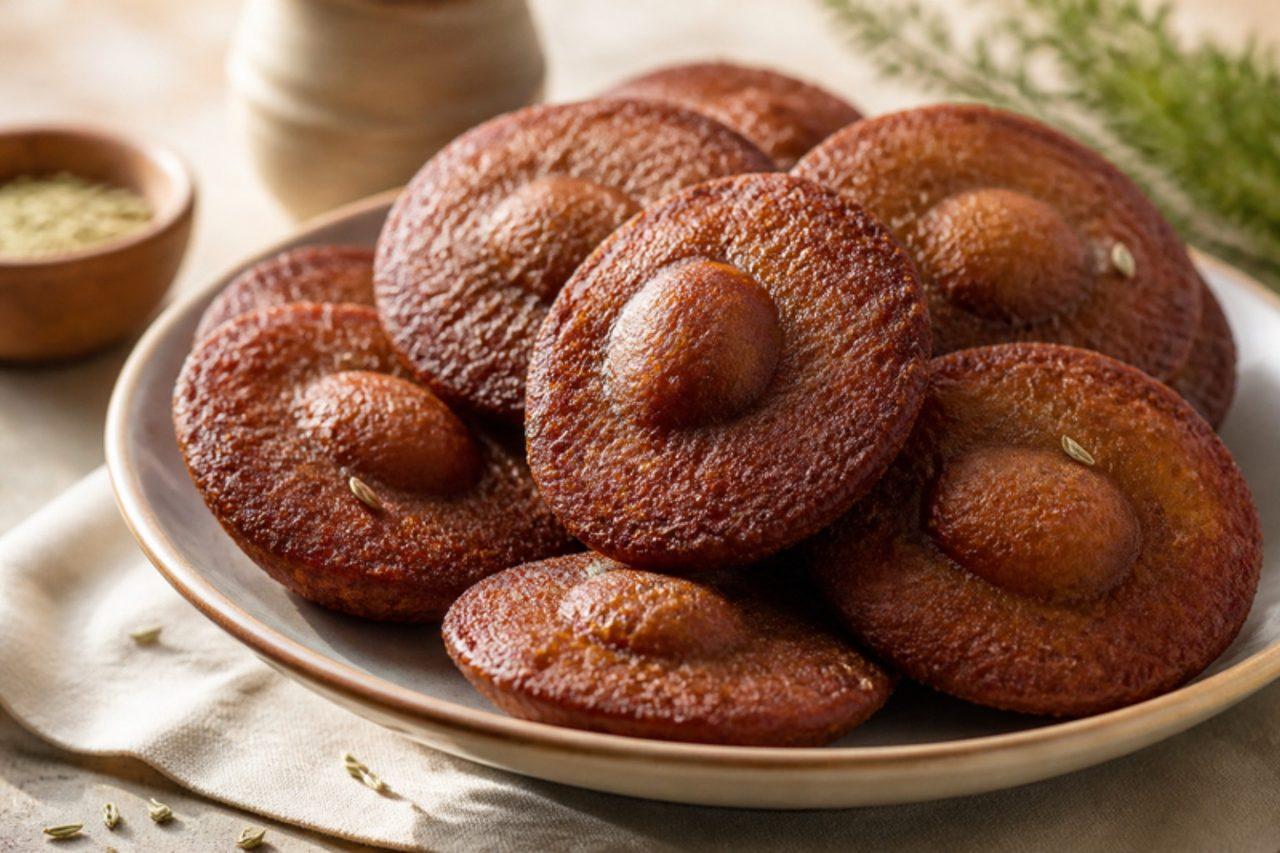
Teler pitha, literally oil cake, is the easiest of the winter pithas and the one children wait for at the start of the date-palm season, when the first pots of fresh khejur rosh are boiled down into gur in the villages of Jessore and Faridpur. A batter of rice flour and melted jaggery is poured into hot oil a ladle at a time, and each cake puffs into a round with a little raised hump in the middle, crisp and brown outside, soft and chewy inside, tasting of caramel and fennel. They are eaten warm in the afternoon or packed for a journey. Oil that is too hot gives dark cakes with raw centres, which is where most people go wrong; keep it at a steady medium heat. Chef's tip: rest the batter for at least an hour, ideally two, so the rice flour swells and the cakes rise properly.

by KrazyBadal 0 views

KoldskålCold buttermilk soup

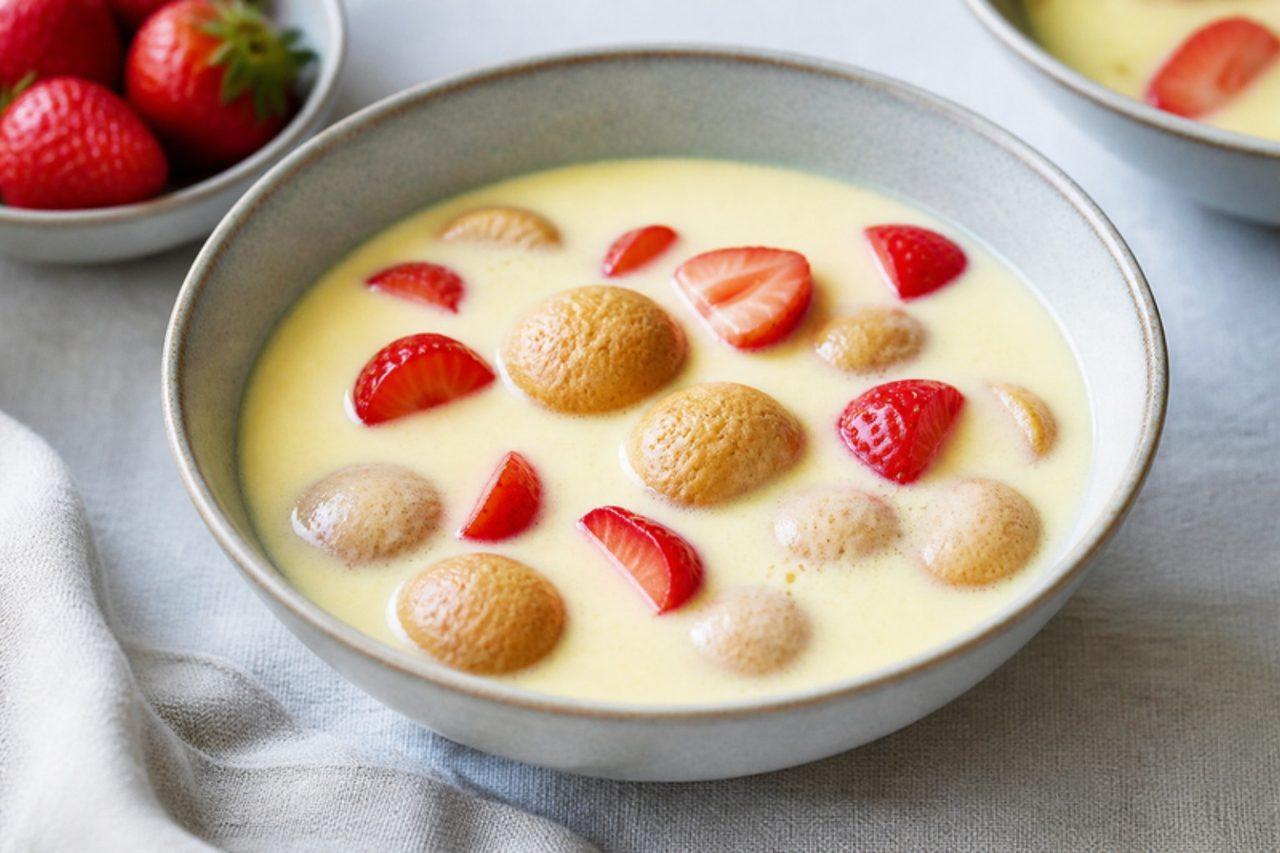
On the first warm day of summer, Danes buy cartons of koldskål and packets of kammerjunker, small crunchy rusks, and the season has begun: koldskål is a cold, sweet, tangy buttermilk 'soup' with lemon and vanilla, eaten from bowls as a dessert or a light supper, sometimes with strawberries. Homemade, it is whisked with egg yolks for richness. Raw egg yolk is not suitable for pregnant women, young children or anyone with a weakened immune system, so this recipe uses pasteurised egg yolks. A common mistake is serving it at room temperature; it must be very cold. Chef's tip: whisk the yolks and sugar until thick and pale before the buttermilk goes in, which gives a silky, foamy soup.

by KrazyBadal 0 views

KolbullarThick campfire pancakes

Kolbullar were the food of the charcoal burners who tended slow-smouldering kilns in the forests of Norrland and Bergslagen for weeks at a time: a thick batter of flour, milk and water fried in a pan over the fire, usually with pieces of salt pork mixed in. Today they are a favourite of Swedish hiking trips and forest festivals. This version leaves out the pork and is served with lingonberries and a pinch of flaky salt. A common mistake is spreading the batter thin like a crêpe; kolbullar are thick and chewy. Chef's tip: let the batter stand for 20 minutes so the flour swells and the pancakes stay soft in the middle.

by KrazyBadal 0 views

FlatkökurRye flatbread

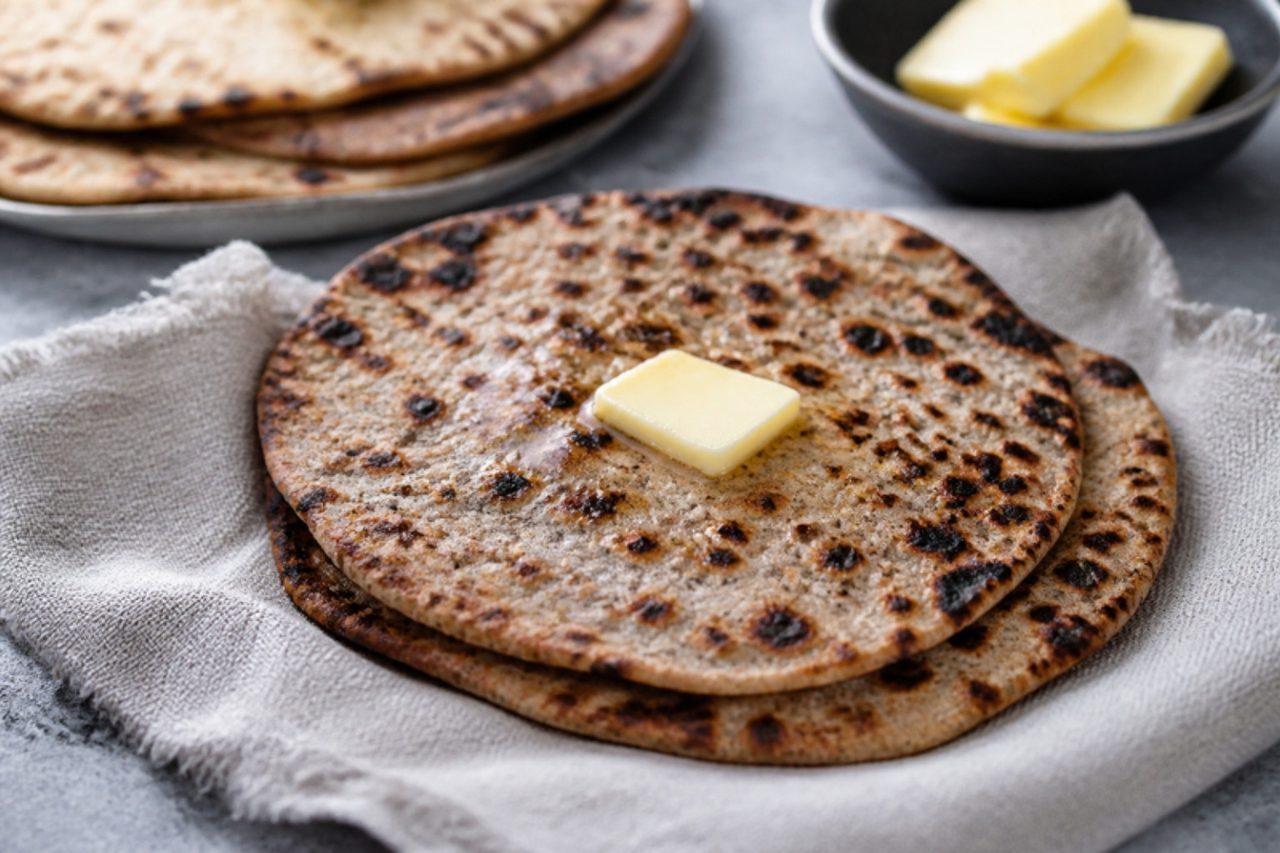
Flatkökur are round, flat rye breads that Icelanders char straight on the hot plate of the stove, or over a gas flame, until they are speckled black and smoky; they are eaten buttered, with smoked lamb (hangikjöt) or cheese, at every Christmas and confirmation and in lunchboxes all year. The dough is made with boiling water so it is soft and easy to roll. A common mistake is letting the dough cool before rolling; scalded rye dough stiffens and cracks. Chef's tip: roll it while warm and prick all over with a fork so it stays flat as it chars.

by KrazyBadal 0 views

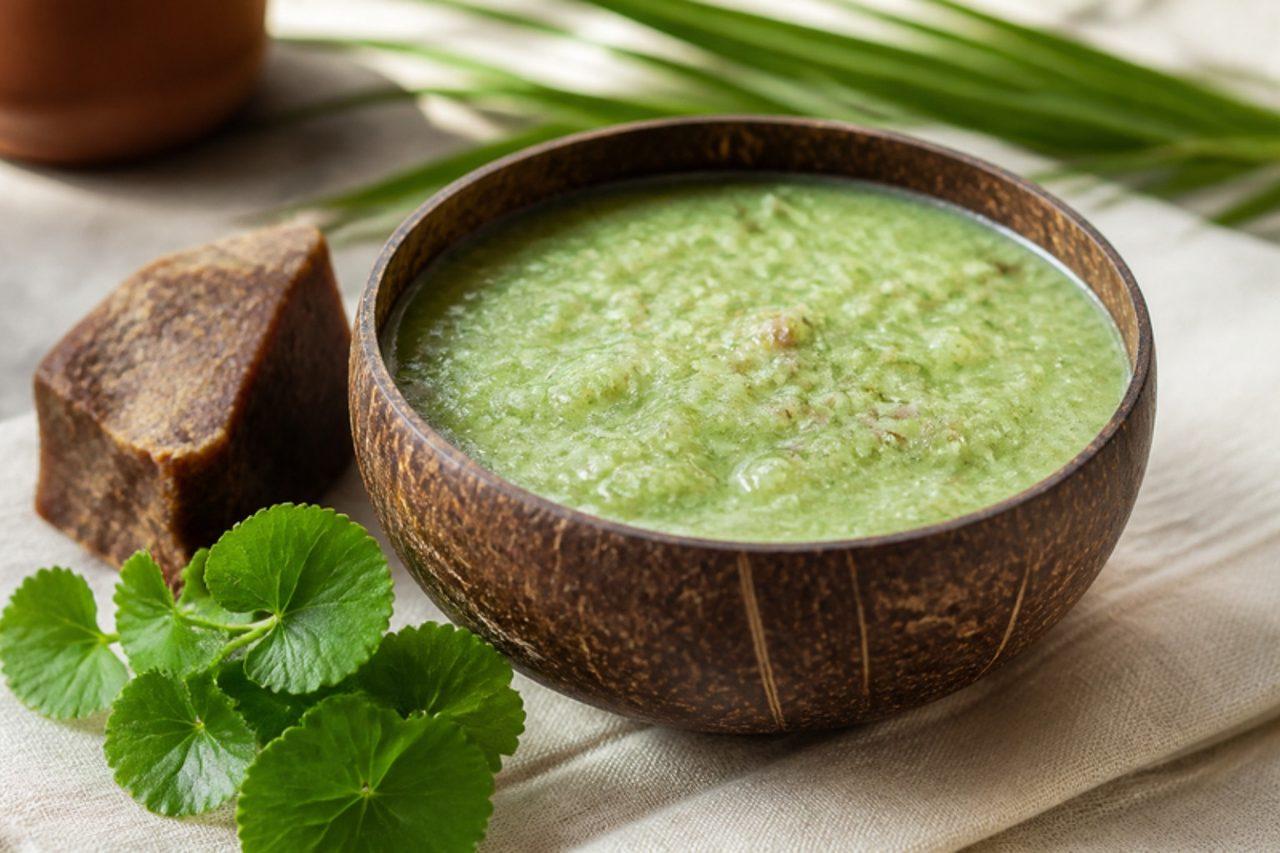
Kola kendaHerbal red rice porridge

Early in the morning, outside bus stands in Kandy and along the walking paths of Colombo's parks, vendors ladle bright green kola kenda from big pots into cups, handing each customer a lump of jaggery to bite between sips. It is a thin, savoury porridge of red rice cooked until it breaks down, enriched with coconut milk and coloured with the juice of fresh leaves, most often gotu kola, though cooks also use hathawariya, mukunuwenna or even curry leaves. The taste is grassy, slightly bitter and very restoring, and older Sri Lankans drink it as a daily tonic. The leaf juice must never boil; adding it to a bubbling pot is the mistake that turns the porridge khaki and dulls the fresh flavour. Chef's tip: blend the leaves with cold water and strain them through a fine sieve, so the kenda stays silky with no stringy bits.

by KrazyBadal 0 views

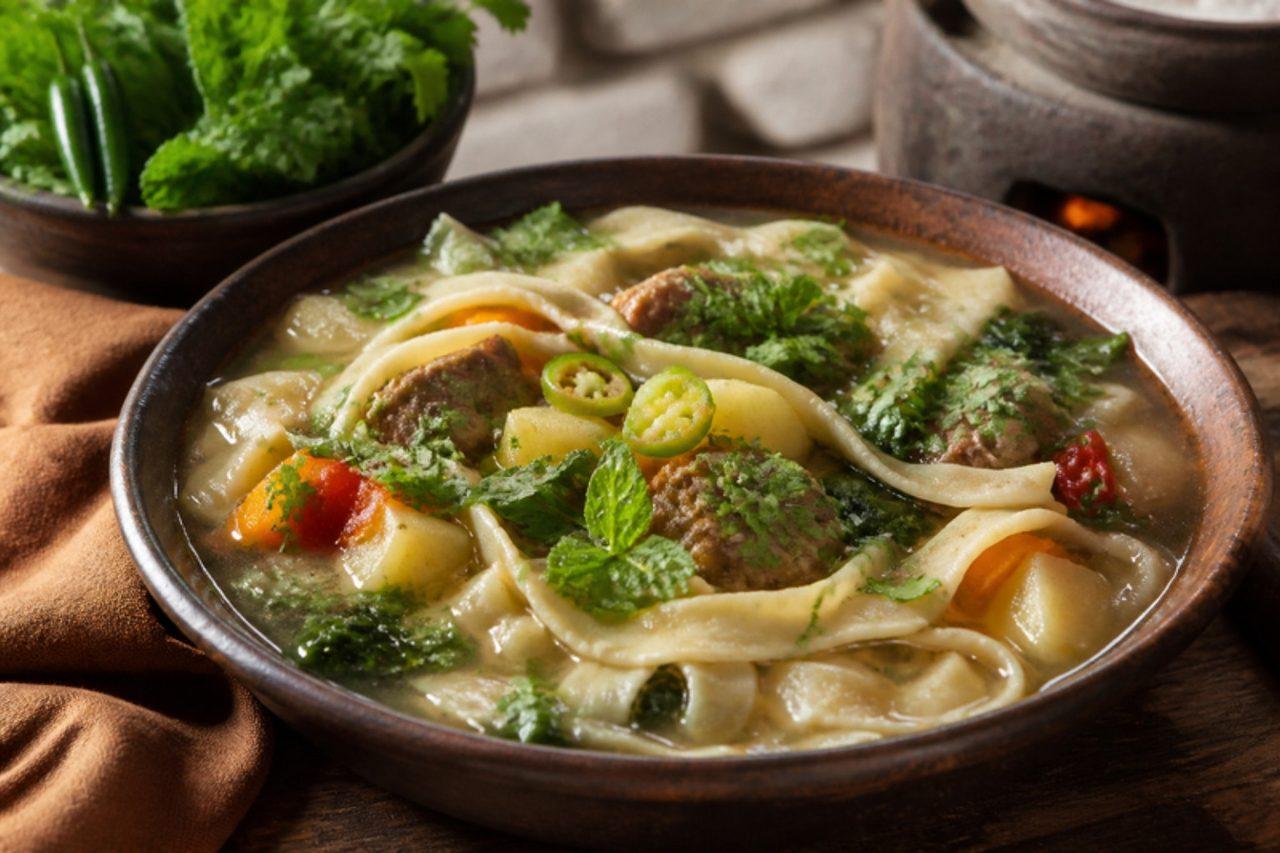
DaudoHand-cut noodle soup with mutton

Once snow closes the passes into Hunza and the apricot trees are bare, families gather around a pot of daudo: a mutton broth thick with short, hand-rolled wheat noodles, potatoes, carrots, spinach and plenty of fresh coriander and mint. It is everyday mountain food, eaten for supper from deep bowls and passed to anyone who comes in from the cold, sometimes with a spoonful of local apricot-kernel oil on top. The noodles are rough and chewy, the broth peppery and green with herbs. Adding the noodles too early leaves them swollen and the soup gluey, so keep them for the last few minutes. Chef's tip: for a vegetarian version, simmer the vegetables in a good vegetable stock and add a handful of chickpeas instead of the mutton.

by KrazyBadal 0 views

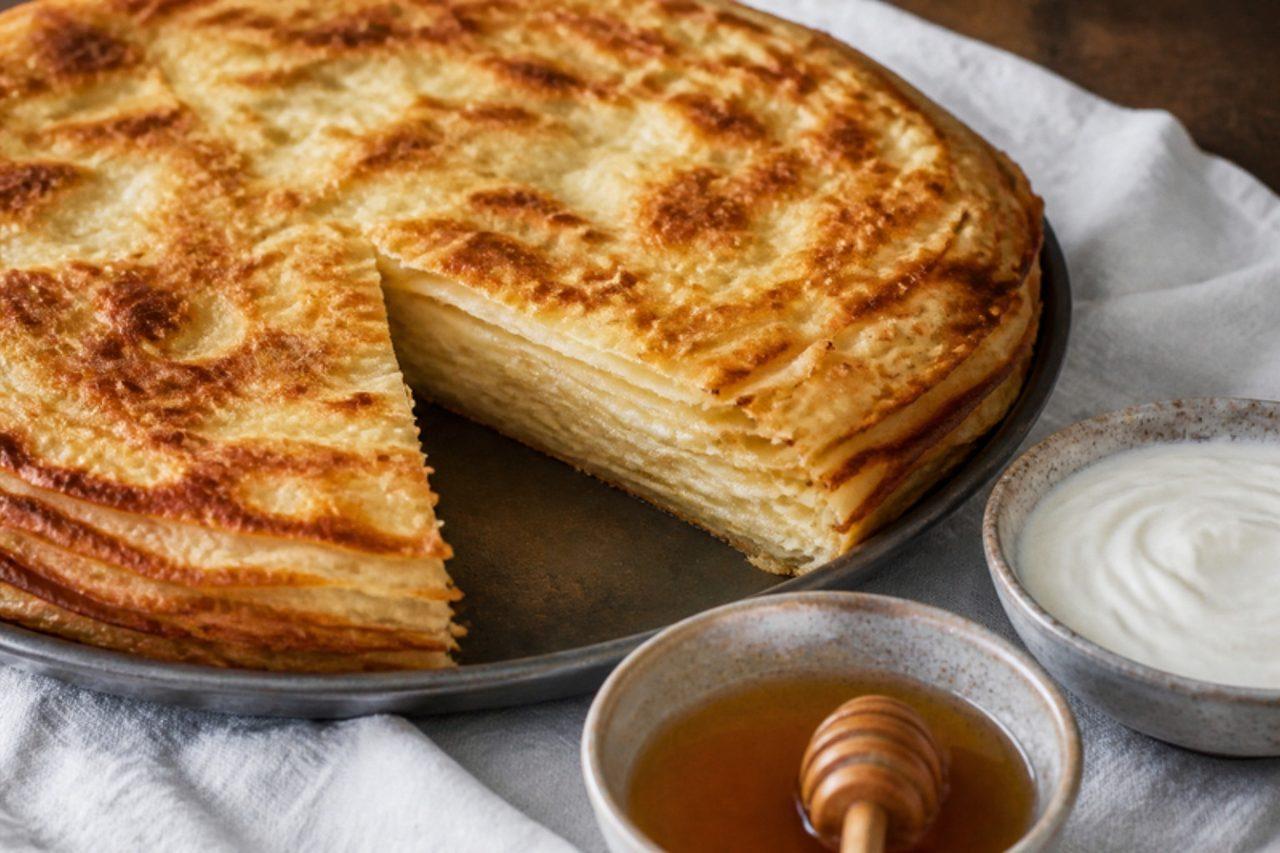
FlijaLayered batter pie

Flija is the dish of long summer afternoons in Kosovo, from the Rugova valley to the villages around Prizren, when friends gather and take turns tending the saç, a domed iron lid heaped with embers. Thin batter is painted onto a round tray in spokes, cooked under the heat, brushed with a mix of sour cream and yogurt, then painted again, until 15 or more layers have built up over a couple of hours. Cut into wedges, it is chewy, buttery and lightly scorched, served with honey, white cheese, pickled peppers or a bowl of yogurt. At home, a very hot oven grill stands in for the saç. The most frequent mistake is crowding the batter: each spoke must leave a finger-wide gap for the next layer to fill, or the pie becomes a thick, gummy pancake. Chef's tip: keep the batter as thin as single cream, and whisk in a spoonful of water whenever it thickens as it stands.

240 minBalkanBaking
by KrazyBadal 0 views

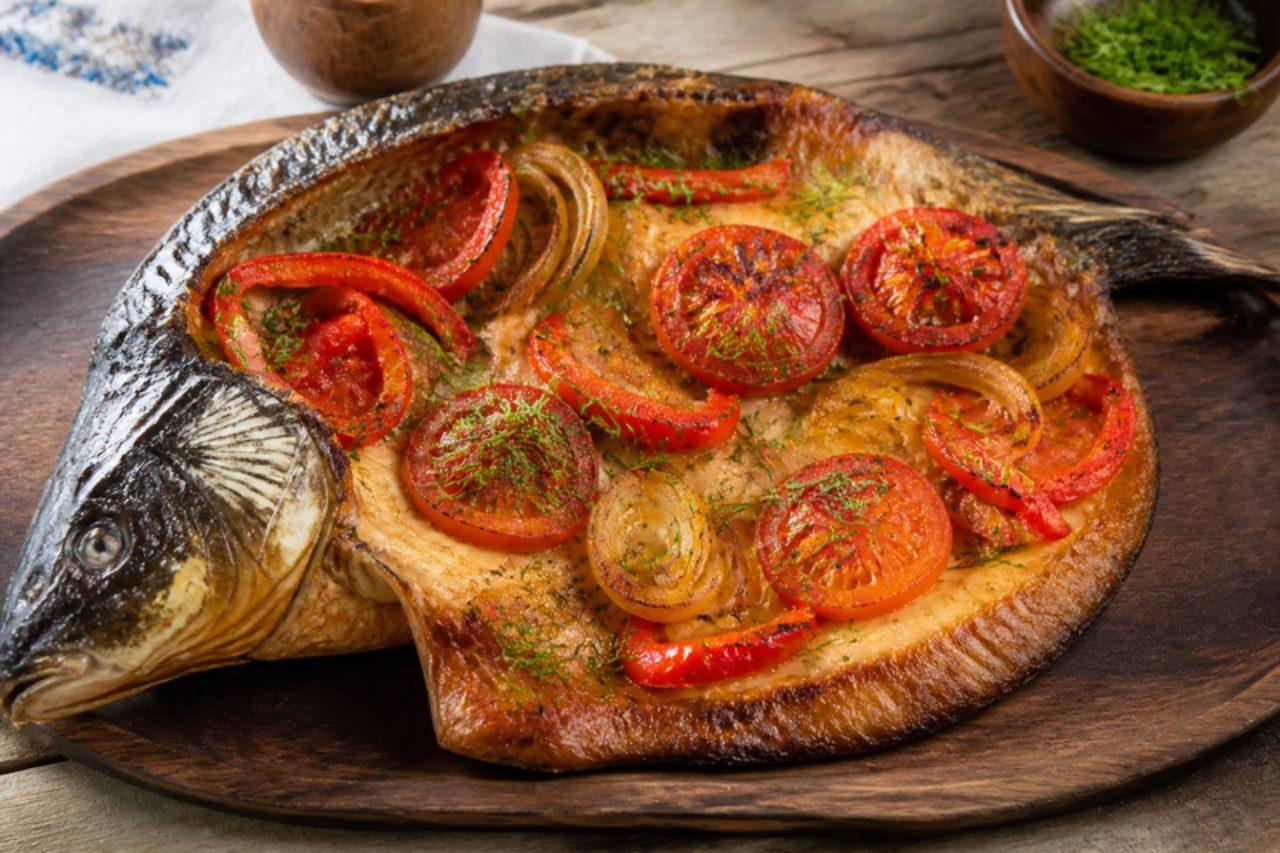
KoktalSmoked carp with vegetables

Koktal is the fishermen's dish of Lake Balkhash and the Ili River in south-east Kazakhstan: a large carp split open along the back, salted, scored and roasted skin-side out on a frame over smoky fires, then baked with tomatoes, peppers and onions. In Almaty restaurants it is brought to the table on a wooden board. This version smokes the fish briefly in a covered barbecue and finishes it in the oven. A common mistake is leaving the scales on near the head and tail; scale the fish well, or the skin turns leathery. Chef's tip: score the flesh in a deep diamond pattern so the smoke and seasoning get into the thick fillets. Cook until the flesh is opaque and flakes easily.

80 minKazakhFishGluten free
by KrazyBadal 0 views

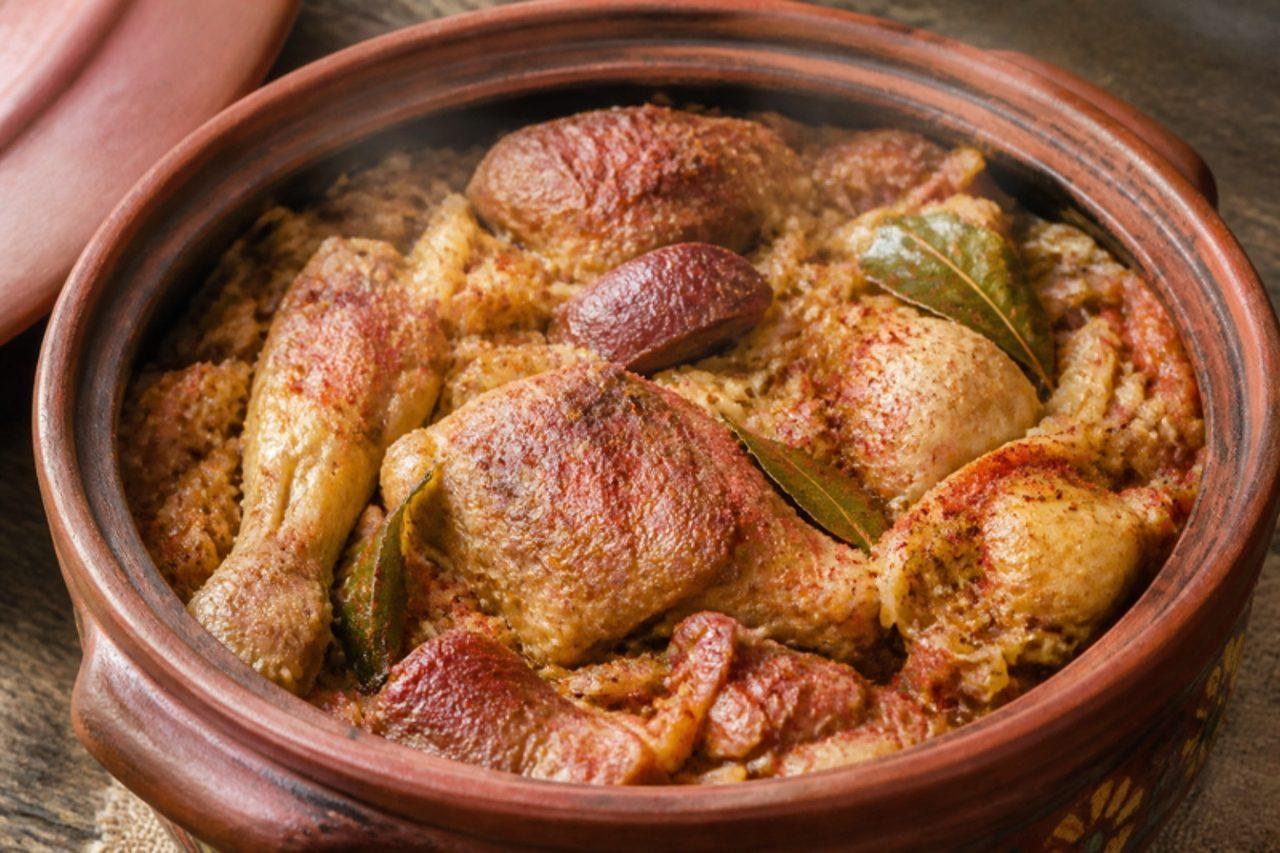
KapamaPork, chicken and sauerkraut feast pot

In the stone houses of Bansko, beneath the Pirin mountains, kapama is the dish of the winter holidays, carried to the table in its clay pot at Christmas, New Year and the masked Kukeri carnival. Pork shoulder, chicken on the bone and fresh pork sausage are layered with sauerkraut, rice and paprika, then sealed and baked for hours until the meat falls apart and the rice has soaked up the tangy, smoky juices. Old cooks seal the lid with a rope of dough; this version uses foil under a tight lid, which keeps it gluten free. Serve with extra sauerkraut and pickled peppers. The usual slip is lifting the lid too often, which lets out the steam and dries the top layer. Chef's tip: taste a strand of the sauerkraut first and rinse it only if it is very salty; its sourness is the backbone of the dish.

by KrazyBadal 0 views

Mont lin ma yarRice batter cups with quail egg

Evening street vendors in Yangon and Mandalay cook these over charcoal in heavy iron pans dotted with round hollows, and the name, 'husband and wife snack', comes from the way two little cups are pressed together into one ball at the end. A thin, lightly salted rice batter crisps against the hot iron while the middle stays soft and custardy, and each cup holds a filling: a quail egg cracked into one half, boiled chickpeas and spring onion in the other. People buy them hot by the half dozen and eat them straight from the paper, sometimes with a little chilli sauce. A pan that isn't hot or well oiled is the classic problem, as the batter sticks and tears when you try to lift it. Chef's tip: a takoyaki, aebleskiver or paniyaram pan works perfectly at home.

by KrazyBadal 0 views

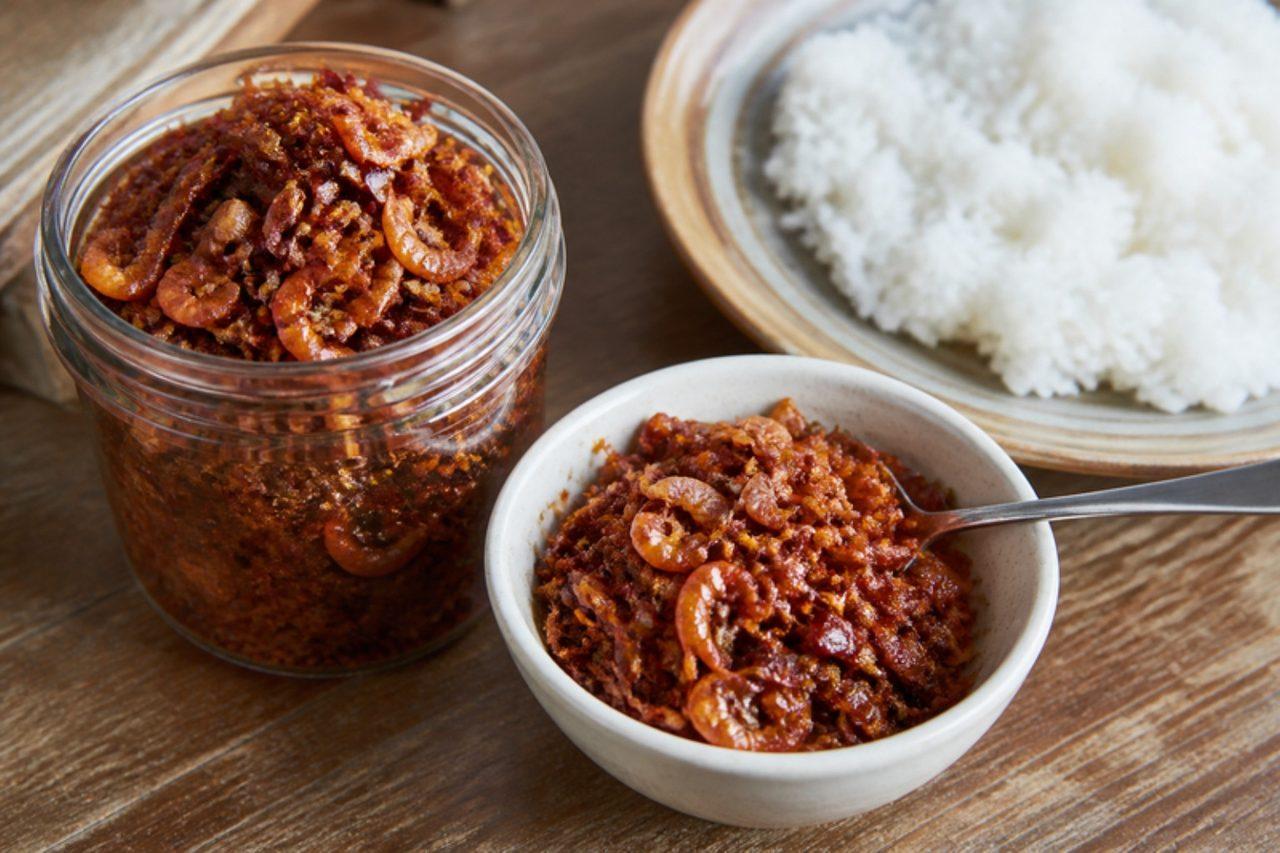
BalachaungDried shrimp relish

Every Burmese pantry keeps a jar of balachaung, and along the Rakhine coast, where the dried shrimp come from, families fry it in big batches after the dry-season catch. Pounded dried shrimp are fried slowly with crisp shallots, garlic, chilli and a dab of shrimp paste until the whole lot turns into a dry, golden, crackling floss that is salty, smoky, a little sweet and quite hot. A spoonful lifts plain rice, a fried egg, rice porridge or a bowl of noodles, and it travels well, so students and travellers pack a jar to take away from home. Rushing it over a high heat is where most batches go wrong: the shrimp scorch and turn bitter before they are crisp, so keep the heat at medium-low and stir patiently. Chef's tip: fry the shallots and garlic separately and stir them back in only when the shrimp are done, so they stay crunchy for weeks.

by KrazyBadal 0 views

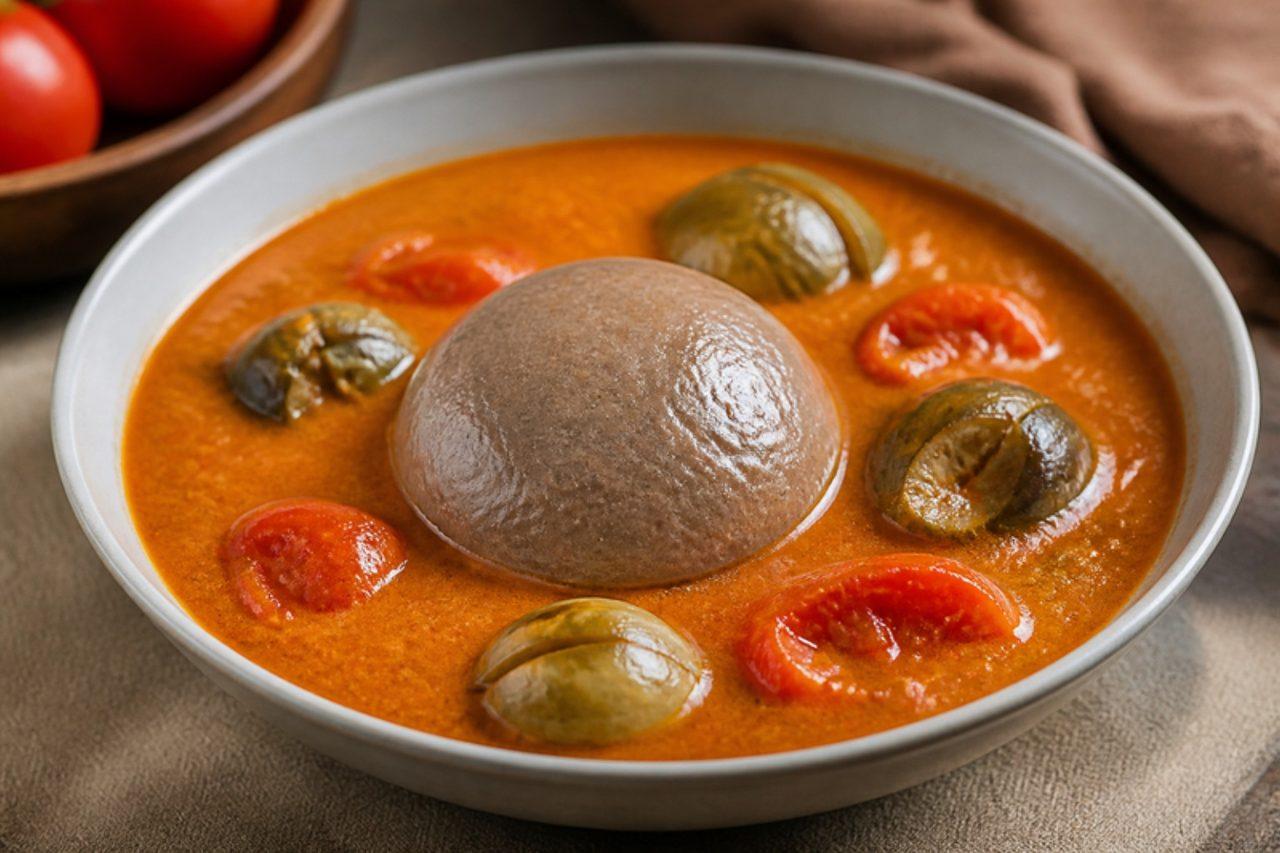
KokonteDried cassava swallow

Dried in the sun and ground to a coarse brown powder, cassava keeps for months as kokonte, and in Ashanti villages it is the swallow of the dry season and of lean times. Cooked, it turns into a smooth, firm, earthy-tasting dough, darker than fufu and with a faint smokiness, that is classically eaten with groundnut soup or palm nut soup; its colour earned it the joking nickname 'face the wall'. It takes only minutes to make. Those soups usually carry meat or fish, so serve a vegetable soup for a meat-free meal. Chef's tip: mix a third of the powder with cold water to a paste before it goes into the boiling water; dumping dry powder into hot water is the common mistake and makes stubborn lumps.

by KrazyBadal 0 views

FlødebollerChocolate marshmallow wafer treats

Flødeboller, 'cream buns', are Denmark's favourite party sweet: a soft, fluffy meringue foam piped onto a thin wafer or marzipan base and dipped in dark chocolate, so it bites like a cloud in a crisp shell. Children take them to school on birthdays, and Copenhagen chocolatiers make fancy versions with liquorice or raspberry. This version uses a cooked sugar-syrup meringue, so the egg whites are heated safely. A common mistake is dipping warm foam into chocolate; it melts and slides. Chef's tip: chill the piped foam well, then pour the chocolate over rather than dipping, which is easier and gives a smooth shell. For gluten free, use marzipan bases.

by KrazyBadal 0 views

Mont kalamaSticky rice and jaggery fudge

Making mont kalama is a group effort: before weddings, shinbyu novice ceremonies and village pagoda festivals, Burmese families take turns stirring a giant wok of sticky rice flour, coconut milk and jaggery for hours until it turns into a dark, glossy mass. The result, sliced into thick bars and topped with toasted sesame, is chewy and elastic like a soft toffee, tasting of caramel, smoky palm sugar and coconut, much like Malay dodol. It keeps for days, which is why it is a favourite gift to carry home from celebrations. Stopping stirring or turning up the heat to save time is the classic error; it scorches on the bottom and the whole batch tastes bitter. Chef's tip: use a heavy non-stick wok and a sturdy flat wooden spatula, and switch hands often.

by KrazyBadal 0 views

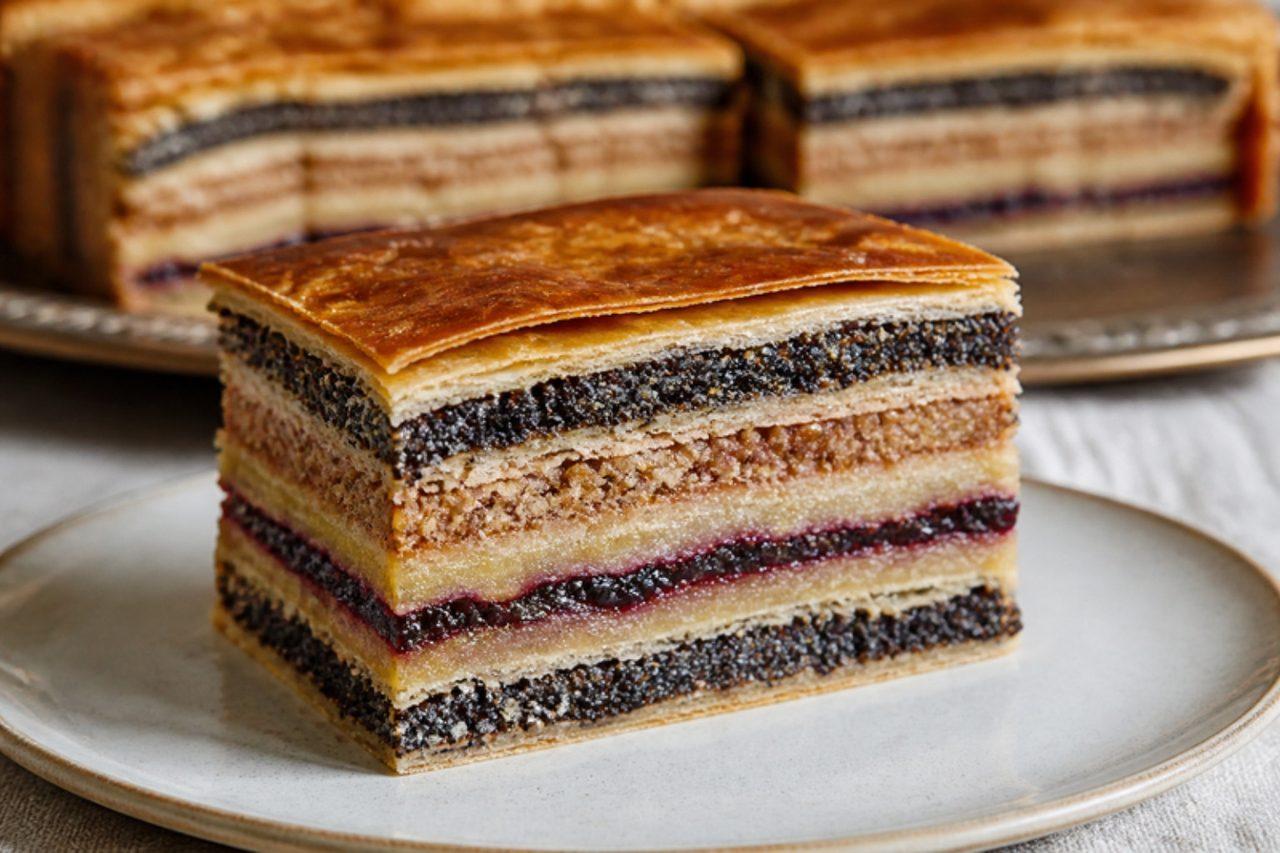
FlódniFour-layer poppy seed and fruit pastry

Four stripes of filling, black poppy seed, golden apple, nutty walnut and dark plum jam, stacked between thin sheets of shortcrust: that is flódni, the Hungarian-Jewish pastry of Budapest's old Jewish quarter around Kazinczy and Dob streets. Jewish families bake it for Purim and Hanukkah, and the bakeries of the seventh district sell it by the slab all year. Each cut slice should be moist, dense and not too sweet, best with a glass of tea or black coffee. Many families make the dough with a little sweet white wine and use margarine so it can follow a meat meal; this version keeps it alcohol-free with grape juice, and you can swap the butter for a firm baking margarine to make it dairy-free. The usual slip is rolling the sheets too thick, so the pastry swamps the fillings; each one should be barely 3 mm. Chef's tip: bake it a day ahead and slice it cold with a hot, wet knife, because the layers settle overnight and cut cleanly.

by KrazyBadal 0 views

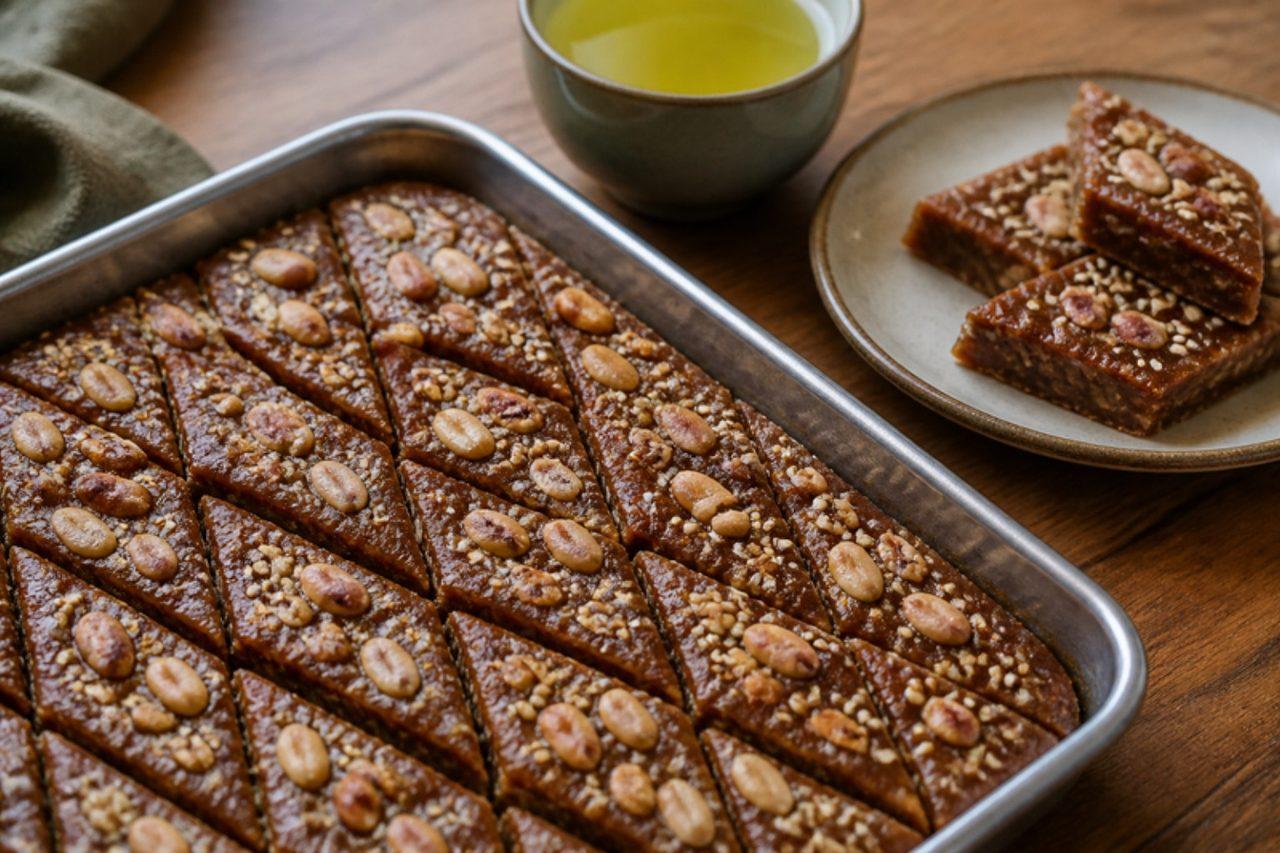
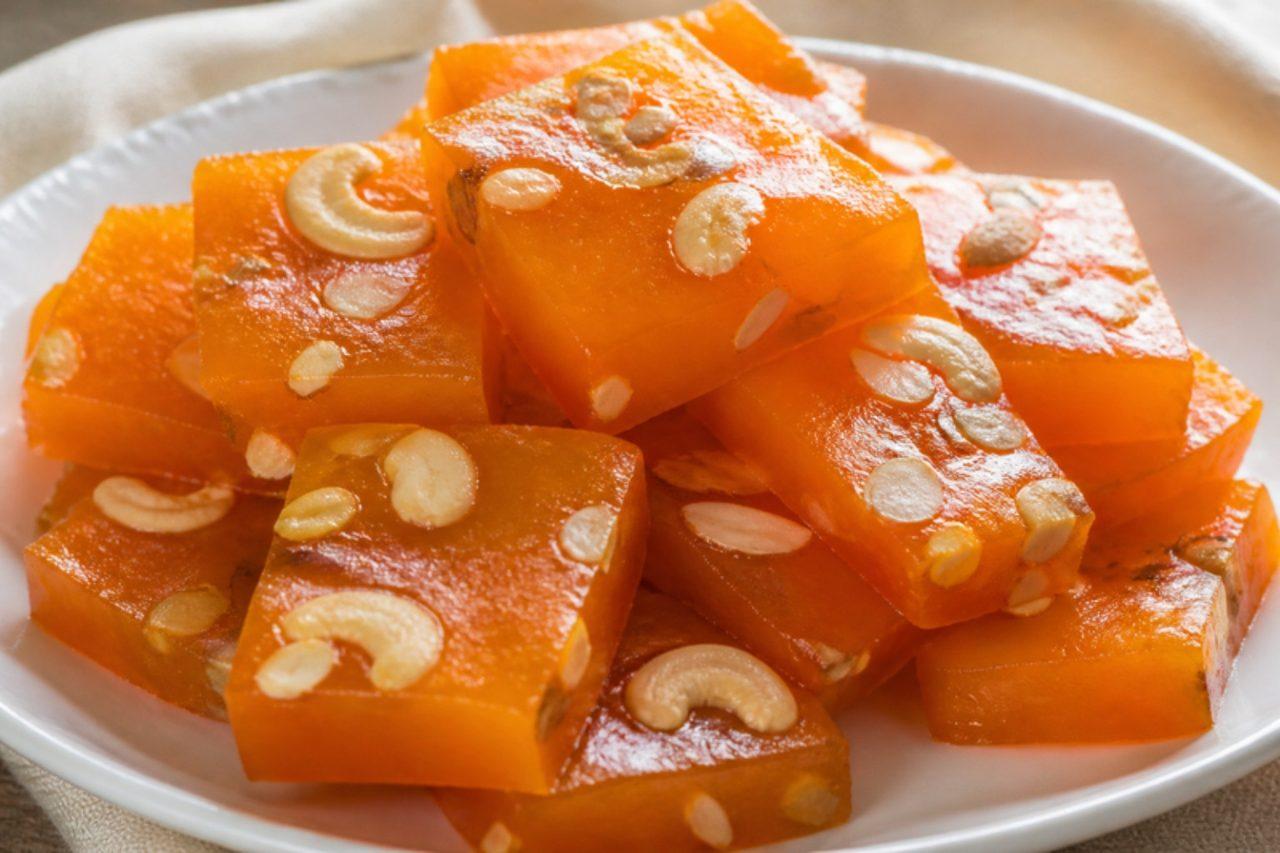
Karachi halwaCornflour halwa

Glassy, jewel-bright and chewy like a Turkish delight with more bite, Karachi halwa is the sweet that the city's mithai shops on Saddar and Tariq Road stack in orange, green and red slabs studded with cashews and melon seeds, and it travels well as a gift to family abroad. It is made from cornflour cooked with sugar syrup and lemon until it turns clear, then fed with ghee spoon by spoon until it shines and pulls away from the pan in one elastic mass. Across the border it is called Bombay halwa, and in Pakistan it is a staple for weddings, Eid and Diwali sweet boxes from the Hindu shops of Sindh. Lots of cooks lose their nerve and stop before the halwa has absorbed all the ghee and turned translucent, and it sets cloudy and sticky. Chef's tip: work the halwa with a flat wooden spatula and add the ghee only when the previous spoonful has disappeared; when the ghee starts to leak back out, it is done.

by KrazyBadal 0 views

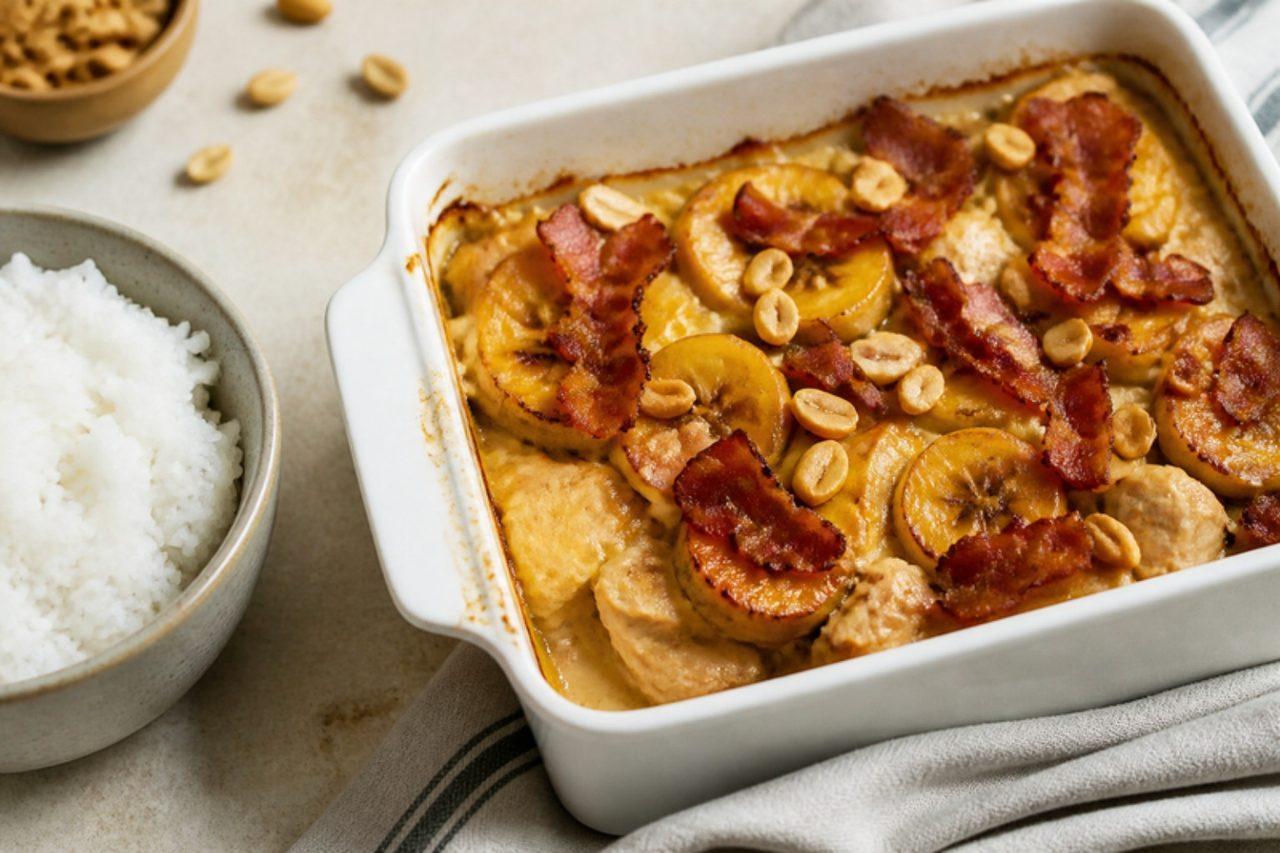
Flygande JacobChicken, banana and bacon bake

Flygande Jacob, 'flying Jacob', was invented in 1976 by Ove Jacobsson, an air-freight worker, and the recipe appeared in a Swedish magazine; within years it was one of the most-made party dishes in Sweden. Cooked chicken is mixed with whipped cream and chilli sauce, layered with sliced banana, baked, then topped with crisp bacon and salted peanuts and served with rice. This dish contains pork, in the bacon. It is sweet, salty and creamy, and gloriously retro. A common mistake is using raw chicken, which leaks juice and makes the sauce thin. Chef's tip: use roast chicken from the day before; it must already be cooked to 74 °C.

by KrazyBadal 0 views

Trini peanut punchPeanut butter milk drink

Bottled or blended fresh at roadside juice stands, peanut punch is what Trinidadians reach for after a long cricket afternoon, a hard gym session or a Saturday market run. Peanut butter is whizzed with cold milk, a little condensed milk, vanilla and a scrape of nutmeg until it is as thick as a milkshake and properly filling. It contains no alcohol, despite the name. The common mistake is under-blending, which leaves gritty clumps of peanut butter at the bottom of the glass. It contains peanuts and milk, so check for allergies before serving. Chef's tip: blend the peanut butter with just a third of the milk first to make a smooth paste, then add the rest.

by KrazyBadal 0 views

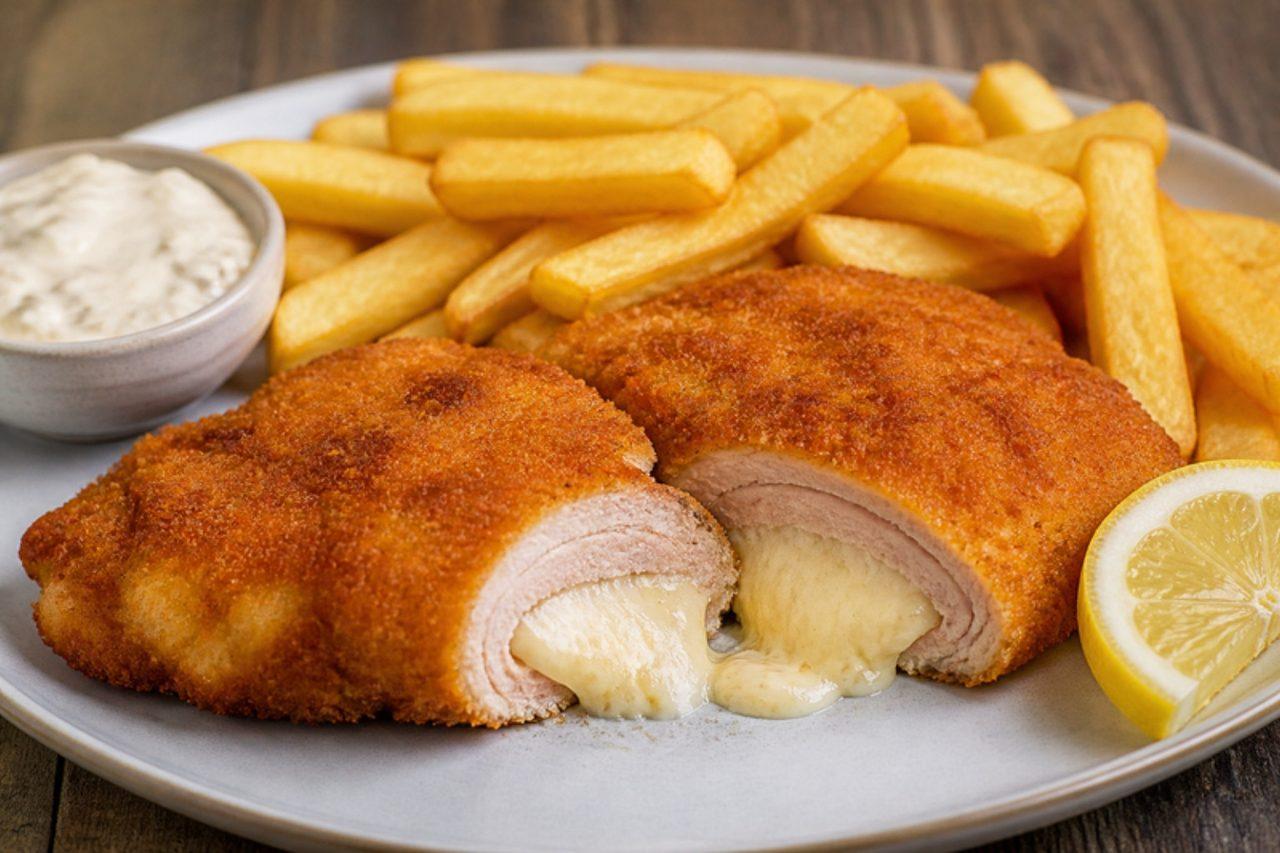
Karađorđeva šniclaBreaded stuffed pork roll

Belgrade restaurants have served this since a local chef created it in the mid-20th century, naming it after Karađorđe, leader of the First Serbian Uprising; diners fondly call it the maiden's dream. A thin pork escalope (veal is the other classic) is spread with kajmak, Serbia's rich, slightly tangy clotted cream, rolled tight, double-breaded and fried into a golden log that oozes when cut. It comes with chips or roast potatoes, a lemon wedge and tartar sauce. If you can't find kajmak, beat cream cheese with a little soft butter and a pinch of salt. Rolling it loosely is the mistake that ruins it, because the cream escapes into the oil; roll tightly and chill before breading. Chef's tip: fry only until golden, then finish in the oven, so the crumb stays crisp while the pork cooks through to the centre.

60 minBalkanMeat
by KrazyBadal 0 views

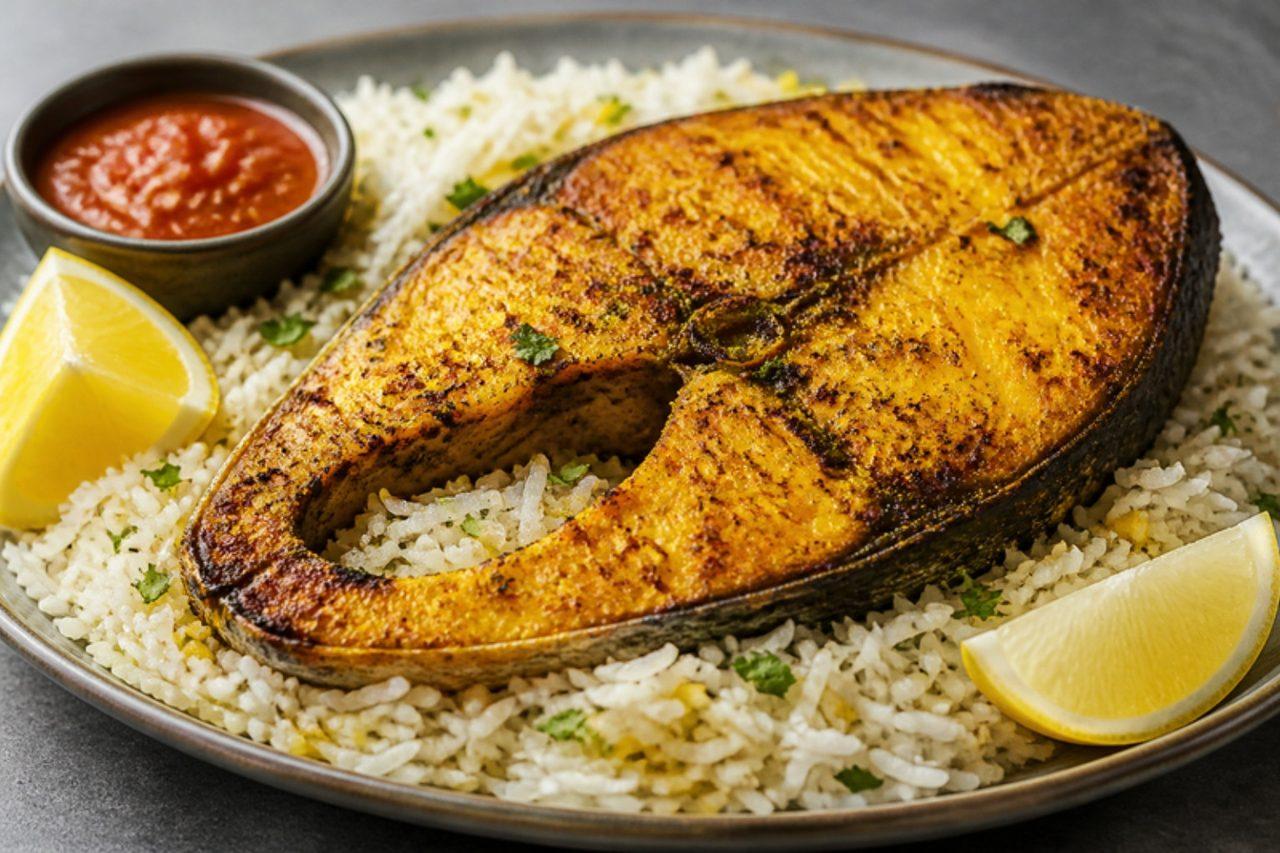
MashuaiRoast kingfish with lemon rice

In Muscat, mashuai is the fish dish families share at weekend lunch and festival meals: kingfish, the Gulf's beloved kanad, roasted on a spit or in the oven until crisp, then served over lemony rice with a sharp tomato and lime sauce. Fishermen in Muttrah once cooked the whole fish over driftwood fires on the beach. The flesh is firm and meaty, the spice rub smoky and sour. A whole fish looks wonderful, but thick kingfish steaks are easier at home. The common mistake is roasting kingfish too long; it is lean and turns dry once it is past just-flaking. Chef's tip: baste once with the marinade juices halfway, which keeps the surface glossy and stops it drying.

by KrazyBadal 0 views

FogueteFried pastry tubes with pumpkin preserve

Foguete means rocket in Portuguese, and these slim, golden pastry tubes, fried crisp and stuffed with sticky ash-pumpkin preserve, really do look like little fireworks lined up on the Christmas tray of a Portuguese Burgher household. A rich dough of flour, egg, butter and coconut milk is rolled thin, wrapped around metal tubes and fried until blistered, then filled with chopped preserve mixed with cashews, cardamom and rosewater. They shatter when you bite, then give way to a soft, fragrant, honeyed centre, and are eaten with tea through the Christmas week. The trap is frying in oil that is too hot, so the pastry browns before it crisps and goes soft once cool; keep it steady at about 170 °C. Use cannoli tubes, or short lengths of thick, clean wooden dowel. Chef's tip: grease the tubes well and seal each pastry with egg white only along the overlap, never on the tube, or the tubes will be impossible to slide out.

by KrazyBadal 0 views

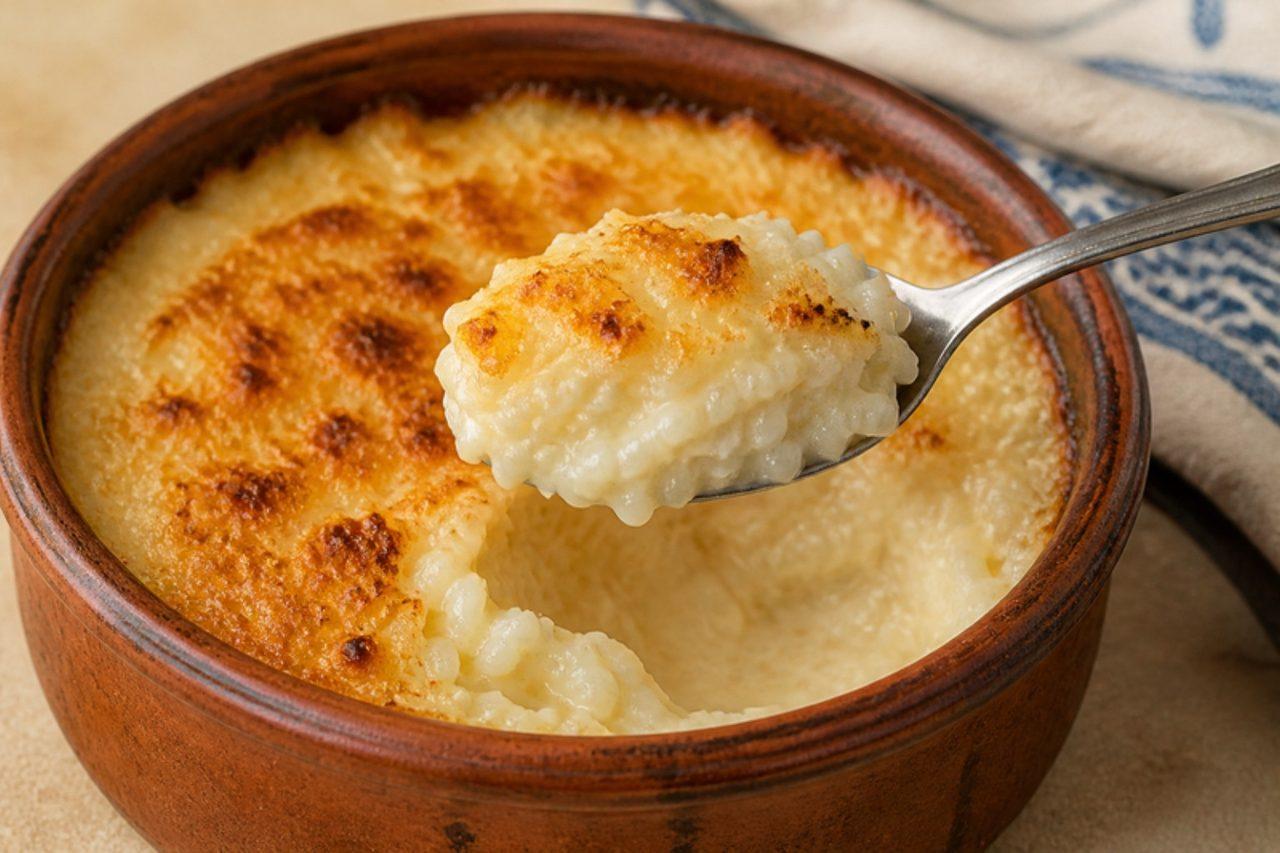
Roz me'ammarCreamy clay-pot baked rice

Village kitchens across the Nile Delta, from Menoufia to Sharqia, slide a clay pot of roz me'ammar into the bread oven for feasts, Fridays and Eid lunch. Short-grain rice bakes slowly in milk, cream and butter until it sets into a soft, rich block with a crisp, golden-brown crust on top that everyone fights over. In the Delta it usually comes with roast pigeon or duck; for a meat-free table it is just as good with a sharp salad, pickles and a dish of mish. Stirring it once it is in the oven is the mistake to avoid: it breaks the crust and makes the rice gluey. Chef's tip: use Egyptian or other round, short-grain rice; long-grain rice will not drink up the milk the same way.

by KrazyBadal 0 views

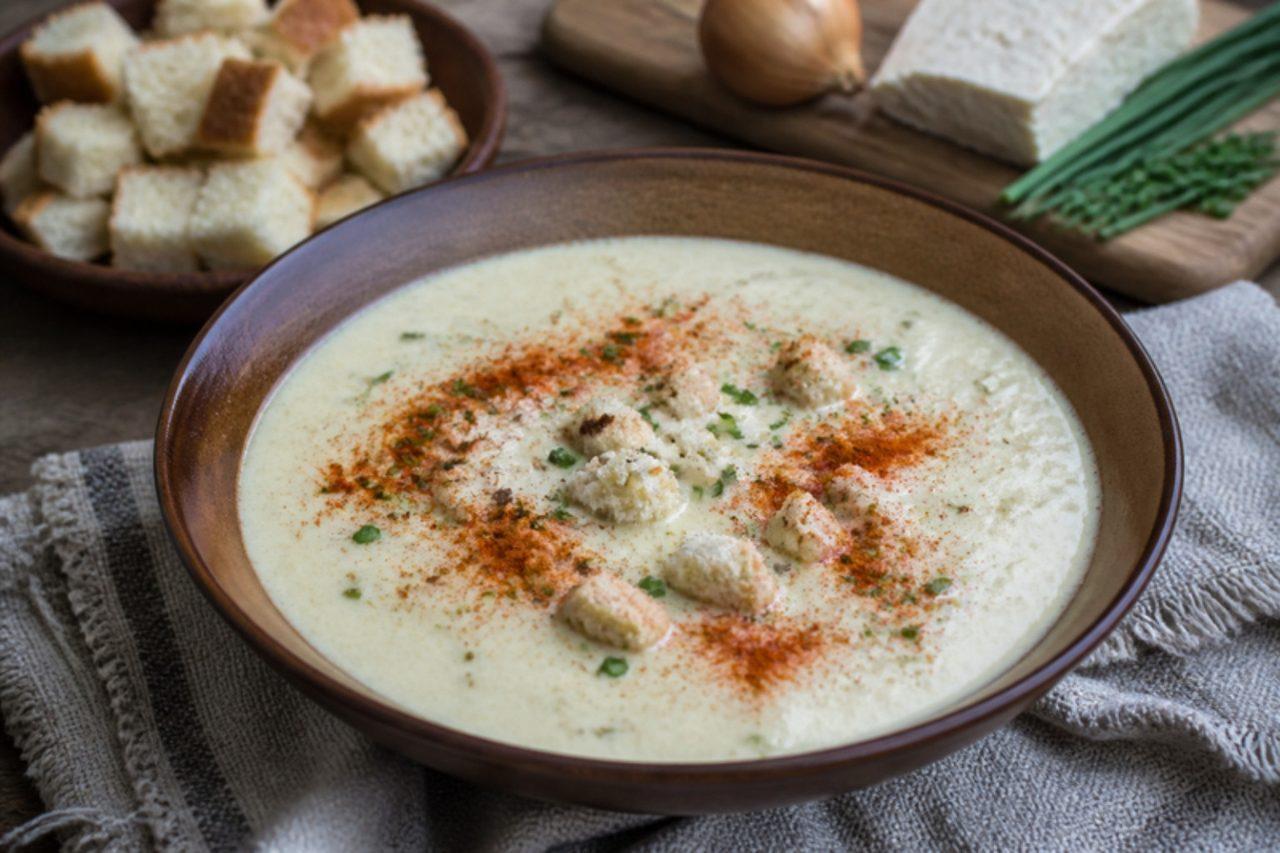
DemikátSheep's cheese soup over bread

Shepherds in the hills of central Slovakia needed only a kettle of water, a lump of bryndza and a loaf of bread to make demikát, a soup that comes together in a quarter of an hour at the salaš, the summer sheep hut. The soft, salty sheep's cheese is mashed with fried onion, paprika and caraway, loosened with boiling water and poured over chunks of bread, then finished with heaps of chives. It is tangy, creamy and very warming. Bryndza is traditionally made with animal rennet and sometimes from raw milk, so for a vegetarian, safer bowl choose a pasteurised sheep's cheese made with vegetarian rennet (a soft feta-style cheese mashed with a little cream cheese works well). The usual slip is boiling the soup after the cheese goes in, which makes it grainy; just bring it to steaming. Chef's tip: use day-old rye bread, toasted, so it soaks up the broth without falling apart.

20 minCzechSoups
by KrazyBadal 0 views

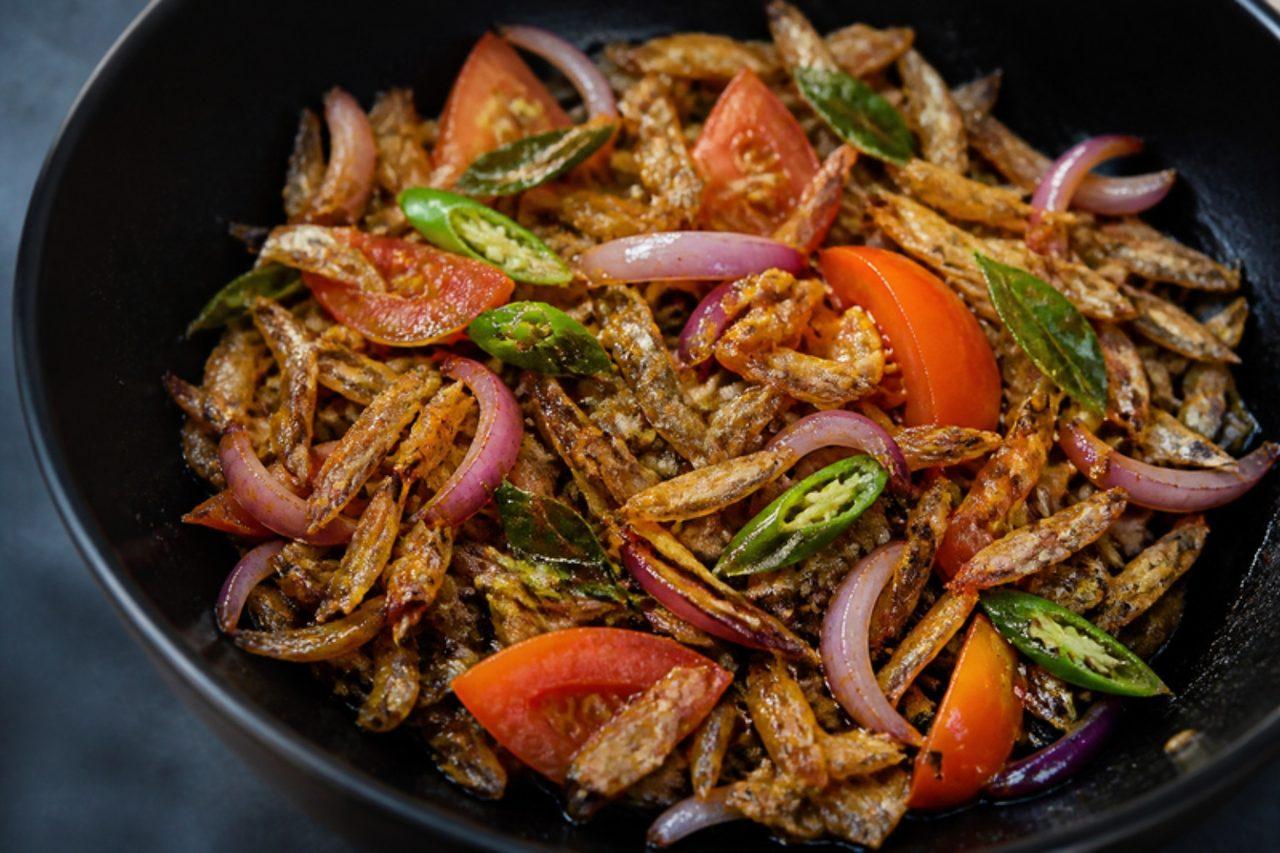
Karawala thel dalaStir-fried dried fish

Every Sri Lankan market from Negombo to Trincomalee has a stall stacked with karawala, sun-dried salted fish, and when the larder is low or the rain keeps the boats in, a quick thel dala turns a small piece of it into something to wake up a plate of rice. Strips or small whole fish are fried until crisp, then tossed with plenty of onion, tomato, green chilli and chilli flakes until they are glossy, salty, smoky and hot. It is eaten in small amounts beside dhal, rice and a mild vegetable curry, or with kiribath and pol roti for breakfast, and it keeps for a day or two. Watch out for the classic fault of skipping the soak, which leaves the dish far too salty to eat. Chef's tip: fry the soaked fish until really crunchy before the onions go in; that crisp edge is what makes it addictive.

by KrazyBadal 0 views

Karawila sambolaFried bitter gourd salad

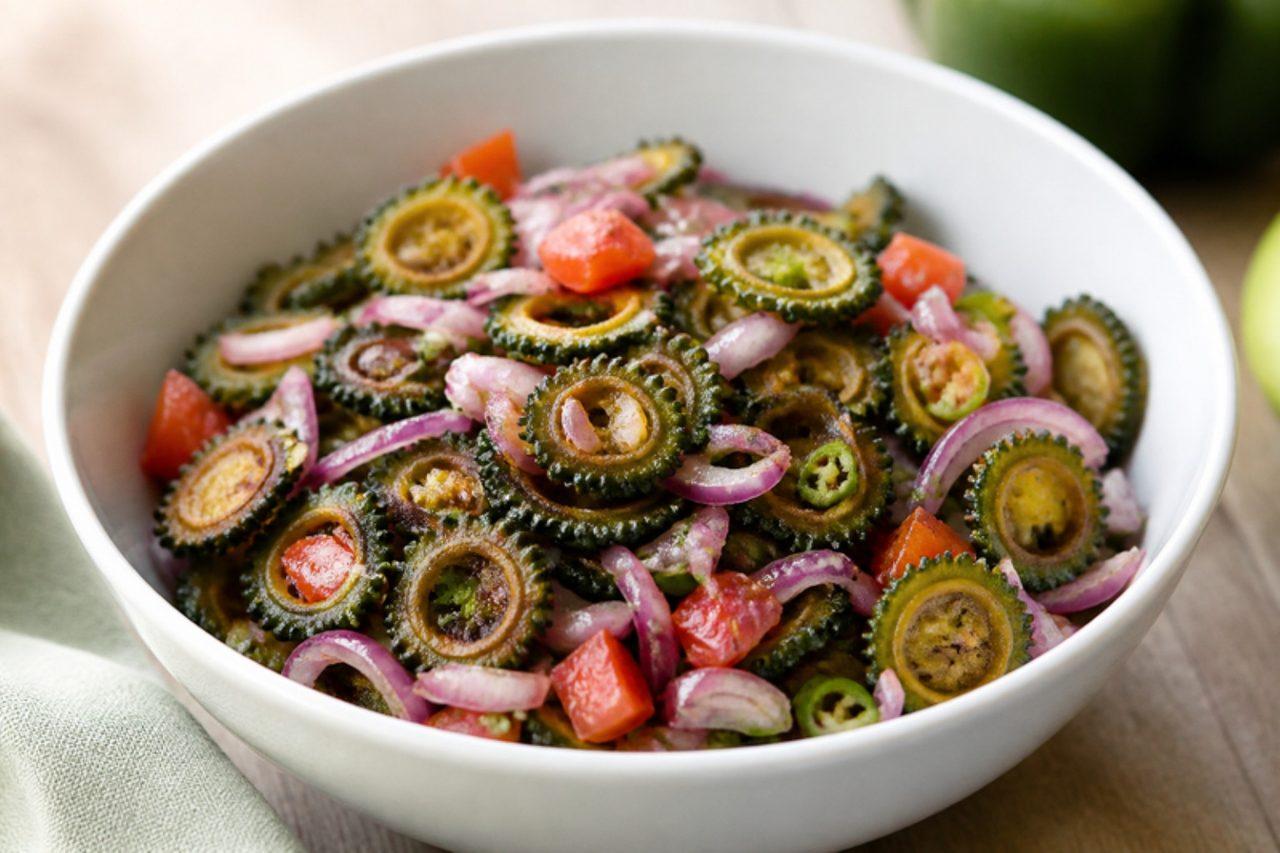
Even people who claim to hate bitter gourd tend to come round to karawila sambola, the crunchy, tangy salad that turns up on rice and curry plates from the coast to the eastern towns. Paper-thin slices of the knobbly green gourd are salted to draw out some of the bitterness, fried until they are crisp like crisps, and then tossed at the last minute with raw red onion, green chilli, tomato and plenty of lime. The result is salty, sour and gently bitter, a bright contrast to rich coconut curries. Many cooks also scatter in Maldive fish flakes; this vegan version leaves them out. The mistake to avoid is mixing the salad too early, since the lime and tomato juice soften the fried slices within minutes. Chef's tip: squeeze the salted slices really hard in a clean cloth before frying; the drier they are, the crisper and less oily they come out.

by KrazyBadal 0 views

BotvinyaChilled beet leaf and salmon soup

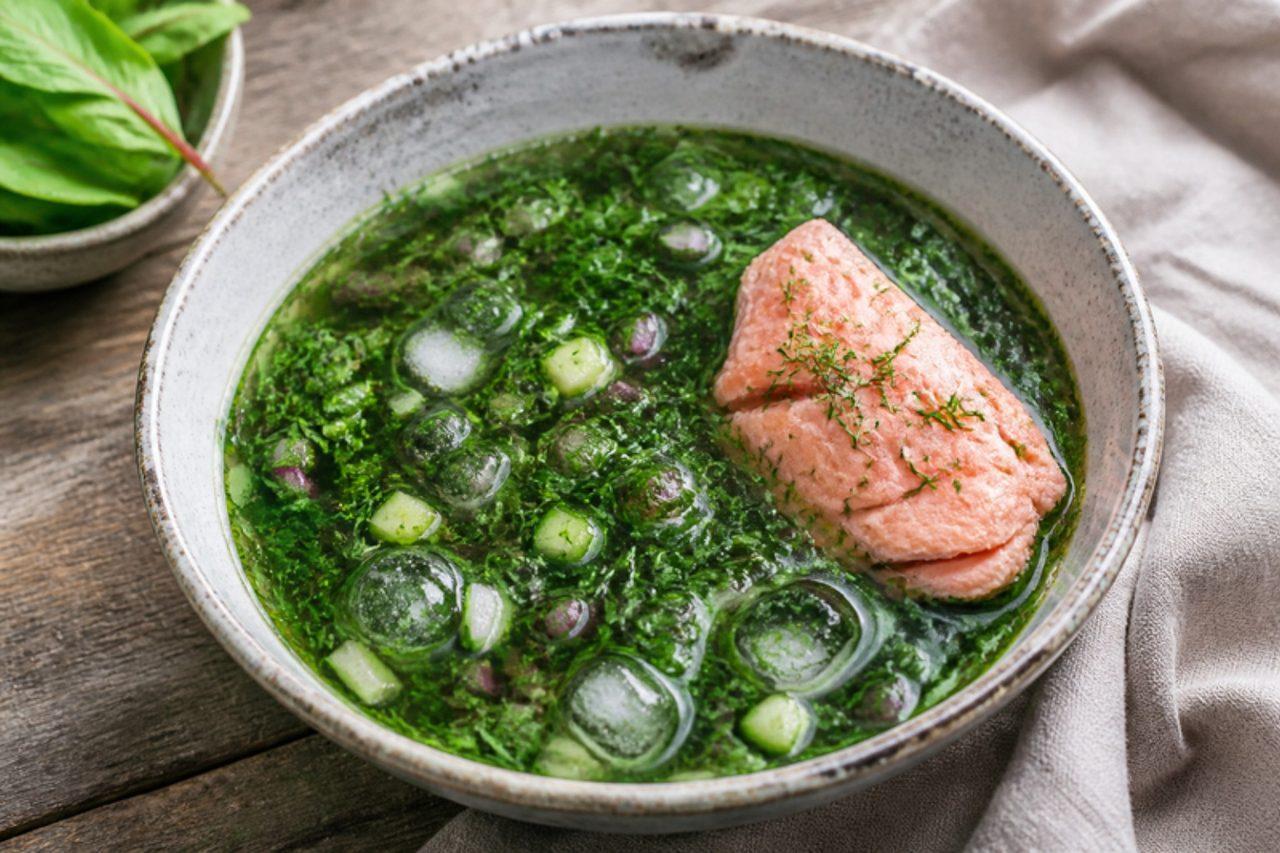
Summer dachas around St Petersburg once waited all year for the young beet tops and sorrel that go into this sharp, ice-cold soup, a grand dish of the old aristocratic table that is also cheap peasant food. Blanched greens are puréed, loosened with bread kvass and studded with cucumber and spring onion; a piece of gently poached salmon is set alongside, with horseradish and lemon. Kvass is lightly fermented and can carry a trace of alcohol: choose one labelled alcohol-free, or use the substitute of sparkling water, a little lemon and rye-bread soaking liquid given in the ingredients. The usual slip is serving it merely cool: it should be properly cold, even with an ice cube in each bowl. Chef's tip: poach the fish the day before so it is thoroughly chilled, and keep the whole soup in the fridge until the minute it goes to the table.

by KrazyBadal 0 views

Kofta chalowMeatballs with rice

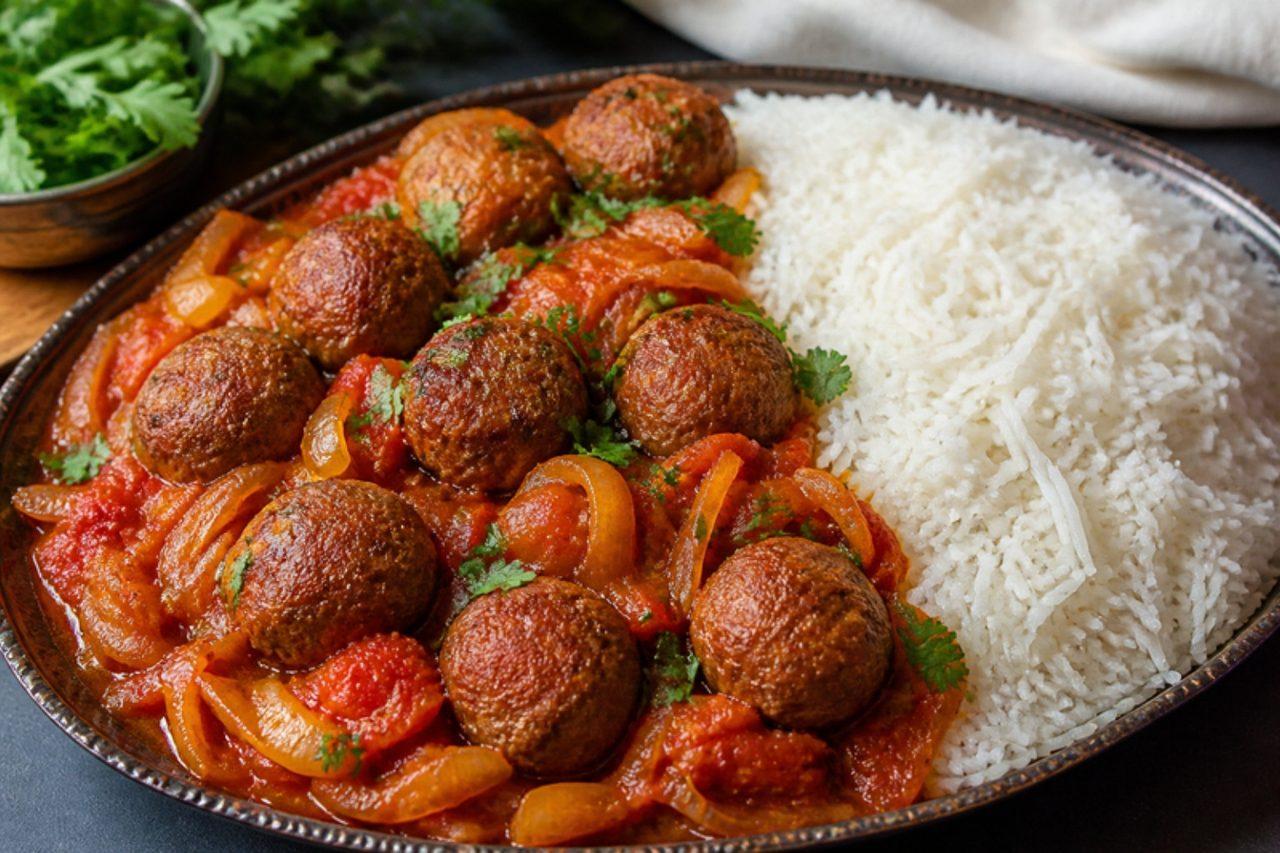
Kofta chalow is weekday comfort in Kabul homes: tender, coriander-flecked meatballs simmered in a brick-red sauce of onion and tomato, spooned over chalow, plain long-grain rice that is boiled, drained and then steamed with a little oil and cumin until each grain stands apart. The sauce soaks into the rice, the meatballs are soft enough to cut with a spoon, and the meal is finished with a salad of chopped tomato, cucumber and onion and a dab of green chutney. The meatballs fall apart in the pan when the grated onion goes in wet, so squeeze it hard in your fist first. Chef's tip: chill the shaped koftas for 20 minutes before they go into the sauce; they firm up and keep their round shape.

85 minAfghanMeatGluten free
by KrazyBadal 0 views

Karela piazBitter gourd with onions

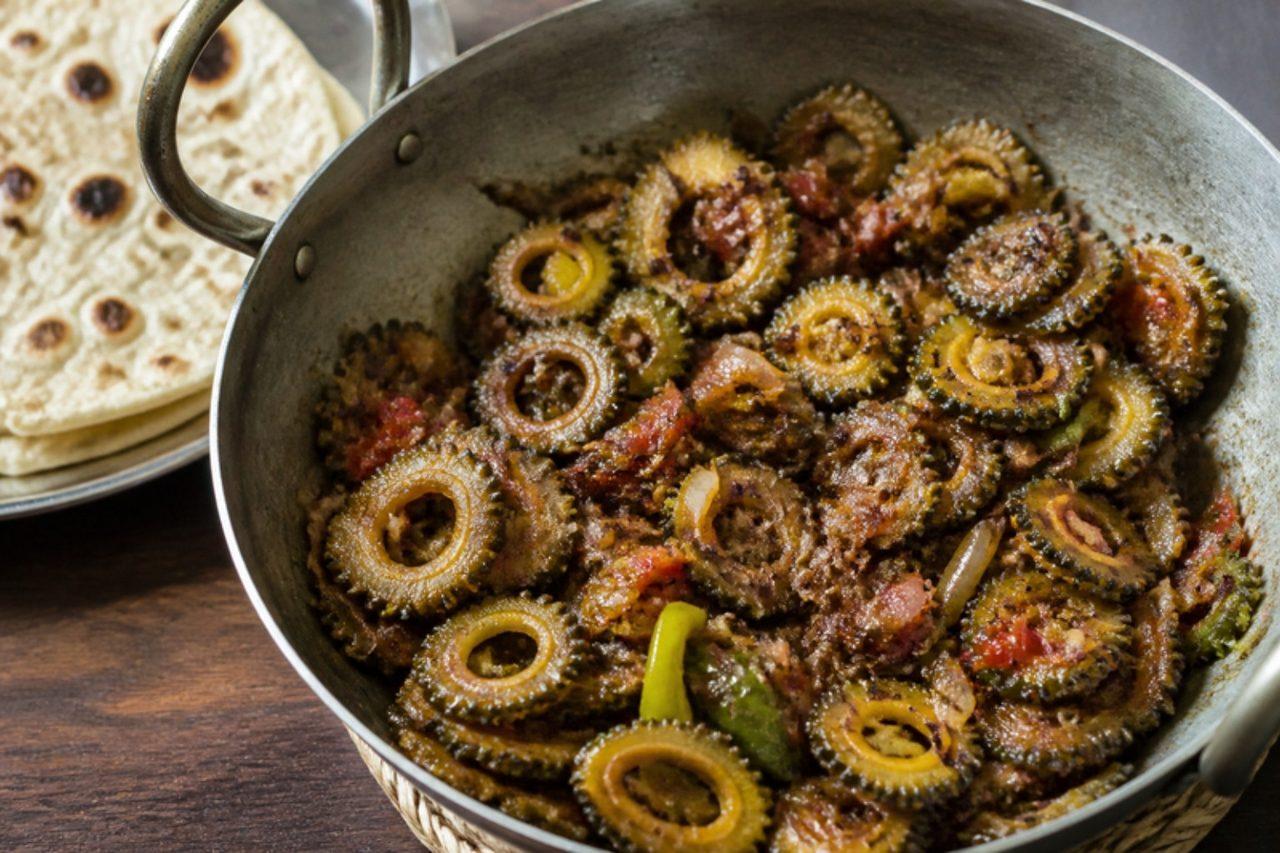
Bitter gourd divides every family in Punjab, but karela piaz is the version that wins over the doubters: the gourd is salted, squeezed and fried until its edges crisp, then tossed with almost as much browned onion as karela, so the sweetness of the onions softens the bitterness. In Lahore it is a summer dish, a staple of tiffin carriers and home lunches with chapati and a cooling bowl of raita, and some households pack it for long train journeys because it keeps well. The thing most people get wrong is skimping on the onions or rushing them; pale, half-cooked onions leave the dish harsh rather than mellow. Chef's tip: rub the slices with salt and a little turmeric, leave them for 30 minutes, then squeeze hard by the handful, which draws out much of the bitterness before cooking.

by KrazyBadal 0 views

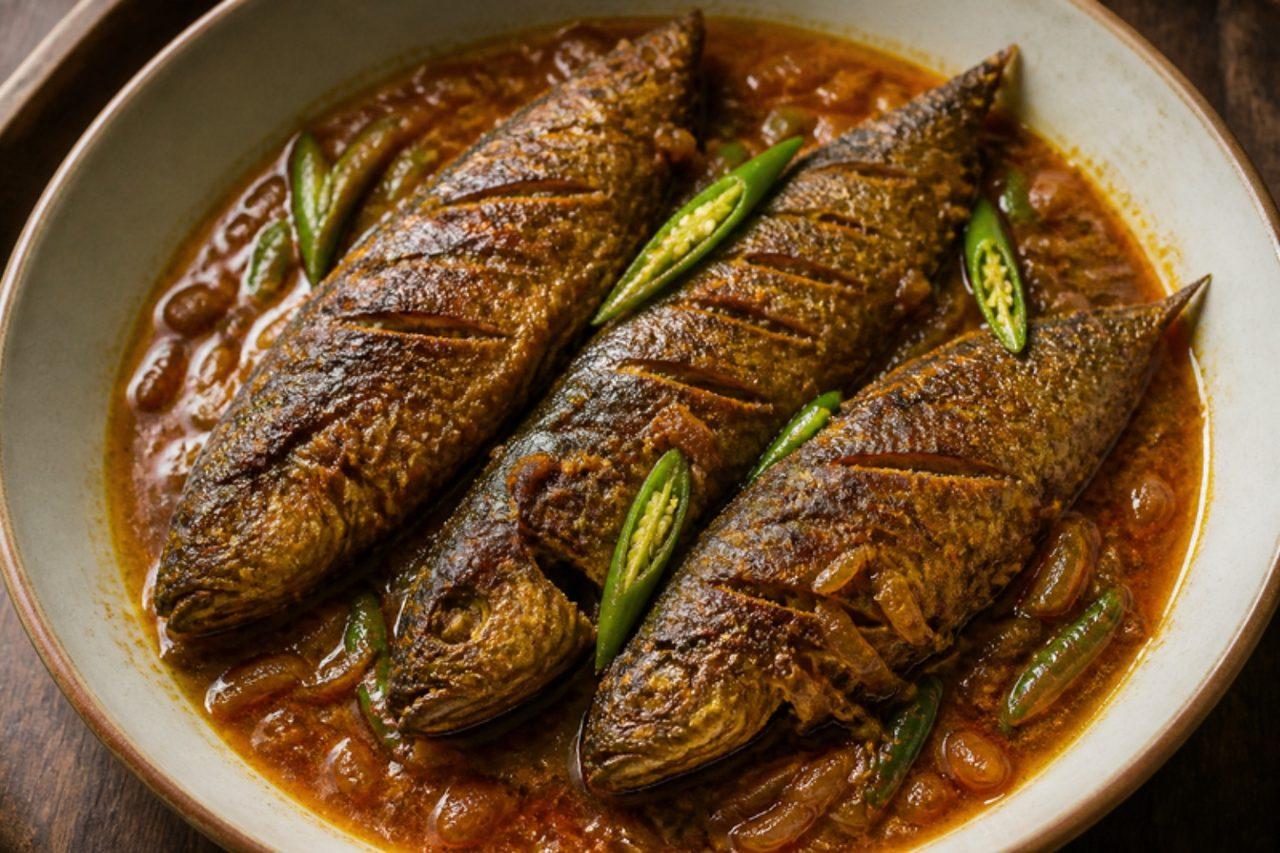
Tel koiFried climbing perch in gravy

Koi, the climbing perch, is a small, tough-scaled fish of ponds and rice fields with a sweet flesh that Bengalis prize above much bigger fish, and tel koi, koi in oil, is how Khulna households celebrate a good catch, especially when a son-in-law visits. The fish are fried whole until crisp and then slipped into a glossy gravy of onion, cumin, turmeric and whole green chillies that is meant to have a visible layer of mustard oil on top. They are eaten with plain rice, picking the soft flesh away from the many fine bones. You will find koi fresh or frozen in Bangladeshi grocers. The usual pitfall is a timid frying, which leaves the skin soft and the bones chewy; fry until the fins crisp. Chef's tip: score each fish twice on both sides so the spices get in and the thick back cooks as quickly as the belly.

by KrazyBadal 0 views

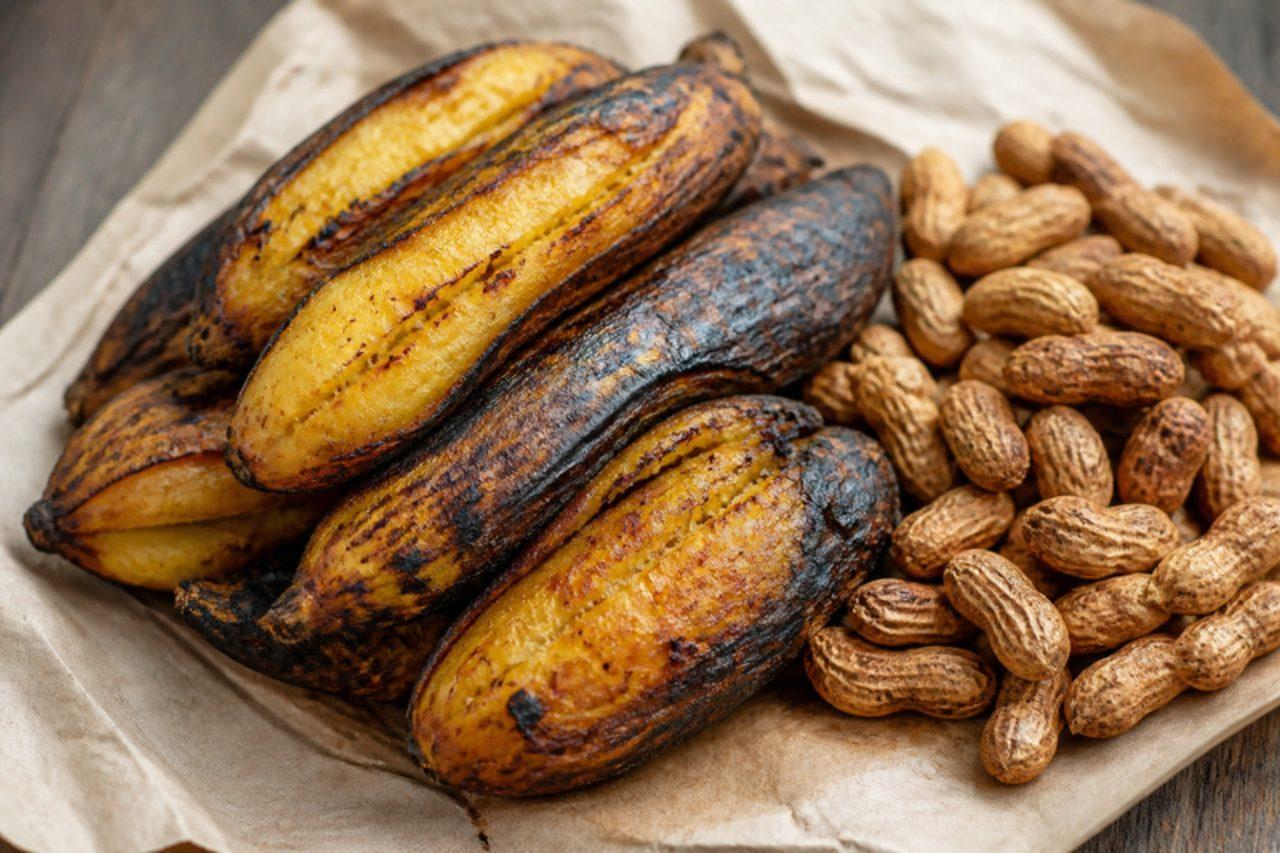
Kofi brokemanRoasted plantain with peanuts

The name jokes that this is food for 'Kofi who is broke': a ripe plantain roasted over a charcoal grill on a street corner in Accra or Kumasi, handed over with a twist of roasted groundnuts for very little money. The skin chars black while the inside turns soft, sweet and smoky, and the nuts give it salt and crunch, so it is surprisingly filling. At home a hot grill pan, oven or barbecue does the job. Chef's tip: choose plantains that are yellow with a few black spots, firm but not green; fully black ones collapse on the grill, and green ones, the usual mistake, stay starchy and dry.

by KrazyBadal 0 views

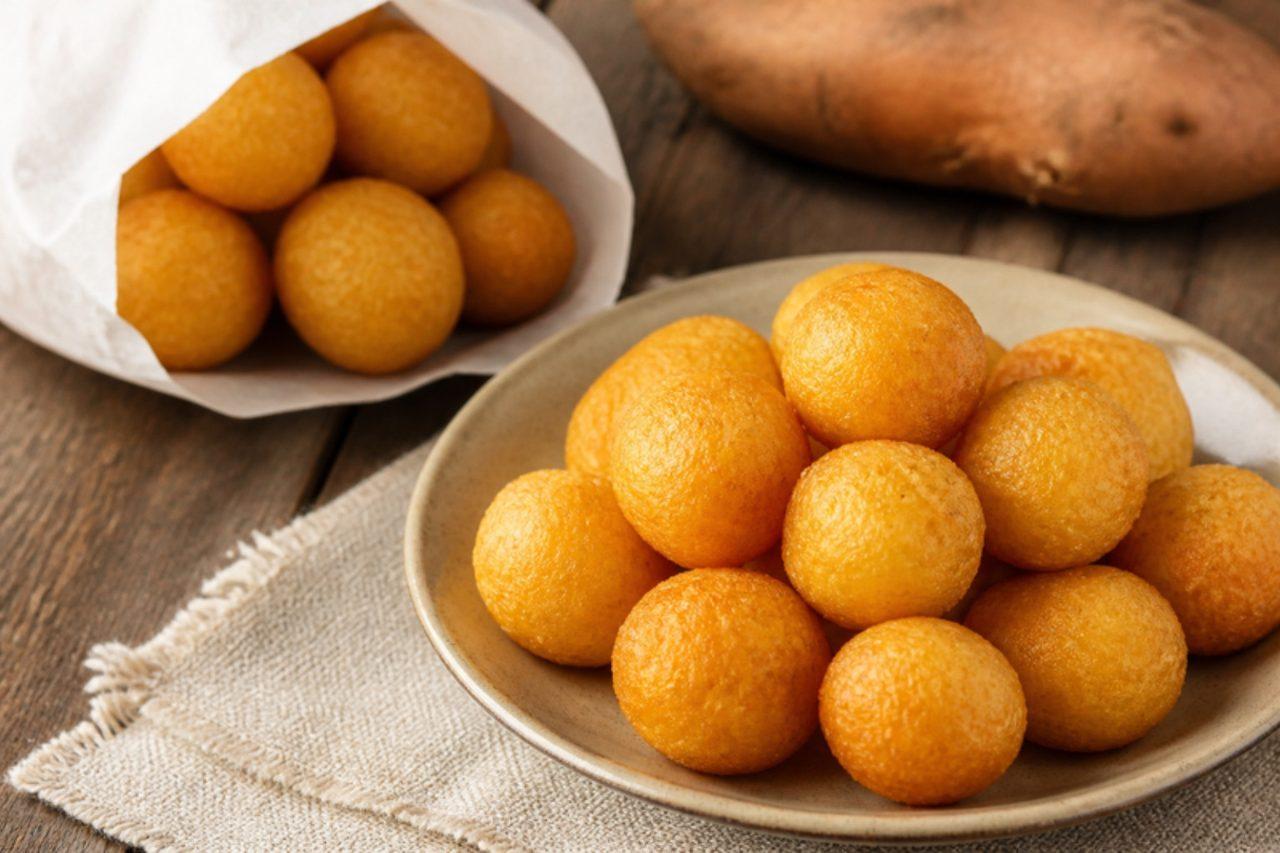
Sweet potato ballsFried sweet potato balls

Queue at almost any Taiwanese night market, from Shilin in Taipei to Tainan's Flower Market, and you'll see a vendor pressing a basket of golden balls against the bottom of a wok again and again until they swell up like ping-pong balls. That pressing is the trick: it pushes out air and stretches the tapioca dough, so each ball turns hollow, with a thin, crackly shell and a bouncy, chewy wall. They come in a paper bag, sometimes dusted with plum powder. The big mistake is dropping them into hot oil, which sets the crust before they can expand, so they stay small and solid; start them in warm oil. Chef's tip: steam the sweet potato rather than boiling it, as wet mash makes a sticky dough that never puffs.

by KrazyBadal 0 views

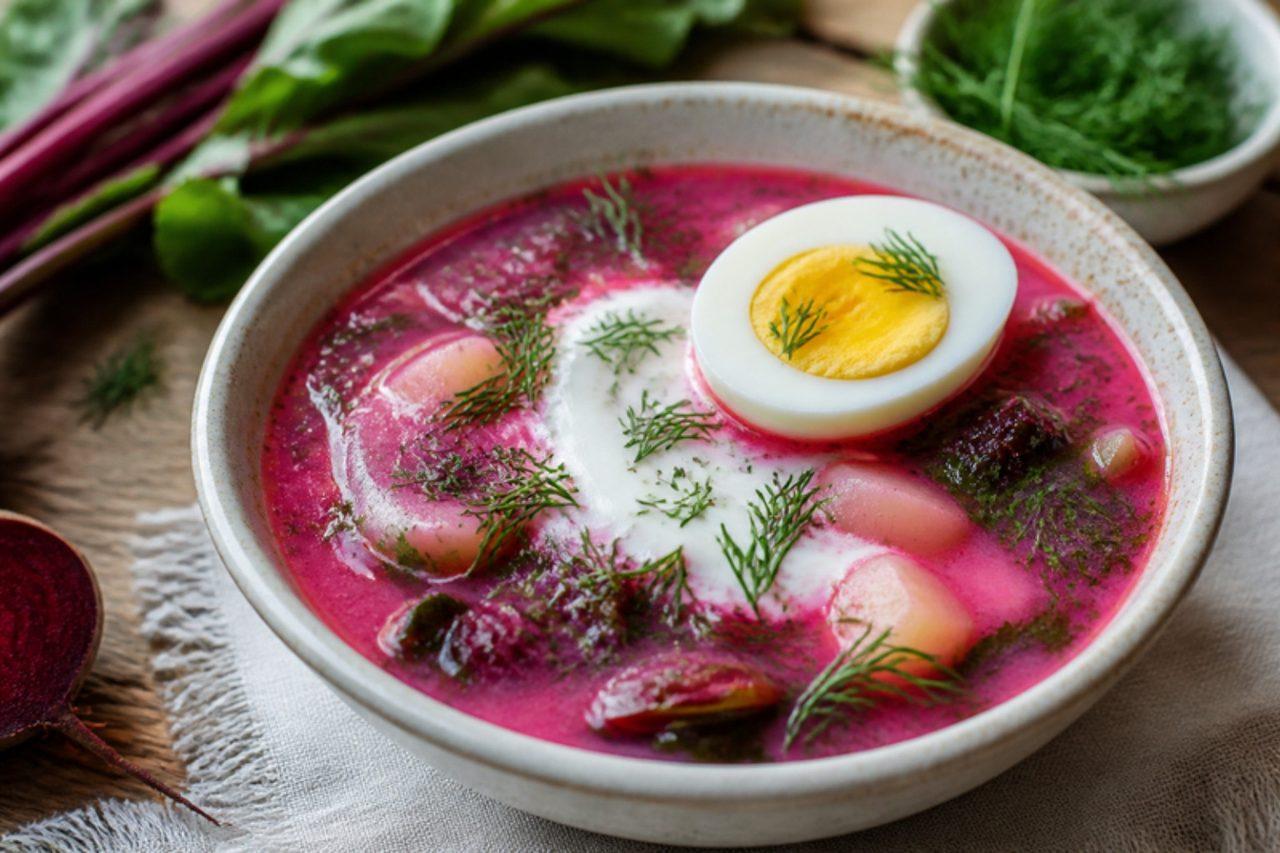
BotwinkaYoung beetroot soup

June markets in Kraków and Tarnów are piled with bunches of baby beetroot still wearing their leaves, and those bunches go straight into botwinka. The whole plant is used: the small roots, the rosy stalks and the greens, simmered quickly so the soup stays bright pink and fresh-tasting rather than earthy. It is finished with sour cream, lots of dill and a squeeze of lemon, and often eaten with new potatoes and a halved boiled egg. A common mistake is boiling it for too long, which turns the leaves khaki and dulls the colour. Chef's tip: add the lemon juice before the cream; the acid locks in the ruby colour.

by KrazyBadal 0 views

KarjalanpaistiBeef and pork hotpot

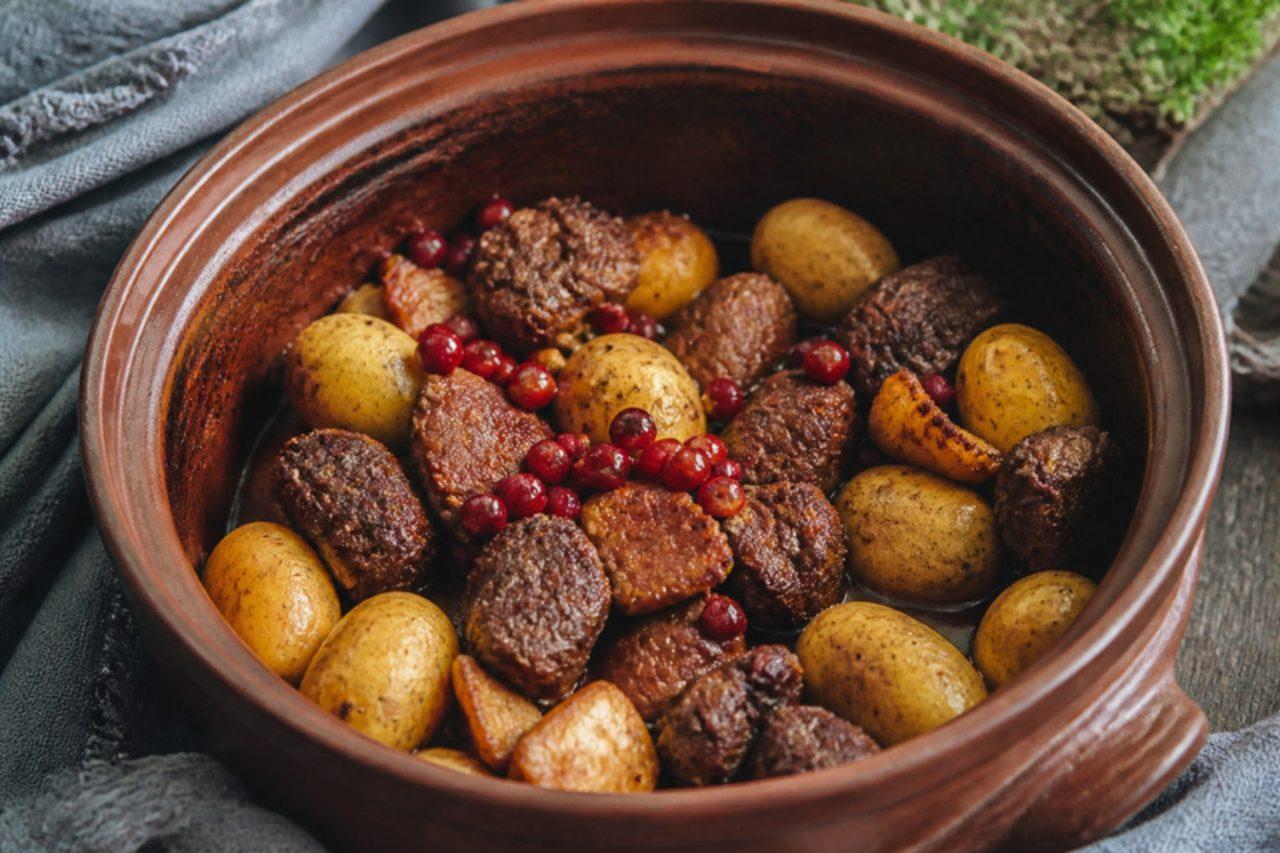
Karjalanpaisti, the Karelian hotpot, is one of Finland's national dishes, cooked for Independence Day, family celebrations and Christmas: chunks of beef and pork, sometimes lamb, layered with onion, whole allspice and bay, covered with water and baked slowly for hours in a clay pot until the meats are falling apart in a rich, peppery broth. This dish contains pork. It is served with mashed potato and lingonberries. A common mistake is a hot oven, which toughens the meat. Chef's tip: do not stir or brown the meat; Karelian cooks let it bake low and slow, and the long cooking alone gives the deep flavour.

by KrazyBadal 0 views

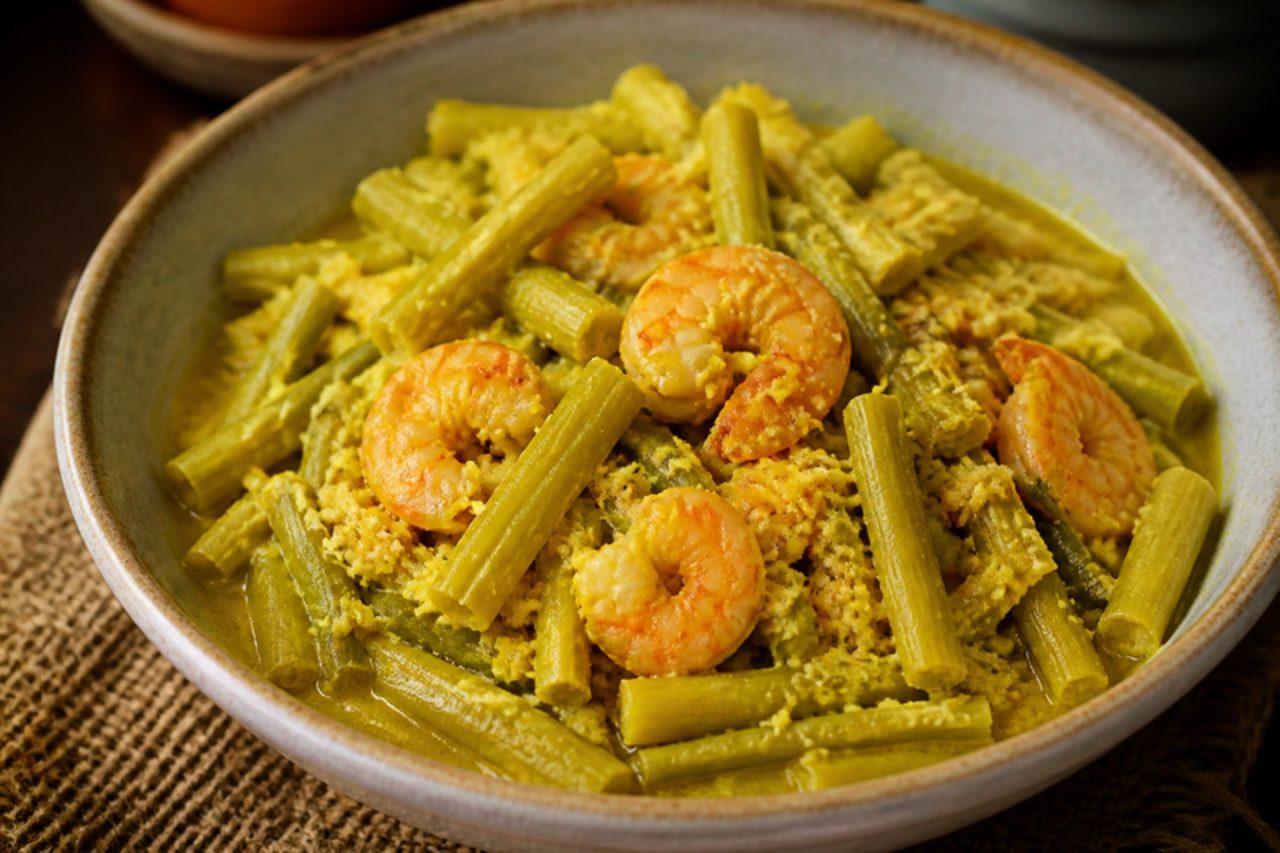
Kochur loti chingriTaro stolons with prawns

Kochur loti are the long, thin runners that taro plants send out across the pond banks in the rainy season, and in Khulna, where freshwater prawns are farmed in every second field, the two end up in the same karai. The stolons are peeled, cut into short lengths and cooked with small prawns, onion and freshly grated coconut until soft and almost melting, giving a mild, slightly sweet, gently earthy dish for lunch with rice and dal. Taro of all kinds contains crystals that make the mouth and throat itch if it is not cooked enough or balanced with something sour, so the stolons need peeling, a full cook and a squeeze of lime. Many people undercook the loti because they look tender early; give them the whole time. Chef's tip: oil your hands before peeling the stolons, or wear gloves, as the sap can irritate the skin.

by KrazyBadal 0 views

Showing 90 of 9,592 recipes

Page 441 of 1,066