


Skip to content
Bein mont
Featured recipe

Bein mont

Jaggery coconut rice pancake

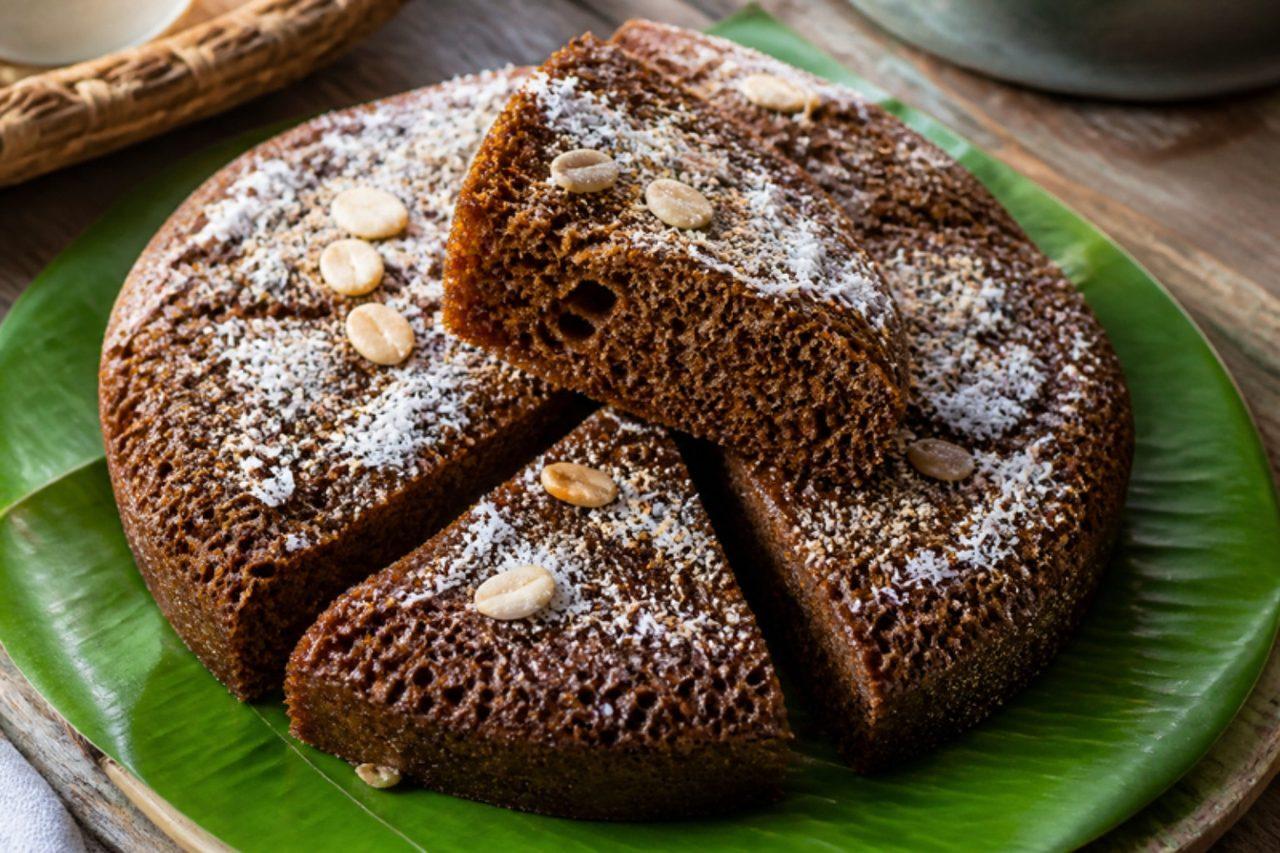
When the November nights cool down for the Tazaungdaing festival, food stalls outside pagodas in Yangon and Mandalay start cooking bein mont in small, lidded iron pans with embers piled on top, so the cake bakes from above and below at once. The batter is rice flour sweetened with dark jaggery, so it cooks into a thick, springy, brown pancake with a crisp base, studded on top with shreds of coconut and sliced peanuts; some vendors still scatter poppy seeds, the bein that may have given the snack its name. It is eaten warm in wedges with hot green tea. High heat is what usually goes wrong: the base scorches while the centre stays raw, so keep the flame low and the lid on. Chef's tip: a small cast-iron pan finished under the grill copies the charcoal top heat at home.

Read more 0 views

What to eat today?

Around the world

Today's trip: Paraguayan

A new country every day, from every cuisine on the site.

Paraguayan

Chipa

Cheese bread rings 50 minMore from Paraguayan (27) →

This week's collection

Kid-friendly dinners
537 recipes · a new collection every Monday

Latest recipes

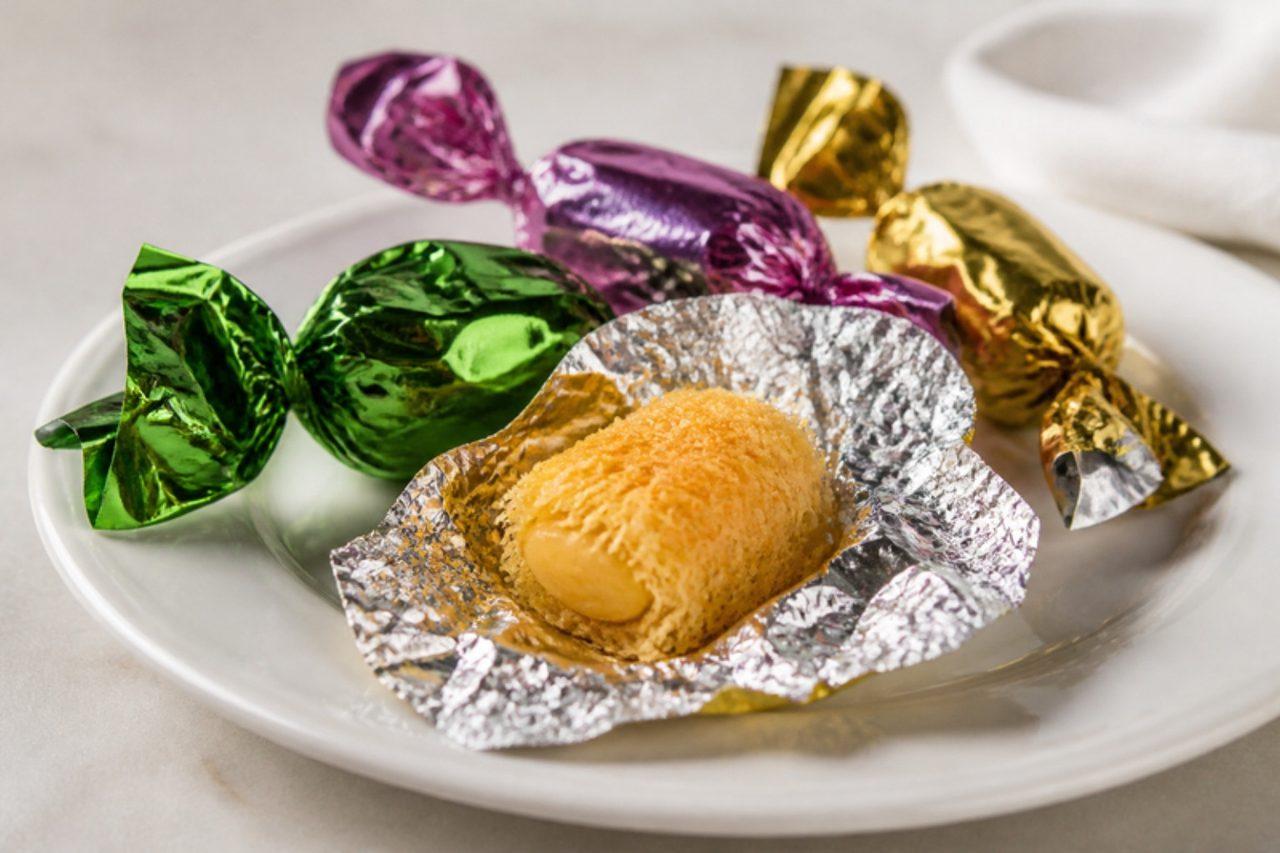
Dom RodrigosEgg-thread and almond sweets

Walk past any pastelaria in Lagos or Portimão and you will see little twists of bright foil piled in the window: each one hides a nest of golden egg threads bound with an almond and yolk cream, scented with cinnamon. They are eaten after Sunday lunch with a bica, bought by the half dozen to take home, and set out at Algarve weddings and christenings. The work is in the egg threads, drizzled into boiling syrup, but once you have the rhythm it goes quickly. Chef's tip: sieve the yolks twice, because any trace of white or the chalaza blocks the funnel and makes the threads break.

by KrazyBadal 0 views

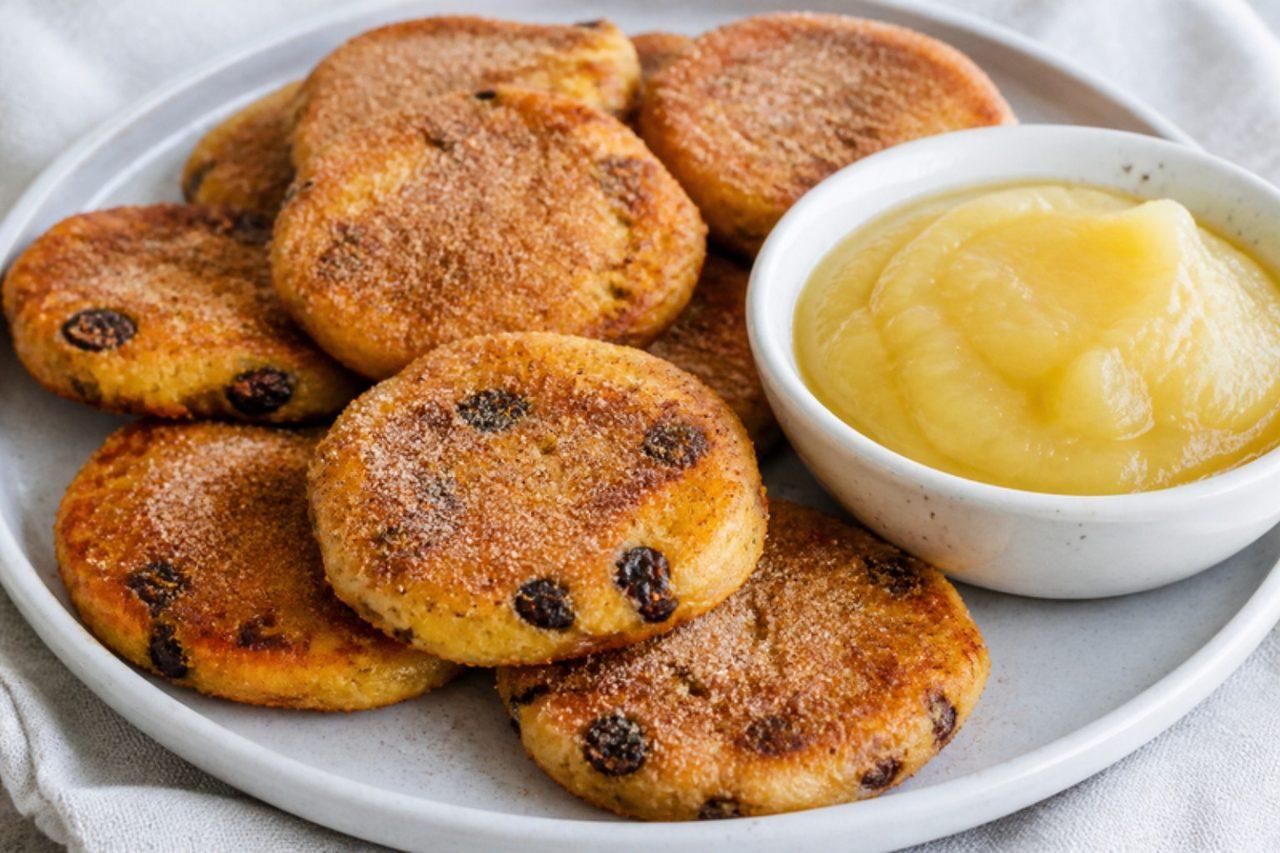
QuarkkeulchenPotato and quark pancakes

Quarkkeulchen are the sweet little pancakes of Saxony, the kind a Dresden or Leipzig grandmother makes on a Saturday afternoon from yesterday's boiled potatoes: mashed potato, quark, egg, a little flour and sugar, lemon zest and raisins, shaped into small thick discs and fried in butter until golden. They are crisp outside, soft and slightly tangy inside, and come dusted with cinnamon sugar beside a bowl of apple sauce. A common mistake is using freshly boiled warm potatoes, which make a sticky dough; use cold ones from the day before. Chef's tip: soak the raisins in hot water for 10 minutes so they plump up and don't burn in the pan.

by KrazyBadal 0 views

Orellas de EntroidoCrisp sugared carnival pastries

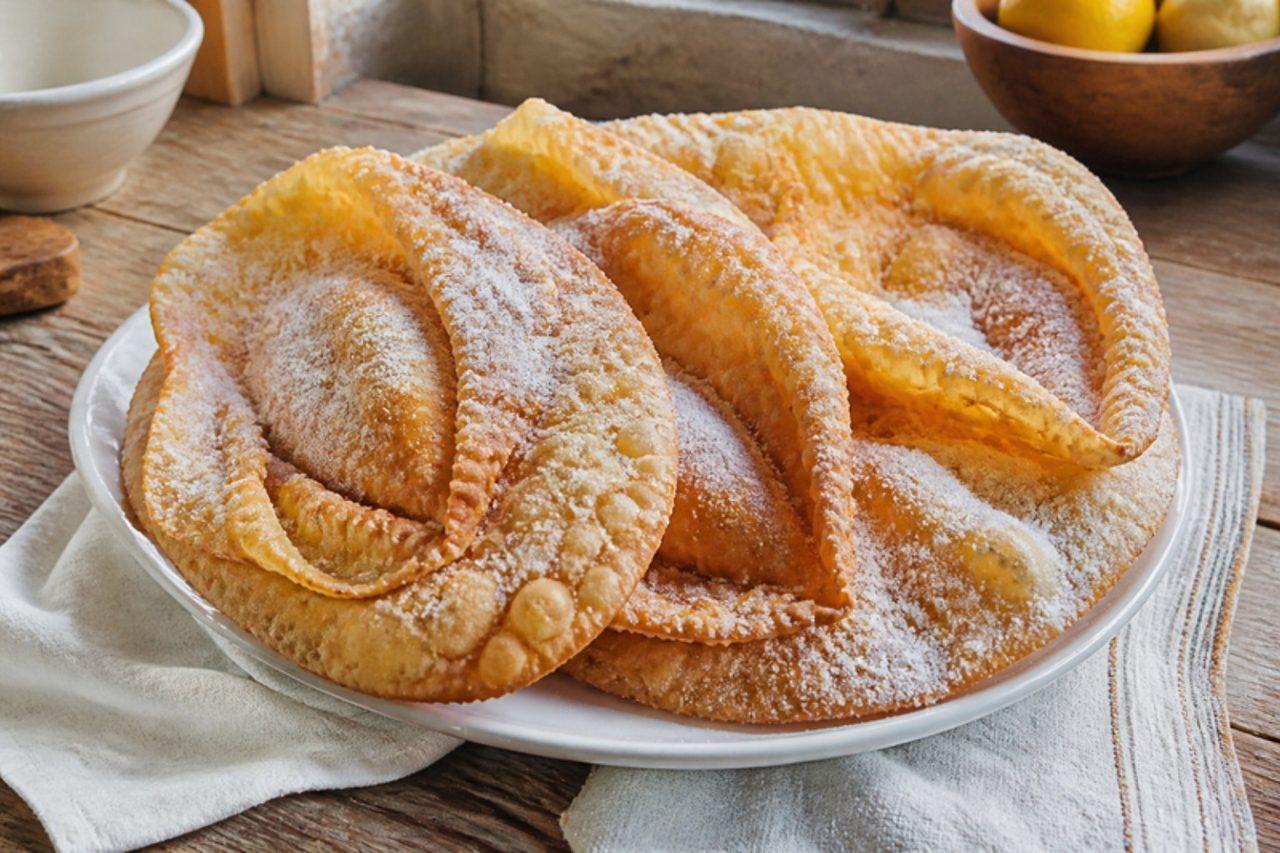
Orellas, 'ears' in Galician, are fried for Entroido in villages across Ourense and Lugo, from Laza to Xinzo de Limia, and handed round in big baskets during the carnival days. The thin dough blisters and turns crisp in hot oil, and the pastries are finished with sugar or honey. This version uses a little aniseed spirit (aguardiente), as is traditional, so it contains alcohol; for an alcohol-free version use orange juice with a pinch of ground anise. Old recipes use pork fat; this one uses butter, so it is vegetarian. A common mistake is rolling the dough too thick, which gives chewy, greasy pastries instead of crisp ones. Chef's tip: roll until you can almost see the worktop through the dough.

by KrazyBadal 0 views

Maki acevichadoPrawn tempura rolls with ceviche sauce

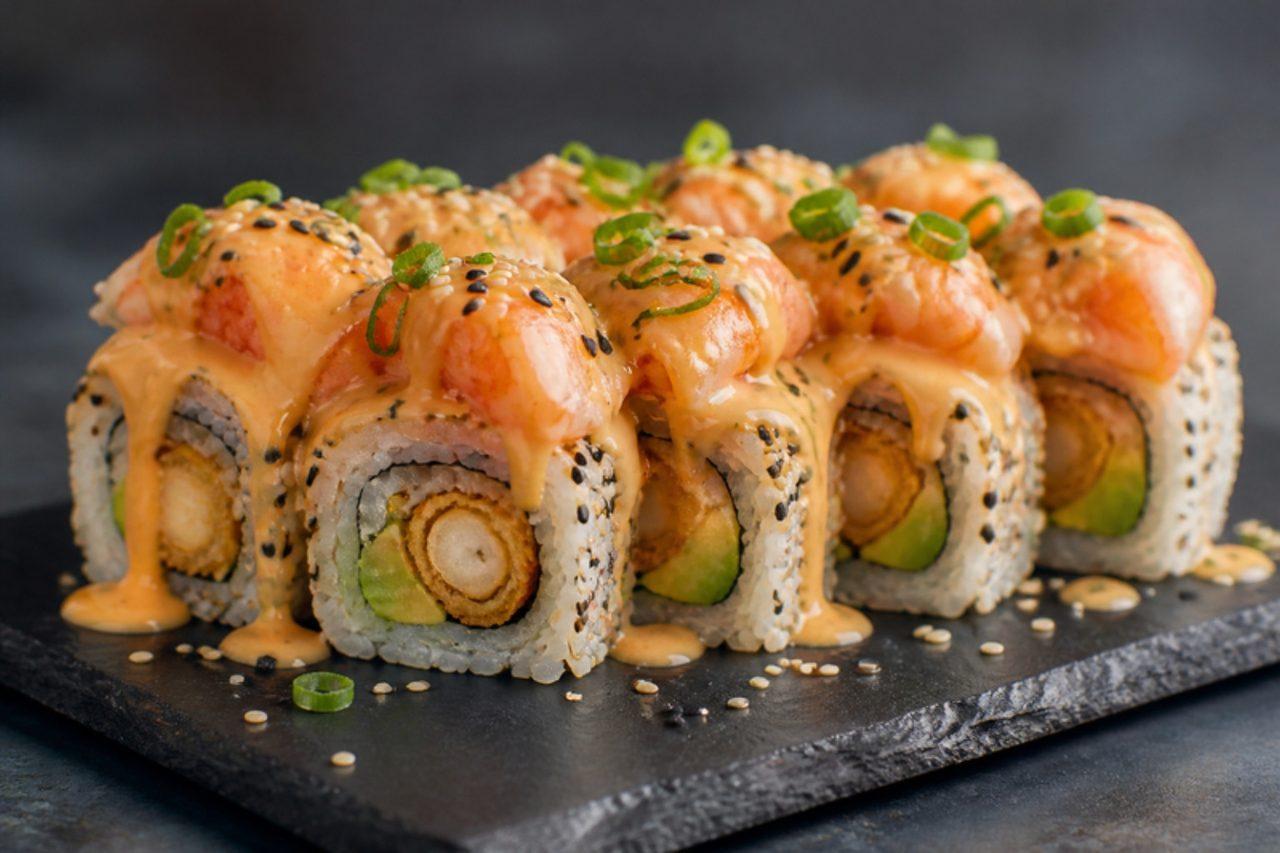
Lima's Nikkei sushi bars invented the acevichado and it has become the roll every Peruvian orders: prawn tempura and avocado rolled in rice, topped with thin slices of fish and drenched in a creamy, lime-sharp sauce built from leche de tigre, ají amarillo and mayonnaise. Crisp, warm, cold and tangy in one bite, it is party food and Friday-night takeaway alike. For a safer topping, use sashimi-grade fish frozen at −20 °C for 24 hours first, keep it cold and eat the rolls at once; you can also sear the slices with a blowtorch or use cooked prawns instead. Even so, the raw-fish topping is not for pregnant women, young children or anyone with a weakened immune system. Overfilling is the usual mistake: the roll won't close and the rice splits. Chef's tip: use a pasteurised-egg mayonnaise and wet your hands with vinegared water so the rice doesn't stick.

by KrazyBadal 0 views

Dublin gur cakeSpiced fruit and pastry slice

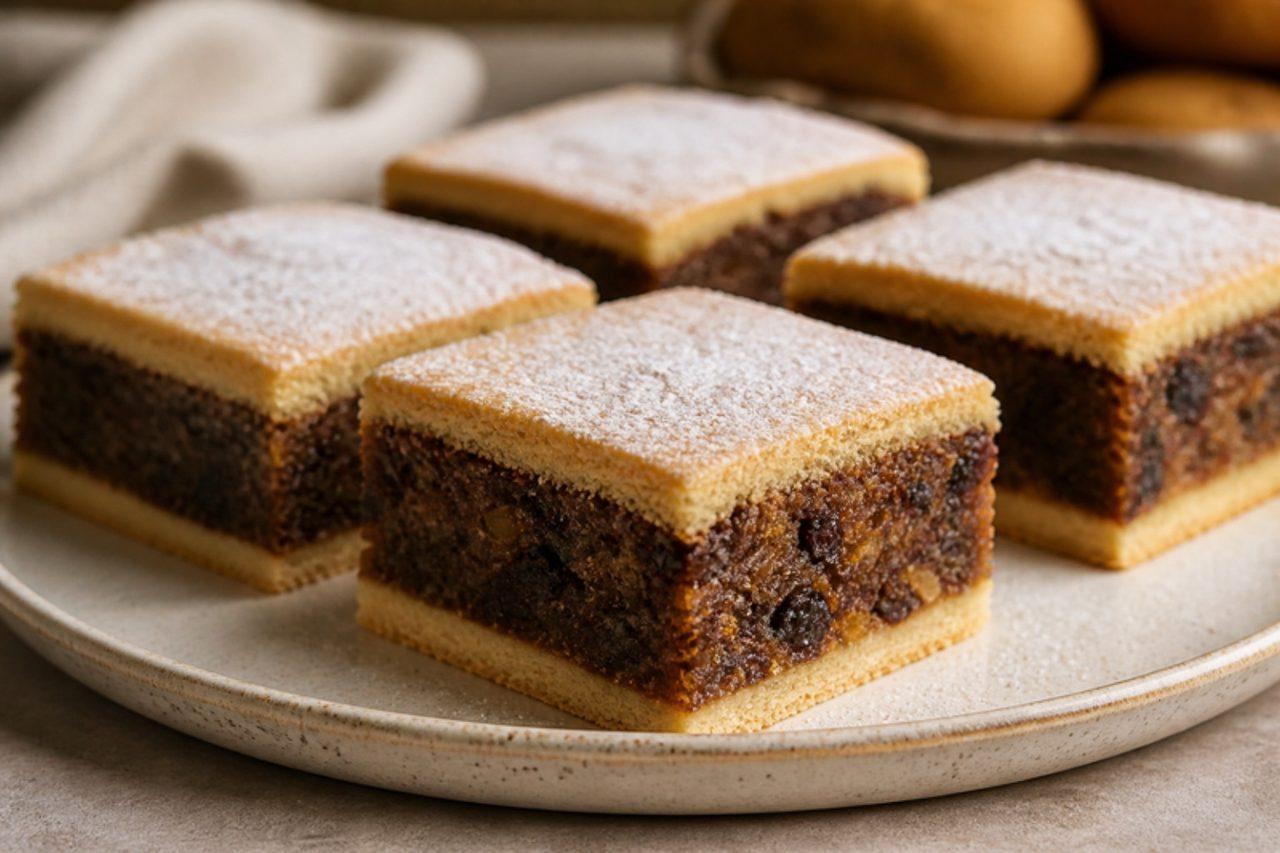
Gur cake was the cheapest treat in Dublin bakeries, made from the day's leftover bread and cake soaked with tea, dried fruit and spice and baked between two sheets of pastry. It gave its name to the 'gurriers', the kids who mitched school and bought slices for a ha'penny, and you still find it in the bakeries of the inner city, where it is also called Chester cake. It is dense, sticky and spiced. Chef's tip: let the filling soak for a good half hour so the bread breaks down completely into a smooth paste.

by KrazyBadal 0 views

Dolmeh-ye behStuffed quinces in sweet-sour syrup

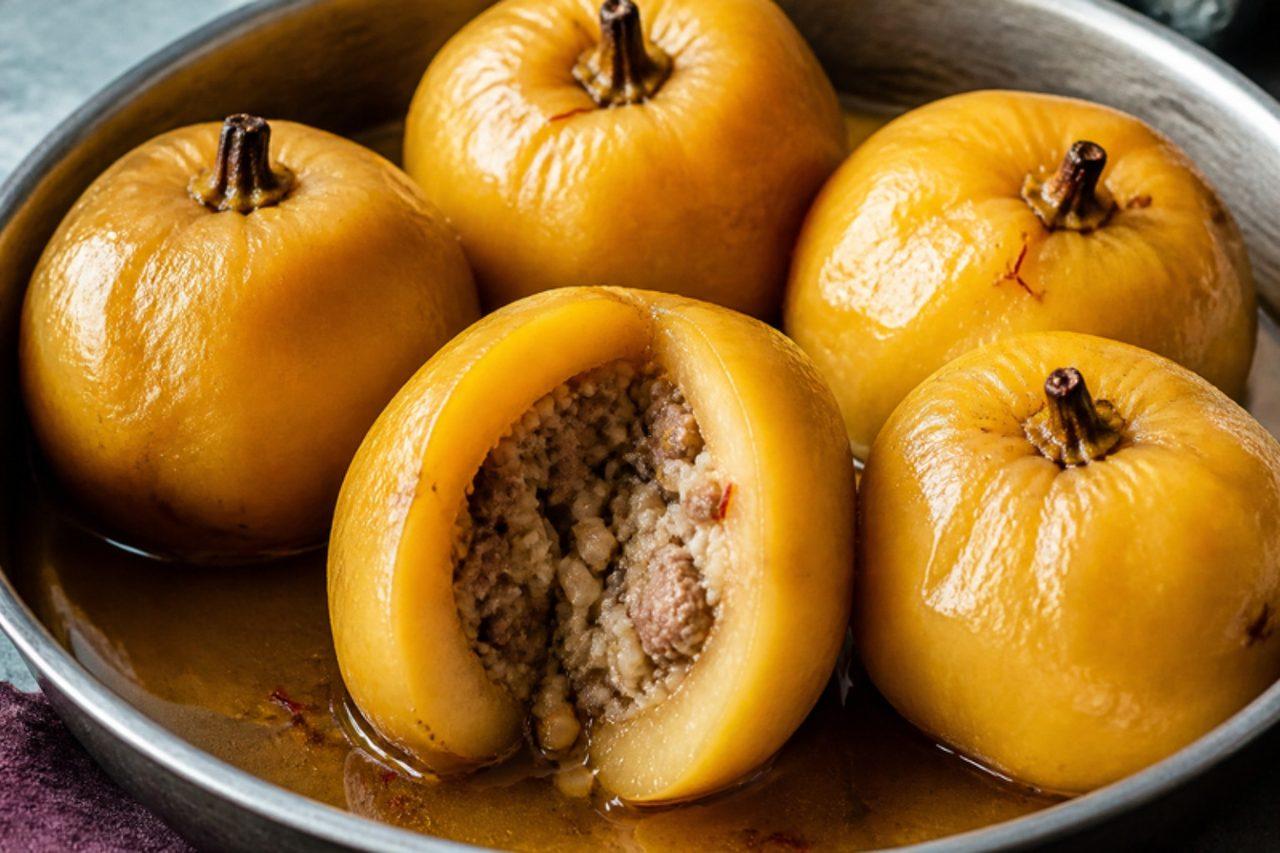
Dolmeh-ye beh is autumn food in Tabriz and across Iranian Azerbaijan, made in October and November when golden quinces pile up on market stalls. The quinces are hollowed and filled with lamb or beef mince, rice, yellow split peas and cinnamon, then baked in a syrup of sugar, vinegar and saffron until the fruit is soft enough to cut with a spoon and its flesh turns pink. Each person gets a whole quince with bread and yogurt on the side. A common mistake is cooking the shells for too long before stuffing; they should only soften slightly or they collapse in the oven. Chef's tip: rub the cut quinces with lemon at once, as they brown within minutes.

120 minPersianMeatGluten free
by KrazyBadal 0 views

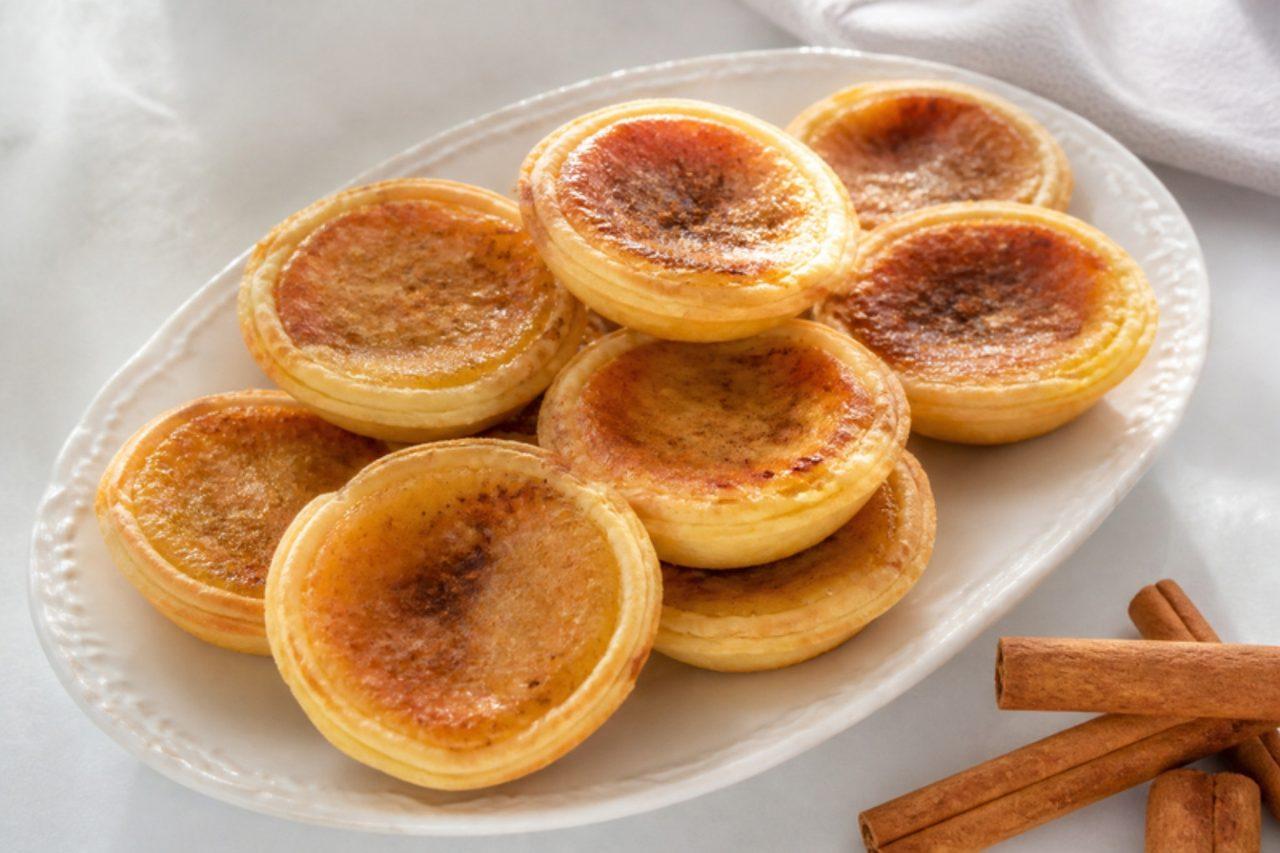
Queijadas de SintraFresh cheese and cinnamon tarts

Day-trippers queue for these in Sintra's old town, buying them by the paper-wrapped half dozen to eat on the train back to Lisbon. They have been made around the palace town for centuries: a creamy filling of fresh cheese, sugar, egg yolk and cinnamon, baked in a thin, crisp case until the top blisters brown in patches. Traditional fresh cheese is curdled with animal rennet; look for ricotta or curd cheese made with vegetarian (microbial) rennet if that matters to you. A common mistake is rolling the pastry too thick: it should be almost see-through, so it crisps instead of turning bready. Chef's tip: press the cheese through a sieve before mixing, so the filling bakes silky rather than grainy.

by KrazyBadal 0 views

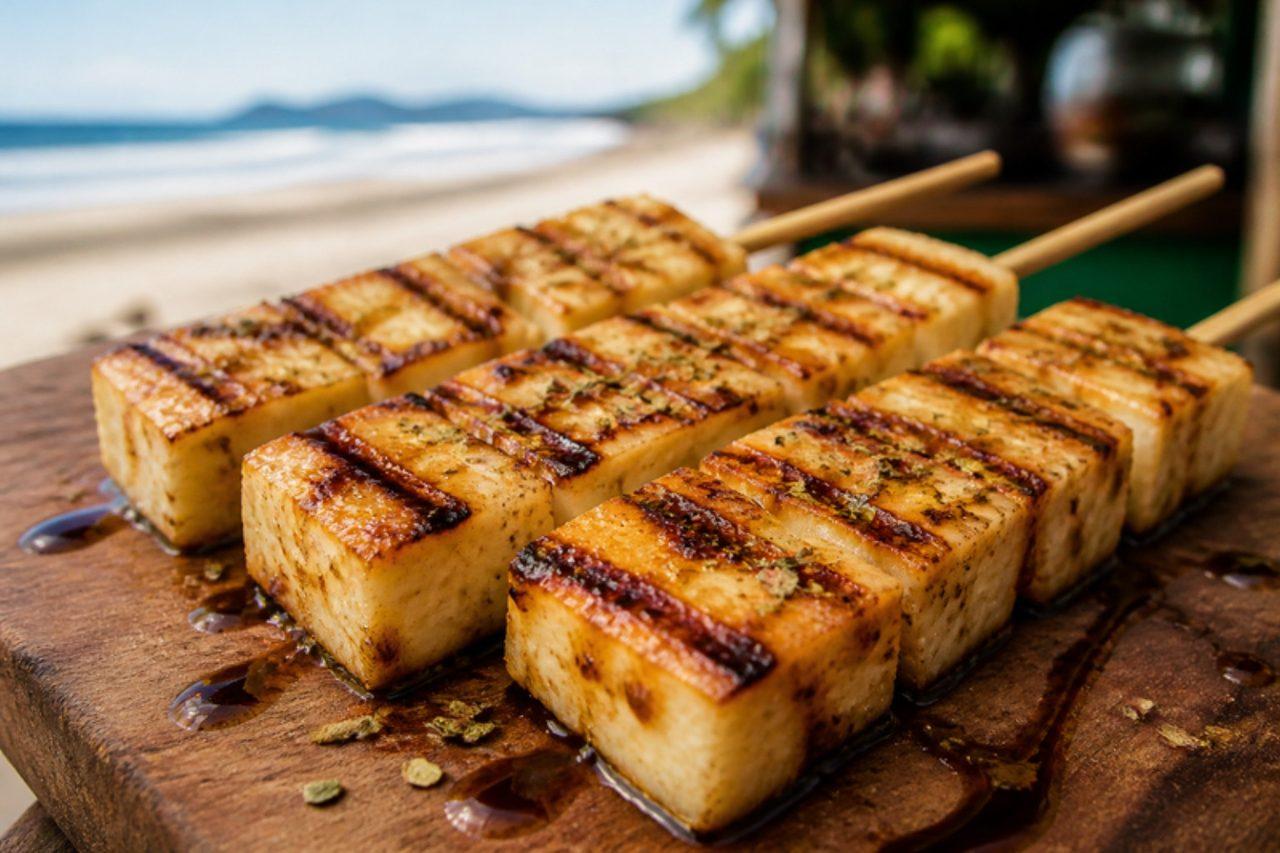
Queijo coalho assadoGrilled squeaky cheese skewers

Along the beaches of Recife, Porto de Galinhas and Fortaleza, vendors walk the sand with a small charcoal brazier, toasting sticks of coalho cheese to order. Coalho is a firm, salty curd cheese that holds its shape over the heat, so it browns and blisters on the outside while the inside turns soft and squeaky. Buyers choose it plain, sprinkled with dried oregano, or drizzled with dark sugarcane molasses for a salty-sweet bite. At home it works on a barbecue, a ridged griddle or under a hot grill, and makes a good starter for a churrasco. Most coalho is made with animal rennet, so look for one labelled vegetarian or with microbial rennet, or use a vegetarian halloumi. Everyone's first error is turning the cheese too soon: it tears and sticks until a crust has formed. Chef's tip: pat the sticks dry and brush the grill, not the cheese, with oil, so the crust forms quickly and releases cleanly.

by KrazyBadal 0 views

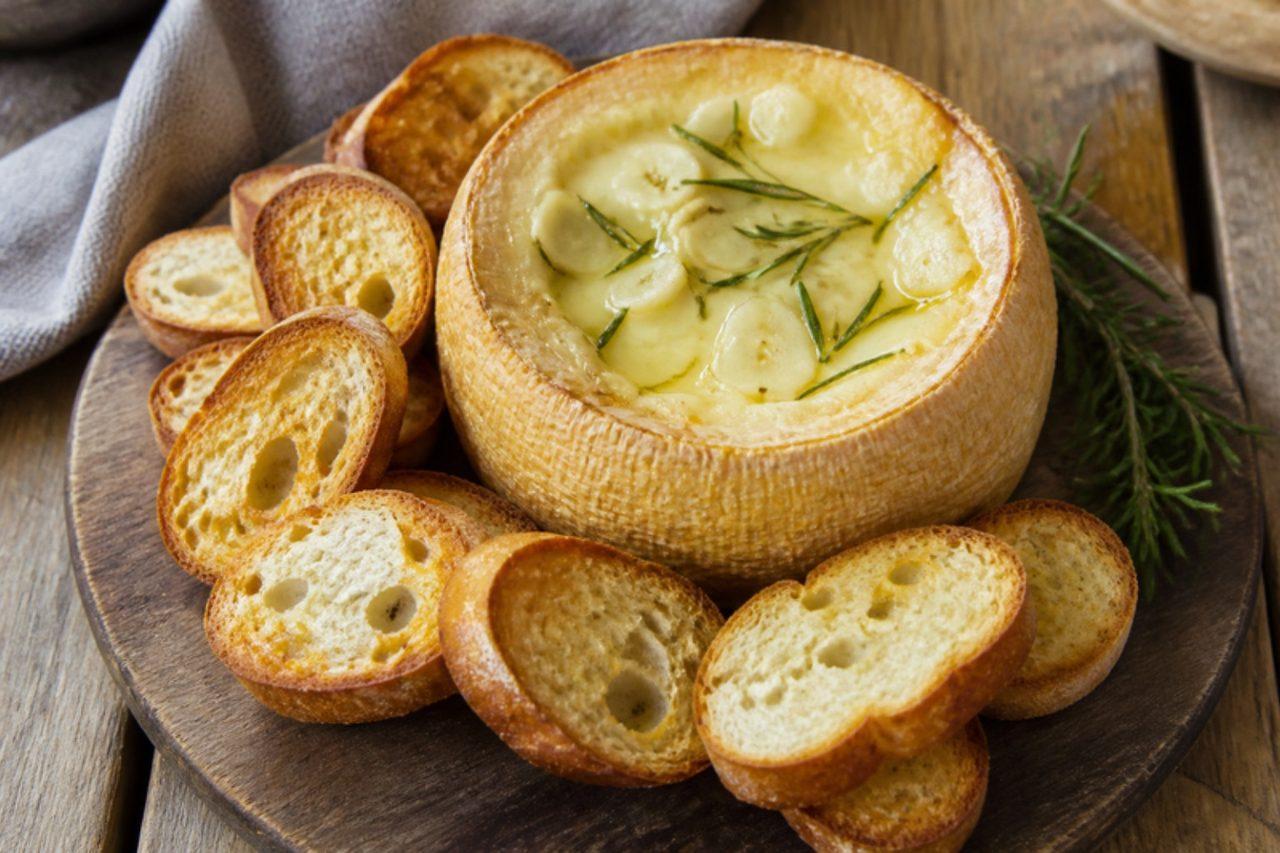
Queijo da Serra no fornoBaked cheese with garlic and herbs

High in the Serra da Estrela, shepherds still make Portugal's most famous cheese from raw ewe's milk, curdled with the flowers of the wild cardoon thistle, which also means it uses no animal rennet and suits vegetarians. In mountain villages such as Seia and Manteigas it is served whole, the rind cut open and the runny inside scooped onto bread, and a short bake makes it even more molten. If you use another soft cheese instead, check the label for vegetarian rennet. Raw-milk soft cheese is not for pregnant women, young children or anyone with a weakened immune system unless it is baked until piping hot throughout. Chef's tip: bake it in a dish only just bigger than the cheese, so it melts without spreading.

by KrazyBadal 0 views

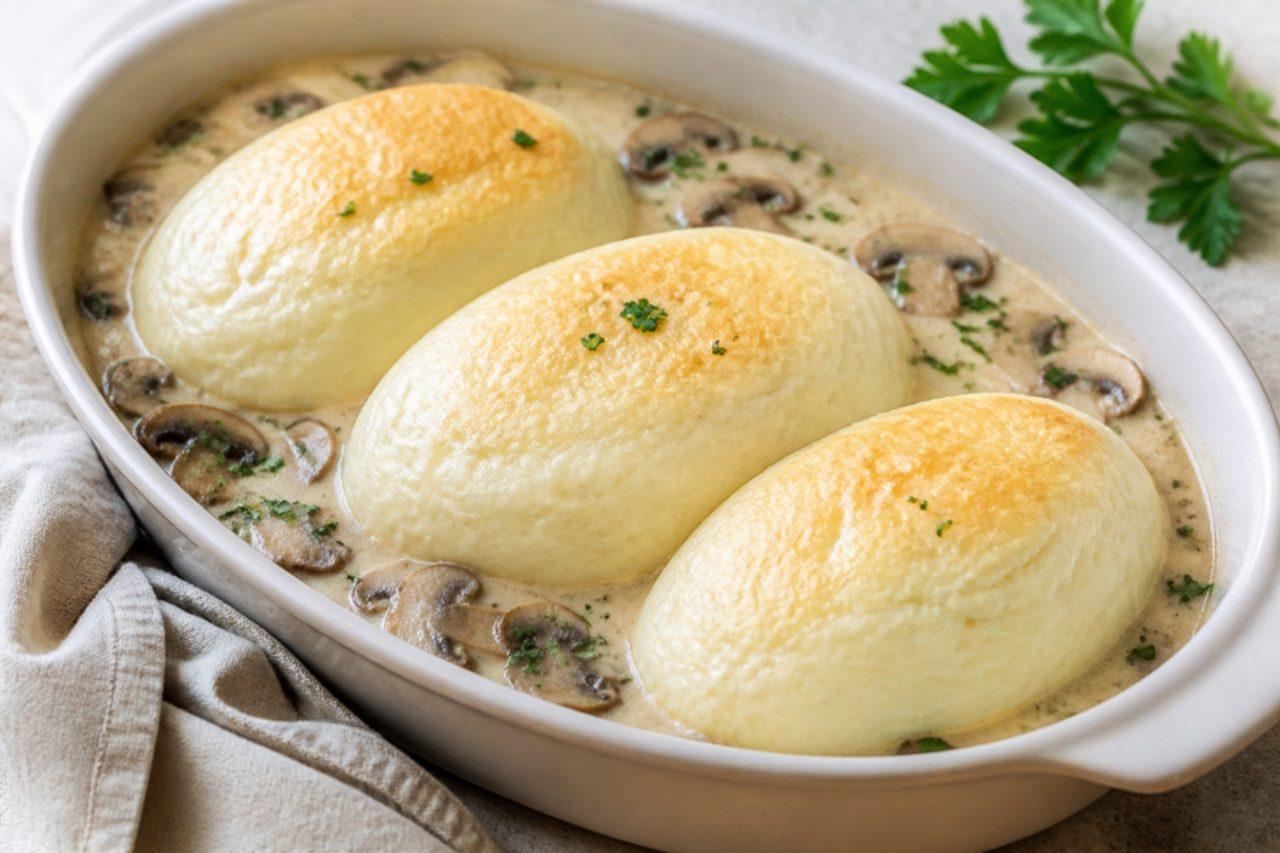
Quenelles lyonnaises natureBaked quenelles in mushroom sauce

Every charcuterie and traiteur in Lyon sells quenelles, the soft oval dumplings that the city's bouchons bake until they swell to twice their size in a bubbling dish. The famous version contains pike, but Lyonnais families also buy quenelles nature, plain ones made from a flour, milk, butter and egg panade, and bake them for a weeknight supper with a mushroom or tomato cream sauce and a green salad. Made at home they are light and wobbly, with a hint of nutmeg. Gruyère for the top is usually made with animal rennet; use a vegetarian alternative if you prefer. Chef's tip: chill the dough well and shape it with two wet spoons; cold dough holds a neat shape and puffs evenly.

by KrazyBadal 0 views

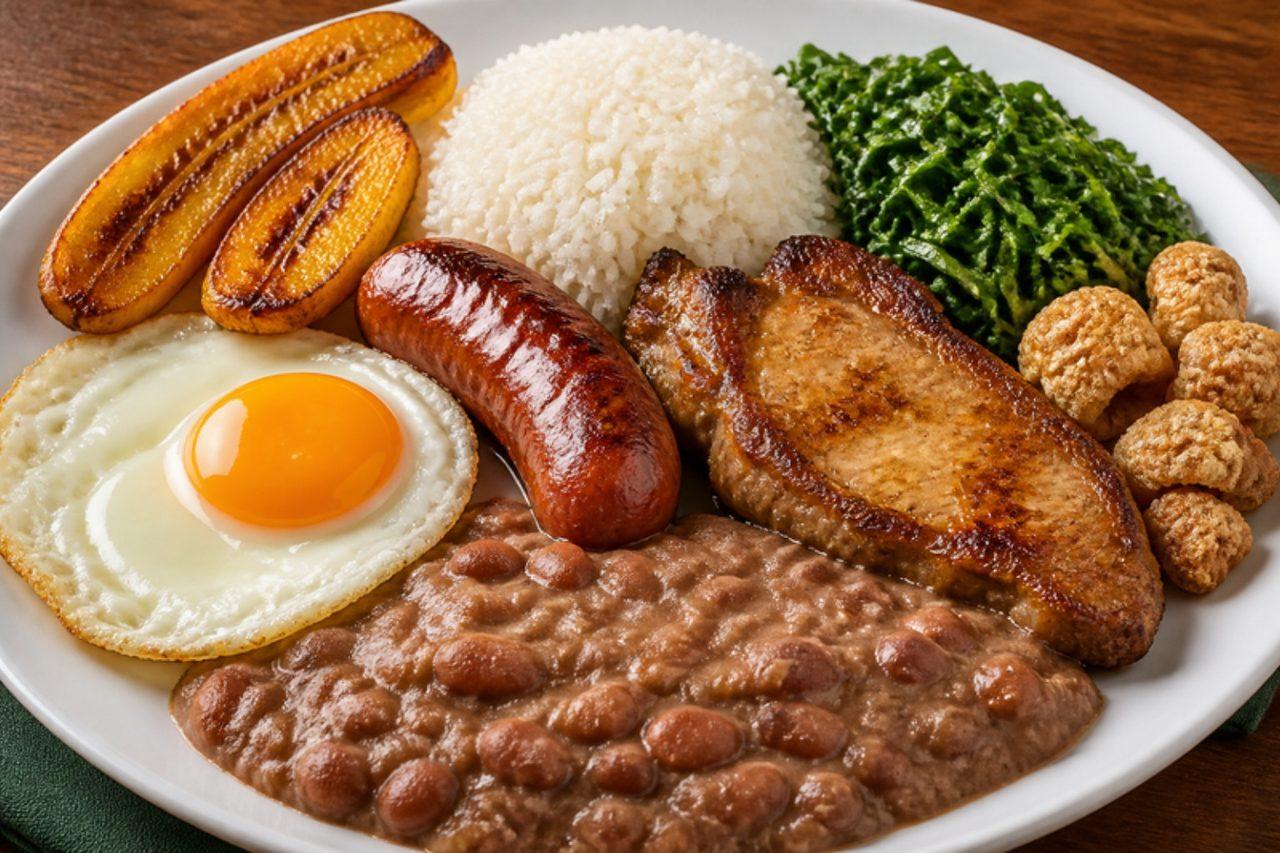
Virado à paulistaBeans, pork chop and sausage plate

Monday in São Paulo means virado à paulista: the city's lunch counters and botequins have served it as the prato do dia at the start of the week for generations. The plate goes back to the bandeirantes' travel food, and today it is a feast of pork: beans cooked down and thickened with cassava flour into a soft tutu, a pork chop, a grilled pork sausage, a crackling of torresmo if you like, a fried egg, garlicky collard greens, rice and fried banana. It is hearty, salty and sweet in turns. A common mistake is serving the pork chop well past done and dry; a whole pork chop is safe at 63 °C with a 3-minute rest, and juicy at that point. Some restaurants bread the banana; frying it plain keeps the plate gluten free. Chef's tip: cook the beans with a little bacon and let them sit for a few minutes after adding the farinha; it keeps thickening as it stands.

by KrazyBadal 0 views

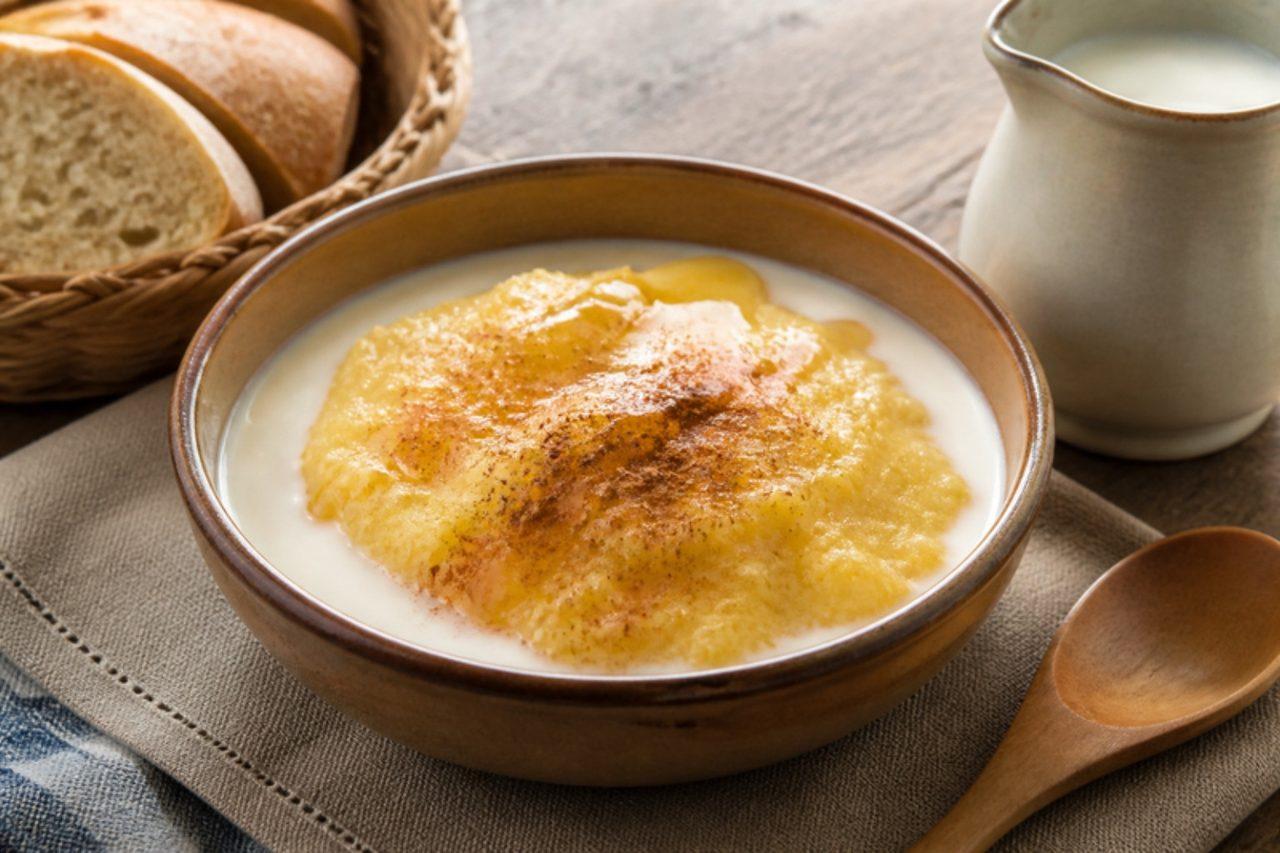
FariñesCornmeal porridge with honey

Fariñes, or farrapes in some valleys, fed Asturian farming families through the winter: a pot of maize meal stirred over the fire, eaten for breakfast or as a light supper with cold milk poured over the hot porridge. Today it is comfort food again, offered at rural guesthouses in the Oriente and made at home when the weather turns. The contrast of warm, soft porridge and cold milk is the whole point. Chef's tip: whisk the cornmeal into cold water before it heats so it never forms lumps.

by KrazyBadal 0 views

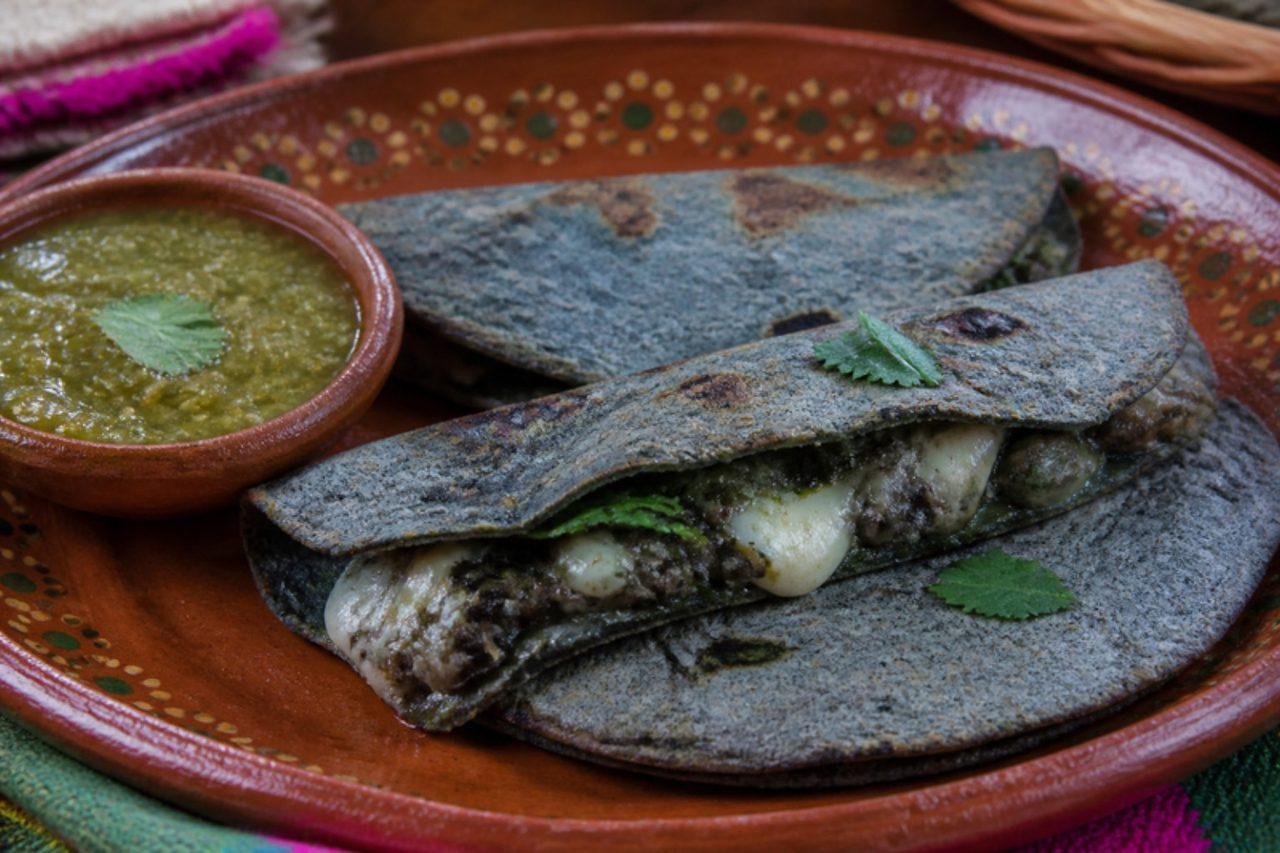
Quesadillas de huitlacocheCorn mushroom quesadillas

Huitlacoche is a fungus that swells the kernels of rain-soaked corn into silvery-black, inky lobes, and in central Mexico it is a delicacy prized for its deep, mushroomy, slightly smoky taste. In the rainy months, the quesadilla stalls of Mexico City and Coyoacán fry it with onion, chilli and epazote and fold it into fresh masa turnovers; in the capital you ask for cheese separately. Fresh huitlacoche turns up at Mexican grocers from July to October, and tinned or frozen works the rest of the year. Chef's tip: cook it until the black juices have mostly evaporated; a wet filling makes the masa soggy and grey.

by KrazyBadal 0 views

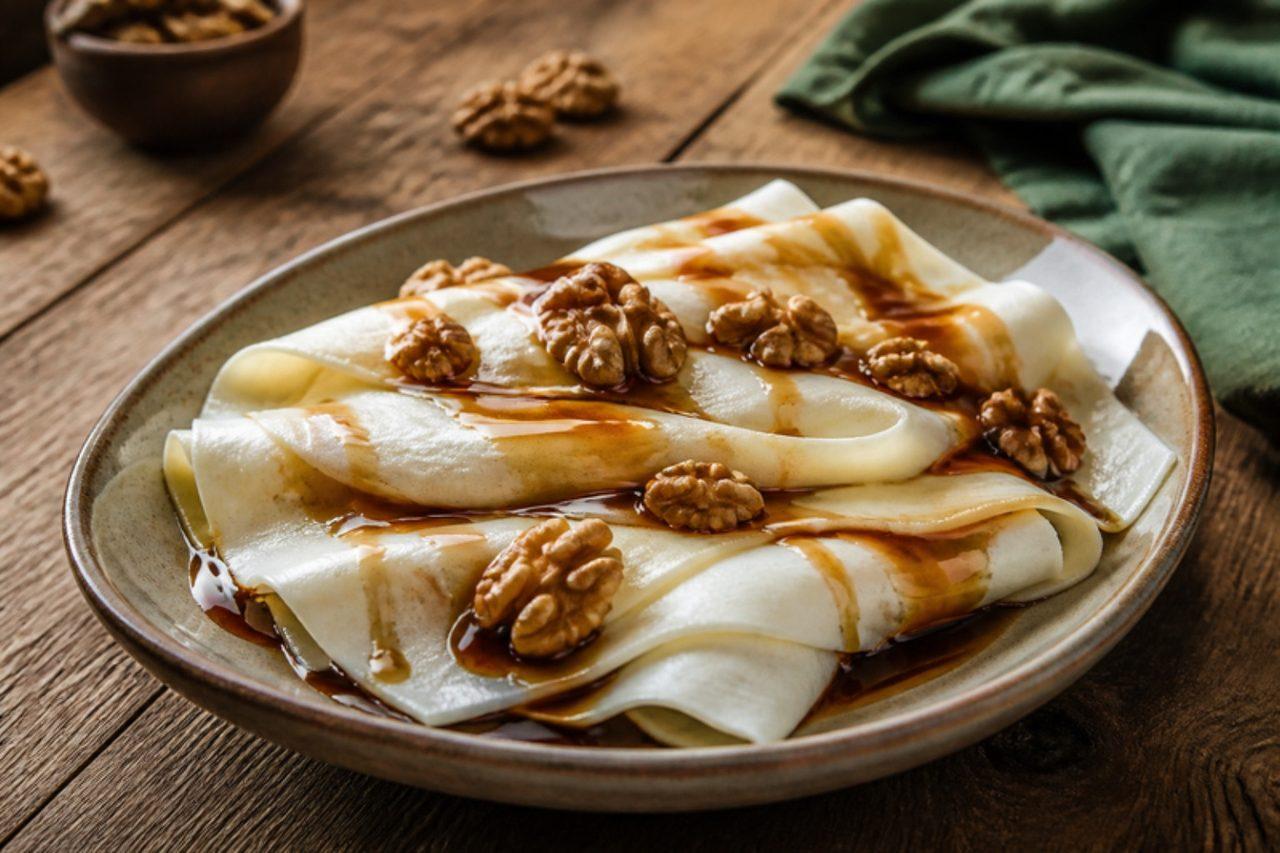
Quesillo con miel de cañaFresh cheese with cane syrup

In the Tafí del Valle hills above San Miguel de Tucumán, quesillo is made by stretching hot curd into long, thin, elastic sheets and folding them into flat rounds; along the road up from the city, stalls sell it beside jars of miel de caña, the dark syrup boiled from the juice of Tucumán's sugarcane. Put the two together and you have the province's simplest dessert: mild, milky, slightly squeaky cheese with a pour of syrup that tastes of molasses and caramel, plus walnuts for crunch. It is eaten after lunch or as a merienda with mate. Drowning the cheese is the usual misstep; the syrup is intense, so pour a ribbon, not a puddle. Real quesillo is hard to find abroad: fresh mozzarella, Oaxaca cheese or another fresh stretched-curd cheese is closest, and light cane syrup or a 2:1 mix of golden syrup and black treacle stands in for miel de caña. Most of these cheeses use animal rennet; choose a vegetarian one if needed. Chef's tip: warm the syrup slightly so it runs into the folds of the cheese.

by KrazyBadal 0 views

Orkney clapshotSwede and potato mash

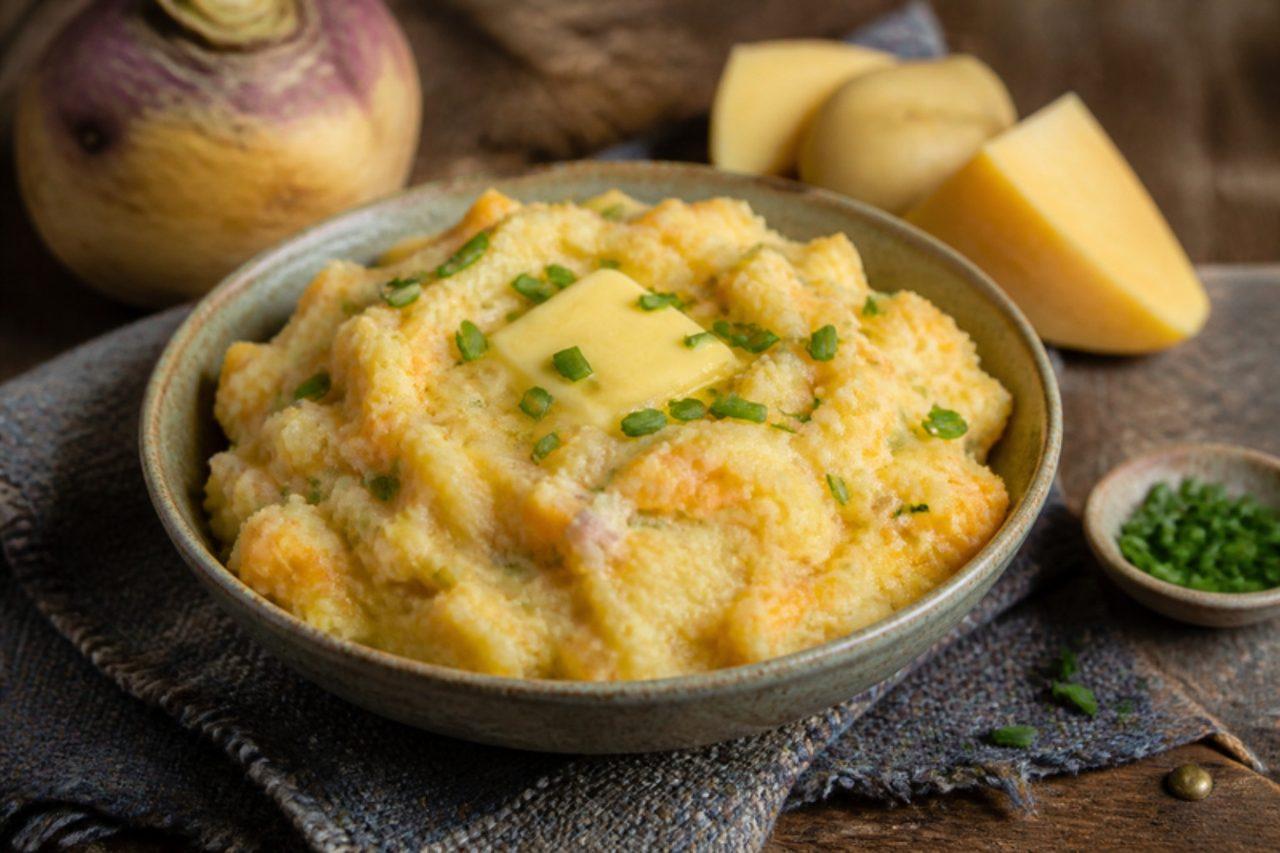
Clapshot is the Orkney way with neeps and tatties: equal amounts of swede and potato mashed together with butter, chives and plenty of pepper, rather than served side by side. Islanders eat it with oatcakes and cheese, with mince, or alongside haggis on Burns Night. It is sweet, earthy and soft-orange. Chef's tip: dry the boiled vegetables in the hot pan before mashing, or the swede makes it watery.

by KrazyBadal 0 views

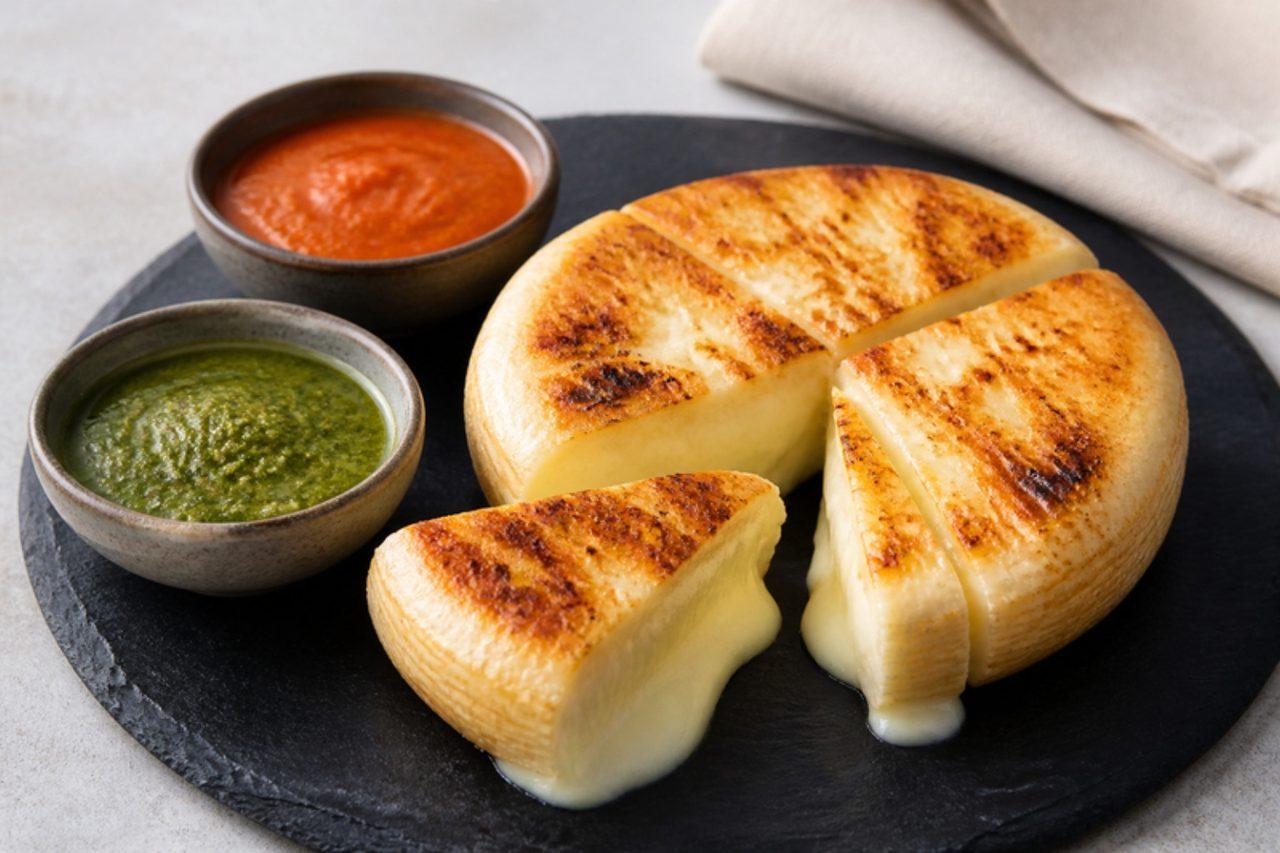
Queso asado con mojoGriddled goat's cheese with red sauce

Thick slabs of semi-cured goat's cheese, seared on a hot griddle until golden outside and soft within, then splashed with red mojo: it is the starter that opens lunch at country restaurants across Fuerteventura and Gran Canaria, the islands of Majorero and Flor de Guía cheeses. Some places serve it with palm honey instead, for a sweet-salty version. Traditional Canarian cheeses use animal rennet; choose a vegetarian semi-cured goat's cheese if that matters to you. Eat it with bread while it is still soft. Chef's tip: use a firm, semi-cured cheese at least 1.5 cm thick, as fresh cheese melts flat and runs off the pan.

by KrazyBadal 0 views

Queso heladoCinnamon coconut milk ice

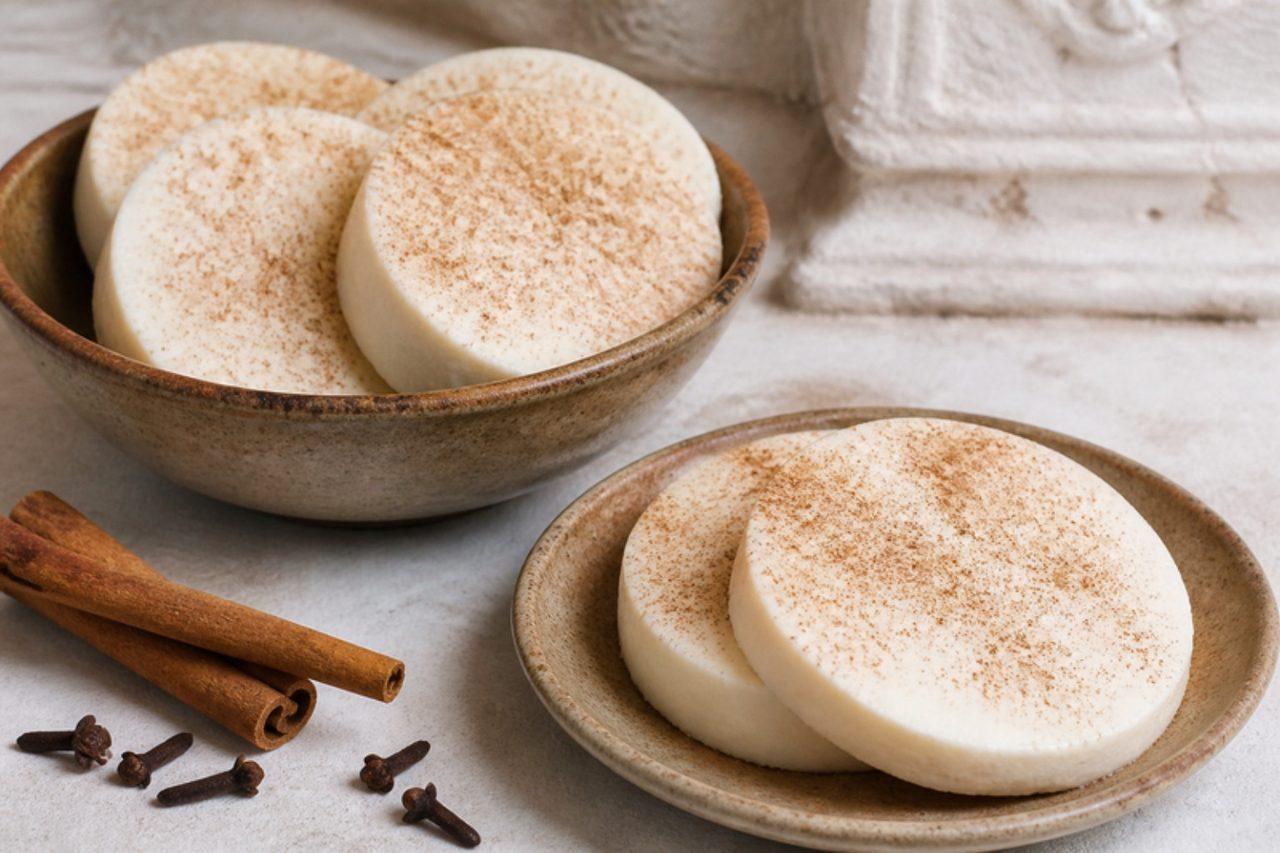
Despite the name, there's no cheese in it: queso helado is Arequipa's old-fashioned frozen milk dessert, cut into thick rounds that look like a slice of fresh cheese and dusted with ground cinnamon. Vendors in white aprons sell it around the Plaza de Armas and at the Yanahuara viewpoint, traditionally churned in a metal pail spun over ice and salt, and every Arequipeño has a favourite stall. It is creamy, mildly milky and fragrant with cinnamon, clove and grated coconut, less rich than ice cream and slightly icy in a pleasant way. Many recipes thicken it with egg yolks; this one uses evaporated and condensed milk with a little cornflour so it stays egg free. The common error is freezing it untouched, which gives one hard block of ice: stir it every 45 minutes for the first few hours. Allow at least 4 hours of freezing on top of the cooking time, or make it a day ahead. Chef's tip: freeze it in a loaf tin lined with cling film, then lift it out and slice it into rounds for that true street look.

by KrazyBadal 0 views

Queso manchego en aceiteSheep's cheese preserved in olive oil

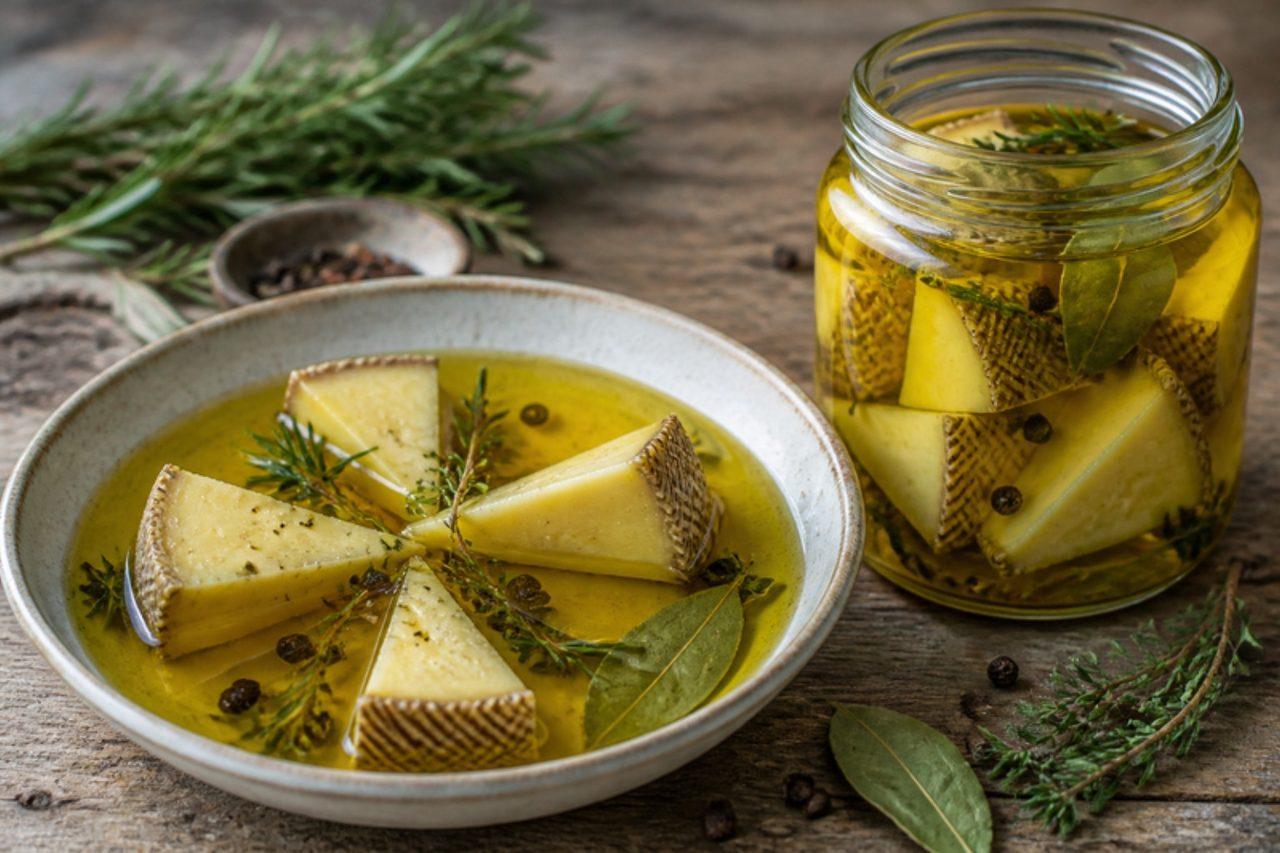
Manchego farmhouses have long stored cheese under olive oil so it would keep through the hot months; the oil seals it, softens the rind and deepens the flavour. In bars across Toledo and Ciudad Real a saucer of these oil-darkened wedges arrives with bread as soon as you sit down. PDO manchego is made with animal rennet; if you eat vegetarian, choose a ewe's-milk cheese made with vegetable or microbial rennet. Chef's tip: use a cheese aged at least three months; young cheese goes soft and greasy in the oil.

by KrazyBadal 0 views

DöppekuchenGrated potato bake with bacon

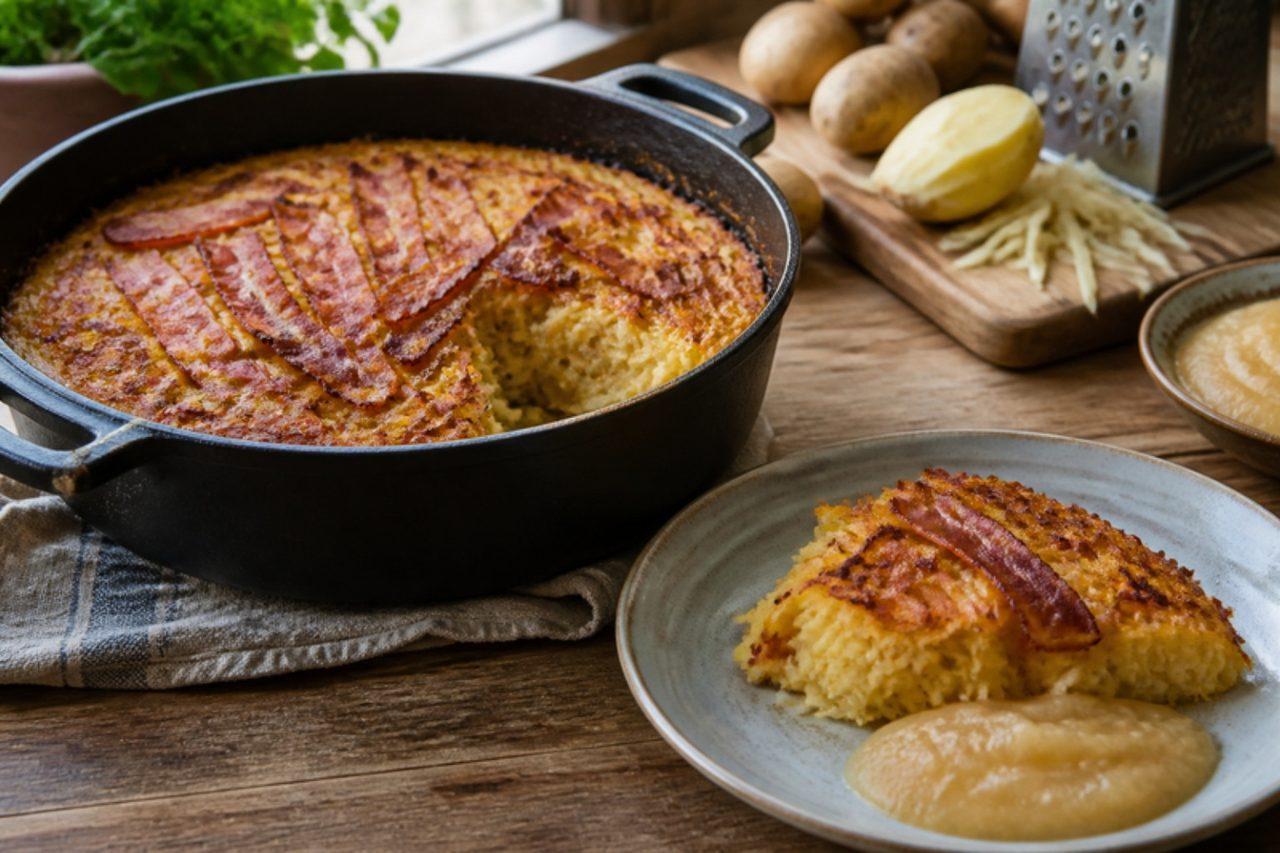
Döppekuchen (also Dippekuchen or Knüles) is the Rhineland and Westerwald answer to a cold November evening, traditionally baked on St Martin's Day and at village fairs. Raw grated potatoes, onion, egg and smoked bacon are baked slowly in a cast-iron pot, the Döppe, until the outside is a thick dark-brown crust and the inside is soft and steamy. It is eaten with apple sauce and a green salad. For a meat-free pot, bake it with extra onions and two sliced leeks instead of the bacon. Chef's tip: squeeze the grated potato really dry; the less water, the crisper the crust.

180 minGermanMeatGluten free
by KrazyBadal 0 views

QuimbolitosSteamed sweet cheese and raisin cakes

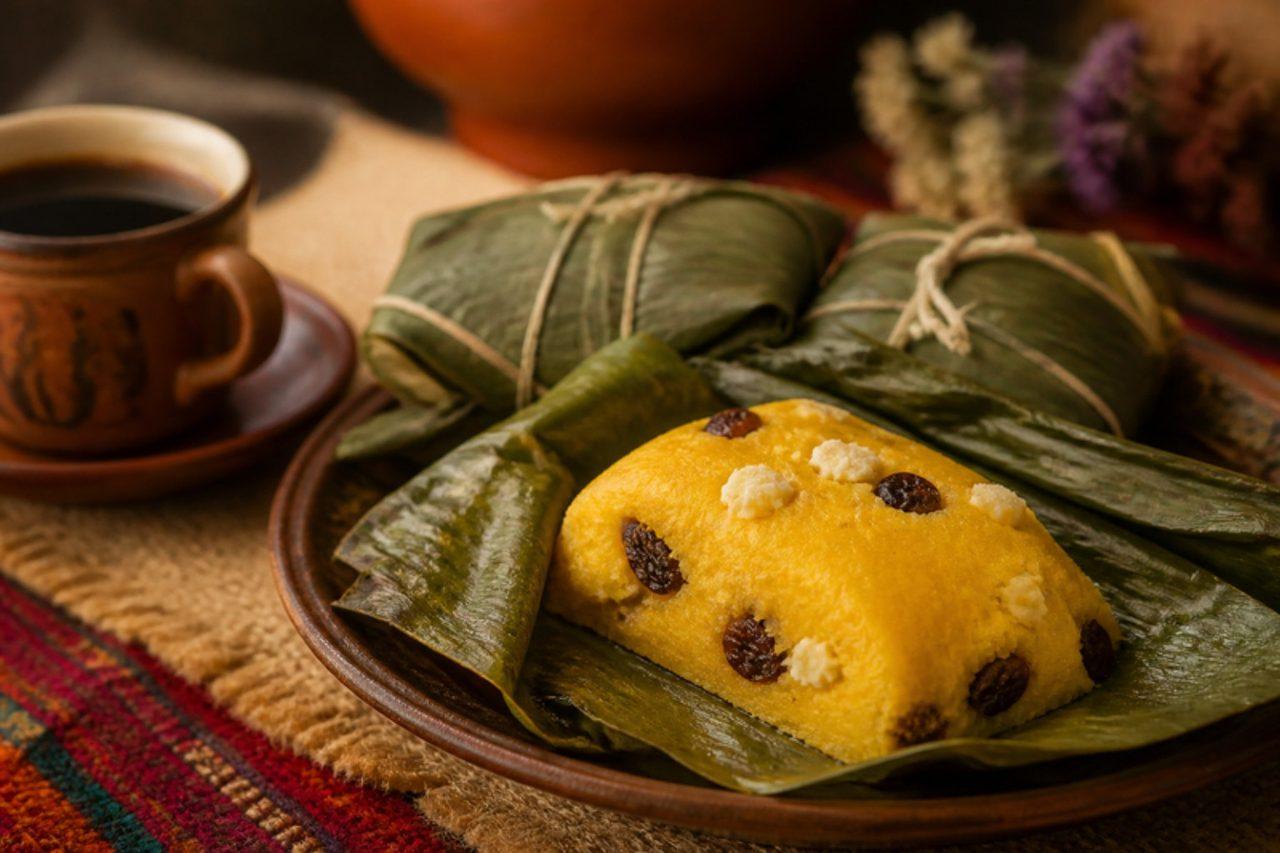
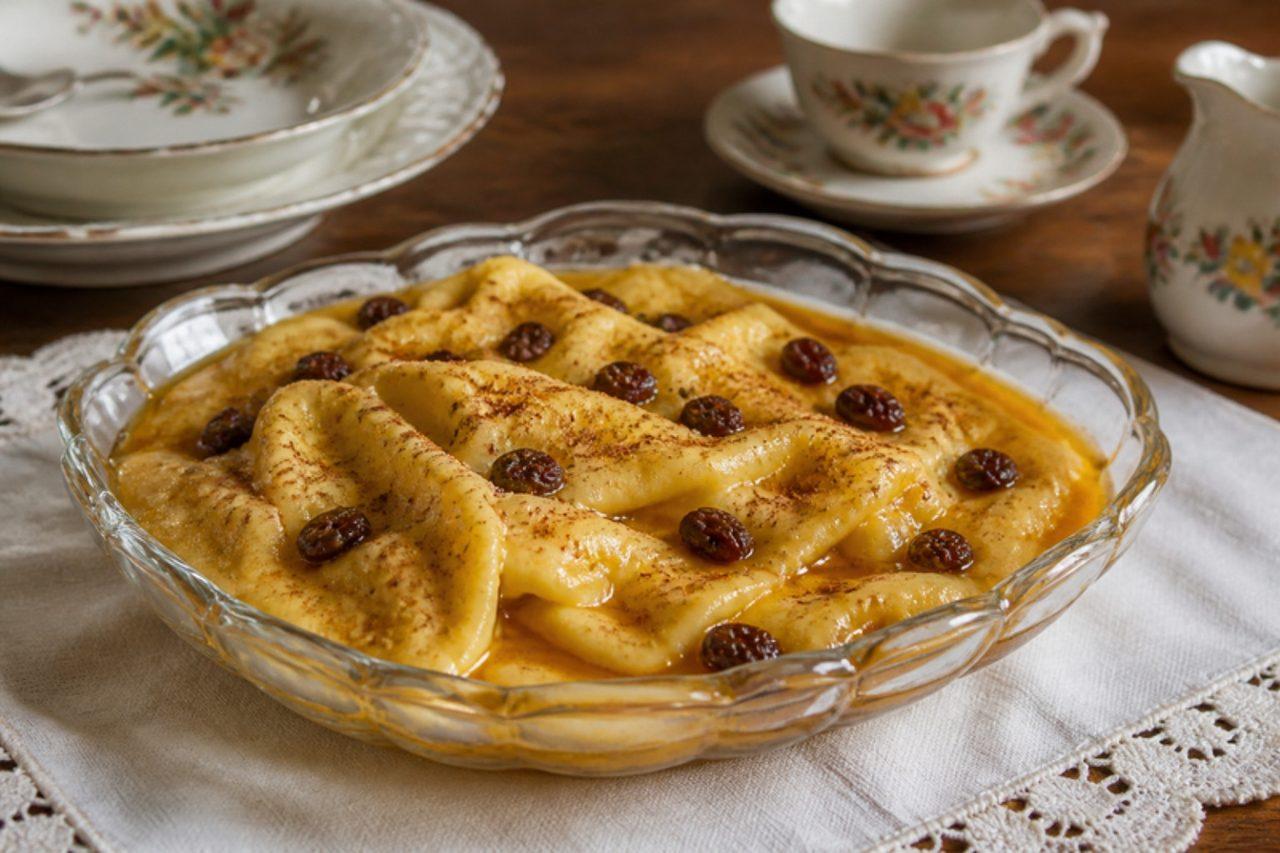
Southern Nariño shares the quimbolito with neighbouring Ecuador. In Pasto these small sweet cakes are steamed in achira leaves and eaten at the mid-afternoon onces with a cup of hot chocolate or coffee. The batter is a rich mix of butter, sugar, eggs, wheat and corn flours and fresh cheese, dotted with raisins; steaming makes it light and moist, closer to a sponge pudding than a cake, and the leaf adds a mild green scent. Some cooks add a splash of anise liqueur; this version uses vanilla and keeps it alcohol-free. Fresh cheese is often set with animal rennet, so pick a vegetarian (microbial-rennet) one if needed. Achira leaves are rare outside the Andes: banana-leaf pieces or squares of baking paper work. Overfilling is what usually goes wrong, as the batter rises and bursts the parcel, so fill each leaf only halfway. Chef's tip: keep the water at a steady simmer, never a rolling boil, so the cakes rise evenly and stay dry.

by KrazyBadal 0 views

Doces finos do AlgarveMarzipan fruits with egg-yolk cream

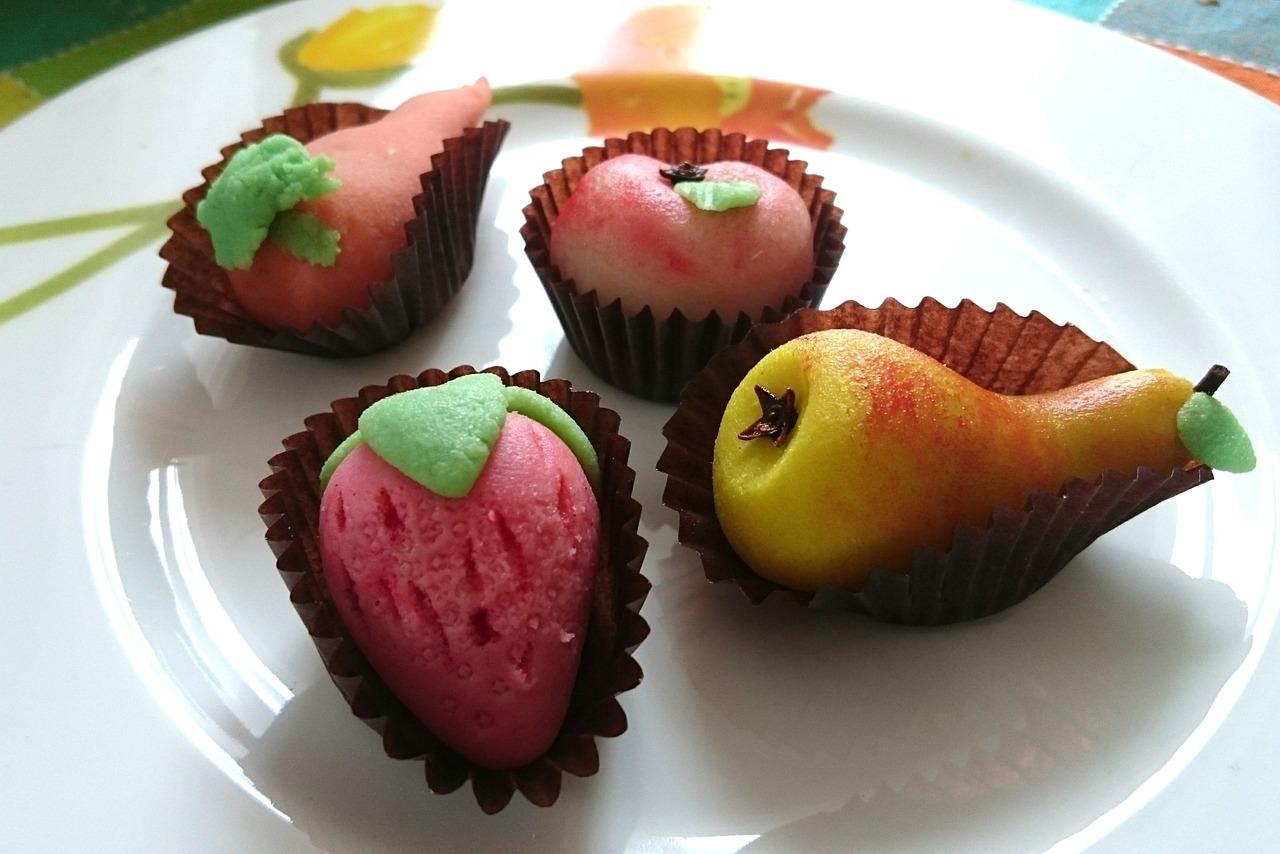
Tiny pears, oranges, strawberries and even fish, all made of almond paste and painted by hand: these are the sweets Algarve families order for Christmas, Easter and weddings, and that every January market in Loulé shows off. Inside each one sits a spoonful of doce de ovos, the sunny yolk cream found all over Portuguese convent baking. The almond paste here is cooked in syrup, which makes it smooth and easy to model. Chef's tip: dust your hands and the work surface with icing sugar, never flour, or the shapes go chalky.

by KrazyBadal 0 views

Doce de cajuCashew apples in clove syrup

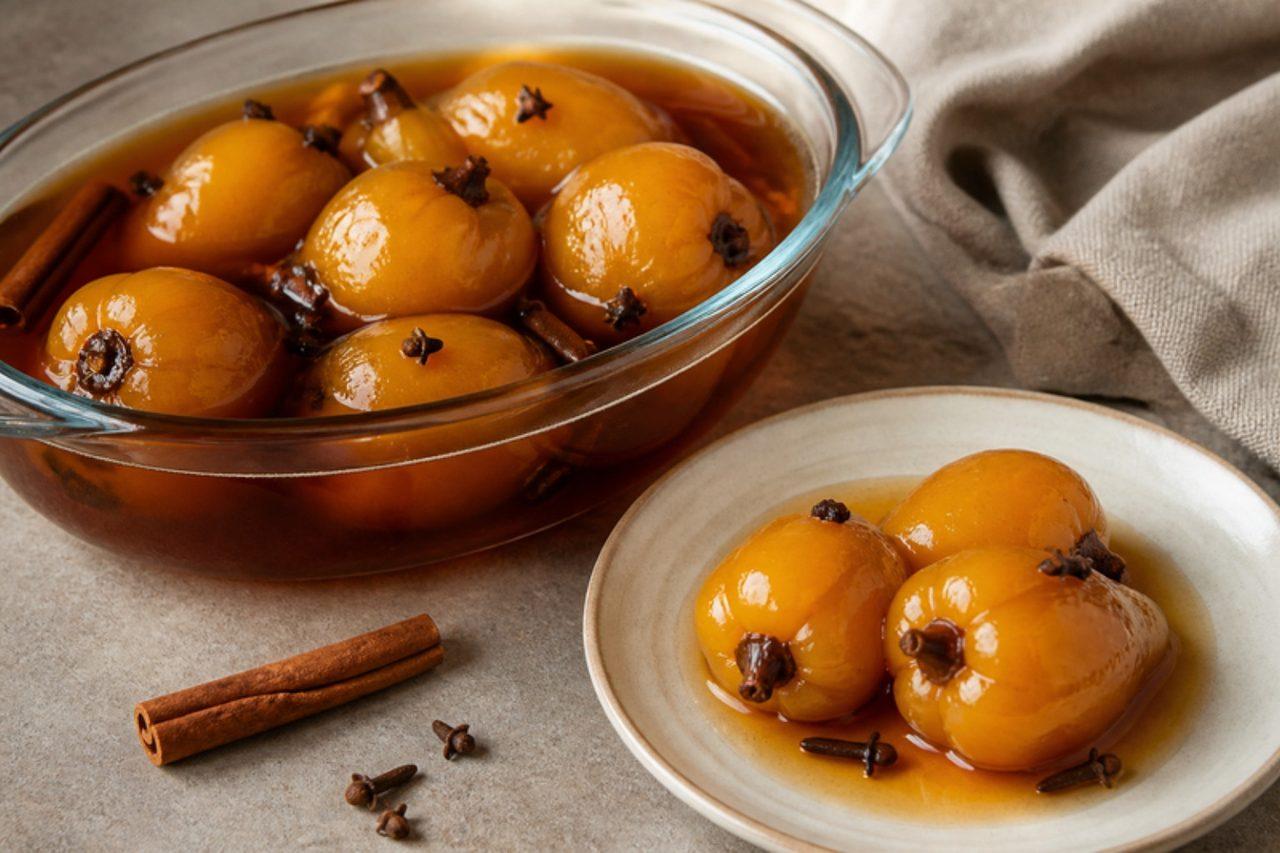
Ceará grows more cashews than anywhere in Brazil, and in the season from September to December the soft, fragrant cashew apples are everywhere: pressed for juice, sold at roadside stalls and preserved whole in syrup like this. The fruit is pricked, squeezed of its astringent juice, blanched and then cooked slowly with sugar and cloves until it turns amber, glossy and tender with a chewy bite. Fortaleza families keep jars for Christmas and serve the fruit with a slice of white cheese or simply on a saucer with its syrup. Outside Brazil look for whole frozen cajus in Brazilian shops. Twist off and discard the grey nut before cooking: its raw shell holds a caustic oil and should not be cut, burnt or eaten at home. Skipping the squeezing and blanching is where it goes wrong; the sweet ends up rough and furry in the mouth. Chef's tip: let the fruit rest overnight in the syrup halfway through; it plumps up and soaks in the sugar evenly.

by KrazyBadal 0 views

TintoBlack coffee with panela

Ask for a tinto anywhere in Colombia and you get a small cup of black coffee, never red wine. Street vendors carry it in thermos flasks through the plazas of Manizales, Pereira and Bogotá, and offices, bus stations and farm kitchens in the coffee region brew pots of it all day. It is light, hot and gently sweet, often made by simmering ground coffee with water and a little panela, then straining it through a cloth bag. The usual error is boiling the coffee hard, which makes it harsh and bitter; let it come to the boil only once. Chef's tip: let the grounds settle for a minute off the heat before straining, so the cup stays clear.

by KrazyBadal 0 views

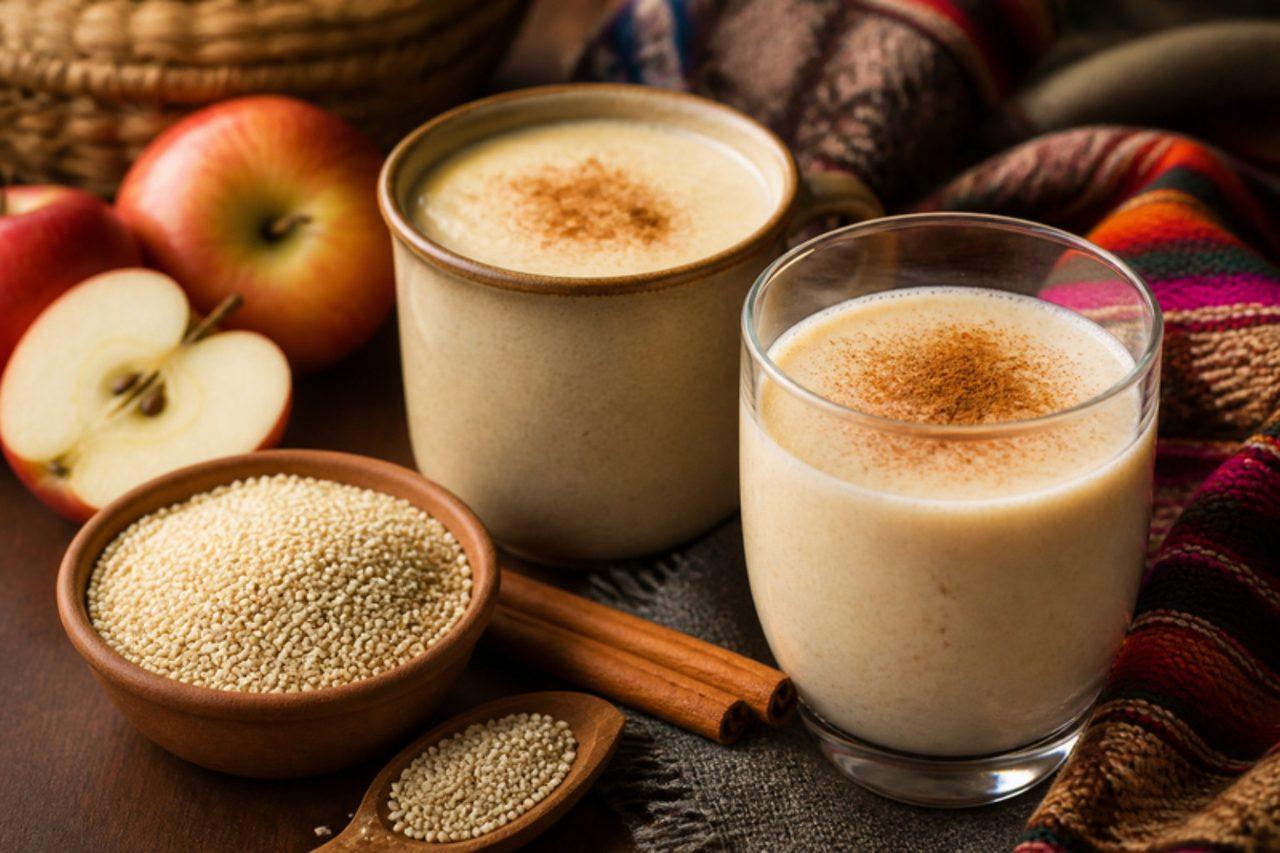
Quinua con manzanaQuinoa and apple drink

Morning market stalls and street carts from Lima to Huancayo ladle quinua con manzana into glasses alongside emoliente and maca, and many people drink it as breakfast on its own, with a bread roll or a sandwich beside it. Quinoa and chunks of apple are simmered with cinnamon and cloves until the grains burst and the liquid thickens, then sweetened and served warm or cold. Some stalls blend it smooth; others leave the grains and soft apple pieces to spoon up. It is mild, fruity and filling, and children usually like it. The mistake that ruins it is skipping the rinse: quinoa's natural coating, saponin, makes the drink bitter and soapy, so rub it under running water until the foam stops. Chef's tip: add a few drops of lime at the end; it lifts the apple and keeps the drink from tasting flat.

by KrazyBadal 0 views

Tulumba tatlısıFried dough fingers in syrup

Tulumba is the sweet you buy by the box from Turkish dessert shops for a quick treat or an unannounced visit: ridged fingers of choux-style dough, fried until crunchy, then dropped into cold syrup so they stay crisp outside and soak through within. Street vendors in Istanbul sell them warm in paper cones. A piping bag with a large star nozzle gives the ridges. Common mistake: frying in oil that is too hot; the outside browns before the inside puffs, leaving them raw and gummy. Chef's tip: start the dough in warm, not hot, oil and raise the heat slowly, so they swell and crisp evenly.

by KrazyBadal 0 views

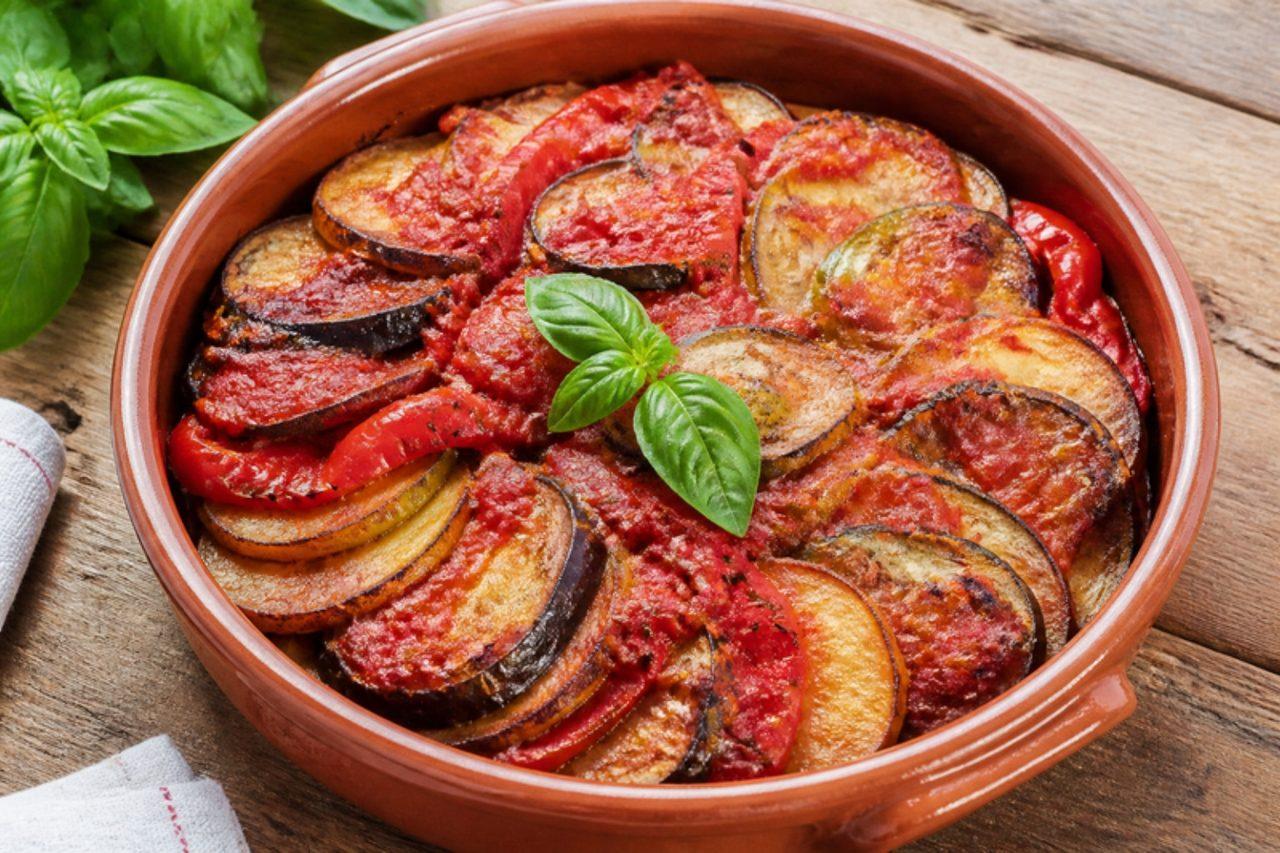
TumbetLayered potato, aubergine and pepper bake

Come August, every Mallorcan village kitchen has a clay greixonera of tumbet cooling on the counter, made with the aubergines and peppers that pile up at the Saturday markets in Sineu and Santanyí. Potato, aubergine and red pepper are each fried on their own, stacked in layers and blanketed with a thick, garlicky tomato sauce, then baked until it all settles together. Islanders eat it warm or at room temperature, as a meal with bread or beside grilled fish or lamb. It tastes even better the next day. Chef's tip: fry each vegetable in its own batch and drain it on paper, because every layer needs its own browned edges and nothing should arrive in the dish swimming in oil.

by KrazyBadal 0 views

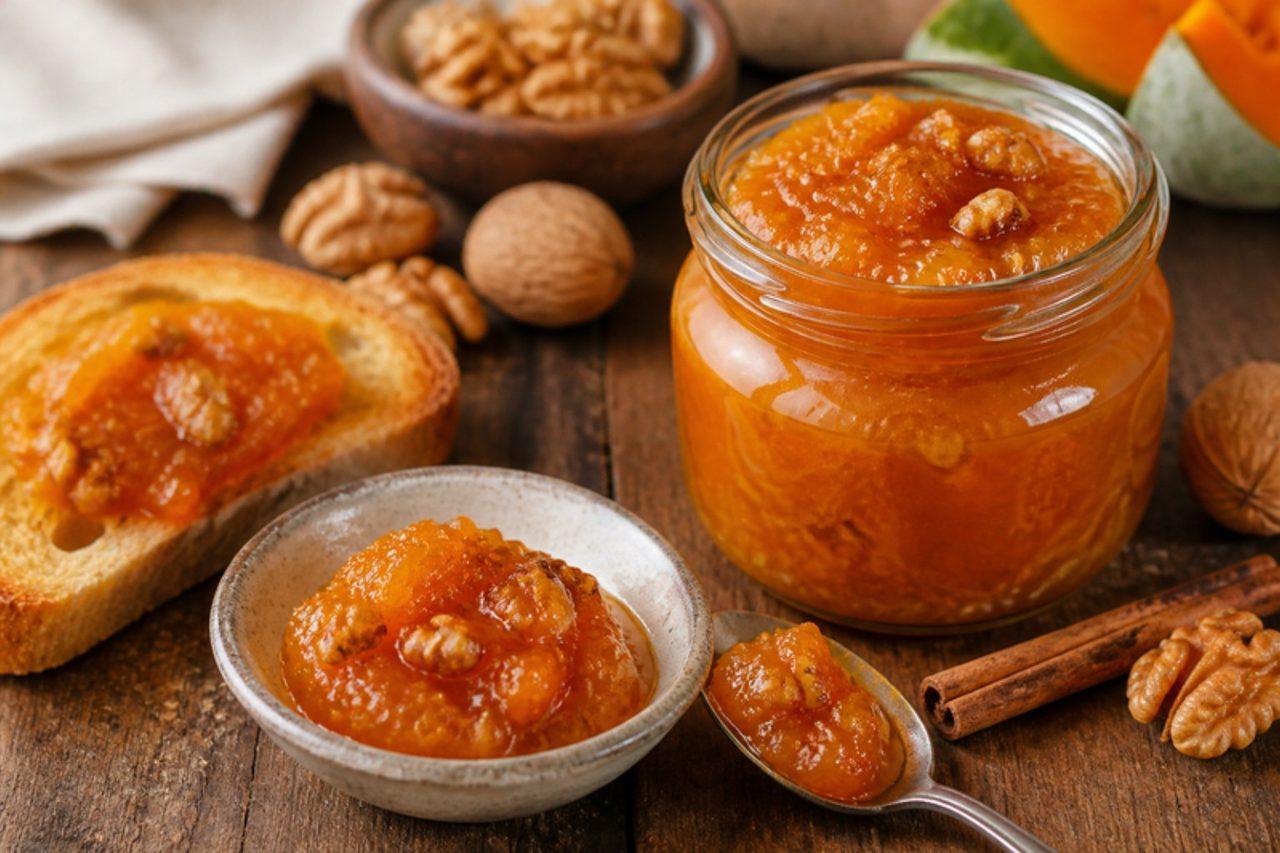
Doce de abóbora com nozesPumpkin and walnut jam

When the big squashes are harvested in late autumn in Trás-os-Montes, every pantry gets a row of these jars. The pumpkin cooks down with sugar, lemon peel and cinnamon to a thick amber jam, and toasted walnuts are stirred in at the end. Locals spoon it over fresh requeijão or a slice of sheep's cheese after dinner, or onto toast at breakfast. Chef's tip: salt the cut pumpkin with the sugar overnight; it releases its water so the jam cooks faster and keeps its colour.

by KrazyBadal 0 views

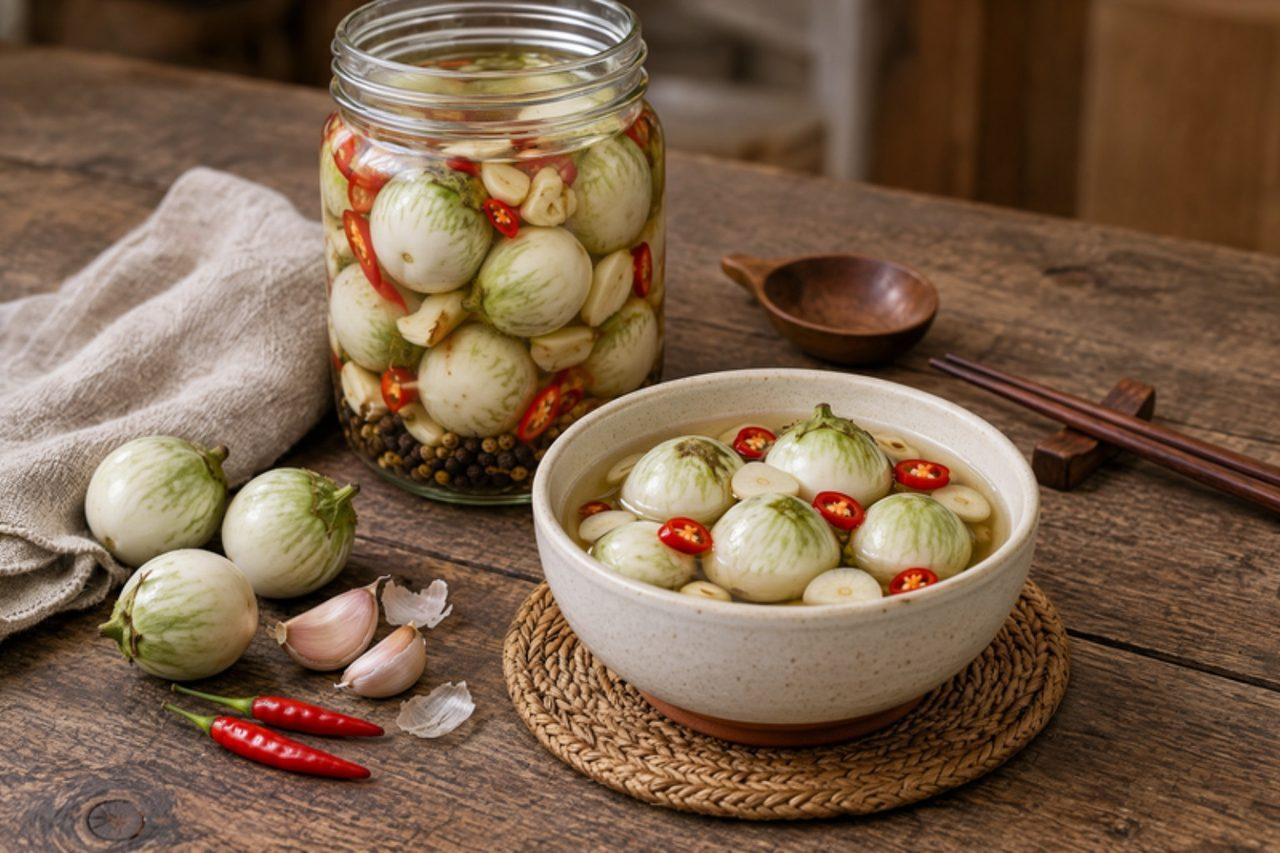
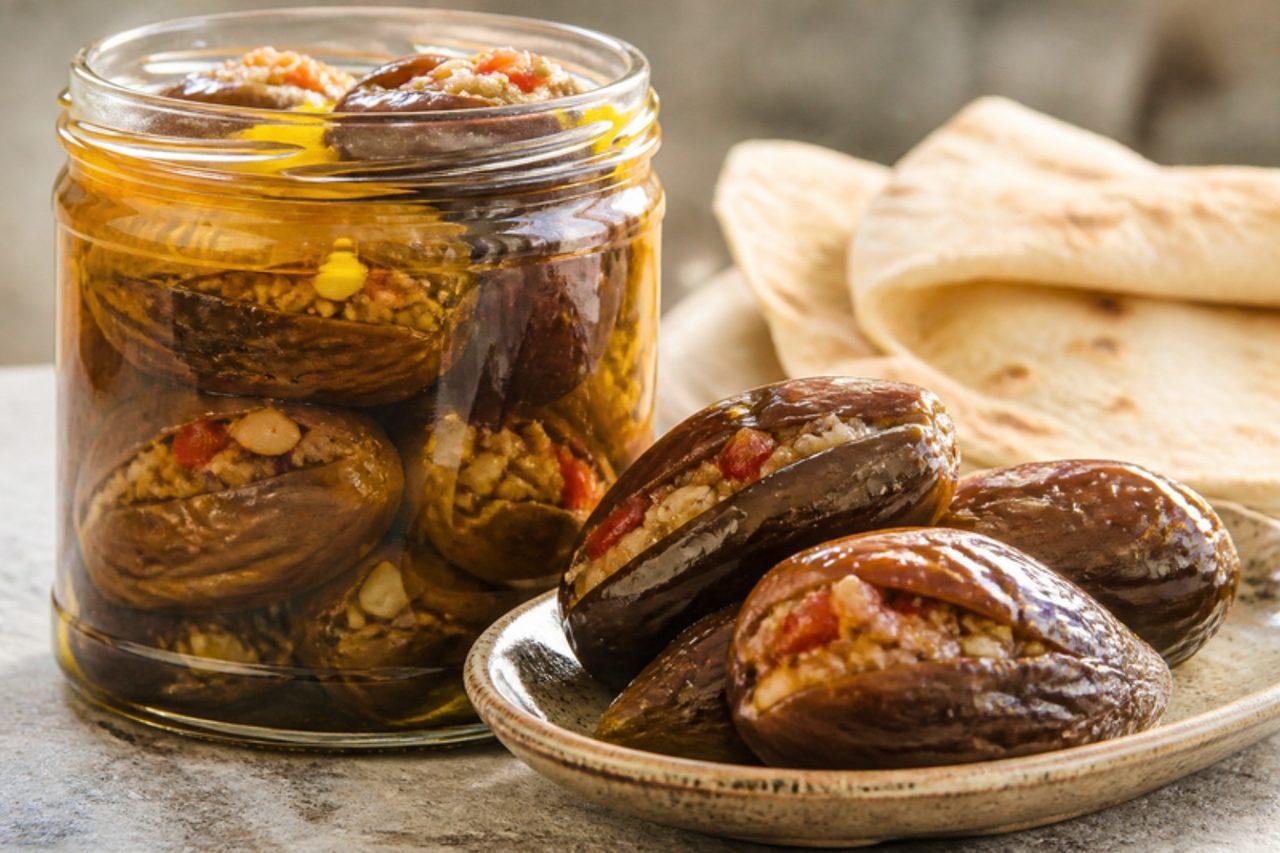
MakdousWalnut-stuffed pickled aubergines

Every autumn, Damascus kitchens fill with jars of makdous as families preserve the last of the small aubergines for the winter breakfast table. The aubergines are boiled, salted and pressed for a day, then stuffed with walnuts, red pepper, garlic and chilli and packed under olive oil to cure until tangy and tender. A couple of them, split on a plate with bread, labneh and tea, is the classic Syrian morning. Common mistake: skipping the pressing — any water left in the aubergines can spoil the jar. Chef's tip: keep the jar in the fridge and always lift them out with a clean fork; homemade preserves in oil should be kept chilled and eaten within a month for safety.

by KrazyBadal 0 views

TascalateToasted corn and cacao drink

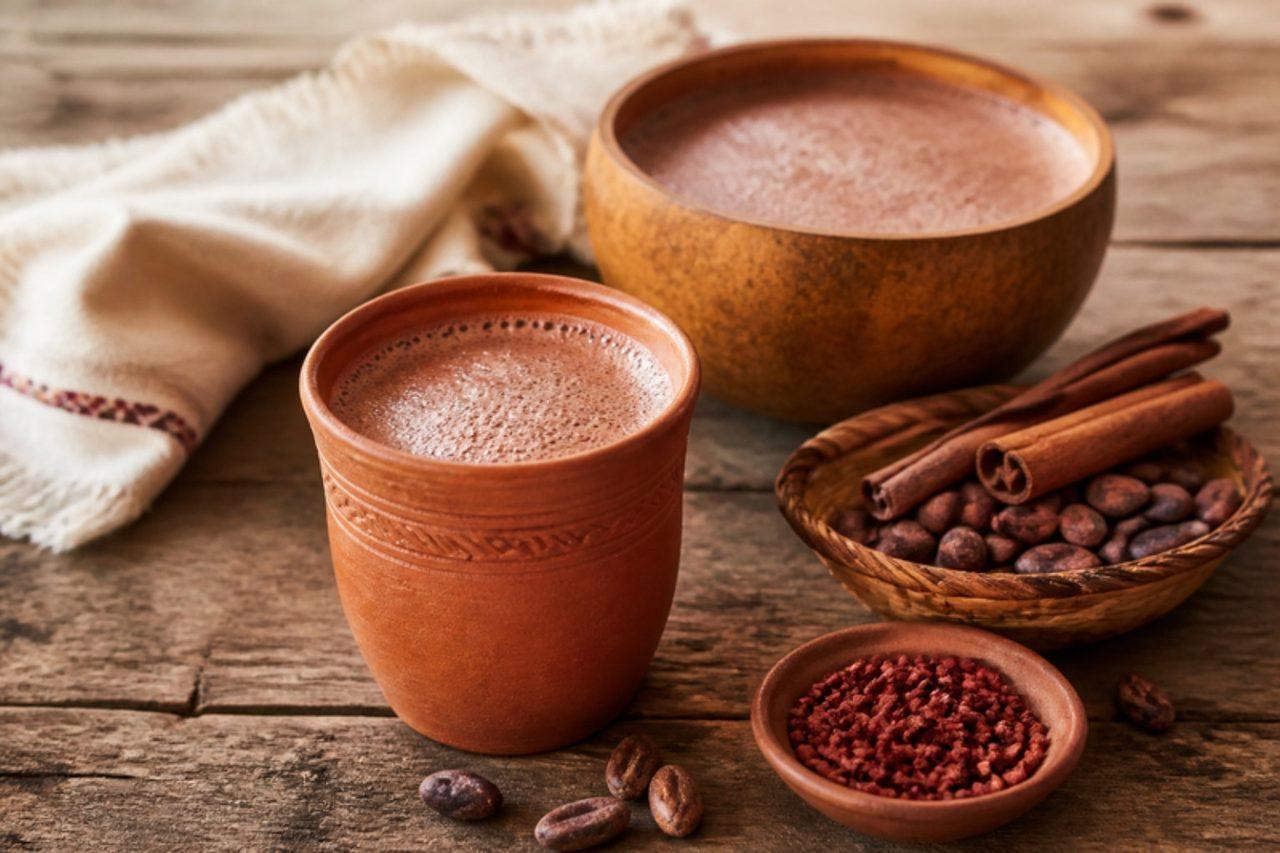
Tascalate is the drink of the Chiapas central valley, sold in Chiapa de Corzo and Tuxtla in tall glasses at markets and given to guests at fiestas. A powder of toasted tortillas, cacao, pine nuts, sugar, cinnamon and a little achiote is whisked into cold water or milk, so it is orange-brown, thick and nutty with a sweet chocolate finish. The powder keeps for weeks, so make a jar. Made with water it is vegan. Chef's tip: toast the tortillas until they snap cleanly; any softness leaves the powder clumpy.

by KrazyBadal 0 views

TungosBanana leaf steamed rice

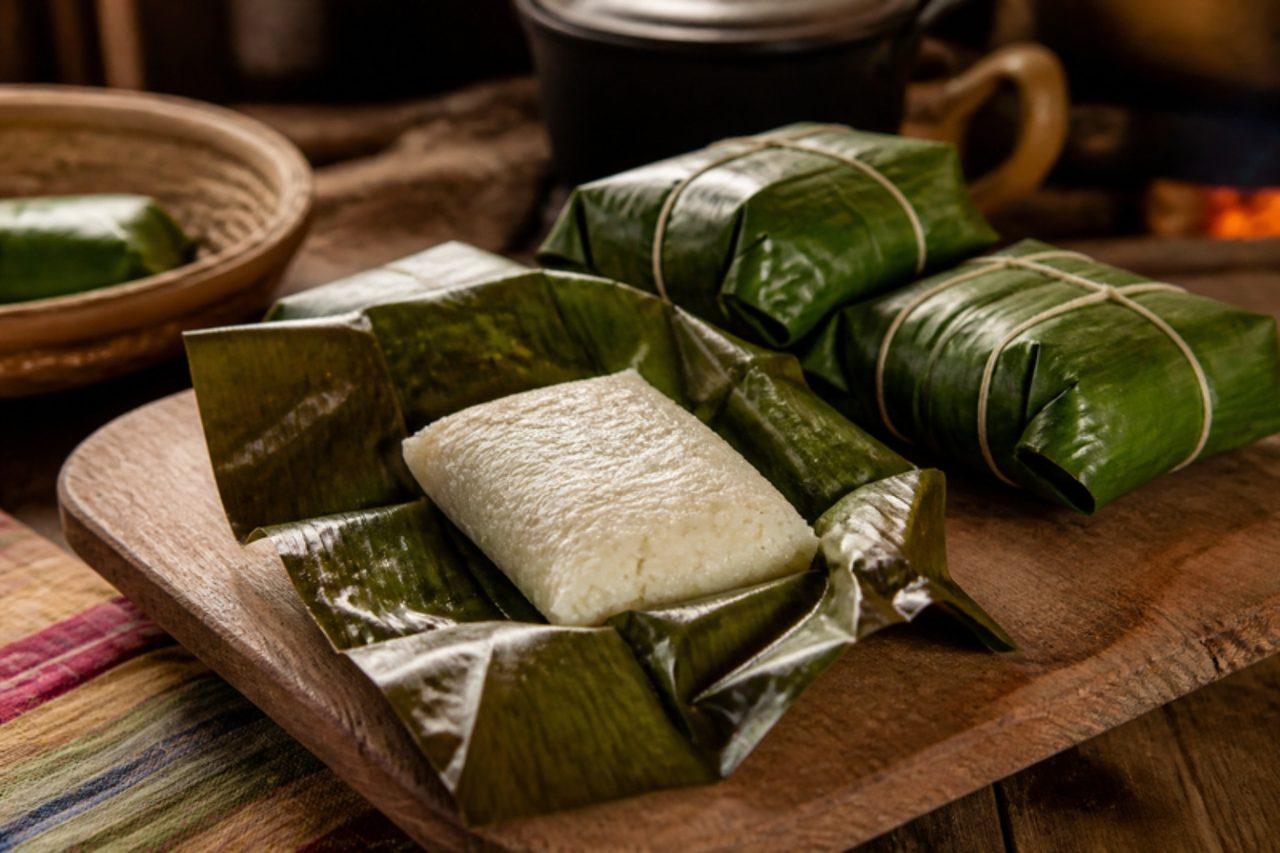
At fairs and family gatherings in Villavicencio and across the Meta, tungos sit in a big pile next to the slow-roasted meat: soft white rice pressed into banana-leaf parcels and steamed until it holds together in a firm, faintly smoky log. The leaf gives the rice a tea-like aroma and keeps it warm for hours, which is why they travel to river trips and roadside parrillas so well. Unwrap one and eat it with roast meat, beans, a sweet plantain or a bowl of vegetable stew; the tungo itself is vegan. Fluffy, separate grains are the wrong goal here: rice cooked dry and loose falls apart in the leaf, so cook it with extra water until soft and sticky. Frozen banana leaves are sold in Asian and Latin shops. Chef's tip: pass each leaf quickly over a gas flame or through hot water first; it turns glossy and supple and will not split as you fold.

by KrazyBadal 0 views

Millionaire's shortbread

Millionaire's shortbread, called caramel shortcake in much of Scotland and caramel squares across the water in Belfast, is the traybake of school bake sales, cafés and church teas. A crisp shortbread base is covered with thick condensed-milk caramel and a layer of chocolate, rich enough to justify the name. Chef's tip: keep stirring the caramel the whole time it bubbles; it catches on the bottom in seconds.

by KrazyBadal 0 views

RadiSalted spiral-cut radish

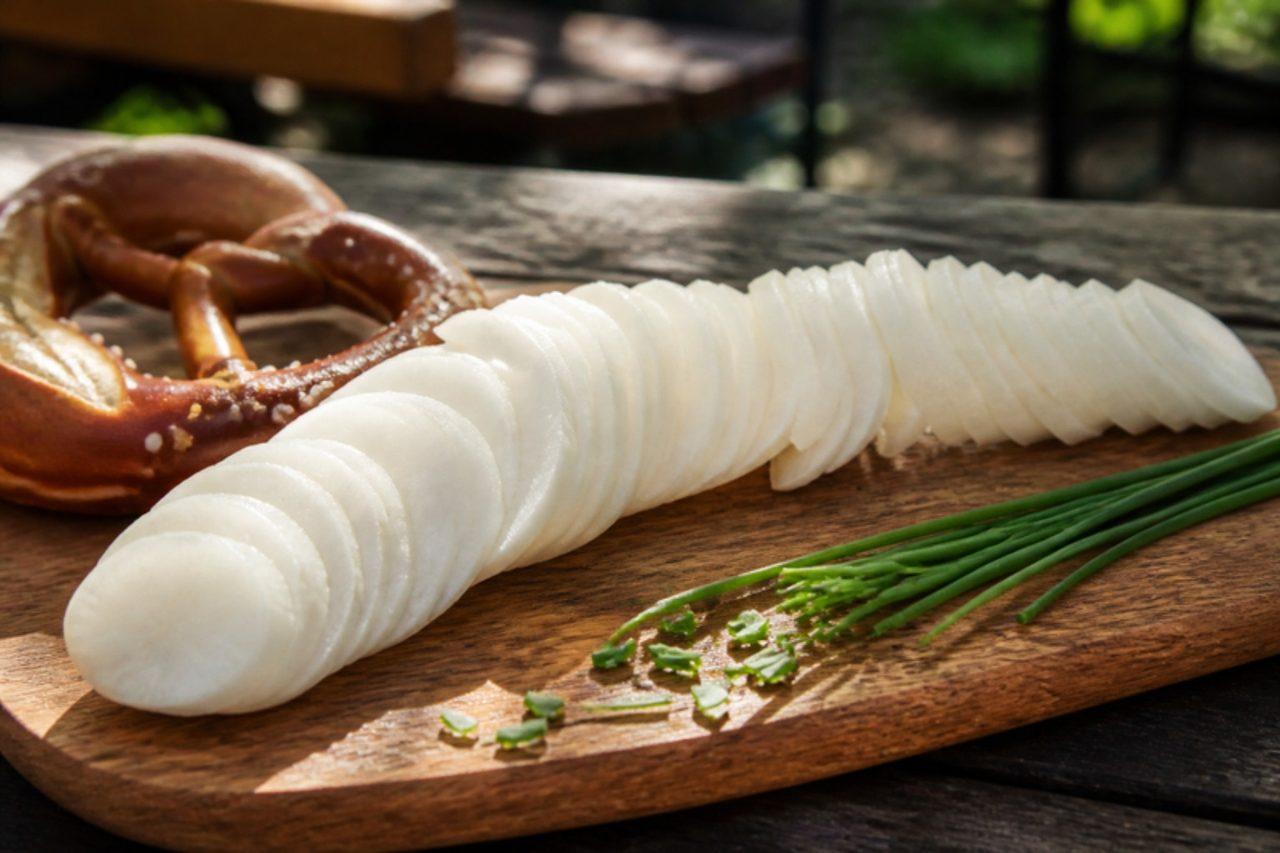
In Bavaria a Radi is a single big white radish, cut into one long spiral or paper-thin slices and salted until it 'weeps', then eaten with your fingers in the beer garden between bites of pretzel. Stalls at Munich's Viktualienmarkt sell the long white roots from spring to autumn, and old regulars carry a special spiral cutter. It is crisp, peppery and cooling, the opposite of everything rich on the table. A common mistake is eating it straight away: the salt needs ten minutes to draw out the bitter juice and soften the bite. Chef's tip: pick a heavy, firm radish with a smooth skin; a light one is often woody and hollow inside.

by KrazyBadal 0 views

Doce de abóbora com cocoPumpkin and coconut sweet

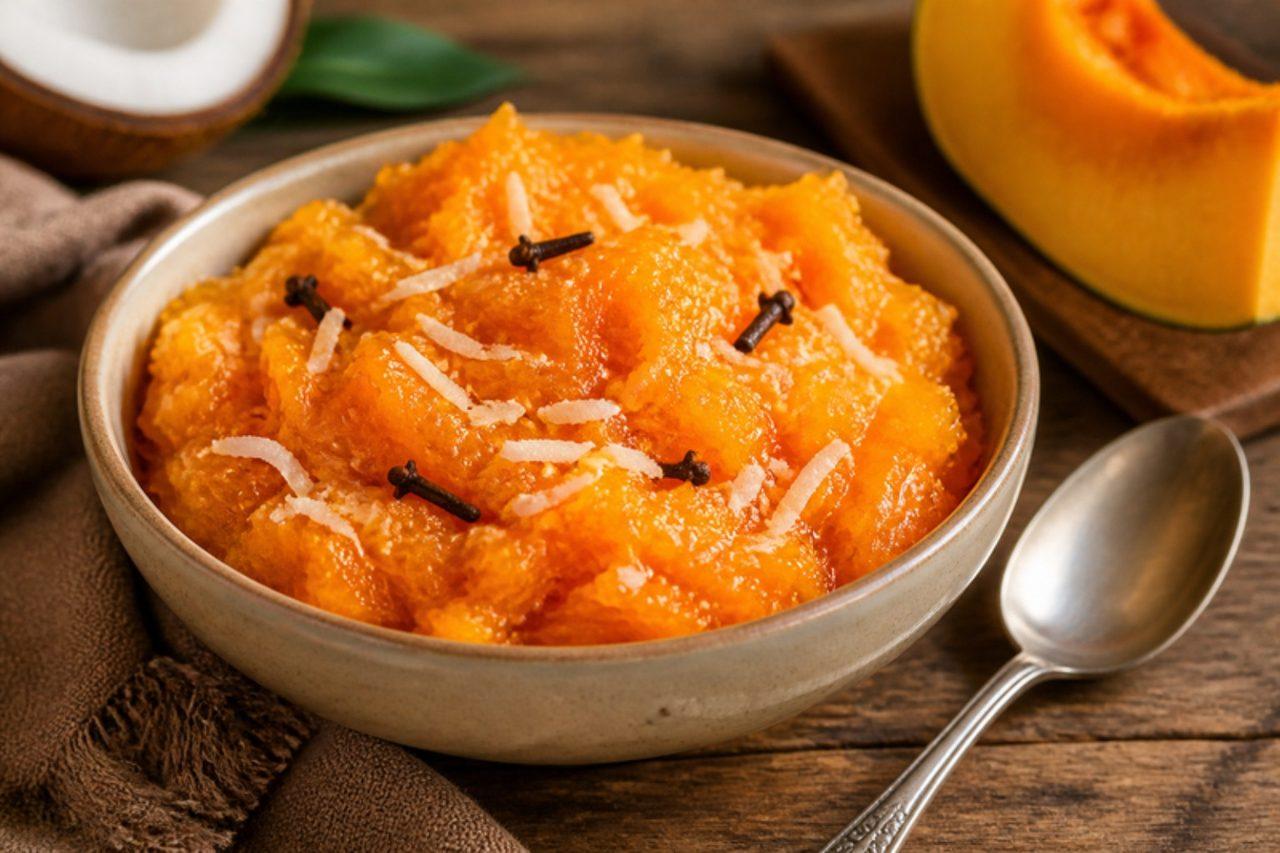
Mineiro farm kitchens and the June festivals of the interior both lean on doce de abóbora, a deep orange spoon sweet of pumpkin cooked with sugar and cloves until thick, here finished with fresh grated coconut. It is eaten cold, by the spoonful from little bowls, or with a slice of fresh white cheese, the Brazilian way of pairing sweet and salty (pick a microbial-rennet cheese if you are vegetarian). The flavour is caramel-sweet and spiced, with the soft chew of coconut. Use a dry, dense pumpkin such as kabocha or butternut; watery pumpkins take forever to reduce. Adding the sugar before the pumpkin softens is a common misstep; the sugar firms the pieces and they never break down. Chef's tip: stop cooking when you see the base of the pan for a second as you drag the spoon through, as the sweet thickens further as it cools.

by KrazyBadal 0 views

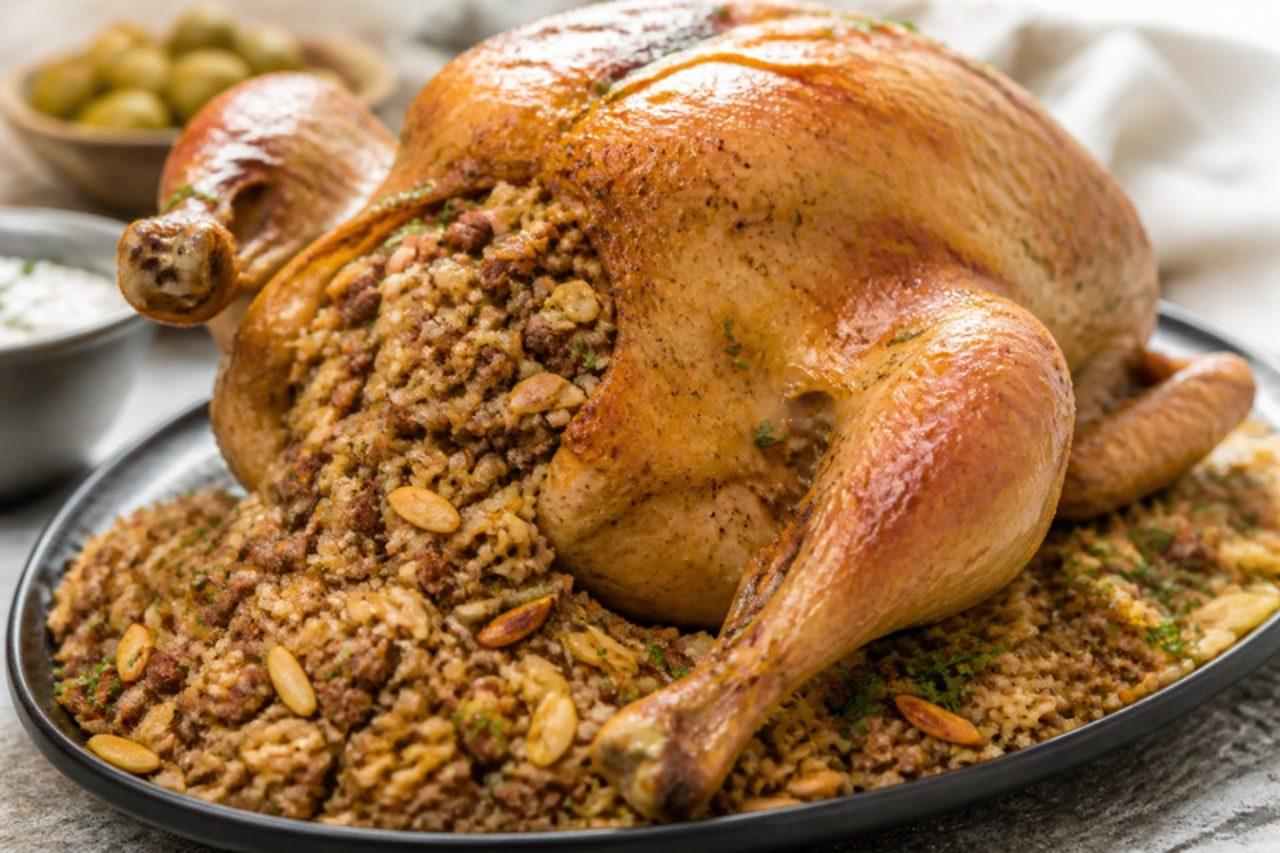
Djaj mahshiRoast chicken stuffed with spiced rice

For Eid, Christmas or a wedding lunch in Palestine, a whole chicken stuffed with spiced rice is the centrepiece: the rice cooked with a little minced lamb, seven-spice and cardamom, packed into the bird and roasted until the skin is lacquered brown, then piled on a platter under handfuls of fried almonds and pine nuts. Serve with yoghurt and a chopped salad. Common mistake: packing the cavity tightly with raw rice, which leaves the centre undercooked; part-cook the rice first and stuff loosely. Chef's tip: simmer the chicken briefly in spiced water before roasting, as many Palestinian cooks do; it seasons the meat and keeps it moist.

by KrazyBadal 0 views

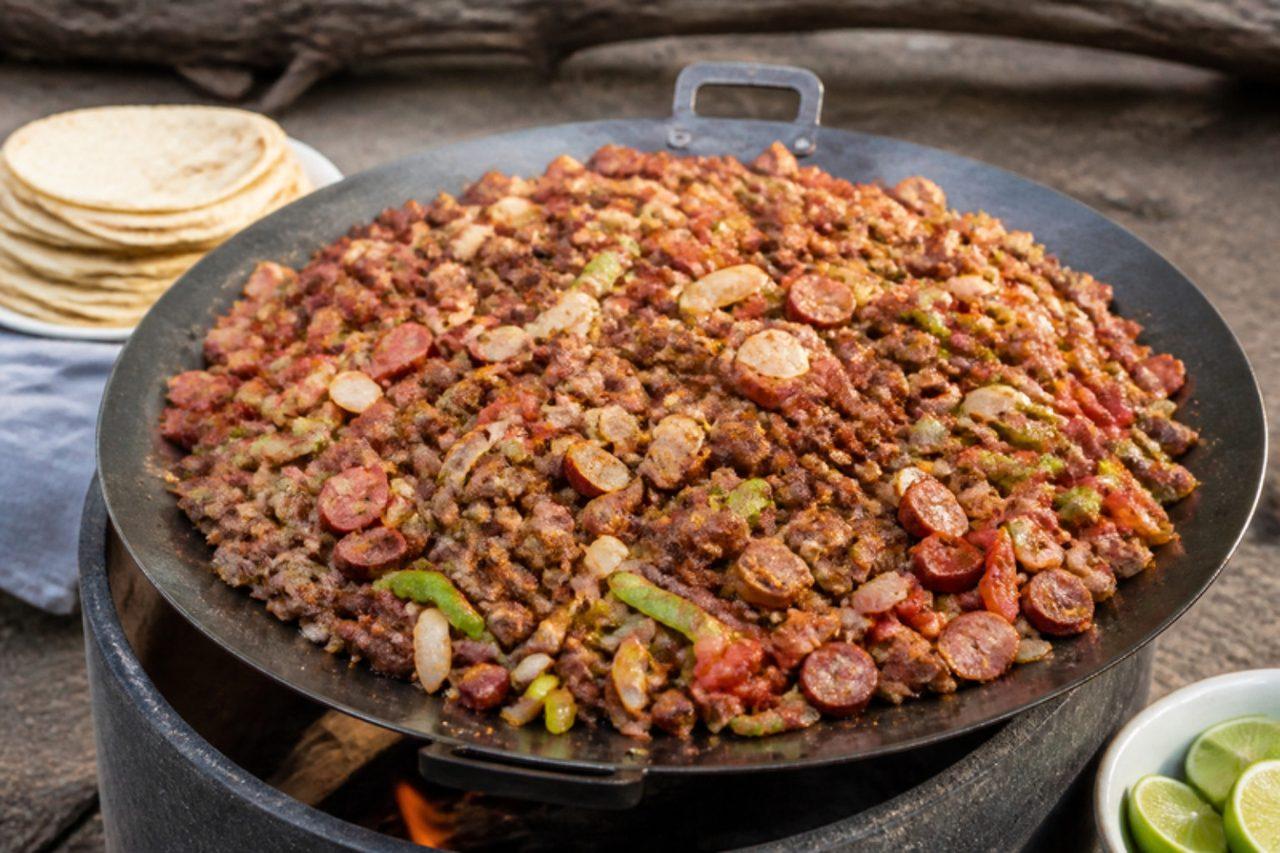
Discada norteñaMixed-meat skillet with peppers and onions

In Chihuahua and across the northern ranchlands, discada is party food: a worn-out plough disc is set over a wood fire and filled, one by one, with bacon, pork chorizo, beef, ham and sausages, then peppers, onions and tomatoes, while everyone stands around with tortillas. It is a big, smoky, pork-heavy dish, made with pork bacon, pork chorizo and ham, and many cooks splash in beer near the end, for which stock is a fine alcohol-free swap. At home, a large wok or your widest heavy skillet does the job. Serve it straight from the pan with corn tortillas, salsa and lime. Chef's tip: add the meats in order, fattiest first, so each one browns in the fat of the last.

by KrazyBadal 0 views

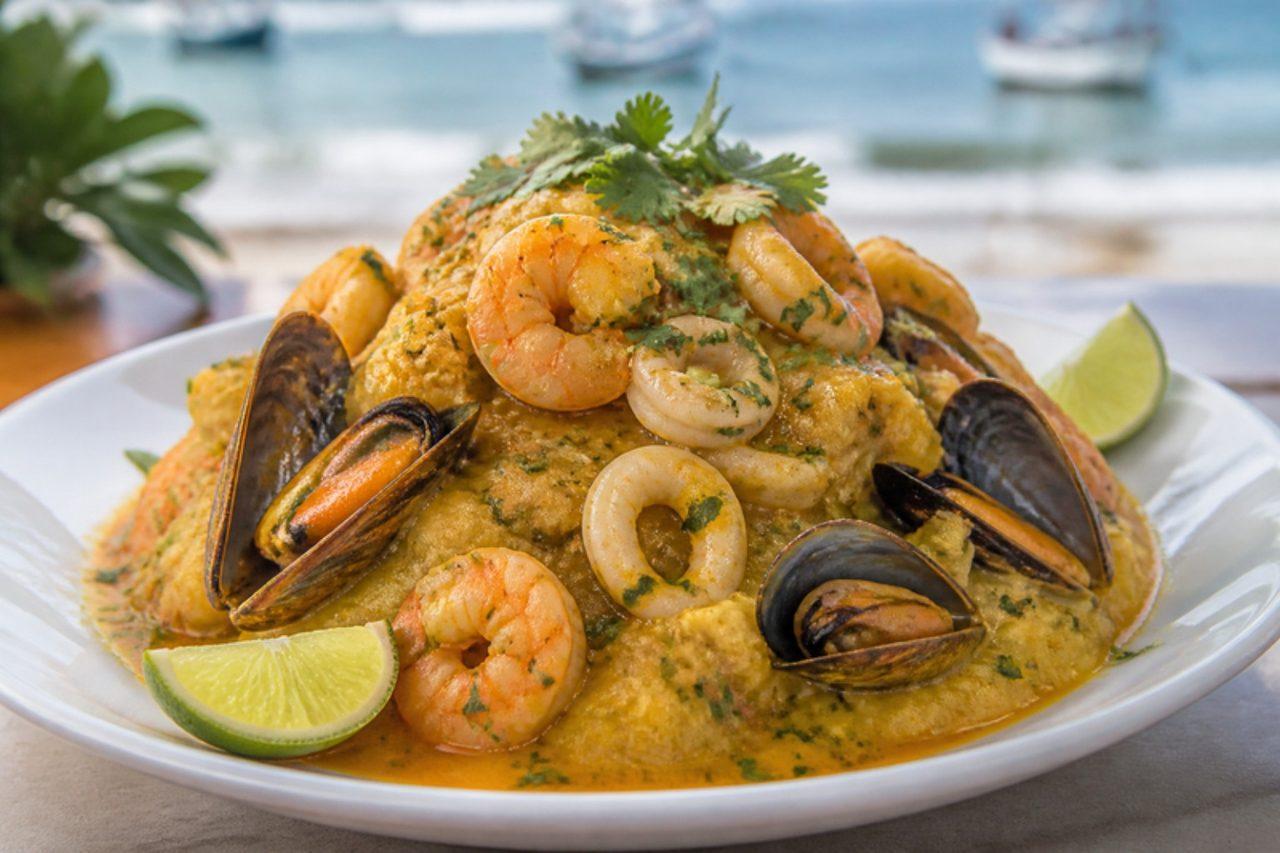
MajariscoPlantain mash with seafood

Its name blends 'majado' (mashed plantain) and 'marisco' (seafood), and along the coast of Piura and Tumbes, near the Ecuadorian border, it's what cevicherías and beach restaurants serve when you want something hot and filling. Mashed green plantain is folded into a sauce of garlic, onion, ají and seafood juices, with prawns, squid and mussels running through it, so every forkful is creamy, garlicky and briny. Serve it with lime and salsa criolla. Mussels must be alive: tap any open ones and discard those that don't close, and discard any that stay shut after cooking. Overcooking the seafood is the most frequent mistake; it goes in at the end, just until pink and opaque. Chef's tip: keep the mussel cooking liquid and use it to loosen the mash; it's pure seafood flavour.

by KrazyBadal 0 views

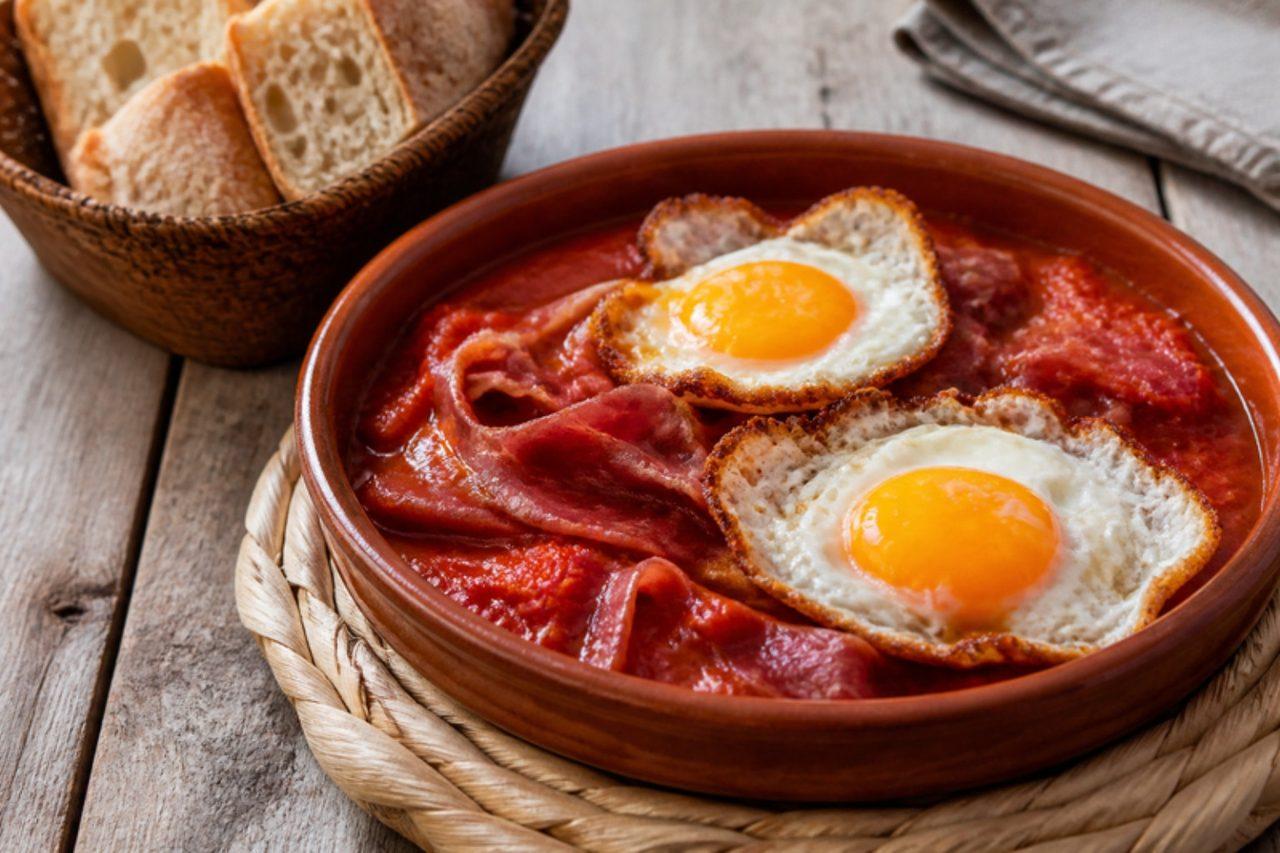
Magras con tomateCured ham in tomato sauce

Teruel is famous for its cured hams, and magras con tomate is how Aragonese home cooks have long turned a few thick slices into supper: the ham is fried briefly, then simmered in a homemade tomato sauce and served with fried eggs and bread for dipping. It is a typical dinner in the Bajo Aragón and at bar counters in Zaragoza's old Tubo district. This contains pork (cured ham). A common mistake is frying the ham too long; it hardens and turns very salty, so give it barely a minute a side. Use hand-cut slices about 5 mm thick if you can. If you serve the eggs with runny yolks, they are not for pregnant women, young children or anyone with a weakened immune system; fry them until the yolks are firm for those diners. Chef's tip: don't salt the sauce until the ham has been in it for a few minutes.

by KrazyBadal 0 views

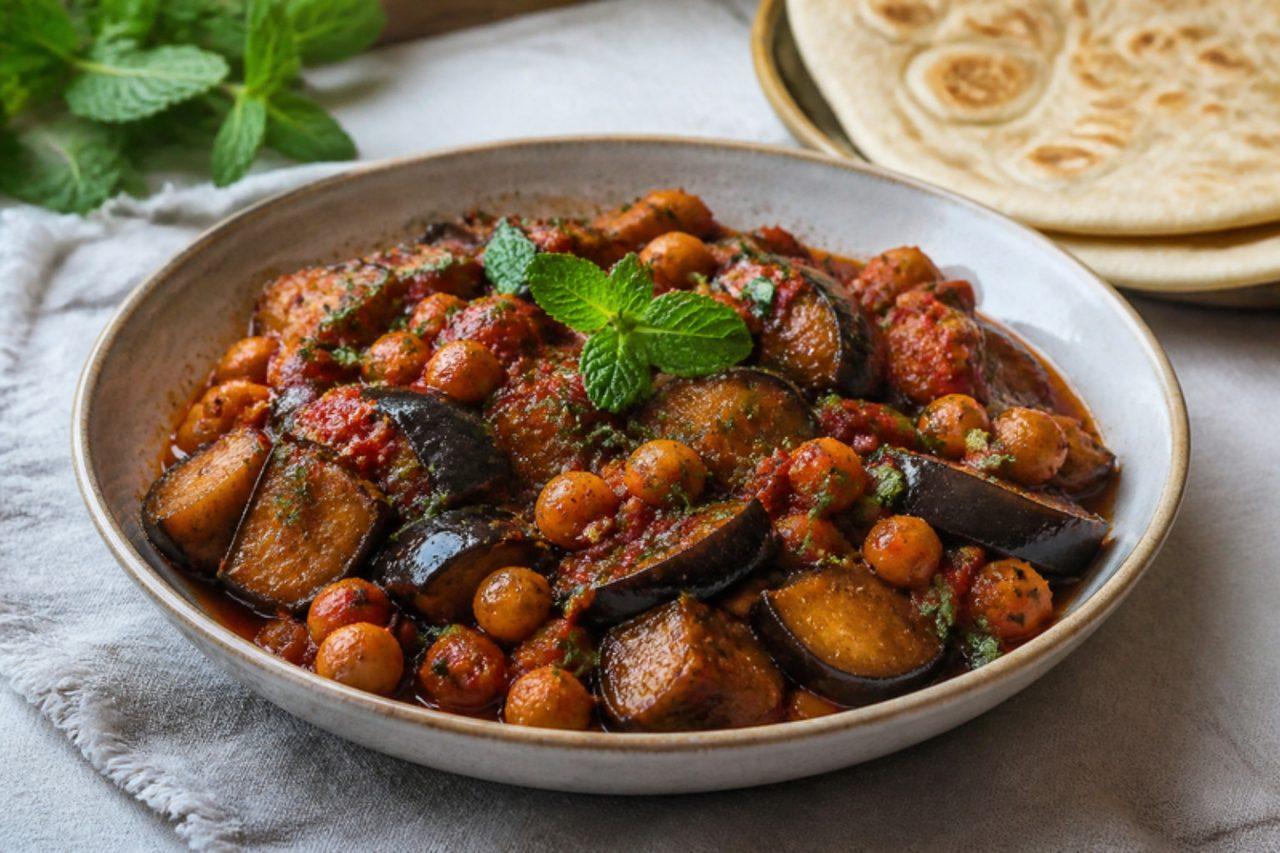
MaghmourAubergine, chickpea and tomato stew

In Lebanese villages from the Chouf to the Bekaa, maghmour turns up on the table during the long Lenten fasts and through the summer, when aubergines are piled high at every greengrocer. Chunks of fried or roasted aubergine collapse into a sweet, garlicky tomato sauce with chickpeas and plenty of olive oil, so the dish is soft and silky rather than chunky. Lebanese cooks serve it at room temperature with flatbread, pickles and a bowl of olives, and it tastes even better on the second day. Roasting the aubergine instead of deep-frying keeps it lighter without losing the melting texture. Common mistake: stirring hard once the aubergine is in; fold gently or it turns to mush. Chef's tip: add a final drizzle of good olive oil and a pinch of dried mint just before serving to lift the deep, sweet flavours.

by KrazyBadal 0 views

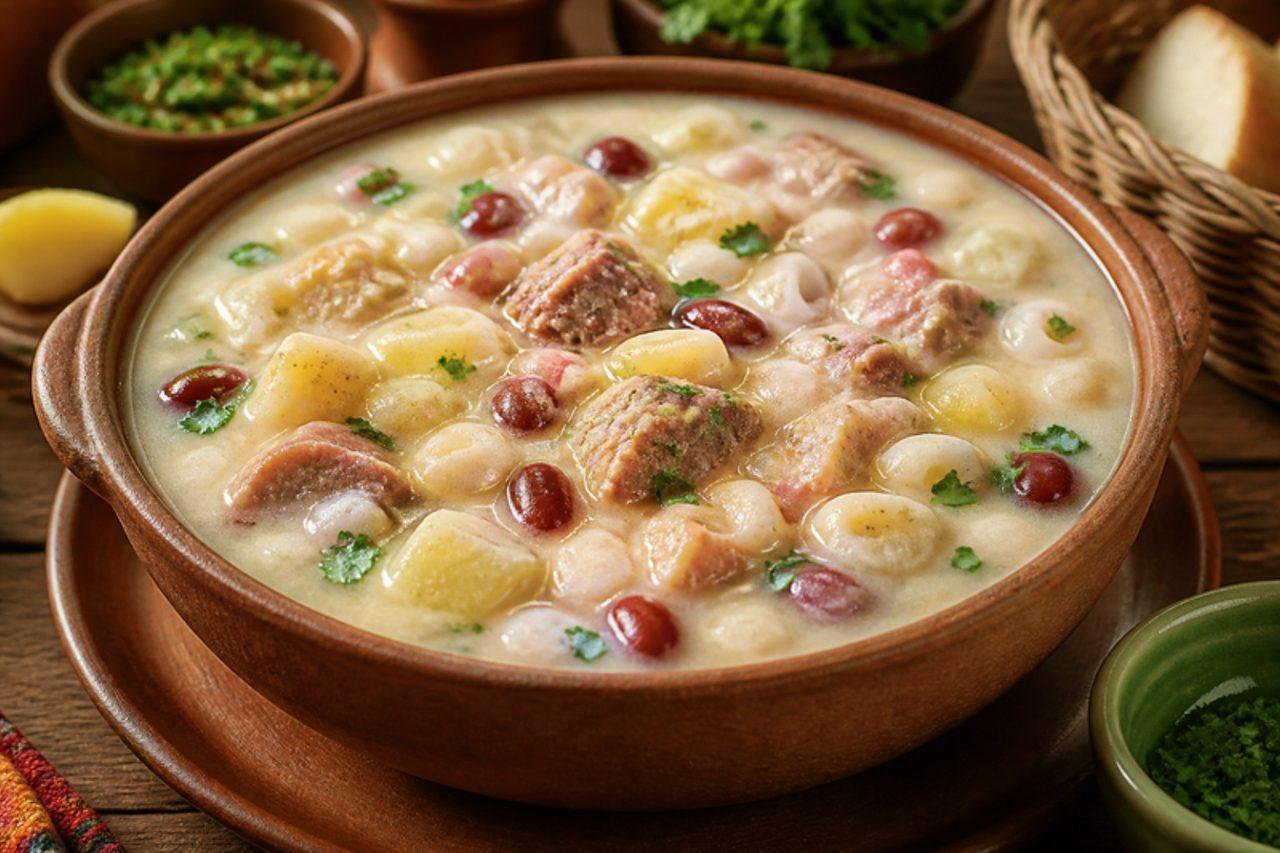
Mute santandereanoHominy and tripe soup

Bucaramanga's Mercado Central and the Sunday family tables of Santander serve mute, a big, thick soup that takes most of a day: hominy corn, honeycomb beef tripe and pork ribs, plus red beans, potatoes, pumpkin, cabbage and a handful of short pasta, all simmered until thick, rich and savoury. It is filling enough to be lunch on its own, eaten with avocado, ají and a piece of arepa. The tripe must be bought cleaned and bleached from the butcher and then simmered for two hours until tender; undercooked tripe is the most common complaint, as it stays chewy and tastes strong. This version uses cooked or tinned hominy and beans to save the overnight soaking. Chef's tip: rub the tripe with lime and salt and rinse it twice before cooking; it removes any farmyard smell and keeps the broth clean-tasting.

by KrazyBadal 0 views

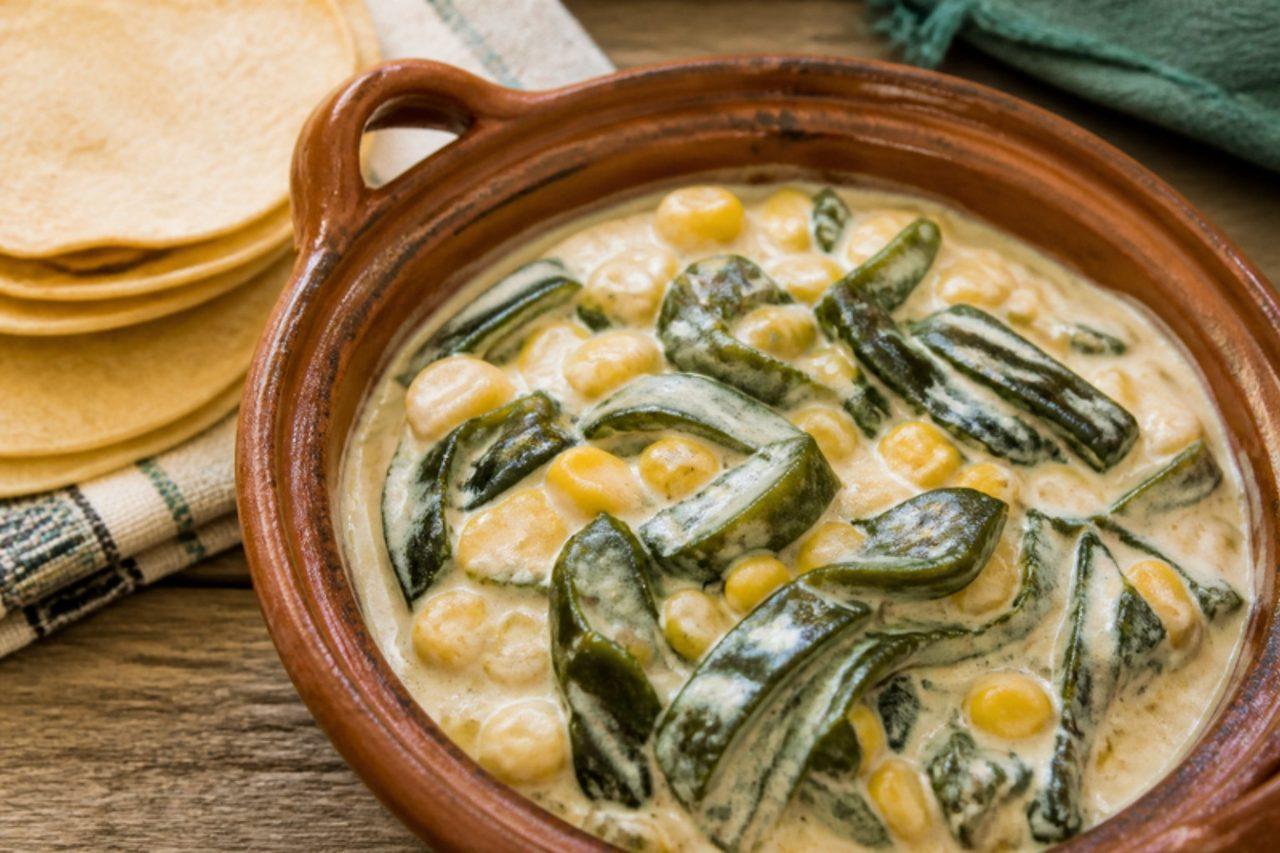
Rajas con cremaPoblano strips in cream

Rajas means strips, and in Puebla they mean poblano chillies, the dark green pepper the state is named after, charred, peeled and sliced, then simmered with onion, sweetcorn and cream. Poblanos are mild with a grassy, gently smoky bite, so the dish is rich rather than fiery. It turns up on Puebla tables as a side for rice, as a taco filling at fondas, or in a tamal for breakfast. Some cooks melt in Chihuahua or Oaxaca cheese, which may be made with animal rennet; use a vegetarian melting cheese if needed. Chef's tip: sweat the peeled chillies in a covered bowl for 10 minutes; the steam lifts the skins off cleanly without rinsing away the smoky flavour.

by KrazyBadal 0 views

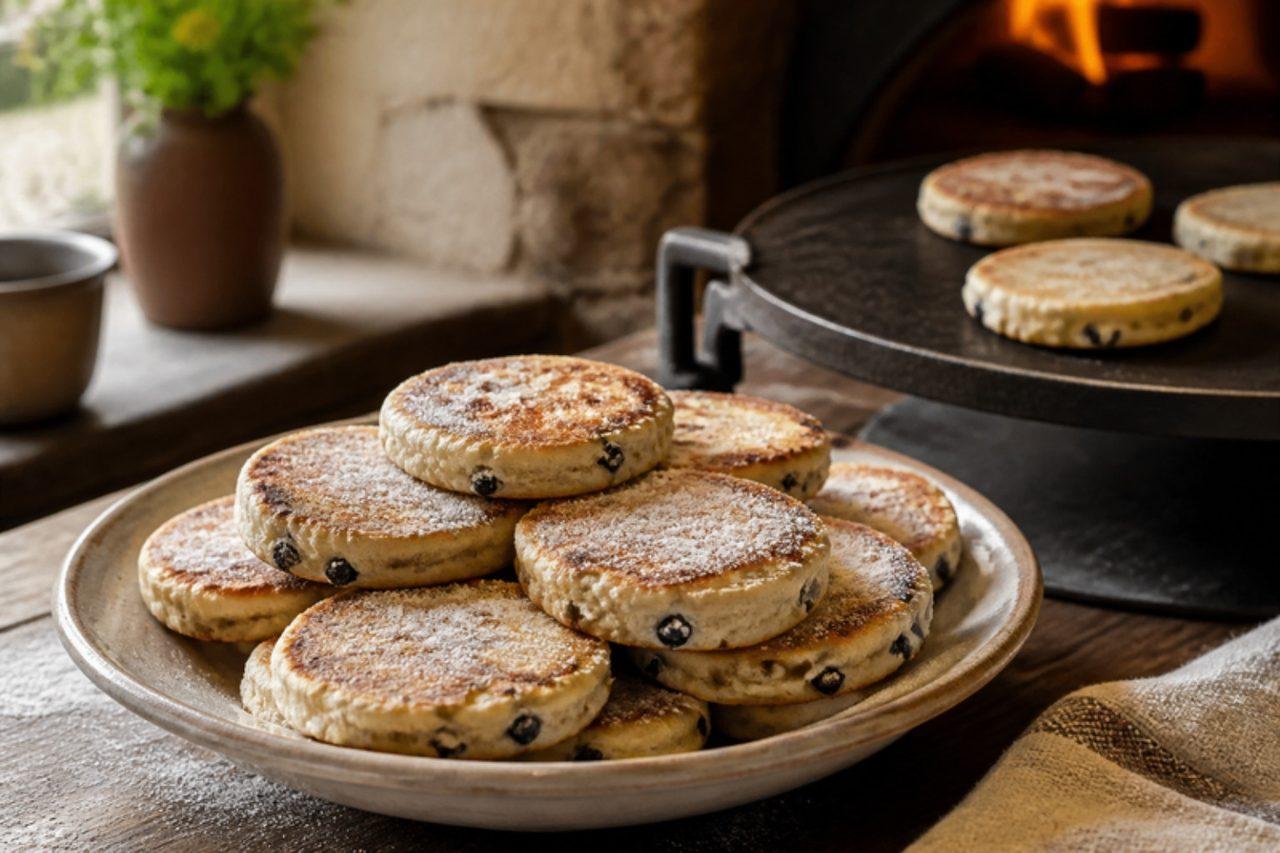
Welsh cakes

Welsh cakes, picau ar y maen or 'cakes on the stone', are cooked on a cast-iron bakestone in kitchens across Wales and sold warm at markets and rugby matches, and they are a must on St David's Day, 1 March. The dough is like a rich scone with currants and mixed spice, and they are dusted with sugar while hot. Chef's tip: keep the heat medium-low; they need time for the middle to cook before the outside darkens.

by KrazyBadal 0 views

DiplesFried pastry rolls in honey

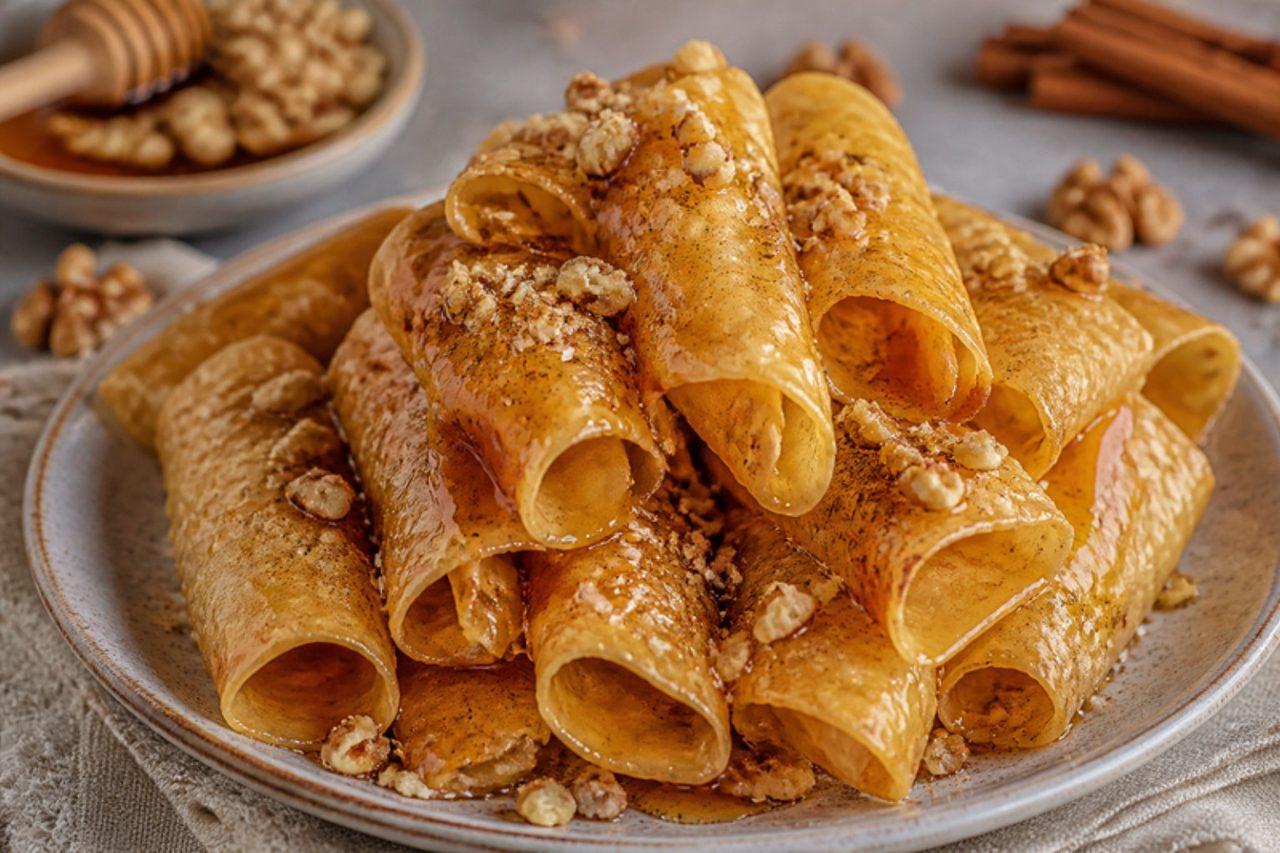
In the tower villages of the Mani, no wedding, christening or New Year passes without trays of diples: paper-thin egg dough fried in a rolling twist, so each strip curls into a crisp, bubbled scroll, then drenched in warm thyme honey and showered with walnuts and cinnamon. They shatter when you bite and stay crunchy for days in a tin. Common mistake: rolling the dough too thick, which gives chewy, oily diples — you should almost see your hand through it. Chef's tip: hold the end of each strip in the oil with two forks and roll it as it puffs; the first few are practice, so don't worry about shape.

by KrazyBadal 0 views

Diots au vin blancSausages braised in white wine

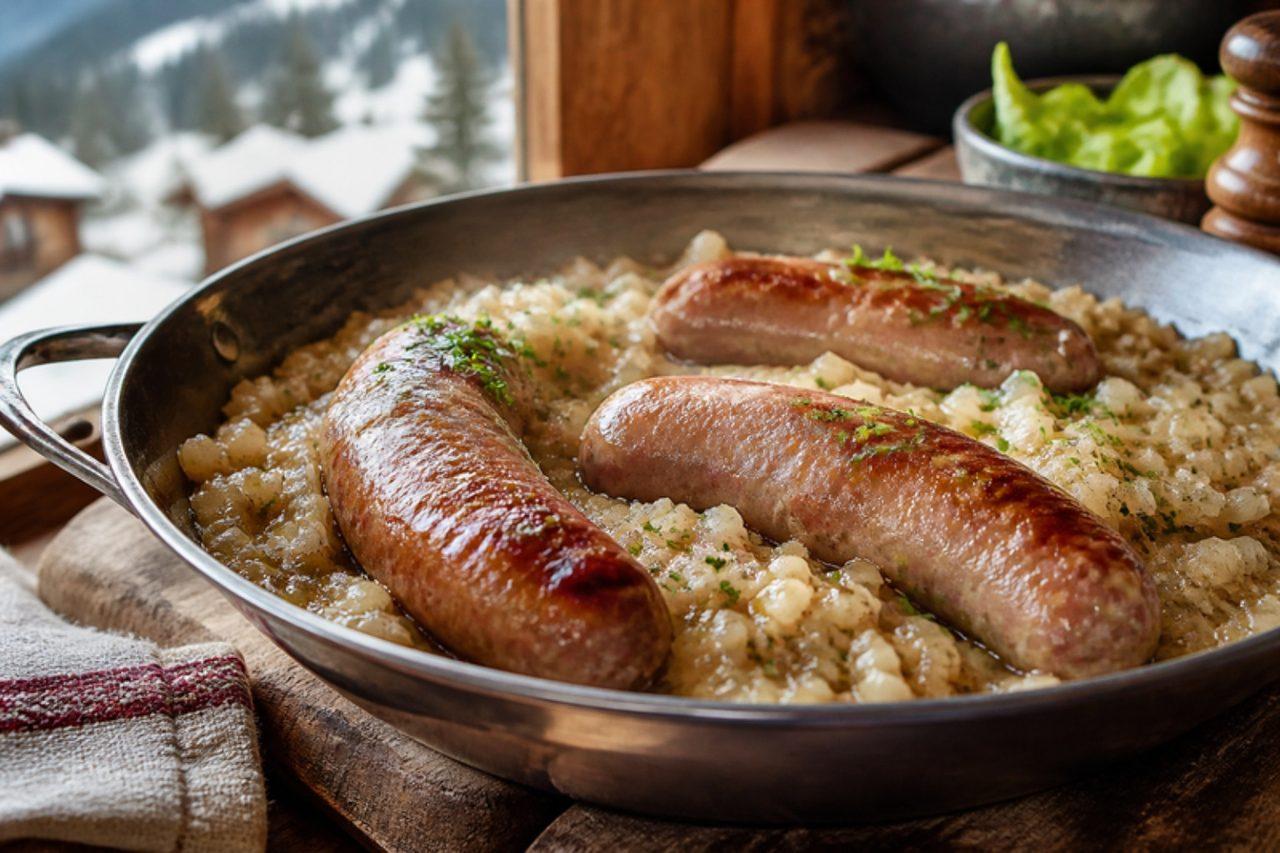
Diots are the small pork sausages of Savoie, sold in every butcher's from Chambéry to Annecy and eaten at ski-resort tables and village fêtes all winter. They are browned, then braised slowly with plenty of onions in dry Savoie white wine with a bay leaf, until the onions melt into a sweet, winey sauce around the plump sausages. The traditional partner is crozets, tiny square buckwheat or wheat pasta, or a soft polenta. The braise uses white wine; an alcohol-free version is in the notes. If you can't find diots, use any coarse, garlicky pork sausage. Chef's tip: brown the sausages slowly over a medium heat rather than fiercely, so the skins colour without bursting.

70 minFrenchMeat
by KrazyBadal 0 views

YuvalamaRice dumplings in yoghurt soup

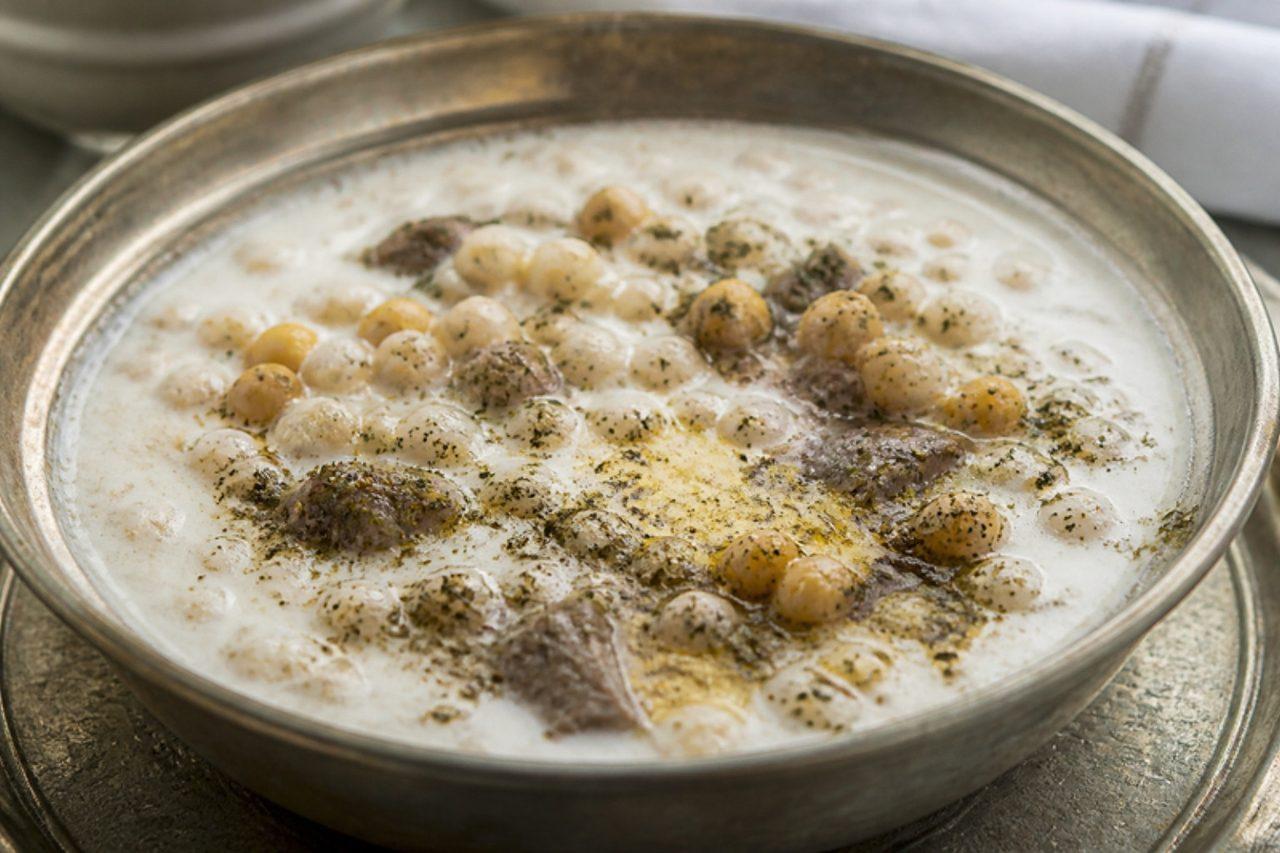
Families in Gaziantep spend the day before Kurban Bayramı rolling thousands of chickpea-sized dumplings for yuvalama, the festive yoghurt soup served on the first morning of the holiday. Little balls of rice dough and tiny lamb meatballs simmer with chickpeas and chunks of lamb in a tangy yoghurt broth, finished with mint butter. It is rich, soothing and very much a feast dish, so make it with friends. The most common mistake is adding the yoghurt straight to a boiling pot: it curdles. Chef's tip: whisk an egg yolk and a spoon of flour into the yoghurt and stir it constantly as it comes up to a simmer.

165 minTurkishMeat
by KrazyBadal 0 views

MurtuğaButter-toasted flour with egg

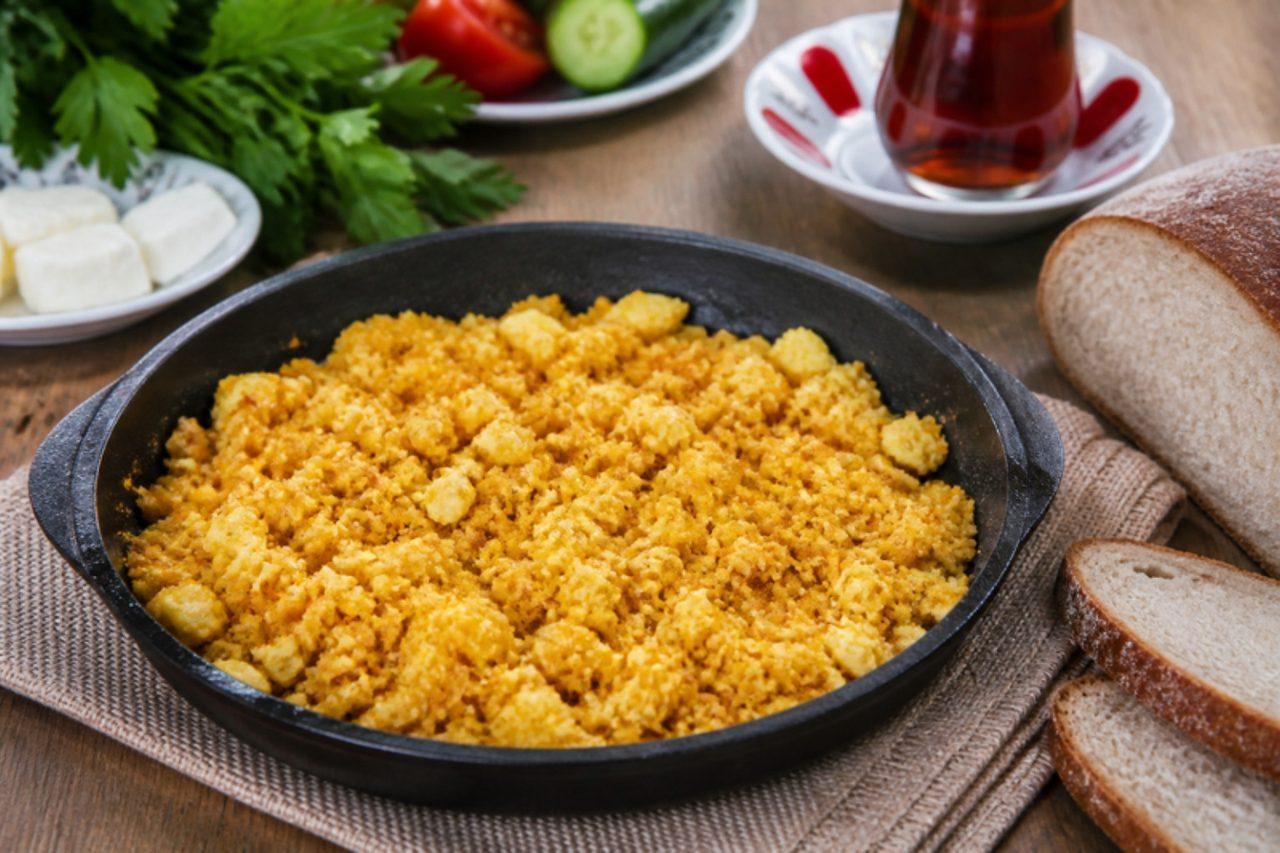
A Van breakfast is famously huge, with herb cheese, honey, kaymak and olives, and in winter it often includes a pan of murtuğa: flour slowly toasted in plenty of butter until golden, then scrambled together with eggs into rich, crumbly nuggets. It's a dish from cold mountain homes where a filling breakfast had to last until evening, eaten hot with bread or on its own with tea. Common mistake: rushing the flour on a high heat so it scorches before it cooks through; keep it low and keep stirring. Chef's tip: beat the eggs with a splash of water before adding them; they spread through the flour more evenly and stay softer.

by KrazyBadal 0 views

YouvarlakiaRice meatballs in egg-lemon broth

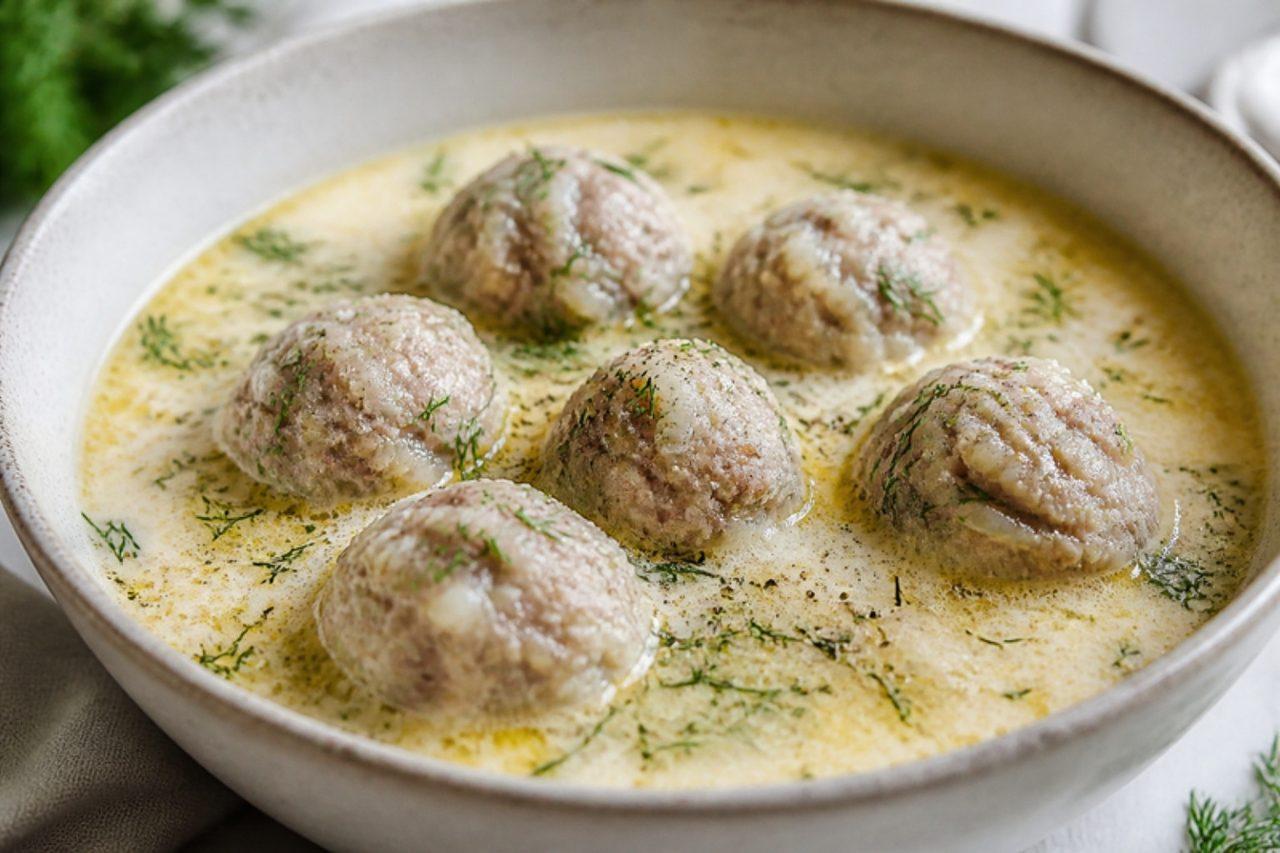
Youvarlakia is the soup Greek mothers, from Tripoli in the Arcadian hills to the Athens suburbs, make for a cold night or anyone feeling under the weather. Little meatballs of beef, rice, onion and herbs poach in a light broth until tender, and the broth is thickened at the end with whisked egg and lemon into a pale, silky avgolemono. It's a meal in a bowl, with bread and feta. Common mistake: boiling the soup after the egg goes in, which curdles it — take the pot off the heat first. Chef's tip: roll the meatballs with wet hands and drop them into simmering, not boiling, broth so they hold together.

70 minGreekSoupsGluten free
by KrazyBadal 0 views

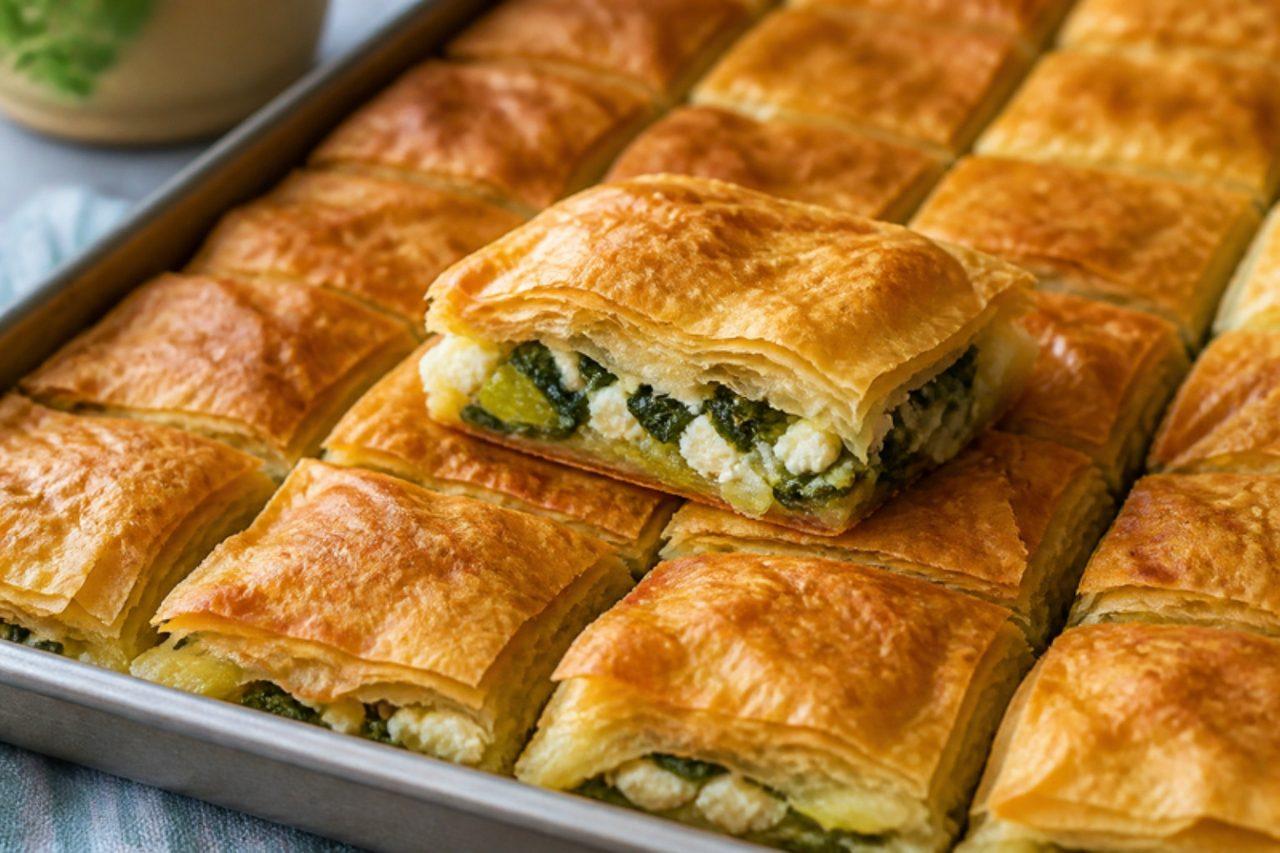
PrasopitaLeek and feta pie

In the villages around Kozani and Kastoria, winter leeks pulled from frozen ground go into this pie, made on Sundays and taken to the fields in slabs wrapped in paper. The leeks are sweated slowly in butter and olive oil until silky and sweet, bound with eggs, feta and a little semolina, then baked between buttery sheets of filo. It is softer and gentler than spinach pie, and just as good cold the next day. Feta and kefalotyri usually use animal rennet; choose vegetarian versions if needed. Common mistake: leaving grit in the leeks — split and wash them under the tap before slicing. Chef's tip: cook the leeks until all their liquid has gone, or the bottom pastry turns soggy.

by KrazyBadal 0 views

PrasorizoLeek and rice with lemon

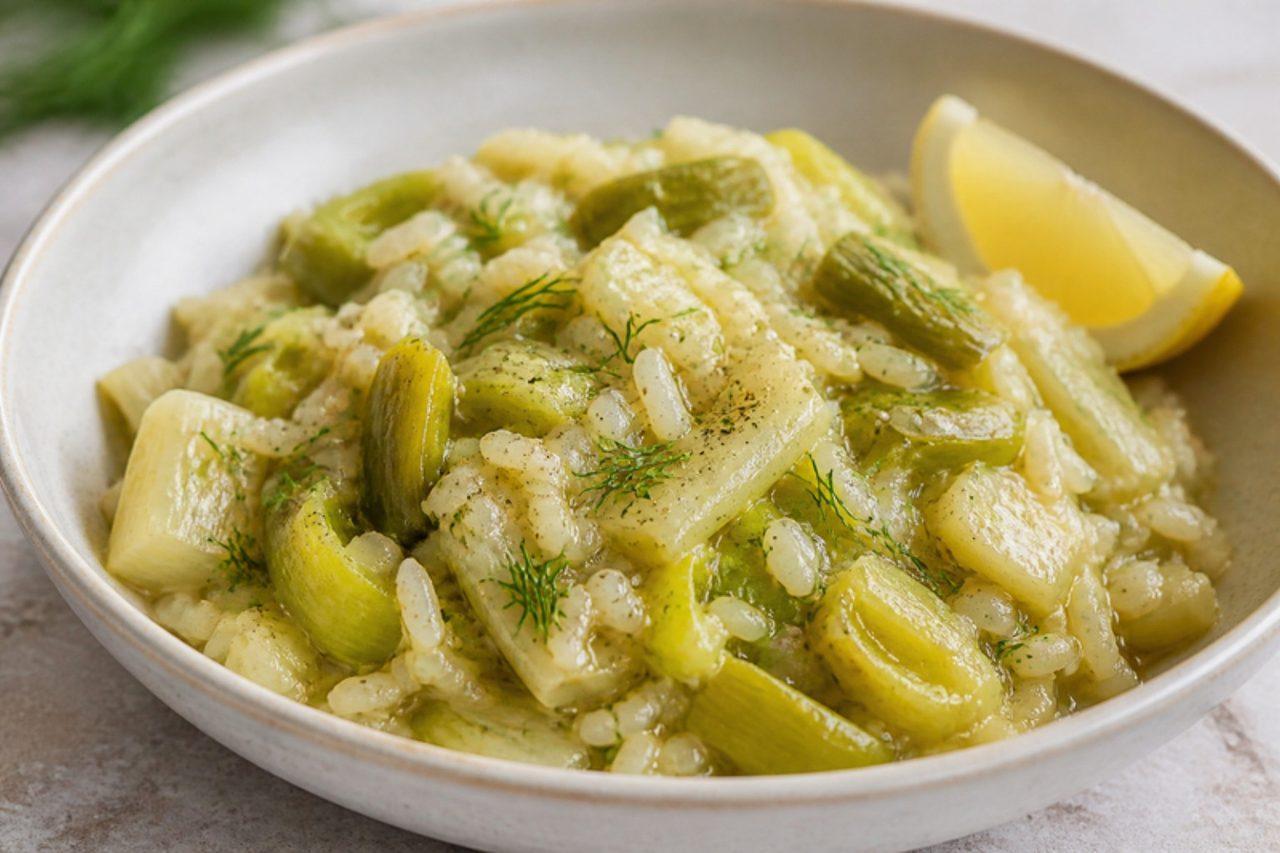
Prasorizo is the cheap, comforting pot that northern Greek kitchens turn to through the Lenten weeks and the cold months, when leeks are at their best and meat is off the table. Leeks are stewed in plenty of olive oil until meltingly soft, then rice simmers in the same pot until creamy and loose, finished with dill and a sharp squeeze of lemon. It is eaten warm, never piping hot, with feta (or a vegan alternative) and olives on the side. Common mistake: stirring like risotto, which turns it gluey — stir once or twice and let it bubble. Chef's tip: be generous with the oil; in a ladera dish the olive oil is the sauce.

by KrazyBadal 0 views

MamouniehSemolina pudding with cinnamon

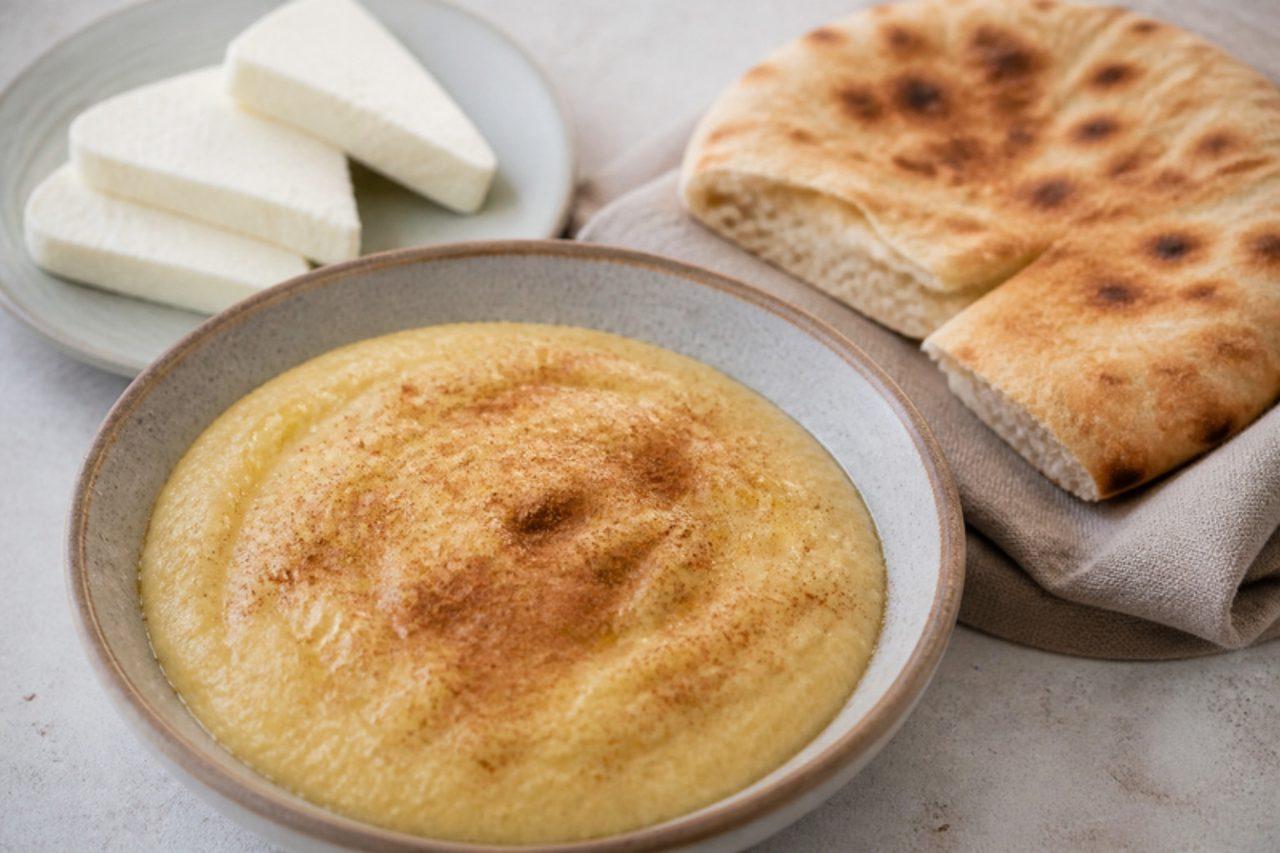
In the old souks of Aleppo, mamounieh shops open at dawn, serving bowls of this hot, buttery semolina pudding to workers before the day starts. Semolina is toasted in butter, then cooked in a light syrup until it sets soft and spoonable, and dusted with cinnamon; Aleppans eat it with a slice of salty white cheese and warm bread on the side, which makes the sweetness sing. Common mistake: pouring cold syrup onto the hot semolina; use hot syrup so it doesn't seize into lumps. Chef's tip: toast the semolina only to pale straw colour — any darker and it loses its delicate milky flavour. Akkawi and halloumi are often made with animal rennet; choose a vegetarian white cheese if needed.

by KrazyBadal 0 views

Kouneli stifadoRabbit stew with shallots and wine

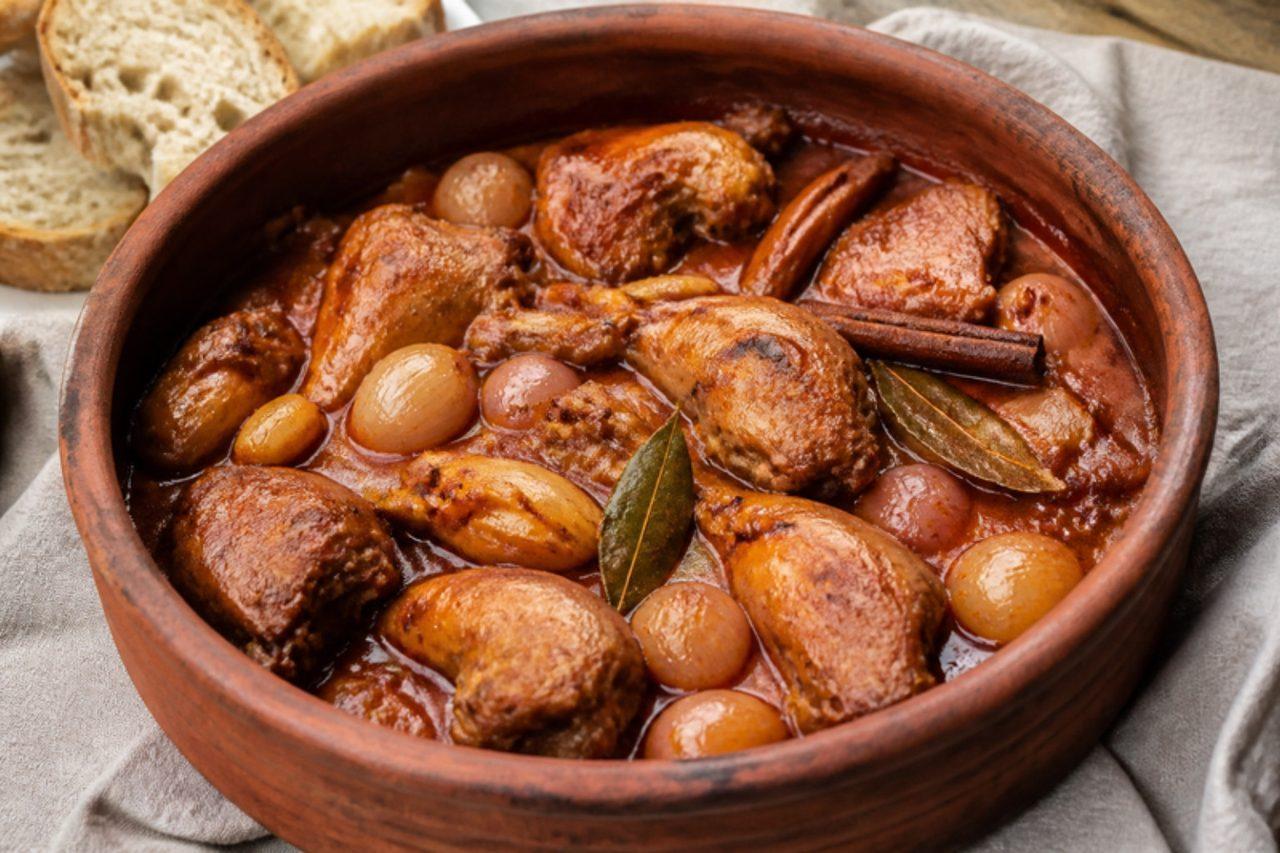
Rabbit is a favourite winter Sunday dish in Crete and across the Greek countryside, and stifado is the way most cooks prepare it: jointed rabbit simmered slowly with a mountain of small whole onions in a glossy, sweet-sour sauce of tomato, red wine and vinegar, scented with cinnamon, allspice and bay. The sauce reduces until the onions are soft and jammy, and it is served with fried potatoes or rice and bread to wipe the plate. This recipe uses red wine; for an alcohol-free version use red grape juice with an extra spoon of vinegar. Common mistake: stirring once the onions go in, which breaks them up; shake the pot instead. Chef's tip: peel the shallots more easily by soaking them in boiling water for 5 minutes first.
140 minGreekMeatGluten free
by KrazyBadal 0 views

MondeghiliFried beef and mortadella meatballs

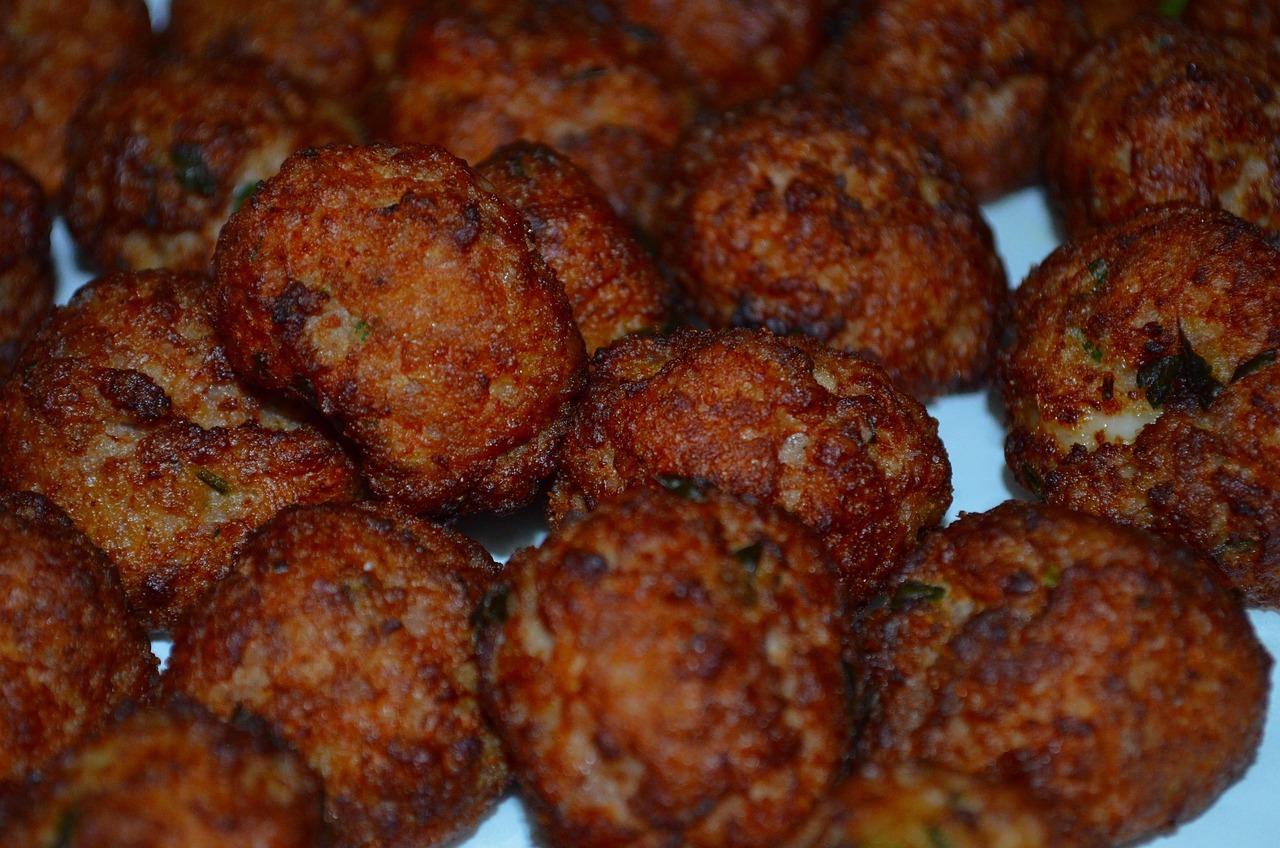
Mondeghili are the thrifty meatballs of Milan, invented to use up the beef left from a pot of bollito misto and now a fixture on the aperitivo counters of the city's bars. The cooked beef is minced with mortadella, a soft pork sausage, then bound with milk-soaked bread, egg, grana and lemon zest, flattened slightly and fried in butter until crisp and brown. They are best warm, with a squeeze of lemon, a spoonful of green sauce or simply a cold drink before dinner. Leftover roast beef or veal works just as well as boiled meat. Chef's tip: flatten each ball a little before frying; they cook through evenly and get more of that crunchy crust.

by KrazyBadal 0 views

Prego no pãoGarlic steak roll

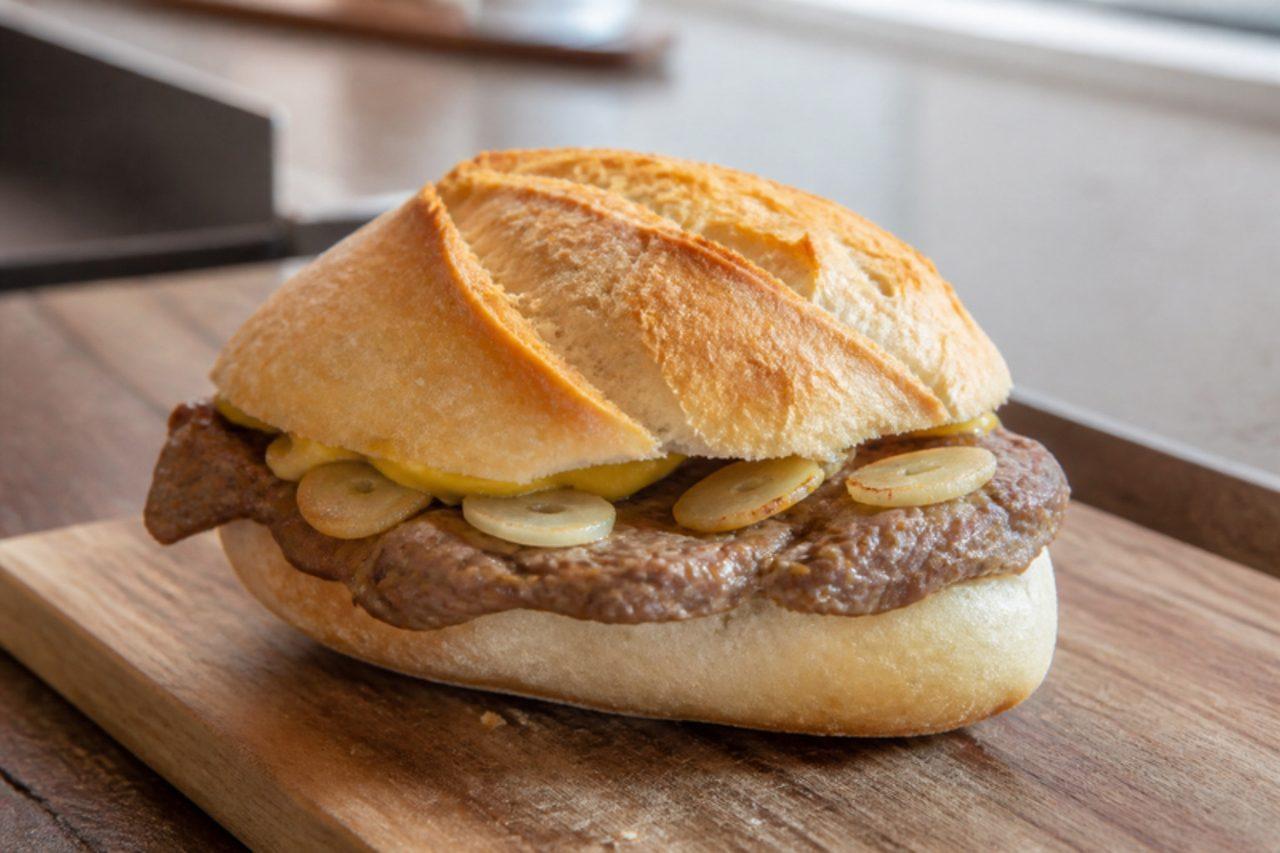
Lisbon diners order a prego at the end of a long seafood lunch, at football matches and after midnight from a beach-bar hatch: a thin slice of beef, beaten flat, fried hard in garlic and bay and stuffed into a crusty papo-seco roll. The name means 'nail', perhaps for the garlic that is hammered into the meat. Mustard or a dash of piri-piri is all it needs. A common mistake is a thick steak; it must be thin enough to cook in a minute a side or it steams and turns grey. Chef's tip: dip the cut side of the roll in the hot pan juices just before you close it.

by KrazyBadal 0 views

PrinzregententorteSeven-layer chocolate buttercream torte

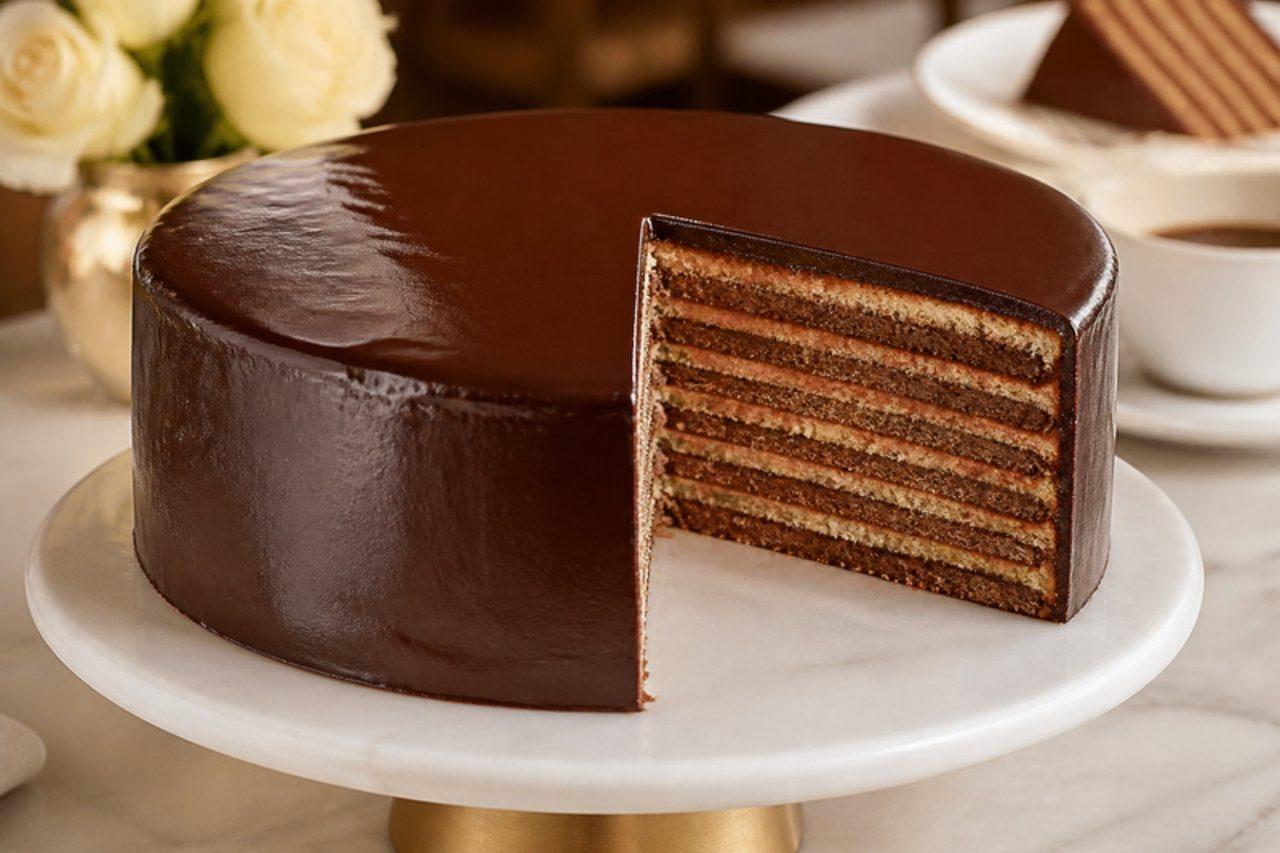
Prinzregententorte was created in Munich for Prince Regent Luitpold, who ruled Bavaria from 1886, and it is still the cake Munich cafés and families bring out for name days and big birthdays. Seven very thin sponge layers, one for each of the old Bavarian districts, are stacked with chocolate buttercream, brushed with apricot jam and sealed under a shiny dark chocolate glaze. The slices show neat stripes and taste rich but not heavy. A common mistake is baking the sponge as one thick cake and slicing it; it is far easier and neater to spread each layer thinly on a tin base and bake it for a few minutes. Chef's tip: trace a 26 cm circle on seven sheets of baking paper before you start, then bake two layers at once on separate trays.

150 minGermanBaking
by KrazyBadal 0 views

Tripas à moda do PortoTripe and butter bean stew

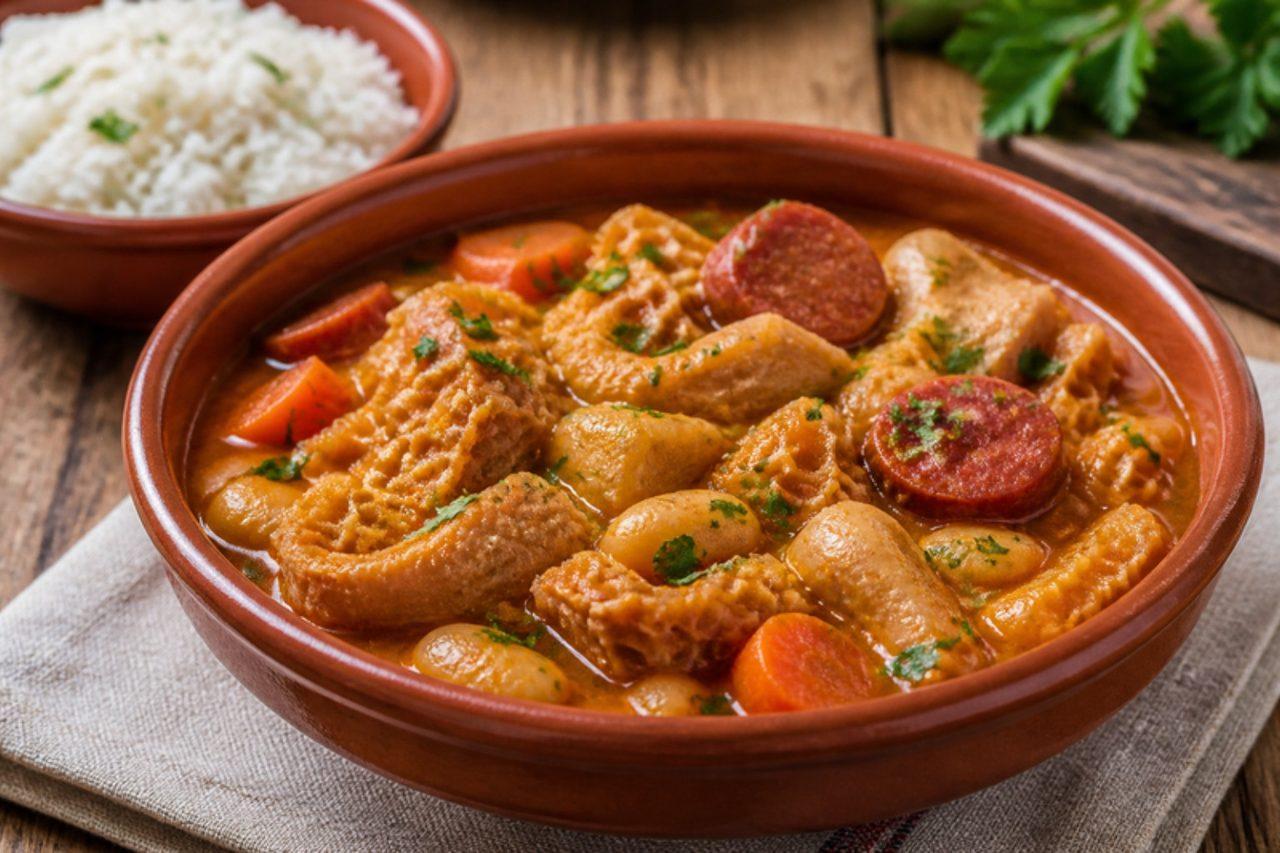
People from Porto are still nicknamed tripeiros, tripe-eaters, after the city's story of giving its best meat to the fleet that sailed for Ceuta in 1415 and keeping only the offal. Tripas is the dish of that legend and is served in the city's tascas, especially on Thursdays and during the São João festival. This contains pork (bacon, chouriço and optional pig's trotter). Tripe, chicken and cured meats simmer slowly with white beans, carrot and cumin into a sticky, rich stew poured over white rice. Chef's tip: buy cleaned, part-cooked honeycomb tripe and still simmer it until it is completely soft.

by KrazyBadal 0 views

Tikin xicAchiote fish in banana leaf

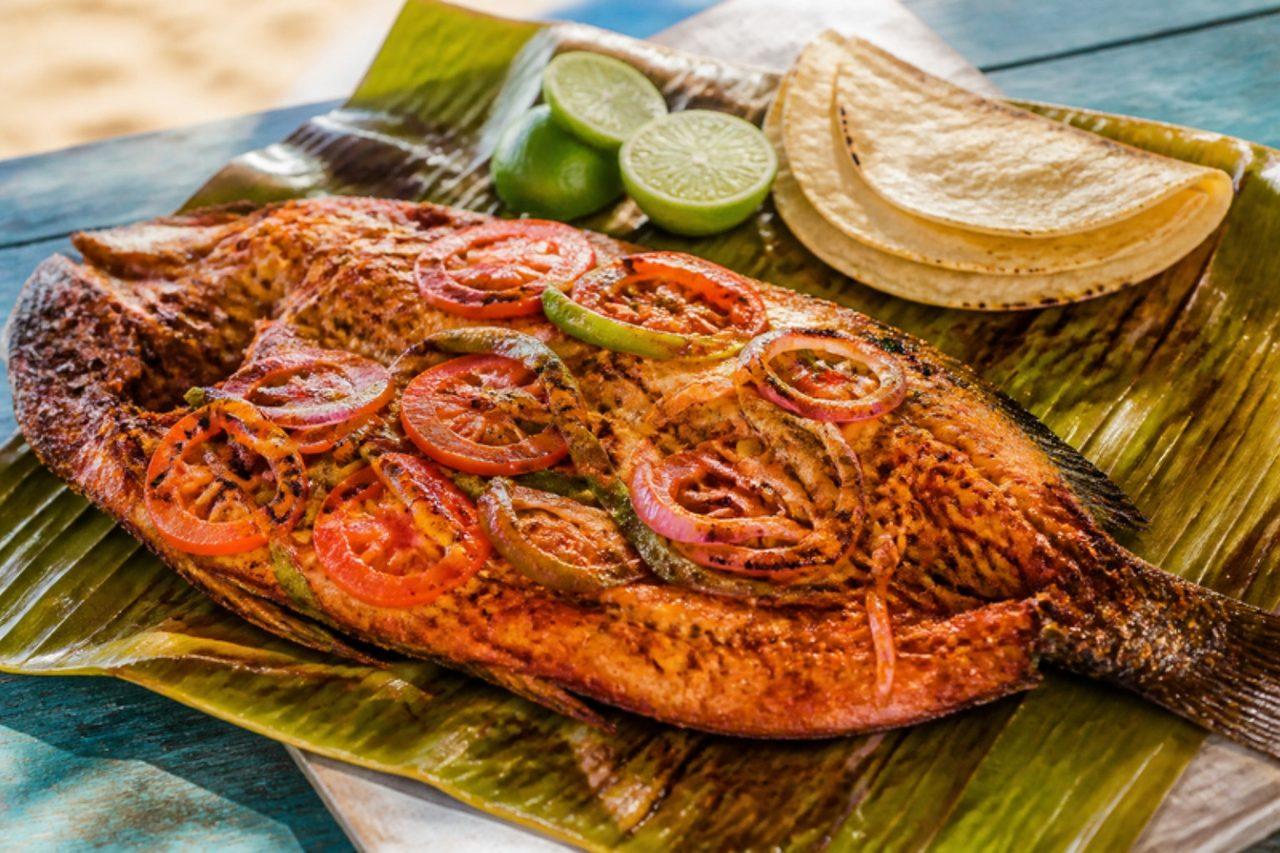
Beach restaurants on the coasts of Quintana Roo and Campeche cook tikin xic over charcoal: a butterflied whole fish, or thick fillets, rubbed with brick-red achiote and bitter orange, laid on banana leaves under tomato, onion and pepper and grilled until smoky. The flesh stays moist and turns a deep orange, tangy and earthy rather than hot. Seville orange is the traditional sour; orange and lime juice together stand in well. Serve it with corn tortillas, rice, pickled red onion and habanero salsa so everyone can make tacos at the table. Chef's tip: cook the fish skin side down without turning; the banana leaf protects it and keeps the achiote from scorching.

by KrazyBadal 0 views

ZwiebelkuchenOnion tart

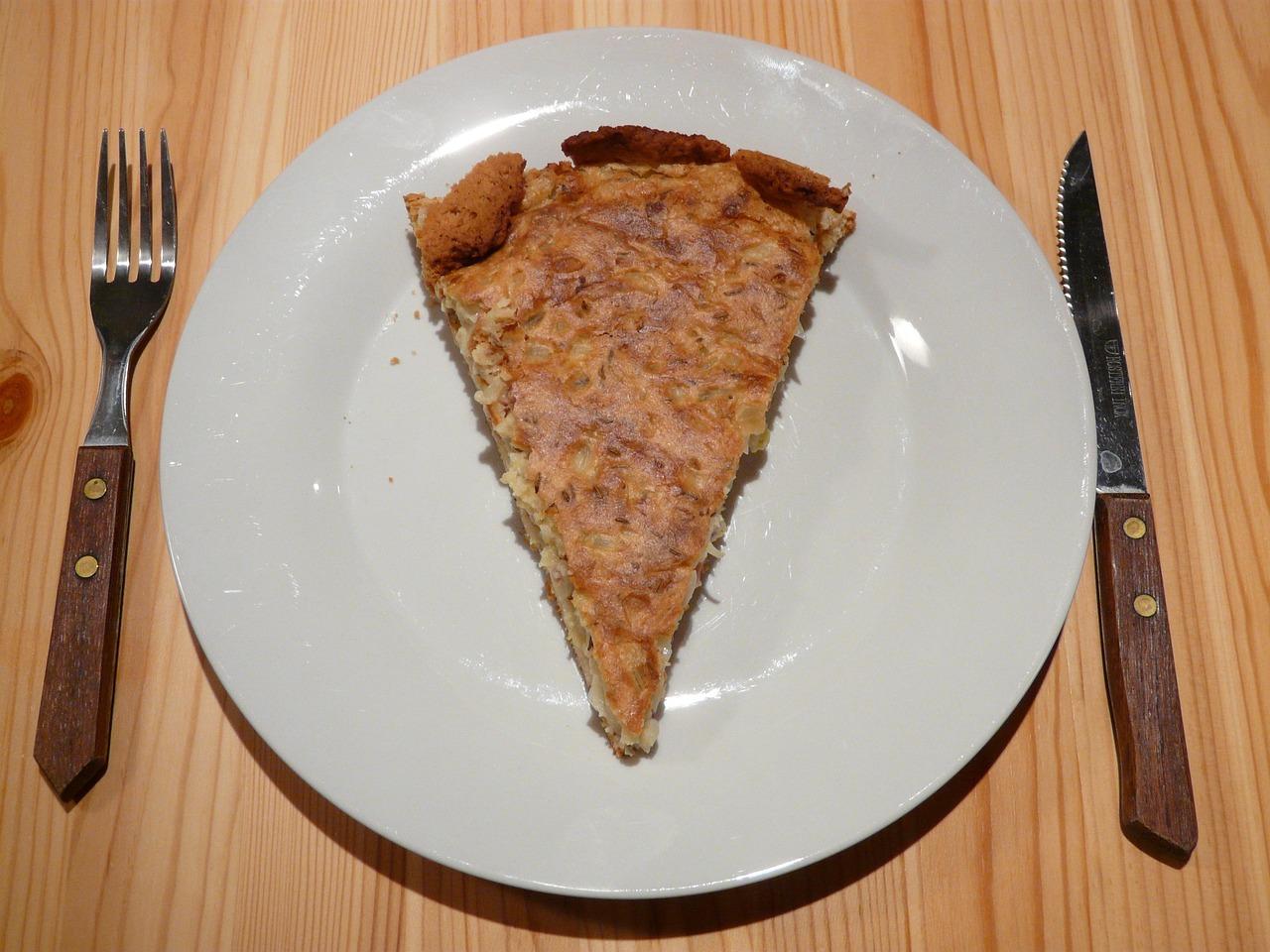
When the grape harvest starts in Baden and the Württemberg vineyards in September, bakeries pull out trays of Zwiebelkuchen: a thin yeast base piled with slowly softened onions under a sour-cream and egg custard, sprinkled with caraway. It is traditionally eaten warm with Neuer Wein or Federweißer, the young, still-fermenting wine; that is alcoholic, so pour cloudy fresh grape juice or apple juice instead, which tastes just as right. Many bakers add bacon; this version is vegetarian. A common mistake is rushing the onions on a high heat: they need 25 minutes on low until soft and sweet but still pale. Chef's tip: cool the onions before adding the custard, or the eggs start setting in the bowl.

by KrazyBadal 0 views

Znoud el sitCream-filled filo fingers

Lebanese sweet shops in Tripoli and Saida fry trays of znoud el sit every evening during Ramadan, and families queue for them after iftar. Filo is rolled around a thick, set milk cream (a home version of ashta), baked or fried until shatteringly crisp, then dipped in cold syrup and dusted with ground pistachios. The contrast of crackling pastry and cool, fragrant cream is the whole point, so eat them within an hour or two of filling. Common mistake: filling with warm cream; it leaks and makes the pastry soggy, so chill it until firm. Chef's tip: brush with clarified butter rather than whole butter — it browns evenly without burning and keeps the rolls crisp longer.

by KrazyBadal 0 views

PorcedduRoast suckling pig

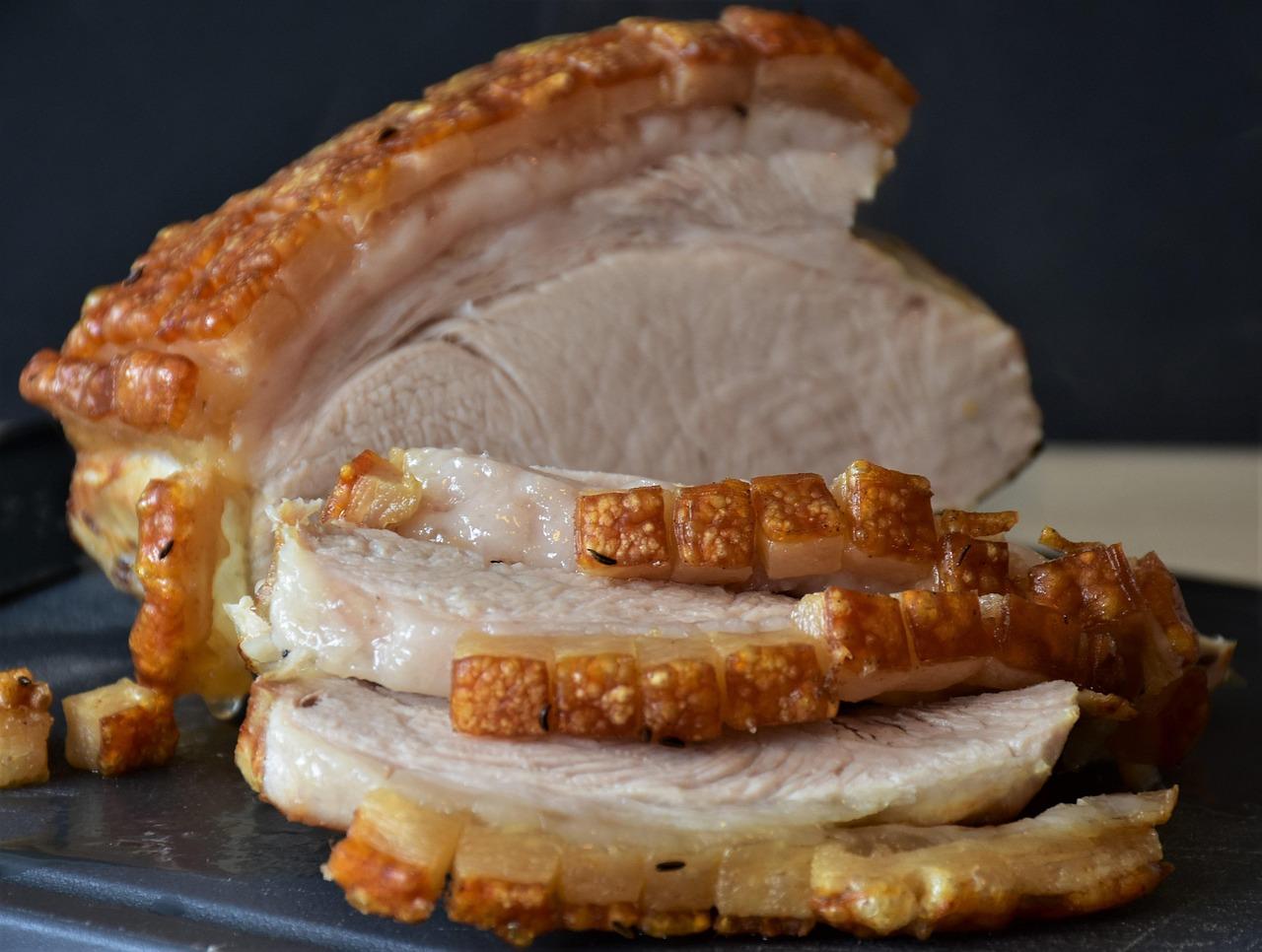
Porceddu is Sardinia's feast: a whole suckling pig spit-roasted for hours beside an open wood fire at weddings, village saints' days and Ferragosto, then laid on a bed of myrtle branches so the hot meat soaks up their scent. The skin turns glass-crisp and the pork underneath is soft and juicy. Suckling pig and fresh myrtle are hard to find outside Sardinia, so this home-oven version uses a skin-on piece of pork belly or shoulder, with bay leaves and rosemary standing in for myrtle. Serve with bread, roast potatoes and a salad. Chef's tip: salt the dried skin and leave it uncovered in the fridge overnight; dry skin is the secret to real crackling.

200 minItalianMeatGluten free
by KrazyBadal 0 views

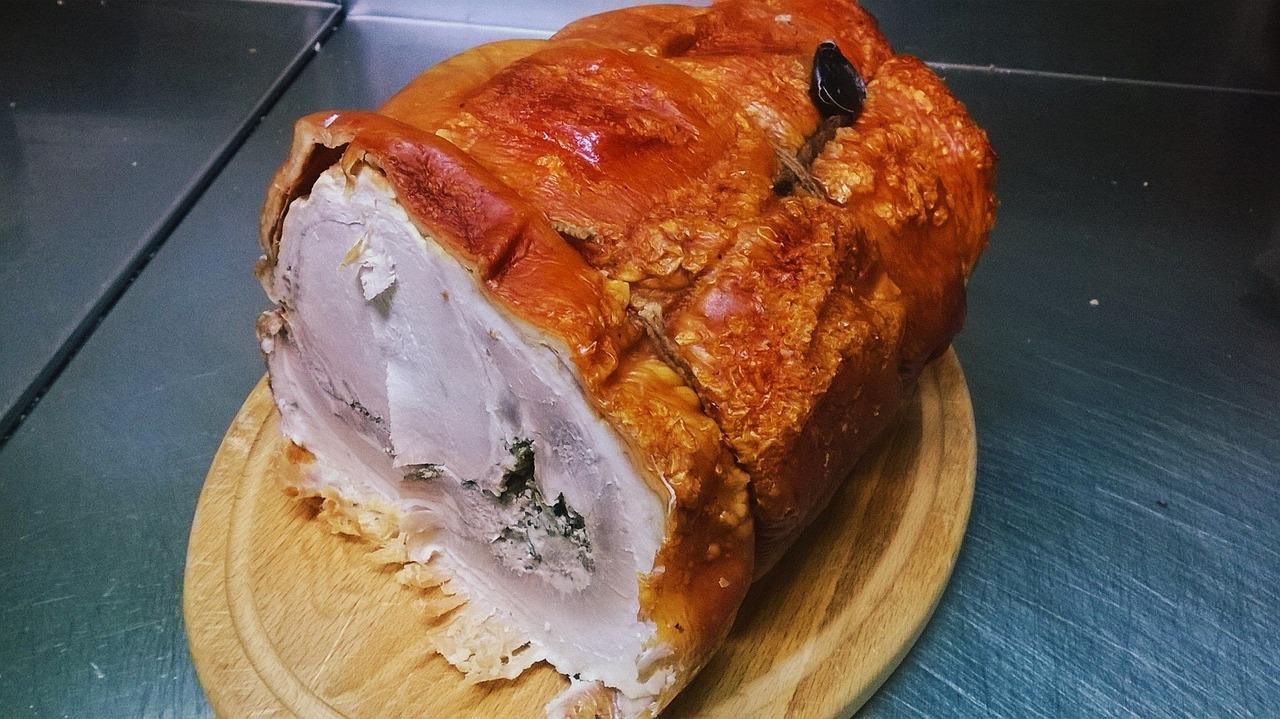
PorchettaHerb-stuffed roast pork belly

Porchetta is the street food of central Italy: in Ariccia, in the hills south of Rome, and across Umbria, vans at markets and village festivals carve thick slices of this slow-roasted pork, stuffed with garlic, rosemary, fennel and pepper, straight into crusty rolls. Whole pigs are used there; at home, a piece of pork belly rolled around the loin gives the same juicy meat, herby centre and shatteringly crisp crackling. Serve it in rolls, or hot in slices with roast potatoes and greens, and the leftovers are just as good cold. Chef's tip: leave the tied roll uncovered in the fridge overnight; a dry skin is what turns into blistered crackling.

280 minItalianMeat
by KrazyBadal 0 views

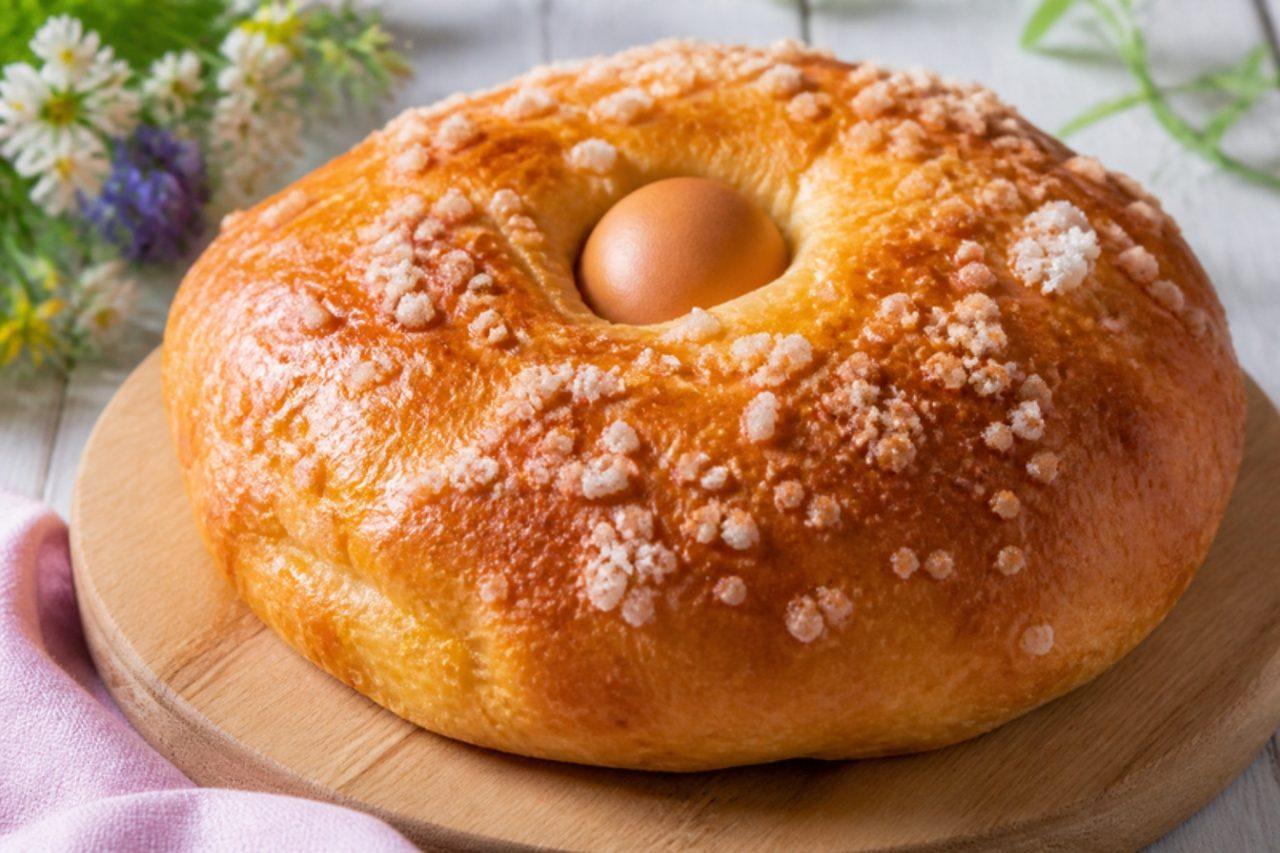
Mona de PascuaEaster brioche with egg

On Easter Monday, families across the Valencian Community head out to the countryside or the beach to "menjar-se la mona": they eat an orange-scented sweet brioche, often with a whole egg baked on top, and children crack the egg on a friend's forehead. The bun is soft and fluffy, glazed and sprinkled with sugar or coloured aniseed sprinkles. Here the eggs are hard-boiled first, so they are cooked through whatever the size of your bun. A common mistake is adding all the flour at once to a sticky dough; it softens as you knead, so hold back the last 50 g until you've kneaded for a few minutes. Chef's tip: make the starter the evening before and the dough on the day; the slow start gives a lighter crumb that stays soft for two days.

by KrazyBadal 0 views

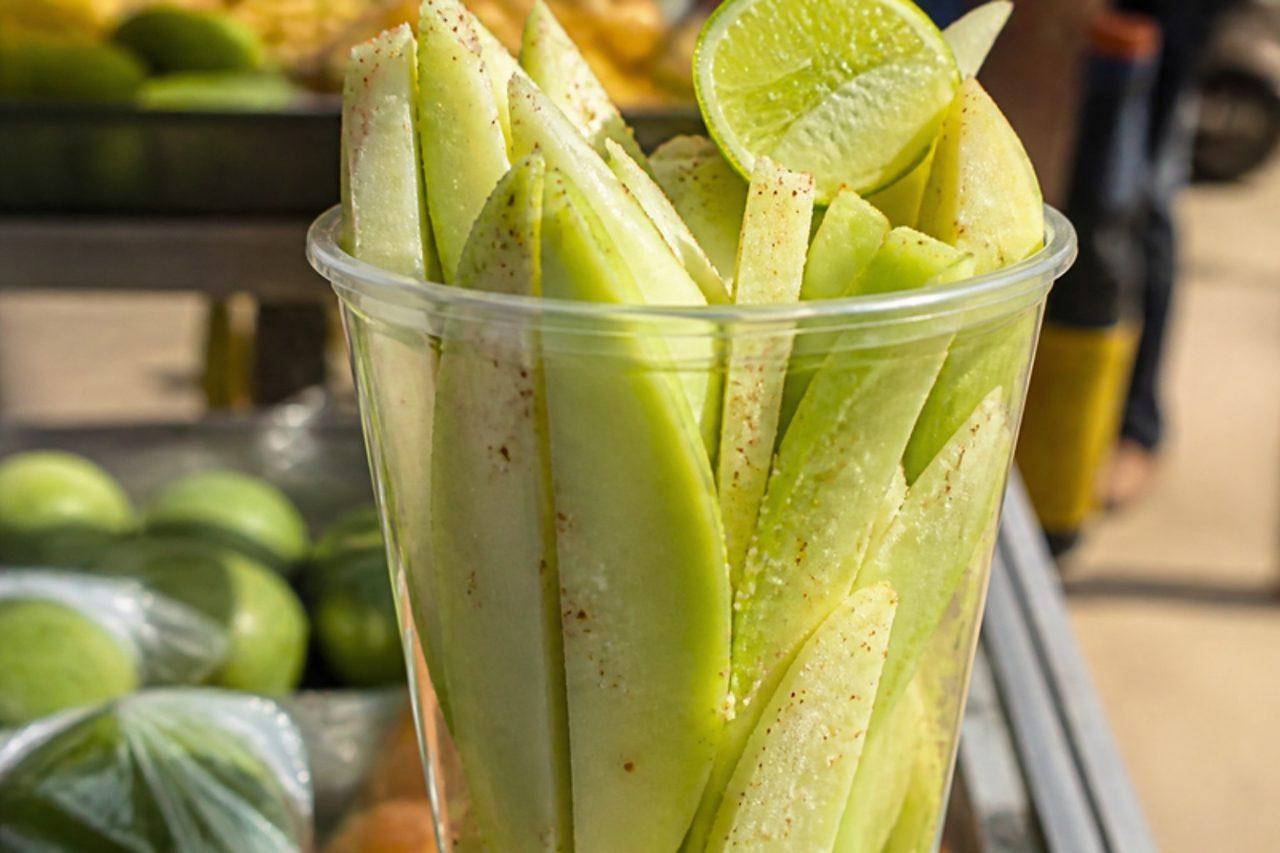
Mango bicheGreen mango with salt and lime

Paper and plastic cones of mango biche are sold from street carts in Cali, Barranquilla and Bogotá, especially around schools, parks and bus stops. Biche means unripe: the mango is still hard and pale green inside, so it is crunchy and mouth-puckeringly sour, and the vendor cuts it into long strips and shakes on salt, lime and black pepper, sometimes a pinch of chilli. It is a refreshing, almost savoury snack, eaten in the afternoon heat. Choosing a mango that has started to ripen is the slip that spoils it: the flesh should be firm and white-green with no yellow, or it turns soft and sweet. Look for green mangoes in Asian and Latin shops. Chef's tip: chill the mango for 30 minutes before cutting; the strips stay crisp and the salt and lime cling better.

by KrazyBadal 0 views

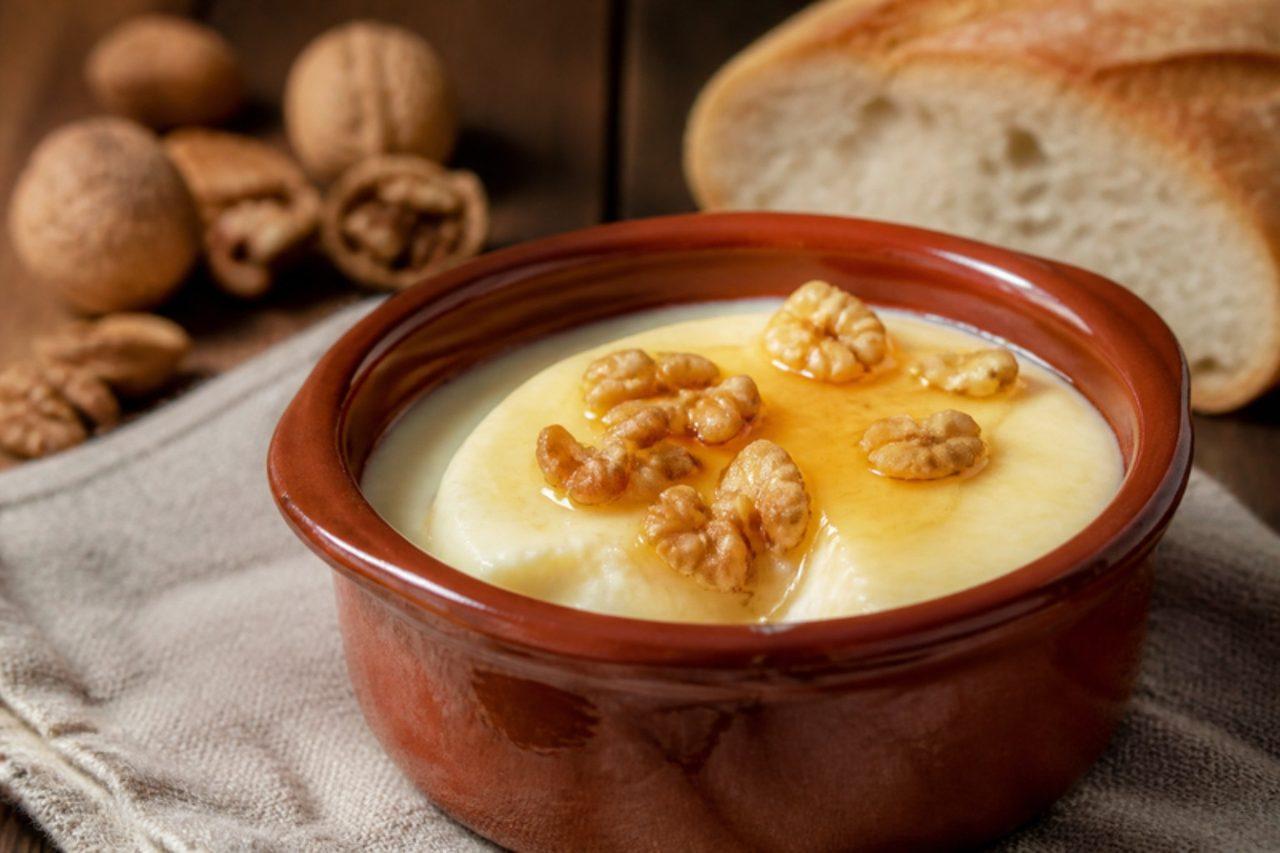
CuajadaSheep's milk junket with honey

In the green valleys of northern Navarre, Ultzama and Roncal above all, sheep's milk is set into cuajada, a wobbly, faintly tangy junket that is eaten as dessert in village restaurants and sold in little clay pots at Pamplona's markets. Shepherds once warmed the milk by dropping a red-hot stone into a wooden pot, which is why some cuajadas taste lightly smoky. It is always eaten cold, with honey and walnuts. Most rennet is made from calves' stomachs; for a vegetarian cuajada use a microbial or vegetable rennet. Chef's tip: once the rennet is in, don't move the pots at all until they have set, or they turn grainy and weep.

by KrazyBadal 0 views

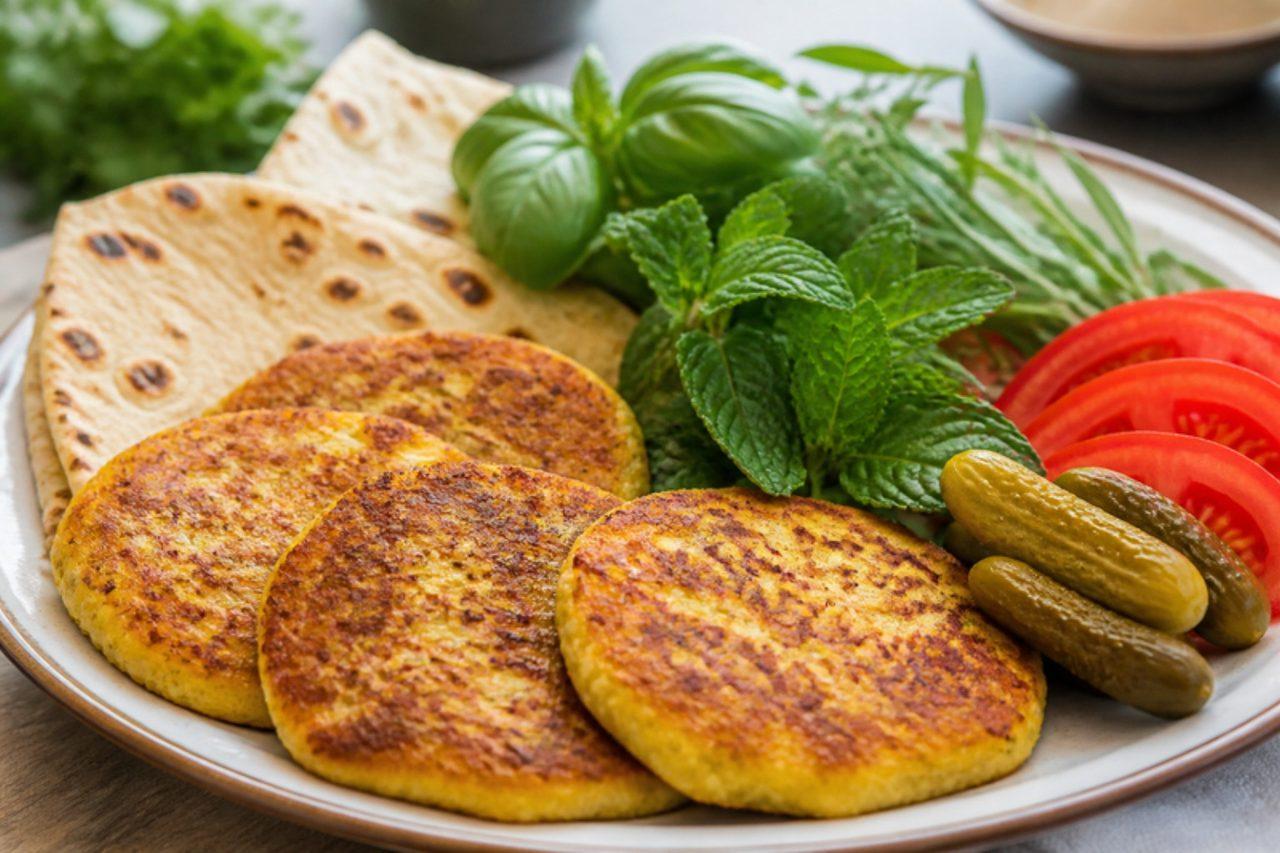
Kuku sibzaminiPotato and egg patties

Kuku sibzamini is what Tehran schoolchildren unwrap at lunchtime: little golden patties of grated potato, egg and onion, eaten cold or warm, folded into lavash or sangak with herbs, tomato and a few slices of khiar shoor. They also turn up at picnics in the parks on Friday mornings, because they travel well and taste good at any temperature. Grated raw onion and turmeric give the flavour; a spoon of flour holds them together. The common mistake is leaving the grated potato wet, so the patties spit, soak up oil and fall apart. Chef's tip: squeeze the potato and onion hard in a tea towel; the drier the mix, the crisper the edges.

by KrazyBadal 0 views

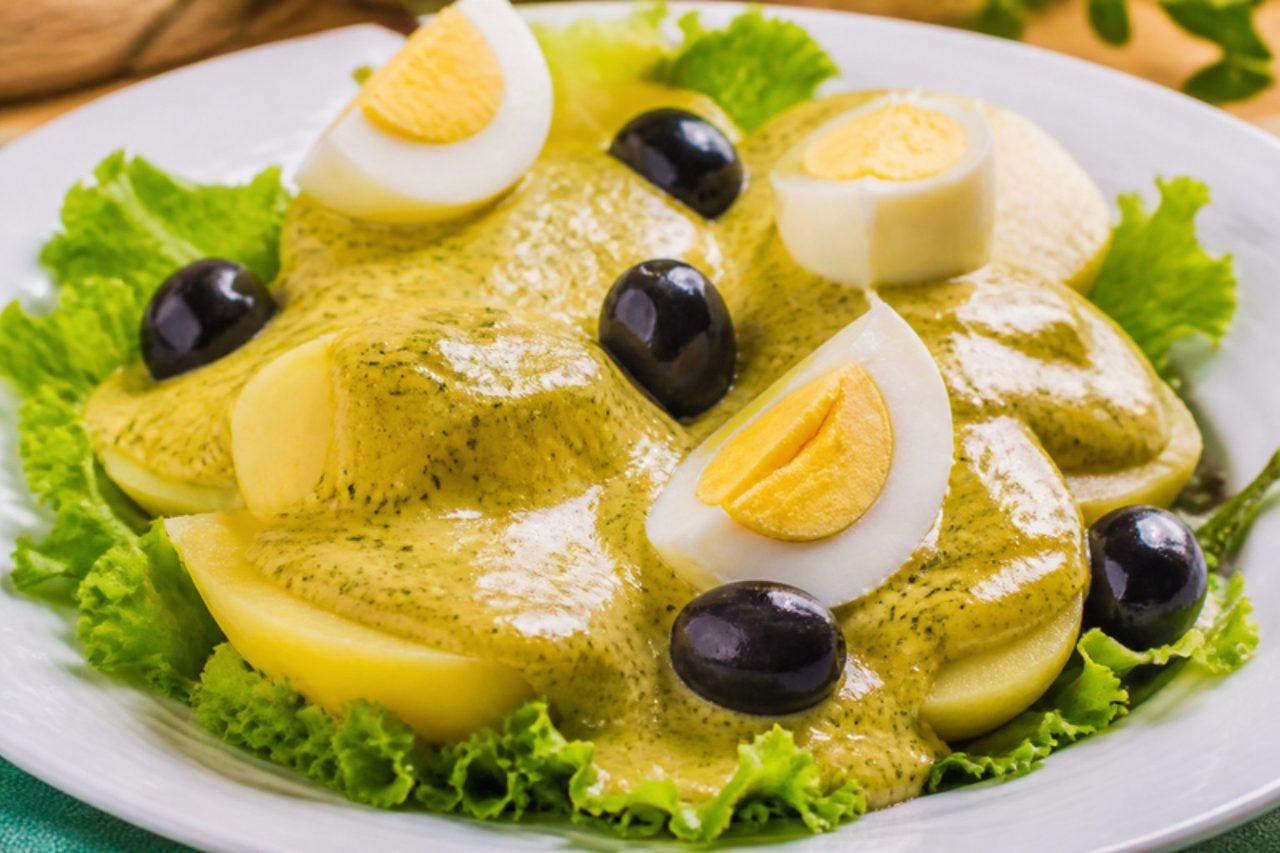
OcopaPeanut, huacatay and cheese sauce

Arequipa's picanterías put ocopa on the table as a starter, a pale olive sauce spooned thickly over sliced boiled potatoes, and the smell of toasted chillies and huacatay (black mint) is what sets it apart from Lima's huancaína. The chillies are dried ají mirasol, charred in a dry pan, which gives a smoky, raisin-like warmth rather than sharp heat, and toasted peanuts make the sauce nutty and almost velvety. Many cooks thicken it with crackers; this version uses only peanuts and cheese, so it stays gluten free. Serve it at room temperature with yellow potatoes, a black olive and a few lettuce leaves, plus a halved boiled egg for anyone who eats eggs. The mistake people make is toasting the onion and chillies black, which turns the sauce bitter; they should be blistered in spots only. Queso fresco is often made with animal rennet, so look for a vegetarian fresh cheese. Chef's tip: huacatay paste comes in jars from Latin shops; without it, use a small handful of mint plus a few tarragon leaves.

by KrazyBadal 0 views

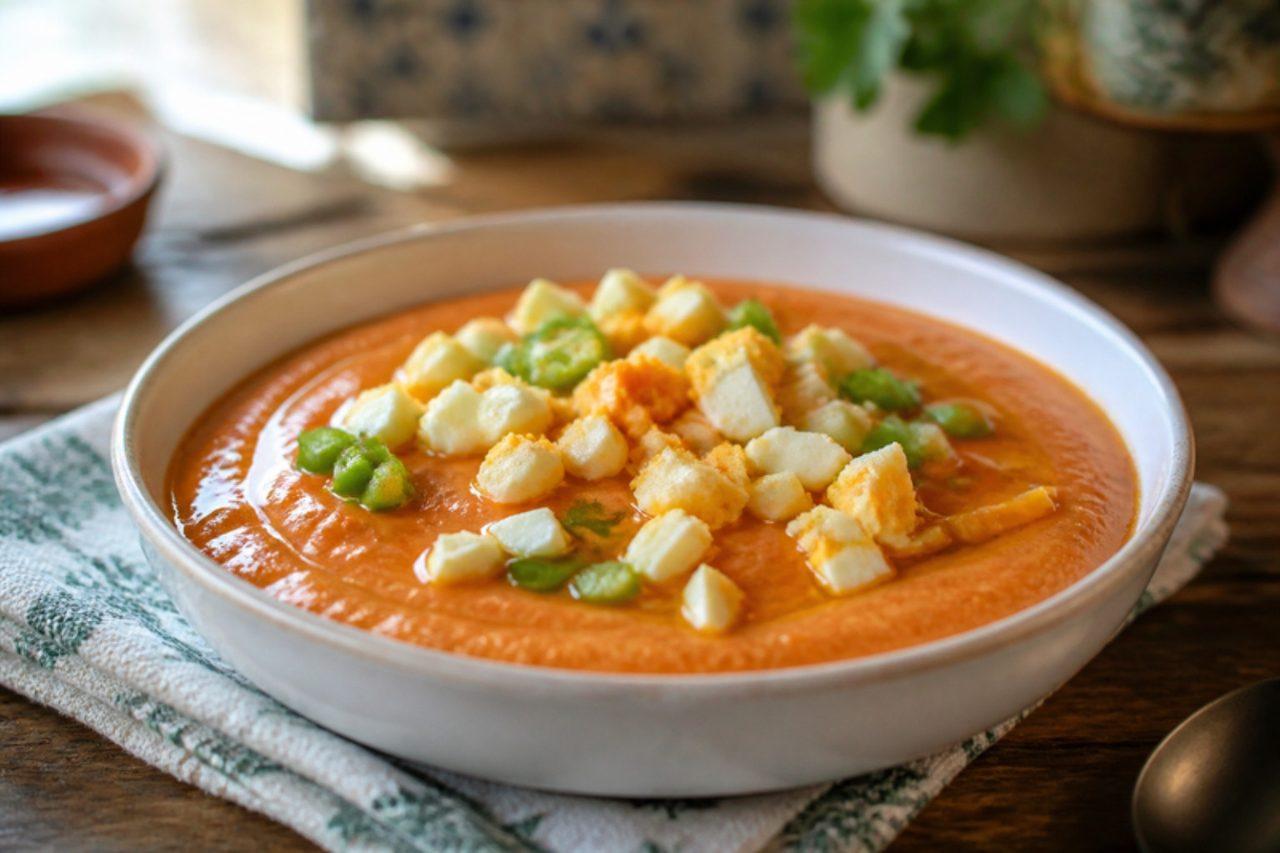
Porra antequeranaThick chilled tomato and bread soup

In Antequera, north of Málaga, porra comes to the table so thick that a spoon stands up in it, and bars in the old town serve it from May until the first autumn rains as a starter or a light supper. It is a cousin of salmorejo, but with green pepper and more garlic, and the town tops it with chopped egg and a thread of oil. Locally the garnish also includes tuna and cured ham; this version keeps it vegetarian with egg and diced pepper. A common mistake is thinning it with water to make it go further: porra should be spooned, never sipped. Chef's tip: use only the reddest, softest tomatoes of the summer, because a pale tomato makes a pink, flat-tasting porra however much oil you add.

by KrazyBadal 0 views

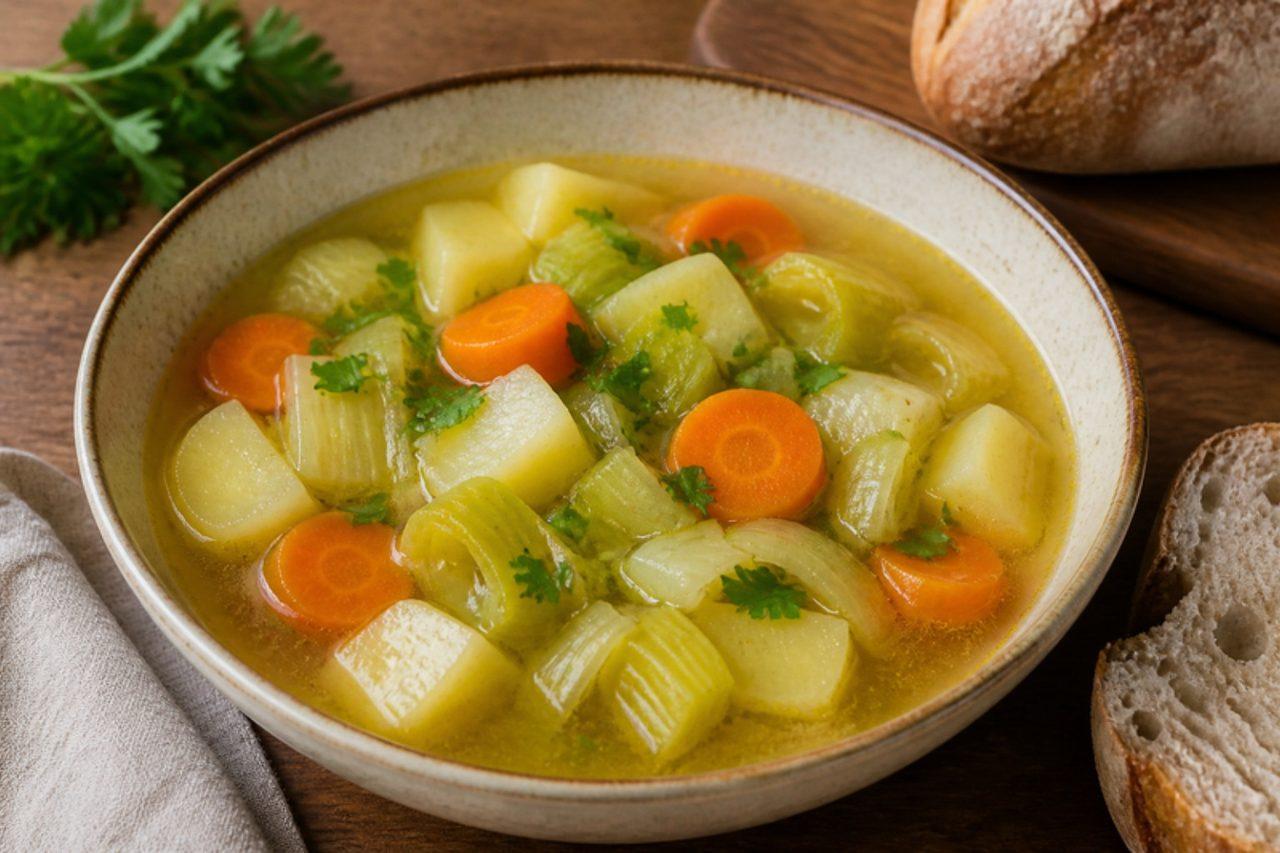
PorrusaldaLeek, potato and carrot soup

In Basque kitchens from Bilbao to Tolosa, porrusalda (literally 'leek broth') is what families cook in the quiet days after Christmas, when everyone wants something plain and warming. Leeks are the star, simmered with potatoes and carrots until the broth turns pale gold and slightly thick. Many households flake in desalted salt cod at the end; this version keeps it vegetarian with water or vegetable stock, so it is also vegan. A common mistake is slicing the potatoes neatly: snap them into rough chunks instead, so they release starch and give the broth body. Chef's tip: cook the leeks slowly in the oil before any liquid goes in, until they smell sweet, because that is where the flavour comes from.
by KrazyBadal 0 views

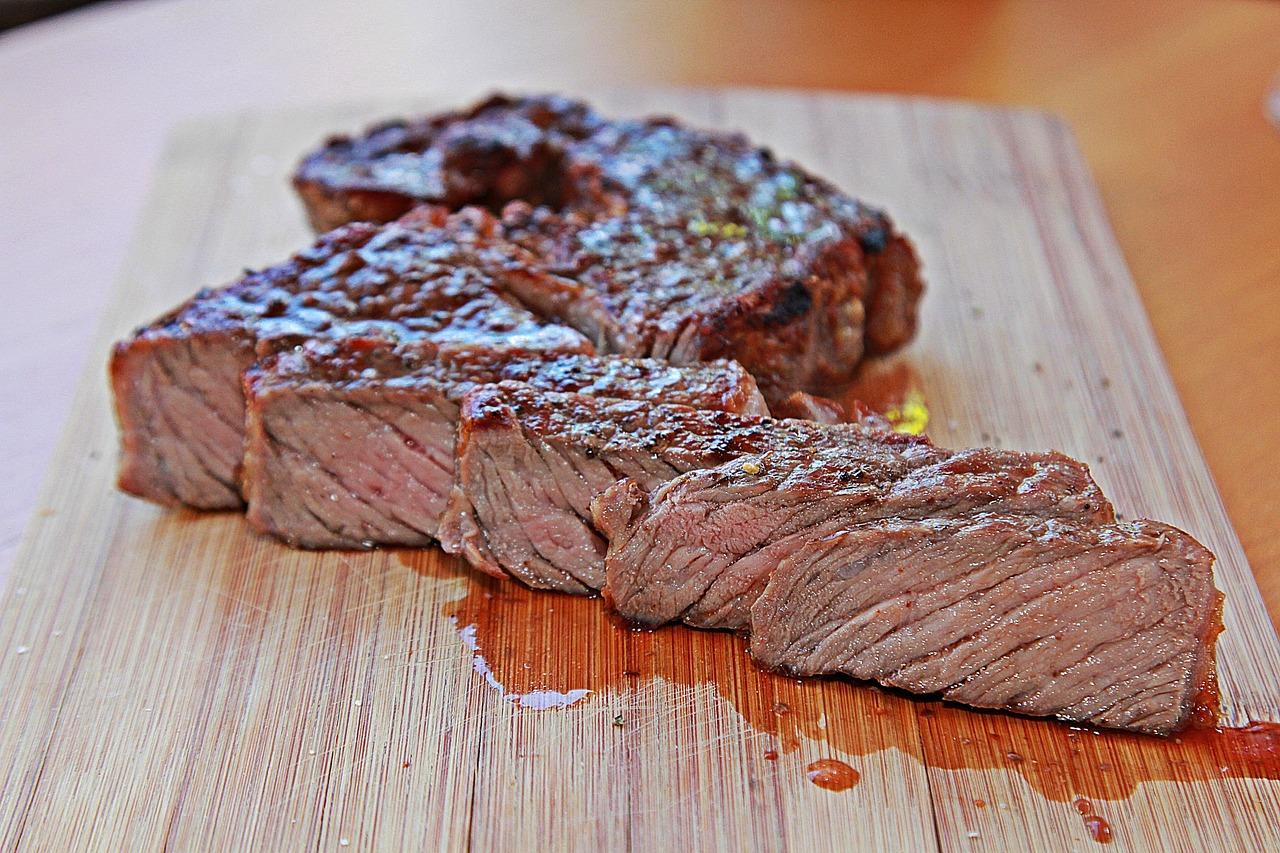
Posta mirandesaGrilled veal steak

The Mirandesa is a dark, long-horned breed raised on the plateau around Miranda do Douro, and a posta is a slab of its veal or young beef, cut about 4 cm thick and grilled over oak embers with nothing but coarse salt. Restaurants in Miranda and Bragança serve it sliced on a board with a simple sauce of olive oil, garlic and vinegar, plus potatoes and salad. It is all about the meat, so ask the butcher for a thick, well-marbled piece. Chef's tip: salt the steak only just before it goes on the grill, with coarse salt, and turn it only once.

by KrazyBadal 0 views

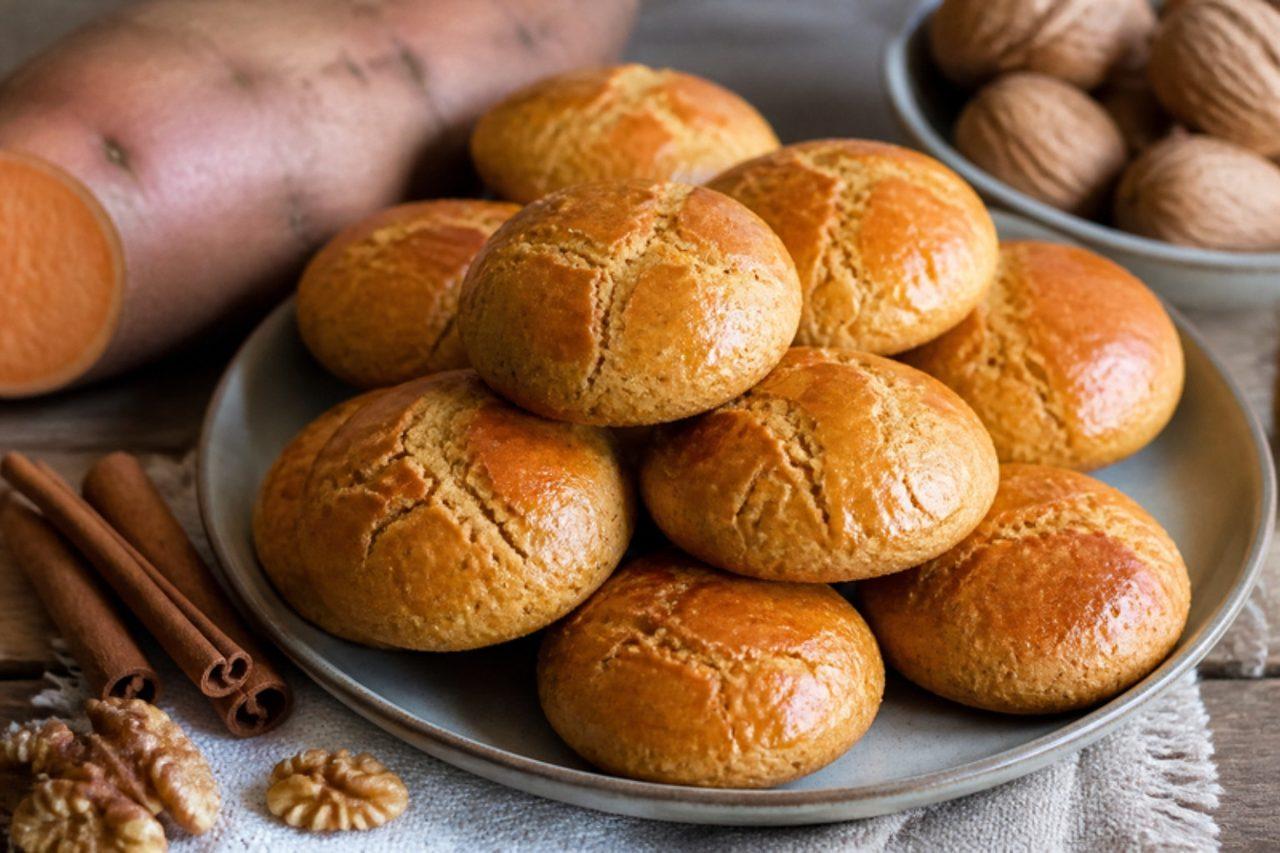
Broas de batata-doceSweet potato spiced cookies

Every December, kitchens across the Beiras fill with the smell of these broas: soft, cakey cookies made with mashed sweet potato, flour, olive oil and honey, spiced with cinnamon and fennel seed and glazed with egg yolk. Families bake big batches to share with neighbours and keep in tins over the holidays. They are only lightly sweet, with a tender crumb and a shiny top. Chef's tip: dry the cooked sweet potato in the pan for a minute before mashing, as watery mash makes a sticky dough that spreads.

by KrazyBadal 0 views

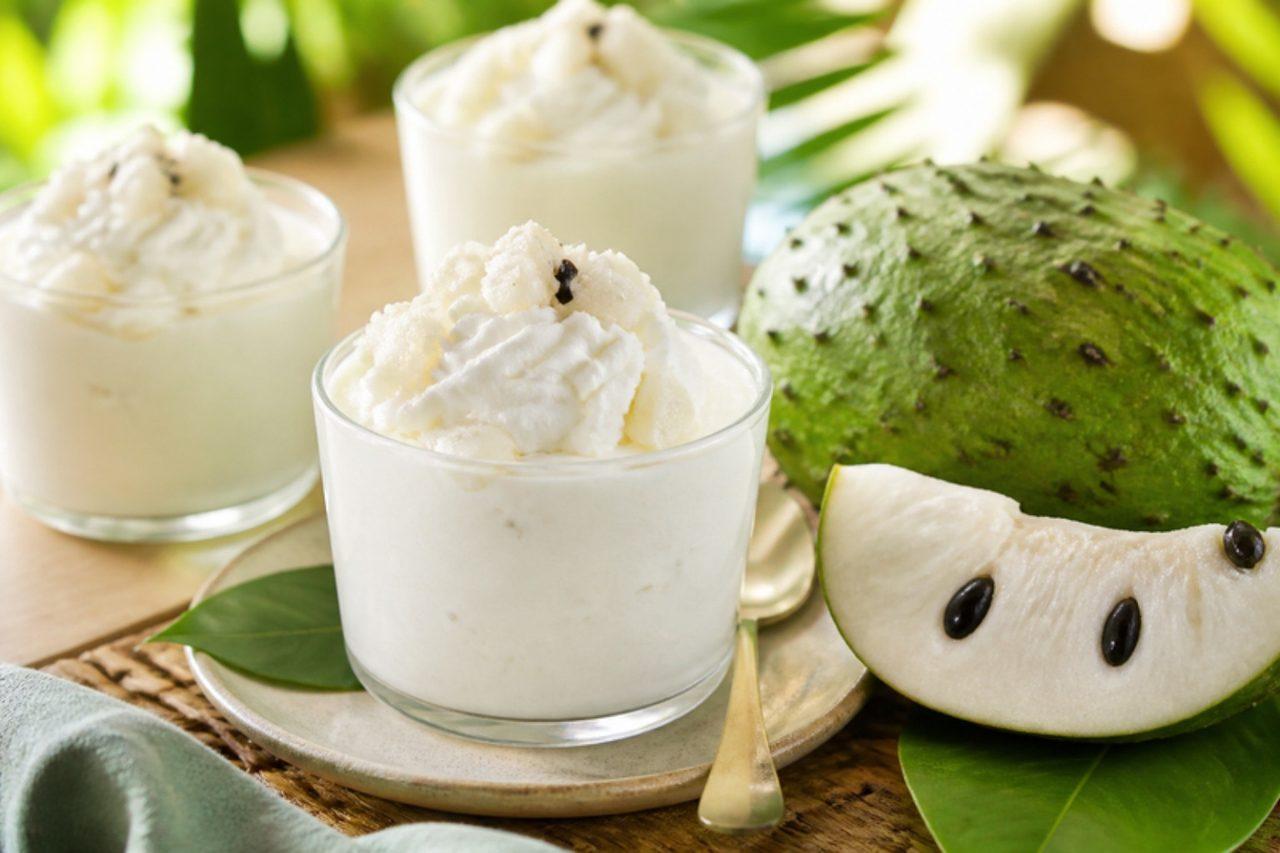
Postre de guanábanaSoursop cream dessert

Soursop has a perfume all its own, somewhere between pineapple, banana and citrus, with a creamy white flesh, and Colombians turn it into this no-bake fridge dessert for birthdays, Sunday lunches and Christmas tables. Soursop pulp is blended with condensed milk and lime, then folded through whipped cream and chilled until it sets into a light, mousse-like cream that is sweet, tangy and fragrant. It is served in glasses or one big dish, sometimes with crumbled biscuits on top; leave them out to keep it gluten free. Frozen soursop pulp is sold in Latin American shops and is easier than fresh fruit. If you start from a whole fruit, the error people make is blending the seeds, which are inedible and add bitterness; pick every one out by hand. Plan for at least 4 hours of chilling. Chef's tip: keep back a few spoonfuls of pulp and swirl them over the top just before serving for a sharper finish.

by KrazyBadal 0 views

Postre de natasMilk skin dessert

Postre de natas comes from colonial Santa Fe de Bogotá, when farm milk was boiled every day and the thick skins (natas) that formed on top were saved rather than wasted. Today it is a dessert for Christmas and family gatherings: soft, creamy ribbons of milk skin in a pale golden, cinnamon-scented custard dotted with raisins, served cold in small bowls. It takes patience rather than skill. Use full-fat, ideally non-homogenised milk, which forms thicker skins. Stirring the milk while the natas form is the common slip: it breaks them up so nothing can be lifted off. Older recipes add a splash of brandy or sherry; this one leaves it out. Chef's tip: lift each skin with a slotted spoon into a bowl and keep going; the more natas you collect, the more texture the dessert has. Chill for at least 4 hours before serving.

by KrazyBadal 0 views

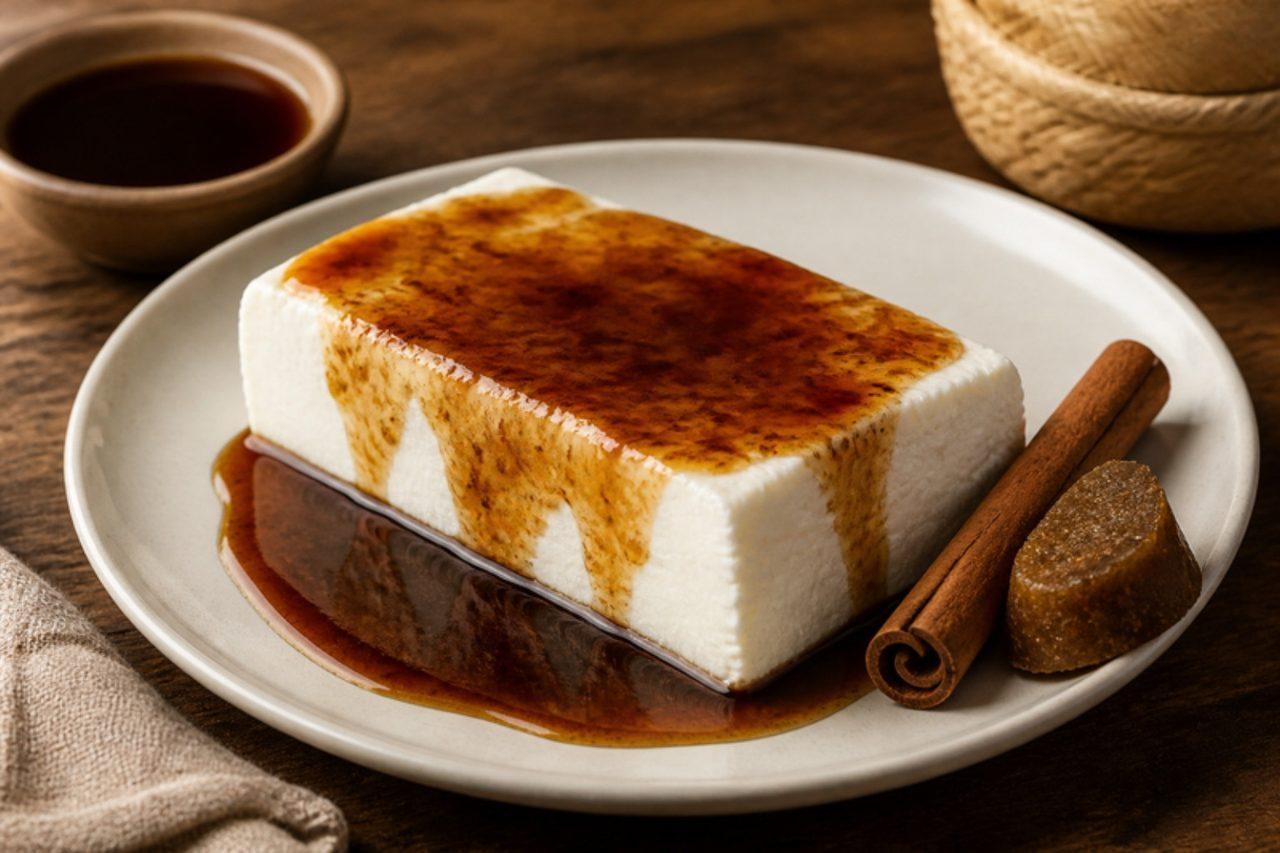
Cuajada con melaoCurd cheese with panela syrup

Simplicity is the charm of this Andean dessert: a slab of fresh, milky cuajada, barely salted, with a dark syrup of panela poured over it, still warm. Highland fondas between Bogotá and Boyacá serve it after a lunch of ajiaco or sancocho, and the contrast of cool, squeaky curd with molasses-deep, spiced syrup is the point. Cuajada is set with rennet, traditionally animal; buy a vegetarian curd or fresh ricotta-style cheese, or make cuajada at home with microbial rennet. Panela is unrefined cane sugar; dark muscovado is the closest swap. The mistake is boiling the syrup too long: it turns to toffee as soon as it meets the cold cheese. Take it off when it coats a spoon thinly. Chef's tip: a strip of lime zest in the syrup cuts the sweetness beautifully.

by KrazyBadal 0 views

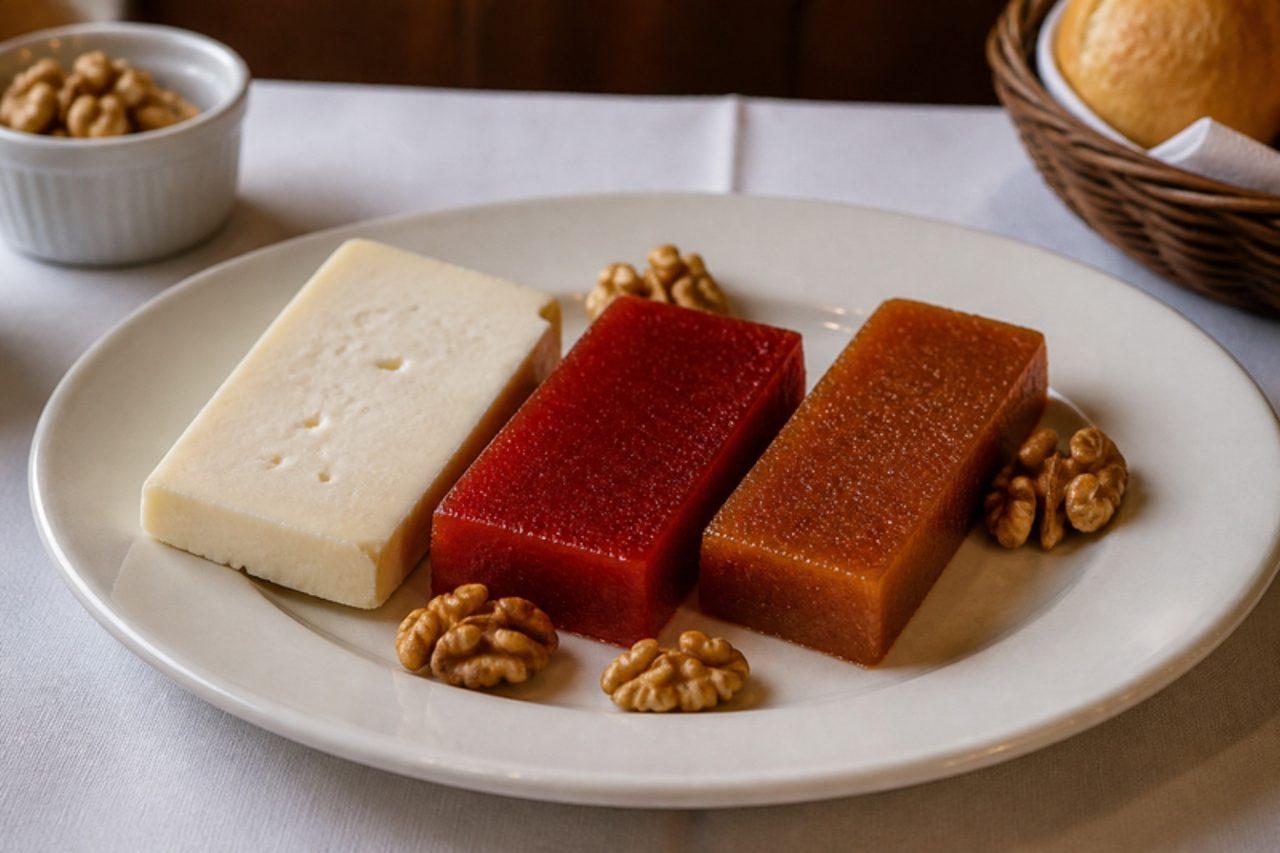
Postre vigilanteCheese with quince paste

Ask for dessert in an old Buenos Aires bodegón and the waiter will rattle off flan, budín and, inevitably, vigilante: a thick slab of soft, mild cheese laid beside an equal slab of dulce de membrillo or dulce de batata. The name, "policeman", is said to come from the beat officers who ordered it as a cheap sweet in early twentieth-century cafés; Uruguayans call the same plate Martín Fierro. It is salty against sweet, creamy against firm, and takes five minutes. The traditional cheese is fresh queso cremoso or cuartirolo, or a firmer port salut; a young Havarti or mild Gouda is the best stand-in abroad. Like many soft cheeses, these are often made with animal rennet, so check the label for a vegetarian (microbial-rennet) cheese. The usual error is cutting the slabs thin like a cheese board; vigilante is about generous, equal bricks. Chef's tip: take the cheese out of the fridge 20 minutes ahead; cold cheese tastes of nothing next to the paste.

by KrazyBadal 0 views

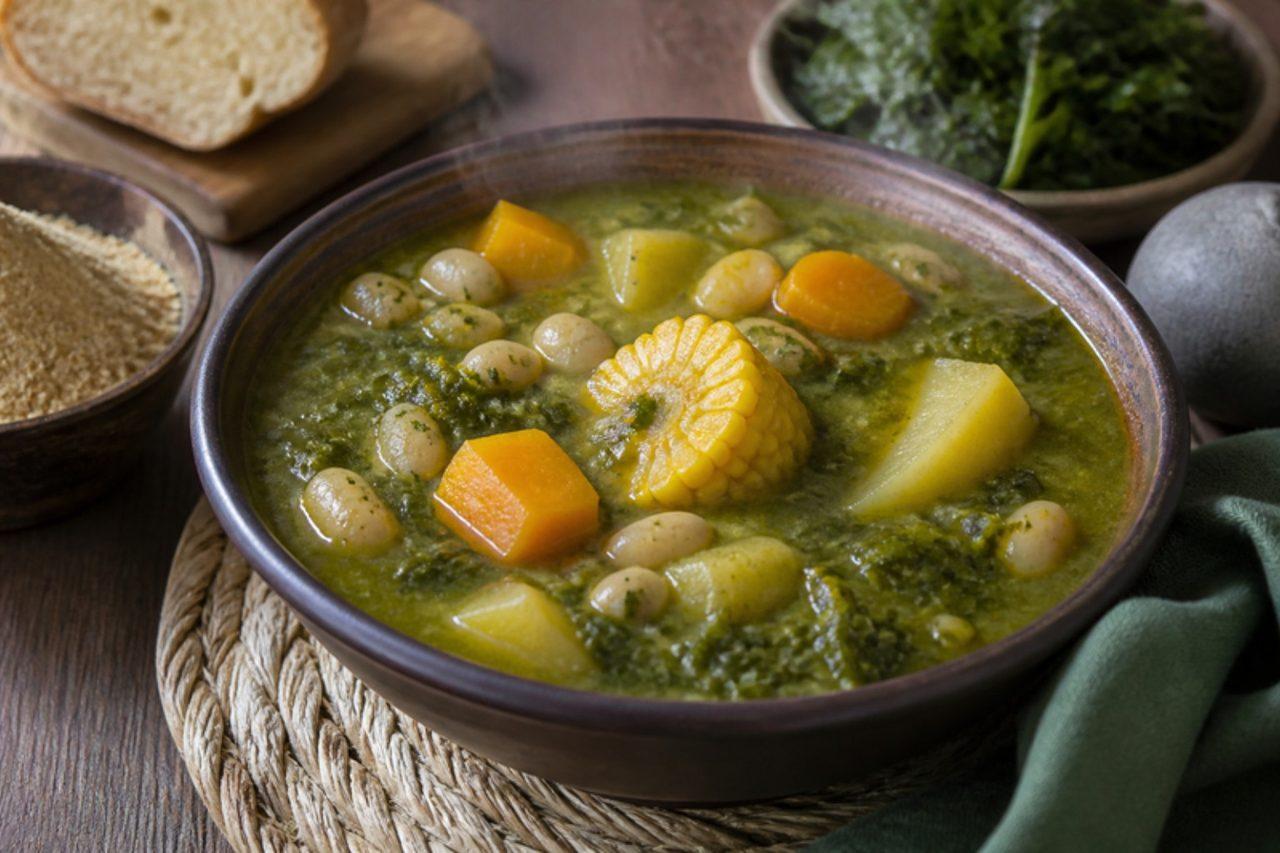
Potaje de berrosWatercress and bean stew

Watercress grows wild in the irrigation channels and ravines of Tenerife and La Palma, and in the cool months it goes into potaje de berros, a thick, green, cumin-scented stew that islanders eat by the bowlful with a spoon of gofio stirred in. It is a cheap, filling family supper, and a good one to make ahead. Pork ribs or belly often go in for flavour; this version leaves them out and is vegan, relying on garlic, cumin and paprika instead. Chef's tip: cook the watercress for most of the time, not just at the end, so it collapses into the broth and gives the stew its earthy depth.

by KrazyBadal 0 views

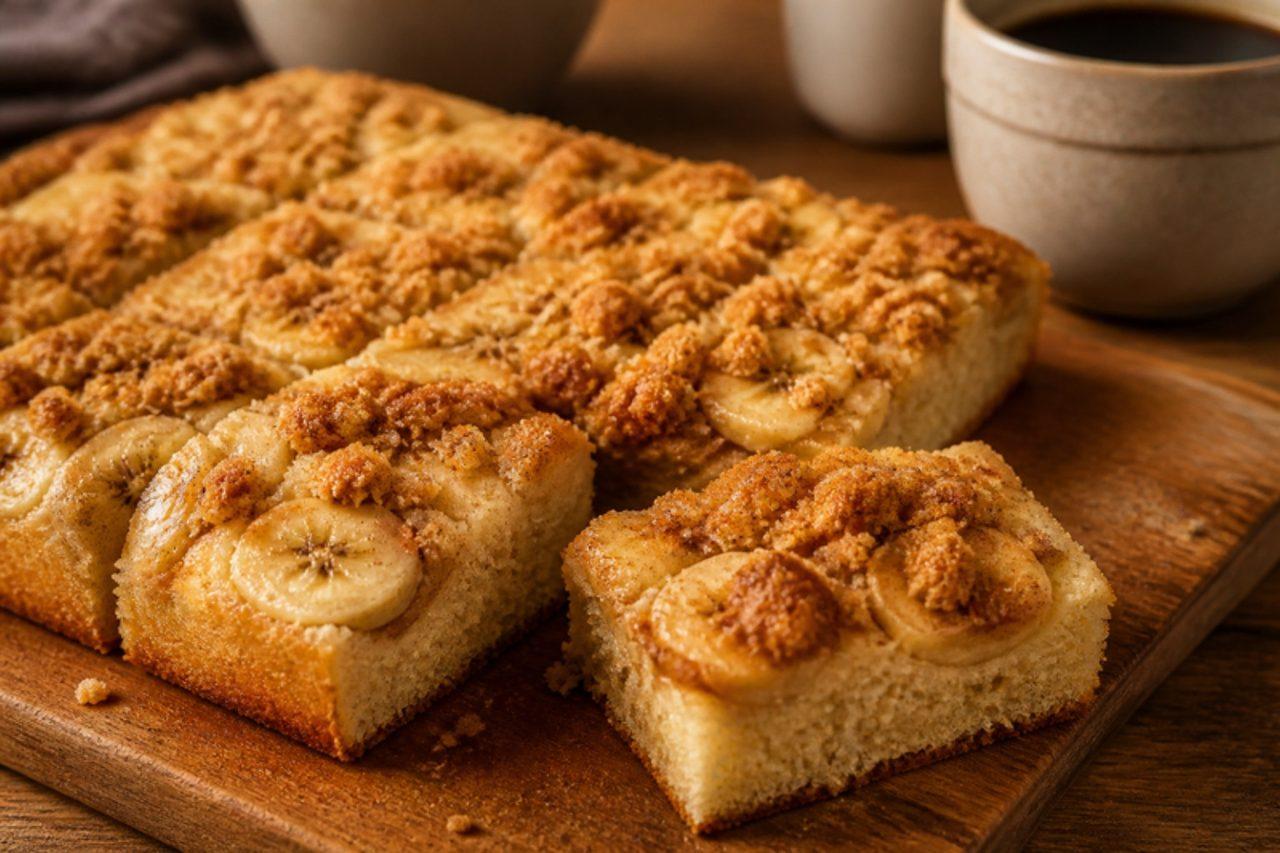
CucaBanana crumble yeast cake

German settlers in Rio Grande do Sul and Santa Catarina brought the Streuselkuchen, and their descendants call it cuca: a soft, enriched yeast dough baked under a layer of fruit and a thick, buttery crumble called farofa. In Blumenau, Pomerode and the serra gaúcha it is sold in colonial bakeries and roadside cafés and served at the long afternoon café colonial with coffee, jams and cheeses. Banana with cinnamon is the classic, but grape, apple and guava versions are common. The usual misstep is letting the dough rise in a cold kitchen and then baking it anyway: it stays heavy and dense, so wait until it really has doubled. Chef's tip: rub the crumble together and chill it in the freezer while the dough rises, so it stays in big, crunchy clusters in the oven.

by KrazyBadal 0 views

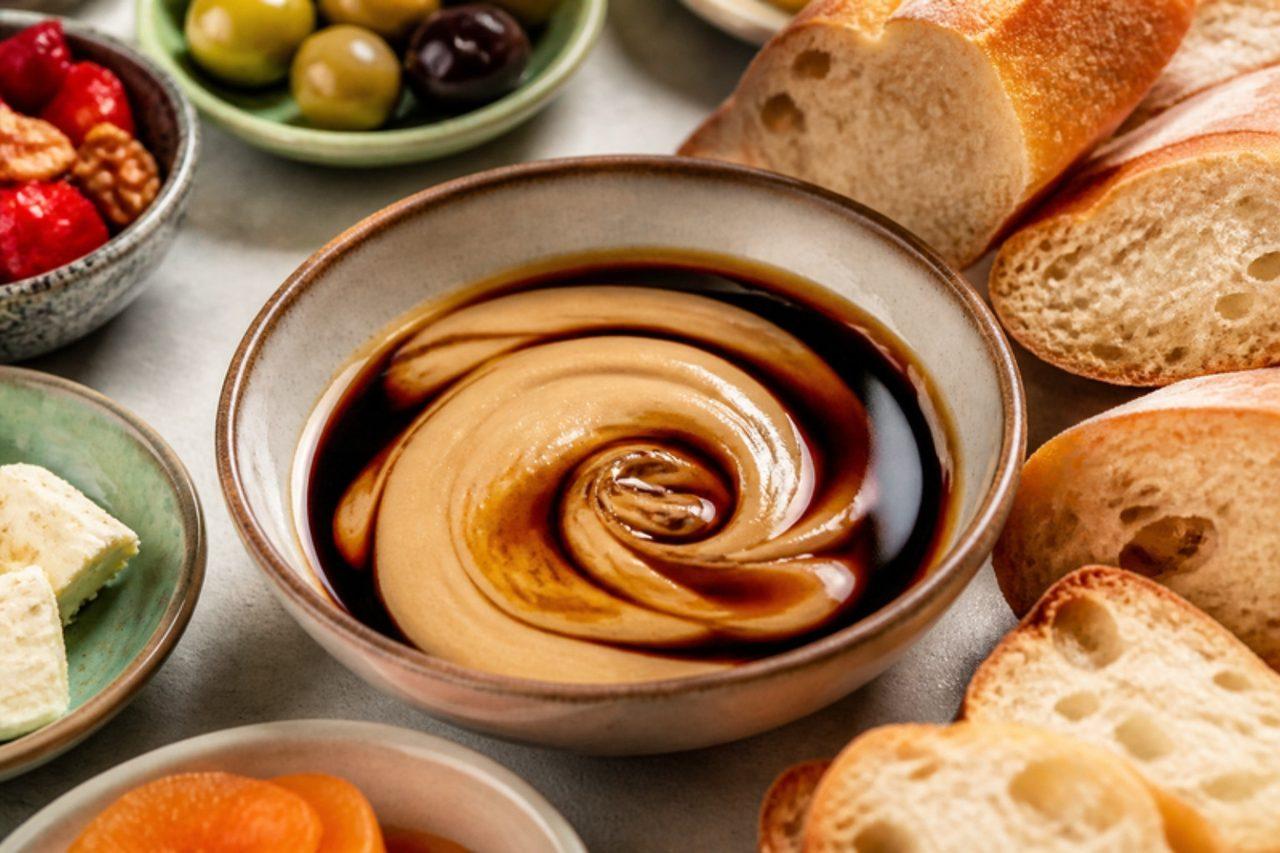
Tahin pekmezTahini and grape molasses

Tahin pekmez is the simplest thing on a Turkish breakfast table and one of the most loved: tahini and dark grape molasses (pekmez) swirled together on a plate and mopped up with bread. In Central Anatolia and the Aegean, where grapes are boiled down each autumn, grandparents swear by it as a warming winter food. Stirred thoroughly, it becomes a thick, glossy spread that tastes of caramel and sesame. Common mistake: using tahini straight from the bottom of the jar; stir it well first or it is stiff and bitter. Chef's tip: add a few drops of lemon juice and keep stirring; the mixture suddenly thickens and lightens like a nut butter.

by KrazyBadal 0 views

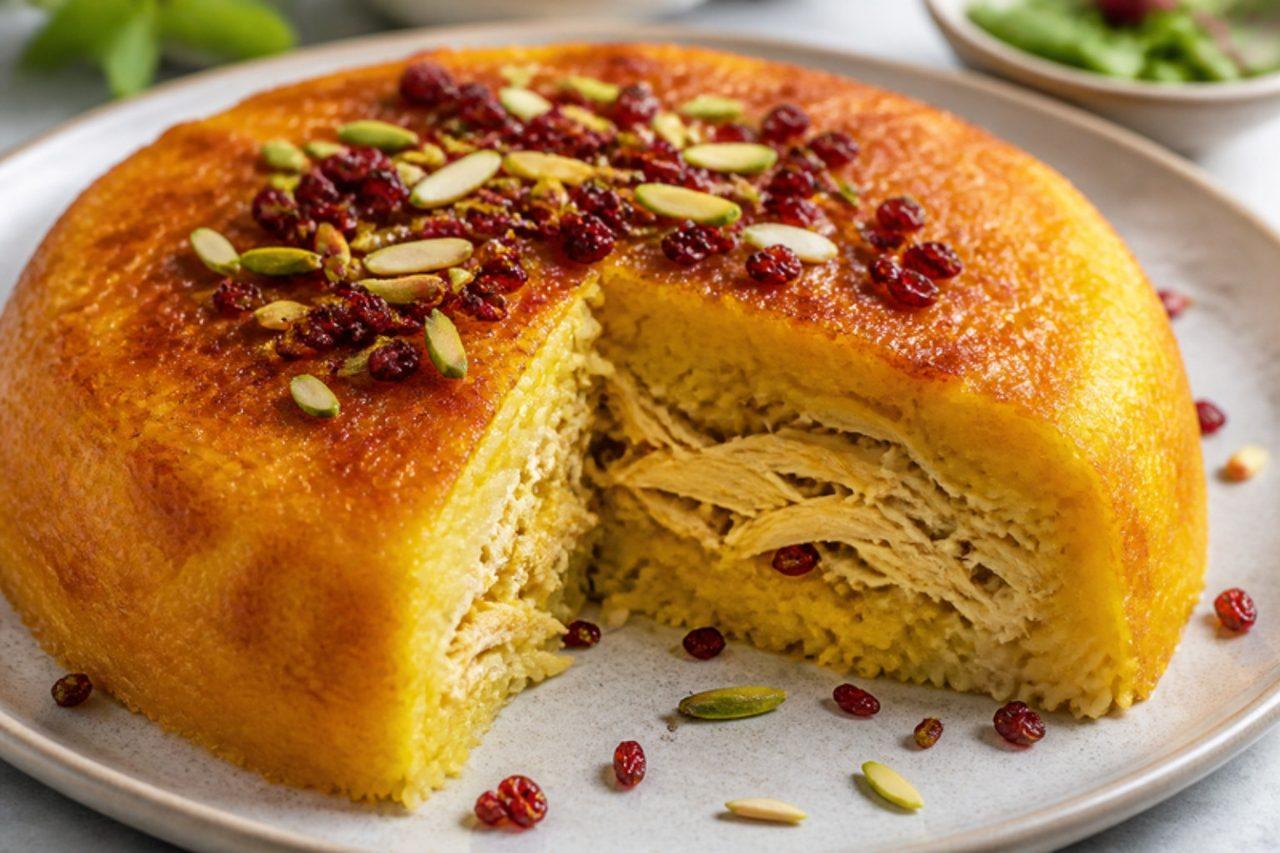
Tah-chinSaffron rice cake with chicken

Tah-chin is the showpiece of a Tehran dinner party: a round cake of saffron rice set with yogurt and egg, turned out of its dish so the thick golden crust sits on top like a lid, with a layer of tender chicken hidden inside. Families make it for birthdays, Nowruz visits and any day guests are coming, and the barberries scattered over the top add tart red jewels. The crust should crack like a crisp biscuit while the rice inside stays soft. A common mistake is skimping on the resting time after baking; turned out too early, the cake slumps and the crust sticks. Chef's tip: marinate the cooked chicken in a spoon of the yogurt mixture while the rice boils, so the filling is as well seasoned as the rice.

by KrazyBadal 0 views

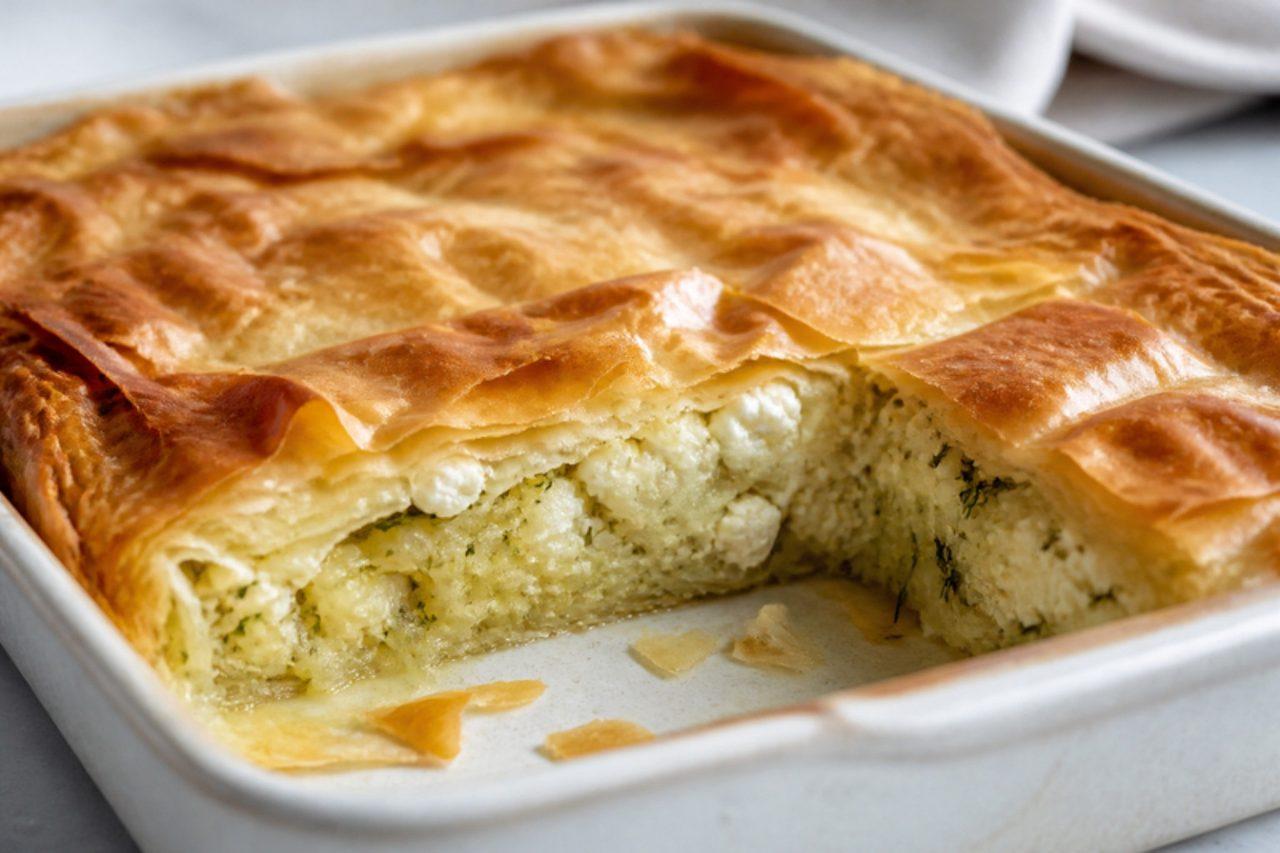
KremidopitaOnion and cheese pie

Mykonian grandmothers made kremidopita long before the island filled with beach clubs: a pie of slowly softened onions, tangy fresh cheese, eggs and dill between sheets of filo, baked for name days and family Sundays. The onions go sweet and jammy, the cheese keeps it creamy and sharp, and it is eaten warm or cold with a tomato salad. Feta is usually made with animal rennet, so pick a vegetarian feta if you need to. Common mistake: frying the onions hard and fast; they must sweat gently until soft, or the filling turns bitter and crunchy. Chef's tip: cool the onions completely before mixing in the eggs and cheese, so the filling doesn't start to set before baking.

by KrazyBadal 0 views

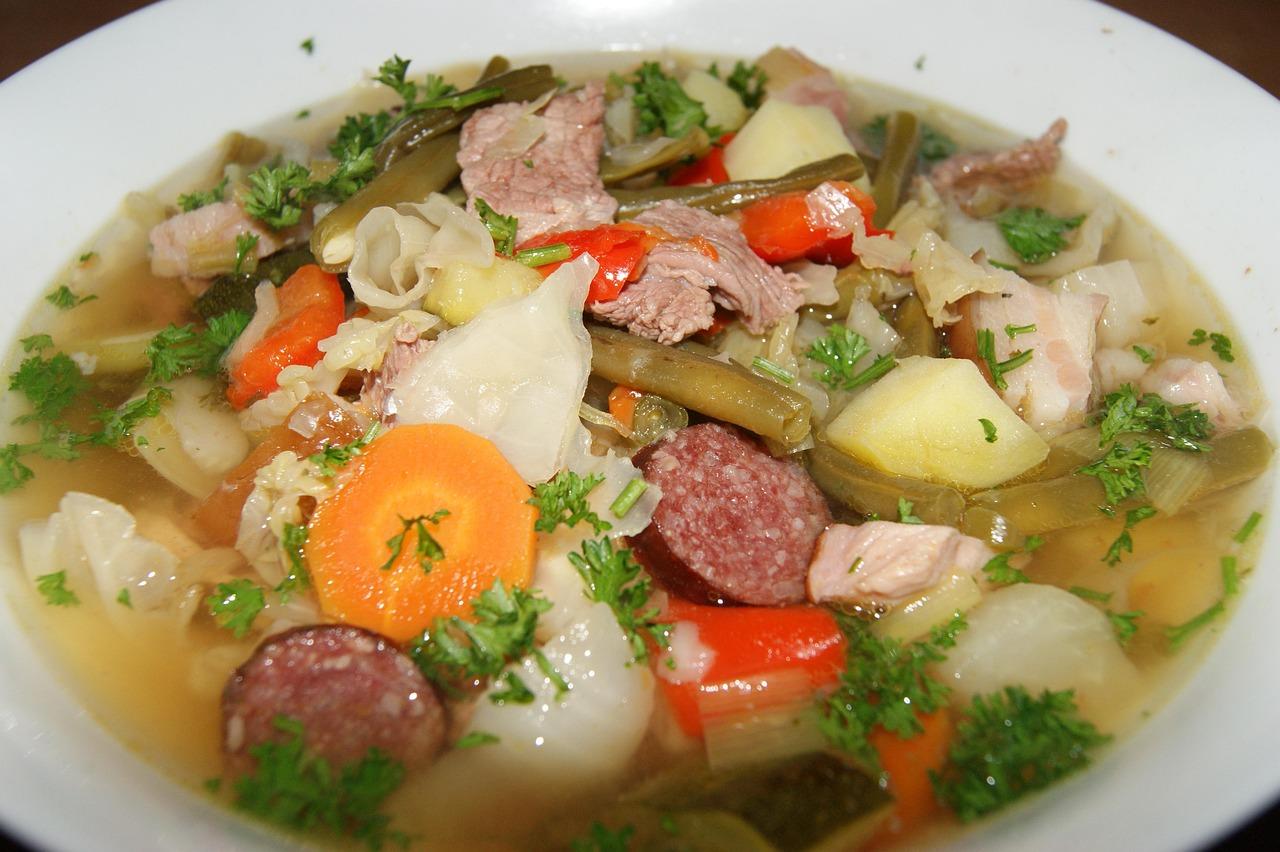
Potée auvergnatePork, cabbage and sausage pot

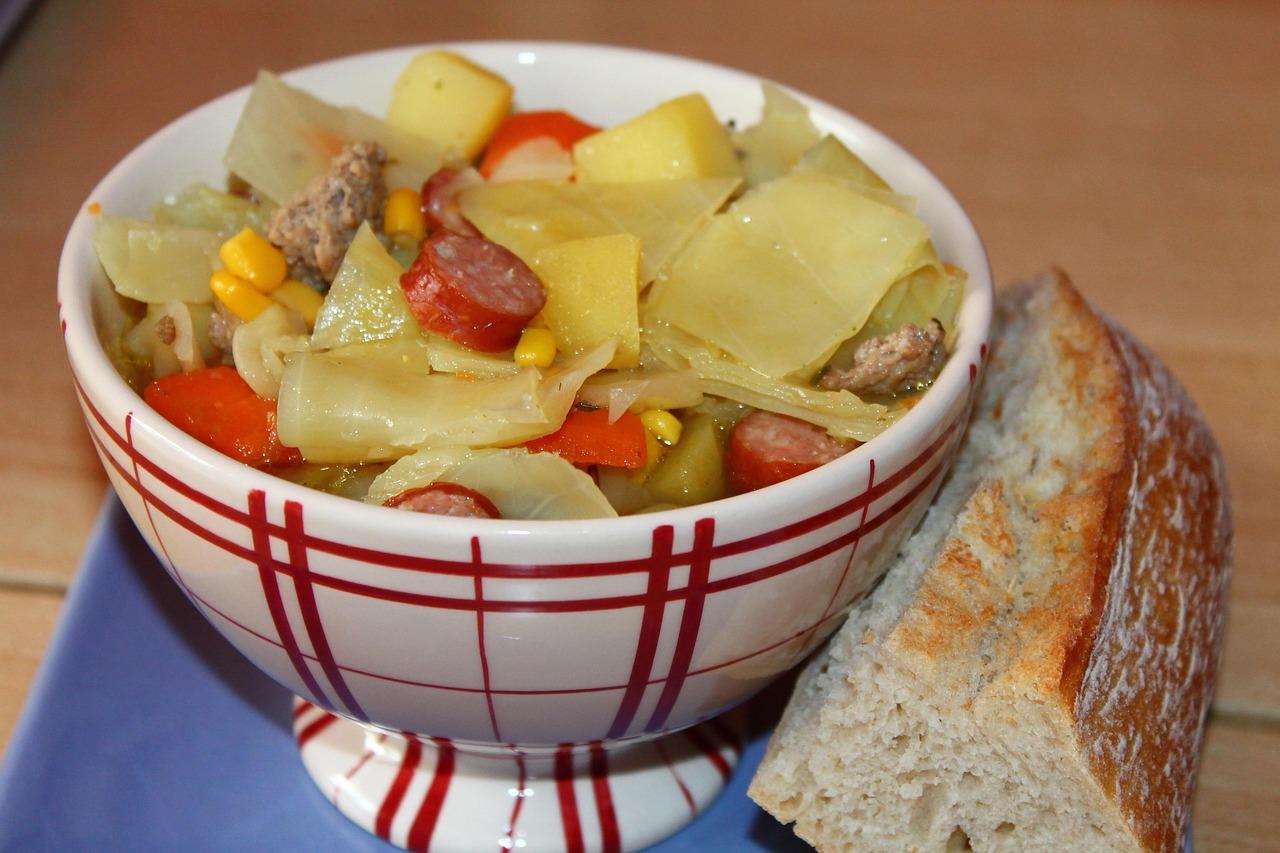
High in the Massif Central, potée auvergnate is what farmhouses put on the stove when the first frosts arrive: a pork dish of salt pork belly and smoked pork sausage simmered slowly with savoy cabbage, carrots, turnips and potatoes. The broth comes out clear, smoky and gently salty, and the vegetables soak up all that pork flavour while keeping their shape. In the Cantal it is served in two rounds, the broth poured over slices of toasted country bread first, then the meat and vegetables on a big platter with strong mustard and gherkins. Chef's tip: soak the salt pork first and taste the broth before you add any salt; between the belly and the sausage it rarely needs more.

180 minFrenchMeat
by KrazyBadal 0 views

Potée lorraineSmoked pork and white bean pot

In Lorraine farmhouses around Nancy and the Vosges foothills, the potée simmered on the stove through winter and fed the household after a cold morning outside. It is a pork dish through and through: smoked pork shoulder, smoked belly and a garlic sausage gently poached with a whole green cabbage, carrots, turnips, leeks and white beans until the broth is smoky and the vegetables melt. The broth is ladled out first, sometimes over toasted bread, and the meat and vegetables follow with mustard and gherkins. Chef's tip: blanch the cabbage for five minutes before adding it to the pot, which takes away its sulphurous edge and keeps the broth sweet.

180 minFrenchMeat
by KrazyBadal 0 views

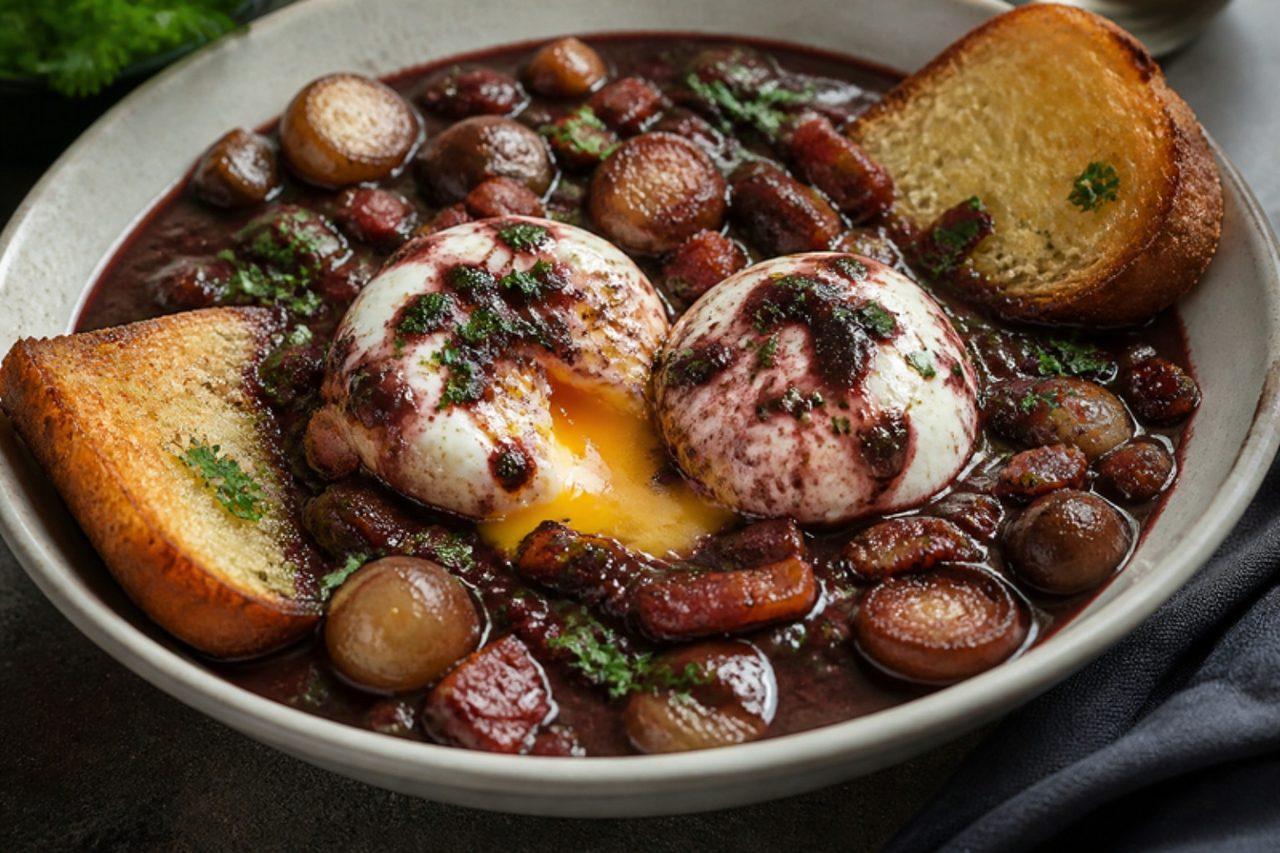
Oeufs en meurettePoached eggs in red wine sauce

In Burgundy, between Dijon and Beaune, a meurette is any dish cooked in red wine sauce, and oeufs en meurette is the one served as a starter in village restaurants and at weekend lunches. Eggs are poached in a reduced, glossy sauce of red wine, shallots and stock, then served with crisp smoked pork lardons, button mushrooms and garlic-rubbed croutons to dip into the yolks. The sauce is deep, winey and savoury; the eggs make it rich. The dish uses red wine, and an alcohol-free version is in the notes. The yolks stay runny, so use pasteurised eggs for pregnant women, young children, older people or anyone with a weakened immune system, or poach the eggs until the yolks are set. Chef's tip: poach the eggs in water with a dash of vinegar rather than in the wine itself, so the whites stay white.

by KrazyBadal 0 views

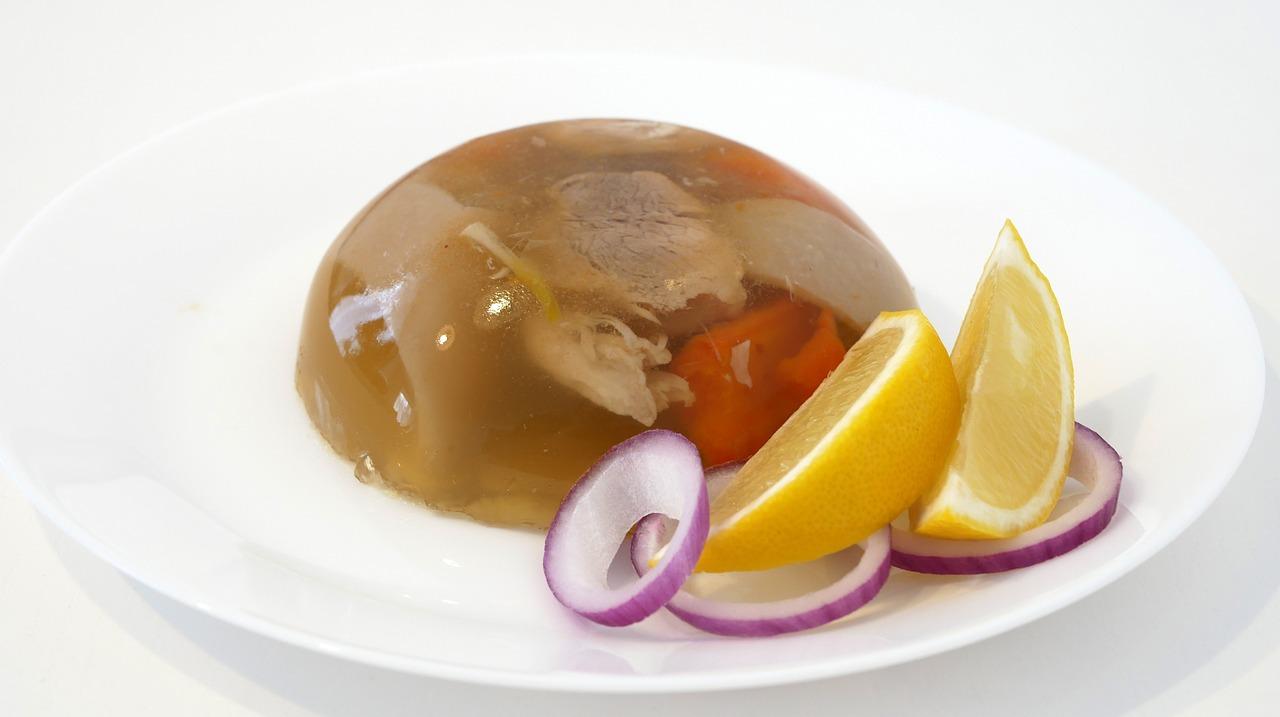
PotjevleeschJellied chicken, rabbit, pork and veal

Potjevleesch, Flemish for "little pot of meat", comes from French Flanders around Dunkirk, Bergues and Hazebrouck, where it fills the cold cabinets of every friterie and estaminet. Chunks of chicken, rabbit, pork and veal are layered with onion, garlic and herbs, covered with white wine and a little vinegar and baked slowly in a covered terrine; the juices are then set with gelatine so the meat is held in a clear, tangy jelly. It is eaten cold, sliced, with hot chips and a green salad, a contrast that the Nord loves. It contains pork and uses white wine; the notes give an alcohol-free option. If rabbit is hard to find, use more chicken thighs. Chef's tip: slice it straight from the fridge with a hot knife, so the jelly cuts cleanly.

930 minFrenchMeatGluten free
by KrazyBadal 0 views

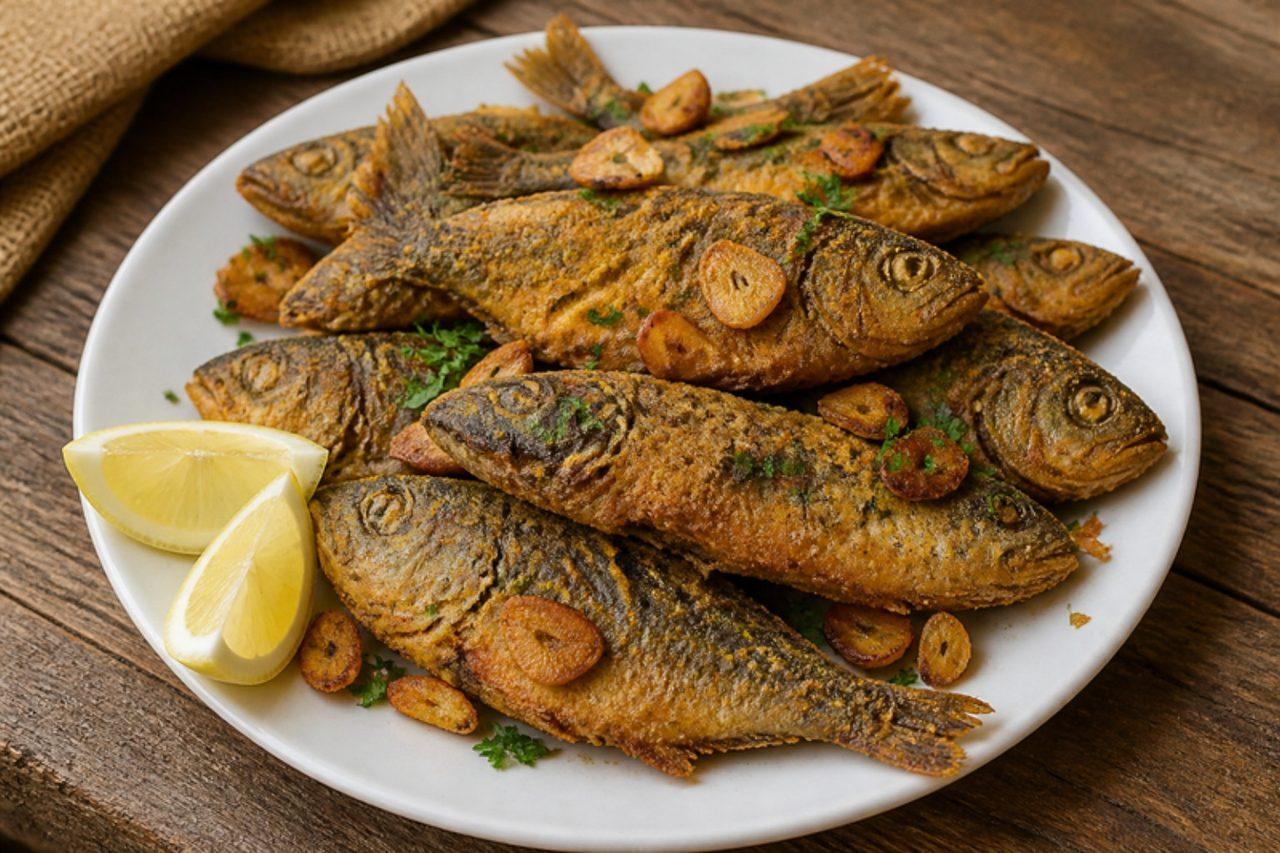
Tencas fritasFried tench with garlic

The cattle ponds of the dehesa around Malpartida de Cáceres and Los Barruecos have bred tench for centuries, and every spring the town holds a fiesta for the fish. Locals fry it whole in olive oil with plenty of garlic and eat it with their fingers, picking the sweet flesh off the bones, with a green salad and bread. Tench is hard to find outside Extremadura, so small trout make a good stand-in. Chef's tip: dry the fish thoroughly before flouring, or the coating goes gluey and the oil spits.

by KrazyBadal 0 views

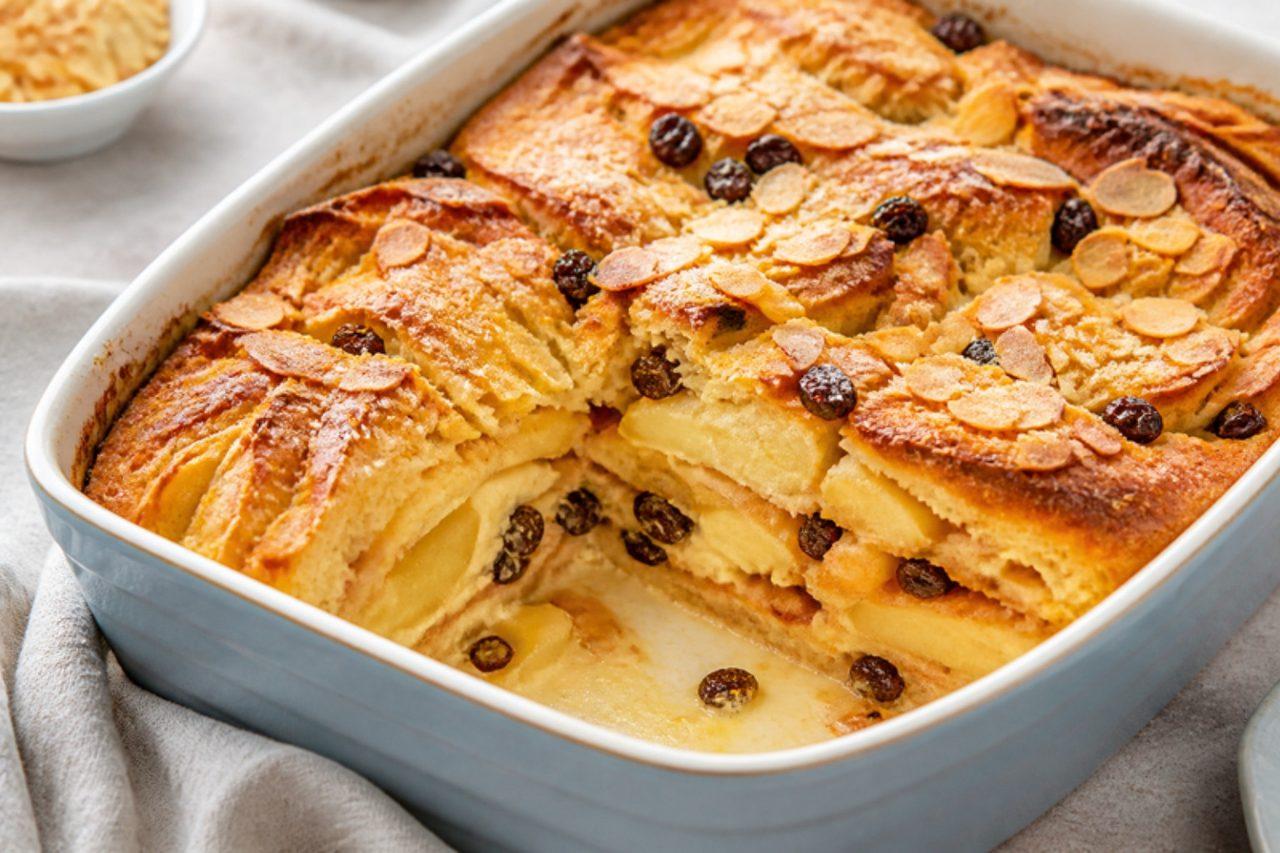
OfenschlupferBaked bread pudding with apples

Ofenschlupfer, literally 'oven-crawler', is how Swabian farmhouse kitchens used up stale rolls on a Friday: slices of bread layered with apples, raisins and a little cinnamon in a deep dish, soaked in vanilla egg milk and baked until puffed and golden. Some families pour in a splash of rum; this version doesn't. It was once eaten as a sweet main course after a bowl of soup and is still served warm with vanilla sauce in Stuttgart cafés. A common mistake is baking it straight after pouring in the custard, which leaves dry patches on top; let it soak for 20 minutes. Chef's tip: dot the top with butter and a spoon of sugar for a crackly, caramelised crust.

by KrazyBadal 0 views

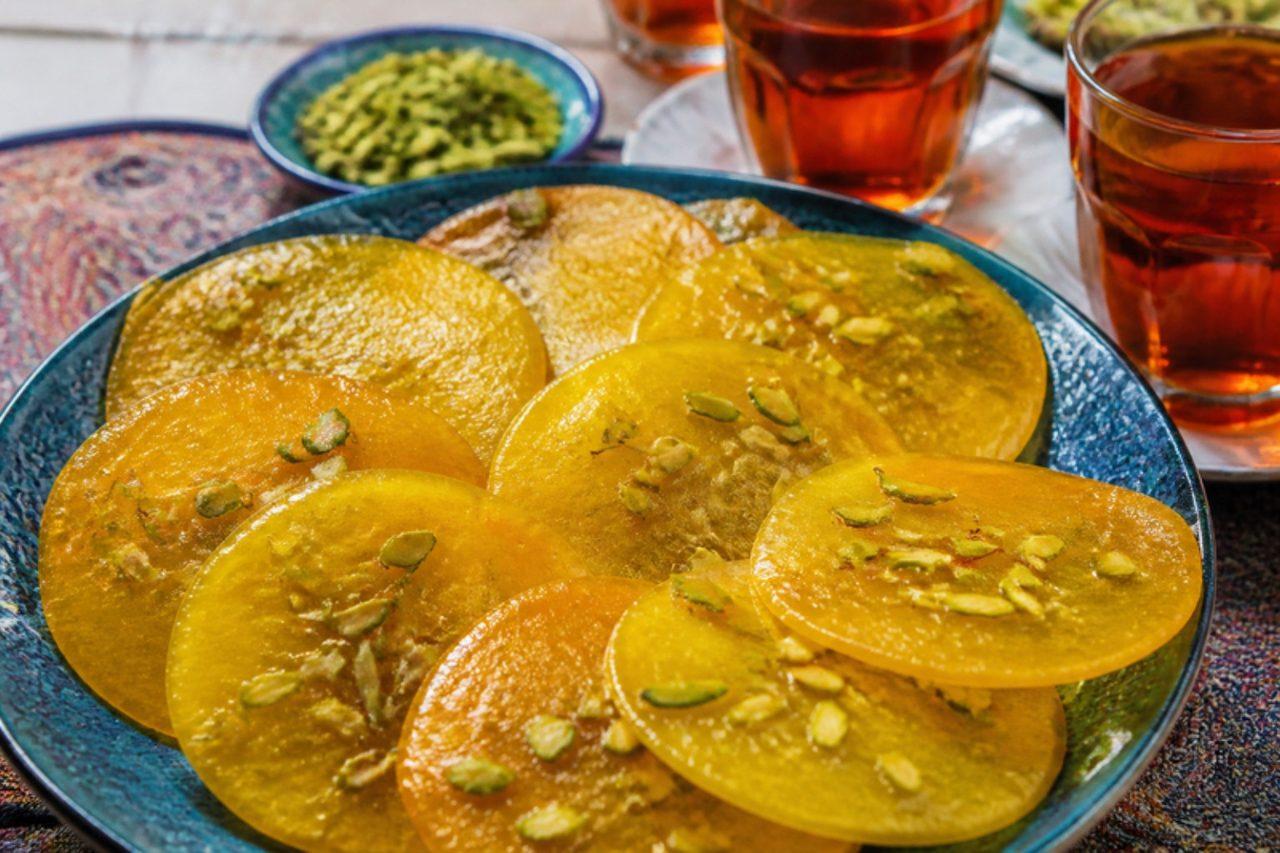
PoulakiThin saffron sugar candy

Poulaki are the paper-thin golden sugar coins sold by weight in Isfahan's sweet shops, meant to be held between the teeth while you sip strong black tea. The name comes from 'poul', the old word for coin, and Isfahanis serve them with tea to guests at any hour, flavoured with saffron, cardamom or sesame. Only sugar, a little vinegar and spice are needed, but timing matters. A common mistake is pouring the drops too big: they should spread no wider than 4 cm or they stay chewy in the middle. Chef's tip: work on a cold, lightly oiled marble or steel tray, which sets the coins in seconds and keeps them glassy.

by KrazyBadal 0 views

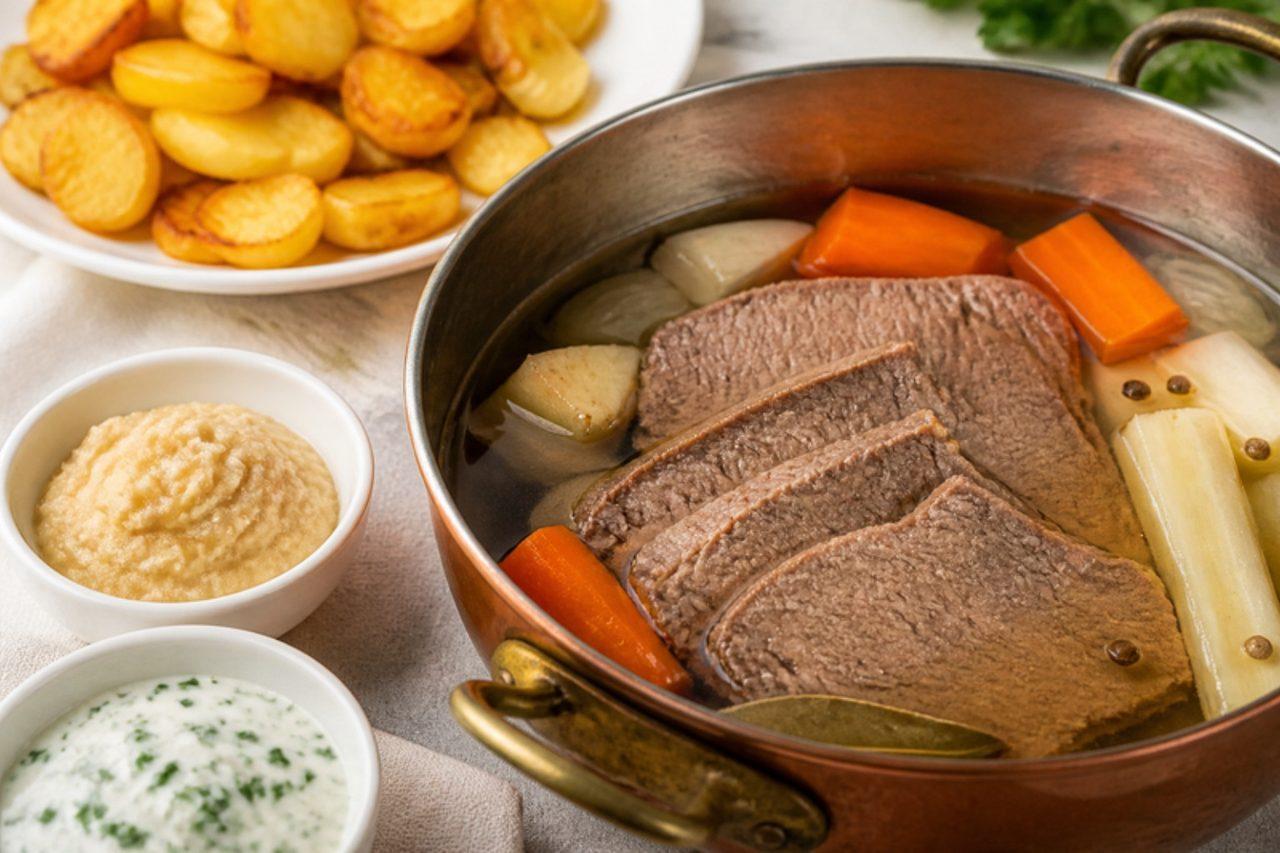
TafelspitzSimmered beef with apple horseradish

Tafelspitz is Vienna's grand Sunday lunch, the dish the old Beisl taverns and the city's famous beef restaurants built their names on. A whole piece of beef top rump is barely simmered with root vegetables for hours, then served in three acts: first the clear golden broth, then the sliced beef with crisp roast potatoes, sharp Apfelkren (grated apple and horseradish) and a cool chive sauce. Keep any leftover broth for Grießnockerlsuppe or Frittatensuppe. Chef's tip: never let the pot bubble; a slow tremble keeps the meat juicy and the broth clear.

210 minAustrianMeatGluten free
by KrazyBadal 0 views

Mazorca desgranadaSweetcorn with chicken and cheese

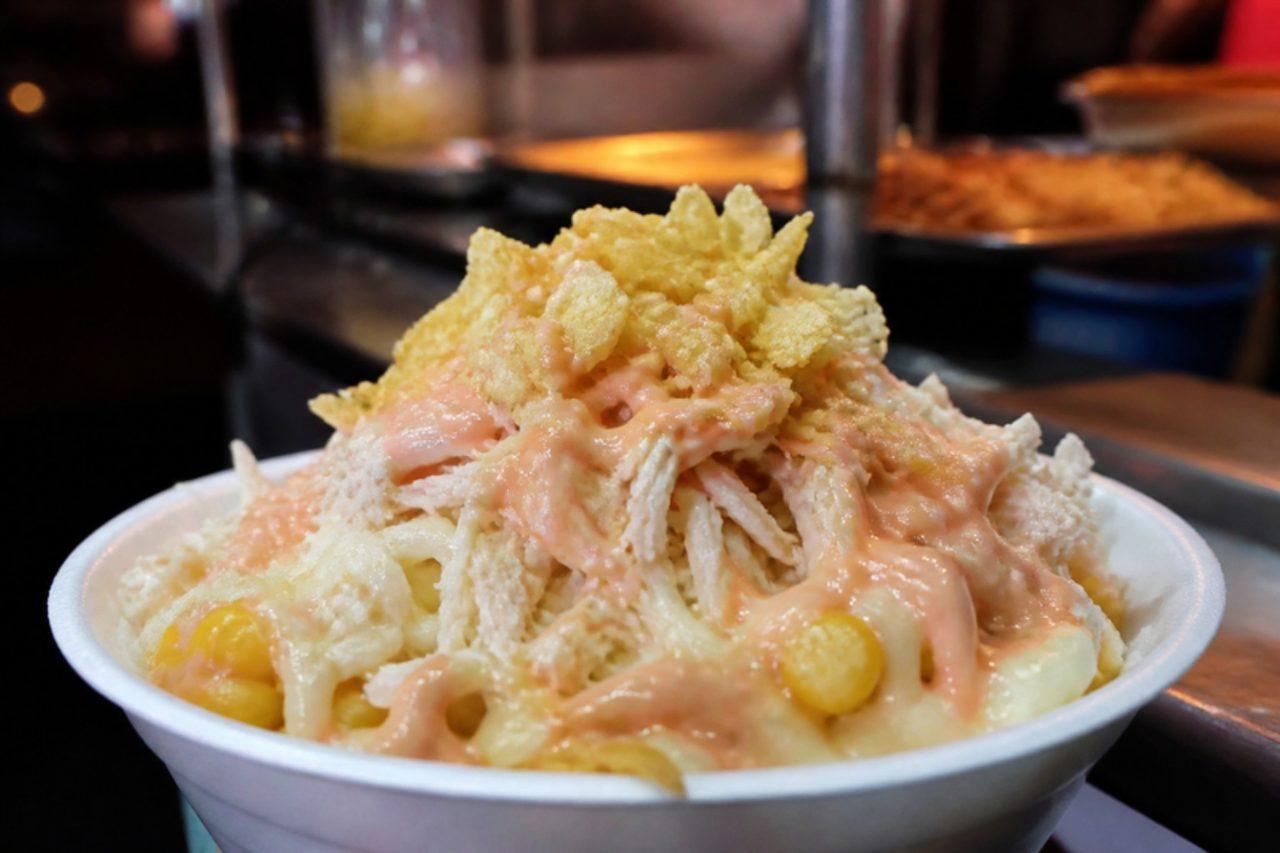
Food trucks and street corners in Bogotá and Medellín sell mazorca desgranada in plastic tubs, late into the evening: sweet corn kernels cut off the cob, fried in butter and layered with shredded chicken, melted cheese, crunchy potato sticks, pineapple sauce and salsa rosada. Some stands add bacon, beef or quail eggs; this version keeps to chicken. It is sweet, salty and gooey, and a hit with teenagers. Using tinned corn without draining it well is a common error: the water dilutes the sauces and the tub gets soggy. Chef's tip: fry the corn until a few kernels brown and pop; that caramelised edge stands up to all the sweet sauces. For a vegetarian tub, skip the chicken and use a cheese made with microbial rennet.

by KrazyBadal 0 views

KreatotourtaLamb, cheese and mint pie

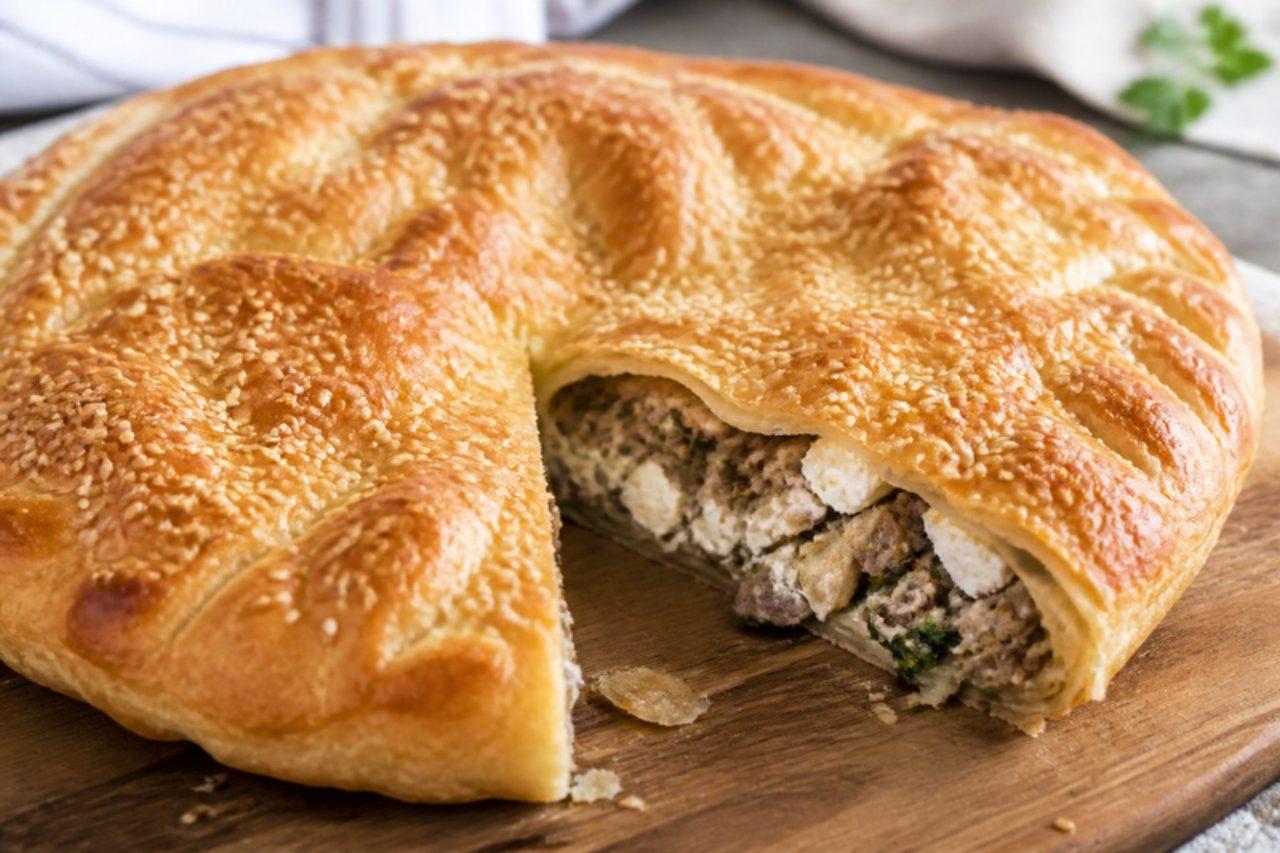
In Chania and the villages of western Crete, kreatotourta is baked on Easter Saturday so it is ready for the Sunday feast: a tall pie of tender lamb pieces layered with soft fresh cheese and mint, sealed in a crisp olive-oil pastry. It is cut into wedges and eaten warm or at room temperature, and leftovers vanish over the following days. The traditional cheeses are fresh mizithra and some graviera. Common mistake: putting raw lamb in the pie, which leaves the pastry burnt before the meat is tender; simmer the lamb first. Chef's tip: save a ladle of the lamb's cooking liquid and pour it through the steam hole halfway through baking so the filling stays juicy.

195 minGreekMeat
by KrazyBadal 0 views

Poulet vallée d'AugeChicken in cider and cream sauce

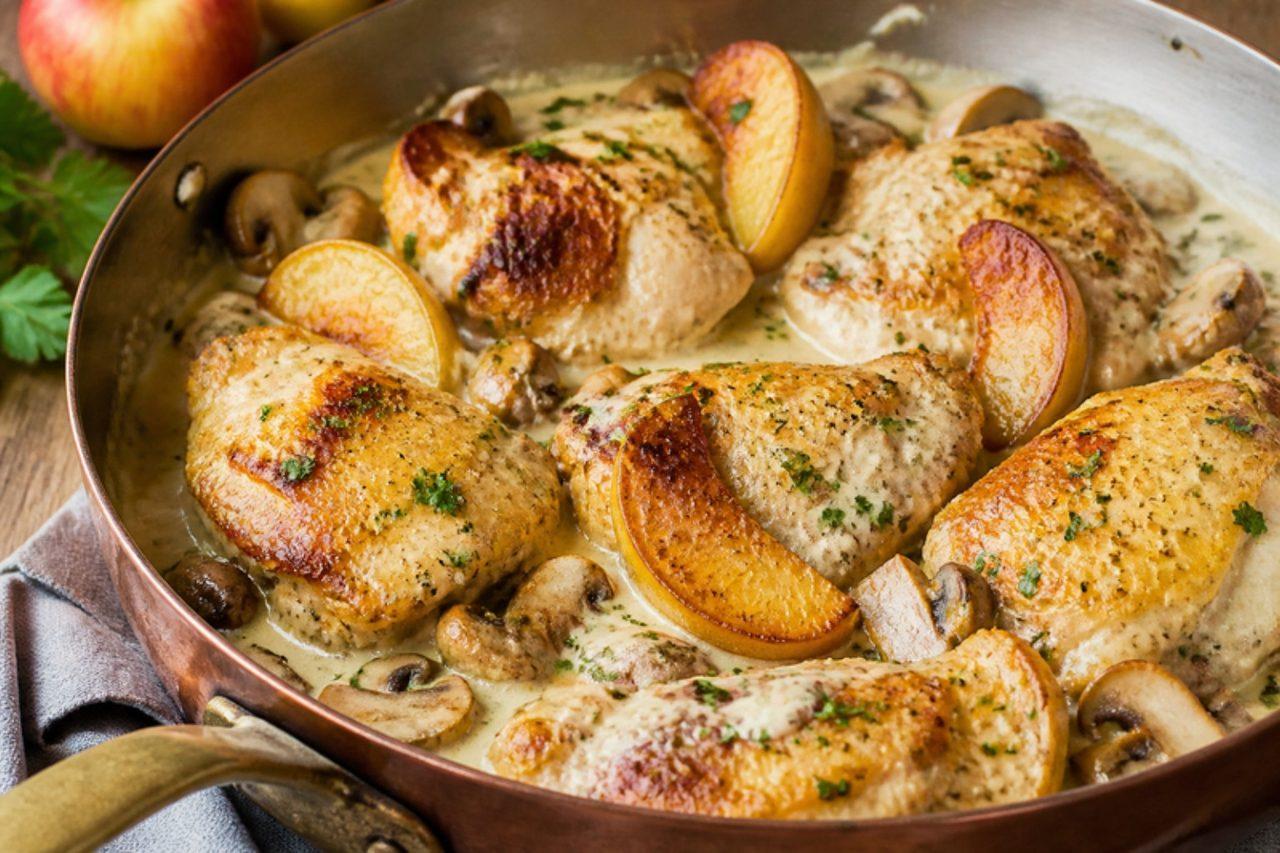
The Pays d'Auge, the green orchard country around Lisieux and Pont-l'Évêque, puts its three great products into one pan here: apples, cider and thick Normandy cream. Chicken pieces are browned in butter, flamed with a splash of Calvados if you like, braised in dry cider with mushrooms and finished with crème fraîche, so the sauce is tangy, gently sweet and pale gold. It is a Sunday lunch dish, served with rice or steamed potatoes and wedges of apple caramelised in butter. The recipe uses cider and optional Calvados; alcohol-free swaps are in the ingredient notes. Chef's tip: choose a dry cider, because a sweet one makes the sauce cloying once it reduces.

by KrazyBadal 0 views

Tavuk soteSautéed chicken with peppers and mushrooms

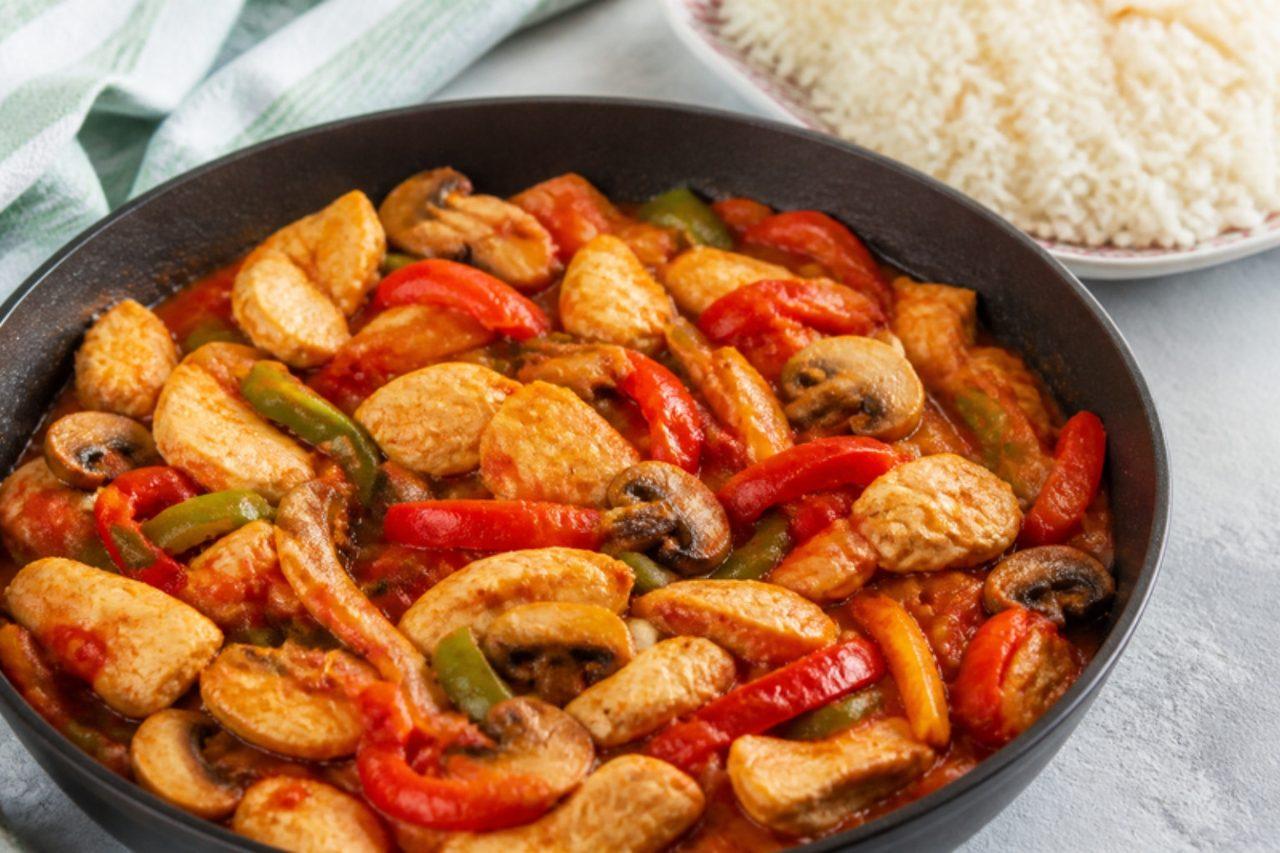
Tavuk sote is what Turkish home cooks make on a busy weekday: strips of chicken thigh seared hard, then tossed with green and red peppers, mushrooms, onion, tomato and a spoonful of pepper paste until glossy. It cooks in the time the bulgur or rice takes, and lokantas serve it from the steam tray with a side of yoghurt. Thigh meat stays juicy; breast dries out quickly. Common mistake: adding all the chicken at once, which drops the pan temperature and leaves it pale and watery. Chef's tip: finish with a knob of butter and a pinch of dried thyme off the heat for a glossy, aromatic sauce.

by KrazyBadal 0 views

PountiChard and prune loaf

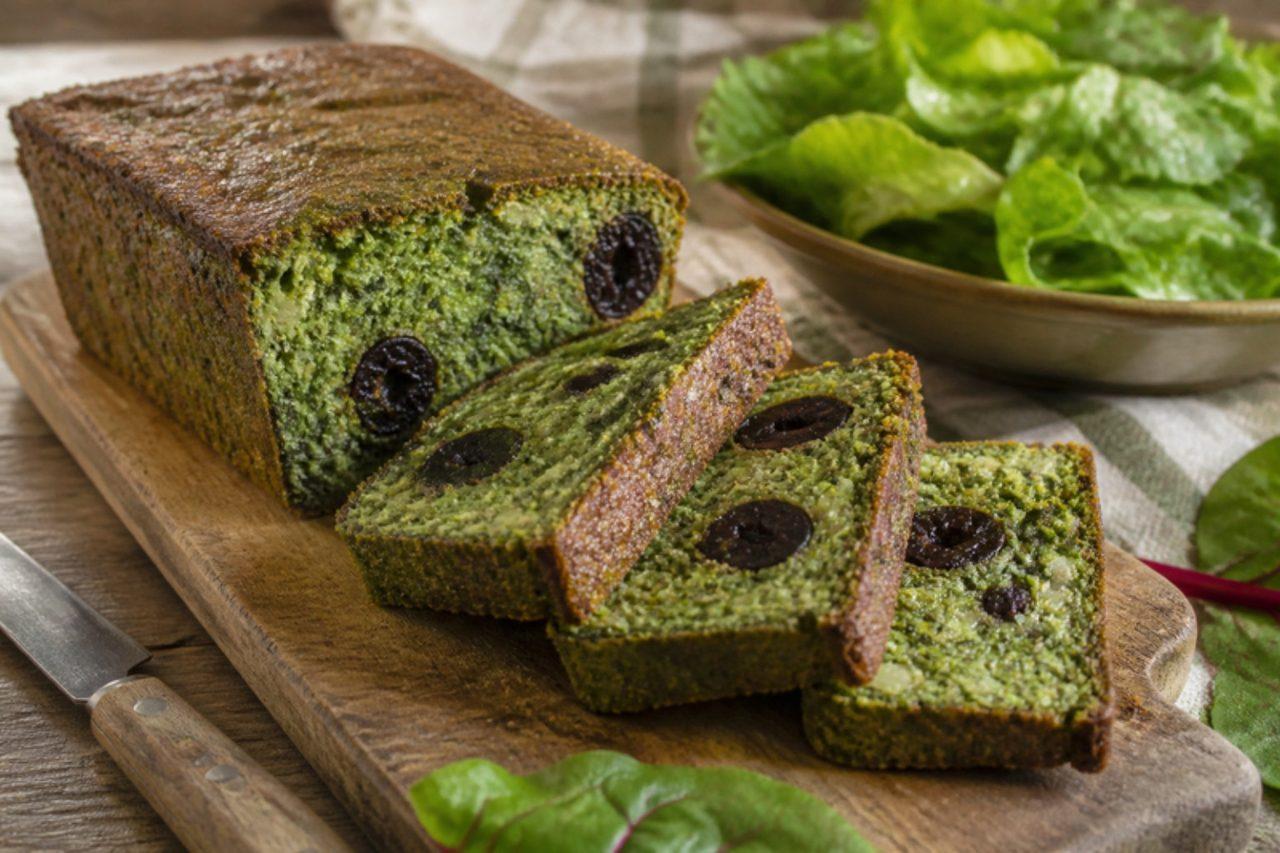
Farm kitchens in the Cantal and the Aveyron uplands bake pounti as a way to use the garden's chard and a few prunes from the cupboard: a soft savoury loaf, green-flecked and studded with dark sweet fruit, served warm with a salad for supper or cold in slices for a picnic. It is traditionally made with bacon or ham; this version leaves the meat out and adds a little smoked paprika for the same savoury edge. Chef's tip: wring the blanched chard really dry, or the loaf will be soggy in the middle.

by KrazyBadal 0 views

Showing 90 of 7,762 recipes

Page 497 of 863