


Skip to content
Masgouf
Featured recipe

Masgouf

Roast carp with tamarind

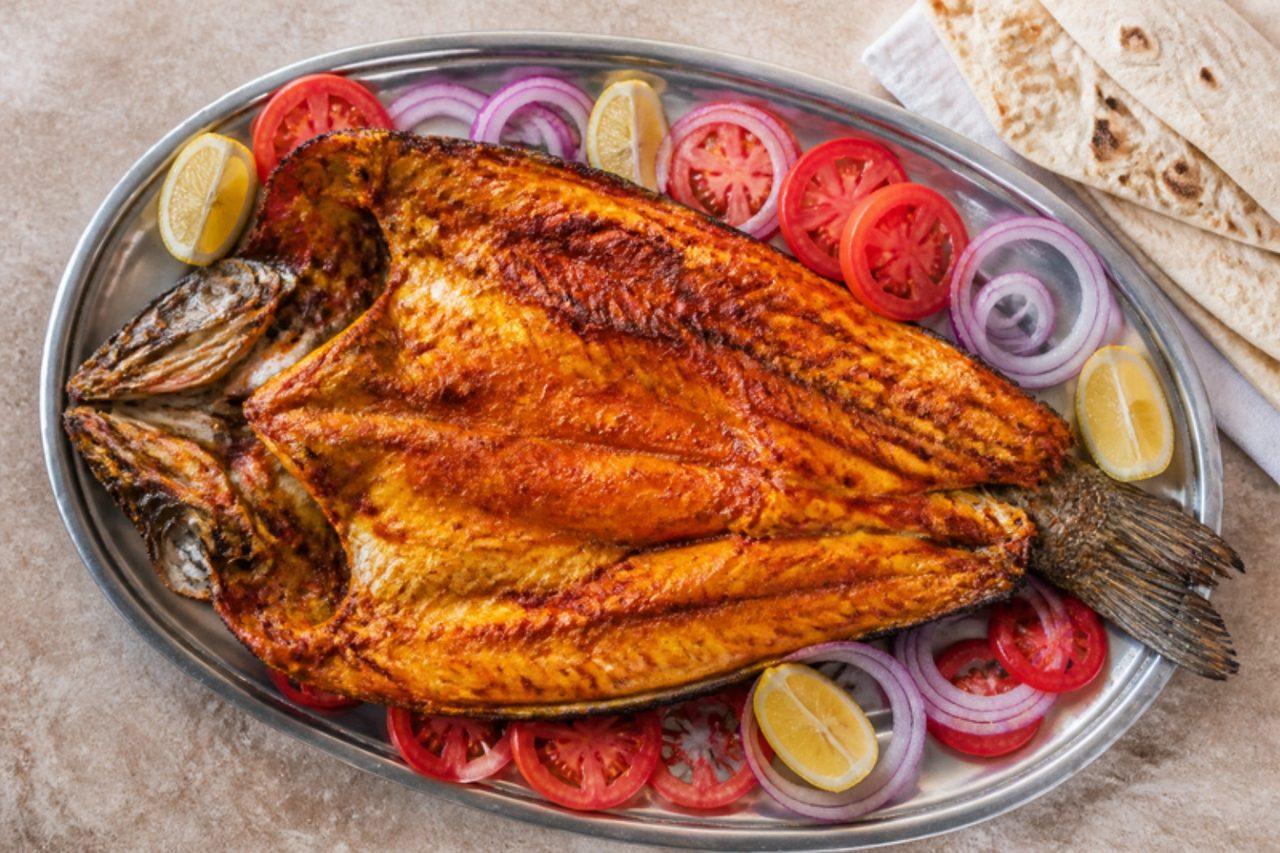
On the banks of the Tigris, Baghdad's fish restaurants once stood carp upright on stakes round a wood fire, and Iraqi Jews brought the memory of masgouf to Israel, where it is grilled at family gatherings in Or Yehuda and at fish restaurants near Lake Kinneret. A whole carp is split along the back and opened flat, brushed with tamarind, turmeric and oil, then roasted under a fierce heat until the skin chars and the flesh flakes in big, smoky pieces. It is served on flatbread with sliced onion, tomato and amba. The usual problem is overcooking from the start; roast the flesh side first and finish briefly skin side. Chef's tip: if carp is not available, a butterflied sea bass or two large trout work very well.

Read more 0 views

What to eat today?

Around the world

Today's trip: Paraguayan

A new country every day, from every cuisine on the site.

Paraguayan

Chipa

Cheese bread rings 50 minMore from Paraguayan (27) →

This week's collection

Kid-friendly dinners
537 recipes · a new collection every Monday

Latest recipes

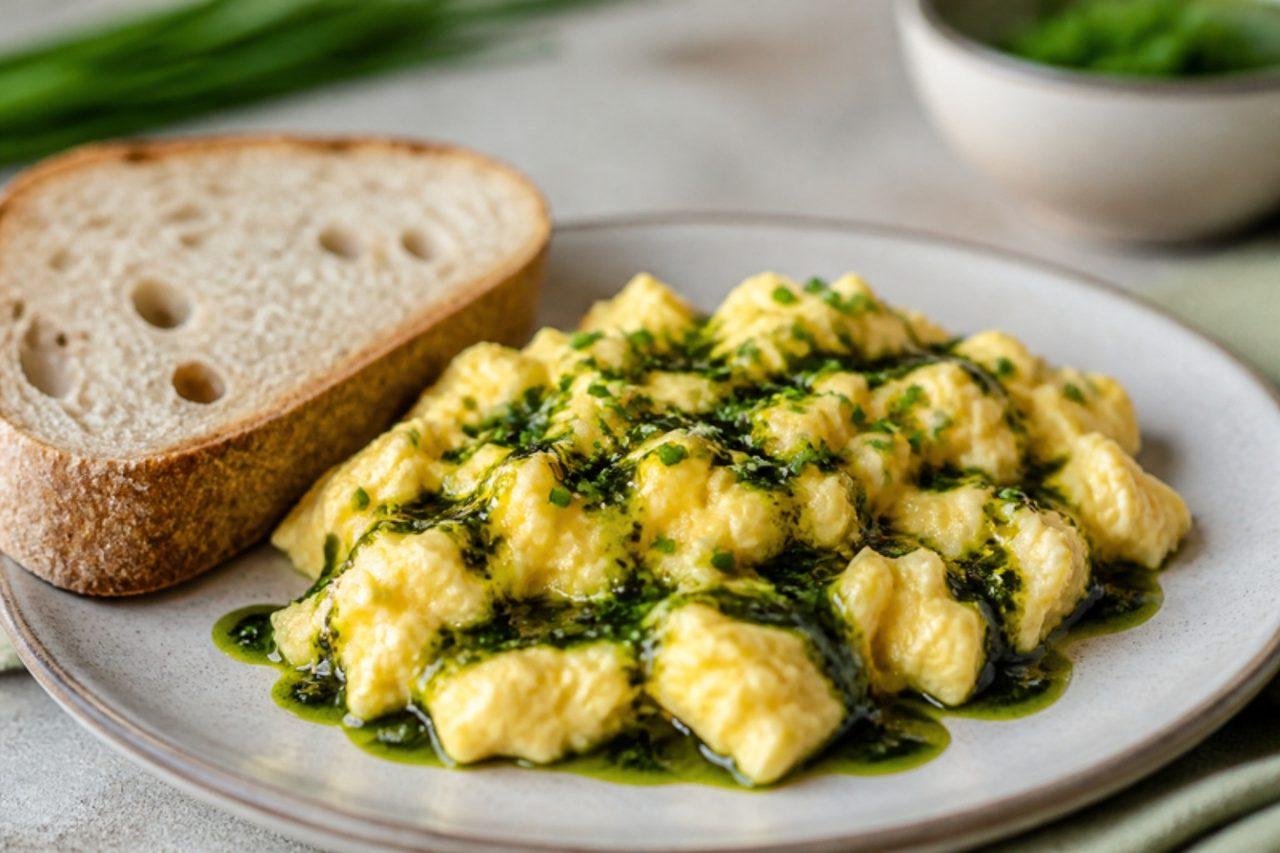
Steirische Kernöl-EierspeisScrambled eggs with pumpkin seed oil

Eierspeis is the Austrian word for scrambled eggs, and in Styria they get a final drizzle of the region's dark green pumpkin seed oil. It is a farmhouse breakfast or a late-night snack after a long evening in a Graz wine bar, eaten straight from the small pan it was cooked in with a slice of rye bread. The eggs are soft and creamy in big folds, and the oil adds a toasted, nutty depth that tastes almost like brown butter. A common mistake is stirring too fast on a high heat, which gives small dry crumbs instead of soft curds. Chef's tip: salt the eggs a few minutes before cooking; it helps them set more tenderly.

by KrazyBadal 0 views

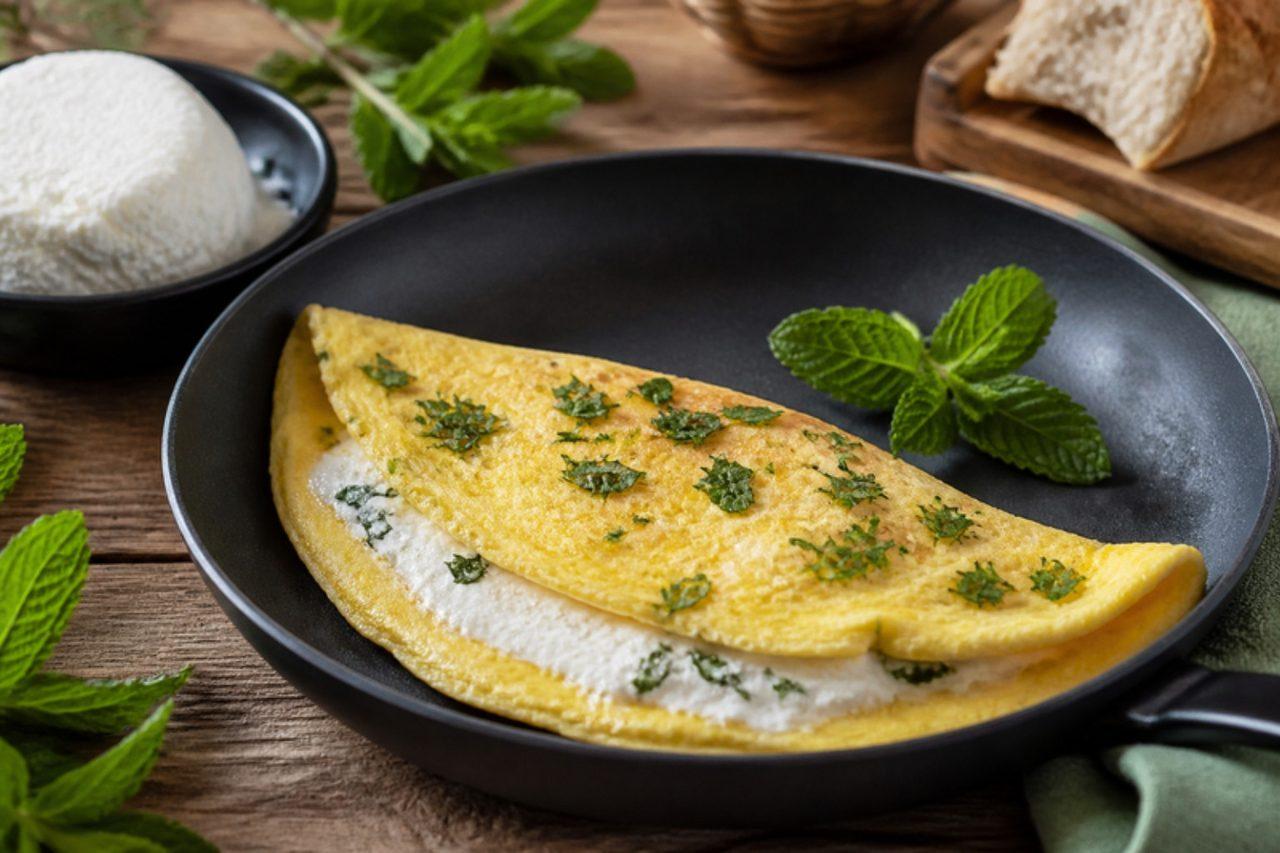
Omelette au brocciu et à la mentheFresh cheese and mint omelette

Inland Corsica, around Corte and the mountain villages, serves this omelette from late autumn to early summer, the months when shepherds make fresh brocciu. The cheese goes in at the last moment so it stays creamy, and wild mint picked from the maquis cuts through its richness; it is a light lunch or supper with a green salad and bread. Brocciu is made from the whey of rennet cheeses, so vegetarians often use ricotta labelled vegetarian instead. Chef's tip: season the cheese and mint, not just the eggs, because fresh whey cheese is very mild.

by KrazyBadal 0 views

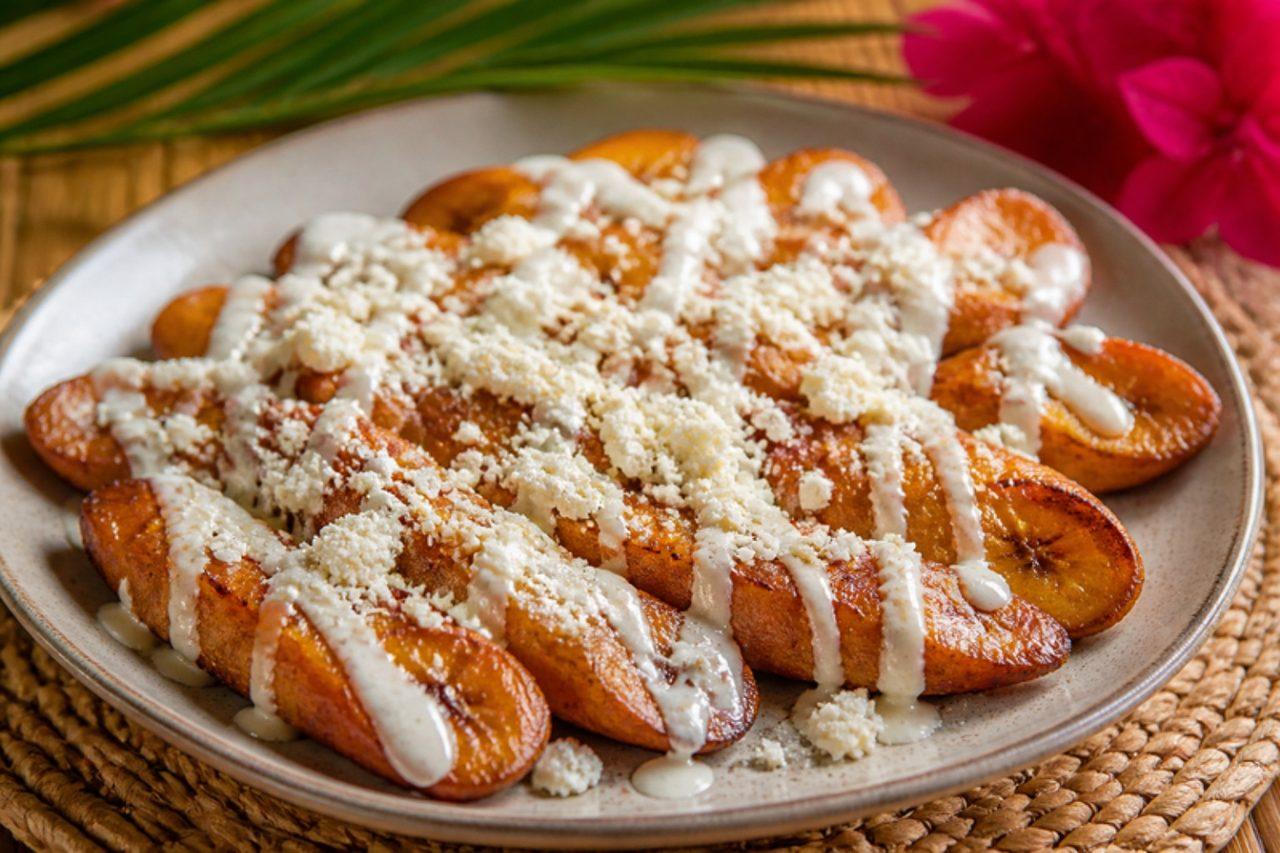
Plátanos fritos con cremaFried plantain with cream

Tabasco grows more plantain than almost anywhere in Mexico, and in Villahermosa homes fried ripe plantain arrives with breakfast eggs, alongside rice and black beans at lunch, or on its own as a sweet-savoury supper. The local touch is to finish the hot, caramelised slices with a spoon of tangy crema and a snow of crumbled fresh cheese, so you get sweet, salty and sour in one bite. Chef's tip: wait until the skins are almost black; yellow plantains taste starchy and never caramelise.

by KrazyBadal 0 views

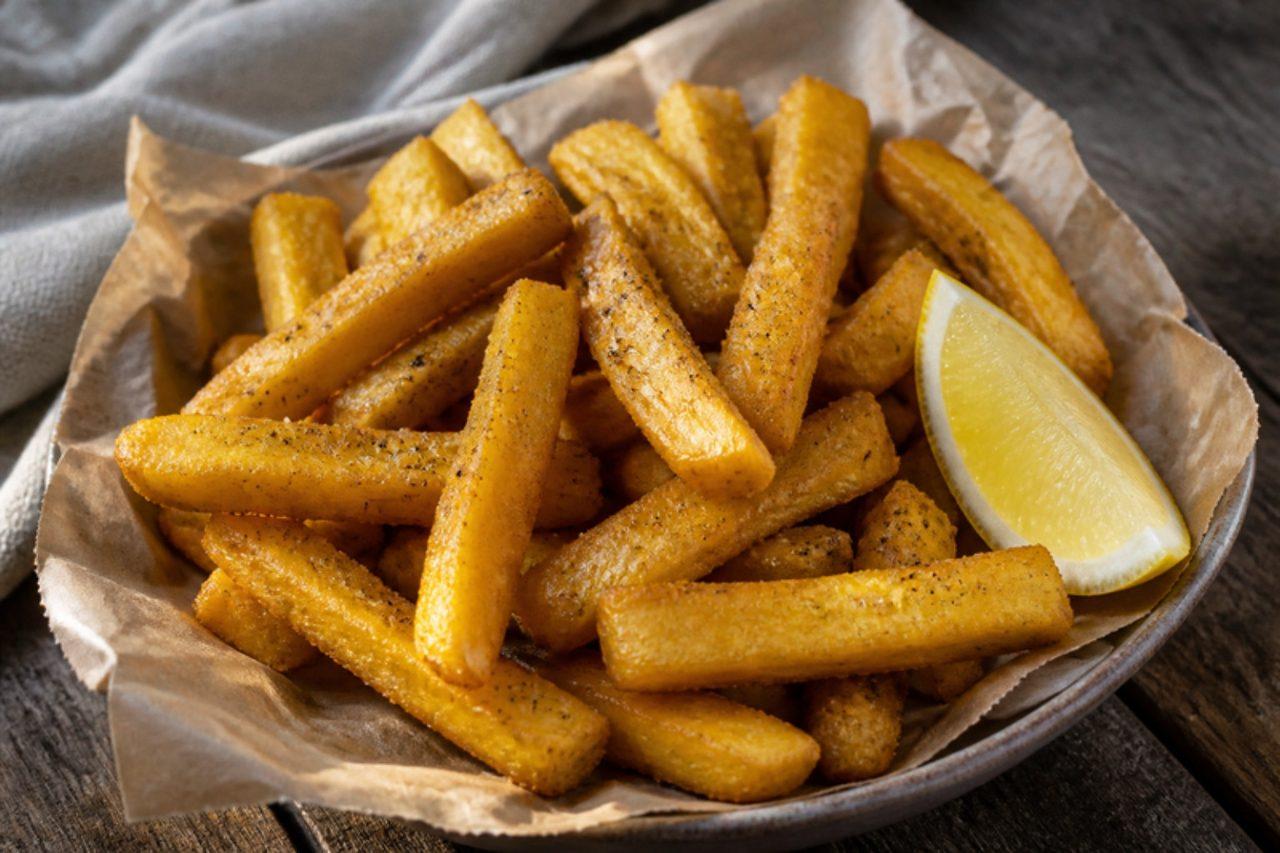
PanissesFried chickpea fingers

In L'Estaque, the old fishing quarter on the western edge of Marseille, panisses are sold hot in paper cones from seafront kiosks on summer evenings. They start as a thick chickpea-flour porridge, set in a tray, then cut into fingers and fried until the outside is crisp and the middle is soft and creamy, like a chickpea chip. Along the coast in Nice the same flour becomes socca, a thin baked pancake. Serve panisses with a squeeze of lemon and lots of pepper. Chef's tip: make the base the day before; a night in the fridge firms it up, and the fingers keep their shape in the oil.

by KrazyBadal 0 views

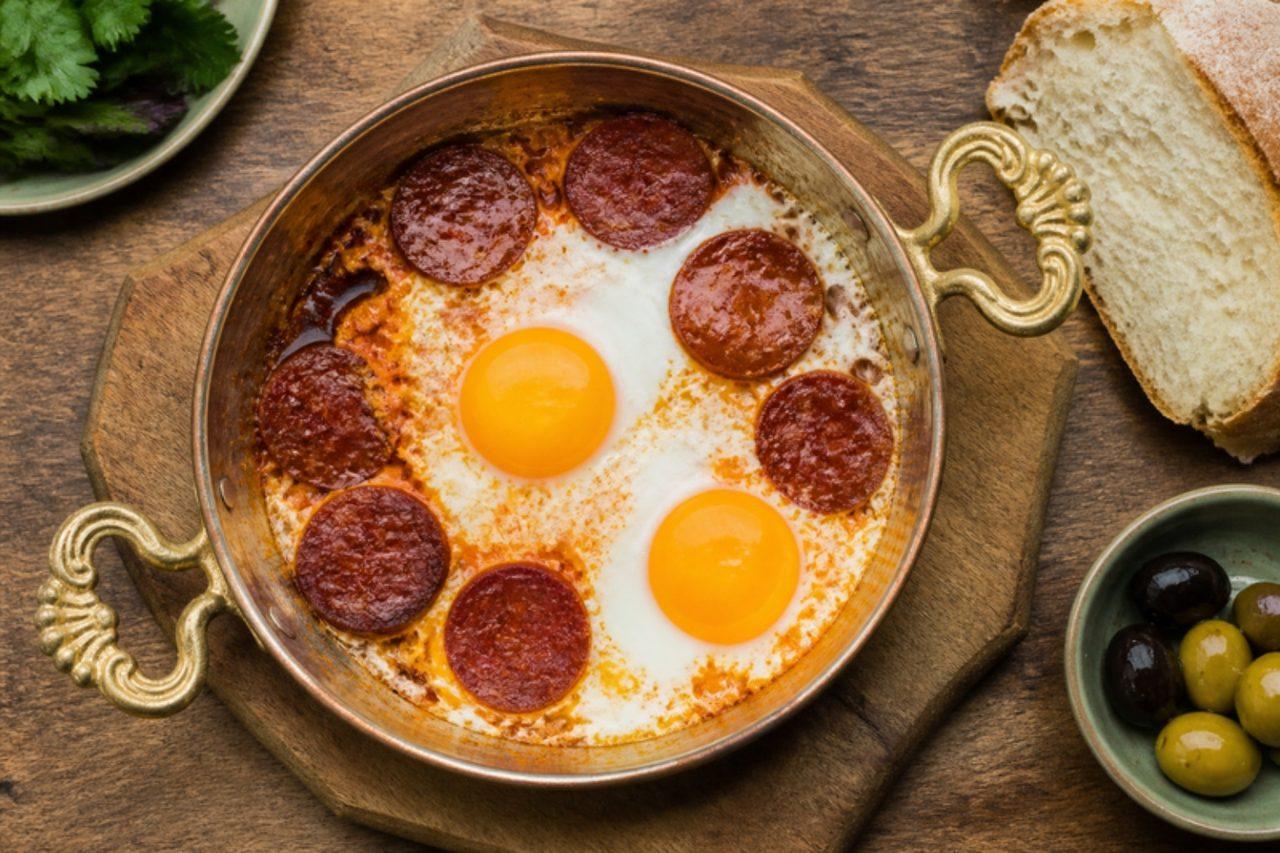
Sucuklu yumurtaSpicy sausage with eggs

No Turkish weekend breakfast spread feels complete without a sizzling sahan of sucuklu yumurta carried to the table: slices of garlicky, cumin-spiced beef sucuk fried in their own red fat, with eggs cracked over and cooked just until the whites set. Everyone tears bread and dips it straight into the pan, between bites of cheese, olives and tomato. Sucuk is a cured beef sausage; cook it thoroughly. Common mistake: frying the sucuk on high heat, which burns the spices and makes the slices curl and harden. Chef's tip: add a teaspoon of water to the pan once the sucuk has released its fat; it stops the slices burning and helps cook the egg tops.

by KrazyBadal 0 views

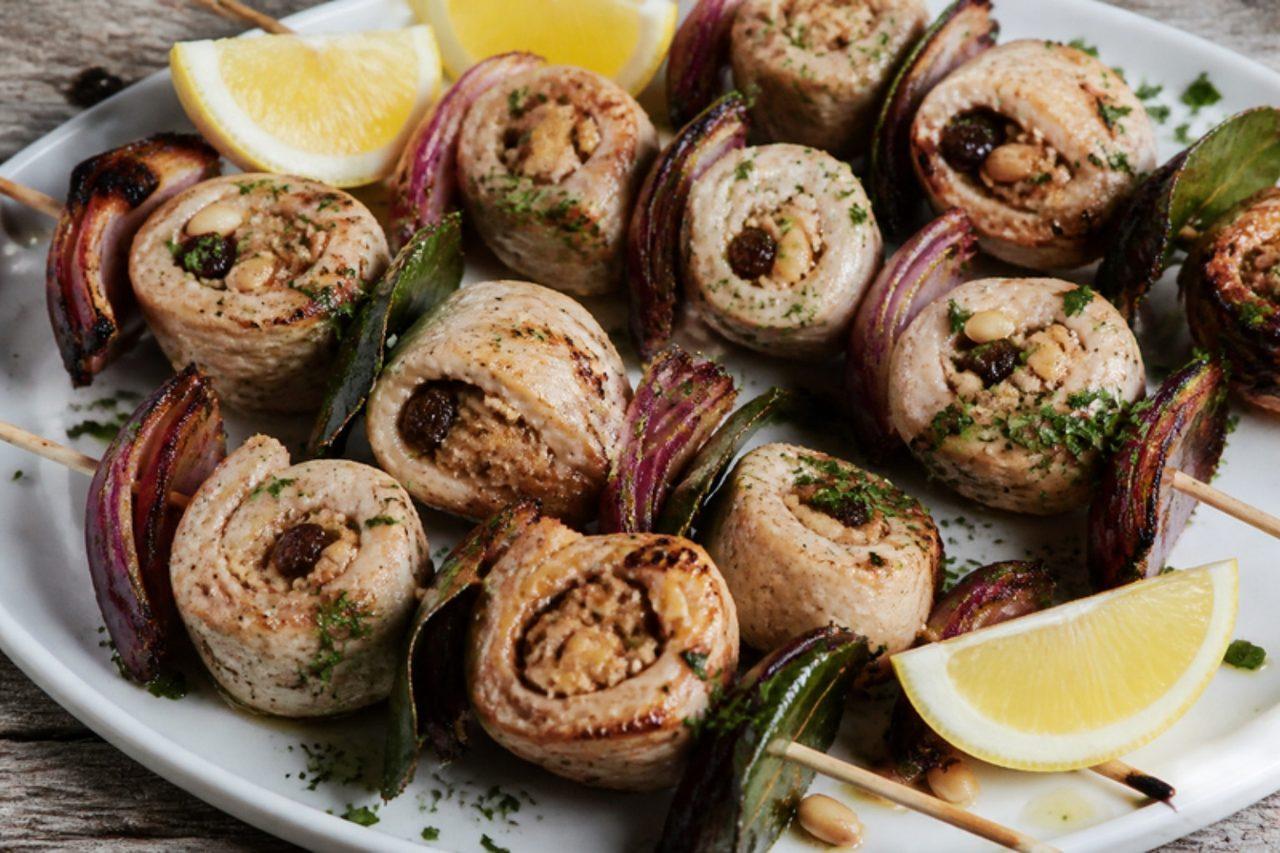
Involtini di pesce spadaSwordfish rolls

Swordfish has been hunted in the Strait of Messina for centuries, and in early summer, when the boats with their tall lookout towers are out, the city's cooks roll thin slices around a filling of toasted breadcrumbs, pine nuts, raisins, lemon and parsley. Threaded onto skewers with bay leaves and onion, they are grilled or baked until just opaque, sweet-salty and fragrant. Serve with lemon wedges and a fennel and orange salad. Swordfish is high in mercury, so pregnant women and young children should limit how often they eat it; thin slices of tuna loin work too. Chef's tip: ask the fishmonger to slice the swordfish as thinly as possible, then pound it gently between sheets of cling film to 3 mm.

by KrazyBadal 0 views

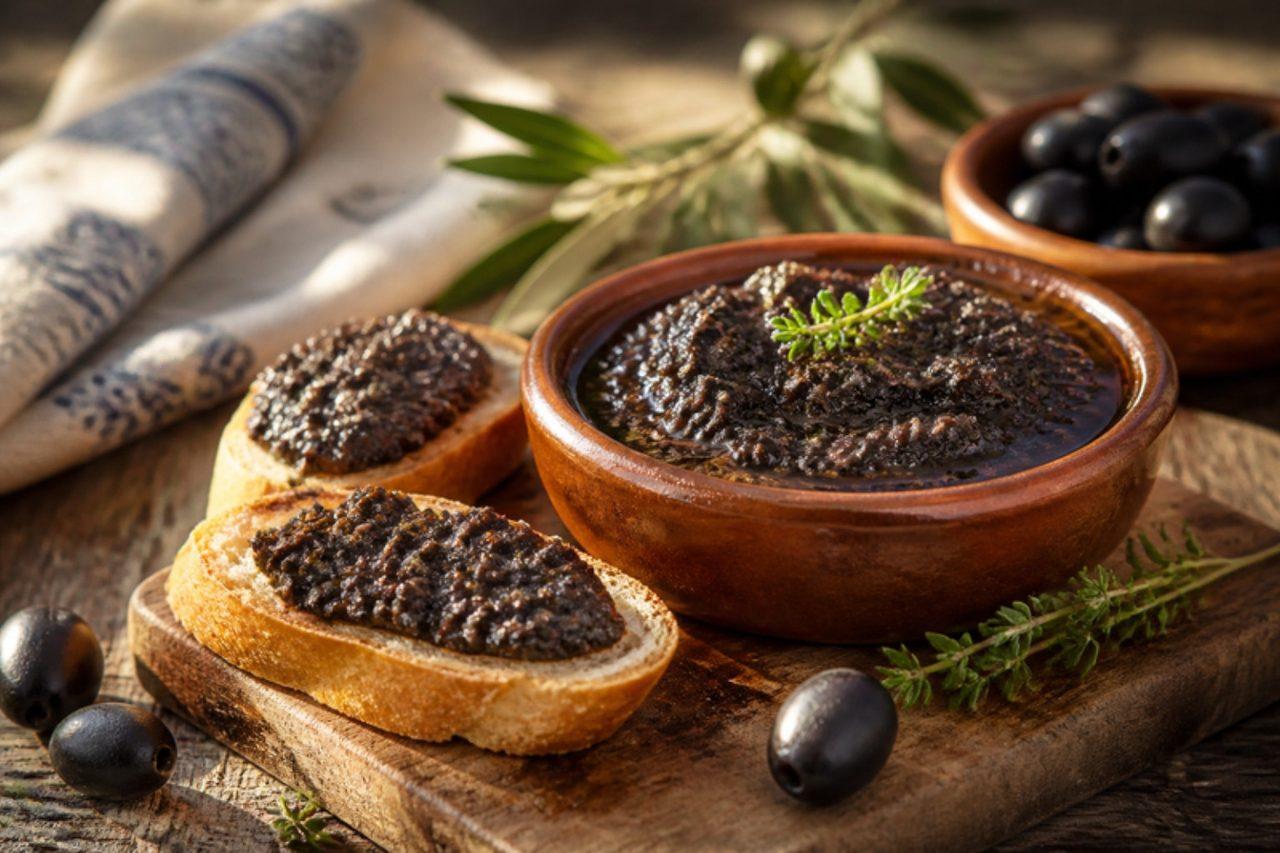
Tapenade provençaleBlack olive and caper spread

The name gives the game away: tapeno is the Provençal word for capers, and a Marseille chef is said to have first pounded them with black olives in the 1880s. Across Provence, from the markets of Nyons to the cafés of Aix, tapenade comes out with the apéritif before a long summer dinner, spread thickly on toasted baguette. The classic recipe adds a few anchovy fillets; this version leaves them out and leans on extra capers and lemon for the salty, savoury edge, so it is vegan. Chef's tip: buy olives with stones and pit them yourself; ready-pitted black olives are often the dyed, bland kind and give a flat, inky spread.

by KrazyBadal 0 views

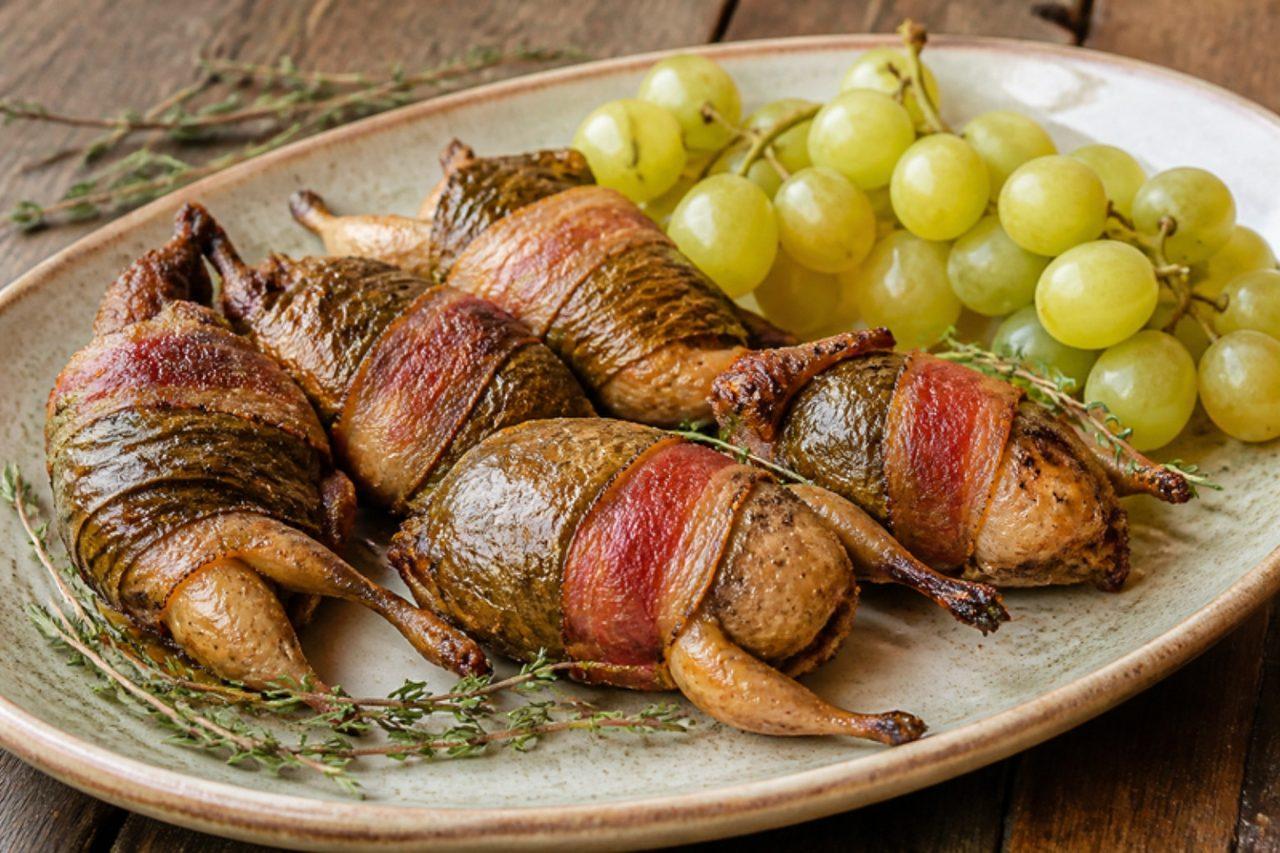
Codornices en hoja de parraQuail in vine leaves

When the grapes are picked in the vineyards of Olite and the Ribera in September, quail are fat from the stubble fields and the vines still have their leaves, so Navarrese cooks bring the two together. Each bird is wrapped in a vine leaf and a strip of bacon and roasted fast; the leaf keeps the lean meat moist and adds a gentle, lemony tang. This contains pork (streaky bacon). Serve with fried potatoes or bread and, in season, a bunch of grapes. Chef's tip: taste before salting, because brined vine leaves and bacon already bring plenty.

by KrazyBadal 0 views

DöppekuchenGrated potato bake with bacon

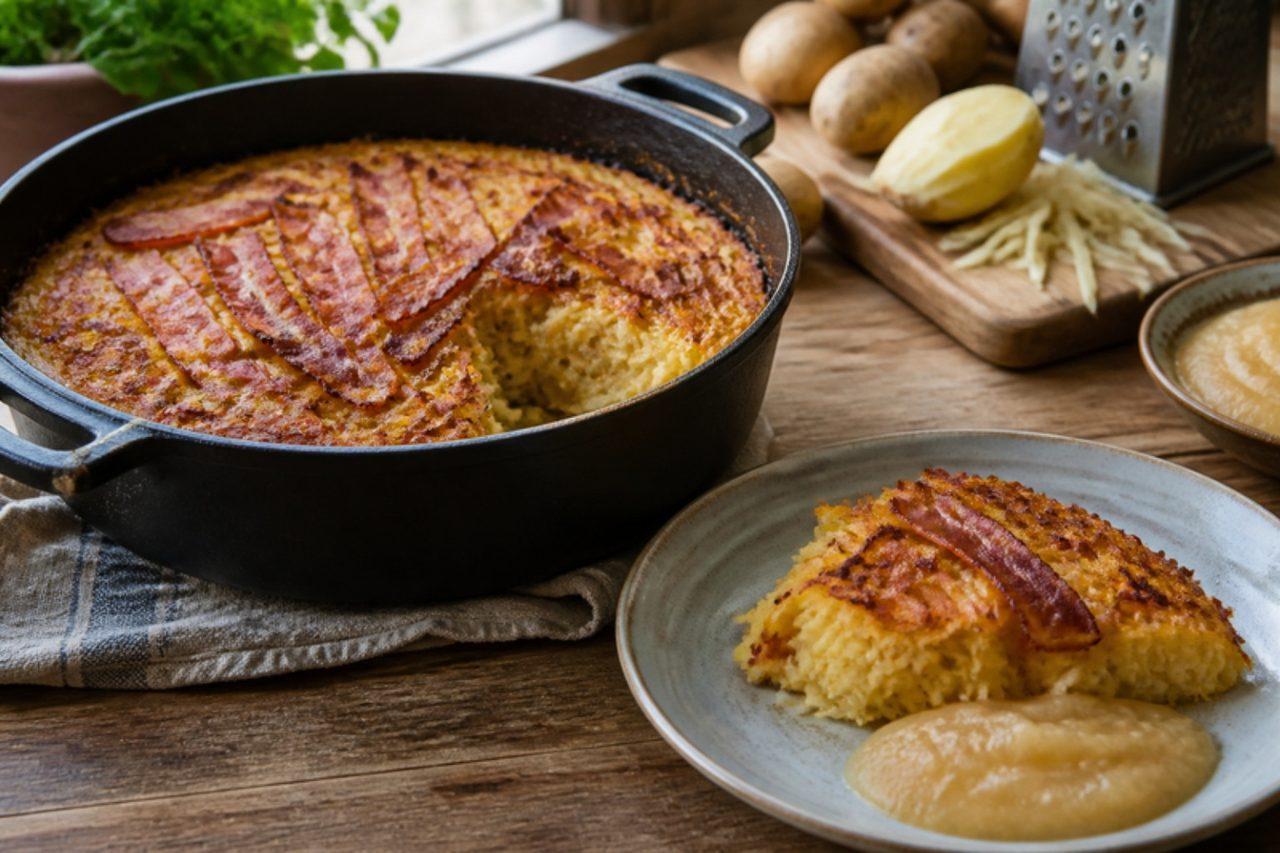
Döppekuchen (also Dippekuchen or Knüles) is the Rhineland and Westerwald answer to a cold November evening, traditionally baked on St Martin's Day and at village fairs. Raw grated potatoes, onion, egg and smoked bacon are baked slowly in a cast-iron pot, the Döppe, until the outside is a thick dark-brown crust and the inside is soft and steamy. It is eaten with apple sauce and a green salad. For a meat-free pot, bake it with extra onions and two sliced leeks instead of the bacon. Chef's tip: squeeze the grated potato really dry; the less water, the crisper the crust.

180 minGermanMeatGluten free
by KrazyBadal 0 views

Kefalonian kreatopitaLamb, rice and potato pie

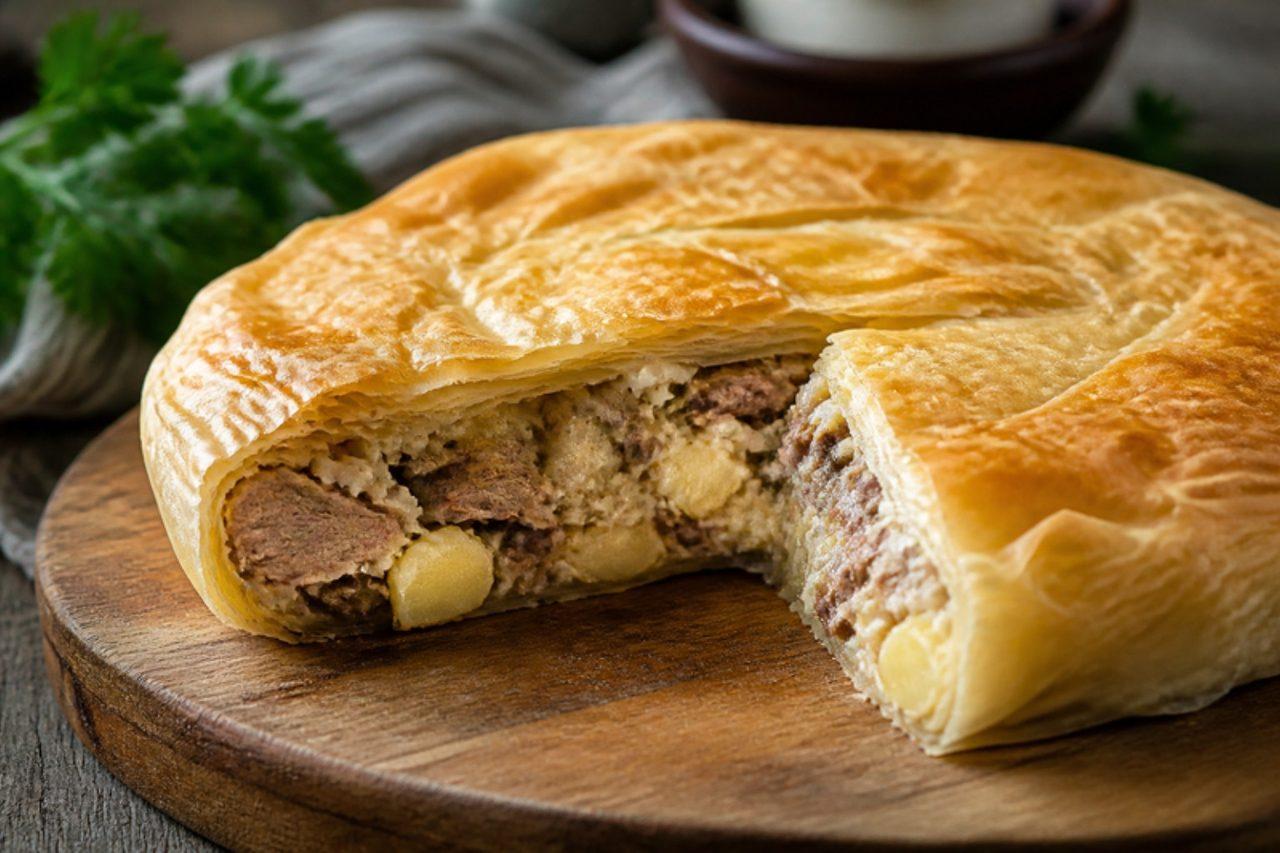
On Kefalonia, kreatopita is baked for Carnival Sunday, just before Lent, and for big family days: a deep pie of lamb and pork pieces (not mince) mixed with rice, potatoes, tomato, garlic, mint and grated cheese, enclosed in a thick homemade-style crust or filo. It's hearty, fragrant and meant to feed a crowd, warm or at room temperature. This version uses lamb shoulder and pork shoulder. Many island cooks splash in wine; here the moisture comes from stock and tomato, so it's alcohol-free. Common mistake: dicing the meat too large, so it isn't tender when the pastry is done — keep it to 2 cm. Chef's tip: let the filling sit in the fridge overnight so the rice soaks up the juices and the flavours meld.

145 minGreekMeat
by KrazyBadal 0 views

Milho fritoFried cornmeal cubes with kale

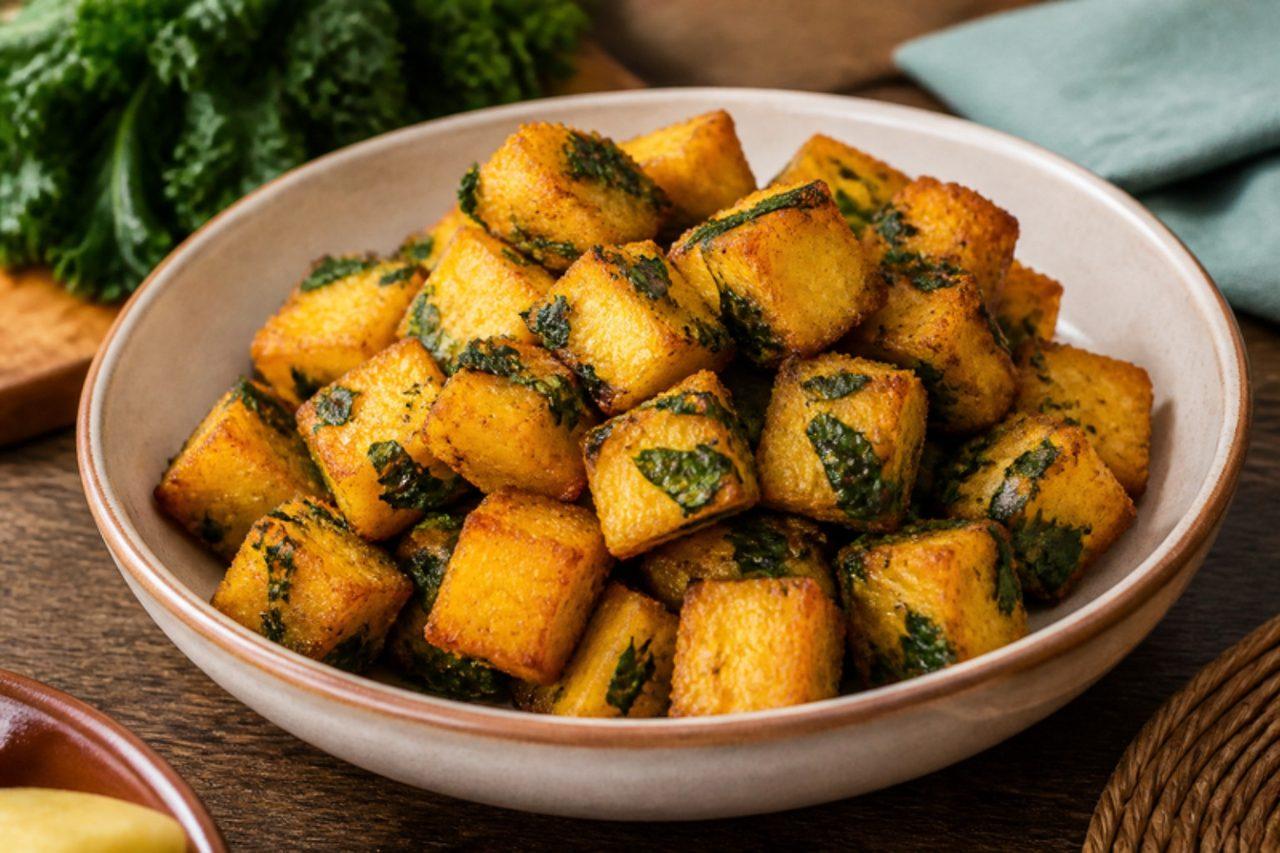
Order espetada in any Madeiran restaurant and a basket of these golden cubes comes with it: polenta-style cornmeal cooked with shredded kale and garlic, set in a tray, then cut and fried until crunchy outside and soft and creamy within. They are also cooked at home on Sundays alongside grilled fish. Chef's tip: make the cornmeal the day before, as a well-chilled block cuts cleanly and doesn't fall apart in the oil.

by KrazyBadal 0 views

Discada norteñaMixed-meat skillet with peppers and onions

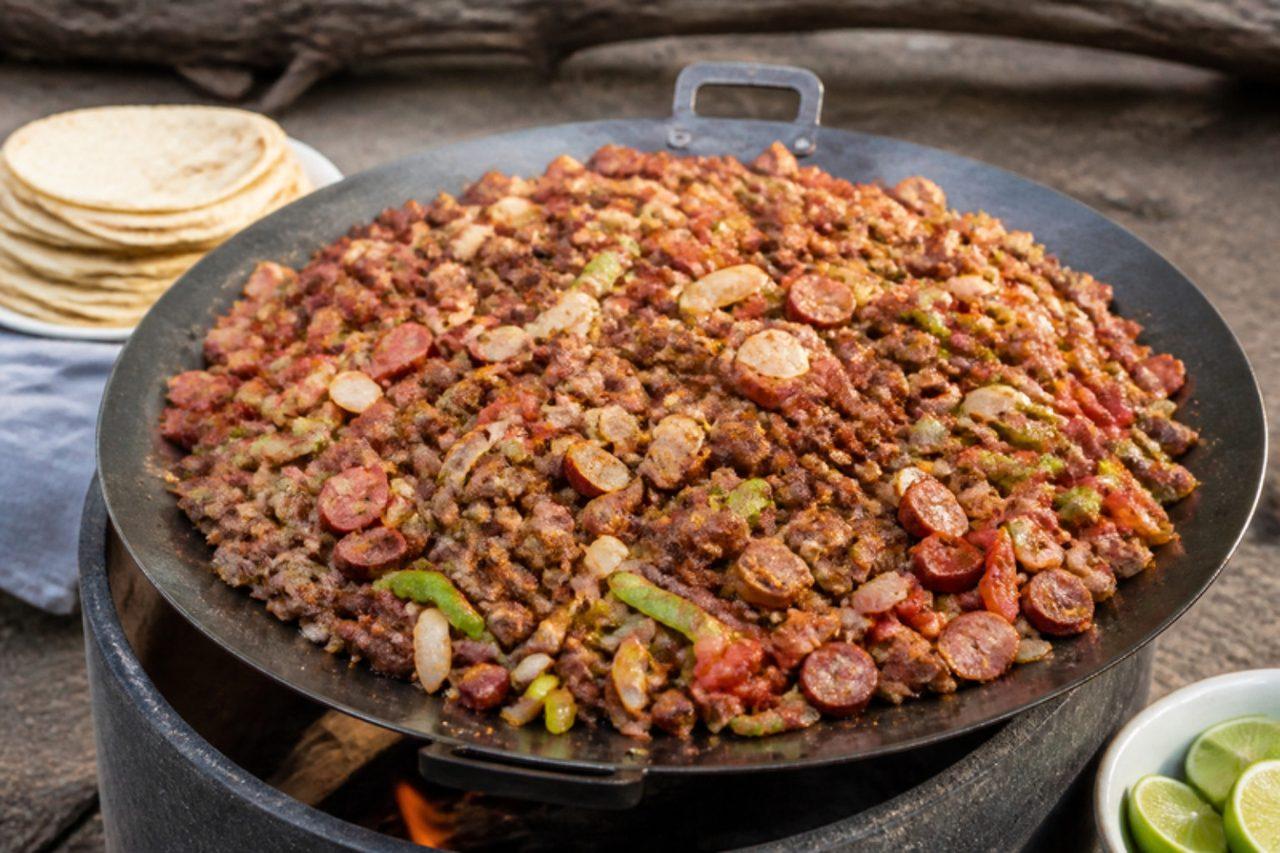
In Chihuahua and across the northern ranchlands, discada is party food: a worn-out plough disc is set over a wood fire and filled, one by one, with bacon, pork chorizo, beef, ham and sausages, then peppers, onions and tomatoes, while everyone stands around with tortillas. It is a big, smoky, pork-heavy dish, made with pork bacon, pork chorizo and ham, and many cooks splash in beer near the end, for which stock is a fine alcohol-free swap. At home, a large wok or your widest heavy skillet does the job. Serve it straight from the pan with corn tortillas, salsa and lime. Chef's tip: add the meats in order, fattiest first, so each one browns in the fat of the last.

by KrazyBadal 0 views

Styrian KürbiskernbrotPumpkin seed rye loaf

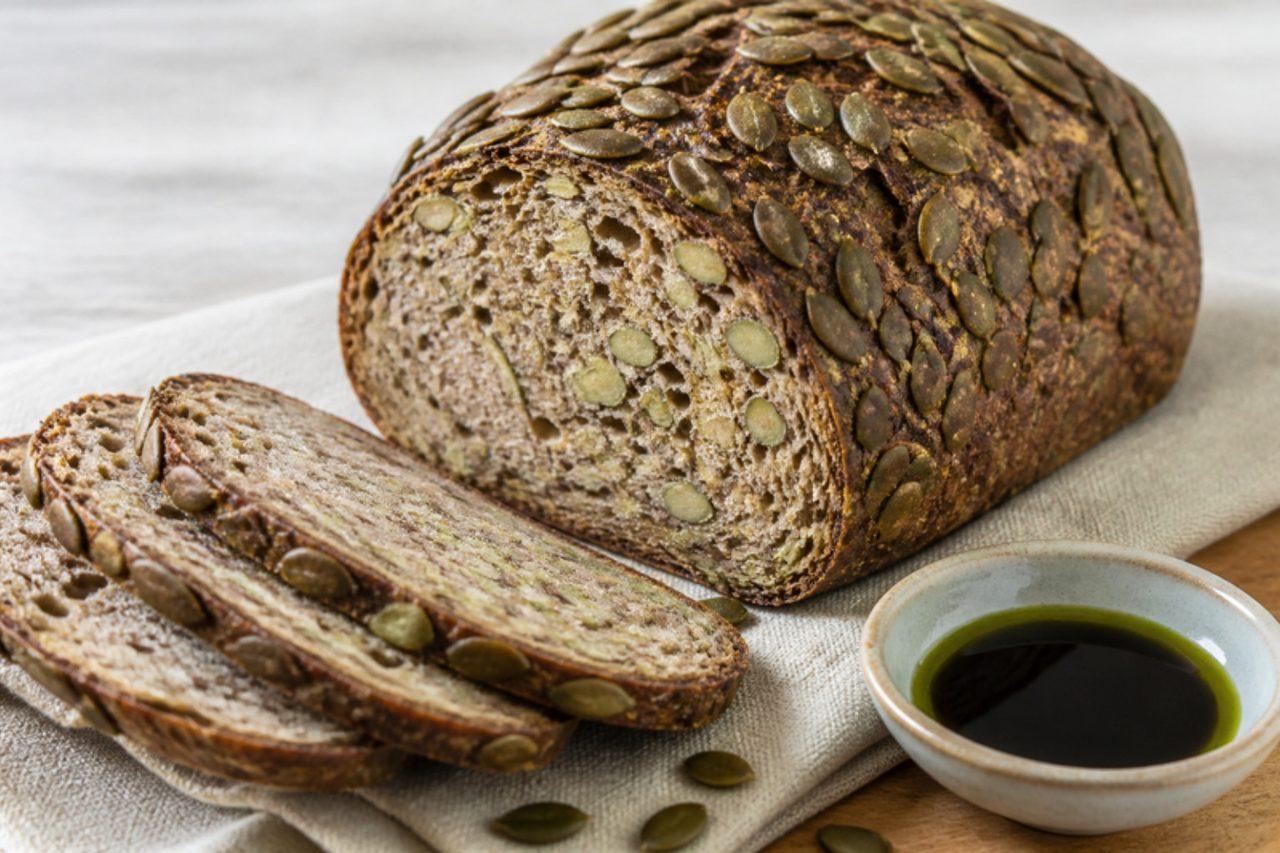
In Styria, the south-eastern corner of Austria where the hulless Styrian pumpkin is grown for its dark green seeds and oil, every bakery sells a loaf crowded with those seeds. Kürbiskernbrot is a light rye-wheat bread, nutty and slightly sweet, with toasted seeds through the crumb and pressed all over the crust. Locals eat it at a Buschenschank, the farmhouse wine tavern, with Liptauer, cured meats or a drizzle of pumpkin seed oil. A common mistake is adding the seeds raw: toasting them first gives the bread its deep, roasted flavour. Chef's tip: soak half the toasted seeds in hot water while you make the dough, so they stay tender inside the bread and don't pull moisture from the crumb.

by KrazyBadal 0 views

Tortillas de harina sobaquerasGiant flour tortillas

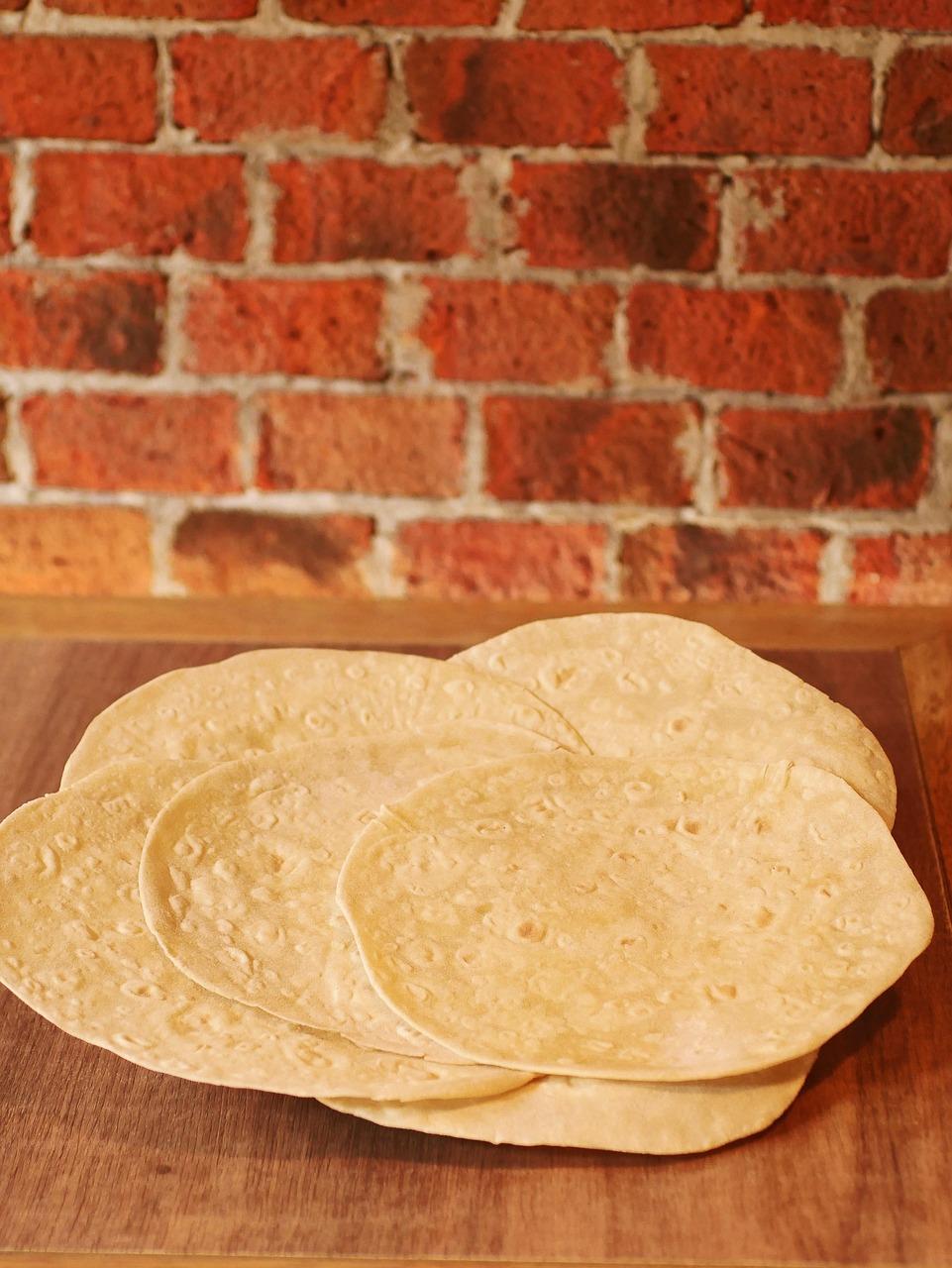
In Sonora, wheat is the grain, and the pride of Hermosillo kitchens is the sobaquera: a flour tortilla stretched over the backs of the hands and arms until it is almost see-through and as wide as a serving tray (the name comes from sobaco, armpit, because it reaches that far). It cooks in seconds on a big comal and is folded around beans, cheese or machaca, or torn and eaten with caldo de queso. Sonoran cooks use lard; vegetable shortening works the same. A 30–35 cm tortilla is a realistic home size. Chef's tip: the long rest is what makes the dough stretch; do not cut it short.

by KrazyBadal 0 views

GamopilafoRice cooked in lamb broth

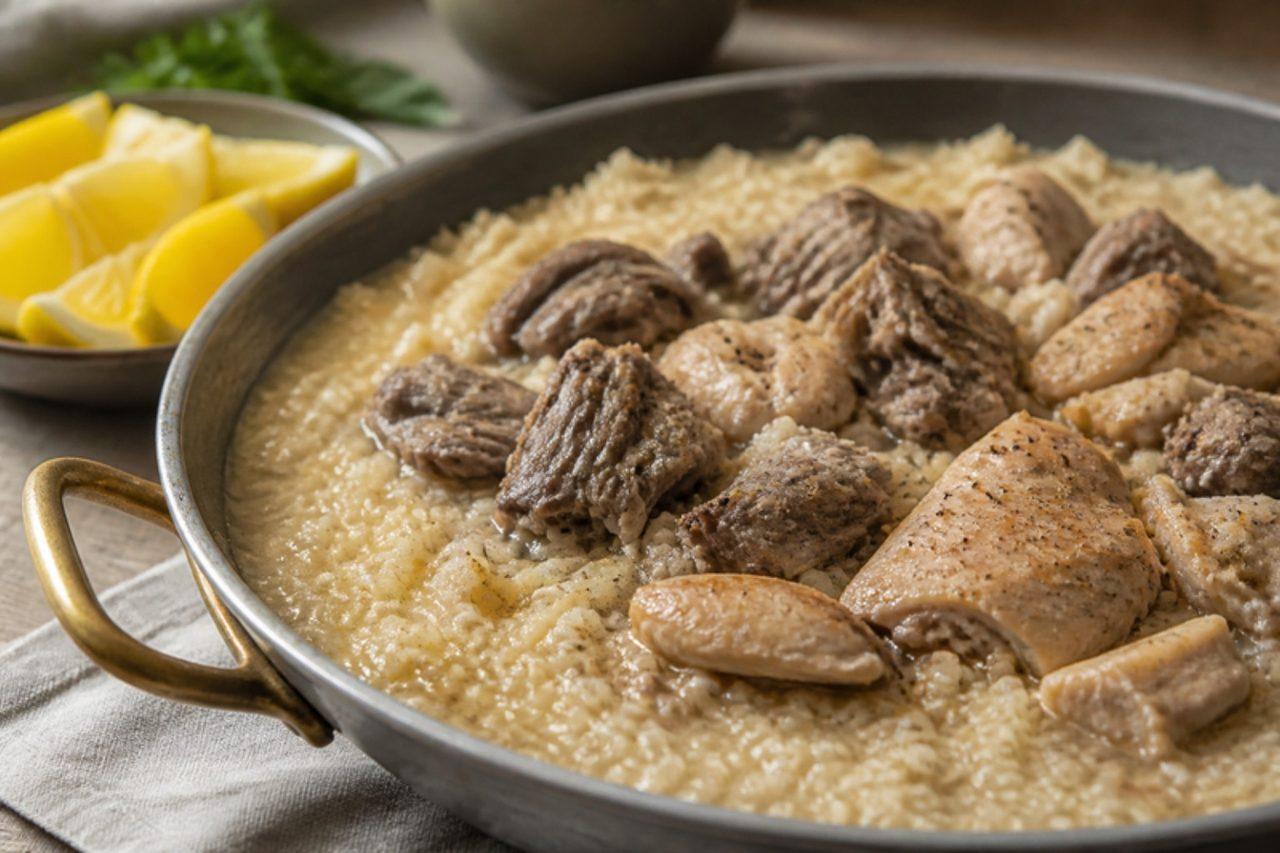
No Cretan wedding is complete without gamopilafo, stirred by the men of the village in huge cauldrons over wood fires from early morning. The meat is simmered for hours to make a deep, golden broth, the rice is cooked in it until creamy and almost soupy, and the whole pot is finished with butter and lemon; the boiled meat is served on the side. At home it makes a generous Sunday lunch for a crowd. Common mistake: cooking the rice to a dry, fluffy pilaf; it should be loose and spoonable, like a thick risotto. Chef's tip: skim the broth carefully in the first 20 minutes and never let it boil hard, so it stays clear and sweet instead of cloudy.

170 minGreekMeatGluten free
by KrazyBadal 0 views

GalinhadaChicken and turmeric rice

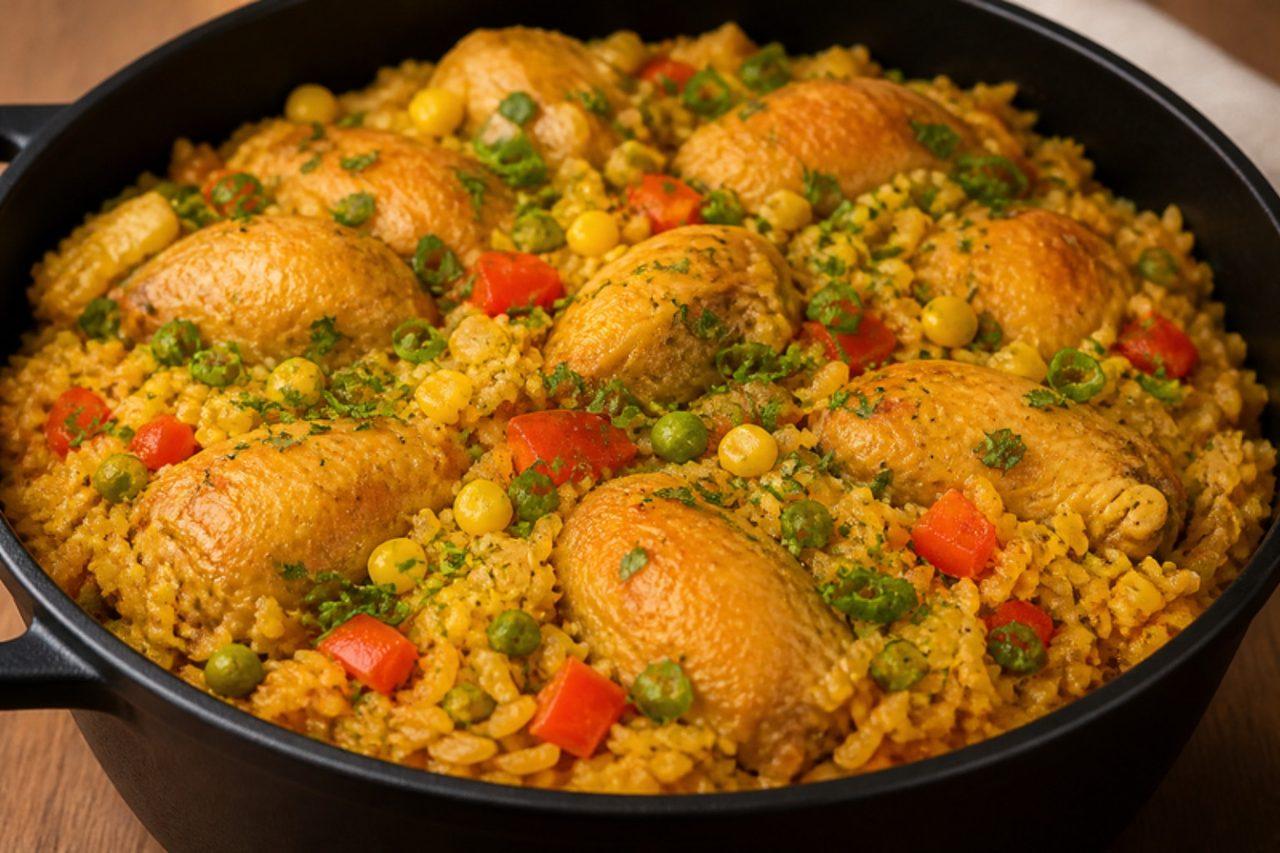
Sunday lunches, church festas and roadside restaurants in Goiás all revolve around a big pot of galinhada: chicken browned with garlic and onion, then cooked with rice in its own stock until each grain is golden from açafrão-da-terra. In Brazil that word means turmeric, not true saffron, and it is turmeric that gives the dish its colour. Goianos add pequi, the cerrado fruit with a heady, cheesy-tropical scent; you can buy it in jars in Brazilian shops, but warn your guests: the stone is covered in fine spines under the flesh, so nibble gently and never bite into it. It comes out moist, fragrant and comforting, finished with plenty of cheiro-verde. The common mistake is adding too much water, which makes it mushy; the rice should be loose, like a paella that has just settled. Chef's tip: brown the chicken until it leaves a dark crust in the pot, then let the rice dissolve it.

by KrazyBadal 0 views

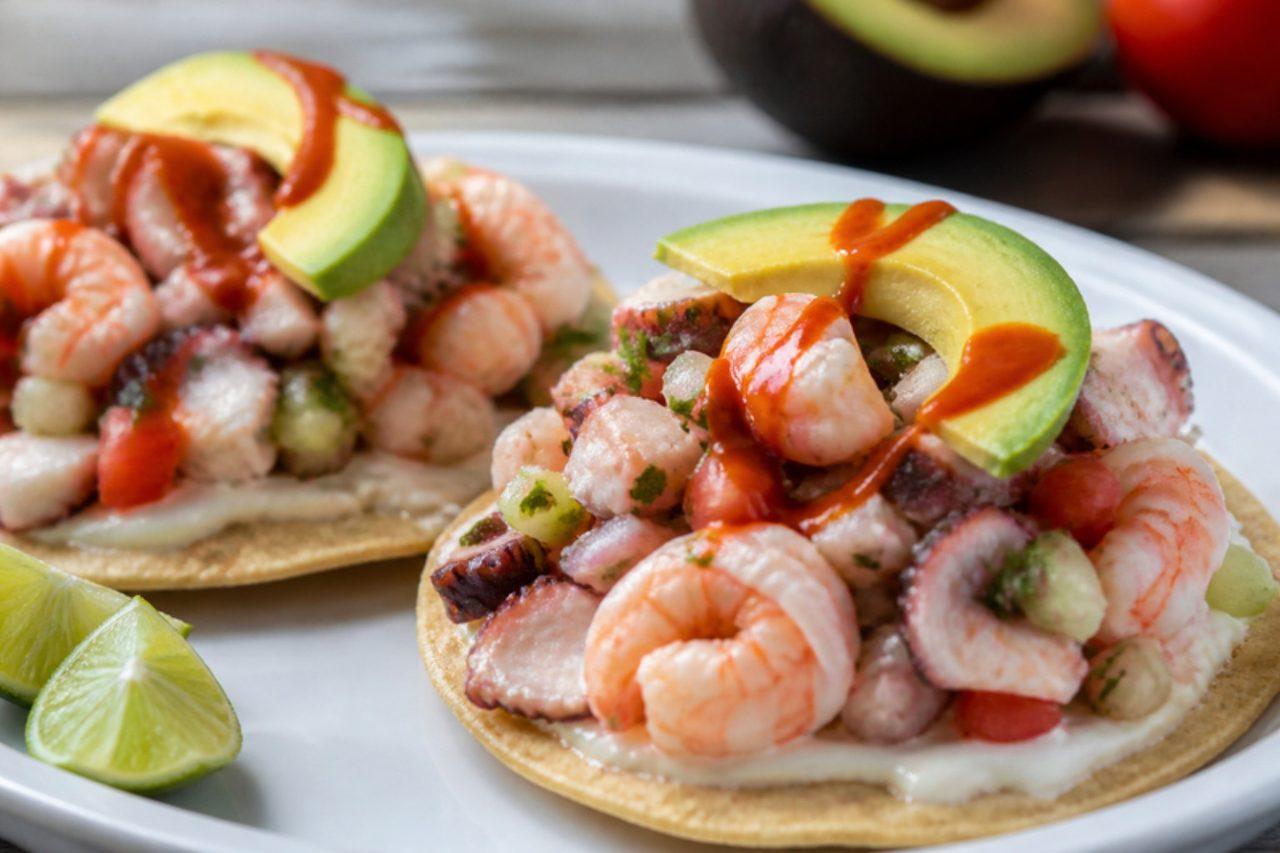
Tostadas de mariscosPrawn and octopus tostadas

Walk past the fish market in Ensenada and the seafood carts are already busy by mid-morning, piling crisp corn tostadas high with a lime-bright mix of prawns, octopus, tomato, onion and coriander. They are eaten standing up with a squeeze of lime and a few drops of hot sauce, often as the first stop of a weekend in Baja. This version uses only cooked seafood: prawns poached until pink and opaque, and octopus bought ready-cooked from a fishmonger or deli counter. The mix is cold, juicy and crunchy, with creamy avocado on top. Chef's tip: assemble each tostada right before it is eaten, as even five minutes of waiting softens the shell.

by KrazyBadal 0 views

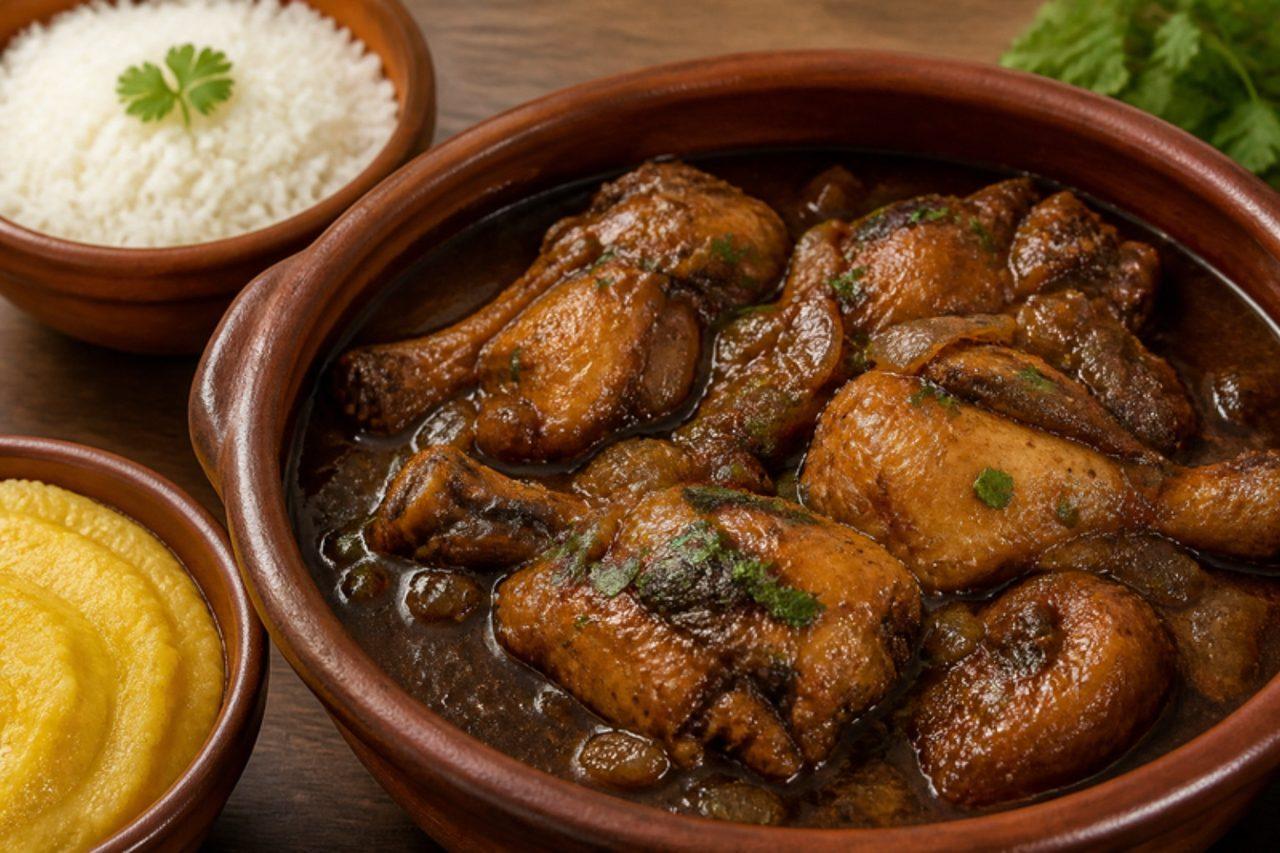
Galinha ao molho pardoChicken in dark blood sauce

Country cooking from the state of Rio and southern Minas Gerais, galinha ao molho pardo (also called galinha de cabidela) is cooked at weekend gatherings with a free-range hen, and served with angu, white rice and okra. The chicken is braised with onion, garlic, tomato and herbs, then the sauce is finished with the bird's blood mixed with vinegar, which turns it dark brown, velvety and savoury, with a gentle sourness. It tastes richer and deeper than an ordinary stew. Buy fresh chicken blood from a licensed poultry butcher or halal butcher, ask for it mixed with vinegar so it does not clot, keep it in the fridge and use it within 24 hours. The usual mistake is boiling the sauce hard after the blood goes in, which makes it grainy; stir it at a gentle simmer instead. The blood must be cooked right through. Chef's tip: temper the blood with a ladle of hot sauce before adding it to the pot.

by KrazyBadal 0 views

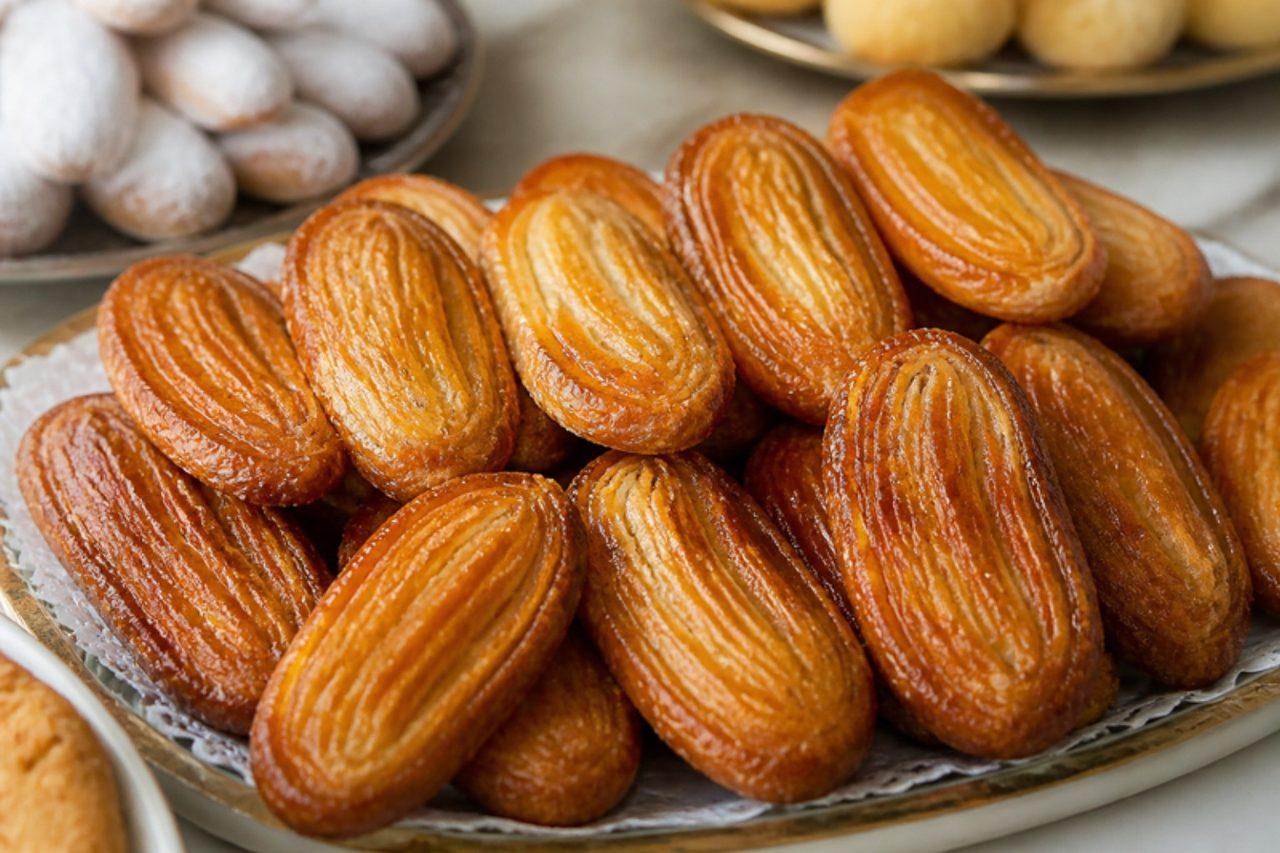
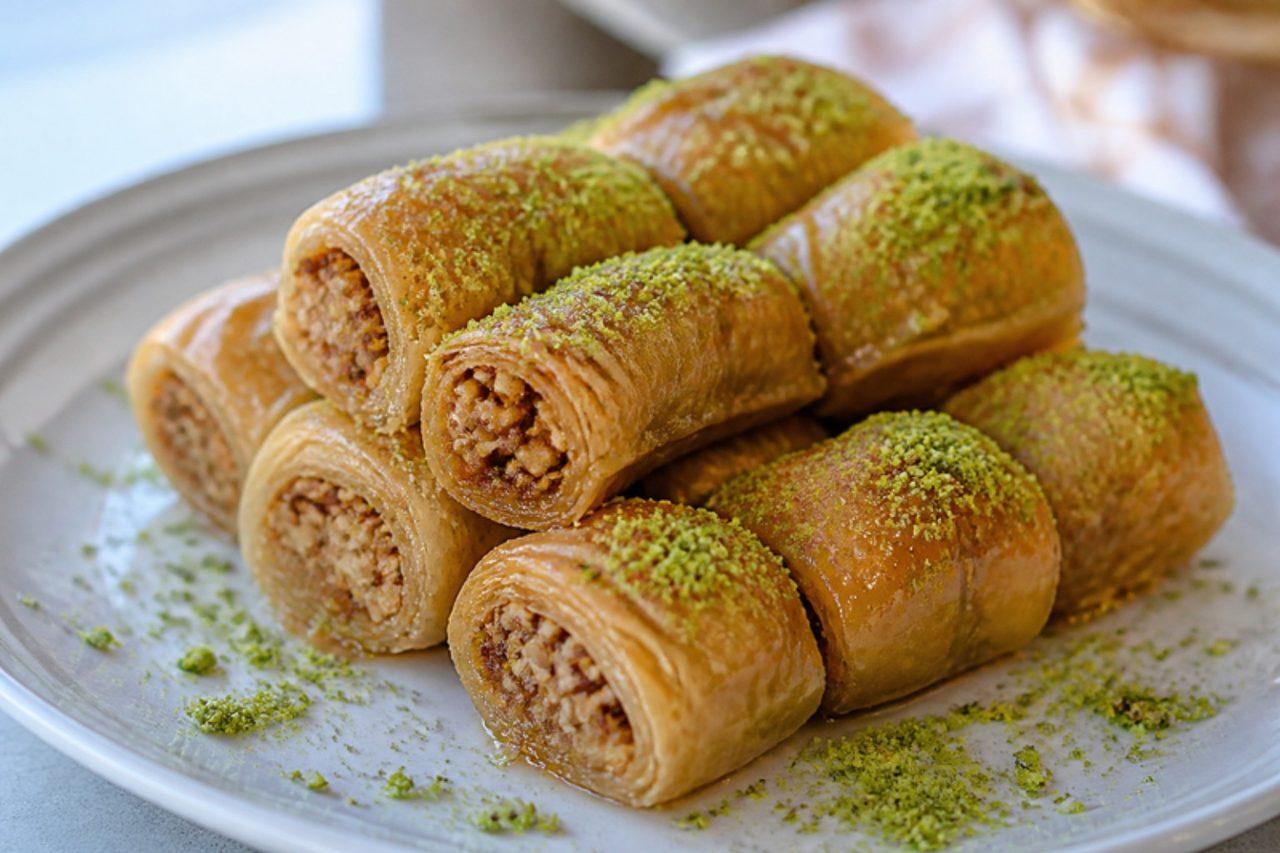
Shirini-ye zabanCaramelised puff pastry tongues

Shirini-ye zaban, tongue pastries, are the long, glossy puff-pastry ovals in every Iranian confectioner's window, from Tabriz to Kerman, and a fixture on the tray of sweets served to Nowruz visitors. The pastry is rolled out on sugar so it caramelises into a crisp, shiny, flaky finger. This version uses good bought all-butter puff pastry, as many home bakers do; check the label for butter rather than lard to keep it vegetarian. Chef's tip: chill the shaped tongues for 15 minutes before baking so the layers rise high instead of melting flat.

by KrazyBadal 0 views

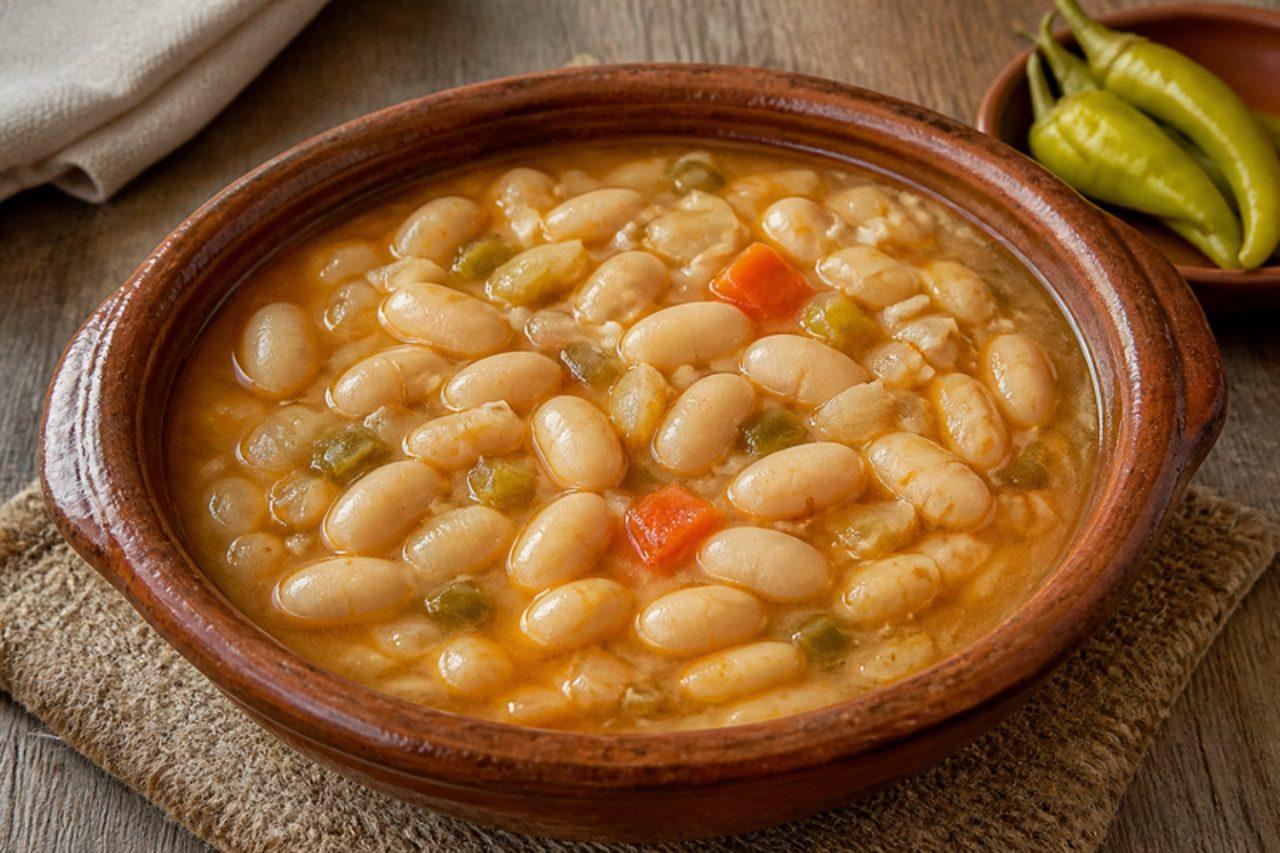
Pochas a la navarraFresh white beans with vegetables

Pochas are white beans picked in late summer before they dry, when the pods have gone soft and yellowish, and in Navarre September means bowls of them in every village from Sangüesa to the Ribera. Because they are fresh they need no soaking and cook in about 40 minutes into something creamy, sweet and gentle. Many homes add chorizo or quail; this version keeps to the vegetables and is vegan. Pickled guindilla chillies on the side are the usual partner. Chef's tip: if you can't find fresh pochas, frozen ones are sold in Spanish shops and are very good.

by KrazyBadal 0 views

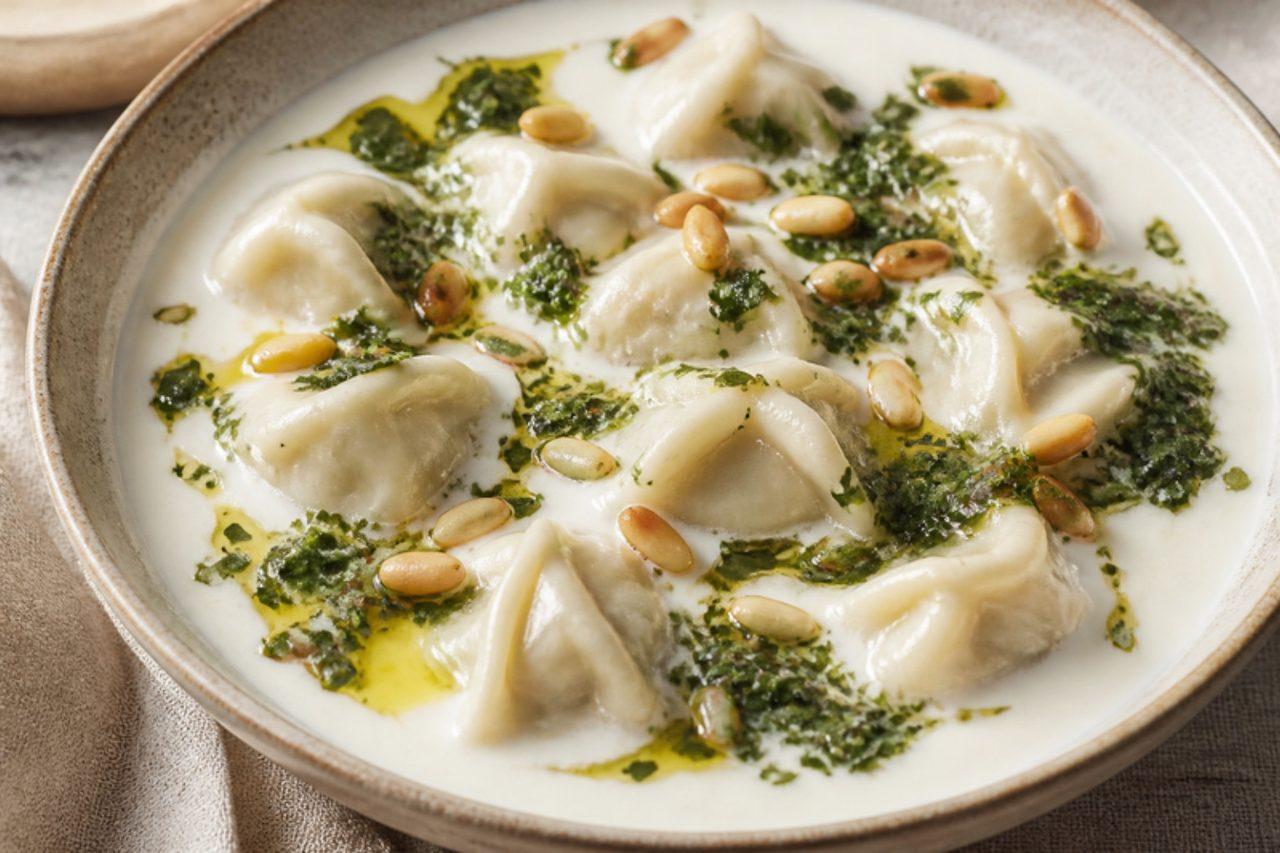
Shish barakLamb dumplings in garlic yoghurt

Shish barak is a labour of love that Lebanese grandmothers turn into a family afternoon: everyone sits round the table pinching hundreds of tiny dumplings filled with spiced lamb and onion. The dumplings are baked until lightly golden, then dropped into hot yoghurt sauce, and the bowl is finished with garlic and coriander fried in butter. It is rich, tangy and deeply comforting, served on its own or with plain rice. Common mistake: rolling the dough thick — it should be thin enough to see the board through, or the dumplings turn stodgy. Chef's tip: baking the dumplings before they go into the sauce sets their shape and adds a toasty flavour; you can freeze them at this stage.

115 minLebaneseMeat
by KrazyBadal 0 views

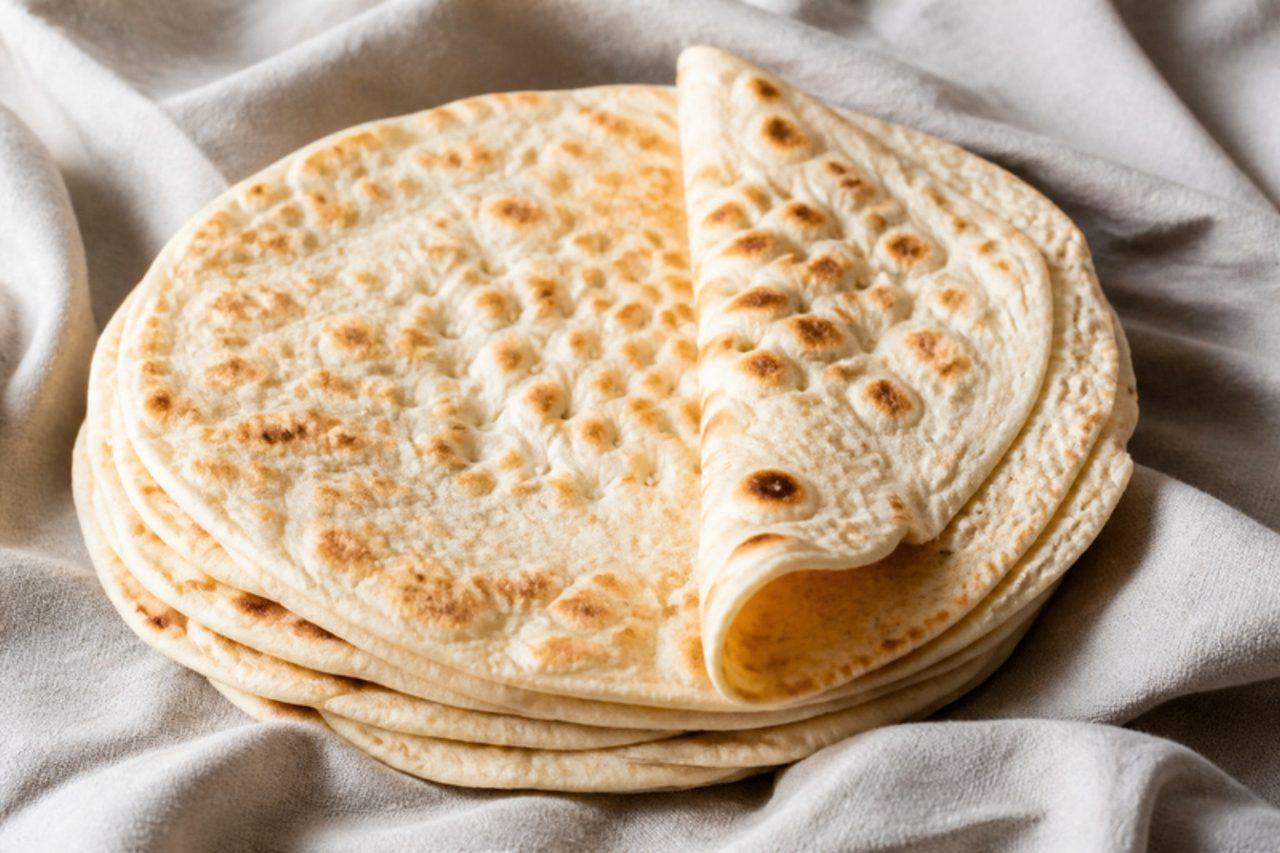
Nan-e taftoonThin tandoor flatbread

Taftoon is the everyday bread of many Iranian towns, from Qazvin to Kerman: thin, soft and slightly bubbly, slapped onto the hot clay wall of a tanoor and peeled off a minute later, then piled on the sofreh at lunch to wrap herbs and cheese or to scoop up stews. It is softer and thinner than barbari but less papery than lavash. A heavy pan or upturned wok on the hob gives very good results at home. The common mistake is rolling it unevenly; thin patches burn while thick ones stay doughy. Chef's tip: stack the breads in a tea towel as they come off the heat; the trapped steam keeps them soft and foldable.

by KrazyBadal 0 views

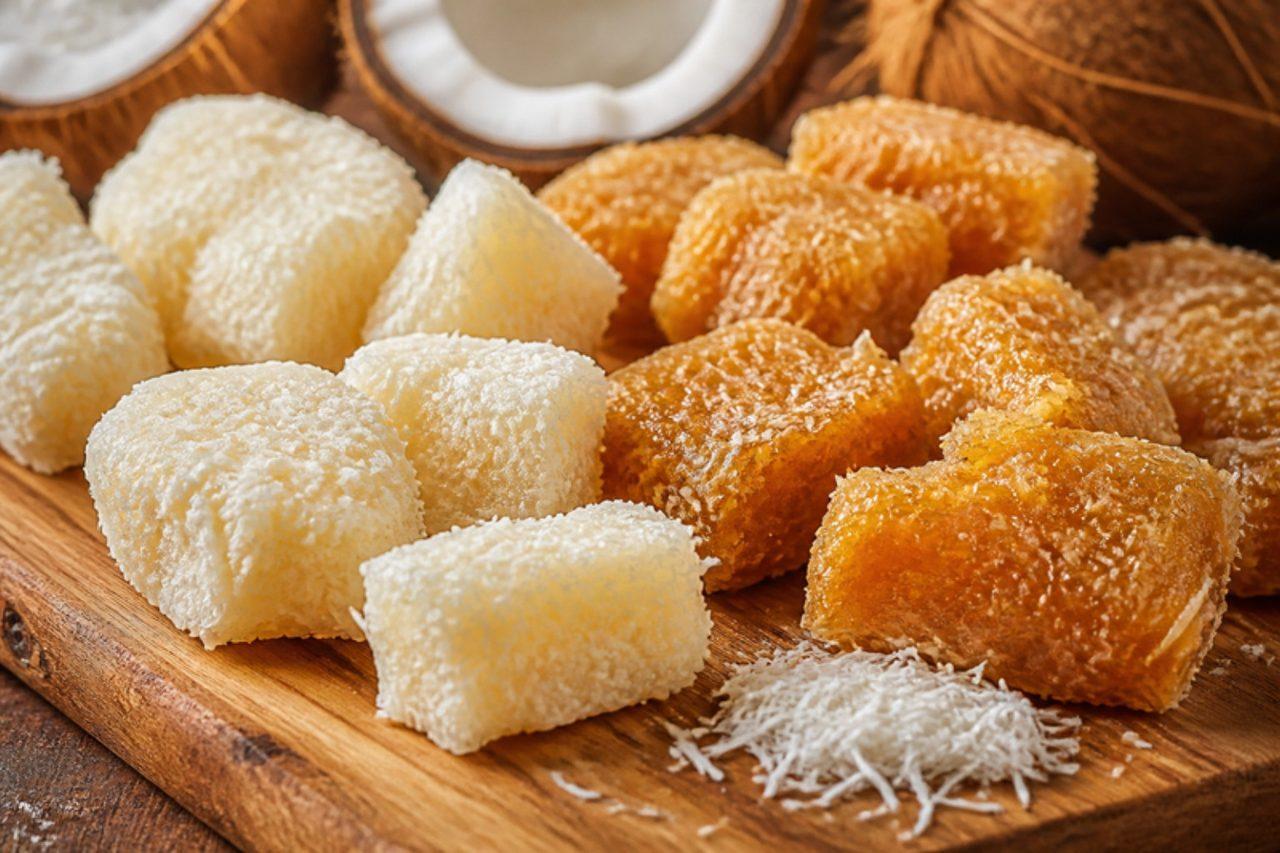
CocadaChewy coconut sweet

Baianas in long white skirts sell cocada from glass-fronted trays in the Pelourinho and on the beaches of Salvador, alongside acarajé, in shades from snow-white to dark caramel. It is the simplest of sweets: fresh coconut cooked in sugar syrup until it binds into chewy, glossy clusters, crisp on the edges and soft inside. Cocada branca keeps the sugar pale; cocada queimada takes the sugar to caramel first, which gives a deeper, slightly bitter edge (see the last step). Freshly grated coconut makes the best texture; frozen grated coconut from Asian or Latin shops is a good second choice. Dropping the mixture too soon is the usual mistake, because it stays sticky and spreads into a flat puddle. Chef's tip: a spoonful should hold its shape on a cold plate before you start dropping the rest.

by KrazyBadal 0 views

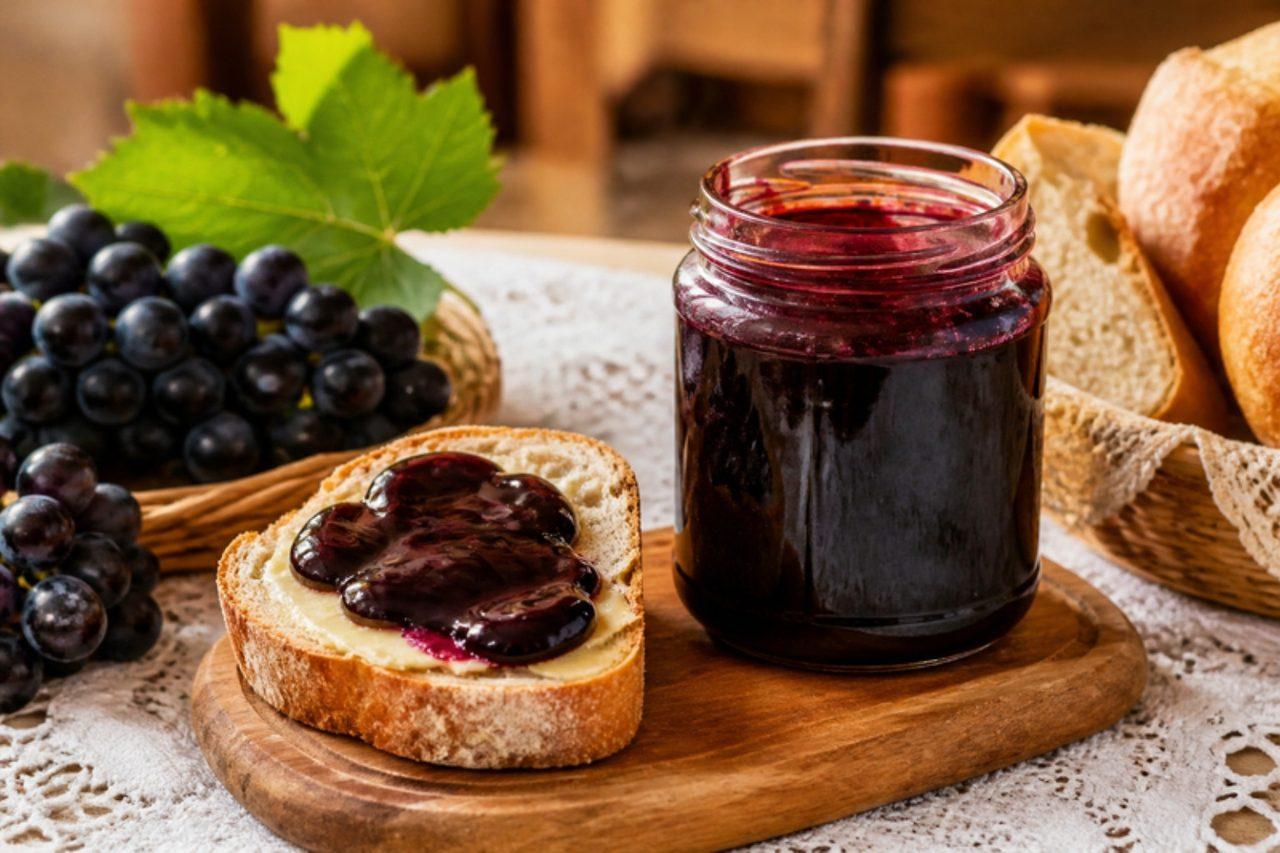
Chimia de uvaThick grape spread

German immigrants who settled the valleys around Santa Cruz do Sul and São Leopoldo in the 1800s brought their Schmier, and the word slowly turned Portuguese as chimia. It is a dark, thick fruit spread cooked down from whatever the backyard gives: grapes, figs, plums, pumpkin or banana. Colonial cafés in the Vale do Rio Pardo set out a pot of it beside cuca, cheese and cold meats at the café colonial, and at home it goes on thick slices of pão caseiro, often with a smear of nata (thick cream) underneath. This version uses dark grapes, cooked whole and sieved, so it keeps the deep colour of the skins. People often stop cooking too soon; a runny chimia soaks straight into the bread instead of sitting on top. Chef's tip: test it on a cold saucer from the freezer; when a line drawn through it stays open, it is ready.

by KrazyBadal 0 views

Suco de maracujáPassion fruit juice

Brazilian lunch counters, the pratos feitos joints known as PFs, list suco de maracujá on every chalkboard, and many people order it for its famously calming effect after a long morning. Yellow passion fruit is blended briefly with cold water, strained and sweetened, which gives a vivid, perfumed, very tart drink that goes with rice, beans and a grilled steak just as well as with a beach snack. Use wrinkled, heavy fruit for the most juice, or frozen unsweetened pulp from Latin shops. Over-blending is the slip people make: crushed seeds turn the juice gritty and bitter. Chef's tip: blend the pulp with only a little of the water first, in a couple of short pulses, strain, then add the rest of the water and the sugar.

by KrazyBadal 0 views

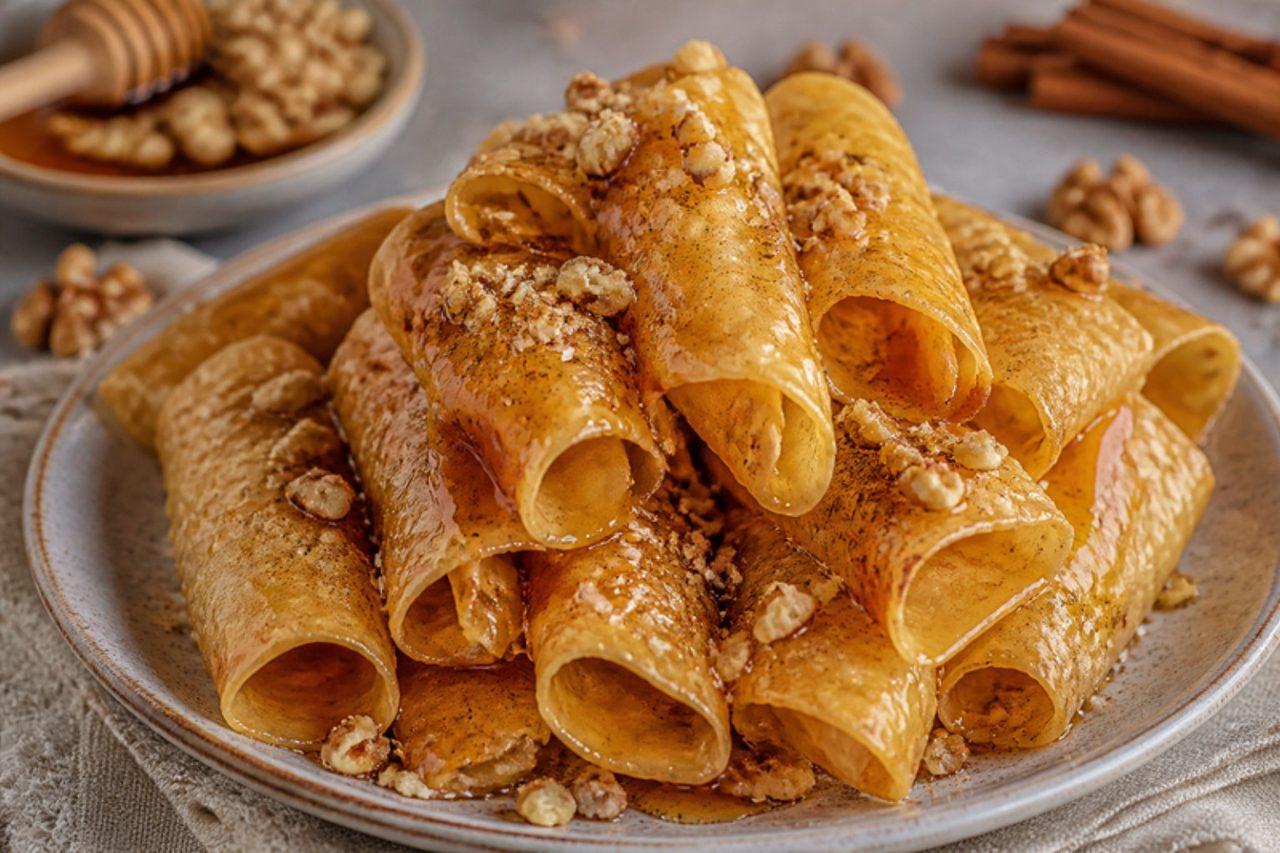
DiplesFried pastry rolls in honey

In the tower villages of the Mani, no wedding, christening or New Year passes without trays of diples: paper-thin egg dough fried in a rolling twist, so each strip curls into a crisp, bubbled scroll, then drenched in warm thyme honey and showered with walnuts and cinnamon. They shatter when you bite and stay crunchy for days in a tin. Common mistake: rolling the dough too thick, which gives chewy, oily diples — you should almost see your hand through it. Chef's tip: hold the end of each strip in the oil with two forks and roll it as it puffs; the first few are practice, so don't worry about shape.

by KrazyBadal 0 views

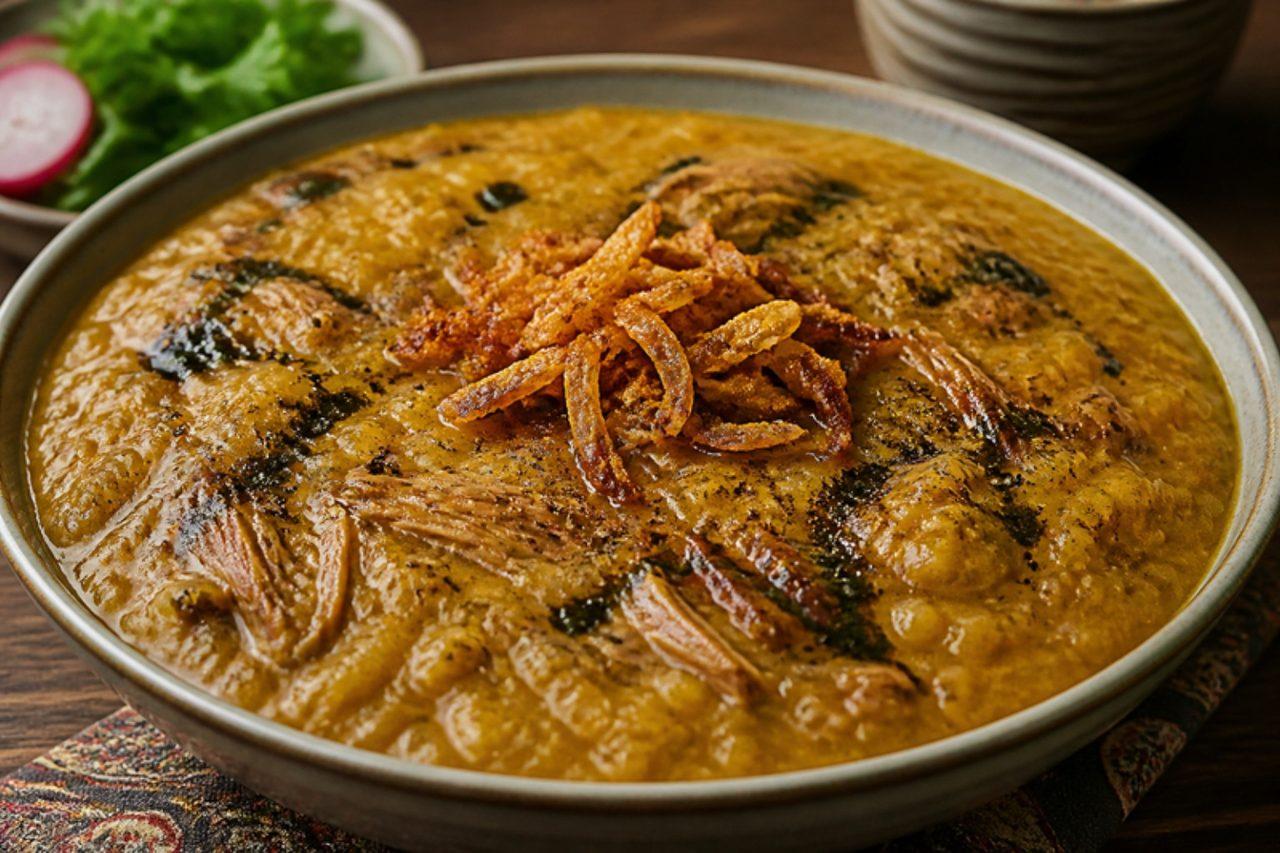
Sholeh MashhadiWheat, bean and lamb porridge

Sholeh Mashhadi is cooked in huge pots in Mashhad, the shrine city of Khorasan, and handed out to pilgrims and neighbours as nazri (a votive offering), especially during the month of Muharram. Wheat, rice, lentils, mung beans, chickpeas and lamb are cooked for hours with onion and spices, then beaten with a wooden paddle until everything melts into one thick, stretchy porridge, topped with fried onion, mint oil and a dusting of cinnamon. A home pot is smaller but follows the same rhythm. A common mistake is leaving it unstirred towards the end; the grains catch and burn, so stir and scrape the base every 10 minutes once it thickens. Chef's tip: cook the lamb on the bone first and shred it; the broth from the bones gives the porridge its body.

by KrazyBadal 0 views

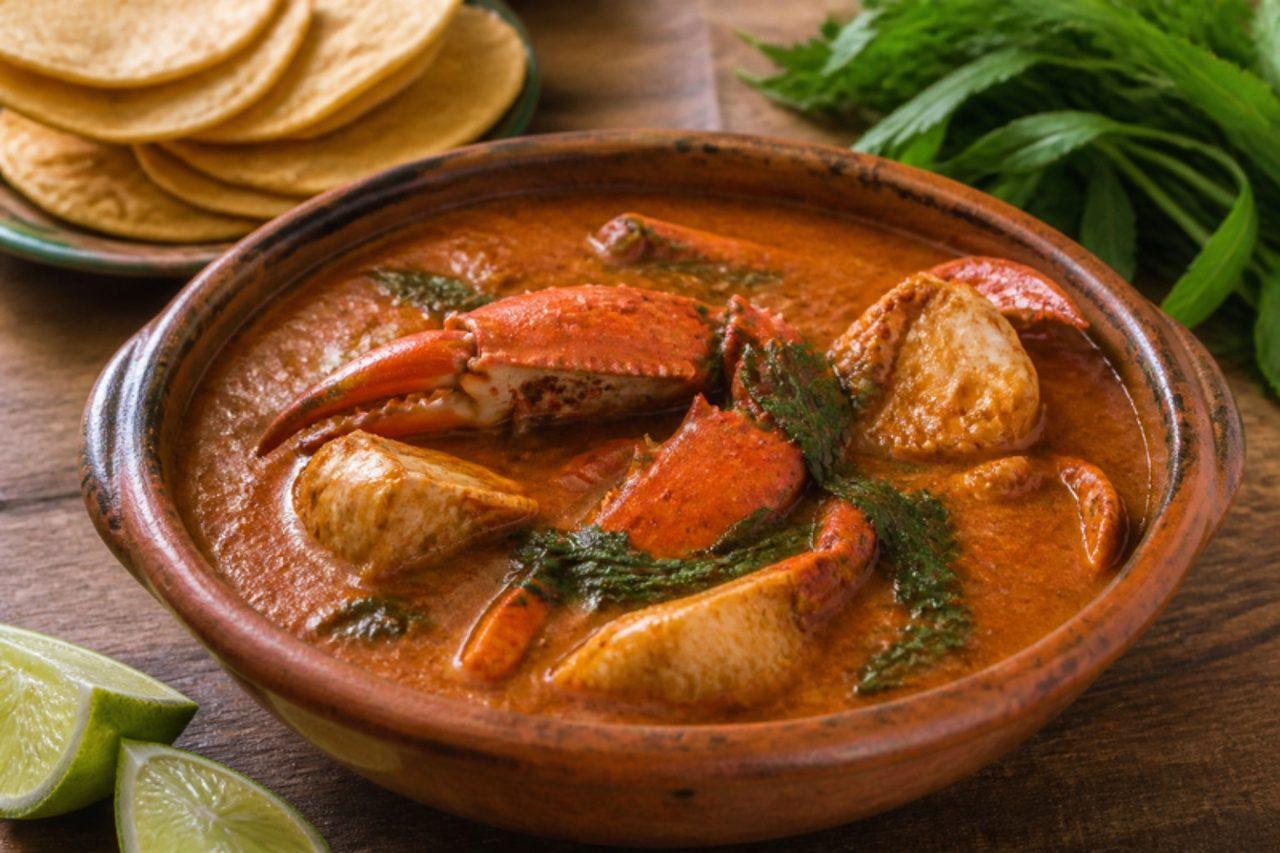
Chilpachole de jaibaSpicy crab soup

Chilpachole de jaiba is the restorative crab soup of the Veracruz coast, served in seafood cantinas and market stalls from Boca del Río to Alvarado, often with lime and tostadas on the side. The broth is brick-red and thick enough to coat a spoon, built from roasted tomato, garlic and smoky chipotle, thickened with a little masa and scented with epazote, a pungent Mexican herb; coriander with a pinch of oregano is a reasonable substitute. Buy crabs live or freshly cooked from a fishmonger and keep them cold until you cook them. Chef's tip: crack the claws before they go into the soup, so the broth seeps in and they are easy to pick at the table.

by KrazyBadal 0 views

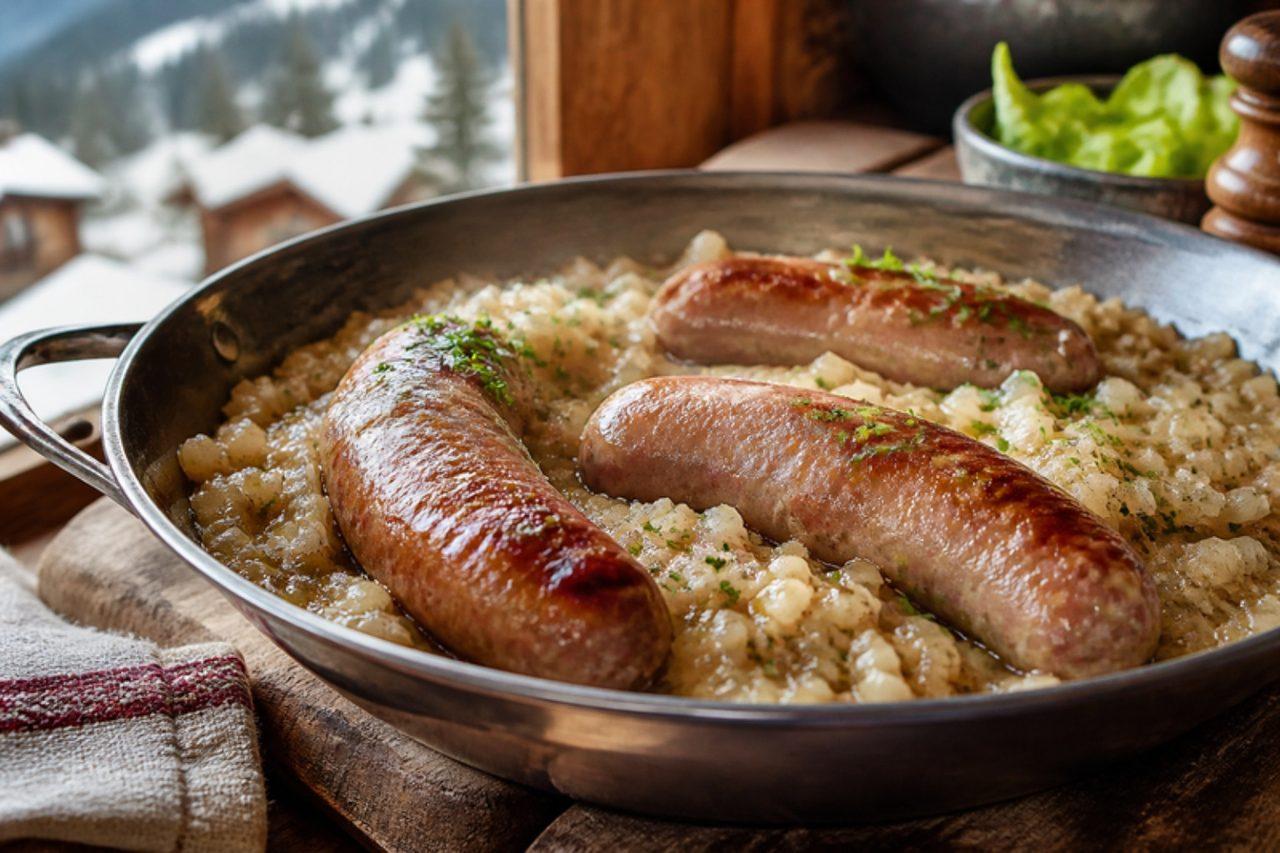
Diots au vin blancSausages braised in white wine

Diots are the small pork sausages of Savoie, sold in every butcher's from Chambéry to Annecy and eaten at ski-resort tables and village fêtes all winter. They are browned, then braised slowly with plenty of onions in dry Savoie white wine with a bay leaf, until the onions melt into a sweet, winey sauce around the plump sausages. The traditional partner is crozets, tiny square buckwheat or wheat pasta, or a soft polenta. The braise uses white wine; an alcohol-free version is in the notes. If you can't find diots, use any coarse, garlicky pork sausage. Chef's tip: brown the sausages slowly over a medium heat rather than fiercely, so the skins colour without bursting.

70 minFrenchMeat
by KrazyBadal 0 views

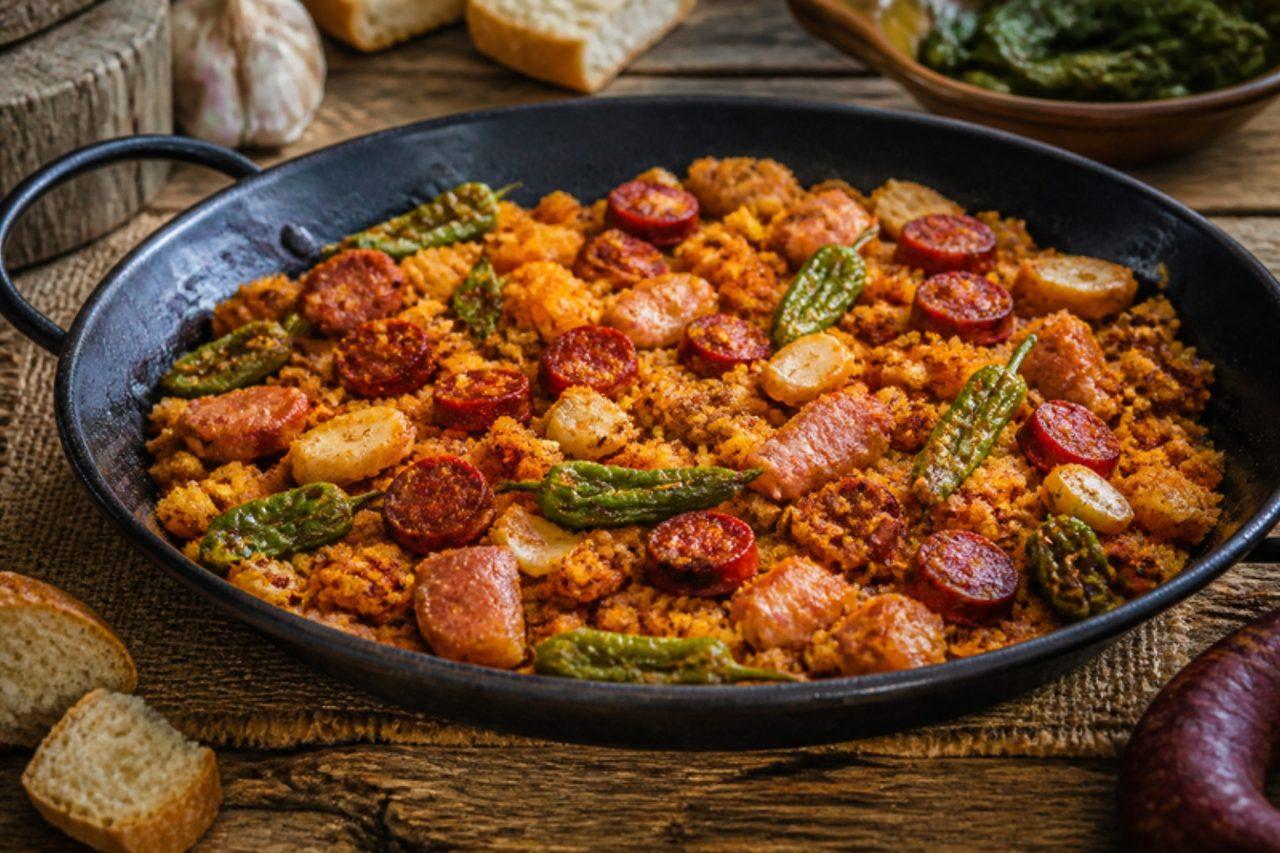
Migas extremeñasFried breadcrumbs with chorizo

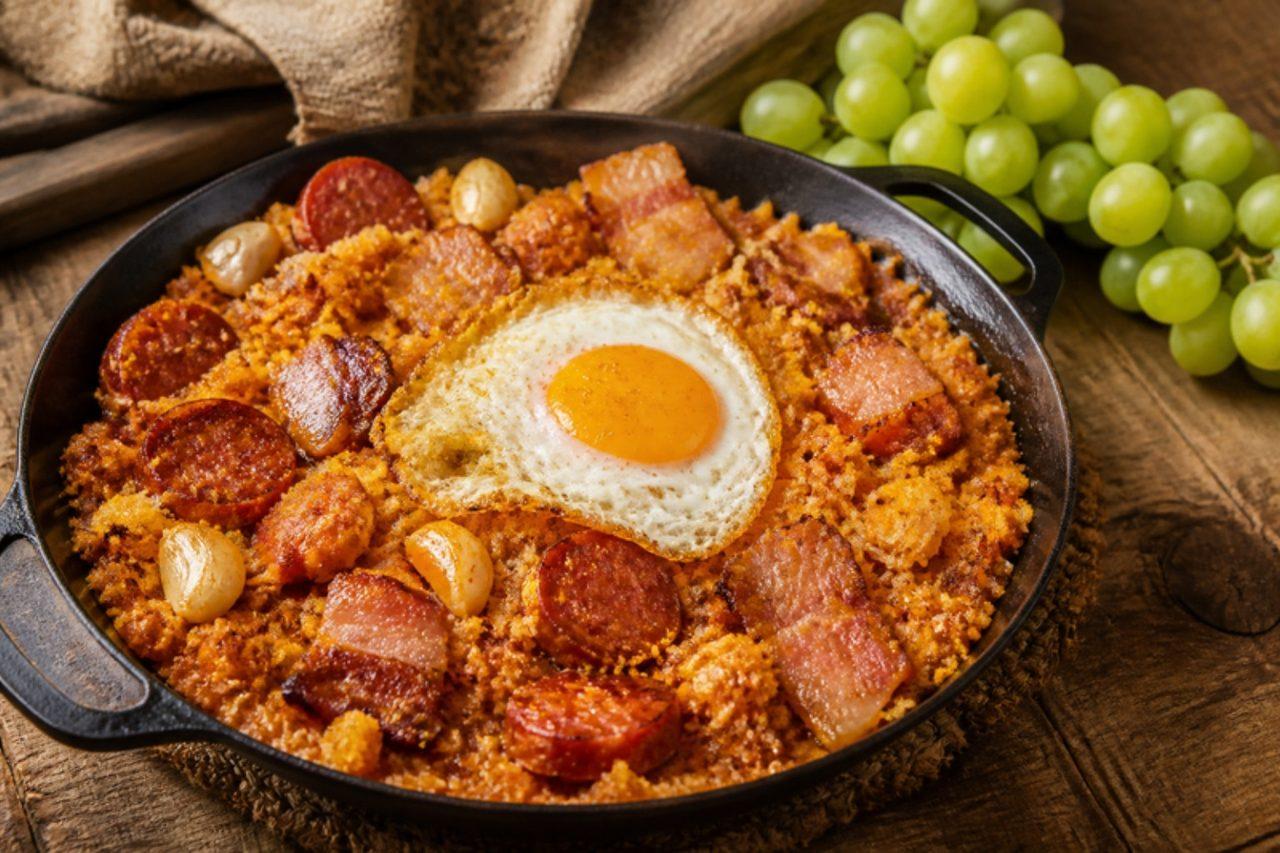
Migas were the breakfast of Extremaduran shepherds, made from the hard bread they carried, and they are still what families cook on a rainy winter day or at a village fiesta, often in a huge pan stirred with a long spoon. The bread is cut tiny, dampened and left overnight, then fried slowly in garlicky oil with panceta and chorizo until loose, golden and crunchy at the edges. They are served with grapes or melon on the side, and sometimes a fried egg. This contains pork (panceta and chorizo). Chef's tip: keep turning the crumbs with a spatula the whole time; this constant movement is what makes them loose.

by KrazyBadal 0 views

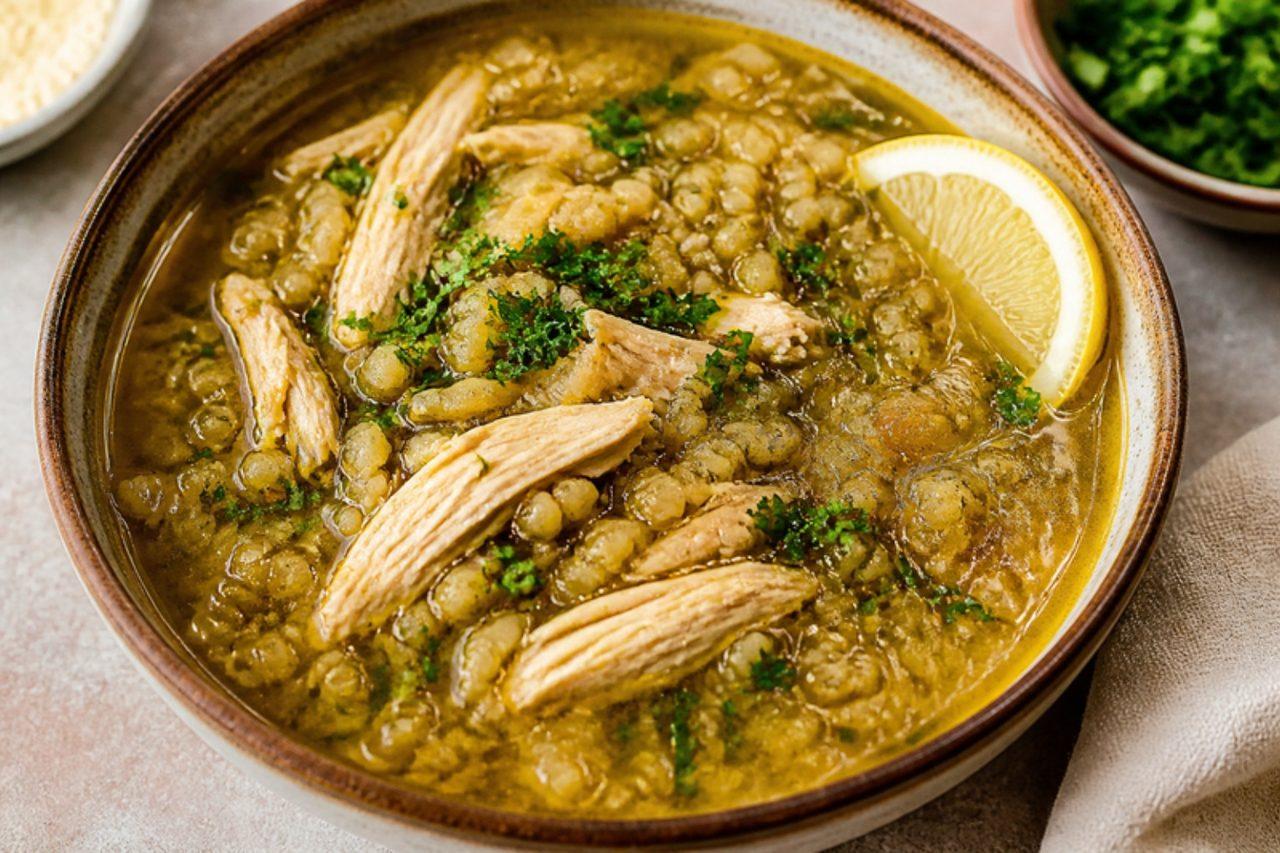
Shorbat freekehSmoked green wheat soup

When the sunset call to prayer ends the Ramadan fast in Amman, the first spoonfuls are very often shorbat freekeh, a nourishing broth thickened with cracked green wheat that was roasted in the field while still young. The smoke from that roasting gives the soup its distinctive, almost barbecue-like depth, while chicken, cinnamon and cardamom keep it gentle on an empty stomach. It is followed by dates, salad and the main dish. The usual mistake is not picking over and rinsing the freekeh, which can hold tiny stones and chaff. Chef's tip: toast the rinsed freekeh in butter for a couple of minutes before adding the broth; it brings out the smokiness.

by KrazyBadal 0 views

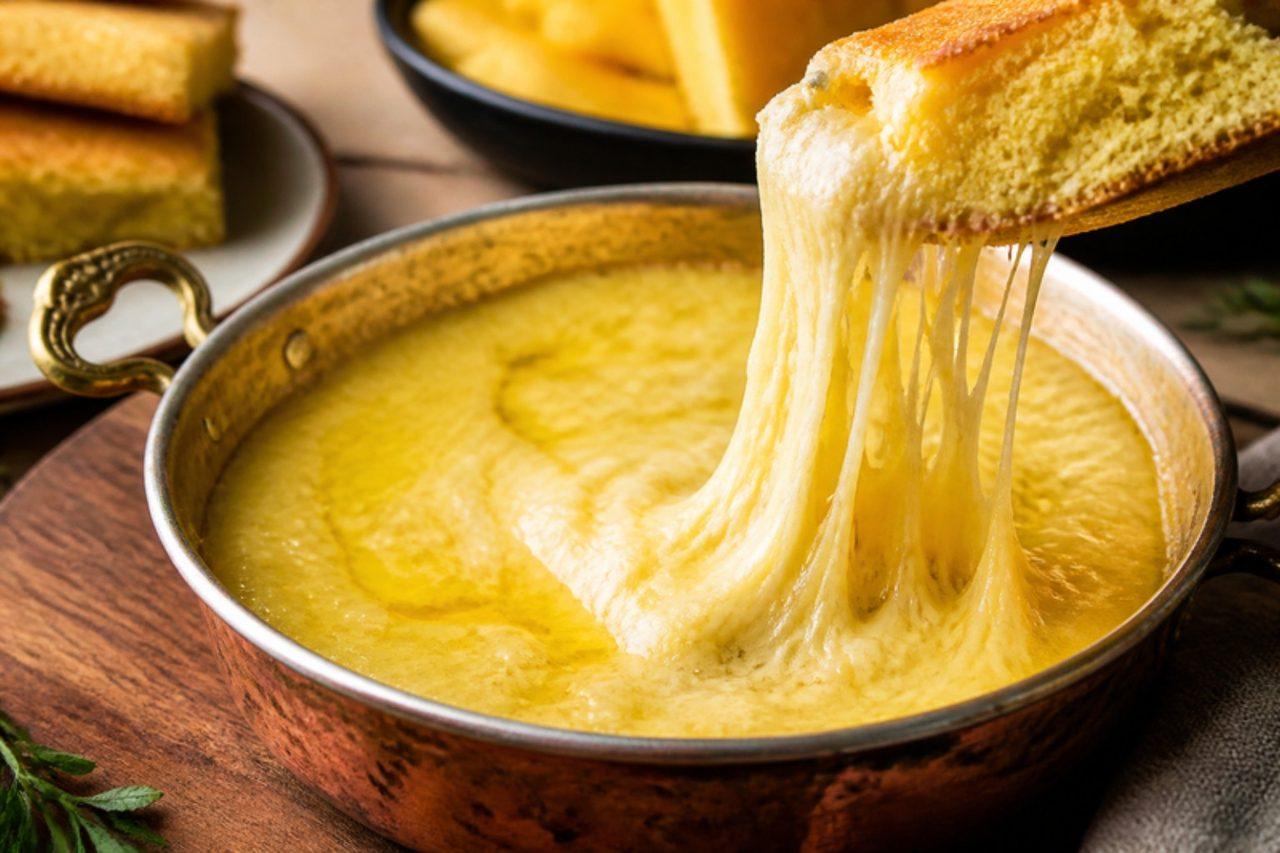
MuhlamaCornmeal, butter and melted cheese

Up in the yayla summer pastures above Trabzon and Rize, breakfast often arrives as one blackened pan set in the middle of the table, with everyone tearing bread and dragging it through. Muhlama is butter, coarse cornmeal and a young stringy cheese stirred together until the cheese melts into long, glossy threads and a pool of golden butter rises to the top. Eat it straight from the pan with cornbread or crusty bread, black tea and a plate of tomatoes and cucumbers. Common mistake: adding the cheese before the cornmeal has toasted in the butter, which leaves a raw, gritty taste and stops the oil separating. The Black Sea cheese (Trabzon or Kolot) and kaşar are usually made with animal rennet; a vegetarian mozzarella-style cheese works well. Chef's tip: don't stir once the cheese has gone in until it has fully melted, then stir in one direction only; that is what gives the long, elastic strands.

by KrazyBadal 0 views

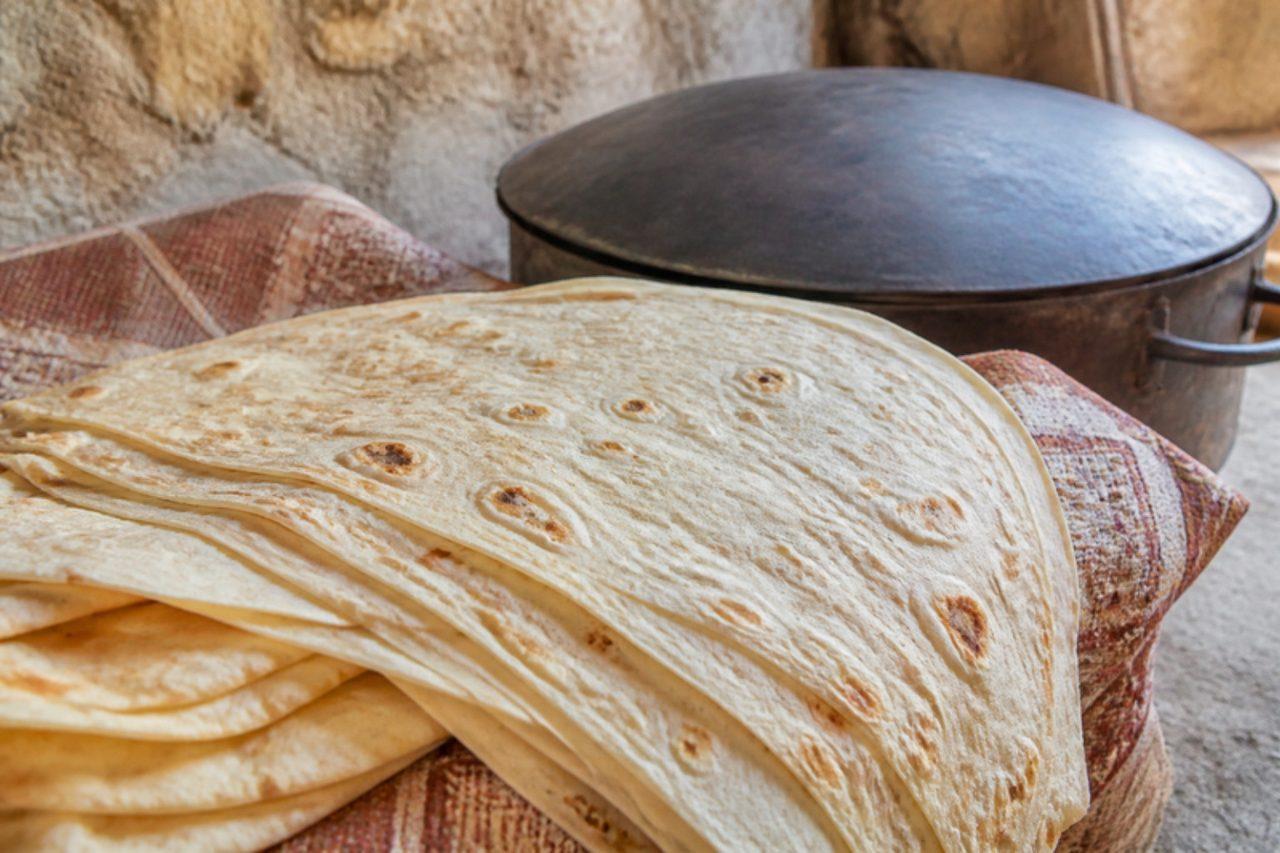
ShrakPaper-thin saj flatbread

In Bedouin camps around Wadi Rum and Ma'an, shrak is baked fresh for every meal: dough stretched thinner than a handkerchief, flung over a domed iron saj above the fire and lifted off seconds later, soft and blistered. It is the bread that lines the mansaf platter and wraps grilled meat, and it is torn for galayet and labneh at breakfast. At home an upturned wok over a gas flame stands in for the saj. The common mistake is rolling the dough on a dry surface; it tears, so oil your hands and worktop instead and stretch the dough over the backs of your hands like a pizza maker. Chef's tip: rest the dough balls a full 30 minutes, well oiled and covered; relaxed gluten stretches to near see-through without fighting back.

by KrazyBadal 0 views

Migas a la aragonesaFried breadcrumbs with sausage and bacon

Shepherds in the Aragonese uplands made migas from yesterday's bread, a little water, garlic and whatever pork was hanging in the larder, and it is still a cold-weather breakfast, a hunters' lunch and a fiesta dish in villages from the Pyrenees to the Maestrazgo. Fried slowly in a wide pan, the dampened crumbs turn golden and crisp on the outside and stay soft inside, flecked with fried longaniza and bacon. Fresh green grapes or a fried egg on the side are the classic way to serve them. This contains pork (longaniza sausage and bacon). A common mistake is soaking the bread: sprinkle the water on and leave it overnight, or the migas turn to paste. Chef's tip: keep turning the crumbs with the edge of a spatula, chopping as you go; it is the long, patient stirring that makes them loose and crisp.

by KrazyBadal 0 views

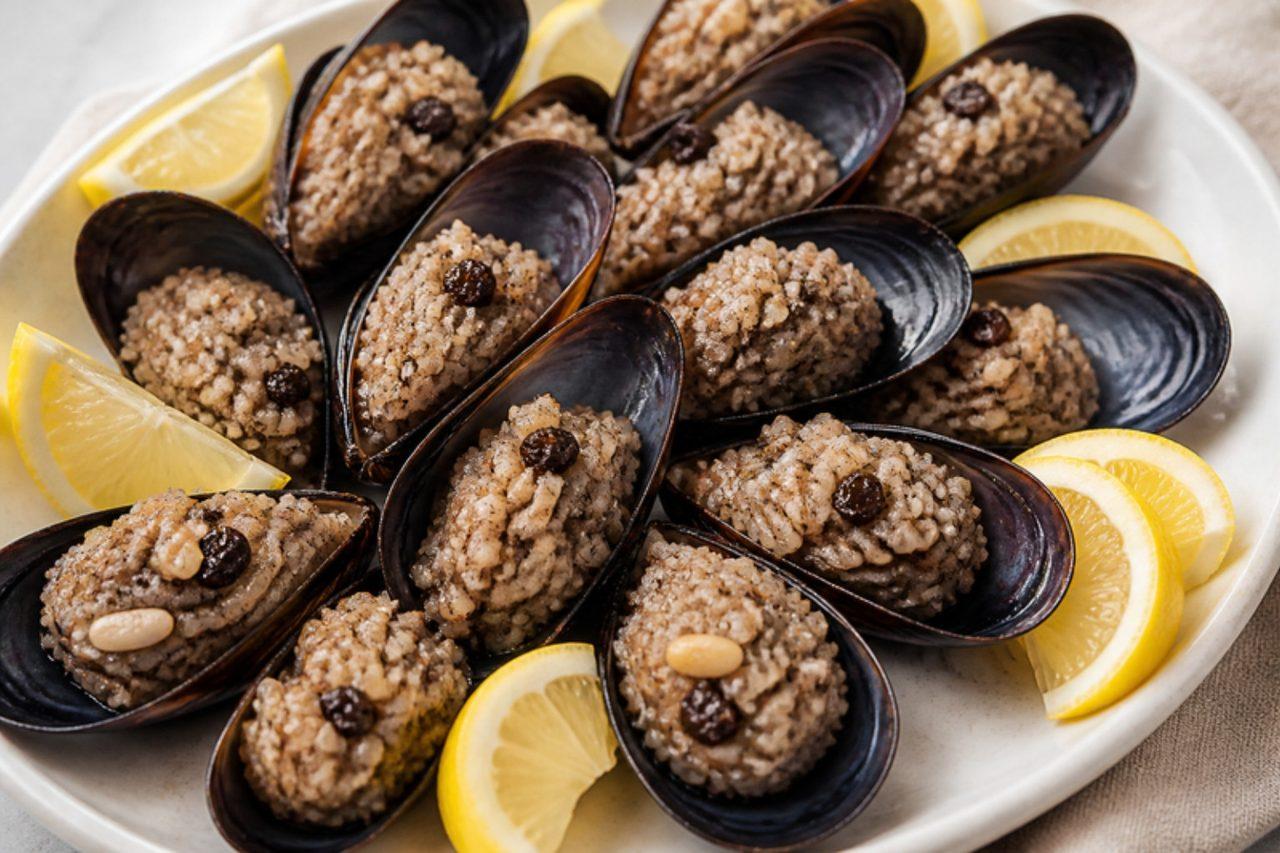
Midye dolmaRice-stuffed mussels

Late at night along Istanbul's Beşiktaş and Kadıköy streets, vendors walk with trays of shiny black mussels stuffed with fragrant rice, cracking one open, squeezing lemon on it and handing it over until you say stop. The rice is cooked with onion, tomato paste, cinnamon, allspice, currants and pine nuts, then steamed back inside the shells. Make them at home for a meze table and they are safer and fresher than any street tray. Chef's tip: soak the closed mussels in cold salted water first; the shells relax slightly and are much easier to prise open with a small knife.

105 minTurkishFish
by KrazyBadal 0 views

Tourte de blettesSweet Swiss chard pie

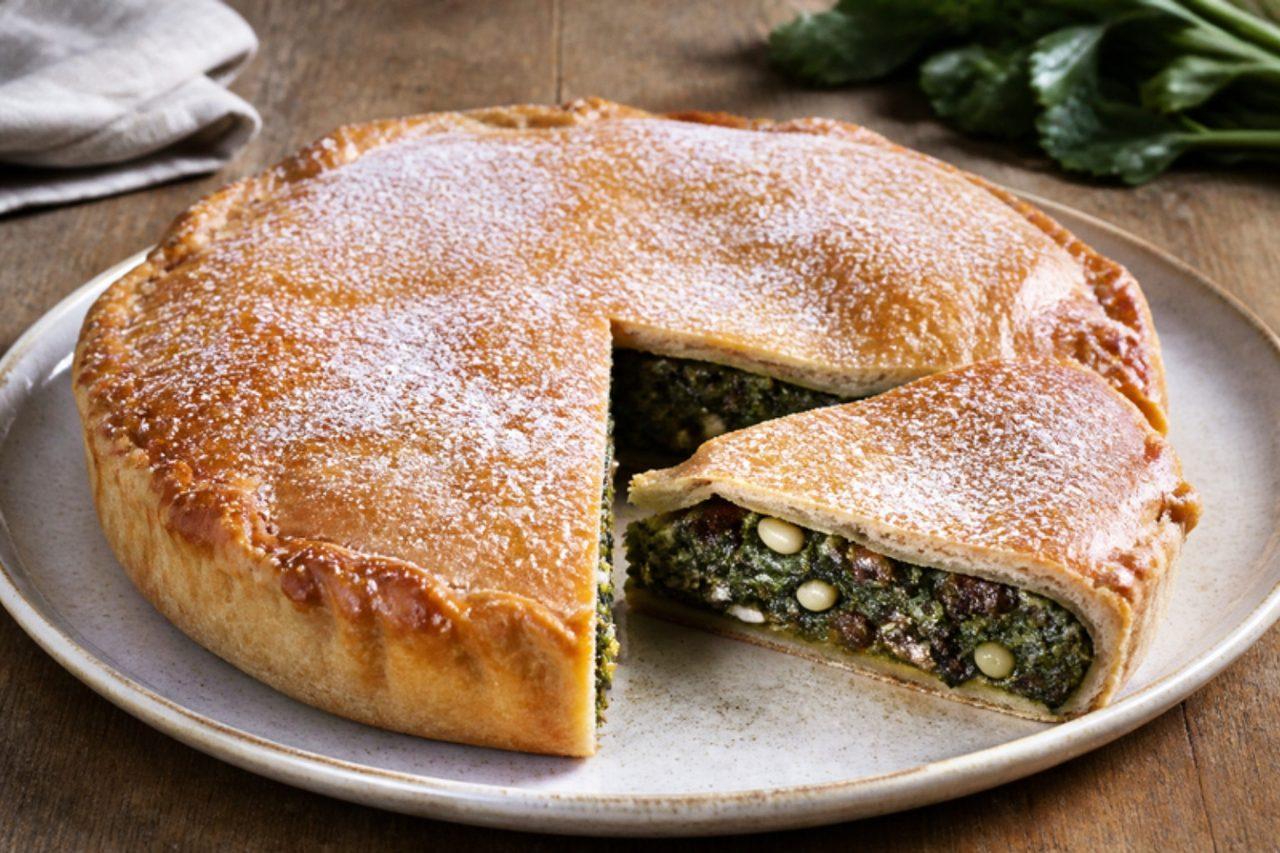
Visitors to Vieux-Nice are often surprised to find a pie of green chard leaves sold as a dessert, by the slice, in the old-town bakeries. The sweet tourte de blettes mixes chard with raisins, pine nuts, apple and a little cheese inside a sugared pastry, and Niçois families set it out on Christmas Eve as one of the thirteen desserts. The raisins are traditionally plumped in rum or marc; warm orange juice is used here, so it is alcohol-free. Parmesan is made with animal rennet, so pick a vegetarian hard cheese if you need to. Chef's tip: use only the green leaves; the white ribs make the filling watery, but keep them for a gratin.

100 minFrenchBaking
by KrazyBadal 0 views

Guiso de quinoaQuinoa and squash stew

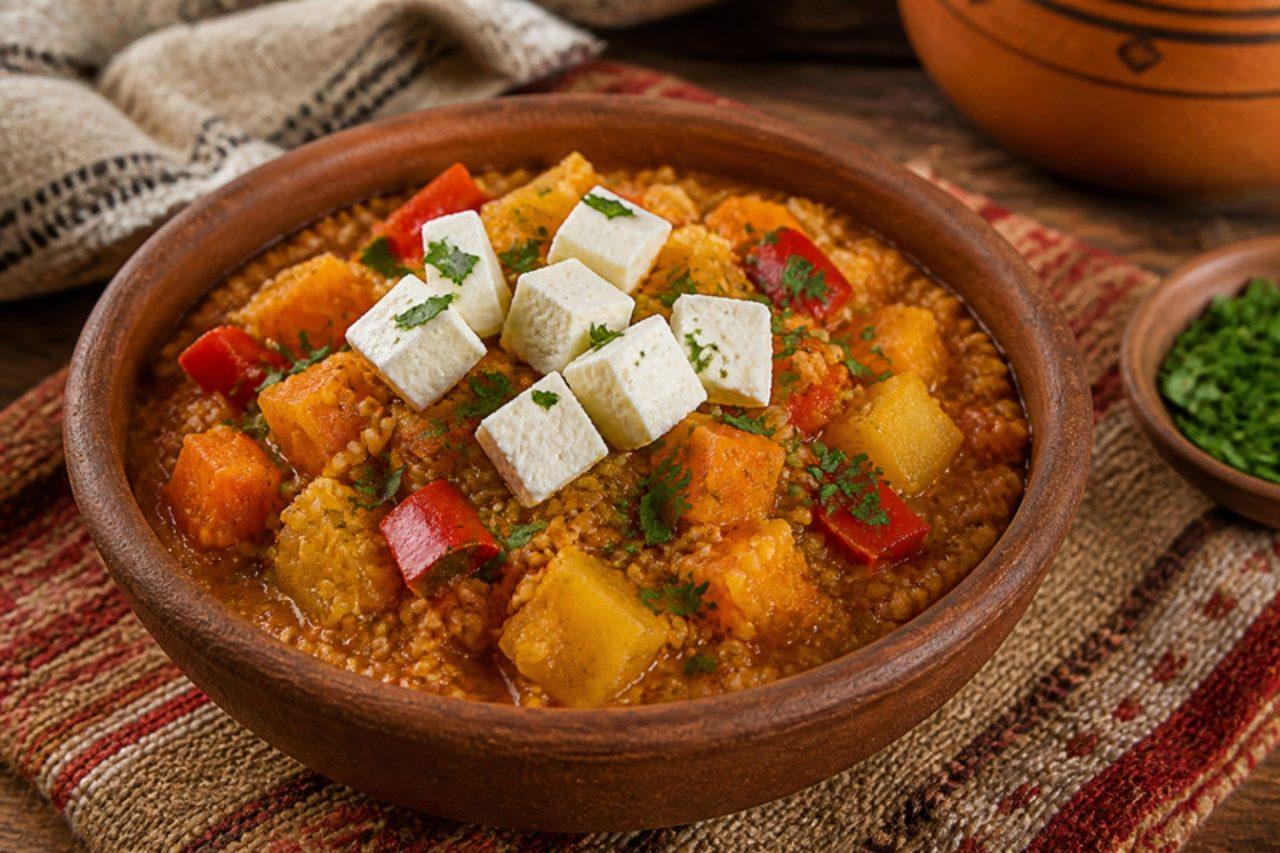
High in the Quebrada de Humahuaca, where quinoa has been grown on terraces for centuries, a pot of guiso de quinoa is the sort of thing served at a comedor beside the road or in a family kitchen on a cold evening at 3,000 metres. The grain cooks in a cumin-scented broth with potato, squash and red pepper until it bursts and thickens everything into a spoonable stew, and cubes of fresh cheese go in at the end to soften. Serve it in deep bowls with a spoon of llajua or chilli sauce and bread. Skipping the rinse is the mistake that spoils it: quinoa is coated in saponins that taste soapy and bitter, so wash it until the water runs clear. Queso fresco is often made with animal rennet; use a vegetarian fresh cheese, or leave it out for a vegan stew. Chef's tip: toast the rinsed quinoa in the oil for two minutes before the liquid goes in; it brings out a nutty flavour.

by KrazyBadal 0 views

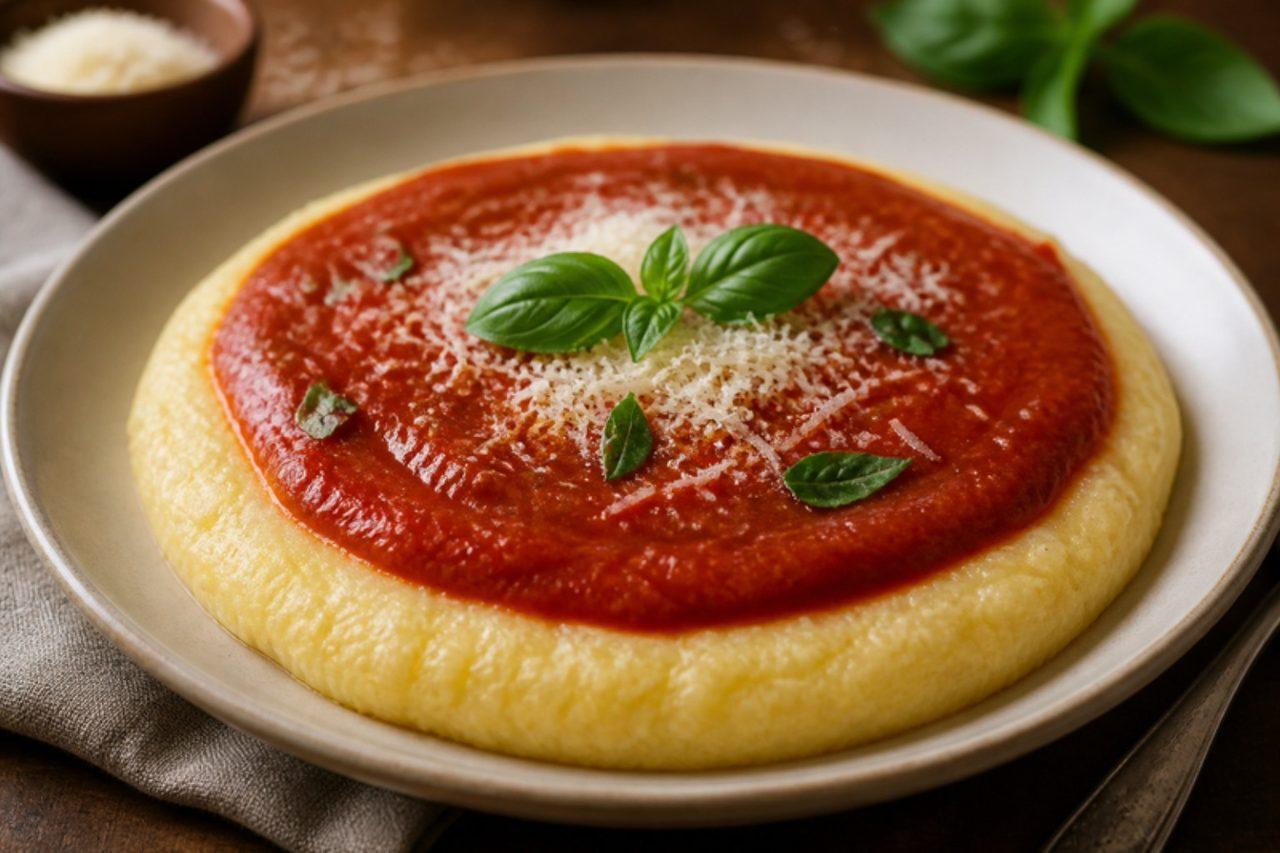
Polenta con tucoPolenta with tomato sauce

Tuco is what Argentines call the red sauce of their Italian grandparents, and spooned over a mound of soft polenta it is one of the most ordinary, best-loved cold-weather suppers in Buenos Aires and across the pampas. On Sundays the sauce often gets a piece of beef; this is the everyday meatless version, with onion, red pepper, carrot, bay and a long simmer that turns the tomato sweet and deep. The polenta is enriched with butter and cheese until it falls off the spoon like thick custard. The most common mistake is pouring the cornmeal into the water all at once, which gives you lumps you will never beat out, so rain it in slowly while whisking. Grated hard cheese is usually made with animal rennet; choose a vegetarian one if needed. Chef's tip: make the tuco first and let it rest off the heat while the polenta cooks; even 15 minutes of standing rounds out its flavour.

by KrazyBadal 0 views

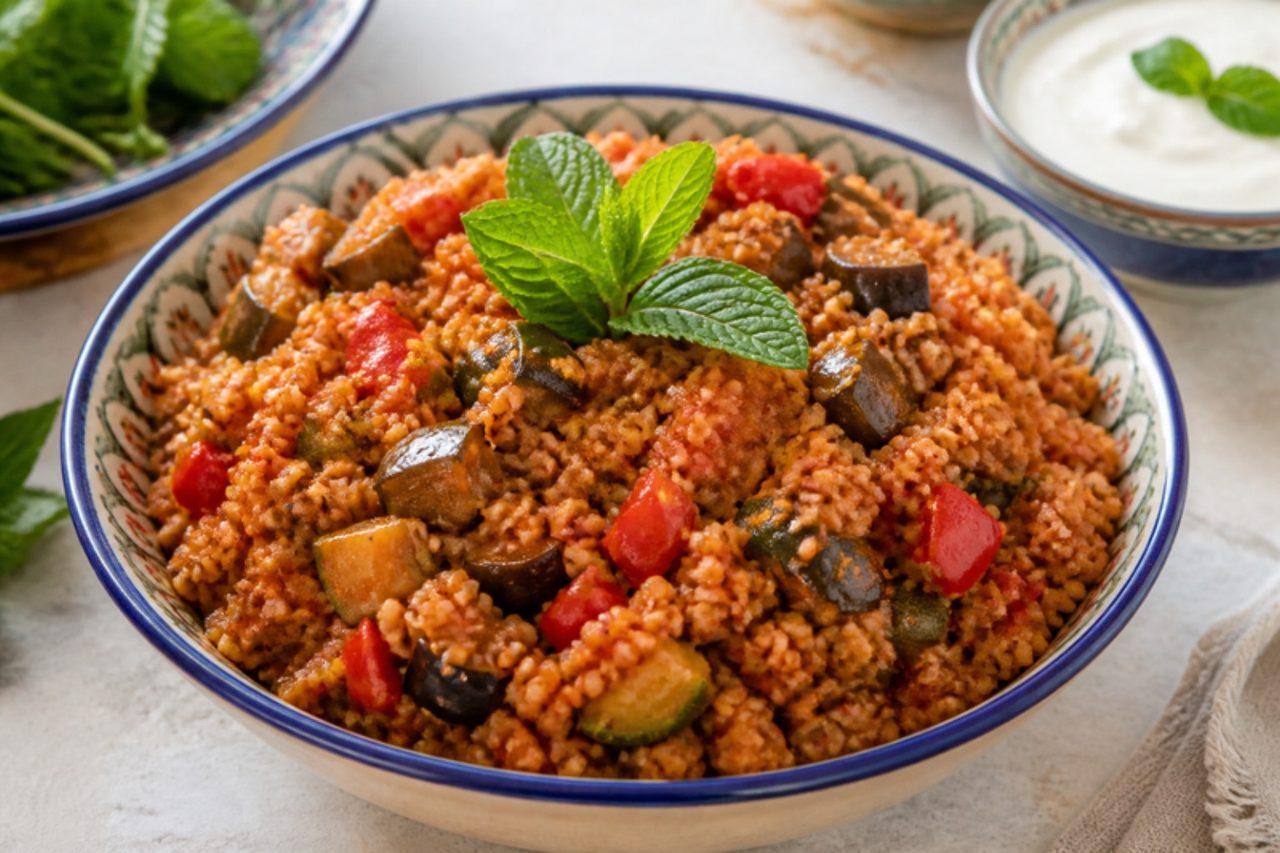
ShulbatoBulgur with aubergine and courgette

Shulbato is a summer pot from the villages of the West Bank and Galilee, made when the garden overflows: coarse bulgur cooked with aubergine, courgette, peppers, tomato and plenty of onion until the wheat is fluffy and stained red. It is eaten warm or cool on hot days with a bowl of yoghurt or a cucumber salad, and it is also a fasting dish for Christian families. Common mistake: using fine bulgur, which turns mushy; it needs the coarse grade. Chef's tip: let the vegetables catch and brown a little before adding the wheat; that slight char is the flavour of the dish.

by KrazyBadal 0 views

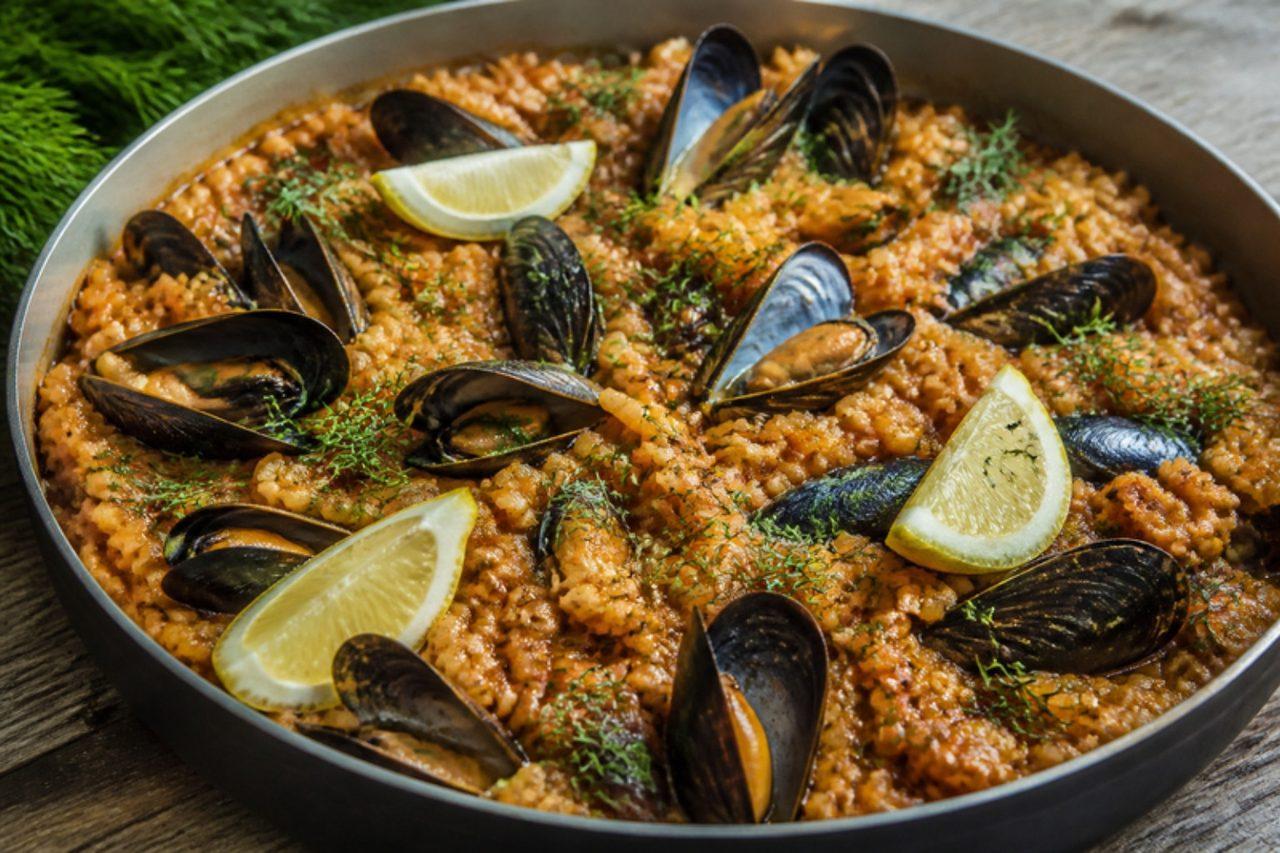
MidopilafoMussel pilaf

Midopilafo is what Thessaloniki fishermen's families make on a fasting Friday or a cheap midweek night, when a bag of mussels from the Thermaic Gulf can feed a crowd. The mussels are steamed first and their briny liquor becomes the stock for the rice, which simmers with onion, a little tomato and dill until tender and a touch soupy. The shelled mussels go back in at the end so they stay plump. Some cooks add white wine; this version uses lemon and the mussel juice only, so it is alcohol-free. Common mistake: cooking the shelled mussels with the rice the whole time — they shrink to rubber. Chef's tip: strain the mussel liquor through a fine sieve lined with kitchen paper to catch any grit.

60 minGreekFishGluten free
by KrazyBadal 0 views

Travesseiros de SintraAlmond cream puff pastries

Travesseiro means pillow, and these long, sugar-dusted pastries from Sintra look just like one, plump with a soft almond cream. They were first sold at a café in the town in the mid-twentieth century and are now the second pastry, after queijadas, that every visitor carries home. Eat them warm, when the pastry shatters and the filling is still loose. Using shop-bought all-butter puff pastry makes them a fair home project. Chef's tip: cook the almond cream until it is thick enough to hold a trail from the spoon, then chill it; warm filling melts the butter in the pastry and stops it puffing.

by KrazyBadal 0 views

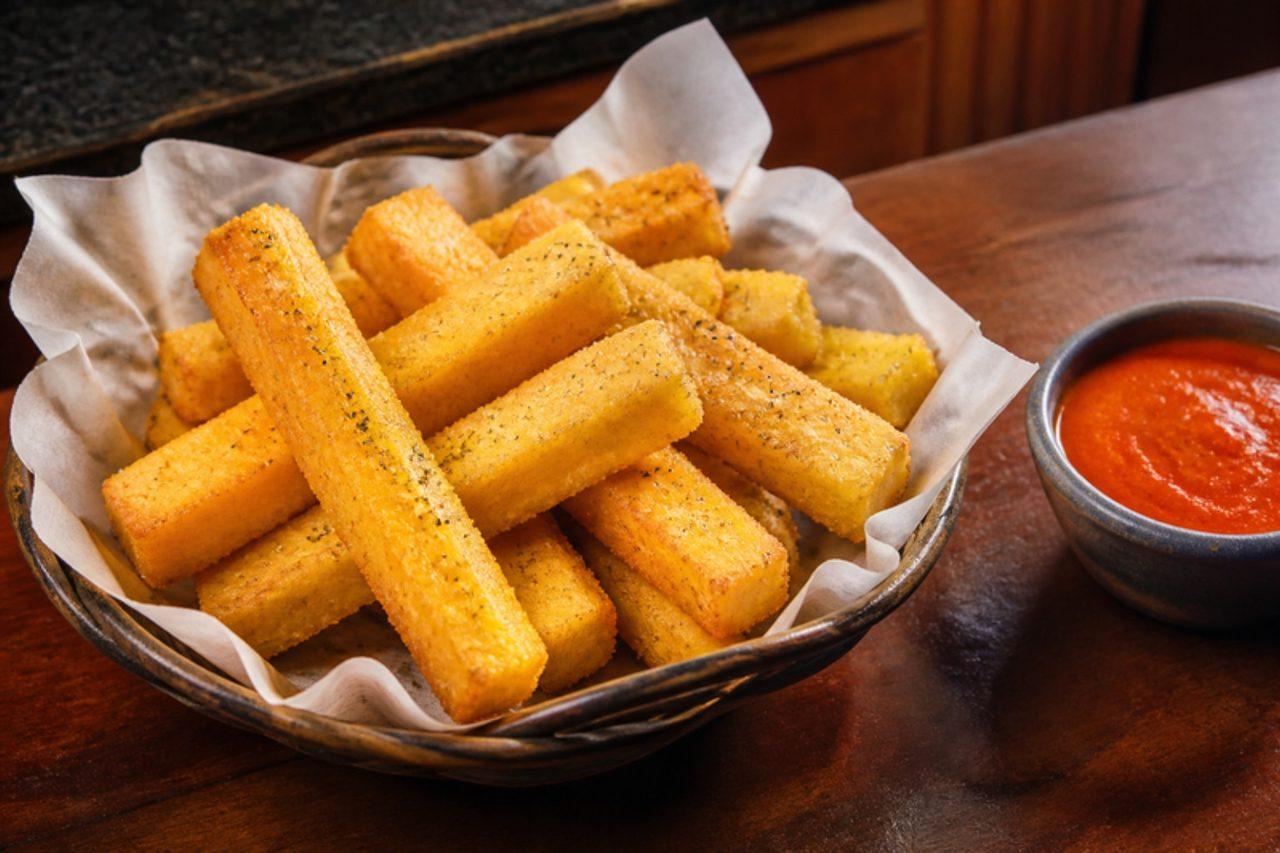
Polenta fritaFried polenta sticks

Italian immigrants brought polenta to São Paulo, and the city's bars and cantinas turned the leftovers into one of its best snacks: thick sticks of set polenta, deep-fried until the outside is crunchy and bubbled and the inside stays soft and creamy. They arrive in paper-lined baskets in Bixiga cantinas and corner botecos alike, sprinkled with salt, to be eaten with a cold drink; some places dust them with grated cheese, which makes them no longer vegan. Kids love them as a side with tomato sauce. They fall apart in the oil when the polenta is too soft, so cook it until very thick and let it set completely in the fridge. Chef's tip: dry the cut sticks on kitchen paper and fry in small batches, so the oil temperature stays high and the crust forms at once.

by KrazyBadal 0 views

Guiso de lentejasLentil and chorizo stew

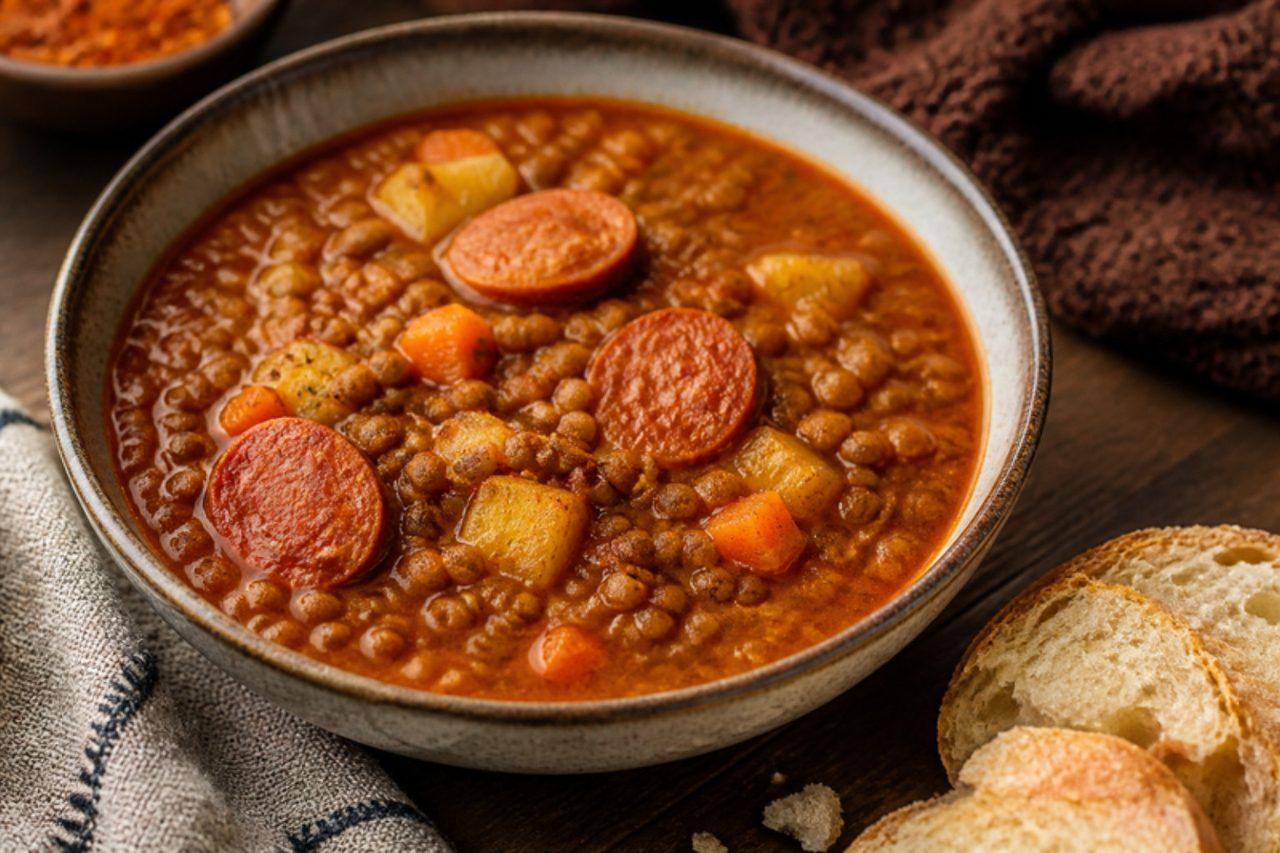
When the pampero wind blows cold off the plains, Buenos Aires turns to guiso de lentejas, a thick, smoky lentil stew that every school canteen, worker's diner and grandmother makes, traditionally on 20 June (Flag Day) and through the winter. It is built on pork: chorizo colorado (paprika sausage) and pancetta, browned first so their fat flavours the sofrito, then simmered with lentils, potato, squash, tomato and plenty of pimentón. The lentils should keep their shape in a sauce thick enough for a spoon to stand up, and crusty bread is a must alongside. Make sure the sausage is cooked through to 71 °C, which it will be after the long simmer. Seasoning with salt at the start is a common error, as the pork is salty and the stew reduces, so taste at the end. For a vegetarian version, skip the meats, use smoked paprika and add more squash. Chef's tip: make it a day ahead; like most guisos it thickens and tastes better reheated.

by KrazyBadal 0 views

Pollo al chilindrónChicken with pepper, tomato and ham

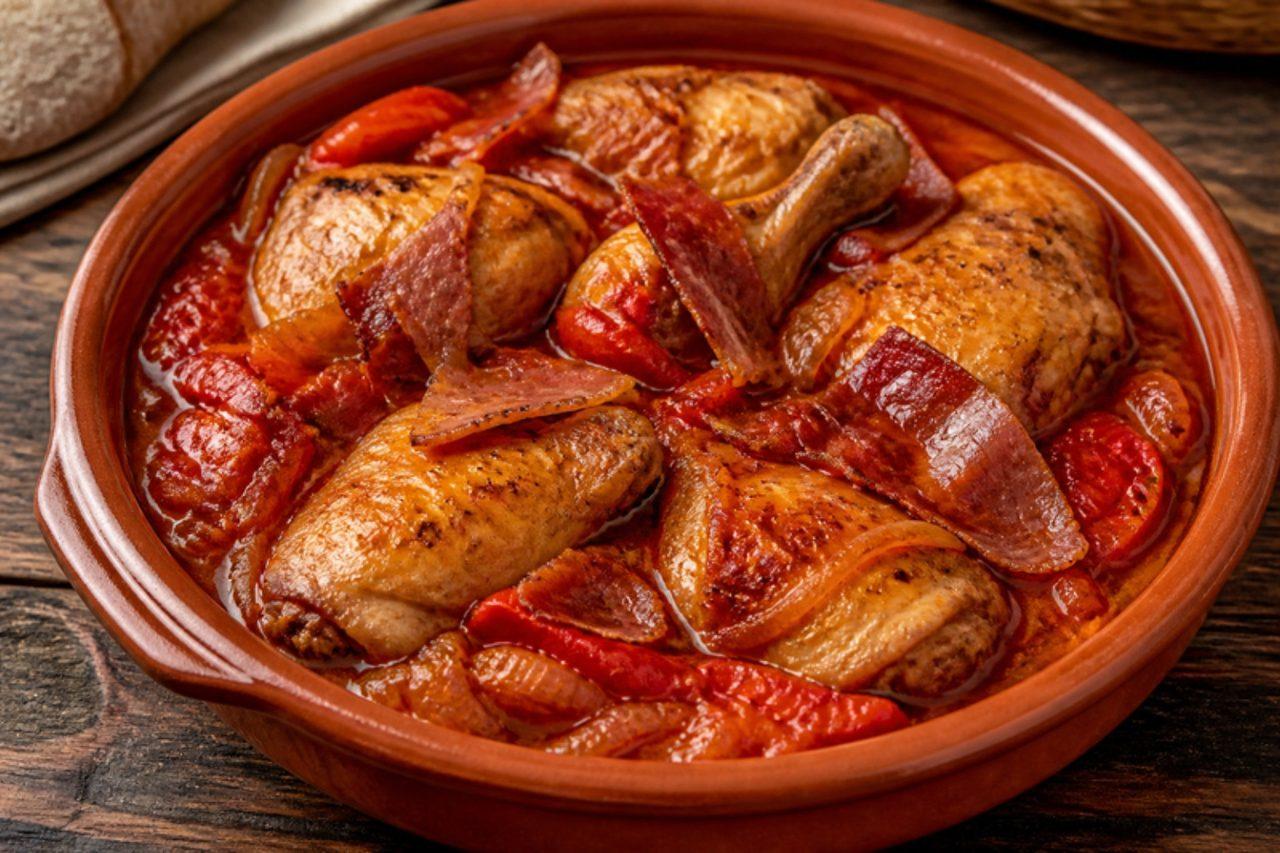
Chilindrón is the red sauce that Aragon is known for across Spain: sweet red peppers, onion and tomato cooked down slowly with serrano ham until thick and glossy. Chicken is the most common partner (lamb is the other), and a big pot of it is a typical dish at summer village fiestas in the Pyrenees foothills and at family meals all year. This contains pork (cured serrano ham). The recipe uses a little white wine; use chicken stock instead for no alcohol. A common mistake is hurrying the sofrito: the peppers need a slow 20 minutes to soften and sweeten before the chicken goes back in. Chef's tip: if you have roasted red peppers or a spoonful of choricero pepper paste, stir some in for a deeper, smokier colour.

by KrazyBadal 0 views

ZorongolloRoast pepper and tomato salad

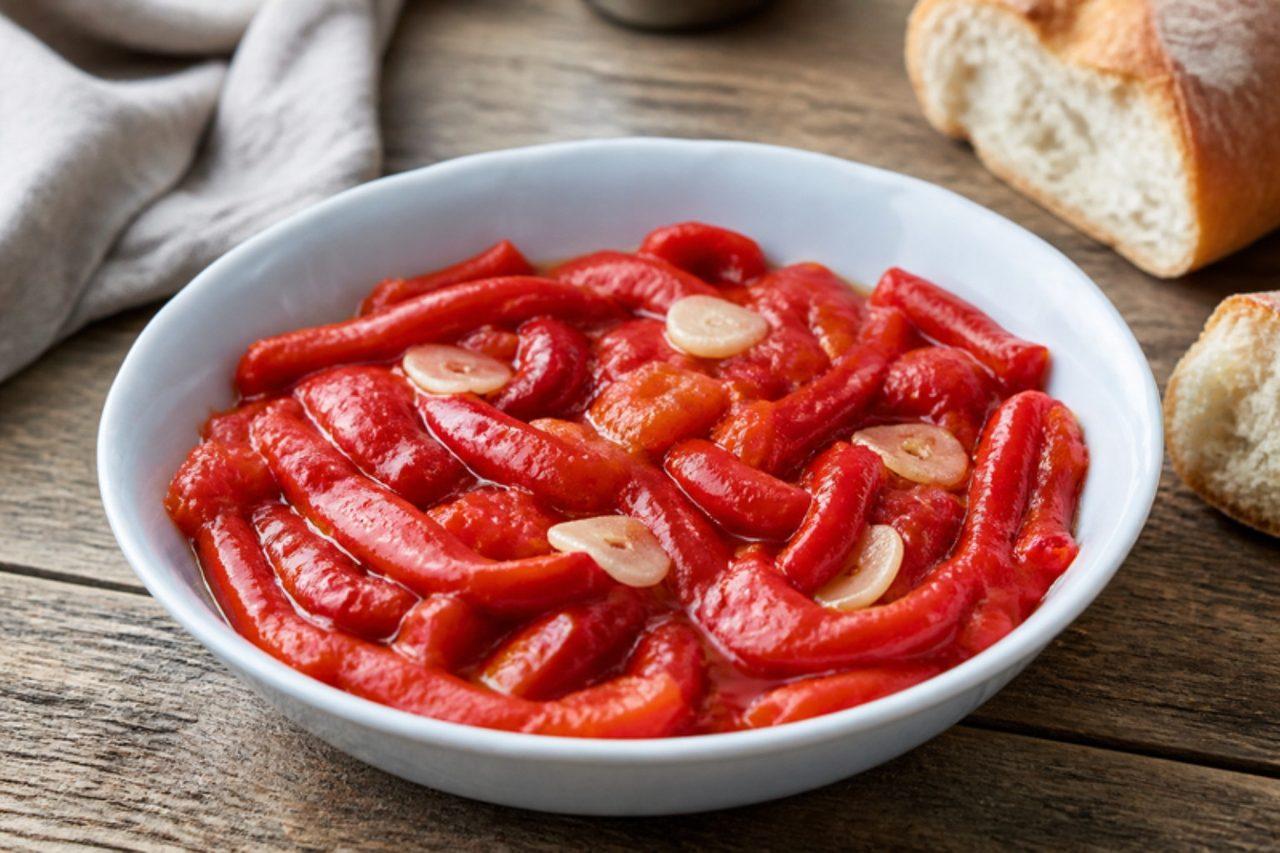
Zorongollo is the summer salad of the Extremaduran countryside around Cáceres and the Vegas del Guadiana, made when red peppers are sweet and cheap. The peppers and tomatoes are roasted until blackened, peeled, torn by hand into strips and soaked in olive oil, garlic and a little vinegar, and it is served on its own with bread or beside grilled meat at summer lunches. It keeps for days in the fridge and improves overnight. Chef's tip: tear the peppers along their natural ridges rather than slicing them, so the strips stay soft and catch more dressing.

by KrazyBadal 0 views

Zorza con patatasMarinated pork with chips and eggs

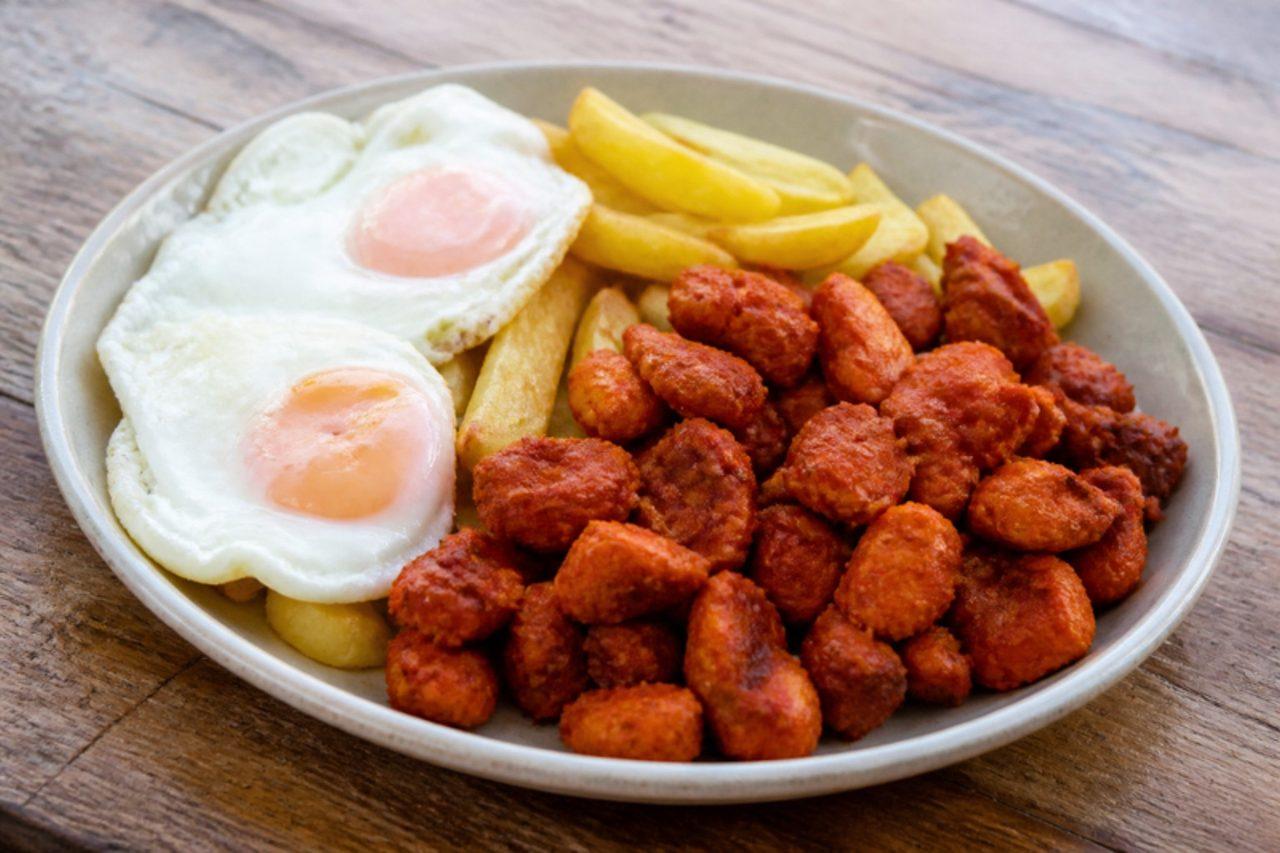
Zorza is the seasoned pork mixture for chorizo before it goes into casings, and in Galicia it was eaten fresh in the days after the winter pig slaughter, fried in a pan with potatoes. This contains pork. Today taverns in Lugo and Ourense serve it with chips and fried eggs, and it is easy to make at home with pork shoulder and lots of paprika. The meat marinates in the fridge, covered, for at least 12 hours. A common mistake is frying it over a fierce heat, which burns the paprika; keep it moderate and stir. Chef's tip: chop the pork by hand into small pieces rather than mincing it finely, for a juicier, more rustic texture.

by KrazyBadal 0 views

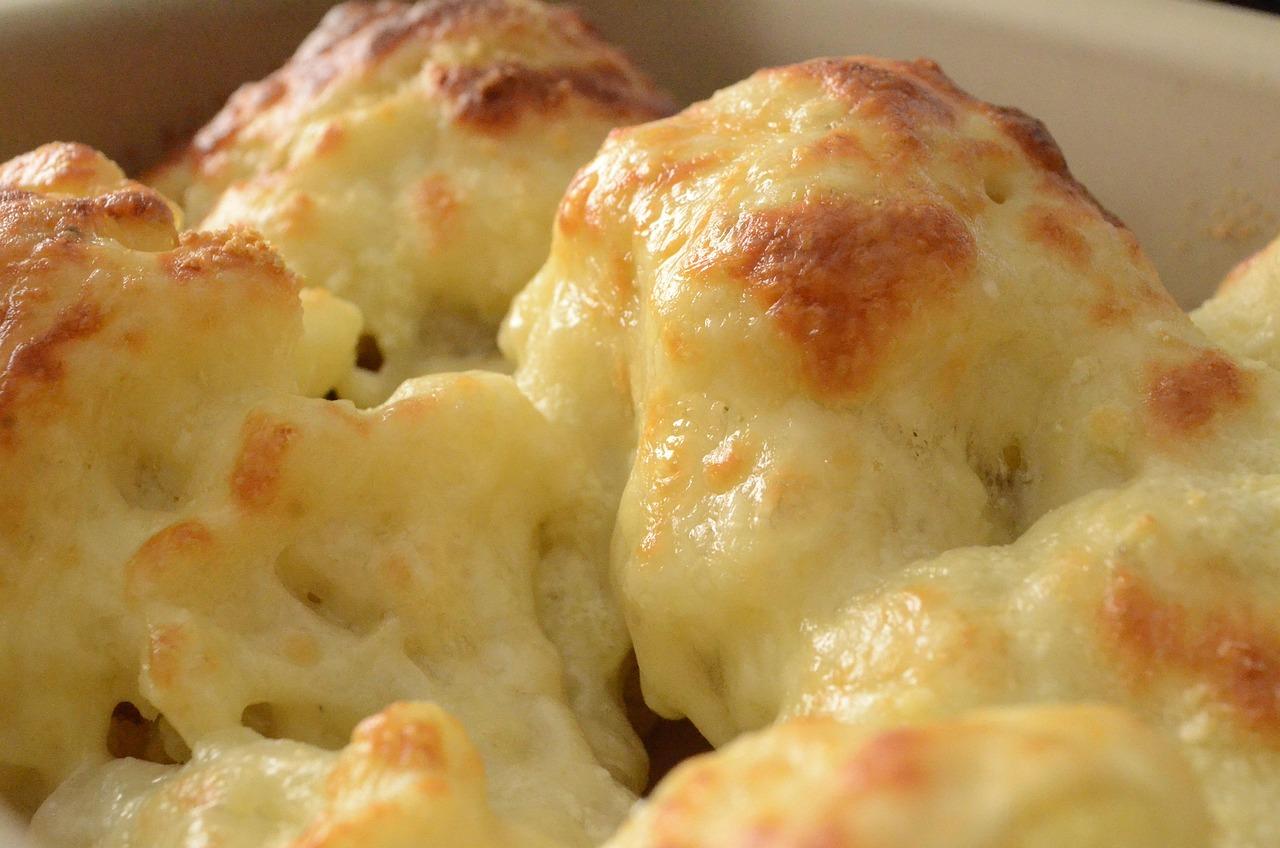
Cauliflower cheese

Cauliflower cheese is the bubbling, golden side that appears beside the Sunday roast in English homes, and on its own it makes a comforting vegetarian supper with crusty bread. Tender cauliflower is baked under a mustardy cheddar sauce with a crisp, browned top. Many cheddars are made with animal rennet, so use a vegetarian mature cheddar. Chef's tip: steam the cauliflower and let it dry; wet florets water down the sauce.

by KrazyBadal 0 views

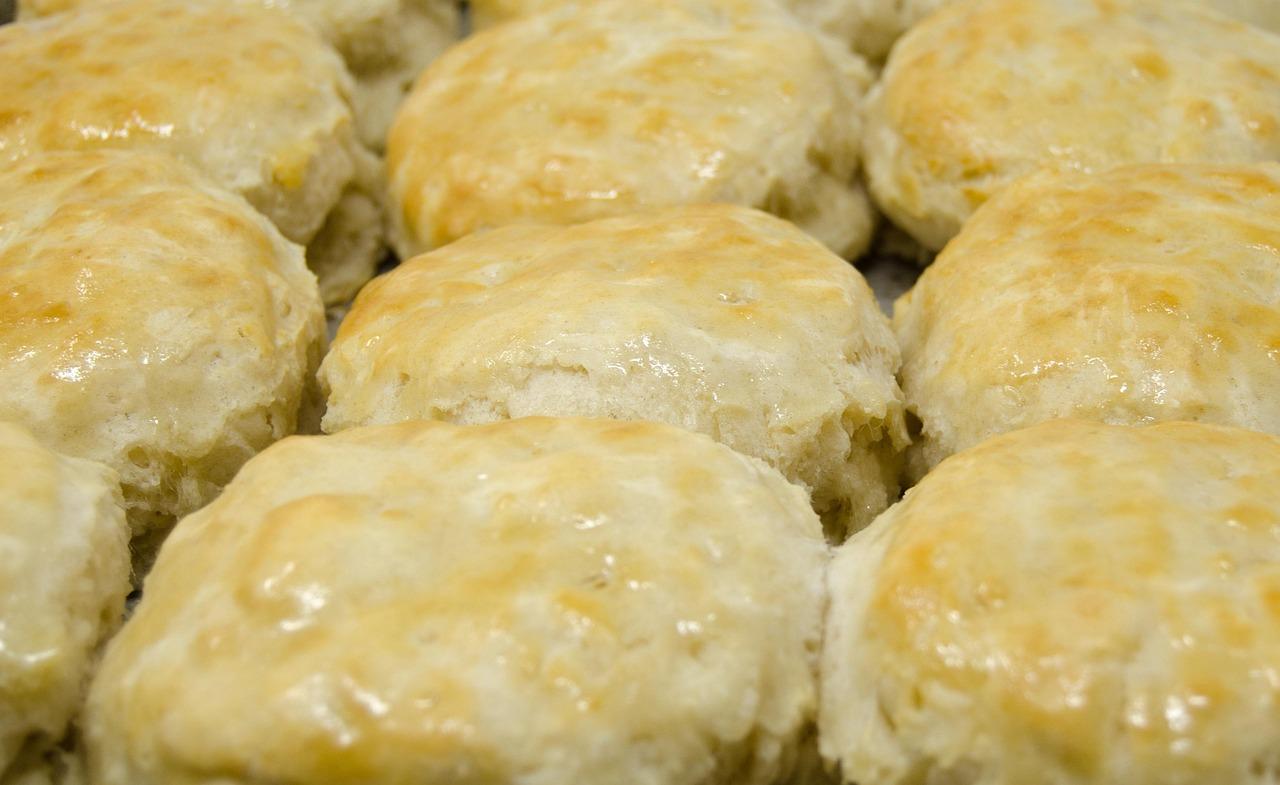
Southern buttermilk biscuits

In the South a biscuit is not a cookie but a tall, tender, flaky quick bread, baked every morning in kitchens from Georgia to Tennessee and split open for butter and sorghum, sawmill gravy or a slice of country ham. Cold butter and buttermilk, a light hand and a hot oven give layers that pull apart in steamy flakes. Chef's tip: press the cutter straight down without twisting; twisting seals the edges and stops them rising.

by KrazyBadal 0 views

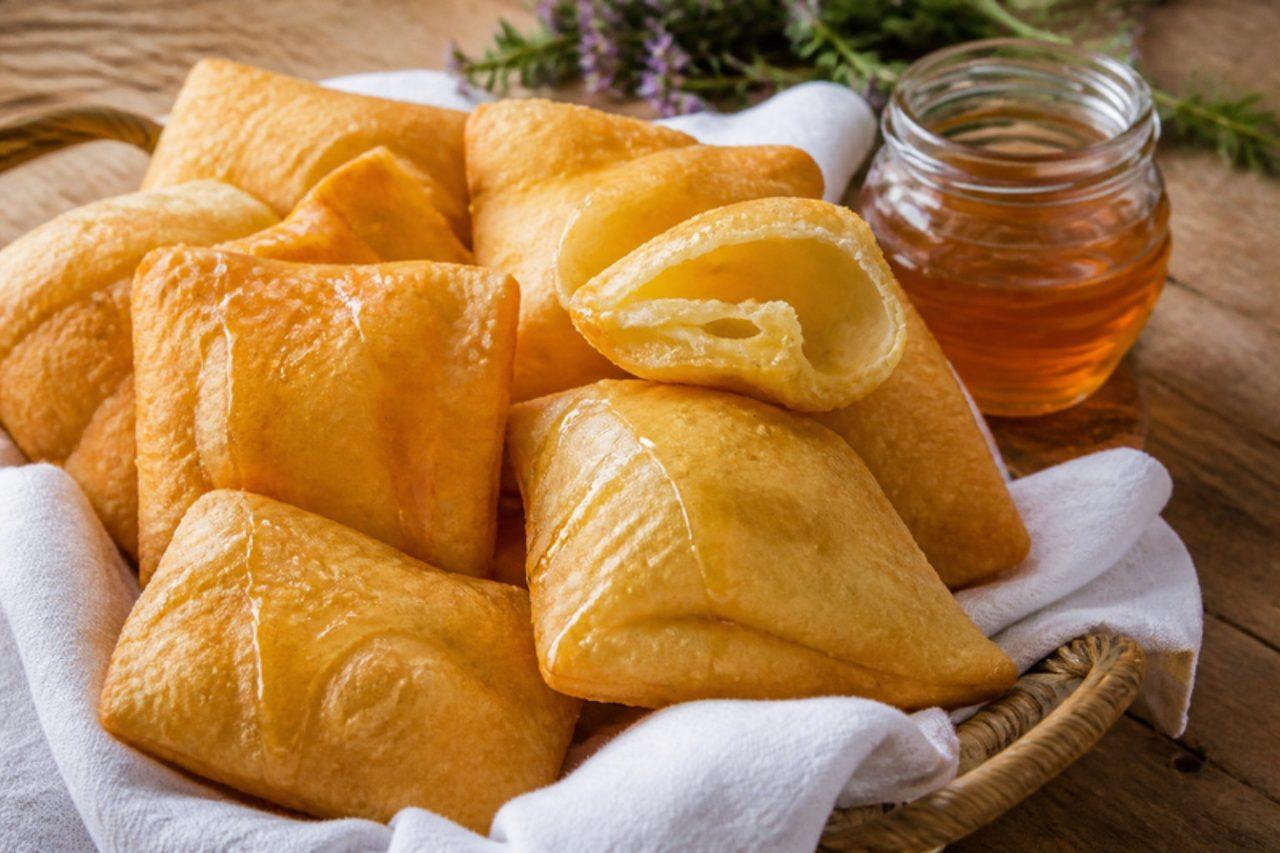
New Mexico sopaipillas

In New Mexico sopaipillas arrive in a basket with every plate of enchiladas or carne adovada, from Albuquerque diners to Santa Fe cafés, along with a squeeze bottle of honey. Small squares of dough puff up into hollow pillows in hot oil; you tear off a corner and drizzle honey inside to cool the heat of the red or green chile. They are a different thing from Chile's pumpkin sopaipillas. Chef's tip: roll the dough evenly to 3 mm and spoon hot oil over the tops as they fry; that is what makes them balloon.

by KrazyBadal 0 views

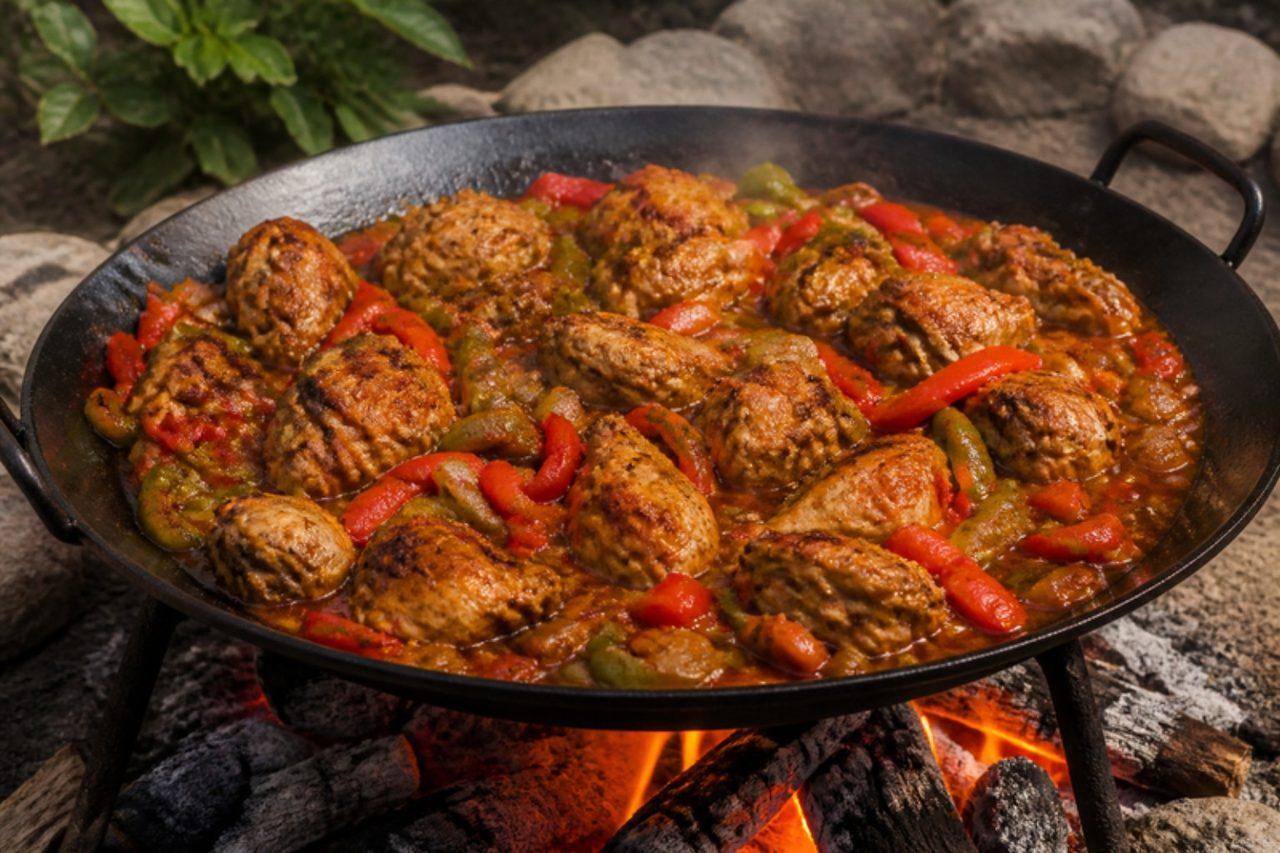
Pollo al discoChicken with peppers and wine

Out on the estancias of the Pampas, the disco de arado (an old plough disc welded onto legs) is set over a wood fire for long weekend lunches, and chicken braised in it is one of the most loved dishes: pieces browned in the wide, sloping pan, then cooked down with onions, peppers, garlic, paprika and a splash of white wine until the sauce is sweet and glossy. Friends stand around the fire with bread for dipping. A large, heavy casserole or wok on the hob does the job at home. The recipe uses white wine; for an alcohol-free version, use the same amount of chicken stock plus 1 tablespoon of white wine vinegar. Chicken must reach 74 °C at the thickest part near the bone. The common mistake is piling everything in at once, which boils the chicken pale, so brown it well first. Chef's tip: push the browned chicken up the sloping sides while the vegetables cook in the centre, as disco cooks do; in a casserole, lift it onto a plate.

by KrazyBadal 0 views

ZwetschgendatschiPlum yeast sheet cake

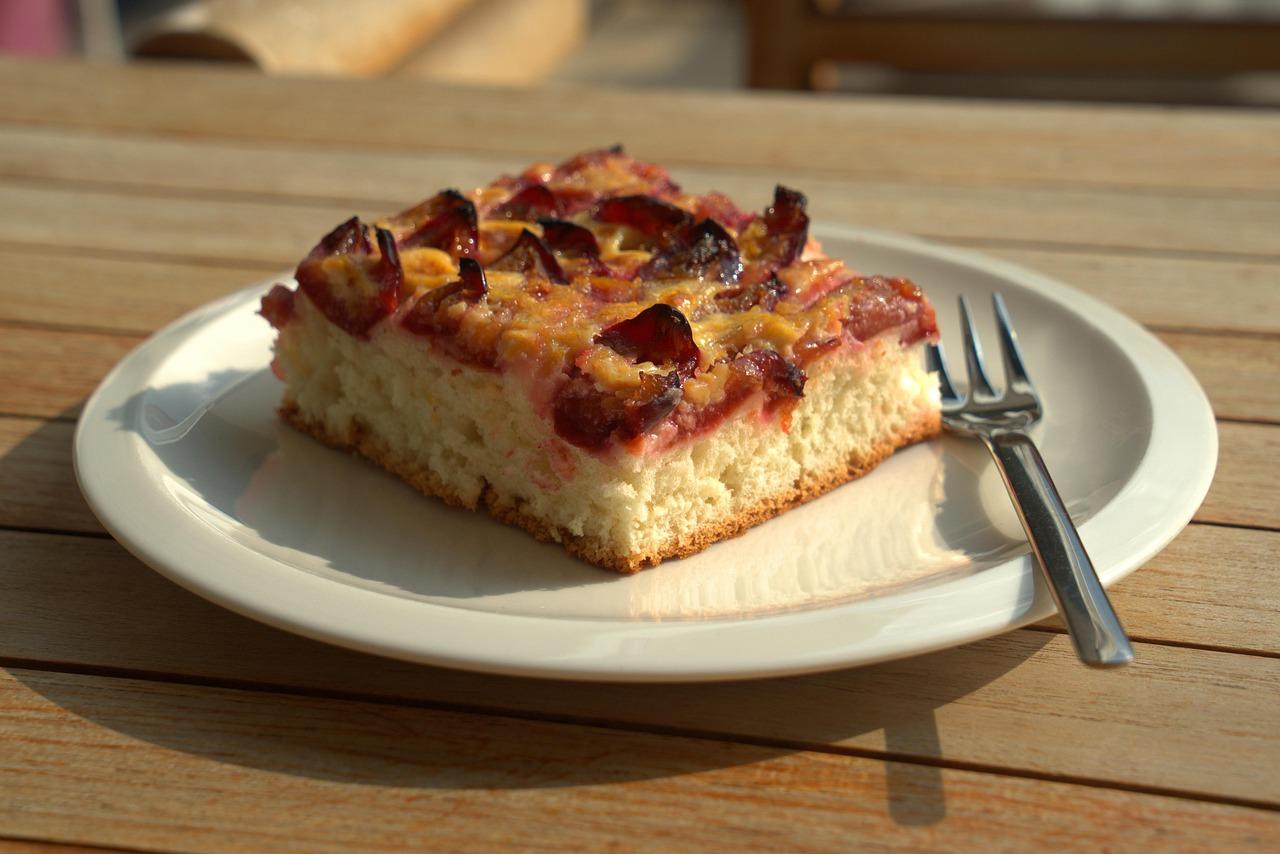
When the late-summer Zwetschgen (small, oval damson-type plums) arrive at the markets of Augsburg and Munich, every Bavarian and Swabian kitchen bakes a Datschi on the biggest tray it owns. A thin, soft yeast dough is covered edge to edge with plum halves stood upright in tight, overlapping rows, so the juices run and caramelise as it bakes. It is eaten in the afternoon, cut in squares, with a big spoon of whipped cream. A common mistake is using large round plums, which flood the dough with juice and leave it soggy; the firm, oval Zwetschgen hold their shape. Chef's tip: scatter a thin layer of fine breadcrumbs or ground almonds over the dough before the plums go on to catch the juice.

115 minGermanBaking
by KrazyBadal 0 views

BüryanSlow-roasted lamb

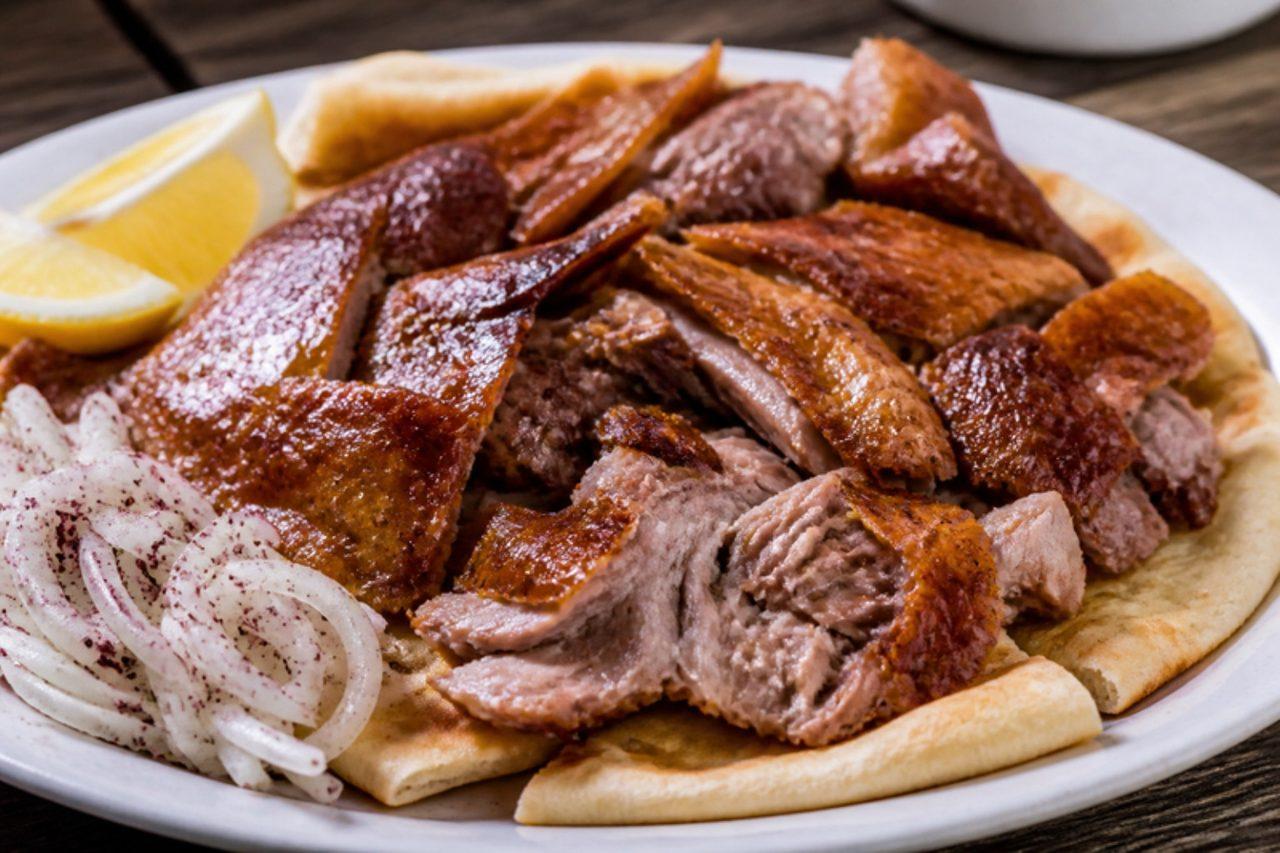
In Siirt, büryan is eaten for breakfast: whole sides of young lamb hang for hours in a deep clay pit oven sealed with mud, and by early morning the meat is falling apart with crackling skin, served on thin bread with nothing but salt. This home version uses a bone-in shoulder roasted low and slow, sealed under foil to trap the steam as the pit does, then blasted at the end for the crisp outside. It needs no marinade beyond salt; the flavour is all lamb. Common mistake: lifting the foil to check; every peek lets the steam out and dries the meat. Chef's tip: pull it apart with two forks at the table and pile it straight onto warm lavaş to catch the juices.

280 minTurkishMeat
by KrazyBadal 0 views

SıkmaCheese and herb rolled flatbread

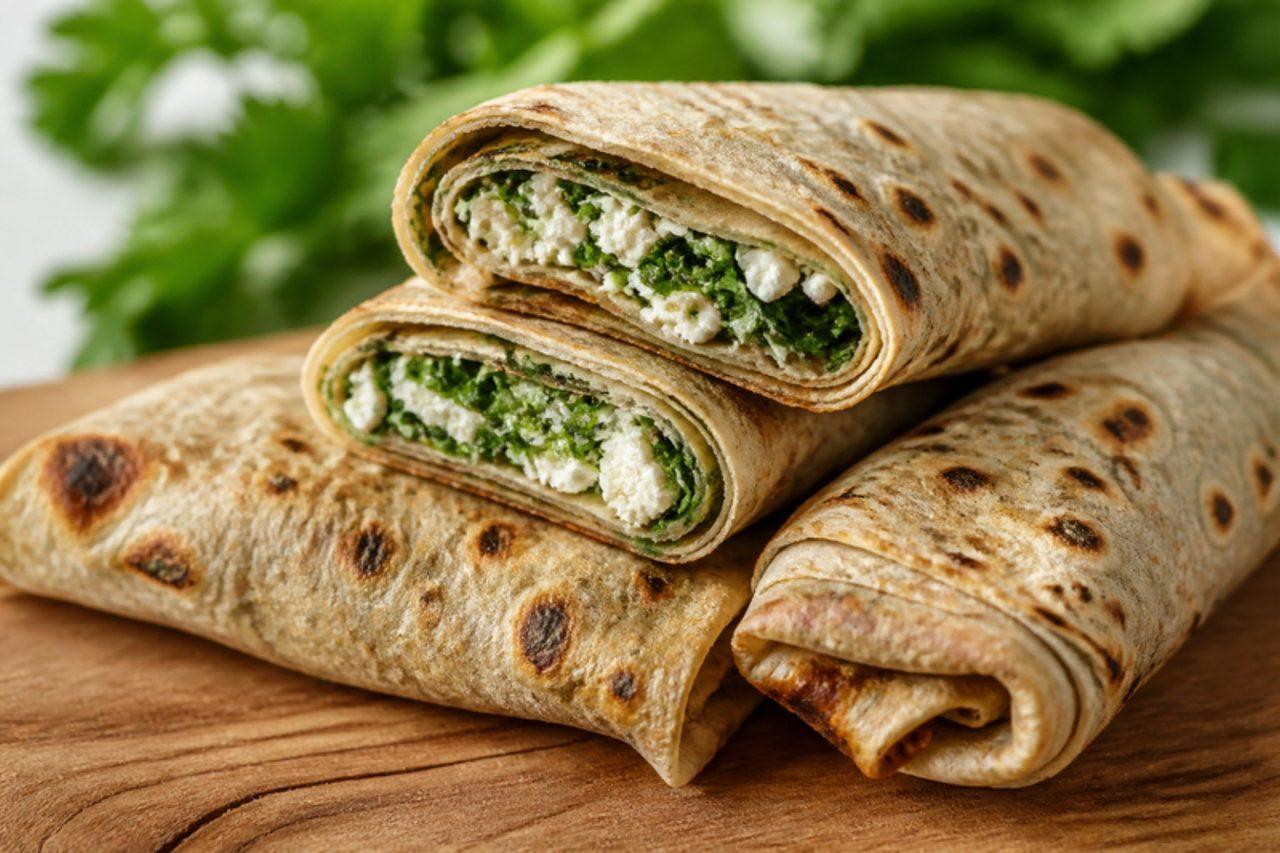
At village markets in the hills behind the Aegean and Mediterranean coasts, women sit at a convex sac griddle rolling out paper-thin dough, cooking it in seconds and 'squeezing' (sıkmak) it around a filling of white cheese and herbs. You eat it rolled up and still hot, with ayran. It is the simplest snack there is and easily done in a large frying pan. Beyaz peynir is often made with animal rennet; choose a vegetarian one if needed. Chef's tip: roll the dough as thin as you can and cook it fast on a very hot, dry pan; slow cooking makes it brittle instead of soft and foldable.

by KrazyBadal 0 views

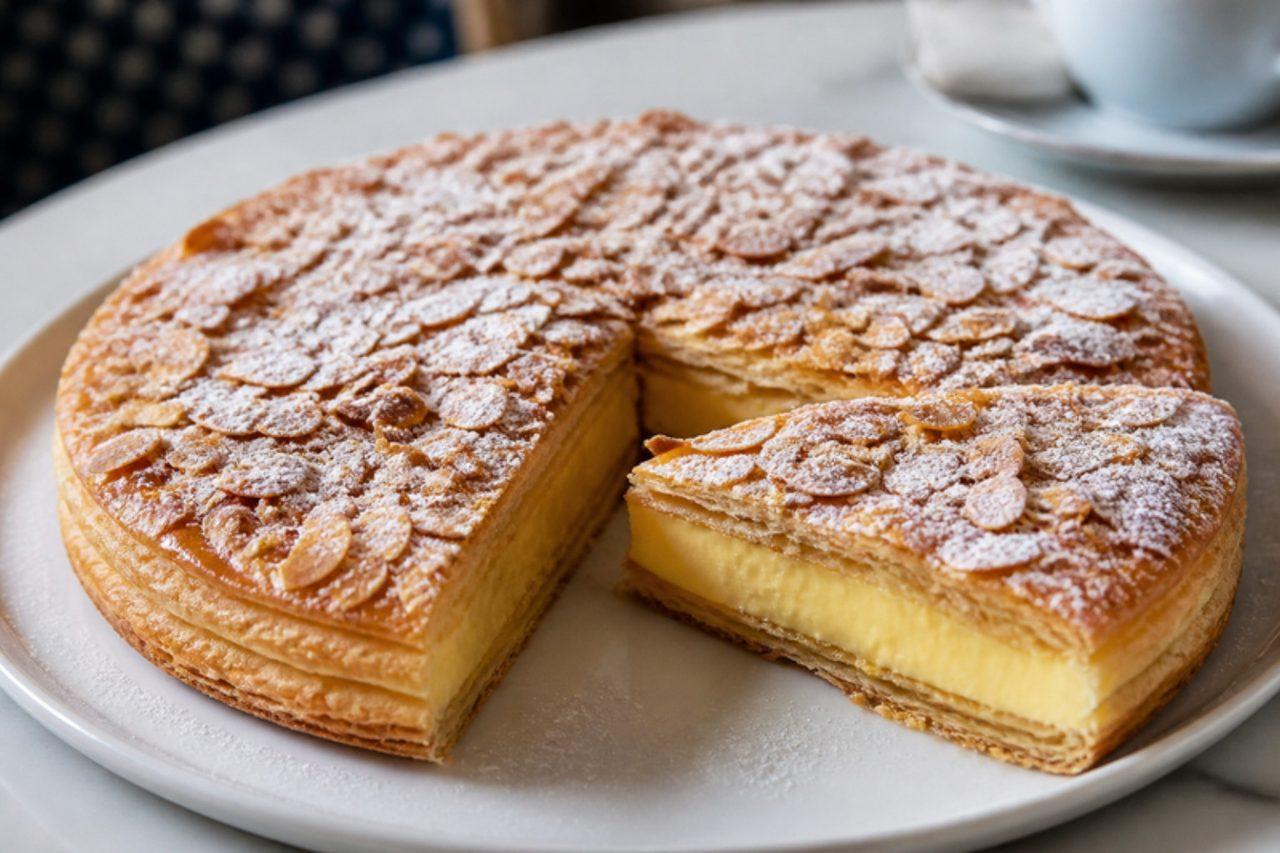
PantxinetaCustard and almond puff pastry tart

Pantxineta was first baked in a pastry shop in San Sebastián's old town in the early twentieth century, and Donostiarras still buy it on Sunday mornings to take to family lunch. Two layers of buttery puff pastry enclose vanilla pastry cream, and the top is covered with flaked almonds and icing sugar. It is best eaten warm on the day it is made, while the pastry shatters. A common mistake is filling the pastry with warm custard, which melts the butter layers and stops them rising. Chef's tip: chill the assembled tart for 20 minutes before baking so the pastry keeps sharp edges.

by KrazyBadal 0 views

Silesian StreuselkuchenCrumble-topped yeast cake

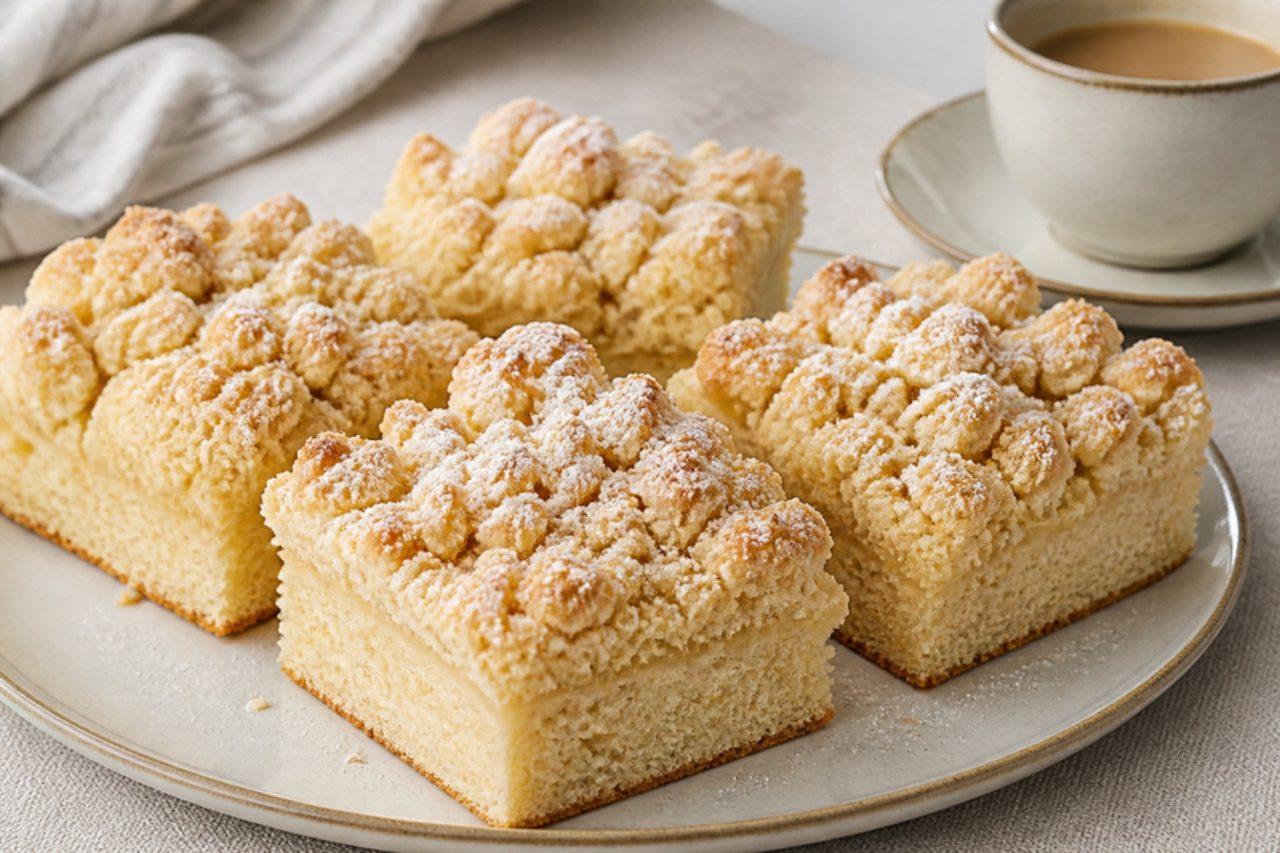
Streuselkuchen came west with families from Silesia, where a tray of it was baked for every wedding and church fair, and it is now sold in every German bakery. The point is the crumble: big, buttery, vanilla-scented lumps sitting almost as thick as the soft yeast base underneath. It is served plain with coffee in the afternoon, often a day old, when the streusel has gone crisp and the base slightly chewy. A common mistake is rubbing the streusel to fine sand; it should be squeezed into clumps the size of hazelnuts. Chef's tip: use cold, cubed butter and chill the finished streusel for 20 minutes before scattering it, so the lumps keep their shape in the oven.

120 minGermanBaking
by KrazyBadal 0 views

ŞıllıkWalnut crepes in lemon syrup

Şıllık is a home sweet of Şanlıurfa, made for guests and special Fridays: lacy crepes cooked on a hot sac or flat pan, filled with sugared walnuts, rolled up and doused in syrup until soft and sticky. Rich with butter and cut into short logs, it is eaten warm with a tiny cup of bitter mırra coffee to balance the sweetness. The batter should be as thin as single cream; thick batter gives rubbery pancakes. Chef's tip: syrup and crepes should be at different temperatures, so pour cooled syrup over the warm rolls, which drink it up without falling apart.

by KrazyBadal 0 views

Pollo alla romanaChicken with peppers and tomato

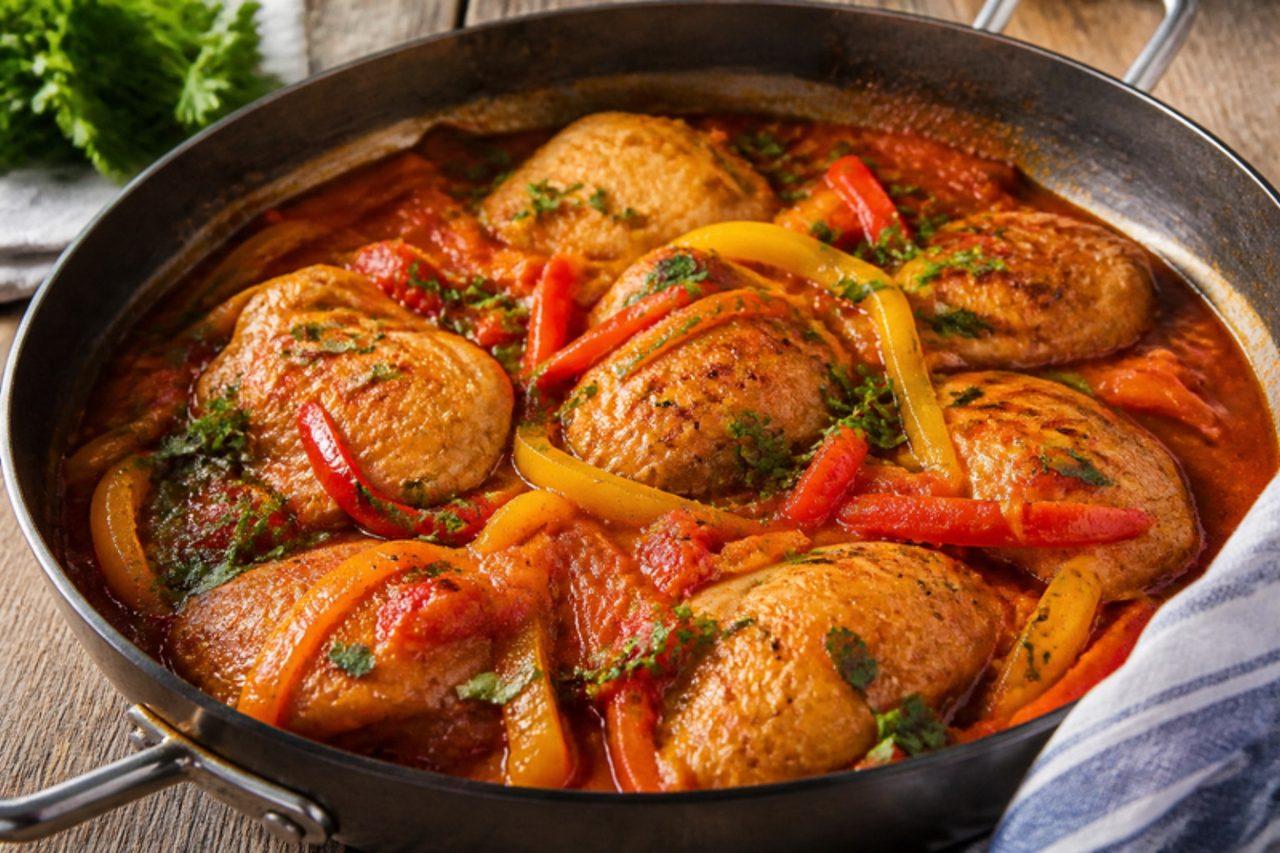
On Ferragosto, the 15 August holiday when half of Rome heads for the coast, families who stay behind cook pollo alla romana, often the day before so it can be eaten at room temperature. Jointed chicken is browned, then stewed slowly with sweet red and yellow peppers, tomato, garlic and marjoram until the peppers collapse into a sweet, glossy sauce. A little white wine goes in at the start; there's an alcohol-free swap in the ingredients. Serve it with crusty bread for the sauce and a plate of tomatoes or green beans. Chef's tip: season the chicken a few hours ahead and keep it covered in the fridge, so the salt reaches right into the meat.

by KrazyBadal 0 views

PanuchosBean-stuffed tortillas with chicken

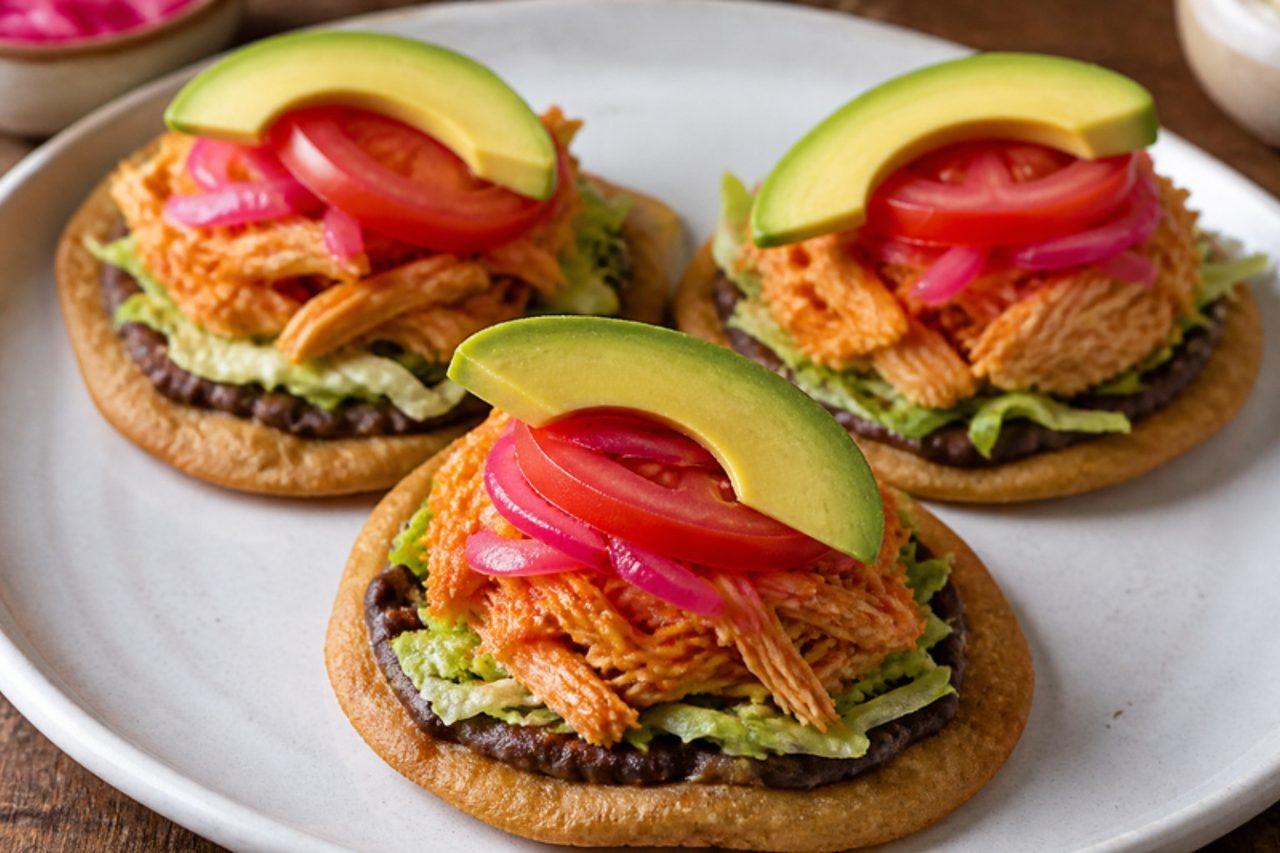
Mérida's loncherías and the evening stands around its parks sell panuchos by the plateful: small corn tortillas puffed on the griddle, slit open, stuffed with black bean paste and fried until the edges crisp. They are topped with shredded chicken marinated in achiote and bitter orange, sharp pink pickled onion, tomato and avocado, with fiery habanero salsa on the side for those who want it. Bitter (Seville) orange is the traditional sour; a mix of orange and lime juice works well. Two or three make a supper with a cold drink. Chef's tip: let the tortilla balloon on the hot comal before you slit it; if it doesn't puff, there is no pocket for the beans.

by KrazyBadal 0 views

Galeto al primo cantoRoast spring chicken

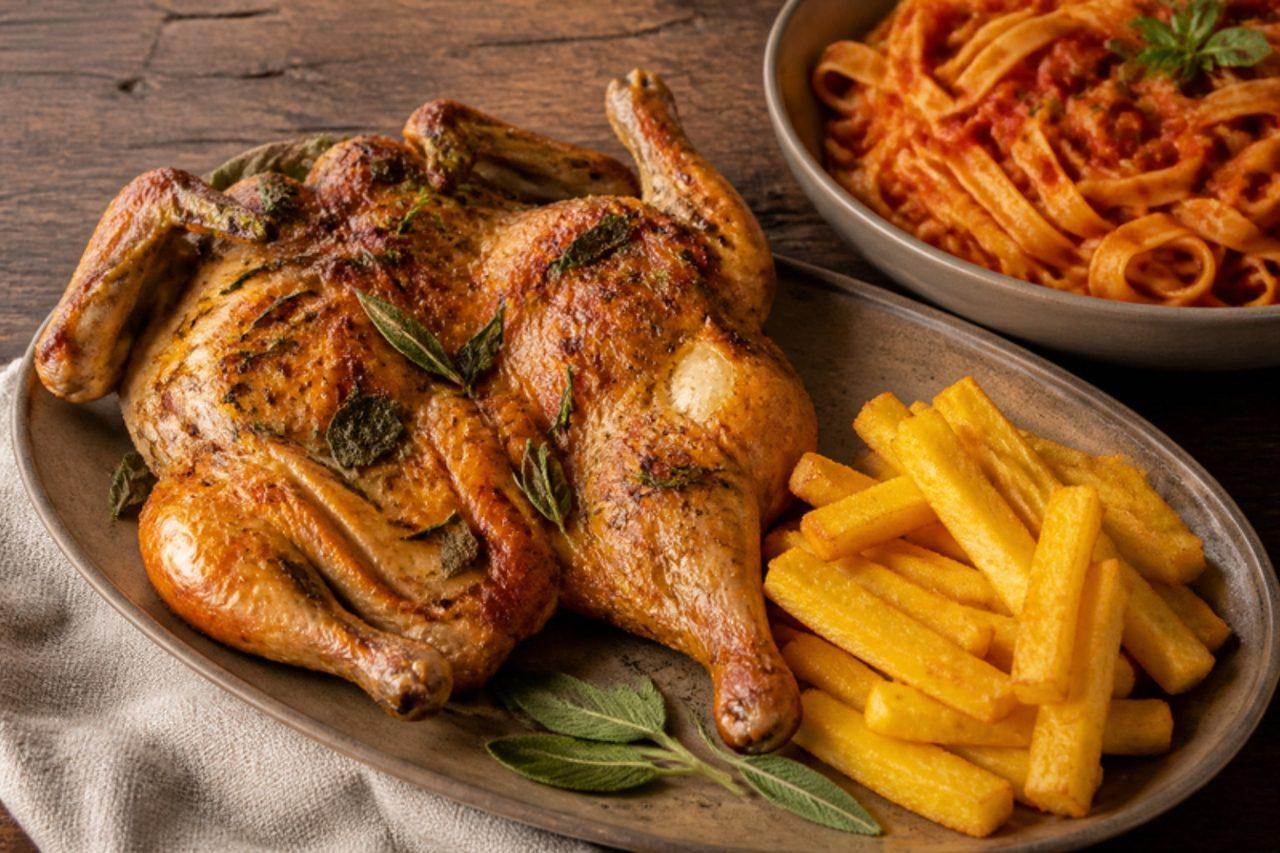
Caxias do Sul's galeterias serve galeto as an all-you-can-eat feast: young chicken, so small it is called al primo canto, at its first crow, marinated overnight in white wine, garlic, sage and rosemary, then roasted over embers and brought to the table with crisp fried polenta, pasta and salad. The habit came with the Italian immigrants of the Serra Gaúcha, and the meat is tender, juicy and fragrant with herbs. The marinade uses dry white wine; part of the alcohol cooks off during roasting but not all, so for an alcohol-free galeto use the same amount of chicken stock with 2 tbsp white wine vinegar. Marinate for at least 4 hours or overnight in the fridge. Many cooks baste with the raw marinade right to the end; stop 10 minutes before the chicken is done so no raw juices reach the plate. Chef's tip: set the polenta the day before so it slices cleanly and fries crisp.

by KrazyBadal 0 views

Pollo chi jau kayFried chicken in oyster sauce

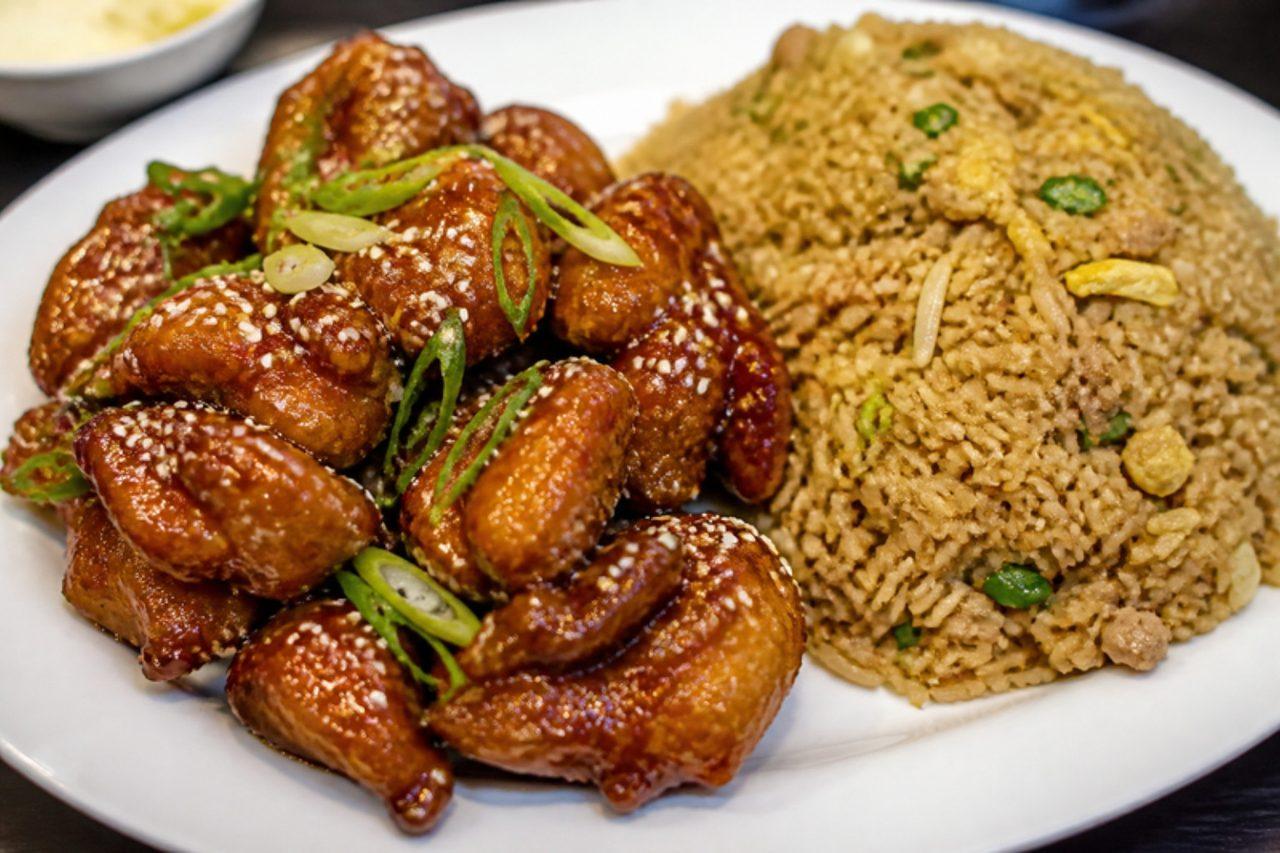
Any chifa in Lima, from the old dining rooms of Barrio Chino on Calle Capón to the corner chifa in every district, will have chi jau kay on the menu: boneless chicken marinated in soy and ginger, fried in a crisp coating and served under a dark, glossy oyster sauce, scattered with sesame seeds and spring onion. The crust stays crunchy where the sauce hasn't reached and goes sticky where it has. It is shared with arroz chaufa or plain rice and a Chinese soup. The usual misstep is tossing the chicken in the sauce in the pan, which makes it soggy; Lima chifas pour the sauce over at the table. Chef's tip: fry the chicken twice, once to cook and once very hot for a minute to crisp, and it will stay crunchy under the sauce.

by KrazyBadal 0 views

Simit kebabıBulgur and lamb mince skewers

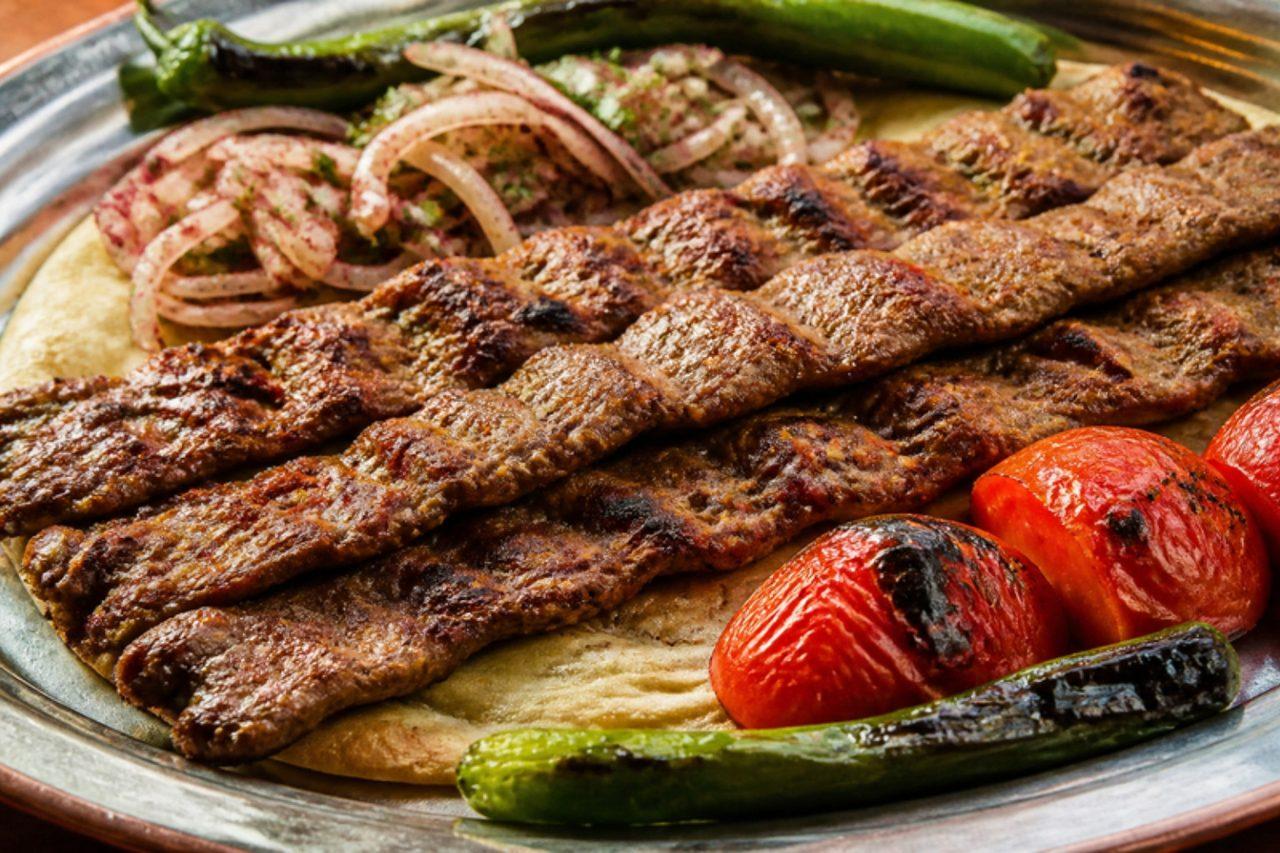
In Gaziantep 'simit' means fine bulgur, not the sesame ring, and the city's kebab grills knead it into spicy lamb mince before shaping long flat skewers over charcoal. The bulgur soaks up the juices, so the kebab is tender inside with a crisp, charred crust. Serve on lavaş or thin flatbread with grilled tomatoes, peppers and a heap of sumac onions. Knead the mixture for a full ten minutes; under-kneaded meat falls off the skewer. Chef's tip: chill the shaped skewers for 30 minutes before grilling so they keep their shape over the heat.

by KrazyBadal 0 views

Hongos de pino en escabechePickled pine mushrooms

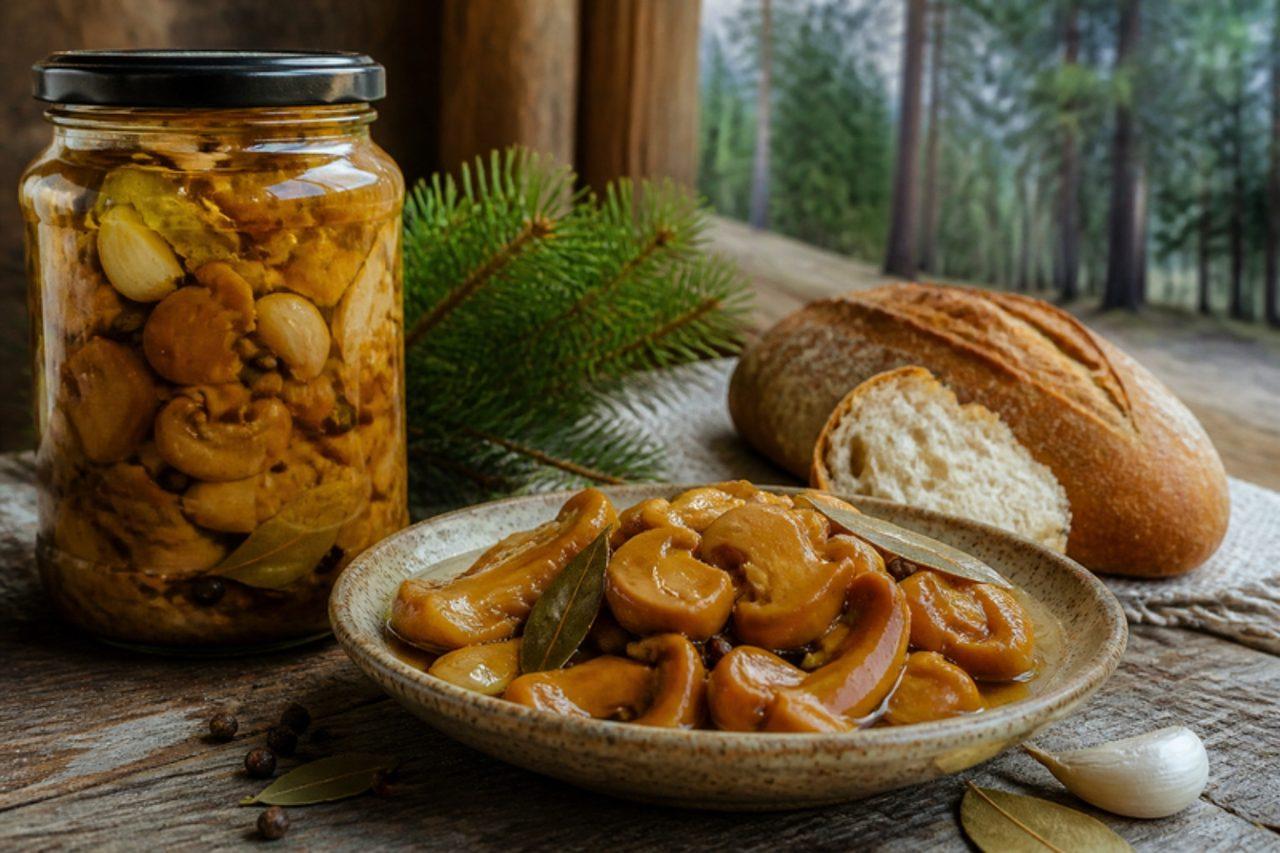
After the autumn rains in the pine plantations of Neuquén and Río Negro, slippery jacks (Suillus luteus) pop up by the thousand, and around San Martín de los Andes and Villa La Angostura they are sold fresh by the roadside, dried in bags, or bottled like this. The mushrooms are blanched in vinegar, then kept in oil with garlic, bay and peppercorns, ending up tender, tangy and slightly silky, a classic part of a picada with cheese and bread or beside grilled vegetables. Wild mushrooms must only be eaten if identified by an expert or bought from a trusted seller; if in doubt, use cultivated mushrooms such as chestnut or king oyster. The common mistake is skipping the peeling: the slimy skin on the cap turns the pickle gluey, so pull it off first. Garlic in oil can carry botulism, so the jar must live in the fridge and be eaten within two weeks. Chef's tip: let the jar rest for two days before opening; the vinegar mellows and the flavours come together.

by KrazyBadal 0 views

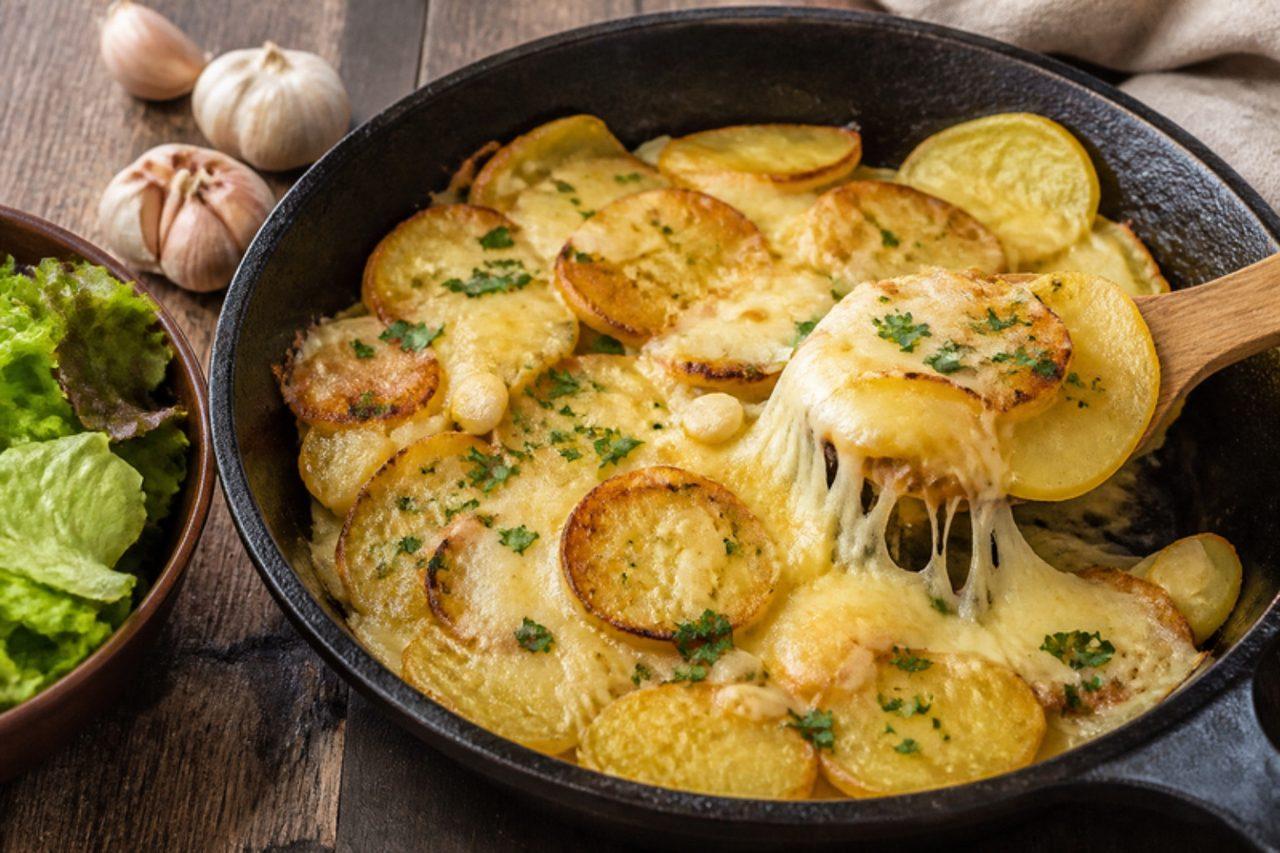
TruffadeFried potatoes with Cantal cheese

Truffade is cattle-herders' food from the volcanic mountains of the Cantal, cooked in a big pan over the fire in the stone burons where Salers cows spend the summer. Potato slices are fried until tender and lightly golden, then folded with thin slices of young tomme fraîche du Cantal until the cheese melts into strings, and the whole thing is eaten with a green salad, nothing else. Herders used lard; this version uses butter and oil, so it is vegetarian. Tomme du Cantal is made with animal rennet; a young vegetarian cheese that melts well, such as a mild Lancashire-style or vegetarian mozzarella, also works. Chef's tip: slice the potatoes as thin as a coin so they cook through before they burn.

by KrazyBadal 0 views

Showing 63 of 7,762 recipes

Show more recipes

Page 520 of 863