


Skip to content
Black bean tacos with lime slaw
Featured recipe

Black bean tacos with lime slaw

Proof that a meat-free taco night can be the best one. The beans are mashed with chipotle and cumin so they hold together in the tortilla, and a quick lime slaw adds crunch.

Read more 2 views

What to eat today?

Around the world

Today's trip: Persian

A new country every day, from every cuisine on the site.

Persian

Nan-e khamei

Cream puffs 80 minMore from Persian (167) →

This week's collection

Kid-friendly dinners
702 recipes · a new collection every Monday

Coming up

All occasions →

Latest recipes

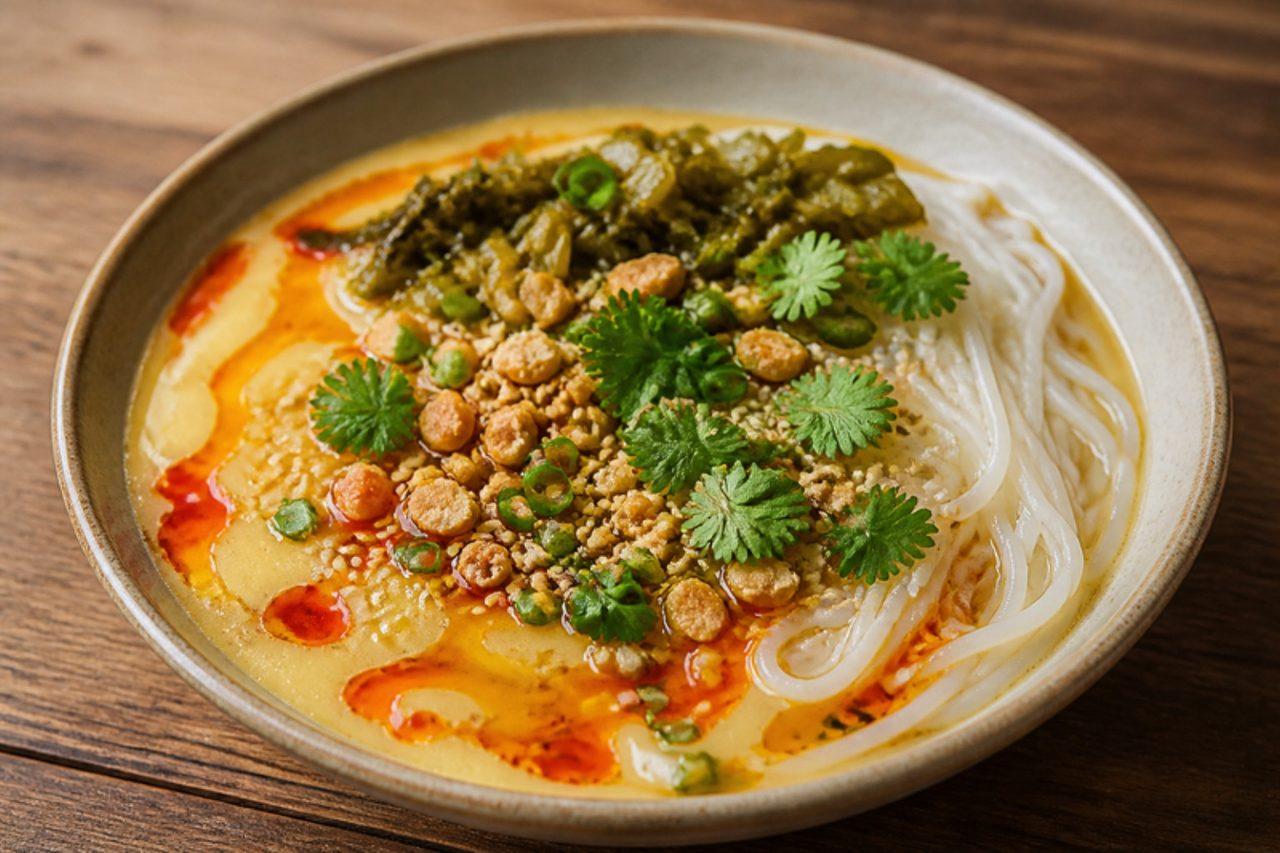
Shan tofu noodlesRice noodles with chickpea tofu

To hpu nway means 'warm tofu', and it is the Shan tofu mixture caught before it sets: chickpea flour batter cooked into a thick, golden, pourable porridge that market cooks in Taunggyi and Hsipaw ladle over rice noodles on chilly hill mornings. Where Shan tofu salad uses cool, firm cubes, here everything arrives hot and spoonable, a velvety blanket that you stir into the noodles with chilli oil, garlic oil, soy, a dash of vinegar and crunchy pickled mustard greens. It tastes nutty, savoury and gently sour, with heat you add to taste. The common mistake is tipping chickpea flour straight into hot water, which gives lumps that never whisk out; it must be soaked in cold water first. Chef's tip: for a gluten-free bowl, swap the light soy sauce for tamari.

by KrazyBadal 0 views

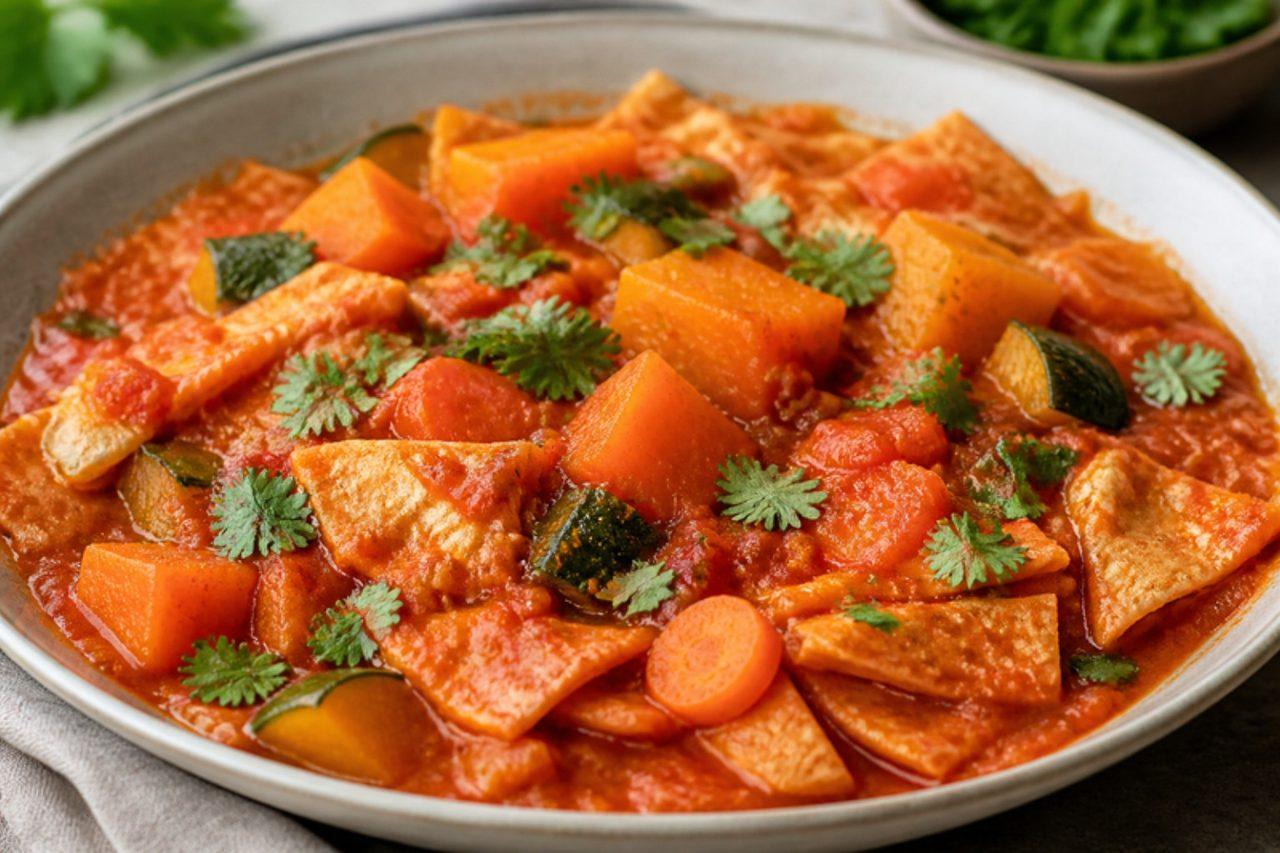
QursanThin bread in vegetable stew

Qursan is old Najdi home cooking from the farms around Riyadh and Qassim: thin wholemeal breads are cooked on a griddle, dried, then torn into a spiced stew until they soften into silky, pasta-like sheets. It is a family dish for Fridays and winter evenings, eaten from one big tray. Traditionally the stew is built on lamb; this version is vegetarian, with pumpkin, courgette and carrot simmered in a tomato and dried-lime broth seasoned with Gulf spices. The bread should soak but not dissolve, so the classic mistake is adding it too early and stirring it to mush. Fold it in at the end and let it rest off the heat. Serve with daqqus and fresh herbs. Chef's tip: cook the breads until properly dry and crisp; soft breads turn gummy in the broth.

by KrazyBadal 0 views

Zeeuwse bolusCinnamon sugar spiral bun

Zeeuwse bolussen are the sticky spiral buns of Zeeland, the delta province in the south-west, brought there, it is said, by Portuguese Jewish bakers in the 17th century: a soft yeast dough rolled in dark brown sugar and cinnamon, twisted into a coil and baked until the sugar caramelises into a sticky, dark crust. Middelburg bakeries sell them with butter. A common mistake is rolling them in too little sugar; they need a thick coat for the caramel. Chef's tip: twist the sugared rope tightly before coiling it, so the sugar is trapped in the folds.

by KrazyBadal 0 views

ShangiPotato and sour cream buns

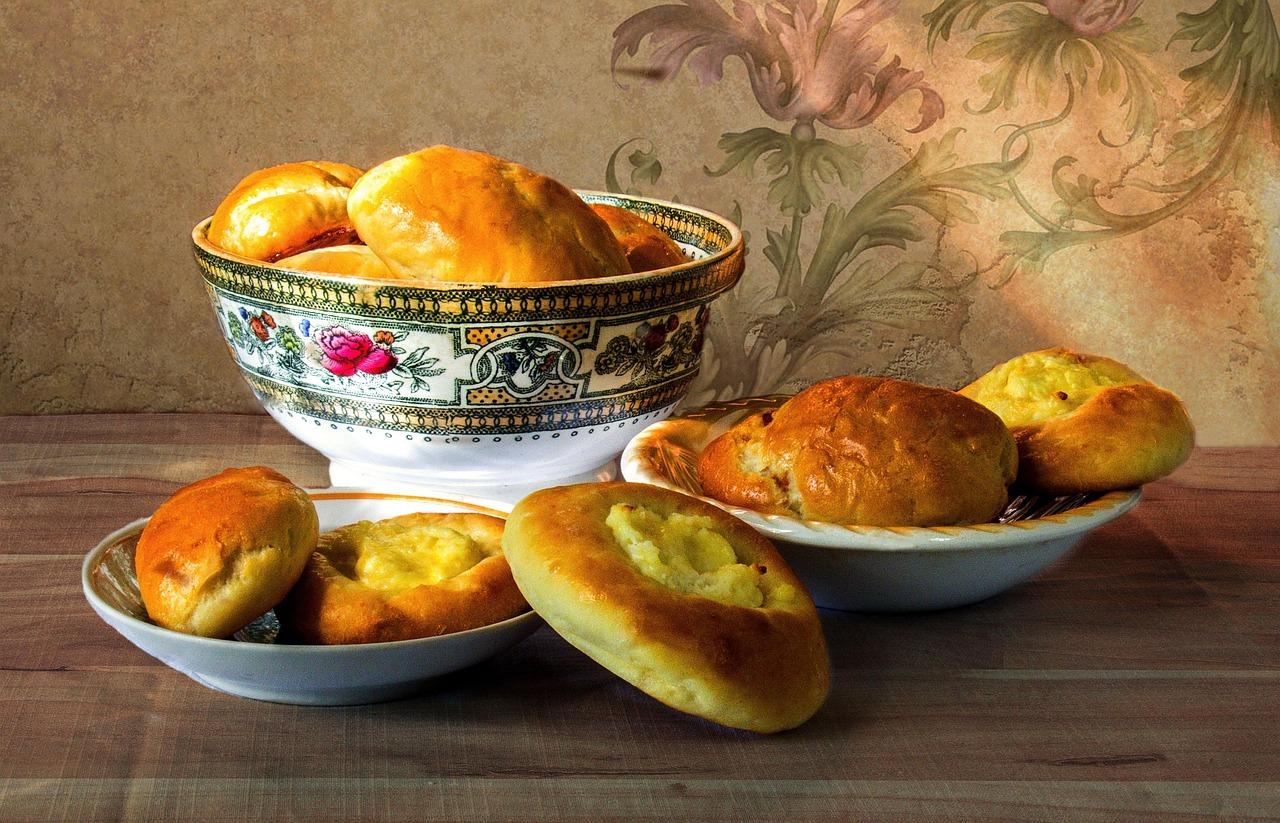
From the Urals across to Siberia, shangi turn up on Sunday breakfast tables, at village markets and in the lunch bags of fishermen and hunters. They are flat rounds of soft yeast dough topped, not filled, with a thick swirl of buttery mashed potato beaten with egg, then brushed with sour cream so the top bakes into golden, slightly crisp peaks. Eat them warm with tea, milk or a bowl of mushroom soup. Older northern versions used barley dough or a millet topping, and sweet shangi carry tvorog instead. The usual slip is spreading the potato right to the edge; leave a rim so the dough rises around it like a frame. Chef's tip: brush the baked shangi with melted butter and stack them in a covered pot for ten minutes, which keeps them soft the way Siberians like them.

by KrazyBadal 0 views

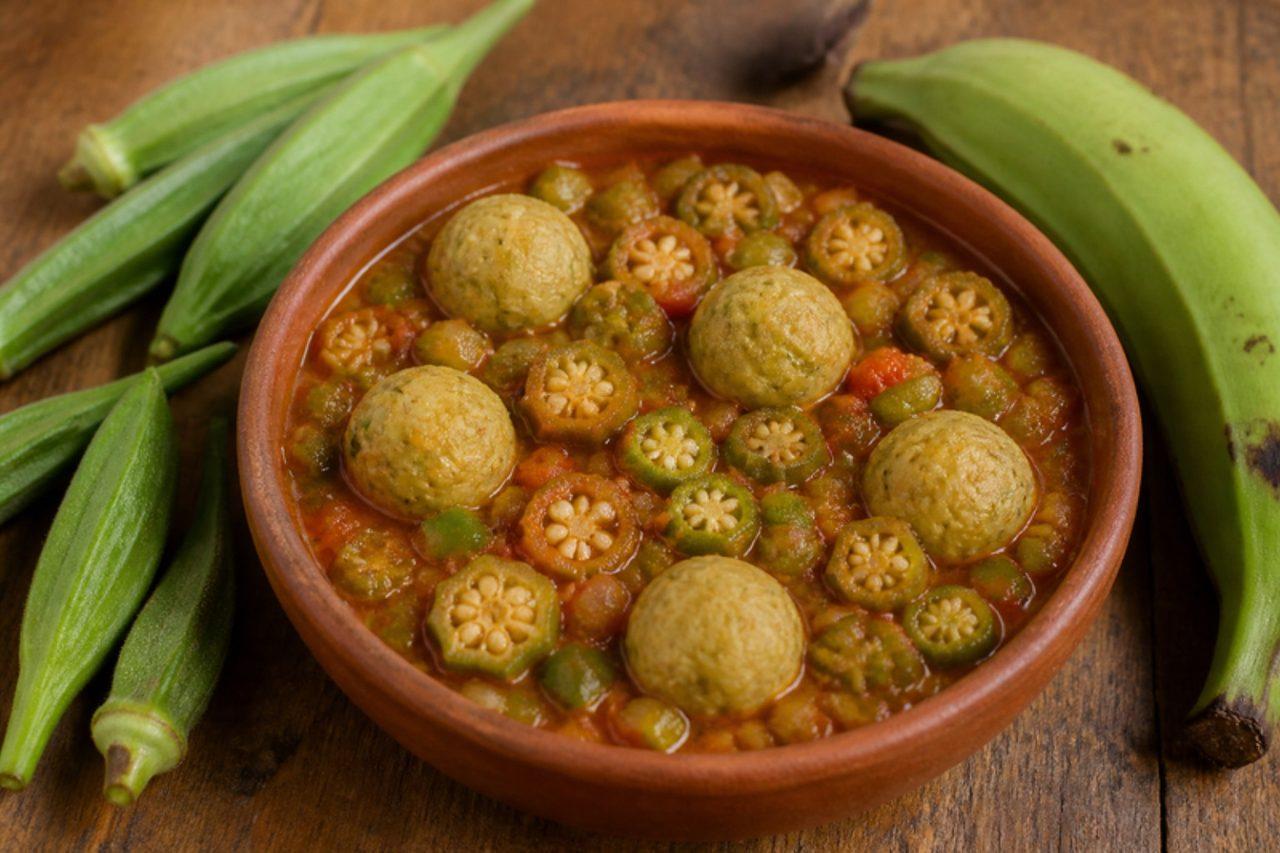
Quimbombó con bolitas de plátanoOkra stew with plantain dumplings

Quimbombó is one of the African-rooted dishes of central Cuba: okra stewed in a tomato sofrito and dotted with little dumplings of mashed green plantain, served over white rice. Country cooks often add pork or chicken; this version is meat-free, with a little smoked paprika for depth. The mistake most people make is stirring okra hard as it cooks, which turns it slimy, so stir gently and add a squeeze of lime early to keep it in check. Chef's tip: roll the plantain balls with wet hands and drop them in only for the last 10 minutes, so they hold together and stay tender.

by KrazyBadal 0 views

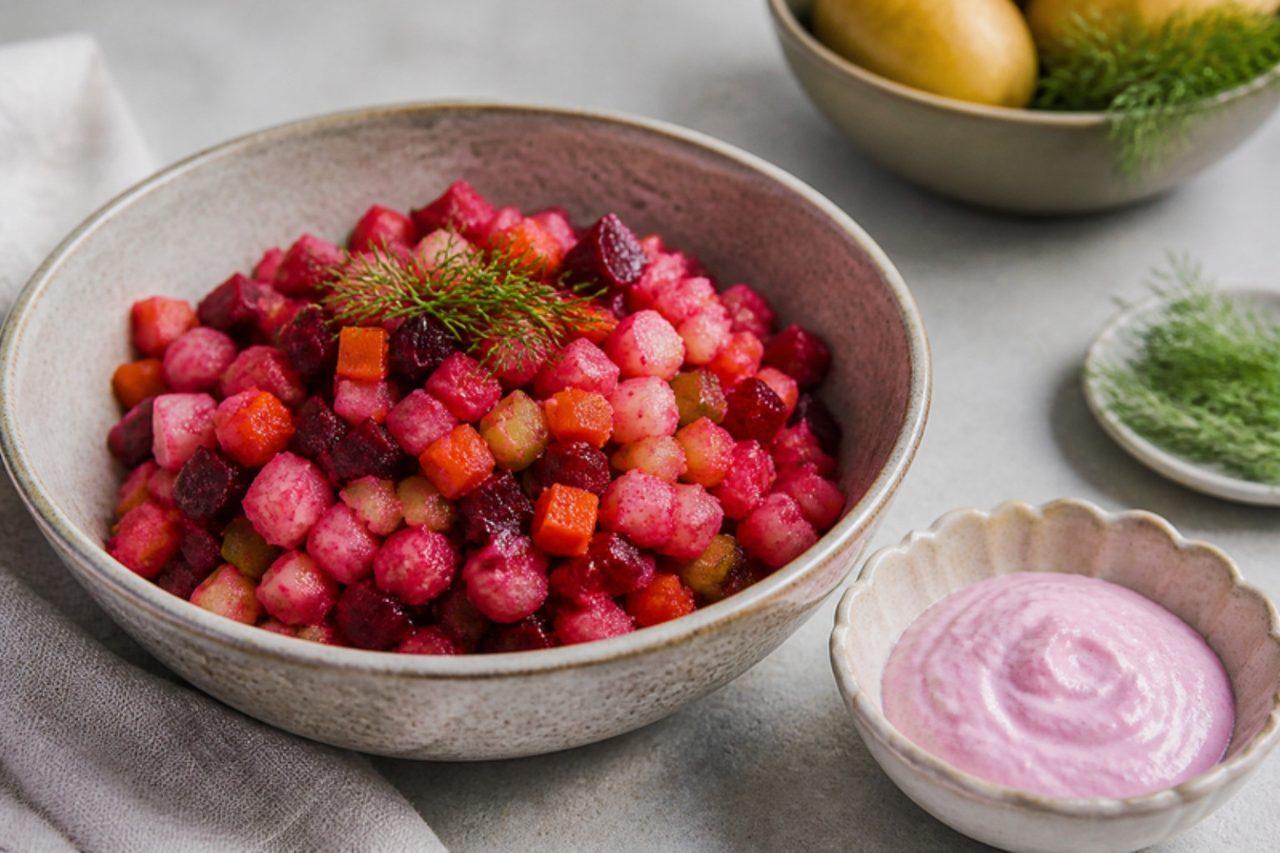
RosolliBeetroot and potato salad

Rosolli is the jewel-coloured salad on the Finnish Christmas Eve table: diced cooked beetroot, carrot and potato with pickled cucumber, apple and onion, arranged in neat stripes or mixed together, with a dressing of whipped cream tinted pink with beetroot juice and sharpened with vinegar. Pickled herring is sometimes added; this version keeps it vegetarian. A common mistake is mixing the beetroot in early, which stains everything a muddy pink. Chef's tip: arrange the vegetables in rows on a platter and serve the dressing on the side, so each stays its own colour.

by KrazyBadal 0 views

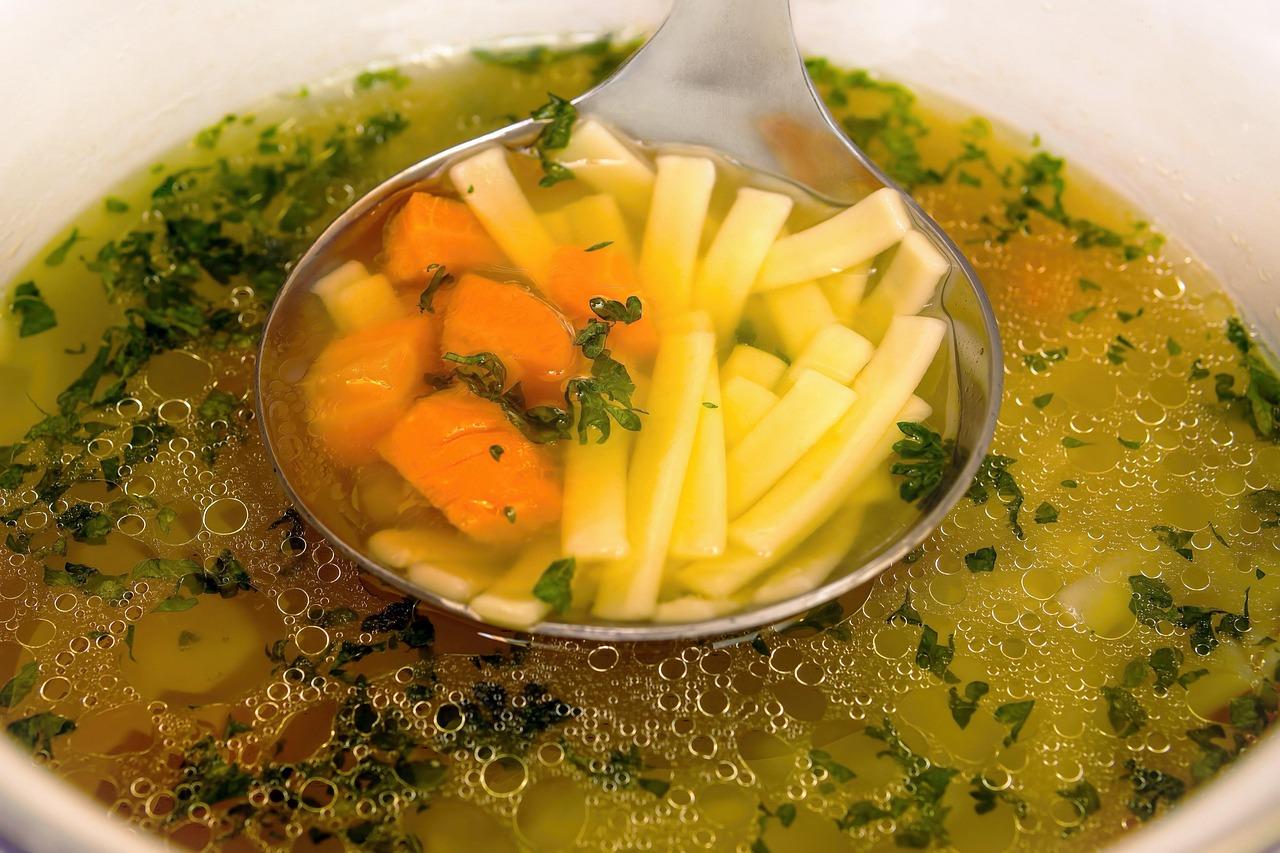
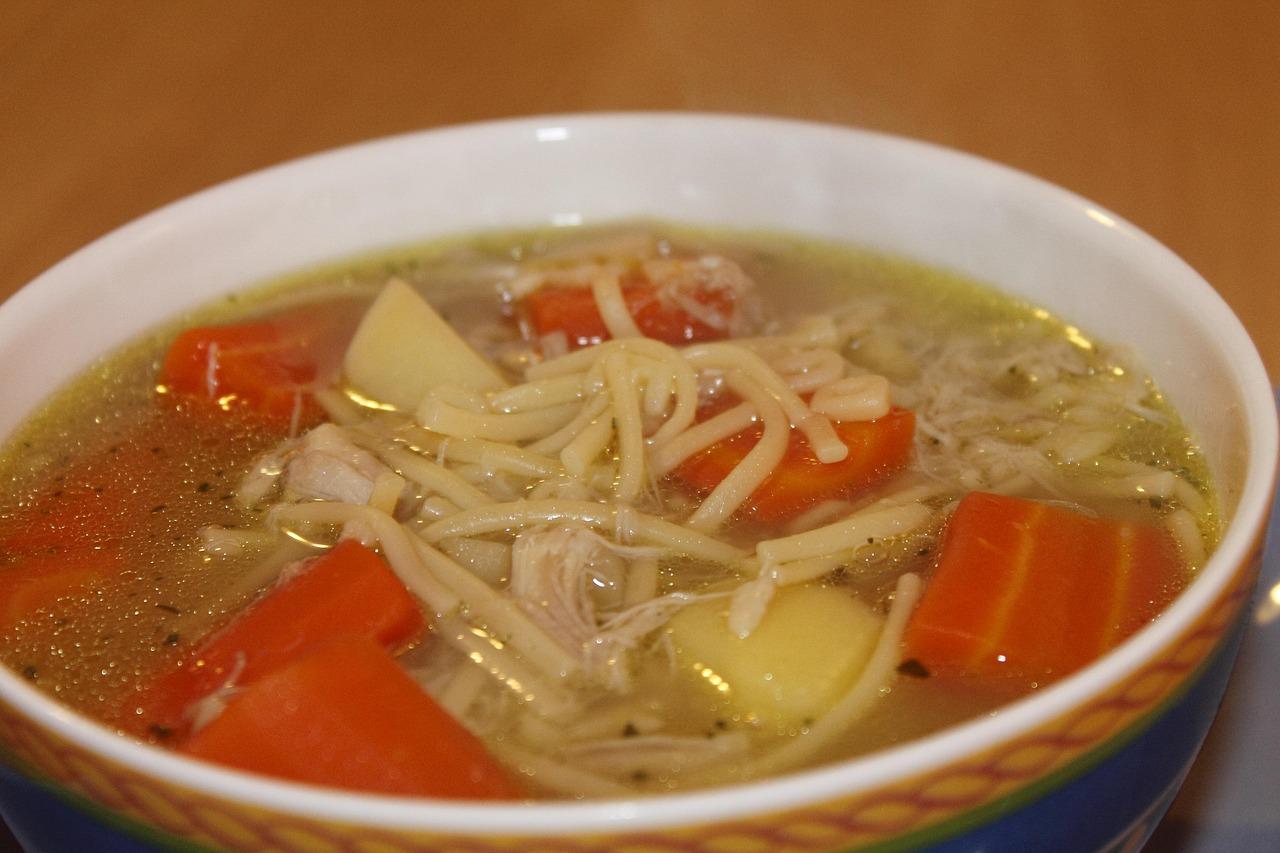
ZeamăSour chicken noodle soup

In the Republic of Moldova, zeamă is the soup of weddings, christenings and Sunday lunches, and a pot of it is said to cure everything from a cold to a hangover. A homegrown chicken gives a golden broth, thin homemade egg noodles go in, and it is soured with borș, the fermented wheat-bran liquid sold in bottles at every market from Chișinău to Bălți, then scented with a big bunch of lovage. The taste is clean, bright and tangy, with the green, celery-like note of lovage on top. It is eaten piping hot, often with a raw onion or a hot pepper on the side. A common mistake is cooking the noodles in the broth for too long, which clouds it; boil them only until just tender. Chef's tip: if you cannot find borș, use the juice of 1 lemon instead, adding it at the end and tasting as you go.

by KrazyBadal 0 views

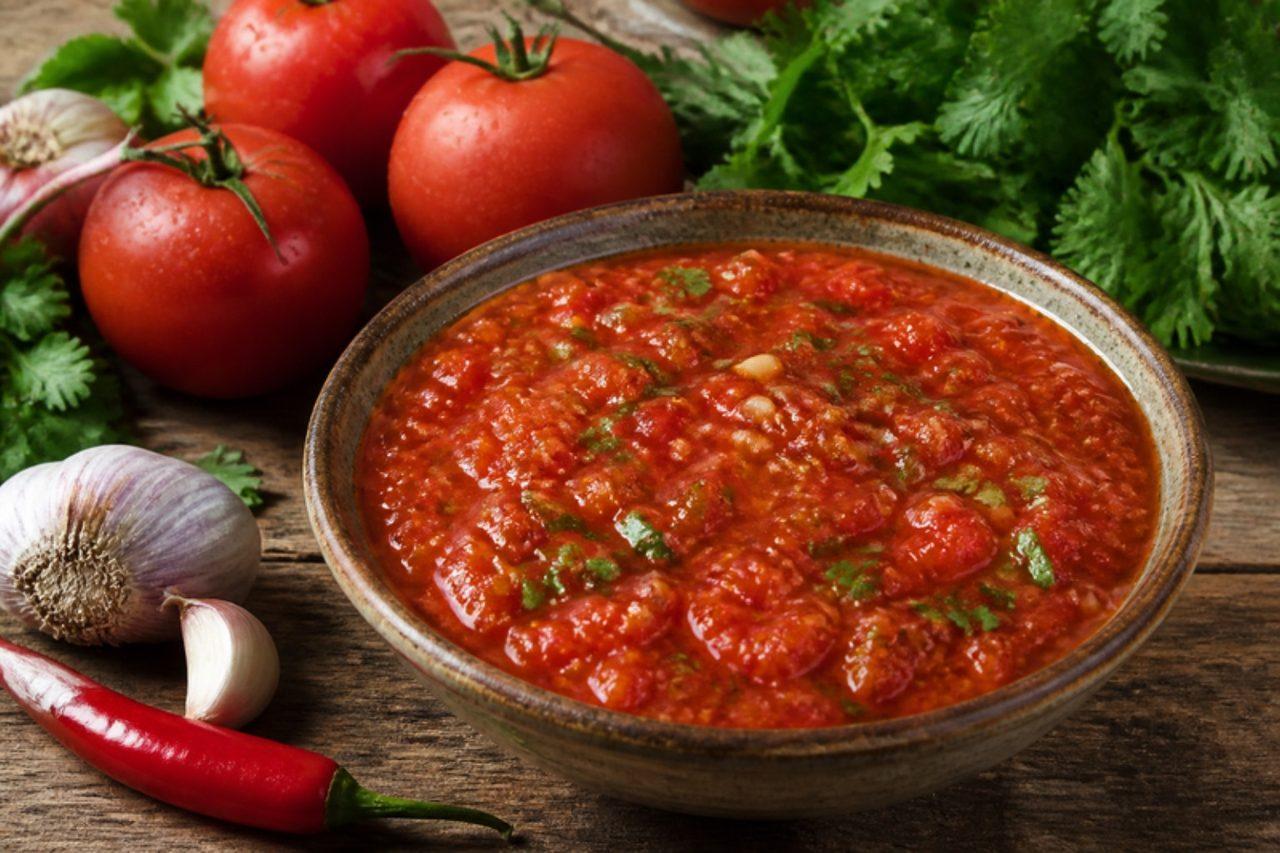
SatsebeliFresh tomato sauce

Satsebeli is the uncooked tomato sauce that comes beside mtsvadi skewers at every summer barbecue in Kakheti, and beside khinkali in Tbilisi taverns: very ripe tomatoes, rubbed to a pulp, then sharpened with garlic, hot pepper and a fistful of herbs. It should taste bright, fresh and a little fiery. A common mistake is blending it smooth, which makes it frothy and pale; Georgian cooks grate or chop by hand so it keeps some texture. Chef's tip: make it no more than an hour before eating; the herbs darken and the garlic grows harsh if it sits overnight.

by KrazyBadal 0 views

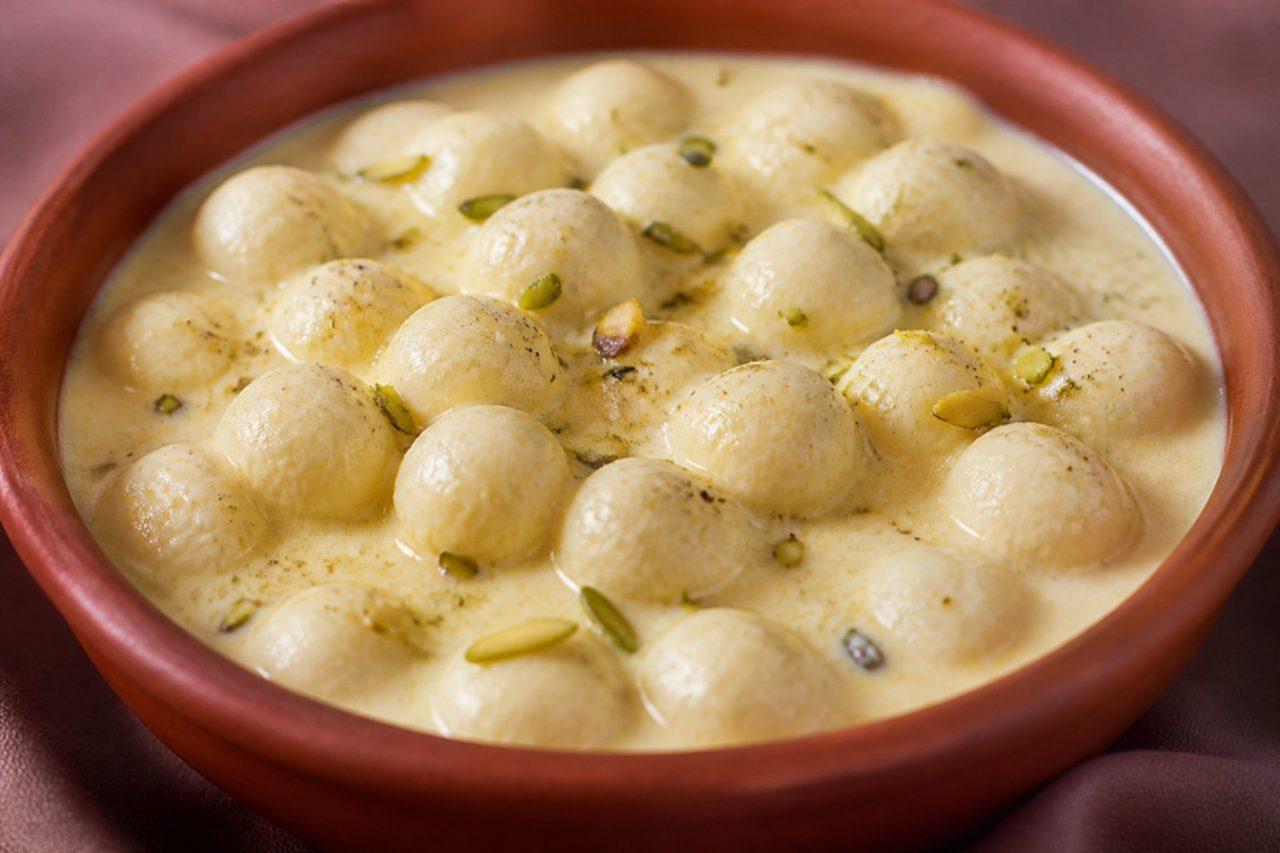
RosmonjuriChhana balls in thick milk

Gaibandha, a northern district on the banks of the Brahmaputra and Teesta, is proud of rosmonjuri, a bowl of dozens of tiny chhana balls, no bigger than marbles, sitting in milk that has been reduced for an hour until it is thick, creamy and pale caramel. Shops there sell it by weight in clay pots, and it is served at weddings, after Eid lunch and whenever relatives come home. The balls are spongy and soft, the milk rich and scented with cardamom, a little like rasmalai but denser and sweeter. Dropping the balls into the milk while they are still hot from the syrup makes them burst and cloud the milk, a mistake easy to avoid by cooling both first. Chef's tip: keep the balls really small, around 1.5 cm; they double in the syrup and should still fit three to a spoon.

by KrazyBadal 0 views

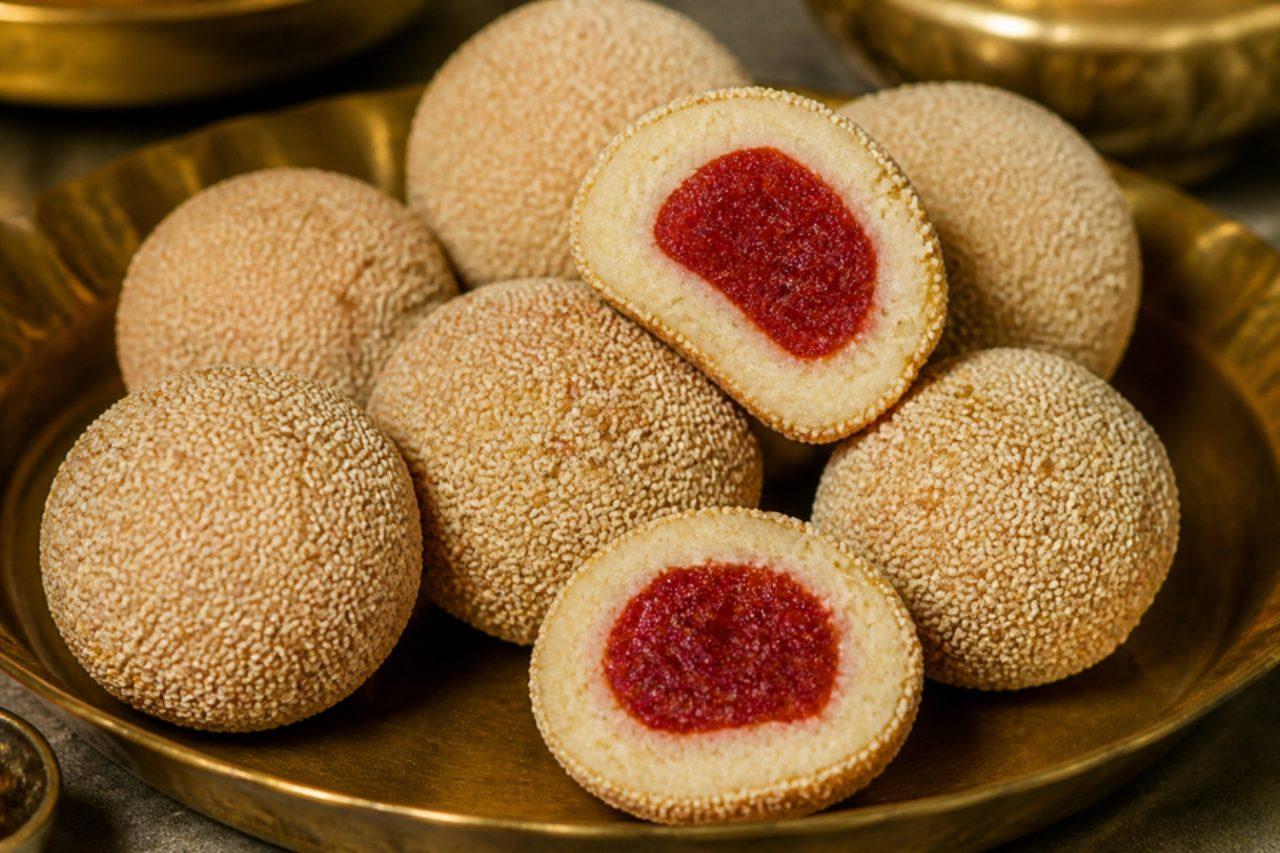
Rosh kodomSyrup-soaked chhana balls in khoa

Named after the round, spiky flowers of the kadam tree that bloom in the monsoon, rosh kodom is a sweet within a sweet, made by the confectioners of Rajshahi and the northern districts for weddings and festivals. At its heart is a tiny rasgulla, soft and juicy from the syrup, which is drained and wrapped in a firm shell of sweetened khoa and then rolled in white poppy seeds, giving the knobbly look of the flower. Biting in, you get a dry, crumbly coat, a nutty crunch of poppy and a burst of syrup in the middle. Wrapping wet rasgullas is where it falls apart, so drain and pat the cores well or the khoa slides off. Chef's tip: the quick khoa here, made with milk powder, is easier than reducing litres of milk and gives a very similar fudgy shell.

by KrazyBadal 0 views

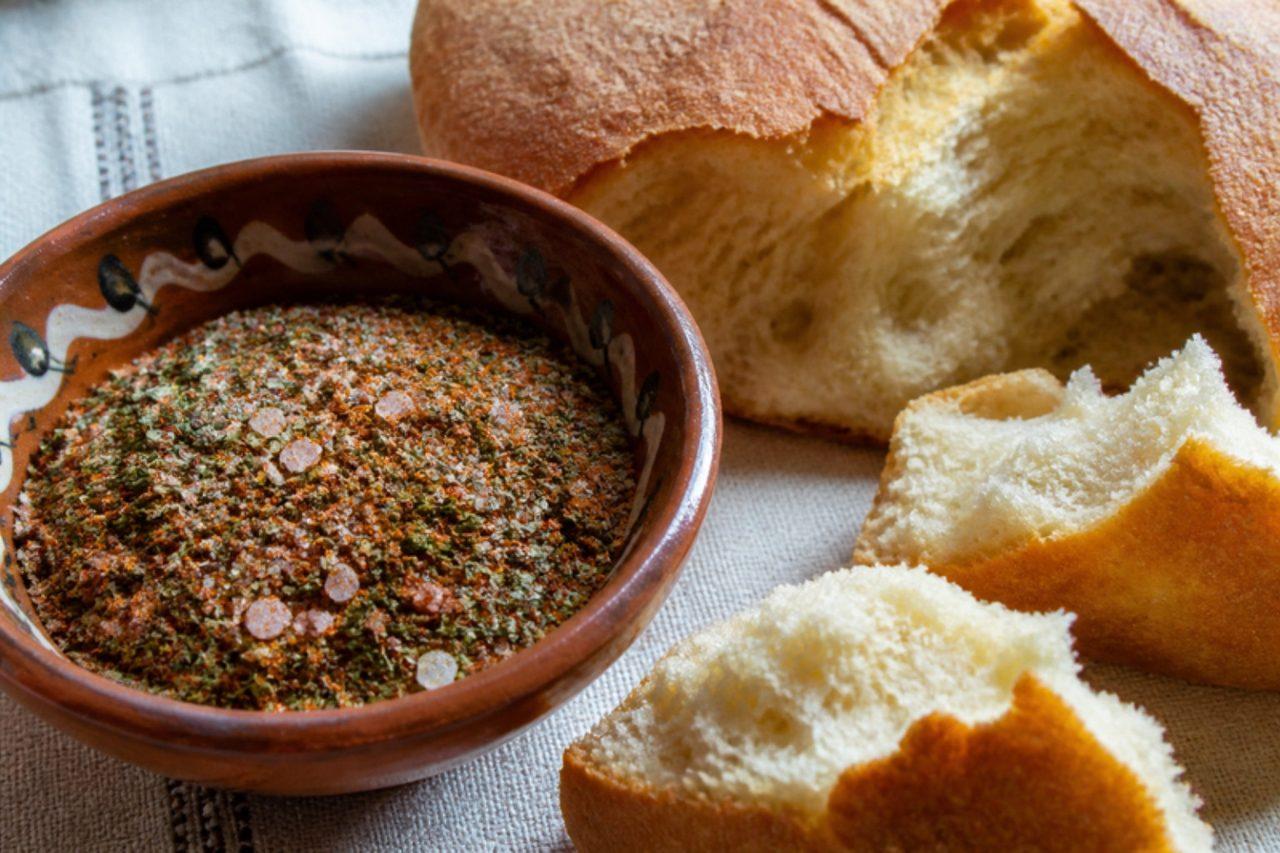
Sharena solSavory and paprika coloured salt

Every Bulgarian kitchen has a jar of sharena sol, 'mottled salt', and every guest knows the ritual: tear a piece of warm bread, dip it in sunflower oil or a dab of butter, then press it into the salt. The blend is earthy and herbal from summer savory (chubritsa), mellow and sweet from paprika, with a faintly maple-like warmth from blue or common fenugreek. It also goes on boiled eggs, grilled vegetables, potatoes and tomato salads. Village grandmothers in the mountains each have their own mix, sometimes with dried thyme or toasted pumpkin seeds. The usual slip is buying ready-ground old paprika, which tastes dusty and turns brown; use fresh, bright red paprika and keep the jar out of the sun. Chef's tip: toast the fenugreek seeds in a dry pan just until they smell of caramel before grinding them; a few seconds too long and they turn bitter.

by KrazyBadal 0 views

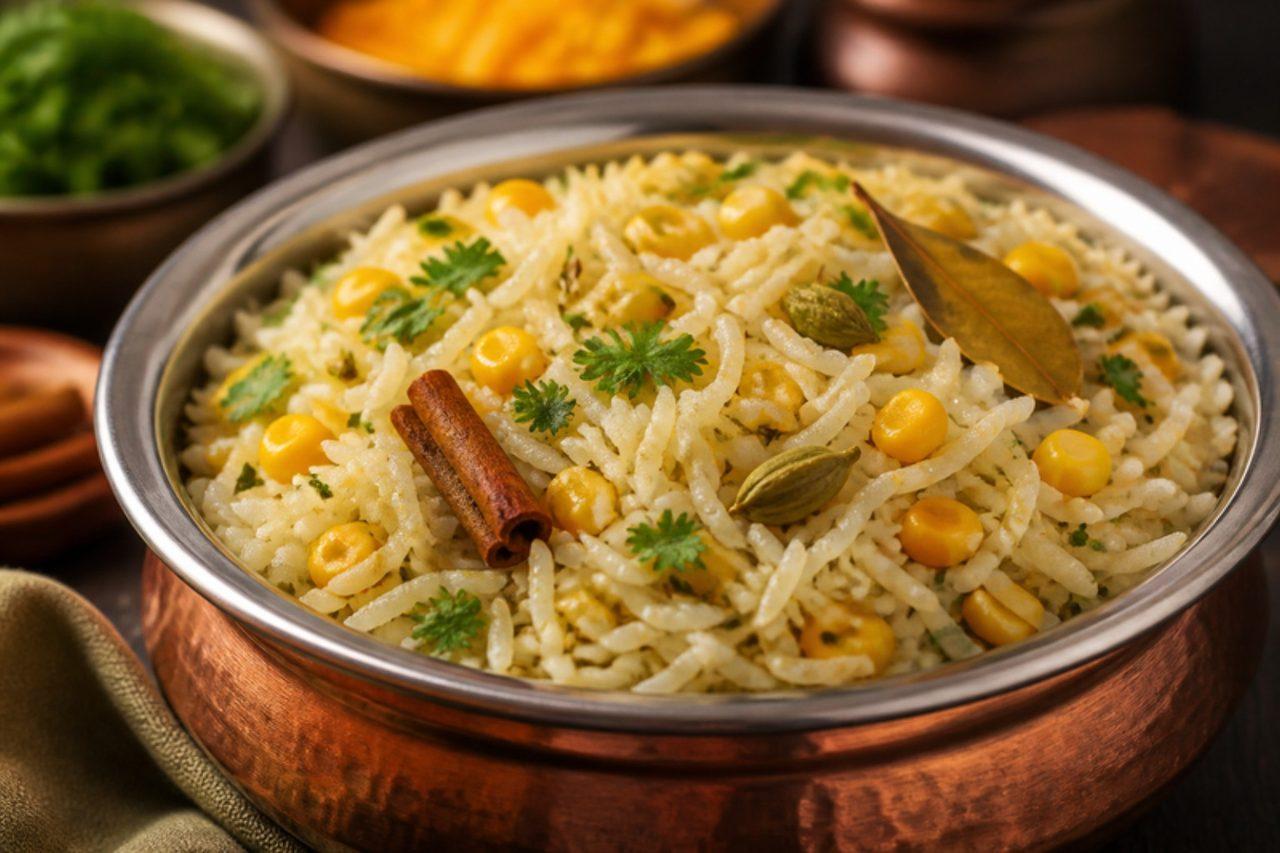
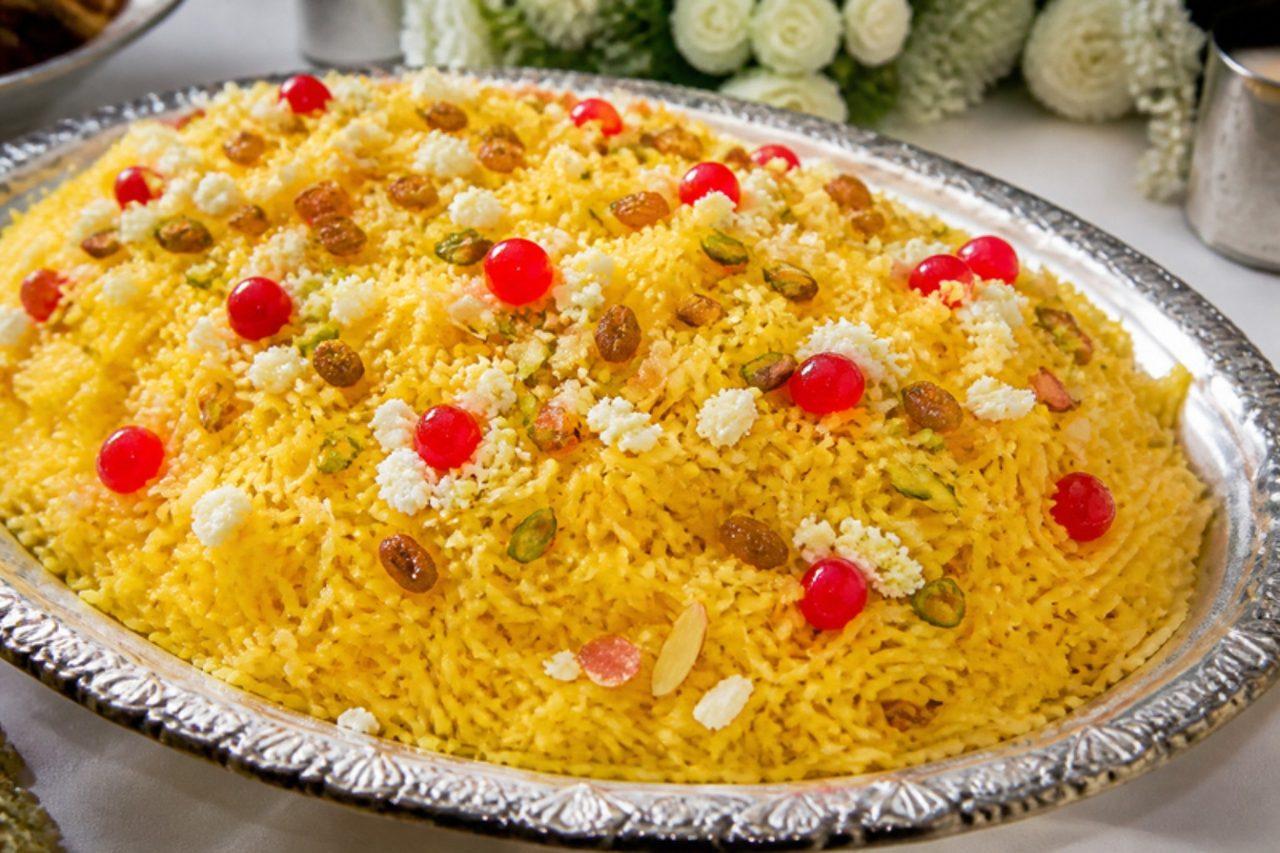
ZardaSweet saffron rice

Its name comes from the Persian word for yellow, and at a Pakistani shaadi the great degh of zarda arrives after the biryani and korma, glowing gold and fragrant with cardamom, cloves and kewra. The grains should be long, separate and glossy with ghee, sweet but not syrupy, studded with almonds, pistachios, plump raisins and often a few cubes of crumbled khoya or glacé cherries. Families also cook a smaller pot for Eid, for a new baby or to send round to neighbours on a happy day, and it is eaten warm or at room temperature on its own. The classic error is boiling the rice all the way before adding the sugar; the sugar then melts into syrup and the over-soft grains break into mush. Chef's tip: boil the rice only until it is two-thirds cooked with a firm centre, because it finishes cooking in the sugar's own moisture during the dum.

by KrazyBadal 0 views

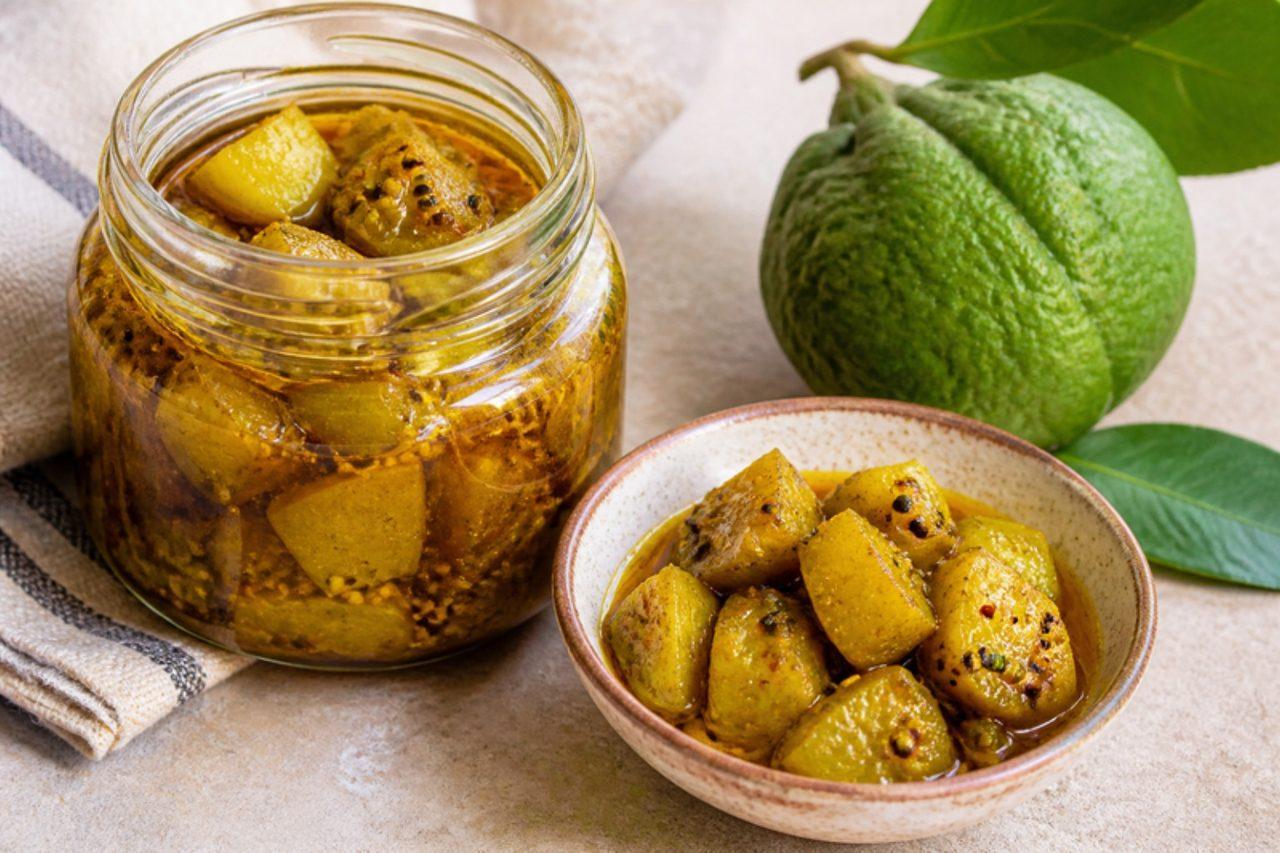
Shatkora acharCitrus pickle in mustard oil

Shatkora is a knobbly, thick-skinned citrus that grows in the hills of Sylhet, with almost no juice but a rind so aromatic it perfumes the whole kitchen, and Sylheti families both in Bangladesh and in Britain treat a jar of its pickle as a taste of home. Cut into chunks, rind and all, and cooked slowly in mustard oil with chilli, turmeric and panch phoron, it becomes sharp, bitter, hot and faintly sweet, a spoonful of which wakes up plain rice and dal, khichuri or a winter vegetable curry. Frozen shatkora is sold in Bangladeshi grocers in the UK; thick-skinned lemons or a bergamot will give a milder pickle. Leaving in all the white pith makes the pickle too bitter to eat, so trim the thickest pith from the inside. Chef's tip: rest the cut fruit with salt and turmeric overnight before cooking; it draws out moisture and tames the bitterness.

by KrazyBadal 0 views

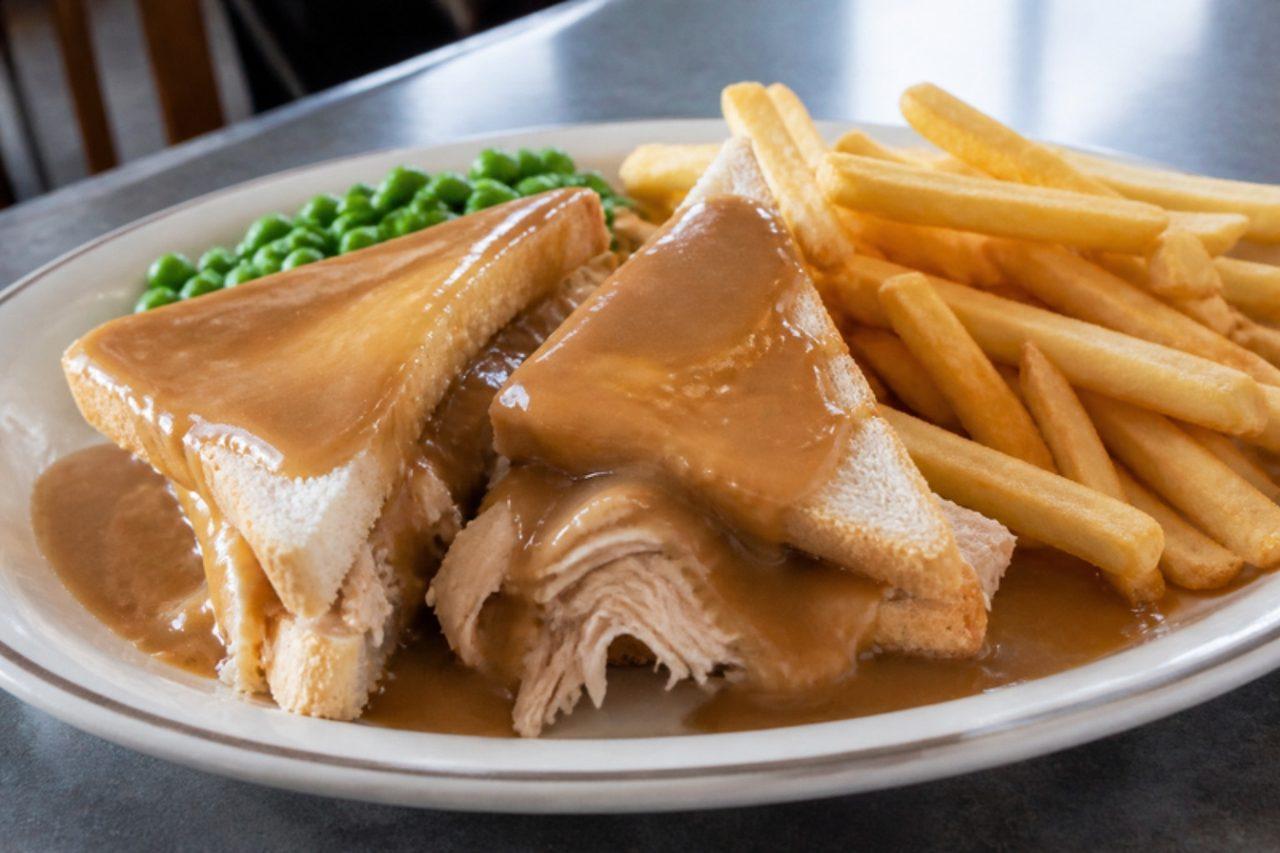
Quebec hot chicken sandwichHot chicken sandwich with gravy

The hot chicken is a fixture of Quebec rotisserie restaurants and roadside diners from Sherbrooke to Rimouski, ordered at lunch with a side of fries and a little dish of canned peas. Pulled roast chicken is piled between two slices of soft white bread, then the whole sandwich is drowned in a peppery brown chicken gravy and eaten with a knife and fork. It is a great way to use the meat from a roast chicken. A common mistake is a thin gravy; it should coat a spoon thickly so it clings to the bread. Chef's tip: add a spoonful of the roasting juices to the gravy for real rotisserie flavour.

by KrazyBadal 0 views

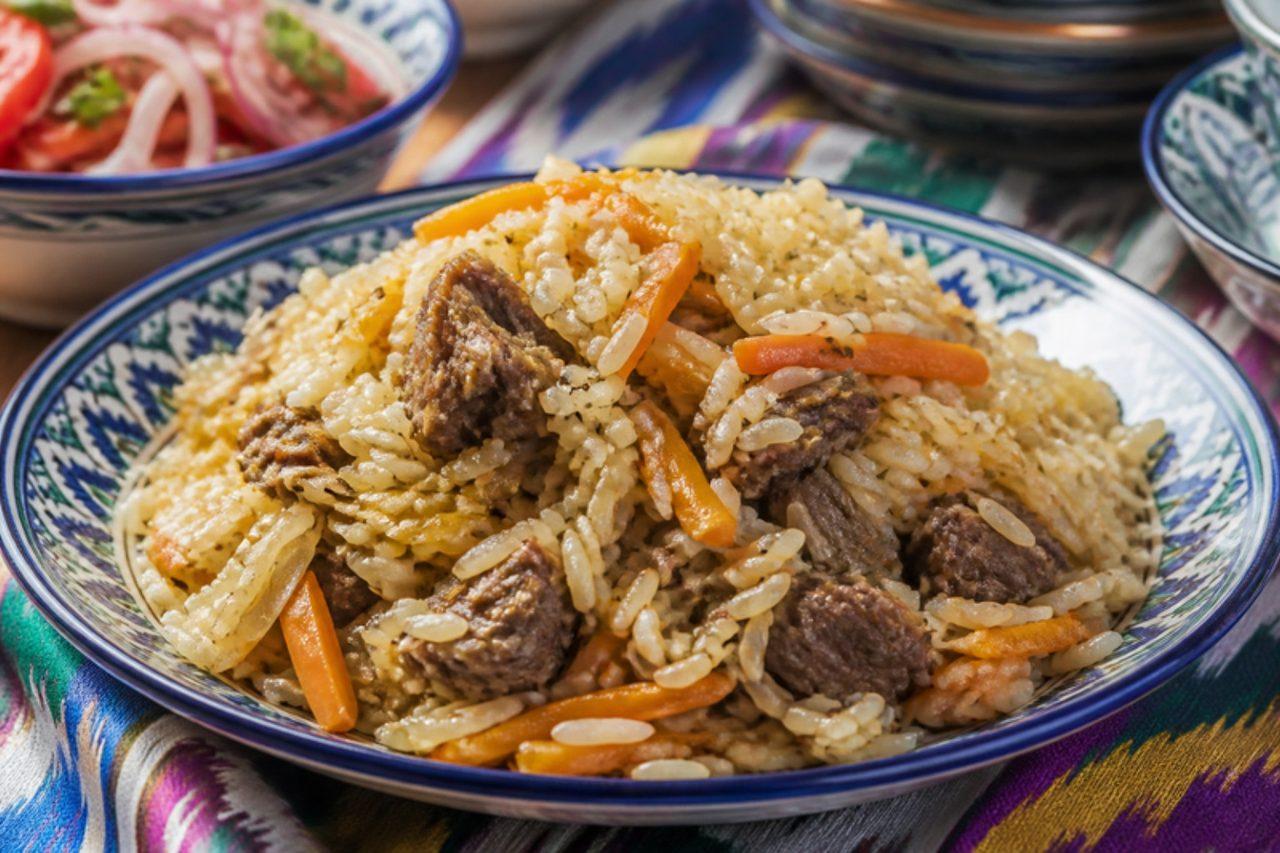
ShavlaSticky rice with lamb and carrots

Shavla is the softer, homelier cousin of plov, made in Tashkent and Samarkand households when someone is unwell or for a weekday supper: the same lamb, onion and yellow carrot zirvak as plov, but cooked with more water and stirred so the rice turns soft and porridge-like. Children often prefer it, and it reheats well. A common mistake is treating it like plov and leaving it unstirred; shavla needs gentle stirring to turn creamy. Chef's tip: use short-grain rice and cook the zirvak until the carrots are soft and sweet before the rice goes in.

by KrazyBadal 0 views

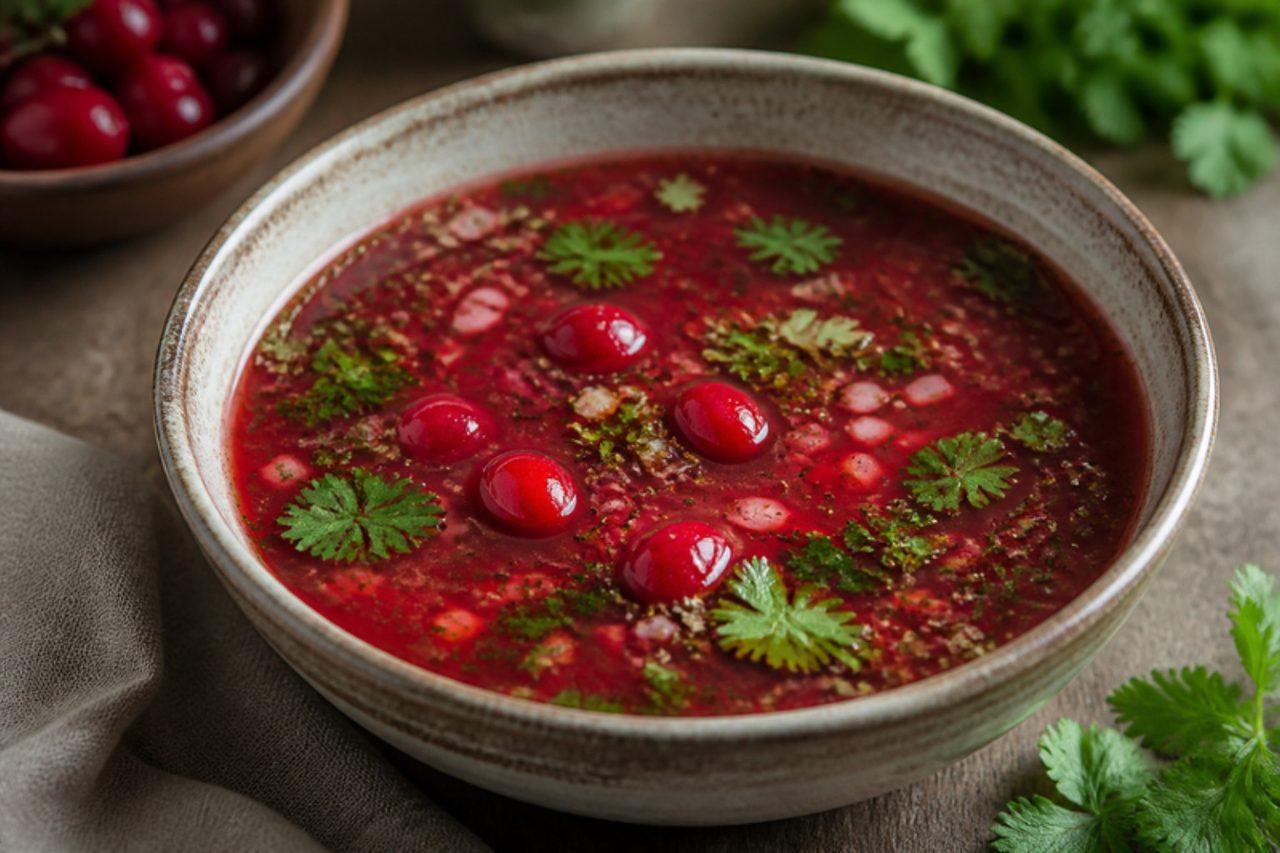
ShechamandiSour cornelian cherry soup

In Imereti and Racha, shechamandi is a quick, thin soup made from whatever sour fruit is at hand, and the favourite is cornelian cherry (shindi), the glossy red dogwood fruit that ripens in August around Ambrolauri. Its sharpness, softened by a little toasted flour and lifted with garlic and dried mint, is a pick-me-up on fasting days and a famously good cure the morning after a supra. Frozen cornelian cherries are sold in Georgian and Turkish shops; sour cherries are the closest swap. A common mistake is adding the flour straight to the hot soup, which makes lumps. Chef's tip: toast the flour in the oil until it smells like biscuits, which gives the soup a gentle nutty body.

by KrazyBadal 0 views

CretonsSpiced pork spread

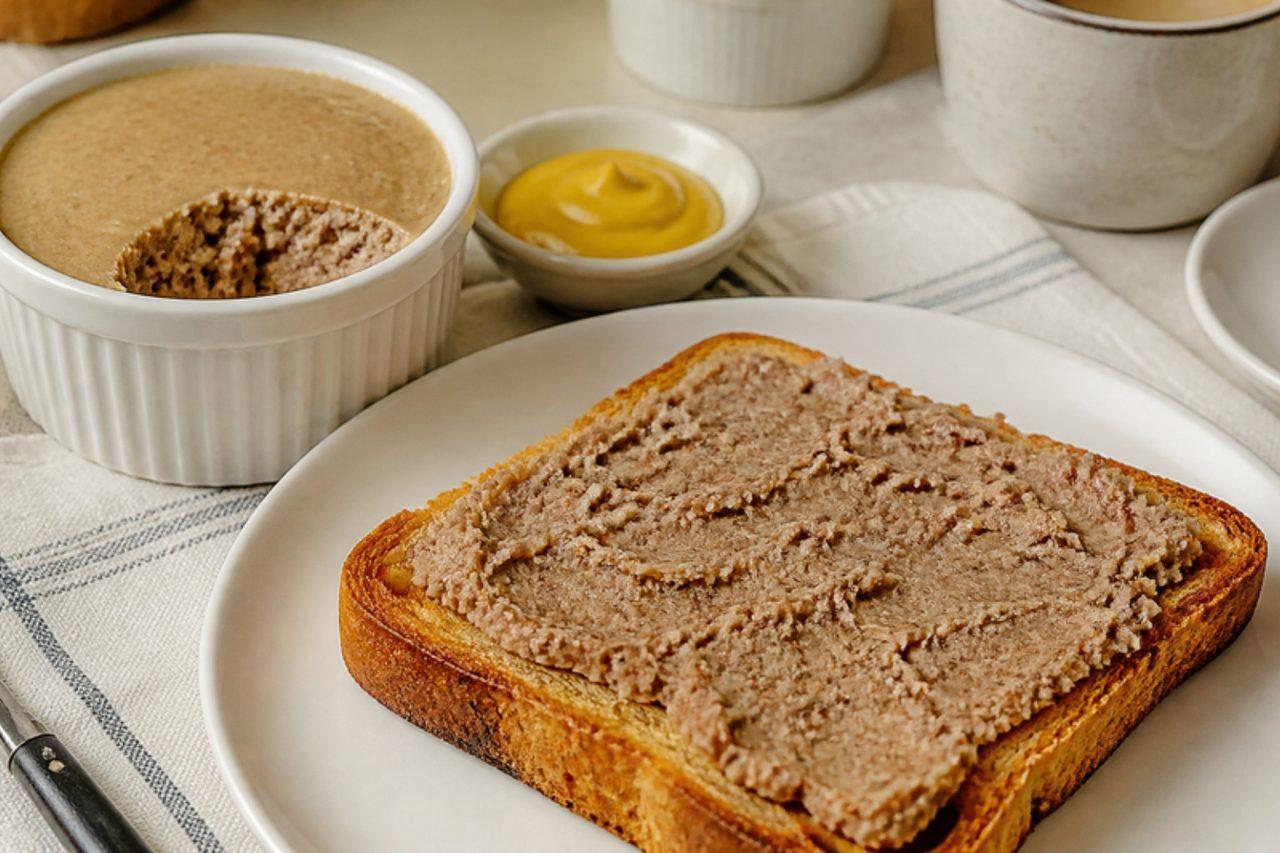
Cretons is a spiced pork spread found on the breakfast table in Quebec homes and diners, from Montreal casse-croûtes to Lac-Saint-Jean farmhouses, spread thick on hot toast with mustard alongside eggs and beans. Minced pork is simmered slowly with onion, milk, breadcrumbs and warm spices until soft, then set in small pots. It keeps for a week in the fridge. A common mistake is not cooking it long enough, which leaves a grainy, watery spread; it needs the full hour. Chef's tip: stir it as it cools so the fat stays mixed through instead of setting on top.

by KrazyBadal 0 views

Sheer piraMilk powder fudge

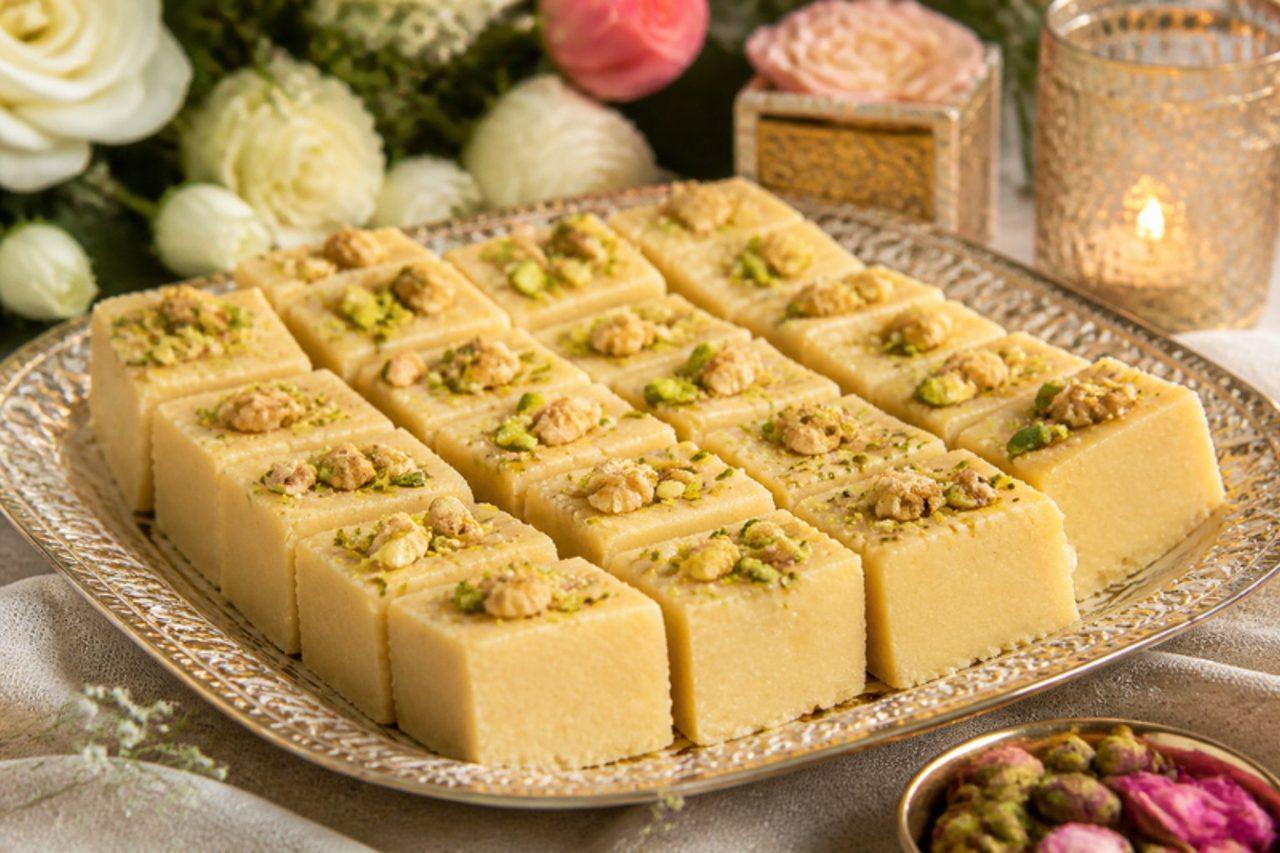
When an Afghan family agrees to a marriage proposal, the shirini-khori, literally the eating of sweets, follows, and trays of sheer pira are cut and handed round to mark that the deal is sealed; it also appears at Eid and Nowruz all over the country. It is a soft, dense milk fudge made in minutes from milk powder and syrup, perfumed with cardamom and rosewater and pressed with green pistachios and walnuts, and it melts slowly on the tongue like a creamy, not too sweet barfi. A syrup boiled too long is what turns it dry, crumbly and grainy, so take it off the heat as soon as it forms a single thread. Chef's tip: sift the milk powder and stir it in all at once, fast, while the syrup is still hot, or it sets in lumps before it is smooth.

by KrazyBadal 0 views

VadasBraised beef in mustard cream sauce

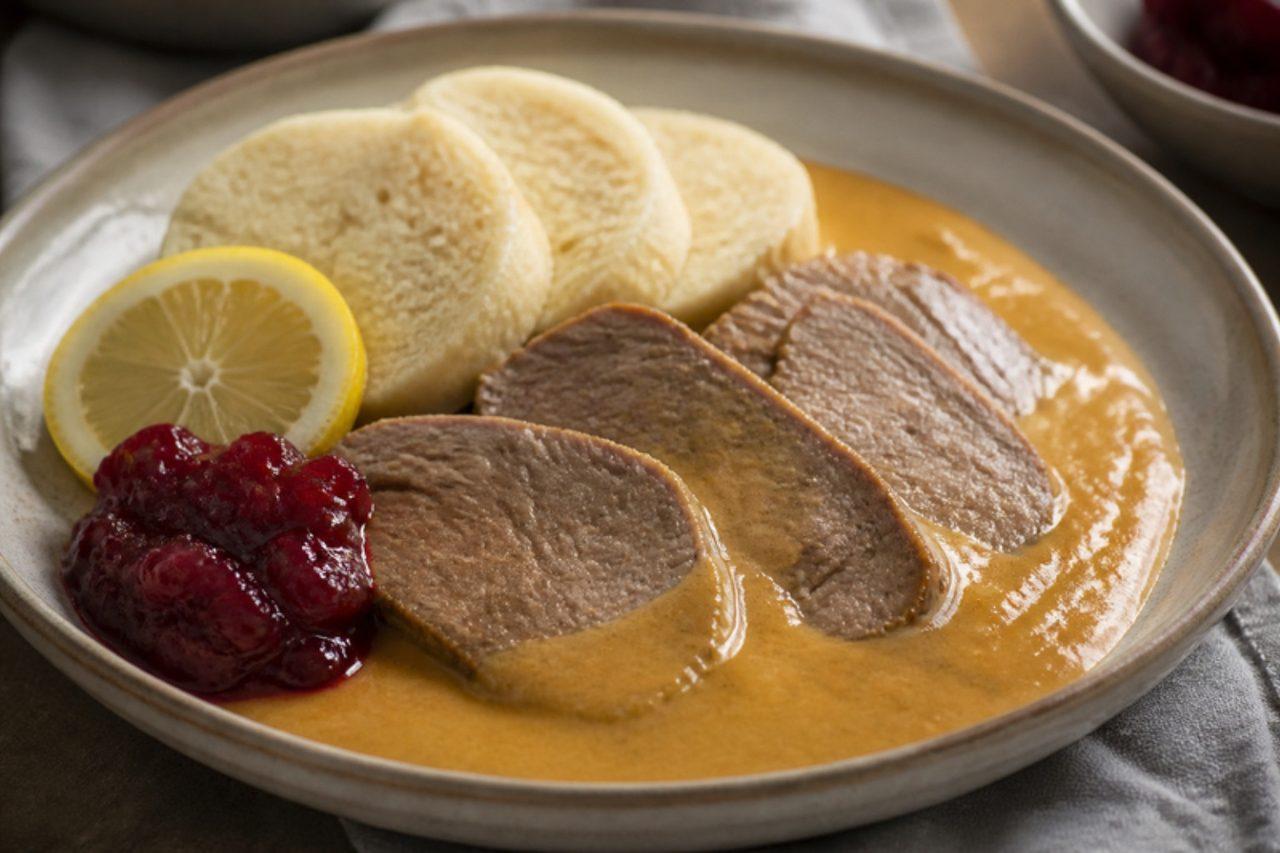
The word vadas means in the manner of game, and the dish once was a way of treating venison; in Budapest it is now made with beef and is one of the great canteen and Sunday dishes. A joint of beef is browned and braised with carrots, parsley root and celeriac, then the vegetables are blended into a velvety orange sauce, sharpened with mustard, a little caramelised sugar, vinegar and lemon, and enriched with cream. Thick slices of beef sit in the sauce next to fluffy bread dumplings (zsemlegombóc) and a spoon of cranberry sauce. Some cooks marinate the beef in red wine; this version uses stock and vinegar, so it is alcohol-free. Where most people go wrong is serving the meat before it is truly tender; it should yield to a fork. Chef's tip: if you marinate the beef in the vinegar and spices overnight, always do it in the fridge, covered.

by KrazyBadal 0 views

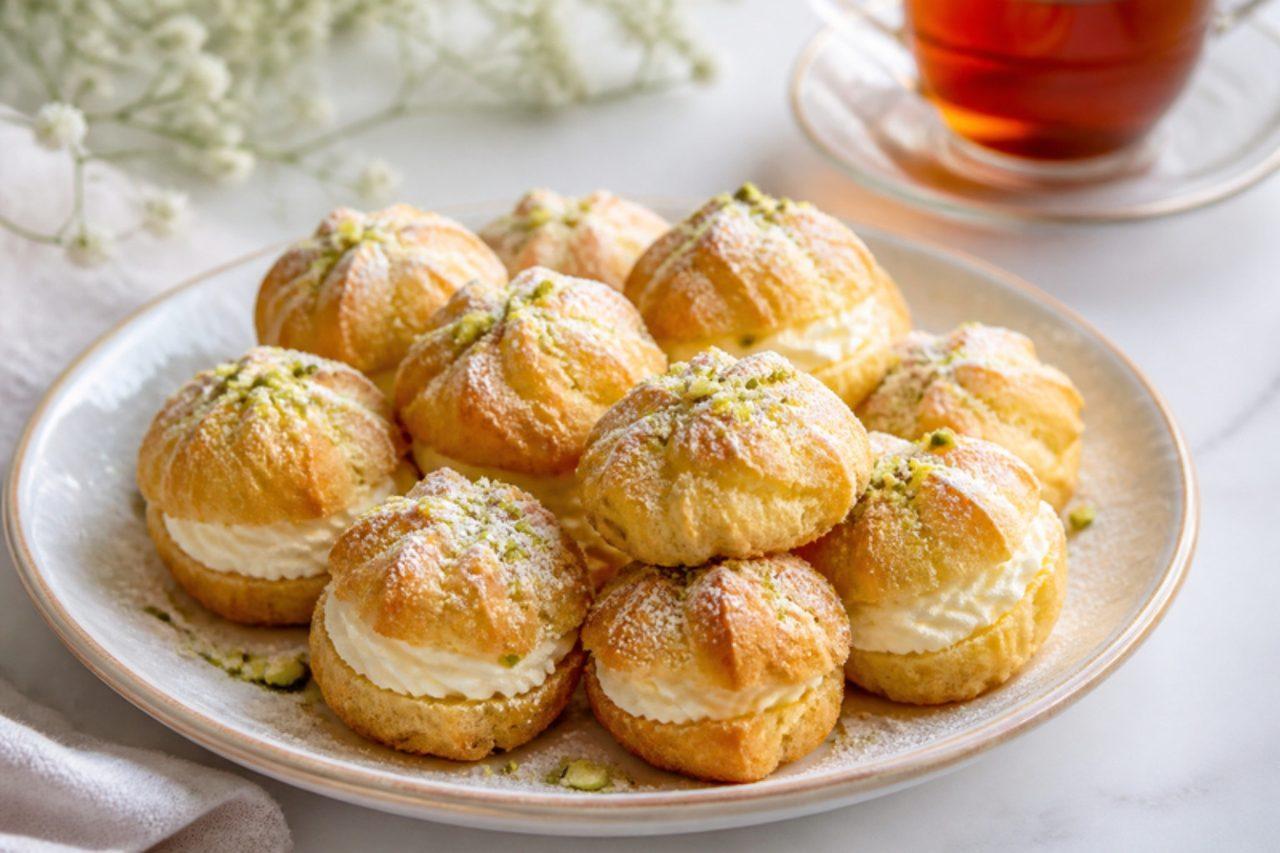
VětrníkCaramel cream choux bun

Ask anyone in Prague about the old-fashioned cukrárna and they will mention větrník, the "windmill": a big, puffed choux bun split and filled with two creams, a caramel one below and a light vanilla one above, under a shiny caramel icing. It is the cake people order with coffee on a Sunday afternoon, or buy in a paper box for a name day. Crisp shell, soft clouds of cream and a deep, buttery caramel flavour make it rich but not heavy. The usual slip is pulling the choux out too soon: it must be dark golden and feel light and dry, or it collapses as it cools. Both creams start from one custard, cooked until it bubbles so the eggs are fully set. Chef's tip: make the custard and caramel the day before; on the day you only bake and fill.

by KrazyBadal 0 views

Vaca fritaCrisp fried shredded beef

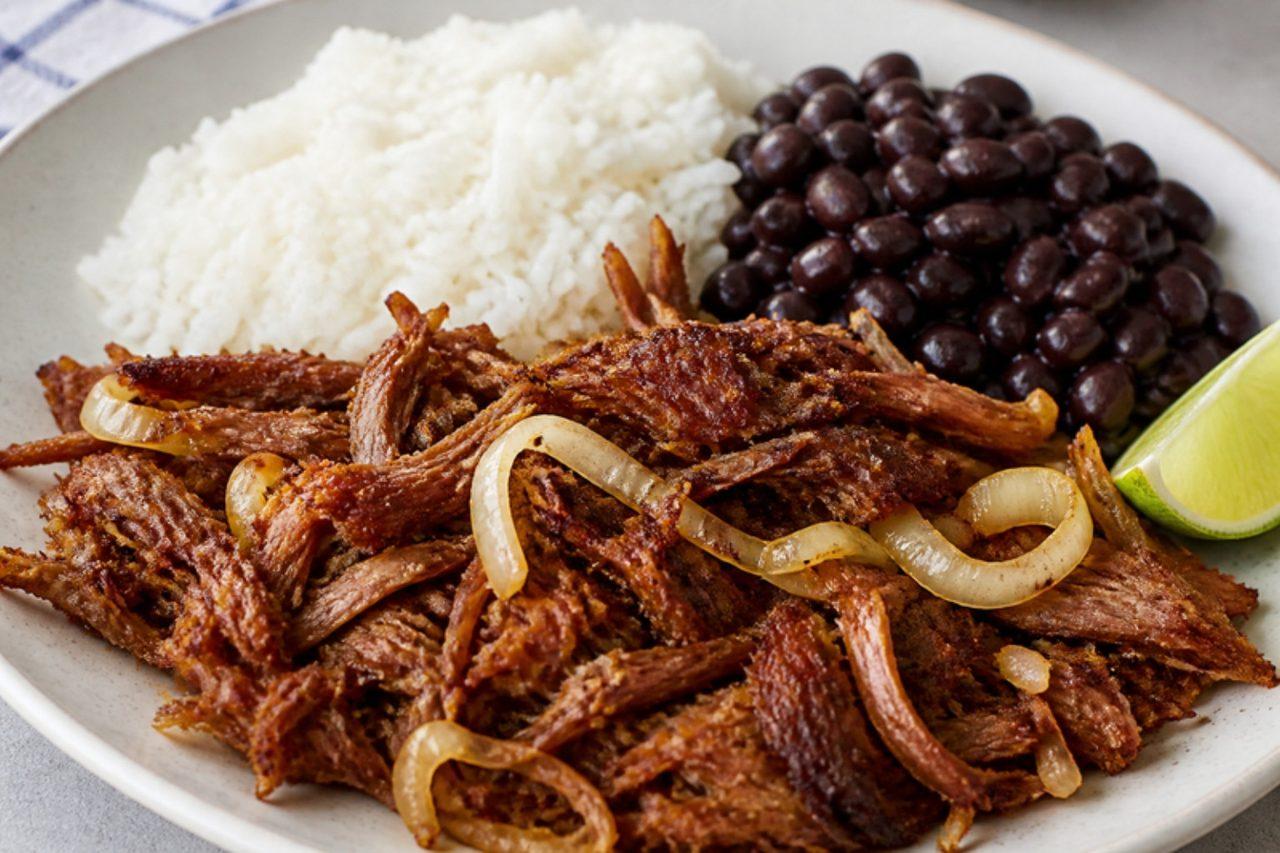
Vaca frita, "fried cow", is Havana's crisp cousin of ropa vieja: flank steak is simmered until tender, shredded, marinated in sour lime and garlic, then fried in a hot pan with onions until the edges turn brown and crackly. Families make it the day after boiling beef for soup, and serve it with rice, black beans and plantain. The usual mistake is crowding the pan, which steams the meat instead of crisping it, so fry in batches and press it down. Chef's tip: let the shredded beef dry uncovered in the fridge for an hour before frying; the drier it is, the crisper it gets.

140 minCubanMeatGluten free
by KrazyBadal 0 views

Kazan kabobCrisp lamb ribs and potatoes

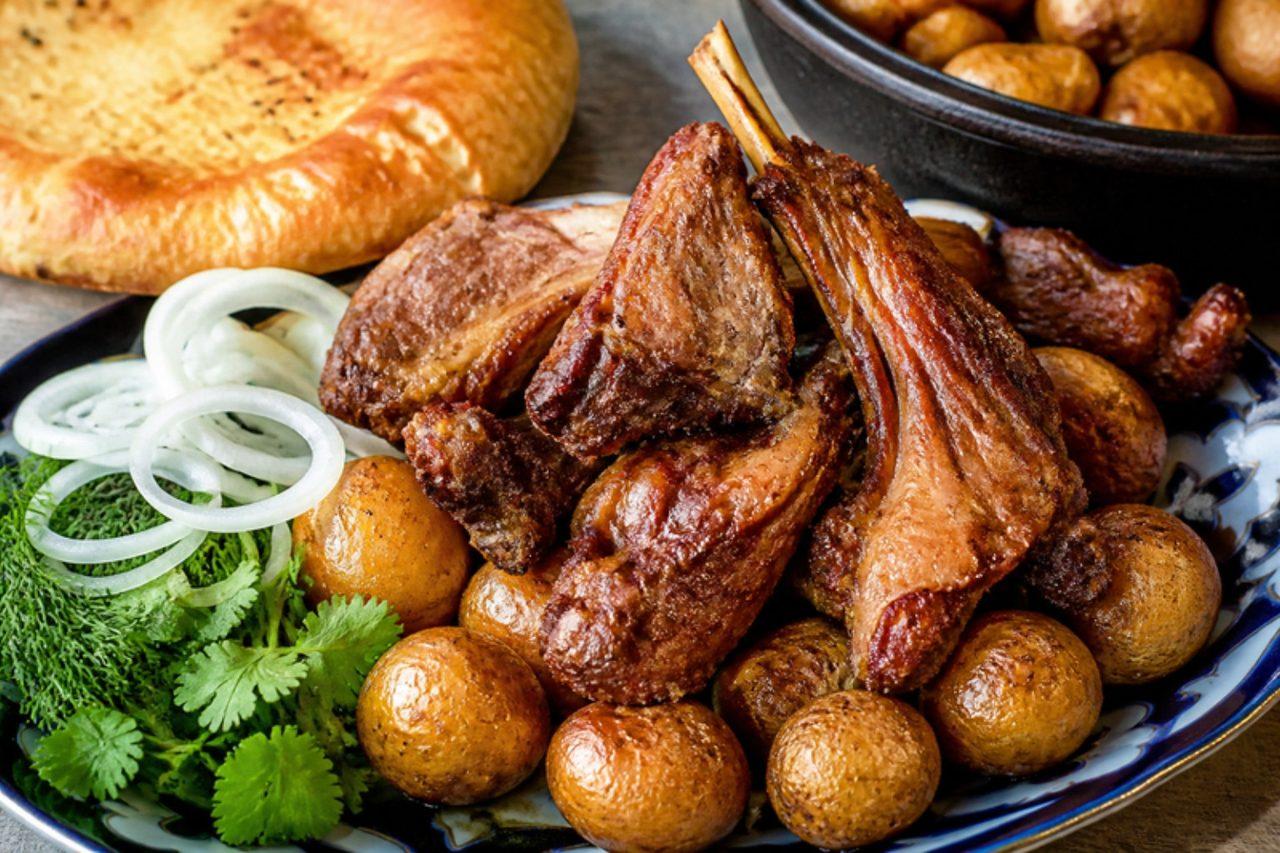
Kazan kabob is men's food in Tashkent, cooked outdoors in a big cast-iron kazan for a weekend gathering: lamb ribs fried hard in their own fat until crusty, then covered and cooked until tender, with whole small potatoes added to fry in the lamb fat until golden. It is served piled on a platter with raw onion, cumin and fresh herbs. A heavy cast-iron casserole does the job at home. A common mistake is adding water; the dish should fry and steam in its own fat and juices. Chef's tip: salt the ribs well in advance and fry them without moving them for the first 5 minutes, so they get a deep crust.

90 minUzbekMeatGluten free
by KrazyBadal 0 views

GovurgaRoasted wheat and nut mix

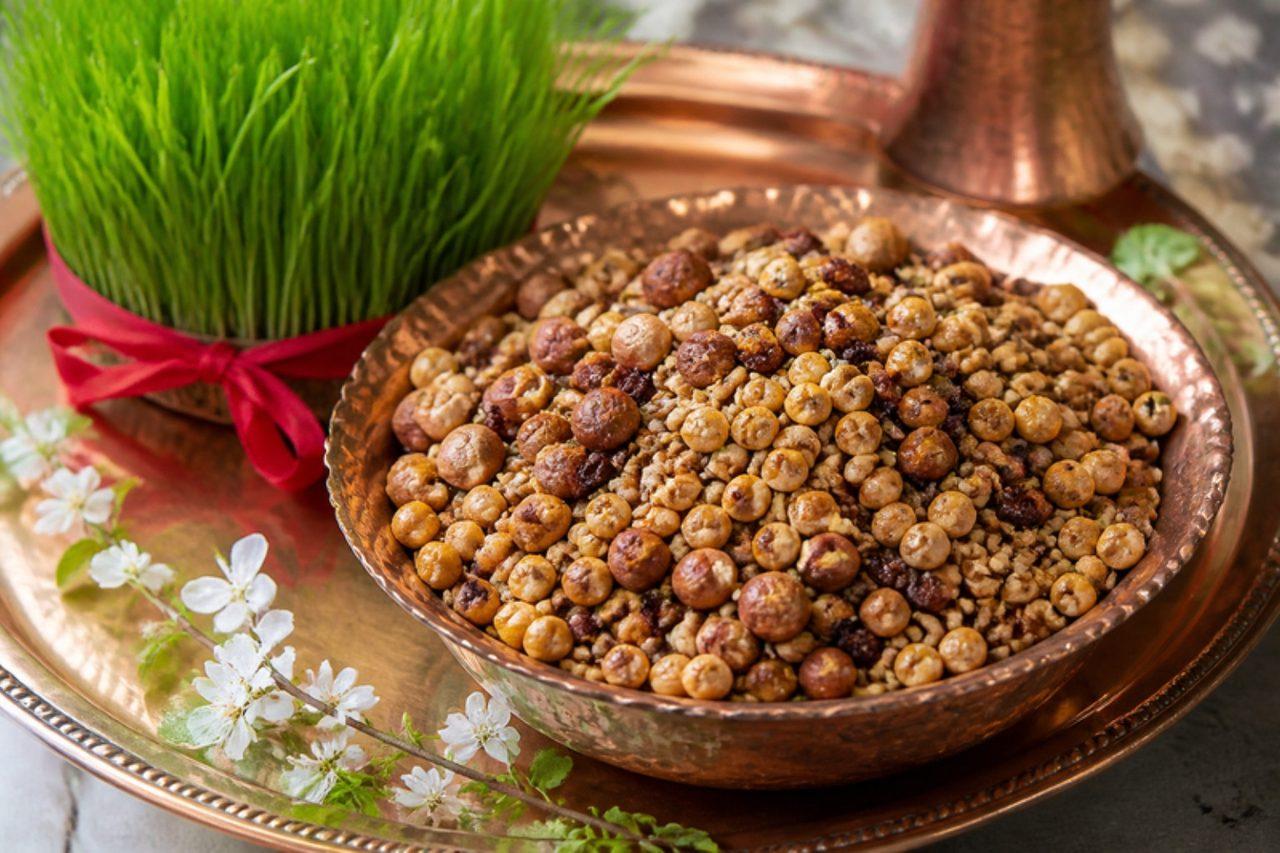
Govurga is one of the small symbolic foods on the Novruz table in Baku and the Absheron villages: wheat grains roasted in a dry pan until they crack, mixed with roasted hemp seeds, chickpeas, hazelnuts and raisins, and eaten by the handful through the festival. Children fill their pockets with it. A common mistake is roasting everything together; each part browns at a different speed. Chef's tip: shake the pan constantly and stop each batch as soon as it smells toasty and starts to pop. Hulled hemp seeds sold for cooking are fine to use.

by KrazyBadal 0 views

Qorma-e-lawandChicken in yogurt coriander sauce

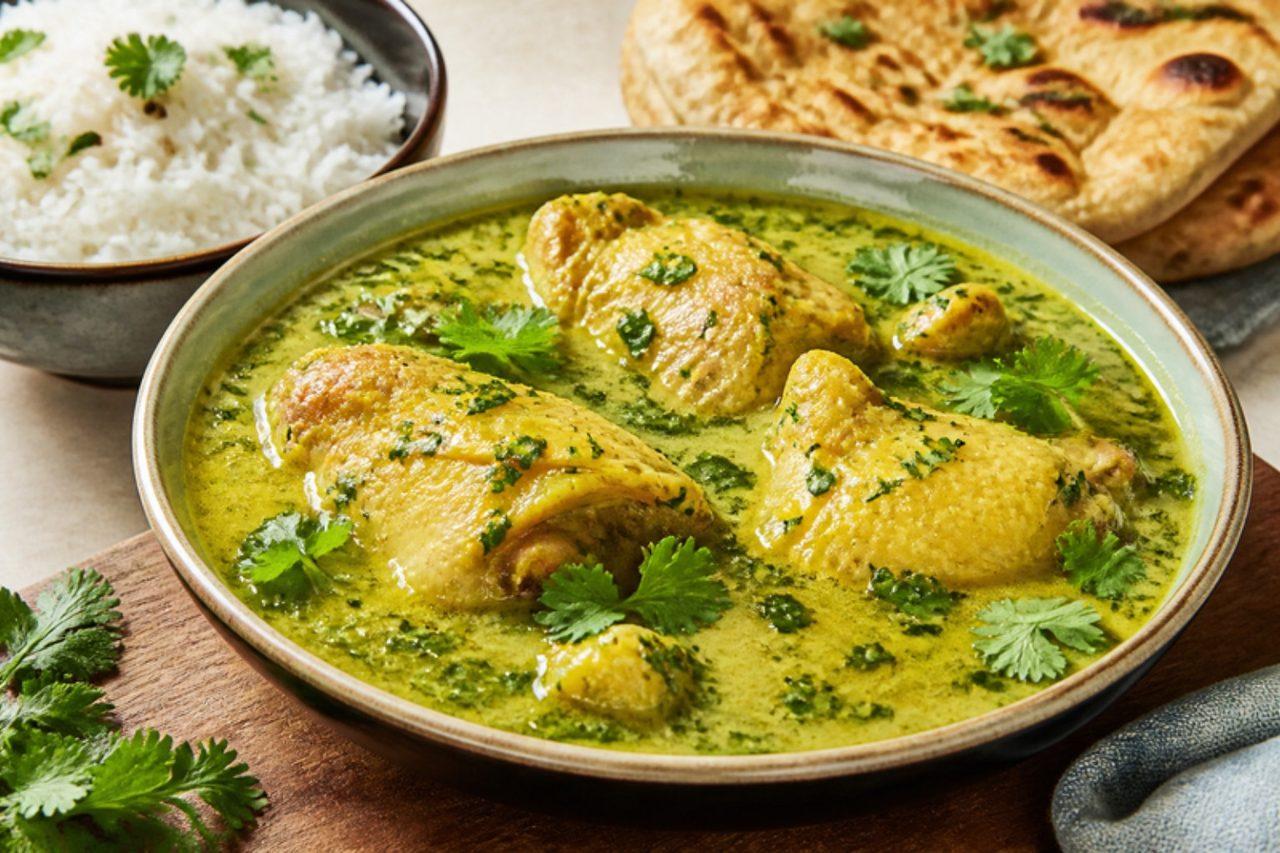
Lawand is the gentle member of the Kabul qorma family, the one cooked for children, for guests who don't eat chilli and for anyone recovering from illness: pieces of chicken simmered with onion, garlic and turmeric, then folded into a creamy yogurt sauce thick with chopped fresh coriander. The sauce is pale gold, tangy and smooth, and it is always served with rice, usually chalow or soft bata, to soak it up. Lamb can be used instead; simmer it for about 70 minutes before the yogurt goes in. Boiling the sauce once the yogurt is added makes it curdle into grainy specks, which is why it must only shiver gently. Chef's tip: beat a teaspoon of cornflour into the yogurt first; it stabilises it so the sauce stays silky.

by KrazyBadal 0 views

Qorma-e-kachalooPotato and lamb stew

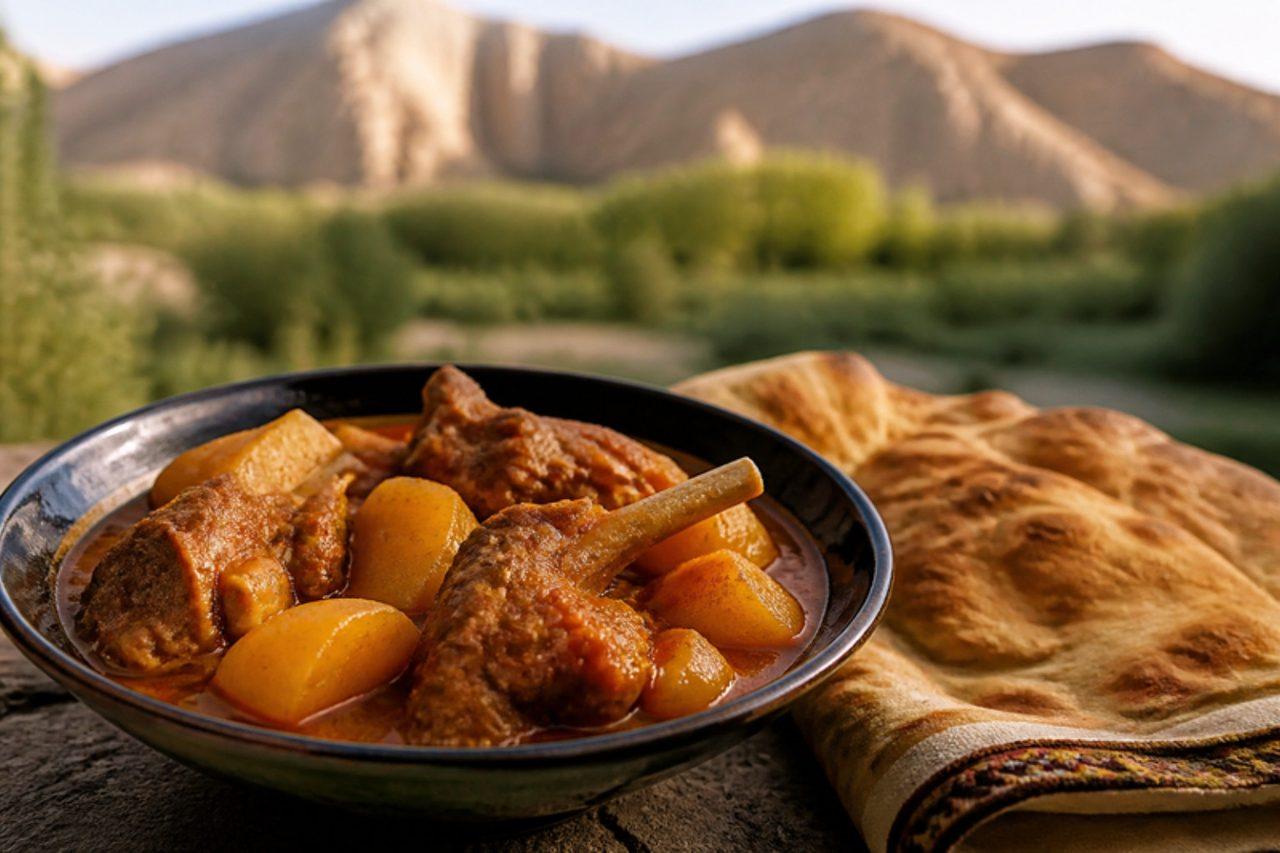
The Bamiyan valley is famous across Afghanistan for its potatoes, grown in terraced fields below the cliffs, and Hazara families turn them into qorma-e-kachaloo, a homely stew where chunks of potato soak up an onion and tomato sauce made rich by a modest amount of lamb. The potatoes go soft and slightly floury at the edges, thickening the sauce, and the dish is eaten with naan or bata on long winter evenings. It is just as often made without meat: use a tin of chickpeas instead of the lamb and cut the cooking time to about 35 minutes. Potatoes added at the start disintegrate long before the lamb is tender, so give the meat a head start. Chef's tip: cut the potatoes into large chunks and fry them briefly in the oil before they join the stew, so they hold their shape.

by KrazyBadal 0 views

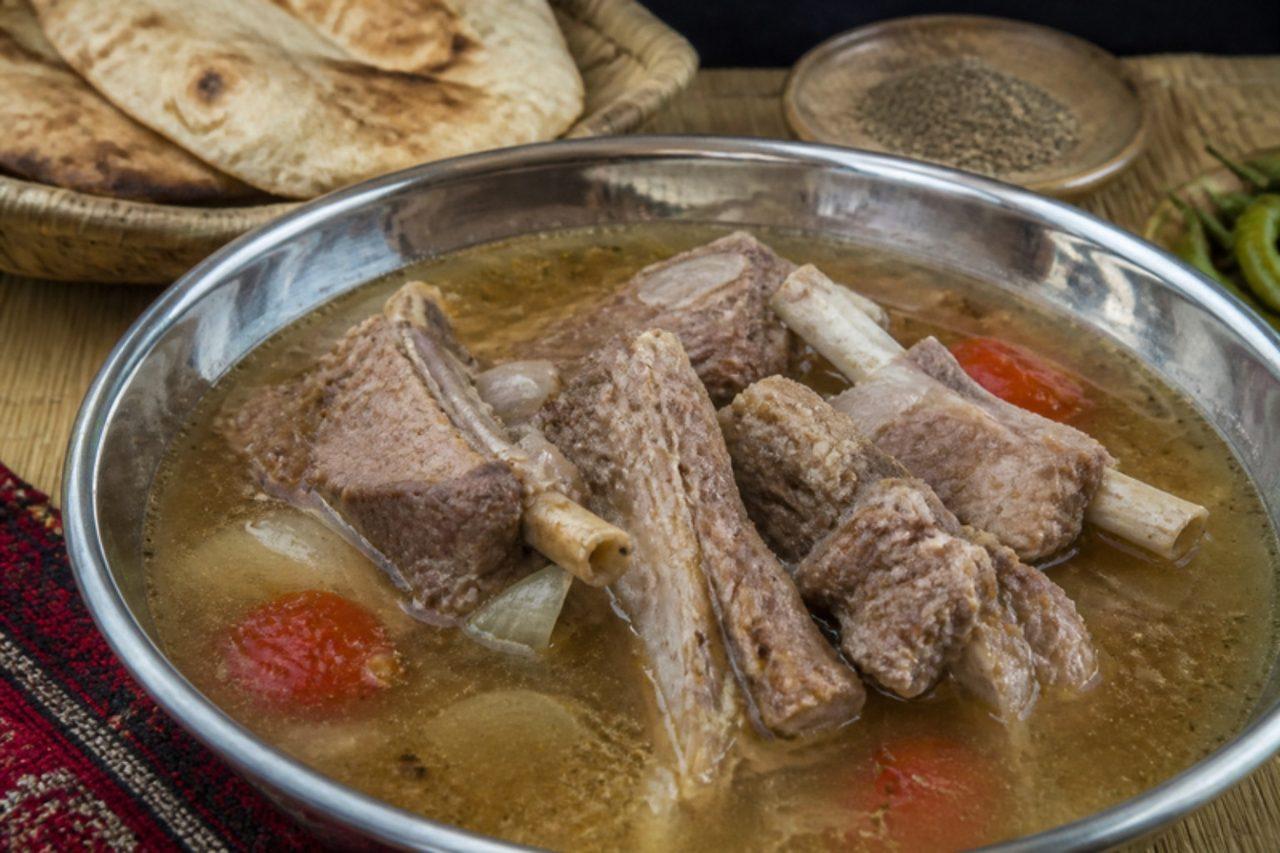
RoshLamb on the bone in broth

Winter in Quetta is bitterly cold, and rosh is what keeps the city warm: lamb on the bone, fat and all, simmered in a huge pot with nothing more than salt, onions and tomatoes until the broth turns golden and the meat slips off the bone. In the restaurants of Jinnah Road and on Kandahari Bazaar it is served in steel bowls, the meat piled on one plate and the broth in another, with thick Afghan-style naan torn in and eaten with the hands. Its pleasure is purity: you taste lamb, salt and a little sweetness from the onion. The frequent error is a rolling boil, which turns the broth cloudy and the meat tough; it should barely tremble. Chef's tip: use plenty of fat and some rib and tail pieces, because the fat carries the flavour in a dish with no spices.

by KrazyBadal 0 views

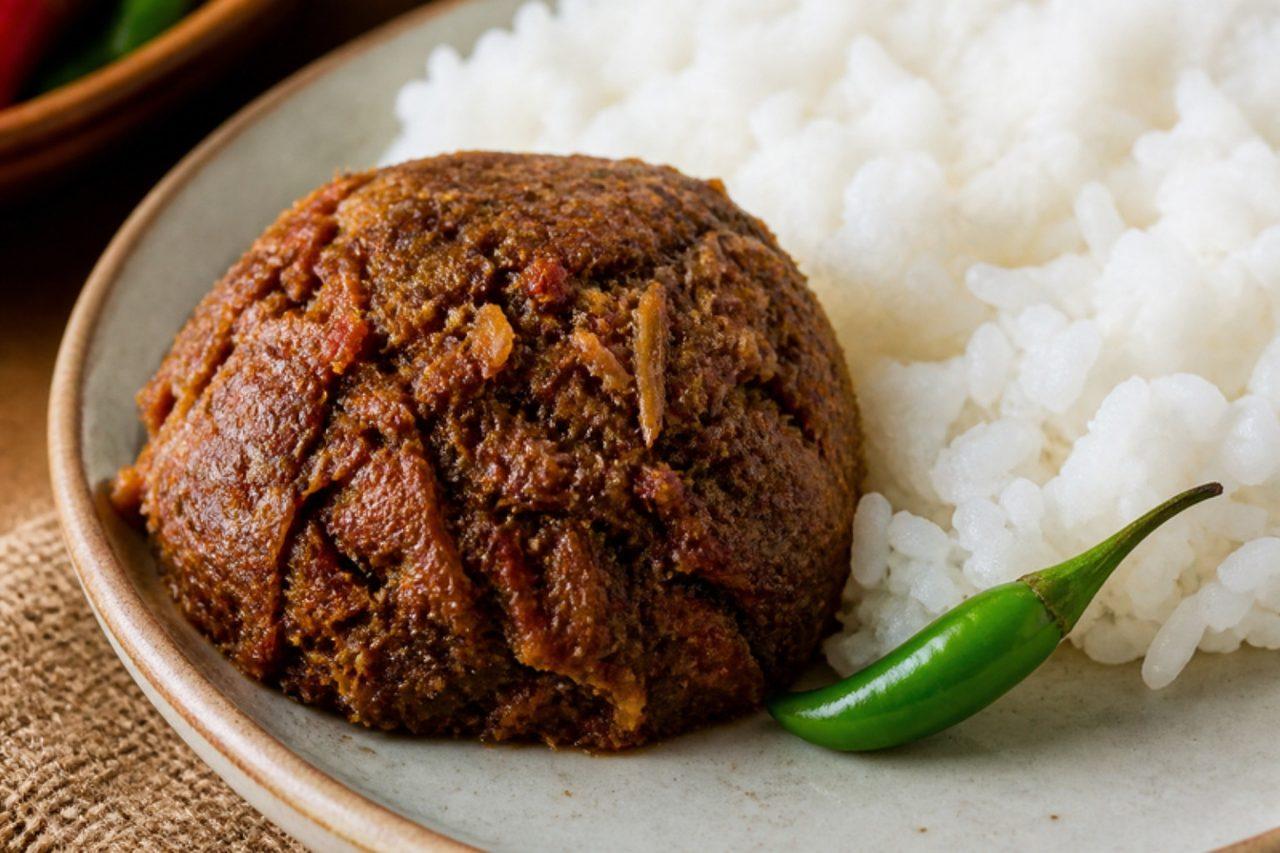
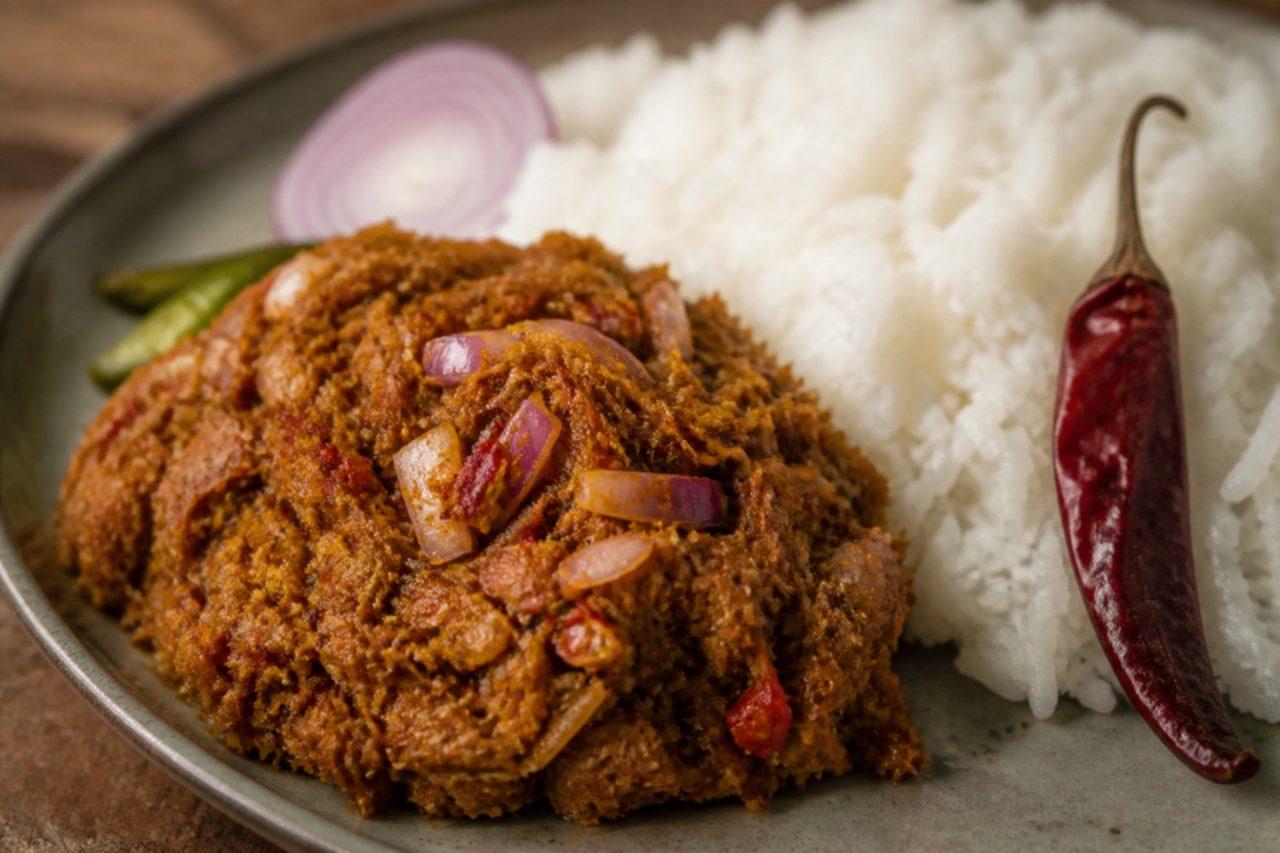
Shidol bhortaFermented dried fish mash

Shidol is one of the great preserved foods of Rangpur, Nilphamari and the far north: tiny puti fish, lightly dried, pounded with taro stem and packed into earthen jars to ferment, then shaped into flat cakes that are dried again. A small piece goes a very long way, and the most loved way to eat it is as a bhorta, fried in mustard oil with a mountain of garlic and dried chilli and mashed by hand into a rough, pungent relish eaten with hot rice. Its smell is powerful and the flavour deep, salty and funky, a bit like a Bangladeshi anchovy paste. Outside Bangladesh, buy shidol only from a reputable grocer, sealed and well within date, and never eat it uncooked. The typical blunder is frying it too briefly; it must sizzle until the raw smell turns toasty. Chef's tip: if you cannot find shidol, the same method works with good shutki.

by KrazyBadal 0 views

RømmegrøtSour cream porridge

Rømmegrøt is the porridge of Norwegian celebrations: full-fat sour cream simmered and thickened with flour until the butterfat seeps out, then loosened with milk into a rich, silky pudding and served with cinnamon sugar, melted butter and a side of cured meats or flatbread. It is eaten at midsummer, weddings and on St Olav's day, and in the summer farms of the mountains; in Oslo it is bought in tubs for Saturday treats. A common mistake is using low-fat sour cream, which will not release its butter. Chef's tip: skim off the golden fat that rises and drizzle it back over the porridge in the bowl; that is the traditional 'smørøye' (butter eye).

by KrazyBadal 0 views

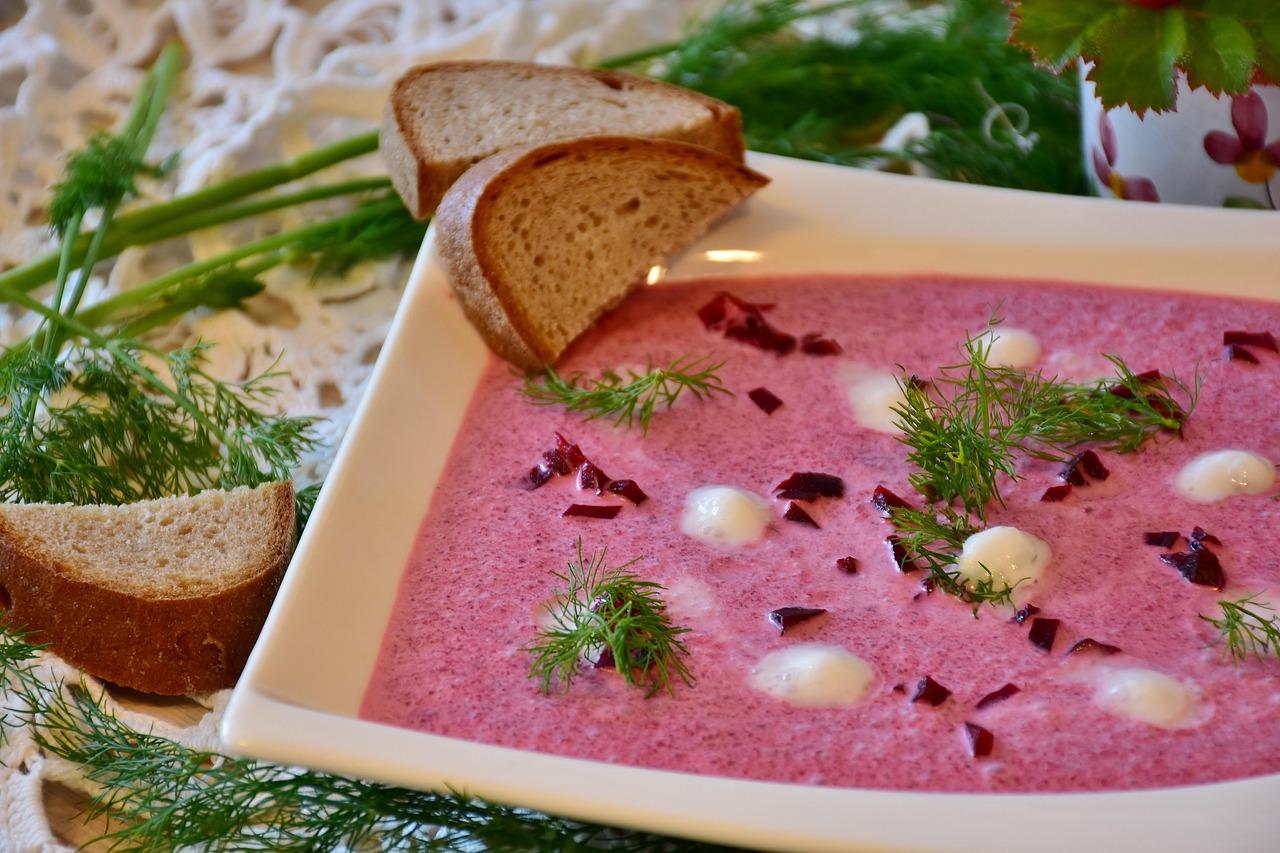
ŠaltibarščiaiCold beetroot soup

Šaltibarščiai is the shocking-pink soup of Lithuanian summers, so loved that Vilnius holds a pink soup festival every June: cooked or pickled beetroot grated into cold kefir with cucumber, dill, spring onion and boiled egg, served with a plate of hot boiled potatoes on the side. The contrast of icy soup and steaming potatoes is the point. A common mistake is using warm beetroot, which dulls the colour and warms the soup. Chef's tip: grate chilled beetroot into ice-cold kefir and let it stand for 10 minutes; the colour deepens to vivid fuchsia.

by KrazyBadal 0 views

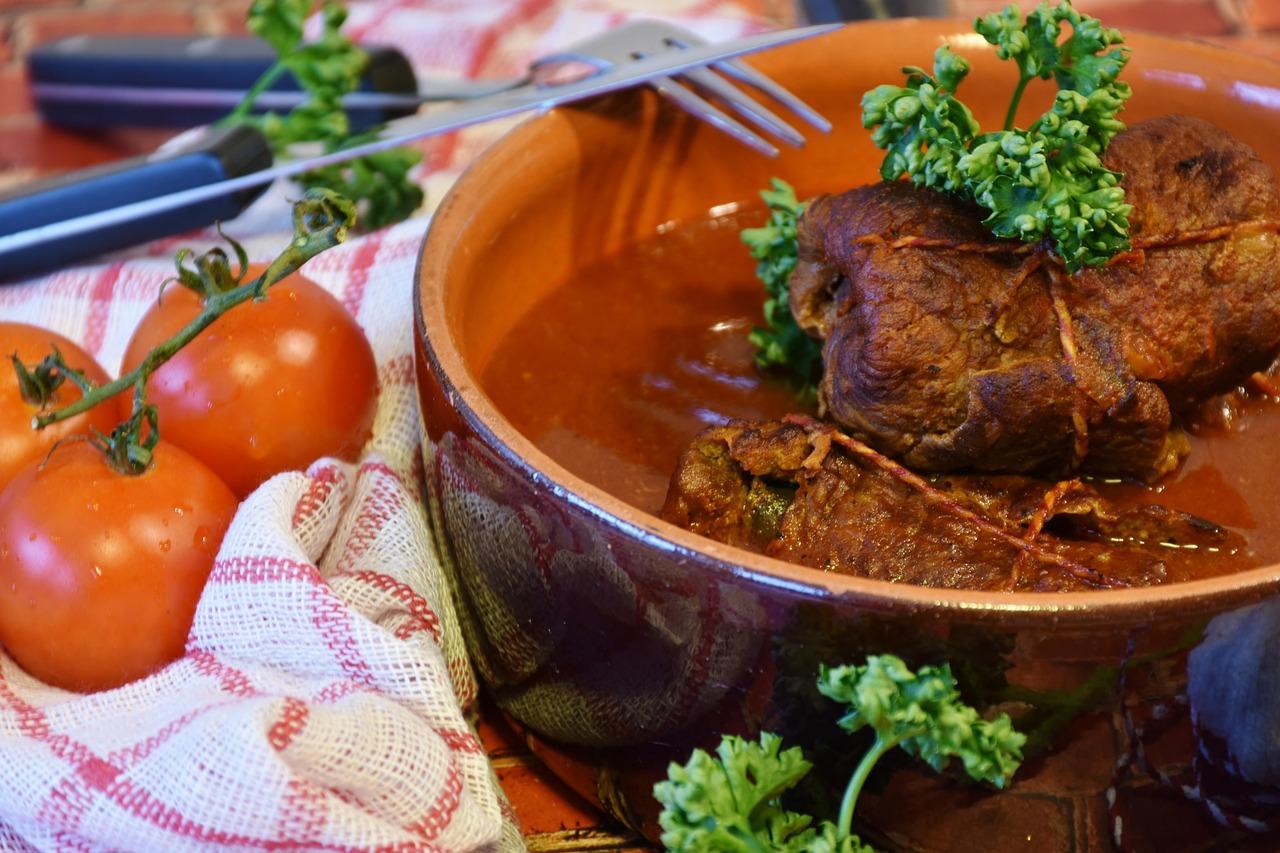
Rolada śląskaBeef rolls with bacon and pickle

Sunday lunch in Upper Silesia follows a fixed and much-loved pattern: rosół first, then rolada with kluski śląskie dumplings and braised red cabbage, a trio known locally as the 'holy trinity'. Thin slices of beef topside are spread with mustard and rolled around smoked pork bacon, a strip of pickled cucumber and onion, then browned and braised until meltingly tender in a deep brown gravy that soaks into the dumplings. The pickle gives a sour, salty bite in every slice. Skimping on the browning is what most often lets cooks down; that crust is where the gravy gets its colour and depth. Chef's tip: pound the beef evenly to about 5 mm thick and roll tightly from the narrow end, so the filling stays sealed inside and every slice shows a neat spiral.

120 minPolishMeat
by KrazyBadal 0 views

Shim bhortaFlat bean mash

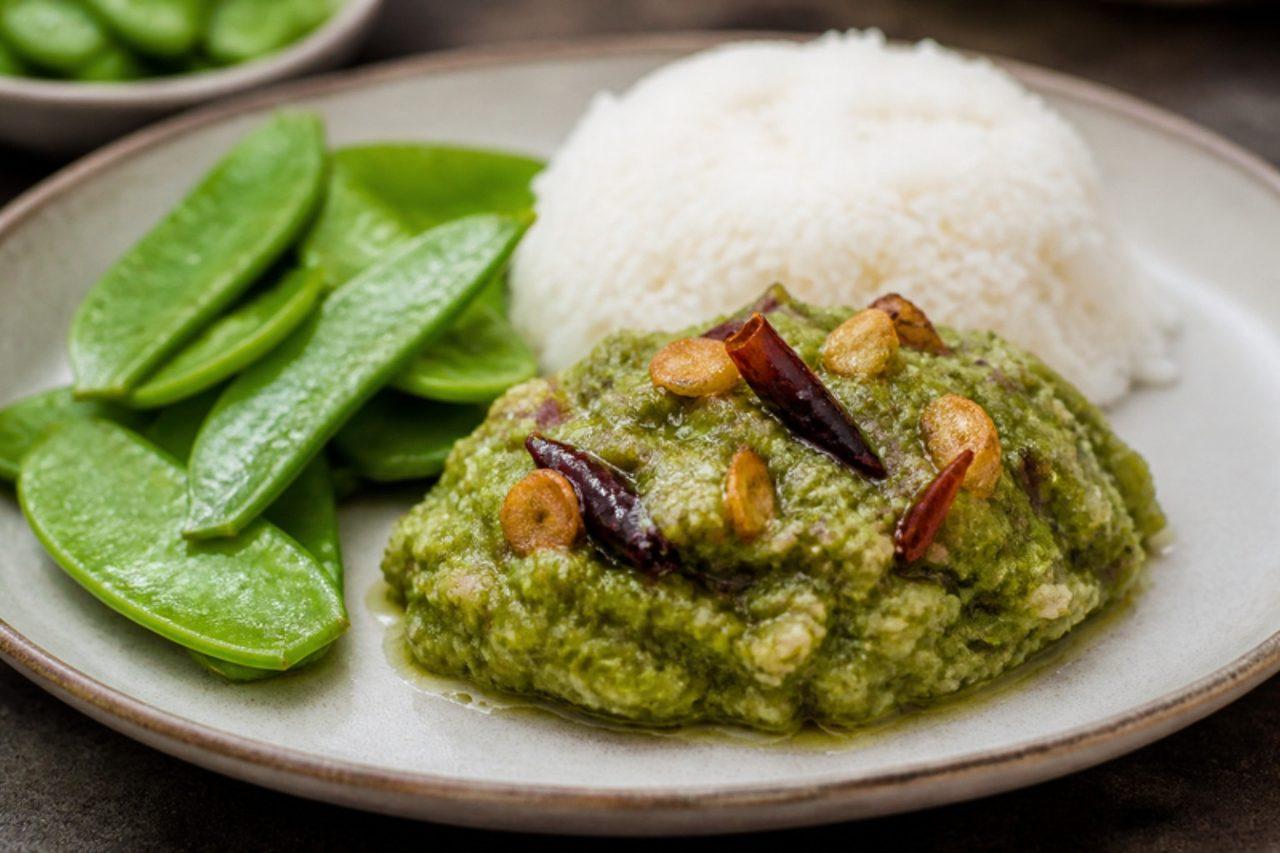
From November the bamboo trellises in courtyards across rural Bangladesh hang heavy with shim, the broad, flat hyacinth beans with purple or green edges, and they end up in curries, bhajis and, best of all, a smoky green bhorta. The beans are boiled until tender, then crushed with garlic fried golden in mustard oil, crisp dried chilli and raw onion into a coarse, nutty paste. It is one of the stars of a winter bhorta spread, served with hot rice, dal and a fried egg or fish for those who eat it. Leaving the strings on is the common slip; they stay tough and fibrous in the mash, so pull them off both edges first. Chef's tip: if the beans are mature with fat seeds inside, pop the seeds out, dry-roast them for a few minutes and pound them in for extra crunch.

by KrazyBadal 0 views

Qorma-e-alu bukharaLamb stew with dried plums

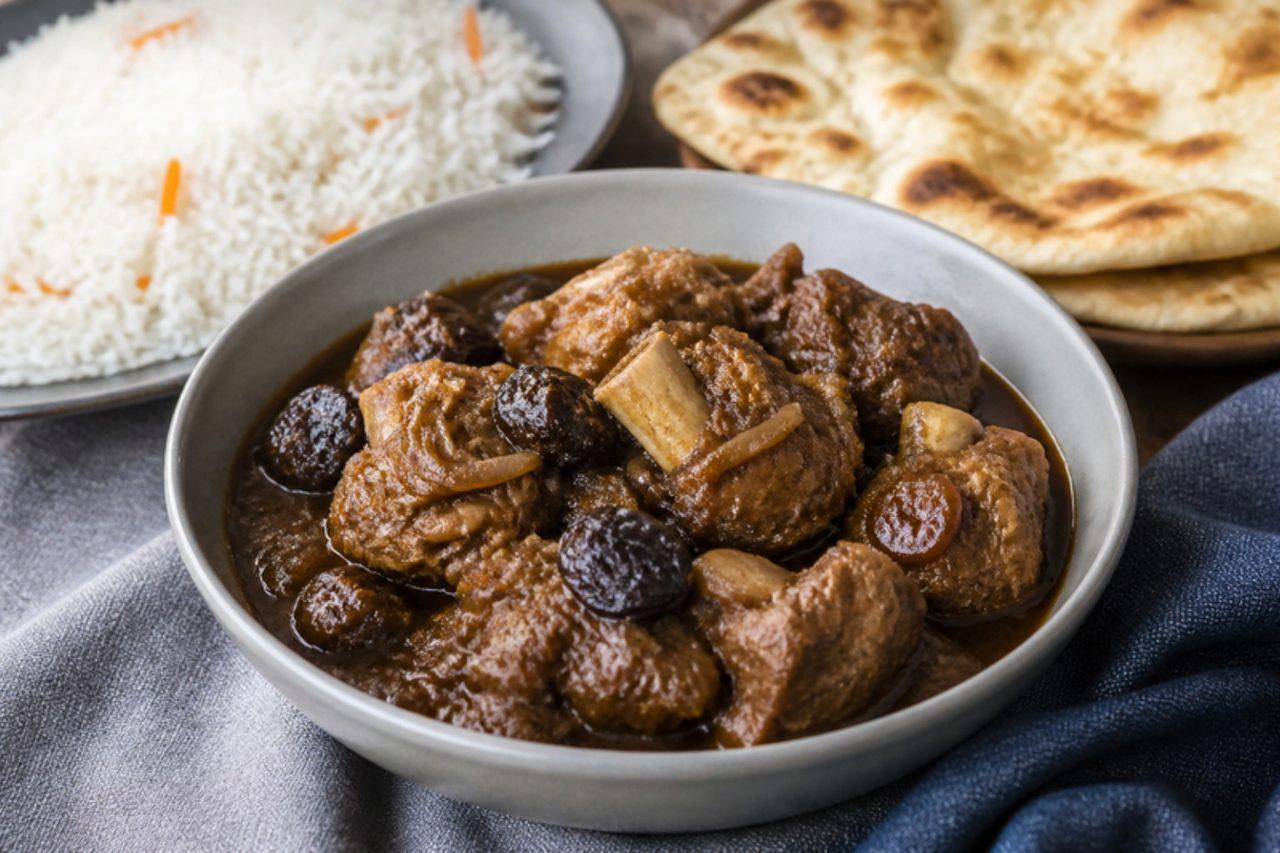
Of all the qormas served at Kabul dinner parties, the one with alu bukhara, small sour dried plums, is the one guests remember: lamb braised slowly in a dark sauce of caramelised onion, garlic and warm spices, with plums that collapse into it and leave a sweet-sour tang that cuts through the richness. It is ladled over chalow or eaten with naan, often alongside a lighter vegetable dish and a bowl of yogurt. Chicken works too, using thighs on the bone and halving the simmering time. Pale, half-fried onions give a thin, sweet sauce with none of the proper colour, so be patient and take them to a deep chestnut brown. Chef's tip: add the plums for the last half hour only; if they cook from the start they vanish completely and make the sauce too sour.

105 minAfghanMeatGluten free
by KrazyBadal 0 views

ShipudimGrilled lamb and chicken skewers

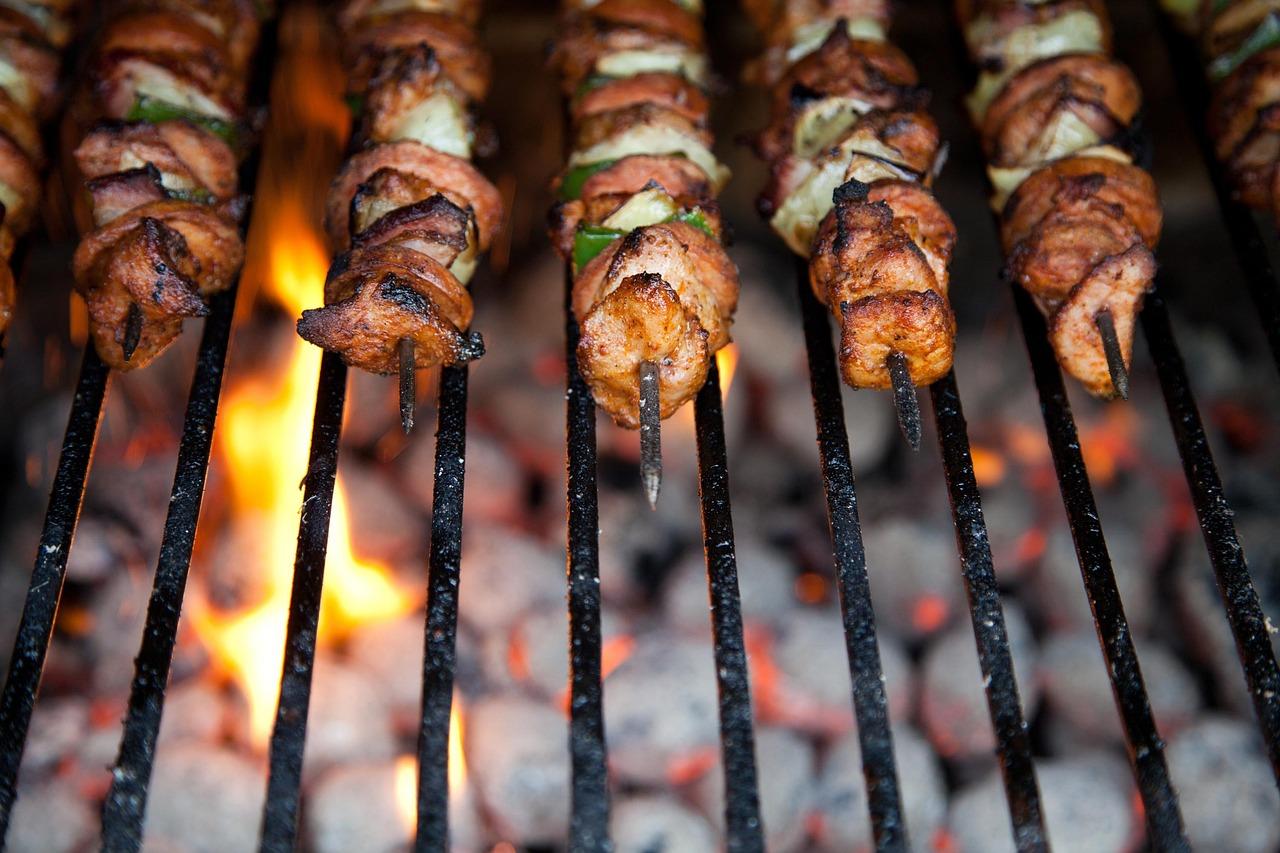
A meal at a shipudiya, the skewer restaurants of the Hatikva quarter in Tel Aviv or the road to Rosh Pina, starts with a table of little salads and pita and goes on to skewers straight from the charcoal: minced lamb kebab with parsley and onion, chunks of chicken, and often livers or hearts for those who like them. This recipe makes the two favourites at home, lamb kebab and chicken, so you can grill a whole Friday lunch. Charred outside and juicy inside, they are eaten with hummus, tahini, chopped salad and pickles. Kebab mixtures that are too lean fall off the skewer, which is the usual problem; use lamb with some fat and squeeze it firmly around the stick. Chef's tip: chill the shaped kebabs for 30 minutes before grilling so they hold.

by KrazyBadal 0 views

QifqiRice balls with egg and mint

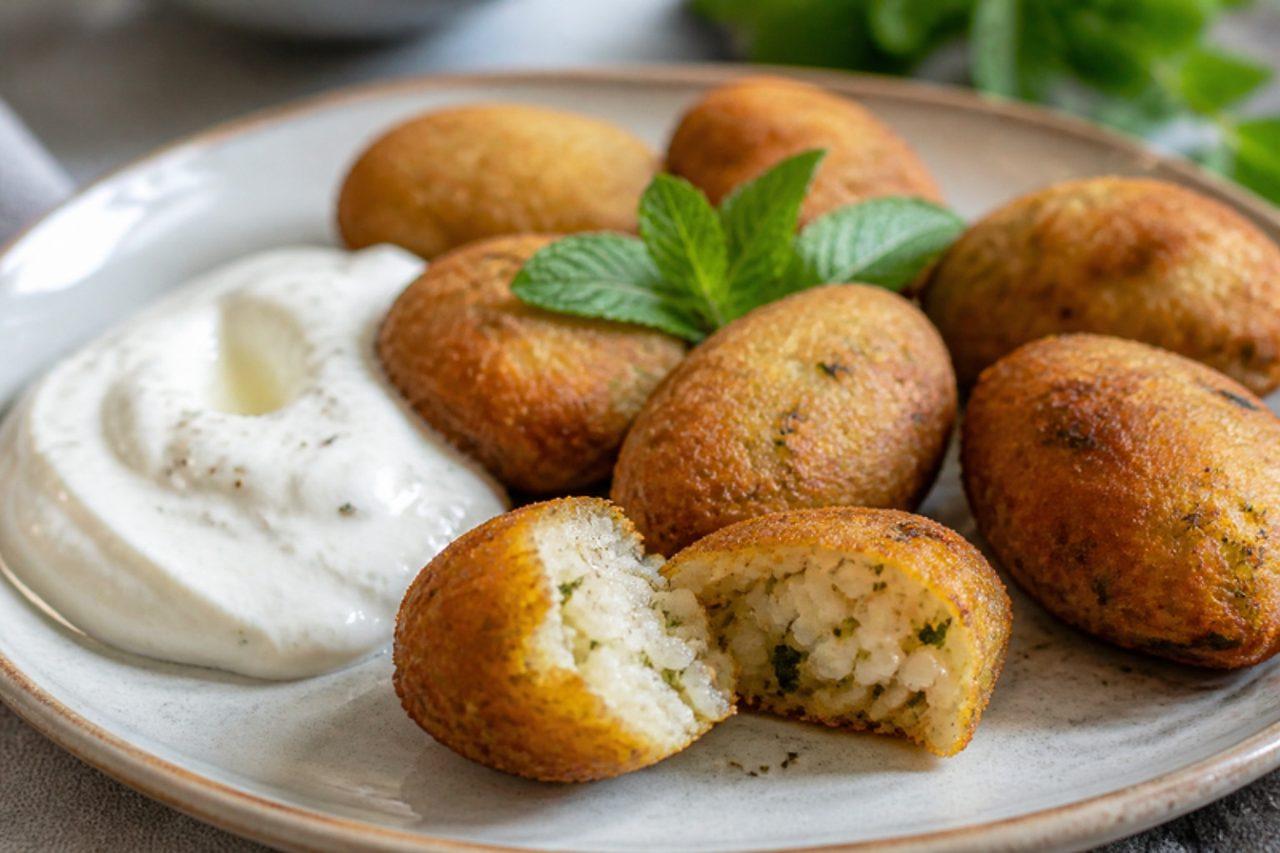
Walk the steep cobbled lanes of Gjirokastër, the stone city of southern Albania, and you may catch the smell of qifqi frying: small egg-bound rice balls flavoured with dried mint and plenty of black pepper, traditionally cooked in a heavy pan with round hollows called a qifqilore. Golden and crisp outside, soft and slightly sticky inside, they appear as a meze with yogurt and pickles, or as a light supper with a tomato and cucumber salad. A frying pan works perfectly well at home. Rice cooked too wet is the classic error, because sloppy grains never hold a shape; cook it until every drop of water is absorbed and let it cool before mixing. Chef's tip: wet your hands and squeeze each ball firmly, like a snowball, before flattening it slightly; a loosely packed ball splits as soon as it hits the oil.

by KrazyBadal 0 views

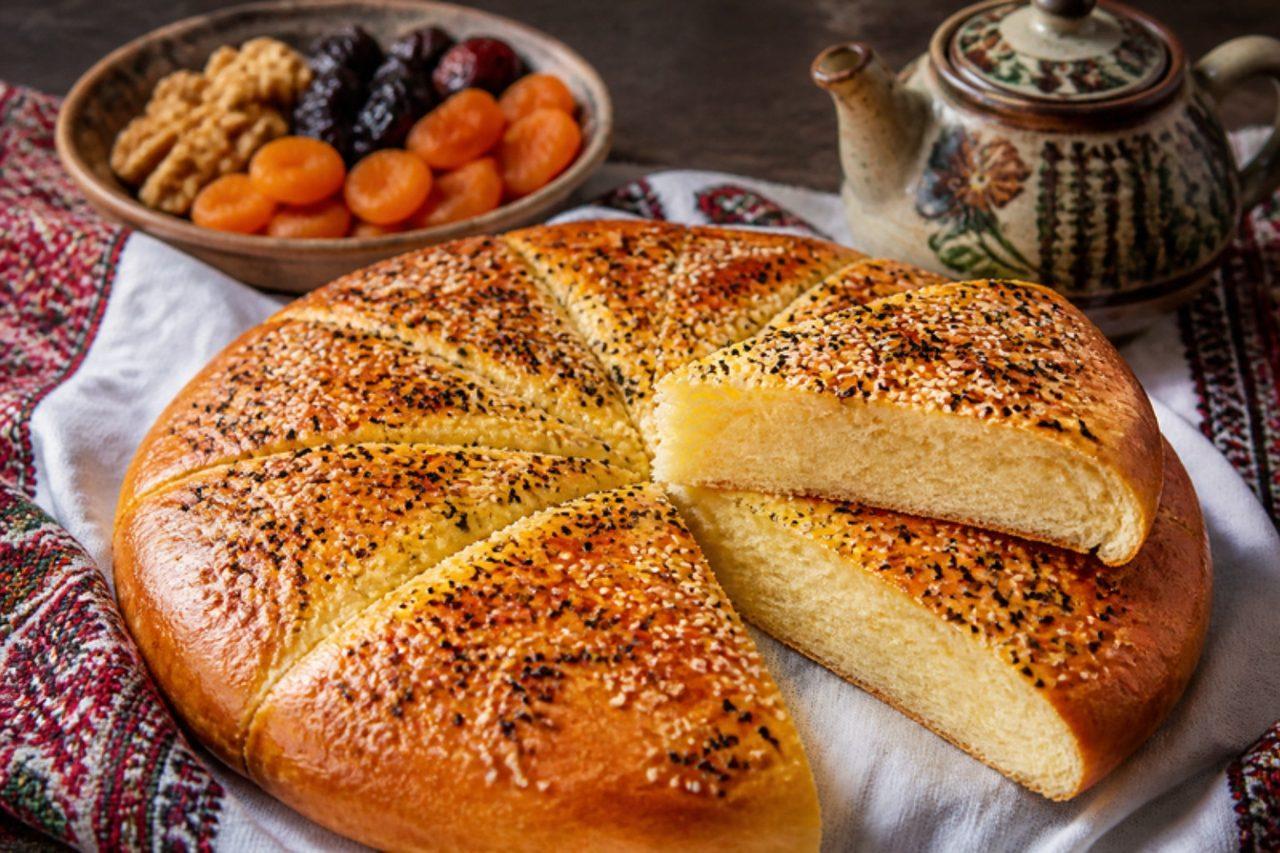
RohtSweet cardamom sesame bread

In Mazar-i-Sharif, the city that hosts Afghanistan's biggest Nowruz celebrations, roht is baked by the dozen in the days before the new year and carried to relatives with haft mewa and sweets; families also make it to celebrate a birth or welcome guests home from the Hajj. It is a thick round bread, somewhere between a sweet loaf and a soft cake, golden on top and patterned with sesame and nigella, with a close, tender crumb scented with cardamom. It is torn into pieces and eaten with green tea at any hour of the day. Rich, sugary dough rises slowly, so the common failure is baking it too soon, which gives a dense, heavy round; wait until it has clearly doubled. Chef's tip: press a pattern into the top with a fork or a clean bread stamp before the glaze, so the seeds settle into the grooves.

by KrazyBadal 0 views

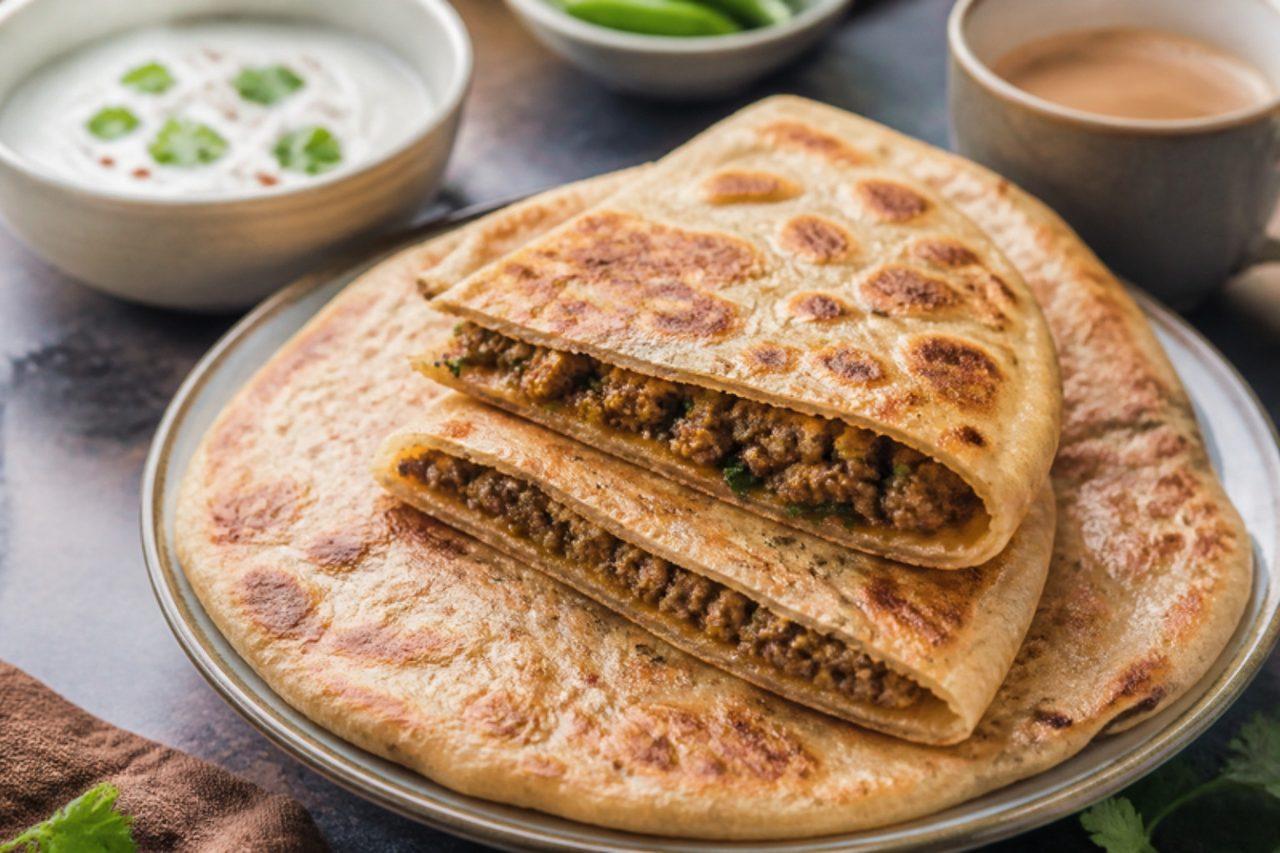
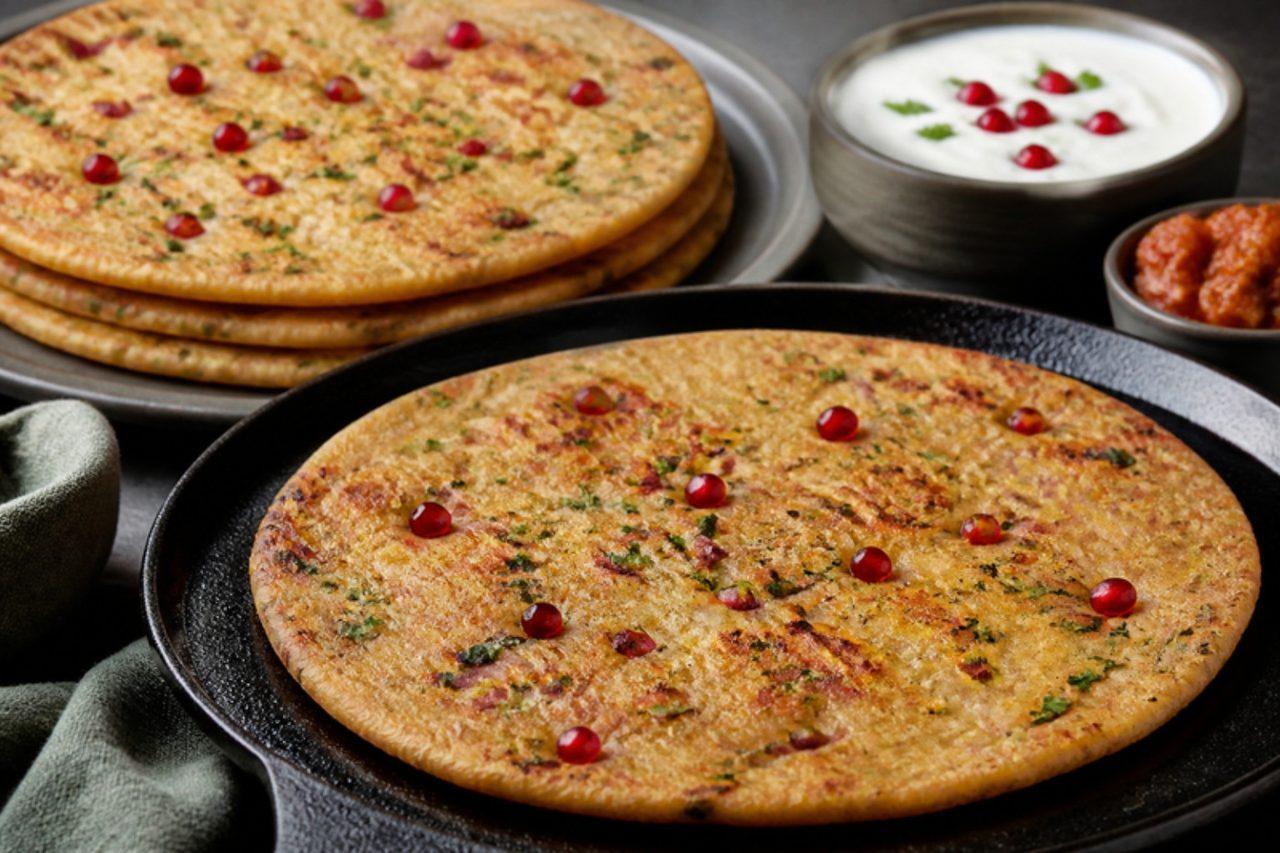
Qeema parathaMince-stuffed paratha

Leftover keema from last night's dinner becomes the best breakfast in a Pakistani kitchen, cooked dry, packed into paratha dough and fried on a tawa until crisp and flaky, then served with a cup of strong doodh patti chai and a bowl of yogurt. It is weekend nashta from Islamabad to Hyderabad, and roadside dhabas on the GT Road make it to order for truck drivers before dawn. The filling is savoury, fragrant with cumin and green chilli, and lifted with onion and coriander. A wet filling is the big hazard; it tears the dough and steams instead of crisping, so cook the mince until completely dry and let it cool before stuffing. Chef's tip: mince the cooked keema briefly in a food processor so it is fine and spreads evenly, giving thinner, flakier parathas that do not split.

by KrazyBadal 0 views

RohalykySour cream crescent cookies

Around Christmas and Easter, tins of rohalyky pile up on the sideboards of Ivano-Frankivsk and Ternopil: little horns of tender dough wrapped around thick plum butter or sugared walnuts, then buried in icing sugar. The dough is made with sour cream and lots of butter, so it bakes flaky and light rather than crunchy, and the filling stays sticky inside. They keep for a week in a tin and are offered to every guest with tea or coffee. Where most people go wrong is using runny jam, which bubbles out and burns on the tray; you need very thick povydlo-style plum butter or a jam that holds its shape on a spoon. Chef's tip: keep half the dough in the fridge while you roll the other half; warm dough tears and the crescents lose their neat layers.

by KrazyBadal 0 views

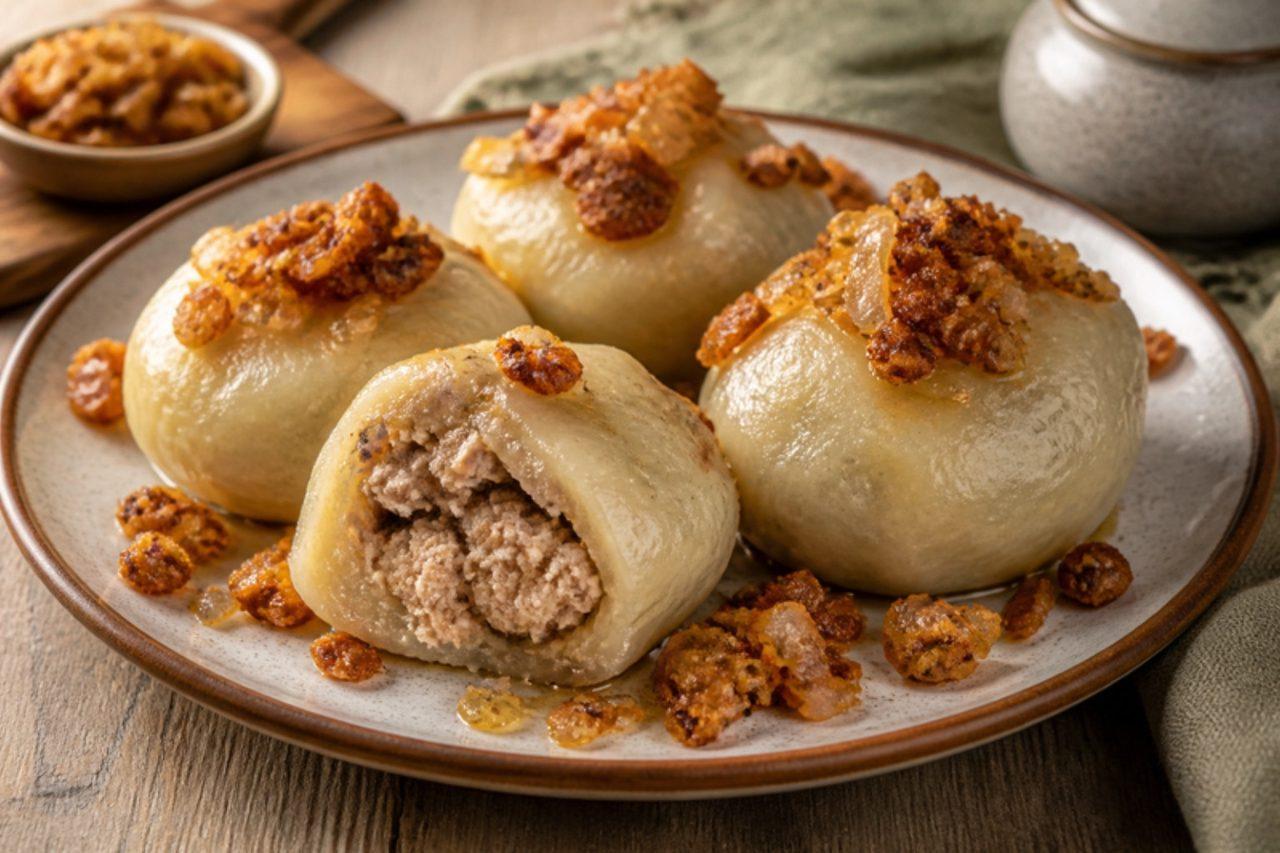
Pyzy z mięsemPork-filled potato dumplings

Old Warsaw's Praga district made pyzy famous: at the Bazar Różyckiego market, traders once ladled them hot from jars wrapped in blankets. These are large, soft balls of raw and boiled potato, filled with seasoned minced pork and topped with fried onion and crisp pork crackling (skwarki) that drips its fat over the plate. The outside is silky and slightly chewy, the middle savoury with marjoram. A glass of kefir or a bowl of sauerkraut salad cuts the richness. The pitfall is leaving too much water in the grated raw potato, so the dough is sticky and the dumplings fall apart. Chef's tip: let the squeezed potato liquid stand for 10 minutes, pour off the water and scrape the white starch at the bottom back into the dough; it binds everything for free.

90 minPolishMeat
by KrazyBadal 0 views

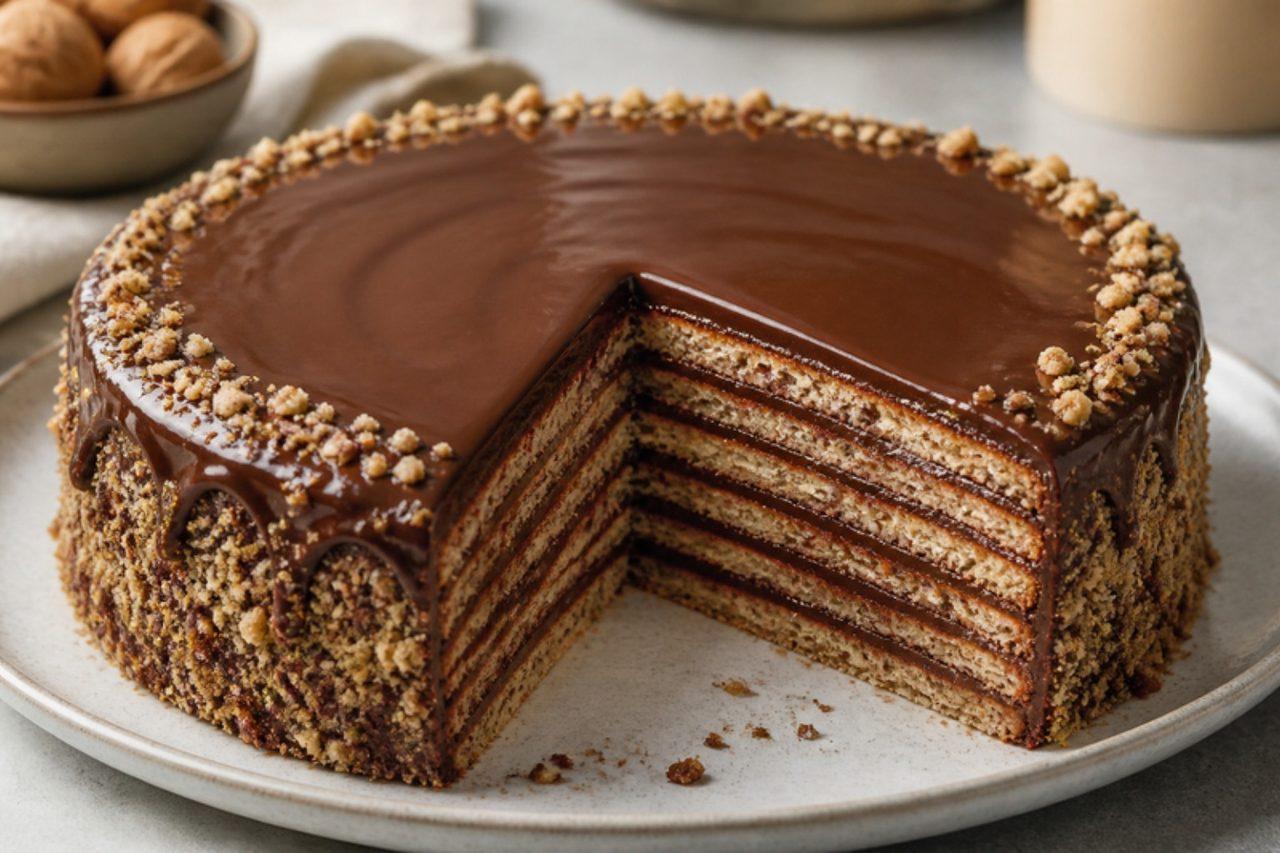
Garash tortaWalnut meringue chocolate cake

In 1885 a Hungarian confectioner named Kosta Garaš created this cake in Ruse, the elegant Danube town, and it has been the pride of Bulgarian patisseries ever since. Five thin, chewy layers of walnut meringue are stacked with a dark, glossy chocolate ganache and finished with a mirror-like chocolate glaze. Because it uses no flour, it is naturally gluten-free; it is rich and dense, so slices are thin, served with black coffee on name days and anniversaries. The cake is best made a day ahead and chilled so the meringue softens slightly into the ganache. Where most people go wrong is grinding the walnuts to an oily paste; pulse them only until like coarse sand. You will have ten yolks left over: use them for custard or pasta. Chef's tip: bake each layer on a circle drawn on baking paper and trim them all to the same size while still warm, when they cut cleanly.

by KrazyBadal 0 views

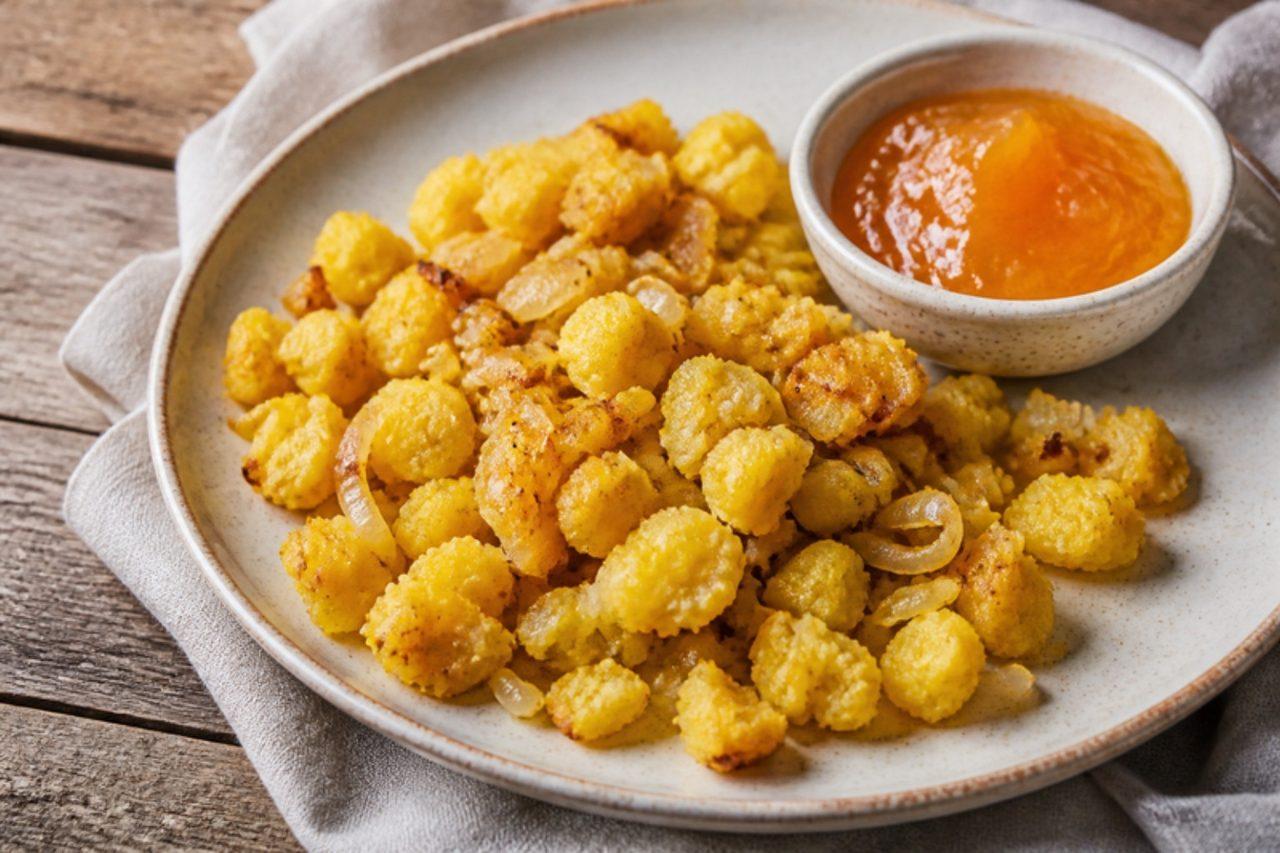
GánicaPotato and flour crumble

Up in the hills of northern Hungary, in Nógrád and Borsod, potatoes and flour were often all a farmhouse kitchen had in late winter, and gánica made a meal of them. The potatoes are mashed with flour into a heavy dough, then torn apart with two forks into small, uneven crumbs, which are tossed in a pan of onion-scented oil until golden in places. The result is soft and fluffy with crunchy edges, more like a savoury crumble than a dumpling. Eat it as a side with a mushroom stew, or sweet, spooned over with plum jam. The usual slip is under-cooking the flour, which leaves the crumbs pasty; give it the full time over the heat while you beat it. Chef's tip: tear the dough while it is still hot; once it cools it sets into a lump and will not crumble.

by KrazyBadal 0 views

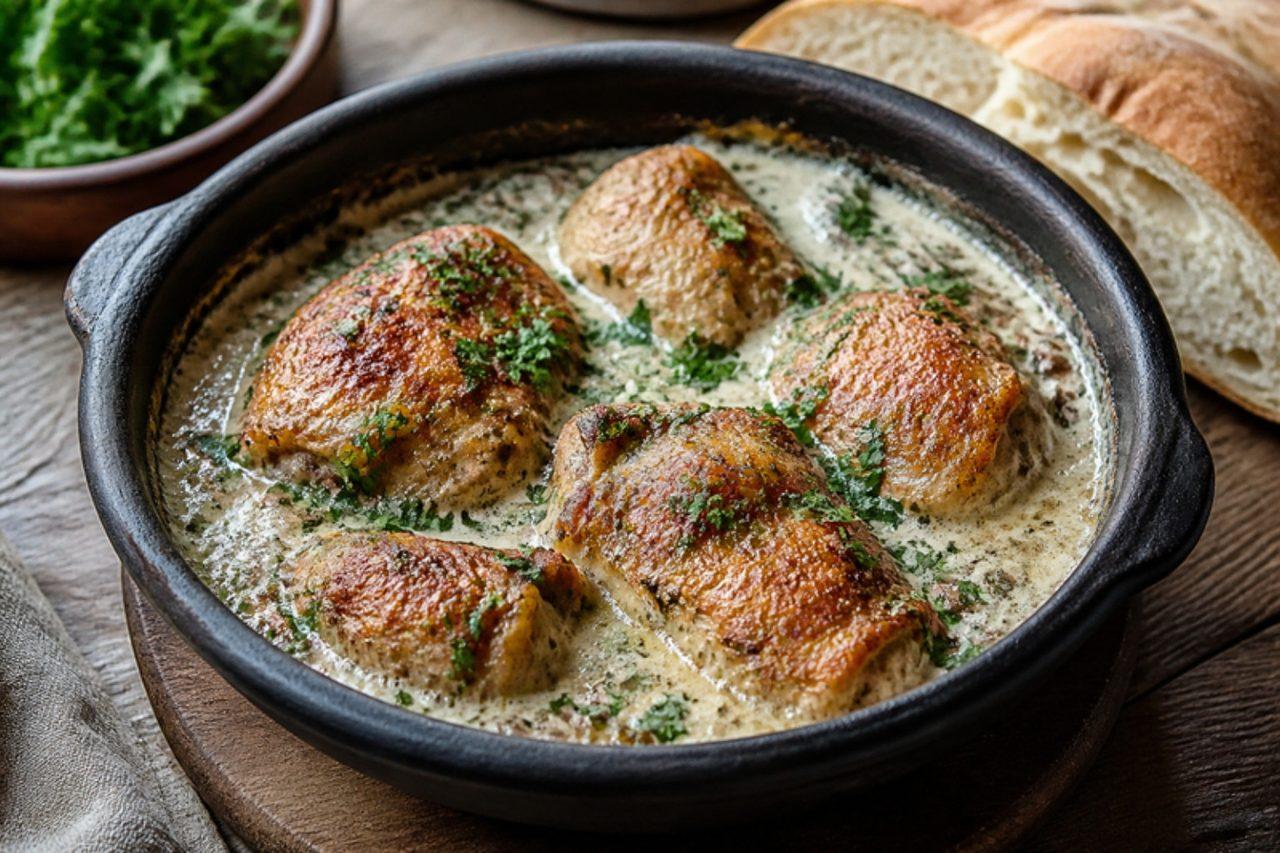
ShkmeruliChicken in garlic cream sauce

Shkmeruli is named after Shkmeri, a village in Racha, the green, wine-making mountain region in the north-west, and it has become a favourite all over Georgia: a young chicken is fried until crisp, then finished in a clay ketsi with a sauce of milk or cream simmered with an alarming amount of garlic. It comes to the table bubbling, and the sauce is mopped up with shoti. A common mistake is putting raw garlic straight into boiling cream, which makes it harsh; warm it gently first. Chef's tip: fry the chicken skin-side down under a weight for the first 15 minutes, so the skin stays crisp even after it goes into the sauce. Chicken must reach 74 °C.

by KrazyBadal 0 views

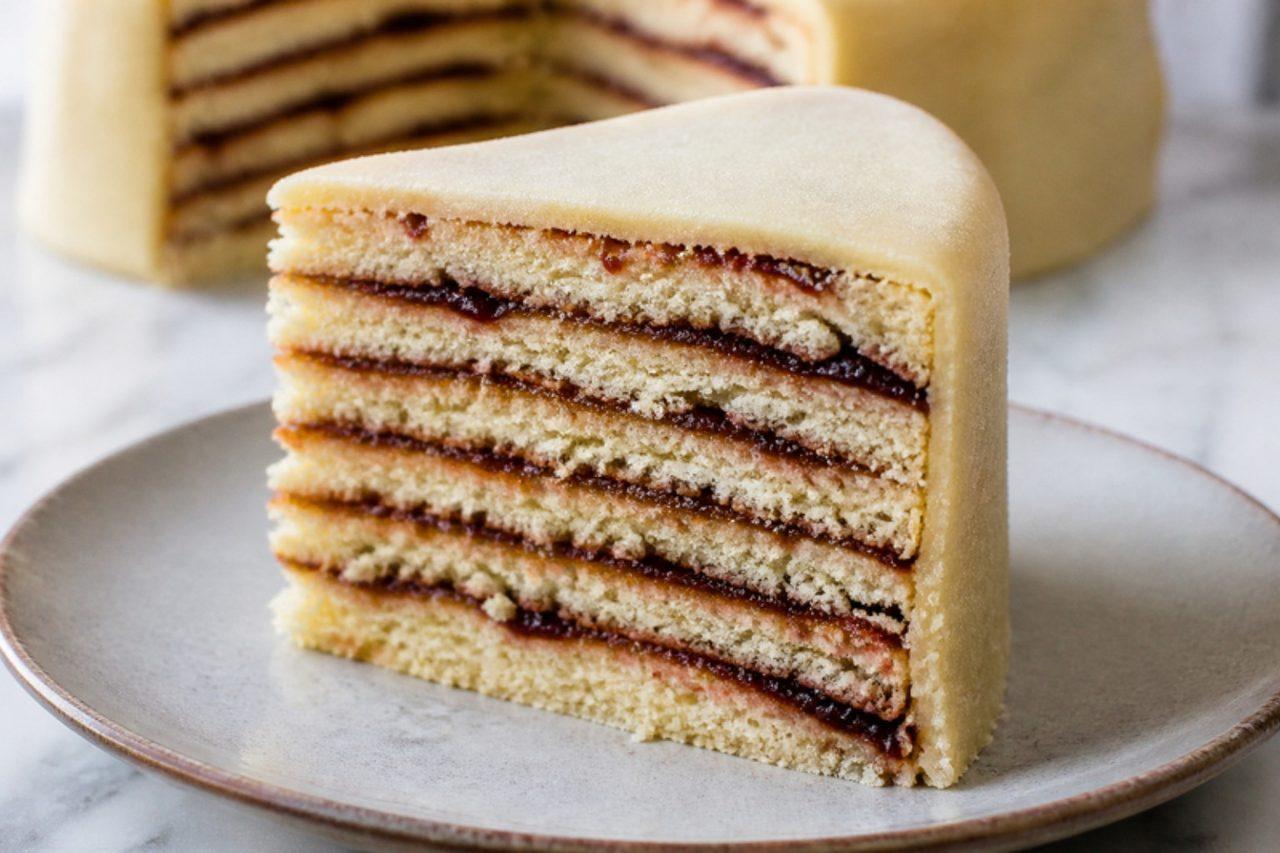
VínartertaLayered cardamom prune cake

Vínarterta, 'Vienna cake', is the Icelandic Christmas cake: six or seven thin layers of cardamom-scented biscuit dough sandwiched with thick prune jam spiced with cinnamon and cardamom, then left to mature for a few days before slicing into narrow strips. It is still baked by Icelandic families in Reykjavík and by the descendants of Icelanders in Manitoba, where it became a symbol of home. A common mistake is slicing it the same day; the layers are crisp until the jam softens them. Chef's tip: wrap it and leave it for 3 days in a cool place, so the biscuit softens into a fine cake.

by KrazyBadal 0 views

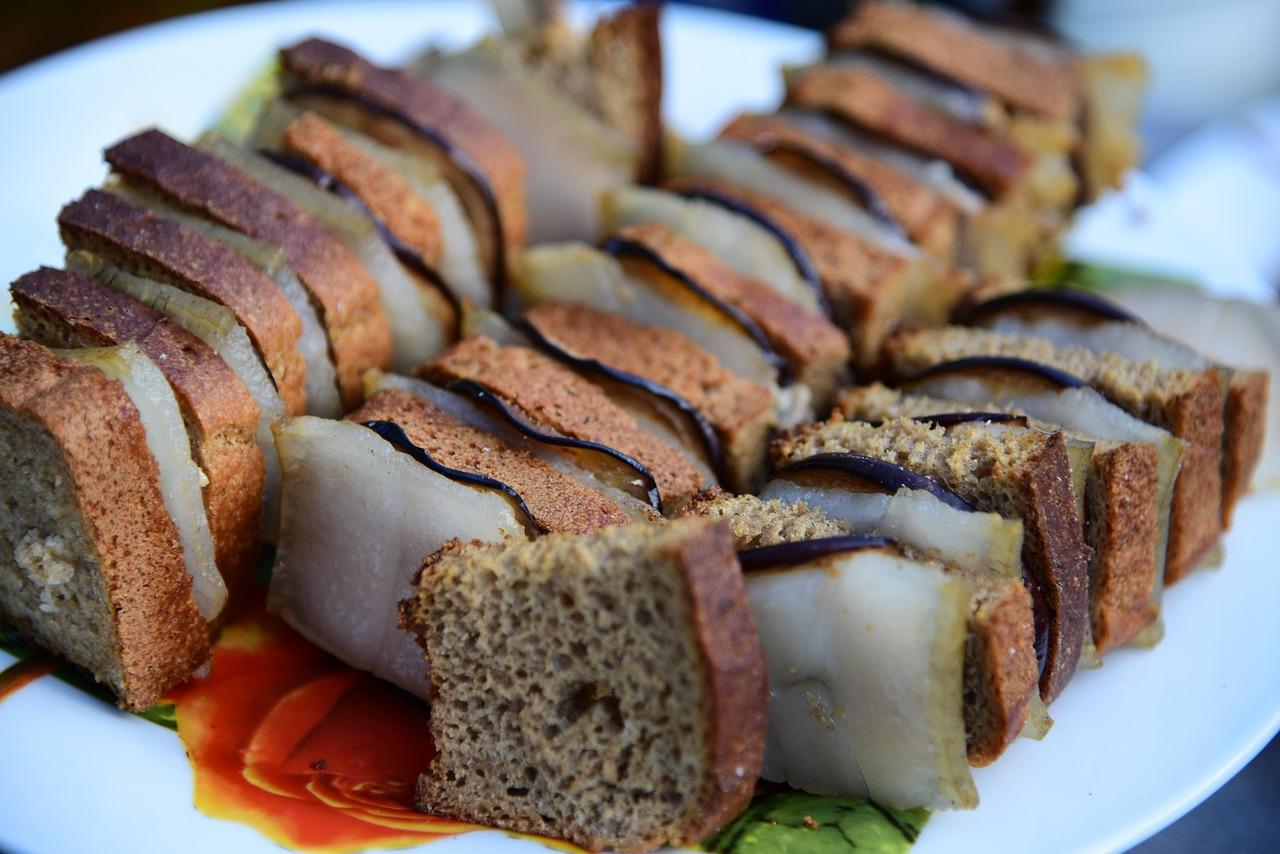
SaloSalted pork fatback

No food says Ukraine quite like salo, salted pork fatback, which appears on village tables, train picnics and wedding spreads with a heel of dark bread, raw garlic and a spring onion. Good salo is pure white or faintly pink, firm, mild and creamy as it melts on the tongue; rubbed with garlic, black pepper and a little paprika, it becomes a sharp, savoury snack. Salo is cured but never cooked, so use ready-salted salo from a butcher or market stall you trust, made from inspected pork and kept in the fridge. Like other uncooked cured pork, it is not for pregnant women, young children or anyone with a weakened immune system; for them, fry thin slices into crisp shkvarky instead. Slicing it at room temperature is where most people go wrong: the fat smears and tears. Chef's tip: wrap the seasoned piece and freeze it for 40 minutes, then cut paper-thin slices with your sharpest knife.

by KrazyBadal 0 views

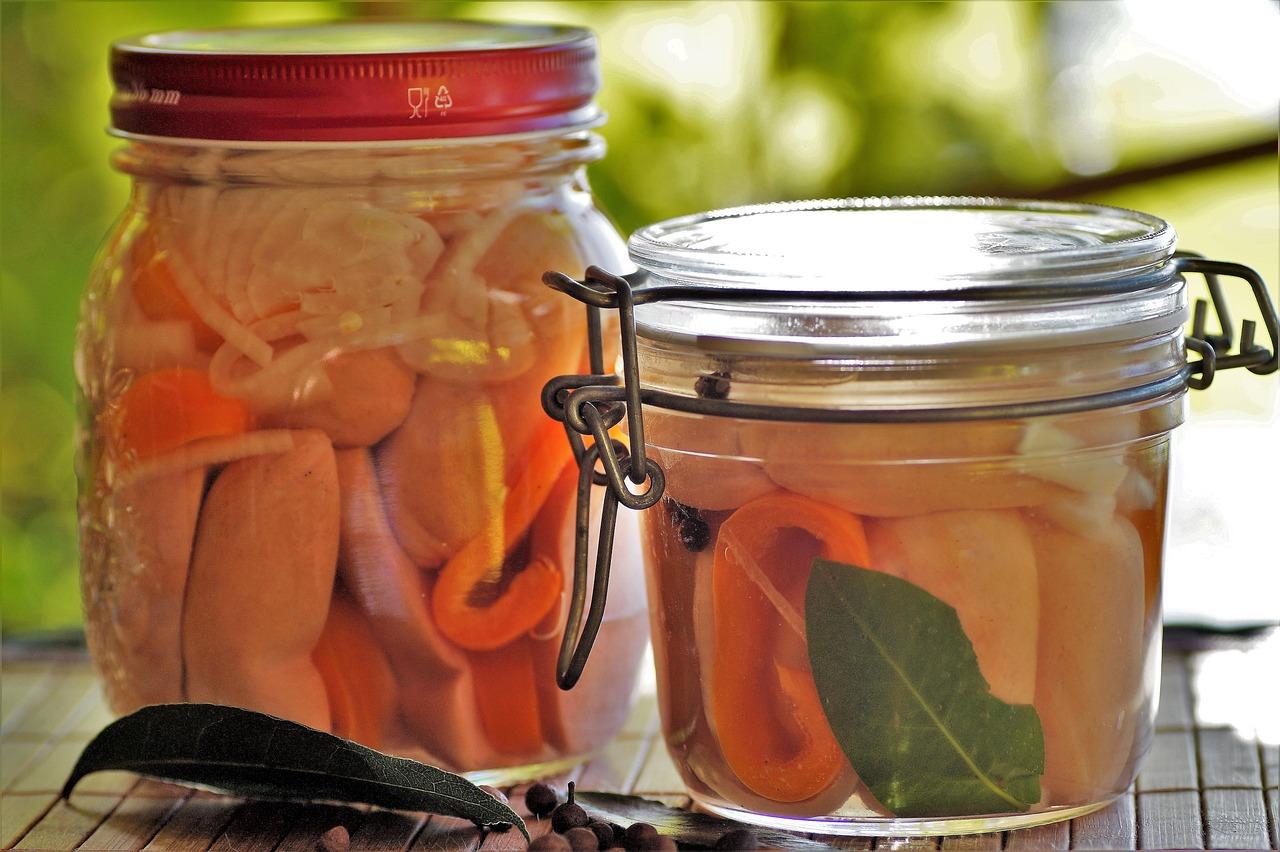
UtopenciPickled sausages

Utopenci means "drowned men": fat pork sausages slit open, stuffed with onion and sunk in a jar of spiced vinegar brine, and they sit in big jars on the bar of almost every Bohemian pivnice, fished out with a fork and eaten with dark bread. The usual sausage is the špekáček, a short, plump pork-and-beef sausage with visible fat. After a few days in the brine they are sharp, garlicky and juicy, with sweet, soft onion and a slow chilli heat. Where most people go wrong is using raw sausages or skipping the cooking: heat the sausages through to 71 °C in the centre first, cool them quickly, and keep the jar in the fridge the whole time, not on the counter. Eat within 10 days, using a clean fork. Chef's tip: let them pickle for at least 3 days; on day one they just taste of vinegar.

by KrazyBadal 0 views

Saudi champagneSparkling apple and mint punch

Despite the name, Saudi champagne is completely alcohol-free: a jug of chilled apple juice topped up with sparkling water and loaded with sliced apple, orange, lemon and fresh mint. It is the drink of weddings, Eid gatherings and summer afternoons in Jeddah and Riyadh, poured over plenty of ice into tall glasses. It is light, fizzy and fruity, a little like a cider-free punch, and children love it. The most common mistake is adding the sparkling water hours ahead, so the bubbles are gone by the time guests arrive; mix the fruit and juice early, and add the fizz at the last moment. Chef's tip: bruise the mint lightly between your palms before it goes in so it releases its scent without turning bitter.

by KrazyBadal 0 views

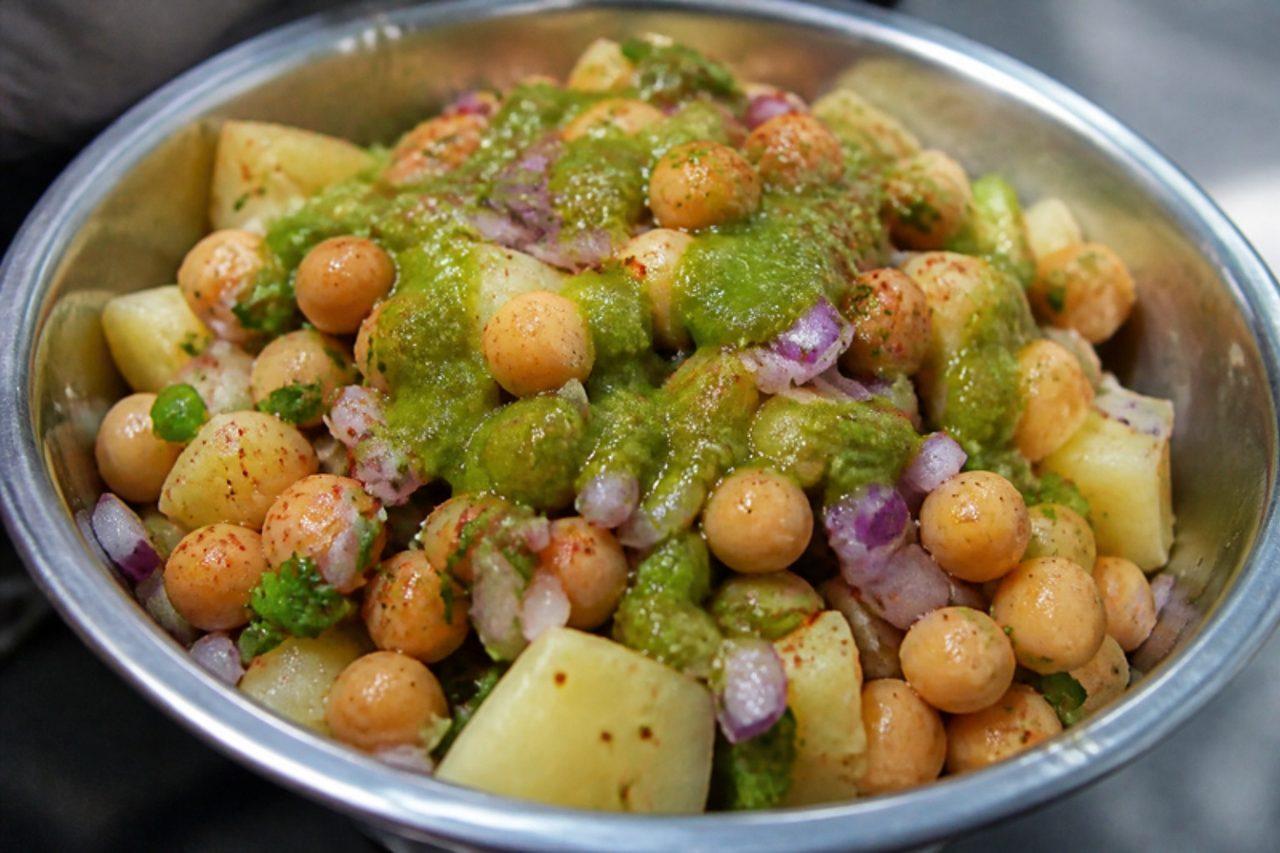
Shor nakhodChickpea and potato salad

Push a wooden cart through the lanes around Kabul's Mandawi bazaar and you will find vendors ladling shor nakhod into small bowls for schoolchildren and shoppers, a snack that is half salad, half sour little soup. Soft chickpeas and cubes of boiled potato sit in a pool of vinegar sharpened with raw onion, green chilli and a fistful of coriander, so every spoonful is salty, tart and fresh at once. It is eaten on its own with a spoon, or beside naan, and it turns up at iftar during Ramadan because it is light after a day of fasting. Most home versions disappoint because the potatoes are dressed cold and the vinegar just slides off them, so toss them while they are still warm. Chef's tip: keep a spoonful of the chickpea cooking liquid or tin water in the dressing, which gives it the slightly cloudy body of the street version.

by KrazyBadal 0 views

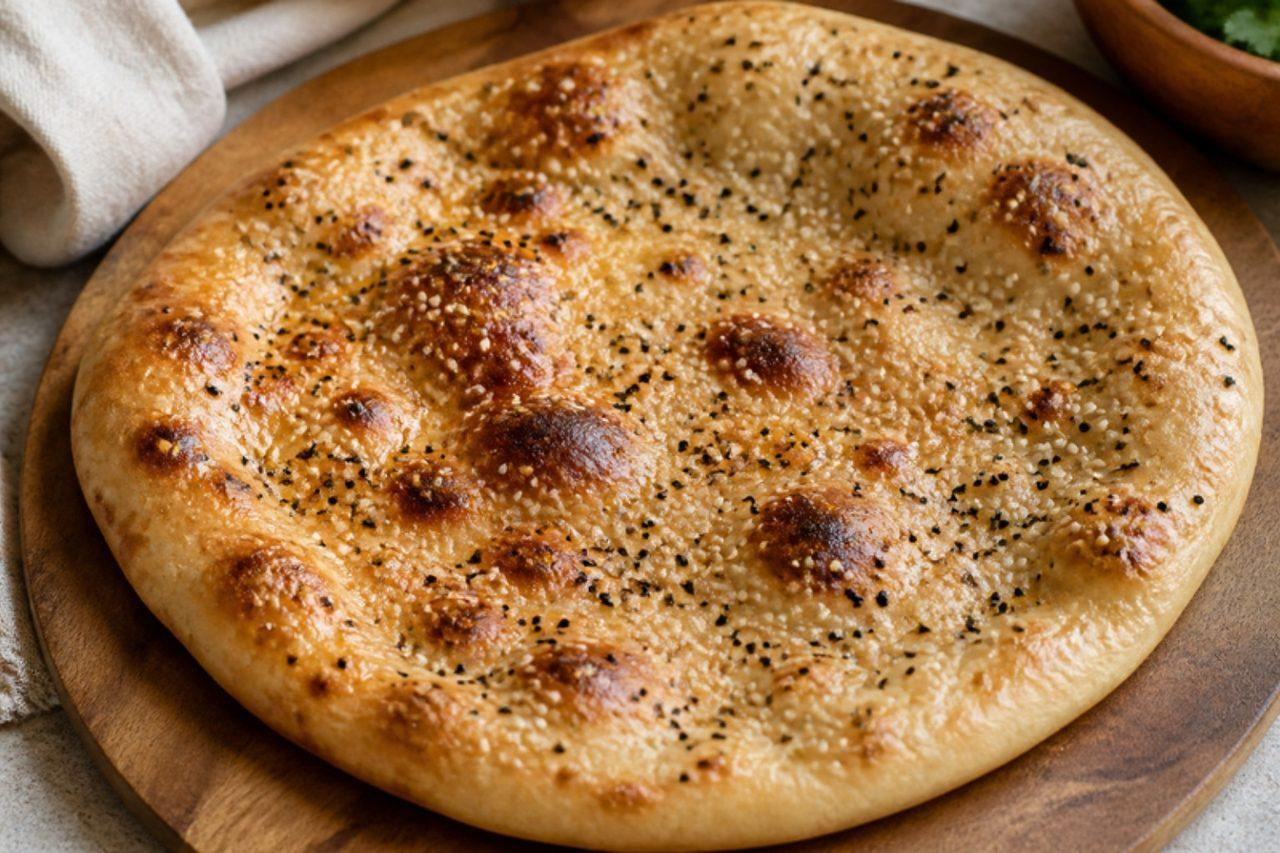
Roghni naanSesame milk naan

"Roghan" is the oil or fat that gives this bread its name, and in the old tandoors around Lahore's Bhati Gate the naanbai stretch each round of milk-enriched dough, press grooves into it with their fingertips, slap on a wash of milk and oil and a fistful of sesame, and bake it in seconds against the clay wall. It comes out puffy at the rim, soft and slightly sweet in the middle, with a nutty, toasted top. Pakistanis buy it hot for Friday lunches and dinner parties to eat with karahi, nihari-style stews, haleem or a plain bowl of dal. A home oven turned to its highest setting with a heavy tray or stone inside does a fine job. Most failures come from a dough that is too stiff, which bakes into a dry, cracker-like disc instead of a pillow. Chef's tip: keep the dough tacky, oil your hands rather than flouring them when you shape it, and bake under the grill for the last minute to blister the sesame.

by KrazyBadal 0 views

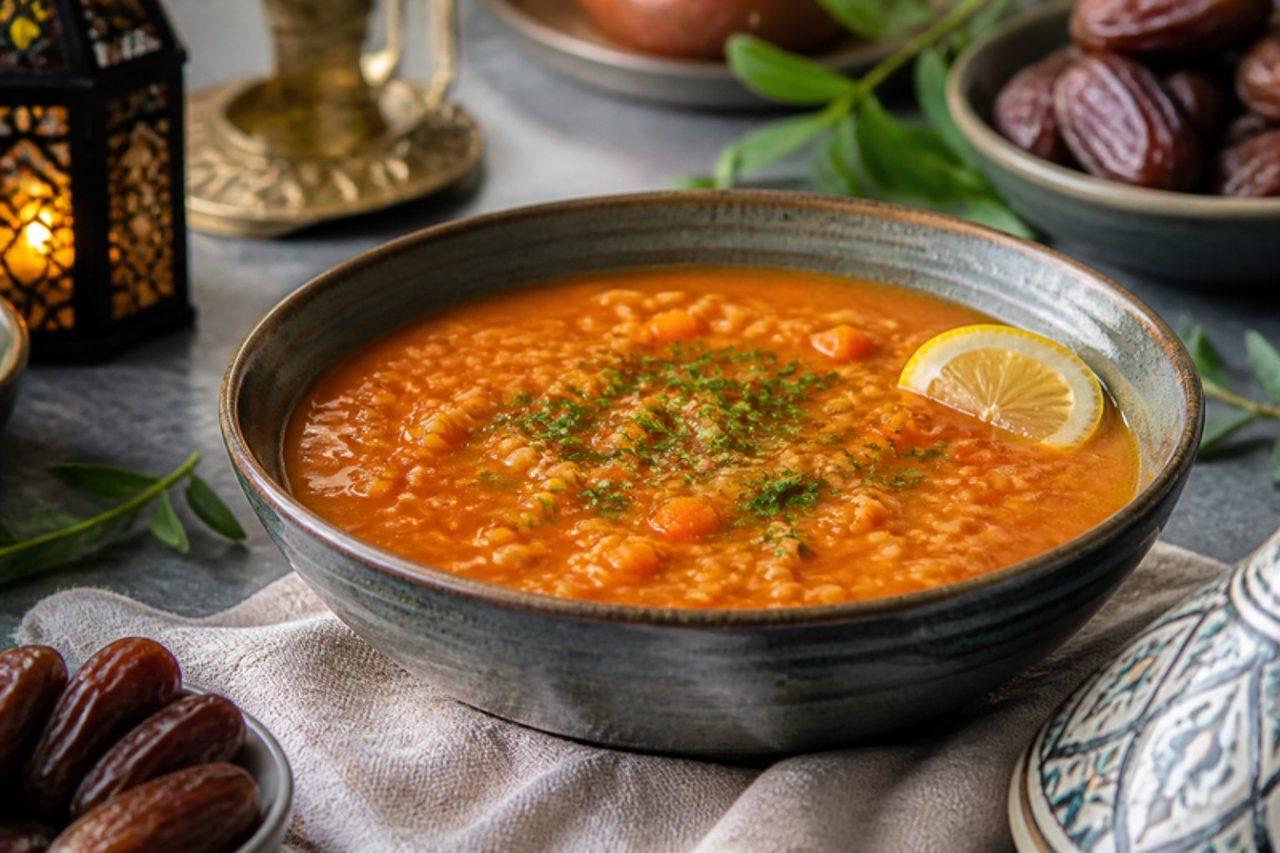
Shorbat shoofanOat and tomato soup

When the sunset call to prayer ends the Ramadan fast, many Saudi families in Riyadh and Jeddah reach first for dates, water and a cup of shorbat shoofan, a gentle, velvety oat soup scented with cardamom and black pepper. Most households make it with chicken broth and shreds of chicken; this vegetarian version uses a good vegetable stock and keeps the same comforting body. The oats thicken the tomato broth into something silky, light enough to eat before the main meal. People often add the oats too early and boil them into glue; they need only 10–15 minutes. Serve with lemon wedges and a few chopped herbs. Chef's tip: toast the oats in the pan for a minute before adding stock for a nuttier flavour.

by KrazyBadal 0 views

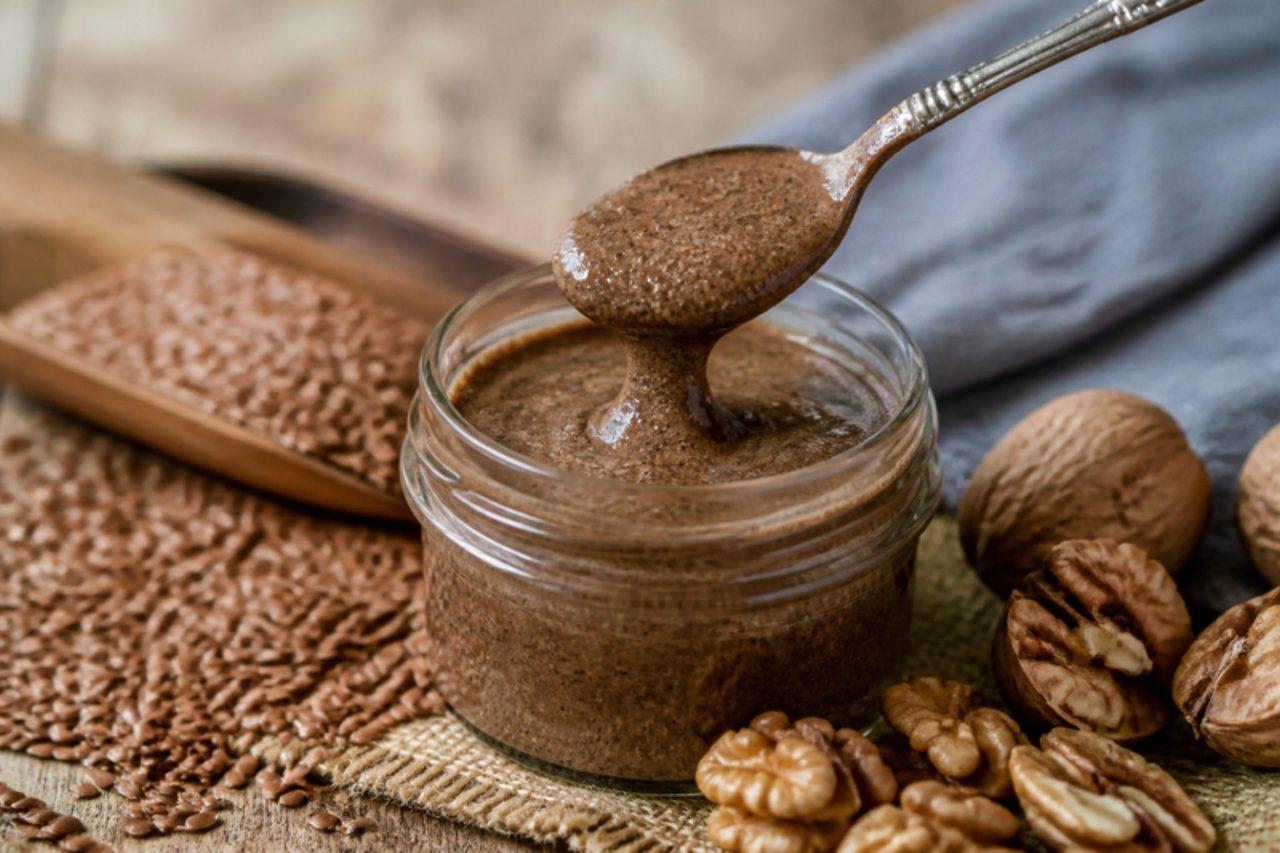
UrbechFlaxseed and walnut paste

High in the villages of Dagestan, urbech was ground between millstones from roasted seeds and kernels until the oil ran, then packed into jars to see families through winter. Brown flax gives the classic dark, slightly bitter paste; walnuts soften it and make it creamy. Locals warm it gently with honey and melted butter and spread it on bread or eat it by the spoon with tea; for a fully plant-based breakfast swap in a fruit syrup and keep the butter out. Some urbech uses apricot kernels, but bitter kernels contain natural cyanide compounds, so this home version sticks to flax and walnuts. Where most people go wrong is giving up after five minutes: the seeds look like dry sand for a long time before suddenly collapsing into paste. Chef's tip: let the food processor rest every few minutes so the motor and the paste stay cool; overheated flax turns bitter.

by KrazyBadal 0 views

Rogal świętomarcińskiPoppy seed crescent pastry

Every 11 November, St Martin's Day, Poznań eats well over a million of these heavy crescents, and only certified local bakeries may sell them under the protected name. Our home version follows the same idea: a flaky laminated yeast dough wrapped around a rich filling of white poppy seed, nuts, dried fruit and cream, glazed with icing and scattered with chopped nuts. Each rogal is large, sweet and almond-scented, best shared with coffee. A common mistake is letting the butter get warm during folding; it then melts into the dough and the layers disappear. Chef's tip: white poppy seed is milder than blue; ask for it at Polish shops or online, and grind it fine.

175 minPolishBaking
by KrazyBadal 0 views

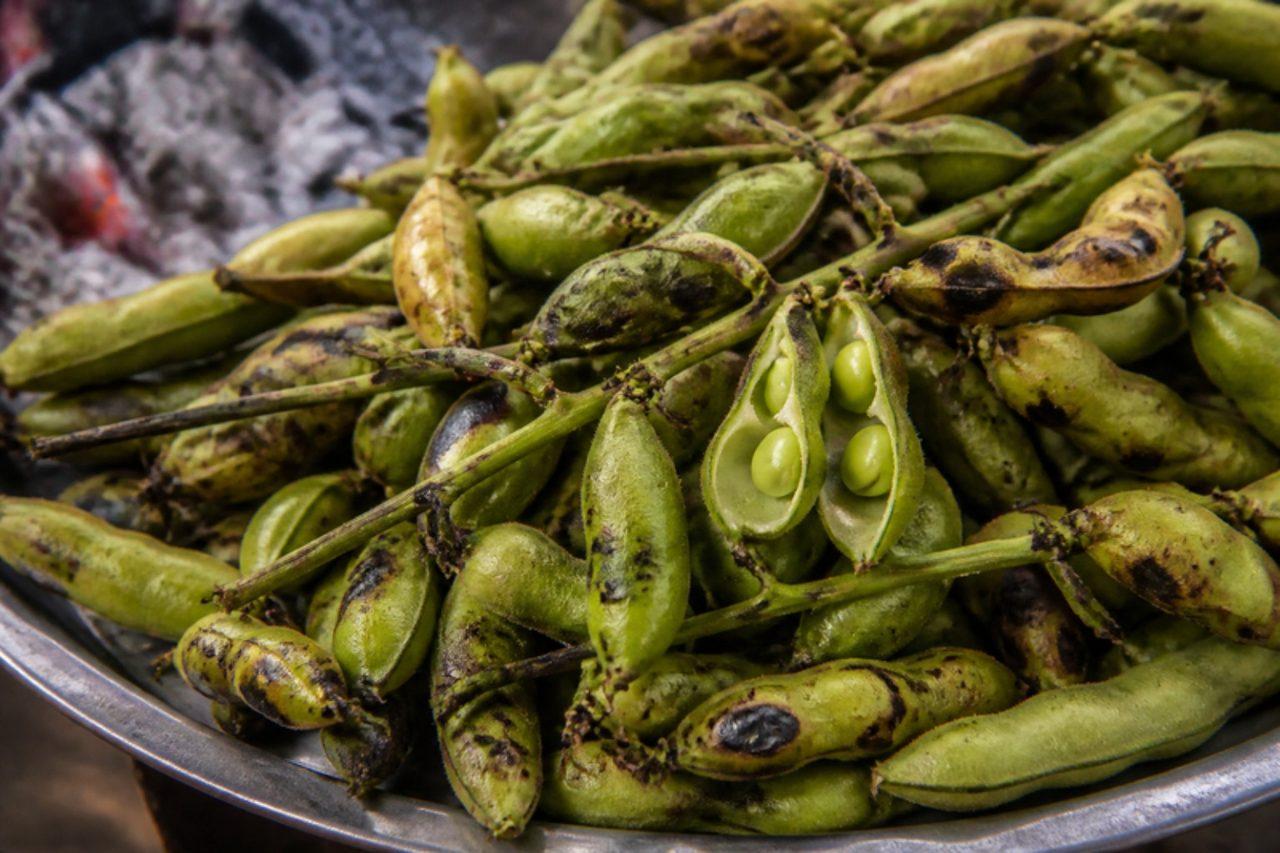
MalanaRoasted green chickpeas

Late winter and spring bring malana, whole chickpea plants with their fuzzy green pods still attached, to market stalls in Upper Egypt and across the country. Sellers and families roast the bunches over embers until the pods blister and blacken in spots, and everyone sits around pulling them off the stalks and popping out the hot, sweet, slightly smoky peas, a little like a cross between fresh peas and chestnuts. Look for them at Middle Eastern or South Asian grocers in season, sold as green chickpeas on the stem. The mistake is leaving them over the heat too long, which turns the peas dry and mealy. Chef's tip: sprinkle the hot pods with salt and a few drops of water, which steams the peas inside.

by KrazyBadal 0 views

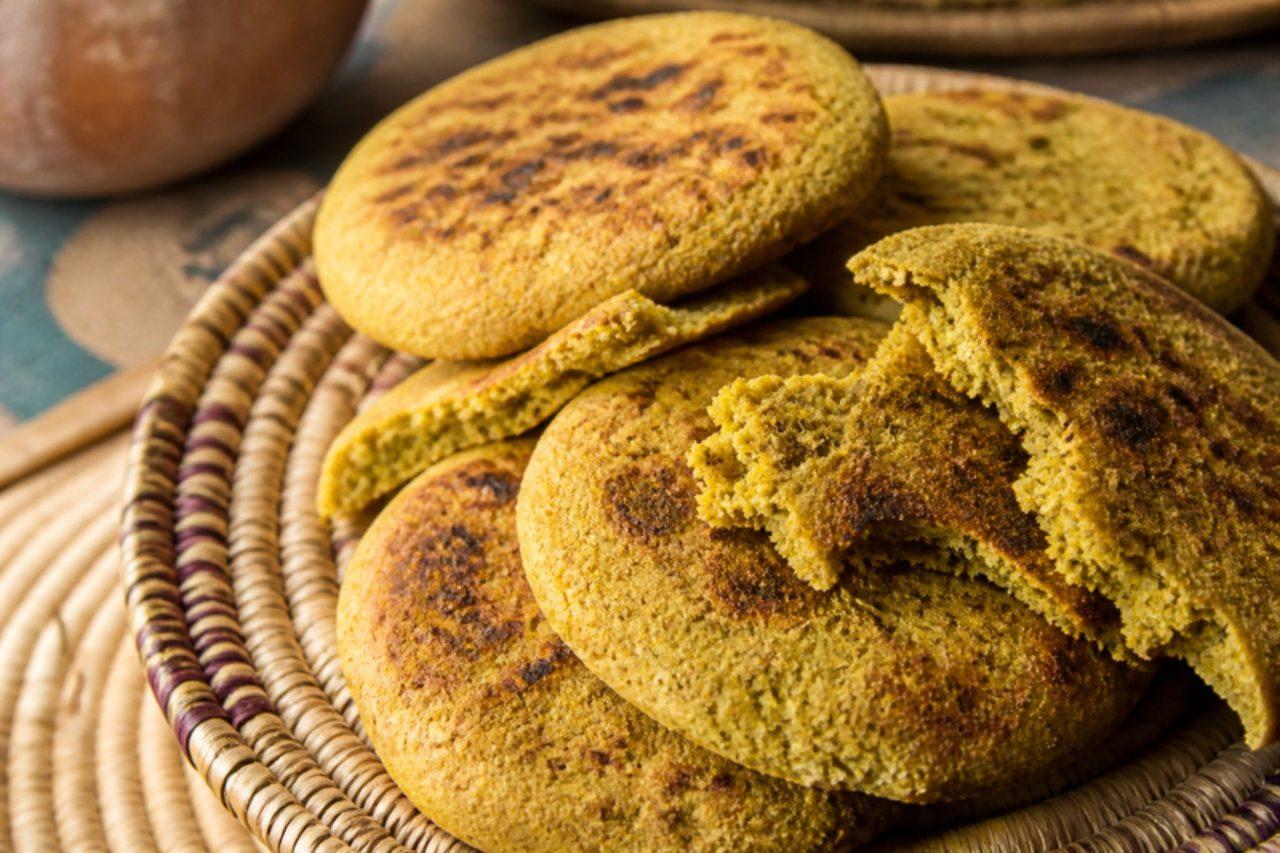
BettawMaize and fenugreek flatbread

Farming families in the Sa'id have long baked bettaw from maize grown on their own land, flavoured with fenugreek and baked in big batches, then dried until hard so it keeps for weeks. The bread is dense, crumbly and earthy, with the bittersweet, maple-like scent of fenugreek, and is softened by dipping in mish, molasses, buttermilk, lentils or a bowl of stew. A little wheat flour holds the maize together. Maize dough has no stretch and cracks if you treat it like wheat, so wet your hands and press it out rather than kneading or rolling. The usual mistake is using too much fenugreek, which turns the bread bitter; a little goes a long way. Chef's tip: to soften dried bettaw, sprinkle it with water and warm it for a few minutes in a covered pan.

by KrazyBadal 0 views

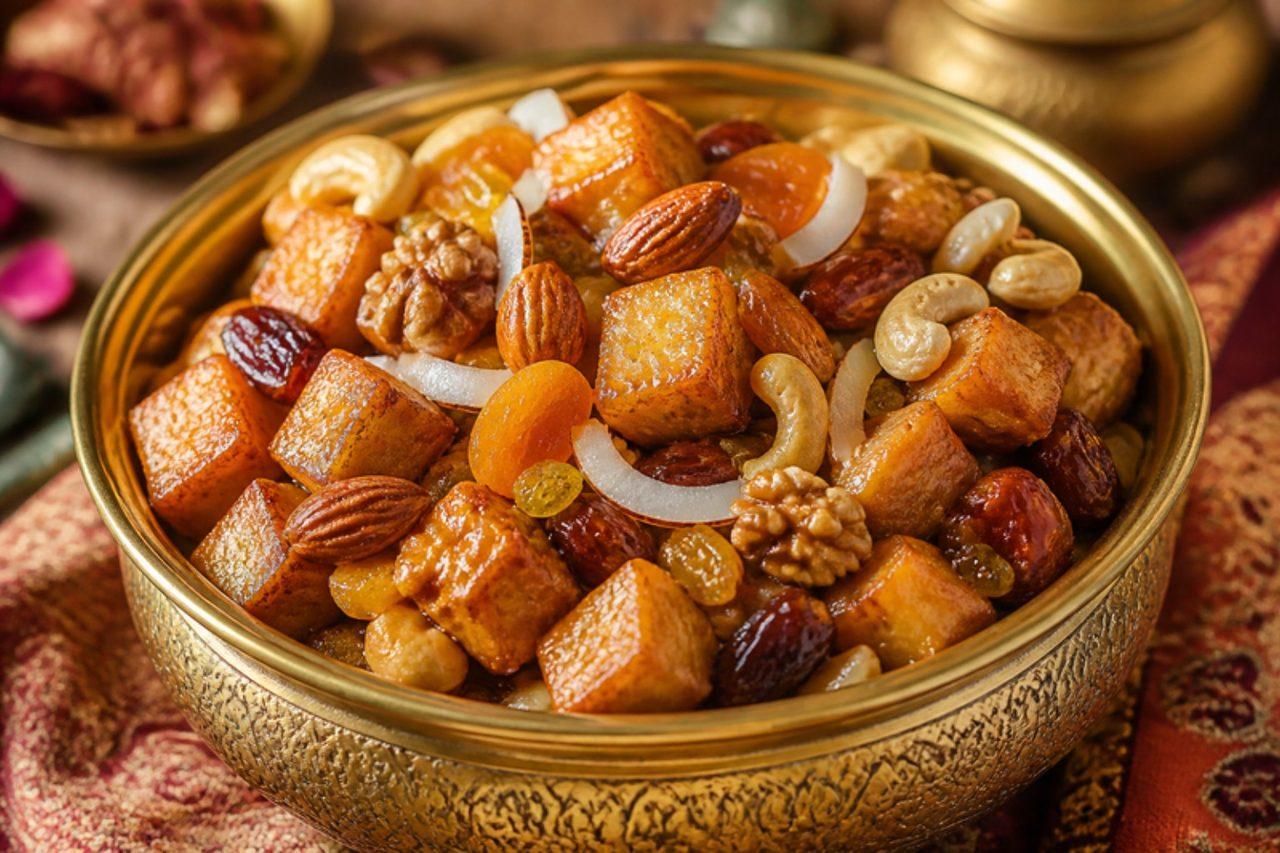
ShuftaPaneer and dried fruit sweet

Shufta is the sweet that ends a Kashmiri wedding feast or an Eid lunch in Mirpur and Muzaffarabad, a glossy jumble of golden fried paneer, almonds, walnuts, dates, apricots and raisins bound in a thick syrup scented with saffron and cardamom. A pinch of black pepper and dry ginger runs through the sweetness, which is very old Kashmiri habit and keeps it from being cloying, and the paneer stays soft inside its crisp skin. It is eaten in small spoonfuls, warm or at room temperature, sometimes alongside kahwa. Cooking the syrup too far is the mistake to avoid, because once it reaches a hard thread it sets like toffee around the fruit as it cools. Chef's tip: use paneer that has been pressed for an hour so it fries golden without breaking; shop-bought paneer is acid-set and needs no rennet check.

by KrazyBadal 0 views

Undu walaluFried urad dal rings in treacle

Walalu means bangles, and these dark, sticky rings of fried urad dal soaked in kithul treacle are a sweet that Sinhala families bring out for Avurudu and for special almsgivings, often made in large batches by an aunt known for her steady hand. A thick, fluffy paste of ground black gram is piped into loops and fried until crisp, then plunged straight into warm treacle, so the rings stay crunchy on the outside while drinking up the syrup. They taste a little like a darker, smokier jalebi, with a toffee finish from the palm treacle. Watery batter is what ruins them; it spreads into flat blobs, so grind the soaked dal with as little water as possible and beat it until light. This recipe uses no asafoetida, so it is naturally gluten free. Chef's tip: pipe the rings onto small squares of baking paper and lower them into the oil paper and all; the paper peels away in seconds.

by KrazyBadal 2 views

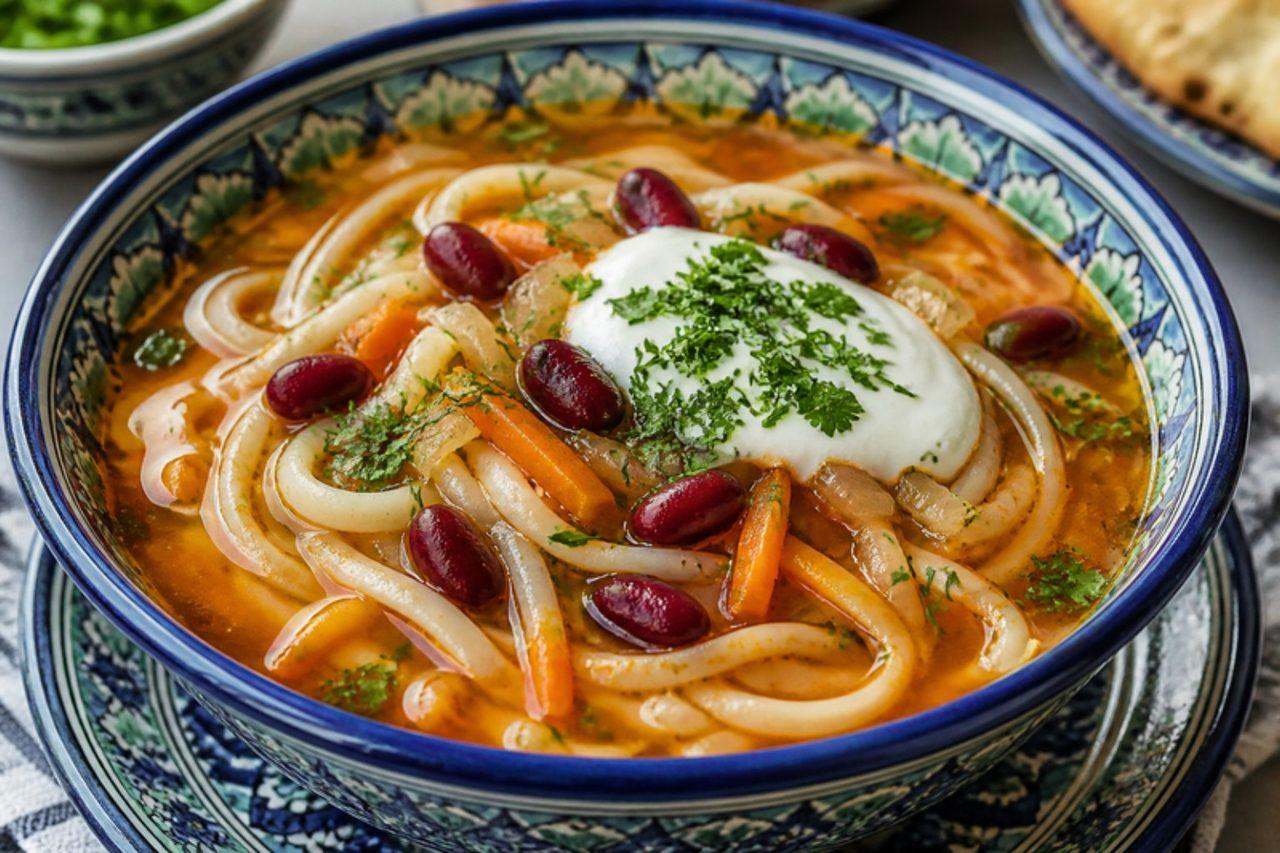
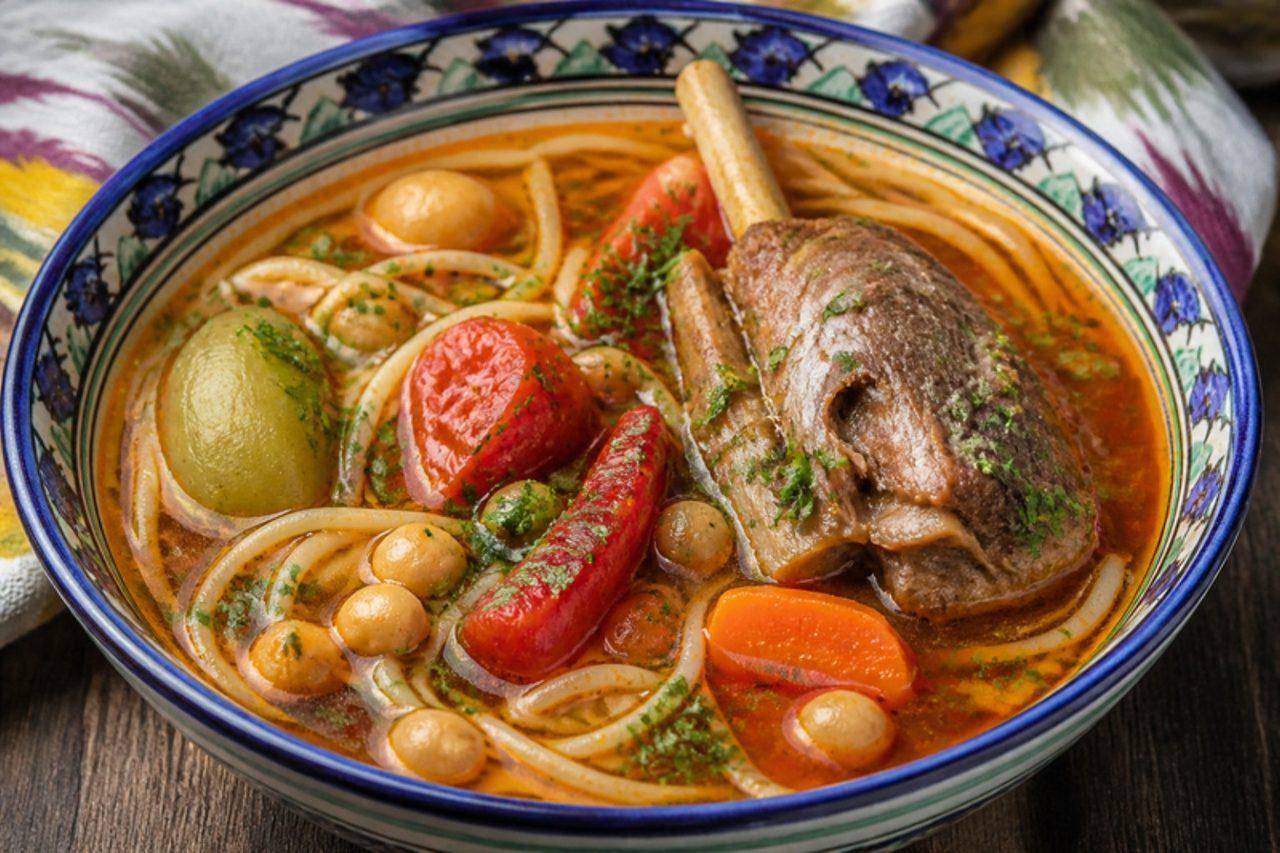
UnashBean and noodle soup

Unash is a homely soup from Khorezm, in Uzbekistan's far north-west near the Aral Sea: thin hand-cut noodles cooked in a broth of beans, onion, carrot and tomato, then finished in the bowl with a spoon of sour katyk and fresh herbs, so it tastes both rich and tangy. Families in Urgench make it on winter evenings, often without meat. A common mistake is cooking the noodles in the soup for too long, which makes it thick and gluey. Chef's tip: add the noodles only when the beans are fully tender, and serve within 5 minutes so they stay springy.

90 minUzbekSoups
by KrazyBadal 0 views

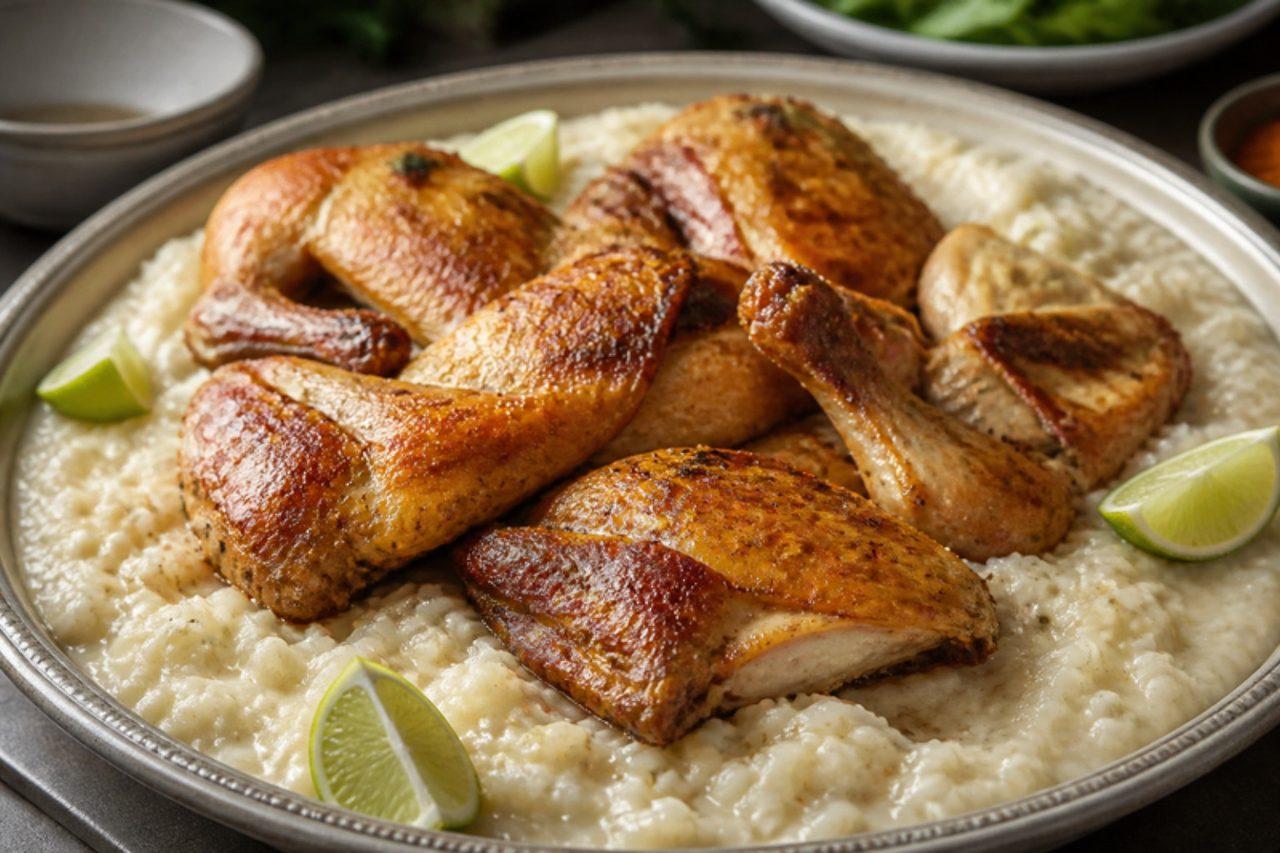
SaleegCreamy rice with roast chicken

In Taif and the cities of the Hejaz in western Saudi Arabia, saleeg is what families cook when someone needs comforting, and it turns up on Friday lunch tables and at gatherings through the cooler months. Short-grain rice is simmered slowly in the broth the chicken was poached in, then loosened with milk until it is as soft and creamy as a savoury rice pudding. The chicken pieces are roasted until golden and laid on top, and a spoonful of hot ghee is poured into a well in the middle just before serving. Eat it with daqqus tomato sauce or a squeeze of lime and a plate of sliced cucumber. The usual mistake is to stop stirring once the milk goes in, so the rice catches on the base and tastes scorched. Chef's tip: keep a ladle of hot broth beside the pot and add it whenever the rice looks stiff; saleeg should slowly flow when you tilt the plate.

by KrazyBadal 0 views

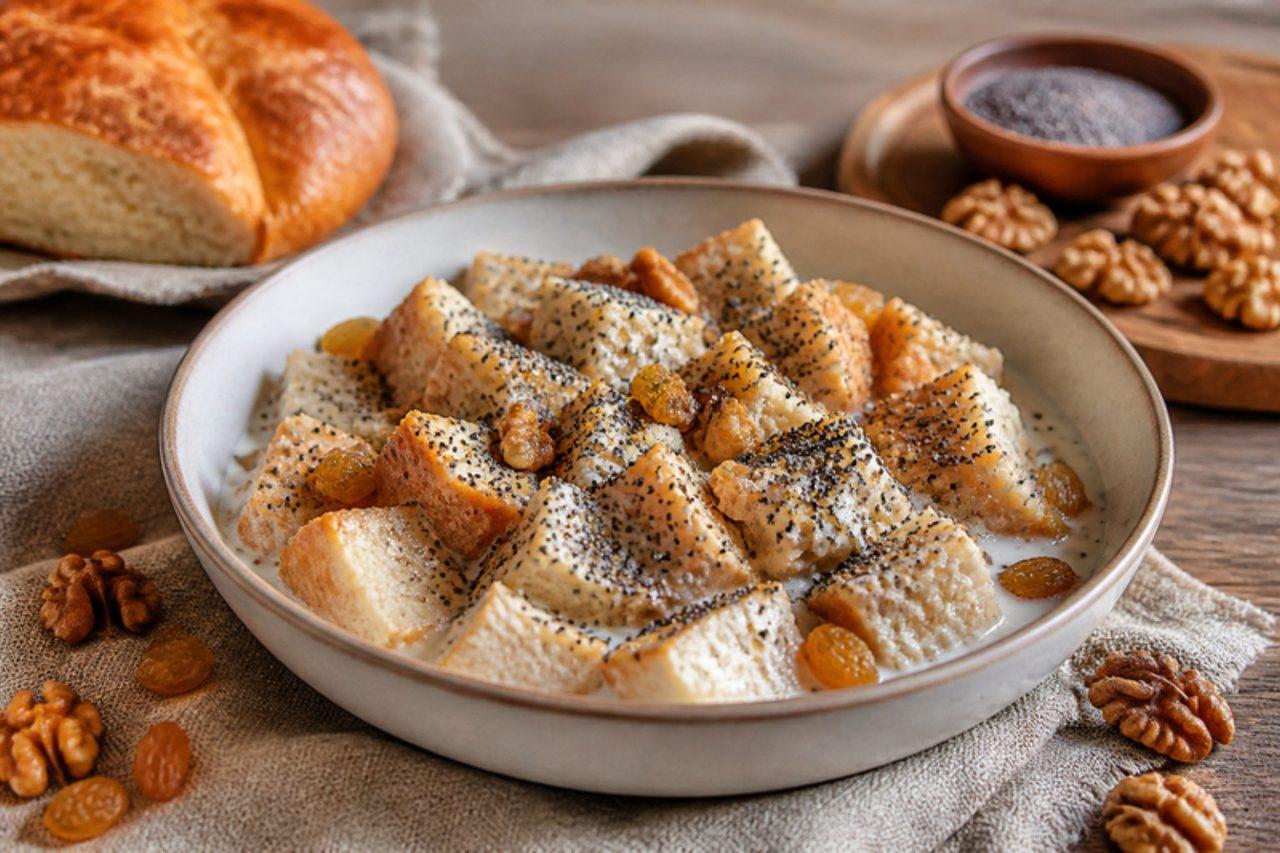
ShulykyHoney flatbread in poppy seed milk

On 14 August, Makovei, the first of the summer Saviour feasts, Ukrainian families bless poppy heads, honey and herbs in church and come home to a bowl of shulyky. Thin honey flatbreads are baked until crisp, broken into pieces and drowned in 'poppy milk': scalded poppy seeds ground with water and honey until they turn grey-white and creamy. The bread drinks it up and becomes soft and cakey while keeping a little chew, and the whole dish tastes of nuts, honey and late summer. It is naturally dairy-free and served cold or at room temperature as a dessert. The common pitfall is grinding the seeds dry: they need to be soaked in boiling water first, otherwise they stay gritty and never release their milk. Chef's tip: a pestle and mortar gives the creamiest poppy milk, but a powerful blender with a splash of hot water works if you blend in short bursts.

by KrazyBadal 0 views

ShuraykSweet sesame ring bread

Shurayk is the bread that fills the bakery windows of Mecca and Medina in Ramadan and on Eid mornings: soft, golden rings, faintly sweet and fragrant with mahlab, crusted with sesame and nigella. Families break them open with white cheese, olives and a glass of milky tea after the dawn meal or on the first morning of Eid. The crumb is tender like a brioche but lighter, because it uses milk and a little ghee rather than lots of butter and eggs. A frequent mistake is letting the rings over-prove after shaping; the holes close up and the rings bake into puffy buns. Chef's tip: shape them with a generous hole about 4 cm wide, since it shrinks by half in the oven.

by KrazyBadal 0 views

Shutki bhortaDried fish mash

A bhorta lunch, half a dozen little mounds of mashed things around a plate of rice, is the heart of Bangladeshi home cooking, and the shutki bhorta is always the one people fight over. Sun-dried fish from Cox's Bazar or Kuakata is toasted until crisp and aromatic, then pounded or mashed with fried onion, garlic, red and green chilli and raw mustard oil until it becomes a rough, punchy paste, salty, smoky and hot. A spoonful is enough to flavour a whole plate of rice. Buy dried fish from a trusted grocer, choose pieces that are dry and firm with no mould or damp patches, and always wash and cook them. The mistake people make most often is burning the fish while toasting, which turns it bitter; keep the heat moderate. Chef's tip: small dried prawns or loitta shutki give the mildest, most beginner-friendly bhorta.

by KrazyBadal 0 views

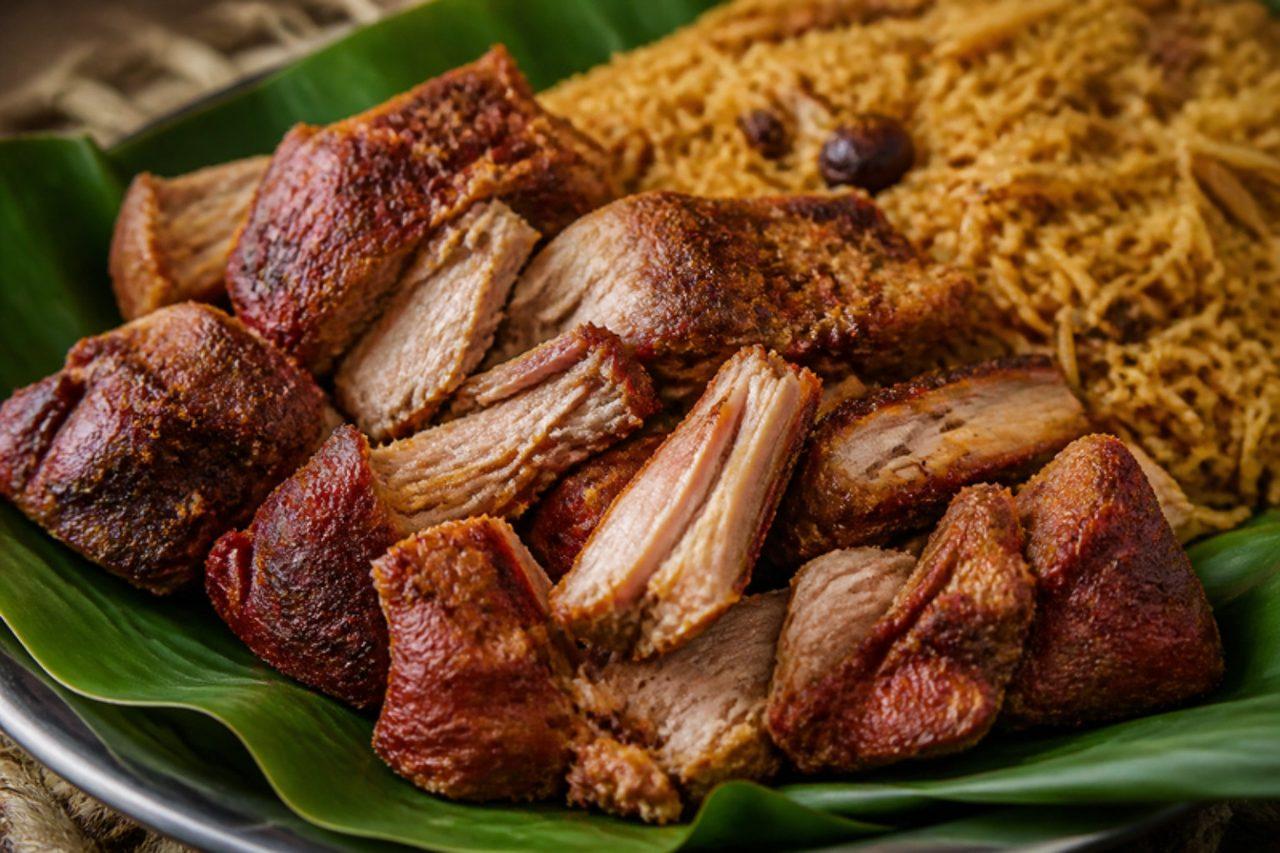
ShuwaSlow-roast spiced lamb

At Eid in Oman, from Nizwa to the villages of the interior, whole sides of goat or lamb are smothered in a red spice paste, wrapped in banana leaves and lowered into an underground sand pit of glowing embers, where they cook for a day or two. This home version keeps that ritual's flavour with a single lamb shoulder, marinated overnight in the fridge, then wrapped and slow-roasted in a low oven for about five hours. The meat comes out dark, smoky with spice and soft enough to pull with a spoon, and is served on rice with the juices poured over. The common mistake is roasting it uncovered or too hot, so the paste burns before the meat softens. Chef's tip: wrap it tightly in two layers so no steam escapes, and give it a final 20 minutes unwrapped for a sticky crust.

by KrazyBadal 0 views

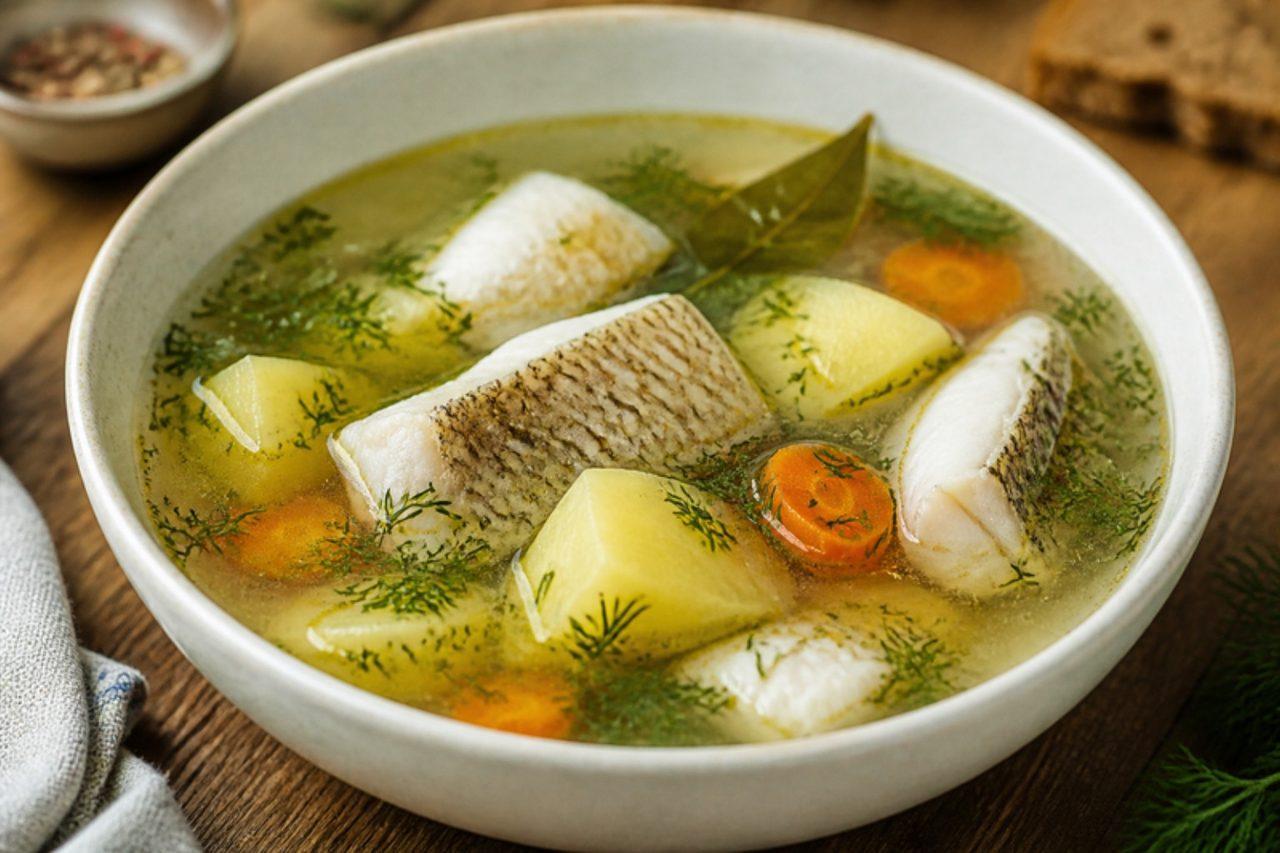
UkhaClear river fish soup

Fishermen on the Volga sandbanks make ukha in a blackened pot over driftwood with whatever is in the net, perch, pike-perch, a small pike, and it is still the soup cooked at dachas on summer evenings. The point is clarity: a light, pale-gold broth that tastes cleanly of fish, with soft potatoes, a whole onion simmered in and a fistful of dill at the end. It is served with black bread and a squeeze of lemon. A common mistake is letting the pot boil hard, which clouds the broth and breaks the fish into flakes. Chef's tip: simmer the bones and trimmings first for the stock and only then poach clean fillets in it, so you get both a rich broth and neat pieces of fish.

by KrazyBadal 0 views

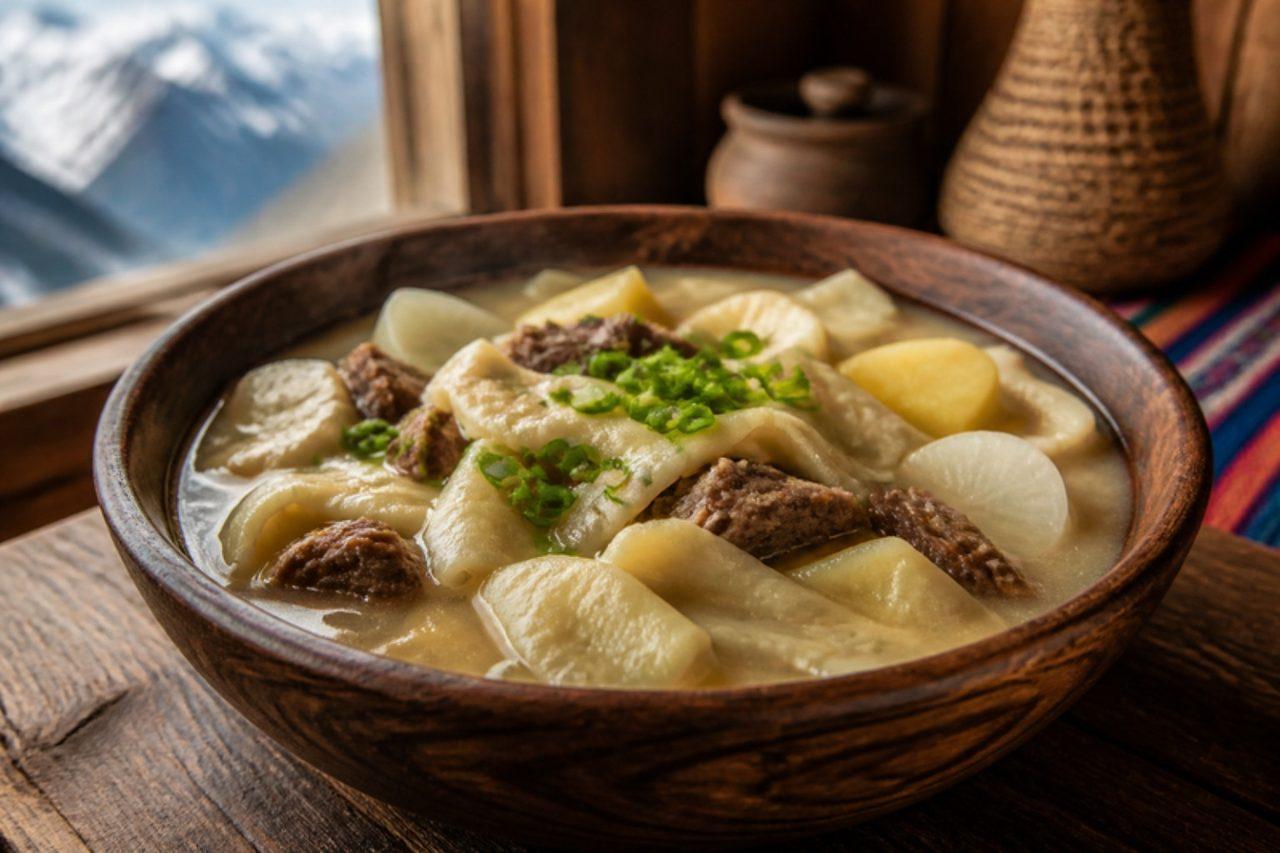
ShyakpaHand-torn dough and yak stew

In the stone lodges of Namche Bazaar and the villages of Solukhumbu, shyakpa is what a Sherpa family cooks on the hearth when the wind comes down off the glaciers: a thick, peppery stew of yak meat, potato and white radish, with pieces of fresh dough pinched straight off a ball and dropped into the pot to cook like chunky noodles. It is eaten from big bowls at the end of a long day's trekking, often with a spoonful of fiery tomato and chilli achar. Yak is rare outside the Himalaya, so beef or lamb is the usual swap, and a vegetables-only shyakpa with extra potato, radish and greens is just as common. Many cooks drop all the dough in at once, which clumps it into a stodgy mass; add it in batches and stir. Chef's tip: let the dough rest for 15 minutes so it stretches thin without tearing.

by KrazyBadal 0 views

Újházi tyúkhúslevesHen soup with vermicelli

Ede Újházi, a much-loved actor of the Budapest National Theatre at the turn of the last century, was so fussy about his Sunday hen soup that a city restaurant named its version after him, and the name stuck. Today Újházi soup is the standard first course at Hungarian weddings and Sunday lunches: a clear, golden broth simmered for hours from a boiling hen, full of carrot, parsley root and celeriac, with mushrooms, green peas and a tangle of thin vermicelli added at the end. The meat is pulled off the bone and served in the bowl, or eaten separately with the vegetables and a little horseradish. The usual slip is letting the pot boil hard, which clouds the broth; it should only tremble. Chef's tip: cook the vermicelli separately and put it straight into the bowls, so the broth stays clear and the noodles don't swell overnight.

by KrazyBadal 0 views

SiemieniotkaHemp seed and buckwheat soup

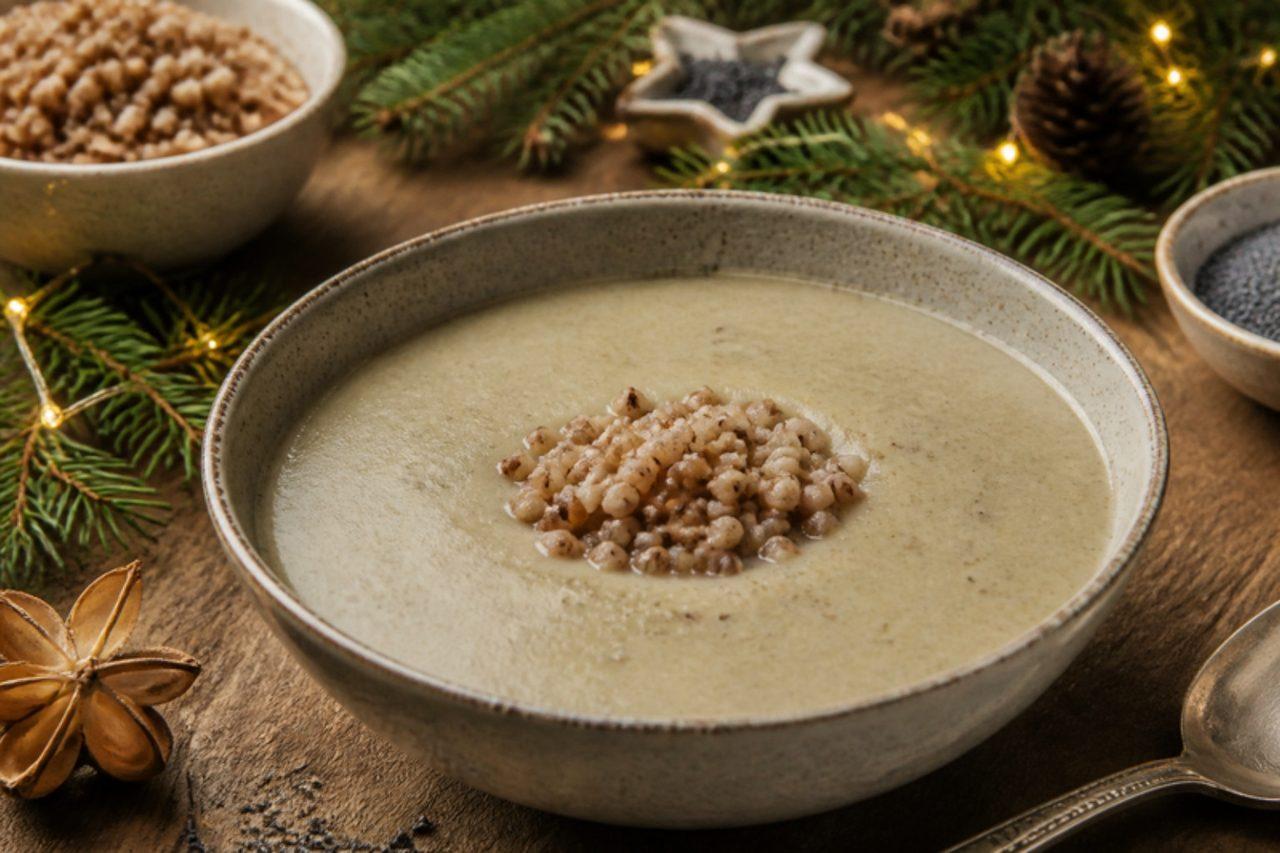
Hardly anyone outside Silesia has tasted it, but in villages around Racibórz and Opole siemieniotka is still the first dish on the Wigilia table, ladled out before the carp and the poppy-seed sweets. Hemp seeds are simmered, crushed and strained with onion into a pale, creamy, gently nutty soup, then poured over a spoon of buckwheat groats in each bowl. Use only food-grade hemp seeds from a health food shop. Where most people go wrong is skipping the straining, which leaves the soup gritty with shell. Chef's tip: toast the seeds in a dry pan for a minute before simmering to deepen the nutty flavour.

by KrazyBadal 0 views

SienisalaattiMushroom and onion salad

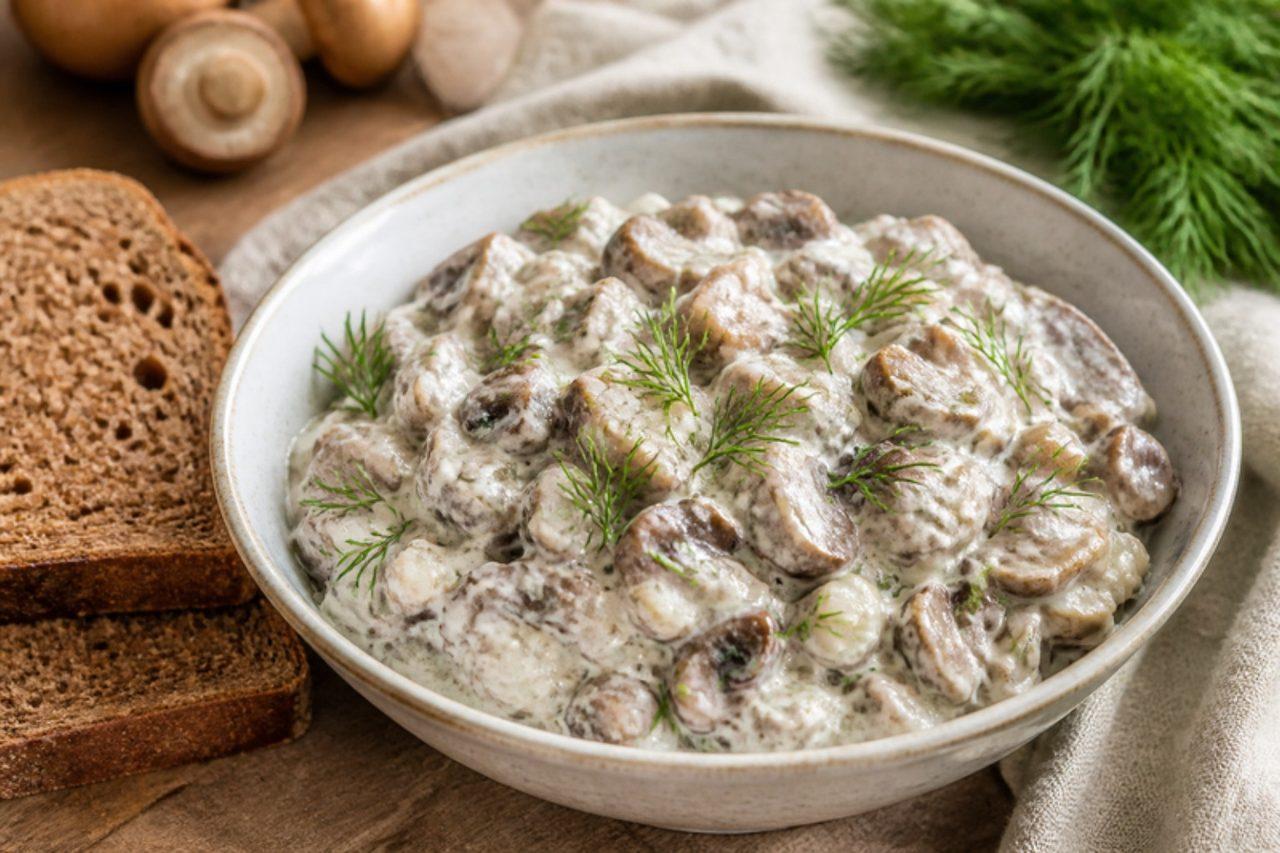
Every Finnish autumn, families head into the forests with baskets for mushroom picking, and in the past the haul was salted in barrels for winter; sienisalaatti, a creamy salad of salted milk caps or blanched forest mushrooms with onion and cream, is the result, served on the Christmas table and with boiled potatoes and rye bread. This version uses shop-bought mushrooms such as chanterelles, oyster or chestnut mushrooms, blanched and dressed. Never eat wild mushrooms unless an expert has identified them. A common mistake is dressing wet mushrooms, which makes a watery, bland salad. Chef's tip: squeeze the blanched mushrooms gently in a towel and let them cool completely before folding in the cream.

by KrazyBadal 0 views

Benni cakeSesame caramel brittle

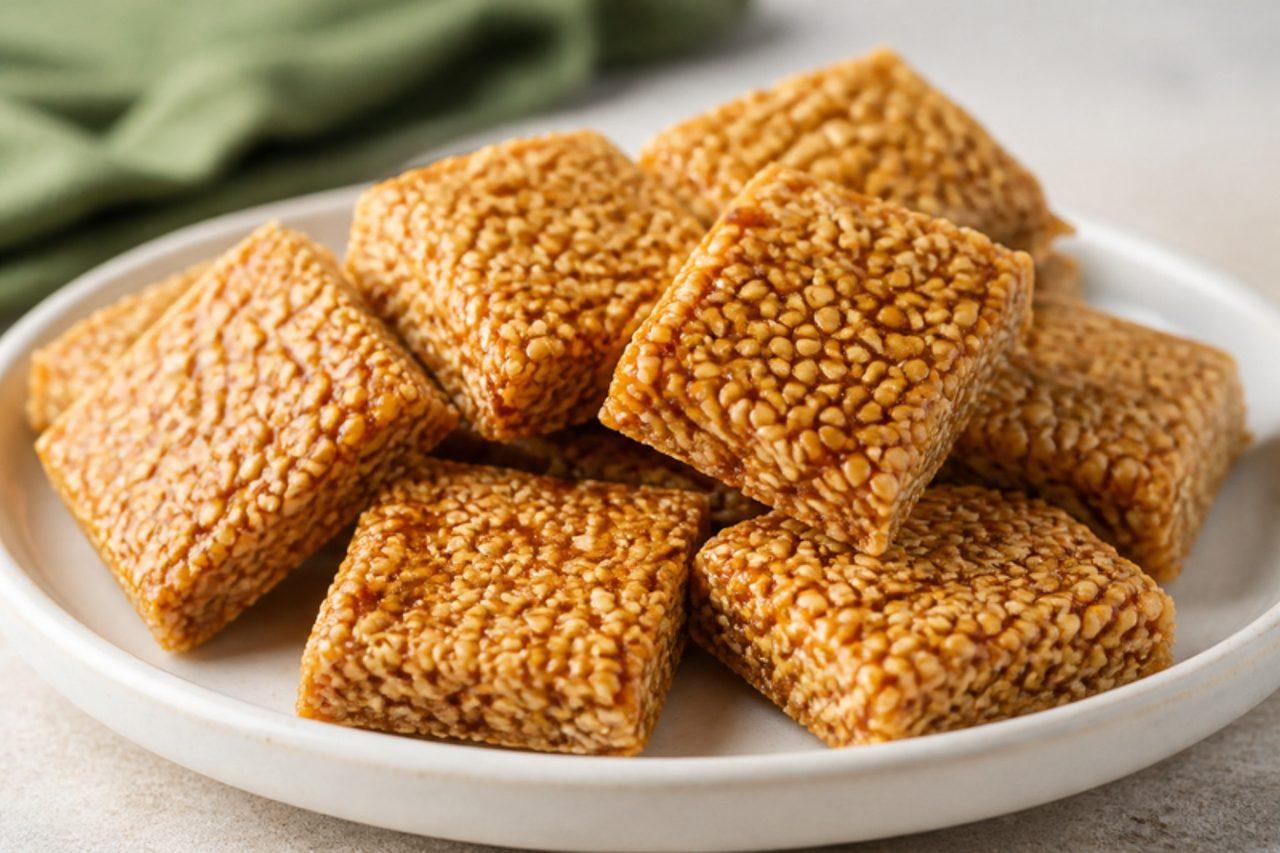
Benni is the Krio word for sesame, and benni cake is the crunchy sweet sold by hawkers on Freetown's streets and laid out on Christmas and party tables. Toasted seeds are stirred into hot golden caramel, pressed thin and cut into squares that snap cleanly and taste nutty, toasty and not too sweet. With only two main ingredients it comes together in twenty minutes, but caramel waits for nobody, so have everything ready before you start. Keep the pieces in an airtight jar, or humidity will make them sticky. Chef's tip: score the slab while it is still warm and pliable; once fully cold it shatters unevenly.

by KrazyBadal 0 views

Cassava leavesCassava leaf stew

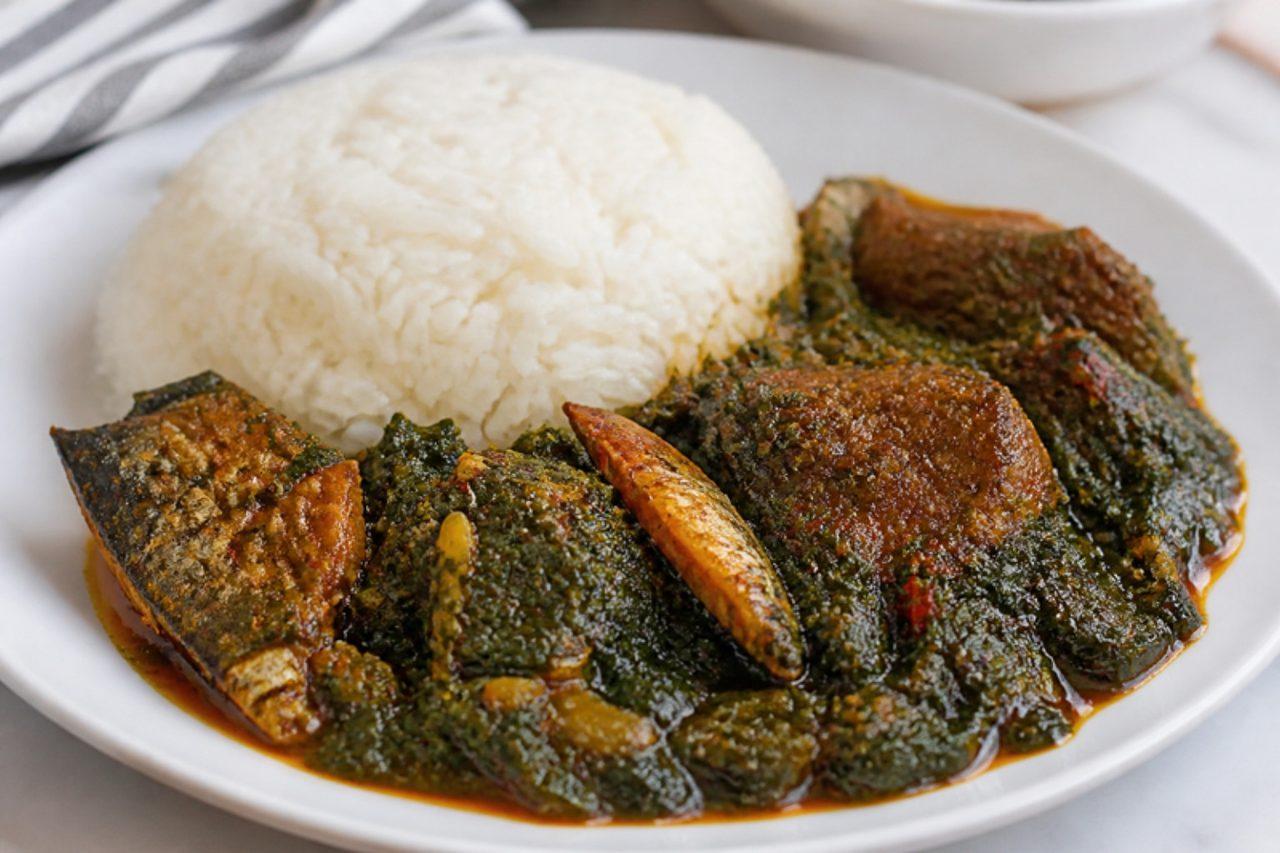
Cassava leaf is close to a national dish in Sierra Leone, simmered in big pots for Sunday lunch, weddings and Friday gatherings in Freetown and sold by the plateful in cookshops across the city. The leaves are pounded to a fine green mash, then cooked for a long time with red palm oil, beef, smoked fish and hot pepper until soft, dark and rich, with a smoky, almost spinach-like depth. It is always served over plenty of white rice. Frozen ground cassava leaves from African or Asian grocers save hours of pounding. Avoid cutting short the long simmer; cassava leaves must be thoroughly cooked to be safe and tender. Chef's tip: boil the leaves uncovered first, before anything else goes in; it drives off their raw, grassy bitterness and helps make them safe to eat.

125 minAfricanMeatGluten free
by KrazyBadal 0 views

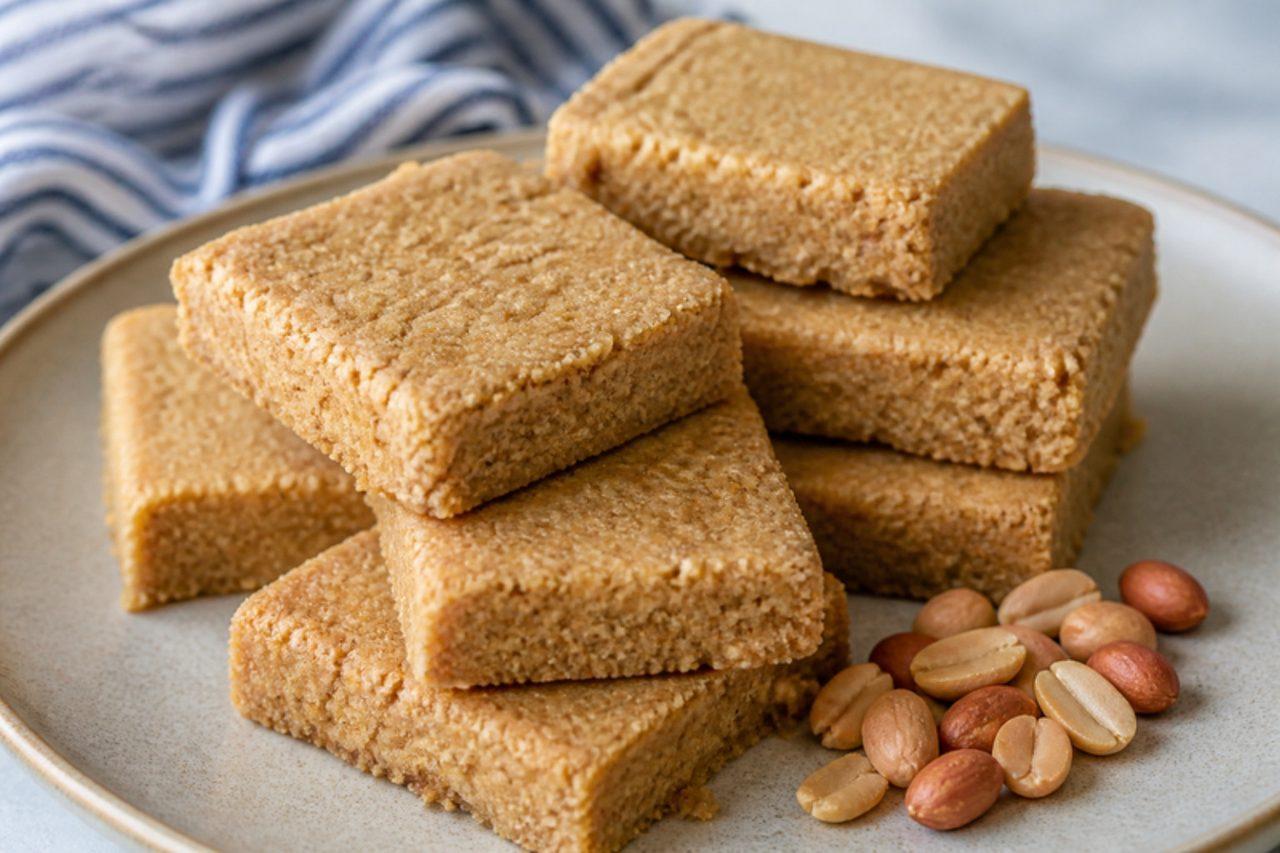
KanyaPeanut and rice flour bars

Children in Freetown buy kanya from school-gate sellers and market trays, wrapped in paper, and Sierra Leoneans abroad pack it in suitcases to share. It is a pressed sweet of roasted groundnuts pounded with sugar and toasted rice flour, crumbly yet firm, a little like a rustic peanut fudge. Traditionally everything is pounded in a mortar; a food processor does the job in a minute. Store the bars in an airtight tin for up to a week. Chef's tip: stop blending the moment the crumbs clump when squeezed; a few seconds more and the peanuts release their oil and the mixture turns greasy.

by KrazyBadal 0 views

UitsmijterCheese and fried egg open sandwich

In Amsterdam's brown cafés and lunchrooms, the uitsmijter is the classic lunch: two or three slices of buttered bread topped with cheese and three fried eggs, sunny side up, with a little pickle and a sprig of cress. The name means 'bouncer', perhaps because it was the last plate served before closing time. Ham is the usual extra; this version keeps it vegetarian with Gouda and tomato. Gouda is usually made with animal rennet, so choose a vegetarian Gouda-style cheese. A common mistake is frying the eggs on high heat, which makes the whites rubbery and brown. Chef's tip: fry the three eggs together in one pan over a medium-low heat with a lid, so the whites set while the yolks stay runny.

by KrazyBadal 0 views

Ugra oshThin noodle soup with lamb

Ugra osh is the noodle soup of Bukhara and Samarkand, where 'ugra' means very thin hand-cut noodles: they are cooked in a clear lamb broth with chickpeas, carrot, radish, tomato and pepper, and the bowl is finished with chopped dill and a spoon of katyk. On meatless days the same soup is made with chickpeas and vegetables alone. A common mistake is cooking the noodles in the soup pot for too long, which clouds the broth. Chef's tip: cook the noodles separately for 2 minutes and add them to each bowl, so the broth stays clear and the noodles don't swell.

130 minUzbekSoups
by KrazyBadal 0 views

Savannah boiled cornCorn in spiced coconut broth

Walk around the Queen's Park Savannah in Port of Spain on an evening and you will smell the big pots of boiled corn: cobs simmered in salted coconut milk with chadon beni, pimento peppers, garlic and hot pepper, then handed over in a paper napkin. The kernels come out juicy and fragrant, with the seasoned broth soaked right into them. The common mistake is boiling hard, which splits the coconut milk and toughens the corn; keep it at a gentle simmer. Chef's tip: let the cobs sit in the hot broth for 10 minutes off the heat before serving; that is when they soak up the most flavour.

by KrazyBadal 0 views

RodanchasPumpkin pastry roses

Rodanchas are the Rosh Hashanah pastries of Sephardic families from Turkey and Rhodes, baked in Jerusalem and Bat Yam because pumpkin, kalabasa, is one of the new-year blessings. A thin oil dough is spread with sweet spiced pumpkin and rolled into coils that open like roses in the oven. They are crisp at the edges and soft and jammy inside, eaten with coffee after the festive meal or for breakfast. The mistake is a watery filling, which soaks the dough and stops the roses holding their shape. Chef's tip: roast the pumpkin rather than boiling it, then cook the purée in a pan until it is thick enough for a spoon to leave a trail.

by KrazyBadal 0 views

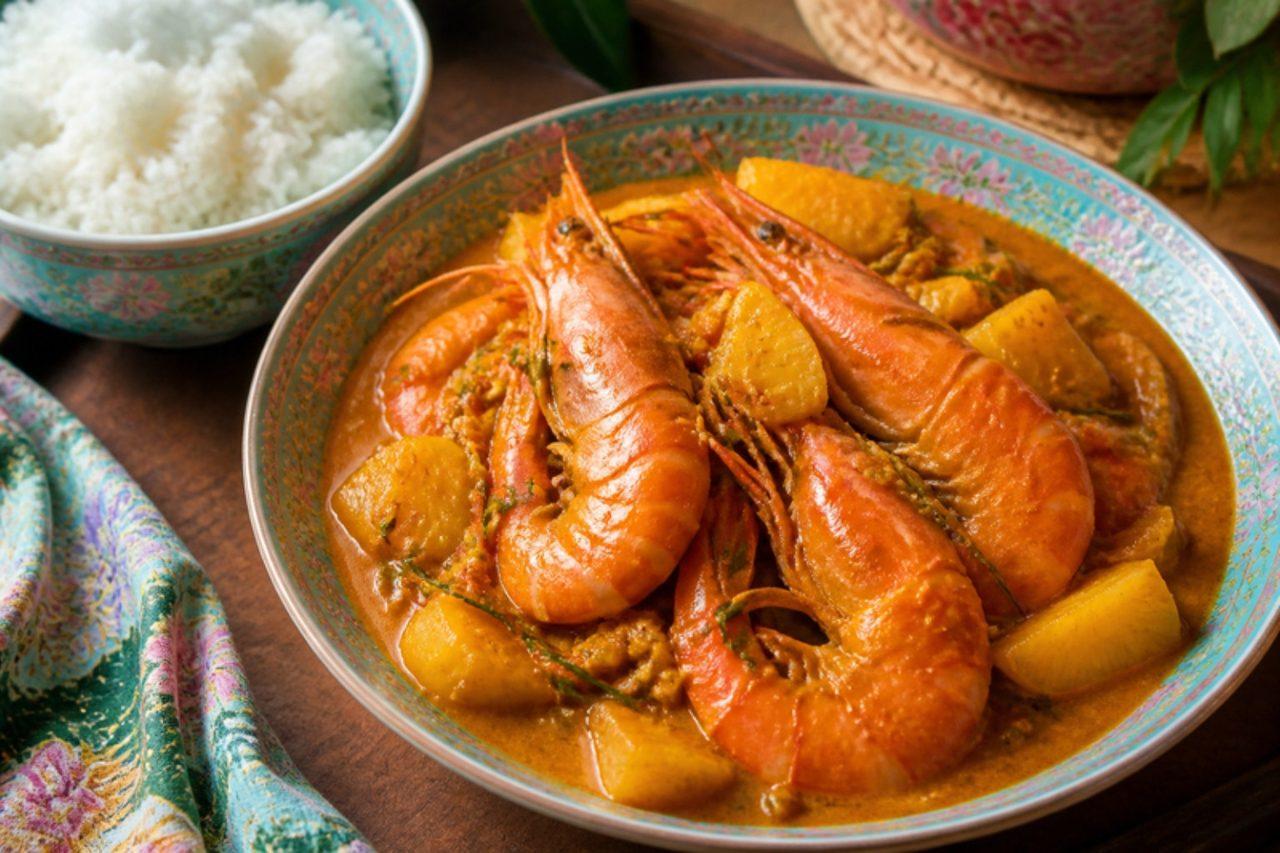
Udang masak nanasPrawns in pineapple gravy

Sweet, sour and gently hot, this Nyonya prawn and pineapple curry turns up on Peranakan family tables in Singapore and Melaka as one of several dishes shared at a weekend lunch, often next to a coconut-rich curry it is meant to balance. Prawns and chunks of half-ripe pineapple simmer briefly in a thin, golden gravy of tamarind and a lightly fried rempah of chillies, shallots, lemongrass, turmeric and shrimp paste, so the sauce tastes bright and fruity rather than heavy. Eat it with plenty of steamed rice. Overcooking the prawns is the common slip; they need only 3 minutes and turn tough and dry if left to stew with the pineapple. Chef's tip: choose a pineapple that is still a little firm and tart, as fully ripe fruit makes the gravy too sweet and falls apart.

by KrazyBadal 0 views

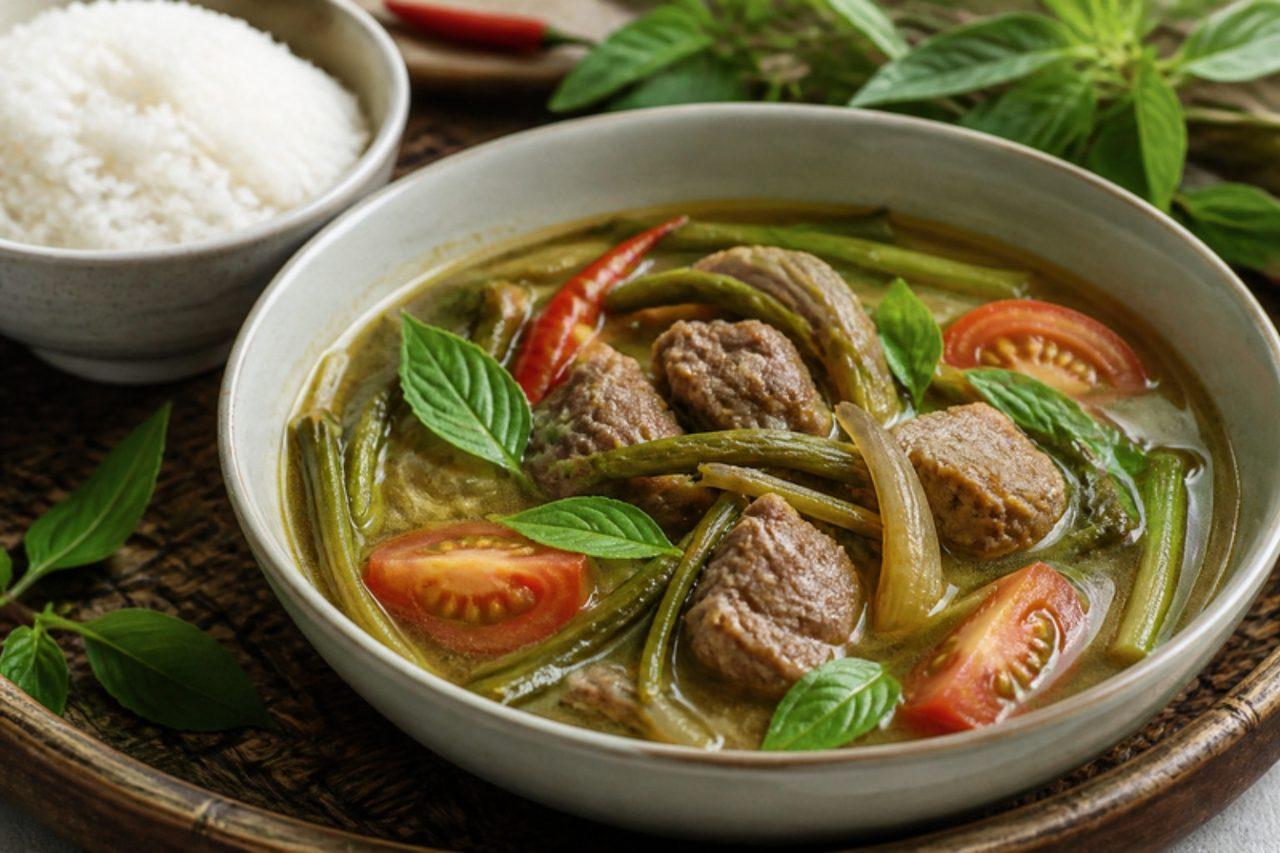
Samlor machu kroeungSour beef and lemongrass soup

Sour, herbal and gently golden from turmeric, samlor machu kroeung is one of the soups Phnom Penh families put on the table at lunch, ladled over rice with a side of something fried or grilled. Its base is a fresh kroeung of lemongrass, galangal, turmeric and kaffir lime, fried and simmered with slow-cooked beef until the broth turns aromatic, then soured with tamarind and finished with armfuls of crunchy morning glory. Many cooks use beef tripe; here it is braising beef, which turns spoon-tender. A slip that ruins it is adding the morning glory too early, so it turns khaki and slimy. Chef's tip: toast the kroeung in the beef fat until it darkens a shade and smells sweet; that is where the soup's depth comes from.

by KrazyBadal 0 views

VatrushkaCheese-filled yeast bun

Bakery counters from Moscow to small Ryazan towns stack these golden rounds beside the tea urn, and a warm one with a glass of milk is the classic after-school snack. The soft, lightly sweet enriched dough is pressed into a deep well and filled with tvorog beaten with yolk, sugar and vanilla, which bakes into a set, creamy centre with a gentle tang. Tvorog is usually acid-set, but check the label if you need it rennet-free; a well-drained curd cheese works too. The usual slip is a wet filling: watery curd bubbles over the rim and leaves a hollow bun, so drain it well and add the spoon of semolina. Chef's tip: press the well with the base of a small floured glass, so the walls stay even and the rim rises tall around the cheese.

by KrazyBadal 0 views

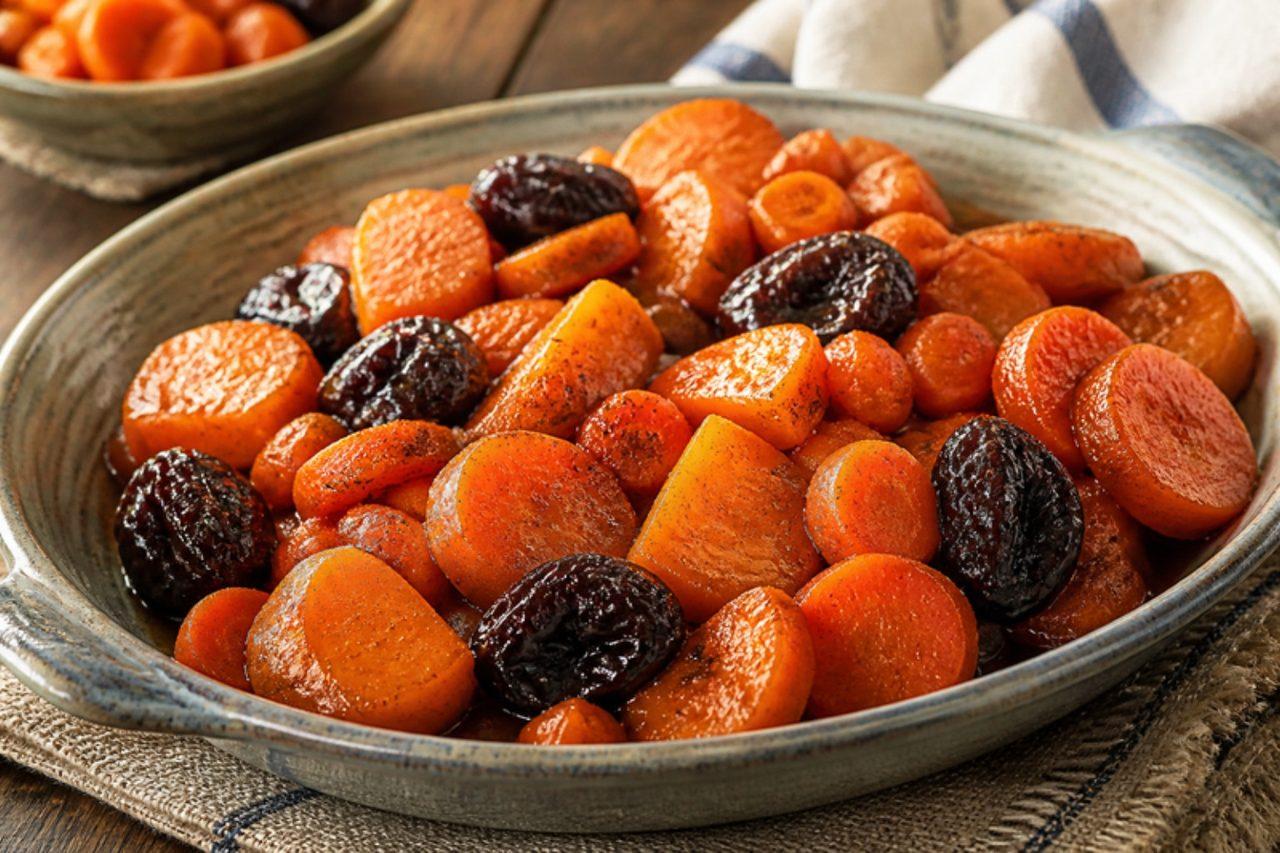
TzimmesCarrot and prune stew

For Rosh Hashanah many Ashkenazi families in Israel set a dish of tzimmes on the table, the sliced carrots looking like gold coins for a prosperous year ahead. Carrots and sweet potato cook slowly with prunes, orange juice, honey and cinnamon until glossy and soft, sweet but lifted by a little lemon and salt. It sits beside the festive meal as a side, and keeps beautifully for the second day of the holiday. This version has no meat or butter, so it works with any menu. A frequent mistake is adding too much liquid, which turns it into soup instead of a sticky glaze. Chef's tip: take the lid off for the last 20 minutes so the juices reduce and cling to every coin of carrot.

by KrazyBadal 0 views

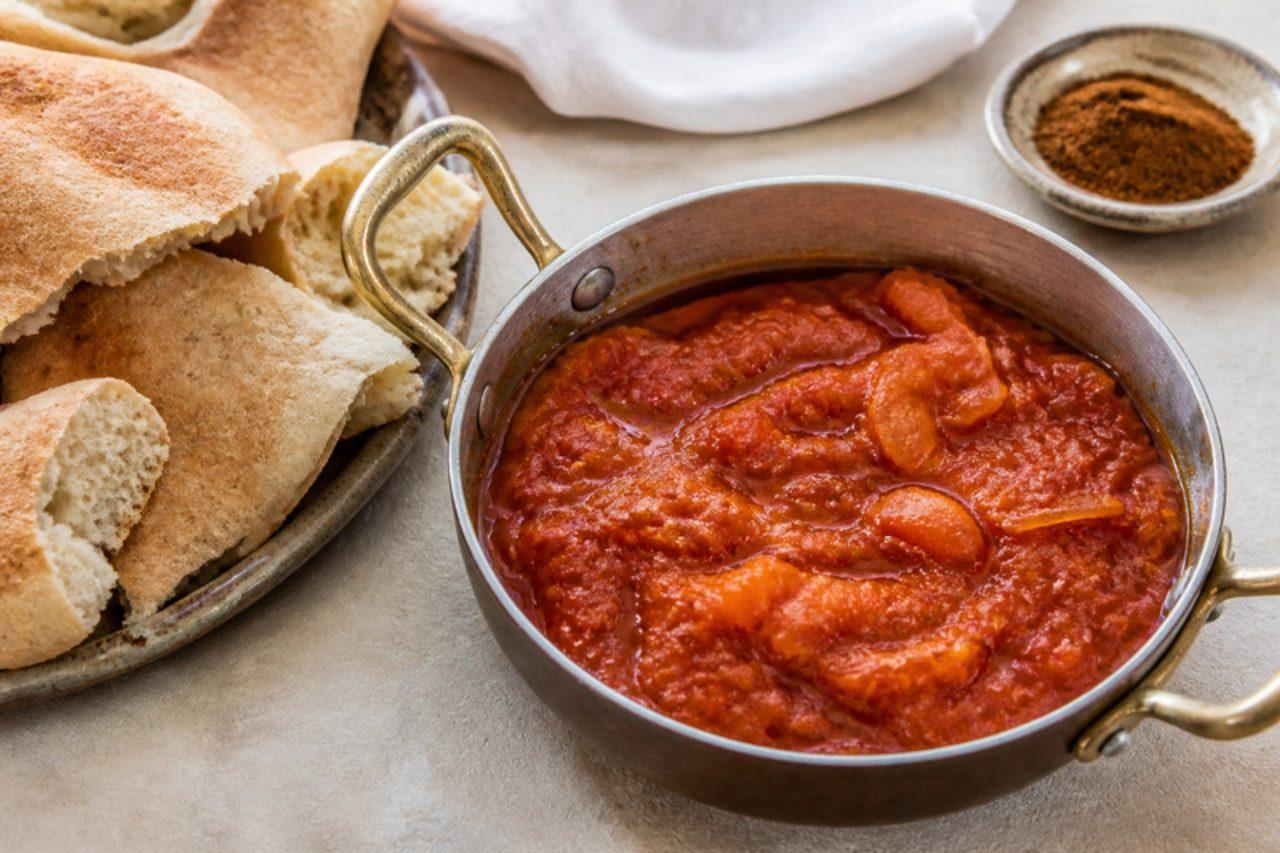
SilsiSpicy tomato berbere sauce

Mornings in Asmara often start with a small pan of silsi set in the middle of the table and a basket of crusty bread beside it, everyone tearing off pieces and dipping. It is a quick red sauce of onion, garlic and fresh tomato cooked down with berbere until thick and glossy, sweet and sharp at the same time, with real heat behind it. Silsi is also the base for fata, where it is tossed with torn bread and topped with yoghurt and egg, and it doubles as a fasting-day relish for injera. Chef's tip: let the tomatoes cook until the oil separates and shines on the surface; stopping sooner is the common mistake, and the sauce then tastes raw and watery.

by KrazyBadal 0 views

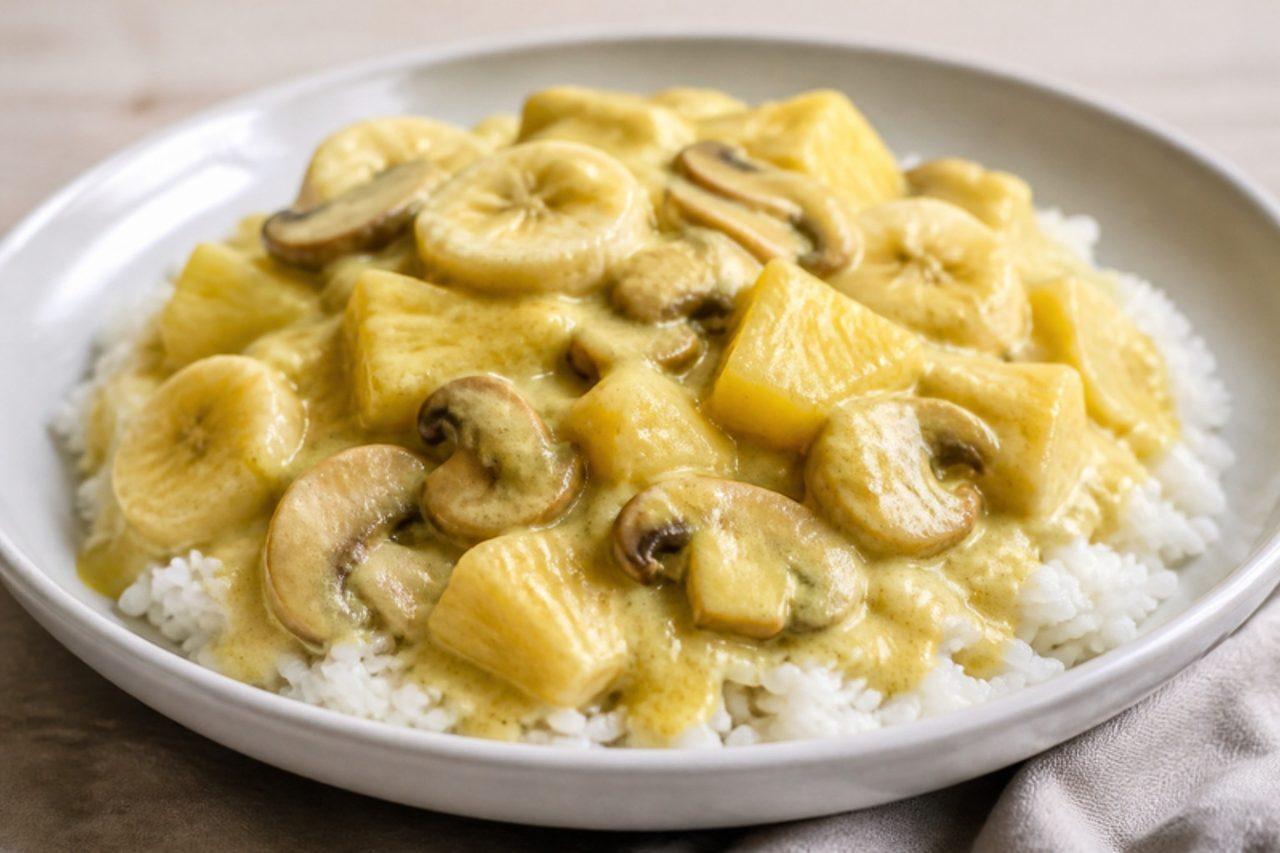
Riz CasimirRice with curry cream and fruit

Riz Casimir was invented in 1952 for the Swiss hotel chain Mövenpick and quickly became a nationwide favourite, the exotic dish of Swiss canteens, ski restaurants and family kitchens: a ring of rice filled with sliced meat in a mild curry cream sauce, topped with pineapple, banana, a cherry and sometimes toasted almonds. It is usually made with veal; this version uses mushrooms. It is sweet, mild and loved by children. A common mistake is cooking the fruit in the sauce, which turns it mushy; warm it separately and add on top. Chef's tip: fry the curry powder in butter for a minute before adding the cream, which brings out its flavour.

by KrazyBadal 0 views

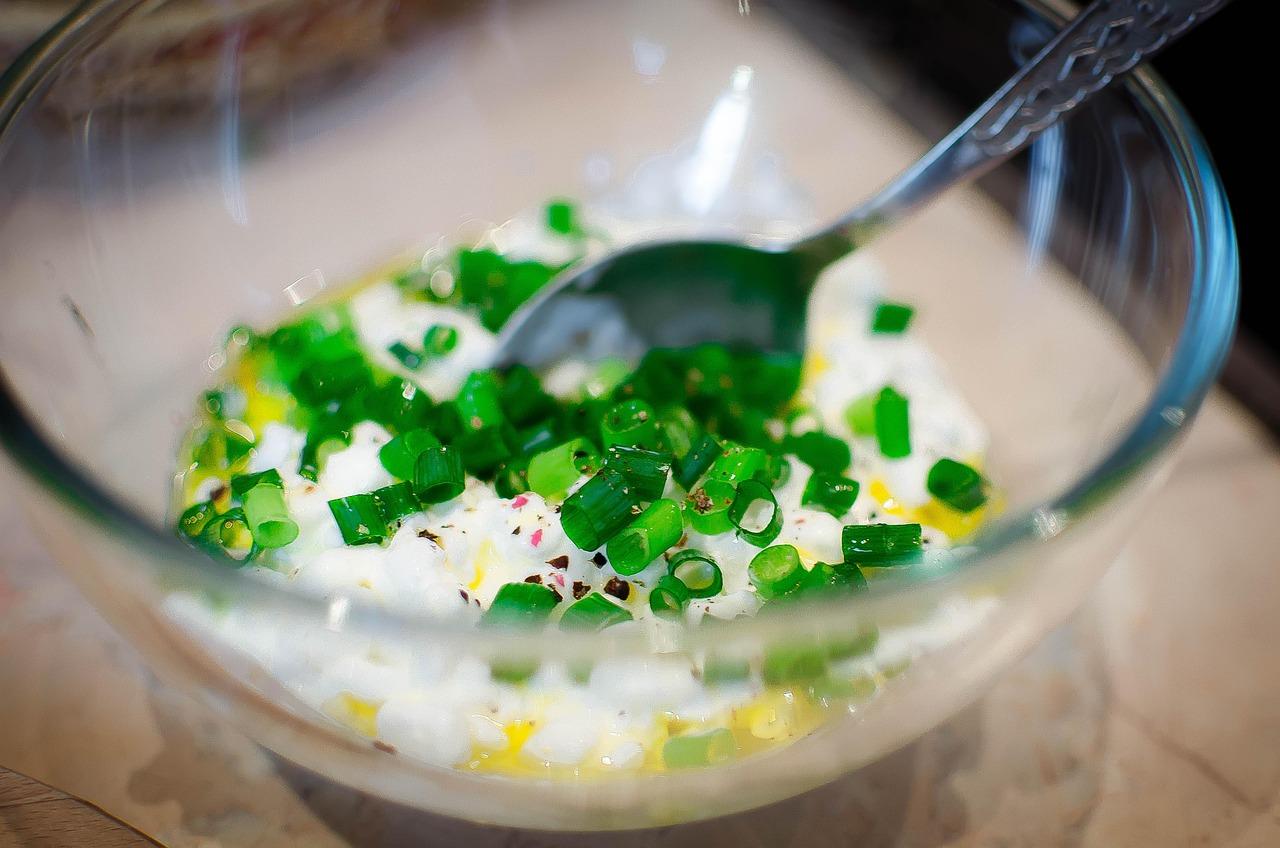
Twarożek ze szczypiorkiemFresh cheese with chives

Warsaw breakfasts, from milk bars to family kitchens, lean on this cool, tangy spread: crumbly twaróg mashed with a little sour cream until fluffy, then mixed with crunchy radish and a generous fistful of chives. It is piled onto rye bread or bread rolls, sometimes eaten from a bowl beside new potatoes in summer. The flavour is fresh and milky with a peppery bite from the radish. Where most people go wrong is salting it hours ahead, which draws water out of the radish and leaves a puddle. Twaróg is usually rennet-free, but check the label. Serve it on rye or, for a gluten-free breakfast, on gluten-free bread. Chef's tip: mash the cheese with a fork, not a blender, so it keeps a little texture.

by KrazyBadal 0 views

SbitenHot honey and spice drink

Long before tea reached Russia, street sellers wrapped in shawls carried copper urns of sbiten through winter markets, pouring steaming glasses of spiced honey water for traders and coachmen. It comes back every Maslenitsa at fairs in Moscow and Suzdal, drunk beside blini. The taste is warming and sweet, with the bite of ginger, a bitter edge of bay and clove, and a resinous note from St John's wort or mint. Where most people go wrong is boiling the honey hard, which dulls its perfume; simmer the spices first and dissolve the honey off the boil. Honey should not be given to babies under one year old. Chef's tip: make the spiced base ahead and keep it in the fridge, then reheat a glass at a time and finish with a squeeze of lemon.

by KrazyBadal 0 views

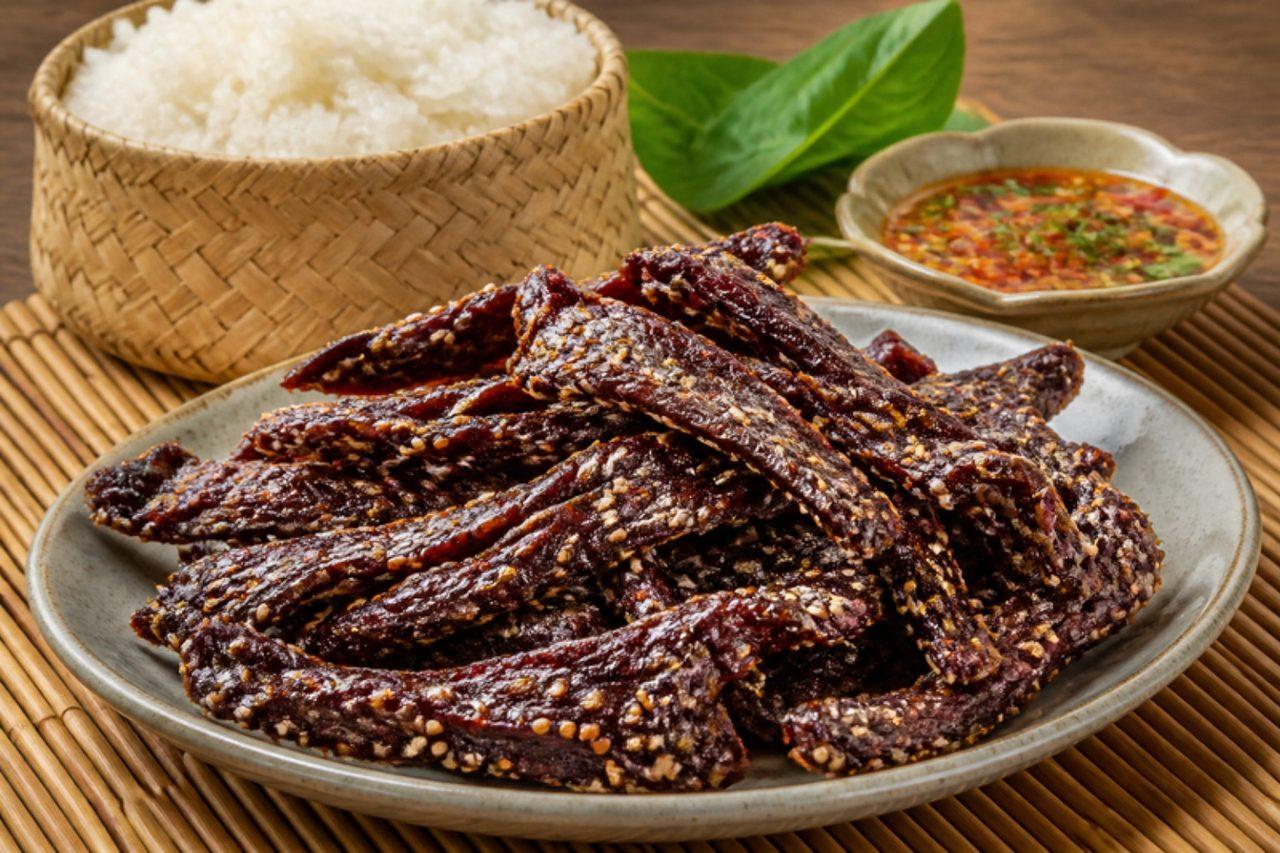
Sin savanhSweet dried beef

Translated loosely as heavenly meat, sin savanh is the sweet beef jerky of Vientiane, sold in glossy dark strips at the morning market and carried home as a snack, a picnic food or a gift for family upcountry. Thin slices of beef are marinated with garlic, coriander root, sugar and fish sauce, coated in sesame and traditionally dried in the dry-season sun, then flash-fried just before eating, so they turn chewy, caramelised and slightly crisp at the edges. Eat it with sticky rice and a tomato jeow, or alone with cold drinks. Here it dries in a low oven until fully cooked and leathery, which is easier and safer than sun-drying. The common mistake is cutting the beef too thick, so the outside goes hard while the middle stays soft. Chef's tip: freeze the beef for 45 minutes before slicing; it firms up and slices thin as card.

by KrazyBadal 0 views

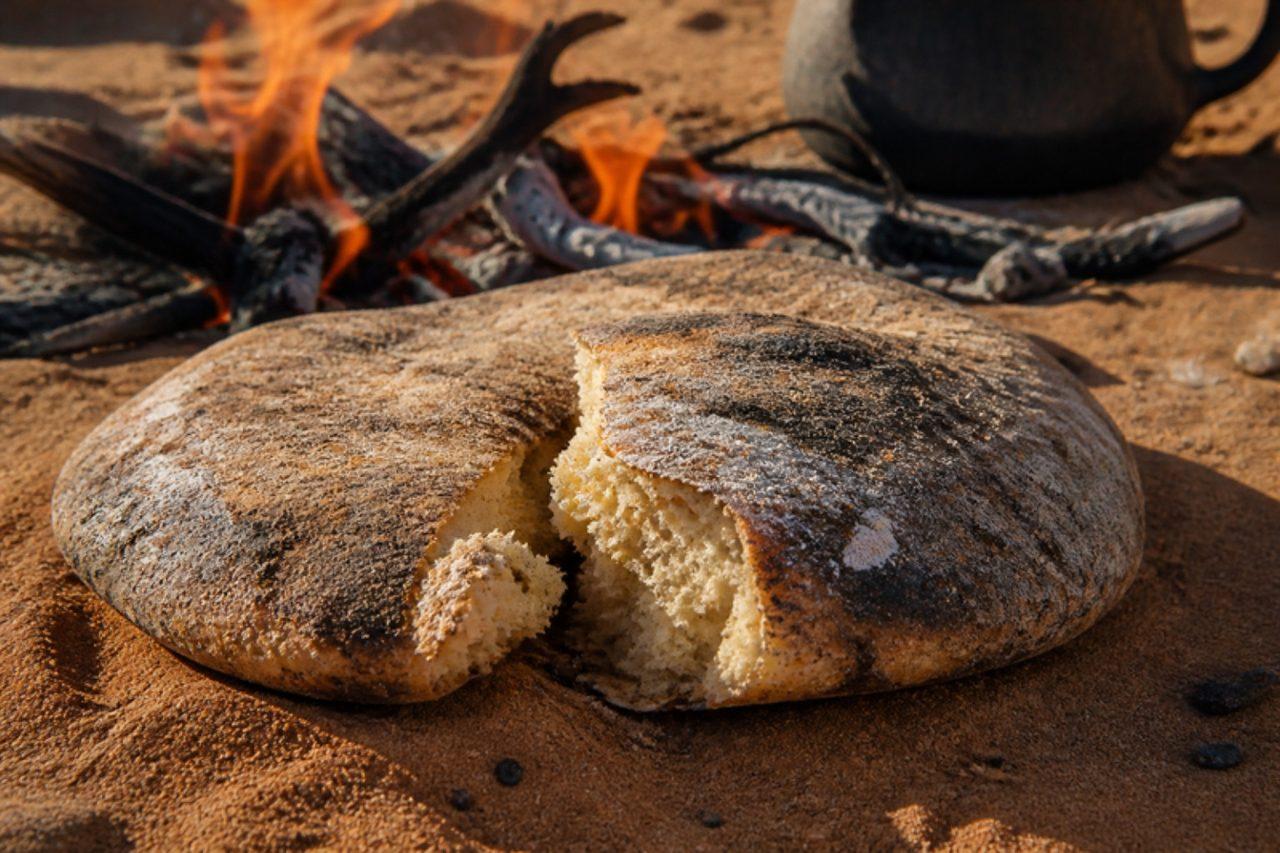
LibbaSand-baked Bedouin bread

Around desert campfires in South Sinai, Bedouin cooks still bake libba the old way: a thick disc of plain flour and water is laid on sand heated by the fire, buried under embers and hot sand, then knocked and brushed clean. The crust comes out smoky and blistered, the inside dense and chewy, and it is torn and eaten hot with sweet tea, olive oil, honey or a pot of lentils. On a beach or in a desert camp, use only clean sand away from paths, and a home oven with a pizza stone is a good stand-in. The usual mistake is a disc that is too thick, which stays raw in the middle; keep it about 2 cm. Chef's tip: tap the finished loaf with a stick; a hollow knock means it is cooked through.

by KrazyBadal 0 views

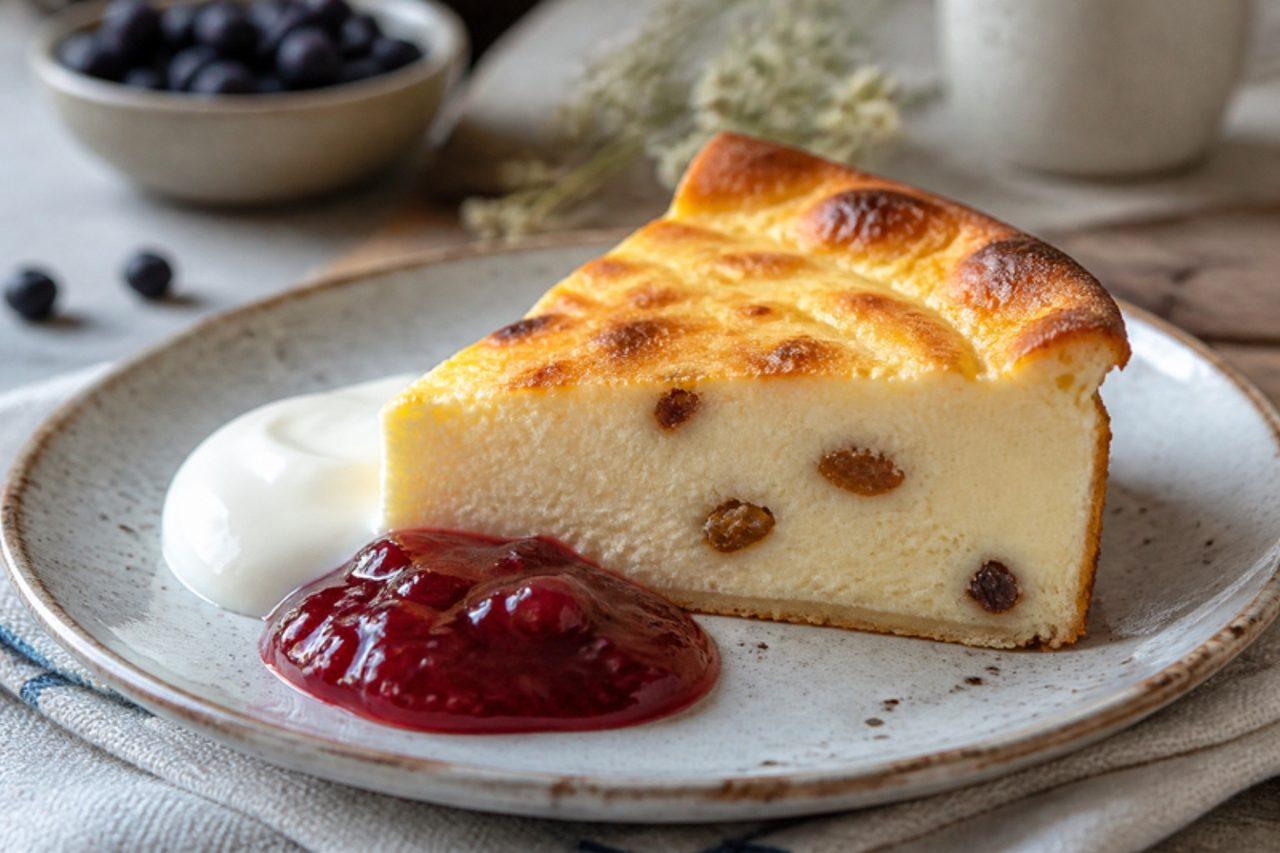
Tvorozhnaya zapekankaBaked cottage cheese pudding

Anyone who went to a Soviet kindergarten remembers the warm yellow square of curd bake handed out at breakfast, and Russian parents still make it on weekend mornings because children eat it without a fuss. Tvorog is beaten with eggs, sugar and sour cream, thickened with semolina and dotted with raisins, then baked into a soft, gently sweet pudding somewhere between a cheesecake and a soufflé. Serve it warm or cold with sour cream, jam or condensed milk. Tvorog is usually made without rennet, but check the label if that matters to you. A common mistake is baking straight after mixing: give the semolina 15 minutes to swell, or the bake turns out gritty and loose. Chef's tip: brush a thin layer of sour cream over the top before baking for a glossy, deep golden crust.

by KrazyBadal 0 views

TutmanikCheese and egg yeast bread

Weddings, christenings and long Sunday lunches in western Bulgaria often begin with a tutmanik on the table, still warm and torn by hand rather than sliced. The yeast dough is enriched with yogurt, eggs and oil, rolled, scattered with crumbled white cheese, folded and baked until it rises tall and golden, with salty pockets of melted cheese running all through the soft crumb. Eat it with a glass of ayran or a bowl of tarator in summer. Sirene is often made with animal rennet, so use a white cheese labelled vegetarian. A common mistake is adding too much flour to a sticky dough; it should stay soft and slightly tacky, or the bread bakes dense. Chef's tip: brush the top with yolk mixed with a spoon of yogurt rather than milk, for the deep, glossy crust Bulgarian bakers aim for.

by KrazyBadal 0 views

Sindhi kokiOnion and chilli flatbread

Breakfast in a Hyderabad or Larkana home very often means koki, a thick, rough-textured round of wholewheat dough packed with chopped onion, green chilli, coriander and crushed anardana, cooked slowly on a tawa until the outside is crisp and blistered and the inside stays dense and short. It is the bread Sindhis abroad get homesick for, eaten with a cup of sweet milky tea, a bowl of yogurt or a spoon of mango pickle, and leftover koki travels well for a lunch box. A hot pan is the enemy; on high heat the outside burns while the middle stays raw. Chef's tip: knead the dough stiff with plenty of ghee and very little water, then cook the koki over a low flame for at least 10 minutes in all, pressing it with a cloth so it cooks evenly.

by KrazyBadal 0 views

Viška pogačaAnchovy and onion bread pie

Vis, the most far-flung inhabited island of Croatia, has a fishing town, Komiža, that gave the world this pie: two thin layers of olive-oil bread dough wrapped around onions stewed until jammy with tomato, and fillets of salted anchovy or sardine. Fishermen took wedges of it to sea, and it still turns up at island festivals and in bakeries, eaten warm or at room temperature with a tomato salad. The salted fish is bought ready-cured from a good fishmonger and is baked inside the pie until piping hot. Where most people go wrong is a wet filling: the onions and tomato must cook down until thick and jammy, or the bottom crust goes soggy. Keep leftovers in the fridge and eat within 2 days. Chef's tip: soak the salted fillets in cold water for 15 minutes to take the harsh edge off the salt, and don't add any more salt to the filling.

120 minBalkanFish
by KrazyBadal 0 views

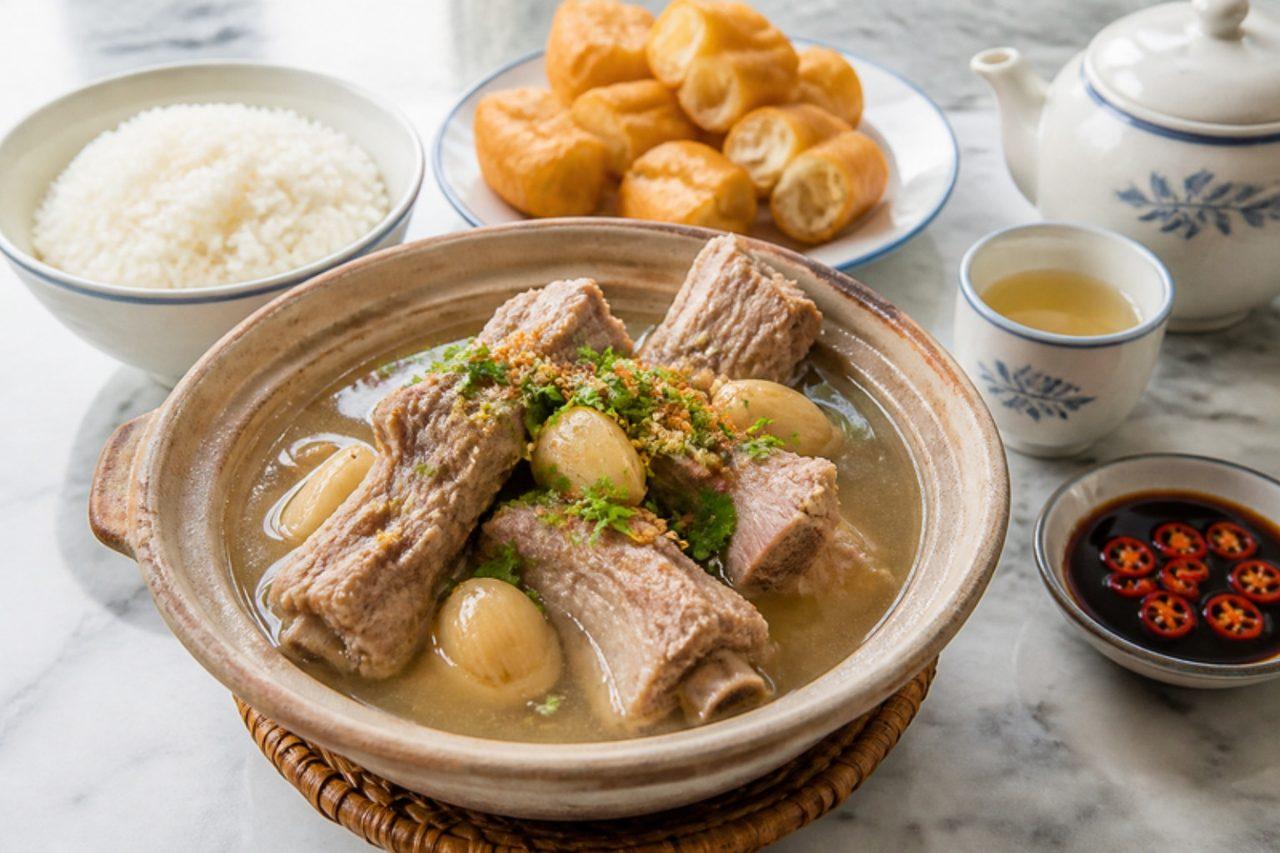
Bak kut teh (Singapore peppery style)Pork rib pepper soup

Singapore's riverside bak kut teh shops, around Rangoon Road, Balestier and the old Clarke Quay docks, still open early for the kind of customer the dish was made for: a hungry worker wanting a fortifying bowl before a long day. Unlike the dark, herbal Malaysian versions, the Teochew style here is a clear, golden broth that bites with white pepper and is sweet with whole bulbs of garlic, poured over meaty pork ribs that have simmered until tender. It is eaten with white rice, youtiao (fried dough sticks) to dunk, braised peanuts or salted vegetables, a dish of dark soy with chopped chilli, and a pot of strong oolong tea to cut the fat. A common mistake is to let the pot boil hard, which clouds the broth and toughens the ribs; it should only shiver. Chef's tip: toast the crushed white pepper in a dry pan for a minute before it goes in, for a deeper, rounder heat.

by KrazyBadal 0 views

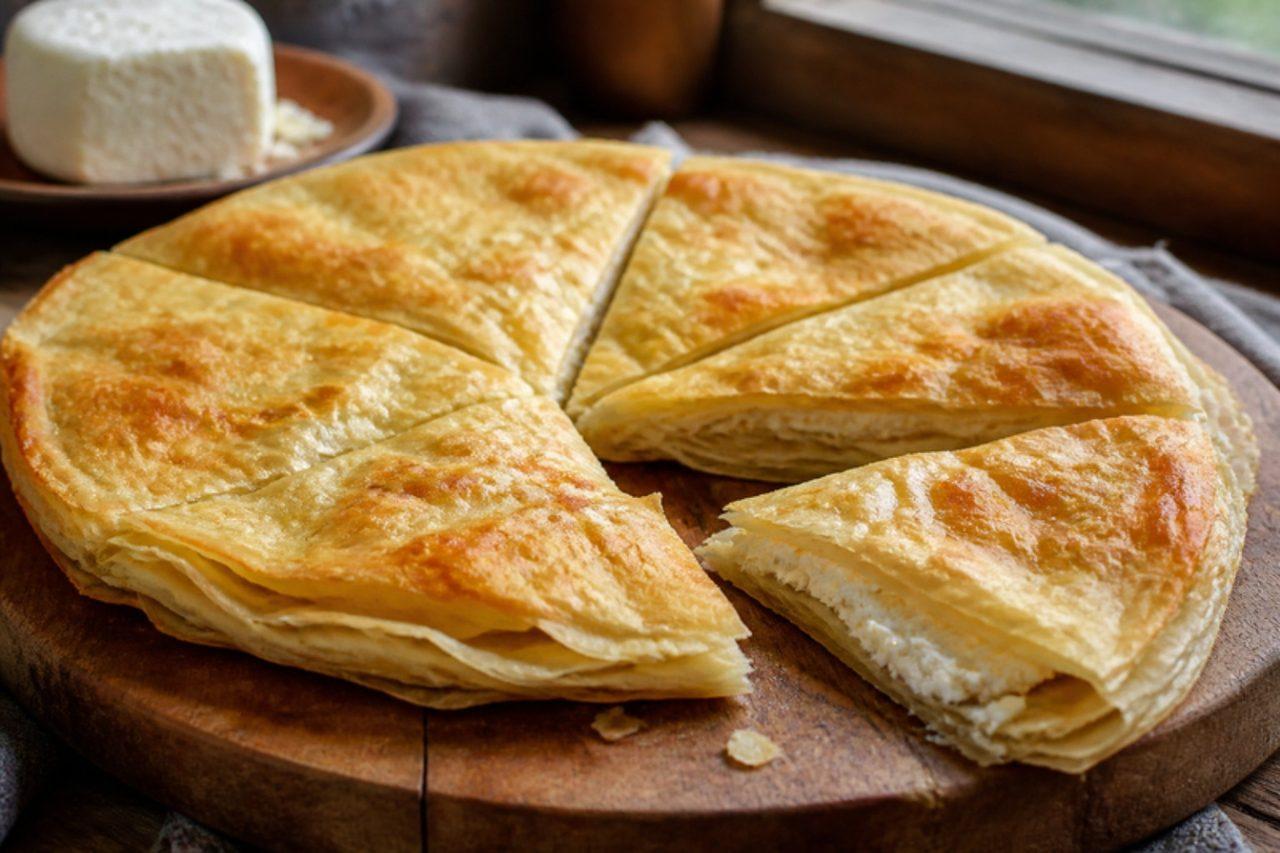
Tushuri kotoriSheep's cheese and butter pie

Up in Tusheti, a roadless high region reached by a single summer track from Kakheti, shepherds' families roll a plain dough almost see-through and wrap it around a filling of salty sheep's cheese and soft butter, then flatten the whole parcel again so the cheese spreads into thin layers. The pie is cooked on a griddle or in a pan and eaten hot with tea when the flocks come down in autumn. A common mistake is rolling too hard over the filling; the dough tears and the butter leaks out. Chef's tip: use a mix of feta-style sheep's cheese and some curd or cottage cheese, which gives the sharp-but-creamy taste of Tush cheese; traditional Tush cheese is set with animal rennet, so look for a vegetarian one.

by KrazyBadal 0 views

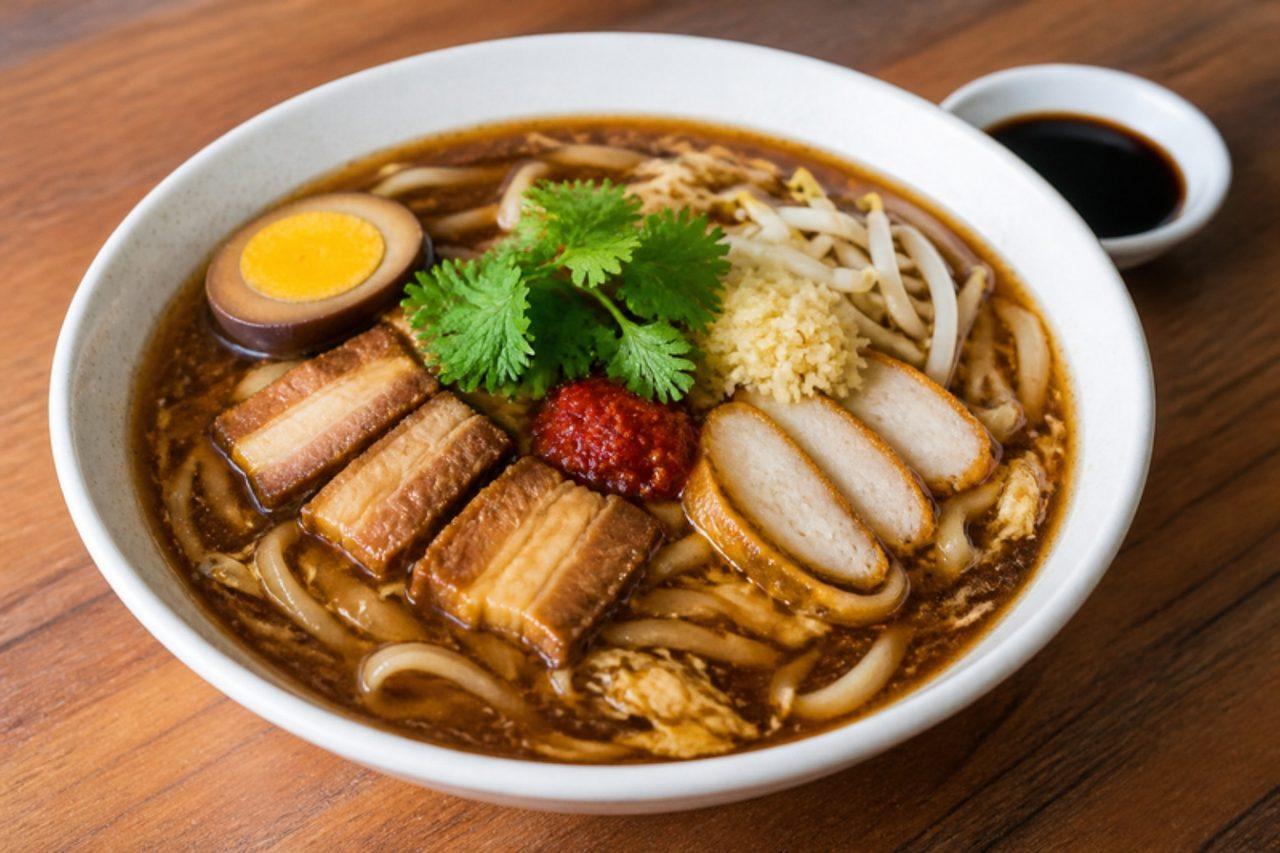
Lor meeNoodles in thick braised gravy

Thick, glossy and almost spoon-standing, the gravy is the whole point of lor mee, a Hokkien breakfast and lunch bowl found in hawker centres from Old Airport Road to Tiong Bahru. Fat, flat yellow noodles are buried under a dark, five-spice and garlic gravy thickened with starch and threaded with silky egg ribbons, then topped with slices of soy-braised pork belly, a halved braised egg, fish cake and bean sprouts. At the table it is finished with a spoon of minced raw garlic, a splash of black vinegar and chilli, which cut through the richness. Many first attempts end with lumpy gravy, because the starch slurry was poured into a furiously boiling pot all at once. Chef's tip: braise the pork the day before; the chilled fat lifts off the braising liquid in one sheet, and the meat slices neatly.

by KrazyBadal 0 views

Mee siamTamarind rice vermicelli

Malay breakfast stalls and nasi padang counters across Singapore sell mee siam from early morning, often packed in brown paper for the journey to work, and Peranakan homes make it for birthdays and Hari Raya open houses. Thin rice vermicelli is fried with a chilli and dried shrimp rempah until pink, then drowned in a sweet-sour tamarind gravy flavoured with fermented soybean paste, and topped with halved boiled eggs, fried tofu puffs, garlic chives and a squeeze of calamansi. It is light, tangy and moreish rather than rich. Note this version contains dried shrimp and shrimp paste, so it is not vegetarian. The mistake to avoid is oversoaking the vermicelli, which then breaks into mush in the wok; soak it only until pliable. Chef's tip: make the gravy the day before; the tamarind and soybean flavours settle overnight and it tastes rounder.

by KrazyBadal 0 views

Showing 90 of 9,592 recipes

Page 553 of 1,066