


Skip to content
Roosterkoek
Featured recipe

Roosterkoek

Grilled bread rolls

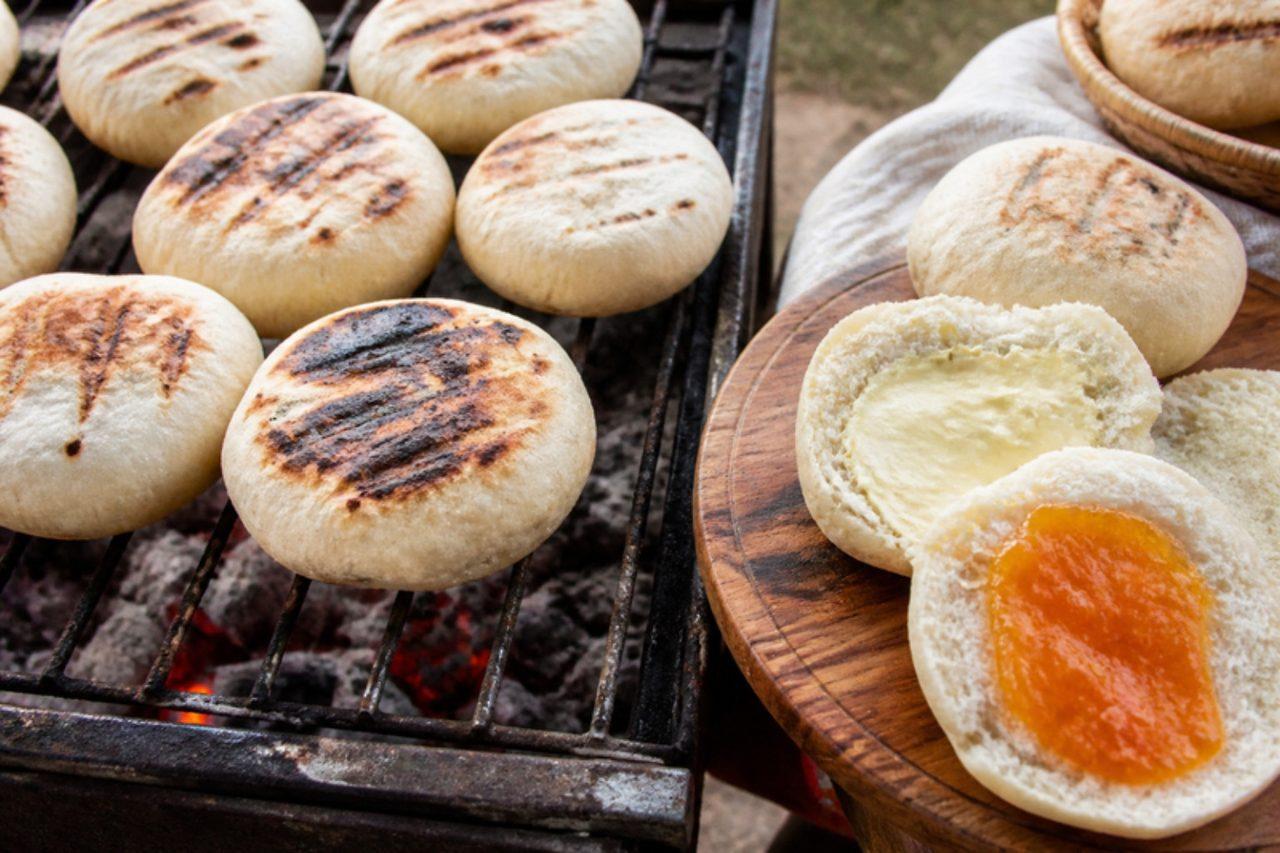
Nobody at a South African braai minds waiting for the meat when there is roosterkoek: rounds of simple white bread dough laid on the grid over gentle coals and turned until they puff up, crack open at the sides and blister with dark grill marks. Rooster means grid, and the bread tastes of the fire, smoky and crisp outside, steaming and chewy within. Tear them open hot and fill with butter and apricot jam, or with grated cheese and tomato, or use them to mop up chakalaka. Cooking them over the fierce heat used for steak is the usual error: the crust blackens long before the middle is cooked, so give them the cooler edges of the fire or wait until the coals have died back. A heavy ridged griddle pan or the oven work well when there is no fire. Chef's tip: dust the shaped balls with flour before they go on the grid, and they won't stick to the bars.

Read more 0 views

What to eat today?

Around the world

Today's trip: Persian

A new country every day, from every cuisine on the site.

Persian

Dizi

Lamb and chickpea stew 245 minMore from Persian (131) →

This week's collection

Kid-friendly dinners
537 recipes · a new collection every Monday

Latest recipes

Canederli agli spinaciSpinach bread dumplings

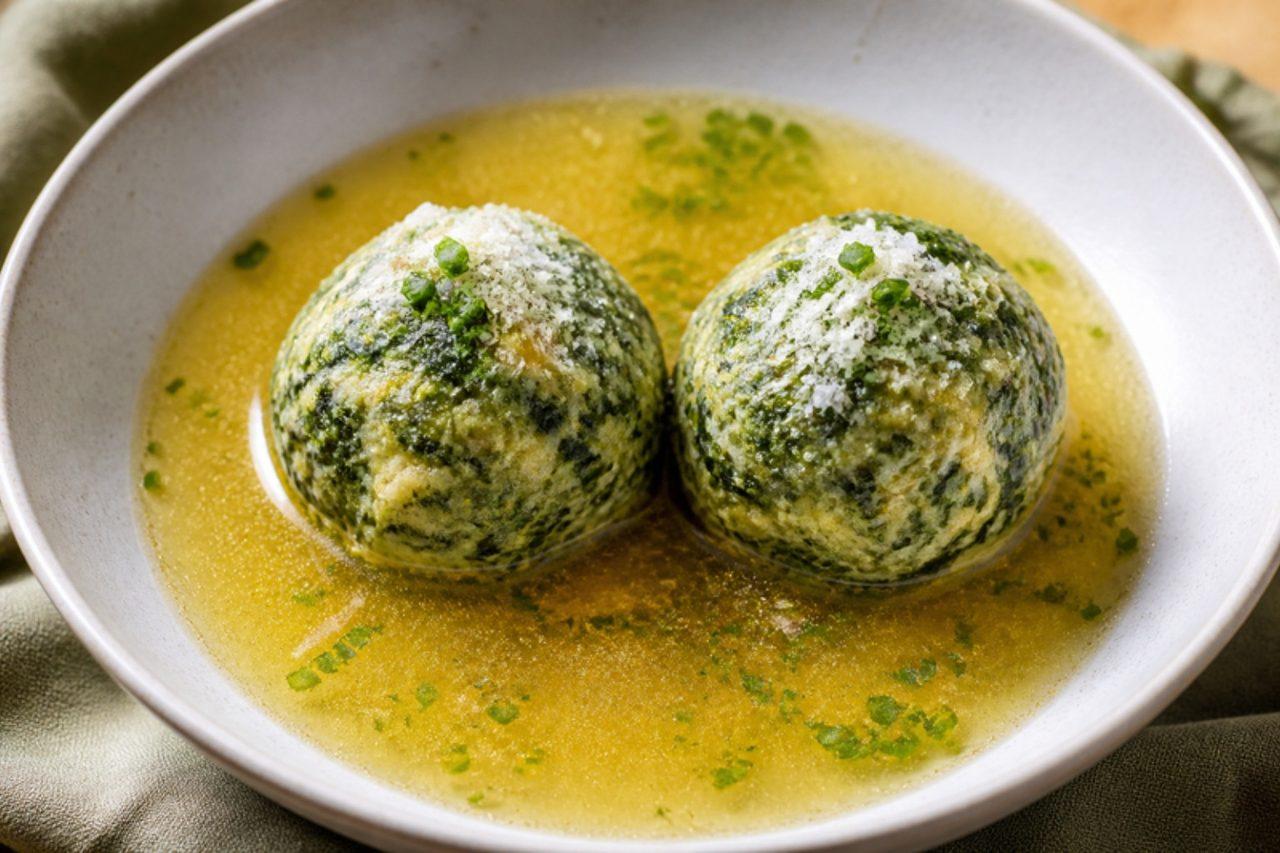
Green canederli, Spinatknödel in German, are a fixture of the mountain huts and village inns of Trentino and South Tyrol, from the Val di Fiemme to the streets of Bolzano. Day-old bread is soaked in milk and bound with egg, chopped spinach and mountain cheese, then rolled into fist-sized balls and poached until light but firm. They arrive two to a bowl in steaming broth, or drained and dressed with melted butter and grated cheese. The best-known canederli are made with speck; this is the spinach and cheese version, served in vegetable stock. Chef's tip: poach one test dumpling first; if it starts to break up, work a spoonful more flour into the mix.

by KrazyBadal 0 views
Cjarsons della CarniaSweet and savoury filled pasta

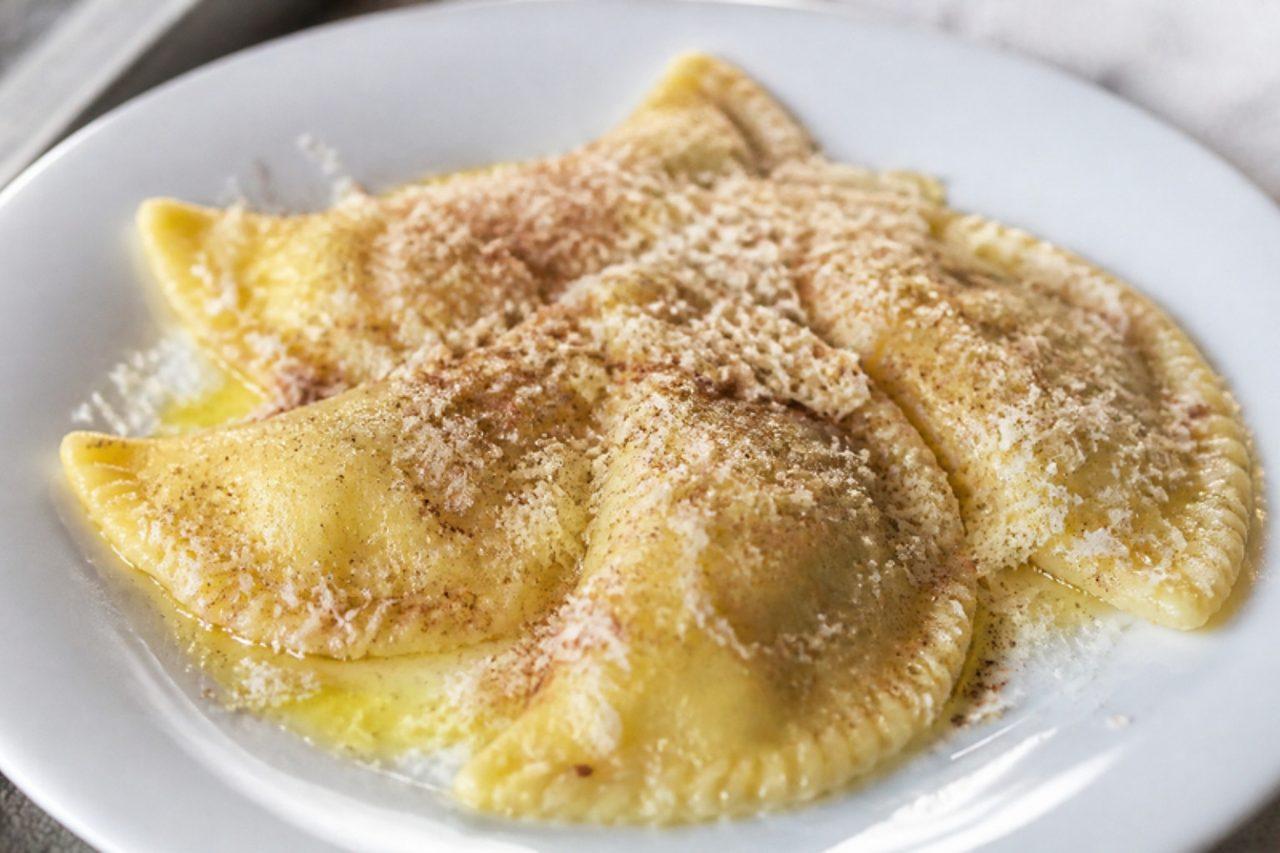
Each village in the Carnia mountains of Friuli keeps its own recipe for cjarsons, and families argue happily about whether chocolate, cinnamon or lemon balm belongs inside. The old story ties them to the cramârs, pedlars who walked over the Alps selling spices and brought exotic flavours home. Served at weddings, feast days and Sunday lunch, these half-moons hold a potato filling sweet with raisins and fragrant with mint and parsley, finished with brown butter, cinnamon sugar and grated smoked ricotta. The mix of salty, sweet and smoky is unlike any other pasta in Italy. Chef's tip: pinch the edges into a twisted rope; it seals well and looks the part.

by KrazyBadal 0 views
Gubana friulanaNut and raisin pastry spiral

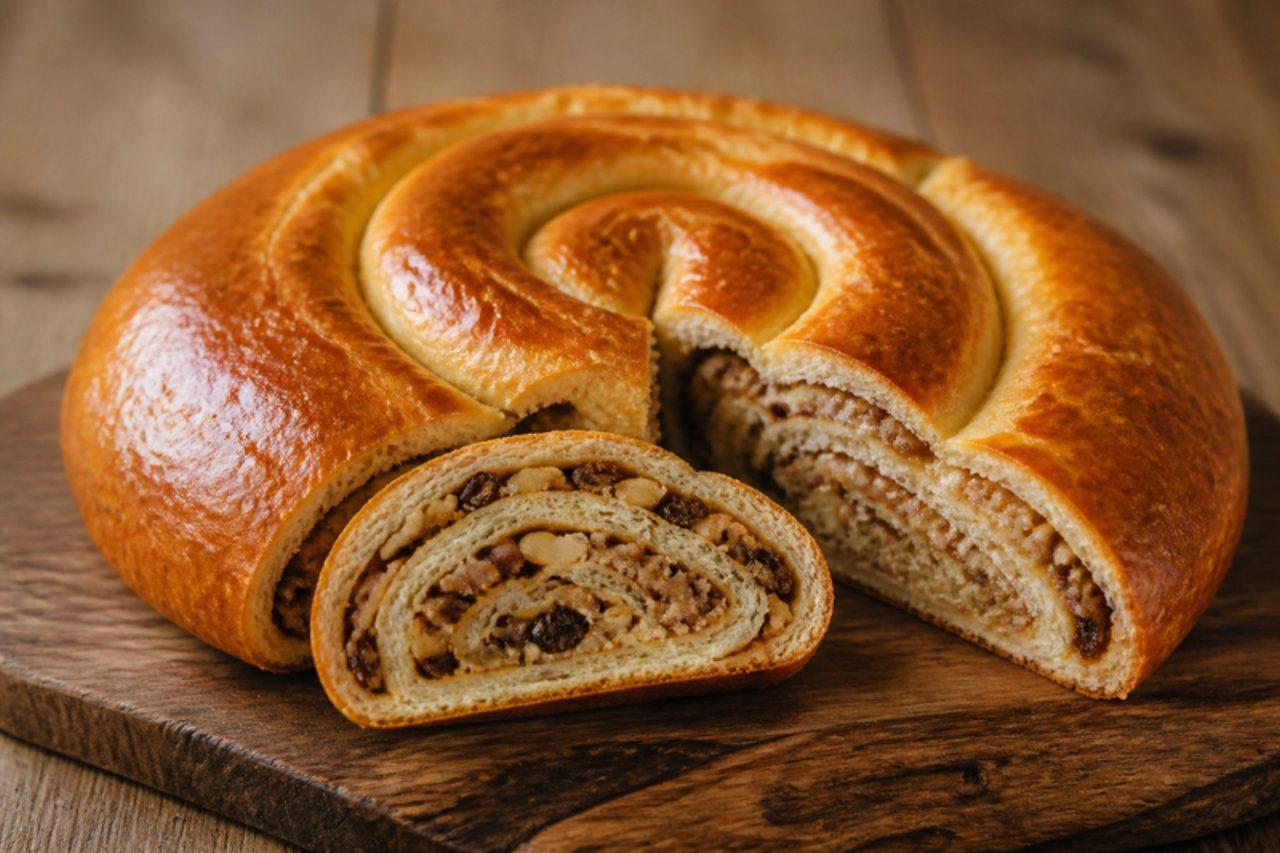
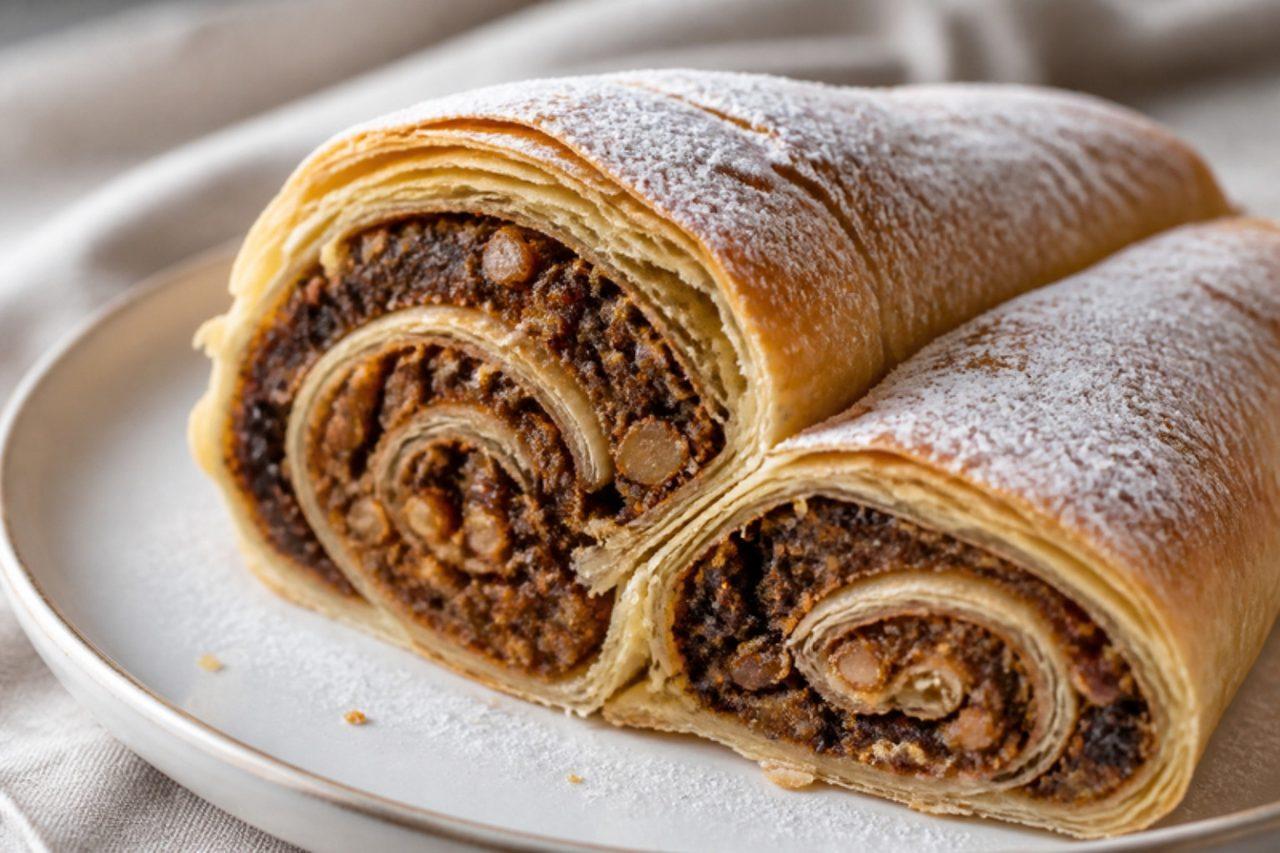
Gubana comes from Cividale del Friuli and the Natisone valleys on the Slovenian border, where it is baked for Easter, weddings and christenings and shared in slices from a coiled round loaf. A soft, sweet yeast dough is rolled around a dark filling of walnuts, raisins, pine nuts and candied peel, then curled up like a snail shell so each slice shows a spiral. Locals often splash a little grappa or plum brandy over each slice and the filling is usually laced with it too; orange juice works in its place for an alcohol-free gubana. Chef's tip: bake it a day ahead, wrapped well, as the filling grows moister and spicier overnight.

by KrazyBadal 0 views
Presnitz triestinoSpiced fruit puff pastry spiral

Trieste's pastry shops, many of them founded in the Habsburg years, sell presnitz all year but above all at Easter, when it sits on the table next to the sweet Easter breads. Unlike the yeasted gubana from inland Friuli, it is made from flaky puff pastry rolled thin around a long rope of nuts, dried fruit, chocolate and spice, then coiled into a flat spiral and baked crisp. Slices shatter into buttery flakes around a dense, aromatic centre. The filling is traditionally soaked in rum; orange juice is a good alcohol-free swap. Chef's tip: use all-butter puff pastry and check the label, since some brands use non-vegetarian fats.

by KrazyBadal 0 views
Frittelle venezianeRaisin and pine nut fritters

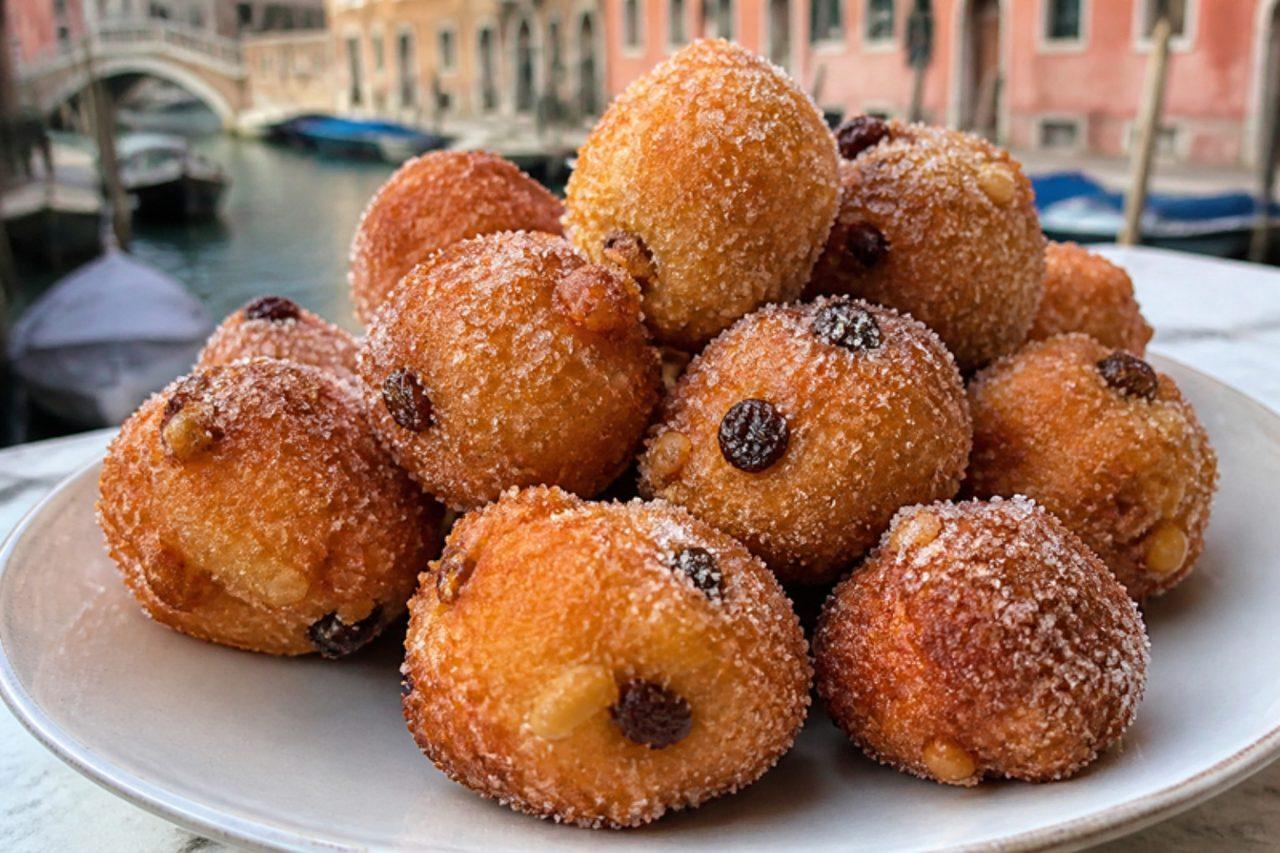
For the weeks before Lent, every pastry shop in Venice is piled with fritole, golden balls of fried yeast dough studded with raisins and pine nuts, and masked visitors eat them from paper bags as they wander between the campi. They were once sold from street stalls by a guild of fritter-makers and are still the true taste of the Venetian Carnival: crisp and sugary outside, light and bready within. The traditional batter has a spoon of grappa or rum; here orange juice takes its place, which suits children too. Chef's tip: fry a single fritter first to check the oil heat and timing.

by KrazyBadal 0 views
Frico con patatePotato and cheese skillet cake

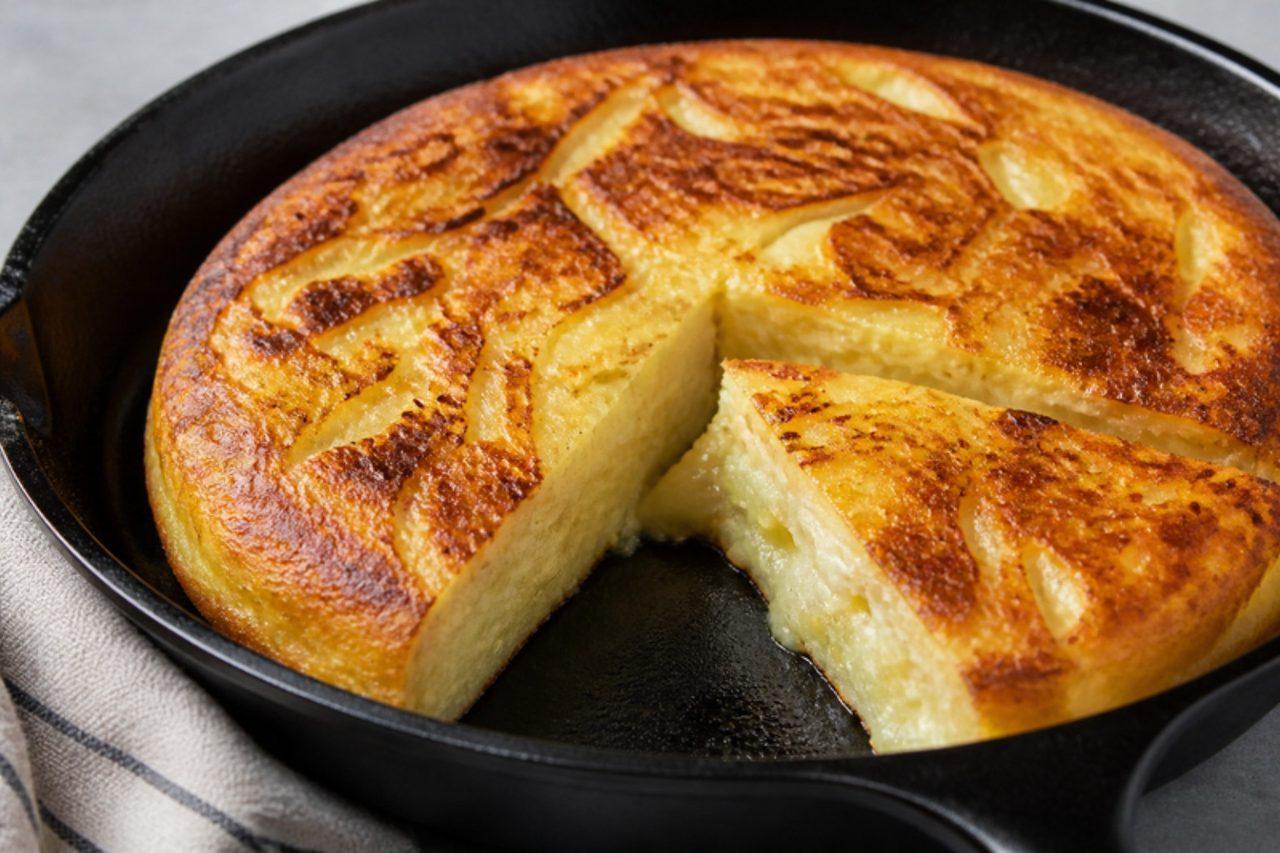
Frico was born in the mountain pastures of Carnia, in the north of Friuli-Venezia Giulia, where herders cooked cheese ends and potatoes together in an iron pan over the fire. Today it is the region's signature dish, served in Udine's osterie and at village festivals in wedges beside soft polenta. The outside sets into a crisp, brown cheese crust while the inside stays soft, stringy and rich with sweet onion. Chef's tip: mix a young Montasio, which melts, with a more aged one, which gives the crust its flavour and crunch.

by KrazyBadal 0 views

Strangolapreti trentiniSpinach and bread gnocchi

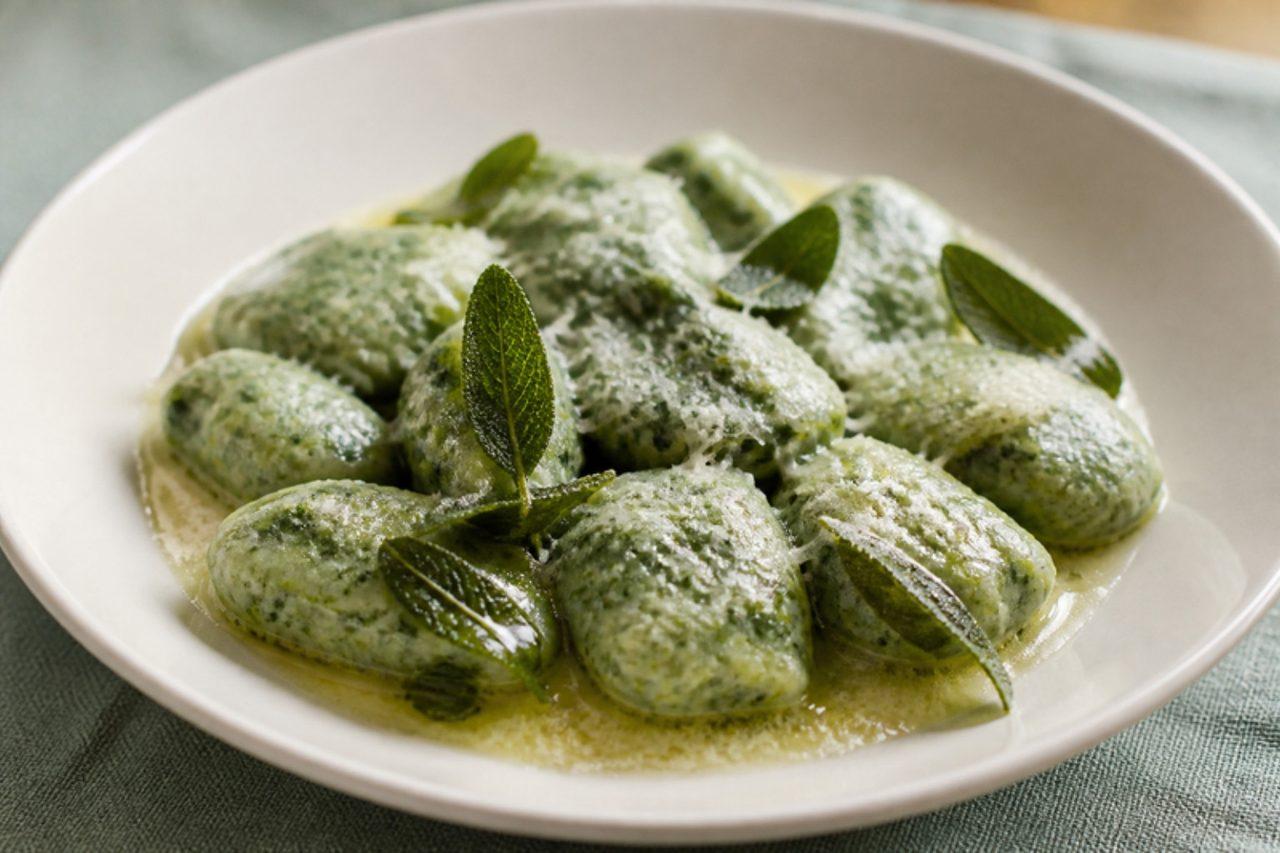
The name means priest-stranglers, and in Trento they like to say it dates from the Council of the 1500s, when visiting clergy ate these little green gnocchi so greedily they nearly choked. Thrifty and simple, they are made from stale bread soaked in milk and beaten with spinach or chard, egg and grated cheese, then poached and rolled in sage butter. Expect a soft, tender dumpling with a fresh green flavour, found on trattoria menus across Trentino in autumn and winter. Chef's tip: chop the spinach as finely as you can, almost to a purée, for smooth gnocchi that hold together.

by KrazyBadal 0 views

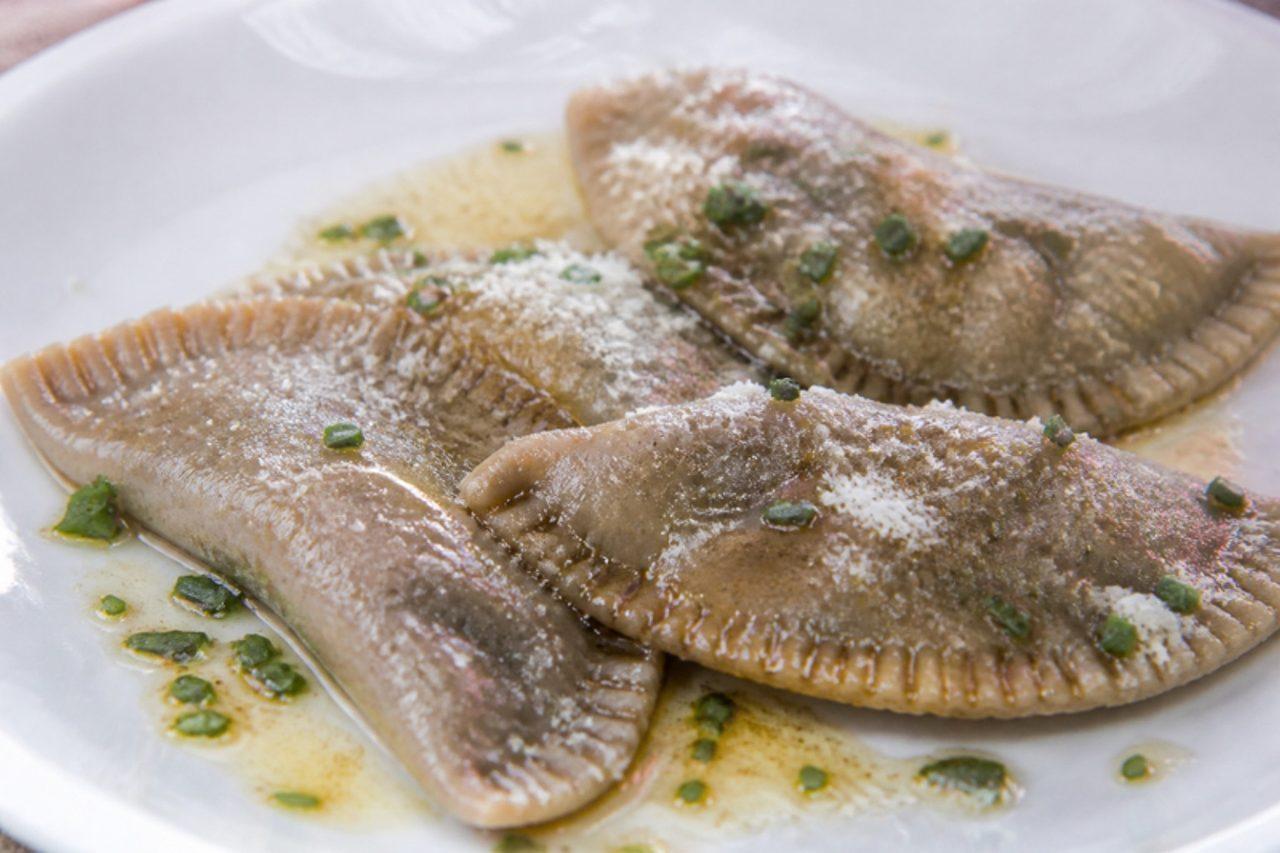
SchlutzkrapfenSpinach and quark half-moon pasta

Schlutzkrapfen come from the farmhouse kitchens of South Tyrol, around Bressanone and the Val Pusteria, and are a fixture of autumn menus once the first snow dusts the Dolomites. A firm dough of rye and wheat flour wraps a soft filling of spinach and fresh quark, folded into half-moons and served in foaming brown butter with chives and cheese. The rye gives them an earthy, slightly sour bite that sets them apart from Italian ravioli further south. Chef's tip: roll the dough thinner than you think and keep the unused part covered, as rye dough dries out quickly.

by KrazyBadal 0 views

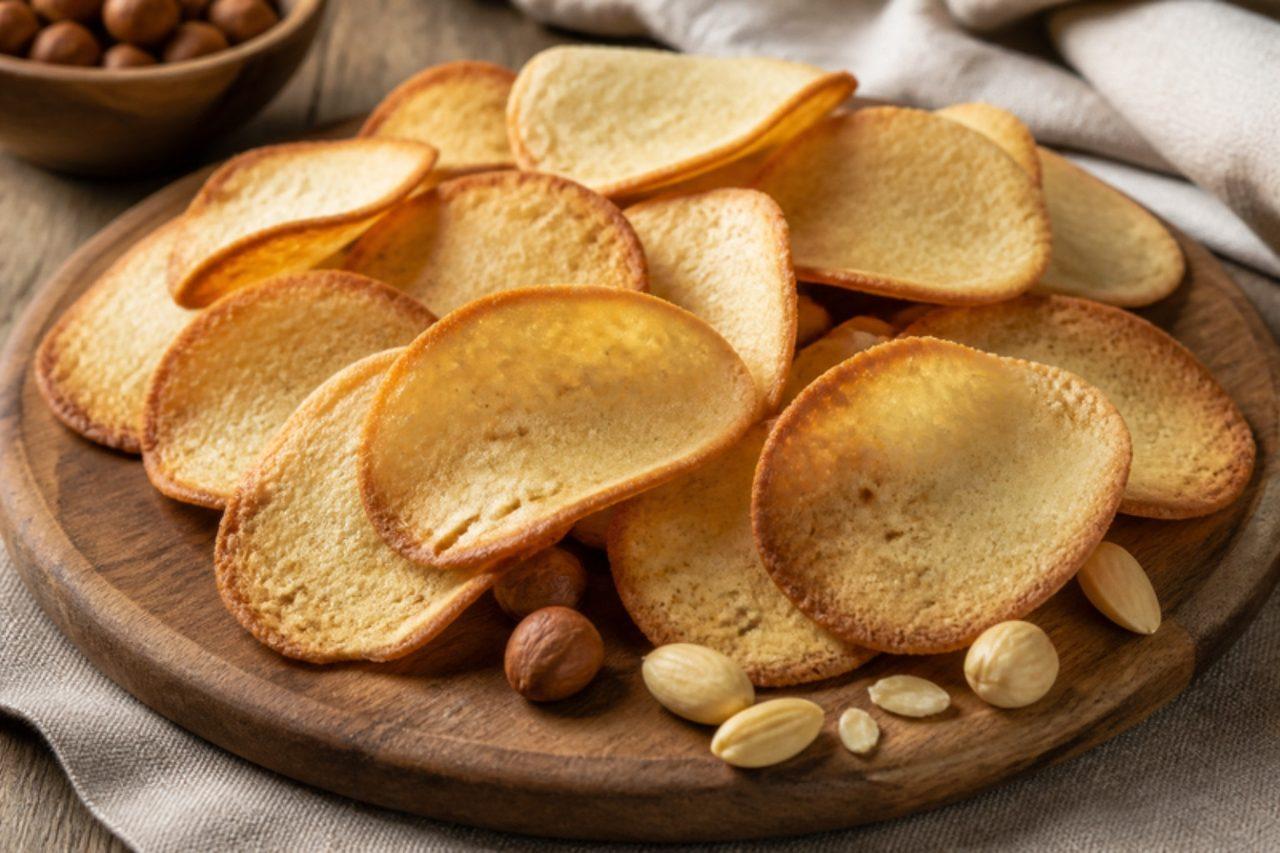
Tegole valdostaneAlmond hazelnut biscuits

Walk the arcaded streets of old Aosta and the pastry shops have stacks of tegole in the window, thin as paper and curved like the stone roof slabs of the valley's chalets. They are offered with an after-dinner coffee or packed in tins as a present from the mountains. Ground almonds and hazelnuts give them a toasty, buttery crunch that shatters at the first bite. Most recipes include a spoon of wheat flour; this one uses potato starch, so the biscuits are gluten free. Chef's tip: bake a test biscuit first; if it spreads too much, chill the batter for 15 minutes.

by KrazyBadal 0 views

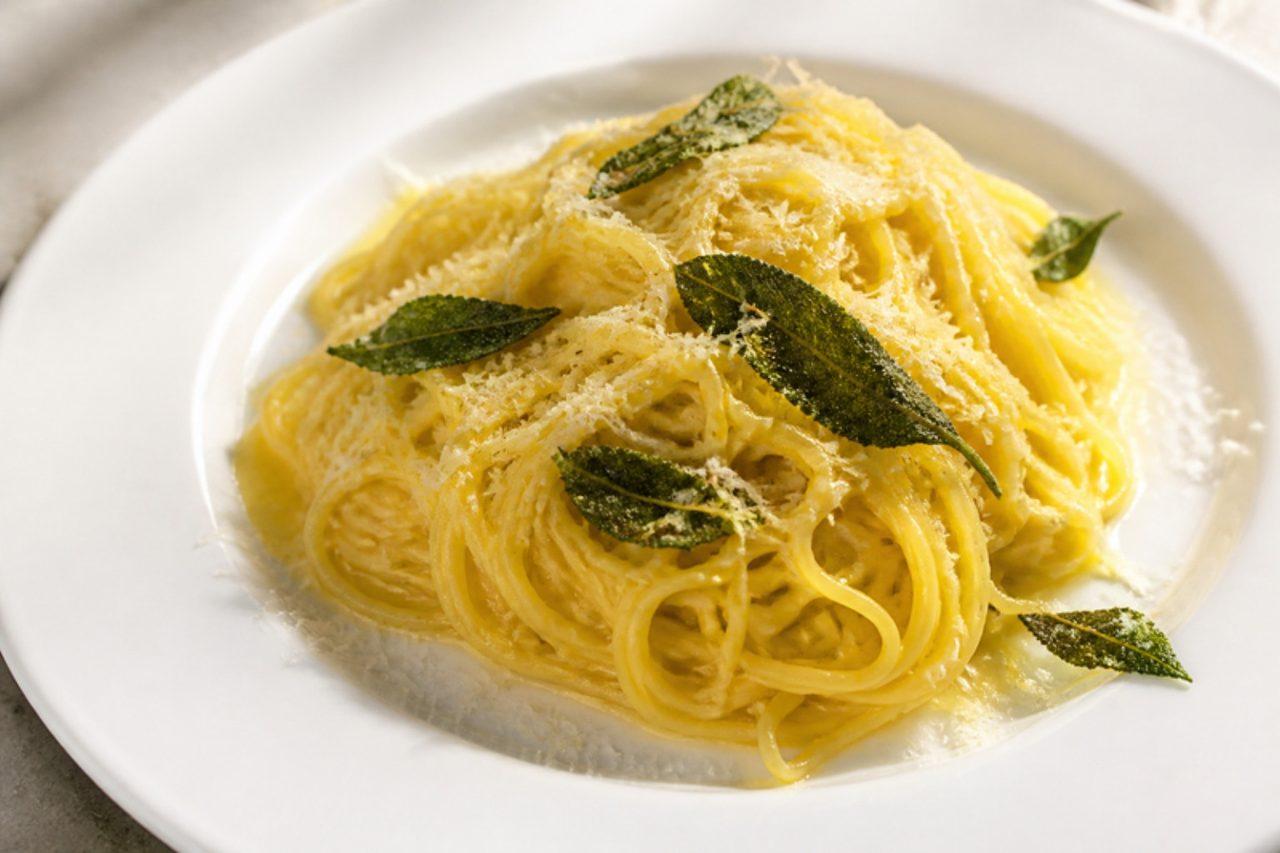
Tajarin al burro e salviaEgg ribbon pasta in sage butter

In the hill villages around Alba, in Piedmont's Langhe, tajarin are the pasta of Sunday lunch: hair-thin strands made with so many egg yolks that the dough turns deep orange. Through October and November, when the white truffle fair fills Alba, restaurants toss them in plain butter and shave truffle over the top at the table. The rest of the year sage butter does the job, and the pasta stays the star: silky, rich and springy against the teeth. Chef's tip: cut the strands by hand from a loosely rolled sheet rather than through a machine cutter; slightly uneven tajarin hold the butter better.

by KrazyBadal 0 views

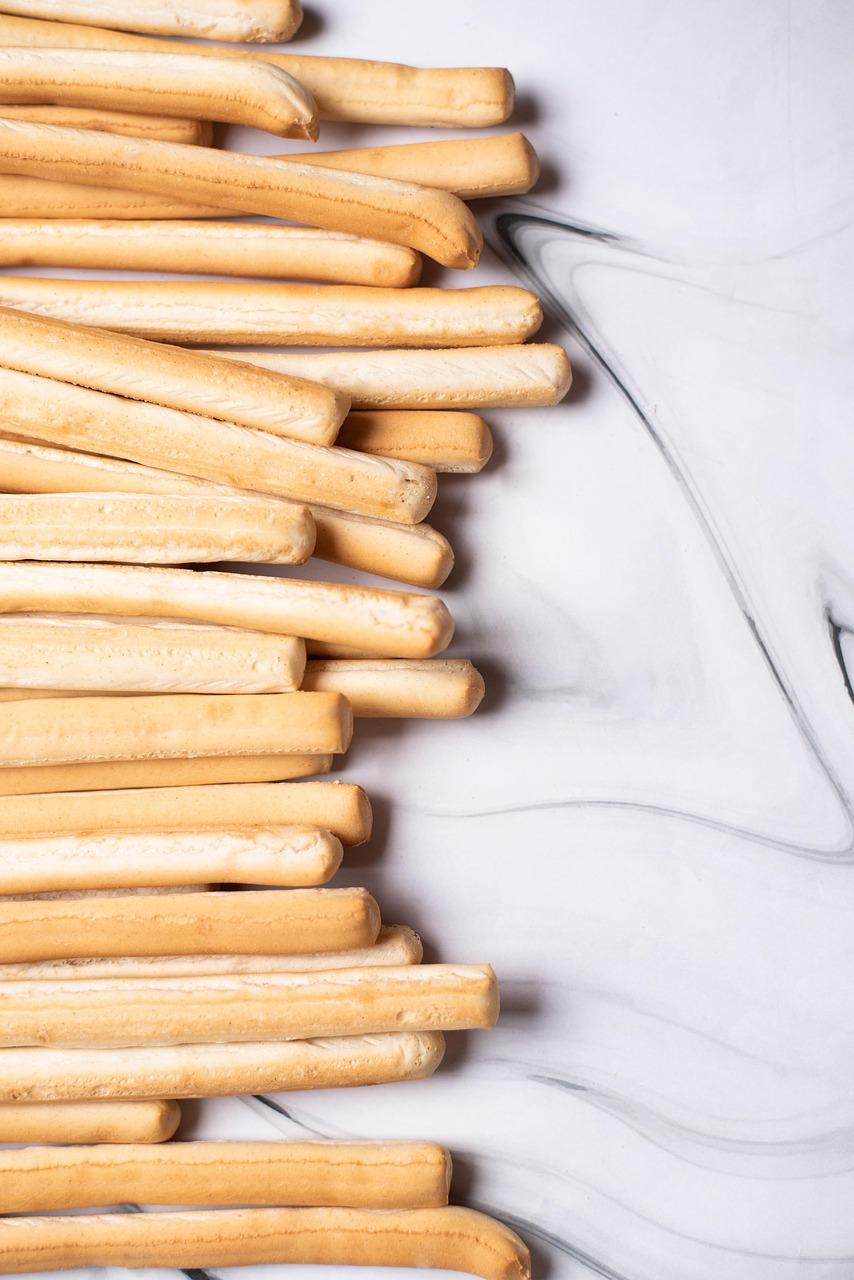
Grissini torinesiHand-stretched breadsticks

Turin claims grissini as its own: the story goes that a court baker stretched bread into thin, dry sticks in the 1600s for a sickly young Savoy duke who could not digest soft loaves. Today a bundle of long, knobbly grissini stirati sits on nearly every Piedmontese restaurant table, ready to snap with antipasti. Made by hand they are lighter and more uneven than the boxed kind, golden and brittle with a faint taste of olive oil. Children love making them. Chef's tip: stretch each strip by holding both ends and letting it swing as you pull, which gives that rustic, slightly twisted look.

by KrazyBadal 0 views

Torta sbrisolonaCrumbly almond cake

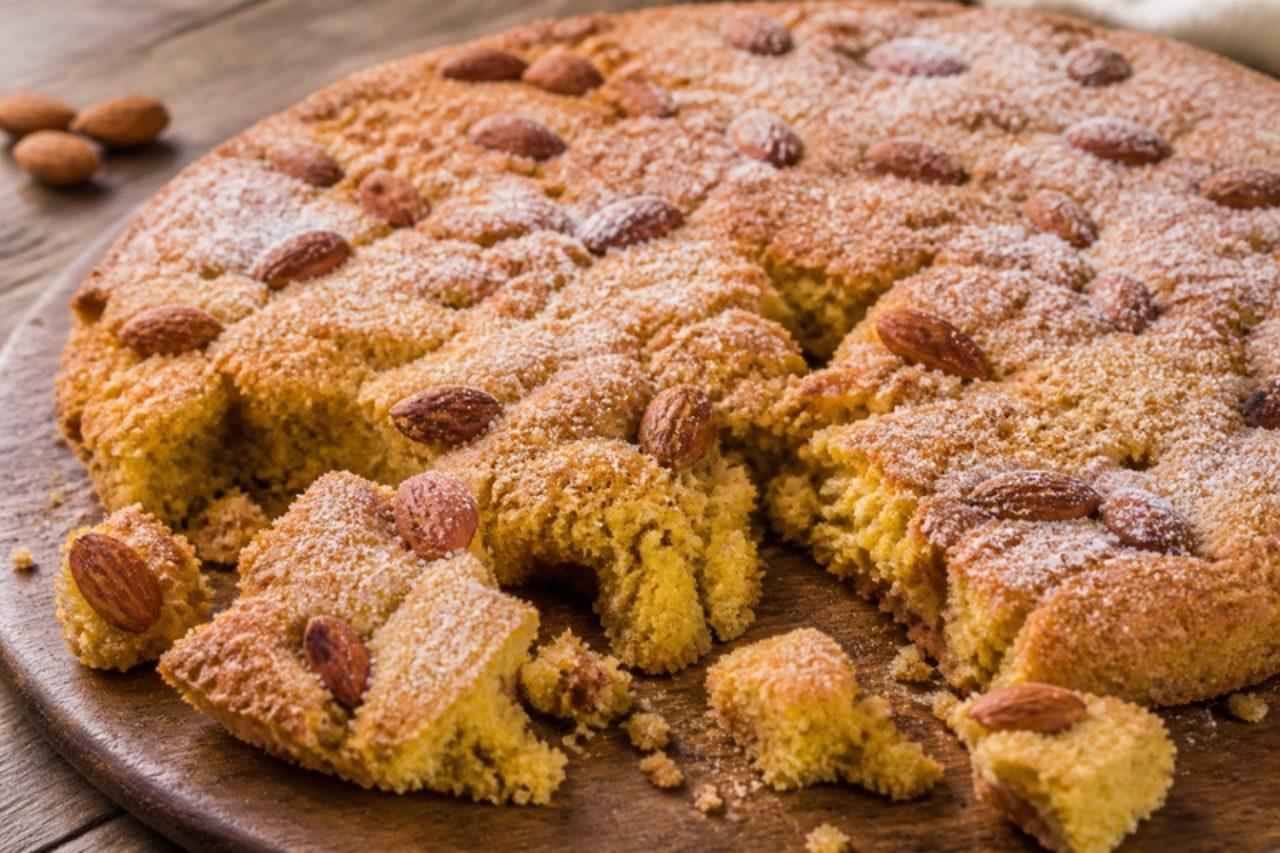
Nobody slices a sbrisolona. In Mantua, in the south-east of Lombardy, the round, golden cake is set whole in the middle of the table after dinner and cracked into rough pieces with a fist, and everyone grabs a shard. Coarse cornmeal and chopped almonds make it gritty, buttery and crunchy, closer to a giant biscuit than a sponge. It began as a farmhouse sweet made with lard; this version uses only butter. Chef's tip: keep your hands cool and stop rubbing in while the mixture still looks like coarse crumbs and small clumps.

by KrazyBadal 0 views

BonetChocolate amaretti pudding

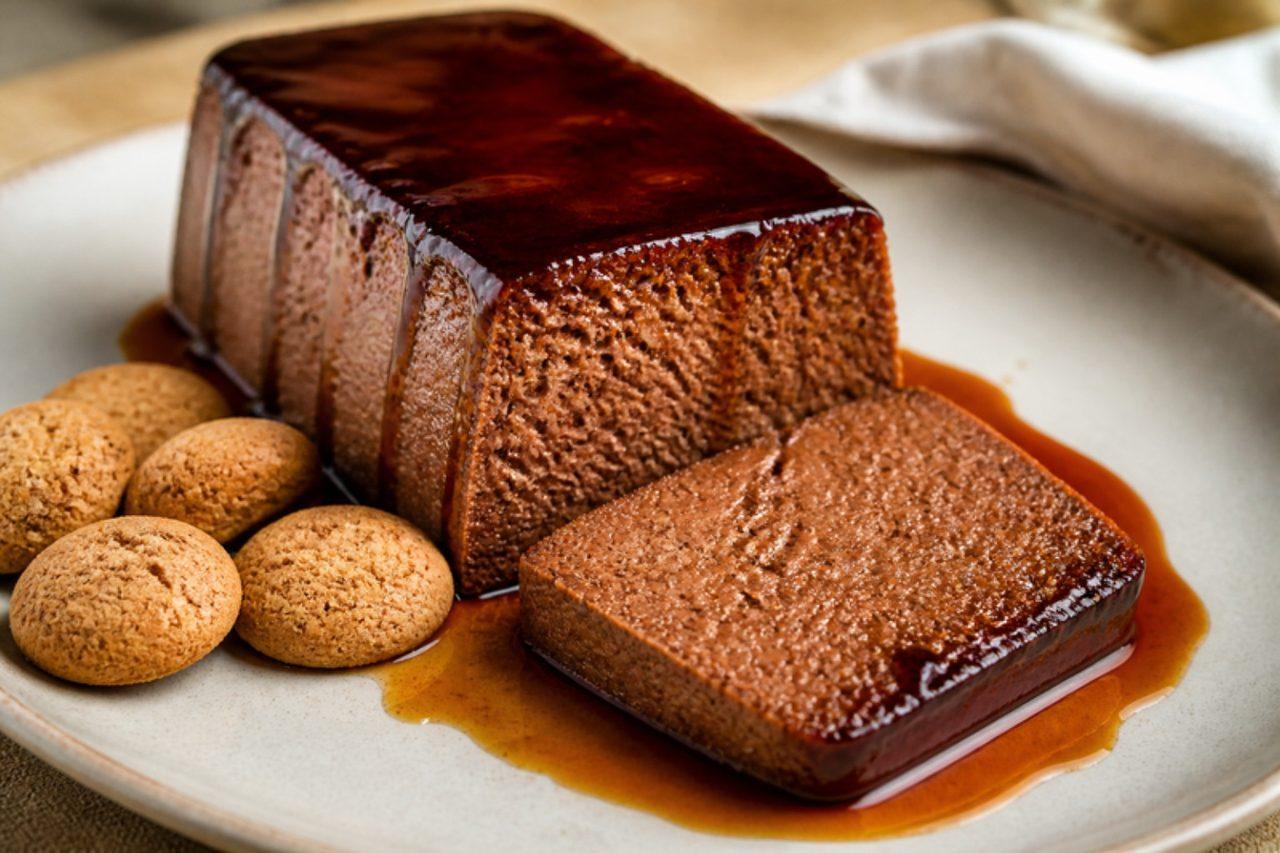
Bonet closes the long holiday lunches of the Langhe and Monferrato, turned out of its tin glossy with caramel and cut into thick slices. The name is dialect for a cap, after the round copper mould it was once baked in. Crushed amaretti give the custard a soft almond grain, and cocoa makes it taste like a set chocolate pudding with a bitter edge. Most cooks add a splash of rum or marsala; this recipe offers a coffee-and-vanilla version for an alcohol-free bonet. Chef's tip: bake it the day before; after a night in the fridge it slices cleanly and the caramel turns to a thin sauce.

by KrazyBadal 0 views

Pane nero di segaleDark rye bread

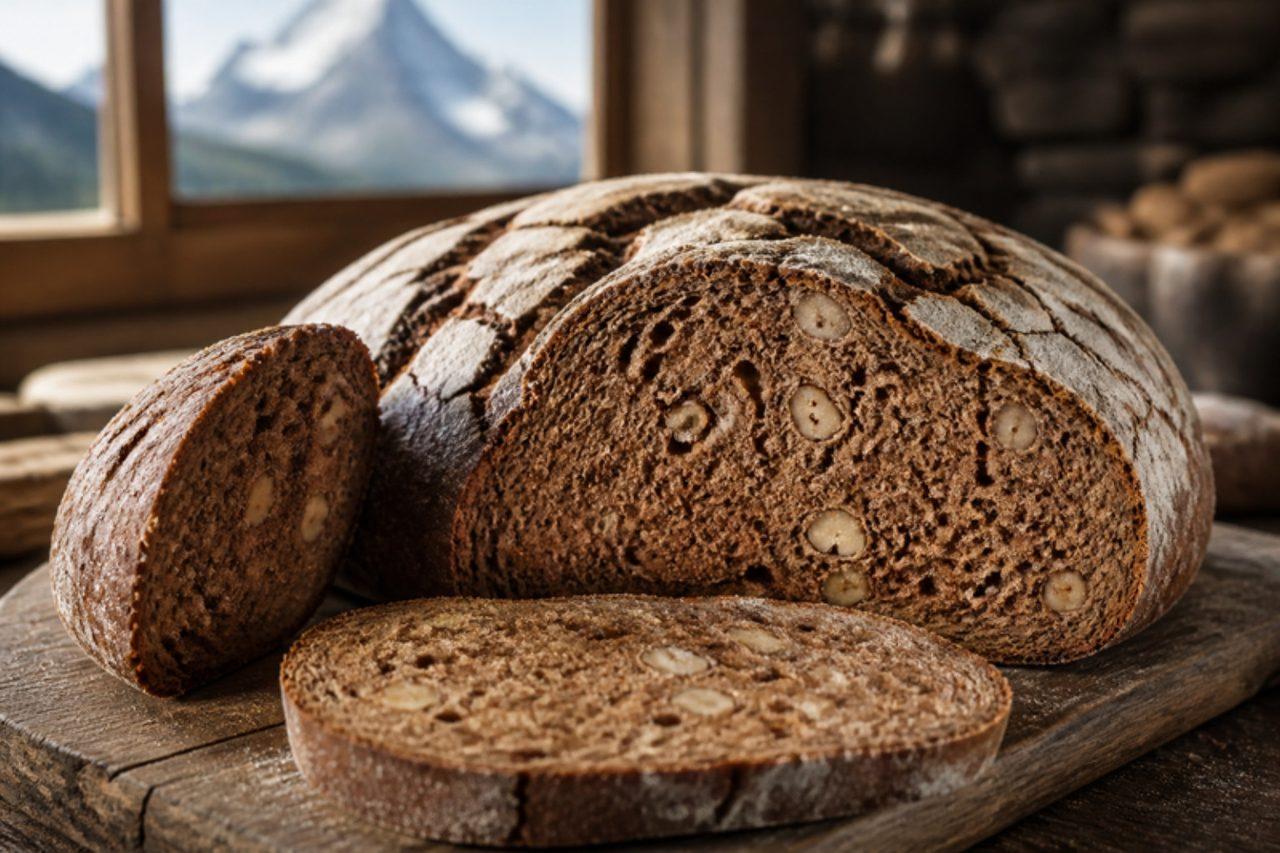
In the villages of the Valle d'Aosta, rye was the grain that would grow at altitude, and each autumn families took turns at the communal wood-fired oven to bake enough dark loaves to last until spring. Every October the valley still lights those old ovens for a bread festival, and the round, flour-crackled pan ner is sold at markets from Aosta to Gressan. The crumb is dense, moist and slightly sour, with a thick crust; it is eaten with butter, mountain cheese or a bowl of soup. Chef's tip: wait until the loaf is completely cold before slicing, as rye keeps setting as it cools.

by KrazyBadal 0 views

PanettoneChristmas fruit bread

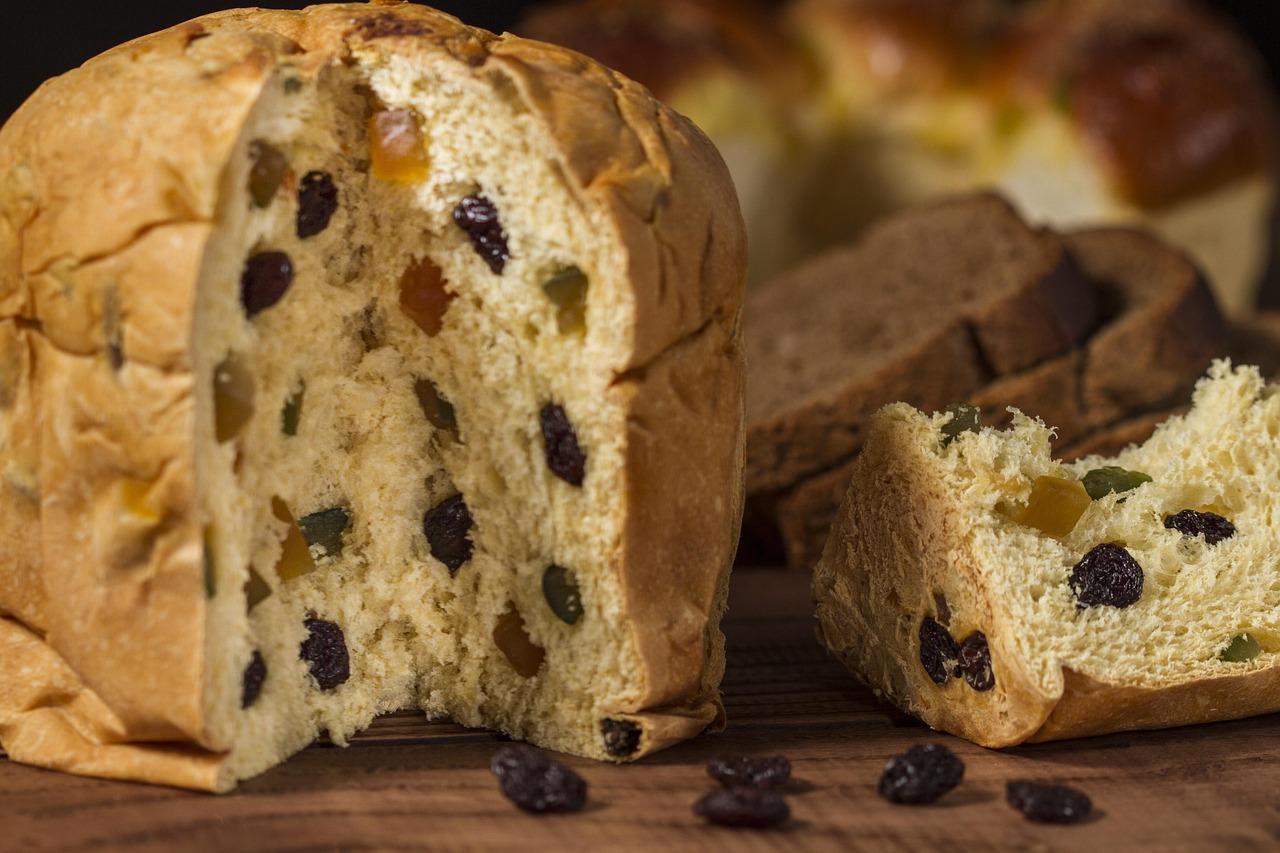
Every December Milan's bakeries stack panettone to the ceiling, and Milanese families trade them as gifts before eating thick slices with coffee on Christmas morning. Legends about its birth at the Sforza court abound, but what matters is the texture: a tall dome with a crumb that pulls apart in long, feathery strands, scented with orange, lemon and vanilla and dotted with raisins and candied peel. Bakers use a natural starter that takes days; this home version uses a small amount of yeast and two long rises over a day. Chef's tip: keep the dough between 24 and 27 °C throughout, such as in an oven with only the light switched on.

1440 minItalianBaking
by KrazyBadal 0 views

Pizzoccheri della ValtellinaBuckwheat pasta with cabbage and cheese

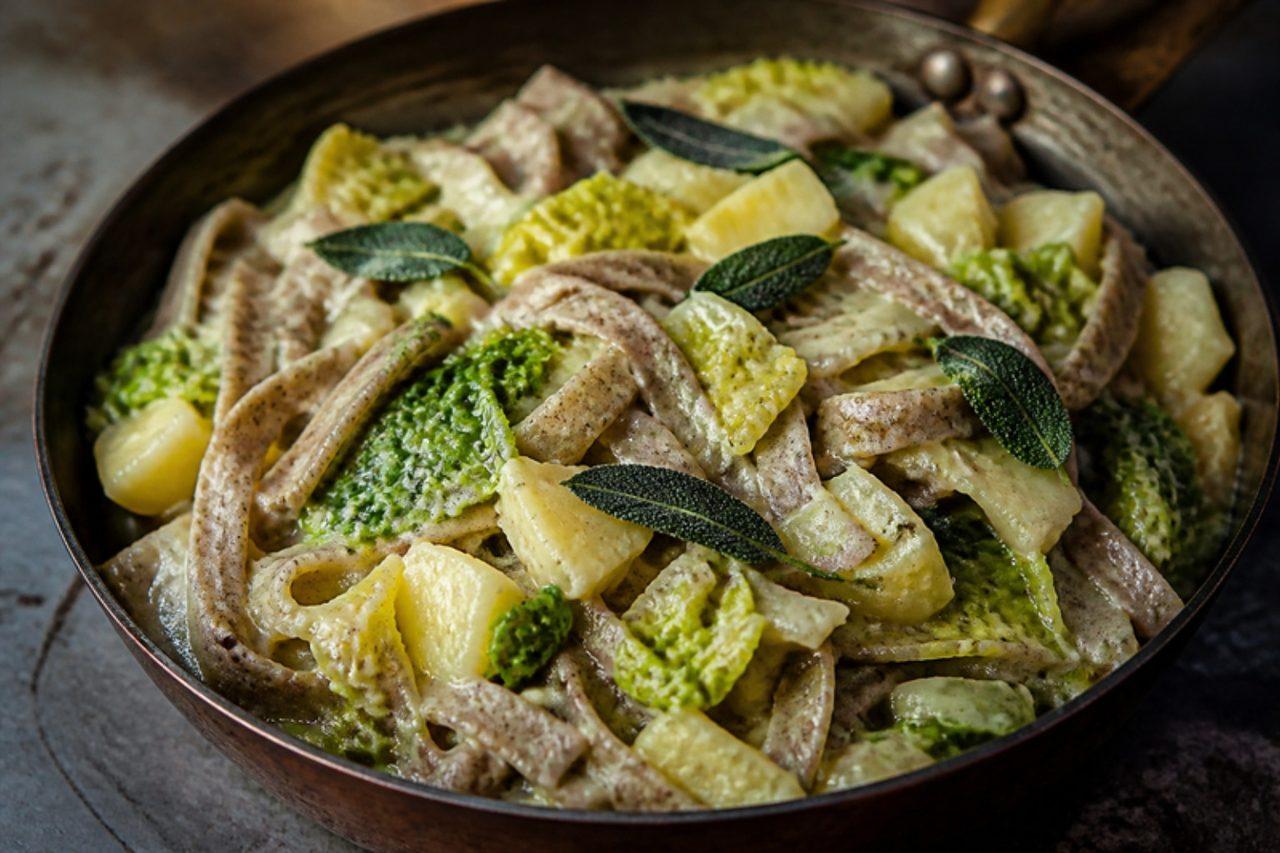
Pizzoccheri belong to the Valtellina, the steep valley of Lombardy near the Swiss border, and above all to the village of Teglio, where a local academy guards the recipe. Short, rough ribbons of grey-brown buckwheat pasta boil in one pot with potatoes and savoy cabbage, then go into a dish in layers with Valtellina Casera cheese and garlicky sage butter. It is a winter dish for ski huts and family kitchens: earthy, nutty and gloriously heavy. Chef's tip: buckwheat pasta breaks easily, so cut the ribbons short and fold the layers gently with two forks.

by KrazyBadal 0 views

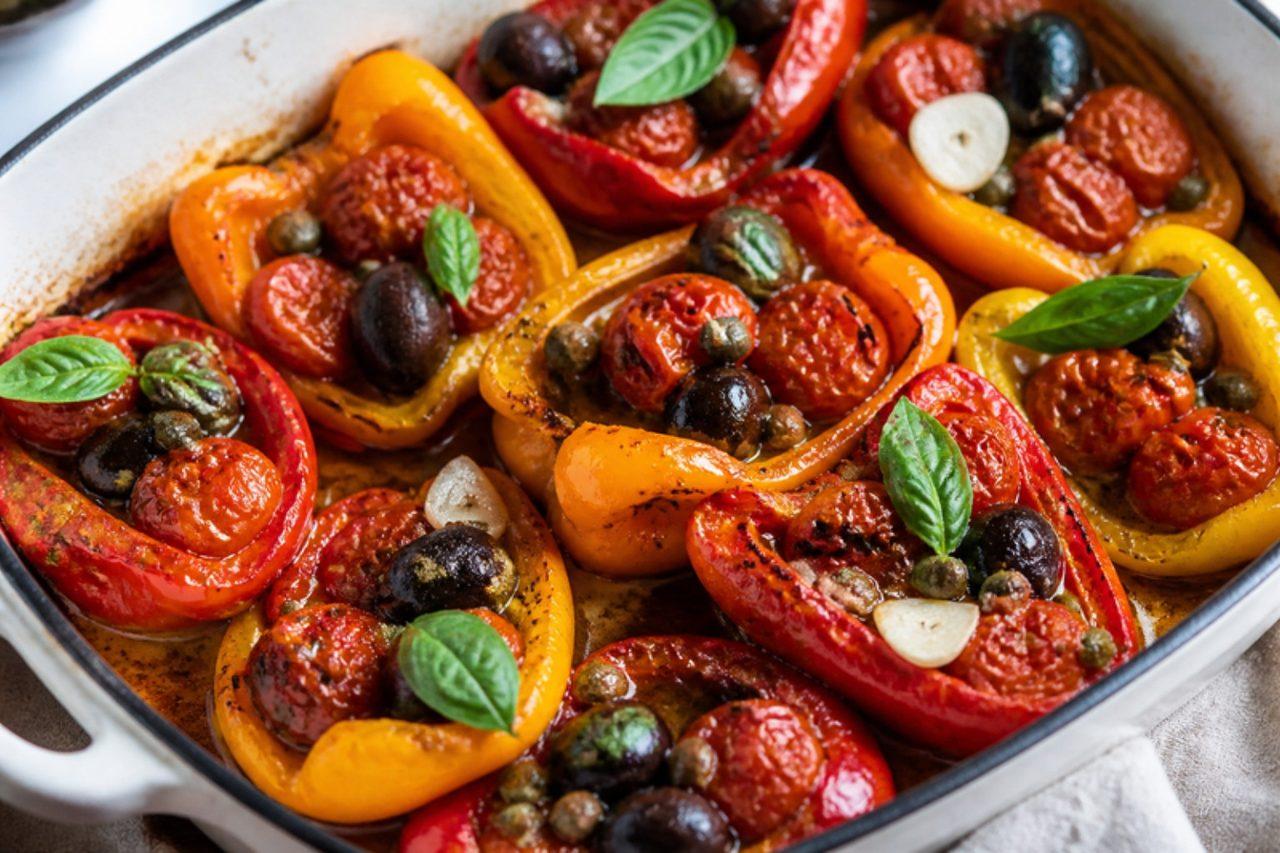
Peperoni ripieni alla piemonteseStuffed roasted peppers

Late summer in Turin means the fat, square peppers of Carmagnola piled high at Porta Palazzo market, and this is what Piedmontese cooks do with them. Halved and filled with peeled tomato and slivers of garlic, they roast until the skins blister and the juices turn sweet and jammy, then come to the table lukewarm as an antipasto. The old recipe hides an anchovy fillet in each half; here capers and black olives bring the same salty edge, so the dish is vegan. Chef's tip: keep the stalk on when you halve the peppers, as it helps each half hold its shape and its juices.

by KrazyBadal 0 views

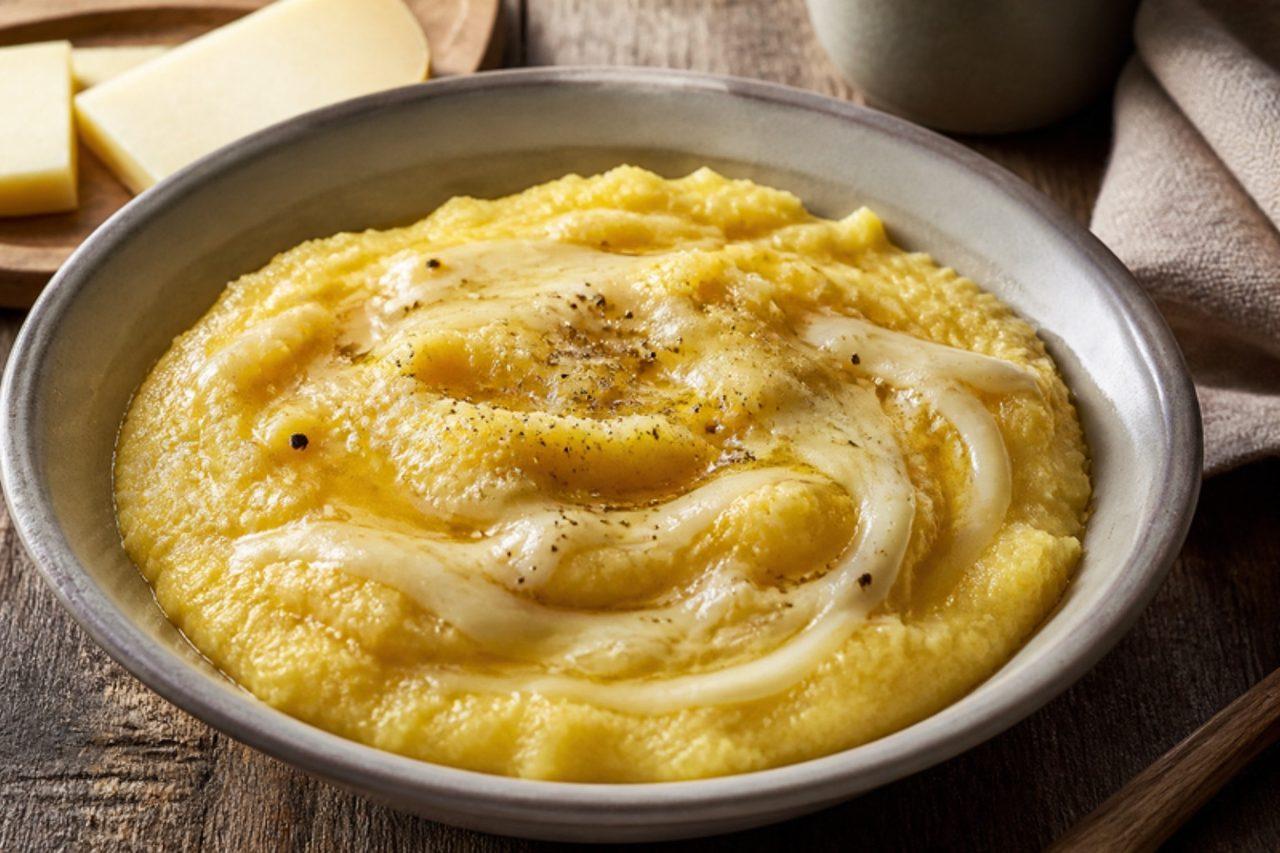
Polenta conciaPolenta with fontina

High in the Valle d'Aosta, polenta concia is what comes out of the kitchen of a mountain refuge after a cold day on the slopes above Cogne or Courmayeur. Soft yellow polenta is layered in a hot dish with cubes of fontina, the valley's own alpine cheese, then drowned in sizzling brown butter until the cheese melts into long, stretchy strings. It is rich, savoury and very filling, best eaten from the dish with a green salad alongside. Chef's tip: cube the fontina while the polenta cooks and keep it at room temperature, so it melts at once instead of staying in cold lumps.

by KrazyBadal 0 views

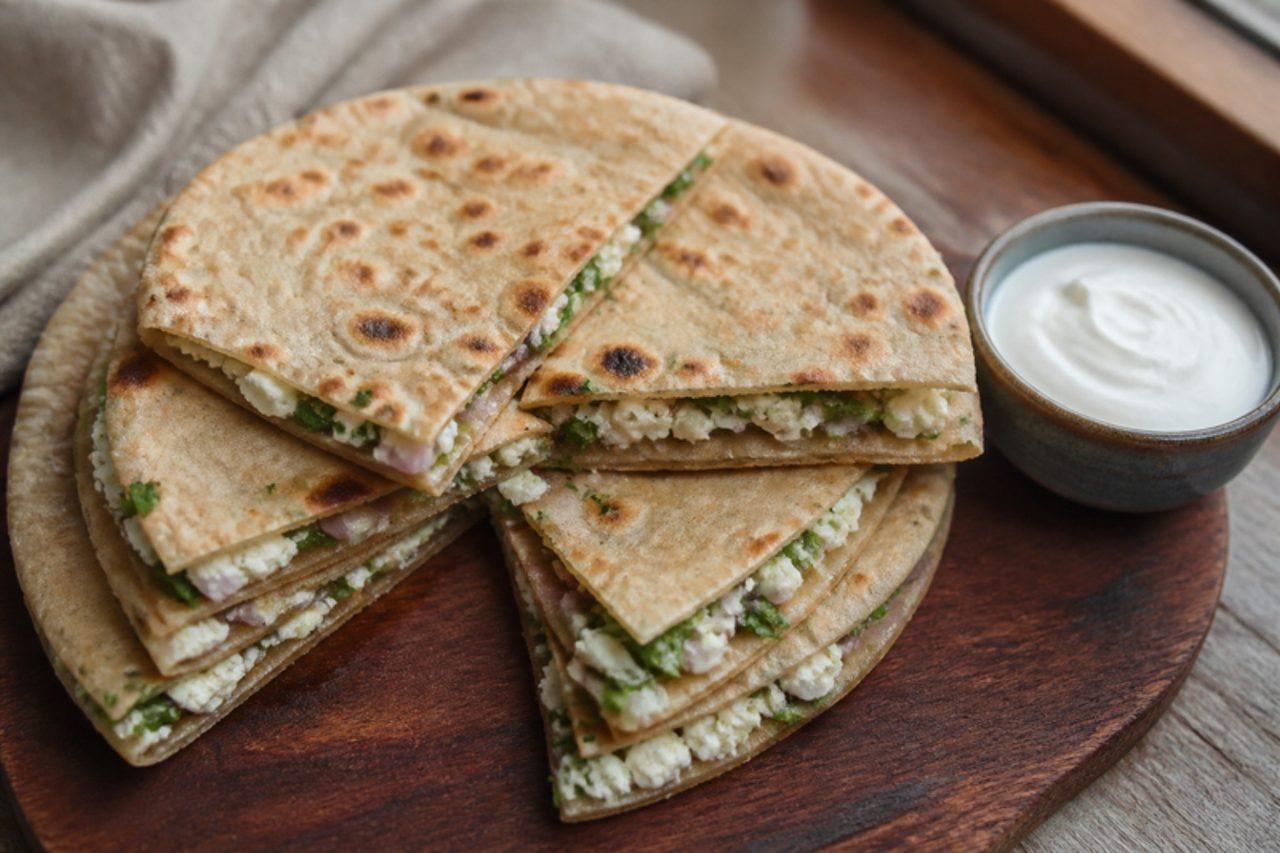
Chitrali ghalmandiLayered thin griddle breads

In the Chitral valley in Pakistan's far north, where winters are long and dairy is plentiful, bread is often a meal in itself, and ghalmandi is one of the best loved: soft, thin wholewheat breads stacked with a filling of crumbled fresh cheese, onion, green chilli, coriander and mint, then cut into wedges and eaten warm with salty tea. It is made for guests and on cold evenings, and every household seasons the cheese its own way. Rolling the breads too thick is the common mistake; they turn heavy and the layers do not hold together, so roll them almost see-through. Chef's tip: brush each hot bread with ghee the moment it comes off the griddle and spread the cheese straight away, so the warmth softens the cheese and glues the stack together.

by KrazyBadal 0 views

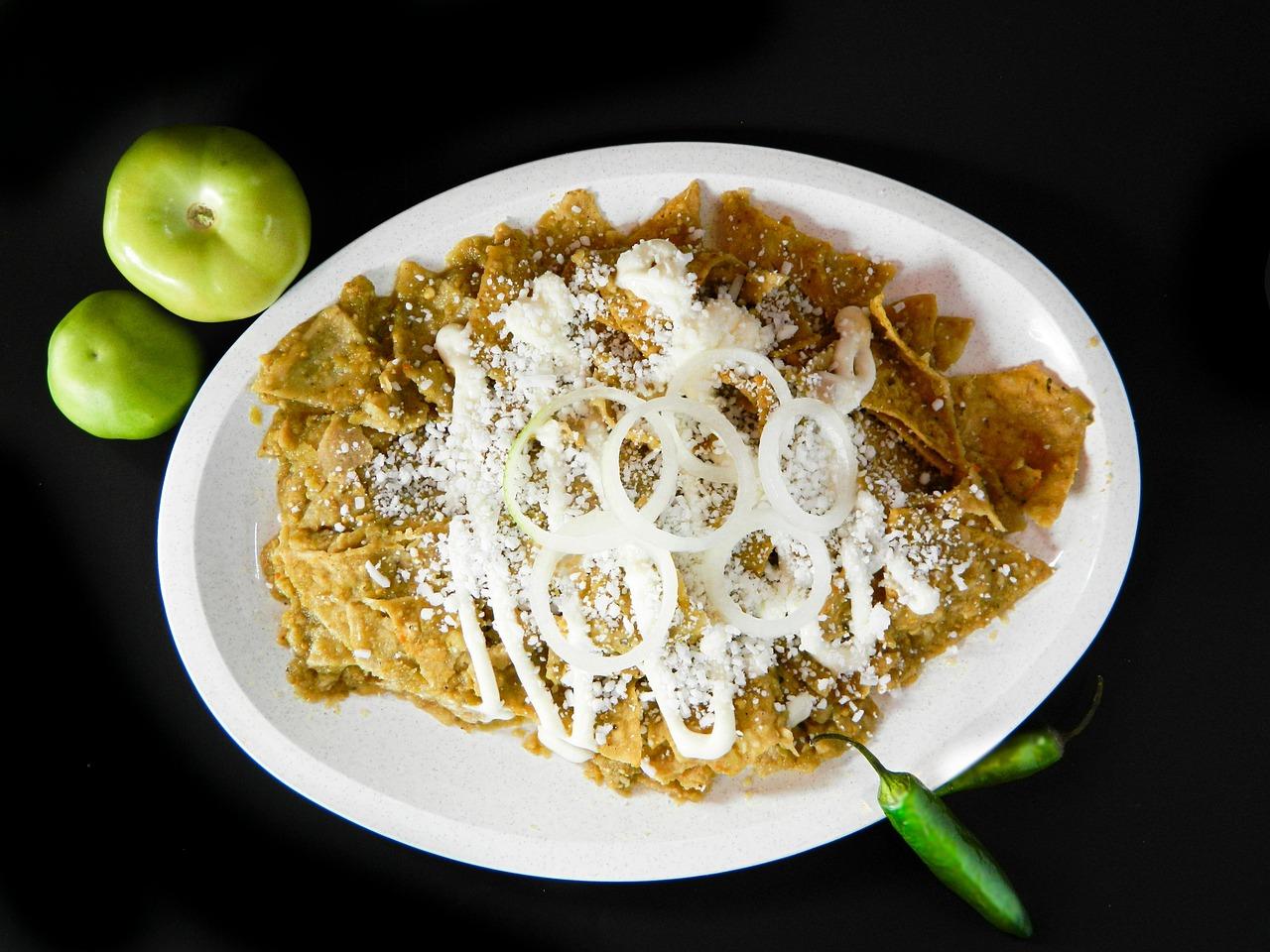
Chilaquiles verdesTortilla chips in green salsa

Chilaquiles are Mexico City's favourite breakfast and hangover cure: day-old corn tortillas cut into wedges, fried into crisp totopos, then tossed in hot salsa just long enough to soften at the edges. Chilaquiles verdes use a bright, tangy salsa of tomatillos, serrano chillies and coriander, and come topped with a fried egg, crema, crumbled cheese and raw onion. The best ones keep a little crunch in the middle. Tomatillos are sold fresh or tinned; if you can't find them, use green tomatoes with an extra squeeze of lime. Choose queso fresco made with vegetarian rennet. Chef's tip: toss the chips into the salsa right before serving and take them to the table immediately; chilaquiles wait for nobody.

by KrazyBadal 0 views

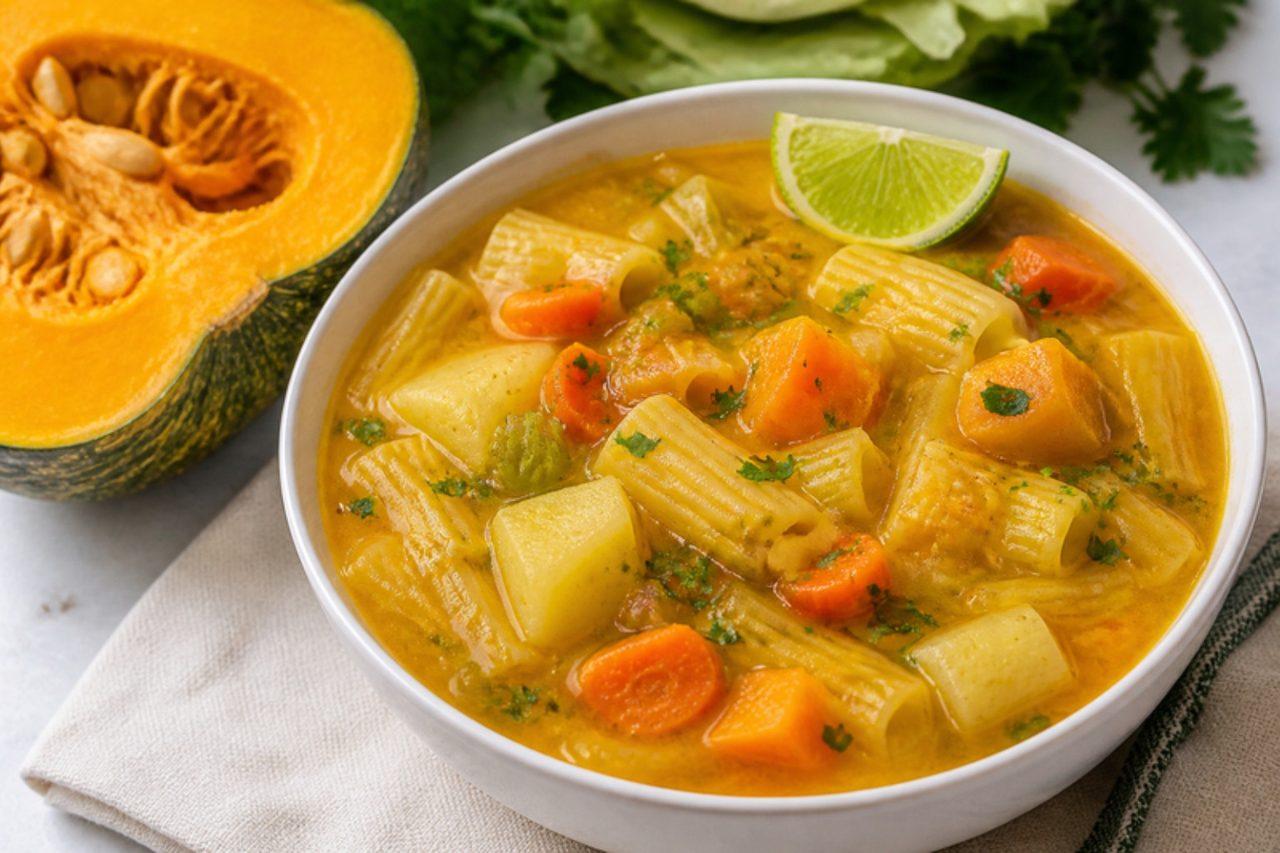
Soup joumouPumpkin soup

Every 1 January, Haitian families from Port-au-Prince to Brooklyn wake up to soup joumou. It marks independence from France on 1 January 1804: under French rule, enslaved Haitians cooked this pumpkin soup but were forbidden to eat it, so the free people of the new nation made it their own as a dish of freedom. In 2021 it was added to UNESCO's list of the intangible cultural heritage of humanity. The base is a velvety purée of joumou (Caribbean pumpkin) with epis, and in it simmer chunks of carrot, potato, cabbage, celery and turnip, with pasta and a squeeze of lime. It's usually made with beef; this vegetable version is full and golden, rich enough for the day. Chef's tip: roast half the pumpkin before puréeing it; the caramelised edges give the soup the depth that slow-cooked meat usually provides.

by KrazyBadal 1 views

Armenian coffee

Armenian coffee, soorj, is boiled in a small long-handled pot called a jazzve and poured unfiltered into tiny cups. It is offered the moment a guest sits down in any Yerevan home and lingers after meals while the grounds settle; when the cup is empty, it is turned upside down on its saucer so someone can read the patterns left in the grounds. The coffee is powder-fine, often scented with a pinch of cardamom, with a velvety foam (kaymak) on top that is a point of pride for the host. Serve with a glass of water and a little gata or dried fruit. Chef's tip: start with cold water and a low flame; the slower the coffee heats, the thicker and longer-lasting the foam.

by KrazyBadal 1 views

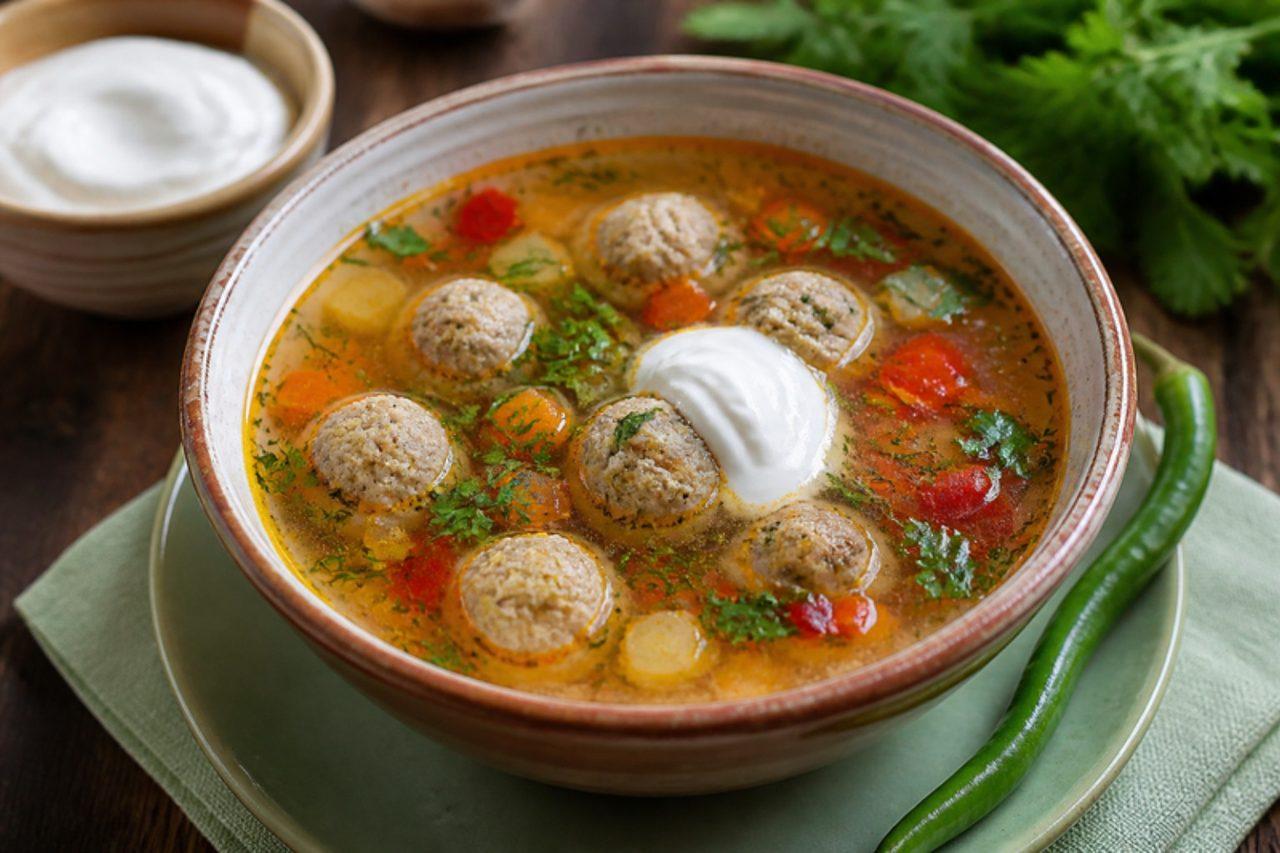
Ciorbă de perișoareSour soup with meatballs

Across Romania, from Bucharest canteens to Moldavian grandmothers' kitchens, a pot of ciorbă de perișoare turns up on the Sunday table and again on Monday, when it tastes even better. This version contains pork: soft meatballs of minced pork and rice simmer in a clear vegetable broth that is soured at the end with borș (fermented wheat-bran liquid) or lemon juice, then finished with a handful of lovage. It is eaten very hot with a spoon of sour cream and a fresh green chilli to bite between spoonfuls. A frequent slip is boiling the soup hard once the meatballs are in, which breaks them apart and clouds the broth. Chef's tip: wet your hands in cold water before rolling each meatball; the mixture will not stick and the balls stay smooth and round.

by KrazyBadal 0 views

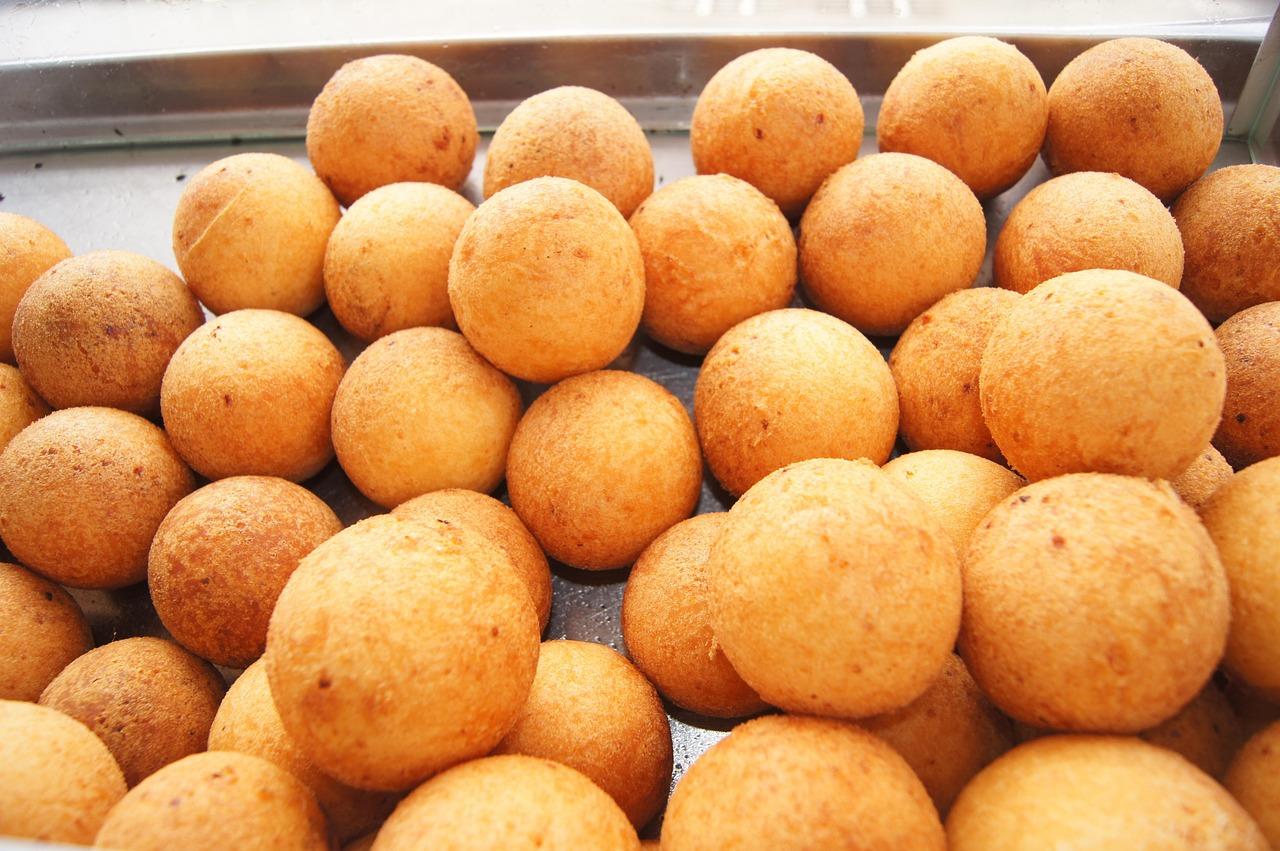
Buñuelos colombianosCheese and cassava fritters

In December, Colombian families gather for the novena de aguinaldos, nine evenings of prayers and carols before Christmas, and the reward afterwards is a plate of hot buñuelos with a bowl of natilla. These little golden balls are made from crumbly cheese, cassava starch and cornflour, fried until they puff and roll themselves over in the oil. They are crisp outside, airy and cheesy inside. Chef's tip: start the oil only warm, around 150 °C; buñuelos fried too hot crack open and stay raw in the centre.

by KrazyBadal 0 views

Halo-haloShaved ice dessert

Halo-halo ('mix-mix') is what the Philippines eats through the hot dry months of March to May, bought from roadside stalls and snack shops and eaten slowly with a long spoon in a tall glass. Sweetened beans and chickpeas, banana cooked in brown sugar, jackfruit, nata de coco and sugar-palm fruit go in first, then a mountain of finely shaved ice, a splash of evaporated milk and a crown of ube halaya, a slice of leche flan or a scoop of ube ice cream, with crunchy pinipig (toasted pounded rice) on top. Unlike Malaysian ais kacang, there's no syrup over the ice: the sweetness comes from the layers and the milk. You stir everything together before eating. Chef's tip: chill the glasses and the toppings first so the ice doesn't melt before you have finished building.

by KrazyBadal 0 views

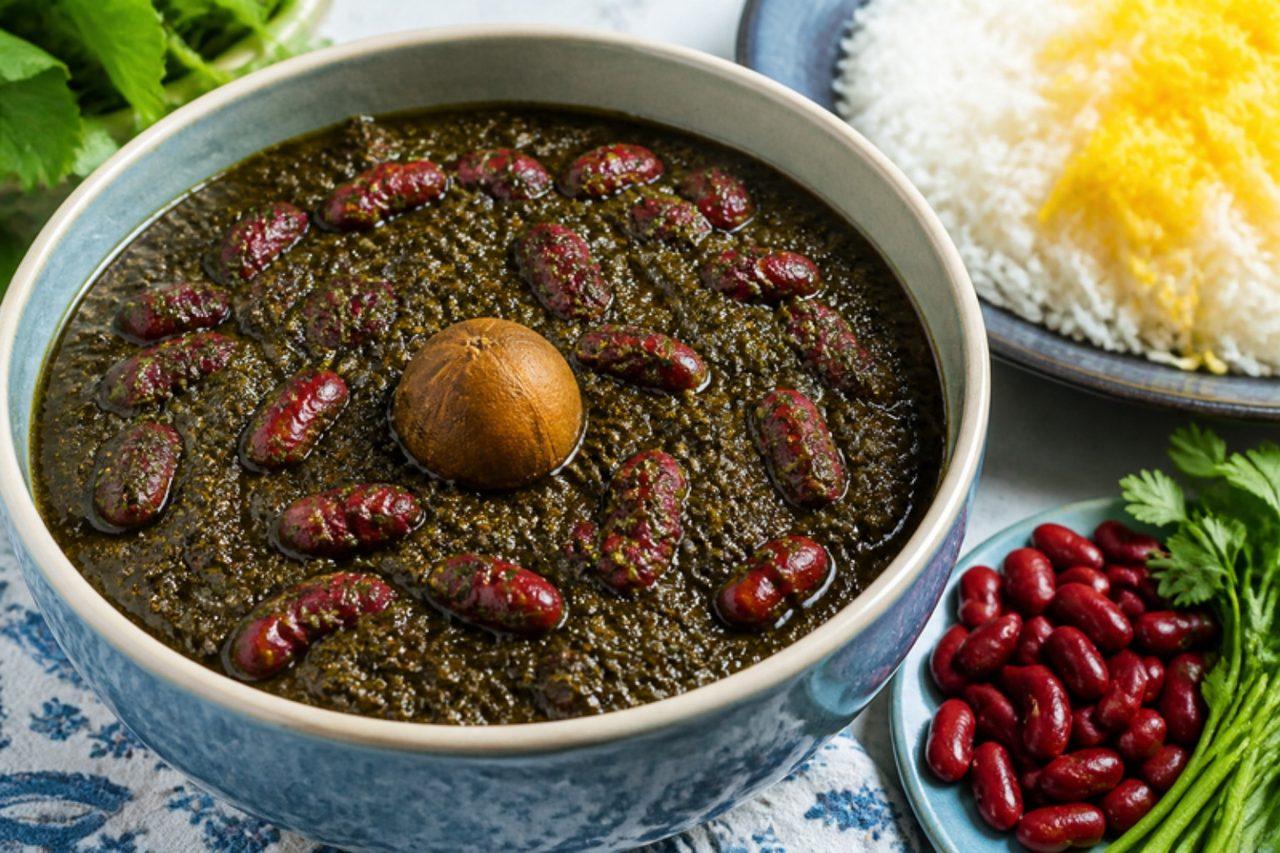
Vegetarian ghormeh sabziHerb and kidney bean stew

Ghormeh sabzi is often called Iran's national dish: a dark green stew of slowly fried herbs, kidney beans and whole dried limes that perfumes Iranian kitchens on Friday mornings and turns up at nearly every family gathering. The original is made with lamb; this vegetarian version uses mushrooms and plenty of beans for body, and keeps the deep, sour, almost smoky herb flavour that makes the dish. It is spooned over chelow with its crust on the side. Chef's tip: fry the herbs in oil until they turn very dark green and smell nutty; that long frying is the flavour of the stew.

by KrazyBadal 0 views

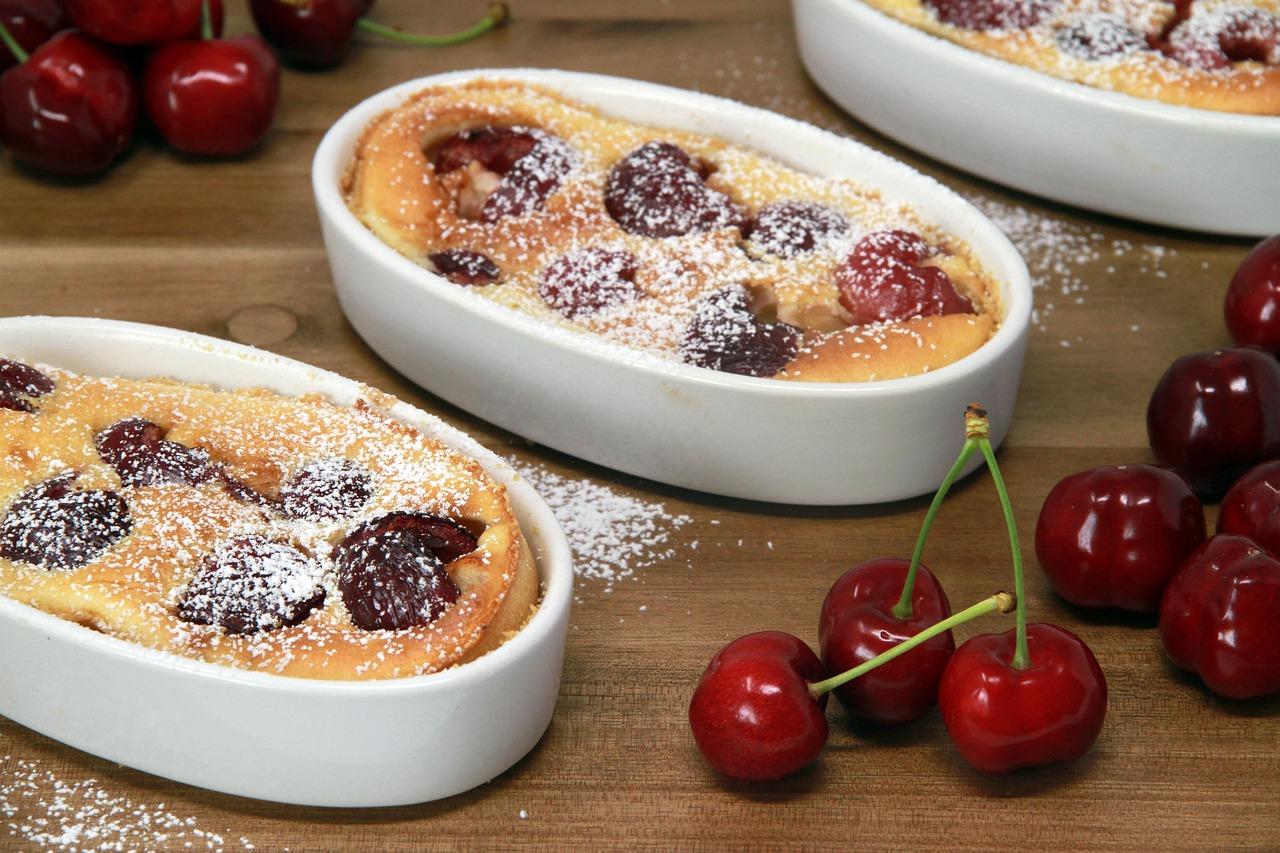
Clafoutis aux cerisesCherry batter pudding

Clafoutis comes from the Limousin in central France, where black cherries ripen in early summer and families make this simple pudding for Sunday lunch. Whole cherries are scattered in a buttered dish and covered with a sweet, eggy batter, like a cross between a pancake and a custard, then baked until puffed and golden. In the Limousin the cherries are left unstoned, which cooks say gives a faint almond flavour; stone them if you are serving children. It's best warm, dusted with icing sugar. Chef's tip: don't overmix the batter once the flour is in; beating it hard is the common mistake and makes the clafoutis tough and rubbery.

by KrazyBadal 0 views

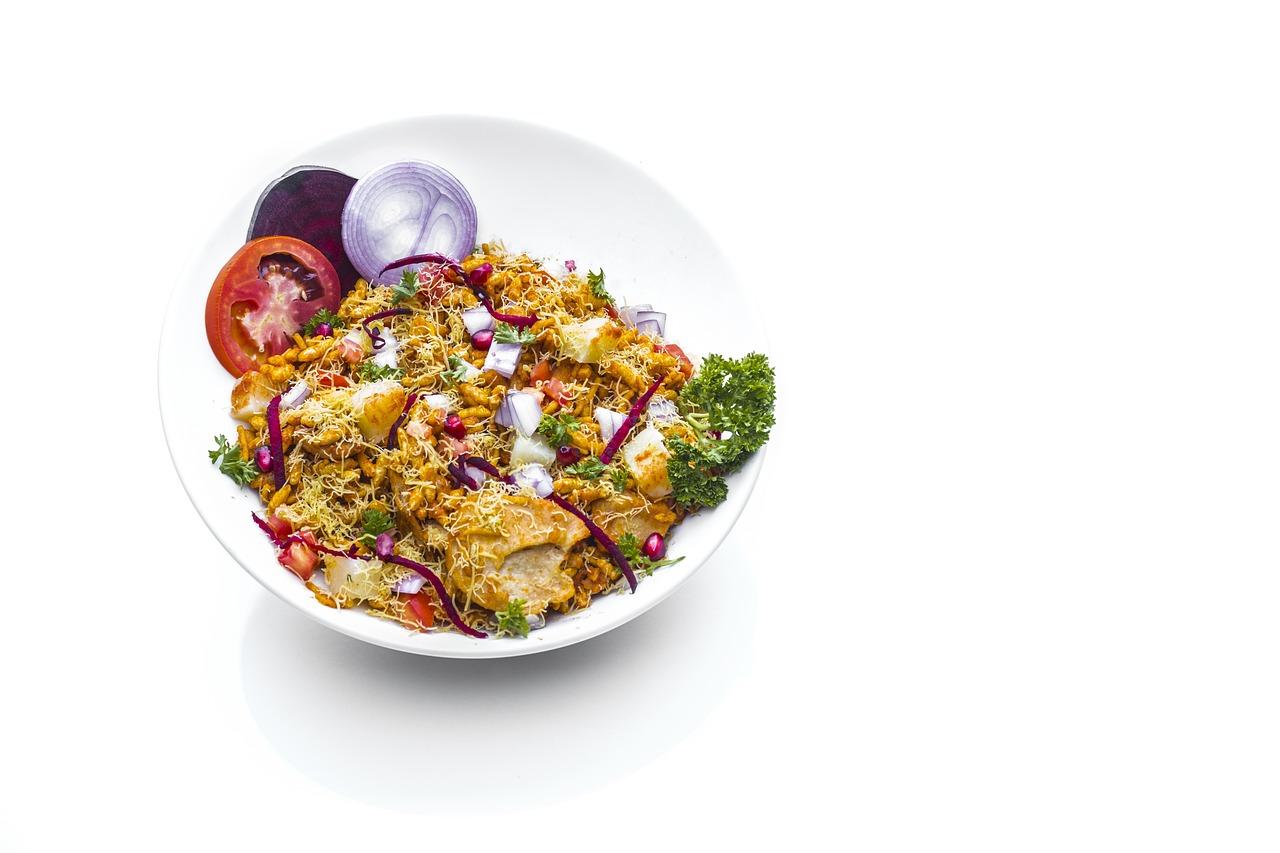
Coastal Mombasa mixChickpea and potato coconut-mango broth

A Mombasa street-food bowl: chickpeas and potato simmered in coconut milk with raw mango and chilli, ladled into small bowls and topped with crisp lentil fritters, crunchy chevdo and red, green and tamarind chutneys. Make the fritters and chevdo ahead and assemble at the table. It's sweet, sour, hot and crunchy all at once.

by KrazyBadal 1 views

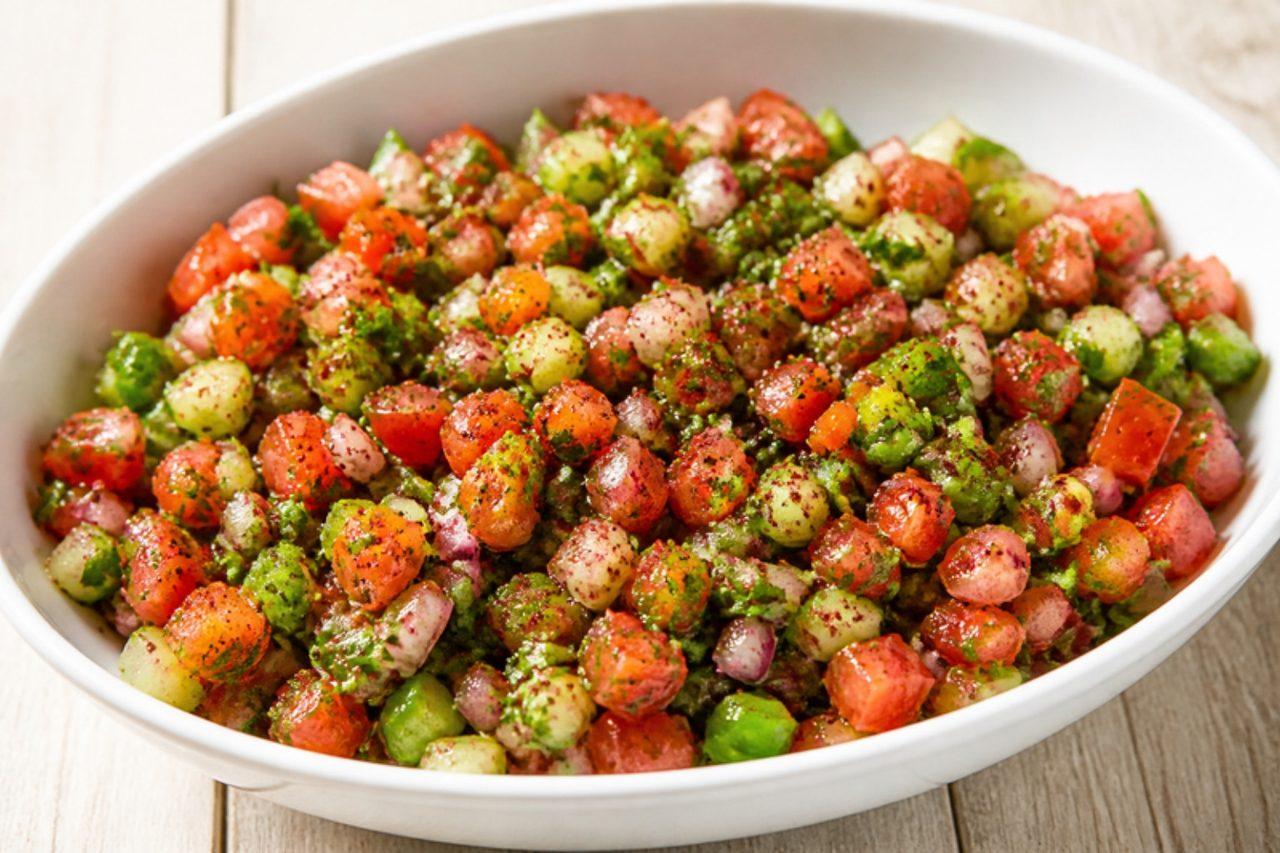
Çoban salatasıChopped tomato and cucumber salad

Çoban salatası, the shepherd's salad, is on the table at almost every Turkish meal from Edirne to Van, whether that is a home dinner, a lokanta lunch or a summer barbecue. It is simple by design: small dice of tomato, cucumber, green pepper and onion with parsley, dressed with lemon juice, olive oil and a little sumac. It is eaten alongside pilaf, beans, börek or anything grilled. The common mistake is salting it too early, which draws the water out of the tomatoes and leaves it swimming. Chef's tip: rub the onion slices with salt and sumac and rinse them before adding; the onion stays crunchy but loses its harsh bite.

by KrazyBadal 0 views

Cochinita pibilAchiote slow-roast pork

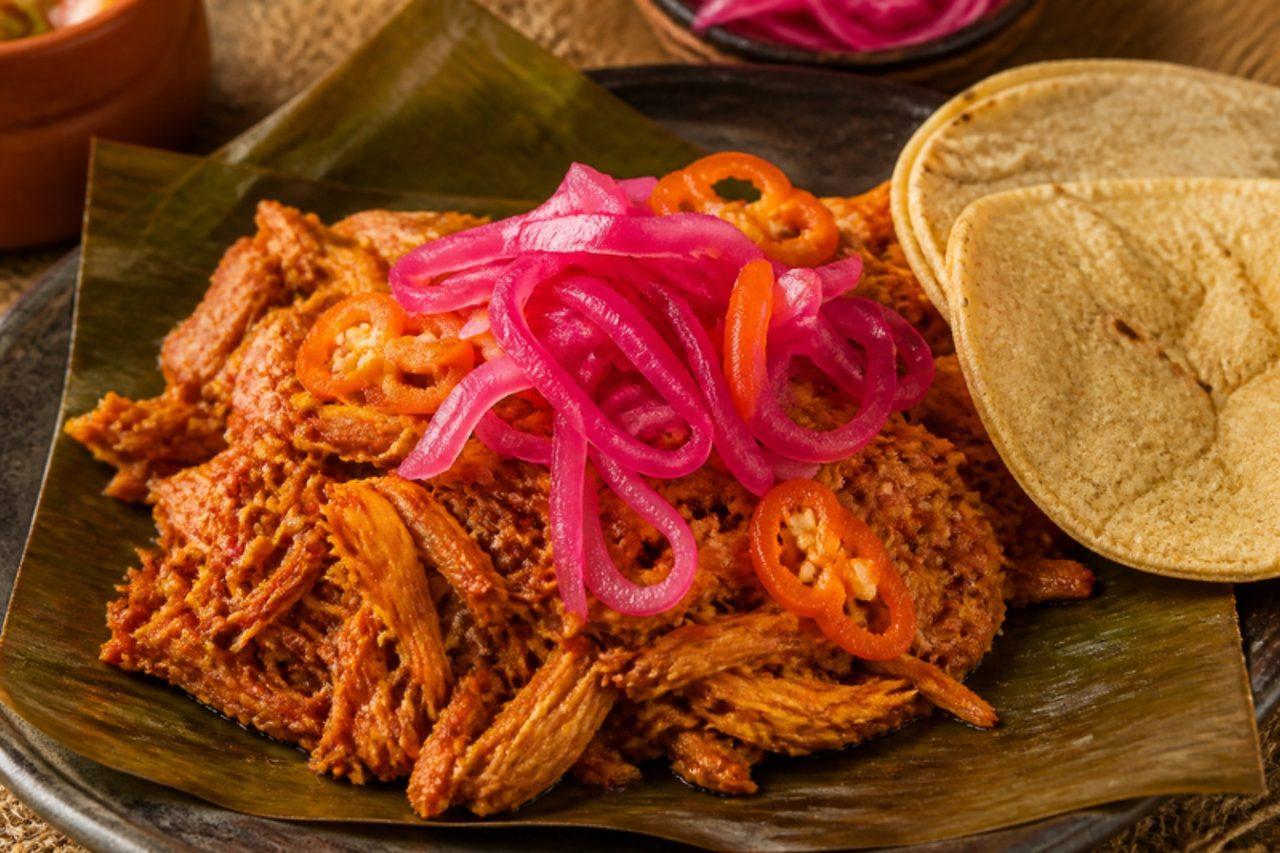
The Maya of the Yucatán peninsula cooked pork in a pib, a pit lined with hot stones, and in Mérida cochinita pibil is still sold at dawn from market stalls, piled into tacos and tortas for breakfast. Pork shoulder sits overnight in a brick-red paste of achiote and sour orange juice, then roasts slowly wrapped in banana leaves until it pulls apart, soaking in its own tangy juices. It goes into warm tortillas with bright pink pickled onions and, for the brave, a habanero salsa. Chef's tip: if you can't find bitter Seville oranges, mix sweet orange juice with lime juice; the sourness is what tenderises and balances the pork.

270 minMexicanMeatGluten free
by KrazyBadal 0 views

Cocido madrileñoChickpea and meat stew

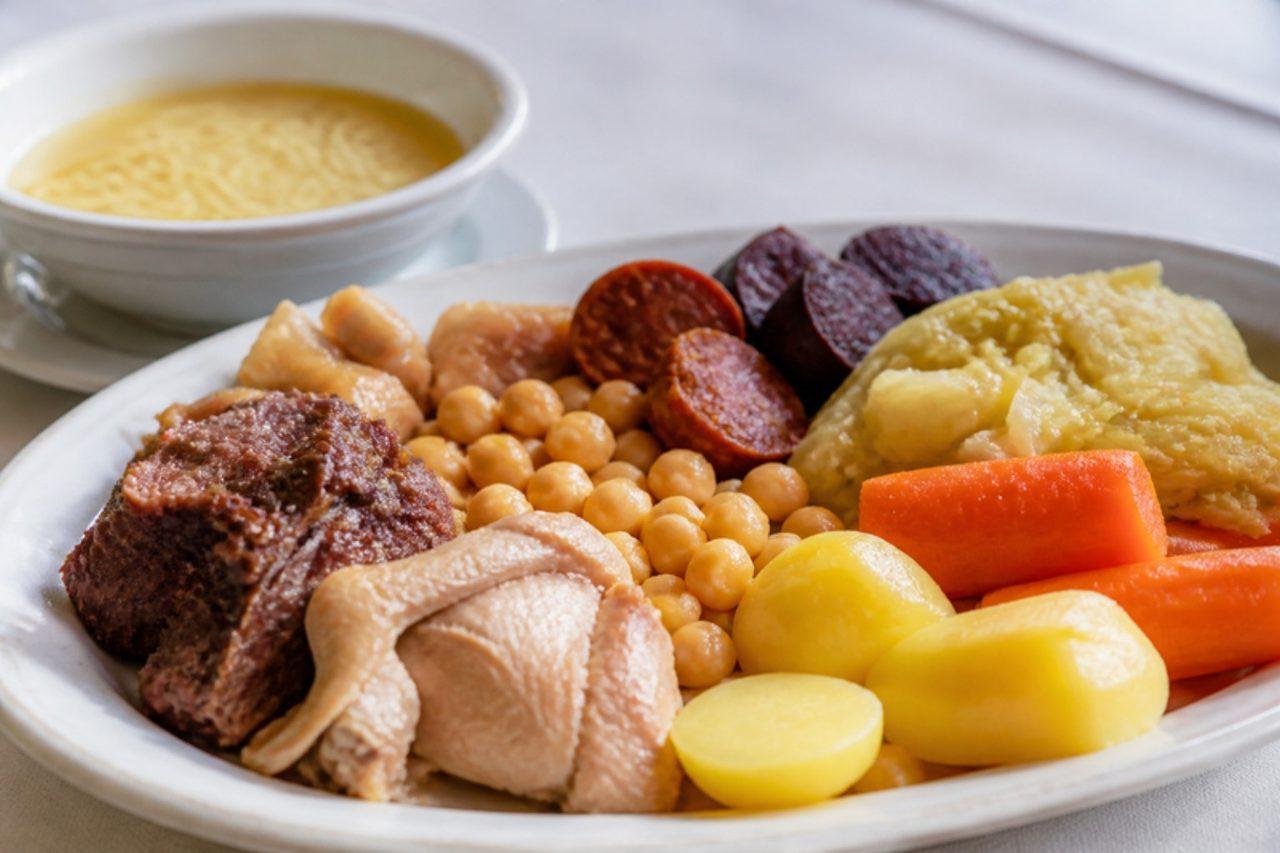
Cocido madrileño is the slow pot of the capital's winter, served at lunch in old Madrid taverns and at home on cold weekends. Everything simmers together for hours (chickpeas, beef shin, chicken, pork belly, ham bone, chorizo, carrots and potatoes) and then it comes to the table in three vuelcos, or 'tippings out': first the broth as a soup with thin noodles, then the chickpeas and vegetables, then the platter of meats. Cabbage and chorizo are cooked in a separate pan so they don't cloud or redden the broth. It is a big project, but most of the time the pot looks after itself. Chef's tip: put the soaked chickpeas into a mesh bag or a loose muslin bundle; they're easy to lift out whole at the end and don't break up in the long simmer.

180 minSpanishMeat
by KrazyBadal 0 views

Ghugni churaBlack chickpea curry with flattened rice

In Patna and the towns along the Ganges, ghugni chura is the morning and evening snack people queue for at the tea stall: a spicy, onion-rich curry of small black chickpeas served alongside chura, flattened rice that is fried or toasted in mustard oil until it crackles. You scoop a bit of each into your mouth together, with raw onion and green chilli for crunch. At home it is just as likely to be breakfast on a winter Sunday or what is offered to guests with tea. Chef's tip: cook the chana until it squashes easily between two fingers; firm chickpeas never soak up the masala.

by KrazyBadal 0 views

ConchasSweet bread buns

Conchas are the most famous pan dulce (sweet bread) in Mexico, piled high in every panadería and eaten for breakfast or merienda with hot chocolate or coffee. The bun is soft, slightly sweet and enriched with egg and butter, and it wears a crunchy, crumbly topping of sugar, fat and flour scored into the seashell pattern that gives it its name. Make some vanilla and some chocolate topping for the classic mix. Chef's tip: shape the dough into very tight balls before adding the topping; the tension makes them rise up instead of spreading out, so the shell cracks into neat stripes.

by KrazyBadal 0 views

Plain rice congee with toppingsRice porridge with toppings

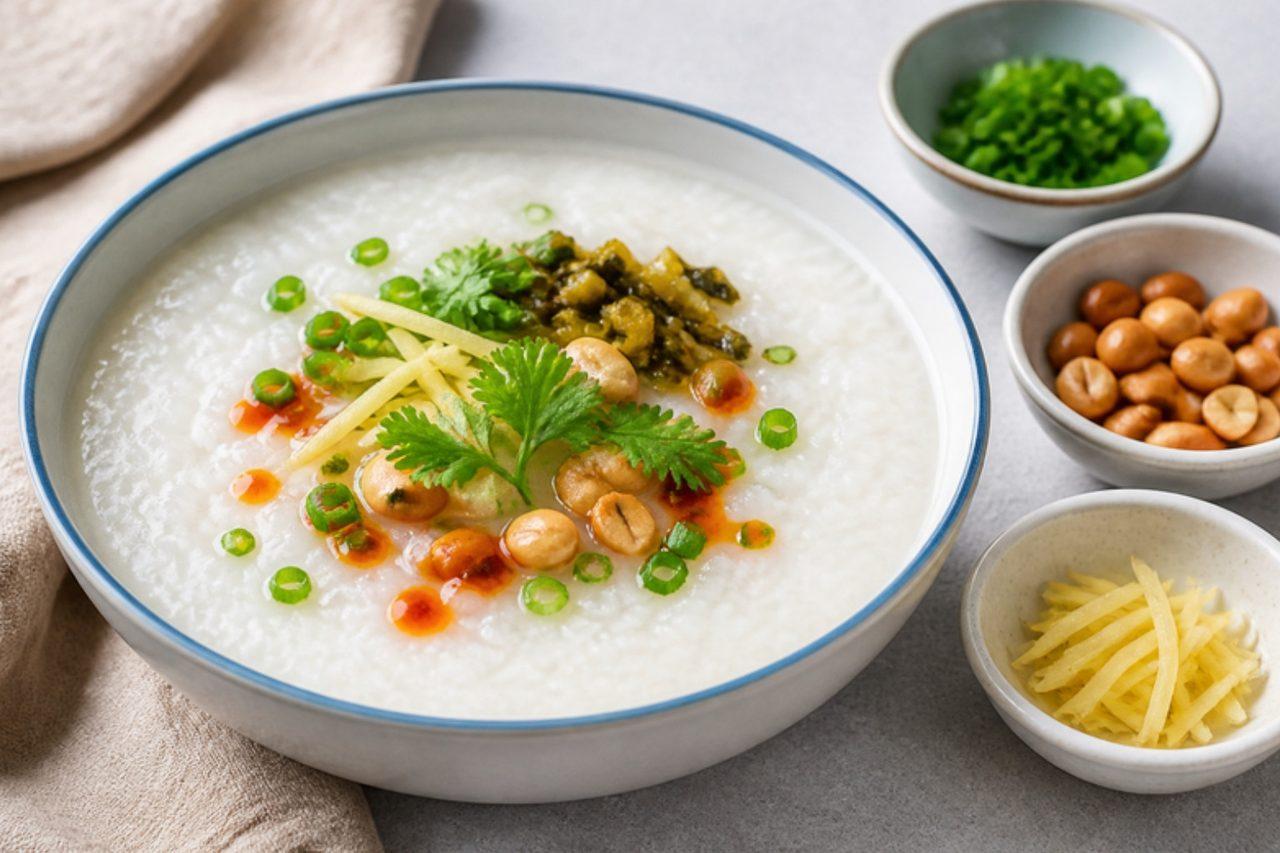
Congee (zhou in Mandarin, juk in Cantonese) is what much of China eats for breakfast, and what everyone is given when they are under the weather. The base is just rice and water cooked until the grains burst into a smooth, gentle porridge; the fun is in the toppings, from fried shallots to peanuts and salty pickles, so everyone builds their own bowl. Chef's tip: rinse the rice, then rub it with a little oil and salt and freeze it for an hour if you can; the grains crack and break down twice as fast.

by KrazyBadal 0 views

ConkiesSteamed pumpkin and cornmeal parcels

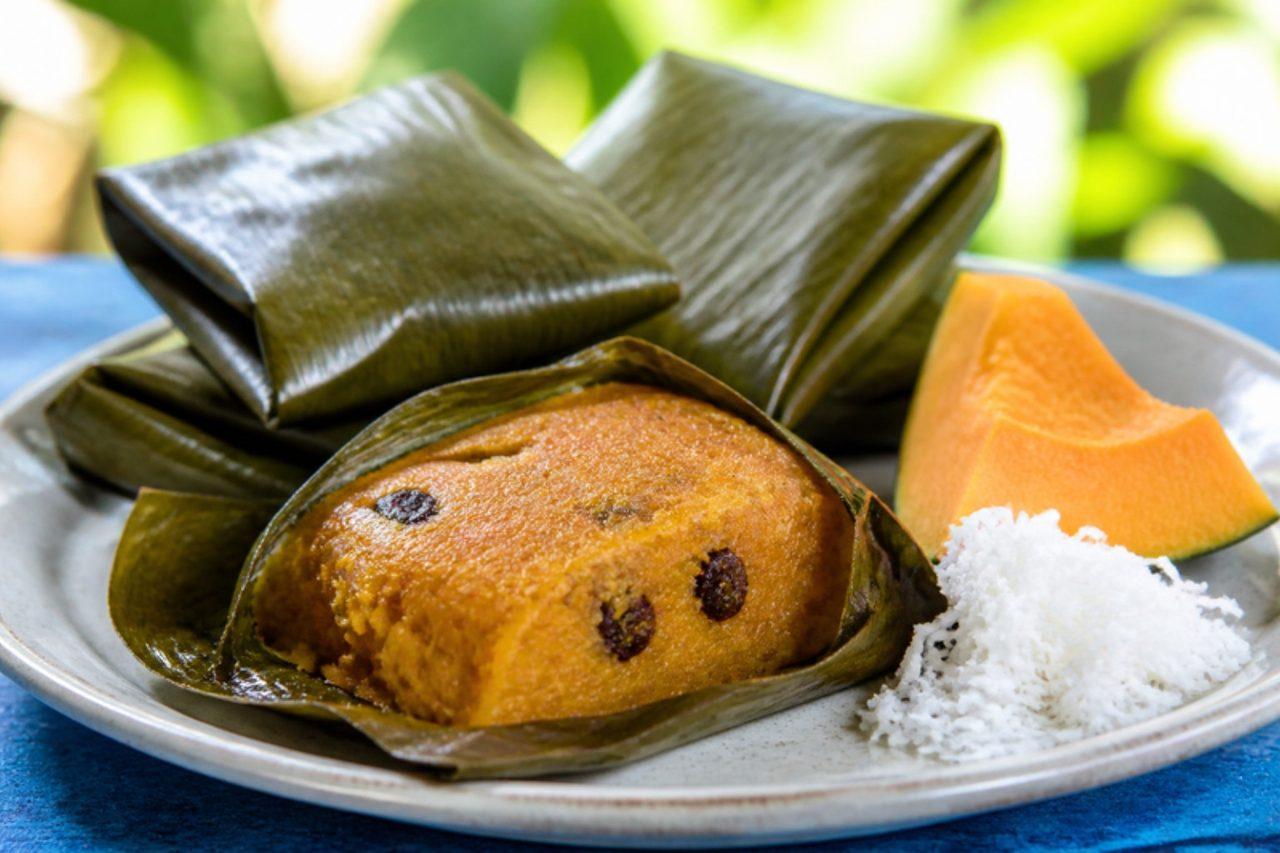
Conkies are made all over Barbados in late November for Independence Day on 30 November, when they're sold at roadside stalls and steamed in big pots at home; older Bajans remember them from Guy Fawkes Night, too. A spiced batter of grated pumpkin, sweet potato and coconut, cornmeal, sugar and raisins is folded into squares of banana leaf and steamed until it sets. Unwrapped, they're moist, dense, sweet and fragrant with nutmeg, almond and the faint green tea scent of the leaf. Chef's tip: pass the banana leaves briefly over a gas flame or dip them in hot water first; they turn glossy and supple and fold without splitting.

by KrazyBadal 0 views

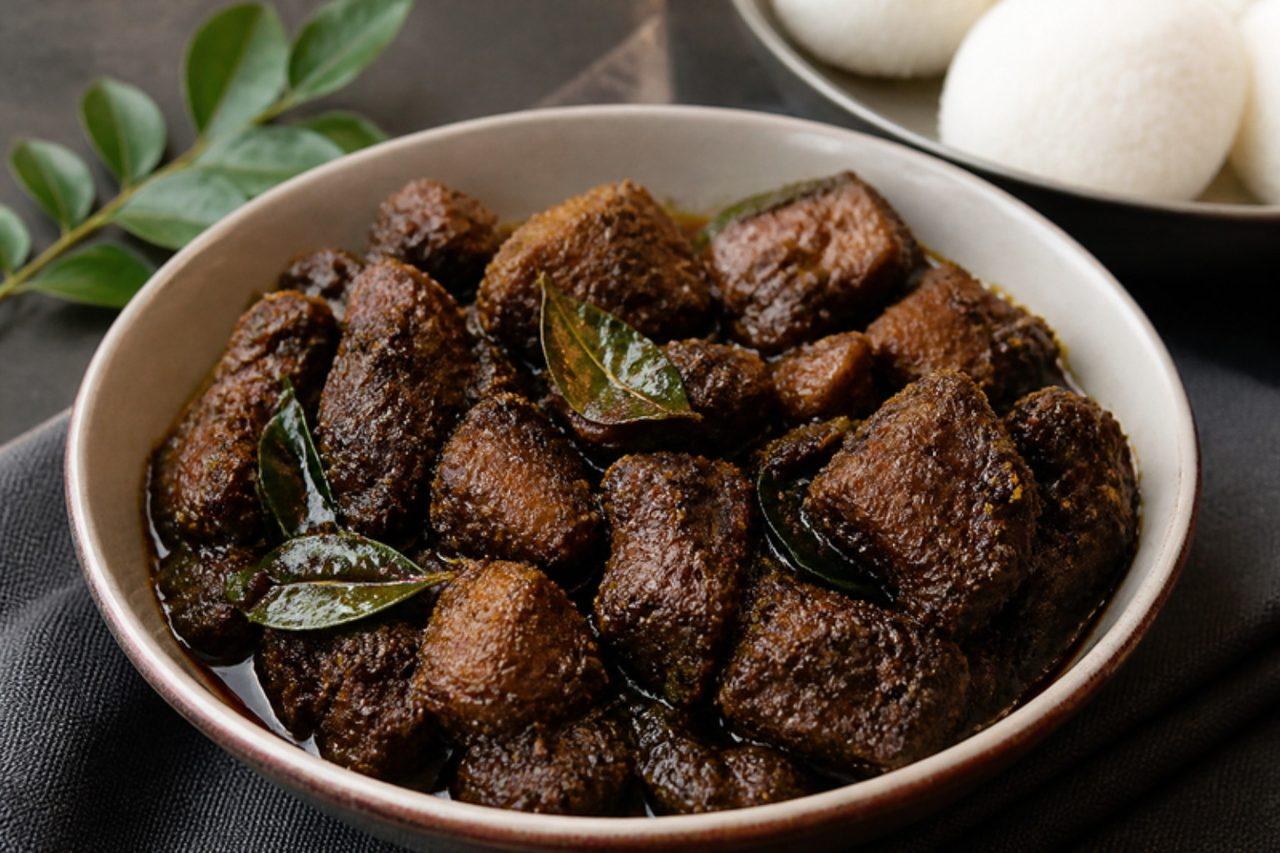
Coorg pandi curryDark spiced pork curry

Up in the coffee estates of Kodagu (Coorg), pandi curry is the dish of the Kodava people, cooked for Puttari, the harvest festival, and for every family gathering in between. Fatty pork simmers in its own juices with a masala of coriander and black pepper roasted almost black, then finishes with kachampuli, a dark, sour vinegar made from the Garcinia fruit. It is eaten with kadambuttu (steamed rice balls) or akki otti. Chef's tip: roast the spices slowly over a low heat until they are the colour of strong coffee; this is the dark colour and smoky flavour of a real pandi curry.

105 minIndianMeatGluten freeSpicy
by KrazyBadal 0 views

CoquitoCoconut rum drink

Coquito is Puerto Rico's Christmas in a glass: bottles of it are made in early December, given to neighbours and poured at every parranda, the late-night singing visits from house to house, until the Fiesta de San Sebastián in Old San Juan in January. This version contains alcohol: it blends coconut milk, sweet cream of coconut and condensed and evaporated milk with Puerto Rican white rum, cinnamon, nutmeg and vanilla. It's thick, cold and sweet, with the warmth of rum behind the spice. For children and anyone avoiding alcohol, make it without the rum as described in the steps. Chef's tip: let it rest in the fridge overnight; the spices bloom and the rum mellows, and it tastes far rounder on the second day.

by KrazyBadal 0 views

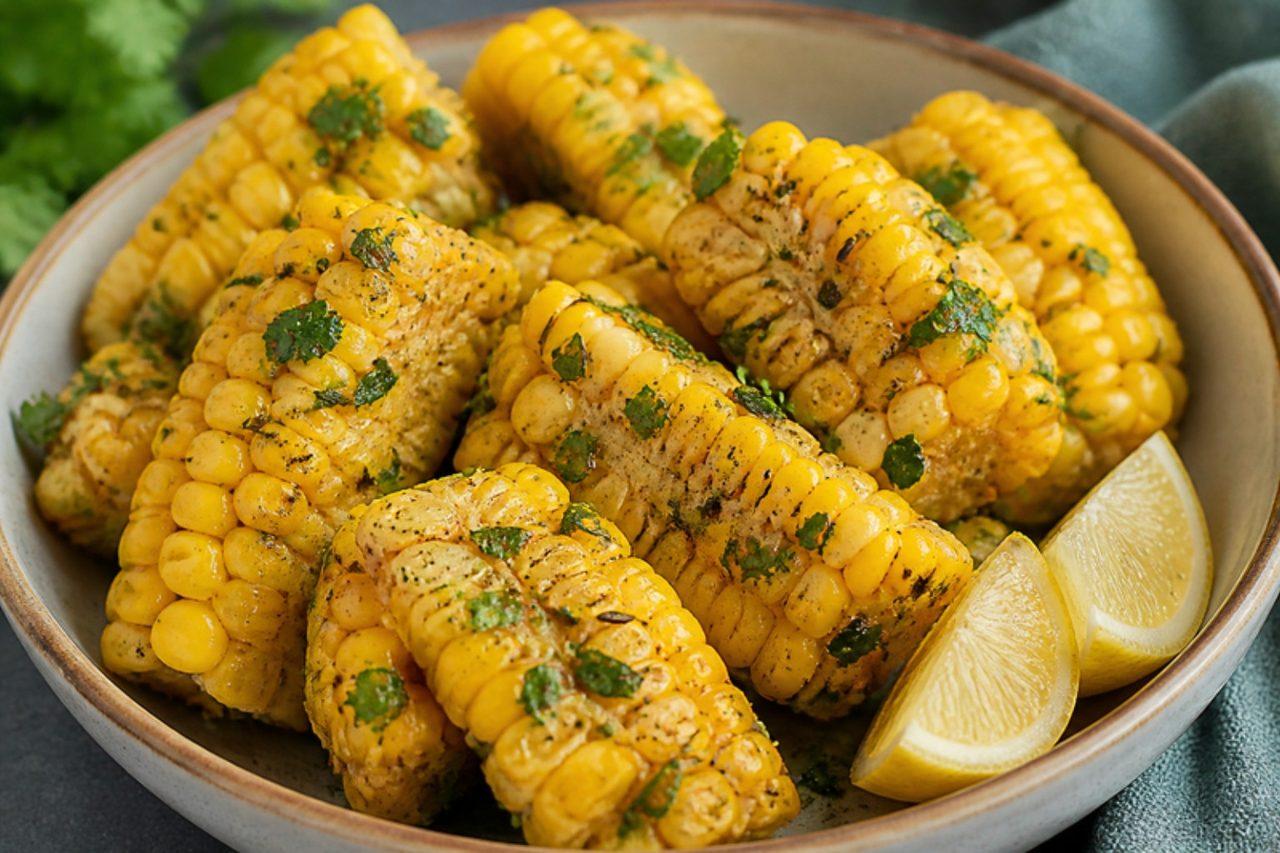
Corn bombSpiced corn on the cob chunks

Chunks of tender corn on the cob tossed in hot oil with cumin, green chillies, fresh coriander, turmeric, black pepper and lemon until every kernel is coated. It's hot, tangy and messy to eat with your fingers. Serve hot from the barbecue.

by KrazyBadal 0 views

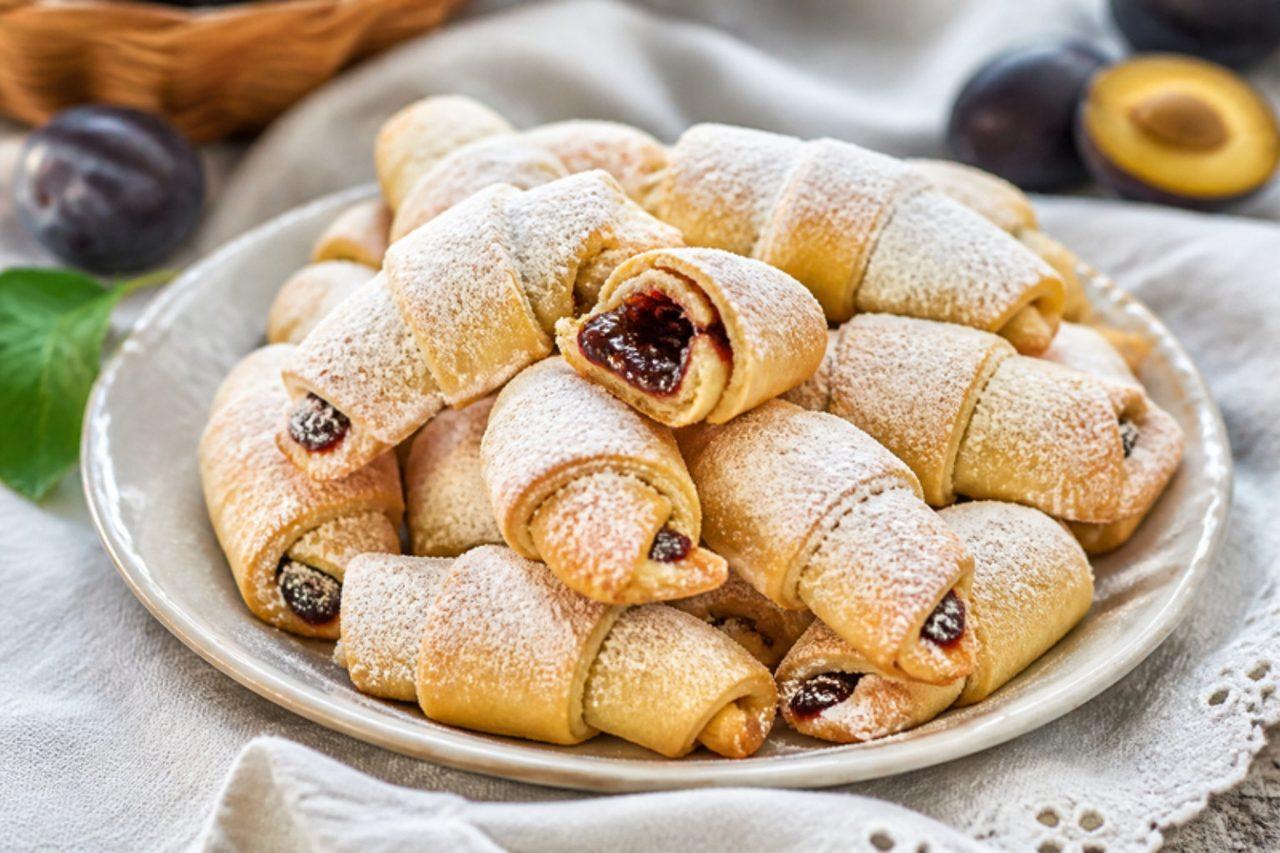
CornulețeJam-filled crescent cookies

Cornulețe are the little crescent cookies that fill tins in Romanian kitchens before Christmas and New Year, and that grandmothers in Sibiu and Timișoara bake by the hundred for weddings and name days. This version uses a tender yeasted dough made with butter and yogurt, wrapped around a spoonful of thick plum jam (magiun) or rose rahat and rolled into horns. They bake pale and soft, not flaky, and are rolled in vanilla sugar while warm (the recipe makes 32, two per serving), which sets them apart from the cream-cheese rugelach of Jewish baking. Chef's tip: use thick jam and pinch the ends shut; runny jam is the usual mistake and bubbles out and burns on the tray.

by KrazyBadal 0 views

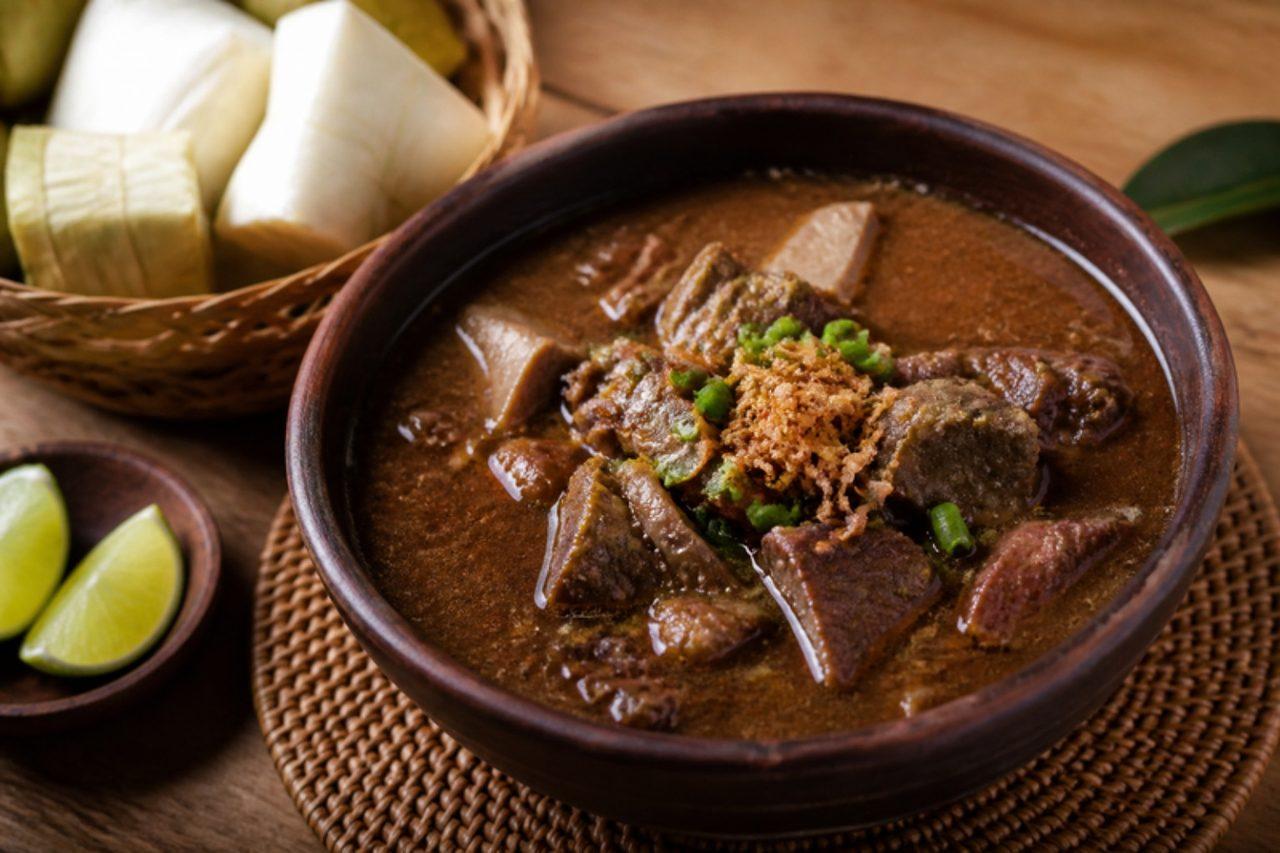
Coto MakassarBeef and peanut soup

Before the sun is fully up over Makassar's harbour, coto warungs are already serving dockers and office workers alike from huge clay-coloured pots. This South Sulawesi soup is thick, brown and opaque, its body coming from roasted peanuts ground almost to flour and simmered into a broth made with the cloudy water from rinsing rice. Diced beef (and traditionally offal) sits in a nutty, cumin-and-pepper broth that's eaten with diamond-shaped ketupat rice cakes broken into the bowl, plus lime and a spoon of chilli. Chef's tip: grind the cooled peanuts in short bursts and stop while they're still sandy; a few seconds too long and you get peanut butter that turns the soup claggy.

by KrazyBadal 0 views

Cou-cou with Bajan vegetable stewCornmeal and okra with vegetable stew

Cou-cou is Friday lunch in Barbados, and paired with flying fish it makes the island's national dish, served in homes and the fish fry stalls of Oistins. Fine cornmeal is stirred into okra and its cooking water with a flat wooden cou-cou stick until it is smooth, thick and pulls away from the pot, then shaped in a buttered bowl. It's soft, mild and comforting, made for soaking up the rich tomato gravy around it. Here the gravy is a stew of peppers, tomatoes, aubergine and butter beans cooked with Bajan seasoning; flying fish steamed in the same sauce is the classic for fish eaters. Chef's tip: whisk the cornmeal into cold water before it goes into the pot; adding it dry to boiling liquid is the fastest way to lumps.

by KrazyBadal 0 views

Gigantes plakiBaked giant beans

Gigantes plaki is a tray of fat, creamy beans baked in a thick tomato sauce until the top catches and wrinkles. You find it in every taverna's display of oven dishes, on meze tables with bread and olives, and in home kitchens during Lent. The best beans come from Kastoria and Prespes in northern Greece, but any large dried butter beans work. The beans are boiled first, then baked with onions, carrot, celery, garlic and dill. Serve warm or at room temperature with feta for those who eat dairy and crusty bread. Start the night before: the beans need to soak for at least 12 hours. Chef's tip: don't salt the boiling water or add tomato until the beans are already tender; acid and salt too early are the common mistake that keeps the skins tough.

by KrazyBadal 0 views

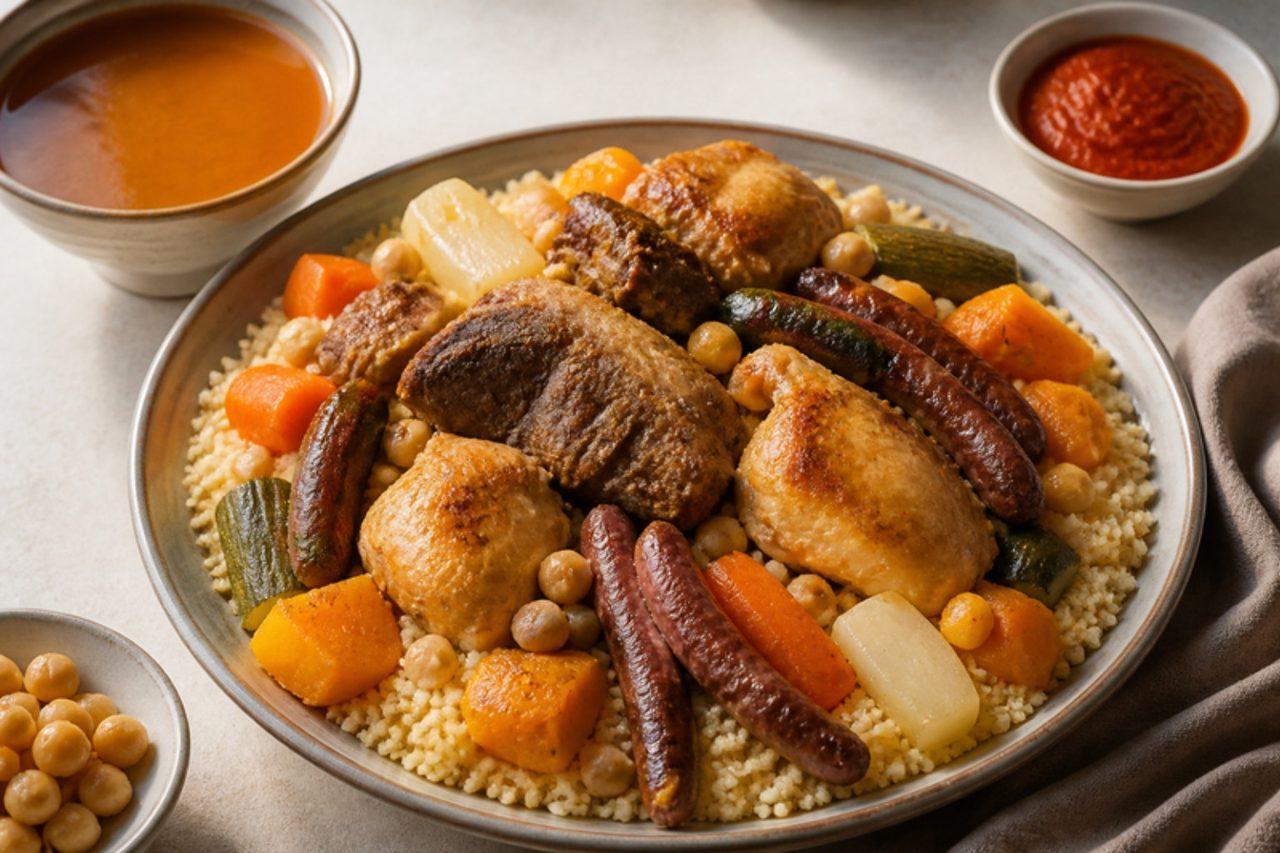
Couscous royalCouscous with lamb, chicken and sausage

Couscous royal is the big-occasion couscous that Algerian and Moroccan families brought to France and that is now served for weddings and Sunday gatherings from Oran to Marseille: a pot of lamb and chicken simmered with vegetables and chickpeas in a mildly spiced broth, grilled merguez on the side, and a mountain of steamed couscous. The mistake is putting all the vegetables in at once; the courgettes go mushy while the turnips are still hard, so add them in stages. Chef's tip: brown the lamb and chicken well before the water goes in; that colour flavours the whole broth.

160 minAlgerianMeat
by KrazyBadal 0 views

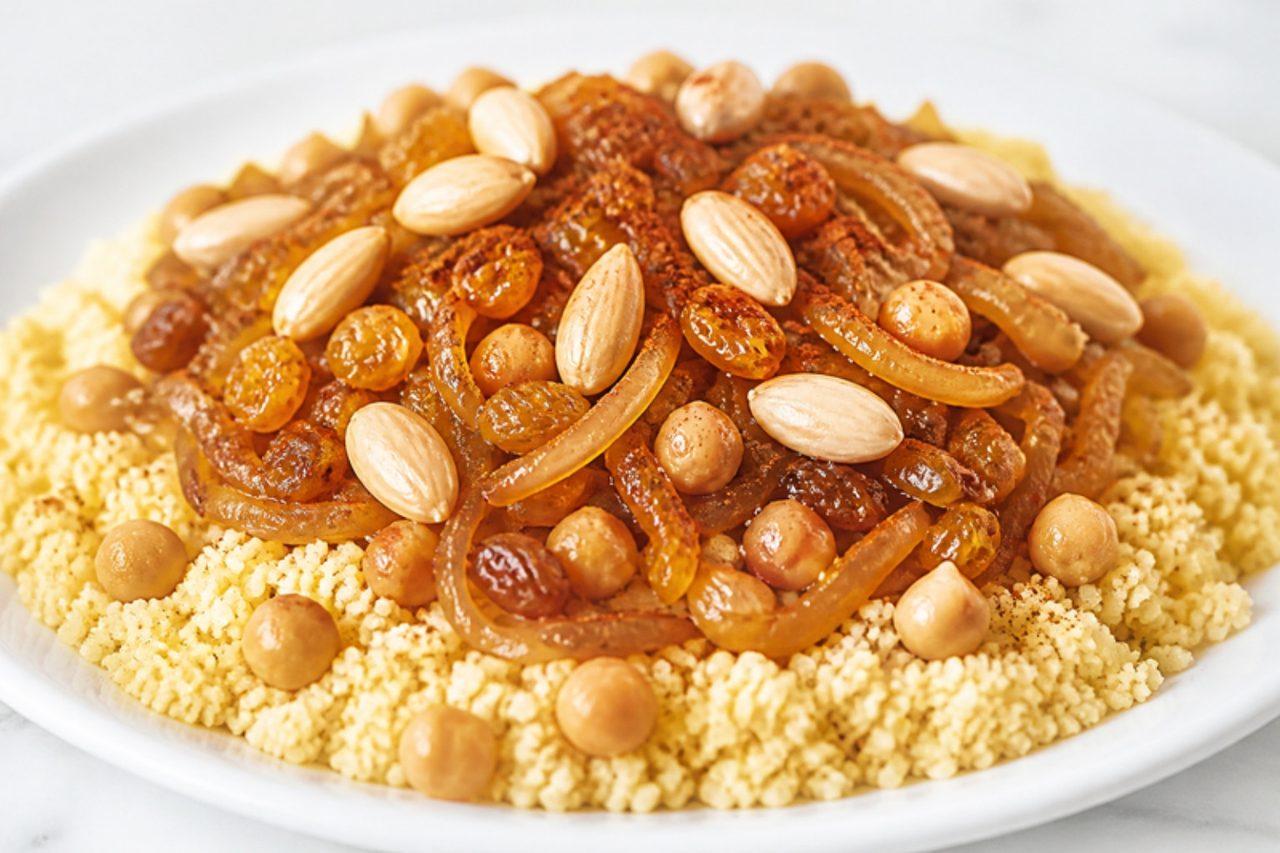
Couscous tfayaCouscous with caramelised onions

Tfaya is the sweet onion topping that turns a plain couscous into a celebration dish; in Fez and Rabat it is made for weddings, naming ceremonies and Eid, and families in Tétouan add it to Friday couscous too. Onions are cooked slowly with raisins, cinnamon, honey and a little saffron until they collapse into a sticky, mahogany jam, then piled over the couscous with chickpeas and fried almonds. Traditionally it crowns couscous with meat; here the chickpeas and almonds carry the dish, making it a sweet-savoury vegetarian main for a feast. Chef's tip: soak the raisins first, or they draw liquid from the onions and the tfaya catches before it caramelises.

by KrazyBadal 0 views

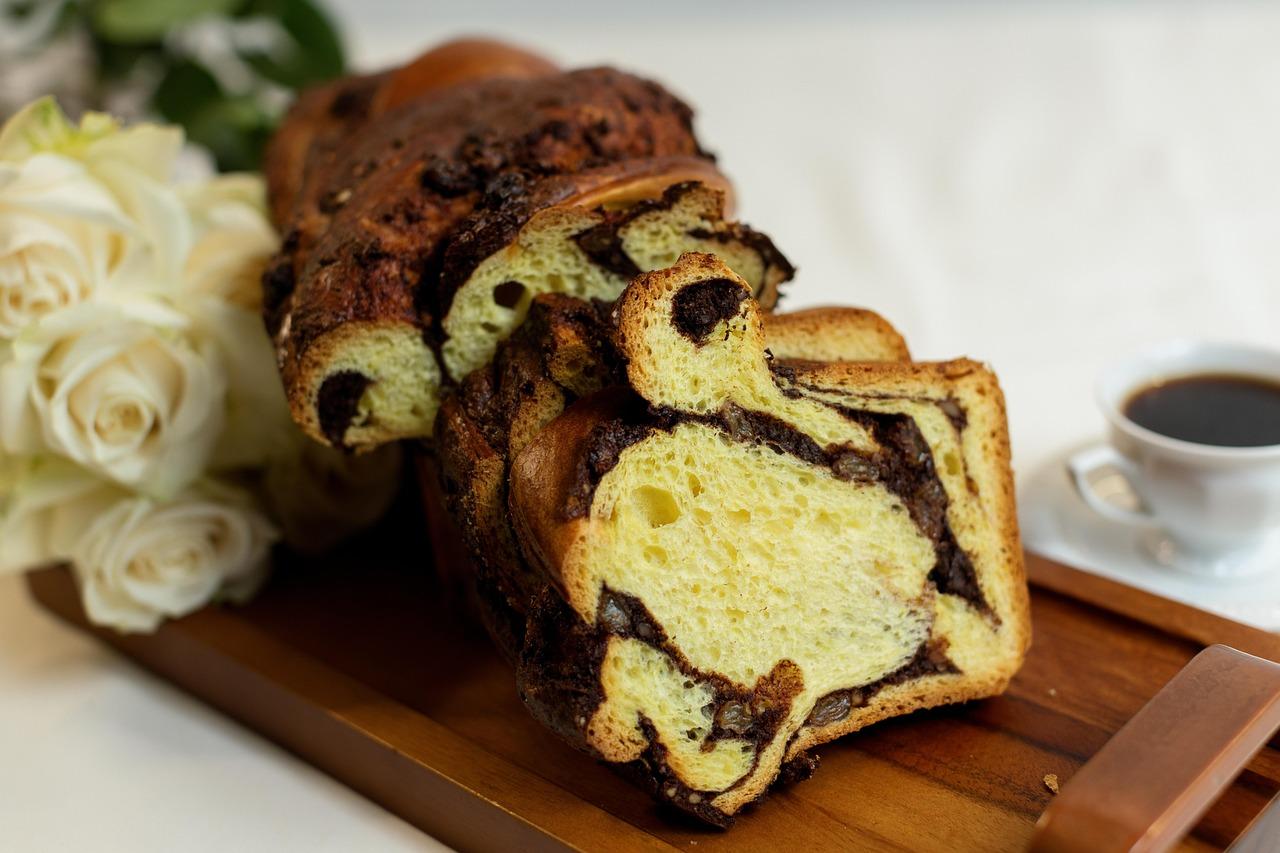
CozonacSweet braided bread

Cozonac is the festive loaf every Romanian family bakes for Easter and Christmas, filling kitchens from Craiova to Suceava with the smell of butter, rum, lemon and orange zest. The rich yeast dough is rolled around a walnut and cocoa filling studded with pieces of rahat (Turkish delight), then braided and baked in a tall loaf tin so each slice shows a dark swirl. Unlike Slovenian potica, which is rolled into a thin spiral ring, cozonac is a braided loaf. It is eaten in thick slices with coffee on the feast mornings. Chef's tip: knead until the dough is silky and comes away from the bowl, then be patient with the rises; under-proving is the classic mistake and gives a dense, heavy loaf.

by KrazyBadal 0 views

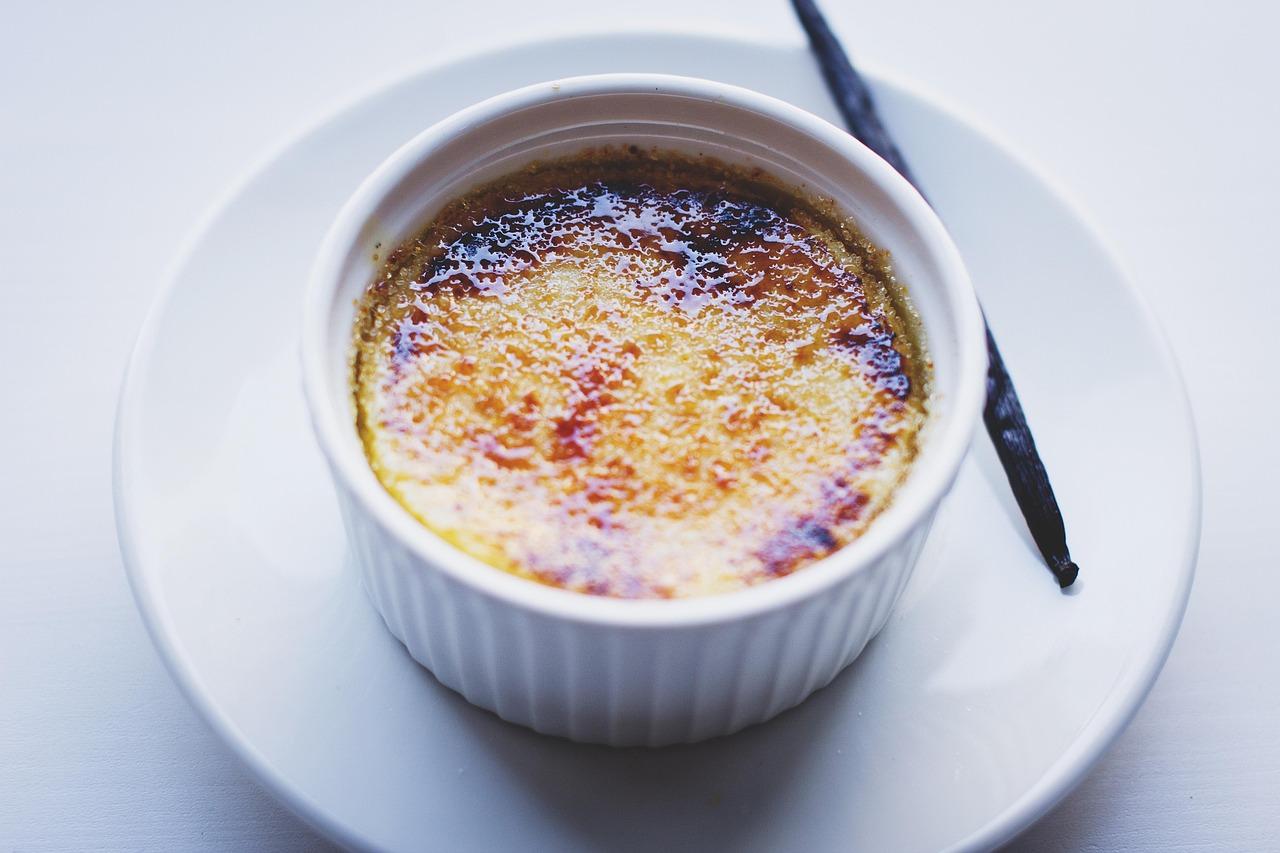
Crème brûléeBurnt cream custard

Crème brûlée, 'burnt cream', is the dessert on almost every Paris bistro menu: a shallow dish of rich vanilla custard, cold and silky, under a thin sheet of caramelised sugar you crack with the back of a spoon. Unlike the stovetop Spanish crema catalana, it's made with cream and baked gently in a water bath. The custards are made a day ahead, which makes it ideal for dinner parties; only the sugar is burnt at the last minute. Chef's tip: take them out of the oven while the middle still wobbles like jelly; overbaking is the common mistake and the custard turns grainy and splits.

by KrazyBadal 0 views

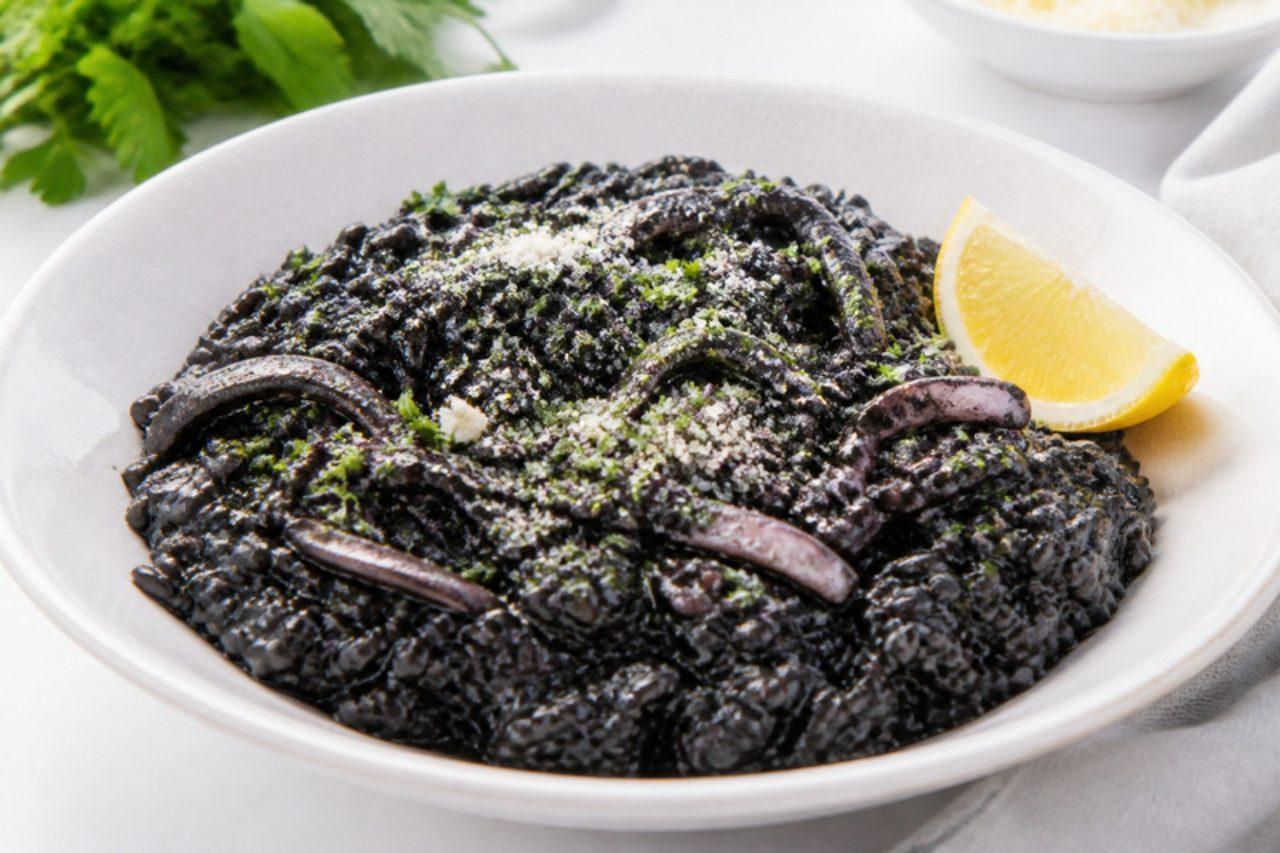
Crni rižotBlack cuttlefish risotto

Along the Dalmatian coast, from Korčula to Dubrovnik, konobas serve crni rižot as the first thing fishermen order when they come ashore, its jet-black colour startling against a white plate. Cuttlefish is cooked slowly with onion and garlic until tender, then rice goes in with fish stock and the ink sac, making a creamy, sea-sweet rice that tastes of the shore. It traditionally includes a splash of dry white wine; for an alcohol-free version, use more stock with a squeeze of lemon. The usual mistake is adding the cuttlefish late and cooking it fast, which leaves it rubbery; it needs to stew first. Chef's tip: serve with a drizzle of good olive oil and grated hard sheep's cheese if you like, and warn your guests about black teeth.

75 minBalkanFishGluten free
by KrazyBadal 0 views

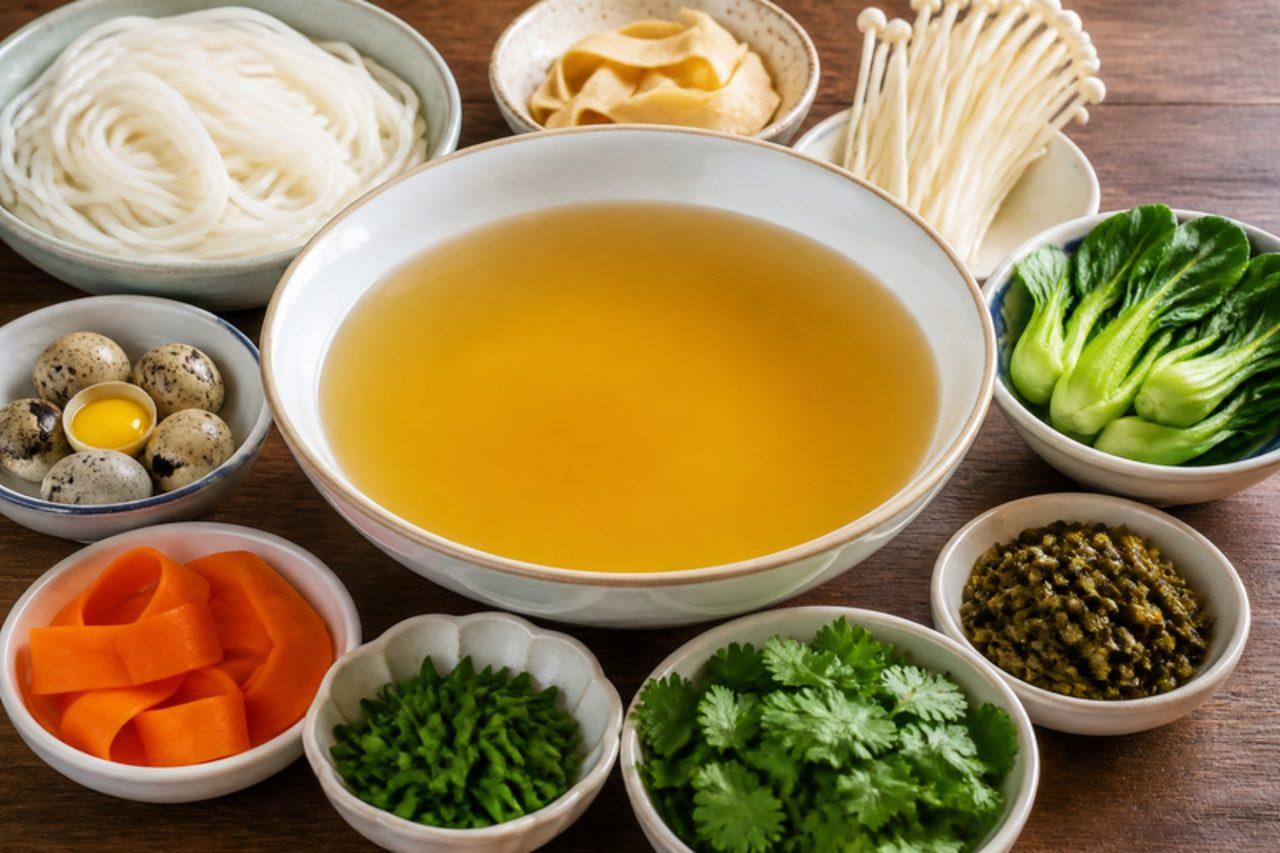
Crossing-the-bridge noodles with vegetable brothRice noodles in hot broth

Guo qiao mi xian comes from Mengzi in southern Yunnan. The story goes that a scholar's wife carried soup across a bridge to his island study each day, and found that a layer of oil kept it piping hot. Today in Kunming it arrives as a big bowl of scalding broth plus small plates of raw thinly sliced vegetables, tofu skin, herbs and rice noodles, which you slide in yourself so they cook at the table. This vegetarian broth is built on mushroom, corn and soybean sprouts. Chef's tip: the broth must be at a rolling boil when it goes into a warmed bowl; that heat is what cooks the toppings.

by KrazyBadal 0 views

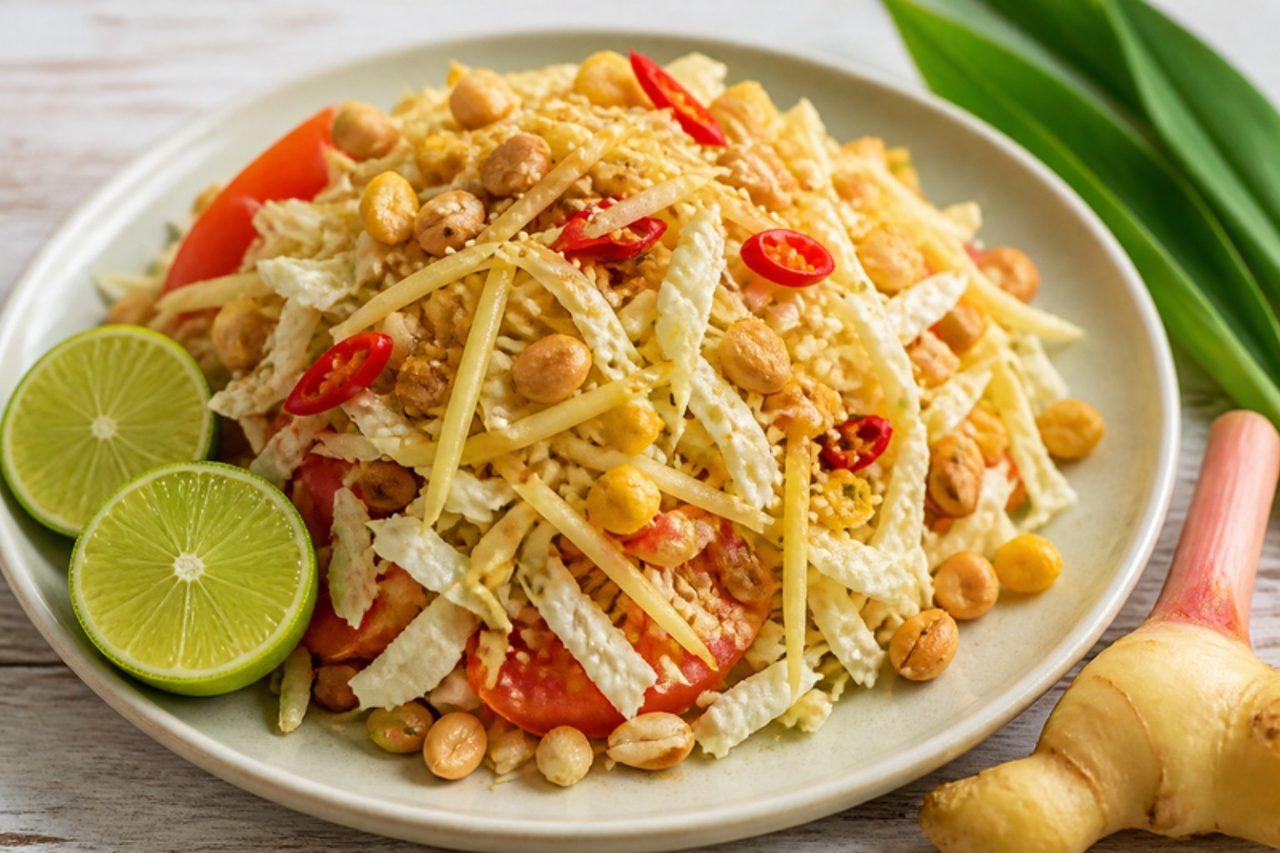
Gin thokeYoung ginger salad

Gin thoke is lahpet thoke's livelier cousin, served on the same lacquered trays at teashops in Yangon and as a palate-wakener after a rich curry lunch. Young ginger is cut into fine threads and pickled in lime and salt so it turns pink and juicy, then tossed with cabbage, tomato, peanuts, fried beans and sesame. Burmese cooks often add fish sauce; salt, lime and a little toasted chickpea flour give the dressing body without it. Chef's tip: use young ginger with thin, pinkish skin if you can find it; mature ginger is fibrous and too fiery to eat in this quantity, so slice it extra thin.

by KrazyBadal 0 views

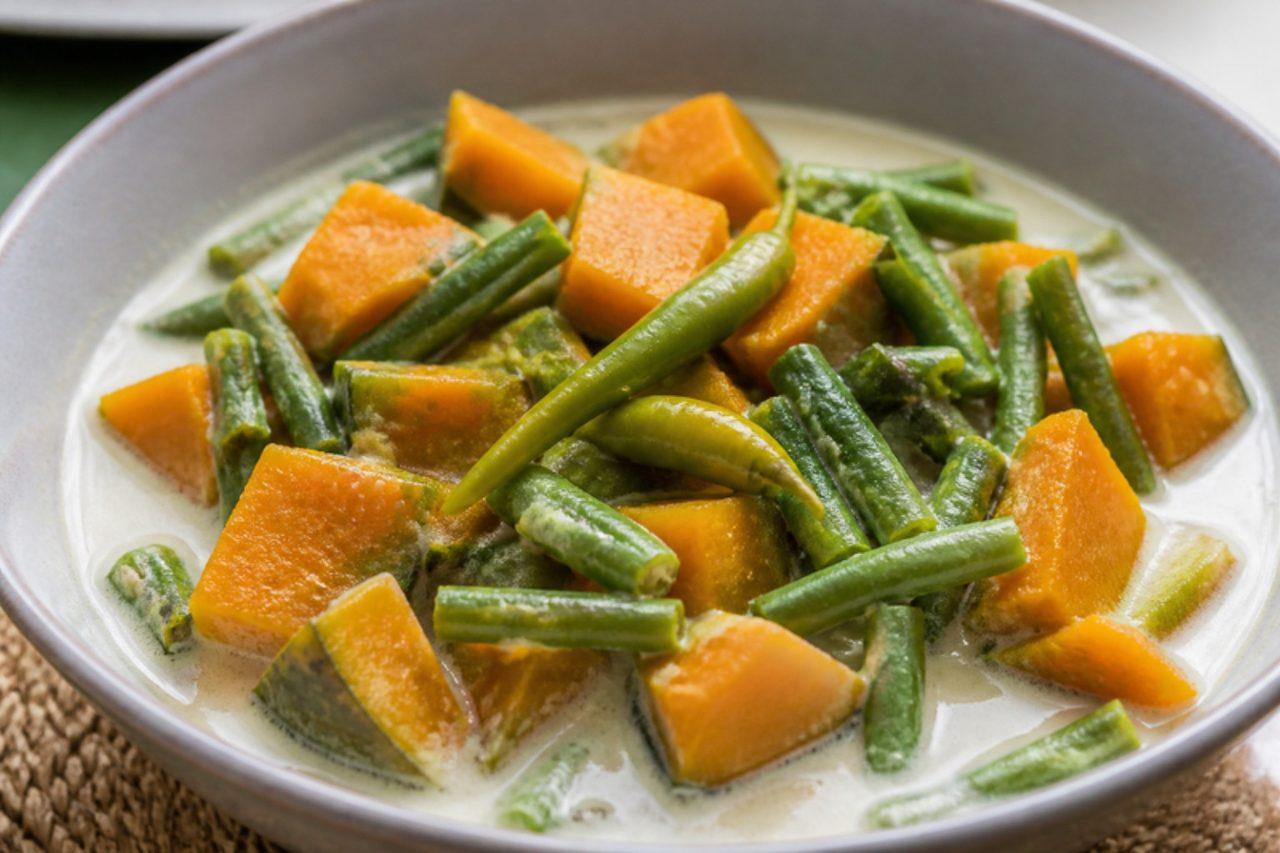
Ginataang kalabasa at sitawSquash and long beans in coconut milk

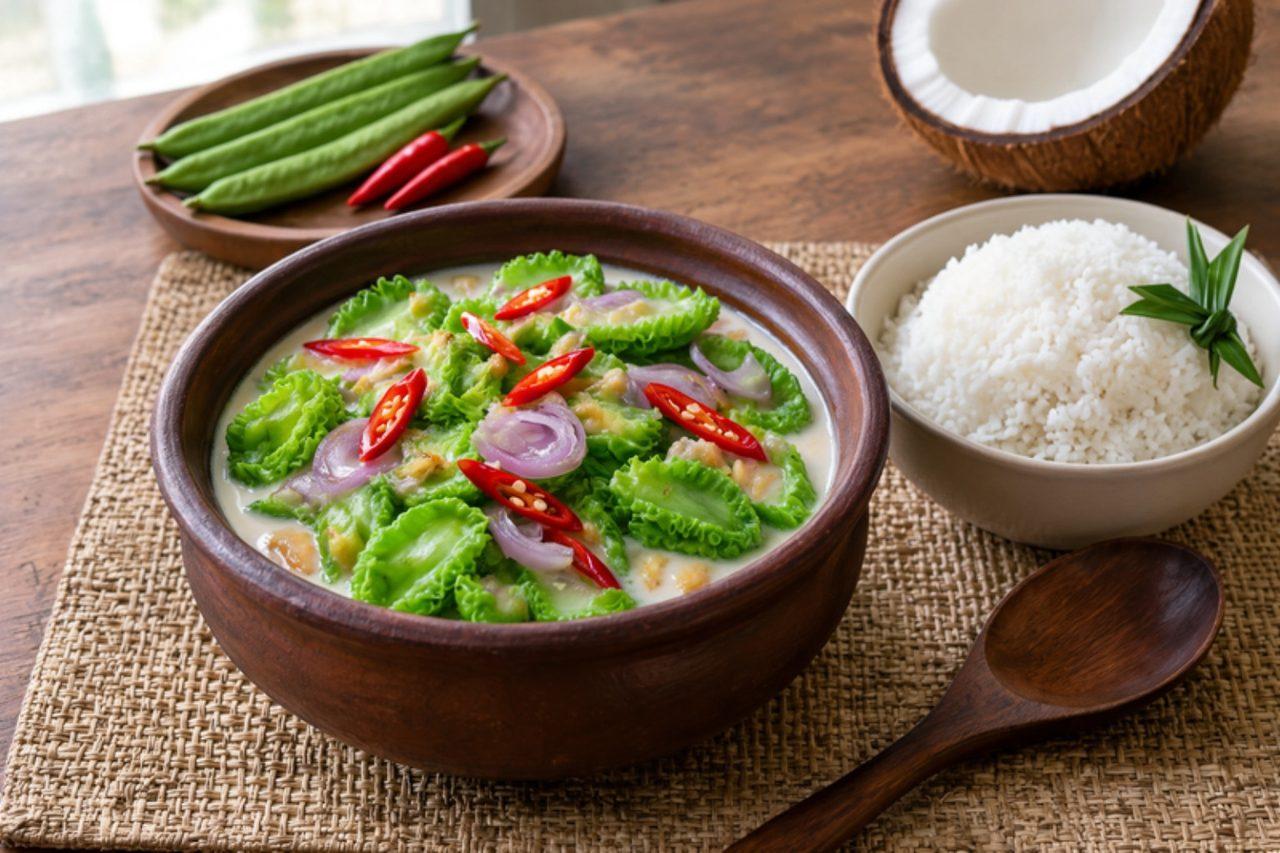
Ginataan means 'cooked in coconut milk', and in the coconut country of Bicol and Southern Tagalog it is how a lot of weeknight vegetables end up on the table. Ginataang kalabasa at sitaw is the homely version: chunks of orange squash and lengths of yard-long beans simmered in coconut milk with garlic, onion and ginger until the squash just starts to melt into the sauce, turning it pale gold and lightly sweet. Bicolano cooks drop in a long green chilli or two for warmth. It is a one-pot dish served with rice, and many families make it on days when there is no money for meat. Chef's tip: keep back a few chunks of squash to mash into the sauce at the end; it thickens it naturally.

by KrazyBadal 0 views

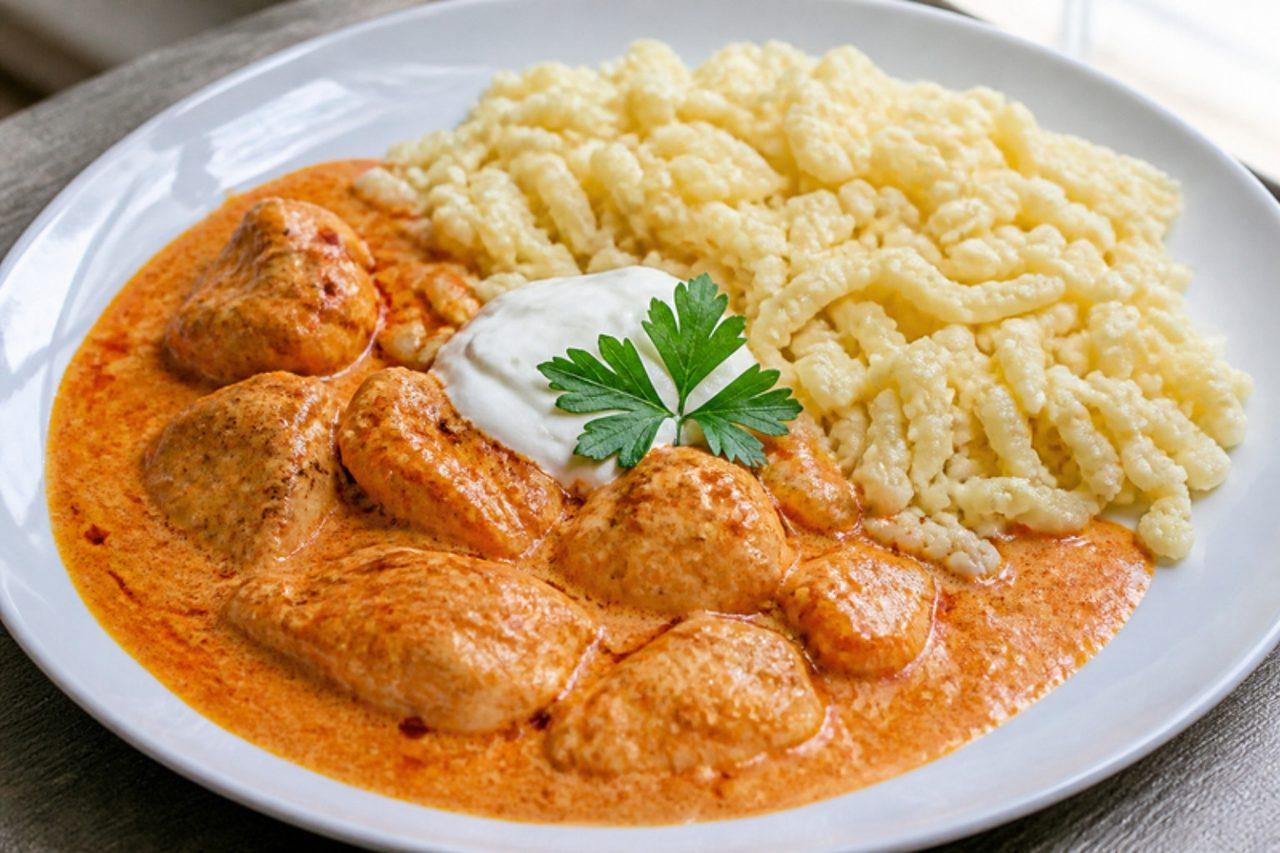
CsirkepaprikásPaprika chicken in sour cream sauce

Csirkepaprikás is the Sunday chicken of Hungarian homes, cooked by grandmothers in villages and in Budapest flats alike and always served with nokedli, the little egg dumplings. Chicken thighs braise gently with onion, plenty of sweet paprika, tomato and pepper, then soured cream is stirred in to make a velvety, brick-orange sauce. Chef's tip: mix the soured cream with a spoonful of flour and some hot sauce before adding it; this stops it from splitting.

by KrazyBadal 0 views

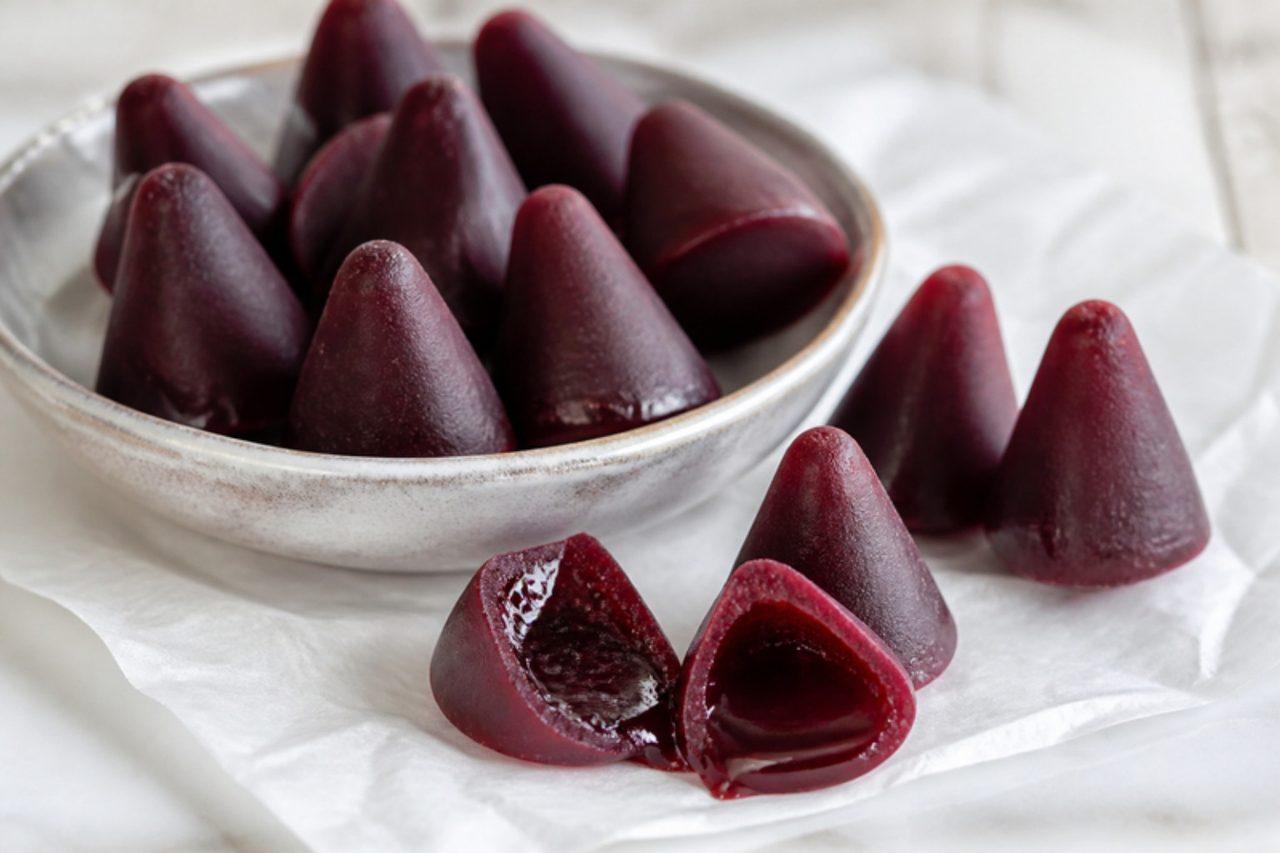
CuberdonsRaspberry cone candies

Cuberdons are the purple, cone-shaped sweets sold from handcarts on the Groentenmarkt in Ghent, where locals call them neuzekes, 'little noses'. A thin, firm sugar crust encloses a syrupy raspberry centre, and they only stay that way for about three weeks before the inside crystallises, which is why they have never become an export. They are made with gum arabic, not gelatine, so they suit vegetarians and vegans. Making them at home is a fun weekend project: the syrup is poured into cone-shaped hollows pressed into a tray of dry cornflour, which slowly draws moisture out and forms the crust. Chef's tip: use a sugar thermometer and be exact; just a few degrees too low and the cones never form a crust, a few too high and they set solid all the way through.

by KrazyBadal 0 views

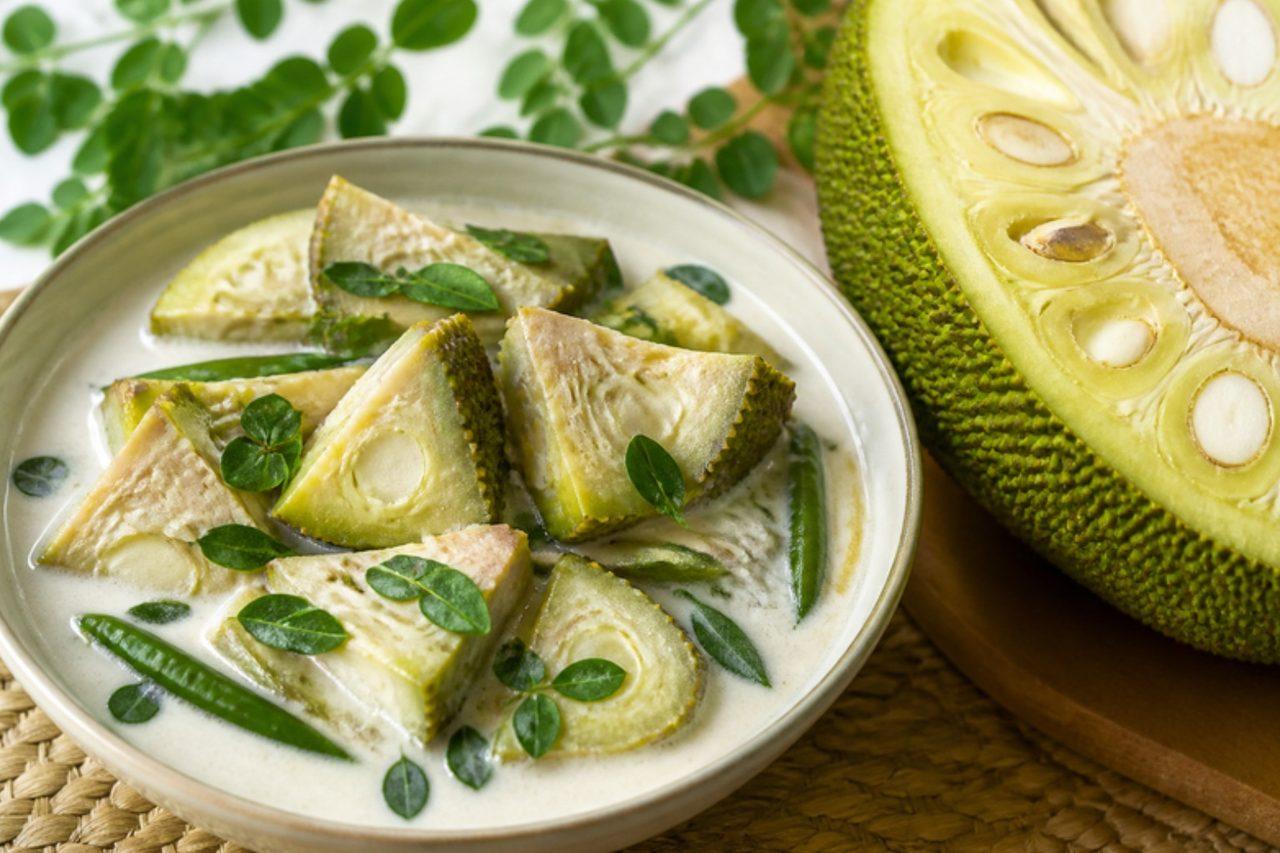
Ginataang langkaYoung jackfruit in coconut milk

In Bicol and across the Tagalog provinces, ginataang langka is what happens when a jackfruit tree drops its fruit too early: the unripe flesh is sliced and cooked in coconut milk with plenty of ginger until tender and creamy. Unlike Java's sweet, dark gudeg or Padang's turmeric gulai nangka, it is pale, savoury and peppery, lifted at the end with malunggay (moringa) leaves and a splash of vinegar. Home cooks often add shrimp or pork; this version is vegetable-only. Chef's tip: oil your knife and hands before cutting fresh jackfruit, as its sap is very sticky; tinned young jackfruit avoids the problem altogether.

by KrazyBadal 0 views

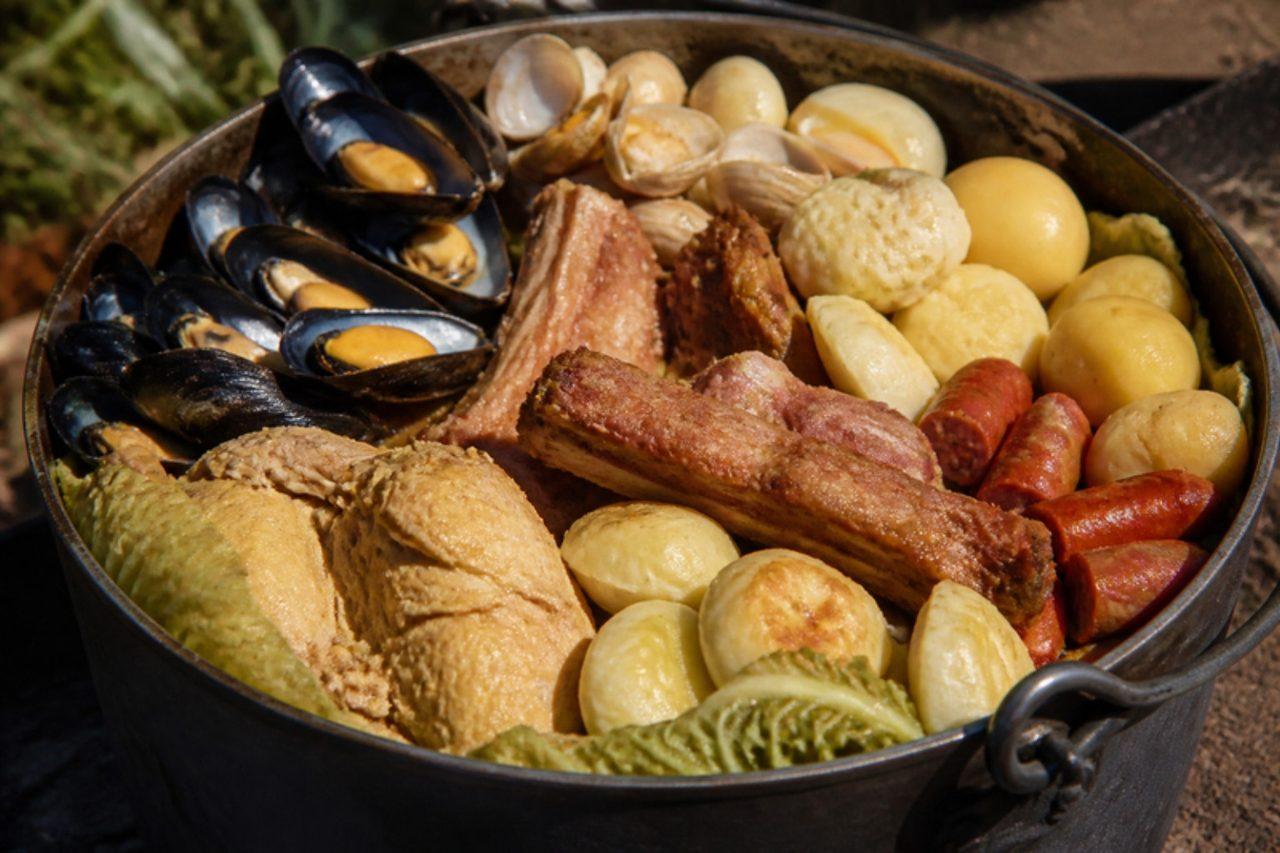
Curanto en ollaShellfish and meat pot

On the island of Chiloé in southern Chile, curanto is cooked in a pit lined with hot stones and covered with huge nalca leaves; in town kitchens and in Puerto Montt's market it is made in a big pot instead, curanto en olla. Mussels and clams, smoked pork, chicken and sausage steam together over potatoes and milcao (potato dumplings) until the juices make a rich broth, served in cups on the side. This dish contains pork and shellfish. Some cooks add white wine; this version uses water. The mistake is adding the shellfish too early; they go in at the end and must open, and any that stay closed are thrown away. Chef's tip: make the milcao a little ahead and keep it in the fridge so it holds its shape.

135 minChileanFish
by KrazyBadal 0 views

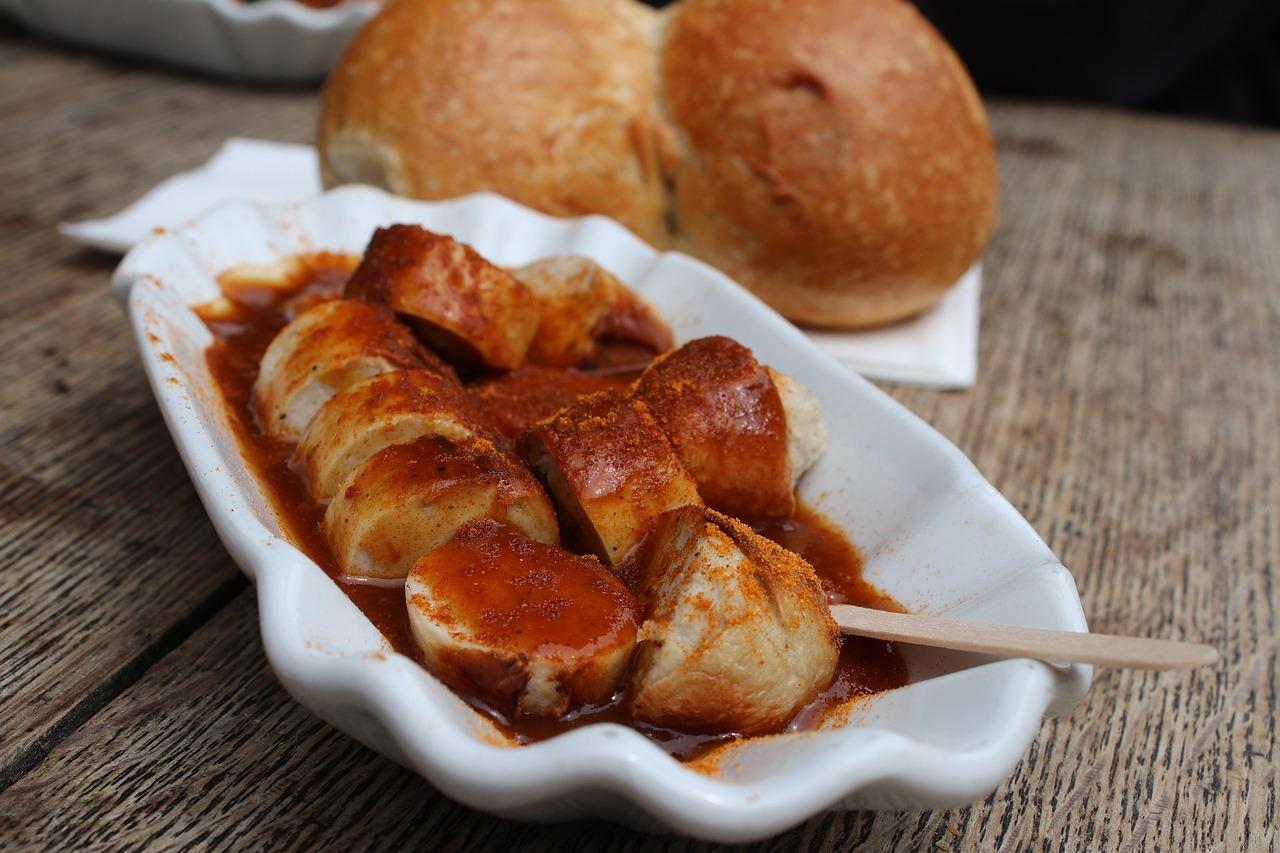
CurrywurstSausage with curry ketchup

This is a pork dish. Currywurst was born in post-war Berlin, and today kiosks across the city sell it all day and long into the night, on a little paper tray with a wooden fork. A fried pork sausage is cut into bite-size pieces and drowned in a warm, tangy tomato sauce spiced with curry powder, then dusted with more curry powder and served with chips or a bread roll. The sauce is homemade here, so it has no brand of ketchup in it. The usual mistake is cooking the sausages too hot, so they split and burn outside while staying raw inside. Chef's tip: let the sauce simmer a full 10 minutes; the curry powder needs that time to lose its raw, dusty taste.

by KrazyBadal 0 views

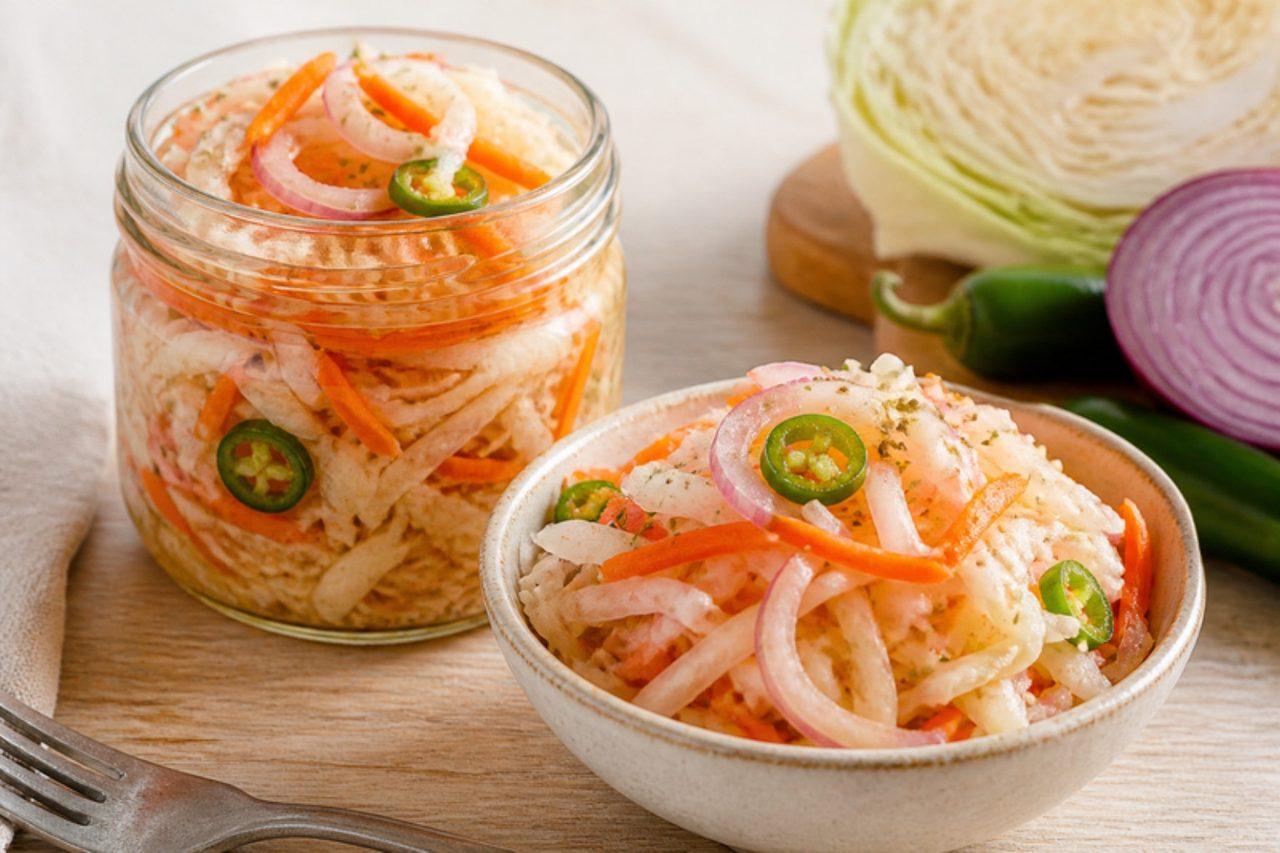
CurtidoPickled cabbage relish

No plate of pupusas in El Salvador arrives without a jar of curtido beside it: a tangy, crunchy slaw of cabbage, carrot and onion lightly pickled in vinegar with Mexican oregano. Pupuserías keep a big jar on every table, and the sharpness cuts through melted cheese and corn perfectly. It's also good with beans, tacos or a cheese sandwich. Chef's tip: make it a day ahead; it is crisp and raw on day one but turns mellow and properly pickled by day two.

by KrazyBadal 0 views

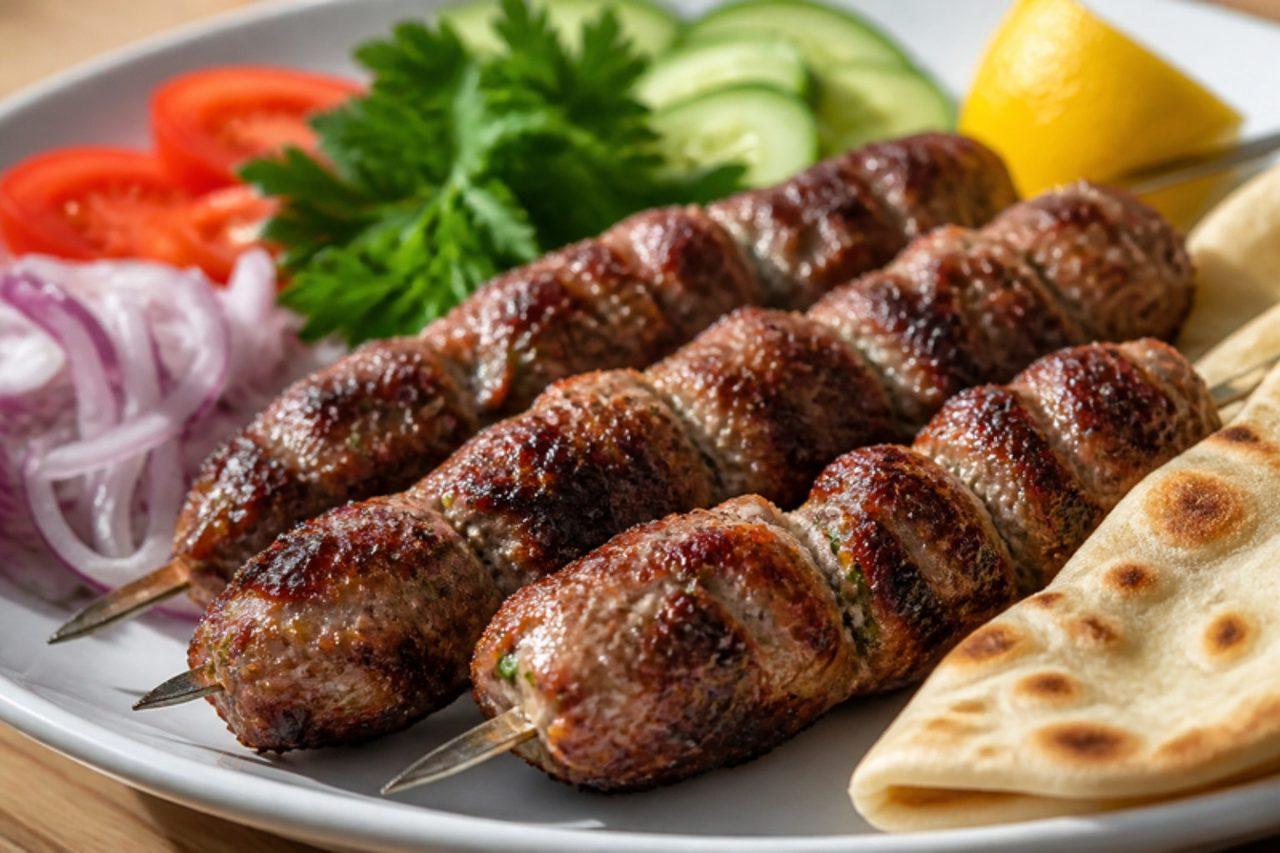
Cypriot sheftaliaPork and herb sausages

This is a pork recipe. Sheftalia are the little skinless sausages you find on every souvla barbecue in Cyprus, from Limassol beach grills to Sunday family gatherings in Nicosia gardens. Minced pork is mixed with onion, parsley and mint, wrapped in lacy caul fat and grilled slowly so the fat melts and bastes the meat. They come tucked into a large pitta with salad, lemon and tahini. Ask a butcher for caul fat (sometimes called lace fat); without it you can still shape the mix into thick sausages and grill them on an oiled rack. Chef's tip: soak the caul fat in warm, lightly vinegared water first; it becomes supple and stretches without tearing.

55 minGreekMeat
by KrazyBadal 0 views

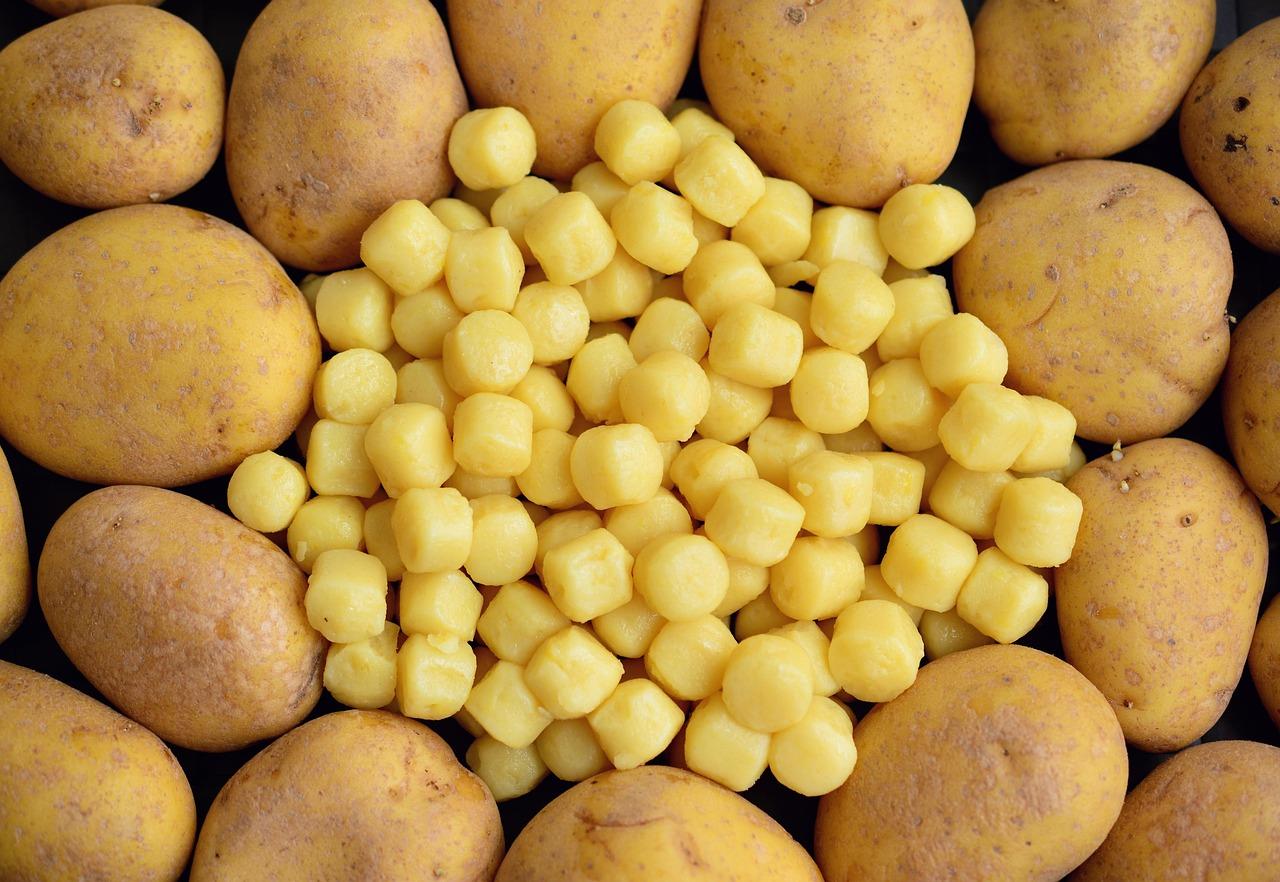
Potato gnocchiPotato gnocchi with sage butter

Potato gnocchi are made all over Italy, from Friuli to Rome, where trattorie still serve them on Thursdays ('giovedì gnocchi'). They are just floury potatoes and flour (an egg yolk is optional and makes them easier to handle) rolled into little pillows that cook in two minutes. Good gnocchi are light and tender, never chewy. Serve them with sage butter, as here, or a simple tomato sauce for children. Chef's tip: bake the potatoes in their skins instead of boiling; drier potatoes need less flour, and less flour means lighter gnocchi.

by KrazyBadal 0 views

Dabo koloCrunchy spiced dough bites

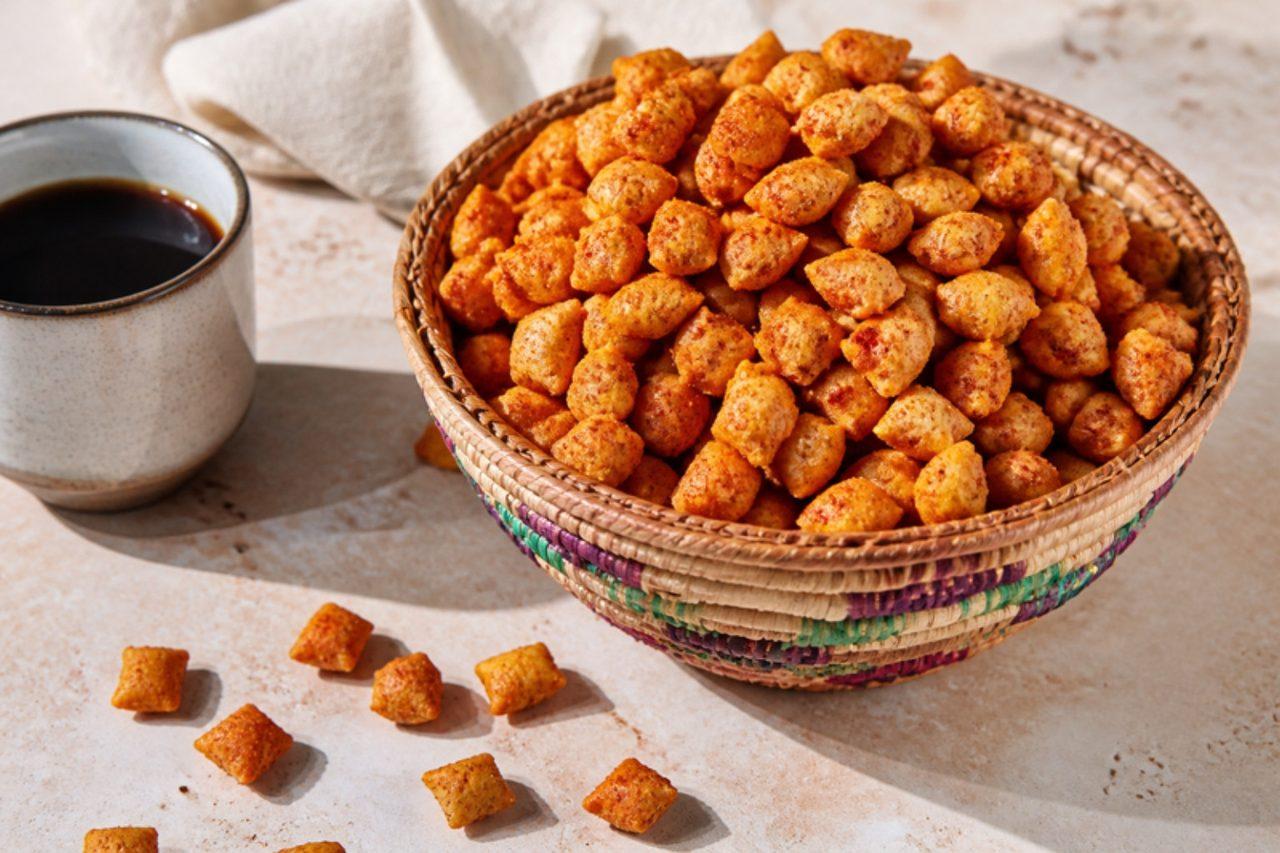
Dabo kolo are small crunchy nuggets of spiced dough, sold in paper cones in markets from Addis Ababa to Gondar and offered to guests with coffee. Families make big batches before holidays such as Enkutatash (Ethiopian New Year in September) and for long journeys, since they keep for weeks. The dough is seasoned with berbere and a little sugar, rolled into thin ropes, cut into tiny pieces and toasted until crisp. Children love them, and they can be made mild by reducing the berbere. Chef's tip: cut the pieces as small and even as you can, about the size of a chickpea, so they crunch all the way through.

by KrazyBadal 0 views

Dabu-dabuFresh tomato and chilli salsa

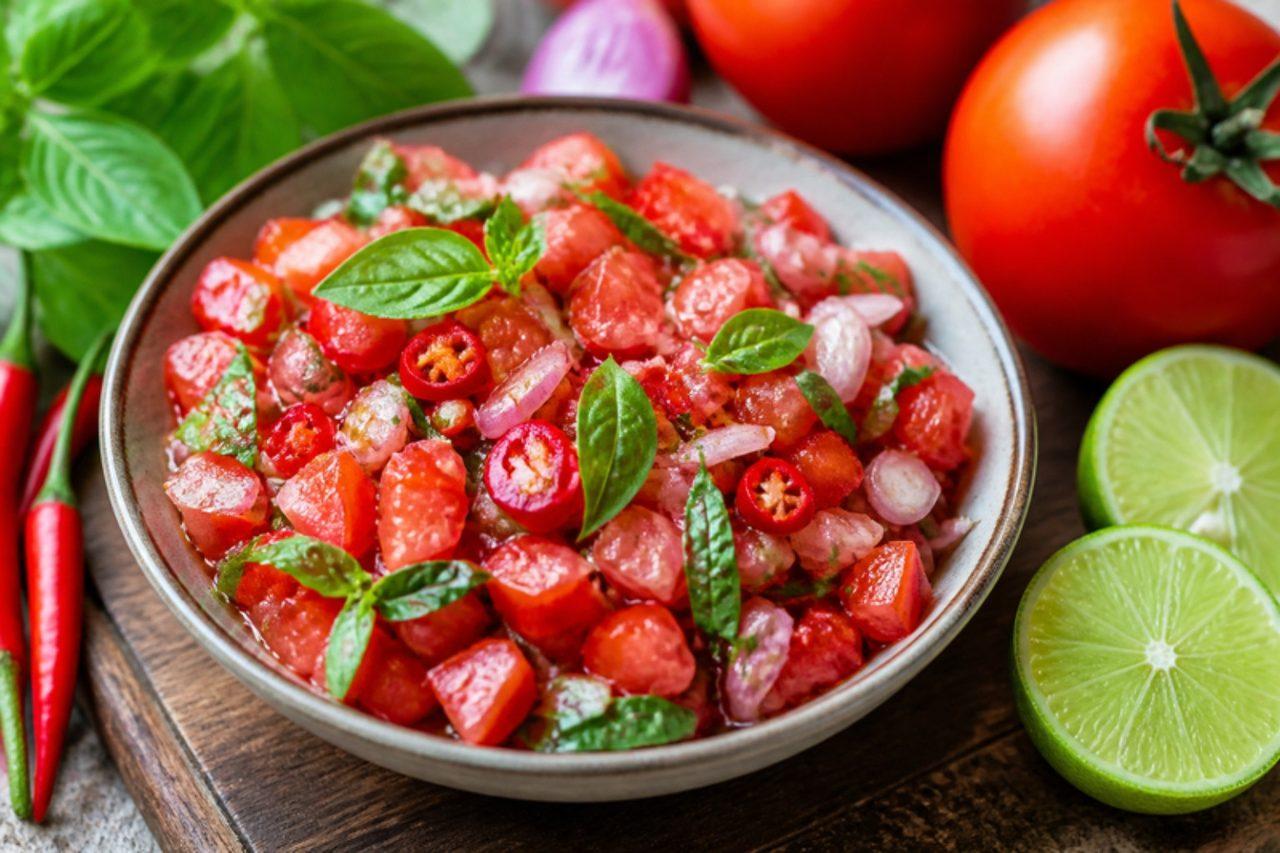
Every table in Manado, North Sulawesi, has a bowl of dabu-dabu: diced tomato, shallot and red chilli with calamansi juice and lemon basil, sometimes dressed with hot oil. It is spooned over grilled food, fried tofu and the pumpkin porridge tinutuan, and its cool juiciness makes very hot chilli easier to take. Unlike Bali's sambal matah, it is built on tomato and stays chunky and wet. Chef's tip: salt the tomatoes and leave them 5 minutes before mixing, so they release juice that becomes the dressing.

by KrazyBadal 0 views

Dahi baiganaFried aubergine in yogurt

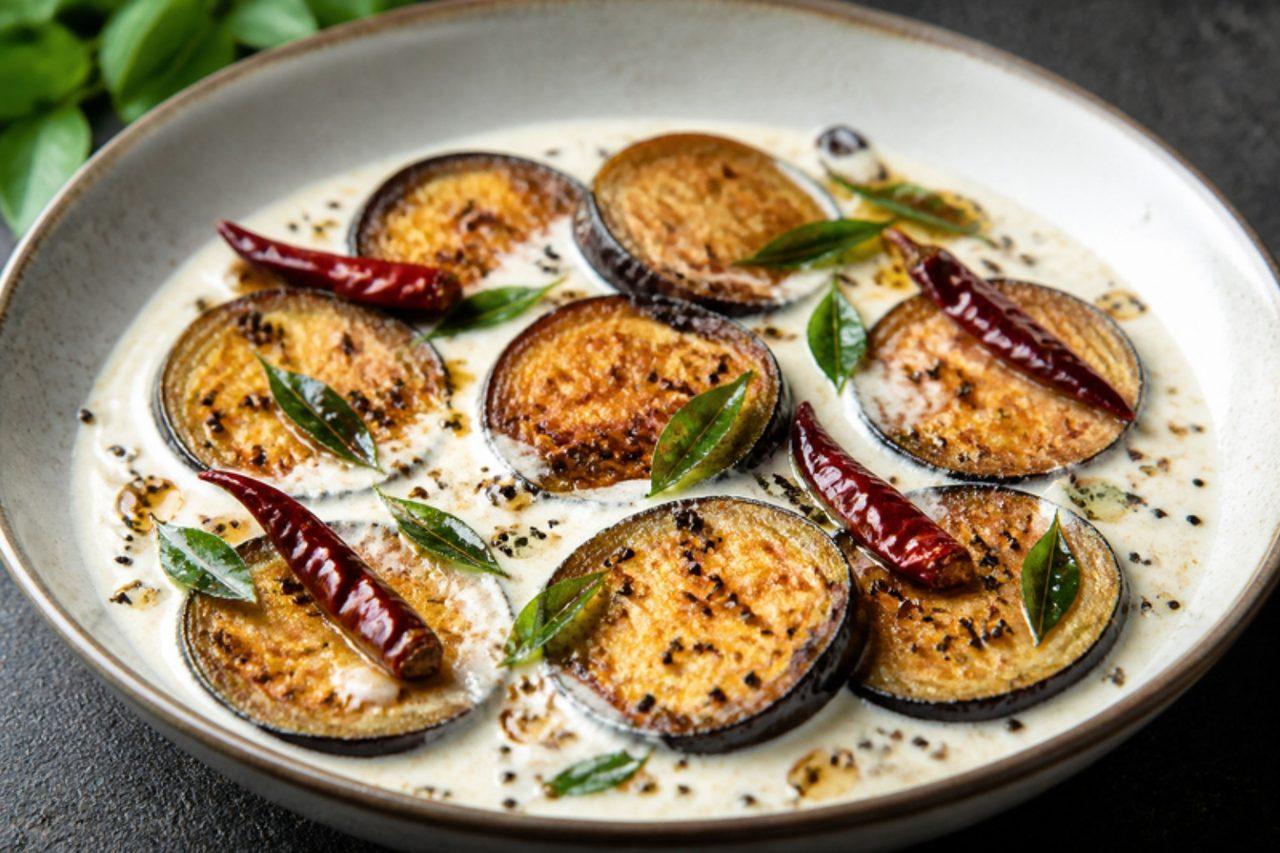
Dahi baigana is one of the easiest dishes of an Odia summer lunch, and it turns up at home thalis in Puri and Bhubaneswar beside dalma and rice. Thick rounds of aubergine are rubbed with turmeric and salt, fried until golden and creamy, then bathed in whisked yogurt that has been tempered with mustard seeds, cumin, curry leaves and dried chilli. It is served at room temperature: cool, tangy and smoky from the fried aubergine. Chef's tip: add the tempering to the yogurt, never the yogurt to the hot pan, so it doesn't split.

by KrazyBadal 0 views

Dak bokkeumtangSpicy chicken and potato stew

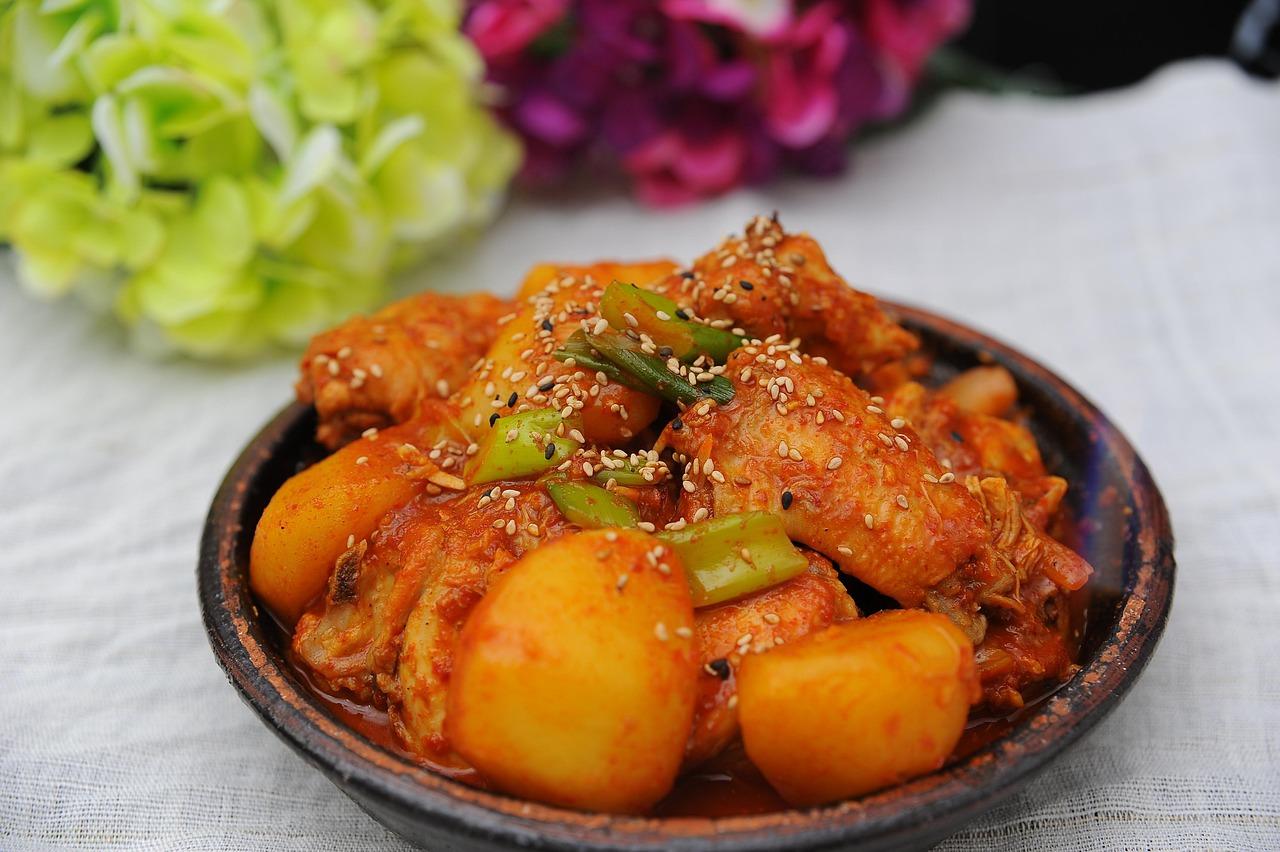
Chicken on the bone braised with big chunks of potato in a thick red sauce is a weeknight staple in Daejeon, the central city where many Korean rail lines meet, and in homes right across the country. Some people still call it dakdoritang. Unlike Andong's soy-based jjimdak, it gets its colour and heat from chilli flakes and gochujang, and the potatoes slowly thicken the sauce as they soften. It's usually brought to the table in the pot and shared, with rice and kimchi, and the last of the sauce is spooned over rice. Chef's tip: blanch the chicken for 3 minutes and rinse it first; this takes away scum and excess fat, so the sauce stays bright and clean-tasting.

by KrazyBadal 0 views

Dak galbiSpicy stir-fried chicken

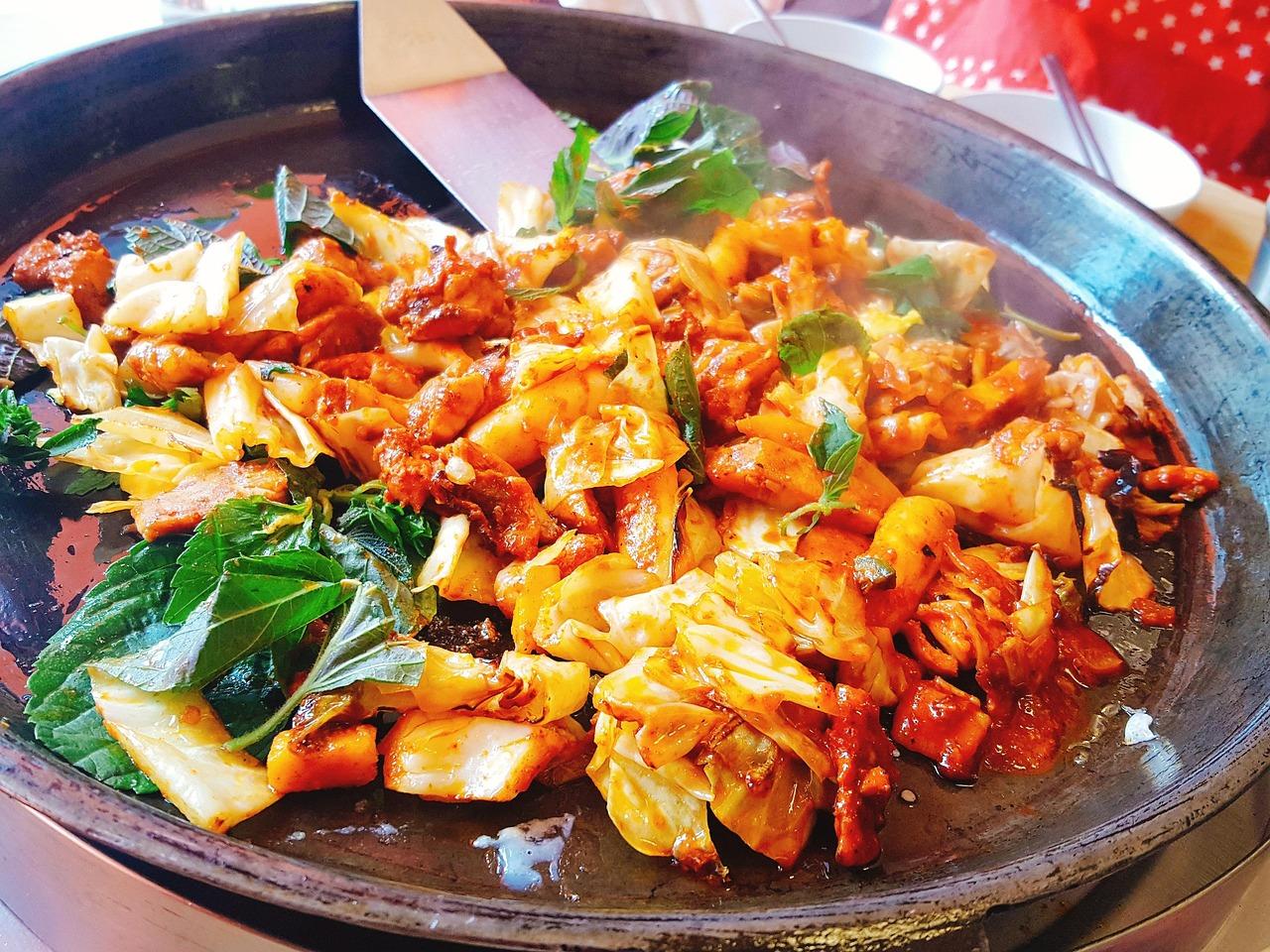
Chuncheon, a lakeside city in Gangwon province, is so proud of dak galbi that it has a whole lane of restaurants and a yearly festival for it. There, a waiter stir-fries the marinated chicken, cabbage, sweet potato and rice cakes on a huge round iron pan in the middle of your table. When the pan is nearly empty, rice is fried in the leftover sauce to finish the meal. This version is made in a large frying pan or wok at home. Chef's tip: a teaspoon of curry powder in the marinade is a Chuncheon trick; you won't taste curry, but the sauce tastes deeper.

by KrazyBadal 0 views

Showing 63 of 7,762 recipes

Show more recipes

Page 574 of 863