


Skip to content
Jamaican roast yam
Featured recipe

Jamaican roast yam

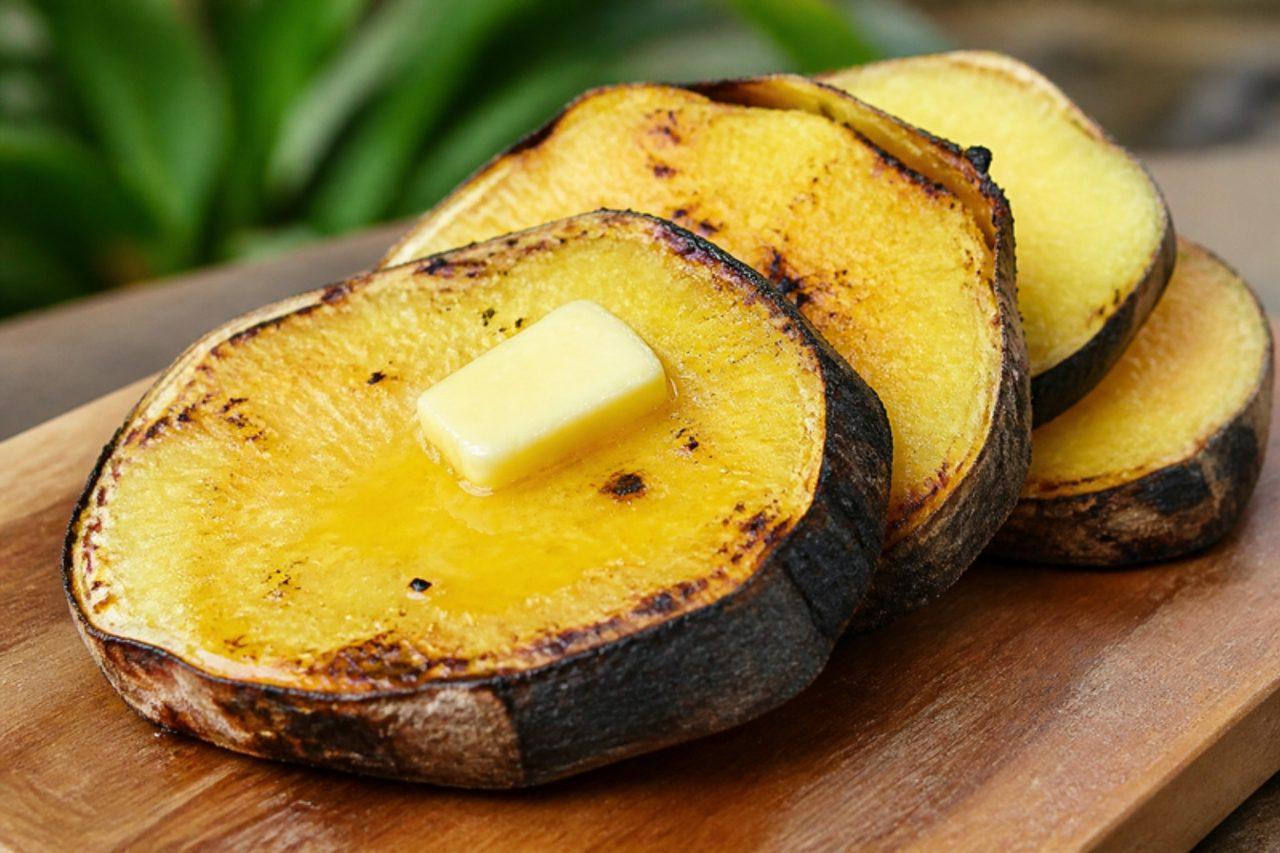
Roast yam stands beside roast fish at the beach shacks of Treasure Beach and at the roadside stalls along the Ocho Rios road, long pieces pulled out of the coals with blackened, smoky skins. Yellow yam roasted this way turns dense, dry and nutty, quite different from boiled, and it is eaten hot with a little coconut oil or butter and a sprinkle of salt. The usual mistake is cutting the yam too short or thin, so it dries out; roast it in thick 20 cm lengths with the skin on. Here it is done in a hot oven, with a flame option for a smoky edge. Chef's tip: wrap the pieces in foil for the first 30 minutes so they steam inside, then unwrap them to char the outside.

Read more 0 views

What to eat today?

Around the world

Today's trip: Persian

A new country every day, from every cuisine on the site.

Persian

Ash-e shalgham

Turnip and rice soup 65 minMore from Persian (131) →

This week's collection

Kid-friendly dinners
537 recipes · a new collection every Monday

Latest recipes

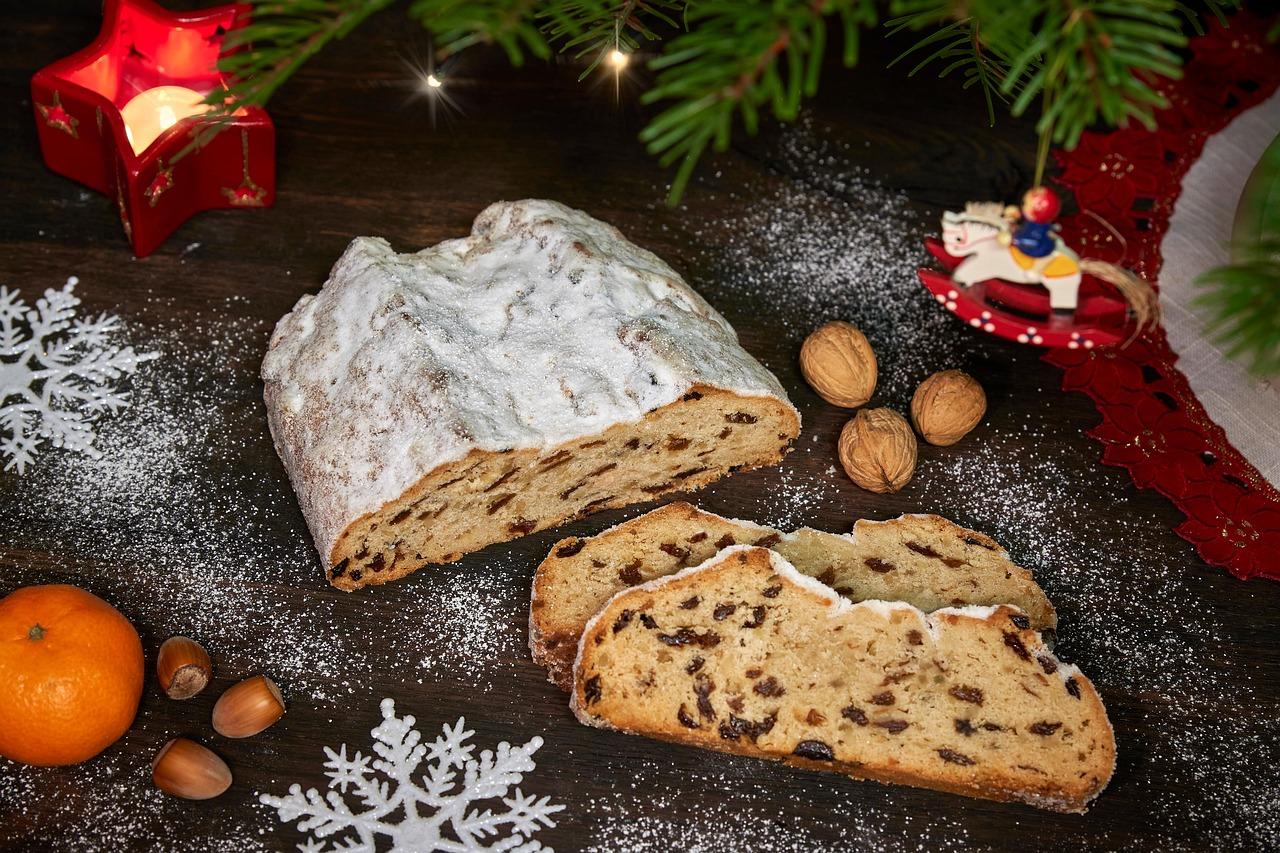
StollenFruit Christmas bread

Dresden has baked Christstollen for more than 500 years, and every December the city holds a Stollen festival with a giant loaf paraded through the old town to the Striezelmarkt. The loaf's shape, folded over and dusted white, is said to show the Christ child wrapped in swaddling cloth. It's a rich, dense yeast bread, heavy with butter, raisins, candied peel and almonds, brushed with melted butter straight from the oven and buried in sugar. It's baked weeks before Christmas and sliced thinly through Advent. Chef's tip: wrap it tightly and let it rest for at least a week before cutting; the flavours ripen and the crumb turns moist.

120 minGermanBaking
by KrazyBadal 0 views

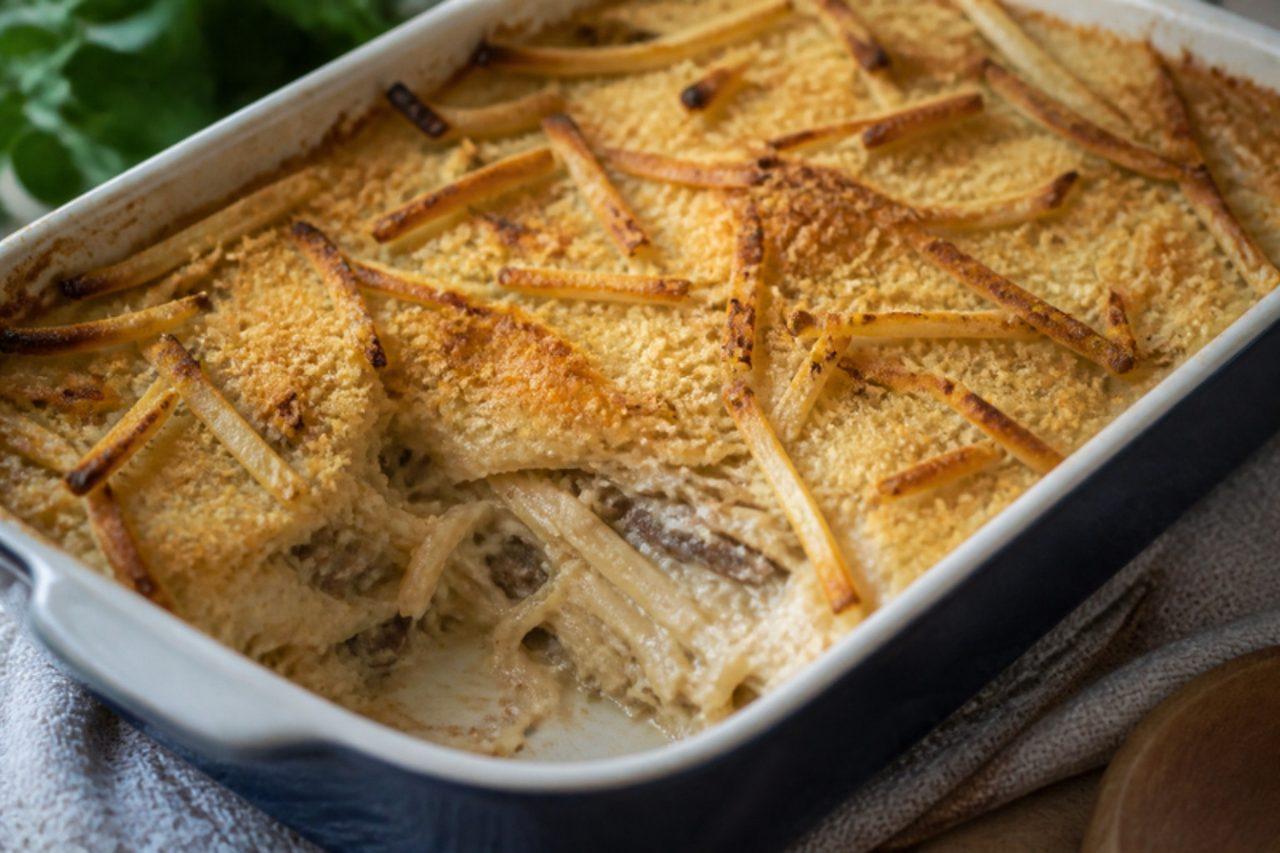
Jansson's temptationPotato, onion and sprat gratin

No Swedish Christmas table, from Gothenburg to Luleå, is complete without a dish of Janssons frestelse, and it often comes back at Easter and midsummer too. Matchsticks of potato and soft onion are baked in cream with Swedish-style spiced sprats (labelled ansjovis in Sweden), which melt into the sauce and season it with a salty, sweet-spiced depth rather than a fishy taste. It is rich, so a spoonful sits beside ham, meatballs and pickled herring rather than being a main course on its own. Many people go wrong by buying Mediterranean salted anchovies; they are far saltier and the gratin turns harsh, so look for the sweet-cured sprats in Scandinavian shops. Chef's tip: cut the potatoes into thin sticks rather than slices; the starch on their many edges thickens the cream as it bakes.

by KrazyBadal 0 views

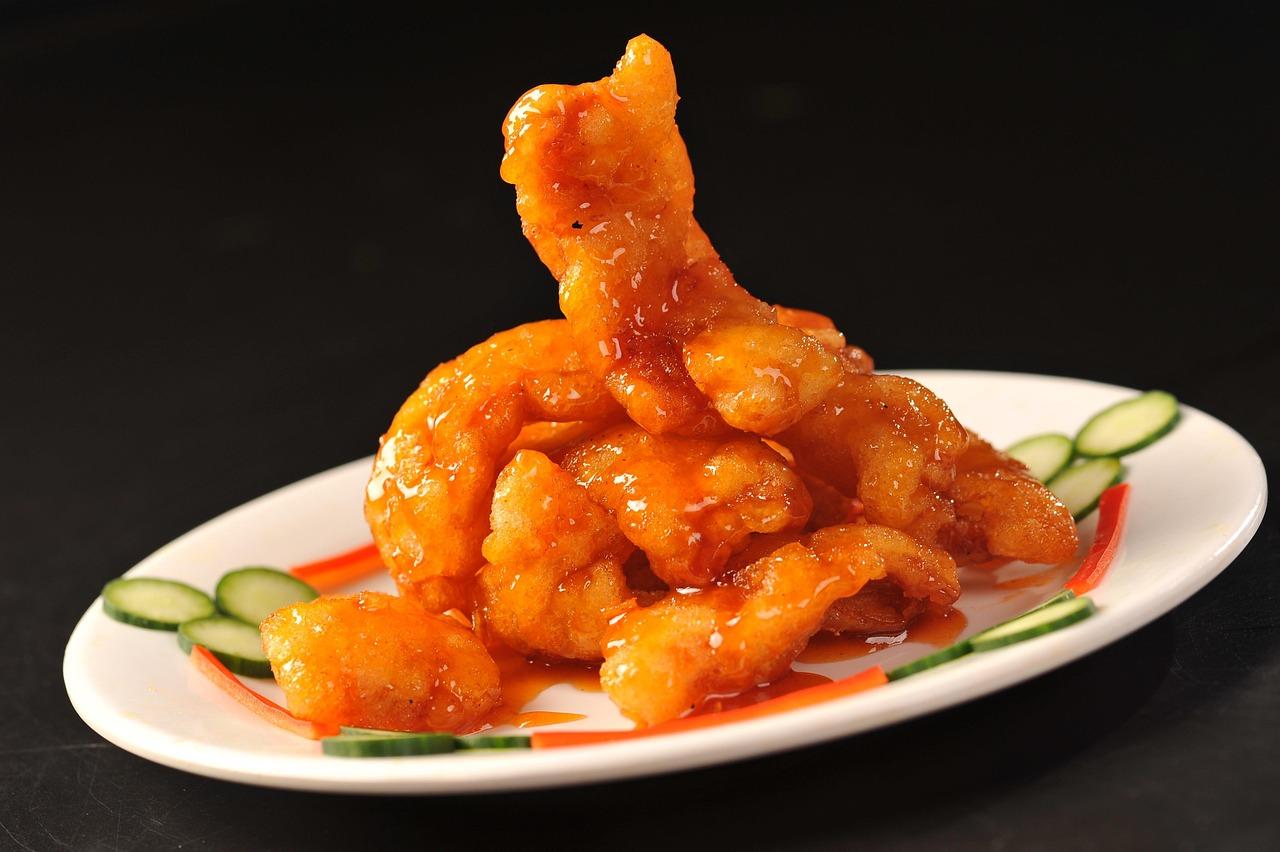
Guo bao rouCrisp sweet and sour pork

Created in a Harbin government kitchen in the early 1900s to please Russian guests, this is the north-east's own sweet-and-sour pork, and every Dongbei restaurant still serves a heaped plate of it. Large, thin slices of tenderloin go into a thick potato-starch coating, are fried twice until they shatter, then are tossed in a pale, sharp sugar-and-vinegar glaze with shreds of ginger, carrot and coriander. Unlike the red Cantonese version there is no ketchup and no pineapple; the flavour is cleaner and more sour. Bring it to the table the second it leaves the wok, alongside steamed rice and a cold cucumber salad. Chef's tip: soak the potato starch in water for an hour and pour off the clear liquid; the thick paste underneath gives the crispest coating.

by KrazyBadal 0 views

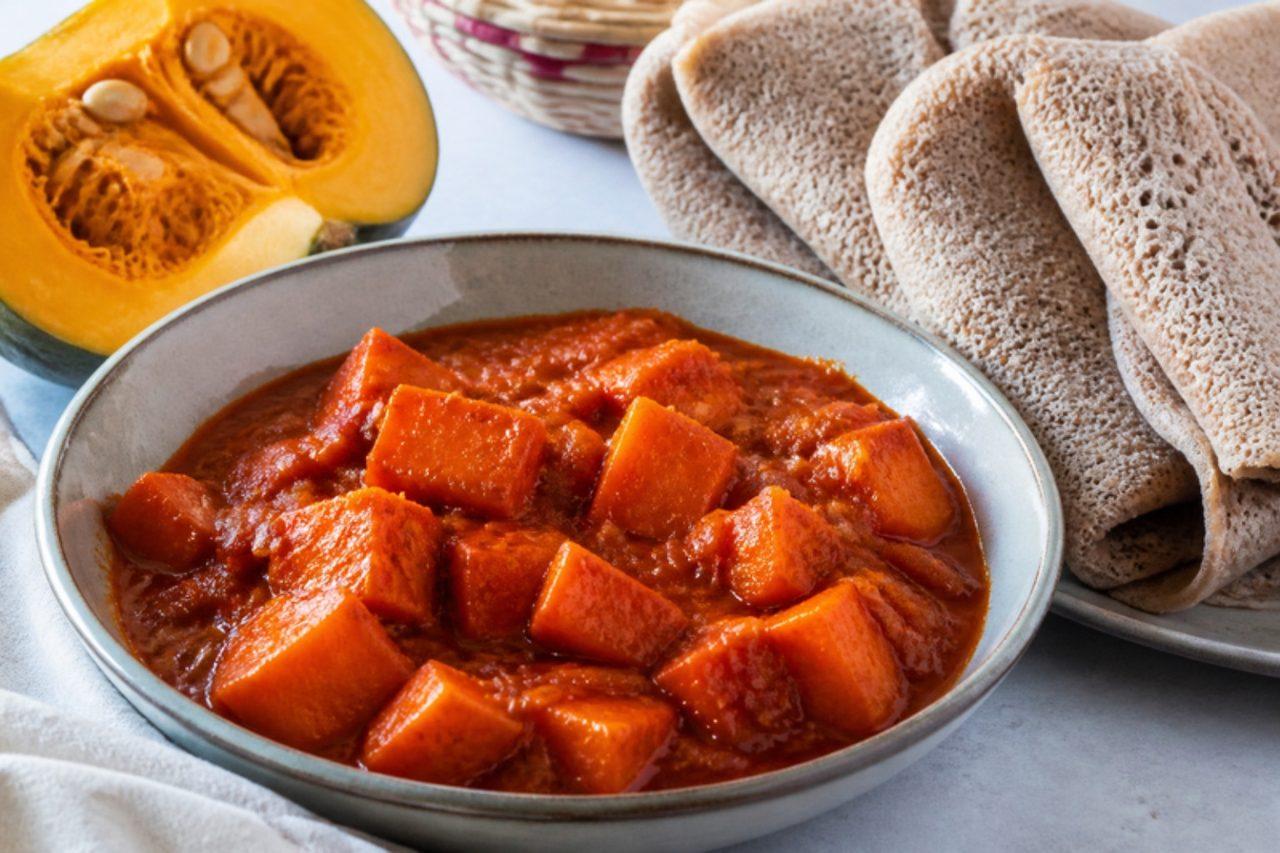
Duba watSpicy pumpkin stew

Duba wat is a fasting-season stew from the Ethiopian highlands, made when pumpkins are plentiful after the rains around Meskel in late September. Chunks of pumpkin are cooked in a classic red wat base of slow-cooked onion, garlic and berbere, so the sweetness of the squash plays against the heat of the spices. It is softer and sweeter than most wats and goes well with gomen and injera. Chef's tip: add the pumpkin only once the onion and berbere base is fully cooked and glossy; raw-tasting berbere spoils the dish.

by KrazyBadal 0 views

Dulce de lecheMilk caramel

Dulce de leche is Argentina's national sweet, spread on toast at breakfast, sandwiched in alfajores, rolled into panqueques and spooned onto flan. Argentine families traditionally make it by slowly cooking milk and sugar with a vanilla pod and a pinch of bicarbonate of soda, which helps it turn deep brown, until it becomes a thick, glossy caramel cream. It takes about three hours of gentle cooking and regular stirring. Chef's tip: use a wide, heavy pan and keep the heat low; the wider the surface, the faster the milk reduces, and the less it catches on the bottom.

by KrazyBadal 0 views

Sweet potato salad (Nairobi style)Sweet potato fritter salad

Slices of sweet potato dipped in batter, coated in breadcrumbs and fried until crisp, arranged around lettuce, grated carrot, tomato and sliced hard-boiled egg. The book's Handy Hints say sweet potato is good for the eyes and lifts the mood. Serve with tomato sauce, chilli sauce and mayonnaise; leave out the eggs (and use egg-free mayonnaise) for an egg-free salad.

by KrazyBadal 0 views

Roasted bananas in chocolate

Whole bananas roasted on the barbecue until soft and sweet, cut into quarters, put on skewers, half-dipped in melted dark chocolate and rolled in chopped almonds, pistachios and cashews. It's a quick barbecue dessert that children love to help make. Serve them straight away while the chocolate is still soft.

20 minDessertsGluten free
by KrazyBadal 0 views

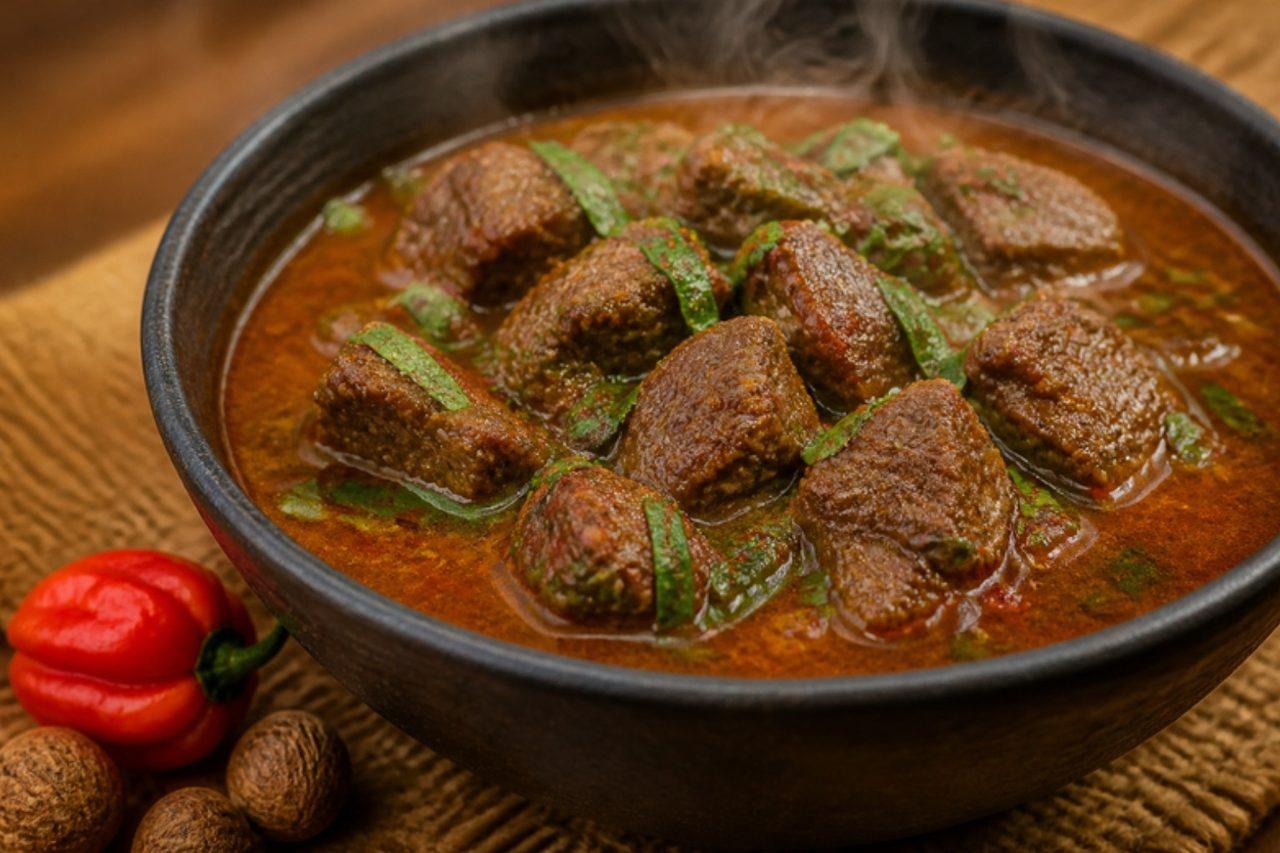
Goat meat pepper soup

Pepper soup is what Nigerians order at a bar on a Friday night, what a mother cooks for someone with a cold, and what a host puts out at every naming ceremony. Goat meat on the bone is simmered with pepper soup spice, a blend that usually includes calabash nutmeg (ehuru), alligator pepper and uda pods, plus scotch bonnet and scent leaf, into a thin, fiery, deeply aromatic broth. Catfish pepper soup is the other favourite: add 800 g of catfish steaks for the last 15 minutes instead of the goat. The usual mistake is boiling the goat hard, which makes it tough; it needs a gentle simmer. Chef's tip: toast the whole spices in a dry pan for a minute before grinding, and the broth smells twice as strong.

by KrazyBadal 0 views

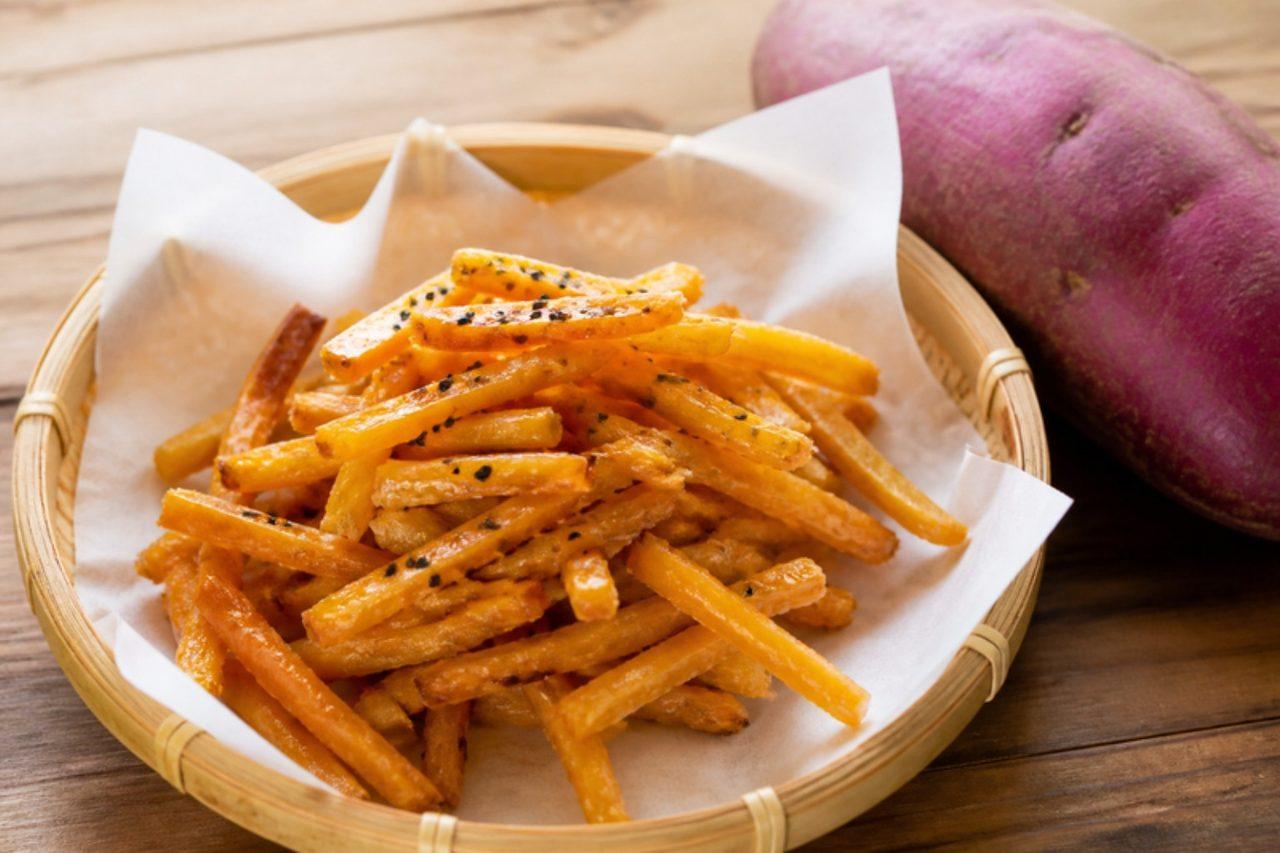
Imo kenpiCandied sweet potato sticks

Kagoshima, at Kyushu's southern tip, is Japan's sweet potato heartland. The crop is so closely tied to the region that the Japanese word for sweet potato, satsuma-imo, means 'Satsuma potato', after the old name of Kagoshima. Imo kenpi are its simplest snack: thin batons of sweet potato fried until crisp, then tossed in a syrup that sets into a glassy shell. Kids grab them from bags at the corner shop, and grandparents make them at home with the autumn harvest. They are crunchy, sweet and a little salty. Chef's tip: fry the potato twice, slowly first, then hot. That drives out the water and gives a snap that lasts for days.

by KrazyBadal 0 views

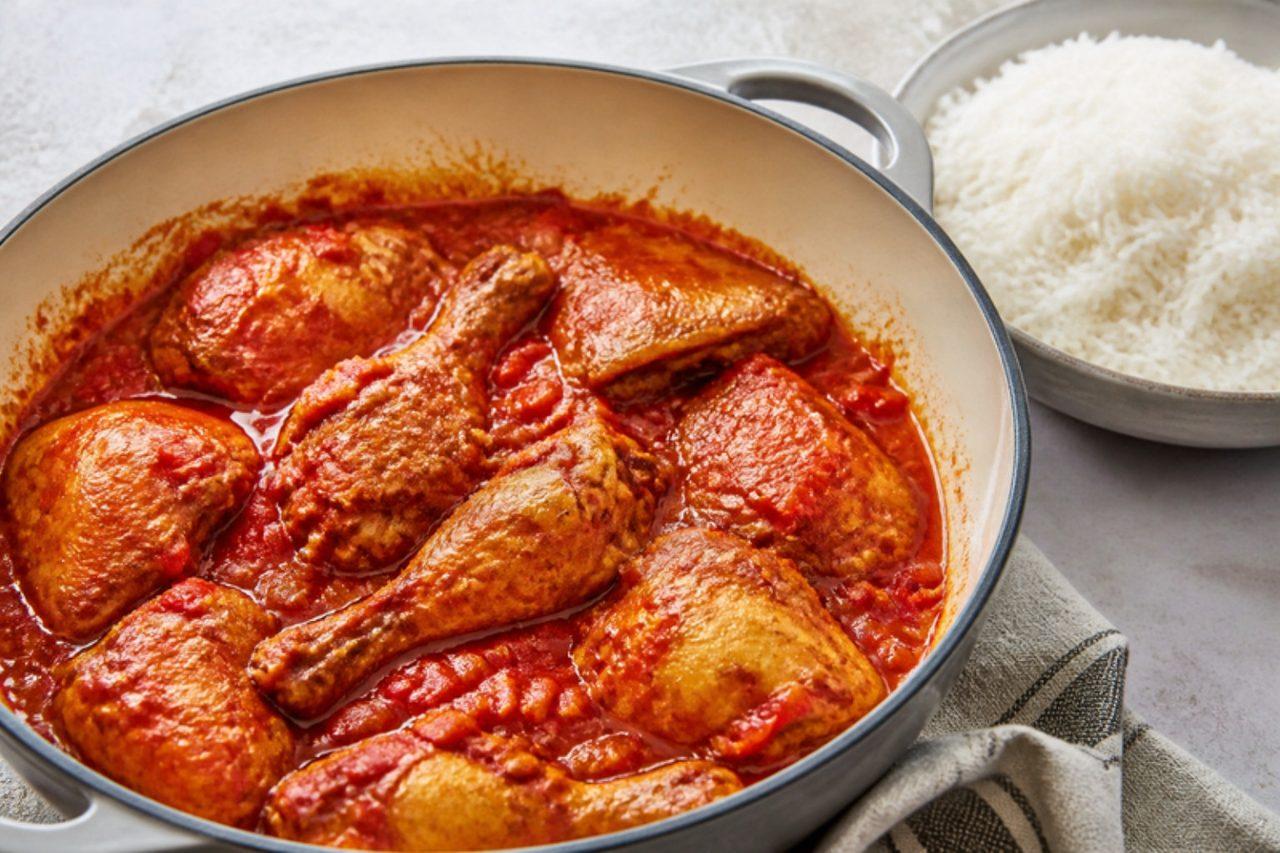
Nigerian chicken stew

Almost every Nigerian kitchen has a pot of this red stew in the fridge. Lagos households cook a big batch on Saturday and eat it all week over white rice, boiled yam, plantain or beans. Red bell peppers, tomatoes, scotch bonnet and onion are blended and fried in oil for a long time until the raw taste is gone and the oil rises to the top, then browned chicken goes in. The classic mistake is not frying the pepper base long enough; the stew tastes sour and raw if you rush it. Chef's tip: boil the chicken first with seasoning, then fry it before it goes into the stew, and use that seasoned stock in the sauce.

by KrazyBadal 0 views

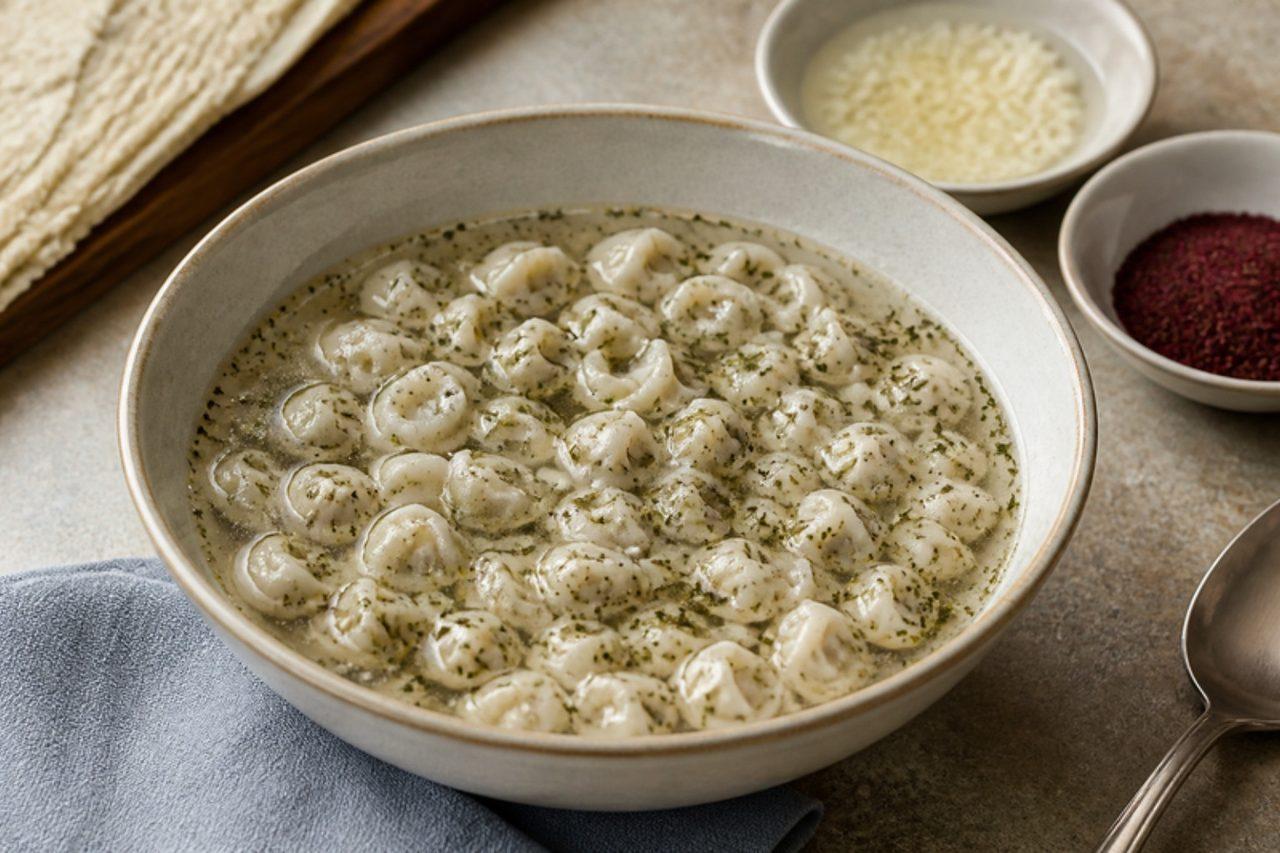
DushbaraTiny lamb dumplings in broth

Dushbara is the test of a patient cook in Azerbaijan: dumplings so small that a dozen fit on a spoon, filled with lamb and onion and served in clear bone broth. Families in Baku and the Absheron towns make them for New Year and Novruz, everyone sitting around the table folding together. At the table each bowl gets dried mint, a little crushed garlic in vinegar, and sumac. Over-filling is the usual problem; too much meat and the edges won't seal, so the dumplings open in the pot. Chef's tip: make the broth from lamb bones the day before and chill it, so you can lift off the fat and the soup stays crystal clear.

by KrazyBadal 0 views

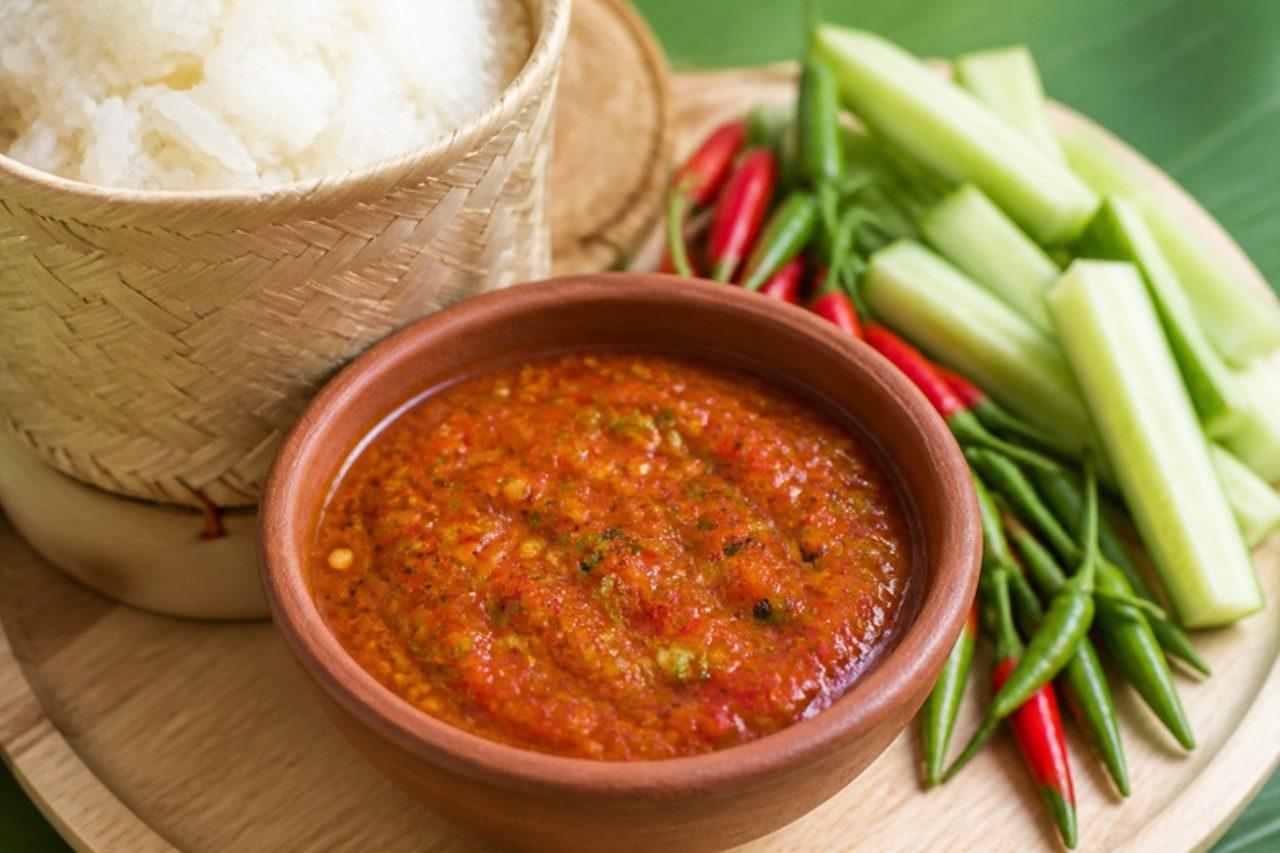
Jeow mak lenRoasted tomato and chilli dip

No Lao meal is complete without a jeow, a pounded dip eaten by pinching a ball of sticky rice and dragging it through. Jeow mak len, made from tomatoes charred over the coals until their skins split, is the everyday one from Vientiane to the villages of the north, smoky, garlicky and as hot as you dare. It's served alongside grilled vegetables, raw cucumber and long beans, and keeps well for a few days. Chef's tip: grill everything until it is genuinely blackened in patches; the burnt bits are the flavour, so don't peel all the skin away.

by KrazyBadal 0 views

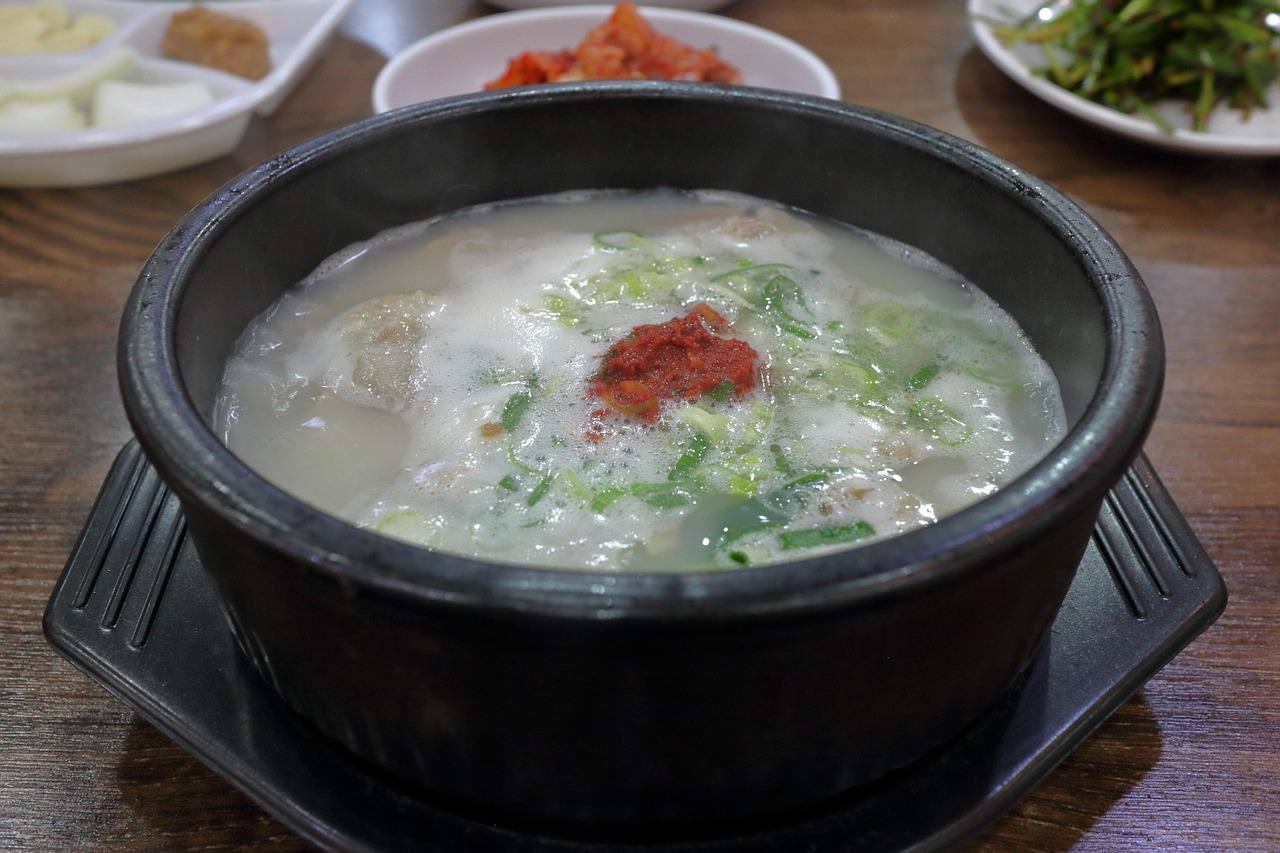
Dwaeji gukbapPork and rice soup

Ask anyone in Busan for a bowl of something filling at any hour and they will probably send you for dwaeji gukbap. Seomyeon has a whole alley of gukbap restaurants, open from early morning to late at night, serving the soup to market workers, students and people heading home after a night out. Pork bones are boiled hard for hours until the broth turns cloudy and white, then poured over sliced pork and rice. Each diner seasons their own bowl at the table with salted shrimp, chilli paste and a pile of garlic chives, with raw onion, green chilli and kimchi on the side. Chef's tip: season the soup in the bowl, not the pot; a little saeujeot at a time gives a clean, savoury depth that salt alone doesn't.

180 minKoreanSoups
by KrazyBadal 0 views

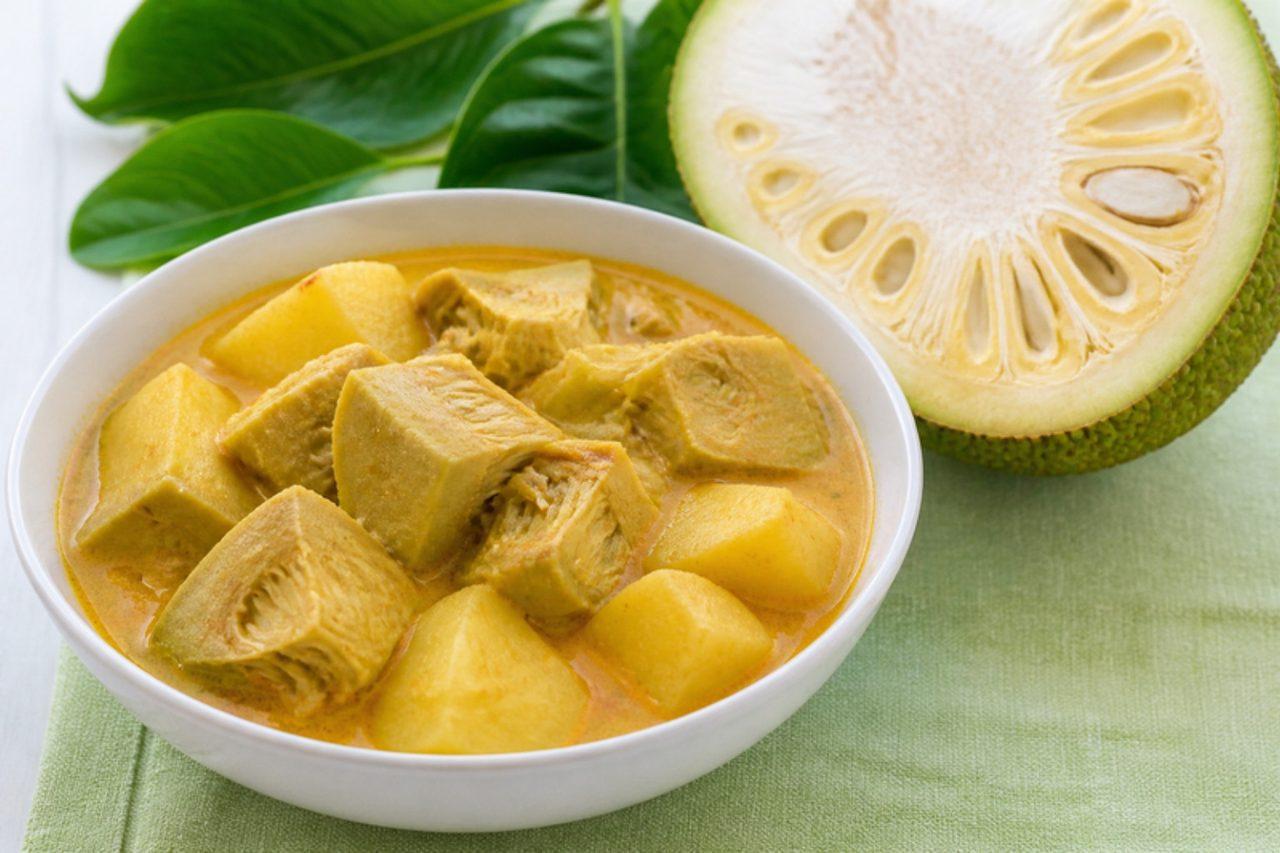
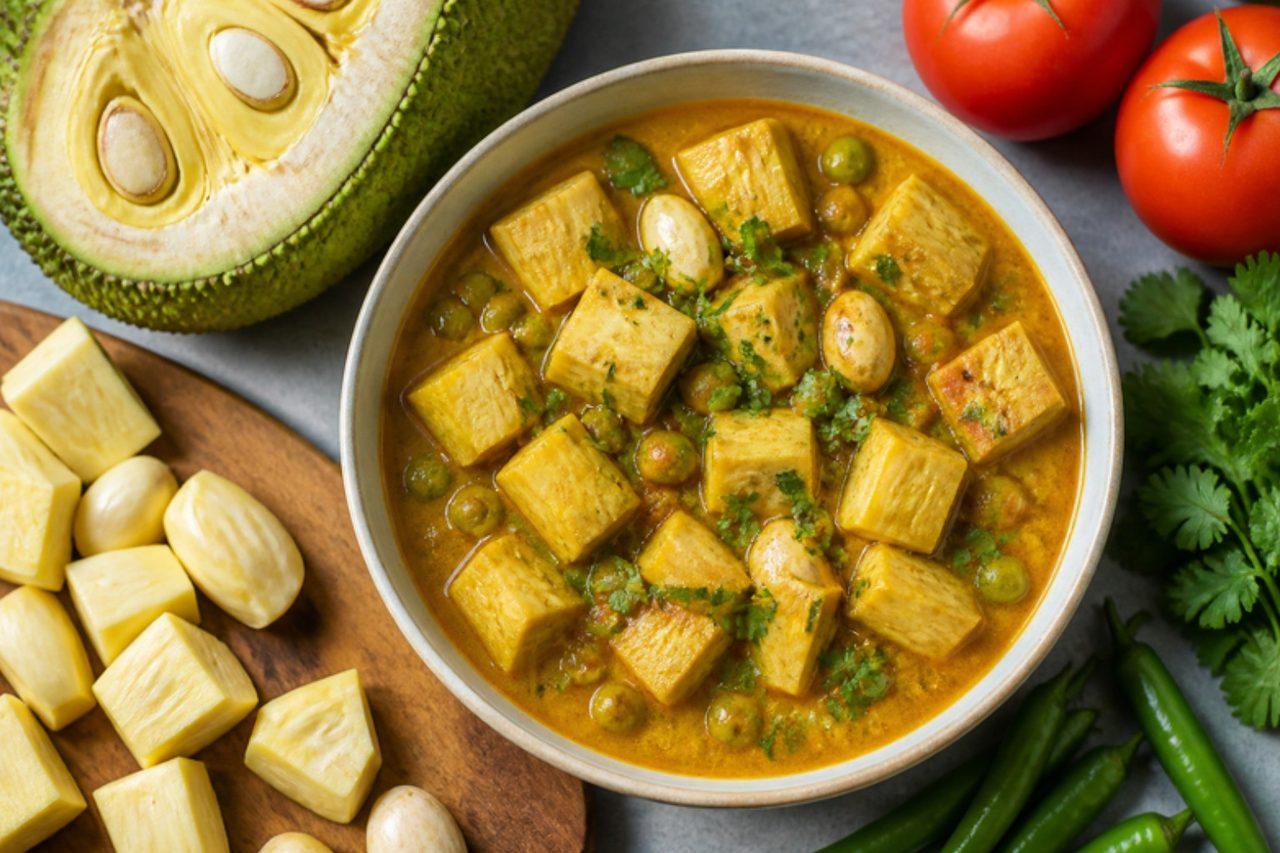
Echorer dalnaYoung jackfruit curry

In early summer, Kolkata's bazaars sell baby green jackfruit (echor), and Bengali households cook it into a dalna rich enough to be called gachh-patha, 'mutton from the tree'. The jackfruit is boiled, fried with potato and simmered in a ginger, cumin and tomato gravy, finished with ghee and garam masala. Its chewy, meaty texture soaks up the spice. It is a Sunday lunch dish, eaten with rice or luchi. Chef's tip: buy jackfruit no longer than your forearm, with pale seeds; older fruit is fibrous and the seeds are hard.

by KrazyBadal 0 views

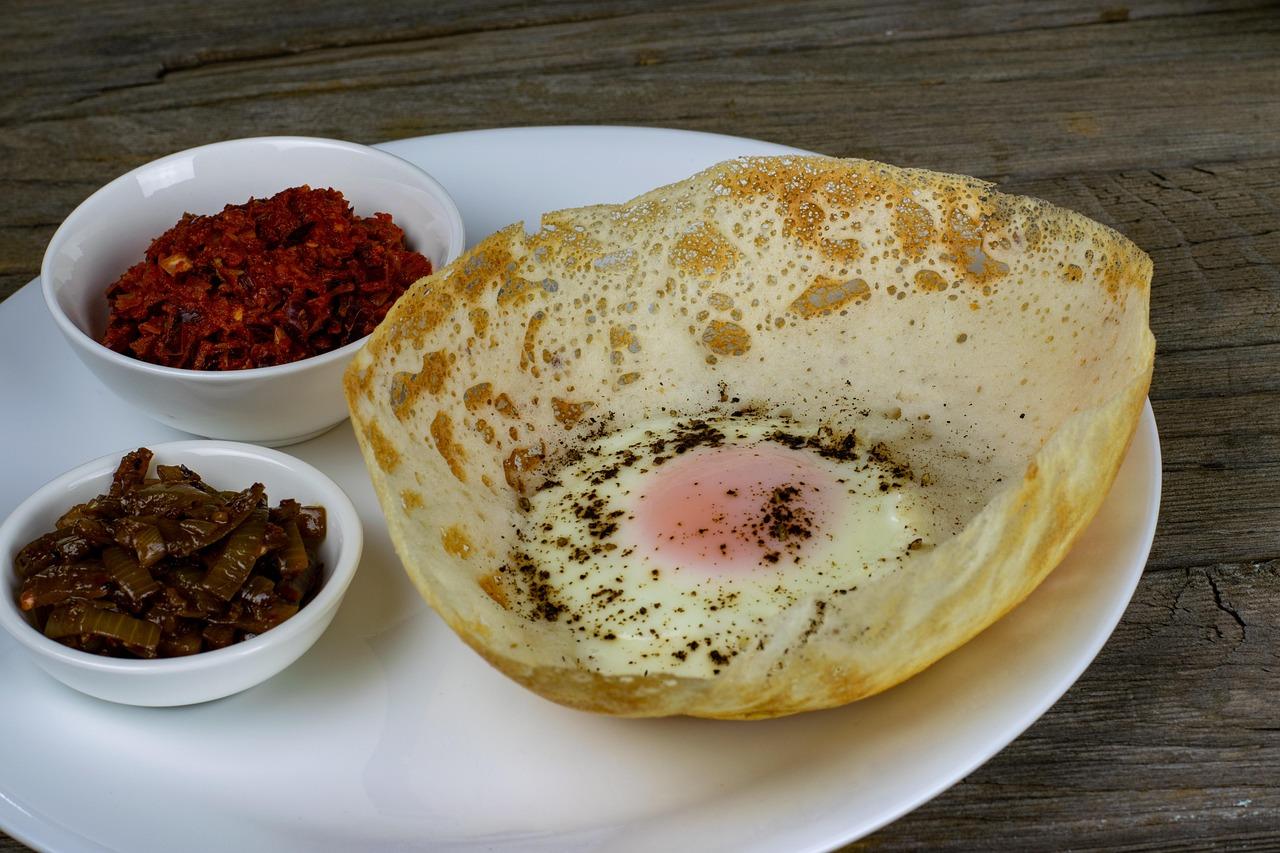
Egg hoppersBowl-shaped rice pancakes with egg

Hoppers (appa) are the crisp-edged, bowl-shaped pancakes that street cooks in Colombo, Kandy and Jaffna make in rows of small round pans every evening; an egg hopper has an egg cracked into the soft centre so it steams to a runny yolk. The batter of rice flour, coconut milk and yeast (traditionally toddy) is left to ferment until it's light and slightly sour, which gives the lacy, golden rim and the spongy middle. They're eaten hot with pol sambol and lunu miris, and plain hoppers come with sweet jaggery for dessert. Kerala's appam is a cousin, but Sri Lankan hoppers are thinner and crisper and the egg version is their own. The common mistake is a batter that's too thick, which gives heavy, pale hoppers; it should flow like single cream. Chef's tip: swirl the pan in one quick full turn the moment the batter goes in, then cover at once.

by KrazyBadal 0 views

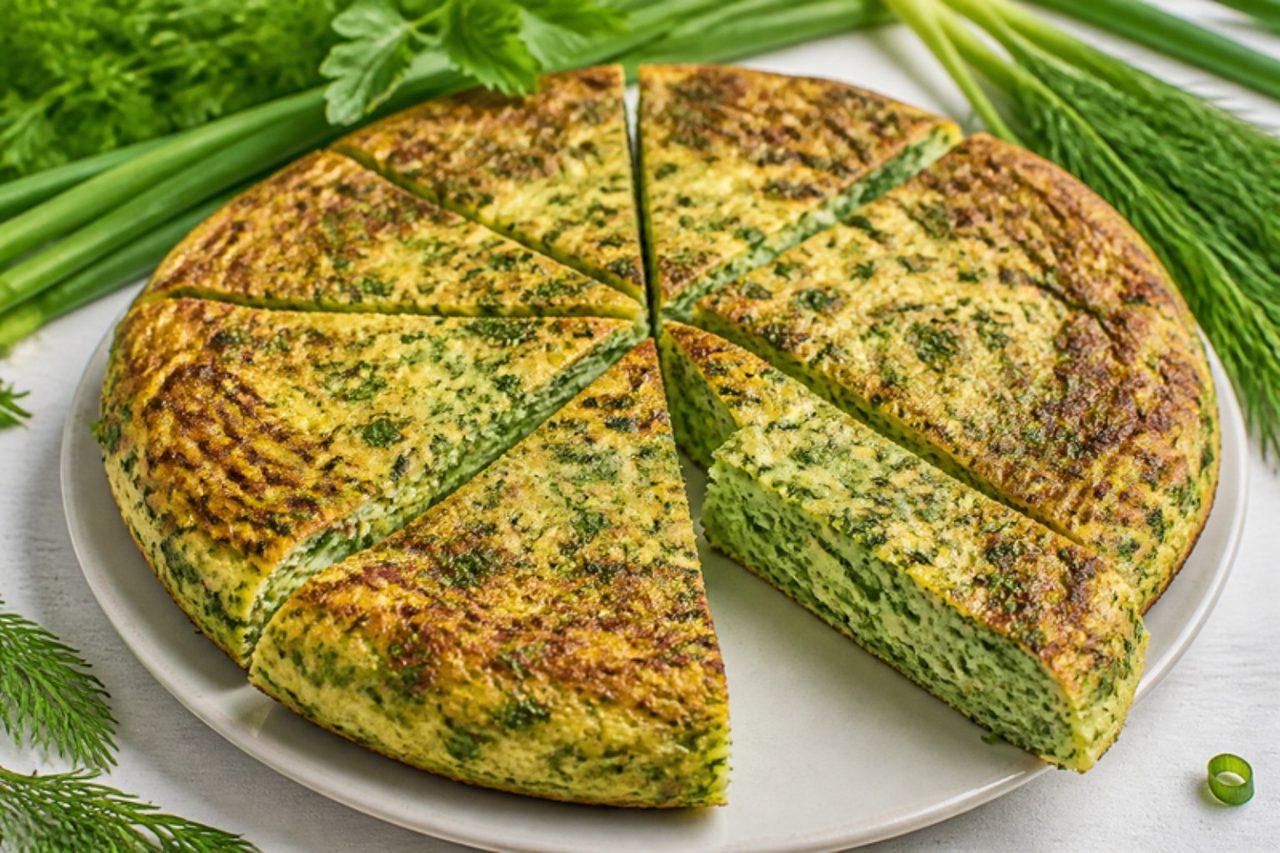
EggahHerb omelette

Eggah is the omelette Egyptian families make at home for breakfast or a light supper, often on a Friday morning alongside ful, falafel, cheese and baladi bread. It is thick and set rather than folded, packed with spring onion, parsley and dill and warmed with cumin, and it's cooked slowly so it puffs and browns on both sides. Slice it into wedges and eat it hot from the pan or cold in a sandwich. Chef's tip: grate the onion and squeeze it dry; wet onion makes the eggs weep and the eggah falls apart when you flip it.

by KrazyBadal 0 views

Kathal ki sabziYoung jackfruit curry

In Uttar Pradesh, people joke that kathal is the vegetarian's mutton, and the comparison makes sense once you taste it. Young, unripe jackfruit has a firm, fibrous texture that absorbs a slow-cooked onion masala and the smoky warmth of black cardamom. Lucknow and Kanpur homes cook it in summer when the green fruit is plentiful, and it is a common choice for Sunday lunches and family gatherings, served with paratha or rice. The mistake to avoid is undercooking the jackfruit before adding it to the masala; it will remain rubbery no matter how long it simmers afterward. Chef's tip: frying the boiled pieces until golden before they go into the gravy gives them a meaty crust that holds up in the sauce.

by KrazyBadal 0 views

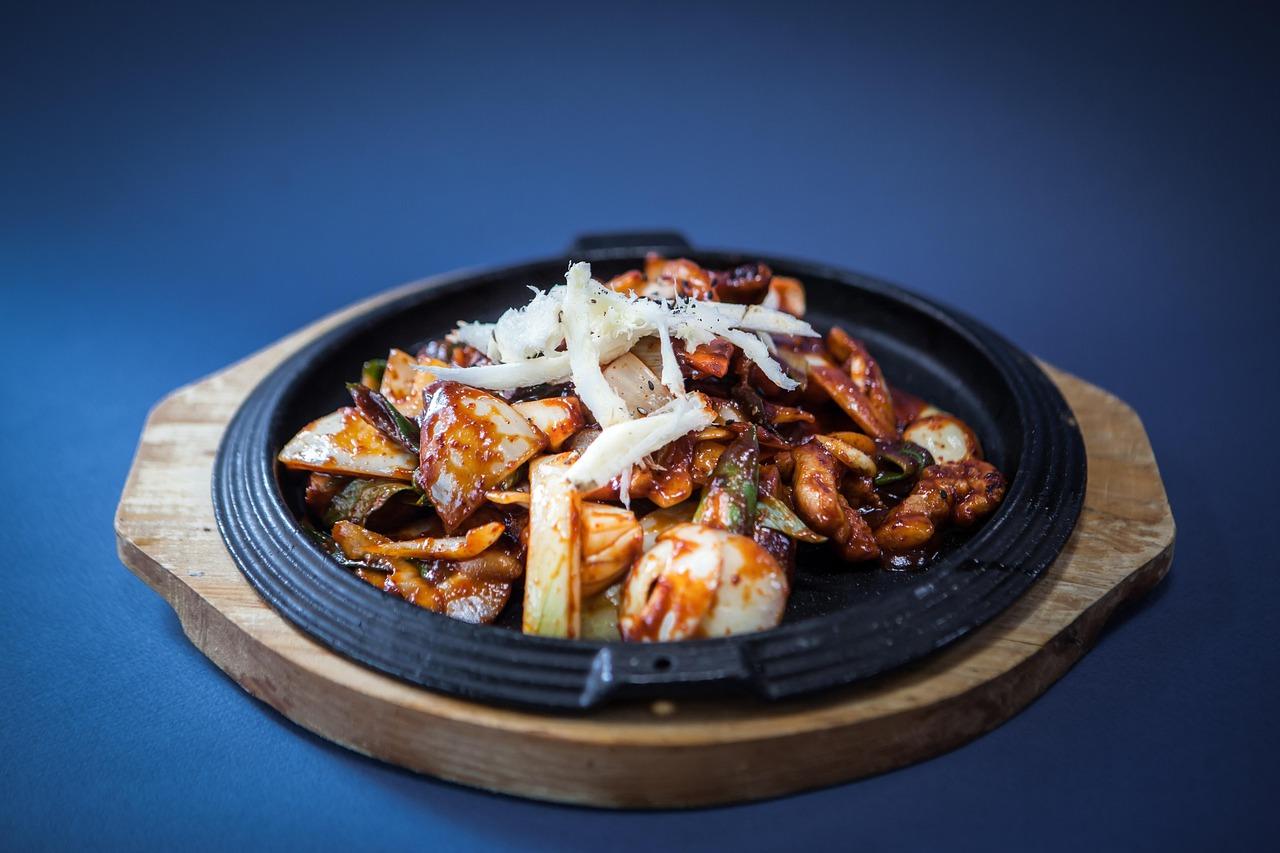
Jeyuk bokkeumSpicy stir-fried pork

Jeyuk bokkeum is the backbone of the Korean lunch: almost every baekban (set-meal) restaurant near offices and building sites serves it with rice, soup and little side dishes, and it is just as common at home on weeknights. Thin slices of pork are fried hard in a sauce of gochujang, chilli flakes, garlic and ginger until the edges catch and caramelise. Eat it over rice, or wrap a piece in a lettuce leaf with a slice of raw garlic. Chef's tip: fry the pork on its own first until the fat runs, then add the sauce; you get smoky, sticky edges instead of boiled meat.

25 minKoreanMeatSpicy
by KrazyBadal 0 views

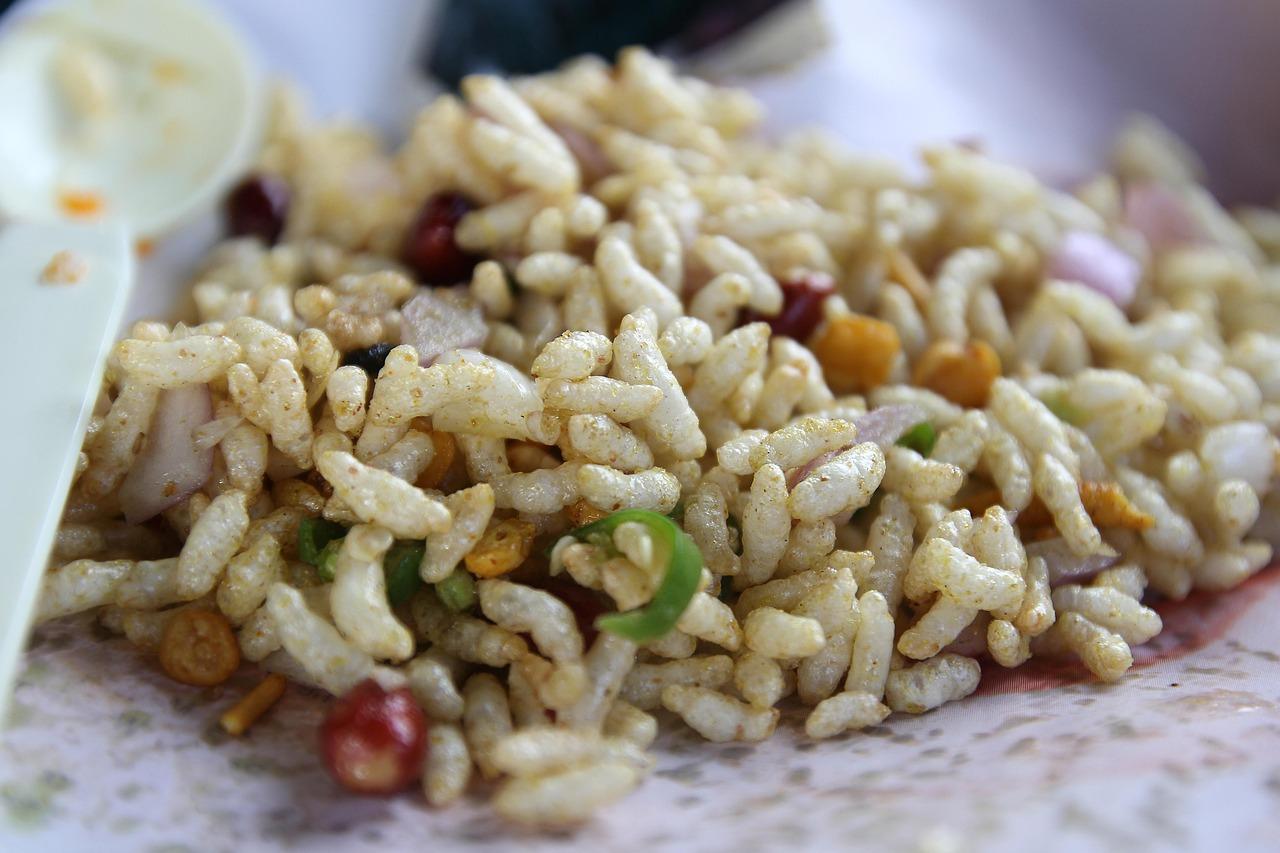
JhalmuriSpiced puffed rice

Jhalmuri is the snack Kolkata eats on the move: outside Howrah station, along the Maidan, on suburban local trains, where a vendor tosses puffed rice in a tin with raw mustard oil, chopped onion, cucumber, green chilli and a fistful of chanachur, then tips it into a cone of newspaper. The sharp, nose-tingling mustard oil is what separates it from Mumbai's bhel; there is no sweet chutney at all, only salt, lime and heat. Eat it the minute it is mixed, while it still crackles. Chef's tip: warm the puffed rice in a dry pan for a couple of minutes first; even fresh muri crisps up noticeably.

by KrazyBadal 0 views

Empanadas de humitaCreamy corn empanadas

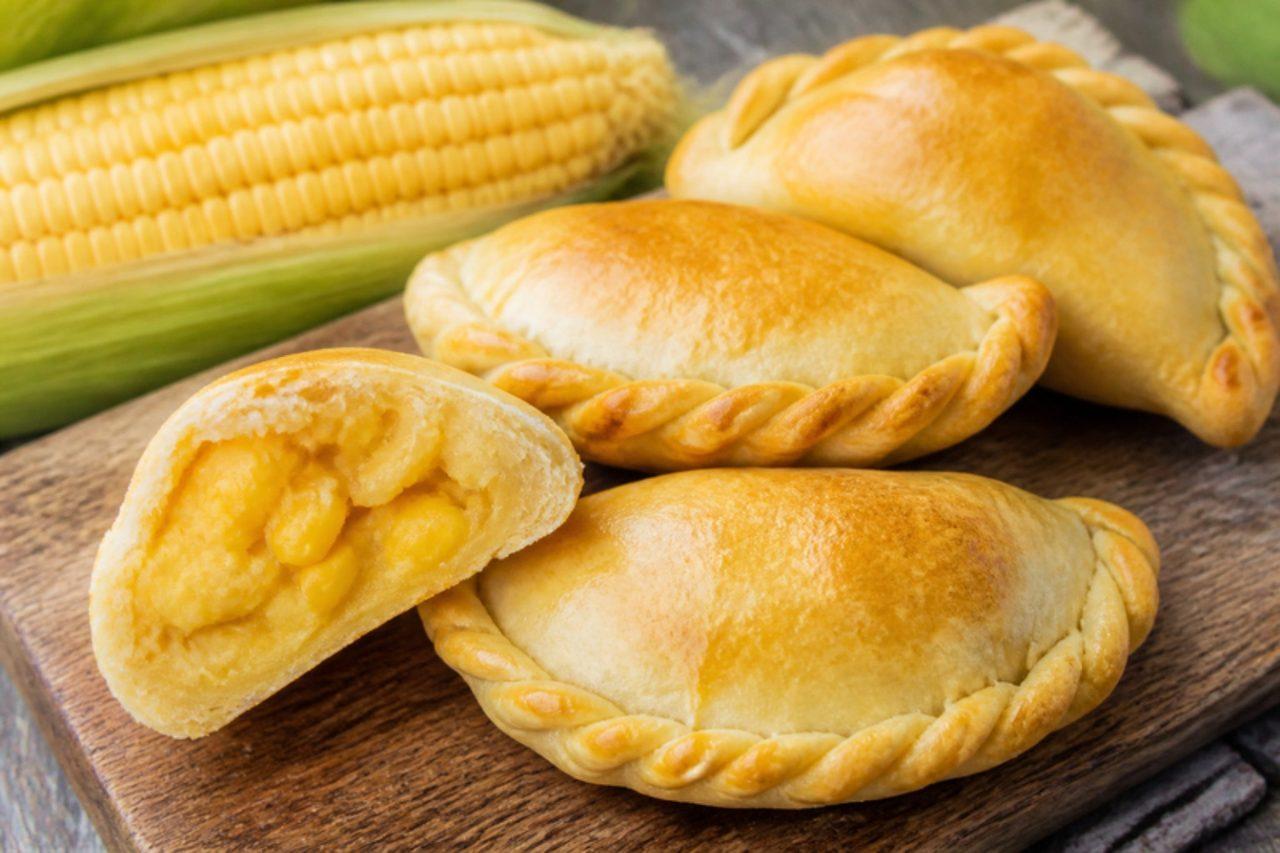
Empanadas de humita are the vegetarian favourite at every Argentine empanada shop, from Tucumán, which claims the best empanadas in the country, to the delivery menus of Buenos Aires. The filling is sweetcorn and onion cooked with red pepper, nutmeg and a little white sauce until creamy, then folded into wheat pastry discs and closed with the twisted edge (repulgue) that tells you what's inside. Unlike the husk-wrapped humita en chala, these are baked and golden. Chef's tip: chill the filling until firm before filling; warm filling melts the pastry and the empanadas open in the oven.

by KrazyBadal 0 views

Jhangora ki kheerBarnyard millet pudding

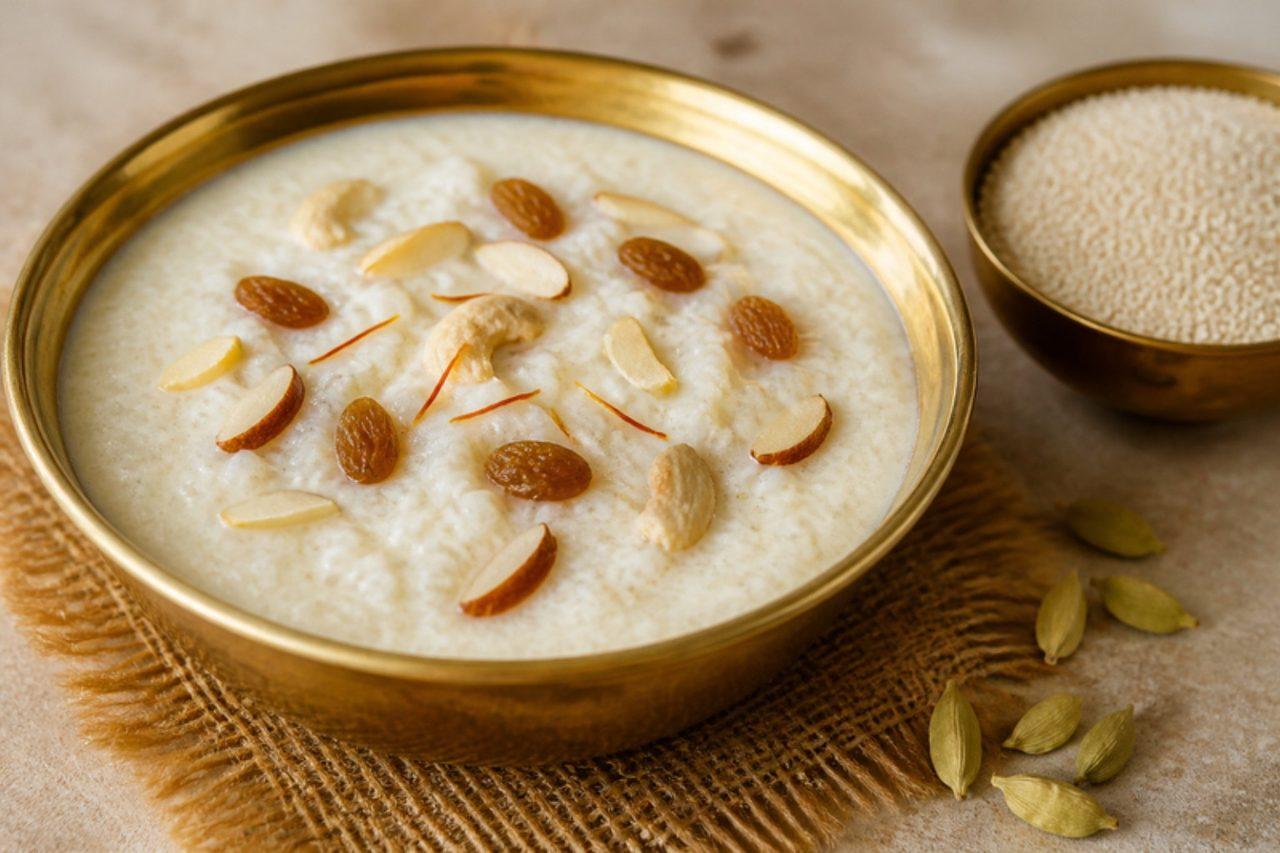
Jhangora is barnyard millet, a hardy grain that grows on the high fields of Garhwal and Kumaon, and this kheer is how most hill families turn it into something special. It cooks faster than rice kheer and ends up softer and silkier, with a light, nutty taste. Because millet isn't a cereal grain, it's eaten on Navratri and Ekadashi fasts, when you'll find bowls of it at temples and in homes from Rishikesh to Chamoli. It is just as good chilled the next day. Chef's tip: soak the millet for 20 minutes before cooking; it softens evenly and you won't be left with hard little grains in the pudding.

by KrazyBadal 0 views

Juju dhauThick sweet curd

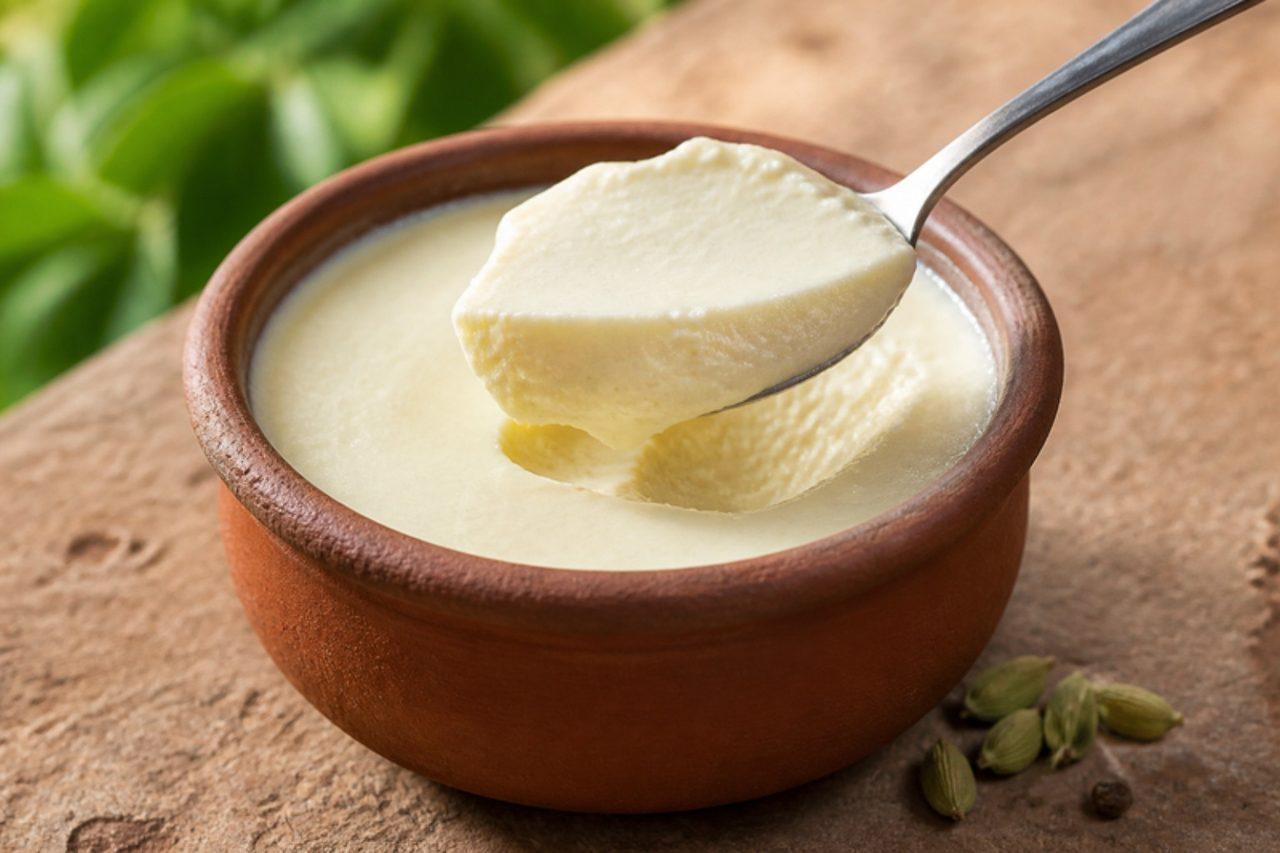
Juju dhau means king of curds in the Newar language, and it belongs to Bhaktapur, the old brick-and-temple city east of Kathmandu, where it is sold in round clay bowls from shops around Durbar Square and taken home by the stack. Full-fat milk, traditionally buffalo milk, is boiled down by a third until it is rich and faintly caramel, sweetened, then set overnight in unglazed clay pots that soak up the whey, leaving a custard-thick, creamy yogurt with a pale golden skin. No wedding, festival or important meal in the Valley ends without it, and it is eaten on its own with a small spoon. People often rush the reduction, and the yogurt then sets thin and sour. Chef's tip: if you don't have clay pots, set it in ceramic ramekins and pour off any whey after setting; and keep it warm and undisturbed, wrapped in a blanket, so it sets in one smooth layer.

by KrazyBadal 0 views

BorhaniSpiced mint yogurt drink

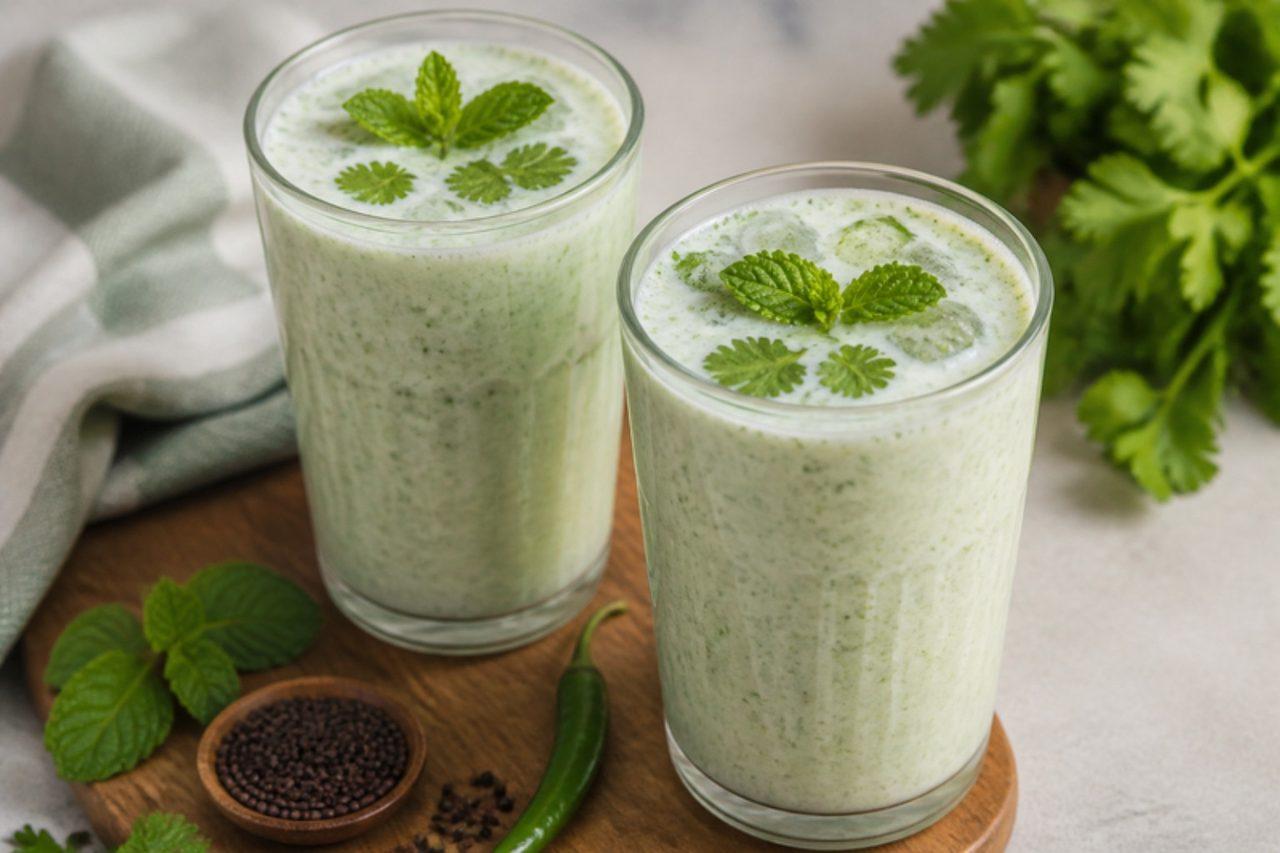
At a Bangladeshi wedding in Dhaka, the moment the kacchi biryani comes out, so do glasses of pale green borhani. It's a thin, salty-spicy yoghurt drink blended with mint, coriander, green chilli, black salt and a whisper of ground mustard, made to cut through a rich meal and settle the stomach. Pour it alongside any spiced rice dish, including a vegetable biryani or bhuna khichuri. Chef's tip: the ground mustard seed is the signature; toast it lightly first and grind it fine, or the drink turns bitter.

by KrazyBadal 0 views

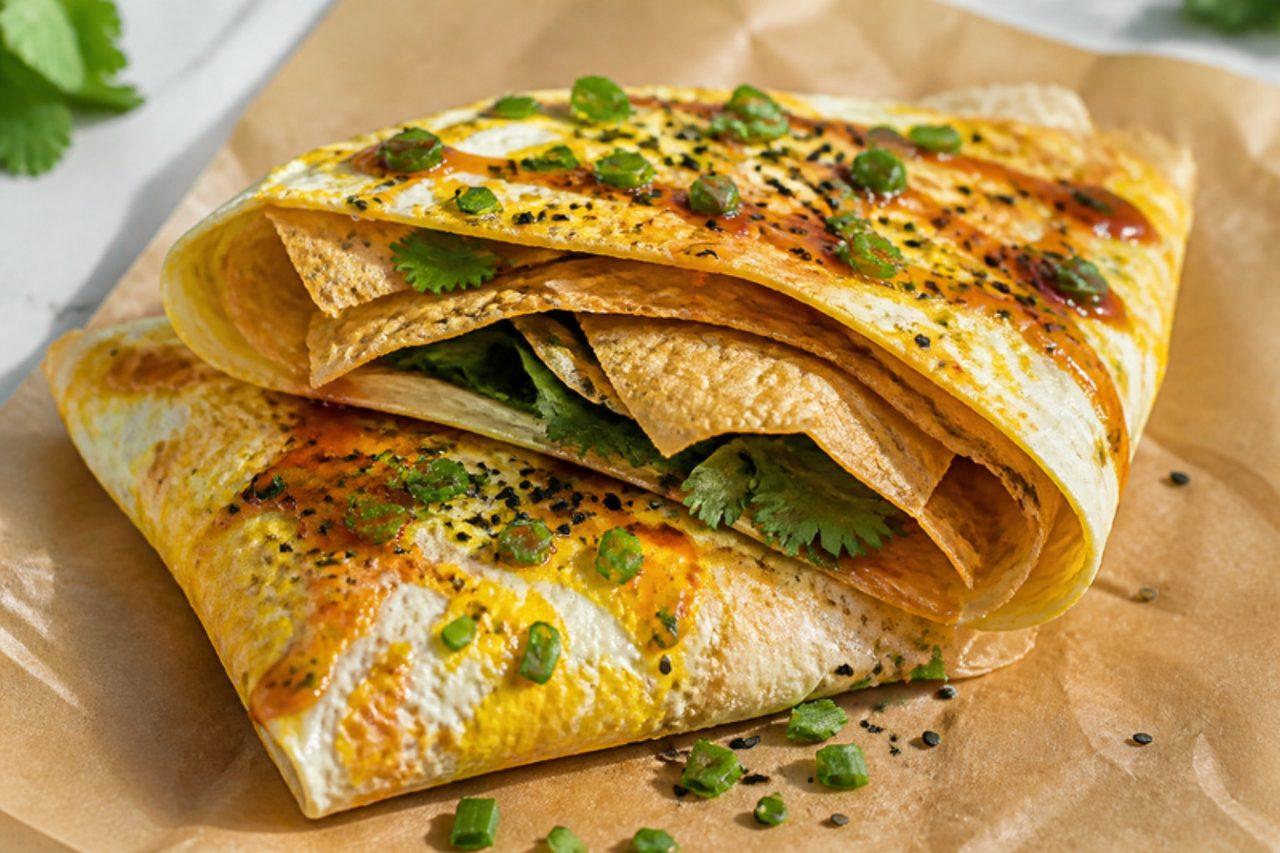
JianbingSavoury egg crêpe

Jianbing guozi began in Tianjin and is now Beijing's favourite breakfast on the go: a crêpe spread on a round griddle, cracked over with egg, brushed with sauces and folded round a crunchy fried cracker. Vendors make one in two minutes; at home a large non-stick pan works. The batter mixes mung bean and wheat flour for a tender, slightly nutty pancake. Chef's tip: spread the batter thin and fast while the pan is hot, then lower the heat before adding the egg so the crêpe stays pliable.

by KrazyBadal 0 views

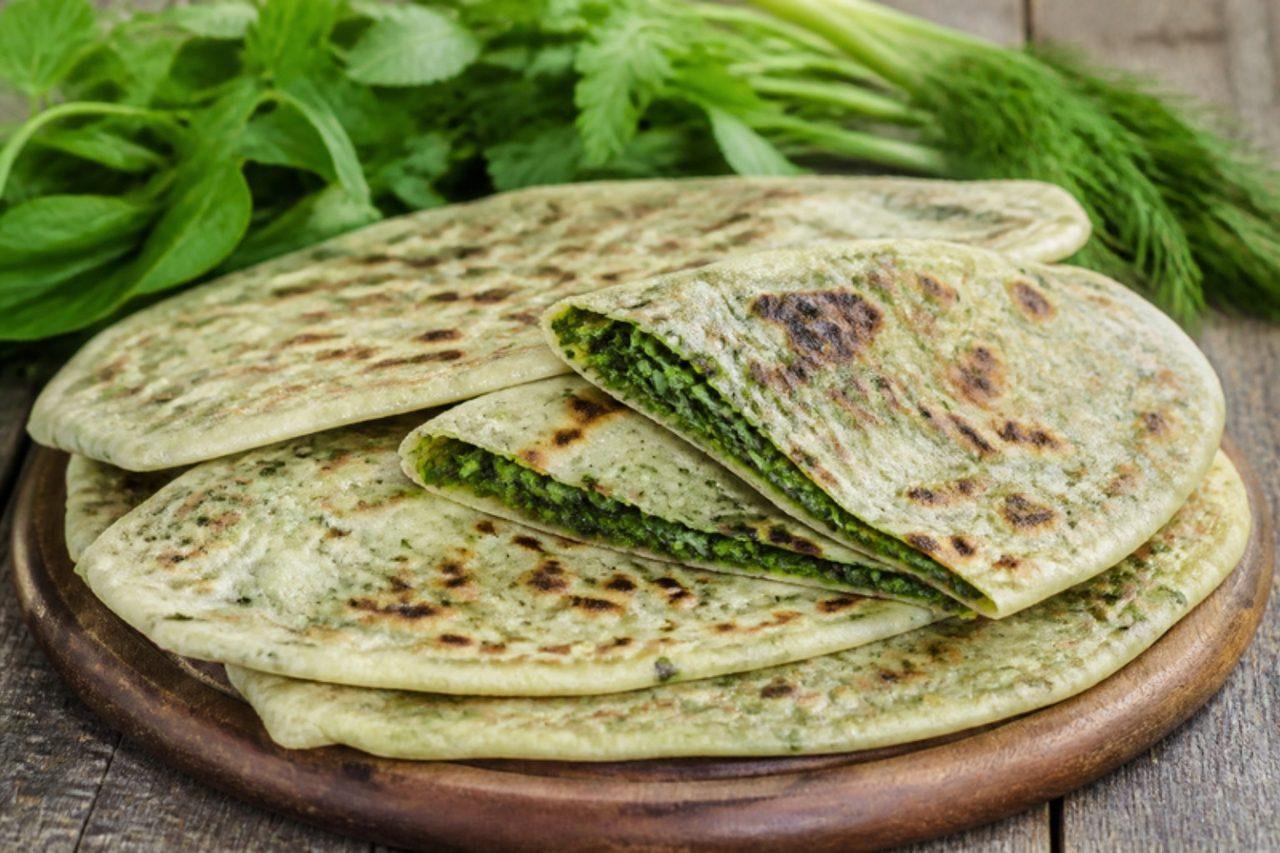
Jingalov hatsWild greens flatbread

Jingalov hats comes from Artsakh (Nagorno-Karabakh), where women in Stepanakert markets would roll the dough around armfuls of greens and cook the flat parcels on a hot saj in front of the queue. The filling is nothing but herbs and leaves, ten to twenty kinds when spring greens are at their best: sorrel, spinach, dill, coriander, spring onion, beet leaves, mint and nettle, wilted with oil and salt. The bread is eaten hot from the griddle at Easter and through Lent, folded in half and dripping with green juices. Displaced families now sell it in Yerevan, where it has become a street-food symbol of home. Chef's tip: mix at least six different greens and keep some sharp ones such as sorrel or lemon juice in the mix; with spinach alone the filling tastes flat.

by KrazyBadal 0 views

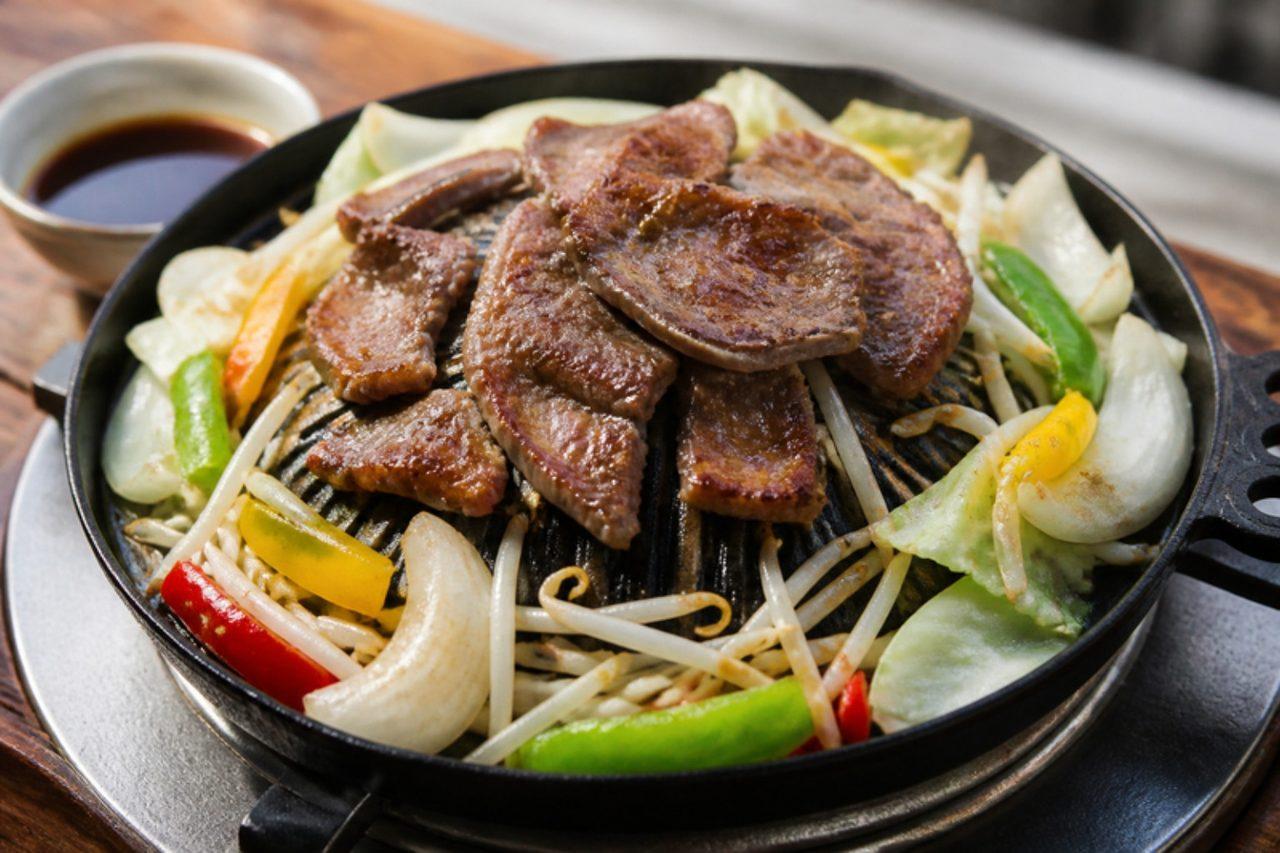
JingisukanGrilled lamb and vegetables

When the cherry trees bloom in Sapporo in early May, parks fill with groups grilling lamb on ridged, dome-shaped pans, and the city's beer halls serve it all year. Named after Genghis Khan, the dish grew up after Hokkaido began raising sheep for wool in the early 20th century. In the Sapporo style, plain lamb is seared on the hump of the pan while bean sprouts, onion and pumpkin cook on the rim in the dripping juices, and everything is dipped in a fruity soy sauce. No domed pan? A heavy frying pan or flat griddle works well. Chef's tip: grease the pan with a piece of lamb fat rather than oil, as it gives the vegetables a rich, meaty flavour.

by KrazyBadal 0 views

JolpanFlattened rice with curd and jaggery

Jolpan is how Assam starts the morning of Magh Bihu and Bohag Bihu, and how guests are welcomed in villages all year: a bowl of chira (flattened rice), muri, or sticky bora saul, served with thick curd, yellow jaggery or gur, and sometimes cream. It is not cooked so much as assembled, and every family has its own order: soak the chira, top with doi, crumble in gur. Variants such as komal saul (a soft rice that needs only soaking) are also jolpan. Chef's tip: rinse the chira quickly and drain it at once; a long soak turns it to paste.

by KrazyBadal 0 views

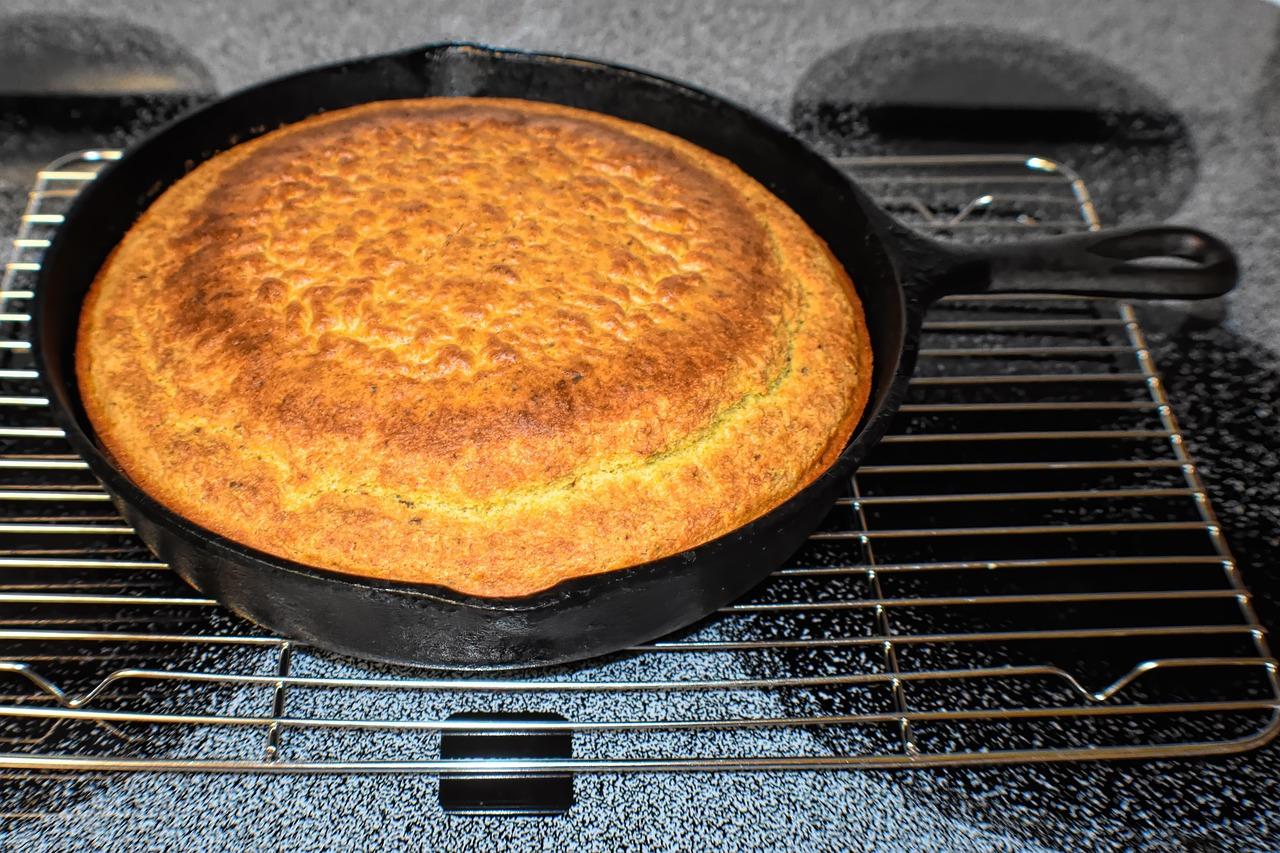
Maize pie

A soft, savoury pie of blended boiled maize folded into a peppery white sauce and baked until golden on top. It's mild and comforting, a little like a corn pudding, and children love it. The eggs are optional: they make it set firmer. Serve hot with a salad or tomato stew.

by KrazyBadal 0 views

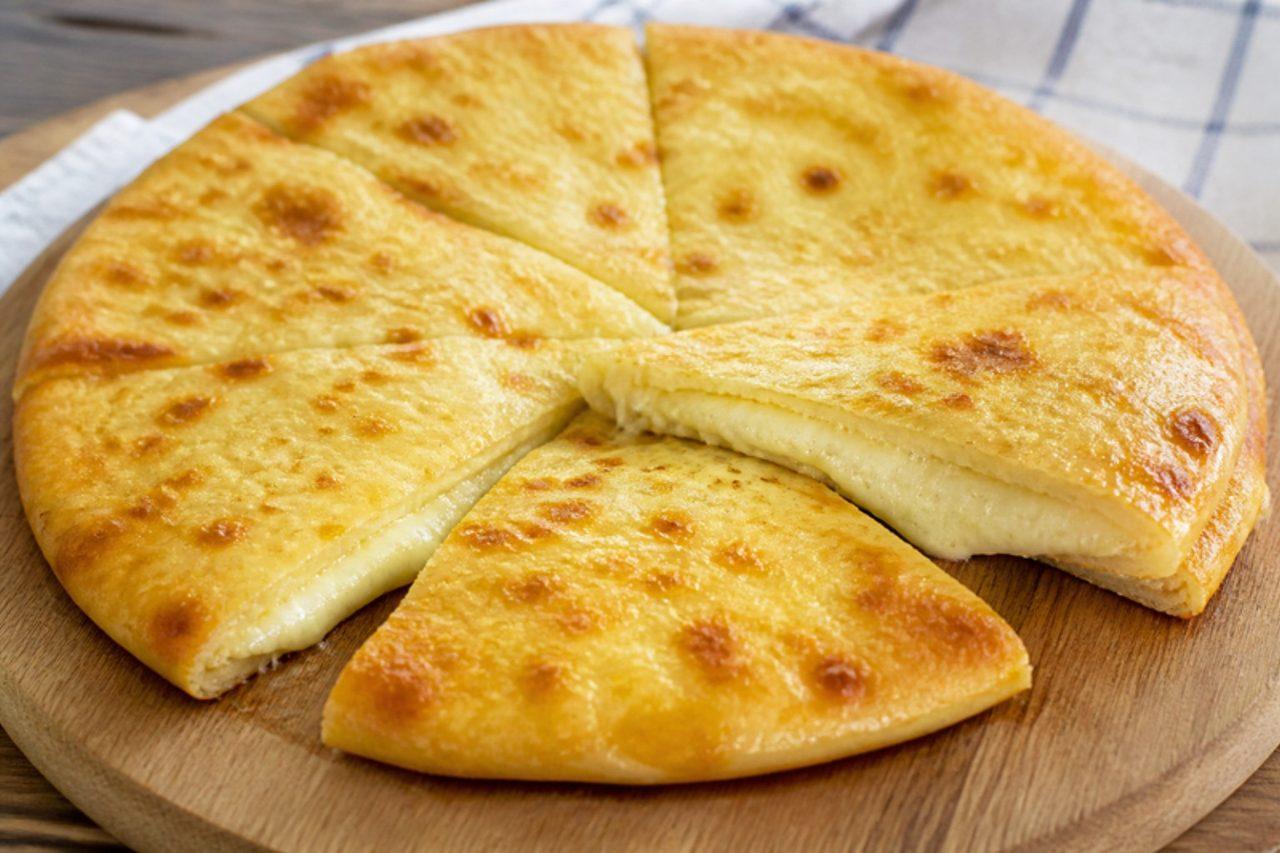
Imeruli khachapuriRound cheese-filled bread

In Imereti, the region around Kutaisi in western Georgia, this flat round cheese bread is everyday food, and it is the one most families make at home: a tender, quick dough leavened with matsoni (Georgian yogurt) and soda, wrapped around a cheese ball and cooked in a dry frying pan. It is cut into wedges like a pizza and set on the table for breakfast, for a feast, or packed for a long car journey. Georgian imeruli and sulguni cheeses are hard to find outside Georgia, so this uses mozzarella with feta for the salty tang. Choose cheeses labelled vegetarian (microbial rennet). Children love it plain, still warm. A common mistake is rolling it out with heavy pressure, which tears the thin dough so the cheese leaks and burns in the pan. Chef's tip: press it out gently with your fingertips from the centre outwards, and if a small hole appears, pinch a scrap of dough over it before it reaches the pan.

by KrazyBadal 0 views

Nigerian meat pie

No Nigerian party, from a Lagos wedding to a child's birthday in Abuja, is complete without a tray of meat pies. Rich, crumbly short pastry is folded around a filling of minced beef, diced potato and carrot cooked with thyme and curry powder, crimped with a fork and baked golden. They are just as popular as a bakery snack with a cold drink. A common mistake is filling the pastry with hot or runny filling, which melts the butter and makes soggy pies; cool it and thicken it first. Chef's tip: keep the dough cold, and rest it in the fridge for 30 minutes before rolling so the pies stay short and flaky.

by KrazyBadal 0 views

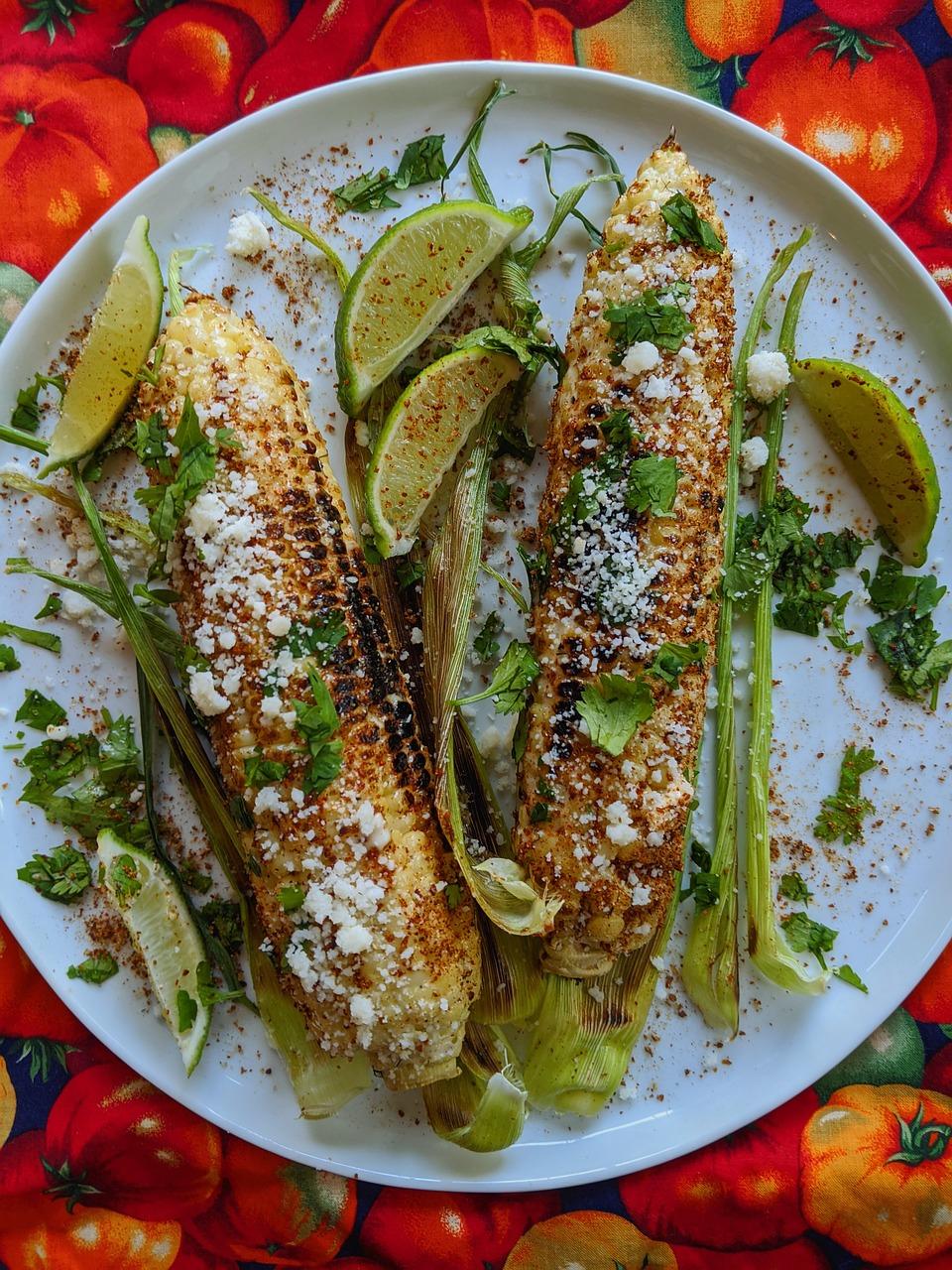
EloteMexican street corn

Elote (corn on the cob) is sold all over Mexico from street carts in the evening: grilled or boiled cobs speared on a stick, slathered in mayonnaise and crema, rolled in crumbly cotija cheese and dusted with chilli powder, with a squeeze of lime. Charring the corn adds smokiness to the sweet kernels, and the creamy, salty, sour and hot toppings make it irresistible. Serve it at a barbecue or as a snack; kids can skip the chilli. Cotija is often made with animal rennet, so use a vegetarian-rennet feta or a vegetarian hard cheese if that matters to you. Chef's tip: let the cobs cool for a minute before spreading the mayonnaise, so it clings rather than sliding off.

by KrazyBadal 0 views

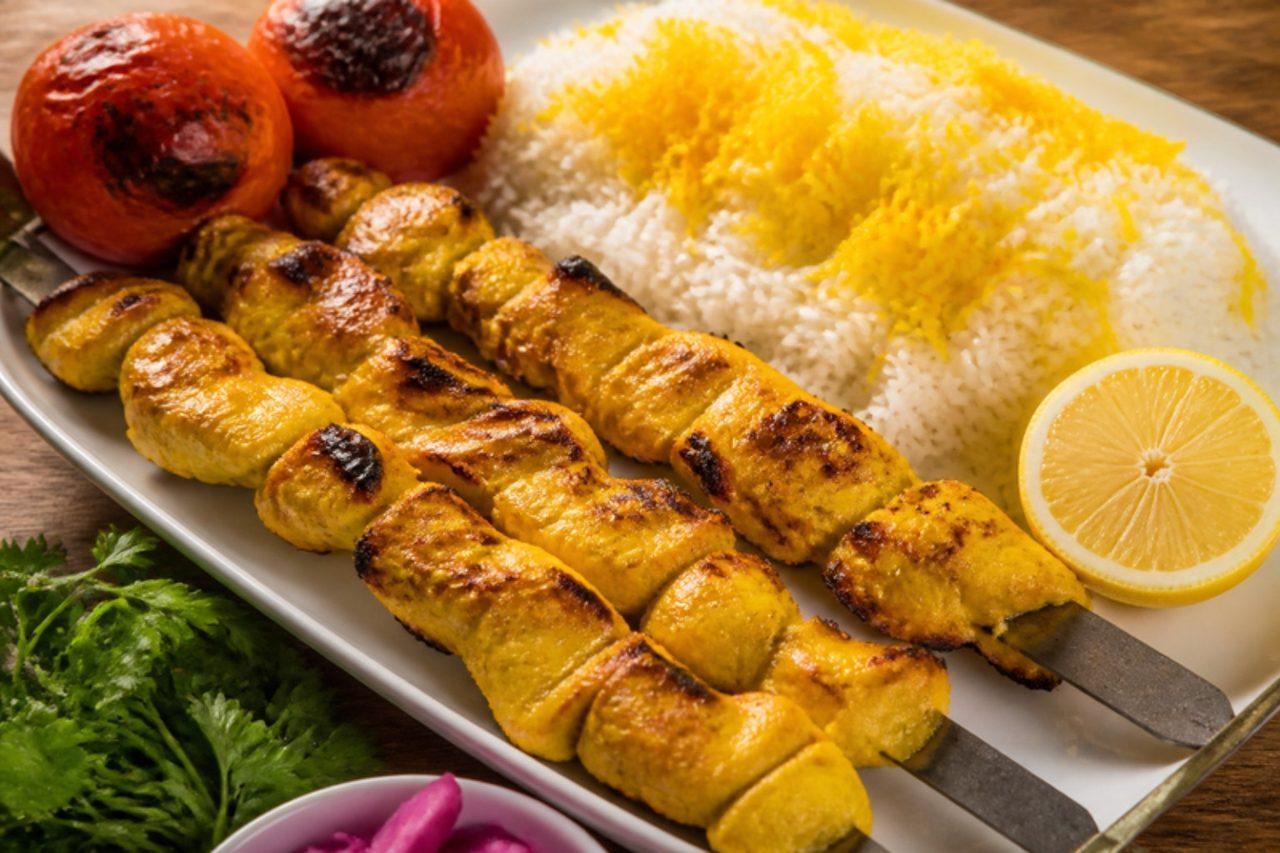
Joojeh kababSaffron chicken skewers

Joojeh kabab is what fills Tehran's parks on Sizdah Bedar, the thirteenth day of Nowruz, when families picnic outdoors and grills smoke under the plane trees; it is just as common on restaurant platters beside koobideh. Chunks of chicken soak overnight in yogurt, grated onion, lemon and bloomed saffron, then cook fast over high heat so the edges char while the middle stays juicy and golden-orange. Serve with buttery chelow rice, grilled tomatoes and a pinch of sumac. Chef's tip: grind the saffron threads with a pinch of sugar before steeping them in hot water; you get twice the colour from the same few threads.

by KrazyBadal 0 views

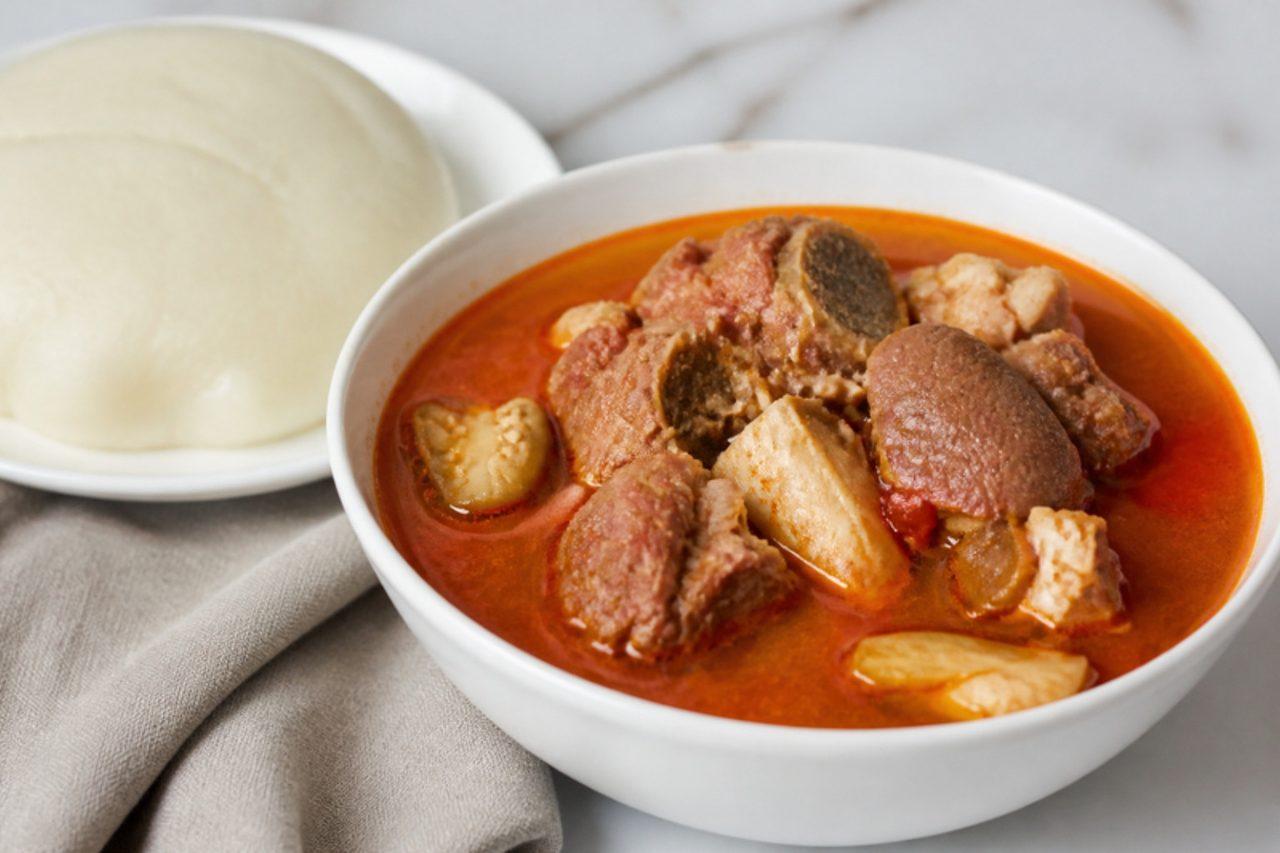
Ghanaian light soup with goat

Light soup is the everyday soup of southern Ghana, cooked in Accra and Kumasi homes several times a week and served alongside fufu, omo tuo (rice balls) or banku, with each bite dipped in the hot broth. Goat meat is the favourite, though chicken light soup is just as common: use 1.2 kg of bone-in chicken pieces and cut the simmering time to 35 minutes. Tomatoes, onion, ginger and pepper are boiled whole with the meat, then blended and strained back in, so the soup is clear, bright orange and very peppery but never heavy. The usual mistake is skipping the straining step, which leaves the soup gritty with seeds and skins. Chef's tip: steam the goat in its seasoning with no water for the first 15 minutes; the meat flavours the whole soup from the inside.

by KrazyBadal 0 views

Empanadas salteñasBaked beef empanadas

In Salta, in Argentina's far northwest, empanadas are small, sealed with a tight twisted edge (the repulgue) and so juicy that locals eat them leaning forward with their feet apart. The filling is hand-cut beef with potato, spring onion, cumin and paprika, plus chopped hard-boiled egg; they are eaten at Sunday gatherings, at peñas with folk music and on any public holiday. The mistake that ruins them is filling them while the beef is still warm: the fat melts the pastry. Chill the filling until it is firm. Chef's tip: add a few spoonfuls of the cooking juices to the cold filling; they set to a jelly in the fridge and melt in the oven, which is where the famous juiciness comes from.

by KrazyBadal 0 views

Empanadas venezolanasFried corn empanadas

Venezuelan empanadas are big, crisp half-moons made with white precooked corn flour, fried to order at beach kiosks on Margarita Island and at breakfast stands across Caracas. Compared with the small, potato-filled Colombian empanadas, they are larger, paler and often a little sweet in the dough, and the classic vegetarian fillings are simply grated white cheese or black beans with cheese (like an arepa dominó). Eat them hot with guasacaca or a squeeze of lime. Chef's tip: add a spoonful of sugar to the dough; it helps the crust turn golden and blistered in the oil.

by KrazyBadal 0 views

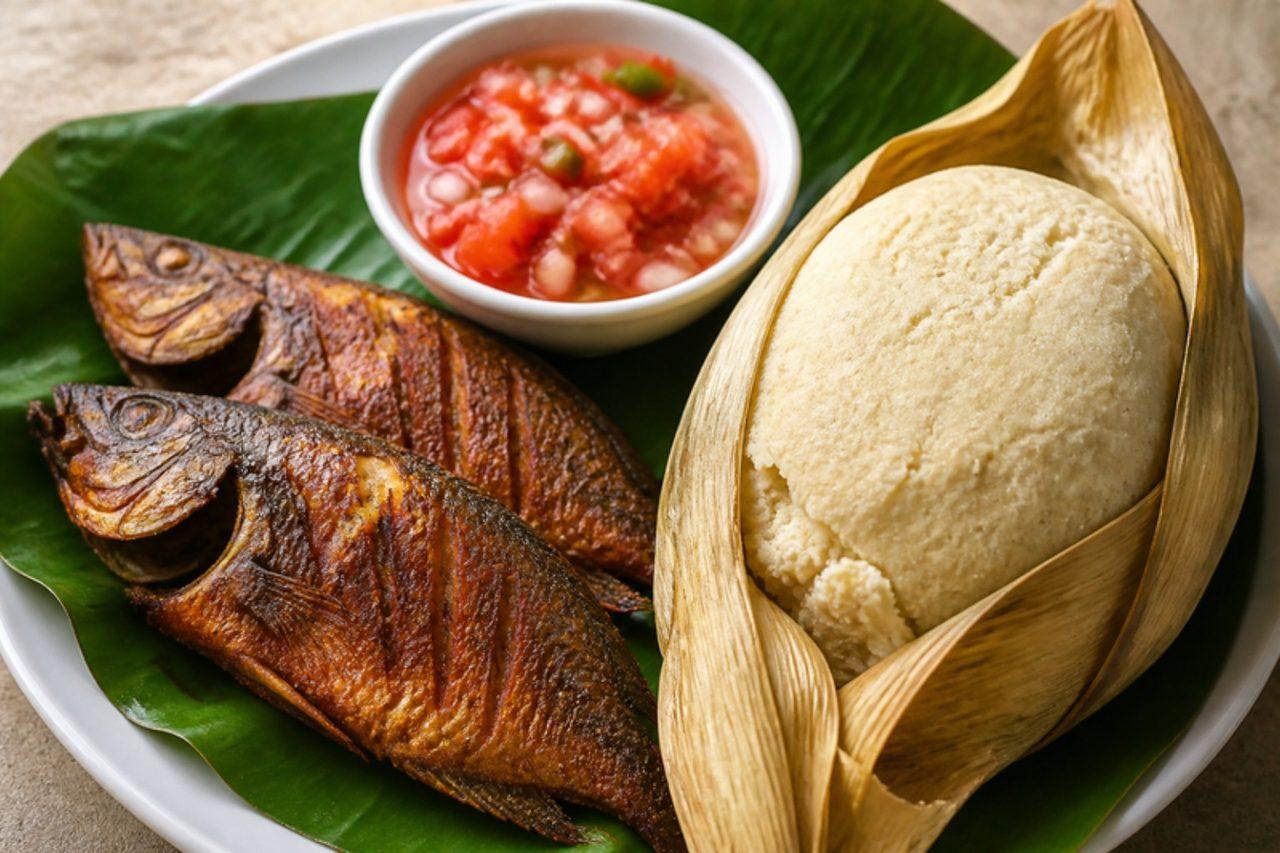
Kenkey with fried fish and pepper sauce

In Accra and along the Ga coast, kenkey is lunch: balls of fermented corn dough, steamed in dried corn husks, eaten with crisp whole fried fish and a sharp raw pepper sauce. Kenkey takes days to ferment and is sold everywhere ready-made in its husks, so buy it from an African grocer and make the fish and sauce at home. Small whole fish such as tilapia, red snapper or mackerel are scored, seasoned and fried until the skin crackles. The common mistake is moving the fish in the pan too soon; leave it alone until the first side is crisp, or the skin tears and sticks. Chef's tip: dust the fish very lightly with flour after drying it, and it fries crisp without spitting.

by KrazyBadal 0 views

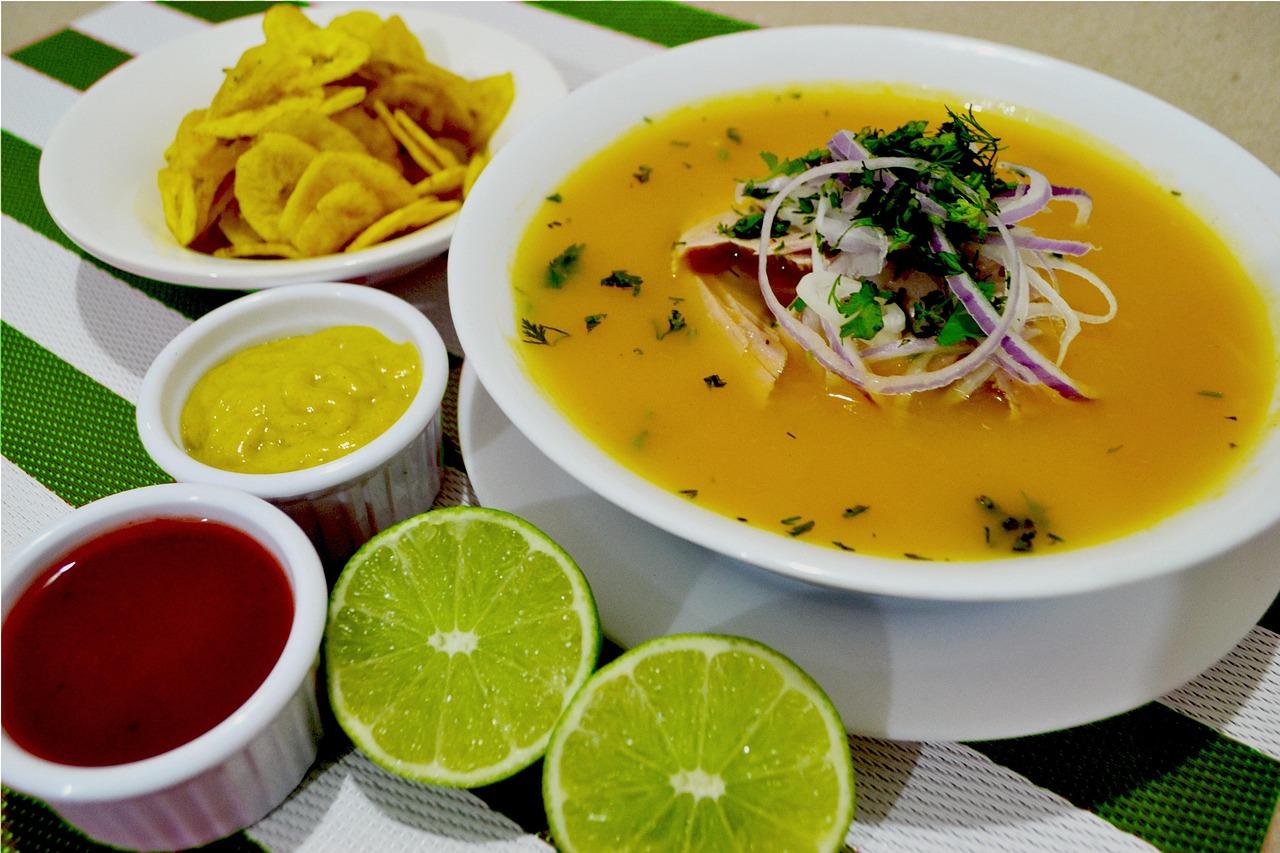
EncebolladoTuna and yuca soup

Encebollado is the morning soup of Guayaquil and the Ecuadorian coast, sold from street carts and small cevicherías from dawn and famous as a cure after a late night: tuna poached in a broth of tomato, cumin and chilli, with soft chunks of yuca, topped with a heap of lime-pickled red onion and coriander, and eaten with banana chips (chifles) and popcorn. The mistake is boiling the tuna until it goes dry; poach it gently and add it back at the end. Chef's tip: pickle the onion at least 20 minutes ahead so it turns pink and loses its sharpness.

by KrazyBadal 0 views

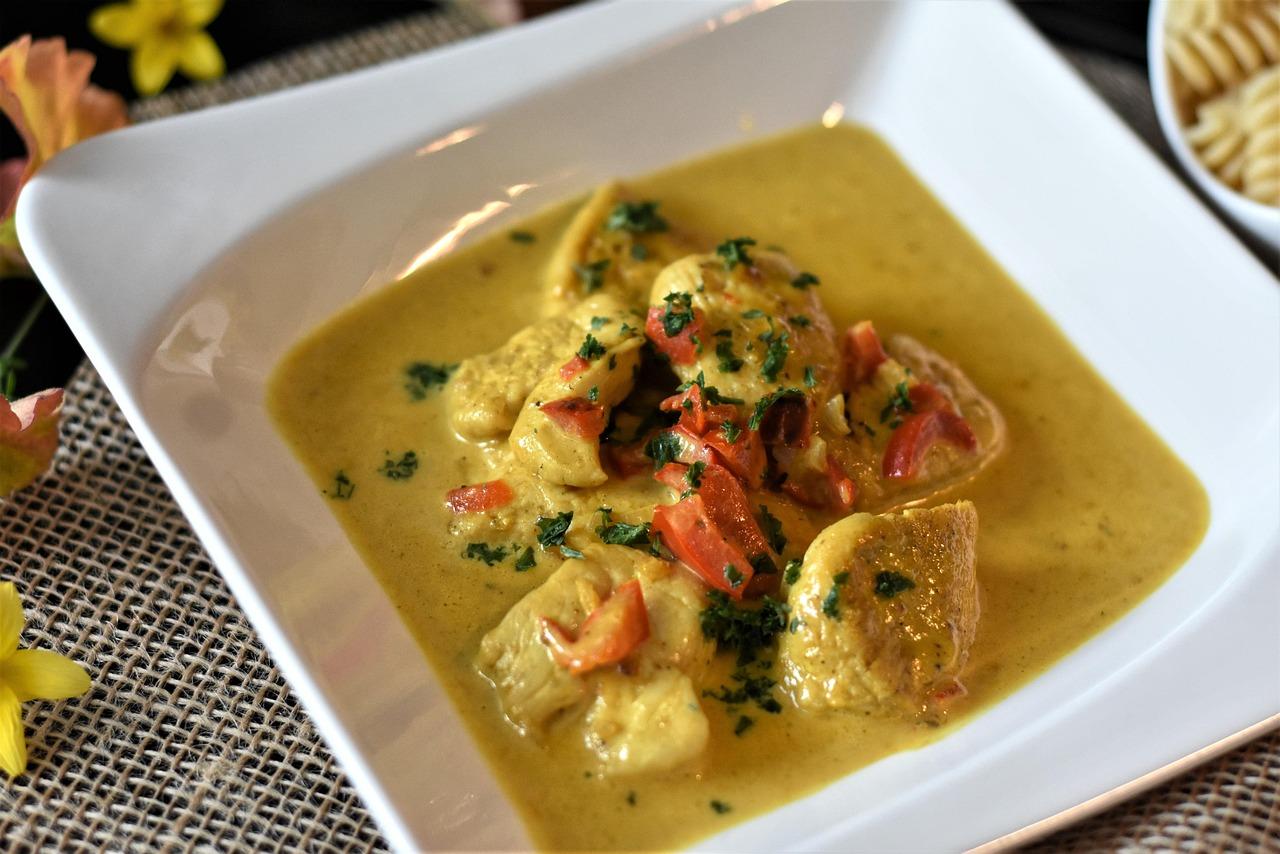
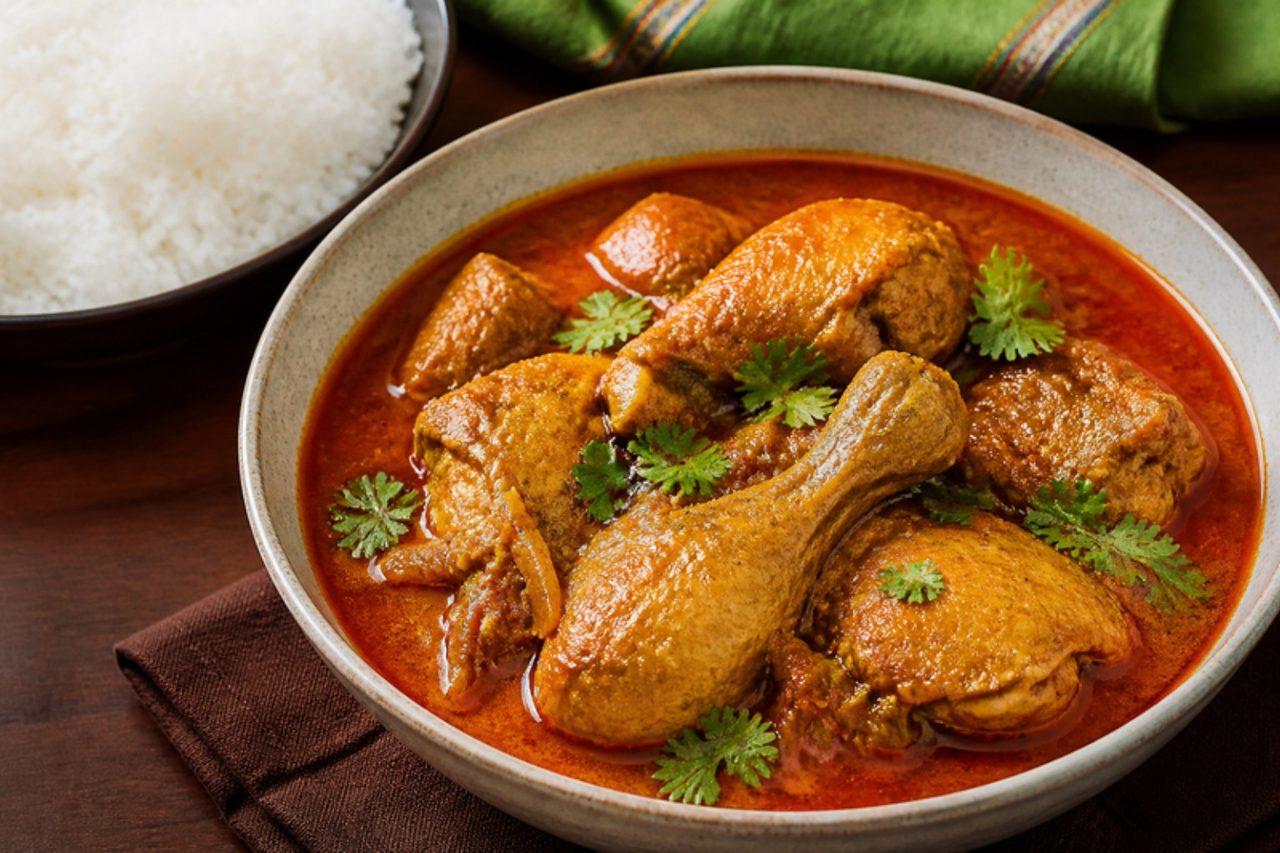
Cape Malay chicken curry

In Cape Town's Bo-Kaap, the brightly painted quarter under Signal Hill, Cape Malay families cook this curry for Sunday lunch and for Eid. It is gentler than an Indian curry: fragrant with cinnamon, cardamom, cloves and fennel, sweetened with dried apricots and a spoon of apricot chutney, and soured with a splash of vinegar and tomato. Potatoes simmer in the sauce with the chicken. Serve it with yellow rice (geelrys), sambals and chutney. A common mistake is adding the potatoes too late, so they stay hard in a finished curry; they go in with the chicken. Chef's tip: let the whole spices sizzle in the oil until the cinnamon unfurls before adding the onion, which builds the sweet perfume of the dish.

by KrazyBadal 0 views

Southern fried chicken

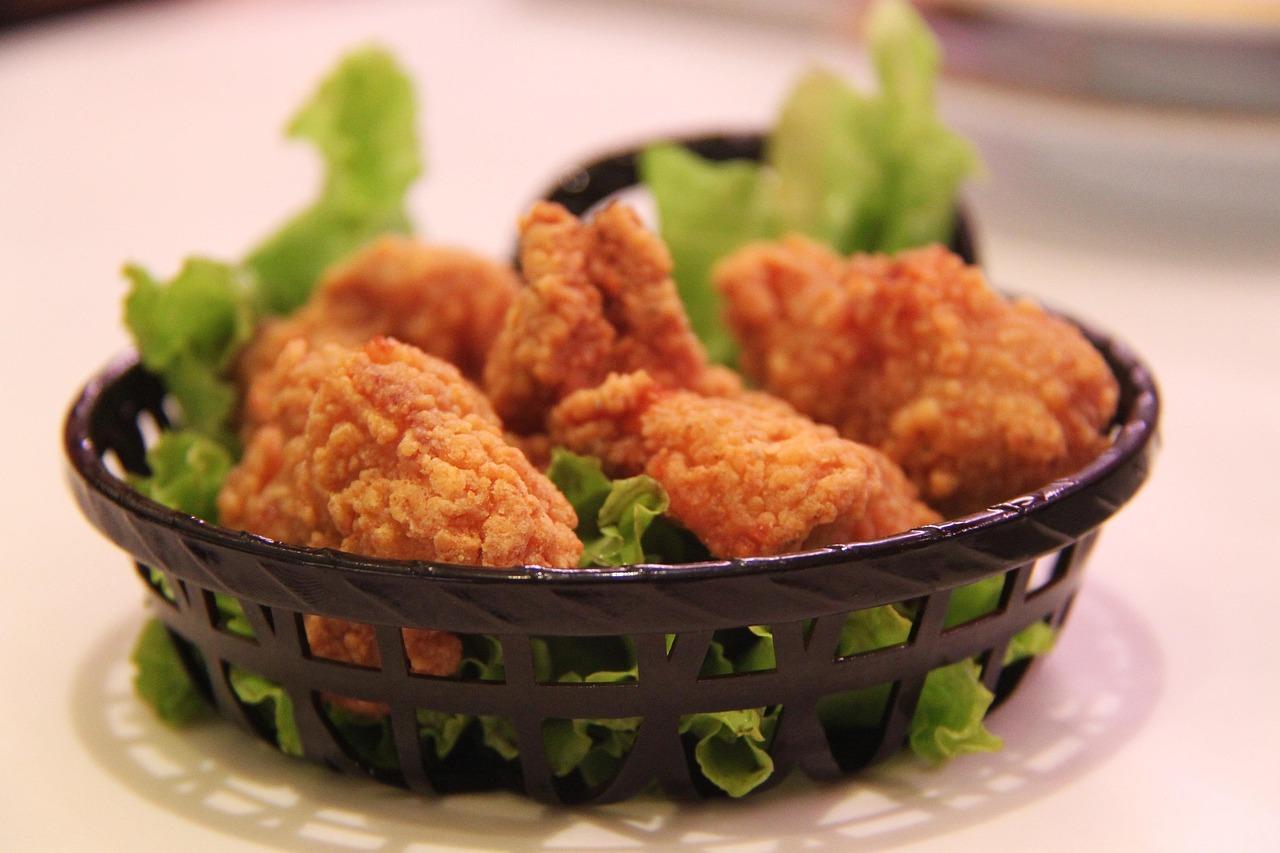
Across Georgia, Tennessee and the Carolinas, a platter of fried chicken still anchors Sunday dinner after church and every summer family reunion. Bone-in pieces soak overnight in salted, peppery buttermilk, which seasons the meat right through and keeps it juicy, then get a craggy flour coat that fries up deep gold and crackly. Serve hot or at room temperature with coleslaw, biscuits, mashed potatoes or corn on the cob. Chef's tip: let the dredged pieces sit on a rack for 15 minutes before frying so the coating turns slightly pasty; it clings better and makes the crunchiest crust.

by KrazyBadal 0 views

Buñuelos colombianosCheese and cassava fritters

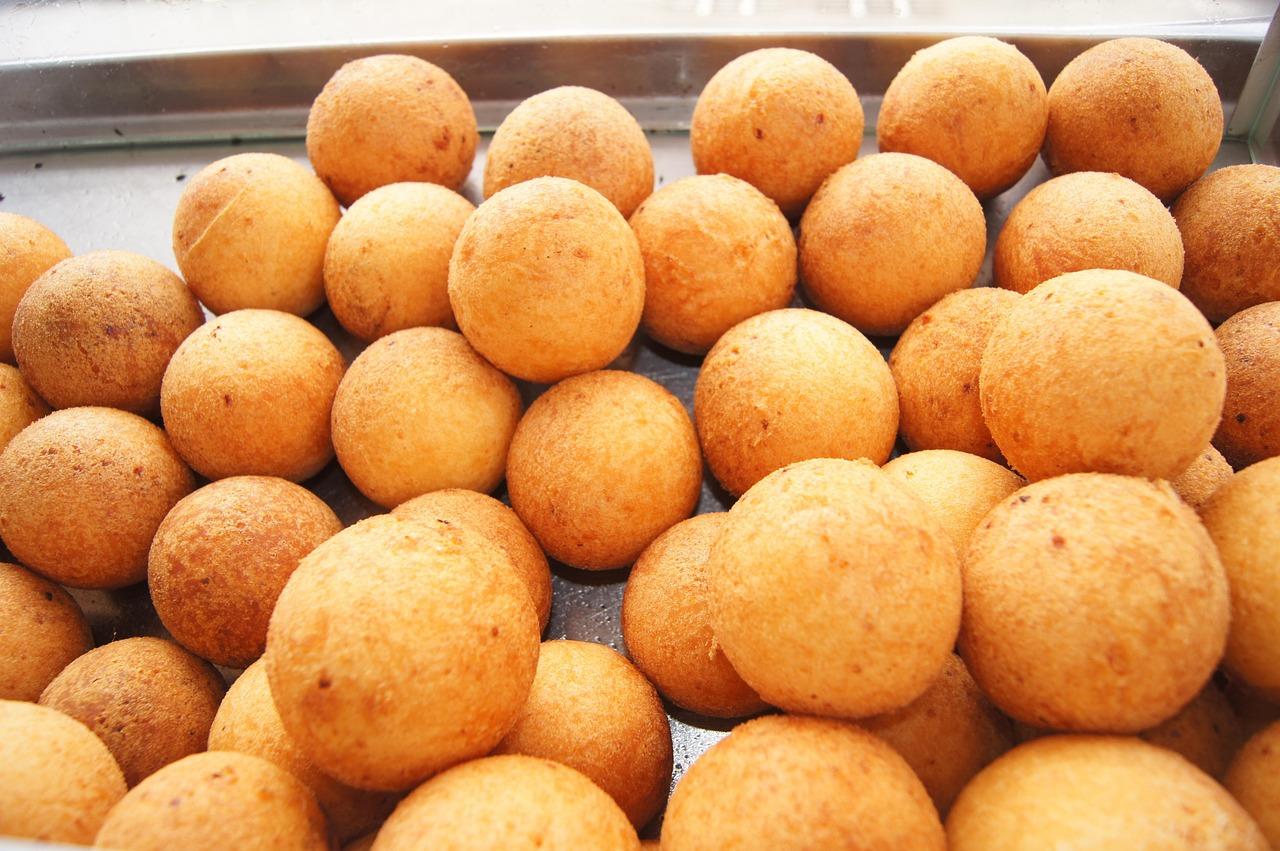
In December, Colombian families gather for the novena de aguinaldos, nine evenings of prayers and carols before Christmas, and the reward afterwards is a plate of hot buñuelos with a bowl of natilla. These little golden balls are made from crumbly cheese, cassava starch and cornflour, fried until they puff and roll themselves over in the oil. They are crisp outside, airy and cheesy inside. Chef's tip: start the oil only warm, around 150 °C; buñuelos fried too hot crack open and stay raw in the centre.

by KrazyBadal 0 views

Peking duck (home style)

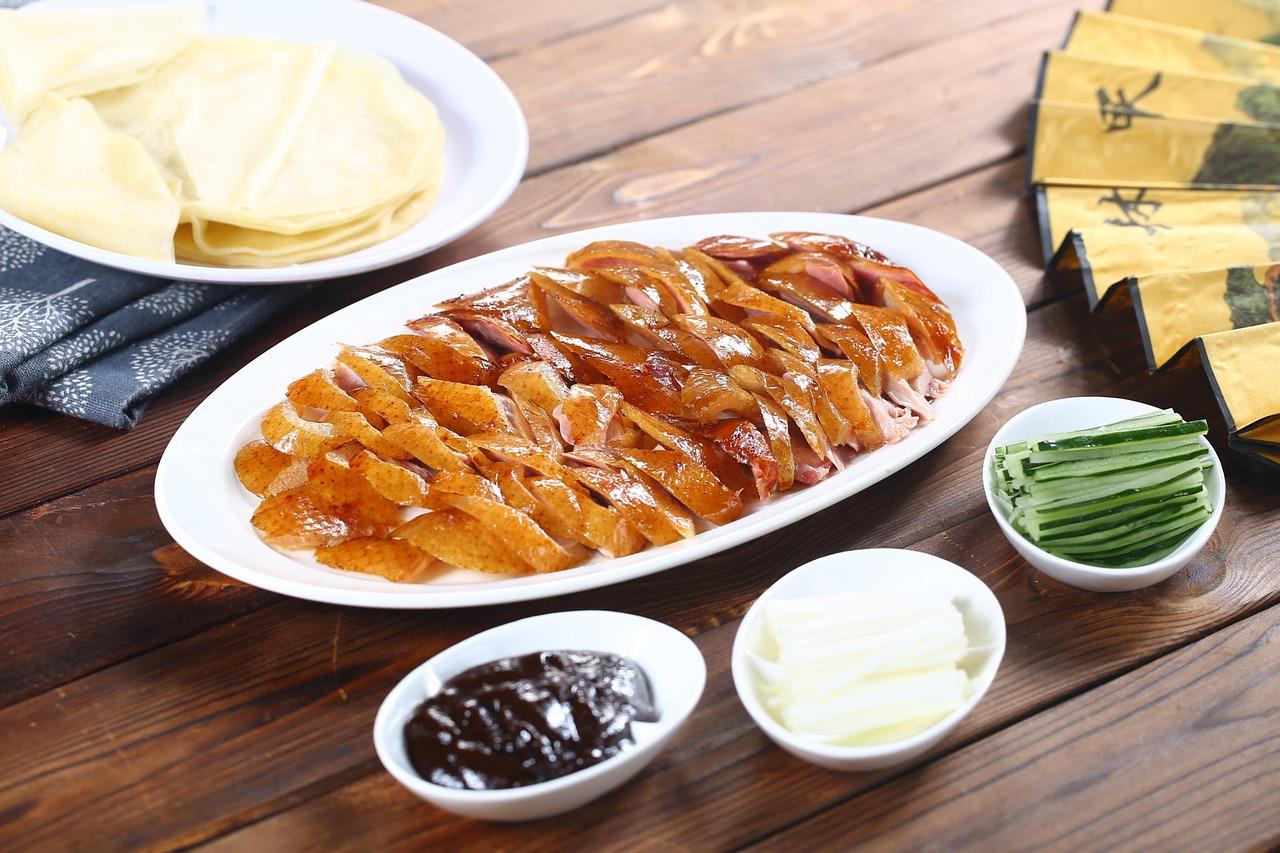
Beijing's famous roast duck is a banquet showpiece, carved at the table in restaurants near Qianmen and eaten in thin wheat pancakes with sticks of cucumber, spring onion and a smear of sweet bean sauce. Restaurants use hanging ovens and inflate the skin with air; at home a scald with boiling water, a sweet vinegar glaze and a night uncovered in the fridge get you most of the way there. The prize is the lacquered, glass-crisp skin, with the meat underneath still juicy. Serve it as the centrepiece of a family feast, followed by a simple soup made from the carcass. Chef's tip: dry the duck uncovered on a rack in the fridge for at least 12 hours; a dry skin is the whole secret.

240 minChineseMeat
by KrazyBadal 0 views

Anhui bamboo shoots with ham

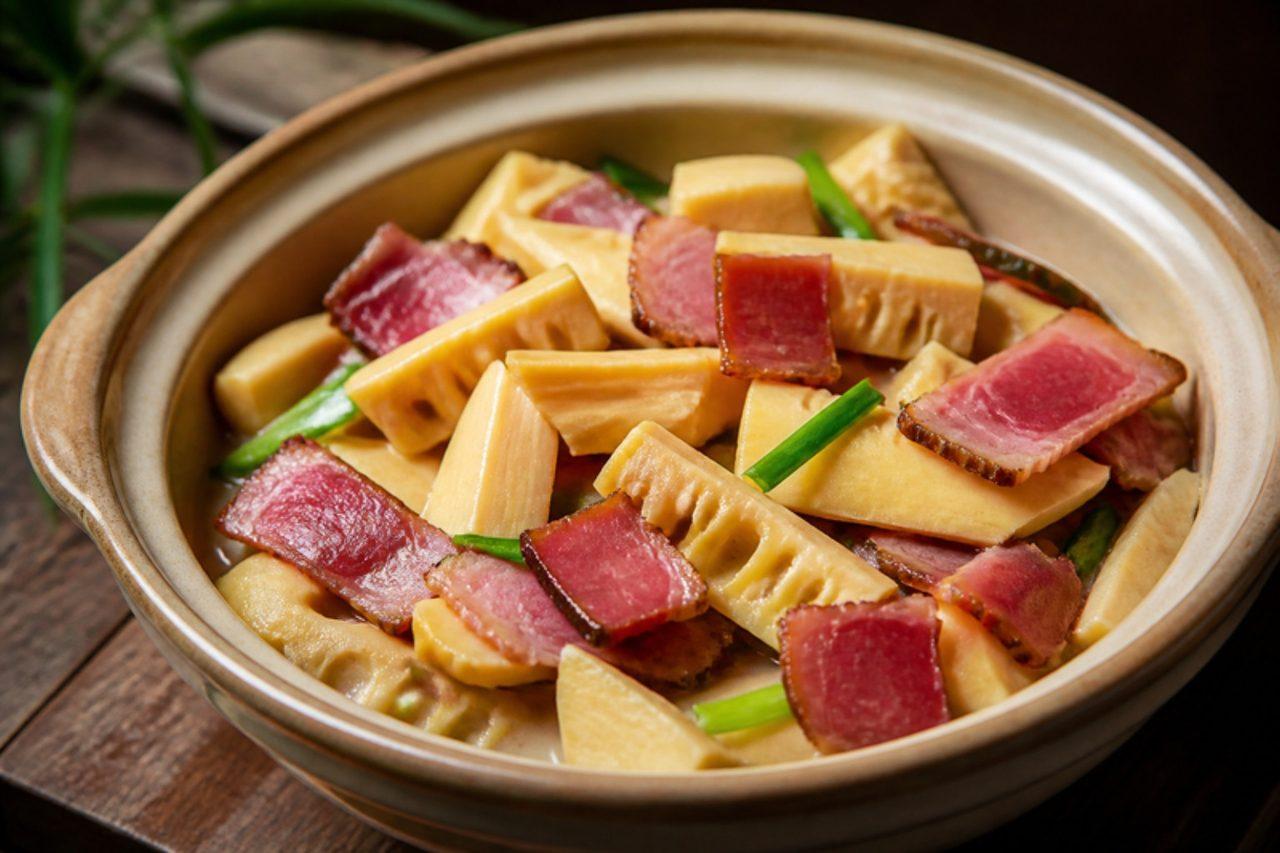
When the spring bamboo shoots push up through the hillsides of Huizhou, farmhouse kitchens braise them with chunks of the region's cured ham. The salty, deep-flavoured ham seasons the broth, and the shoots soak it up while keeping their crunch and gentle sweetness. Serve it as a side dish with rice and other plates, or as a light lunch by itself. Fresh bamboo shoots must be peeled and boiled before use, because raw shoots contain natural toxins; canned shoots are already cooked and only need rinsing. Chef's tip: taste the broth before adding any salt, as the ham often brings all the salt the dish needs.

by KrazyBadal 0 views

EpisGreen herb seasoning base

Epis is the jar that lives in every Haitian fridge, in Port-au-Prince flats and in Haitian kitchens in Miami, Montreal and Boston alike, and it's made fresh most weeks. Flat-leaf parsley, spring onion, garlic, sweet peppers and thyme are pounded or blended with a few cloves, a little scotch bonnet, oil and lime into a loose green paste. It is the first thing into the pot for rice and beans, legim and soup joumou, and it's rubbed over vegetables and tofu before they're fried. Raw it smells bright and herby; cooked it turns sweet, savoury and gently warm with clove. Chef's tip: use whole cloves and grind them yourself; just three or four give epis its signature warmth, but more turns it medicinal.

by KrazyBadal 0 views

Jukut urabGreens with spiced coconut

Jukut urab turns up on almost every Balinese rice plate and at temple-day feasts: blanched long beans, greens and bean sprouts tossed with freshly grated coconut that has been fried with a little bumbu of shallot, chilli, kencur and lime leaf. It is bright, crunchy and only gently hot, the fresh side dish that balances heavier ones. Many cooks add shrimp paste to the bumbu; this one leaves it out. Chef's tip: toss the vegetables and coconut only just before serving, or the coconut draws out water and the dish turns soggy.

by KrazyBadal 0 views

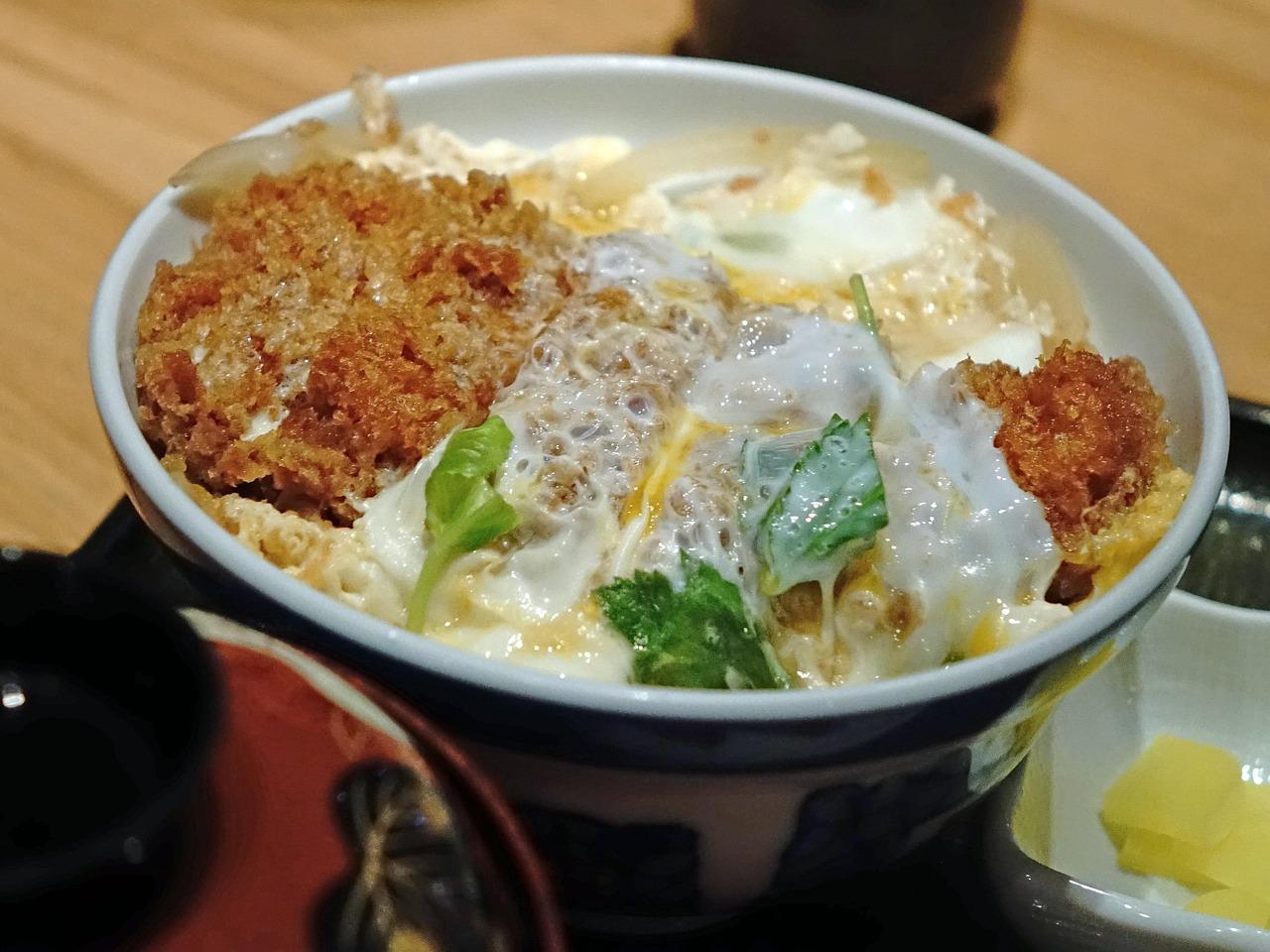
KatsudonPork cutlet and egg rice bowl

Japanese students often eat a bowl of katsudon the night before a big exam, because 'katsu' sounds the same as the verb 'to win'. Soba restaurants, set-meal shops and train-station stands all over Japan serve it, and it is a favourite takeaway lunch too. A panko-crusted pork loin cutlet is fried until golden, sliced, then simmered for a minute with onion and egg in sweet soy dashi. The top of the crust stays crunchy while the underside soaks up the sauce. Chef's tip: snip the fat along the edge of each cutlet in three or four places before breading, so the meat stays flat in the oil and cooks evenly.

by KrazyBadal 0 views

ErisseryPumpkin and cowpea curry

Erissery is the golden, slightly sweet pumpkin dish of the Onam sadya in Kerala, and a favourite in homes all through the harvest season when the yellow mathanga pumpkins are piled up in the markets. Soft pumpkin and red cowpeas are bound with a coconut, cumin and green chilli paste, and the whole pot is crowned with grated coconut fried in coconut oil until it turns the colour of cinnamon. That crunchy, nutty topping is what makes it erissery. Serve with rice and parippu, or scoop it up with chapati. Chef's tip: keep the pumpkin pieces large so some stay whole while others melt into the sauce.

by KrazyBadal 0 views

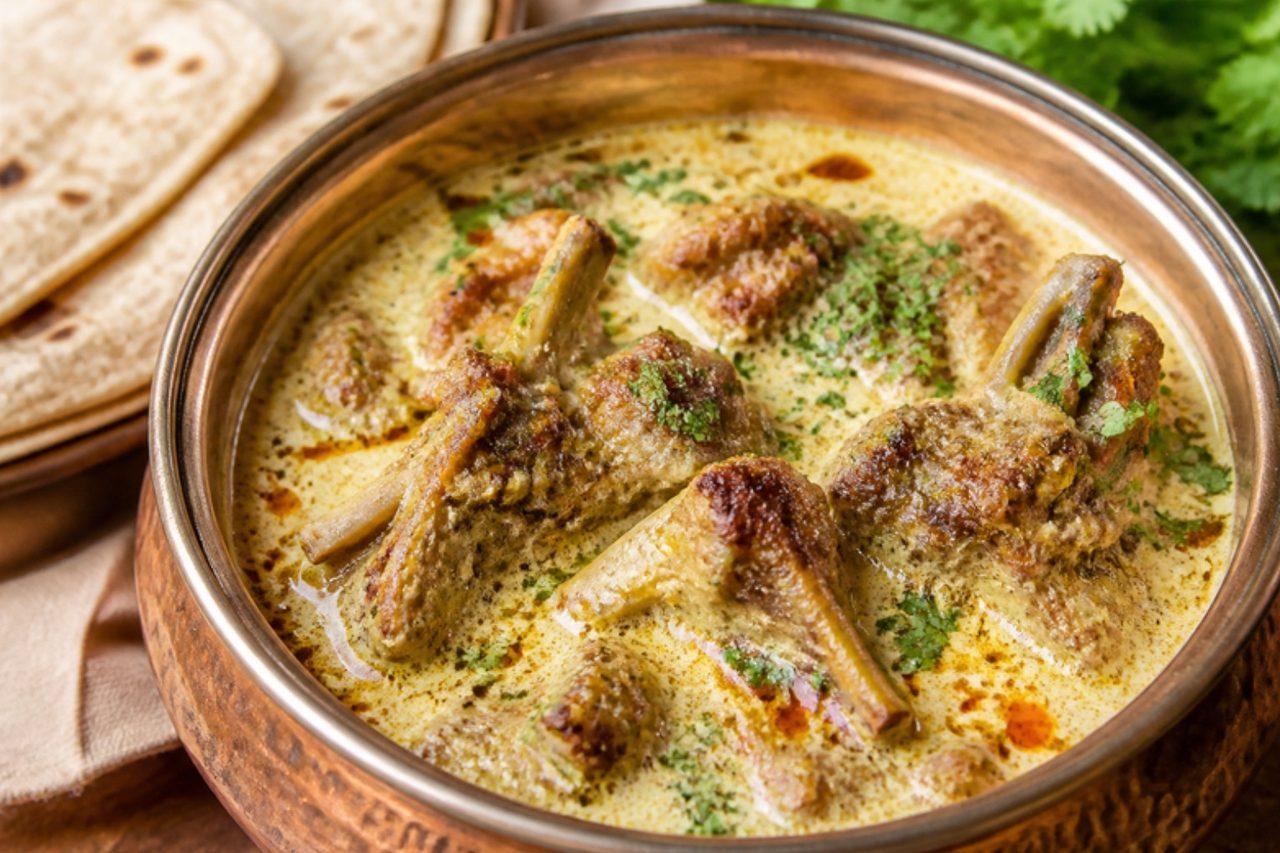
Chha goshtLamb in buttermilk gravy

Up in the hill villages of Himachal Pradesh, where flocks are walked to summer pastures, lamb is often cooked in chhaachh, the thin buttermilk left after churning butter. Thickened with a spoonful of gram flour, it makes a pale, gently sour gravy that is milder and lighter than the red curries of the plains, and it is a favourite at dhams, the festive meals of the Kangra and Chamba valleys. Serve it with steamed rice or makki ki roti. Chef's tip: whisk the gram flour into the buttermilk until there are no lumps before it goes near the pot; once it hits the heat, any lumps stay lumps.

105 minIndianMeatGluten free
by KrazyBadal 1 views

Louisiana jambalaya

Jambalaya feeds crowds at church fairs and Mardi Gras parties all over south Louisiana, from Baton Rouge to New Orleans. This is the Creole or 'red' style from the city, with tomato in the pot; the Cajun country version leaves it out. Chicken thighs and smoked andouille (a pork sausage) are browned first, then rice cooks in the spiced tomato stock with the holy trinity, and prawns go in at the end. Chef's tip: once the rice is in, resist stirring; just turn it once halfway so the bottom does not catch.

by KrazyBadal 0 views

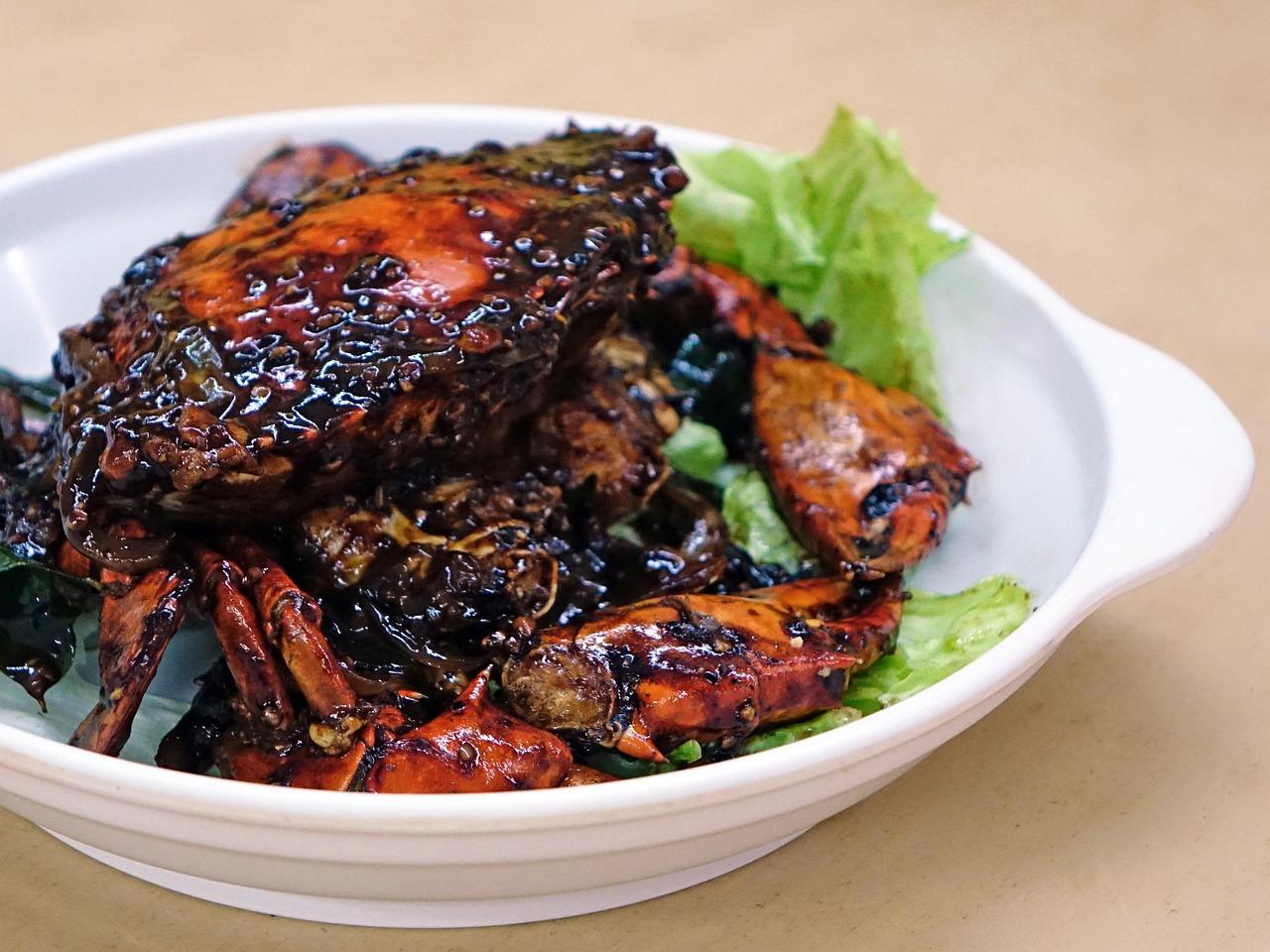
Black pepper crab

If chilli crab is Singapore's sweet crowd-pleaser, black pepper crab is the one locals often order beside it: dry rather than saucy, sharp with freshly cracked black pepper, rich with butter and with a salty edge from oyster and soy sauce. It was created in the 1950s–60s at the seafood restaurants of Upper Serangoon and East Coast, and is eaten at long family dinners with rice or plain bread to mop the buttery wok juices. Note that this dish contains butter, so it is not dairy free. Buy crabs live or freshly cooked the same day from a fishmonger you trust. Discard any live crab that doesn't move, smells of ammonia or has a cracked, leaking shell. The common mistake is using pre-ground pepper powder, which tastes dusty and burns; crack whole peppercorns coarsely. Chef's tip: toast the cracked pepper in the dry wok for a minute before the butter goes in to wake up its aroma.

by KrazyBadal 0 views

Jus de bouyeBaobab fruit drink

Bouye is the Wolof name for the powdery white pulp of the baobab fruit, and jus de bouye is the thick, creamy-tart drink sold in reused bottles from coolers all over Dakar and served at every family celebration. It tastes like sherbet with a hint of pear. Most cooks now use baobab powder, which is sold in health shops as well as African grocers. Sweetened condensed milk is optional but common. Chef's tip: whisk the powder into a little water first to make a smooth paste; poured straight into a jug it forms lumps that never dissolve.

by KrazyBadal 0 views

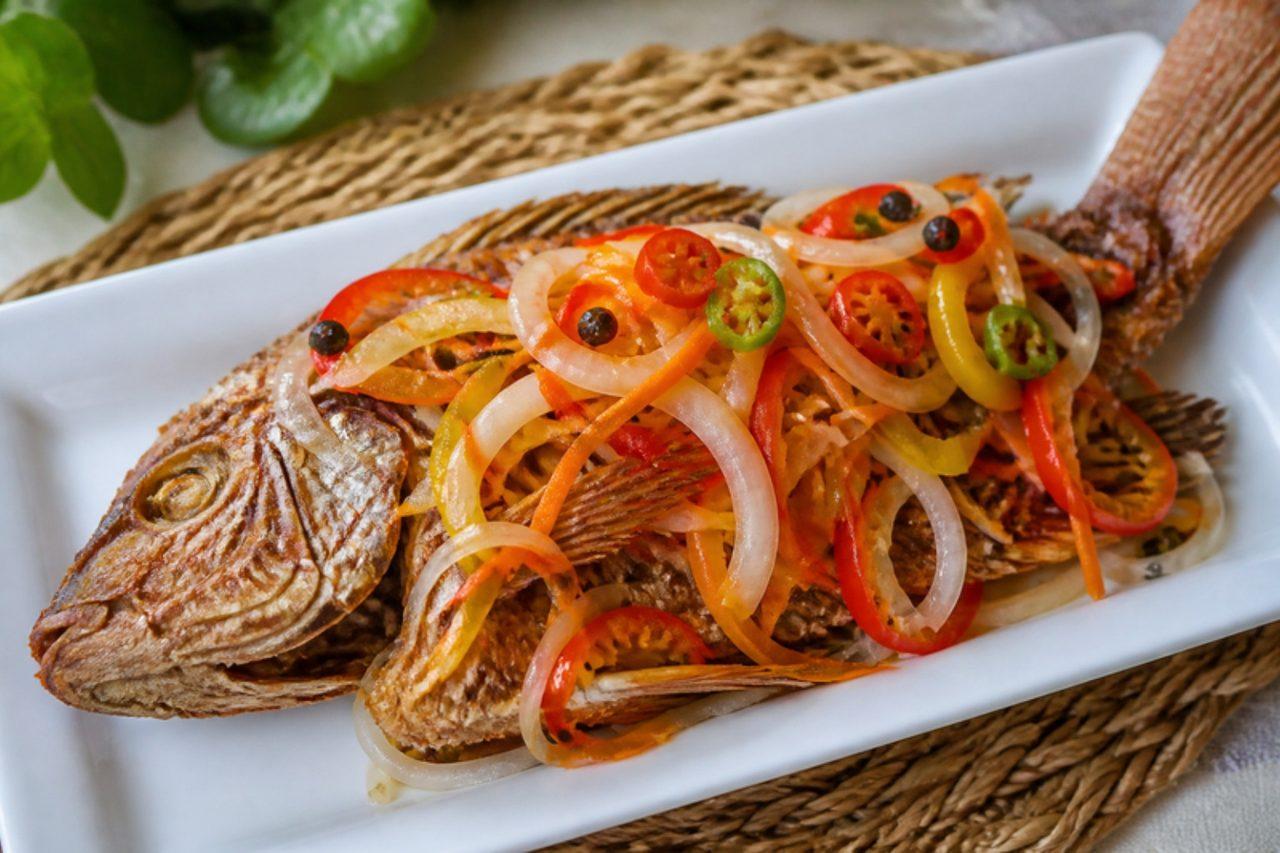
Escovitch fishFried fish with pickled vegetables

Good Friday in Jamaica means fish, and escovitch fish is the dish families line up for, though you'll also find it any day at the seaside stalls of Hellshire Beach and Port Royal. Whole red snapper (or thick fillets) are seasoned, fried until the skin shatters, then buried under onion, carrot, chocho and peppers that have been briefly warmed in vinegar with pimento and scotch bonnet. The fish soaks up the sharp, hot pickle as it sits, so it is as good at room temperature as it is fresh from the pan. Serve with bammy or festival. Chef's tip: make the pickle while the fish fries and pour it over hot fish; it sinks in better, and a few hours later the flavour is even deeper.

by KrazyBadal 0 views

Singapore Hokkien prawn mee

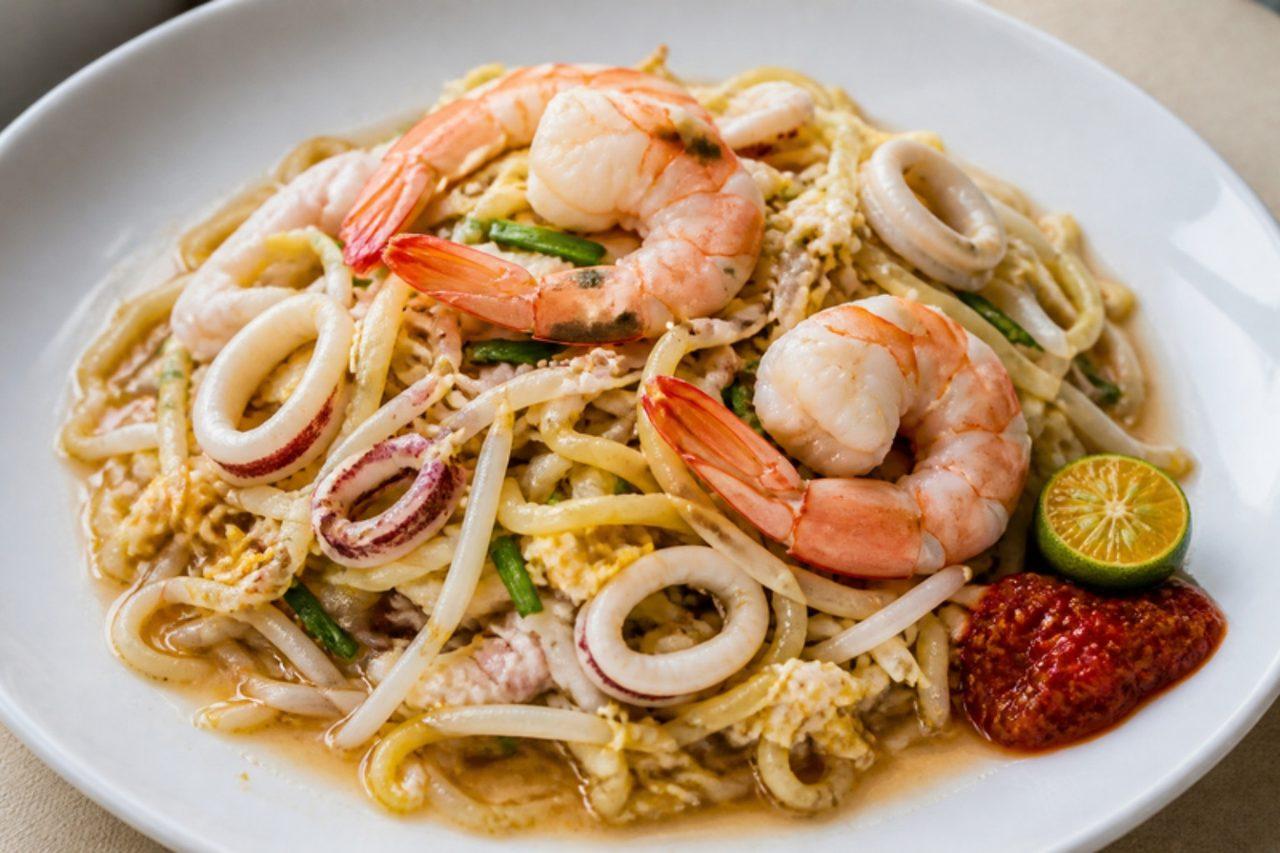
Singapore's Hokkien mee is nothing like the dark, soy-coated noodles of Kuala Lumpur: here yellow egg noodles and thick rice vermicelli are fried with egg, then braised in a cloudy, intensely savoury stock made from prawn heads and shells until the noodles soak it up and stay just wet. Hawkers at Old Airport Road and Geylang serve it with lime and fiery sambal belacan on a square of paper or opeh leaf. It is a late-lunch or supper dish, eaten hot from the wok. Traditional versions use pork belly and pork lard; this one uses prawns and squid only, with vegetable oil. The common mistake is adding all the stock at once, which makes it soupy; add it in two goes and let the noodles drink it. Chef's tip: fry the prawn heads hard until they turn deep orange before adding water; the stock is the whole dish.

by KrazyBadal 0 views

Burmese chicken curry

Burmese curries are cooked the 'see pyan' way, meaning 'oil returns': onion, garlic and ginger are slowly fried with turmeric and paprika until the water cooks away and the oil floats red and clear on top. This chicken curry is the everyday heart of a Yangon or Mandalay meal, set on the table with rice, a sour soup, a salad and fish-sauce-based relishes, and every family eats it on ordinary weeknights. It is mild in chilli but deep in flavour, with fish sauce adding a savoury edge. The common mistake is draining off the oil because it looks like too much; the oil carries the flavour, and you spoon around it when serving. Chef's tip: pound the onion, garlic and ginger to a rough paste rather than blending them smooth, so they fry rather than stew.

by KrazyBadal 0 views

ShorwaLamb and vegetable soup

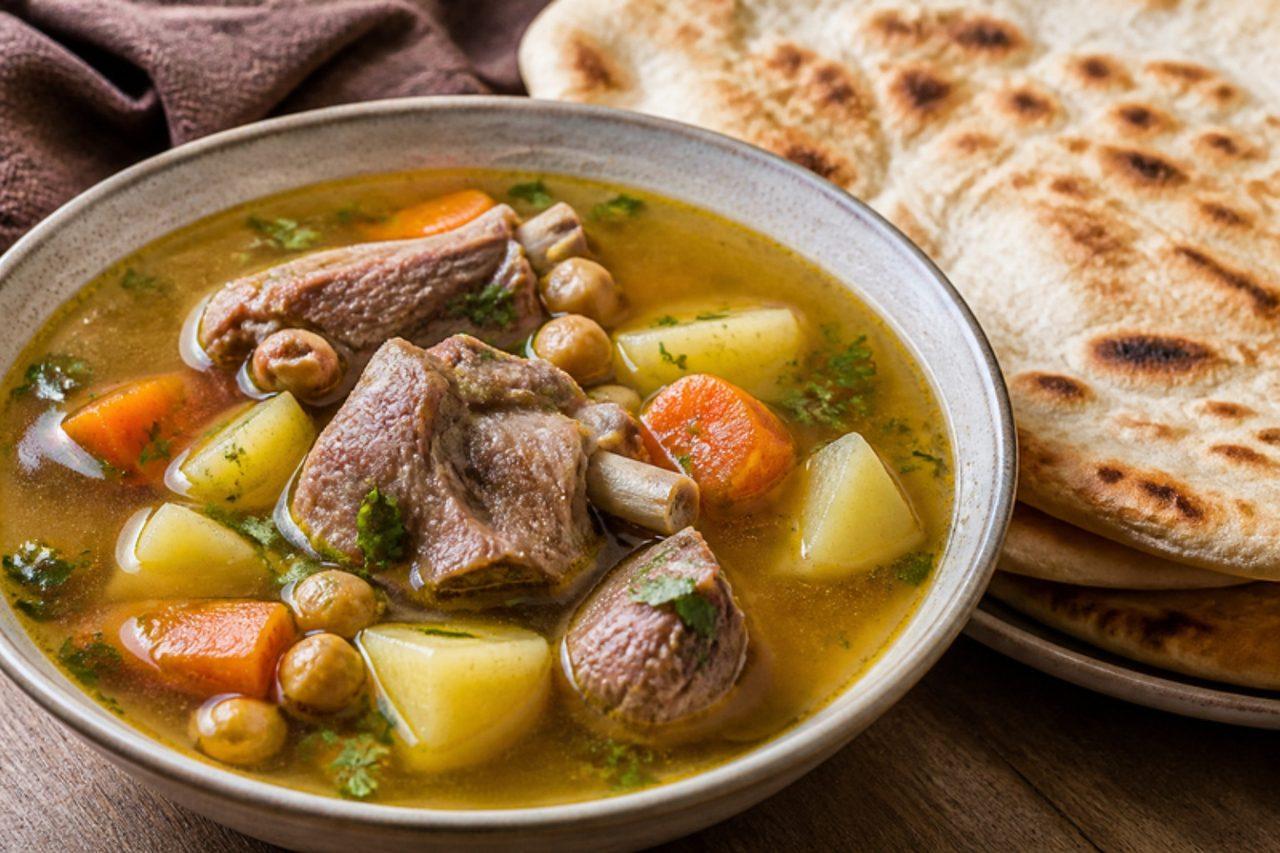
Shorwa is the everyday soup of Afghan homes from Kabul to Herat, simmered on winter evenings and during Ramadan, when a bowl of it breaks the fast. Lamb on the bone cooks slowly with onion, tomato, chickpeas and a little turmeric and coriander until the broth turns golden, then potatoes and carrots go in for the last half hour. The family tears naan into their bowls and eats it with fresh mint, onion and green chilli on the side. It is a gentle, clear soup rather than a thick stew. The common mistake is boiling it hard, which makes the broth cloudy and the lamb tough; keep it at a lazy simmer. Chef's tip: skim the broth carefully in the first 10 minutes, as soon as the grey foam rises, for a clean golden shorwa.

130 minAfghanSoupsGluten free
by KrazyBadal 0 views

Cincinnati chili

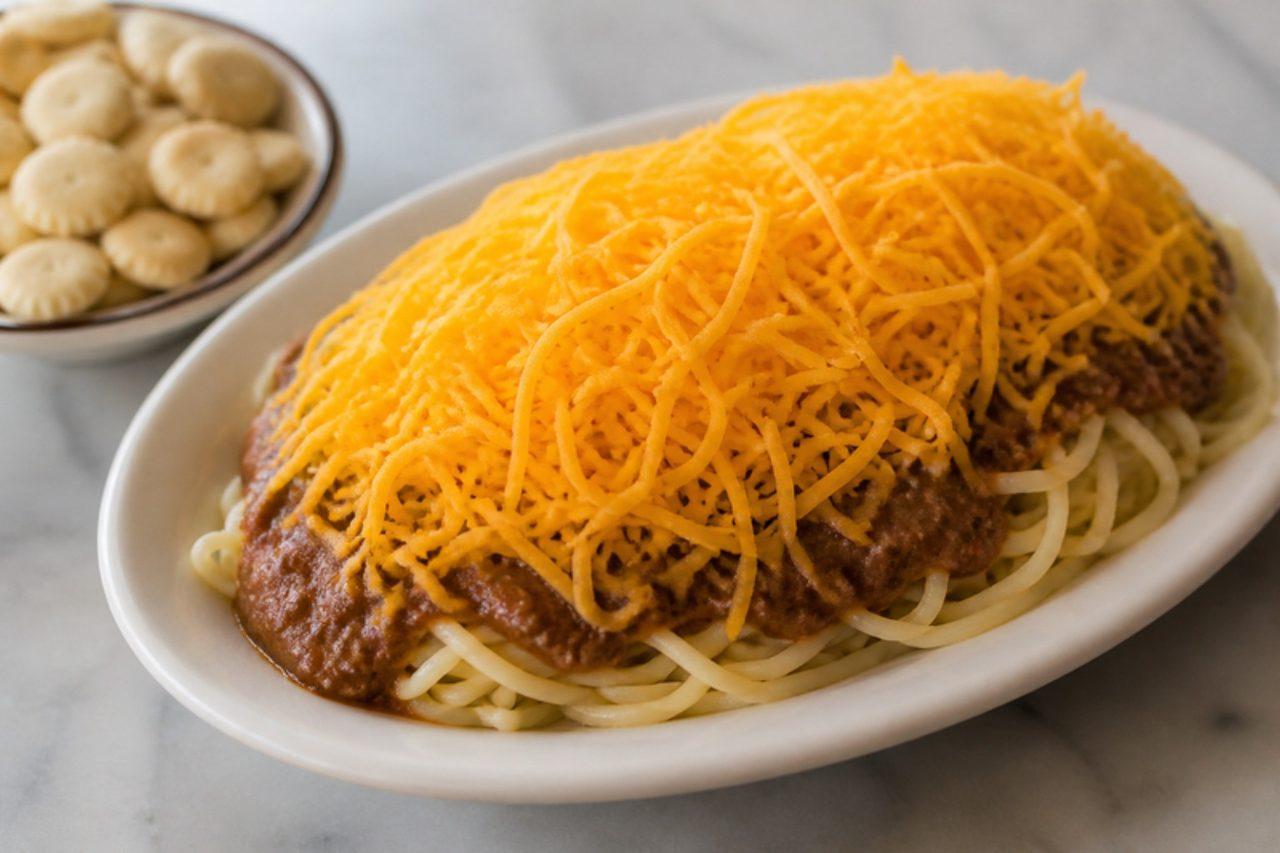
Cincinnati, Ohio has hundreds of 'chili parlors', a tradition started by Greek-Macedonian immigrants in the 1920s, and their chili is nothing like the Texan kind. Minced beef is simmered (not browned) in water with tomato and a warm spice mix of cinnamon, allspice, clove, cumin and a little cocoa until it becomes a fine, thin sauce. It is ladled over spaghetti and buried in finely grated cheddar: a 'three-way'. Add onions for a four-way, beans for a five-way. Chef's tip: break the raw mince up in cold water before heating; that gives the signature smooth texture.

by KrazyBadal 0 views

Smash burger

Diners and drive-ins across the American Midwest have smashed burgers on hot griddles for a century, and the style is now everywhere from food trucks to backyard cookouts. A ball of beef is pressed hard onto a very hot pan so it spreads thin and develops a deep brown, lacy crust, then gets a slice of cheese and goes into a soft toasted bun with pickles and a tangy sauce. Two thin patties per burger is the classic. Chef's tip: smash within the first 30 seconds only; pressing later squeezes out the juice.

by KrazyBadal 0 views

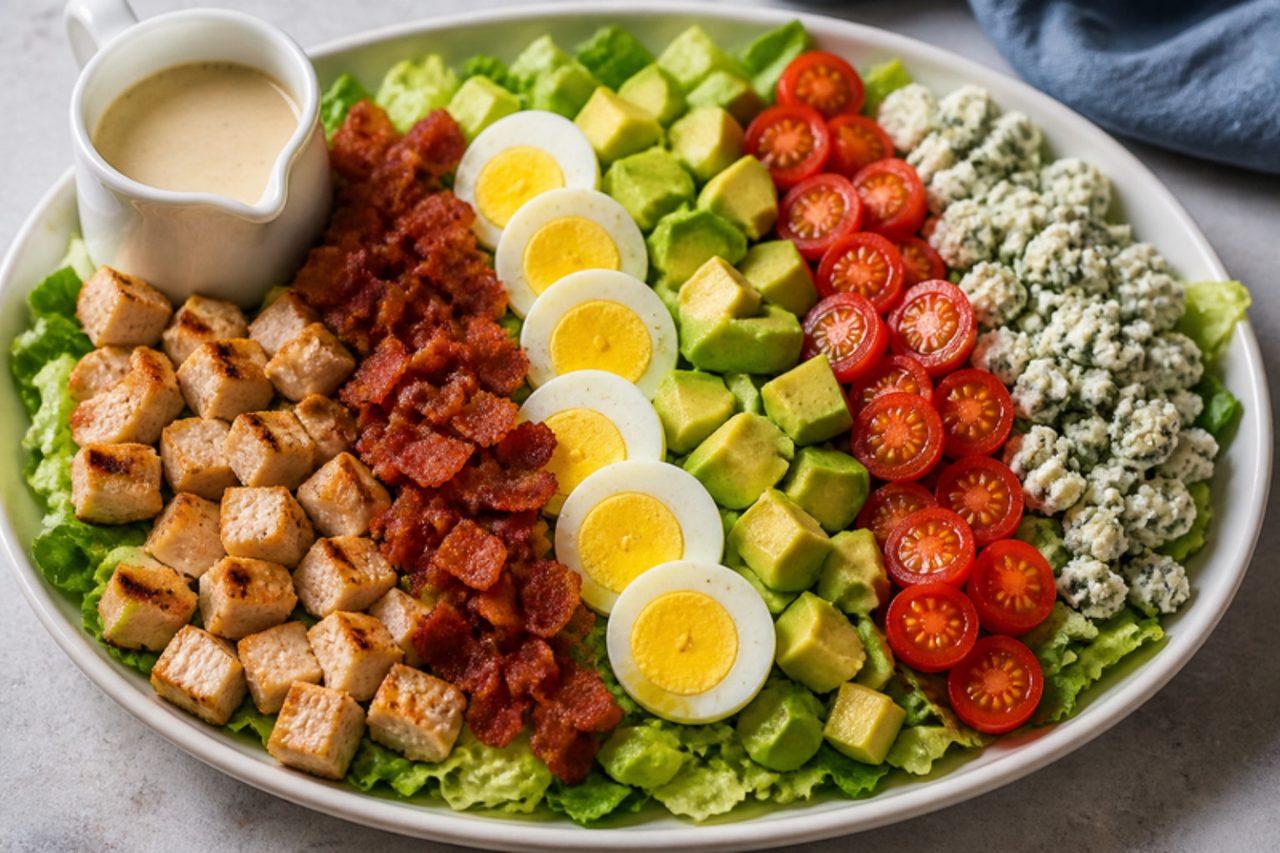
Cobb salad

The Cobb salad was born at the Brown Derby restaurant in Hollywood in the 1930s, and it is still a lunch classic in Los Angeles delis and hotel coffee shops. Rows of chopped chicken, crisp bacon (pork), hard-boiled egg, avocado, tomato and blue cheese sit on crisp lettuce, and everyone mixes them with a sharp red wine vinegar dressing at the table. Chef's tip: chop everything to roughly the same small size so each forkful gets a bit of everything.

by KrazyBadal 0 views

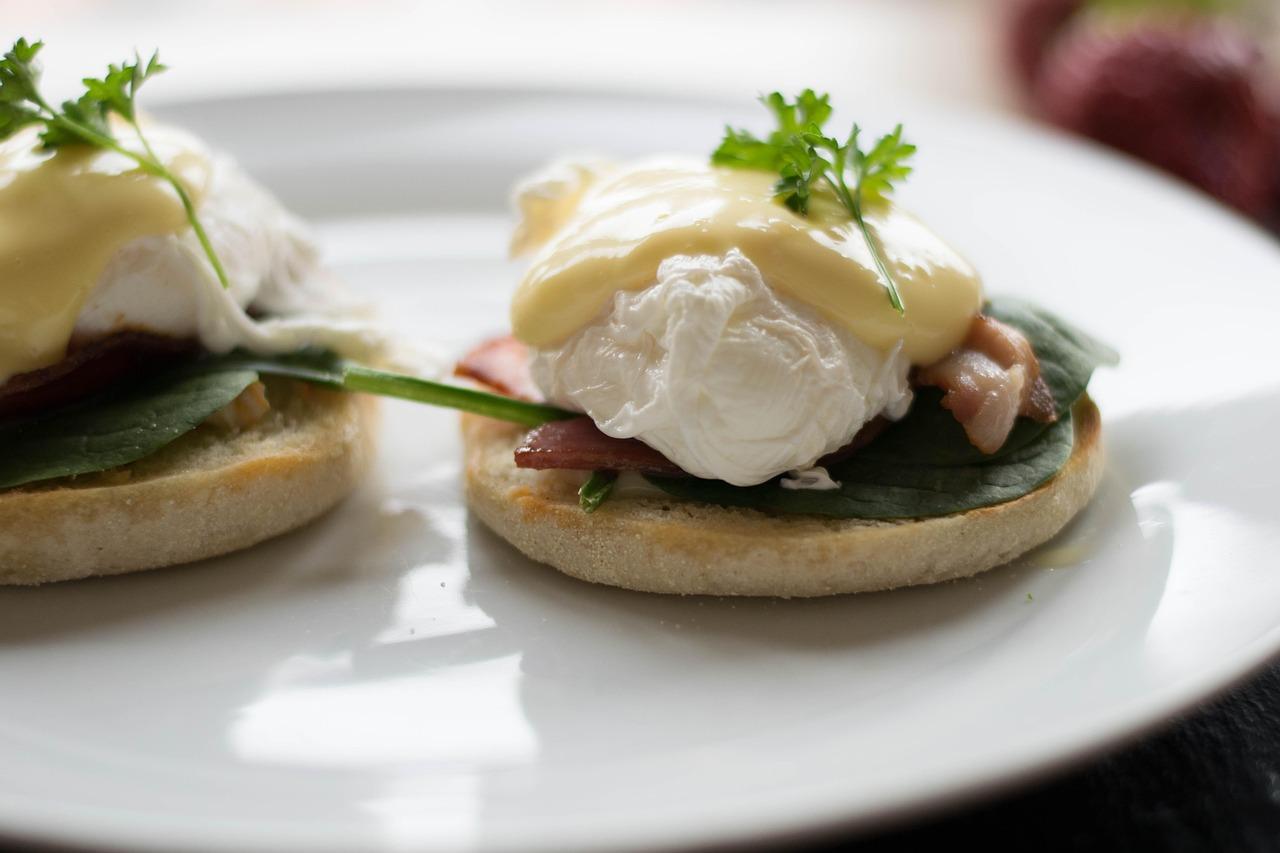
Eggs Benedict

Eggs Benedict belongs to New York, where two Manhattan restaurants still argue over who served it first, and it remains the star of weekend brunch from diners to grand hotels. Toasted English muffins carry warm ham (pork), softly poached eggs and a blanket of buttery, lemony hollandaise. Chef's tip: use the freshest eggs you can get for poaching; their whites hold together instead of spreading into wisps.

by KrazyBadal 0 views

Toad in the hole

Toad in the hole has been a thrifty family supper across northern England for two centuries, and children still love it for the name as much as the taste. Plump pork sausages are browned in a hot tin, then a simple egg-and-milk batter is poured around them and puffs up into a golden, crisp Yorkshire pudding. It is always served with onion gravy and green vegetables. Chef's tip: the fat must be smoking hot when the batter goes in, and the oven door must stay shut for the first 25 minutes, or the batter will not rise.

by KrazyBadal 0 views

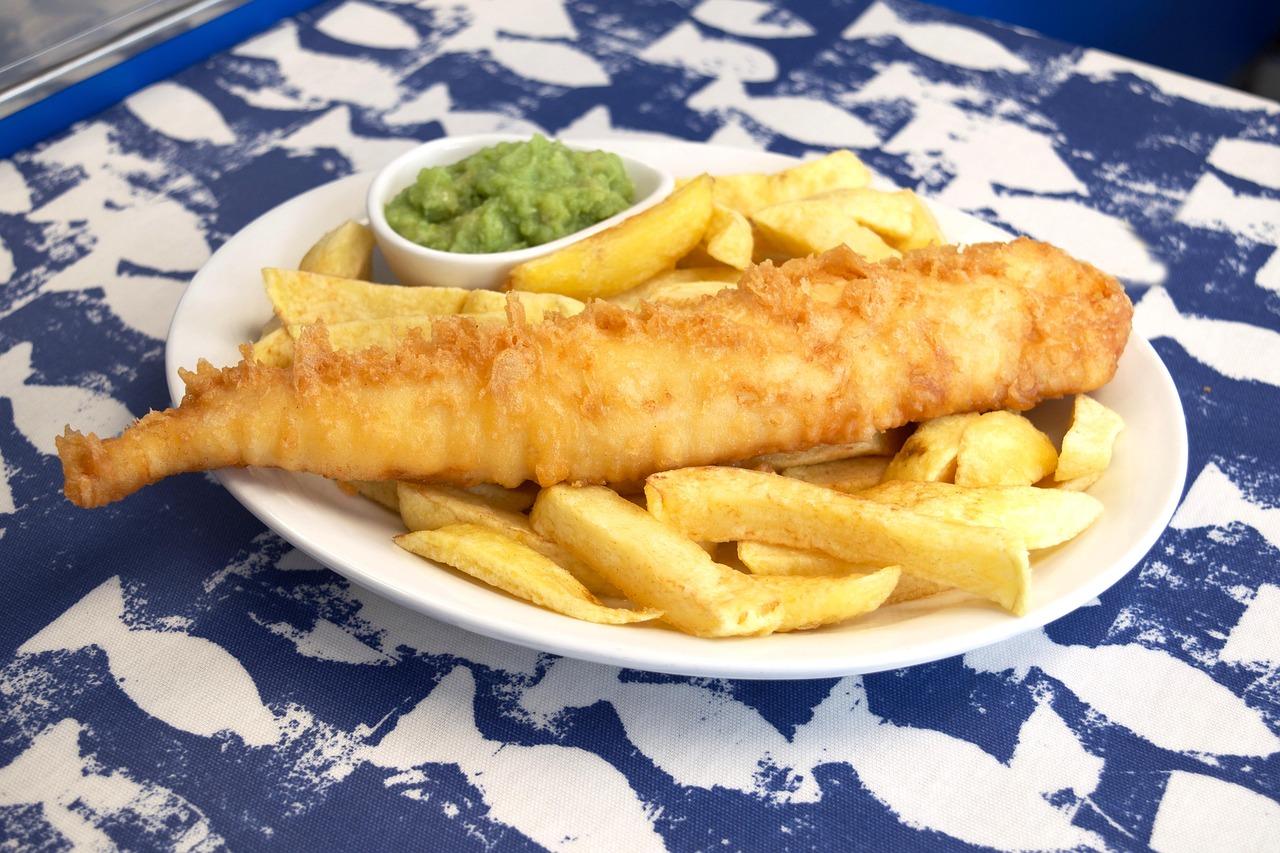
Fish and chips

From seaside towns like Whitby and Brighton to every high street chippy in the land, fish and chips wrapped in paper is Britain's Friday-night supper. Thick white fish is dipped in a light, bubbly batter and fried until it shatters, next to chunky chips cooked twice so they are fluffy inside and crisp outside. Serve with mushy peas, malt vinegar, salt and a lemon wedge. The classic batter uses cold beer; for an alcohol-free version use the same amount of ice-cold sparkling water. Chef's tip: mix the batter at the last moment and keep it ice cold; the bigger the temperature difference with the oil, the crisper the crust.

by KrazyBadal 0 views

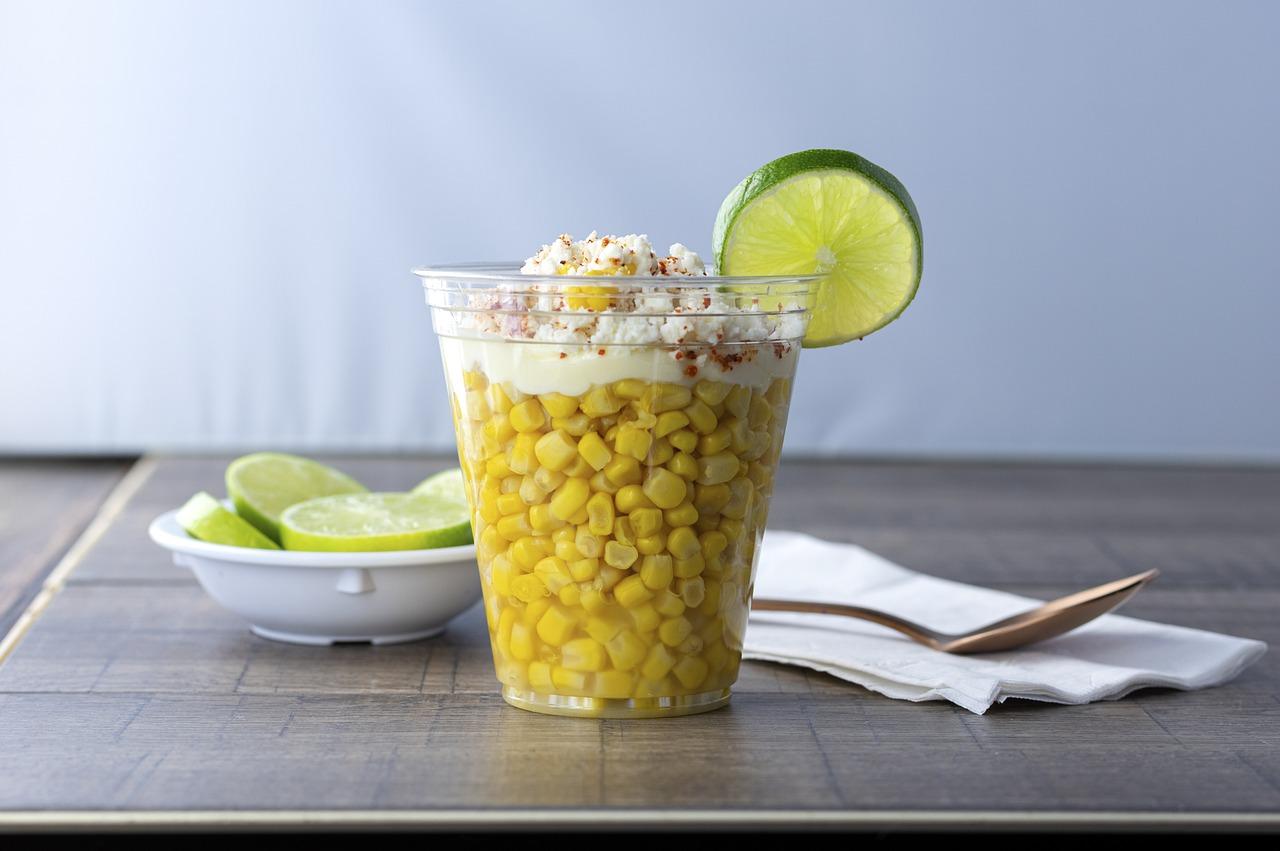
EsquitesWarm spiced corn cups

Esquites are the cup version of elote, sold by street vendors across Mexico City from big pots: corn kernels sautéed with butter, onion, green chilli and epazote, simmered in a little salty water, then spooned into cups and topped with mayonnaise, lime, crumbled cheese and chilli powder. Each spoonful is sweet, buttery, tangy and warm, with a splash of the corn broth at the bottom. They make a great snack or side for tacos. Choose cotija or feta made with vegetarian rennet. Chef's tip: let the kernels brown slightly in the butter before adding the water; those toasty bits give esquites their depth.

by KrazyBadal 0 views

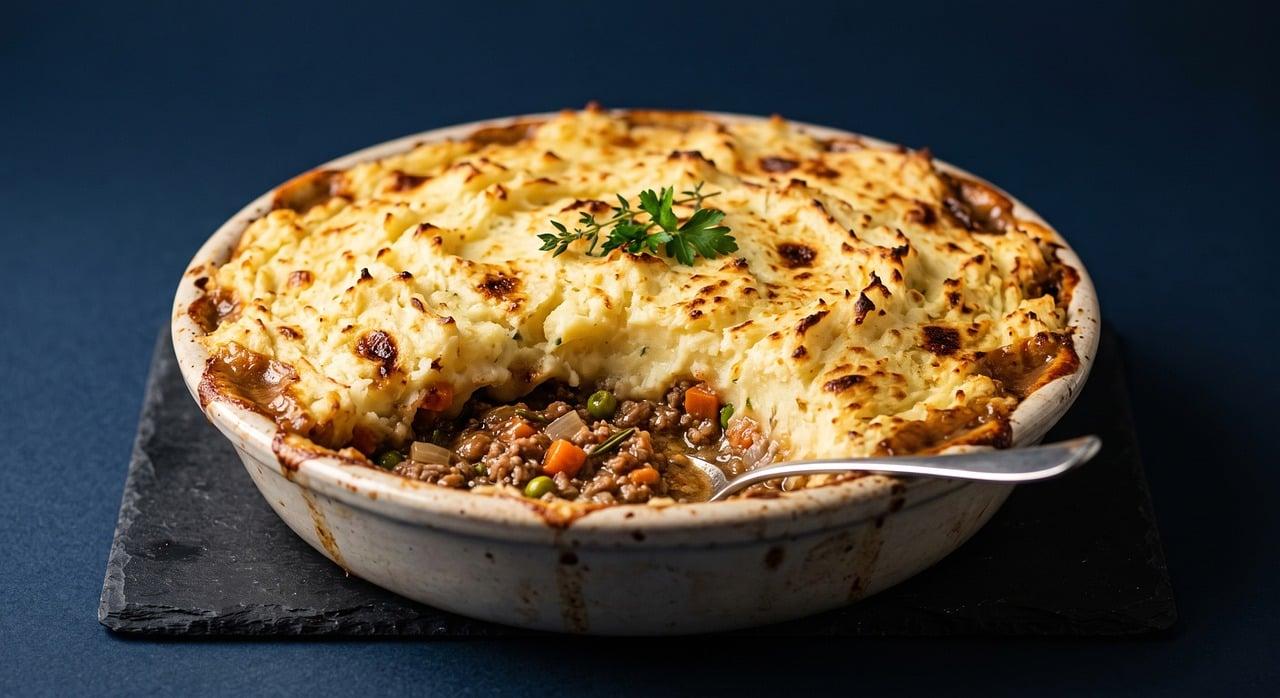
Shepherd's pie

Shepherd's pie comes from the sheep-farming hill country of northern England and Scotland, where Monday's pie once used up Sunday's roast lamb; with minced beef the same dish is called cottage pie. Minced lamb simmers with onion, carrot, a little tomato and Worcestershire sauce into a deep gravy, then hides under a thick layer of buttery mash that browns in the oven. A family supper all over Britain, it is served with peas or buttered cabbage. Chef's tip: rough up the top of the mash with a fork; the ridges catch the heat and turn crunchy.

100 minBritishMeat
by KrazyBadal 0 views

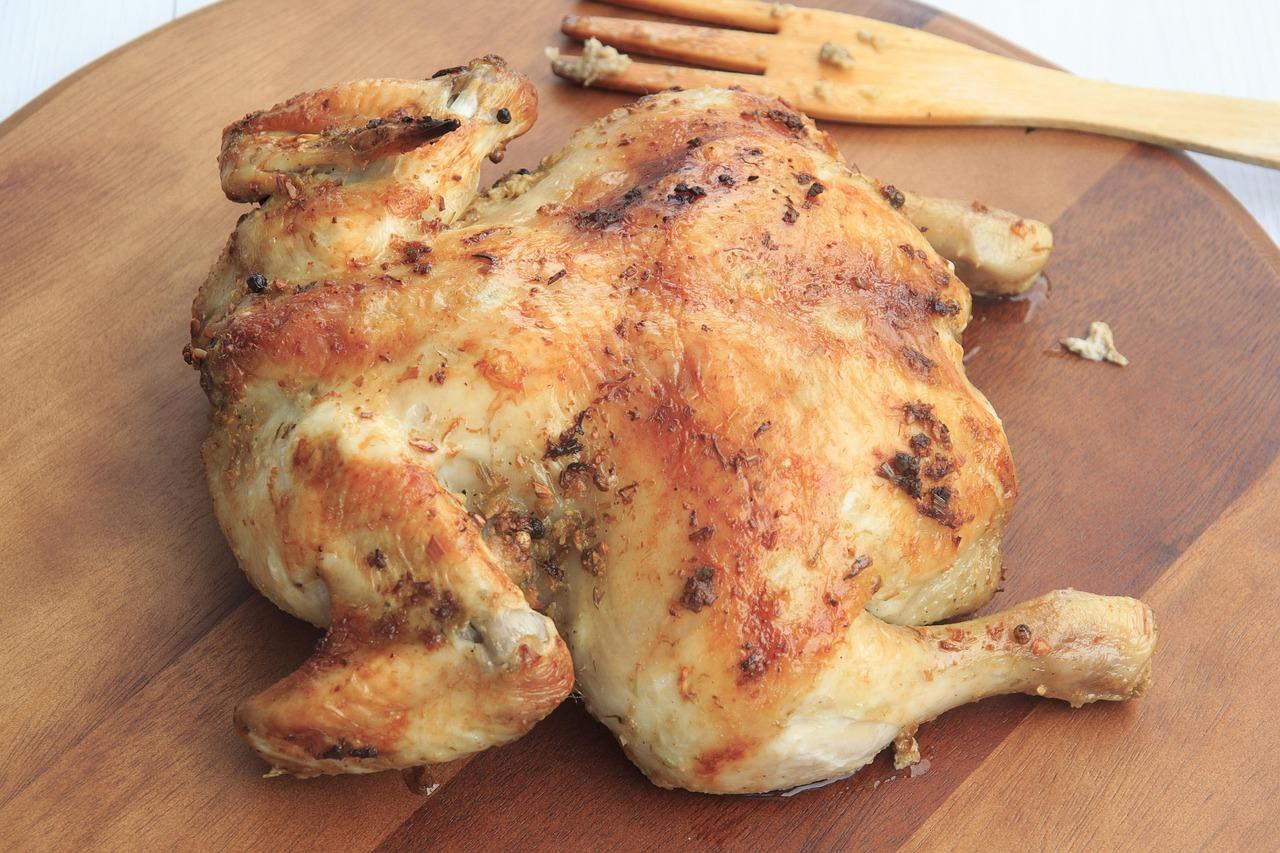
Sunday roast chicken

Sunday lunch across England and Wales means a roast, and a golden chicken is the most common one on family tables, with crisp roast potatoes, vegetables and gravy made in the roasting tin. A lemon and herbs perfume the bird from inside, and a sage-and-onion stuffing is baked alongside so the chicken cooks evenly. The stuffing can include sausage meat (pork) if you like; leave it out for a pork-free roast. Chef's tip: dry the skin with kitchen paper and leave the bird uncovered in the fridge overnight; dry skin is crisp skin.

by KrazyBadal 0 views

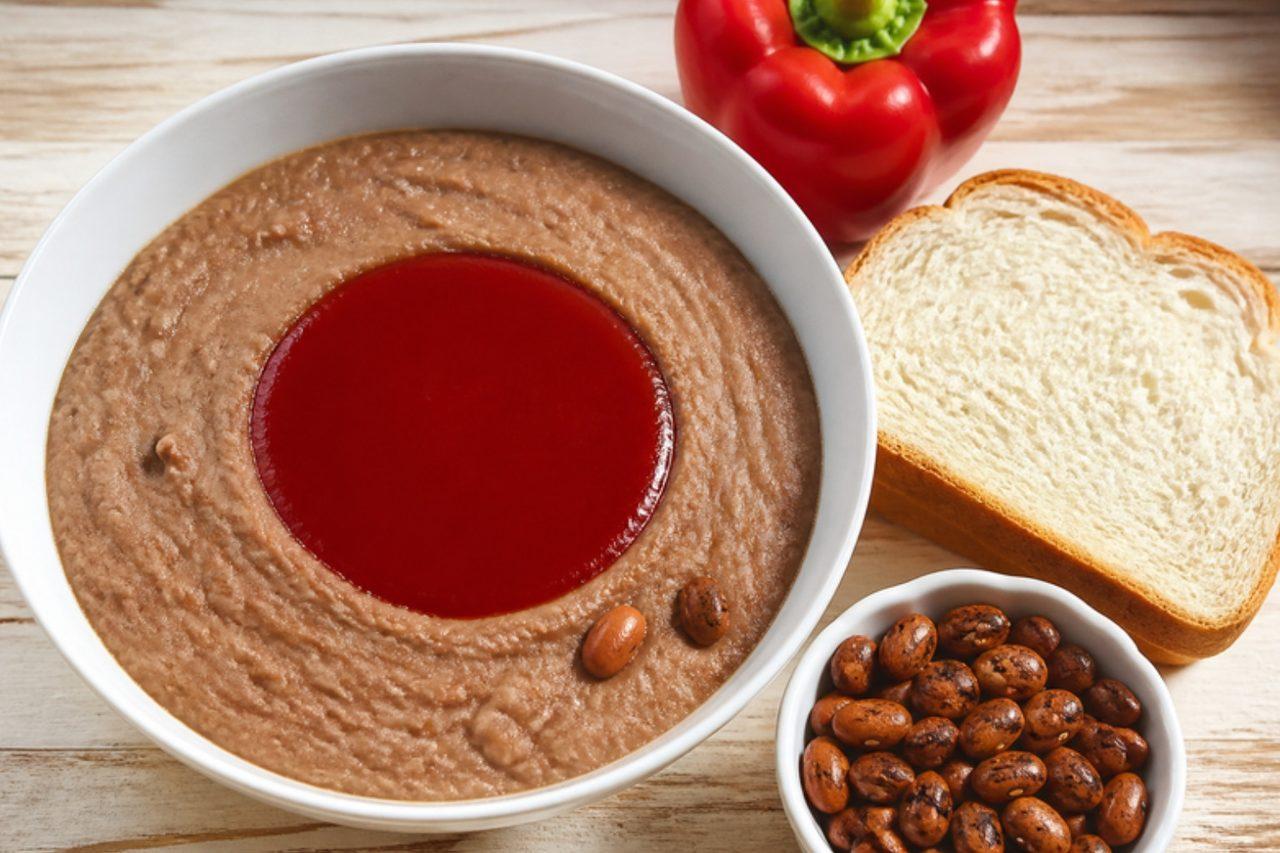
Ewa agoyinMashed beans in spicy sauce

In Lagos, ewa agoyin is the breakfast you buy from a woman with a big cooler of soft, mashed beans and a second pot of almost-black pepper sauce glistening with palm oil. The name points to the Agoyin, people from neighbouring Togo and Benin who made the dish famous in Lagos markets, and it is eaten with soft, chewy agege bread or fried plantain. The beans are the small, naturally sweet brown 'honey beans' (ewa oloyin), cooked until they collapse. The sauce is the star: dried chillies and onions fried slowly in palm oil until deep brown, smoky and slightly bitter-sweet. Chef's tip: don't rush the sauce; the onions need to go from soft to very dark brown slowly over a medium-low heat, which is where the smoky depth comes from.

by KrazyBadal 0 views

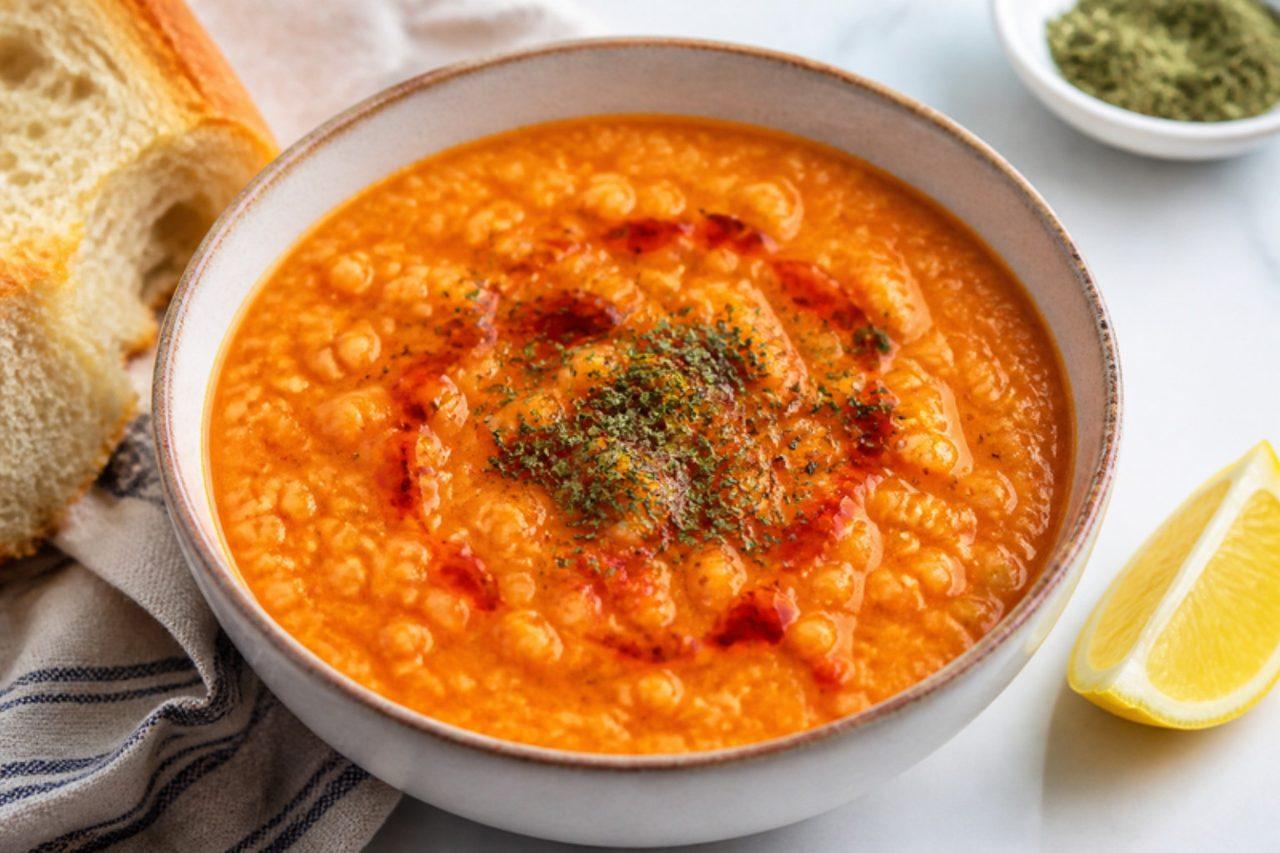
Ezogelin çorbasıRed lentil and bulgur soup

Gaziantep gave Turkey this hearty soup, named after Ezo, a bride from a village near the city whose sad story is still told in folk songs. Unlike the smooth mercimek soup, ezogelin keeps some texture: red lentils, bulgur and a little rice simmer together with tomato and red pepper paste until thick and soft, and plenty of dried mint goes in at the end. In southeast Turkey it is a winter staple, eaten in the morning and as a light supper with bread and a squeeze of lemon. It thickens as it stands, so add a splash of water when you reheat it. Chef's tip: rub the dried mint between your palms over the pot to release its oils just before you serve.

by KrazyBadal 0 views

Fabada asturianaAsturian white bean stew

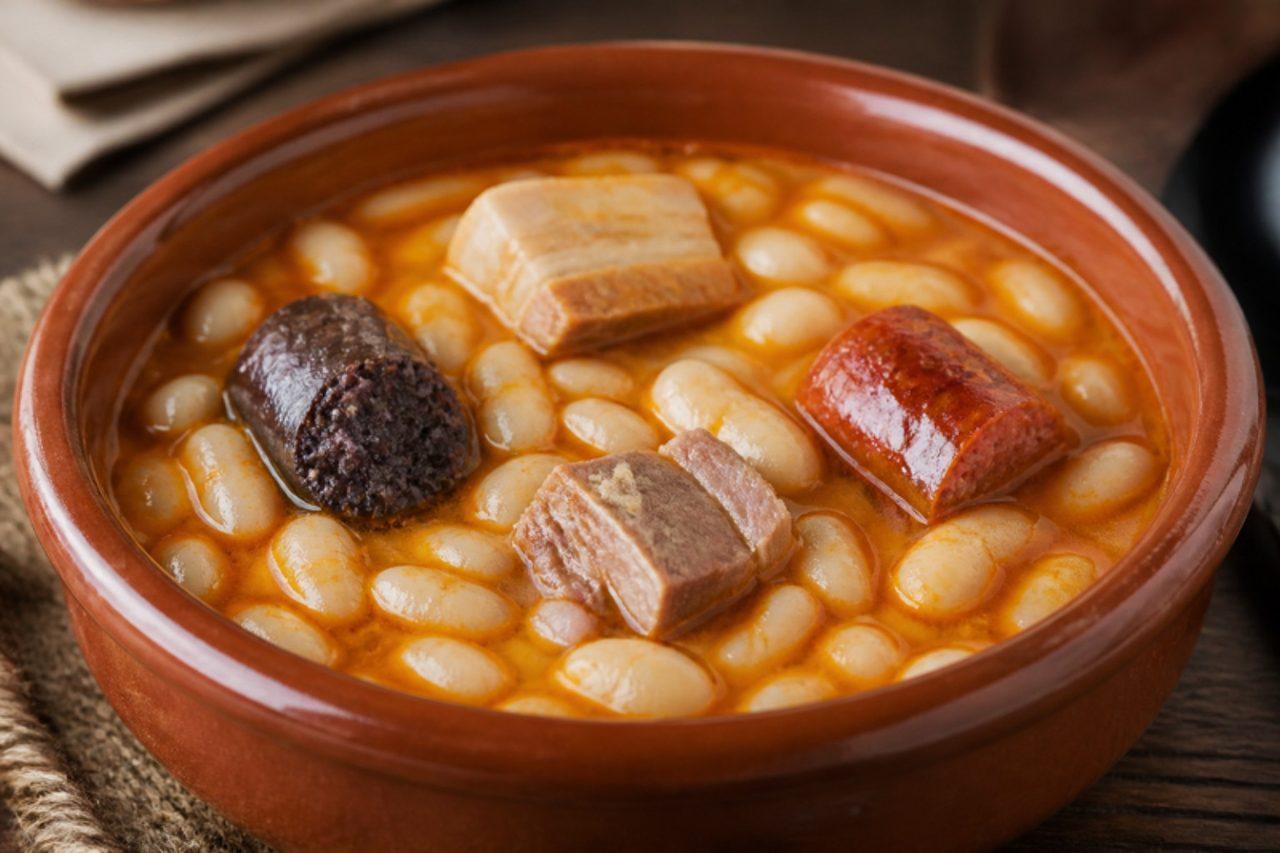
Fabada is the great midday stew of Asturias, on Spain's green, rainy north coast, eaten in winter at long lunches in village casas de comida and cider houses, usually followed by a quiet afternoon. Big, buttery fabes (Asturian white beans) cook slowly with the compango: smoked Asturian chorizo, morcilla, pork belly and lacón (cured pork shoulder). The beans should end up creamy inside and whole outside, in a thick, orange broth coloured by the chorizo. Large dried white beans such as judión or butter beans are the closest substitute if you can't find fabes. Chef's tip: make it the day before; it thickens and tastes better after a night in the fridge.

150 minSpanishMeat
by KrazyBadal 0 views

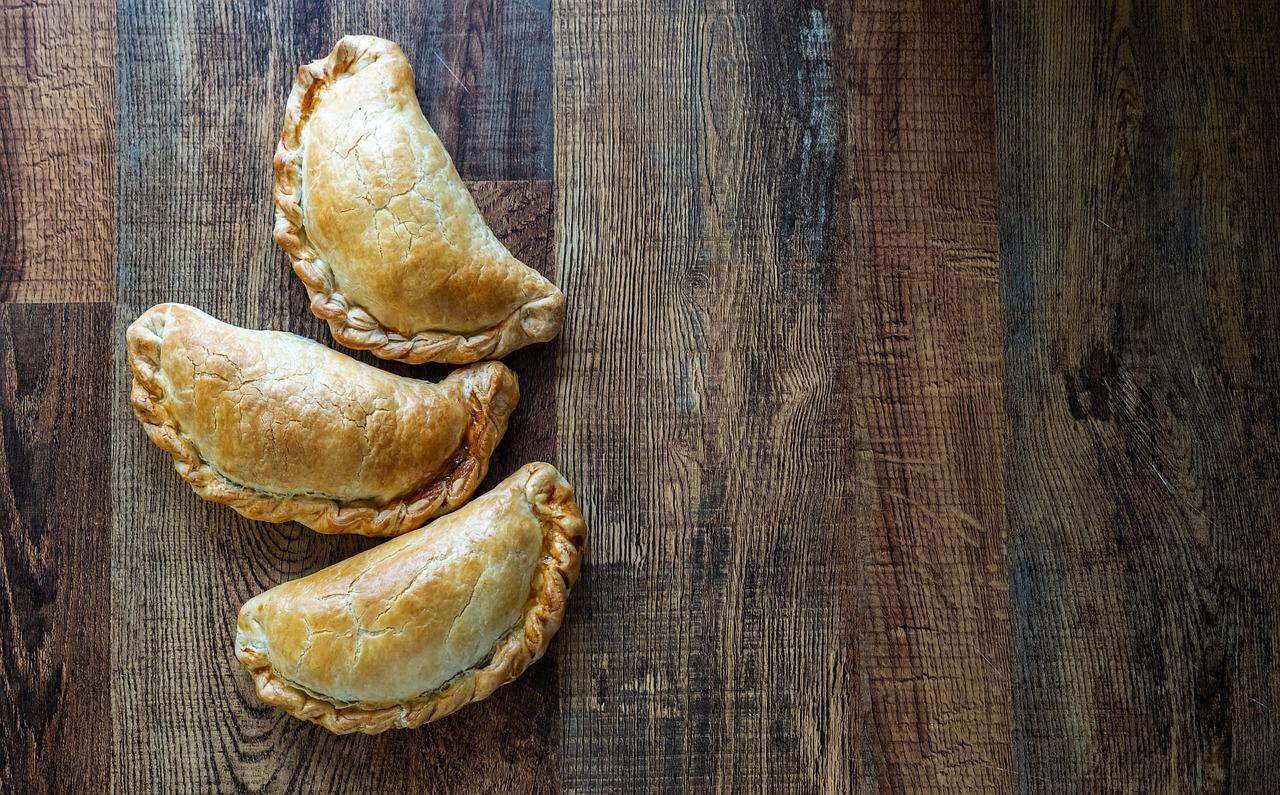
Cornish pasty

The Cornish pasty fed tin miners and fishermen in Cornwall for centuries, its thick crimped edge a handle for dirty hands, and today bakeries from Penzance to St Ives sell them warm all day. The filling goes into the pastry raw: thinly sliced beef skirt, potato, swede and onion, seasoned only with salt and plenty of pepper, so everything steams in its own juices inside the crust. Chef's tip: slice the vegetables thinly and evenly, not in cubes; thin pieces cook through in the same time as the beef.

by KrazyBadal 0 views

FaraSteamed rice dough fingers

Fara is what a Chhattisgarhi kitchen does with yesterday's rice: it is kneaded with rice flour and hot water into a soft dough, rolled into little fingers, steamed and then tossed in a crackling tadka. Served at teatime or packed for long bus journeys, it is soft and chewy inside with spots of crispness from the pan. Some families spoon it into a thin, tangy curry instead, but the dry tempered version is the one sold in Raipur's snack corners. Chef's tip: knead the dough while it is still hot from the water; cold rice dough cracks and the fara split as they steam.

by KrazyBadal 0 views

Lancashire hotpot

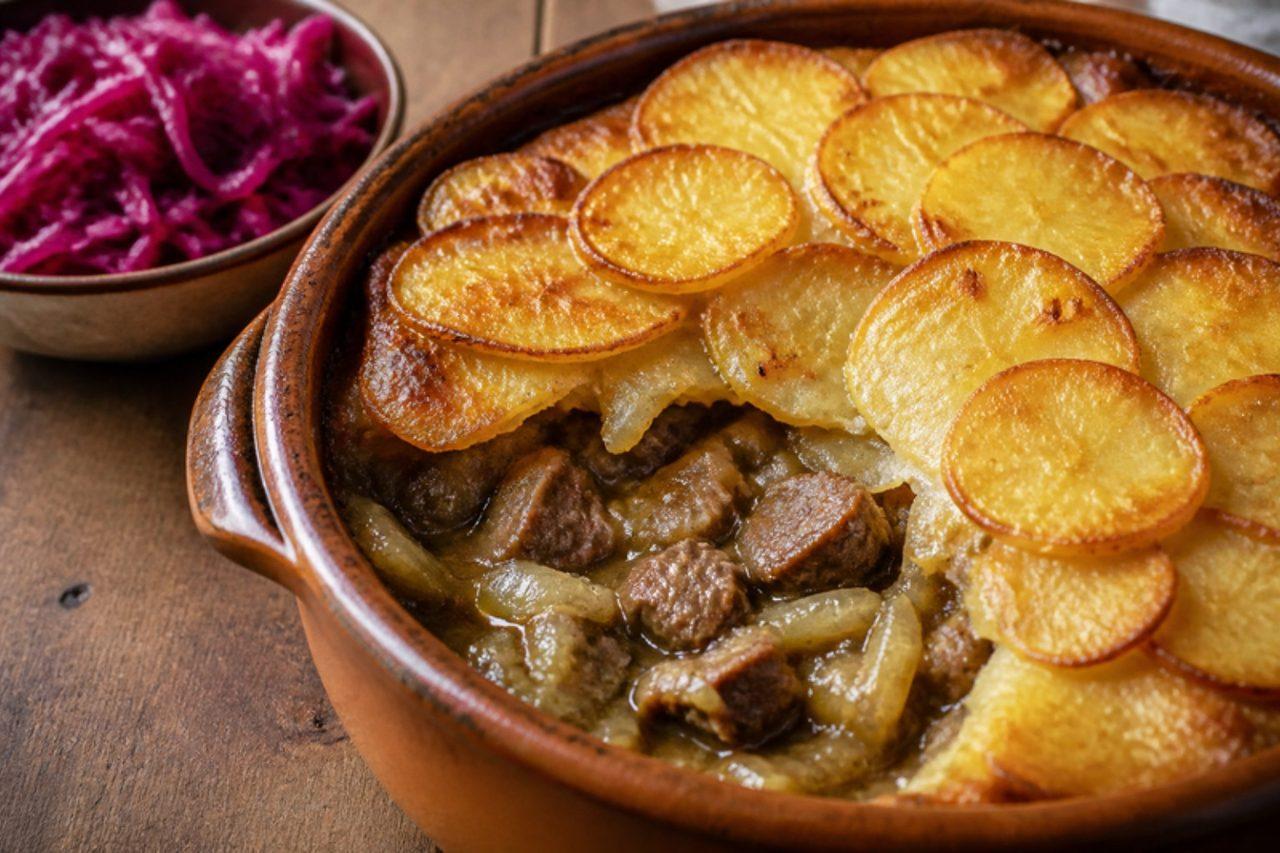
Lancashire hotpot was the slow supper of the cotton-mill towns of north-west England, left in a low oven while families worked long shifts, and it is still served in pubs and homes around Bolton and Preston with pickled red cabbage on the side. Chunks of lamb neck and lots of onion cook slowly in stock beneath overlapping slices of potato that turn golden and crisp on top and soft underneath. Chef's tip: brush the top layer with melted butter and take the lid off for the last 40 minutes; that is how the potatoes crisp.

180 minBritishMeat
by KrazyBadal 0 views

FatayaFried beef turnovers

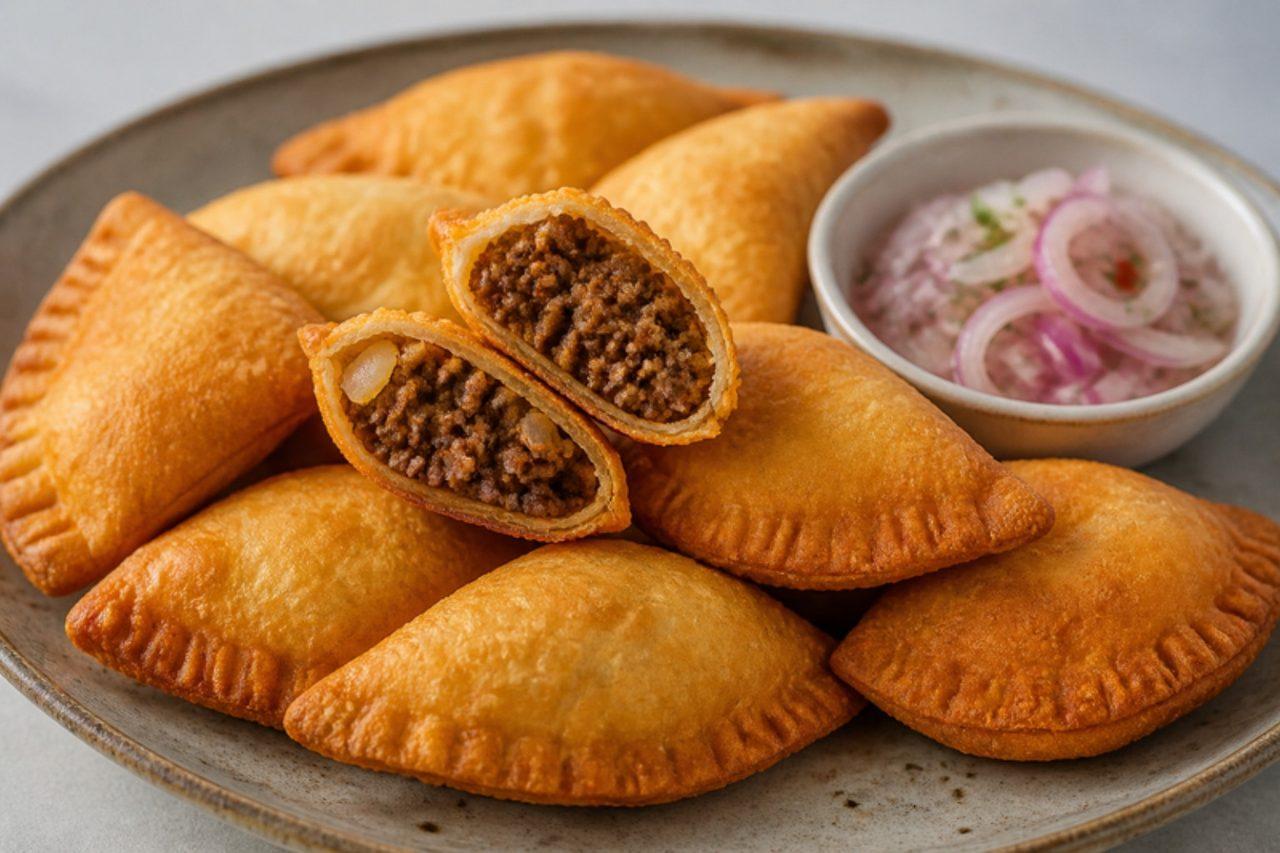
Fataya are the half-moon pastries sold in paper cones outside schools and at bus stops all over Dakar, and fried by the dozen at home for baptisms and Tabaski. The dough is soft and short, the filling is minced beef cooked with onion, garlic and a little chilli, and they come with a sharp onion-and-mustard sauce for dipping. The common mistake is overfilling, which makes them burst in the oil; a heaped teaspoon per small round is enough. Chef's tip: let the filling cool completely before you fill the dough, or the steam softens the pastry and it tears.

by KrazyBadal 0 views

Fatayer bi sabanekhSpinach pastry triangles

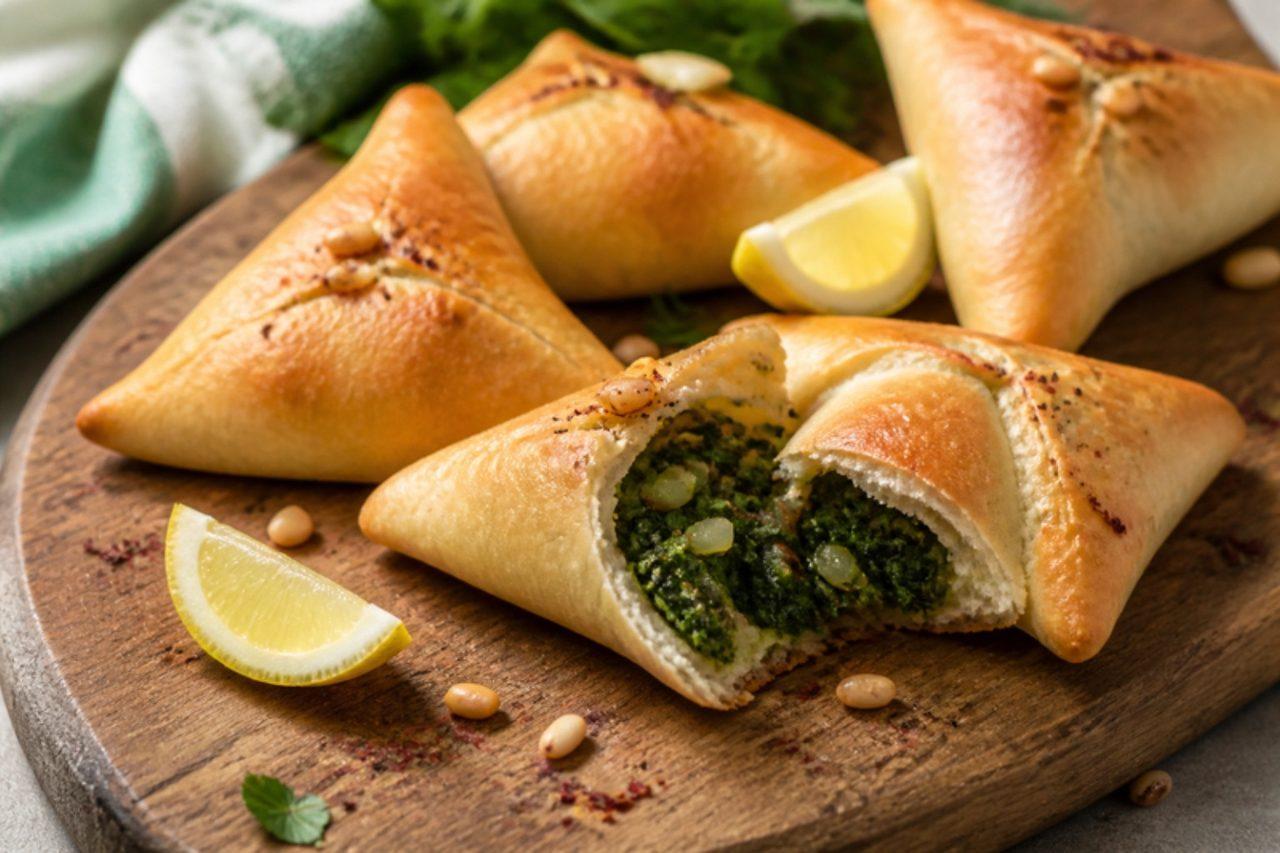
Every Lebanese bakery, or furn, sells fatayer bi sabanekh warm from the oven in the morning: soft three-cornered pies filled with spinach that has been salted and squeezed, then mixed with onion, sumac, lemon and olive oil until it is tart enough to make you pucker. They go into school lunch boxes, onto picnic blankets and onto every buffet at Lebanese parties, and they freeze well. The usual problem is a filling that leaks and makes the pies burst open; wring out the spinach hard and seal the seams firmly so they stay closed in the oven. Chef's tip: let the sumac, lemon and onion sit together for ten minutes before adding the spinach so the onion softens and loses its raw bite.

by KrazyBadal 0 views

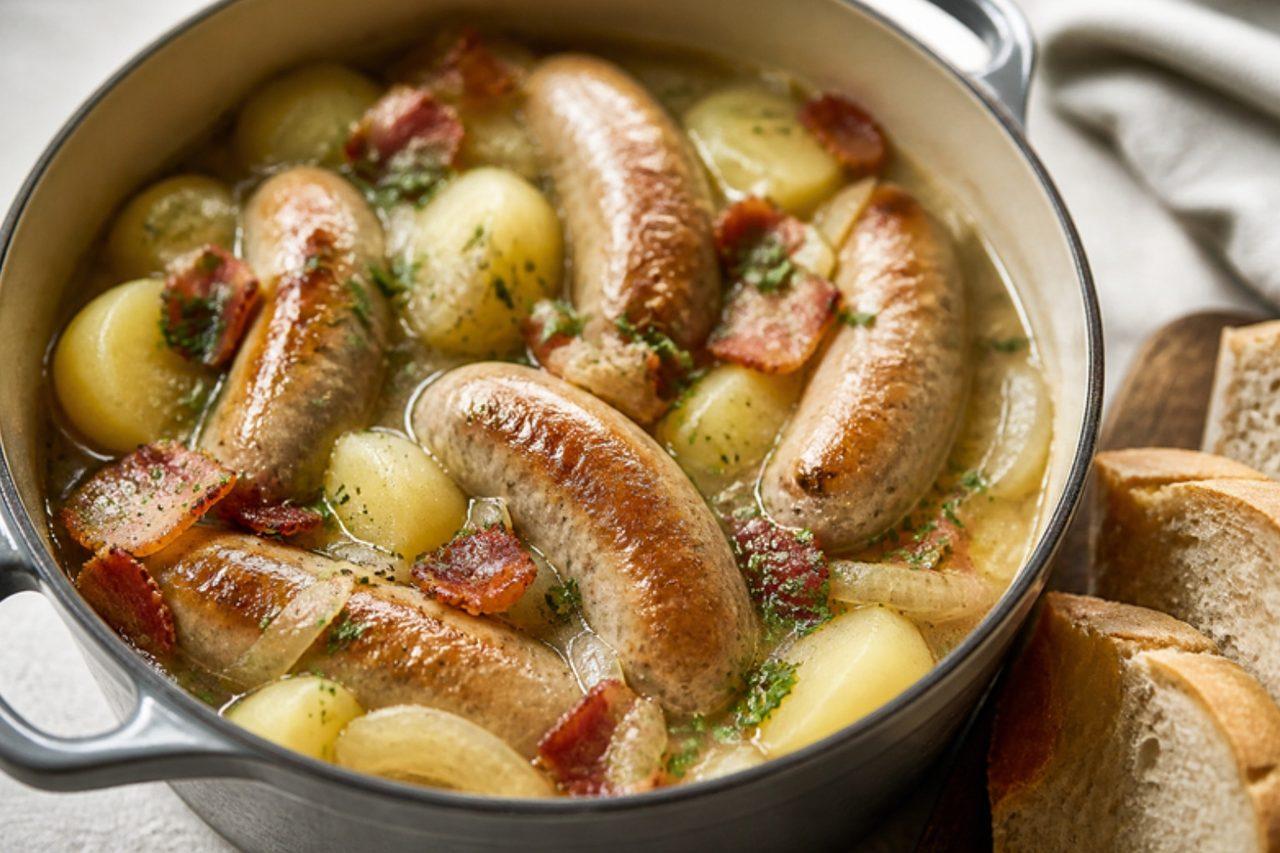
Dublin coddle

Coddle is Dublin's own dish, a Saturday-night pot from the city's old working-class neighbourhoods that would sit on a low heat until people came home. It is a pork dish: thick pork sausages and back bacon, with layers of onion and potato, gently stewed in stock so everything turns soft and savoury. Many Dublin families still make it on Saturdays. Serve with brown soda bread to mop up the broth. Chef's tip: brown the sausages first; the traditional pale coddle is authentic, but a little colour adds a lot of flavour.

95 minIrishMeat
by KrazyBadal 0 views

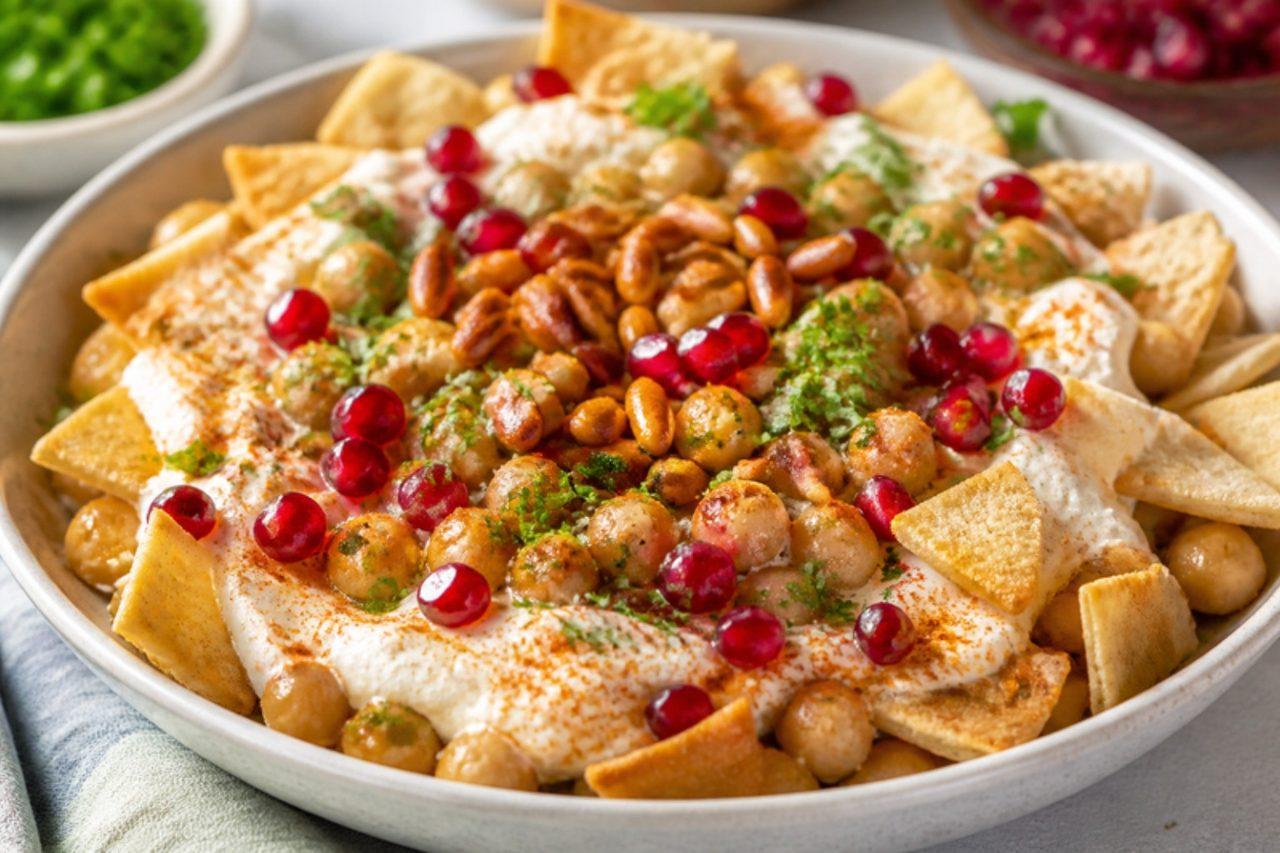
Fatteh with chickpeasChickpeas and crisp bread in yogurt

Fattet hummus belongs to Damascus, where breakfast restaurants in the old city serve it in deep bowls on Friday mornings, and it has spread to Beirut's Sunday tables too. The name comes from fatt, to break up, for the toasted flatbread at the bottom, which is topped with warm chickpeas in their broth, then a thick, garlicky sauce of yogurt and tahini, and finally sizzling pine nuts in butter or oil with a dust of paprika and cumin. The contrast is the point: crunchy and soft, hot and cool. Assembling it too early is the common mistake, since the bread soaks up the sauce and goes soggy; build it just before eating. Chef's tip: let the yogurt come to room temperature first, so it doesn't cool the chickpeas down too much and the bowl stays warm.

by KrazyBadal 0 views

Medialunas de mantecaButter crescents

Medialunas, 'half moons', are what Argentines order with a café con leche at every confitería in Buenos Aires: smaller, sweeter and softer than a French croissant, with a sticky shine from a sugar syrup brushed on as they leave the oven. The dough is enriched with egg, sugar and a little honey and laminated with butter, so it's a weekend project. Chef's tip: keep the butter and dough at the same cool temperature; if the butter is too hard it breaks into pieces, too soft and it melts into the dough and the layers disappear.

by KrazyBadal 0 views

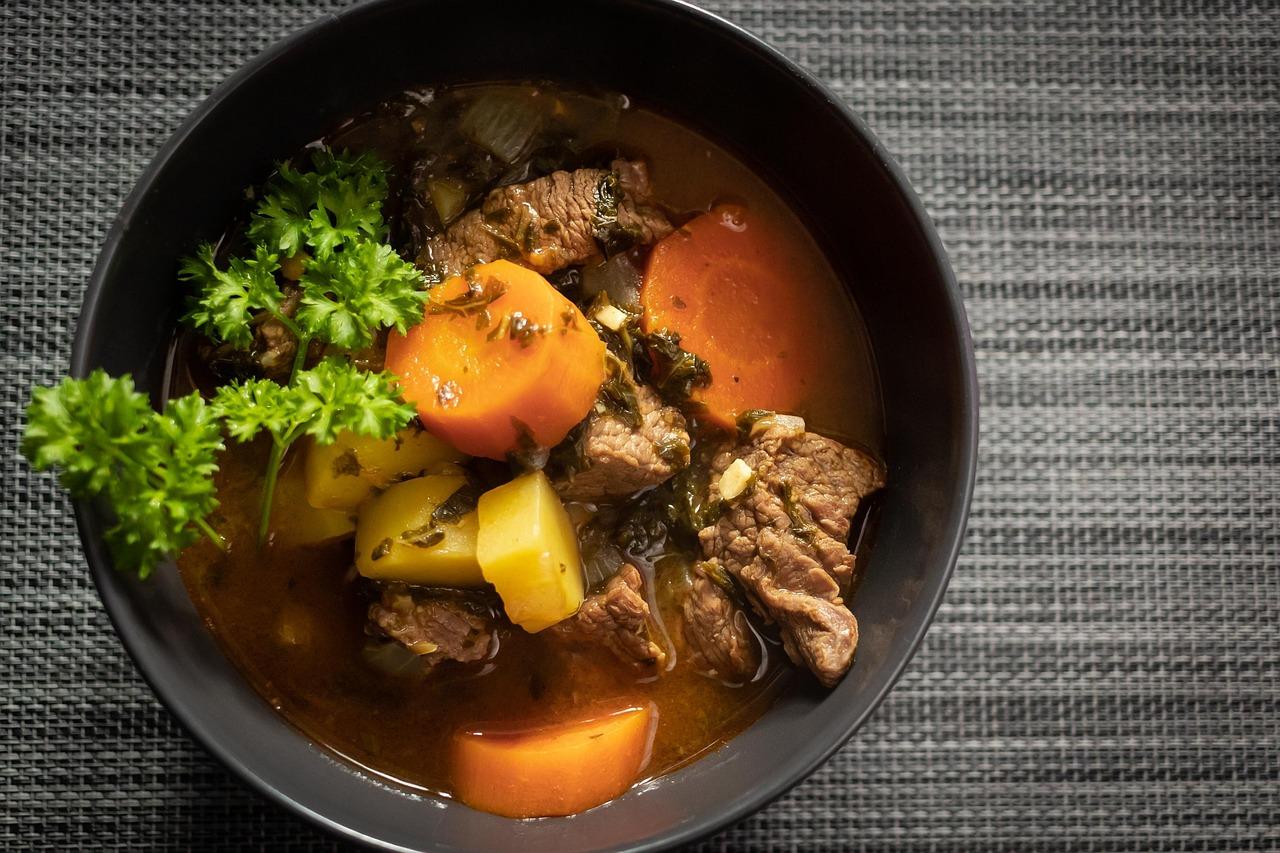
Irish stout beef stew

In pubs across Ireland, and in plenty of homes on a wet Sunday, beef stewed in dark stout is the dish that arrives with mash or a slab of brown bread. The stout (it contains alcohol, most of which cooks off but not all) gives the gravy a deep, slightly bitter malt flavour that a spoon of brown sugar balances. For an alcohol-free version use alcohol-free stout, or the same volume of extra beef stock with 1 tablespoon of black treacle. Chef's tip: brown the beef properly in batches; the dark crust on the meat is half the flavour of the gravy.

190 minIrishMeat
by KrazyBadal 0 views

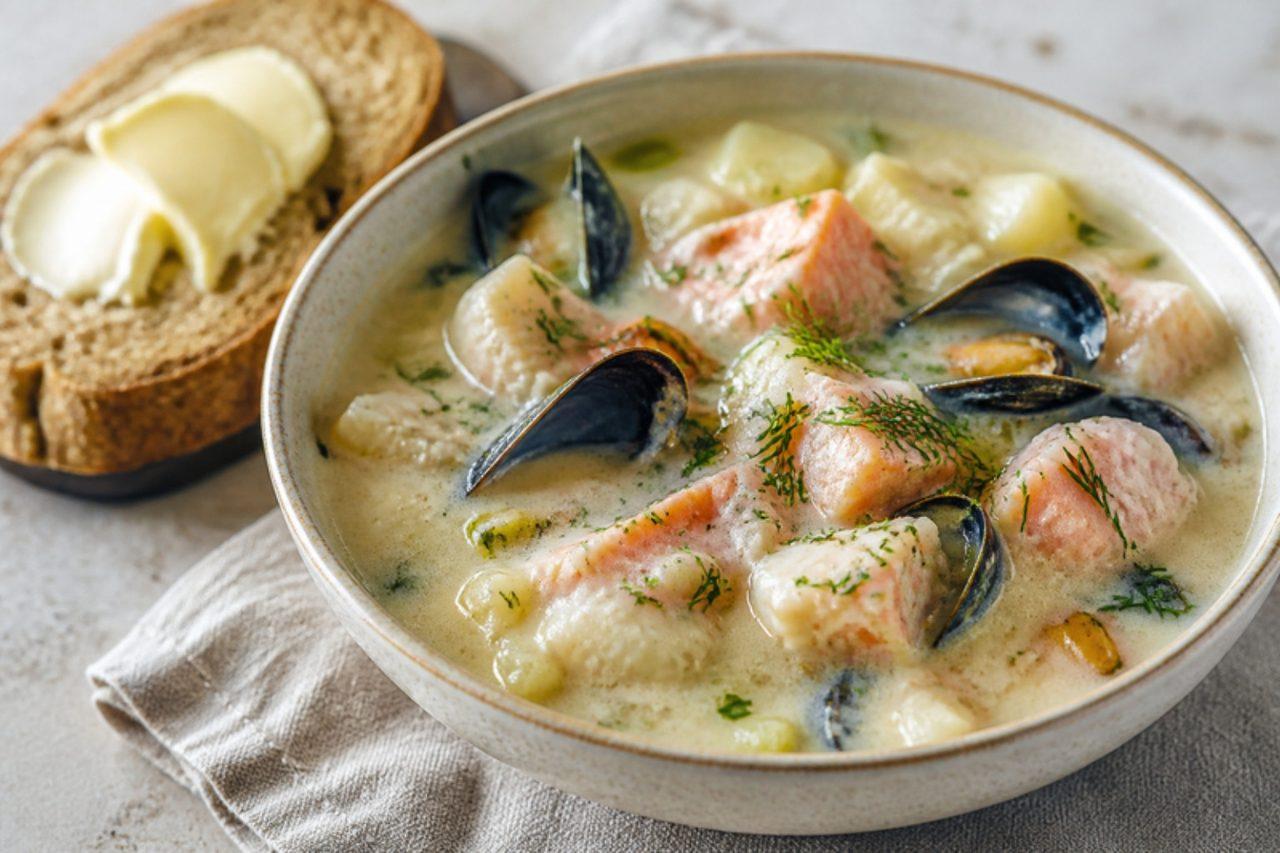
Irish seafood chowder

Along Ireland's west coast, from Galway Bay to the harbours of Kerry and West Cork, nearly every pub kitchen has its own seafood chowder, served with a thick slice of brown bread and butter. It is chunkier and smokier than the American kind: fresh mussels, a piece of smoked haddock or coley, salmon and white fish poached in a creamy base with leek, celery and potato, finished with dill. Chef's tip: add the fish in order of cooking time and take the pot off the heat as soon as it is just done; it keeps cooking in the hot soup.

55 minIrishSoups
by KrazyBadal 0 views

Feteer meshaltetFlaky layered pie

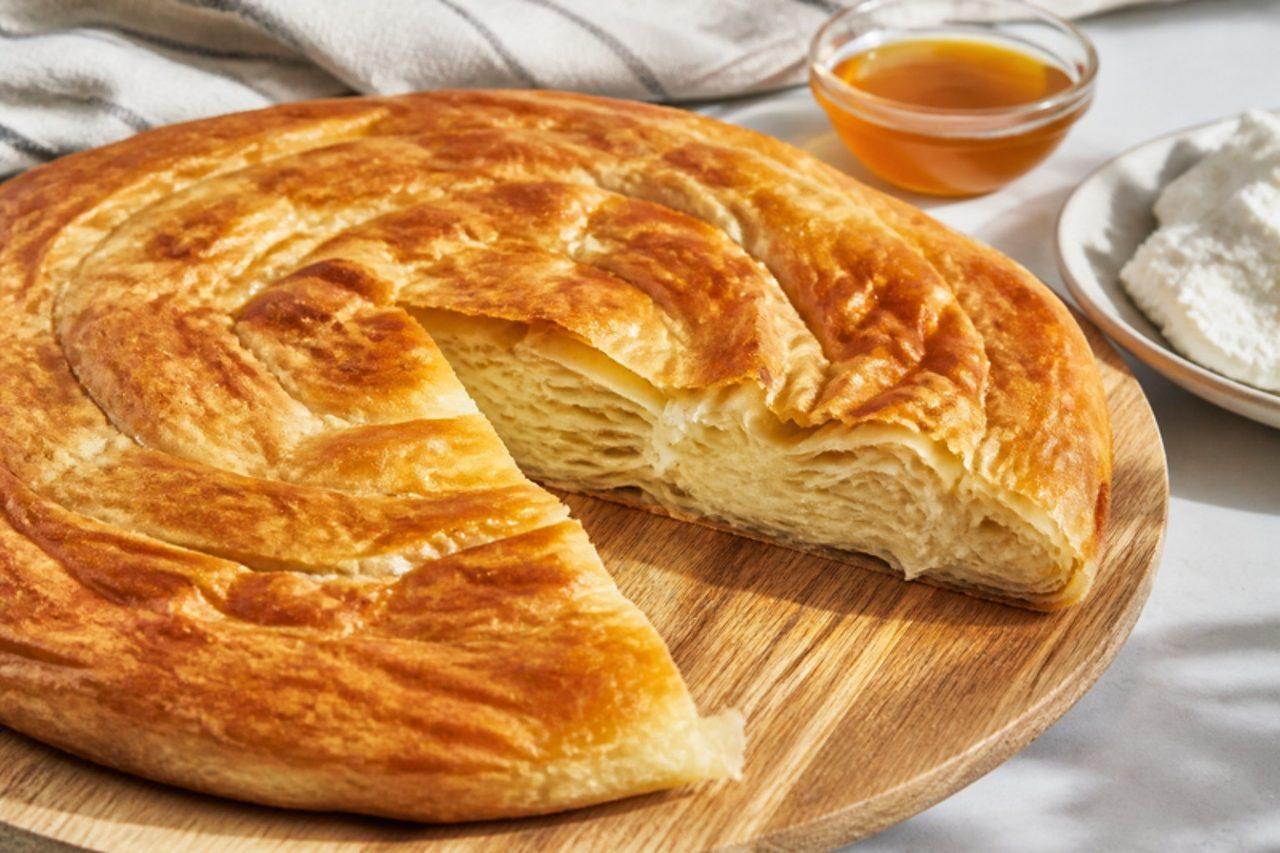
Feteer meshaltet comes from the villages of the Nile Delta, in Sharqia, Menoufia and around, where it is baked for weddings, feast days and for guests, and sent home with visitors in a cloth. A soft dough is stretched paper-thin, brushed with lots of ghee or butter and folded over and over into a round that bakes into dozens of crisp, flaky layers. Eat it warm, torn with your hands, dipped in honey or 'asal eswed (sugar-cane molasses) or with white cheese and olives. Chef's tip: let the dough balls rest in butter until they feel loose and silky; dough that hasn't relaxed tears when you stretch it, and torn dough is the most common reason a feteer comes out tough.

by KrazyBadal 0 views

Smoked salmon on brown wheaten bread

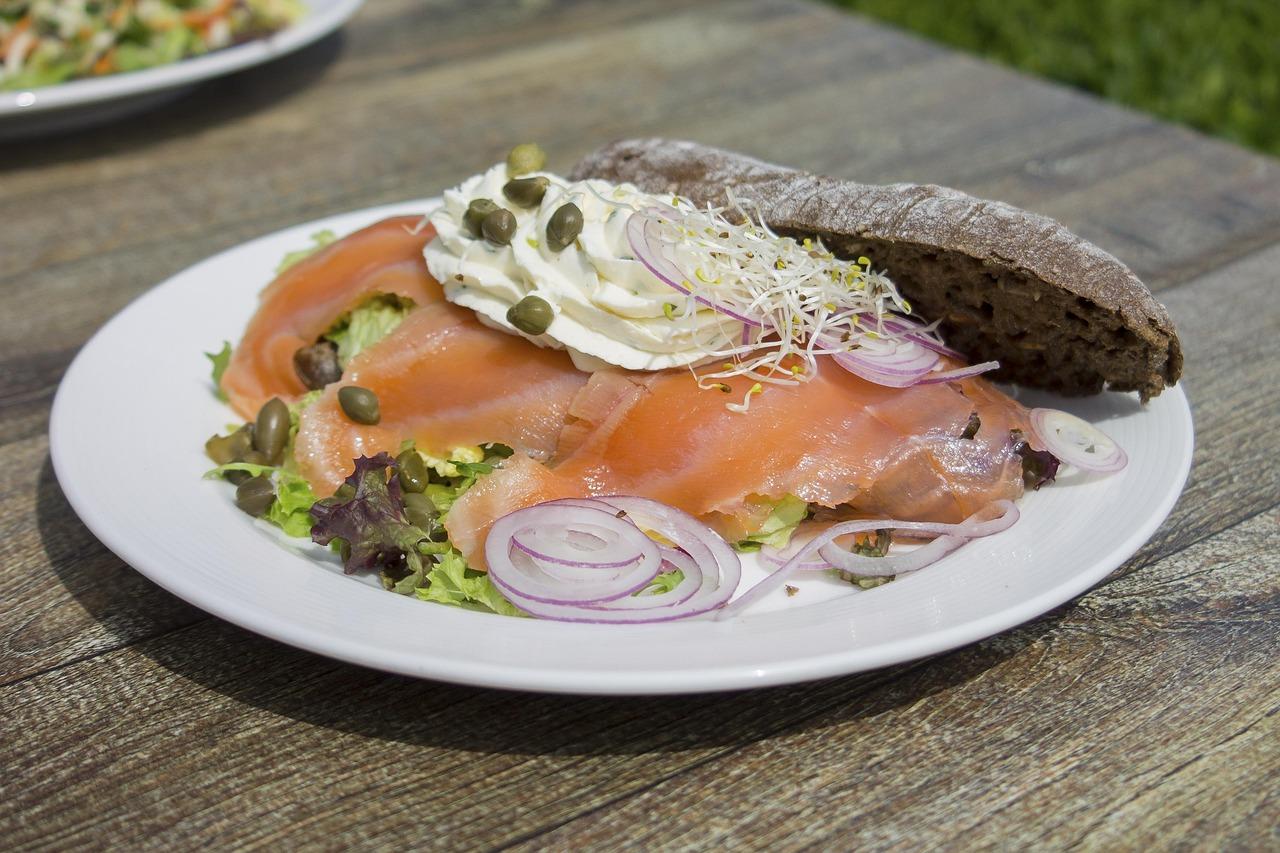
Irish smoked salmon, bradán deataithe, comes from smokehouses along the west coast in Connemara and Cork, and a plate of it on buttered brown wheaten bread is a classic starter at weddings and Christmas, and a light lunch in country hotels. The bread is a quick wholemeal soda bread made with buttermilk and no yeast, nutty and slightly sweet. Serve with lemon, capers and red onion. Cold-smoked salmon is not cooked, so pregnant people and anyone with low immunity should avoid it or use hot-smoked salmon instead. Chef's tip: cut the bread only when it has cooled completely; warm soda bread squashes and turns gummy.

60 minIrishFish
by KrazyBadal 0 views

FeijoadaBlack bean and pork stew

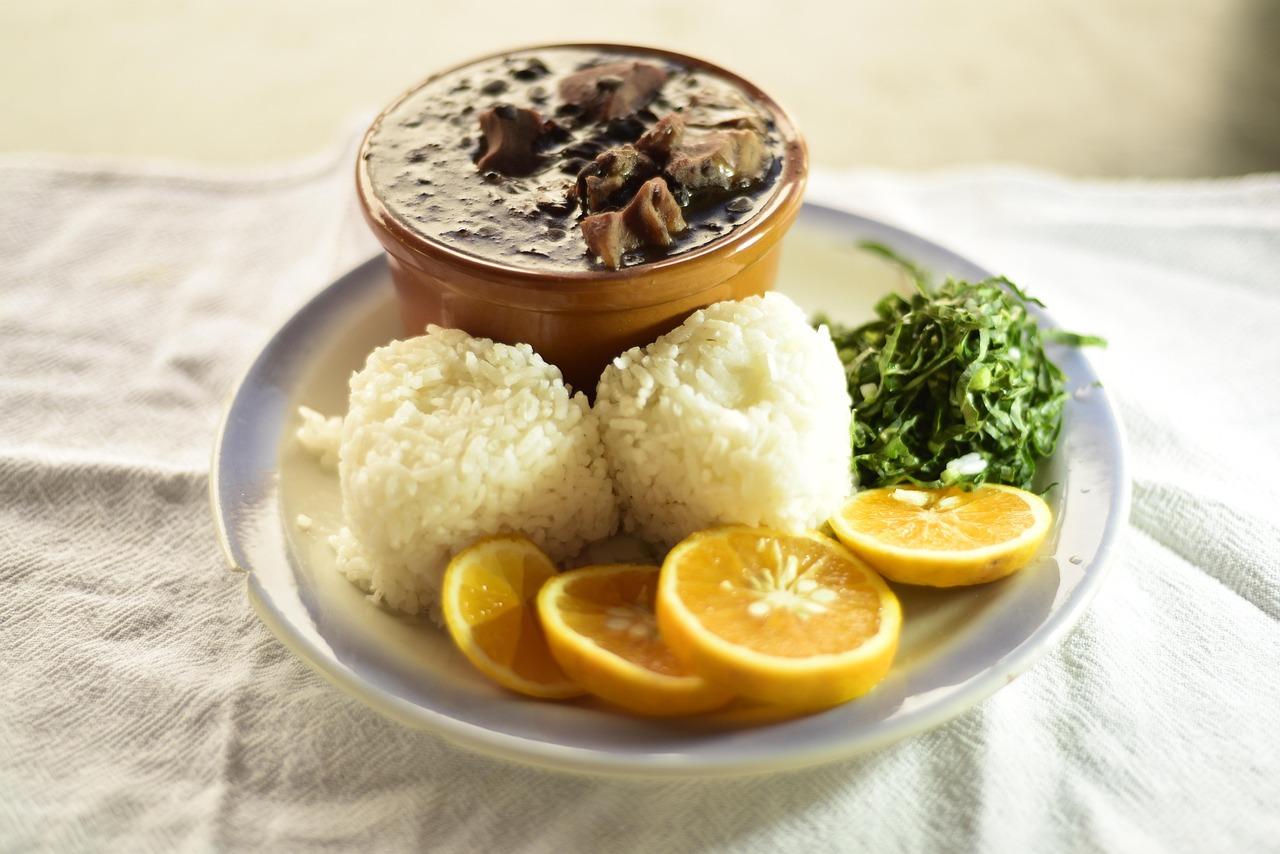
In Rio de Janeiro, feijoada has its own days: Wednesdays and Saturdays, when botecos and restaurants put the big pots on and lunch stretches into the afternoon. Black beans simmer slowly with carne seca (salt-dried beef), salted pork ribs, smoky sausages and bacon until the broth is thick, dark and glossy. The full spread, feijoada completa, comes with white rice, garlicky shredded couve, crunchy farofa and slices of orange to freshen the palate. Our vegetarian feijoada covers the meat-free version; this is the classic. Start a day ahead, because the salted meats must soak. Chef's tip: mash a ladleful of cooked beans with the fried onion and garlic and stir it back in; it thickens the broth naturally.

by KrazyBadal 0 views

Chicken Kyiv

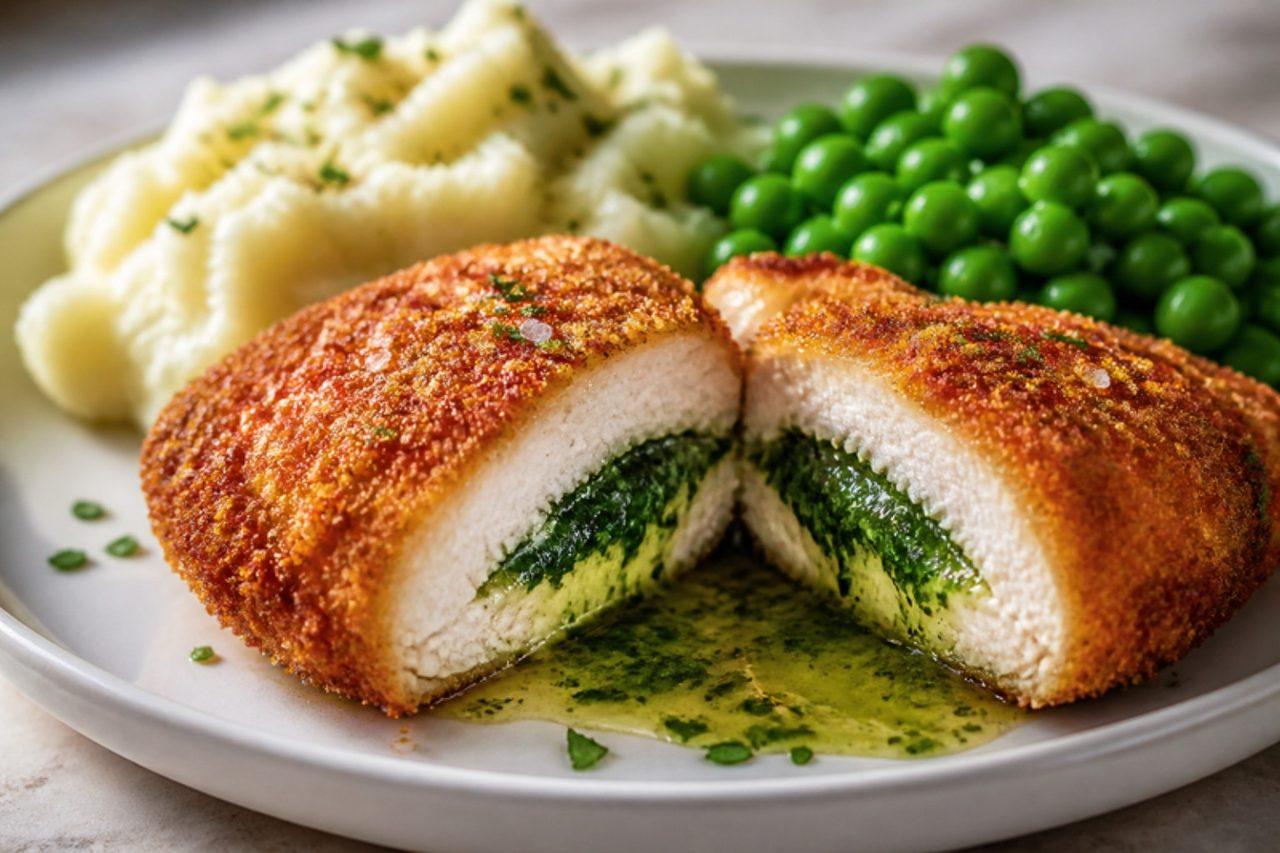
Chicken Kyiv, kotleta po-kyivsky, became the pride of the restaurants of Kyiv in the 20th century, and the city still serves it with a little paper frill on the bone and a fountain of herb butter when it is cut. A flattened chicken breast is rolled around a frozen stick of garlic, dill and parsley butter, double-crumbed to seal it, then fried and finished in the oven. Serve with mash or fried potatoes and a green salad. Chef's tip: freeze the butter until rock hard and seal every edge with two coats of egg and crumbs; that is what stops it from leaking.

by KrazyBadal 0 views

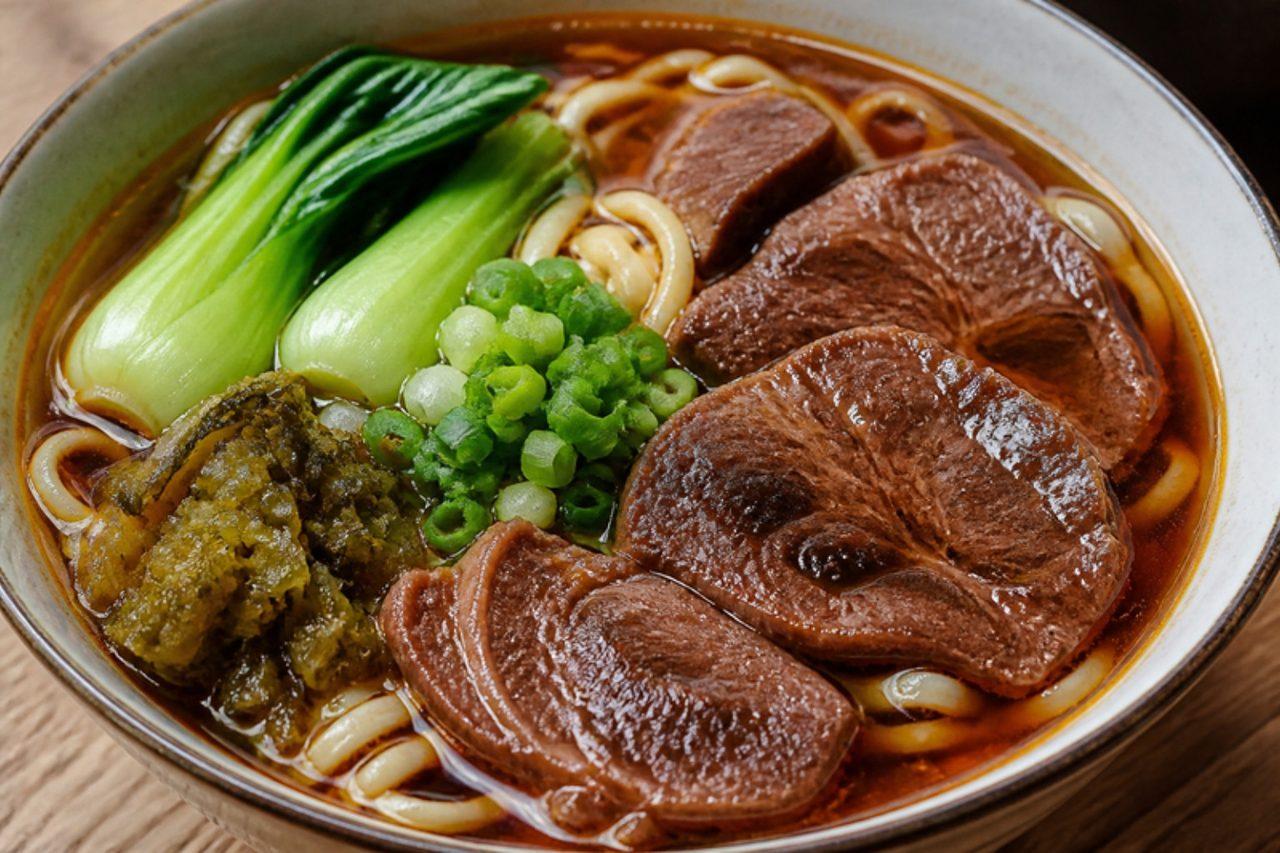
Taiwanese beef noodle soup

Taiwan treats beef noodle soup as a national dish, and Taipei even holds an annual festival where noodle shops compete for the best bowl. The red-braised style is the classic: beef shank simmers for hours with chilli bean paste, soy, star anise, ginger and tomato until it is meltingly tender, then the rich broth is poured over thick wheat noodles with blanched greens and pickled mustard greens. The braise uses Shaoxing rice wine, which contains alcohol; for an alcohol-free version use extra stock with 1 tsp rice vinegar. Chef's tip: blanch the beef first and rinse it; this gives a clear, clean-tasting broth.

by KrazyBadal 0 views

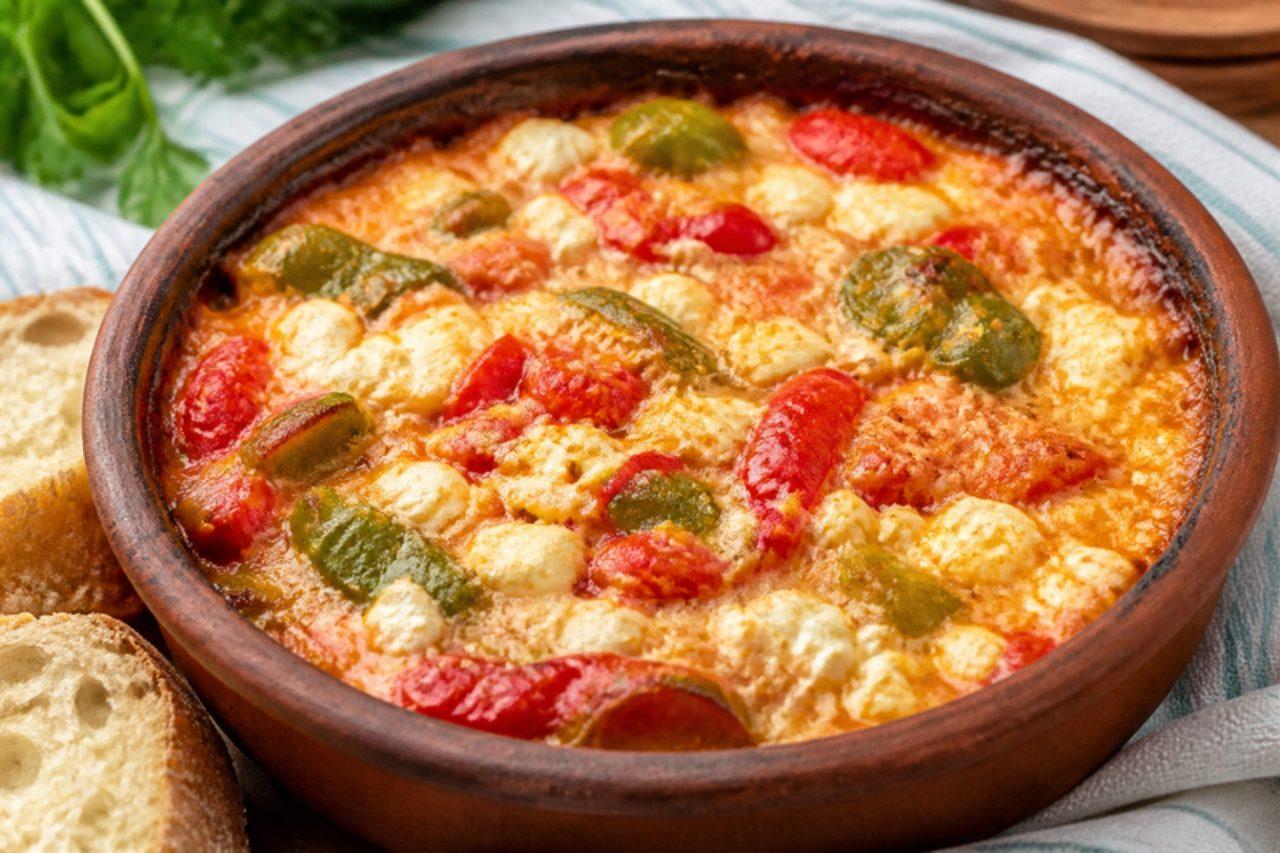
FërgesëBaked peppers and tomatoes with cheese

Fërgesë is the dish people in Tirana order at lunchtime in a small clay pot, still bubbling, with a basket of bread for dipping. Soft fried peppers and tomatoes are folded through gjizë, Albania's fresh salted curd cheese, then baked until the top spots golden. The meatless version with peppers is the everyday one across central Albania; it is rich, tangy and gently spicy. Ricotta mixed with a little feta is a good stand-in for gjizë outside Albania. Chef's tip: cook the tomatoes down until thick before the cheese goes in; a watery fërgesë that splits in the oven is the usual mistake.

by KrazyBadal 0 views

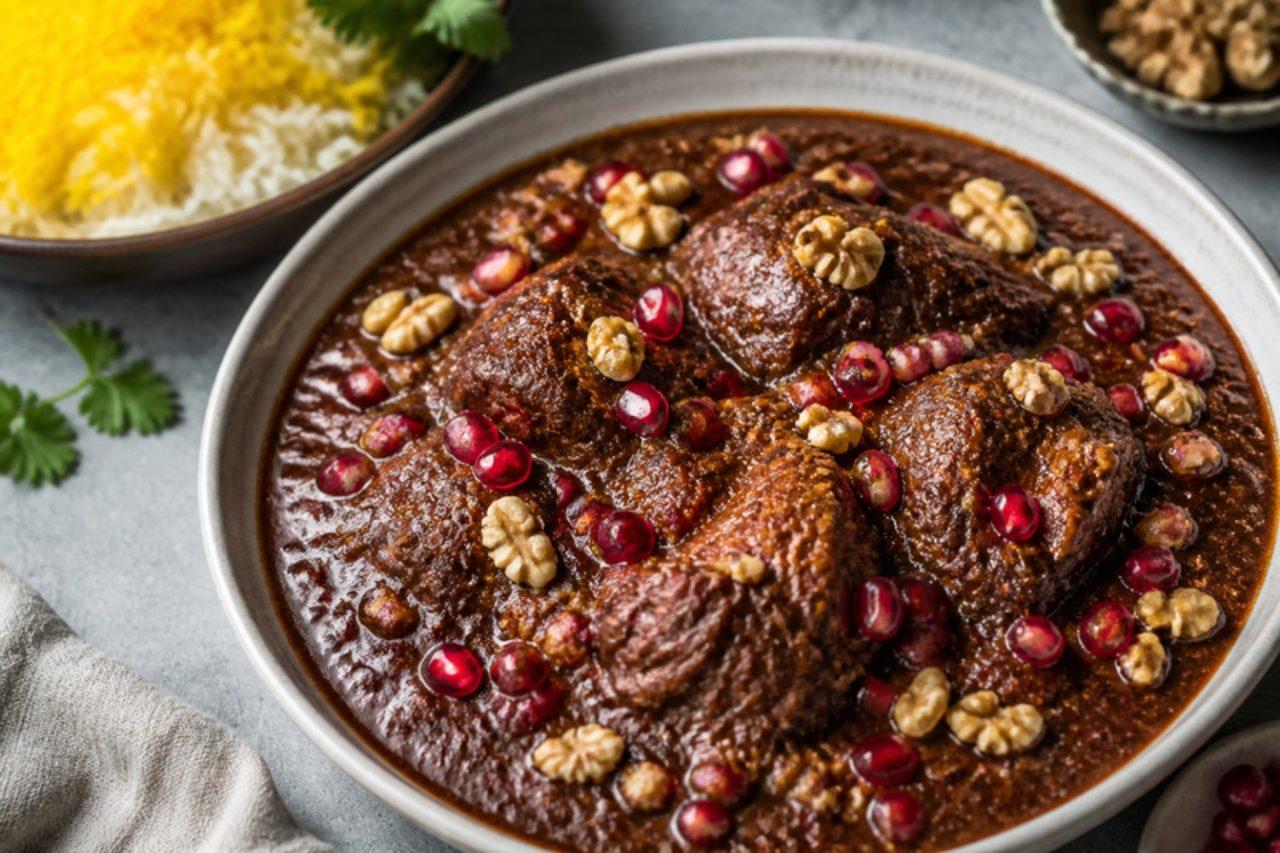
FesenjanChicken in pomegranate walnut sauce

In the rice paddies and forests of Gilan on the Caspian coast, fesenjan is cooked with duck or chicken in autumn, when walnuts are freshly cracked and pomegranates ripen; across Iran it now marks Yalda night in December and big family dinners. Ground walnuts are toasted, then simmered slowly with pomegranate molasses until their oil rises and the sauce turns almost chocolate-brown, thick and glossy, tangy first and gently sweet after. Chicken thighs braise in it until they are spoon-tender. Serve it over saffron chelow rice with a crisp tahdig. Chef's tip: stir the walnut paste over a low heat for a full hour; the longer, slower cook is what darkens the sauce and brings the walnut oil to the surface.

by KrazyBadal 0 views

KaassouffléFried Gouda in breadcrumbs

Despite the French-sounding name, a Dutch kaassoufflé has nothing to do with a baked soufflé. It is a snack-bar classic, fried in the frituur of every cafetaria from Groningen to Maastricht: a rectangle of thin pastry wrapped around a slab of young Gouda, coated in breadcrumbs and deep-fried until the cheese inside goes molten. It is the vegetarian's answer to the kroket, eaten at lunch or on the way home from football, with a squeeze of mayonnaise or sweet chilli sauce. Chef's tip: chill the filled, breaded pockets for at least 30 minutes before frying; cold pastry and cheese stay sealed in the hot oil, while warm ones burst and leak.

by KrazyBadal 0 views

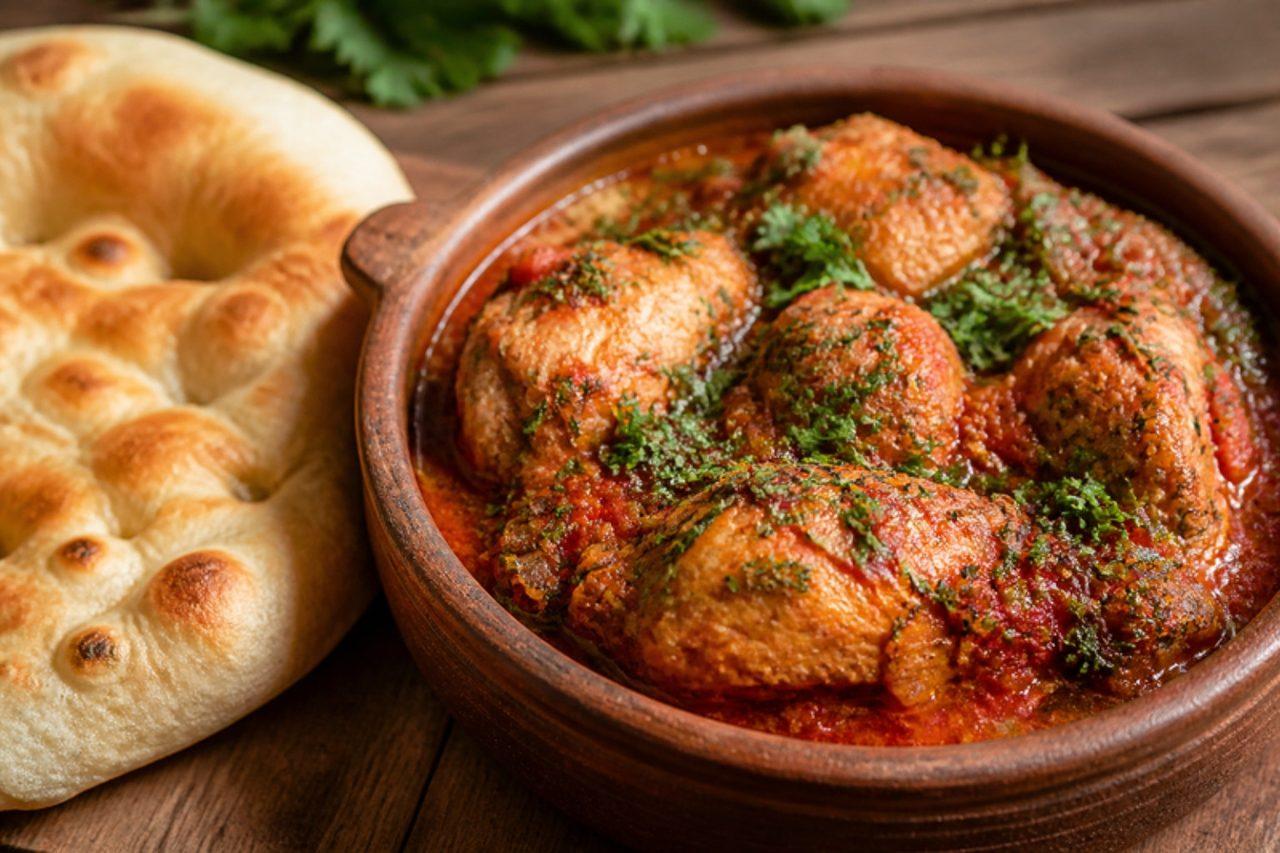
ChakhokhbiliChicken with tomatoes and herbs

Chakhokhbili was first made with pheasant (khokhobi), but in Georgian homes from Tbilisi to Kutaisi today it is an everyday chicken stew, the kind cooked on a weeknight and served with bread to wipe the plate. Chicken pieces are browned without oil, then simmered with a lot of onion and ripe tomato, garlic, chilli and khmeli suneli spice, and finished with a big handful of fresh coriander, basil and dill. Chef's tip: brown the chicken skin side down in a dry pan; it releases enough fat to cook the onions.

by KrazyBadal 0 views

Taiwanese popcorn chicken

Every night market in Taiwan, from Shilin in Taipei to Tainan's Garden Night Market, has a yan su ji stall with a queue, selling paper bags of bite-size fried chicken. Thigh pieces are marinated in soy, garlic and five-spice, coated in coarse sweet potato starch for a craggy, extra-crunchy shell, double-fried and tossed with fried Thai basil and a salt-and-white-pepper seasoning. The marinade traditionally includes rice wine, which contains alcohol; leave it out or use 1 tbsp water instead. Chef's tip: let the coated chicken rest for 5 minutes until the starch looks damp; it will then stay on in the oil.

by KrazyBadal 0 views

Curry fish balls

Curry fish balls are the after-school snack of Hong Kong, sold on bamboo skewers from steaming pots at street stalls in Mong Kok and Sham Shui Po for a few dollars. Springy fish balls simmer in a thick, mildly spicy yellow curry sauce made with curry powder, coconut milk and a little satay sauce, and are eaten straight from the stick while still hot. Chef's tip: simmer the fish balls in the sauce for at least 10 minutes; they need time to soak up the curry.

by KrazyBadal 0 views

Baked pork chop rice

Baked pork chop rice is the signature dish of Hong Kong's cha chaan teng, the busy tea cafés that mix Cantonese and Western cooking, and it arrives at the table bubbling in an oval dish. It is a pork dish: tenderised, marinated pork chops are fried golden and laid on egg fried rice, then covered with a sweet-sour tomato sauce with onions and peppers and topped with melted cheese. The marinade traditionally uses Shaoxing wine, which contains alcohol; use 1 tbsp water instead if you like. Chef's tip: score the edge fat and pound the chops; they stay flat and tender.

by KrazyBadal 0 views

Beef chow fun

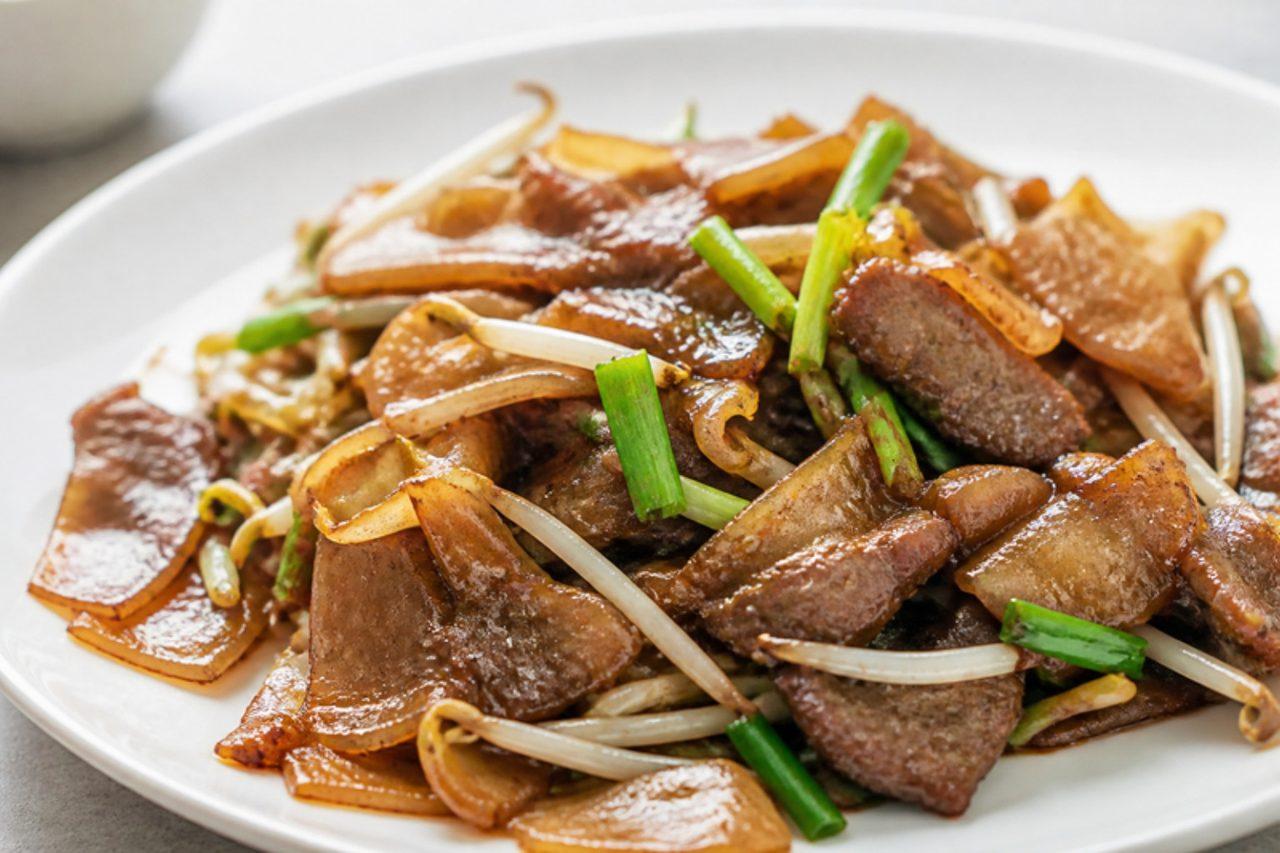
Gon chow ngau ho is the test of a Cantonese wok cook, and Hong Kong diners judge a dai pai dong (open-air food stall) or late-night café by it. Wide fresh rice noodles are tossed over a fierce flame with tender, marinated beef, bean sprouts and spring onion in soy sauce until smoky and glossy but never greasy or broken. The beef marinade sometimes includes Shaoxing wine, which contains alcohol; this version uses none. Chef's tip: separate the noodles by hand before cooking and do not stir with a spatula; lift and toss them so they stay whole.

by KrazyBadal 0 views

Katsuo no tatakiSeared bonito

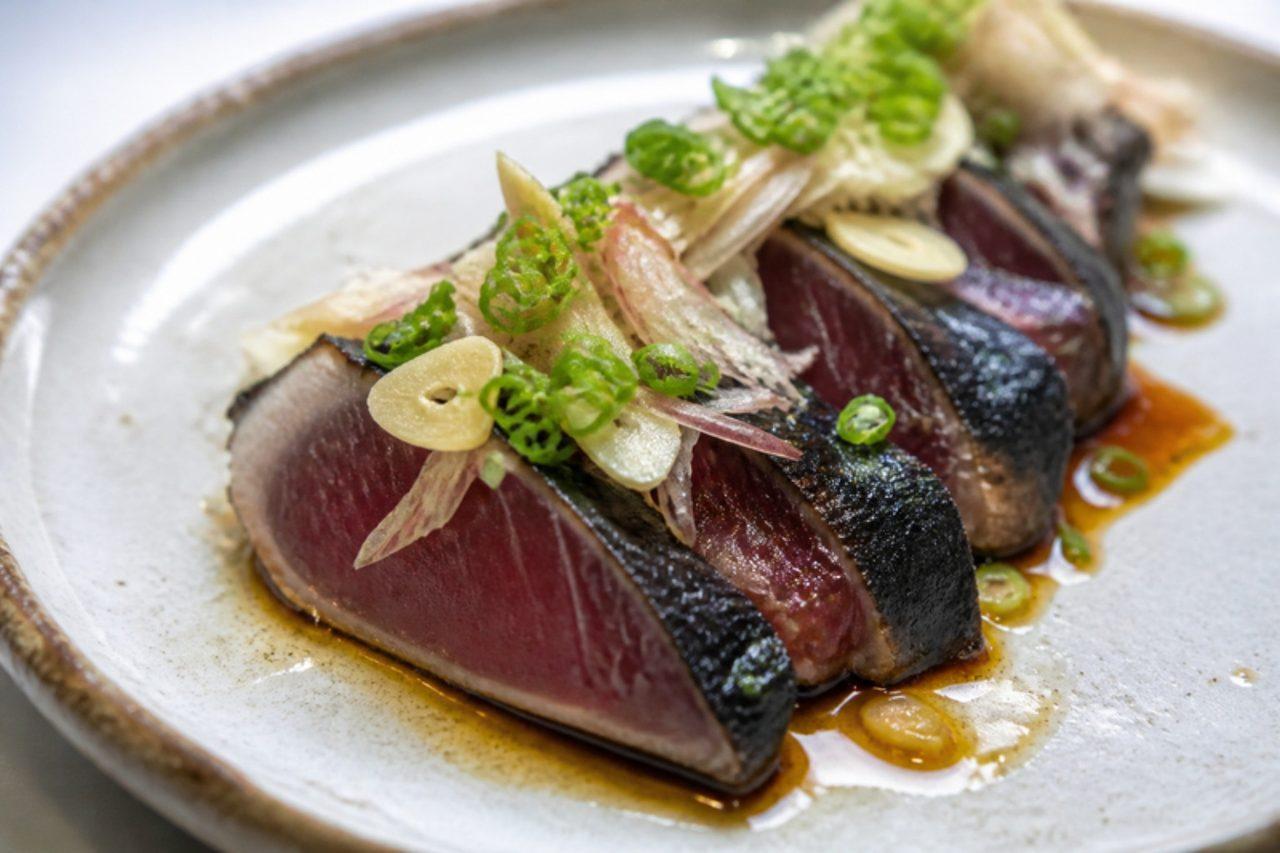
Kochi, on the Pacific coast of Shikoku, is Japan's bonito town. At Hirome Market in the city centre, cooks sear whole loins over roaring straw fires and slice them to order, served thick with garlic slices, onion and ponzu or just a pinch of salt. Bonito has two seasons there: the leaner first catch of spring and the fattier fish returning south in autumn. At home a very hot dry pan, or a blowtorch, gives the same charred skin around a cool red centre. Use very fresh, sushi-grade fish from a trusted fishmonger; not for pregnant women, young children or anyone with a weakened immune system. Chef's tip: slice it thick, about 1 cm, as they do in Kochi; thin slices lose the contrast between the smoky crust and the soft middle.

by KrazyBadal 0 views

Showing 90 of 7,762 recipes

Page 609 of 863