


Skip to content
Dak bokkeumtang
Featured recipe

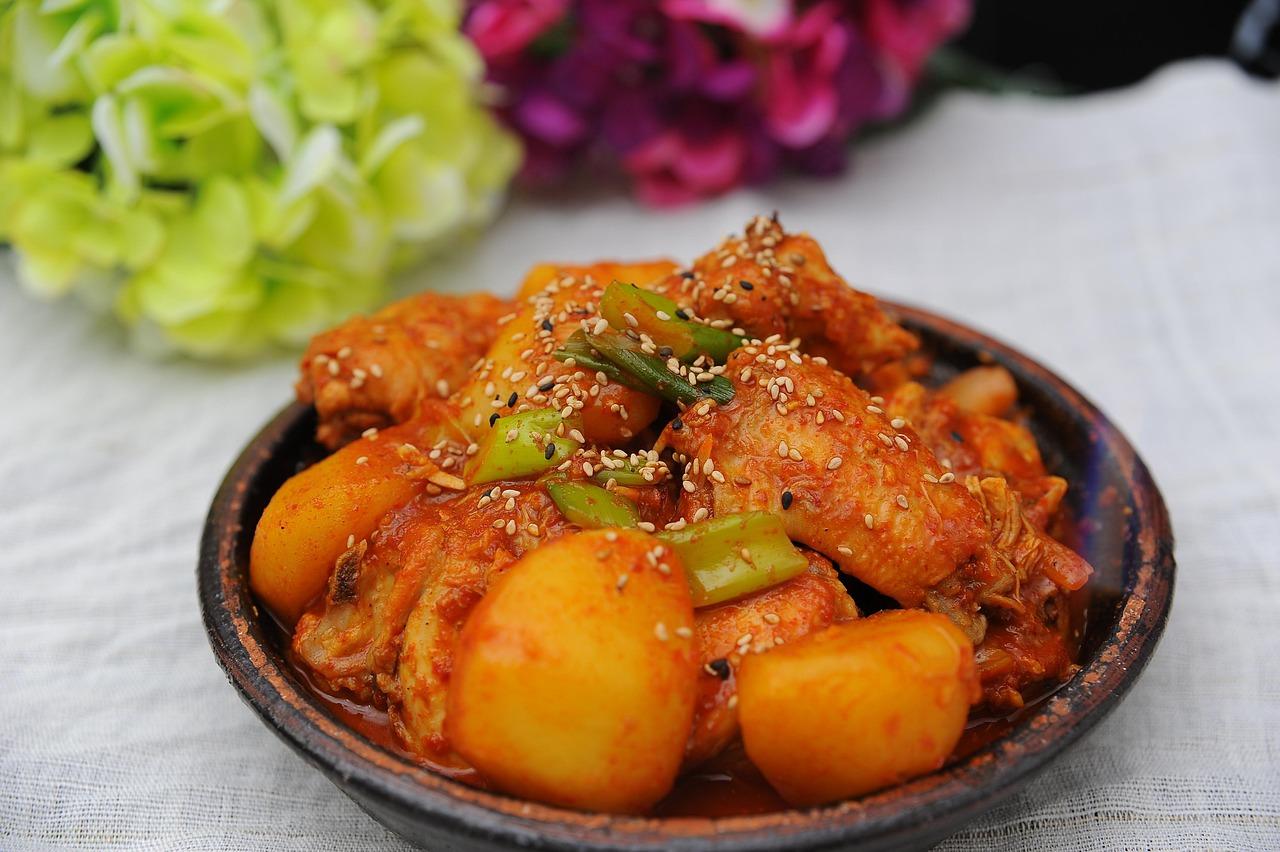
Dak bokkeumtang

Spicy chicken and potato stew

Chicken on the bone braised with big chunks of potato in a thick red sauce is a weeknight staple in Daejeon, the central city where many Korean rail lines meet, and in homes right across the country. Some people still call it dakdoritang. Unlike Andong's soy-based jjimdak, it gets its colour and heat from chilli flakes and gochujang, and the potatoes slowly thicken the sauce as they soften. It's usually brought to the table in the pot and shared, with rice and kimchi, and the last of the sauce is spooned over rice. Chef's tip: blanch the chicken for 3 minutes and rinse it first; this takes away scum and excess fat, so the sauce stays bright and clean-tasting.

Read more 0 views

What to eat today?

Around the world

Today's trip: Paraguayan

A new country every day, from every cuisine on the site.

Paraguayan

Buñuelos de algas

Sea lettuce fritters 35 minMore from Paraguayan (27) →

This week's collection

Kid-friendly dinners
537 recipes · a new collection every Monday

Latest recipes

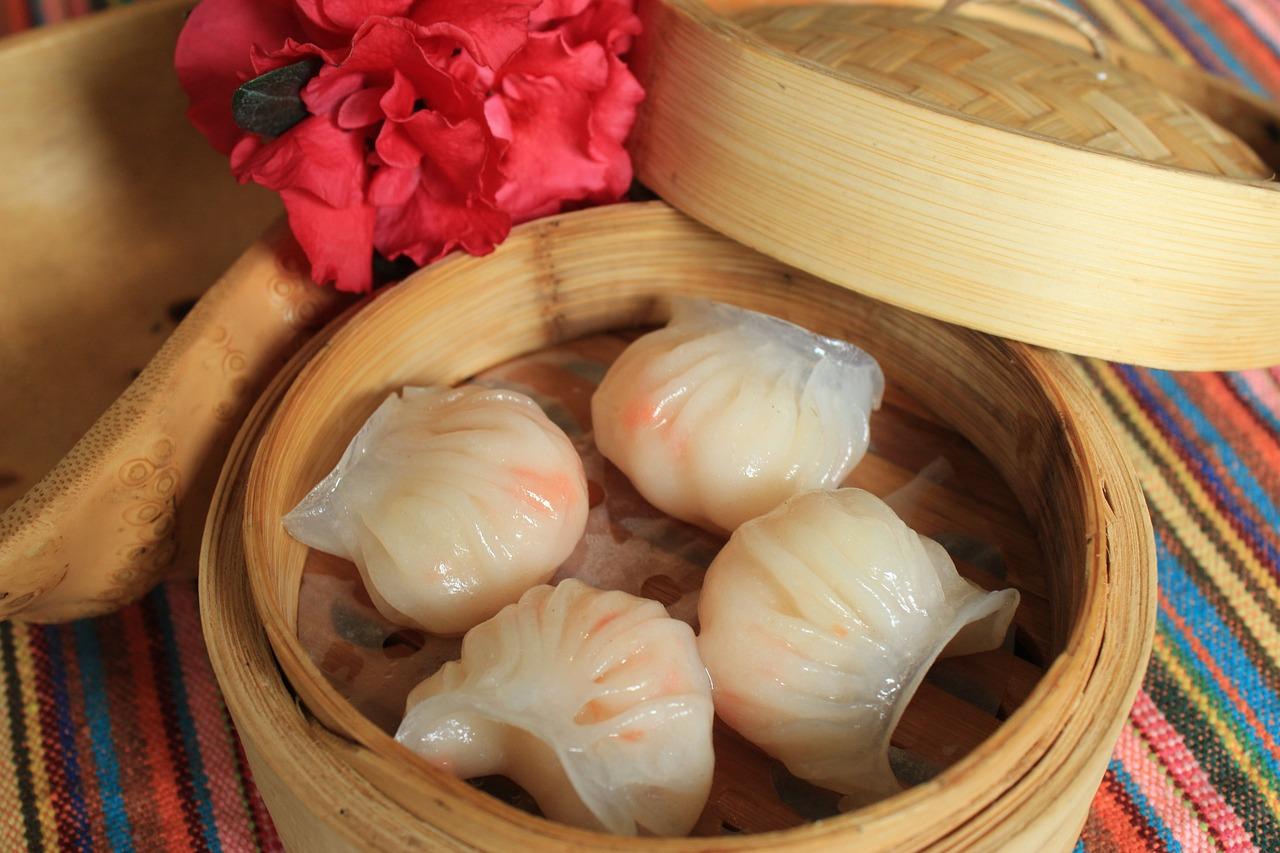
Har gowPrawn dumplings

No basket at a Guangzhou yum cha is judged more harshly than the har gow: a dim sum chef is said to prove themselves by folding ten or more pleats into each one. The wrapper is made from wheat starch and tapioca, so it steams clear and slightly chewy, showing the pink prawns inside; the filling is snappy, sweet and lightly seasoned with sesame and bamboo shoot. They take patience rather than special skill, and a batch made on a weekend morning feels like a trip to a teahouse. Serve them straight from the steamer with jasmine or pu'er tea and a little chilli oil on the side. Chef's tip: roll each wrapper only when you are ready to fill it, because the thin starch dough dries and cracks within minutes.

by KrazyBadal 0 views
Arroz doceRice pudding

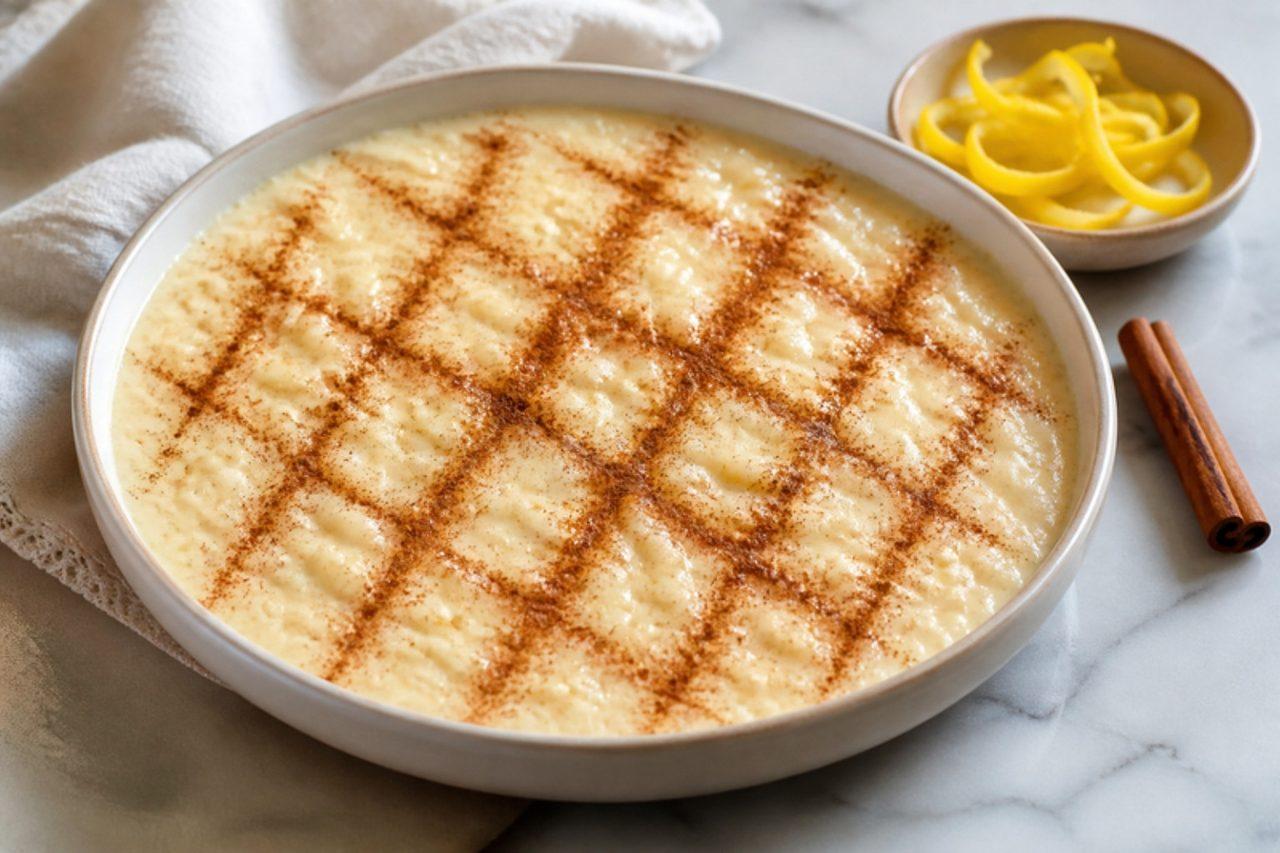
Arroz doce is set out on every Portuguese table at Christmas, at weddings and at the summer romarias (village saints' festivals) of the Minho, poured into wide, shallow platters and dusted with cinnamon in lattices, initials or little hearts. Short-grain carolino rice is first boiled in water with lemon peel and cinnamon, then simmered slowly in milk and sugar, and finally thickened off the heat with egg yolks, which turns it pale gold and custardy; that last step is what sets it apart from Spanish or Mexican rice puddings. It is eaten cold or at room temperature, by the spoonful straight from the platter. Chef's tip: cook the rice in water first until it has swollen, and only then add the milk; starting in milk scorches easily and leaves the grains firm in the middle.

by KrazyBadal 0 views

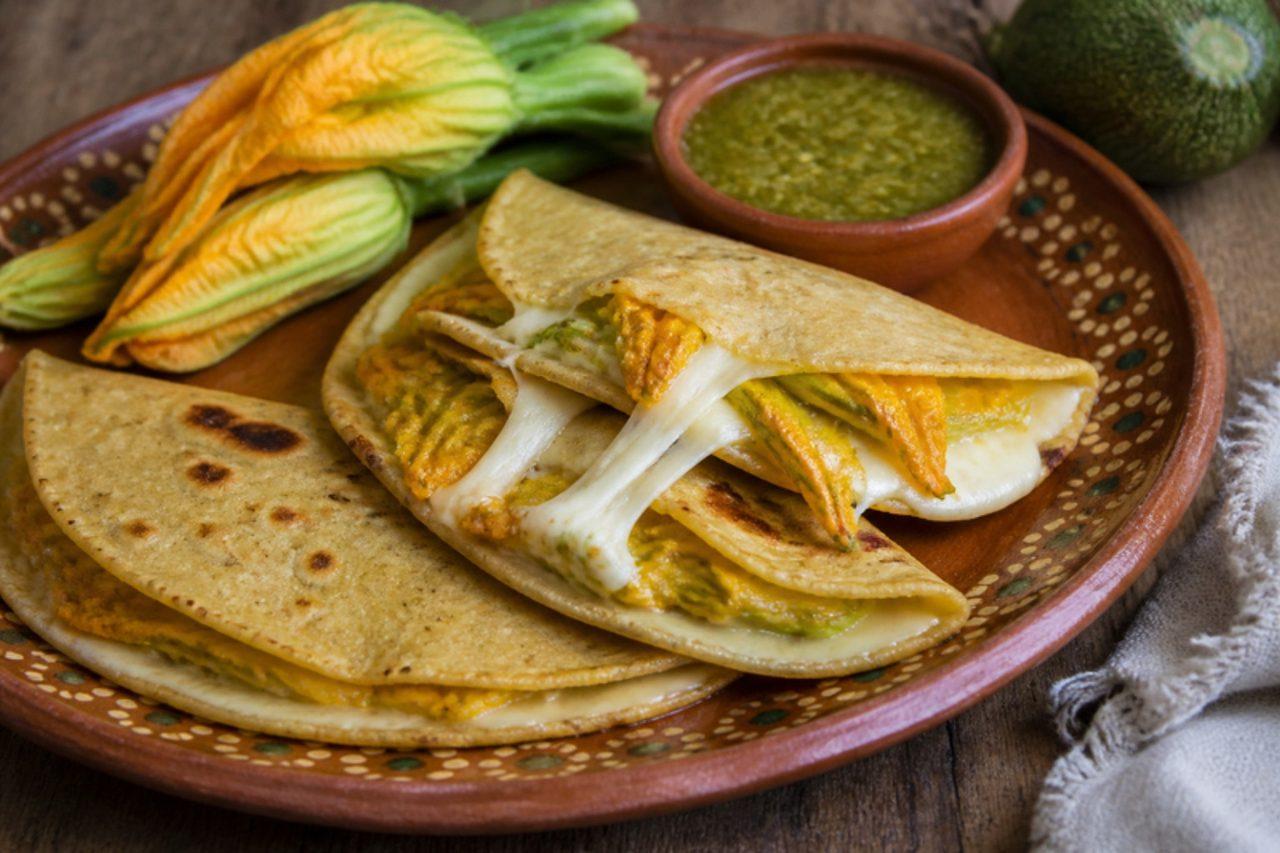
Quesadillas de flor de calabazaCourgette flower quesadillas

In Mexico City markets, squash blossoms (flor de calabaza) are sold by the armful in the rainy season and end up in quesadillas: soft corn tortillas folded around the flowers cooked with onion, green chilli and epazote, with stringy Oaxaca cheese. A famous Chilango joke is that a quesadilla there does not automatically come with cheese, so ask for it! The blossoms taste delicately of young courgette and wilt into a silky filling against the toasty corn. Serve them straight off the pan with salsa verde. Choose a cheese made with vegetarian rennet; if you can't find Oaxaca cheese, low-moisture mozzarella melts the same way. Chef's tip: cook the blossoms only until they collapse; any longer and they turn to mush and lose their colour.

by KrazyBadal 0 views

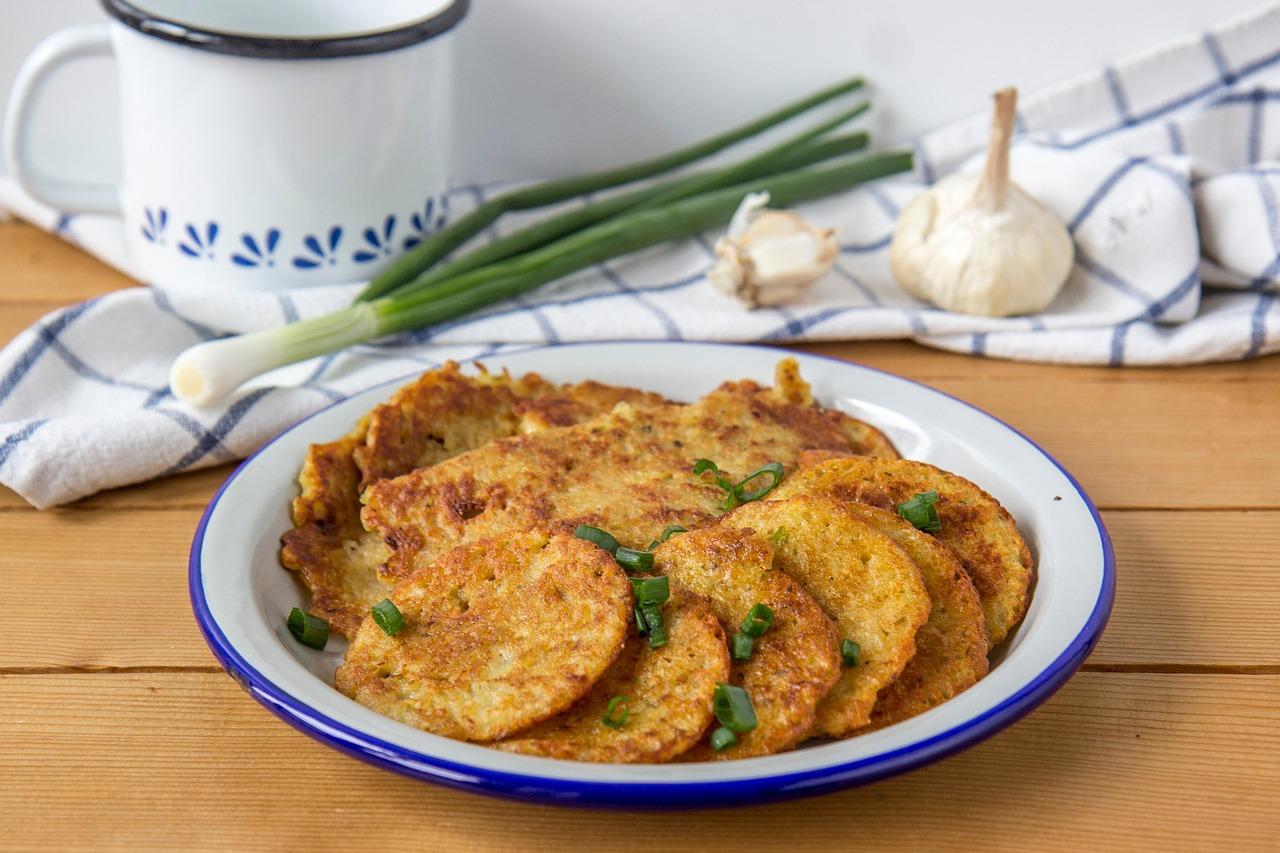
Sweet potato cakeFried sweet potato cakes

Soft, lightly sweet fried cakes of grated boiled sweet potato, flour and milk, shaped by hand into small flat rounds. They're golden outside and tender inside; the book's Handy Hints say sweet potato is good for the eyes and lifts the mood. Serve as a tea-time snack, or with tomato and chilli sauce.

by KrazyBadal 0 views

QuesitosCream cheese pastry rolls

Every panadería in Puerto Rico has a tray of quesitos by the till, and a warm one with a café con leche is a standard island breakfast, from Old San Juan to small-town bakeries in the mountains. Puff pastry is rolled around a log of sweet vanilla cream cheese and baked until it shatters, then brushed with sugar syrup so the top turns glossy and sticky. The filling stays soft and slightly tangy inside the crisp layers. Chef's tip: chill the filling before you roll, so it holds its shape and doesn't squeeze out of the ends in the oven.

by KrazyBadal 0 views

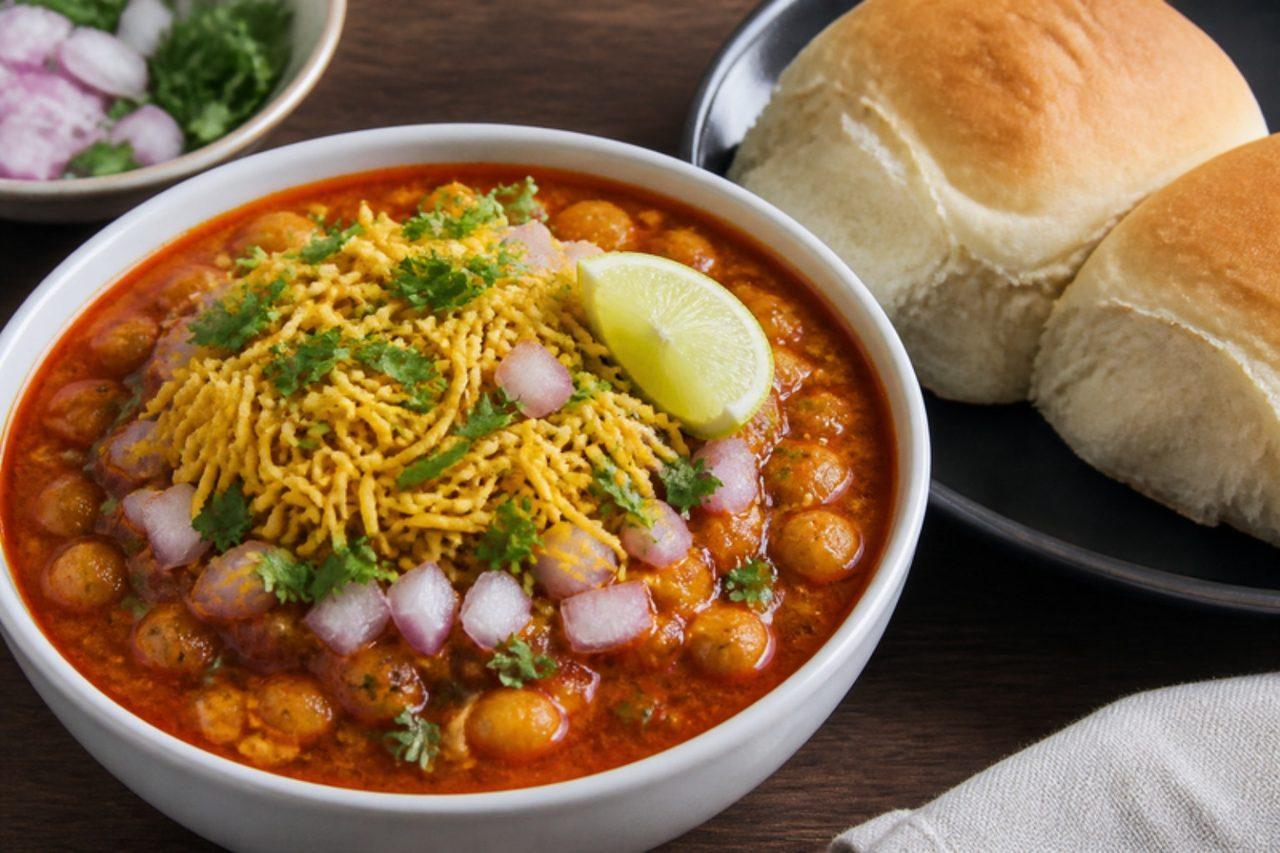
Sev usalWhite pea curry with sev

Ask anyone from Vadodara where to eat sev usal and you'll get a strong opinion and a street-corner name. Early in the morning the handcarts near Mandvi and Raopura have a huge pot of dried white peas simmering in a thin, fiery gravy, with a separate tin of brick-red chilli oil (the tari) on the side. A ladle of usal goes into a steel plate, a spoonful of tari is poured over, and then it disappears under fine sev, raw onion and coriander, with lemon and soft pav to mop it up. The gravy should be loose and soupy, not thick like a curry, so the sev stays crisp for the first few bites and then soaks in. Chef's tip: cook the tari separately and let each person add their own; the usal alone is only medium-hot, and the tari is where the fire comes from.

by KrazyBadal 0 views

Seven-vegetable couscous (bidaoui)Couscous with seven vegetables

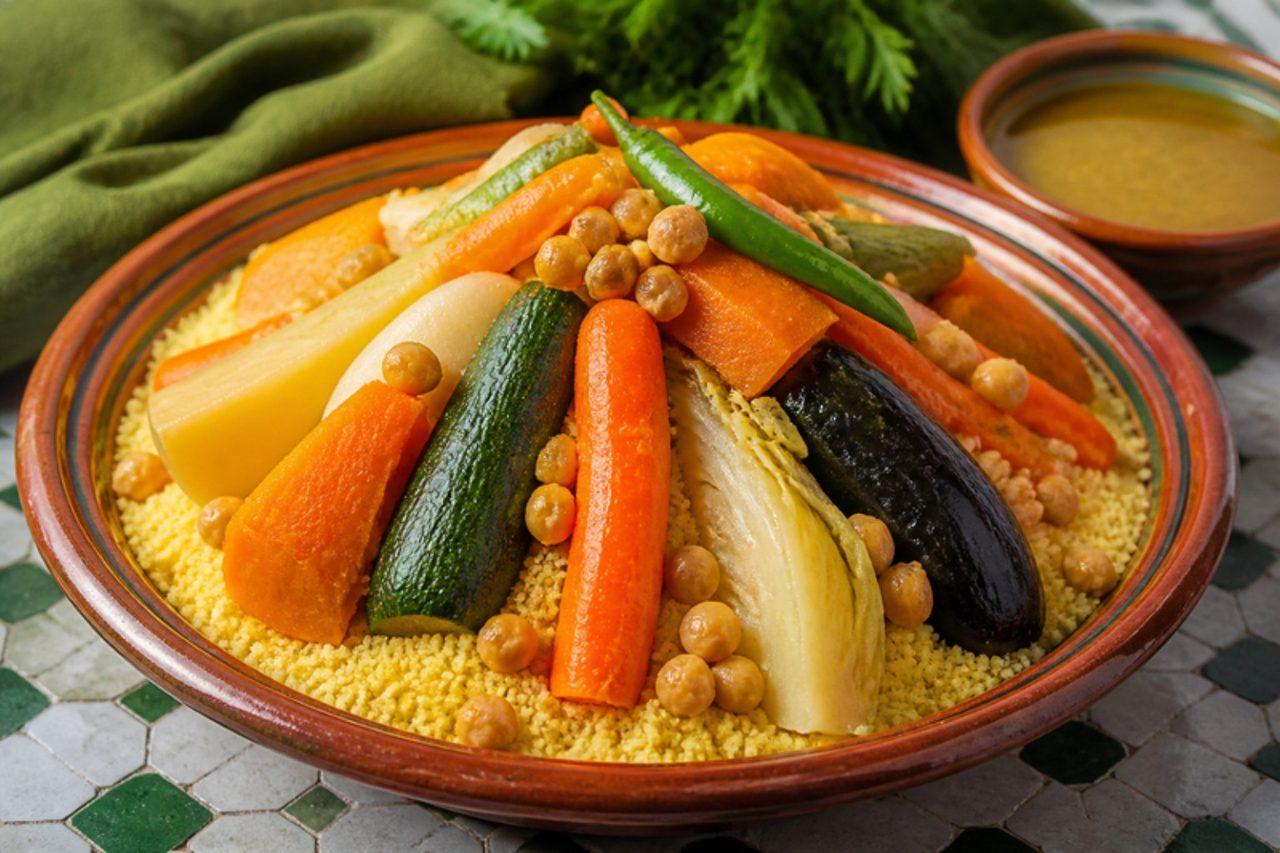
In Casablanca, Friday lunch after midday prayers means couscous bidaoui, the city's own version piled with seven vegetables, from pumpkin and turnip to cabbage and carrot. Families eat it from one great dish, each person working on their own corner of the mound, with extra broth ladled on as they go. The grains are steamed twice over the simmering broth so they swell into separate, fluffy beads that soak up the flavour without turning soggy. This vegetarian version builds the broth from onion, tomato, saffron and chickpeas, so it is rich enough without meat. Chef's tip: rub the couscous between your palms after each steaming to break up every clump; that is what makes it light.

by KrazyBadal 0 views

Yunnan steam-pot chicken

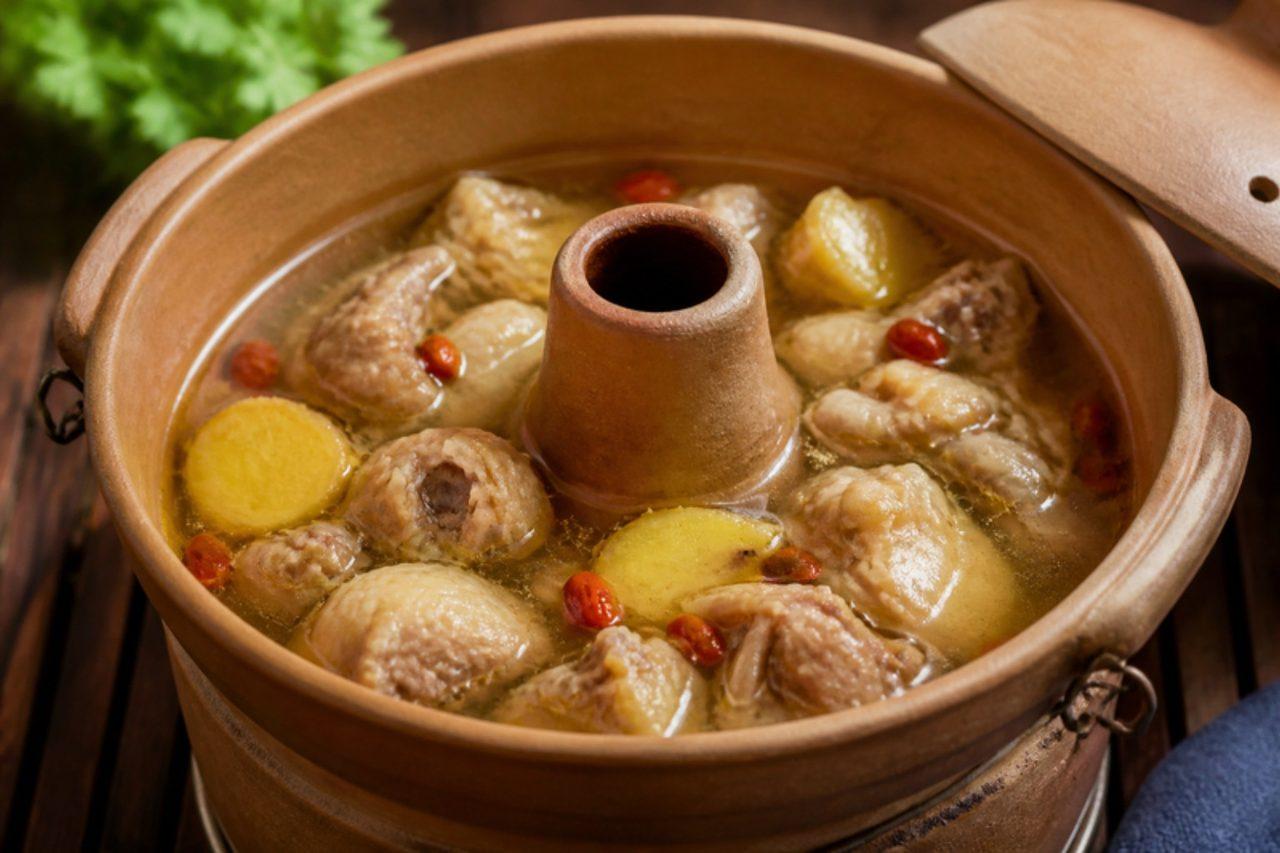
In the old town of Jianshui in southern Yunnan, potters still make the purple clay qiguo, a lidded pot with a chimney rising through its centre. Set over boiling water, it lets steam rise into the pot, where it meets the chicken, condenses and drips back as a pure, golden broth, with no water added at all. After three hours the meat falls from the bone and the soup tastes intensely of chicken and ginger, clean and restorative; in Kunming it is the dish for guests, for convalescents and for winter weekends. Serve the broth in small bowls first, then the chicken with rice and a chilli dip. Chef's tip: if you don't own a steam pot, a heatproof bowl covered with a plate in a steamer works well; it just needs a small splash of water to start the broth.

by KrazyBadal 0 views

Guilin rice noodles

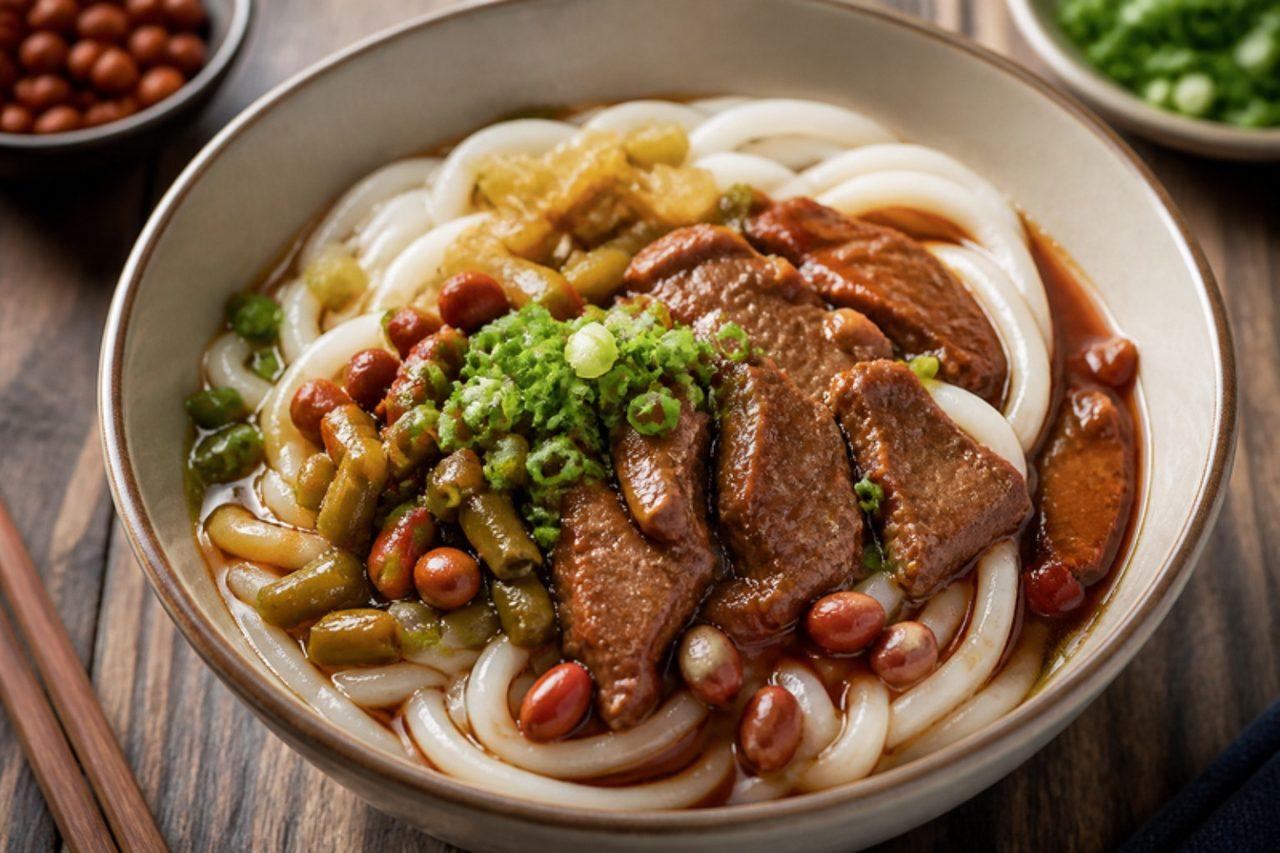
Guilin, among the karst peaks of Guangxi, starts its day with mifen: round, slippery rice noodles that are not served in soup at all but tossed with a few ladles of lu shui, the dark, spiced braising liquid in which the beef was cooked. On top go thin slices of that beef, crunchy fried peanuts, sour pickled beans and bamboo shoots, chilli and spring onion; you stir it all together and, if you like, add a splash of hot broth at the end. Street shops in the city serve it fast and cheap from breakfast till late. The flavour is savoury, sweet-spiced and sour, with crunch in every mouthful. Chef's tip: make the braised beef the day before and chill it in its liquid; cold beef can be sliced paper-thin, which is how Guilin cooks serve it.

by KrazyBadal 0 views

Arroz negroBlack rice with squid ink

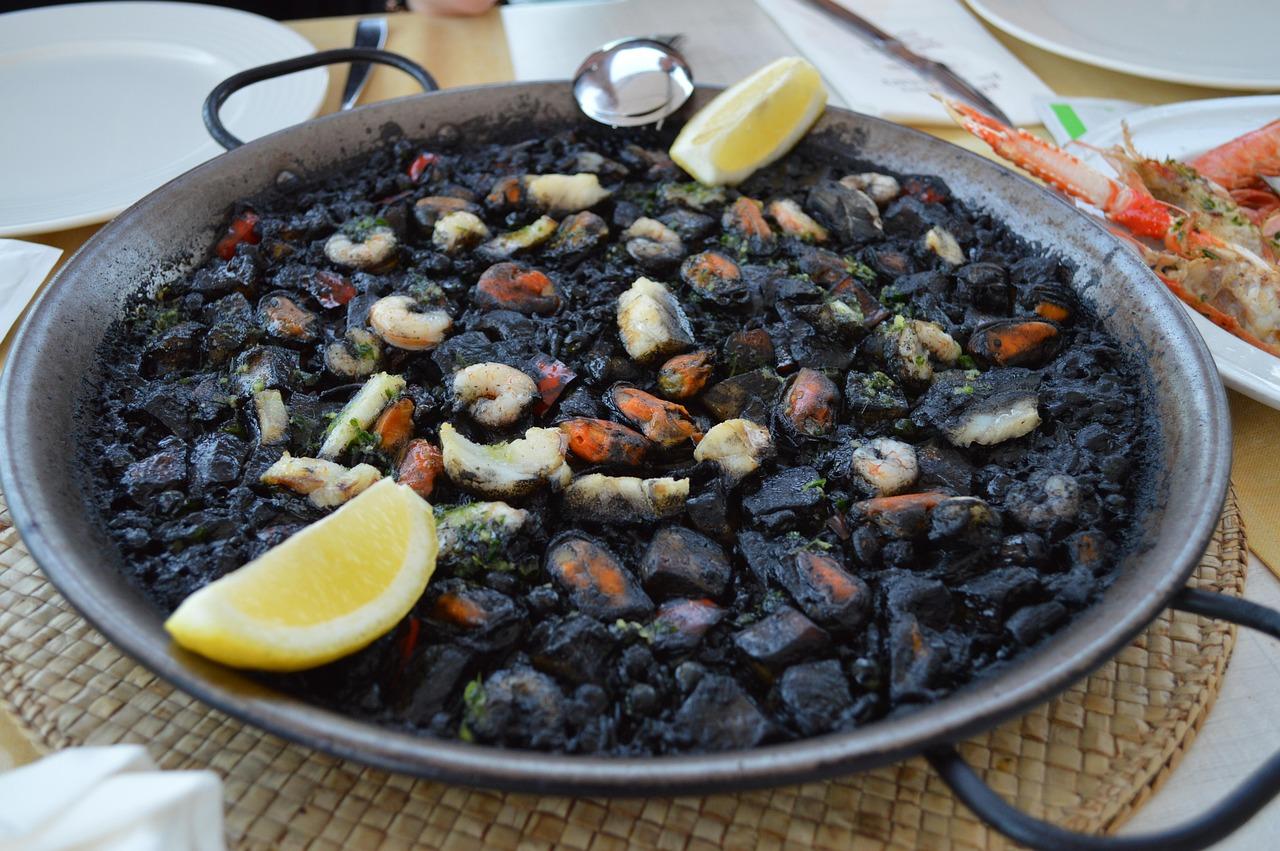
Along the coast from Valencia up to the Costa Brava, arroz negro (arròs negre in Catalan and Valencian) is a seafront restaurant favourite, ordered for the table at lunchtime and brought out in its pan. Squid and its ink turn the rice glossy black and give it a deep taste of the sea, and every forkful gets a dab of garlicky all-i-oli. This version uses the traditional egg-free all-i-oli, just garlic, oil and salt pounded together; if you'd rather make the easier egg version, use a pasteurised egg, and note that raw egg is not suitable for pregnant women, young children, older people or anyone with a weakened immune system. Chef's tip: buy squid ink in sachets or small jars from a fishmonger or Spanish deli; the ink sac inside a whole squid is far too small to colour a whole pan.

by KrazyBadal 0 views

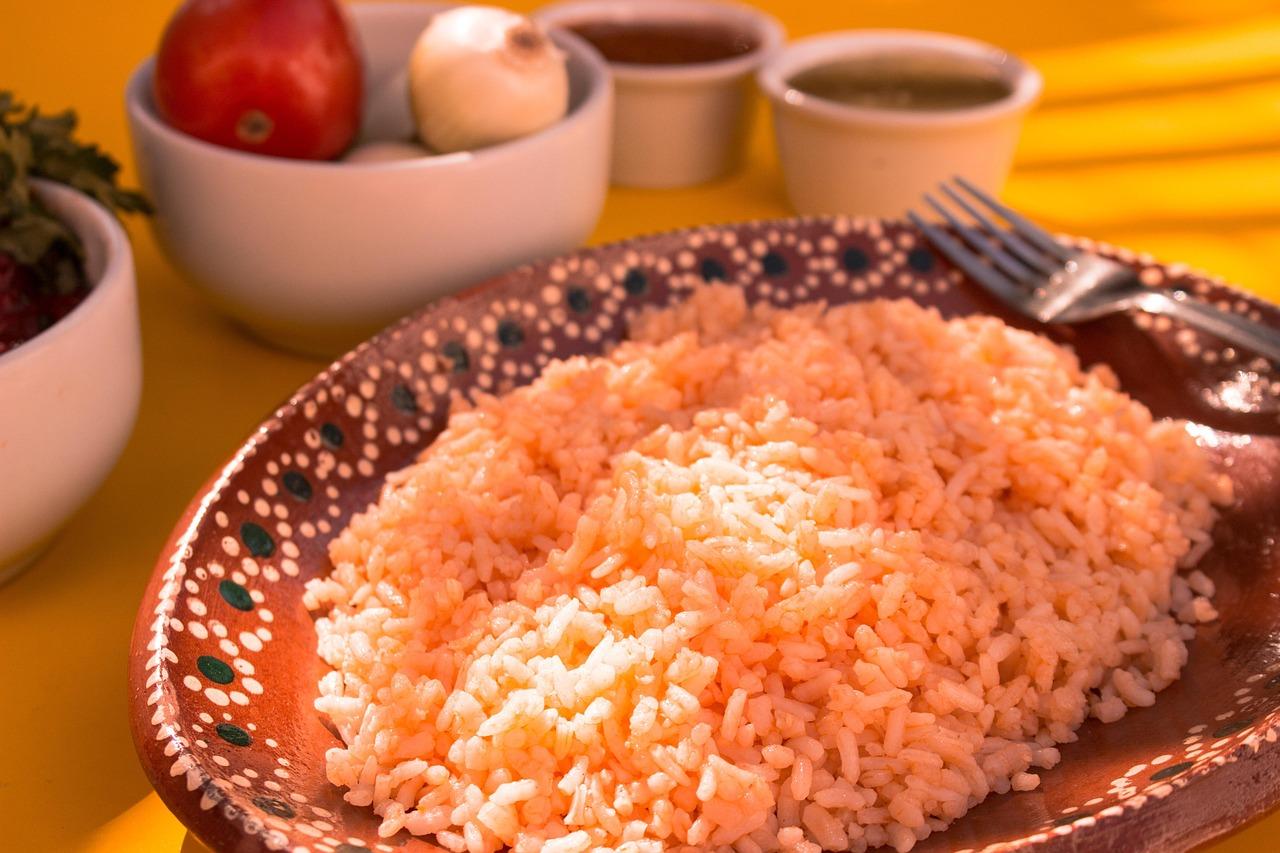
Arroz rojoMexican red rice

Arroz rojo (also called arroz a la mexicana) is the rice served beside almost everything in Mexico, from enchiladas to beans to a fried egg. Long-grain rice is fried in oil until golden, then simmered in a blended tomato, onion and garlic broth until every grain is separate, tender and tinted orange-red. Diced carrot and peas add colour and sweetness, and a whole chilli in the pot gives a gentle warmth without heat. Made with vegetable stock it is vegan and a favourite with children. Chef's tip: rinse the rice until the water runs clear and let it dry well before frying; wet rice won't toast and turns out sticky.

by KrazyBadal 0 views

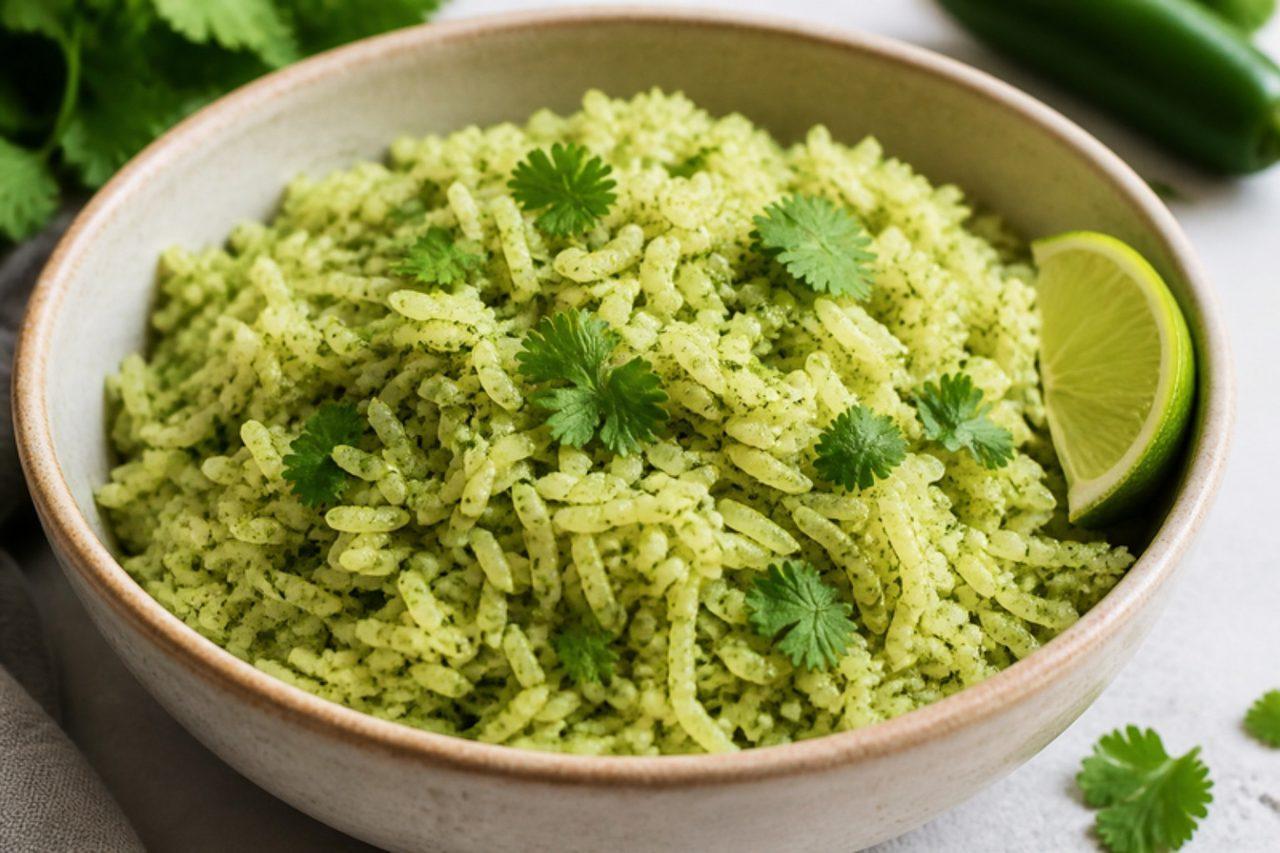
Arroz verdeGreen rice

Arroz verde is red rice's fresher sister, popular across central Mexico as a side for mole, enchiladas and beans. The rice is toasted in oil and then simmered in a vivid green purée of poblano pepper, coriander, parsley and a handful of spinach, so it comes out fluffy, herby and gently peppery, the colour of spring grass. It is vegan with vegetable stock and pairs especially well with mole rojo or roasted vegetables. Chef's tip: blend the greens with cold stock and add it straight to the rice; heated slowly or left standing the purée loses its colour, so make it right before you need it.

by KrazyBadal 0 views

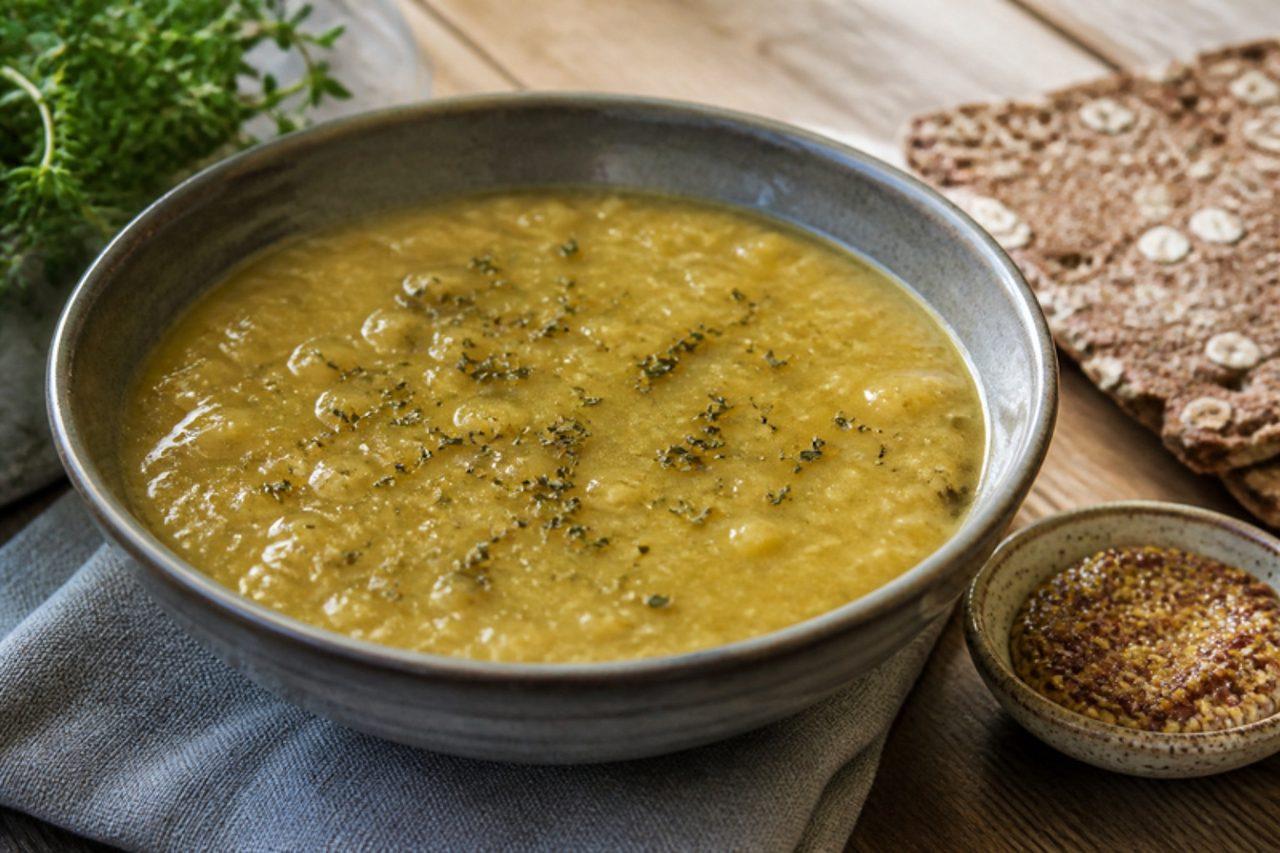
ÄrtsoppaYellow pea soup

For centuries Swedes have eaten ärtsoppa on Thursday: school canteens, army messes and home kitchens all serve thick yellow pea soup, followed by thin pancakes with jam (ärtsoppa och pannkakor). The tradition is said to date from Catholic times, a filling meal before Friday's fast. The soup is usually cooked with salt pork, but the soul of it is the dried yellow peas, onion and a generous hand of thyme and marjoram, so this version is fully plant-based and seasons the broth with a little smoked paprika instead. Each bowl gets a spoonful of sharp Swedish mustard stirred in at the table. Chef's tip: soak whole yellow peas overnight and skim the foam as they come to the boil; the skins that float up can then be lifted off, giving a smoother soup.

by KrazyBadal 0 views

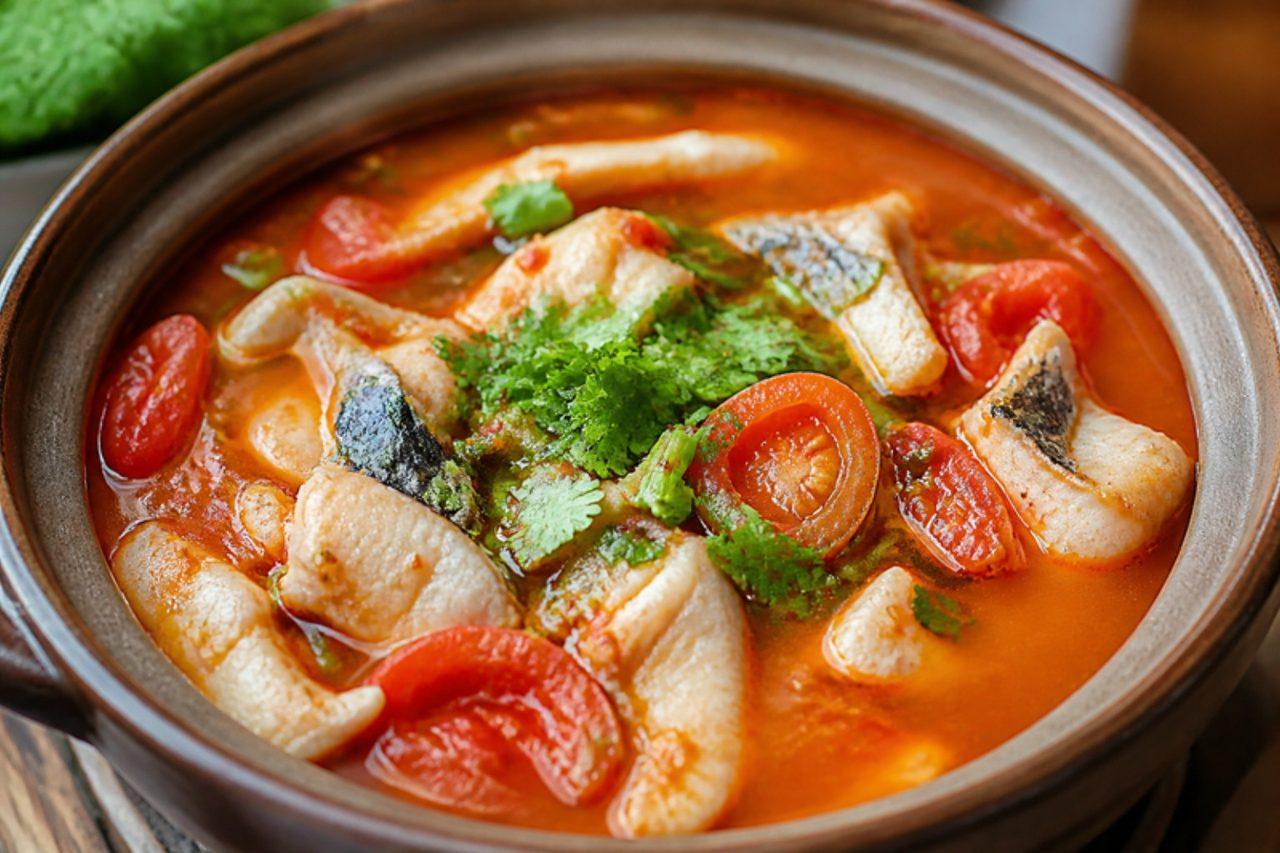
Guizhou sour fish soup

For the Miao people around Kaili in south-east Guizhou, a pot of sour soup is the heart of a meal, served in a wide pot over a burner with everyone dipping in. Their famous red sour soup is made by fermenting wild tomatoes with chillies for weeks, and it gives the broth a bright, tangy, lightly spicy taste that is fruity rather than vinegary. Chunks of fresh river fish, tofu and bean sprouts simmer in it until tender, and each piece is dunked in a little dish of chilli and herbs before eating. This home version gets close with very ripe tomatoes, fermented chillies and a splash of rice vinegar. Eat it with rice on a cold evening. Chef's tip: cook the tomatoes until they completely collapse into a thick red paste before you add any water; that is where the colour and the deep sourness come from.

by KrazyBadal 0 views

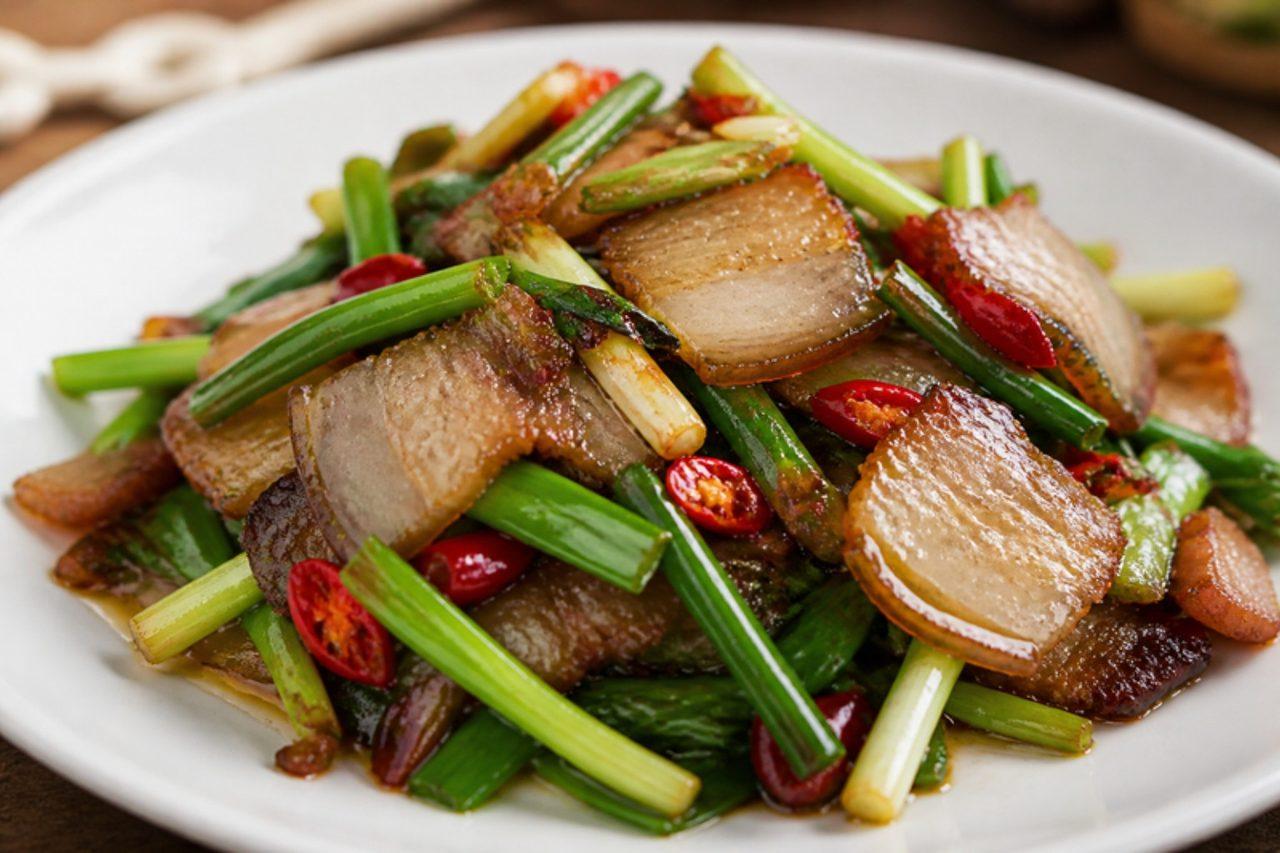
Hunan cured pork with garlic shoots

Every winter, Hunan households hang strips of salted pork belly over a wood fire until they turn dark and smoky, and this quick stir-fry is the most common way to eat them through the cold months. Thin slices of the cured belly are fried until the fat turns clear and the edges crisp, then tossed with green garlic shoots, which turn sweet and tender and soak up the smoky fat, plus fresh chilli and fermented black beans for a salty, spicy kick. It is a plain everyday dish that sits beside rice on a farmhouse table. Serve it with steamed rice and a light soup. Chef's tip: simmer the cured pork before slicing; it softens the meat and draws out some of the salt, so the finished dish is savoury rather than harsh.

by KrazyBadal 0 views

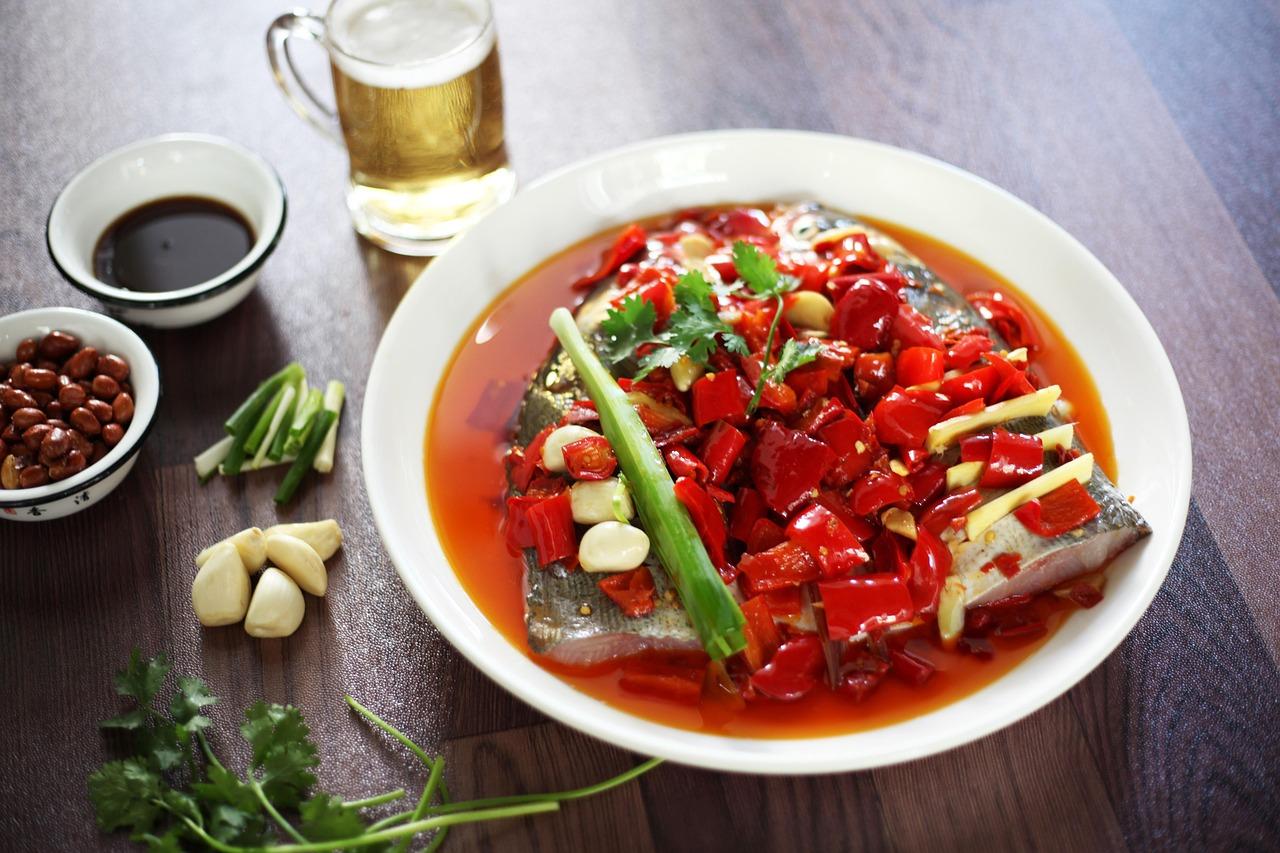
Hunan steamed fish head with chopped chillies

Walk into almost any restaurant in Changsha and a split fish head blanketed in scarlet chopped chillies will be on the table next to you. The chillies are salted and fermented, so they taste bright, sour and fruity as well as hot, and the steam carries their juices into the sweet, soft fish beneath; the meaty cheeks and the jelly-like flesh around the head are the prized parts. A last drizzle of smoking oil wakes it all up. When the fish is gone, Hunanese diners tip plain noodles into the leftover juices, and so should you. Chef's tip: buy the head from a fishmonger who has just cut it, with clear eyes and bright red gills; if that's hard to find, thick bone-in fish steaks work just as well.

by KrazyBadal 0 views

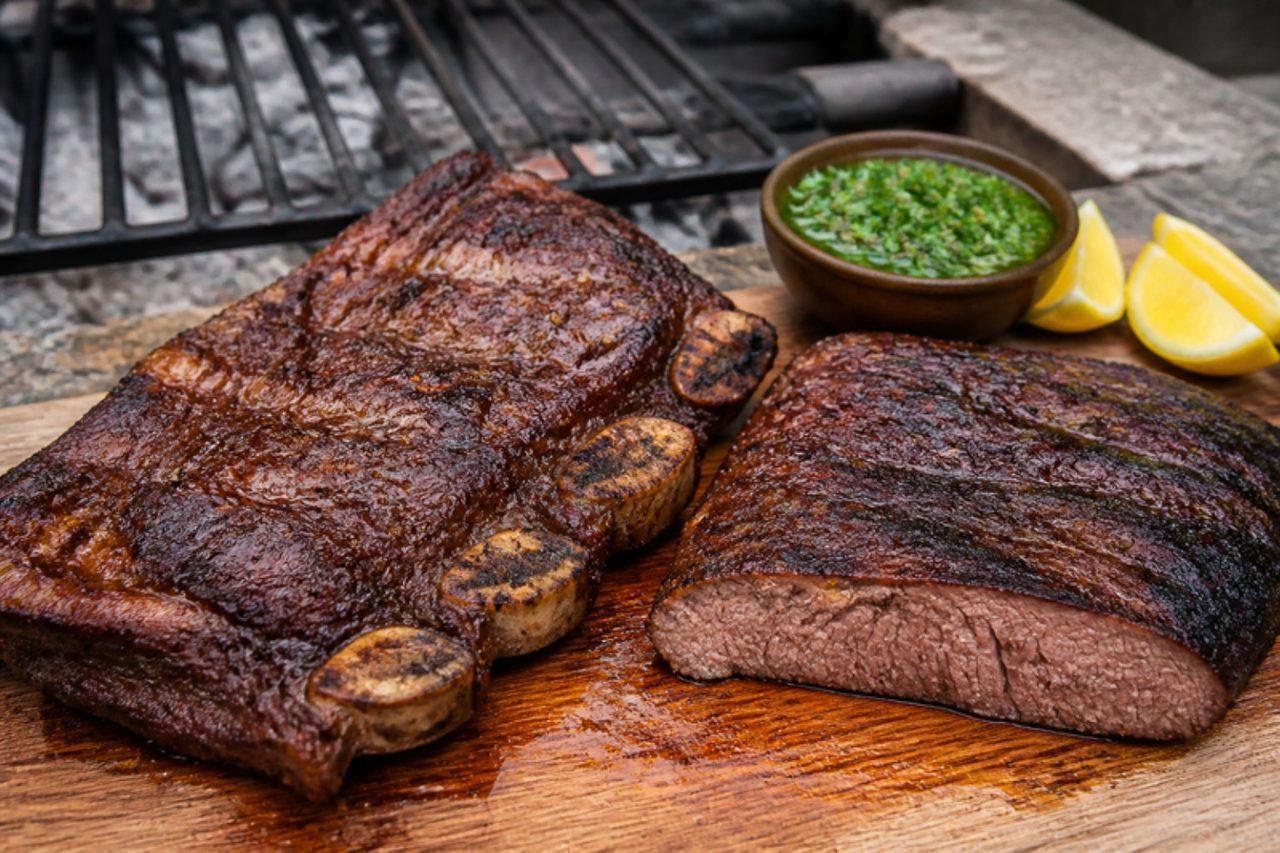
Asado argentinoGrilled beef short ribs

For Argentines the Sunday asado is less a recipe than a ritual: someone (the asador) lights the fire mid-morning in a backyard in Buenos Aires or a ranch in the Pampas, and lunch happens hours later. Beef is cooked low and slow over glowing embers, seasoned with nothing but coarse salt, and carved at the grill to be eaten with bread, salad and a bowl of chimichurri. This home version uses two favourite cuts: tira de asado (thin cross-cut short ribs) and vacío (flank). The classic mistake is grilling over flames; wait until the coals are covered in white ash, and spread them so the heat is gentle. Chef's tip: hold your hand 15 cm above the grill; if you can keep it there for 8–10 seconds, the heat is right for asado.

by KrazyBadal 0 views

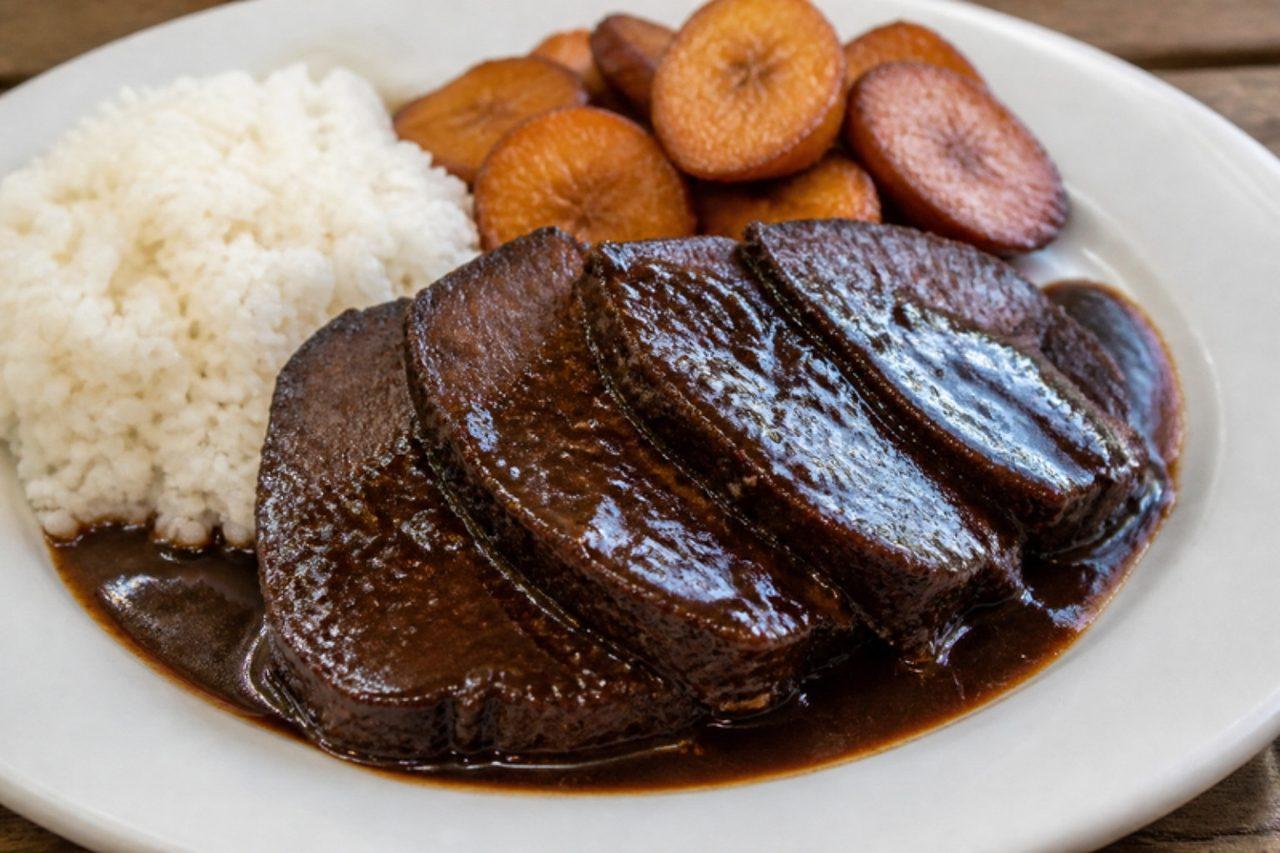
Asado negroBeef braised in panela

Asado negro is the Sunday lunch of Caracas families: a whole piece of beef eye of round (muchacho redondo) is seared in sugar caramelised almost to black, then slowly braised until the sauce is dark, glossy and sweet-savoury. Despite how it looks, it doesn't taste burnt, just deep and rich. It is sliced and served with white rice, fried ripe plantain and sometimes a mash of potatoes. Many cooks add a glass of red wine to the braise; to keep it alcohol-free, use the same amount of beef stock and a tablespoon of balsamic vinegar instead. The mistake to avoid is stirring the panela while it caramelises: it crystallises and goes grainy. Chef's tip: get the caramel really dark, just before it smokes, because the colour and depth of the whole dish come from that minute.

by KrazyBadal 0 views

Asado uruguayoGrilled beef short ribs and chorizo

Sunday in Uruguay means asado: in Montevideo backyards and the cattle towns of the interior, beef ribs (asado de tira), chorizo and morcilla cook slowly over the embers of a wood fire, with only coarse salt, while the family waits. The parrillero rakes coals under the grill and keeps the heat low and even. This recipe includes pork chorizo. The mistake is cooking over flames; the fire should burn down to embers you can hold your hand above for 6–8 seconds. Chef's tip: salt the meat only when it goes on the grill, with coarse salt, never fine.

by KrazyBadal 0 views

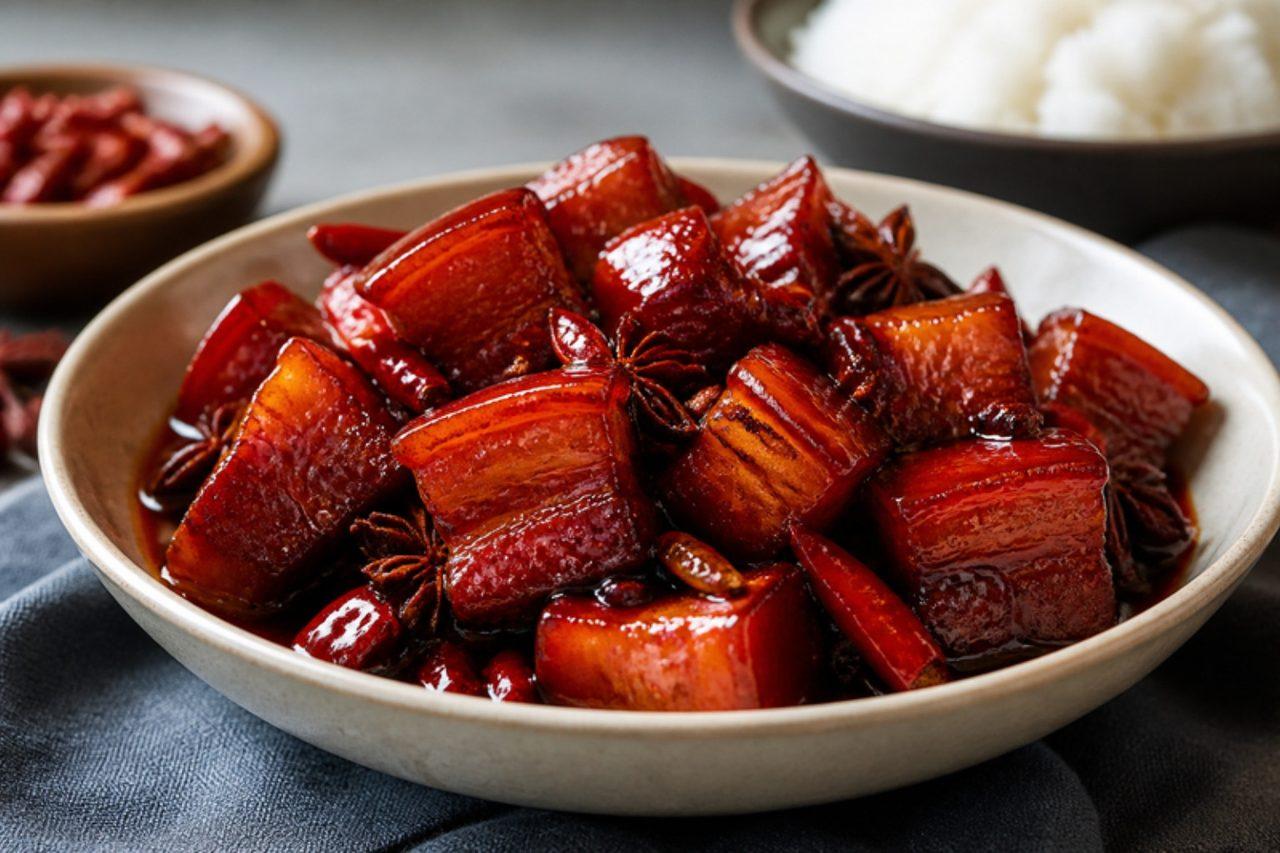
Chairman Mao's red braised pork

Restaurants in Shaoshan, Mao Zedong's home village in Hunan, all put this pork on the menu because it was said to be his favourite food. What sets the Hunan way apart from the soy-dark braises of Shanghai is that the deep mahogany colour comes from caramelised sugar alone, with dried chillies and warm spices in the pot, so the sauce tastes cleaner and slightly smoky. After an hour of gentle simmering the cubes of belly are wobbly and melting under a sticky, sweet-salty glaze. It is celebration food at Hunan family dinners, eaten with steamed rice and a sharp stir-fried green vegetable to cut the richness. Chef's tip: dry the blanched pork well before it meets the caramel, so it doesn't spit, and stop the caramel at the colour of strong tea; a few seconds longer and it turns bitter.

by KrazyBadal 0 views

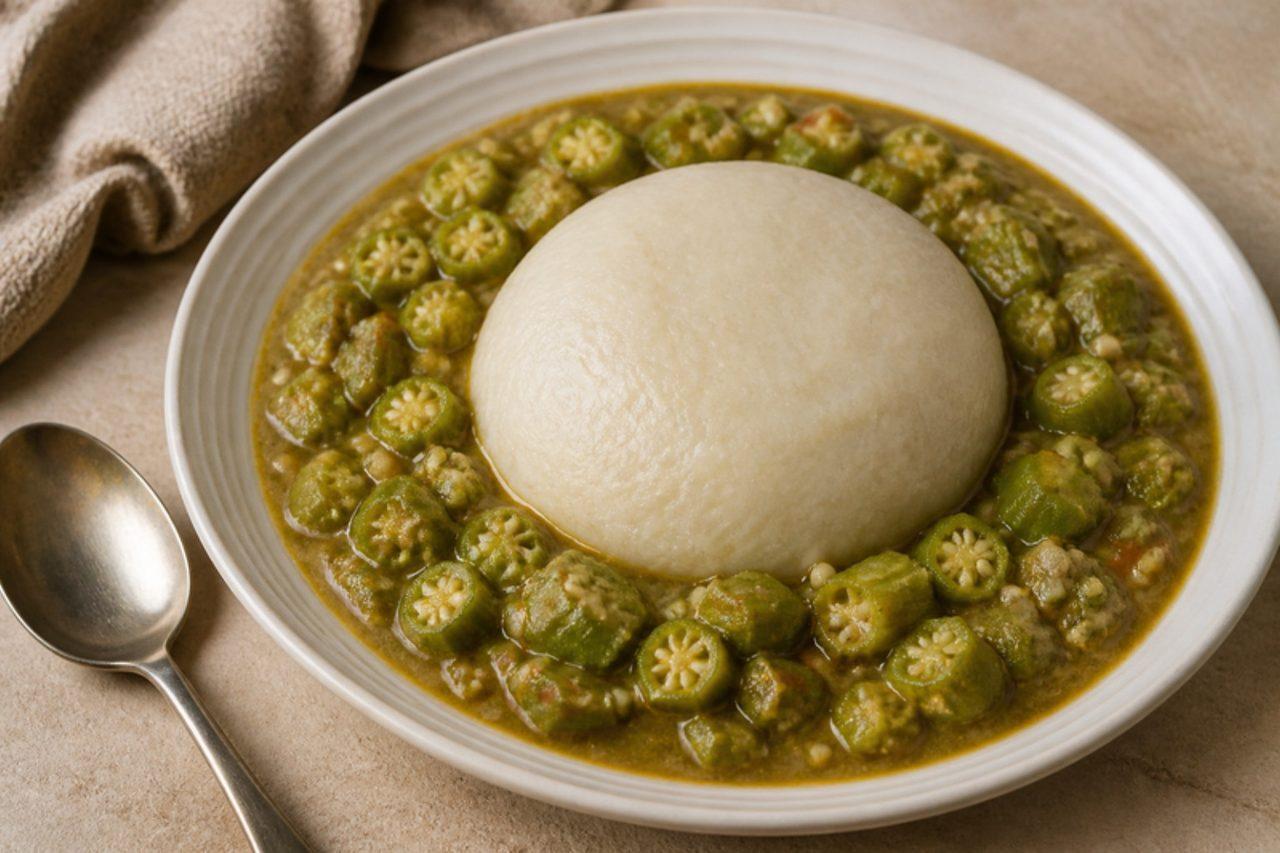
AseedaSorghum porridge

Aseeda (asida) is the stiff, slightly sour sorghum porridge eaten across Sudan, especially in Darfur, Kordofan and the countryside, where it is the daily staple. The batter is left to ferment before being cooked into a smooth, firm dough, shaped in a bowl into a dome, and turned out with mullah poured around it. During Ramadan it is a common iftar dish. Chef's tip: beat hard with a wooden spoon once the dough thickens; that beating is what makes aseeda smooth instead of lumpy.

by KrazyBadal 0 views

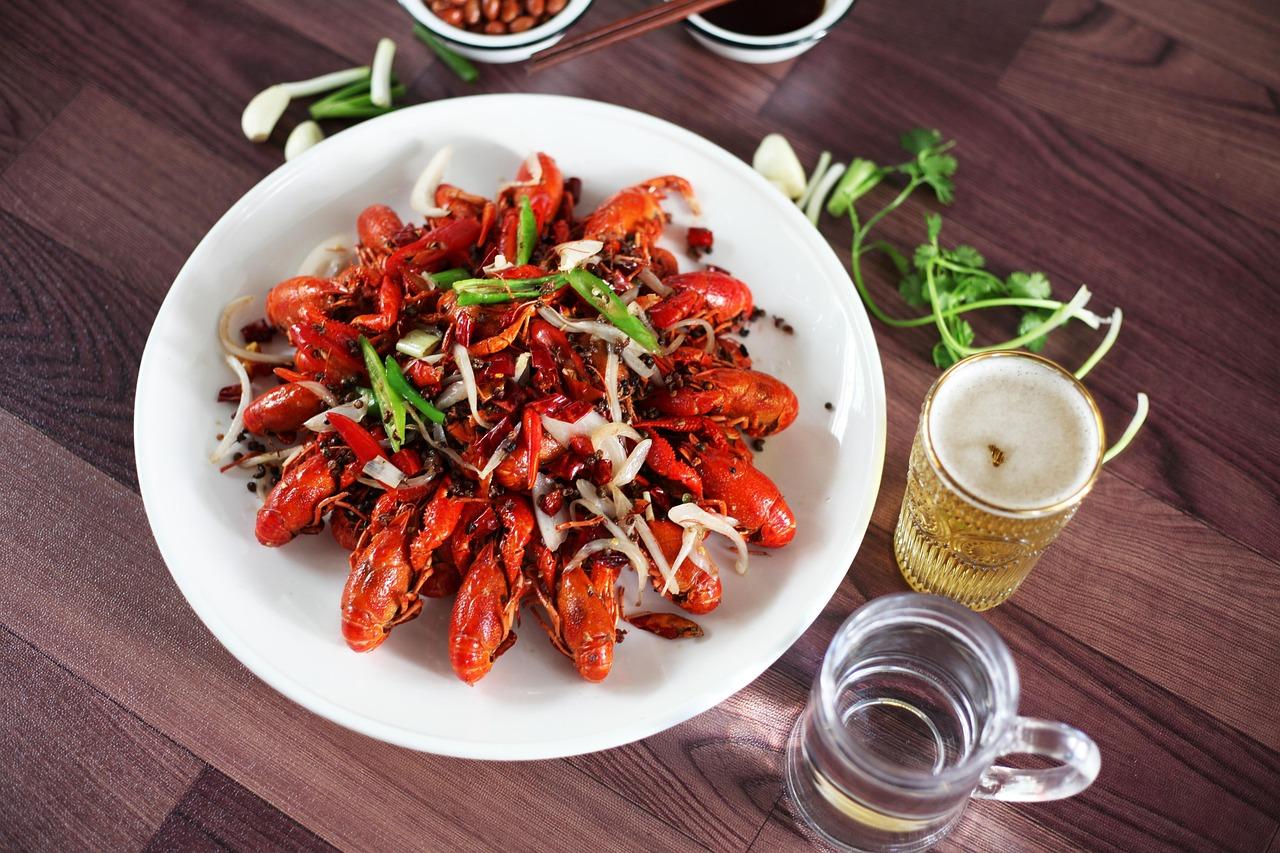
Mala crayfish

On summer nights the pavements of Changsha and Wuhan fill with folding tables, plastic gloves and mountains of glossy red crayfish, the season's great shared feast from May to August. Each little shell is sucked for its spicy sauce before you twist off the tail for a sweet, firm bite of meat; the sauce is hot from chillies and bean paste, numbing from Sichuan pepper and rounded out with garlic and a bottle of lager. Large shell-on prawns make an easy swap if you can't buy live crayfish. Serve with cold drinks, cucumber, steamed buns or rice to mop up the sauce, and lots of napkins. Chef's tip: once the crayfish turn red, simmer them for no more than 8 minutes; longer and the tail meat goes mushy and comes away in shreds.

by KrazyBadal 0 views

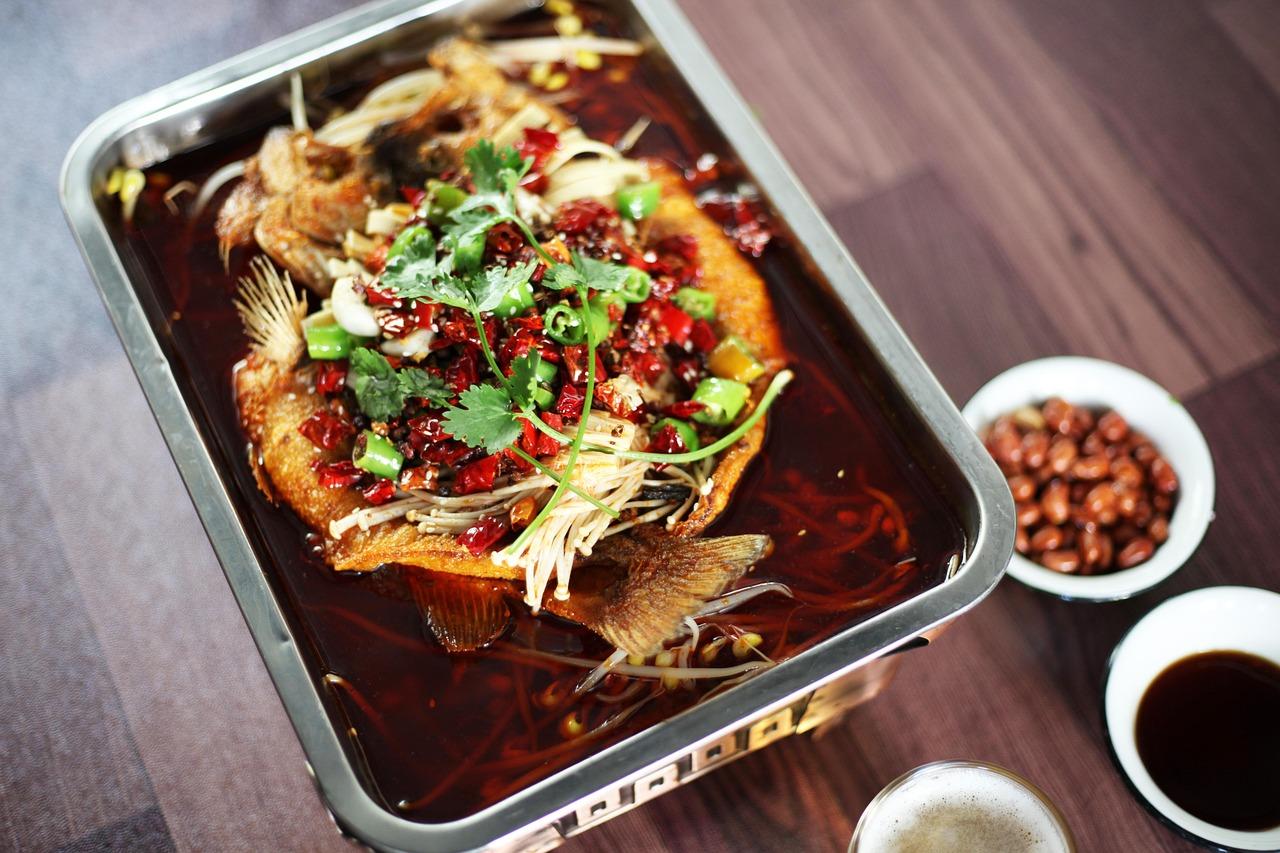
Chongqing grilled fish

The river port of Wanzhou on the Yangtze gave the country kao yu, now a late-night favourite in every Chinese city: a whole fish, split open and grilled over charcoal until the skin crackles, then laid in a metal tray of bubbling chilli broth and kept hot over a burner in the middle of the table. Friends pick at the crisp skin and soft flesh, then work through the potatoes, bean sprouts and celery underneath, which soak up the spicy, savoury, faintly numbing sauce. This home version uses a hot oven and a roasting tin. Serve it with rice and plenty of cold drinks. Chef's tip: dry the fish inside and out with kitchen paper and oil the tin well; a wet fish steams instead of crisping and sticks to the metal.

by KrazyBadal 0 views

QuinottoCreamy quinoa with mushrooms

Quinotto is quinoa cooked like a risotto, a dish from the new Andean cooking of Cusco and Lima that marries Italian technique with the grain of the high Andes. Quinoa is toasted with onion and garlic, simmered in stock with white wine, then finished with mushrooms, butter, cream and grated cheese until creamy and loose. It has a pleasant pop and nutty flavour that rice never has, and a gentle warmth from ají amarillo. Serve it as a main with a green salad. Use a hard cheese made with vegetarian rennet. Chef's tip: quinoa has little starch, so the creaminess comes at the end; stir in the butter, cheese and cream off the heat and serve straight away while it still flows.

by KrazyBadal 0 views

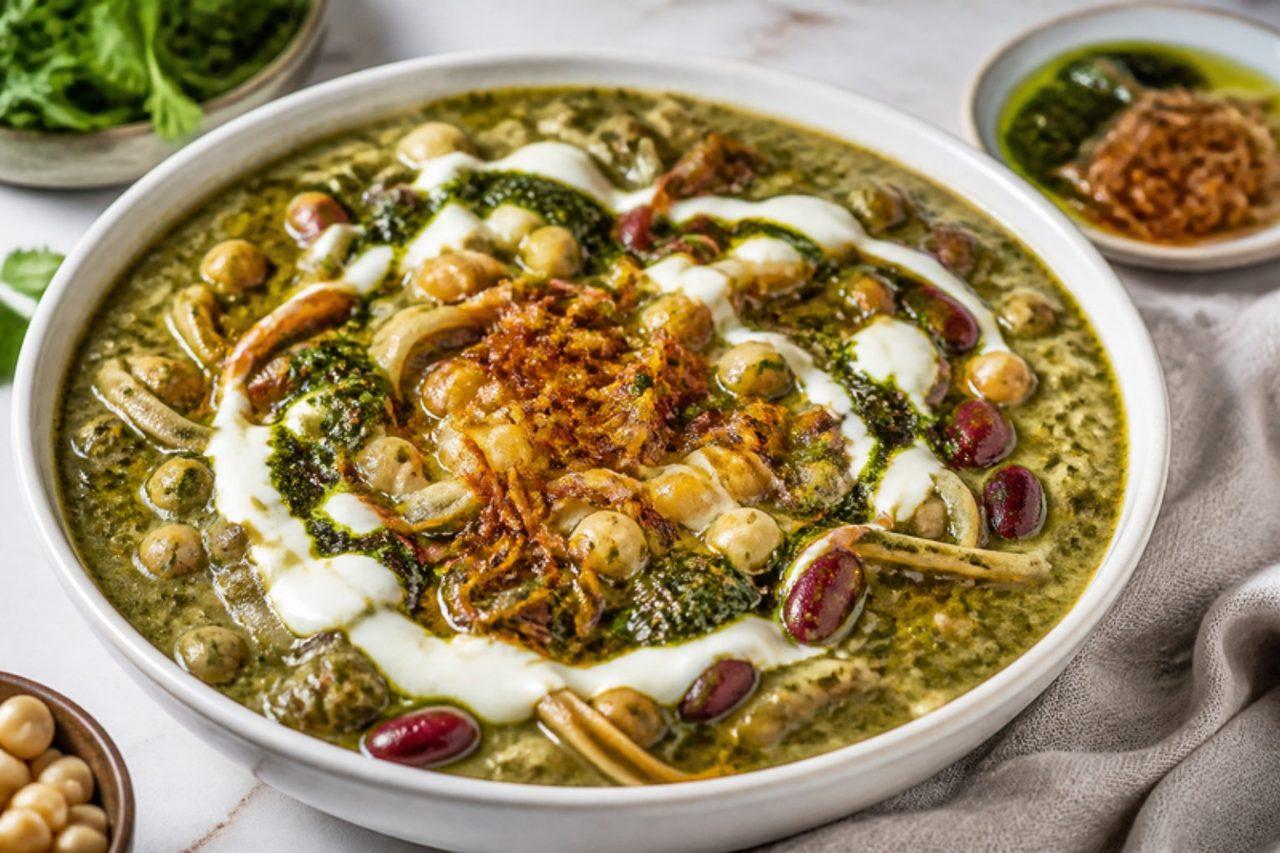
Ash reshtehNoodle, bean and herb soup

Ash reshteh is the thick soup Iranians cook in big pots in the days before Nowruz and for Sizdah Bedar, the spring picnic day, when the noodles (reshteh) are said to help you grasp the threads of good luck for the coming year. Chickpeas, beans and lentils are simmered with a mountain of green herbs and spinach, thickened with flat noodles and finished at the table with tangy kashk, crisp onions and a sizzling swirl of mint oil. It is a meal in a bowl, hearty and herby. Kashk is usually made without rennet, but check the label; strained yogurt is a good substitute. Chef's tip: add the noodles only once the beans are soft, and stir often after that, because they thicken the pot and it can catch on the bottom.

120 minPersianSoups
by KrazyBadal 0 views

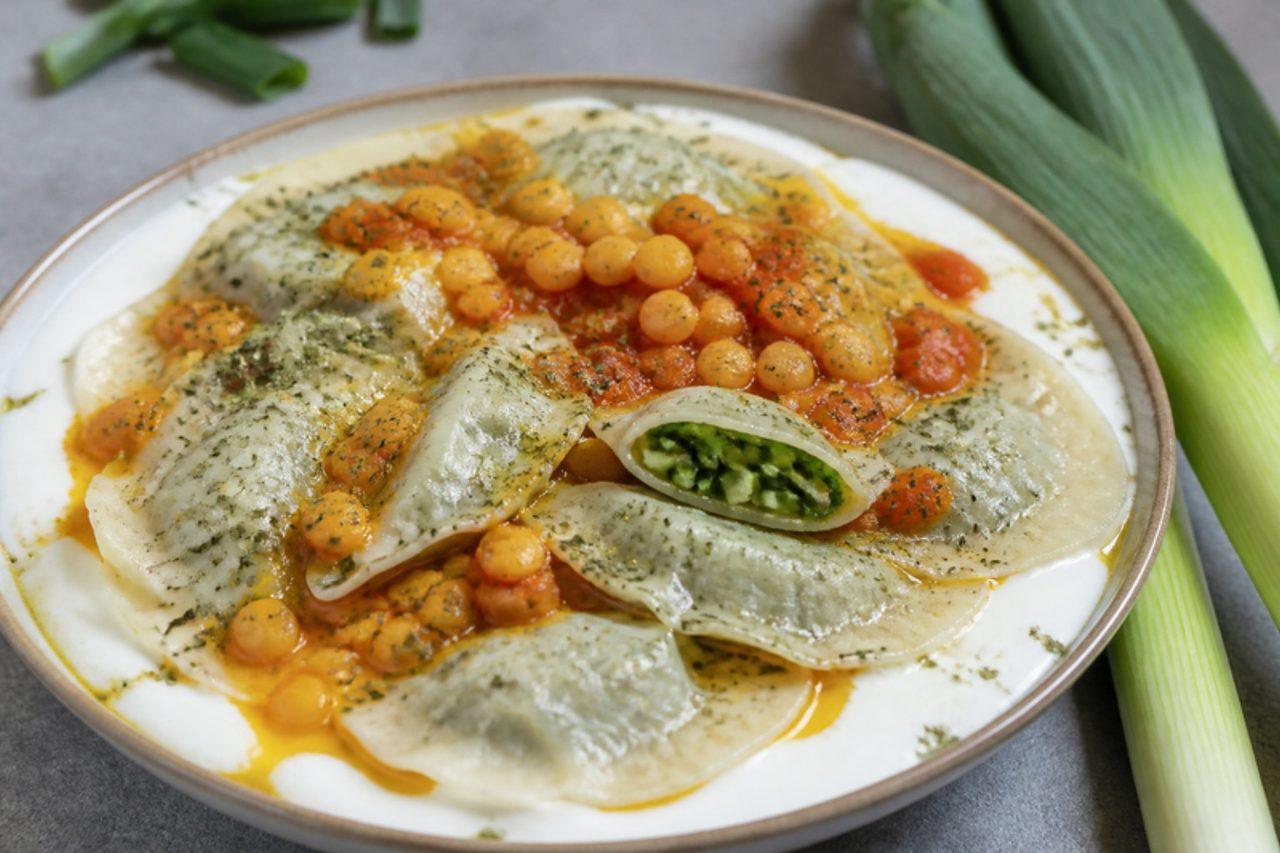
AshakLeek-filled dumplings

Ashak are the dumplings Kabul families fold together for Eid, Nowruz and weddings: thin wheat wrappers stuffed with gandana (Afghan garlic chives, here replaced with leeks and spring onions), boiled, then laid on a bed of garlicky strained yoghurt and topped with a tomato sauce and dried mint. Ashak usually come with a minced-meat sauce; this vegetarian version uses yellow split peas in a spiced tomato base, as many Afghan cooks do on meatless days. Making them is a sociable afternoon job, so rope in helpers. Chef's tip: squeeze the salted leeks hard in a cloth before filling; any water left in them soaks the wrappers and they split in the pot.

by KrazyBadal 0 views

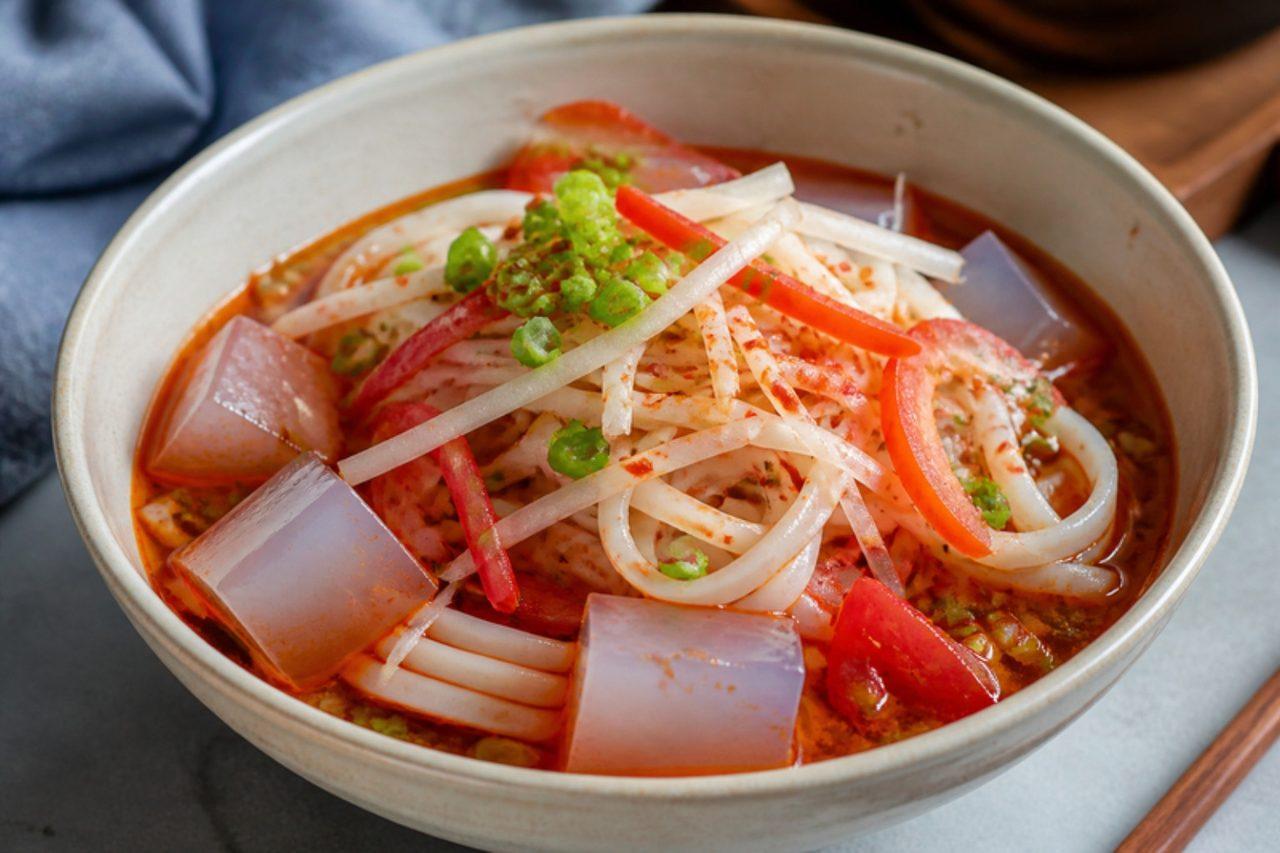
Ashlyan-fuCold noodle soup with starch jelly

Ashlyan-fu is the street food of Karakol, the town on the eastern shore of Kyrgyzstan's Lake Issyk-Kul, brought by Dungan (Hui) families more than a century ago. Locals eat it for lunch on hot days at the 'ashlyan-fu row' near the bazaar: thick wheat noodles and cubes of wobbly starch jelly in a chilled, sour and fiery broth, with a strip of thin omelette, often alongside a fried potato pirozhok. It's eaten all over Kyrgyzstan and southern Kazakhstan now. This version uses a vegetable sauce rather than meat. Chef's tip: everything must be cold; chill the broth and the jelly properly, as lukewarm ashlyan-fu tastes flat.

by KrazyBadal 0 views

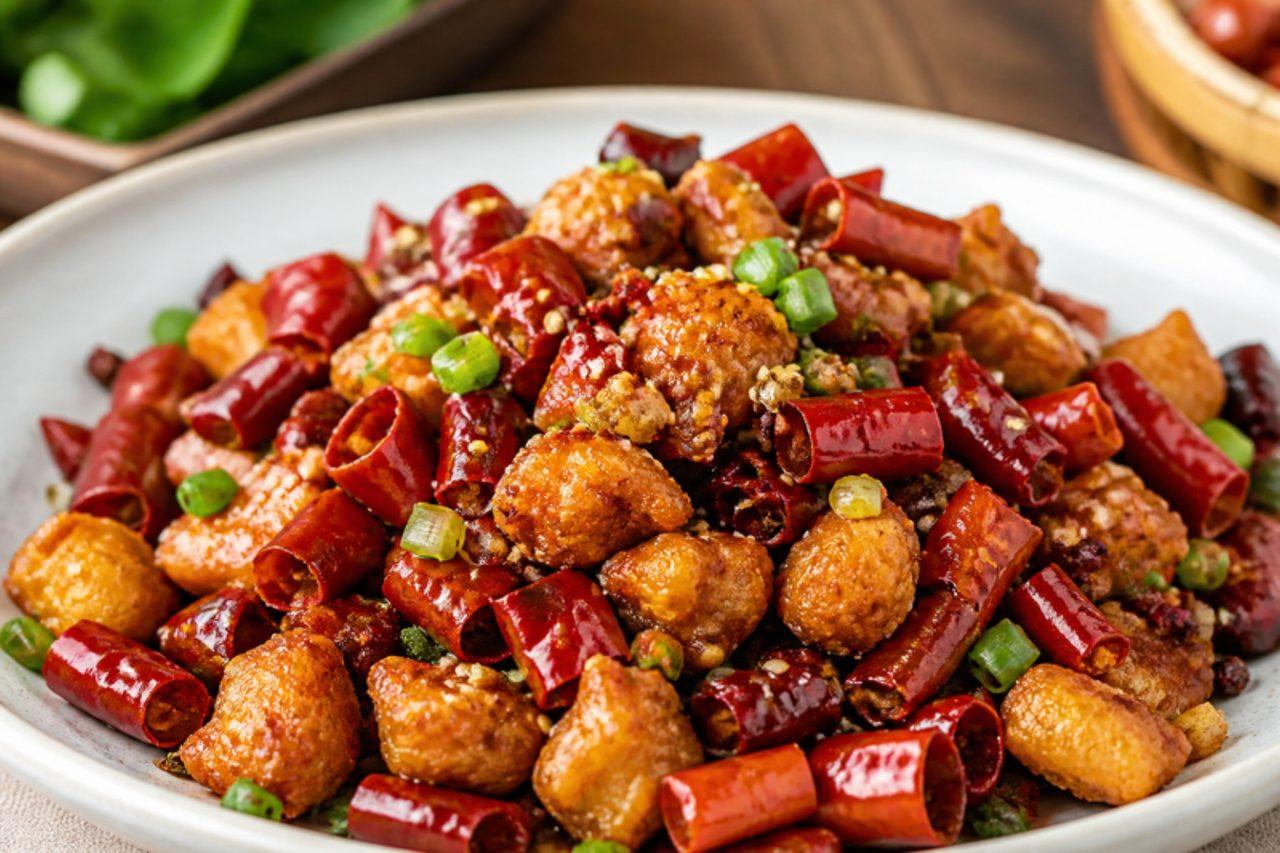
La zi ji (Chongqing chilli chicken)

Truck drivers stopping on Geleshan, the hill outside Chongqing, made this dish famous at roadside canteens in the 1980s, and it still arrives at tables there as a platter that looks like nothing but dried chillies. Hidden among them are small pieces of chicken fried twice until the outside is dry and crunchy and the inside juicy, then tossed with garlic, ginger and handfuls of Sichuan pepper. Eating it is a game: you hunt through the red pile with chopsticks for the morsels, which are smoky, salty, numbing and surprisingly moreish with a cold beer or a pot of tea. Serve it with rice and a mild soup or stir-fried greens. Chef's tip: fry the chicken in two batches and give it a second, hotter fry; crowding the oil is the most common mistake and leaves the coating soft.

by KrazyBadal 0 views

Asmara pasta al sugoSpaghetti in berbere tomato sauce

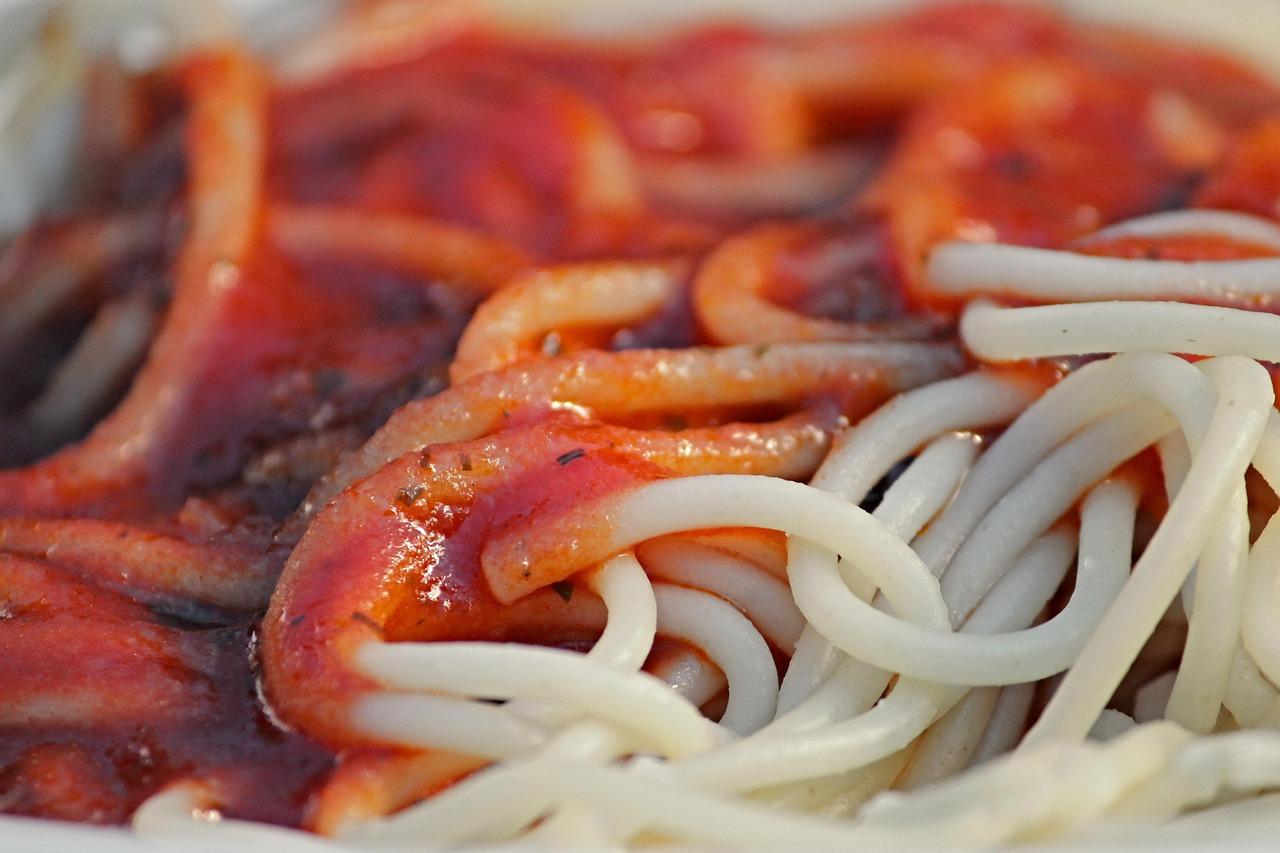
Pasta is part of everyday life in Asmara, a legacy of the Italian years, and in Eritrean homes and cafés 'pasta al sugo' means spaghetti in a slow tomato sauce warmed with berbere, garlic and plenty of onion. It is eaten on weekdays and after church on Sundays, often with a banana or a green chilli on the side. The usual sauce has minced beef; this one uses finely chopped mushrooms and carrot for the same body. Chef's tip: cook the onions and berbere slowly before the tomato goes in; raw berbere tastes dusty.

by KrazyBadal 0 views

Texas chili con carne

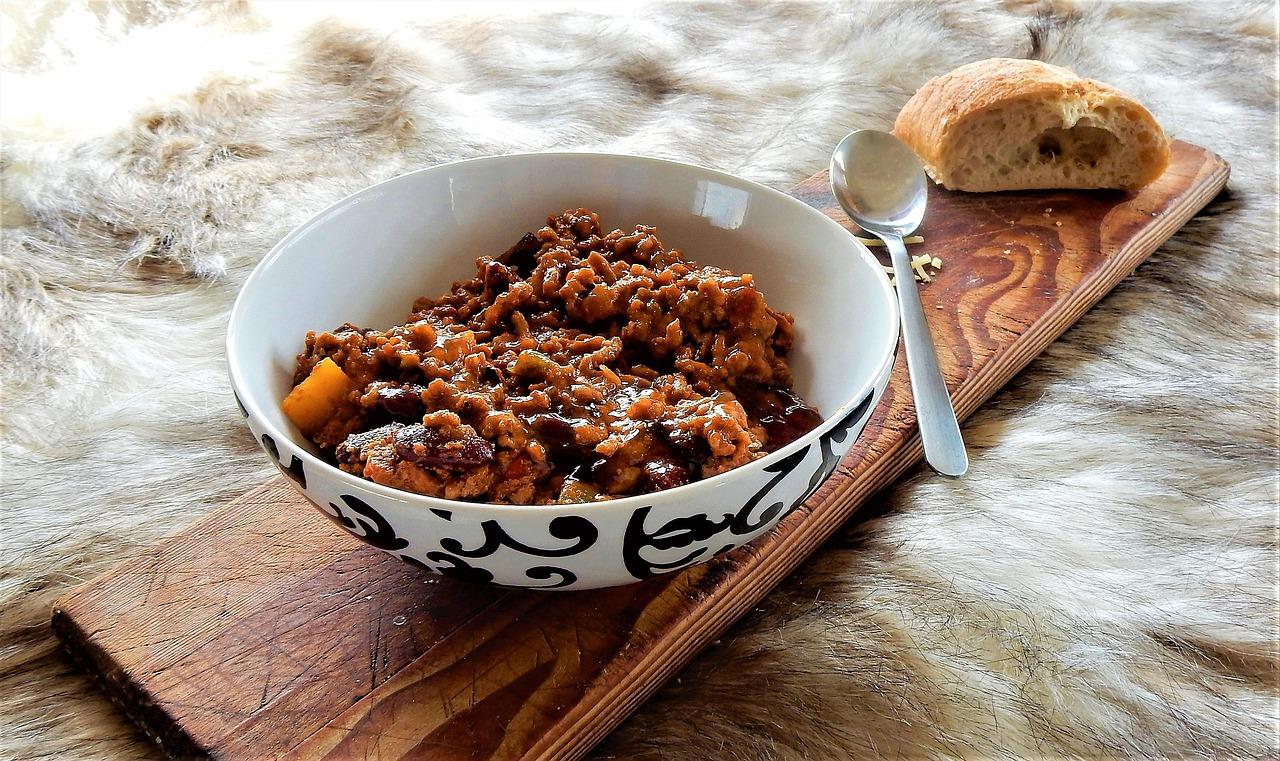
Texans call it a 'bowl of red', and at chili cook-offs from San Antonio to Terlingua the rules are firm: chunks of beef, a sauce made from dried chillies, cumin and garlic, and no beans in the pot. Beef chuck braises slowly in a brick-red purée of toasted ancho and guajillo chillies until it falls apart at a touch. Serve with chopped onion, grated cheese and crackers or cornbread. Chef's tip: toast the dried chillies only until they smell fragrant and soften, about 30 seconds per side; burnt chillies make the whole pot bitter.

210 minAmericanMeatGluten freeSpicy
by KrazyBadal 0 views

Asperges à la flamandeWhite asparagus with egg and butter

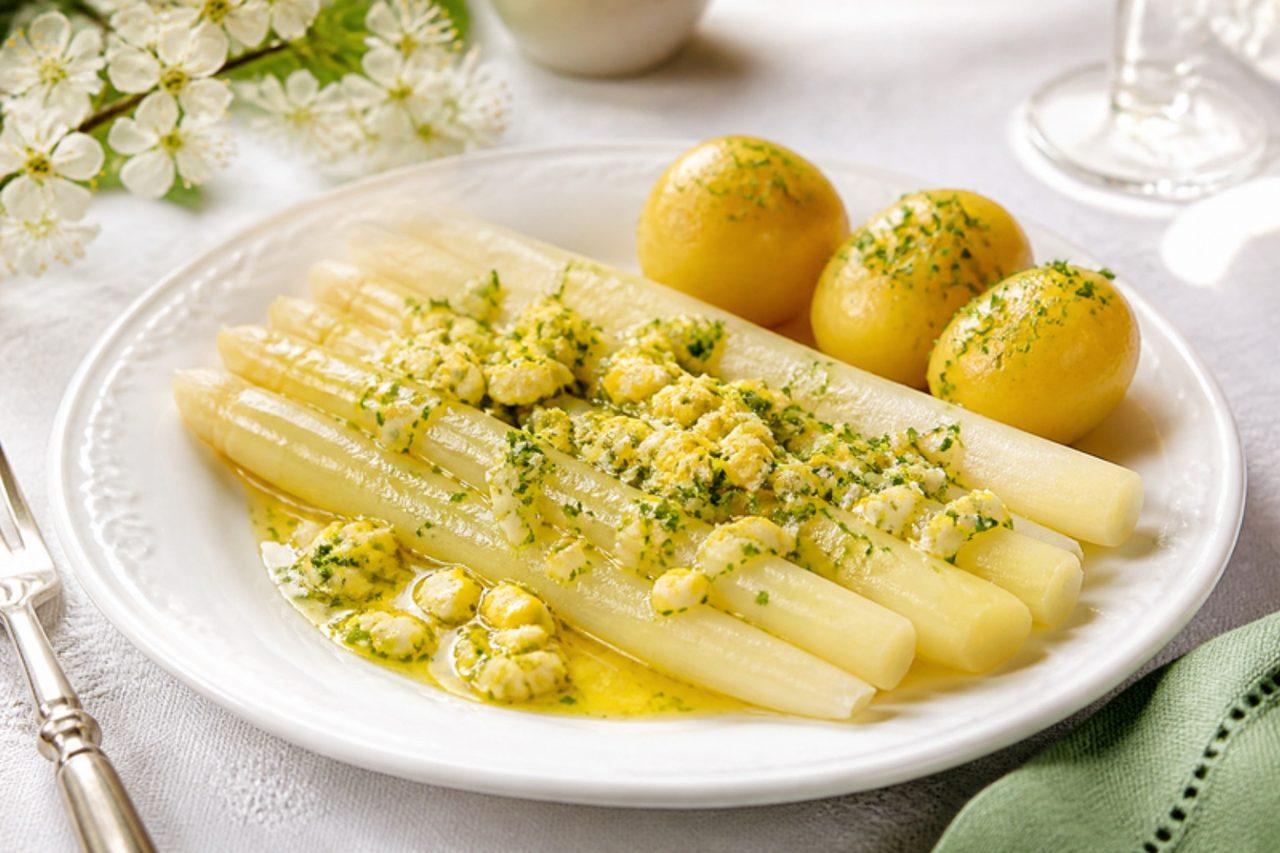
In May and June, white asparagus from Mechelen and the sandy fields around Limburg arrive in Belgian markets, and asperges à la flamande (asperges op Vlaamse wijze) is the way to eat them. The pale spears are peeled and cooked until tender, then covered with a warm sauce of melted butter, chopped hard-boiled egg, parsley and nutmeg that is half sauce and half garnish. It is served as a starter in Flemish restaurants all through the short asparagus season, sometimes with a slice of ham alongside; here it stays meat-free. Chef's tip: peel the spears from just below the tip all the way down with a swivel peeler; white asparagus has a thick, bitter skin, and missing even a strip leaves woody threads.

by KrazyBadal 0 views

Assida zgougouAleppo pine seed pudding

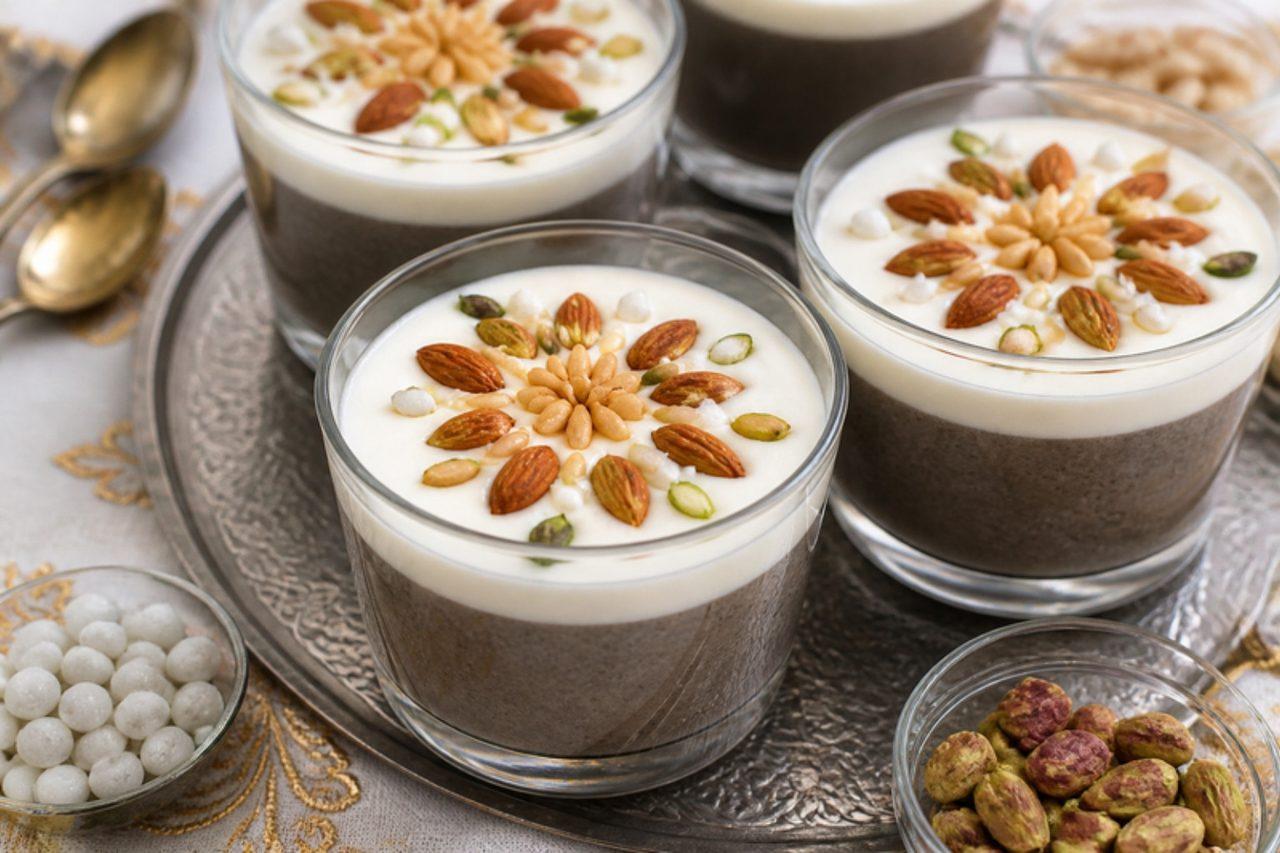
Assida zgougou is made in Tunisian homes once a year, for the Mouled (the Prophet's birthday): a dark, nutty pudding of Aleppo pine seeds (zgougou) cooked with flour and sugar, topped with a pale vanilla custard and decorated with almonds, pistachios, pine nuts and sugared almonds. Families make dozens of glasses to share with neighbours. Zgougou is sold in Tunisian and North African grocers; ground hazelnuts are a stand-in, though the taste is different. Chef's tip: strain the zgougou liquid through muslin twice; any grit ruins the smooth texture.

by KrazyBadal 0 views

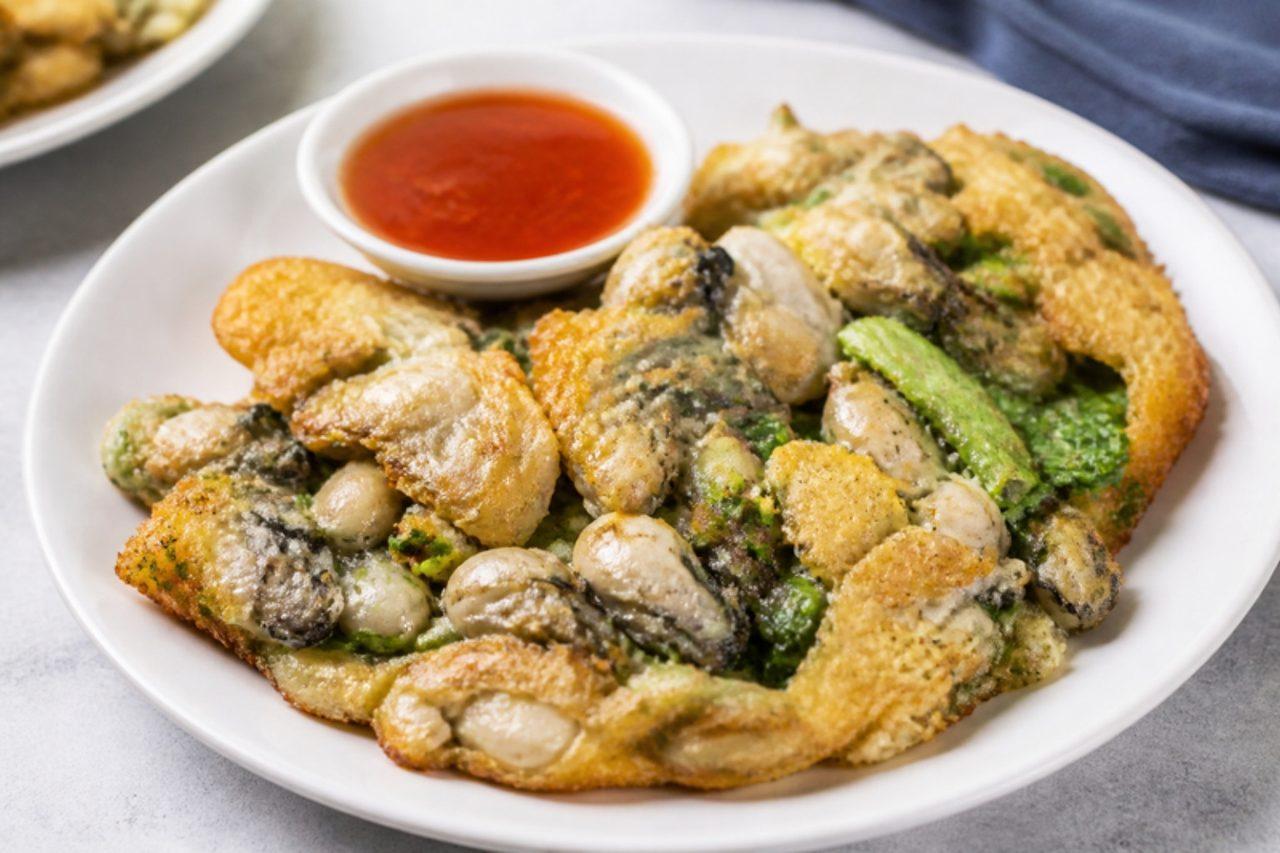
Fujian oyster omelette

Along Zhongshan Road and the night markets of Xiamen, cooks fry this on wide griddles all evening, one portion after another. Small fresh oysters are scattered into a batter of sweet potato starch and water, which sets clear and chewy, then eggs are swirled over the top so it ends up crisp at the edges and soft and gooey in the middle. It is salty from the sea, eggy and pleasantly sticky, with a squeeze of sweet chilli sauce to balance it. Eat it hot from the pan as a snack or with rice porridge for a light supper. Chef's tip: stir the batter just before pouring it in; the starch sinks to the bottom within seconds.

by KrazyBadal 0 views

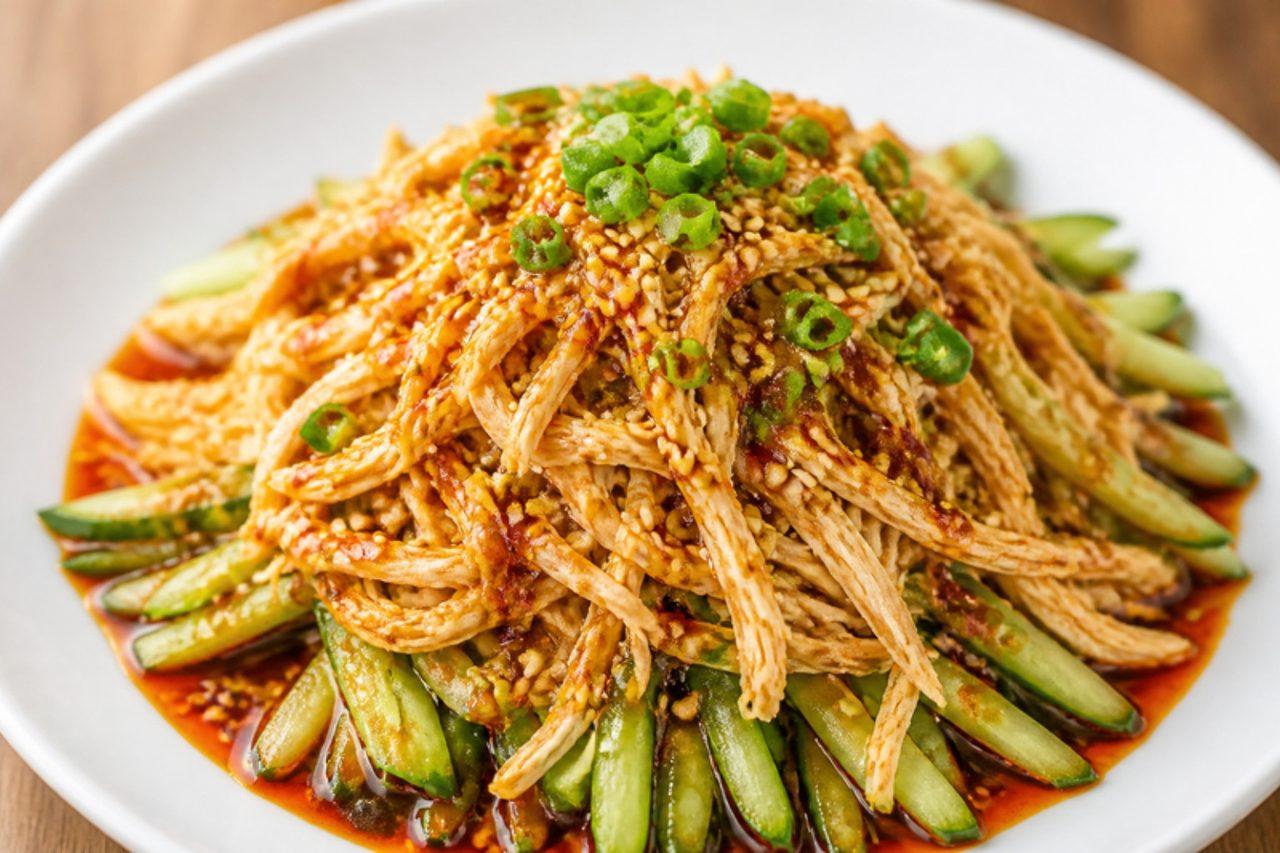
Bang bang chicken

Street vendors in Leshan, the river town below the Giant Buddha, used to cut their poached chicken by tapping a wooden stick against the back of the cleaver, and that knocking gave bang bang ji its name. It is a cold dish, eaten as a starter at banquets or bought by the bagful for a picnic: silky shreds of chicken piled on cool cucumber and drenched in a nutty, sweet, tingling sauce of sesame paste, chilli oil and ground Sichuan pepper. The contrast of cold meat, crisp vegetable and rich dressing makes it ideal for a hot day. Serve it with other cold plates, a bowl of rice or simply some flatbread. Chef's tip: beat the cooked breasts gently with a rolling pin before shredding; the fibres loosen and pull apart into long, soft strands that hold the sauce.

by KrazyBadal 0 views

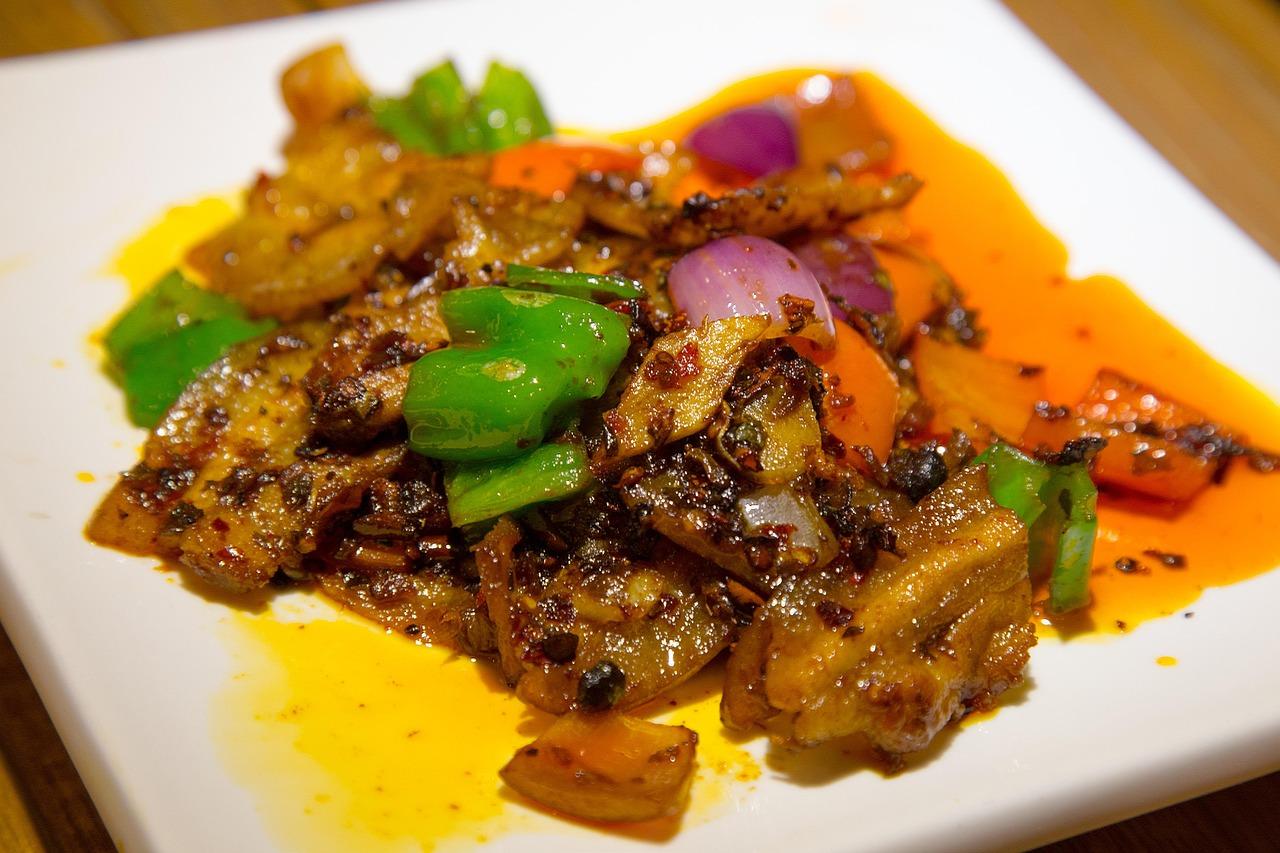
Twice-cooked pork

Sichuan families say no dish is more homely than hui guo rou, literally 'meat returned to the pot': pork belly is simmered whole, cooled, sliced paper-thin and then fried again with fermented chilli bean paste until the fat turns translucent and the slices curl into little cups. It was once the treat cooked after ancestral offerings, when the boiled pork came back to the kitchen, and it is still the dish many Chengdu people crave most when they are far from home. The flavour is rich, salty and savoury with a slow chilli warmth rather than a sharp burn, and the leeks bring a sweet, green crunch. Eat it with a big bowl of rice to soak up the red oil. Chef's tip: chill the boiled pork for 15 minutes in the freezer before slicing; firm pork gives clean, even 3 mm slices that curl beautifully in the wok.

by KrazyBadal 0 views

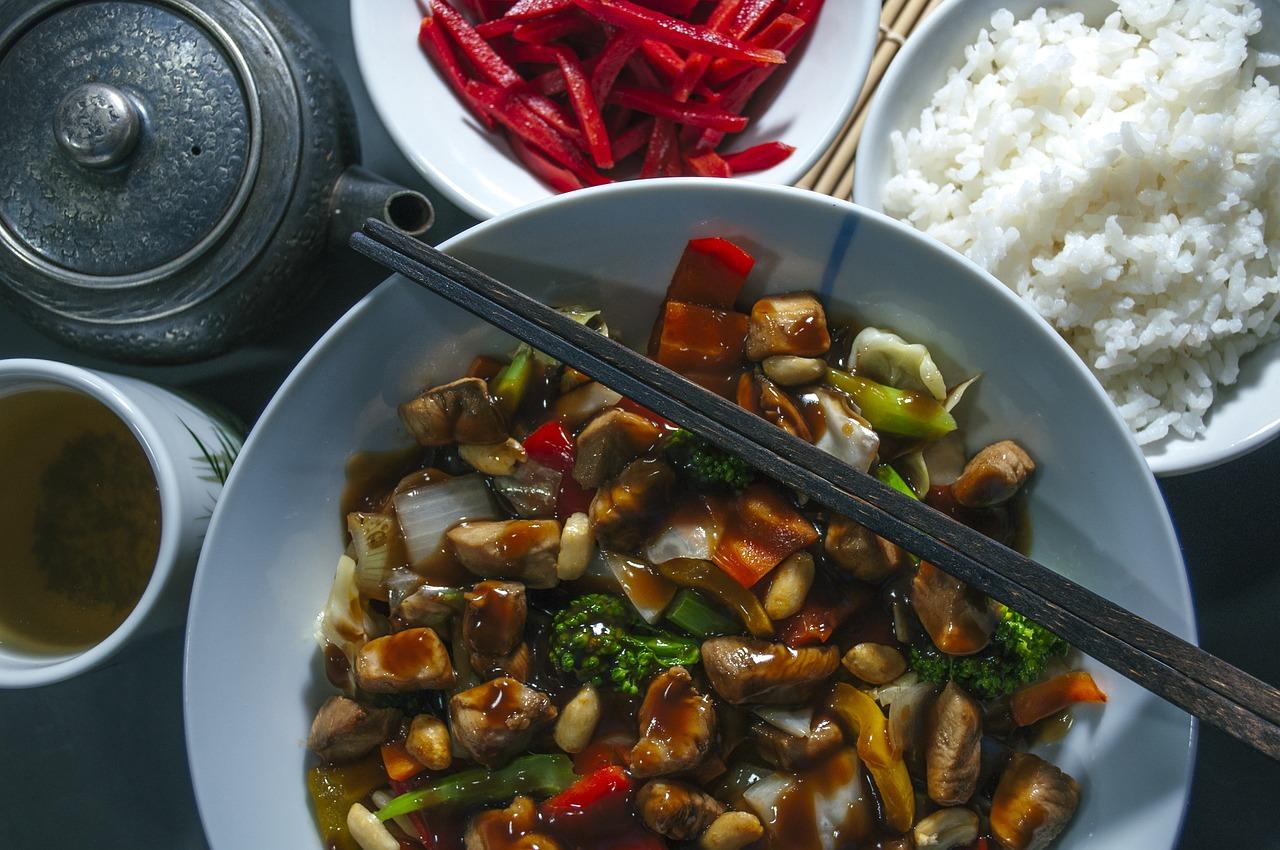
Kung pao chicken

Named after a 19th-century governor of Sichuan, gong bao chicken is weeknight food in Chengdu: small cubes of tender thigh meat tossed in a wok with scorched chillies, tingling Sichuan pepper and crunchy peanuts. Its signature is the glossy sauce Sichuan cooks call 'lychee flavour', sweet and sour in equal measure, clinging lightly rather than pooling on the plate. The chilli here perfumes the oil more than it burns, so it is the gentlest of the classic Sichuan stir-fries. Serve it with plain steamed rice and a green vegetable such as stir-fried pak choi. Chef's tip: mix the sauce in a bowl before you light the hob, because the whole stir-fry is over in about four minutes and there is no time to measure once the wok is hot.

by KrazyBadal 0 views

Showing 36 of 7,762 recipes

Show more recipes

Page 619 of 863