


Skip to content
Tiyula itum
Featured recipe

Tiyula itum

Black beef soup

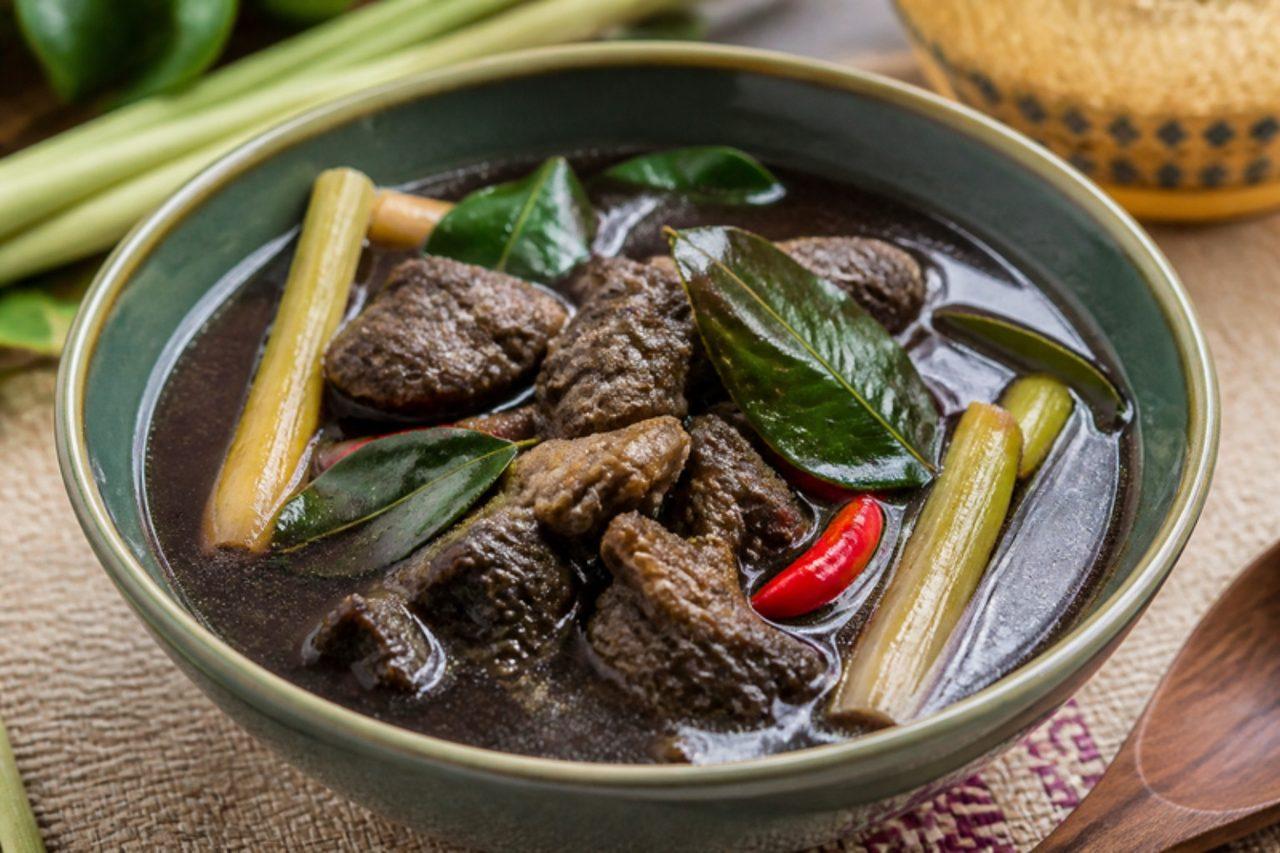
Tiyula itum, 'black soup', is the pride of the Tausug people of Sulu in the far south of the Philippines, cooked for weddings, Eid celebrations and when guests come home. Beef (it is a halal, pork-free dish) is simmered with ginger, lemongrass and turmeric, then darkened with pamapa itum, a paste of grated coconut toasted until almost black and pounded with spices. The broth looks dramatic but tastes smoky, earthy and gently peppery, with heat from chillies. Serve it with plain rice. Chef's tip: toast the coconut slowly, stirring all the time, until it is very dark brown but not ashy; burnt-to-ash coconut tastes bitter and ruins the soup.

Read more 2 views

What to eat today?

Around the world

Today's trip: Paraguayan

A new country every day, from every cuisine on the site.

Paraguayan

Chipa

Cheese bread rings 50 minMore from Paraguayan (27) →

This week's collection

Kid-friendly dinners
537 recipes · a new collection every Monday

Latest recipes

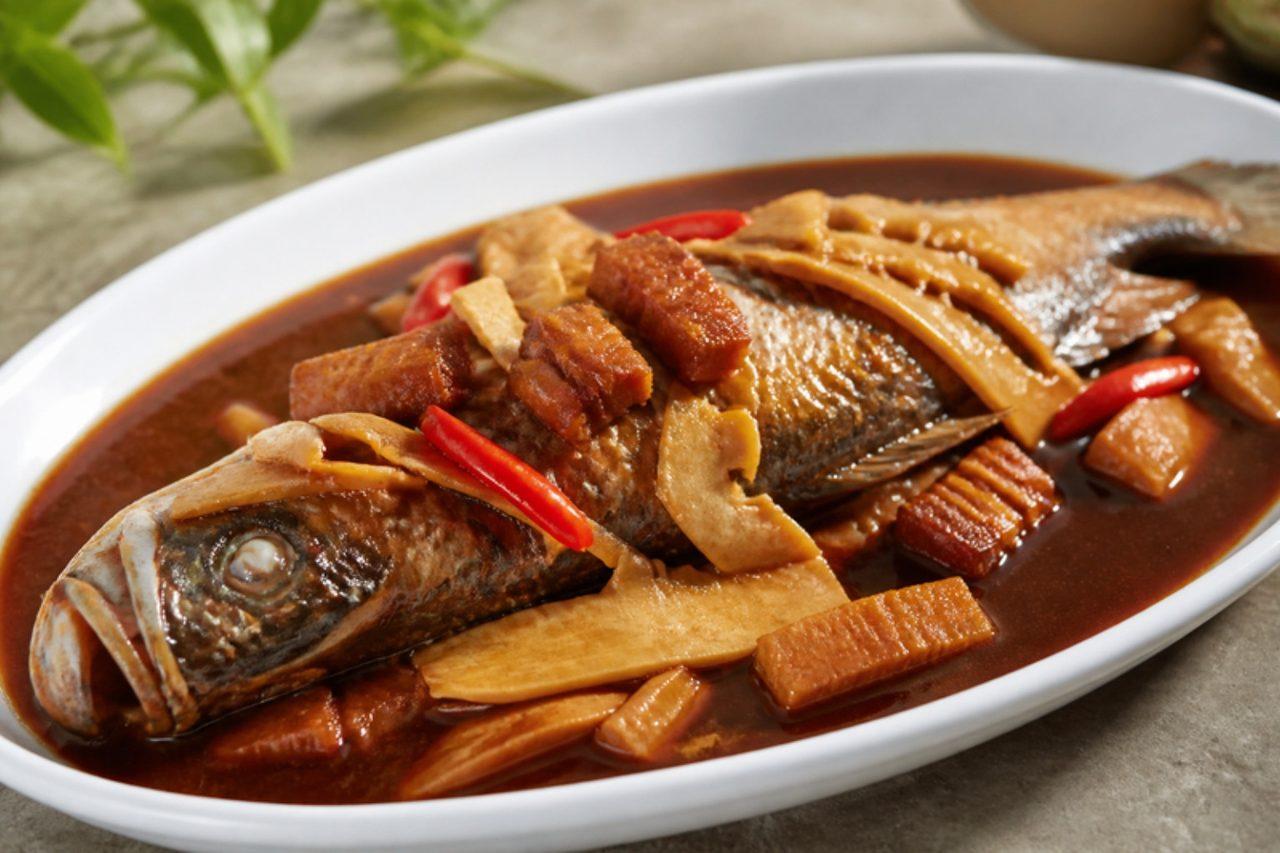
Huizhou stinky mandarin fish

From the mountain towns of Huizhou in southern Anhui comes a fish with a famous smell: mandarin fish lightly fermented for days, then braised with pork belly and bamboo shoots until the flesh separates into firm, almost garlic-clove-like flakes with a savoury, cheesy depth. Traditionally the fish ferments in a barrel at room temperature, which is not safe to copy at home. This version gives the same firm texture and a gentle tang by salt-curing the fish in the fridge for 1–2 days, never at room temperature; it is milder than the real thing. Serve it in its sauce with plenty of rice. Chef's tip: dry the cured fish very well before it goes into the pan, or the skin sticks and tears.

by KrazyBadal 0 views
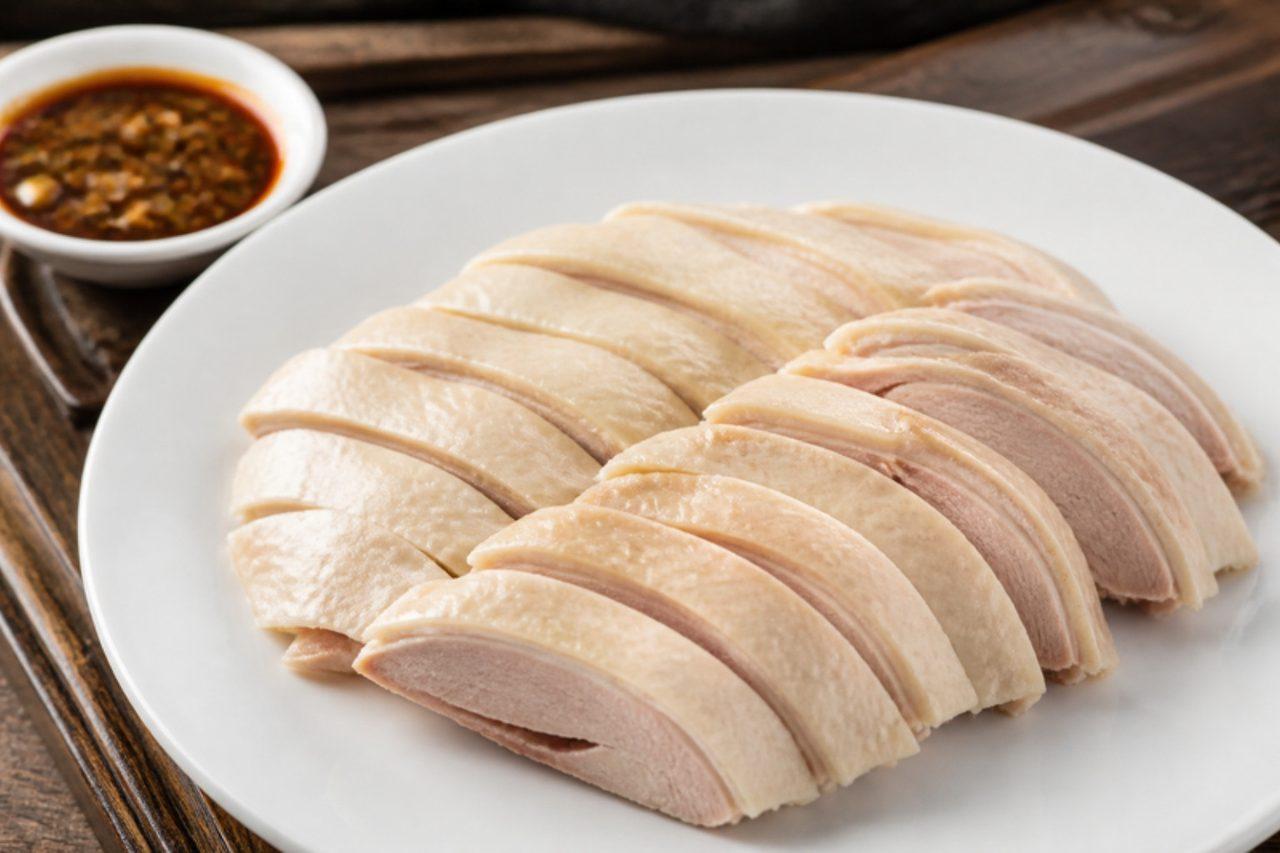
Shanghai drunken chicken

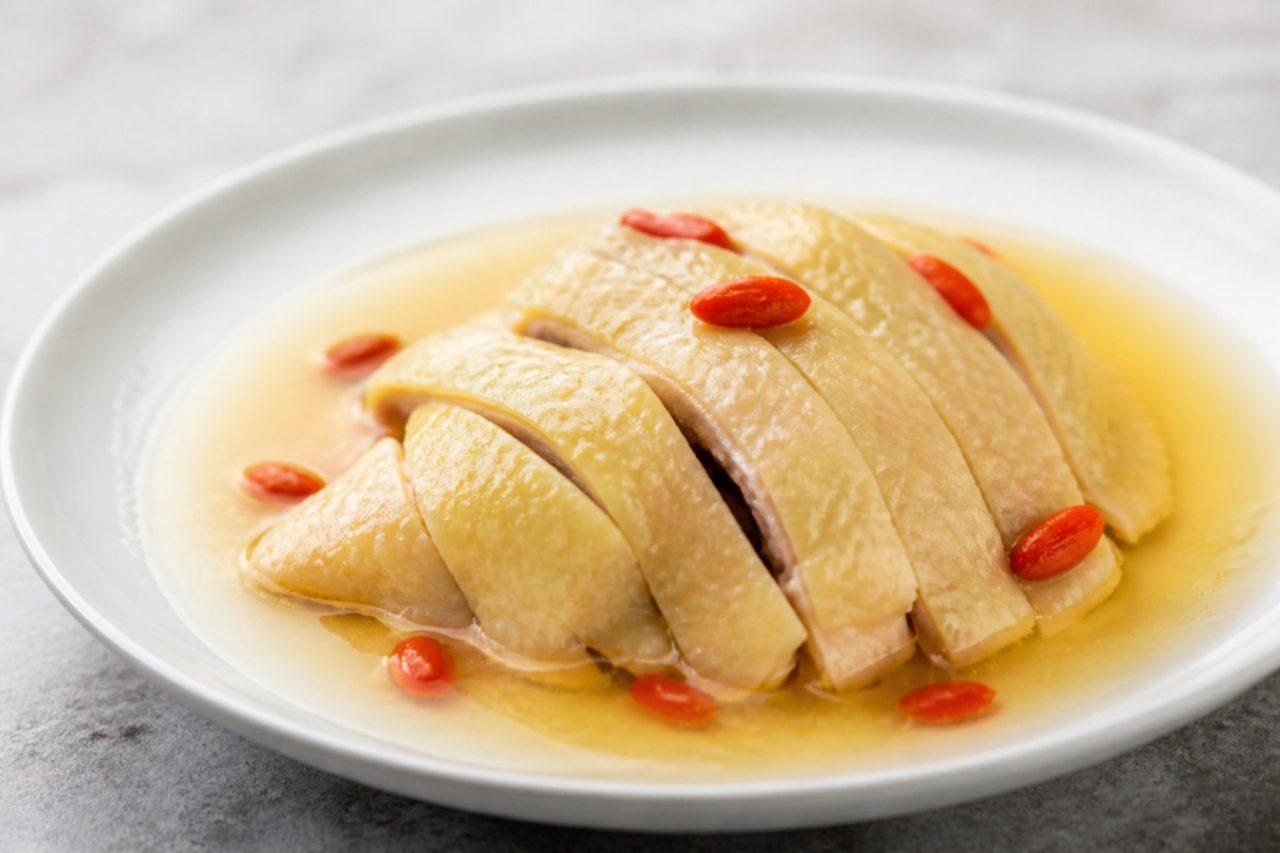
Shanghai's cold-dish counters always have a tray of drunken chicken: smooth, pale poached chicken with jelly-like skin, steeped overnight in a fragrant, slightly sweet bath of Shaoxing wine. Please note that the wine here is not cooked, so the classic dish contains alcohol and is not suitable for children, during pregnancy or for anyone avoiding alcohol. For them, make the fragrant alcohol-free version given in the ingredients, which steeps the chicken in stock with goji berries, dried tangerine peel and a little rice vinegar. Serve it chilled as a starter in summer or at Chinese New Year with other cold dishes. Chef's tip: plunge the chicken into iced water straight after poaching; the quick chill is what gives the skin its springy texture.

by KrazyBadal 0 views

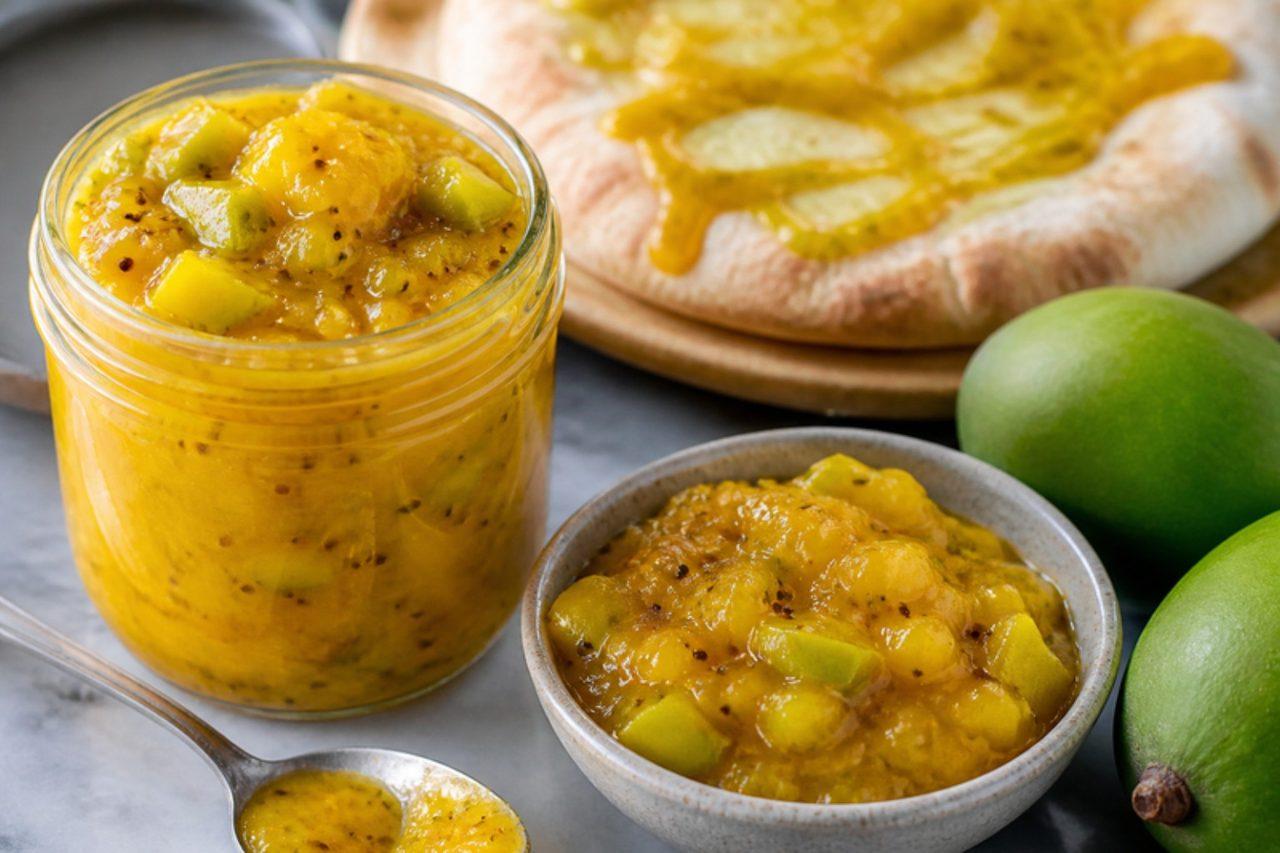
AmbaTangy mango pickle sauce

Amba is the golden, sour mango sauce that Iraqi Jews brought from Baghdad (where it had come from Indian traders), and in Israel it is the signature of sabich and a favourite in falafel pitas. Traditionally green mangoes are salted and left in the sun for days to ferment; this quicker stovetop version cooks unripe mango with turmeric, fenugreek, mustard seed and vinegar, then blends it into a smooth, pourable sauce with the same tangy, curry-like flavour. Chef's tip: use mangoes that are hard and green right through; ripe ones make a sweet jam, not amba.

by KrazyBadal 0 views

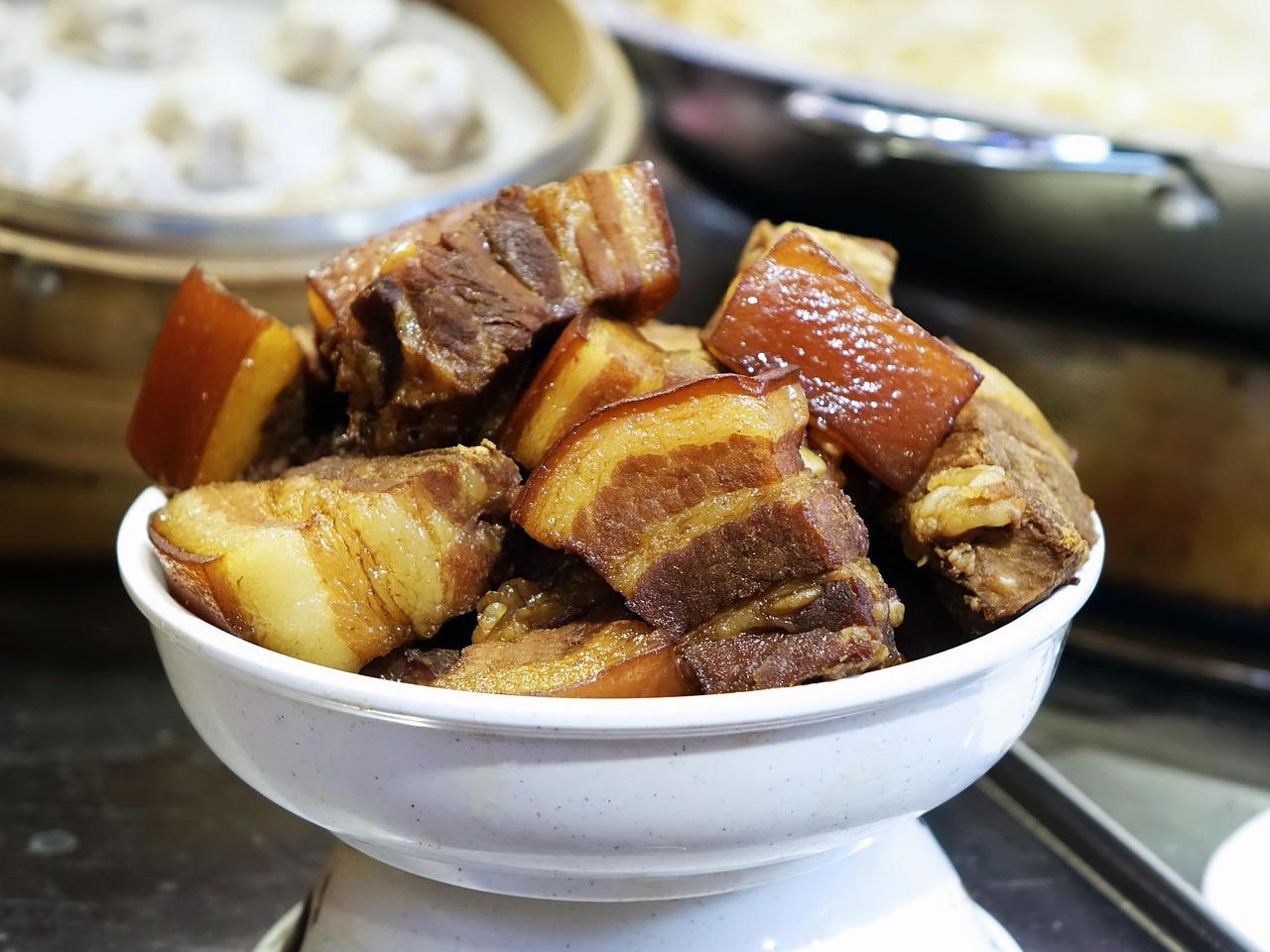
Shanghai red-braised pork

Every Shanghai family has its own hong shao rou, the dark, sticky pork belly at the heart of benbang (local) home cooking. Unlike the Hunan version linked to Chairman Mao, there is no chilli here; the colour and gloss come from rock sugar, soy sauce and a long, quiet braise, and the flavour is unmistakably sweet and savoury. The cubes should hold their shape but give way under chopsticks, with soft fat and a sauce that clings like syrup. It is weekend and festival food, served with plenty of rice and something green, and it tastes even better the next day. Chef's tip: reduce the sauce uncovered over a high heat in the last 10 minutes and keep tossing; that is when the shine appears.

by KrazyBadal 0 views

Nanjing salted duck

Nanjing people are said to eat more duck than anyone in China, and this cold, pale salted duck is the one bought by the half from neighbourhood shops for the dinner table, especially around the Mid-Autumn Festival, when the ducks are plumpest. It is cured in pepper salt, brined, then poached at a bare simmer so the skin stays white and smooth, the fat turns clear and the meat is pink-tinged, moist and savoury. Serve it chilled, chopped into pieces, with rice or as part of a cold platter. Start a day ahead, as the duck needs 12 hours of curing and brining in the fridge on top of the cooking time. Chef's tip: toast the salt and Sichuan pepper together until fragrant; the warm, numbing aroma is what makes it taste of Nanjing.

240 minChineseMeatGluten free
by KrazyBadal 0 views

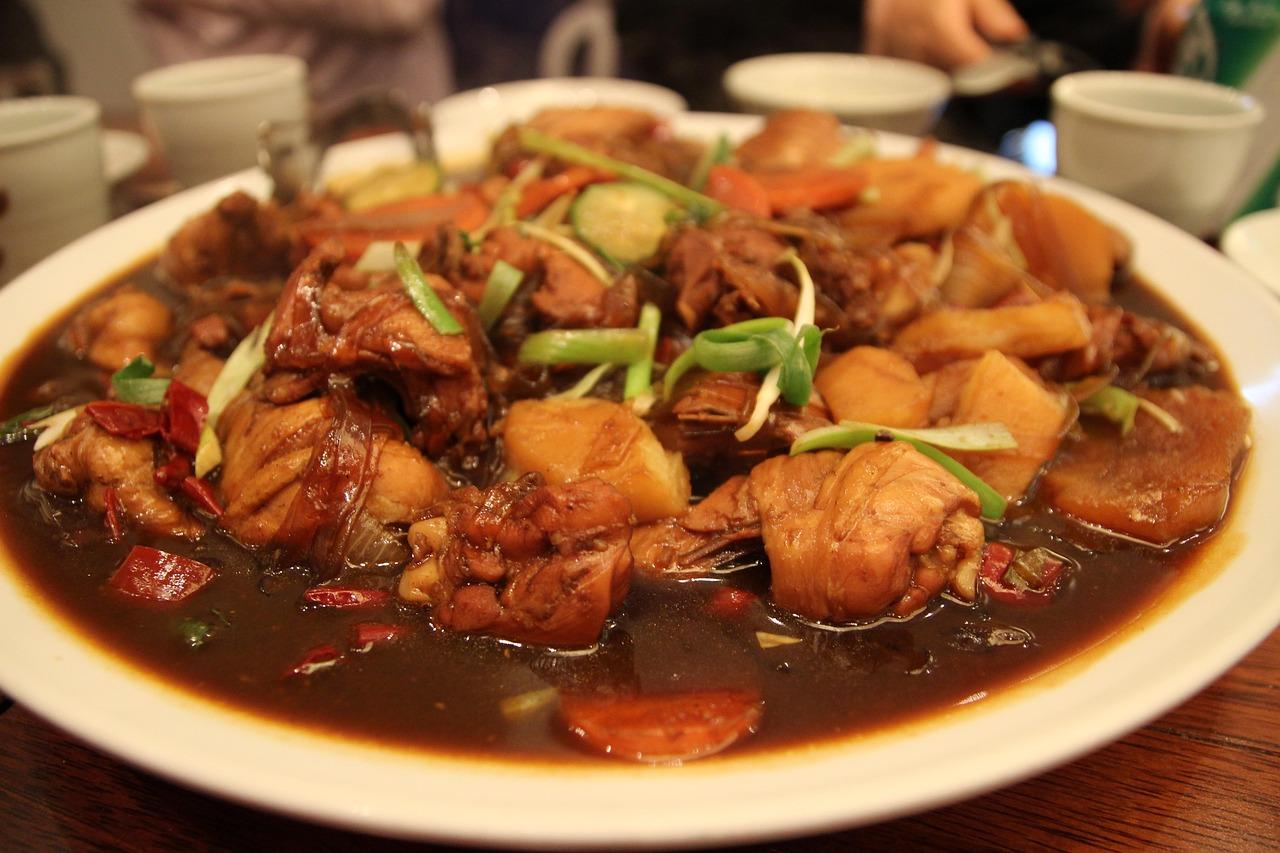
Andong jjimdakSoy-braised chicken and potatoes

Andong jjimdak took shape in the 1980s in the old market of Andong, a city in North Gyeongsang province, where an alley of small restaurants still serves it on big platters for sharing. Chicken on the bone is braised in a dark, sweet soy sauce with potatoes, carrots and a few dried chillies, then slippery glass noodles are stirred in at the end to soak up the sauce. It is salty, sweet and only gently hot. Serve with rice and kimchi. Chef's tip: soak the glass noodles in warm water for 30 minutes before you start, so they only need 5 minutes in the pot.

by KrazyBadal 0 views

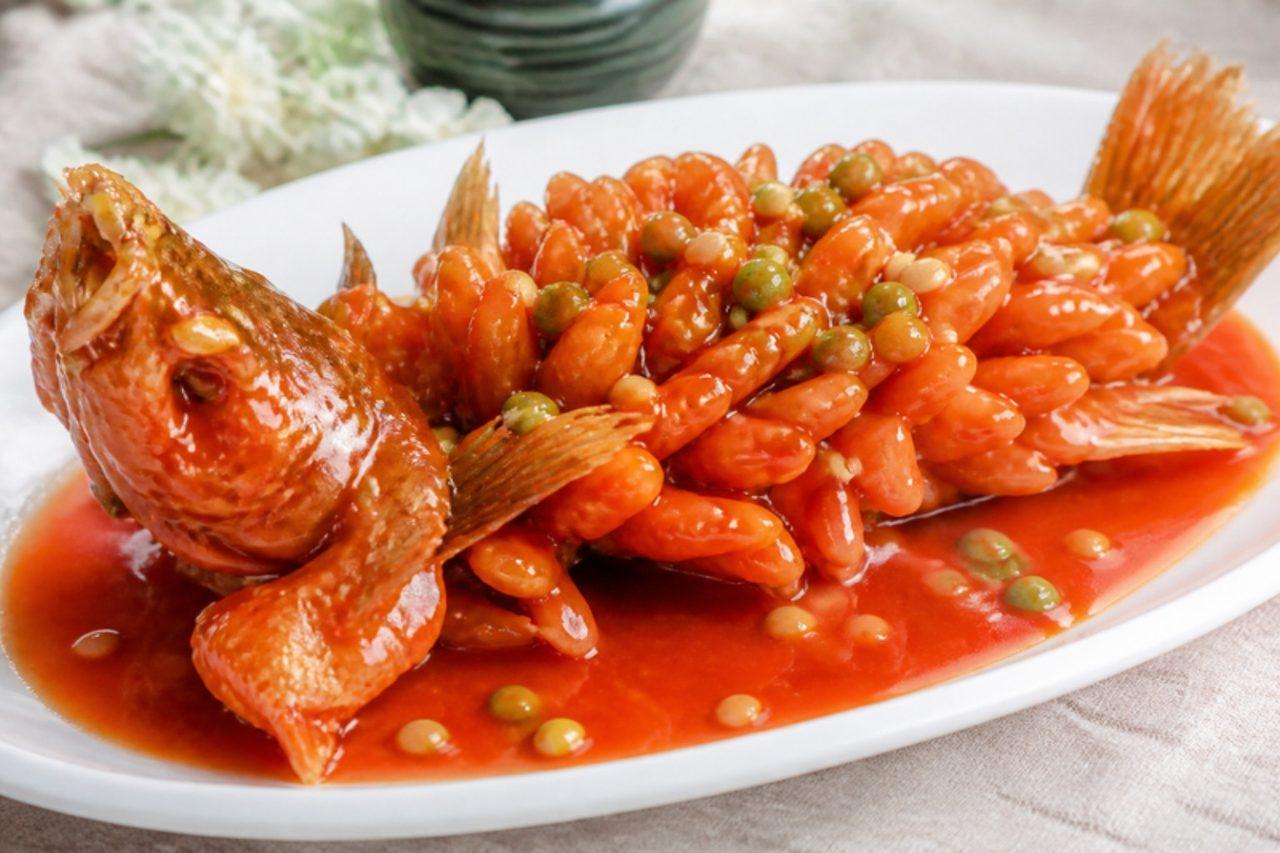
Squirrel-shaped mandarin fish

The showpiece of Suzhou banquets, this fish is deboned, scored into a deep criss-cross and fried so the flesh fans out into spikes; with its tail curled up, someone once decided it looked like a squirrel. The sauce poured over it at the table crackles as it hits the crisp edges, sweet and tangy with tomato and vinegar. Mandarin fish is hard to find outside China, so sea bass is the practical choice. Serve as the centrepiece with rice and a few simple vegetables. Chef's tip: work starch into every cut with your fingers and shake off the excess; any bare patch fries soggy and the spikes collapse.

by KrazyBadal 0 views

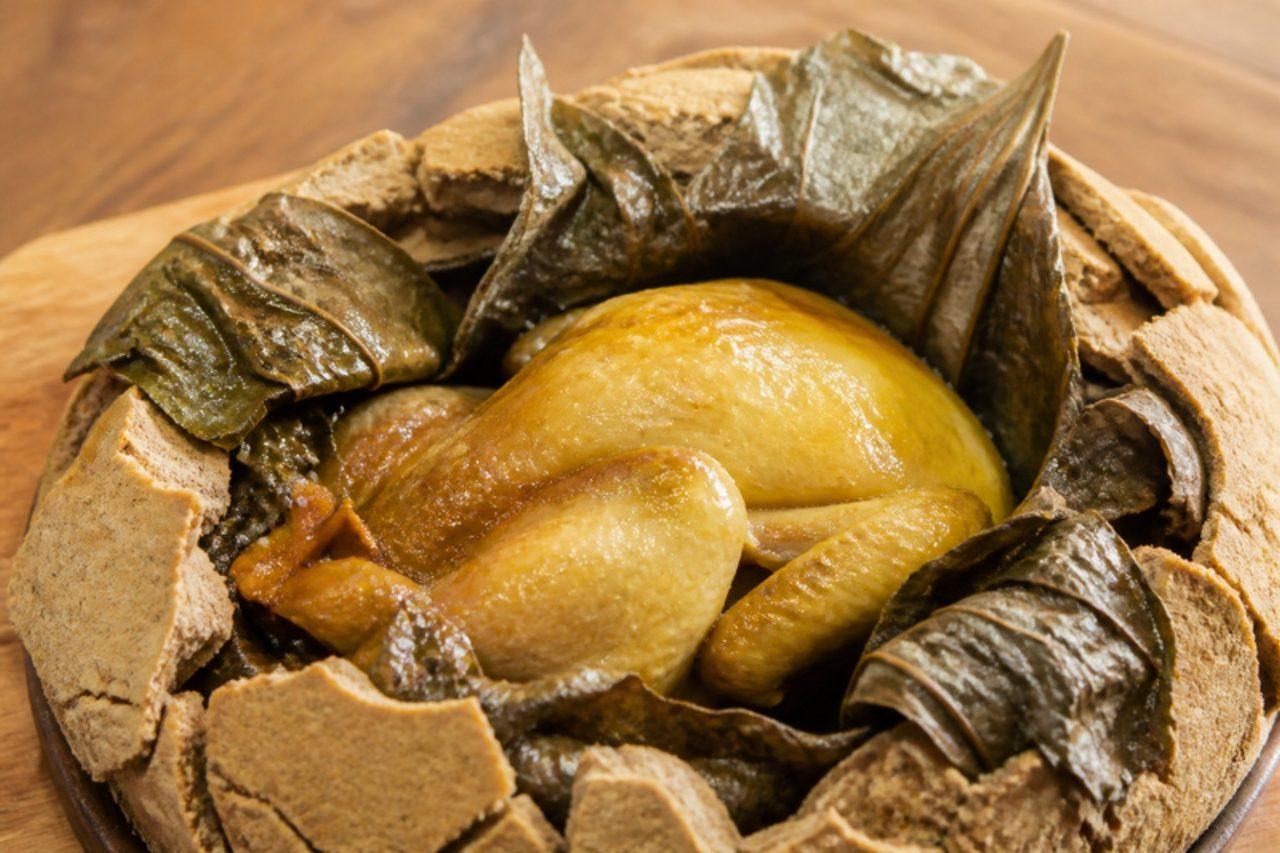
Beggar's chicken

Legend has a hungry beggar near Hangzhou wrapping a stolen chicken in mud and burying it in the embers; restaurants in Hangzhou and Changshu still crack open the crust at the table for a bit of theatre. This home version swaps the mud for a salt-and-flour dough, so it bakes in an ordinary oven. Inside two lotus leaves, the bird steams in its own juices with pork, mushrooms and bamboo shoots, so the meat is fall-apart tender and smells of the leaves. Make it for a special dinner and serve with rice and greens. Chef's tip: the crust is only an oven, not something to eat; seal every crack with a scrap of dough so the steam stays in.

by KrazyBadal 0 views

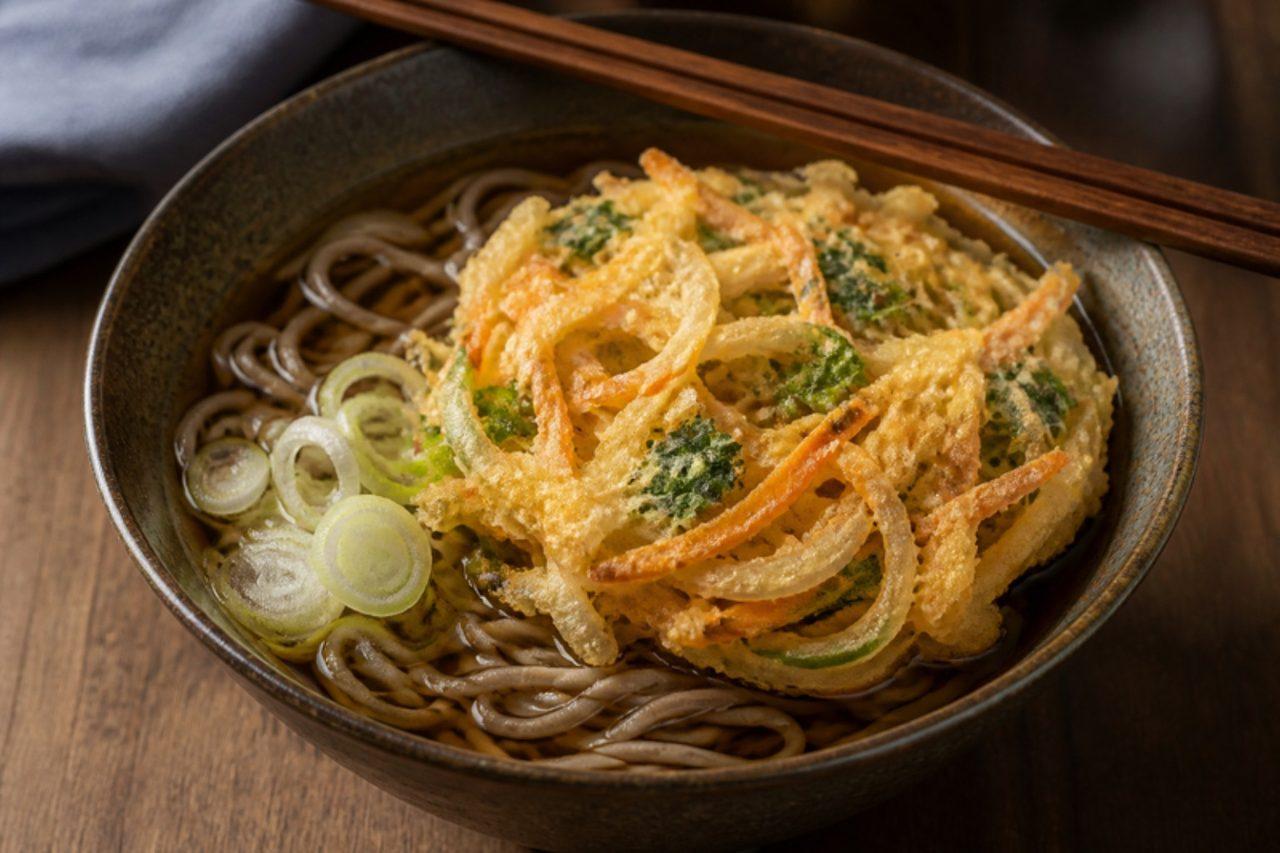
Kakiage sobaBuckwheat noodles with vegetable tempura

In Tokyo, hot soba with a fritter on top is the city's fast food. Standing soba counters near train stations, called tachigui soba, have served it to commuters since the Edo period, when soba and tempura stalls stood side by side. The fritter here is kakiage: a loose nest of onion, carrot and greens held together with just enough batter to fry into a lacy disc. It softens a little in the broth and flavours it with toasty oil, which is why many Tokyoites eat half of it crisp and let the rest soak. Our broth uses kombu and shiitake instead of bonito. Chef's tip: slide the kakiage into the oil off a flat spatula or ladle, and don't touch it for the first minute. It needs that time to set, or it falls apart.

by KrazyBadal 0 views

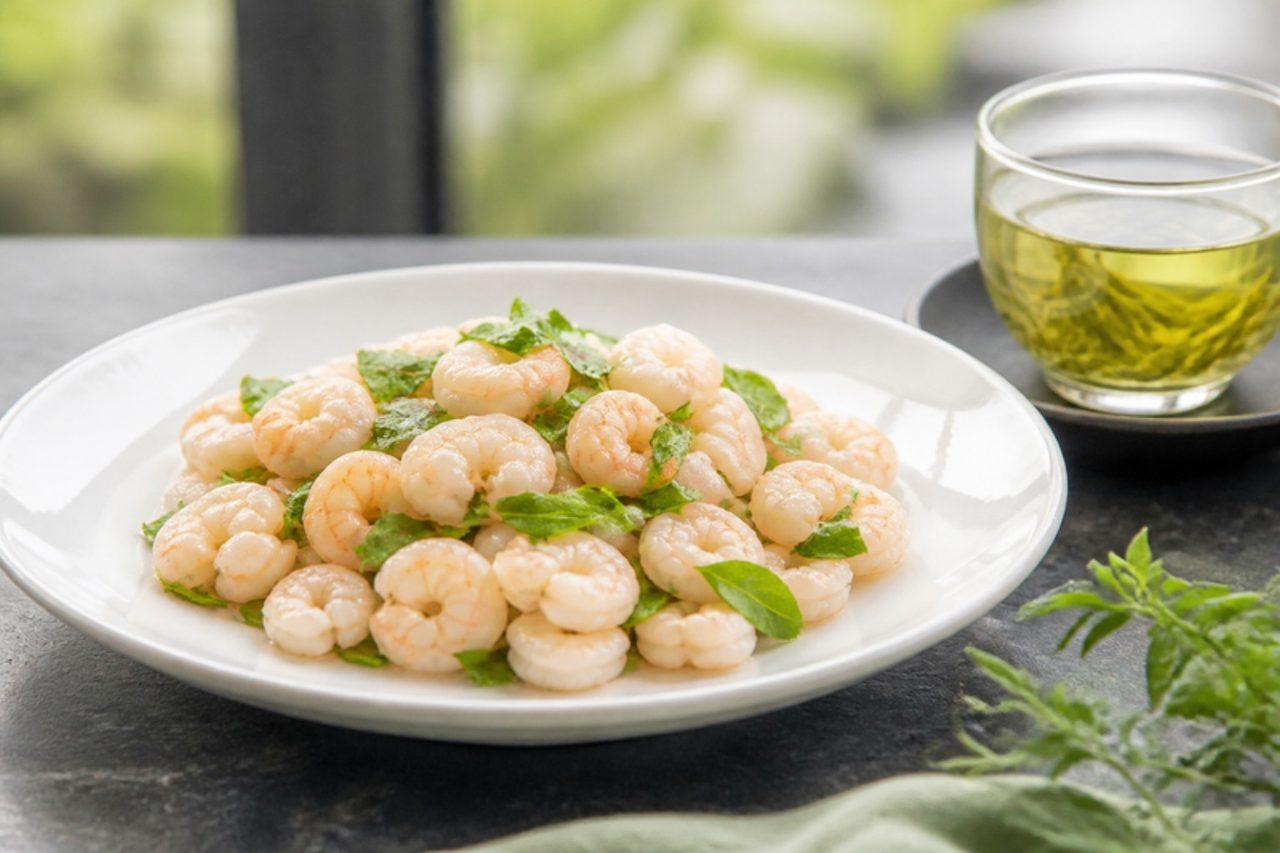
Longjing shrimp

Spring in Hangzhou means new-season Longjing tea from the hills west of the city, and restaurants celebrate it by tossing tiny, pearly river shrimp with the tender tea leaves and a splash of their brew. The result is very delicate: sweet, springy shrimp, a faint grassy and chestnut aroma from the tea, and no heavy sauce at all. It is usually one dish among several at a family meal, eaten with rice. Small raw prawns are the easiest home swap for river shrimp. Chef's tip: brew the tea with water at about 80 °C, never straight from the boil, which makes the leaves bitter.

by KrazyBadal 0 views

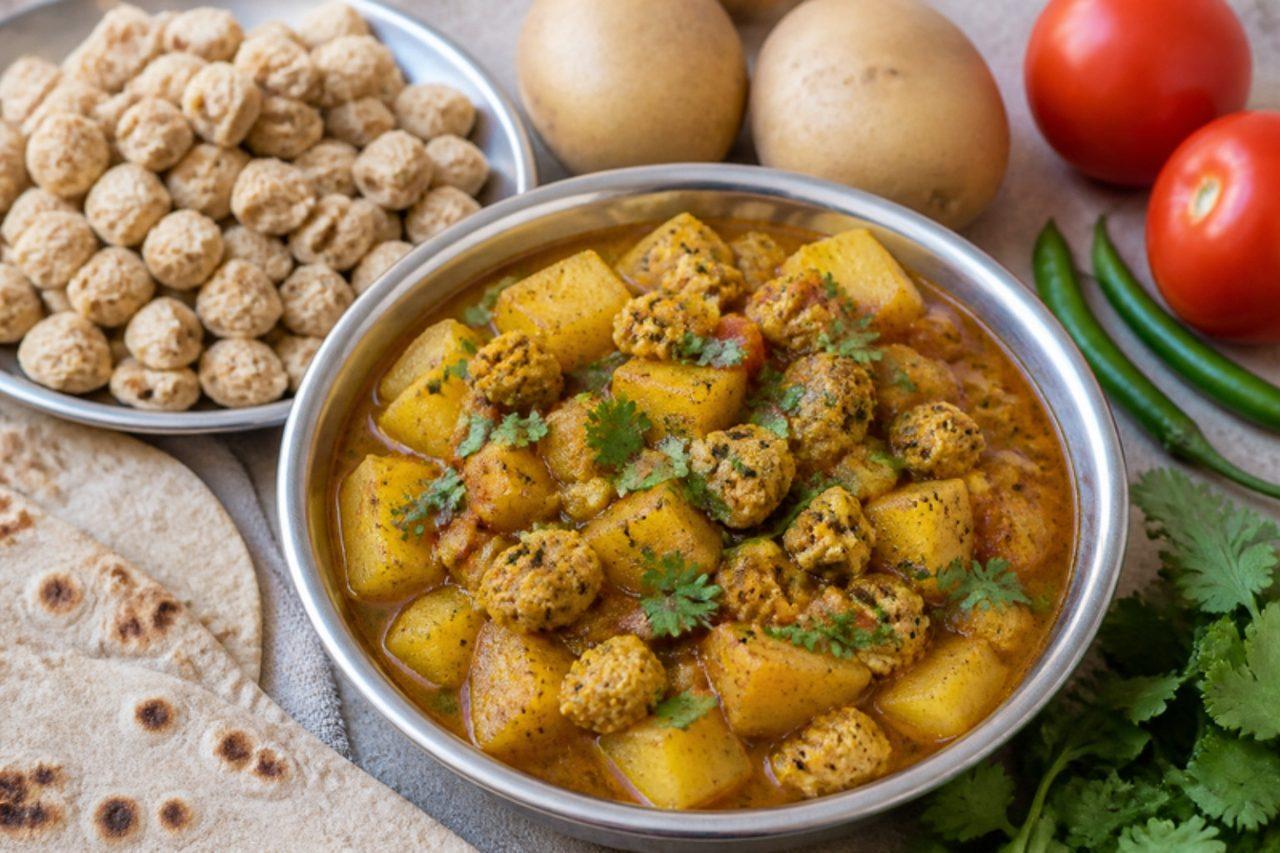
Amritsari aloo wadiyanPotato and lentil dumpling curry

Every winter, rooftops in Amritsar's old city are covered with trays of wadiyan: little cones of spiced urad-dal paste studded with black pepper and dried in the sun until rock hard. Punjabi homes break them into chunks, fry them until they smell nutty, and simmer them with potatoes in a mustard-oil gravy. The wadiyan soften into chewy, spicy, almost meaty pieces, and the potatoes soak up their pepper. It is everyday comfort food, eaten with hot phulkas or rice and a raw onion on the side. Chef's tip: wadiyan are already salted and spiced, so add salt only at the end, after tasting.

by KrazyBadal 0 views

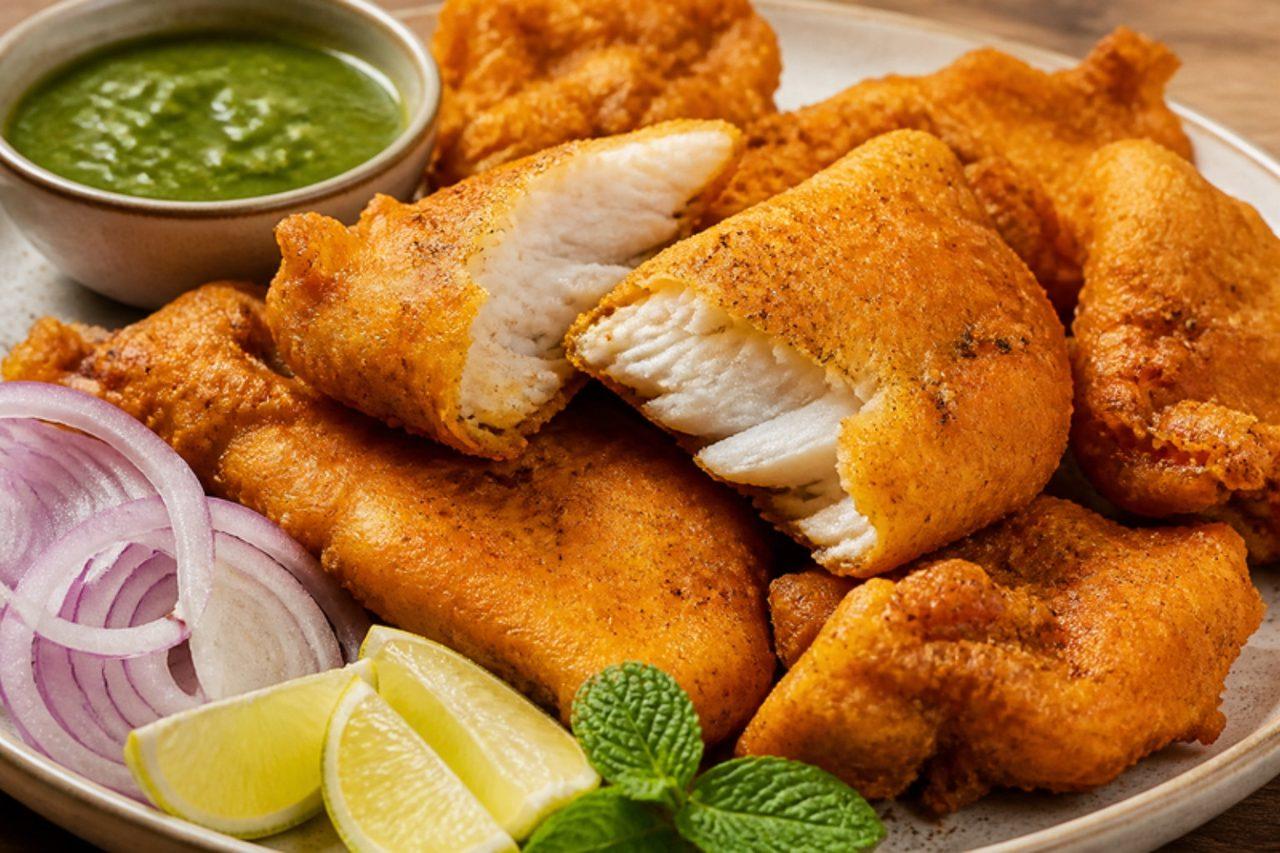
Amritsari fishCrisp fried fish

On winter evenings in Amritsar, roadside stalls near the old city fry river fish in huge karahis and sell it by weight, hot and crisp, sprinkled with chaat masala and lemon. The batter is made from gram flour rather than wheat and is fragrant with ajwain (carom seeds), which Punjabis say makes fried food easier to digest. It is a snack or starter, eaten with mint chutney and sliced onions; at home it is the treat that comes out when guests arrive. Use any firm white fish: singhara is traditional, but cod, haddock, basa or tilapia all work. Chef's tip: a little rice flour in the batter is what keeps it crisp for longer after frying.

45 minIndianFishGluten freeSpicy
by KrazyBadal 0 views

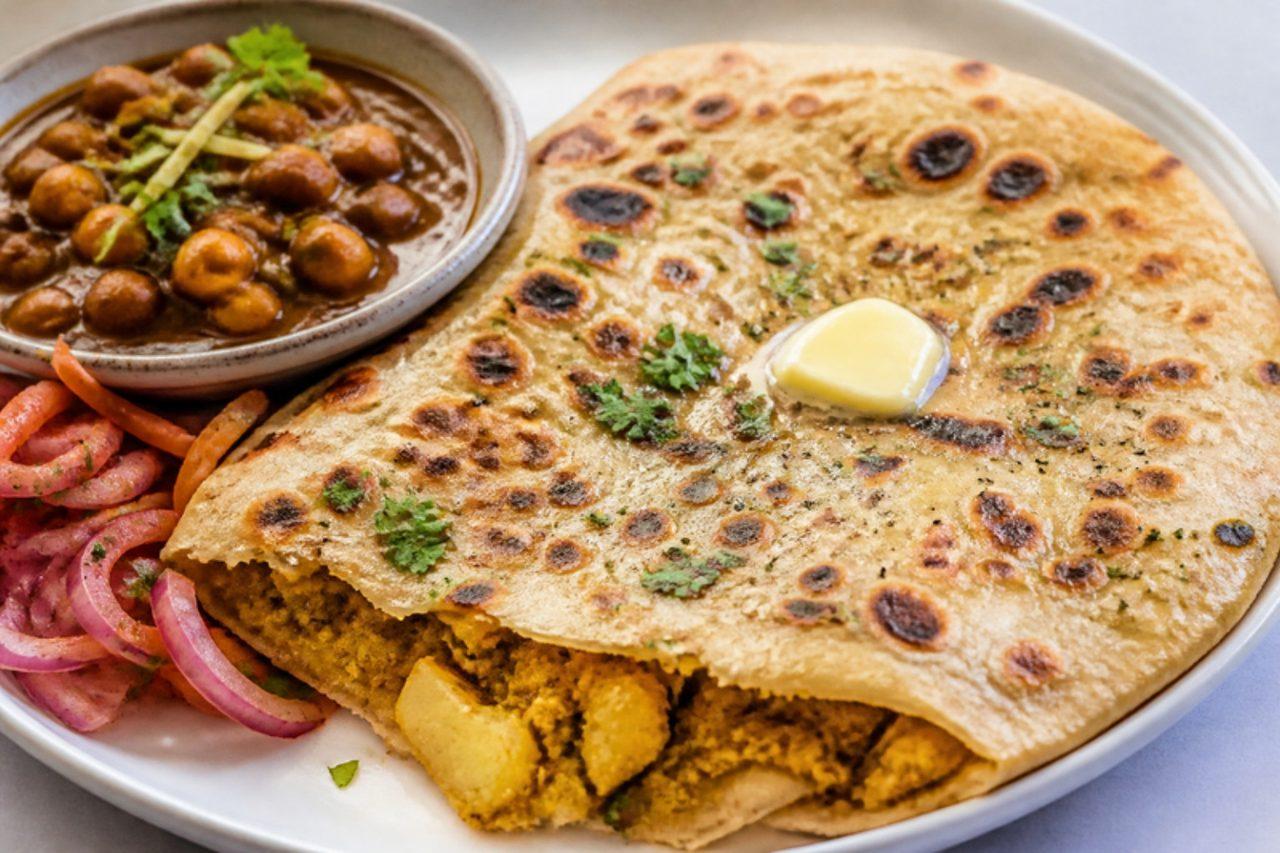
Amritsari kulchaStuffed flatbreads

Amritsari kulcha is the pride of Amritsar's dhabas in Punjab: a layered, leavened flatbread stuffed with potato, onion and sour pomegranate seed, slapped onto the wall of a tandoor and smothered in butter the moment it comes out. The outside shatters into crisp, flaky layers while the inside stays soft and steamy. In Amritsar it comes with a bowl of chole, a tangy onion-tamarind chutney and a glass of lassi. At home a very hot oven and a heavy tray stand in for the tandoor. Chef's tip: keep the filling dry and cool, with the onion squeezed of its juice, or the kulcha will tear and steam instead of turning crisp.

by KrazyBadal 0 views

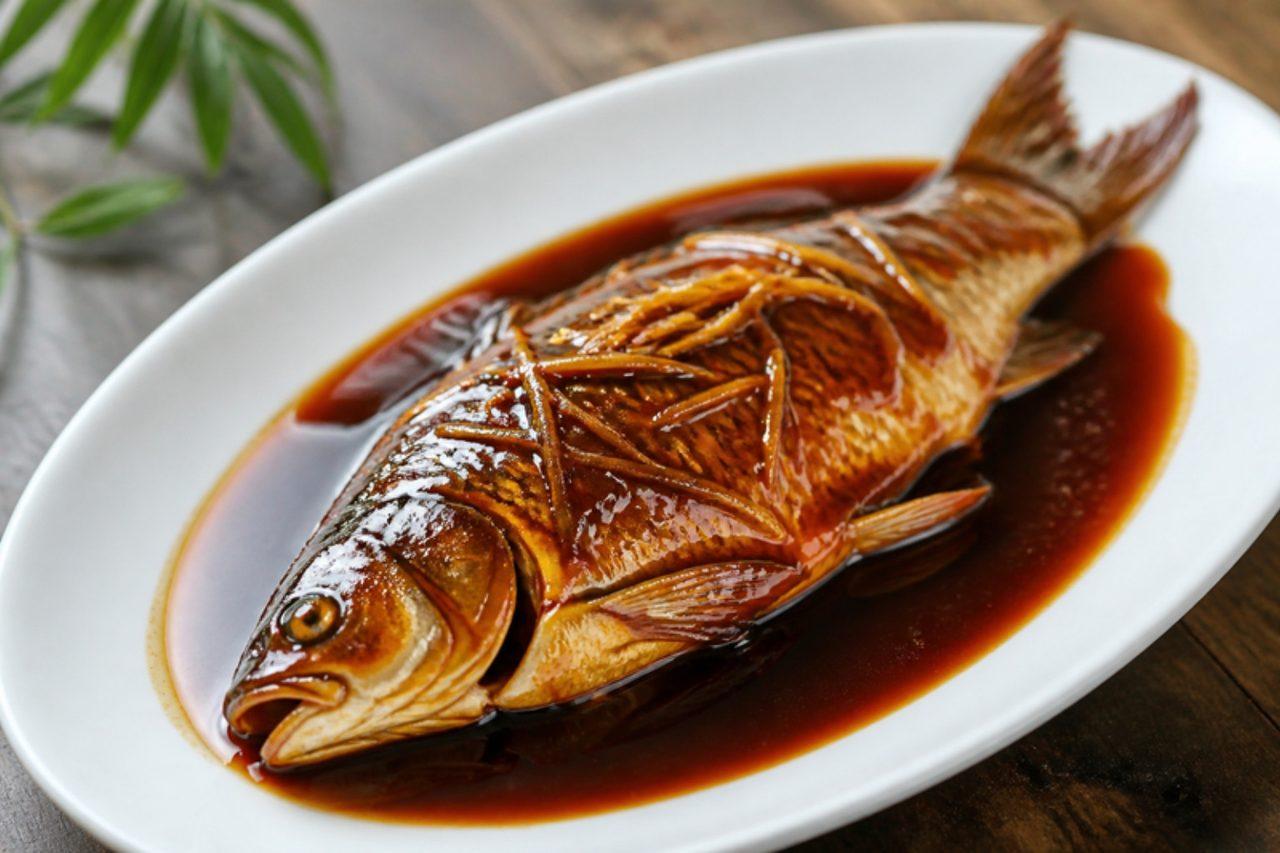
West Lake vinegar fish

Hangzhou restaurants by West Lake have served this for generations, traditionally with grass carp kept in clean water for a day or two before cooking. The fish is not fried at all: it is butterflied, poached for a few minutes, and coated with a shiny, dark sauce of black vinegar and sugar that tastes sharp first and sweet after. The flesh should be tender enough to fall from the bone at a touch. Carp, sea bass or a thick white fish fillet all work at home. Eat it with rice and a simple stir-fried green vegetable. Chef's tip: thicken the sauce at the last moment and pour it straight over; left to sit, it turns gluey.

by KrazyBadal 0 views

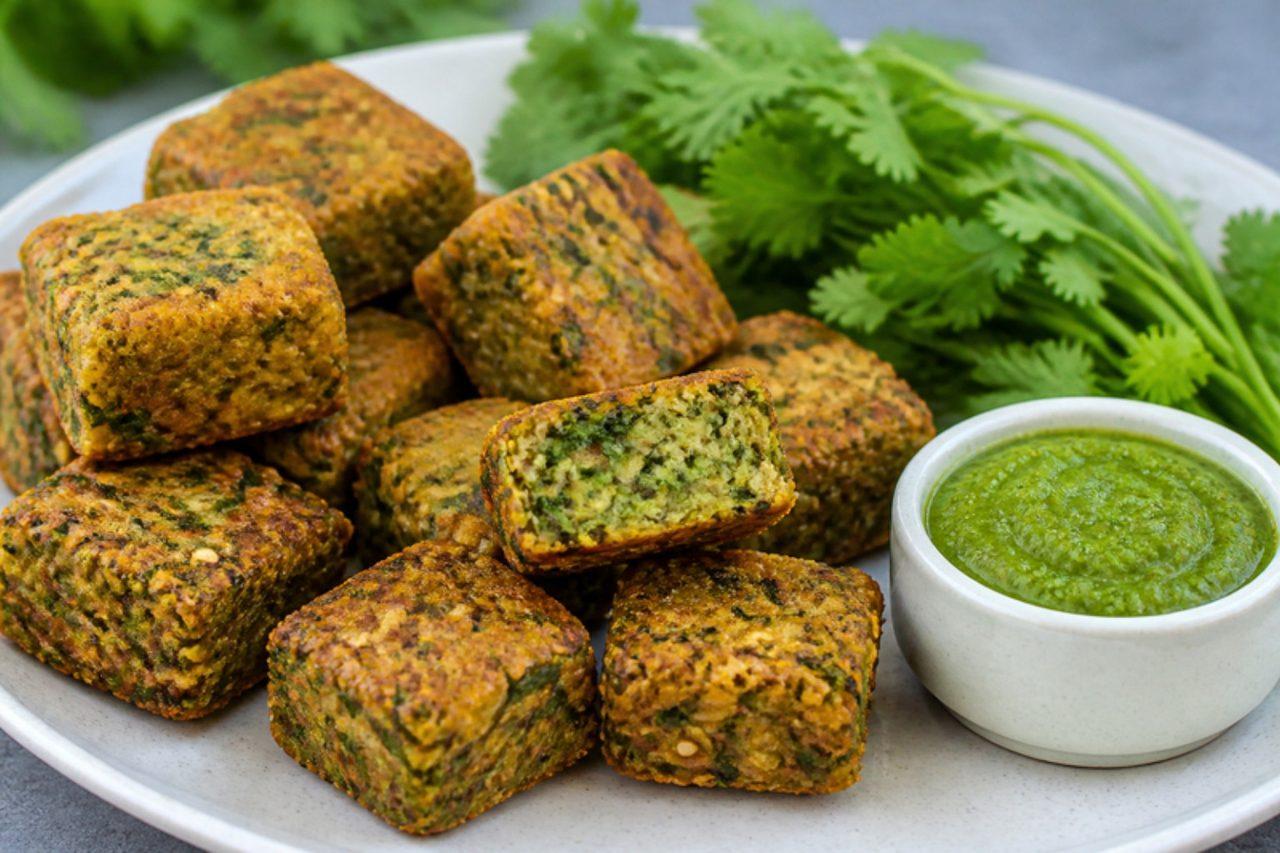
Kothimbir vadiCoriander and gram flour fritters

When the winter coriander in the Nashik markets comes in huge, fragrant bunches for a few rupees, Maharashtrian kitchens make kothimbir vadi. A batter that is mostly fresh coriander, held together with gram flour and sesame, is steamed into a cake, cut into squares, then shallow-fried until each piece has a crunchy shell and a soft, herby middle. It's a tea-time snack in Pune homes, a side on the festive thali and a favourite in tiffin boxes because it's good at room temperature. Serve with green chutney or tomato ketchup. Chef's tip: dry the coriander well after washing; wet leaves make the batter loose and the vadi soggy.

by KrazyBadal 0 views

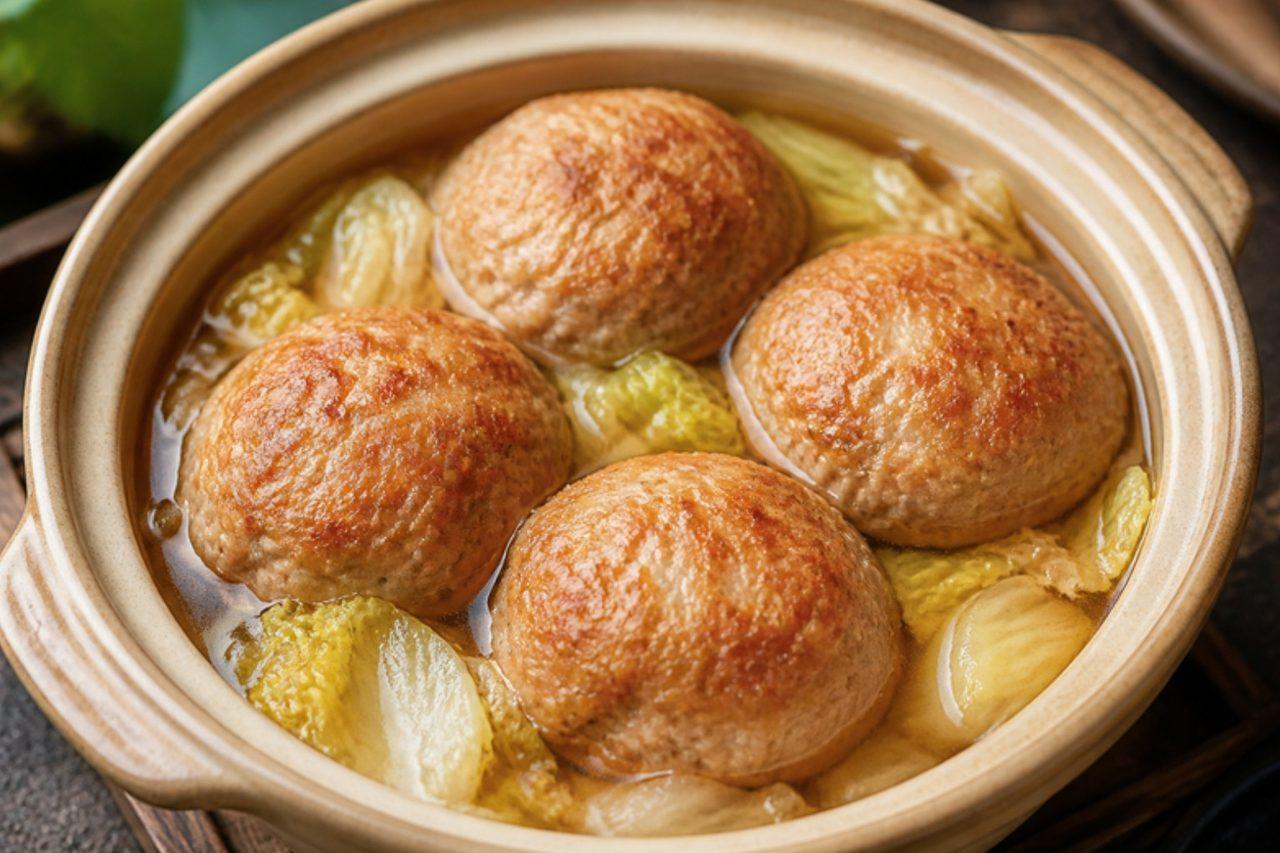
Lion's head meatballs

Cooks in Yangzhou say the shaggy meatball looks like a lion's head and the cabbage leaves around it like a mane. The Jiangsu way is the clear braise: no frying, just a slow simmer in stock until the meatballs are so tender that you eat them with a spoon, while the cabbage drinks up the pork juices. They appear at family reunions and at Chinese New Year, where the round shape stands for togetherness. Everything cooks in one pot; serve the meatballs in their broth with rice. Chef's tip: chop some of the pork belly by hand if you can, or ask for coarse mince; a fine, lean mince gives a dense, bouncy ball rather than a soft one.

by KrazyBadal 0 views

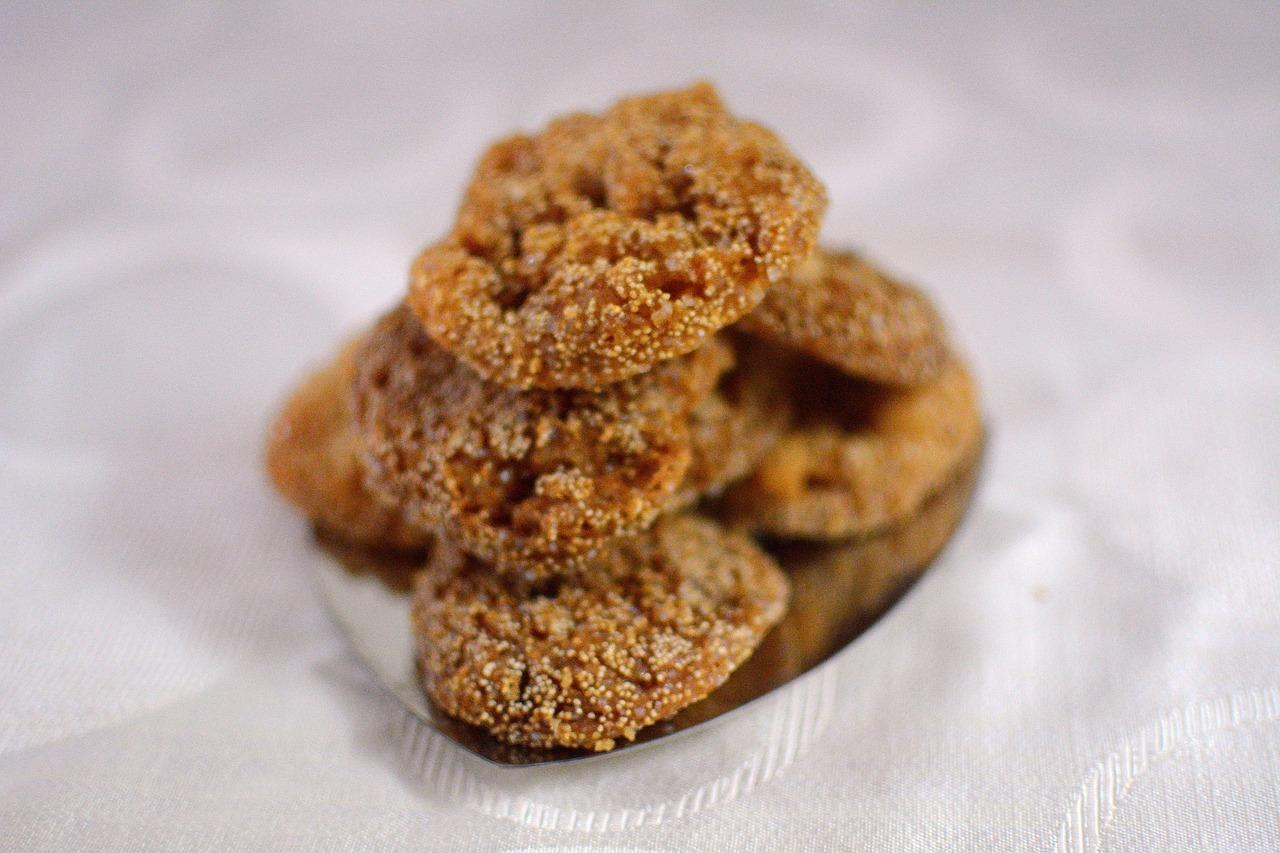
AnarsaRice and jaggery sesame cakes

Anarsa is a sweet of patience. In Bihar and eastern Uttar Pradesh, women start soaking rice three days before Teej or Diwali, changing the water every day, then pound it into a damp flour, bind it with jaggery and leave the dough to mellow overnight. Fried with the sesame side up, each disc puffs into a lacy, honeycombed top with a crisp edge and a chewy middle. They are stacked in brass plates for guests and offered at home shrines. Chef's tip: fry one test anarsa before the batch; if it spreads and dissolves, knead in a spoonful of rice flour, and if it cracks, add a few drops of milk or water.

by KrazyBadal 0 views

Dongpo pork

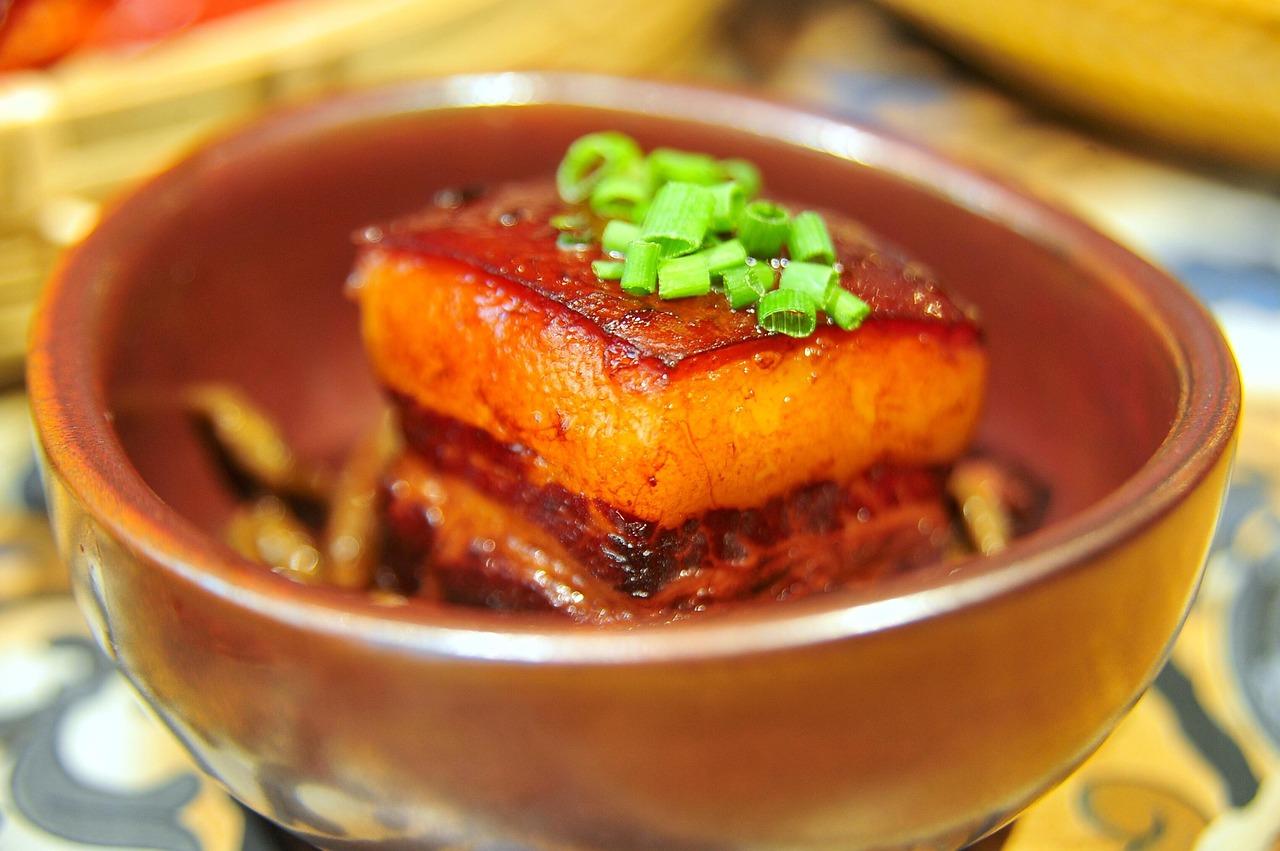
Named after the Song dynasty poet Su Dongpo, who governed Hangzhou, these neat squares of pork belly are a fixture of the city's restaurants around West Lake and of New Year banquet tables across Zhejiang. Cooked for hours in Shaoxing wine with soy and rock sugar, the fat turns soft and wobbly, the lean melts apart, and the skin goes glossy and mahogany. Each guest usually gets one square, eaten with plain rice and a green vegetable to cut the richness. The traditional braise uses only wine and no water; if you avoid alcohol, use the stock-and-vinegar version in the ingredient note, which is just as tender, though less fragrant. Chef's tip: tie each square with kitchen string before braising so it keeps its shape for serving.

150 minChineseMeat
by KrazyBadal 0 views

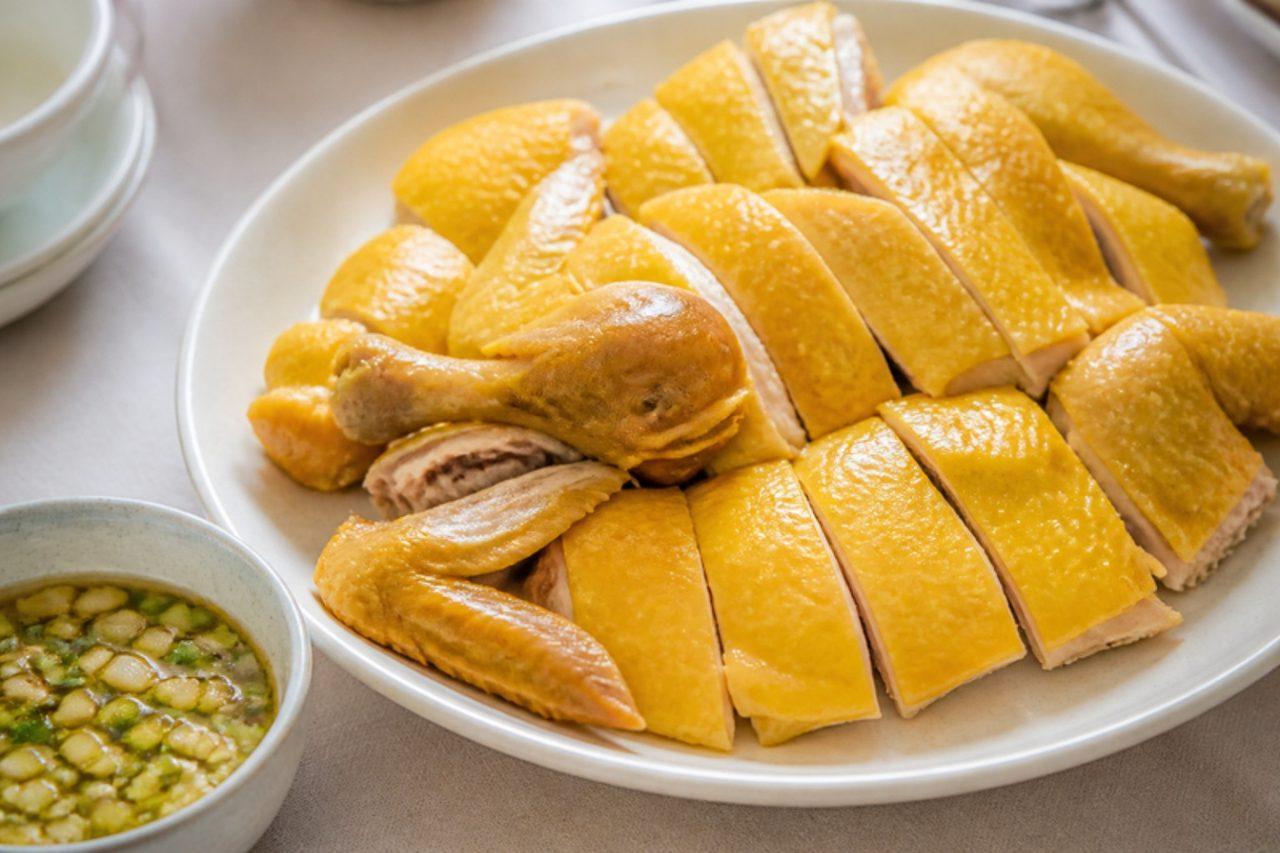
Wenchang chicken

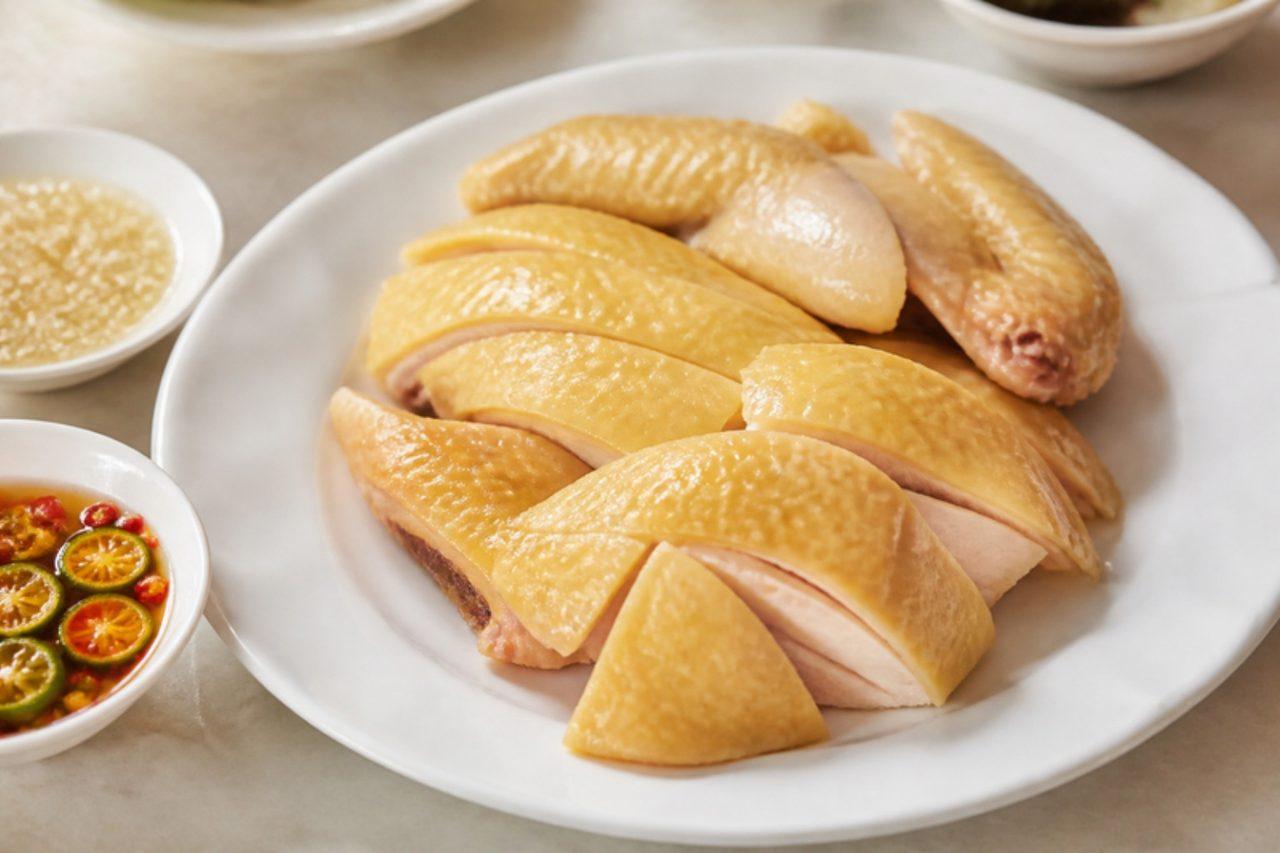
Hainan islanders count Wenchang chicken, from the coastal county of the same name, as the first of their four famous dishes, and no wedding, New Year or welcome-home meal there is complete without it. The small free-range birds are gently poached until the skin is pale gold and slightly jellied and the meat is firm, sweet and full of flavour. The real stars on the island are the dips, not rice: a hot-oil ginger and garlic relish, and a sharp calamansi and chilli sauce. This is the original that Hainanese emigrants turned into chicken rice in Singapore and Malaysia, but in Hainan it is eaten chopped on the bone with a bowl of the poaching broth and plain rice or greens on the side. Chef's tip: choose a small free-range chicken; its firmer meat and thin skin are closest to the Wenchang breed.

by KrazyBadal 0 views

Buddha jumps over the wall

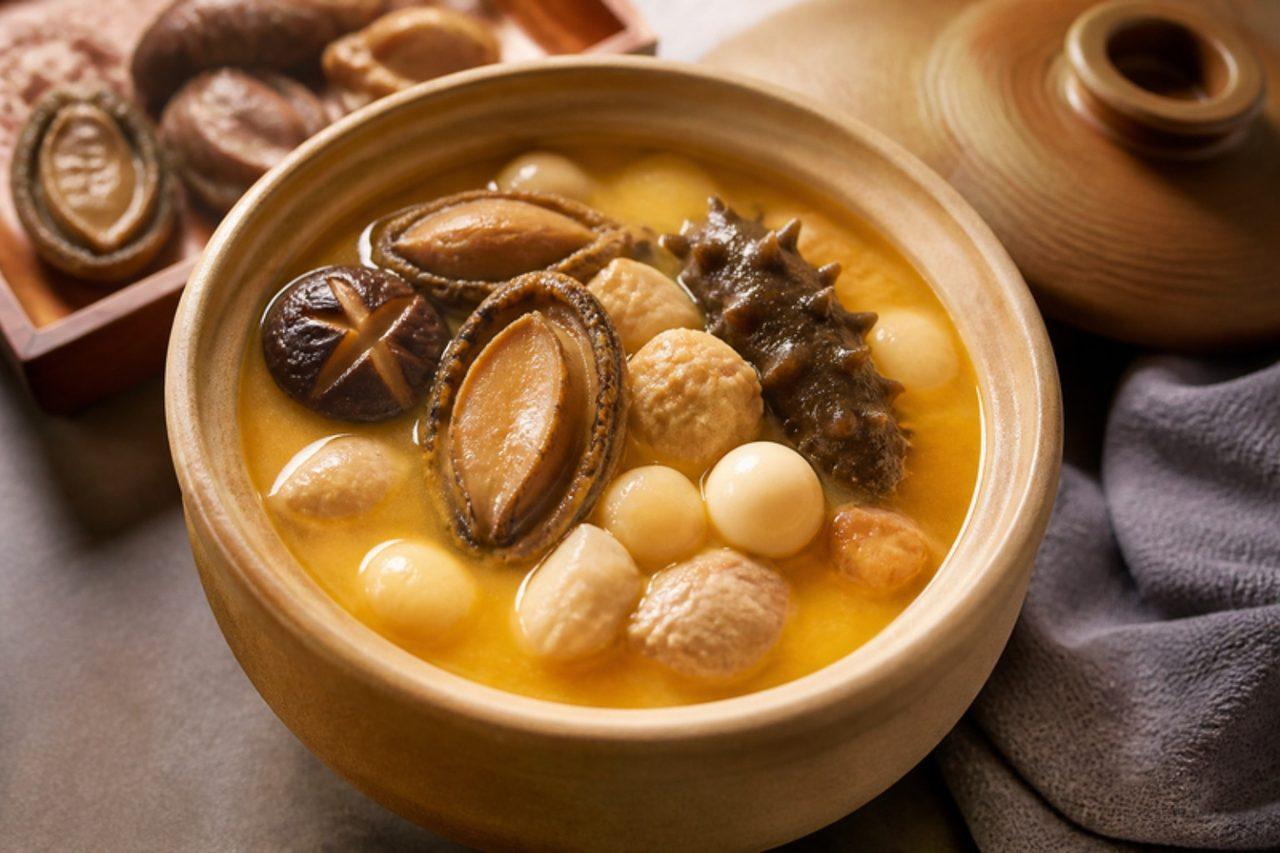
Legend in Fuzhou says the smell of this soup was so tempting that a monk climbed the monastery wall to taste it, and it is still the grandest dish at Fujian wedding banquets and Lunar New Year. Restaurant versions pack in a dozen expensive dried seafoods; this home version keeps the spirit with chicken, pork ribs, dried scallops, shiitake, taro and quail eggs, and leaves out shark fin and any endangered ingredient entirely. Everything simmers sealed for hours until the broth is golden, rich and lightly sticky, tasting of the sea, mushrooms and rice wine. Serve it in small bowls as the centrepiece of a celebration meal, with plain rice. Chef's tip: seal the pot with foil under the lid and resist peeking; the steam that stays inside is what makes the broth so intense.

240 minChineseSoups
by KrazyBadal 0 views

Lychee pork

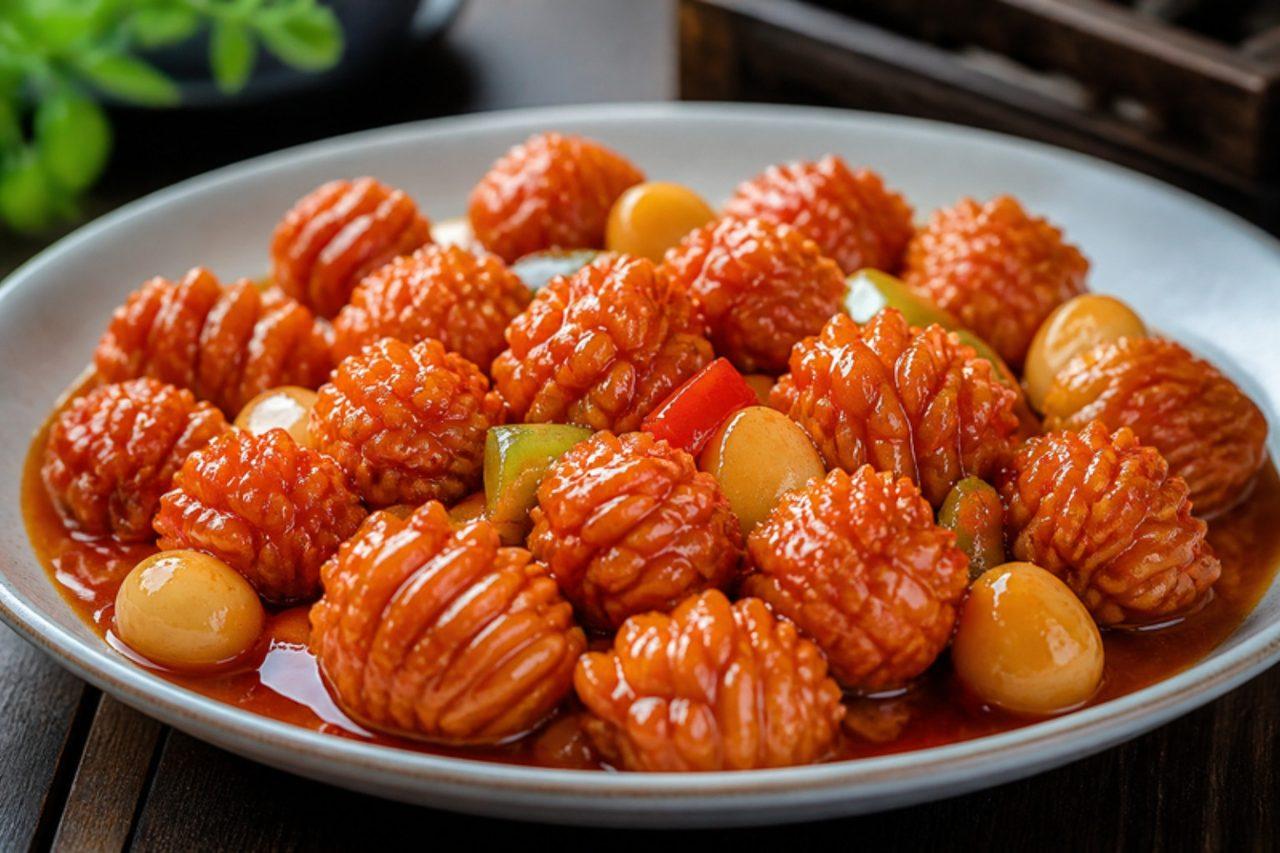
Despite the name, no fruit goes into this classic of Fuzhou banquets and family feasts. Lean pork is scored in a fine crosshatch and cut into small pieces that curl into bumpy red balls when fried, looking just like lychees in their shells, while crunchy water chestnuts play the white flesh. The coating is crisp, the sauce glossy, sweet and tangy, and the pork inside stays tender. It is a favourite at Fujian weddings and New Year tables, eaten with steamed rice and a simple green vegetable or clear soup. Chef's tip: score the pork two-thirds of the way through and then cut it into pieces; too shallow and it stays flat, too deep and it falls apart.

by KrazyBadal 0 views

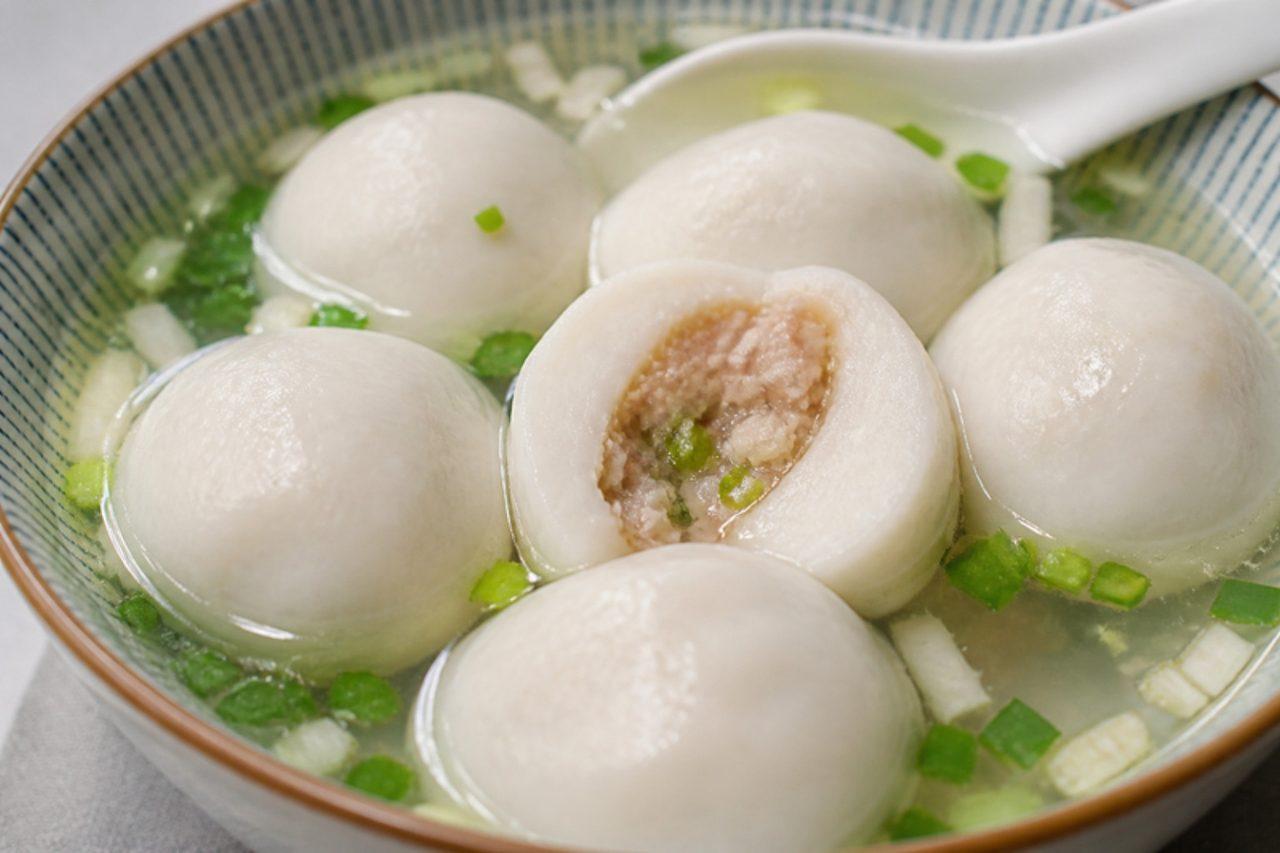
Fuzhou fish ball soup

Bite carefully: inside every Fuzhou fish ball hides a spoonful of juicy seasoned pork that bursts out with a little hot broth. Sold by street vendors and served in tiny bowls at Fuzhou snack shops, and eaten at New Year because the round balls mean a family together, they are firm and springy outside, never spongy. The paste is beaten by hand with ice-cold water and a little starch until it turns smooth and elastic. Serve the soup as a light lunch or as one bowl in a spread of small dishes, with a dash of vinegar and lots of white pepper. Chef's tip: keep the fish paste really cold from start to finish; warm paste never turns bouncy.

by KrazyBadal 0 views

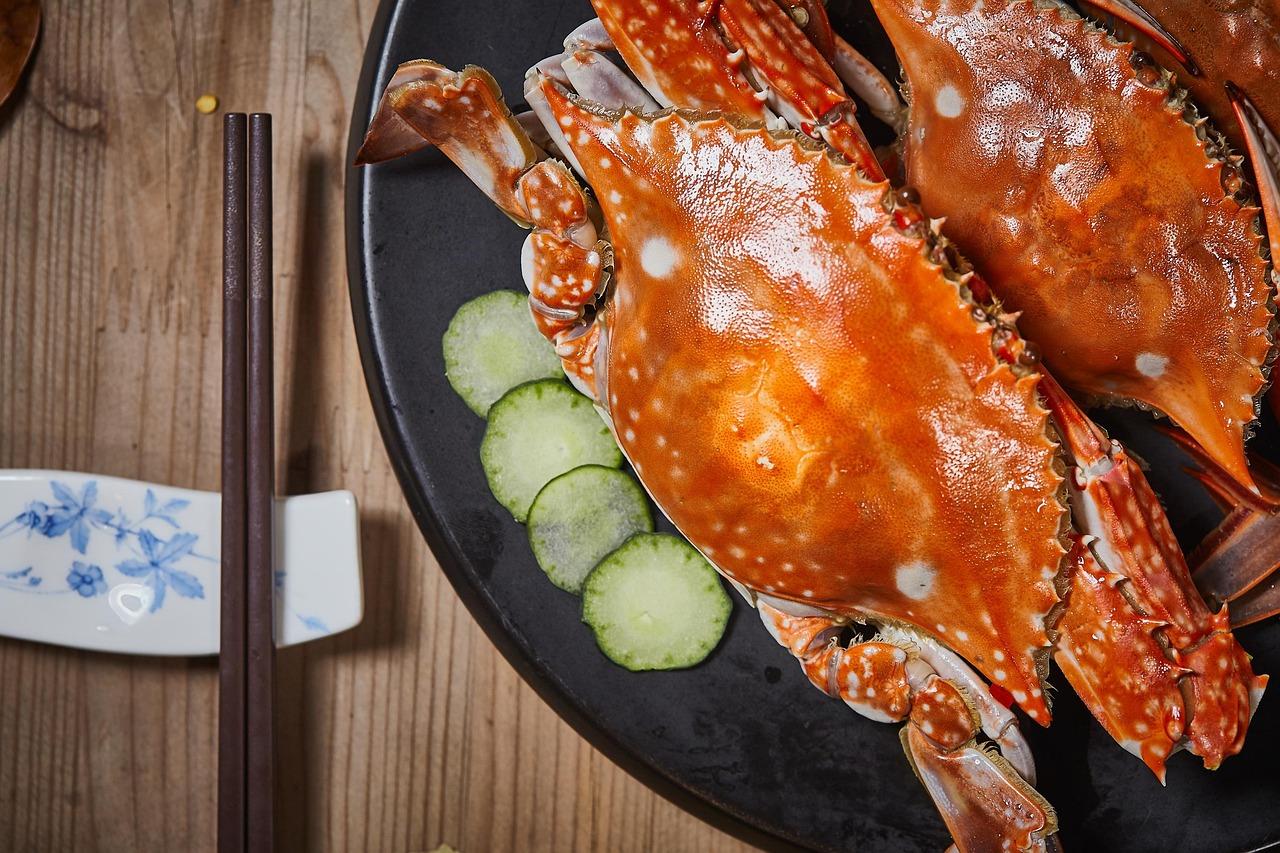
Teochew cold crab

Chilled crab sounds strange until you taste it at a Teochew banquet in Chaozhou, where it comes as a cold starter alongside braised goose and marinated seafood. Steaming the crab whole and then chilling it firms the flesh and brings out its natural sweetness, which a plain dish lets you taste clearly; the roe in a female crab turns rich and almost creamy. All it needs is a sharp ginger vinegar to cut through. Serve it as a starter before hot dishes, with crab crackers, small forks and plenty of napkins. Chef's tip: steam it belly side up, so the juices stay inside the shell instead of running out onto the plate. Allow at least 2 hours' chilling on top of the cooking time.

by KrazyBadal 0 views

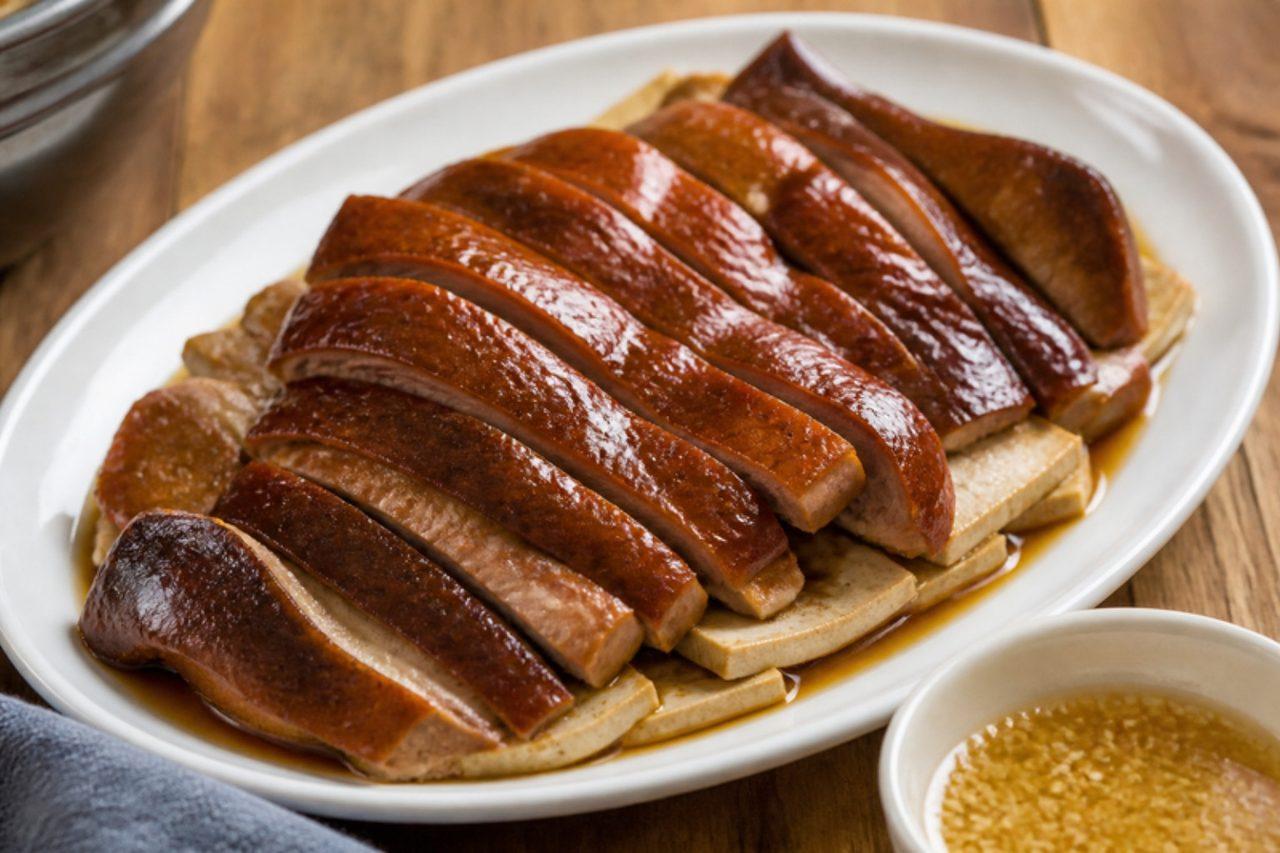
Chaozhou braised goose

Walk past a lou mei counter in Chaozhou or Shantou and the glossy brown geese hanging there are the first thing you notice; braised goose is offered at ancestral rites, weddings and New Year, then sliced for everyone at the table. The bird simmers slowly in a master stock of soy, rock sugar, galangal and whole spices until the meat is tender and deeply savoury with a gentle sweetness, while the skin stays smooth and the fat soft. Goose can be hard to find, so goose legs or plump duck legs work well at home. Slice it thinly and serve with plain rice or rice porridge, braised tofu and eggs from the same pot, and the sharp garlic vinegar Teochew people always put alongside. Chef's tip: strain and freeze the stock after use; each time you braise in it again the flavour gets deeper, which is how Chaozhou shops keep a 'master' stock for years.

150 minChineseMeat
by KrazyBadal 0 views

Hakka salt-baked chicken

Hakka families in the Dongjiang river valley of eastern Guangdong are said to have invented this dish by burying chickens in hot salt to cook and keep them while on the move. Wrapped in paper and surrounded by sizzling coarse salt in a wok, the bird cooks in its own juices: the skin turns golden and taut, the meat stays dense and moist, and sand ginger gives it a warm, peppery perfume. It is a celebration dish in Meizhou and Huizhou, served chopped on the bone, at room temperature or warm, with plain rice, blanched greens and a little sand ginger dip. Chef's tip: dry the chicken uncovered in the fridge before wrapping it; wet skin steams instead of roasting and turns flabby.

by KrazyBadal 0 views

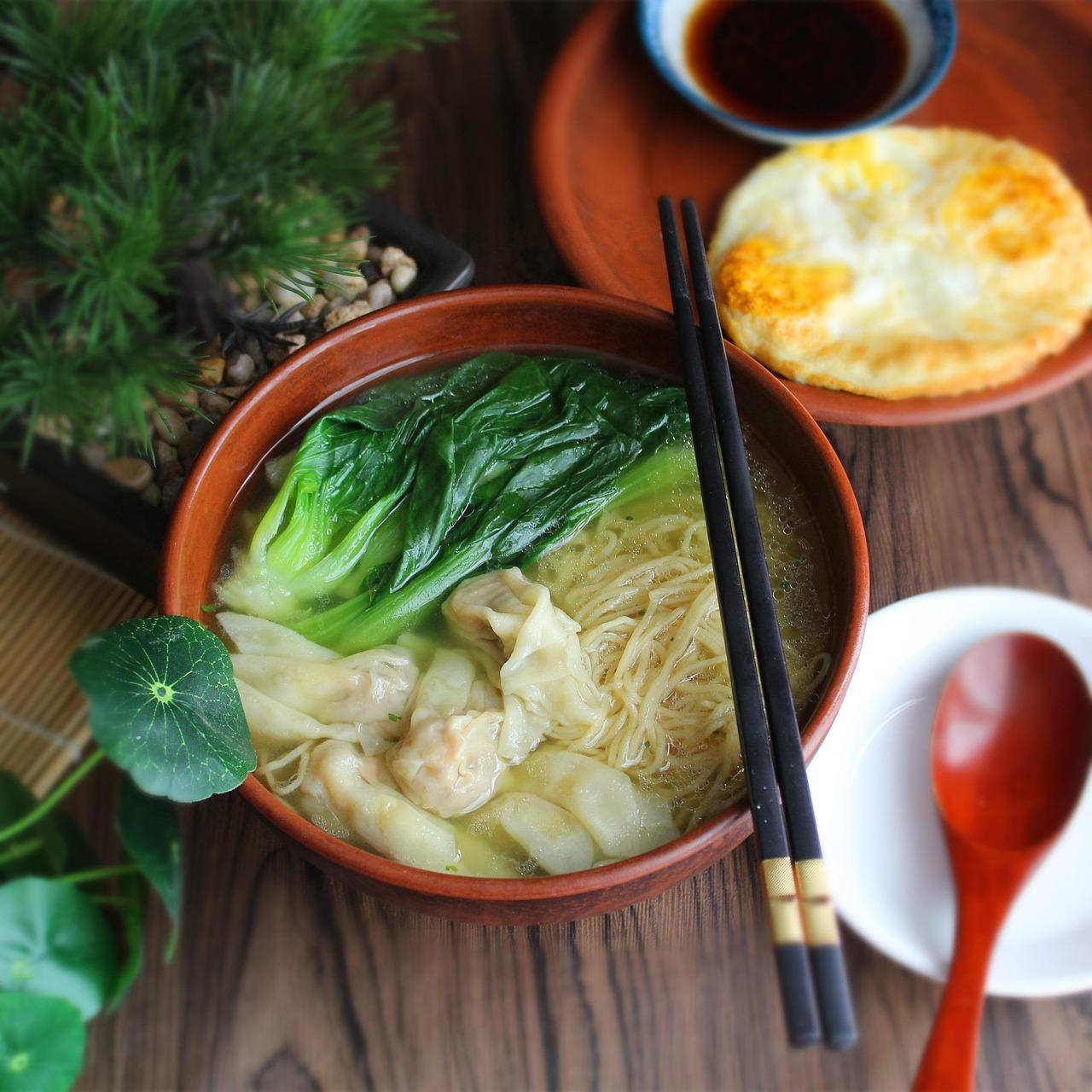
Wonton noodle soup

Small, steamy noodle shops all over Hong Kong sell this bowl from breakfast until late at night, often from a counter facing the street. Plump wontons, mostly prawn with a little pork, sit under a nest of thin, springy egg noodles in a clear, savoury broth fragrant with dried shrimp and ginger. The bowl is small and meant to be eaten fast, before the noodles soften, with a spoonful of chilli oil and a side of blanched greens. Shop wrappers make the wontons manageable on a weeknight. Chef's tip: put the wontons in the bowl first and the noodles on top, as Hong Kong cooks do, so the noodles sit above the broth and keep their bite.

by KrazyBadal 0 views

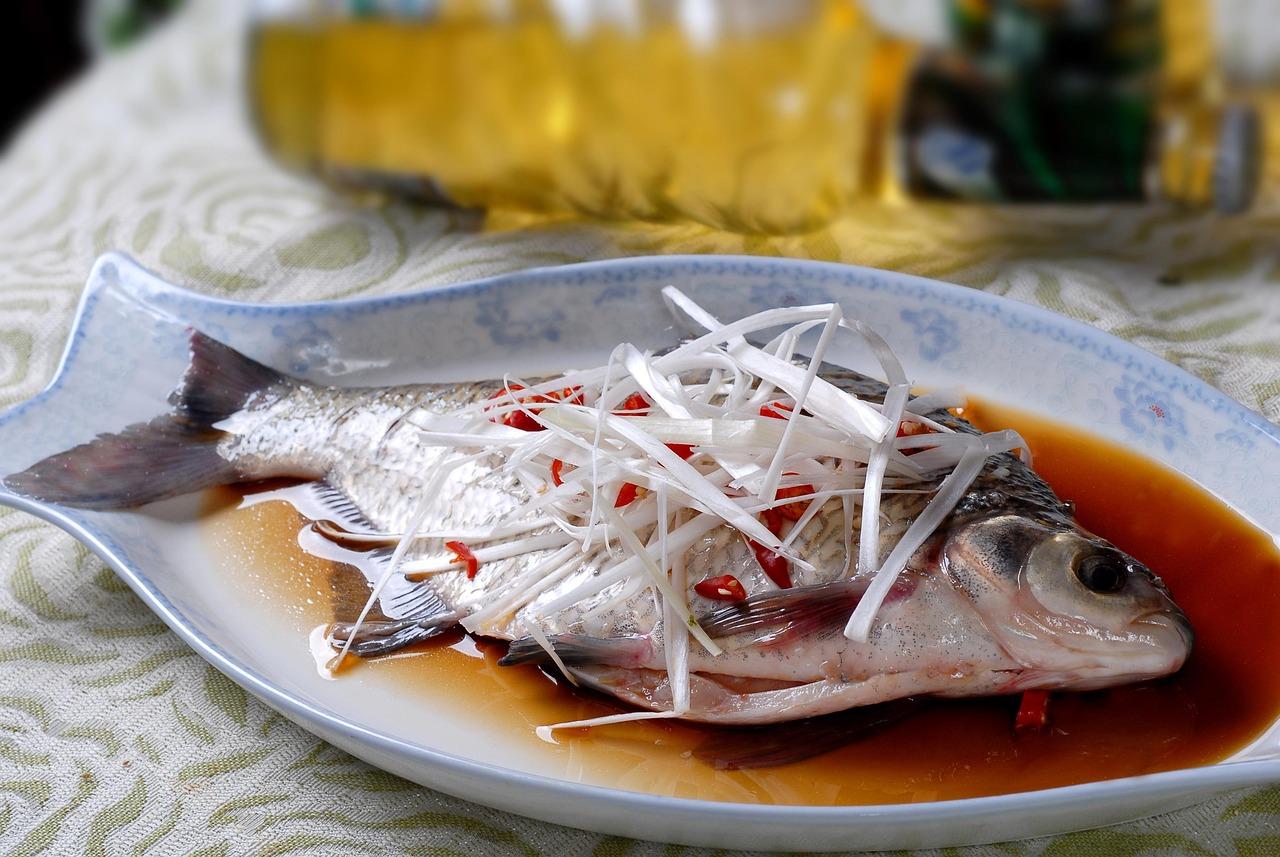
Cantonese steamed whole fish

Whole fish arrives near the end of every Cantonese banquet and Lunar New Year dinner across Guangdong, because the word for fish sounds like 'surplus'. At home it is one of the quickest dishes on the table: the fish is steamed plainly over ginger, then showered with shredded spring onion and a hiss of smoking oil, and finished with a light, slightly sweet soy dressing. Done right, the flesh is silky and just slips off the bone. Serve it in the middle of the table with steamed rice and stir-fried greens, letting everyone pick from the fish. Chef's tip: lay two chopsticks under the fish on the plate so steam circulates underneath and it cooks evenly.

by KrazyBadal 0 views

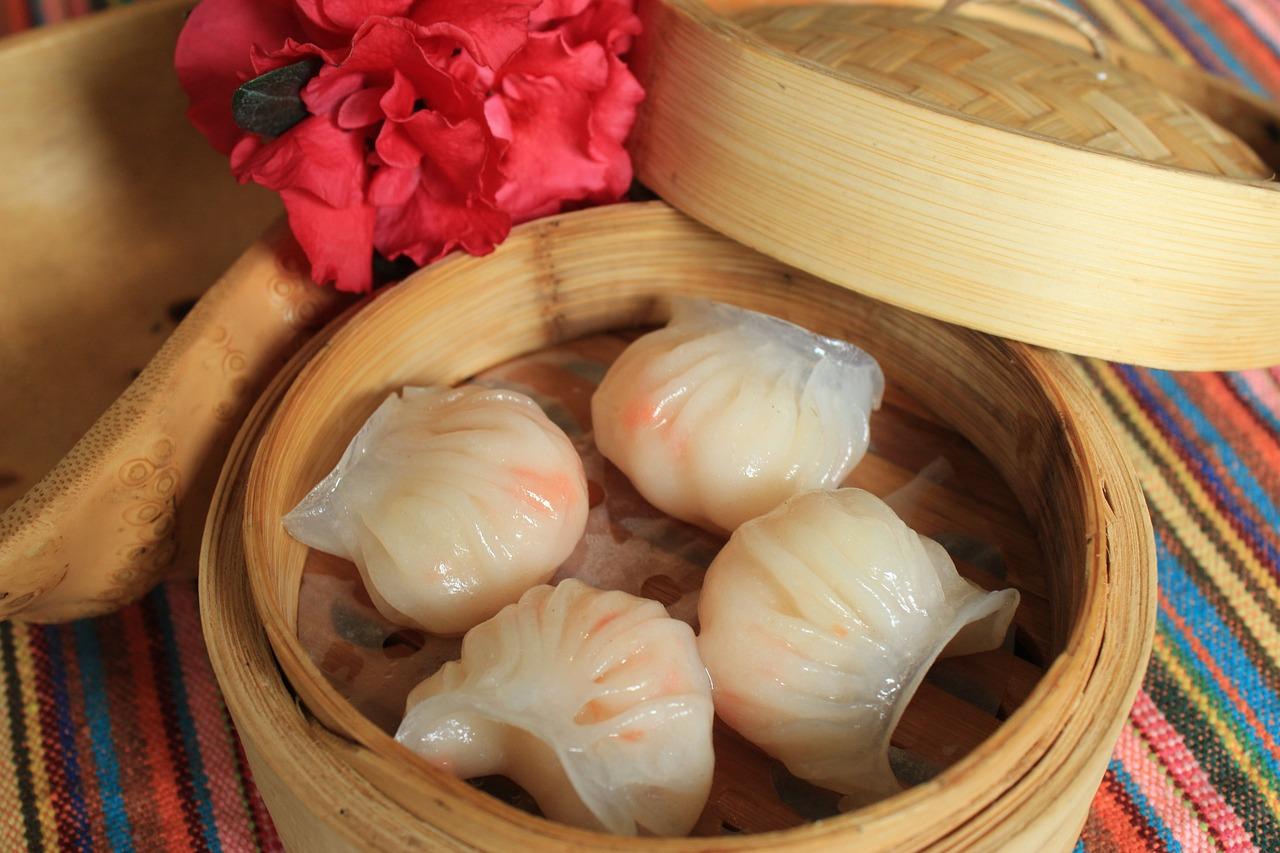
Har gowPrawn dumplings

No basket at a Guangzhou yum cha is judged more harshly than the har gow: a dim sum chef is said to prove themselves by folding ten or more pleats into each one. The wrapper is made from wheat starch and tapioca, so it steams clear and slightly chewy, showing the pink prawns inside; the filling is snappy, sweet and lightly seasoned with sesame and bamboo shoot. They take patience rather than special skill, and a batch made on a weekend morning feels like a trip to a teahouse. Serve them straight from the steamer with jasmine or pu'er tea and a little chilli oil on the side. Chef's tip: roll each wrapper only when you are ready to fill it, because the thin starch dough dries and cracks within minutes.

by KrazyBadal 0 views

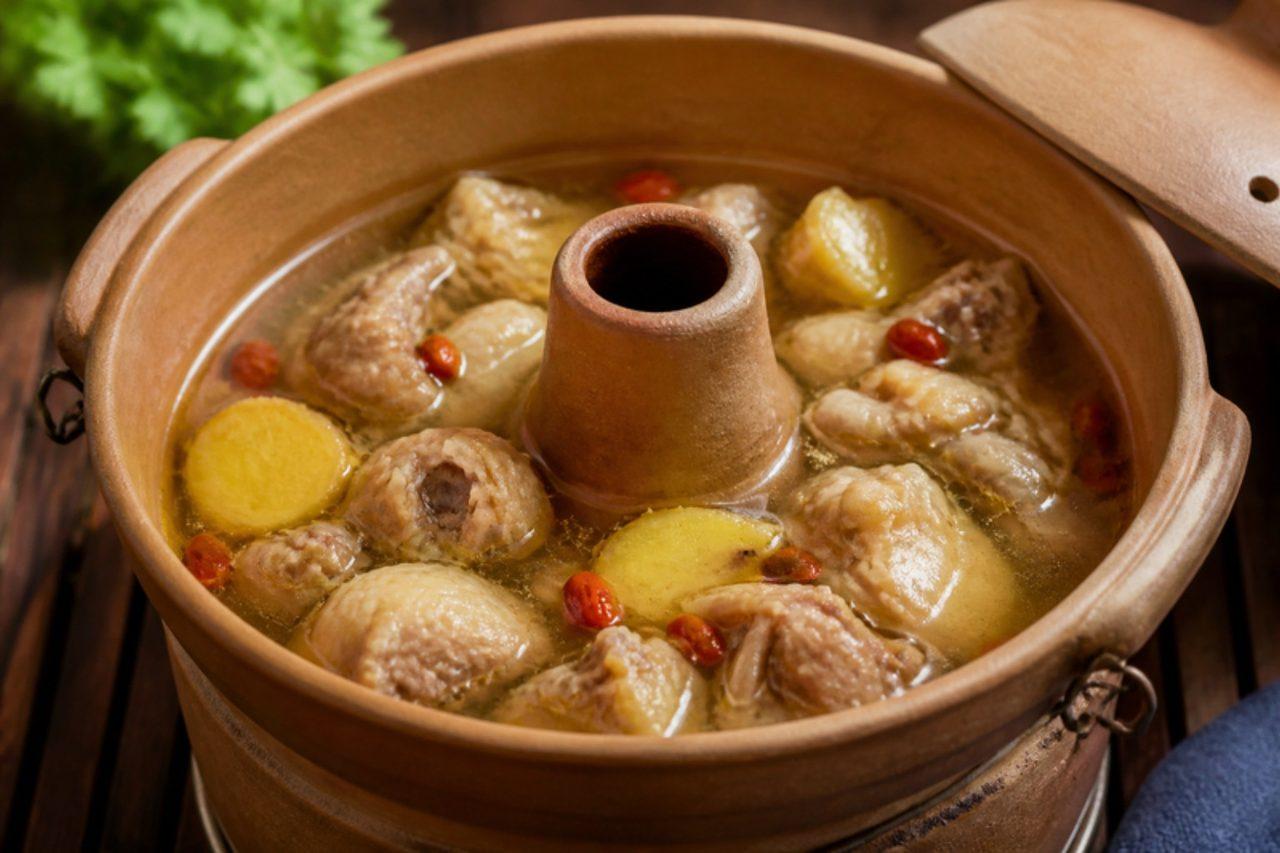
Yunnan steam-pot chicken

In the old town of Jianshui in southern Yunnan, potters still make the purple clay qiguo, a lidded pot with a chimney rising through its centre. Set over boiling water, it lets steam rise into the pot, where it meets the chicken, condenses and drips back as a pure, golden broth, with no water added at all. After three hours the meat falls from the bone and the soup tastes intensely of chicken and ginger, clean and restorative; in Kunming it is the dish for guests, for convalescents and for winter weekends. Serve the broth in small bowls first, then the chicken with rice and a chilli dip. Chef's tip: if you don't own a steam pot, a heatproof bowl covered with a plate in a steamer works well; it just needs a small splash of water to start the broth.

by KrazyBadal 0 views

Anticuchos de corazónBeef heart skewers

As night falls in Lima, anticucheras set up charcoal grills on street corners and fan the smoke towards passers-by; the October processions of the Señor de los Milagros are lined with them. The skewers are traditionally beef heart, a lean, firm and surprisingly mild meat, soaked in a dark-red marinade of ají panca, vinegar, cumin and garlic. They come with a boiled potato, a piece of choclo (large-kernel corn) and a spicy green ají sauce. If you can't get heart, sirloin steak works well. Chef's tip: baste the skewers with the leftover marinade and oil using a few coriander stalks tied together as a brush, the way the street cooks do.

by KrazyBadal 0 views

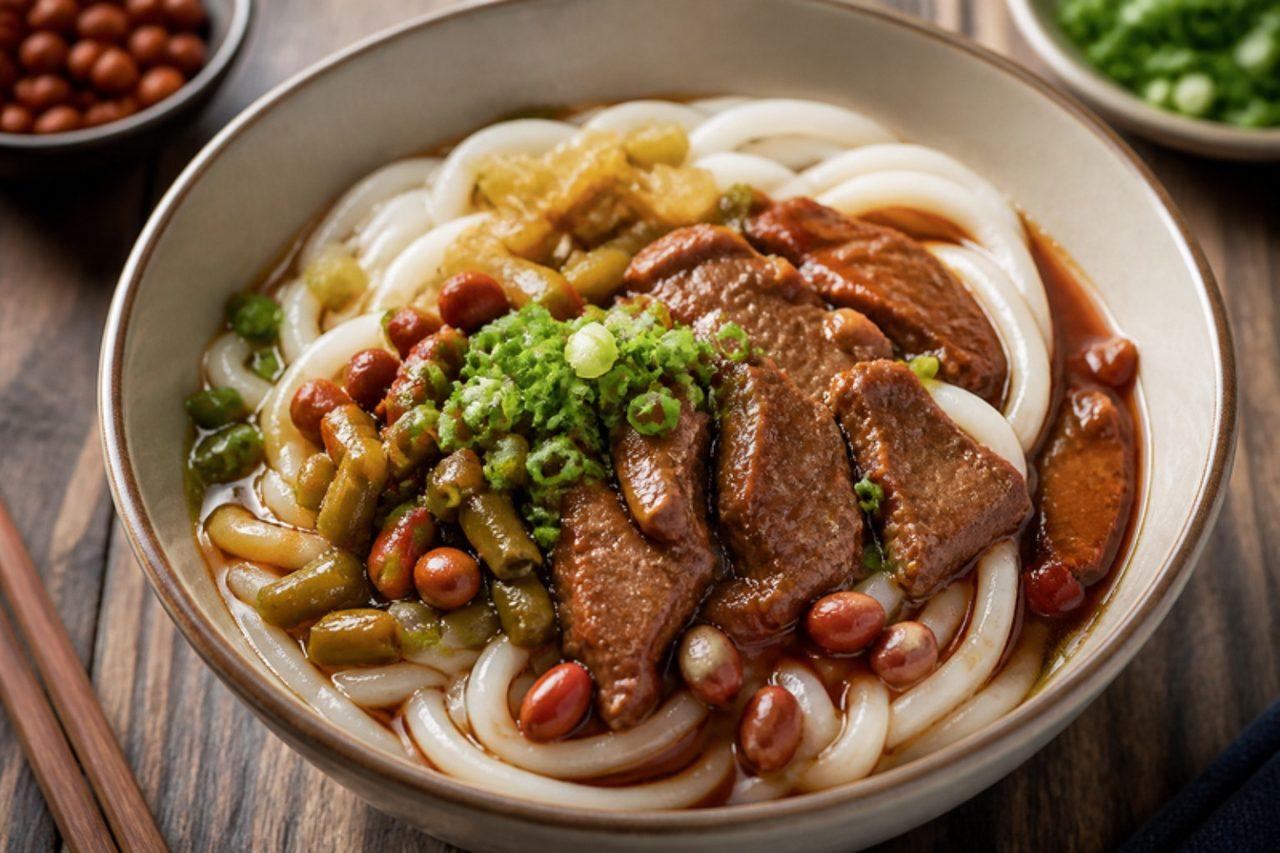
Guilin rice noodles

Guilin, among the karst peaks of Guangxi, starts its day with mifen: round, slippery rice noodles that are not served in soup at all but tossed with a few ladles of lu shui, the dark, spiced braising liquid in which the beef was cooked. On top go thin slices of that beef, crunchy fried peanuts, sour pickled beans and bamboo shoots, chilli and spring onion; you stir it all together and, if you like, add a splash of hot broth at the end. Street shops in the city serve it fast and cheap from breakfast till late. The flavour is savoury, sweet-spiced and sour, with crunch in every mouthful. Chef's tip: make the braised beef the day before and chill it in its liquid; cold beef can be sliced paper-thin, which is how Guilin cooks serve it.

by KrazyBadal 0 views

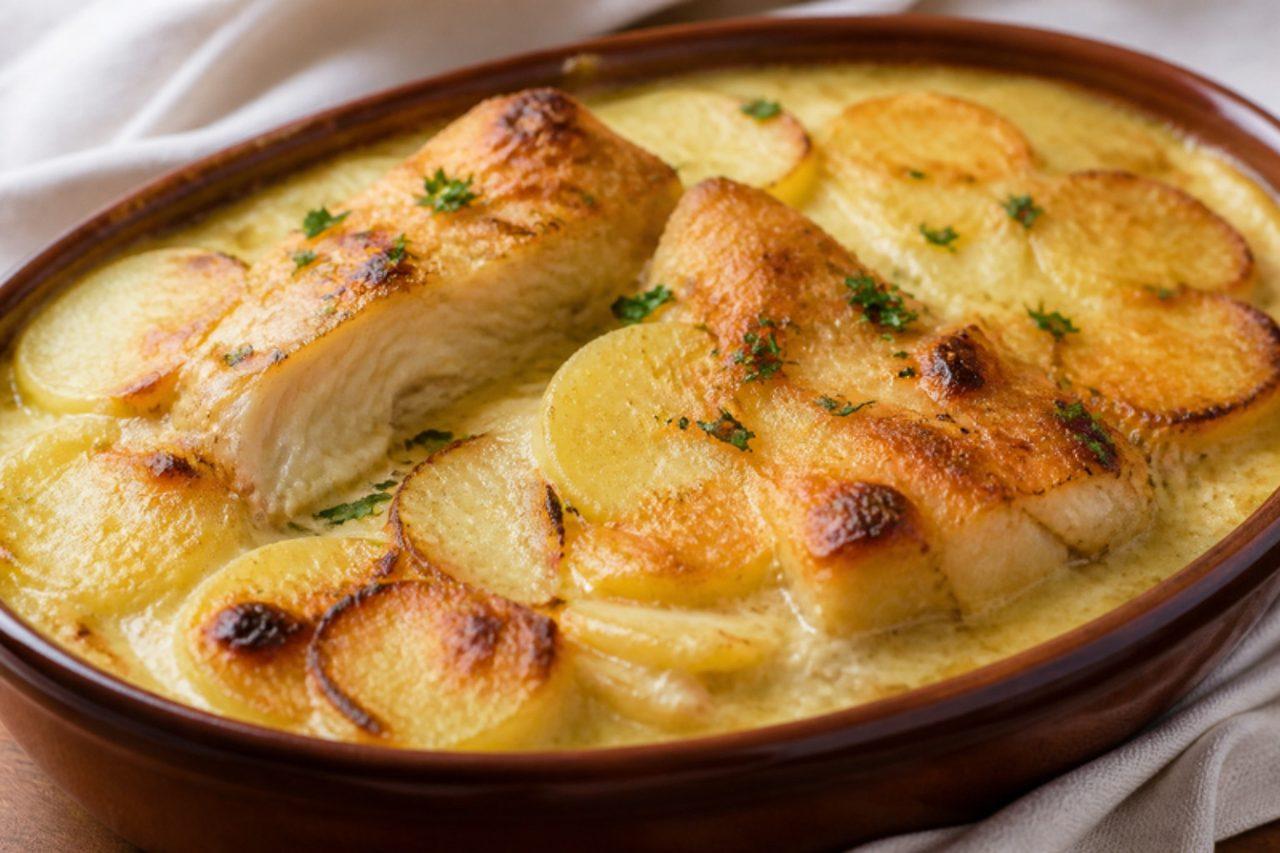
Bacalhau com natasSalt cod baked with cream

Bacalhau com natas is the comfort bake that turns up at Portuguese Christmas gatherings, Sunday lunches and every café menu from Porto to Faro. Flaked salt cod, soft onion and cubes of fried potato are folded into a light béchamel enriched with cream, then baked until bubbling and golden on top. It is rich, gently salty and easy to make ahead for a crowd. Serve with a crisp green salad and some bread. Chef's tip: fry the potato cubes only until pale gold; they finish cooking in the oven, and crisp ones turn soggy anyway.

by KrazyBadal 0 views

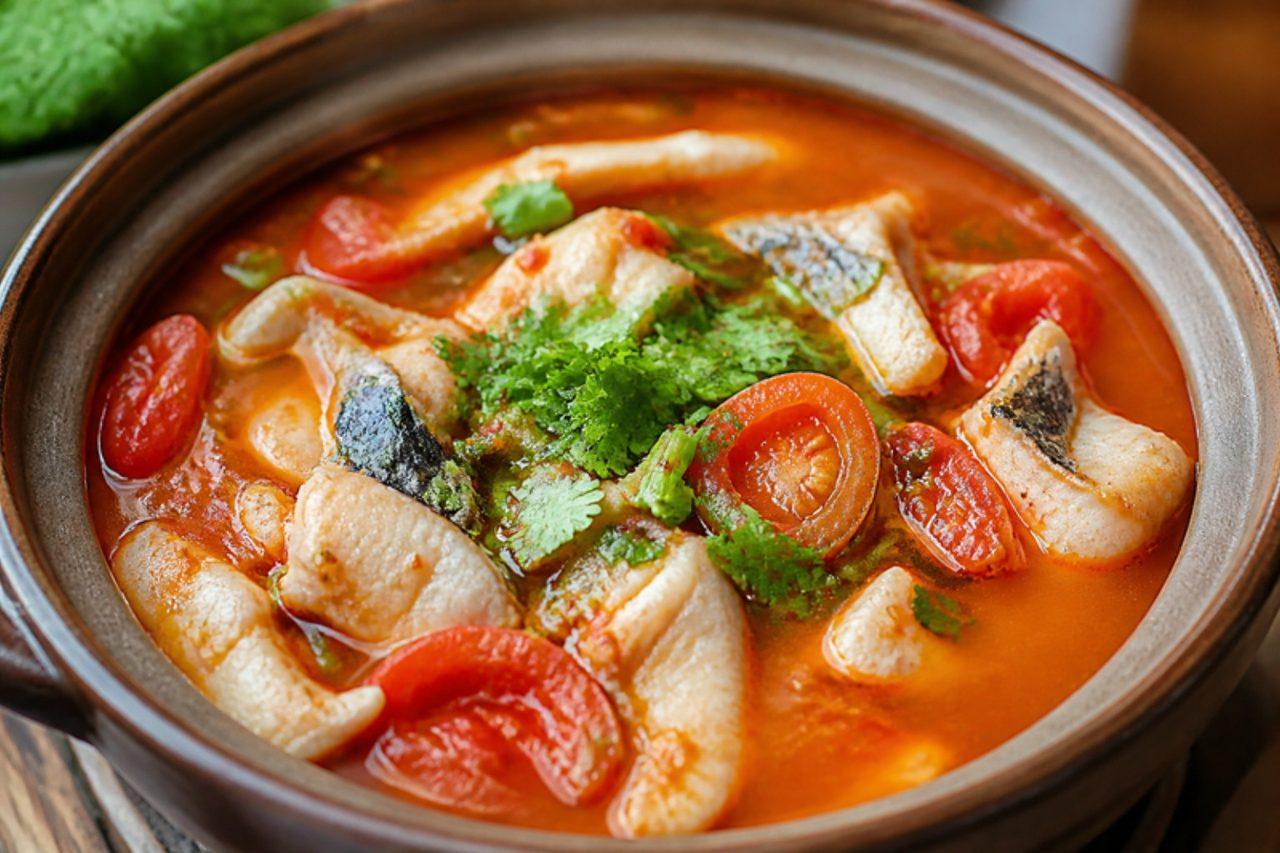
Guizhou sour fish soup

For the Miao people around Kaili in south-east Guizhou, a pot of sour soup is the heart of a meal, served in a wide pot over a burner with everyone dipping in. Their famous red sour soup is made by fermenting wild tomatoes with chillies for weeks, and it gives the broth a bright, tangy, lightly spicy taste that is fruity rather than vinegary. Chunks of fresh river fish, tofu and bean sprouts simmer in it until tender, and each piece is dunked in a little dish of chilli and herbs before eating. This home version gets close with very ripe tomatoes, fermented chillies and a splash of rice vinegar. Eat it with rice on a cold evening. Chef's tip: cook the tomatoes until they completely collapse into a thick red paste before you add any water; that is where the colour and the deep sourness come from.

by KrazyBadal 0 views

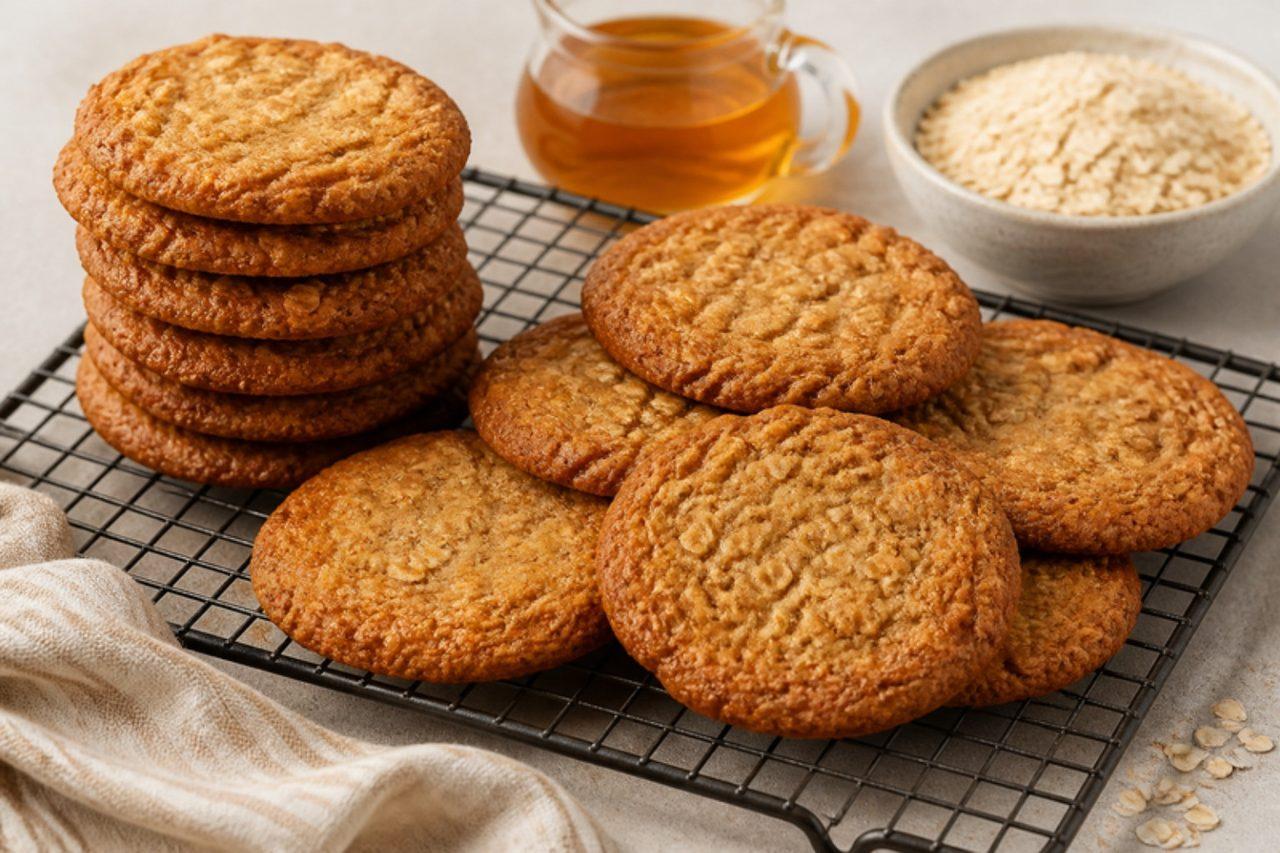
Anzac biscuitsOat and coconut biscuits

Anzac biscuits are baked in kitchens all over Australia and New Zealand in the days before 25 April, Anzac Day, when both countries remember the soldiers of the Australian and New Zealand Army Corps who landed at Gallipoli in 1915. Recipes appeared in fundraising cookbooks soon after the war, and they keep well because they contain no eggs: just oats, flour, coconut, sugar, butter and golden syrup, raised with bicarbonate of soda. Bake them short for chewy, longer for crunchy; every family has its side. Chef's tip: add the bicarbonate to the hot butter and syrup and wait for it to foam up before mixing; that froth is what makes them light and lacy.

by KrazyBadal 0 views

Api con pastelPurple corn drink with cheese pastry

On cold mornings in La Paz, El Alto and Sucre, market stalls ladle out steaming api: a thick, spiced drink of purple corn flour with cinnamon, cloves and orange peel. It's served with a pastel, a big, thin fried empanada filled with fresh cheese and dusted with icing sugar, crackling and blistered outside. Some stalls swirl the purple api with white (corn and milk) api in the same glass. Chef's tip: whisk the corn flour into cold water before it meets anything hot, or it lumps immediately.

by KrazyBadal 0 views

Appam with vegetable stewRice hoppers with vegetable stew

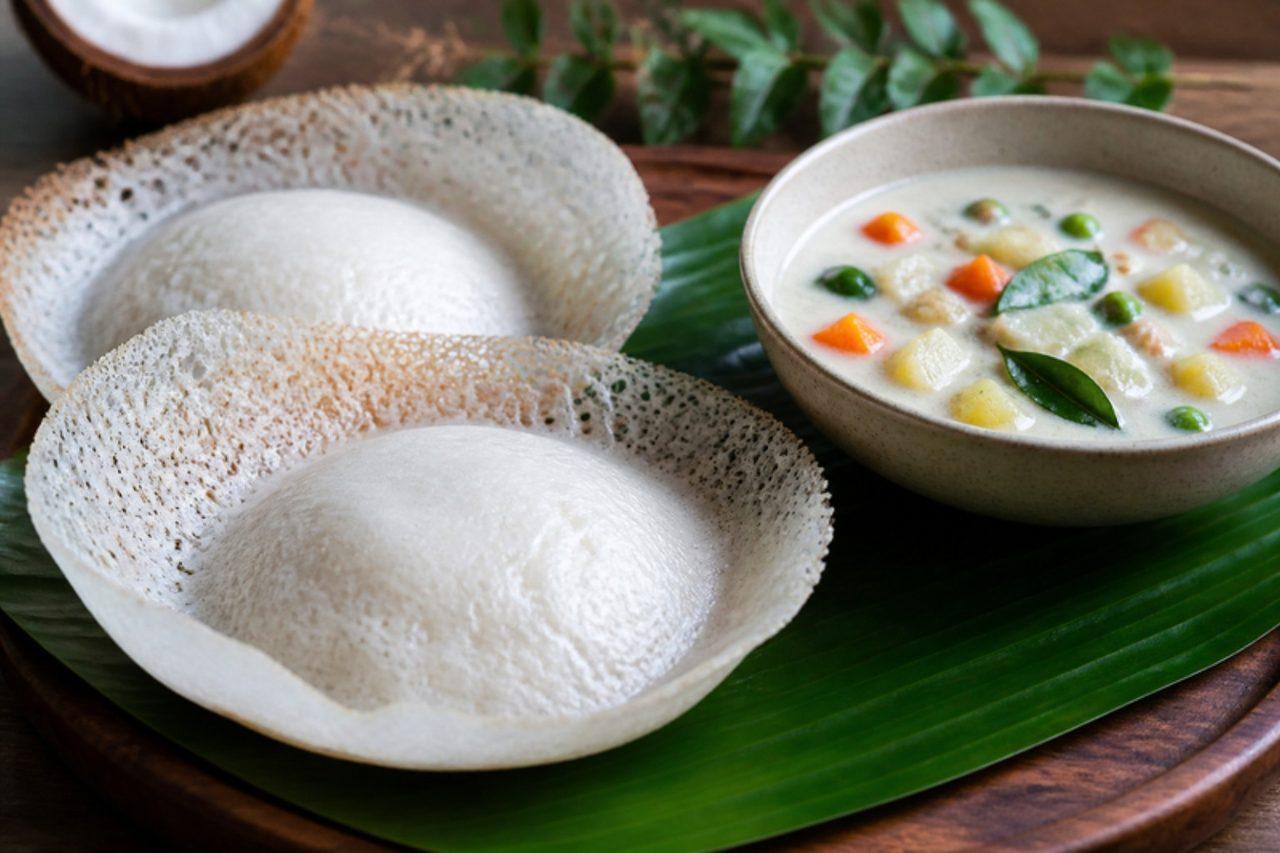
Appam with stew is a Kerala breakfast loved across communities, and the classic Easter and Christmas morning meal for Syrian Christian families. Appams are bowl-shaped pancakes of fermented rice and coconut batter: crisp, lacy edges around a thick, spongy, slightly sweet centre. The stew (ishtu) is pale and gentle: potatoes and vegetables simmered in thin coconut milk with whole spices, ginger and green chilli, finished with thick coconut milk and curry leaves. Chef's tip: swirl the appam pan once, firmly, the moment the batter goes in, then cover; the swirl makes the lace and the lid steams the soft centre.

by KrazyBadal 0 views

Showing 36 of 7,762 recipes

Show more recipes

Page 628 of 863