Skip to content
Helado de lúcuma
Featured recipe

Helado de lúcuma

Lúcuma ice cream

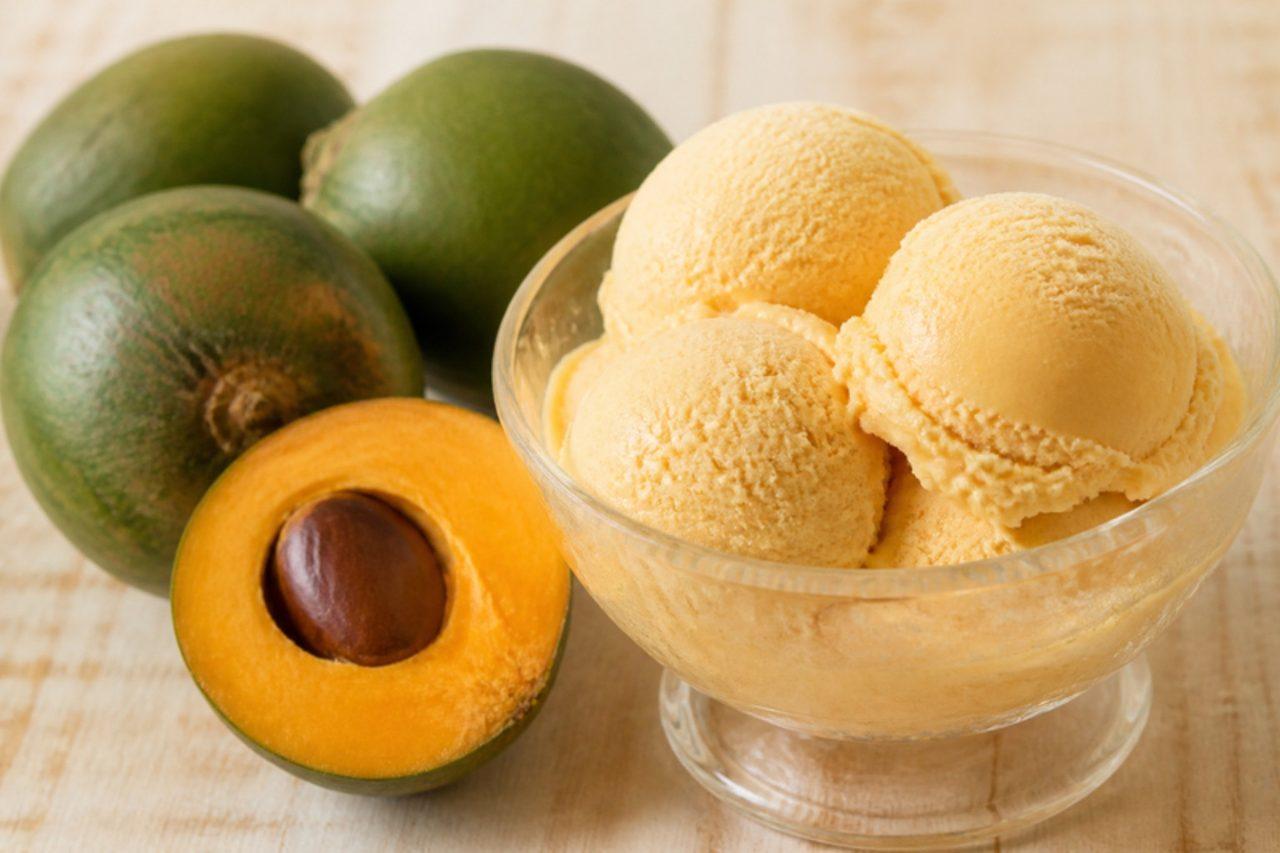
Ask anyone in Lima, Cusco or Trujillo for the national ice-cream flavour and they will say lúcuma, the green-skinned Andean fruit with dry, golden-orange flesh that tastes of butterscotch, maple and sweet potato. Every ice-cream parlour, supermarket freezer and street cart sells it, and it's also folded into cakes and milkshakes. This no-churn version needs no machine: frozen lúcuma pulp (or lúcuma powder, both in Latin shops and health-food stores) is whisked into condensed milk, then folded into whipped cream and frozen. It comes out smooth, rich and naturally caramel-coloured. The mistake is over-whipping the cream to stiff peaks, which makes the ice cream grainy and buttery; stop at soft peaks. It needs at least 6 hours in the freezer, so make it the day before. Serve with a slice of chocolate cake or on its own. Chef's tip: a pinch of salt and a few drops of lime sharpen lúcuma's mellow flavour so it doesn't taste flat when frozen.

Read more 0 views

What to eat today?

Around the world

Today's trip: Paraguayan

A new country every day, from every cuisine on the site.

Paraguayan

Chipa

Cheese bread rings 50 minMore from Paraguayan (27) →

This week's collection

Kid-friendly dinners
537 recipes · a new collection every Monday

Latest recipes

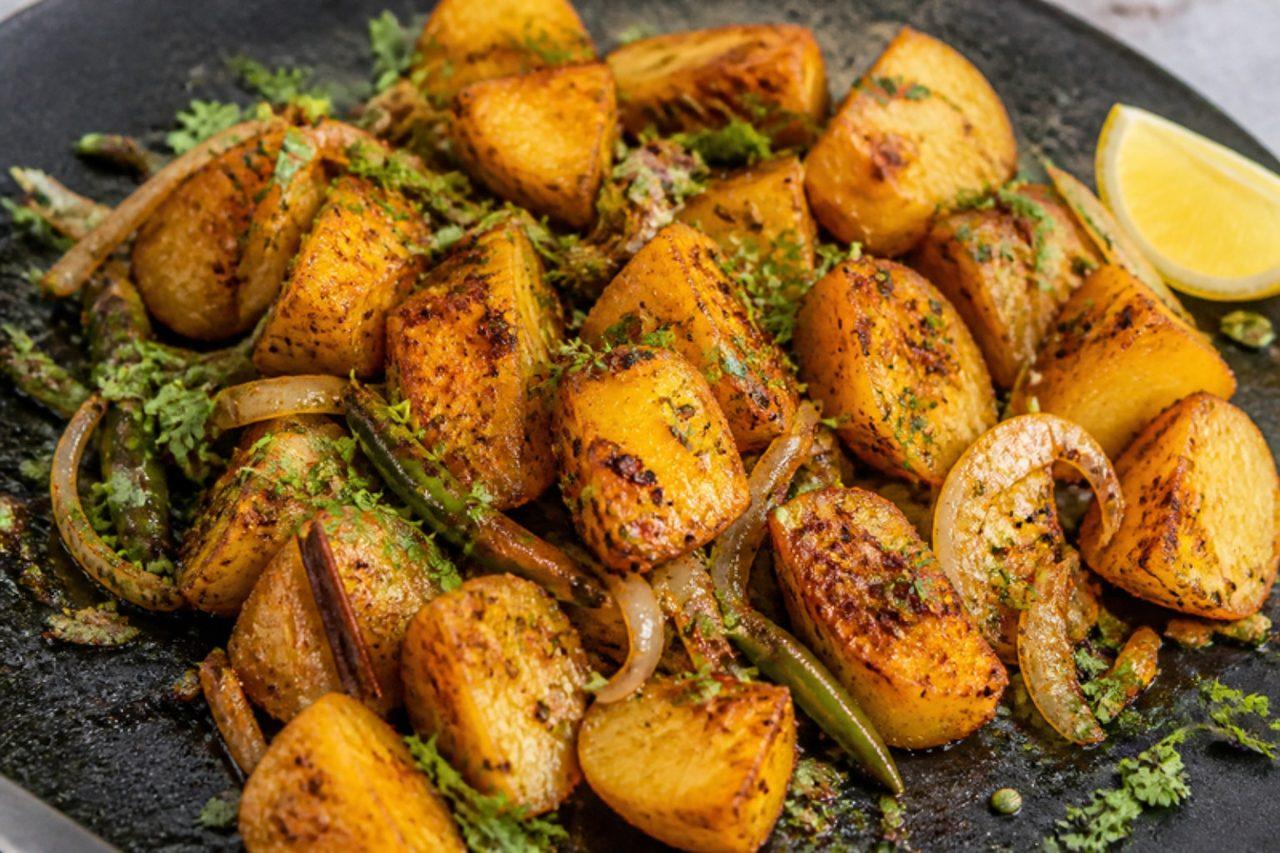
Tawa chilli potatoes

A big tawa of potato cubes tossed with a fragrant tempering of mustard, cumin, coriander seeds, aniseed, cloves, cinnamon and black pepper, then onions, ginger, garlic and two kinds of chilli. It's hot, aromatic and great as a barbecue starter. Swap the potatoes for steamed paneer cubes for a change.

by KrazyBadal 0 views

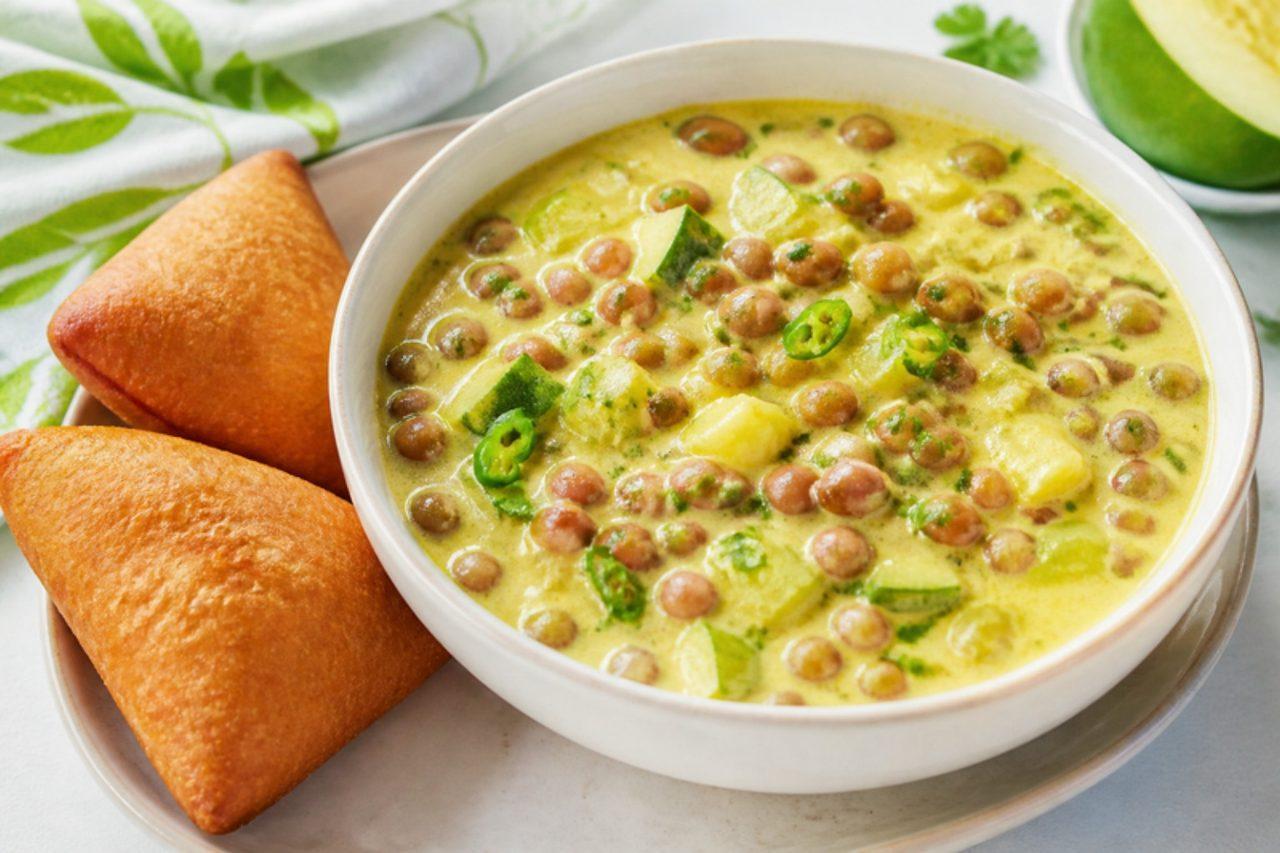
Pigeon peas in coconut milk (mbaazi)

Mbaazi wa nazi: soft pigeon peas cooked in thick coconut milk with onion, raw mango, ginger-chilli paste and a pinch of turmeric until creamy. It's mild, rich and comforting. Serve with mamri (mandazi) for the classic Swahili pairing.

by KrazyBadal 0 views

Soft doughnuts (kaimati)

Kaimati are bite-size Swahili doughnuts: a yeasted cardamom and coconut batter dropped by the spoonful into hot oil, then dipped in a fragrant saffron, cardamom and rose syrup while still hot. They're crisp outside and soft inside. Serve with tea.

by KrazyBadal 0 views

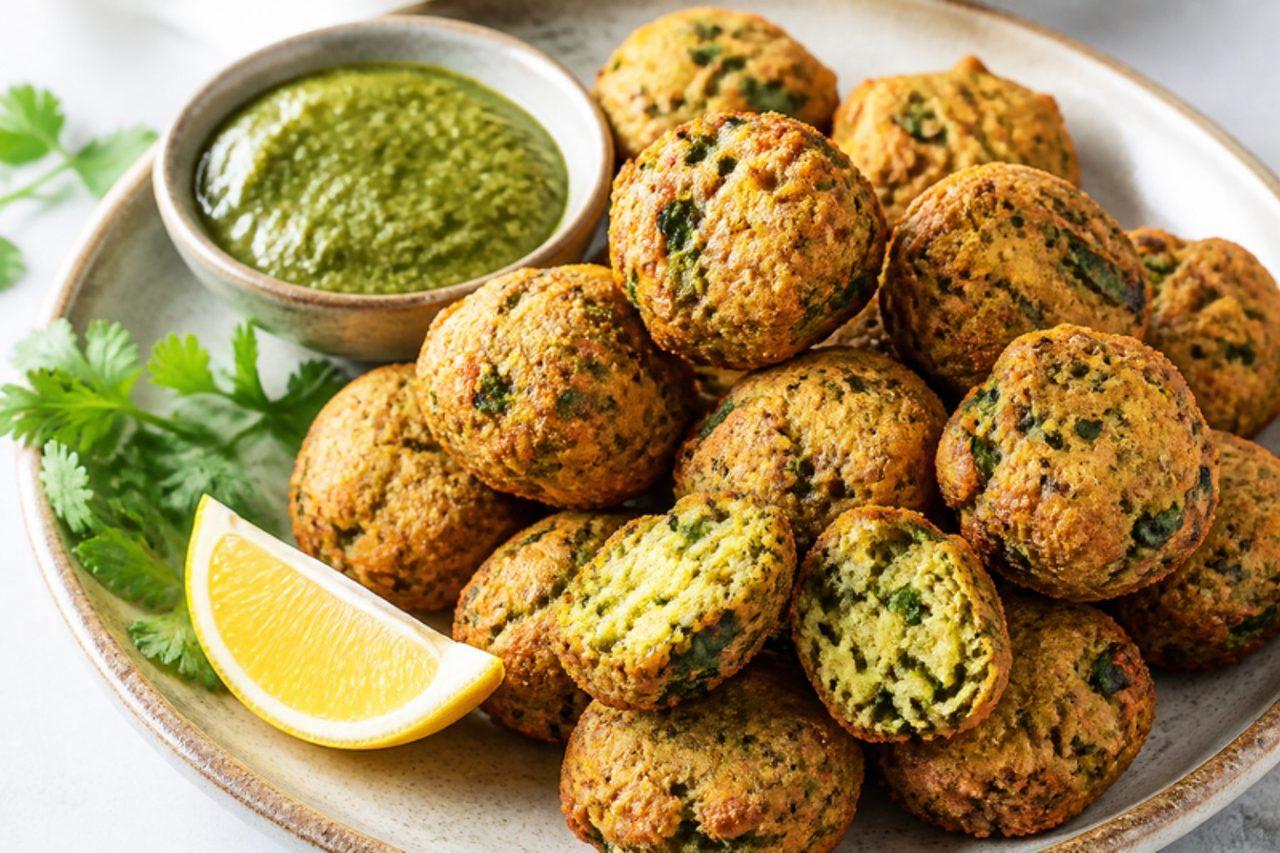
Lentil fritters (bhadali bhajia)

Golden fritters of coarsely ground black-eyed bean and green gram lentils with fenugreek, spinach, coriander, spring onion and chilli. They're crunchy outside and fluffy inside, and they go into Zanzibar mix and Coastal Mombasa mix too. Serve hot with coconut chutney.

by KrazyBadal 0 views

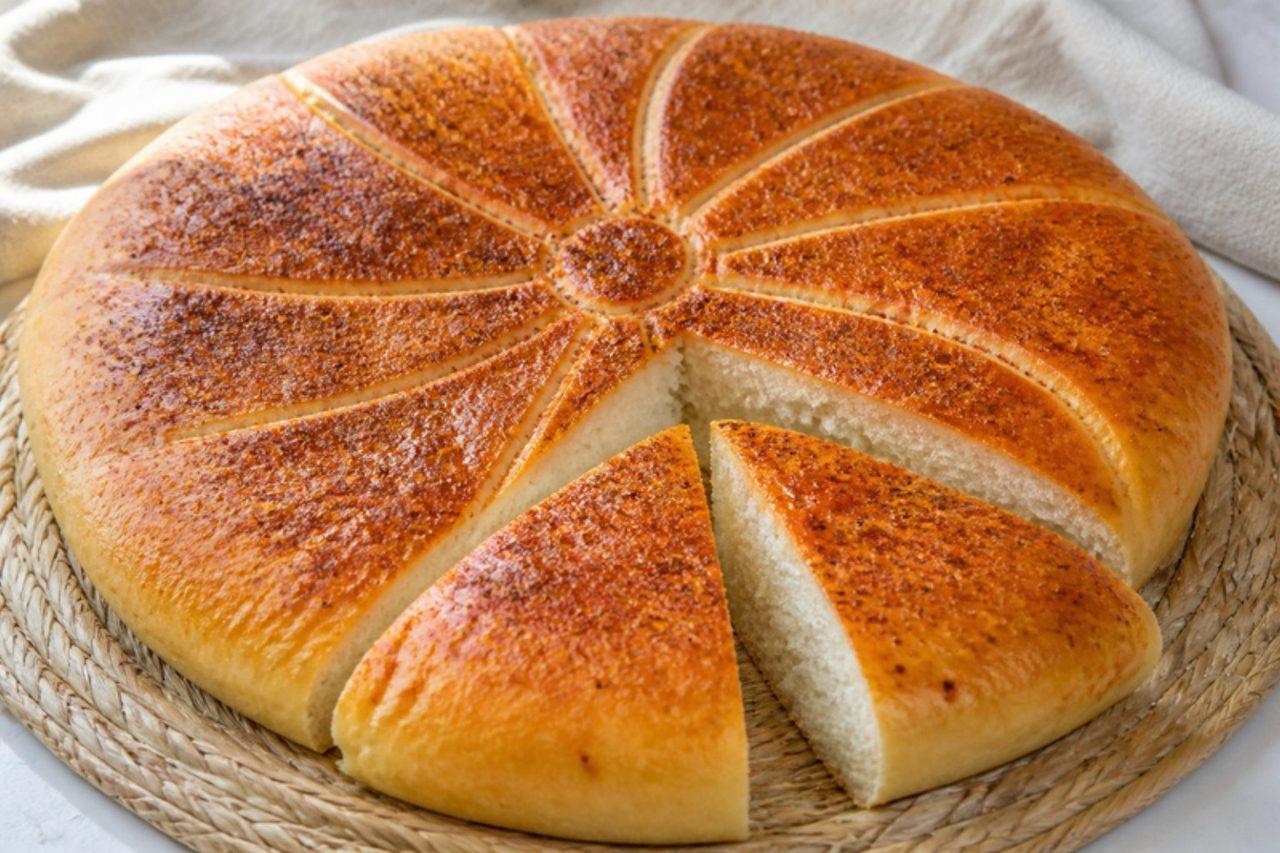
AmbashaSpiced celebration bread

Ambasha is the round, slightly sweet festival bread of Tigray and Amhara, baked for holidays such as Easter (Fasika) and Meskel and for welcoming guests. The dough is scented with fenugreek, cardamom and coriander seed, and before baking the top is cut with a knife into a wheel-like pattern, so it comes out of the oven looking like a decorated plate; it is brushed with niter kibbeh and berbere and served torn into pieces with coffee. Chef's tip: cut the pattern deep (about 1 cm), or it disappears as the bread rises in the oven.

by KrazyBadal 0 views

Bungo juiceSweet-sour bungo fruit juice

Maji ya bungo is a favourite Zanzibar street drink made from the orange, sweet-sour pulp of the bungo fruit (Saba comorensis), soaked off the seeds, blended with sugar and water and strained. It's tangy, fruity and very refreshing. Serve well chilled.

by KrazyBadal 0 views

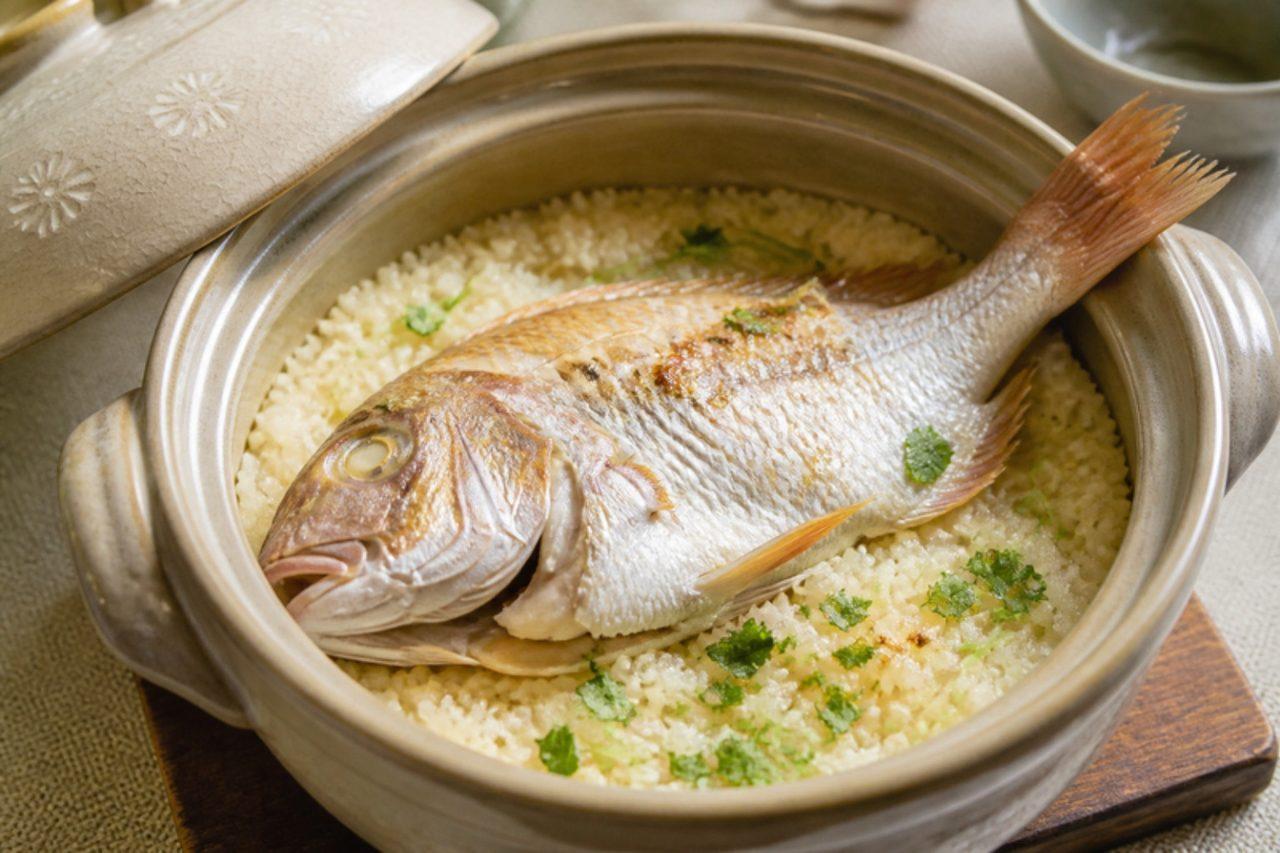
Tai-meshi (sea bream rice)

Ehime prefecture on Shikoku farms more red sea bream than anywhere else in Japan, and tai-meshi is its signature rice. Around Matsuyama and the old fishing town of Hojo, a whole grilled fish is laid on seasoned rice and cooked in the same pot, then the flesh is flaked through the grains at the table. Down the coast in Uwajima the same name means raw bream on hot rice, but this is the cooked kind. Sea bream is a fish for celebrations in Japan, so the dish turns up at weddings and New Year as well as in station lunch boxes. Chef's tip: grill the fish briefly before it goes in the pot; the browned skin adds a toasty flavour to the rice and keeps the fish from smelling of the sea.

by KrazyBadal 0 views

Pineapple tarts

Every Malaysian household seems to have someone who makes pineapple tarts in the weeks before Chinese New Year or Hari Raya, and the plastic tubs of them go round every visit and open house. In Hokkien the pineapple, 'ong lai', sounds like 'fortune comes', which is why they matter so much at the New Year. This is the rolled 'nastar' style: a little ball of golden, slow-cooked pineapple jam, scented with cinnamon, star anise and clove, wrapped in rich, crumbly butter pastry. Chef's tip: grate the pineapple by hand rather than blending it; the fibres give the jam its chewy body.

by KrazyBadal 0 views

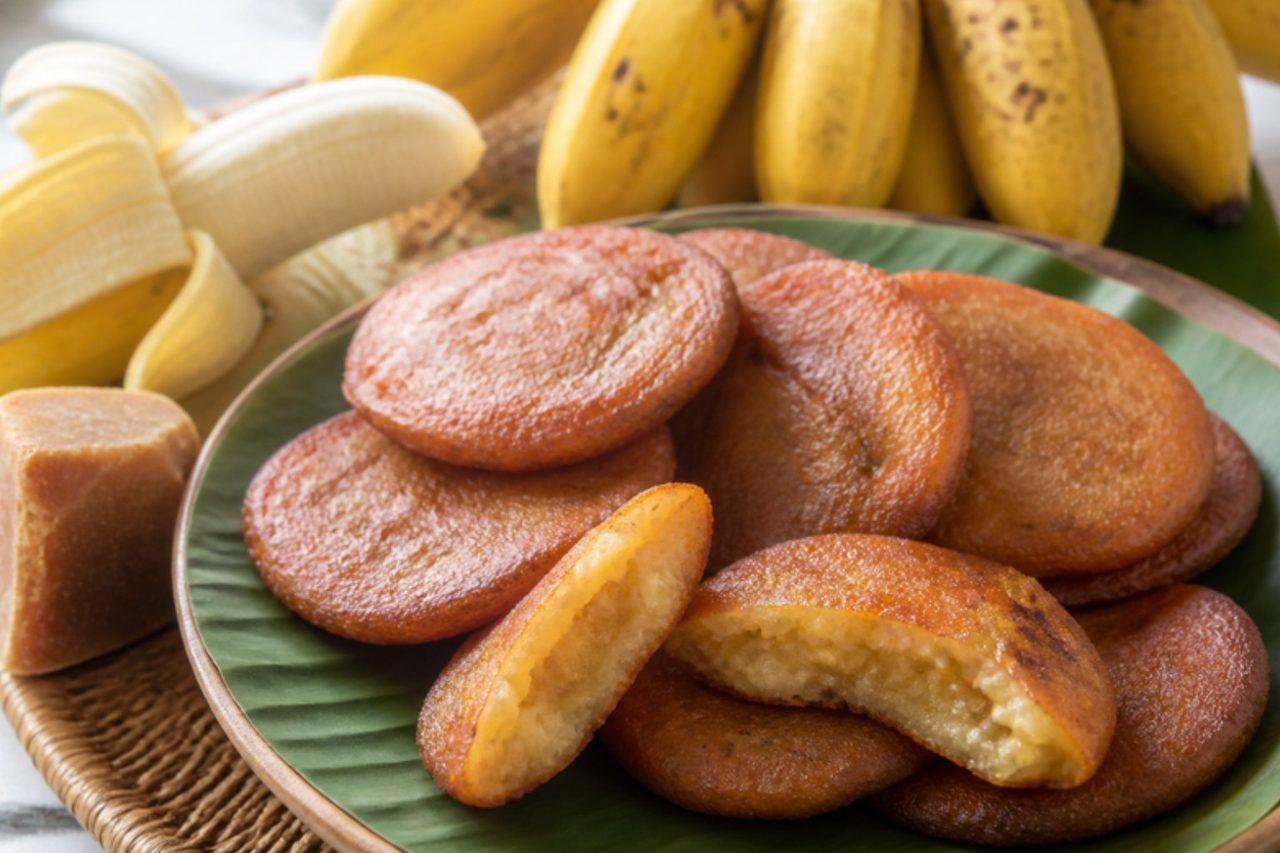
Koat pithaBanana and rice flour fritters

Koat pitha is Mizoram's favourite tea-time snack, sold in Aizawl's bakeries and street stalls and fried at home whenever bananas go soft: mashed ripe banana is mixed with rice flour and jaggery into a thick batter and fried in spoonfuls until crisp, brown and puffed. Inside they are soft and sticky-sweet. They are served at church gatherings and with red tea on wet afternoons. Chef's tip: the riper the bananas the better; spotted, almost black ones give the most flavour and sweetness.

by KrazyBadal 0 views

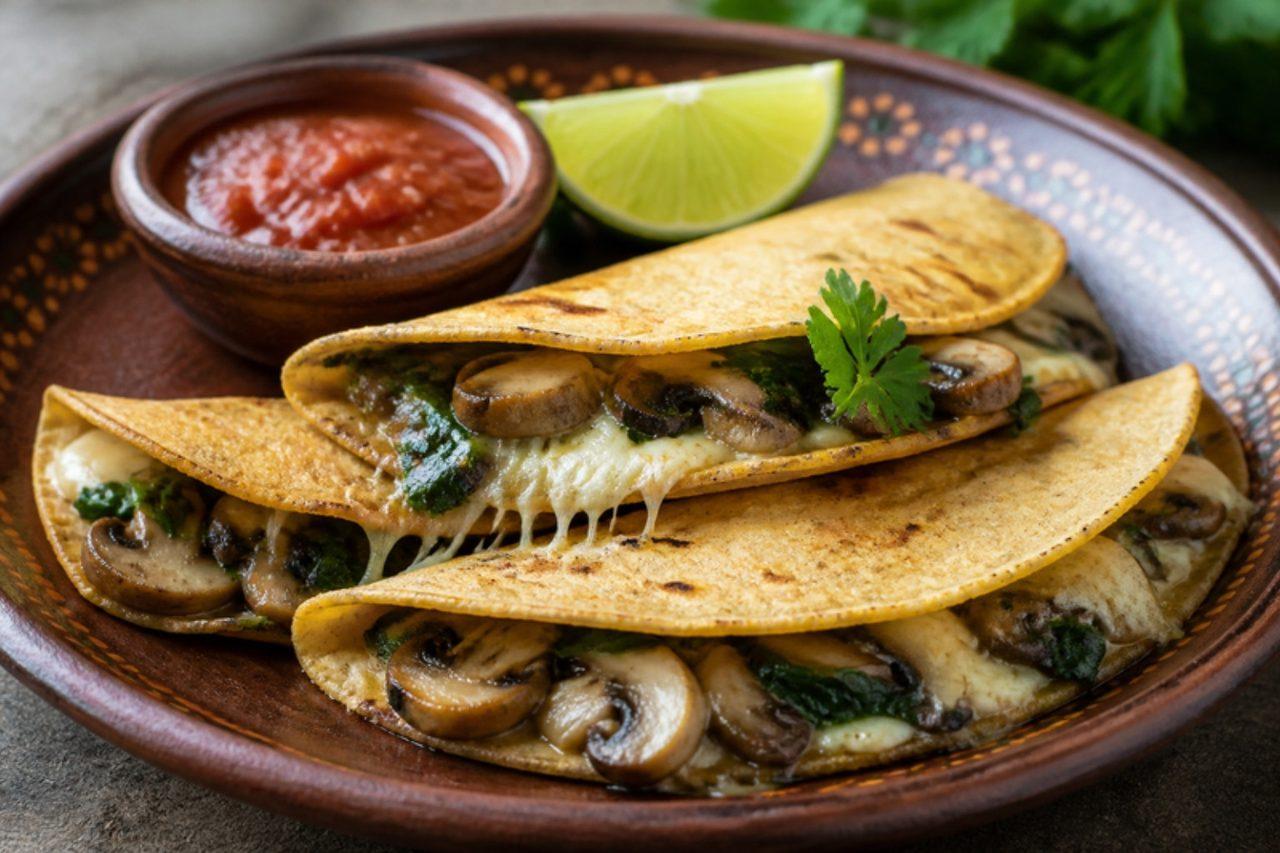
Mushroom & epazote quesadillas

Quesadillas de hongos are sold from comales at markets all over central Mexico, from Mexico City to the forests around Toluca where wild mushrooms are picked in the rains. The mushrooms are fried hard with onion, garlic and green chilli and finished with epazote, a pungent herb with notes of mint, anise and citrus that is the signature of central Mexican cooking. Folded into corn tortillas with stringy cheese, they are earthy, juicy and a little hot. Serve with salsa roja and lime. Use a cheese made with vegetarian rennet; low-moisture mozzarella is a good stand-in for Oaxaca cheese. Chef's tip: fry the mushrooms until all their liquid has gone; wet mushrooms make the tortilla soggy.

by KrazyBadal 0 views

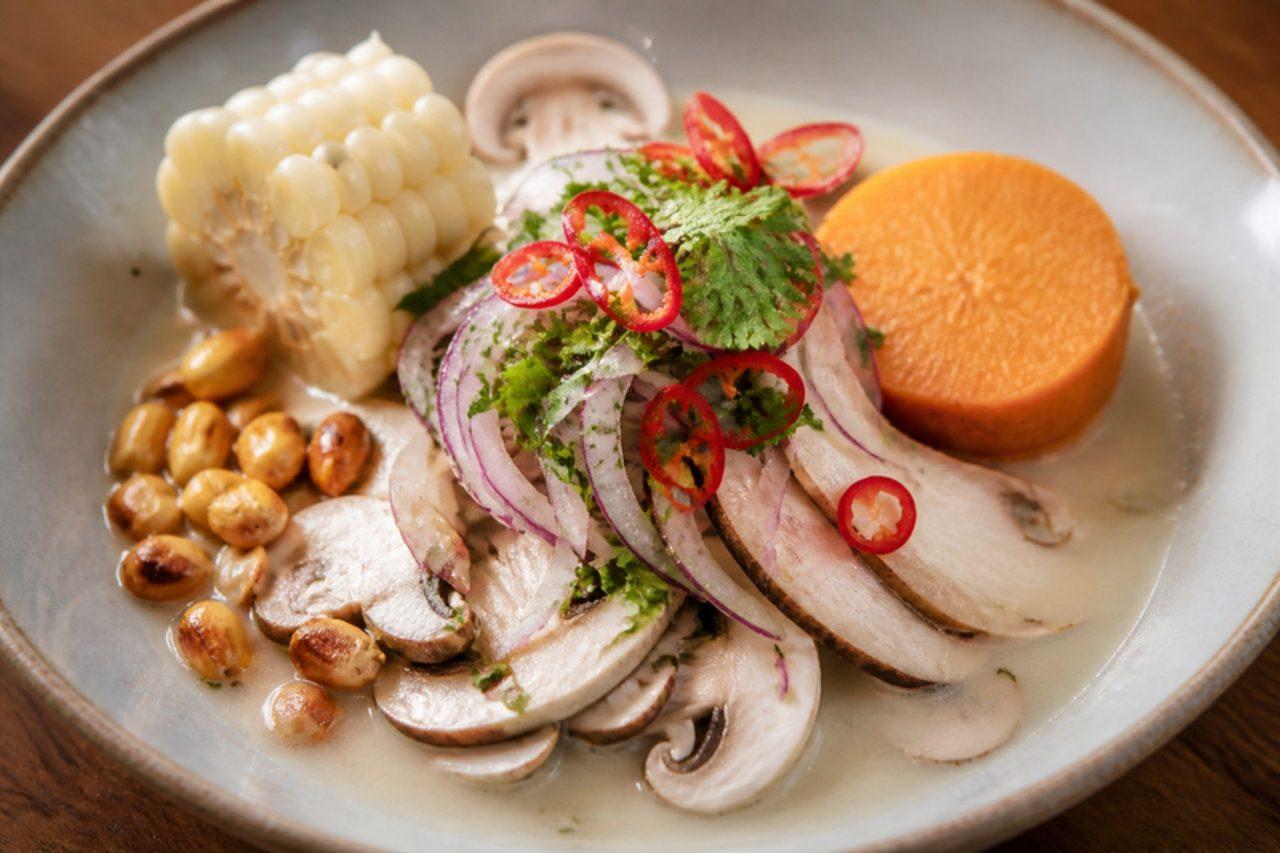
Mushroom ceviche

Ceviche is Lima's great obsession, eaten at lunchtime in cevicherías all along the coast; this vegetarian ceviche de champiñones keeps everything that makes it thrilling except the fish. Raw mushrooms are sliced thin and tossed at the last minute in leche de tigre, the bright, peppery marinade of lime, garlic, ginger, celery and ají limo, so they turn silky but still bite back. Red onion brings crunch, coriander freshness, and on the plate it gets the classic Lima company: a slice of sweet potato, a wedge of corn on the cob and a handful of toasted cancha. Serve it as a starter on a hot day, straight away. Chef's tip: squeeze the limes gently by hand and stop before the pith; pressing hard or using a squeezer that crushes the peel makes the leche de tigre bitter.

by KrazyBadal 0 views

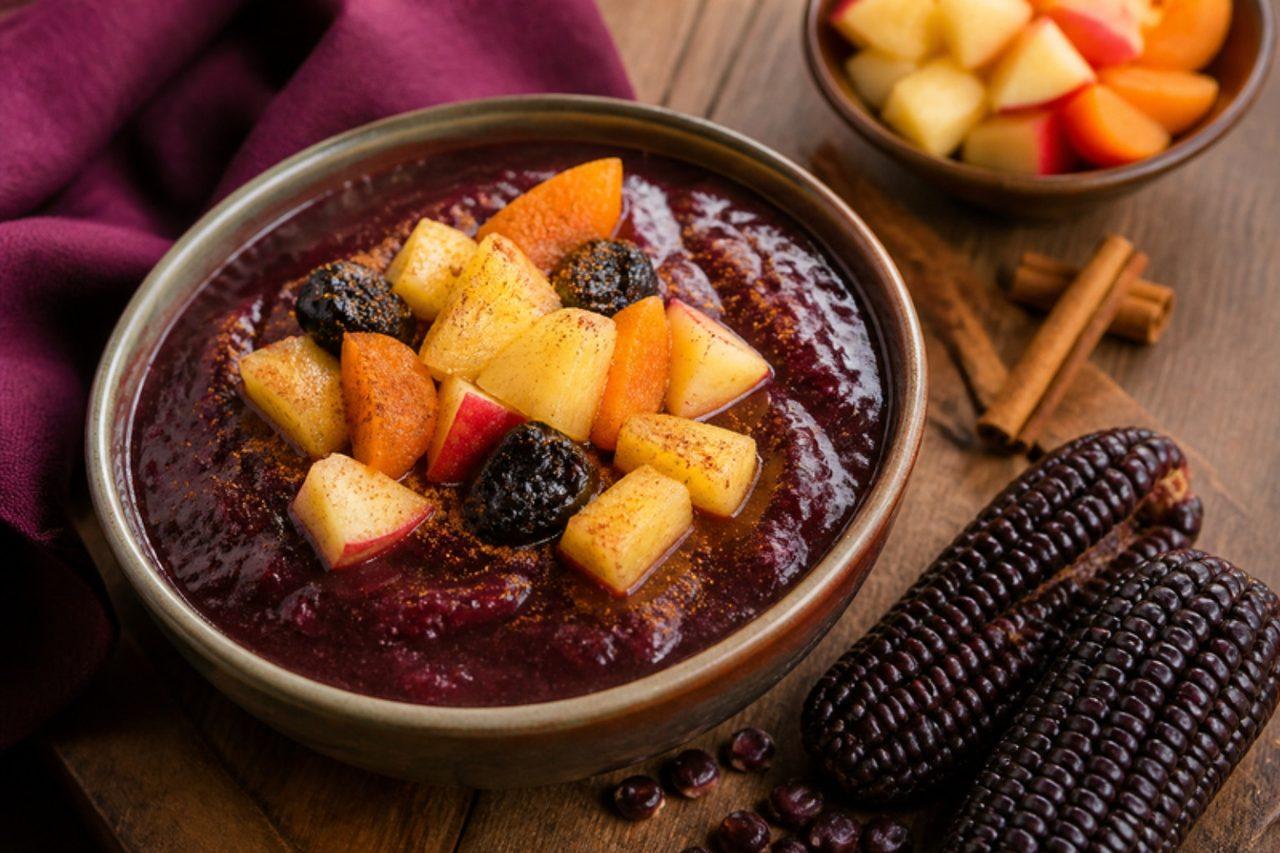
Mazamorra moradaPurple corn pudding

Mazamorra morada is a deep purple pudding from Lima, made by boiling Andean purple corn with pineapple peel and spices and then thickening the dark juice with sweet potato starch and fruit. It is sold in little cups at markets and street carts, and in Lima it is eaten all year but above all in October, often spooned into the same bowl as rice pudding, a combination called el clásico. It is fruity, gently spiced and wobbly, like a thick jam pudding. Dried purple corn (maíz morado) is sold in Latin shops and online; purple corn powder works too. Chef's tip: dissolve the starch in cold water and stir it in off the boil; tipping it into a bubbling pan makes lumps that never smooth out.

by KrazyBadal 0 views

Chickpea & sweet potato tagine

Sweet potato is not old Moroccan tradition, but today it is sold in every souk from Agadir to Meknes and turns up in modern home tagines alongside the classic chickpeas, dried apricots and ras el hanout. This version leans on the sweet-and-spiced style of Fez and Marrakech cooking: the sweet potato melts slightly into the sauce, the chickpeas keep their bite and a handful of apricots adds little pockets of tang. It is filling enough for a weekend lunch with couscous or bread, and it reheats beautifully the next day. Chef's tip: bloom the ras el hanout in the oil for 30 seconds before the liquid goes in; raw spice blends taste dusty, cooked ones taste round.

by KrazyBadal 0 views

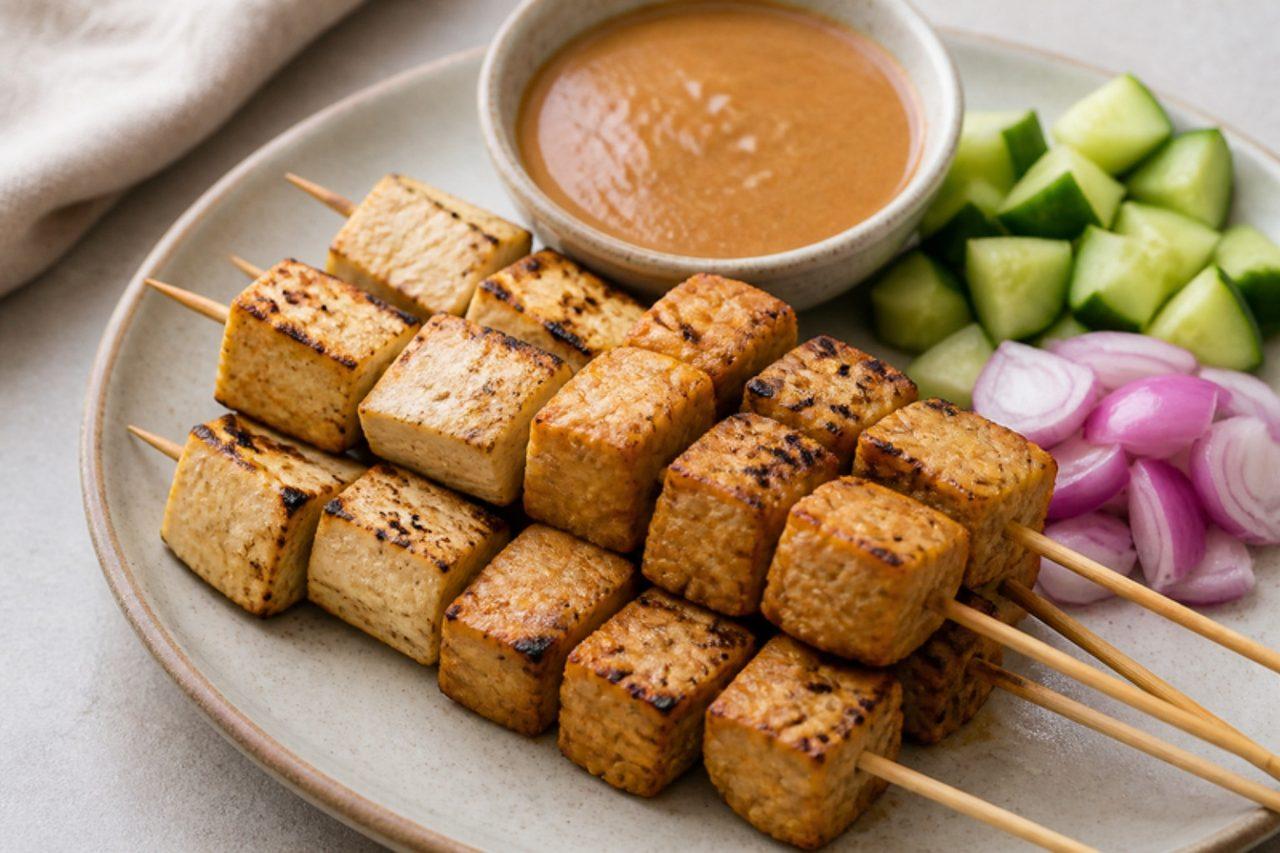
Tofu & tempeh satay with peanut sauce

Satay smoke drifts along Javanese streets every evening, where sellers fan charcoal grills set up on the pavement and serve skewers with peanut sauce, rice cakes and sliced shallot. Tofu and tempeh are naturals for it: they drink up a sweet-savoury marinade of palm sugar, tamari, coriander and garlic and pick up dark, sticky char at the edges. The sauce here is cooked until smooth and glossy, sweeter and milder than the grainy dressing on gado-gado, made for dipping. Chef's tip: soak the bamboo skewers for 30 minutes and brush the satay with marinade as it grills — the sugar caramelises into the dark, slightly burnt edges that make satay taste like satay.

by KrazyBadal 1 views

Buna (Ethiopian coffee ceremony)Roasted and brewed Ethiopian coffee

Coffee was born in Ethiopia's south-western forests around Kaffa and Jimma, and buna is still a ceremony as much as a drink: in homes from Jimma to Addis Ababa, a woman of the house roasts green beans in a pan over charcoal, carries the smoking pan around so guests can breathe in the aroma, grinds them, and brews the coffee in a clay pot called a jebena. It is served in small handleless cups with sugar (or salt or butter in the countryside), alongside popcorn or dabo kolo, and poured three times: abol, tona and baraka. The ceremony takes the best part of an hour and is about conversation. Chef's tip: let the jebena stand for a few minutes before pouring so the grounds settle, and pour in one steady stream without stopping.

by KrazyBadal 0 views

Orange salad with cinnamon

After a heavy tagine or couscous, Moroccan families in the orange-growing Souss valley and around Marrakech often skip pastries and bring out a plate of sliced oranges instead, splashed with orange blossom water and dusted with cinnamon. It is the simplest dessert there is, but when the oranges are cold and juicy it tastes like a perfume of spice and flowers. Scatter over toasted almonds or chopped dates to make it more filling. Chef's tip: cut off every bit of white pith; even a thin ring of it makes the slices bitter.

by KrazyBadal 0 views

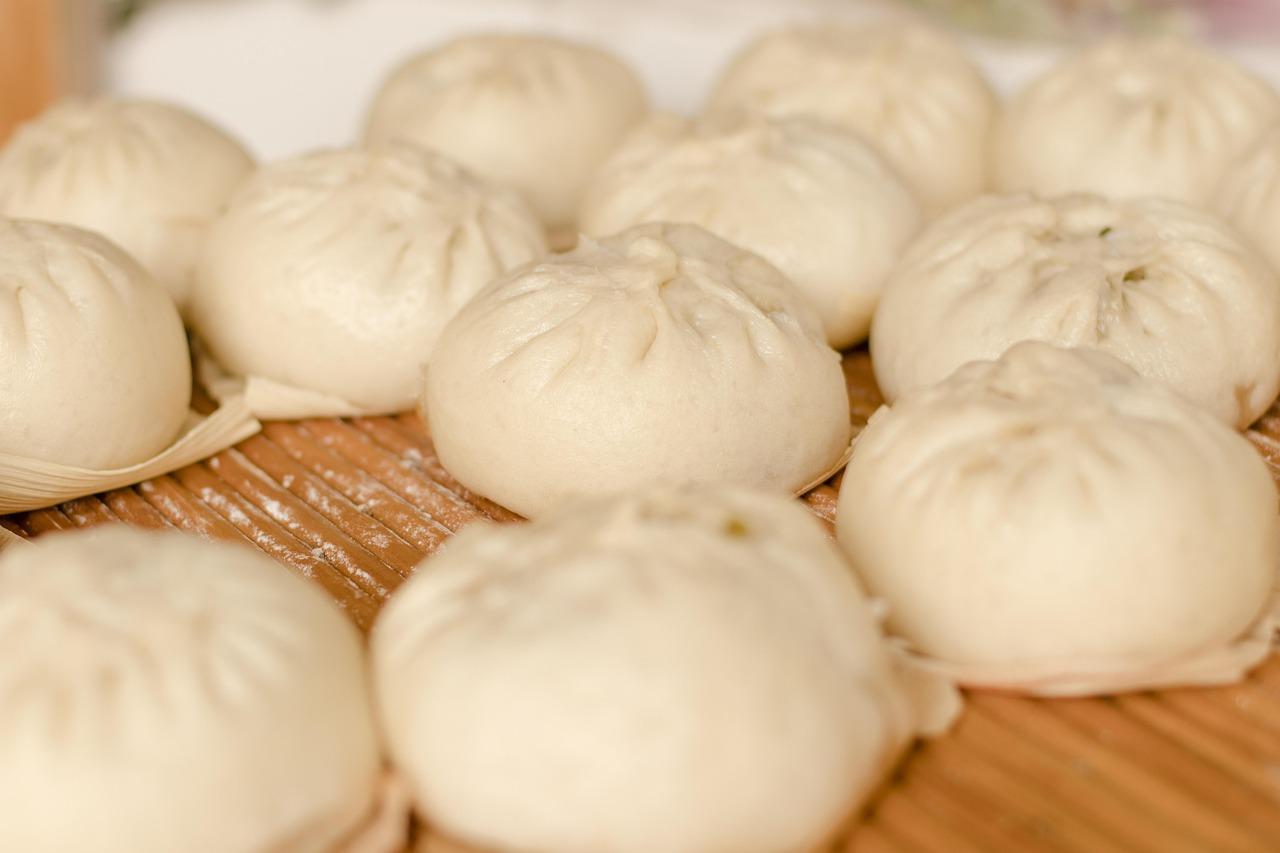
Vegetable steamed bao buns (baozi)

Baozi are breakfast across China: commuters in Shanghai, Beijing and small towns alike queue at steaming stalls for a couple of buns and a cup of soya milk. Vegetable baozi (su cai bao) are a standard on every counter, usually filled with greens, mushroom, tofu and glass noodles. Making them is a weekend job, but they freeze beautifully and reheat in 10 minutes. Chef's tip: let the shaped buns rise until they look puffy and feel light before steaming; under-proved buns come out dense and wrinkled.

by KrazyBadal 0 views

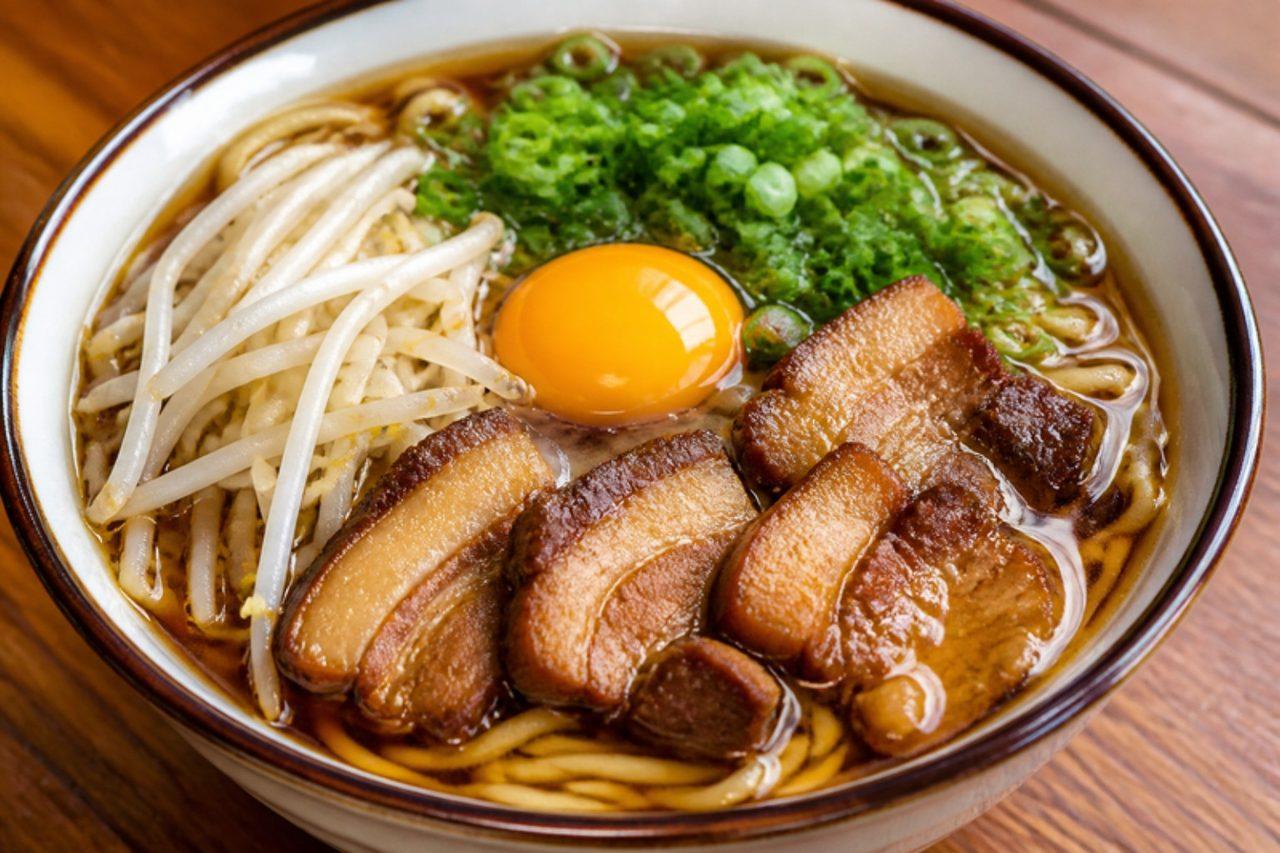
Tokushima ramen

Tokushima, the city famous for the Awa Odori summer dance, has its own ramen with a broth almost the colour of coffee. Instead of chashu slices, the bowl is topped with thin pieces of pork belly simmered in sweet soy, plus bean sprouts, spring onions and a raw egg cracked in the middle. Locals often order a bowl of plain rice on the side and spoon the pork and egg over it. This home version builds the dark soup from good stock, the pork's own simmering liquid and soy. Chef's tip: eat it with rice as Tokushima does; the sweet-salty broth is strong on purpose, and the rice balances it.

by KrazyBadal 0 views

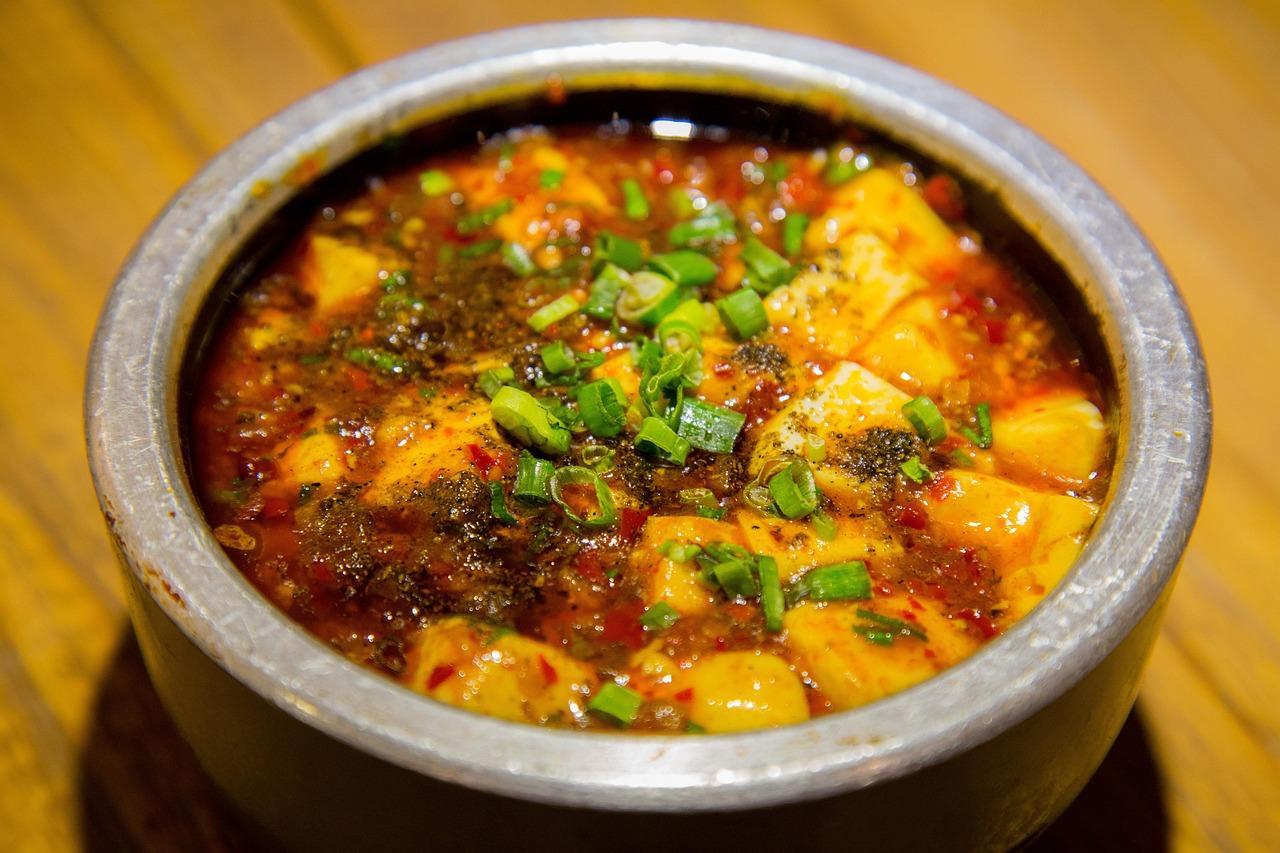
Mapo tofu with mushrooms

Mapo tofu was first served at a small eatery in north Chengdu in the late 1800s, and it is still on the table at almost every Sichuan family dinner: wobbly cubes of tofu in a glossy red sauce that is hot from chilli bean paste and tingling from Sichuan pepper. Restaurants make it with minced beef or pork; here finely chopped shiitake and chestnut mushrooms are fried until crisp-edged and dark, so they give the same savoury bite. Spoon it over plenty of steamed rice, which soaks up the oil. Chef's tip: grind the Sichuan pepper fresh and scatter it on at the very end; ground ahead of time it loses its buzz.

by KrazyBadal 0 views

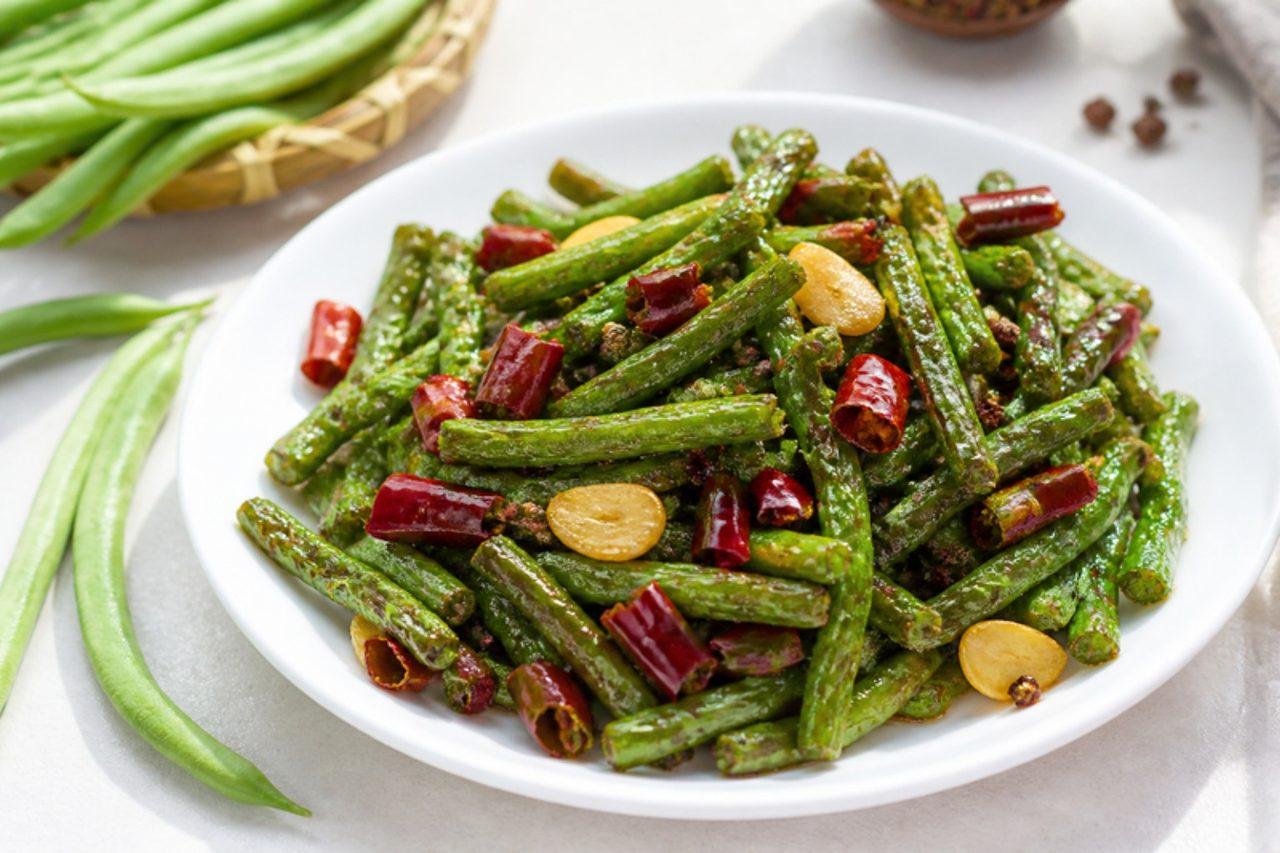
Sichuan dry-fried green beans

Gan bian si ji dou, 'dry-fried four-season beans', is a fixture of Sichuan restaurant menus and home tables alike. The beans are fried until their skins wrinkle and blister, then tossed in a hot, dry wok with chilli, Sichuan pepper and salty preserved mustard greens (ya cai) from Yibin. Nothing is saucy: every bean is coated and slightly chewy. Restaurants usually add pork; this vegetarian version leans on the ya cai for depth. Chef's tip: dry the beans completely after washing, or they will spit and steam instead of blistering.

by KrazyBadal 0 views

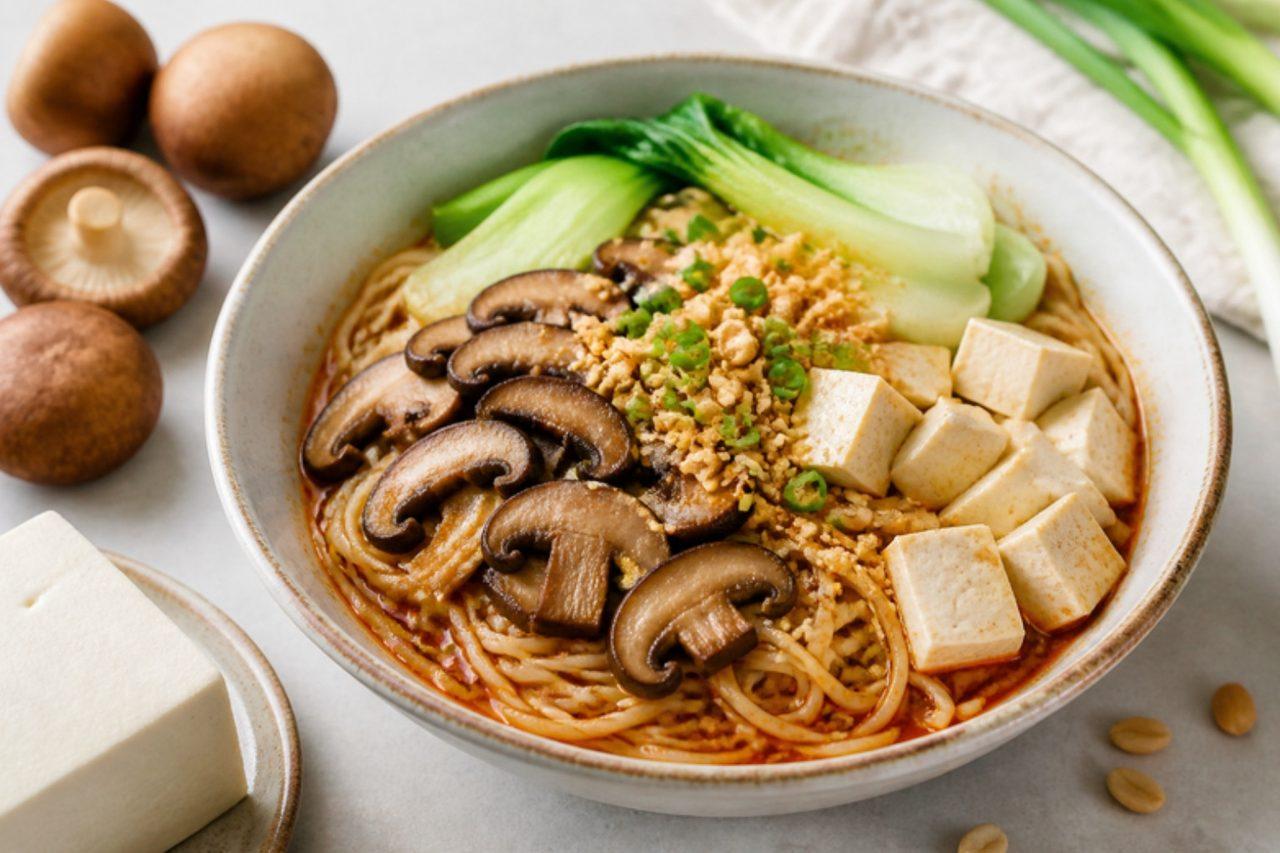
Dan dan noodles with mushroom and tofu crumble

Dan dan mian is named after the shoulder pole (dan) that Chengdu hawkers once used to carry their noodles and sauces through the streets. A proper bowl is small and intense: springy wheat noodles over a puddle of sesame paste, chilli oil and soy, topped with a crunchy, salty crumble and blanched greens. The crumble here is mushroom and tofu fried with preserved ya cai until crisp. Mix everything from the bottom before eating. Chef's tip: loosen the sesame paste with a little of the hot noodle water so it coats every strand instead of clumping.

by KrazyBadal 0 views

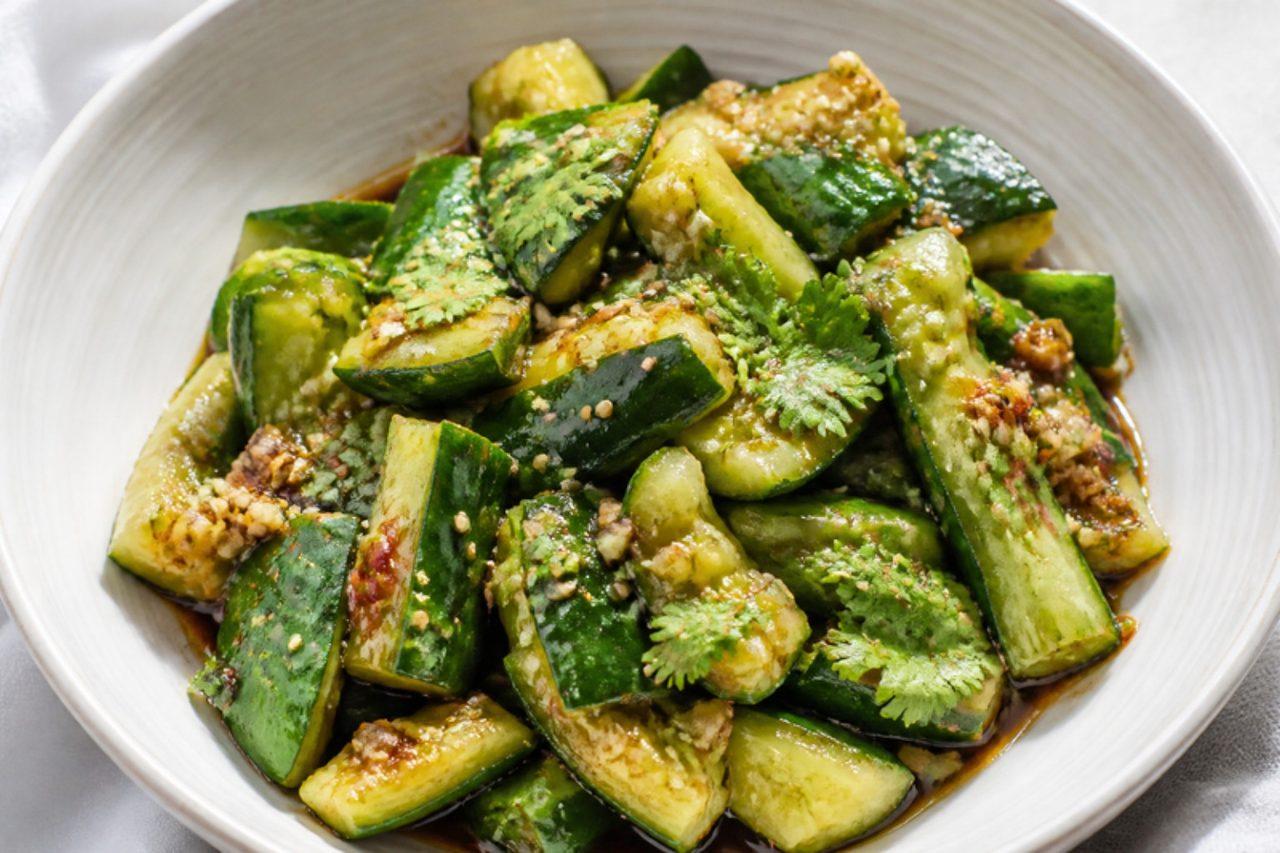
Smashed cucumber salad (pai huang gua)

Pai huang gua turns up on tables from Beijing to Guangzhou, often the first dish to land at a summer meal because it takes ten minutes and cools the mouth between spicy bites. Smashing the cucumbers rather than slicing them cracks them into rough pieces that soak up dressing in minutes. It goes with any stir-fry, noodles or dumplings. Chef's tip: salt the smashed pieces for 10 minutes and pour off the water, otherwise the dressing is diluted to nothing by the time you sit down.

by KrazyBadal 0 views

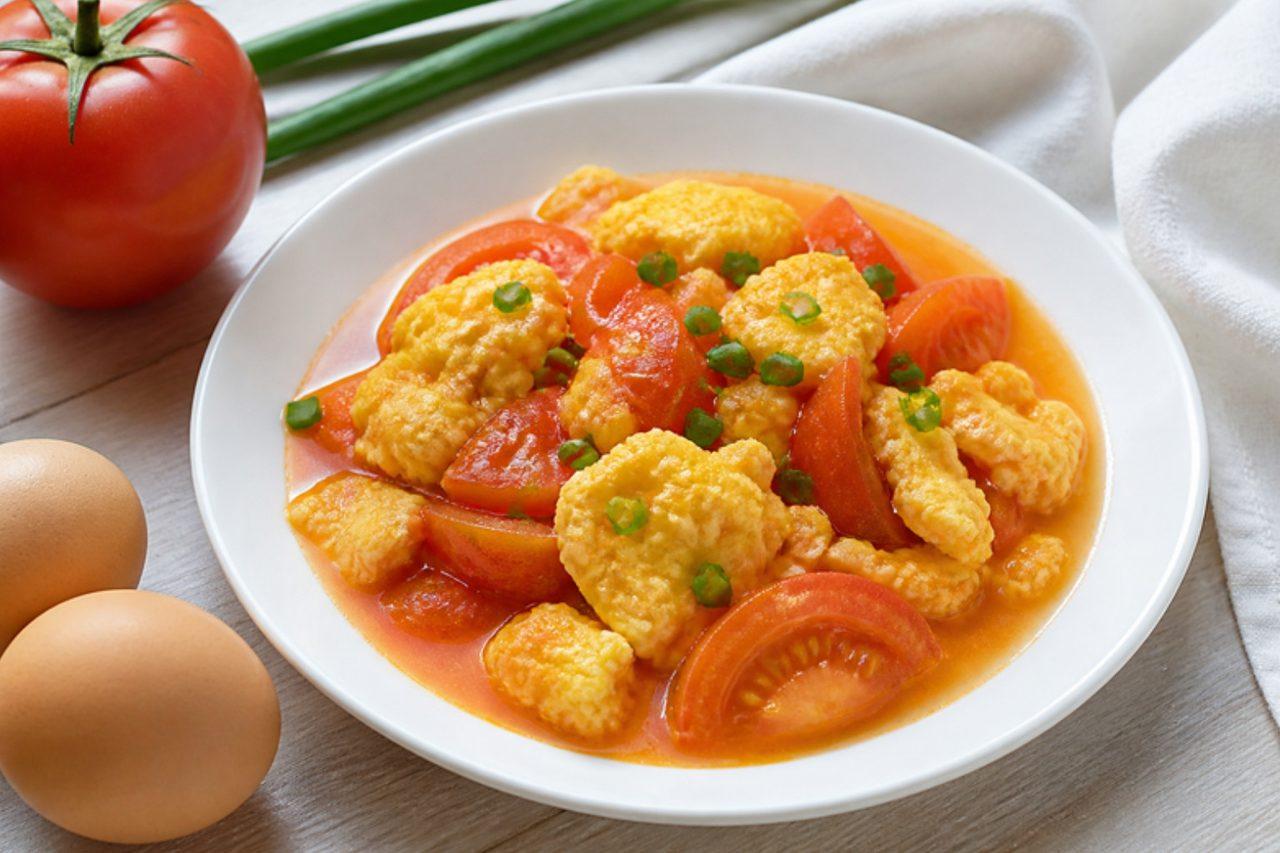
Tomato and egg stir-fry

Fan qie chao dan is the dish students across China cook in their first flat, and it appears at family meals in every province. Soft curds of egg and slumped tomatoes make a sweet-sour, slightly saucy stir-fry that is wonderful spooned over rice. Some families make it drier, others soupier; this version has just enough sauce to soak the rice. Chef's tip: cook the eggs first and take them out while still glossy; they finish in the tomato sauce and stay tender.

by KrazyBadal 0 views

Hong Kong egg tarts

Daan taat are the pride of Hong Kong bakeries and cha chaan teng, where they come out of the oven several times a day and are eaten warm with a glass of milk tea. Unlike Portuguese tarts, the custard stays smooth, glossy and bright yellow with no scorched top, and this version uses a buttery shortcrust (lard is traditional in some bakeries; we use only butter). Chef's tip: strain the custard twice and skim off every bubble; that's what gives the mirror-smooth surface.

by KrazyBadal 0 views

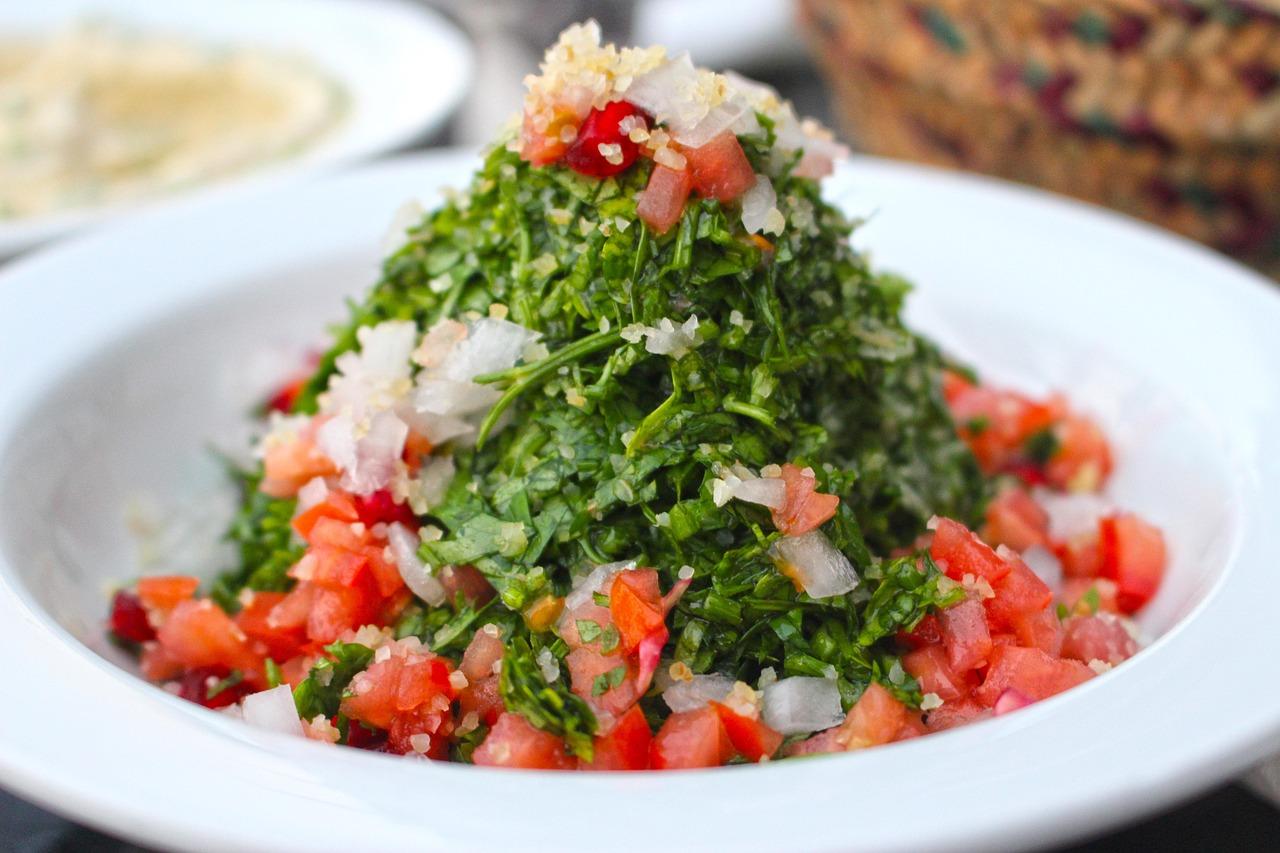
Tabbouleh

In Lebanese homes tabbouleh is a green salad first and a grain salad a distant second: a heap of finely cut flat-leaf parsley and mint, flecked with fine bulgur, diced tomato and spring onion, and sharpened with lemon and olive oil. It turns up on every mezze table from Beirut to the mountain villages, and families make it in big bowls for Sunday lunch, scooping it up with crisp inner leaves of cos lettuce. It tastes bright, lemony and fresh, and goes with falafel, grilled halloumi or any spread of dips and bread. The usual mistake is chopping wet parsley, which bruises into a dark, soggy mush; dry it thoroughly and slice it with a sharp knife instead. Chef's tip: dress the bulgur with the lemon juice and tomato juice first, so it softens in that liquid instead of in water and soaks up all the flavour.

by KrazyBadal 0 views

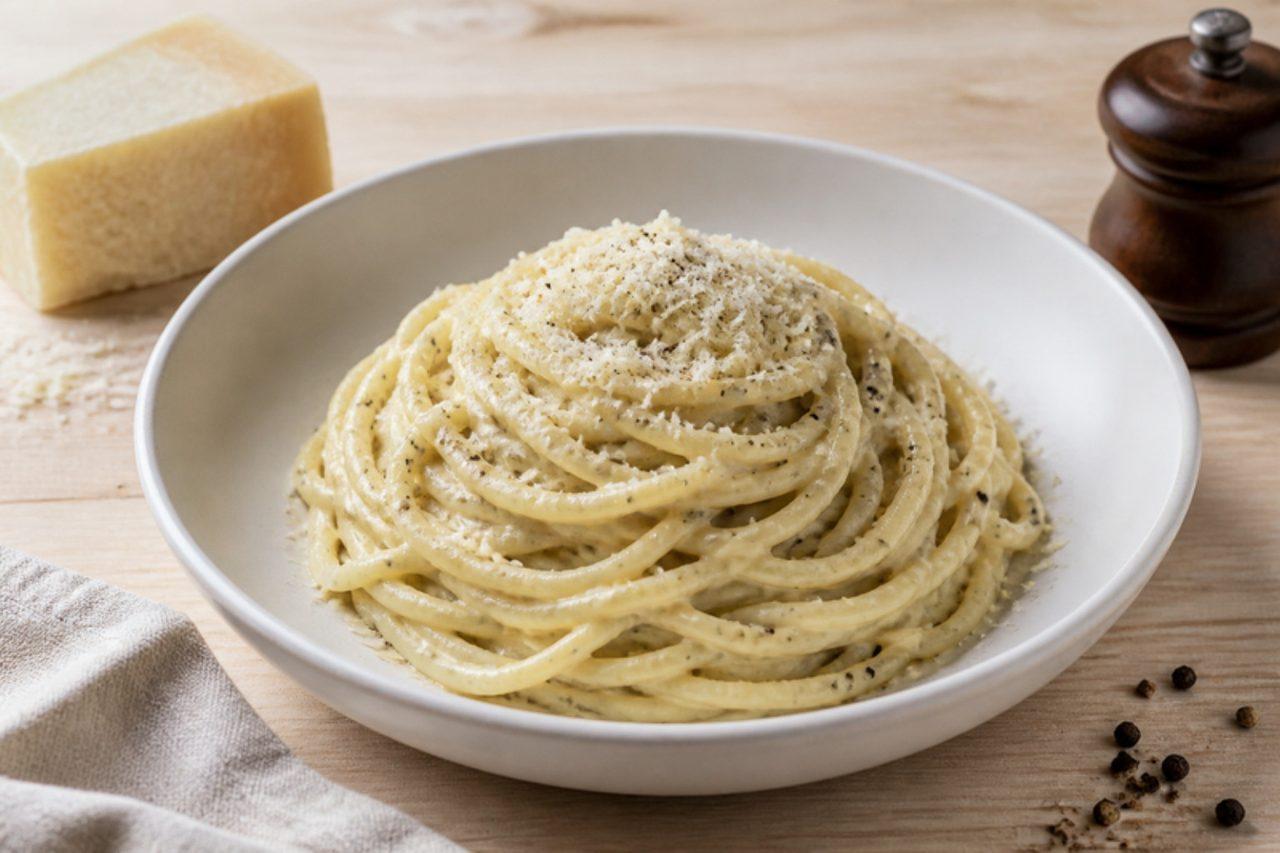
Cacio e pepe

Cacio e pepe is a Roman trattoria standard: just pasta, sheep's cheese and a lot of cracked black pepper, turned into a glossy cream with starchy cooking water. Romans order it as a primo at lunch, especially in the old osterie of Testaccio and Trastevere, and it was born as shepherds' food because dry pecorino and peppercorns kept for weeks. Tonnarelli (square egg-free spaghetti) is the classic shape; in southern Tuscany the same sauce coats pici, fat hand-rolled noodles, and the variation is in the last step. Chef's tip: toast the cracked pepper in the dry pan first, then splash in pasta water; it turns the pepper fragrant rather than harsh and starts the sauce base.

by KrazyBadal 0 views

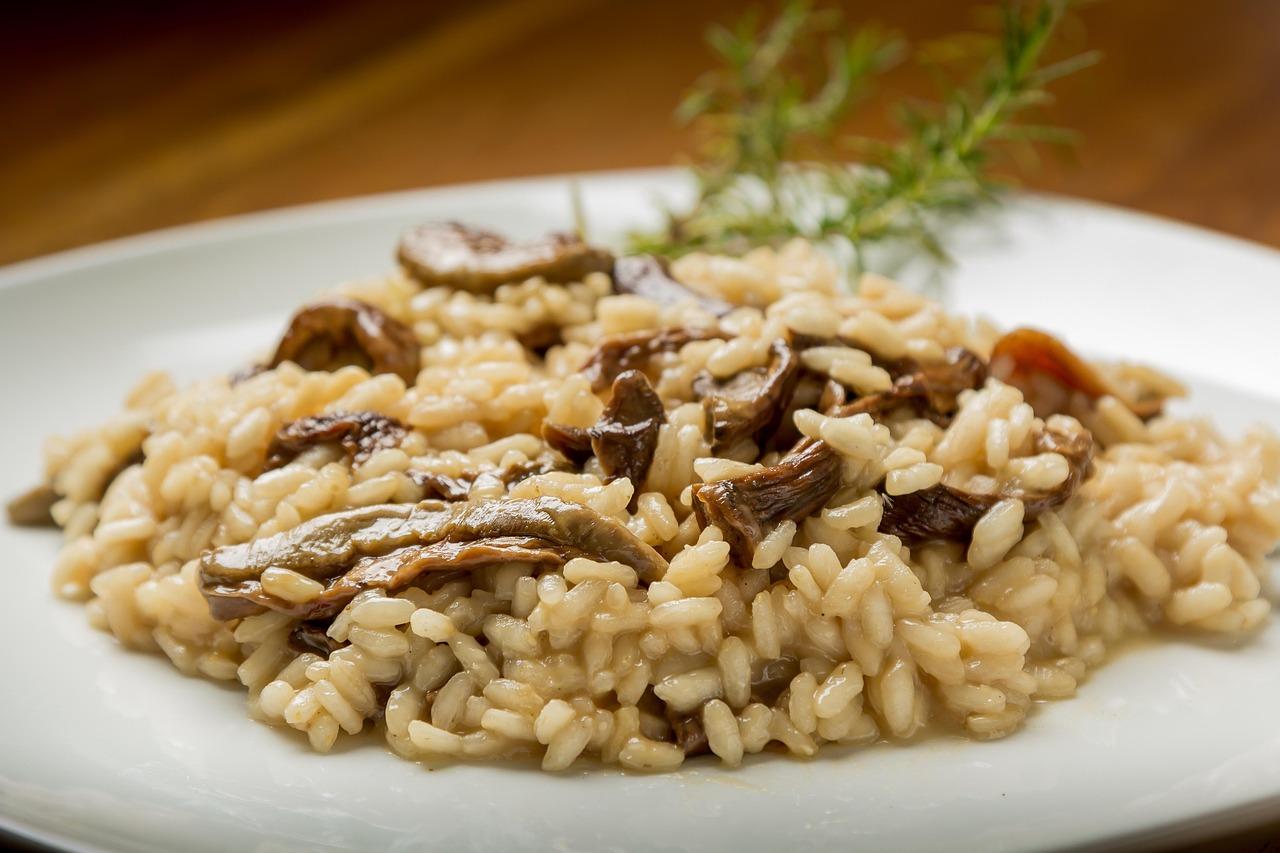
Mushroom risotto

Risotto ai funghi is what Piedmont and Lombardy cook in October, when foragers bring porcini down from the Alpine foothills and markets in Alba, Turin and Bergamo sell baskets of wild mushrooms. At home, a handful of dried porcini and their soaking liquid give that deep, woodsy flavour to ordinary chestnut mushrooms. It is a first course in Italy and a full supper anywhere else. Chef's tip: brown the fresh mushrooms in a separate hot pan and fold half in at the end; they stay meaty instead of turning soft and grey.

by KrazyBadal 0 views

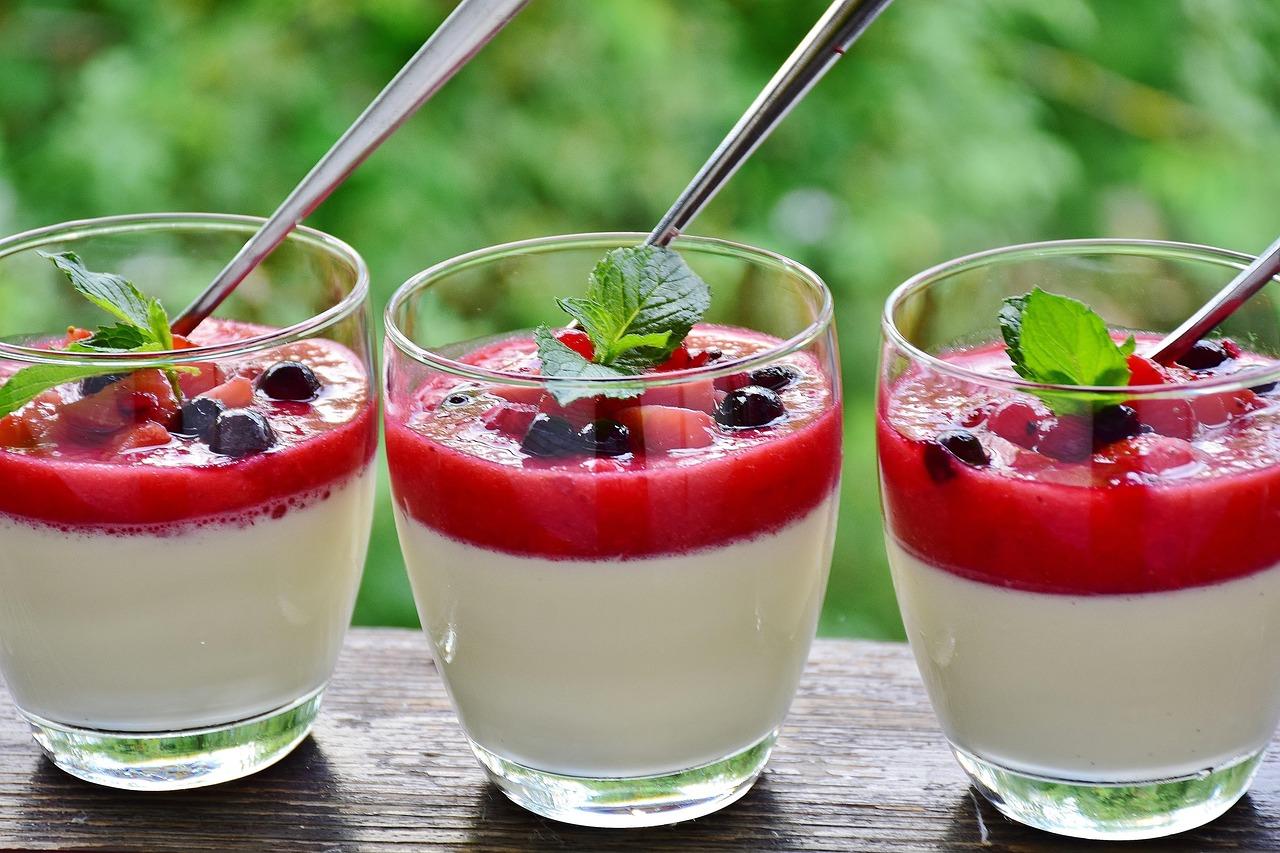
Panna cotta

Panna cotta means 'cooked cream' and comes from the dairy country of the Langhe in Piedmont, where it is served after Sunday lunch, often with caramel or a few berries. Classic recipes set it with gelatine, which is made from animals; this version uses agar, a seaweed setting agent, so it is properly vegetarian. Agar sets firmer and faster, so the amount is small and it must be boiled to work. The result is creamy, just set and wobbles when you shake the plate. Chef's tip: boil the agar in the milk for a full 2 minutes before adding the cream; if it only warms, it will not set.

by KrazyBadal 0 views

AffogatoIce cream with hot espresso

Affogato means 'drowned': a scoop of vanilla or fior di latte gelato with a shot of hot espresso poured over it at the table. It is served in bars and gelaterie all over Italy as the simplest after-dinner dessert, half drink and half ice cream, eaten quickly with a spoon while the coffee melts into the gelato. It takes five minutes and needs good ice cream and strong coffee. Chef's tip: chill the glasses in the freezer for 10 minutes first, so the gelato melts slowly and you get both hot and cold in each spoonful.

by KrazyBadal 0 views

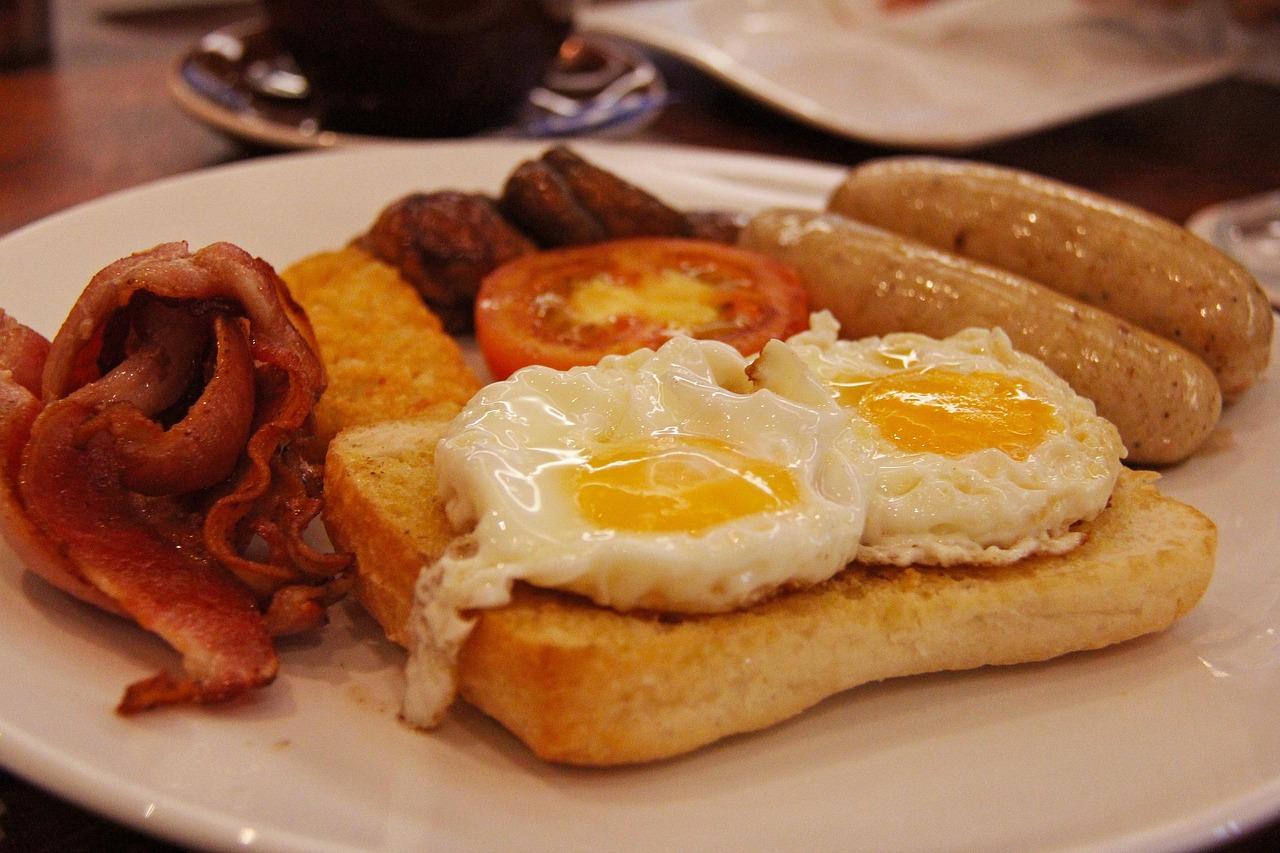
Full English breakfast

The full English is the weekend fry-up of English homes and the pride of every café and B&B from Cornwall to Yorkshire, a plate built to last until supper. This version contains pork: sausages, back bacon and optional black pudding, with fried eggs, baked beans, mushrooms, grilled tomato and buttered toast. The trick is timing so everything lands hot together. Chef's tip: start the sausages first and slowest; everything else cooks in the time they take.

by KrazyBadal 0 views

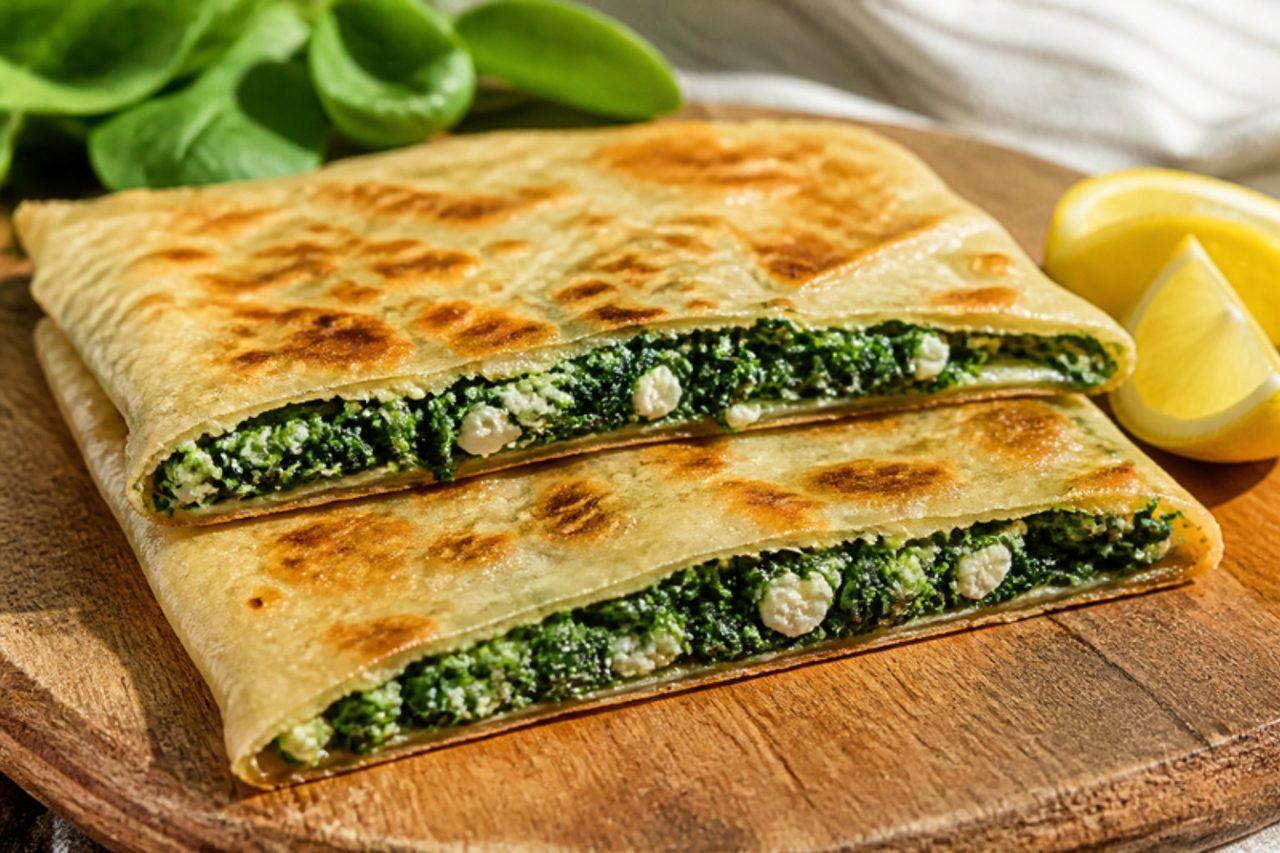
Gözleme with spinach and feta

On roadsides and at weekly village markets across central Anatolia, women sit cross-legged by a domed iron griddle (saç), rolling dough paper-thin with a long thin rolling pin (oklava), filling it and cooking it to order. This is gözleme: a soft, blistered parcel of unleavened dough wrapped round spinach and salty white cheese, brushed with butter as it comes off the heat. Eat it hot, folded in paper, with a glass of ayran. A big frying pan or flat griddle at home does the job. Chef's tip: roll the dough so thin you can almost see the worktop through it; thick gözleme tastes doughy and the filling stays cold.

by KrazyBadal 0 views

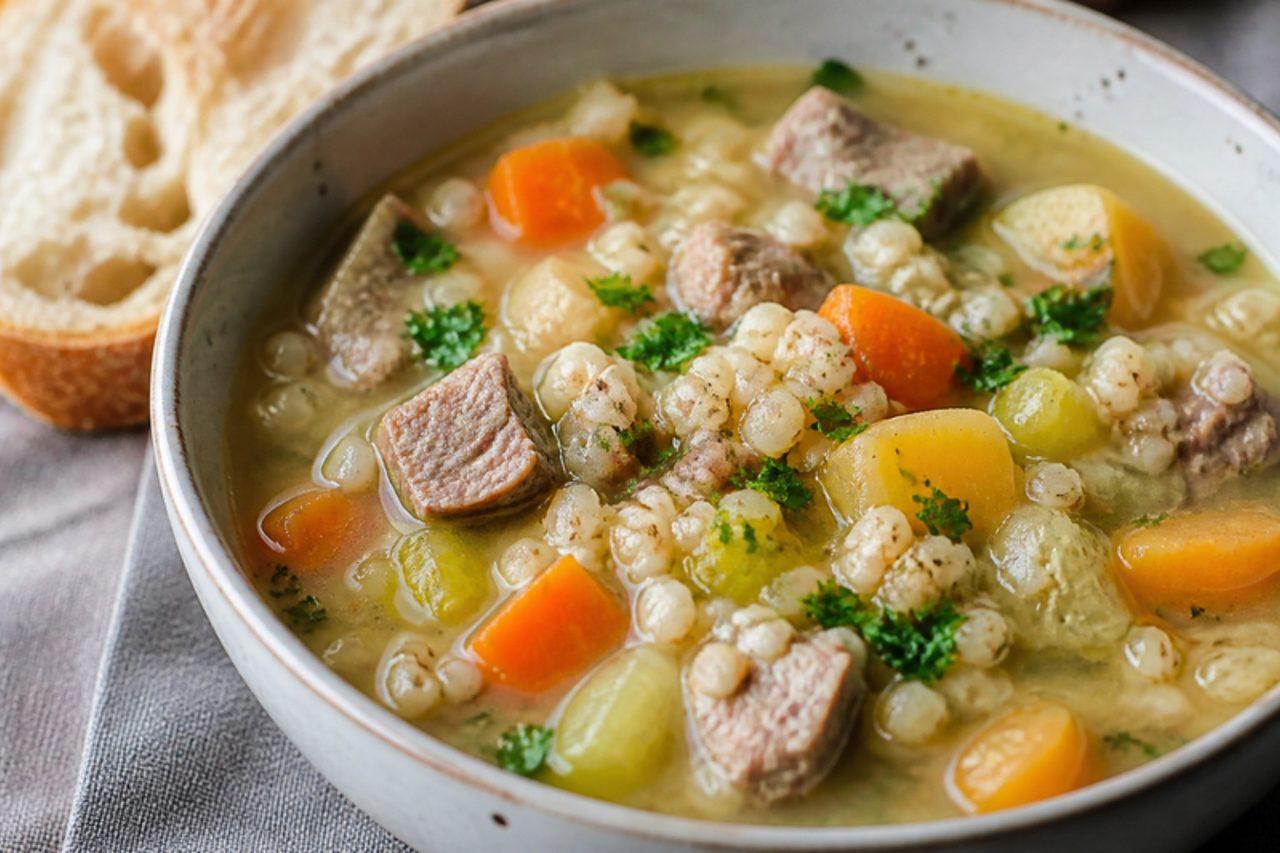
Scotch broth

Every Scottish granny has her own Scotch broth, the thick winter soup that simmers on stoves from the Borders to the Highlands and is often served on Burns Night. Lamb neck on the bone makes a rich stock with pearl barley, dried peas, leek, carrot, turnip and cabbage, and the meat is shredded back into the pot. It is a whole meal with crusty bread. Chef's tip: make it a day ahead; the barley keeps thickening it, and you can lift the solid fat off the top once chilled.

140 minBritishSoups
by KrazyBadal 0 views

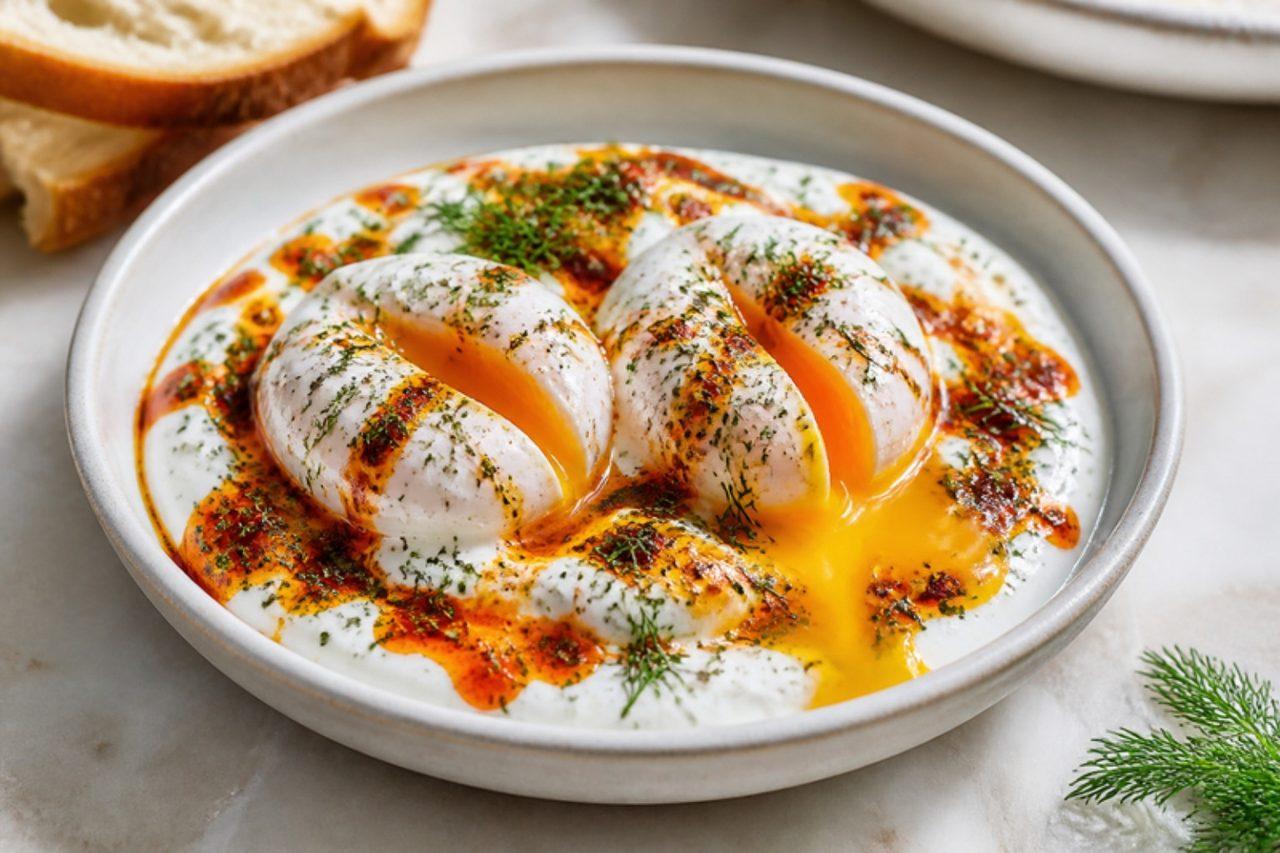
ÇılbırPoached eggs on garlic yogurt

Çılbır goes back to the Ottoman palace kitchens, and today you are as likely to meet it on a brunch menu in Istanbul's Kadıköy or Cihangir as on a home breakfast table. Two soft poached eggs sit on a bed of thick, garlicky yogurt, and a spoonful of butter fried with Aleppo pepper is poured over the top so it runs red into the white. Break the yolks, mix everything together and mop it up with bread. Chef's tip: take the yogurt out of the fridge 30 minutes ahead, or stand the bowl over warm water for a few minutes; cold yogurt chills the eggs and the dish should be served warm.

by KrazyBadal 0 views

Ka'ak (sesame bread)

On the streets of Beirut, vendors push wooden carts stacked with ka'ak, a chewy, sesame-crusted bread shaped like a handbag with a hole for a handle; in Jerusalem's Old City the same bread comes as long oval rings sold by the gate. Buyers ask for it split open and filled with a pinch of za'atar or a wedge of soft white cheese, and eat it on the way to work or school. The crust gets its deep amber colour from a quick dip in sweetened water before the sesame goes on, and the crumb inside stays soft and slightly sweet. Chef's tip: toast the sesame seeds lightly in a dry pan before coating; they stick better once cool and taste nutty rather than raw.

by KrazyBadal 0 views

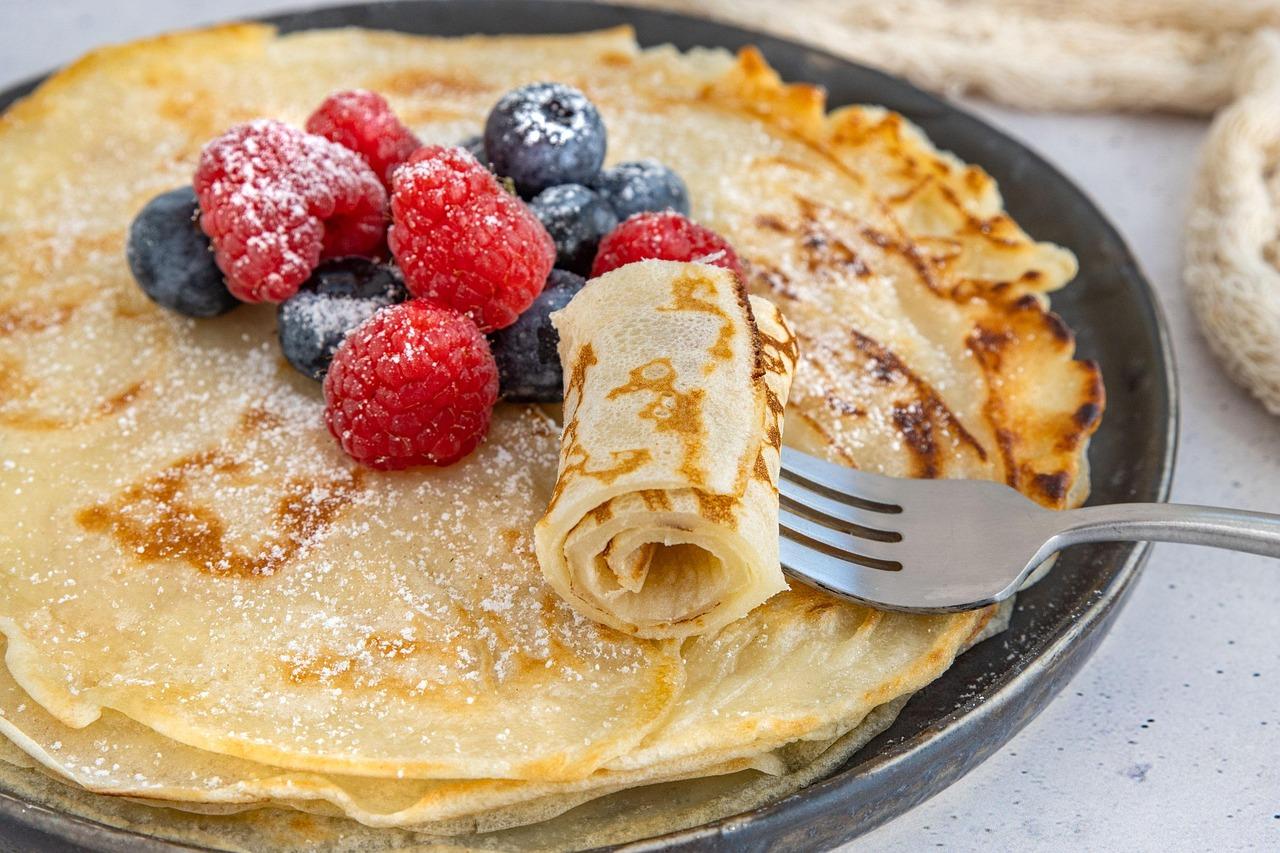
Crêpes

Sweet crêpes made from wheat flour, milk and eggs are Brittany's gift to the rest of France, and on 2 February, Chandeleur, French families make piles of them at home, flipping the first with a coin in hand for luck. They are thin and tender with golden, lacy spots, and the classic filling is simplest: a smear of salted butter and a sprinkle of sugar, or sugar and lemon. Children love them with chocolate spread, jam or sliced banana. Chef's tip: make the batter thinner than you expect, like single cream; thick batter is the common mistake and gives heavy pancakes, not crêpes.

by KrazyBadal 0 views

Kouign-amann

Kouign-amann (say 'kween-ah-MAHN', Breton for 'butter cake') was created in the fishing port of Douarnenez in the 1860s, reportedly by a baker who folded butter and sugar into bread dough when flour was short. Today Breton bakeries sell it as a rich treat for afternoon coffee: flaky layers of bread dough with butter and sugar folded through, baked until the sugar melts into a dark, crunchy caramel. This home version makes individual ones in a muffin tin. It takes an afternoon, mostly waiting time. Chef's tip: keep the dough and butter cold between every fold; warm butter is the common mistake and it oozes out, so you lose the layers.

235 minFrenchBaking
by KrazyBadal 0 views

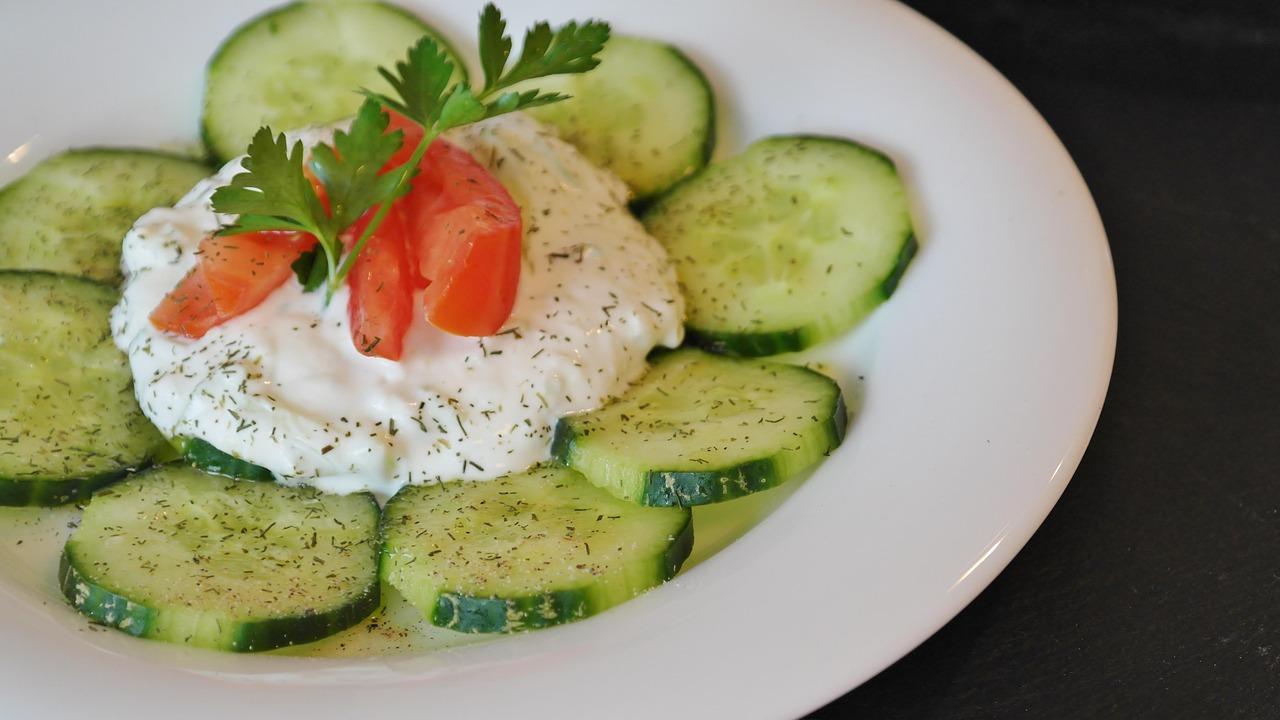
Tzatziki

Tzatziki is on every Greek table in summer: scooped up with bread at the start of a taverna meal, spooned over fried courgettes and chips, and tucked into pitta wraps. It is cool, thick and sharp with raw garlic, made with strained yogurt so it holds its shape on a spoon. Grated cucumber gives it crunch, a little vinegar lifts it, and olive oil makes it rich. It also goes well with gemista, fritters and grilled halloumi. Chef's tip: salt the grated cucumber and squeeze it dry; leaving the water in is the common mistake that turns tzatziki runny within an hour.

by KrazyBadal 0 views

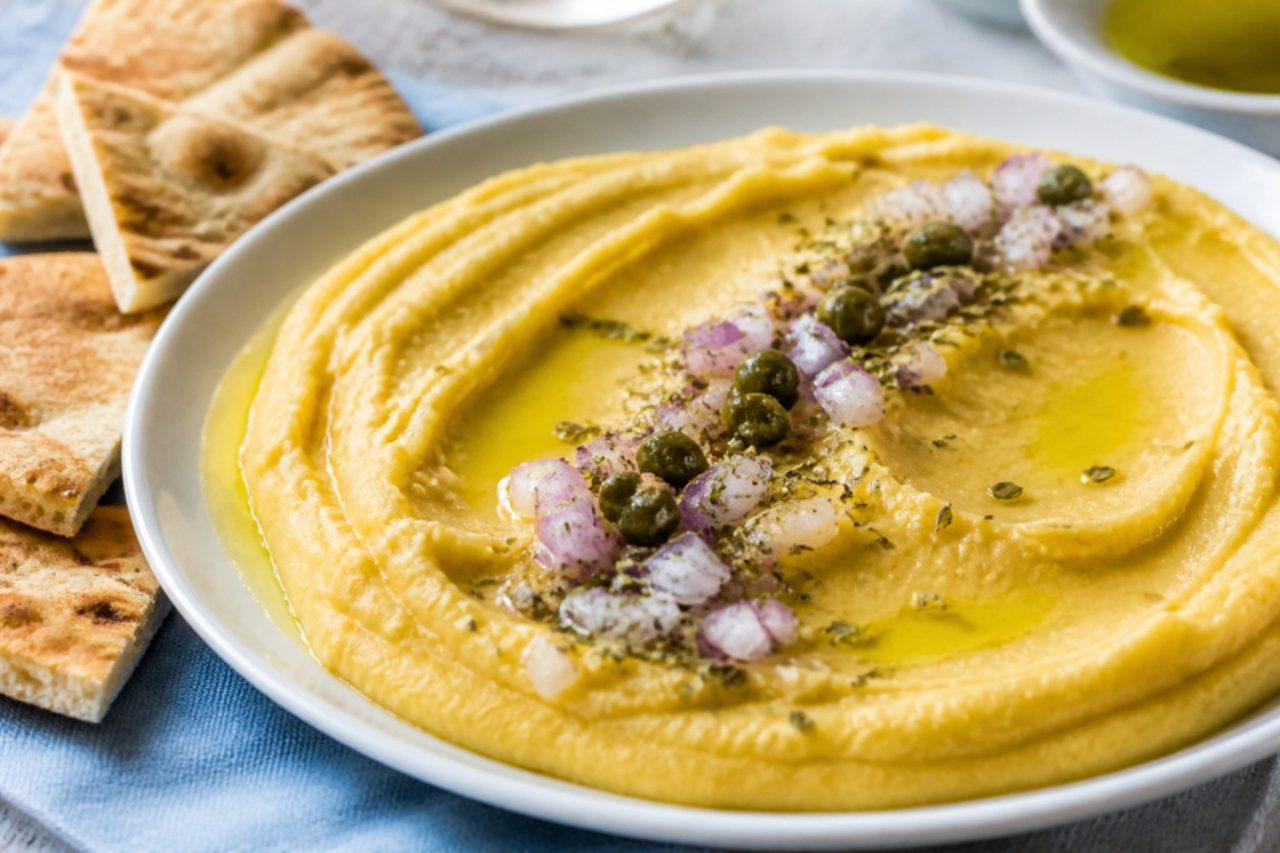
Fava (Santorini split pea purée)

On Santorini, fava is made from a tiny yellow split pea that has grown in the island's volcanic soil for thousands of years. Cooked slowly with onion until it collapses, it is whipped with olive oil and lemon into a purée as smooth as hummus but lighter and sweeter. In island tavernas it comes warm, with raw red onion, capers and a puddle of green olive oil, and you scoop it up with bread. Ordinary yellow split peas work well at home. Serve it as a meze or a light meal with salad. Chef's tip: skim off the white foam that rises in the first 10 minutes; leaving it is the common mistake that gives the purée a bitter, grey edge.

by KrazyBadal 0 views

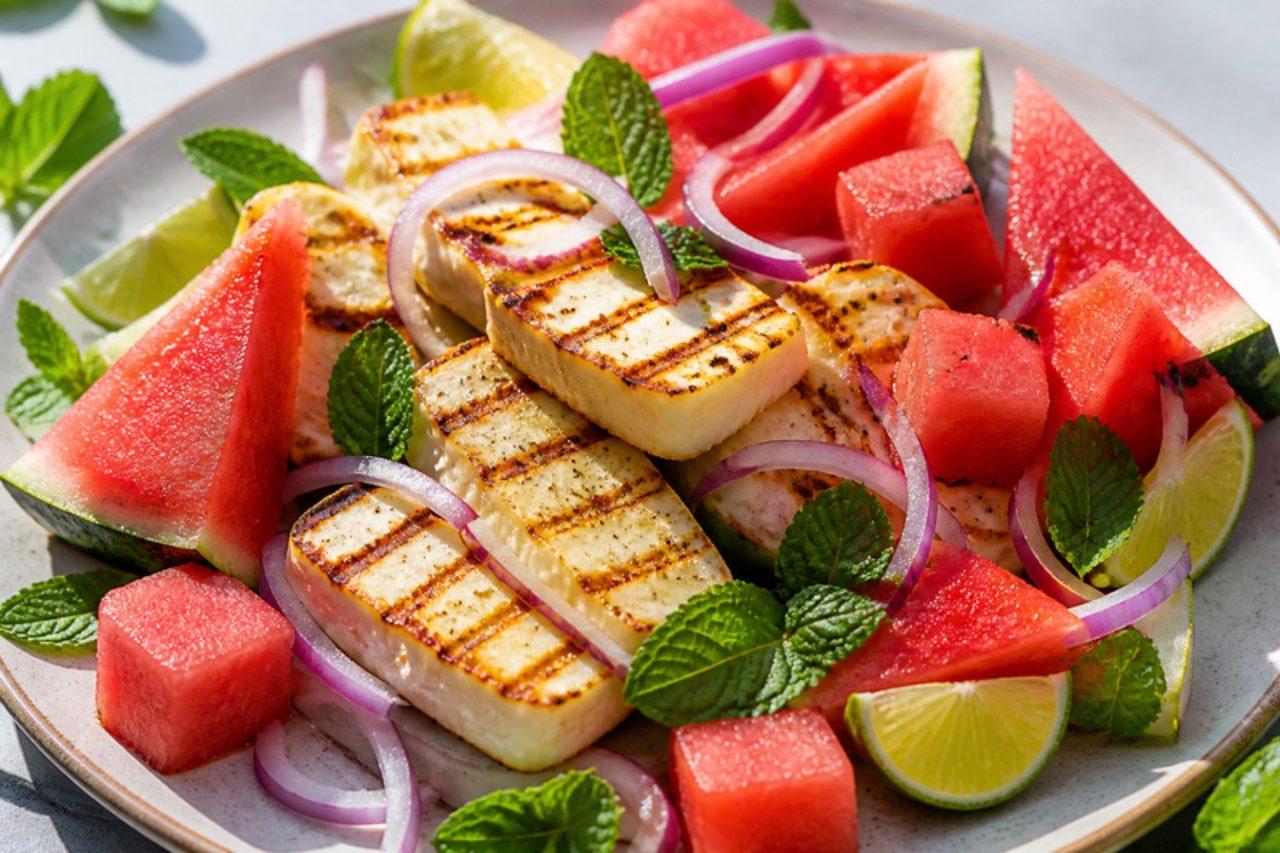
Halloumi with watermelon

In Cyprus, halloumi and watermelon is the taste of an August afternoon: icy wedges of watermelon eaten alongside salty halloumi, either fresh and squeaky or grilled until golden. Cypriots have eaten the two together for generations, on beaches, village verandas and after a long lunch. Here the halloumi is seared, then tossed with chunks of cold watermelon, mint, red onion and lime. It is a starter, a light lunch or a side for any barbecue. Some halloumi is made with animal rennet, so look for one labelled vegetarian. Chef's tip: don't cook the halloumi until everyone is ready to eat; it turns rubbery as it cools, which is the most common halloumi mistake.

by KrazyBadal 0 views

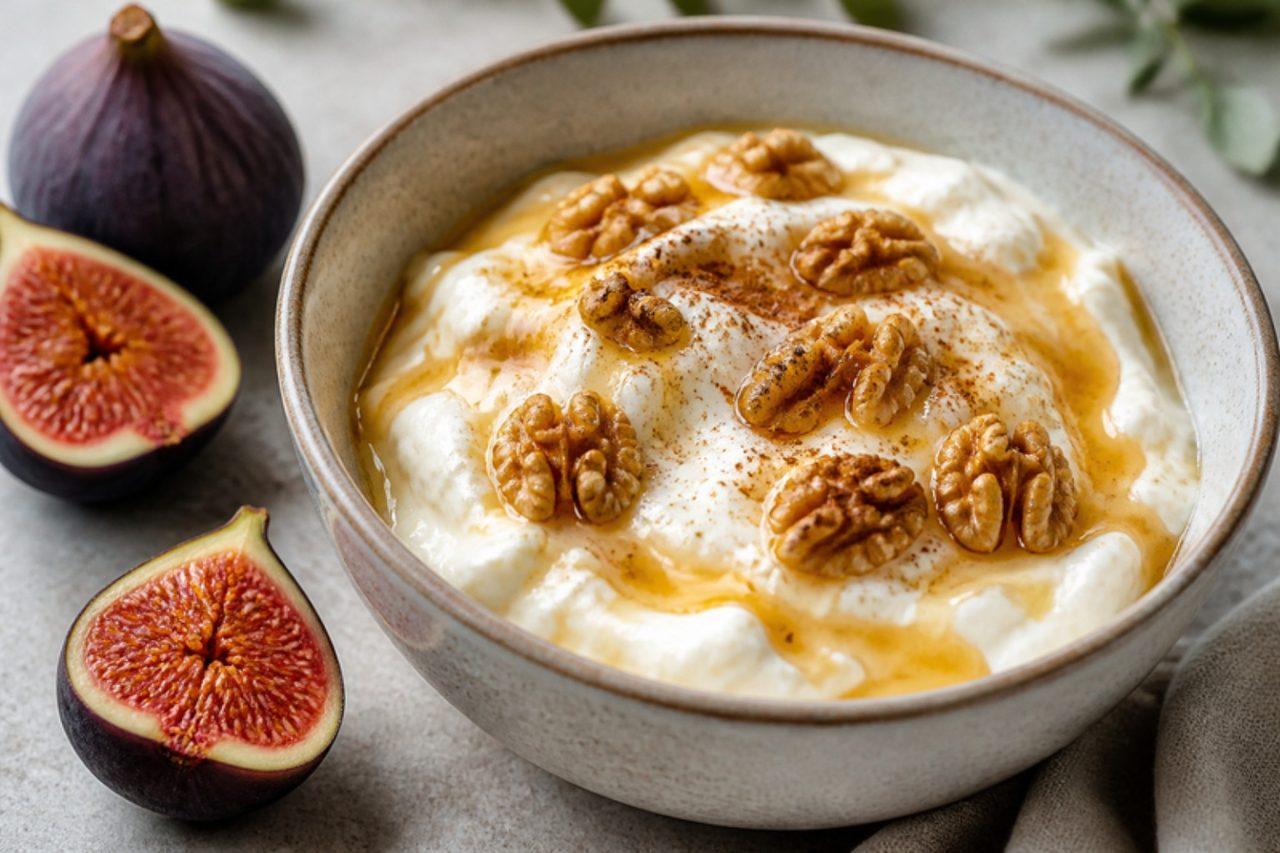
Greek yogurt with honey and walnuts

This is the dessert Greek tavernas bring out on the house at the end of a meal, and a common breakfast in homes and hotels from Crete to Corfu. Thick strained yogurt, ideally the sheep's-milk kind with a skin on top, is drizzled with dark thyme honey and scattered with walnuts. Simple as it is, the details matter: rich yogurt, good honey and nuts toasted just before serving. Add fresh figs or a spoon of quince preserve if you have them. Chef's tip: warm the honey for a few seconds so it runs in ribbons; cold honey is the common mistake and just sits in a blob.

by KrazyBadal 0 views

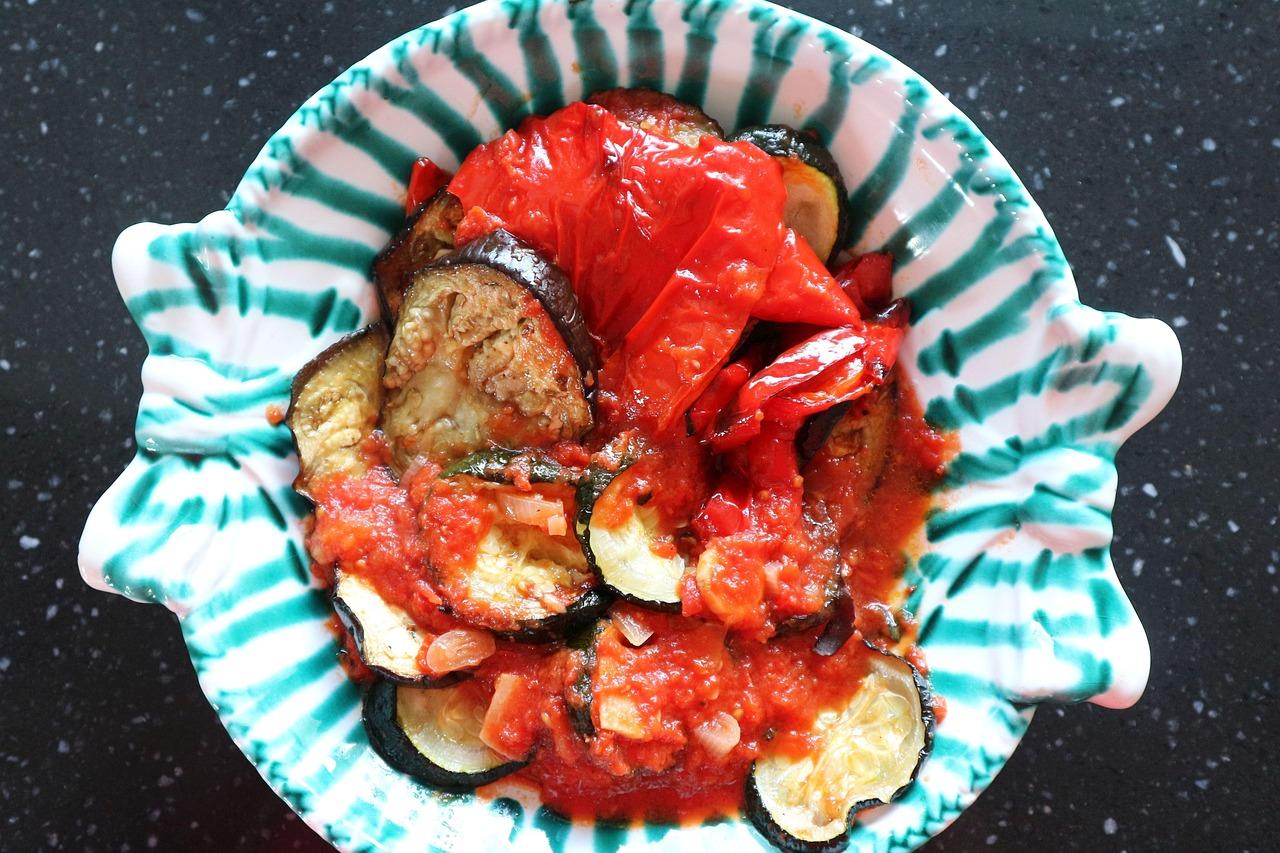
Ratatouille

Ratatouille comes from Nice, where it was a peasant stew of whatever the late-summer garden gave: aubergines, courgettes, peppers, onions and very ripe tomatoes, simmered in olive oil with garlic and thyme. Cooks in Nice argue about method, but the most respected version fries each vegetable on its own first, so each keeps its colour and shape before they are brought together in one pot. It's eaten warm with rice, cold the next day with bread, or as a side to an omelette. Chef's tip: brown the aubergine in batches and don't crowd the pan; piling it in is the common mistake that makes it steam into a grey mush.

by KrazyBadal 0 views

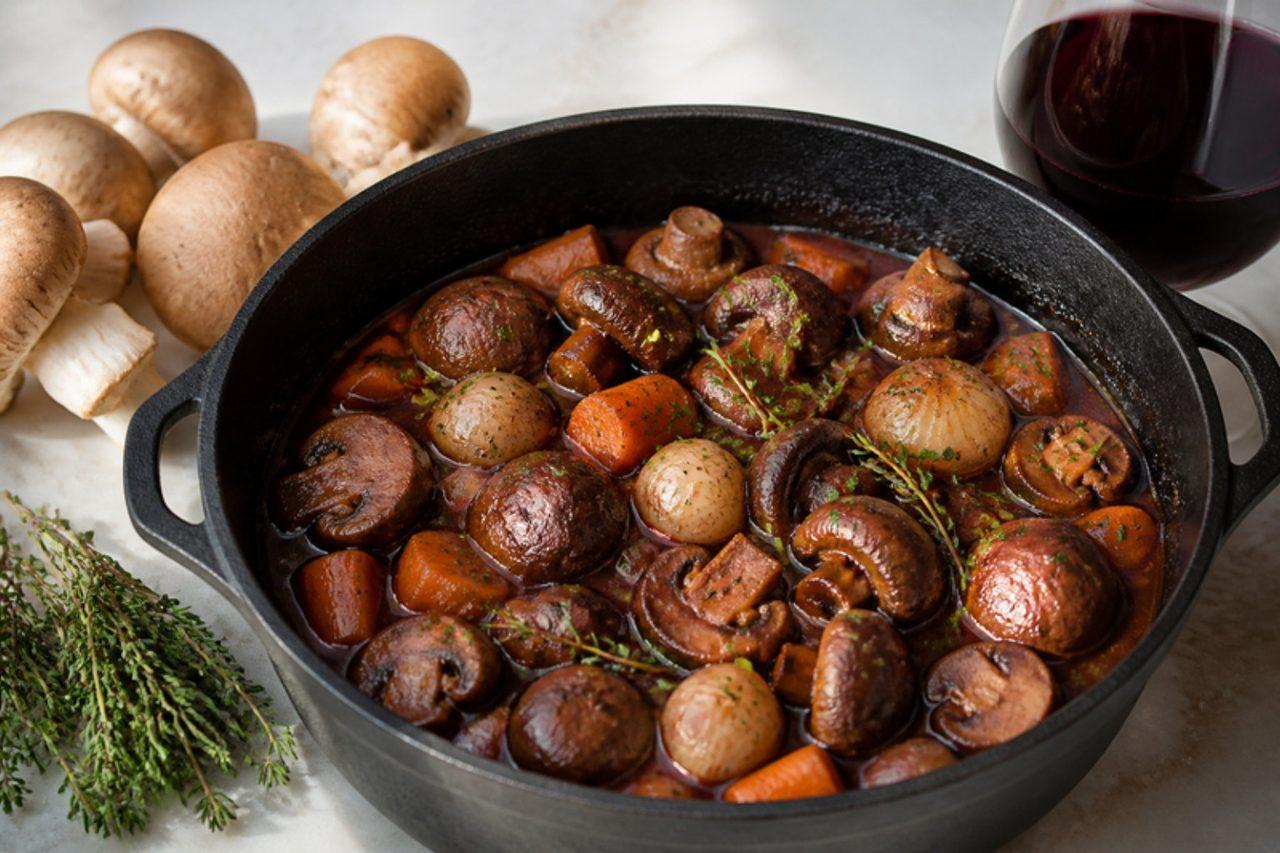
Mushroom bourguignon

Burgundy's famous stew is traditionally made with beef, but the flavours that make it special are all in the sauce: red wine from the region's vineyards, small whole onions, carrots, thyme and mushrooms. This meat-free version gives the mushrooms the starring role, browned hard so they turn meaty and dark, then simmered in a glossy wine sauce. It is a winter dinner in French homes, served over creamy mashed potatoes, buttered noodles or with a crusty baguette. Pick a vegan-friendly wine if that matters to you. Chef's tip: brown the mushrooms in a hot pan in batches until the liquid they release has evaporated; adding them all at once is the common mistake and they boil instead of browning.

by KrazyBadal 0 views

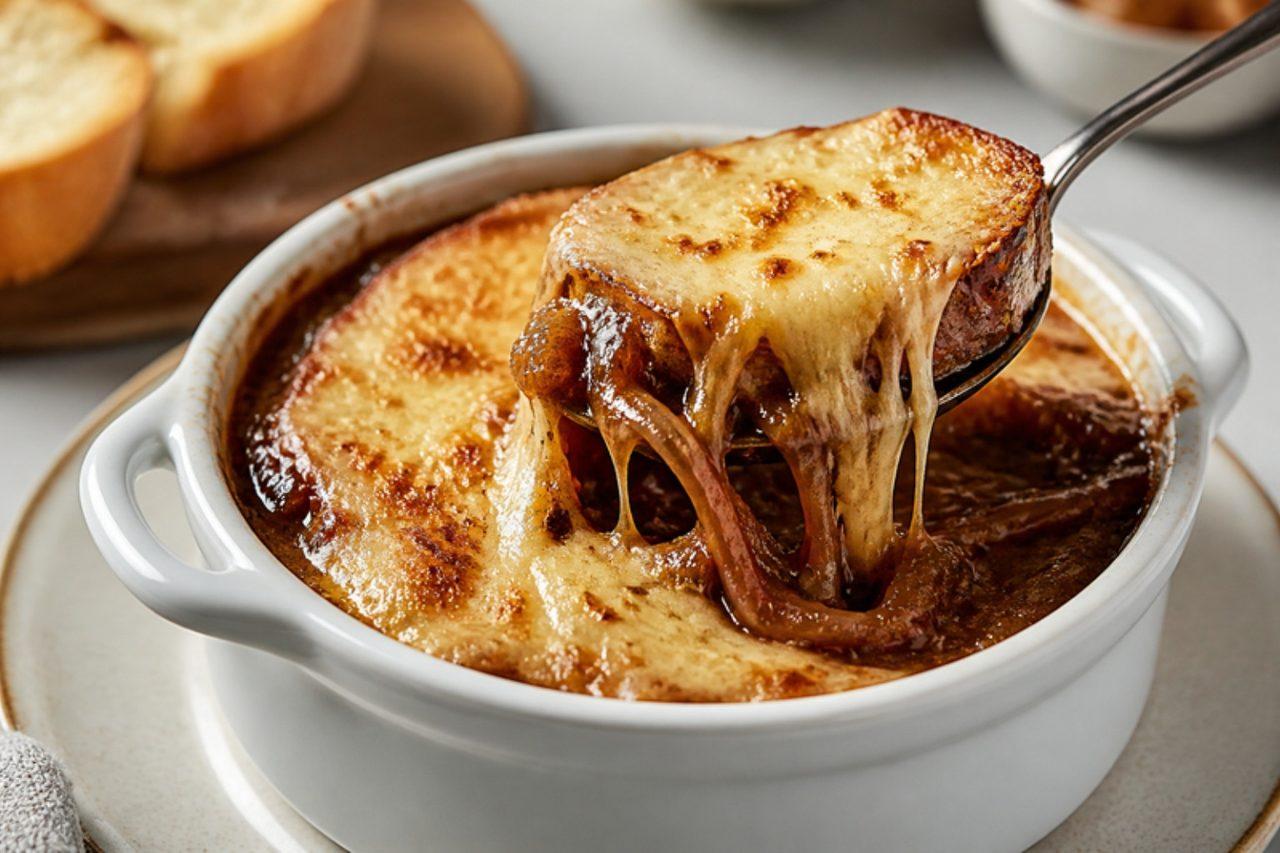
French onion soup

Soupe à l'oignon gratinée was the late-night meal of Les Halles, the old Paris food market, where porters and party-goers ate it at dawn; in Lyon, the city of onions, it's a winter bistro classic. Onions are cooked very slowly in butter until they turn a deep mahogany brown, then simmered in stock with a splash of wine and topped with toasted bread and melted cheese under the grill. The traditional soup uses beef stock; this version uses a rich vegetable stock and lets the deeply browned onions carry the flavour. Gruyère and Comté are made with animal rennet, so use a vegetarian alternative. Chef's tip: give the onions a full hour on a low heat; rushing them over a high heat is the common mistake and they burn before they sweeten.

by KrazyBadal 0 views

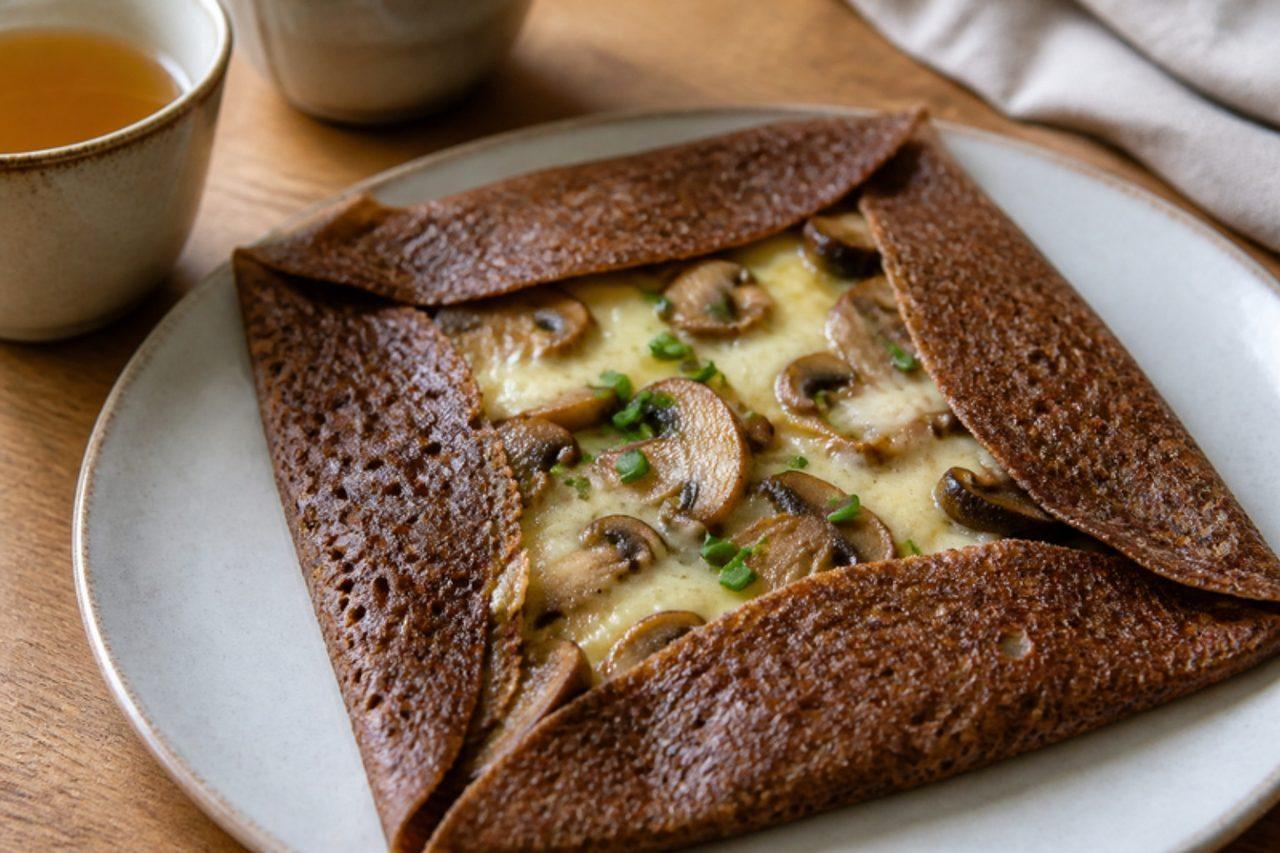
Mushroom and cheese galette

In Brittany, a galette is a large, lacy pancake made from buckwheat flour, water and salt: nutty, a little earthy and crisp at the edges. Crêperies all over the region fold them around savoury fillings and serve them with a bowl of dry cider. This one is filled with garlicky mushrooms, melted cheese and chives, folded into a square so the centre shows. Pure buckwheat is naturally gluten free, but check the packet, as some is milled alongside wheat. Emmental and Gruyère are usually made with animal rennet, so use a vegetarian alternative. Rest the batter if you have time: it can be made the night before. Chef's tip: the first galette is always a test; a pan that isn't hot enough is the common mistake that makes them pale and floppy instead of lacy and crisp.

by KrazyBadal 0 views

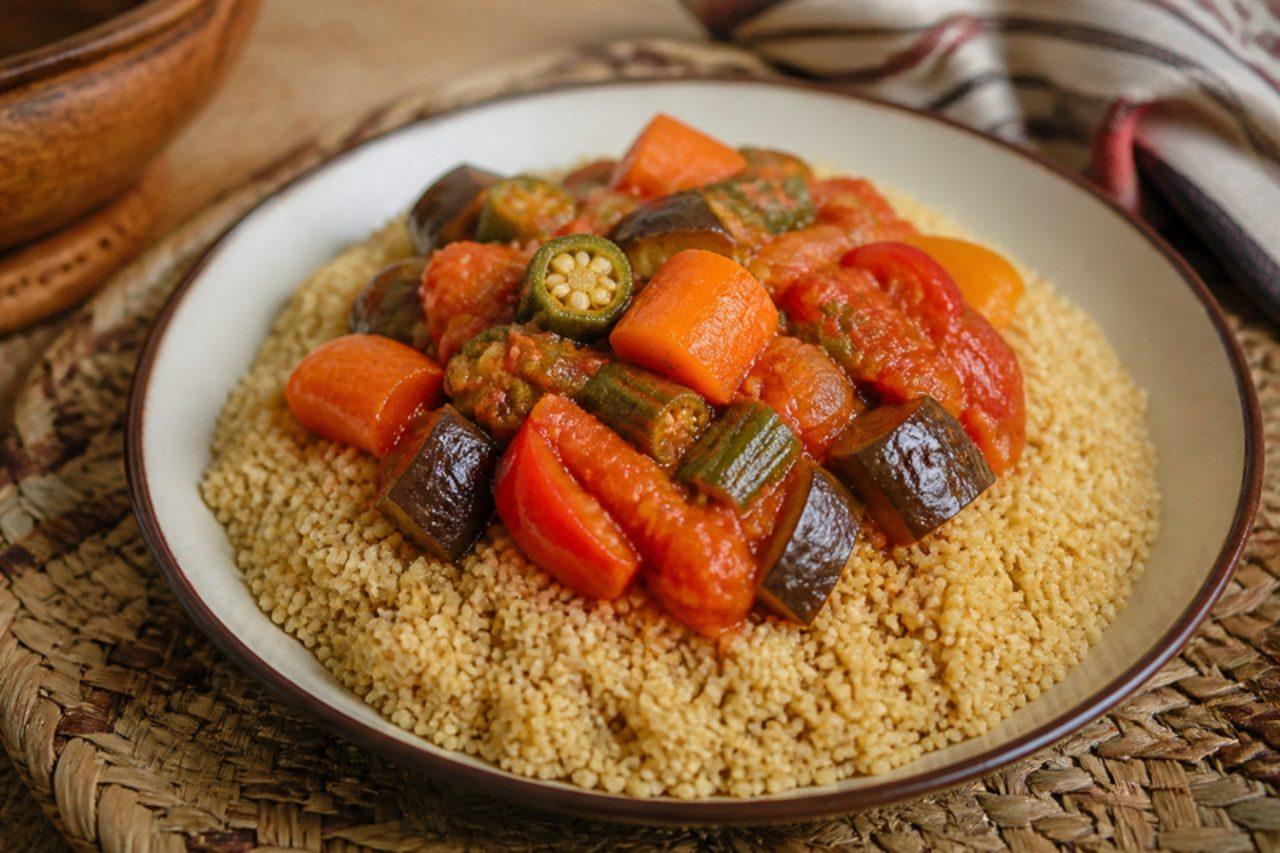
Fonio with vegetables

Fonio is a tiny ancient grain grown in the Sahel and in southern Senegal's Casamance and Fouta regions, where it is steamed like couscous and eaten with a vegetable or peanut sauce. It cooks in minutes and has a light, nutty taste, which has made it popular again in Dakar restaurants. Here it is fluffed with a little oil and topped with a quick stew of courgette, carrot, aubergine and tomato. Chef's tip: wash fonio in several changes of water and drain it in a fine sieve; it often carries fine sand, and gritty fonio is the most common complaint.

by KrazyBadal 0 views

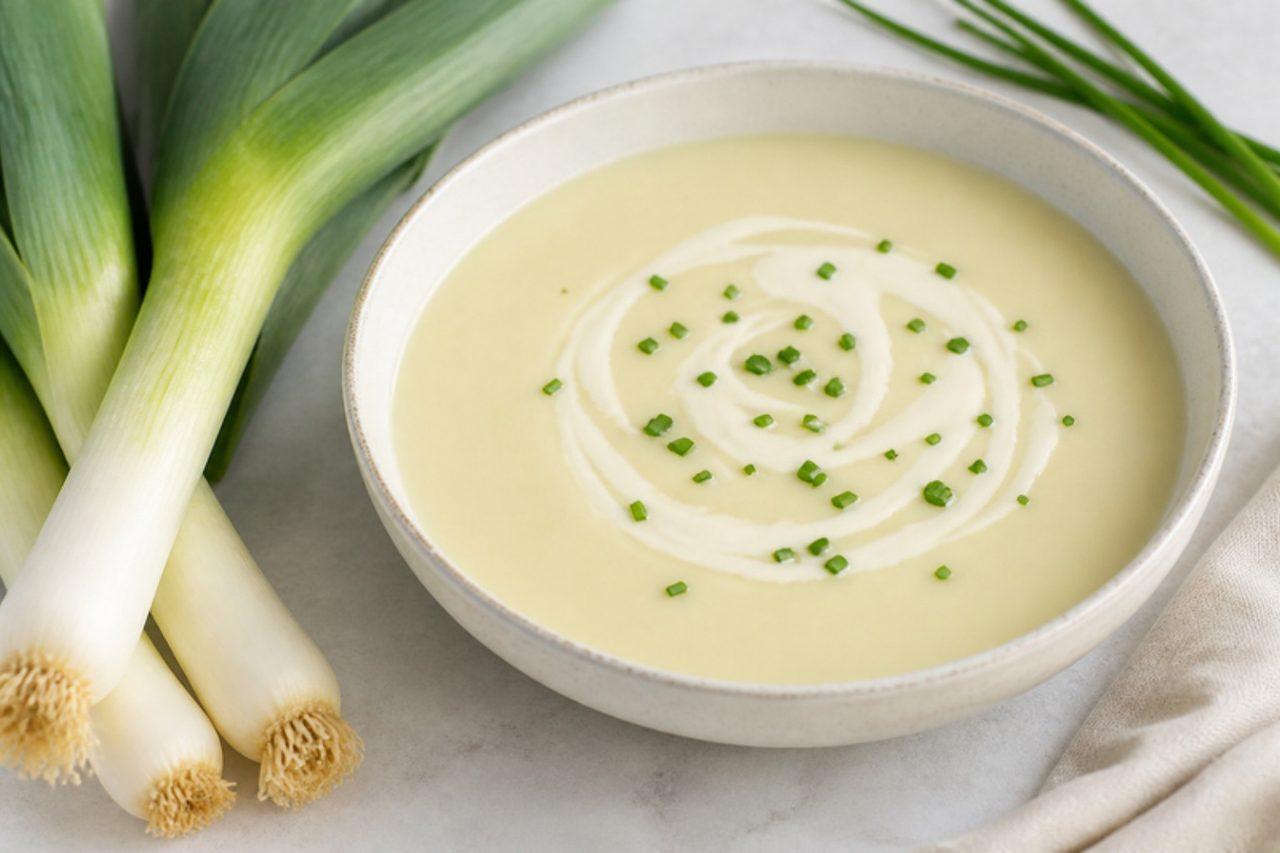
Vichyssoise

Vichyssoise is a creamy leek and potato soup served cold, named after the spa town of Vichy and made famous by a French chef in New York in 1917, who based it on his mother's hot potage. In France it's made in hot weather, when a bowl of something cool and silky is all anyone wants, and served in small portions as a starter, sprinkled with chives. It needs only a few ingredients, so the leeks must be cooked gently to keep the colour pale and delicate. Chef's tip: let the leeks soften without browning; colouring them is the common mistake that turns the soup grey-beige and bitter.

by KrazyBadal 0 views

Madeleines

Madeleines come from Commercy, a small town in Lorraine, where they've been sold in boxes to travellers since the 1700s, and Proust made them famous dipped in lime-blossom tea. These little scallop-shaped sponges are crisp and golden at the edges, soft and buttery inside, and should have a proud hump on the back. French children eat them for goûter, the after-school snack, and they are best within an hour of baking. You'll need a madeleine tin. Chef's tip: chill the batter and the buttered tin before baking; putting room-temperature batter in a warm tin is the common mistake and the madeleines come out flat with no hump.

by KrazyBadal 0 views

Profiteroles

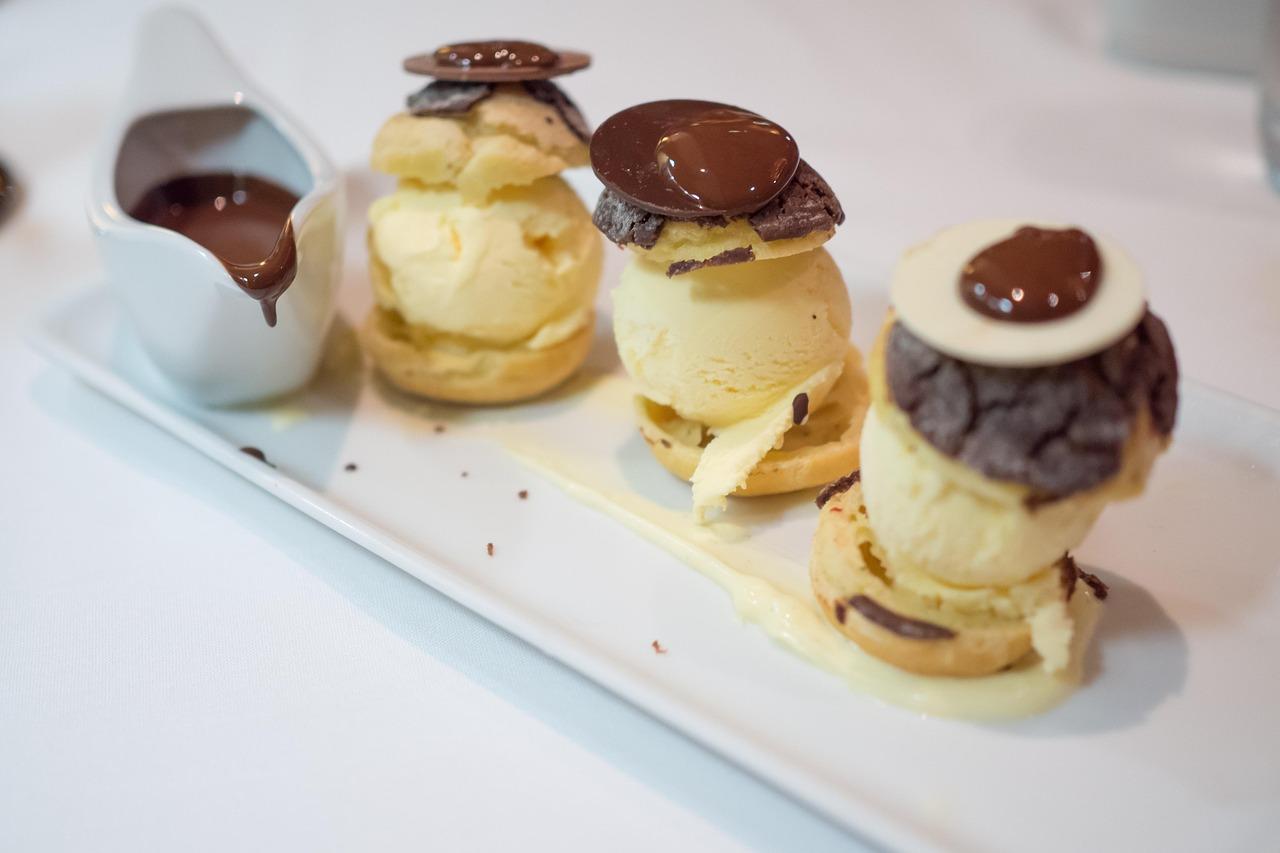
Profiteroles are a Parisian brasserie dessert: small, crisp choux pastry puffs split and filled with vanilla ice cream, then drowned at the table in warm dark chocolate sauce. The contrast is the point: hot sauce, cold ice cream, crisp pastry. Choux is easier than it looks and needs no special tools, just a wooden spoon and some elbow grease. The puffs can be baked in the morning and filled at the last minute. Check your ice cream is free of gelatine. Chef's tip: bake the puffs until deep golden and firm; taking them out pale is the common mistake and they collapse as they cool.

by KrazyBadal 0 views

Korean corn dog

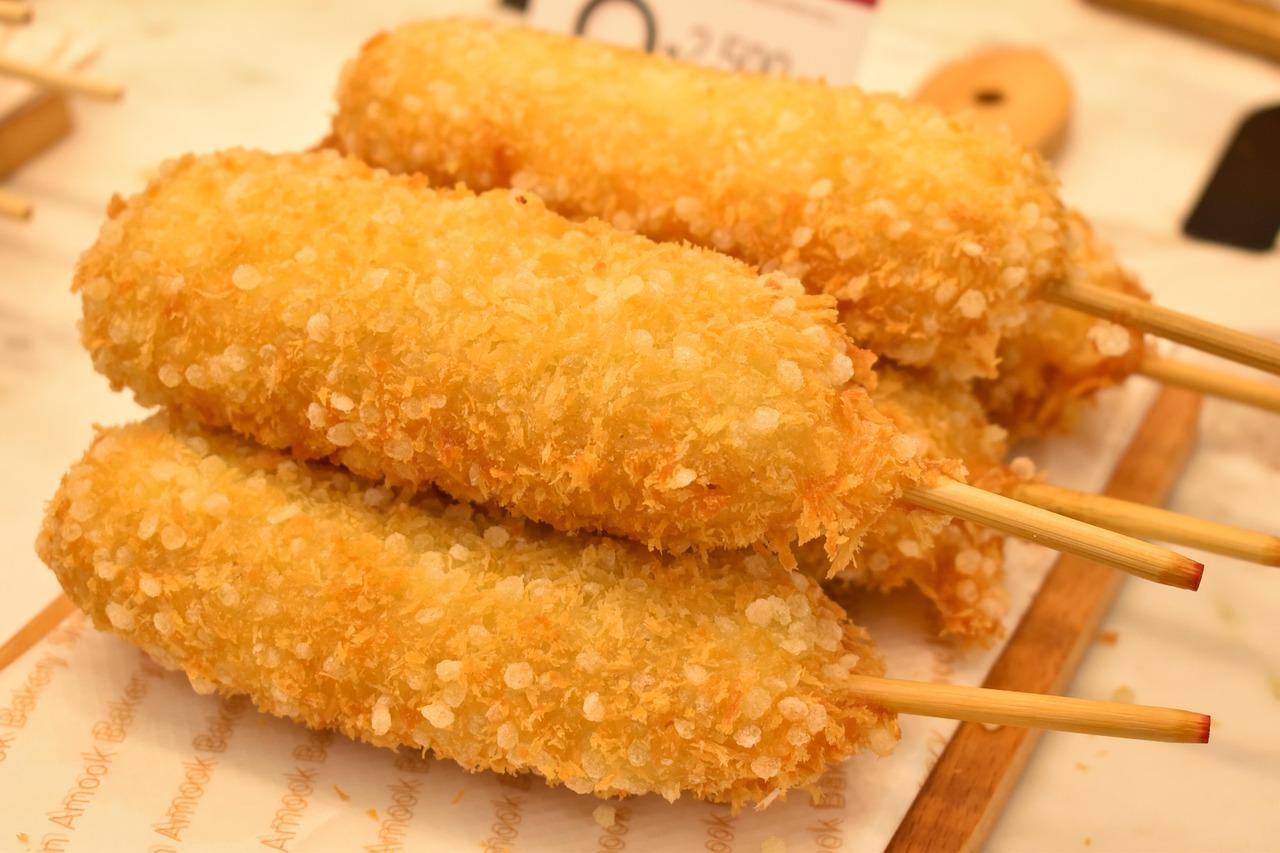
In Korea a 'hot dog' means this: a sausage, often with a stick of mozzarella above it, dipped in a sweet yeasted batter and rolled in breadcrumbs or tiny potato cubes before frying. They are sold from stalls in Myeongdong in Seoul, outside schools and at every busy station, and the cheese pull is half the fun. A roll in sugar straight from the oil, then a zigzag of ketchup and mustard, is the classic finish. Chef's tip: freeze the skewered sausages and cheese for 15 minutes before dipping; the cold cheese holds its shape and the batter grips better.

by KrazyBadal 0 views

MotsunabeBeef offal hot pot

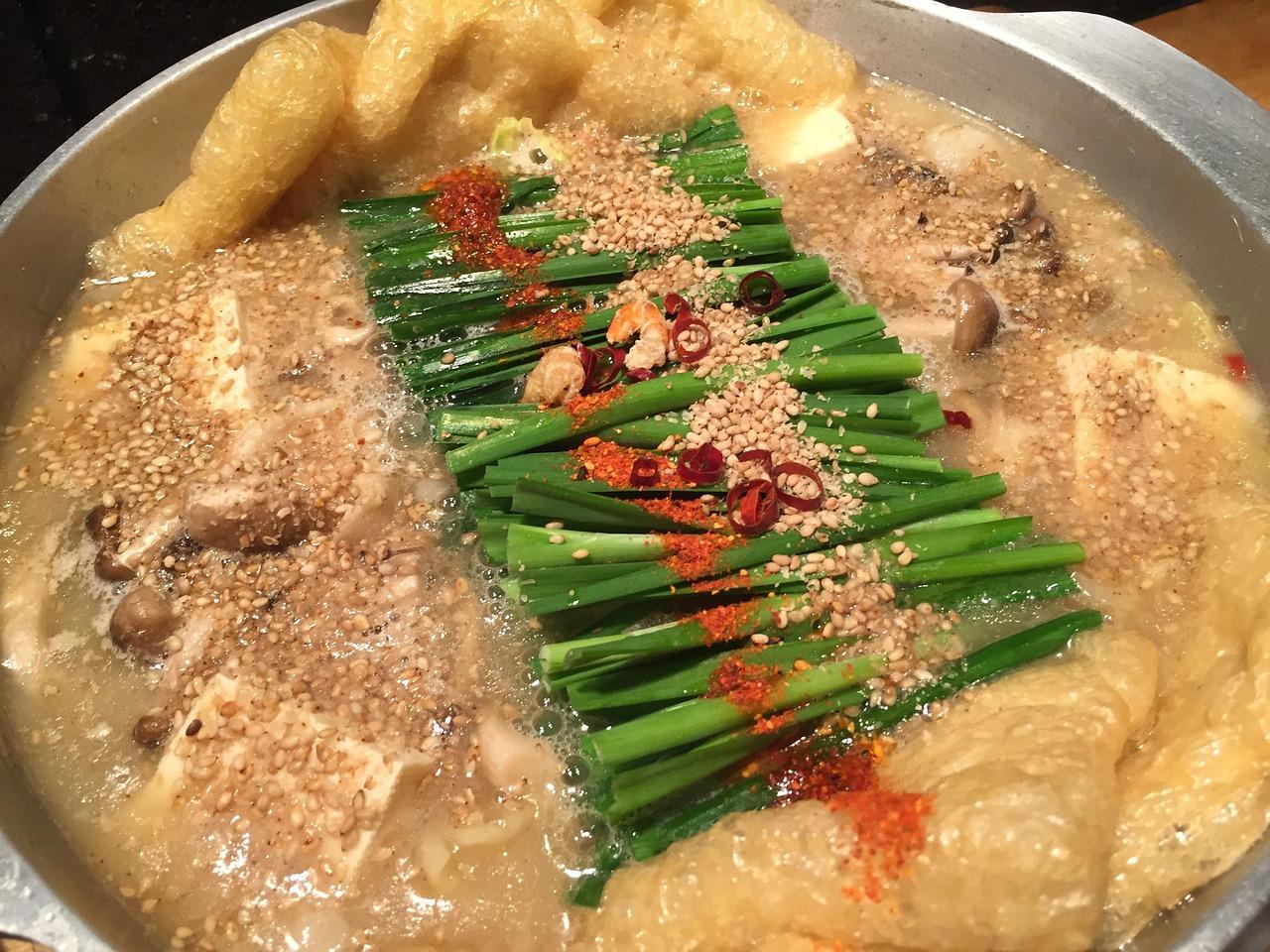
In Hakata, the old merchant half of Fukuoka, motsunabe is the winter dish of izakayas and back-street restaurants. Soft pieces of beef small intestine simmer in a garlicky soy broth under a tall heap of cabbage and garlic chives, with slices of chilli on top. When the pot is nearly empty, champon noodles go into the rich broth to finish the meal. Many butchers and Asian grocers sell the intestine already cleaned and boiled, which saves time. Chef's tip: keep the white fat on the intestine; as it melts into the broth it makes the soup rich and sweet, which is the point of the dish.

by KrazyBadal 0 views

Beetroot curry

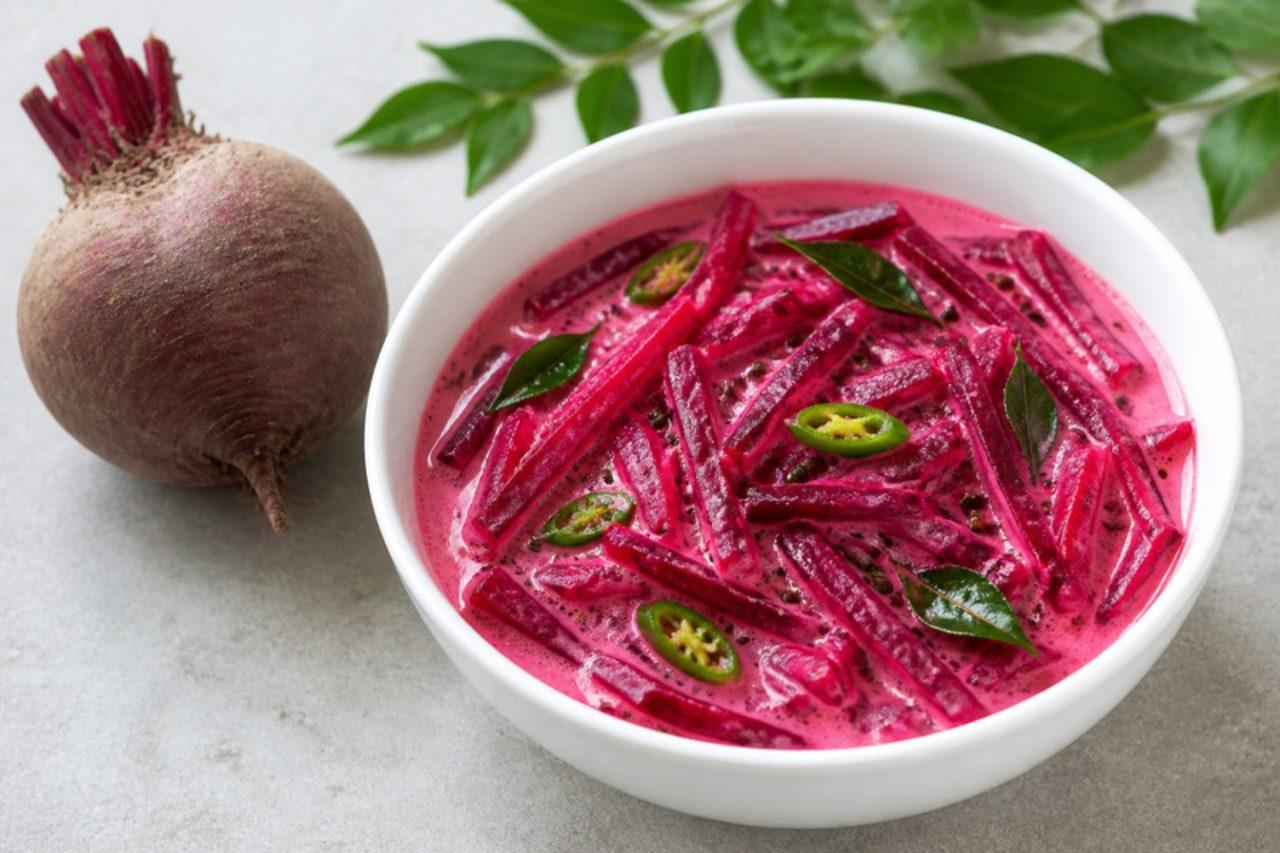
Beetroot grows well in the cool hills around Nuwara Eliya and Welimada, and its curry is a jewel-pink regular on lunch packets and home rice-and-curry tables across the island. The beetroot is cut into thin matchsticks and cooked with onion, green chilli, curry leaves and a light, unroasted curry powder, then finished with coconut milk, so it's sweet, mildly spiced and brilliantly coloured. It's a good way to win over people who think they don't like beetroot. One frequent mistake is grating the beetroot, which turns the curry into a wet purée; matchsticks keep a pleasing bite. Chef's tip: add a squeeze of lime at the very end; it brightens the colour and cuts the earthy sweetness.

by KrazyBadal 0 views

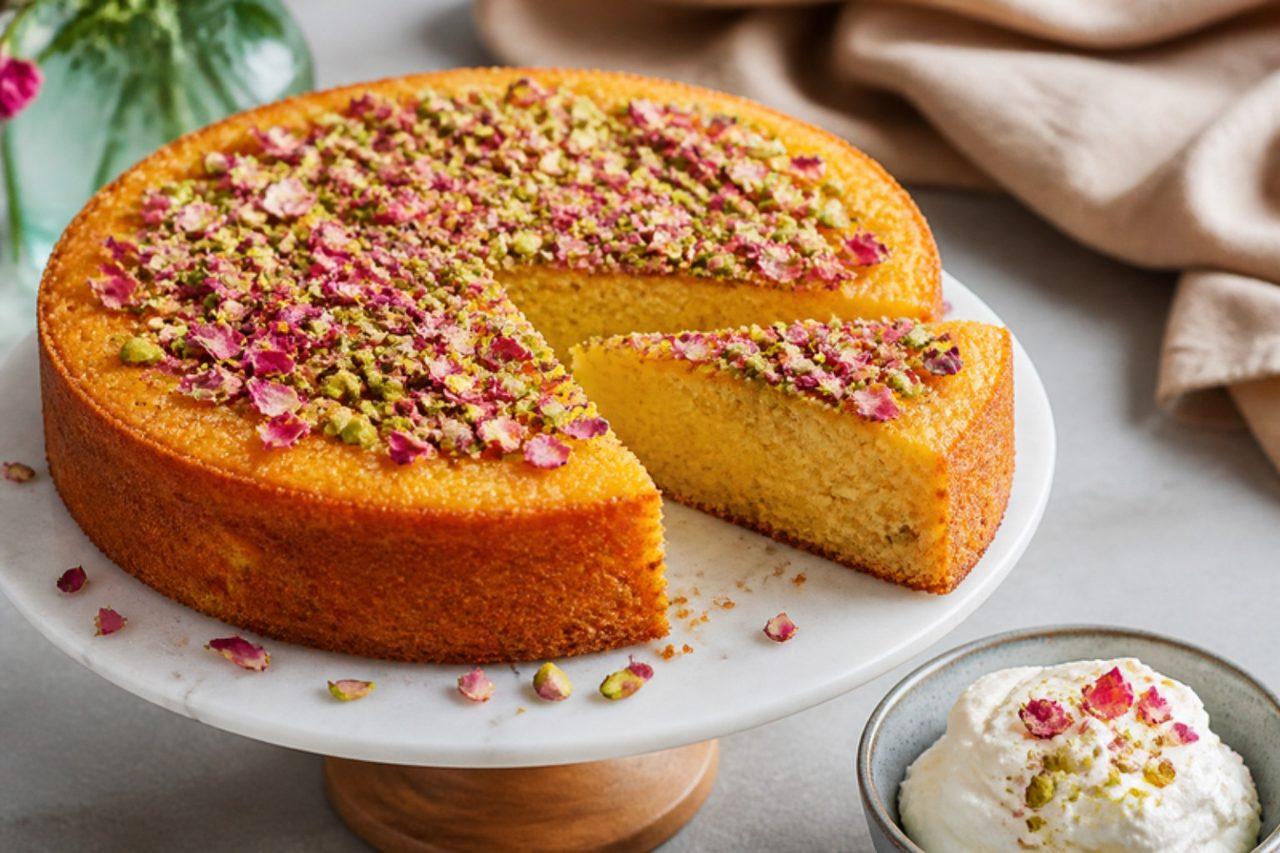
Persian love cake

Persian love cake is not an old Iranian recipe but a modern one from the Iranian diaspora, popular in cafés in London and Melbourne, built on the flavours of Persian sweets: almond, cardamom, nutmeg, rosewater and pistachio. The name comes from a story about a woman who baked a spell-binding cake for a prince. It has a crunchy almond base and a soft, moist, yogurt-rich top, finished with rose-scented cream, green pistachios and pink petals, and it is lovely for birthdays and Nowruz tea. Made with ground almonds and no wheat flour, it is naturally gluten free. Chef's tip: press the base layer firmly into the tin; that crunchy bottom is the signature of this cake.

by KrazyBadal 0 views

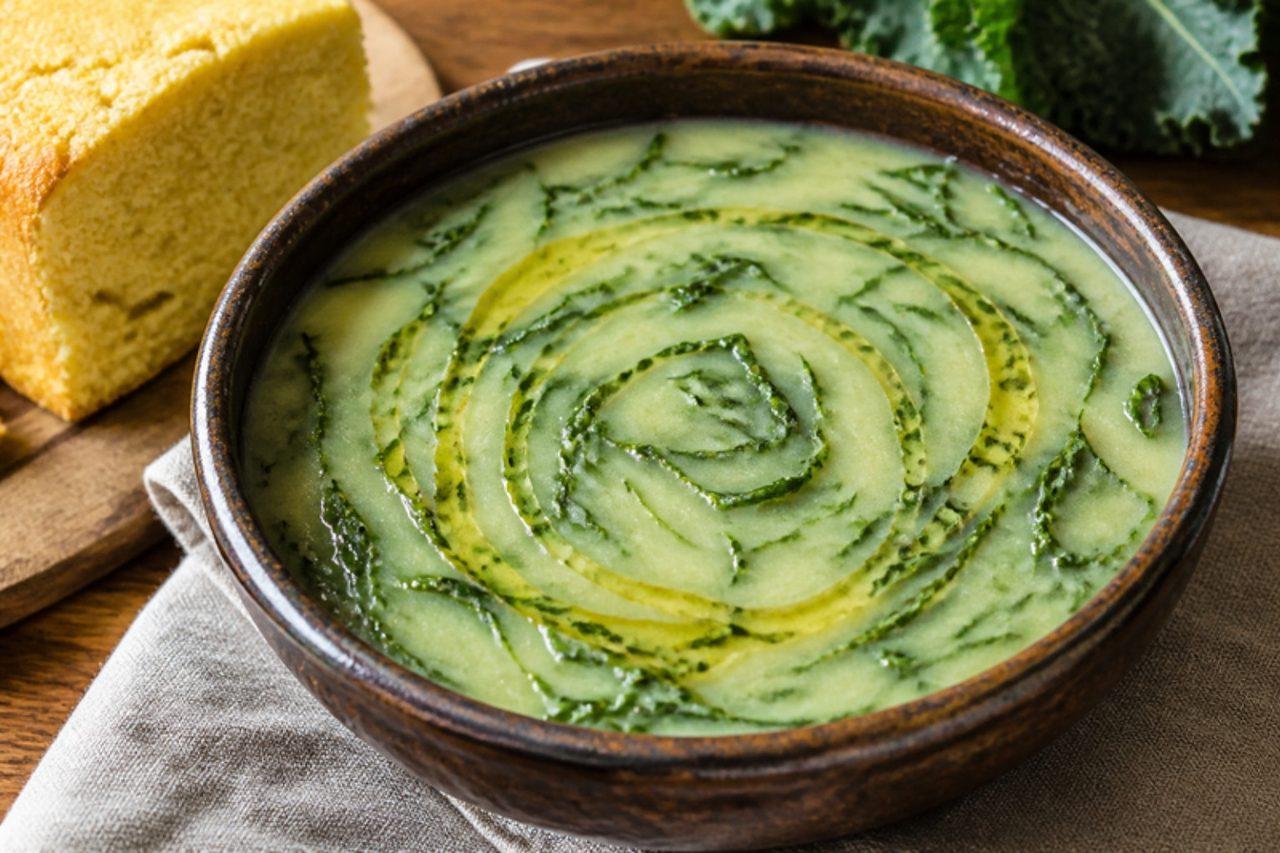
Caldo verde

Caldo verde comes from the Minho, the green, rainy corner of northern Portugal above Porto, where couve galega (a tall, flat-leaved cabbage) grows in every back garden. It is a plain purée of potato and onion with ribbons of dark green cabbage cut as fine as string, finished with a thread of raw olive oil, and it is drunk from earthenware bowls at the Santos Populares street festivals in June, at weddings at midnight and on any cold evening with a slice of broa (maize bread). In the north a coin of chouriço is usually floated on top; this version keeps the soup vegetarian and lets a little smoked paprika in the oil stand in for it. Chef's tip: shred the greens as thinly as you can, rolled up tight like a cigar, because they only cook for a few minutes and thick strips stay chewy.

by KrazyBadal 0 views

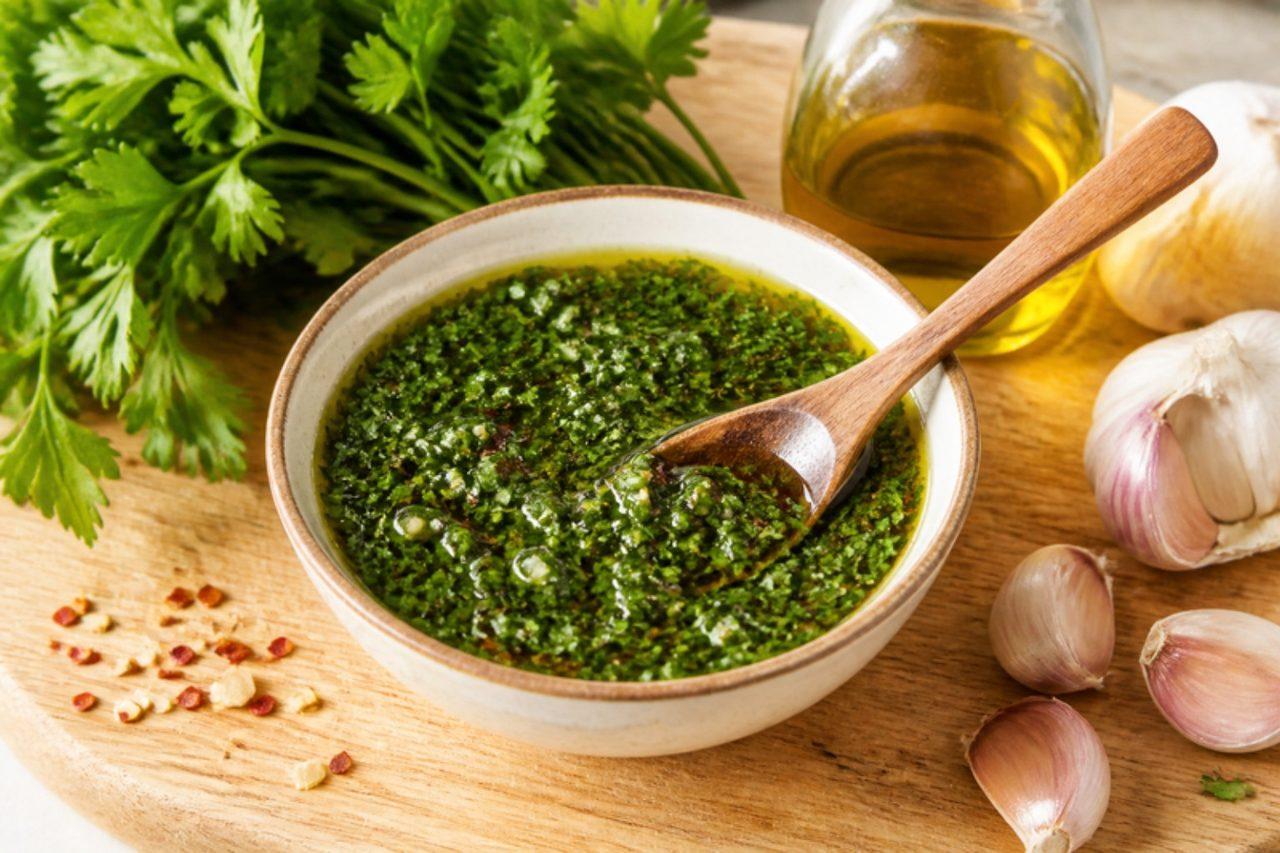
Chimichurri

No Argentine asado (barbecue), from a Buenos Aires rooftop to an estancia in the Pampas, is complete without a jar of chimichurri on the table. It is a loose, oily sauce of finely chopped parsley, garlic, dried oregano and chilli flakes in red wine vinegar and oil, sharp and herby rather than smooth like pesto. Spoon it over grilled vegetables, provoleta, halloumi, potatoes and bread. Chef's tip: chop everything by hand and let it sit for a few hours; a food processor bruises the parsley into a green purée and the flavours never settle.

by KrazyBadal 0 views

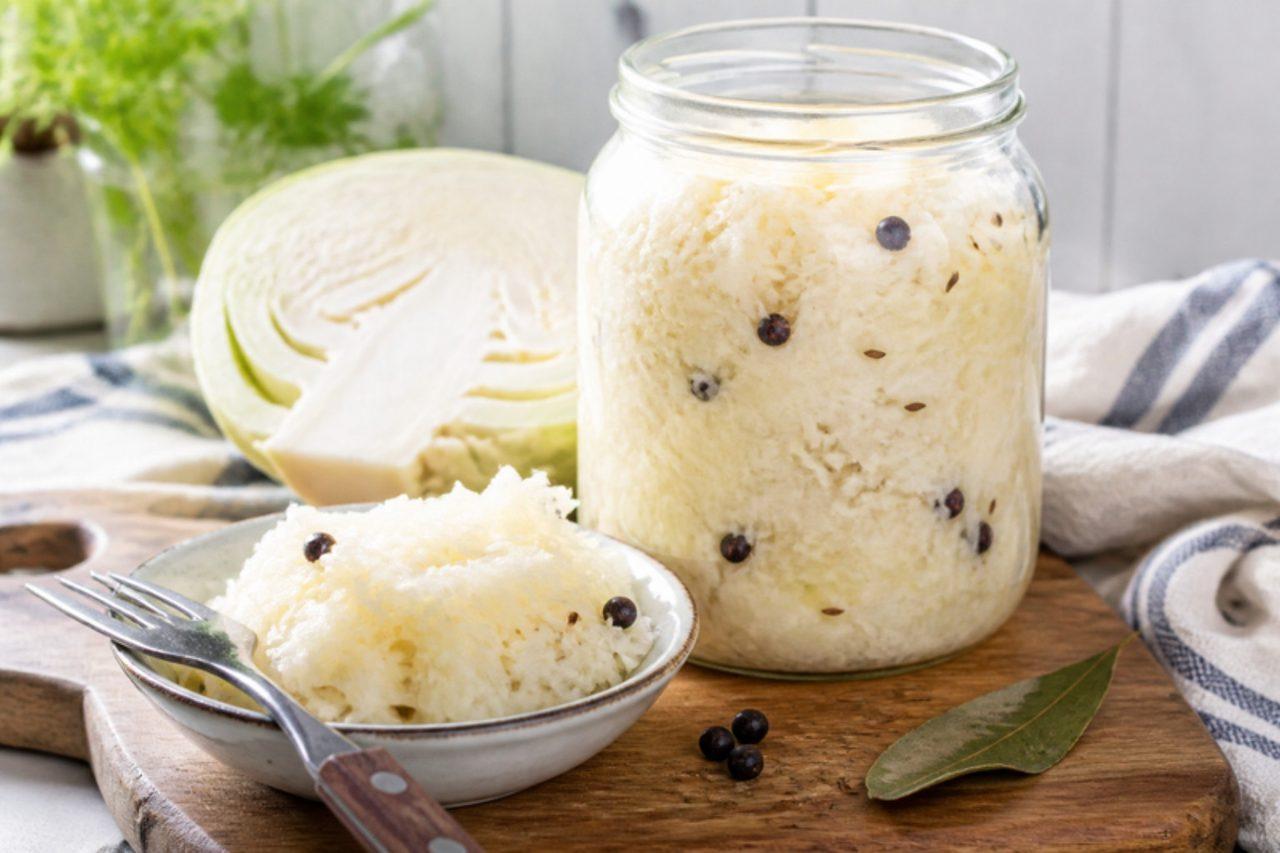
Sauerkraut

Sauerkraut is how German households have kept cabbage through the winter for centuries, and autumn is still when families in Baden, Franconia and Alsace shred the new white cabbage into stoneware crocks. It's nothing but cabbage and salt: the salt pulls out the juice and natural lactic acid bacteria do the rest, turning it sour, crunchy and full of flavour in a few weeks. Raw homemade sauerkraut tastes far fresher than the jar and is a lovely side for Kartoffelpuffer or potato mash; for a warm side, simmer it with onion and a grated apple. Chef's tip: weigh the cabbage and use exactly 2% of its weight in salt; too little and it goes soft and mouldy, too much and it won't ferment.

by KrazyBadal 0 views

Rooibos iced tea

Rooibos grows only in the Cederberg mountains north of Cape Town, and on hot Western Cape afternoons it is brewed strong and poured over ice rather than drunk hot. The tea is naturally caffeine-free and slightly sweet with notes of honey and vanilla, so it needs little added sugar. Orange, lemon and fresh mint make it a summer jug for the stoep (veranda). Chef's tip: brew the tea double strength and pour it straight over plenty of ice; it chills in seconds and the melting ice dilutes it to the right strength.

by KrazyBadal 0 views

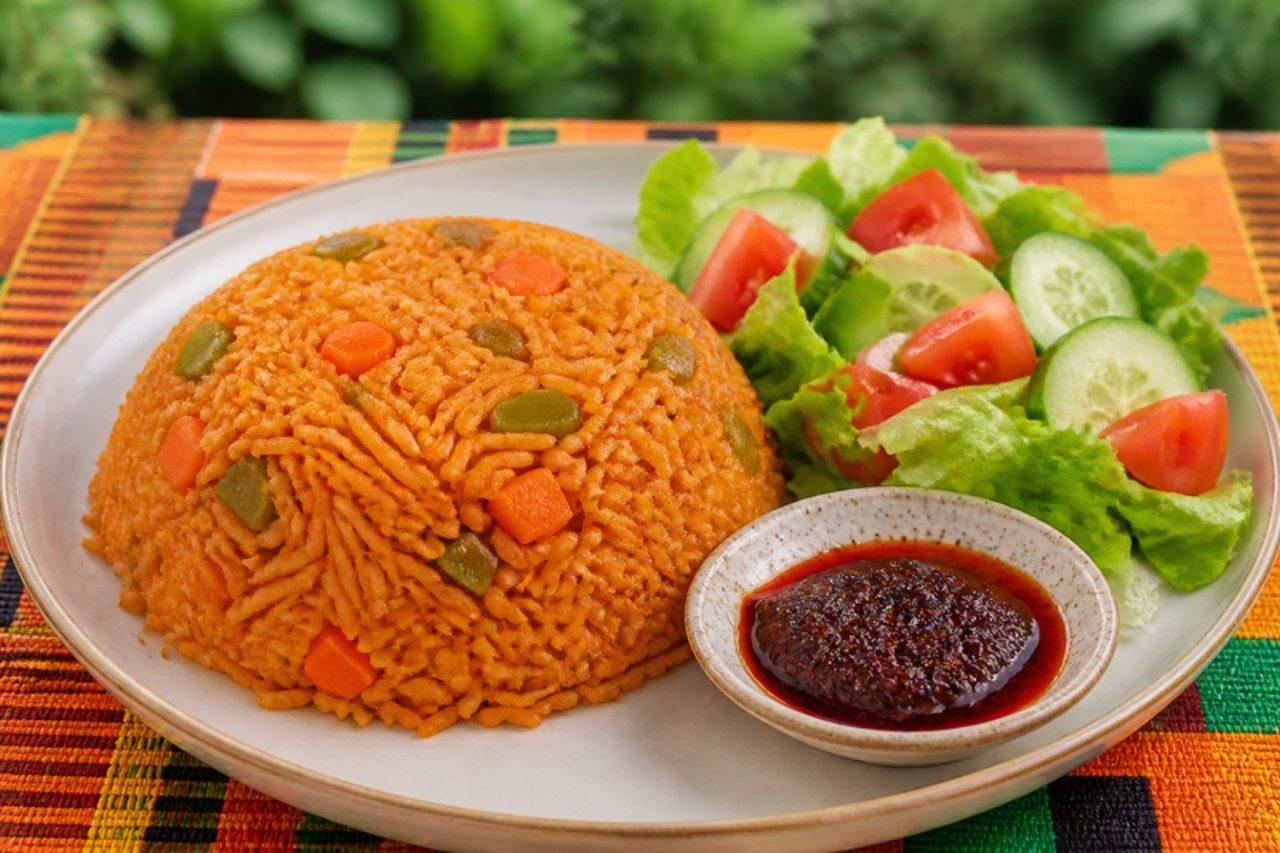
Ghana jollof rice

Ask anyone in Accra and Ghana jollof is the only jollof worth arguing about, a friendly rivalry with Nigeria that plays out at every West African party and all over social media. The difference is real: Ghanaians favour long, fragrant basmati or jasmine rice rather than parboiled rice, a base heavier on ginger and garlic, and a softer, more aromatic finish without the smoky 'bottom pot'. It is served with fried plantain, a fresh salad and shito, Ghana's dark pepper sauce, on the side. Chef's tip: wash the basmati until the water runs clear and keep the liquid tight; fragrant rice turns sticky very quickly if it swims in sauce.

by KrazyBadal 0 views

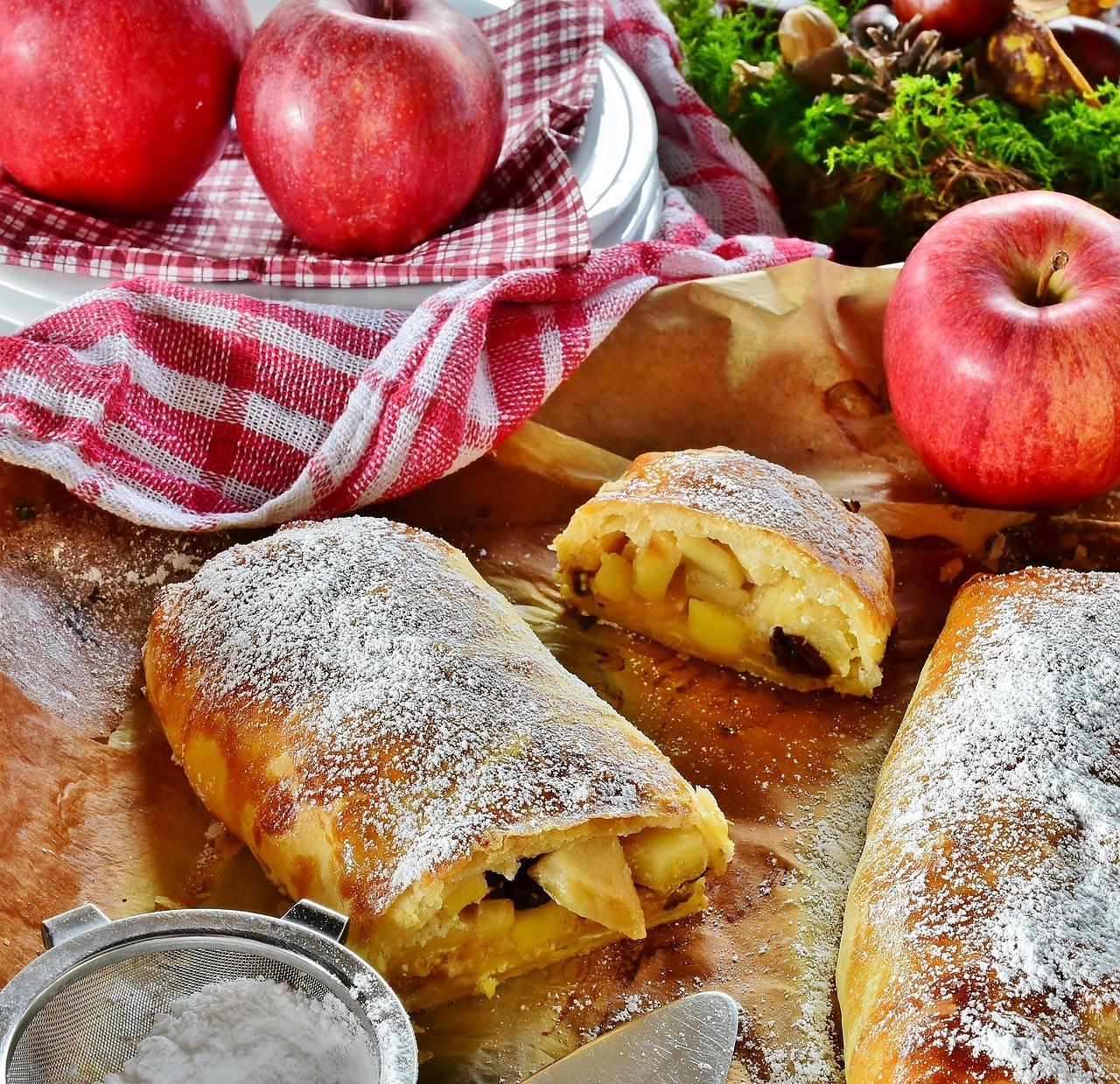
ApfelstrudelApple strudel

Apfelstrudel is the pride of Vienna's coffee houses, eaten warm in the afternoon with Schlagobers (whipped cream), vanilla sauce or ice cream. The secret is the dough: a soft, oiled dough stretched by hand over a floured cloth on the kitchen table until it is so thin you could read a newspaper through it, then rolled around tart apples, raisins, cinnamon and butter-fried breadcrumbs. It takes practice but not special skill. Chef's tip: fry the breadcrumbs in butter until golden before scattering them over the dough; they soak up the apple juices and stop the bottom of the strudel going soggy.

by KrazyBadal 0 views

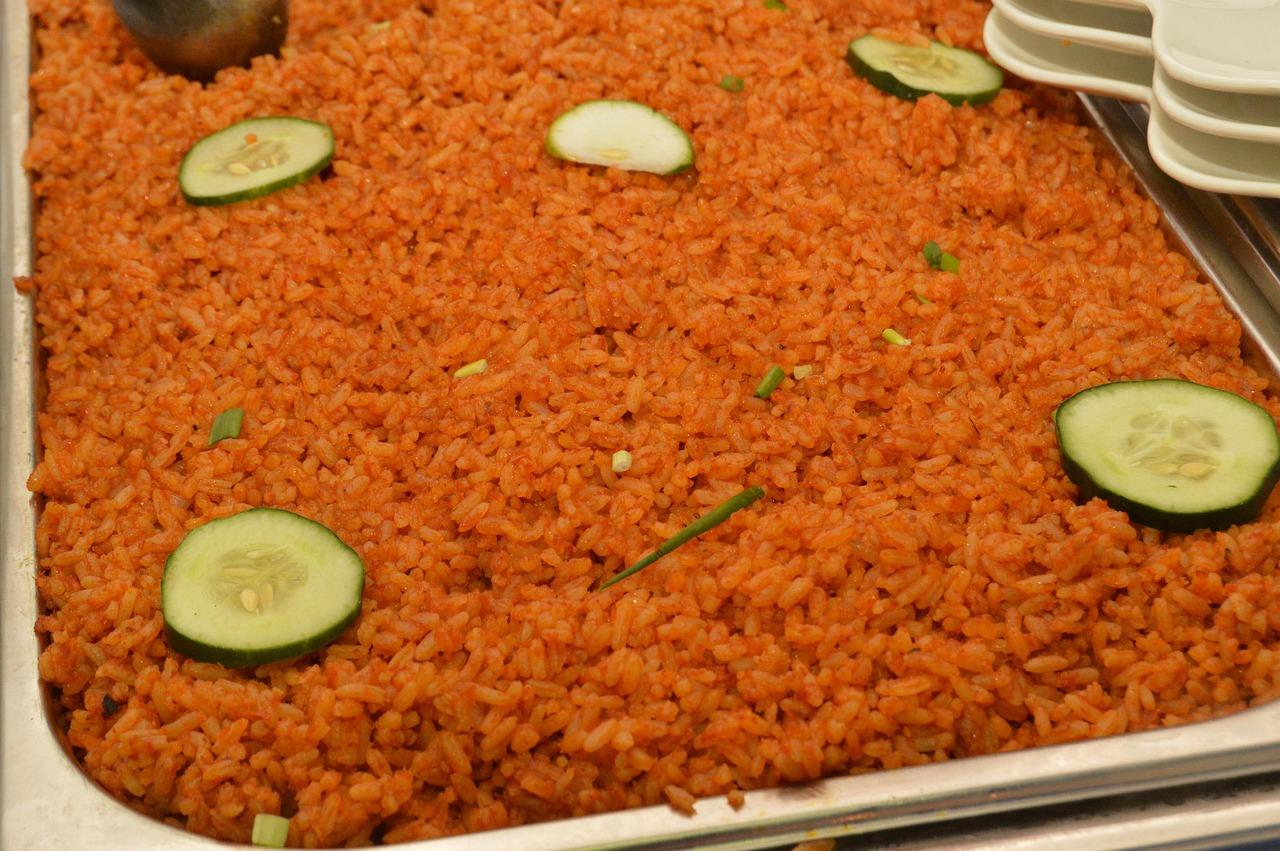
Nigerian jollof rice

Every Nigerian wedding, naming ceremony and Saturday owambe in Lagos has a giant pot of jollof, and the guests judge it before they judge the bride's dress. The rice is long-grain parboiled rice, cooked in a thick base of fried red peppers, tomatoes and scotch bonnet until every grain is orange, separate and lightly smoky. The prized bit is the slightly scorched layer at the bottom of the pot, which party cooks call the 'bottom pot' flavour. Serve it with fried ripe plantain, moi moi and a crunchy coleslaw. Chef's tip: fry the tomato paste and the blended pepper base hard, until the oil floats on top and the raw, sour smell is gone, before a single grain of rice goes in.

by KrazyBadal 0 views

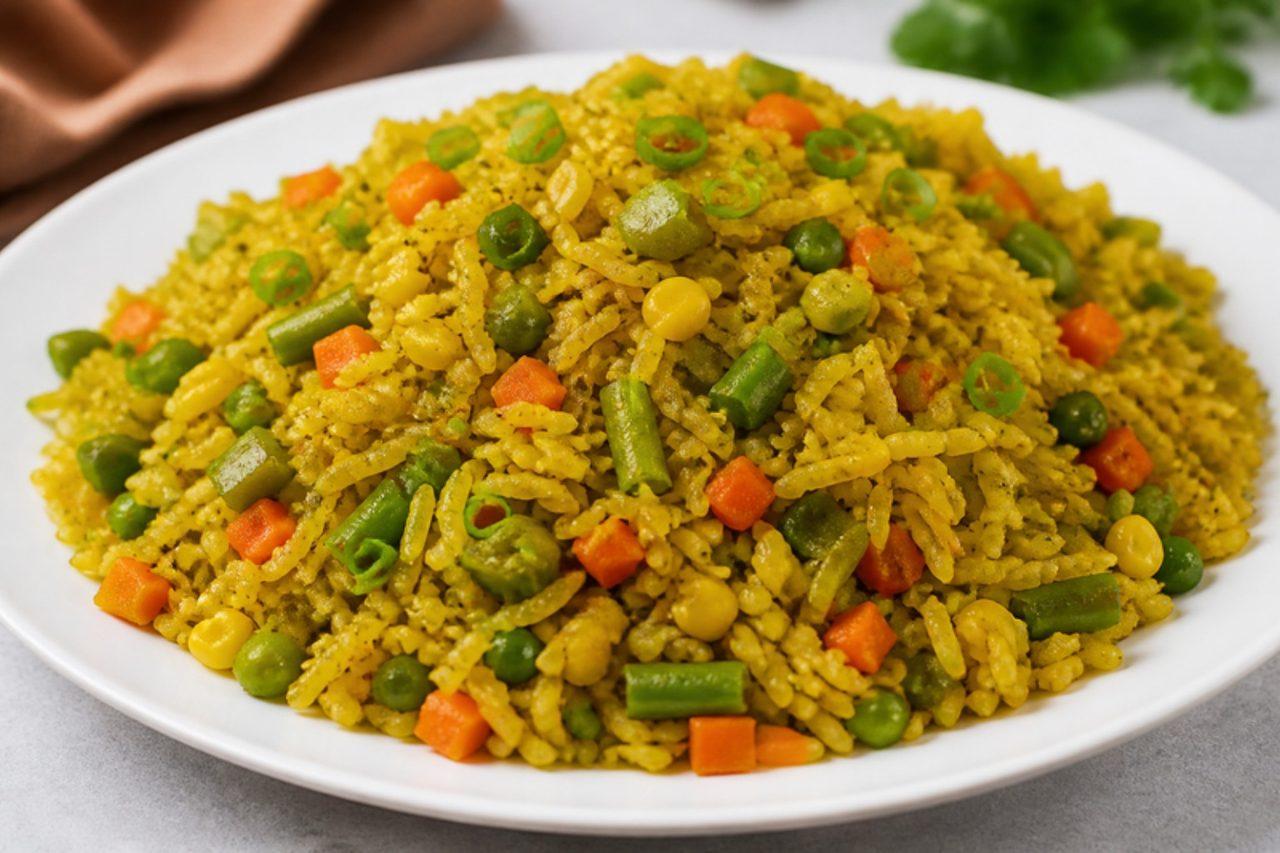
Nigerian fried rice

Nigerian fried rice sits next to jollof at nearly every party buffet from Abuja to Port Harcourt, its pale yellow colour and confetti of vegetables making the two a classic pair on one plate. It owes nothing to Chinese fried rice: the grains are first boiled in stock with curry powder and thyme, then tossed in a hot pan with small diced vegetables. Party versions often hide liver or prawns; this one stays fully vegetable and serves well with fried plantain, moi moi or a spicy pepper sauce. Chef's tip: cut every vegetable to the size of a pea so they cook in the same couple of minutes and each spoonful gets a bit of everything.

by KrazyBadal 0 views

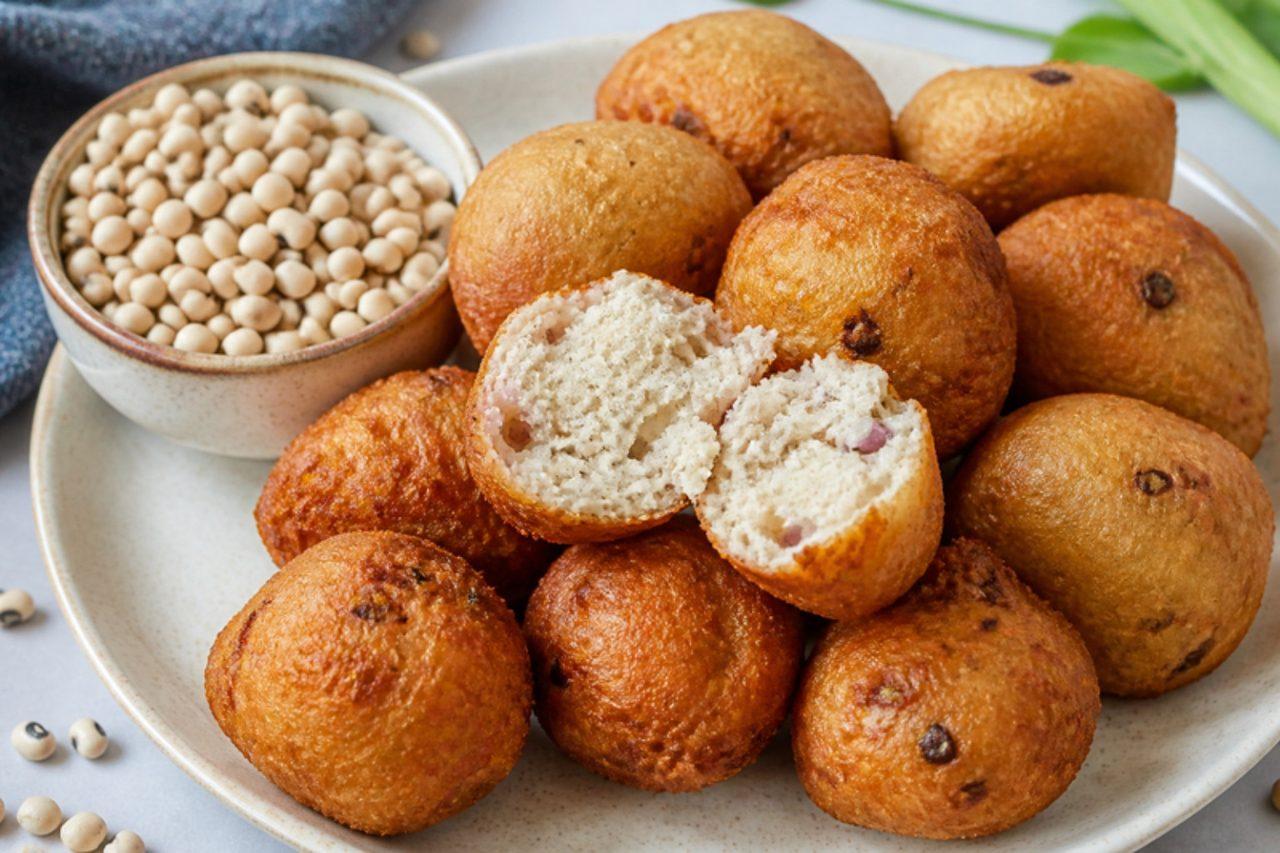
AkaraBlack-eyed bean fritters

Akara is fried at dawn on street corners across south-west Nigeria, where it is bought hot in paper and eaten with soft agege bread, or dunked into a bowl of warm ogi (fermented corn porridge). It is made from nothing but peeled beans, onion, chilli and salt, whipped until airy, then dropped into hot oil, so the outside turns crisp and craggy while the inside stays soft and light. It is a weekend breakfast at home too, often with custard or pap. Chef's tip: beat the blended bean paste hard for a few minutes before frying; the trapped air is what makes akara puff instead of turning heavy and oily.

by KrazyBadal 0 views

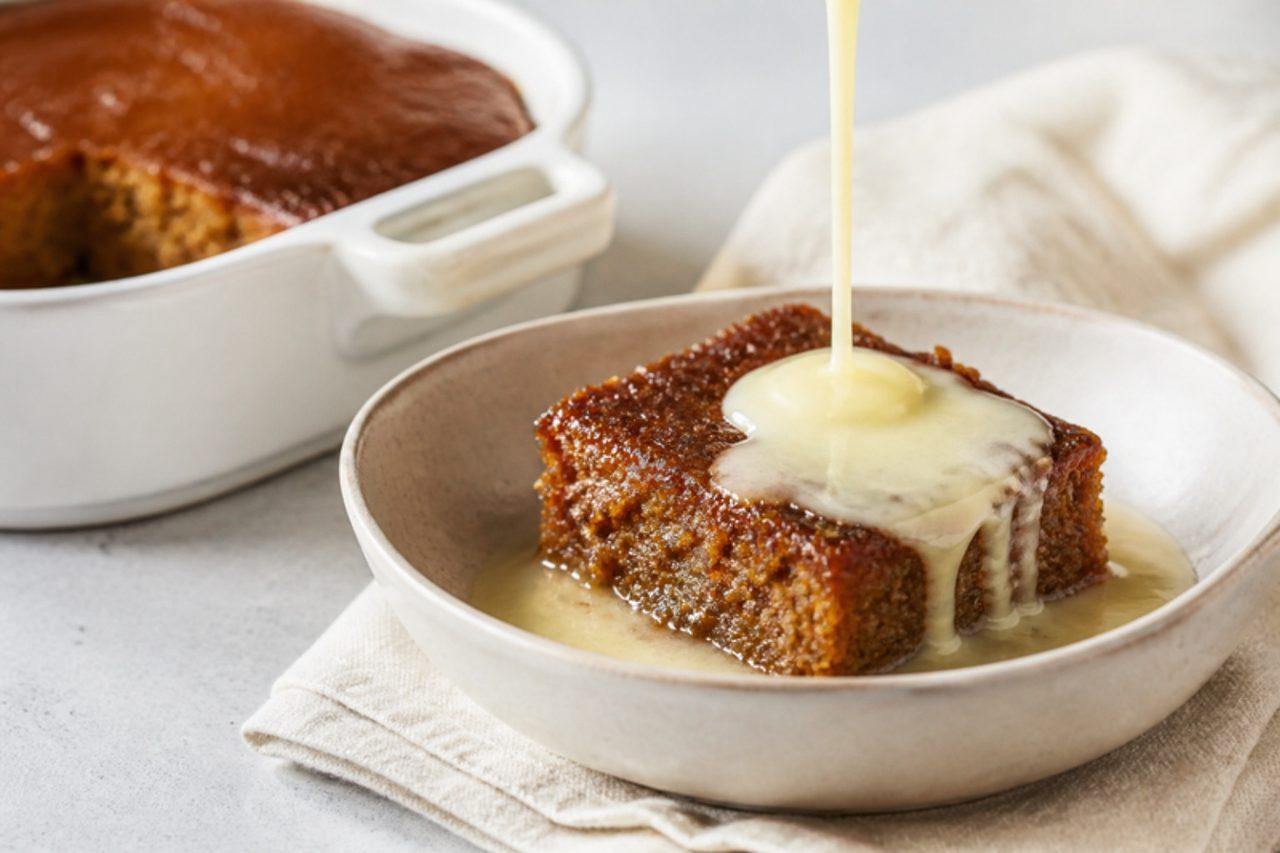
Malva pudding

Malva pudding is a South African classic with roots in the Cape, served warm after Sunday lunch and at almost every South African restaurant with a pudding menu. A light, caramelised sponge made with apricot jam and a dash of vinegar is baked, then drenched while hot with a buttery cream sauce that it drinks up completely, so it ends up sticky, spongy and toffee-like. It is eaten with custard or vanilla ice cream. Chef's tip: pour the sauce over the pudding the moment it comes out of the oven and give it time to soak in; a cold pudding won't absorb it.

by KrazyBadal 0 views

Sauerkraut and mushroom pierogi

On Wigilia, the meatless Christmas Eve supper, almost every Polish family puts out a plate of pierogi z kapustą i grzybami, sour cabbage and forest mushroom dumplings. The filling is dark and savoury: sauerkraut simmered until soft, then chopped with dried ceps or bay boletes gathered in autumn and onion fried in oil, so the whole dish is plant-based and fits the old fasting rules of the evening. In Kraków and the south they are boiled; in many homes the leftovers are fried crisp on 25 December. Chef's tip: save the mushroom soaking water; a few spoons of it in the filling give far more depth than any stock cube.

by KrazyBadal 0 views

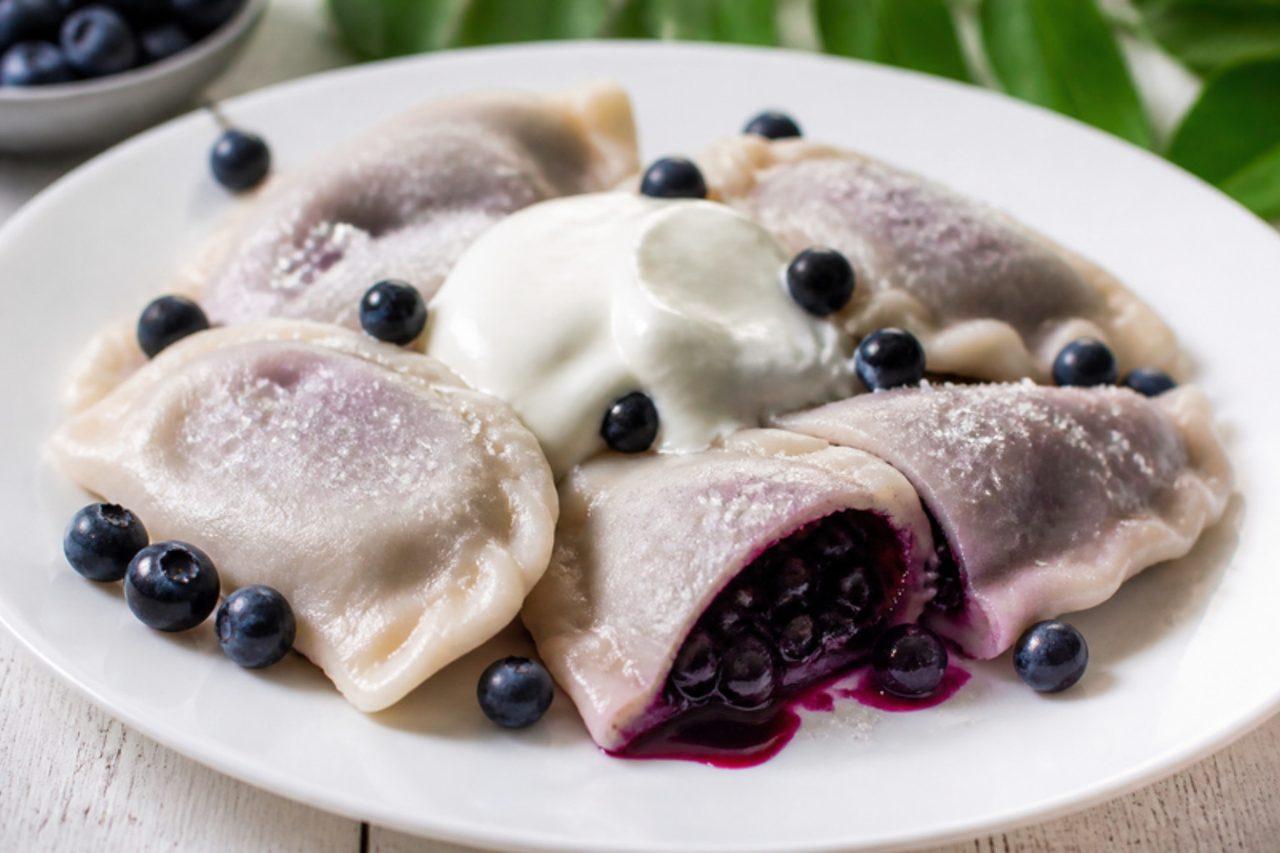
Blueberry pierogi

When wild bilberries ripen in the pine forests of Podlasie and Masuria in July, roadside sellers appear with jars of them and half of Poland makes pierogi z jagodami for lunch. The dumplings are boiled, so the berries burst into a hot, purple, jammy filling inside a soft dough, and they are eaten with cold sweetened soured cream and a dusting of sugar. Cultivated blueberries work well; frozen wild bilberries are closer to the original. Chef's tip: toss the berries with potato starch, but add the sugar only on top when you serve; sugared berries weep juice, and that juice is what makes the pierogi burst.

by KrazyBadal 0 views

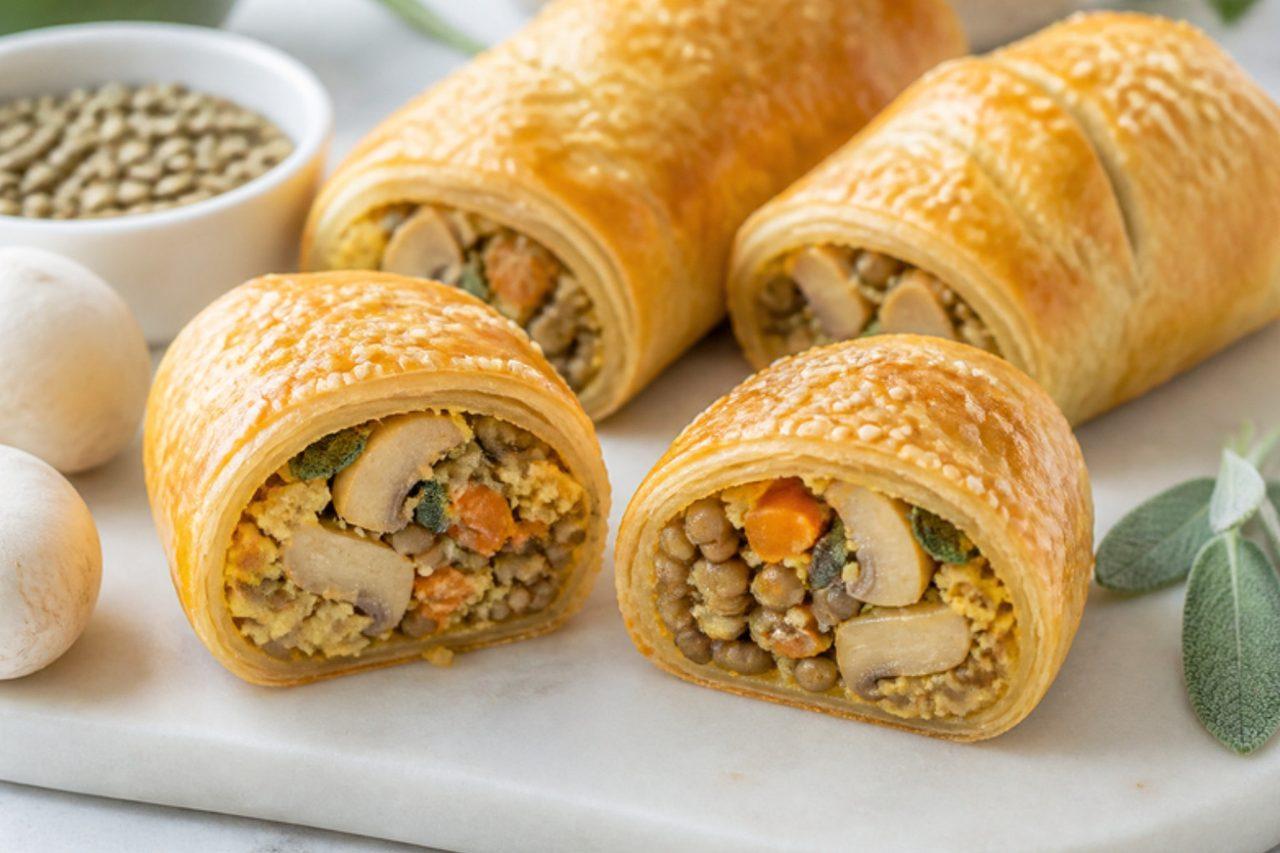
Vegetarian sausage rolls

Sausage rolls are the snack of Australian bakeries, school canteens and footy grounds, eaten from a paper bag with a squeeze of tomato sauce, and they're on the table at every kids' party from Perth to Hobart, and across the Tasman too. This vegetarian version wraps crisp, buttery puff pastry around a savoury filling of browned mushrooms, lentils, carrot, cheddar and sage, firm enough to slice and with the peppery, herby taste of a good bakery roll. The meat original uses raw seasoned pork or beef mince in place of the filling, as noted in the steps. Chef's tip: cook the mushrooms until they are dry and browned; any leftover liquid will turn the pastry soggy from the inside.

by KrazyBadal 0 views

Vegetarian gołąbkiBuckwheat and mushroom cabbage rolls

Gołąbki, little doves, are cabbage leaves rolled around a filling and baked in sauce, and they turn up at name-day parties, weddings and Sunday dinners all over Poland. The best-known filling is pork and rice, but in the east, around Lublin and Podlasie, gołąbki filled with kasza gryczana (toasted buckwheat) and mushrooms are an old meatless version, often made for Christmas Eve and Lent. This one is fully plant-based: nutty buckwheat, fried onion and mushrooms, wrapped in soft cabbage and baked in a sweet-sour tomato sauce. They taste even better reheated the next day. Chef's tip: shave down the thick central rib of each leaf with a small knife; it lets the leaf roll tightly without cracking.

by KrazyBadal 0 views

Pavlova

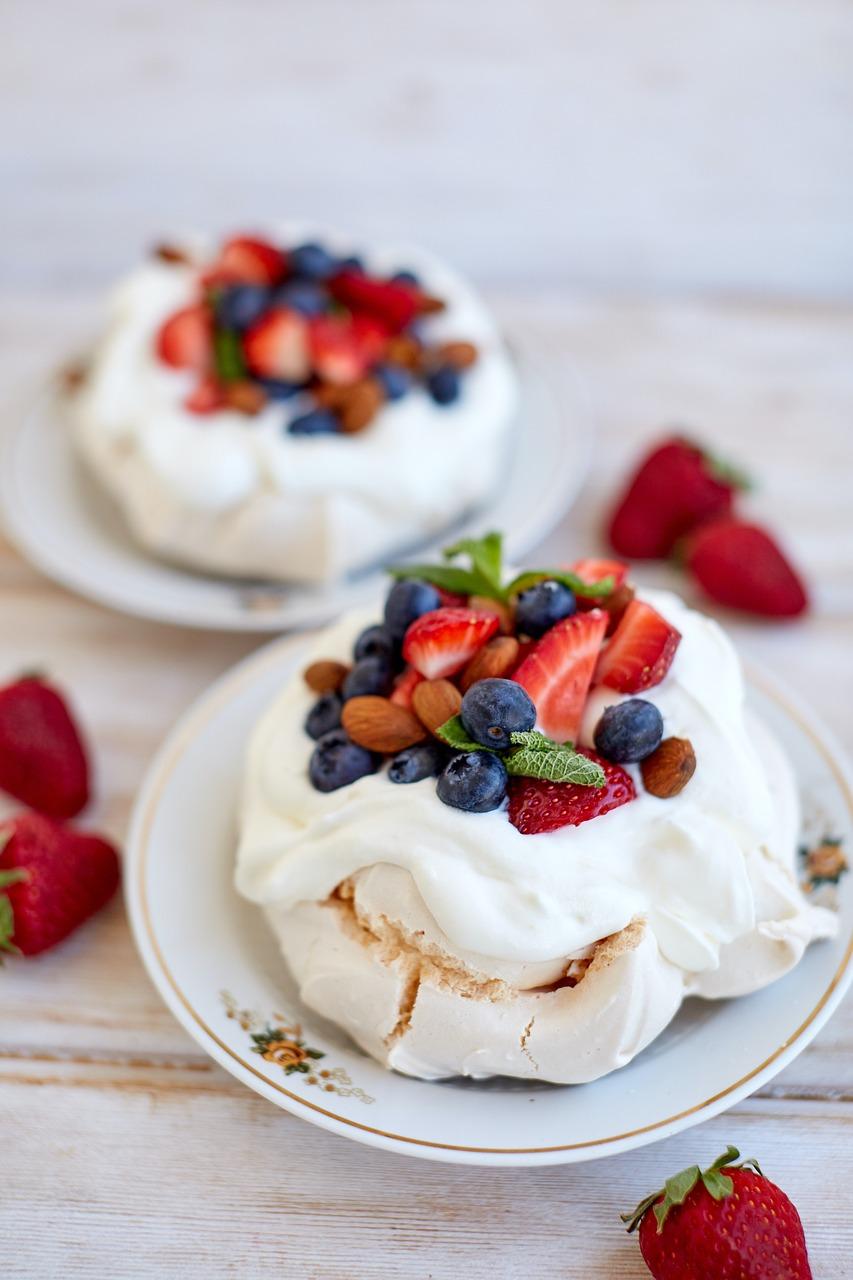
Australians and New Zealanders have argued for a century over who invented pavlova, named after the Russian ballerina Anna Pavlova after her tours of both countries in the 1920s; both make it for Christmas lunch in the height of summer. A good pav has a thin, crisp shell that cracks under the knife and a soft, marshmallowy centre, piled with whipped cream and the sharp fruit of the season, above all passionfruit, kiwifruit and strawberries. Chef's tip: add the sugar one spoon at a time and keep whisking until you can't feel any grains when you rub a little meringue between your fingers.

by KrazyBadal 0 views

Kumamoto ramen

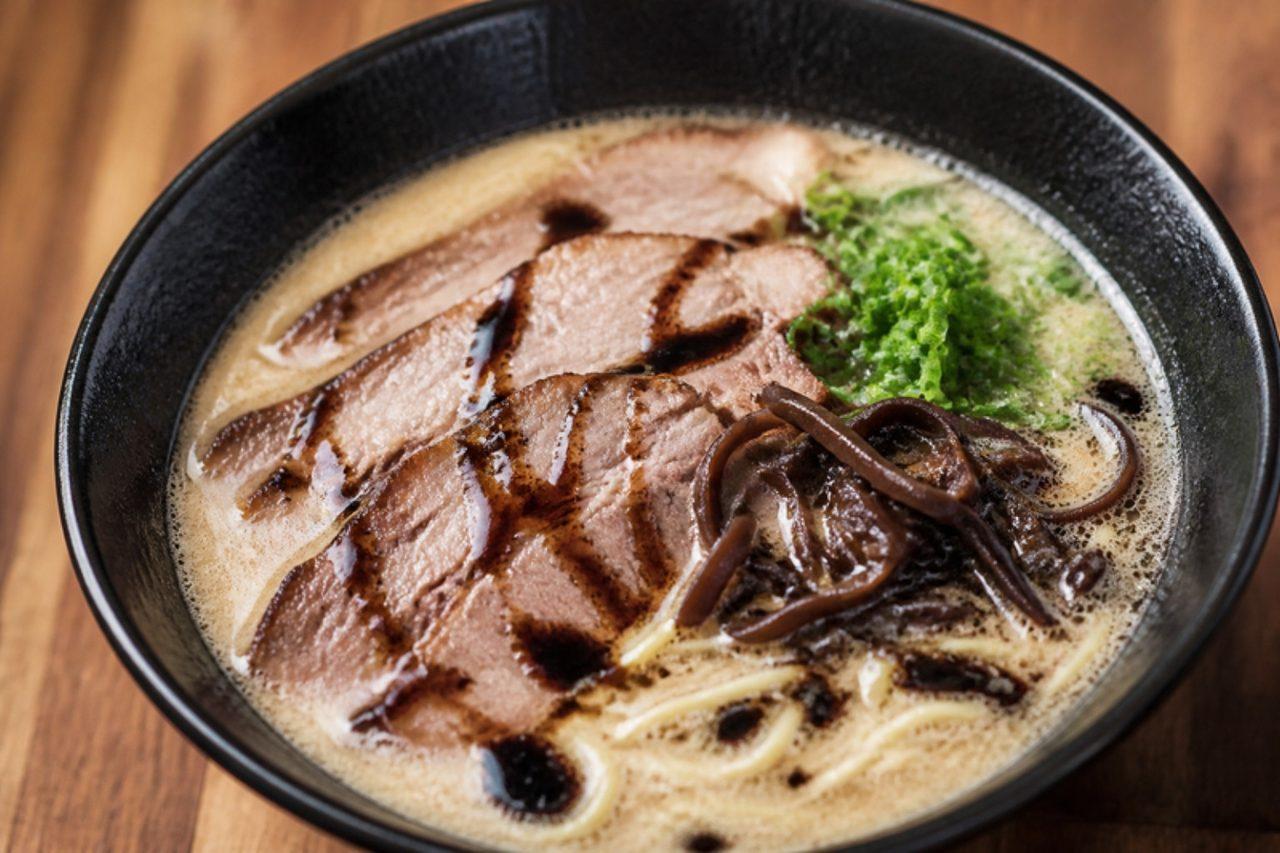
Kumamoto's ramen grew from the same Kyushu pork-bone tradition as Hakata's, but it took its own road. The broth blends pork bones with chicken for a rounder, milder soup, the noodles are thicker and firmer, and every bowl is finished with mayu, a black oil made by slowly burning garlic, plus a handful of crisp fried garlic chips. Ramen shops around Kumamoto city and its castle serve it with chashu, wood ear mushroom and a seasoned egg. This version is a long weekend project, but the mayu and the chashu can be made a day ahead. Chef's tip: make the mayu over low heat and keep stirring; the garlic must go slowly from gold to brown to black, which takes about 15 minutes.

by KrazyBadal 0 views

Kagoshima kurobuta shabu-shabu

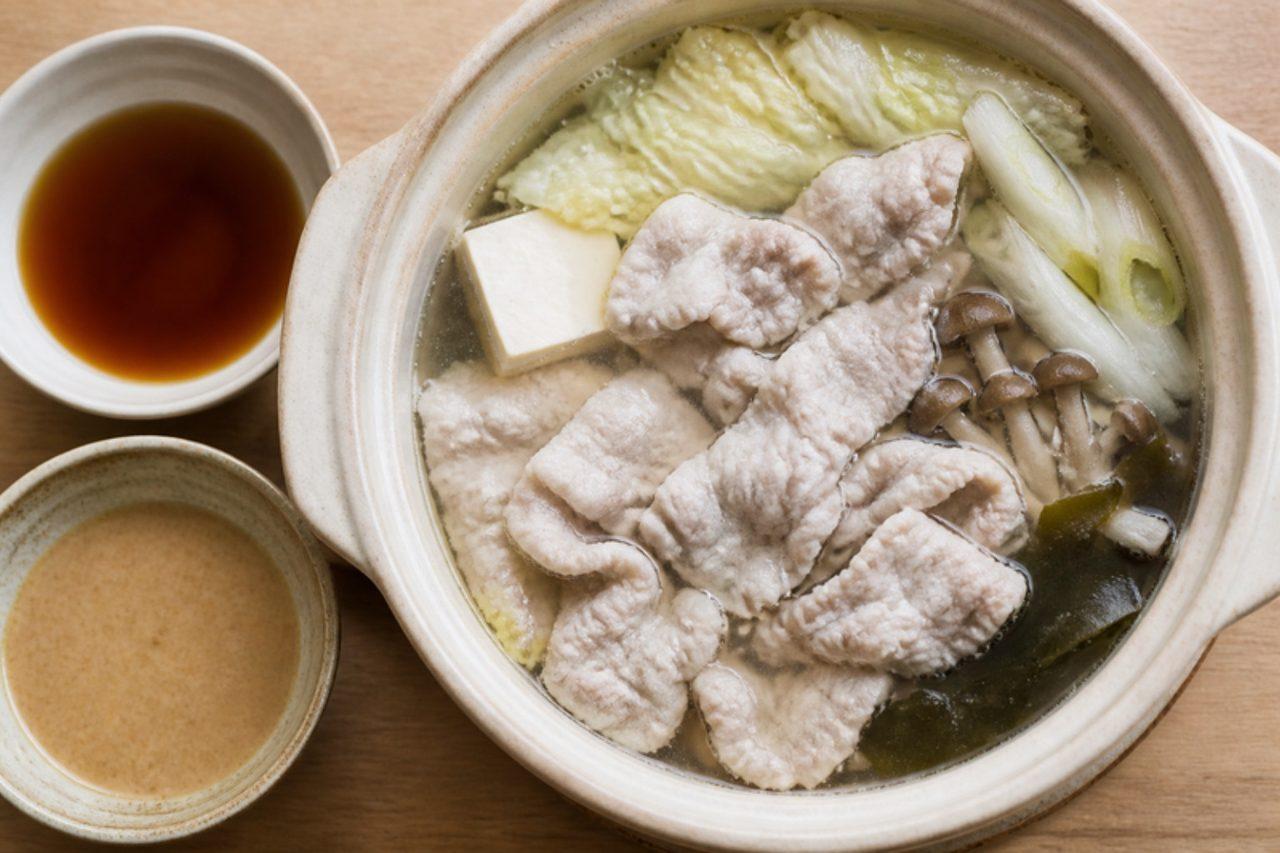
Kagoshima, at the southern tip of Kyushu, is known across Japan for kurobuta, black Berkshire pork raised on farms in the prefecture. The meat is sweet with soft, clean-tasting fat, and shabu-shabu restaurants in Kagoshima city serve it sliced paper-thin so diners can cook it themselves at the table. Any thinly sliced pork loin or belly works well at home; Asian grocers sell it frozen for hot pots. Each slice is swished through the simmering kombu broth, then dipped in tangy ponzu or creamy sesame sauce. Chef's tip: when the meat is finished, cook a handful of rice or noodles in the leftover broth; it has taken on all the flavour of the pork and vegetables.

by KrazyBadal 0 views

Okinawa soba with soki

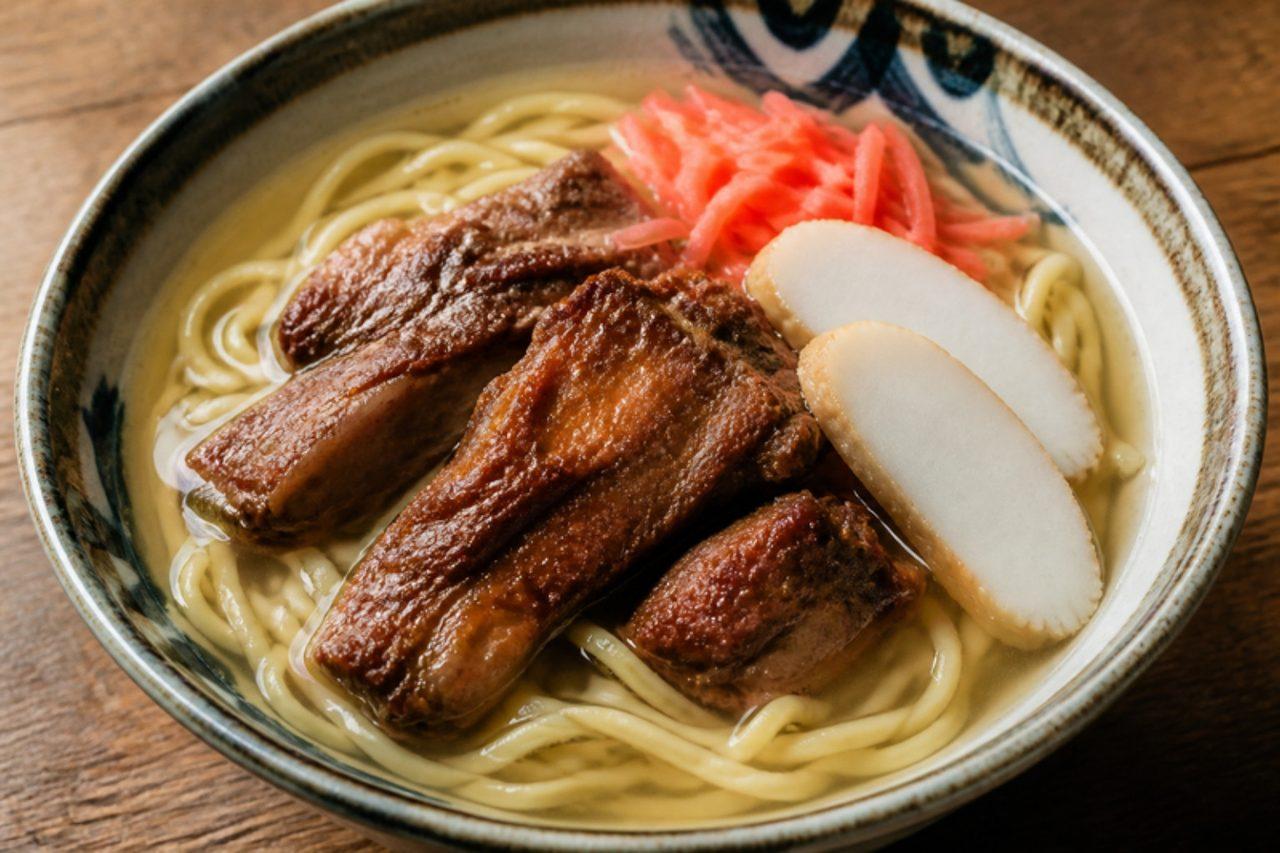
Okinawa soba has nothing to do with buckwheat: the noodles are thick, chewy and made from wheat, and the dish is the islands' everyday lunch. Small soba shops all over Okinawa serve it in a clear, gentle broth of pork and bonito, and the soki version is crowned with spare ribs braised so long that even the cartilage turns soft. Slices of fishcake, spring onions and red pickled ginger finish the bowl, and every table has a bottle of chilli steeped in awamori to splash on. October 17 is Okinawa Soba Day on the islands. Chef's tip: braise the ribs a day ahead; cold, the fat sets on top of the cooking liquid and lifts off in one piece, and the broth is cleaner for it.

by KrazyBadal 0 views

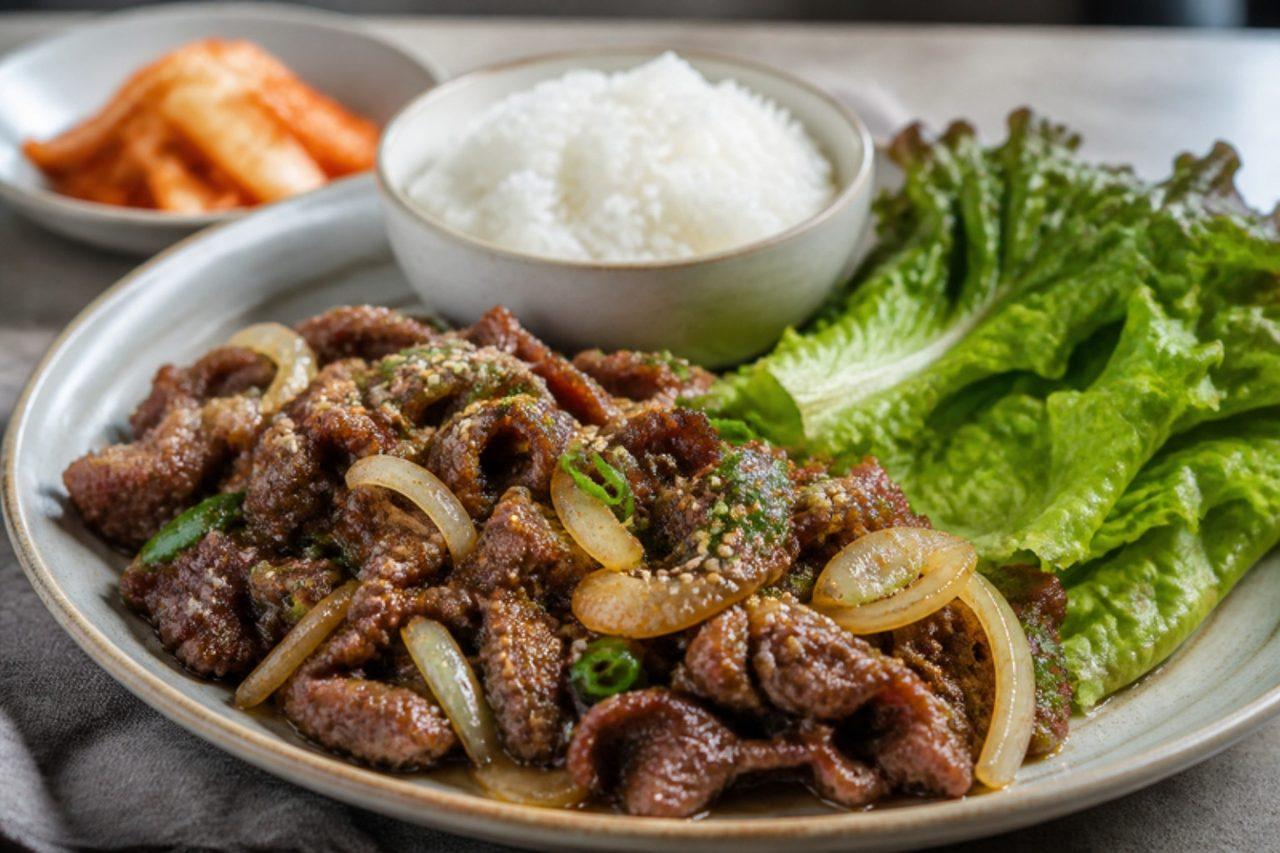
Beef bulgogi

In Seoul, bulgogi restaurants still cook it on a domed grill set into the table, with a moat around the edge that catches the sweet juices for spooning over rice. At home it is made in a hot pan, and it is a favourite for family dinners, lunch boxes and birthday tables. Grated Asian pear softens the meat and adds a gentle sweetness to the soy and garlic. Wrap it in lettuce with a little ssamjang, or eat it over rice. Chef's tip: put the beef in the freezer for 30 minutes before slicing; firm meat cuts into wafer-thin slices easily.

40 minKoreanMeat
by KrazyBadal 0 views

Flat white

Sydney and Wellington both claim the flat white, first poured in their cafés in the mid-1980s, and today it's the everyday coffee across Australia and New Zealand, from Melbourne's laneway cafés to a beach kiosk in Raglan. It's smaller and stronger than a latte: a double shot of espresso topped with milk steamed to a smooth, glossy microfoam with only a thin layer of froth on top, so the coffee stays at the front. It's velvety, rich and sweet-tasting without sugar. For a vegan version, use a barista-style oat milk. Chef's tip: stretch the milk only for the first few seconds, then sink the wand and let it spin; you want paint-like milk, not a hat of stiff foam.

by KrazyBadal 0 views

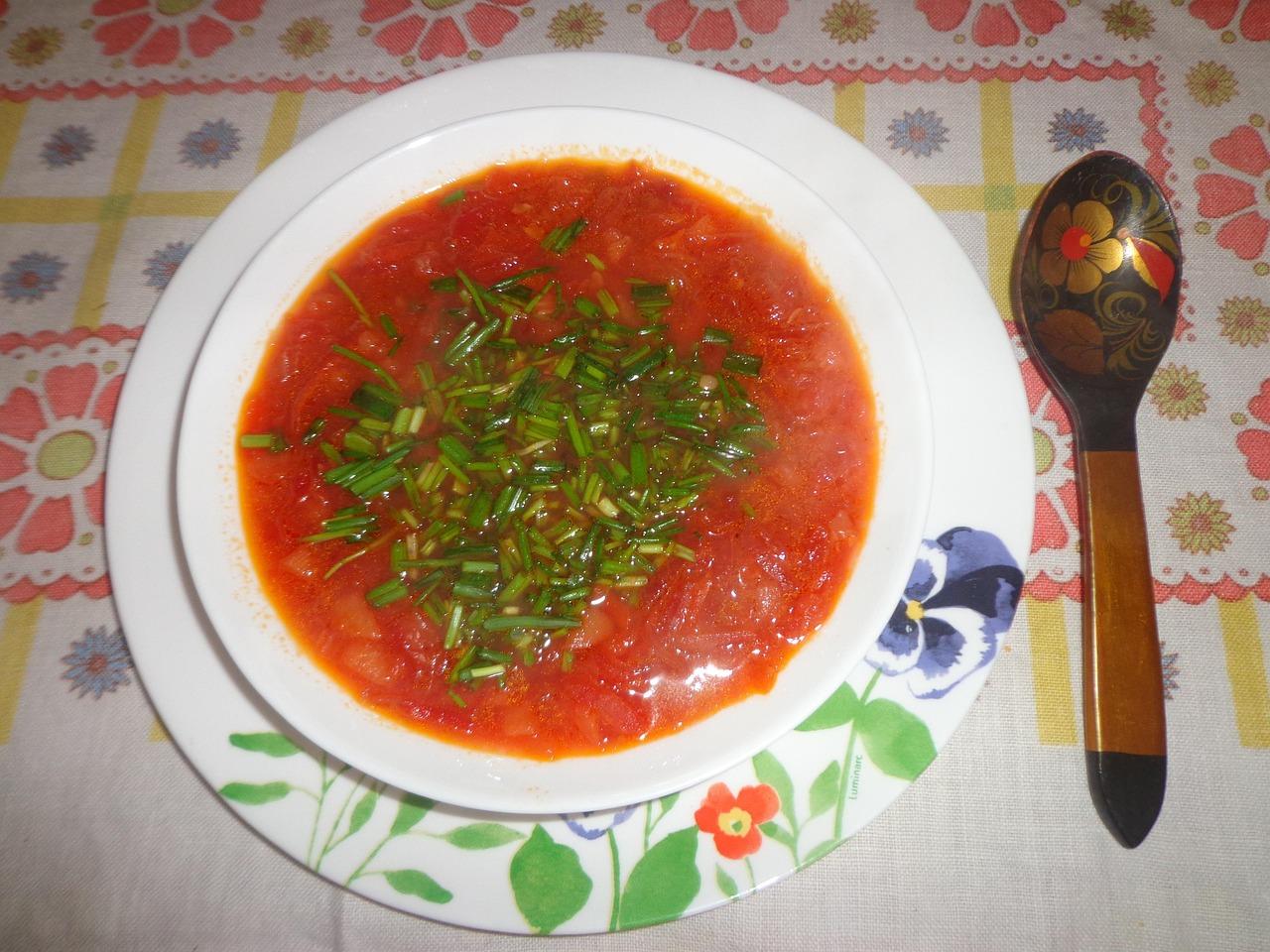
Ukrainian borscht

Borshch is the soup Ukrainians measure every kitchen by: a deep ruby pot of beetroot, cabbage, potato and beans, soured just enough and finished with garlic and dill. Every region argues for its own version, from Poltava's with beans to Kyiv's with apples, and in 2022 the cooking of Ukrainian borshch was added to UNESCO's list of culture in need of urgent safeguarding. Traditionally it is simmered on a pork or beef bone stock; this version uses a well-seasoned vegetable stock and white beans, which is how many families cook it during Lent anyway. Serve it hot with a spoon of sour cream and garlic pampushky, and know that it tastes even better the next day. Chef's tip: fry the grated beetroot with a splash of vinegar before it goes into the pot; the acid fixes the red colour, so the soup stays bright instead of fading to brown.

by KrazyBadal 0 views

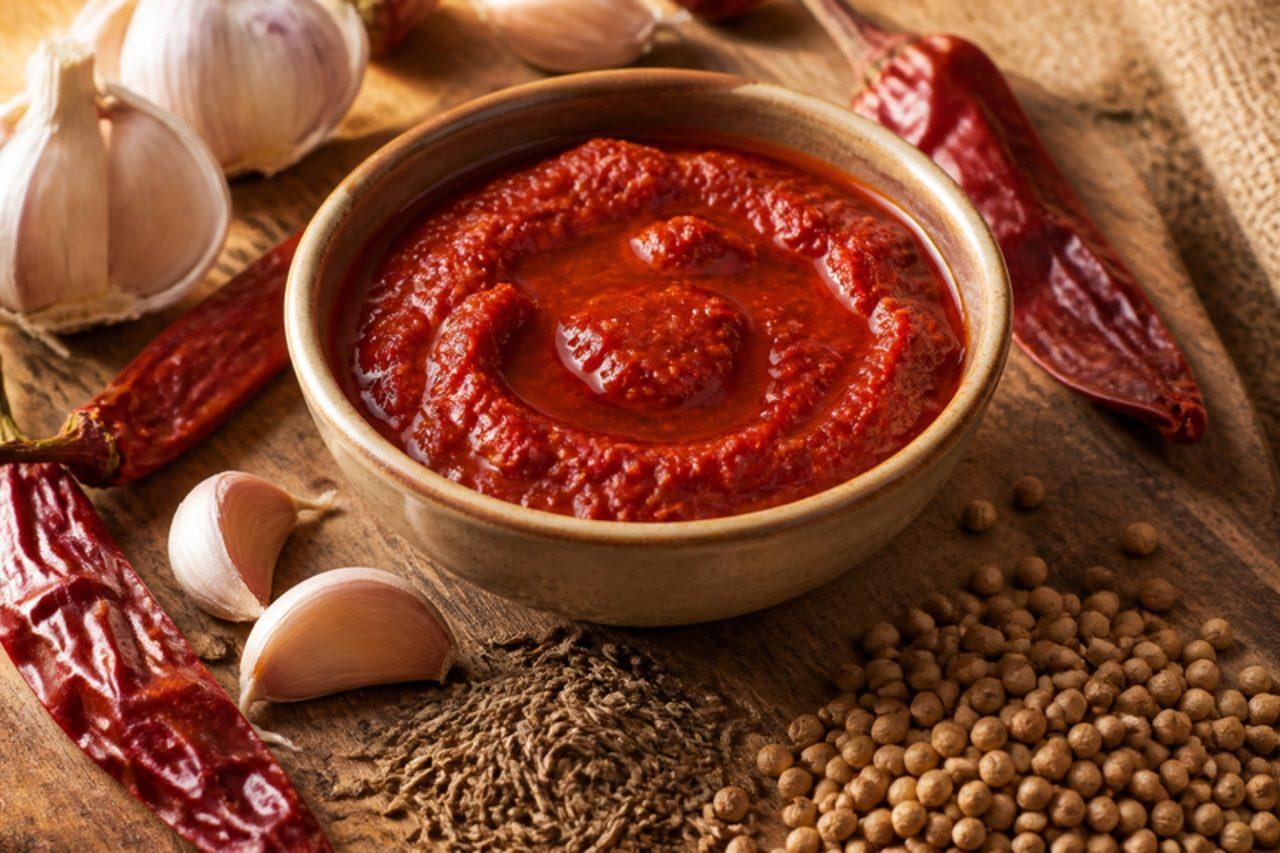
Harissa

Harissa is Tunisia's essential condiment, made in every household from the dried red chillies of Nabeul and Cap Bon, which are hung in strings on house walls in late summer to dry. It goes into lablabi, brik, kafteji, couscous and soups, and is spread on bread with olive oil as a snack. Homemade harissa is brighter and less salty than the tubes. Chef's tip: toast the caraway and coriander seeds only until they smell warm; burnt seeds make the paste bitter.

by KrazyBadal 0 views

Georgian salad with walnut dressing

On a Georgian table in July and August the tomato and cucumber salad is not dressed with oil and lemon but with ground walnuts loosened with water and vinegar, so the dressing turns creamy and nutty. You find it in Tbilisi kitchens, in Kakhetian village gardens where the tomatoes come off the vine warm, and next to every khachapuri. It takes fifteen minutes and is best eaten as soon as it is made. A common mistake is salting the tomatoes too early, which floods the bowl with juice and thins the dressing; dress and salt just before it goes to the table. Chef's tip: use purple (opal) basil if you can find it; its clove-like scent is what makes this salad taste Georgian.

by KrazyBadal 0 views

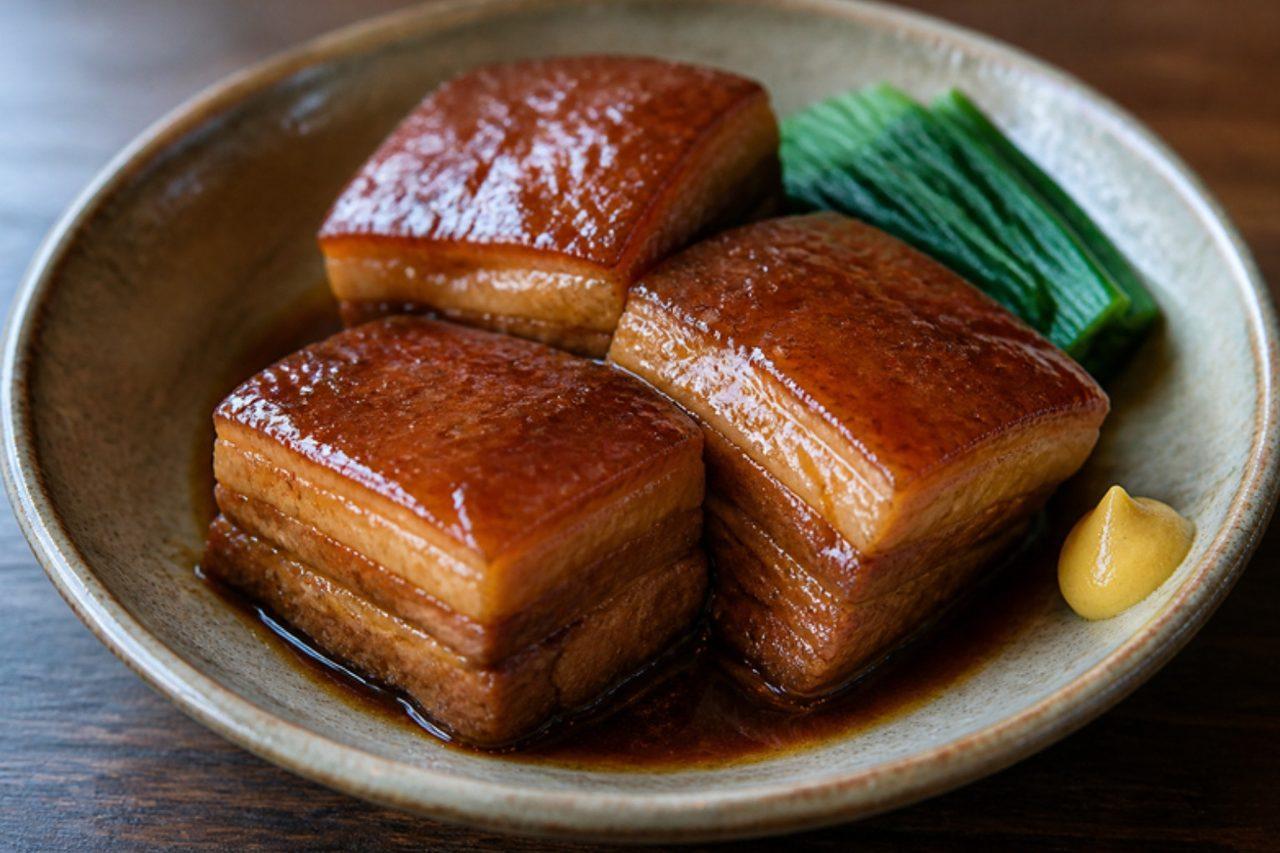
Rafute (Okinawan braised pork belly)

Rafute comes from the cooking of the old Ryukyu court in Okinawa, where pork has long been the most important meat. Thick blocks of skin-on belly are boiled to remove fat, then braised slowly in awamori, the local rice spirit, with soy, bonito stock and the islands' dark brown sugar. Today it is a dish for family celebrations and the Okinawan New Year, a staple of izakayas in Naha, and a topping for Okinawa soba. Expect deep amber pieces that hold their shape but cut with chopsticks. Chef's tip: cook it the day before; chilling lets you lift off the set fat, and the flavour soaks deeper into the meat overnight.

180 minJapaneseMeat
by KrazyBadal 0 views

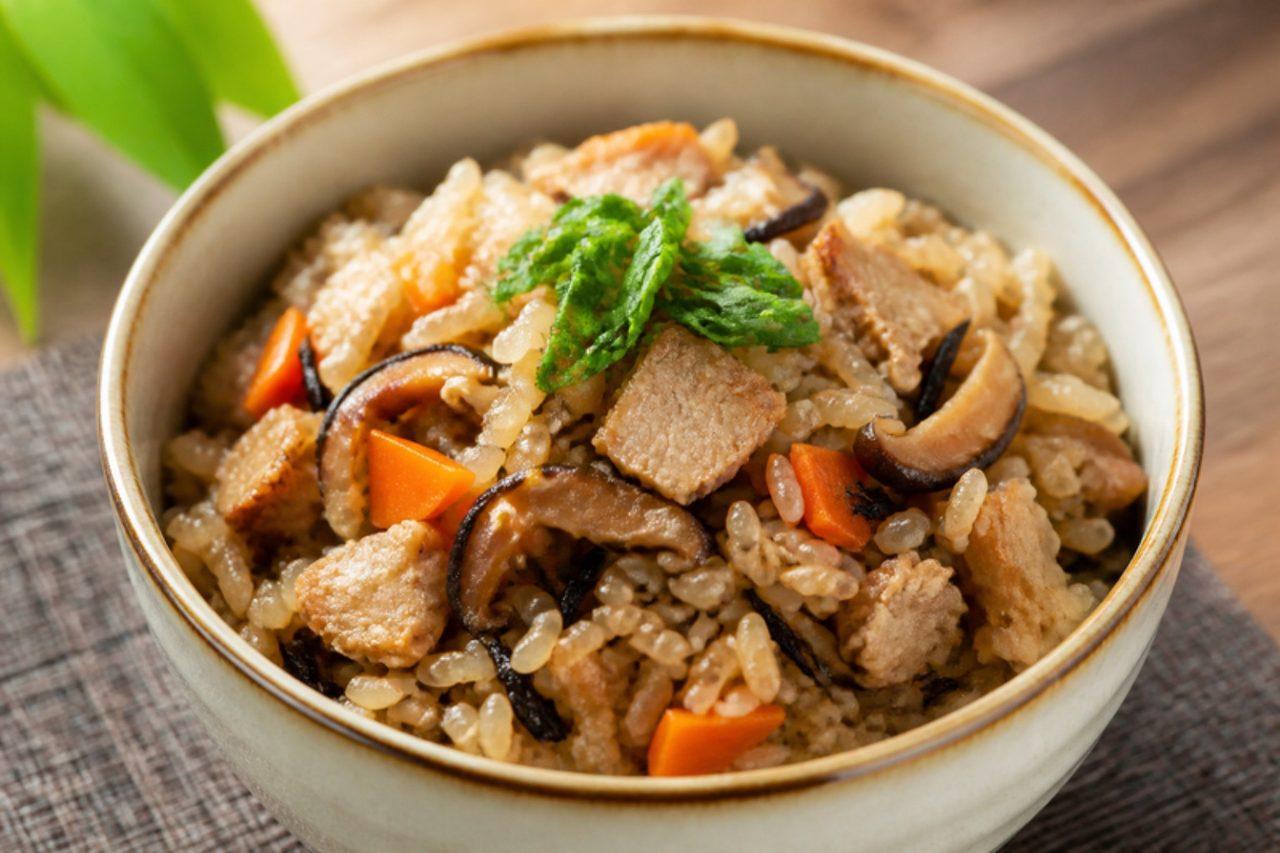
Jushi (Okinawan mixed rice)

Jushi is Okinawa's seasoned rice, cooked with pork, vegetables and bonito stock. The firm kind, kufa-jushi, is what you find in rice balls at Okinawan supermarkets and alongside soba at lunch counters; a soupy, porridge-like version is cooked as well. On the winter solstice many families make a special jushi with taro root. Pork fat is part of its flavour, so the rice is cooked with a little lard and the belly pork itself. Chef's tip: measure the liquid carefully; the soy and stock replace part of the water, and firm, separate grains are what you want.

by KrazyBadal 0 views

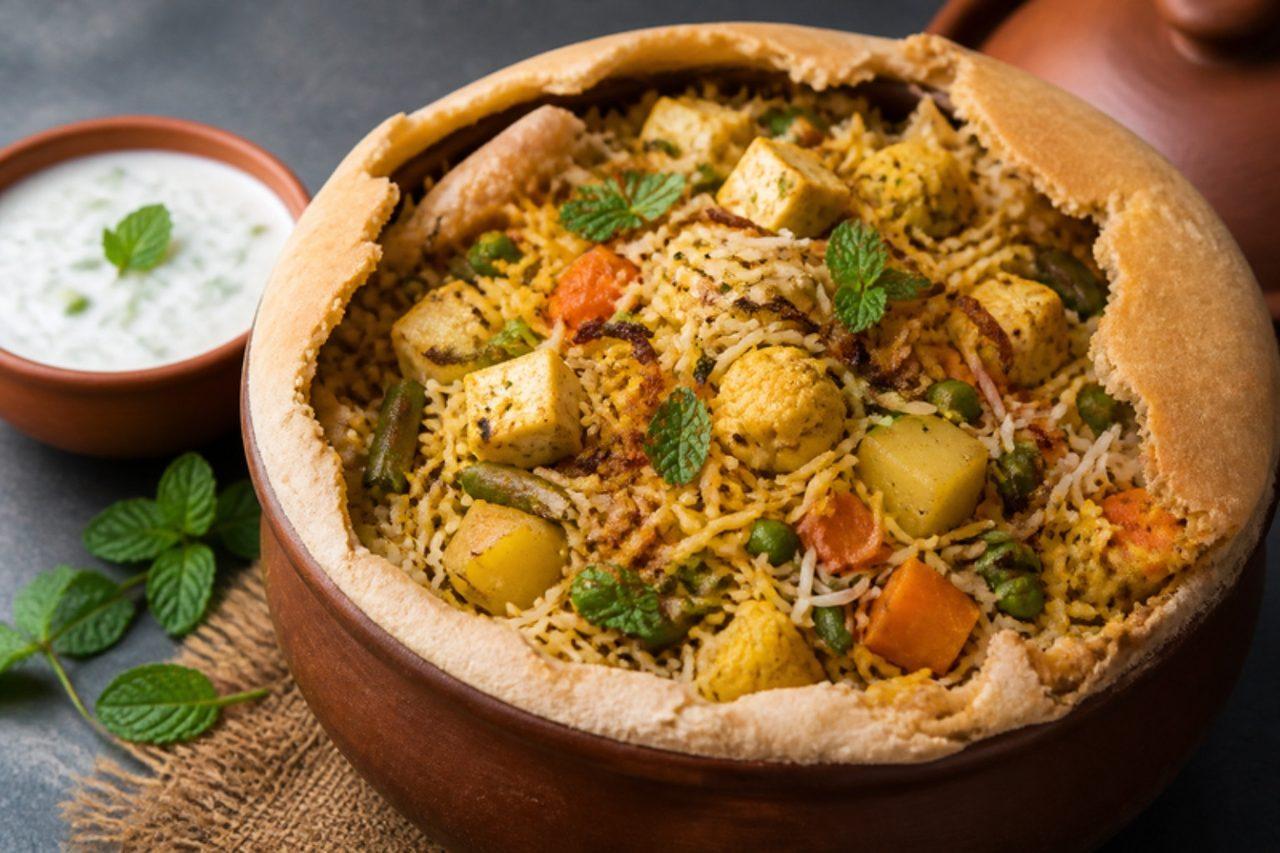
Awadhi vegetable dum biryani

Lucknow's cooks built their reputation on restraint: the Awadhi biryani is perfumed rather than fiery, with no tomato, very little chilli and whole spices that whisper instead of shout. Vegetables are cooked in spiced yogurt, layered with long-grain rice that is only three-quarters done, then sealed under a dough lid so everything finishes in its own steam, a technique the city calls dum pukht. It is the dish for Eid gatherings, wedding buffets and long Sunday lunches across Uttar Pradesh, served with a cooling raita and a sliced onion salad. The common mistake is boiling the rice fully before layering; it then turns soft and sticky under the lid instead of separating into long, distinct grains. Chef's tip: lift a grain and press it between your fingers before draining; it should break into two or three firm pieces with a white core.

by KrazyBadal 0 views

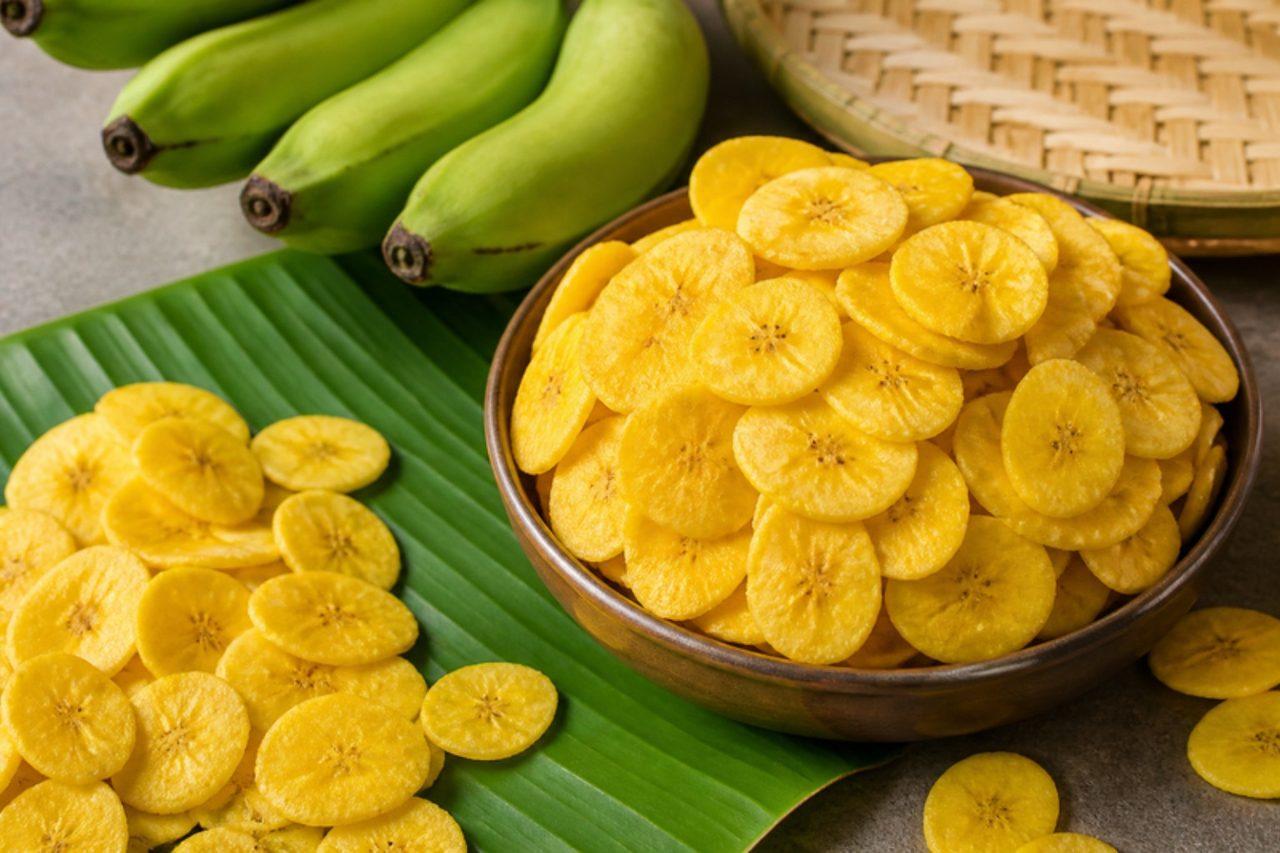
Kerala banana chips

Upperi, the yellow raw-banana chips of Kerala, are fried in huge cauldrons in the snack shops of Kozhikode and Thrissur and handed round in bags at every Onam sadya, where they are one of the first things laid on the leaf. Green nendran bananas are sliced straight into hot coconut oil, and a splash of salted water goes in at the end, so the salt clings to every chip. The result is crisp, golden and faintly sweet, with that unmistakable coconut-oil smell. Chef's tip: rub a little oil on your hands before peeling the bananas; the sap stains skin and is very hard to wash off.

by KrazyBadal 0 views

Guyanese cheese rolls

In Georgetown bakeries, cheese rolls sit in the glass cabinet next to pine tarts and patties, and no Guyanese birthday party is complete without a tray. Short, buttery pastry is rolled around a sharp cheddar filling seasoned with mustard and hot pepper, then baked until the cheese bubbles out of the ends and crisps. They're eaten warm or at room temperature with a cold drink. Chef's tip: keep the butter and water ice-cold and handle the dough briefly; that's what gives flaky layers rather than a hard biscuit.

by KrazyBadal 0 views

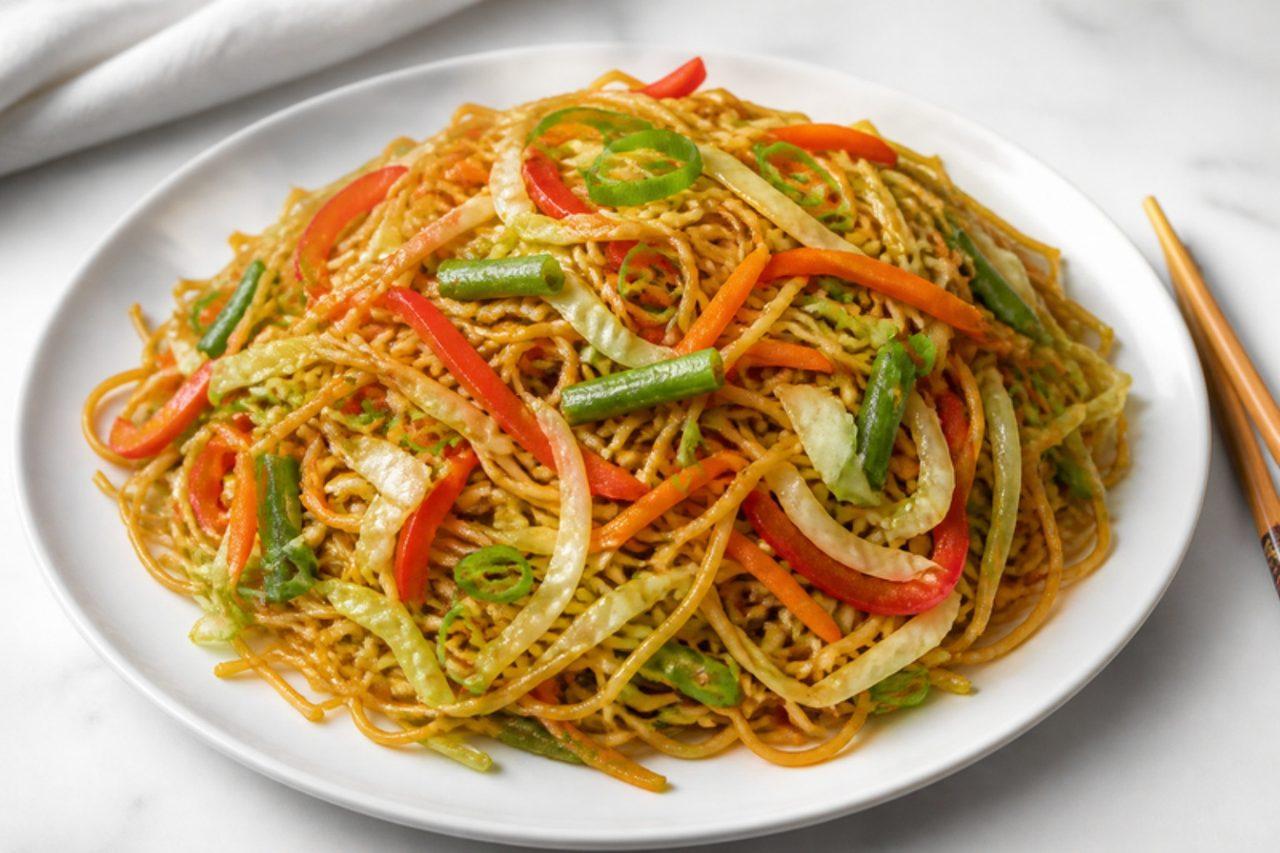
Guyanese vegetable chow mein

Chow mein arrived in Guyana with Chinese immigrants in the 1850s and became a party staple: at birthdays and weddings in Georgetown it sits in a huge tray beside fried rice and cook-up. Guyanese chow mein is a little sweeter and darker than Chinese versions, coloured with soy sauce and a touch of browning (burnt sugar), with long bora beans, cabbage and plenty of garlic, plus a hit of wiri wiri pepper. Chef's tip: cook the noodles until just tender, rinse them cold and toss with a little oil; dry, separate noodles fry without clumping.

by KrazyBadal 0 views

Showing 81 of 7,762 recipes

Show more recipes

Page 641 of 863