


Skip to content
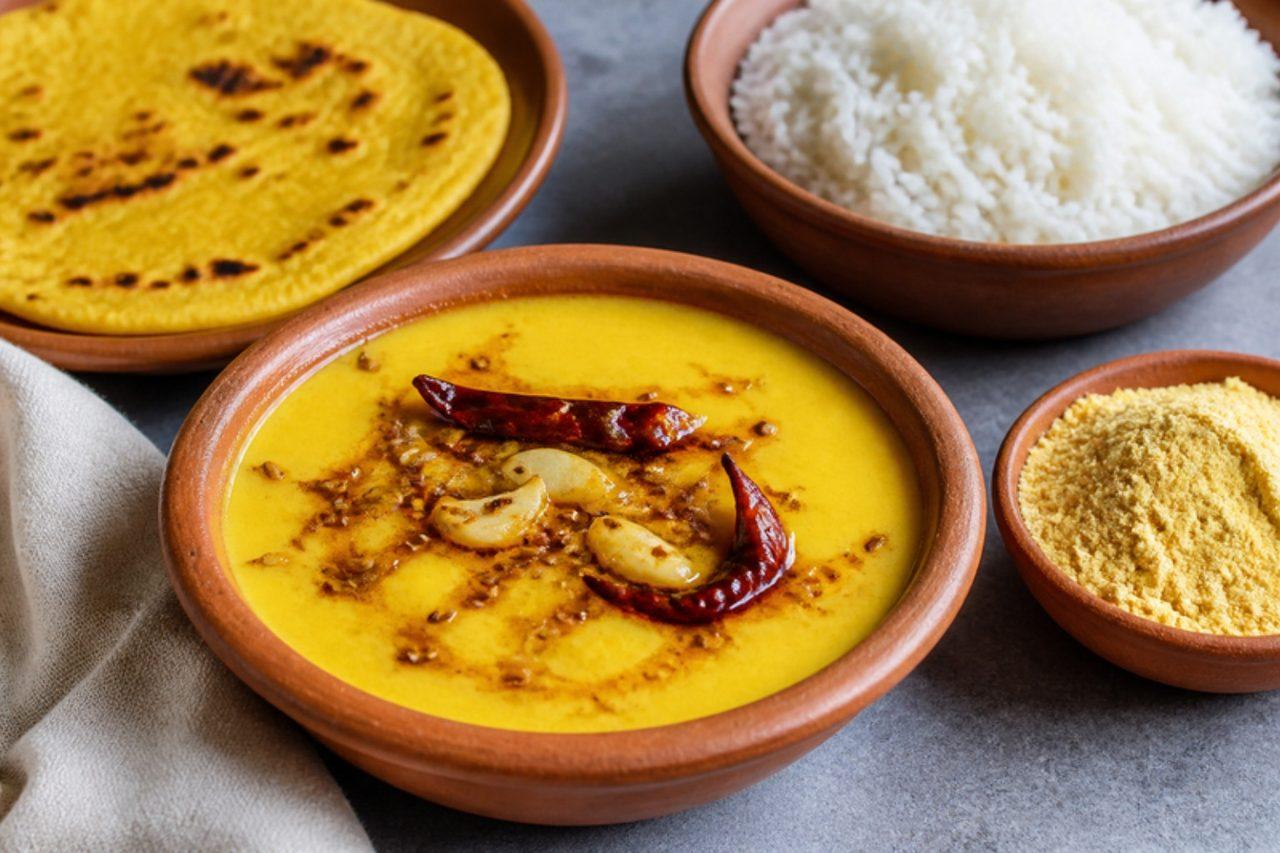
Pepián de verduras
Featured recipe

Pepián de verduras

Roasted seed and vegetable stew

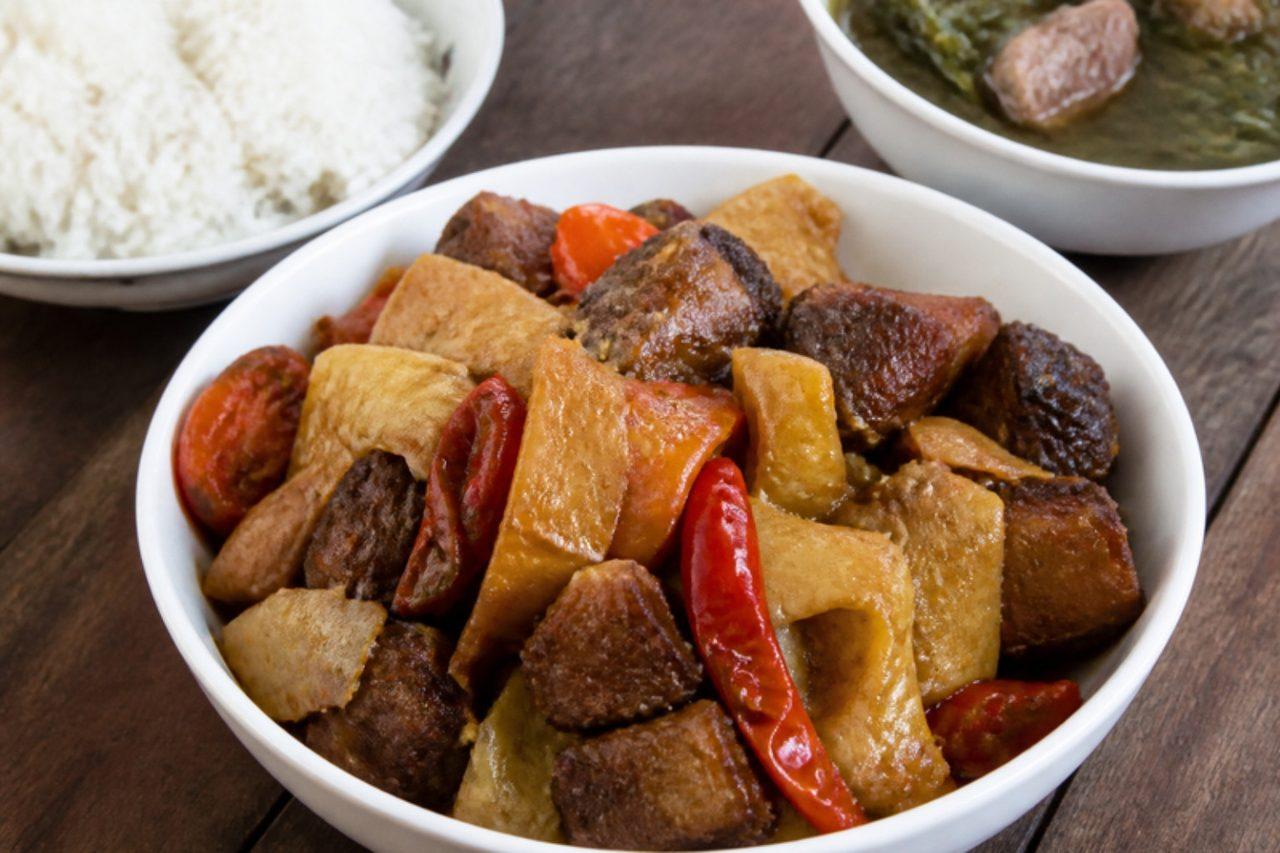
Pepián is often called Guatemala's national dish, a recado (sauce) from the Kaqchikel Maya highlands around Antigua and Chimaltenango, served at fiestas and family Sundays. Its depth comes from charring tomatoes, tomatillos and dried chillies and toasting pumpkin and sesame seeds before grinding them into a thick, smoky, reddish-brown sauce. Traditionally it simmers chicken; here chayote, potato, green beans and carrot soak it up. Serve with white rice and tamalitos or warm corn tortillas. Chef's tip: toast the seeds separately and stop when they smell nutty; burnt seeds turn the whole pot bitter.

Read more 0 views

What to eat today?

Around the world

Today's trip: Paraguayan

A new country every day, from every cuisine on the site.

Paraguayan

Buñuelos de algas

Sea lettuce fritters 35 minMore from Paraguayan (27) →

This week's collection

Kid-friendly dinners
537 recipes · a new collection every Monday

Latest recipes

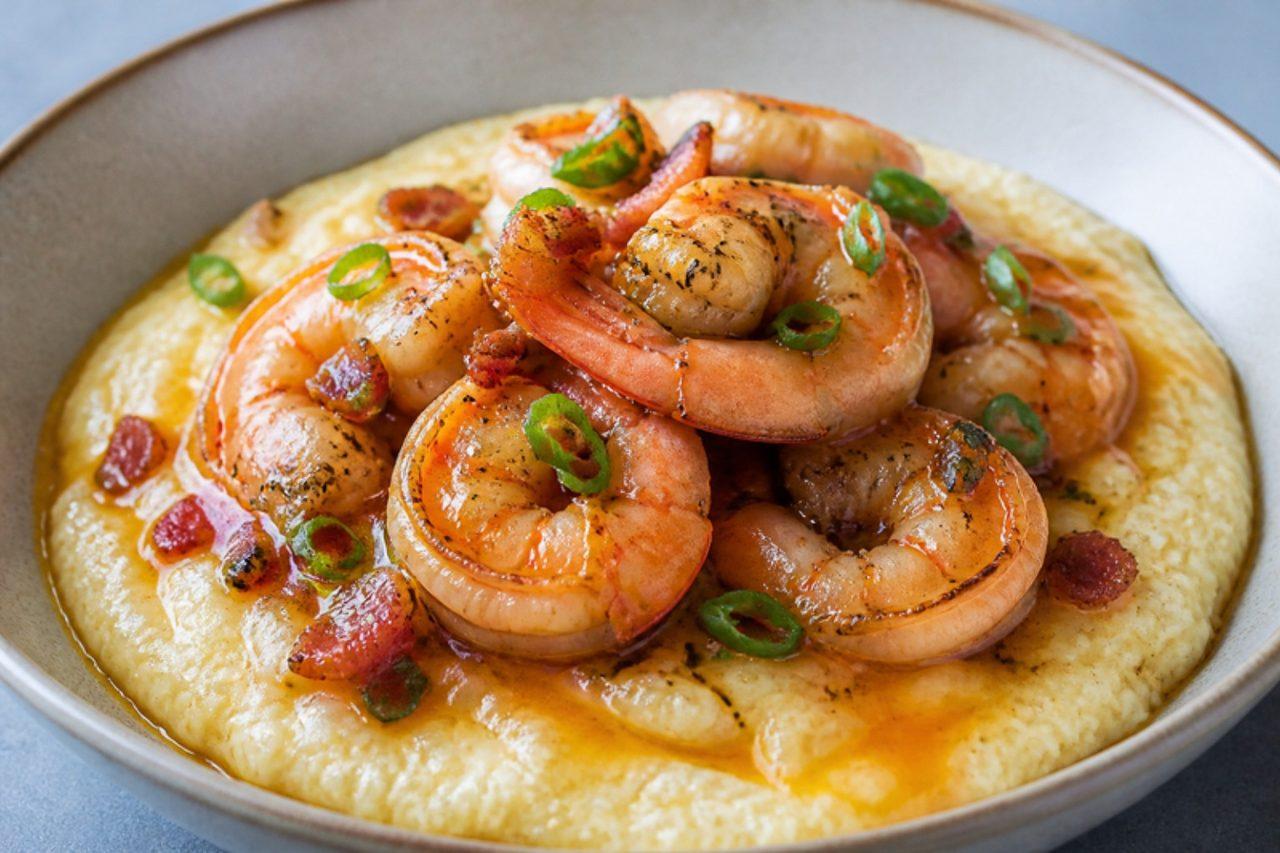
Shrimp and grits

In the Lowcountry around Charleston, South Carolina, shrimp and grits started as a fisherman's breakfast and is now brunch on every restaurant menu in town. Stone-ground grits are simmered slowly until creamy and finished with sharp cheddar and butter, then crowned with prawns cooked fast in a smoky, lemony pan sauce with spring onions. Chef's tip: whisk the grits into the liquid a little at a time and keep stirring for the first five minutes; lumps form only at the start.

by KrazyBadal 0 views
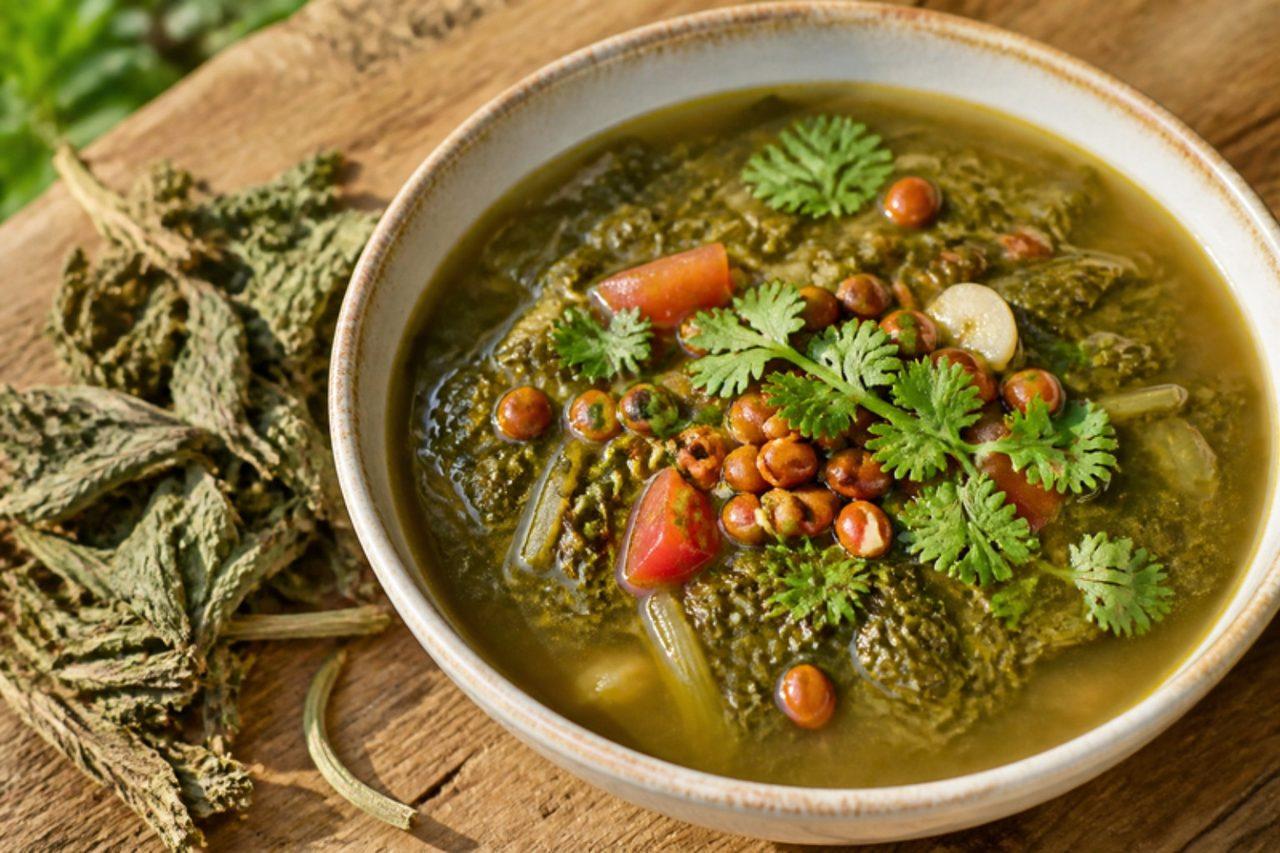

Gundruk ko jholSour fermented greens soup

In the terraced hill villages between Pokhara and Ilam, families pack mustard, radish and cauliflower leaves into clay pots after the autumn harvest, let them ferment for a week or two and then sun-dry them into gundruk. That dark, tangy leaf is the store cupboard of the winter months, and its most common use is this thin, sour soup (jhol), served on the side of dal bhat or with dhido, the stiff buckwheat or millet porridge of the hills. It tastes a little like a smoky, vinegary green tea and is light, warming and very cheap. A handful of roasted soybeans (bhatmas) is often thrown in for crunch. The mistake is to cook gundruk without soaking it first, which leaves it gritty and too sour. Chef's tip: squeeze the soaked leaves hard and fry them in the oil until they crackle before you add water; that frying gives the soup its toasty depth.

by KrazyBadal 0 views

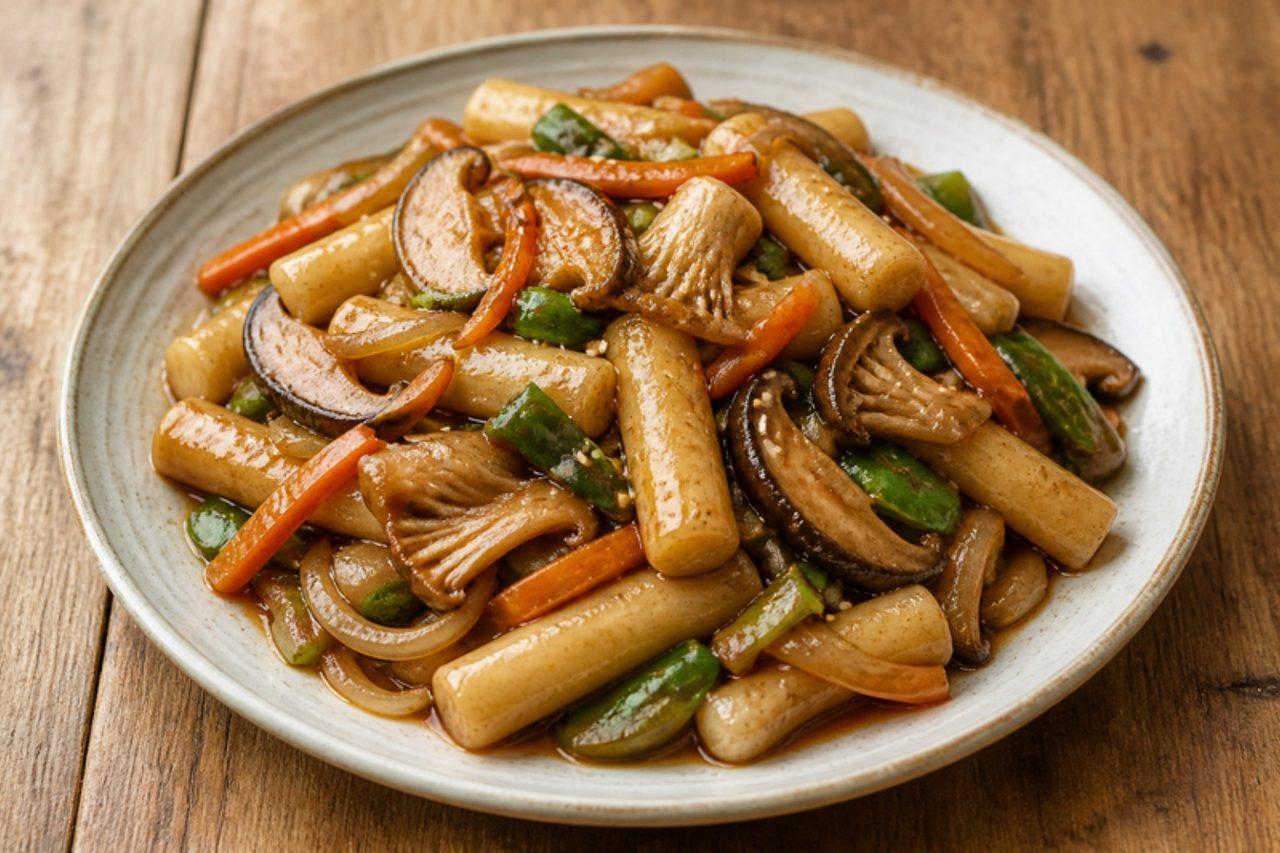
Gungjung tteokbokkiSoy rice cakes with mushrooms

Long before red gochujang tteokbokki took over Seoul's street stalls, the Joseon palace kitchens served gungjung tteokbokki (궁중떡볶이): chewy cylinders of rice cake tossed in a glossy soy and sesame glaze with mushrooms, peppers and onion. It is mild, savoury-sweet and fragrant with toasted sesame, which makes it the version Korean parents cook for children and for anyone who can't take heat. The court recipe used beef; shiitake and oyster mushrooms carry the same savoury depth here. Eat it warm as a snack or alongside rice and kimchi. Chef's tip: soften the rice cakes in hot water before they meet the pan, or the outsides scorch while the centres stay hard.

by KrazyBadal 0 views

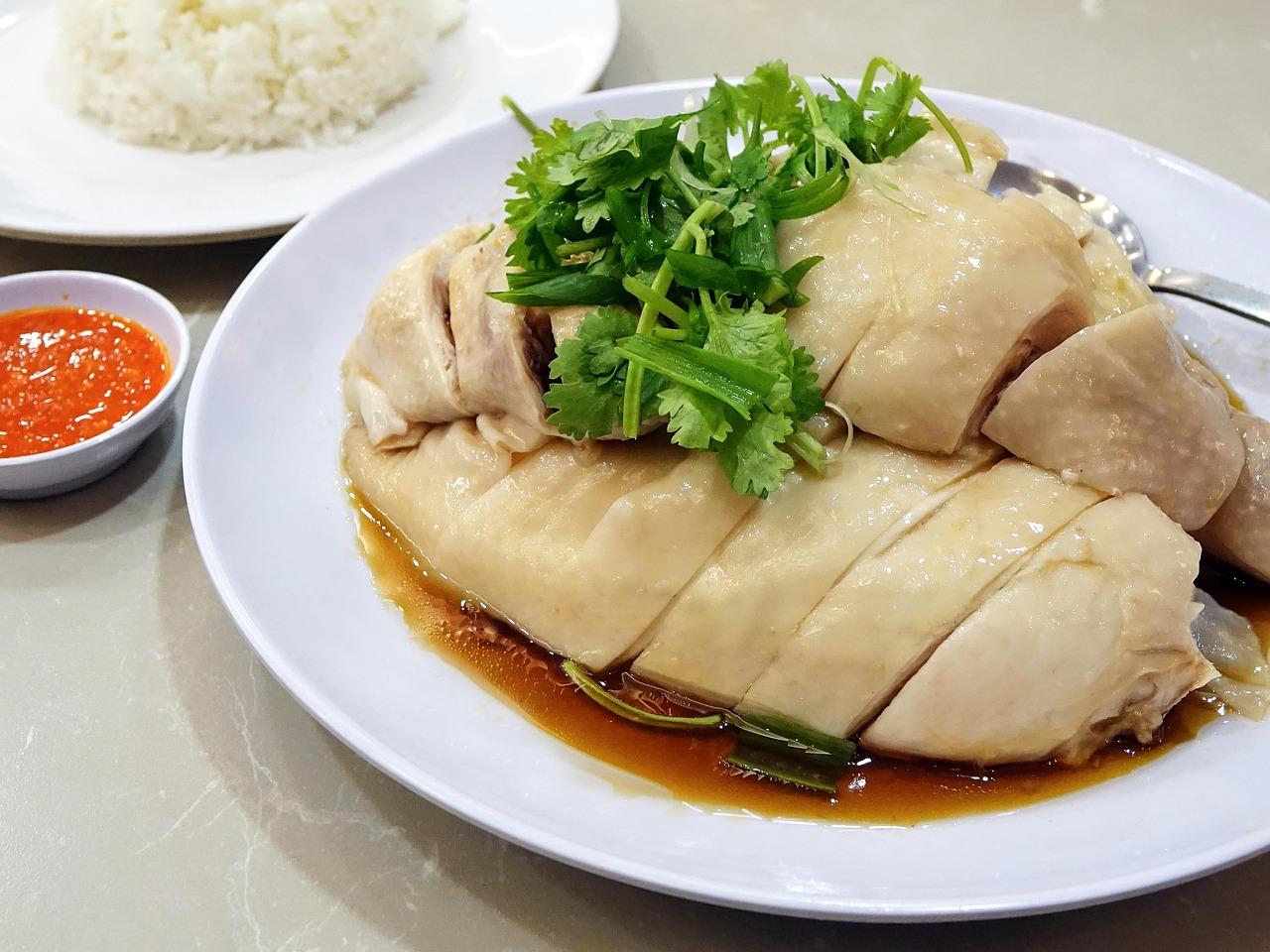
Hainanese chicken rice

Brought by Hainanese cooks and now sold at kopitiam and hawker stalls in every Malaysian town, chicken rice looks plain but is all about restraint. The chicken is barely simmered and plunged into iced water, which leaves the meat silky and the skin firm and slightly jellied. The rice is fried in rendered chicken fat with garlic, ginger and pandan, then cooked in the poaching stock until each grain is glossy and fragrant. A punchy chilli-ginger-lime sauce and a bowl of the clear broth complete the plate, with cucumber slices on the side. Chef's tip: keep the poaching water at a bare shiver, never a boil; boiling tightens the meat and splits the skin.

by KrazyBadal 0 views

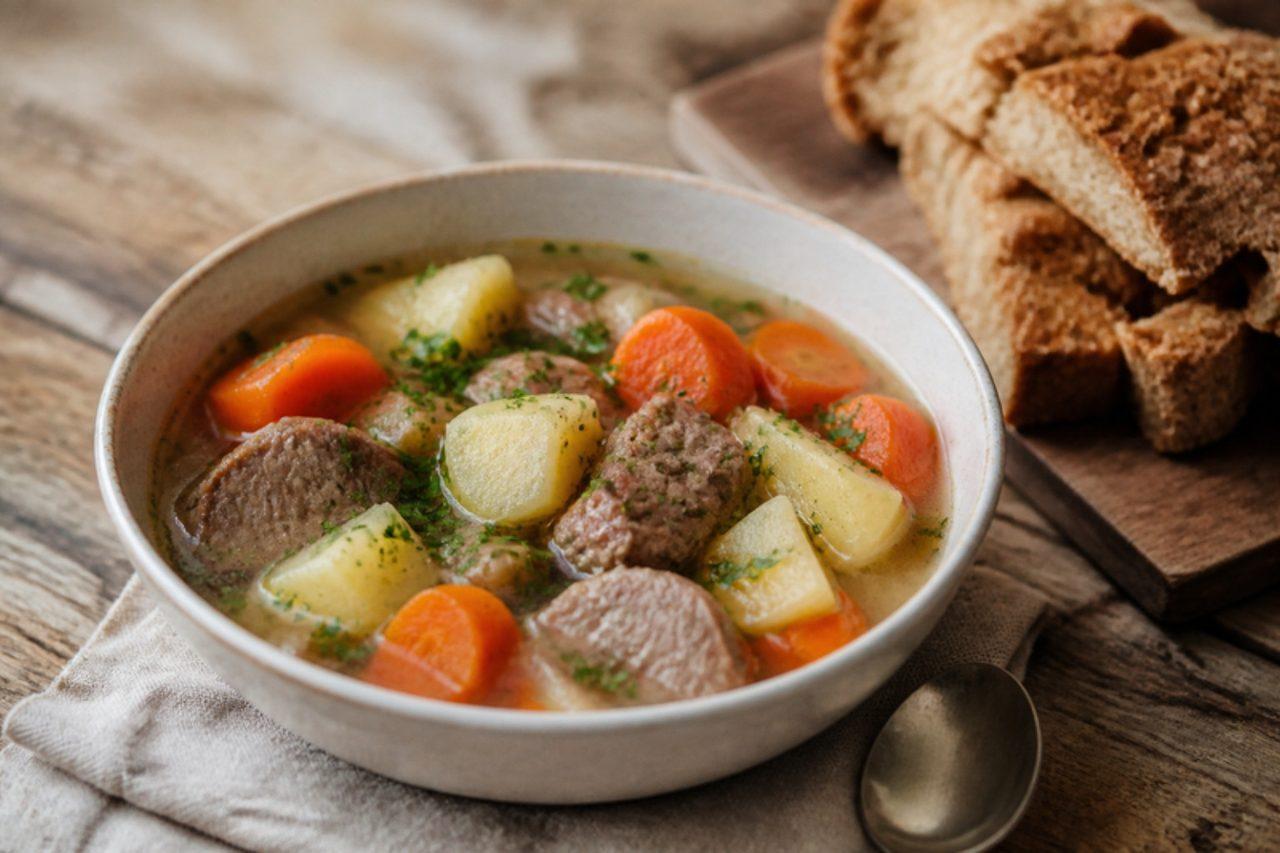
Irish stew

Irish stew, stobhach Gaelach, is the plain and honest pot of the Irish countryside, still made in farmhouse kitchens from Kerry to Donegal and served in Dublin pubs on St Patrick's Day. Lamb on the bone simmers slowly with onions, carrots and two kinds of potato: waxy ones that hold their shape and floury ones that melt and thicken the broth naturally, so no flour is needed. Thyme and parsley are the only seasoning. Chef's tip: use lamb neck or shoulder on the bone; the bones give body to the broth that lean leg never will.

145 minIrishMeatGluten free
by KrazyBadal 0 views

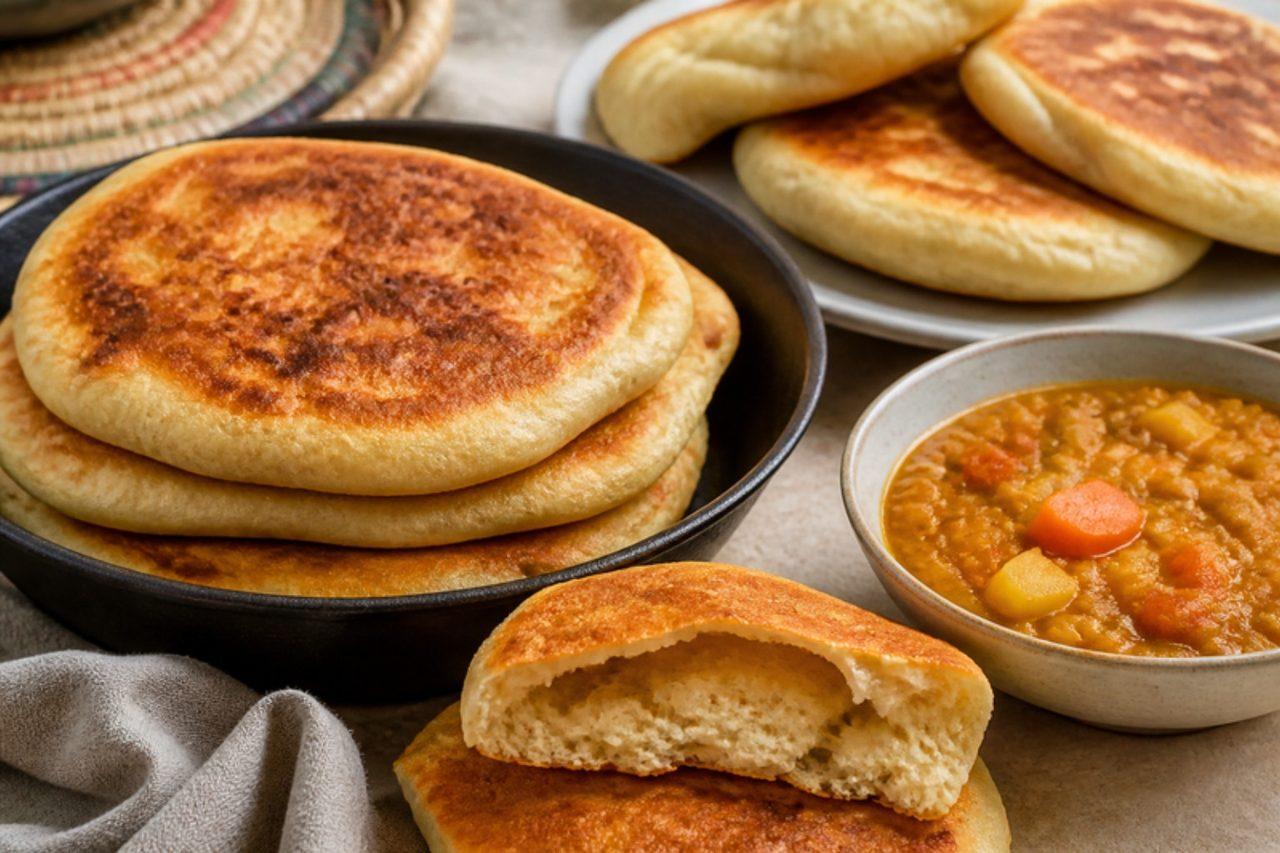
GurasaThick wheat flatbread

Gurasa is a thick, soft, round wheat bread from Sudan, especially the north and west (Darfur and Kordofan), cooked in a covered pan rather than an oven. It is torn and eaten with mullah, ful or salata aswad, and for breakfast with sugar and a little oil or butter. The dough is a loose, yeasted batter, closer to a giant crumpet than a flatbread. Chef's tip: cook it covered over a low heat; a hot open pan burns the base before the thick centre cooks.

by KrazyBadal 0 views

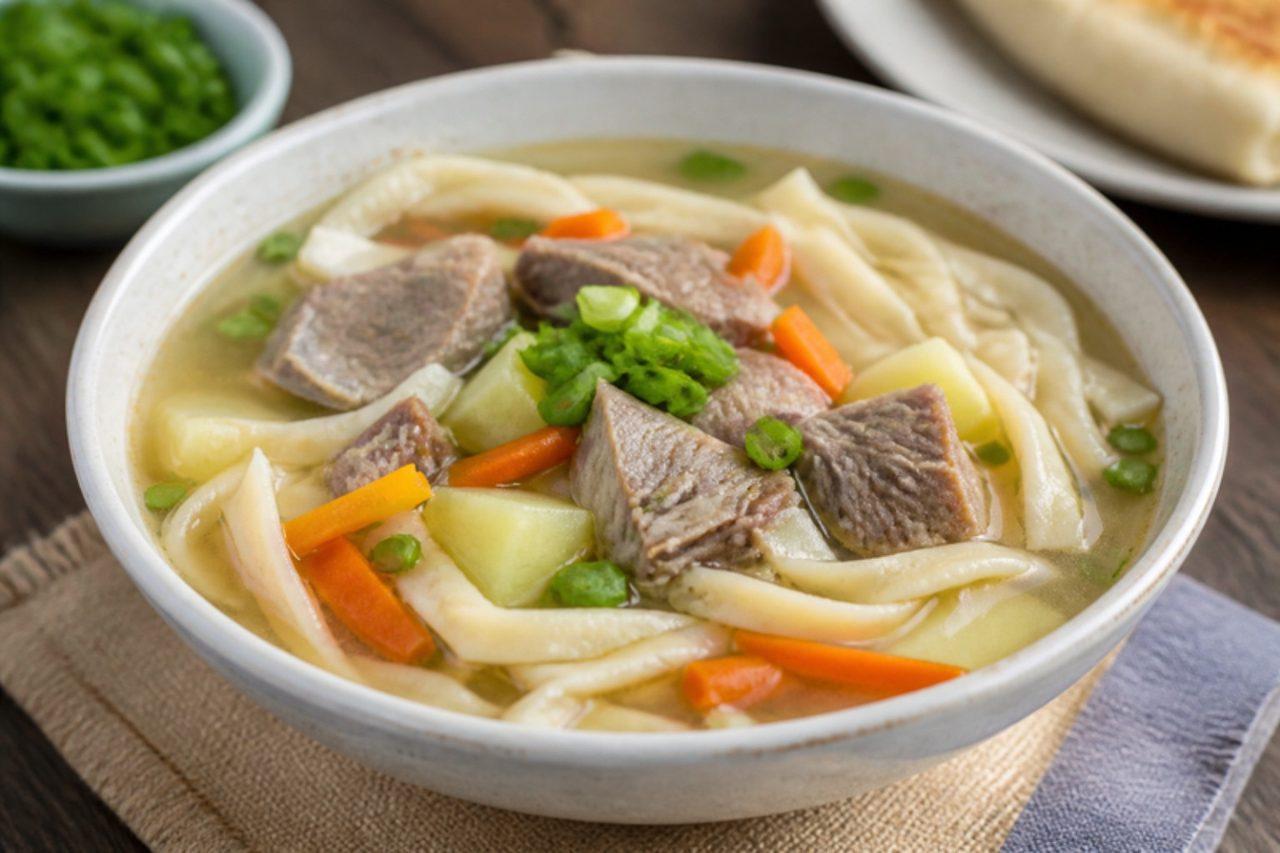
Guriltai shulMutton noodle soup

Guriltai shul is the soup Mongolians eat almost daily in winter, from Ulaanbaatar canteens to herders' gers: strips of mutton simmered with onion, carrot and potato, and thick hand-cut noodles cooked in the broth. It is simple, warming and filling in temperatures that drop far below freezing. The mistake is cooking the noodles too long, so they swell and turn the soup stodgy; they need only 6–8 minutes. Chef's tip: rest the noodle dough well so it rolls thin without springing back.

by KrazyBadal 0 views

Moroccan sardine balls

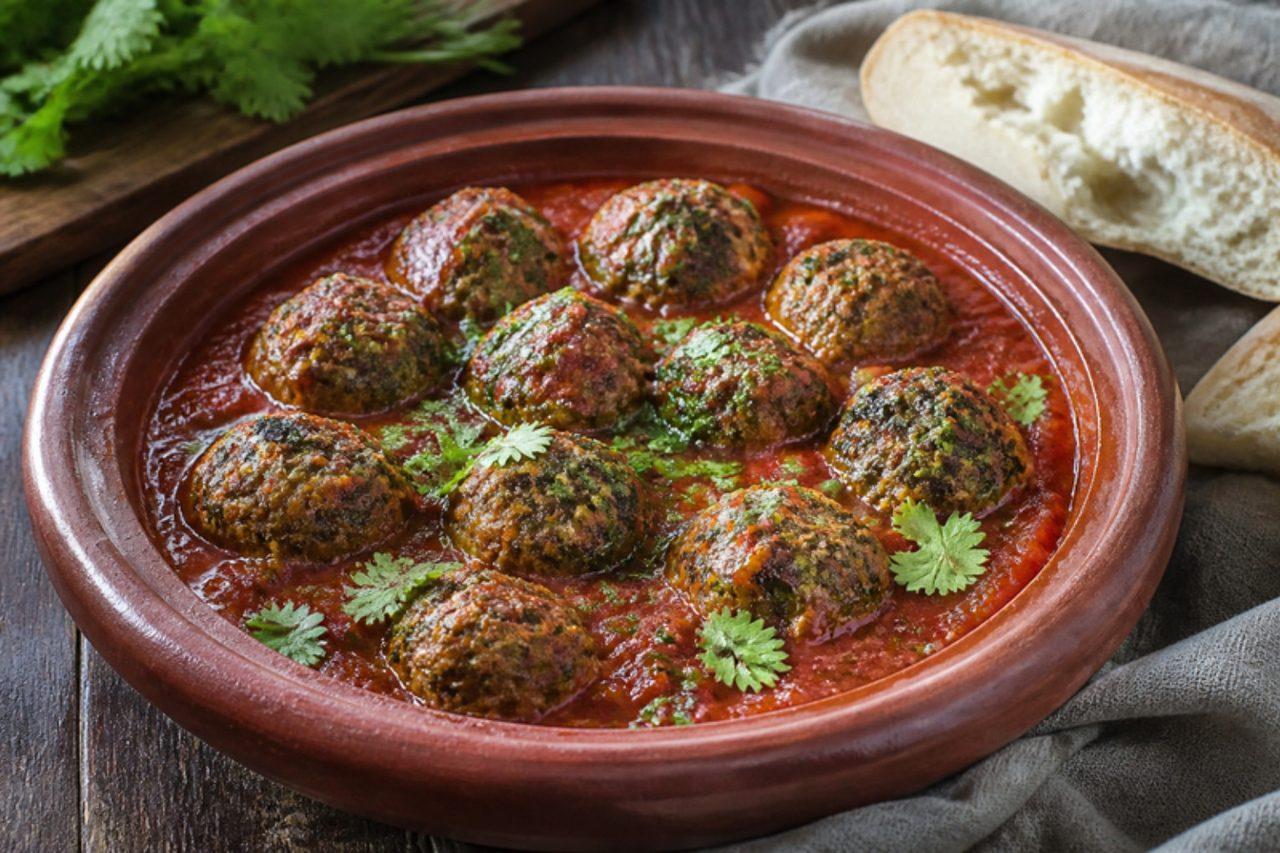
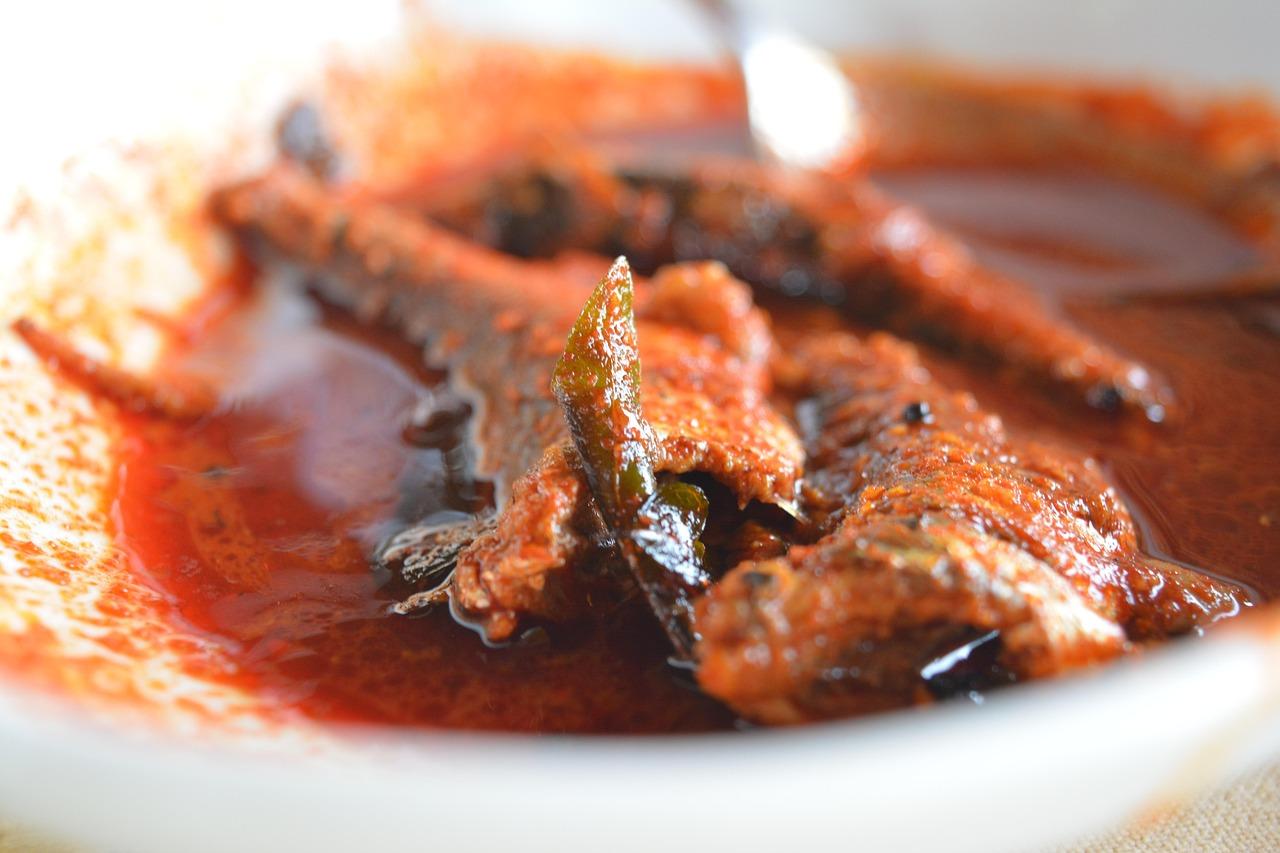
Safi and Essaouira are sardine country, and cooks along that Atlantic coast have always made the most of the cheap, silvery catch by turning it into kefta. Fresh fillets are chopped with chermoula herbs and spices into tender, rich fish balls, then simmered in a peppery tomato sauce until they soak up its flavour. They taste nothing like tinned fish: soft, savoury, a little lemony. Eat them from the pan with bread, or as part of a Friday spread of salads. Chef's tip: chill the mixture for 15 minutes before rolling; oily sardines firm up in the cold and the balls hold together in the sauce.

by KrazyBadal 0 views

Chicken pastilla

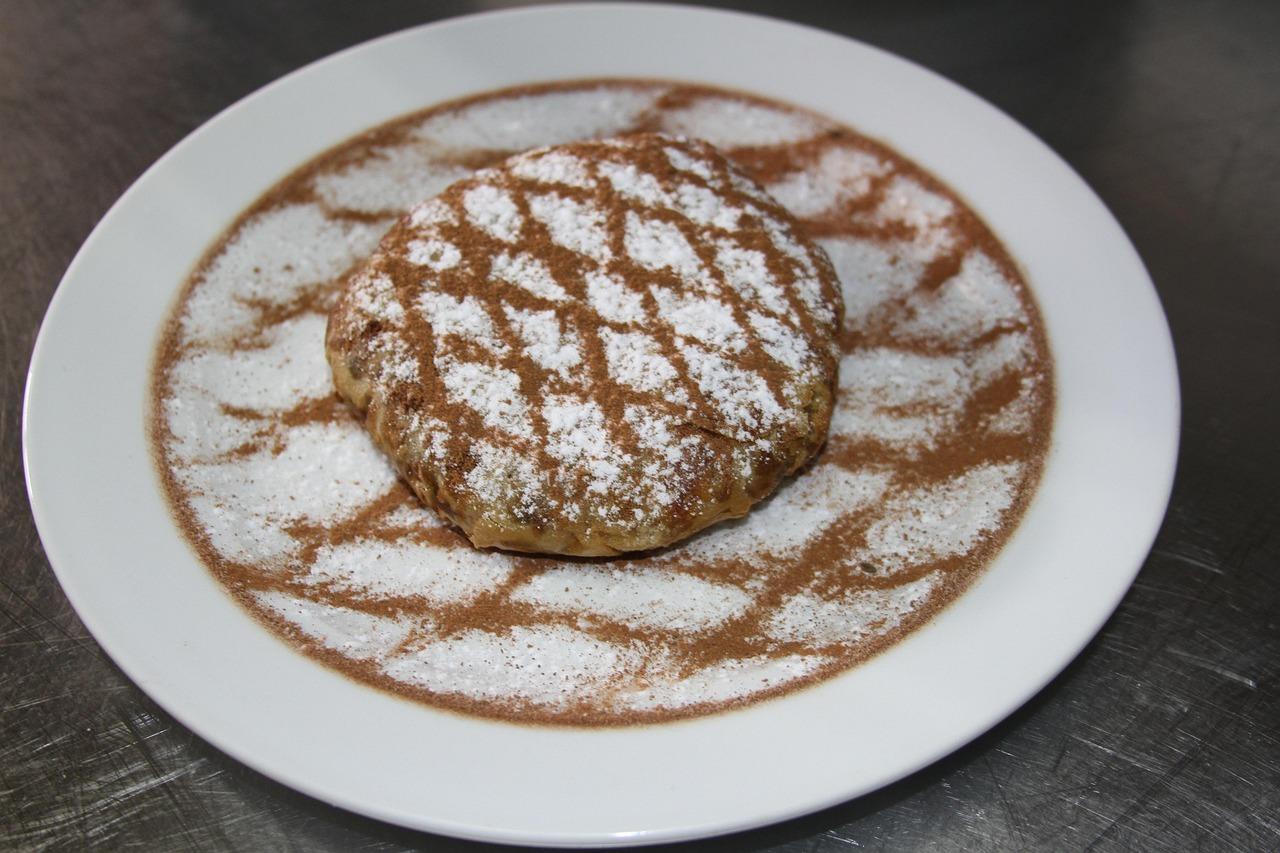
No Fassi wedding or engagement feast is complete without bastila, a showpiece pie brought out as the first course and broken open at the table. Under its crackling layers of buttered pastry sit three fillings: shredded chicken cooked with saffron, ginger and onion, soft lemony eggs set in the reduced cooking juices, and crunchy almonds ground with sugar and cinnamon. The top is dusted with icing sugar and a lattice of cinnamon, so every bite is sweet, savoury, crisp and tender at once. Serve it hot with nothing more than a green salad. Chef's tip: make the fillings a day ahead and chill them; cold fillings are easier to layer and keep the pastry crisp.

by KrazyBadal 0 views

Guyanese black cakeRum fruit cake

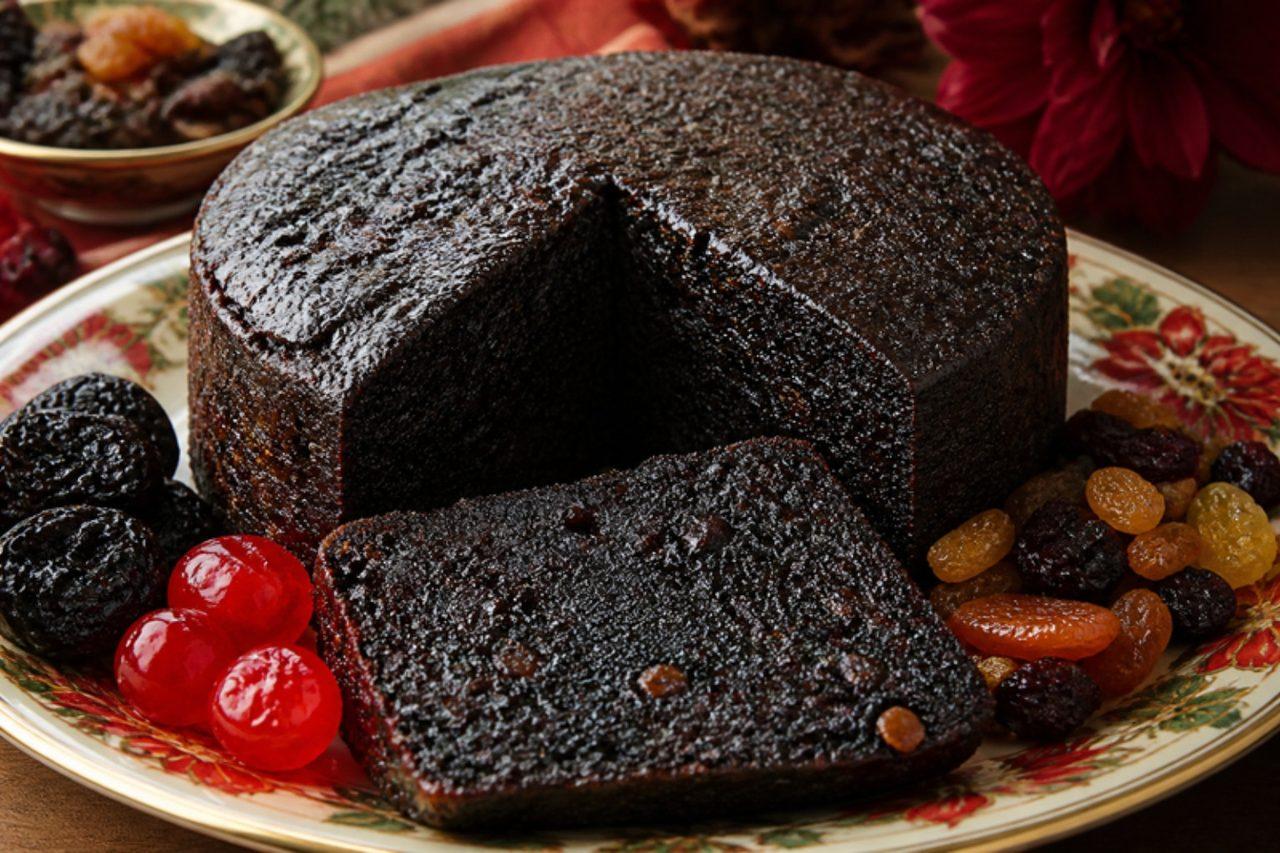
Every Guyanese Christmas has a black cake, and many families start soaking the fruit months ahead, often the year before. Prunes, raisins, currants and cherries are minced and steeped in rum and cherry brandy, then folded into a buttery batter darkened with homemade burnt-sugar syrup, giving a moist, almost black, intensely fruity cake. This version makes the alcohol optional: grape juice soaks the fruit just as well, though the cake keeps for less time. Chef's tip: take the burnt sugar until it's very dark and smoking lightly; stop too early and the cake turns brown and sweet instead of black and bittersweet.

by KrazyBadal 0 views

Fish tagine with chermoula

Down at the harbour in Essaouira the fishermen's catch goes straight from the blue boats to the grills and the clay pots, and tagine hout is how home cooks there turn it into a meal. Firm white fish is coated in chermoula, the fresh green paste of coriander, garlic, cumin and lemon, then laid over slices of potato, tomato and pepper that soak up all its juices. The result is light and aromatic, with tender potatoes at the bottom and fish that flakes at a touch. A tomato and cucumber salad and some bread are all it needs. Chef's tip: lay the potatoes in a single tight layer so they lift the fish off the base and nothing catches.

by KrazyBadal 0 views

Guyanese cook-up riceCoconut rice with black-eyed peas

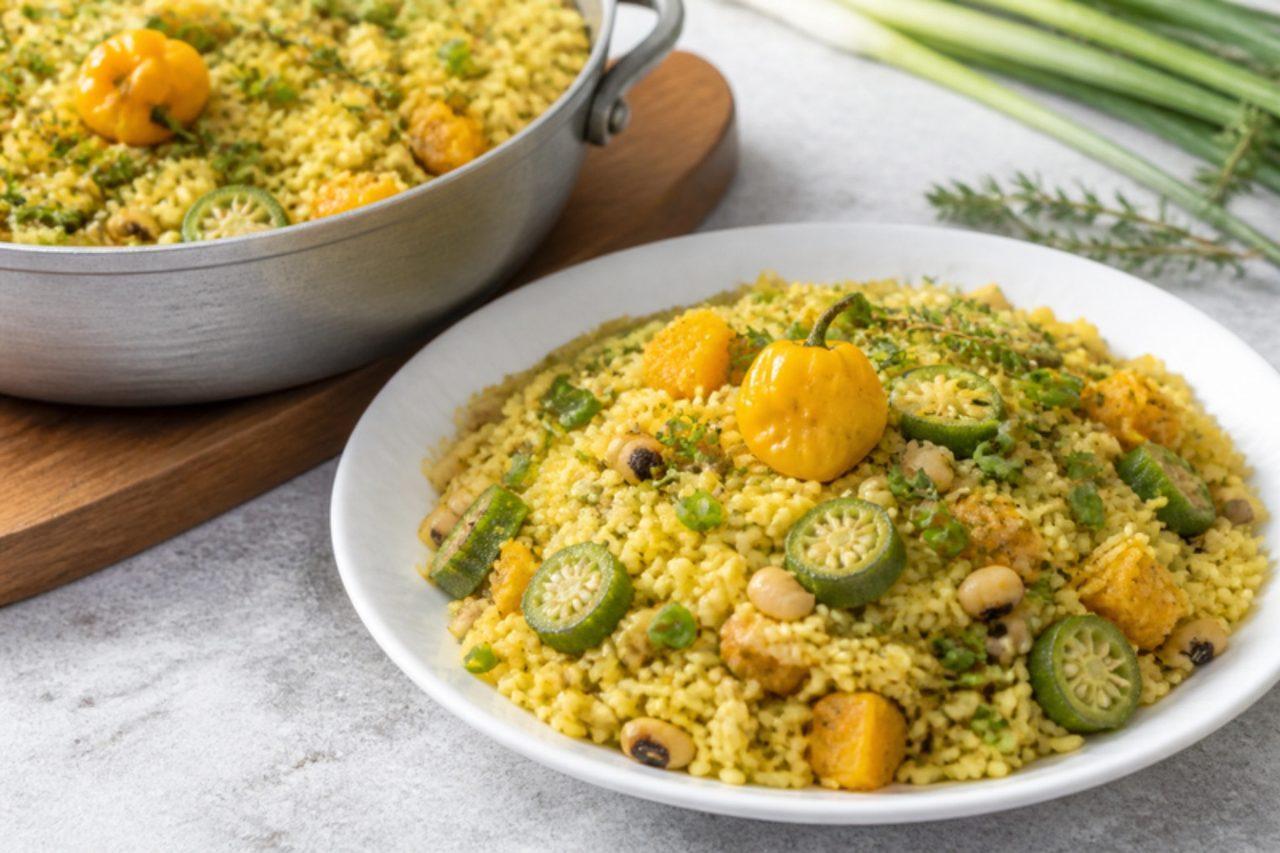
Cook-up rice is the dish Guyanese families make to see in the New Year, and on any Saturday when the week's odds and ends go into one pot. Rice, black-eyed peas and vegetables simmer in fresh coconut milk with fresh thyme, spring onion and a whole wiri wiri pepper (small, round and fiery) until every grain is soft and glossy. It's richer and wetter than Jamaican rice and peas, with the vegetables cooked right in. Chef's tip: let the pot sit covered off the heat for 10 minutes at the end; the rice finishes in the steam and a little crust forms on the bottom that people fight over.

by KrazyBadal 0 views

Kefta tagine with eggs

Café kitchens from Tangier to Agadir keep a row of small clay tagines bubbling with this one at lunchtime, and plenty of Moroccan families make it on busy weeknights. Little cumin-and-paprika meatballs poach in a thick, garlicky tomato sauce, then eggs are cracked straight into the pan and left to set softly on top. You eat it straight from the pot, tearing bread to scoop up meat, sauce and runny yolk together. Serve with a plate of olives and a simple chopped salad. Chef's tip: roll the meatballs no bigger than a cherry tomato so they cook through in the sauce in the same time it takes to thicken.

by KrazyBadal 0 views

Lamb tagine with prunes

Served at weddings, Eid gatherings and big family dinners in Fez and Marrakech, tagine lham bel barkouk is the sweet-and-savoury centrepiece Moroccans bring out for guests. Lamb shoulder braises slowly with saffron, ginger and cinnamon until it falls apart in a buttery-soft sauce, then it is crowned with glossy honeyed prunes, fried almonds and toasted sesame. Each mouthful moves from warm spice to deep fruit sweetness. Put it in the middle of the table with bread for scooping, or with couscous. Chef's tip: cook the prunes in a little of the sauce in a separate pan; poached apart, they stay whole and shiny instead of dissolving into the meat.

150 minMoroccanMeatGluten free
by KrazyBadal 0 views

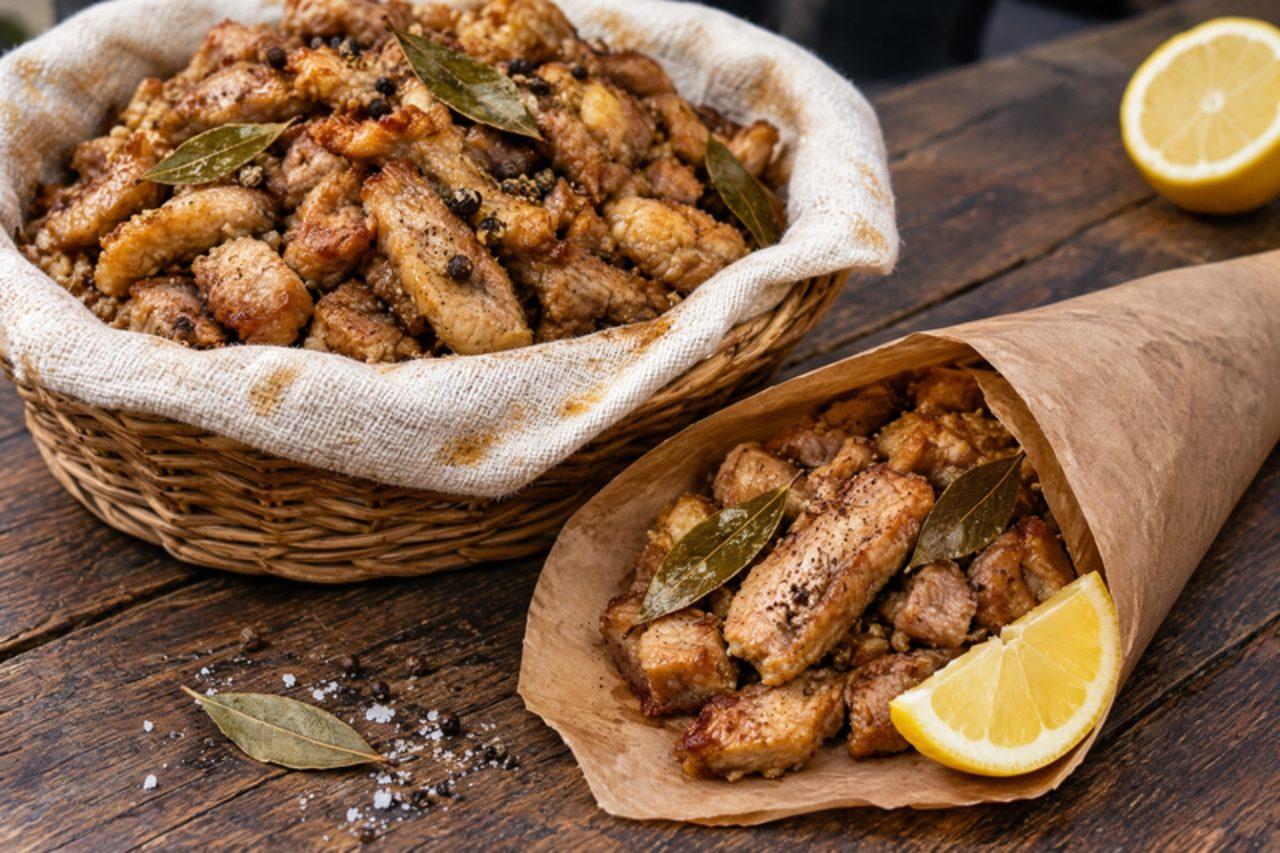
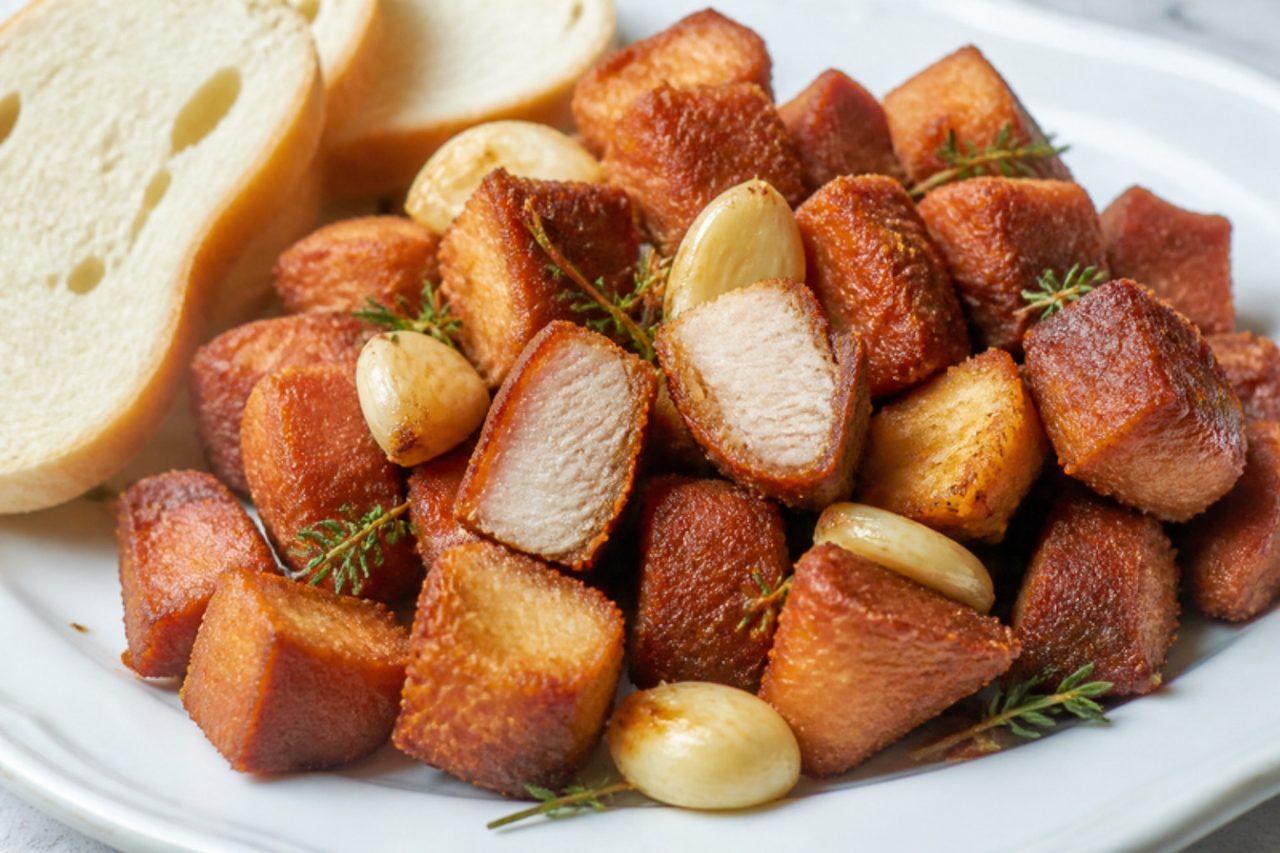
Guyanese garlic porkGarlic pickled pork

Garlic pork came to Guyana with Madeiran Portuguese settlers in the 1800s and is still made for Christmas breakfast in Georgetown, alongside pepperpot and bread. This dish contains pork. Pieces of pork are packed into a jar with a pickle of vinegar, lots of garlic, thyme and wiri wiri pepper and left in the fridge for at least three days, then fried until browned and slightly crisp. The mistake is leaving the jar on the counter, as was once done: always keep it in the fridge. Chef's tip: pat the pork very dry before frying, or the vinegar makes the oil spit.

by KrazyBadal 0 views

Chicken tagine with preserved lemon & olives

Few dishes say Fez quite like djaj mqualli, the golden chicken that turns up at family lunches, weddings and Friday tables across the old medina. The chicken simmers slowly in its own juices with grated onion, ginger and saffron until the meat slips off the bone and the onions melt into a thick, glossy, yellow sauce. Salty-sour preserved lemon and bright green olives go in near the end, cutting through the richness. Mop it up with crusty bread, or spoon it over plain couscous for a weekday dinner. Chef's tip: grate the onion rather than chopping it; it dissolves completely and gives the sauce its body without any flour.

by KrazyBadal 0 views

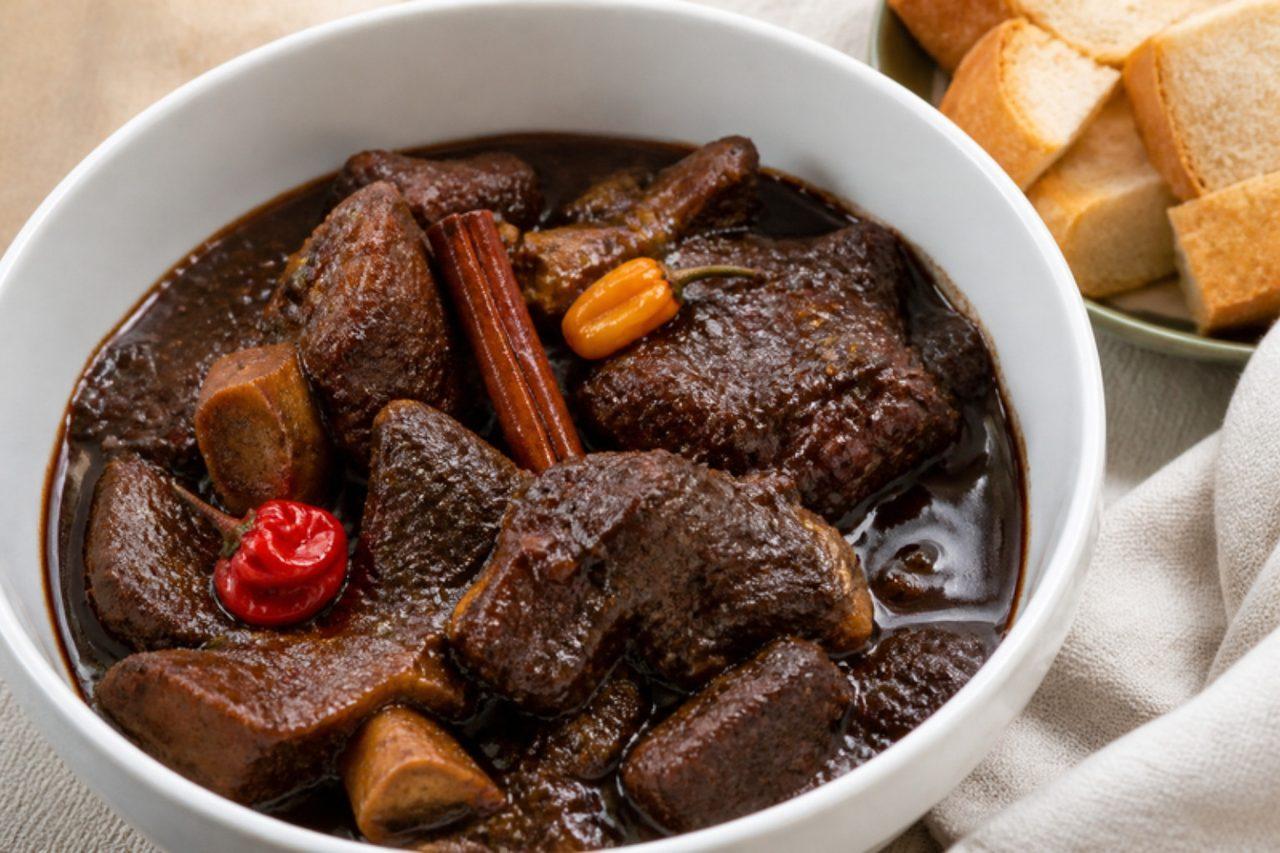
Guyanese pepperpotBeef stew with cassareep

Pepperpot is Guyana's national dish and the centre of Christmas morning, when families in Georgetown and the countryside eat it with thick slices of plait bread. It comes from the Amerindian peoples, who used cassareep, a black syrup boiled from cassava juice, to flavour and preserve meat. Beef (often with cow foot or oxtail) simmers for hours with cassareep, cinnamon, cloves, orange peel, sugar and hot wiri wiri pepper into a glossy, dark, sweet-savoury stew. The mistake is serving it the day it is made; it is much better after a day or two. Chef's tip: bring it back to a full boil every day you keep it, as Guyanese families do, and always keep it in the fridge.

200 minGuyaneseMeatGluten free
by KrazyBadal 0 views

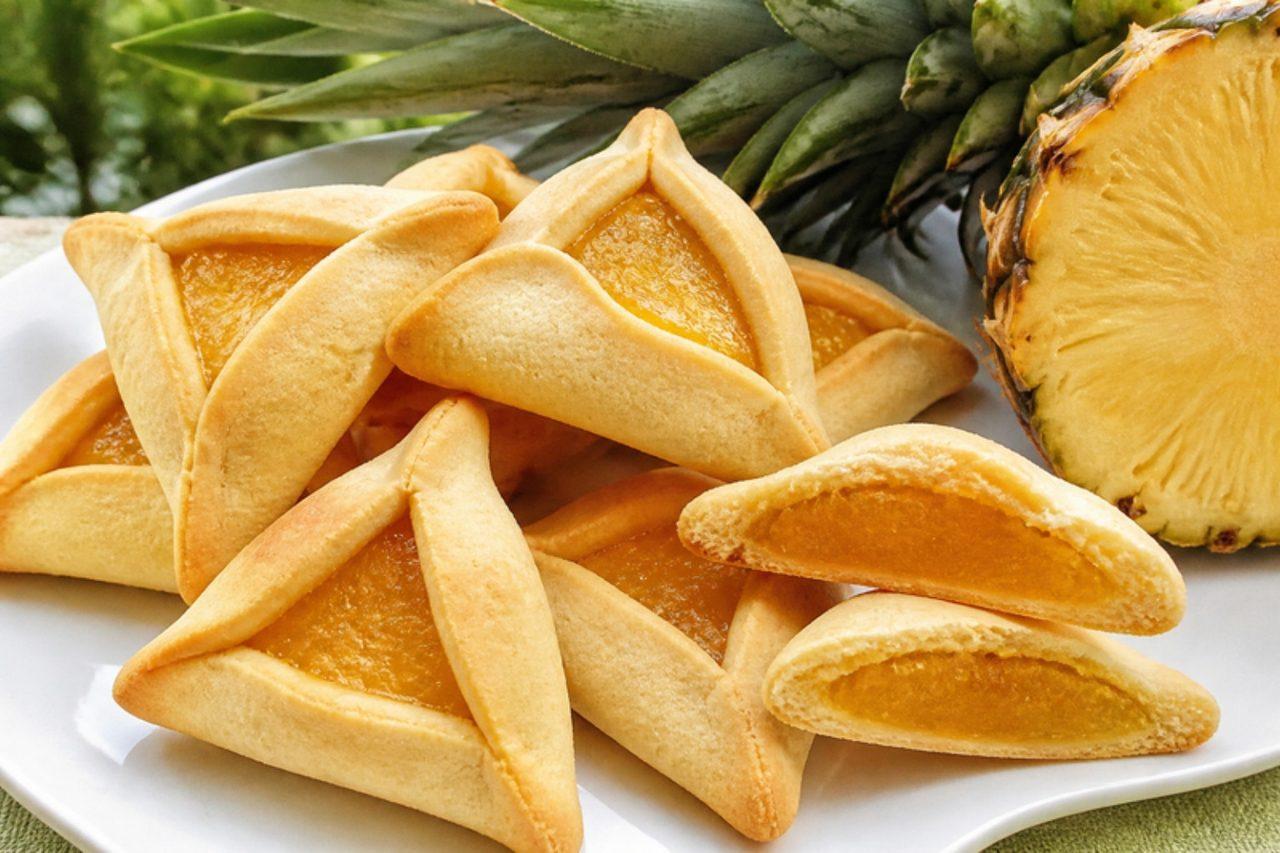
Guyanese pine tartsPineapple jam tarts

Pine tarts (short for pineapple tarts) are Guyana's favourite bakery treat: a flaky triangle of pastry folded over a thick, sticky pineapple jam spiced with cinnamon and nutmeg, with the filling peeking out of the middle. They're sold in every Georgetown bakery and carried abroad in suitcases by visiting family. Their triangle shape sets them apart from the open pineapple cookies of Southeast Asia. Chef's tip: cook the jam until it's thick enough that a spoon dragged across the pan leaves a clean path; runny jam leaks and burns in the oven.

by KrazyBadal 0 views

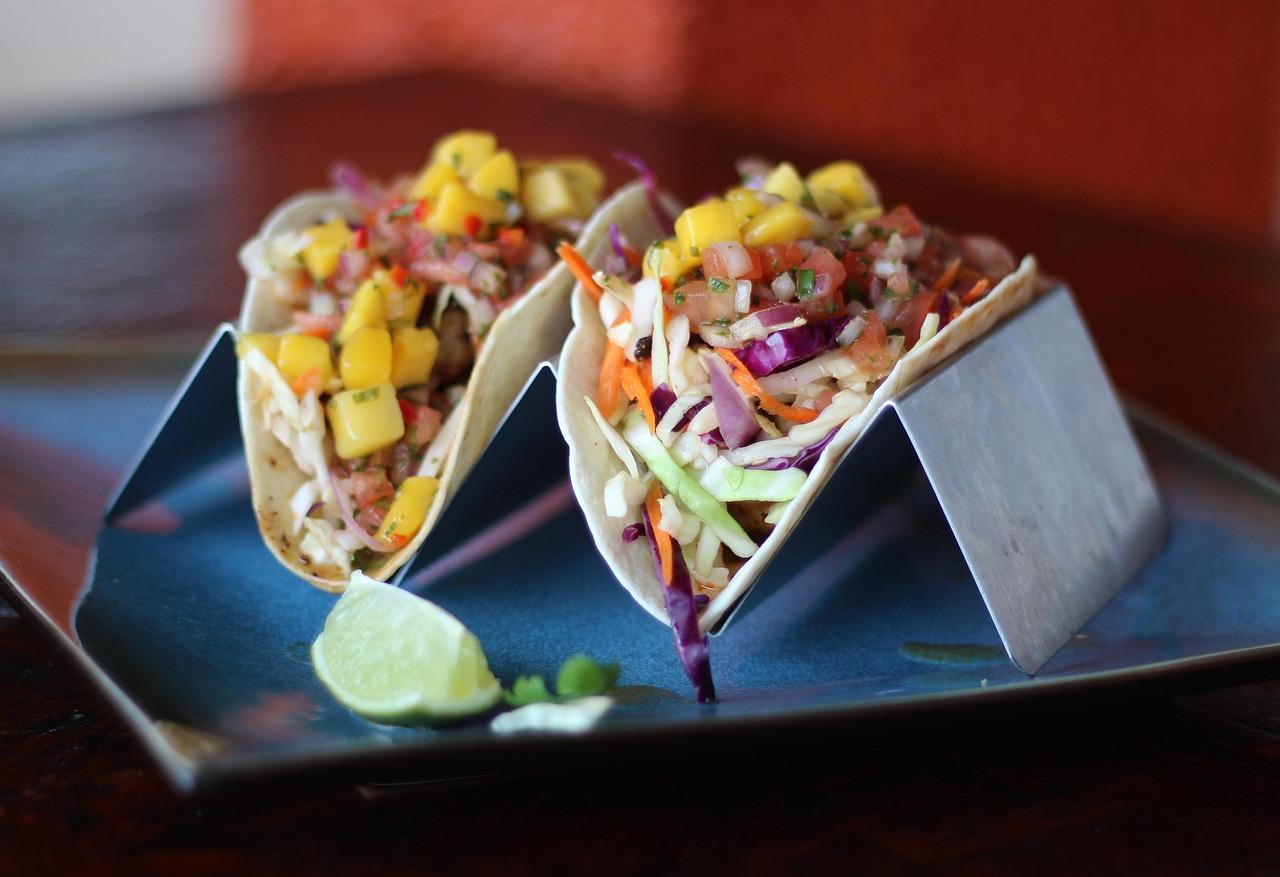
Baja fish tacos

Along the waterfront of Ensenada, in Baja California, fish taco stands open mid-morning and are often sold out by early afternoon. Strips of mild white fish go into a light, crackly batter, straight from the fryer into warm corn tortillas, and every customer finishes their own with shredded cabbage, a pour of crema and a squeeze of lime from the bowls on the counter. The batter here uses cold beer, which makes it puff and stay crisp; it contains alcohol, and ice-cold sparkling water gives almost the same lift without it. Chef's tip: keep the batter fridge-cold and mix it only until just combined, so the coating stays thin and shatters instead of turning bready.

by KrazyBadal 0 views

Naga smoked pork with bamboo shoot

Many Naga kitchens have a rack of pork hanging above the fire, slowly smoking for weeks, and this stew is what it is saved for. The smoky meat is simmered with sour fermented bamboo shoot, crushed ginger and garlic and raja mircha, the famously hot king chilli, with almost no oil and no ground spices. In Kohima it is festival food during the Hornbill Festival in December and Sunday food all year, served with rice and boiled greens. Chef's tip: smoked pork is already salty, so salt only at the very end.

85 minIndianMeatGluten freeSpicy
by KrazyBadal 0 views

Andaman tamarind fried fish

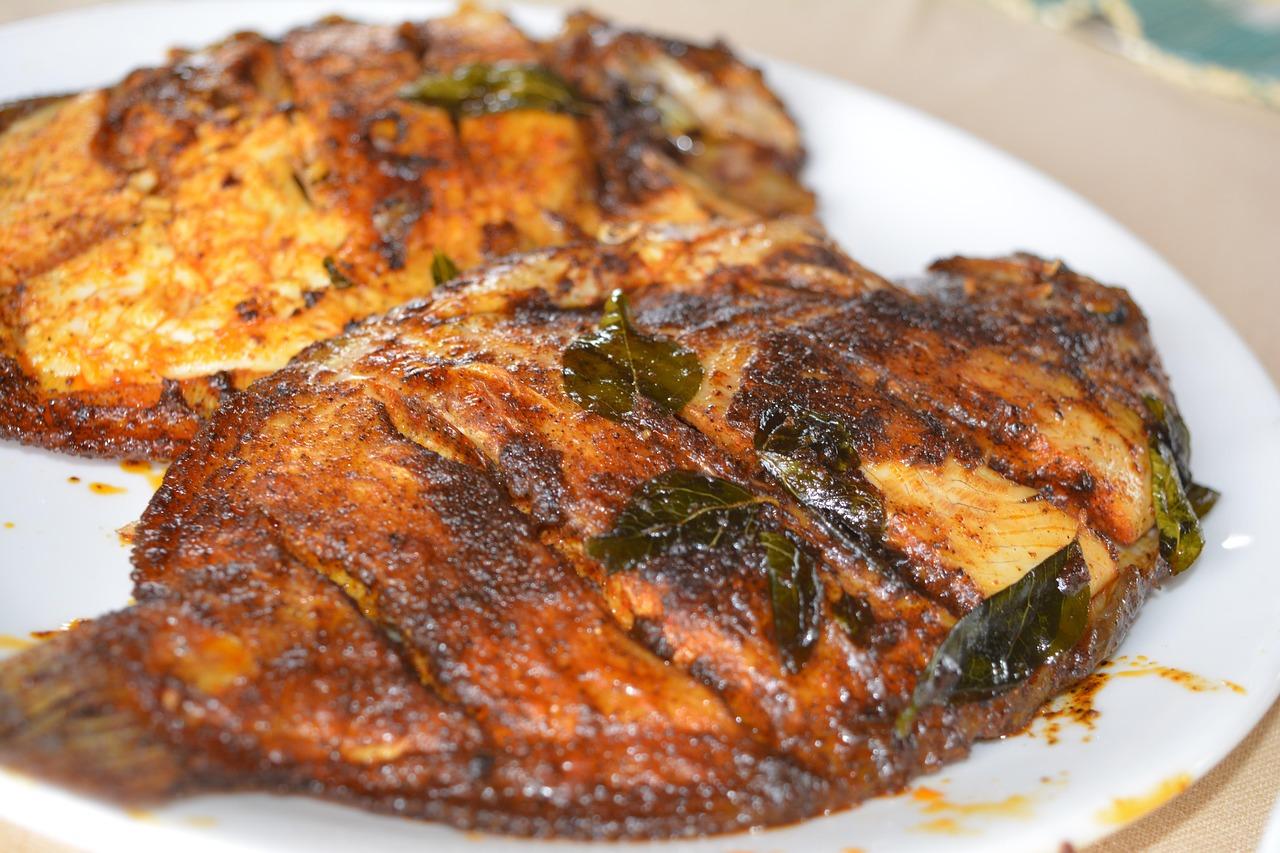
Small seaside stalls at Corbyn's Cove and the fish shacks of Havelock fry the morning's catch this way: red snapper, mackerel or pomfret rubbed with a tangy paste of tamarind, chilli and garlic, dusted with rice flour and fried in a heavy pan until the edges blister. On the islands it is lunch with rice and dal, or a beach snack with onion rings and lime. It takes very little time, so cook it just before you eat. Chef's tip: dry the fish well with kitchen paper before the marinade goes on, so the paste sticks and the crust crisps.

37 minIndianFishGluten free
by KrazyBadal 0 views

Andaman coconut prawn curry

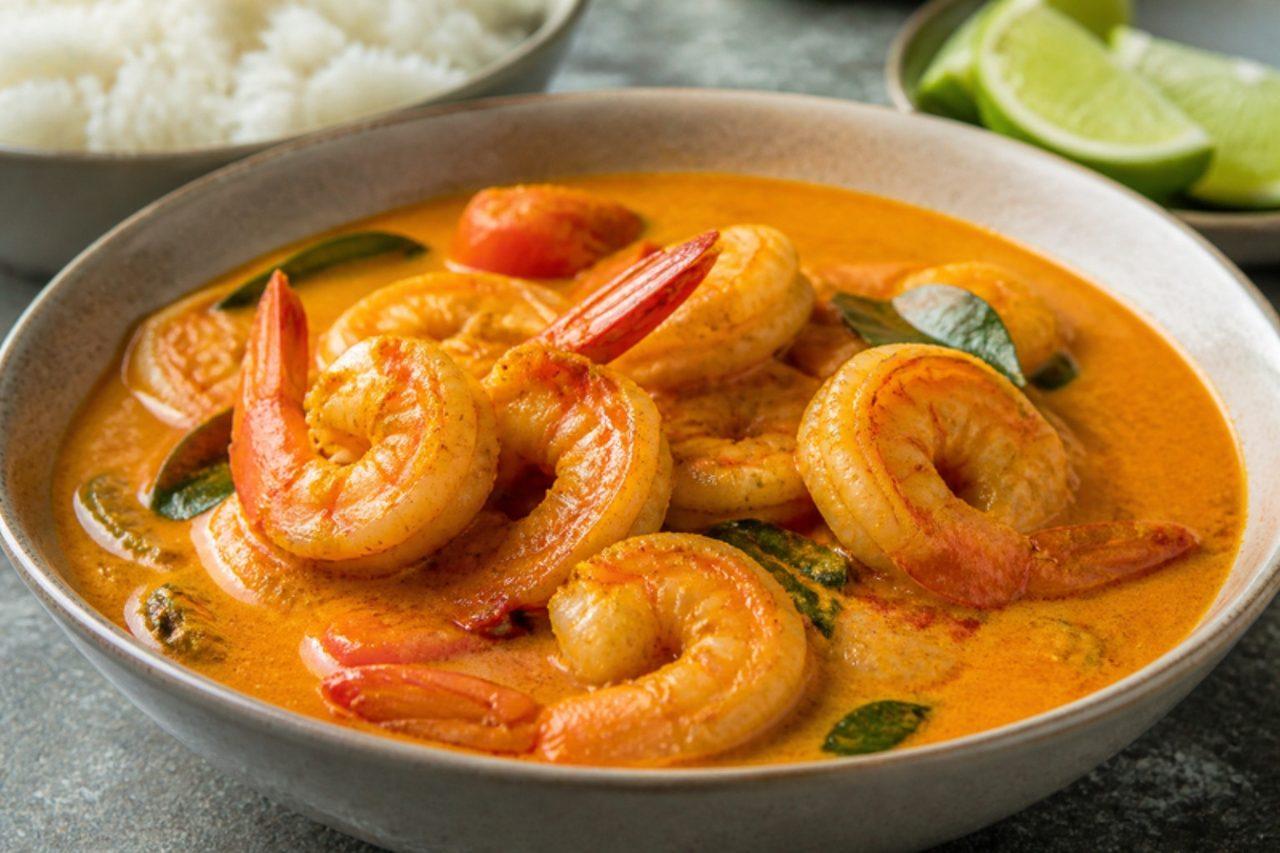
Many families in Port Blair and the South Andaman villages trace their roots to Bengal, and their seafood cooking blends that heritage with the coconut palms growing everywhere on the islands. This prawn curry starts like a Bengali malaikari — mustard oil, bay leaf, whole garam masala and onion paste — but leans more heavily on fresh coconut milk, and the prawns come straight from the Junglighat fish market. It is everyday island food, eaten with plain rice and a squeeze of lime. Chef's tip: heat the mustard oil until it just smokes, then let it cool for a minute; that takes off the raw, sharp edge.

40 minIndianFishGluten free
by KrazyBadal 0 views

Andhra kodi kuraSpicy chicken curry

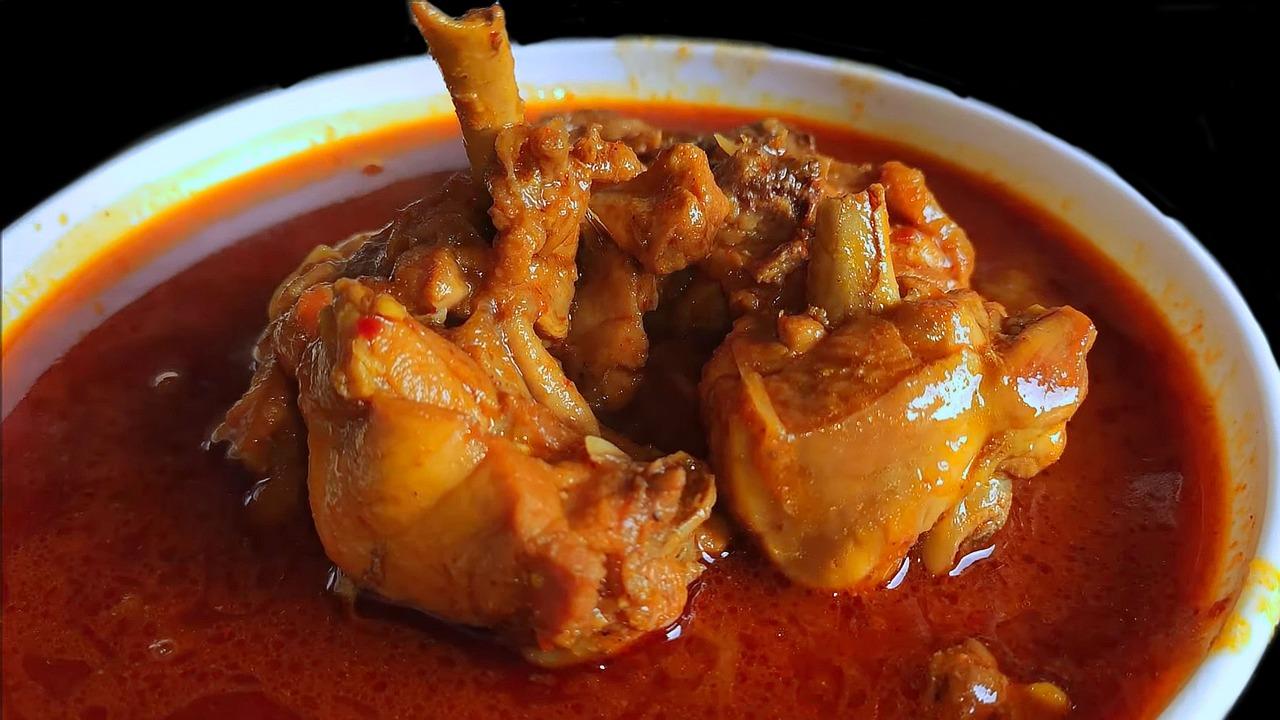
Guntur district grows more red chilli than almost anywhere on earth, and Andhra home cooking wears that proudly. Kodi kura is the Sunday chicken curry of Andhra homes, from Vijayawada to the Rayalaseema villages: thick, red and properly hot, with a little ground poppy seed and coconut to round out the sauce. It is eaten with heaps of plain rice, a spoon of ghee and a bowl of rasam on the side, or with jowar rotis. Chef's tip: fry the masala until oil pools at the sides before adding any water; that is where the colour and flavour come from.

by KrazyBadal 0 views

GyeongdanGlutinous rice balls

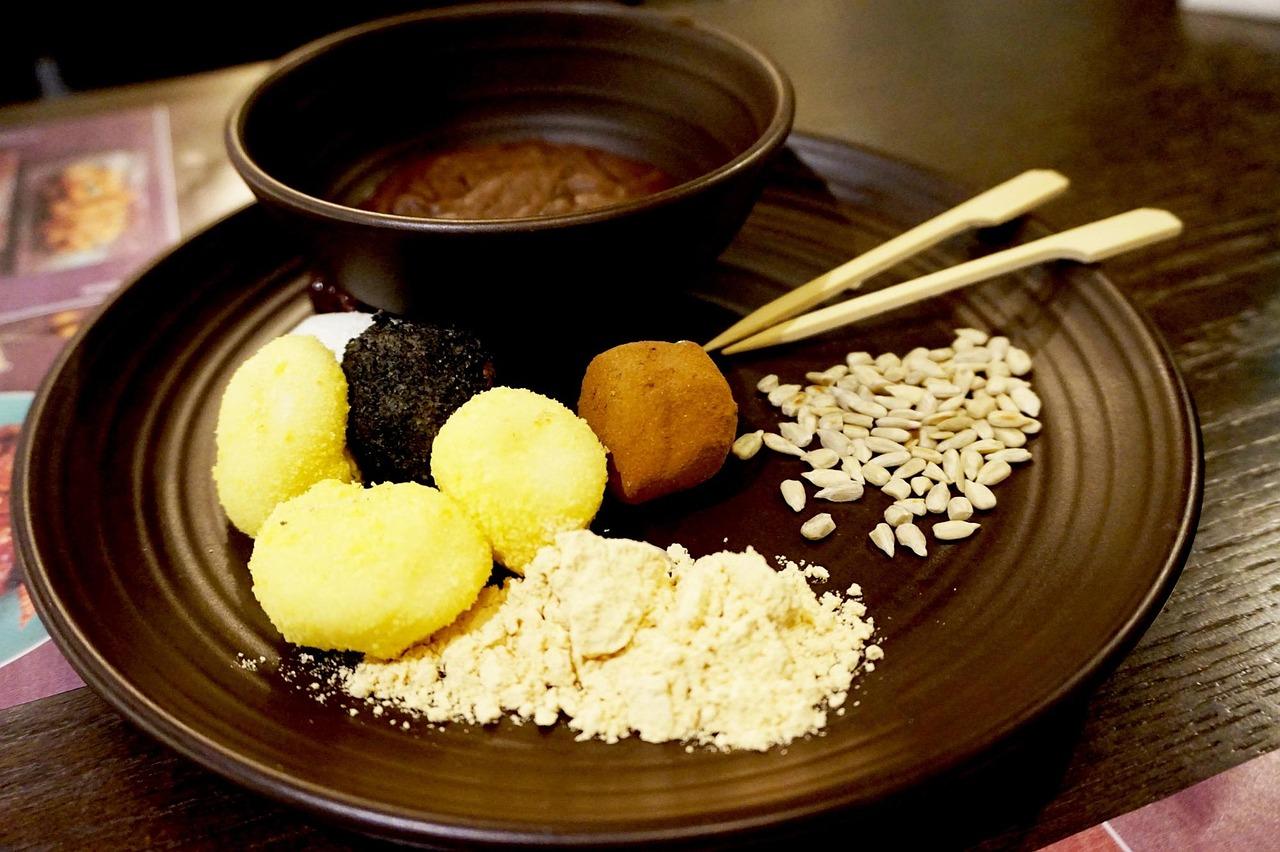
Gyeongdan (경단) are small balls of boiled glutinous rice dough, filled or plain, and rolled in coloured coatings: golden roasted soybean powder, black sesame, green or toasted coconut. In Seoul they are made for a baby's 100th day and first birthday, and sold in rice-cake shops all year in mixed boxes. They are only lightly sweet, soft and stretchy, best eaten the day they are made with a cup of barley tea. Children love rolling them. Chef's tip: mix the dough with very hot water a spoonful at a time; it should feel like soft play-dough, and if it cracks when you roll a ball it needs a little more.

by KrazyBadal 0 views

GyuvechBaked vegetable stew

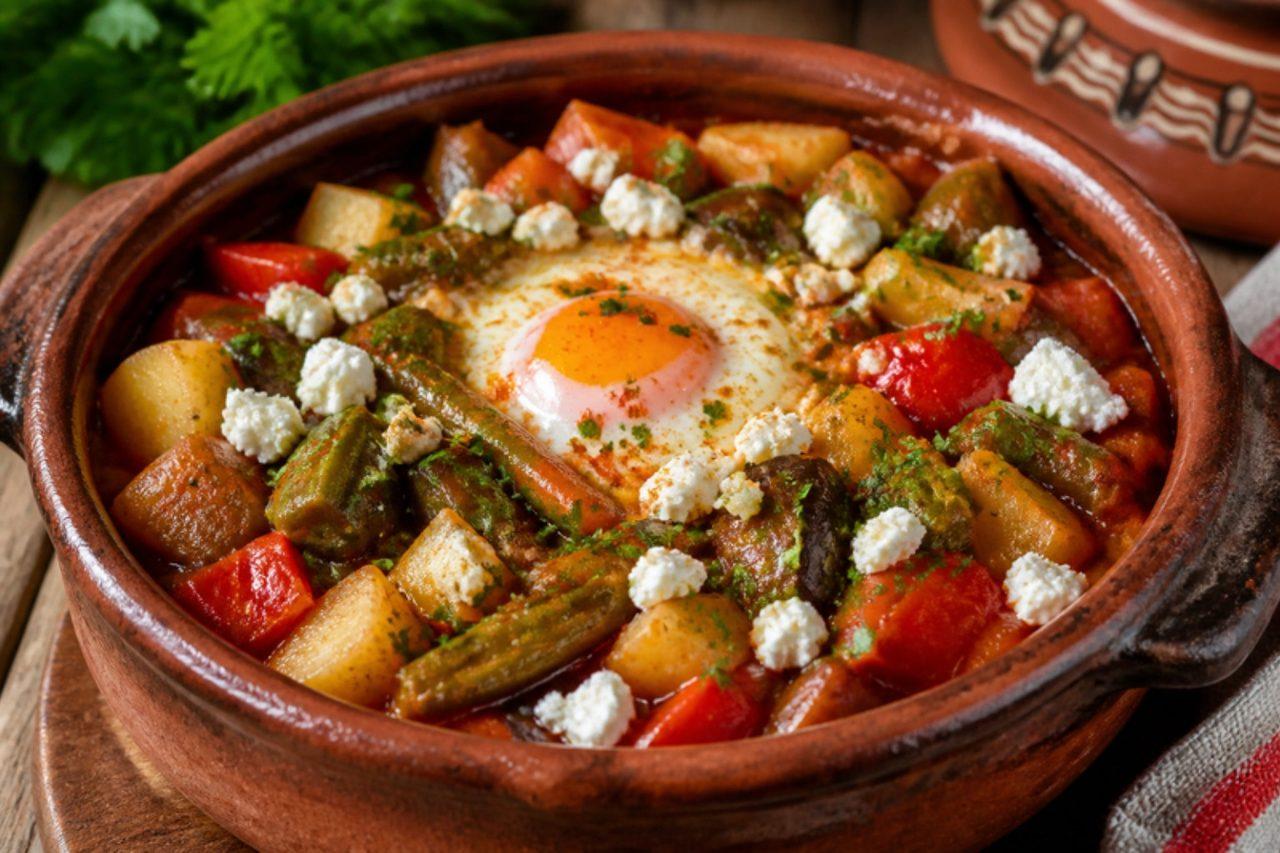
Gyuvech takes its name from the glazed clay pot it is baked in, and in late summer in the villages of the Rhodopes and the Thracian plain it is slid into the bread oven packed with peppers, aubergine, okra, green beans, potatoes and tomato, seasoned with paprika and the herb chubritsa (summer savory). In the last minutes, eggs are often cracked over the top and baked until just set. It is served straight from the pot with bread to scoop up the juices. Unlike Greek briam, the vegetables stew in a paprika broth under a lid rather than roasting in oil. Chef's tip: put a clay pot into a cold oven; heating it first is the usual mistake and can crack it.

by KrazyBadal 0 views

HaakCollard greens in mustard oil

Haak is the everyday green of Kashmir: collard greens grown in every kitchen garden, cooked whole with nothing more than mustard oil, dried red chilli, asafoetida and salt. The leaves stay bright, tender and slightly silky, with a clean, peppery taste that sings next to rice. Kashmiri Pandit households keep it this simple; Muslim homes often add a few garlic cloves. Serve with plain rice and a dal or rajma. Chef's tip: leave the leaves whole or in large pieces and cook them uncovered for the first minutes; chopping and covering too early turns them dull olive-green.

by KrazyBadal 0 views

Chettinad chicken

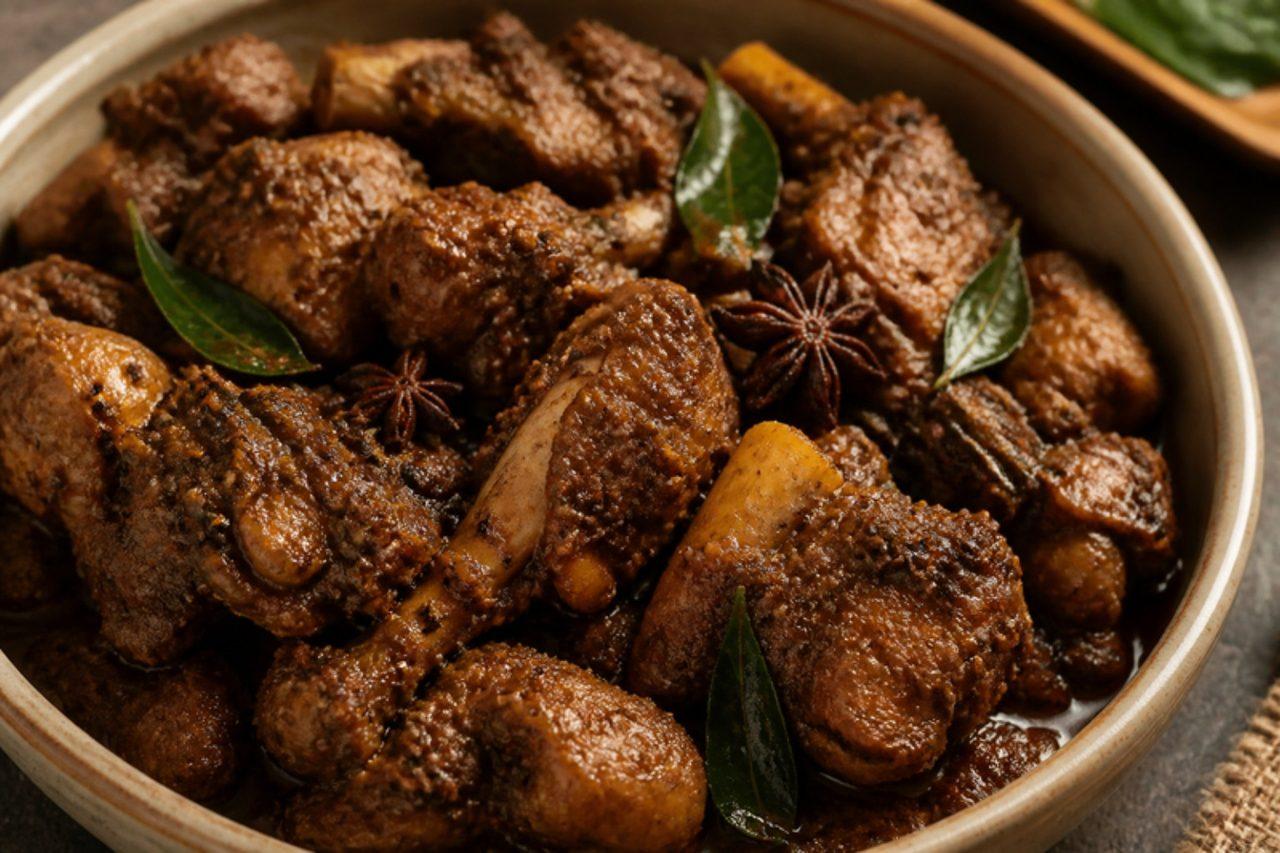
The Nattukottai Chettiar merchants of Karaikudi and the villages around it in southern Tamil Nadu built grand mansions on the spice trade, and their kitchens show it. Their chicken curry is built on a masala roasted and ground at home: dried red chillies, black pepper, fennel, star anise, coconut and the earthy lichen called kalpasi. It is hot, aromatic and deep brown, and in Chettinad it is eaten at Sunday lunch and festivals with rice, idiyappam or flaky parotta. Chef's tip: grind the roasted masala while it is still warm with a splash of water; the oils release and the paste comes out smooth.

by KrazyBadal 0 views

Habichuelas con dulceSweet red bean cream

In the Dominican Republic, Holy Week means pots of habichuelas con dulce, shared over garden walls between neighbours from Santiago to San Pedro de Macorís. Red beans are cooked soft and blended into a smooth cream, then simmered with coconut and evaporated milk, cinnamon and cloves, with soft cubes of sweet potato and plump raisins. Served cold, it tastes like a spiced coconut custard with a gentle earthy depth; nobody guesses beans the first time. It's traditionally topped with little crunchy milk biscuits. Chef's tip: push the blended beans through a sieve; it takes two minutes and gives the silky texture that marks a good batch.

by KrazyBadal 0 views

Habichuelas guisadasStewed pink beans

Habichuelas guisadas are on the stove most weekdays in Puerto Rico, from Ponce to Fajardo, ladled over plain white rice for the everyday plate called arroz con habichuelas. Pink or red beans simmer with sofrito, tomato sauce and olives, and cubes of calabaza (West Indian pumpkin) melt into the pot to make a thick, orange-red, gently sweet sauce. It's homely, cheap and deeply savoury. Island cooks often add a piece of ham; this version doesn't need it. Chef's tip: when the pumpkin is soft, crush a few pieces against the side of the pot; they dissolve into the liquid and thicken it without any flour.

by KrazyBadal 0 views

Thalassery chicken biryani

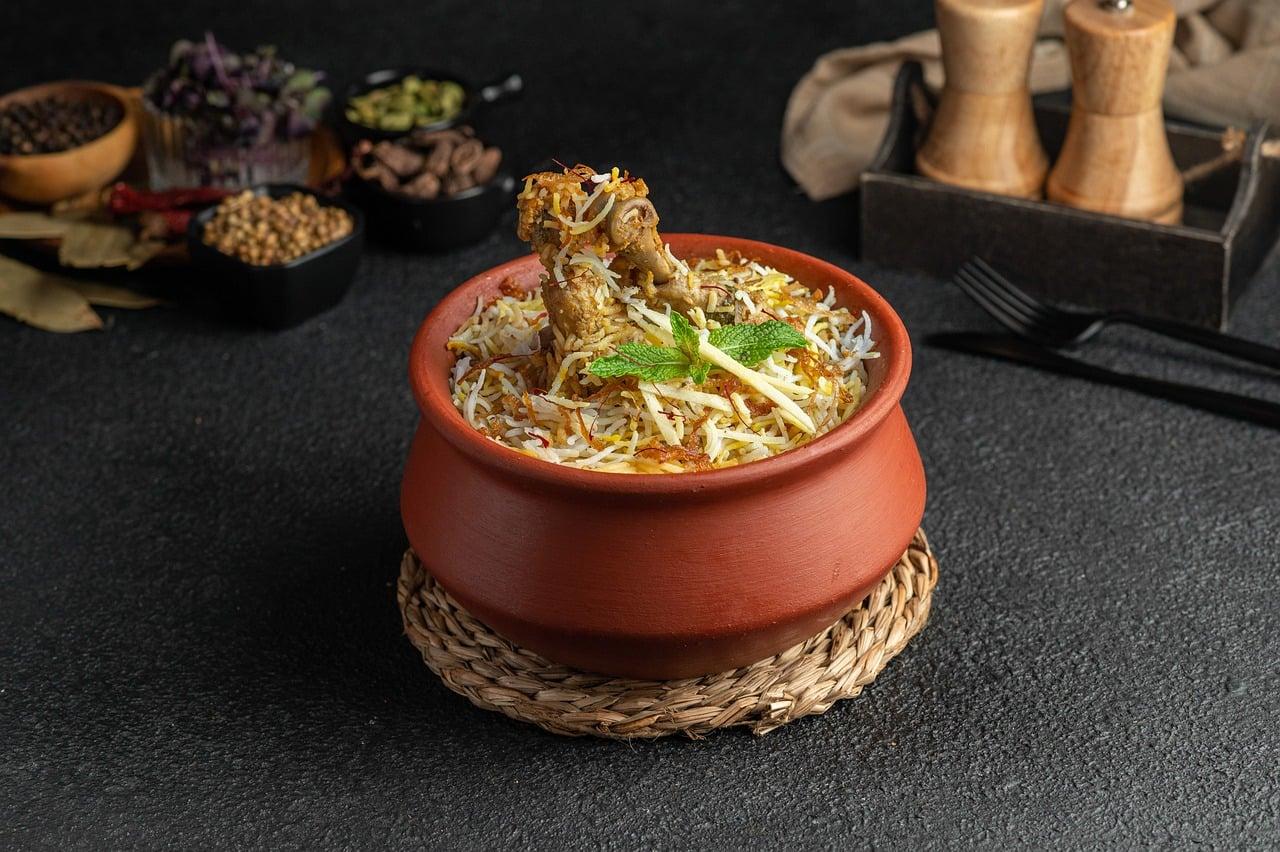
On the Malabar coast of northern Kerala, the port town of Thalassery makes its biryani with kaima (jeerakasala), a tiny fragrant rice that stays separate and buttery instead of long and dry. Mappila Muslim families serve it at weddings, at Eid and at Friday lunches, the chicken cooked first in a green-chilli and tomato masala, then buried under ghee rice and sealed for dum. There is no red chilli powder in it; the heat comes from fresh green chillies, and the sweetness from cashews, raisins and deeply fried onions. Serve it with a sharp date-and-onion pickle or a simple raita. Chef's tip: toast the washed, drained rice in ghee until it smells nutty before the water goes in; it keeps every grain whole.

by KrazyBadal 0 views

Pork vindaloo (vindalho)

Vindalho grew out of the Portuguese vinha d'alhos, meat kept in wine and garlic, which Goan Catholic cooks remade with palm vinegar, Kashmiri chillies and spices. In Goa it is a feast dish for Christmas, weddings and the big family lunch after a church feast, made a day or two ahead because it improves as it sits. Despite its fame, the real thing is more sour and garlicky than blisteringly hot, and it has no potatoes. This recipe contains no alcohol. Chef's tip: let the pork marinate overnight in the fridge so the vinegar and chilli go right through the meat.

125 minIndianMeatGluten freeSpicy
by KrazyBadal 0 views

Goan fish curry (xitt codi)

Ask anyone from Salcete or Bardez what they eat for lunch and the answer is xitt codi: rice (xitt) and curry (codi), almost always fish curry. The gravy is ground from fresh coconut and Kashmiri chillies, soured with kokum and tamarind, and cooked with whatever the boats brought in, from kingfish and pomfret to mackerel. It is a weekday dish, ladled over red Goan rice with a fried fish or a pickle on the side. Chef's tip: grind the coconut masala for a full 2–3 minutes until it is completely smooth; a grainy paste gives a thin, separated curry.

50 minIndianFishGluten freeSpicy
by KrazyBadal 0 views

Bhopali gosht korma

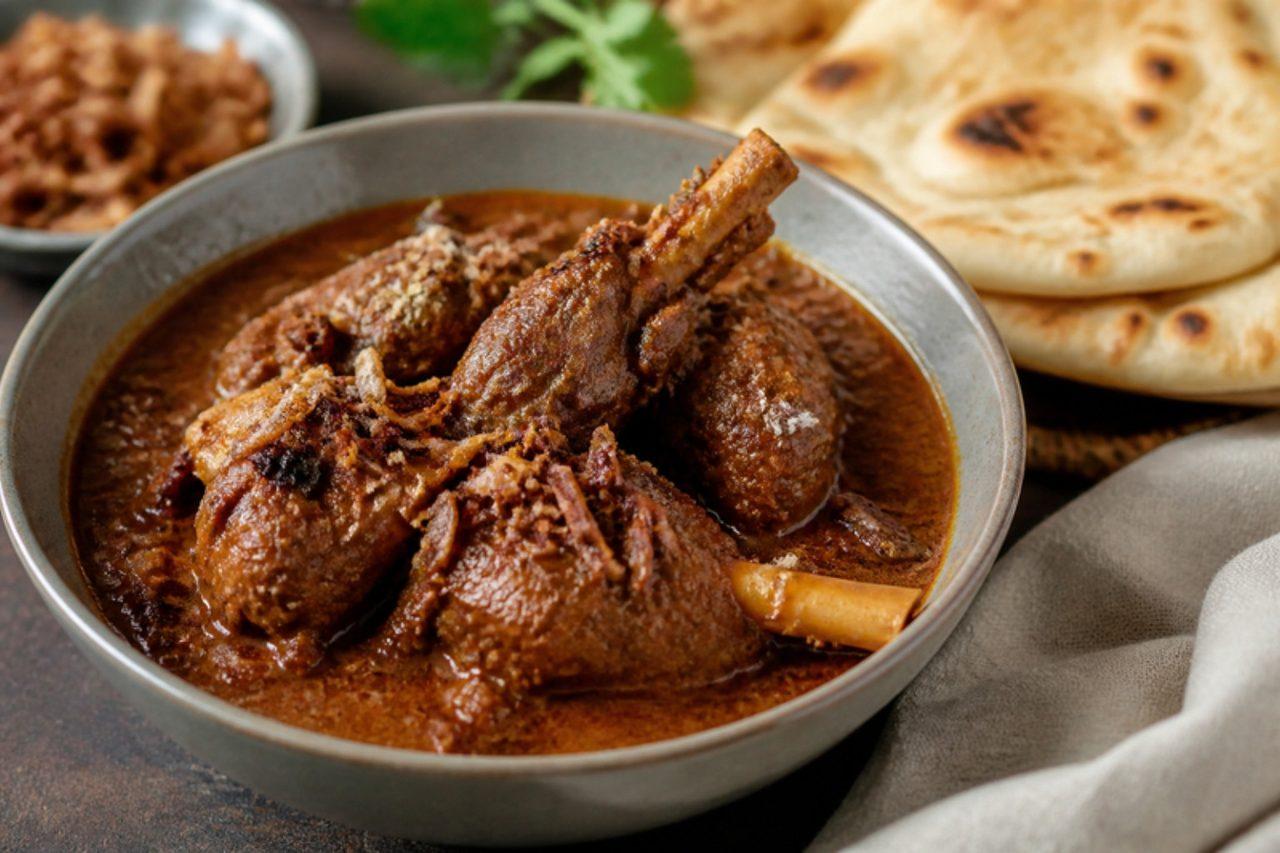
Bhopal was ruled for over a century by the Begums, and its Muslim kitchens developed their own style: earthier and more robust than the delicate cooking of Lucknow, with a liking for red chilli, roasted coriander and a thickening paste of dried coconut and poppy seeds. This mutton korma is the centrepiece of Eid lunches and nikah dinners in the old city around Chowk Bazaar, eaten with sheermal or khamiri roti. Compared with an Old Delhi chicken korma, it is darker, hotter and nuttier, and it's made with goat on the bone. Chef's tip: crush the fried onions roughly with your hands instead of blending them smooth; the little flecks of onion are part of the Bhopali texture.

140 minIndianMeatGluten freeSpicy
by KrazyBadal 0 views

Mughlai chicken korma

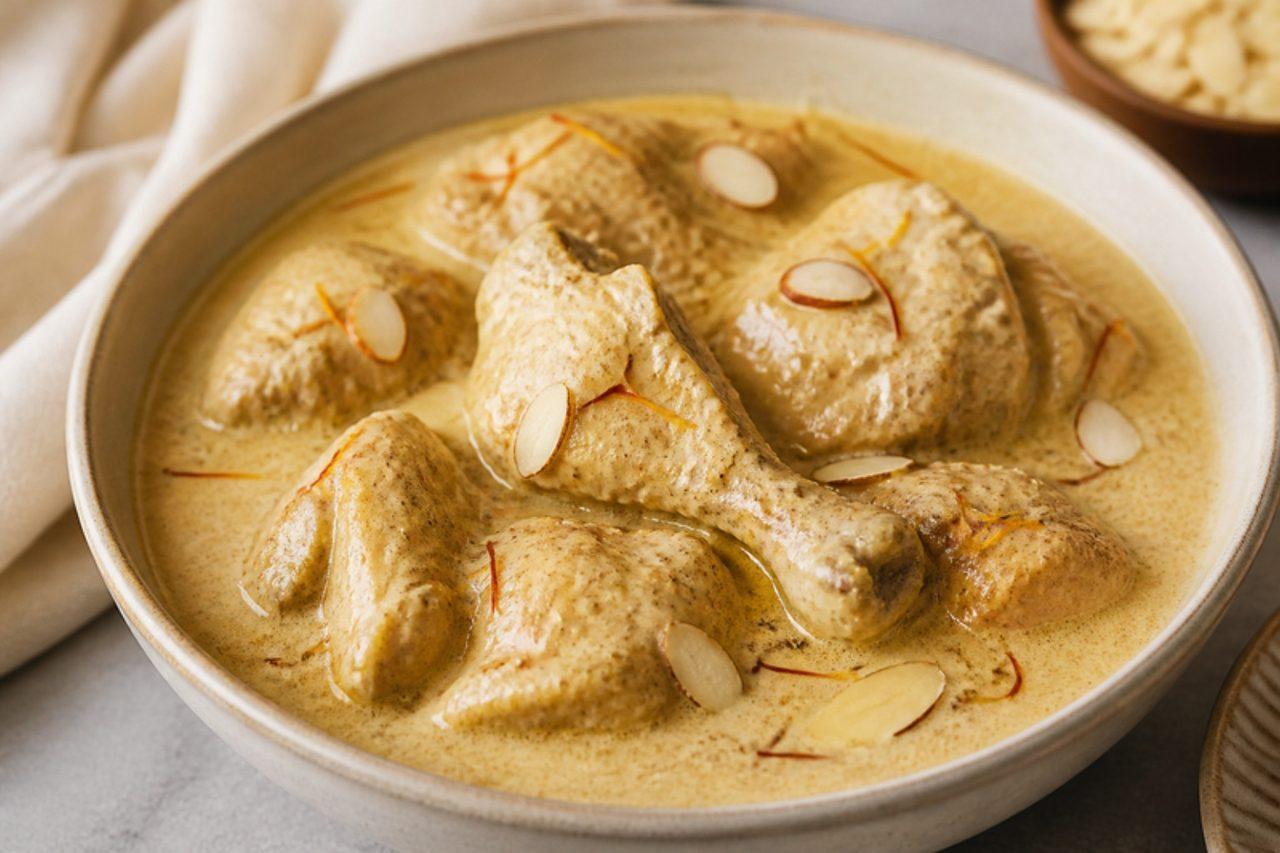
In the lanes around the Jama Masjid in Old Delhi, korma is cooked in huge copper degs for Eid and wedding feasts and sold from dawn with khamiri roti and sheermal. It descends from the Mughal court kitchens, where 'korma' meant meat braised slowly in yogurt and its own juices rather than in water. This one is not the mild, pale, coconut-sweet korma of British curry houses: it is golden-brown, fragrant with cardamom and mace, enriched with almond paste and fried onions, and medium-hot. Chef's tip: fry the onions slowly to an even golden-brown and grind them with the yogurt; the browned onion paste is both the colour and the backbone of the sauce.

by KrazyBadal 0 views

Hagelslag toastBread with chocolate sprinkles

Ask anyone who grew up in the Netherlands what they ate before school and the answer is usually a boterham met hagelslag: a slice of soft bread, well buttered, and covered edge to edge in chocolate sprinkles. It is not a treat for special days but an ordinary Dutch breakfast and lunchbox filler, and the country gets through millions of kilos of hagelslag every year. There are milk and dark chocolate versions, plus vruchtenhagel (fruity pastel sprinkles) and anijshagel (aniseed sprinkles). Chef's tip: the butter is the glue, so spread it right to the crusts and press the sprinkles down gently with the flat of a knife before you lift the slice.

by KrazyBadal 0 views

Hainan coconut riceSticky rice in coconut

Across Hainan island, in Wenchang and Haikou especially, cooks fill whole mature coconuts with glutinous rice and steam them for hours until the rice is sticky, sweet and full of coconut flavour. The coconut is cut open at the table and served in wedges with the white flesh still attached. Look for brown, mature coconuts that slosh when shaken. Soak the rice for 4 hours first. Chef's tip: a cleaver tapped round the shell's 'equator' near the top opens it more safely than trying to saw it.

by KrazyBadal 0 views

QingbuliangIced coconut milk dessert soup

On hot evenings in Haikou, night-market stalls ladle this into bowls: coconut milk poured over red beans, mung beans, sago pearls, cubes of jelly and fresh tropical fruit, with a scoop of shaved ice on top. The name roughly means 'clearing, nourishing, cooling', and Hainan people eat it to cool down in their long summer. Everything except the fruit can be cooked a day ahead and chilled. Chef's tip: cook each bean separately; they soften at different speeds.

by KrazyBadal 0 views

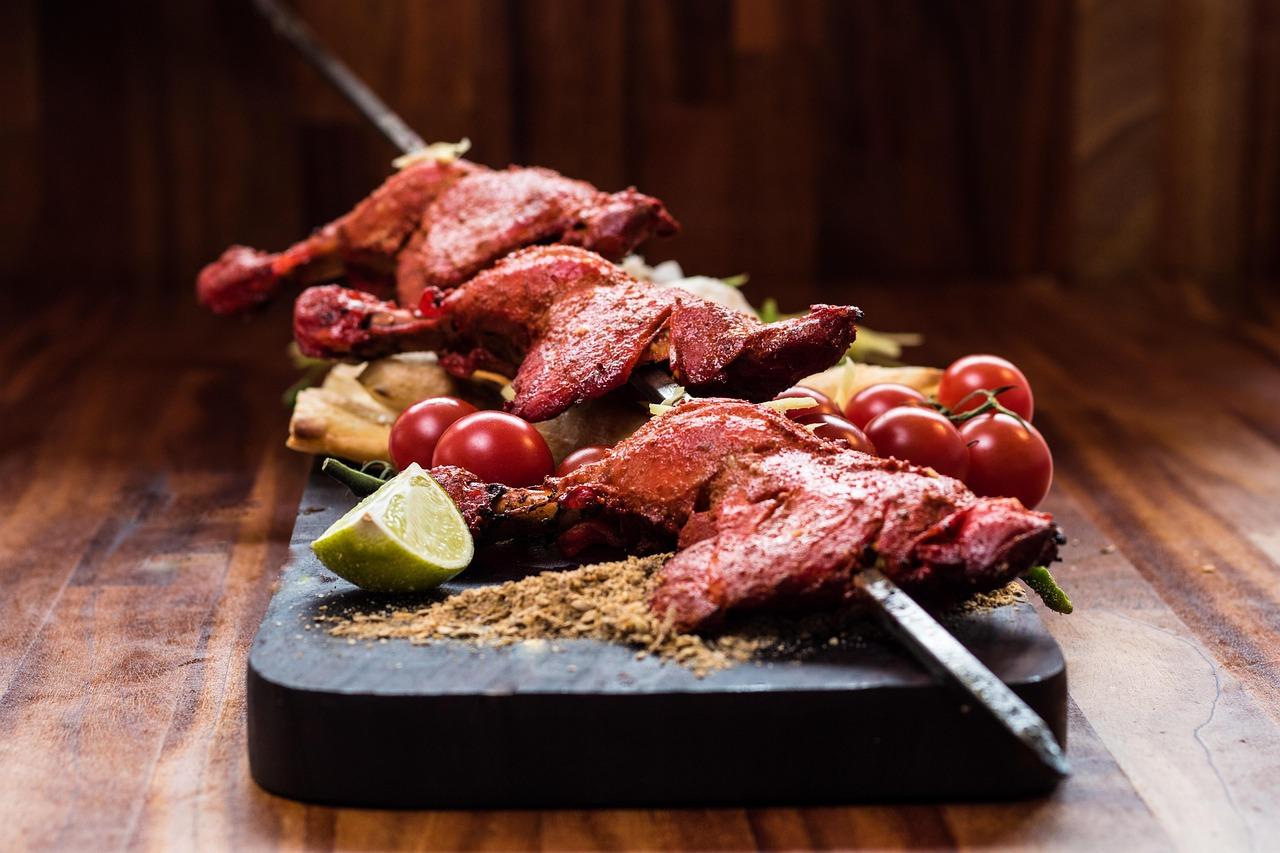
Tandoori chicken

Tandoori chicken comes from Punjab, where clay tandoor ovens fired with wood or charcoal reach well over 400 °C and roast marinated chicken in minutes. In Punjabi dhabas and wedding buffets it arrives on a sizzling plate with raw onion rings, lemon and mint chutney, and it's the starting point for butter chicken. A home oven can't match a tandoor, but a very hot oven plus a final blast under the grill gets you charred edges and juicy meat. The two-step marinade (lemon and salt first, then spiced yogurt) is the key. Chef's tip: cut deep slashes right down to the bone; the marinade gets inside and the thick legs cook through at the same time as the thinner parts.

by KrazyBadal 0 views

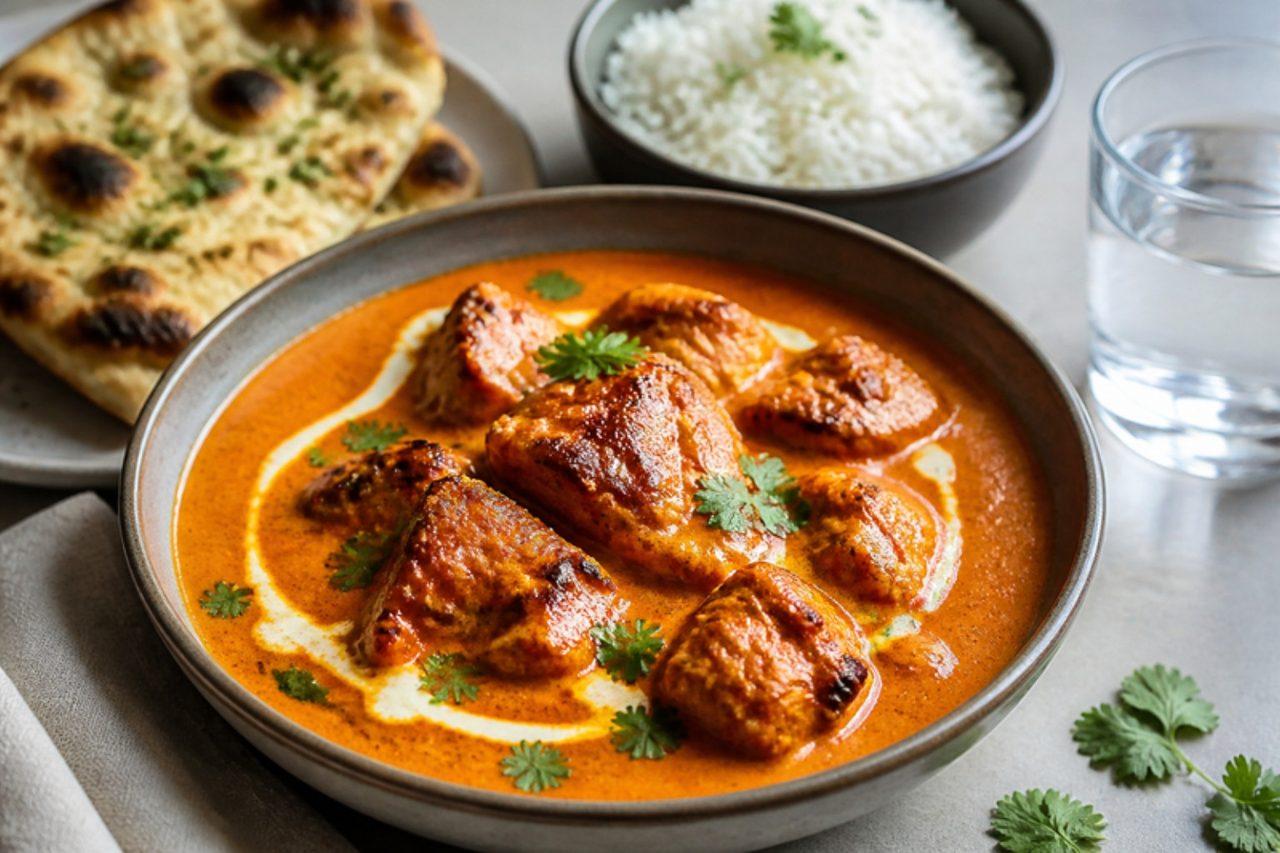
Butter chicken

Butter chicken was born in the Punjabi restaurants of Old Delhi after Partition, when cooks found a way to use up tandoori chicken by simmering it in tomatoes, butter and cream. It is not the same as chicken tikka masala: tikka masala builds its sauce on fried onions and is chunkier and spicier, while makhani gravy has no onion at all, is strained silky-smooth, and gets its gentle sweetness and smoky-savoury note from butter, cashews and dried fenugreek leaves. It is the dish families order for celebrations across Delhi and Punjab, mopped up with butter naan or eaten with jeera rice, and it's mild enough for children. Chef's tip: crush the kasuri methi between your palms right over the pot; that one step is what makes it taste like the restaurant version.

by KrazyBadal 0 views

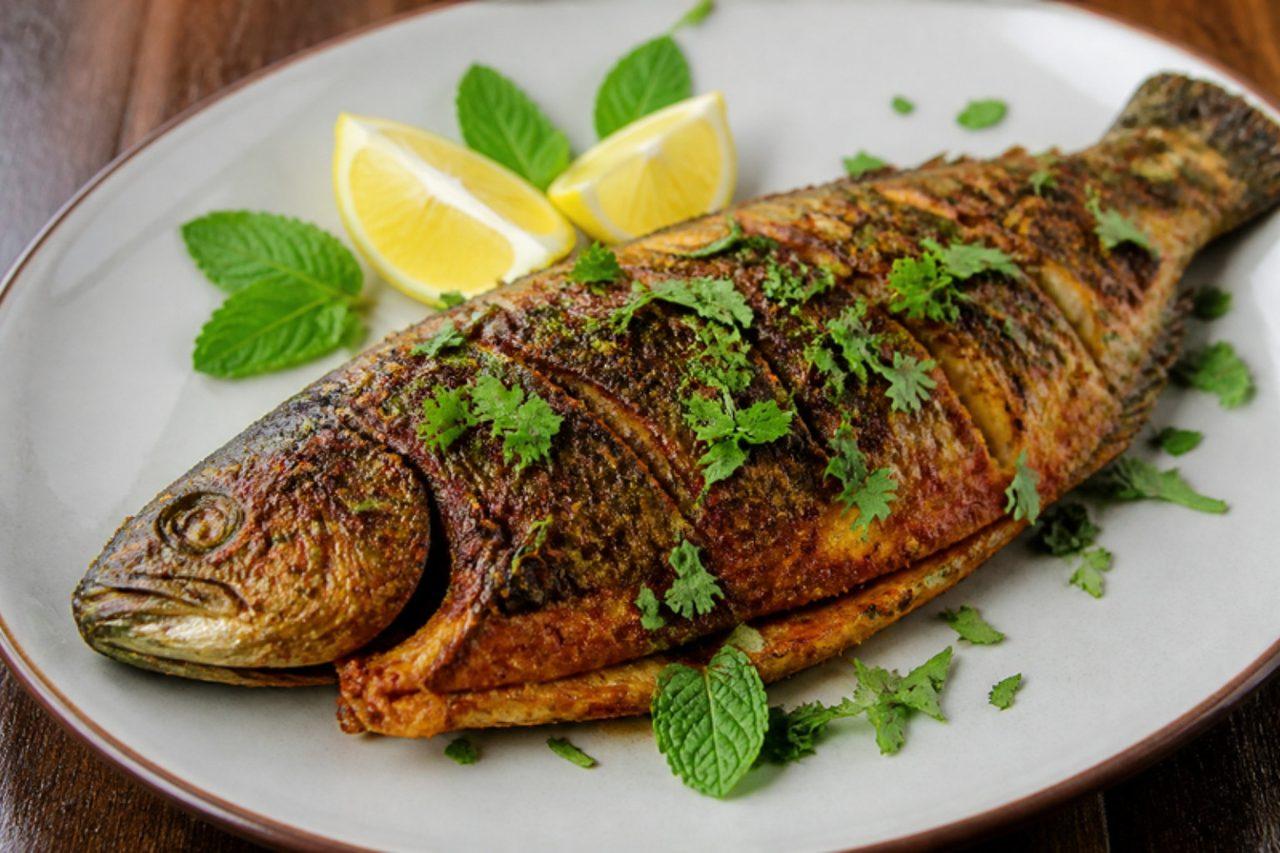
Kullu trout

Rainbow trout were introduced to the cold, fast Beas river over a century ago, and today the farms and roadside dhabas between Kullu and Manali serve it simply: rubbed with lemon and a light masala, then fried whole in a hot pan. It is what travellers stop for on the drive up to the snow, eaten with rice, a green salad and a squeeze of lemon. The spicing is gentle so the clean, sweet flavour of the fish stays in front. Chef's tip: dry the fish very well and leave it alone in the pan for the first few minutes; moving it too early tears the skin, which should come out crisp.

25 minIndianFishGluten free
by KrazyBadal 0 views

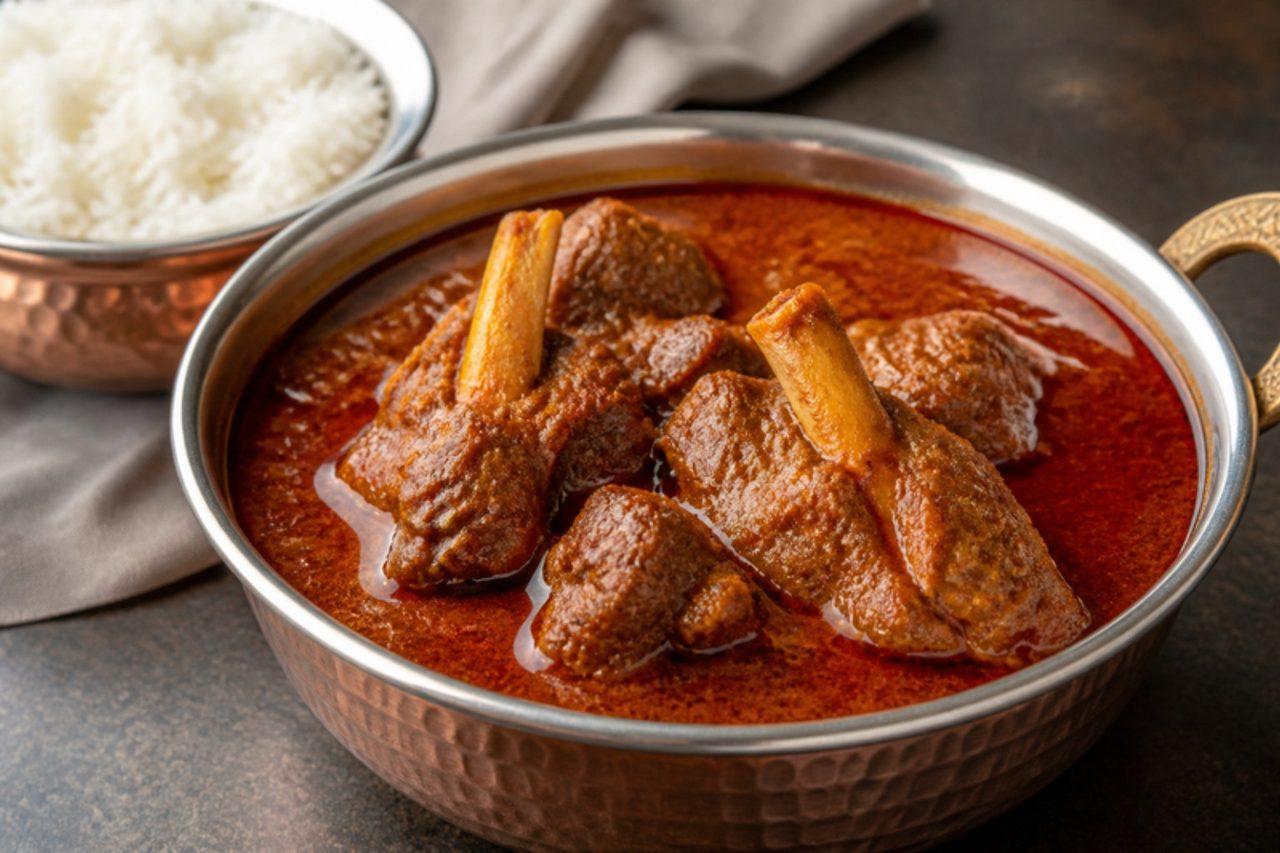
Rogan josh

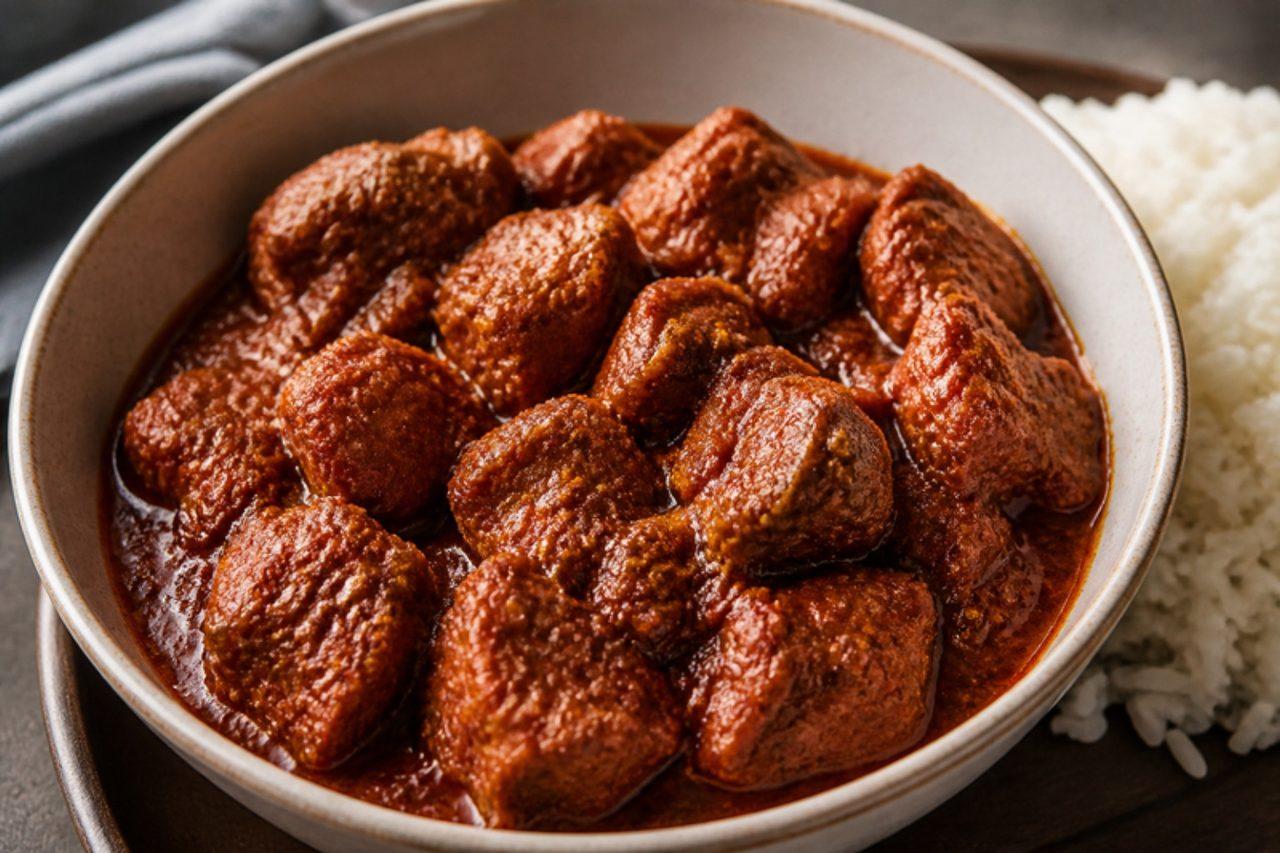
In the Kashmir Valley this deep-red lamb braise turns up at every wazwan, the multi-course wedding feast cooked by hereditary chefs, and on Sunday tables in Srinagar through the cold months. The Kashmiri Pandit version cooked here uses no onion, garlic or tomato: the colour comes from mild Kashmiri chillies, the warmth from ground fennel and dry ginger, and the body from yogurt cooked down until the fat rises red to the top (that red oil is the 'rogan'). Eat it with plain steamed rice, the Kashmiri way. Chef's tip: use bone-in shoulder or leg and give it time; the bones and slow simmer make the thick, glossy gravy, and boneless meat turns stringy before the sauce is ready.

120 minIndianMeatGluten freeSpicy
by KrazyBadal 0 views

Tobago curry crab and dumpling

On Tobago, curry crab and dumpling is the dish people travel for, eaten with fingers on Sunday afternoons and sold at the Store Bay food huts near Crown Point, where a plate is half the reason to visit. Blue crabs are cleaned, rubbed with green seasoning, 'burnt' in curry and simmered in coconut milk until the shells turn red and the sauce goes rich, spicy and sweet with crab. Long, flat flour dumplings cook right in the gravy and soak it all up. It's messy, so have bowls for shells and plenty of napkins. Chef's tip: crack the claws lightly before they go in the pot, so the curry can get inside and the meat is easy to pull out at the table.

by KrazyBadal 0 views

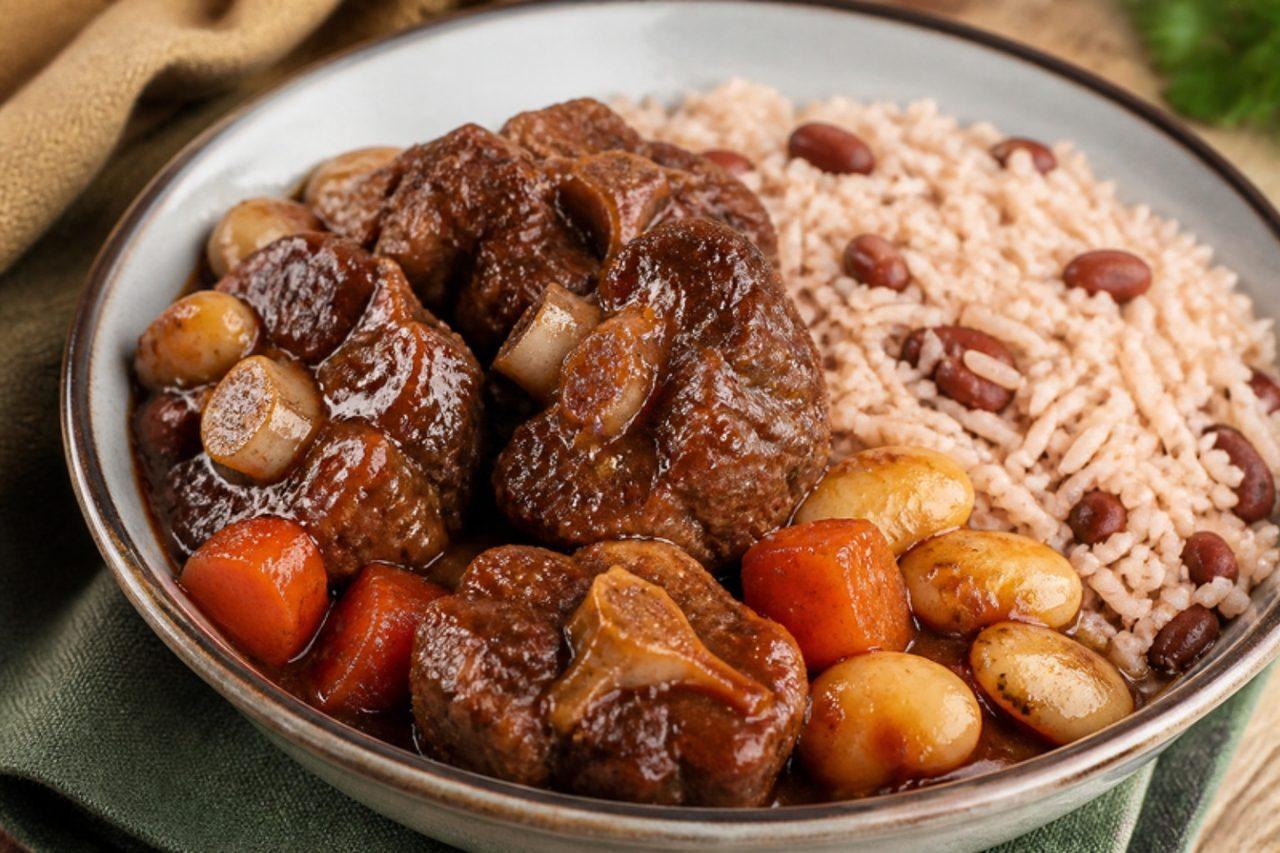
Oxtail with butter beans

Oxtail started out as a cheap cut in Jamaica and is now the Sunday-best dish that cookshops in Kingston sell out of first, and that people across the diaspora queue for on Saturdays. The bony pieces are seasoned overnight, browned hard, then braised slowly for hours with pimento, thyme and whole scotch bonnet until the meat slides off the bone and the gravy turns glossy with gelatine. Butter beans go in near the end to soak up the gravy. Serve with rice and peas, steamed cabbage and fried plantain. Chef's tip: cook it a day ahead, chill, and lift off the hard layer of fat before reheating; the gravy is cleaner and the flavour deeper.

235 minJamaicanMeat
by KrazyBadal 0 views

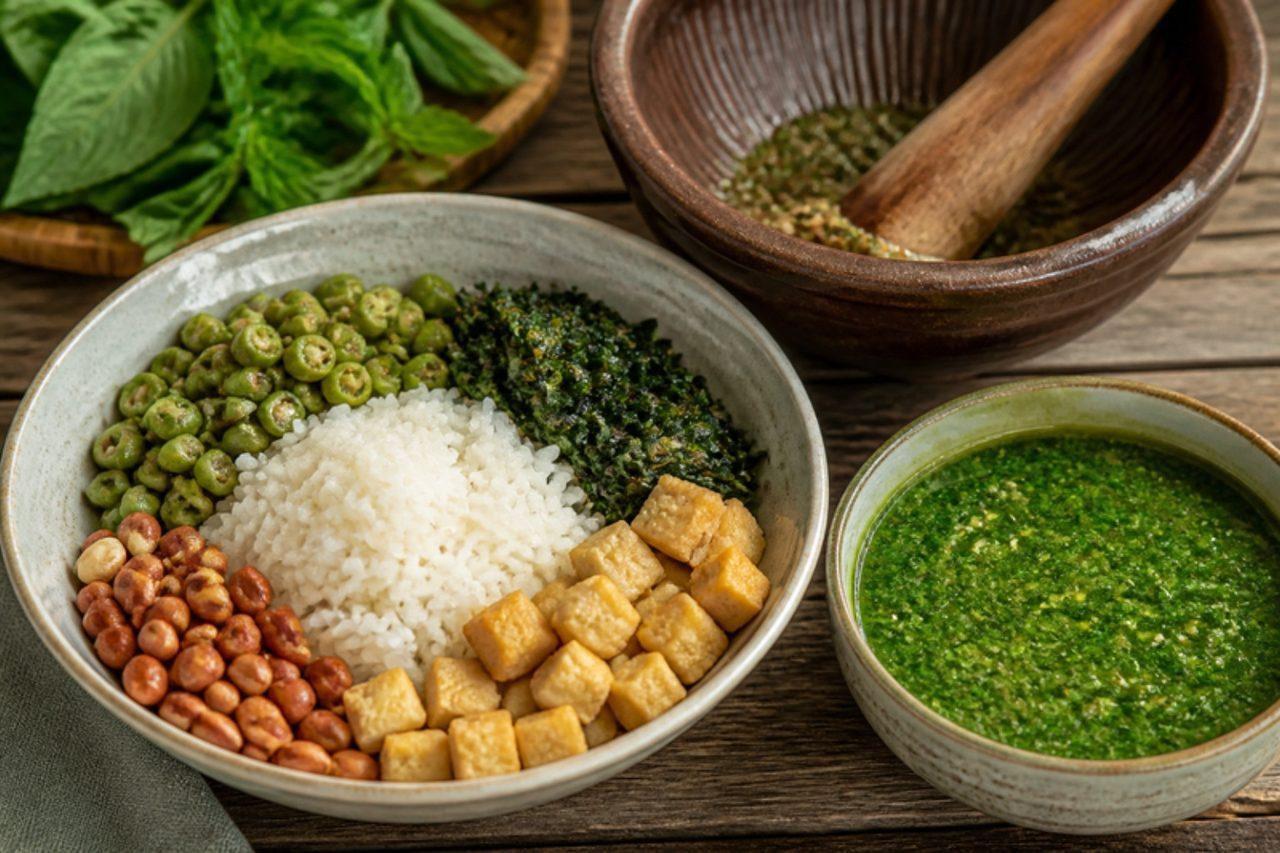
Hakka lei chaPounded herb and peanut tea

Lei cha means 'pounded tea', and in Hakka villages from Jieyang and Hepo to Taiwan and Malaysia it is still ground by hand in a ridged bowl with a guava-wood stick. Tea leaves, basil, mint and coriander are pounded with sesame and peanuts, then loosened with hot water into a grassy green soup. It's ladled over a bowl of rice topped with small heaps of stir-fried greens, beans, tofu and preserved radish. Some families eat it on the seventh day of the New Year. Chef's tip: toast the sesame and peanuts yourself; the toasting gives the soup its depth.

by KrazyBadal 0 views

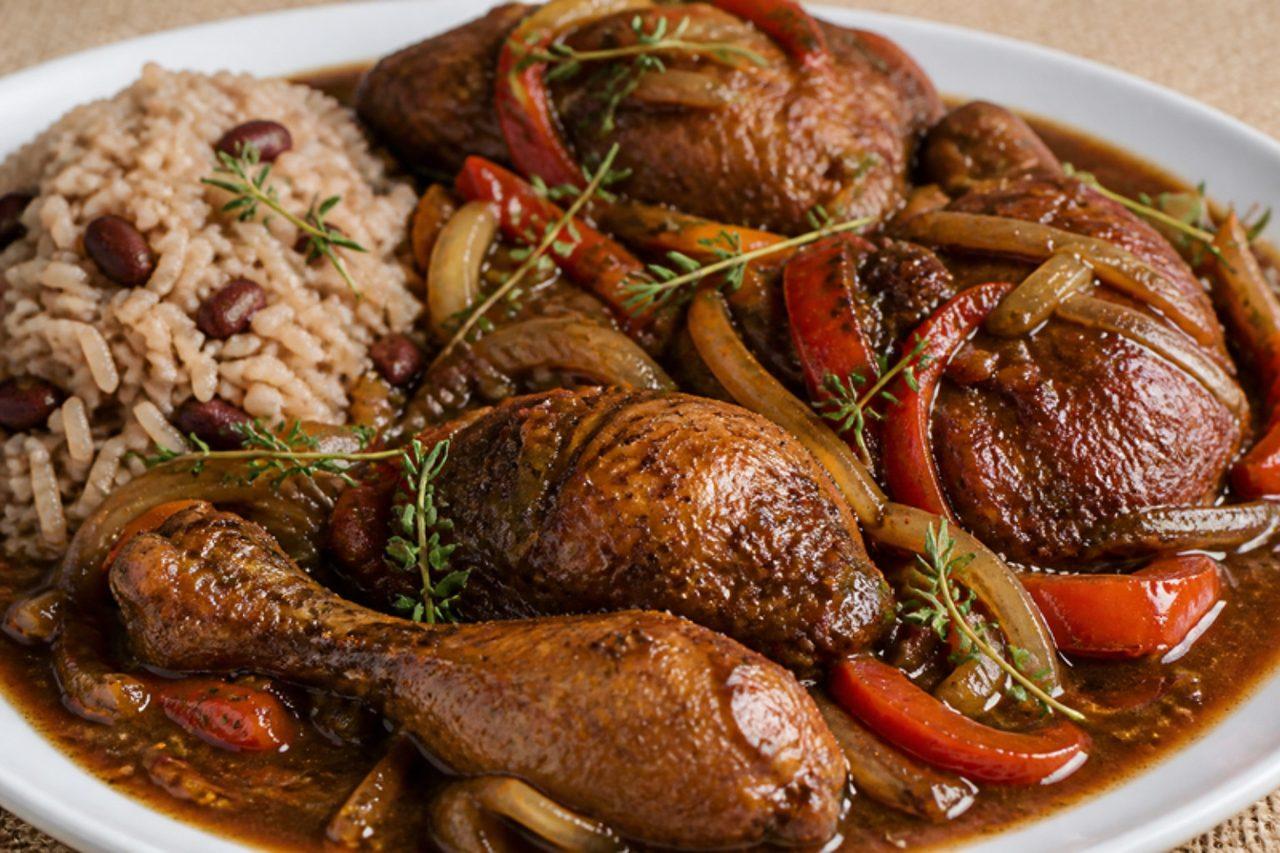
Brown stew chicken

Ask a Jamaican what was on the table for weekday dinner growing up and brown stew chicken will be near the top of the list, served at home and at every cookshop from Montego Bay to Spanish Town. The deep colour comes from 'browning': sugar caramelised in hot oil until it is dark, then the seasoned chicken is turned in it so every piece takes on a mahogany coat. Peppers, onion, tomato and thyme simmer down into a sticky, savoury gravy that begs for a pile of white rice, rice and peas or boiled dumplings. Chef's tip: season the chicken the night before and dry each piece well before it goes into the caramel; wet chicken spits violently and won't take on that deep brown colour.

by KrazyBadal 0 views

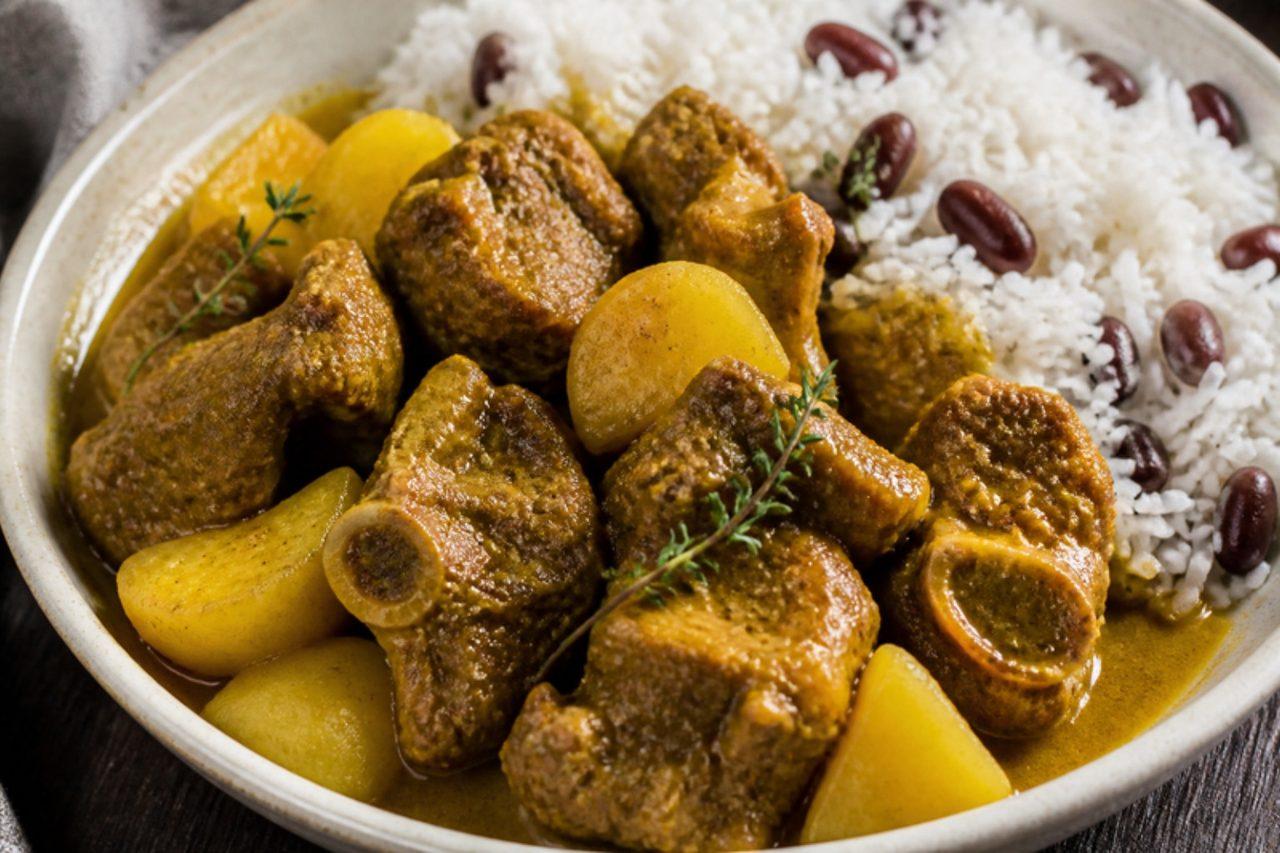
Jamaican curry goat

No Jamaican wedding, nine-night or big Sunday family lunch is complete without a pot of curry goat, often cooked outdoors in a huge pot by whoever has the steadiest hand with the seasoning. It came to the island with Indian indentured workers in the 1800s and became fully Jamaican with scotch bonnet, pimento and thyme. The bone-in pieces are seasoned overnight, browned with the curry powder until it darkens, then simmered for a couple of hours into a rich, brick-yellow gravy with soft potatoes that thicken it. Serve with white rice or rice and peas and a little fried plantain. If you can't find goat, bone-in mutton or lamb shoulder works the same way. Chef's tip: 'burn' the curry first; fry the curry powder in hot oil for a minute until it darkens and smells toasty before the meat goes in, and the gravy will never taste raw or chalky.

by KrazyBadal 0 views

HarchaPan-fried semolina bread

Harcha are thick little semolina breads cooked on a griddle and eaten all over Morocco at breakfast and with mid-afternoon tea, especially during Ramadan for the evening meal. The dough is closer to a crumbly batter than a bread dough, so it needs no kneading or rising; it is pressed into rounds and cooked slowly until the outside turns golden and gritty and the inside stays tender, a bit like a savoury shortbread. Split them while warm and spread with butter and honey, apricot jam or a wedge of soft cheese. Chef's tip: let the mixed dough rest for 5 minutes; the semolina drinks up the milk and becomes much easier to shape.

by KrazyBadal 0 views

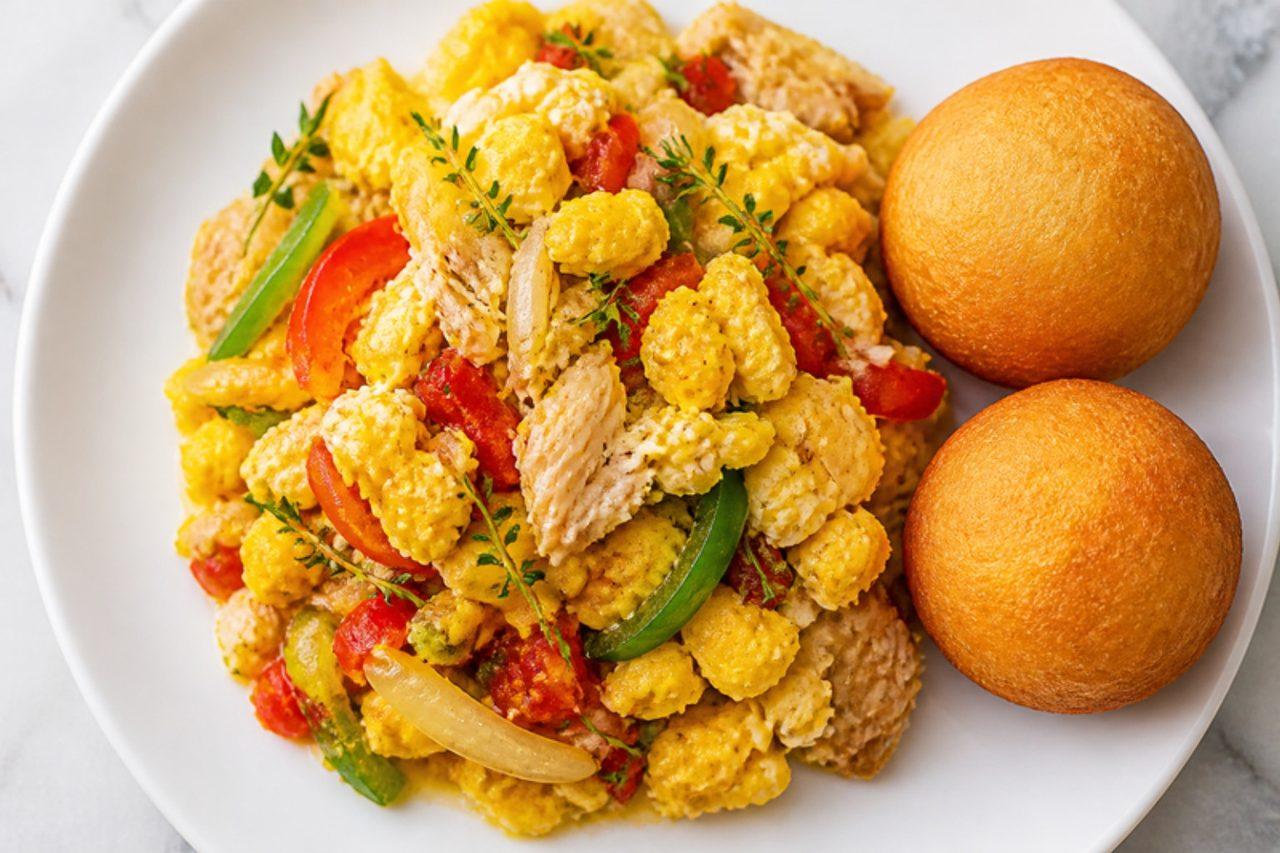
Ackee and saltfish

On a Jamaican Sunday morning, from Kingston yards to country kitchens in St Mary, the smell of salt cod frying with onion, thyme and scotch bonnet means breakfast is nearly ready. The ackee itself is a red tree fruit whose cream-coloured flesh cooks up soft and mild, a lot like scrambled egg, and it soaks up the salty fish and peppery oil around it. It is eaten with fried dumplings, boiled green banana, roast breadfruit or hard dough bread, and is just as welcome at lunch. A note on safety: ackee is only safe when the pod has ripened on the tree and opened by itself, and the black seeds and pink membrane are removed. Outside Jamaica, tinned ackee is the safe, easy choice and is what this recipe uses. Chef's tip: soak the saltfish overnight and then boil it once; taste a flake before it goes in the pan, because you can always add salt but you can't take it out.

by KrazyBadal 0 views

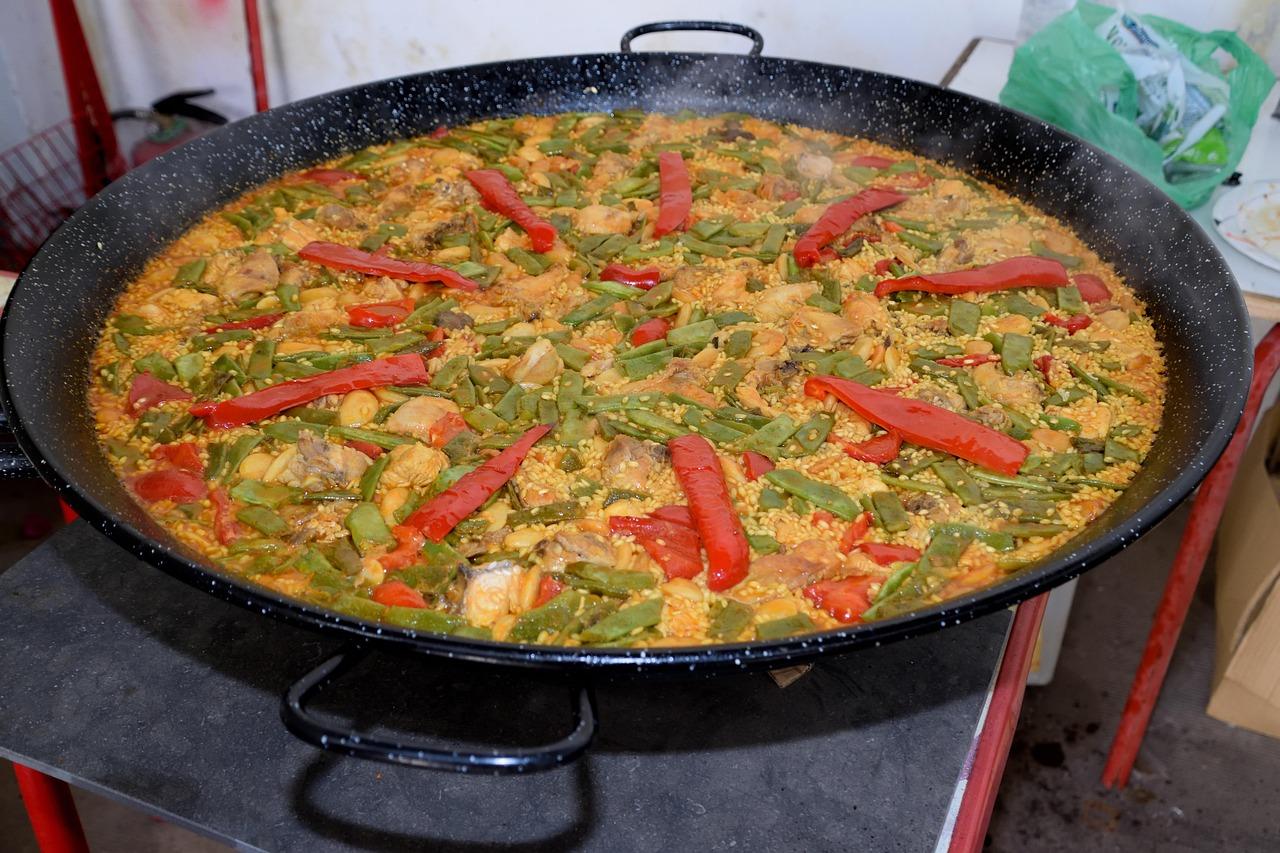
Paella valenciana

In the villages around Valencia, paella is a Sunday lunch dish, never a dinner one, cooked in the open air by whoever in the family has the steadiest hand and eaten straight from the pan with spoons. The Valencian original has no seafood, no chorizo and no peas: just chicken, rabbit, wide flat green beans (ferraura), big white garrofó beans, tomato, sweet pimentón, saffron and short round rice. If you can't get rabbit, use all chicken; it is still very good. This version is sized for a 38–40 cm paella pan on a large hob ring or a barbecue. Chef's tip: once the rice goes in, smooth it flat and then leave it alone; stirring releases starch and turns paella into risotto.

by KrazyBadal 0 views

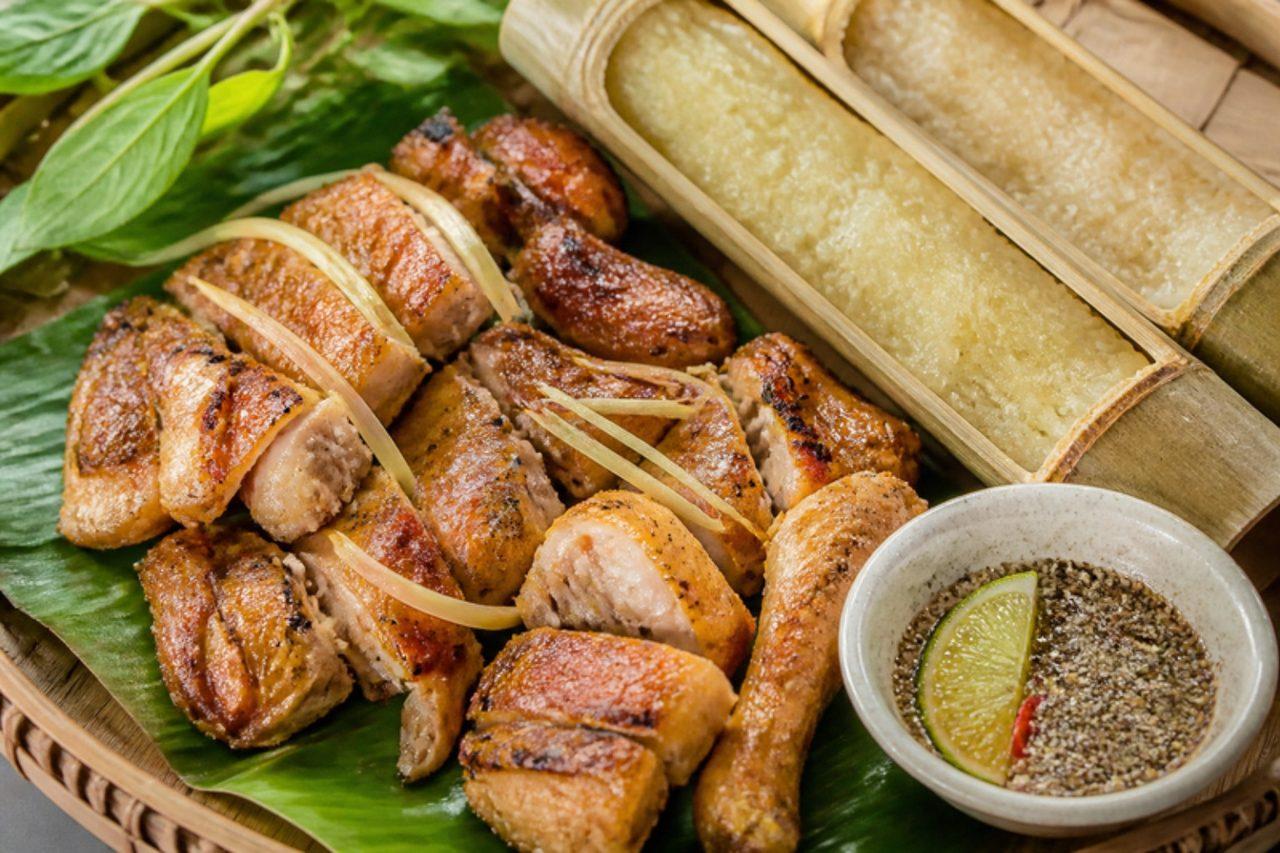
Ga nuong com lam (lemongrass chicken with bamboo rice)

Up in the Central Highlands, around Kon Tum, Pleiku and Buôn Ma Thuột, roadside grills and village homestays serve this pair: chicken marinated in lemongrass and chilli, grilled slowly over charcoal, and cơm lam, sticky rice cooked inside green bamboo tubes laid in the fire. Splitting the charred bamboo reveals a cylinder of rice wrapped in a thin, fragrant skin of bamboo membrane. Both are eaten with the hands and dipped in salt, pepper and lime or a crushed peanut and sesame salt. Without fresh bamboo, rolling the rice in banana-leaf parcels gives a very similar result. Highland rice wine (rượu cần) is the usual drink, but cold jasmine tea goes just as well and is alcohol-free. Chef's tip: brush on the honey only in the last few minutes of grilling so it glazes without burning.

by KrazyBadal 0 views

HalászléSpicy carp soup

Halászlé is the fiery fisherman's soup of the rivers Tisza and Danube, and on Christmas Eve it is on almost every Hungarian table; the towns of Szeged and Baja each claim the best version. A rich stock is made from fish heads and bones with onions and lots of paprika, sieved until smooth and red, and then thick slices of carp (or catfish) are poached in it at the last moment. Serve with white bread and fresh hot peppers. Chef's tip: poach the fish fillets without stirring; just swirl the pot so the pieces stay whole.

by KrazyBadal 1 views

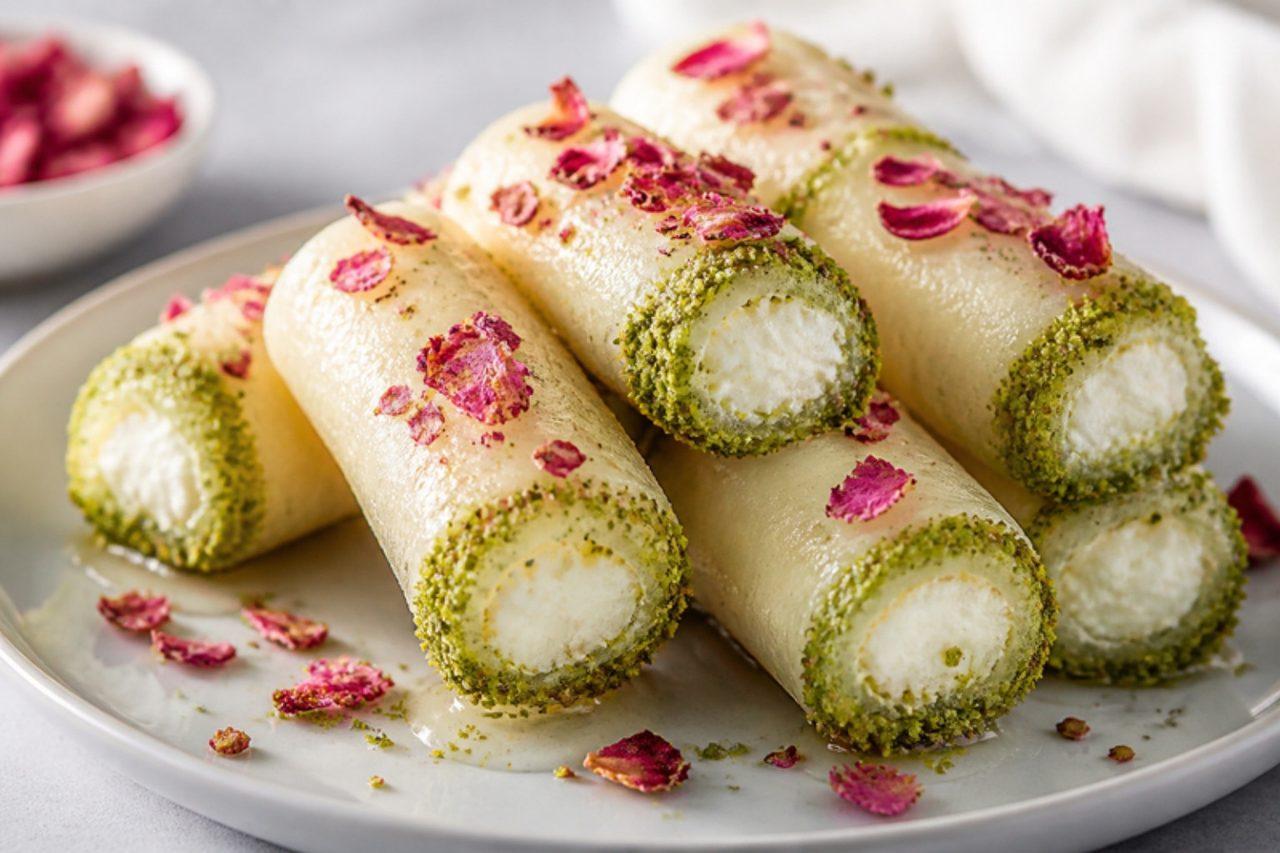
Halawet el jibnCheese and semolina rolls

Halawet el jibn, 'sweetness of cheese', is the pride of the pastry shops of Homs in Syria and Tripoli in Lebanon, where trays of the pale, stretchy rolls are sold for Eid, weddings and Sunday afternoons. A dough of melted cheese and semolina is stretched thin, wrapped around thick clotted cream (ashta), cut into rolls and soaked in rose syrup. The dough must be worked hot, which makes it the hardest dessert in this collection, but the result is soft, chewy and only lightly sweet. Use mozzarella or akkawi made with vegetarian (microbial) rennet; many supermarket mozzarellas are. Chef's tip: oil your hands and the worktop rather than flouring them; flour toughens the dough and dulls its shine.

by KrazyBadal 0 views

Ca loc nuong trui (straw-grilled whole fish)

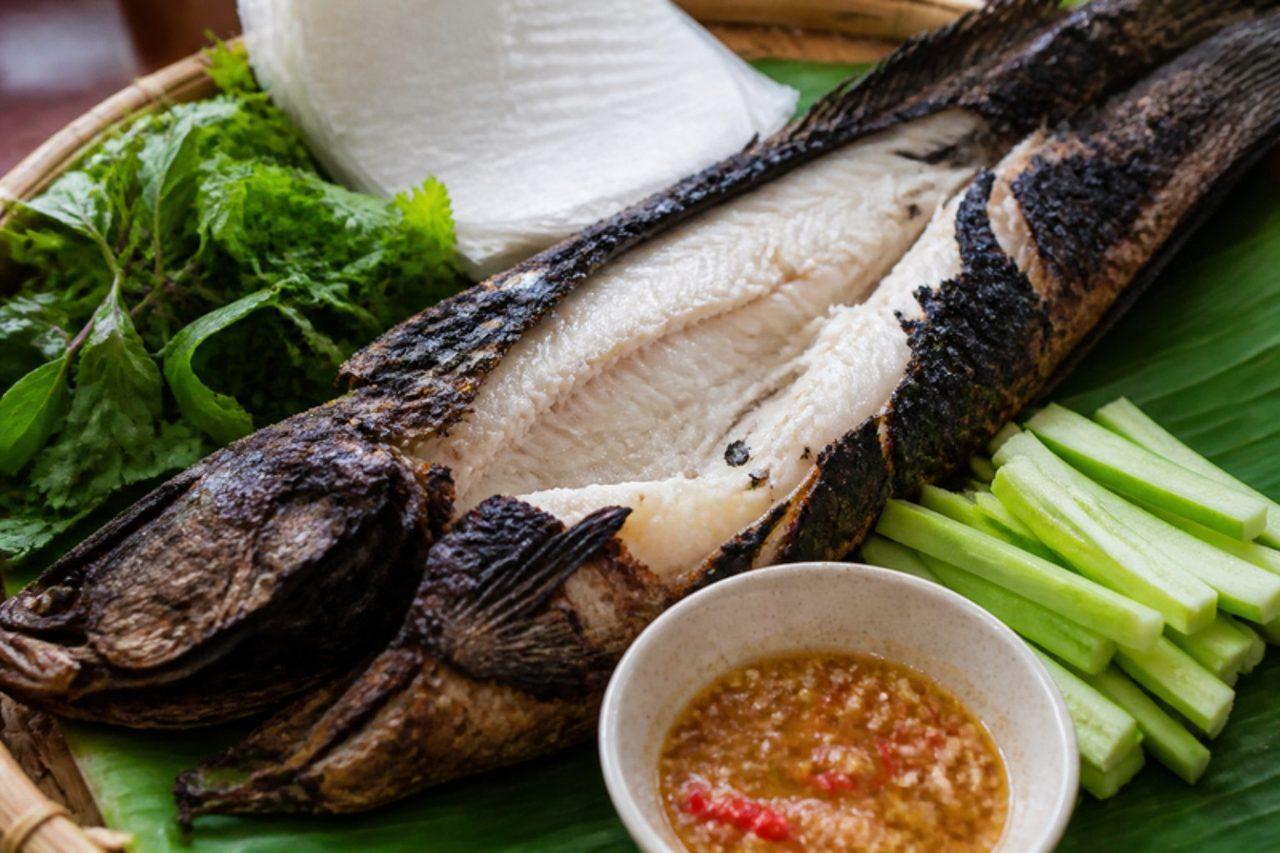
After the rice harvest in the Mekong Delta, farmers would catch snakehead from the flooded fields, skewer each fish on a stick, stand it in the ground and pile dry rice straw over it before setting it alight. When the straw burns away the blackened skin peels off to reveal steaming, sweet white flesh, which is rolled in rice paper with herbs, cucumber and rice noodles. Countryside restaurants around Cần Thơ still serve it this way. Snakehead is hard to buy outside Asia, so use sea bass, barramundi or tilapia and a barbecue or a hot oven. Chef's tip: push a long metal skewer from mouth to tail so you can turn the fish over without it breaking.

by KrazyBadal 0 views

Lau mam (Mekong fermented fish hotpot)

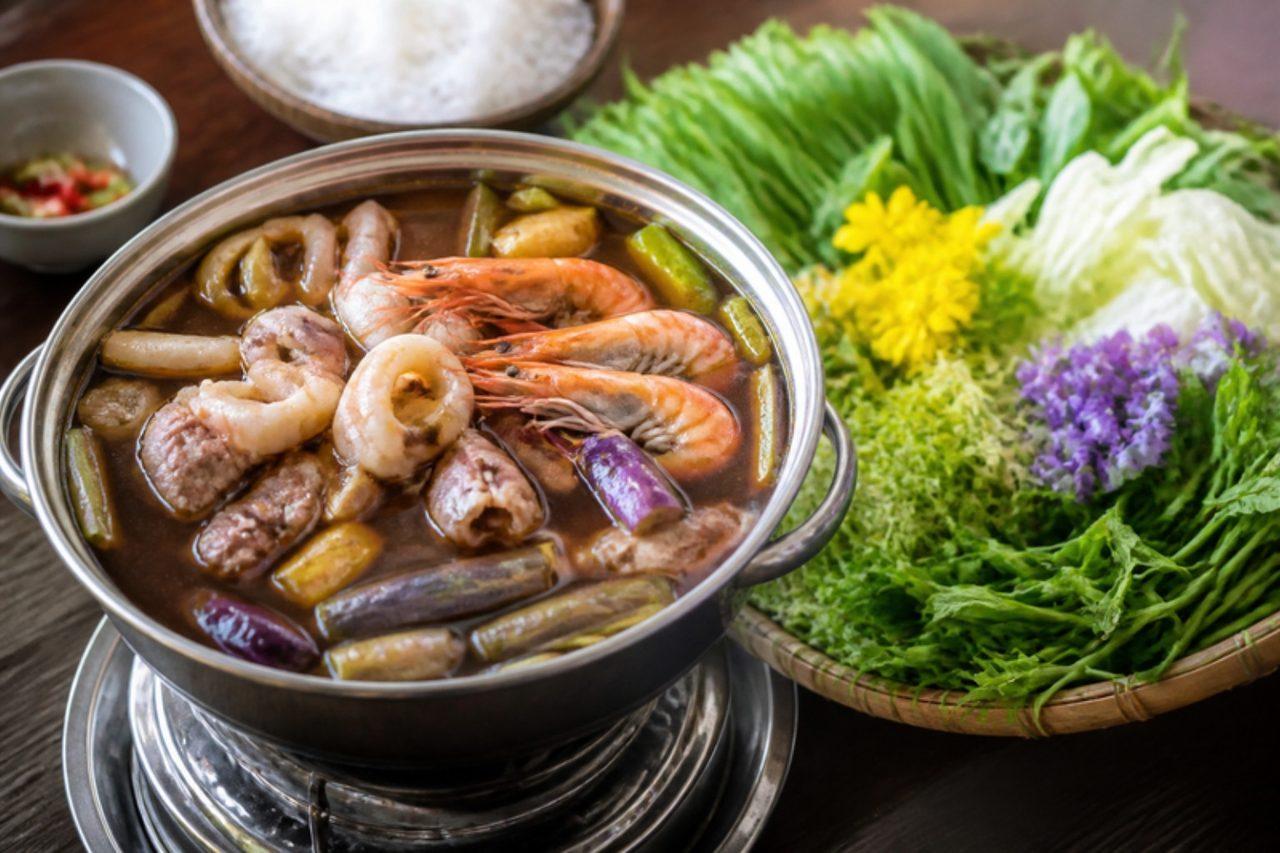
In Cần Thơ and Sóc Trăng, lẩu mắm is the hotpot friends gather round at weekends, and it is at its best in the flood season, when wild greens, water lily stems and yellow sesbania flowers fill the markets. The broth starts from mắm, fish fermented with salt and roasted rice, which is simmered and strained, then softened with coconut water, lemongrass and a little sugar. Everyone cooks their own slices of pork belly, fish, prawns and squid at the table and eats them with rice noodles and whatever vegetables are piled beside the pot. Buy mắm cá linh or mắm cá sặc in jars from a Vietnamese grocer. Chef's tip: add the strained mắm gradually and taste as you go, because jars vary a lot in saltiness.

by KrazyBadal 0 views

MustikkapiirakkaBlueberry pie

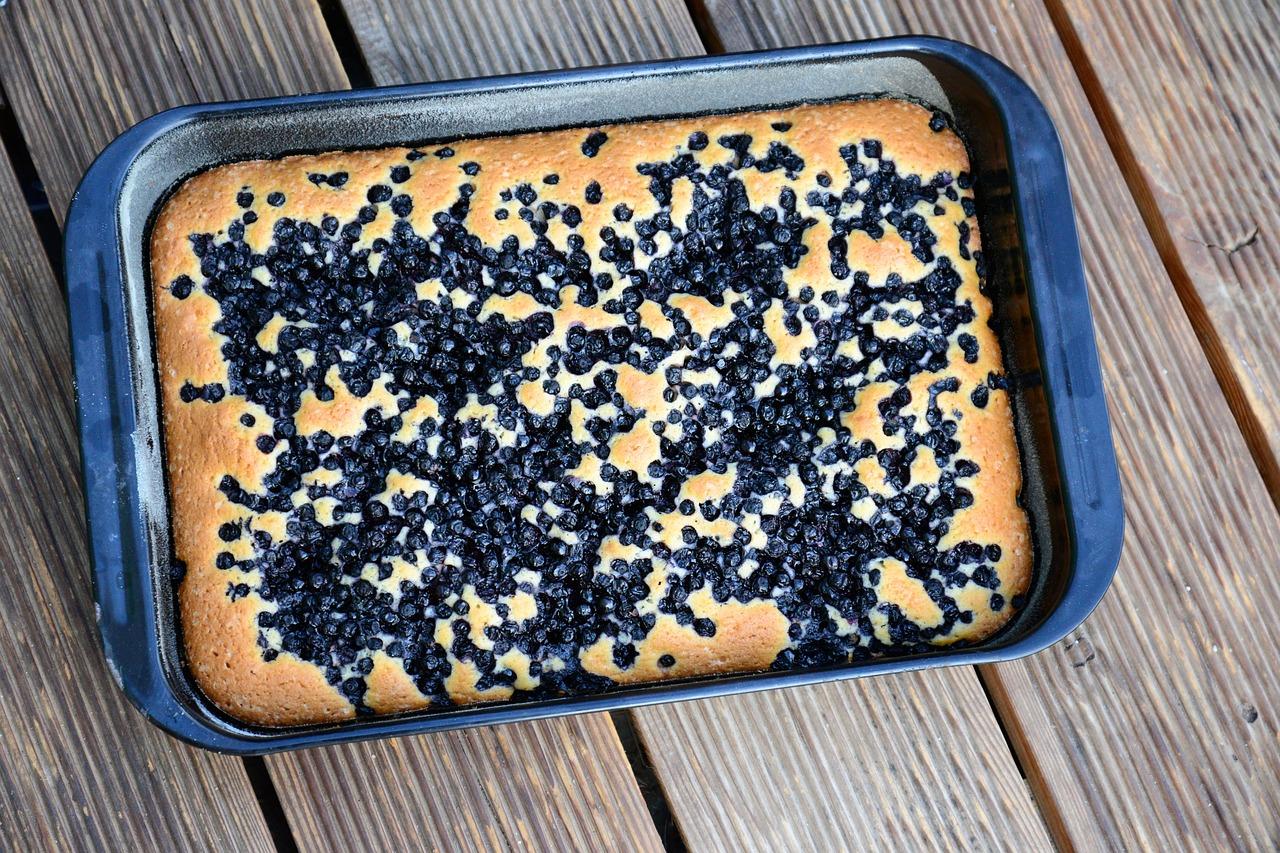
In late July and August, Finns head into the forests with buckets and come home with purple fingers, and the first thing many make is mustikkapiirakka. Finnish wild blueberries (mustikka) are small and blue right through, far more intense than cultivated ones. This is the version from Savo and central Finland: a soft, cakey shortcrust pressed into a tin, a deep layer of berries and a just-set topping of sour cream, egg and sugar. It is eaten at summer cottages (mökki) with coffee, warm or cool, often with vanilla sauce. Frozen wild blueberries from the freezer aisle work all year. Chef's tip: toss the berries with potato starch before they go into the crust; it catches the juice so the slices hold together instead of running purple.

by KrazyBadal 0 views

Hallabong adeSparkling tangerine drink

Hallabong (한라봉) is Jeju's pride: a large, sweet, easy-peel tangerine with a knob on top that is said to look like Hallasan, the island's volcano. Every café on Jeju sells hallabong ade (한라봉에이드), a tall glass of hallabong syrup topped up with sparkling water and ice, often with the fruit sliced into it. Koreans make the syrup, hallabong-cheong, by layering the sliced fruit with sugar in jars; this quick version is ready in 10 minutes. Outside Korea, use dekopon, sumo or any very sweet mandarin. Chef's tip: add a squeeze of lemon to the syrup; hallabong is so sweet that the drink tastes flat without a little extra acid.

by KrazyBadal 0 views

HallacasStuffed corn parcels

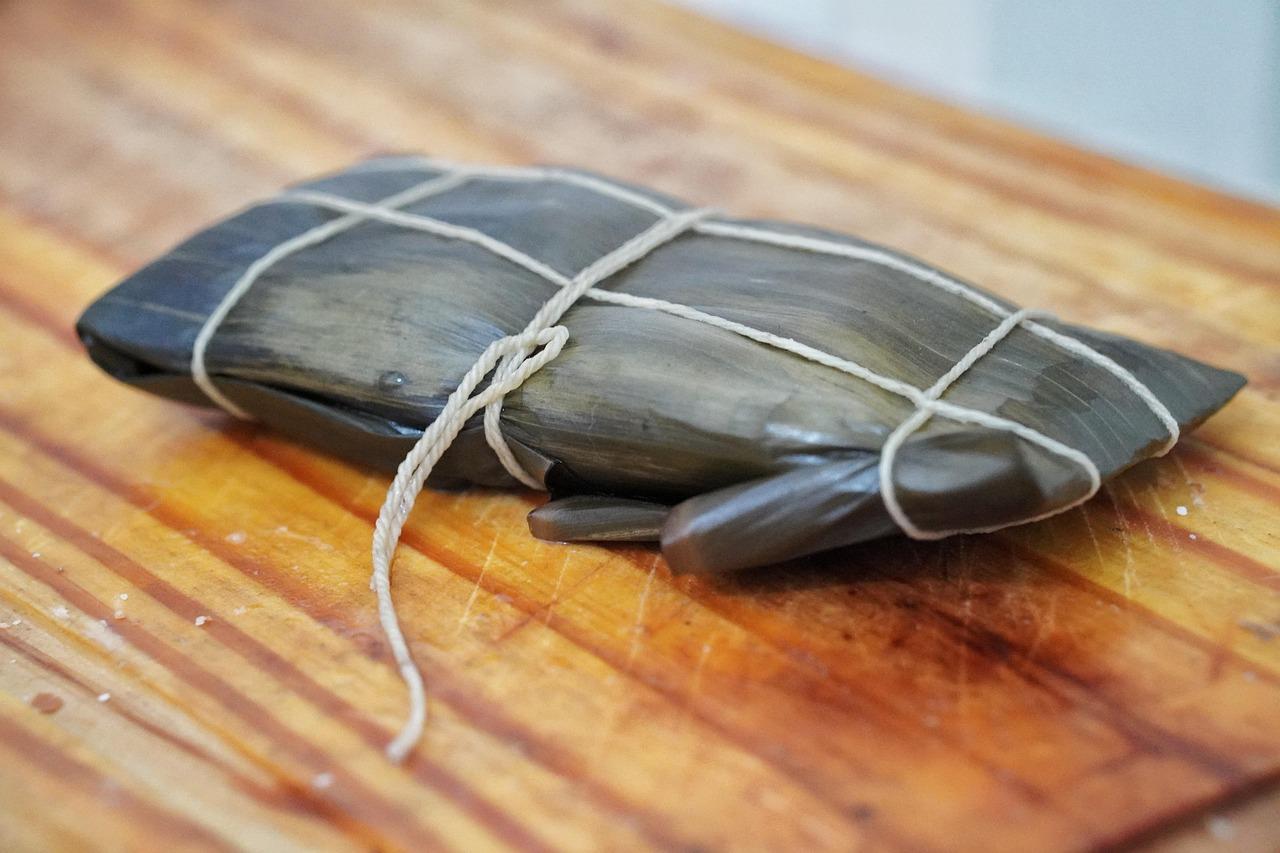
Hallacas are Venezuelan Christmas. In December whole families gather around a kitchen table in Caracas, Maracaibo or the Andes to make dozens at once: one person cleans banana leaves, another spreads the annatto-tinted corn dough, another adds the guiso (a stew of pork, beef and chicken) and the garnishes, and someone else ties the parcels. This is a pork dish. The guiso is traditionally finished with red wine; for an alcohol-free version use the same amount of beef stock with a tablespoon of red wine vinegar. They are eaten with pan de jamón and chicken salad from Christmas Eve to New Year. The common mistake is spreading the dough too thick, which makes heavy, stodgy parcels; it should be thin enough to almost see the leaf through it. Chef's tip: make the guiso a day ahead and chill it, so it is firm and easy to portion.

by KrazyBadal 0 views

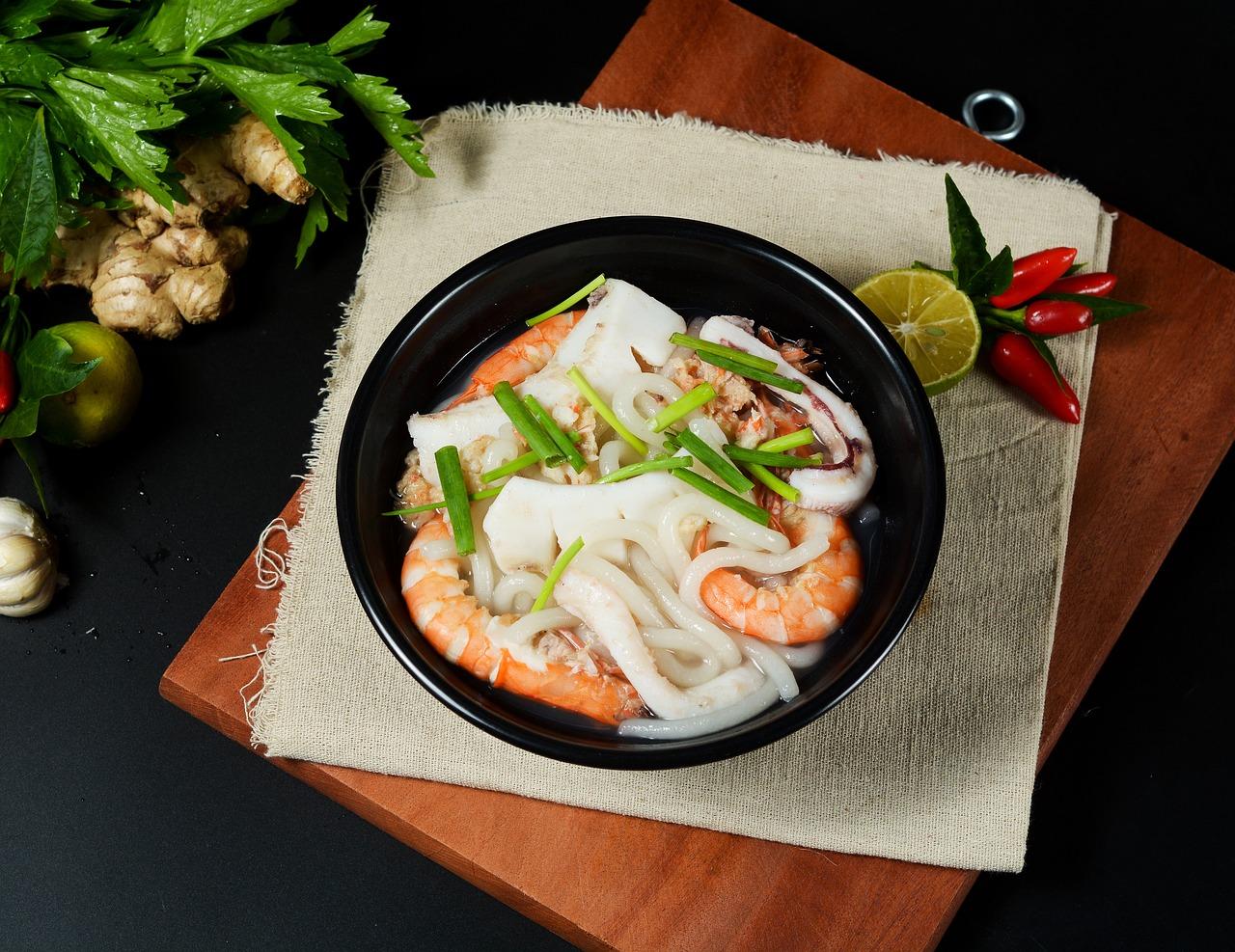
Banh canh cua (crab noodle soup)

Saigon's bánh canh cua is a late-afternoon and evening soup, sold from street stalls and small shops where the pots of red-orange broth sit beside trays of crab claws, prawns and quail eggs. The noodles are thick, round and bouncy, made with tapioca or a mix of tapioca and rice flour, and the broth is thickened slightly so it clings to them. Crab meat sautéed with shallots and annatto colours the soup and gives it its sweet, rich taste. Fresh bánh canh noodles are sold chilled in Asian shops; thick udon is a fair stand-in. Chef's tip: stir the crab meat in the annatto oil for only a minute so it stays in big, sweet lumps.

by KrazyBadal 0 views

Halo-haloShaved ice dessert

Halo-halo ('mix-mix') is what the Philippines eats through the hot dry months of March to May, bought from roadside stalls and snack shops and eaten slowly with a long spoon in a tall glass. Sweetened beans and chickpeas, banana cooked in brown sugar, jackfruit, nata de coco and sugar-palm fruit go in first, then a mountain of finely shaved ice, a splash of evaporated milk and a crown of ube halaya, a slice of leche flan or a scoop of ube ice cream, with crunchy pinipig (toasted pounded rice) on top. Unlike Malaysian ais kacang, there's no syrup over the ice: the sweetness comes from the layers and the milk. You stir everything together before eating. Chef's tip: chill the glasses and the toppings first so the ice doesn't melt before you have finished building.

by KrazyBadal 0 views

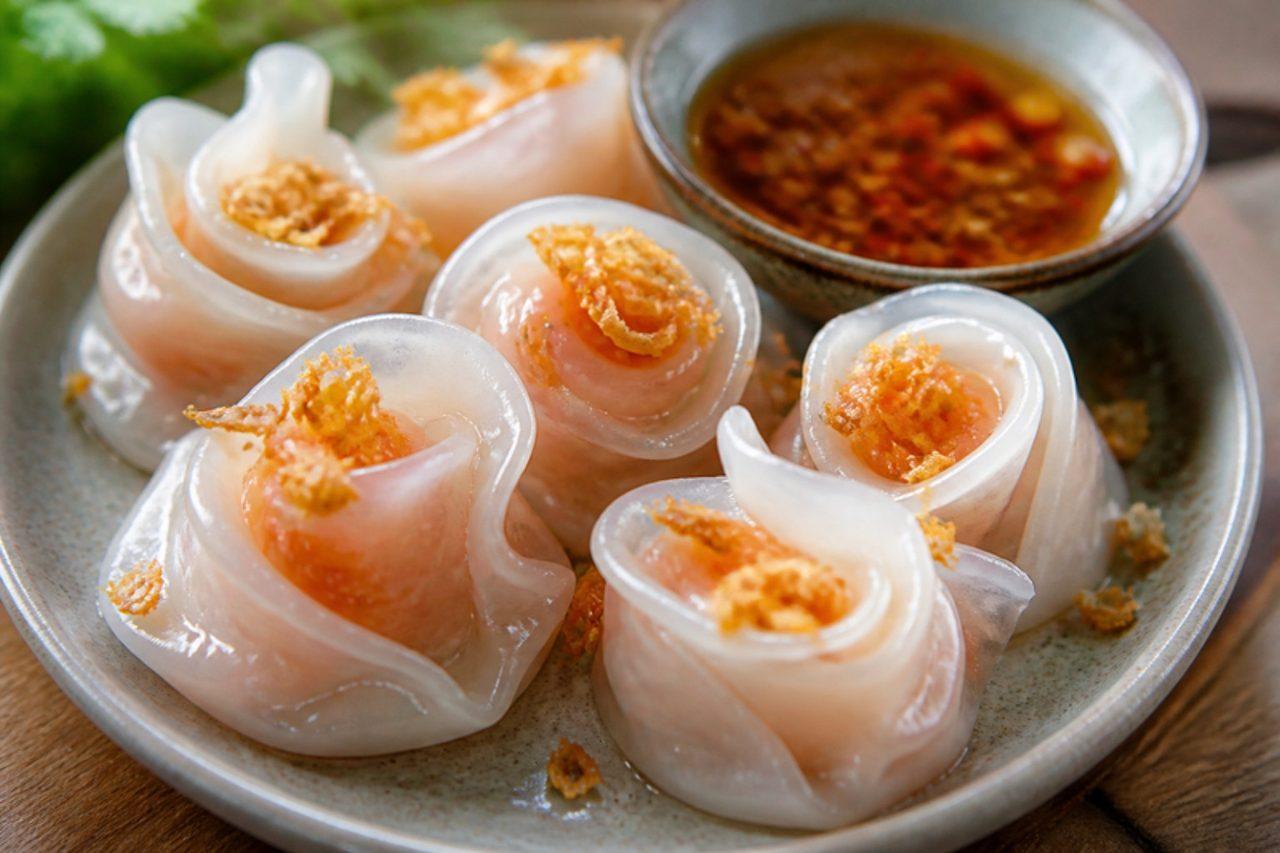
White rose dumplings (banh bao banh vac)

Restaurants all over Hội An serve 'white rose' dumplings as a starter, and much of the town's supply is said to come from a single family workshop that has made them for decades. The wrapper is a thin, glassy rice-flour dough, pinched up around a pounded prawn filling so that each dumpling looks like an open flower, and the plate is finished with crisp fried shallots and a light, sweet chilli-fish-sauce dip. They are delicate and fiddly, but shaping becomes quick after the first dozen. This home version adds a little pork to the prawn for juiciness. Chef's tip: keep the dough under a damp cloth the whole time; even a few minutes in the air makes it crack when you pinch it.

by KrazyBadal 0 views

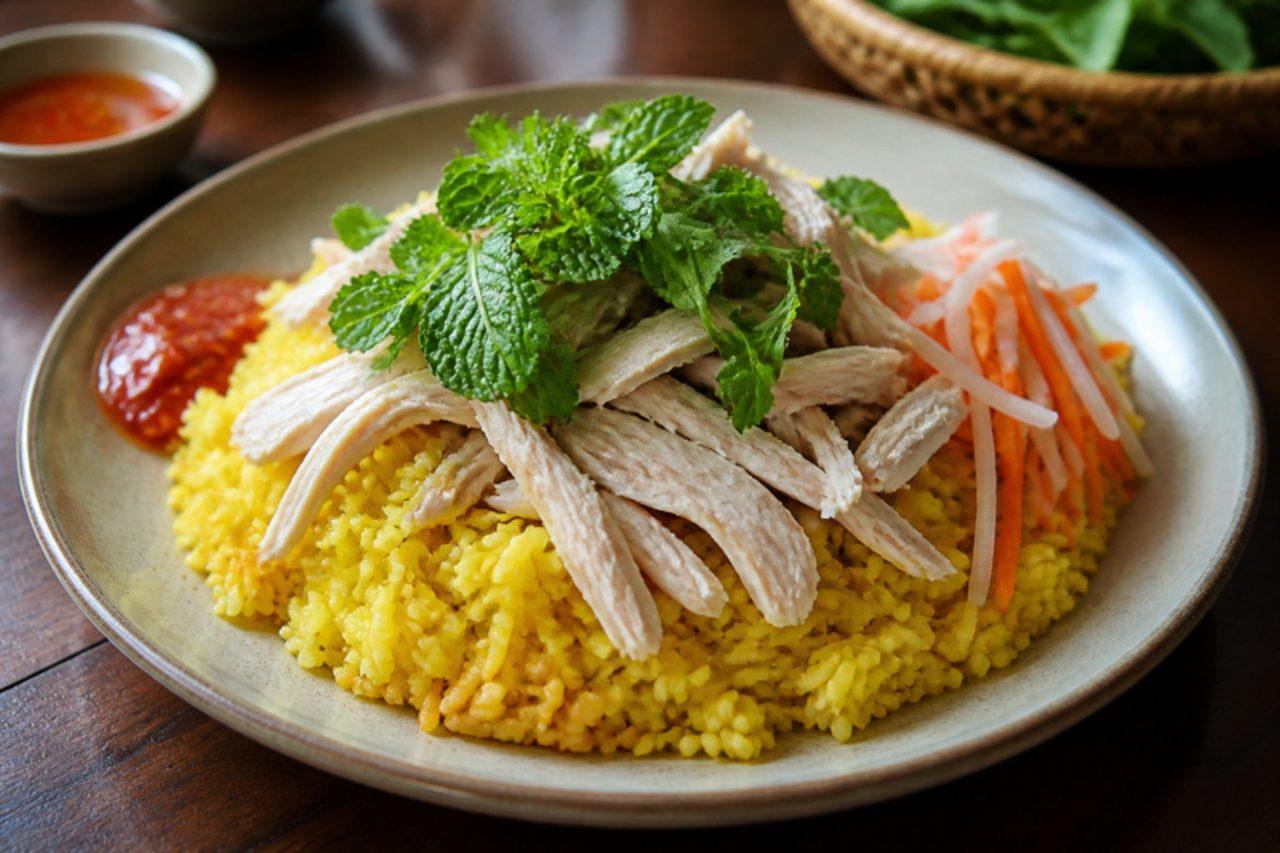
Com ga Hoi An (turmeric chicken rice)

Lunchtime in the old town of Hội An means cơm gà: small eateries near the river pile plates high with yellow rice and shredded chicken from late morning until it runs out. The rice is fried with garlic and chicken fat, coloured with turmeric and cooked in the poaching stock, so every grain tastes of chicken. On top goes chicken pulled into strips and tossed with sliced onion, Vietnamese coriander, lime and pepper, plus a spoon of chilli sauce and a little pickled papaya. A small bowl of the clear broth comes alongside. Chef's tip: plunge the poached chicken into iced water for 5 minutes; it stops the cooking and keeps the meat juicy and the skin firm.

by KrazyBadal 0 views

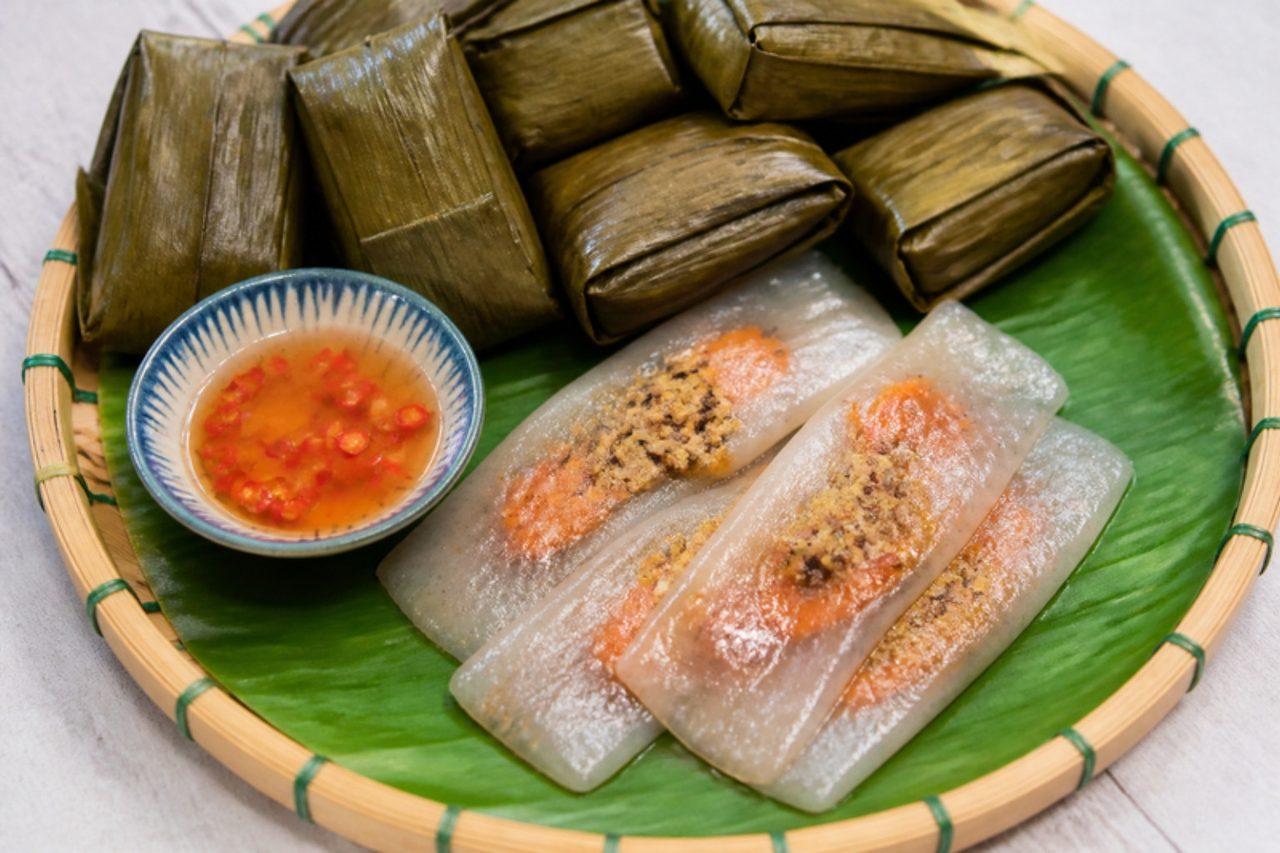
Banh nam (Hue rice cakes in banana leaf)

Market women at Đông Ba in Huế sell bánh nậm by the stack, still warm in their banana-leaf wrappers, as one of the city's many little afternoon cakes. A soft rice-flour paste is spread thin on a leaf, sprinkled with a savoury filling of prawn and pork, folded flat into a neat parcel and steamed. Unwrapped, the cake is silky, almost translucent, and you eat it straight off the leaf with a spoonful of sweet chilli fish sauce. It is often served on the same plate as bánh bột lọc and bánh ít for a mixed snack. Chef's tip: soften the banana leaves in hot water or over a flame first and brush them with oil; dry leaves split and the paste sticks.

by KrazyBadal 0 views

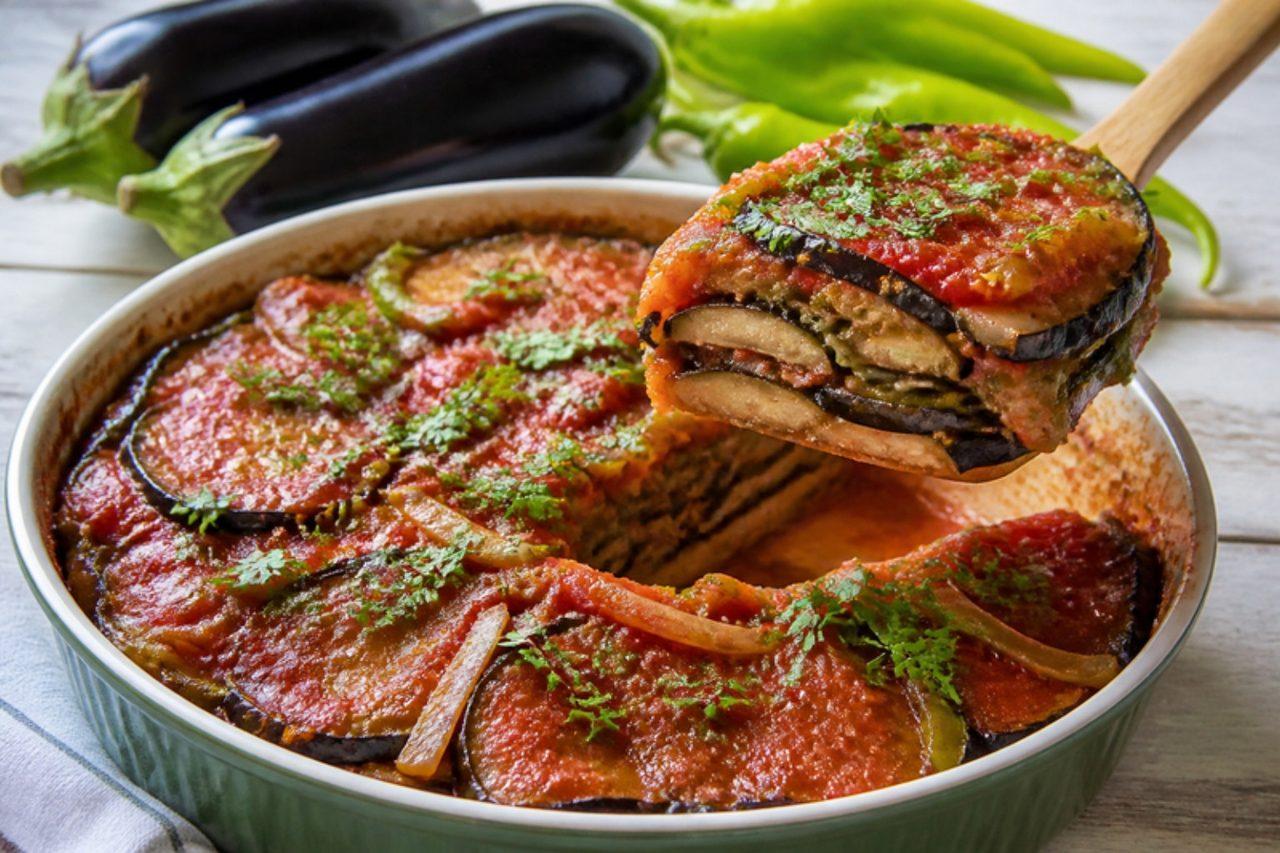
Mesaqa'aBaked aubergine and pepper

Mesaqa'a shares a name with Greek moussaka but is a different dish: there's no béchamel and no cheese, just fried aubergine slices baked in a garlicky tomato sauce with green peppers and chilli until soft and jammy. In Cairo it is a weekday family dish and a favourite during the summer heat and in the Coptic fasting seasons, when many families eat no animal products; it tastes even better the next day at room temperature, scooped up with baladi bread. Chef's tip: salt the aubergine and press it dry, then roast or shallow-fry it until truly golden; pale aubergine makes a watery, grey mesaqa'a.

by KrazyBadal 0 views

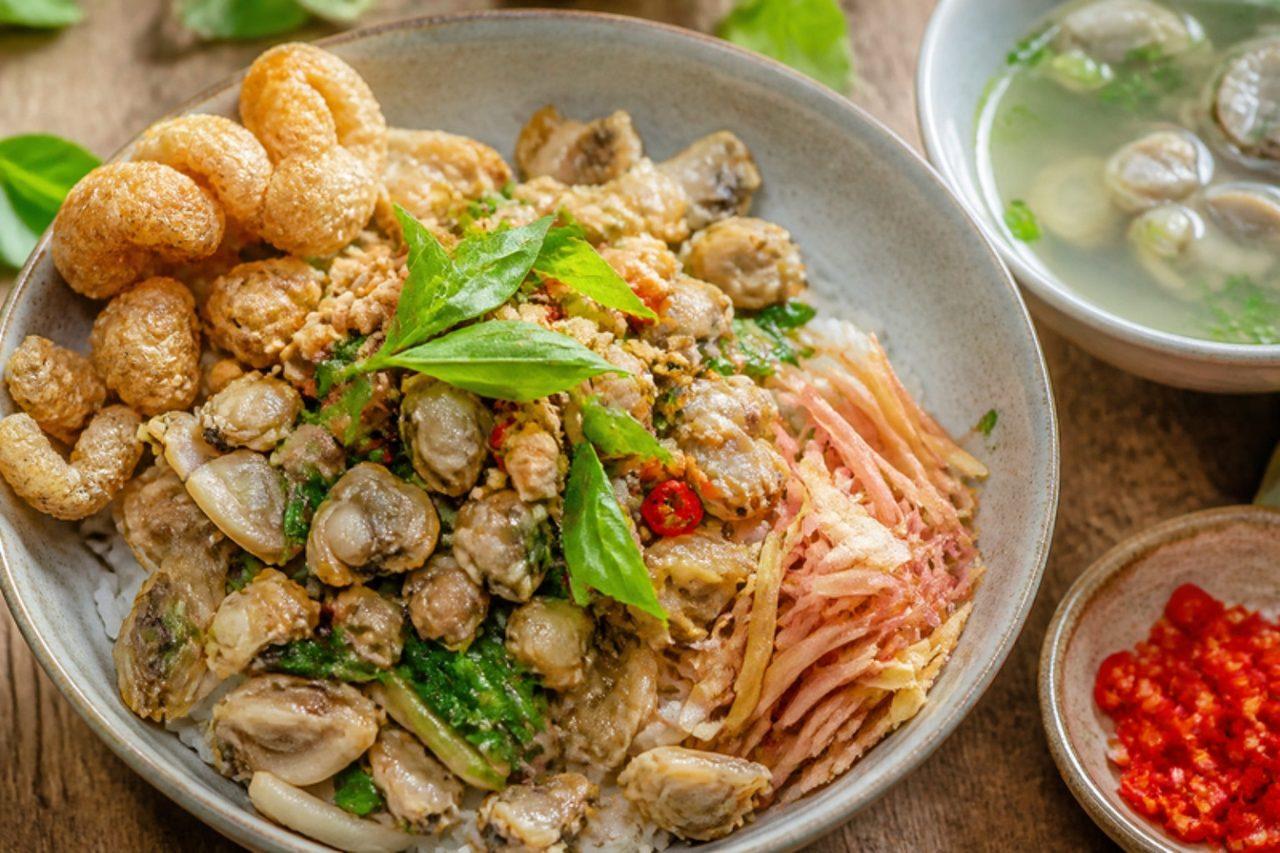
Com hen (Hue baby clam rice)

Cơm hến began as a cheap meal of the boat people around Cồn Hến, an islet in the Perfume River in Huế, and it is still sold for breakfast and as an afternoon snack from tiny stalls across the city. Room-temperature rice is topped with stir-fried baby clams, crunchy pork crackling, roasted peanuts, toasted rice cracker and a heap of raw herbs and greens, then splashed with hot clam broth and plenty of chilli. Huế cooks use tiny river clams; at home, choose the smallest clams you can find, such as baby or Manila clams. The mix of cool and hot, crisp and soft, is the whole point. Chef's tip: keep the rice cool and the broth boiling hot right up to the moment you pour it.

by KrazyBadal 0 views

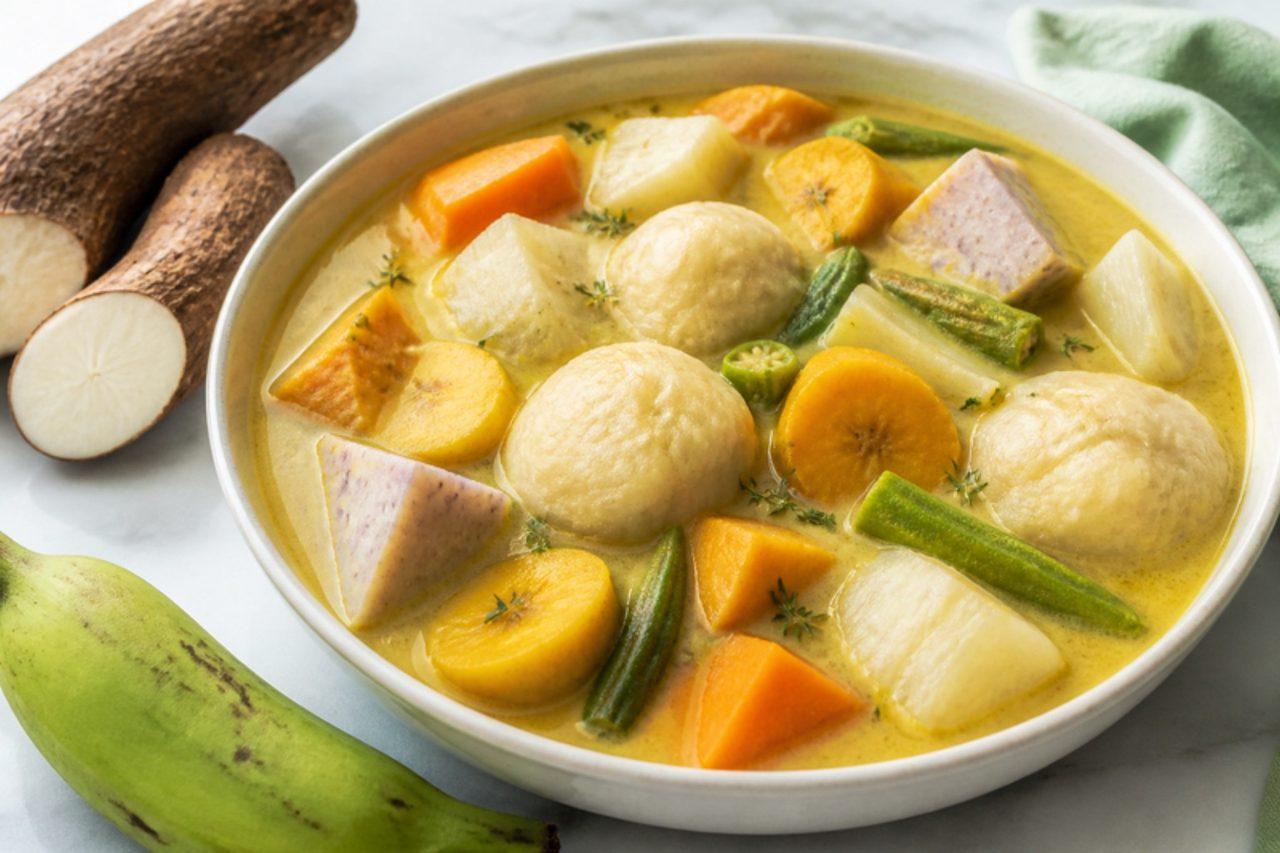
MetemgeeRoot vegetable and dumpling stew

Metemgee (also mettagee or 'mettem') is Guyanese country food from the coastal villages: ground provisions, cassava, eddoes, sweet potato, yam and plantain, layered in a pot and cooked in coconut milk until soft, with duff (dumplings) steamed on top. The broth thickens from the starch into a creamy, thyme-and-pepper gravy. It's usually served with fried salt fish; here it's all vegetables, with okra added. Chef's tip: layer the hardest vegetables at the bottom and the softest on top, then don't stir; everything ends up cooked at the same moment.

by KrazyBadal 0 views

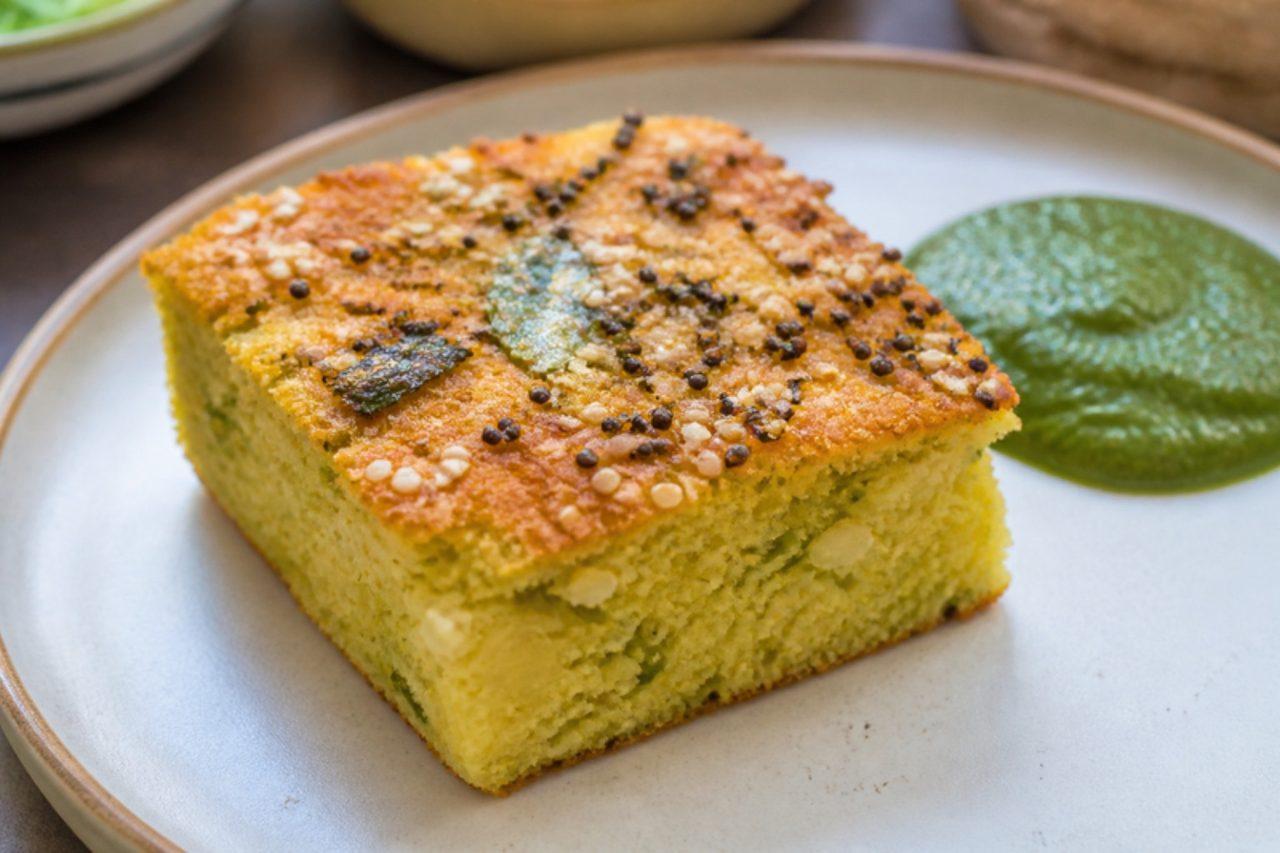
HandvoSavoury rice and lentil cake

Handvo is a savoury cake from Gujarat, made from a fermented batter of rice and lentils mixed with grated bottle gourd, yogurt and spices. It's baked or cooked slowly in a heavy pan until it has a deep-brown, crackly crust of mustard seeds and sesame and a soft, moist, slightly tangy inside. Gujarati families make it for Sunday tea or a light supper, with green chutney and a cup of masala chai. Slices are also good packed for a journey. Chef's tip: don't rush the crust; cook on a low heat with a lid and let the base go deep golden before you flip, because the crunchy, almost toasted sesame crust is the best part.

by KrazyBadal 0 views

Hāngī-style roastOven-steamed roast pork and vegetables

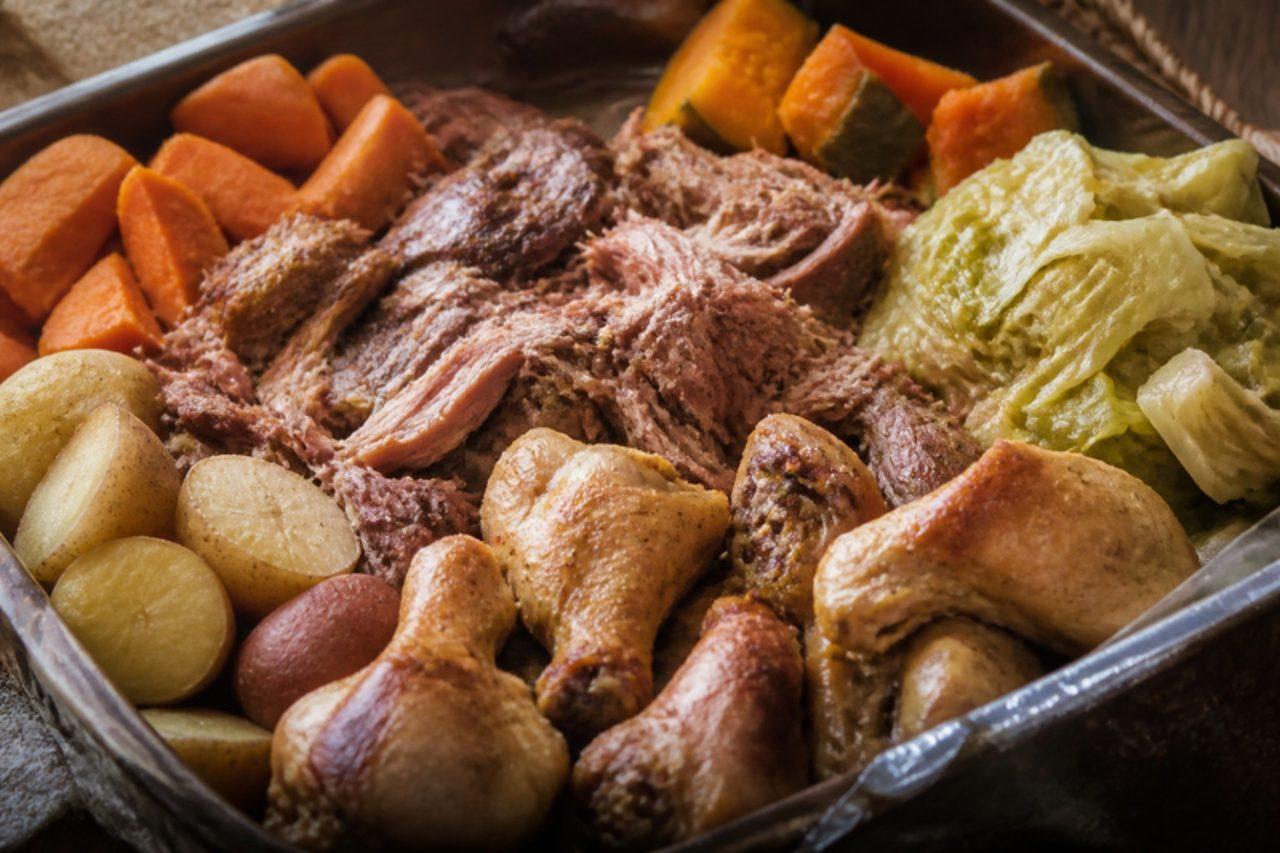
A true hāngī is cooked by Māori communities across Aotearoa New Zealand in a pit lined with stones heated in a wood fire, with baskets of meat and vegetables covered with damp cloths and earth and left for hours; it is made for tangihanga (funerals), weddings, marae gatherings and fundraisers, and the skill is passed down through whānau. An oven can't reproduce that earthy, smoky steam, and this recipe does not claim to. It borrows the idea: pork, chicken, kūmara, pumpkin and potato packed tightly, covered and steamed for hours until everything is meltingly soft. It contains pork. The mistake to avoid is loose foil; if steam escapes, the meat dries out instead of steaming. Chef's tip: sit the meat on top of the vegetables so its juices drip down and season them.

by KrazyBadal 0 views

Nem ran (Hanoi fried spring rolls)

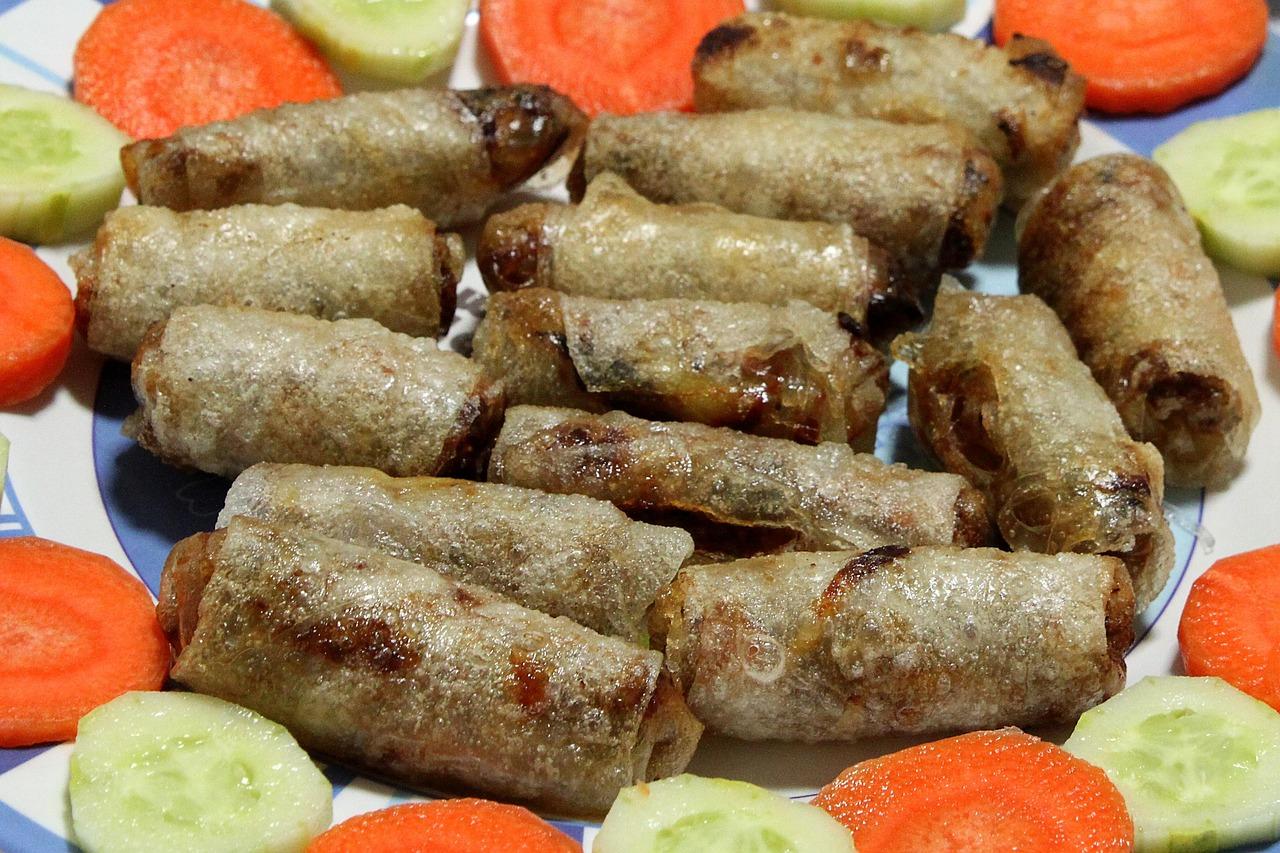
At Tết, the lunar new year, a plate of nem rán sits on almost every family feast tray in Hanoi and the north, and the same rolls turn up at weddings, death anniversaries and Sunday lunches all year. Northern cooks wrap a filling of minced pork, crab or prawn, glass noodles and wood ear mushroom in thin rice paper, which fries into a pale golden, bubbly shell quite different from wheat-wrapped spring rolls. Southerners call the same idea chả giò. Serve them cut in pieces with rice vermicelli, lettuce, herbs and a warm sweet-sour fish sauce. Chef's tip: fry them twice, first gently to cook the filling through, then briefly in hotter oil to crisp; they stay crunchy far longer.

by KrazyBadal 0 views

Methi matar malaiFenugreek and peas in cream gravy

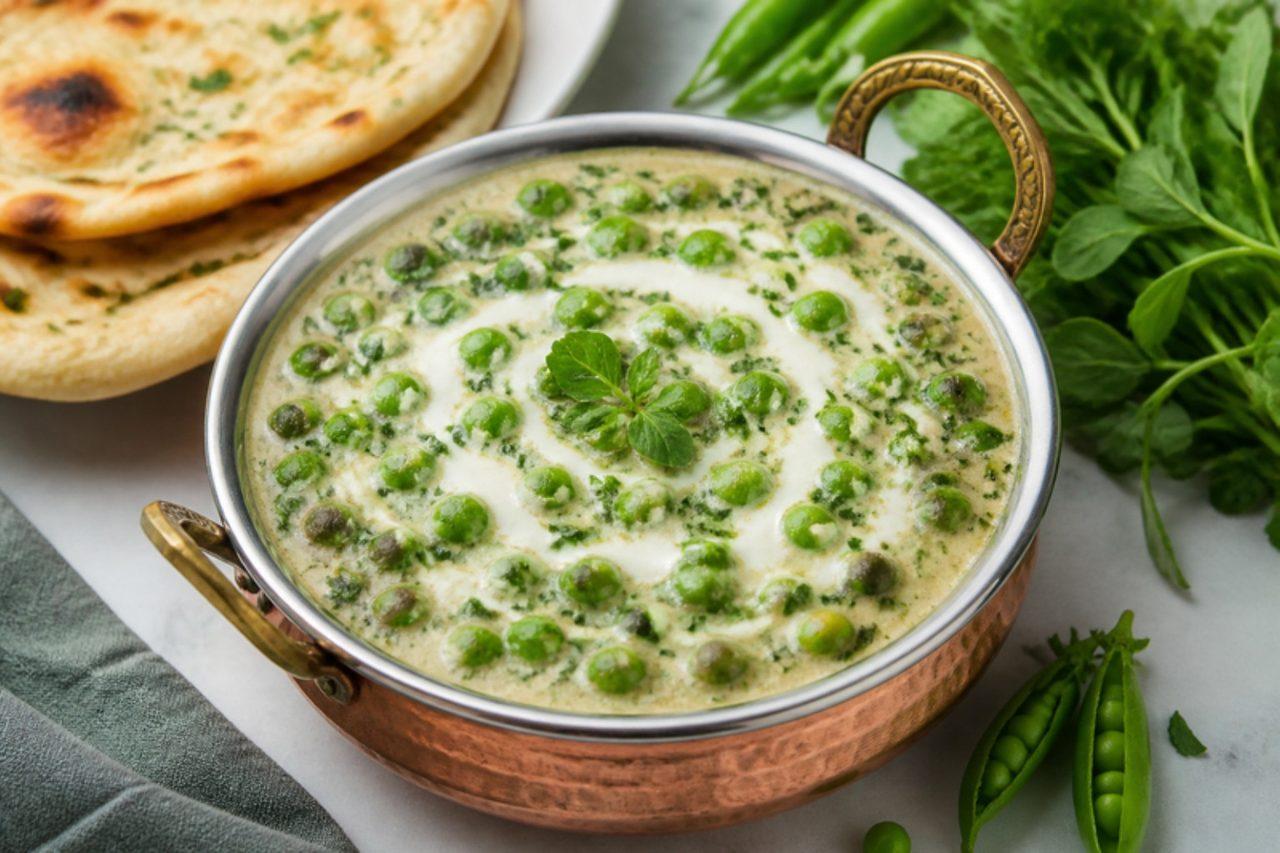
Methi matar malai belongs to the Punjabi wedding buffet and the dhaba menu as much as to winter home cooking, when bunches of fresh fenugreek pile up in the markets of Ludhiana and Jalandhar. Bitter-sweet methi leaves and sweet green peas sit in a pale, silky gravy of onion, cashew and cream, mild enough for children and rich enough for a celebration. Serve it with butter naan, lachha paratha or jeera rice. Chef's tip: salt the chopped methi and squeeze it before cooking; it takes away much of the bitterness while keeping the flavour.

by KrazyBadal 0 views

Hanhor mangxoDuck curry

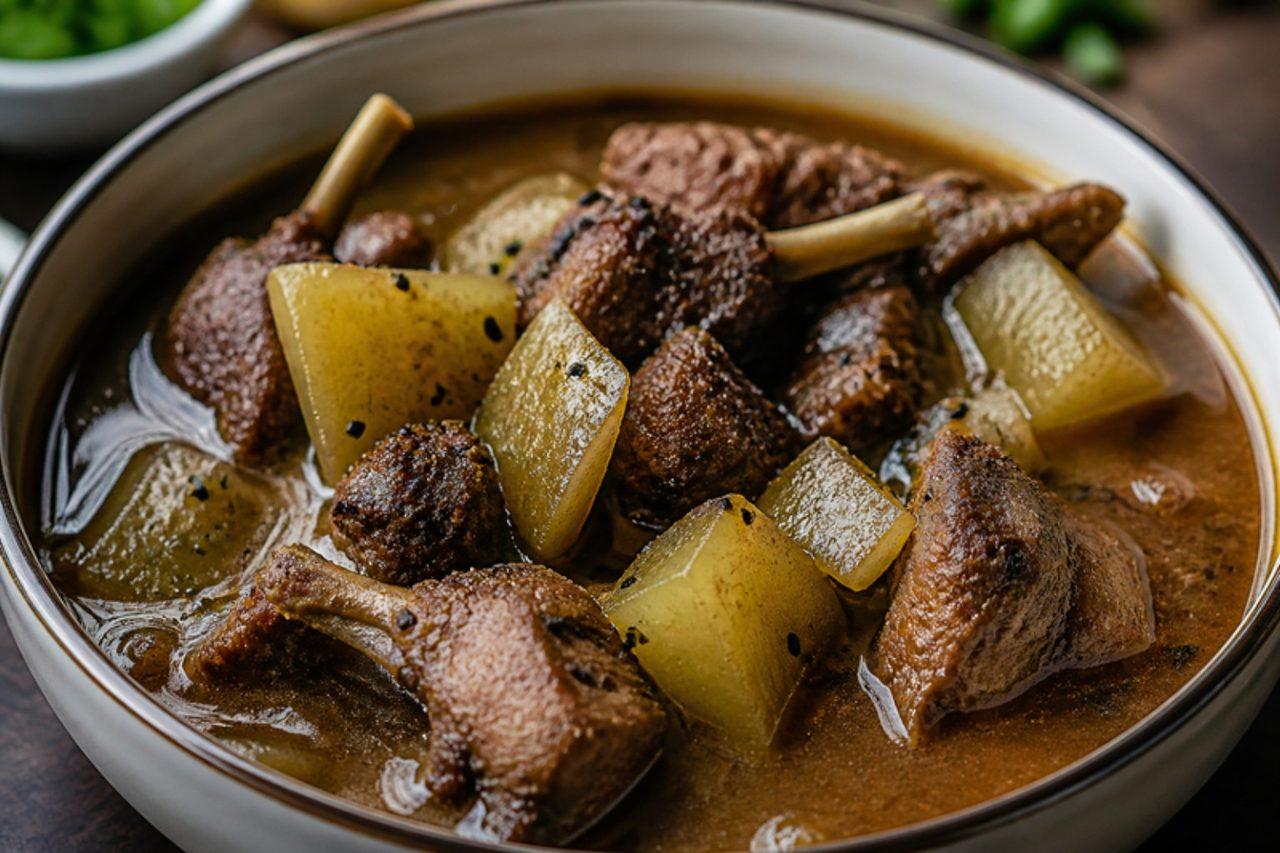
When Magh Bihu brings bonfires and feasting to the villages of Assam in January, duck curry is one of the dishes families look forward to. Duck meat is simmered with ash gourd (kumura), which soaks up the rich juices, and the gravy is thickened with toasted black sesame for a deep, nutty taste. It is eaten with rice, often after the night-long community feast called uruka. Chef's tip: brown the duck skin-side down first and pour off some of the rendered fat; you need its flavour, not all of it.

120 minIndianMeatGluten free
by KrazyBadal 0 views

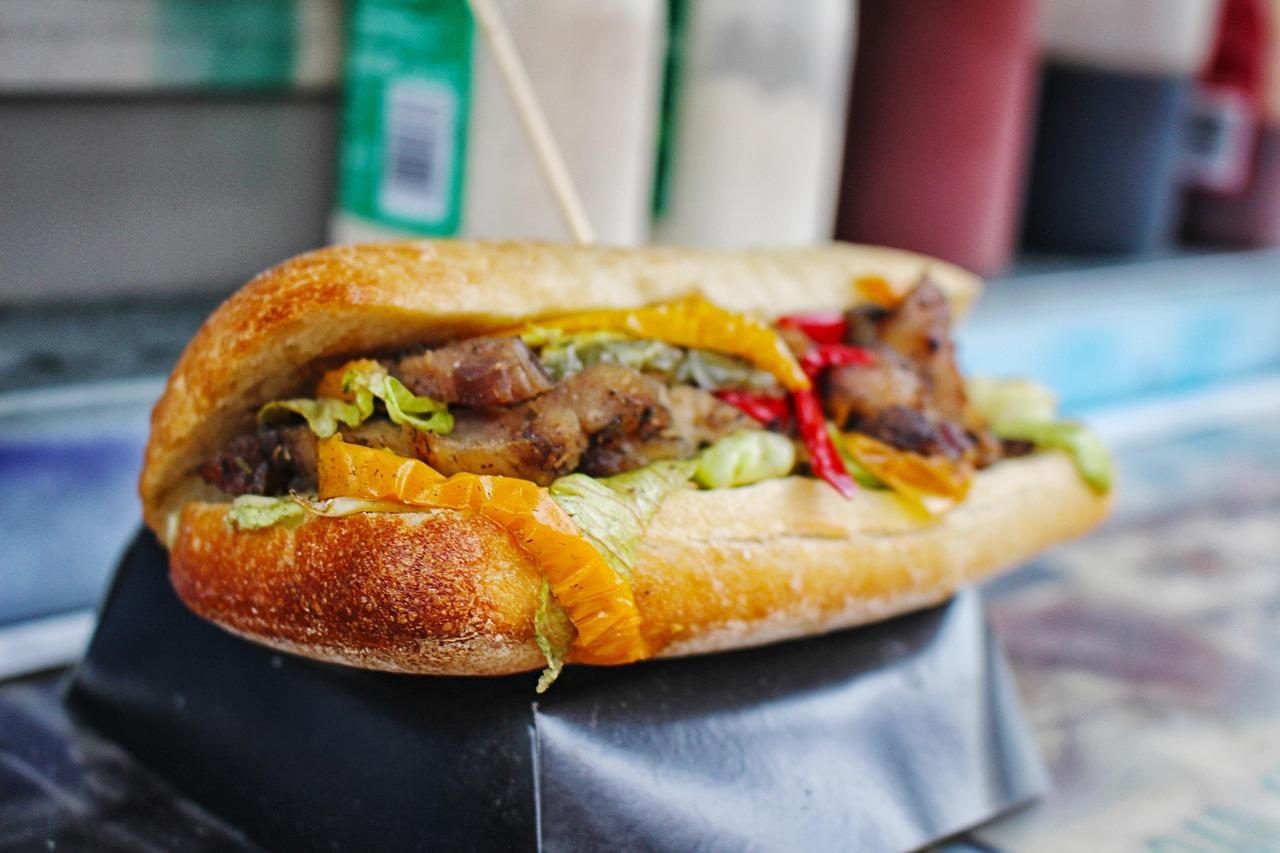
Banh mi

On Saigon pavements at breakfast time, bánh mì carts with glass cases are stacked with light, crackly rolls, tubs of pickles and trays of pâté and pork. The bread came with the French, but the filling is entirely Vietnamese: a smear of liver pâté and mayonnaise, cold cuts or lemongrass-grilled pork, sweet-sour carrot and daikon, cucumber, coriander and fresh chilli, with a splash of savoury seasoning sauce. It's eaten on the move, often on the back of a motorbike. This is the meat version; there is also a lemongrass tofu bánh mì on the site. Chef's tip: choose the lightest, airiest baguettes you can find, as a dense French loaf squeezes the filling out the sides.

by KrazyBadal 0 views

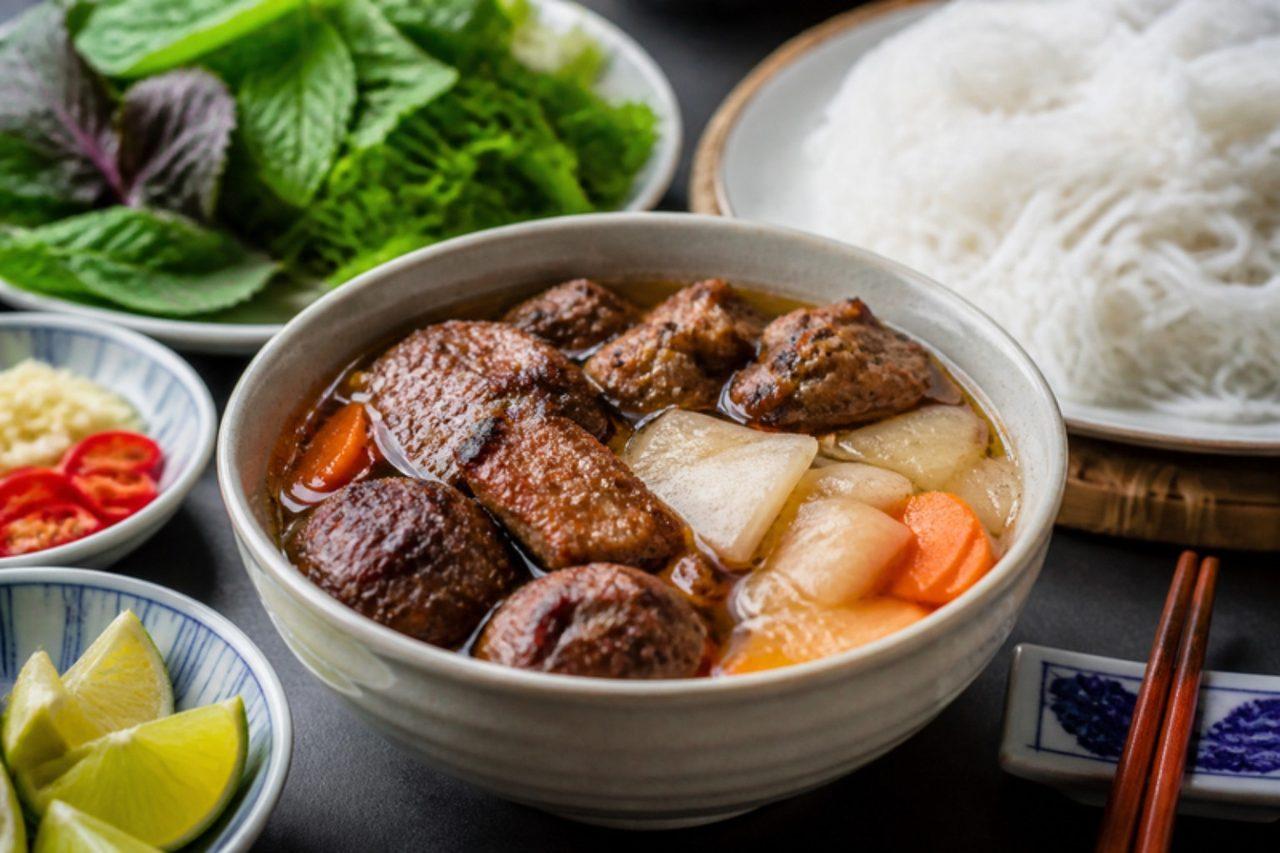
Bun chaGrilled pork with rice noodles

Around 11 in the morning, the side streets of Hanoi's Old Quarter fill with smoke as cooks fan little charcoal braziers loaded with pork. Bun cha is the city's lunch: grilled patties and caramelised strips of pork belly served floating in a warm bowl of thin, sweet-sour fish sauce, with cold rice vermicelli and a basket of lettuce and herbs to dip in alongside. Each mouthful is a bit of noodle, a bit of meat and a leaf or two, all dunked together. A barbecue gives the real smoky edge, but a ridged grill pan works well indoors. Chef's tip: let the grilled meat sit in the warm sauce for a few minutes before eating, so the smoky fat seasons the sauce and the sauce soaks into the meat.

by KrazyBadal 0 views

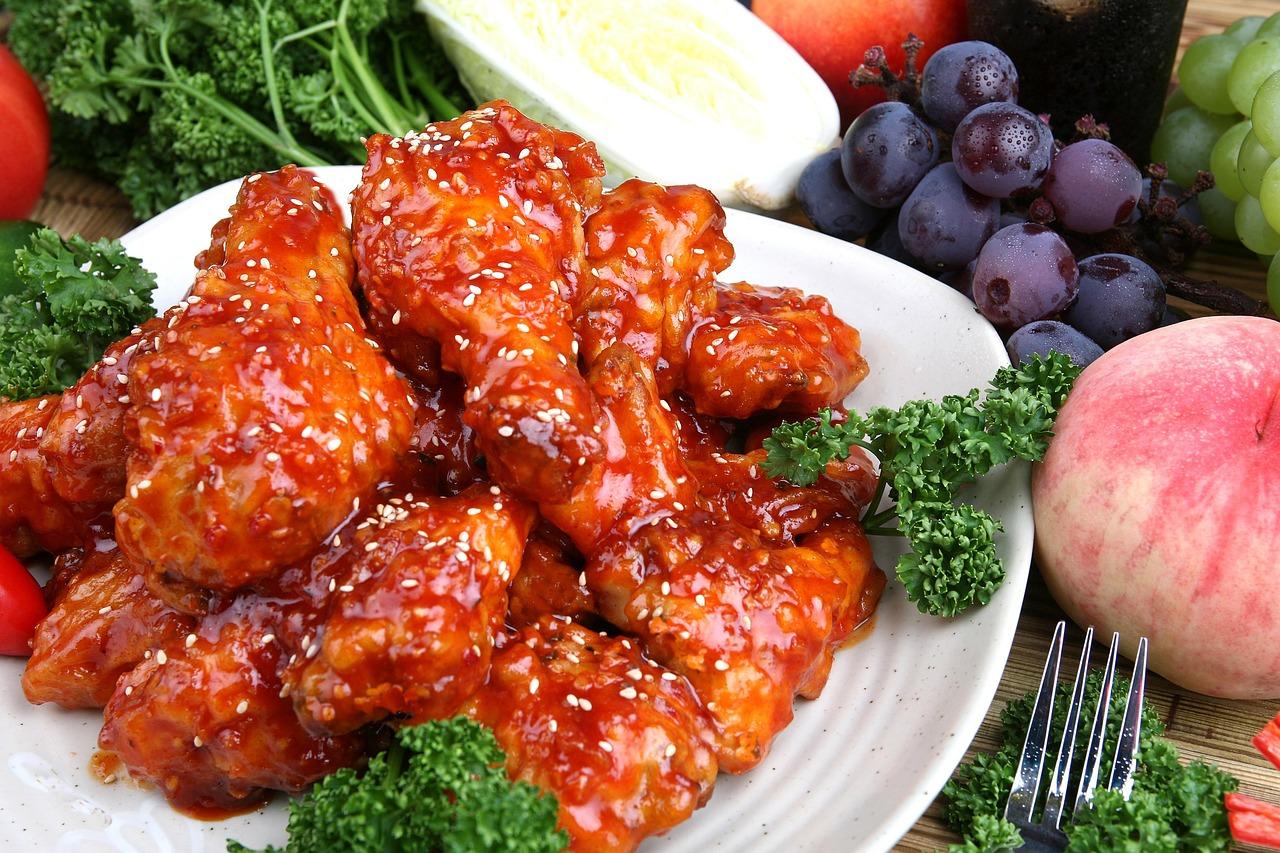
Yangnyeom chicken (Korean fried chicken)

Fried chicken shops are on almost every street corner in Korea, and late-night delivery boxes are shared over sport on TV or by the river in summer. The pairing with beer even has its own word, chimaek, but an ice-cold alcohol-free beer, barley tea or a fizzy drink works just as well. Yangnyeom chicken is the glazed kind, tossed in a sweet, garlicky gochujang sauce, and it always comes with cubes of white pickled radish to cut the richness. Chef's tip: let the chicken rest for 5 minutes between the two fries; the moisture that rises to the surface is what the second fry turns into a shatteringly crisp shell.

by KrazyBadal 0 views

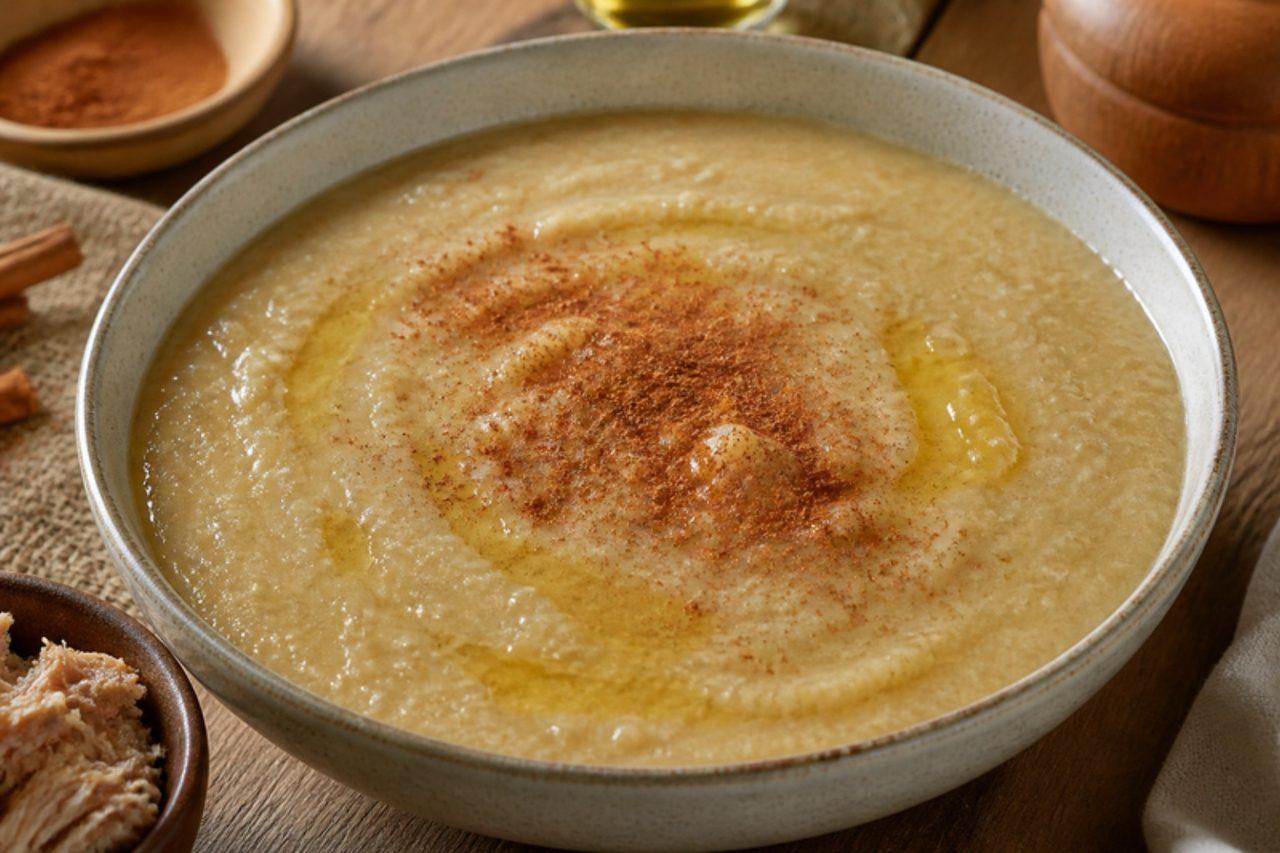
HareesWheat and chicken porridge

Harees is one of the oldest dishes of the Arabian Gulf, made in the UAE, Oman and Saudi Arabia for Ramadan iftar, Eid and weddings, when big pots are stirred for hours and shared with neighbours. Whole wheat and chicken cook slowly together until the grain bursts and the meat falls apart, then everything is beaten to a smooth, sticky porridge and finished with ghee and a little cinnamon. It is soft, mild and very comforting. Chef's tip: beat it hard with a wooden spoon (or briefly with a stick blender) at the end; that is what gives harees its elastic texture.

by KrazyBadal 0 views

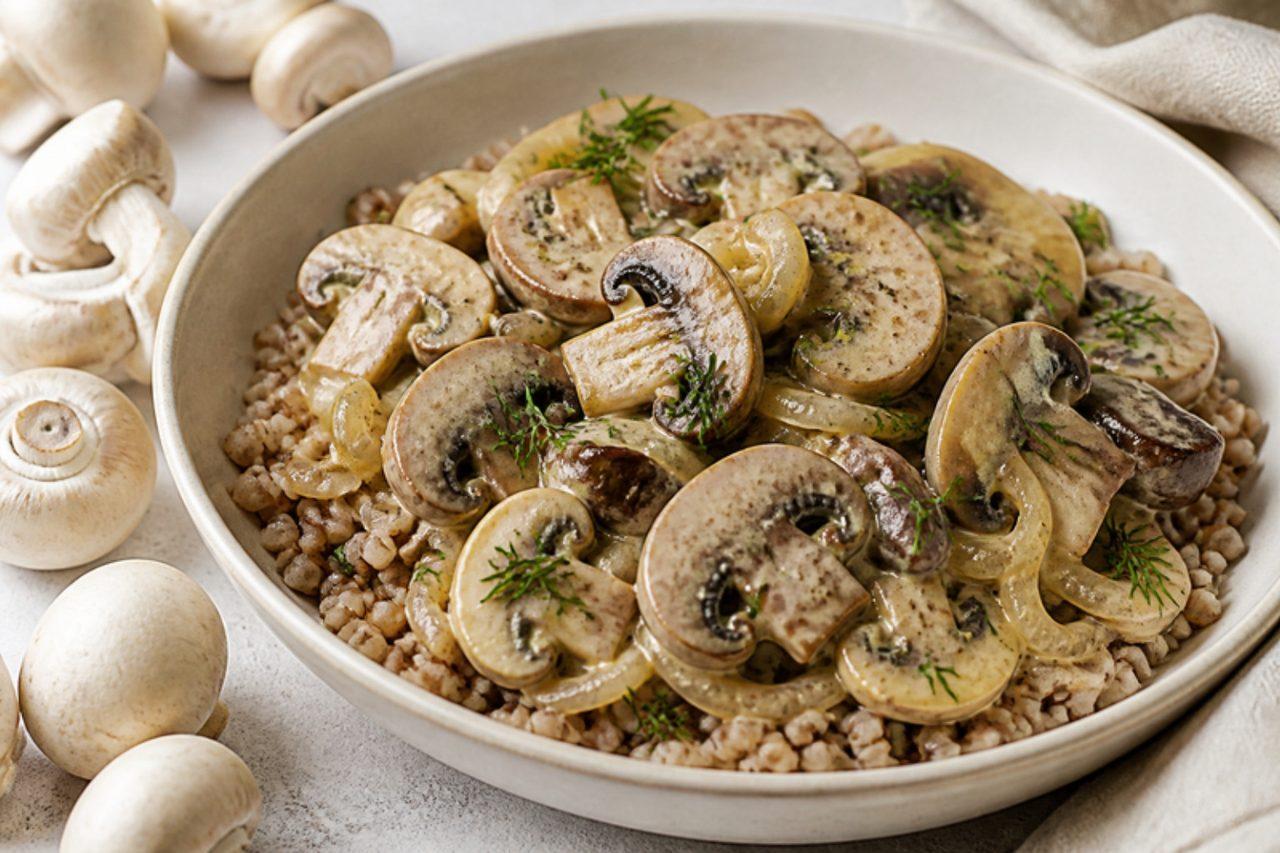
Mushroom stroganoff

Beef stroganoff was named after the aristocratic Stroganov family of St Petersburg in the nineteenth century, and the original is strips of beef in a sauce of smetana and mustard. In Russian homes today the meatless version, made with forest mushrooms in autumn and button mushrooms the rest of the year, is just as common, especially during Orthodox fasts and on weeknights. It differs from Hungarian paprikás: no paprika, a gentle mustard edge, and a sauce that should stay pale and creamy. Serve it on fluffy buckwheat or mashed potatoes. Chef's tip: stir the smetana in off the boil; bubbling it hard makes it split into grainy curds.

by KrazyBadal 0 views

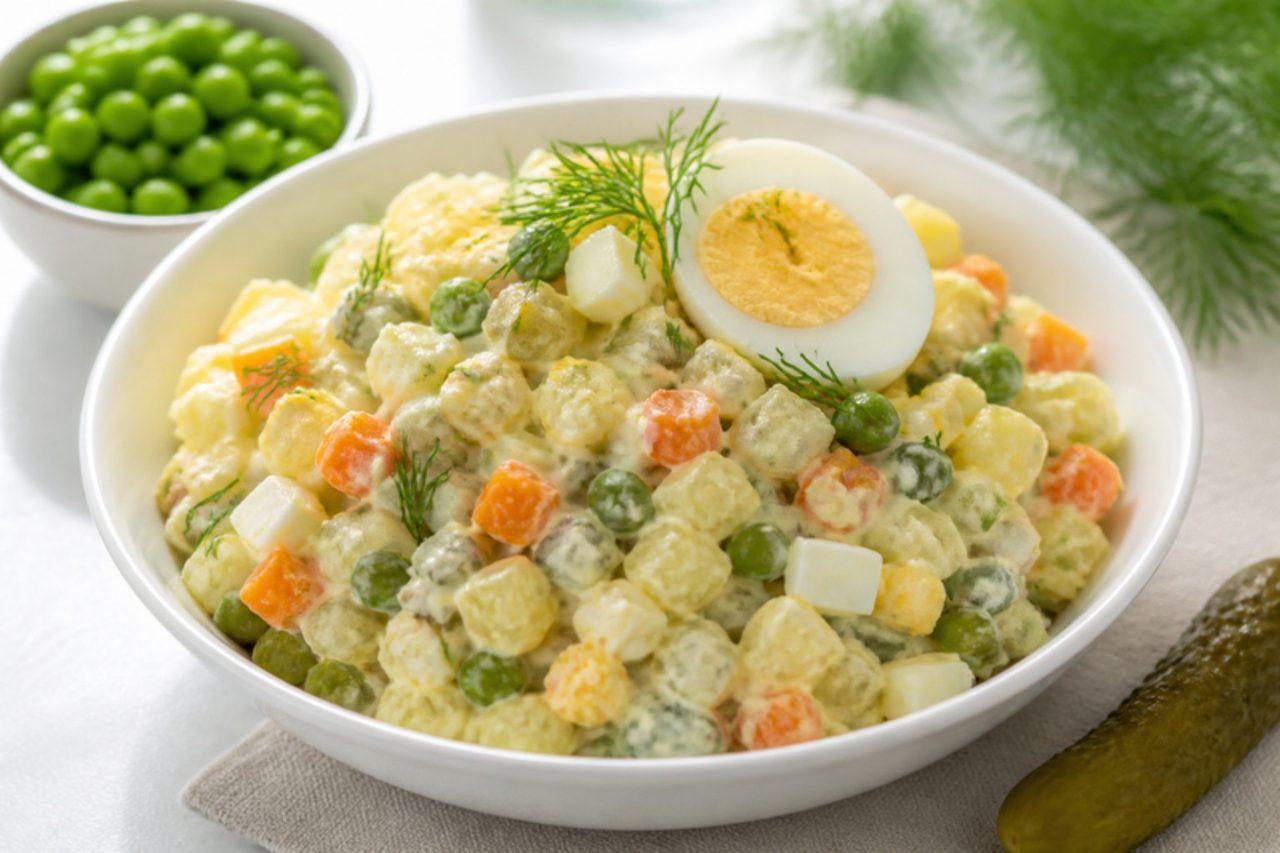
Olivier salad (vegetarian)

Salat Olivier was born in a fashionable Moscow restaurant in the 1860s, but today it belongs to every Russian kitchen on 31 December, when a bowl the size of a washing-up basin is made in the afternoon and eaten until 1 January is well over. Soviet cooks swapped the original's game for boiled sausage; this vegetarian version leaves it out and lets the sweet carrots, peas, sharp pickled cucumbers and creamy egg carry the salad. Chef's tip: cut everything to the size of a pea, the same size as the peas themselves; that is what makes Olivier feel like Olivier rather than potato salad.

by KrazyBadal 0 views

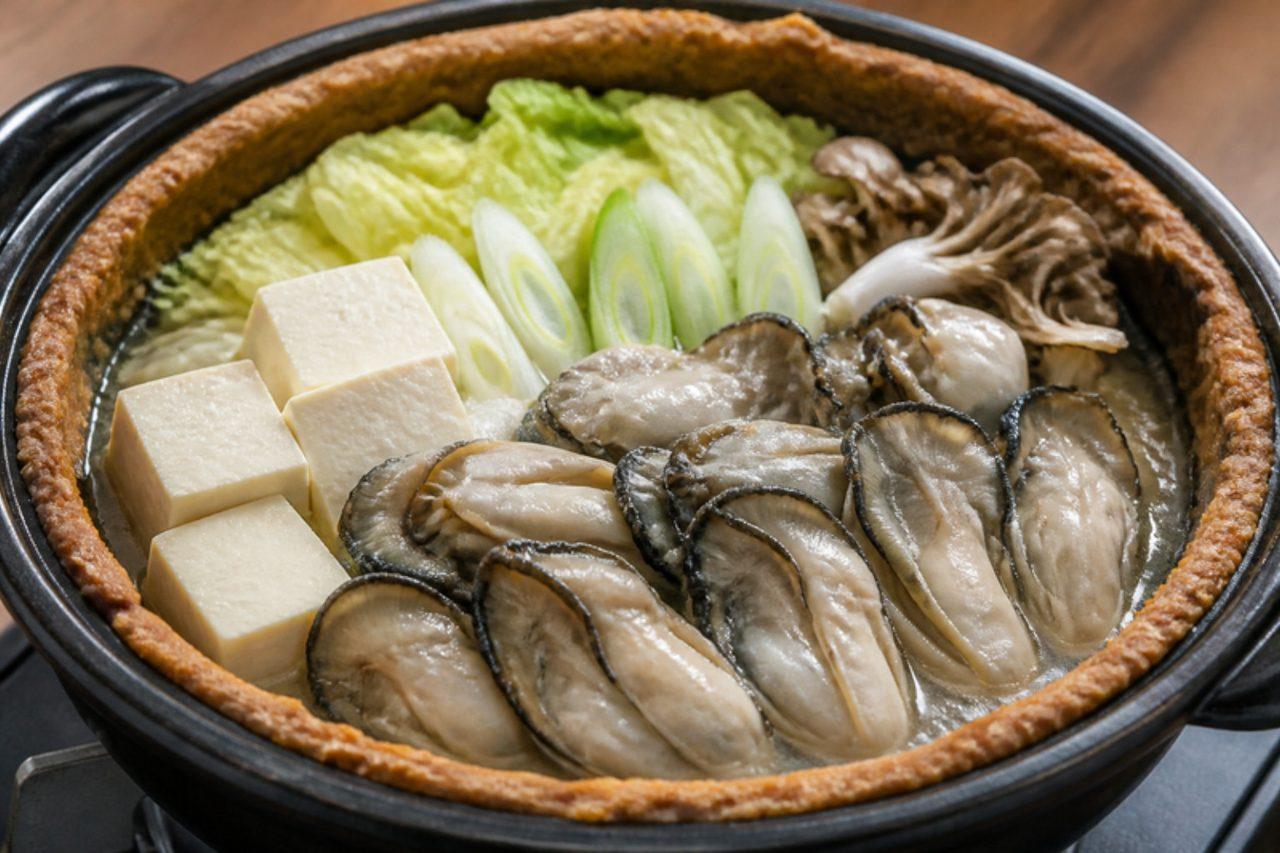
Hiroshima oyster nabe (kaki nabe)

Hiroshima Bay is lined with oyster rafts, and from late autumn to early spring the city's restaurants put kaki nabe on the menu. In the version called dote nabe, a thick band of sweetened miso is smeared around the inside of the pot like a riverbank, then melts into the broth bit by bit as you eat. Cabbage, tofu, leek and mushrooms go in first; the oysters only need a few minutes at the end. It is cooked at the table on a portable burner, so everyone eats it as it is ready. Chef's tip: rinse the shucked oysters in a bowl with potato starch and a little salt, then in clean water; the grey starch pulls out grit and slime and leaves them clean-tasting.

by KrazyBadal 0 views

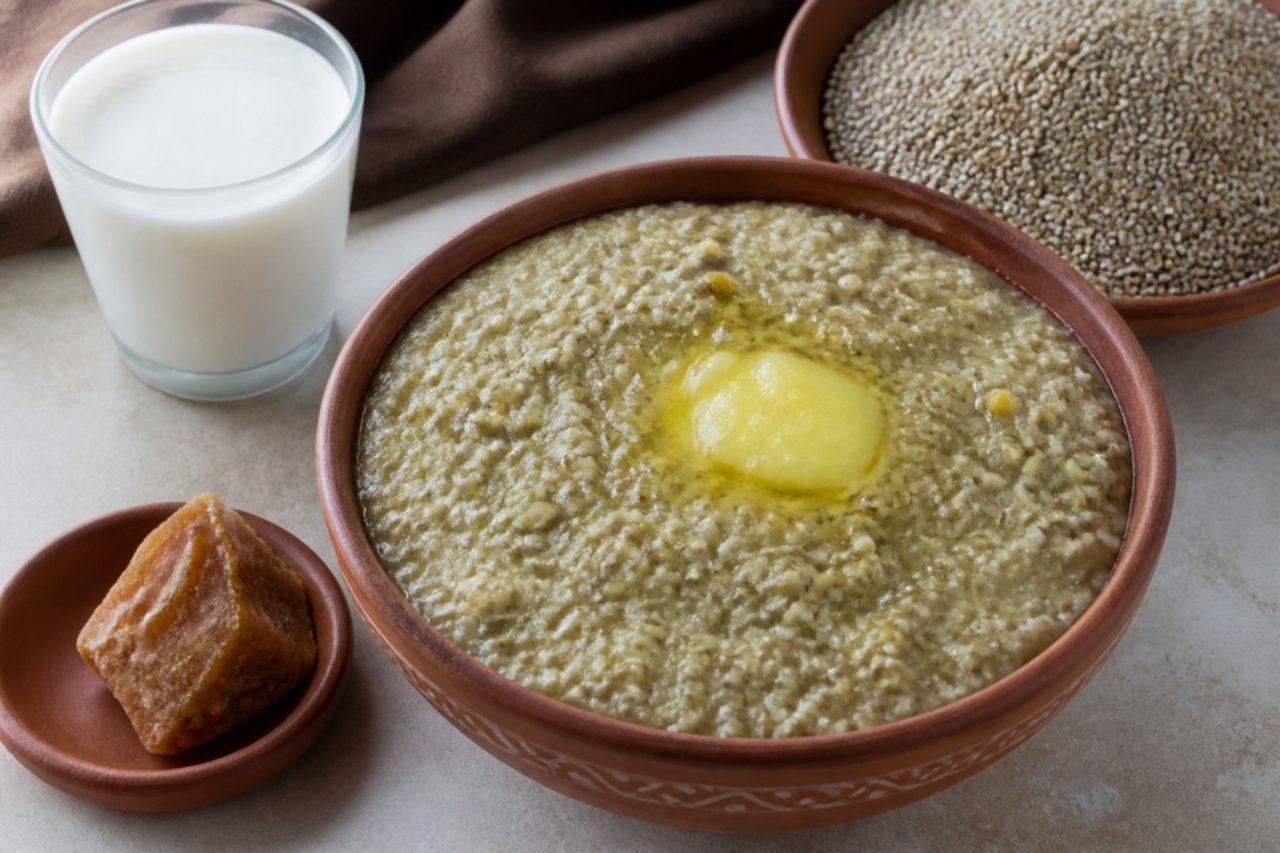
Haryanvi bajra khichdiPearl millet and moong dal porridge

In village homes across Haryana, bajra khichdi is the food of cold winter nights and the days around Makar Sankranti: cracked pearl millet and yellow moong cooked slowly until soft and porridge-like, then eaten with a big spoon of ghee and either jaggery or a glass of lassi. It is plain, nutty and very filling, and grandmothers swear it keeps you warm. The millet was traditionally pounded in a stone mortar to crack it; a quick pulse in a grinder does the same. Chef's tip: soak the bajra overnight; unsoaked millet stays hard and gritty however long you cook it.

by KrazyBadal 0 views

Mewari makki ki kadhiMaize flour yogurt curry

In the Mewar region around Udaipur, maize is a staple crop, and in winter it even goes into kadhi. Instead of gram flour, cooks thicken sour buttermilk with fine maize flour, which gives a golden, slightly earthy, gently sweet kadhi with no pakoras in it. It is ladled over makki ki roti or bajra roti, or eaten with plain rice and a raw onion on the side. The tadka is simple but bold: ghee, cumin, fenugreek, crushed garlic and whole red chillies. The usual mistake is not stirring until it boils—the yogurt splits into curds and whey. Chef's tip: simmer it longer than you would a besan kadhi, at least 20 minutes, until no raw corn taste remains.

by KrazyBadal 0 views

Mezbani beefSpicy feast beef curry

A mezban is the great community feast of Chittagong, held for a death anniversary, a new home or a good harvest, and the food is always the same: rice, dal and this dark, fiery beef curry cooked in giant pots by professional bawarchis. What makes it different from other Bangladeshi curries is its spice blend: mustard oil, lots of dried red chilli, and a ground mix of star anise, mace, nutmeg, cumin and white pepper that tastes warm and deep rather than hot alone. At home it is a weekend treat, eaten with rice or paratha. The common mistake is rushing the bhuna (frying) stage; the beef must fry in its spices until the oil floats free before any water goes in. Chef's tip: toast and grind the mezbani spice mix fresh on the day, because ready-ground spices lose their perfume in a curry this long.

by KrazyBadal 0 views

HaupiaCoconut pudding

Haupia is the dessert of every Hawaiian lūʻau and family party: coconut milk thickened and set into smooth, wobbly-firm squares that you can pick up with your fingers. It was once set with arrowroot from the pia plant; today cornflour does the job. It tastes clean, cool and gently sweet, and is also layered on chocolate pies and spread on cakes in Honolulu bakeries. Chef's tip: keep whisking until it's as thick as mayonnaise and big bubbles plop slowly; underdone haupia won't set firm enough to slice.

by KrazyBadal 0 views

Showing 81 of 7,762 recipes

Show more recipes

Page 665 of 863