


Skip to content
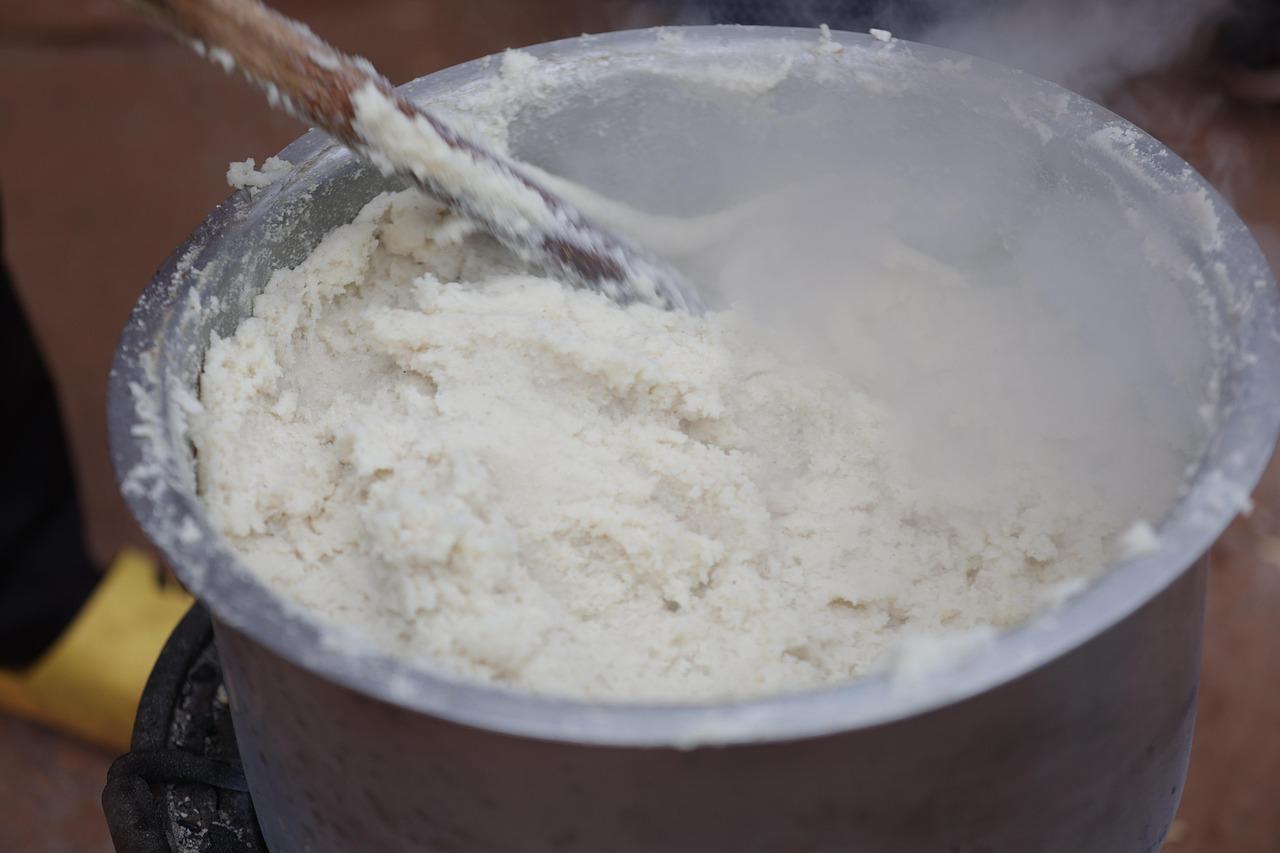
Masala ugali
Featured recipe

Masala ugali

Spiced maize meal porridge

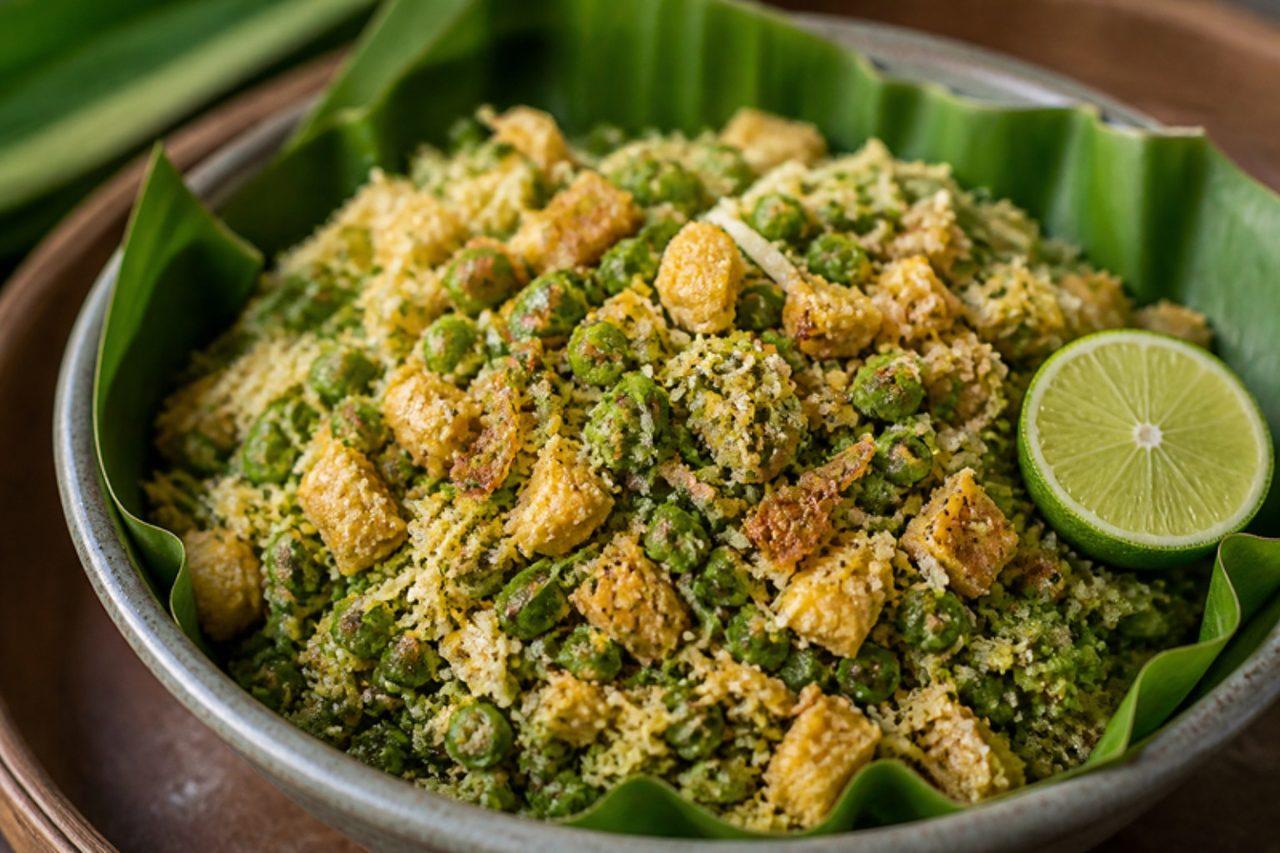
Ugali, East Africa's staple of maize meal cooked into a stiff porridge, given a lift with toasted cumin, butter, fresh coriander and green chilli. Stir it hard and keep it soft. Serve hot with sukumawiki or any stew.

Read more 1 views

What to eat today?

Around the world

Today's trip: Paraguayan

A new country every day, from every cuisine on the site.

Paraguayan

Chipa

Cheese bread rings 50 minMore from Paraguayan (27) →

This week's collection

Kid-friendly dinners
537 recipes · a new collection every Monday

Latest recipes

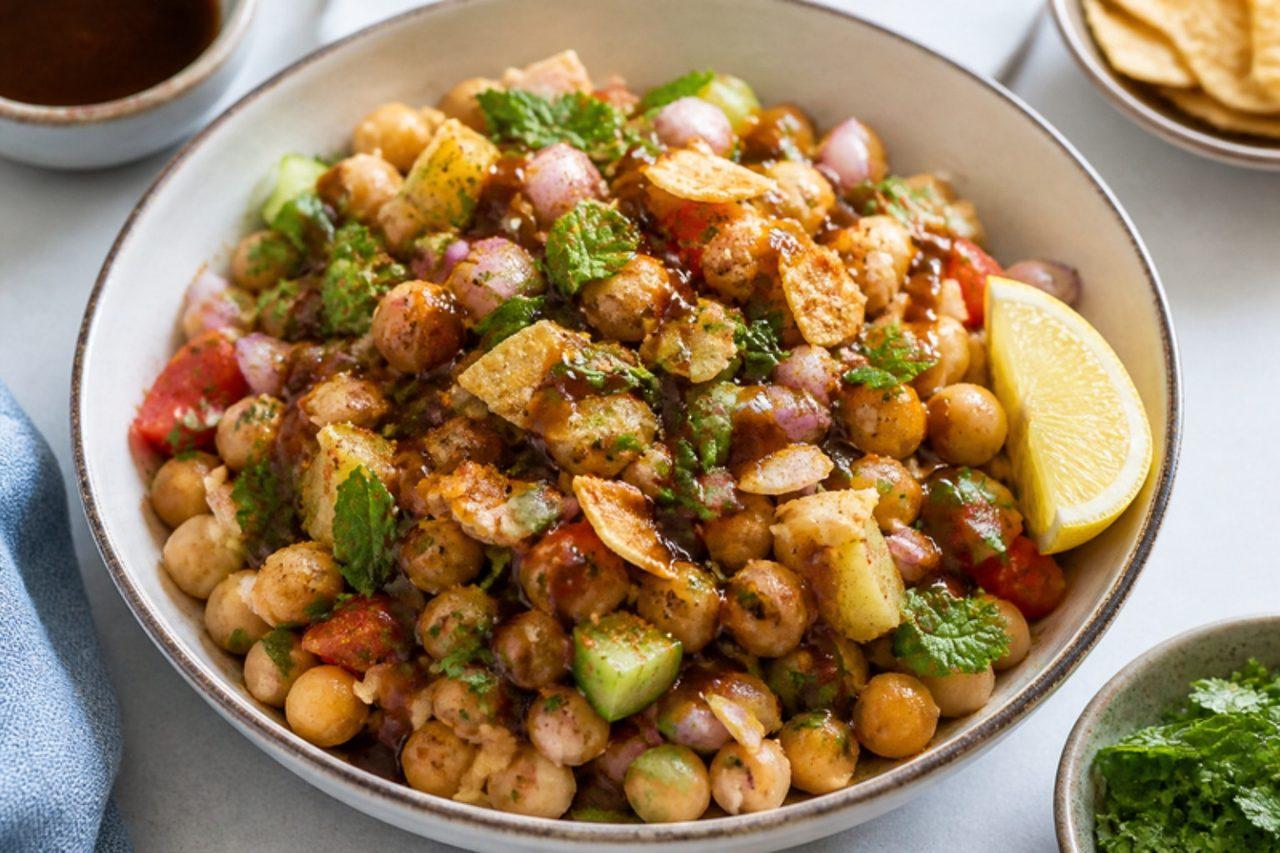
Pakistani chana chaatChickpea and potato chaat

In Pakistan a bowl of chana chaat is on almost every iftar table during Ramadan, next to the dates, pakoras and a jug of red sherbet, and in Lahore and Karachi street vendors toss it to order all year round in big steel bowls. The Pakistani style is simple and sharp: plump chickpeas and potato with raw onion, tomato, green chilli, lots of coriander and mint, tamarind chutney, lemon juice and a heavy hand of chaat masala, served cold or at room temperature. It is a quick, filling, high-fibre snack. People often mix it too early and the onion goes limp and the potato mushy; dress it no more than 15 minutes before eating. Chef's tip: toss the chickpeas with the chaat masala and salt first, before anything wet goes in, so the spice clings to them.

by KrazyBadal 0 views

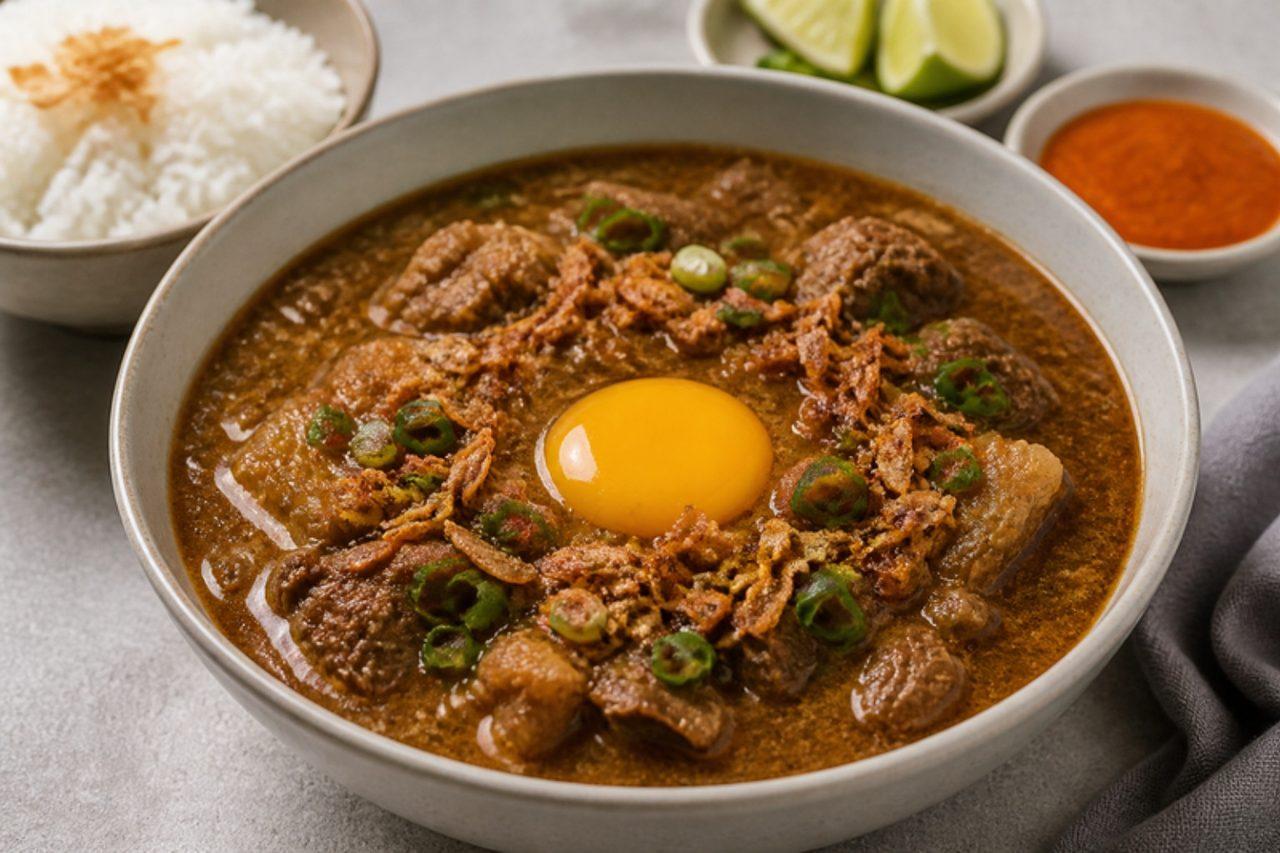
PallubasaBeef and coconut soup

Makassar's other great beef soup is darker, richer and more coconutty than coto, and locals argue about which is better over late lunches at pallubasa houses near the port. The secret is kelapa sangrai: grated coconut toasted slowly to a deep brown and pounded, which gives the broth a roasted, almost nutty sweetness and a slightly gritty, full body. It's eaten with a mound of plain rice rather than rice cakes, and for the full version you ask for 'alas', a raw egg yolk dropped in the bowl that you stir into the boiling soup until it turns silky. Offal is traditional but optional; tender beef alone is delicious. Chef's tip: the coconut must reach the colour of milk chocolate, not black, because burnt coconut makes the whole pot bitter.

by KrazyBadal 0 views

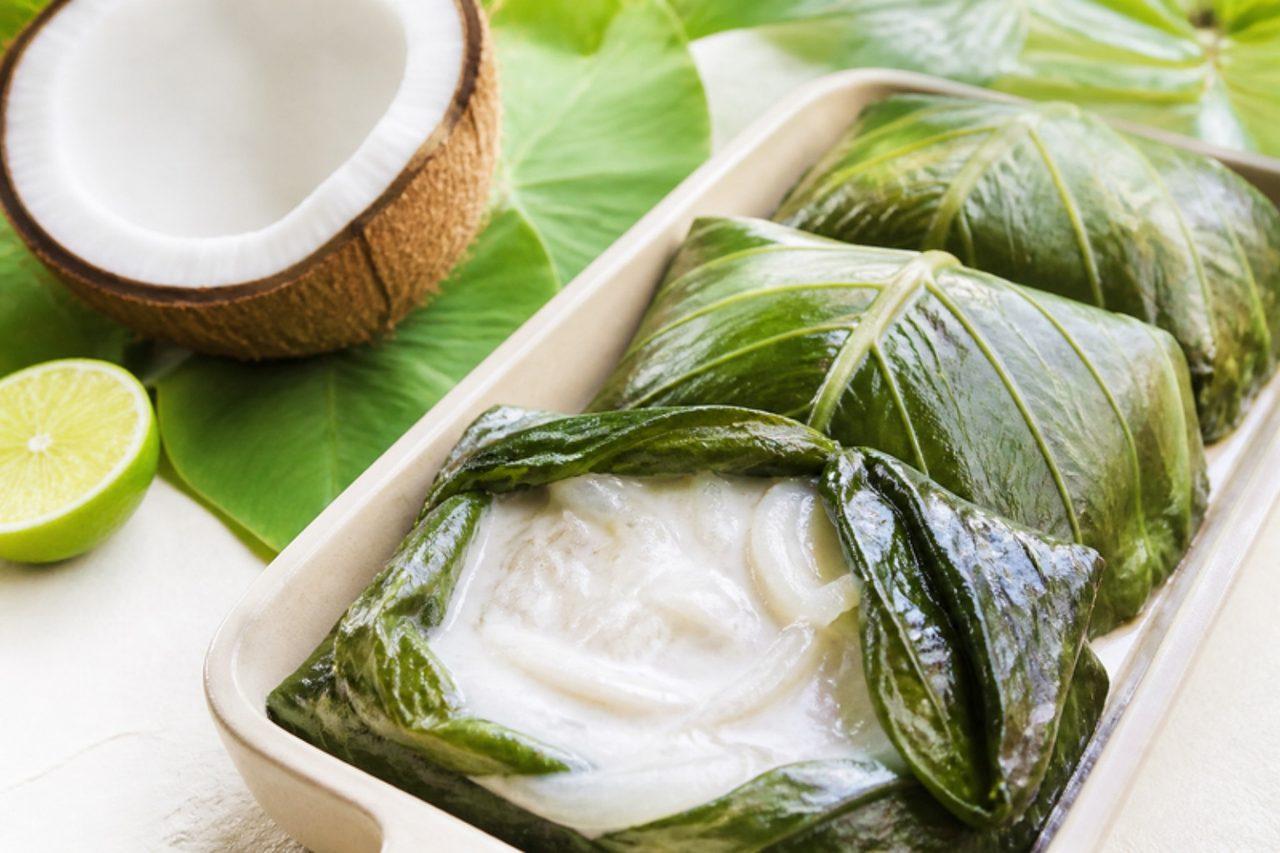
PalusamiTaro leaves in coconut cream

Palusami is at the heart of a Samoan Sunday to'ona'i, the big lunch after church, when the umu (earth oven) is lit and parcels of taro leaves filled with thick coconut cream and onion bake among the hot stones. The leaves melt into something like rich, creamy spinach, and the coconut sets around them. In Fiji similar parcels are called rourou. Many families add corned beef or fish; this is the plain coconut version, served with baked taro or breadfruit. Chef's tip: taro leaves must be cooked thoroughly, as underdone leaves make the throat itch; if you can't get them, use large spinach or silverbeet leaves, which need less time.

by KrazyBadal 0 views

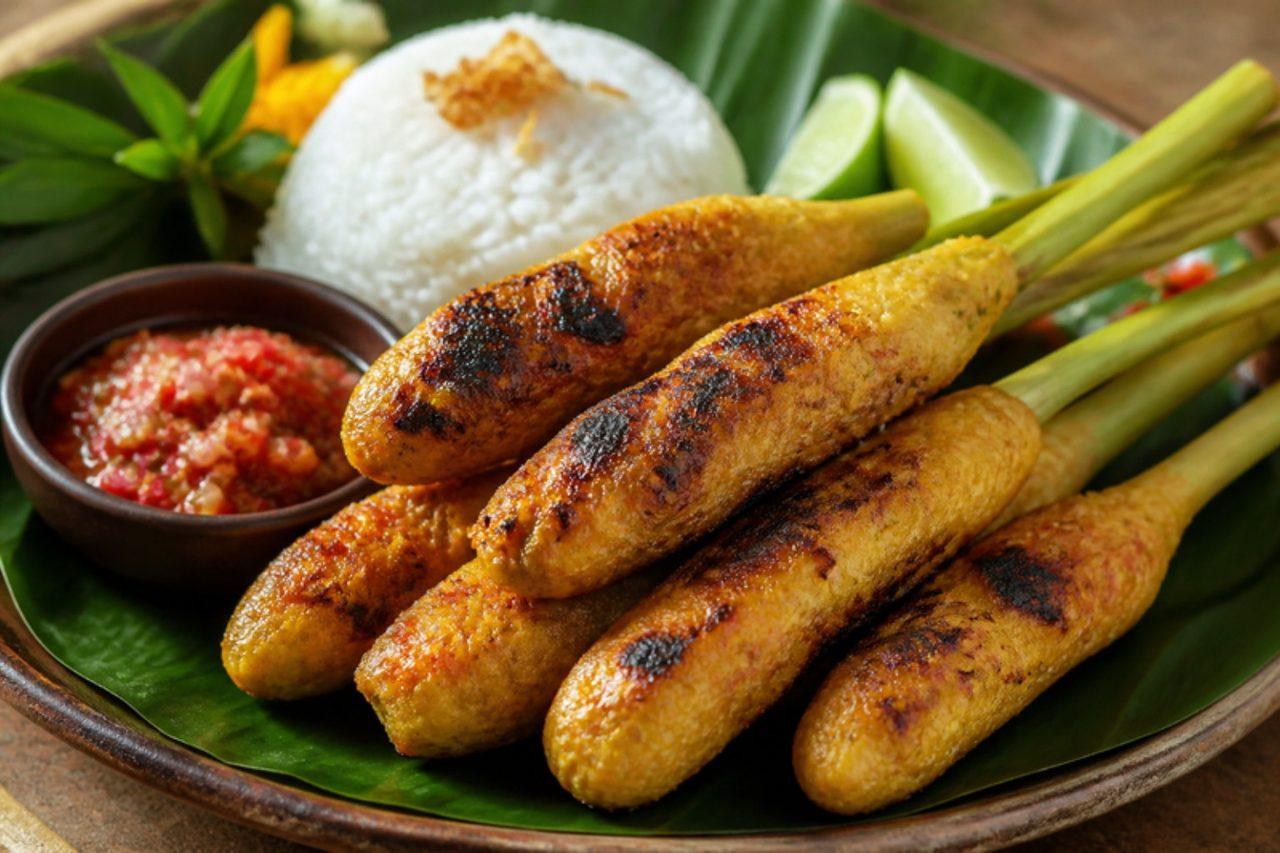
Sate lilitMinced fish skewers

When a Balinese village gets ready for a temple festival, the men gather the night before to chop, pound and mix sate lilit, while the women prepare the offerings. 'Lilit' means to wrap: instead of threaded chunks, a soft mixture of minced fish, grated coconut and base genep spice paste is moulded around lemongrass stalks or flat bamboo sticks and grilled over coconut-husk embers. The result is tender and lightly springy inside, browned and smoky outside, with the lemongrass perfuming every bite. Eat them hot with rice, sambal matah and a wedge of lime. Chef's tip: knead the mixture firmly until it feels sticky and chill it before shaping, or it will slide off the sticks on the grill.

by KrazyBadal 0 views

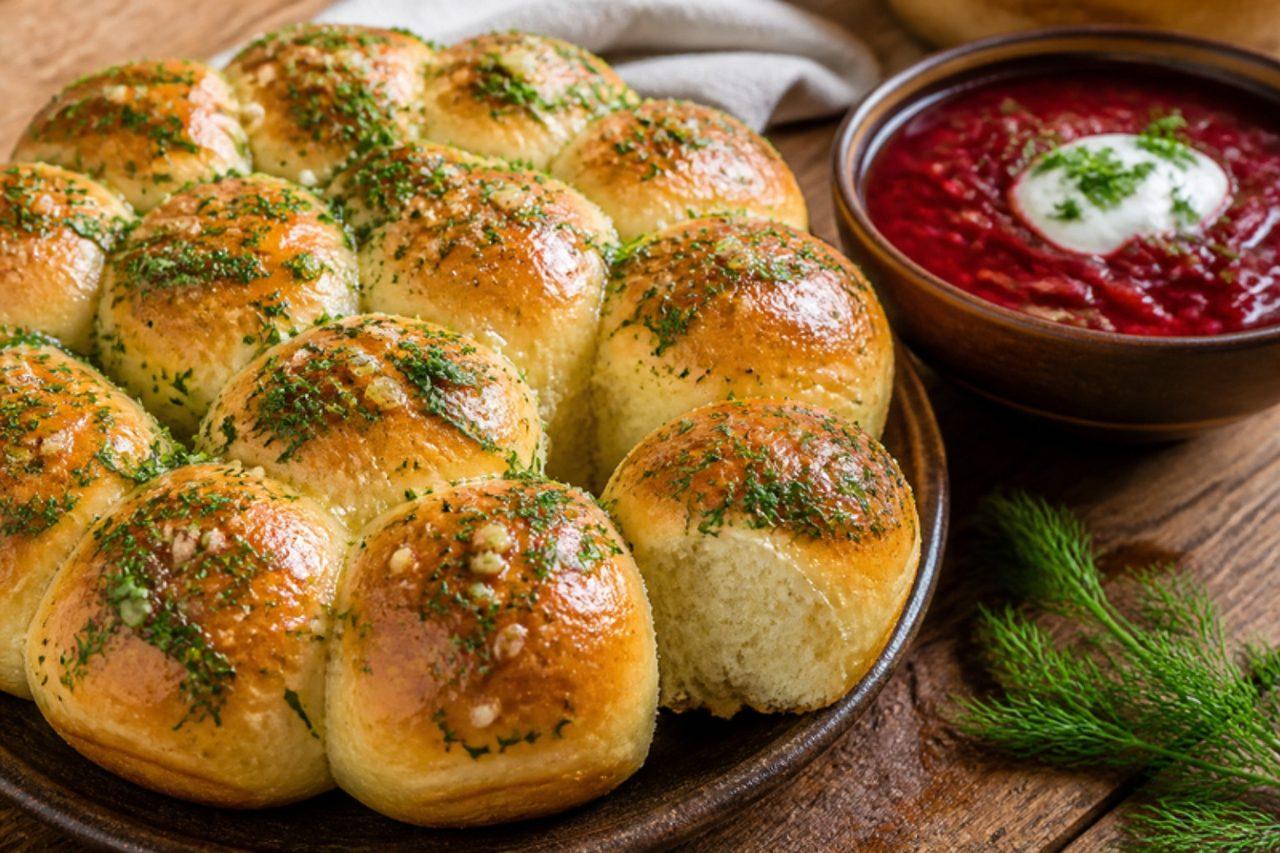
PampushkyGarlic bread rolls

Pampushky are the small, pillowy yeast rolls that arrive in a basket next to borshch in any Ukrainian restaurant, from Kyiv to Poltava, glistening with a raw garlic and dill dressing. They are baked tightly packed in one tin so they pull apart with soft sides and golden tops, and the sharp garlic is the perfect partner for sweet, sour beetroot soup. Sweet pampushky, fried and dusted with sugar, also exist; this is the savoury baked kind. Chef's tip: brush on the garlic oil while the rolls are still hot from the oven, so they drink it in; common mistake is brushing them before baking, which burns the garlic bitter.

by KrazyBadal 0 views

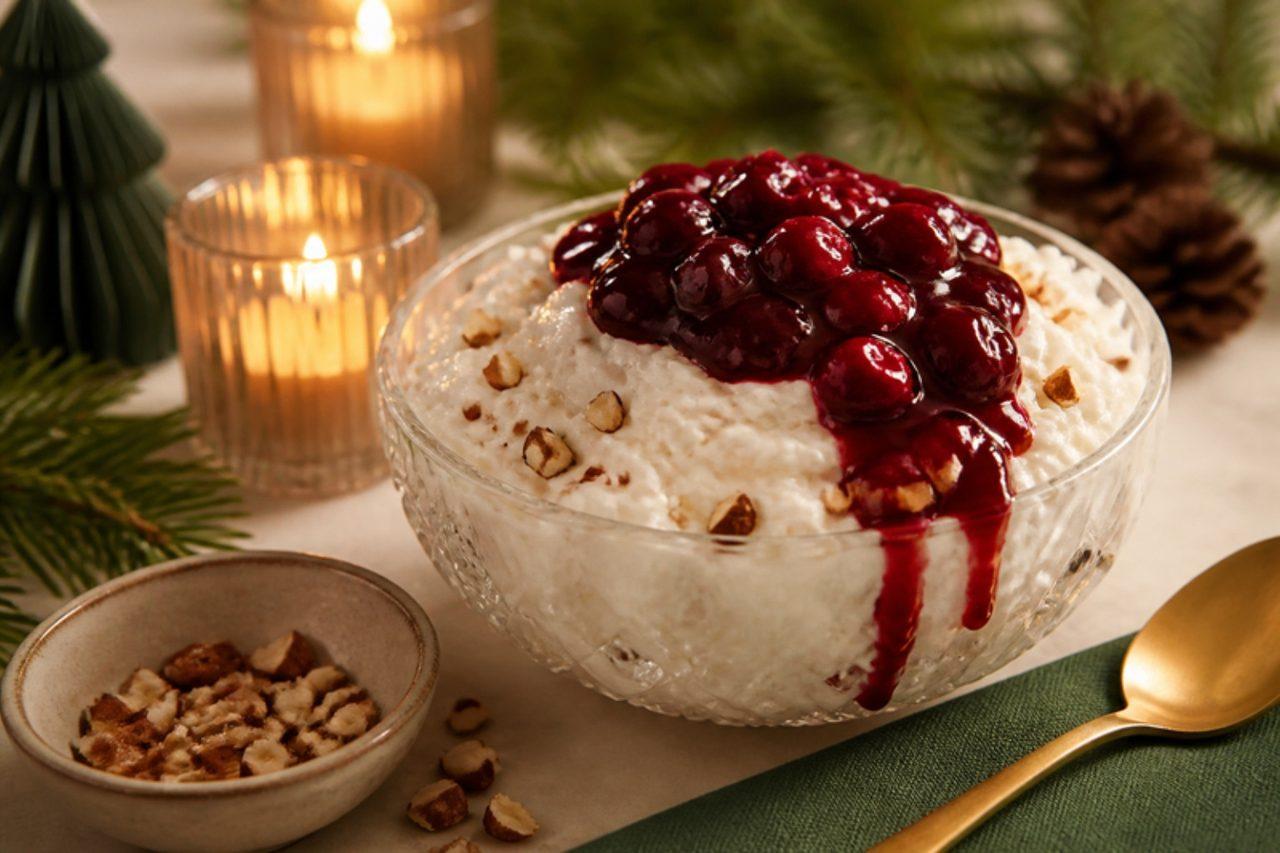
RisalamandeRice pudding with cherry sauce

On Christmas Eve, almost every Danish family ends dinner with risalamande, a cold vanilla rice pudding lightened with whipped cream and chopped almonds and served with a hot cherry sauce poured over the top. Hidden somewhere in the bowl is one whole almond, and whoever finds it wins the mandelgave, the almond prize, usually a marzipan pig. Some finders keep the almond in their cheek until everyone has eaten far too much. The rice base, risengrød, is often cooked on 23 December, eaten warm with butter and cinnamon, and the leftovers become risalamande the next night. Chef's tip: let the rice pudding cool completely before folding in the cream; warm rice melts the whipped cream and the pudding turns heavy instead of airy.

by KrazyBadal 0 views

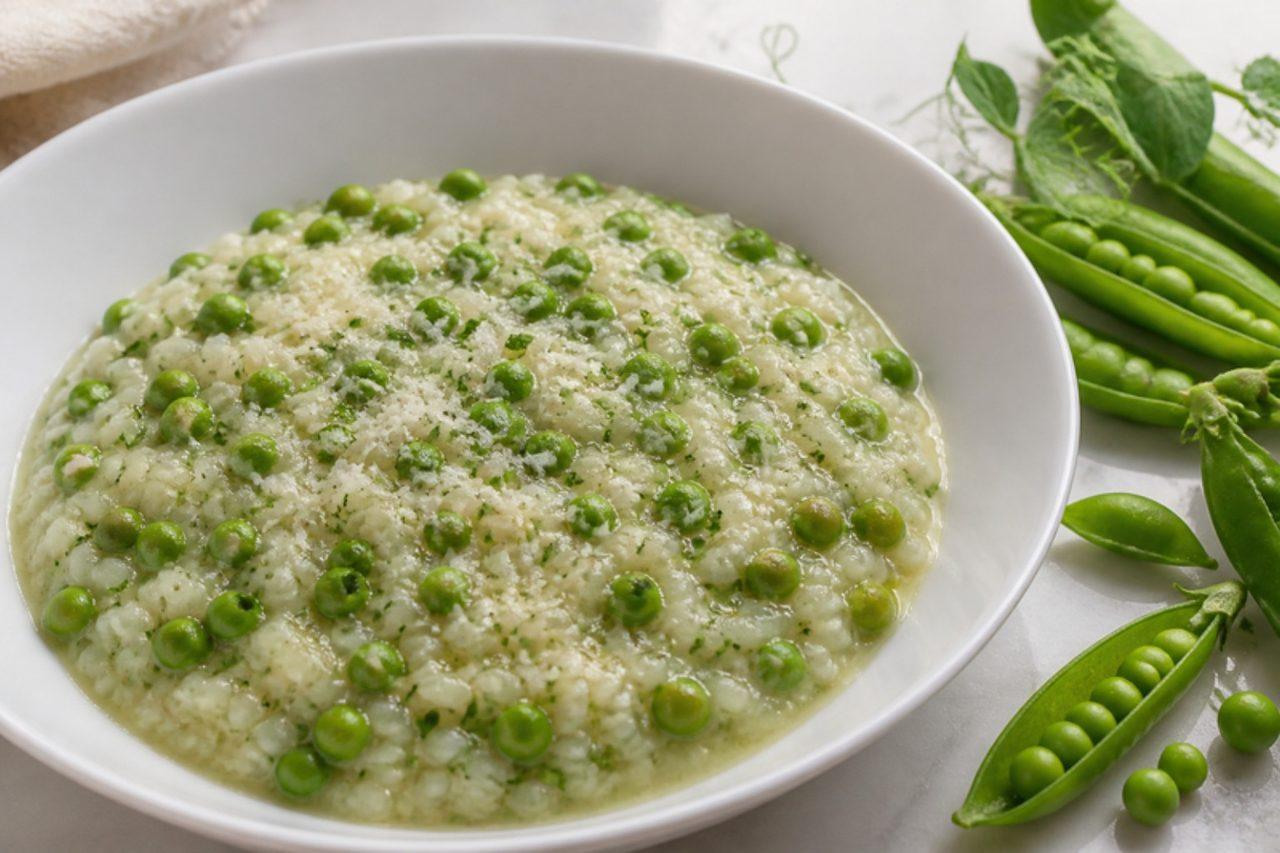
Risi e bisiRice and peas

Risi e bisi was once served to the Doge of Venice every 25 April, the feast of Saint Mark, when the first tender peas arrived from the lagoon islands. It sits between a soup and a risotto: thicker than a minestra, looser than risotto, eaten with a spoon. Venetians make a quick broth from the empty pods, which gives a sweet, grassy flavour no stock cube can match; pancetta often goes in, but this version keeps it vegetarian with parsley and butter. Chef's tip: when podding fresh peas, keep the pods; simmered for 20 minutes they make the whole dish taste of spring.

by KrazyBadal 0 views

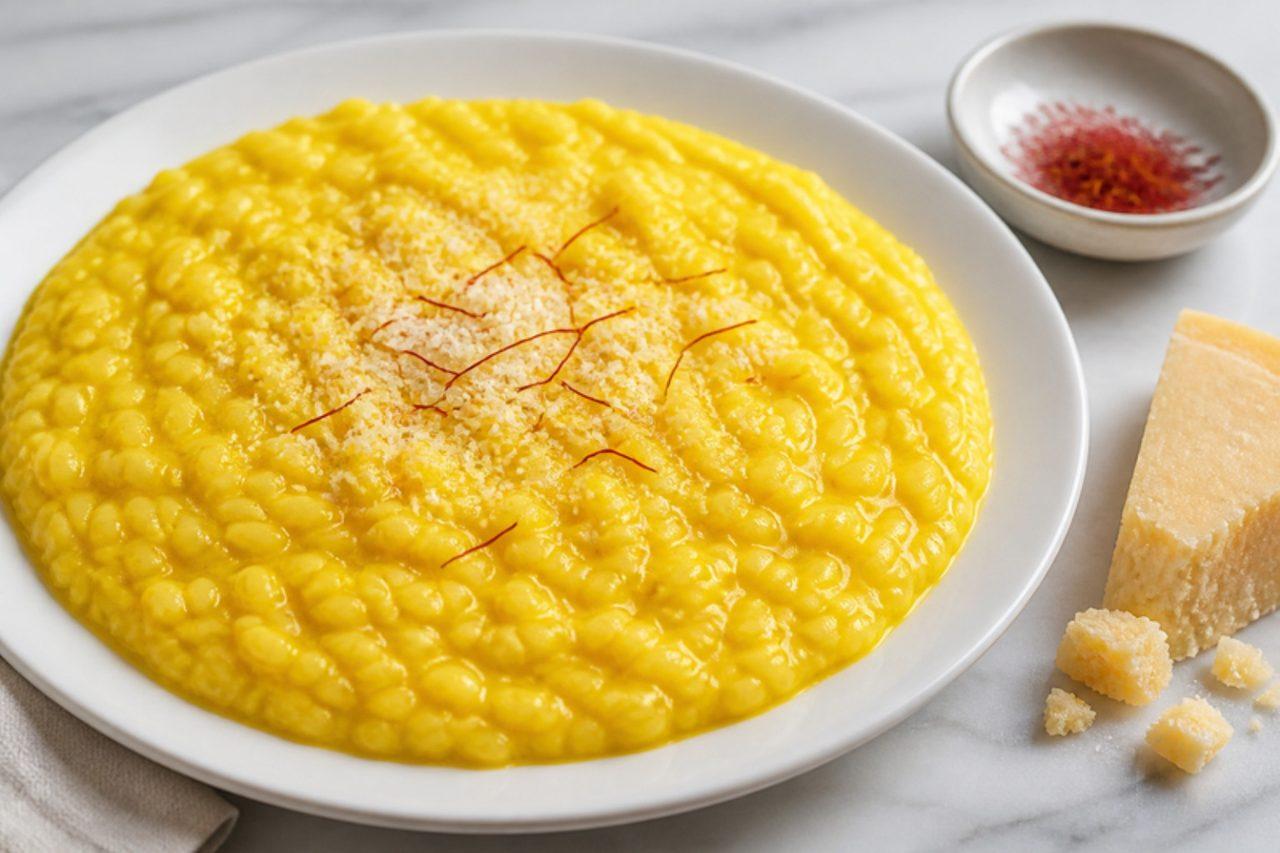
Risotto alla milaneseSaffron risotto

Risotto alla milanese is the saffron risotto of Milan, served on its own as a first course or beside ossobuco on Sunday tables, and a legend says it was first made in 1574 by a glass-painter's apprentice working on the Duomo who coloured rice with saffron. Milanese cooks use beef marrow and meat broth; here a well-flavoured vegetable stock keeps it vegetarian, with butter and hard cheese for richness. It should be all'onda: loose enough to ripple like a wave when you shake the plate. Chef's tip: keep the stock at a bare simmer beside the rice; cold stock stops the cooking and makes the grains chalky.

by KrazyBadal 0 views

Semmelknödel with mushroom sauceBread dumplings with mushroom sauce

Semmelknödel are the bread dumplings of Bavaria and Austria, made to use up yesterday's rolls (Semmeln) soaked in warm milk and bound with egg, onion and parsley. With a creamy mushroom sauce, Semmelknödel mit Schwammerlsoße, they become a full meal and a favourite in Munich beer gardens and Alpine inns from late summer, when foraged chanterelles and ceps reach the markets. Chef's tip: simmer the dumplings in barely trembling water, never a rolling boil; hard boiling breaks them apart, which is the most common Knödel disaster.

by KrazyBadal 0 views

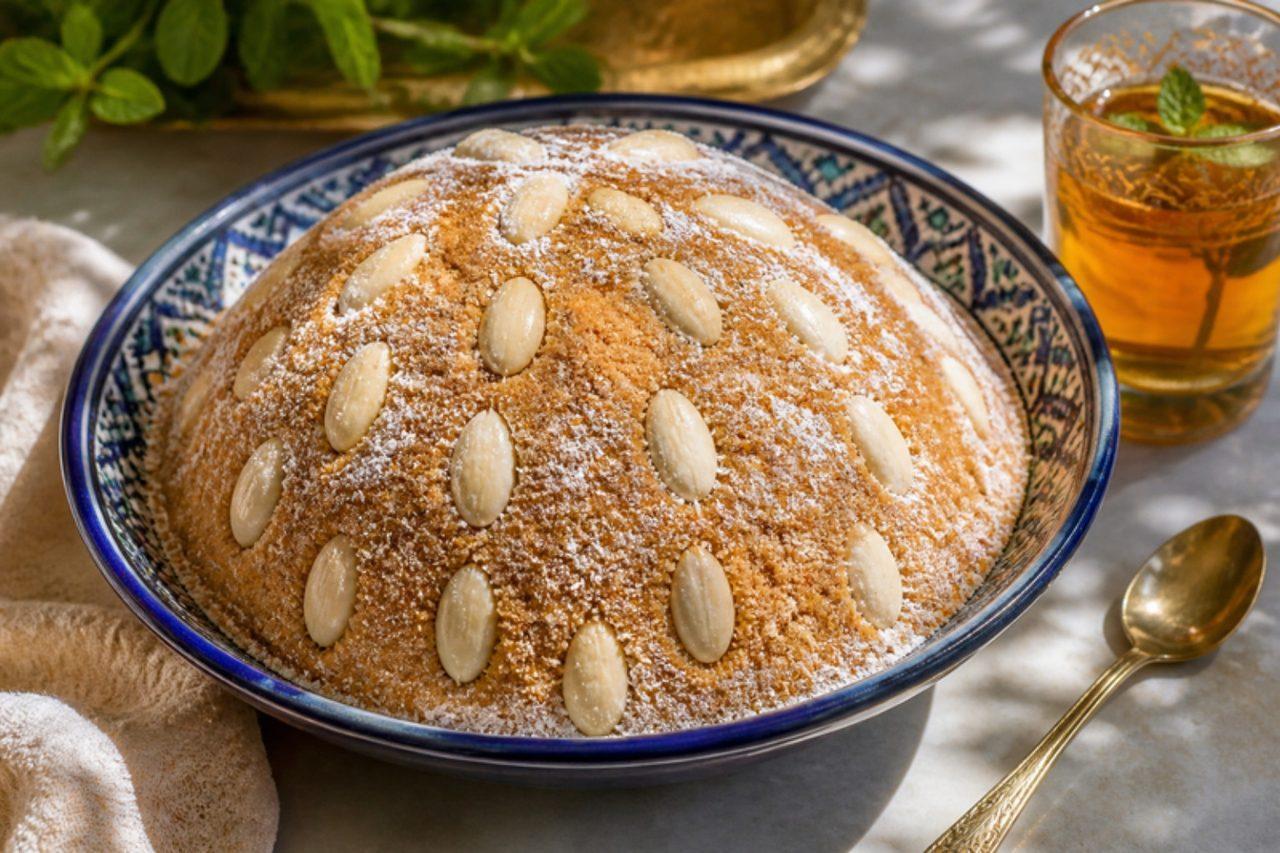
SellouToasted flour and almond sweet

Sellou (also called sfouf or zmita) is made in big batches across Morocco for Ramadan, for new mothers and for Eid, and is served in a mound beside mint tea. Flour is toasted slowly in a dry pan until it turns the colour of sand and smells like biscuits, then mixed with ground toasted almonds and sesame, anise, cinnamon, butter and honey. The result is a crumbly, nutty, not-too-sweet sweet that you eat by the spoonful, or press into balls. It keeps for weeks. Chef's tip: toast the flour patiently over a low heat and keep it moving; scorched flour tastes bitter and the whole batch is lost.

by KrazyBadal 0 views

Vegetable maféPeanut and vegetable stew

Mafé is the Sunday-lunch stew of Senegal and Mali: a rust-coloured sauce of roasted peanut paste and tomato, simmered until oil glistens on top and ladled over broken rice. In Dakar it usually carries lamb or beef; this version uses sweet potato, carrot, cabbage and okra, which soak up the sauce just as well. In Côte d'Ivoire the same idea is called sauce d'arachide and is eaten with rice or foutou; make it slightly thinner and add aubergine for the Abidjan style. Chef's tip: use plain, unsweetened peanut paste and cook it long enough that a thin layer of red oil rises to the surface; that is the sign the peanut has lost its raw taste.

by KrazyBadal 0 views

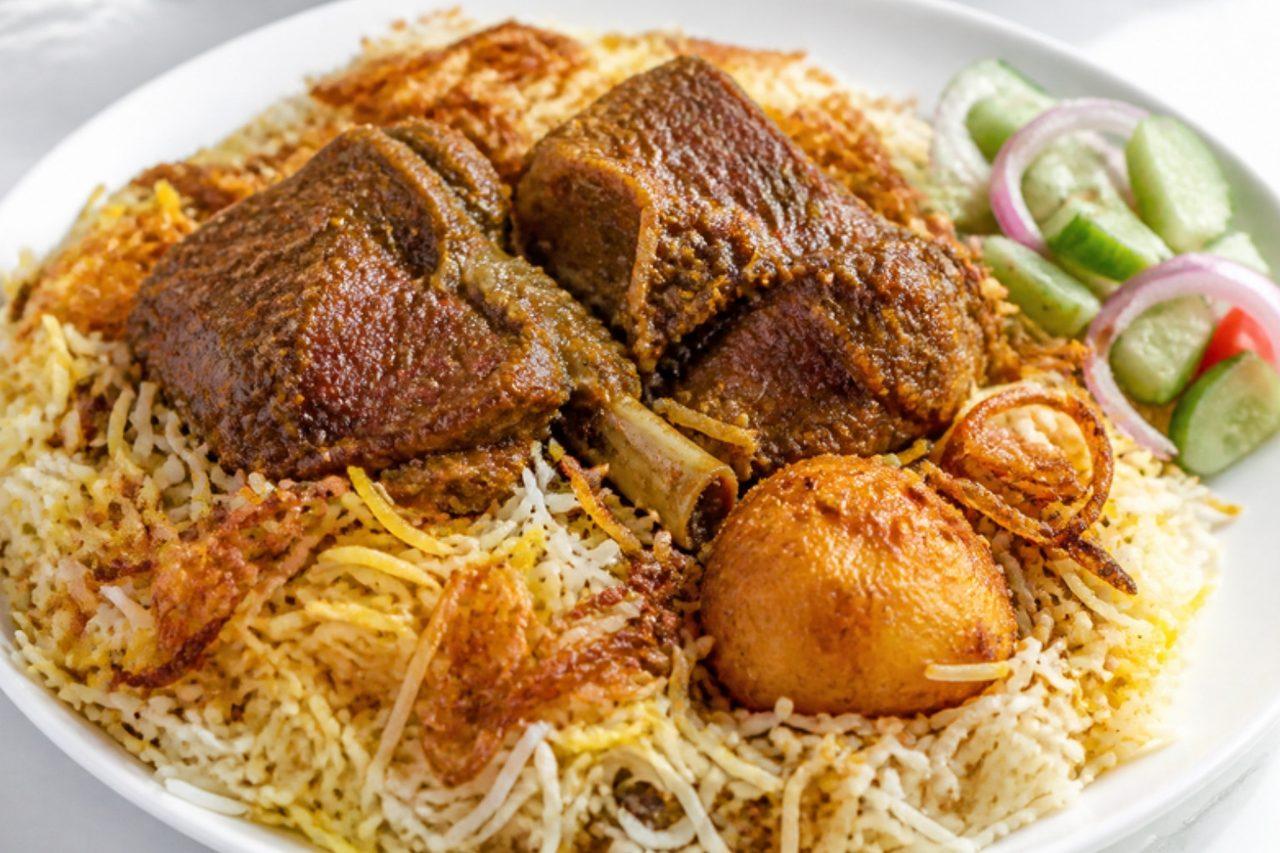
Kacchi biryaniRaw-marinated mutton biryani

Kacchi biryani is the wedding dish of Old Dhaka: at every Bangladeshi biye the huge copper pots come out, and the lanes around Nazira Bazar are famous for it. 'Kacchi' means raw: the mutton goes into the pot uncooked, marinated in yogurt and spices, under a layer of half-cooked aromatic rice and fried potatoes, and everything steams together for over an hour so the meat juices cook the rice. Serve it with borhani, the spiced yogurt drink, and a salad of sliced cucumber and onion. The common mistake is under-marinating or using lean meat cut too large; small pieces of shoulder with some fat, marinated overnight in the fridge, cook through in time. Chef's tip: seal the lid with a rope of dough; if no steam escapes, the meat at the bottom becomes tender without you ever opening the pot.

by KrazyBadal 0 views

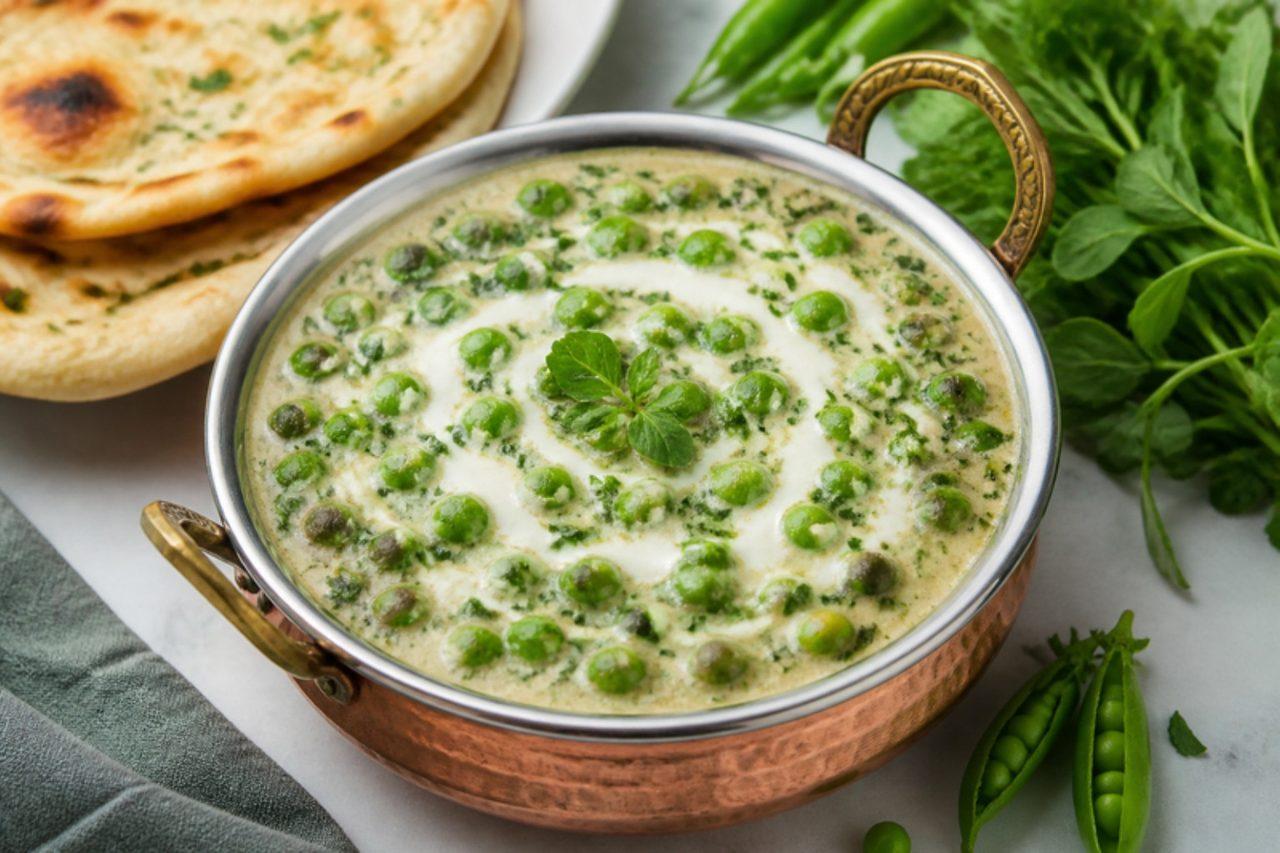
Methi matar malaiFenugreek and peas in cream gravy

Methi matar malai belongs to the Punjabi wedding buffet and the dhaba menu as much as to winter home cooking, when bunches of fresh fenugreek pile up in the markets of Ludhiana and Jalandhar. Bitter-sweet methi leaves and sweet green peas sit in a pale, silky gravy of onion, cashew and cream, mild enough for children and rich enough for a celebration. Serve it with butter naan, lachha paratha or jeera rice. Chef's tip: salt the chopped methi and squeeze it before cooking; it takes away much of the bitterness while keeping the flavour.

by KrazyBadal 0 views

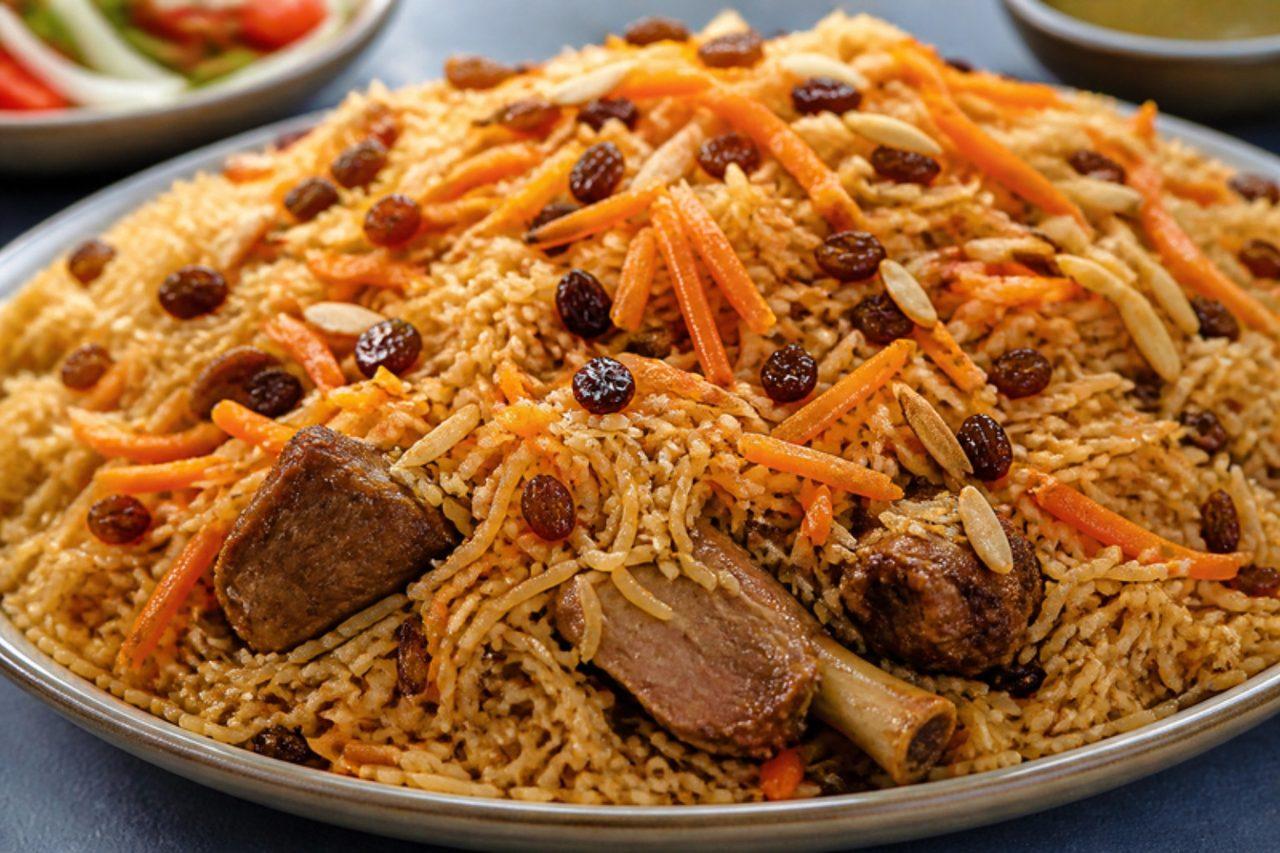
Kabuli pulaoLamb pilaf with carrots and raisins

Kabuli pulao crossed the Khyber Pass from Afghanistan and is now part of everyday cooking in Peshawar and across Khyber Pakhtunkhwa, where it is the dish of honour for guests and the centre of Eid tables. Lamb on the bone is simmered into a rich stock, then rice is cooked in that stock and the meat is buried in the middle so it stays soft. On top go strips of carrot and raisins, glazed in a little sugar, and toasted almonds. It isn't spicy, just warm with cumin and cardamom. Chef's tip: caramelise a spoon of sugar in the oil before adding the stock; it gives the rice its traditional golden-brown colour.

by KrazyBadal 0 views

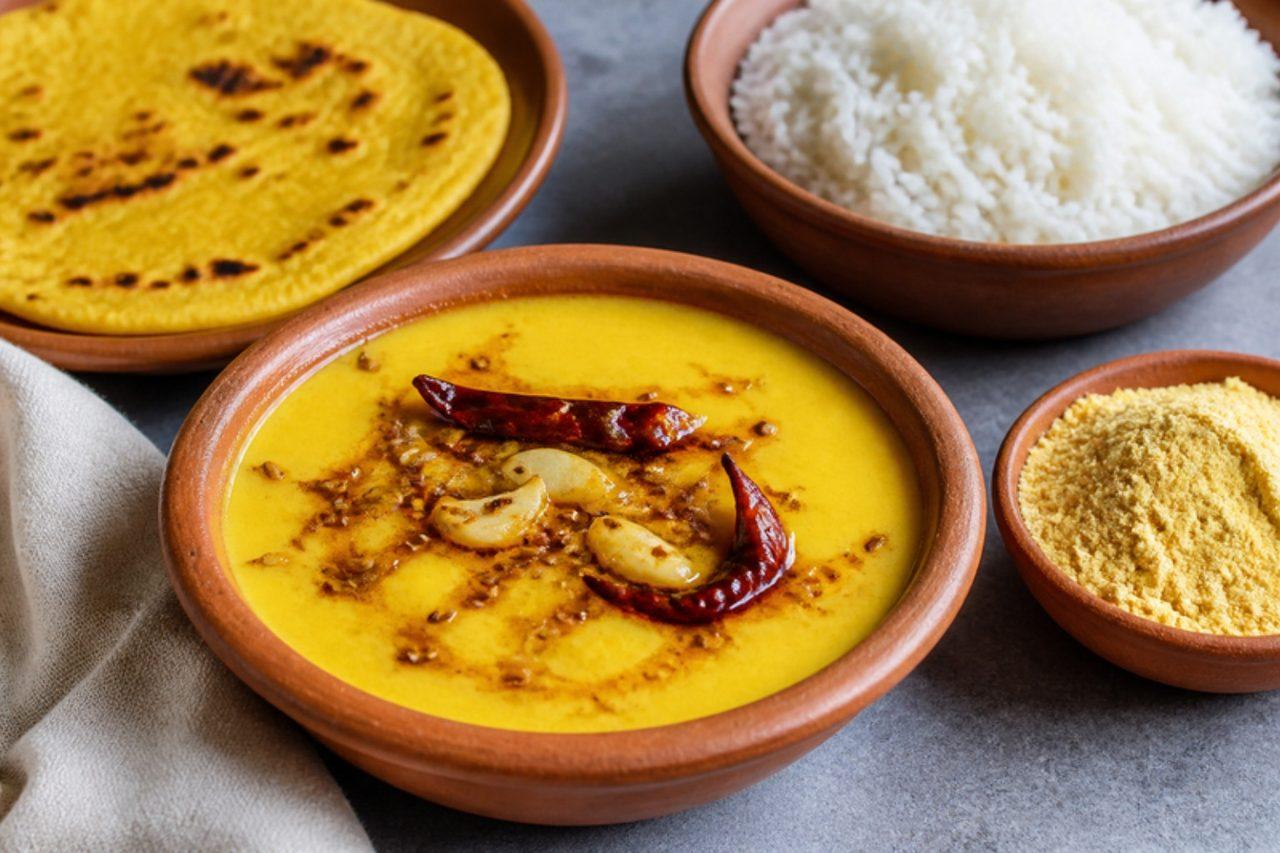
Mewari makki ki kadhiMaize flour yogurt curry

In the Mewar region around Udaipur, maize is a staple crop, and in winter it even goes into kadhi. Instead of gram flour, cooks thicken sour buttermilk with fine maize flour, which gives a golden, slightly earthy, gently sweet kadhi with no pakoras in it. It is ladled over makki ki roti or bajra roti, or eaten with plain rice and a raw onion on the side. The tadka is simple but bold: ghee, cumin, fenugreek, crushed garlic and whole red chillies. The usual mistake is not stirring until it boils—the yogurt splits into curds and whey. Chef's tip: simmer it longer than you would a besan kadhi, at least 20 minutes, until no raw corn taste remains.

by KrazyBadal 0 views

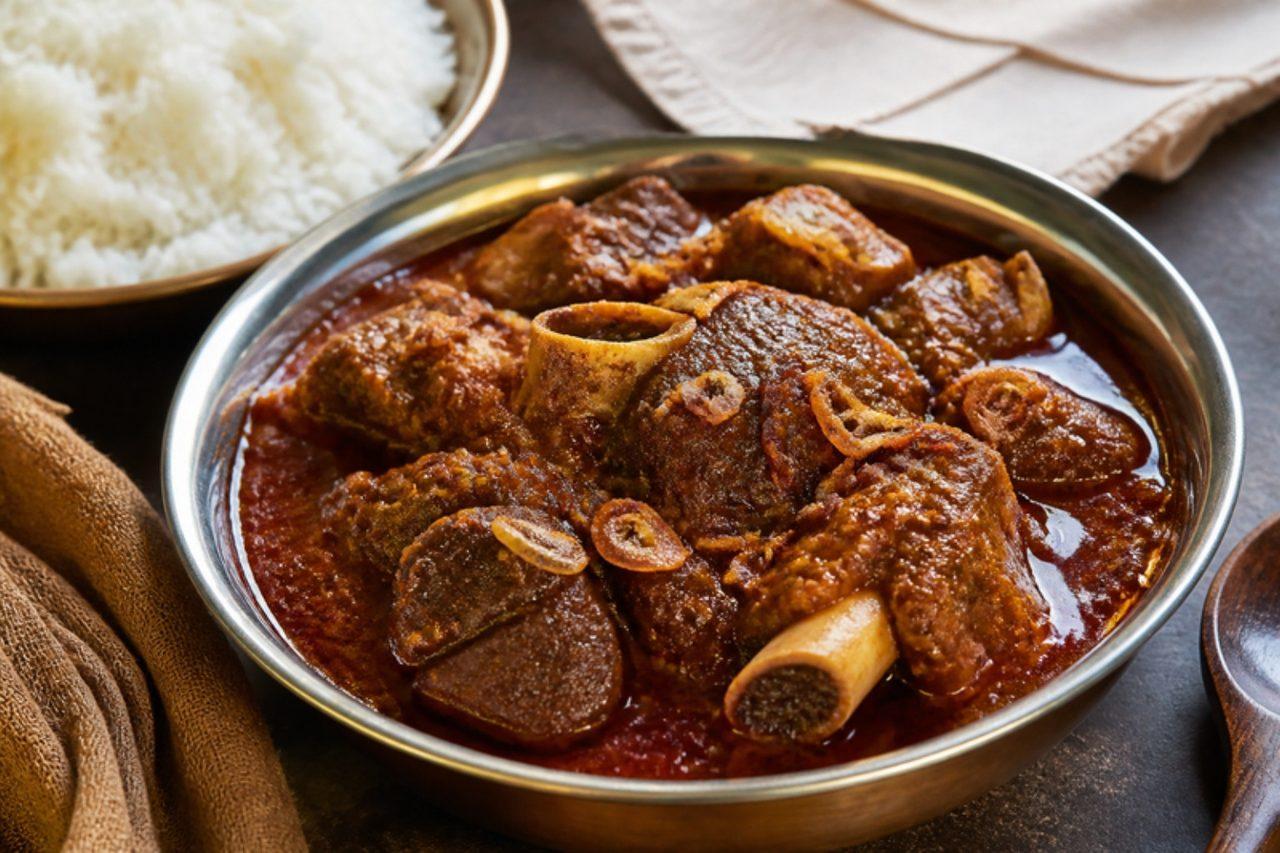
Mezbani beefSpicy feast beef curry

A mezban is the great community feast of Chittagong, held for a death anniversary, a new home or a good harvest, and the food is always the same: rice, dal and this dark, fiery beef curry cooked in giant pots by professional bawarchis. What makes it different from other Bangladeshi curries is its spice blend: mustard oil, lots of dried red chilli, and a ground mix of star anise, mace, nutmeg, cumin and white pepper that tastes warm and deep rather than hot alone. At home it is a weekend treat, eaten with rice or paratha. The common mistake is rushing the bhuna (frying) stage; the beef must fry in its spices until the oil floats free before any water goes in. Chef's tip: toast and grind the mezbani spice mix fresh on the day, because ready-ground spices lose their perfume in a curry this long.

by KrazyBadal 0 views

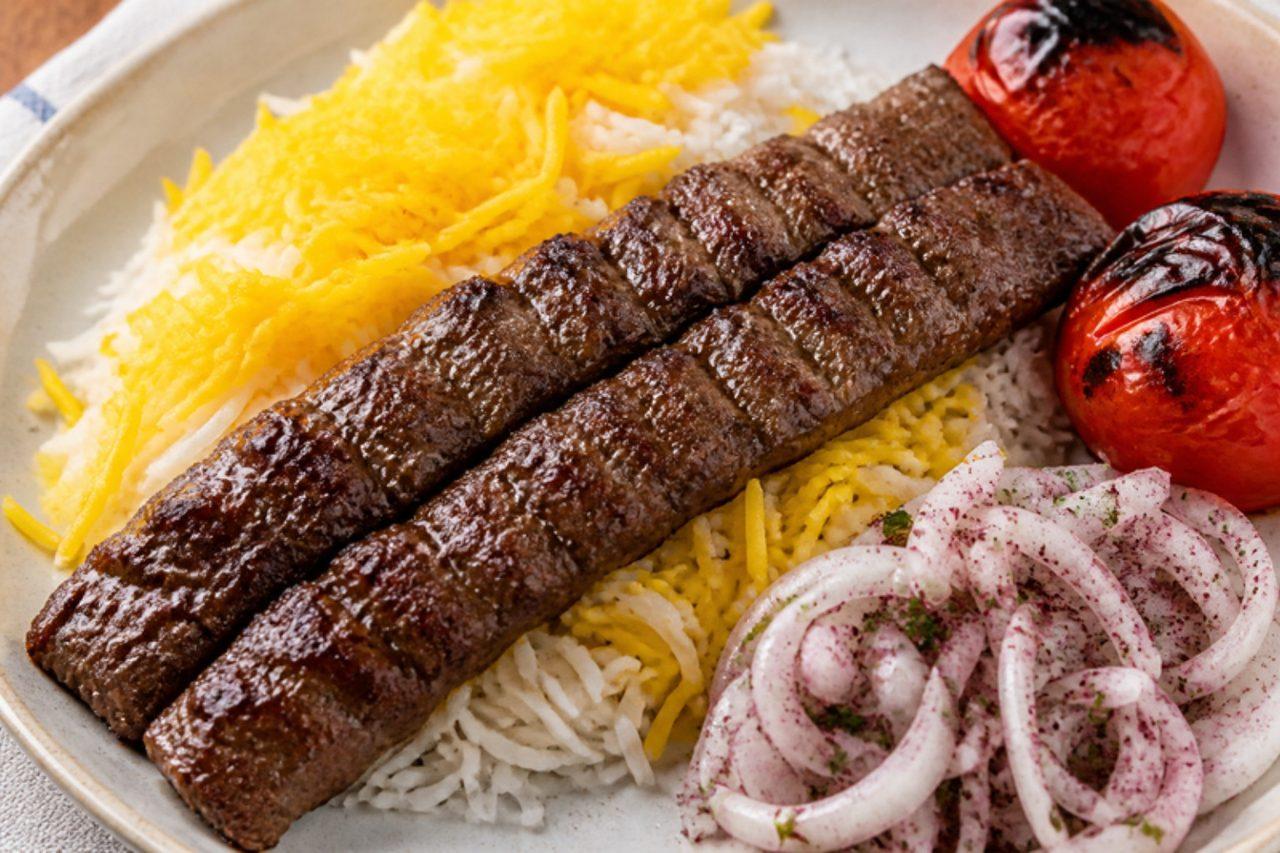
Kabab koobidehMinced lamb kebabs

Koobideh is the kebab of Tehran's bazaar lunch houses and roadside chelo-kababis, laid on a hill of buttered rice with a raw egg yolk or a slab of butter melting into the grains. The name means 'pounded': minced lamb is kneaded with grated onion until it turns sticky and pale, then pressed by hand along wide, flat skewers and grilled hard over coals. It comes out juicy and onion-sweet, with little ridges from your fingers. Eat it with charred tomatoes, raw onion, fresh herbs and lavash on the side. Chef's tip: squeeze every drop of juice out of the grated onion; wet mince slips straight off the skewer.

by KrazyBadal 0 views

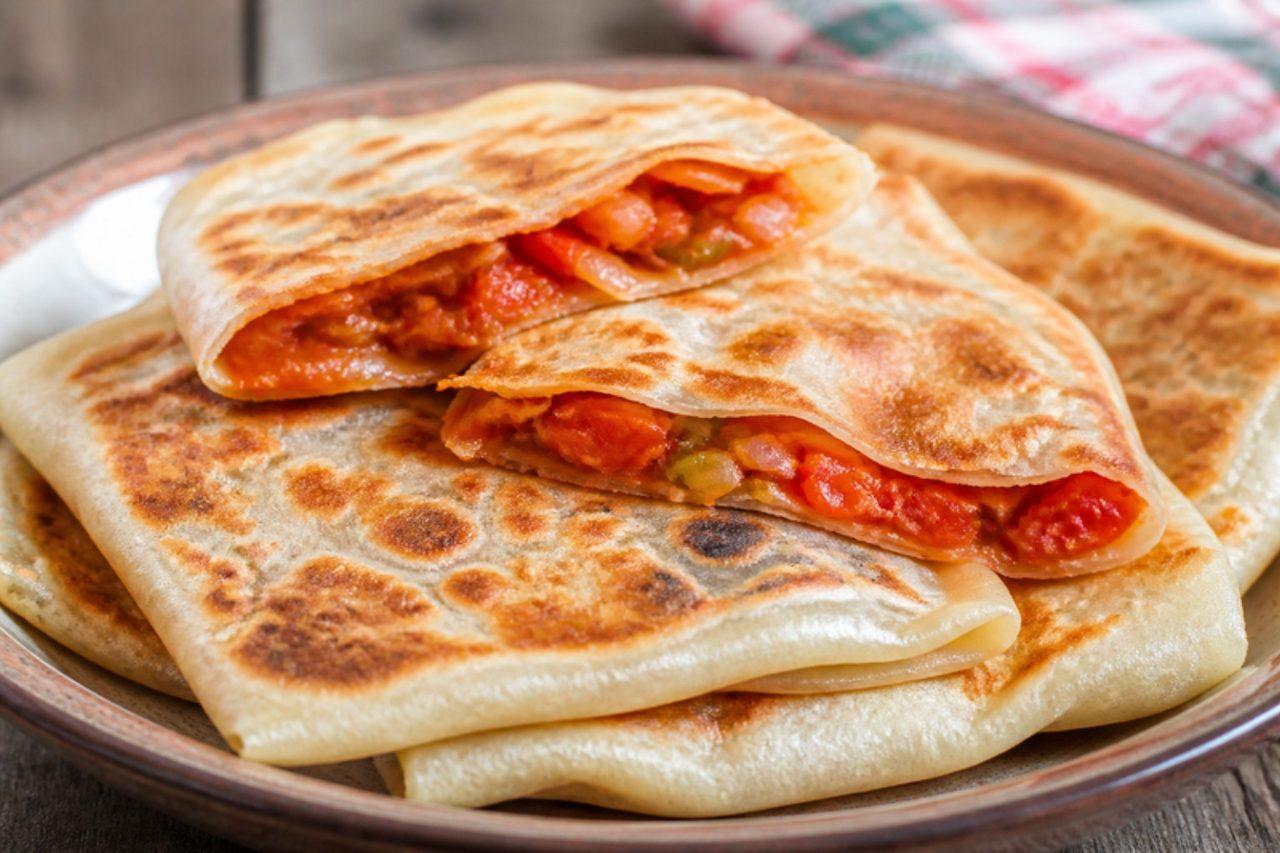
MhadjebStuffed semolina flatbreads

Mhadjeb (also mahjouba) are the folded flatbreads of Constantine and the east of Algeria, sold on street corners at teatime and made in every home during Ramadan. A stretchy semolina dough is pulled paper-thin with oiled hands, filled with a jammy stew of onion, tomato and pepper, folded into a square and cooked on a dry griddle until spotted brown. Chef's tip: knead the dough for the full 15 minutes; it must stretch almost transparent without tearing.

by KrazyBadal 0 views

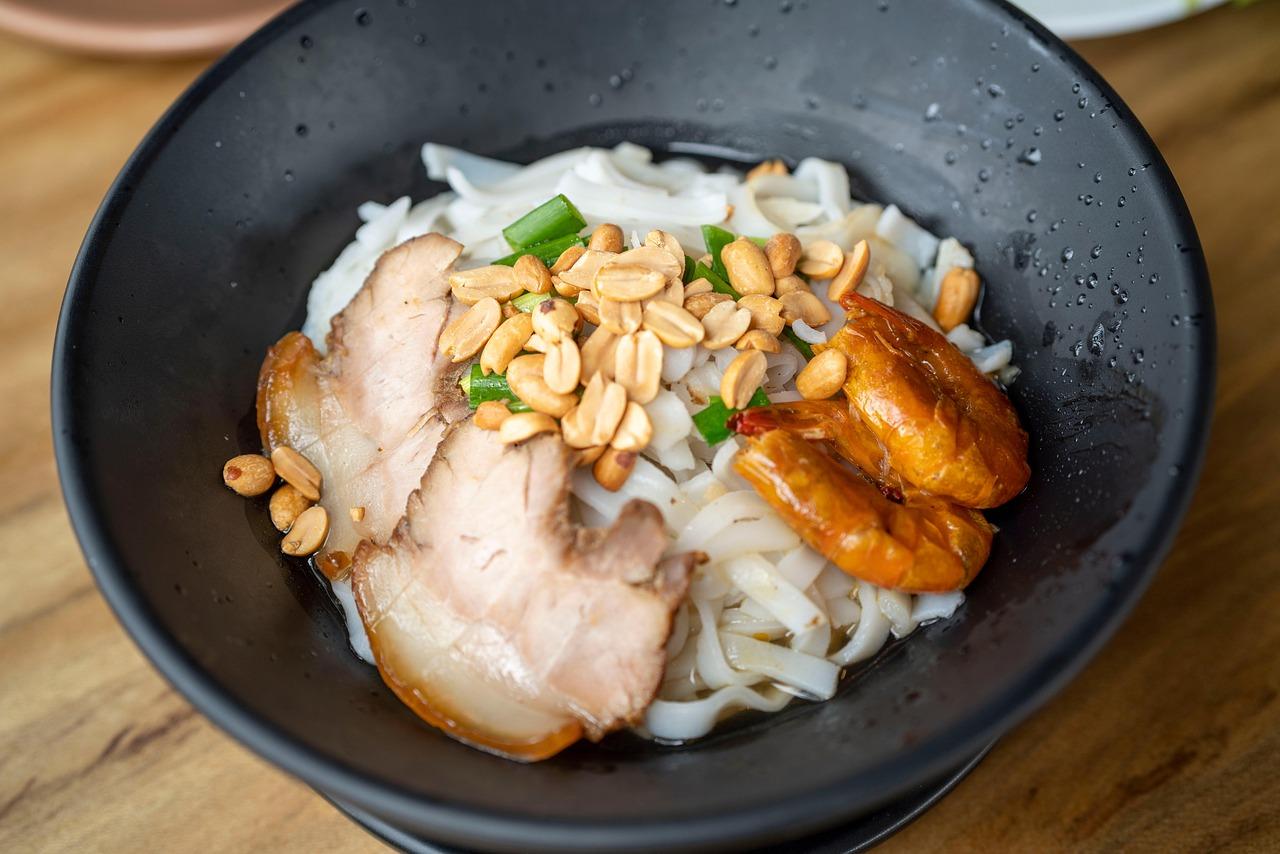
Mi QuangTurmeric noodles with pork and prawns

Mì Quảng comes from Quảng Nam province, around Hội An and Tam Kỳ, where it's eaten at any hour from roadside stalls and family tables. It sits halfway between soup and salad: wide yellow noodles get only a small ladle of rich, turmeric-coloured broth with braised pork and prawns, then a scatter of peanuts and herbs. A toasted sesame rice cracker is broken over the top for crunch. Every bite should be part noodle, part leaf, part cracker. Chef's tip: pour in just enough broth to come a third of the way up the noodles; any more and it becomes a soup and the crackers go soggy.

by KrazyBadal 0 views

KaassouffléFried Gouda in breadcrumbs

Despite the French-sounding name, a Dutch kaassoufflé has nothing to do with a baked soufflé. It is a snack-bar classic, fried in the frituur of every cafetaria from Groningen to Maastricht: a rectangle of thin pastry wrapped around a slab of young Gouda, coated in breadcrumbs and deep-fried until the cheese inside goes molten. It is the vegetarian's answer to the kroket, eaten at lunch or on the way home from football, with a squeeze of mayonnaise or sweet chilli sauce. Chef's tip: chill the filled, breaded pockets for at least 30 minutes before frying; cold pastry and cheese stay sealed in the hot oil, while warm ones burst and leak.

by KrazyBadal 0 views

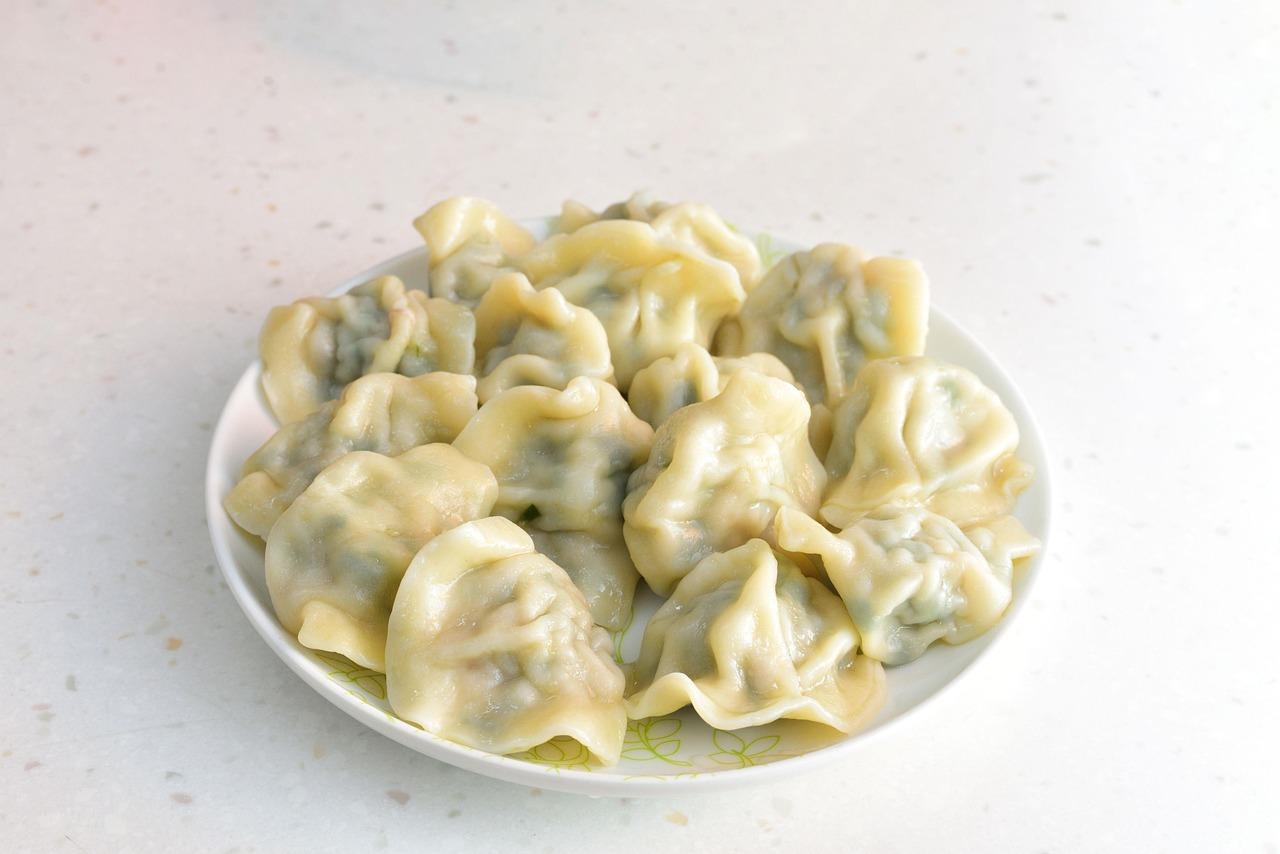
Egg and chive jiaoziEgg and chive dumplings

In northern China, from Shandong to Dongbei, families sit round the table on Chinese New Year's Eve and fold jiaozi together to eat at midnight. Jiu cai ji dan, egg and garlic chive, is the classic meat-free filling: soft scrambled egg, bright green chives and a few glass noodles to soak up the juices. Boil them and serve with black vinegar and chilli oil, or pan-fry the leftovers the next day. Chef's tip: stir a spoonful of oil into the chopped chives before adding the salt; the oil seals in their juice so the filling doesn't go watery.

by KrazyBadal 0 views

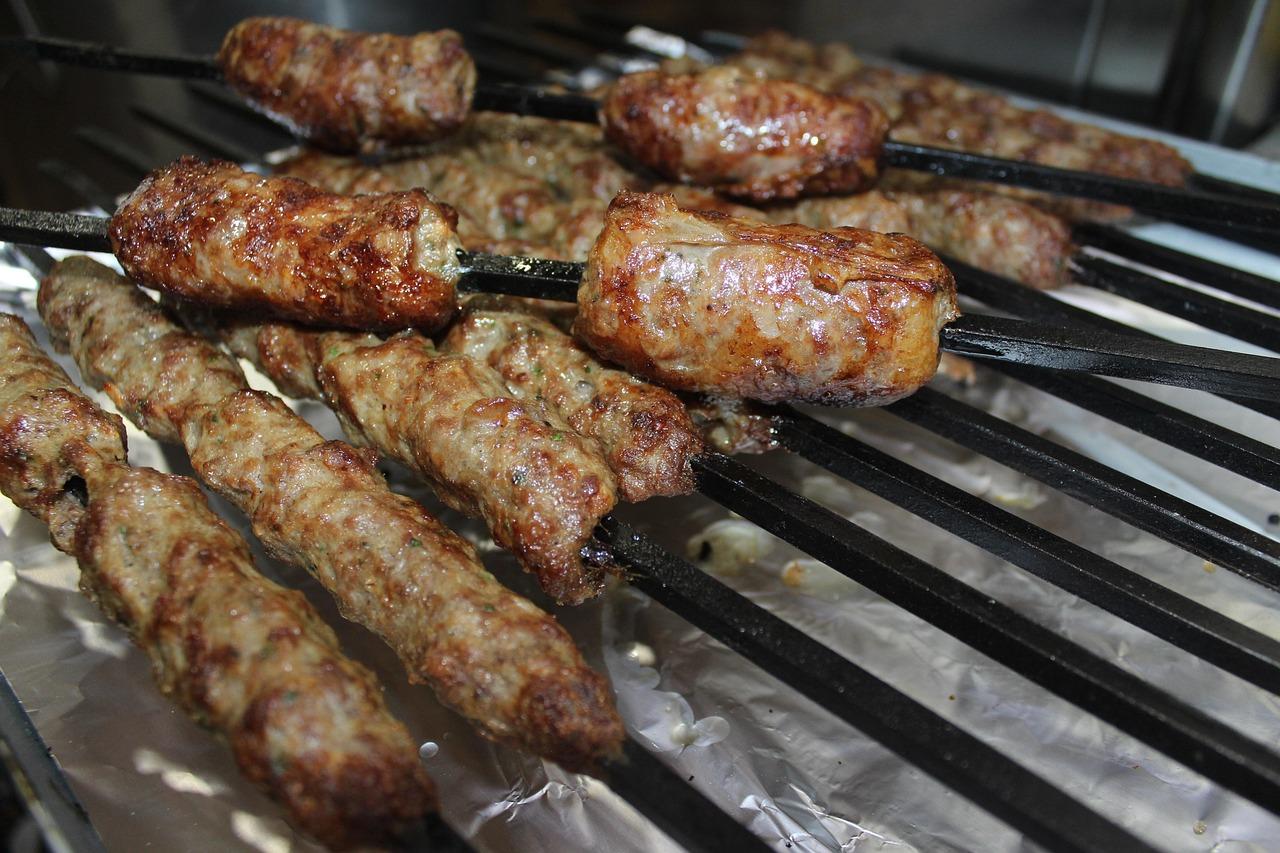
MiciGrilled skinless sausages

Every Romanian park, beer garden and May Day picnic smells of mici, the little skinless rolls of minced beef and lamb that sizzle on charcoal grills from Bucharest's Obor market to the Black Sea coast. The mince is beaten with garlic, thyme, a strong beef stock and a little bicarbonate of soda, which makes them springy and juicy inside with a crusty outside. They come in tens, with plenty of mustard, fresh bread and sometimes chips. The usual error is cooking them straight after mixing: the mince needs a night in the fridge for the bicarbonate and garlic to work. Chef's tip: shape them with oiled hands on an oiled tray, and grill them no thicker than your thumb so the middle cooks before the outside burns.

by KrazyBadal 0 views

Jus de bouyeBaobab fruit drink

Bouye is the Wolof name for the powdery white pulp of the baobab fruit, and jus de bouye is the thick, creamy-tart drink sold in reused bottles from coolers all over Dakar and served at every family celebration. It tastes like sherbet with a hint of pear. Most cooks now use baobab powder, which is sold in health shops as well as African grocers. Sweetened condensed milk is optional but common. Chef's tip: whisk the powder into a little water first to make a smooth paste; poured straight into a jug it forms lumps that never dissolve.

by KrazyBadal 0 views

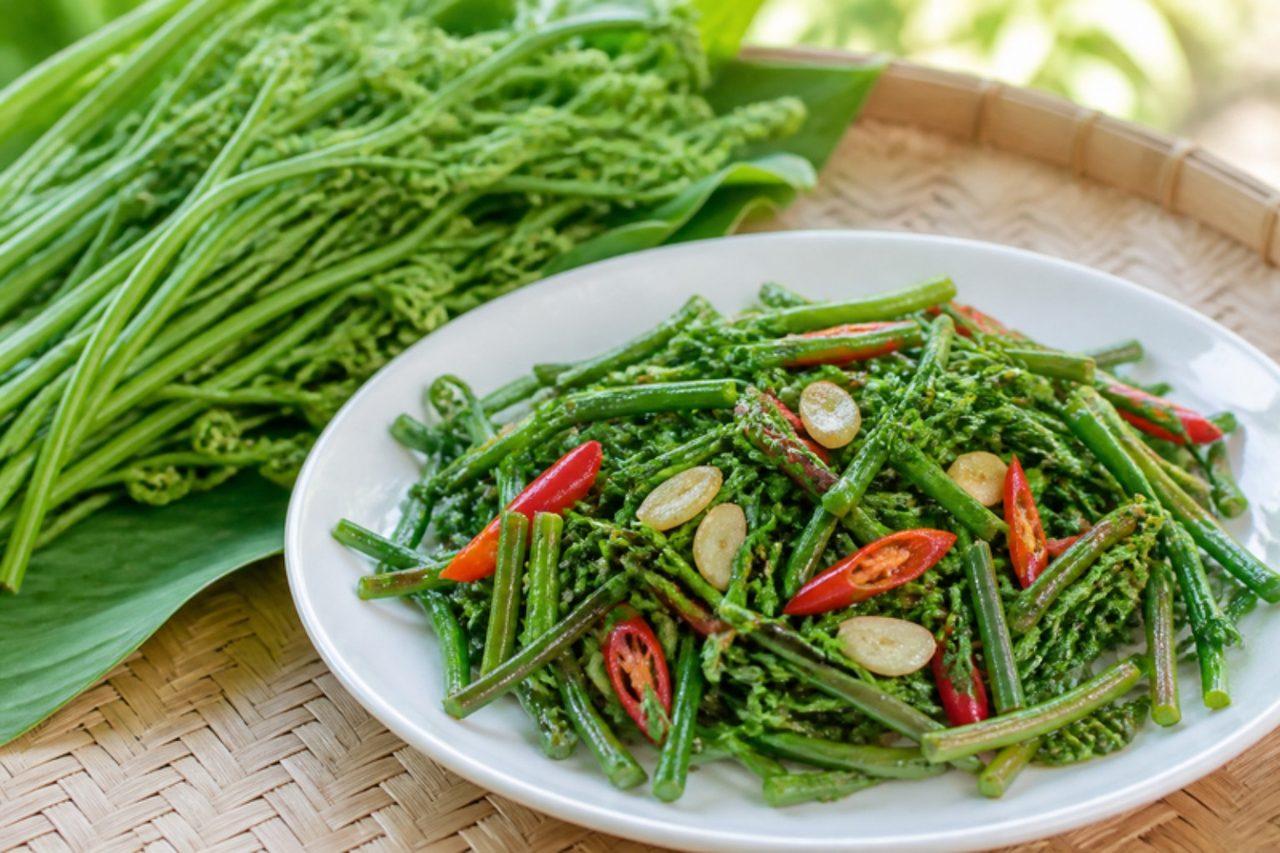
Midin gorengStir-fried jungle fern

Midin is a wild fern that grows in Sarawak's forests, with curly tips that stay crunchy when cooked, and Kuching restaurants serve it at almost every meal. The best-known version uses belacan (shrimp paste); just as common, and what this is, is midin fried hard and fast with plenty of garlic and a little chilli. Outside Borneo, fiddlehead ferns are the nearest match, and young pea shoots or asparagus tips make a good everyday stand-in. Chef's tip: fry in a very hot wok and serve in under 3 minutes; ferns lose their snap quickly.

by KrazyBadal 0 views

Vegetable khorovatsGrilled aubergine, peppers and tomatoes

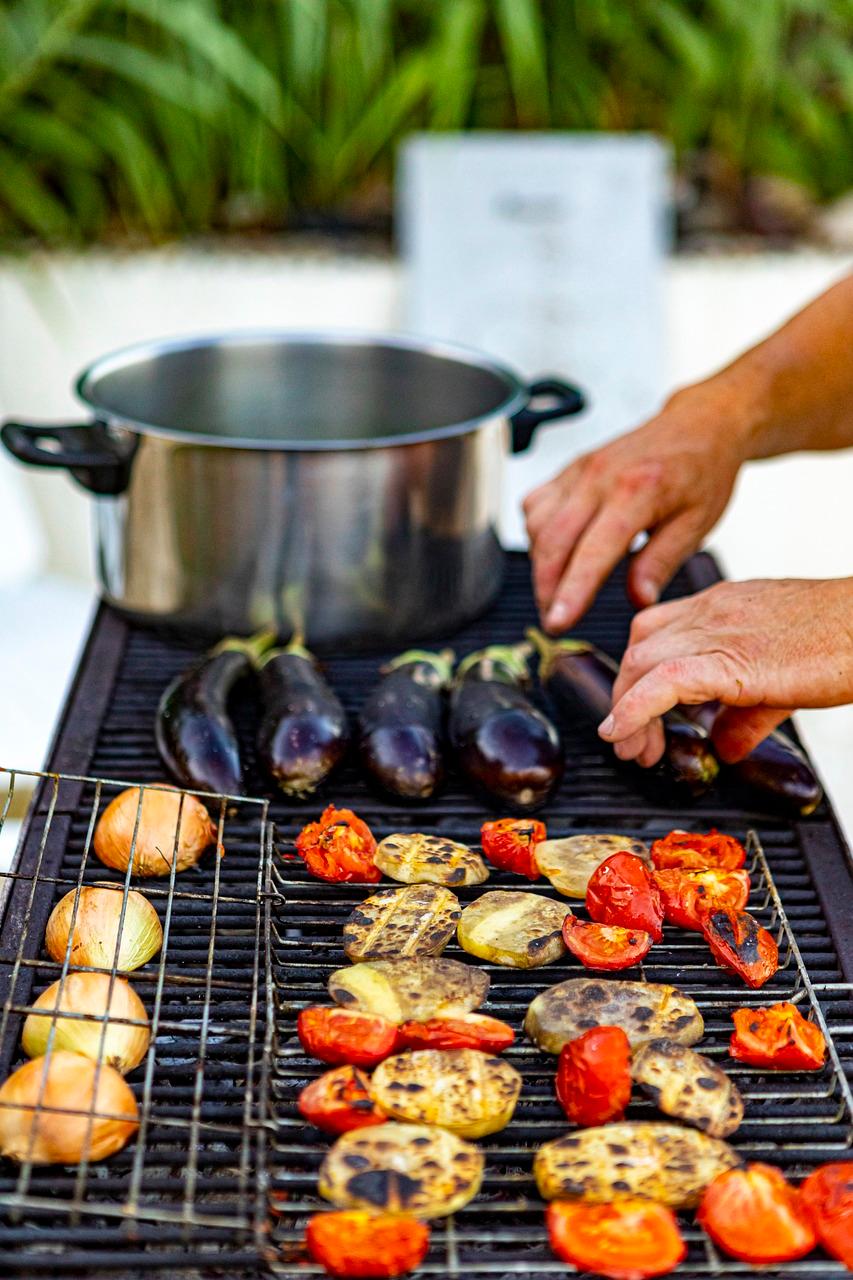
No Armenian summer weekend at the dacha passes without a khorovats, the charcoal grill fired up in the garden from Dilijan to Lake Sevan. Alongside the skewers, whole aubergines, peppers and tomatoes are grilled until black and collapsing, then peeled and chopped with raw onion, garlic and herbs into a smoky, juicy salad. Served on its own with lavash, salty cheese and pickles, it makes a full meal, and it is one of the dishes that Armenians say tastes of summer itself. It works on a barbecue or straight on a gas flame. Chef's tip: grill the vegetables whole, without oil and without cutting them; the skins burn and peel away, while the flesh steams inside and soaks up the smoke.

by KrazyBadal 0 views

Vegetable kottu rotiChopped roti stir-fried with vegetables

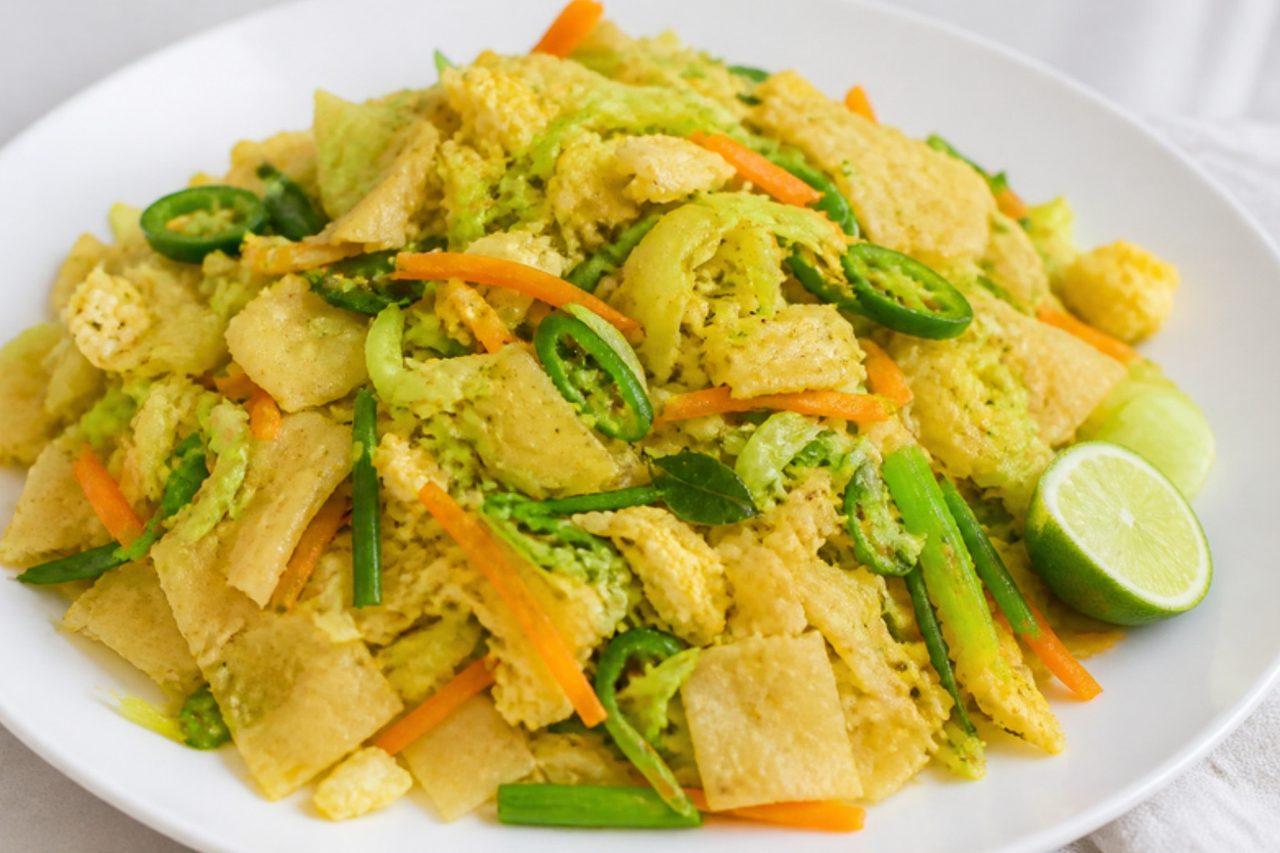
After dark in Colombo you hear kottu before you see it: the rhythmic clang of two steel blades chopping roti on a hot flat-top at every street stall from Pettah to Wellawatte. Shredded godamba roti is stir-fried with leeks, carrot, cabbage, onion, chilli and egg, then moistened with a spoonful of spicy curry gravy so it's soft, smoky and messy in the best way. Stalls usually ladle on chicken curry gravy; we make a quick vegetable curry sauce instead, and the egg keeps it vegetarian rather than vegan. Leftover parathas or frozen flaky flatbreads stand in well for godamba roti. The common mistake is overcrowding a small pan, which steams everything; cook in two batches if your pan is under 30 cm. Chef's tip: chop the roti into strips while it is still slightly warm, then let it dry for 10 minutes so it fries rather than turns mushy.

by KrazyBadal 0 views

Mie gorengFried egg noodles

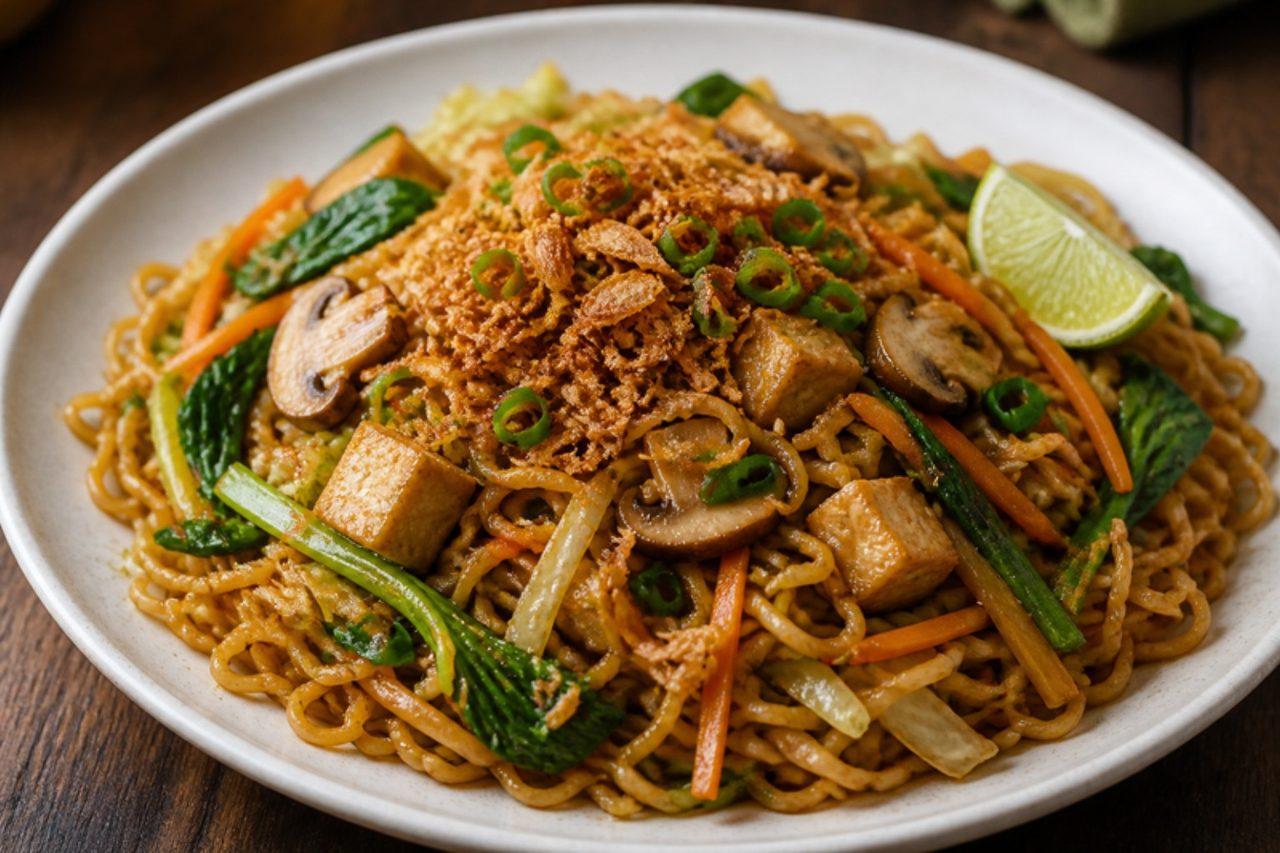
Mie goreng is what the gerobak noodle carts of Indonesian towns fry up after dark, each portion tossed in a blackened wok over a roaring flame, sweet and savoury from kecap manis and sharp with garlic. Unlike Malaysia's tomato-red mamak noodles, the Indonesian style is dark, glossy and dominated by sweet soy and white pepper, with plenty of greens and a scattering of fried shallots. This version swaps the usual chicken and prawns for tofu and mushrooms and is on the table in twenty minutes. Chef's tip: cook the noodles a minute short of the packet time and rinse them in cold water; they finish softening in the wok and stay springy instead of breaking.

by KrazyBadal 0 views

Vegetable kushikatsuBreaded vegetable skewers

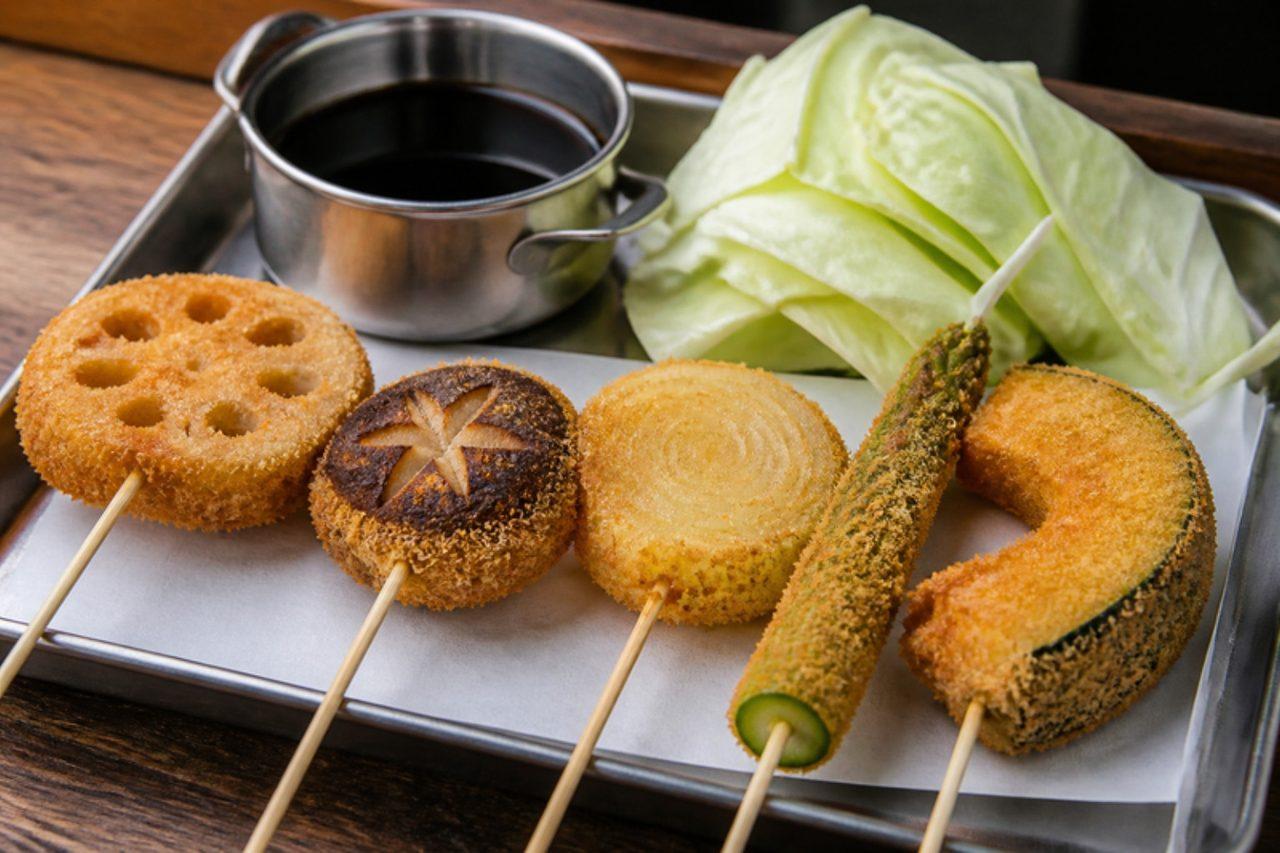
Kushikatsu belongs to Shinsekai, the neon-lit old entertainment district at the foot of Osaka's Tsutenkaku tower. Since the 1920s, labourers have stood at its counters eating skewers fried to order, dunked in a shared steel pot of thin, fruity sauce. The famous house rule, 'no double dipping', is printed on signs everywhere. Vegetables are as popular as meat there: lotus root, shiitake, onion, asparagus and, a local favourite, chewy mochi and cheese. Have a plate of raw cabbage leaves on the side; they're free at every shop and used to scoop extra sauce. Chef's tip: use fine panko, or blitz ordinary panko briefly. Fine crumbs give the thin, crunchy jacket that Osaka shops are known for.

by KrazyBadal 0 views

Migas with greens and garlicFried bread with greens and garlic

In the Alentejo nothing made of bread is wasted, and migas is the proof: stale loaves soaked, then worked in a pan of hot olive oil and garlic until they come together into a golden, crusty roll with a soft middle. Around Évora and Beja it usually sits next to fried pork, but in spring, when wild asparagus (espargos bravos) and grelos are picked along the field edges, cooks fold the greens straight into the bread and make it a dish in its own right. This version uses tender asparagus or turnip tops and is entirely plant-based. Serve it as a side with a fried egg or a bean stew, or on its own with olives. Chef's tip: soak the bread only until it is damp and heavy, then squeeze it hard; wet bread steams in the pan instead of forming the golden crust that makes migas worth eating.

by KrazyBadal 0 views

Vegetable lagmanHand-pulled noodles with vegetables

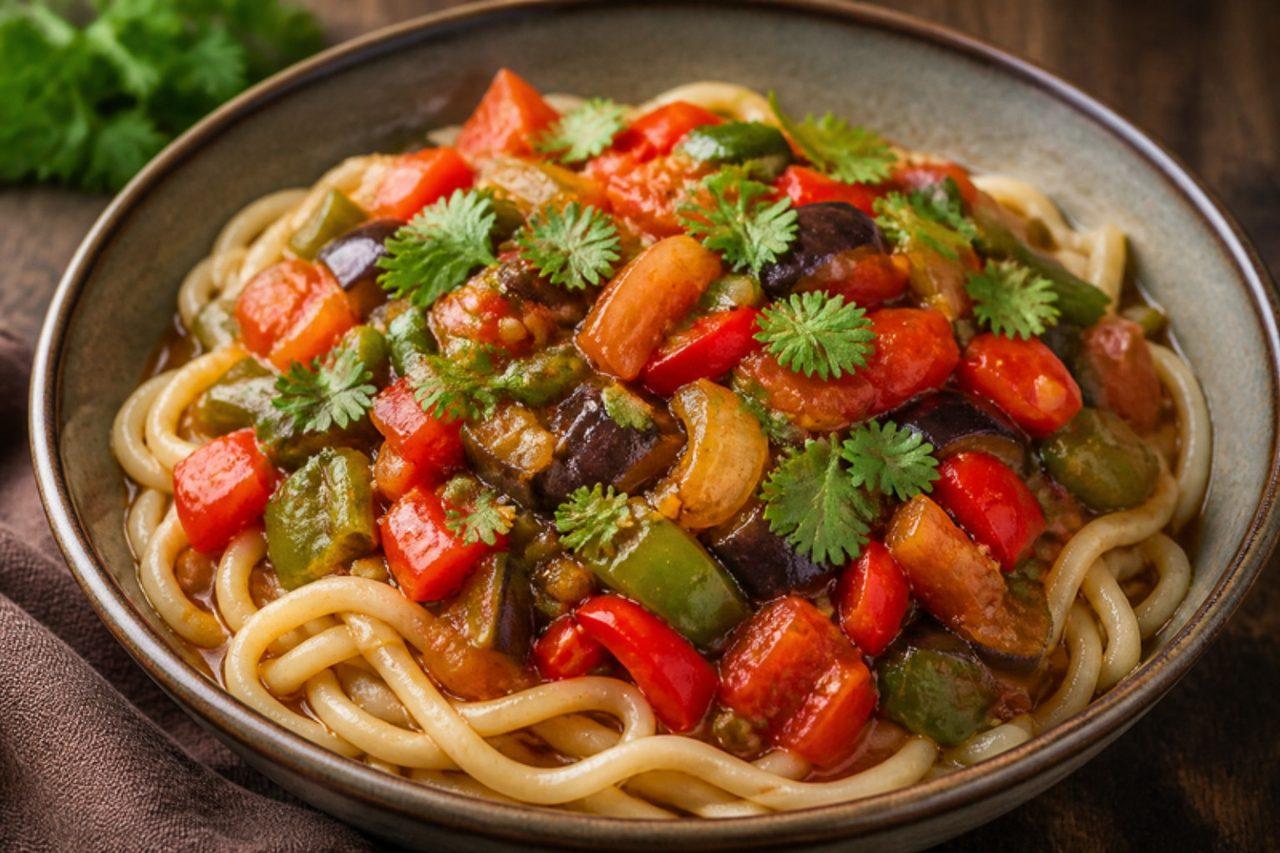
Lagman came to the Ferghana Valley with Uyghur and Dungan cooks, and in Andijan and Namangan it is still made the old way: a soft dough oiled, rested and pulled by hand into long, springy noodles, then topped with a stew of peppers, radish, green beans and tomato called vadja. Ferghana lagman is usually 'dry' (quwurma), the sauce thick enough to cling, rather than a soup. Locals eat it at lunchtime from noodle houses near the bazaar, with a dash of vinegar and chilli oil at the table. This version uses only vegetables. Chef's tip: oil the dough ropes generously and let them rest a full 30 minutes; well-rested dough stretches to arm's length without snapping.

by KrazyBadal 0 views

Ehime mikan jellyMandarin jelly

Ehime, on the sunny north coast of Shikoku, is Japan's mandarin country. Terraced orchards climb its hillsides above the Seto Inland Sea, and the local mikan is so central to life there that some towns joke their taps run with juice. Mikan jelly is the prefecture's everyday treat, sold in cups at service stations and made at home when the fruit glut comes in winter. Ours is set with kanten (agar) instead of gelatine, which also means it holds firm at room temperature and doesn't melt on a hot day. Serve chilled after dinner. Chef's tip: boil the agar properly for 2 minutes. Agar only sets once fully dissolved, and undercooked agar leaves a grainy, weak jelly.

by KrazyBadal 0 views

Jukut urabGreens with spiced coconut

Jukut urab turns up on almost every Balinese rice plate and at temple-day feasts: blanched long beans, greens and bean sprouts tossed with freshly grated coconut that has been fried with a little bumbu of shallot, chilli, kencur and lime leaf. It is bright, crunchy and only gently hot, the fresh side dish that balances heavier ones. Many cooks add shrimp paste to the bumbu; this one leaves it out. Chef's tip: toss the vegetables and coconut only just before serving, or the coconut draws out water and the dish turns soggy.

by KrazyBadal 0 views

Milanesa a la napolitanaBreaded beef with ham and cheese

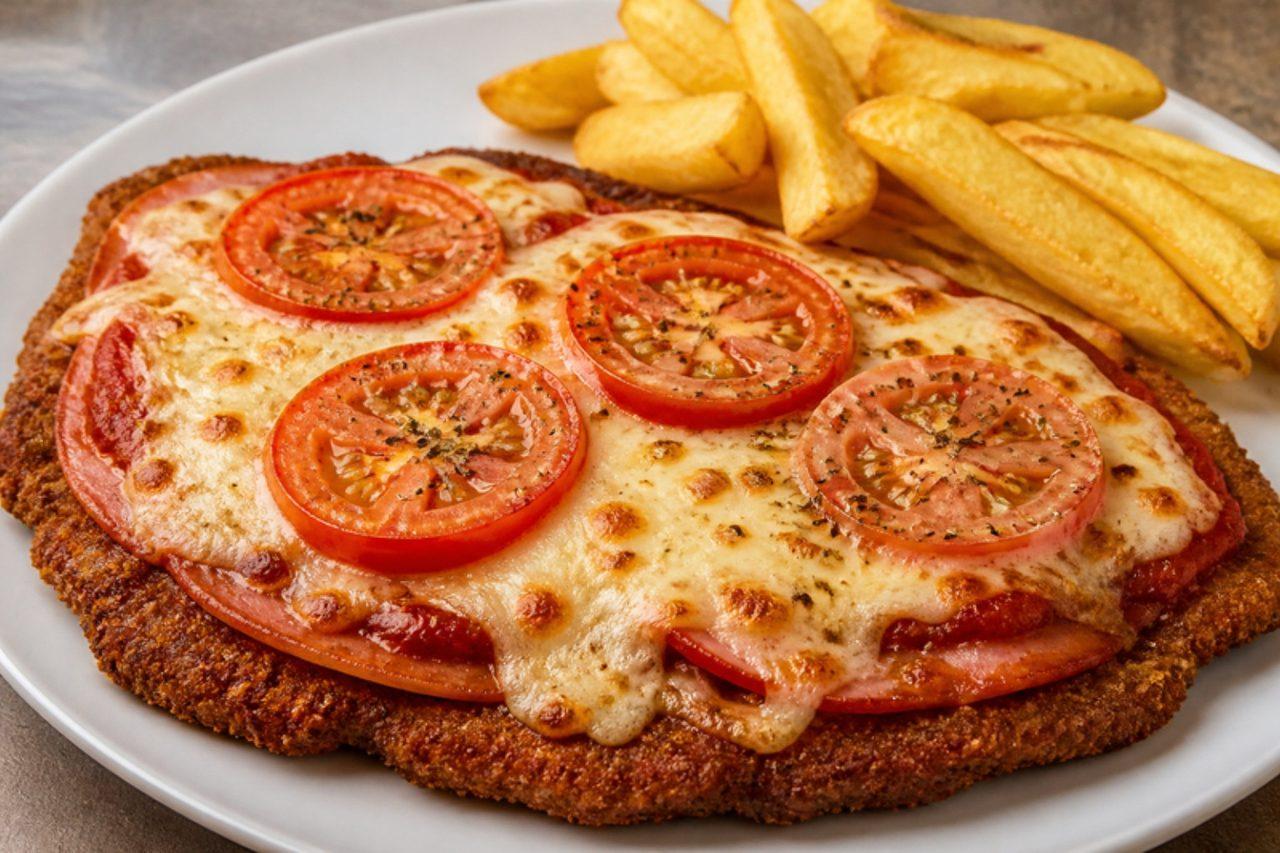
Despite the name, this has nothing to do with Naples: it was invented in Buenos Aires in the 1940s at a restaurant called Nápoli, near the Luna Park stadium. A crisp milanesa is topped with tomato sauce, a slice of ham and plenty of mozzarella, then grilled until the cheese bubbles. It is a pork-and-beef dish, because of the ham. Porteños order it at the corner bodegón with a mountain of chips, one plate often shared by two. The common mistake is spooning on too much sauce, which turns the crumb soggy; a thin layer is enough. Chef's tip: fry the milanesas a minute less than usual, since they finish cooking under the grill, and keep the sauce thick.

by KrazyBadal 0 views

Moamba de galinhaChicken stew in palm oil sauce

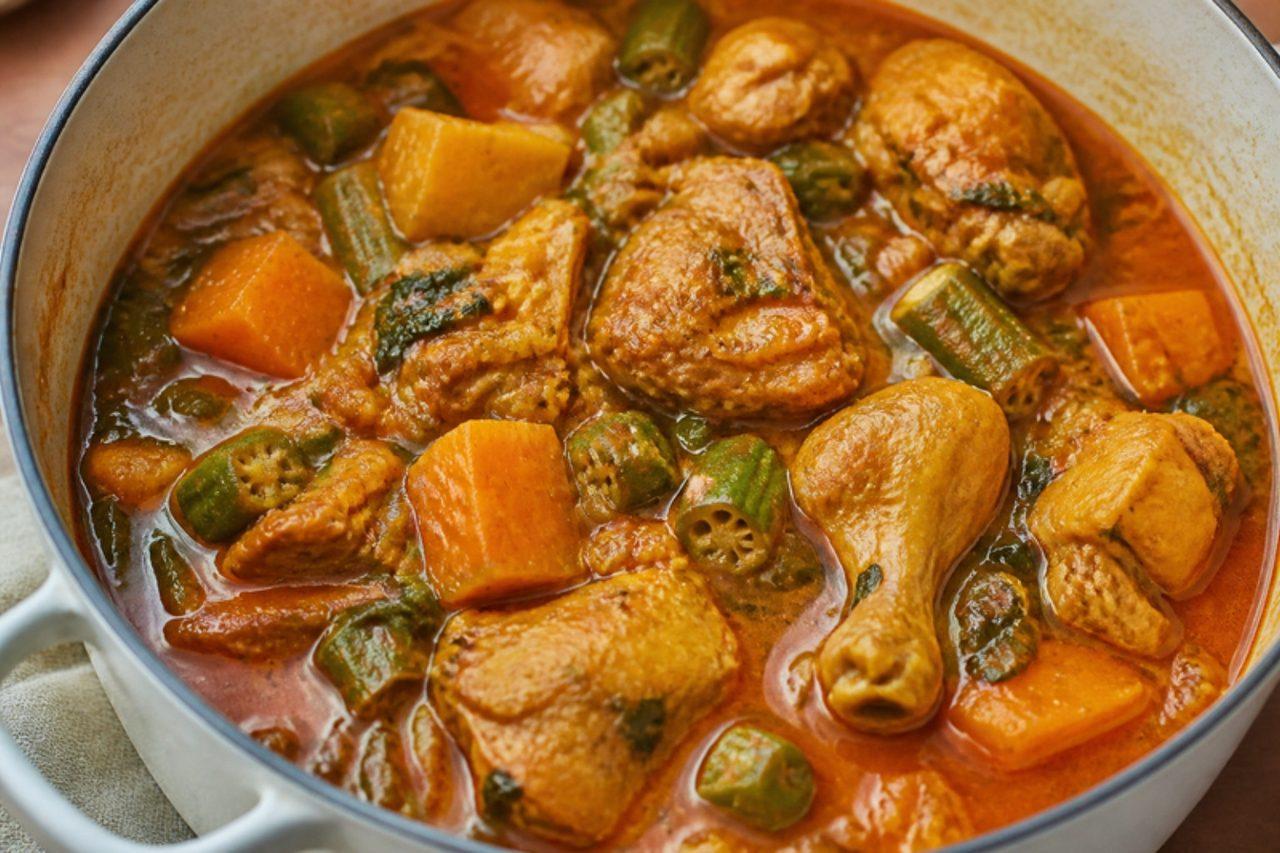
Moamba de galinha is the national dish of Angola, cooked in Luanda for Sunday lunch and family celebrations: chicken simmered in a deep orange sauce of palm oil (or palm-nut cream), tomato, garlic and chilli, with okra and butternut squash. It is served with funge, a smooth cassava porridge, which is dipped into the sauce. The mistake is frying red palm oil over high heat, which makes it bitter; heat it gently. Chef's tip: marinate the chicken in lemon and garlic first; the sourness balances the rich sauce.

by KrazyBadal 0 views

Milanesa de berenjenaBreaded aubergine cutlets

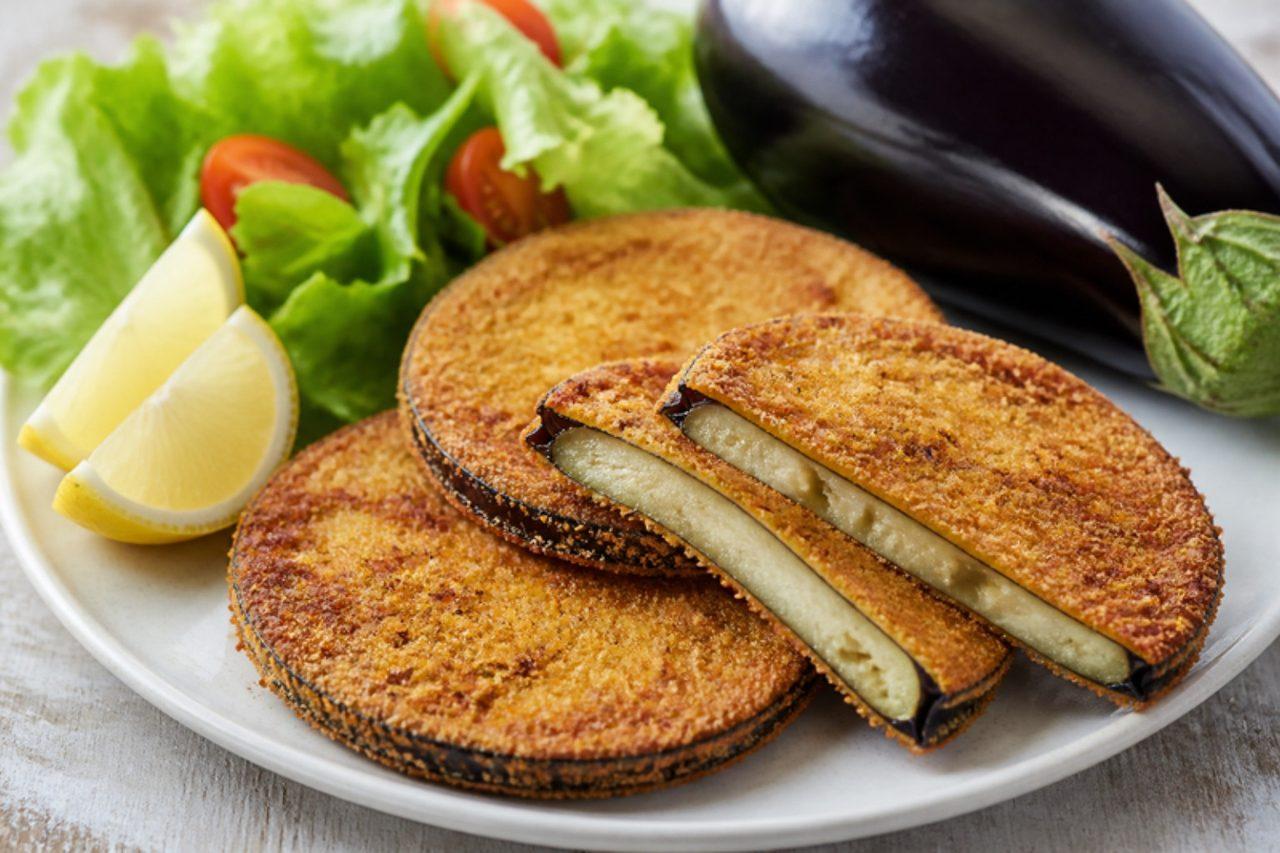
Milanesas, thin breaded cutlets brought by Italian immigrants, are the everyday dinner of Argentina and Uruguay, made in every home from Rosario to Mendoza. Vegetarian families make them with aubergine slices, which turn creamy inside a crunchy golden crumb, and serve them with mashed potato, salad or between bread as a sandwich de milanesa. Children love them with a squeeze of lemon. Turn them into milanesa a la napolitana by topping with tomato sauce and mozzarella and grilling. Chef's tip: season the egg, not just the crumbs: garlic and parsley in the egg are what make an Argentine milanesa taste like home.

by KrazyBadal 0 views

Milanesa de carneBreaded beef cutlet

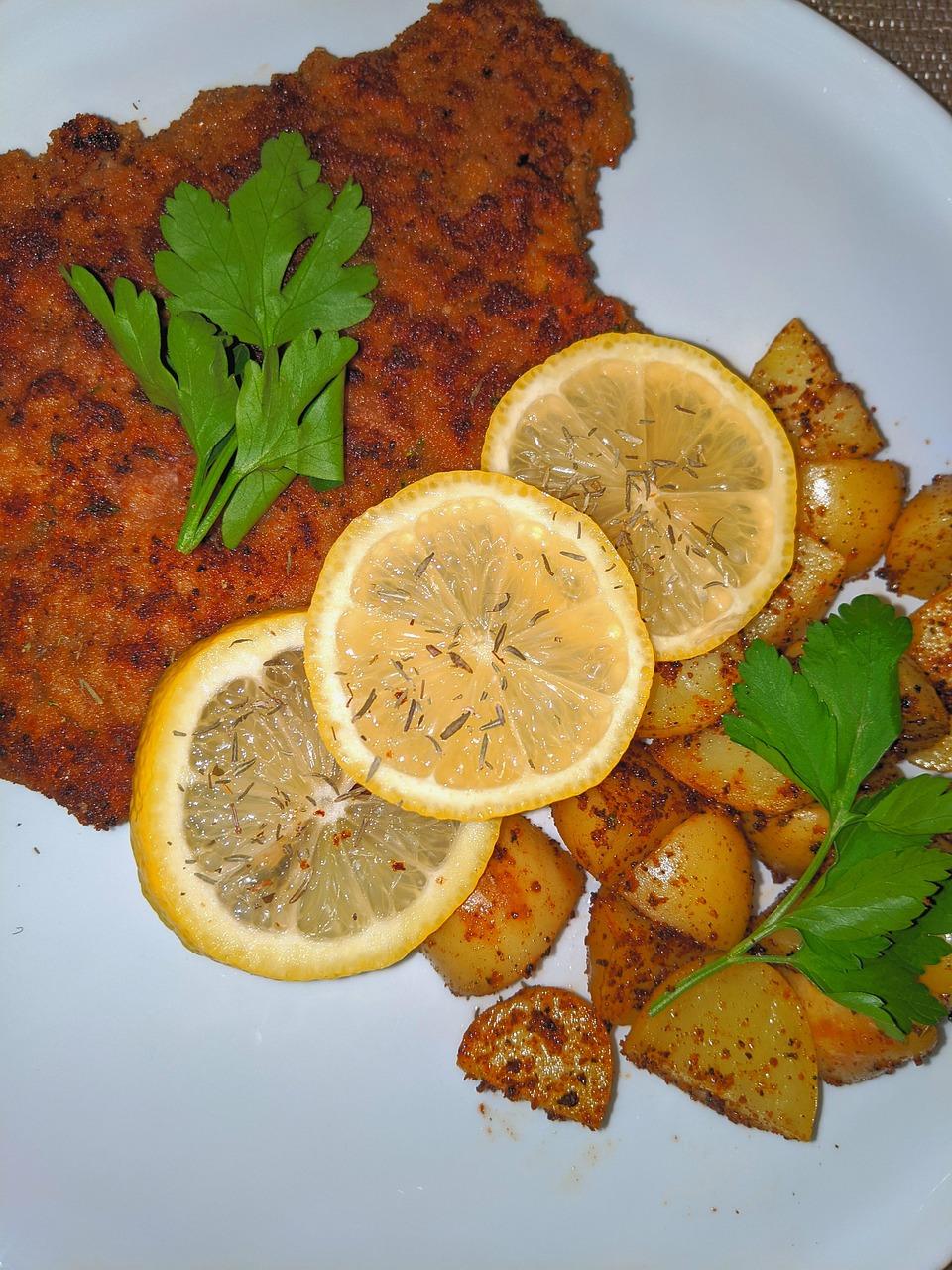
If there is one dinner every Argentine child grows up on, it is milanesa: beef pounded very thin, dipped in garlicky egg, coated in breadcrumbs and fried until golden. It came with Italian immigrants to Buenos Aires and Rosario, and today it is eaten on weekday nights with mashed potato or chips, cold in sandwiches the next day (milanesa al pan), and on long car trips. Lemon wedges are a must. The mistake most people make is leaving the beef too thick; it should be about 5 mm, so it cooks through by the time the crumb is golden. Chef's tip: bread the milanesas, lay them on a tray and chill them for 30 minutes before frying, so the coating sticks firmly and doesn't fall off in the pan.

by KrazyBadal 0 views

Vegetable lawarBean and toasted coconut salad

Lawar is the dish of Balinese ceremonies: before a temple festival or a family rite, the men of the banjar gather at dawn to chop and mix it by hand in huge quantities. Many versions include meat, but lawar kacang, made with long beans, is common at home and at Balinese warungs, and it shows off base genep, the island's master spice paste of shallot, garlic, galangal, kencur, turmeric and chilli. Mixed with toasted grated coconut, it's crunchy, fragrant, sour and hot, and is eaten with rice the day it's made. Chef's tip: mix the lawar just before serving and with your hands, squeezing gently, so the spice paste works into the beans; made too early, it goes watery and dull.

by KrazyBadal 0 views

Joojeh kababSaffron chicken skewers

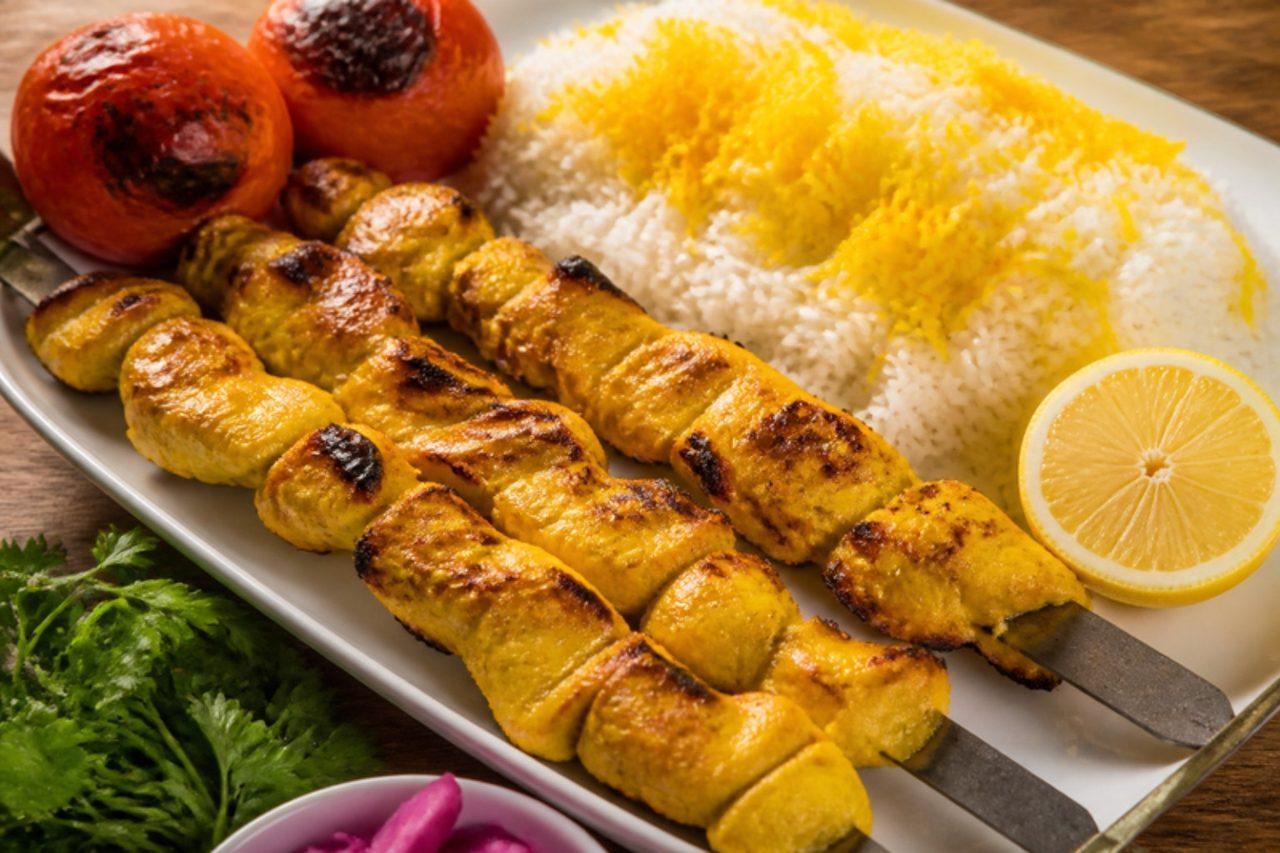
Joojeh kabab is what fills Tehran's parks on Sizdah Bedar, the thirteenth day of Nowruz, when families picnic outdoors and grills smoke under the plane trees; it is just as common on restaurant platters beside koobideh. Chunks of chicken soak overnight in yogurt, grated onion, lemon and bloomed saffron, then cook fast over high heat so the edges char while the middle stays juicy and golden-orange. Serve with buttery chelow rice, grilled tomatoes and a pinch of sumac. Chef's tip: grind the saffron threads with a pinch of sugar before steeping them in hot water; you get twice the colour from the same few threads.

by KrazyBadal 0 views

Milk tart (melktert)Cinnamon custard tart

Melktert is South Africa's coffee-time tart, made by Afrikaner and Cape Malay families alike, sold at church bazaars and in farm stalls along the Garden Route, and even celebrated with its own National Milk Tart Day on 27 February. A crisp sweet pastry case holds a thick, wobbly custard made with milk and flavoured with a cinnamon stick, then finished with a heavy dusting of ground cinnamon. It is lighter and more milky than a baked egg custard tart. Chef's tip: stir the custard constantly as it thickens and keep cooking for 2 minutes after it bubbles so the flour loses its raw taste.

by KrazyBadal 0 views

MilmyeonCold wheat noodles

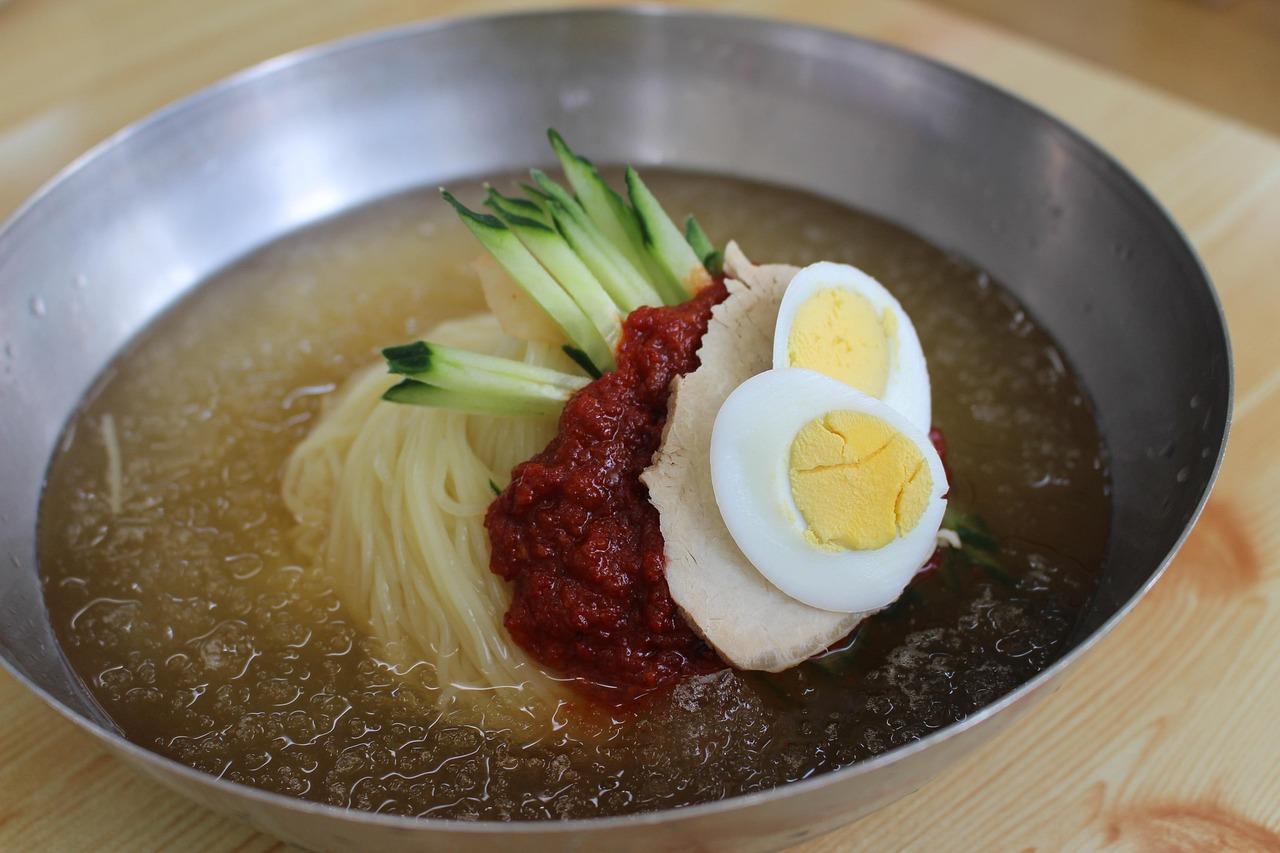
Busan's milmyeon was born in the refugee years of the Korean War, when people from the north who had fled to the port city wanted the cold buckwheat noodles of home but could only get wheat flour, much of it from food aid. The noodles that resulted are chewier and paler than naengmyeon, and the broth is flavoured with beef bones, vegetables and sometimes medicinal herbs, then served icy cold. A spoonful of spicy red sauce sits on top, and diners add vinegar and mustard to taste. In summer, long queues form outside milmyeon shops across Busan. Making the broth the day before is easiest, though an ice bath and the freezer get it cold in about an hour. Chef's tip: serve the broth so cold that a slushy layer of ice floats on top, as Busan shops do; a wide container in the freezer gets it there.

by KrazyBadal 0 views

JolpanFlattened rice with curd and jaggery

Jolpan is how Assam starts the morning of Magh Bihu and Bohag Bihu, and how guests are welcomed in villages all year: a bowl of chira (flattened rice), muri, or sticky bora saul, served with thick curd, yellow jaggery or gur, and sometimes cream. It is not cooked so much as assembled, and every family has its own order: soak the chira, top with doi, crumble in gur. Variants such as komal saul (a soft rice that needs only soaking) are also jolpan. Chef's tip: rinse the chira quickly and drain it at once; a long soak turns it to paste.

by KrazyBadal 0 views

Jolada rotti with ennegaiSorghum flatbread with stuffed aubergine

Across Hubballi, Dharwad, Vijayapura and the dry plains of north Karnataka, a meal means jolada rotti: thin, crisp sorghum flatbreads slapped out by hand, often by the hundred and stored in cloth to eat with everything. Their best-loved partner is ennegai, which means 'oil vegetable': small brinjals slit and stuffed with roasted peanuts, sesame, dry coconut and spices, then cooked slowly in plenty of oil until they collapse into a thick, nutty gravy. It is wedding food, field food and Sunday food, with raw onion, a wedge of lemon and spicy chutney powder on the side. Chef's tip: use boiling water for the jowar dough; it gelatinises the flour slightly, so the rotti holds together without any wheat.

by KrazyBadal 0 views

Jodhpuri kabuliLayered vegetable rice

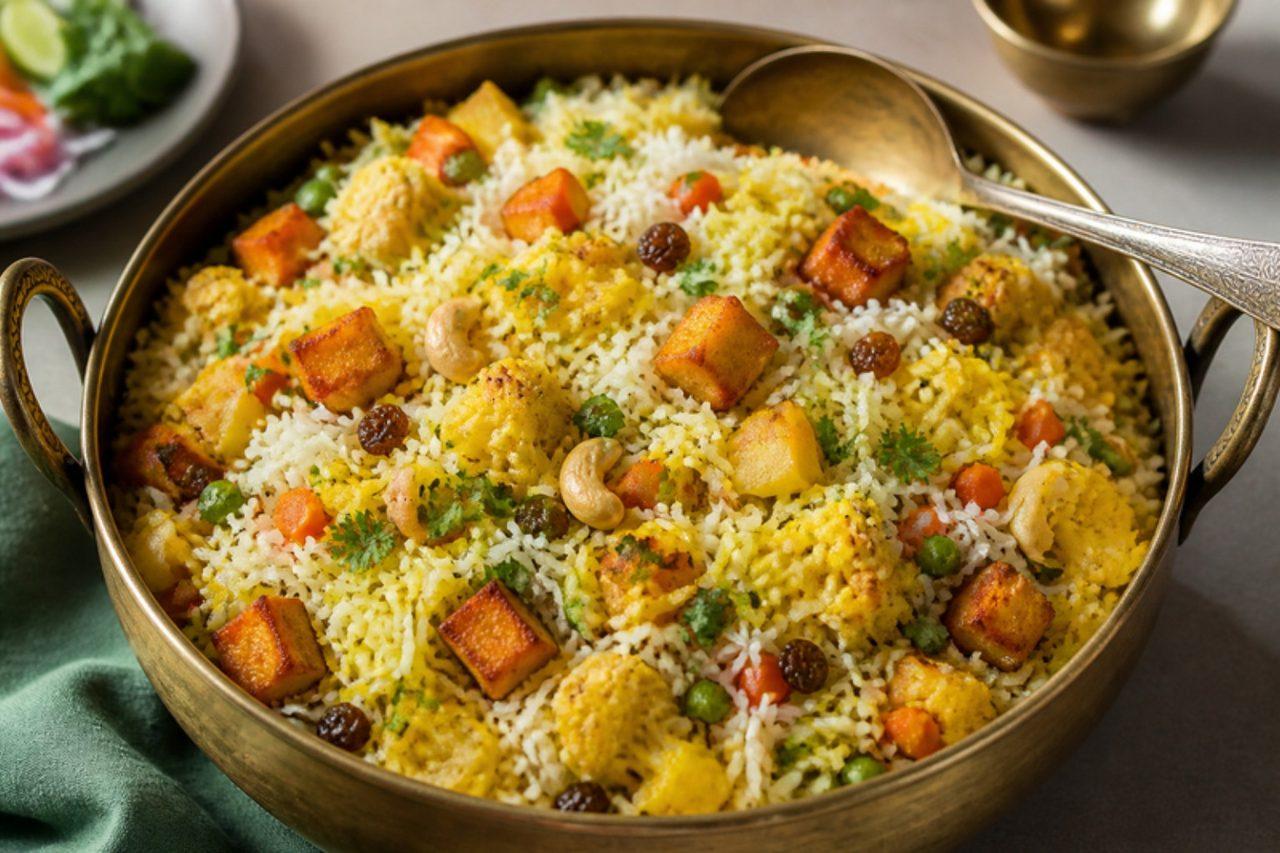
Jodhpuri kabuli is a celebration rice from Marwar that has nothing to do with chickpeas; the name refers to its rich, layered style. Rice is stacked with vegetables simmered in spiced yogurt and milk, crisp fried bread cubes, cashews, raisins and saffron, then steamed under a lid so the bread absorbs the juices while the top stays crunchy. Jodhpur families cook it for weddings and festive lunches, and it is eaten on its own with raita or kadhi. A common mistake is layering the bread at the bottom, where it becomes soggy; it belongs in the middle and on top. Chef's tip: cook the rice only until it still has a firm bite, because it will finish cooking during the dum.

by KrazyBadal 0 views

Mine friteFried noodles with vegetables and egg

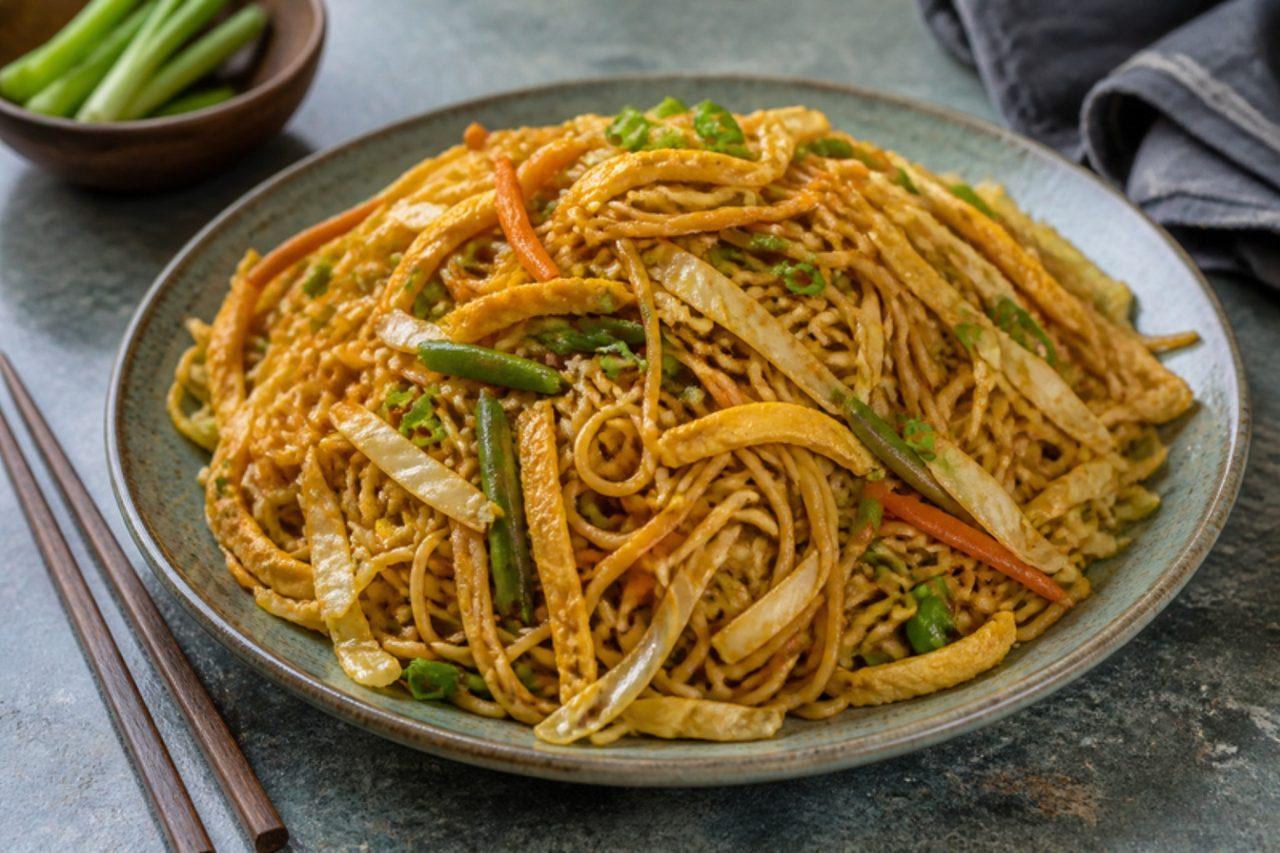
Mine frite (fried noodles) arrived with the Hakka Chinese community of Port Louis and is now everyone's favourite, sold from food vans and stalls all over Mauritius and made at home for weekend lunches. Egg noodles are tossed in a very hot wok with garlic, cabbage, carrot, spring onion and soy sauce, then topped with an omelette in strips. It is usually eaten with a spoon of chilli paste and a pickled chilli. Chef's tip: dry the noodles well after boiling; wet noodles steam instead of frying and clump.

by KrazyBadal 0 views

Vegetable machboosSpiced rice with vegetables

In Bahrain and Kuwait machboos is the rice dish of the home kitchen: deeper yellow than Saudi kabsa, with more turmeric, more dried lime and a last splash of rose water that perfumes the whole pot. Families cook it for the big midday meal, especially on Fridays and through Ramadan, and pile it high on a round metal tray. Here potatoes, cauliflower and peppers take the place of chicken, and the rice is crowned with hashu, soft caramelised onions with raisins and a pinch of black lime powder. Chef's tip: brown the potatoes and cauliflower before the rice goes in; their golden edges give the meaty depth the chicken usually brings.

by KrazyBadal 0 views

Jiufen taro ballsTaro balls in syrup

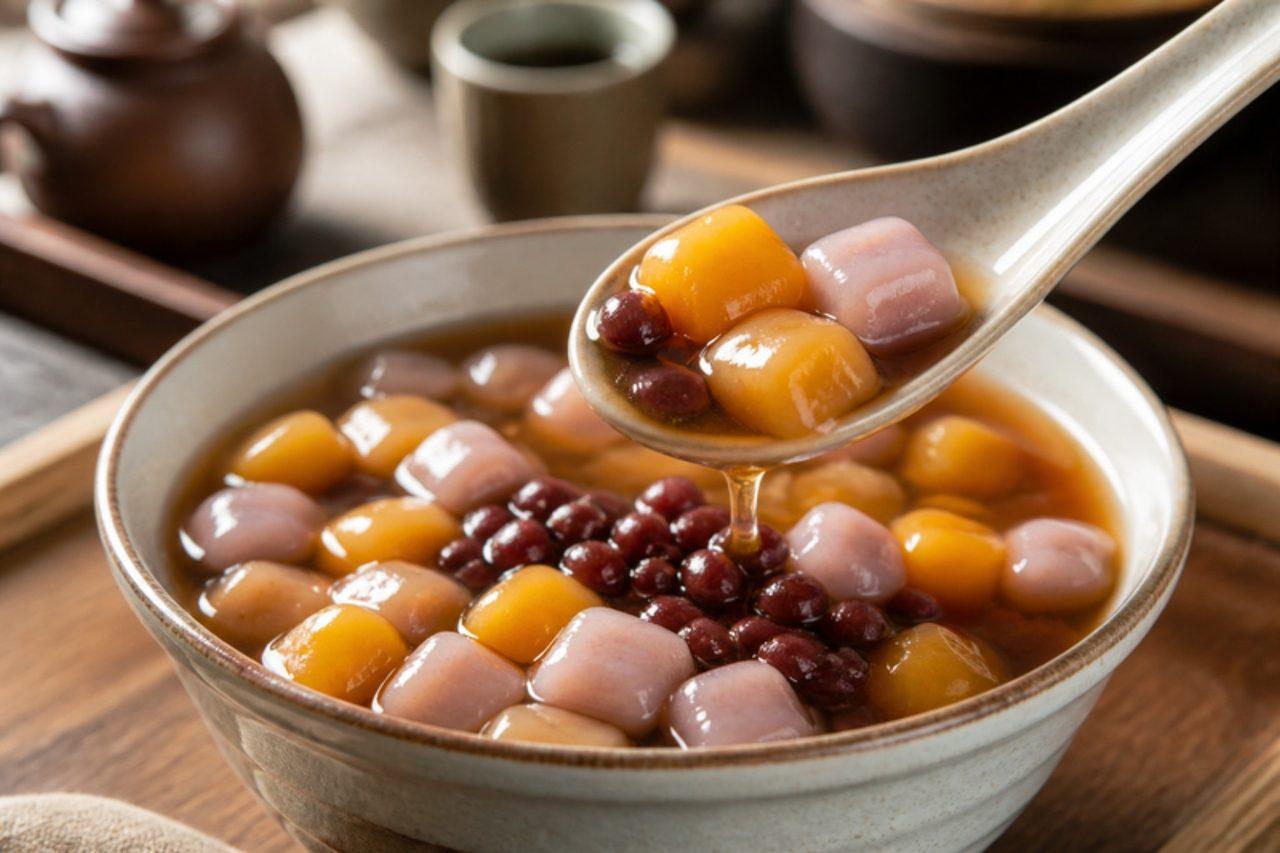
Jiufen, the old gold-mining town clinging to the hills above Taiwan's northeast coast, is famous for bowls of chewy purple taro and orange sweet potato balls, eaten in steep teahouses with a view of the sea. Shops serve them hot in a light sugar syrup in winter and over shaved ice in summer, often with mung beans or red beans. They are just steamed root vegetables kneaded with tapioca starch, so they're naturally gluten free and have a bouncy, QQ chew Taiwanese people love. Chef's tip: knead the starch into the vegetables while they are still hot; the heat partly cooks the starch and makes the dough smooth and pliable.

by KrazyBadal 0 views

Mirchi ka salanGreen chillies in peanut sesame sauce

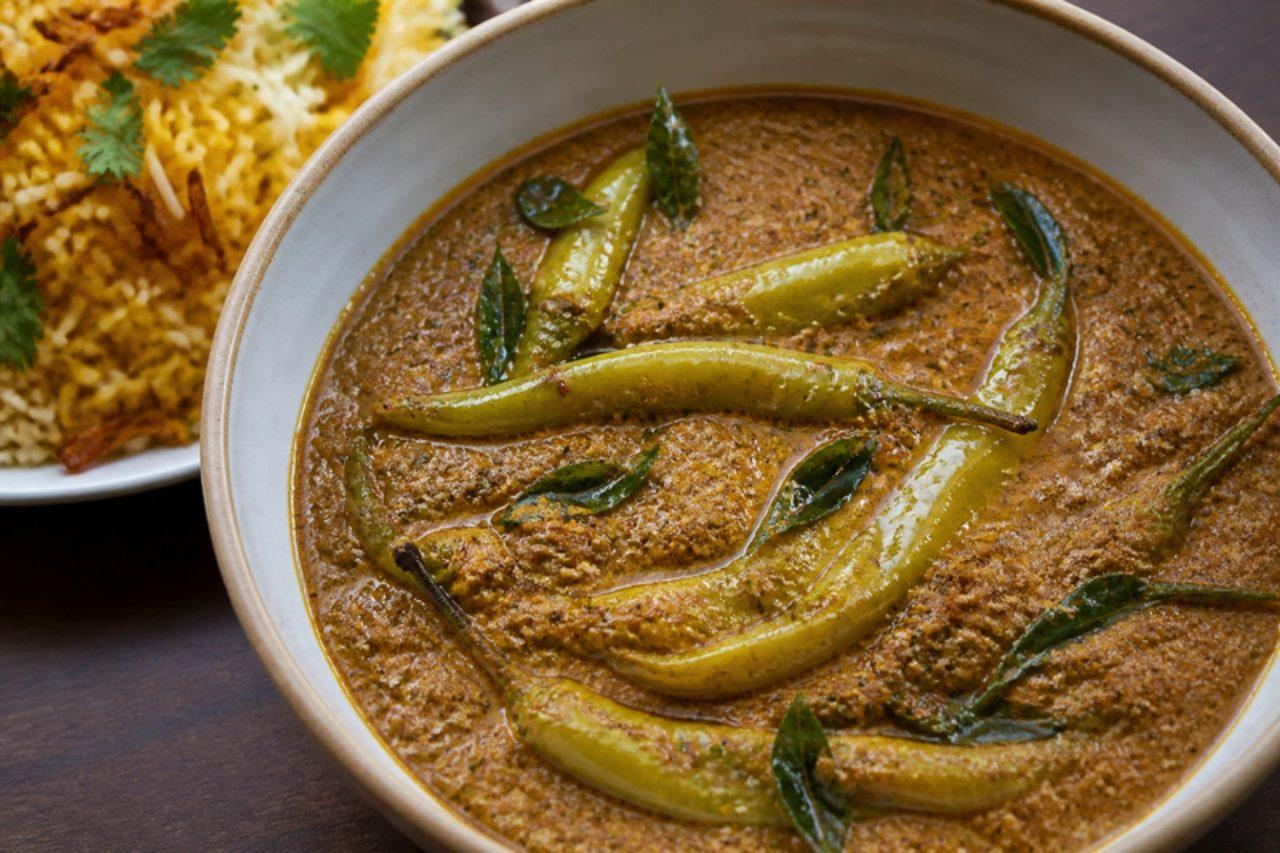
Mirchi ka salan comes from Hyderabad, where it's the classic partner for biryani at weddings and Sunday lunches. Fat, mild green chillies are fried until blistered, then simmered in a nutty gravy of roasted peanuts, sesame and dried coconut, soured with tamarind. The result is rich, tangy and only gently hot, with the chillies giving a fresh, grassy bite. It also tastes very good with plain rice, jeera rice or parathas and is even better the next day. Chef's tip: roast the peanuts, sesame and coconut separately and slowly; each browns at its own pace, and one scorched spoonful of sesame turns the whole gravy bitter.

by KrazyBadal 0 views

JingisukanGrilled lamb and vegetables

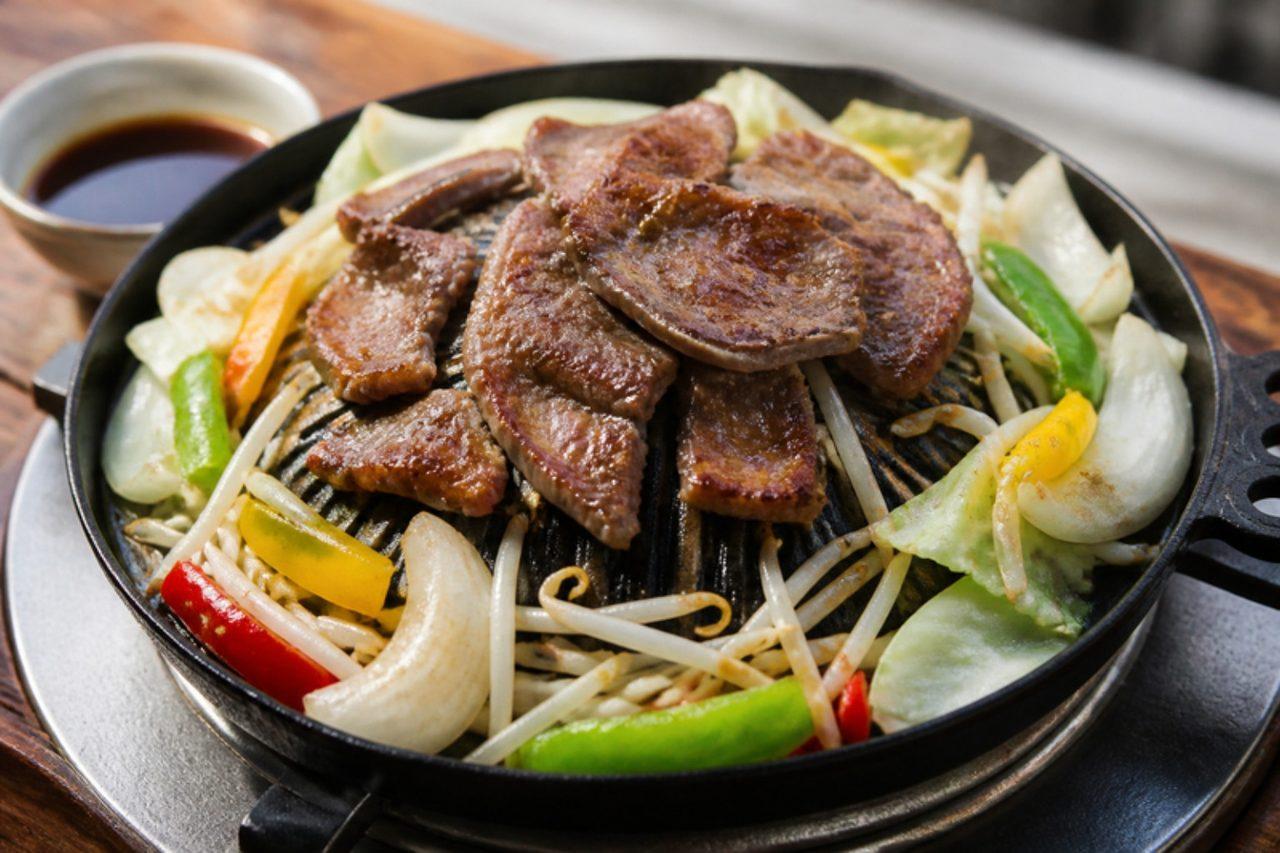
When the cherry trees bloom in Sapporo in early May, parks fill with groups grilling lamb on ridged, dome-shaped pans, and the city's beer halls serve it all year. Named after Genghis Khan, the dish grew up after Hokkaido began raising sheep for wool in the early 20th century. In the Sapporo style, plain lamb is seared on the hump of the pan while bean sprouts, onion and pumpkin cook on the rim in the dripping juices, and everything is dipped in a fruity soy sauce. No domed pan? A heavy frying pan or flat griddle works well. Chef's tip: grease the pan with a piece of lamb fat rather than oil, as it gives the vegetables a rich, meaty flavour.

by KrazyBadal 0 views

Mirchi vadaPotato-stuffed chilli fritters

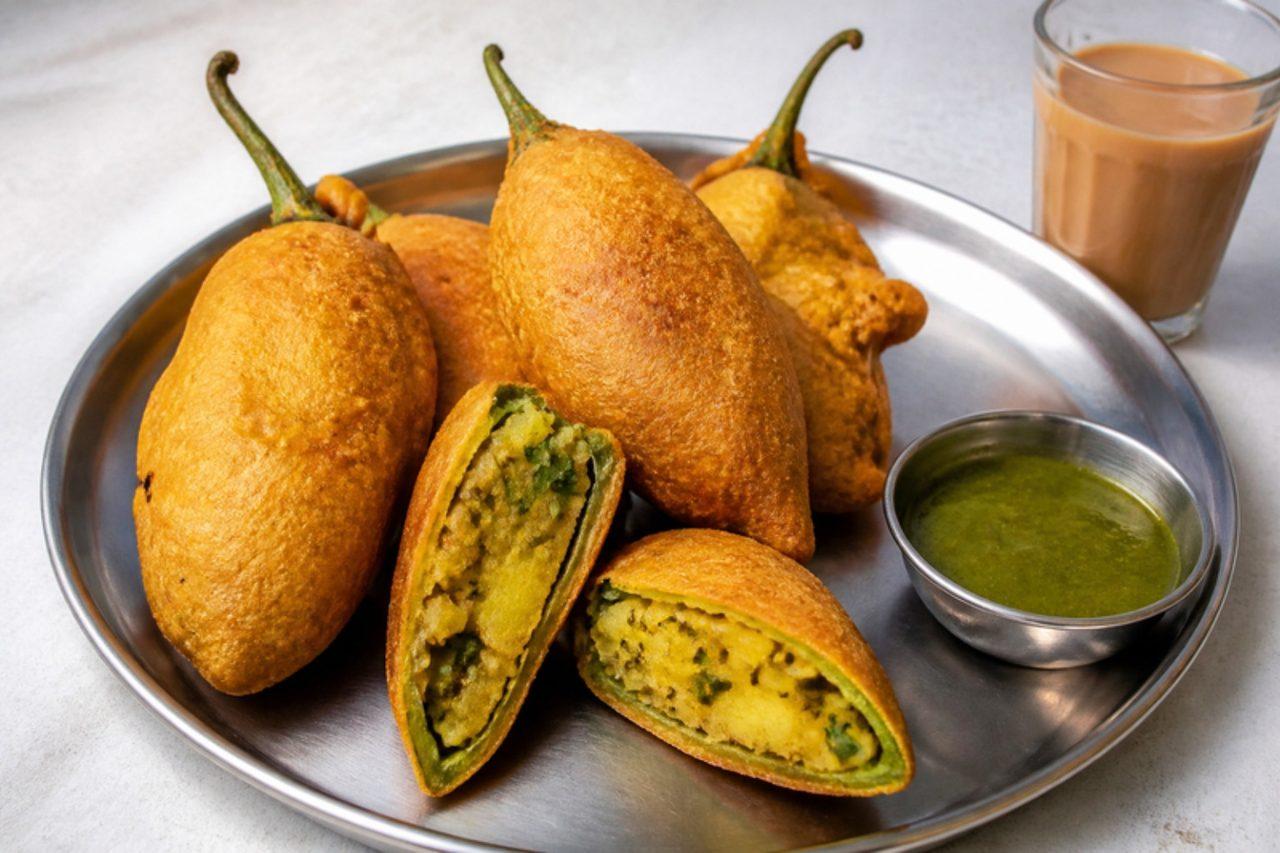
In Jodhpur, the day often begins at a roadside kadhai: huge, mild green chillies stuffed with spiced potato, coated in gram-flour batter and fried until golden and blistered, then eaten hot with sweet milky chai. Stalls near the Clock Tower and Sardar Market make them all day, and during the monsoon the queues grow longer. The chilli adds a fresh, green bite more than heat, and the filling is tangy with amchur and fennel. A common mistake is frying in oil that is not hot enough, which makes the batter heavy and oily. Chef's tip: fry each vada once until pale gold, rest it for a few minutes, then fry it again for 1 minute just before serving—this is the stall trick for a crust that stays crisp.

by KrazyBadal 0 views

Vegetable mandu-gukVegetable dumpling soup

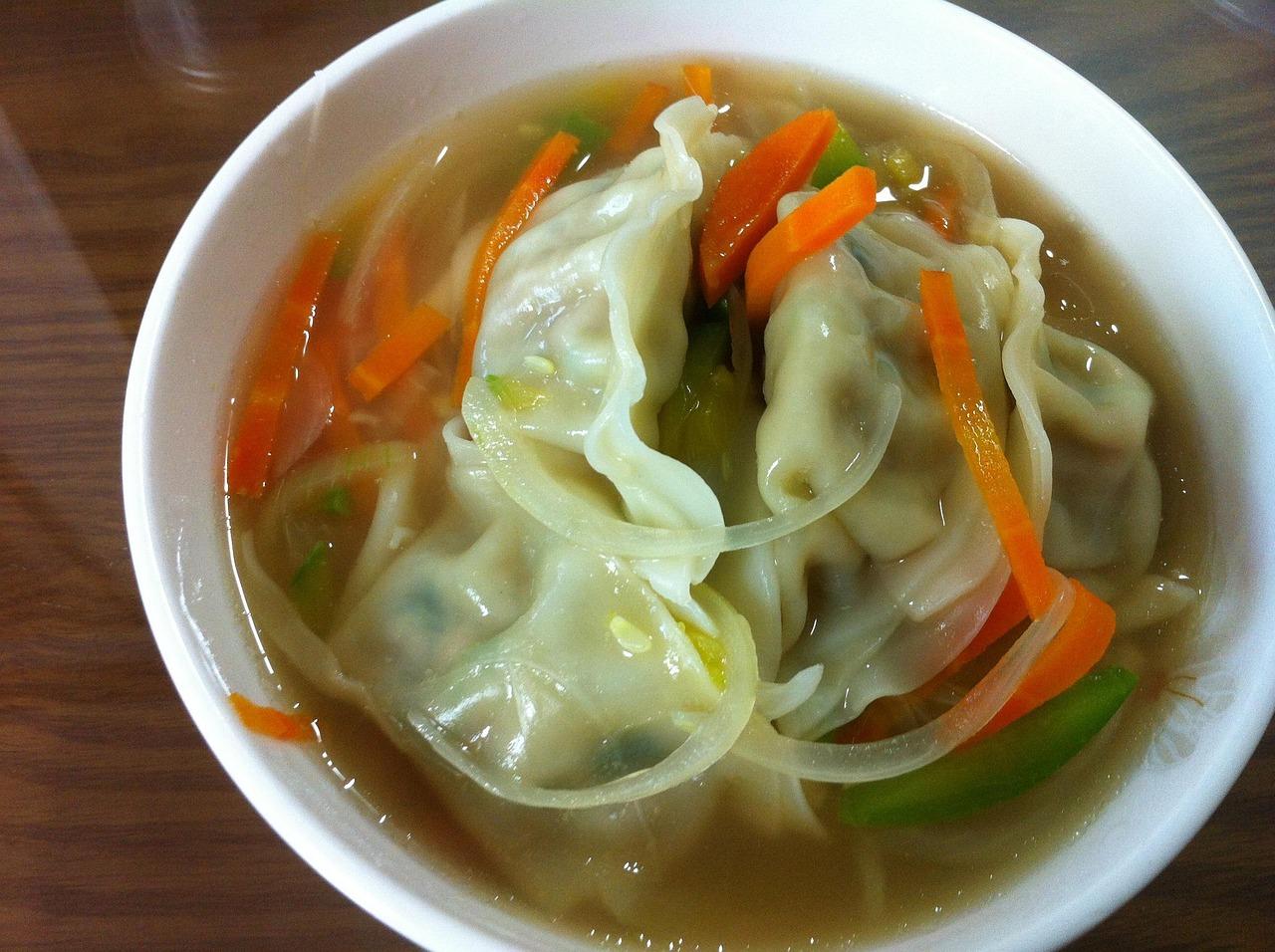
In Seoul and the surrounding Gyeonggi province, the first meal of Seollal (Lunar New Year) is often mandu-guk (만두국): plump dumplings and coin-shaped rice cakes floating in clear broth, finished with ribbons of yellow and white egg and strips of toasted laver. The northern half of the peninsula has always favoured dumplings over rice cake soup, and Seoul families tend to combine the two. These mandu are filled with tofu, glass noodles, cabbage, mushrooms and chives, and the broth is a kelp and shiitake stock instead of beef. Fold the dumplings a day ahead and the soup comes together in 15 minutes. Chef's tip: squeeze the tofu and cabbage hard in a cloth; a wet filling turns the wrappers soggy and the dumplings split in the pot.

by KrazyBadal 0 views

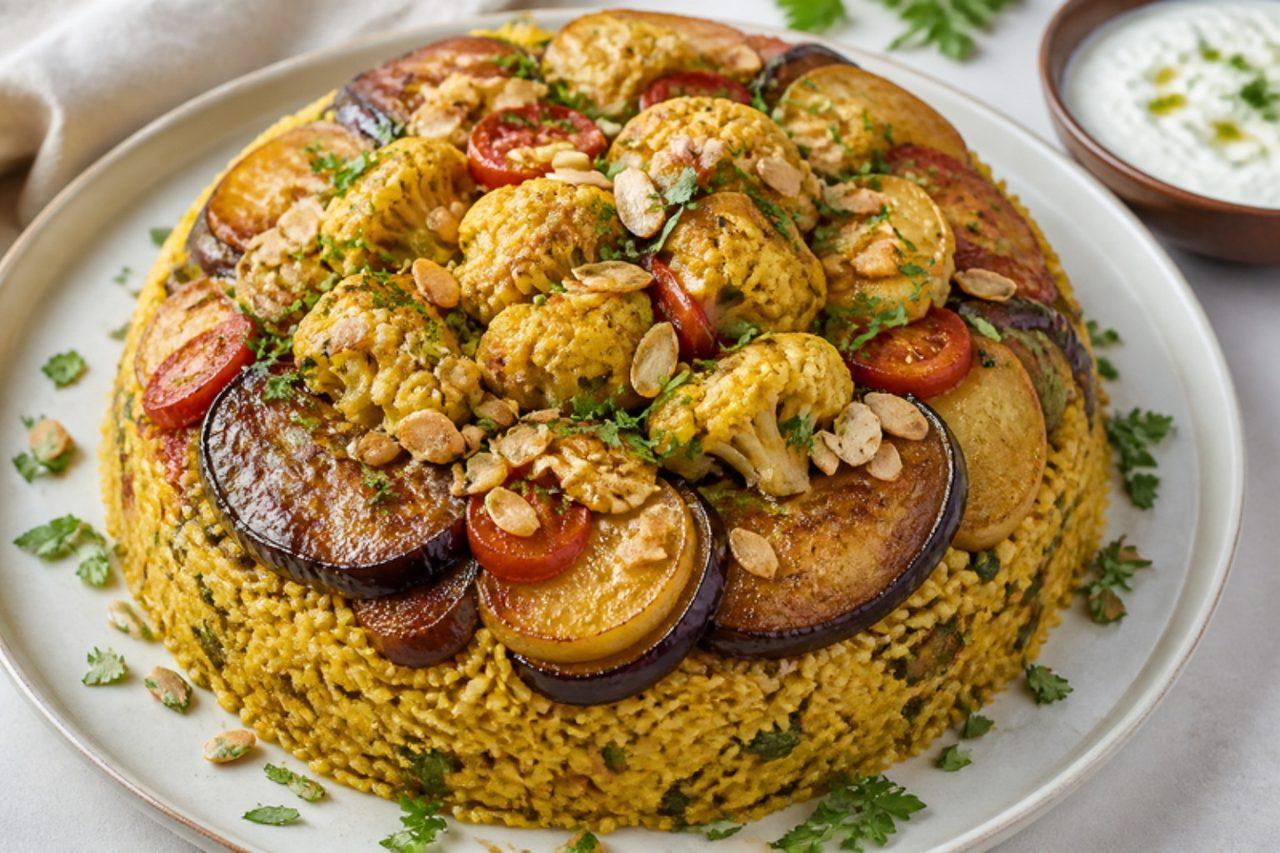
Vegetable maqlubaUpside-down rice and vegetables

Maqluba means 'upside down', and in Palestinian homes from Jerusalem to Nablus the moment the big pot is flipped onto a tray at a Friday family lunch is greeted with clapping. Under the pot comes a golden cake of fried aubergine, cauliflower and potato with spiced rice packed between them. It is also cooked across Lebanon, Jordan and Syria. This meat-free version uses vegetable stock and is served with a cucumber and tomato salad or a bowl of yogurt for those who eat dairy. Chef's tip: once the pot is turned over, wait five minutes before lifting it so the layers settle and the tower holds.

by KrazyBadal 0 views

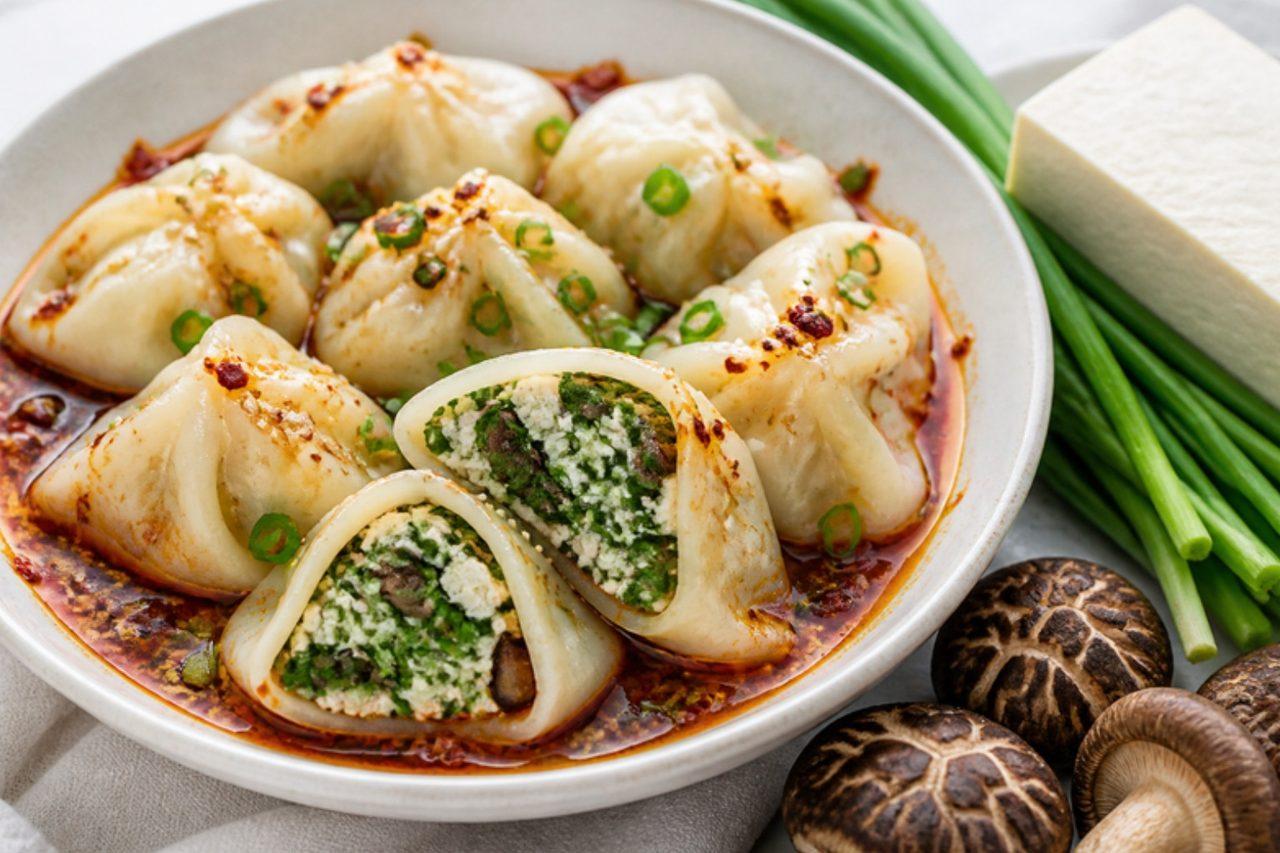
Sichuan chilli oil wontonsTofu and mushroom wontons in chilli oil

In Chengdu these are called hong you chao shou, 'red oil folded hands', after the way the wrappers are crossed over like arms. Little noodle shops serve them morning to night, slick with chilli oil, black vinegar and garlic. Our filling is firm tofu, shiitake and Chinese chives, so it's juicy without meat. Make a double batch: they freeze well uncooked. Chef's tip: squeeze the tofu hard in a cloth before mixing; dry filling seals better and the wontons won't burst in the water.

by KrazyBadal 0 views

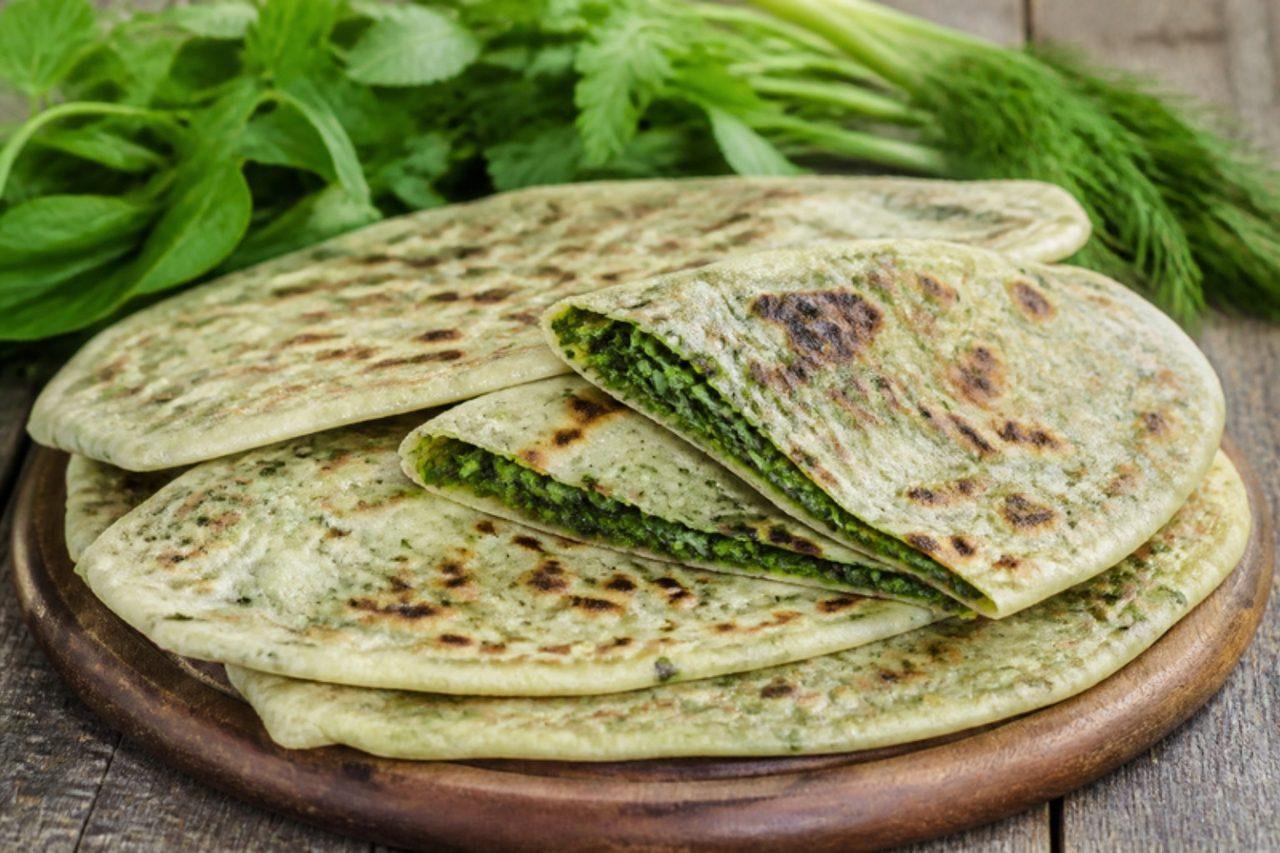
Jingalov hatsWild greens flatbread

Jingalov hats comes from Artsakh (Nagorno-Karabakh), where women in Stepanakert markets would roll the dough around armfuls of greens and cook the flat parcels on a hot saj in front of the queue. The filling is nothing but herbs and leaves, ten to twenty kinds when spring greens are at their best: sorrel, spinach, dill, coriander, spring onion, beet leaves, mint and nettle, wilted with oil and salt. The bread is eaten hot from the griddle at Easter and through Lent, folded in half and dripping with green juices. Displaced families now sell it in Yerevan, where it has become a street-food symbol of home. Chef's tip: mix at least six different greens and keep some sharp ones such as sorrel or lemon juice in the mix; with spinach alone the filling tastes flat.

by KrazyBadal 0 views

JianbingSavoury egg crêpe

Jianbing guozi began in Tianjin and is now Beijing's favourite breakfast on the go: a crêpe spread on a round griddle, cracked over with egg, brushed with sauces and folded round a crunchy fried cracker. Vendors make one in two minutes; at home a large non-stick pan works. The batter mixes mung bean and wheat flour for a tender, slightly nutty pancake. Chef's tip: spread the batter thin and fast while the pan is hot, then lower the heat before adding the egg so the crêpe stays pliable.

by KrazyBadal 0 views

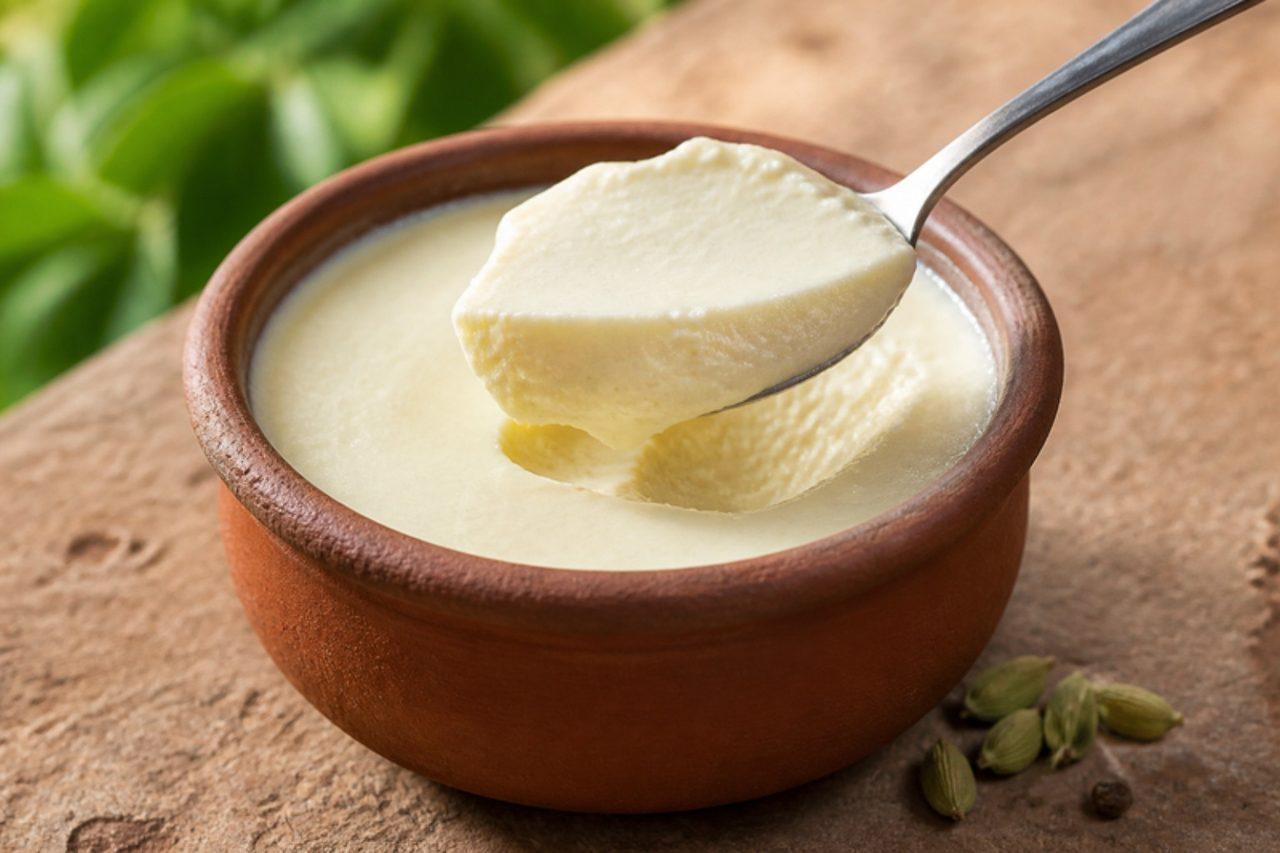
Juju dhauThick sweet curd

Juju dhau means king of curds in the Newar language, and it belongs to Bhaktapur, the old brick-and-temple city east of Kathmandu, where it is sold in round clay bowls from shops around Durbar Square and taken home by the stack. Full-fat milk, traditionally buffalo milk, is boiled down by a third until it is rich and faintly caramel, sweetened, then set overnight in unglazed clay pots that soak up the whey, leaving a custard-thick, creamy yogurt with a pale golden skin. No wedding, festival or important meal in the Valley ends without it, and it is eaten on its own with a small spoon. People often rush the reduction, and the yogurt then sets thin and sour. Chef's tip: if you don't have clay pots, set it in ceramic ramekins and pour off any whey after setting; and keep it warm and undisturbed, wrapped in a blanket, so it sets in one smooth layer.

by KrazyBadal 0 views

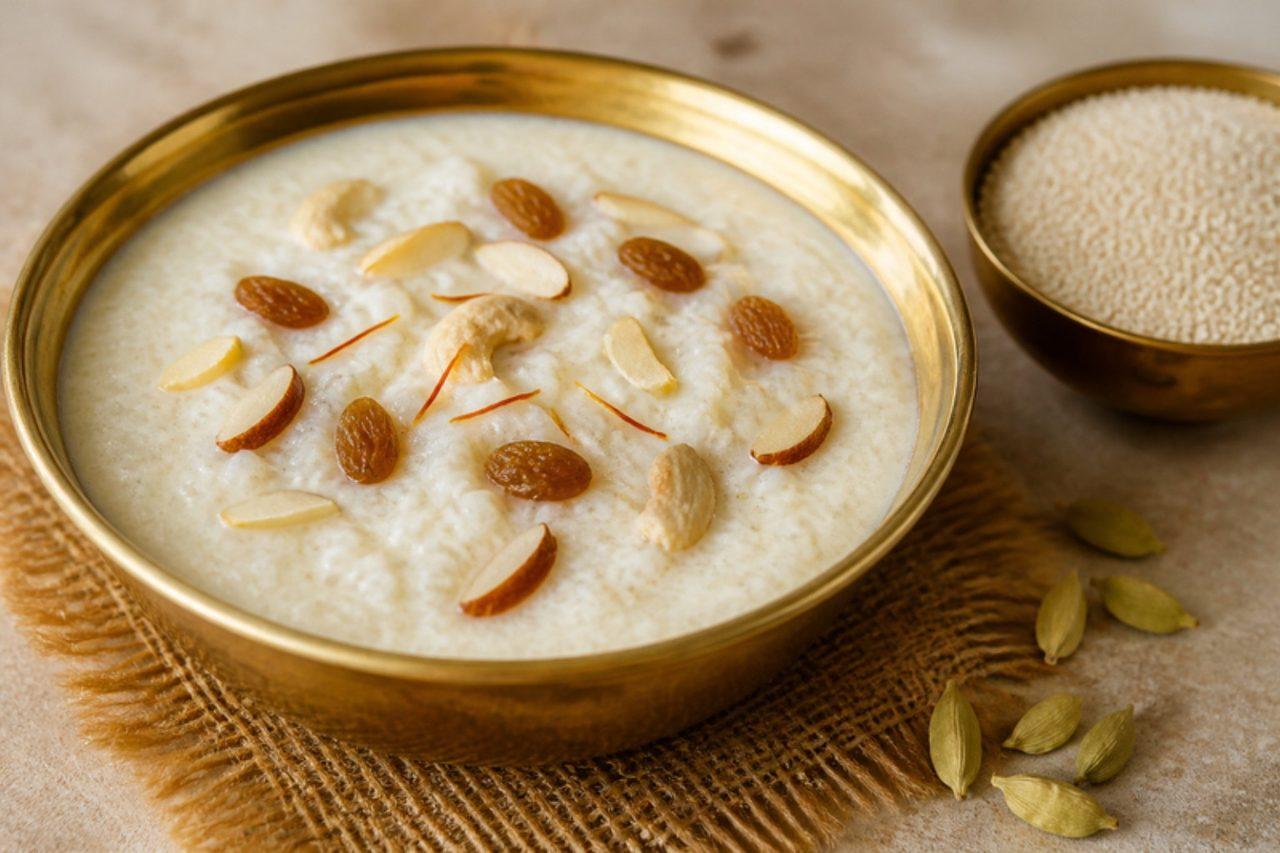
Jhangora ki kheerBarnyard millet pudding

Jhangora is barnyard millet, a hardy grain that grows on the high fields of Garhwal and Kumaon, and this kheer is how most hill families turn it into something special. It cooks faster than rice kheer and ends up softer and silkier, with a light, nutty taste. Because millet isn't a cereal grain, it's eaten on Navratri and Ekadashi fasts, when you'll find bowls of it at temples and in homes from Rishikesh to Chamoli. It is just as good chilled the next day. Chef's tip: soak the millet for 20 minutes before cooking; it softens evenly and you won't be left with hard little grains in the pudding.

by KrazyBadal 0 views

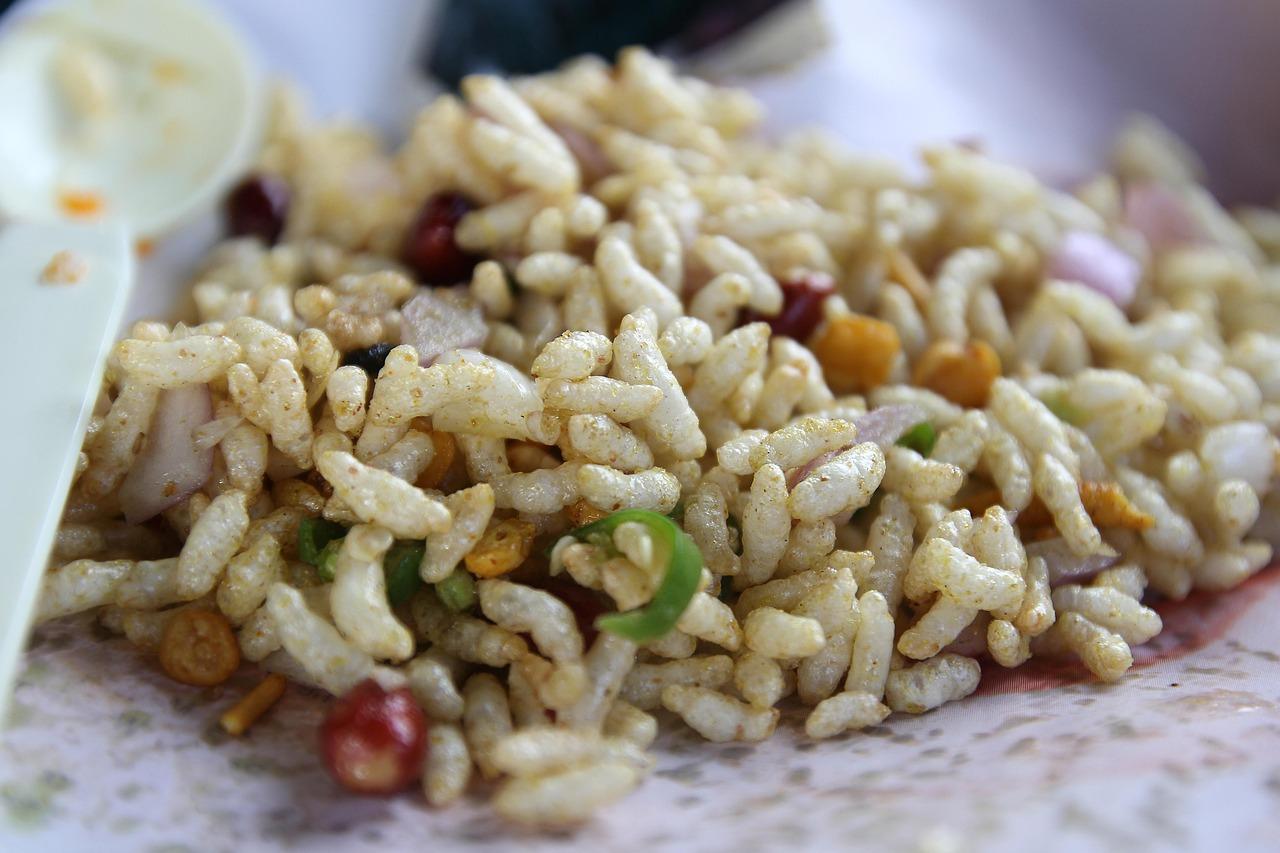
JhalmuriSpiced puffed rice

Jhalmuri is the snack Kolkata eats on the move: outside Howrah station, along the Maidan, on suburban local trains, where a vendor tosses puffed rice in a tin with raw mustard oil, chopped onion, cucumber, green chilli and a fistful of chanachur, then tips it into a cone of newspaper. The sharp, nose-tingling mustard oil is what separates it from Mumbai's bhel; there is no sweet chutney at all, only salt, lime and heat. Eat it the minute it is mixed, while it still crackles. Chef's tip: warm the puffed rice in a dry pan for a couple of minutes first; even fresh muri crisps up noticeably.

by KrazyBadal 0 views

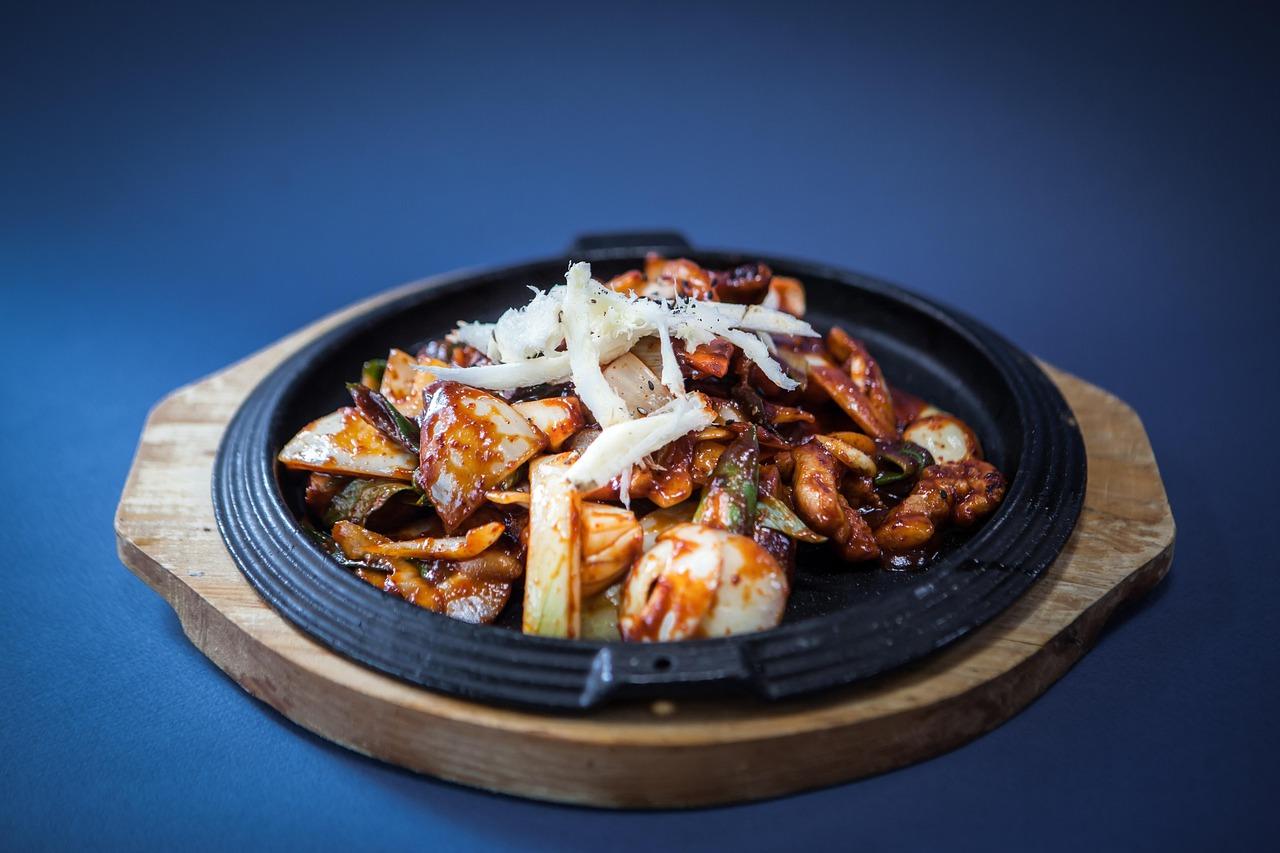
Jeyuk bokkeumSpicy stir-fried pork

Jeyuk bokkeum is the backbone of the Korean lunch: almost every baekban (set-meal) restaurant near offices and building sites serves it with rice, soup and little side dishes, and it is just as common at home on weeknights. Thin slices of pork are fried hard in a sauce of gochujang, chilli flakes, garlic and ginger until the edges catch and caramelise. Eat it over rice, or wrap a piece in a lettuce leaf with a slice of raw garlic. Chef's tip: fry the pork on its own first until the fat runs, then add the sauce; you get smoky, sticky edges instead of boiled meat.

25 minKoreanMeatSpicy
by KrazyBadal 0 views

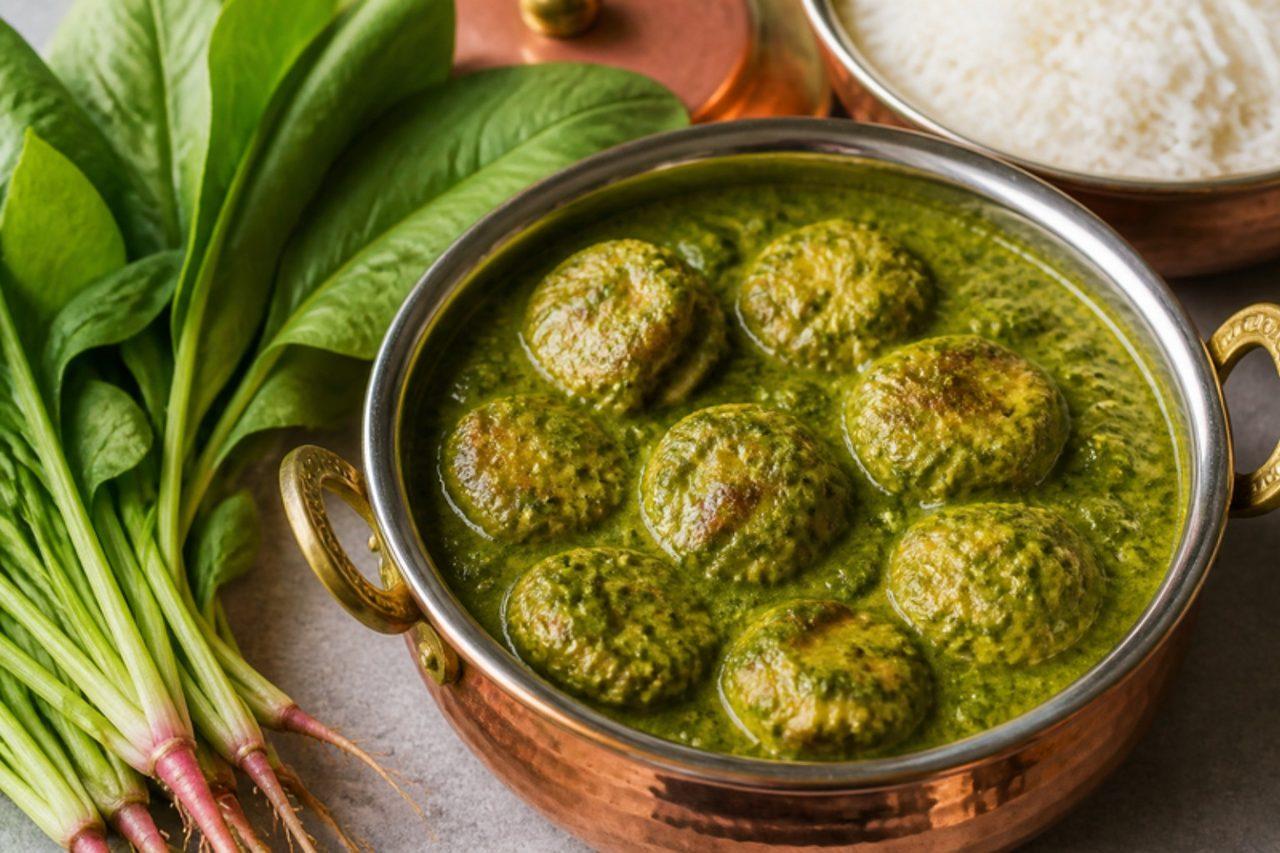
Sepu vadiLentil dumplings in spinach yogurt gravy

No dham in Mandi district of Himachal Pradesh is complete without sepu vadi. Light urad-dal dumplings are fried, softened in warm water and then simmered in a smooth spinach gravy tangy with yogurt, until they swell up and turn spongy. The botis who cook the feast make huge copper pots of it, served on leaf plates with rice and eaten with the fingers. At home it makes a rich weekend curry with rice or chapati. Chef's tip: beat the ground dal by hand for a few minutes before frying; the air you whip in is what makes the vadi light.

by KrazyBadal 0 views

Vegetable mastavaVegetable and rice soup

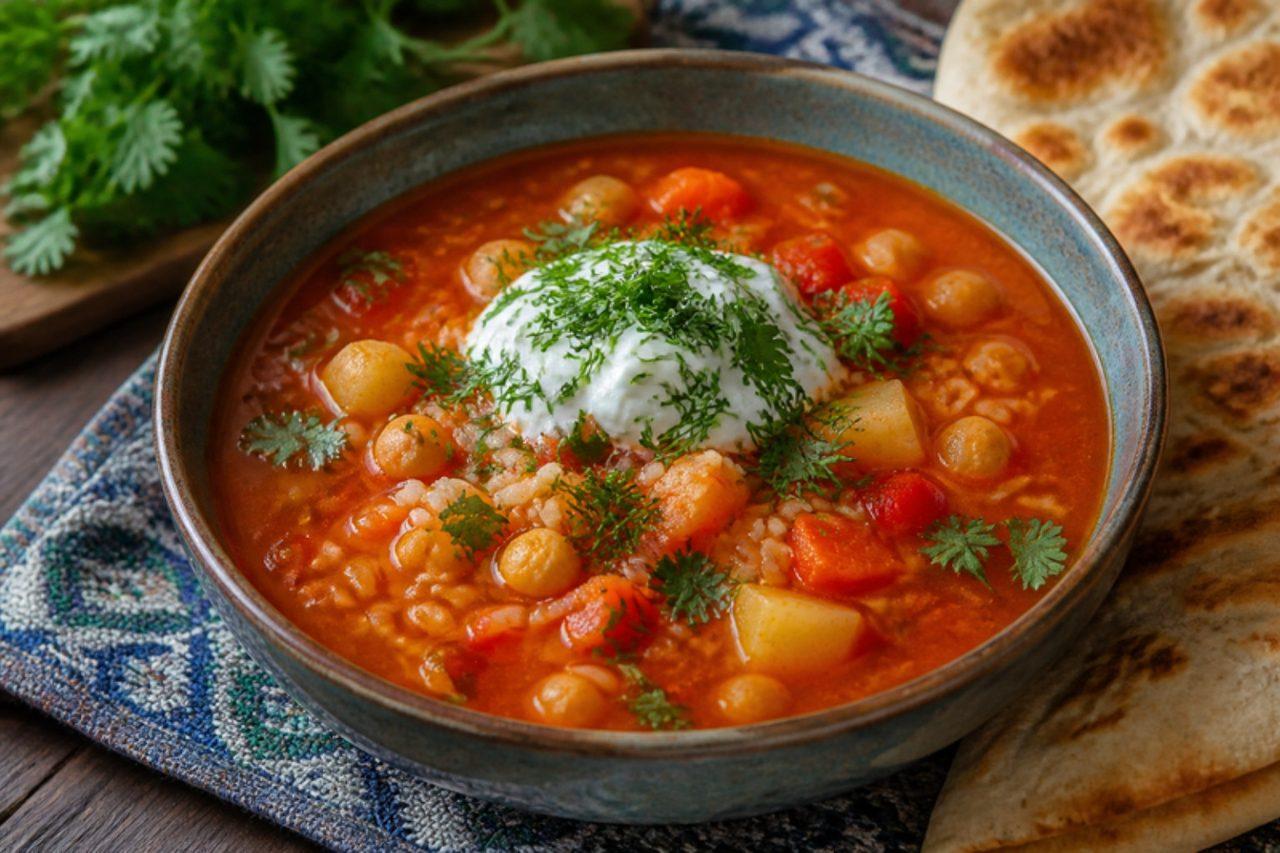
Mastava is the soup Uzbek mothers make on a cold weeknight: rice simmered in a tomato-red broth with carrot, potato, pepper and chickpeas, finished at the table with a spoon of thick suzma or sour cream and a handful of herbs. It is eaten all over the country but is especially loved in Tashkent households in late autumn. The base is fried first, like plov, so the soup tastes rich even without meat; this version uses vegetables and chickpeas only. Chef's tip: fry the tomato paste in the oil until it turns brick-red before adding water — that is where the depth comes from.

55 minUzbekSoupsGluten free
by KrazyBadal 0 views

SerabiCoconut rice pancakes

Serabi are small, thick pancakes cooked one at a time in clay pans over charcoal, sold at dawn in Solo and Bandung. The rice-flour batter, rich with coconut milk, sets with a spongy, bubbly top and a crisp, lacy base. In Bandung they come with a pour of kinca, a warm palm-sugar syrup scented with pandan; Solo's version is rolled in a banana leaf with a dot of thick coconut cream. Chef's tip: don't flip them; covering the pan lets steam cook the top while the bottom crisps.

by KrazyBadal 0 views

Vegetable momosSteamed vegetable dumplings

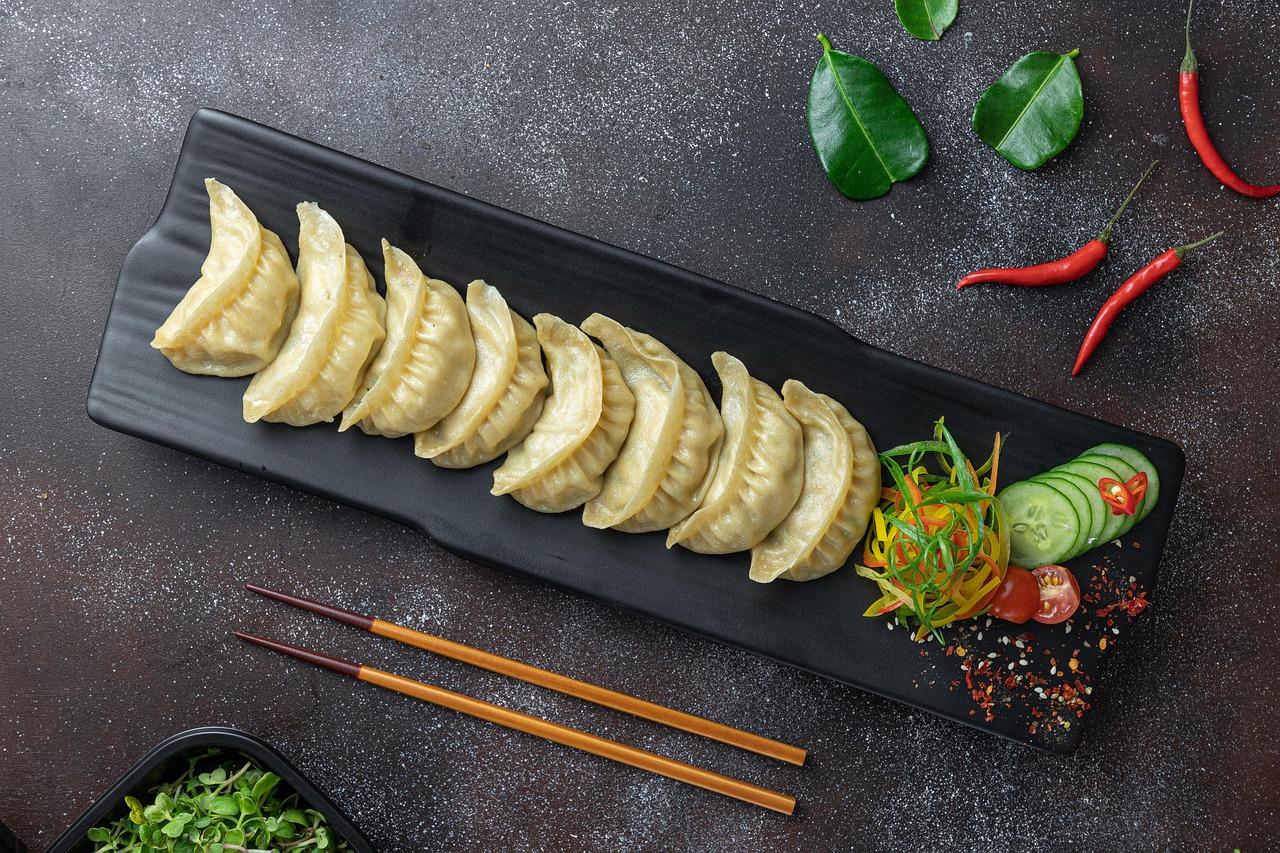
Momos came to Sikkim and the Darjeeling hills with Tibetan settlers and are now the snack of the whole Himalayan Northeast, steamed in tall stacked steamers at every street corner. Thin, soft wrappers hold a juicy filling of cabbage, carrot, onion and tofu with plenty of ginger, garlic and spring onion. They are dipped in a hot, garlicky tomato and red chilli achar. Serve straight from the steamer, with a bowl of clear soup if you like. Chef's tip: salt the chopped cabbage and squeeze out its water before mixing the filling; it keeps the wrappers from turning soggy and tearing.

by KrazyBadal 0 views

SernikBaked cheesecake

Sernik is the baked cheesecake Polish grandmothers make for Easter and Christmas, and in Kraków it often comes as sernik krakowski, with raisins in the filling and a lattice of pastry on top. Unlike the American kind it is made with twaróg, a dry, tangy curd cheese, so the filling is light and fine-grained rather than dense, set with eggs and a little potato starch, never gelatine. This version keeps a buttery shortcrust base and a smooth vanilla-lemon top. Chef's tip: the twaróg must be put through a mincer or sieve twice, or bought as ready-ground twaróg sernikowy in a tub; lumpy cheese gives a grainy cake.

110 minPolishBaking
by KrazyBadal 0 views

Jeow mak lenRoasted tomato and chilli dip

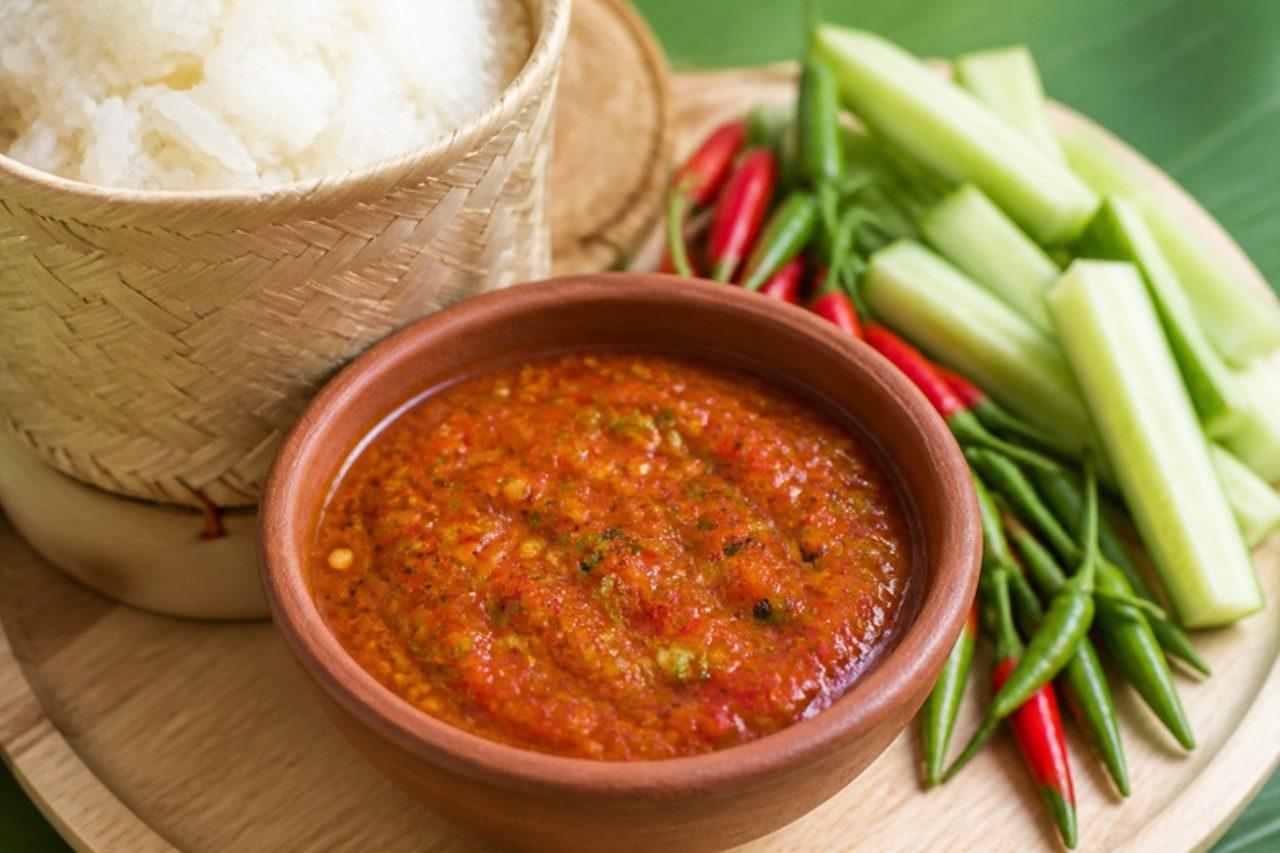
No Lao meal is complete without a jeow, a pounded dip eaten by pinching a ball of sticky rice and dragging it through. Jeow mak len, made from tomatoes charred over the coals until their skins split, is the everyday one from Vientiane to the villages of the north, smoky, garlicky and as hot as you dare. It's served alongside grilled vegetables, raw cucumber and long beans, and keeps well for a few days. Chef's tip: grill everything until it is genuinely blackened in patches; the burnt bits are the flavour, so don't peel all the skin away.

by KrazyBadal 0 views

Jeow bongSweet-hot chilli paste with pork skin

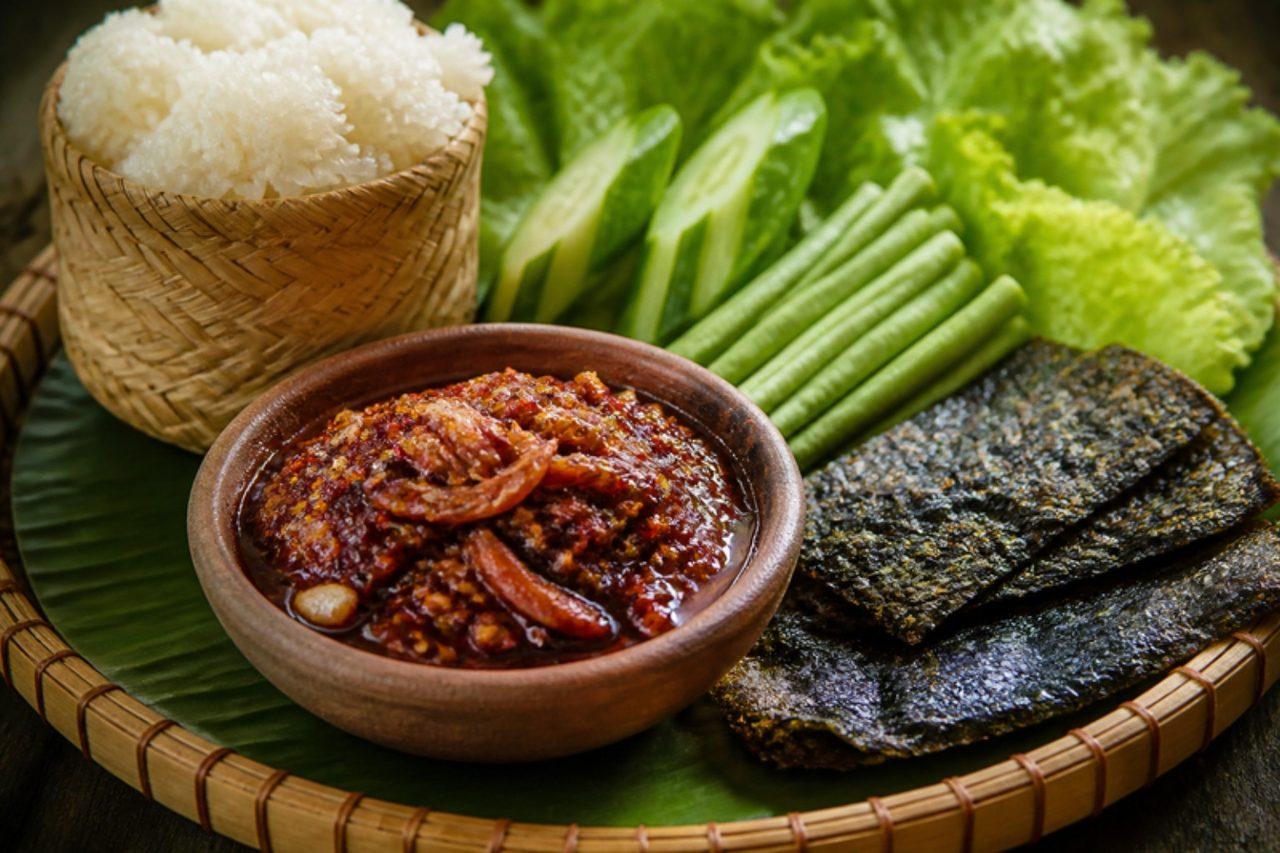
Jeow bong is the famous chilli relish of Luang Prabang, the old royal capital, sold in little jars at its night market and eaten with sticky rice, crisp river-weed sheets and fresh vegetables at almost every Lao meal. Dried chillies, roasted garlic, shallot and galangal are pounded with palm sugar and fish sauce into a sticky, smoky, sweet-hot jam. This version contains pork: traditionally it includes thin strips of dried buffalo skin, and here it uses cooked pork skin for the same chewy texture. Chef's tip: roast the aromatics until truly blackened in spots; that char gives jeow bong its smoky depth.

by KrazyBadal 0 views

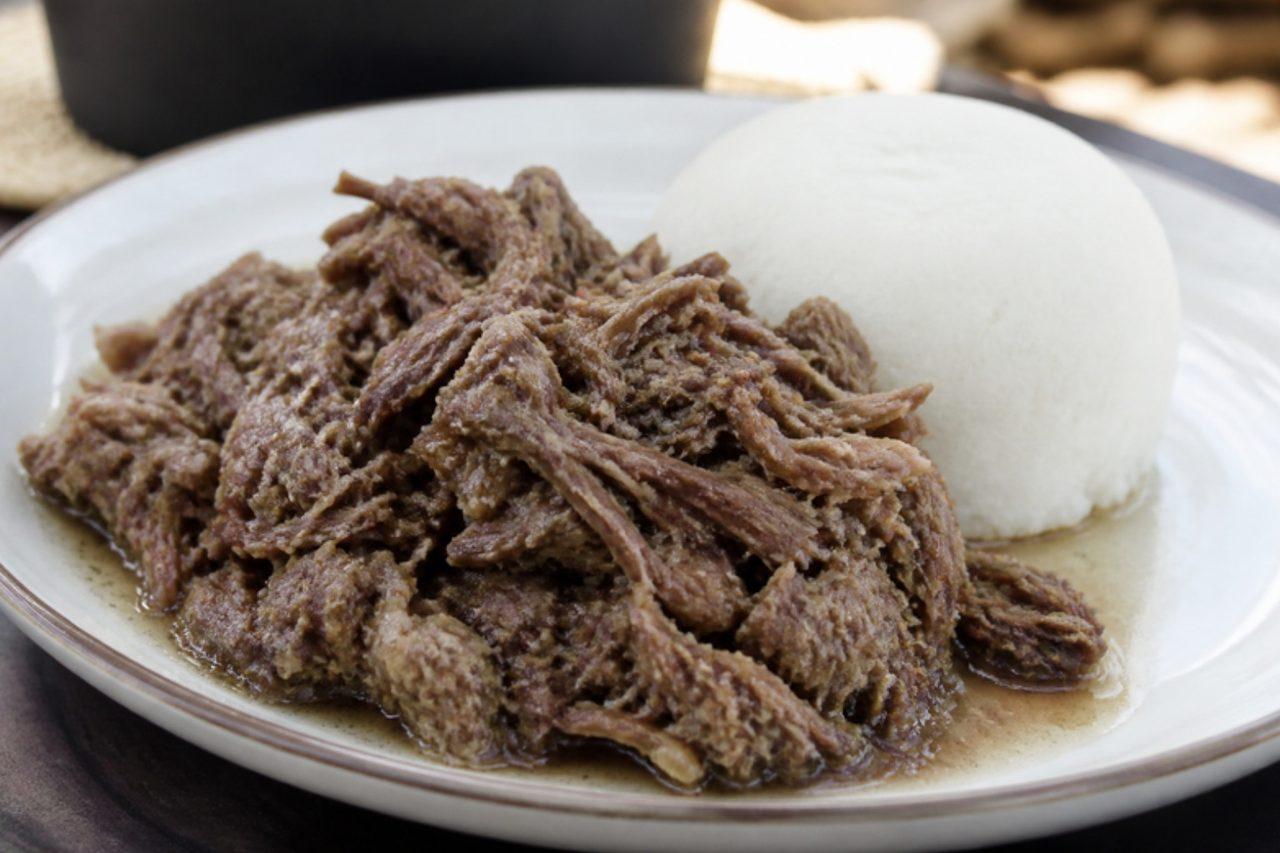
SeswaaPounded boiled beef

Seswaa is Botswana's national dish, made by the men at weddings, funerals and Independence Day in great three-legged pots over fires: beef on the bone is boiled with only onion, bay and salt for hours until it falls apart, then pounded with a wooden spoon into soft shreds in its own fat. It is served with pap (stiff maize porridge) or samp and a side of greens. The mistake is adding too much water at the end; the meat should be moist, not soupy, so let the liquid cook away before pounding. Chef's tip: use a mix of brisket and shin on the bone for flavour and richness.

by KrazyBadal 0 views

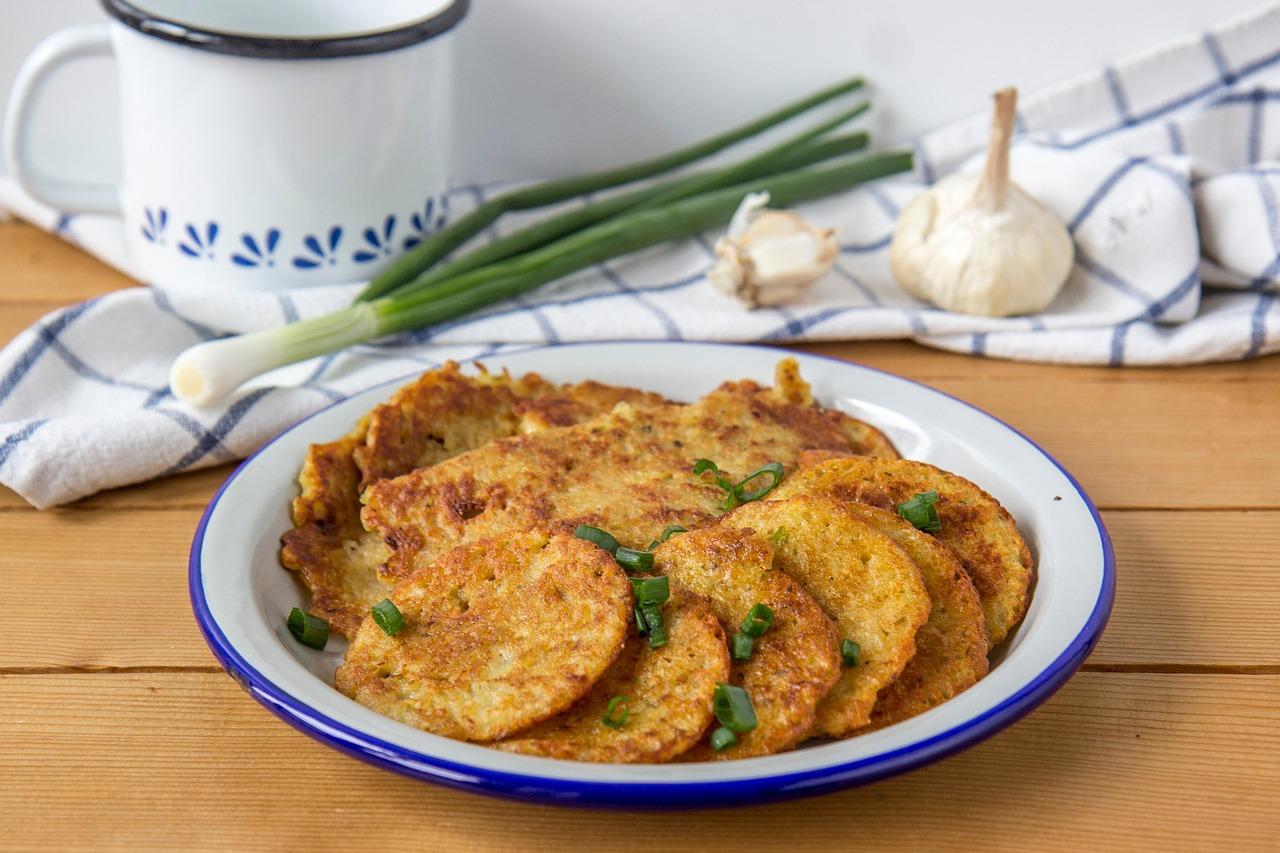
Sweet potato cakeFried sweet potato cakes

Soft, lightly sweet fried cakes of grated boiled sweet potato, flour and milk, shaped by hand into small flat rounds. They're golden outside and tender inside; the book's Handy Hints say sweet potato is good for the eyes and lifts the mood. Serve as a tea-time snack, or with tomato and chilli sauce.

by KrazyBadal 0 views

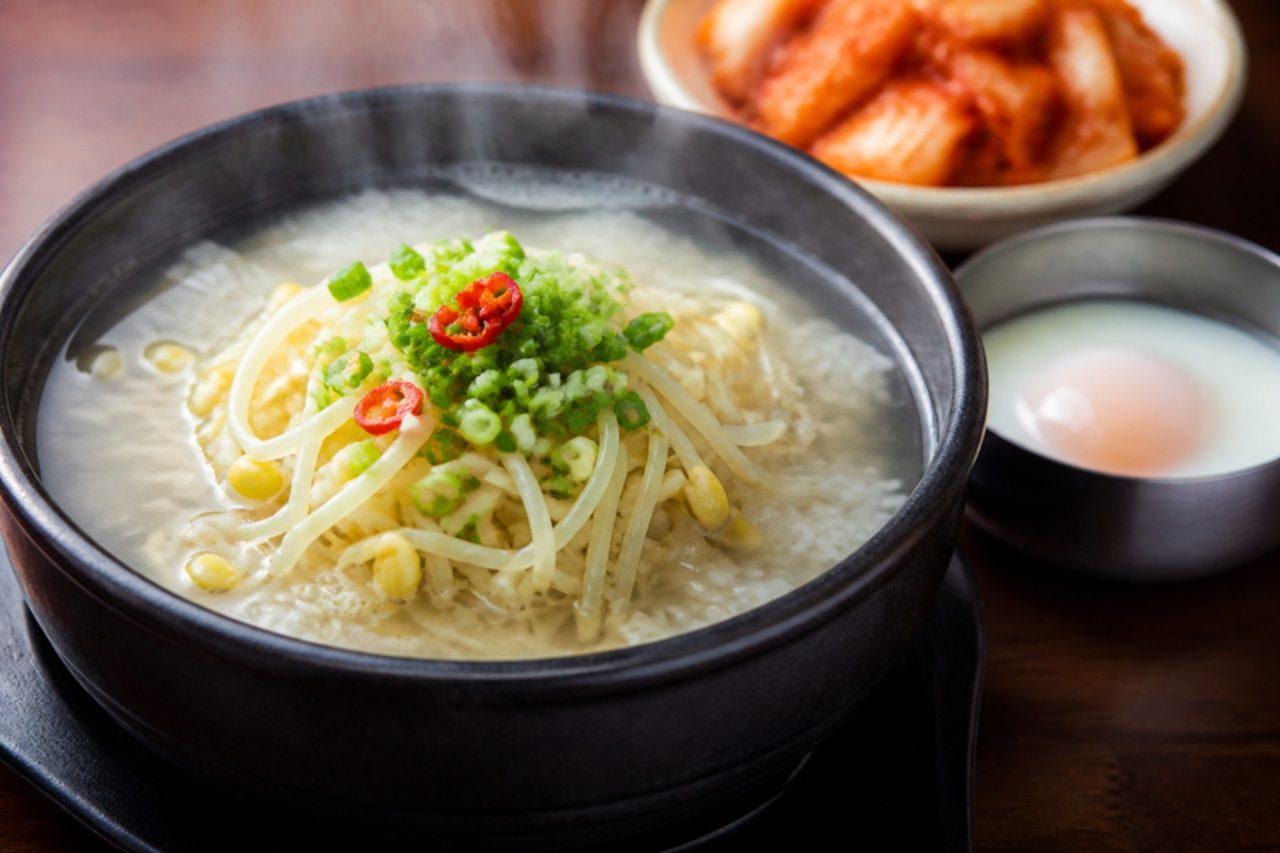
Jeonju kongnamul gukbapBean sprout rice soup

Jeonju, the North Jeolla city known for bibimbap, starts its day with kongnamul gukbap (콩나물국밥): a scalding clay bowl of clear soybean-sprout broth over rice, sharp with garlic and chilli, served before dawn to market traders and, famously, to anyone with a hangover. Many Jeonju shops bring a half-cooked egg in a separate cup, which you season with a little broth and crumbled seaweed and slurp first. The usual broth is anchovy based, with salted shrimp at the table; here it is kelp, shiitake and soup soy sauce. Chef's tip: keep the lid on while the sprouts cook and don't open it until they are done; lifting it early is said to give them a raw, grassy smell.

by KrazyBadal 0 views

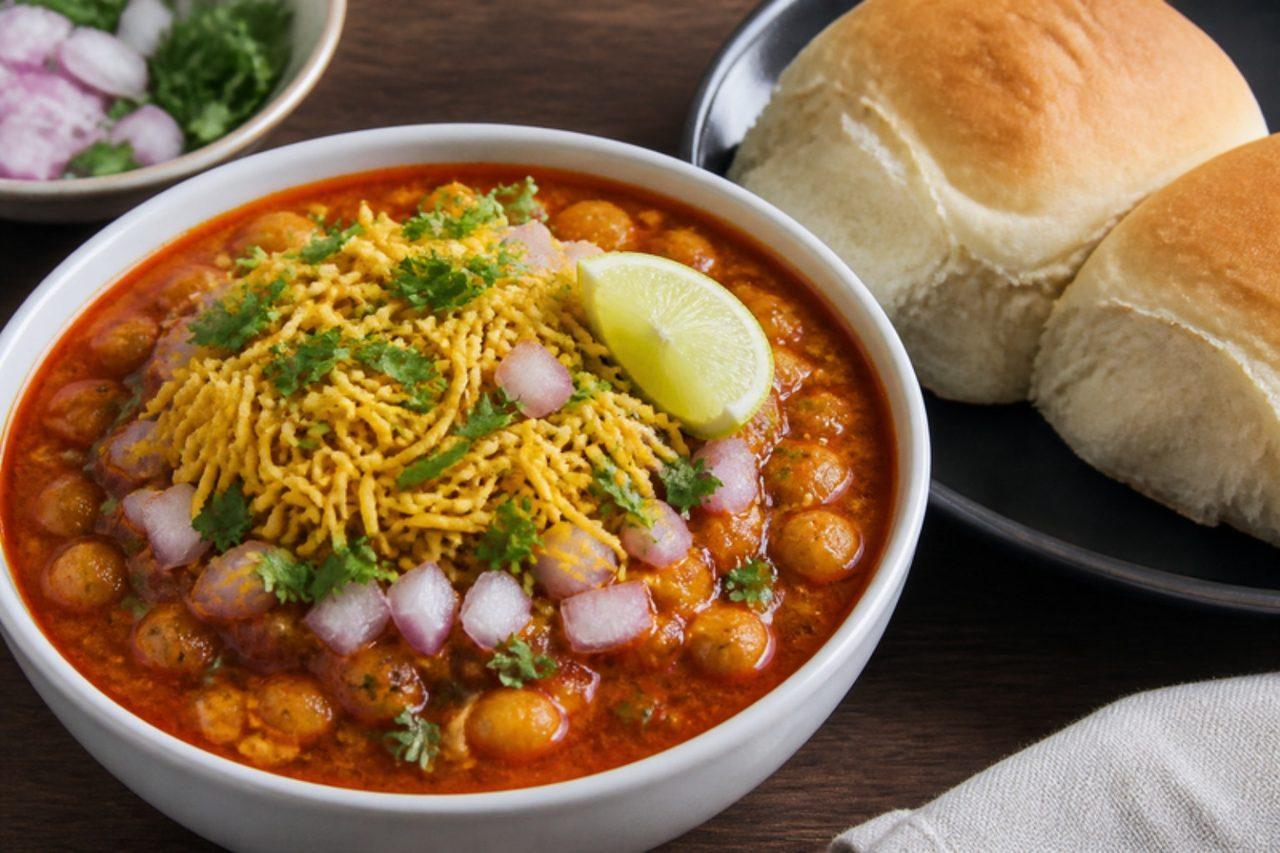
Sev usalWhite pea curry with sev

Ask anyone from Vadodara where to eat sev usal and you'll get a strong opinion and a street-corner name. Early in the morning the handcarts near Mandvi and Raopura have a huge pot of dried white peas simmering in a thin, fiery gravy, with a separate tin of brick-red chilli oil (the tari) on the side. A ladle of usal goes into a steel plate, a spoonful of tari is poured over, and then it disappears under fine sev, raw onion and coriander, with lemon and soft pav to mop it up. The gravy should be loose and soupy, not thick like a curry, so the sev stays crisp for the first few bites and then soaks in. Chef's tip: cook the tari separately and let each person add their own; the usal alone is only medium-hot, and the tari is where the fire comes from.

by KrazyBadal 0 views

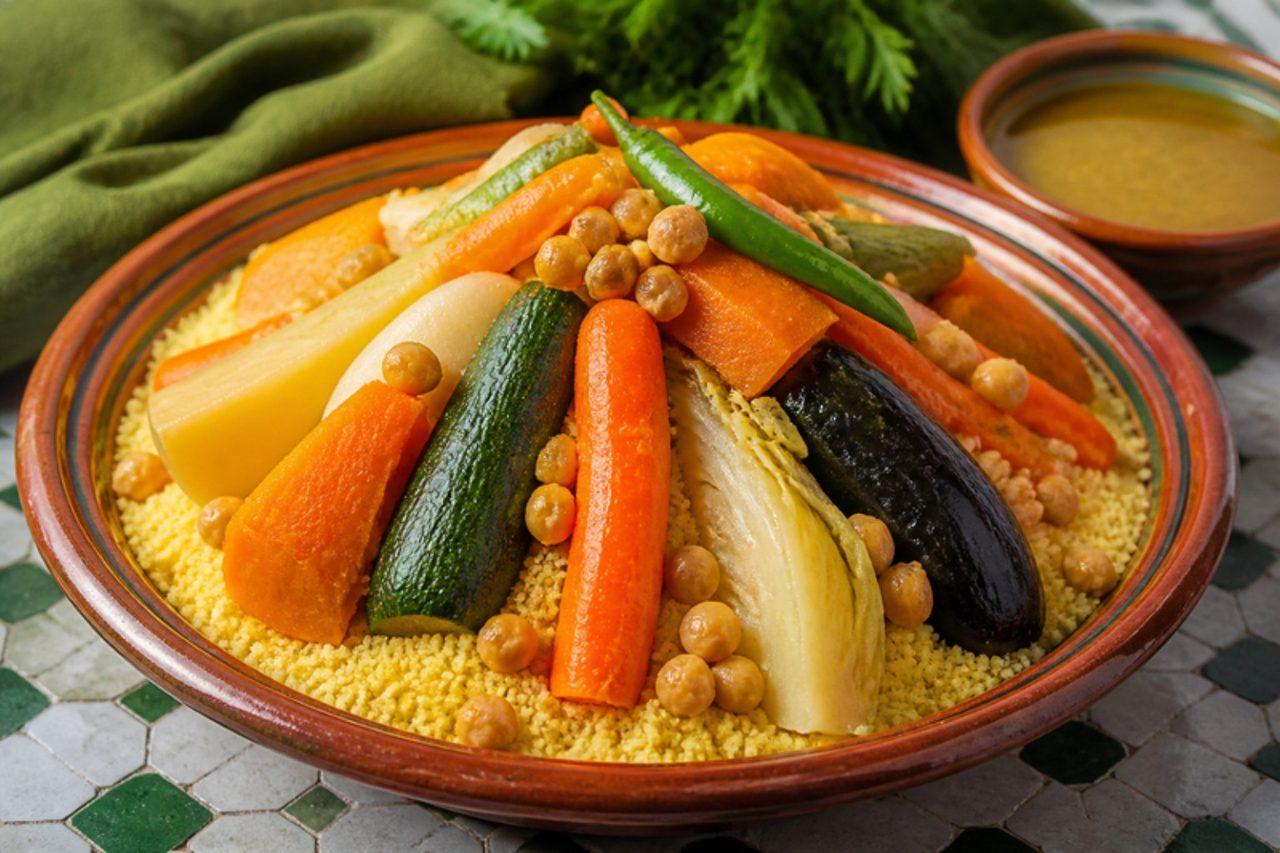
Seven-vegetable couscous (bidaoui)Couscous with seven vegetables

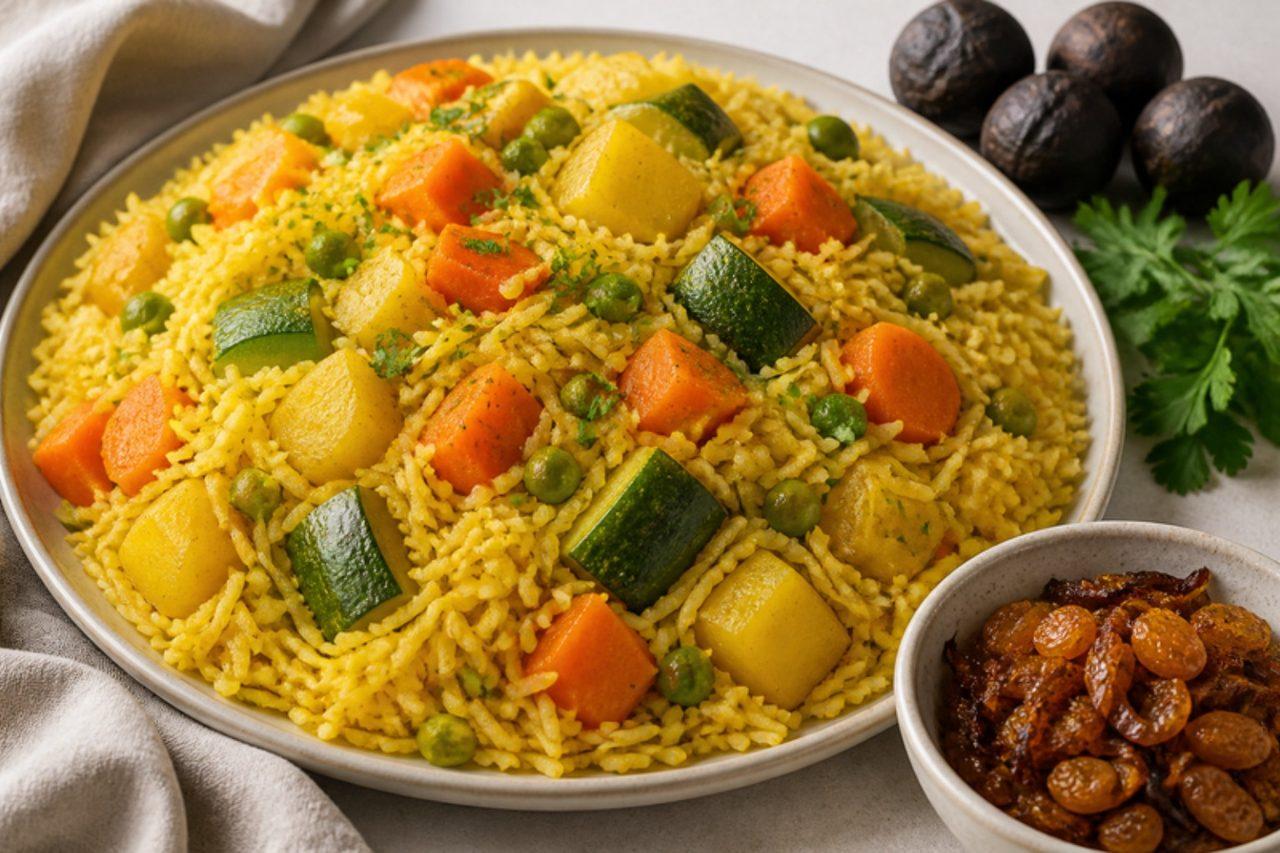
In Casablanca, Friday lunch after midday prayers means couscous bidaoui, the city's own version piled with seven vegetables, from pumpkin and turnip to cabbage and carrot. Families eat it from one great dish, each person working on their own corner of the mound, with extra broth ladled on as they go. The grains are steamed twice over the simmering broth so they swell into separate, fluffy beads that soak up the flavour without turning soggy. This vegetarian version builds the broth from onion, tomato, saffron and chickpeas, so it is rich enough without meat. Chef's tip: rub the couscous between your palms after each steaming to break up every clump; that is what makes it light.

by KrazyBadal 0 views

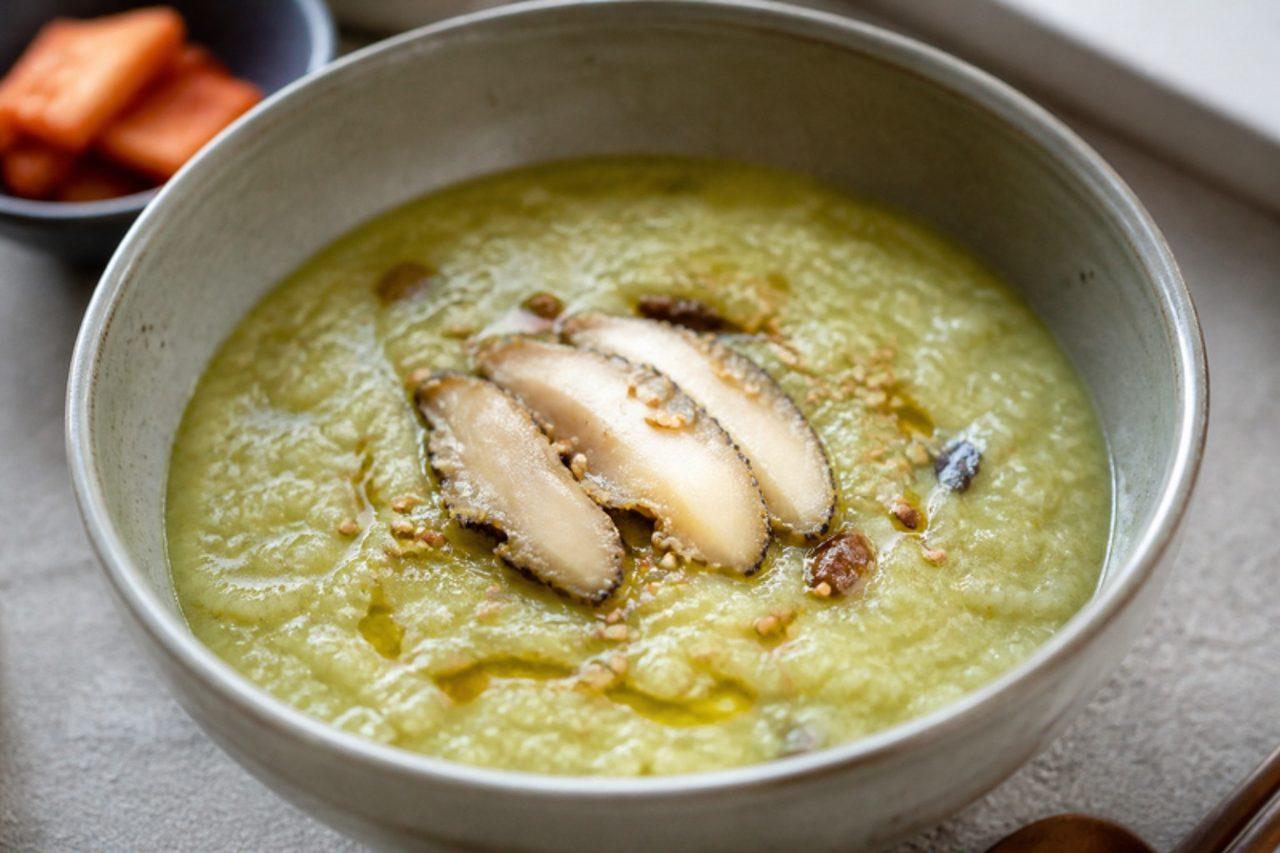
Jeonbok jukAbalone rice porridge

Jeju's haenyeo, the island's women free-divers, have gathered abalone from its rocky coast for generations, and porridge made with it is a favourite breakfast on the island. Restaurants near the harbours and many hotel breakfast tables offer it, often a soft green-grey from the abalone guts cooked into the rice. It's gentle, warming food, also cooked for anyone who is unwell or tired. Frozen cleaned abalone works well; the porridge is just paler without the guts. Chef's tip: toast the soaked rice in sesame oil with the abalone until the grains turn translucent at the edges before adding any water; it gives the porridge its nutty flavour.

by KrazyBadal 0 views

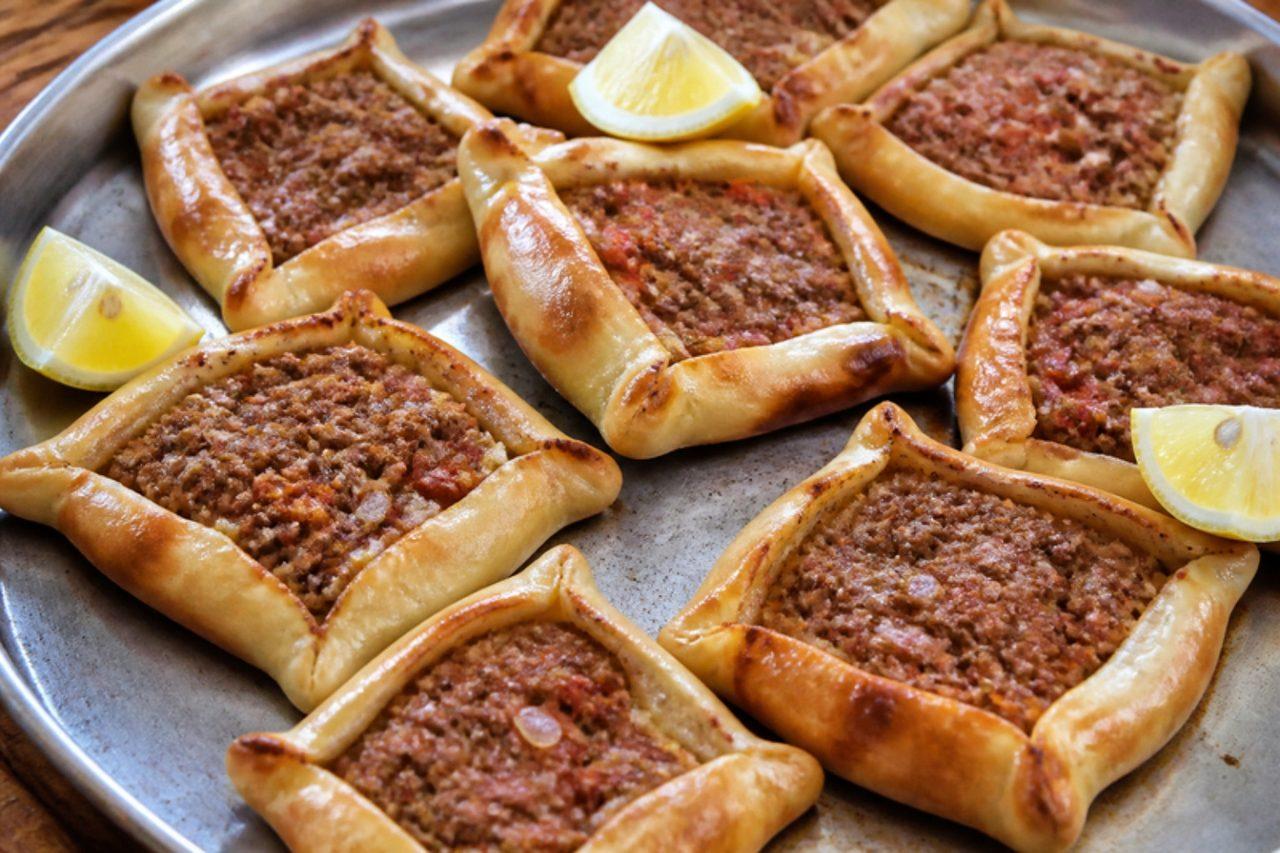
SfeehaSmall open lamb pies

Sfeeha are the little open meat pies of Baalbek in Lebanon's Bekaa Valley, where bakers pinch them into neat squares and bake them by the hundred for weddings, Eid and Sunday mornings. The lamb filling is chopped with tomato and onion and sharpened with pomegranate molasses and a spoon of yogurt, so it stays juicy as it bakes on thin, crisp dough. Eat them warm with a bowl of yogurt or labneh and some cucumber. Chef's tip: pinch the four corners really firmly; the square shape is what traps the juices so the base stays crisp.

by KrazyBadal 0 views

Showing 72 of 7,762 recipes

Show more recipes

Page 684 of 863