


Skip to content
Đậu hũ kho
Featured recipe

Đậu hũ kho

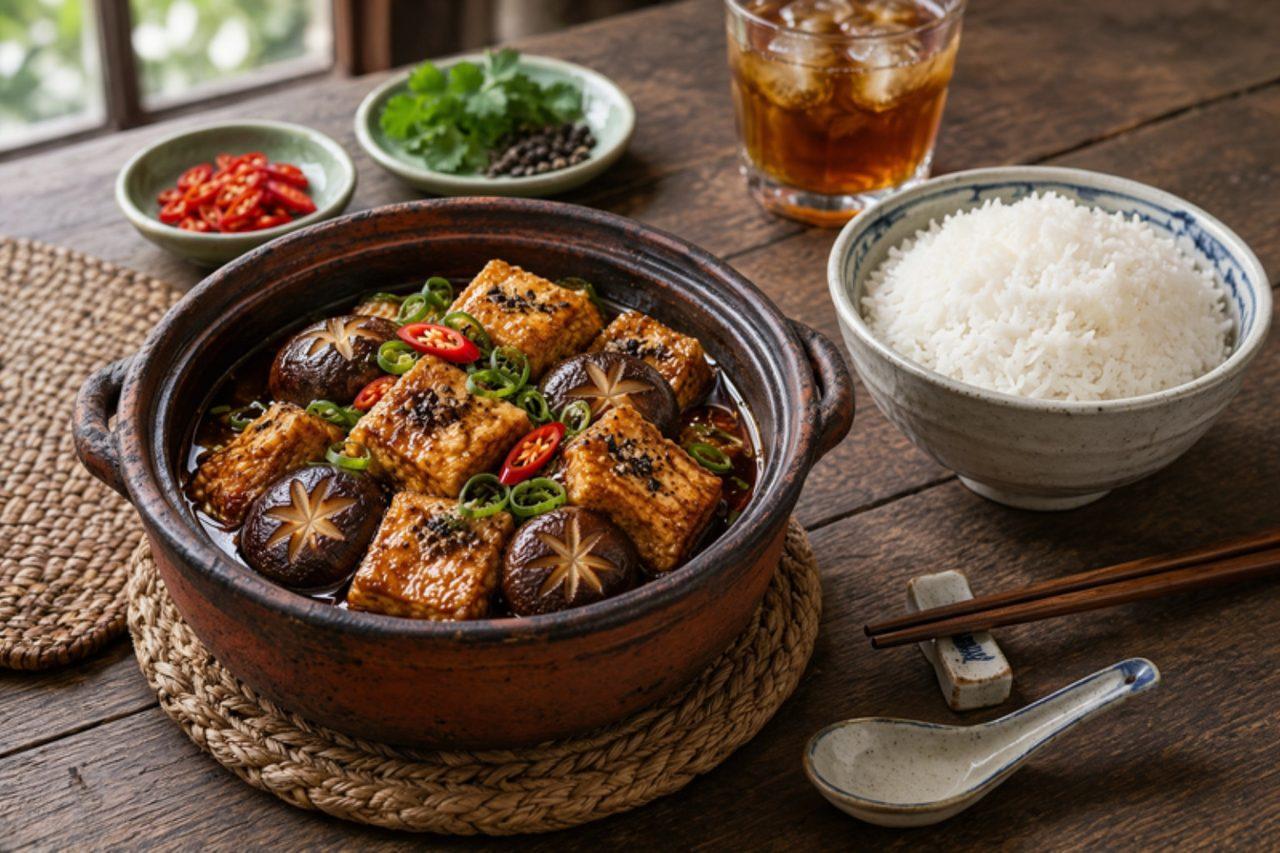
Braised tofu with shiitake

Đậu hũ kho is the vegetarian cousin of the caramel braises (kho) cooked in clay pots all over Vietnam, and in the south it is a standard of Buddhist fasting days and a good companion for a pot of rice through the week. Golden fried tofu and chewy shiitake are braised in a dark caramel, soy sauce and coconut water until the sauce turns sticky, salty-sweet and peppery. Serve with steamed rice, a plate of fresh cucumber and a light soup. The usual mistake is letting the caramel go too dark, which makes the whole dish bitter; stop when it is the colour of strong tea. Chef's tip: coconut water gives a rounder sweetness than plain water, and the braise keeps for 3 days in the fridge.

Read more 0 views

What to eat today?

Around the world

Today's trip: Paraguayan

A new country every day, from every cuisine on the site.

Paraguayan

Kosereva

Candied bitter orange peel 180 minMore from Paraguayan (27) →

This week's collection

Kid-friendly dinners
537 recipes · a new collection every Monday

Latest recipes

Tallarín saltadoStir-fried noodles with vegetables

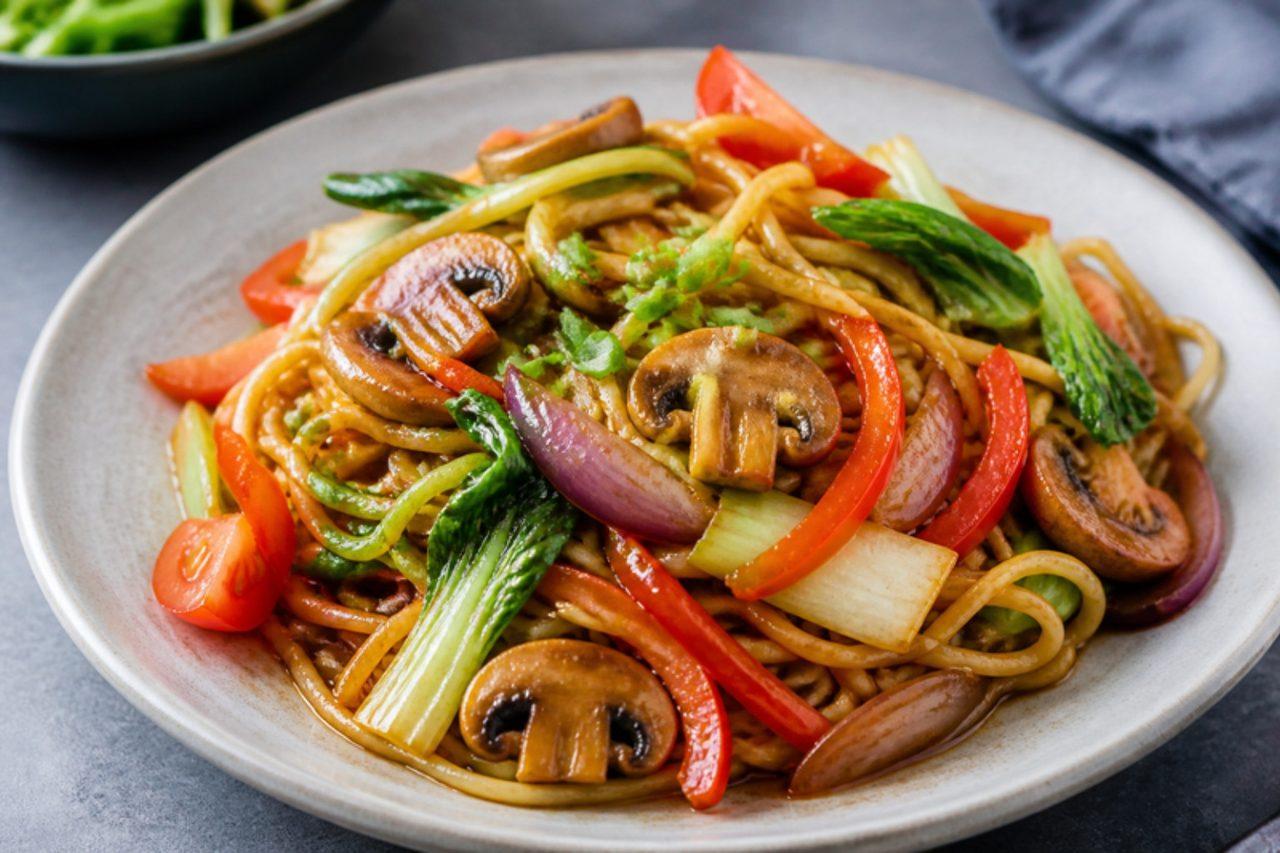
Tallarín saltado is the noodle cousin of lomo saltado, a chifa favourite from Lima where Chinese wok technique meets Peruvian ingredients. Spaghetti-style wheat noodles are tossed over a fierce heat with mushrooms, pak choi, red onion, tomato, ginger and ají amarillo, then glossed with soy sauce and a splash of vinegar. The noodles soak up the smoky, tangy sauce while the vegetables stay crisp. Peruvians use plain spaghetti from the shop on the corner, and so can you. Chef's tip: cook the noodles a minute short of the packet time and rinse them in cold water; they finish cooking in the wok and won't turn soft or clump.

by KrazyBadal 0 views

Sambal tumisFried chilli paste

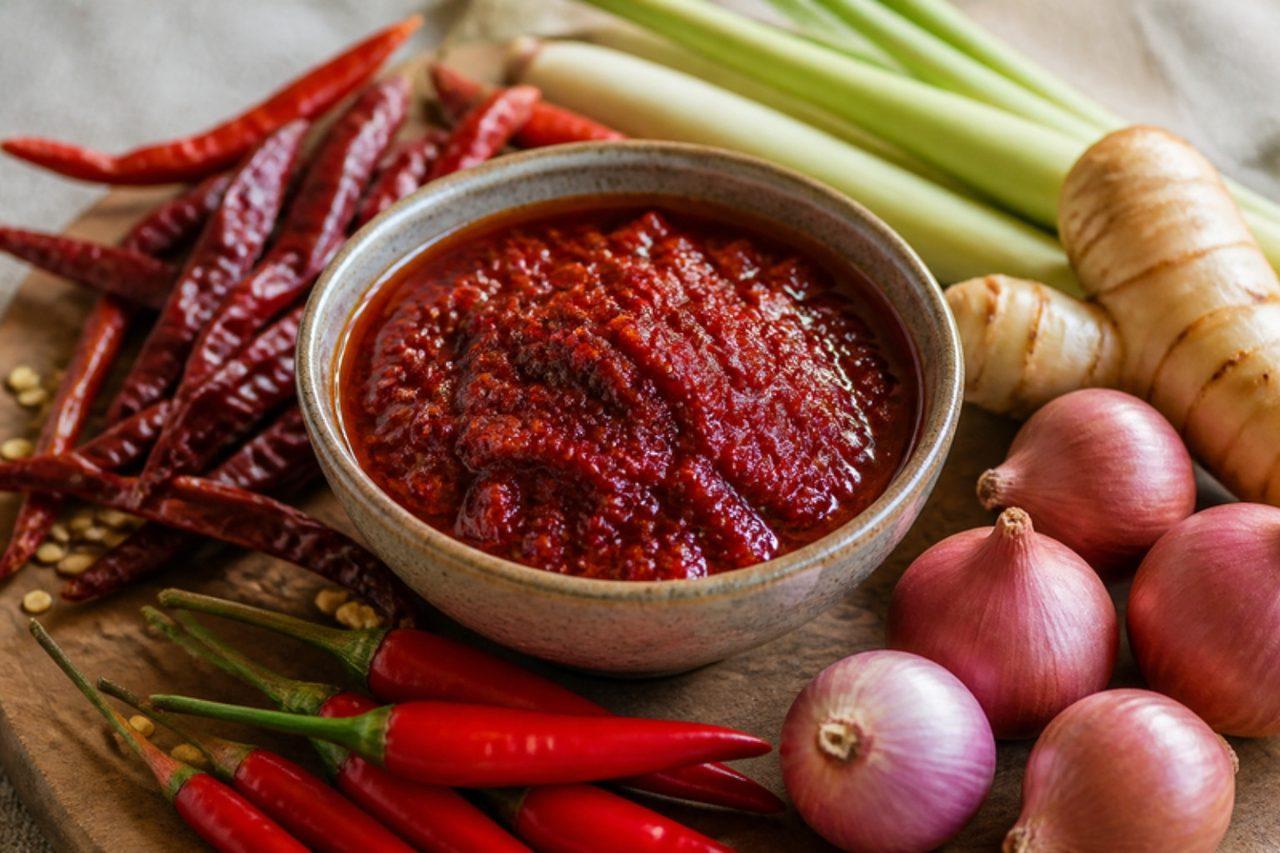
Ask any Malaysian cook what lives in the fridge door and the answer is usually a jar of sambal tumis. 'Tumis' means to sauté, and the paste of soaked dried chillies, shallots, garlic and spices is fried slowly in plenty of oil until it turns dark and jammy. From Johor to Kedah it goes on nasi lemak, gets stirred through fried rice and noodles, and is spooned beside eggs, tofu or roti. Most versions lean on belacan (shrimp paste); here a little toasted nori brings back that savoury, faintly sea-like depth. Chef's tip: make a double batch; covered with a film of its own oil it keeps for two weeks in the fridge and months in the freezer.

by KrazyBadal 0 views

Sambal terasiShrimp paste chilli sambal

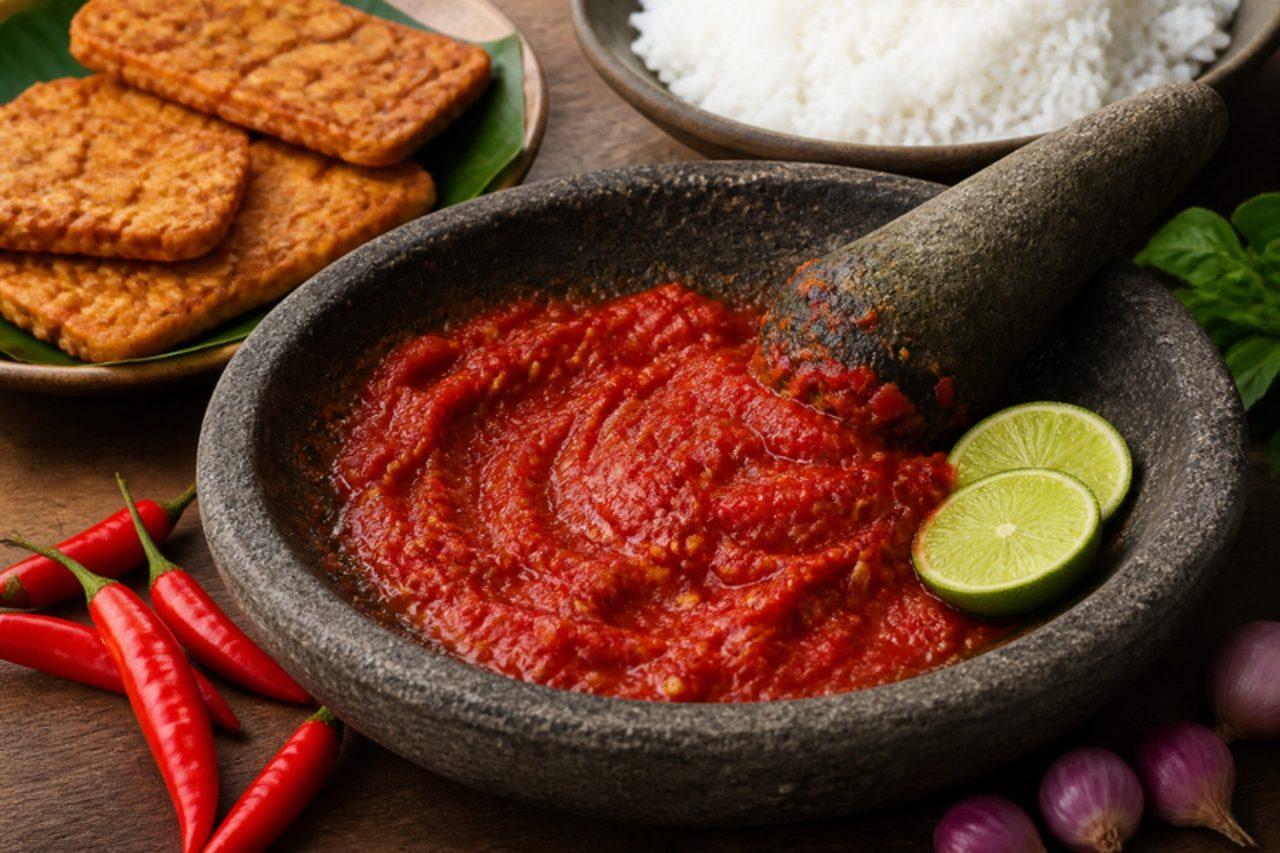
Almost every Indonesian kitchen keeps a stone mortar, the cobek, and the sambal pounded in it most often is this one. Toasted shrimp paste gives it a deep, savoury funk, fried chillies and shallots add sweetness and heat, and a squeeze of lime at the end wakes everything up. Spoon it beside fried chicken, grilled fish, fried tempeh or a plate of raw lalapan vegetables, or stir a little into fried rice. Chef's tip: pound rather than blend if you can; a coarse, slightly juicy texture tastes fresher than a smooth purée.

by KrazyBadal 0 views

TaktoukaRoasted pepper and tomato salad

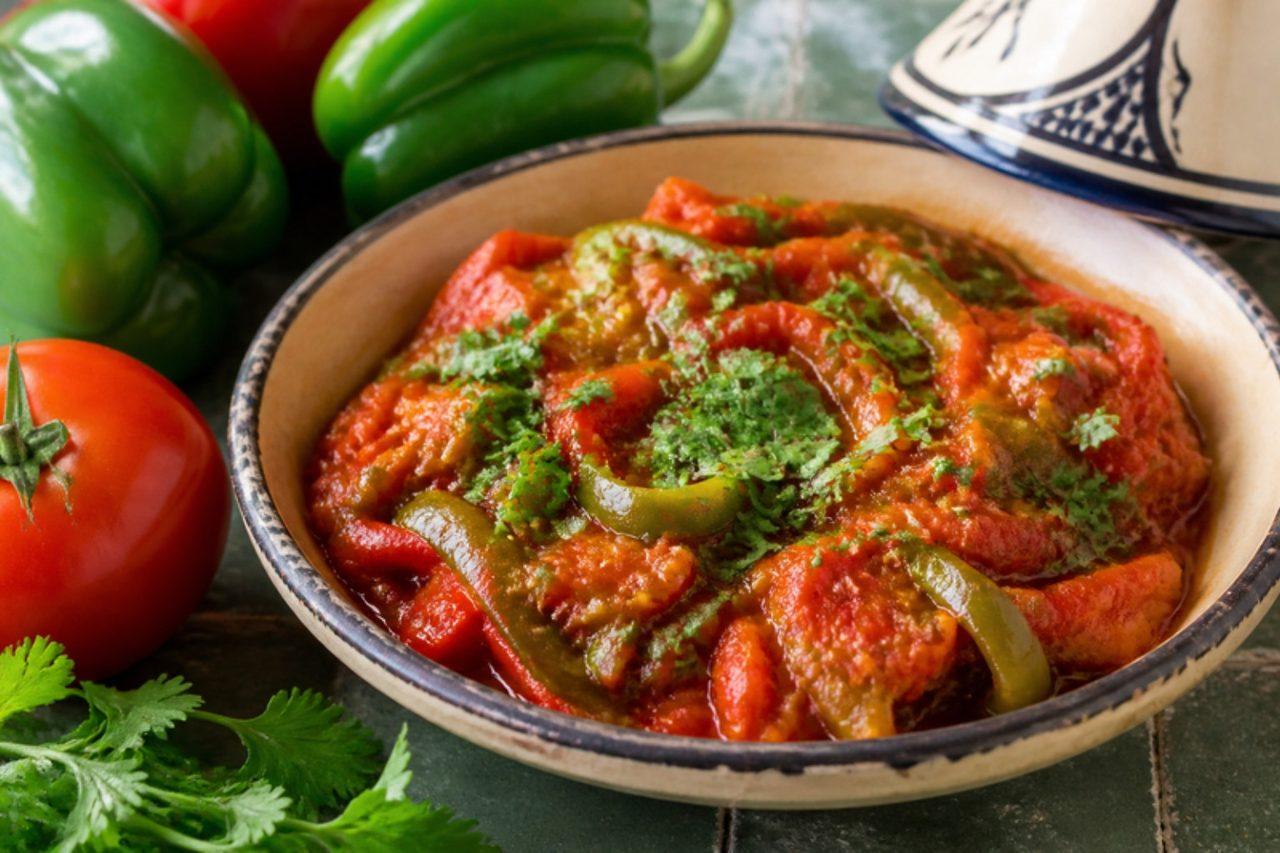
Taktouka is the pepper partner to zaalouk, served side by side on the salad plates of Moroccan homes and cafés, especially around Casablanca and the north. Grilled green peppers are peeled and cooked down with tomato, garlic and cumin until soft and jammy, then eaten lukewarm with bread or as a side to tagines and grilled vegetables. It is cheap, quick and keeps for three days in the fridge. Chef's tip: use the thin-skinned, slightly bitter green peppers if you can find them; they give a more authentic flavour than sweet bell peppers.

by KrazyBadal 0 views

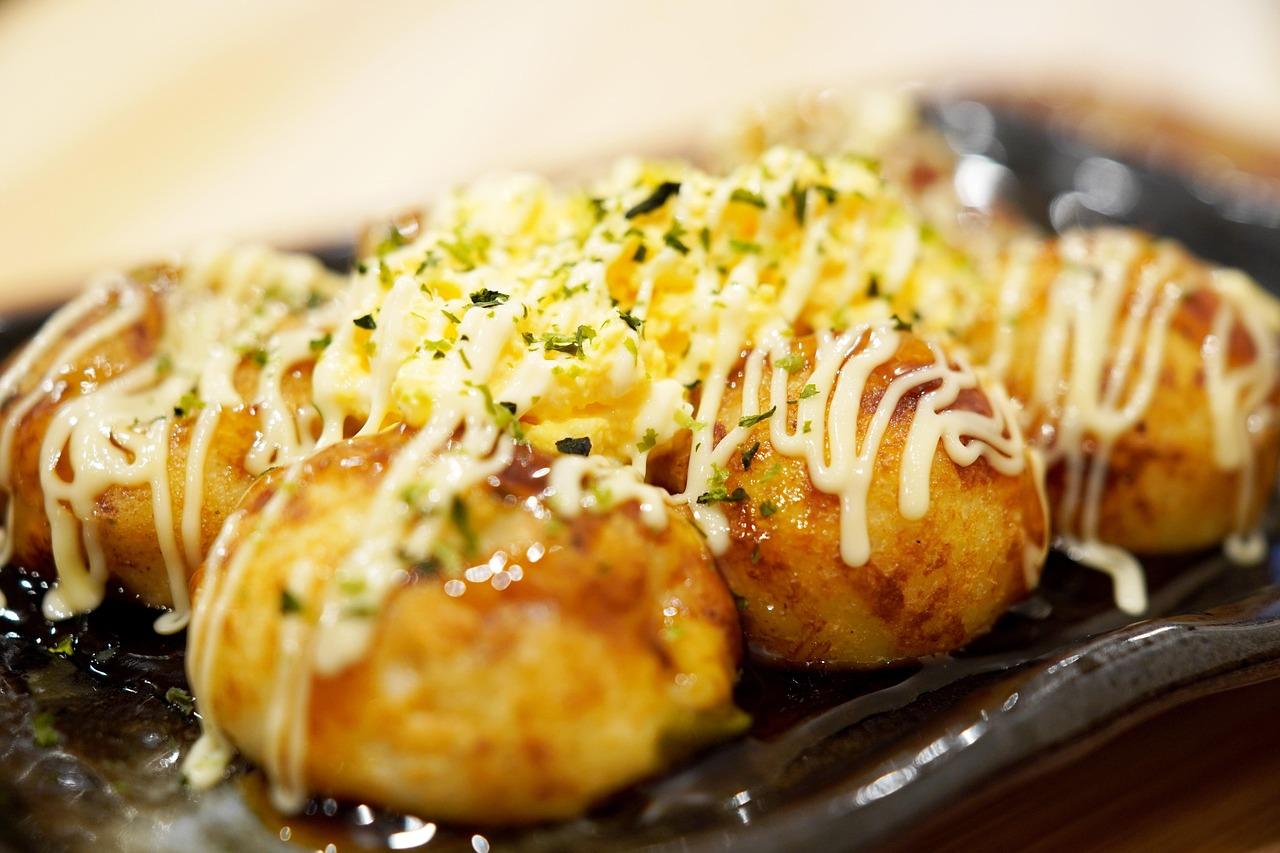
TakoyakiOctopus batter balls

Walk through Dotonbori in Osaka on any evening and you'll see cooks flicking dozens of batter balls around a cast-iron plate with metal picks. Stalls in the city have sold them since the 1930s, and they turn up at every summer festival, eaten from a paper boat with a cocktail stick. The outside is crisp, the inside almost molten, with a chewy piece of octopus at the centre. You need a takoyaki pan, either a stovetop cast-iron one or an electric plate. Chef's tip: fill the cups right to the top and let the batter flood across the whole plate, as the overflow is what you fold in to make each ball round.

by KrazyBadal 0 views

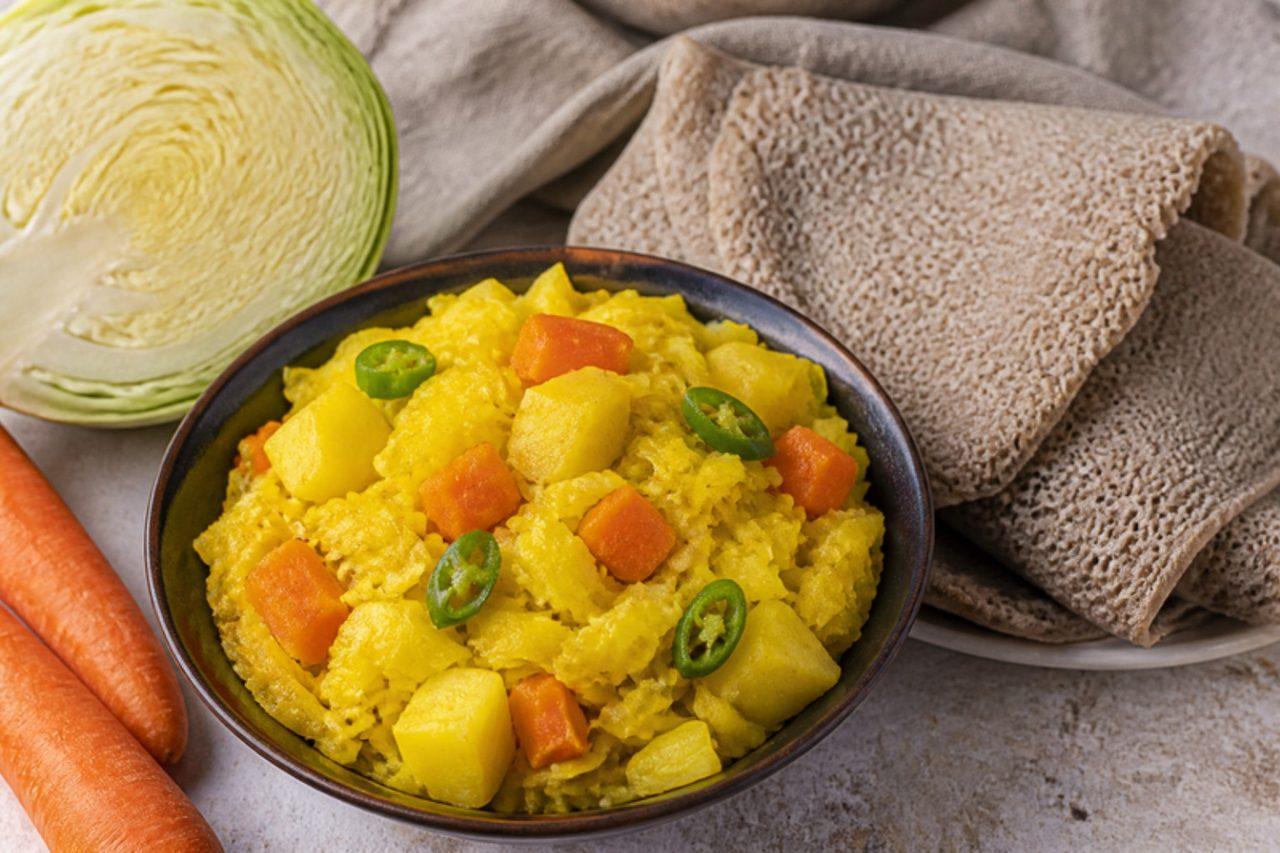
Tikil gomenCabbage, carrot and potato stew

Tikil gomen means 'cabbage stew', and it is the mild, golden side on almost every beyaynetu fasting platter in Addis Ababa and Bahir Dar. White cabbage, carrots and potatoes are cooked slowly with onion, garlic, ginger and turmeric until soft and sweet, with no chilli heat apart from a few strips of green pepper. Children love it, and it balances the spicy red wats beautifully. Chef's tip: let the cabbage cook down until it is sweet and slightly caramelised at the edges; that is where all the flavour comes from.

by KrazyBadal 0 views

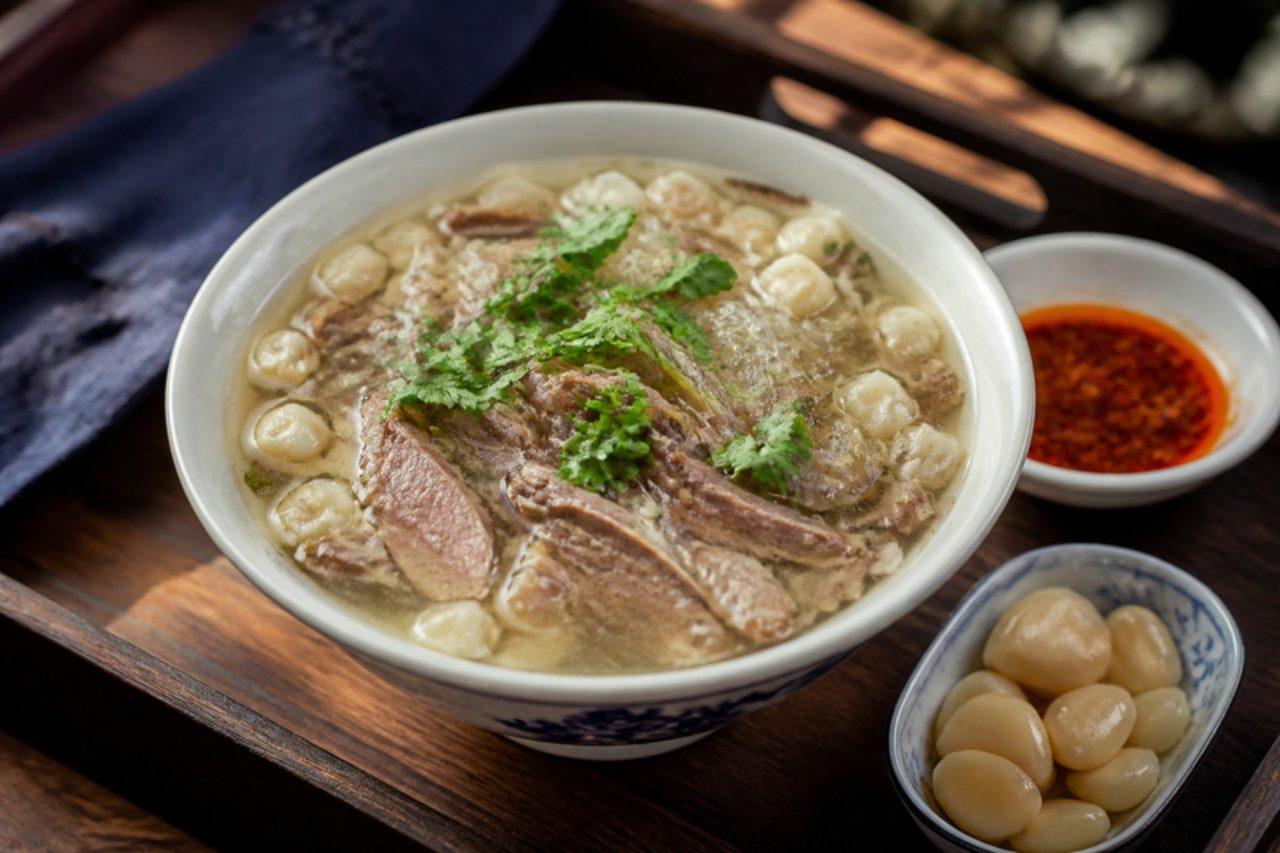
Yangrou paomoLamb soup with flatbread

Order this soup in one of the old Hui restaurants around Xi'an's Drum Tower and you are handed a dense, barely leavened flatbread and expected to tear it yourself into pea-sized crumbs while you chat; the kitchen then cooks it in rich lamb broth until each crumb is soft yet still chewy. Slices of tender lamb, glass noodles and wood ear mushrooms go in too, and the bowl comes with sweet pickled garlic and chilli sauce on the side. It is a soothing, filling soup, especially on Xi'an's freezing winter mornings. Expect a deep, clean lamb flavour scented with warm spices. Chef's tip: tear the bread small, no bigger than a soybean; big lumps stay doughy in the middle.

180 minChineseSoups
by KrazyBadal 0 views

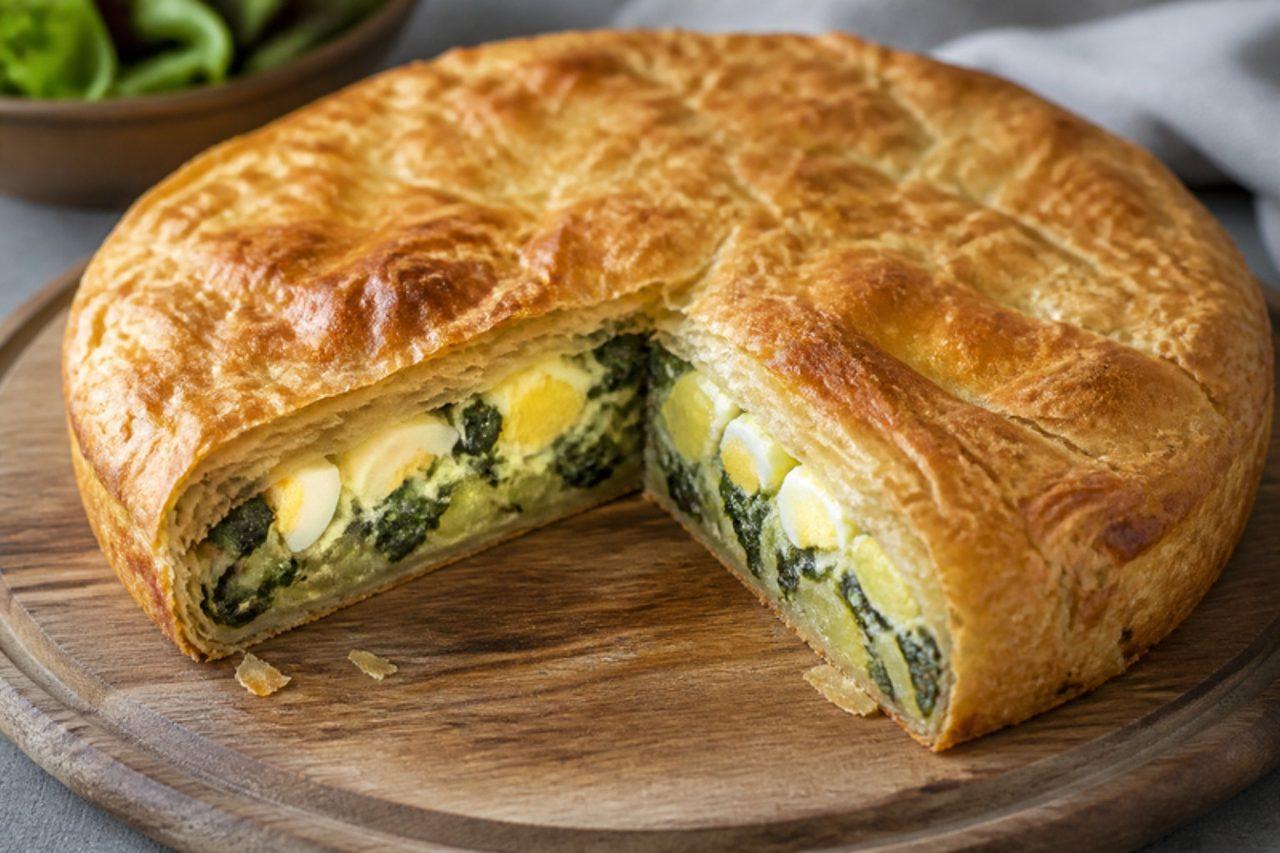
Tajine malsoukaBaked egg and cheese pie

In Tunisia a tajine is not a stew but a thick baked frittata, and tajine malsouka is the festive one: eggs, cheese and filling baked between layers of malsouka pastry so the top and bottom turn crisp and golden. It is served at Ramadan, weddings and Eid, cut into squares. Chicken is the usual filling; here spinach, potato and white beans give it body. Chef's tip: brush every pastry sheet with butter, edge to edge; dry corners burn in the oven.

by KrazyBadal 0 views

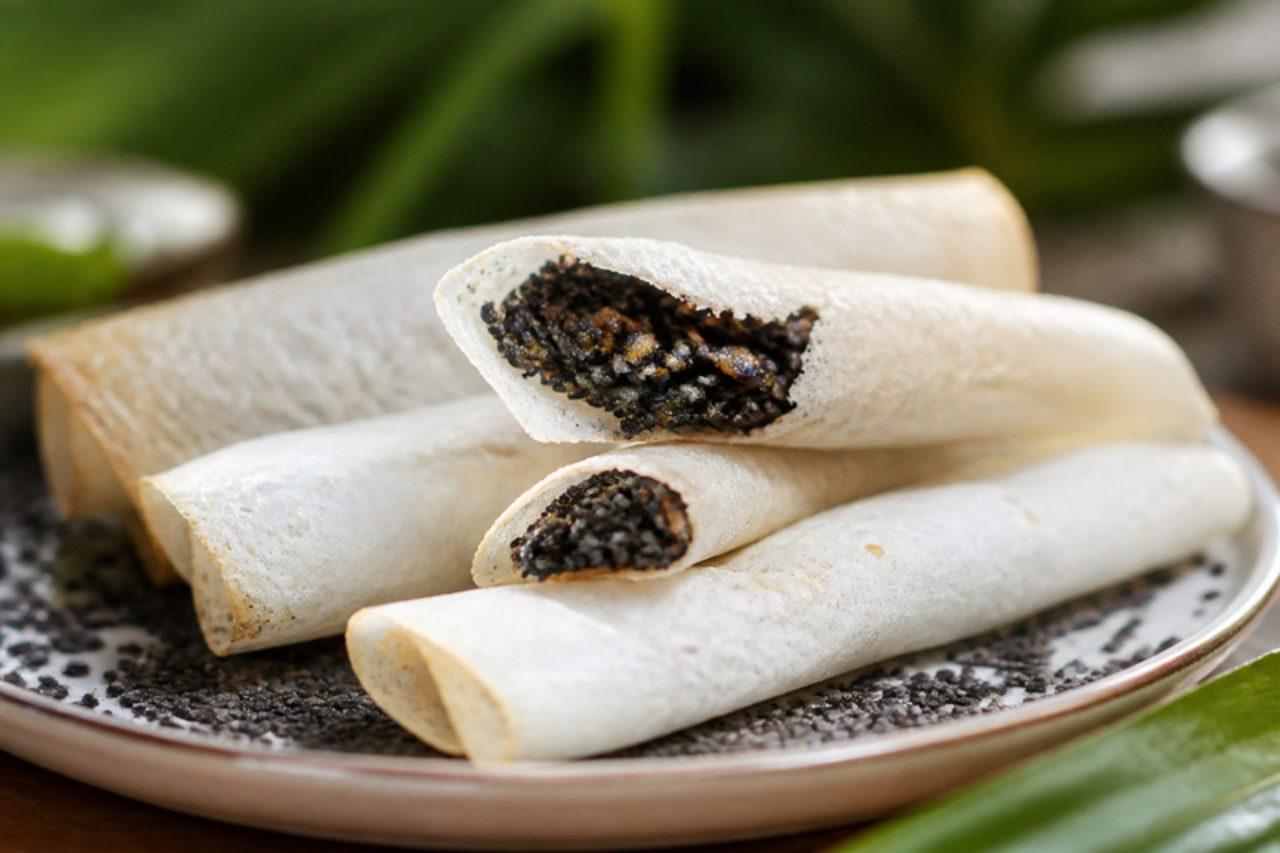
Til pithaSesame rice rolls

Til pitha is the essential sweet of Magh Bihu, the January harvest festival, when Assamese homes stay up late around the fire, frying and toasting. Fresh flour of soaked bora (sticky) rice is spread thin on a hot pan into a round, filled with roasted black sesame and jaggery and rolled into a cigar while still soft; it crisps as it cools. Tins of til pitha are carried to every house visited during Bihu. Chef's tip: the flour must be freshly ground from soaked sticky rice and still slightly damp; dry shop rice flour won't fuse into a sheet.

by KrazyBadal 0 views

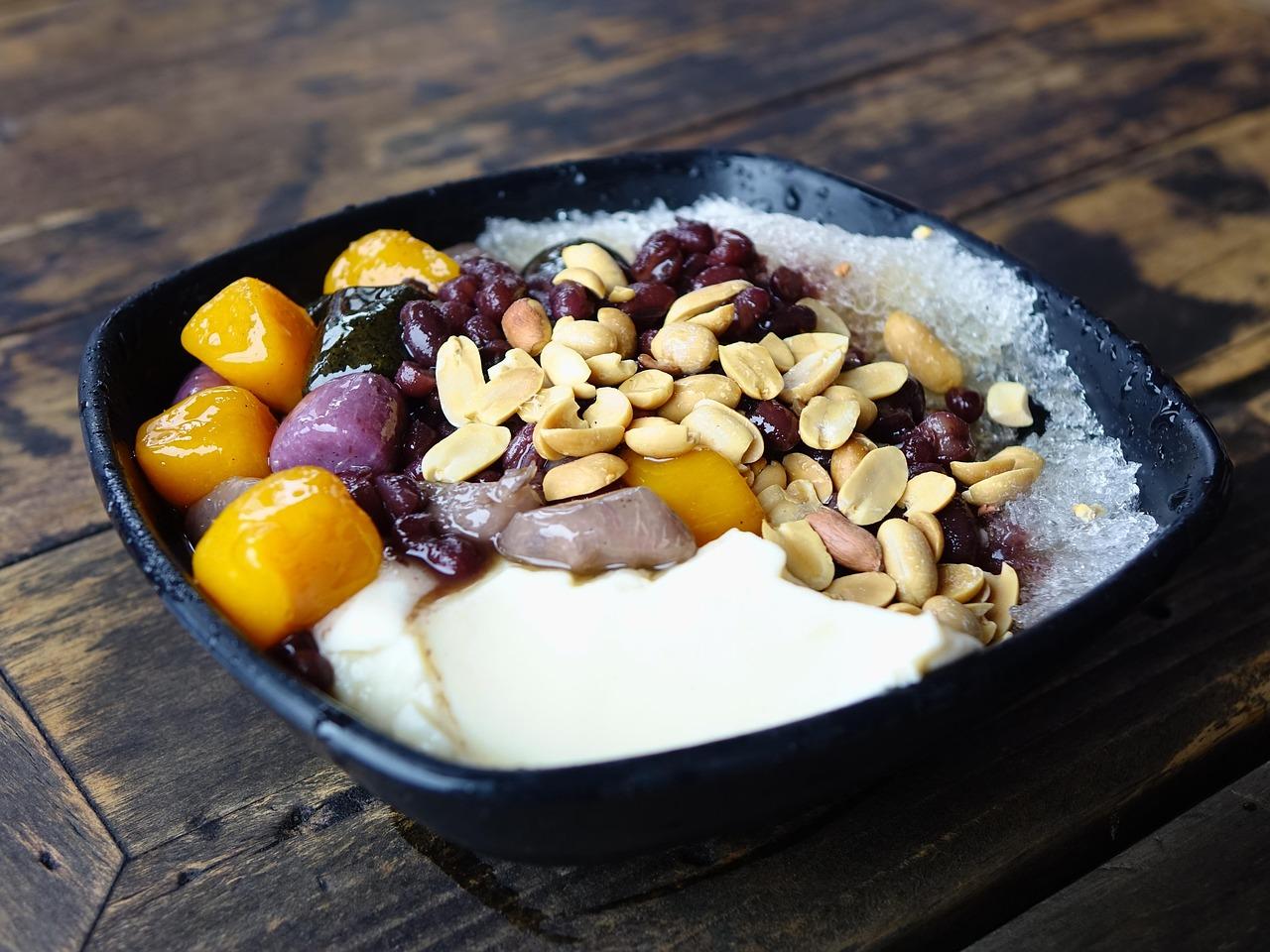
Douhua with ginger syrup and peanutsTofu pudding with ginger syrup

On summer evenings in Tainan and at old shops near Taipei's temples, douhua is ladled in wobbling scoops from a wooden bucket into bowls of cool syrup, then topped with soft-boiled peanuts, red beans or taro balls. In winter the same pudding is served warm with a sharper ginger syrup. It is just soy milk set into the most delicate curd, softer than any tofu you buy. Chef's tip: use a plain, unsweetened soy milk with at least 7% soy solids (or make your own); thin supermarket soy milk won't set properly.

by KrazyBadal 0 views

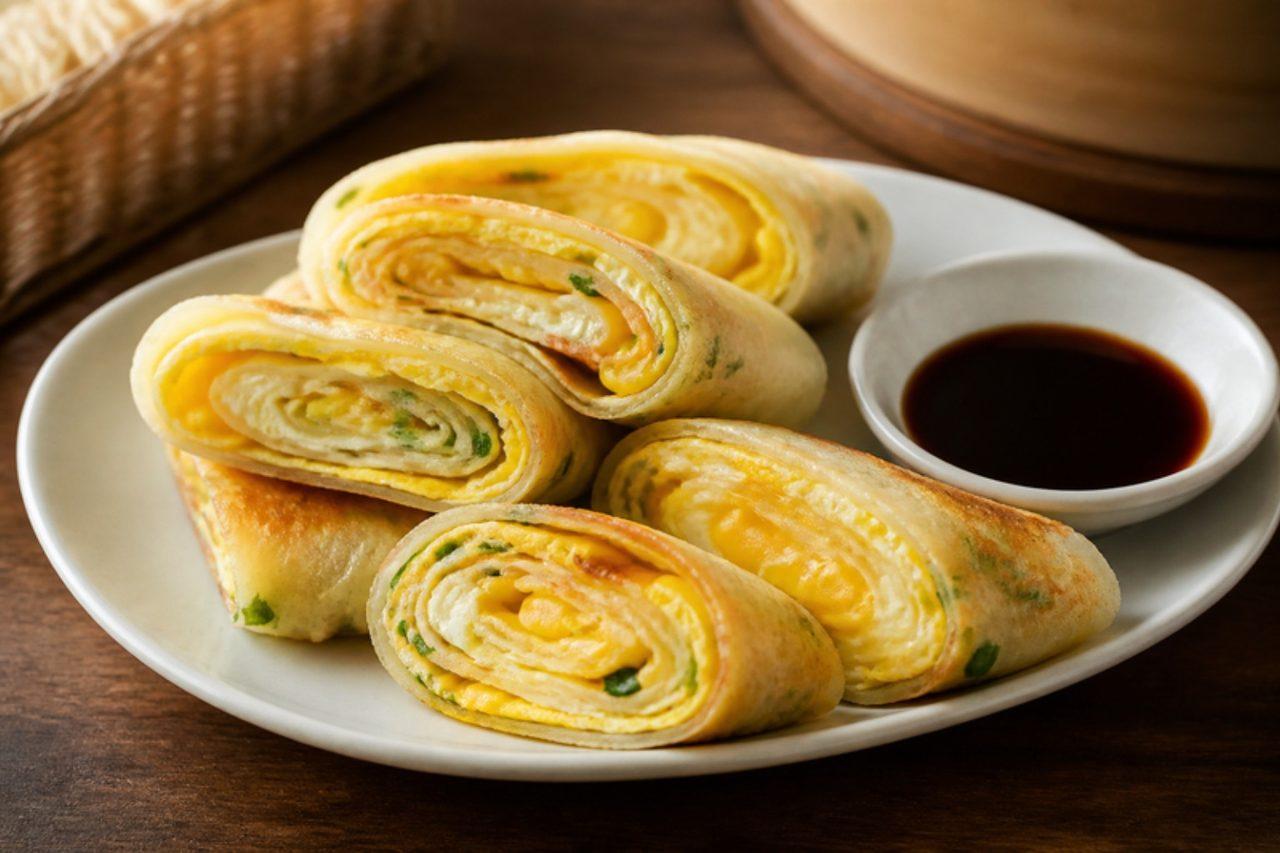
Taiwanese dan bingEgg crepe rolls

Every morning, breakfast shops on almost every block in Taiwan (zǎocān diàn) pour thin, chewy crêpes onto a flat griddle, crack an egg over them and roll them up into a soft log in under a minute. Customers order them plain, with corn, with cheese, or with basil, alongside a cup of soy milk or milk tea. The batter uses some tapioca starch, which gives that bouncy, slightly stretchy bite. Chef's tip: spread the egg over the crêpe while the top of the batter is still a little tacky; they bond into one layer and don't split apart when you roll.

by KrazyBadal 0 views

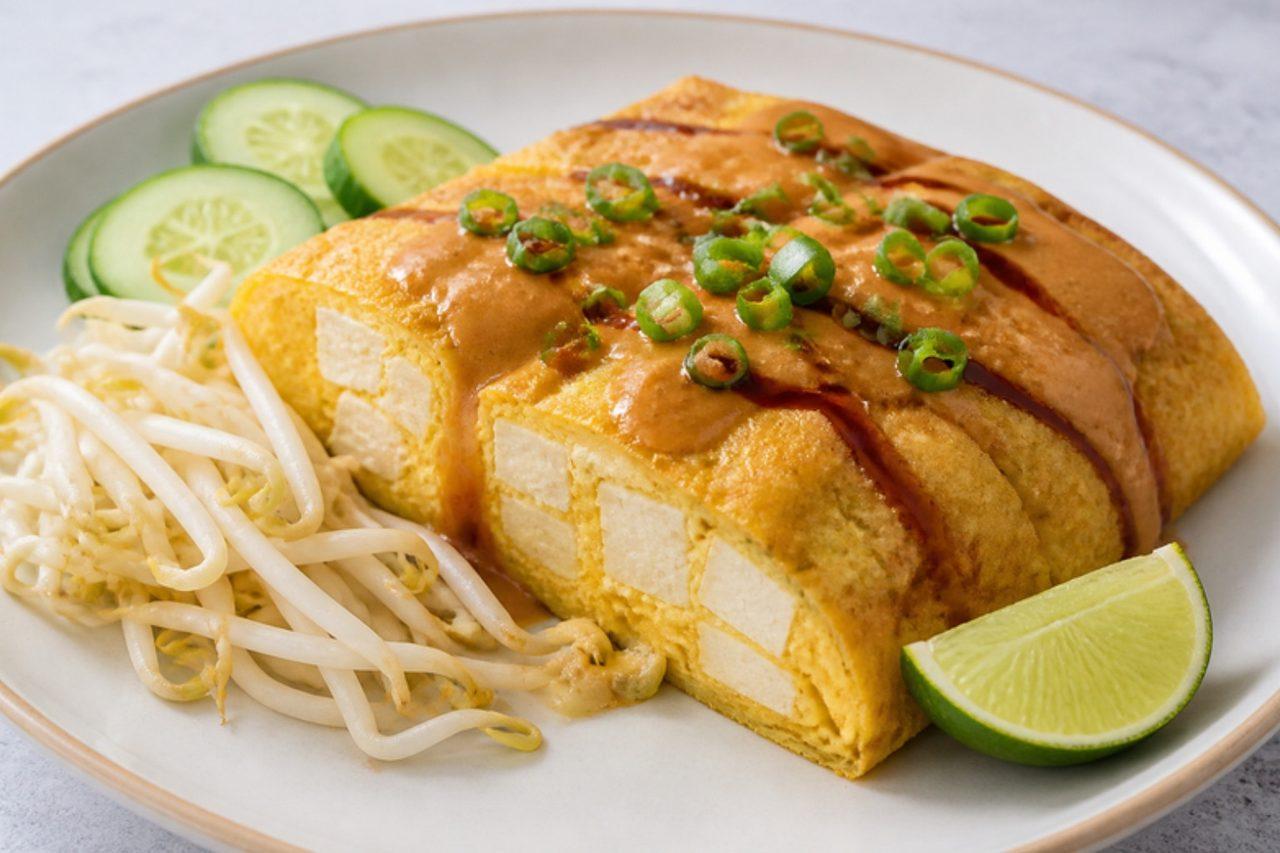
Tahu telurTofu and egg omelette

Tahu telur is a night-market favourite in Surabaya, East Java: cubes of tofu are stirred into beaten egg and fried in a small wok so the omelette rises into a thick, crisp-edged tower. It is topped with bean sprouts, cucumber and a dark sauce of peanuts and sweet soy. Sellers in Surabaya stir shrimp paste (petis) into the sauce; this vegetarian version uses a little extra garlic and kecap manis instead. Eat with rice or lontong for a filling supper. Chef's tip: use a small, deep pan so the egg piles up around the tofu instead of spreading thin.

by KrazyBadal 0 views

Tahu gejrotFried tofu in sweet-sour sauce

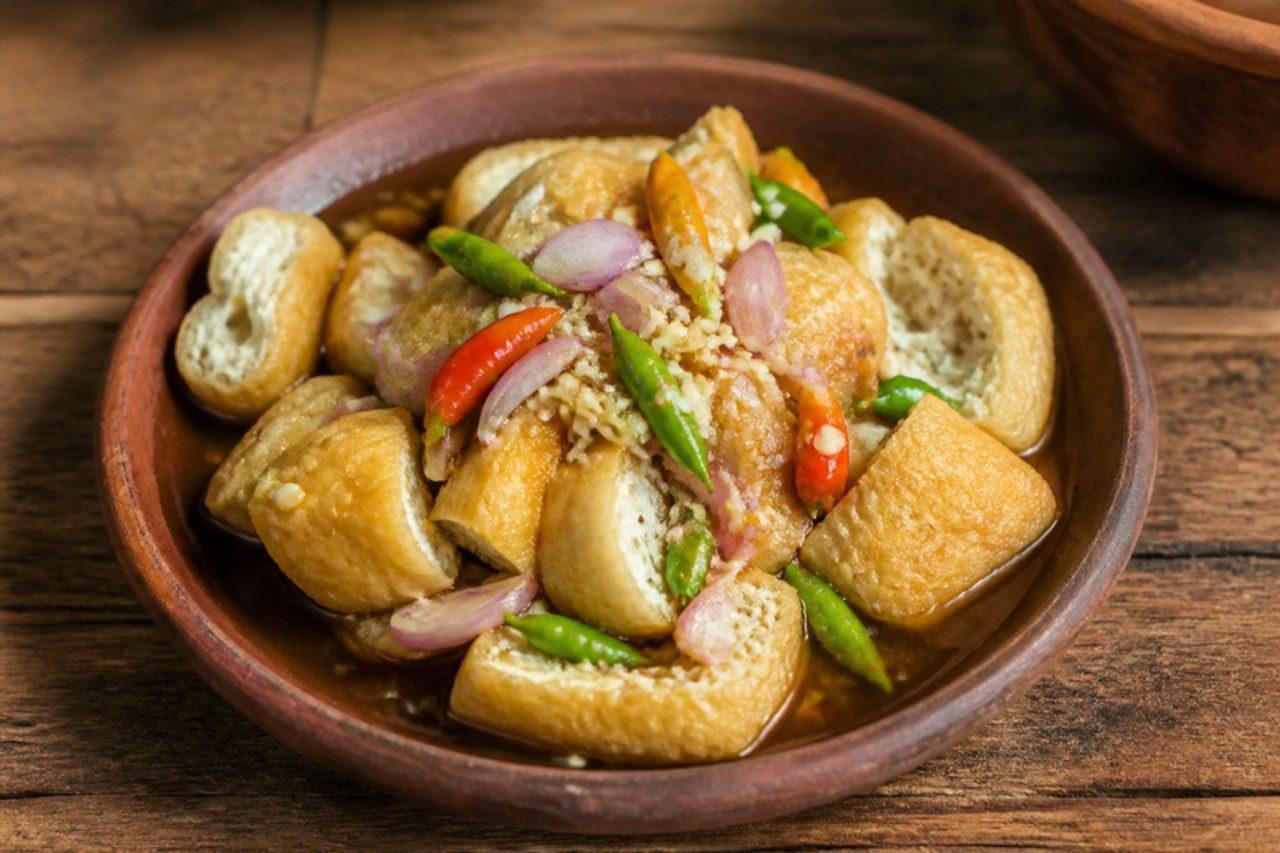
Tahu gejrot is street food from Cirebon on the north coast of West Java, where vendors carry their kit on a shoulder pole and serve it in little clay plates called cobek. Hollow fried tofu puffs are snipped into pieces and drenched in a runny palm sugar and tamarind sauce, poured over freshly crushed garlic, shallot and bird's eye chilli. It's a mid-afternoon snack: sweet, sour, garlicky and as hot as you can take it, with the puffy tofu soaking up every drop. Chef's tip: crush the garlic, shallot and chilli raw in the serving bowl and pour the sauce over while it's still warm, so the aromatics bloom without losing their bite.

by KrazyBadal 0 views

Yangzhou-style vegetable fried riceEgg and vegetable fried rice

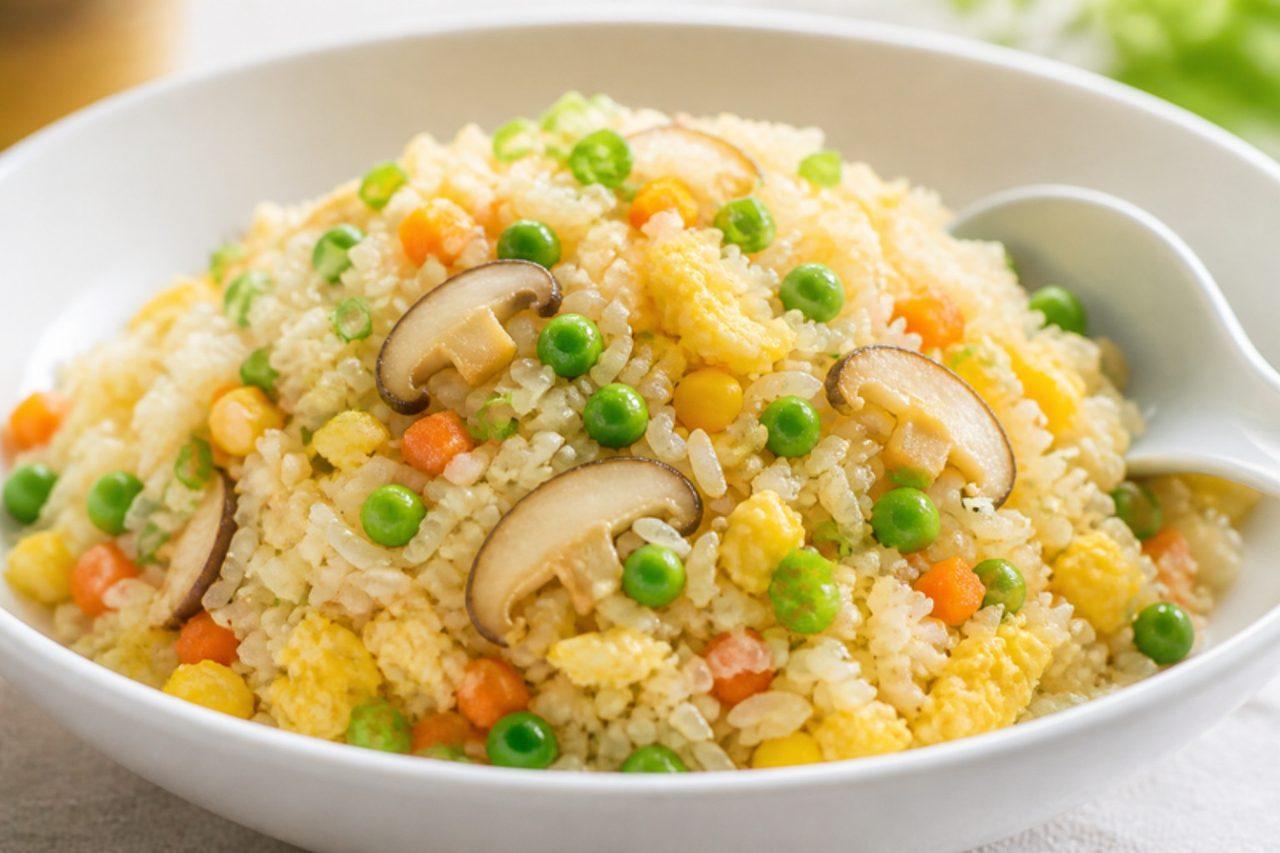
Yangzhou in Jiangsu gave its name to China's most famous fried rice, which is supposed to show off a cook's skill: separate, glossy grains, small even dice and egg in every mouthful. The original carries ham and shrimp; this vegetable version swaps them for shiitake, peas, carrot and sweetcorn, and keeps the seasoning light (salt and a little soy) so the rice stays pale and golden rather than brown. It's a meal on its own or a side for stir-fries. Chef's tip: use rice cooked the day before and chilled uncovered; fresh rice is too soft and clumps.

by KrazyBadal 0 views

TinutuanRice porridge with pumpkin and greens

Tinutuan, also called bubur Manado, is what North Sulawesi eats for breakfast: rice simmered with pumpkin until the pumpkin melts and turns the porridge golden, then loaded with sweetcorn, cassava and a big handful of greens and lemon basil at the end. In Manado it comes with small fried fish and a fiery tomato dabu-dabu; this version skips the fish and pairs it with fried tofu. It is filling, gentle and naturally vegan. Chef's tip: add the leafy greens only in the last 3 minutes so they stay green and fresh.

by KrazyBadal 0 views

Wensi tofu soupShredded tofu soup

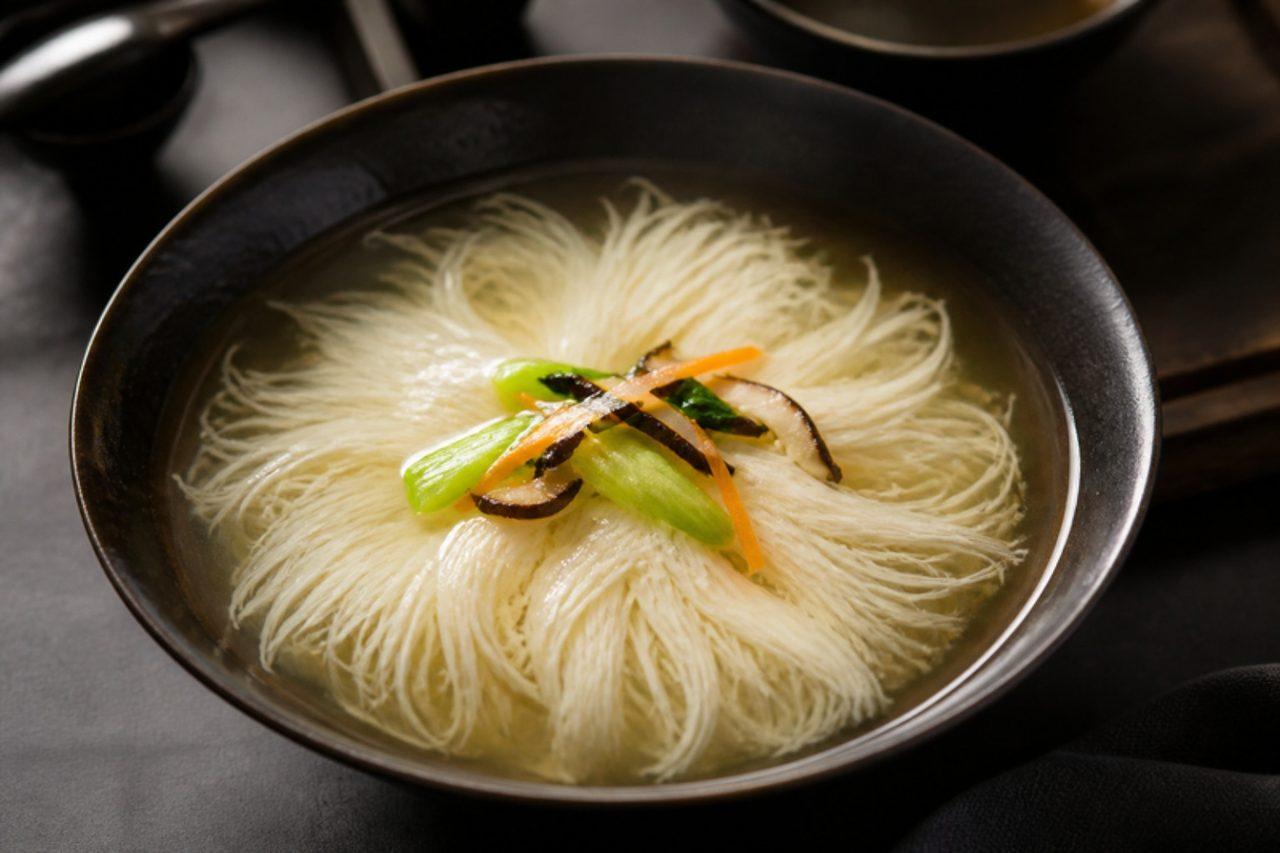
This Yangzhou soup is a test of knife skill: a block of soft tofu is sliced and shredded so finely that the threads drift apart like silk in the bowl. It is credited to a Buddhist monk named Wensi, who served it at a temple in Yangzhou during the Qing dynasty, so a meat-free broth is true to its roots. Huaiyang banquets still serve it as a quiet, delicate course. Chef's tip: wet the knife and slice in one smooth stroke without lifting; the tofu then stays together until you fan it into water.

by KrazyBadal 0 views

Sambal oelekFresh chilli paste

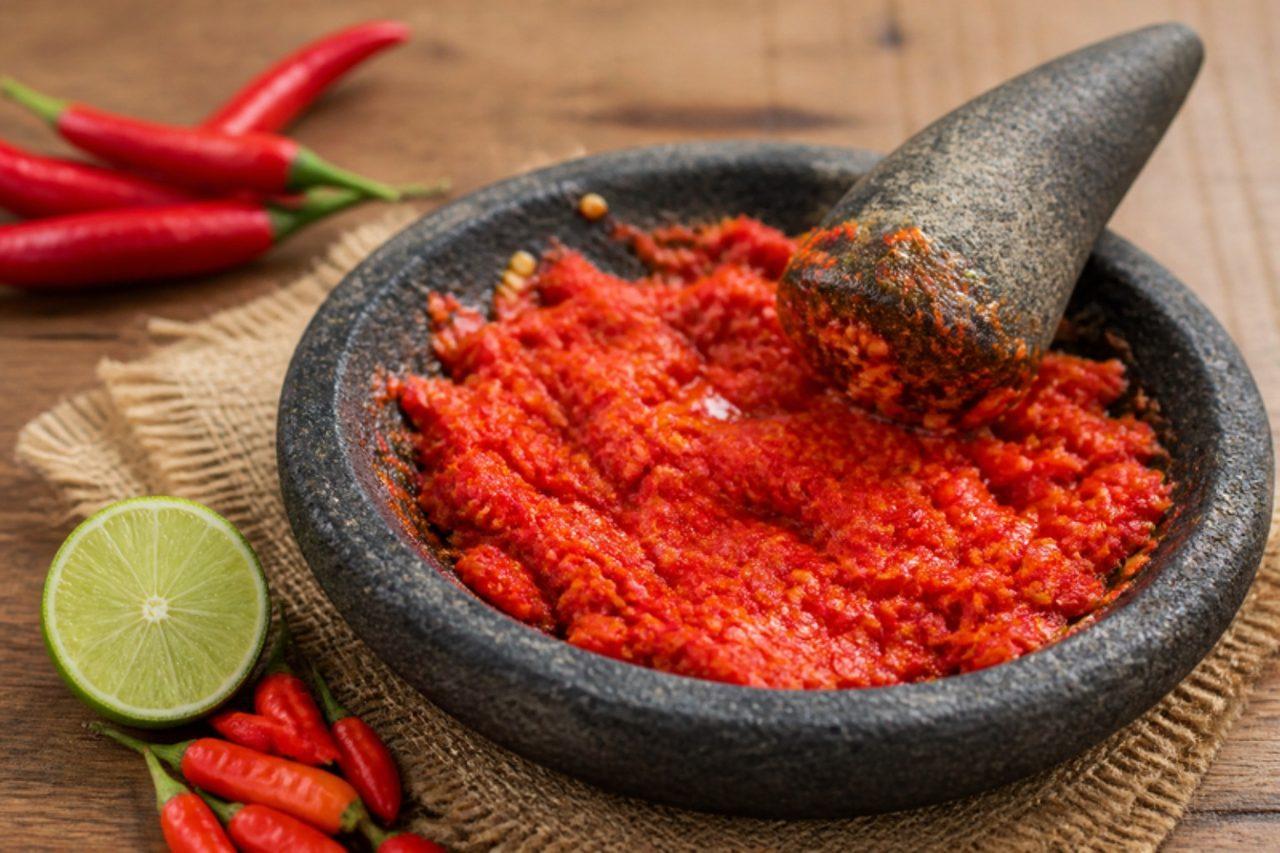
Every Indonesian kitchen has an ulekan, the flat stone mortar that gives sambal oelek its name, and this is the most basic thing ground in it: fresh red chillies and salt, pounded to a coarse, wet, fiery mash. It's the foundation many cooks start from, stirred into fried rice and soups, spooned beside every meal at warung tables nationwide, and the base for more complex cooked sambals. Making it fresh tastes brighter and fruitier than any jar. Chef's tip: wear gloves and pound rather than blitz if you can — crushing releases the oils and gives a juicier, more fragrant sambal than chopping blades.

by KrazyBadal 1 views

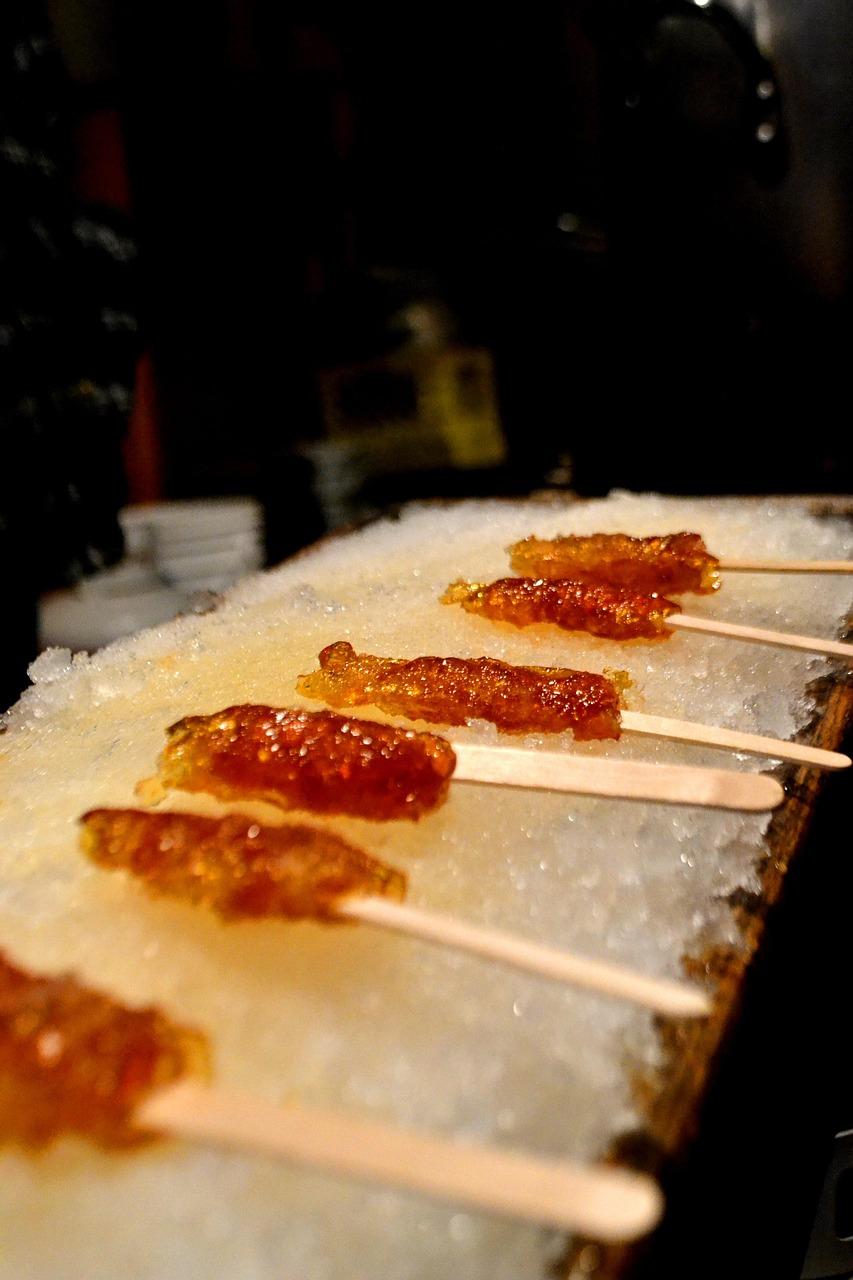
Tire d'érableMaple taffy

Tire d'érable (maple taffy, or 'tire sur la neige') is the highlight of a spring visit to a Québec or eastern Ontario sugar shack: hot boiled maple syrup is poured in ribbons over clean packed snow, where it firms into a chewy, amber toffee that you roll up onto a wooden stick. It's sold at winter carnivals in Québec City and made at home on a tray of snow or crushed ice. Chef's tip: use a sugar thermometer and stop at 112–114 °C; a few degrees under and it stays runny, a few over and it turns hard as candy.

by KrazyBadal 0 views

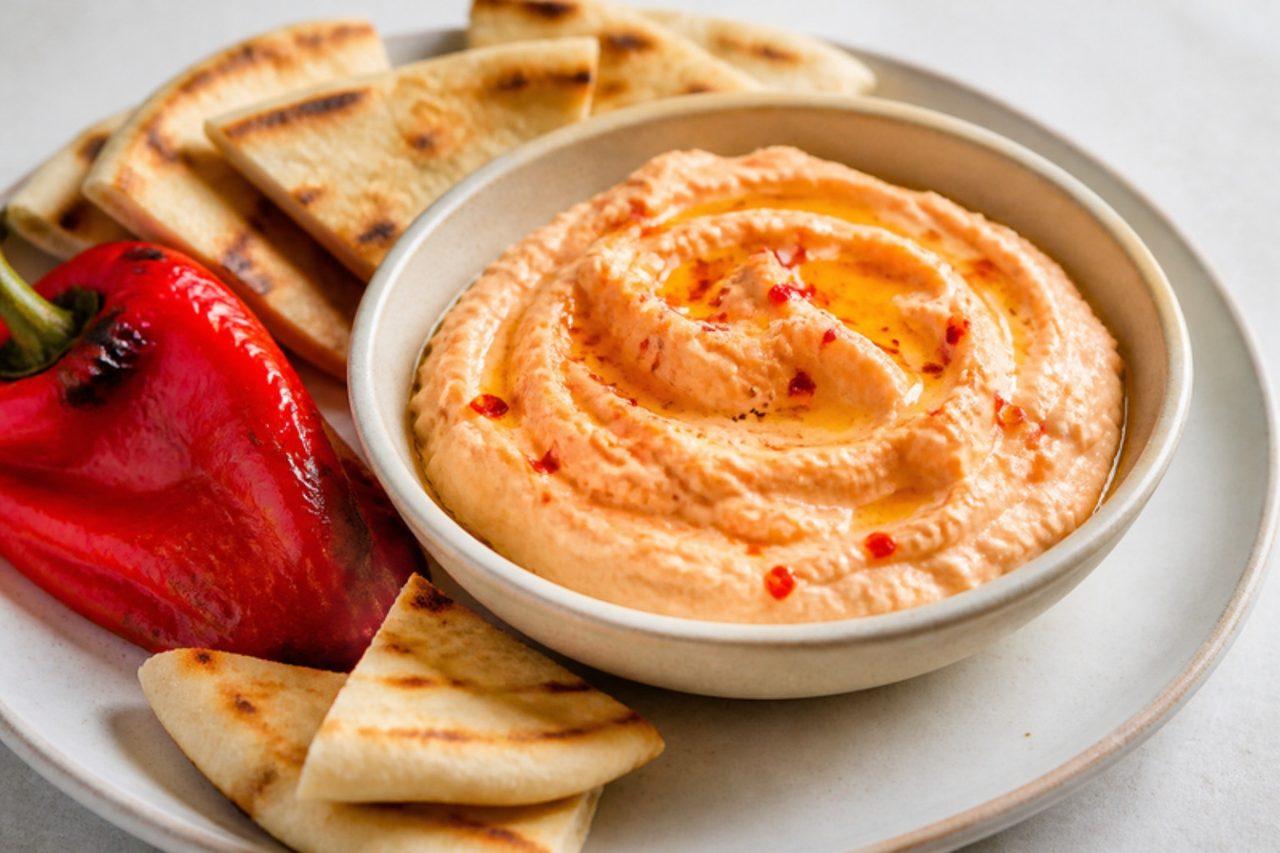
TirokafteriSpicy whipped feta

Tirokafteri means 'hot cheese', and in Thessaloniki and across northern Greece it's the dip you order with ouzo or tsipouro: feta whipped with chilli, a roasted red pepper and olive oil into something creamy, salty and properly fiery. Every ouzeri makes it slightly differently; some keep it chunky, some silky, some add yogurt to soften the heat. Scoop it up with toasted bread, or spoon it beside grilled vegetables and fritters. Use feta labelled vegetarian. Chef's tip: add the fresh chilli a little at a time and taste; chillies vary a lot, and adding the whole lot at once is the usual mistake that makes it too hot to eat.

by KrazyBadal 0 views

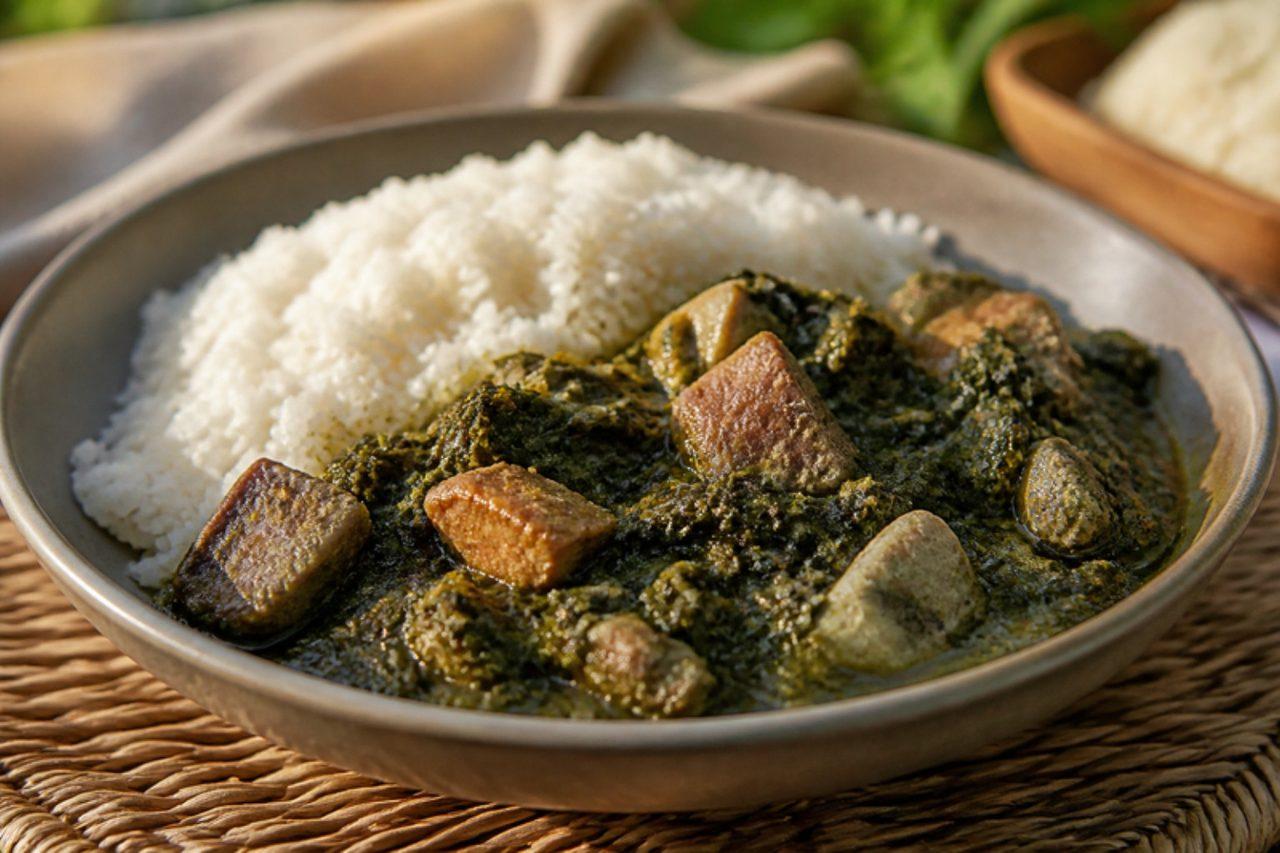
Ravitoto with porkPounded cassava leaves with pork

Ravitoto sy henakisoa, cassava leaves with pork, is a favourite of the Malagasy highlands around Antananarivo and is served at family Sunday lunches with a mound of white rice. This dish contains pork. The cassava leaves are pounded to a dark green paste and simmered for a long time with fatty pork, garlic and ginger until rich and soft, often finished with coconut milk. The mistake is undercooking the cassava leaves: they must cook for at least an hour to be safe and lose their bitterness, so don't cut it short. Chef's tip: frozen pounded cassava leaves (sold as ravitoto, pondu or saka saka) save a lot of work.

120 minMalagasyMeatGluten free
by KrazyBadal 0 views

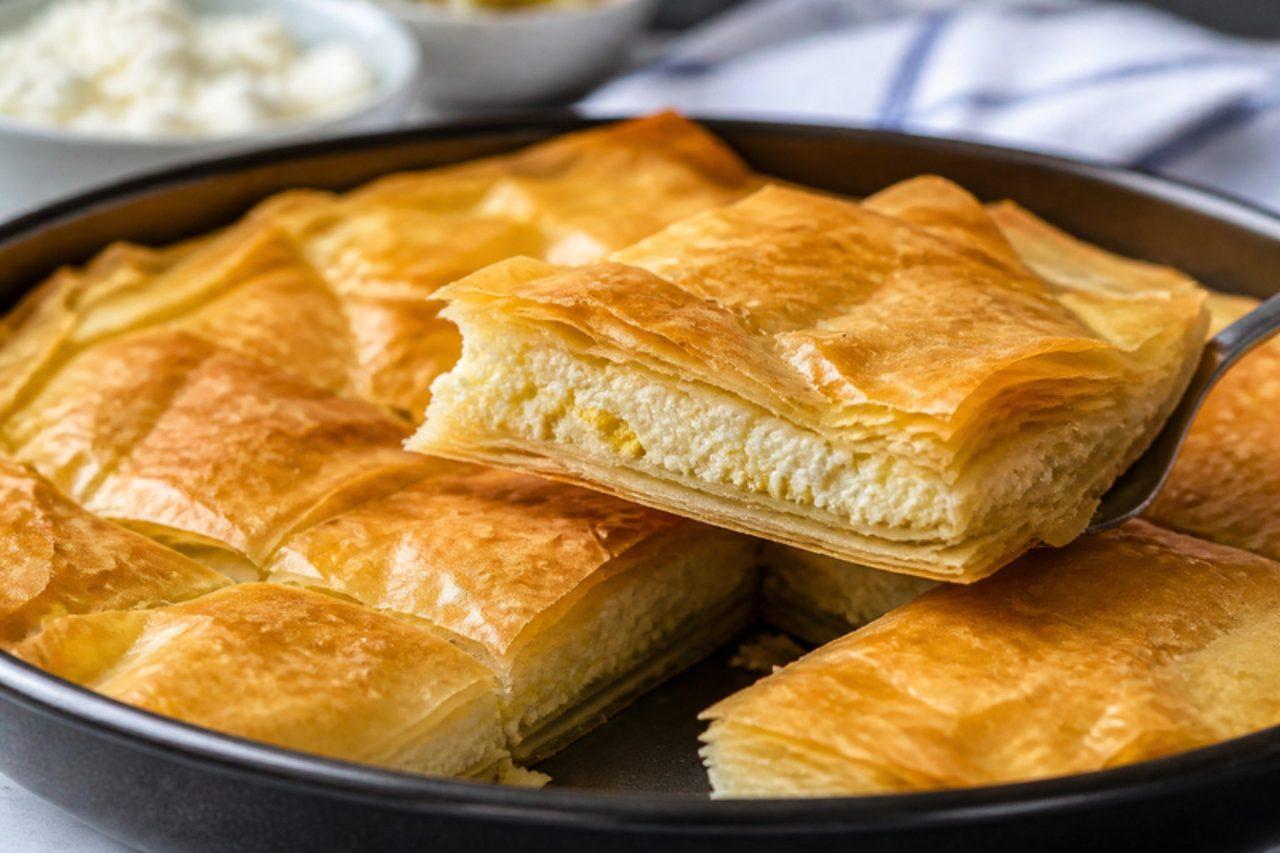
TiropitaFeta cheese pie

Tiropita is the cheese pie Greek children grow up on: bought hot from the neighbourhood fourno on the way to school, baked in big trays for birthday parties, and cut into squares for a quick lunch with a glass of ayran-style yogurt drink. The filling is softer and milder than spanakopita's, a creamy custard of feta, a fresh white cheese and eggs set between crisp, buttery fillo. It is good warm from the oven and still good cold in a lunch box. Use a feta labelled vegetarian, as many are made with animal rennet. Chef's tip: crumple the middle sheets of fillo loosely instead of laying them flat; the air pockets keep the pie light, and pressing them flat (the usual mistake) gives a dense, doughy middle.

by KrazyBadal 0 views

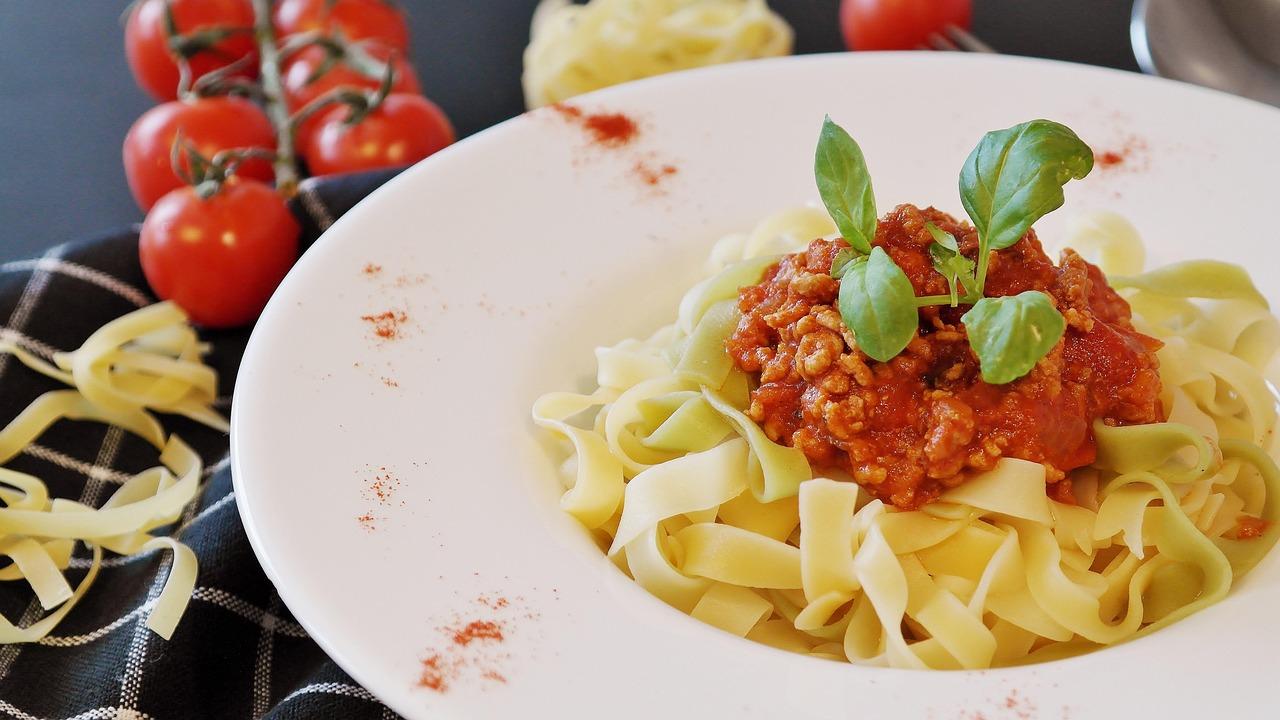
Tagliatelle al ragùTagliatelle with meat sauce

Ask for spaghetti bolognese in Bologna and you will get a polite smile: at home the ragù goes on wide ribbons of fresh egg tagliatelle, or into lasagne, never on thin spaghetti. It is a Sunday-lunch sauce, made with beef and pork mince, a little pancetta, a soffritto of onion, carrot and celery, white wine, milk and only a spoonful or two of tomato, then left to murmur for three hours until it turns deep, savoury and almost creamy. Freshly made tagliatelle are traditional, but good bought fresh or dried egg tagliatelle are absolutely fine. Grated parmigiano goes on at the table, and the ragù keeps for three days in the fridge or three months in the freezer. Chef's tip: make the ragù a day ahead; it thickens and tastes rounder after a night in the fridge, and reheating it gently with a splash of water brings it back to life.

by KrazyBadal 0 views

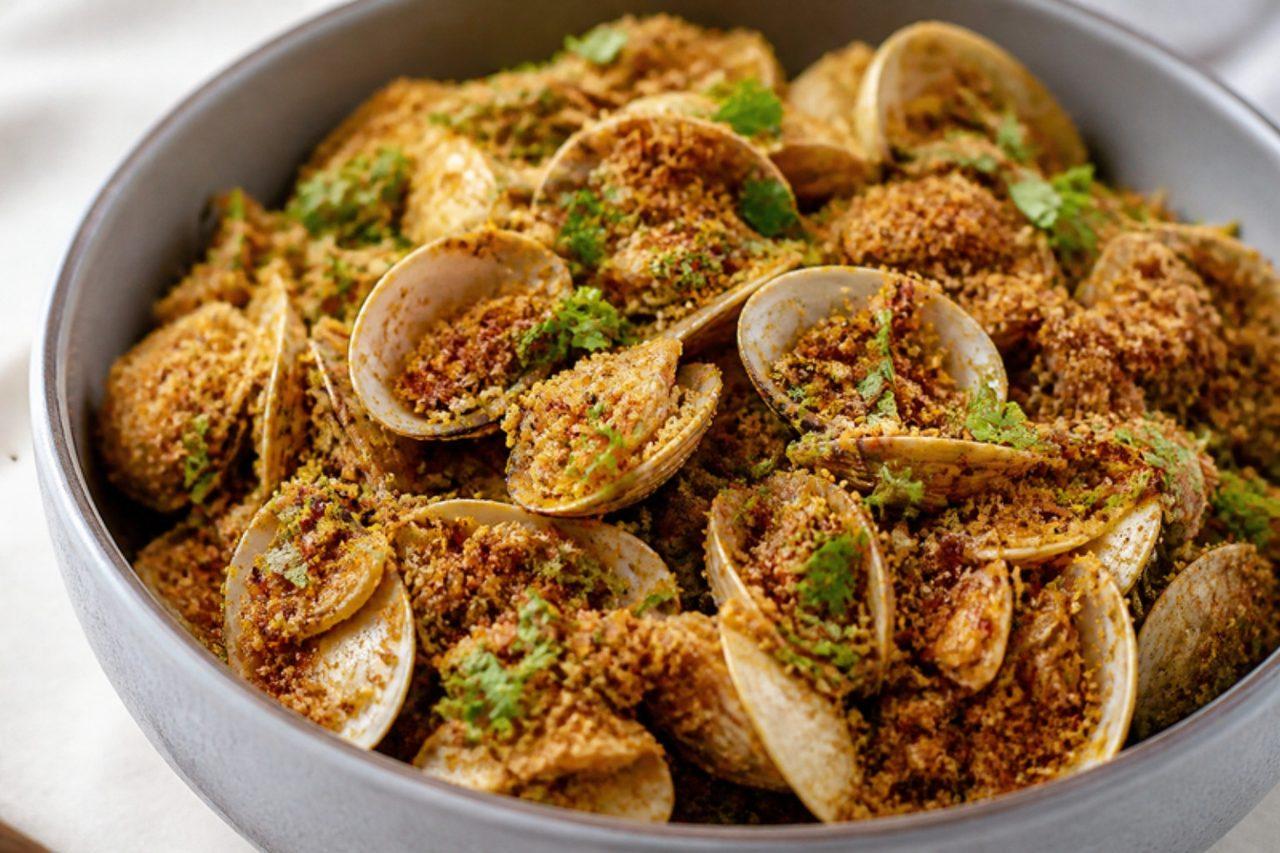
Tisryo sukheDry clam coconut masala

When the clam beds of the Zuari and Mandovi rivers are full after the monsoon, Goan kitchens cook tisryo (clams) as sukhe, meaning dry: no gravy, just shells coated in a coarse, spiced coconut masala. It is a Saturday-lunch side dish with fish curry and rice, eaten with the fingers, picking each clam out of its half-shell. Chef's tip: grind the coconut masala without water and only briefly, so it stays coarse and clings to the shells.

60 minIndianFishGluten free
by KrazyBadal 0 views

Tacu tacuPan-fried beans and rice cake

Tacu tacu was born in the Afro-Peruvian kitchens of Lima, as a thrifty way to turn yesterday's beans and rice into something new; today it appears on the menus of smart criollo restaurants too. Mashed canario beans and rice are fried with garlic, onion and ají amarillo, then shaped in the pan into a long, crisp-edged cake, soft inside and golden outside. It is a hearty lunch for two with a sharp salsa criolla of onion and lime, and often a fried ripe plantain on the side. Canario beans are pale yellow and creamy; pinto or cannellini beans work well. Chef's tip: use cold, day-old rice and beans; warm, freshly cooked ones are too soft to hold their shape and the tacu tacu falls apart.

by KrazyBadal 0 views

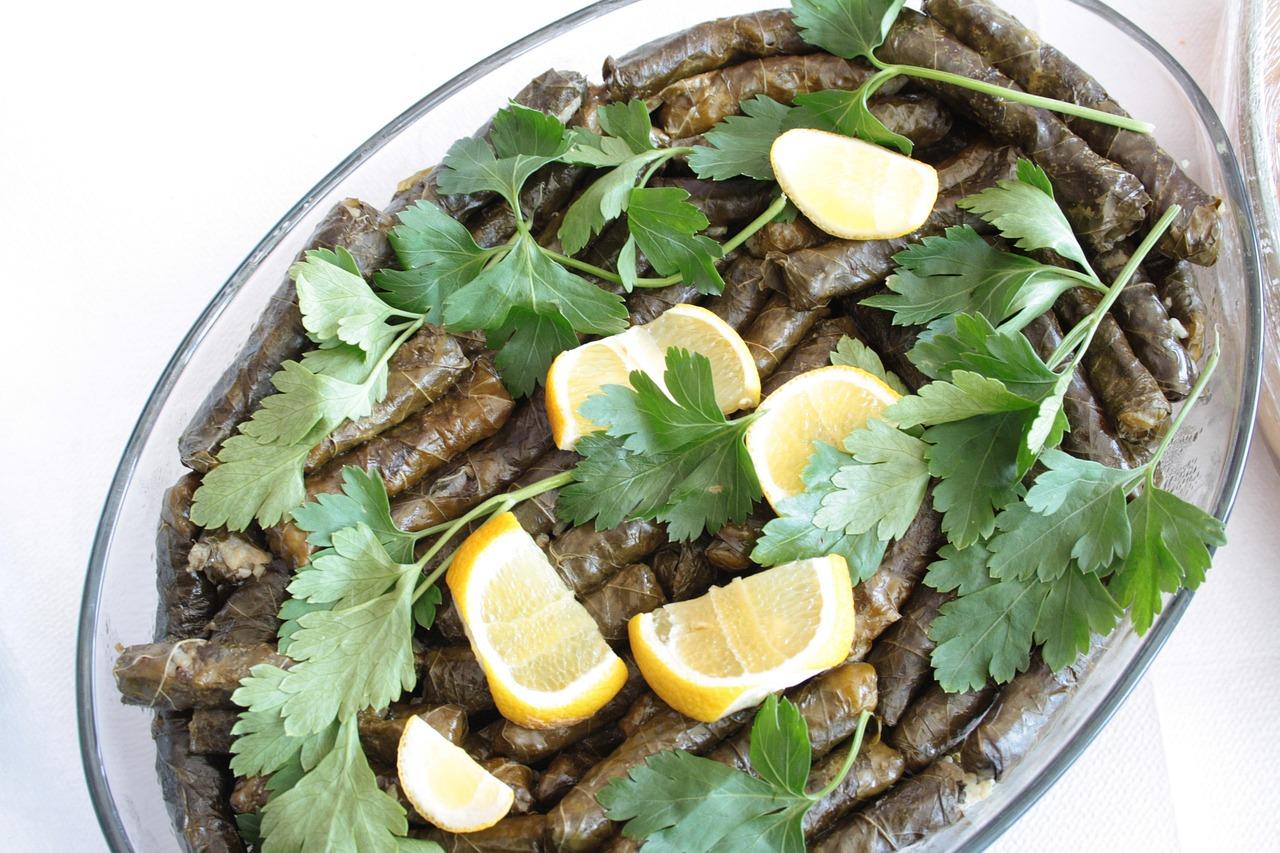
Yaprak sarmaRice-stuffed vine leaves

Rolling yaprak sarma is a social job in Aegean kitchens around Ayvalık and Manisa, where vineyards supply the leaves: a tray of grape leaves, a bowl of spiced rice and two or three people talking while they roll. This meat-free version is the olive-oil kind, filled with rice, onion, pine nuts, currants, mint and a pinch of cinnamon and allspice, and served cold as a meze or at tea-time gatherings. Good sarma are thin as a finger and hold together when bitten. A common mistake is overfilling: the rice swells as it cooks and splits the leaves. Chef's tip: use only a teaspoon of filling per leaf and roll firmly but not tight, leaving room for the rice to grow.

by KrazyBadal 0 views

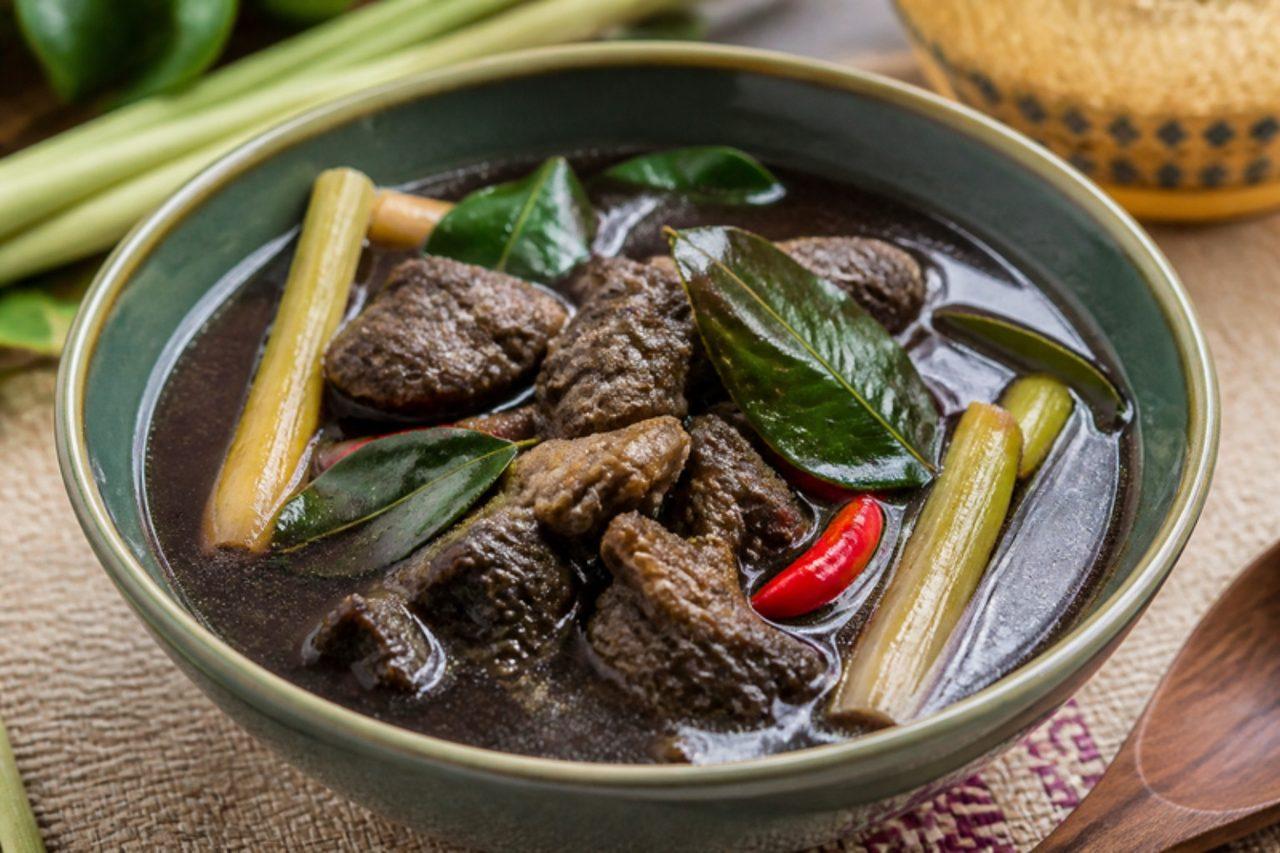
Tiyula itumBlack beef soup

Tiyula itum, 'black soup', is the pride of the Tausug people of Sulu in the far south of the Philippines, cooked for weddings, Eid celebrations and when guests come home. Beef (it is a halal, pork-free dish) is simmered with ginger, lemongrass and turmeric, then darkened with pamapa itum, a paste of grated coconut toasted until almost black and pounded with spices. The broth looks dramatic but tastes smoky, earthy and gently peppery, with heat from chillies. Serve it with plain rice. Chef's tip: toast the coconut slowly, stirring all the time, until it is very dark brown but not ashy; burnt-to-ash coconut tastes bitter and ruins the soup.

by KrazyBadal 0 views

TacachoMashed roasted green plantain balls

Tacacho is the breakfast of the Peruvian Amazon, from Tarapoto to Iquitos: green plantains roasted over coals, mashed with fat and salt and shaped into balls. There it comes with cecina (smoked pork) and is mashed with lard and crackling; this vegan tacacho uses good oil and a pinch of smoked paprika for the same savoury, smoky depth. The balls are dense, chewy and starchy, crisp at the edges where the plantain charred, and they are eaten hot with a fiery chilli sauce or alongside stews. Use plantains that are fully green and firm. Chef's tip: mash the plantains while they are still very hot; as green plantain cools its starch sets and it won't bind into a smooth ball.

by KrazyBadal 1 views

TacacáHot tucupi broth with shrimp

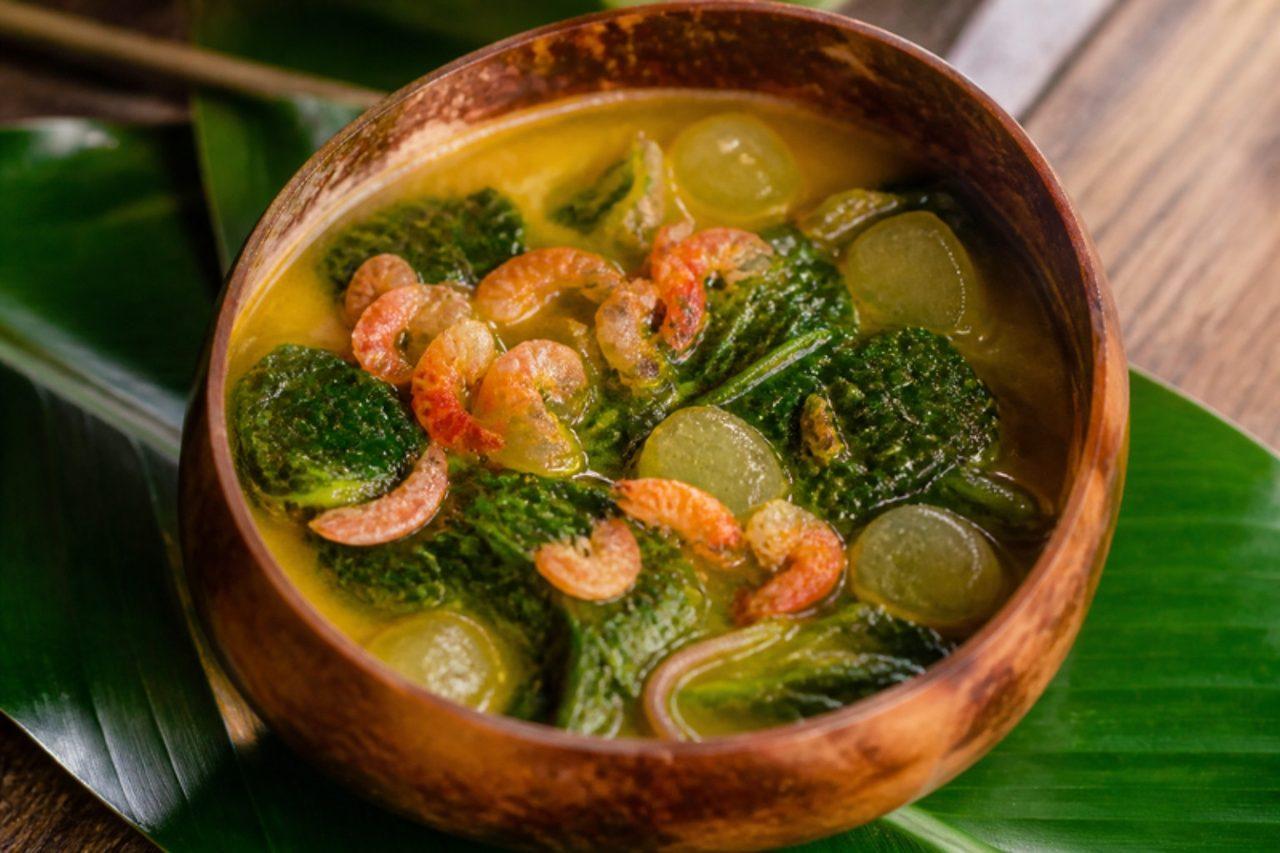
Around four in the afternoon in Belém, capital of Pará, the tacacazeiras open their street stalls and people queue for tacacá, served scalding hot in a cuia, a bowl made from a dried gourd. The broth is tucupi, the sour yellow juice of wild manioc, with a spoonful of tapioca gum, dried shrimp and jambu, an Amazon herb whose leaves make your lips and tongue tingle and go pleasantly numb. You drink the broth straight from the bowl and pick out the rest. Tucupi is sold cooked and bottled (or frozen) in Brazilian shops; it must be properly boiled before eating, which is explained in the steps. Chef's tip: soak and briefly boil the dried shrimp before they go in; straight from the bag they make the broth far too salty.

by KrazyBadal 0 views

TkemaliSour plum sauce

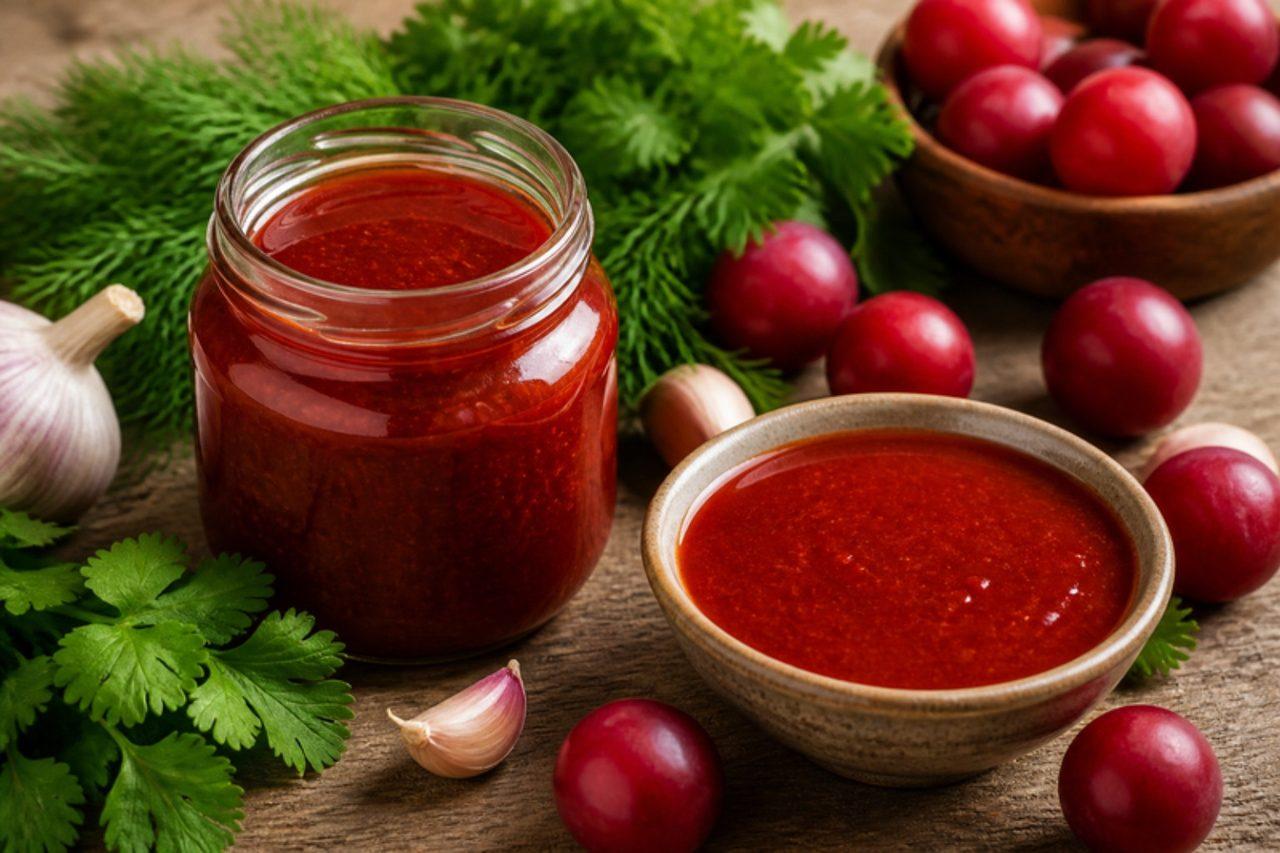
Tkemali is Georgia's table sauce, made in Samegrelo, Guria and Imereti from sour cherry plums. Green tkemali comes from unripe plums in late spring; the red one is made at the end of summer, when the plums colour and every family cooks a big pot to bottle for the winter. It goes with almost everything: boiled potatoes, beans, fried courgettes, mchadi and cheese. Traditionally it is flavoured with ombalo (pennyroyal), which is hard to buy, so dried mint stands in here. A common mistake is boiling the herbs and garlic for too long, which turns the sauce dull and brown; they go in only for the last few minutes. Chef's tip: if your plums are sweet supermarket ones, add a squeeze of lemon; tkemali should be properly sour.

by KrazyBadal 0 views

Sambal goreng kentangFried potatoes in sweet-hot sambal

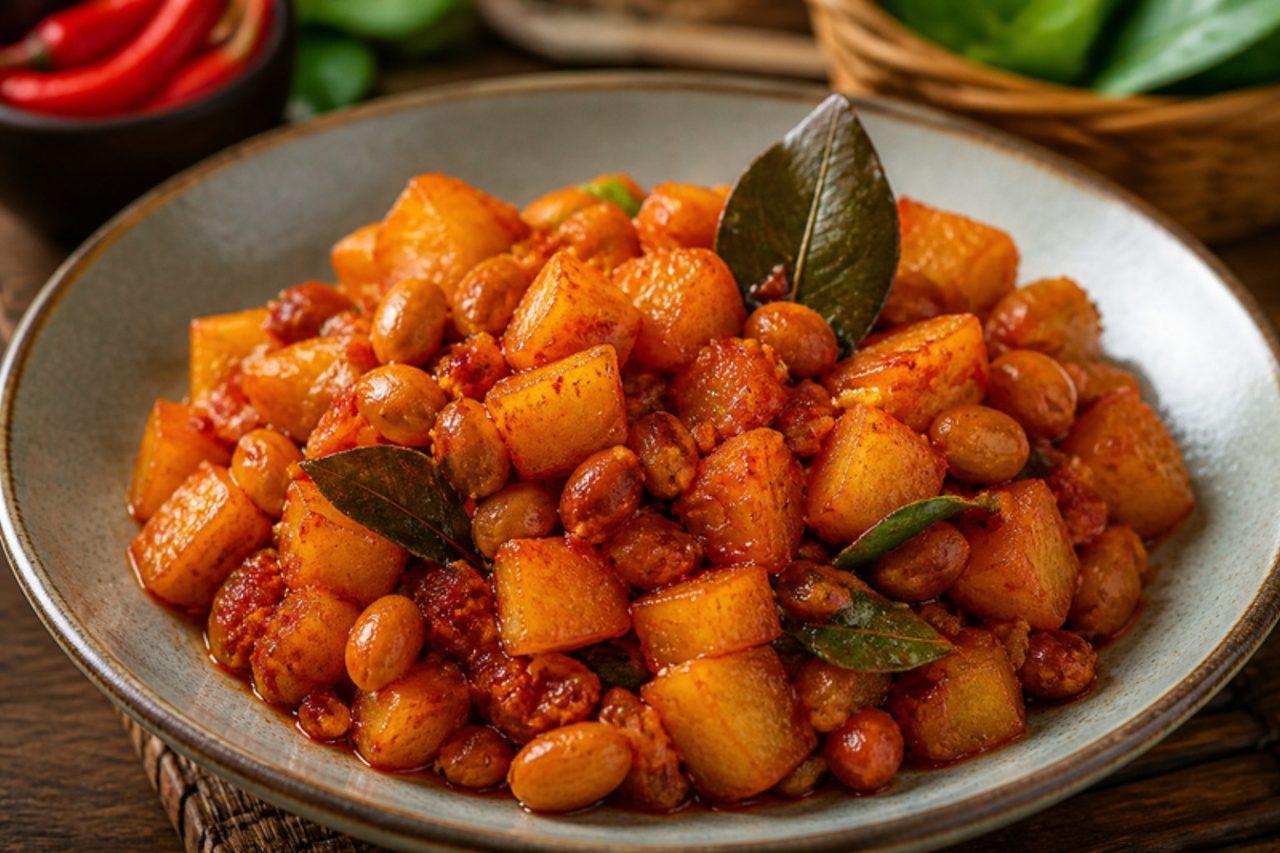
Sambal goreng kentang turns up wherever there's a celebration in Java and Sumatra: on Lebaran tables next to ketupat and opor, in wedding buffets, and in boxes of nasi kotak handed out at gatherings. The potatoes are cut small, fried until crisp and golden, then tossed through a red chilli and shallot sambal sweetened with palm sugar and sharpened with tamarind, so each cube is coated and chewy at the edges. It keeps well and is eaten at room temperature with rice. Chef's tip: soak and dry the potato cubes thoroughly before frying; damp potatoes spit, steam and never crisp up.

by KrazyBadal 0 views

Saltimbocca alla romanaVeal with sage and prosciutto

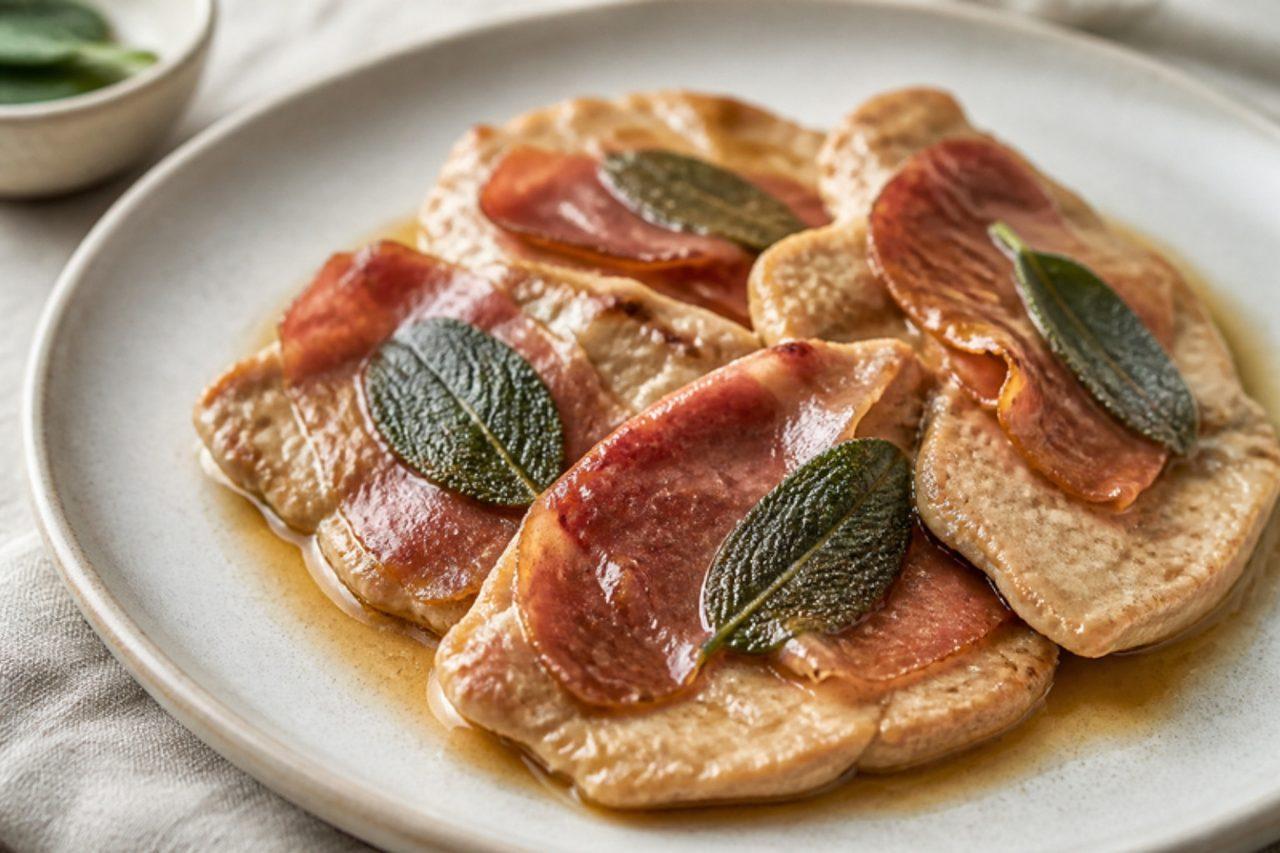
The name means 'jumps into the mouth', which is how fast these little Roman escalopes vanish from the plate. Thin slices of veal are topped with a sage leaf and a sheet of prosciutto, seared for barely a minute a side, then glazed with white wine and butter in the same pan; it is a classic second course in Rome's family trattorie and takes about 20 minutes start to finish. The prosciutto crisps, the sage turns fragrant and the veal stays tender under a short, buttery sauce. Pork loin or turkey escalopes work just as well. Serve with roast potatoes or sautéed spinach to mop up the pan juices. Chef's tip: pound the meat to an even 5 mm between sheets of cling film and pin the ham and sage on with a cocktail stick, so everything cooks in the time it takes the ham to crisp.

by KrazyBadal 0 views

TlayudasLarge crisp tortilla with beans and cheese

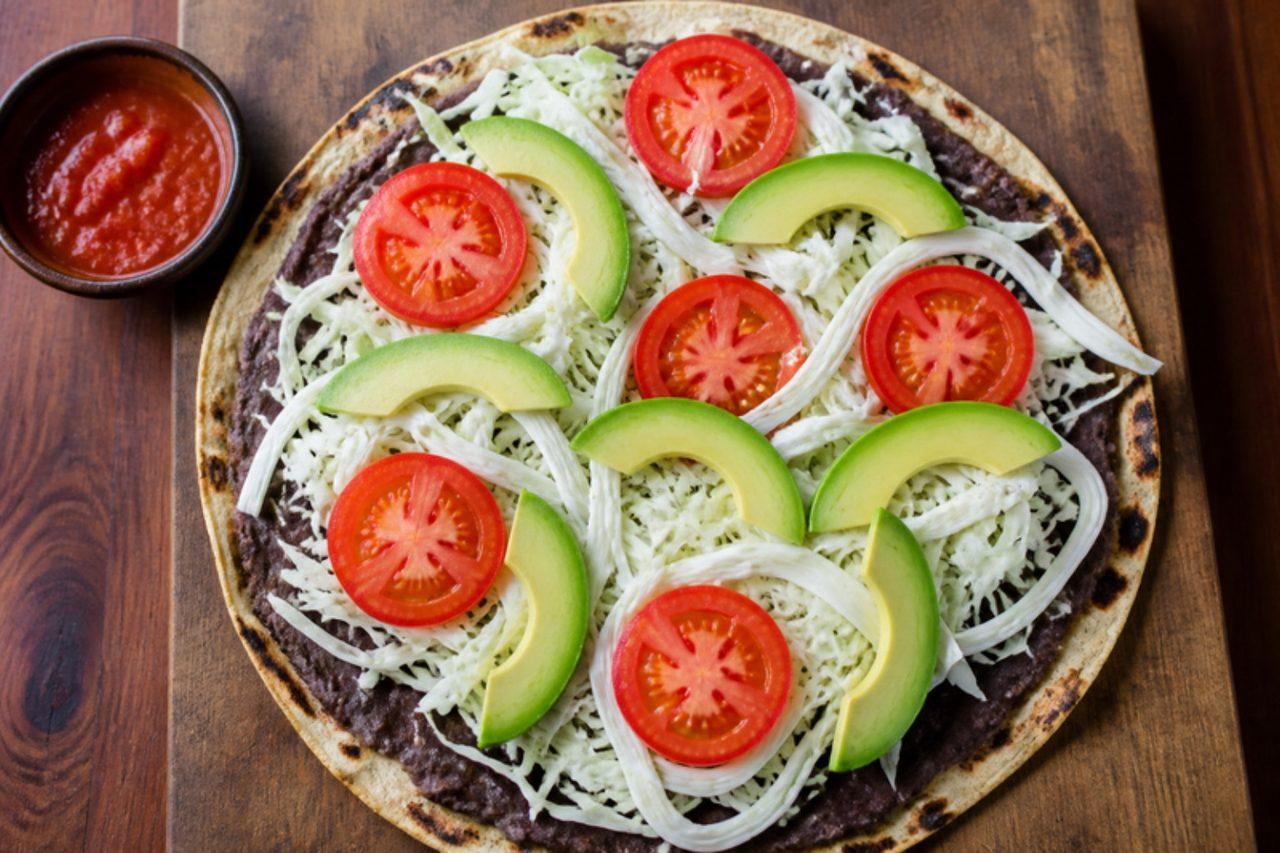
The tlayuda is the late-night street food of Oaxaca City: a huge, thin, slightly leathery corn tortilla spread with black bean paste and asiento (unrefined pork lard), scattered with quesillo (Oaxaca string cheese) and cabbage, folded and toasted over charcoal until crisp and smoky. This vegetarian version swaps the asiento for browned butter, which gives the same toasty richness, and is topped with avocado, tomato and salsa. Real tlayudas are about 30 cm across and hard to find outside Oaxaca; use the largest corn tortillas you can get, or flour tortillas of 25 cm (then they are not gluten free). Quesillo is made with animal rennet in Oaxaca; for a vegetarian dish use low-moisture mozzarella or a string cheese made with vegetarian rennet. Chef's tip: spread the beans thinly; a thick layer makes the tortilla soggy and stops it crisping.

by KrazyBadal 0 views

Pumpkin tortelliPumpkin-filled pasta

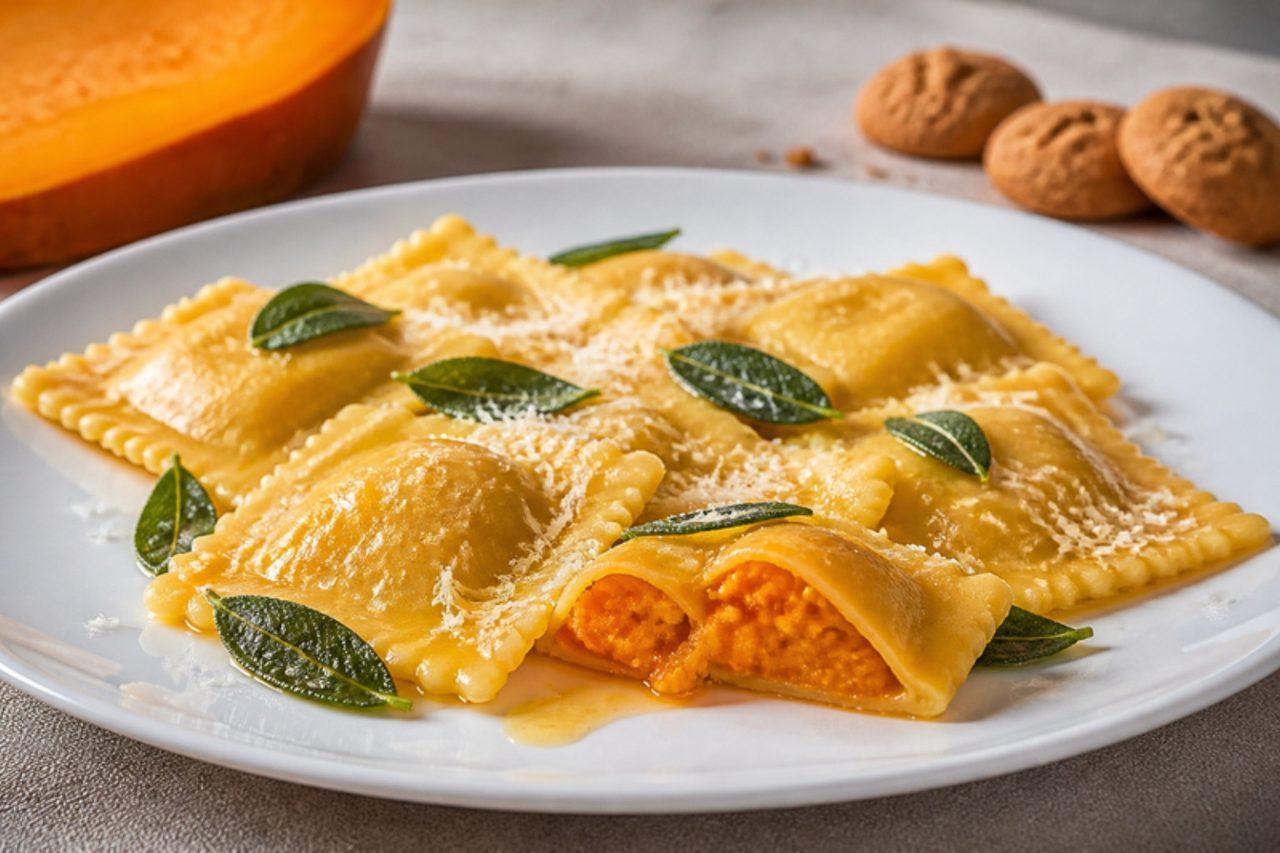
Tortelli di zucca are the Christmas Eve dish of Mantua, in Lombardy, where the dense orange pumpkins of the Po plain are roasted and mashed with crushed amaretti biscuits, spicy fruit mostarda and hard cheese. The filling is sweet, salty and a little hot all at once, a taste that goes back to the Renaissance Gonzaga court. They are served simply, with melted butter, sage and more cheese. Chef's tip: roast the pumpkin rather than boil it, and make the filling the day before; a dry, rested filling is easy to pipe and the flavours blend.

by KrazyBadal 0 views

SzarlotkaApple cake

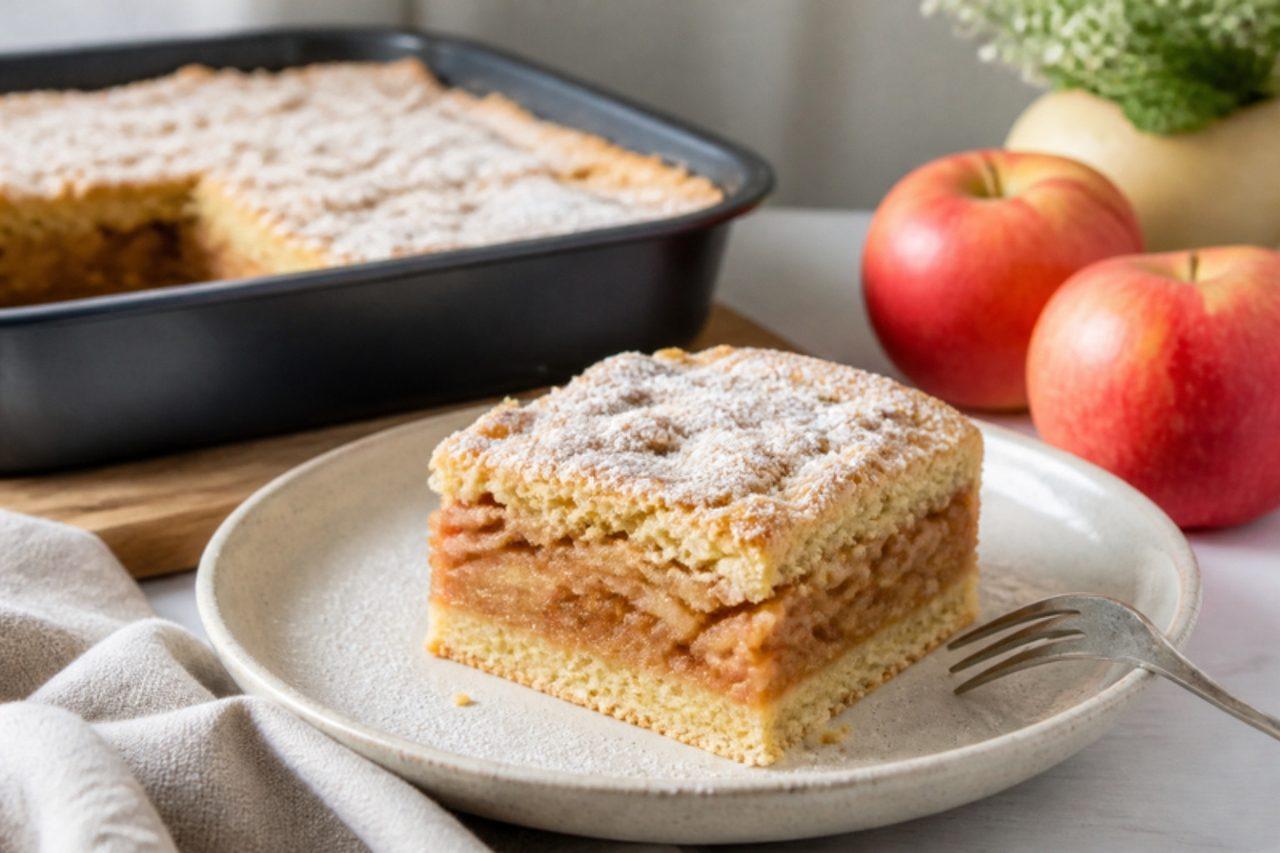
Szarlotka is the apple cake every Polish café and grandmother has a version of, from Zakopane mountain inns to the cake counters of Poznań. In the classic home style, a sweet, crumbly shortcrust (kruche ciasto) is pressed into a tray, filled with a thick layer of tart apples cooked briefly with cinnamon, and topped with the rest of the pastry grated over like crumble. It is served in squares, dusted with icing sugar, often warm with a scoop of vanilla ice cream or whipped cream. Sharp autumn apples such as Szara Reneta or Bramley give the right sour-sweet balance. Chef's tip: grate the frozen top layer of dough straight onto the apples; it bakes into a light, sandy crust instead of a heavy lid.

by KrazyBadal 0 views

SyrnykyCurd cheese pancakes

Syrnyky are the Sunday breakfast of Ukrainian childhoods: small, thick pancakes made almost entirely of tvorih, the dry farmer's cheese sold at every market in Odesa and Lviv, held together with an egg and a little flour and fried until golden. Inside they should be soft and creamy, like a baked cheesecake, outside lightly crisp. They are served with sour cream and cherry jam, or honey. Tvorih is made with lactic culture rather than rennet, so it suits vegetarians; dry cottage cheese pressed through a sieve or quark also works. Chef's tip: if your cheese is wet, wrap it in a cloth and press it under a weight for an hour; common mistake is adding extra flour to rescue a wet mixture, which makes syrnyky dense and rubbery.

by KrazyBadal 0 views

Tocăniță de ciuperciMushroom stew

Tocăniță is the everyday stew of Romanian home cooking, and the mushroom version is a fixture of the Orthodox fasting days, when Transylvanian cooks use forest mushrooms gathered in the Apuseni hills and city cooks use button mushrooms from the market. Onions, garlic, tomato, white wine and thyme cook down into a thick, glossy sauce, without the sour cream and paprika of a Hungarian paprikás. It is always eaten with hot mămăligă and a spoon of the sauce over the top. Chef's tip: brown the mushrooms in batches in a hot pan; crowding them is the usual mistake, and they then stew grey in their own water instead of turning golden.

by KrazyBadal 0 views

Svíčková na smetaněBeef in creamy vegetable sauce

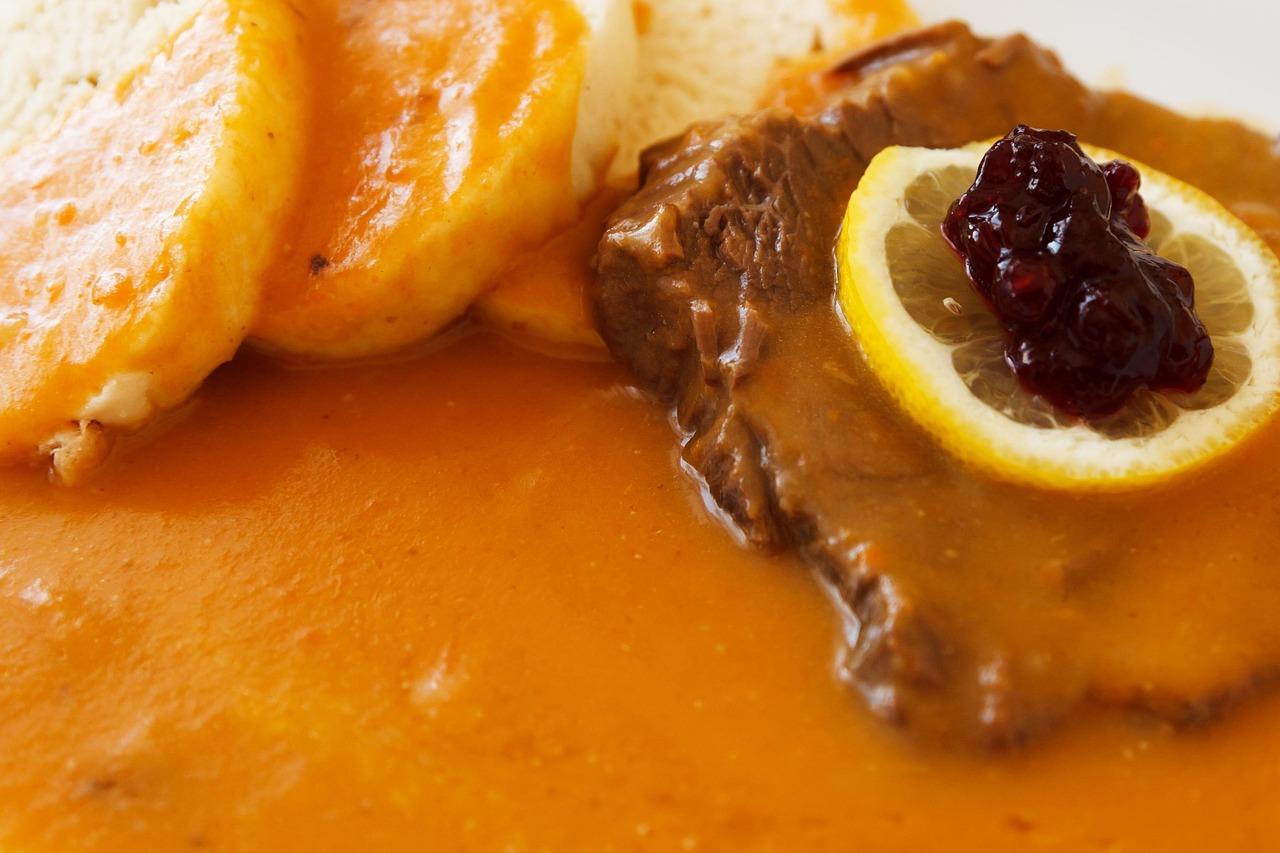
Svíčková is the dish Czech families make for weddings, name days and big Sunday lunches, and in Prague pubs it appears on the menu as the proud centre of the week. Beef is marinated for a day or two with root vegetables and spices, slow-roasted, and the vegetables are then blended into a smooth, sweet-sour cream sauce. It is always served the same way: sliced beef, a pool of sauce, bread dumplings, a spoonful of cranberry sauce, a twist of whipped cream and a slice of lemon. Many cooks under-season the sauce; it should taste clearly of vinegar, sugar and allspice, not just cream. The optional smoked bacon that flavours the vegetables is pork; leave it out and the sauce is still rich. Chef's tip: blend the sauce until completely velvety, then push it through a sieve; that silky finish is what makes svíčková special.

220 minCzechMeat
by KrazyBadal 0 views

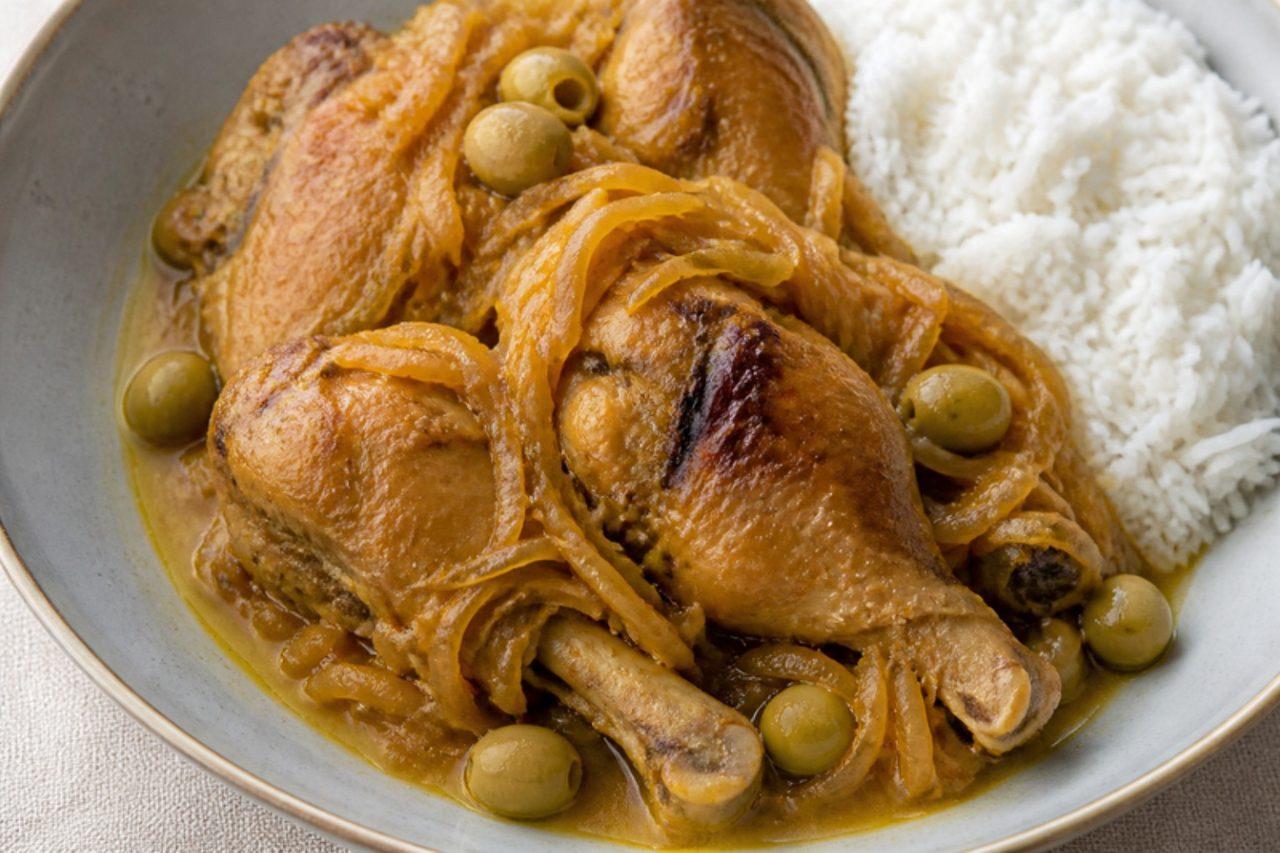
Yassa pouletLemon onion chicken

Yassa comes from Casamance, the green, rice-growing south of Senegal, and has become the dish Dakar families cook for guests and naming ceremonies. Chicken spends a night in lemon juice, mustard and a huge pile of sliced onions, is grilled or browned until charred at the edges, then braised in those same onions until they collapse into a sharp, sweet, jammy sauce. It is served over plain white rice with a green olive or two on top. A common mistake is rushing the onions; if they are still crunchy the sauce tastes raw and harsh, so give them the full half hour. Chef's tip: keep the marinade, because it becomes the sauce; just boil it well with the onions so it is safe to eat.

by KrazyBadal 0 views

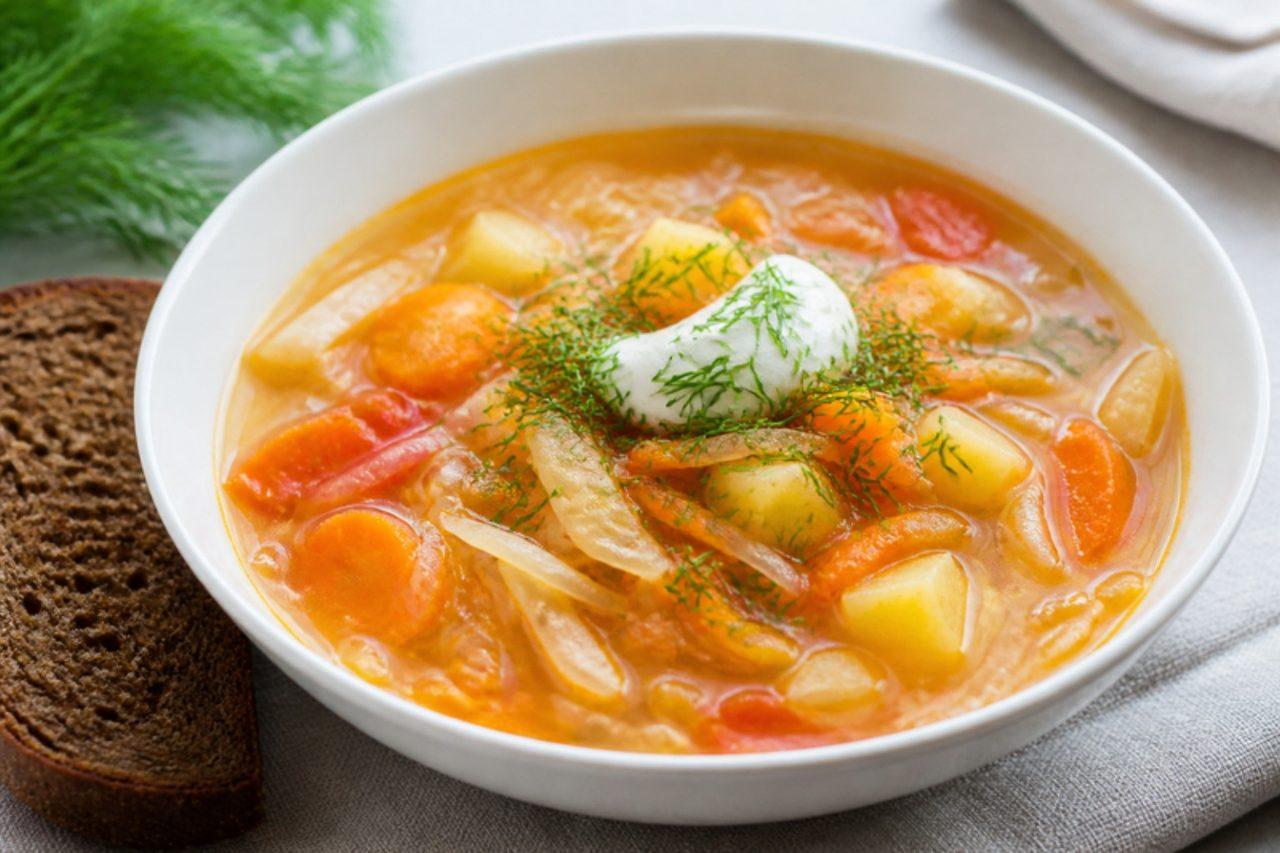
ShchiFresh cabbage soup

Shchi is the oldest soup in Russian cooking, the one the proverb pairs with porridge: 'shchi da kasha, pishcha nasha' (shchi and kasha, that's our food). In villages from Vologda to Ryazan it was left to mellow in the warmth of the big masonry stove, and in summer and early autumn it is made with fresh young cabbage rather than the sour winter version. Unlike Ukrainian kapusniak there is no sauerkraut or millet here: just sweet cabbage, root vegetables, tomato, bay and dill, with a cold spoon of smetana stirred into each bowl. Chef's tip: shchi tastes better the next day, so make it a day ahead and reheat gently.

by KrazyBadal 0 views

Tofu adoboTofu braised in vinegar and soy

Adobo is the dish Filipinos call national, cooked in some form in nearly every home from Ilocos down to Mindanao, and the meat versions are what most people know. In Catholic households, though, Holy Week and the Fridays of Lent call for a meatless table, and adobong tokwa (tofu adobo) is the answer many families reach for. Firm tofu is fried until it has a golden skin, then simmered in a reduced sauce of cane vinegar, soy sauce, a whole head of garlic, bay leaves and whole peppercorns until the sauce clings, sour and salty with a little sweetness. It tastes even better the next day and is eaten with mounds of plain rice. Chef's tip: press the tofu well and fry it properly; a dry, golden crust is what soaks up the adobo sauce instead of turning it watery.

by KrazyBadal 0 views

Ohn no khao swe with tofuCoconut noodle soup with tofu

Ohn no khao swe is the comforting coconut noodle soup that Burmese families serve for weekend lunches and for crowds at donation feasts, especially around Mandalay and Yangon. Wheat noodles sit in a rich, mildly spiced coconut broth thickened with chickpea flour, and everyone adds their own toppings: lime, sliced raw onion, chilli flakes, coriander and crispy fried noodles. It's normally made with chicken; tofu and chickpeas take its place here. Chef's tip: stir the coconut milk in at the end and keep it at a gentle simmer; a hard boil makes the coconut split and turn oily.

by KrazyBadal 0 views

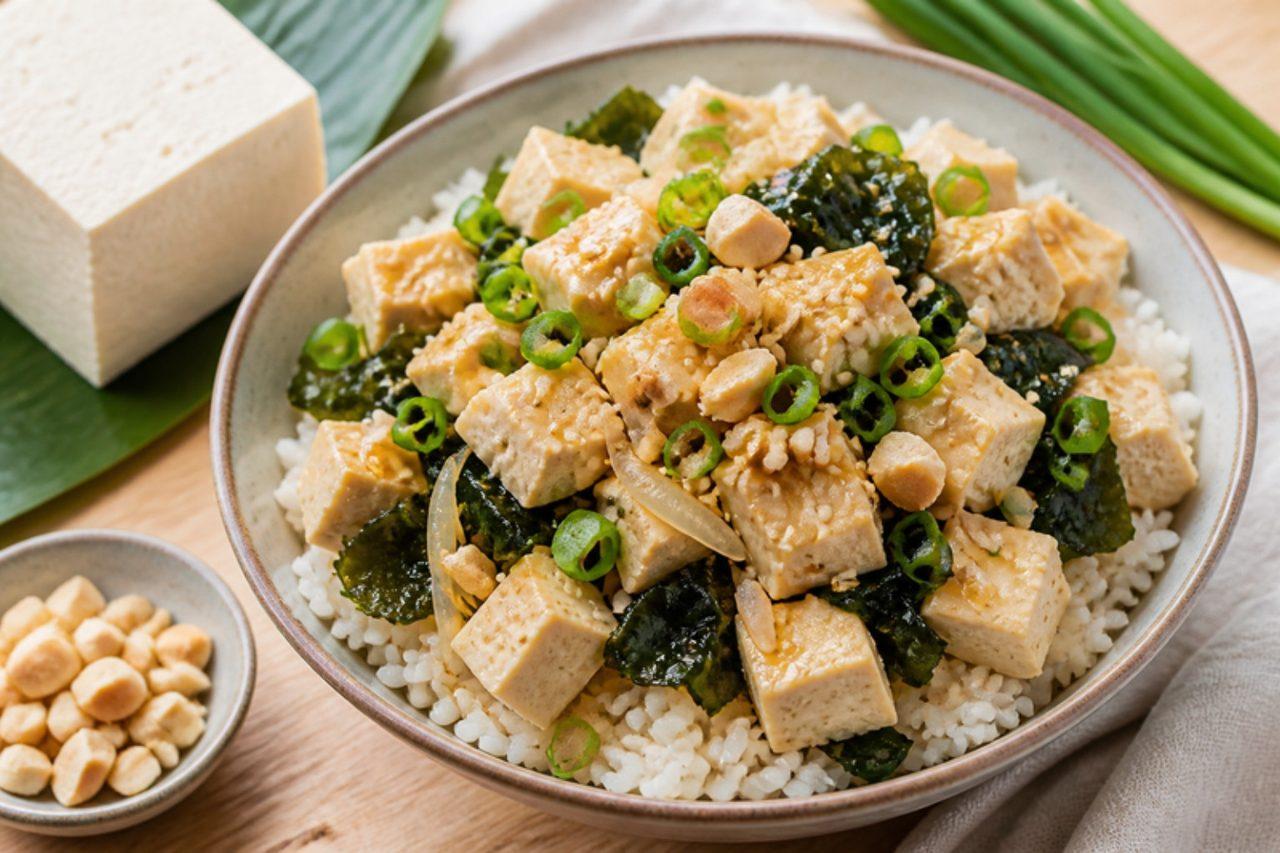
Hawaiian tofu pokeMarinated tofu bowl

Poke (say 'POH-keh', meaning 'to cut into pieces') is Hawaii's everyday snack: in local markets and at the deli counters of Honolulu, raw cubed fish is tossed with soy, sesame oil, sweet Maui onion, seaweed and inamona (roasted candlenut). Tofu poke has become a standard option at those same counters, and it's how this recipe is written; the original uses raw tuna (ahi) instead of tofu. Serve it as a pūpū (snack) or over rice. Chef's tip: press the tofu well and dry it; firm, dry cubes soak up the dressing instead of watering it down.

by KrazyBadal 0 views

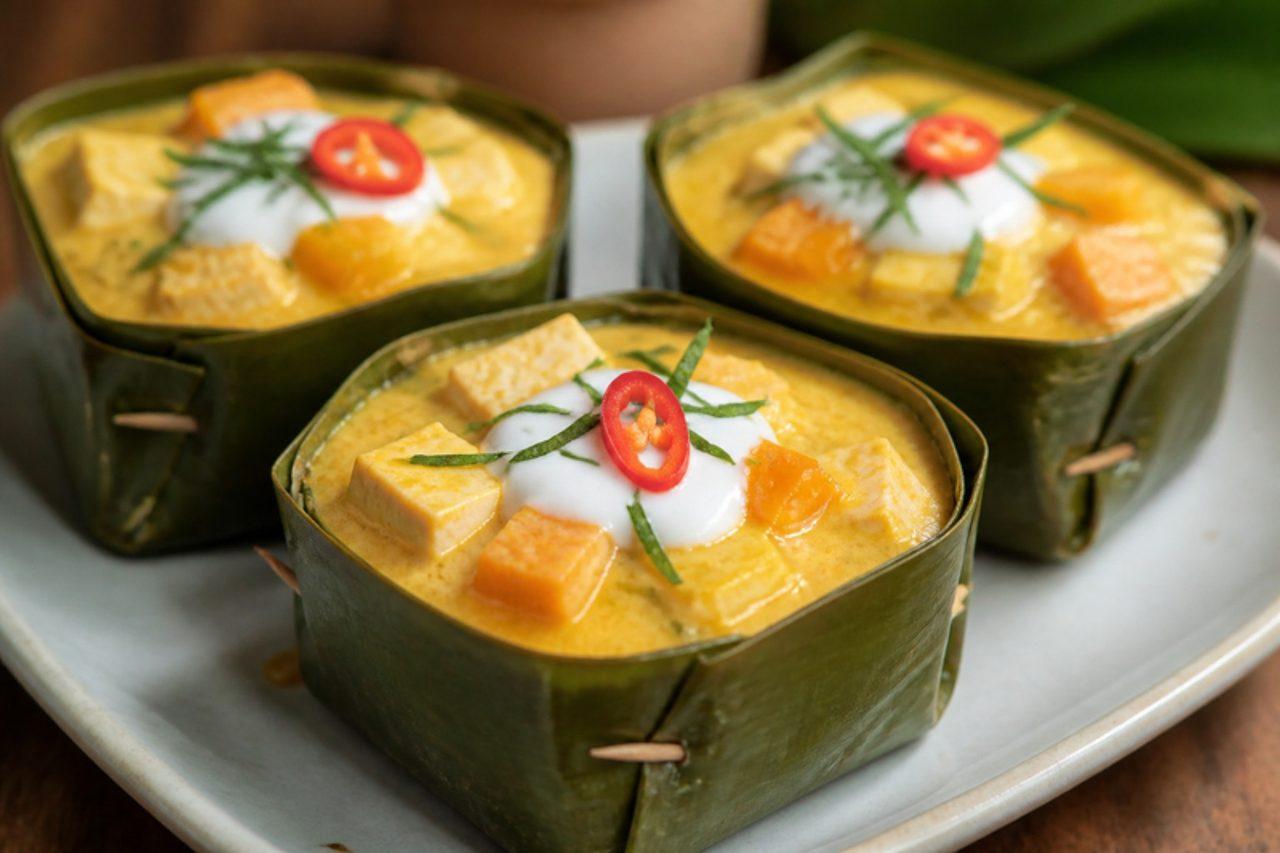
Tofu and pumpkin amokSteamed tofu and pumpkin custard

Amok is the dish Cambodians proudly serve to visitors, especially around Siem Reap and the Tonlé Sap, where it is traditionally made with freshwater fish. This home version keeps everything that makes it amok, the fragrant kroeung, thick coconut cream and a beaten egg that sets it into a soft, spoonable custard, but fills the banana-leaf cups with firm tofu and sweet pumpkin instead. Noni leaves (slok ngor) usually line the cups; young spinach gives the same green layer. Serve it with plain jasmine rice for a special dinner. Chef's tip: stir the custard in one direction only while you mix the coconut cream and egg; Cambodian cooks say this keeps it silky, and it also stops air bubbles that leave holes once steamed.

by KrazyBadal 0 views

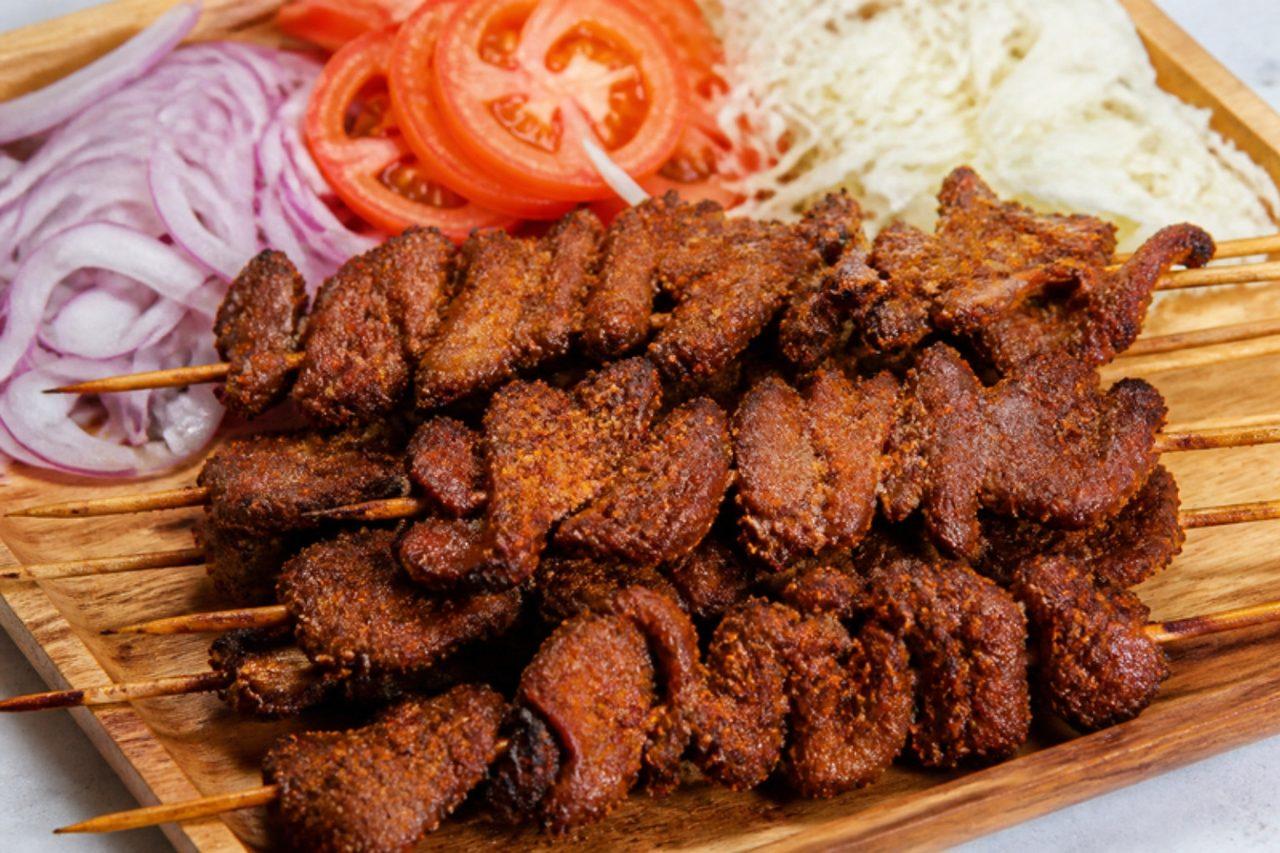
SuyaSpiced beef skewers

Suya comes from the Hausa north, from Kano and Kaduna, but now every Nigerian city has a mai suya grilling beef over charcoal by the roadside once the sun goes down. Thin slices of beef are threaded onto skewers, rubbed with yaji, a fiery mix of roasted peanut powder, chilli, ginger and stock spices, and grilled until charred at the edges. It comes wrapped in newspaper with sliced raw onion, tomato and extra yaji for dipping. The common mistake is cutting the beef thick; it needs to be thin enough to see light through, so it cooks fast and stays tender. Chef's tip: put the beef in the freezer for 30 minutes first, and it will slice wafer thin with ease.

by KrazyBadal 0 views

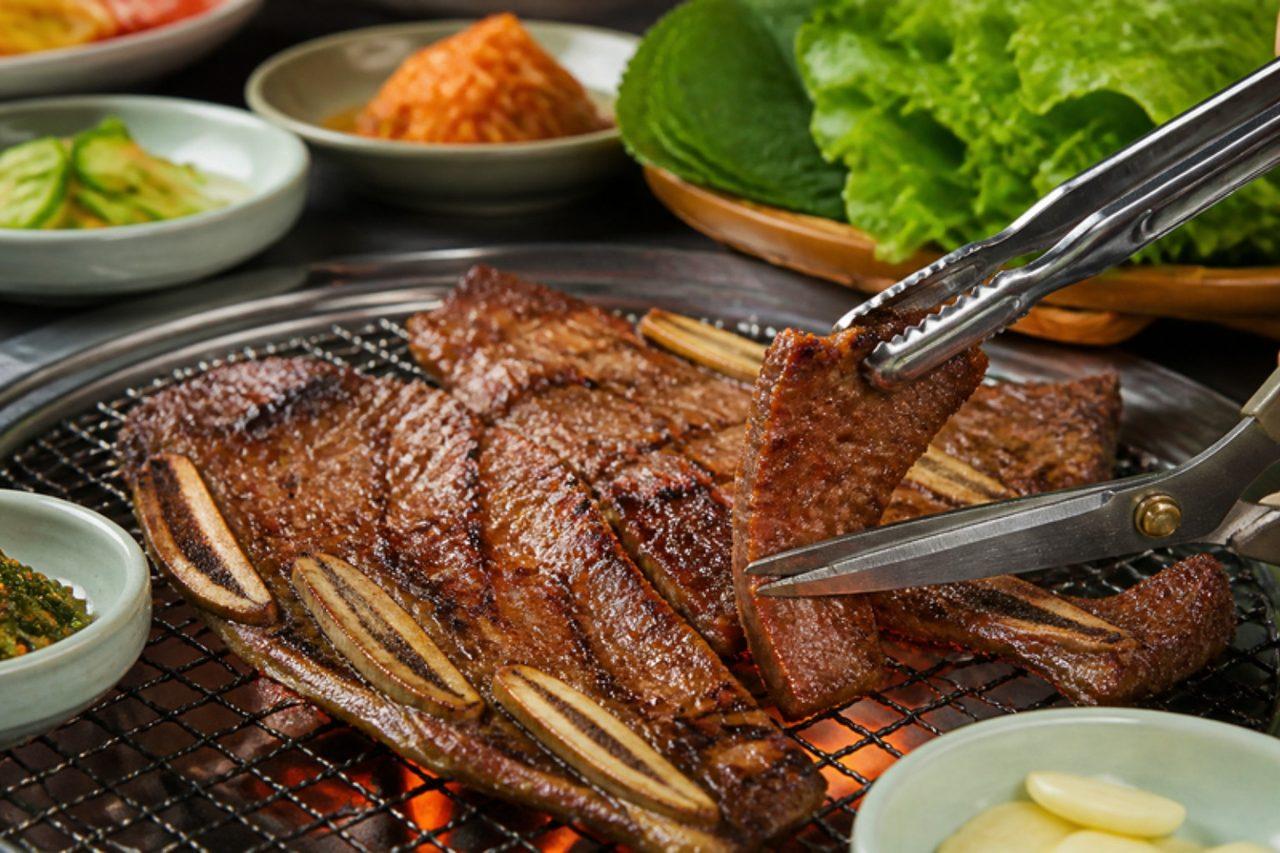
Suwon galbiGrilled beef short ribs

Suwon, south of Seoul in Gyeonggi province, once had one of the largest cattle markets in Korea, and its galbi houses grew up around that trade. The city's style is unusual: the long, butterflied short ribs are seasoned mainly with salt, garlic and sesame oil rather than the soy marinade most people know. Families and office groups grill them at the table over charcoal, snip them into pieces with scissors and wrap each bite in lettuce with ssamjang and raw garlic. At home a ridged griddle pan or a barbecue does the job well. Chef's tip: score the opened-out meat lightly in a criss-cross pattern on both sides, so the salt seasoning soaks in and the ribbon of meat stays flat on the grill.

90 minKoreanMeat
by KrazyBadal 0 views

Showing 45 of 7,762 recipes

Show more recipes

Page 683 of 863