


Skip to content
Tacos de guisado (picadillo and rajas con crema)
Featured recipe

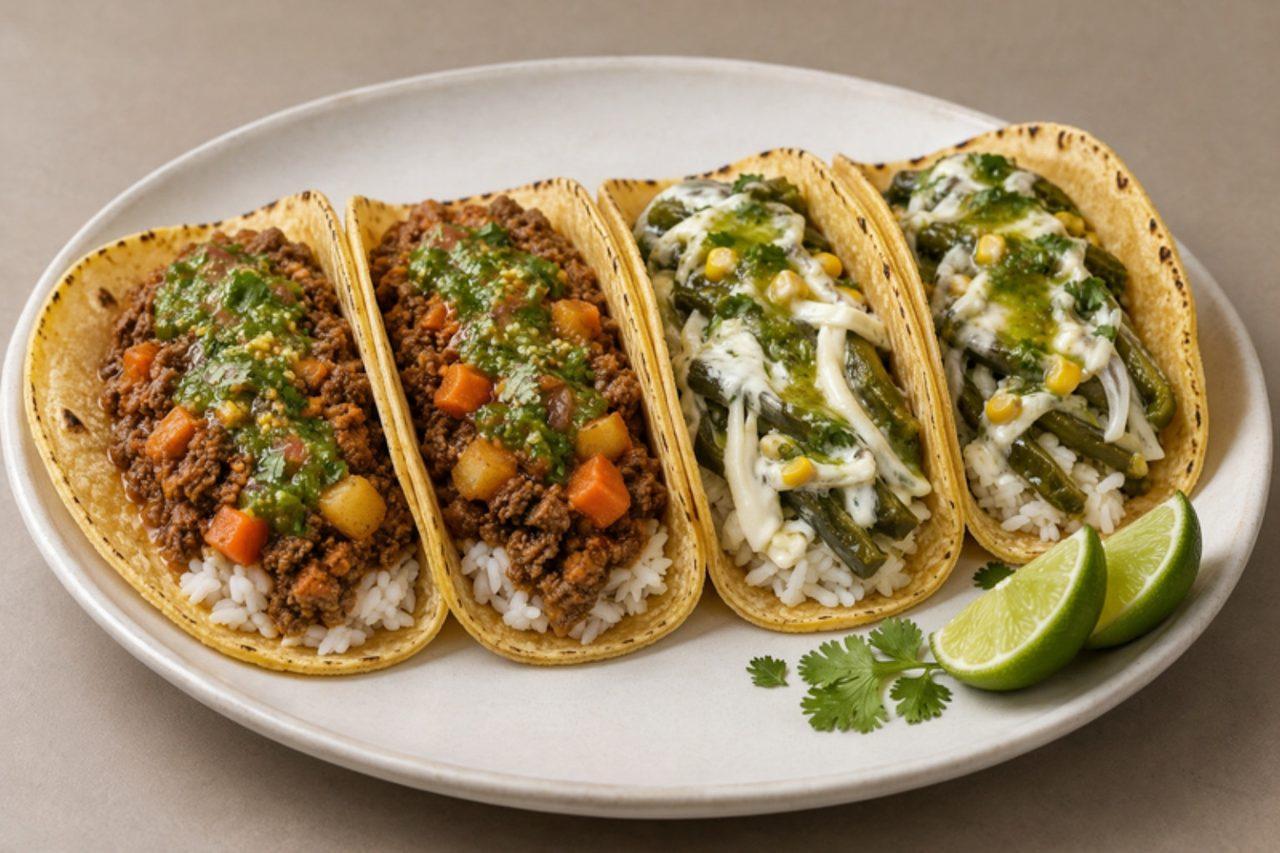
Tacos de guisado (picadillo and rajas con crema)

From about nine in the morning, guisado stalls set up on corners near offices and markets all over Mexico City, from the famous counters on Calle Ámsterdam in the Condesa to the stands outside the Mercado de Medellín. Clay pots line the counter, each with a different home-style stew: chicharrón in salsa verde, potato with chorizo, mole and many more. You point, and they spoon it into two warm tortillas. This home version makes two of the favourites, a tomatoey beef picadillo with potato and carrot, and smoky poblano strips with corn in cream. Chef's tip: always double the tortillas, as the stalls do; one tortilla tears under a juicy stew.

Read more 0 views

What to eat today?

Around the world

Today's trip: Persian

A new country every day, from every cuisine on the site.

Persian

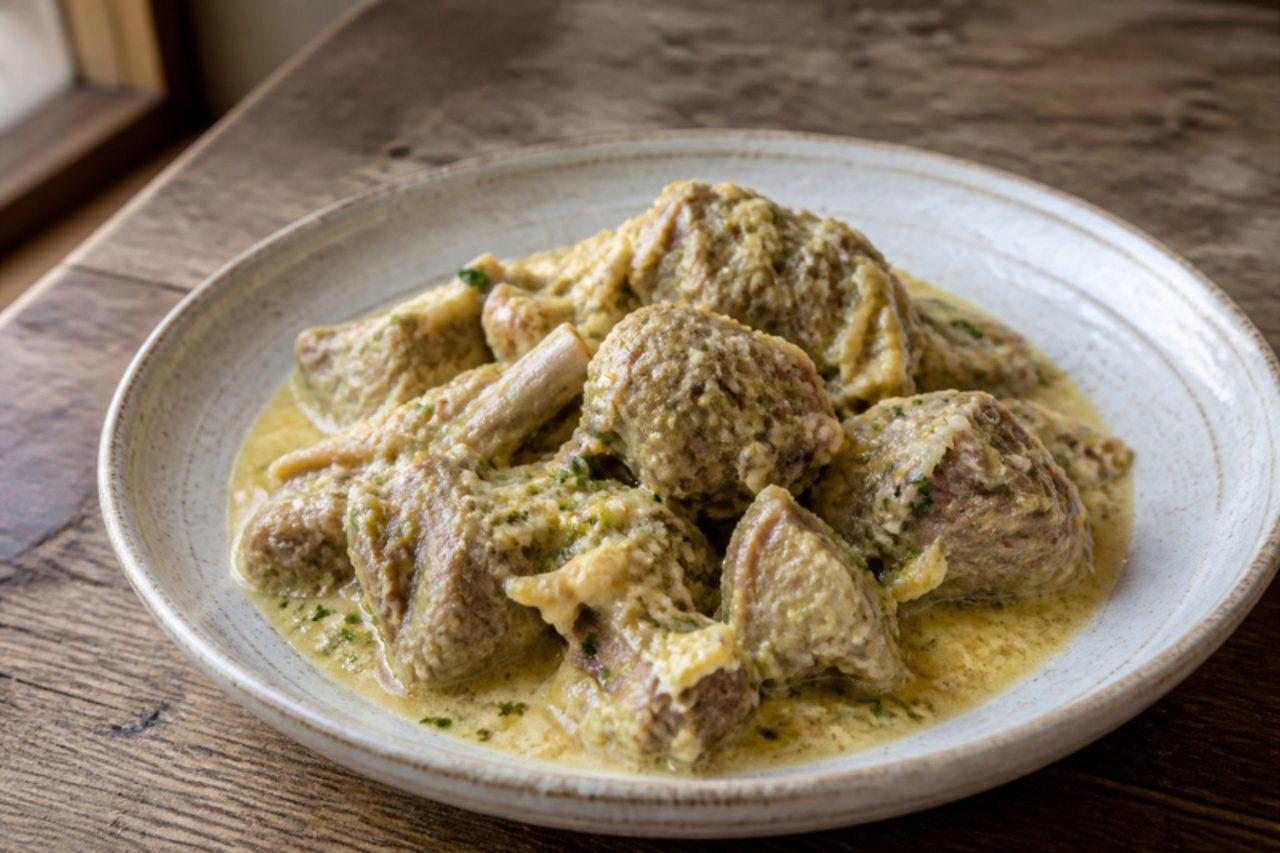
Dizi

Lamb and chickpea stew 245 minMore from Persian (131) →

This week's collection

Kid-friendly dinners
578 recipes · a new collection every Monday

Latest recipes

Jukut urabGreens with spiced coconut

Jukut urab turns up on almost every Balinese rice plate and at temple-day feasts: blanched long beans, greens and bean sprouts tossed with freshly grated coconut that has been fried with a little bumbu of shallot, chilli, kencur and lime leaf. It is bright, crunchy and only gently hot, the fresh side dish that balances heavier ones. Many cooks add shrimp paste to the bumbu; this one leaves it out. Chef's tip: toss the vegetables and coconut only just before serving, or the coconut draws out water and the dish turns soggy.

by KrazyBadal 0 views

Roasted cauliflower with tahini

Tel Aviv restaurants made the whole roasted cauliflower famous, set on the table charred and steaming for everyone to tear apart, and it has since become a favourite for Shabbat dinners and Friday get-togethers across Israel. The head is first boiled in salted water until just tender, then roasted very hot with olive oil until the florets blister and blacken in places. Lemony tahini, a scatter of herbs and a dusting of sumac turn a humble vegetable into the centre of the meal. Chef's tip: let the boiled cauliflower steam dry for 5 minutes before roasting; a wet head steams in the oven and never chars.

by KrazyBadal 0 views

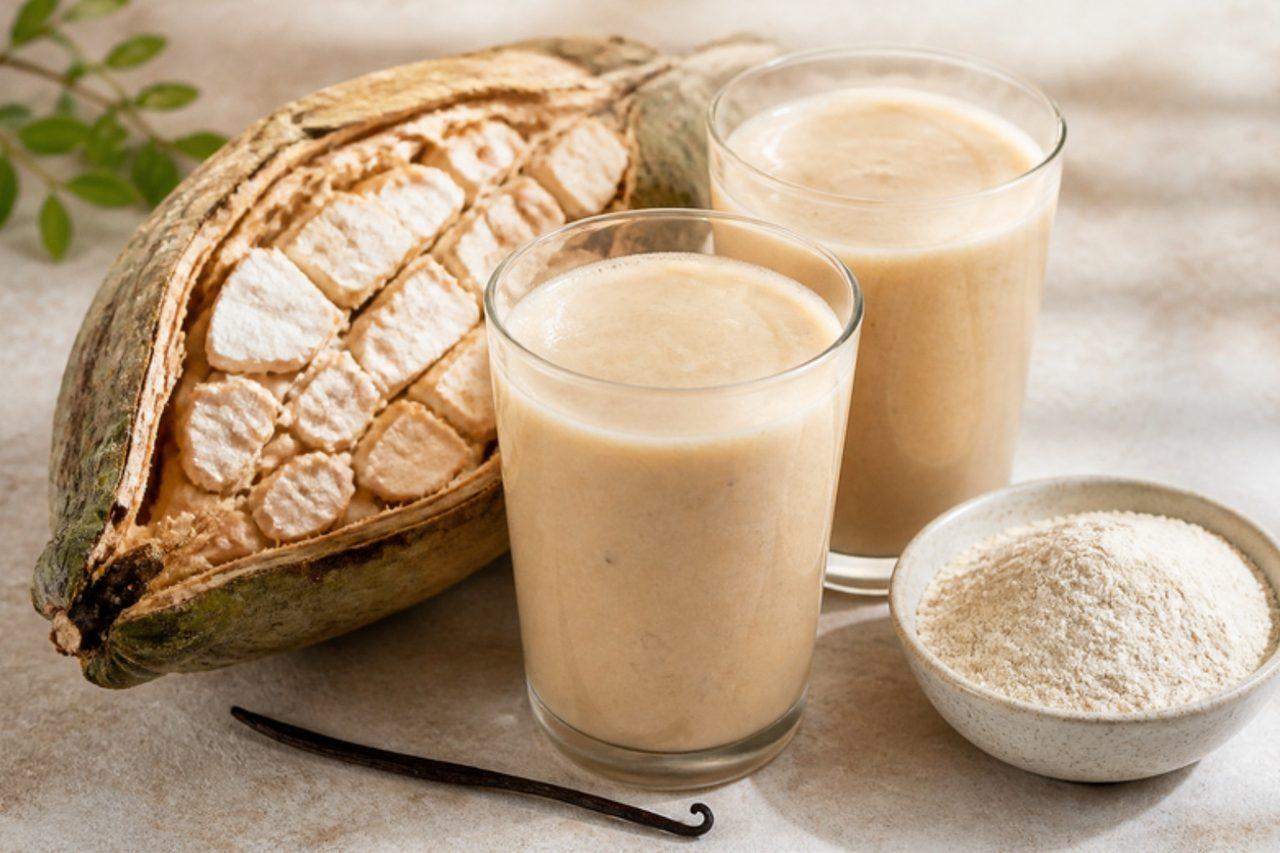
Jus de bouyeBaobab fruit drink

Bouye is the Wolof name for the powdery white pulp of the baobab fruit, and jus de bouye is the thick, creamy-tart drink sold in reused bottles from coolers all over Dakar and served at every family celebration. It tastes like sherbet with a hint of pear. Most cooks now use baobab powder, which is sold in health shops as well as African grocers. Sweetened condensed milk is optional but common. Chef's tip: whisk the powder into a little water first to make a smooth paste; poured straight into a jug it forms lumps that never dissolve.

by KrazyBadal 0 views

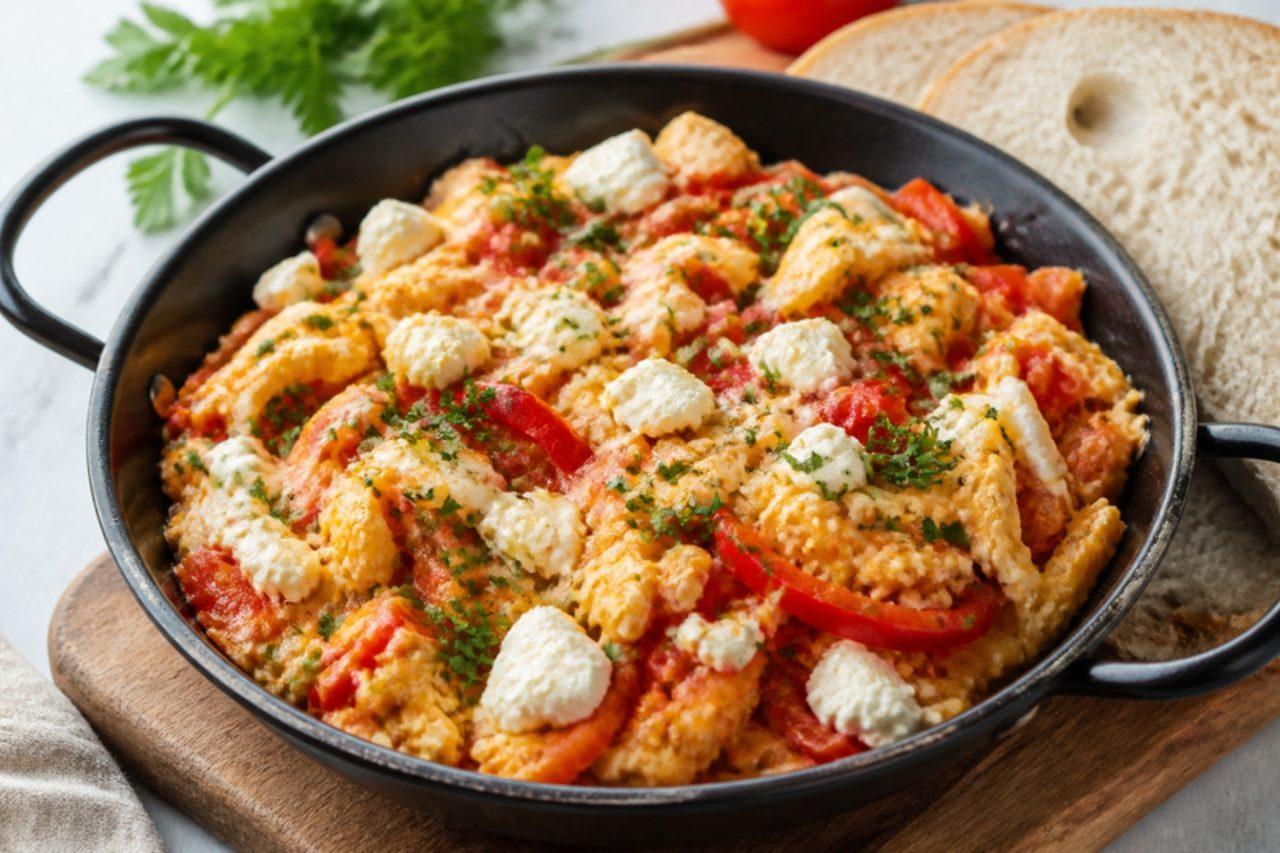
Mish-mashScrambled eggs with peppers and cheese

Mish-mash is the quick summer supper of Bulgaria, cooked in every home from Sofia flats to Black Sea holiday villas once the peppers and tomatoes are cheap and ripe. Roasted peppers, onion and tomato are fried down, then sirene and beaten eggs are stirred through until soft and creamy, finished with parsley. The crumbled white brined cheese melting into the eggs is what makes it Bulgarian rather than Turkish menemen. It is eaten straight from the pan with fresh bread, often with a glass of cold beer. Chef's tip: cook the eggs gently and take them off while still a little wet; overcooking is the common mistake, and they turn rubbery and weep water.

by KrazyBadal 0 views

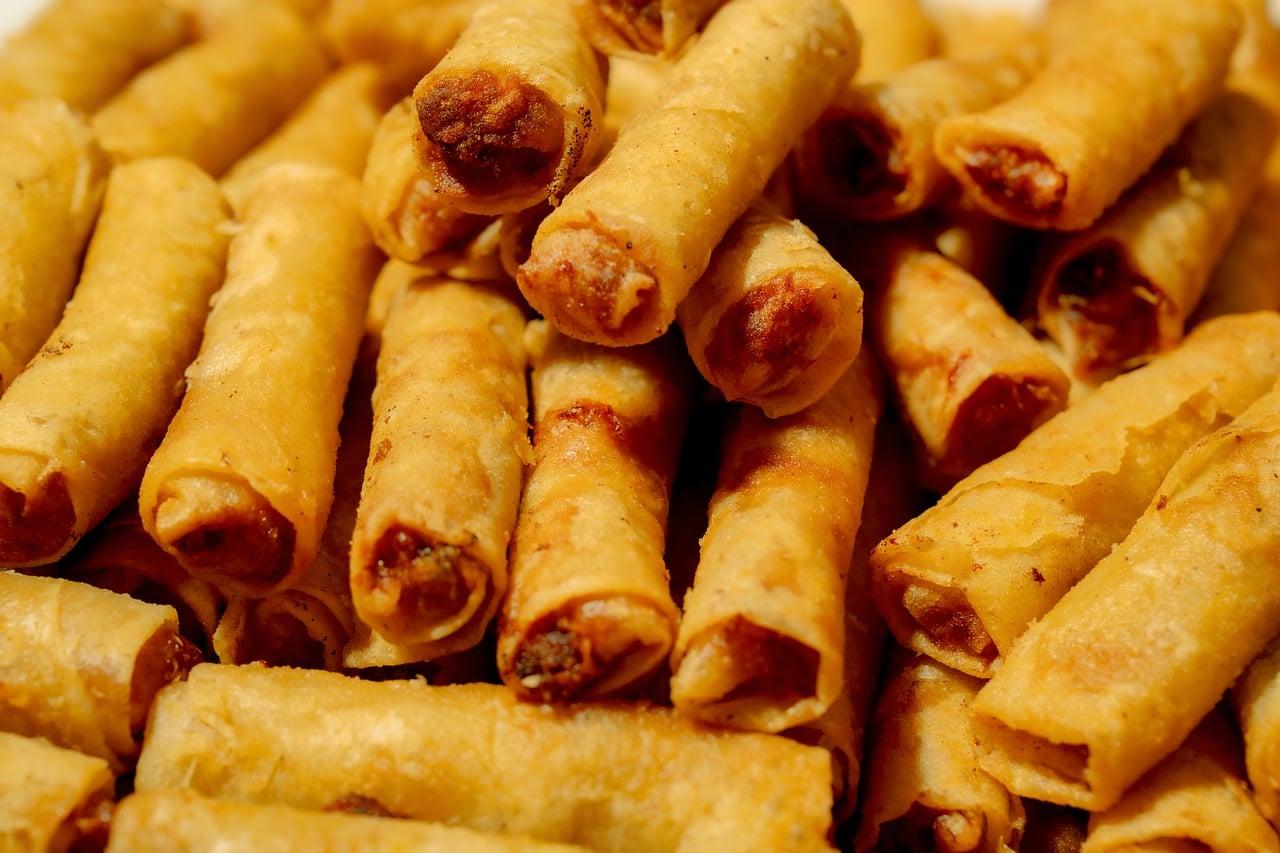
Lumpiang shanghaiPork spring rolls

No Filipino party table is complete without a platter of lumpiang shanghai, the pencil-thin pork spring rolls that disappear first at birthdays, Christmas Eve (Noche Buena) and family reunions. They came from the Chinese-Filipino cooks of Manila, and the filling is seasoned minced pork with carrot, onion and water chestnut, rolled tight in thin wrappers and fried until they crackle. Dip them in sweet chilli sauce or banana ketchup. Chef's tip: roll them no thicker than your finger; thin rolls cook through in the time the wrapper takes to turn golden.

by KrazyBadal 0 views

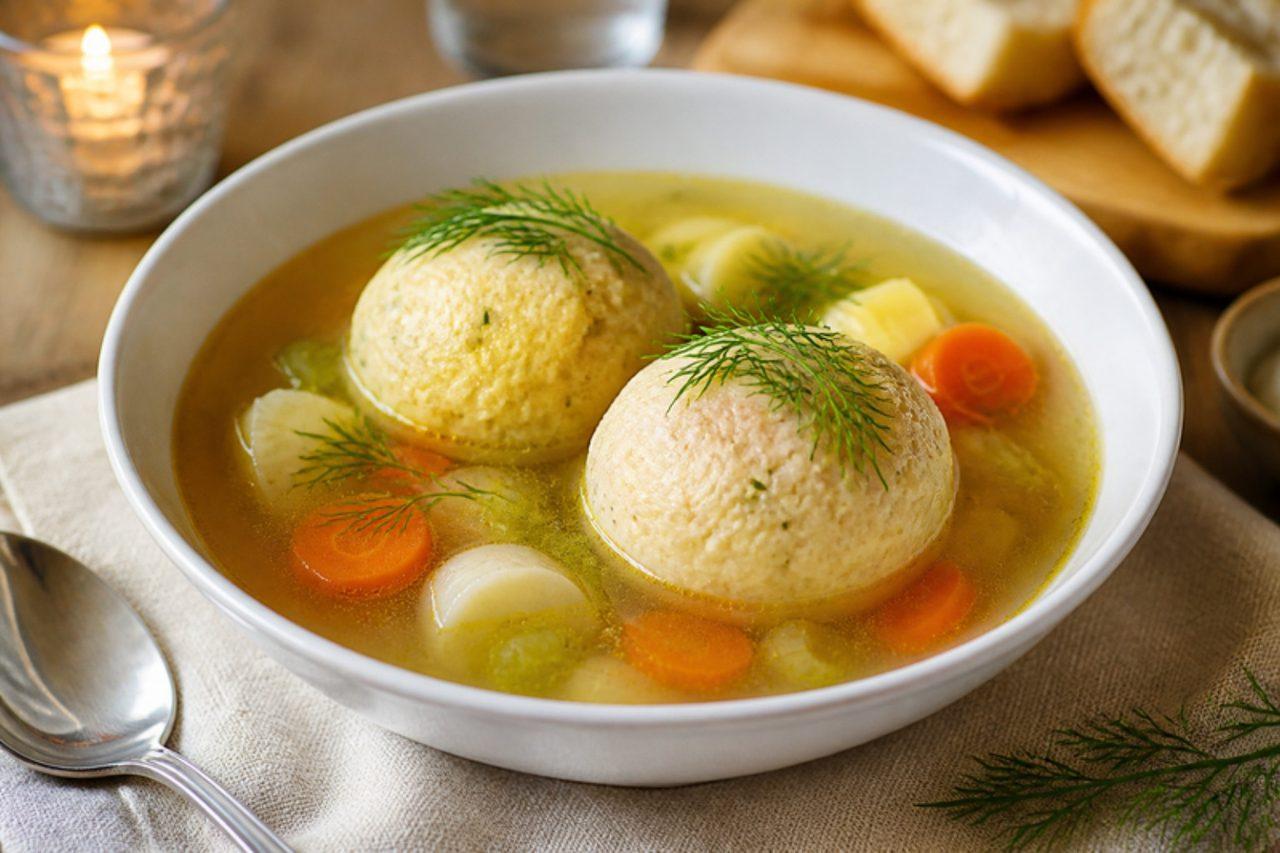
Matzo ball soup with vegetable broth

Ashkenazi Jewish families from Kraków to New York serve matzo ball soup at the Passover seder and whenever someone has a cold, and arguments about 'floaters' versus 'sinkers' go back generations. Here the broth is golden and savoury without chicken: onions browned with their skins, carrots, celery, parsnip and a few dried mushrooms simmered with dill. The kneidlach are made with oil instead of chicken fat and a splash of sparkling water so they come out light and fluffy. Chef's tip: chill the matzo mixture for at least 30 minutes; it needs time to absorb the liquid or the balls fall apart in the pot.

by KrazyBadal 0 views

KaassouffléFried Gouda in breadcrumbs

Despite the French-sounding name, a Dutch kaassoufflé has nothing to do with a baked soufflé. It is a snack-bar classic, fried in the frituur of every cafetaria from Groningen to Maastricht: a rectangle of thin pastry wrapped around a slab of young Gouda, coated in breadcrumbs and deep-fried until the cheese inside goes molten. It is the vegetarian's answer to the kroket, eaten at lunch or on the way home from football, with a squeeze of mayonnaise or sweet chilli sauce. Chef's tip: chill the filled, breaded pockets for at least 30 minutes before frying; cold pastry and cheese stay sealed in the hot oil, while warm ones burst and leak.

by KrazyBadal 0 views

Eggs with dates and onions

On a winter morning in the Emirati countryside, when the date palms have given their harvest, a pan of eggs scrambled with onion and chopped dates is a quick, filling breakfast eaten with flatbread and a glass of sweet tea. The dates melt into sticky pockets among the eggs, the onions add savoury sweetness and a pinch of cardamom ties it together. It is homely food rarely seen in restaurants, made in minutes from what every Gulf kitchen has. Chef's tip: use soft, moist dates such as khalas or medjool; dry ones stay chewy and never melt into the eggs.

by KrazyBadal 0 views

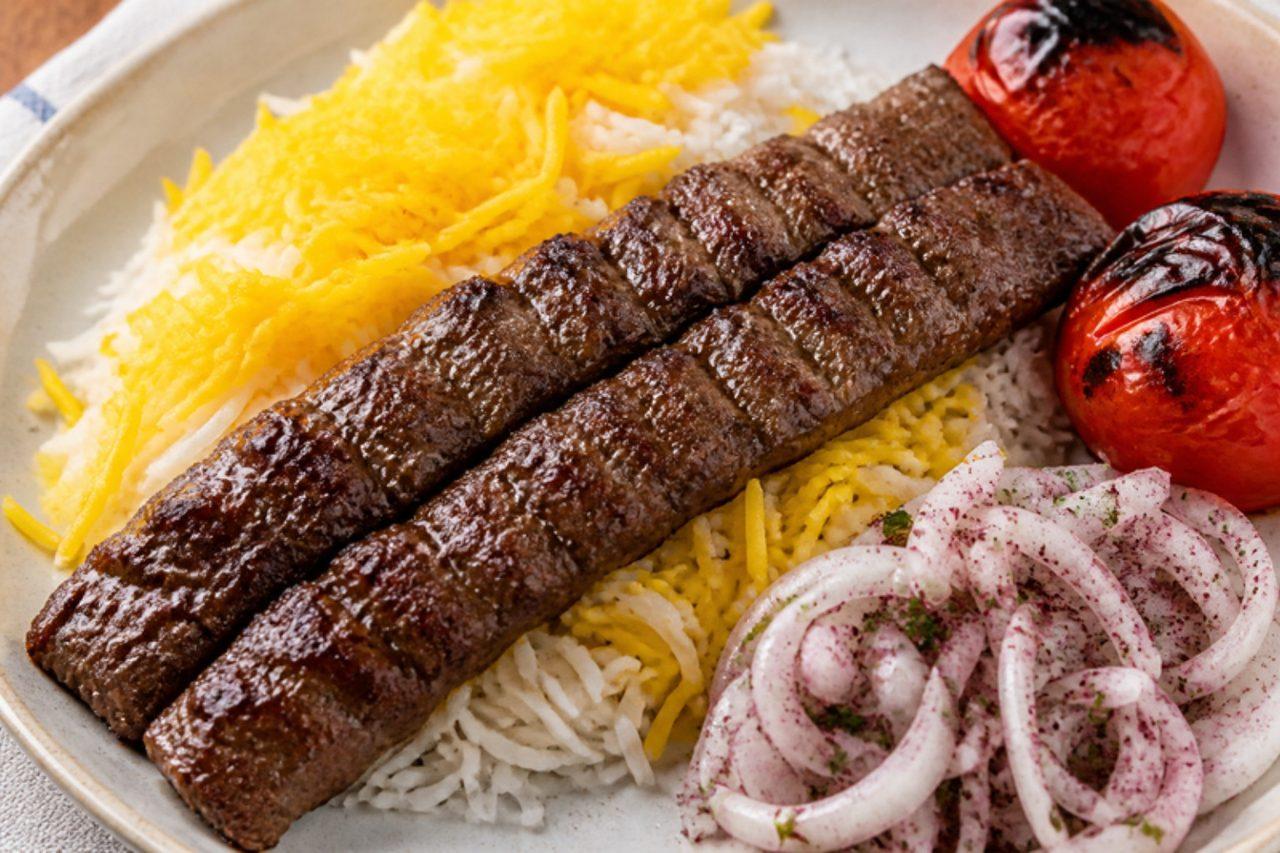
Kabab koobidehMinced lamb kebabs

Koobideh is the kebab of Tehran's bazaar lunch houses and roadside chelo-kababis, laid on a hill of buttered rice with a raw egg yolk or a slab of butter melting into the grains. The name means 'pounded': minced lamb is kneaded with grated onion until it turns sticky and pale, then pressed by hand along wide, flat skewers and grilled hard over coals. It comes out juicy and onion-sweet, with little ridges from your fingers. Eat it with charred tomatoes, raw onion, fresh herbs and lavash on the side. Chef's tip: squeeze every drop of juice out of the grated onion; wet mince slips straight off the skewer.

by KrazyBadal 0 views

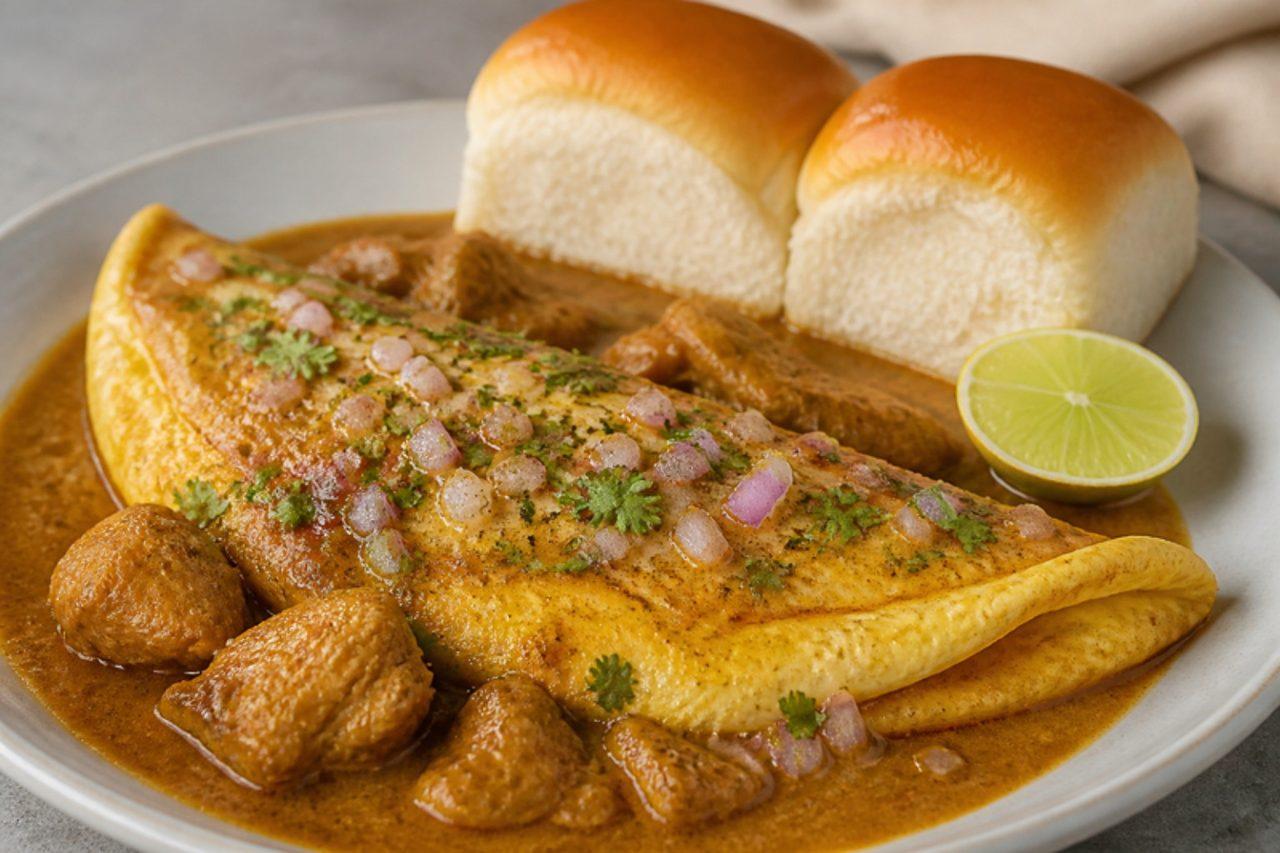
Goan ros omelette

After dark in Panjim, Mapusa and Margao, roadside carts fry omelettes to order and ladle over them a thin, spicy chicken gravy called ros, meaning juice. It is late-night food, eaten standing up, mopped with soft Goan pao. The ros is a loose chicken xacuti, rich with roasted coconut, poppy seeds and star anise. Chef's tip: keep the gravy soupy; it should flood the omelette and soak into the bread, not sit on top like a stew.

by KrazyBadal 0 views

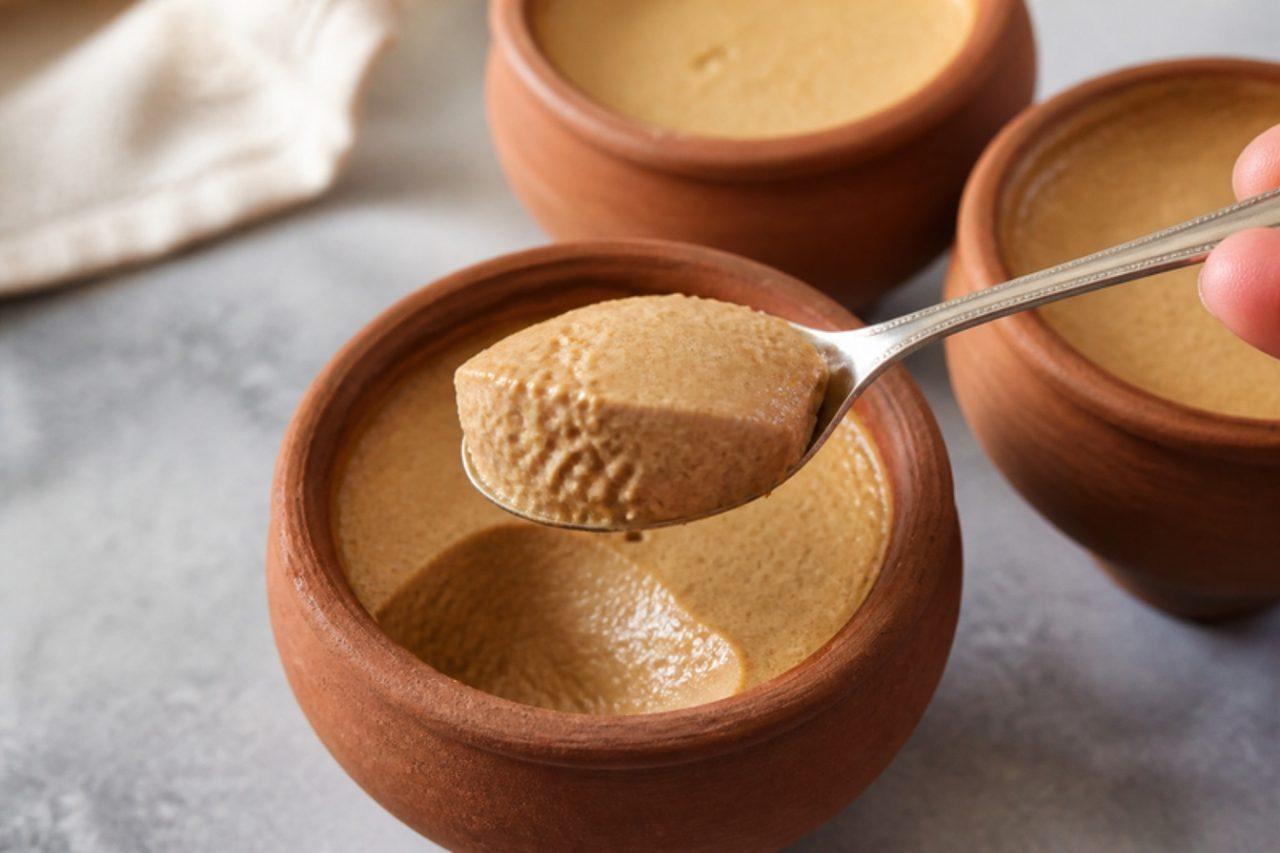
Mishti doiSweet set yogurt

Mishti doi, 'sweet yogurt', is the classic end to a Bengali meal, sold in Kolkata sweet shops in unglazed clay pots. Milk is simmered until it thickens, sweetened with sugar cooked to a deep caramel, then set overnight with a little live yogurt. The result is thick, creamy and smooth, with a toffee-like sweetness and a gentle tang. Clay pots absorb excess whey, which makes it extra thick, but small glass or ceramic bowls work too. Chef's tip: cool the milk to just warm (about 40°C, comfortable on your little finger) before adding the starter; too hot kills the culture and too cool leaves it runny.

by KrazyBadal 0 views

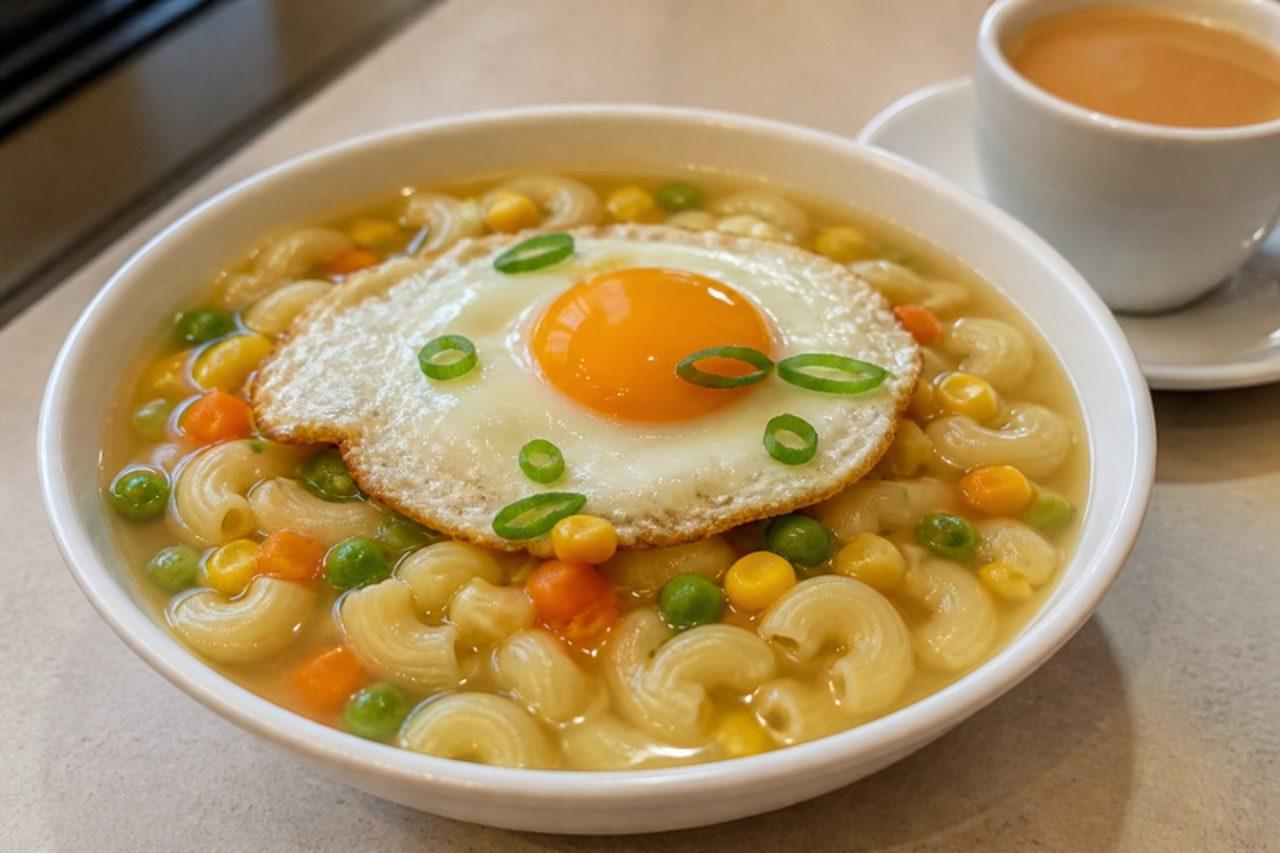
Hong Kong vegetable macaroni soup

Walk into any Hong Kong cha chaan teng before 11 am and you'll see bowls of macaroni in clear soup on almost every table, part of the breakfast set with toast and milk tea. The usual version carries strips of ham; at home many families make it with sweetcorn, peas, carrot and a fried egg instead, for a light, comforting bowl that children love. Chef's tip: cook the macaroni separately and add it to the broth at the end, so it stays springy and the soup stays clear.

by KrazyBadal 0 views

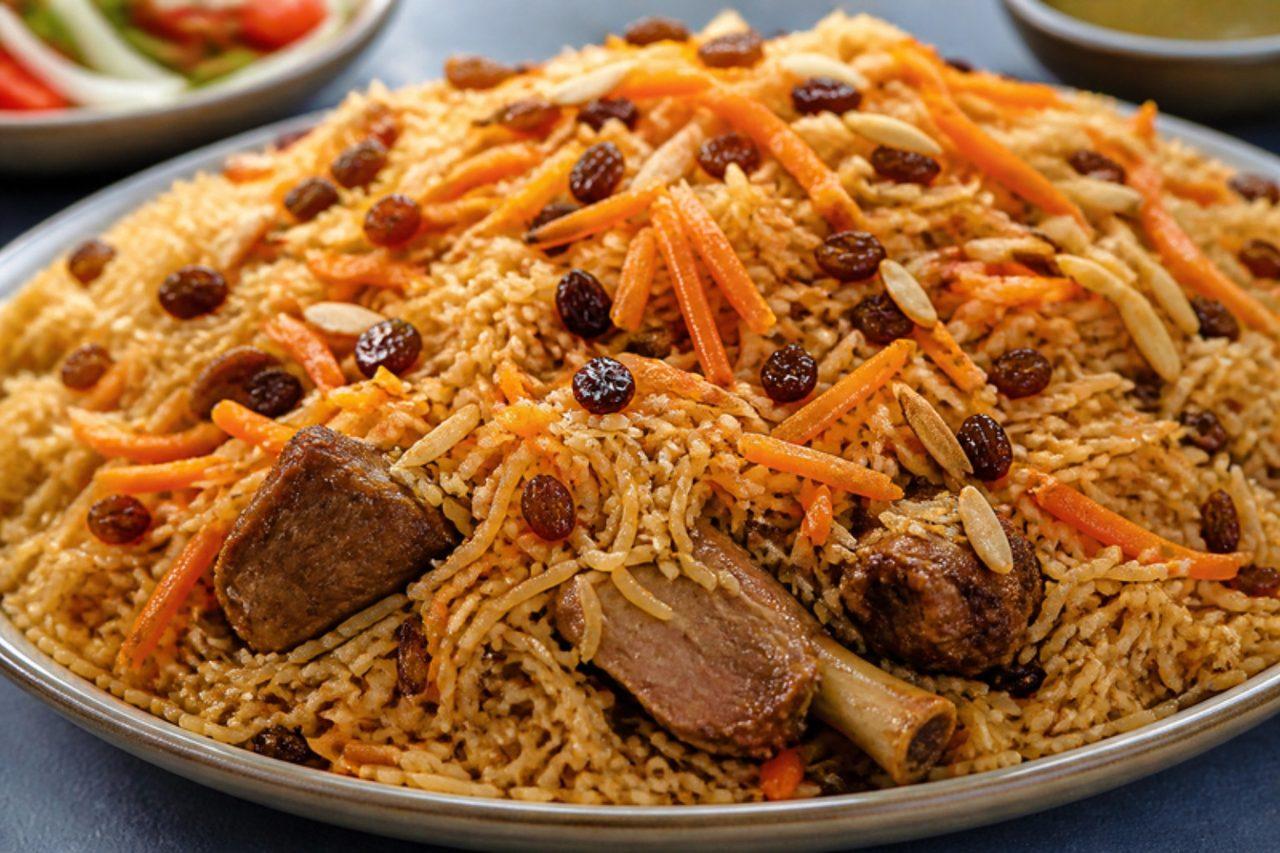
Kabuli pulaoLamb pilaf with carrots and raisins

Kabuli pulao crossed the Khyber Pass from Afghanistan and is now part of everyday cooking in Peshawar and across Khyber Pakhtunkhwa, where it is the dish of honour for guests and the centre of Eid tables. Lamb on the bone is simmered into a rich stock, then rice is cooked in that stock and the meat is buried in the middle so it stays soft. On top go strips of carrot and raisins, glazed in a little sugar, and toasted almonds. It isn't spicy, just warm with cumin and cardamom. Chef's tip: caramelise a spoon of sugar in the oil before adding the stock; it gives the rice its traditional golden-brown colour.

by KrazyBadal 0 views

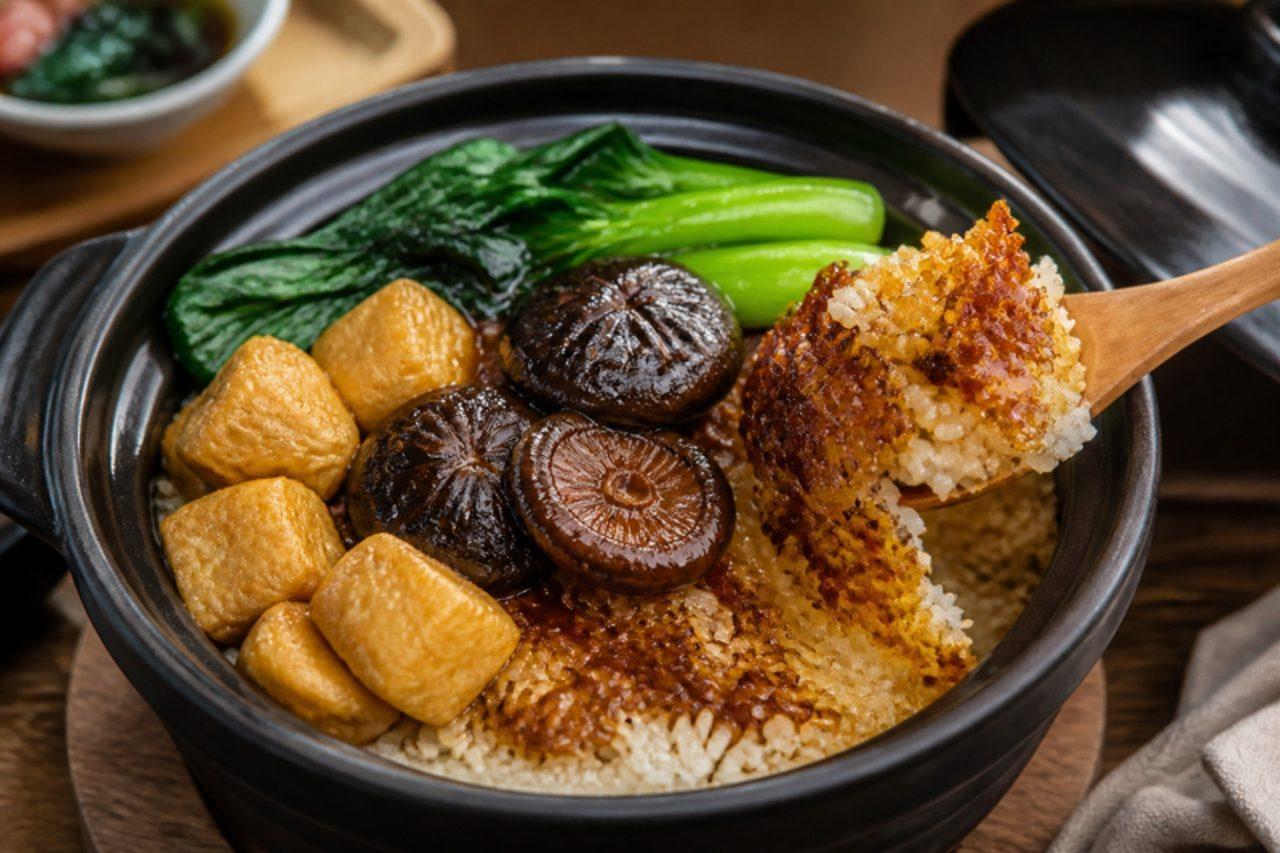
Claypot rice with mushroom and tofu

In winter, the dai pai dong stalls of Temple Street and Mong Kok line up dozens of little clay pots over roaring flames, and queues form for bou zai faan: rice cooked right in the pot, topped with the day's ingredients and doused with sweet soy at the table. The prize is the golden, crackling crust (faan jiu) at the bottom. This vegetarian pot uses shiitake, fried tofu puffs and choy sum, seasoned with a mushroom-based vegetarian oyster sauce. Chef's tip: once the rice has absorbed its water, drizzle oil round the inside edge of the pot and turn it slowly over the flame; that's how the crust forms evenly instead of burning in one spot.

by KrazyBadal 0 views

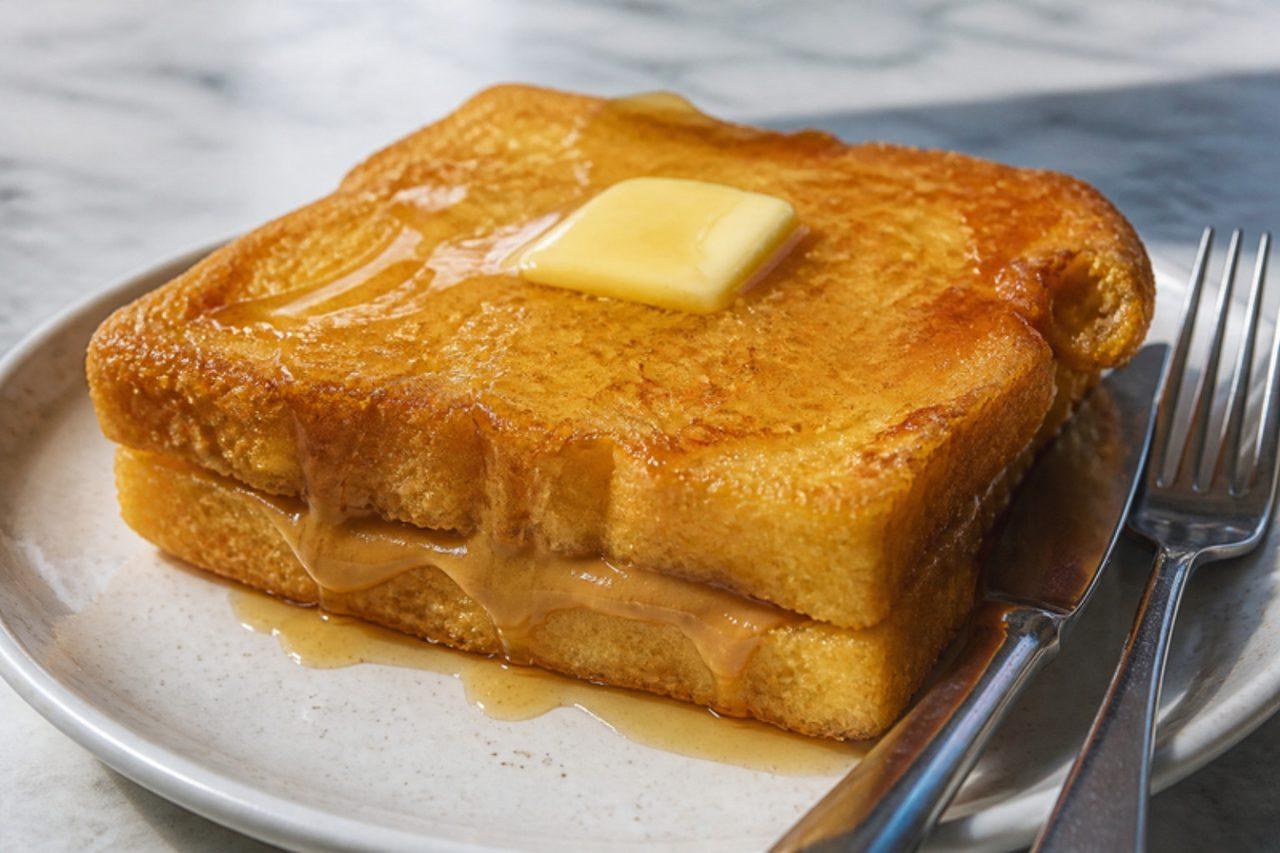
Hong Kong French toast

In Hong Kong's cha chaan teng (tea restaurants), French toast means two thick slices of white bread sandwiched with peanut butter, dipped in egg, fried until puffed and golden, then crowned with a pat of butter and a pour of golden syrup or condensed milk. It is an afternoon tea-set favourite, paired with a strong cup of milk tea, and it's richer than any French version. Chef's tip: trim the crusts and press the sandwich edges firmly so the egg doesn't seep into the peanut butter.

by KrazyBadal 0 views

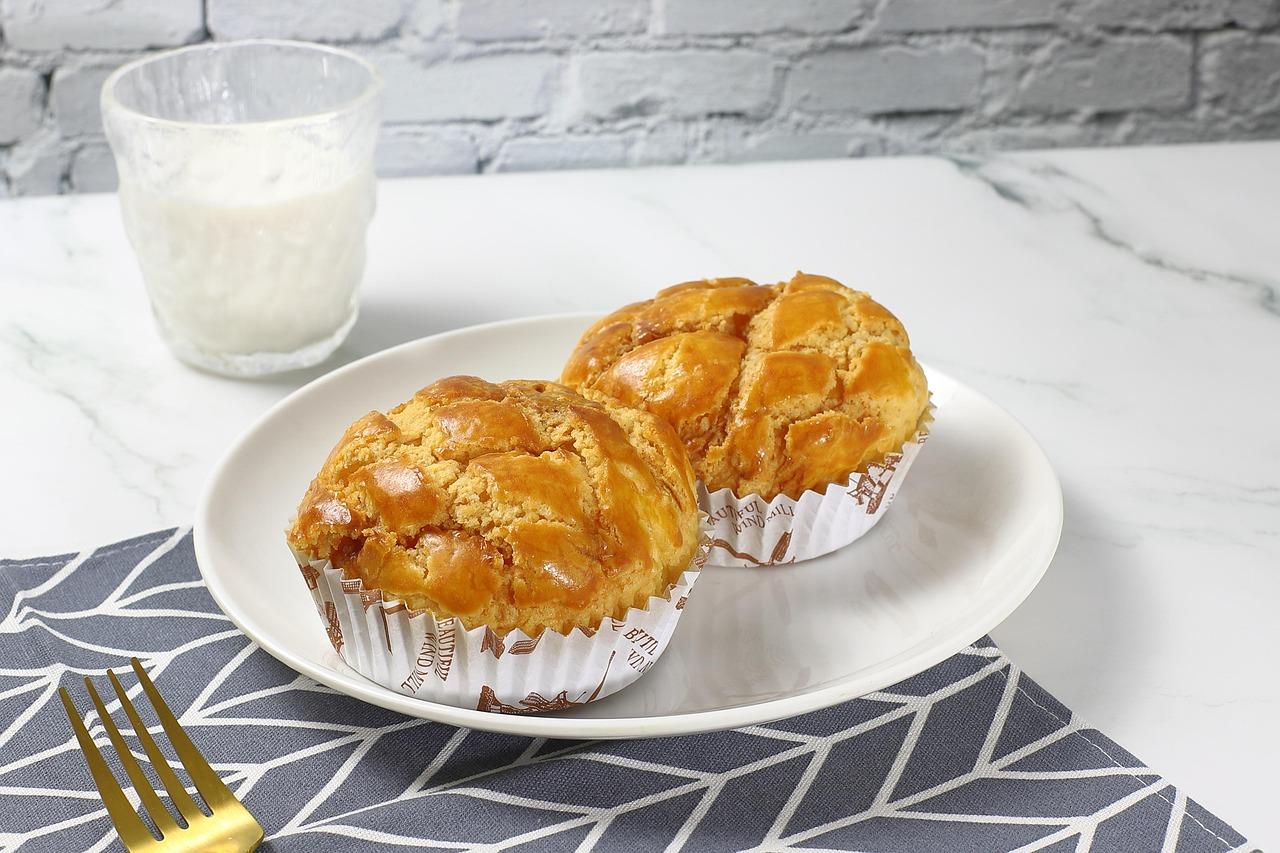
Hong Kong pineapple bun

Despite the name, there is no pineapple in a bolo bao; the crackled, golden sugar crust on top just looks like the fruit's skin. It is the best-selling bun in Hong Kong bakeries and cha chaan teng cafés, eaten warm at breakfast or tea time with milk tea, and many people order it as bo lo yau, split open with a thick, cold slice of butter melting into it. Chef's tip: roll the topping between two sheets of baking paper rather than on a floured board; the soft dough is fragile and paper lets you lift it on in one piece.

by KrazyBadal 0 views

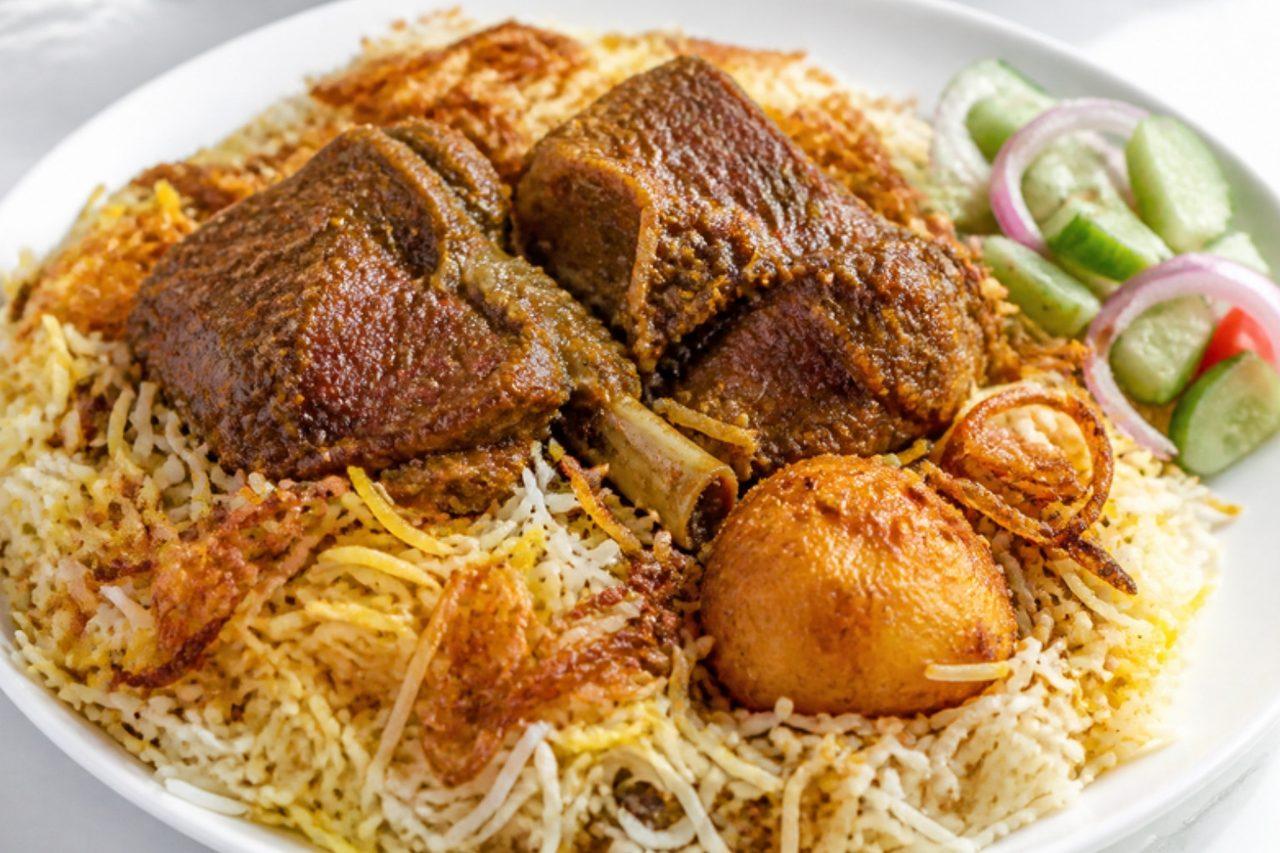
Kacchi biryaniRaw-marinated mutton biryani

Kacchi biryani is the wedding dish of Old Dhaka: at every Bangladeshi biye the huge copper pots come out, and the lanes around Nazira Bazar are famous for it. 'Kacchi' means raw: the mutton goes into the pot uncooked, marinated in yogurt and spices, under a layer of half-cooked aromatic rice and fried potatoes, and everything steams together for over an hour so the meat juices cook the rice. Serve it with borhani, the spiced yogurt drink, and a salad of sliced cucumber and onion. The common mistake is under-marinating or using lean meat cut too large; small pieces of shoulder with some fat, marinated overnight in the fridge, cook through in time. Chef's tip: seal the lid with a rope of dough; if no steam escapes, the meat at the bottom becomes tender without you ever opening the pot.

by KrazyBadal 0 views

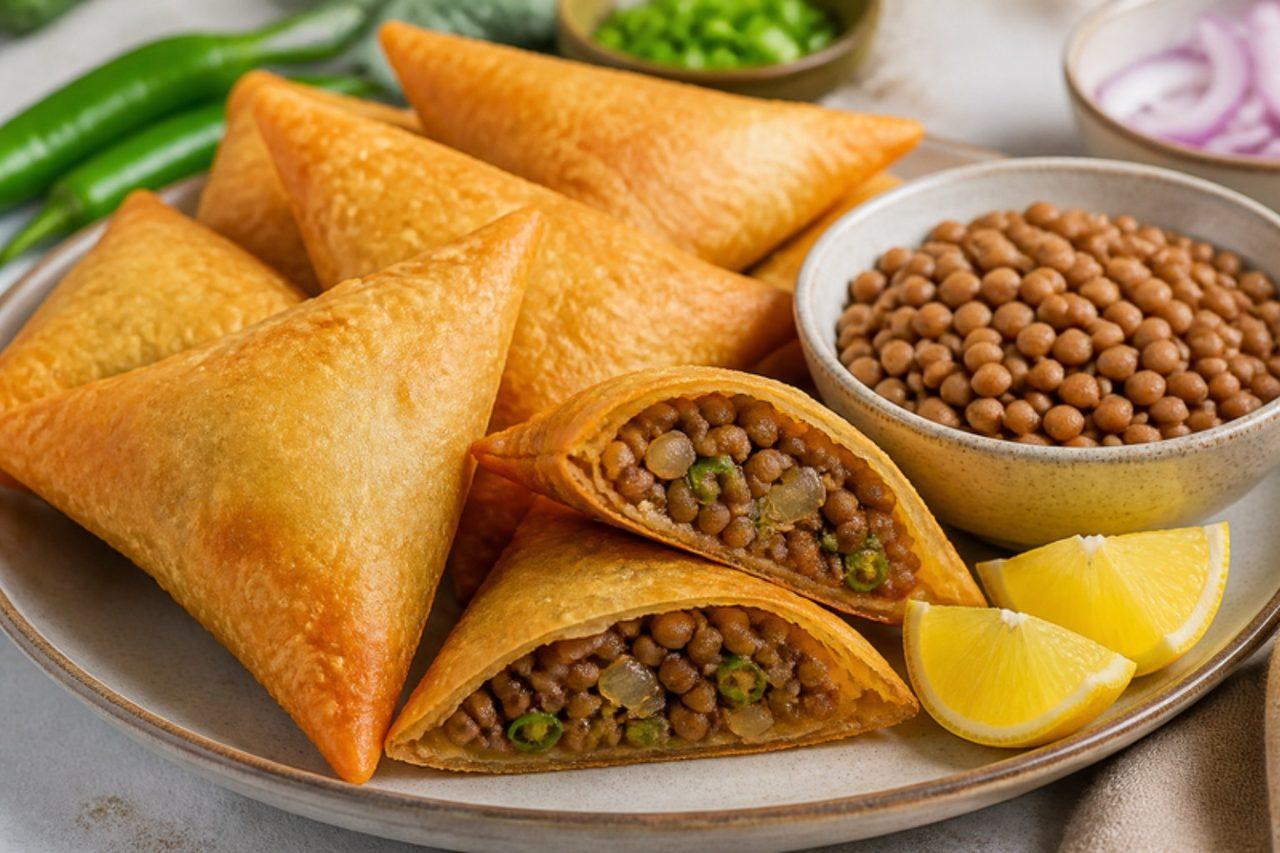
Misir sambusaLentil-filled pastry triangles

Sambusa are the crunchy triangles sold on the streets of Harar and Dire Dawa, and made at home across Ethiopia for Ramadan, Meskel and Timkat celebrations. The Ethiopian version is usually filled with brown lentils (misir), cooked dry with onion, green chilli and spices, then wrapped in thin pastry and fried until blistered and golden. Eat them hot, with a squeeze of lemon or a spicy dip. Chef's tip: cook the lentil filling until it is quite dry; a wet filling makes the pastry soggy and causes bursting in the hot oil.

by KrazyBadal 0 views

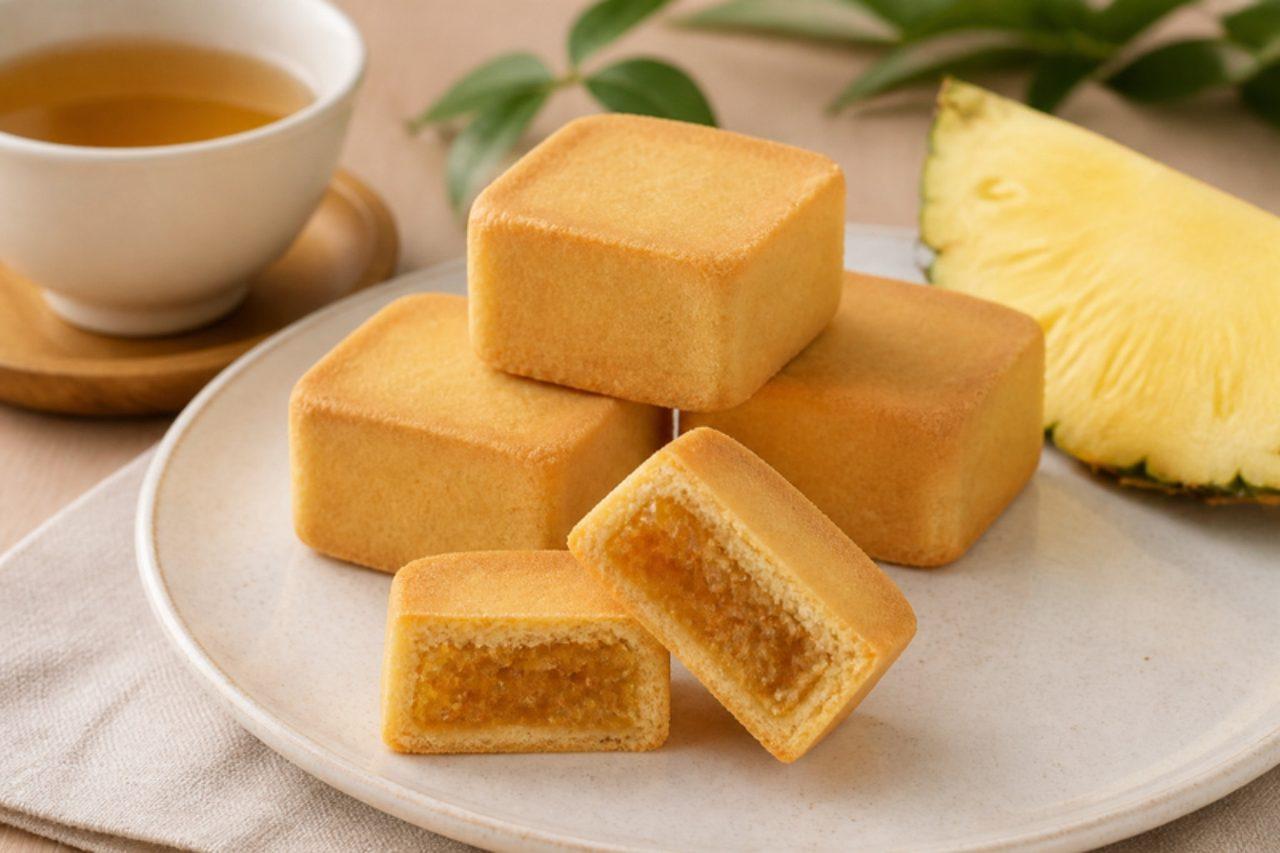
Taiwanese pineapple cakes

Feng li su are the gift-box sweet of Taiwan: little golden squares of crumbly, milky shortbread wrapped round a chewy pineapple jam. Bakeries in Taichung and Taipei pack them in tins for Lunar New Year, weddings and visiting relatives, and the name sounds like 'prosperity arriving' in Taiwanese Hokkien. Older bakeries bulk the filling with winter melon for a softer, sweeter jam; this home version uses fresh pineapple only, cooked down until thick and tangy. Chef's tip: chill the dough and the jam balls before wrapping; cold, firm pieces are far easier to seal without the jam breaking through.

by KrazyBadal 0 views

Gua bao with braised tofu and mushroom

Gua bao are the folded, clam-shaped buns sold at night markets from Tainan to Keelung, traditionally stuffed with a slab of soy-braised pork belly and eaten as a 'tiger bites pig' snack at year-end company dinners. Here the filling is thick slices of tofu and king oyster mushroom simmered in the same sweet soy braise, then layered with sour mustard greens, a spoon of ground peanut and sugar, and fresh coriander. The soft bun, salty filling and sweet peanut crumble are what make it. Chef's tip: brush the half-moons with oil before folding and lay a strip of baking paper inside, so the buns open cleanly after steaming.

by KrazyBadal 0 views

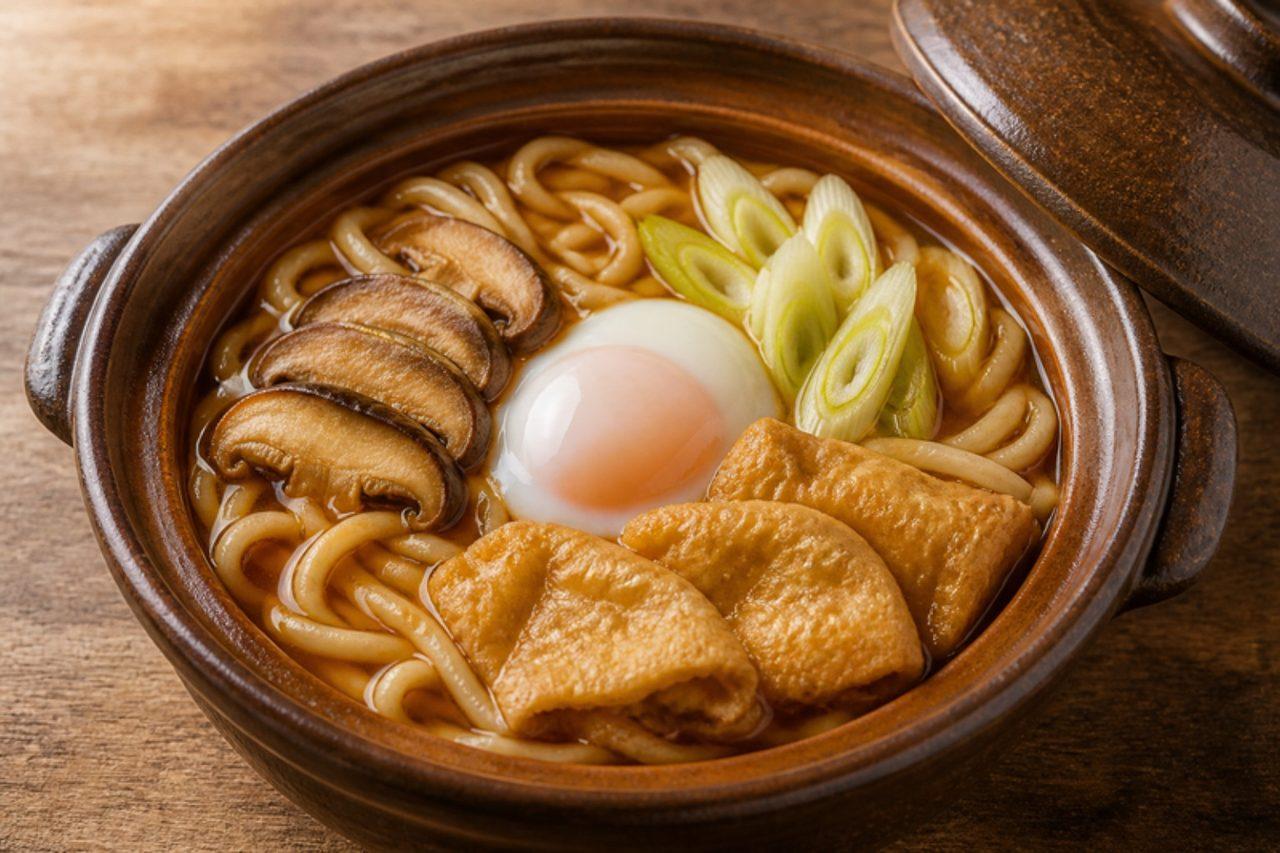
Miso nikomi udonUdon in miso broth

In Nagoya, udon is cooked in its broth rather than boiled separately, in a small clay pot called a donabe that comes to the table still bubbling. The broth is made with Aichi's famous dark soybean miso, hatcho miso, which is aged for years and tastes deep, slightly bitter and chocolatey. Nagoya's noodles are deliberately firm, almost chewy at the centre, and locals use the pot's lid as a plate to cool each mouthful. It is a cold-weather lunch, and the egg poached on top is part of the ritual. Our version uses kombu-shiitake dashi and fried tofu instead of chicken. Chef's tip: dissolve the miso in a ladle of broth before adding it. Hatcho miso is dense and stays in lumps if it goes straight in.

by KrazyBadal 1 views

Kachri ki chutneyWild melon and chilli chutney

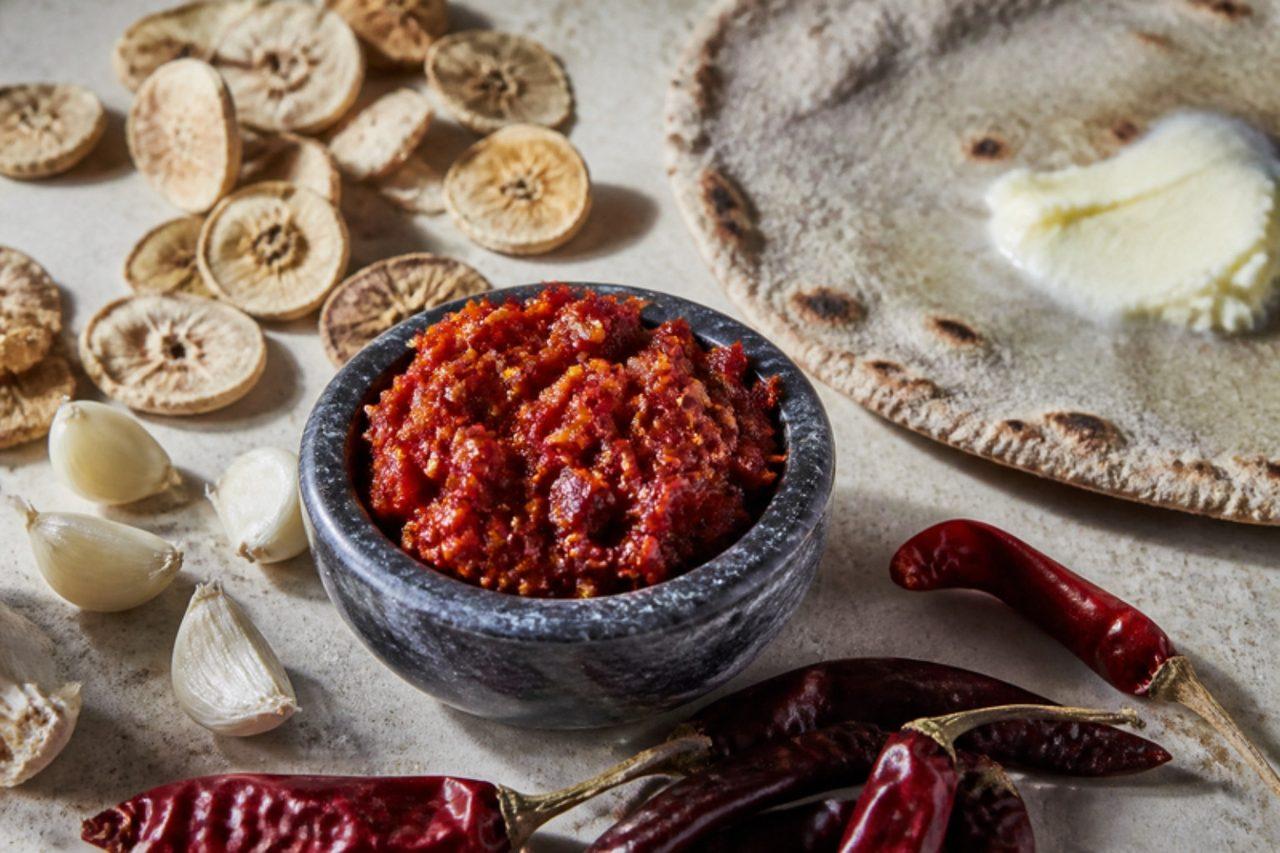
Kachri is a small wild melon that grows on its own in the sandy fields of southern Haryana and western Rajasthan. Sliced and sun-dried, it keeps for a year and has a sharp, sour taste that farmers' families grind with garlic and red chilli into this fiery chutney. A spoonful goes with bajra roti and white butter on a winter afternoon, or with dal and rice when there is nothing else in the house. Dried kachri and kachri powder are sold in Indian grocers. Chef's tip: taste a piece of dried kachri first; occasionally one batch is bitter, and that bitterness will ruin the whole jar.

by KrazyBadal 0 views

Taipei sesame noodles

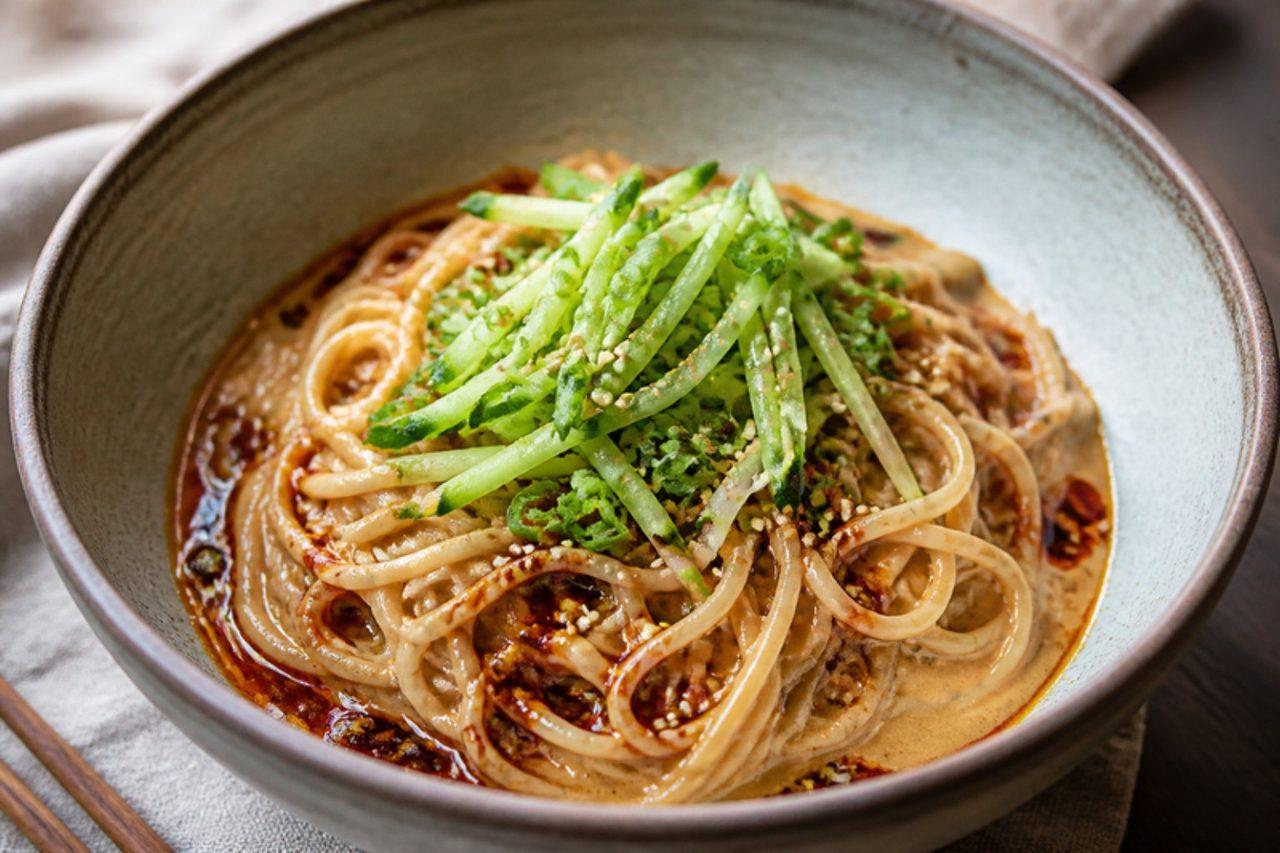
Ma jiang mian is the first thing many Taipei students order at the corner noodle shop, with a bowl of soup on the side and a plate of sliced cucumber. The noodles are tossed, never drowned, in a thick sauce of toasted sesame paste loosened with soy sauce, black vinegar and a little of the cooking water, then splashed with chilli oil. It works hot in winter and cold from the fridge in the sticky Taipei summer. Chef's tip: use Chinese toasted sesame paste rather than tahini if you can; it's made from roasted seeds and gives a much nuttier, darker sauce.

by KrazyBadal 0 views

KachumbariTomato and onion salad

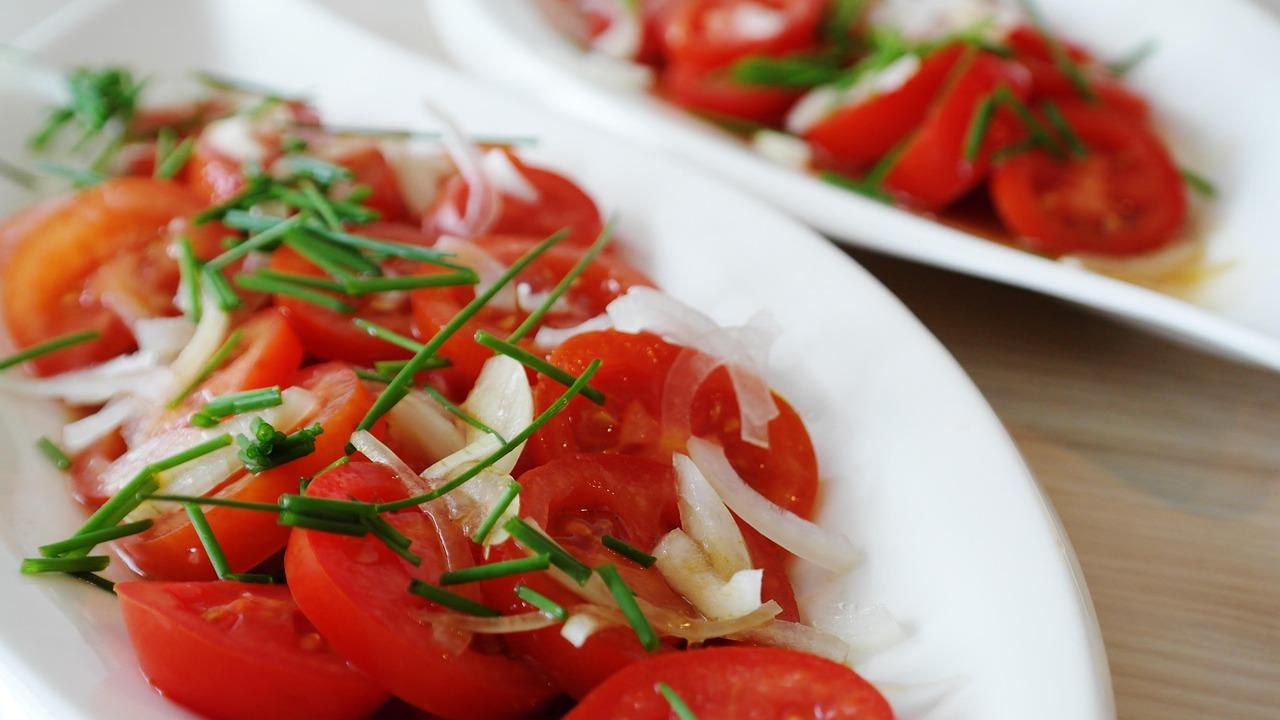
Kachumbari is the raw salad that goes with nearly everything in Kenya and Tanzania: nyama choma grills in Nairobi, pilau on the Swahili coast, chips mayai at roadside stalls and ugali at home. It is simply ripe tomato and red onion cut small, with coriander, chilli and lime, and sometimes cucumber or avocado. Chef's tip: soak the sliced onion in salted water for ten minutes; it takes away the harsh bite without losing the crunch.

by KrazyBadal 0 views

Three-cup tofu

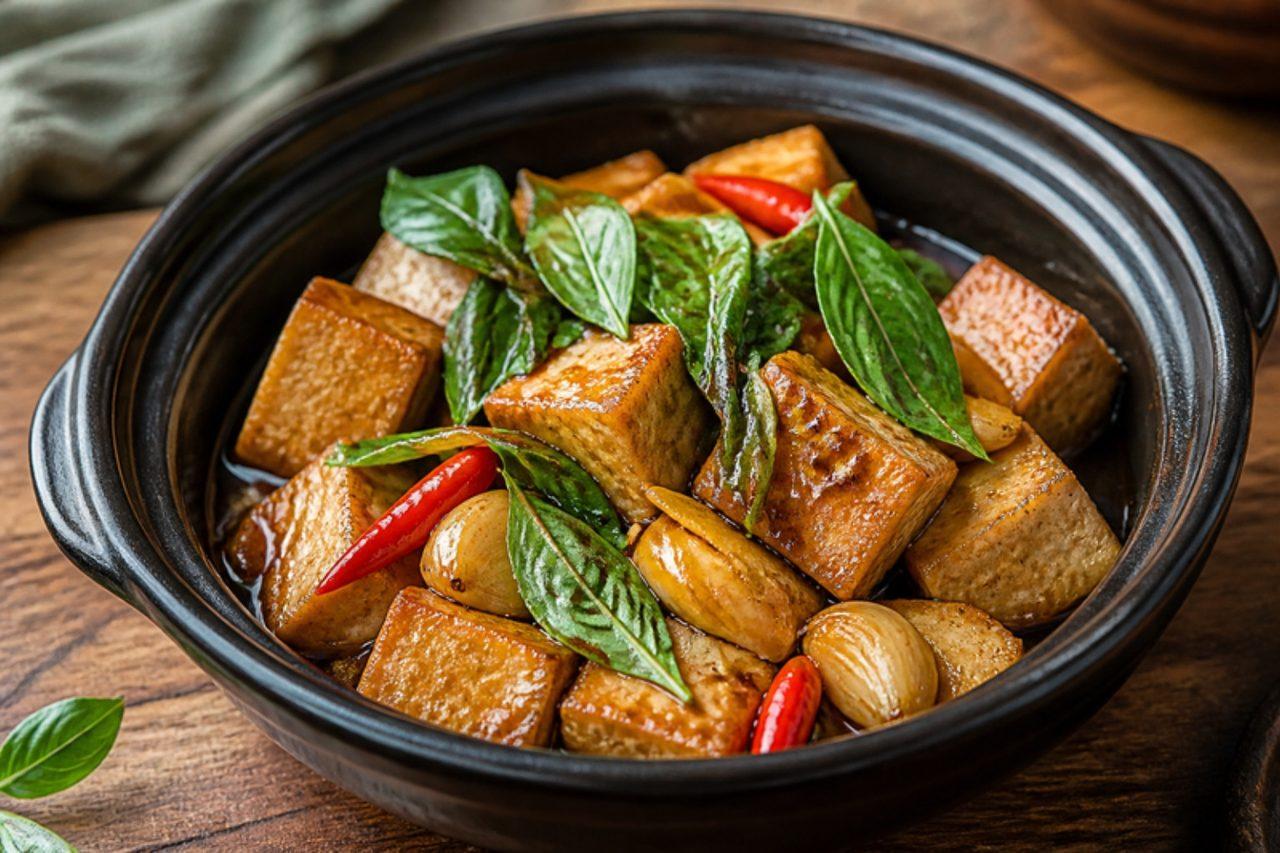
Three-cup dishes (san bei) are cooked in every Taiwanese home and in the rè chǎo stir-fry beer halls, where they arrive at the table still crackling in a clay pot. The name comes from the old equal measures of sesame oil, soy sauce and rice wine; today cooks use less, but the result is the same sticky, garlicky glaze lifted at the last second by a fistful of Taiwanese basil. Chicken is the most famous version; tofu soaks up the sauce even better and is just as popular in vegetarian restaurants around Taipei. Serve with plain rice. Chef's tip: fry the ginger slices in the sesame oil until they curl and frill at the edges before anything else goes in; that is where the dish's warm, toasty smell comes from.

by KrazyBadal 0 views

Hong Kong egg waffles

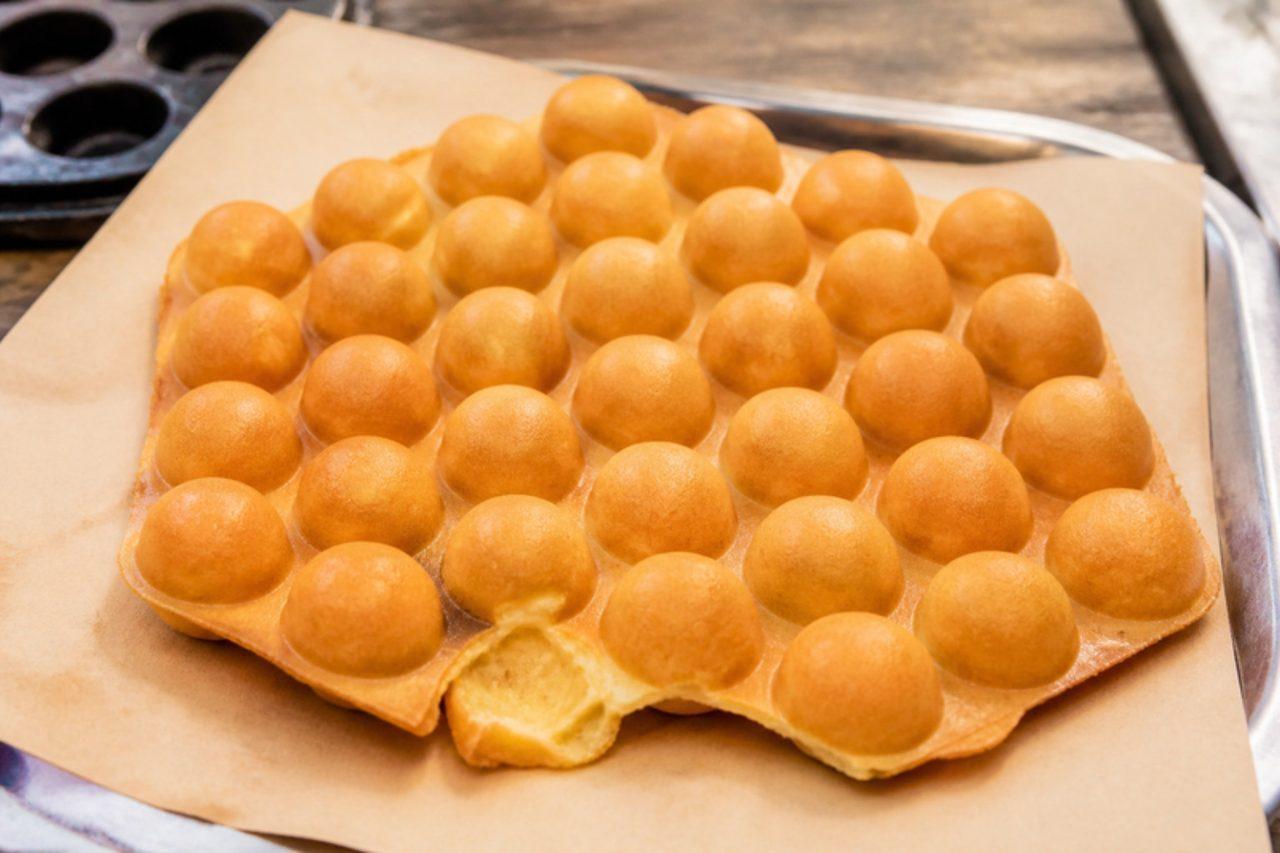
Gai daan jai, 'little eggs', are the honeycomb sheets of puffed bubbles sold from street carts in Mong Kok and Sham Shui Po since the 1950s, handed over in a paper bag to be pulled apart bubble by bubble while you walk. A good one is crisp and thin on the outside and soft, almost hollow, in the middle, with the smell of egg, vanilla and evaporated milk. You need the special egg waffle pan with round cups. Chef's tip: rest the batter for at least 30 minutes; it bakes up lighter and the bubbles fill evenly.

by KrazyBadal 0 views

Shiitake and tofu lu rou fan

In Taipei, a bowl of lu rou fan costs little more than a bus fare, and night-market stalls ladle it from pots that have simmered since afternoon. The original is chopped pork belly stewed in soy sauce, rice wine and fried shallots; this meat-free version gets the same glossy, sticky richness from diced shiitake, browned firm tofu and plenty of shallot oil. It is a weekday lunch for office workers and a late snack after the markets, served with a heap of yellow pickled radish and a few blanched greens. Chef's tip: brown the tofu cubes hard before they go into the braise; a crust soaks up the sauce and chews almost like the meat it replaces.

by KrazyBadal 0 views

Kadu boraniBraised pumpkin with garlic yogurt

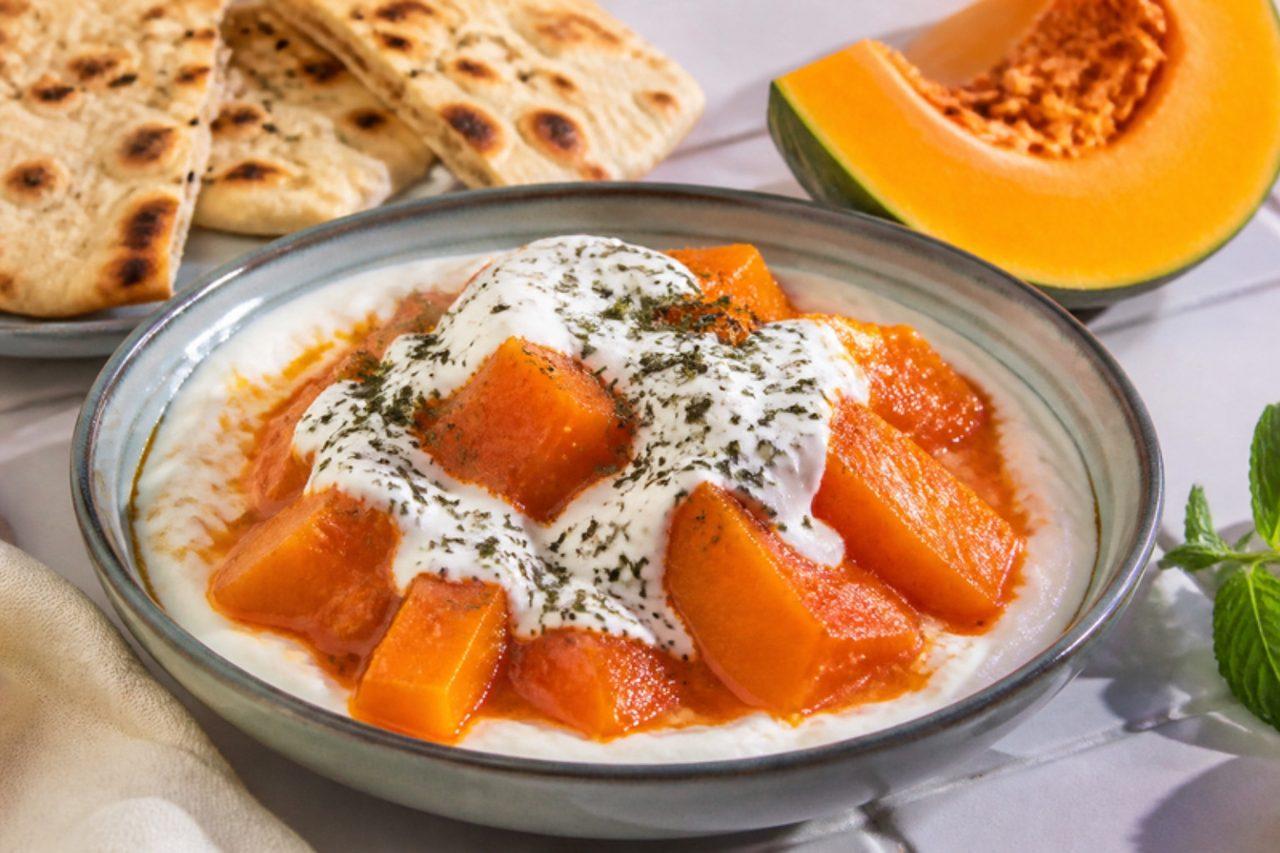
Kadu borani is the dish that wins over people who think they don't like pumpkin. In Afghan homes, especially in autumn around Kabul and Kandahar when the big orange squashes come in, wedges of pumpkin are browned, then braised with tomato, a little sugar and warm spices until sticky and caramelised, and served on garlic yoghurt with dried mint. The mix of sweet, savoury and sour is the point. Eat it with naan or as part of a spread with rice. Chef's tip: use a dense, deep-orange pumpkin or butternut squash; watery pumpkins fall apart and turn bland.

by KrazyBadal 0 views

KäsespätzleCheese egg noodles

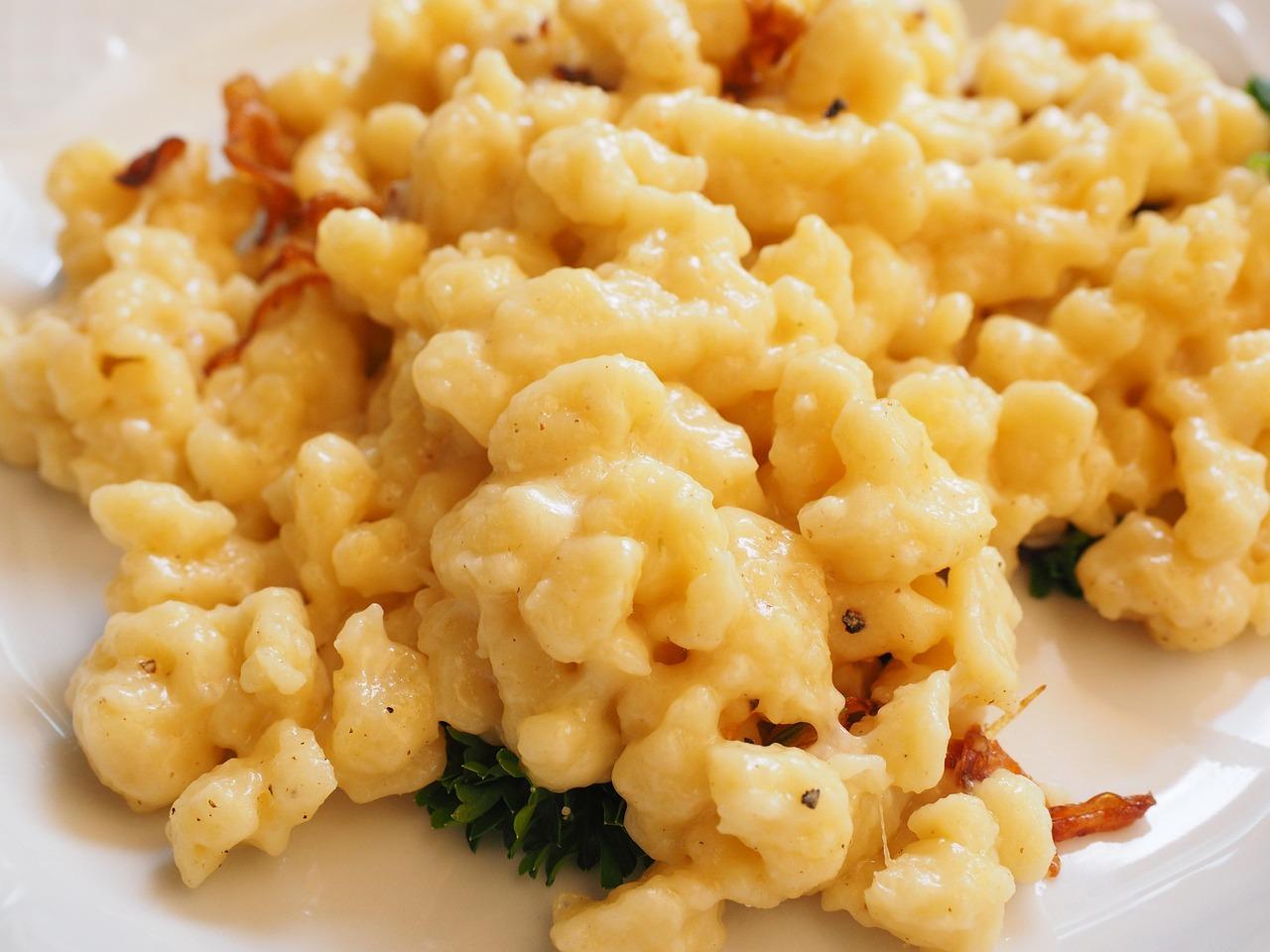
Käsespätzle is the cheese-and-noodle dish of Swabia and the Allgäu in the far south of Germany, served in mountain huts after a day's walking or skiing and in every village inn from Stuttgart to Oberstdorf. Freshly made spätzle, soft, irregular egg noodles, are layered hot with grated Bergkäse or Emmental until the cheese melts into long strings, then crowned with onions fried slowly until brown and sweet. A green salad with a sharp vinegar dressing is the classic partner. Use cheese made with vegetarian rennet; many mountain cheeses use animal rennet, so check the label. Chef's tip: layer the spätzle and cheese while both are piping hot, straight from the pot, so the cheese melts in the gaps instead of sitting on top in a rubbery sheet.

by KrazyBadal 0 views

KaftejiFried vegetables with egg

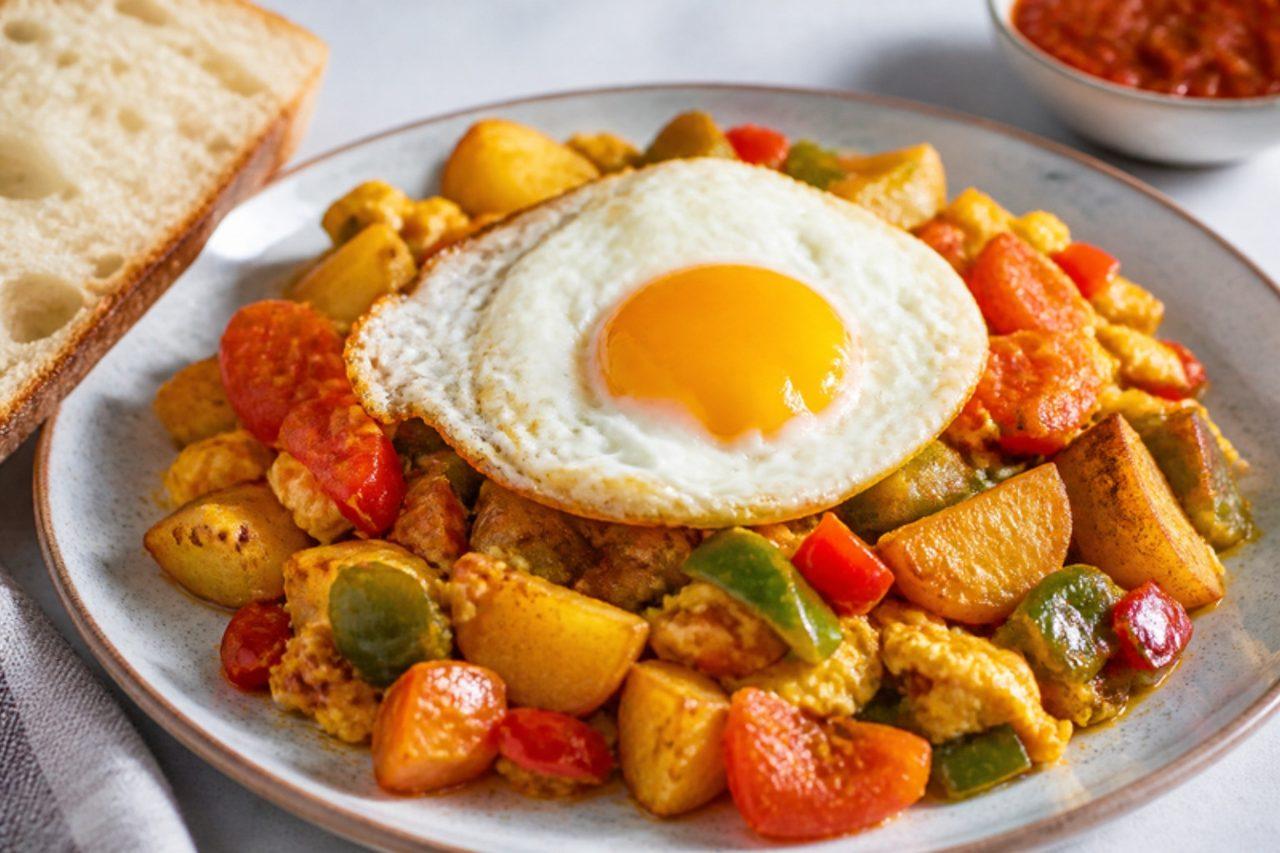
Kafteji is a Tunis sandwich-shop classic: fried peppers, tomato, squash and potato chopped together on a board with a cleaver, mixed with harissa and fried eggs, and eaten from a plate or stuffed into a baguette at lunchtime. Stalls near Bab Souika and the central market make it to order, and the sound of the chopping is part of the show. Chef's tip: fry each vegetable separately; they cook at different speeds, and crowding them makes everything greasy and soft.

by KrazyBadal 0 views

KafuliSpinach and fenugreek curry

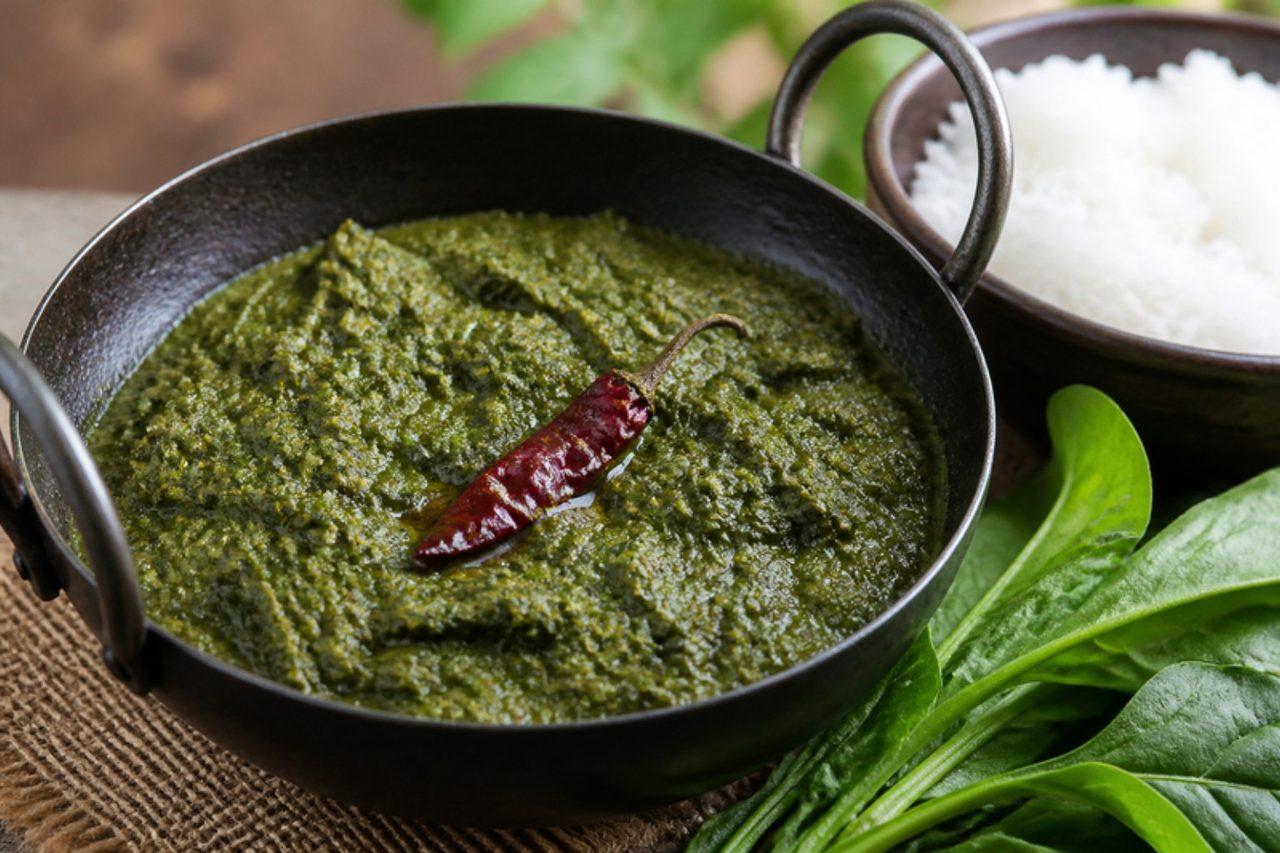
In the villages of Garhwal, kafuli is what goes into the iron kadhai when the terraces are full of palak and methi in late winter. The greens are blanched, ground roughly on a stone and simmered with a spoonful of soaked rice paste, which turns the curry silky without any cream. Mustard oil and a few dried chillies give it a sharp, warm edge, and the iron pan darkens it to a deep forest green. Eat it with mandua ki roti or plain rice and a dab of ghee for those who want it. Chef's tip: grind the greens in short pulses so you can still see flecks of leaf; kafuli should have texture, not look like a smooth soup.

by KrazyBadal 0 views

Hong Kong milk tea

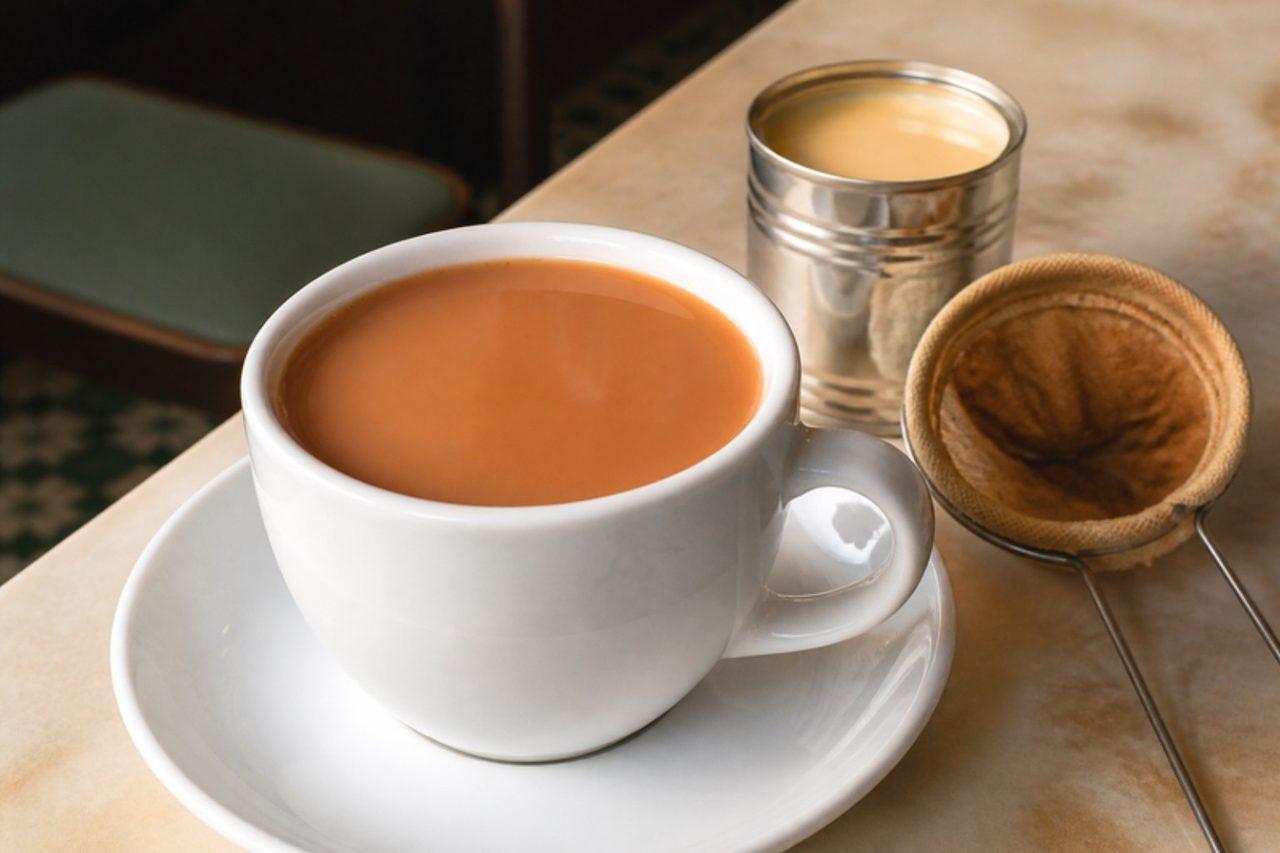
Hong Kong milk tea is the daily fuel of the city's cha chaan teng, poured hot in thick cups at breakfast and over ice in the humid afternoons. Tea masters brew a blend of strong black teas, strain it again and again through a long cotton bag (the stained 'silk stocking'), and mix it with evaporated milk for a smooth, almost velvety drink. Chef's tip: let the tea simmer for a few minutes rather than just steeping it; Hong Kong milk tea is meant to be strong and slightly astringent, or the milk drowns it.

by KrazyBadal 0 views

Vietnamese baked banana cake

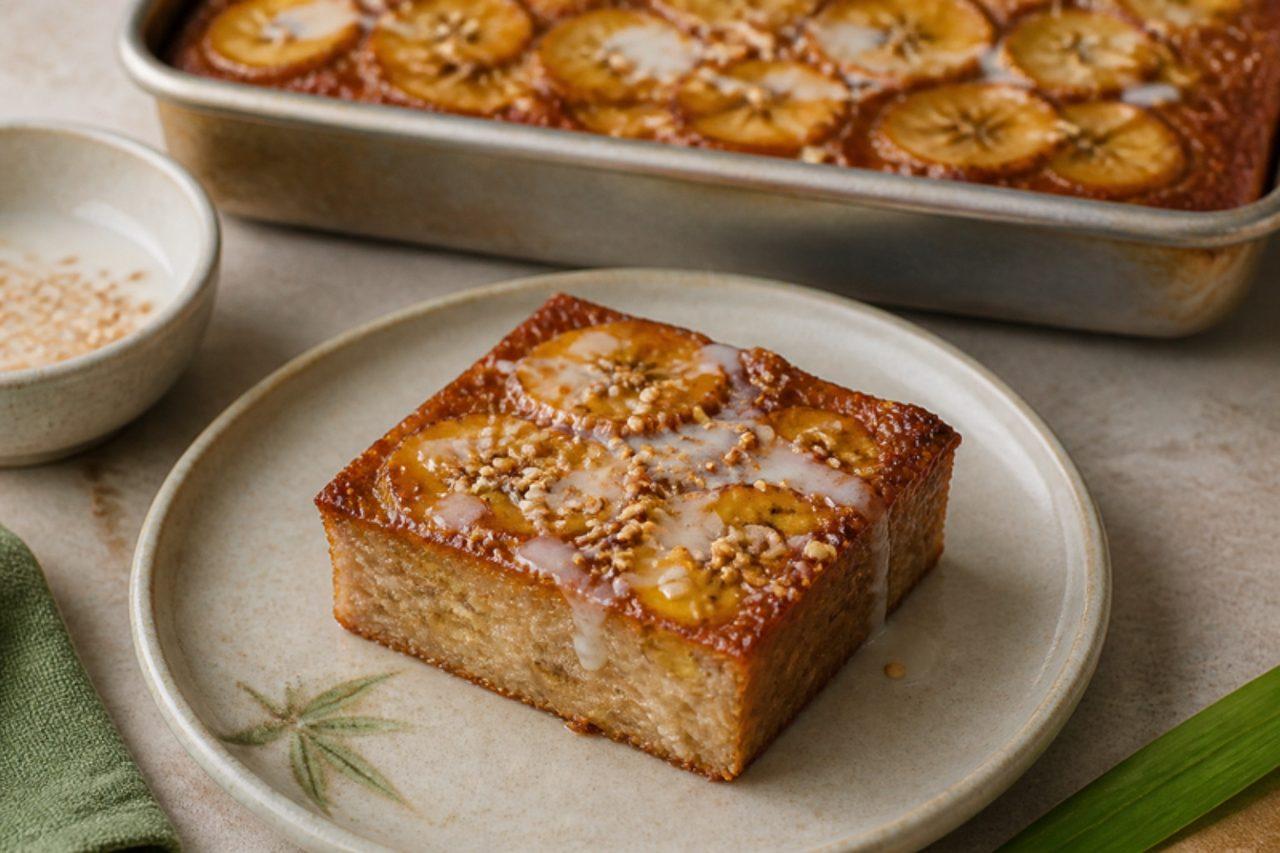
Bánh chuối nướng is sold by the slab from glass-fronted carts and bakeries in Saigon, a soft, heavy cake made from overripe bananas, day-old bread and coconut milk, baked until the top turns deep amber and the bananas go sticky and jammy. It sits somewhere between a bread pudding and a custard cake, and Saigon people eat it as an afternoon snack, often with a little warm coconut sauce poured over. Home cooks make it to use up blackened bananas and stale baguette. Chef's tip: use the ripest bananas you can find, with brown-spotted skins; they give the cake its colour and sweetness.

by KrazyBadal 0 views

KahwaSaffron green tea

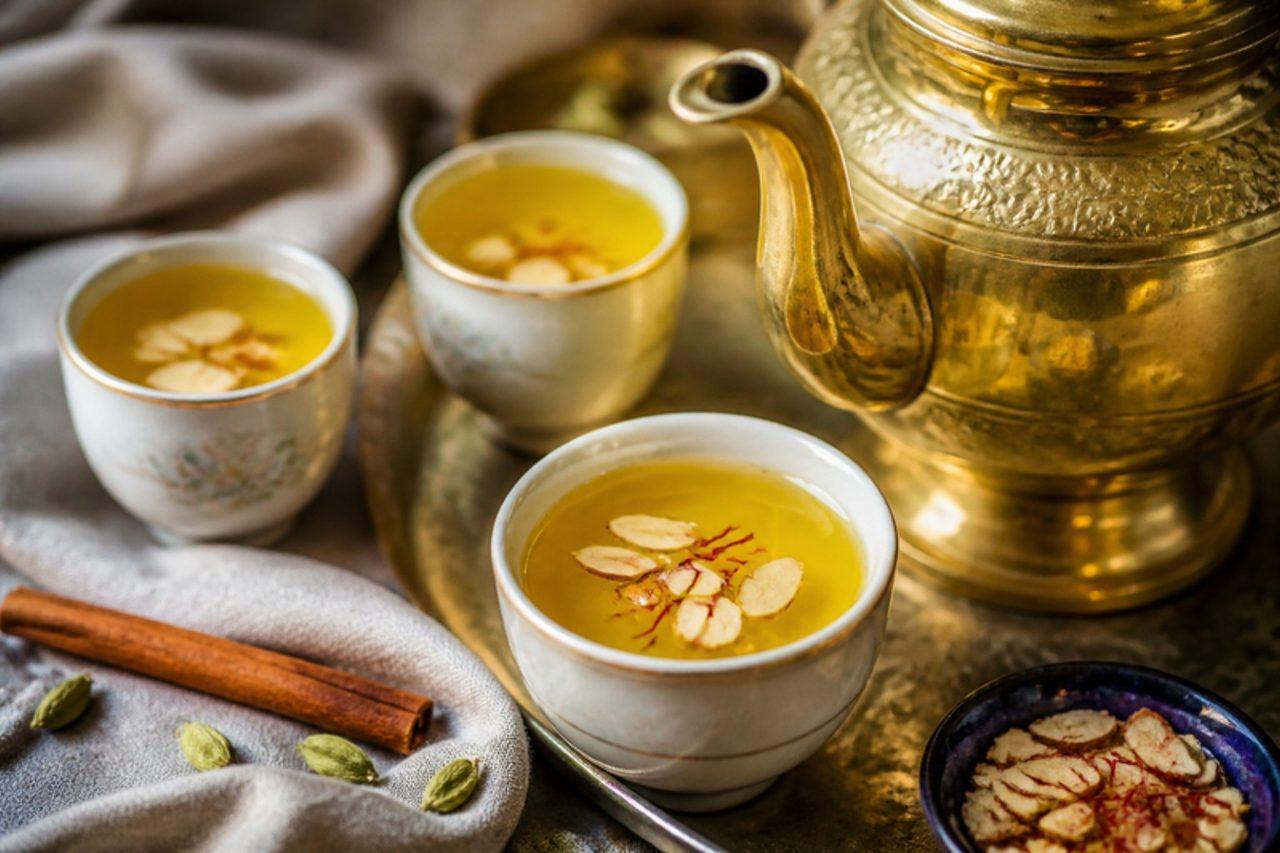
Kahwa is the warming green tea of Kashmir, traditionally brewed in a brass samovar and poured for guests on cold winter days. Green tea leaves are infused with saffron, green cardamom and cinnamon, sweetened lightly and served with slivered almonds in each cup. It's golden, fragrant and soothing, and is drunk after heavy meals to help digestion. Chef's tip: never boil the tea leaves; simmer the spices first, then let the tea steep off the heat for just 2 minutes or it turns bitter.

by KrazyBadal 0 views

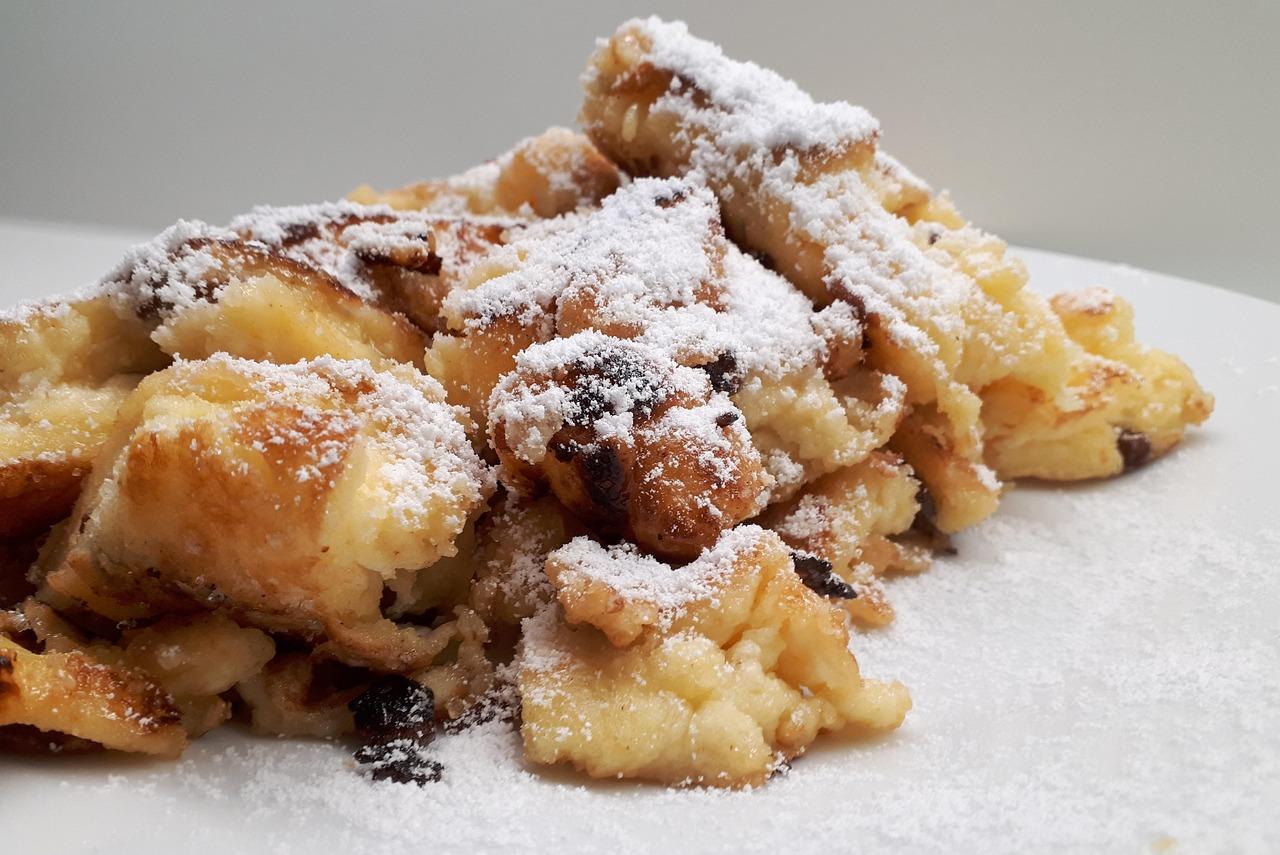
KaiserschmarrnTorn raisin pancake

Kaiserschmarrn, the 'emperor's mess', is Austria's favourite sweet meal, said to have been made for Emperor Franz Joseph, and today it's served from huge pans in every ski hut in Tyrol and Salzburg and in Viennese restaurants. It is a thick, fluffy pancake made with whisked egg whites, torn into rough pieces in the pan with two forks, then caramelised with butter and sugar and heaped with icing sugar. Eat it with Zwetschkenröster (plum compote) or apple sauce. Chef's tip: let the pancake set and brown properly underneath before tearing it up; tear it too early and you get scrambled batter instead of soft, golden pieces.

by KrazyBadal 0 views

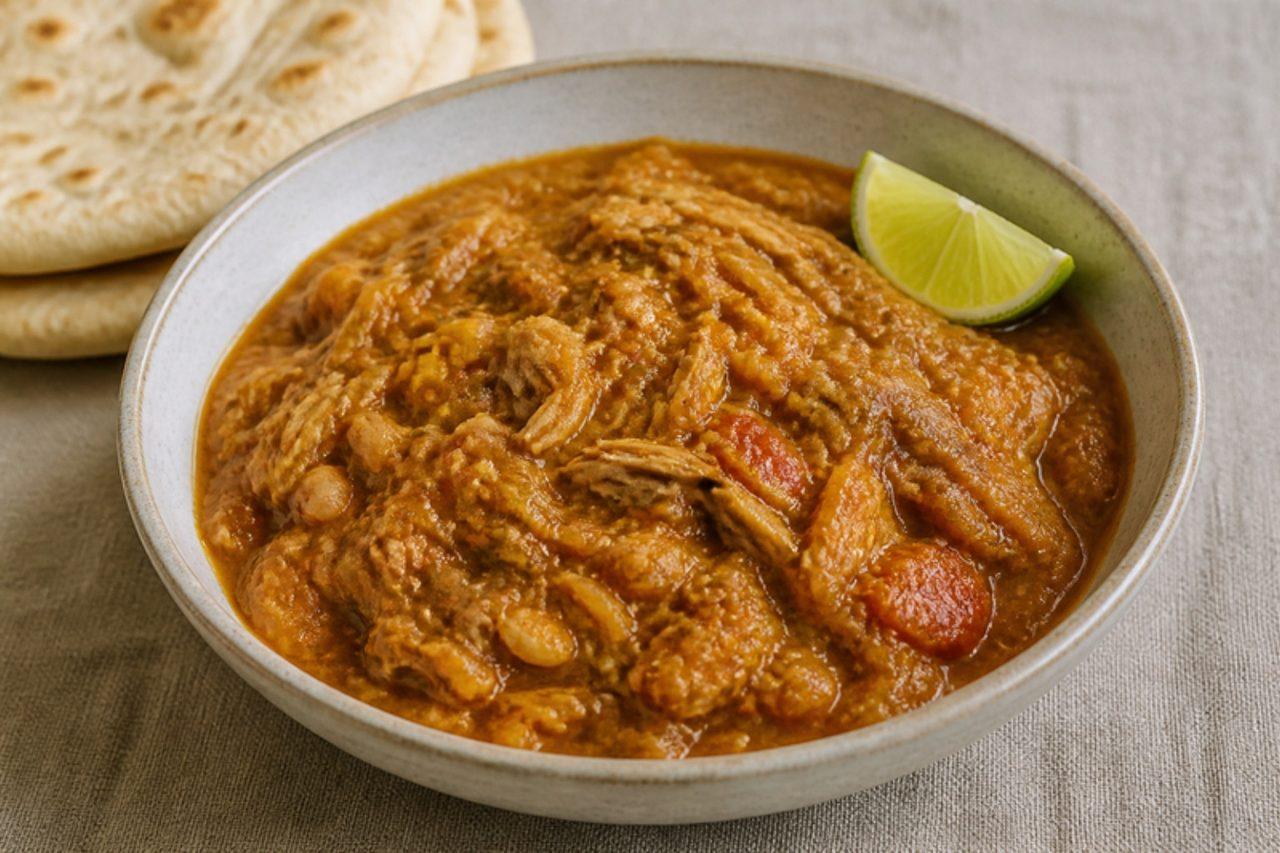
KajaikDried fish stew

Kajaik is a stew from the Nile towns of northern Sudan, where fish from the river is salted and sun-dried to keep through the year; it is cooked with plenty of onion, tomato and a spoonful of peanut butter and eaten with aseeda (thick porridge) or kisra. The flavour is deep and savoury, a little like a rich fish curry without the heat. The mistake is not soaking the dried fish long enough, which makes the stew far too salty and the fish tough; soak it overnight and change the water twice. Chef's tip: if you can't find dried Nile fish, salted dried cod (bacalao) works well.

by KrazyBadal 0 views

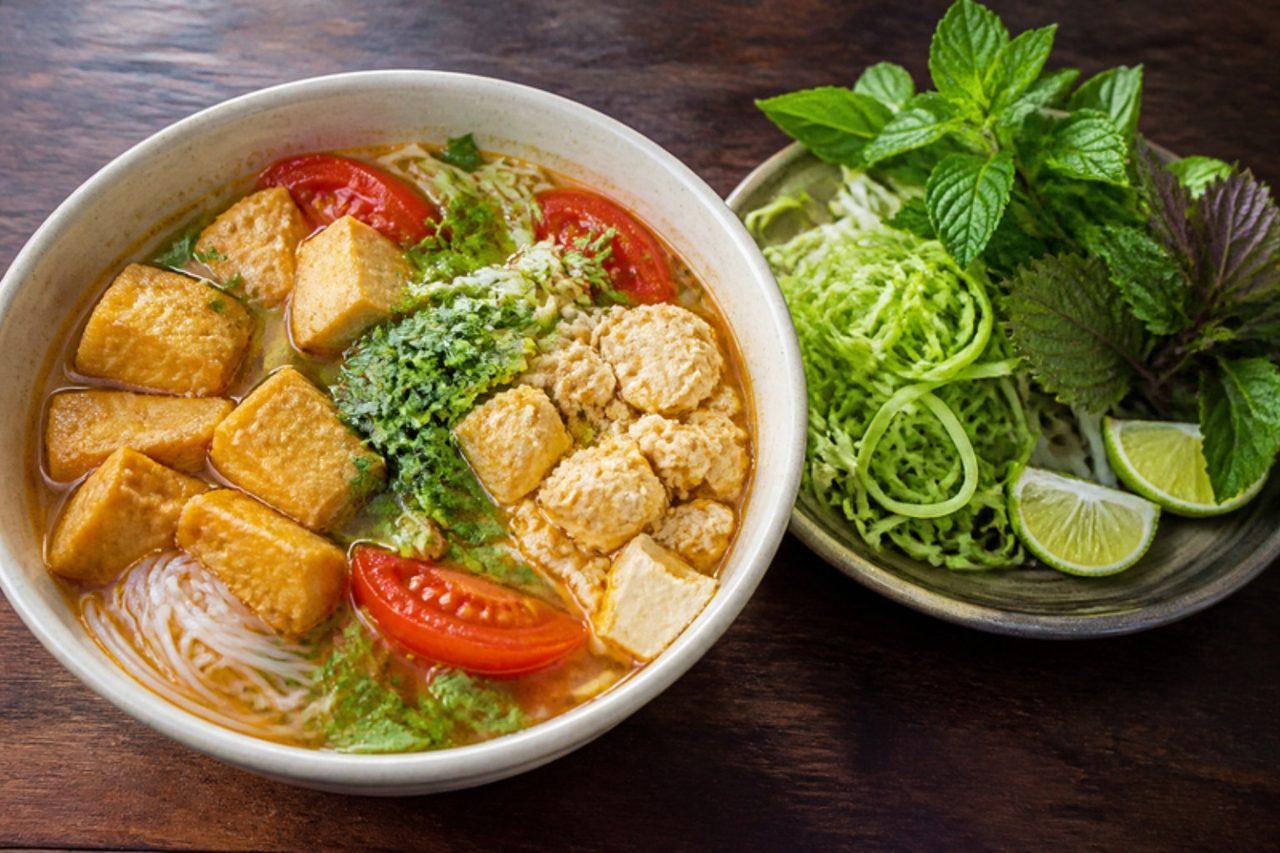
Vegetarian bun rieu

In Hanoi, bún riêu is a mid-morning bowl bought from street sellers who set up on low plastic stools: a tangy red tomato broth with rice vermicelli and soft, floating curds that are normally made from pounded paddy crab. Vegetarian cooks and Buddhist temple kitchens make bún riêu chay instead, folding crumbled tofu, egg and chopped shiitake into the same loose, spongy curds, and seasoning the broth with fermented tofu rather than shrimp paste. It arrives with fried tofu, lime, chilli, shredded water spinach and perilla, so each spoonful is sour, savoury and fresh at once. Chef's tip: let the tomatoes fry in the annatto oil until they collapse into a jammy paste before any stock goes in; that is where the broth gets its colour and depth.

by KrazyBadal 0 views

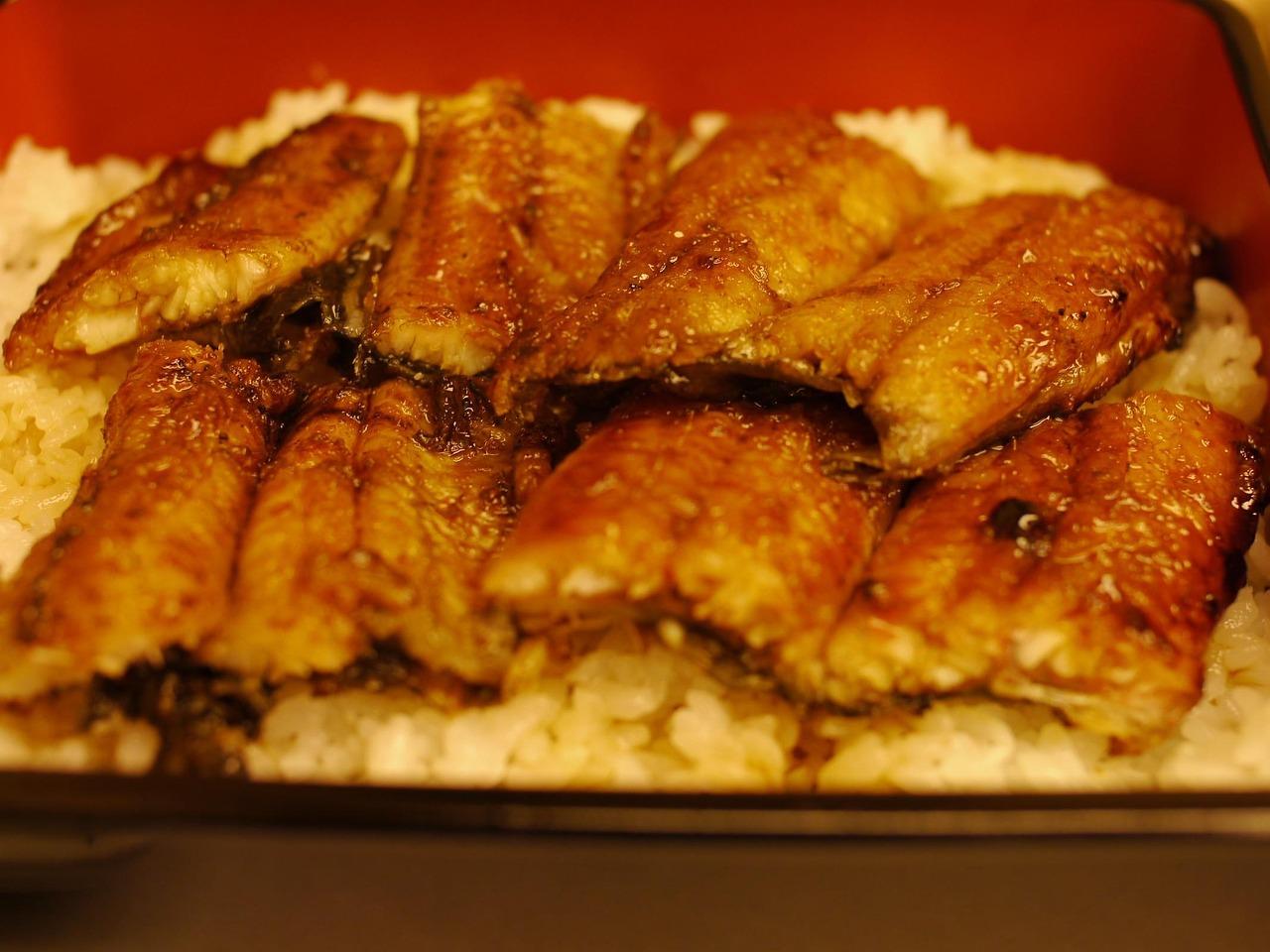
Hitsumabushi (Nagoya grilled eel rice)

Order hitsumabushi in a Nagoya eel restaurant and it arrives in a round wooden tub, often with a small card explaining how to eat it. You divide the rice into quarters: eat the first plain, the second with spring onion, wasabi and nori, the third drowned in hot dashi or green tea, and the last whichever way you liked best. Nagoya cooks grill the eel until the skin is crisp, then chop it into strips. At home, ready-grilled eel fillets (unagi kabayaki, sold frozen in Japanese shops) work very well once reheated properly. Chef's tip: spoon a little of the sweet sauce through the rice before the eel goes on, so every mouthful is seasoned, not just the top layer.

by KrazyBadal 0 views

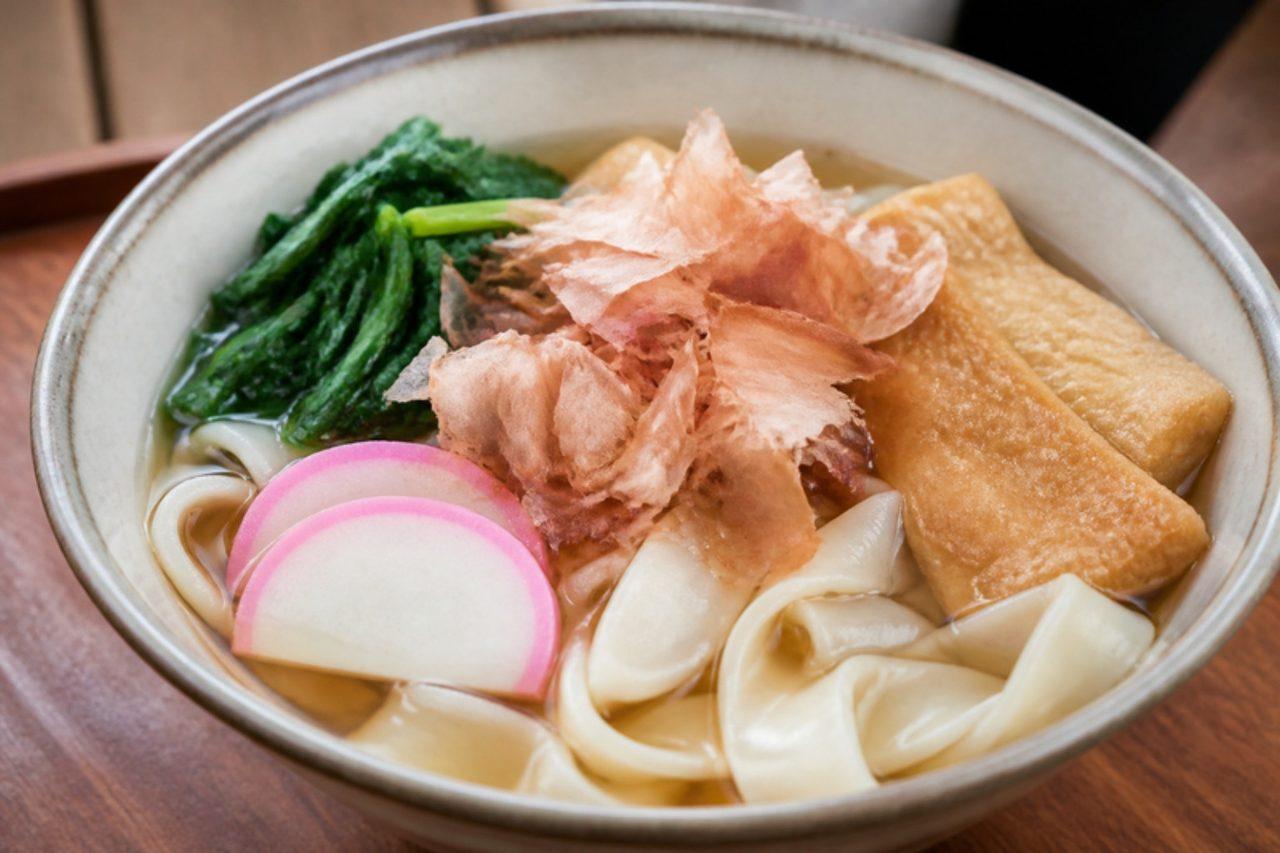
Kishimen (Nagoya flat noodle soup)

Travellers changing trains at Nagoya Station often grab a bowl of kishimen standing up at one of the platform noodle counters, and the dish is eaten all year in noodle shops across the city. The noodles are wide, thin and slippery, so they pick up a lot of broth with every mouthful. A typical bowl has a light, golden dashi, sweet fried tofu, a little green vegetable, a slice of fish cake and a big pile of bonito flakes that wave in the steam. It takes about 20 minutes from start to finish. Chef's tip: add the bonito topping right at the table, not in the kitchen; it softens and sinks within a minute, and the fresh smoky smell is half the pleasure.

by KrazyBadal 0 views

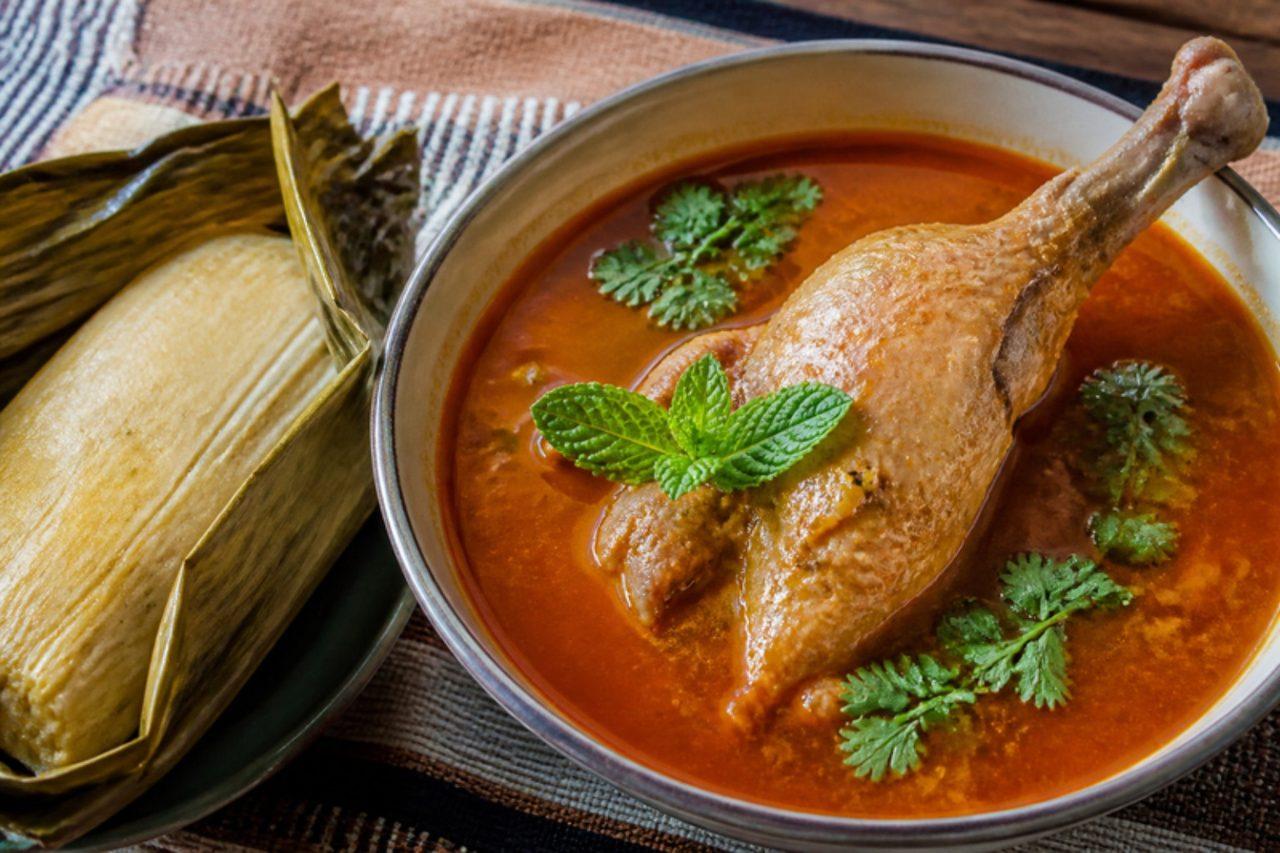
Kak'ikTurkey and chilli soup

Kak'ik is a red, aromatic turkey soup from the Q'eqchi' Maya of Alta Verapaz, around Cobán, and is cooked for weddings, saints' days and Christmas; it is now recognised as part of Guatemala's cultural heritage. Turkey legs simmer in a broth flavoured with toasted tomatoes, guajillo and pasa chillies, achiote, coriander and mint, and it is served with tamalitos or rice. The mistake is not toasting the chillies and tomatoes; the slight char gives the soup its smoky depth. Chef's tip: toast the dried chillies only for seconds, until they puff and smell fruity, or they turn bitter.

by KrazyBadal 0 views

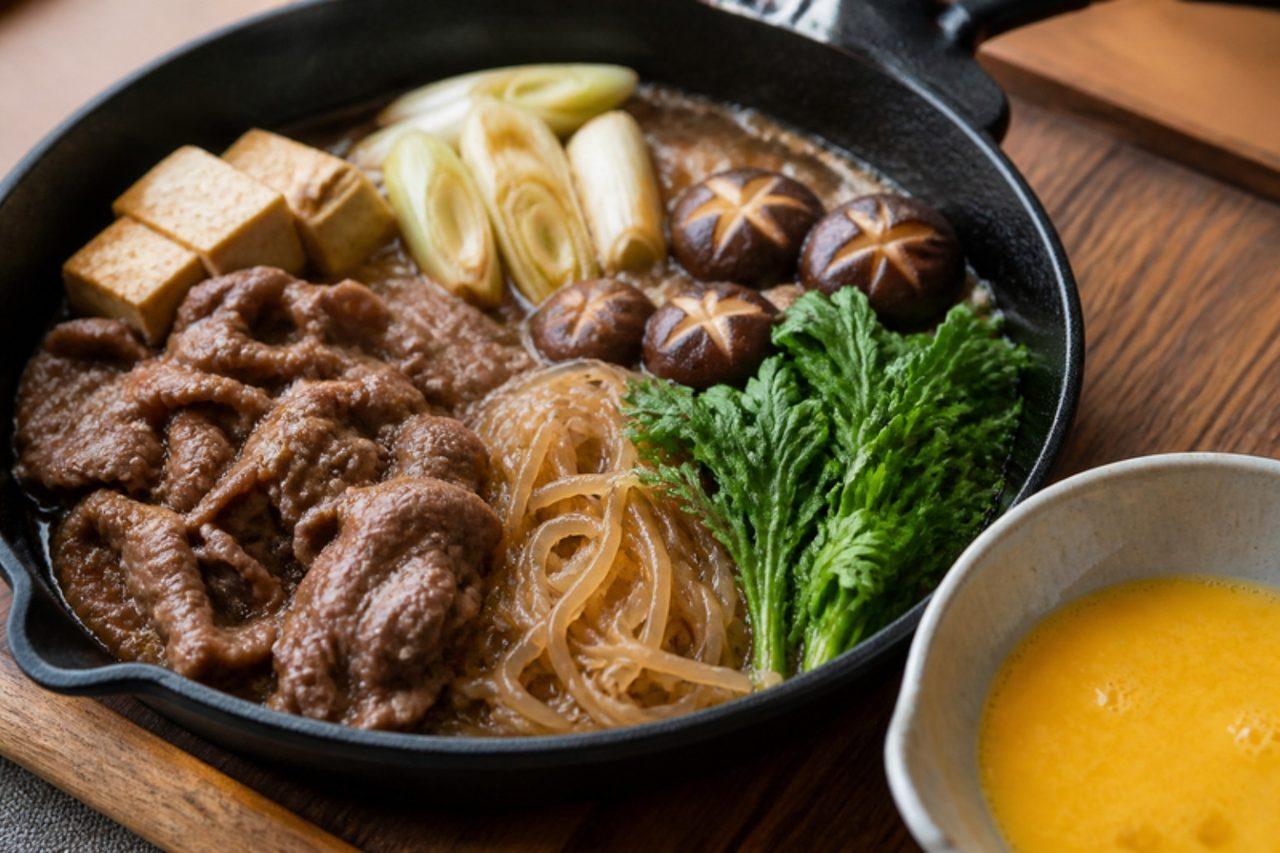
Sukiyaki (Kanto style)

Beef was rarely eaten in Japan until the Meiji era, when Tokyo's new beef-pot restaurants made it fashionable, and sukiyaki grew out of those pots. Today it is a dish for New Year, birthdays and family gatherings, cooked in a shallow iron pan on a burner in the middle of the table. In the Kanto style of Tokyo, the cook pours in a ready-mixed sauce called warishita, whereas Kansai cooks sear the beef with sugar and add soy sauce afterwards. Each piece is dipped in beaten raw egg, which cools it and softens the sweet, salty sauce. Use very fresh eggs, ideally pasteurised; not for pregnant women, young children or anyone with a weakened immune system. If you prefer, skip the egg or poach it in the pan. Chef's tip: keep the shirataki noodles away from the beef in the pan; they can make the meat firm up and toughen where they touch.

by KrazyBadal 0 views

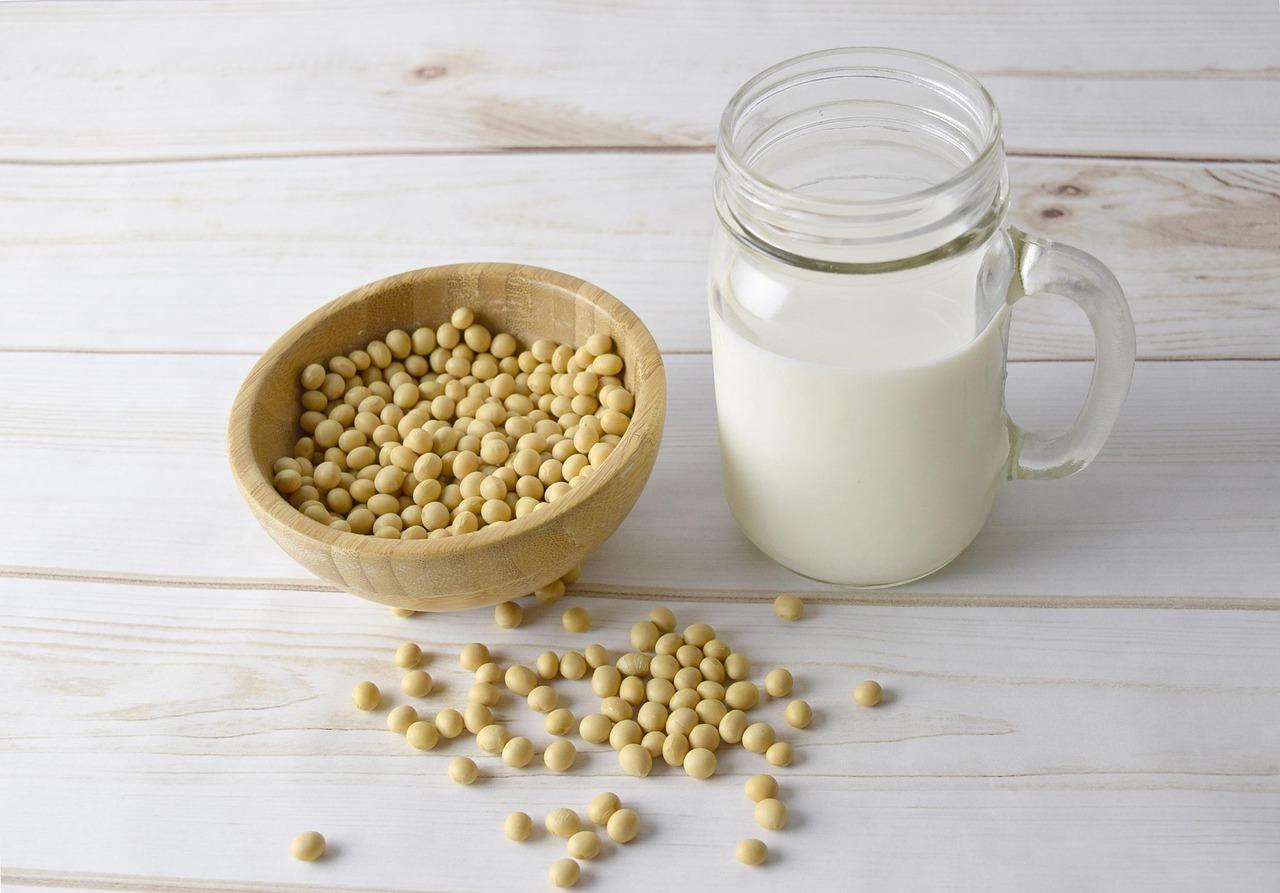
Fresh hot soy milk

On cold Da Lat nights, the steam rising from soy milk stalls is part of the scenery around the central market: big pots of freshly made sữa đậu nành, ladled hot into glasses and sipped with grilled rice paper or a warm bánh bao. Made at home, it tastes nutty and clean, nothing like the cartons, and a knot of pandan leaf gives it the gentle vanilla-like scent that Vietnamese sellers favour. Chef's tip: rub the soaked beans between your palms and float off the skins; peeled beans give a smoother, sweeter milk.

by KrazyBadal 0 views

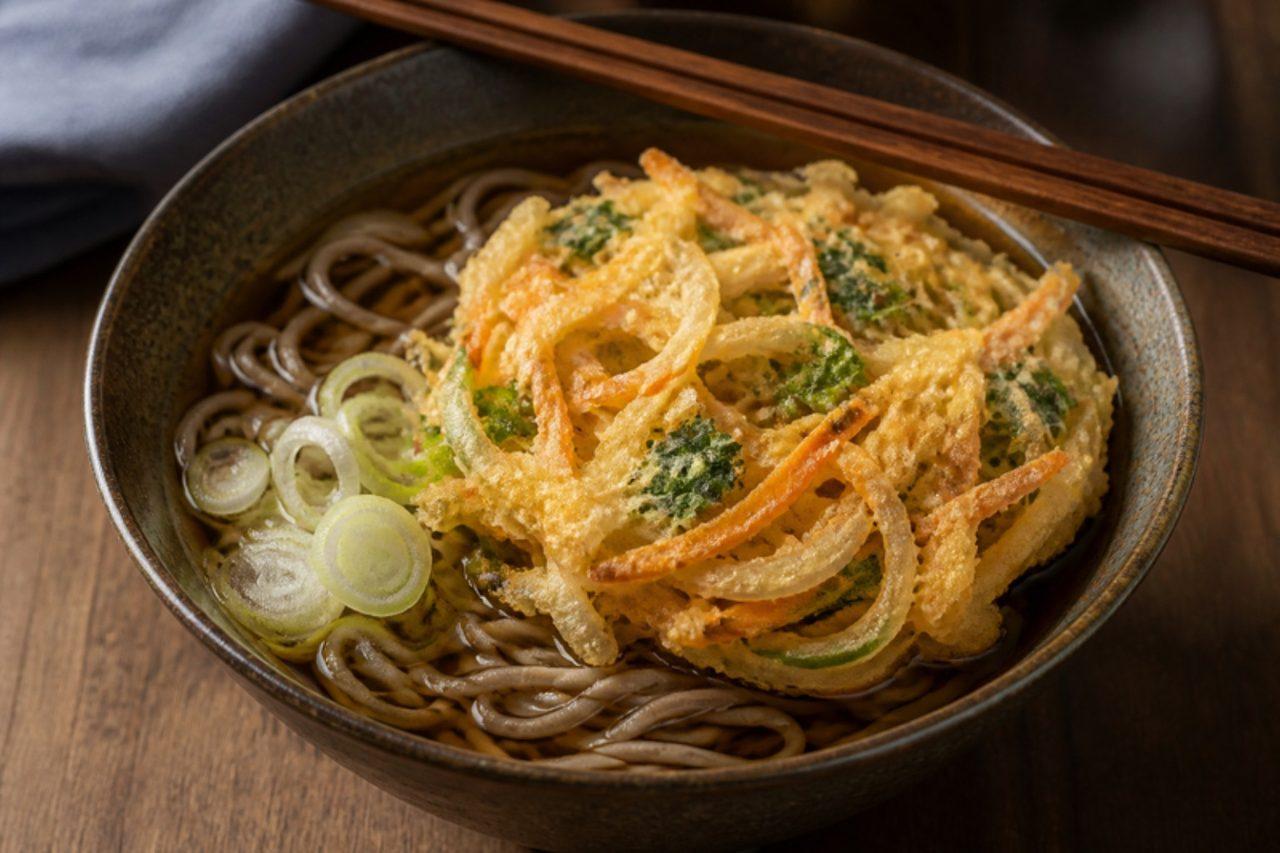
Kakiage sobaBuckwheat noodles with vegetable tempura

In Tokyo, hot soba with a fritter on top is the city's fast food. Standing soba counters near train stations, called tachigui soba, have served it to commuters since the Edo period, when soba and tempura stalls stood side by side. The fritter here is kakiage: a loose nest of onion, carrot and greens held together with just enough batter to fry into a lacy disc. It softens a little in the broth and flavours it with toasty oil, which is why many Tokyoites eat half of it crisp and let the rest soak. Our broth uses kombu and shiitake instead of bonito. Chef's tip: slide the kakiage into the oil off a flat spatula or ladle, and don't touch it for the first minute. It needs that time to set, or it falls apart.

by KrazyBadal 0 views

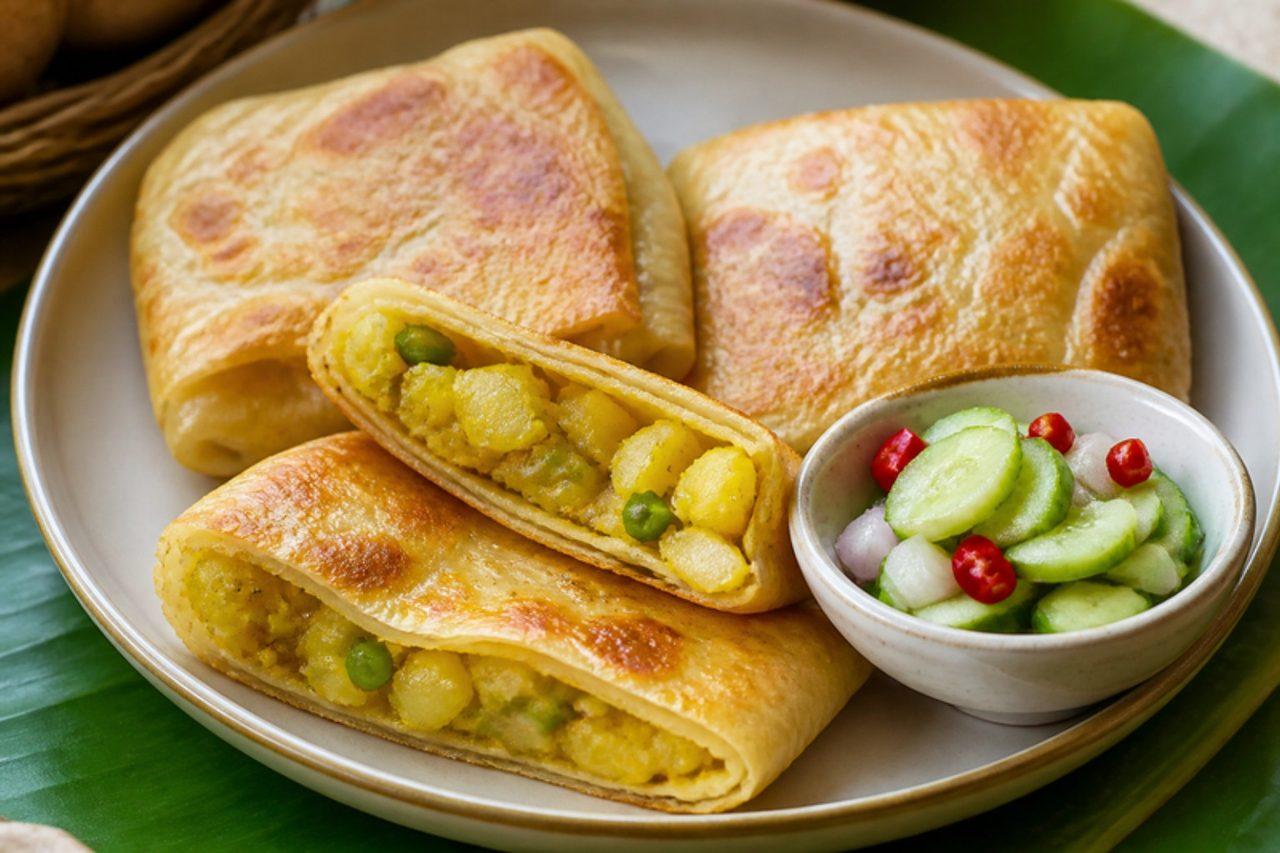
Roti mataba (potato-stuffed roti)

Roti mataba came to southern Thailand with Indian-Muslim traders, and today the roti stalls of Hat Yai, Satun and Pattani, and the old Muslim quarter around Bangkok's Phra Athit Road, serve it from morning till late. A thin stretched roti is wrapped around a spiced filling, folded into a square and fried until crisp and blistered. Chicken or beef is the usual filling; the potato and onion version made here is also common and is the one sold to vegetarian customers. It comes cut into squares with a sweet-sour cucumber relish (ajad) on the side. Chef's tip: oil the dough balls and leave them to rest for at least two hours; rested dough stretches paper-thin without tearing.

by KrazyBadal 0 views

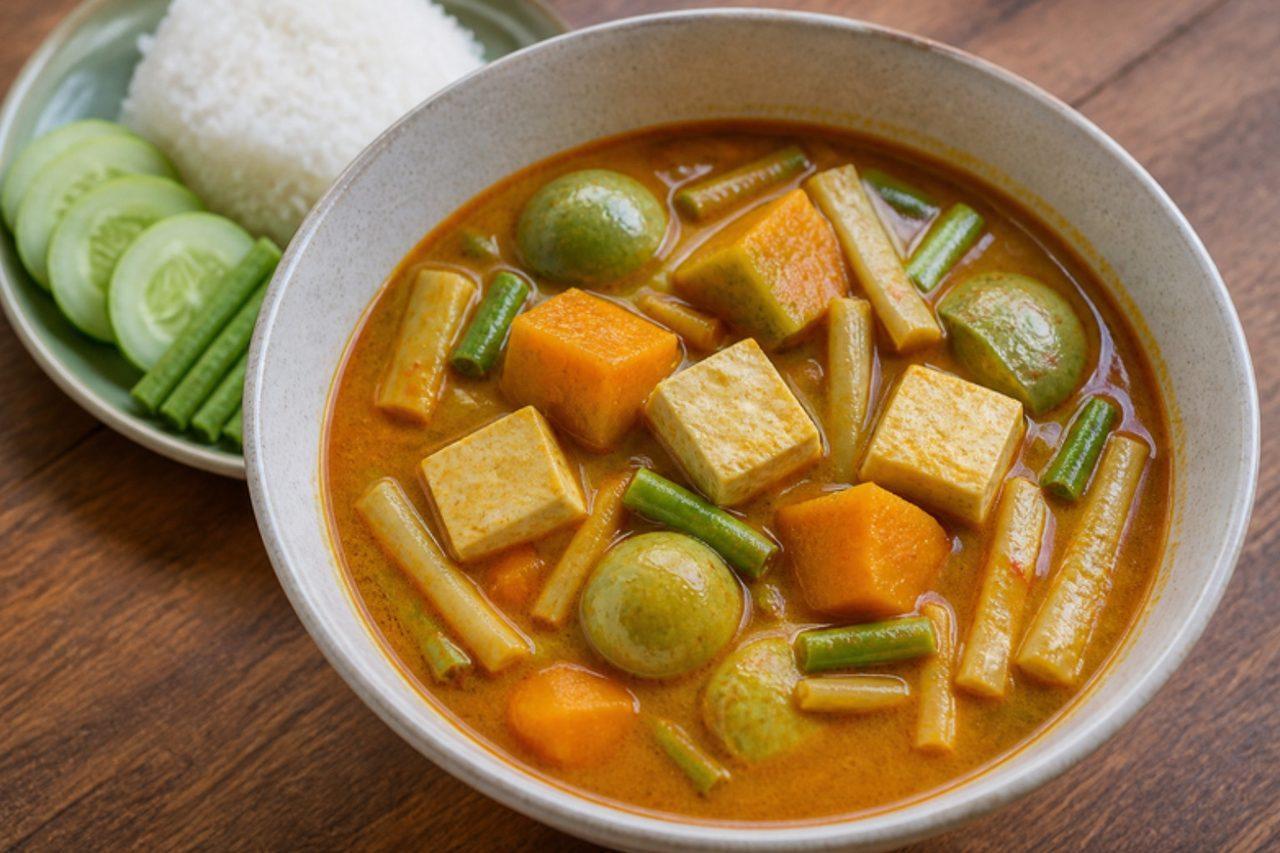
Kaeng tai pla jay (southern vegetable curry)

Kaeng tai pla is the boldest curry of southern Thailand, eaten from Surat Thani down to Hat Yai: a dark, pungent, fiercely hot broth of turmeric-heavy southern curry paste, pumpkin, bamboo shoots, aubergine and long beans, normally flavoured with fermented fish innards. During the Vegetarian Festival (thetsakan kin jay), held every autumn in Phuket and Trang, cooks make a 'jay' version with fermented soybean paste and roasted peanut, and that is the curry here. It is thinner than a coconut curry and served with rice and plenty of raw vegetables to cool the heat. Chef's tip: this curry is meant to be very hot. If you want less heat, add fewer bird's eye chillies to the paste but keep the black pepper and turmeric, which give it its character.

by KrazyBadal 0 views

Showing 45 of 8,120 recipes

Show more recipes

Page 691 of 903