


Skip to content
Bacalhau à Brás
Featured recipe

Bacalhau à Brás

Salt cod with egg and potatoes

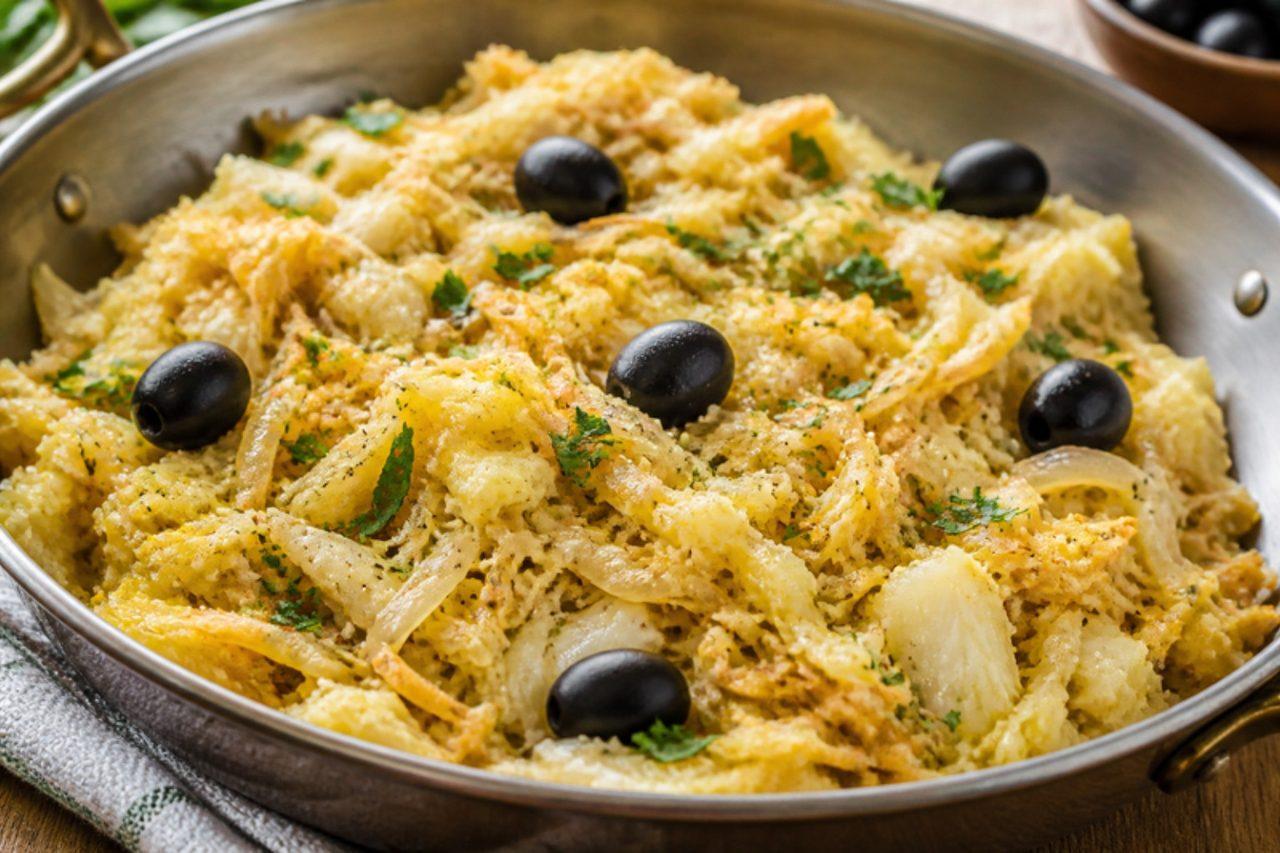
Lisbon's Bairro Alto taverns claim this dish, said to be named after a tasca owner called Brás, and it is still a weeknight favourite in homes all over the city. Flaked salt cod is softened with slowly cooked onion, tossed with a heap of fine straw-cut fried potatoes, then bound at the last second with beaten egg so everything stays creamy and loose. Black olives and parsley go on top. A green salad is all it needs. Chef's tip: take the pan off the heat the moment you add the eggs; they should finish cooking from the warmth of the potatoes, like a soft scramble.

Read more 0 views

What to eat today?

Around the world

Today's trip: Paraguayan

A new country every day, from every cuisine on the site.

Paraguayan

Chipa

Cheese bread rings 50 minMore from Paraguayan (27) →

This week's collection

Kid-friendly dinners
537 recipes · a new collection every Monday

Latest recipes

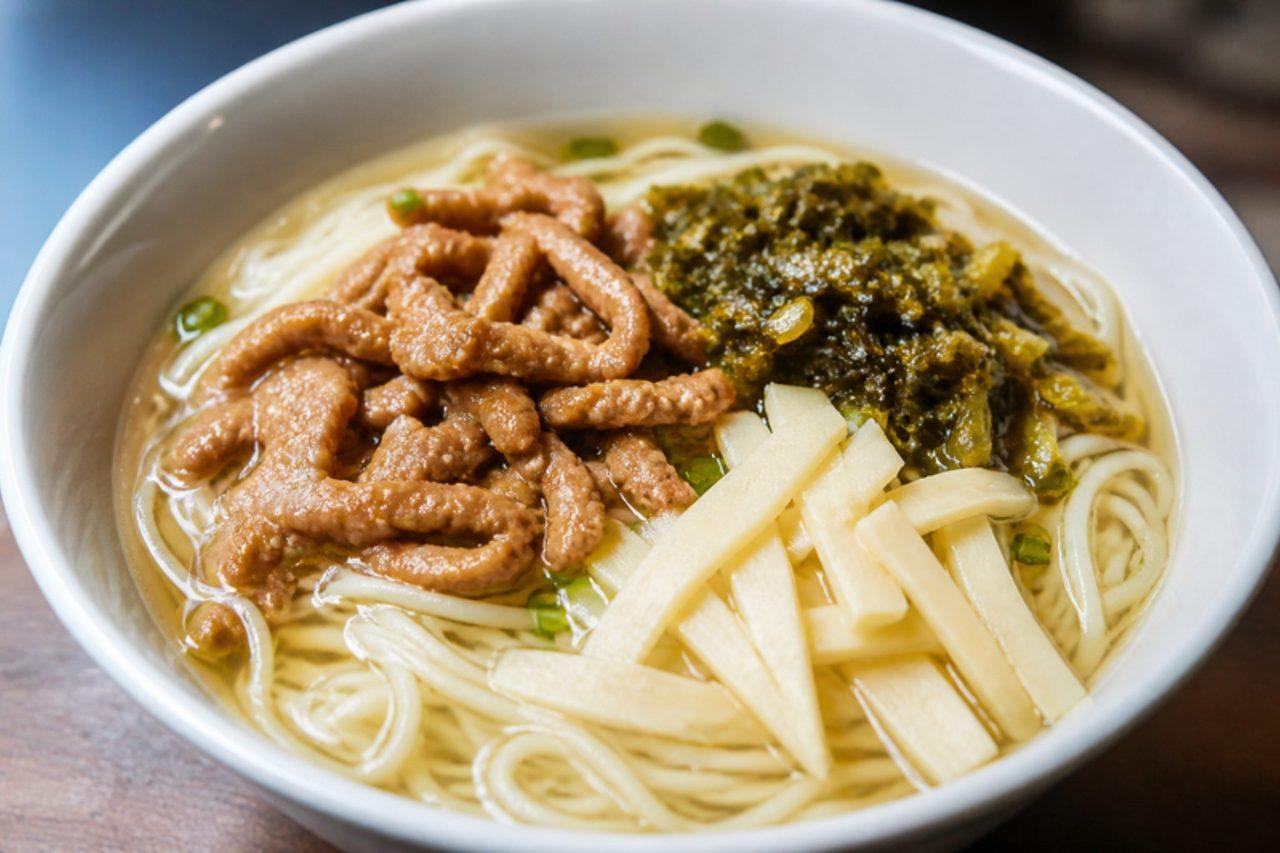
Pian'er chuan noodlesNoodle soup with pickled greens

Ask a Hangzhou local what they eat at a noodle shop and the answer is often pian'er chuan, a quick bowl named for its sliced (pian) pork and bamboo that are flash-cooked (chuan) in the broth. Salty, crunchy pickled mustard greens give it its savoury depth, the bamboo adds a clean sweetness, and the thin noodles soak up a cloudy, peppery soup. It is everyday lunch food, eaten at speed. A common mistake is skipping the rinse on the pickled greens; unrinsed, they make the whole bowl too salty. Chef's tip: slice the pork as thinly as you can while it is half-frozen, so it cooks in seconds and stays tender.

by KrazyBadal 0 views
PalusamiTaro leaves in coconut cream

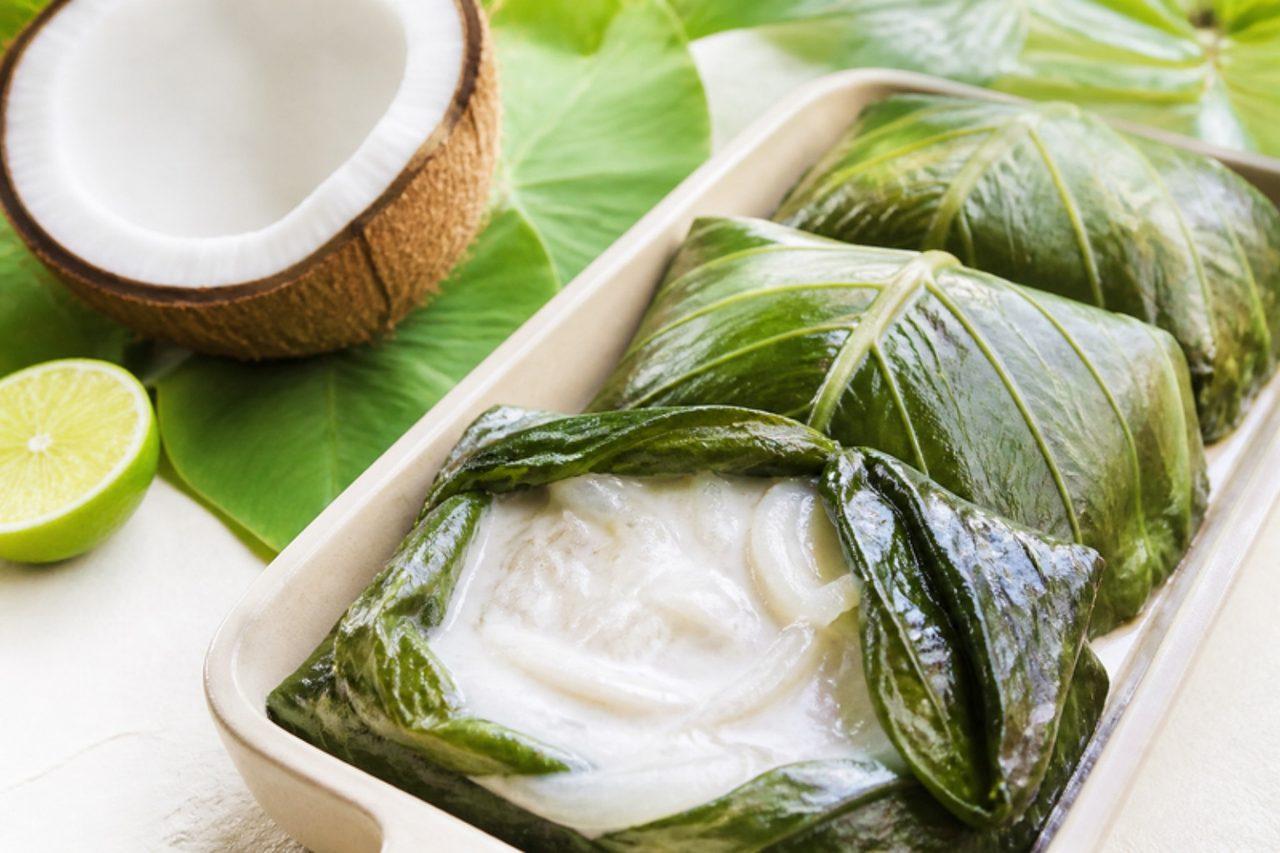
Palusami is at the heart of a Samoan Sunday to'ona'i, the big lunch after church, when the umu (earth oven) is lit and parcels of taro leaves filled with thick coconut cream and onion bake among the hot stones. The leaves melt into something like rich, creamy spinach, and the coconut sets around them. In Fiji similar parcels are called rourou. Many families add corned beef or fish; this is the plain coconut version, served with baked taro or breadfruit. Chef's tip: taro leaves must be cooked thoroughly, as underdone leaves make the throat itch; if you can't get them, use large spinach or silverbeet leaves, which need less time.

by KrazyBadal 0 views

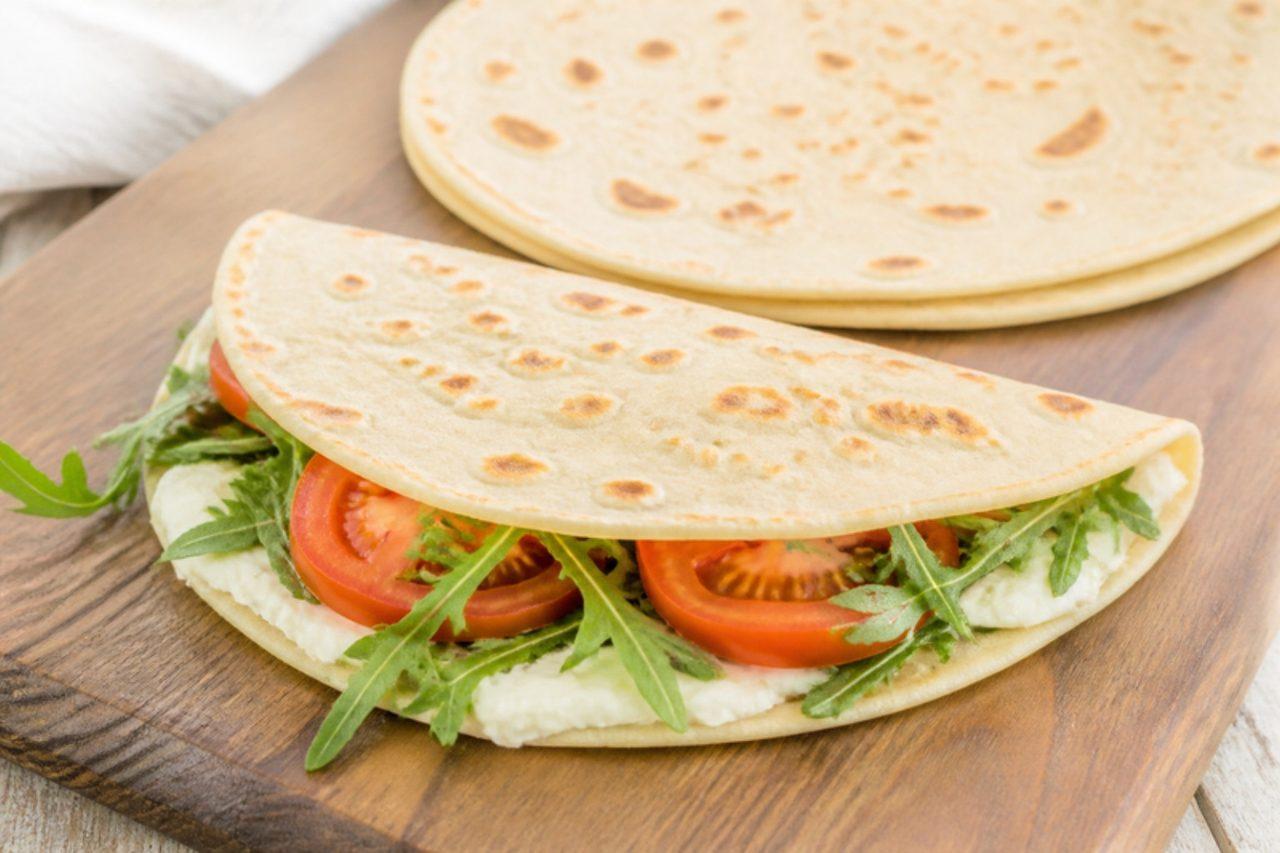
PiadinaGriddled flatbread

Piadina is Romagna's everyday bread, cooked on a hot griddle (traditionally a terracotta testo) in chalet-style kiosks from Rimini to Ravenna and eaten folded around soft squacquerone cheese and rocket, or with grilled vegetables. It needs no yeast and is ready in half an hour, which is why families make it at home for quick suppers. The old recipe uses lard; olive oil gives a lighter, vegetarian result. Chef's tip: let the griddle get properly hot and cook the piadina dry, without oil; you want brown freckles and a few blisters, not a fried bread.

by KrazyBadal 0 views

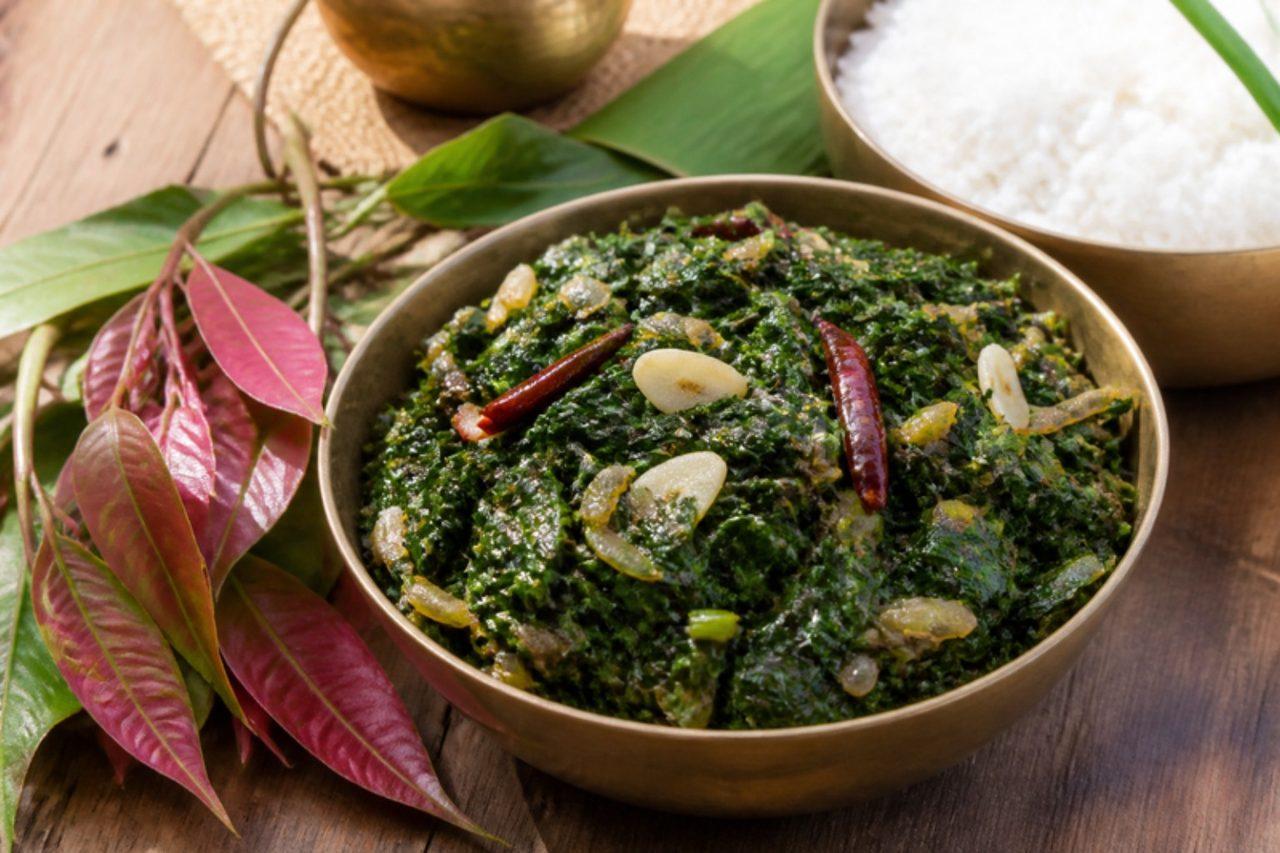
Phutkal saagStir-fried fig-tree leaves

In spring, before the rains, the phutkal tree (a wild fig) puts out tender pink-green shoots, and women across Jharkhand climb or hook them down to cook as saag. The leaves are naturally sour, so the dish needs no tomato or tamarind: they are boiled, squeezed and fried with garlic, dried chilli and mustard oil. Much of the harvest is dried in the sun and sold in Ranchi markets to cook through the year, and dried phutkal is what most people outside the state can find. Chef's tip: boil and squeeze the leaves well; this tames any bitterness and keeps the saag from turning watery.

by KrazyBadal 0 views

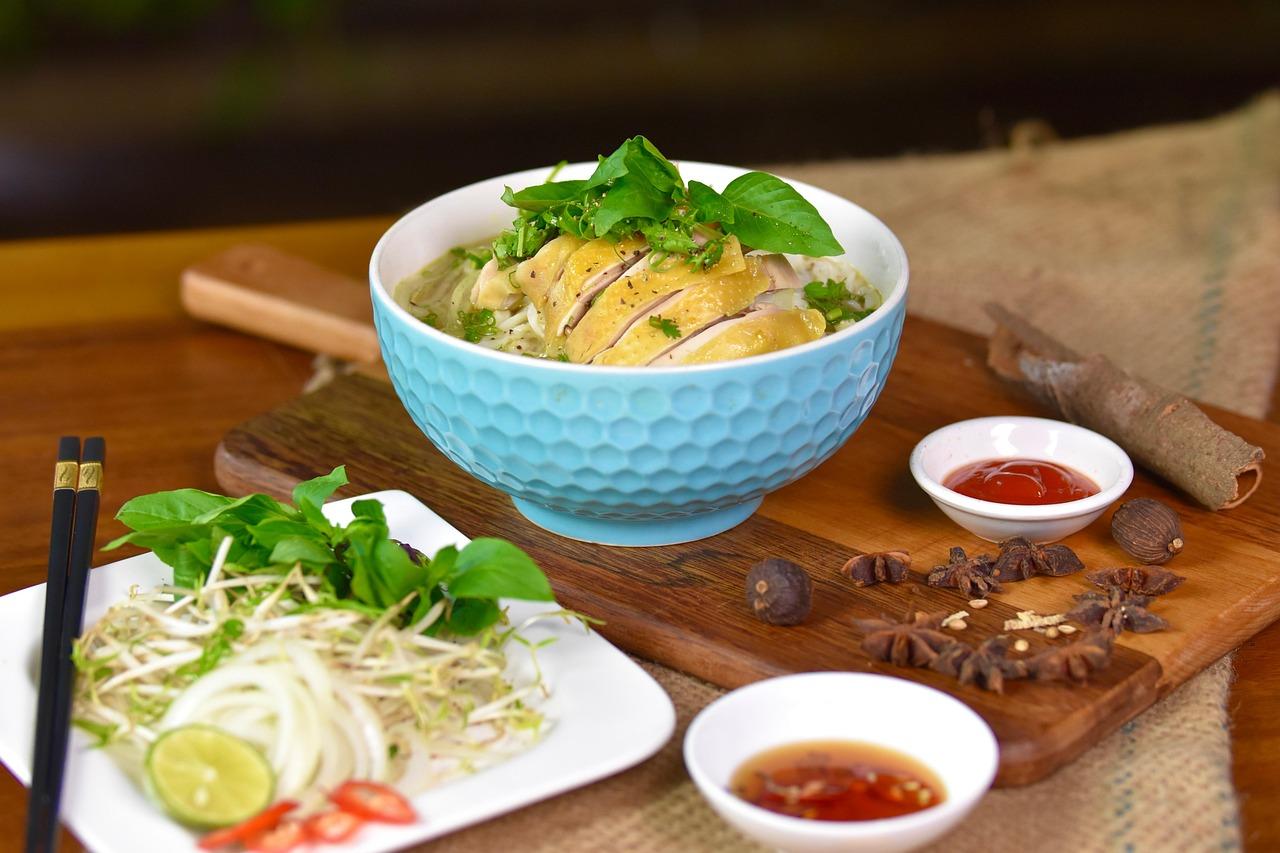
Pho gaChicken noodle soup

In Hanoi some shops sell nothing but chicken pho, and locals often choose it over beef for a gentler breakfast or a late bowl after an evening out. The broth is lighter than the beef version, made in about an hour from a whole bird with a few charred aromatics and only a hint of spice. The northern signature is a tangle of makrut lime leaf, cut as fine as thread, scattered over the hot chicken just before serving. It's a good first pho to make at home, since the timing is forgiving and the chicken poaches in the same pot. Chef's tip: plunge the cooked chicken into iced water for 5 minutes; the skin turns firm and slightly springy, the way Hanoi cooks like it.

by KrazyBadal 0 views

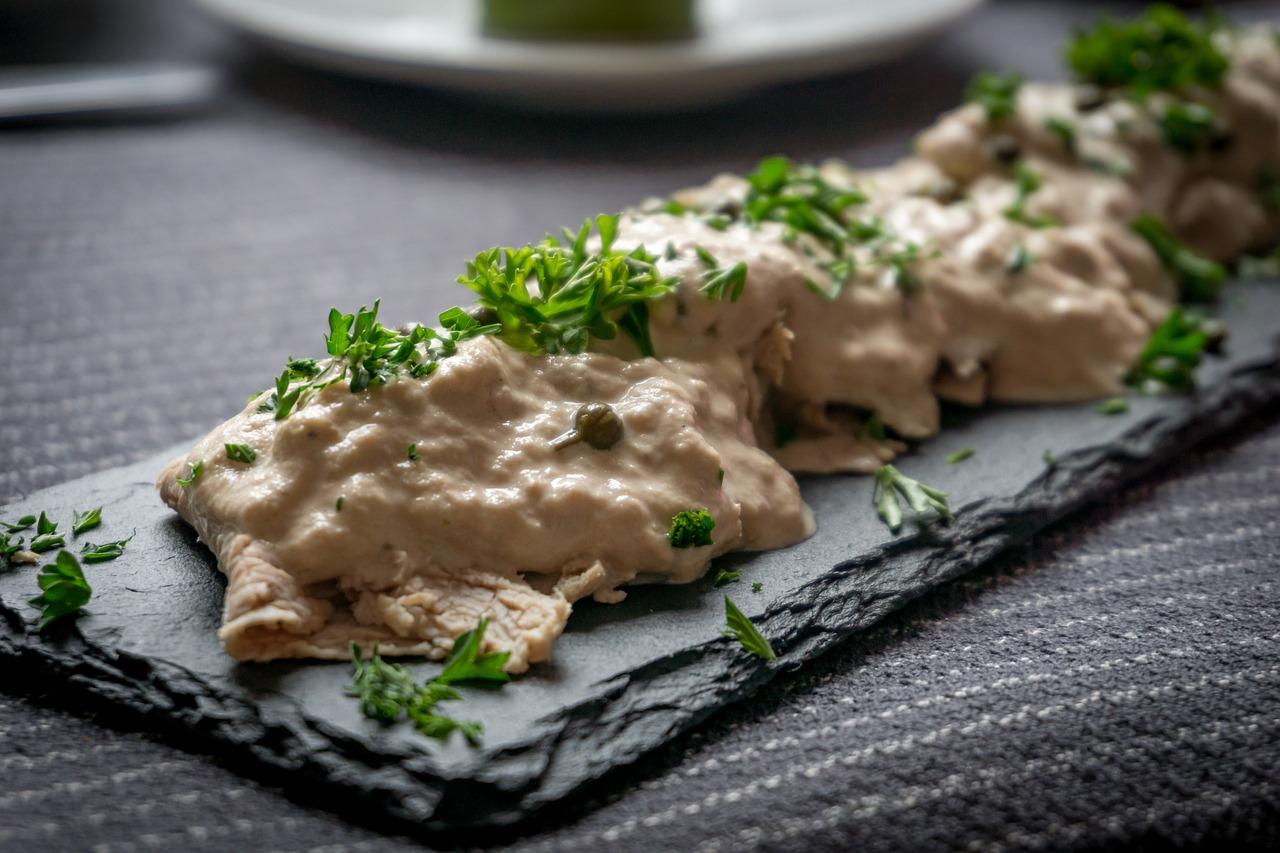
Vitello tonnatoVeal with tuna sauce

On the hottest days of a Piedmontese summer, and above all for the Ferragosto holiday in mid-August, families set out a platter of cold, thinly sliced veal hidden under a pale, velvety sauce of tuna, anchovy and capers. The combination sounds odd and tastes wonderful: tender, mild meat and a savoury, lemony sauce that is rich without being heavy. This version follows the older Piedmontese style, thickening the sauce with hard-boiled egg yolks and the veal's own poaching broth instead of raw-egg mayonnaise; if you prefer a mayonnaise base, use one made with pasteurised eggs. Serve it as a starter or a summer main with a green salad and bread. A common mistake is slicing the meat while warm; it frays and tears, so chill it first and cut it as thin as you can. Chef's tip: assemble it the evening before; overnight in the fridge, the sauce seeps into the meat and the flavours settle together.

120 minItalianMeatGluten free
by KrazyBadal 0 views

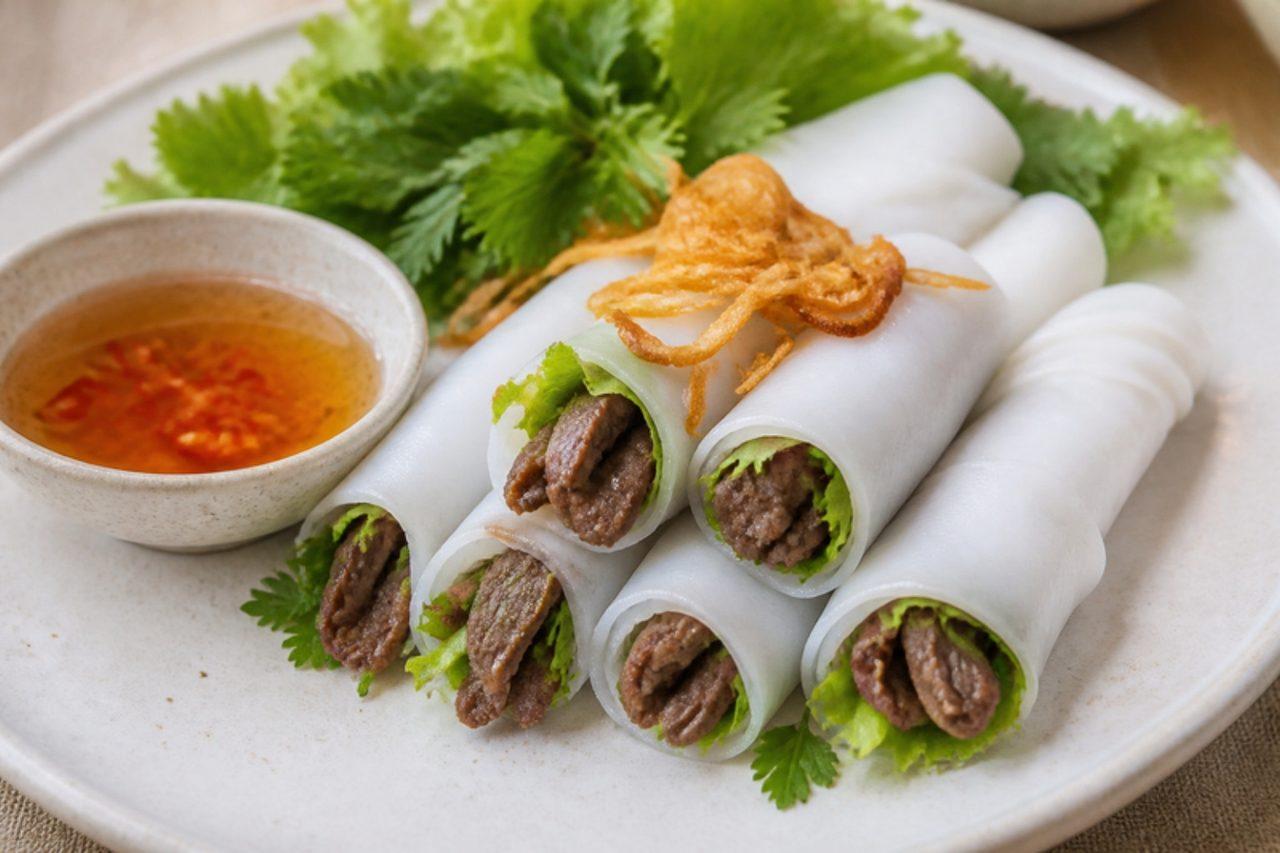
Pho cuonBeef rice noodle rolls

On Ngũ Xã, a little island of streets between Trúc Bạch lake and West Lake in Hanoi, whole rows of restaurants sell nothing but pho in different shapes, and phở cuốn is the one people order by the plateful in the evening. Instead of cutting the fresh rice-noodle sheet into ribbons, the cooks leave it whole and roll it round seared beef, lettuce and herbs. The rolls are soft, cool and slightly chewy, and you dip them in a light, sweet fish sauce with pickled carrot. Look for fresh rice-noodle sheets in the chiller of an Asian supermarket, often sold for Chinese ho fun. Chef's tip: if the sheets are stiff from the fridge, steam or microwave them for 30 seconds under a damp cloth before separating, or they tear.

by KrazyBadal 0 views

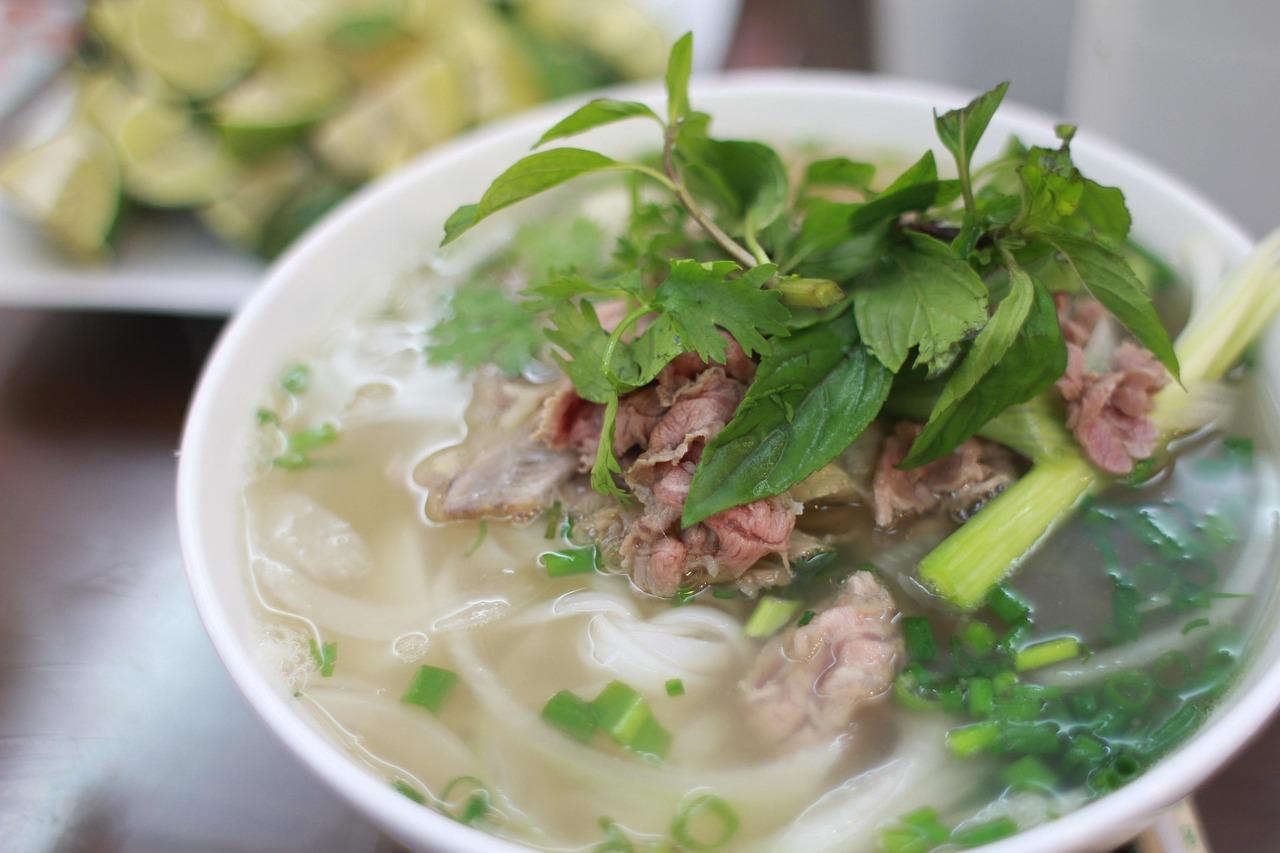
Pho boBeef noodle soup

Before Hanoi's offices open, pavement pho stalls are already busy, with diners on low plastic stools bent over bowls of rice noodles in a clear, spiced beef broth. The northern style is restrained: brisket and thin slices of raw beef that cook in the bowl, spring onion and a little coriander, with lime and chilli on the side rather than a heap of herbs and sauces. The work is in the broth, simmered slowly from bones with blackened onion and ginger and a small bag of toasted spices. Make it on a weekend; it keeps for three days and the bowls then take ten minutes. Chef's tip: char the onion and ginger until they are properly black in patches, because that smoky sweetness is what makes the broth taste of pho rather than plain beef stock.

by KrazyBadal 1 views

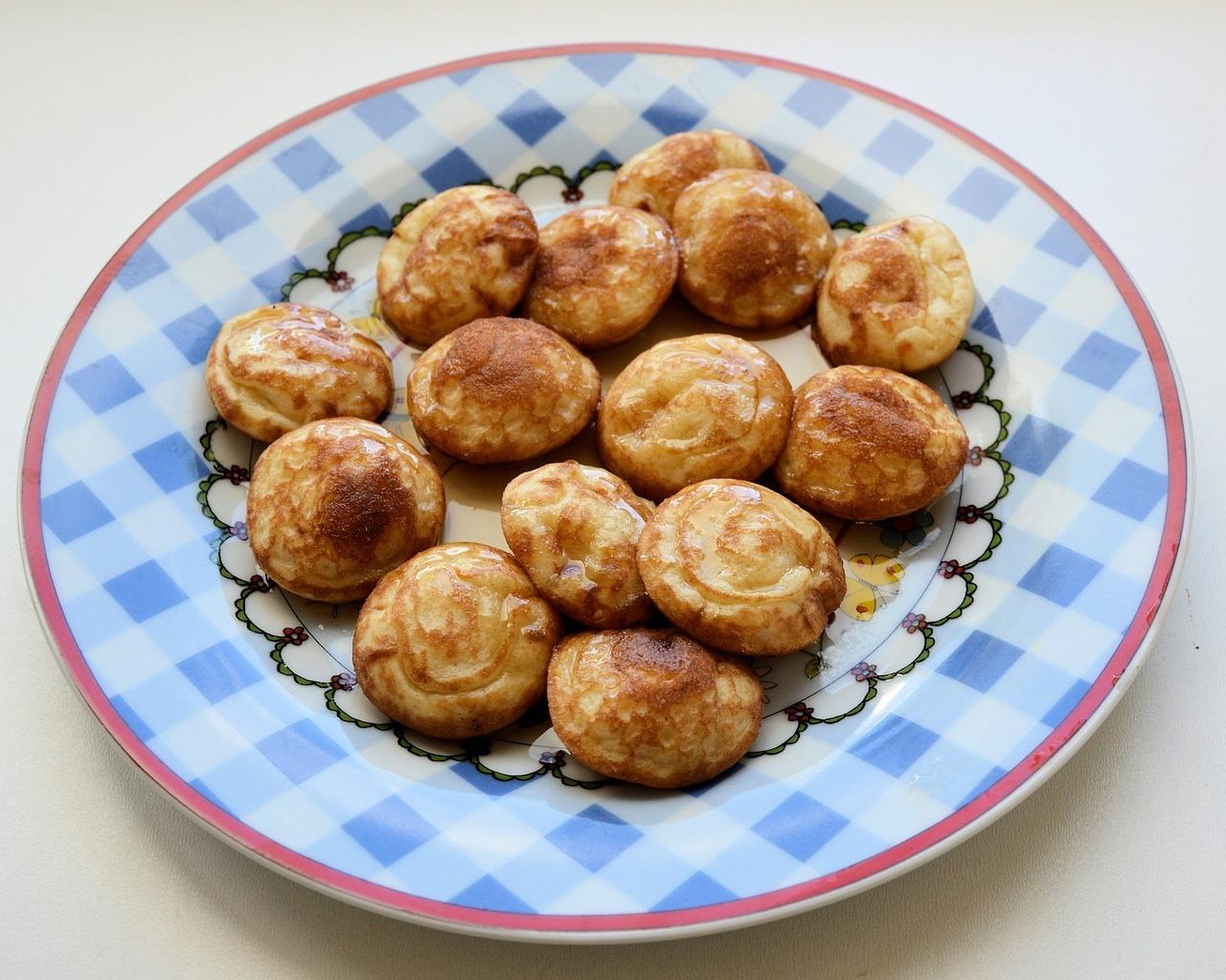
VitumbuaCoconut cardamom rice pancakes

Small, round Swahili rice pancakes made from a yeasted batter of rice flour, coconut milk, grated coconut, sugar and cardamom. They're crisp and golden outside, soft and spongy inside. Serve hot with tea.

by KrazyBadal 0 views

Vol-au-ventChicken and mushroom pastry cases

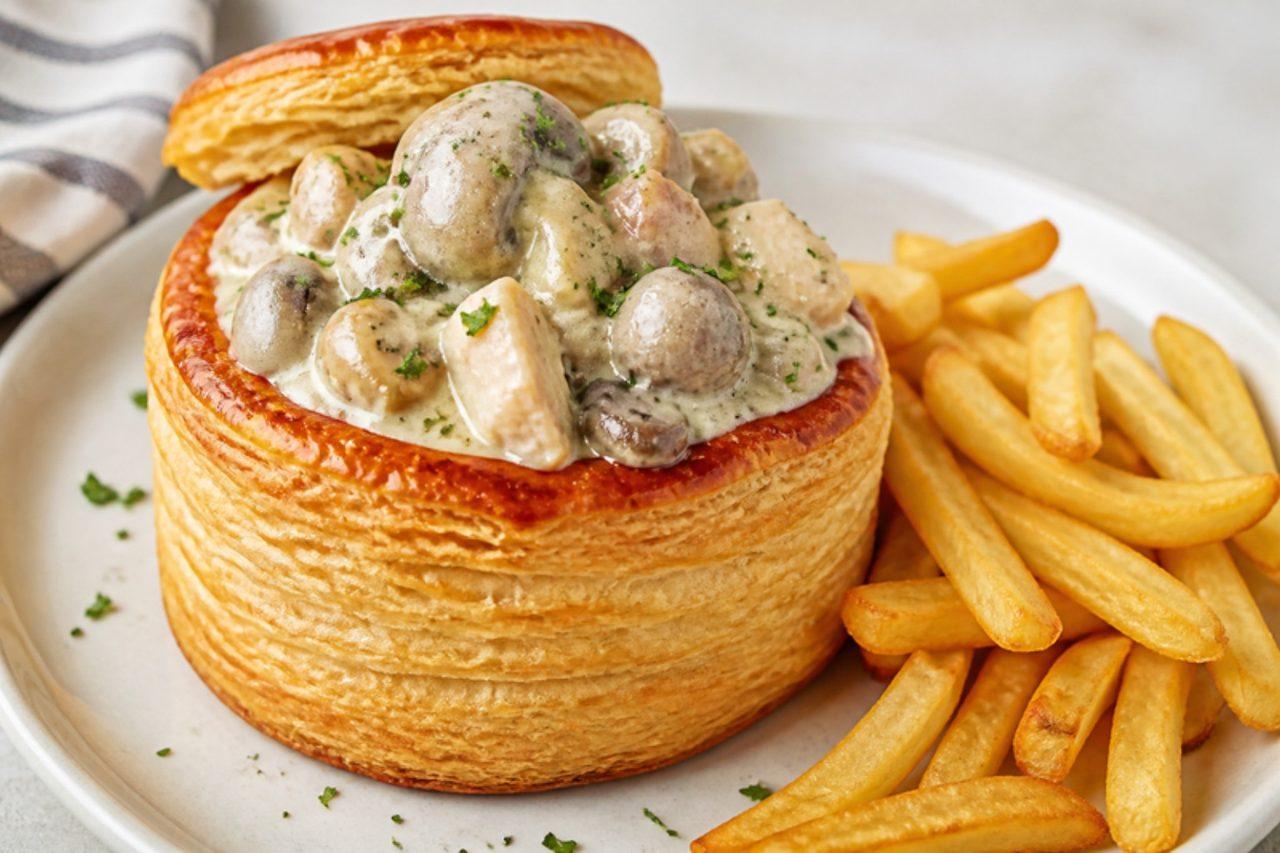
In Belgium a vol-au-vent is not a party nibble but a full plate: a big puff-pastry case filled with creamy chicken ragout, button mushrooms and tiny meatballs, served with chips in Brussels brasseries and for family celebrations and Sunday lunches all over the country. The little meatballs are made with pork mince, so this dish contains pork. The sauce is built on the poaching stock from the chicken, which gives it far more flavour than milk. A mistake many cooks make is filling the pastry too early, so the base turns soggy; fill the cases just before they go to the table. Chef's tip: poach the meatballs in the same stock as the chicken; they take just 5 minutes and season the broth further.

by KrazyBadal 0 views

Pachi pulusuRaw tamarind soup

Pachi pulusu, 'raw stew', is Telangana's summer cooler: a no-cook tamarind water stirred with jaggery, finely sliced raw onion and green chilli, finished with a hot mustard-seed tempering. In the heat of April and May in villages around Warangal and Karimnagar, families pour it over hot rice with a spoonful of dal or a spicy fry, and it wakes up appetites dulled by the sun. Some add a smoky roasted brinjal mashed in, which gives it body. Sweet, sour and sharp at once, it takes ten minutes. Chef's tip: rub the onion with salt and a little chilli powder in your fingers before adding the tamarind water, so it softens slightly and flavours the whole bowl.

by KrazyBadal 0 views

Vegetable tsuivanSteamed noodles with vegetables

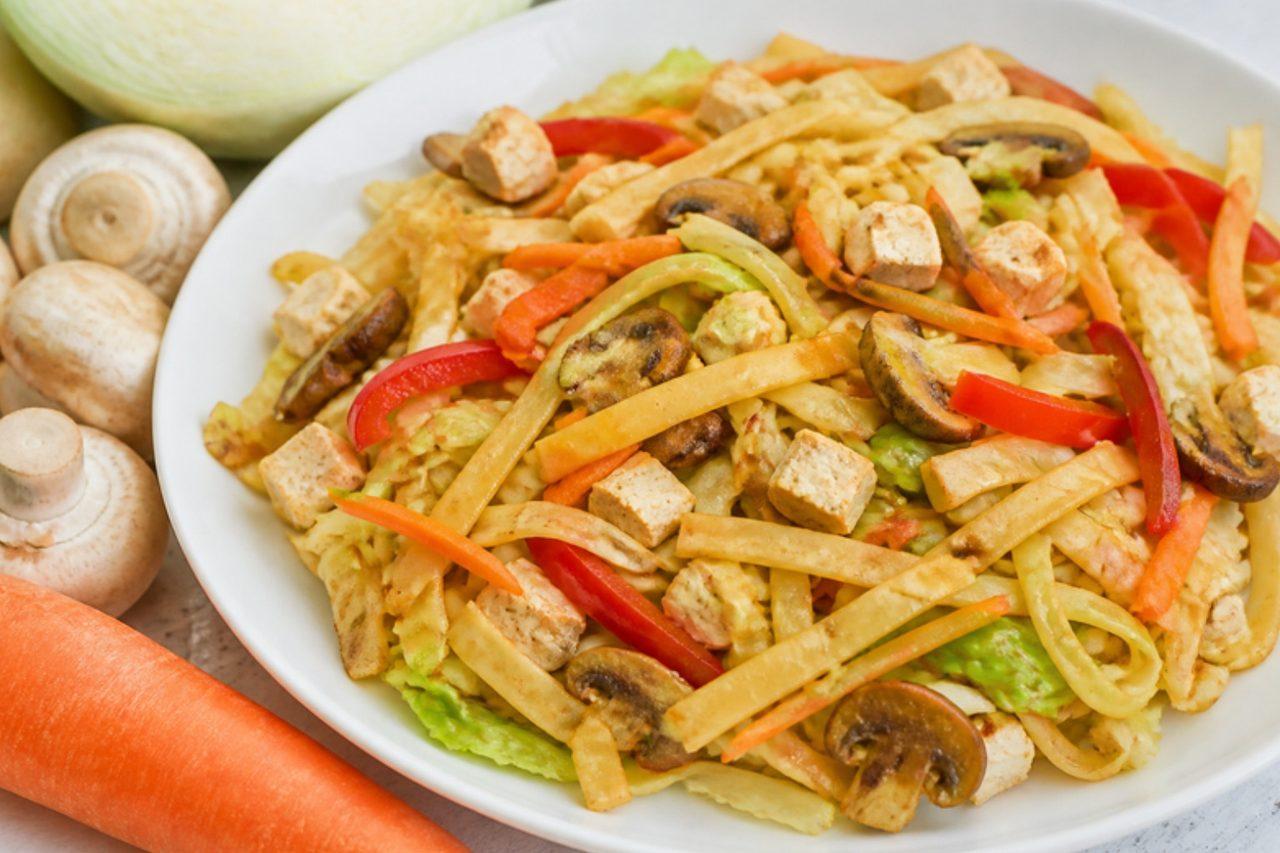
Tsuivan is one of the most-cooked dinners in Mongolia, from Ulaanbaatar apartments to gers on the steppe: homemade noodles laid over a stir-fry and steamed under a lid until they soak up all the juices, then tossed together. It's normally made with mutton; meaty mushrooms and firm tofu stand in here, with carrot, cabbage and onion. Simple and filling, it's often eaten with a pot of salty milk tea. Chef's tip: lay the noodles on top and don't stir until the end; they cook in the steam, not in the liquid.

by KrazyBadal 0 views

TteokgalbiGrilled short rib patties

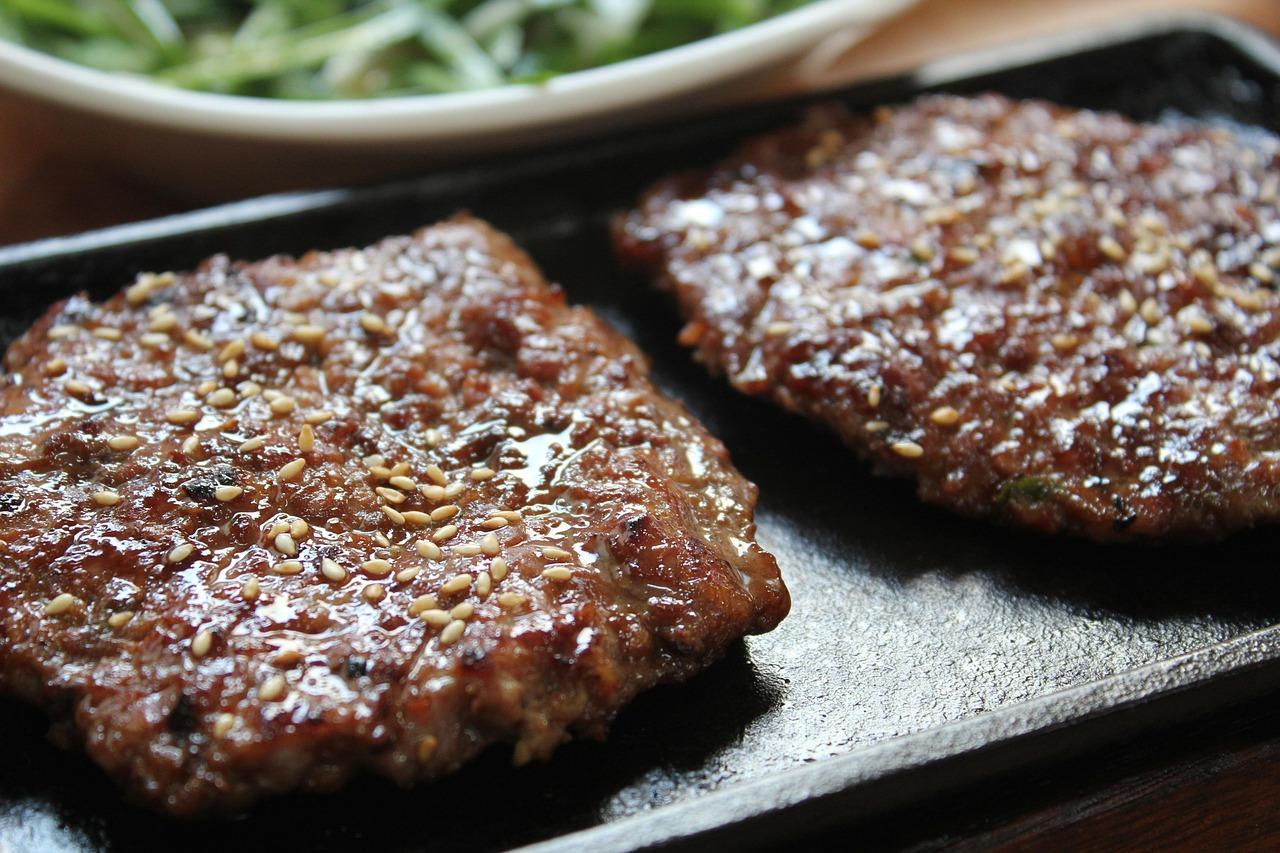
Tteokgalbi is rib meat chopped finely, pressed back into neat slabs and grilled, so it's soft enough to eat without struggling with a bone. Two places in South Jeolla claim it: Damyang, the bamboo county, where all-beef patties come with rice steamed in bamboo tubes, and Gwangju's Songjeong district, whose restaurant street near the railway station mixes beef with pork. This home version uses minced beef and pork, seasoned with soy, garlic and pear, then brushed with a soy and honey glaze as it cooks. Serve with rice, lettuce and a few banchan; leftovers are good cold in a lunchbox. Chef's tip: slap the mince against the bowl for a few minutes; it turns sticky and the patties hold together on the grill without any breadcrumbs.

60 minKoreanMeat
by KrazyBadal 1 views

Tudkiya bhathSpiced rice with lentils and potatoes

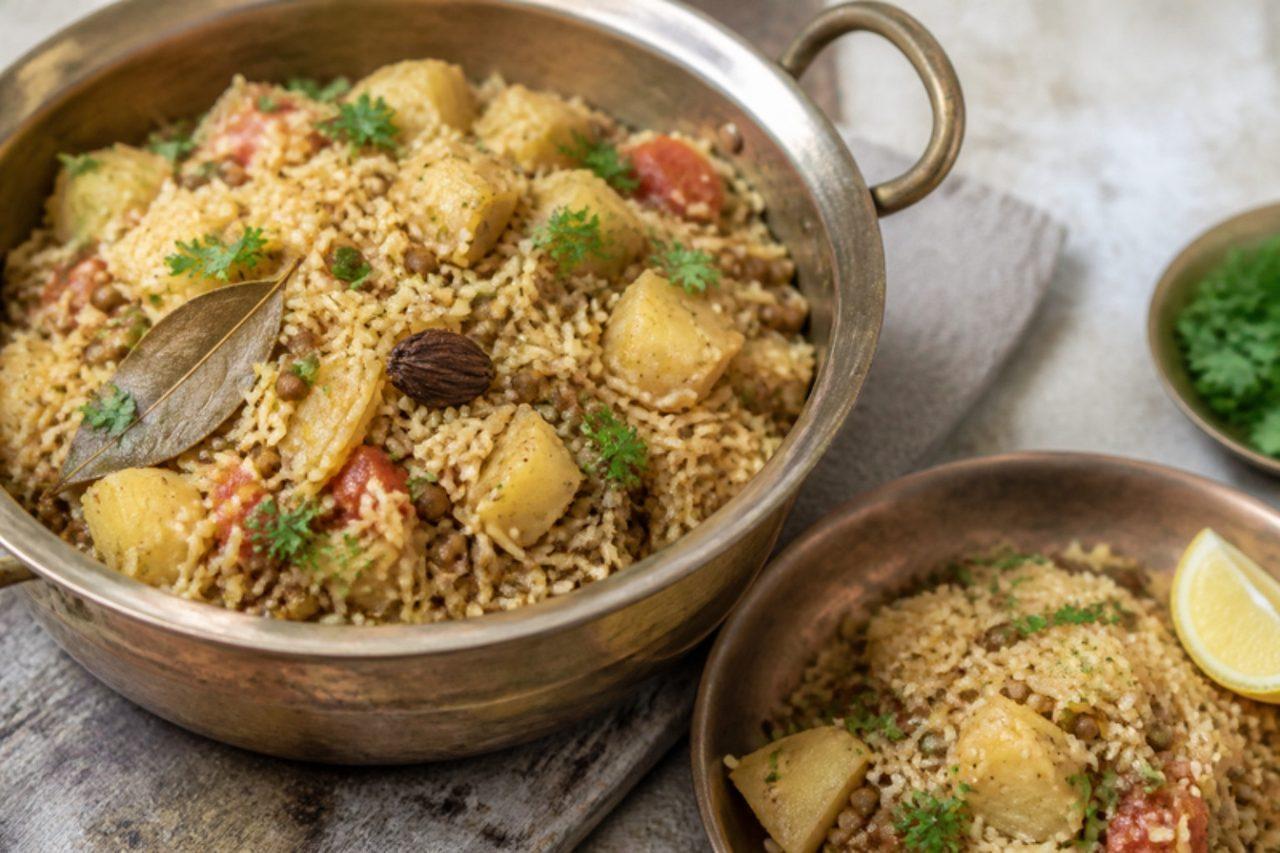
Tudkiya bhath comes from Chamba in western Himachal Pradesh, where it is the dish cooks make when a crowd turns up: rice, whole lentils and potato cooked in one big pot with fried onions, tomato and a tangy splash of yogurt. Tudka means tempering, and the name hints at the generous mustard-oil base of whole spices that flavours every grain. It is heartier and spicier than a pulao, a little wetter than a biryani, and is usually eaten with a bowl of plain yogurt or a sour pickle. Chef's tip: fry the onions properly to a deep golden brown; they give the rice its colour and its sweetness.

by KrazyBadal 0 views

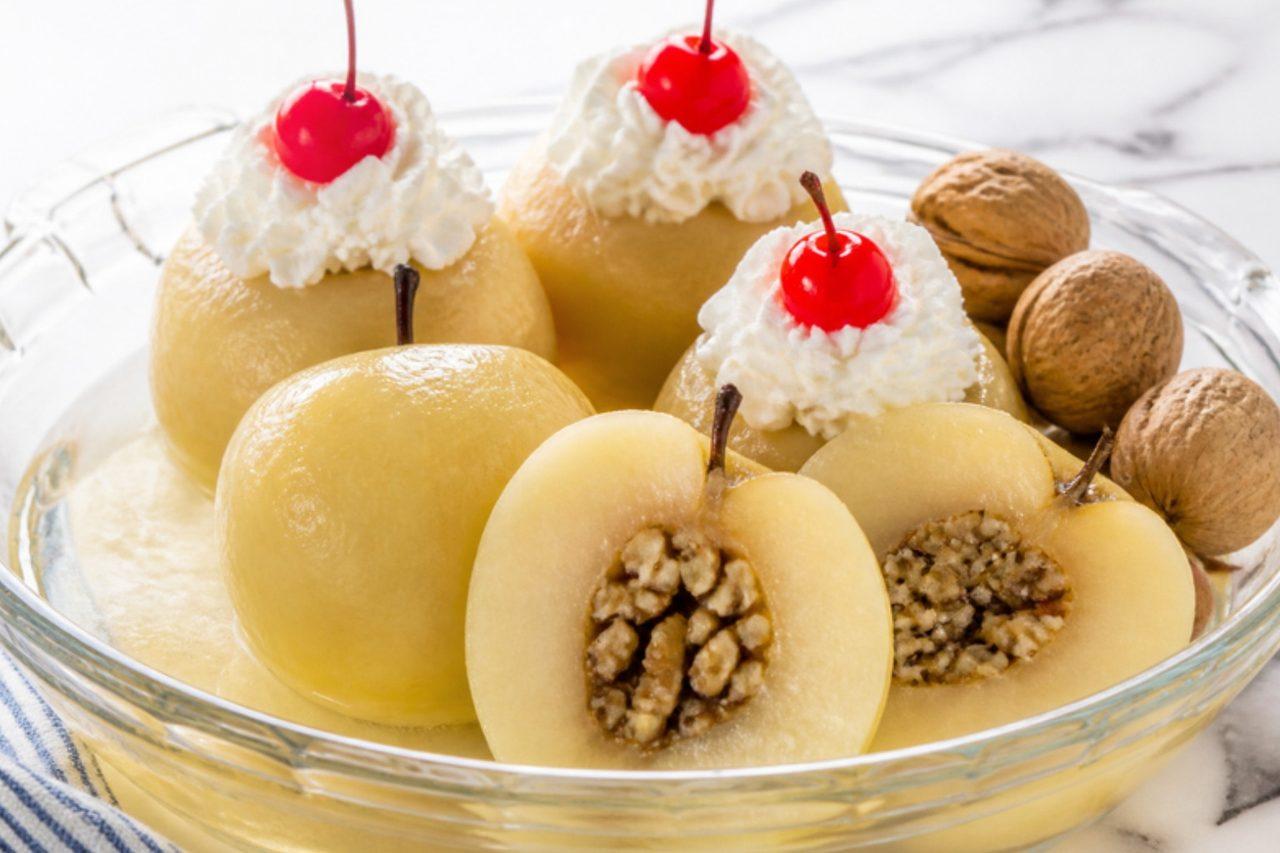
TufahijeWalnut-stuffed poached apples

Tufahije came to Bosnia with the Ottomans, and the name comes from the Persian and Arabic word for apple. In Sarajevo's old Baščaršija quarter they sit in the windows of slastičarne (sweet shops), whole apples poached pale in lemon syrup, filled with sweet walnuts and capped with whipped cream; at home they are a favourite after the iftar meal during Ramadan and at Bajram. They are soft, juicy and only moderately sweet. Chef's tip: choose firm, slightly tart apples and poach them gently; boiling them hard is the classic mistake and leaves you with split, mushy apples.

by KrazyBadal 0 views

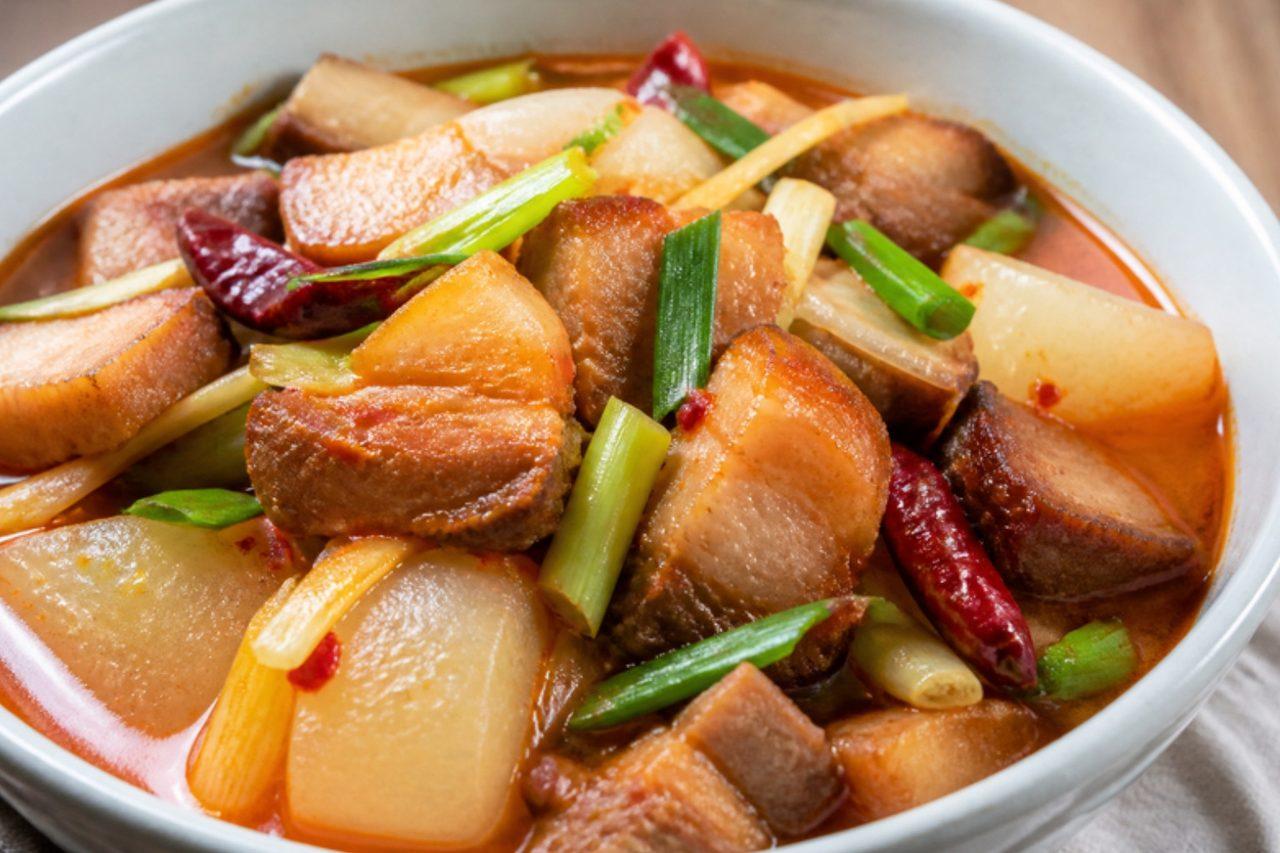
PhagshapaPork with radish and chilli

High in the hills of Sikkim, where winters are long and cold, Bhutia and Lepcha households make phagshapa from fatty strips of pork, white radish and fiery dried red chillies. Traditionally it uses no oil at all: the pork renders its own fat, and the radish soaks it up and turns meltingly soft. It is everyday warming food in Gangtok kitchens, eaten with rice and a bowl of clear soup. Chef's tip: cut the radish thick, in batons, so it holds its shape through the long simmer.

80 minIndianMeatGluten freeSpicy
by KrazyBadal 0 views

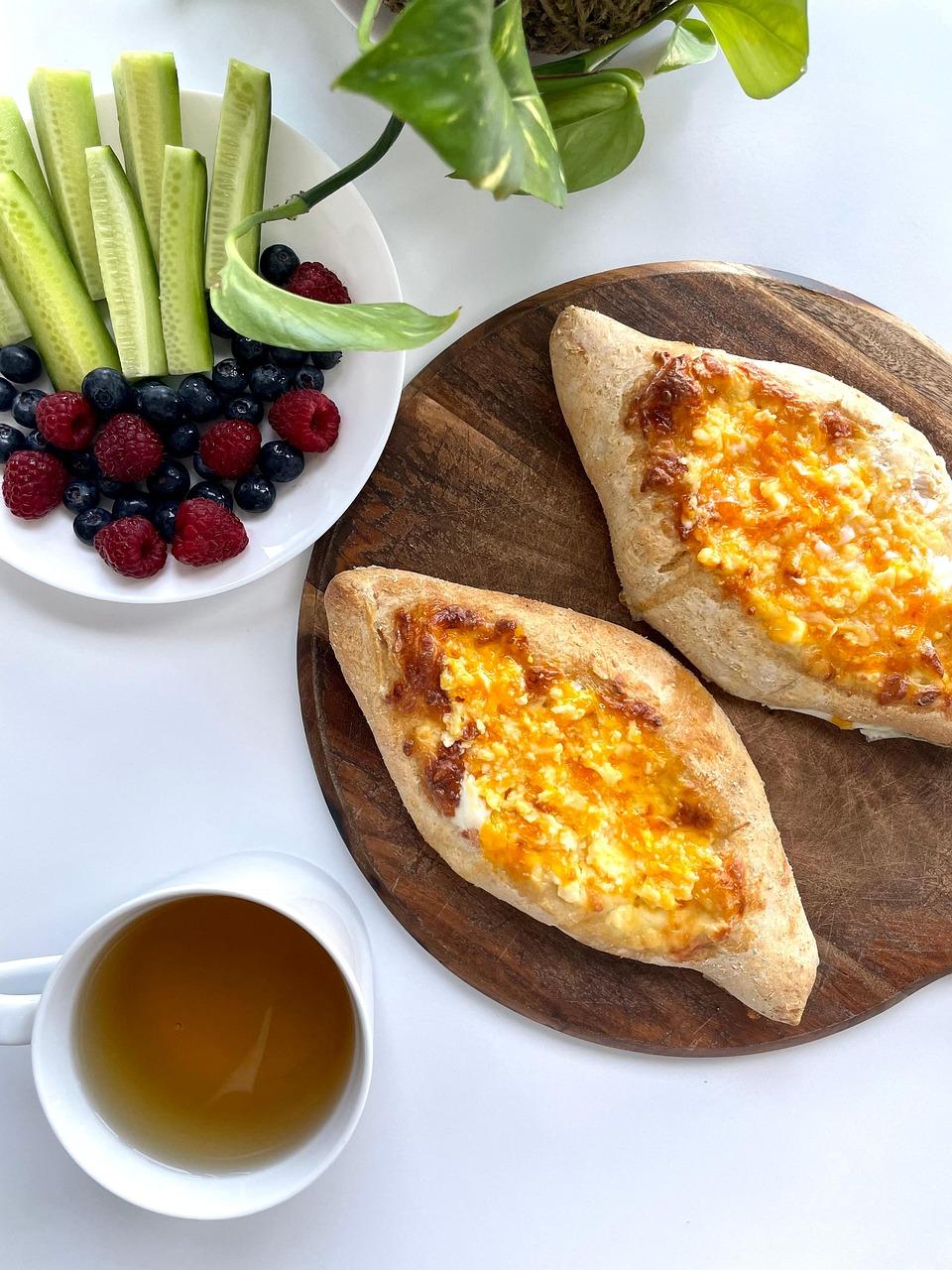
Peynirli pideBoat-shaped cheese bread

Along the Black Sea coast, from Samsun to Trabzon, the pide salon is where families go on a Friday night, and the oven man shapes each boat of dough by hand before sliding it onto the hot stone floor of a wood-fired oven. The Black Sea way is generous: a pool of melted kaşar and white cheese held inside a rim of soft bread, an egg cracked into the middle for the last few minutes and a knob of butter dropped on as it comes out. Children love tearing off the crusty ends to drag through the cheese. Chef's tip: heat a heavy baking tray or pizza stone in the oven for a full 30 minutes; the hot base is what gives a crisp underside rather than a soft one.

120 minTurkishPizza
by KrazyBadal 0 views

Vegetarian vori voriCornmeal dumpling and vegetable soup

Vori vori is the soup Paraguayan grandmothers make on cold June and July evenings: a golden broth full of bori, small balls of cornmeal and cheese that swell soft as they simmer. The name is a Guaraní take on the Spanish 'bolita' (little ball). It's usually made with hen; this version gets its colour and body from pumpkin, carrot and a sofrito with saffron or turmeric. Chef's tip: shape the balls no bigger than a hazelnut; they double in size and larger ones stay raw inside.

by KrazyBadal 0 views

Pabellón criollo vegetarianoMushrooms, black beans and rice plate

Pabellón criollo is Venezuela's national dish, the lunch plate served in family kitchens and at every Caracas lunch counter: white rice, black beans (caraotas), sweet fried plantain (tajadas) and shredded stewed beef side by side, like the stripes of a flag. This vegetarian version replaces the beef with king oyster mushrooms pulled into strands and stewed in a sofrito with tomato, cumin and a little panela, which gives the same tender, shredded texture. For slow-cooked beans from scratch, see the frijoles negros cubanos page. Chef's tip: shred the mushrooms along the grain with a fork, as you would pull beef; it's what makes them look and eat like carne mechada.

by KrazyBadal 0 views

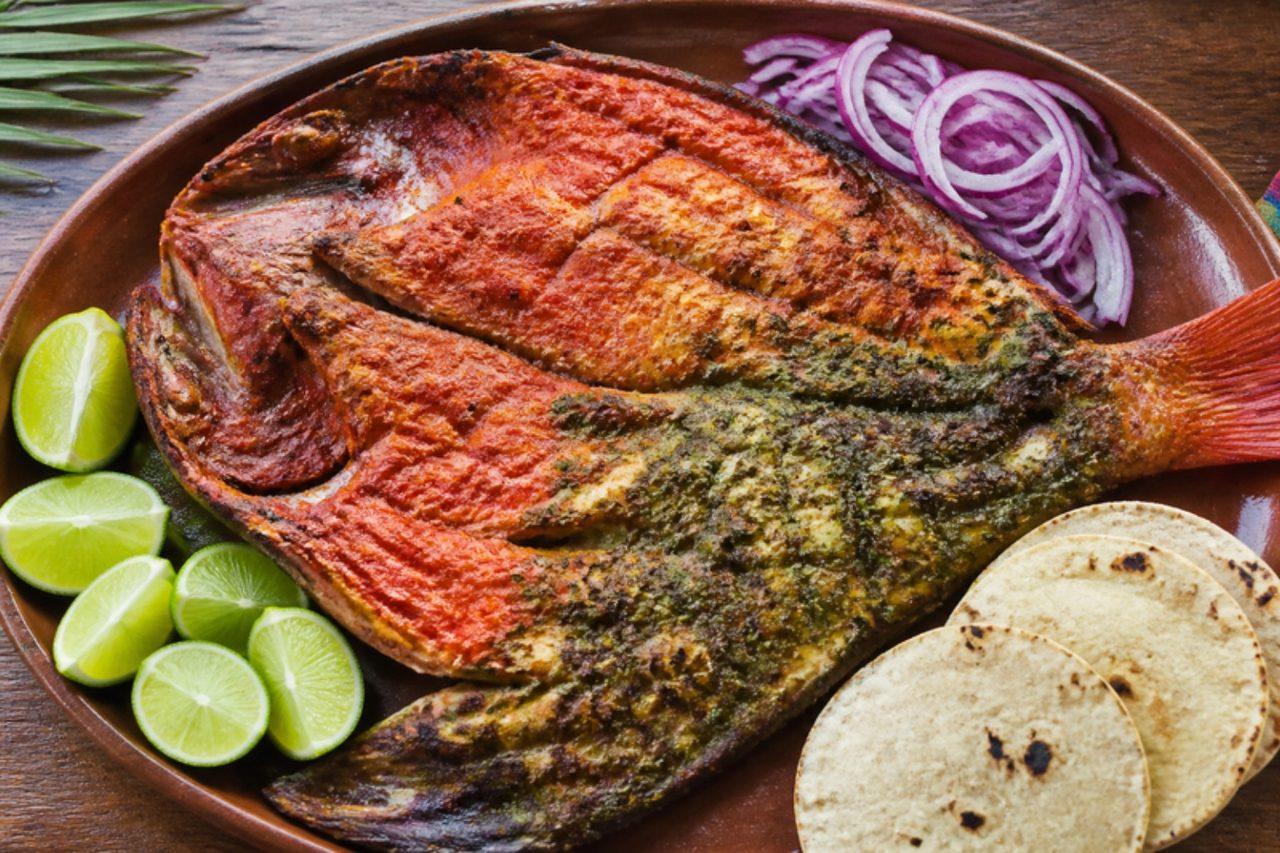
Pescado a la tallaGrilled fish in chilli paste

On the long beach of Barra Vieja, just south of Acapulco in Guerrero, whole fish are split open, painted with chilli paste and grilled over wood embers in palapa restaurants with their feet in the sand. One half gets a brick-red adobo of guajillo and ancho, the other a bright green paste of herbs and fresh chilli, so a single fish brings two flavours to share. It is eaten straight off the platter with tortillas, rice, lime and cold drinks. Chef's tip: cook it mostly skin-side down in a hinged fish basket, so the skin protects the flesh and the fish turns without breaking.

by KrazyBadal 0 views

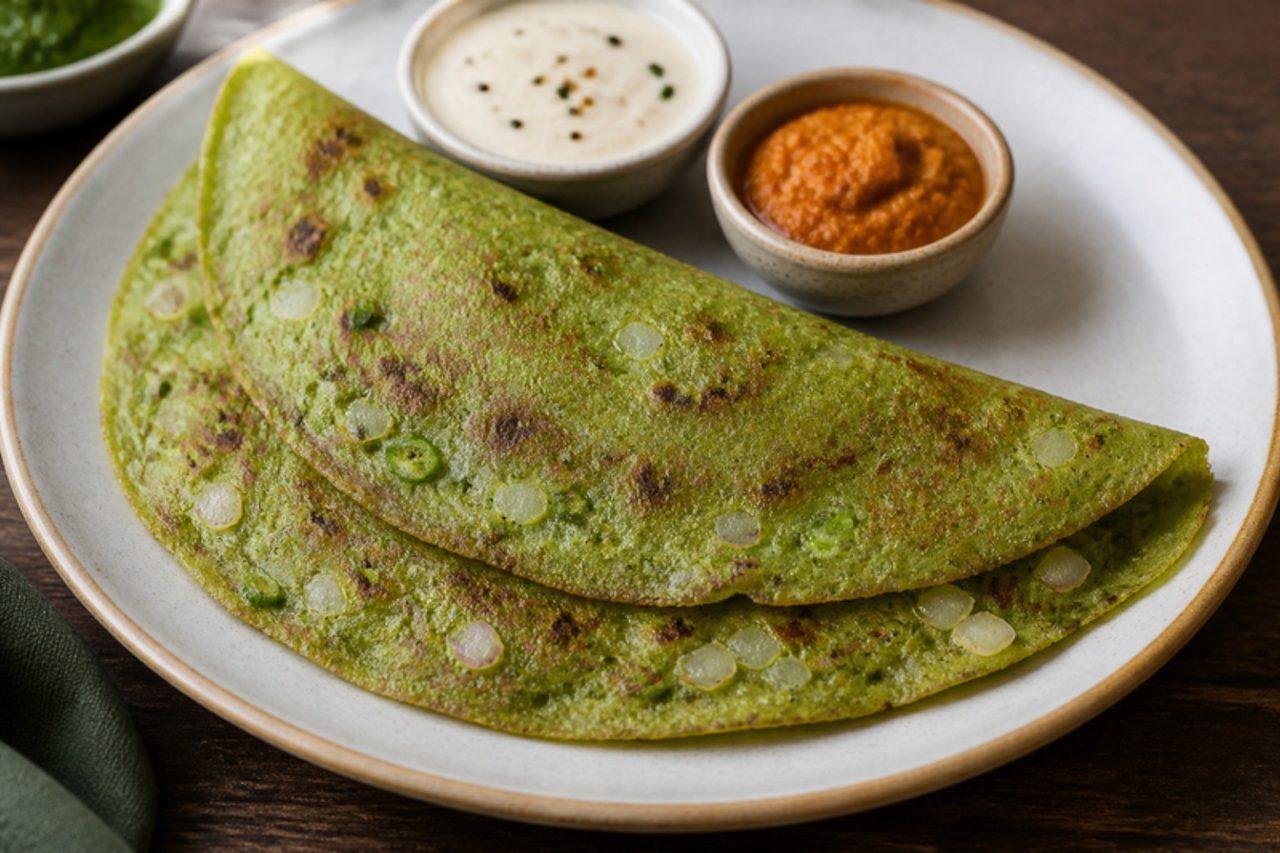
PesarattuGreen moong crêpes

Pesarattu is the breakfast dosa of Andhra Pradesh, made from whole green moong beans ground with ginger, green chilli and cumin rather than rice and urad dal. Because the batter needs no fermenting, you can soak the beans before bed and have crisp, nutty, bright-green dosas on the table by morning. In Andhra homes they're scattered with onion and eaten with a sharp ginger chutney, and on festive days filled with upma to make 'MLA pesarattu'. They're high in protein, light and naturally gluten free. Chef's tip: add a small handful of raw rice to the soak; it isn't traditional everywhere, but it gives the dosa a crisper edge and stops it tearing on the pan.

by KrazyBadal 0 views

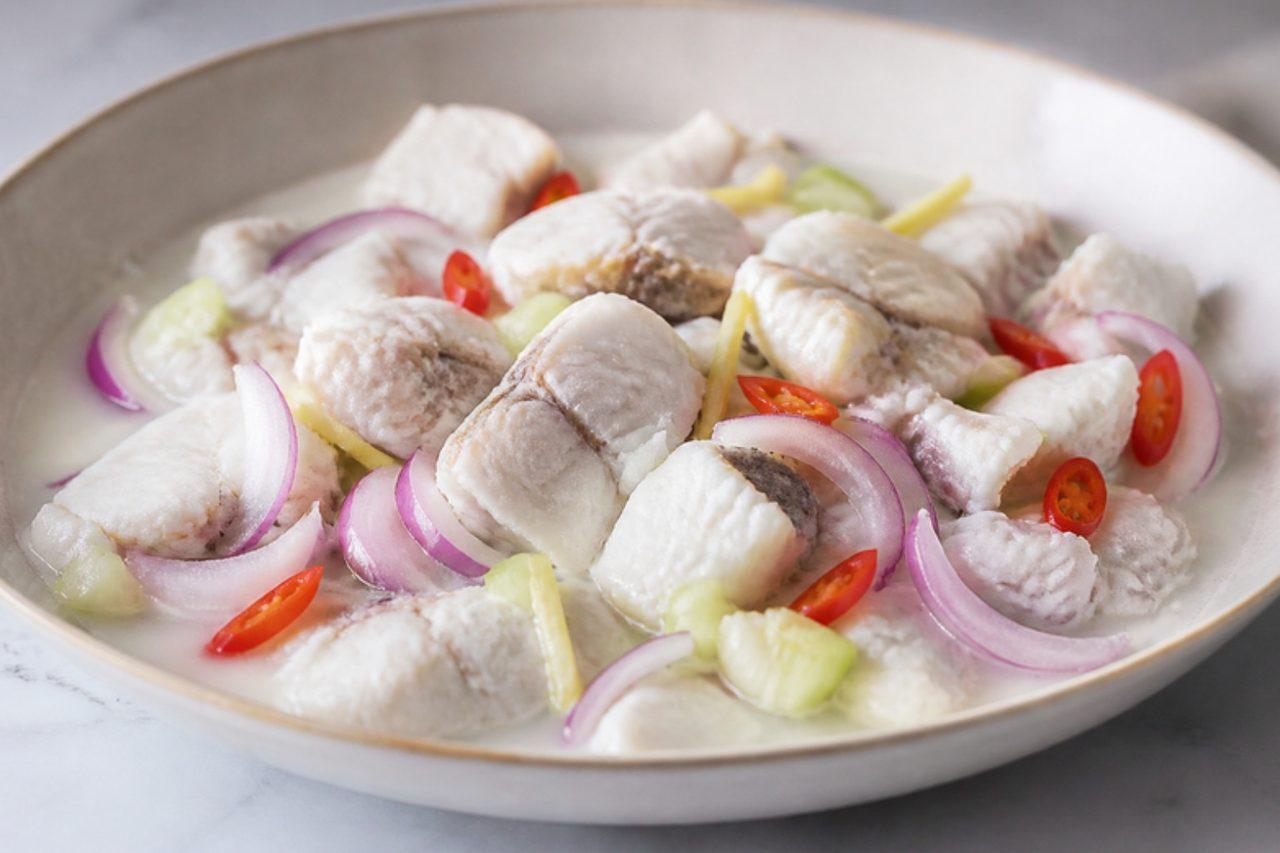
Tuna kinilawRaw tuna in vinegar

Kinilaw is the Visayas and Mindanao way with very fresh fish: raw cubes of tuna or Spanish mackerel (tanigue) cured briefly in coconut or palm vinegar with ginger, red onion, chilli and calamansi. In General Santos, the tuna capital, and on the beaches of Cebu and Siargao, it is made minutes after the catch and eaten as pulutan or a starter on hot afternoons. Please note: the fish is not cooked by heat; the vinegar only firms it and turns it opaque, and it does not kill all bacteria or parasites. Use only sashimi-grade fish that has been frozen to kill parasites, and pregnant women, young children, older people and anyone with a weakened immune system should not eat it. Chef's tip: pour a first splash of vinegar over the fish and drain it off, then dress it; this 'washing' firms the surface and keeps the flavour clean.

by KrazyBadal 0 views

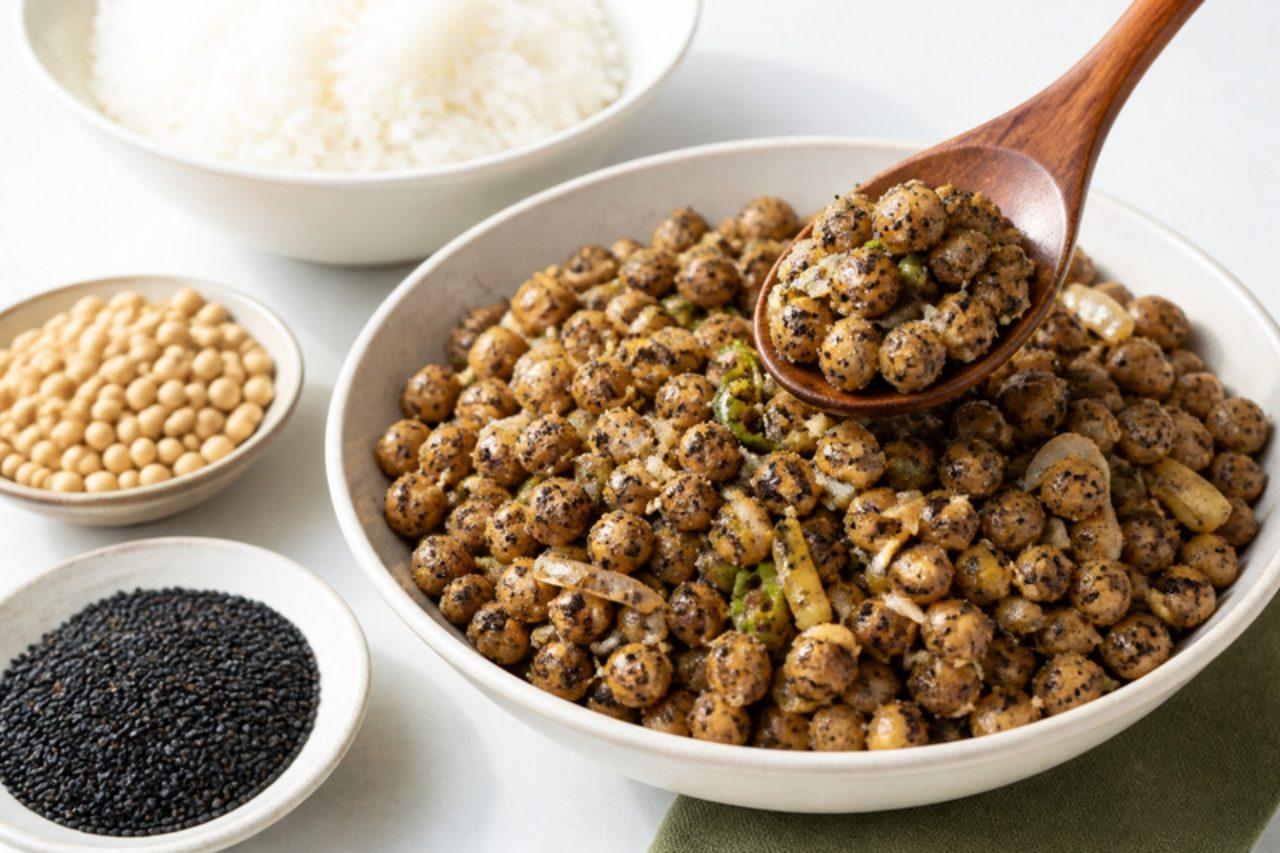
TungrymbaiFermented soybean with sesame and ginger

Tungrymbai is the Khasi Hills' great fermented food: soybeans boiled, wrapped in leaves and left by the hearth until sticky and pungent, then cooked with onion, ginger, garlic, turmeric and a generous paste of roasted black sesame. In Shillong's markets and local eateries (jadoh stalls), it is often cooked with pork, but many Khasi homes make it with soybeans alone, which is the version here. It is dark, nutty and savoury, eaten in small spoonfuls with rice. Chef's tip: roast the black sesame until it just begins to pop; underroasted it tastes grassy, overroasted it turns bitter. Natto works if you can't get tungrymbai.

by KrazyBadal 0 views

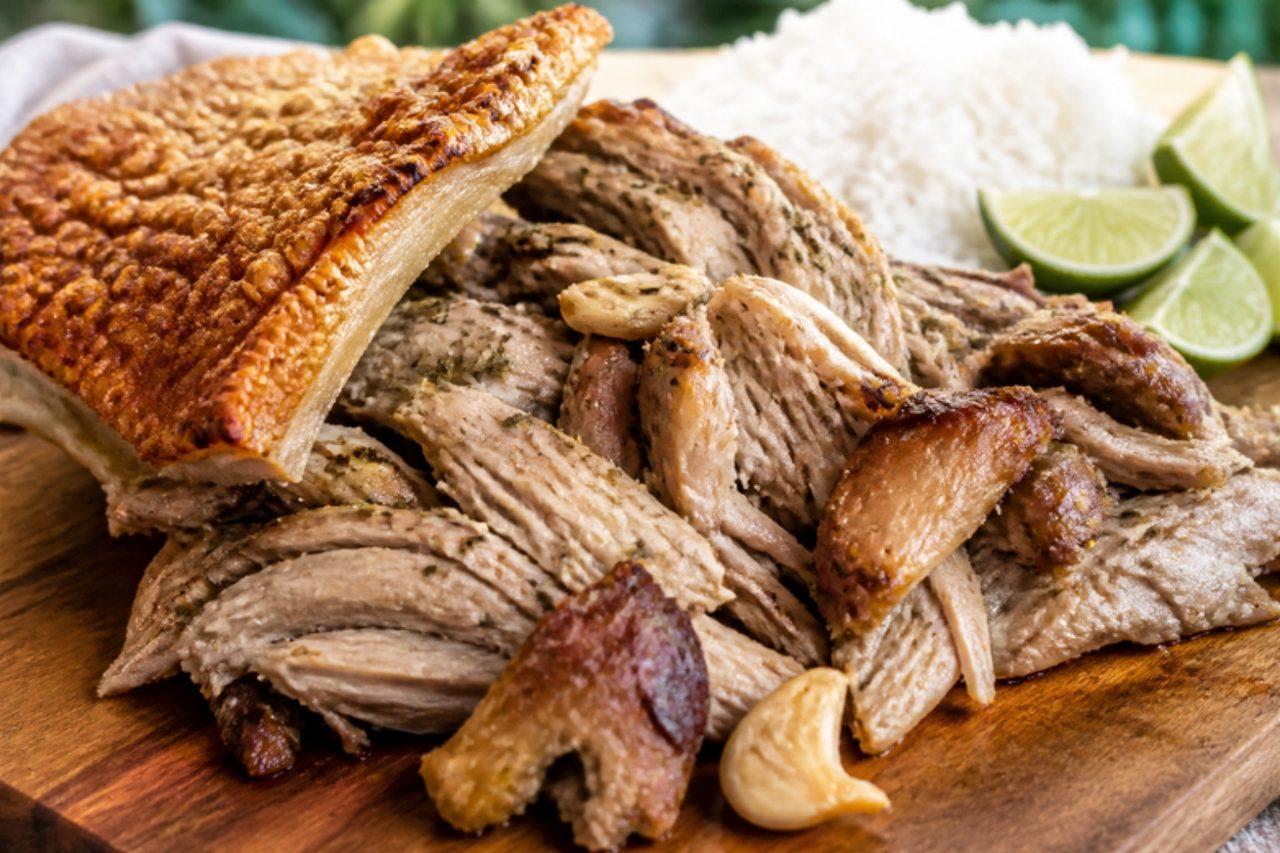
PernilRoast pork shoulder

No Puerto Rican Nochebuena (Christmas Eve) is complete without pernil, a whole pork shoulder rubbed with a pounded paste of garlic, oregano and black pepper, left in the fridge overnight and roasted low for hours until it falls apart. This is a pork dish. Families fight over the cuerito, the crackling skin on top, and the meat goes with arroz con gandules, salad and more rice the next day. The usual mistake is smearing the marinade over the skin: the garlic burns and the skin never crackles, so push the paste into slits and under the skin, and keep the skin itself dry and salted. Chef's tip: marinate for a full 24 hours if you can; the garlic and vinegar soak right into the meat.

by KrazyBadal 0 views

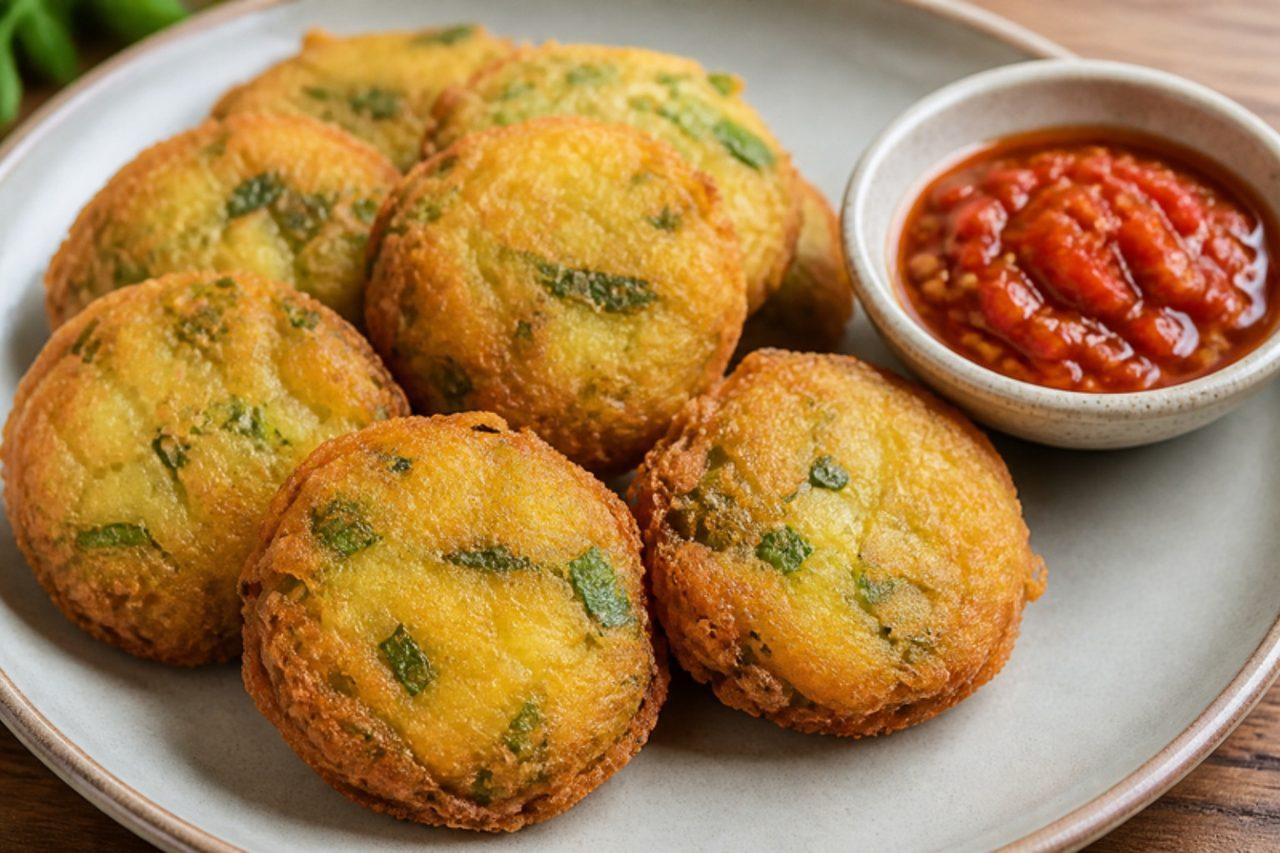
PerkedelPotato fritters

Perkedel came to Indonesia from the Dutch frikadel, but became something quite different: mashed fried potato seasoned with nutmeg, white pepper, spring onion and fried shallots, shaped into little patties and fried in a coating of egg. Families make them for soto, for nasi kuning platters and Lebaran tables, and children grab them cold from the fridge. The outside is lacy and golden, the inside soft and peppery. Chef's tip: fry the potatoes before mashing, rather than boiling them — it's the Indonesian way, and it gives drier, fluffier potato that holds its shape without flour.

by KrazyBadal 0 views

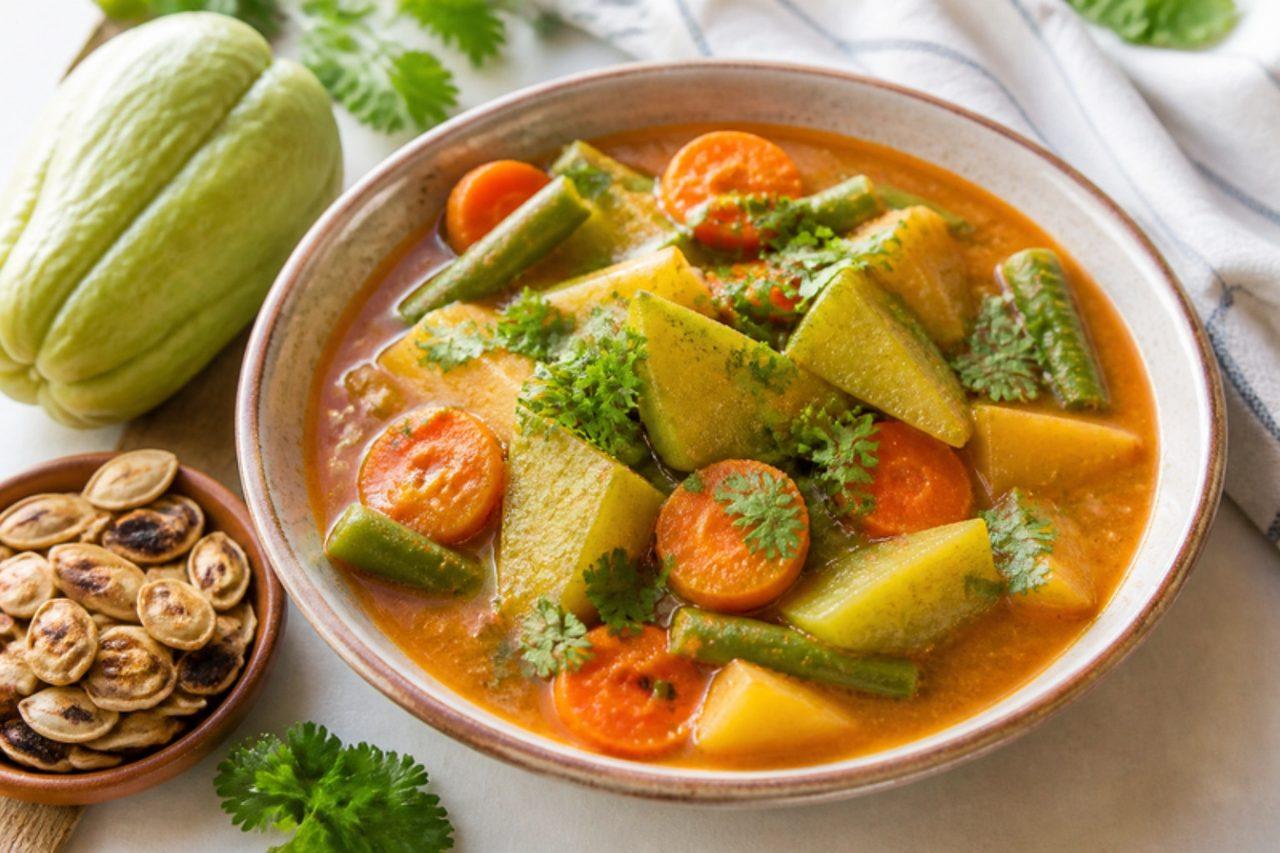
Pepián de verdurasRoasted seed and vegetable stew

Pepián is often called Guatemala's national dish, a recado (sauce) from the Kaqchikel Maya highlands around Antigua and Chimaltenango, served at fiestas and family Sundays. Its depth comes from charring tomatoes, tomatillos and dried chillies and toasting pumpkin and sesame seeds before grinding them into a thick, smoky, reddish-brown sauce. Traditionally it simmers chicken; here chayote, potato, green beans and carrot soak it up. Serve with white rice and tamalitos or warm corn tortillas. Chef's tip: toast the seeds separately and stop when they smell nutty; burnt seeds turn the whole pot bitter.

by KrazyBadal 0 views

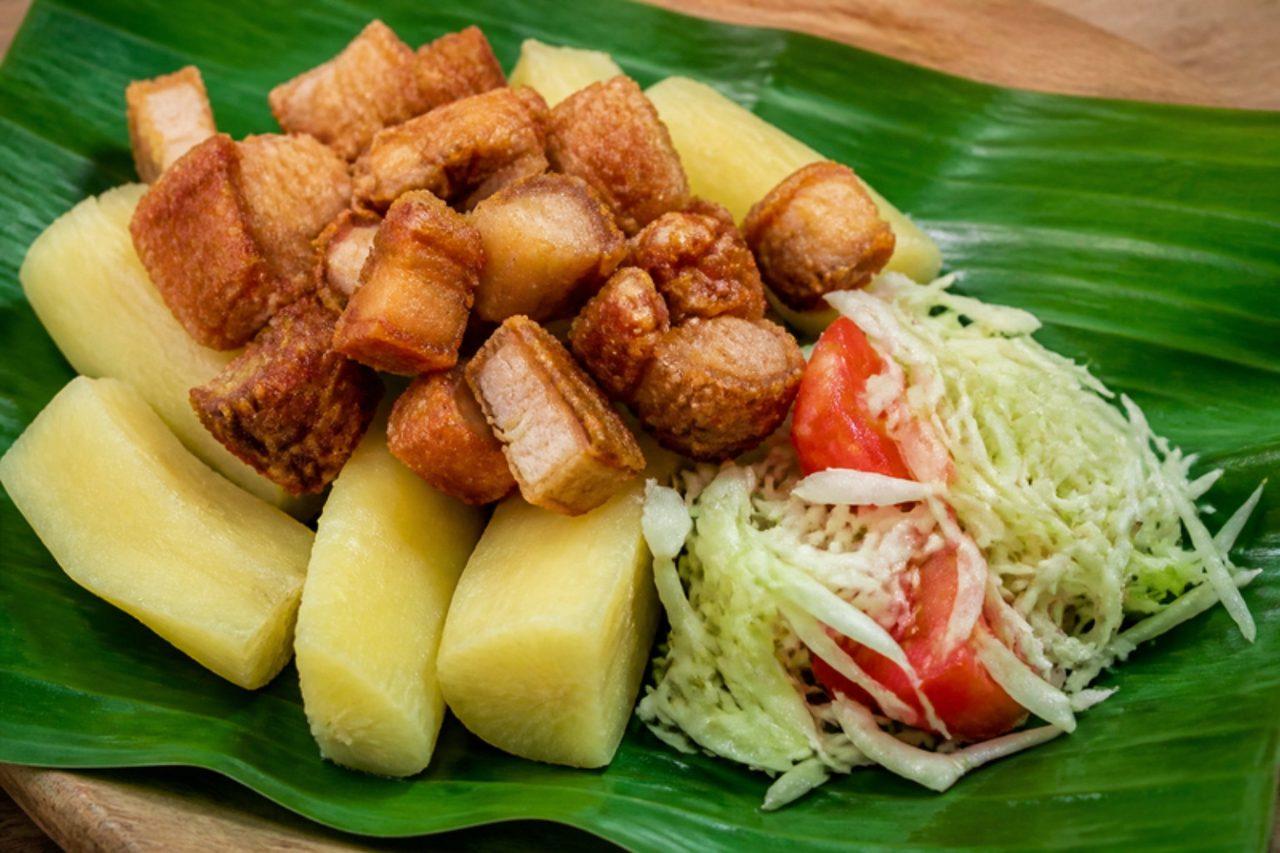
VigorónYuca, pork crackling and cabbage salad

Vigorón was born in the 1910s in the colonial city of Granada, Nicaragua, where it is still sold from stalls around the Parque Central, wrapped in banana leaf: boiled yuca topped with crisp pork crackling (chicharrón) and a tangy cabbage and tomato salad. This dish contains pork. It is street food, eaten at any hour with your fingers. The mistake is serving dry yuca; boil it until tender and slightly split, then keep it in its warm water until serving. Chef's tip: make the cabbage salad an hour ahead so the vinegar softens it.

by KrazyBadal 0 views

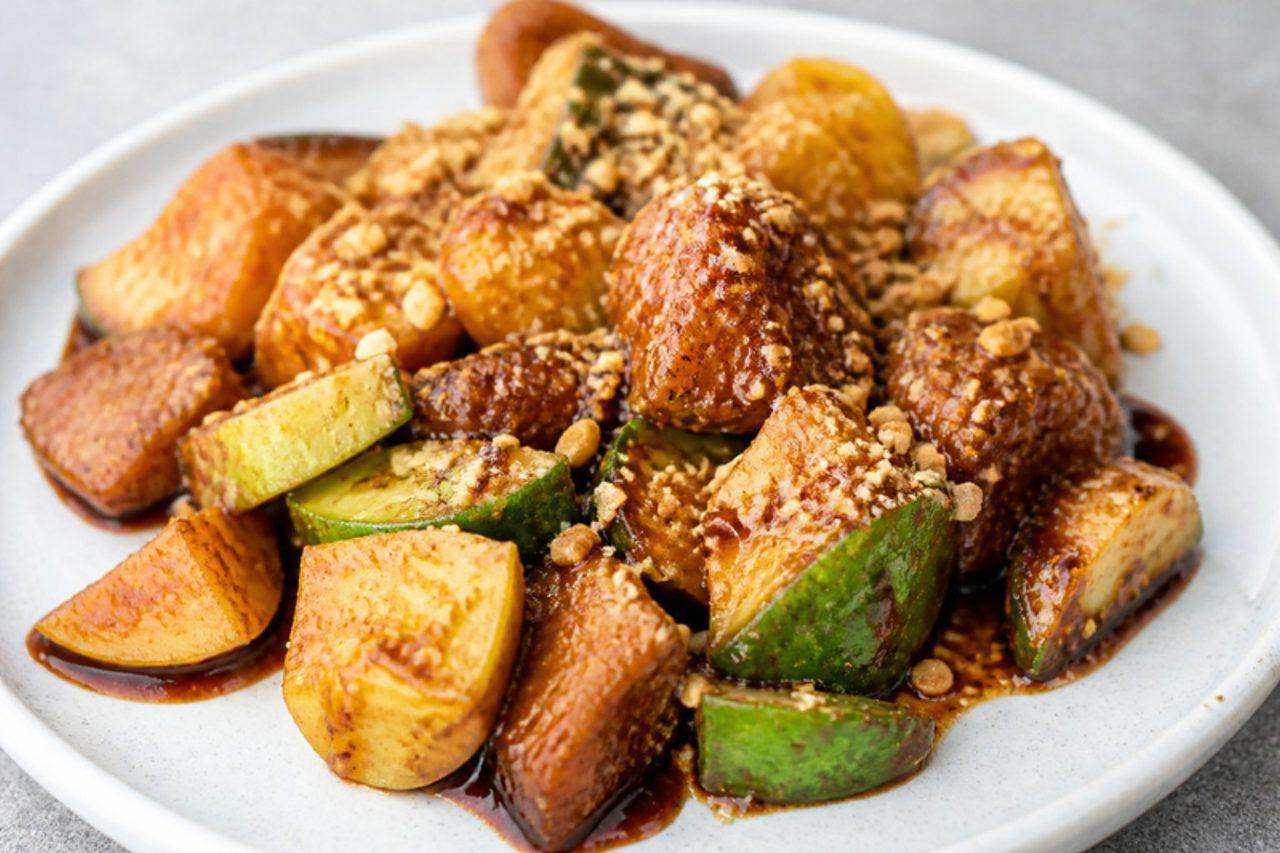
Penang rojakFruit salad with prawn paste dressing

Few salads are as divisive or as loved as the rojak sold from carts along Penang's Gurney Drive: crisp jicama, cucumber, green mango, pineapple and guava cut into bite-size pieces and tossed in a black, toffee-thick dressing of hae ko (fermented prawn paste), tamarind and sugar. The fruit stays cold and crunchy while the sauce is sweet, sour, salty and funky at once, finished with a snowfall of crushed peanuts. Stalls often add fried dough fritters and tofu puffs for chew. Eat it as an afternoon snack or alongside grilled meats. Chef's tip: toss only just before serving; the salt in the dressing draws water out of the fruit and turns it watery within 15 minutes.

by KrazyBadal 0 views

Penang lor bakFive-spice pork rolls

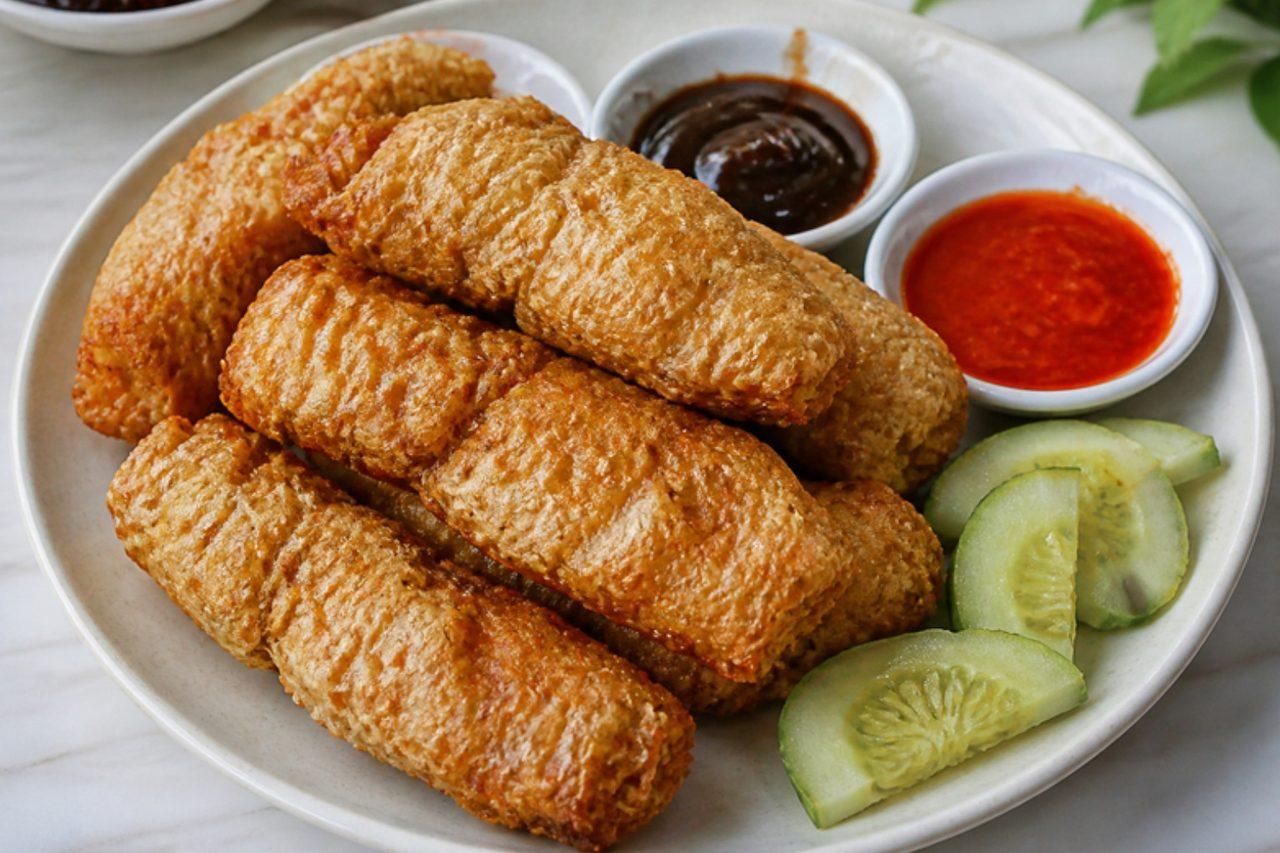
Every Penang lor bak stall shows off a tray of fried things, but the five-spice pork roll is the reason people queue. Minced pork and chopped water chestnut, seasoned with five-spice, soy and garlic, are rolled tight in sheets of dried beancurd skin, steamed, then fried until the skin shatters like thin pastry. Slices are dipped in two sauces: a thick, starchy 'lor' gravy streaked with egg and a bright chilli sauce. They are a favourite with drinks at the hawker centres along Kimberley Street or as part of a Chinese New Year spread. Chef's tip: wipe the beancurd skin with a damp cloth rather than soaking it; too wet and it tears and will not crisp.

by KrazyBadal 0 views

Penang asam laksaSour fish noodle soup

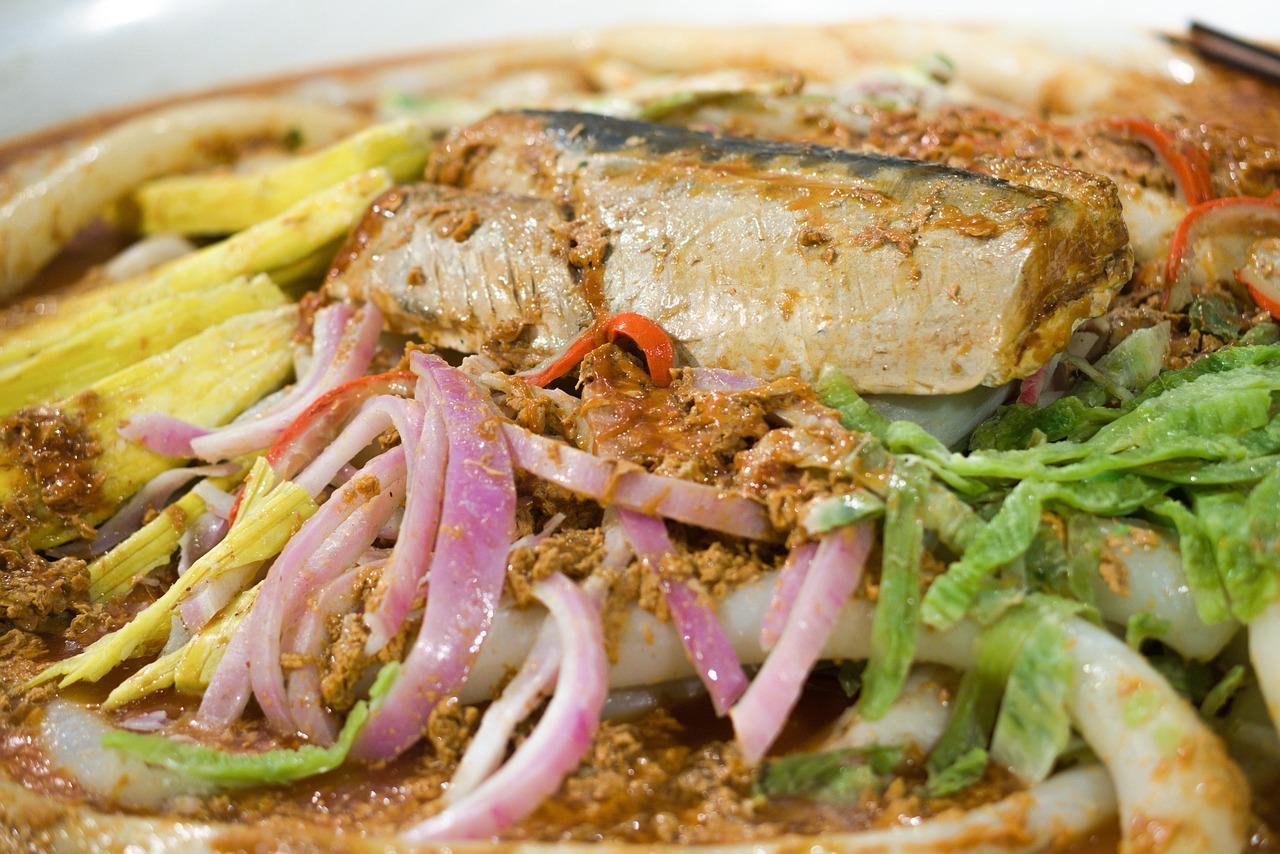
Forget coconut and cream: Penang's asam laksa is all sour, hot and herbal, a dark tamarind broth thickened with flaked mackerel and poured over thick, slippery rice noodles. Hawkers at Air Itam market and along Gurney Drive pile the bowl with shredded pineapple, cucumber, red onion, lettuce, torn mint and a spoon of sticky, sweet prawn paste (hae ko) that you stir in as you eat. Torch ginger flower and Vietnamese mint (daun kesum) give it a smell that is wholly its own. It is a hot-afternoon dish, eaten fast while the herbs are still crisp. Chef's tip: poach the mackerel in the broth whole, then flake it back in; the bones and skin give the soup much of its body.

by KrazyBadal 0 views

Pen patatSweet potato pudding

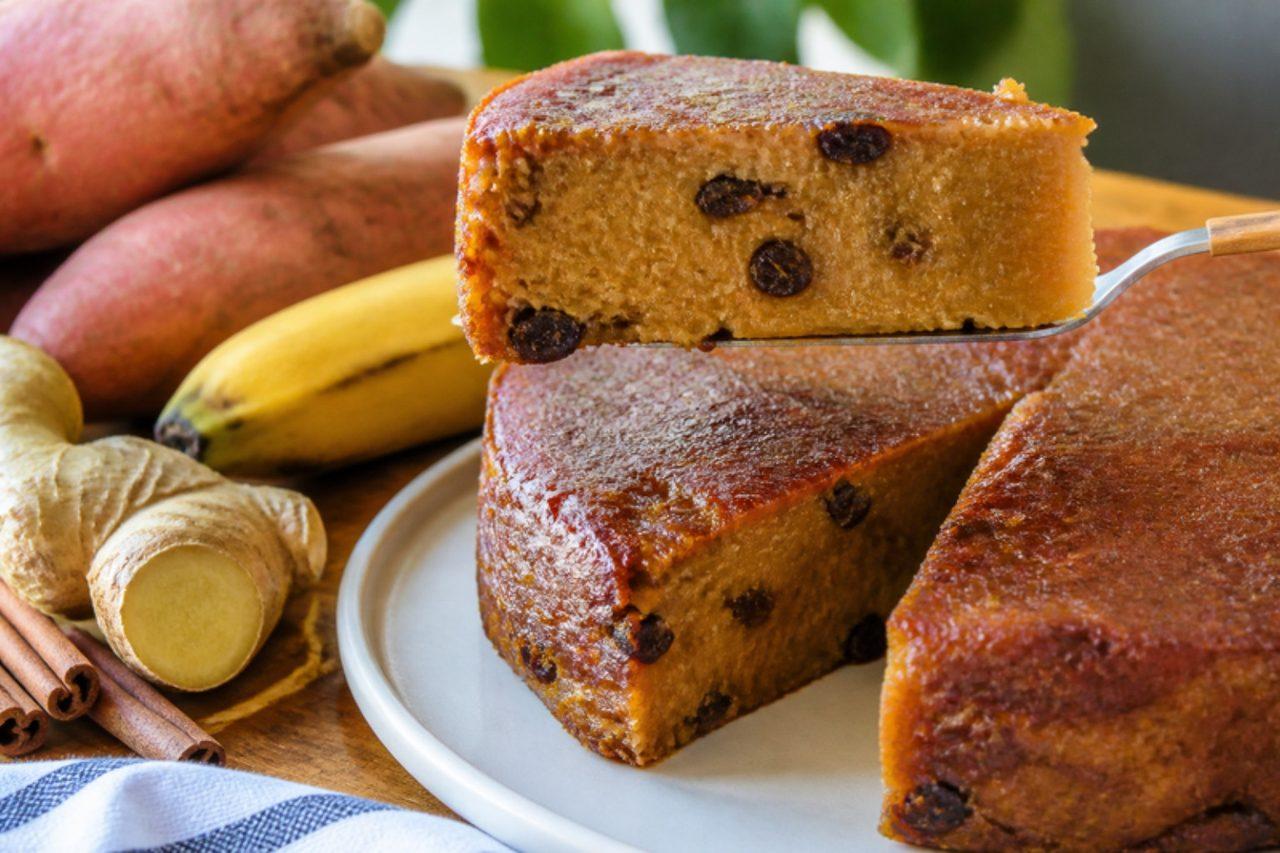
Pen patat, sweet potato 'bread', is the Haitian pudding sold in squares by street vendors and baked at home for Sunday afternoons and holidays, from the hills above Pétion-Ville to Haitian bakeries abroad. Grated white sweet potato (patat) and ripe banana are baked with coconut milk, evaporated milk, fresh ginger and warm spices until set and caramel-brown on top. It is dense, moist and fudgy, a little like a spiced cake and a little like a custard, and it's eaten warm or cold with coffee. Chef's tip: grate the sweet potato finely on the small holes; coarse shreds stay stringy, fine ones melt into a smooth pudding.

by KrazyBadal 0 views

PempekFish and tapioca cakes

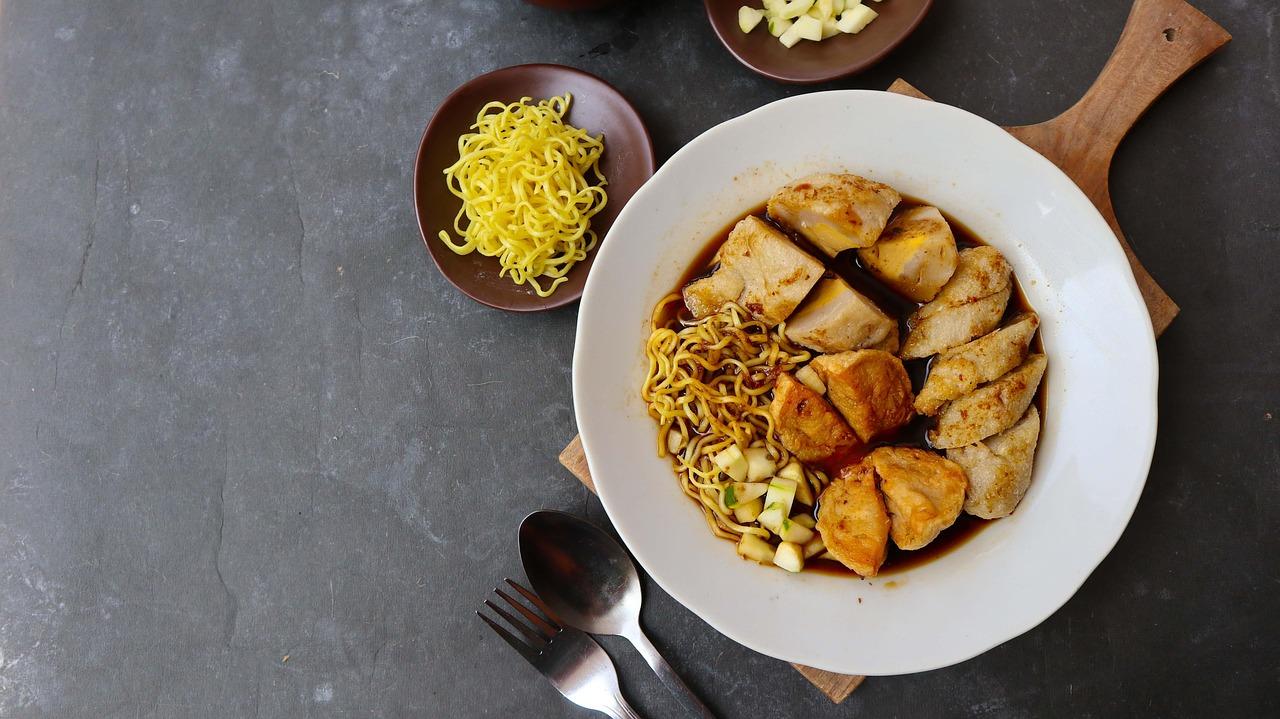
Palembang in South Sumatra is pempek country: shops line the streets selling these chewy fish cakes by the dozen, and visitors fly home with boxes of them in their luggage. Fresh fish is worked with tapioca starch into a dough, shaped into logs, poached, then sliced and fried until blistered and golden outside while staying springy within. The real star is cuko, a thin, dark, sweet-sour-hot sauce of palm sugar, tamarind, garlic and chilli that is poured over everything, ideally with diced cucumber and a few yellow noodles. People eat it any time of day as a snack, often sipping the cuko straight from the bowl. Chef's tip: make the cuko first; it tastes best after resting for an hour or more.

by KrazyBadal 0 views

PelmeniMeat dumplings

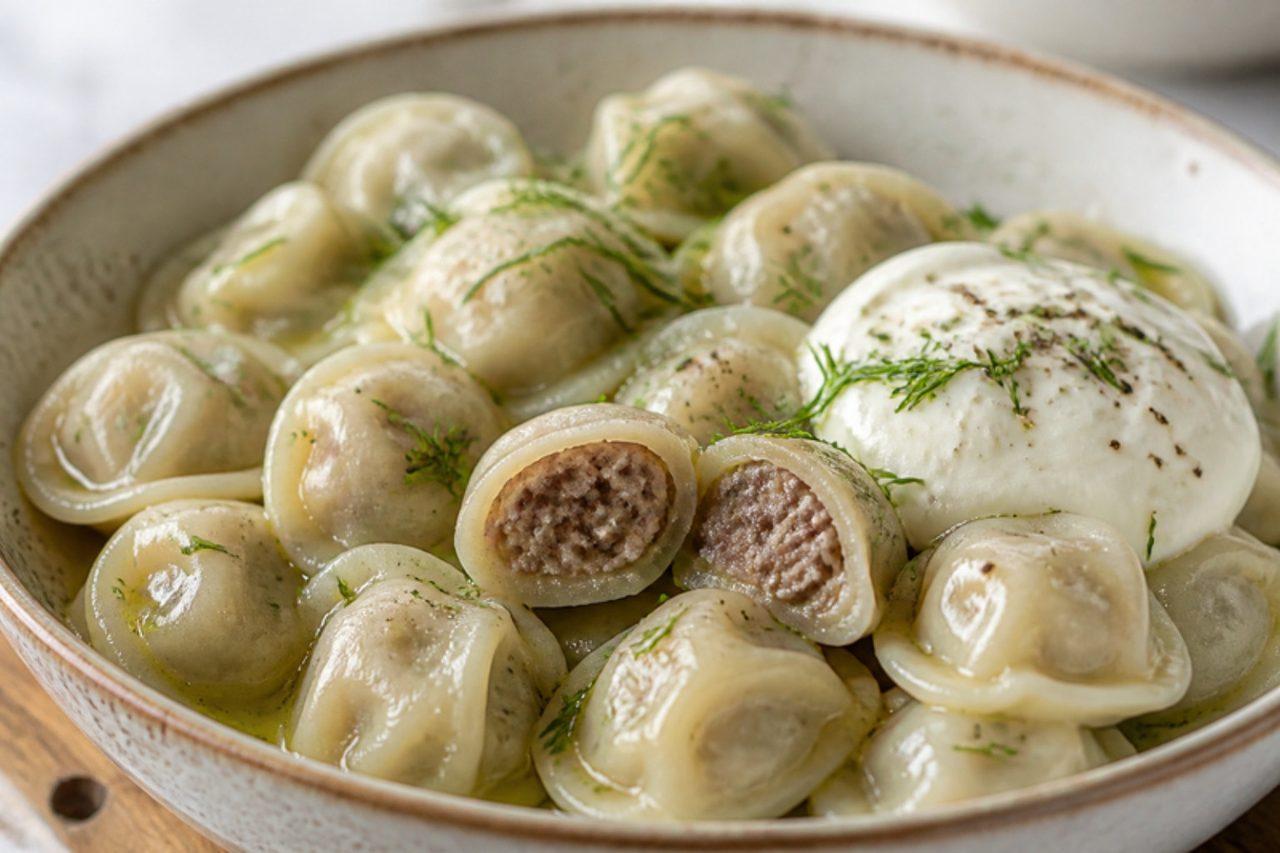
In Siberian villages whole families sat round the table before the long winter to fold hundreds of pelmeni, then froze them in sacks outside where the frost kept them for months. Today every Russian freezer holds a bag, and a bowl with butter and sour cream is a quick supper from Novosibirsk to Moscow. The little ear-shaped dumplings have a thin, springy dough wrapped round a juicy filling of pork and beef with onion; it contains pork. Unlike Ukrainian varenyky, they are always meat-filled and boiled in seasoned water or broth. The classic mistake is rolling the dough too thick, which leaves you chewing flour instead of tasting the filling; aim for 1–2 mm. Chef's tip: work a few spoons of ice-cold water into the mince; it turns to juice inside the dumpling as it cooks.

by KrazyBadal 0 views

WaakyeRice and black-eyed beans

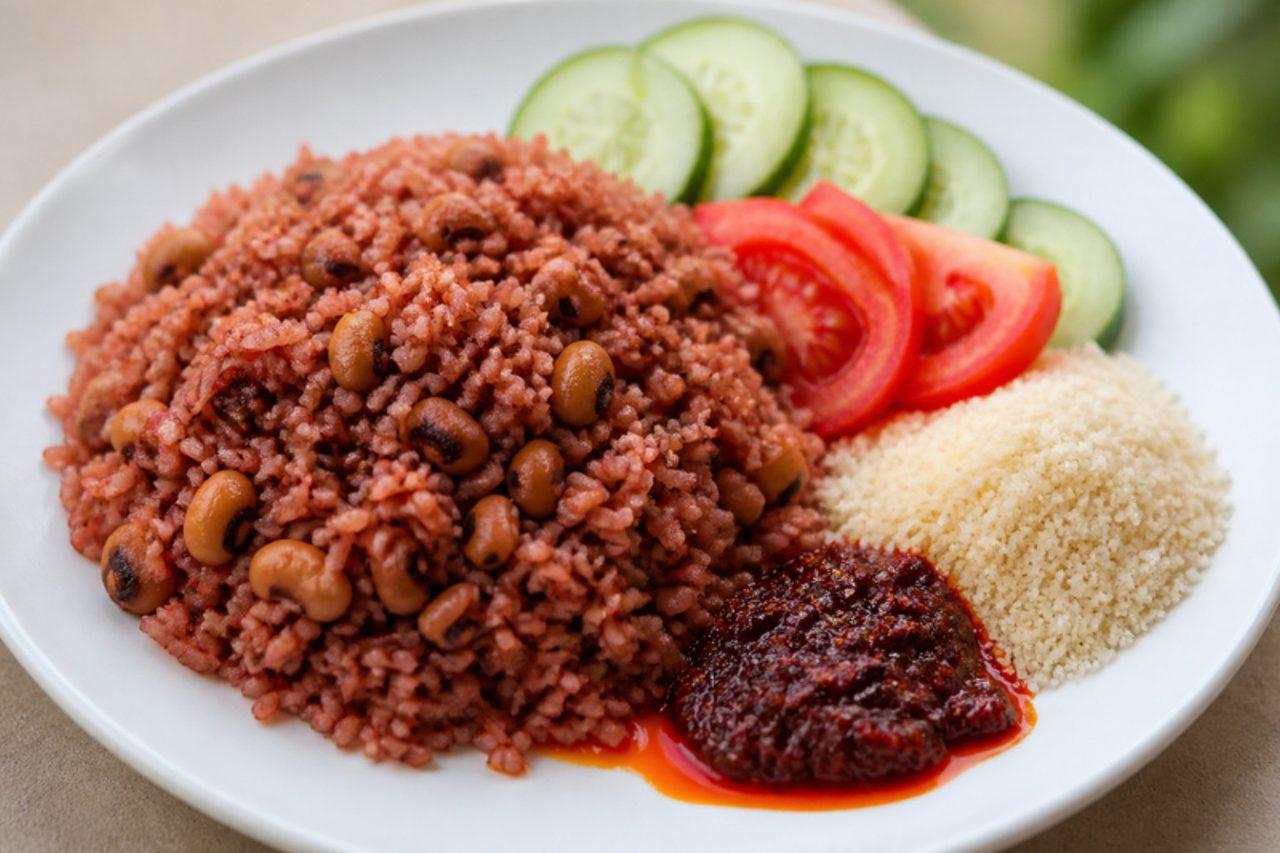
Waakye (say 'waa-chay') came south from the Hausa communities of northern Ghana and is now Accra's favourite breakfast and lunch, sold from big pots wrapped in leaves at roadside stalls before most offices open. Rice and black-eyed beans are cooked together with dried sorghum leaf stalks (waakye leaves), which dye the pot a deep reddish brown and add a faint earthy note. A full plate comes loaded with shito, gari, spaghetti (talia), salad and fried plantain. Chef's tip: cook the beans almost soft before the rice goes in; beans and rice finishing together is the whole trick.

by KrazyBadal 0 views

Turkish tea (çay)Strong black tea

Nowhere in Turkey is far from a glass of çay. Tea from the slopes of Rize on the Black Sea coast is brewed in a stacked double teapot, the çaydanlık, and poured into small tulip-shaped glasses all day long: at breakfast with simit and cheese, in shops when you haggle, after every meal. The strong brew sits in the top pot and each glass is diluted to taste with hot water from the bottom, so one person drinks it dark (koyu) and another light (açık). It should be clear, the colour of a ruby or rabbit's blood (tavşan kanı), never cloudy. Serve it with sugar cubes on the side, not milk. Chef's tip: steam the dry leaves in the top pot for a few minutes before adding any water; the warm leaves open up and give a rounder, deeper colour.

by KrazyBadal 0 views

PelamushiGrape juice pudding

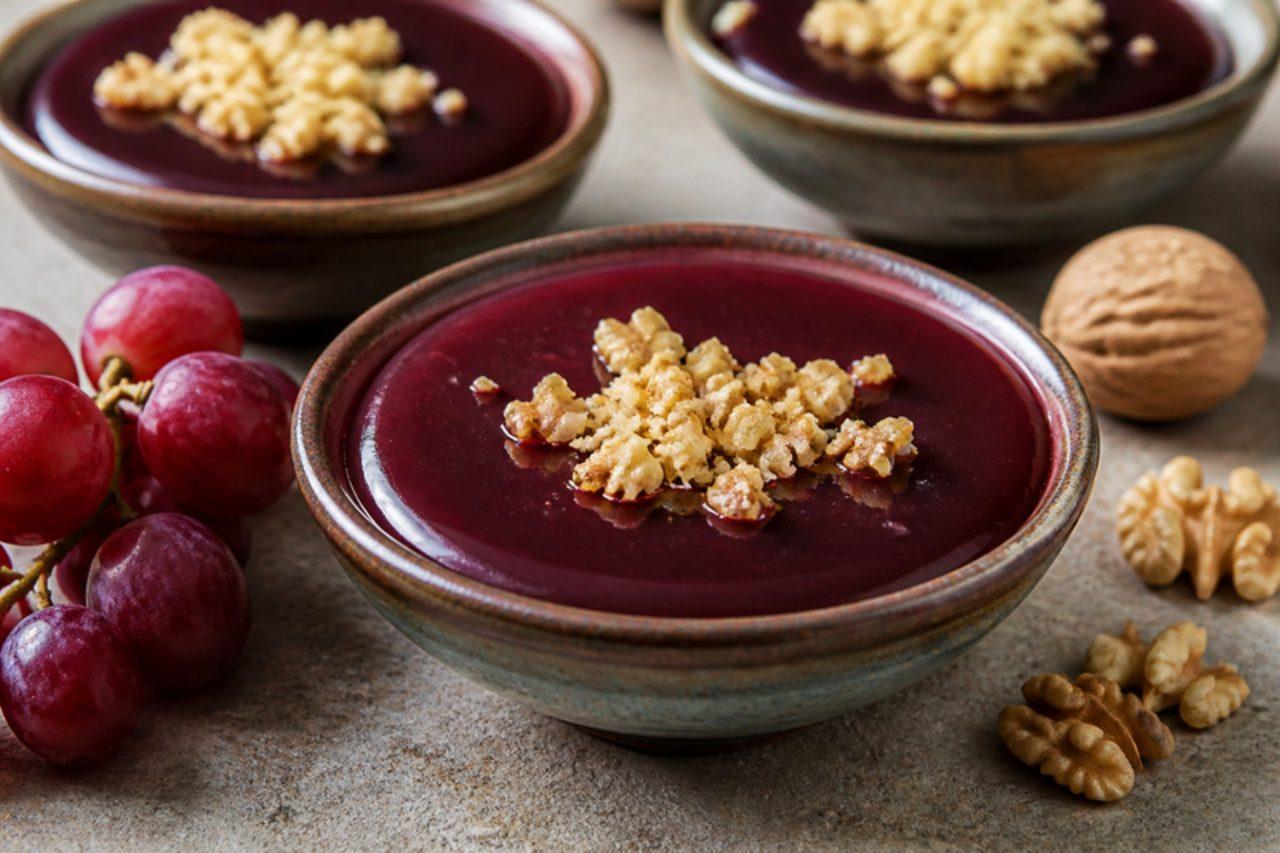
Pelamushi is the spoonable cousin of churchkhela: the same thickened grape must, tatara, poured into bowls instead of over walnuts and left to set into a soft, wobbly pudding. In Kakheti it is made in harvest season with fresh must straight from the press, and in Imereti it is often thickened with cornmeal instead of wheat flour. It is served chilled with chopped walnuts, and it is a favourite Lenten dessert because it needs no egg or dairy. A common mistake is adding the flour straight to hot juice, which makes lumps that never cook out; always mix it with cold juice first. Chef's tip: stop cooking when the pudding plops thickly from the spoon; it firms up a lot as it cools.

by KrazyBadal 0 views

TuronFried banana spring rolls

Turon is the afternoon snack sold by vendors on every Filipino street corner, school gate and jeepney stop around three o'clock, often next to banana cue on bamboo skewers. A slice of saba banana and a strip of ripe jackfruit are rolled in a thin spring roll wrapper with brown sugar, then fried in oil that has more brown sugar sprinkled in it, so each roll comes out wrapped in a crackly, glassy caramel shell. It is eaten hot with your fingers, when the banana inside has turned soft and sticky. Saba is a short, firm cooking banana; ripe plantain is the closest substitute. Chef's tip: roll them tightly with no air pockets, or the caramel blows holes in the wrapper.

by KrazyBadal 0 views

Túrós csuszaPasta with curd cheese

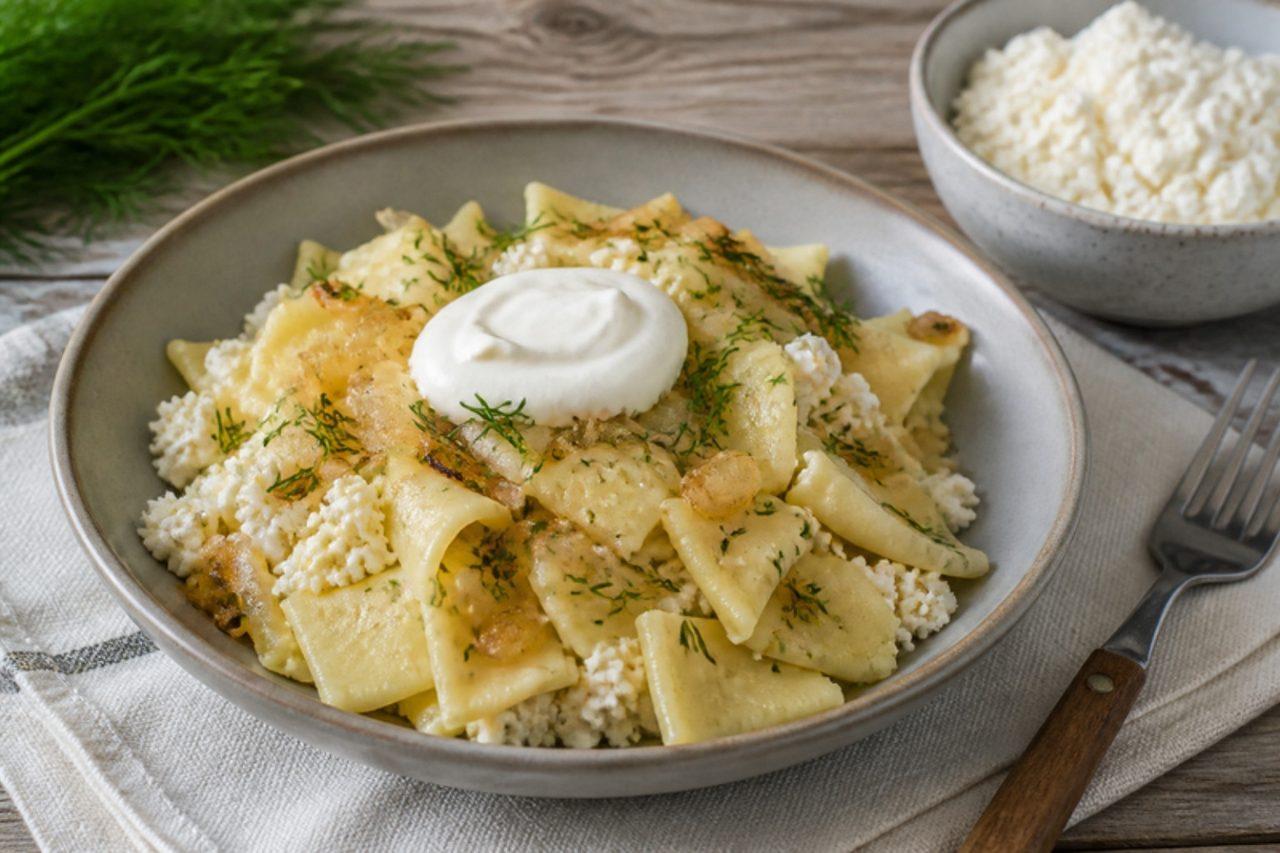
Túrós csusza is a simple dish of wide pasta squares tossed with crumbly túró curd cheese and sour cream, loved across Hungary and especially in the Danube villages, where it is served as a filling main after a bowl of fish soup. At home it is a Friday or end-of-the-month supper made from what is in the fridge. Traditionally it is topped with crisp pork crackling; here, fried onions and a little smoked paprika give the same crunch and savouriness. The flavour is mild, tangy and comforting. Chef's tip: toss the cheese into the pasta while it is still steaming so the túró warms through, but serve the sour cream cold on top for contrast.

by KrazyBadal 0 views

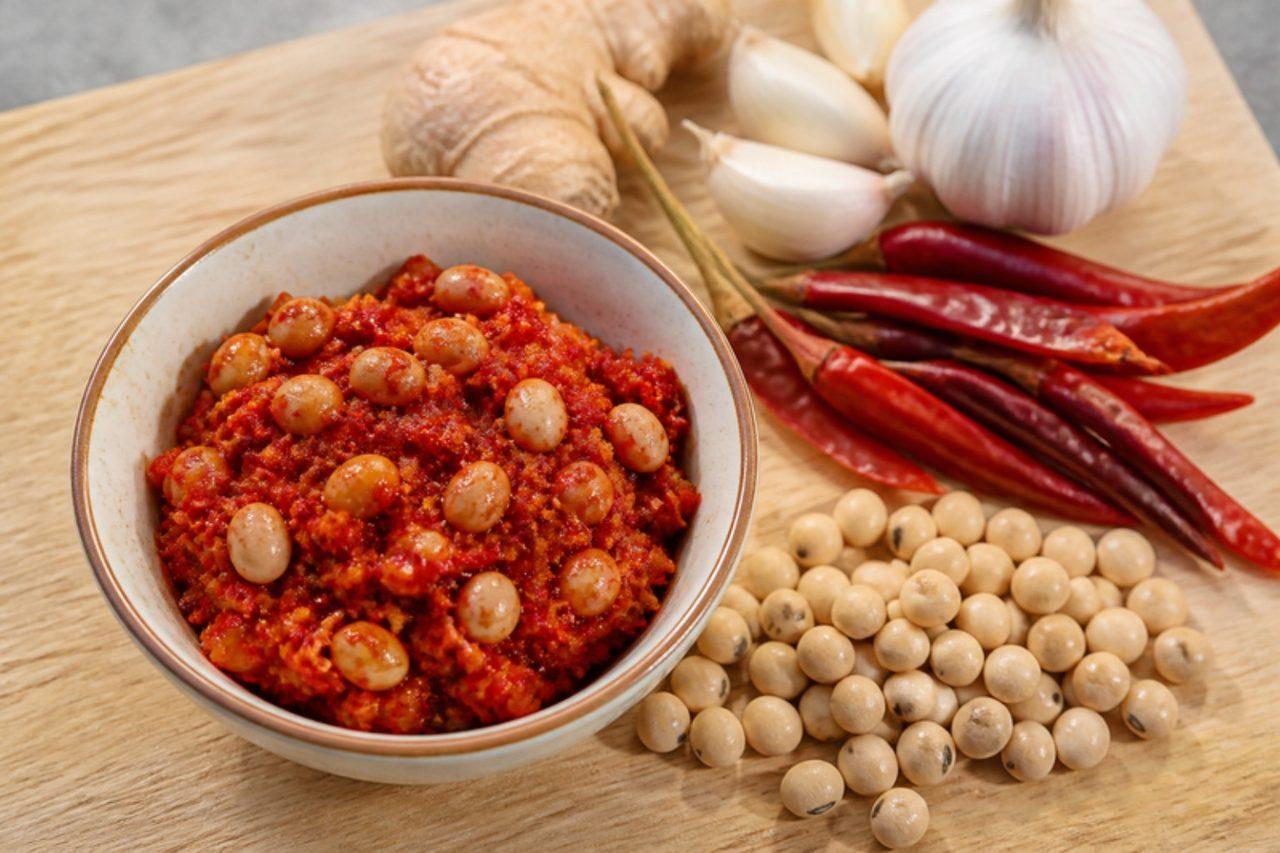
PehakFermented soybean and chilli chutney

Pehak is the Apatani chutney of the Ziro valley in Arunachal Pradesh: fermented soybean pounded with roasted chillies, ginger and salt into a thick, pungent paste. It goes with nearly every meal, a little at a time, with rice, boiled vegetables or millet. It is savoury, salty and very hot, and it keeps for weeks. Chef's tip: dry-roast the fermented soybean briefly before pounding; it mellows the sharp smell and brings out a toasty depth. Natto or Naga axone work if you can't get local soybean.

by KrazyBadal 0 views

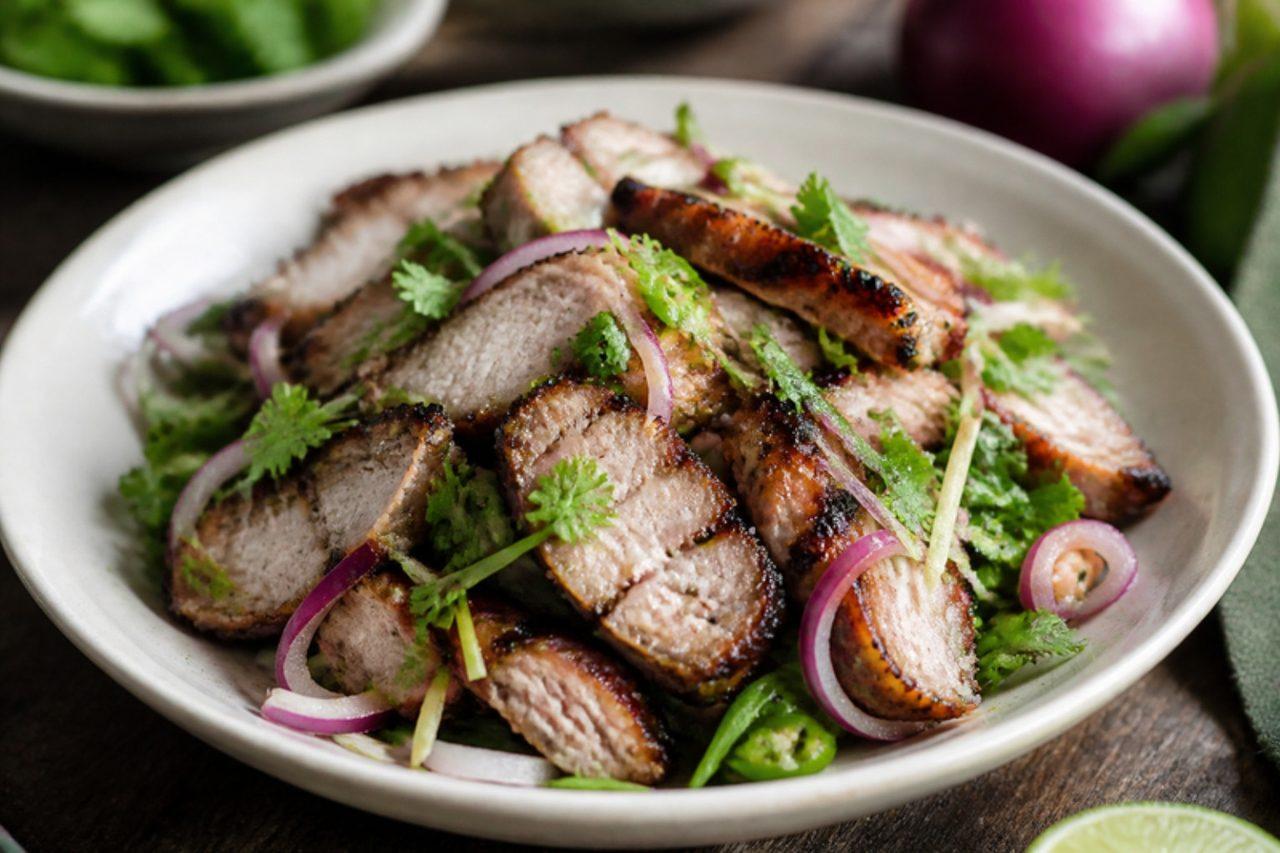
Wahan mosdengGrilled pork salad

Wahan means pork and mosdeng a fiery mashed relish in Kokborok, the language of the Tripuri people of Tripura. Pork is boiled until tender, grilled over charcoal for a smoky crust, then tossed with raw onion, green chilli, ginger and coriander. In Agartala and the villages it is party and festival food, eaten during Garia Puja in April with rice beer or rice. Chef's tip: grill the boiled pork really hot and fast; you want charred edges without drying the meat.

by KrazyBadal 0 views

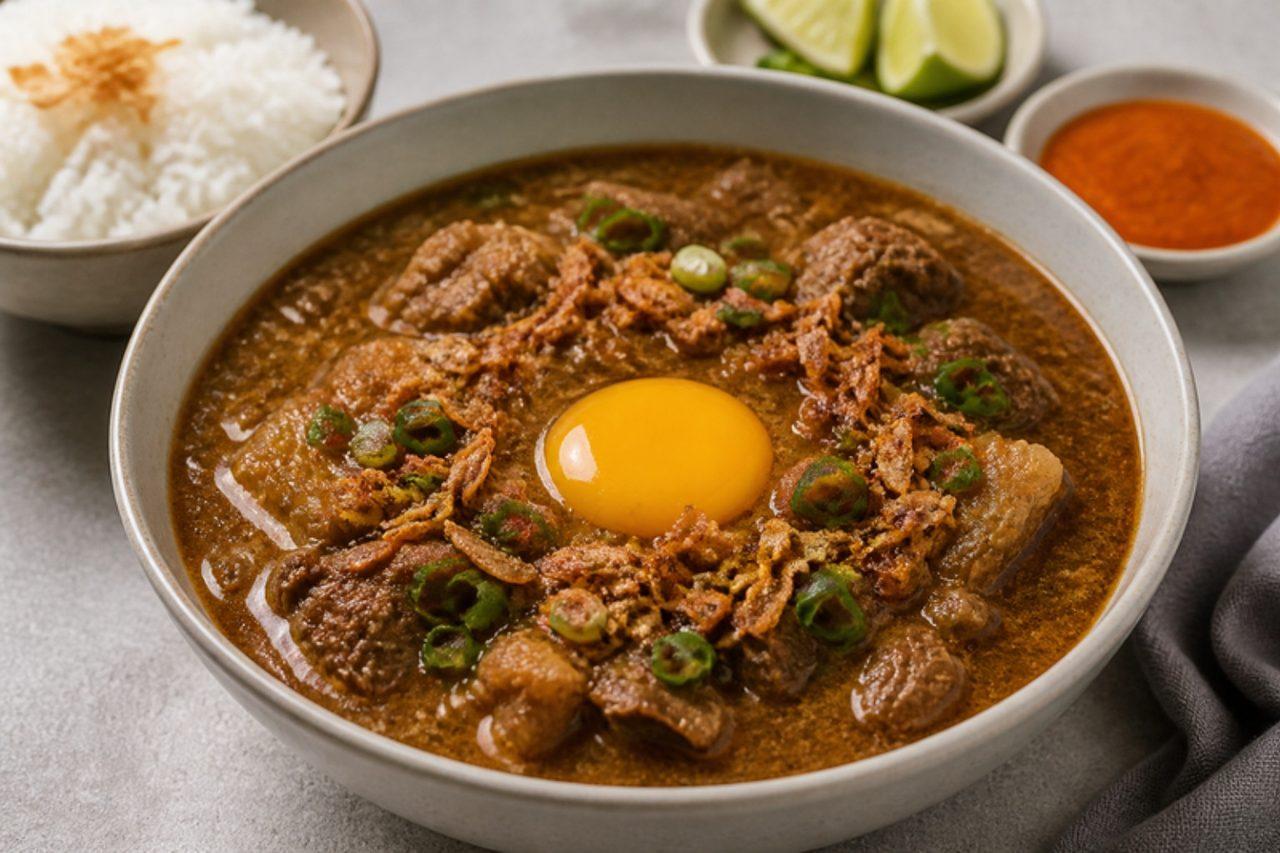
PallubasaBeef and coconut soup

Makassar's other great beef soup is darker, richer and more coconutty than coto, and locals argue about which is better over late lunches at pallubasa houses near the port. The secret is kelapa sangrai: grated coconut toasted slowly to a deep brown and pounded, which gives the broth a roasted, almost nutty sweetness and a slightly gritty, full body. It's eaten with a mound of plain rice rather than rice cakes, and for the full version you ask for 'alas', a raw egg yolk dropped in the bowl that you stir into the boiling soup until it turns silky. Offal is traditional but optional; tender beef alone is delicious. Chef's tip: the coconut must reach the colour of milk chocolate, not black, because burnt coconut makes the whole pot bitter.

by KrazyBadal 0 views

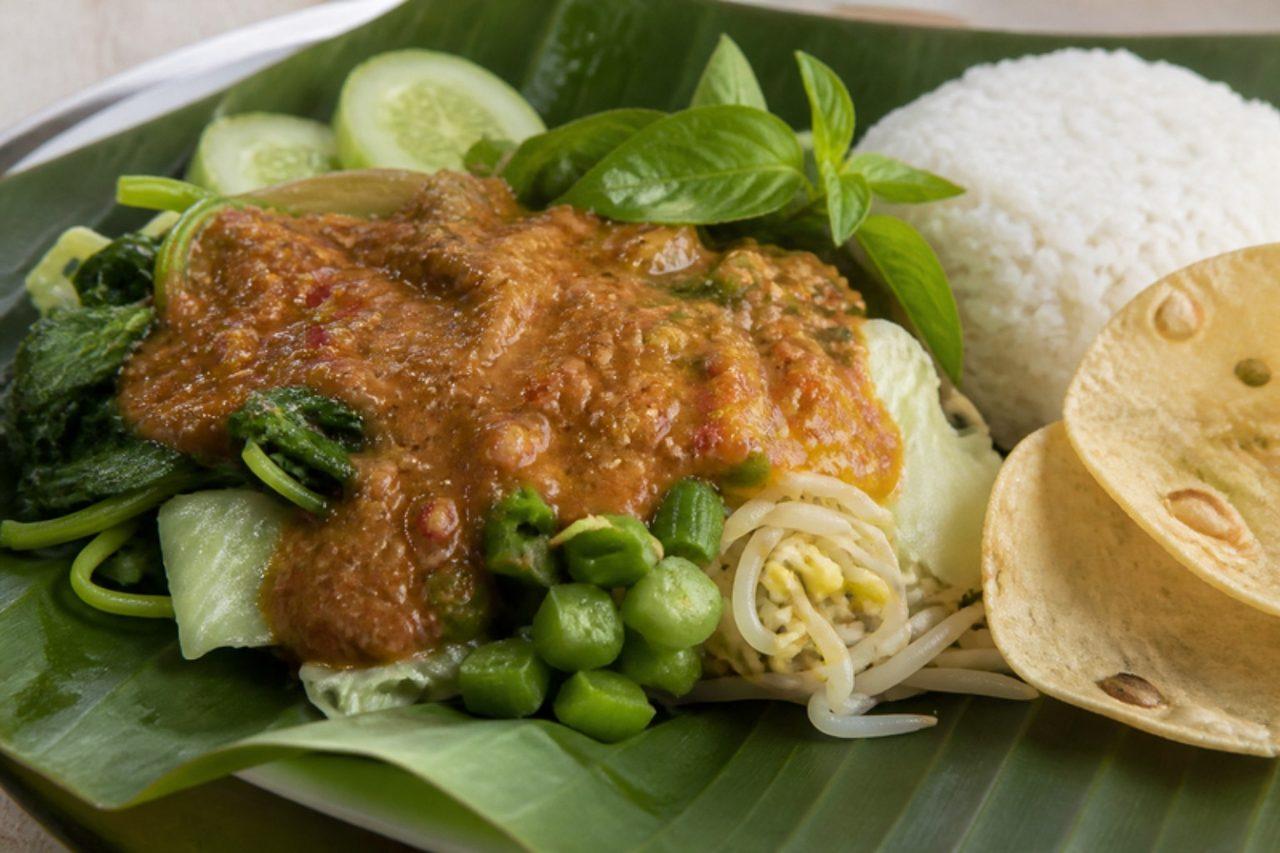
PecelBlanched greens in peanut sauce

Madiun, in East Java, calls itself the home of nasi pecel, and its stalls serve it from early morning on banana leaf: rice under a heap of blanched spinach, bean sprouts, long beans and cabbage, drowned in a peanut sauce that's thinner, hotter and more herbal than gado-gado's. The difference is kencur, an earthy, camphor-scented root that gives pecel its signature smell, and lime leaf pounded into the paste. A crisp peanut rempeyek cracker is broken on top. Chef's tip: make a block of pecel paste ahead and dissolve just what you need in hot water each time — that's how East Javanese households do it, and it keeps for weeks in the fridge.

by KrazyBadal 0 views

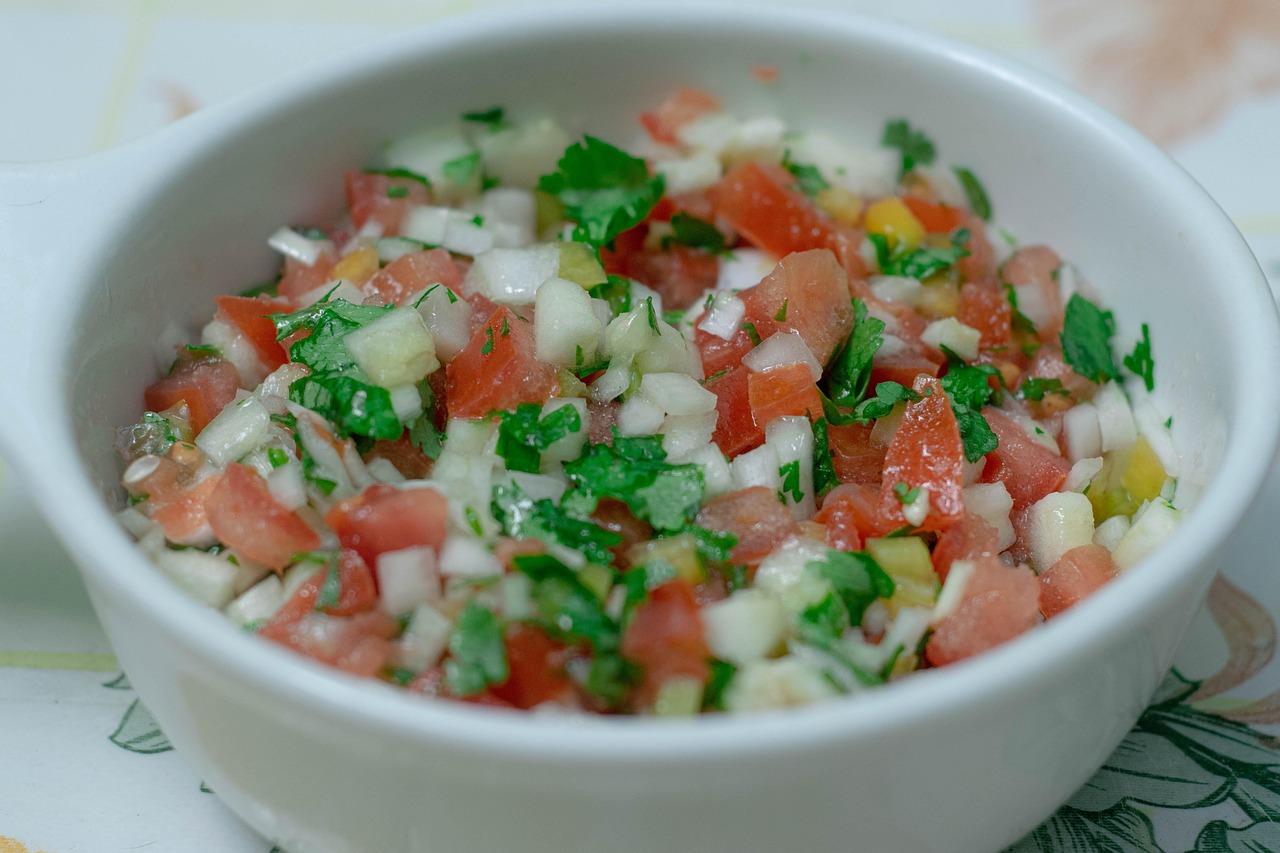
PebreCoriander and tomato relish

Every Chilean asado and every basket of warm bread in a picada (simple eatery) comes with pebre: a fresh relish of finely chopped coriander, onion, tomato and ají verde (green chilli) loosened with oil and a splash of vinegar. In Santiago it's spooned on marraqueta bread while waiting for the grill, and on sopaipillas in winter. It's more herb-heavy and oilier than Mexican pico de gallo. Chef's tip: rinse the chopped onion in cold water and drain it well; it takes away the harsh bite without losing crunch.

by KrazyBadal 0 views

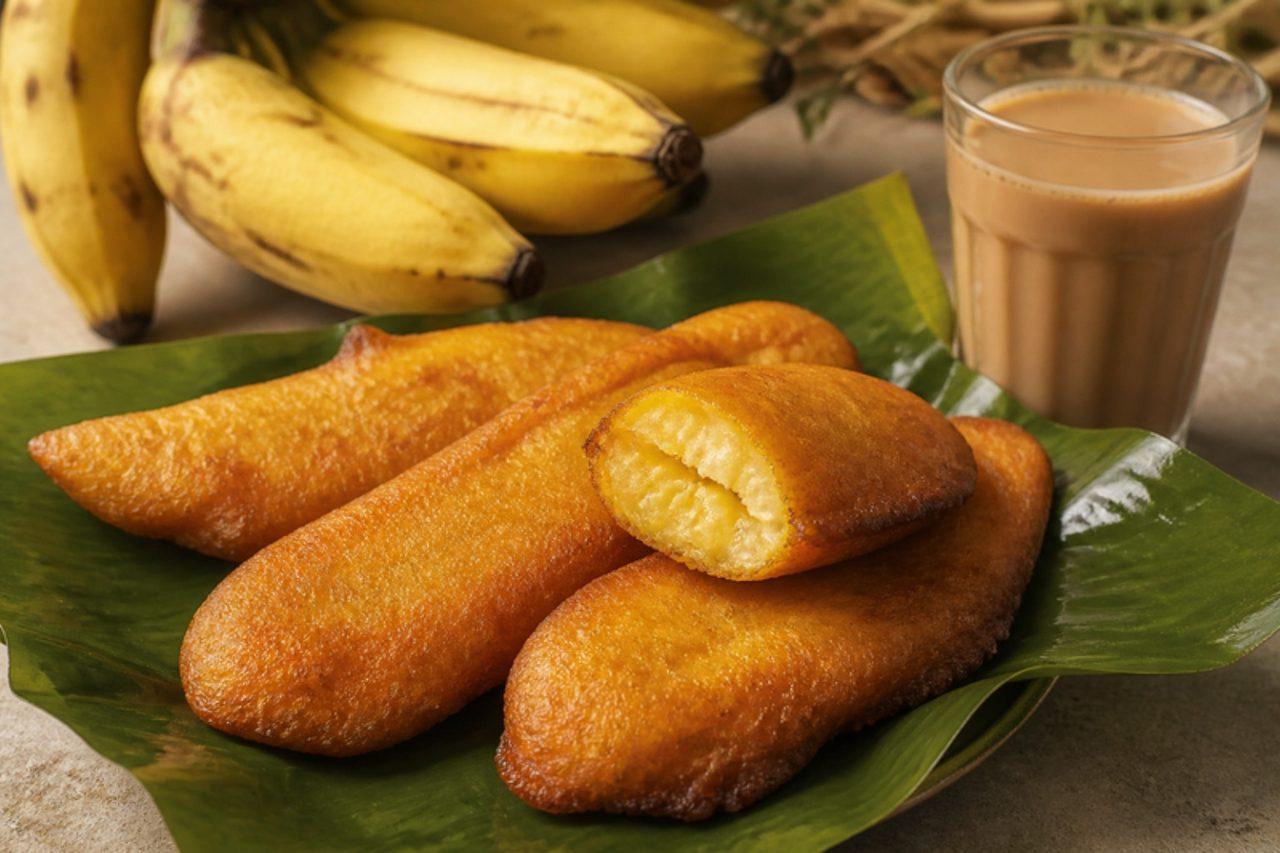
Pazham poriBanana fritters

Pazham pori is what the glass cases of Kerala's roadside tea shops are full of at four in the afternoon: long slices of ripe nendran banana dipped in a sweet batter and fried in coconut oil until puffed and golden. Bite through the crisp, slightly chewy coat and the banana inside is soft, hot and honeyed. People eat them standing at the counter with a glass of frothy, milky chaya, or carry a paper parcel home for the family. Chef's tip: wait until the nendran skins are mostly black; the banana must be fully ripe to turn creamy when fried.

by KrazyBadal 0 views

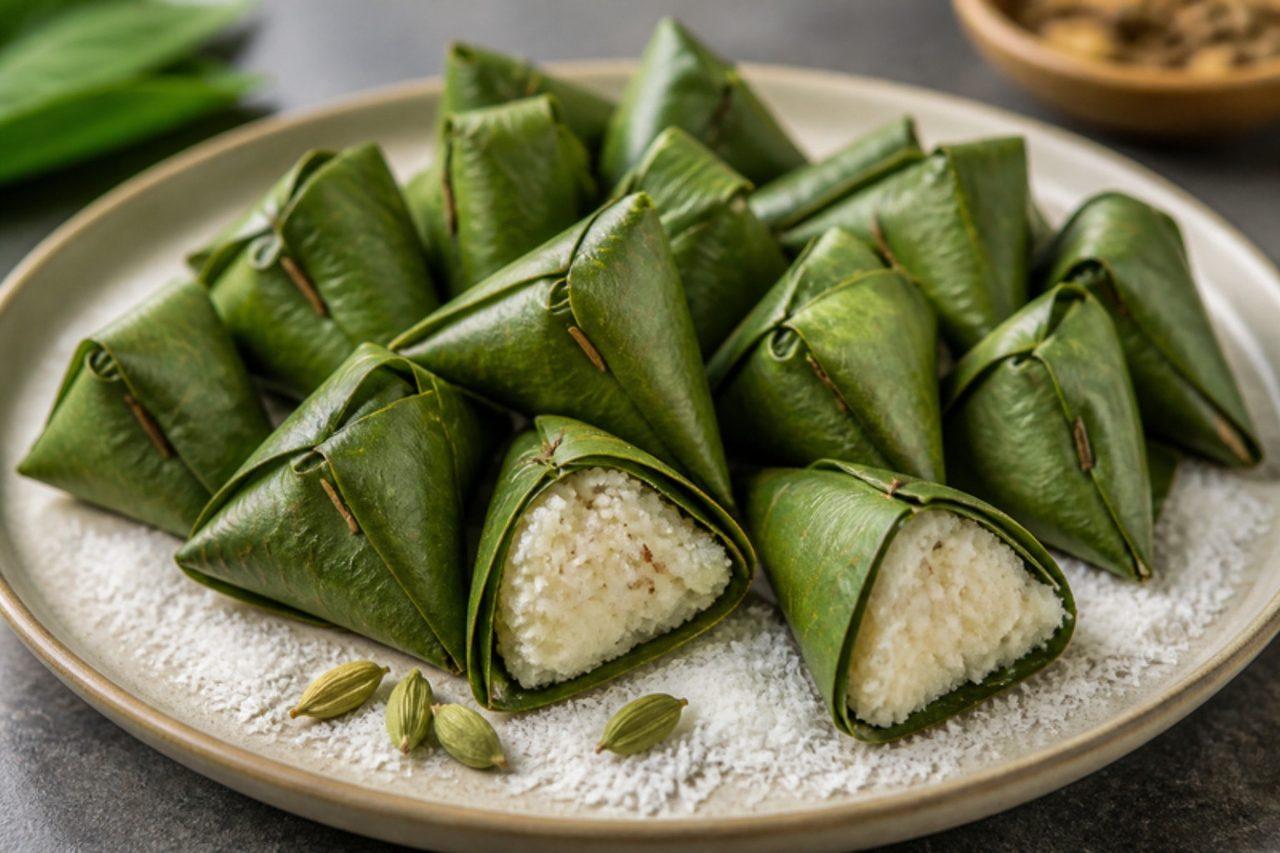
SingodiCoconut milk fudge in leaf cones

Singodi is Almora's other famous sweet, sold in the same shops as bal mithai but looking nothing like it: a soft, pale mix of khoya and coconut packed into a cone of maalu leaf and pinned shut with a twig. The leaf leaves a faint green, woody scent in the sweet, which is the whole point, and people in Kumaon unwrap them at weddings and on trips home. Maalu leaves are almost impossible to buy elsewhere, so this version uses banana leaf or fresh betel (paan) leaves; both give a gentle leafy aroma. Chef's tip: wrap the singodi while the filling is still warm and leave them in the fridge overnight, so the scent of the leaf soaks in.

by KrazyBadal 0 views

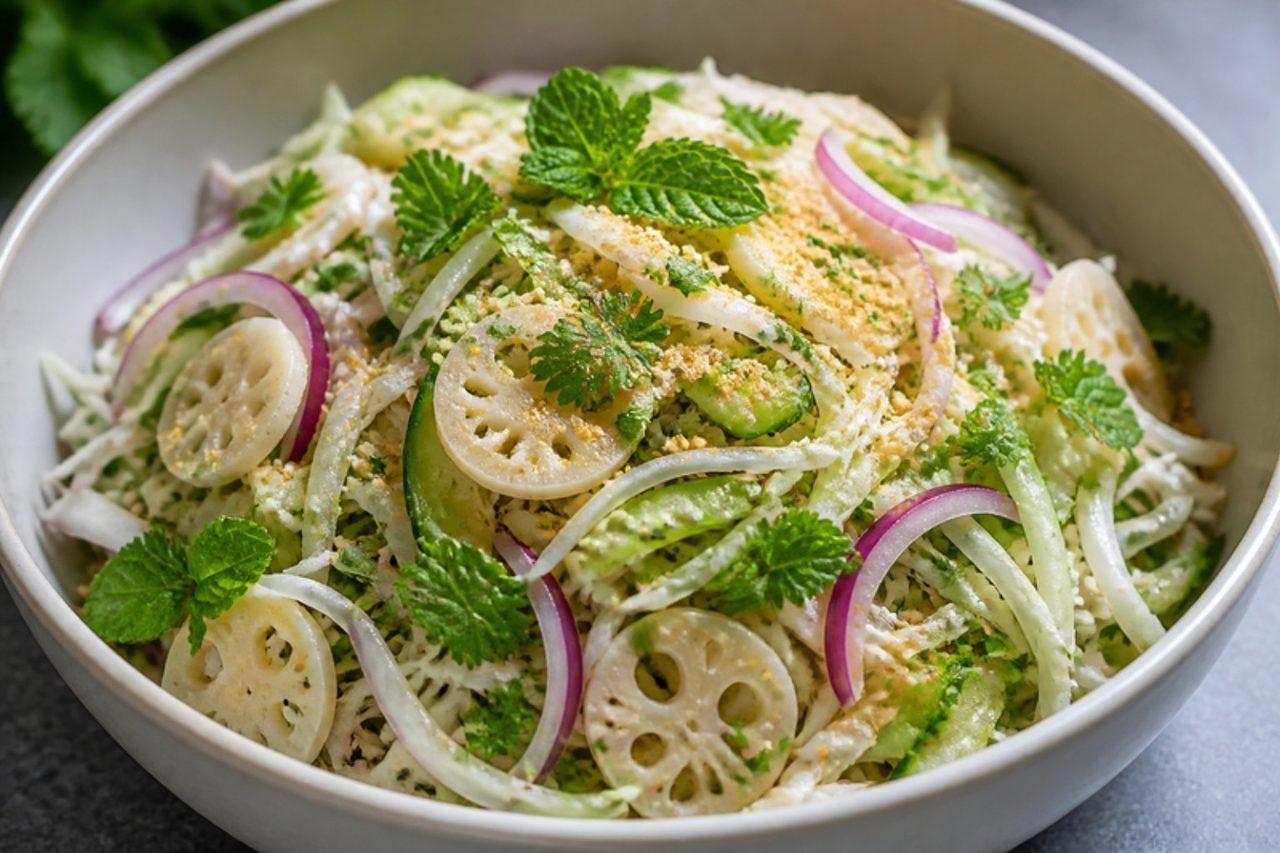
SingjuCabbage and lotus stem salad

Singju is Imphal's favourite evening snack, sold from stalls at Khwairamband market and Thangal Bazar: a pile of finely shredded cabbage, lotus stem, banana flower, onion and fresh herbs, tossed with roasted chilli and toasted gram flour. Most stalls add a little ngari (fermented fish); vegetarian Meitei homes skip it and use extra roasted perilla or sesame and toasted gram flour, which give a nutty, savoury depth. It is crunchy, hot and herby. Chef's tip: shred everything as thinly as you can, almost like hair; the dressing clings better.

by KrazyBadal 0 views

Singapore carrot cake (chai tow kway)Fried radish cake with egg

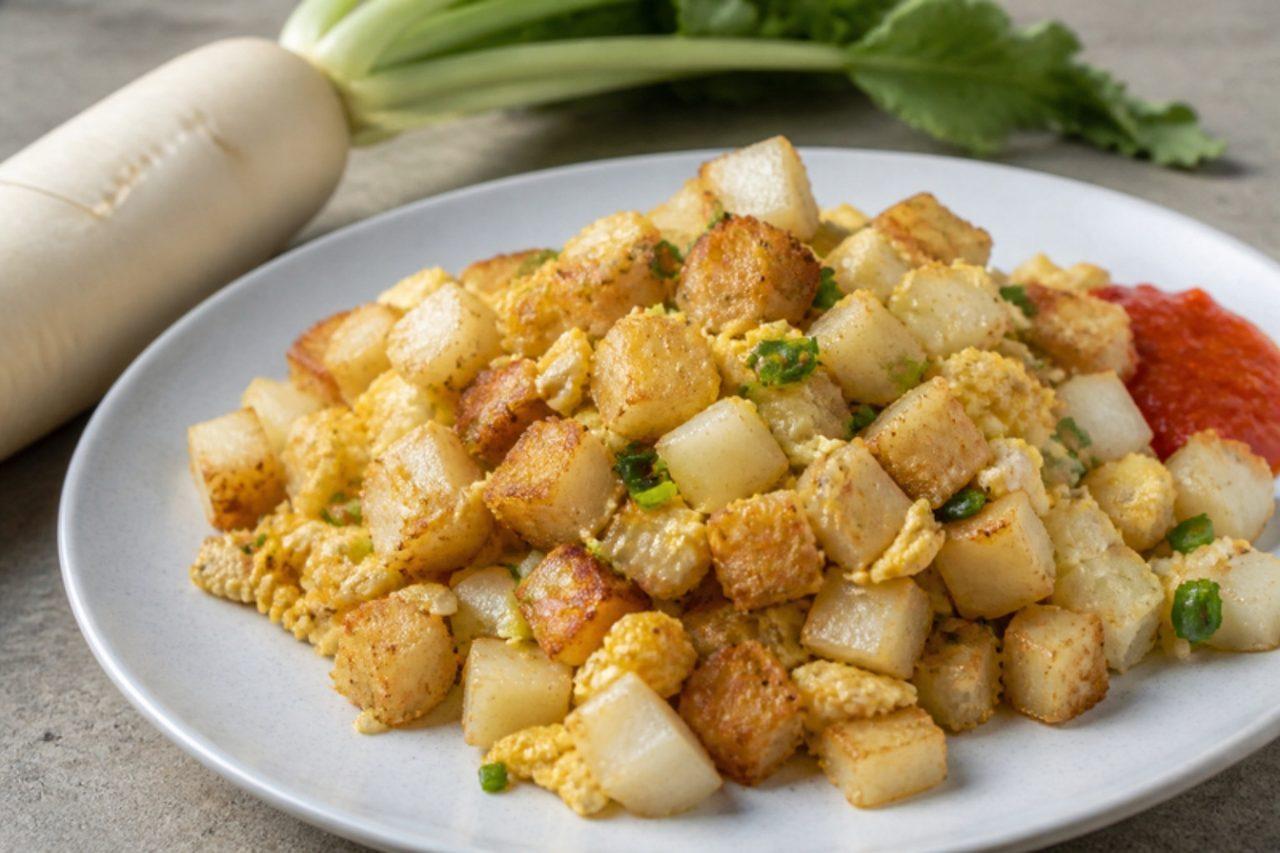
Singapore's carrot cake has no carrot in it: "carrot" is the local word for white radish (daikon). A steamed cake of rice flour and grated radish is cut into cubes and fried with egg and garlic until crisp and golden, either "white" (plain and eggy) or "black" (with sweet dark soy). It's a breakfast and supper favourite at hawker centres like Chinatown Complex. Most stalls add chai poh (preserved radish); this version leaves it out because many brands are made with fish sauce, and spring onions bring the savoury lift instead. Chef's tip: steam the cake a day ahead and chill it overnight; cold, firm cake cuts cleanly and crisps instead of falling apart.

by KrazyBadal 0 views

Sindhi kadhiSour gram flour and tamarind curry

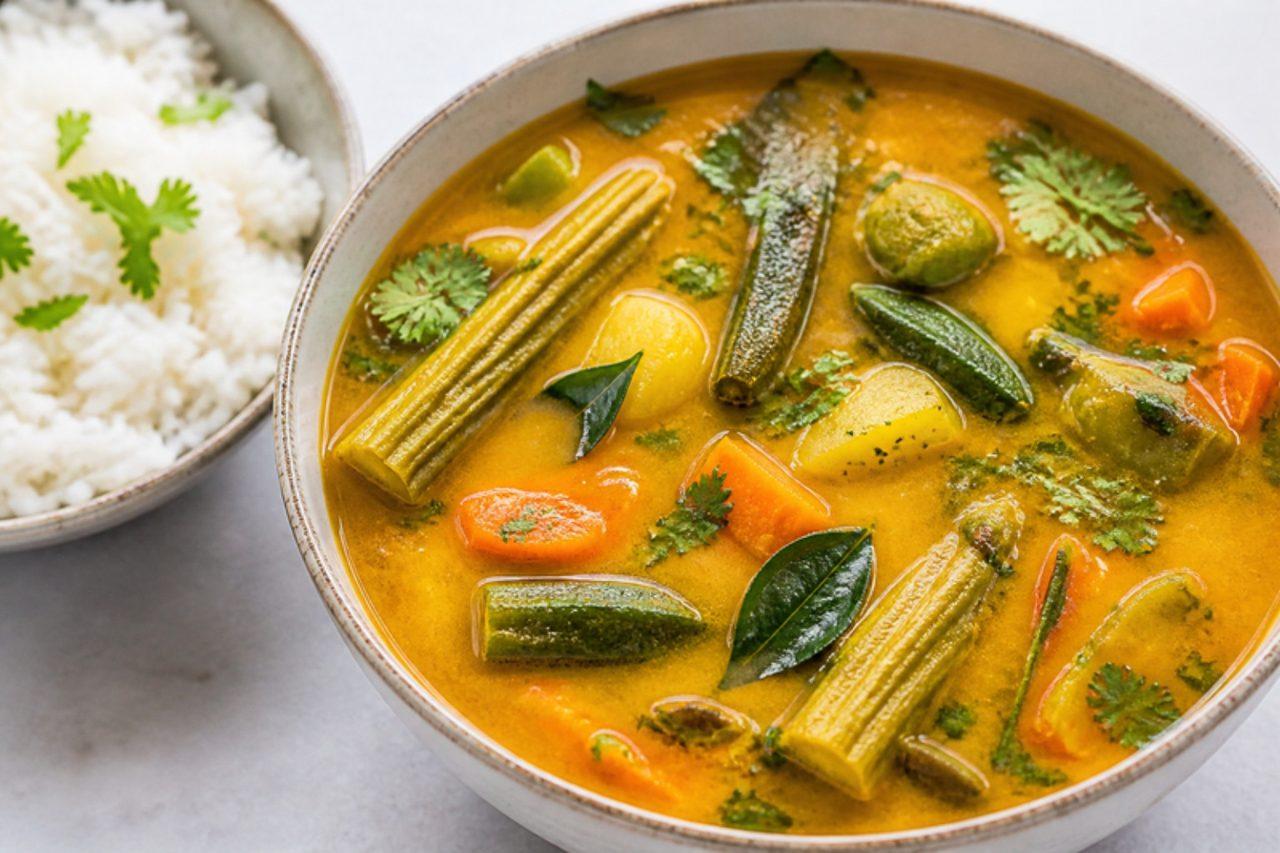
Sindhi kadhi is the Sunday lunch of families from Sindh, served in Karachi and Hyderabad homes over plain rice with crisp fried potatoes on the side. Unlike the yogurt kadhis of Gujarat and Punjab it uses no dairy at all: gram flour is roasted in oil until it smells like toasted nuts, whisked into water with tamarind and tomato, and simmered with a crowd of vegetables, typically drumsticks, okra, cluster beans, potato and carrot. The result is thin, sour and gently hot, with a deep golden colour. The common mistake is rushing the roasting of the gram flour; pale flour leaves the whole pot tasting raw and pasty. Chef's tip: cook the drumsticks and potatoes first and add the okra only in the last 10 minutes so it stays whole and does not turn slimy.

by KrazyBadal 0 views

SinangagGarlic fried rice

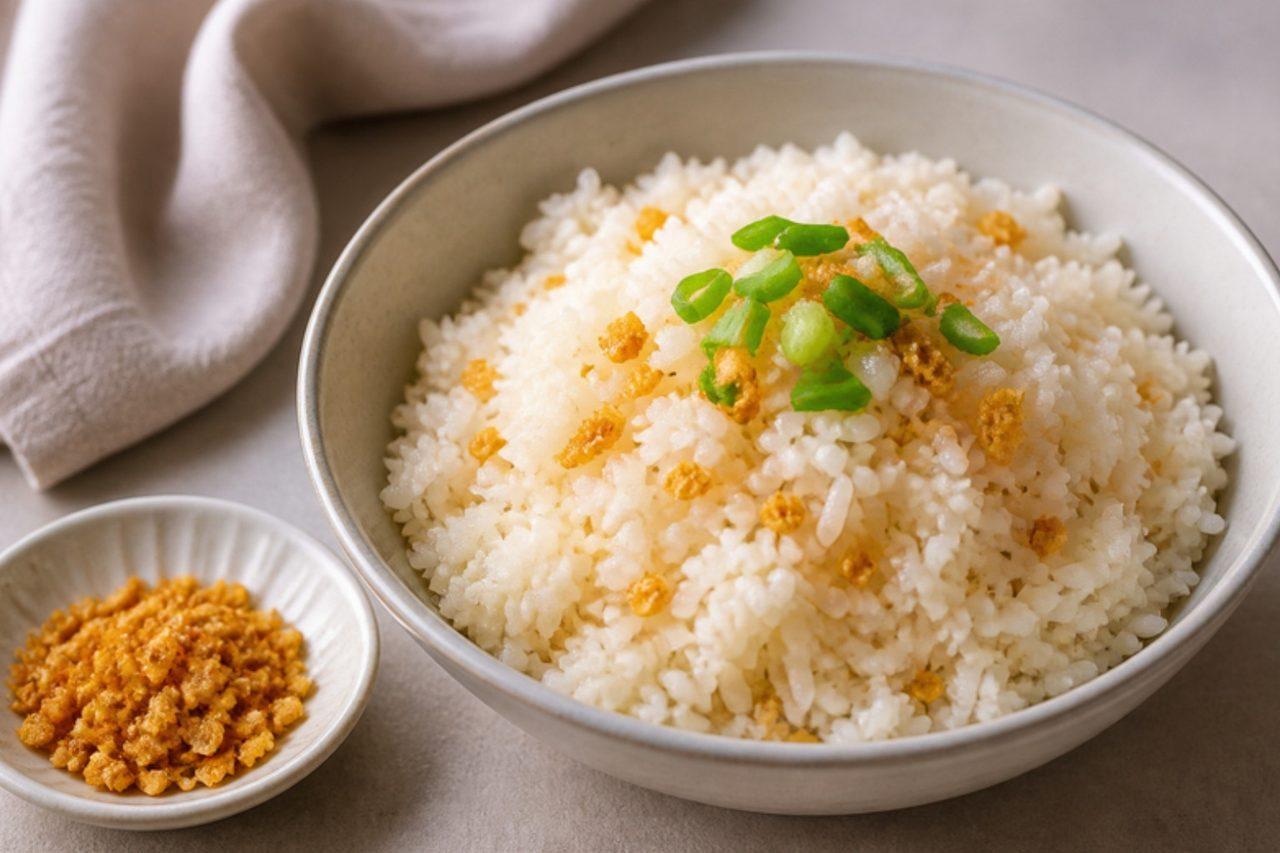
Sinangag is what a Filipino kitchen does with last night's rice: fried in garlicky oil first thing in the morning and heaped on the breakfast plate. It is the 'si' in silog, the breakfast plates served at every silugan (all-day breakfast stall) in Manila, where garlic rice comes with a fried egg and a choice of cured meat. At home it goes with anything, from tortang talong to a fried egg and tomatoes, and a small dish of spiced vinegar for dipping. Each grain should be separate and lightly toasted, with plenty of crunchy, golden garlic on top. Chef's tip: fry the garlic slowly from cold oil; it browns evenly and the oil takes on a deep, sweet garlic flavour.

by KrazyBadal 0 views

SimitSesame bread rings

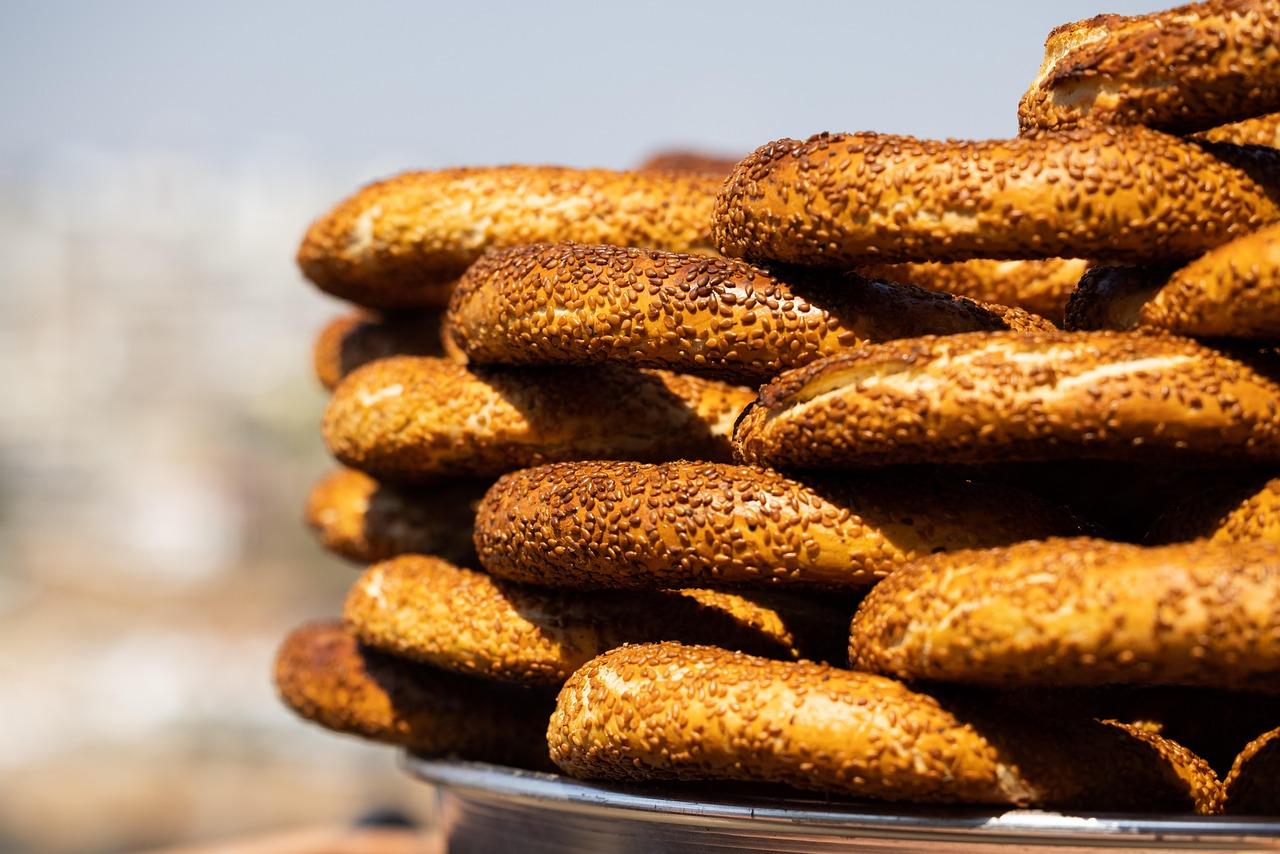
Stacked high on wooden trays and pushed through Istanbul on red carts, simit is the city's breakfast on the move: commuters tear one apart on the ferry across the Bosphorus, throwing the odd piece to the gulls. The ring is twisted, dipped in diluted grape molasses (pekmez) and pressed into sesame, so it bakes up with a crackly, nutty, deep brown crust and a chewy, close crumb. Unlike a bagel it is never boiled. At home, serve warm with tea, white cheese, olives and tomatoes. Chef's tip: toast the sesame seeds in a dry pan before coating; raw seeds stay pale and taste of very little.

by KrazyBadal 0 views

SilpanchoBreaded steak over rice and potatoes

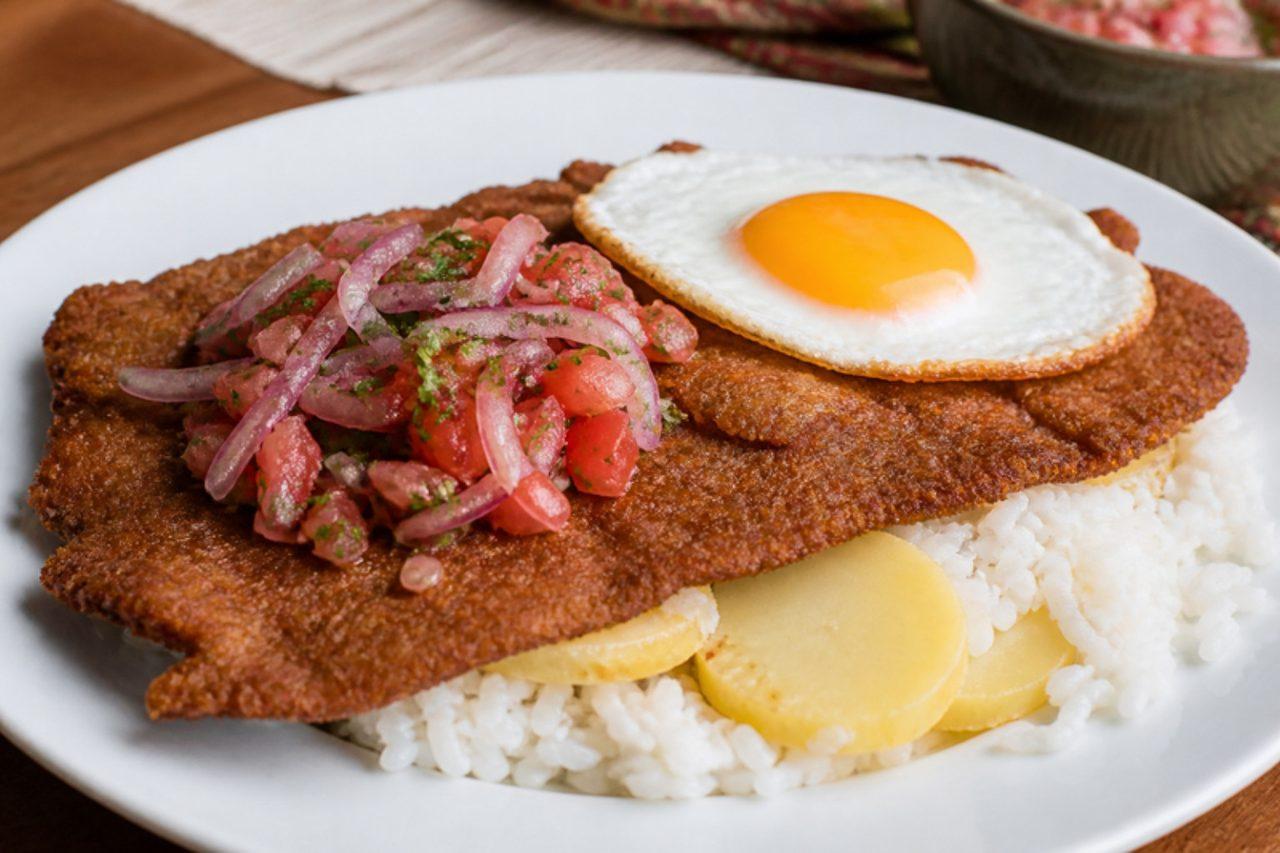
Silpancho is the pride of Cochabamba in Bolivia and is sold in huge portions at the city's lunchtime silpancherías: a layer of rice, then sliced fried potatoes, then a beef steak pounded so thin it covers the plate, breaded and fried, topped with a fried egg and a fresh salsa of tomato, onion and locoto chilli. The mistake is not pounding the meat thin enough; it should be about 3 mm, so it fries in a minute and stays tender. Chef's tip: press the breadcrumbs into the meat with the palm of your hand, then pound lightly once more so they stick.

70 minAndeanMeat
by KrazyBadal 0 views

Silao khajaLayered syrup pastry

Travellers on the road from Patna to Rajgir stop at Silao, a small town near the ruins of Nalanda, for one thing: khaja, a pastry built from dozens of paper-thin layers that flake apart in the mouth and are glazed with a crackly sugar coat. Silao's halwais have made it for generations, and it is carried home in boxes as a present; it is also offered in temples and at weddings across Bihar and Odisha. It takes patience but no special equipment. Chef's tip: fry at a really low heat so the layers have time to open out like pages before the outside colours; hot oil seals them shut.

by KrazyBadal 0 views

Sigara böreğiFried cheese pastry rolls

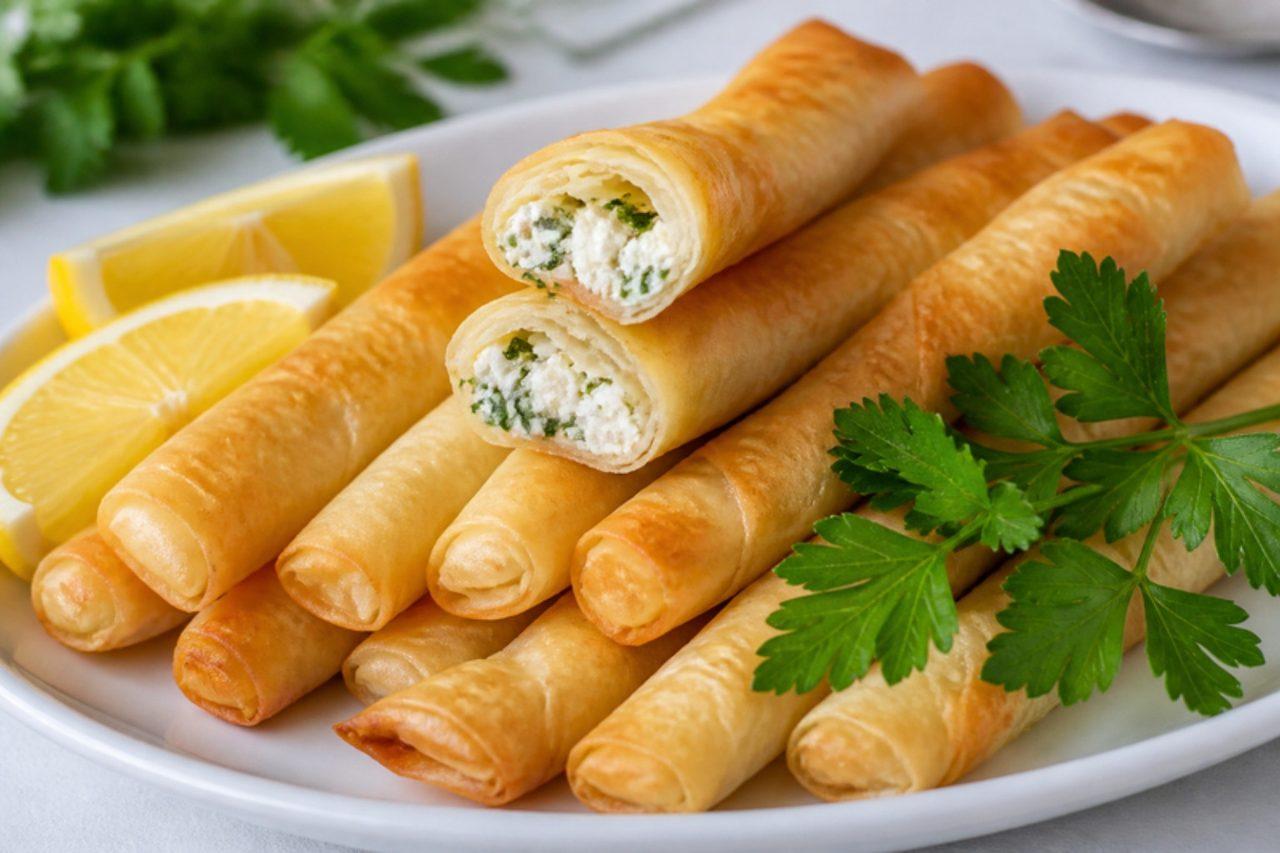
These pencil-thin rolls take their name from the cigarettes they resemble, and they are the börek every Turkish child grows up on. Triangles of yufka (thin Turkish pastry) are rolled round a finger of white cheese and parsley and fried until they shatter when you bite them. They turn up at five o'clock tea parties, on the iftar table during Ramadan and in many a school lunchbox. Yufka is sold in Turkish shops; filo works too if you use two sheets brushed with oil. Chef's tip: shape them all, cover with a damp cloth and fry just before eating; they lose their crunch within an hour.

by KrazyBadal 0 views

SidduSteamed stuffed wheat buns

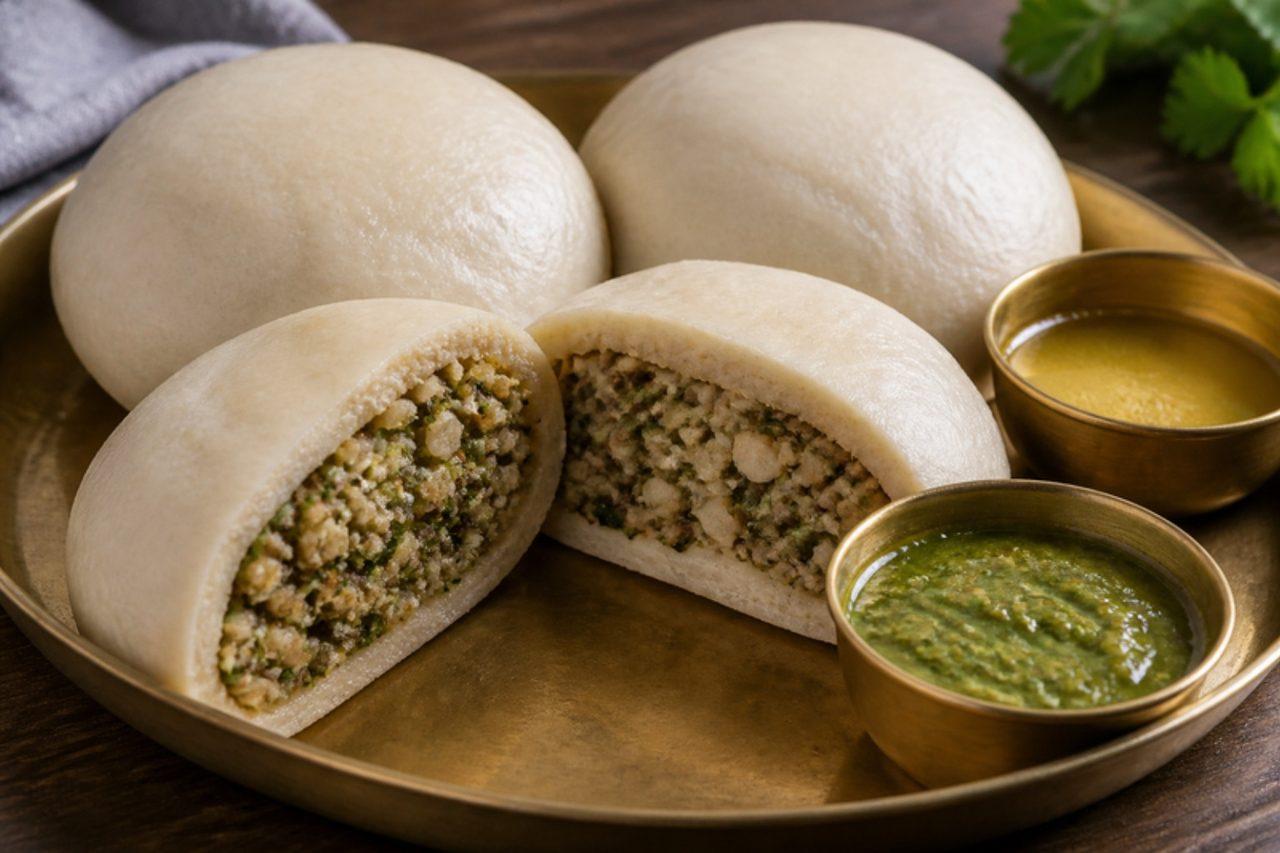
Siddu are soft, steamed wheat buns from the hills of Himachal Pradesh, especially around Kullu and Manali, made on cold days with a warming filling. The yeasted wholemeal dough is wrapped around ground walnuts, poppy seeds, garlic and green chilli, then steamed until fluffy. Torn open and drenched in melted ghee, they're eaten with green chutney or dal. Some homes fill them with spiced urad dal instead. Chef's tip: let the shaped siddu rise for 15 minutes before steaming, and don't open the lid early; a sudden draught makes them collapse and turn dense.

by KrazyBadal 0 views

Shwe yin ayeIced coconut dessert

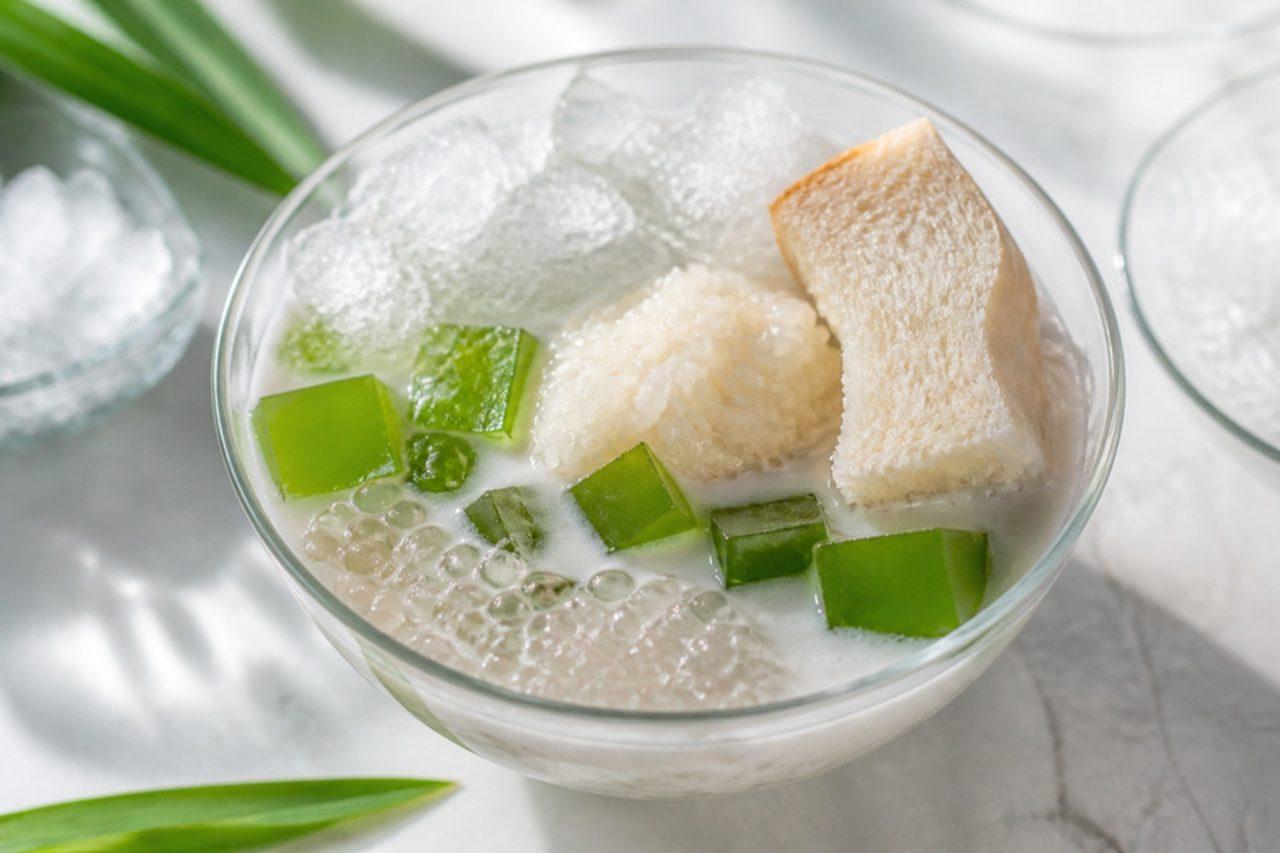
Shwe yin aye, roughly 'golden heart cooler', is what Yangon drinks during the scorching weeks of Thingyan, the April water festival, when stalls set up along the streets to hand it out. It's a bowl of sweet, lightly salted coconut milk over crushed ice, filled with chewy sago pearls, cubes of green agar jelly, a scoop of sticky rice and, surprisingly, a few pieces of soft white bread that soak up the coconut. Chef's tip: make the jelly, sago and sticky rice in the morning and chill everything; assembled cold, the bowl stays refreshing to the last spoonful.

by KrazyBadal 0 views

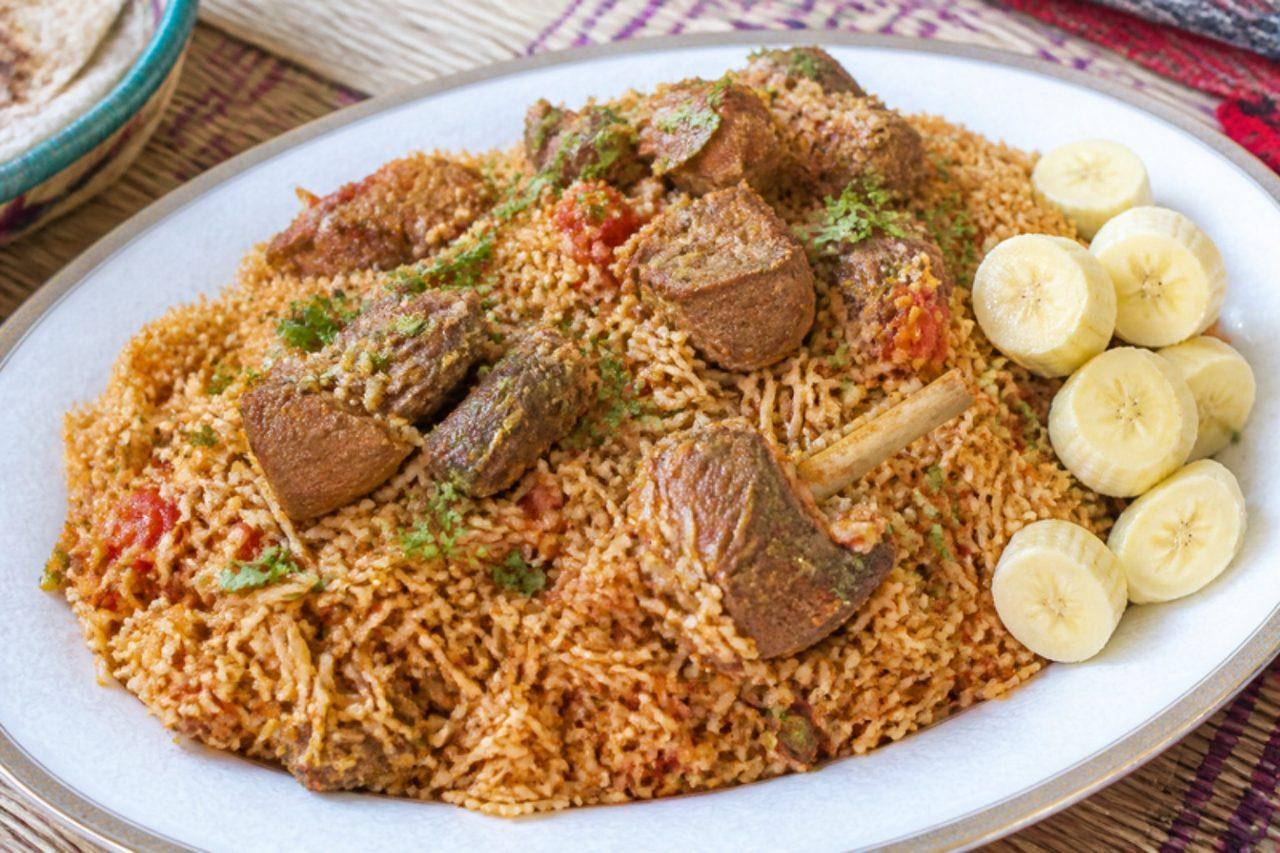
SkudahkharisSpiced lamb and tomato rice

Skudahkharis is the pride of Djibouti and is also cooked in Somali homes: lamb on the bone simmered with tomato, onion, garlic and a warm mix of cumin, cardamom, cinnamon and cloves, then rice cooked in the pot until it absorbs every drop. It is served for Eid and family gatherings, with banana and a hot green chilli sauce on the side, as is the custom. The mistake is stirring the rice once it is in, which breaks the grains and makes it sticky; stir once, then leave it covered. Chef's tip: soak basmati for 20 minutes before cooking so it cooks evenly in the rich broth.

by KrazyBadal 0 views

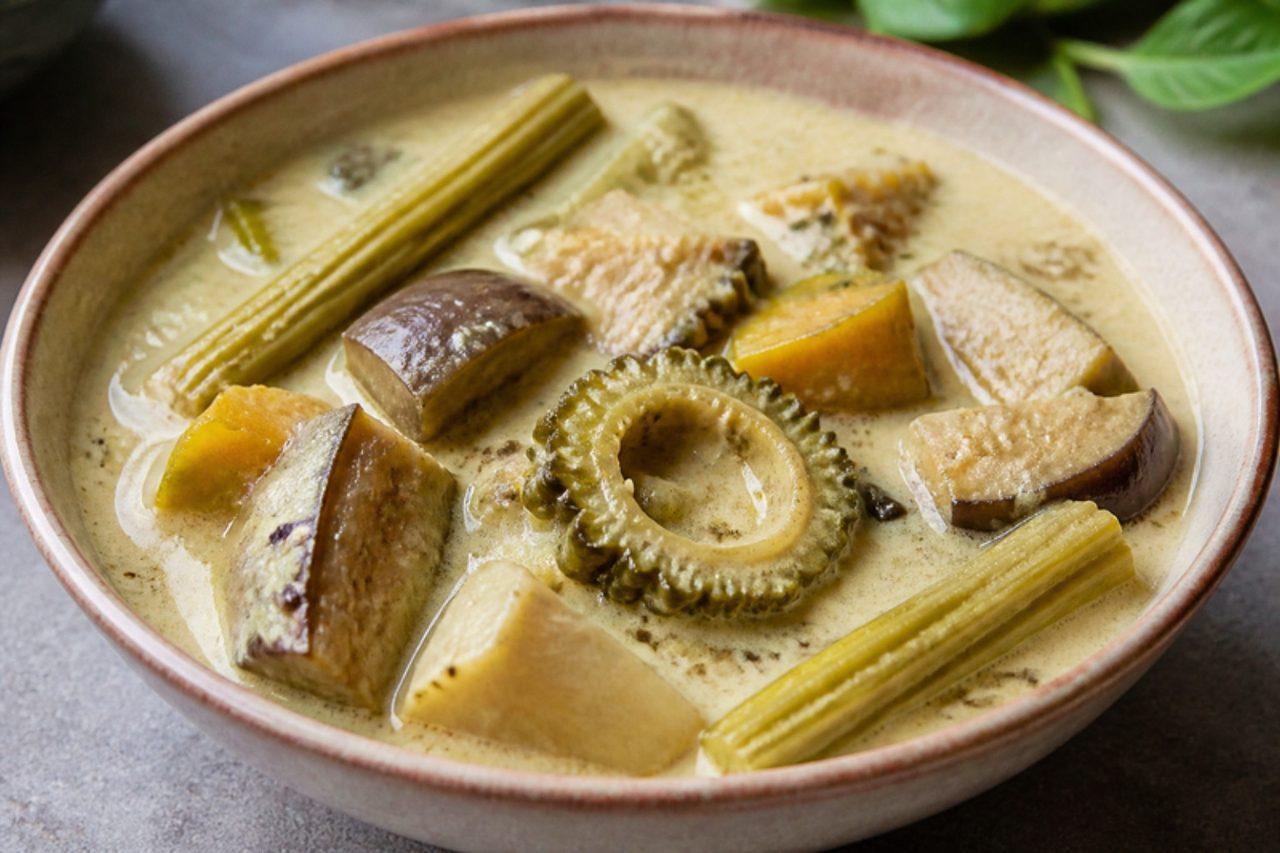
ShuktoBitter mixed vegetable stew

Shukto opens a traditional Bengali meal: a mild, slightly bitter stew of bitter gourd, raw banana, sweet potato, drumsticks and aubergine, eaten with the first mouthfuls of rice to wake up the palate. The vegetables are fried, then simmered with a paste of mustard and poppy seeds and finished with milk and a spoonful of ghee, so the bitterness is balanced by a creamy, faintly sweet sauce. It is a dish of West Bengal's home kitchens, cooked especially in spring. Chef's tip: fry the bitter gourd separately until well browned and add it at the end; this keeps its bitterness pleasant and stops it spreading through the whole pot.

by KrazyBadal 0 views

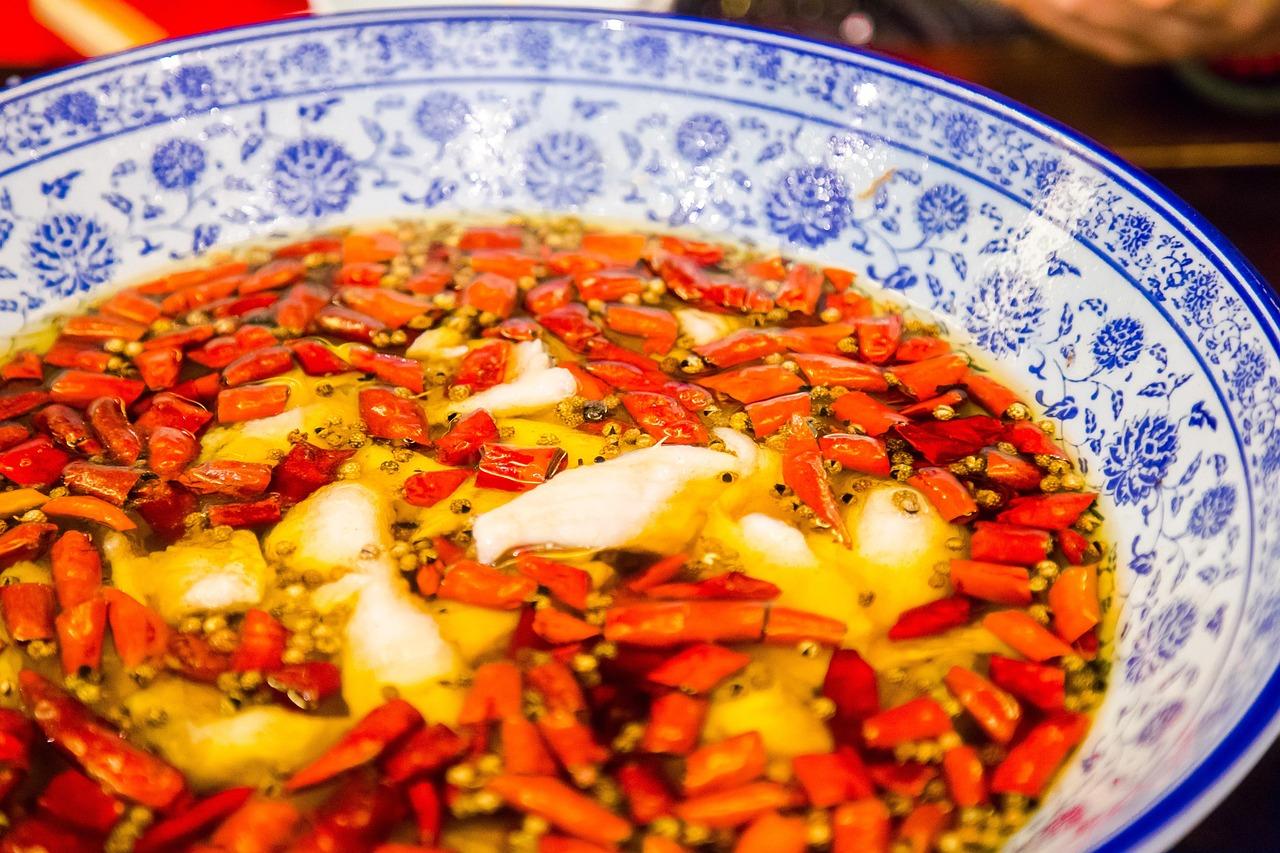
Shui zhu fishFish in chilli broth

'Water-boiled fish' is Sichuan humour at its driest, because what arrives at the table in Chongqing and Chengdu restaurants is a great basin of silky fish slices half hidden under a red sea of chillies and Sichuan pepper, still crackling from a ladle of smoking oil poured over at the last moment. Underneath is a savoury broth of chilli bean paste with soft bean sprouts and celery. It is a dish for sharing with friends over beer or tea: you fish out the slices with chopsticks and leave the oil behind, as everyone does. Plain rice is essential, and something cooling such as smacked cucumber helps. Chef's tip: coat the fish in egg white and cornflour and give it no more than three minutes in the broth; the coating keeps each slice tender and stops it breaking up.

by KrazyBadal 0 views

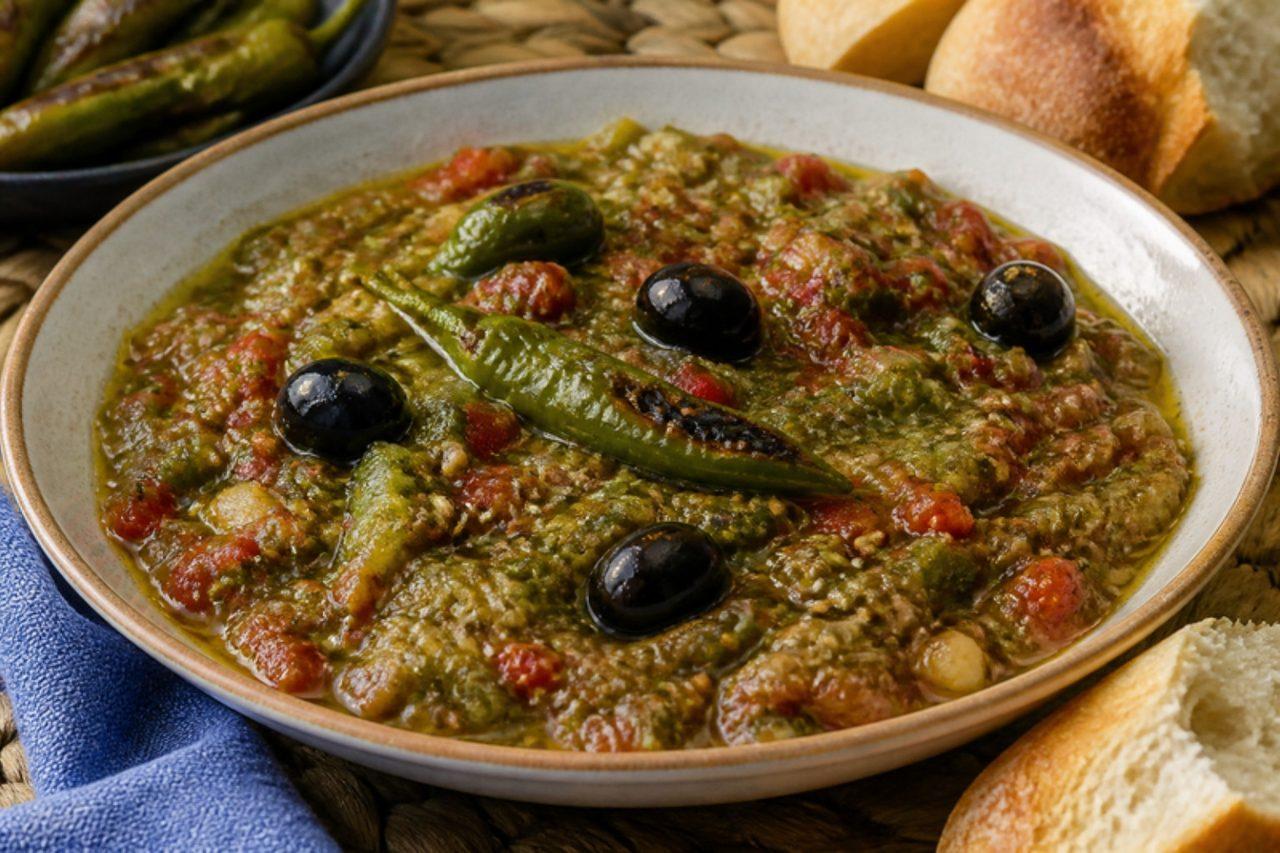
Slata mechouiaGrilled pepper and tomato salad

Slata mechouia means 'grilled salad', and in Tunisia it opens almost every family meal and Ramadan iftar: peppers, tomatoes, onion and garlic charred over coals until blackened, then peeled and chopped into a smoky relish with olive oil, caraway and coriander seed. It is scooped up with bread or served next to grilled food and couscous. A tuna and egg topping is common in restaurants; this version keeps it to vegetables and olives. Chef's tip: let the vegetables steam in a covered bowl after charring; the skins then slip off in seconds.

by KrazyBadal 0 views

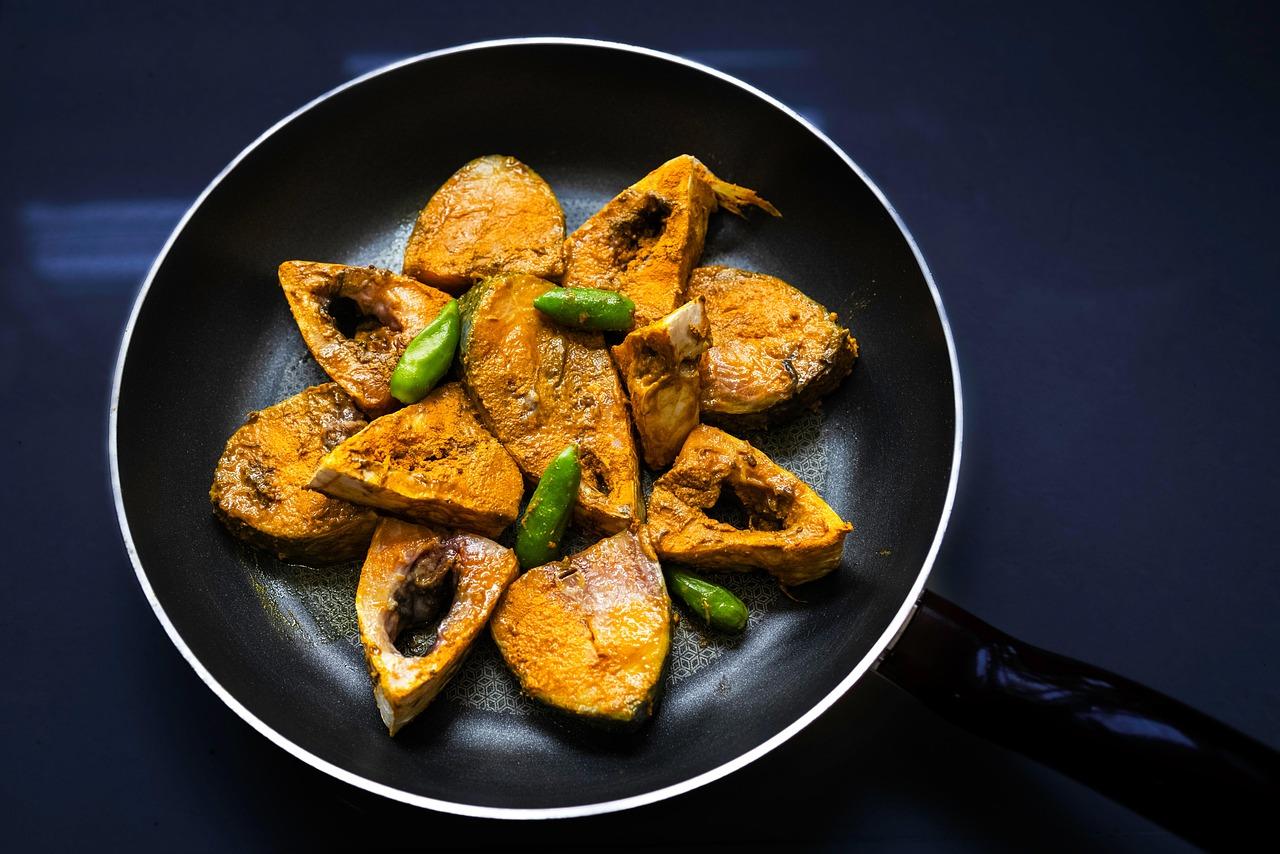
Shorshe ilishHilsa in mustard sauce

Hilsa, ilish, is the national fish of Bangladesh, and during the monsoon, when the shoals swim up the Padma and Meghna rivers, families in Dhaka and Chandpur cook it almost daily. Shorshe ilish is the most loved way: steaks of the rich, silvery fish gently simmered in a paste of ground yellow and black mustard seed, green chillies and mustard oil until the sauce turns sharp, creamy and nose-tingling. Eat it with plain white rice and nothing else. Hilsa is very bony, so warn guests and eat slowly; salmon steaks are an easier, less traditional swap. The common mistake is boiling the sauce hard after the mustard paste goes in, which turns it bitter. Chef's tip: grind the mustard seeds with a pinch of salt and a green chilli, and let the paste rest for 10 minutes before cooking; this tames the bitterness.

by KrazyBadal 0 views

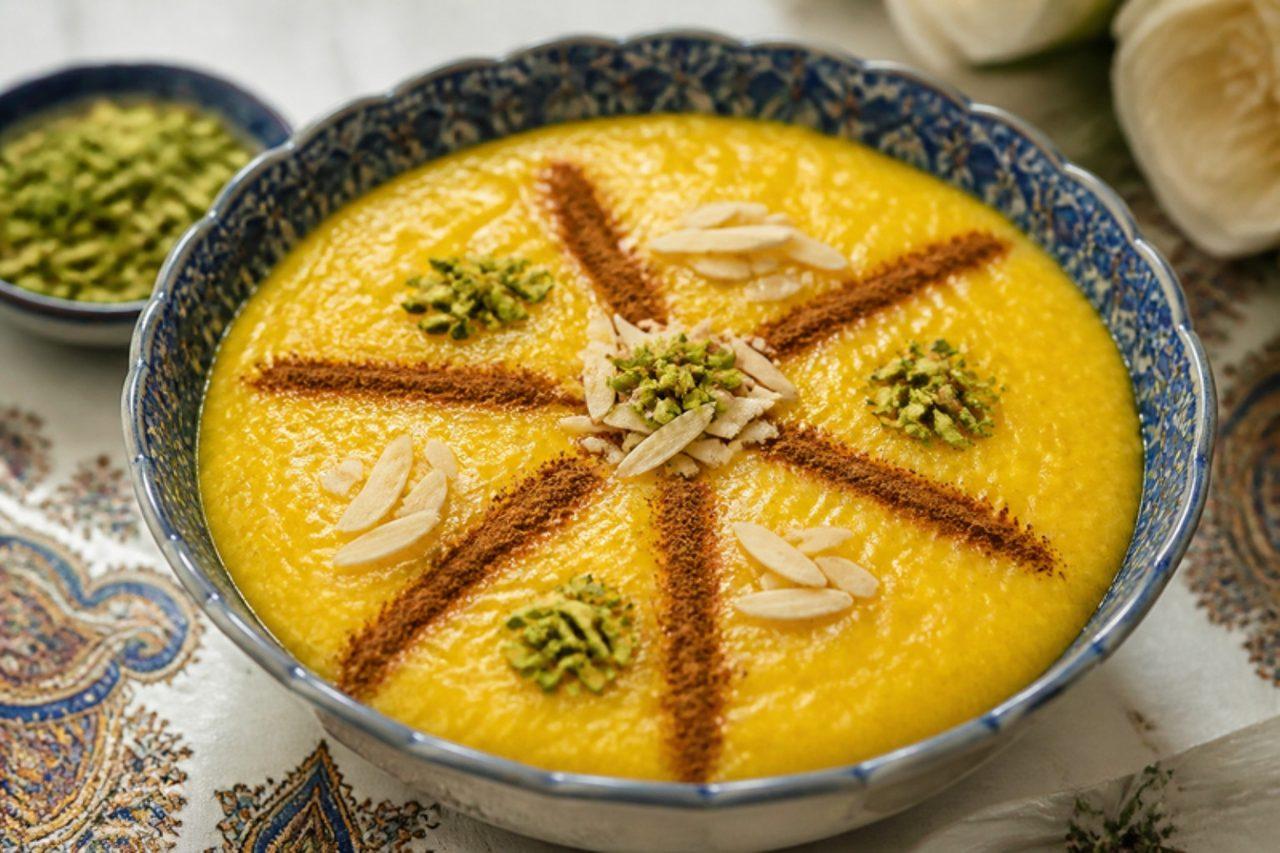
Sholeh zardSaffron rice pudding

Sholeh zard is the bright yellow rice pudding that Iranians cook in huge pots as nazri, food given away to neighbours and strangers, especially during the month of Muharram and on religious feast days; neighbourhoods in Tehran and Mashhad fill with its smell of saffron and rose. Rice is simmered until it almost melts, then sweetened, coloured gold with saffron and perfumed with rosewater and cardamom. It sets softly as it cools and is decorated with cinnamon lines, almonds and pistachios. This version uses a little oil instead of butter, so it is vegan. Chef's tip: add the sugar only when the rice is completely soft; sugar added early stops the grains from breaking down.

by KrazyBadal 0 views

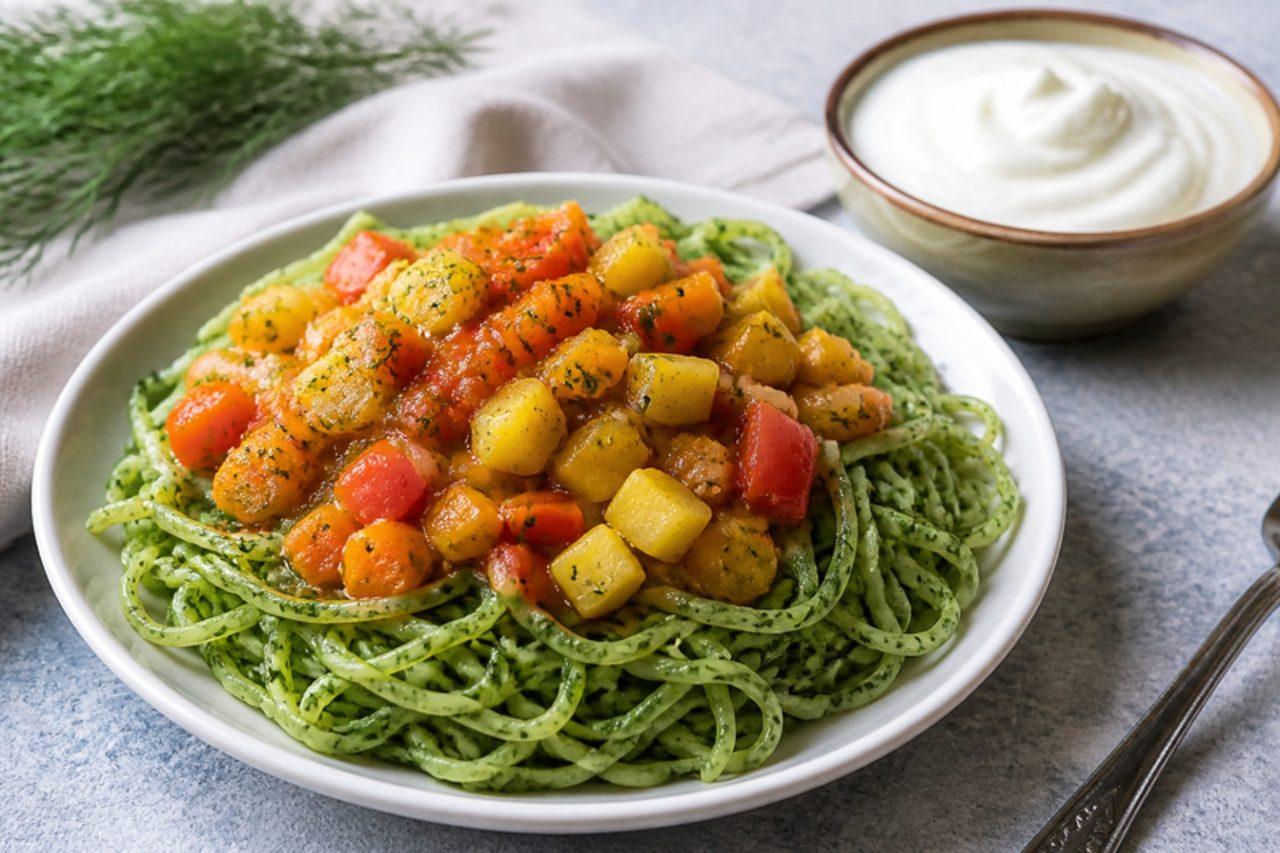
Shivit oshiDill noodles with vegetable sauce

Shivit oshi is the pride of Khorezm, the western oasis around Khiva and Urgench: bright green noodles made with a paste of fresh dill (shivit), topped with a stew of vegetables and a cooling spoon of katyk (thick yogurt). In Khiva's old town it is served at lunch in summer, when the dill is fragrant and the heat makes heavy plov unwelcome. The usual topping has meat; this one is a vadja of potato, carrot, pepper and tomato. Chef's tip: blend the dill with the water rather than chopping it; the dough turns an even jade green and the noodles taste of dill all the way through.

by KrazyBadal 0 views

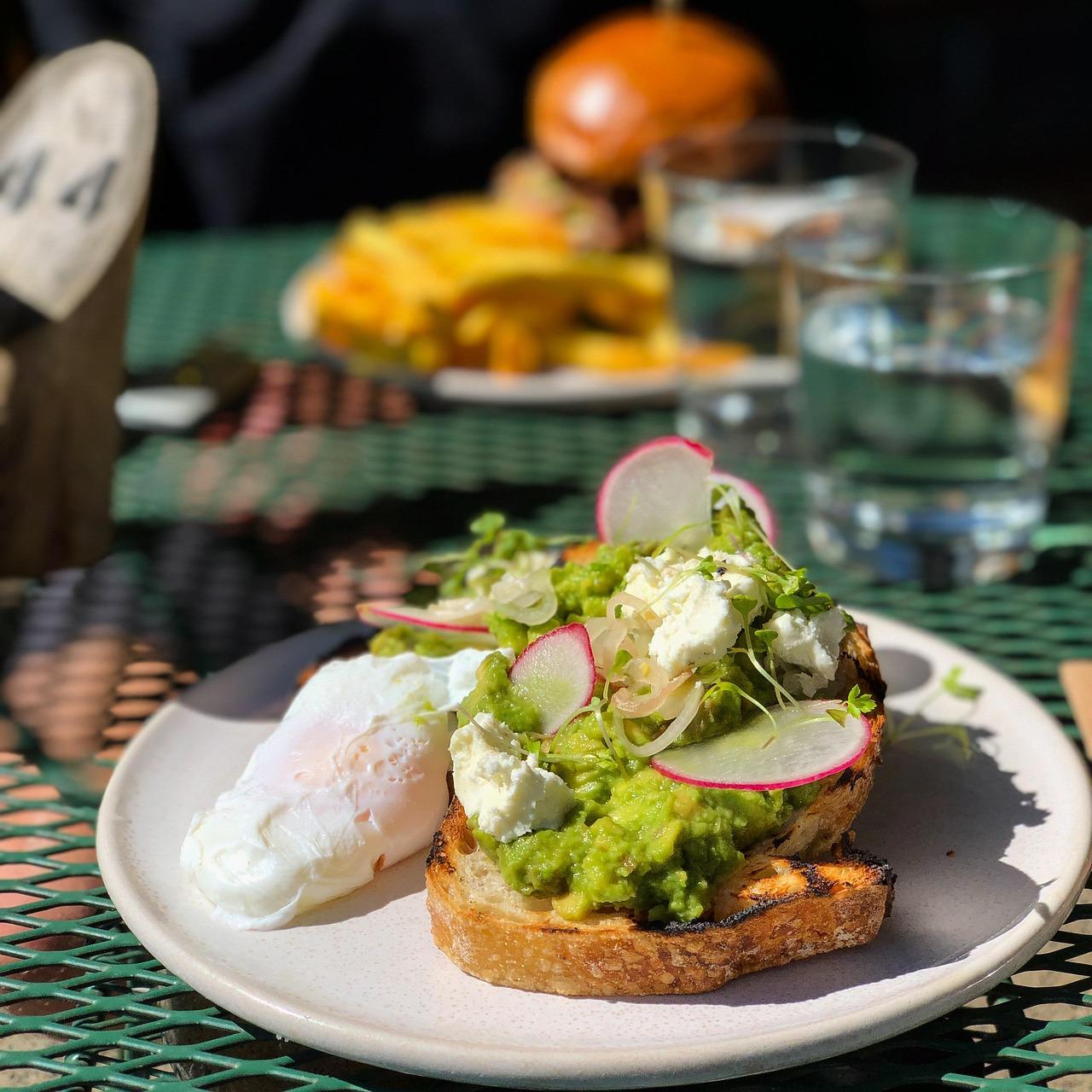
Smashed avo on toastSmashed avocado on toast

Smashed avo became the signature breakfast of Sydney and Melbourne cafés in the 1990s and 2000s, and today it's on the menu of almost every café in Australia, from Bondi to Fitzroy, eaten on weekend mornings with a flat white. Ripe avocado is crushed roughly with lemon, salt and chilli and piled thickly onto toasted sourdough, then topped with salty crumbled feta and, often, a soft poached egg. It's creamy, sharp, crunchy and salty all at once. Chef's tip: smash the avocado with a fork, not a blender, and leave it chunky; the contrast between the rough avo and the crisp toast is the whole point.

by KrazyBadal 0 views

Showing 63 of 7,762 recipes

Show more recipes

Page 723 of 863