


Skip to content
Lapas grelhadas
Featured recipe

Lapas grelhadas

Grilled limpets with garlic butter

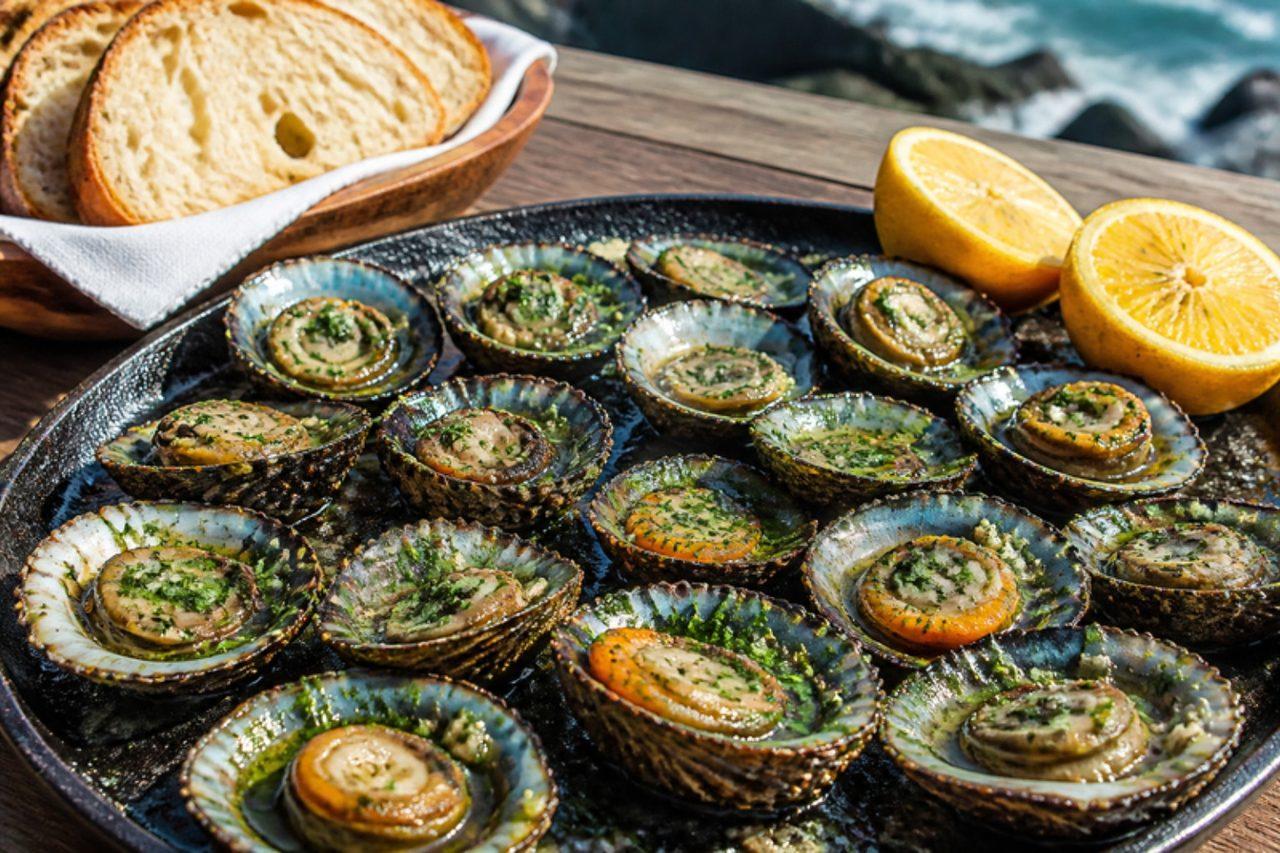
Along the rocky shores of Madeira and the Azores, limpets are prised off the rocks at low tide and grilled within hours, arriving at the table in a hot cast-iron dish, still bubbling with garlic butter. Beach bars in Porto Moniz and on Pico serve them as a starter, with bread for dipping and a squeeze of lemon. They are best when only just cooked, tender with a slight chew. Chef's tip: buy them from a fishmonger who sells them live, still clamped tightly to their shells.

Read more 0 views

What to eat today?

Around the world

Today's trip: Paraguayan

A new country every day, from every cuisine on the site.

Paraguayan

Chipa

Cheese bread rings 50 minMore from Paraguayan (27) →

This week's collection

Kid-friendly dinners
537 recipes · a new collection every Monday

Latest recipes

YukjeonEgg-battered fried beef

In Gwangju, yukjeon is a restaurant meal in its own right: the server sits by a hot plate at your table and fries slice after slice of egg-coated beef, handing them over while they're still sizzling. Elsewhere in Korea it's more often a festive pancake, made for Chuseok and Lunar New Year along with other jeon. The beef is cut very thin, so it cooks in the time it takes the egg to set. Gwangju places serve it with a sharp salad of finely shredded spring onion and a little salt and sesame oil for dipping. Chef's tip: half-freeze the beef for 40 minutes before slicing; firm meat is easy to cut into slices 2 to 3 mm thick.

25 minKoreanMeat
by KrazyBadal 0 views

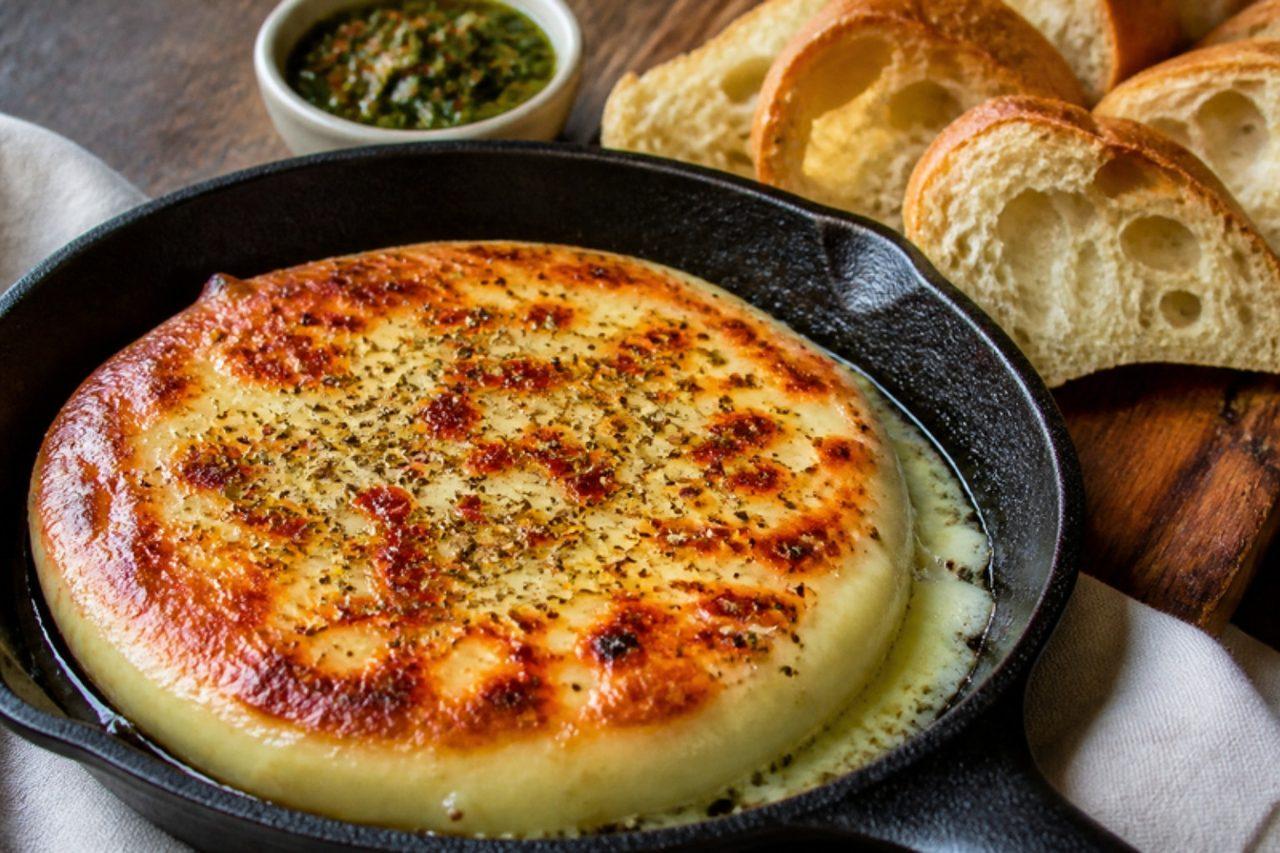
ProvoletaGrilled provolone with oregano

Provoleta is the first thing off the grill at an Argentine asado: a thick round of provolone-style cheese, invented by Italian immigrants in Buenos Aires, cooked in a small iron pan or straight on the grate until the outside forms a golden crust and the inside turns molten. It comes to the table bubbling, sprinkled with oregano and chilli flakes and drizzled with chimichurri, to scoop up with crusty bread. Many provolones use animal rennet, so check the label and choose one made with vegetarian rennet. Chef's tip: chill the cheese well before cooking; cold cheese forms a crust before the middle melts and runs.

by KrazyBadal 0 views

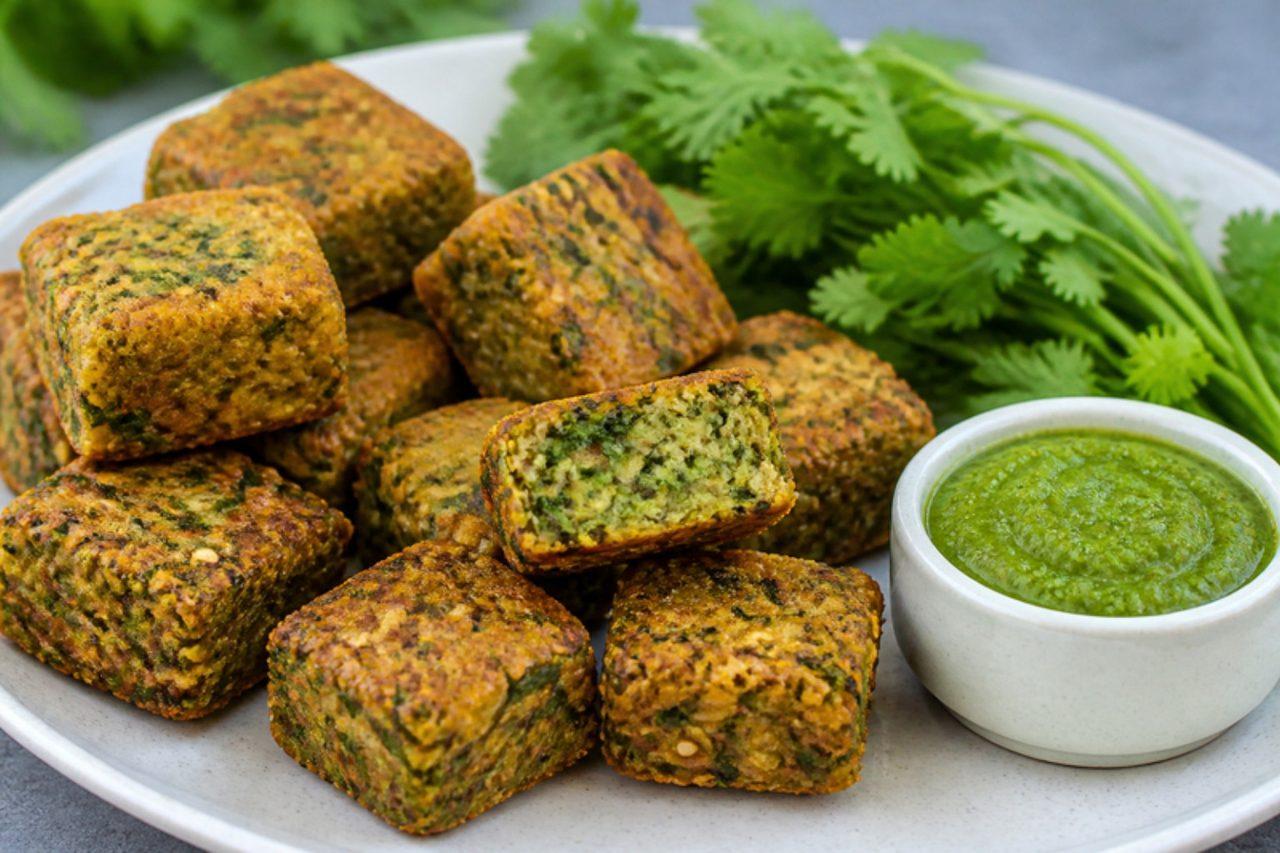
Kothimbir vadiCoriander and gram flour fritters

When the winter coriander in the Nashik markets comes in huge, fragrant bunches for a few rupees, Maharashtrian kitchens make kothimbir vadi. A batter that is mostly fresh coriander, held together with gram flour and sesame, is steamed into a cake, cut into squares, then shallow-fried until each piece has a crunchy shell and a soft, herby middle. It's a tea-time snack in Pune homes, a side on the festive thali and a favourite in tiffin boxes because it's good at room temperature. Serve with green chutney or tomato ketchup. Chef's tip: dry the coriander well after washing; wet leaves make the batter loose and the vadi soggy.

by KrazyBadal 0 views

Ptichye molokoSoufflé cake with chocolate glaze

Ptichye moloko, 'bird's milk', is named for the impossible treat in old fairy tales, and in 1978 Moscow's Praga restaurant turned it into a cake: a cloud of vanilla soufflé on a thin sponge, glazed with dark chocolate. Soviet shoppers queued for hours for the boxed version, and it is still the cake for birthdays and 8 March. The soufflé has always been set with agar, a seaweed jelly, which makes it naturally free of gelatine and gives a clean, springy bite. Chef's tip: boil the agar syrup to exactly 110°C (a thread forms between two fingers); undercooked syrup leaves the soufflé weepy and soft.

by KrazyBadal 0 views

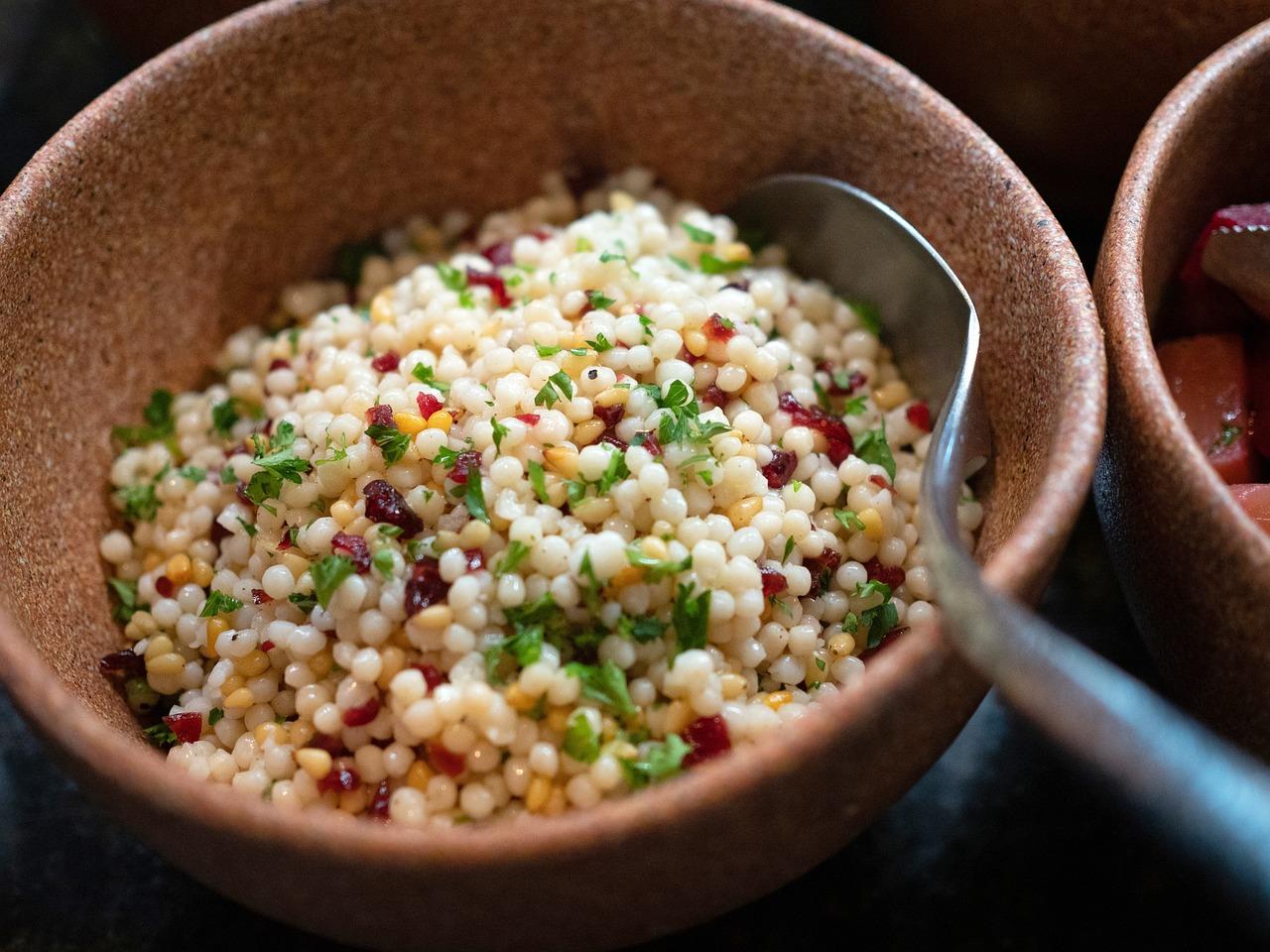
Ptitim with vegetablesToasted pearl couscous with vegetables

Ptitim was invented in Israel in the 1950s, when rice was scarce and the Osem factory was asked to make a wheat substitute; the little toasted pasta pearls soon became the dish every Israeli child grew up on. In homes from Haifa to Be'er Sheva it is cooked like a pilaf, first toasted in oil until nutty, then simmered in stock until plump and chewy. This version folds in courgette, red pepper and peas for a quick weeknight dinner or lunchbox side. Chef's tip: toast the dry ptitim until it smells like popcorn and turns light gold; it gives a much nuttier flavour than boiling it like pasta.

by KrazyBadal 0 views

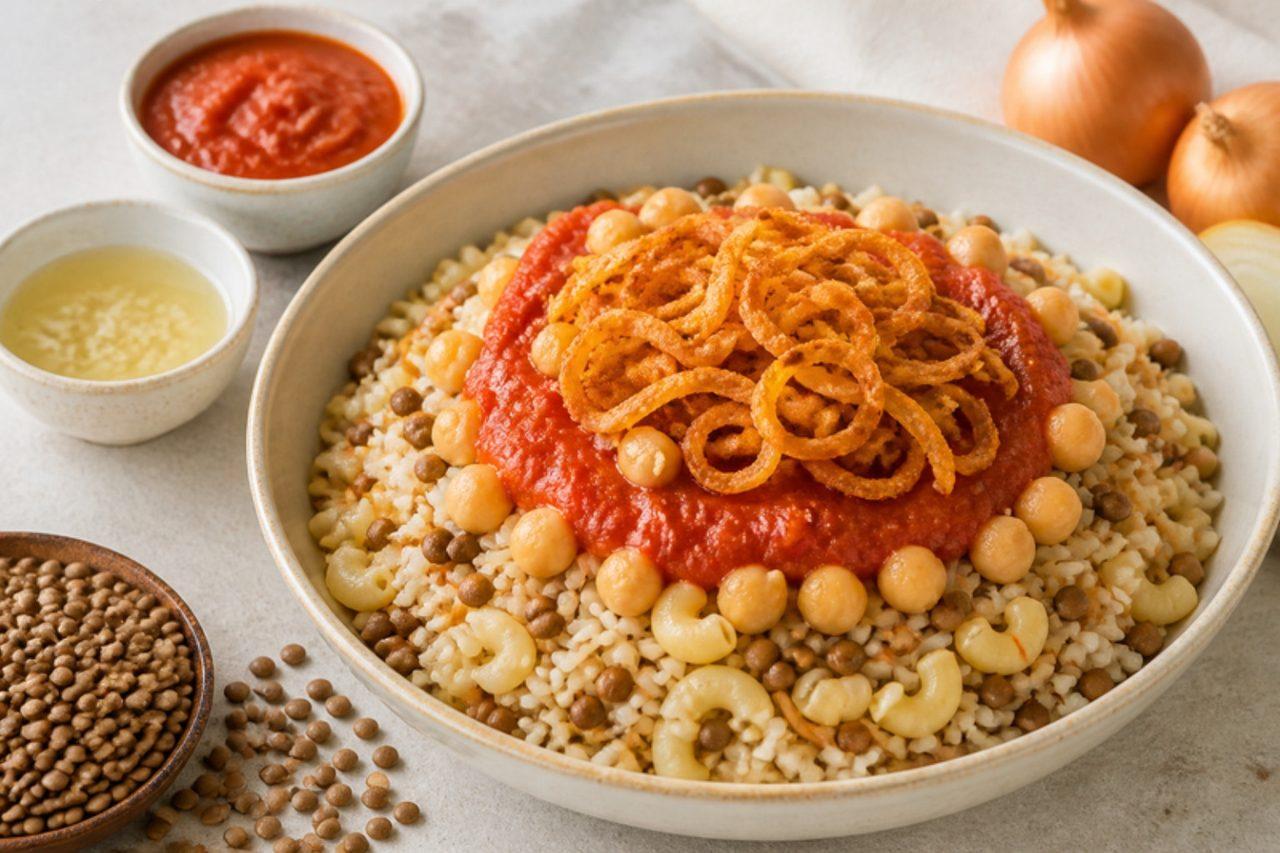
KoshariRice, lentil and pasta bowl

Koshari is the dish of Cairo's streets: whole shops, from Abou Tarek downtown to small corner counters, sell nothing else, and office workers queue for a metal bowl of it at lunchtime. Brown lentils and rice are cooked together, then piled with macaroni, vermicelli and chickpeas, drowned in a sharp cumin-tomato sauce and finished with dakka (garlic vinegar), shatta (chilli sauce) and a heap of dark fried onions. It is cheap, filling and naturally vegan, and every Egyptian eats it differently, so put the sauces on the table. Chef's tip: fry the onions first and cook everything else in their oil; that onion-scented oil is what makes koshari taste like the shops' and not like a plate of separate leftovers.

by KrazyBadal 0 views

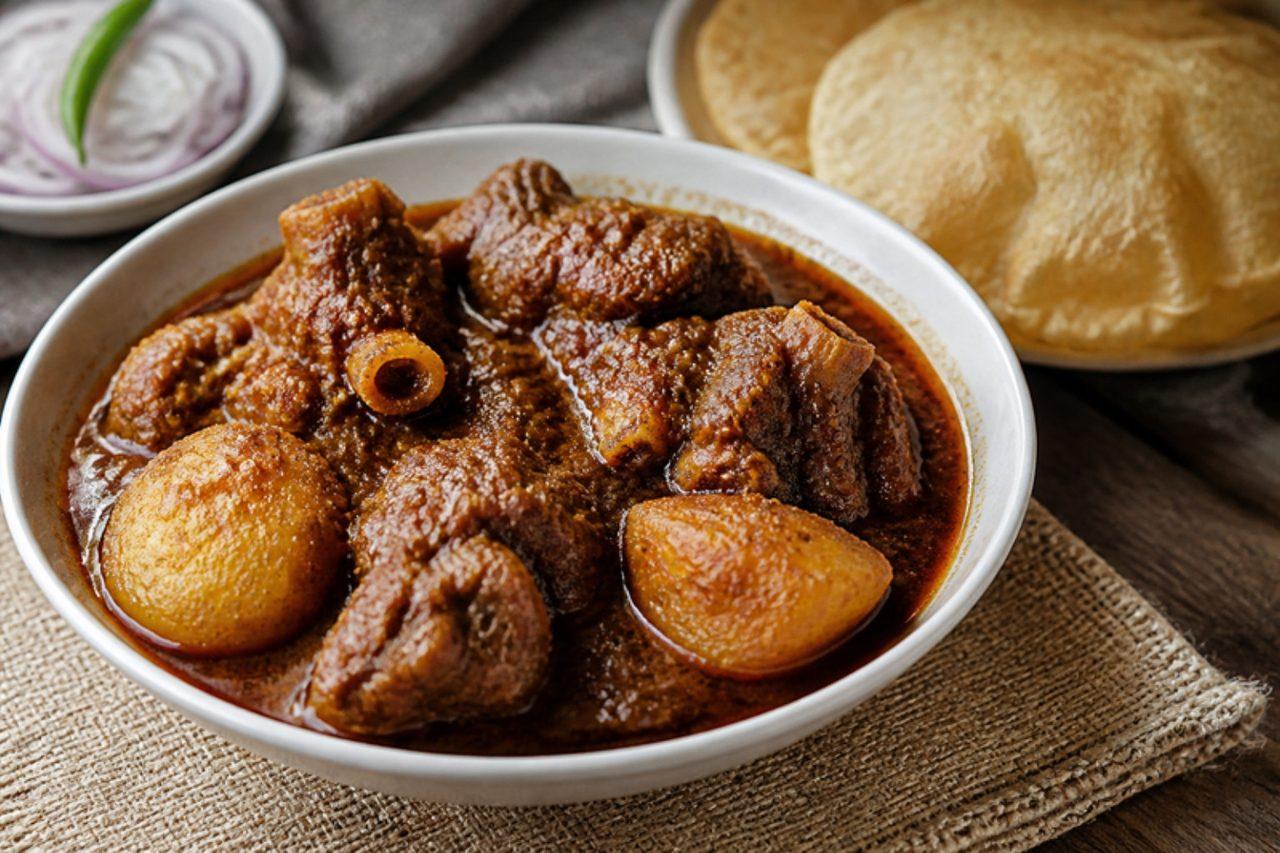
Kosha mangshoSlow-fried mutton curry

Sunday lunch in a Bengali home in Kolkata often means kosha mangsho: goat on the bone, fried patiently in mustard oil until the masala turns almost mahogany and clings to every piece. The word 'kosha' describes that long stirring over the heat, and it is what separates this dish from an ordinary mutton curry. Families eat it with luchi or plain rice, and it also turns up at Durga Puja feasts and wedding dinners. Chef's tip: buy bone-in goat or mutton shoulder cut into curry pieces; the bones and a little fat give the gravy its body.

135 minIndianMeatGluten free
by KrazyBadal 0 views

ZaaloukAubergine and tomato salad

Zaalouk is one of the cooked salads that open almost every Moroccan meal, from Fez to Essaouira, set out in small dishes with taktouka and carrot salad and scooped up with bread. Aubergine and tomato are cooked down together with garlic, cumin and paprika until they become a soft, spoonable relish, sharpened at the end with lemon and olive oil. It tastes even better the next day, so many cooks make a big batch. Chef's tip: char the aubergine over a gas flame or under the grill first if you can; the smoky skin flavour gives the best zaalouk.

by KrazyBadal 0 views

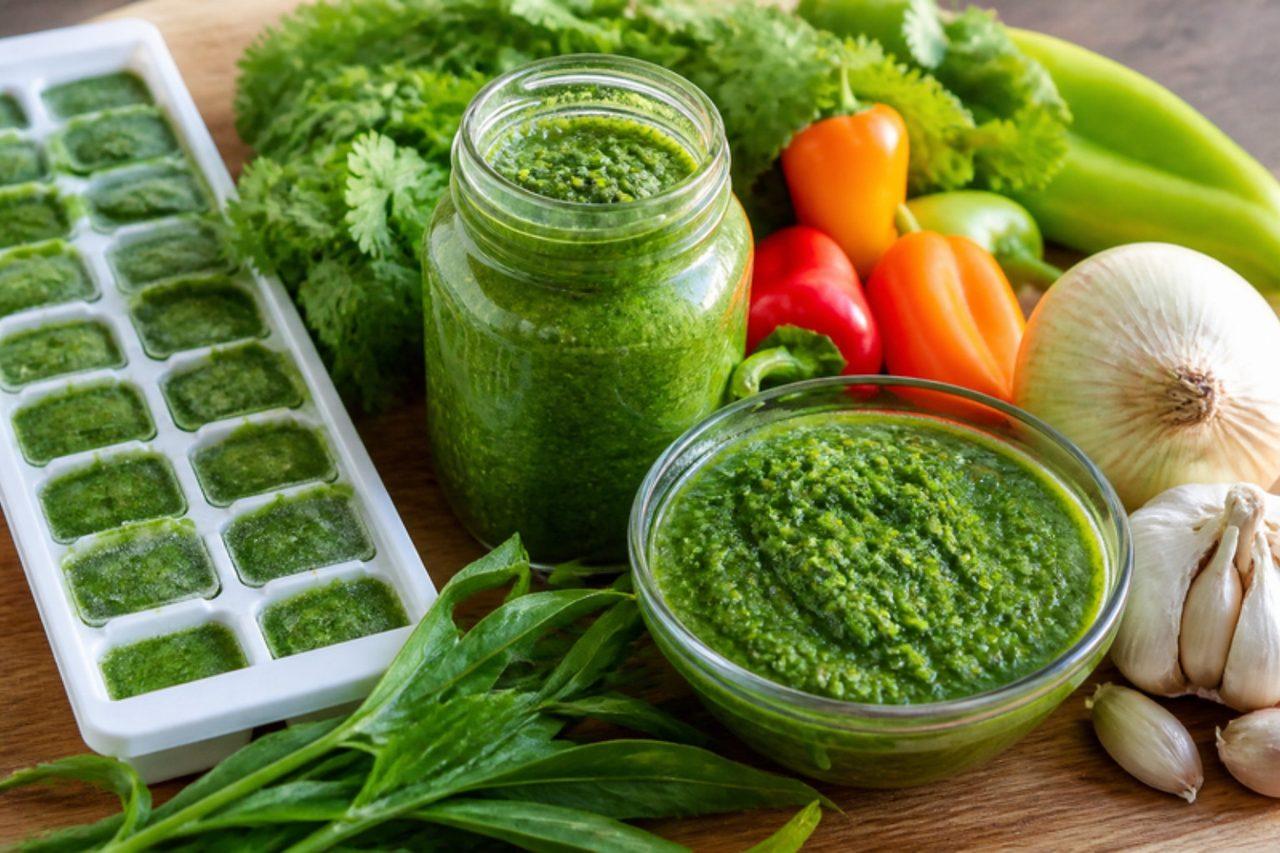
Puerto Rican sofritoHerb and pepper cooking base

Open a freezer anywhere in Puerto Rico, or in the Puerto Rican neighbourhoods of New York and Orlando, and you'll find a tub or ice-cube tray of green sofrito. It is the start of almost everything savoury on the island: beans, rice, stews, soups and sauces. Unlike the slow-cooked Spanish sofrito, this one is raw, blended from culantro (recao), cilantro, little sweet ajíes dulces, cubanelle peppers, onion and lots of garlic. It smells grassy and sharp in the jar and turns mellow and savoury as soon as it hits hot oil. Chef's tip: if you can't find ajíes dulces, use extra red pepper and a tiny piece of seeded scotch bonnet; you want their fruity perfume, not heat.

by KrazyBadal 0 views

ZacuscăRoasted aubergine and pepper spread

Zacuscă is the autumn preserve of Moldavia and Transylvania: in Iași and the villages around it, families spend a September weekend charring aubergines and red peppers over a grill and slowly frying them down with onion and tomato into a thick, chunky spread. The jars go into the cellar and come out all winter, spread on bread or eaten with mămăligă during the Orthodox fasts. It is coarser and more oniony than smooth Balkan ajvar, with bay and a long, jammy cook. Chef's tip: let the onions go fully soft and sweet before adding anything else; rushing them leaves a sharp, raw edge that the long cook never removes.

by KrazyBadal 0 views

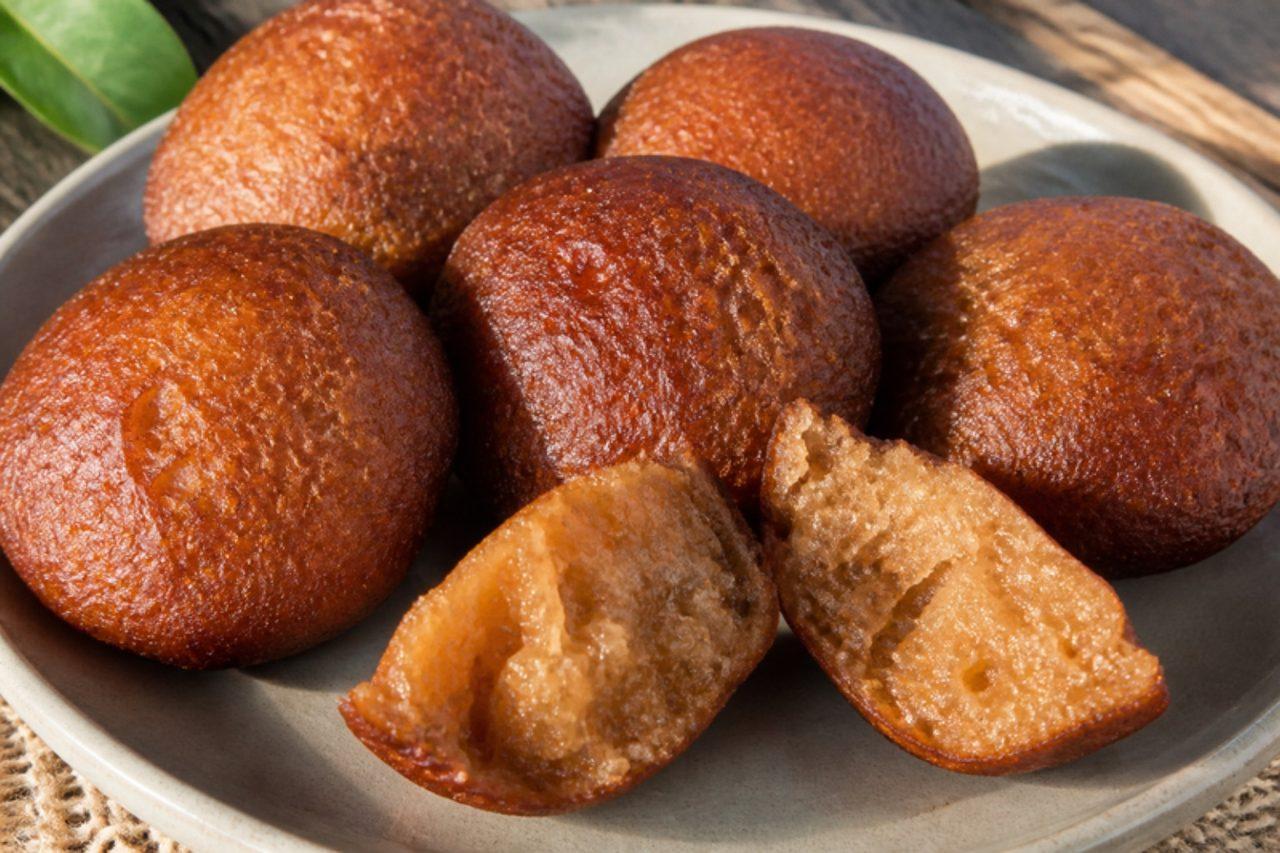
PukhleinFried rice flour and jaggery cakes

Pukhlein are the sweet treats of Khasi tea stalls and celebrations in Meghalaya: a batter of rice flour and jaggery fried into round, puffed cakes that are crisp and caramelised on the outside and chewy within. They are made for Christmas and family gatherings and are sold at Shillong's Iewduh (Bara Bazaar) with red tea. They taste a little like a cross between a doughnut and an Indian anarsa. Chef's tip: rest the batter for at least an hour; the rice flour hydrates and the cakes puff instead of spreading.

by KrazyBadal 0 views

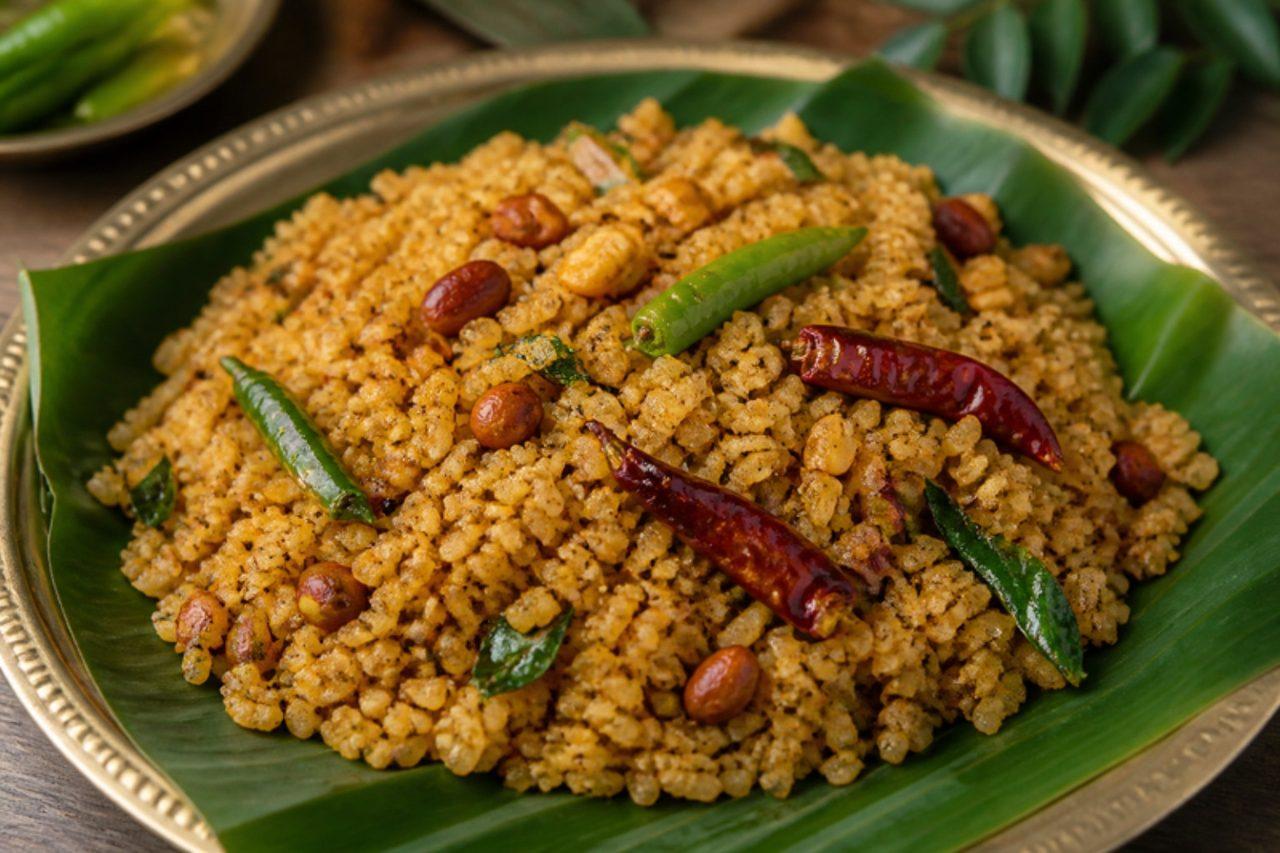
PulihoraTamarind rice

Pulihora is the rice Andhra families cook for Ugadi, Sankranti and every temple festival in between, and it's also the dish wrapped in banana leaves for long train trips because it keeps all day. The Telugu version is sharper and hotter than Tamil puliyodarai or Karnataka puliyogare: cooked rice is tossed with a thick tamarind paste, turmeric, mustard and a hefty tempering of peanuts, chana dal, green and red chillies and curry leaves, with no sweet spice powder. It's sour, hot, nutty and fragrant with sesame oil. Eat it at room temperature with curd or a crisp papad. Chef's tip: cook the tamarind paste until oil separates at the edges; under-cooked tamarind gives the rice a raw, puckery sourness.

by KrazyBadal 0 views

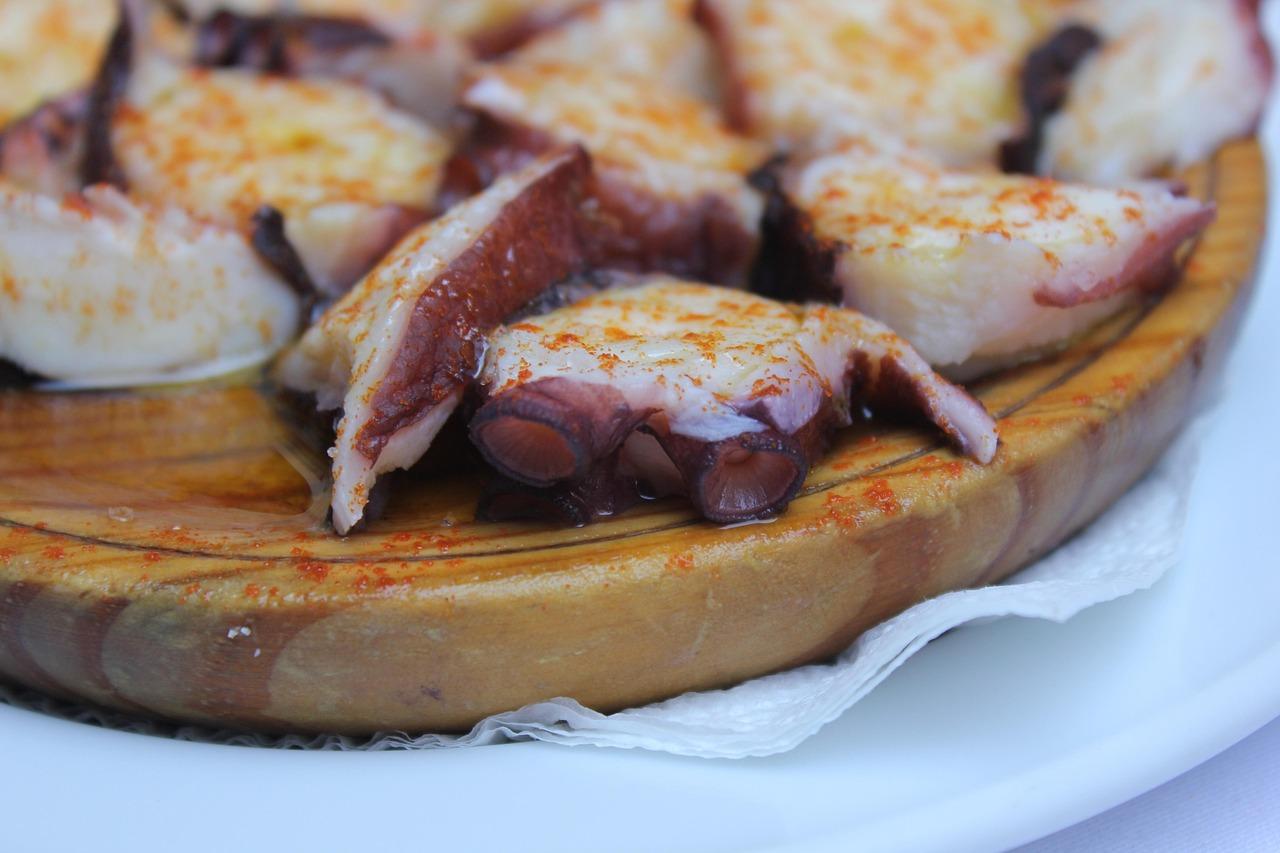
Pulpo a la gallegaOctopus with paprika and potatoes

Pulpo a feira is fair-day food in Galicia: at markets and village fiestas, pulpeiras boil whole octopus in big copper pots, snip it with scissors onto round wooden plates and finish it with coarse salt, pimentón and olive oil. The town of O Carballiño in Ourense holds an octopus festival every August, and you'll find the dish in pulperías across the region all year. At home it is simpler than it looks; the secret is that a frozen octopus is a tender one, because freezing breaks down the tough fibres. Chef's tip: use the octopus cooking water to boil the potatoes, which picks up its flavour and pink colour.

by KrazyBadal 0 views

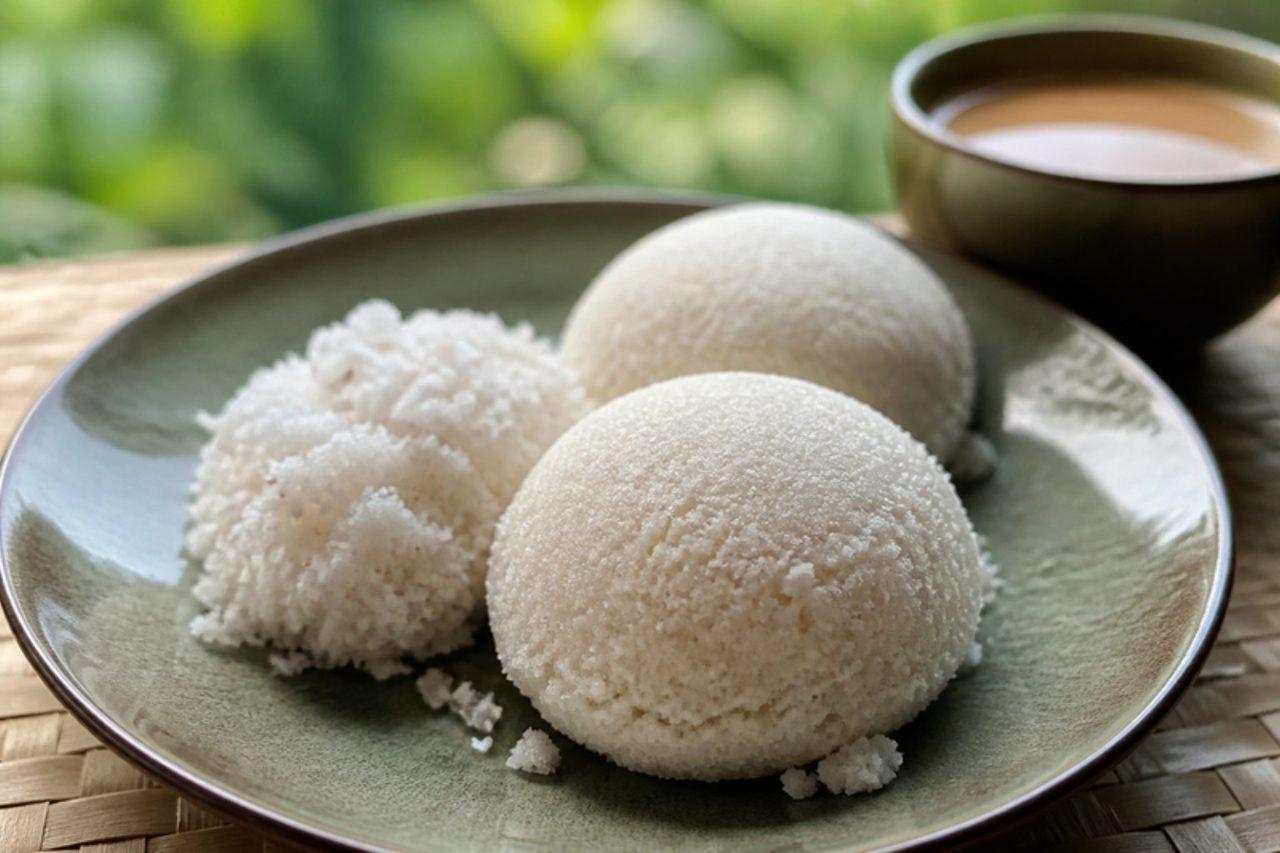
PumaloiSteamed rice cakes

Pumaloi is the everyday breakfast of the Khasi Hills: coarse powdered rice, lightly moistened, packed into a tall steamer (traditionally a bamboo or metal 'khiew') and steamed into a soft, crumbly cake. In Shillong it is sold warm at morning stalls with a cup of sweet tea, and at home it is served with tungrymbai, a vegetable stew or a chilli chutney. It is plain on purpose, like Kerala's puttu but drier and lighter. Chef's tip: the flour should feel like damp sand, holding a shape when squeezed but crumbling easily; any wetter and the cake goes gluey.

by KrazyBadal 0 views

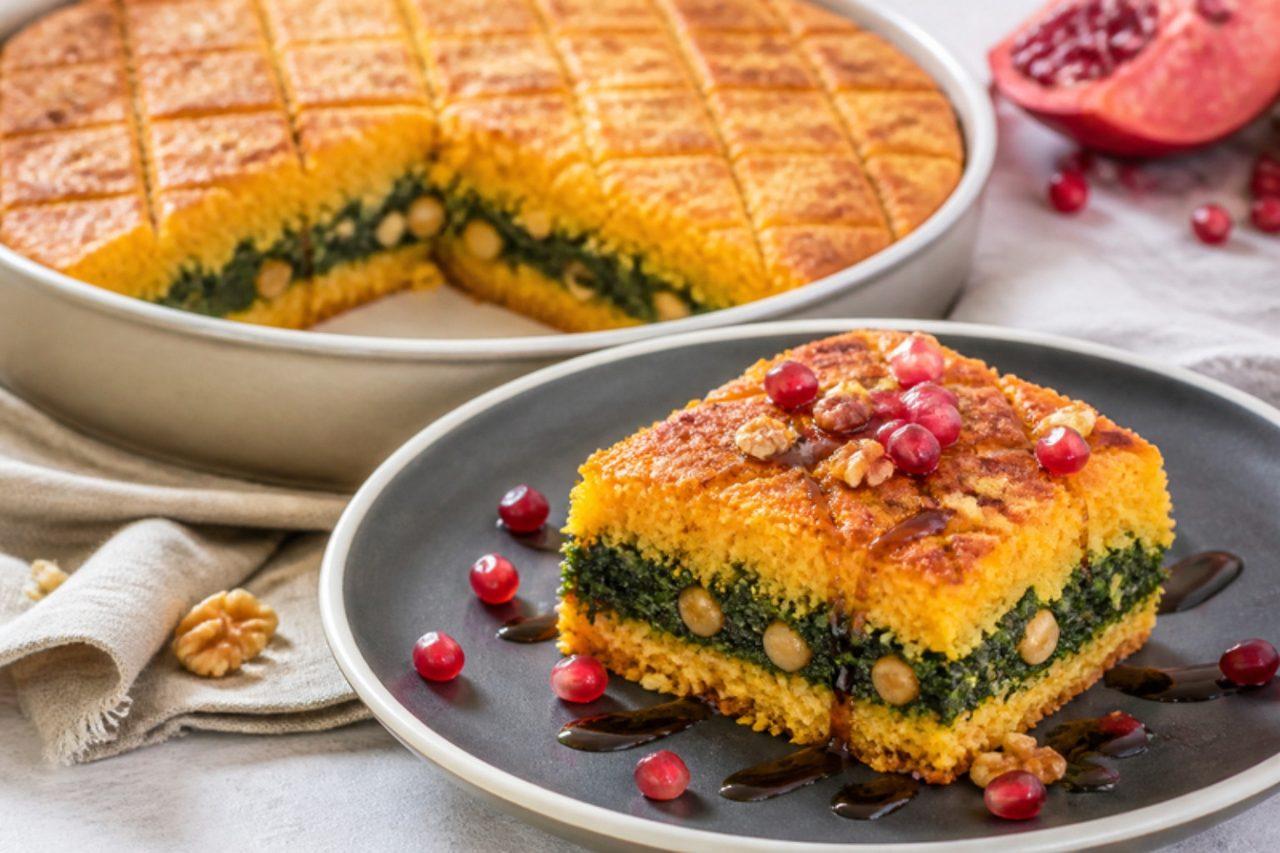
Pumpkin kibbehBaked bulgur and pumpkin layers

Kibbet laqteen is the Lenten kibbeh of Lebanon's Christian villages, made in the weeks before Easter when meat is off the table: roasted pumpkin is kneaded with fine bulgur, onion and warm spices into a soft dough, which is pressed in layers around a filling of caramelised onion, chickpeas, spinach and walnuts, then baked in a round tray. It is cut into diamonds and eaten warm or cold, often with a plate of pickles and a bowl of salad. The common slip is a wet pumpkin, which makes the dough too sticky to spread; roast the pumpkin rather than boiling it. Chef's tip: score a deep diamond pattern before baking and pour oil into the cuts, so every piece comes out with crisp edges.

by KrazyBadal 0 views

Pumpkin samsaPumpkin pastries

In autumn, when piles of orange pumpkins appear in the Chorsu bazaar in Tashkent, bakers switch some of their samsa from meat to oshqovoq somsa: crisp, flaky triangles filled with diced pumpkin, onion, cumin and a little sugar, baked against the tandoor wall. They are a street snack eaten hot from paper with green tea, and a fasting-friendly favourite at home. The pastry here is the quick laminated dough Uzbek home cooks use, rolled thin, buttered and coiled. Chef's tip: dice the pumpkin small (1 cm) and don't pre-cook it; raw pumpkin steams inside the pastry and stays in tender, distinct pieces instead of turning into purée.

by KrazyBadal 0 views

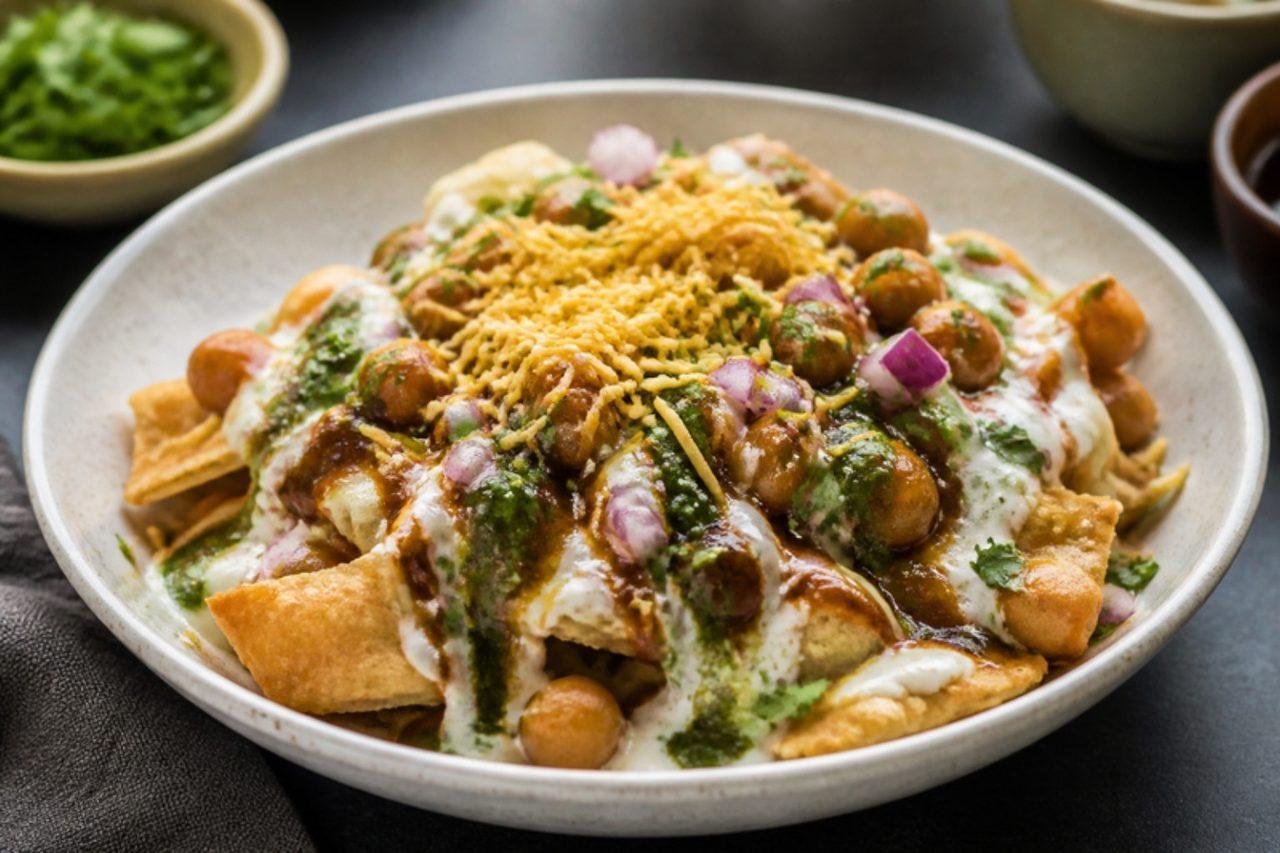
Punjabi chole samosa chaatSamosas with chickpea curry and yogurt

Samosa chaat is how the street stalls of Punjab and Delhi turn yesterday's samosas into the best snack of the day. Samosas are broken open on a plate, covered with a ladle of hot, tangy chole, then cooled down with sweet whisked yogurt, green and tamarind chutneys, raw onion, crunchy sev and a dusting of chaat masala. Every spoonful is hot and cold, crisp and soft, sweet, sour and spicy at once. Use bought samosas or the site's own samosa recipe. Chef's tip: warm the samosas in the oven until crisp before you crush them; a soggy samosa makes a heavy chaat, a crisp one soaks up the chole and still crunches.

by KrazyBadal 1 views

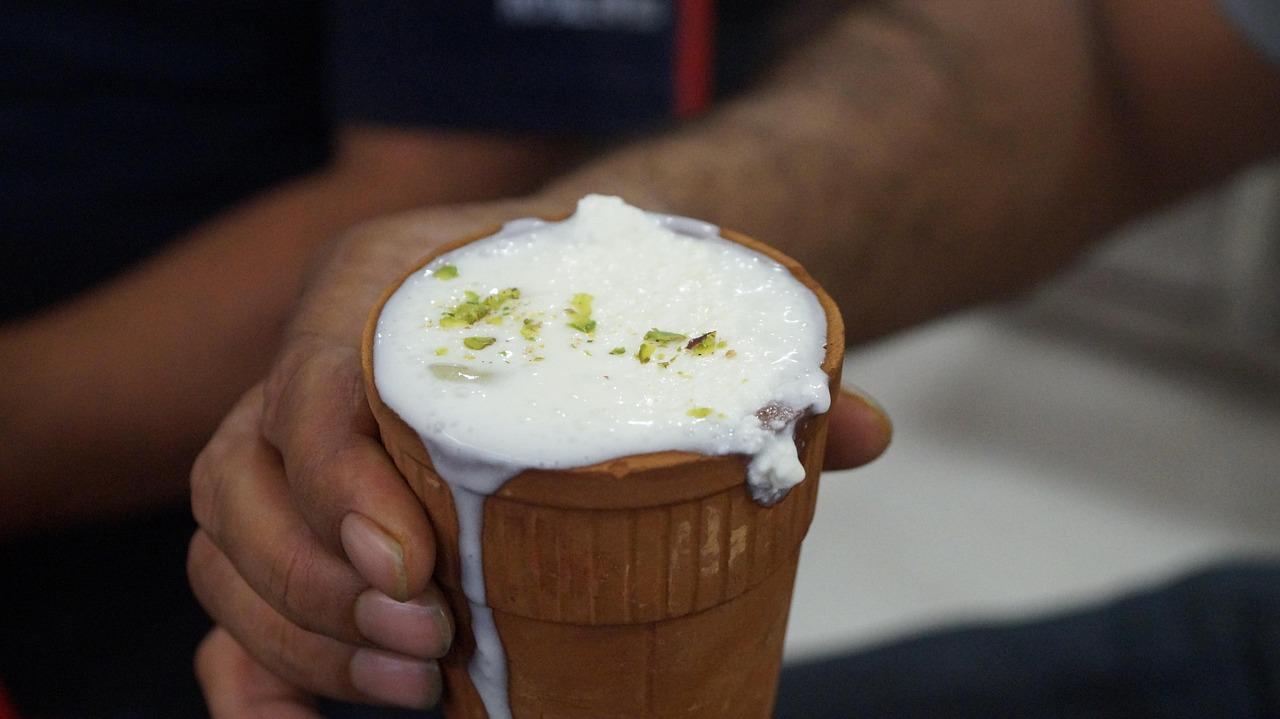
Punjabi lassiSweet yogurt drink with cream

In Amritsar and on the highways across Punjab, lassi comes in a tall steel or brass glass, churned so thick a spoon nearly stands up in it, with a raft of malai (clotted cream) floating on top. It is a summer drink, but Punjabis drink it all year with a stuffed paratha breakfast or after a heavy lunch. This is the plain sweet kind, with no fruit, so the tang of good full-fat yogurt is the whole point. Chef's tip: chill the yogurt, milk and glasses beforehand; cold lassi stays thicker.

by KrazyBadal 0 views

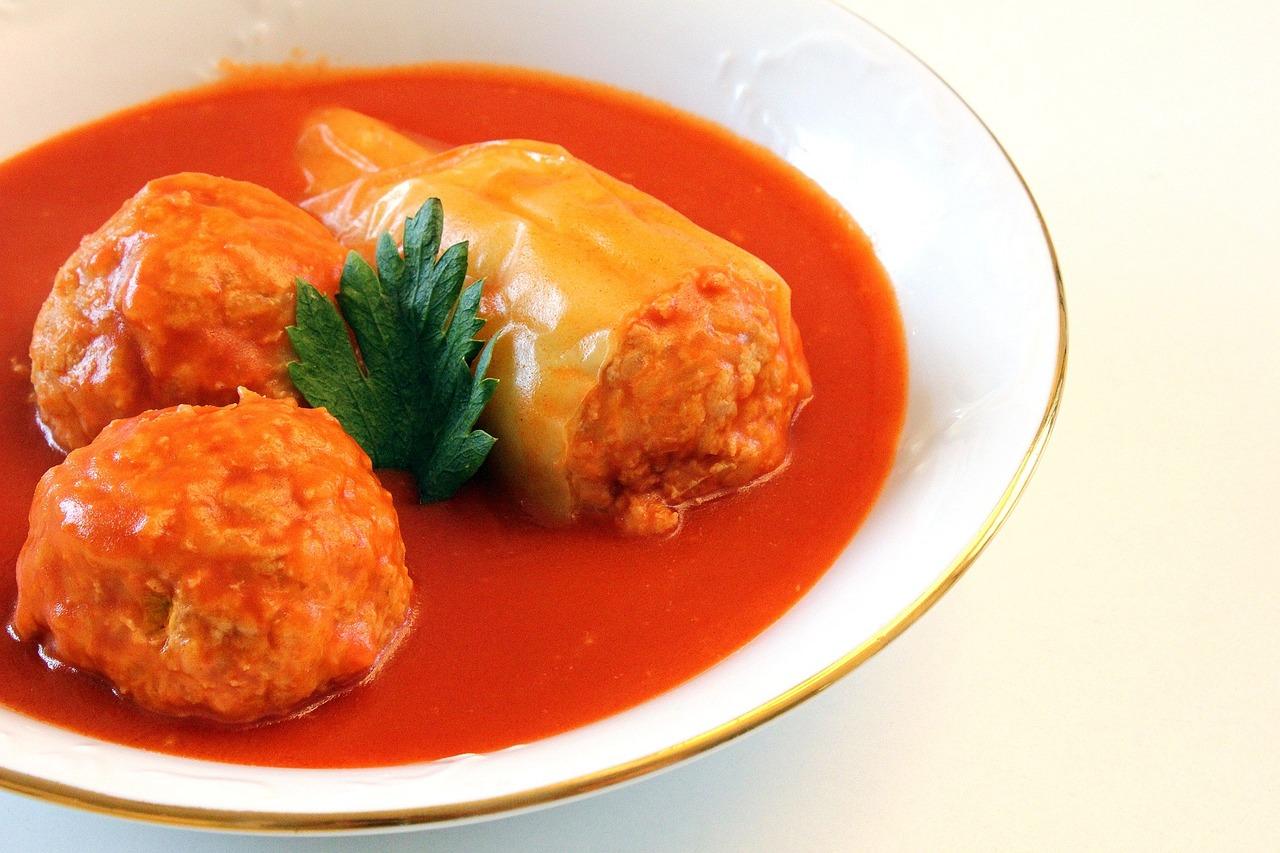
Punjene paprikeStuffed peppers

When late-summer markets in Novi Sad and Belgrade fill up with pale yellow and light green peppers, Serbian kitchens make big pots of punjene paprike to eat for several days. The peppers are packed with seasoned beef and pork mince and rice, stood upright and simmered slowly in a light tomato sauce until meltingly soft. They are served with a dollop of sour cream and bread to mop up the sauce. This recipe contains pork. The easy mistake is stuffing the peppers too tightly: the rice swells and splits them, so leave the top 2 cm empty. Chef's tip: plug each pepper with a slice of potato or tomato before simmering, so the filling stays inside.

105 minBalkanMeatGluten free
by KrazyBadal 0 views

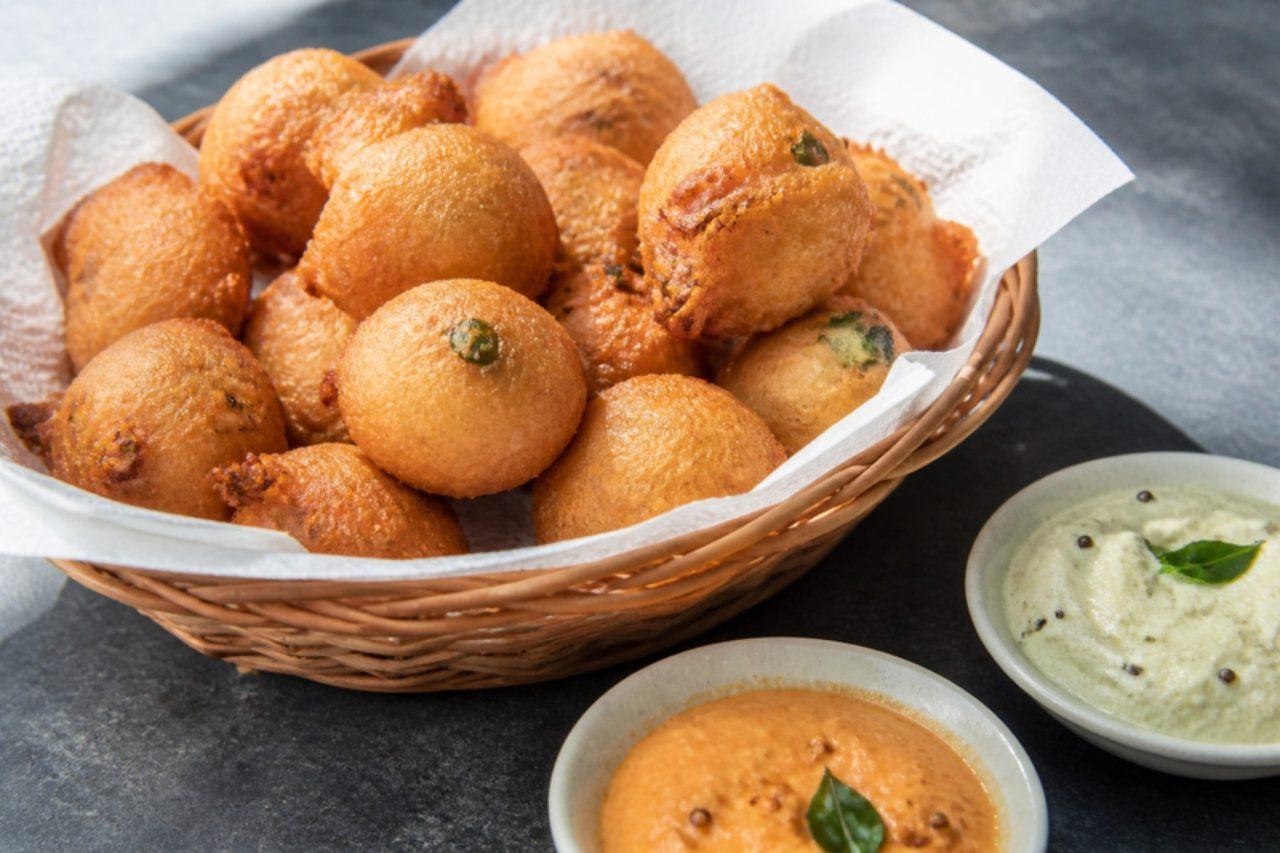
PunuguluDosa batter fritters

Punugulu are the bite-sized, golden fritters sold by the paper-cone along the streets of Vijayawada and Guntur on wet evenings, and made at home whenever the idli or dosa batter has gone a little too sour. A spoonful of thick batter with onion, green chilli and cumin is dropped into hot oil, where it puffs into a round ball with a crackly shell and a soft, spongy middle. Serve them hot with peanut chutney, ginger chutney or plain ketchup and a cup of chai. Chef's tip: add a spoonful of rice flour to the batter; it gives punugulu their crunch and stops them soaking up oil.

by KrazyBadal 0 views

MateYerba mate tea

Mate is less a drink than a ritual in Argentina, Uruguay and Paraguay: a gourd (also called a mate) packed with yerba mate leaves, a metal straw called a bombilla, and a thermos of hot water passed around friends, family and coworkers, from the parks of Buenos Aires to long bus rides across Patagonia. One person, the cebador, pours and drinks first, then refills and passes it on. It's grassy, bitter and gently stimulating; sweet versions add sugar. Chef's tip: never use boiling water; at about 75–80 °C the yerba stays fresh for many rounds instead of 'burning' and turning bitter.

by KrazyBadal 0 views

Pupusas de queso y frijolCheese and bean stuffed corn cakes

In El Salvador pupusas are a Sunday-night ritual: families queue at the pupusería, where cooks pat the dough between wet palms with a soft clapping sound, and the second Sunday of November is National Pupusa Day. These thick masa cakes are stuffed with stringy cheese and smooth refried black beans, griddled until speckled, and eaten with your hands, topped with curtido and a thin tomato salsa. Chef's tip: keep a bowl of water with a splash of oil beside you and wet your hands before every pupusa, so the dough stays supple and the seams don't crack.

by KrazyBadal 0 views

Martabak manisThick sweet pancake

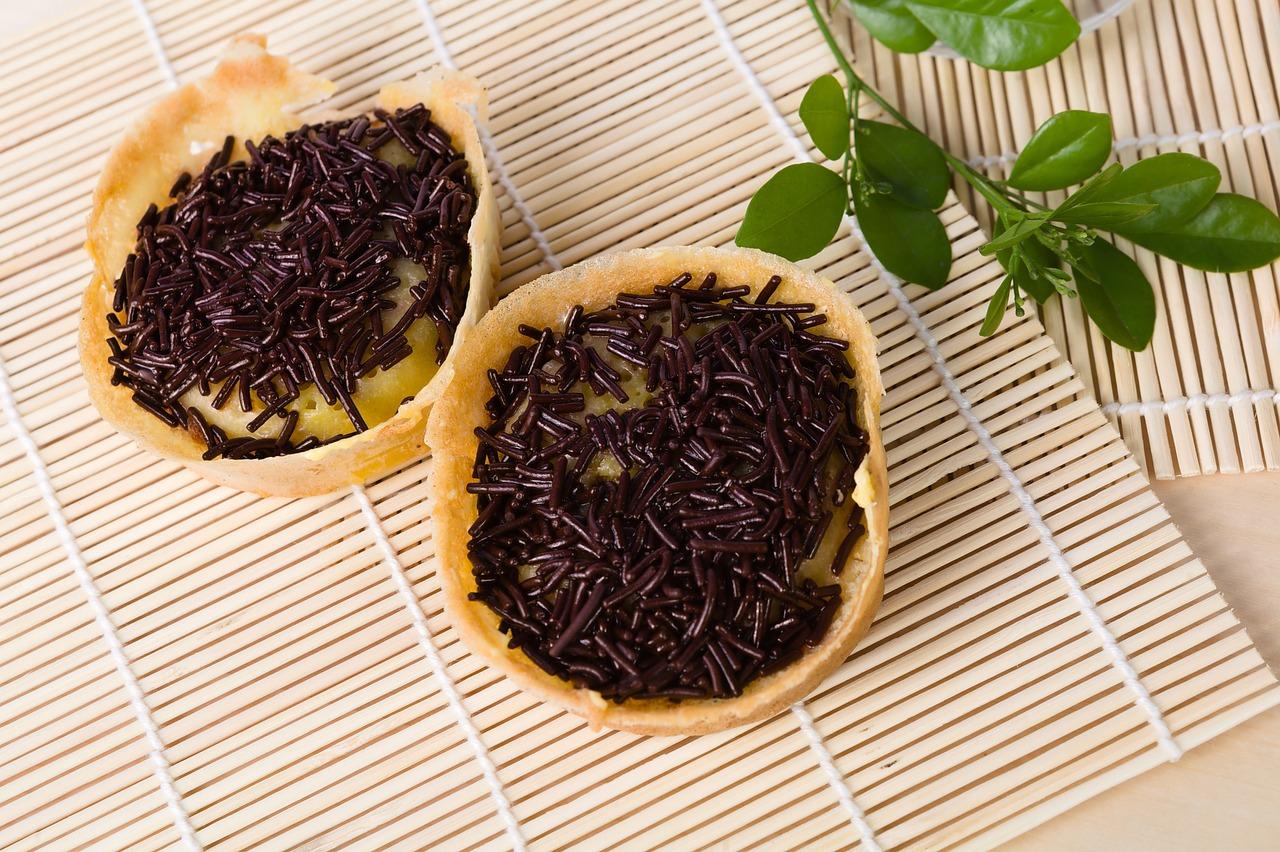
After dark, martabak manis stalls all over Indonesia fire up their heavy iron pans, and a queue forms for one thick, spongy pancake cooked until its top is pocked with holes, then slathered with butter and folded over chocolate sprinkles, crushed peanuts, sugar and condensed milk. It's often called terang bulan, "bright moon", and is said to have come from Bangka island before spreading through Java. It's sold by the box to share with family. Chef's tip: let the bubbles form and stay open before you add the sugar and cover the pan — that open honeycomb is what soaks up the butter.

by KrazyBadal 0 views

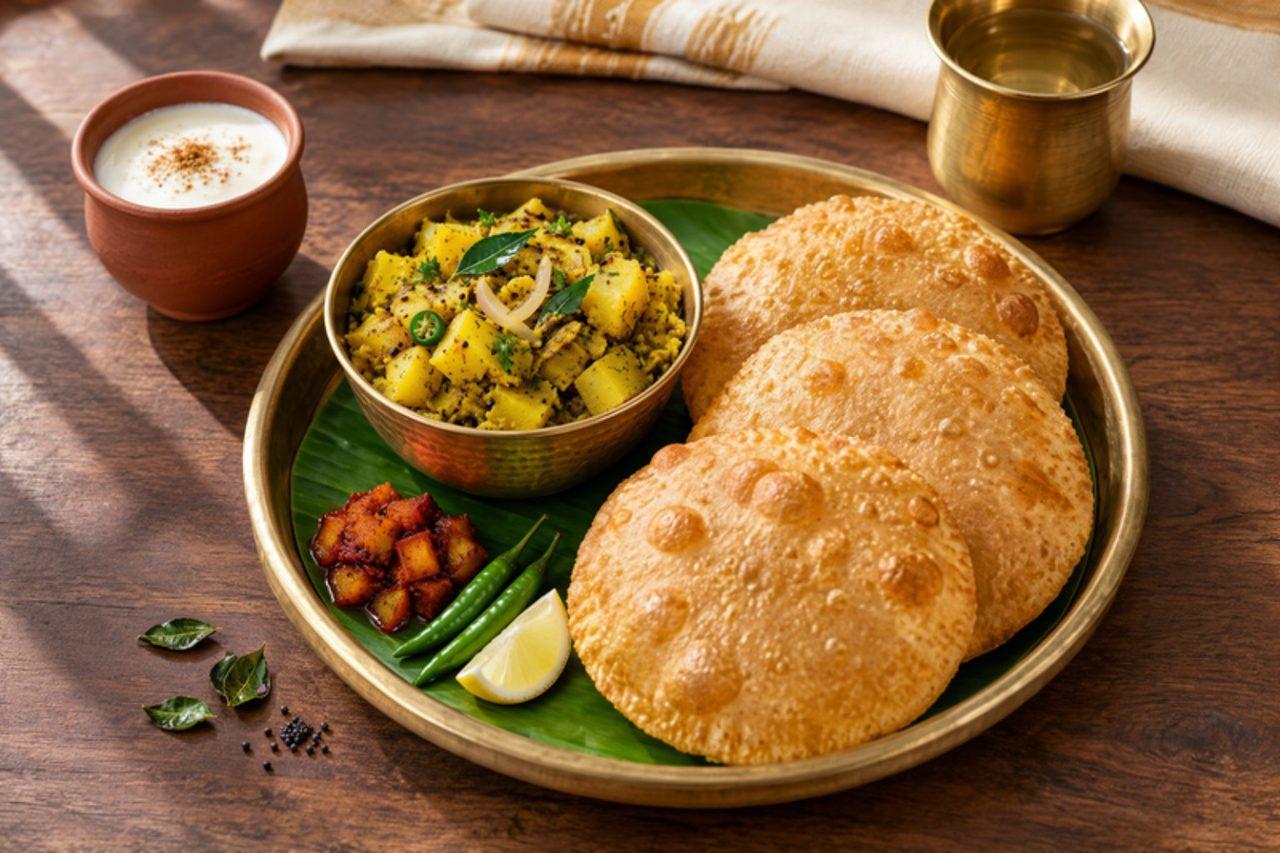
Masala dosaPotato-filled rice crêpes

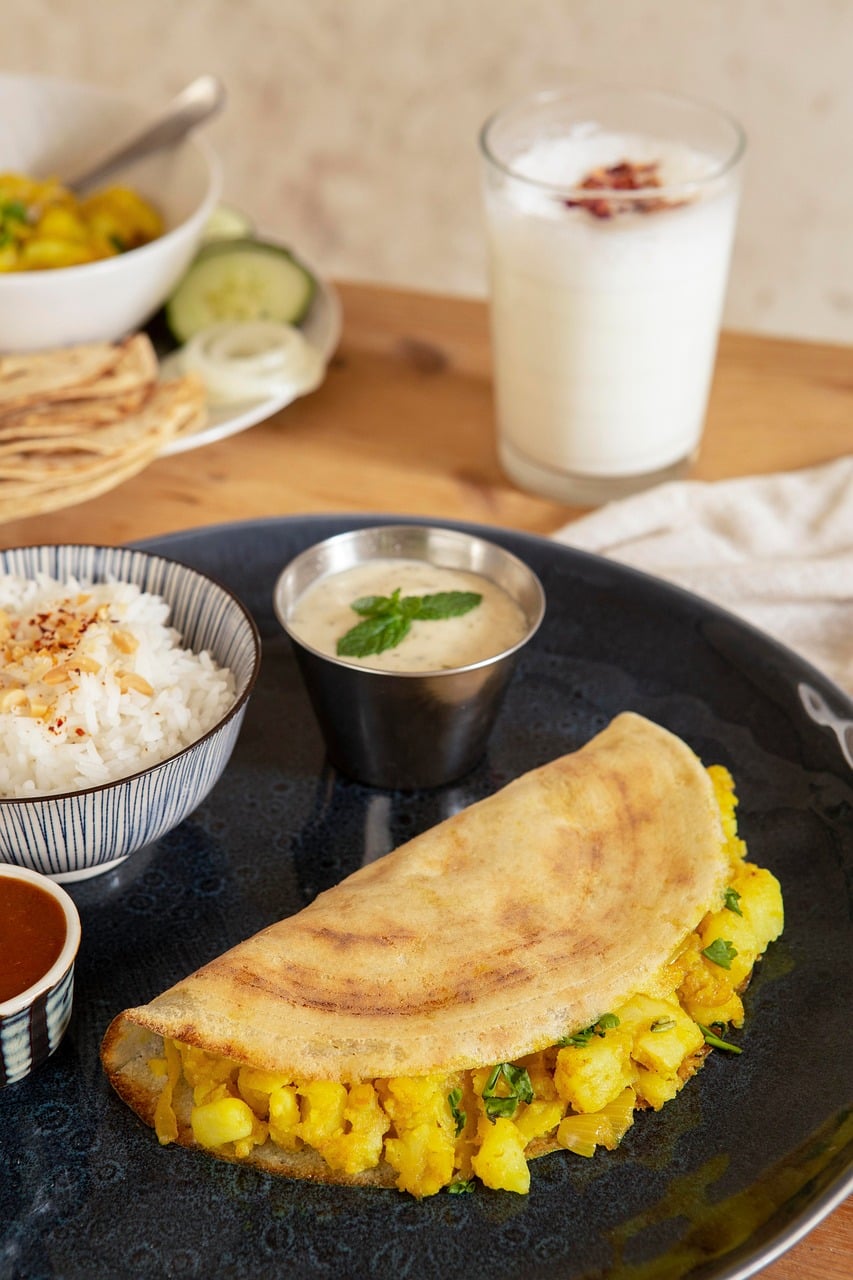
Masala dosa is the breakfast of Tamil Nadu and Karnataka: a huge, thin, golden crêpe of fermented rice and urad dal batter, crisp at the edges and soft in the middle, folded around a turmeric-yellow potato and onion filling tempered with mustard seeds and curry leaves. In Chennai and Bengaluru it's eaten at small tiffin rooms with coconut chutney and a bowl of sambar, torn by hand. The batter takes planning, soaking in the morning and fermenting overnight, but one batch makes dosas for two or three days. Chef's tip: wipe the hot griddle with a cut onion dipped in oil, then sprinkle on water; if it sizzles away in a second the pan is ready, and the batter will spread thin without sticking.

by KrazyBadal 0 views

Masale bhaatSpiced rice with ivy gourd

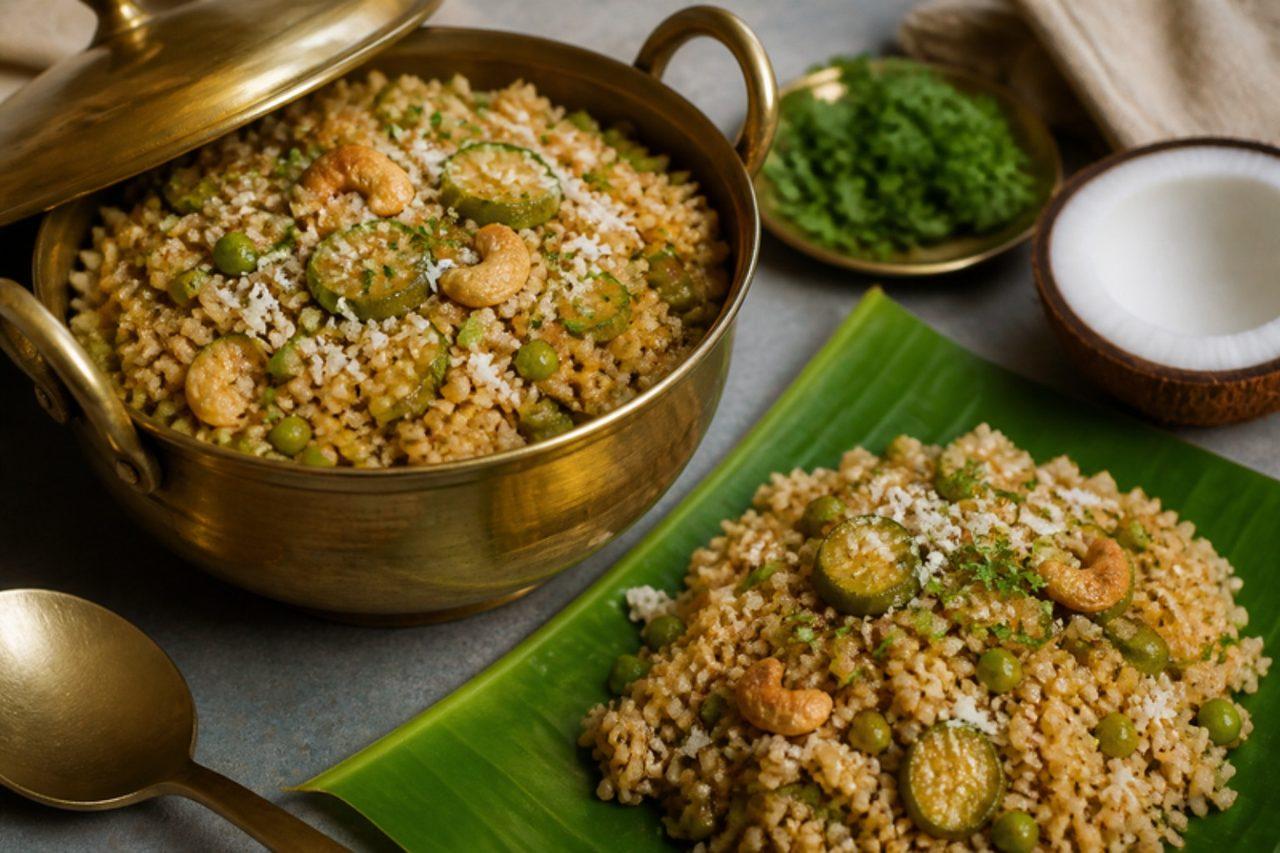
At a traditional Maharashtrian wedding lunch in Pune, the masale bhaat arrives in a steel bucket, deep brown-gold with goda masala, studded with tondli, peas and cashews and topped with fresh coconut and coriander. Unlike a pulao it is not delicate: it's spiced, a touch sweet from jaggery, and made with short-grain ambemohor or indrayani rice that turns soft and fragrant. A squeeze of lemon, a spoon of ghee and a bowl of kadhi or mattha (spiced buttermilk) on the side make it a meal. Chef's tip: slice the ivy gourd lengthways into quarters, not rounds, so it holds its shape and stays crunchy through the steaming.

by KrazyBadal 0 views

KosambariMoong dal and cucumber salad

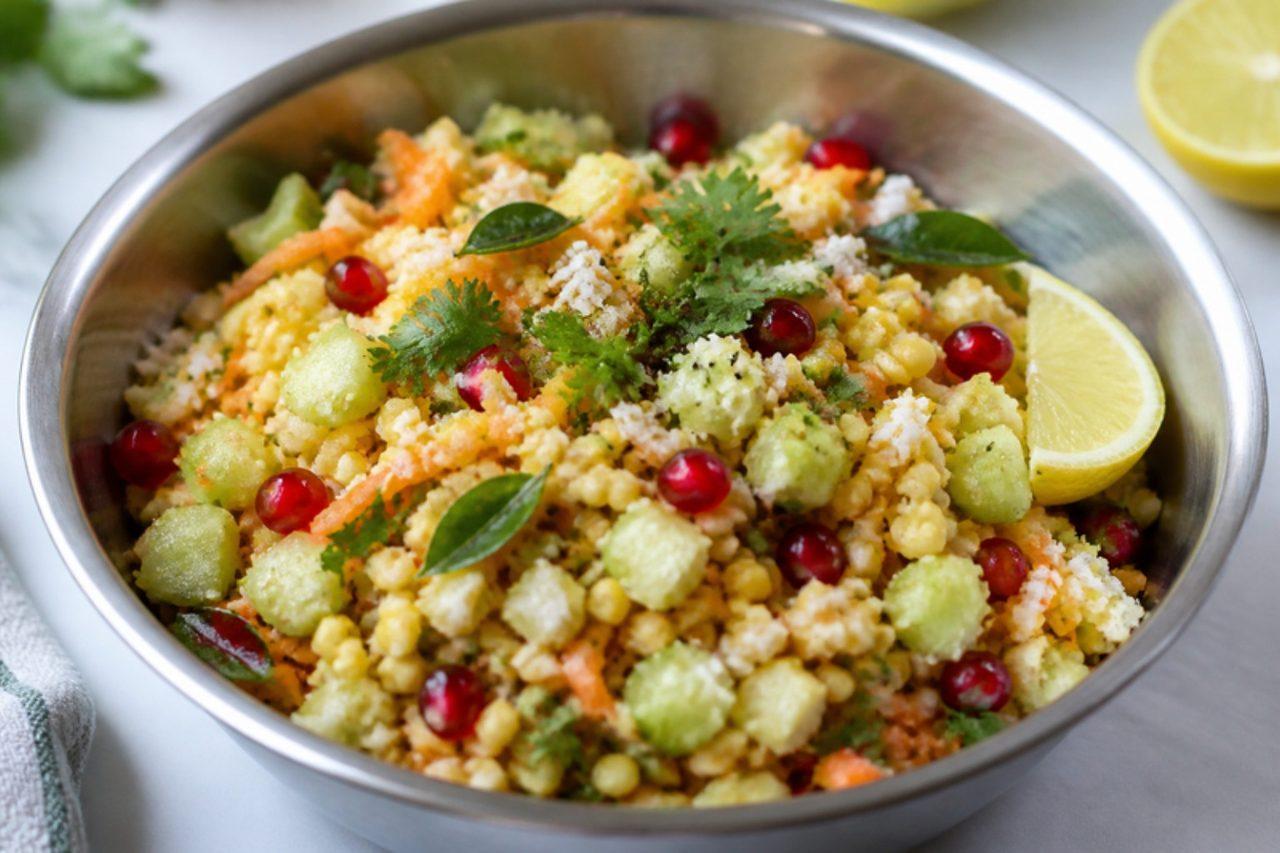
No Karnataka festival lunch on a banana leaf is complete without a spoonful of kosambari at the top left corner. This raw salad of soaked split moong dal, cucumber, carrot and fresh coconut, sharpened with lemon and finished with a mustard-seed tempering, is especially made for Ram Navami, when it is offered in temples with panaka (jaggery water), and for Ugadi and weddings. It is crunchy, cool and refreshing, and packed with protein. Chef's tip: add the salt and lemon only just before serving; salted cucumber weeps water and turns the salad soggy within half an hour.

by KrazyBadal 0 views

Medialunas de mantecaButter crescents

Medialunas, 'half moons', are what Argentines order with a café con leche at every confitería in Buenos Aires: smaller, sweeter and softer than a French croissant, with a sticky shine from a sugar syrup brushed on as they leave the oven. The dough is enriched with egg, sugar and a little honey and laminated with butter, so it's a weekend project. Chef's tip: keep the butter and dough at the same cool temperature; if the butter is too hard it breaks into pieces, too soft and it melts into the dough and the layers disappear.

by KrazyBadal 0 views

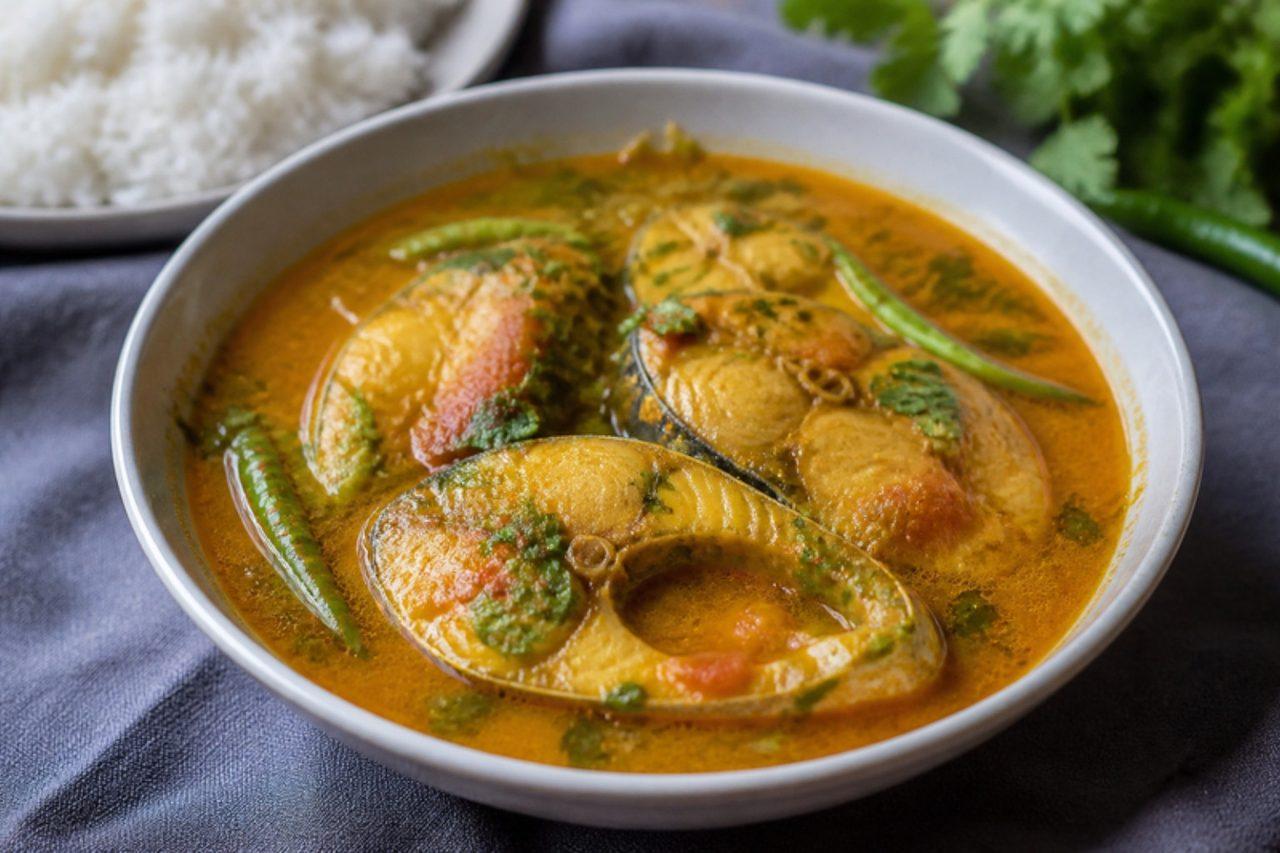
Masor tengaSour fish curry

In Assamese homes the meal usually ends, not begins, with a sour dish, and masor tenga is the most loved of them: river fish in a thin, tangy broth of ripe tomatoes and lemon. It is light enough for a hot afternoon on the Brahmaputra plains and is eaten with plenty of plain rice. Some families sour it with elephant apple or dried mangosteen (thekera) instead of lemon. Chef's tip: cook it in mustard oil and let a few fenugreek seeds sizzle first; that slight bitterness is the backbone of the broth.

40 minIndianFishGluten free
by KrazyBadal 0 views

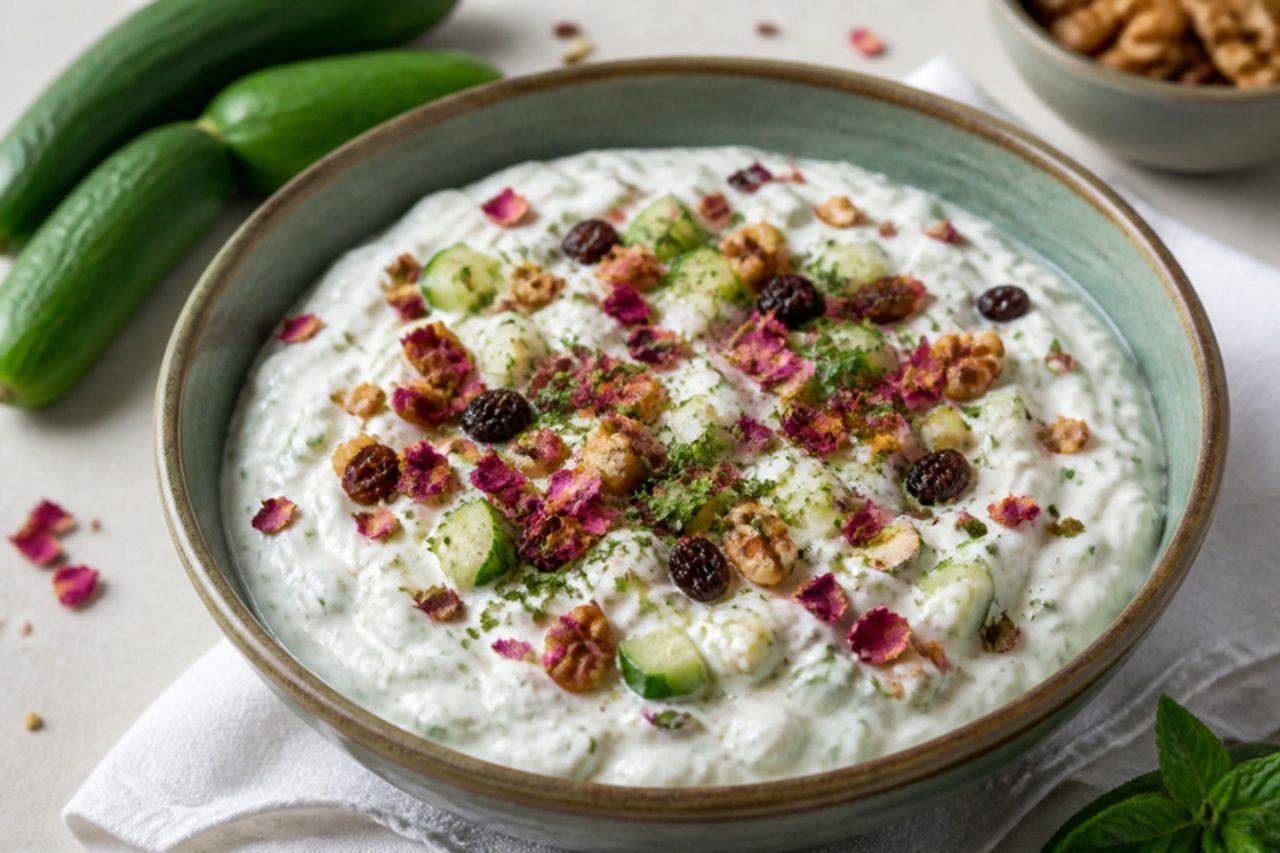
Mast-o khiarCucumber yogurt

Mast-o khiar is the cool yogurt bowl that sits beside rice and stew on Iranian tables all summer, and families pack it in a cool box for picnics in the parks of Tehran and Isfahan. Thick yogurt is mixed with crunchy diced cucumber and dried mint, then dressed up with walnuts, raisins and a scattering of dried rose petals, which make it sweeter and more fragrant than the plain garlic-cucumber dips of its neighbours. Serve it with polo, kuku or simply with bread. Chef's tip: soak the raisins in warm water for 10 minutes first so they are plump, not chewy.

by KrazyBadal 0 views

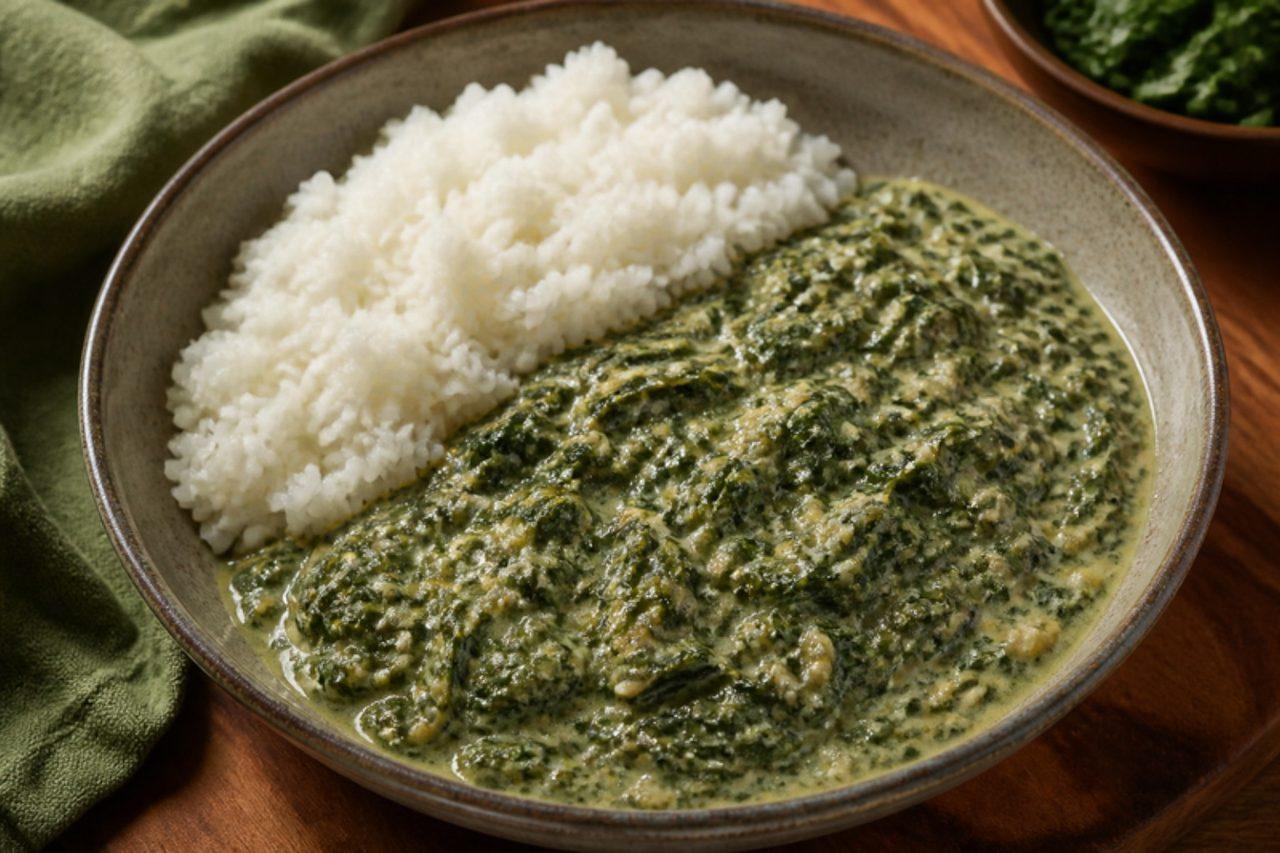
MatapaCassava leaves with peanut and coconut

Matapa is the great dish of southern Mozambique, from Maputo to Inhambane: young cassava leaves pounded and cooked for a long time with ground peanuts, coconut milk and garlic until soft, creamy and deep green. It is eaten with rice or xima (maize porridge), and on the coast it often has crab or prawns stirred in; this version keeps to the leaves. Frozen ground cassava leaves are sold in African grocers. Chef's tip: cook the cassava leaves for at least an hour; undercooked they taste bitter and are not safe to eat.

by KrazyBadal 0 views

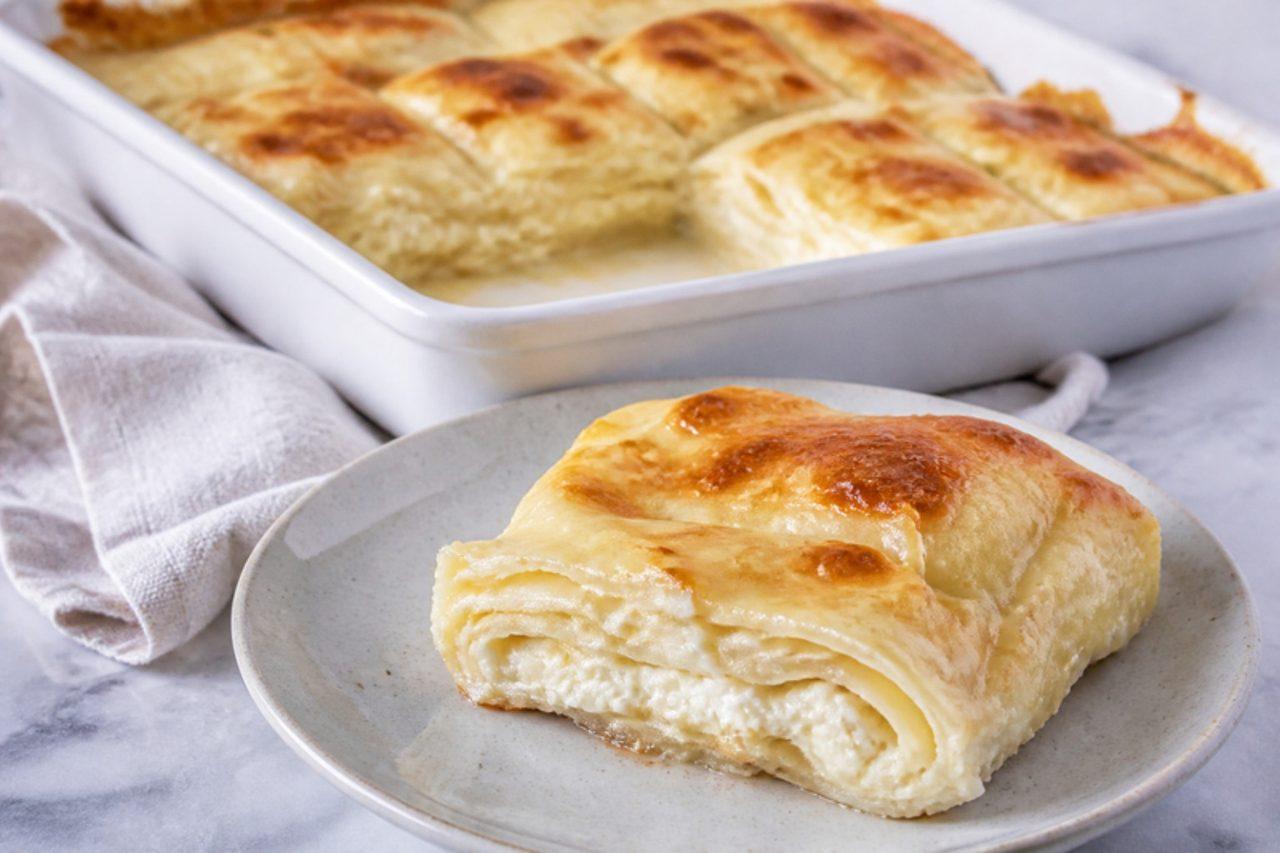
Zagorski štrukliBaked cheese dough rolls

In Hrvatsko Zagorje, the green hill country north of Zagreb, štrukli are Sunday food: paper-thin dough is spread with fresh cow's cheese, rolled up, pinched into pieces with the edge of a plate, then boiled and finished in the oven under a blanket of cream. Zagreb restaurants serve them as a starter or a main, blistered golden on top and soft and custardy inside. The dough is stretched by hand over a tablecloth, which is easier than it sounds once it has rested. Chef's tip: squeeze the cheese if it is wet; a runny filling soaks the thin dough and makes the rolls tear when they boil.

by KrazyBadal 0 views

Maraq digaagChicken and vegetable stew

Maraq digaag is the gentle chicken stew Somali mothers make on ordinary weekdays, and the one people ask for when they are unwell: chicken simmered with potato, carrot, tomato and green pepper in a light broth fragrant with xawaash and garlic. It is served with rice, canjeero or bread for dipping. The mistake is boiling it hard, which makes the chicken stringy; keep it at a lazy simmer. Chef's tip: stir in chopped coriander and a little lemon at the end to lift the broth.

by KrazyBadal 0 views

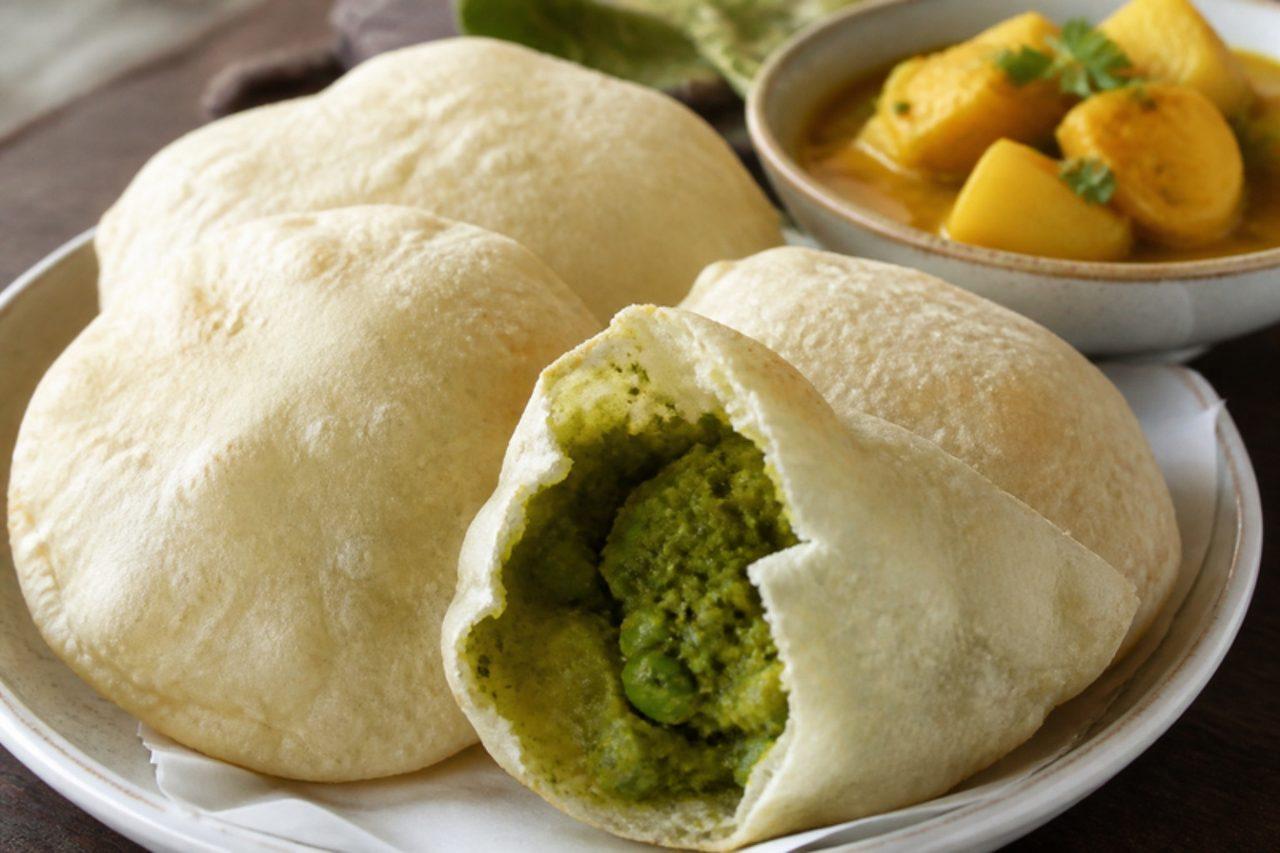
Koraishutir kochuriGreen pea stuffed puris

Koraishutir kochuri is a winter treat in Kolkata and across West Bengal, made when sweet new-season peas arrive in the markets. Soft maida dough is filled with a smooth, gingery green pea paste, rolled thin and fried until it puffs into a pale golden pillow with a green blush showing through. It's a Sunday breakfast or a festive snack, classically served with aloor dom (Bengali spiced potatoes) or cholar dal and a sweet to finish. Chef's tip: cook the pea paste until it's dry enough to roll into a ball that doesn't stick to your fingers; a wet filling tears through the thin dough as you roll.

by KrazyBadal 0 views

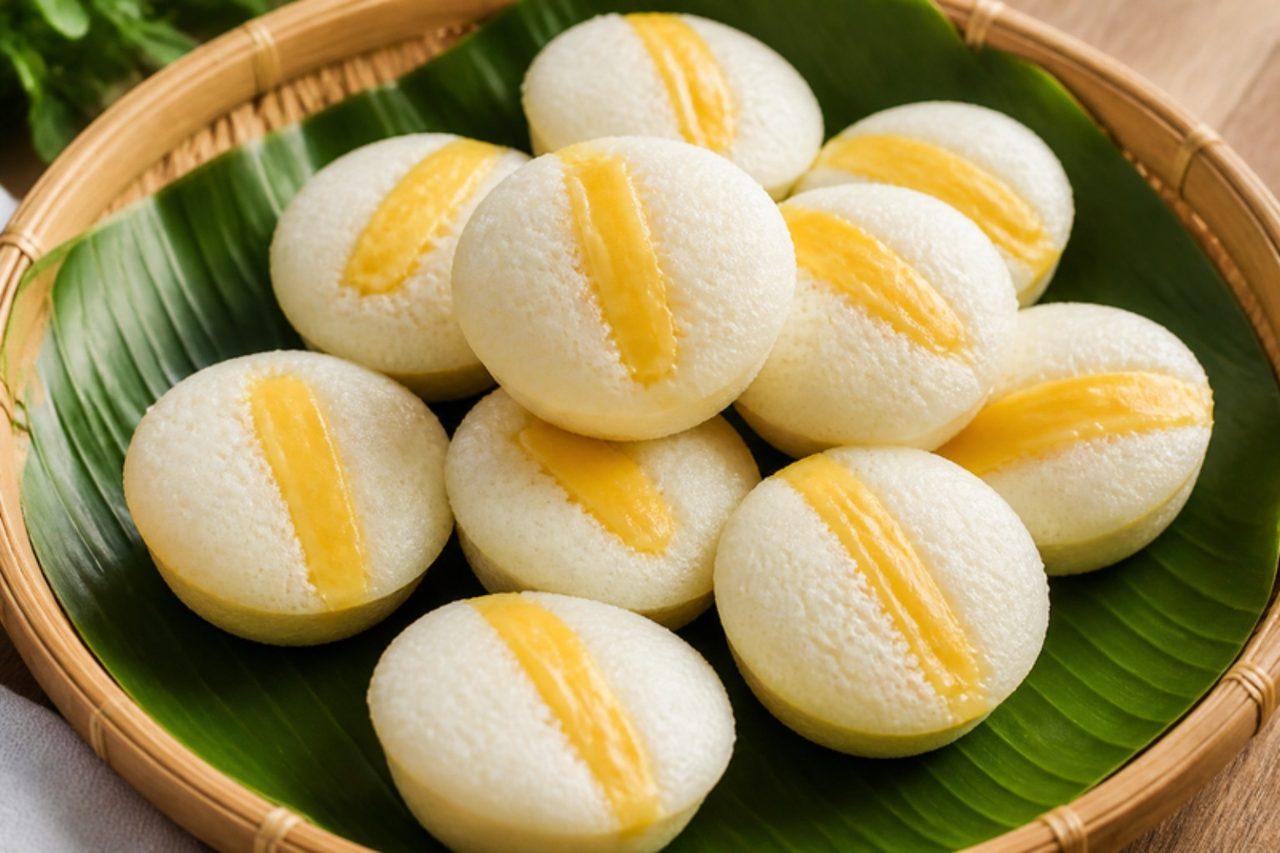
PutoSteamed rice cakes

Puto are small steamed rice cakes found at every Filipino party and merienda table, with countless town styles from Biñan's flat rounds to Calasiao's tiny bites in Pangasinan. Traditionally the batter is fermented ground rice; this home version uses rice flour and baking powder for a quick, reliable rise and a fine, cottony crumb. A strip of cheese on top melts into the cake as it steams. They go with dinuguan in Luzon, but a cup of coffee or hot chocolate is just as good. Chef's tip: wrap the steamer lid in a tea towel so condensation doesn't drip onto the cakes and leave pockmarks.

by KrazyBadal 0 views

KopiCoffee with condensed milk

Kopi is the strong, thick coffee poured from long-spouted pots at kopitiams all over Singapore. The beans are dark-roasted with sugar and margarine, which gives a bittersweet, almost chocolatey brew, and the classic cup is sweetened with condensed milk. Order it like a local: kopi-o is black with sugar, kopi-c has evaporated milk, and kopi peng is iced. At home, a dark-roast robusta or espresso blend in a cloth sock or cafetière gets close. Chef's tip: pour the coffee back and forth between two jugs a few times; it cools slightly, aerates and gets the smooth, frothy kopitiam texture.

by KrazyBadal 0 views

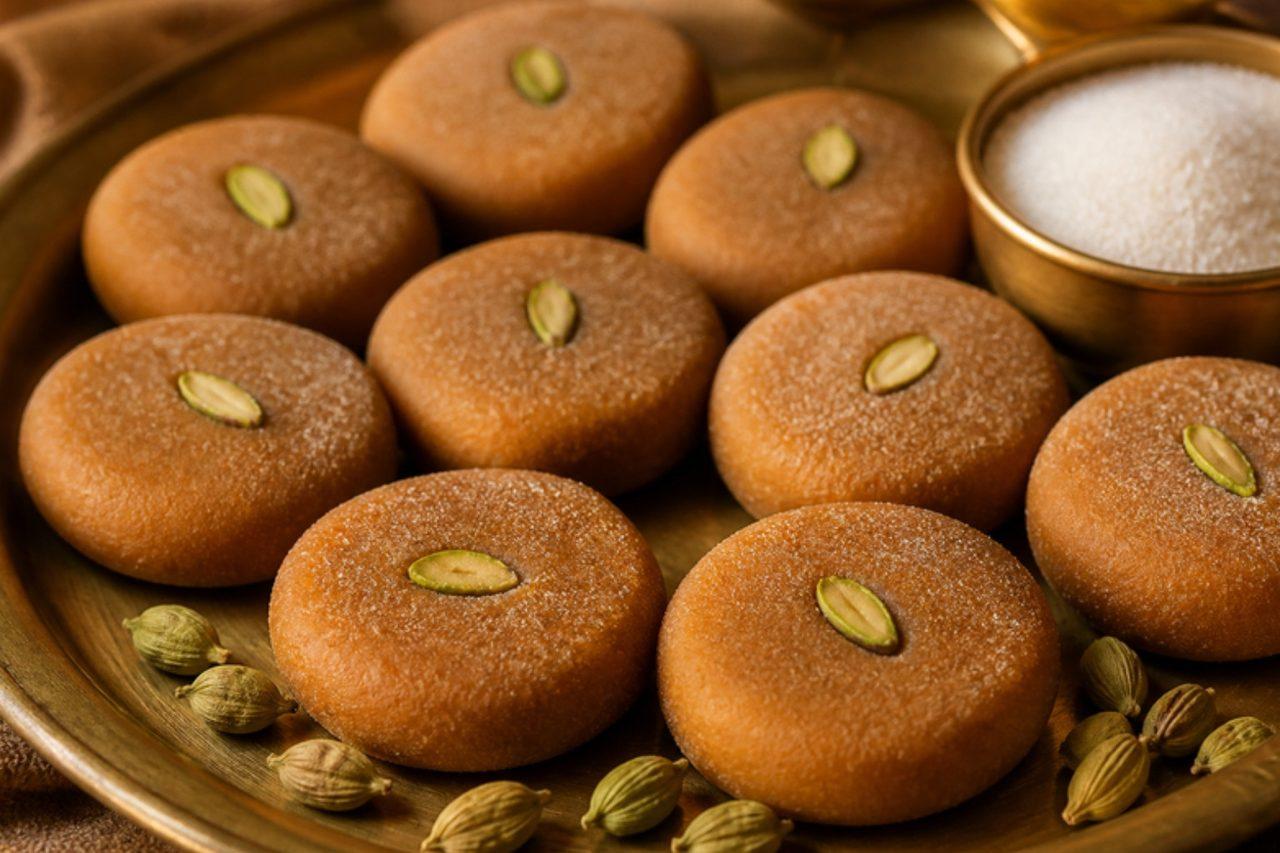
Mathura pedaMilk fudge discs

Mathura in Uttar Pradesh, Krishna's birthplace, has a peda all its own: not the pale milky kind found elsewhere, but a dusty-brown disc with a deep, toffee-like flavour from milk solids slowly roasted until they caramelise. Pilgrims buy boxes after visiting the temples, and they are made in huge batches around Janmashtami as an offering. The texture should be dense yet slightly grainy, rolled in fine boora sugar so the outside sparkles. The usual mistake is rushing the roasting over high heat, which scorches the khoya in spots and makes it bitter and greasy. Chef's tip: keep the heat low and scrape the bottom of the pan constantly; the colour should change gradually from cream to light brown, then to the shade of milky coffee.

by KrazyBadal 0 views

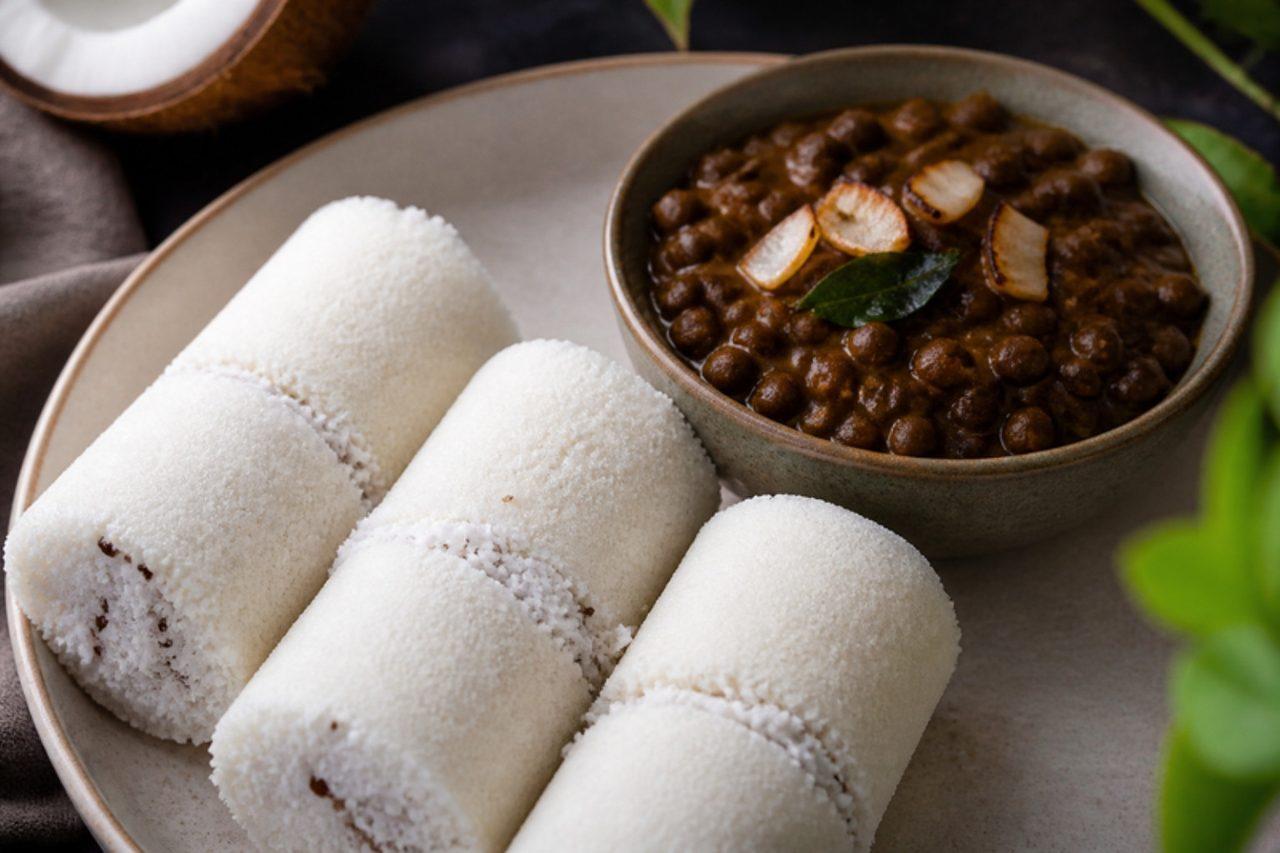
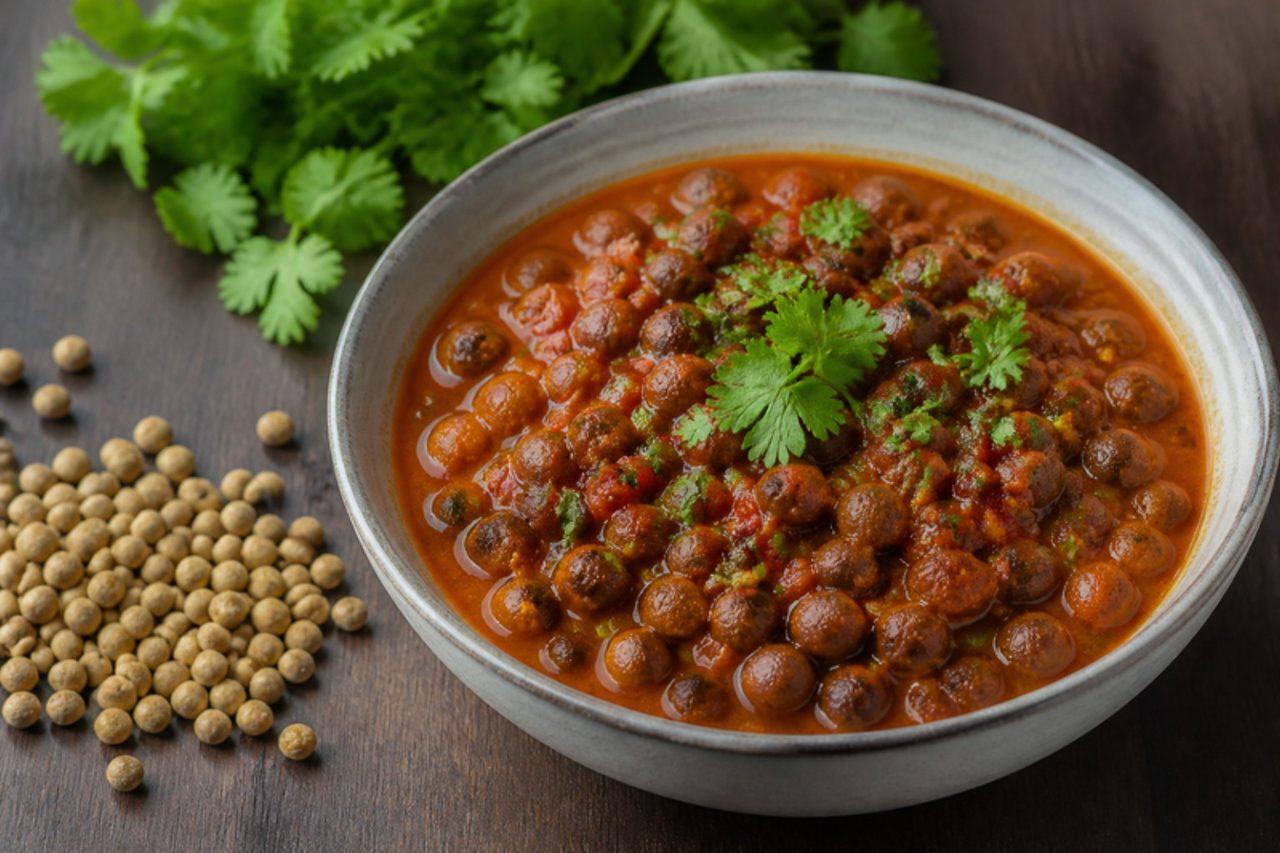
Puttu and kadala currySteamed rice cylinders with chickpea curry

Puttu and kadala is Kerala's most loved breakfast: tall cylinders of steamed rice flour layered with fresh coconut, served with a dark, earthy curry of black chickpeas (kadala) cooked in a masala of coconut roasted until deep brown. Puttu itself is plain and crumbly, so you break it up with your fingers and mash it into the curry, often with a ripe banana and pappadam on the side. The chickpeas make it filling and protein-rich. Chef's tip: the puttu flour should feel like damp sand that holds when squeezed and crumbles when poked; too wet and the puttu turns dense and gluey.

by KrazyBadal 0 views

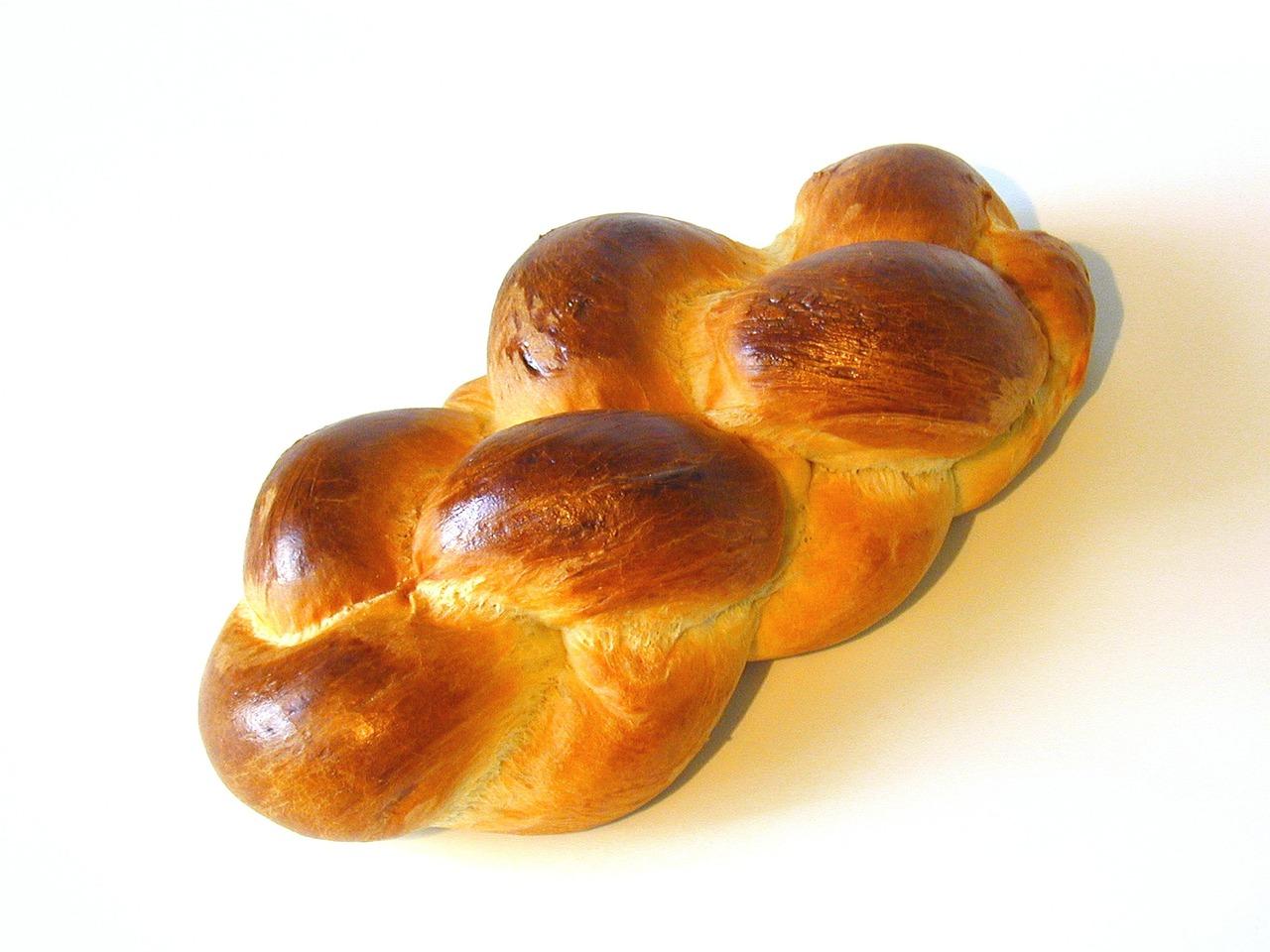
ZopfPlaited butter bread

In German-speaking Switzerland the Sunday breakfast table is not complete without a Zopf (Züpfe in Bern): a shiny, plaited white loaf made with milk and plenty of butter, sliced thick and spread with more butter and jam or honey. Bakeries from Bern to St Gallen bake them on Saturday nights, and many families plait their own on Sunday morning. The crumb is soft, light and faintly sweet from the butter, not the sugar, and the egg-yolk glaze gives a deep brown, glossy crust. Leftovers make excellent French toast (Fotzelschnitte). Chef's tip: let the shaped plait rest in a cool place for 15 minutes before glazing and baking; the strands hold their shape and the pattern stays crisp.

by KrazyBadal 0 views

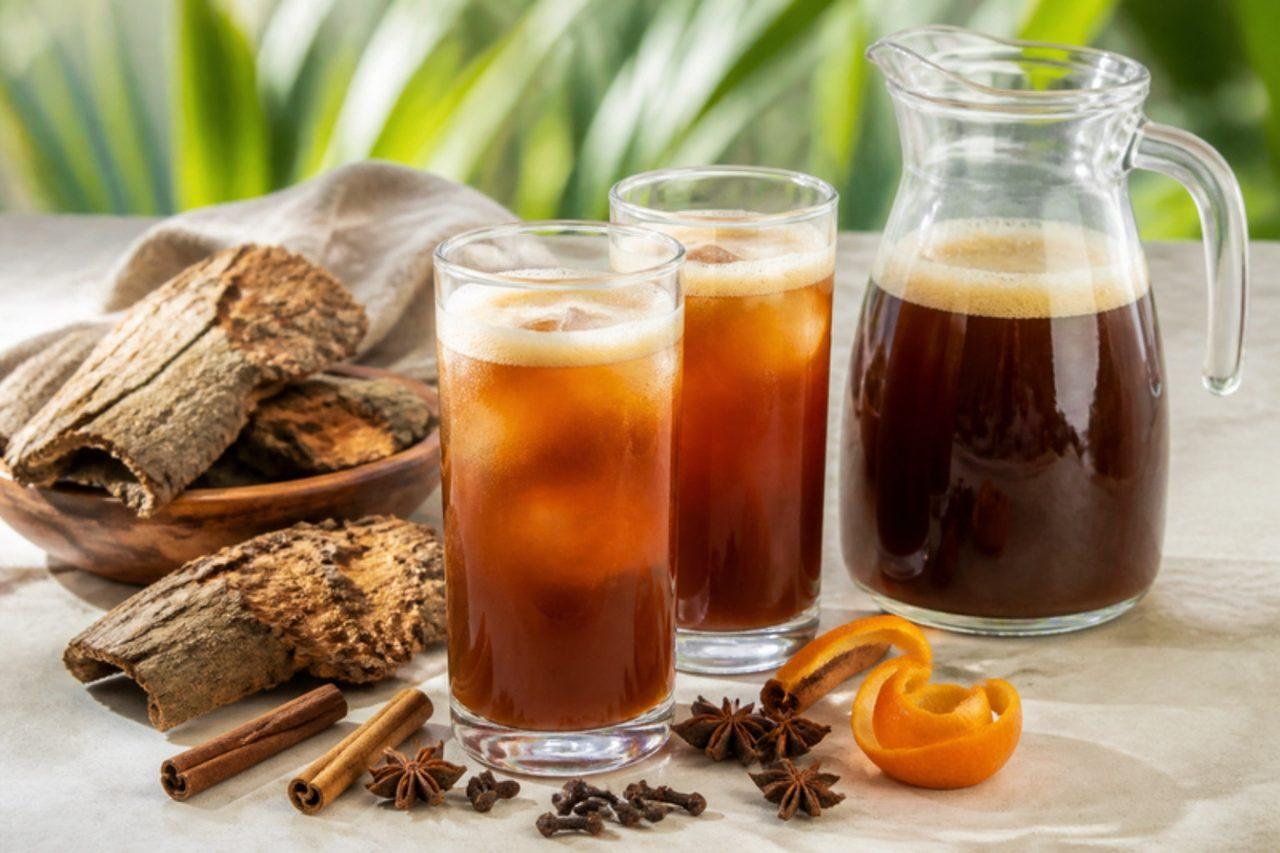
MaubySpiced bark drink

Mauby is one of the oldest drinks of the Eastern Caribbean, and in Barbados it's sold ice-cold from vendors in Bridgetown and made at home on hot afternoons. It's brewed from the bark of the mauby tree, simmered with cinnamon, clove, star anise, bay and orange peel, then sweetened and diluted. The first sip is surprising: bitter like strong tea or tonic, then sweet, spicy and refreshing, with a liquorice note. Bark is sold in Caribbean shops and online. Chef's tip: brew a strong concentrate and dilute it to taste; mauby lovers like it bitter, newcomers should start with more water and more sugar.

by KrazyBadal 0 views

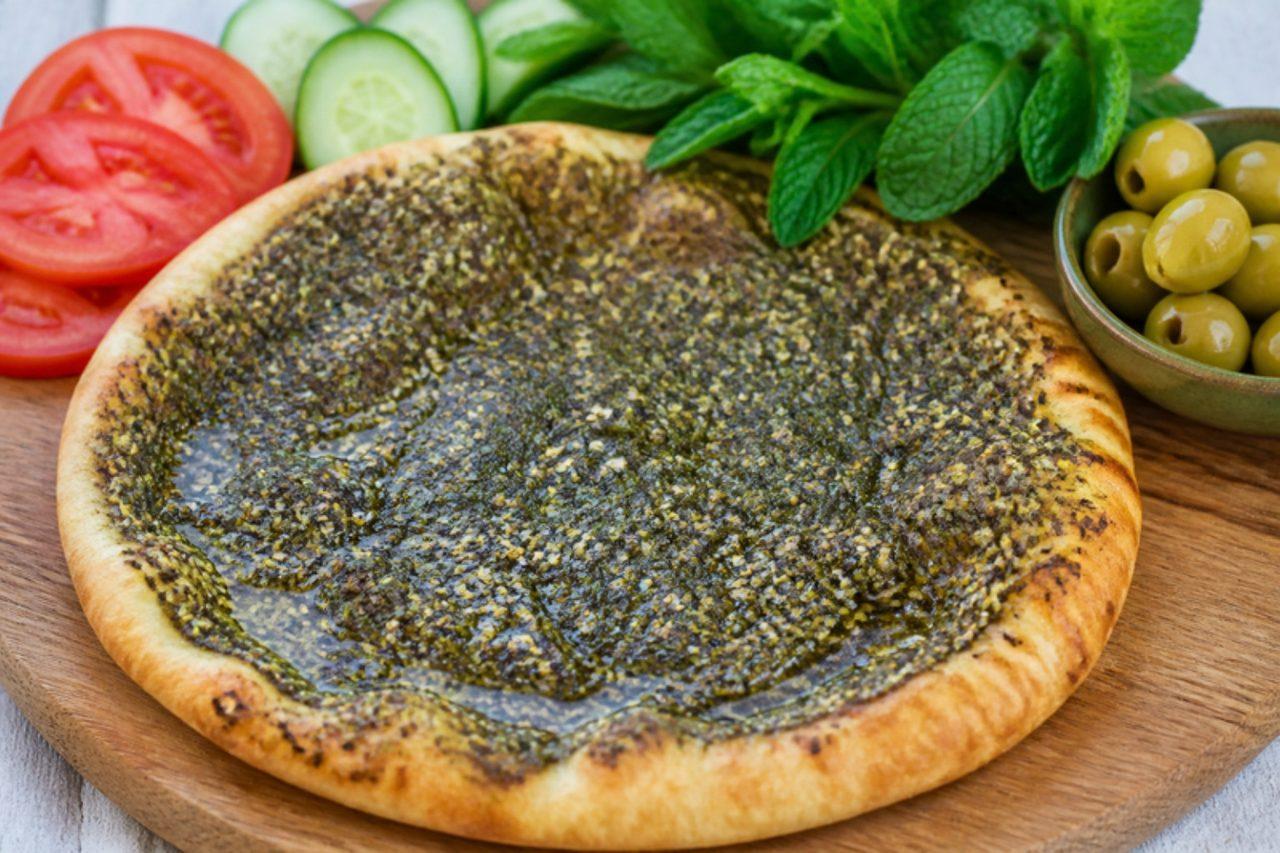
Man'oushe za'atarZa'atar flatbread

Ask anyone from Beirut what breakfast is and the answer is often man'oushe bi za'atar: a round of soft dough pressed with fingertips, spread with a paste of za'atar and olive oil and baked in the corner bakery's hot oven, then folded in paper and eaten on the way to school or work. At home it is rolled around sliced tomato, cucumber, olives and fresh mint. The most common mistake is too little oil in the topping, which leaves the za'atar dry and dusty, or baking it too long so the herbs scorch and turn bitter; the paste should be loose and spreadable and the bread pulled out once the rim is just golden. Chef's tip: get the oven and tray properly hot, at its highest setting for 20 minutes, so the dough puffs and blisters before the topping has time to burn.

by KrazyBadal 0 views

Man'oushe jibnehCheese flatbread

On the street corners of Beirut and Tripoli the cheese man'oushe, bi jibneh, is the one children queue for: the same soft bakery dough as the za'atar kind but covered with salty white akkawi cheese mixed with stretchy mozzarella and a scatter of nigella seeds, baked until the cheese bubbles and freckles brown. It is a weekend breakfast and an after-school snack, eaten folded with a few slices of tomato and a sprig of mint. Akkawi is very salty, and the usual mistake is to use it straight from the packet, which makes the bread almost inedible; soak it first. Check the label for a vegetarian (microbial) rennet; many supermarket mozzarellas and some halloumis use it, and halloumi works if you can't find akkawi. Chef's tip: grate the cheese coarsely and keep a 1 cm bare rim, so the edge puffs up into a crisp border that holds the melted cheese in.

by KrazyBadal 0 views

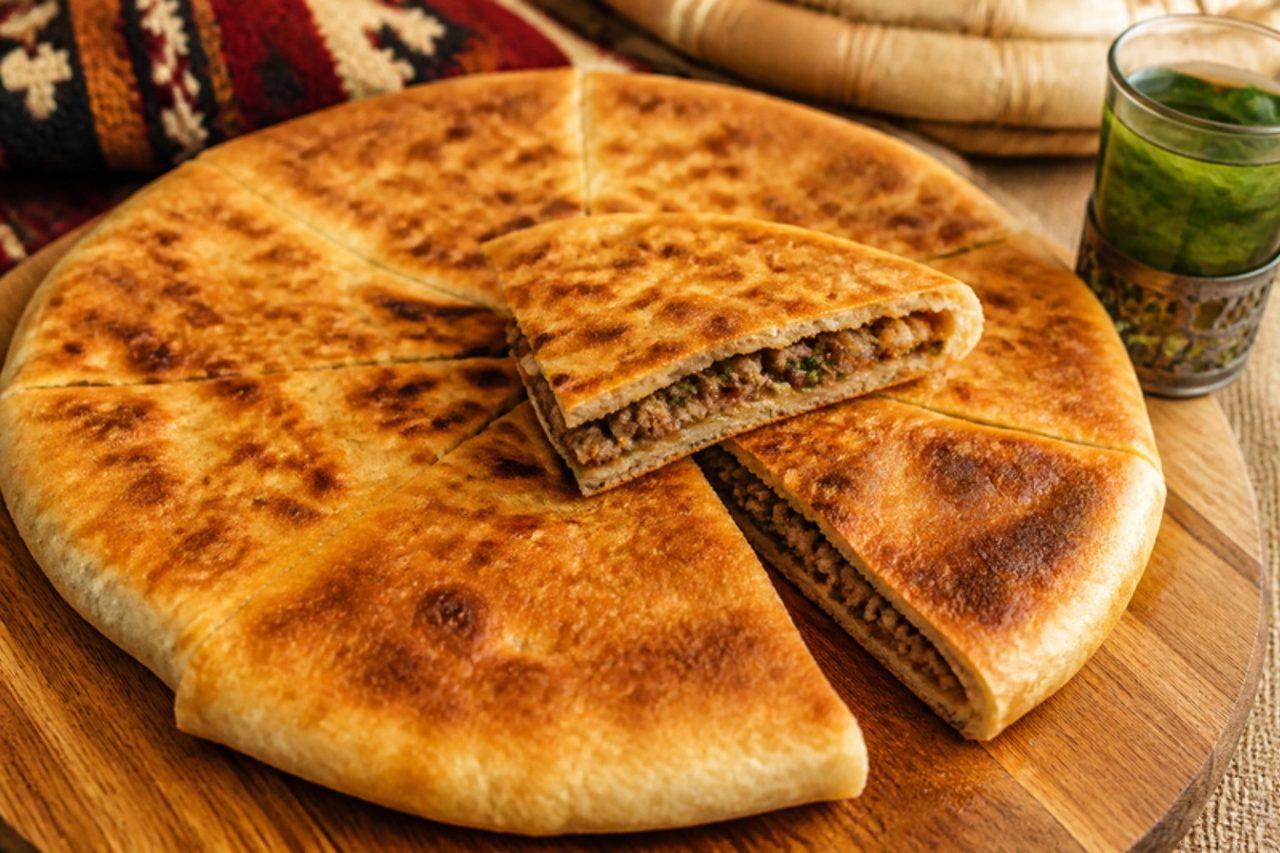
MedfounaSpiced meat stuffed bread

Out on the edge of the Sahara around Rissani and Merzouga, medfouna means 'buried', because the stuffed bread was traditionally baked in hot sand next to a fire. Two rounds of soft yeast dough enclose a filling of spiced beef, lots of onion, parsley and a little fat, and the whole thing bakes into a golden, crusty pie that is cut into wedges like a pizza. It is road-trip food, market-day food and the meal desert guides cook for travellers, eaten hot with mint tea. Chef's tip: squeeze the chopped onion and drain the cooked filling well; dry filling means a crisp base instead of a soggy one.

by KrazyBadal 0 views

Manok pansohBamboo-cooked chicken

Iban longhouses in Sarawak cook manok pansoh for Gawai, the harvest festival at the start of June: chicken pieces packed into lengths of fresh bamboo with lemongrass, ginger, shallots and tapioca leaves, plugged with leaves and leaned over an open fire. No stock or water goes in; the chicken steams in its own juices, which turn into a clear, herby broth that tastes faintly of green bamboo. At home a lidded casserole wrapped in banana leaf gets you very close. Serve it with plain rice, and with the broth spooned over. Chef's tip: bruise the lemongrass and ginger hard with a pestle before packing; with no added liquid, crushed aromatics are what flavour the juices.

by KrazyBadal 0 views

MangúMashed green plantain

Mangú is breakfast across the Dominican Republic, from Santo Domingo's colmados to farm kitchens in the Cibao valley: green plantains boiled until soft, then mashed smooth with butter and a splash of cold water and crowned with red onions softened in vinegar. It is creamy, mild and salty, with the sharp pink onions cutting through. At home it's usually served as los tres golpes, with fried salami, fried cheese and fried eggs; this vegetarian plate keeps the queso frito and the eggs. Chef's tip: mash with cold water rather than the cooking water; cold water makes the mash smoother and lighter, the trick every Dominican grandmother swears by.

by KrazyBadal 0 views

Mango pomelo sagoMango, pomelo and sago dessert

Yeung chi gam lo was created in a Hong Kong restaurant in the 1980s and quickly became the city's favourite summer dessert, served in dessert shops late into the night. It's half drink, half pudding: puréed ripe mango mixed with coconut and evaporated milk, studded with chewy sago pearls, mango cubes and juicy pomelo. Chef's tip: rinse the cooked sago under cold water until it stops feeling slimy; this keeps each pearl separate and the dessert clean-tasting.

by KrazyBadal 0 views

Mangalorean kori rottiCoconut chicken curry

Kori rotti belongs to the Bunt community of Mangalore and Udupi, where it is cooked for weddings, the Aati festival and Sunday lunches. Kori is chicken, simmered in a thin, red coconut-milk gravy built on roasted Byadgi chillies; rotti are paper-thin dried rice wafers, bought in stacks and crumbled into the plate just before the curry goes over. They soften at the edges and stay crunchy in the middle. Chef's tip: pour the curry over the rotti only at the table; left to sit, the wafers turn to mush.

by KrazyBadal 0 views

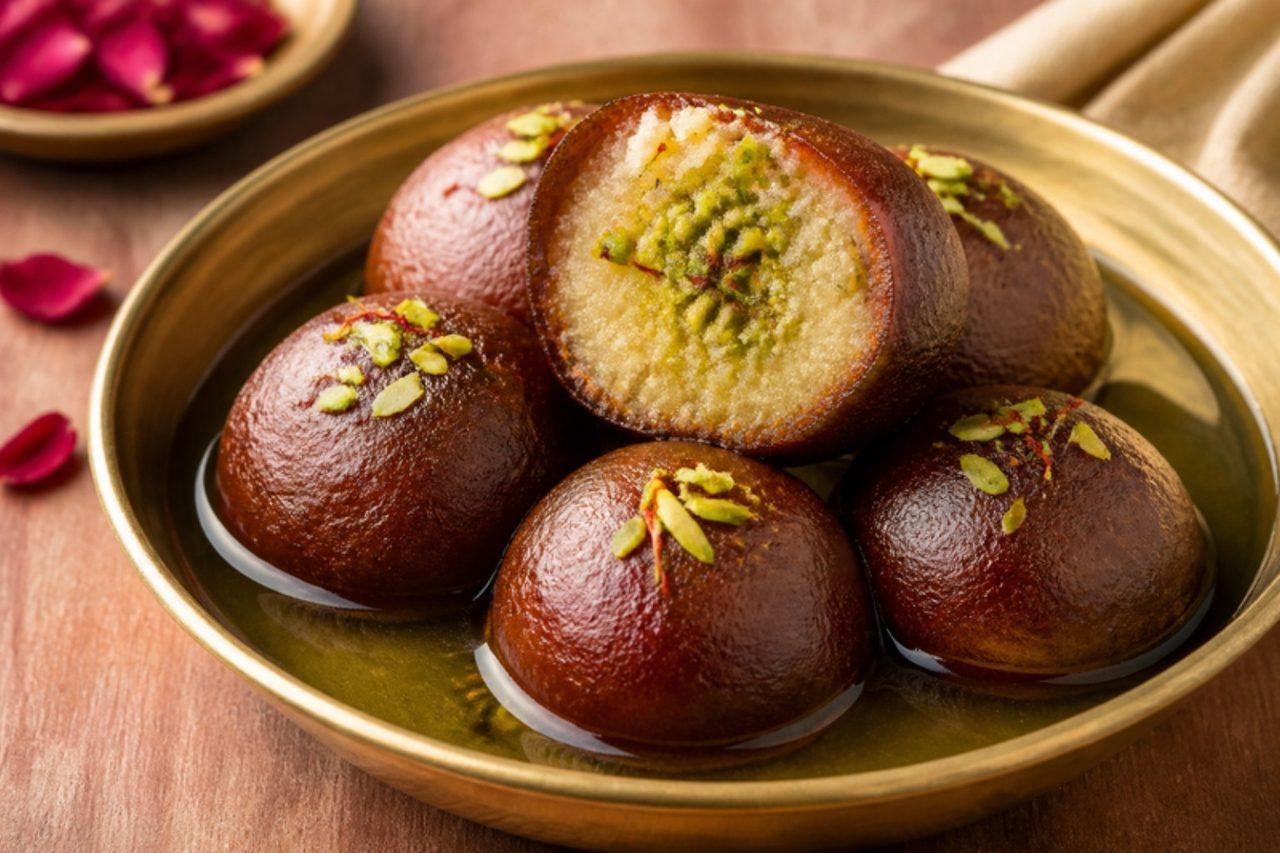
Mawa batiMilk solid dumplings

Ask a halwai in Ujjain, Indore or Ratlam for something festive and they will point to mawa bati: a fist-sized cousin of gulab jamun, made richer with more khoya, fried slowly to a near-mahogany shell and stuffed with nuts, saffron and cardamom. It turns up on wedding menus across Malwa and in sweet-shop boxes at Diwali, usually served warm with a spoonful of its own syrup. Cutting one open to find the green-gold filling is half the pleasure. Chef's tip: fry on a really gentle heat, with the oil barely shimmering; the bati should take a full 12–15 minutes to darken, which is how the middle cooks through.

by KrazyBadal 0 views

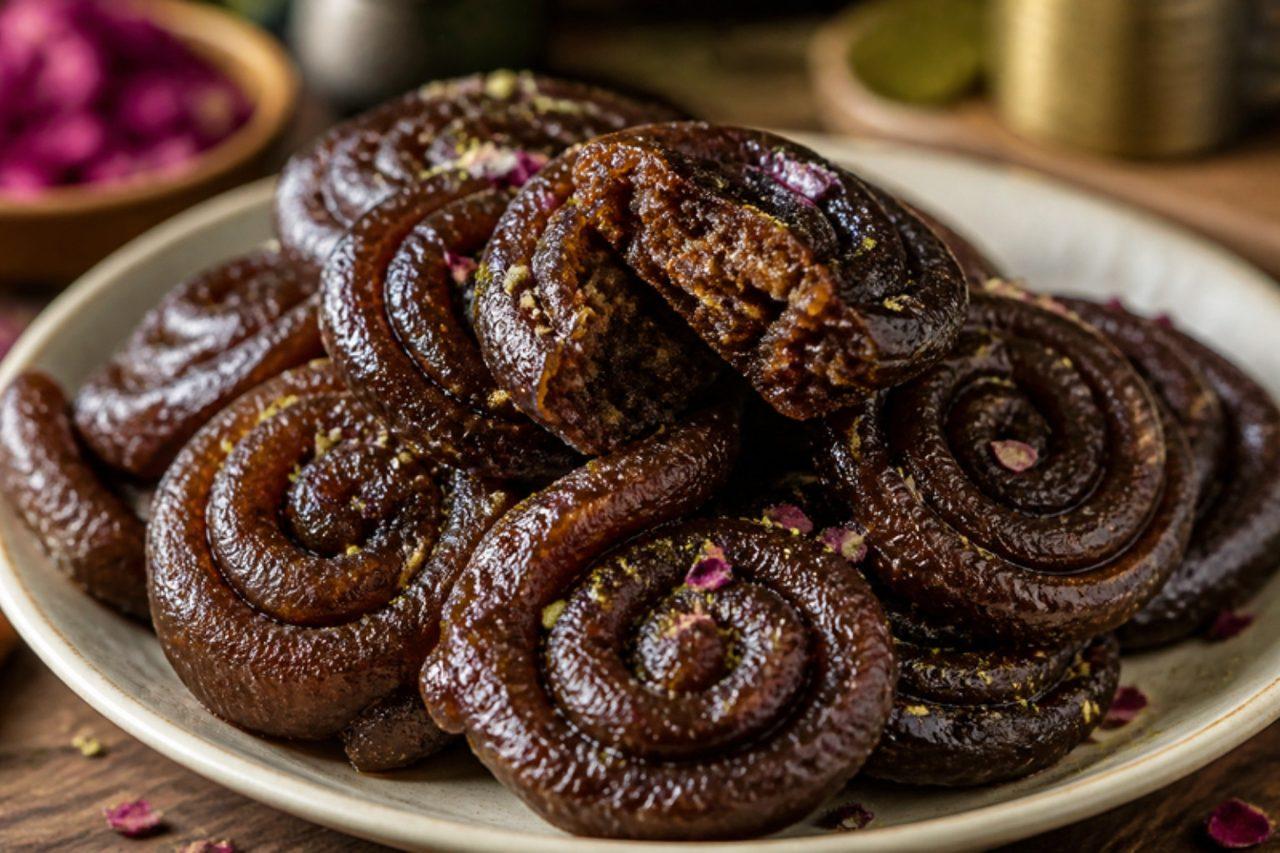
Mawa jalebiMilk solid jalebi

Mawa jalebi, sometimes called khoya jalebi, belongs to Jabalpur and the towns of the Mahakoshal region of Madhya Pradesh, where sweet shops sell them stacked like dark brown coils. Unlike the crisp batter jalebi piped into hot oil, these are rolled from a soft khoya dough into ropes, coiled by hand and fried slowly, so they come out tender and almost fudgy inside a thin caramelised skin. They are eaten warm on winter mornings and bought by the kilo for weddings. Chef's tip: roll the ropes no thicker than a pencil; thicker coils look generous but stay doughy at the core.

by KrazyBadal 0 views

Mangalore bunsSweet banana puris

Despite the name, Mangalore buns are not baked at all: they are thick, soft puris made from a dough of overripe bananas, sugar, yogurt and flour, left for hours to turn slightly tangy, then deep-fried until they balloon. Every Udupi restaurant in coastal Karnataka has them on the breakfast board, served with coconut chutney and sambar, and children love them on their own. They are lightly sweet with a hint of cumin and a soft, bready inside. Chef's tip: use bananas with black-flecked skins; underripe bananas give a dense, pale bun that won't brown.

by KrazyBadal 0 views

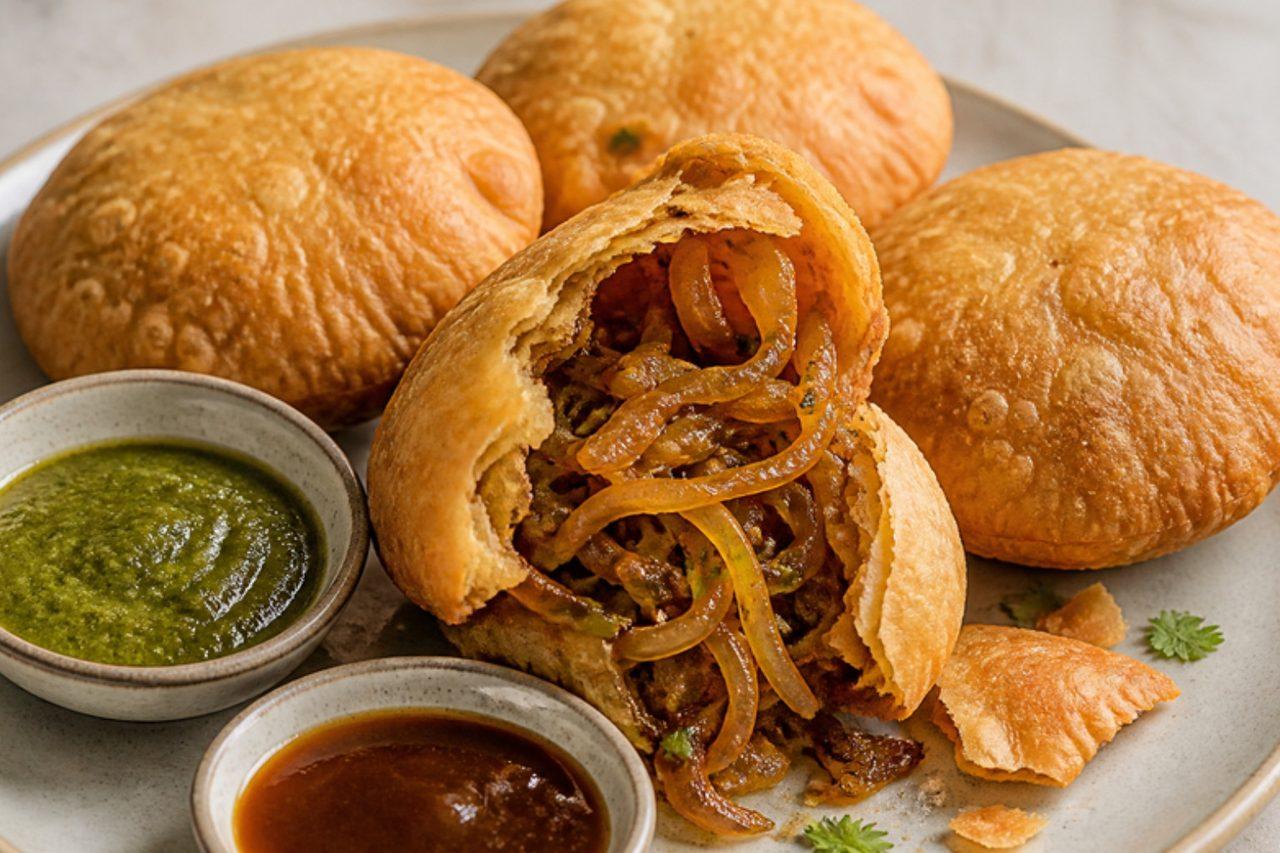
Pyaaz kachoriOnion-filled fried pastries

Pyaaz kachori is the pride of Jodhpur in Rajasthan, where sweet shops fry them from early morning and sell them by the hundred with tamarind chutney. The crust is khasta: short, layered and crackly, made by rubbing plenty of oil into the flour and frying slowly. Inside is a soft, jammy filling of onions cooked with fennel, coriander seed and nigella, bound with a little gram flour and potato and lifted with dried mango powder. Eat them warm for breakfast or with afternoon chai. Chef's tip: fry them in oil that is only just warm and let them take their time; the slow fry is what puffs the crust into crisp, hollow layers instead of a hard, oily shell.

by KrazyBadal 0 views

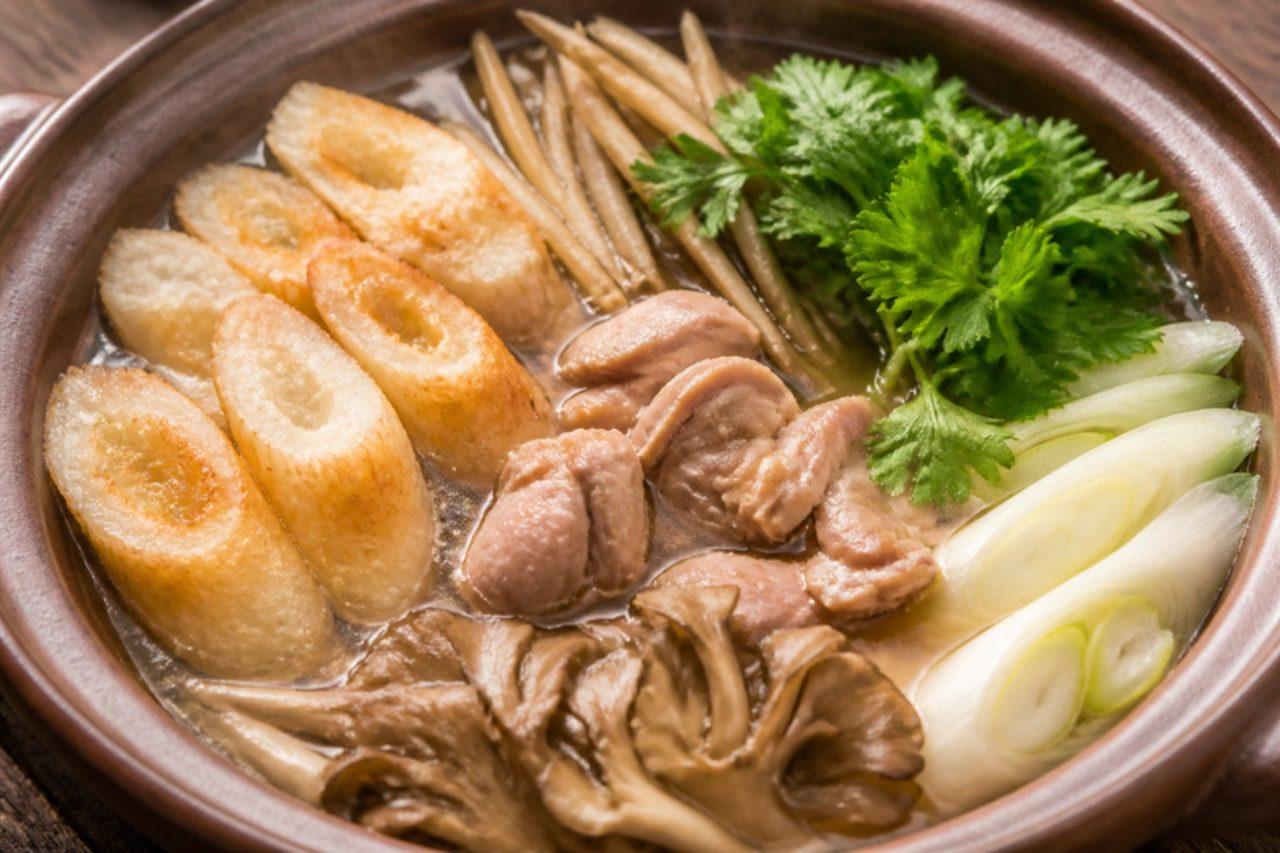
Kiritanpo nabeRice stick and chicken hot pot

In Akita, in Japan's snowy north-west, the new rice harvest in October marks the start of kiritanpo season, and the town of Odate holds a festival for it every autumn. Freshly cooked rice is half-pounded, pressed around sticks and toasted, then cut up and dropped into a soy-seasoned chicken broth with burdock, maitake mushrooms and crunchy Japanese parsley called seri. Locals use the region's Hinai-jidori chicken; any good free-range bird works. The toasted rice soaks up the broth but keeps a little chew. Chef's tip: toast the rice sticks until dry and golden in patches all over, as a crisp outer skin keeps them from dissolving in the pot.

by KrazyBadal 0 views

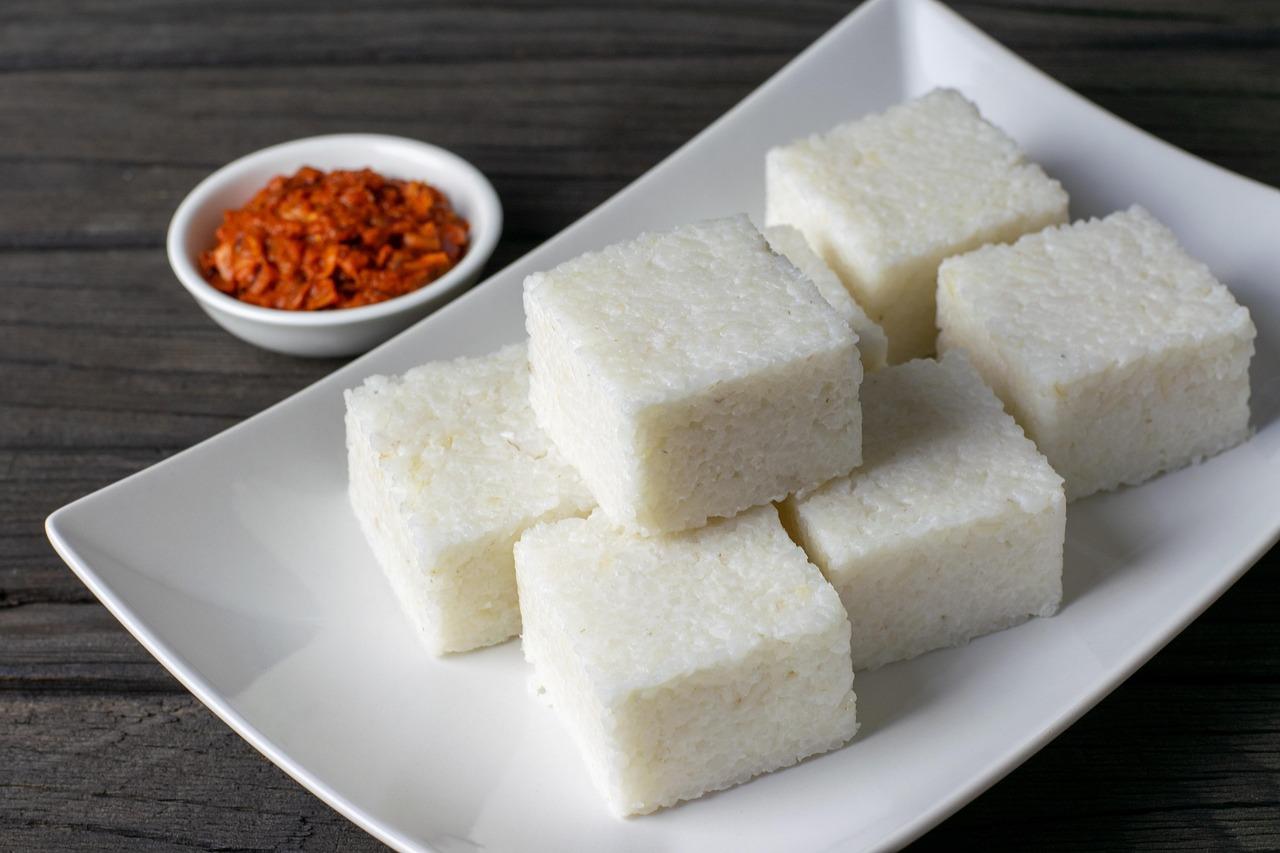
Kiri bathCoconut milk rice

Kiri bath is the first food eaten at Sinhala and Tamil New Year (Aluth Avurudu) in mid-April, cooked at the exact auspicious time the astrologers announce, and it also starts the first day of each month, birthdays and new jobs across Sri Lanka. White rice is boiled until very soft, then cooked again with thick coconut milk and salt until it sets into a creamy slab that is cut into diamonds. It's eaten with lunu miris, a fierce red onion and chilli paste, or with jaggery and bananas for the sweet-toothed. Lunu miris often contains Maldive fish; ours doesn't. The common mistake is adding the coconut milk before the rice is completely soft: the grains stay hard. Chef's tip: press the hot rice flat with a banana leaf or the back of a spoon dipped in coconut milk; it stops sticking and gives the classic glossy top.

by KrazyBadal 0 views

Mandua ki rotiFinger millet flatbread

Mandua, or finger millet, is the grain that hill farmers in Uttarakhand have relied on for generations, and its roti is the staple of a pahadi winter kitchen. The rotis come out dark brown, slightly sweet and earthy, and they are eaten hot from the tawa with a spoon of ghee, kafuli or a bowl of chainsoo, sometimes with jaggery on the side. With no gluten to hold it together the dough is fragile, so cooks pat it out between wet palms rather than rolling it. Chef's tip: knead the dough in two small batches with hot water; millet dough dries and cracks quickly, so the second batch stays fresh while you cook the first.

by KrazyBadal 0 views

MbejúCassava starch cheese cake

Mbejú (say 'mbeh-JOO') is a Guaraní breakfast and merienda: cassava starch rubbed with butter, cheese and a little milk into damp crumbs, then pressed into a hot pan where it fuses into a thick, chewy, crisp-edged cake. It's eaten in the countryside with cocido (sweet toasted yerba tea with milk) on cool mornings, cut into wedges. It's naturally gluten free and very quick. Chef's tip: the mix should look like damp sand, not a dough; if you can squeeze a handful and it just holds, it's right.

by KrazyBadal 0 views

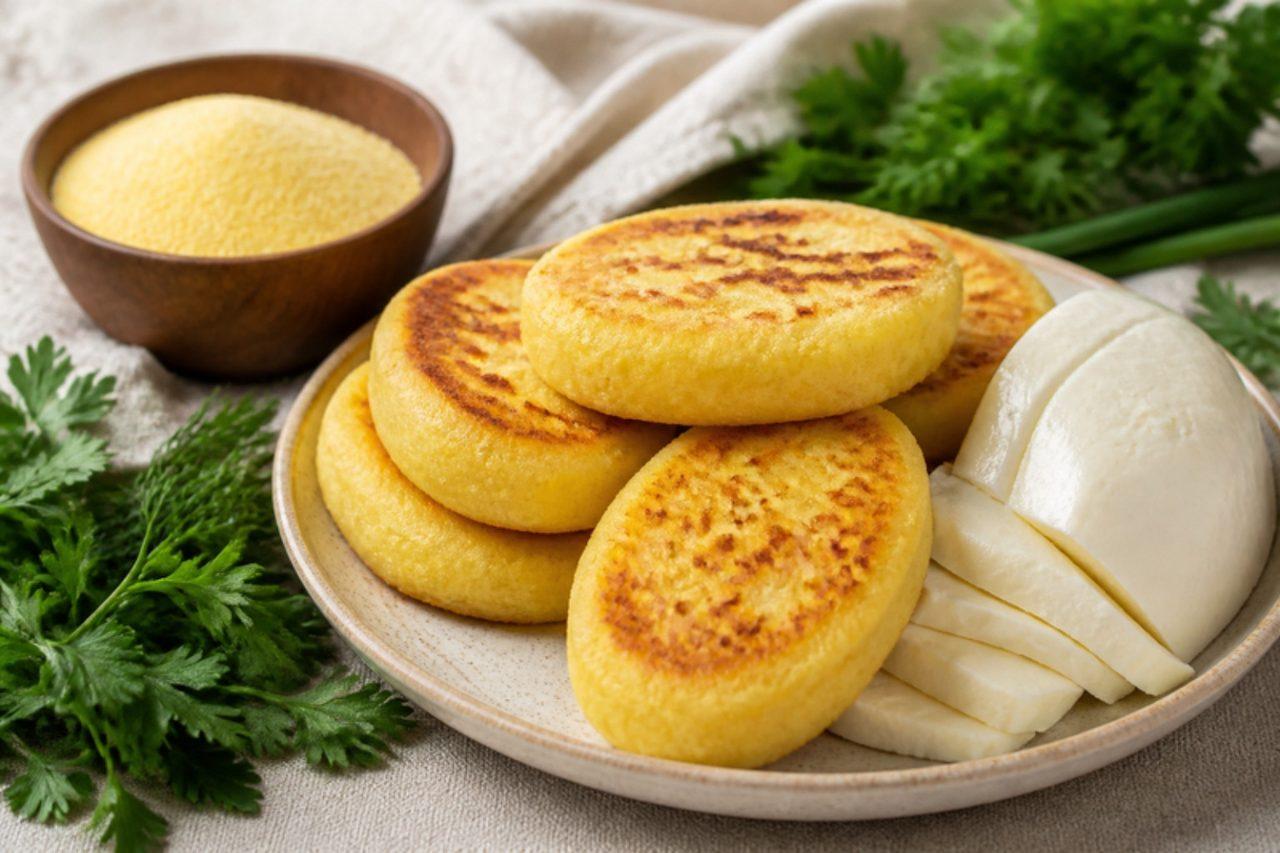
MchadiPan-fried cornbread cakes

Mchadi are the everyday cornbread of western Georgia, from Samegrelo and Guria down to the Black Sea coast, where maize has been grown since the 1700s. They are nothing more than cornmeal, water and salt, shaped by hand into thick ovals and fried or baked on a clay disc until crusty outside and soft and steaming inside. Families eat them hot with a wedge of cheese, a bowl of lobio, pickled vegetables or a spoon of adjika, and they are naturally gluten-free and vegan. The common mistake is using a dough that is too dry, so the cakes crack and crumble in the pan: it should feel like soft, wet clay. Chef's tip: wet your hands in a bowl of water between every cake; the cornmeal will not stick and the surface comes out smooth and crisp.

by KrazyBadal 0 views

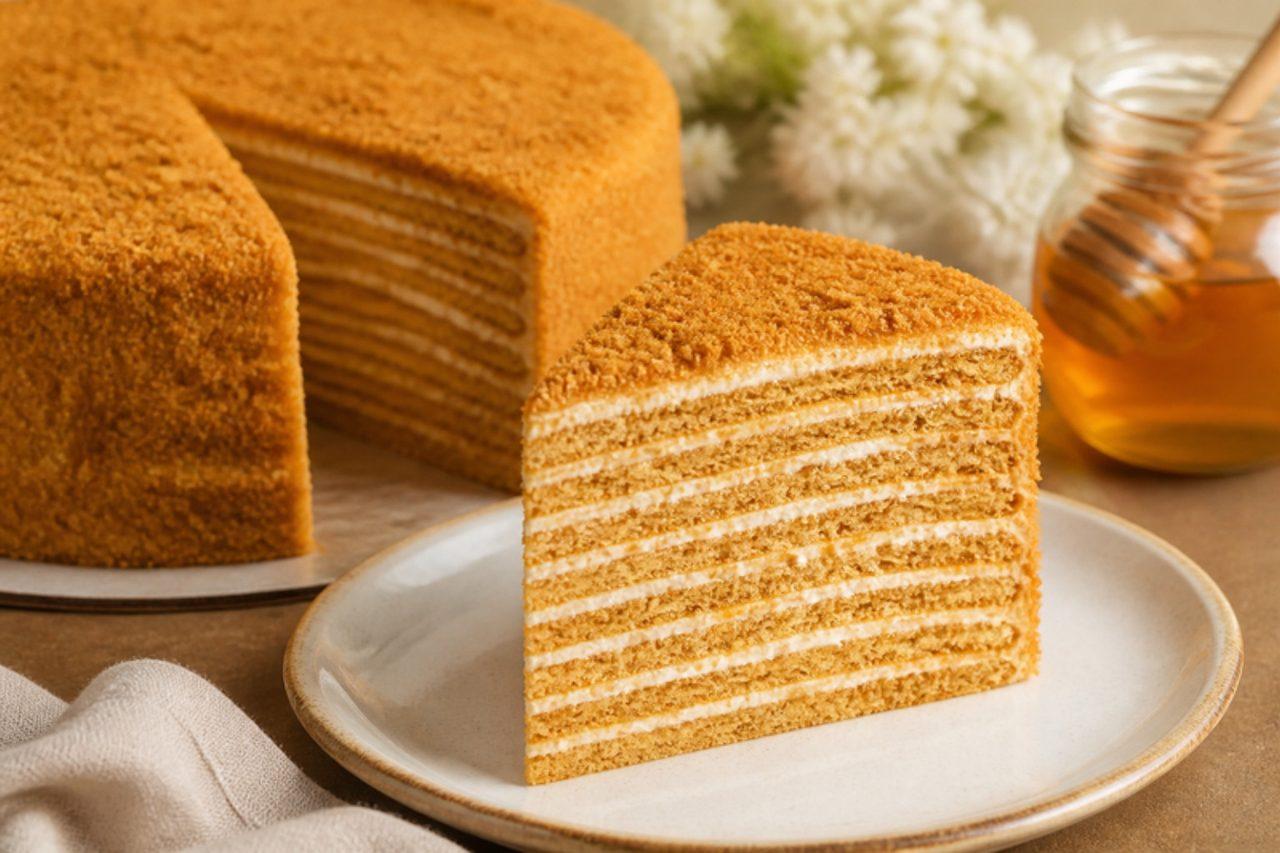
MedovikHoney layer cake

Medovik, the honey cake, is the birthday and name-day cake of countless Ukrainian homes, from Dnipro to Zaporizhzhia, and is shared with kitchens across the former Soviet Union. Eight thin layers of honey-caramel dough are baked like biscuits, then stacked with a tangy sour-cream frosting and left overnight, when they soften into a tender, moist cake. The crumbs from trimming coat the outside. Because it is made with honey and eggs, it is vegetarian but not vegan. Chef's tip: cook the honey, sugar and butter until it turns a deep amber before the bicarbonate goes in; that caramel is the whole flavour of the cake. Common mistake: cutting it the same day, before the layers have soaked up the cream, when it is still dry and hard.

by KrazyBadal 0 views

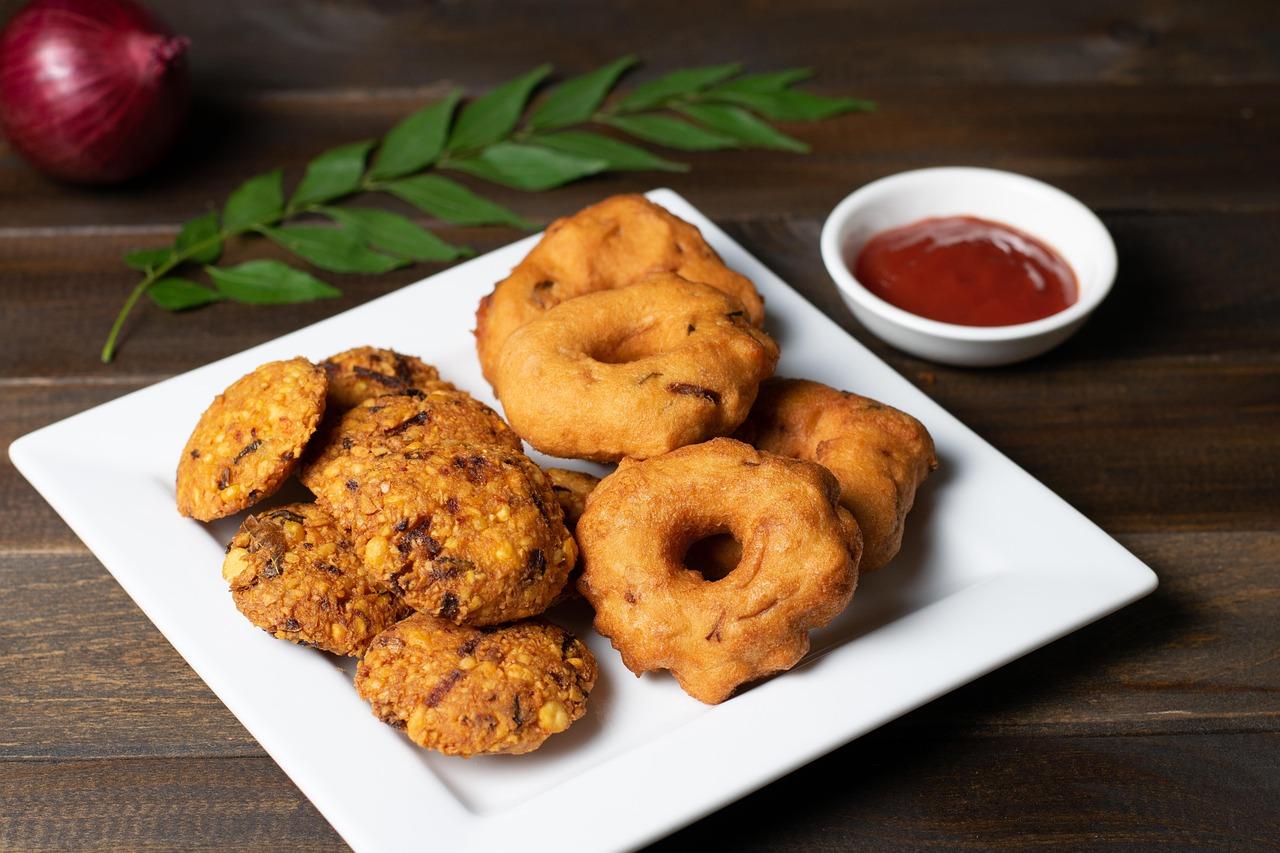
Medu vadaUrad dal doughnuts

Medu vada are the ring-shaped lentil fritters eaten all over Tamil Nadu and the rest of the south for breakfast, with idli, sambar and coconut chutney. A good one has a thin, crisp, golden shell and an inside as light and airy as a cloud, flecked with black pepper, ginger, green chilli and curry leaves. The secret is a very thick batter ground with as little water as possible and then whipped full of air. Serve them hot, dunked in sambar, or soaked in rasam as 'rasa vada'. Chef's tip: drop a little batter into a bowl of water before you shape them; if it floats, it's airy enough, and if it sinks, beat it by hand for another few minutes.

by KrazyBadal 0 views

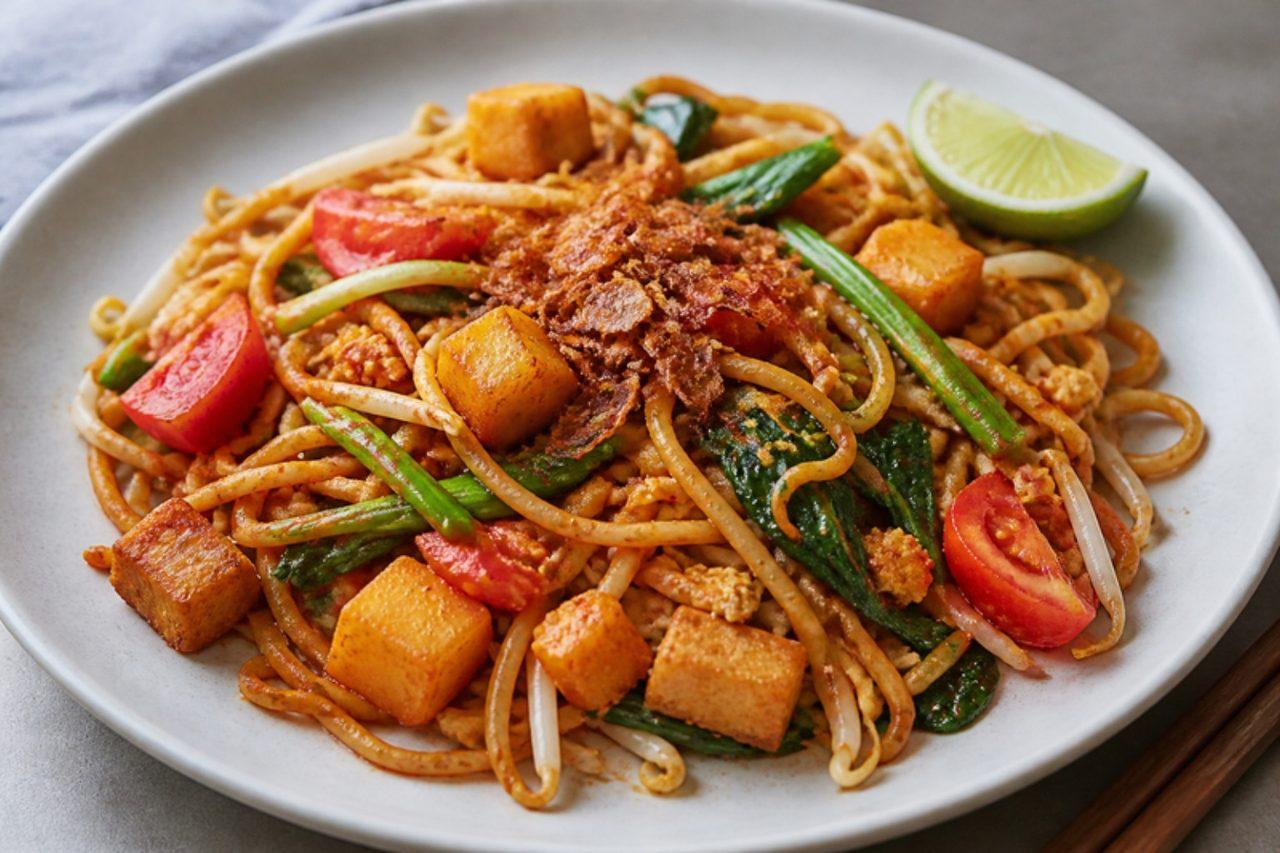
Mee goreng mamakFried yellow noodles

Mamak stalls, the round-the-clock cafés run by Malaysia's Tamil Muslim families, are where friends meet after a football match or a late film, and mee goreng mamak is the plate everyone orders with a glass of pulled tea. It's yellow noodles tossed hard in a wok with tomato sauce, chilli, soy, a pinch of curry powder, soft potato that breaks into the sauce, tofu, egg and bean sprouts, finished with a squeeze of lime. Stalls often add squid or prawns; here the tofu does that job. It's sweet, smoky, tangy and a little messy, as it should be. Chef's tip: get the wok really hot and let the noodles sit untouched for 20 seconds between tosses so they char in spots.

by KrazyBadal 0 views

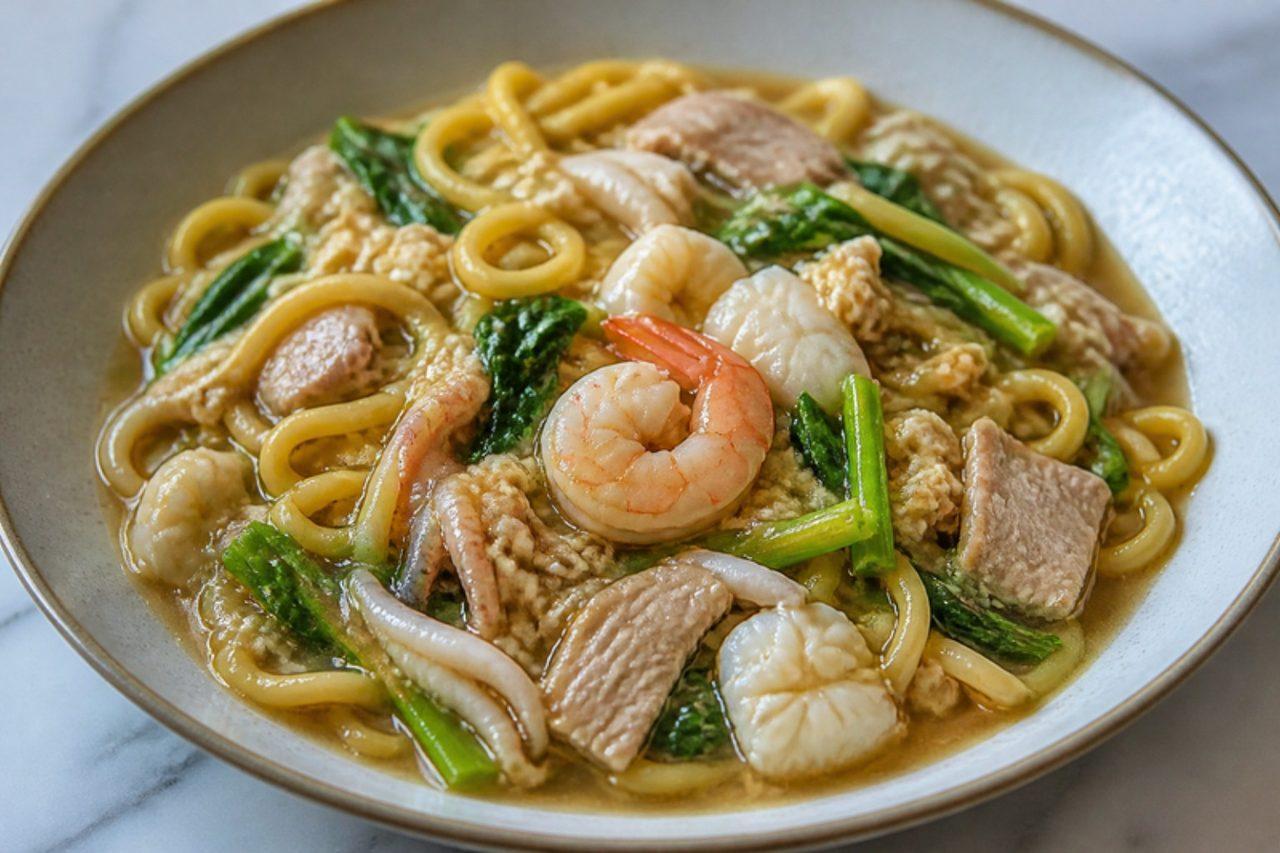
Mee hokkien PhuketThick yellow noodle stir-fry

In the Sino-Portuguese shophouses of Phuket Town, descendants of Hokkien tin miners still begin the day with this: fat, chewy yellow egg noodles fried with pork, prawns and squid, then simmered in a little stock until the sauce becomes a savoury gravy that coats every strand, with an egg stirred through at the end. It is the island's signature noodle, ordered in old coffee shops with a glass of strong local coffee or a bowl of clear pork soup. The texture is slippery and thick, the flavour mellow and peppery rather than hot, so chilli vinegar goes on the table. Chef's tip: loosen the fresh noodles under hot water before they go in the wok; cold, stuck-together noodles snap into short pieces when tossed.

by KrazyBadal 0 views

Mamri (mandazi)Coconut cardamom doughnuts

Mamri, better known as mandazi, are lightly sweet East African fried breads made with coconut milk and cardamom. They puff up golden and hollow and are soft inside. Serve warm with pigeon peas in coconut milk (mbaazi) for a classic Zanzibar breakfast, or with tea.

by KrazyBadal 0 views

Qalb el louzSemolina and almond cake

Qalb el louz ('heart of almond') is the Ramadan sweet of Algiers: a dense, sandy semolina cake with a ribbon of almond filling, cut into diamonds with an almond on top and soaked in syrup while hot. Pastry shops in the Casbah sell it by the tray after iftar, to eat with mint tea or coffee late into the night. The semolina is soaked overnight in butter and water, which gives it its moist, grainy crumb. Chef's tip: pour cold syrup over the hot cake; hot syrup on a hot cake makes it soggy instead of moist.

by KrazyBadal 0 views

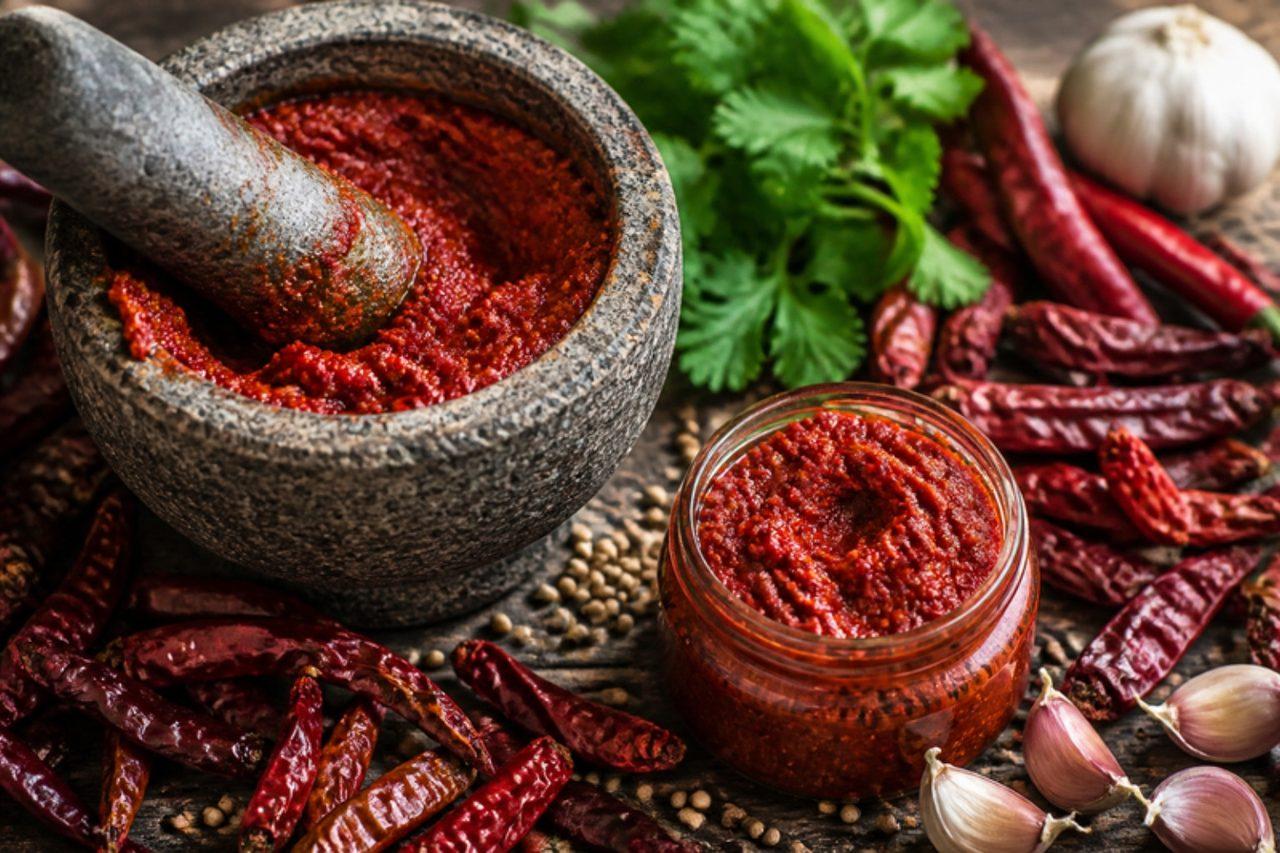
AdjikaRed pepper and garlic paste

Adjika comes from Samegrelo and neighbouring Abkhazia in western Georgia, where it is a thick, fiery paste of dried red peppers, garlic and seeds, pounded in a stone mortar and stored in jars for the year. It is nothing like the tomato relishes sold as adjika in some shops: a little goes a very long way, stirred into beans, rubbed into vegetables before roasting, or spread thinly on mchadi with cheese. It needs no cooking, just patience while the peppers soak. A common mistake is skipping the soaking, which leaves the paste gritty with hard flakes of skin. Chef's tip: wear gloves while handling the peppers, and use a mix of mild and hot ones so you get colour and fruitiness, not just heat.

by KrazyBadal 0 views

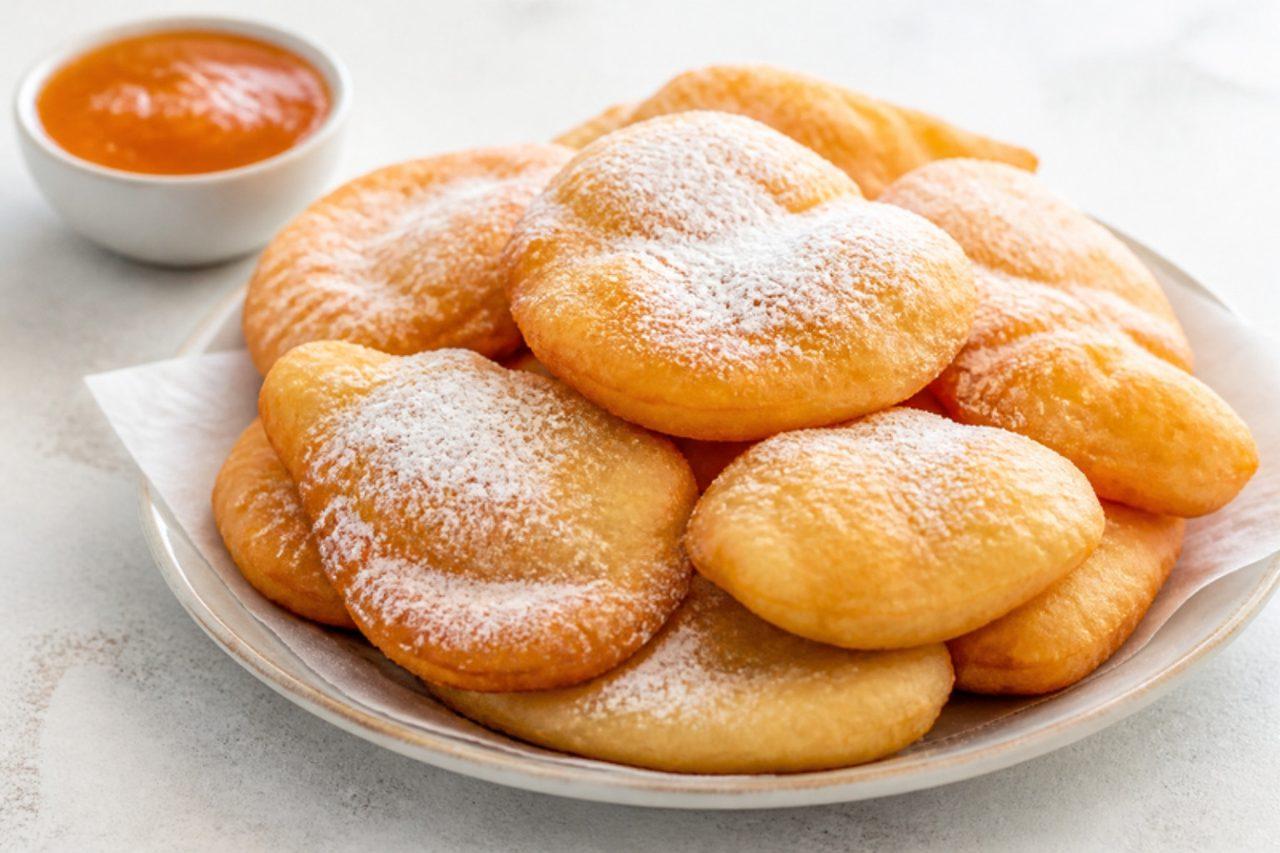
MekitsiFried yogurt dough puffs

Mekitsi are the Sunday morning treat of Bulgarian childhoods: in towns like Veliko Tarnovo and Gabrovo they are fried at home or bought from stalls by the dozen, puffy, uneven rounds of yogurt dough that come out of the oil crisp outside and soft and airy inside. They are eaten hot, dusted with icing sugar or spread with jam, honey or sirene, with a cup of tea or ayran. Chef's tip: stretch the dough with oiled hands rather than flour, and keep the oil at a steady medium heat; oil that's too hot is the usual mistake and leaves them dark outside and doughy in the middle.

by KrazyBadal 0 views

Mambazha pulisseryRipe mango yogurt curry

Mambazha pulissery appears in Kerala kitchens in April and May, when small, fragrant village mangoes fall from the trees, and it is often on the Vishu sadya. Whole small ripe mangoes, or chunks of bigger ones, are simmered with jaggery and chilli until syrupy, then loosened with a coconut-cumin paste and lightly soured yogurt. Unlike kalan, it stays thin and pourable: sweet, tangy and mildly hot, with the fenugreek tempering on top. Pour it over rice, with a thoran on the side. Chef's tip: use very ripe, slightly fibrous mangoes; firm ones make it sour and the sweetness never comes through.

by KrazyBadal 0 views

QatayefStuffed Ramadan pancakes

Qatayef only really appear in Egypt during Ramadan: in the weeks of the fast, street vendors in Cairo and Alexandria set up big griddles and pour rows of small pancakes that are cooked on one side only, then sold by the kilo for families to fill at home. The pale, bubbly side is folded around chopped nuts and raisins (or a creamy ashta filling), sealed into half-moons, baked or fried until crisp and dipped in syrup. They are eaten after iftar with tea. Chef's tip: cook the pancakes on one side only and don't flip them; the uncooked top stays sticky and is what glues the edges shut.

by KrazyBadal 0 views

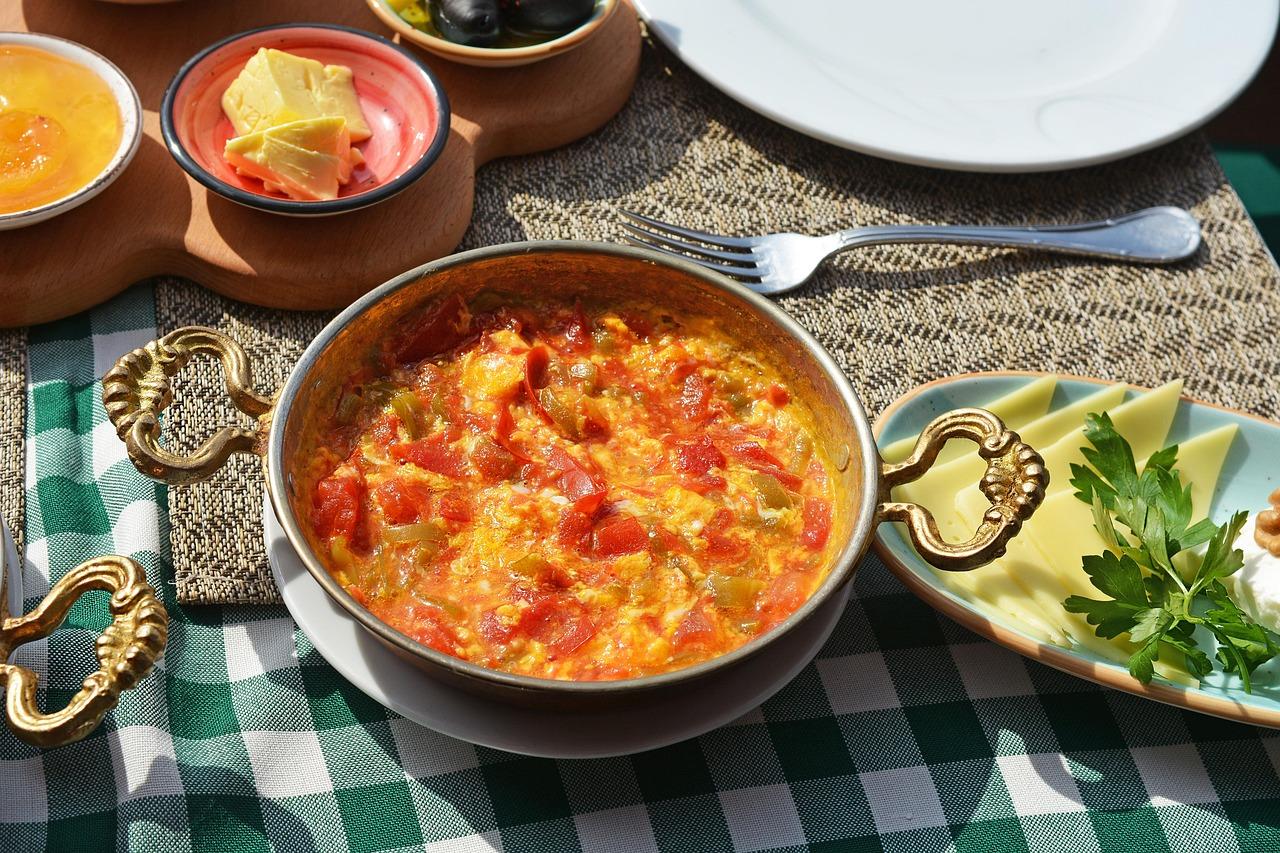
MenemenScrambled eggs with peppers and tomato

Sunday breakfast in Turkey rarely passes without a sizzling pan of menemen set in the middle of the table, crowded by olives, cheese, cucumber and glasses of tea. Mild green peppers are softened in olive oil, ripe tomatoes are cooked down to a jammy sauce, and then the eggs are broken in and gently stirred so they set into soft, juicy ribbons streaked with red. Everyone eats from the pan, tearing bread to scoop it up. Whether onion belongs in it is a national argument; here it is optional. Chef's tip: let the tomatoes bubble until almost all their liquid has gone before the eggs go in, or the menemen will be watery.

by KrazyBadal 0 views

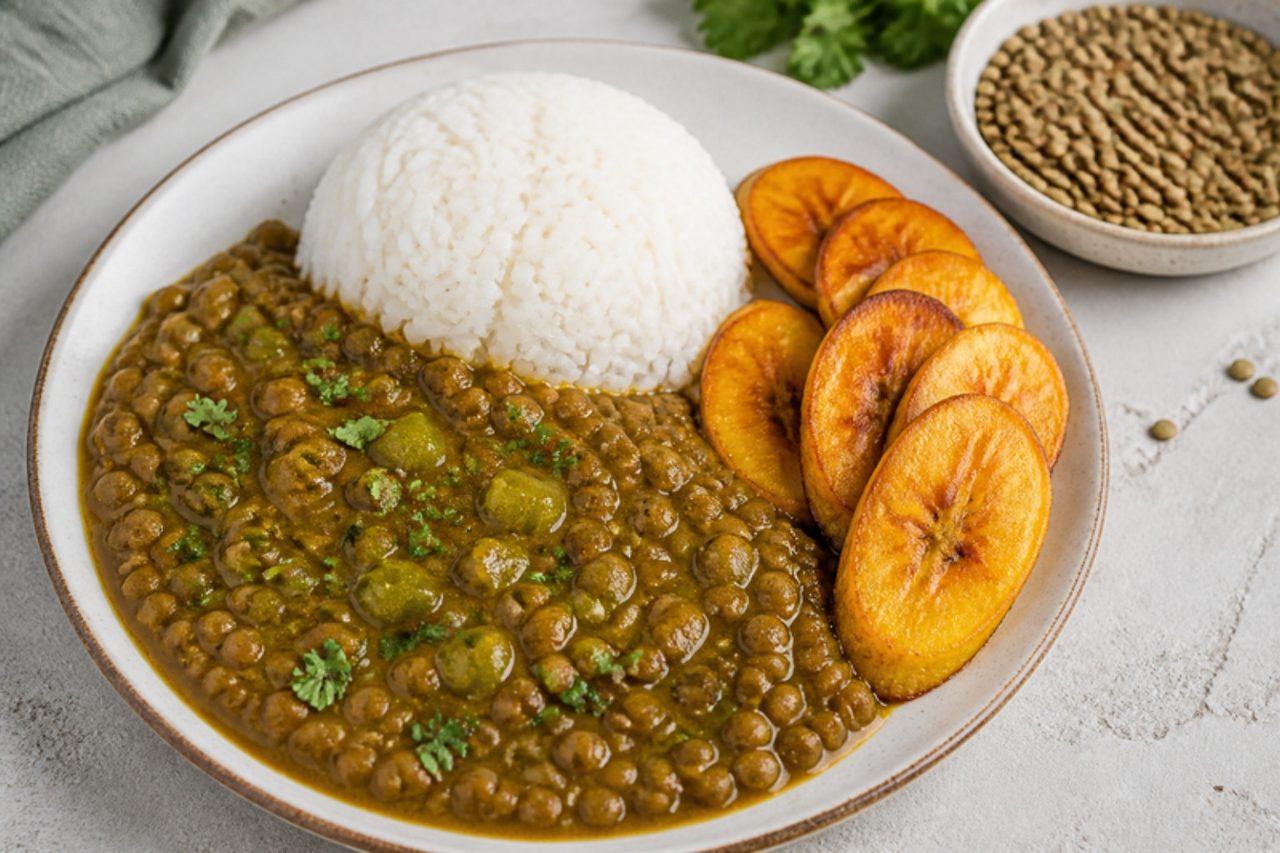
Menestra de lentejasCumin lentil stew

Menestra is the backbone of Ecuador's set lunches: in Guayaquil's almuerzo cafés, plates arrive with white rice, a ladle of thick menestra, fried plantain (patacones or maduros) and a little salad, usually beside grilled meat. On its own it makes a complete meatless meal. Lentils are cooked down with a refrito of onion, pepper, garlic, cumin and achiote until thick enough to hold a mound. Chef's tip: stir in a handful of chopped coriander right at the end; it's the fresh lift that makes menestra taste Ecuadorian.

by KrazyBadal 0 views

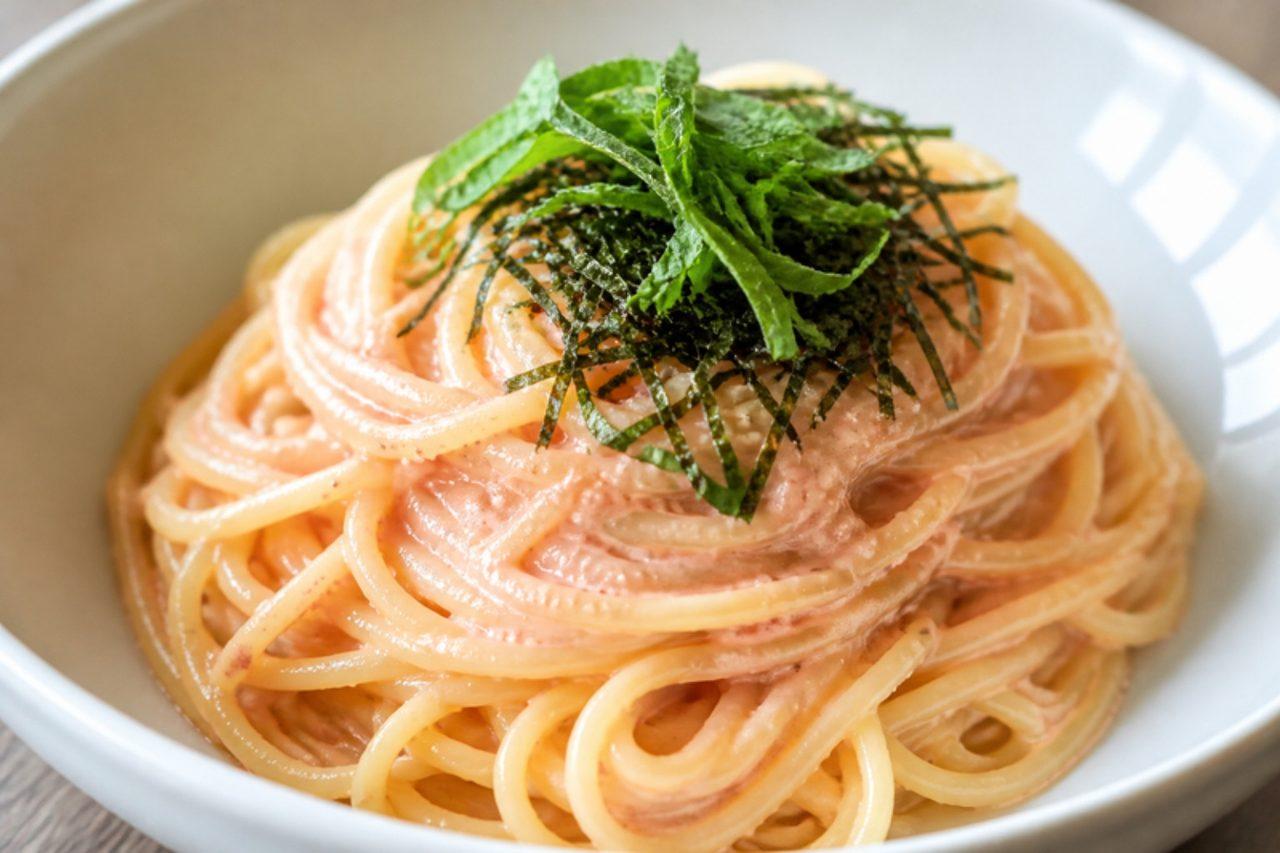
Mentaiko pastaSpaghetti with pollock roe

Mentaiko, pollock roe cured with salt and chilli, is the food gift everyone brings back from Hakata in Fukuoka, where shops near the station sell it in rows of red sacs. The pasta came from the Japanese-style spaghetti cafés of Tokyo in the 1960s and is now on menus right across Japan, Fukuoka included. The roe is not really cooked: the heat of the drained spaghetti and the melting butter turn it into a pink, salty-spicy coating. Mentaiko is a raw cured product. Use very fresh, sushi-grade fish from a trusted fishmonger; not for pregnant women, young children or anyone with a weakened immune system. For mentaiko, that means a chilled, sealed pack well within its date. Chef's tip: save a ladle of the pasta water; a spoonful loosens the roe so it clings to every strand instead of clumping.

by KrazyBadal 0 views

MămăligăCornmeal mush

Mămăligă is the golden cornmeal staple of the Romanian countryside, from the hill villages of Oltenia to the farms of Maramureș, where it was once eaten more often than bread. It is cooked in water until thick enough to hold a spoon upright, turned out onto a wooden board and cut with a thread, then eaten hot with crumbled salty brânză and a cold spoon of smântână (soured cream). Unlike Ukrainian banosh, which is cooked in sour cream, mămăligă is plain cornmeal and water; the richness goes on top. It sits beside stews such as tocăniță or under a fried egg for supper. Chef's tip: rain the cornmeal in through your fingers while whisking, and keep stirring from the bottom; dumping it in at once is the classic mistake that leaves raw, gritty lumps.

by KrazyBadal 0 views

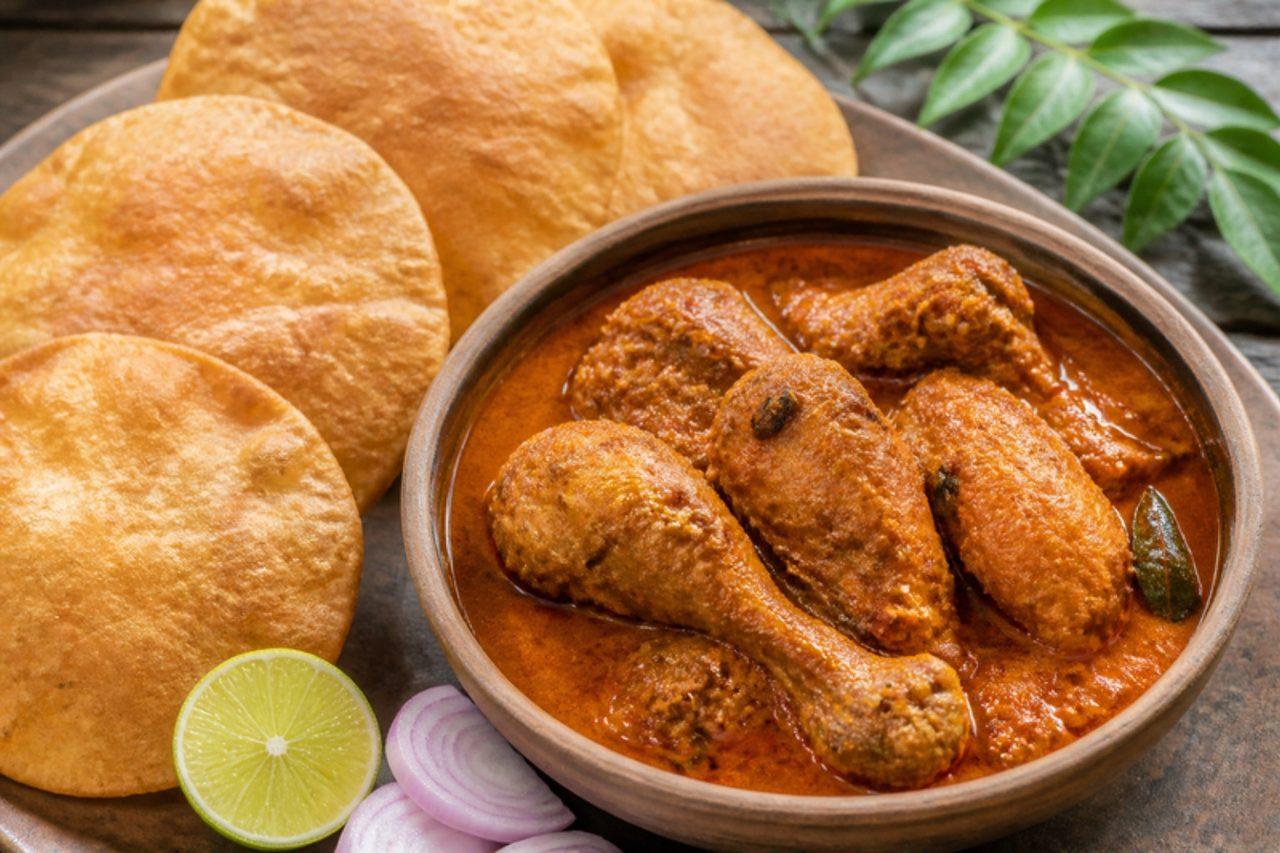
Malvani kombdi vadeChicken curry with puffed bread

Along the Malvan coast of Sindhudurg, kombdi vade is what families cook for a festive Sunday or for guests arriving by the morning bus from Mumbai. Kombdi is chicken, simmered in a gravy of roasted coconut and Malvani masala; vade are rice-flour breads fragrant with fennel that puff like balloons in hot oil. You tear the vade, dunk them in the curry and finish with a squeeze of lime and raw onion. Chef's tip: pat the vade on an oiled sheet of plastic or banana leaf rather than rolling them, and slide them into the oil straight away; thin, even discs puff best.

by KrazyBadal 0 views

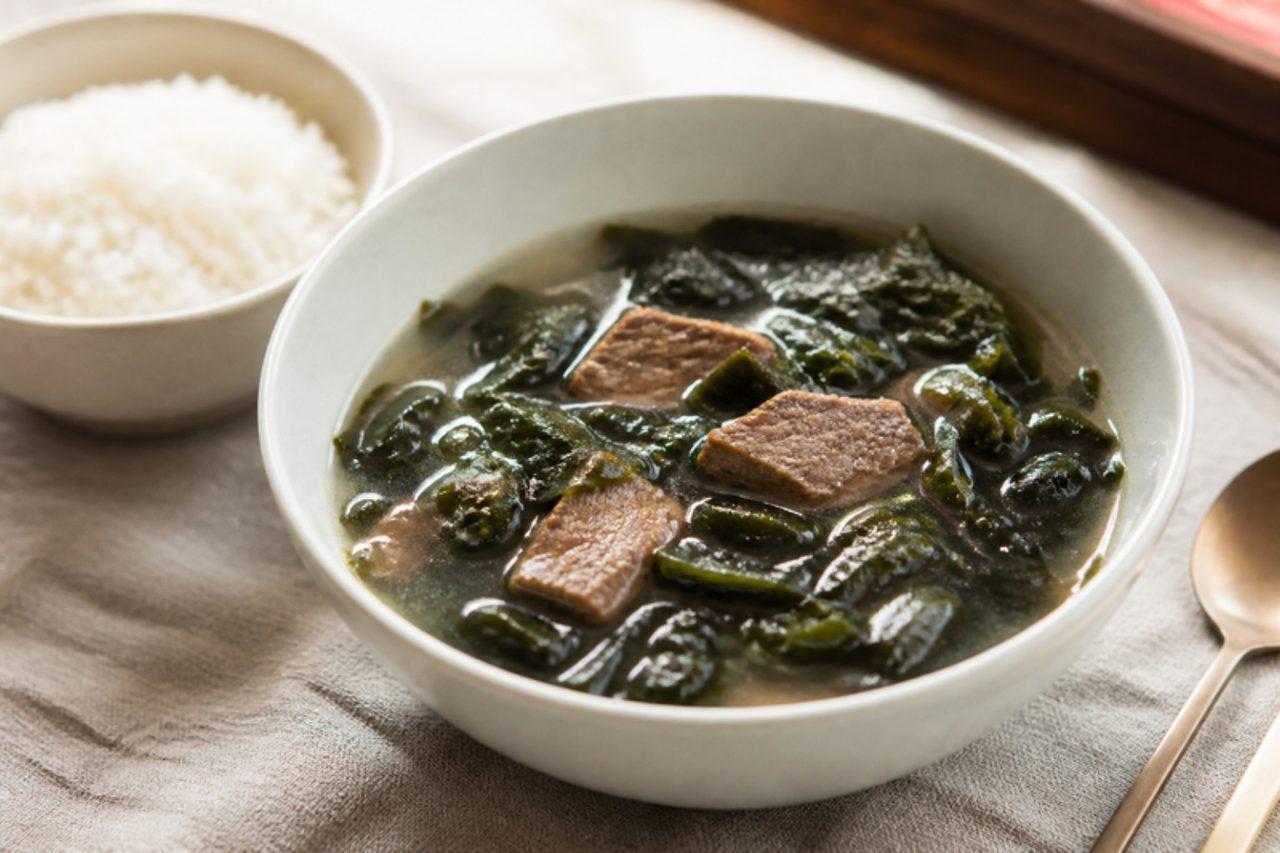
Miyeok guk with beefSeaweed soup with beef

Ask someone in Korea what they ate on their birthday morning and the answer is usually miyeok guk. The same soup is given to new mothers for weeks after a birth, as the seaweed is rich in iodine, calcium and iron. Some students avoid it on exam days, because slippery seaweed is said to make you 'slip' in the test. The broth is clear and mild, made with brisket fried in sesame oil and seasoned with soup soy sauce. Chef's tip: squeeze the soaked seaweed hard and fry it with the beef for a few minutes; it gives the broth a rounder, nutty taste.

by KrazyBadal 0 views

MizeriaCucumber salad with soured cream

Mizeria is the cool, creamy cucumber salad that sits beside Sunday dinner in Polish homes from May to September, especially next to young potatoes sprinkled with dill. Thin slices of cucumber are dressed in soured cream with dill, a pinch of sugar and a little lemon or vinegar, so it is fresh, tangy and slightly sweet. Legend links the name to Queen Bona Sforza longing for Italy, but in practice it is simply summer on a plate. Chef's tip: slice the cucumbers paper-thin on a mandoline or the slicing side of a box grater; thick slices never soak up the dressing.

by KrazyBadal 0 views

BaiVegetable and bamboo shoot stew

Bai is the everyday dish of Mizoram, cooked in Aizawl homes almost daily: a stew of greens such as mustard leaves or pumpkin leaves, bamboo shoot, pumpkin and beans, boiled in water with a pinch of soda (traditionally 'chingal', an ash-filtered alkali) that softens the greens. It has almost no oil and little spice, and often a spoonful of pork fat goes in; this vegetarian version leaves it out and adds a little more ginger. Bai is light, green and soothing, eaten with rice and a chilli dip. Chef's tip: add the soda with the greens, not before, and only a pinch; too much turns the stew slimy.

by KrazyBadal 0 views

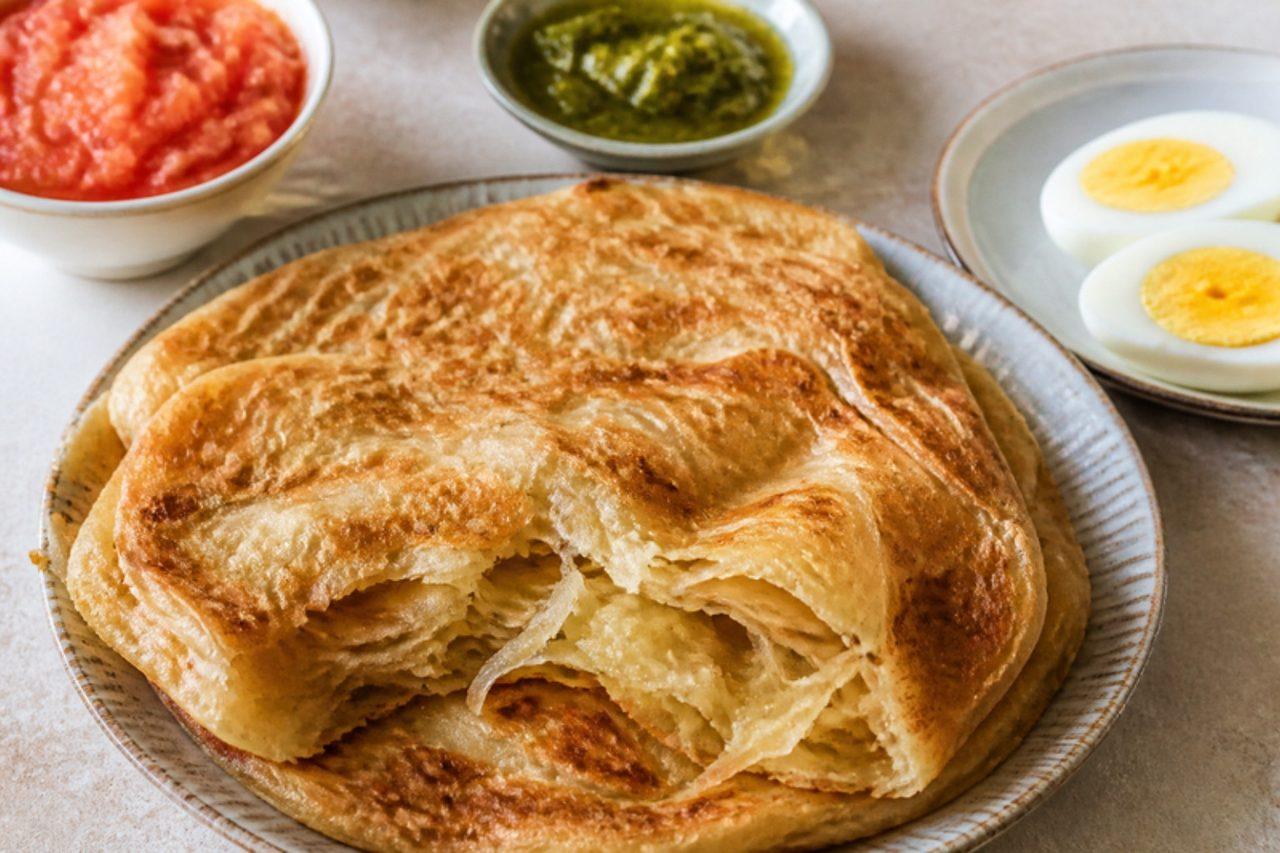
MalawachFlaky fried flatbread

Malawach is the Yemenite Jewish flatbread that turned into an Israeli freezer staple: round, buttery layers fried in a pan until they shatter, eaten for breakfast or a late supper with sweet-sour grated tomato, zhug and a hard-boiled egg. In Israel almost everyone buys the frozen rounds from the supermarket and fries them in minutes, the way this recipe does; the dough is the same rolled, butter-layered dough as jachnun, just fried instead of baked. Some families sprinkle sugar or drizzle honey for a sweet version. Chef's tip: fry the frozen rounds straight from the freezer; thawed ones turn sticky and lose their layers.

by KrazyBadal 0 views

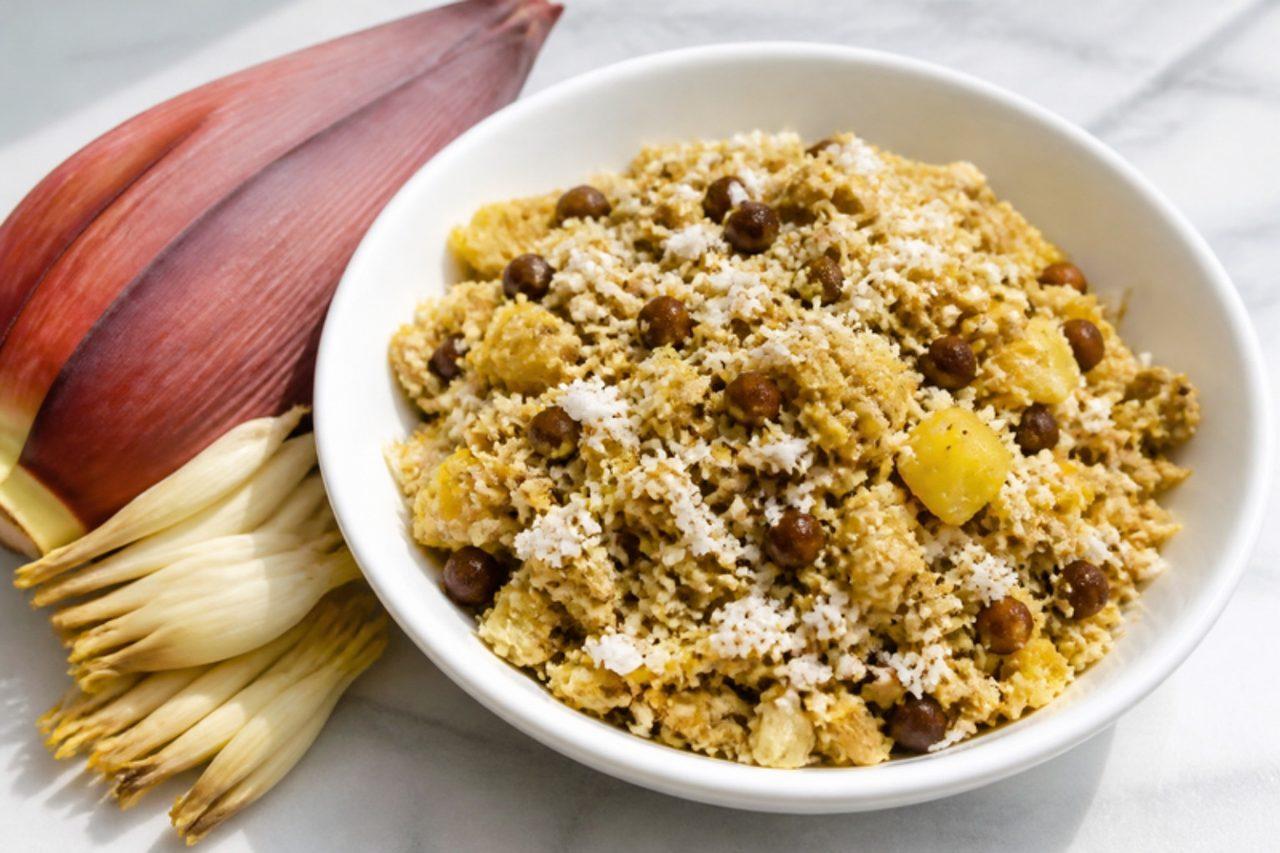
Mochar ghontoBanana flower and potato curry

Mochar ghonto is a labour of love from Bengali home kitchens: the florets of a banana flower are cleaned one by one, boiled and then cooked down with potato, grated coconut, ginger and cumin into a soft, dry, faintly sweet ghonto. It is served at weekend lunches and to guests, with rice and a little dal, and grandmothers judge a cook by it. The flavour is earthy, a little like artichoke, lifted at the end with ghee and freshly ground garam masala. Chef's tip: oil your hands before cleaning the flower, or the sticky sap stains your fingers black.

by KrazyBadal 0 views

Kinema curryFermented soybean curry

Kinema is the Limbu and Nepali fermented soybean of Sikkim and the Darjeeling hills: boiled soybeans wrapped in leaves and left by the hearth for a couple of days until sticky and pungent. Cooked with onion, tomato, turmeric and fiery dalle or green chilli, it becomes a thick, savoury curry eaten with rice in Gangtok and Kalimpong homes, especially in winter. It is rich in protein and has a deep, almost meaty savour. Chef's tip: dry-fry the kinema before adding the masala; it tames the smell and brings out a toasted flavour. Outside the hills, Japanese natto is the closest substitute.

by KrazyBadal 0 views

MalakoffCheese fritters

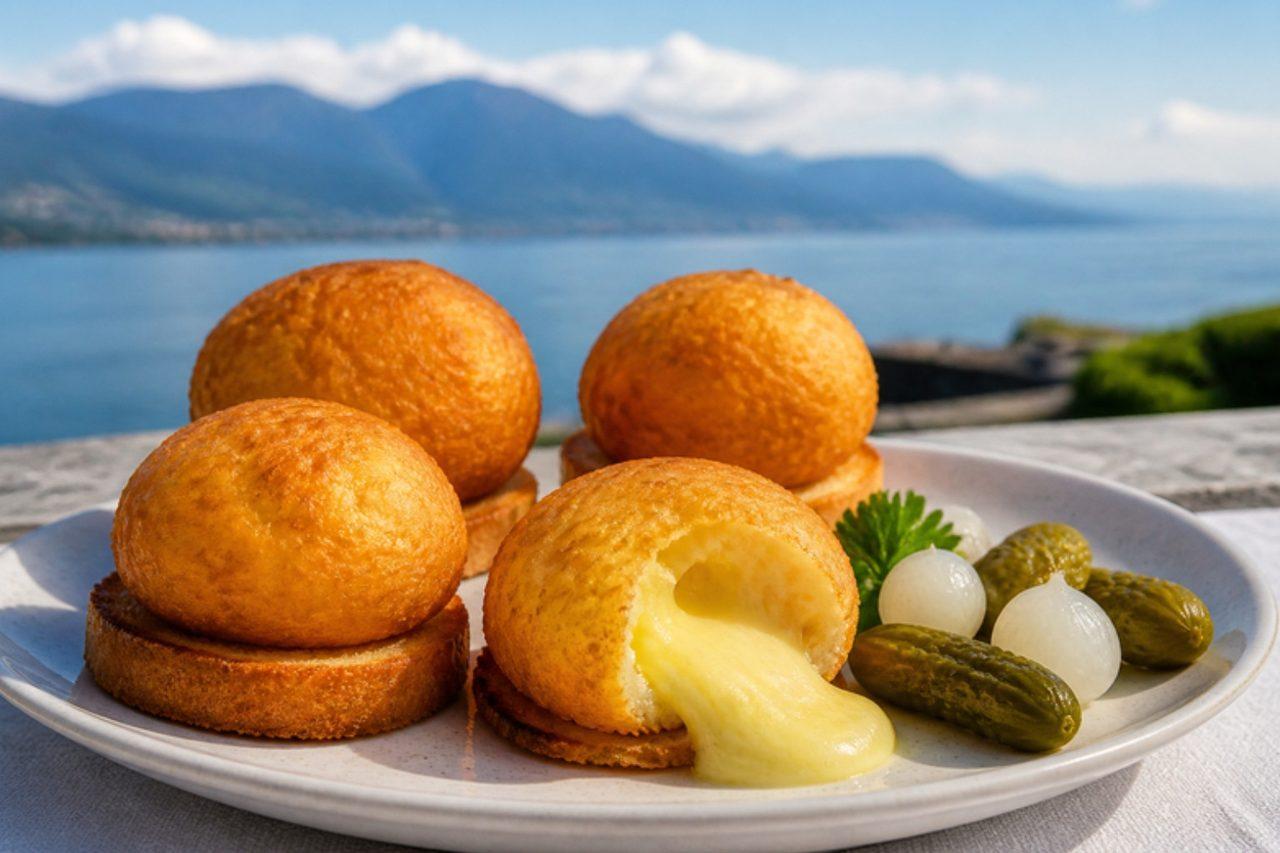
In the wine villages of La Côte above Lake Geneva, especially Vinzel, Bursins and Luins, a malakoff is a dome of Gruyère bound with egg and white wine, set on a round of bread and deep-fried until puffed and golden. The name is said to come from Swiss soldiers who fought at the siege of the Malakoff fort in the Crimean War and brought a taste for cheese fritters home. Locals eat them at village festivals and in pinte-style wine taverns with a glass of chilled Chasselas, cornichons and pickled onions. The crust shatters to a molten, gently stringy inside that tastes of wine and nutmeg. Use Gruyère made with vegetarian rennet. Chef's tip: press the cheese mixture firmly into a tall dome over the bread and chill it for 20 minutes before frying; it holds its shape in the hot oil instead of spreading.

by KrazyBadal 0 views

Malabar parottaLayered flatbread

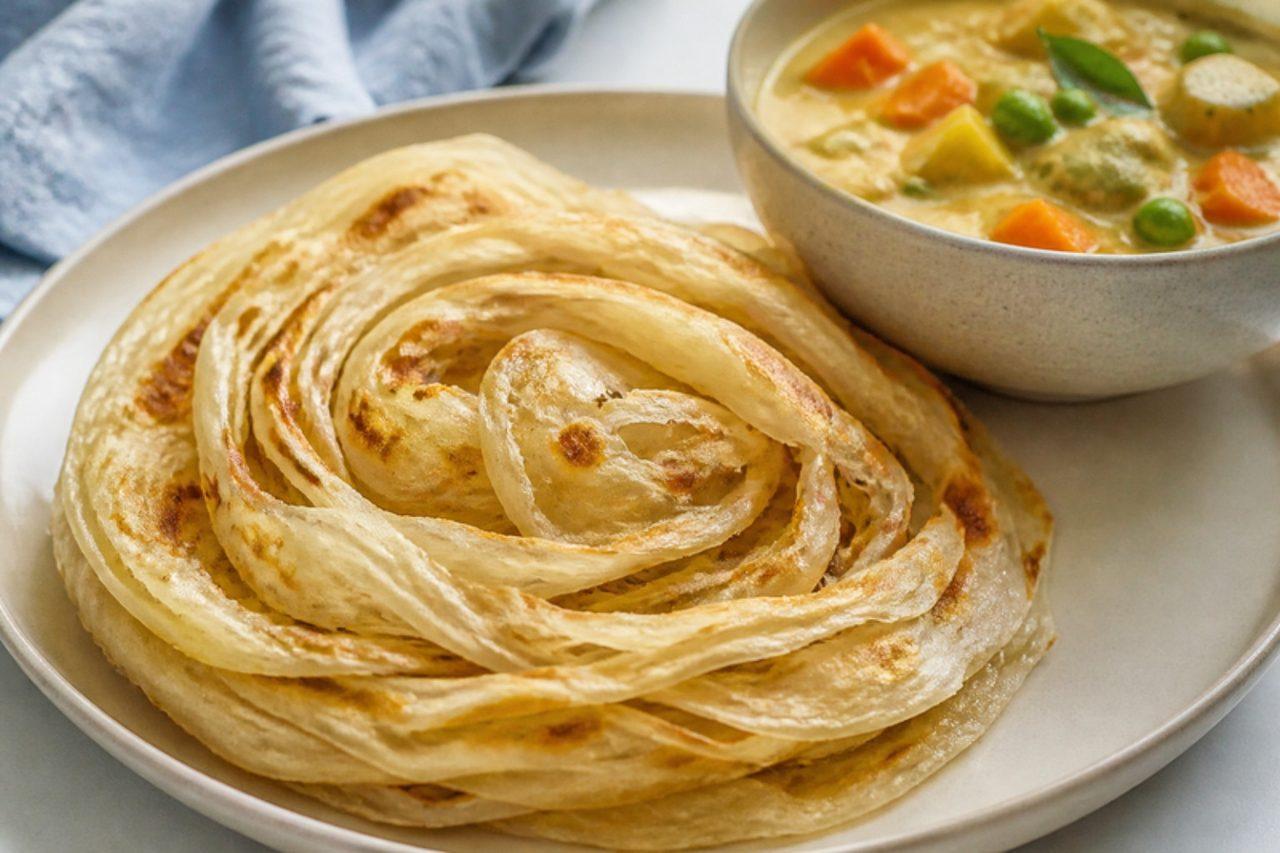
Malabar parotta came from the hotels and tea stalls of Malabar in north Kerala and is now made all over the state, where parotta men slap and stretch dough on oiled marble counters late into the night. The soft dough is stretched paper-thin, pleated, coiled like a snail and griddled, then clapped between the hands so the layers pull apart into flaky ribbons. Eat it torn into vegetable kurma or a spicy black chickpea curry. Chef's tip: give the dough its full rest; well-rested dough stretches thin without tearing, which makes the layers.

by KrazyBadal 0 views

Makrout el louzIced almond diamonds

Makrout el louz are the elegant almond sweets of Algiers and Constantine, piled on silver trays for weddings, Eid and engagement visits. Unlike fried, date-filled makroudh, they are baked: a paste of ground almonds, sugar, egg and lemon zest is cut into diamonds, baked pale, then dipped in a light syrup and rolled in icing sugar so they look frosted. Chef's tip: bake them only until firm and barely coloured underneath; brown edges harden and stop the syrup soaking in.

by KrazyBadal 0 views

MofongoMashed fried plantain

In Puerto Rico mofongo is the dish people drive out to the kioskos of Piñones and the roadside fondas of Arecibo for: green plantain fried in chunks, then pounded while hot in a wooden pilón with raw garlic and good olive oil until it holds together in a rough, crusty dome. The outside stays a little crisp, the inside is soft, starchy and fiercely garlicky. Most places pound in chicharrón (pork crackling); this garlic-oil version is the main one here, and the crackling is a note at the end for meat eaters. Serve it with a small bowl of hot caldo to spoon over, or with stewed beans or a tomato sofrito sauce. Chef's tip: warm the garlic in the olive oil only until it smells sweet, never until it browns, so the mofongo tastes of fresh garlic rather than bitter toast.

by KrazyBadal 0 views

MakroudhDate-filled semolina pastries

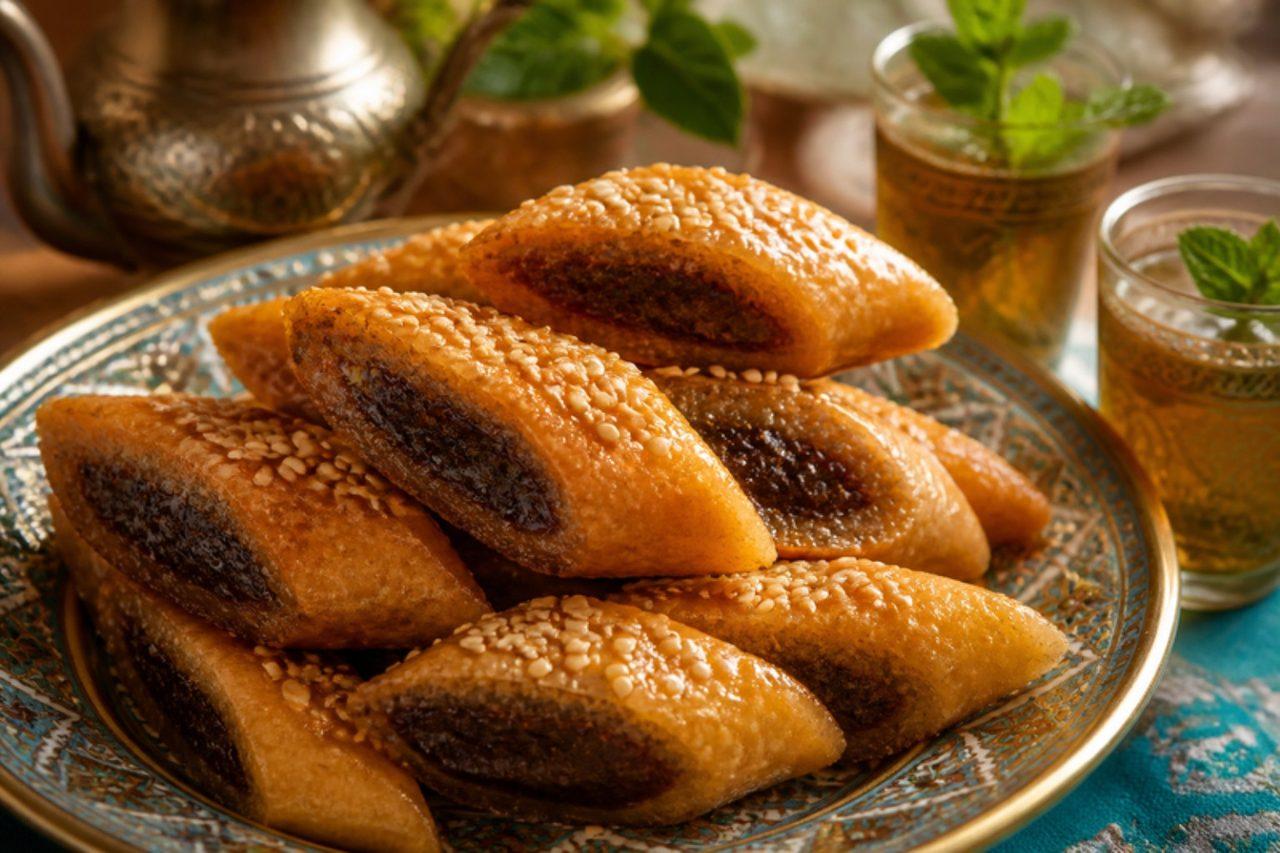
Makroudh is the sweet that Kairouan is famous for; the old holy city in central Tunisia sells it in boxes from shops around the medina, and it is made at home for Eid and weddings across the country. A soft dough of semolina and olive oil is wrapped around a roll of date paste scented with cinnamon and orange blossom, cut into diamonds, fried and dipped in syrup. Chef's tip: rest the semolina dough for an hour after mixing; the grains need time to drink the oil and water, or the makroudh cracks in the oil.

by KrazyBadal 0 views

Showing 81 of 7,762 recipes

Show more recipes

Page 773 of 863